


Skip to content
Welsh cawl
Featured recipe

Welsh cawl

Lamb and leek broth

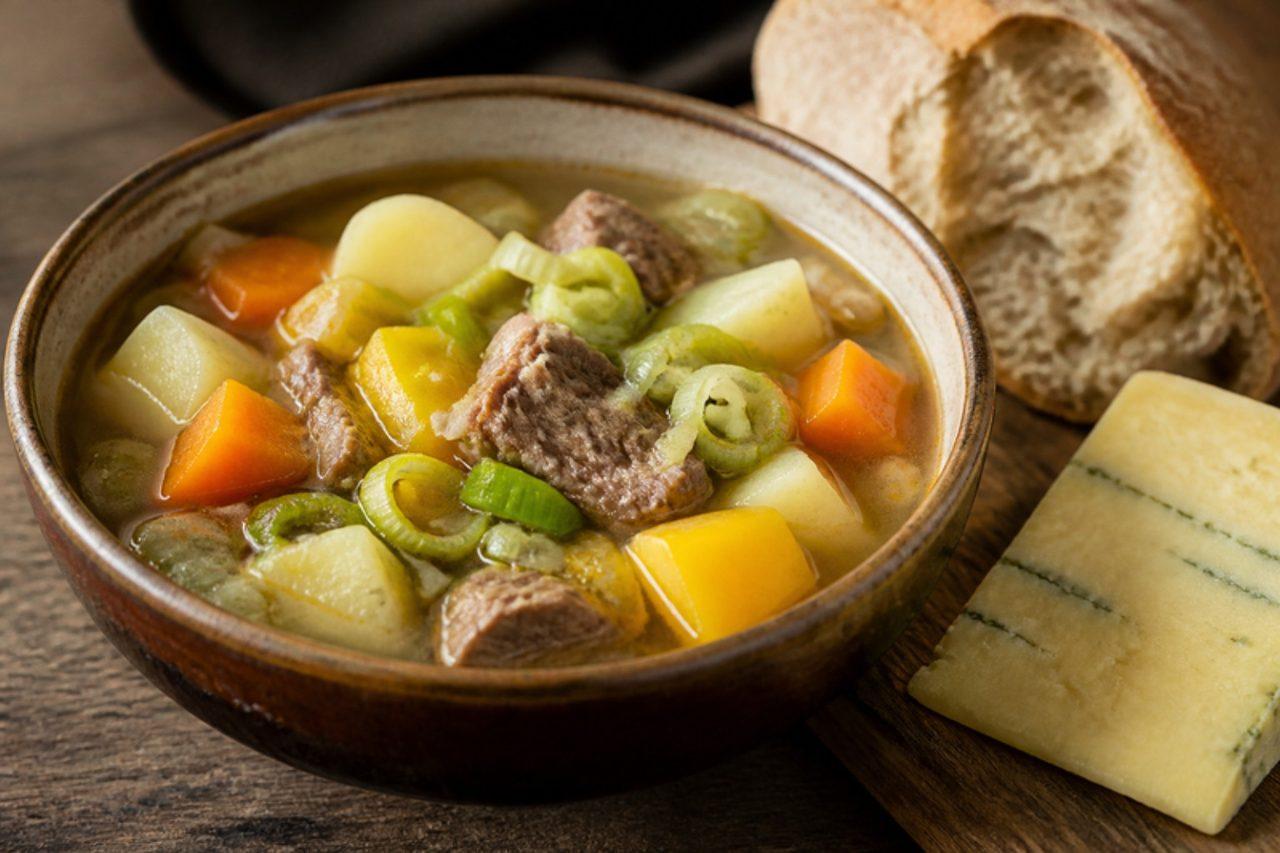
Cawl is the national dish of Wales, a slow broth of lamb on the bone, swede, carrots, potatoes and leeks that farmhouses kept simmering through the winter, and which is eaten with bread and a hunk of Caerphilly on St David's Day. Many families serve the broth first and the meat and vegetables after, and say cawl tastes best on the second day. Chef's tip: chill it overnight and lift off the fat that sets on top for a cleaner broth.

Read more 0 views

What to eat today?

Around the world

Today's trip: Paraguayan

A new country every day, from every cuisine on the site.

Paraguayan

Chipa

Cheese bread rings 50 minMore from Paraguayan (27) →

This week's collection

Kid-friendly dinners
537 recipes · a new collection every Monday

Latest recipes

KapamaPork, chicken and sauerkraut feast pot

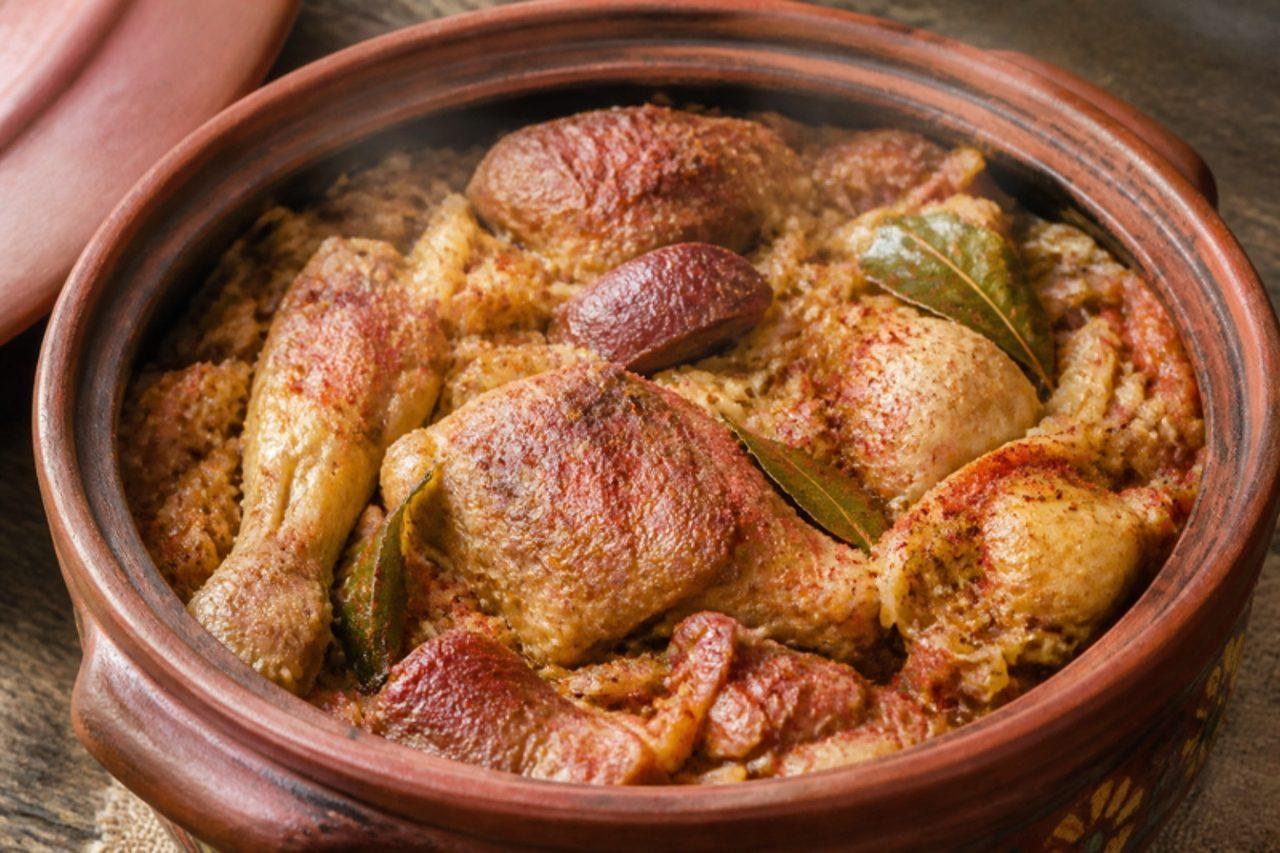
In the stone houses of Bansko, beneath the Pirin mountains, kapama is the dish of the winter holidays, carried to the table in its clay pot at Christmas, New Year and the masked Kukeri carnival. Pork shoulder, chicken on the bone and fresh pork sausage are layered with sauerkraut, rice and paprika, then sealed and baked for hours until the meat falls apart and the rice has soaked up the tangy, smoky juices. Old cooks seal the lid with a rope of dough; this version uses foil under a tight lid, which keeps it gluten free. Serve with extra sauerkraut and pickled peppers. The usual slip is lifting the lid too often, which lets out the steam and dries the top layer. Chef's tip: taste a strand of the sauerkraut first and rinse it only if it is very salty; its sourness is the backbone of the dish.

by KrazyBadal 0 views

Karađorđeva šniclaBreaded stuffed pork roll

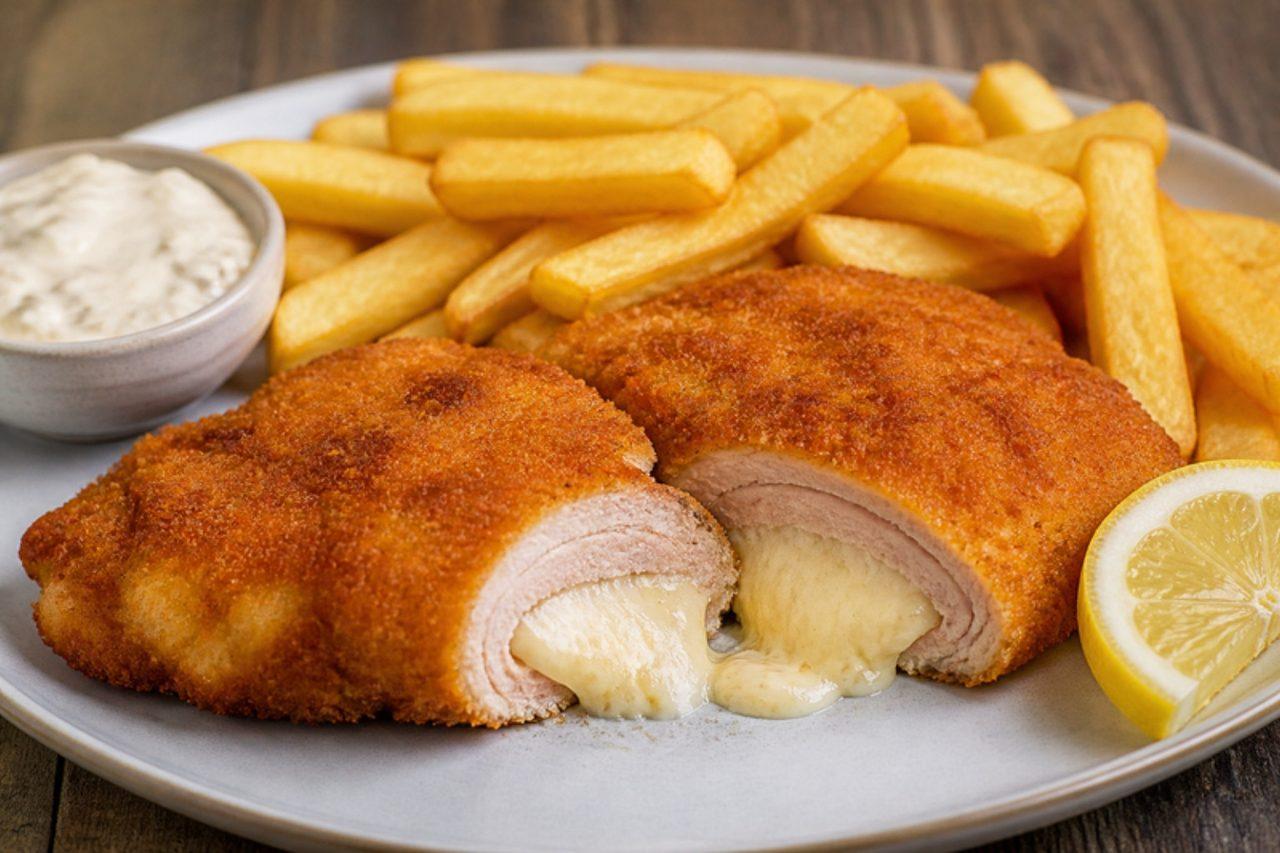
Belgrade restaurants have served this since a local chef created it in the mid-20th century, naming it after Karađorđe, leader of the First Serbian Uprising; diners fondly call it the maiden's dream. A thin pork escalope (veal is the other classic) is spread with kajmak, Serbia's rich, slightly tangy clotted cream, rolled tight, double-breaded and fried into a golden log that oozes when cut. It comes with chips or roast potatoes, a lemon wedge and tartar sauce. If you can't find kajmak, beat cream cheese with a little soft butter and a pinch of salt. Rolling it loosely is the mistake that ruins it, because the cream escapes into the oil; roll tightly and chill before breading. Chef's tip: fry only until golden, then finish in the oven, so the crumb stays crisp while the pork cooks through to the centre.

60 minBalkanMeat
by KrazyBadal 0 views

Accra bananeRipe banana fritters

Morning street corners in Douala smell of frying banana: vendors drop very ripe fruit and flour batter into deep oil and sell accra banane by the paper bag, often with a bowl of bouillie or a plate of beans. Crisp at the edges and soft, sweet and almost custardy inside, these little puffs need nothing more than mashed bananas, flour, sugar and a pinch of nutmeg. Children love them after school, and they are a thrifty way to rescue fruit that has turned black. A frequent slip is using underripe bananas, which give heavy, bland fritters. Chef's tip: use bananas so ripe the skins are mostly black; firmer yellow ones give a dry, bland fritter.

by KrazyBadal 0 views

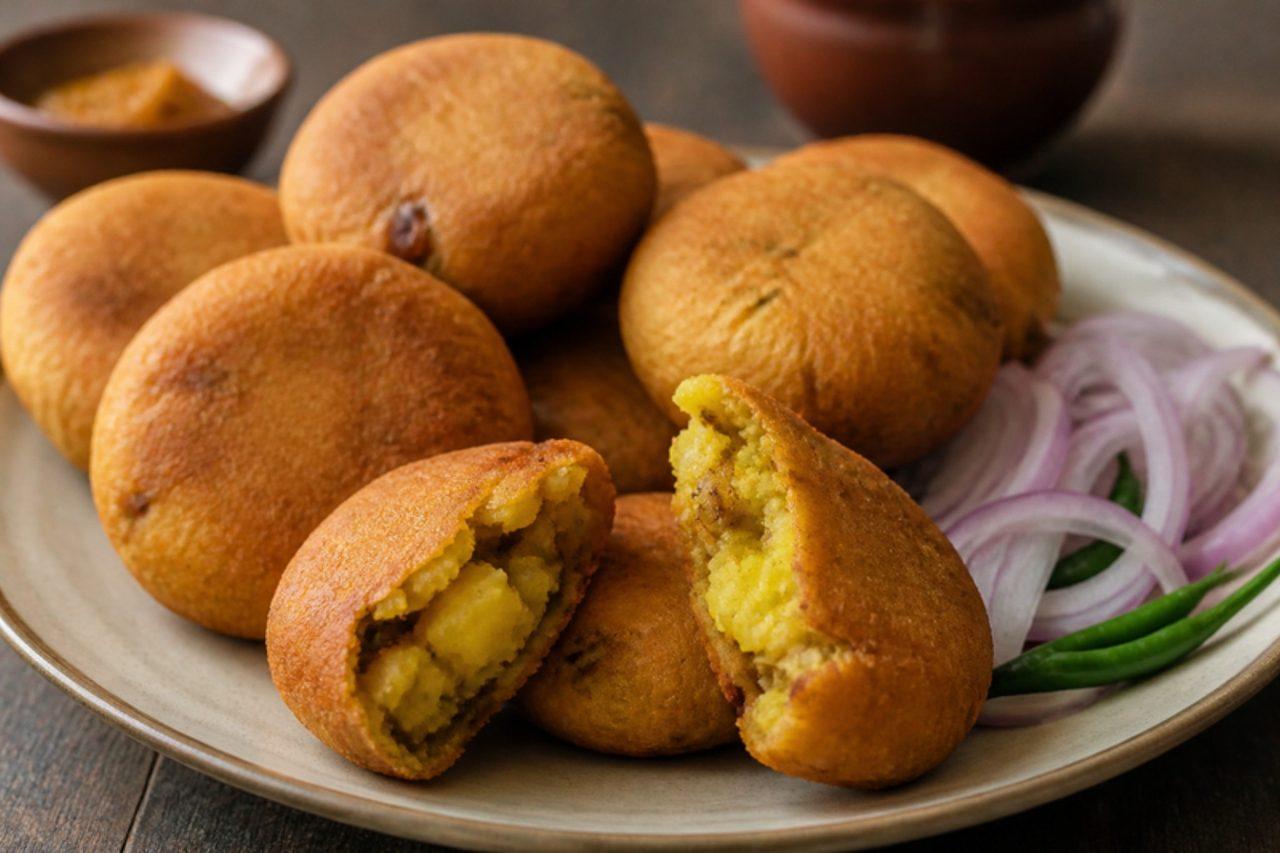
Dimer chopEgg-in-potato croquettes

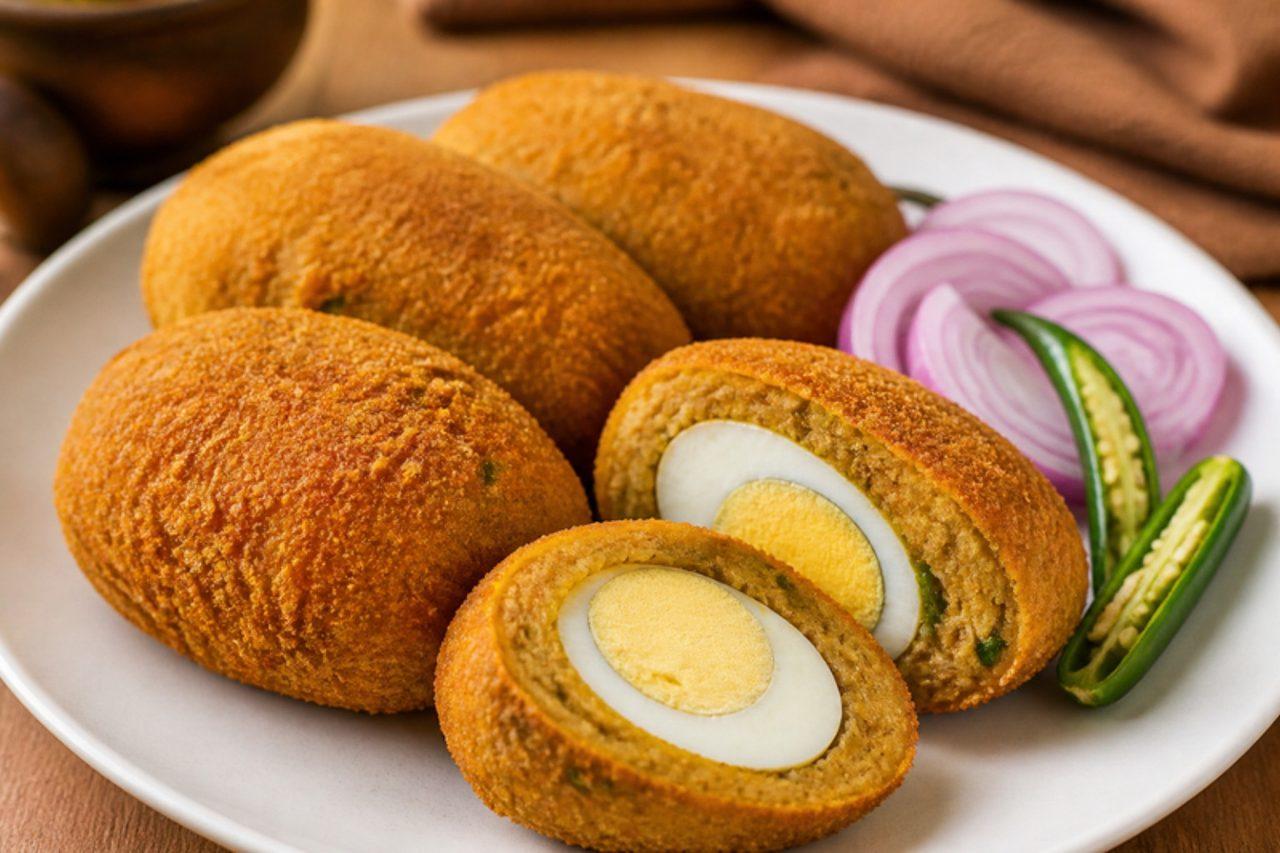
Glass cabinets at Dhaka's sweet shops and snack counters, from New Market to Mirpur, always hold a row of dimer chop, oval golden-crumbed parcels that, when cut, reveal half a boiled egg nested inside a layer of spiced potato. They are bought for afternoon tea, birthday parties and school tiffin and eaten with kasundi mustard sauce, tomato ketchup and a little sliced onion and cucumber. Some versions mix minced meat into the potato; this one keeps it vegetarian, with garam masala, ginger and fried onion for depth. Soft-boiled eggs are a mistake here: they must be fully hard-boiled so the yolk is firm and the chop is safe and easy to wrap. Chef's tip: chill the crumbed chops for 15 minutes before frying so the coating stays put.

by KrazyBadal 0 views

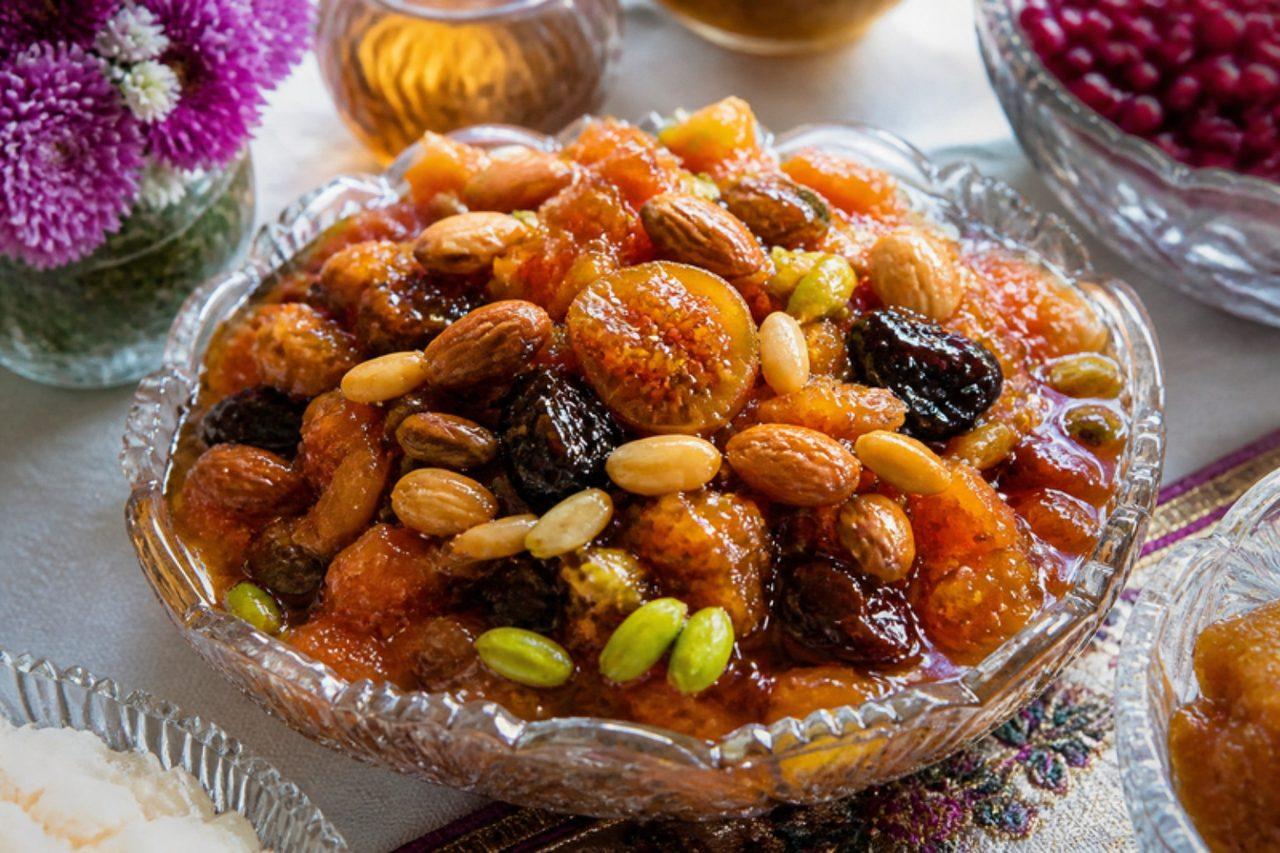
DibyazaApricot and date compote

No Eid table in Jeddah or Mecca is complete without a bowl of dibyaza, a thick, glossy compote that old Hejazi families make the night before the festival and serve at breakfast alongside cheese, olives and fresh bread. Sheets of dried apricot paste melt into a tangy orange syrup that wraps around soft dates, figs, prunes and crunchy nuts, so every spoonful is sweet, sour and jammy at once. Some households stir in fried onion for a savoury edge; this version keeps it to fruit and nuts. People often boil it hard and scorch the bottom, because apricot paste catches very easily. Keep the heat low and stir from the base. It keeps for a week in the fridge. Chef's tip: soak the apricot paste in hot water until completely soft before it goes near the heat; it then dissolves smooth instead of leaving rubbery shreds.

by KrazyBadal 0 views

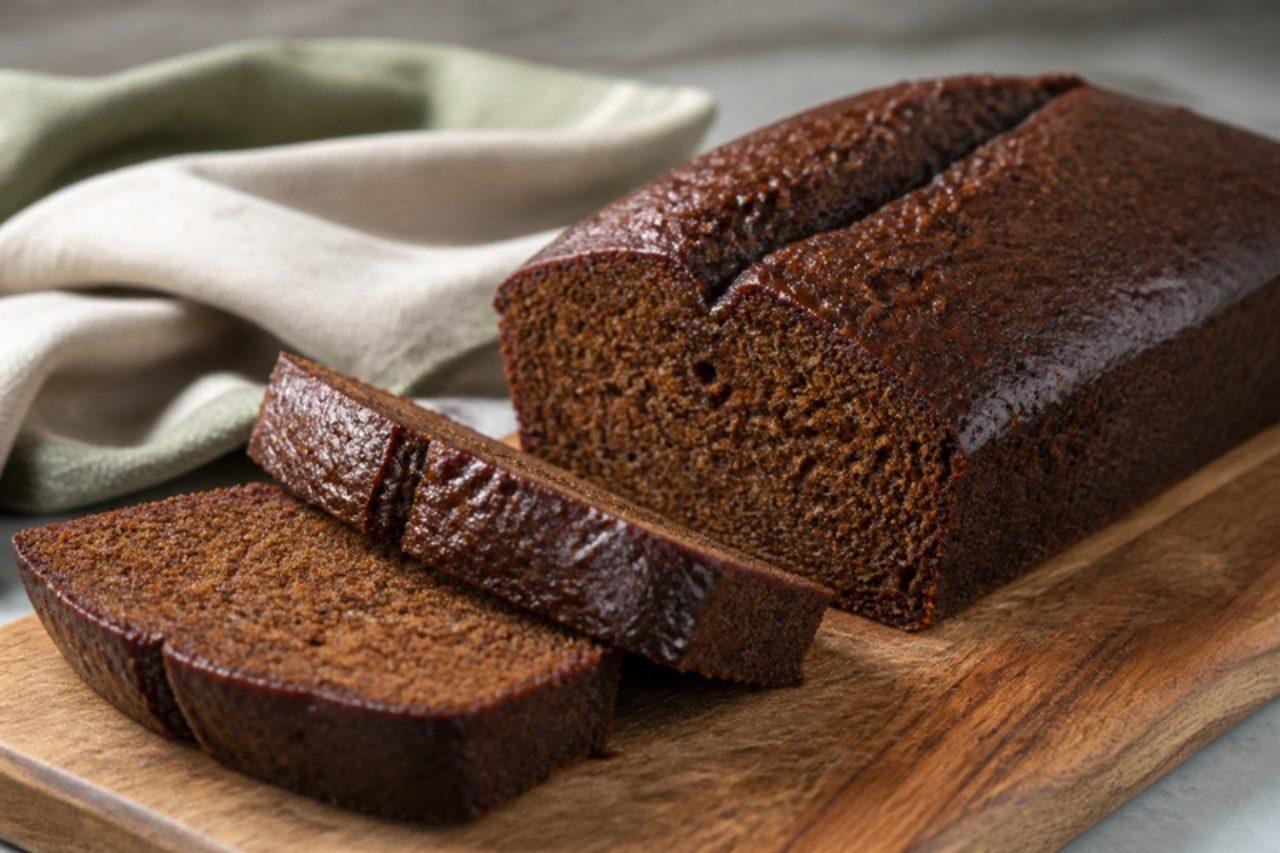
Bonbon siwoMolasses gingerbread cake

Bonbon siwo, "syrup cake", is the moist, dark gingerbread that Haitian families bake for birthdays, church sales and an ordinary Sunday, sliced into squares and eaten with a cup of sweet coffee. The siwo is molasses or cane syrup, which gives it a slightly bitter, smoky sweetness alongside ginger, cinnamon and nutmeg. The common mistake is overbaking: take it out as soon as a skewer comes out clean, or the edges dry and turn crusty. It contains egg, wheat and dairy. Chef's tip: mix the bicarbonate of soda into the hot water before adding it to the batter so it fizzes and lifts the cake evenly.

by KrazyBadal 0 views

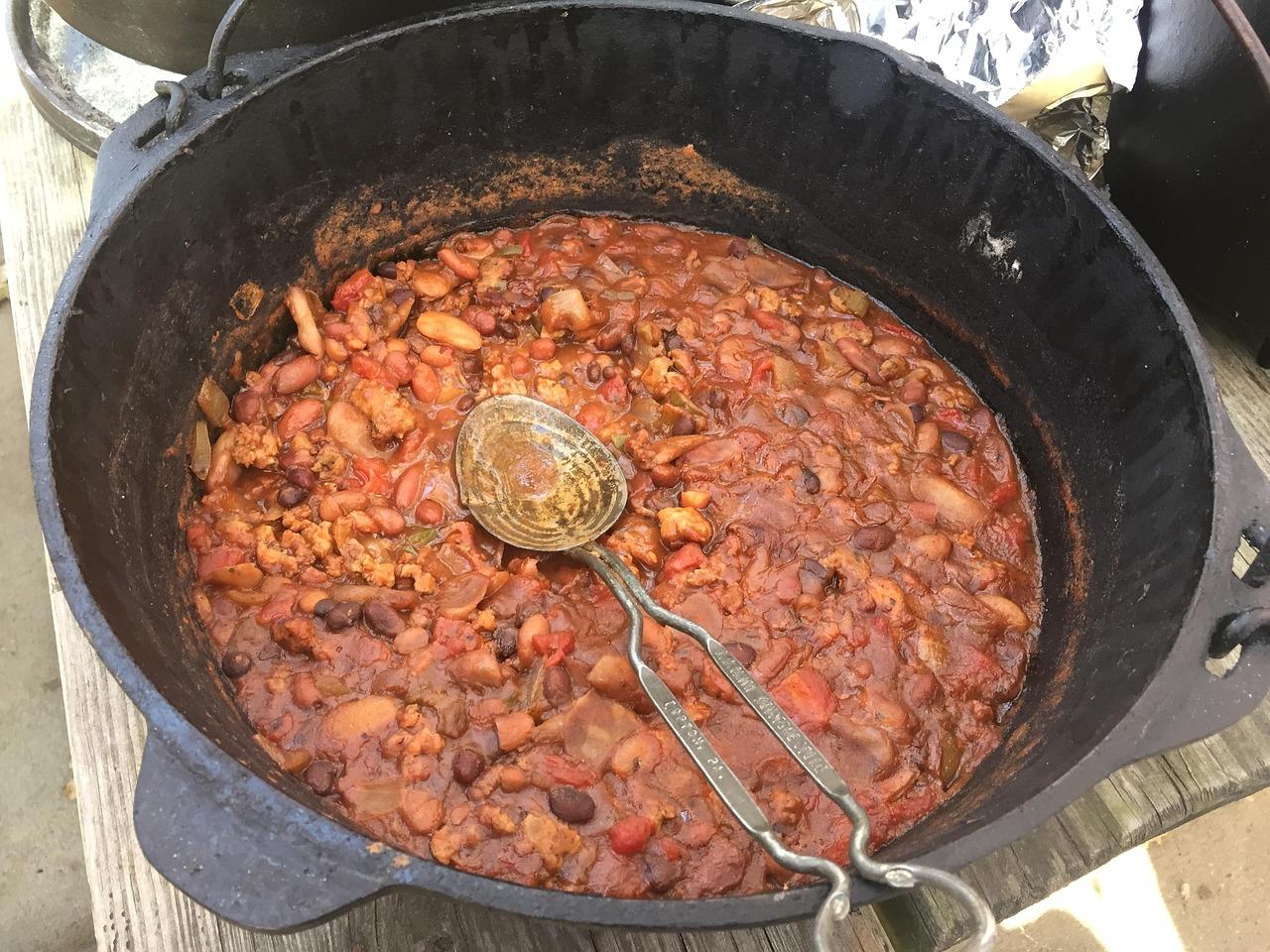
Fasolka po bretońskuWhite beans in tomato with sausage

Despite its name, nothing about fasolka po bretońsku is French; this is pure Polish canteen and milk-bar food, the thick, brick-red bean stew that has fed Warsaw students, soldiers and hungry families for generations. White beans simmer in tomato with smoked pork sausage, smoked bacon, onion and plenty of marjoram until creamy, smoky and slightly sweet. It is filling enough on its own with a hunk of bread and even better reheated the next day. Under-cooked beans are the most common disappointment; they must be soft right through before the tomato goes in, because acid stops them softening. Soak the dried beans overnight beforehand. Chef's tip: mash a ladle of the cooked beans against the side of the pot before serving to give the sauce its typical velvety body.

90 minPolishMeatGluten free
by KrazyBadal 0 views

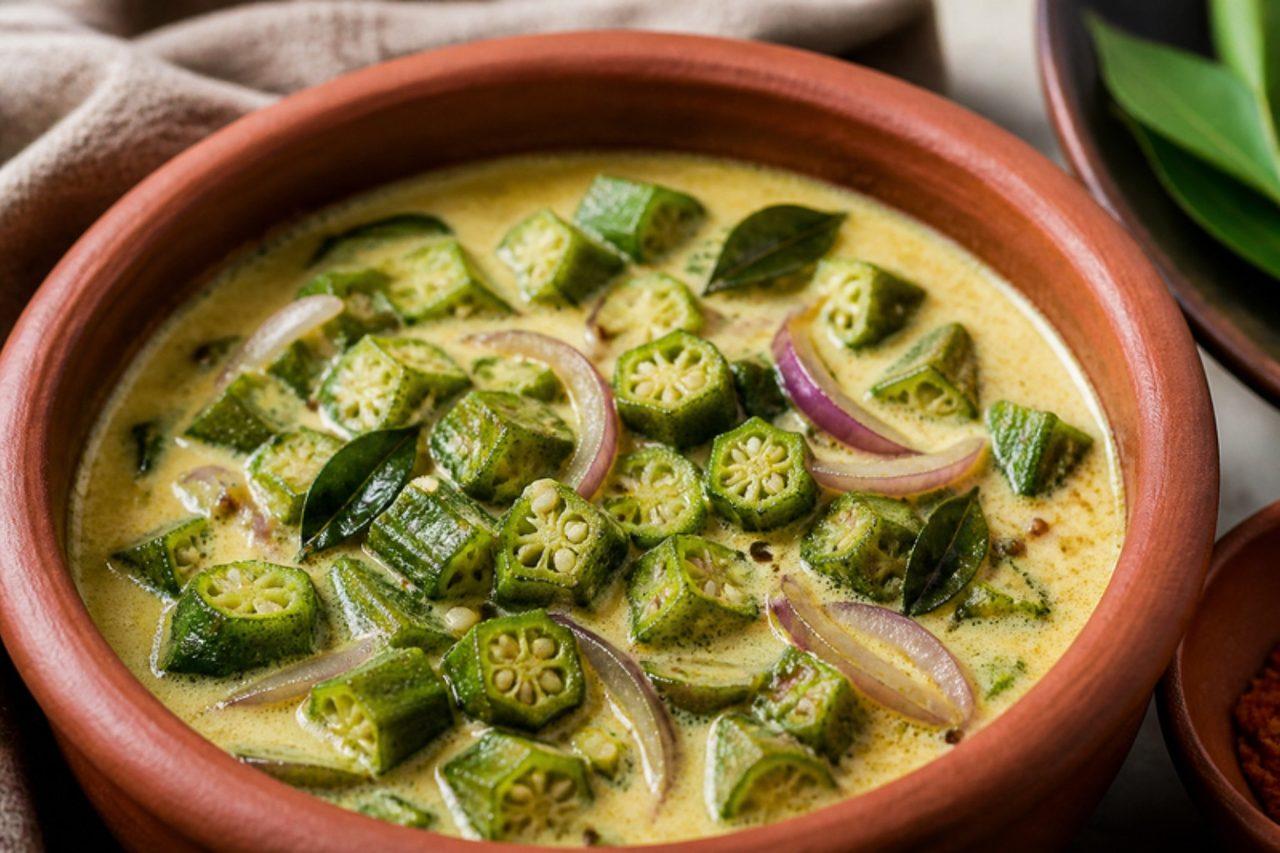
Bandakka curryOkra coconut milk curry

Ladies' fingers, as okra is still called in Colombo markets, are cheap, plentiful and quick, which is why bandakka curry is one of the most common weekday vegetables on a Sri Lankan lunch plate. The pods are cut on the diagonal, fried briefly in coconut oil, then simmered in a mild, yellow gravy of coconut milk with fenugreek, onion and green chilli, so they stay bright green and just tender. It goes with red or white rice, a spoon of dhal and something crisp, such as fried papadam or a sambol. Slime puts many people off okra, and it is almost always caused by moisture: washing the pods and cutting them while they are still wet. Dry them completely first and fry them before any liquid goes in. Chef's tip: a few drops of lime stirred in at the very end lifts the flavour and also helps the gravy stay clean and silky.

by KrazyBadal 0 views

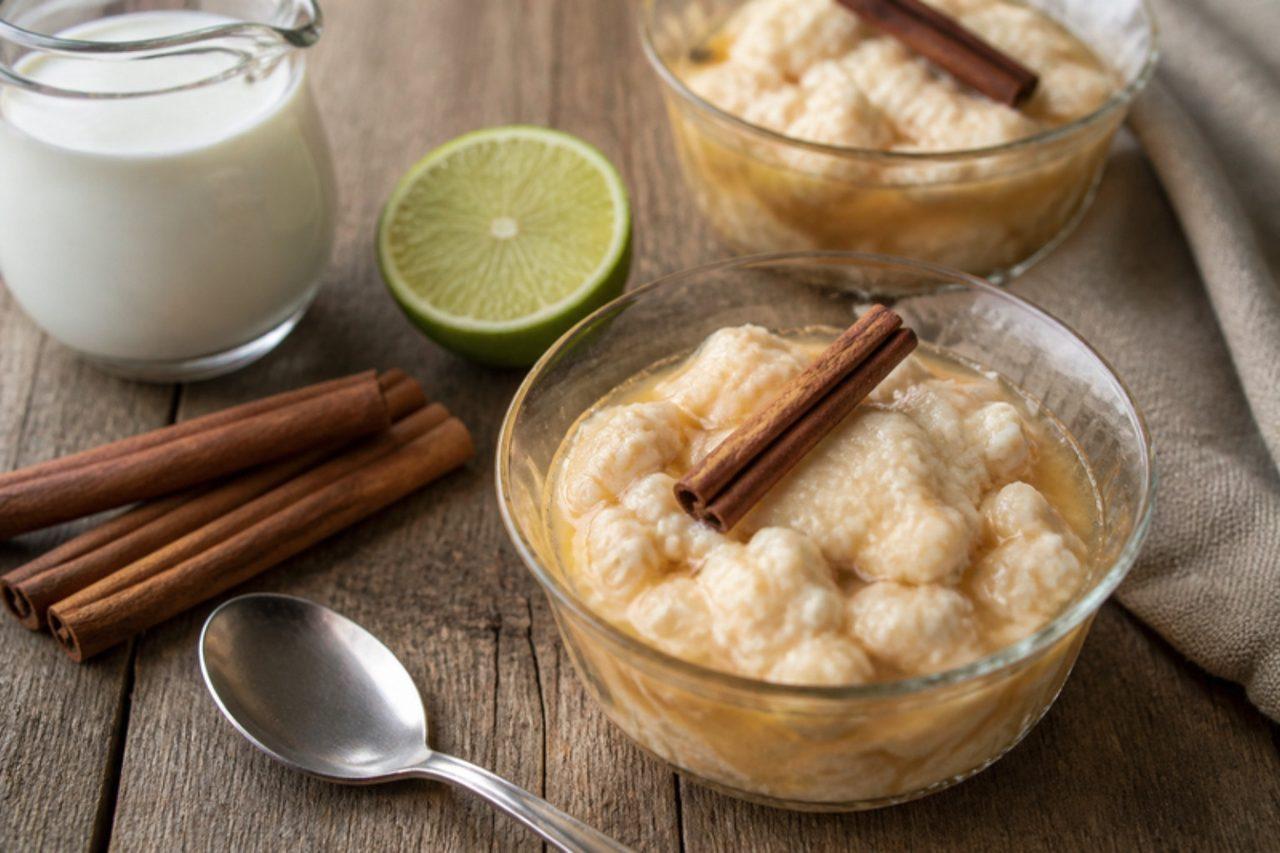
Dulce de leche cortadaSweet milk curds in syrup

Dulce de leche cortada is a farmhouse sweet from the dairy country of central Cuba: milk is split with lime juice, then cooked slowly with sugar and cinnamon until the curds turn soft, golden and chewy in a caramel-coloured syrup. It is served cold in small dishes, and it is quite unlike the smooth Argentine dulce de leche. People often stir too much once the milk splits, breaking the curds into grains, so stir gently and only to stop it catching. There is no rennet here; lime does the curdling. Chef's tip: add the lime to the milk while it is warm, not boiling, and leave it untouched for 10 minutes, which gives large, tender curds.

by KrazyBadal 0 views

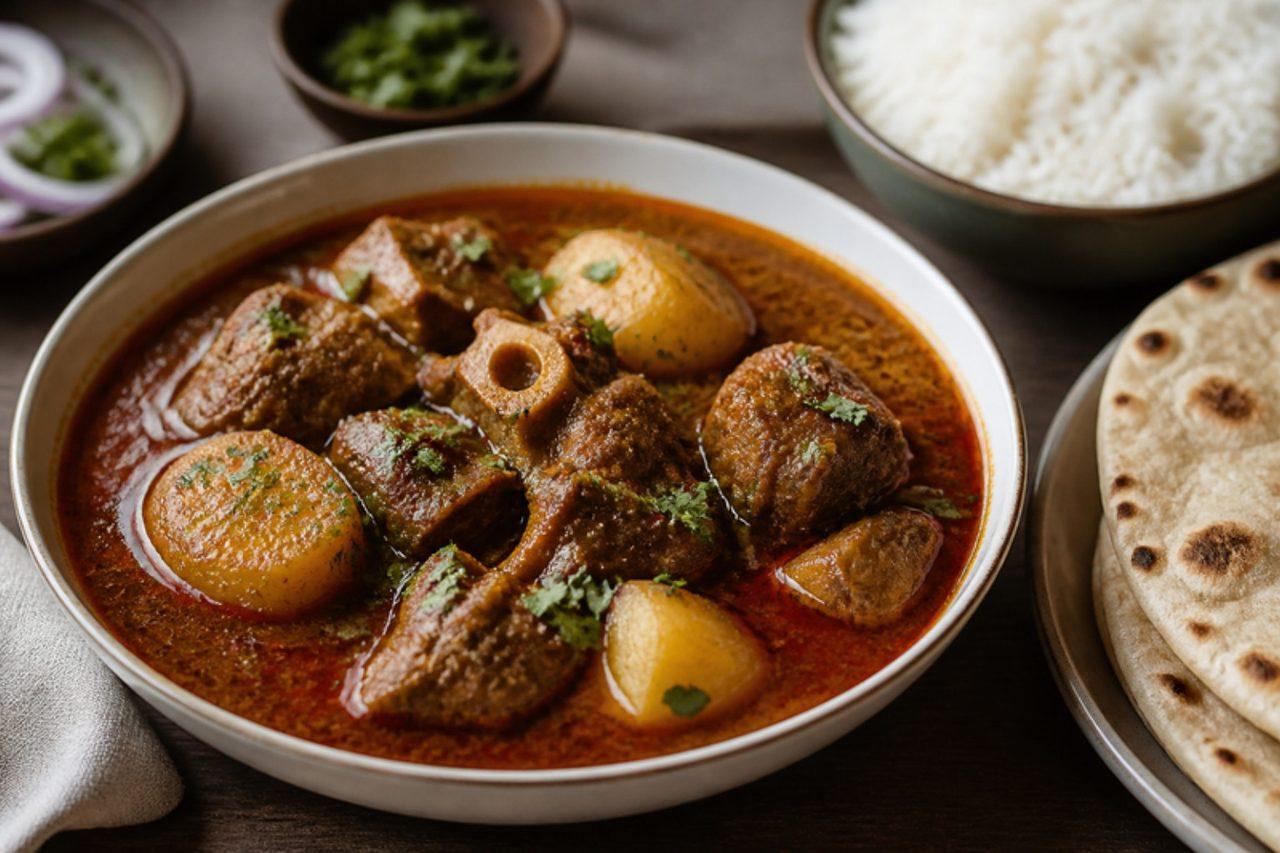
Aloo goshtMutton and potato curry

If one curry stands for a weekday dinner in a Pakistani house, from Rawalpindi flats to Karachi's Nazimabad, it is aloo gosht: mutton on the bone and halved potatoes in a loose, peppery shorba meant to be soaked up with chapati or poured over plain rice. Nothing about it is fancy; its comfort comes from a long bhuna of onion, tomato and spice before any water goes in, so the thin gravy still tastes deep. The potatoes go in once the meat is half done and come out soft at the edges, having drunk the gravy. Adding them at the start leaves them falling apart while the meat is still chewy, so wait. Chef's tip: when the masala is fully fried, add the water boiling hot, not cold, so the meat keeps cooking and the shorba stays clear rather than greasy.

by KrazyBadal 0 views

Bossche bolChocolate-dipped cream puff

The Bossche bol is the famous pastry of 's-Hertogenbosch (Den Bosch) in North Brabant: a choux bun the size of a tennis ball, filled to bursting with lightly sweetened whipped cream and dipped in glossy dark chocolate. Bakeries like Jan de Groot sell them by the thousand, and you eat it with your hands, leaning over the plate. A common mistake is taking the choux out too early, which makes it collapse. Chef's tip: bake until deep golden, then pierce the base and return to the switched-off oven for 10 minutes to dry out.

by KrazyBadal 0 views

Bangladeshi aloo chopSpiced potato patties

Every chop-shop on a Dhaka street corner, and every iftar spread in the evening during Ramadan, has a tray of aloo chop: flattened ovals of mashed potato fried with onion, ginger and green chilli, dipped in a gram-flour batter and fried until puffed and golden. The inside is soft and fragrant with roasted cumin and coriander leaves, the coat thin and crunchy, and they are eaten hot, with a sprinkle of bit lobon (black salt), a squeeze of lime, kasundi mustard sauce or a dab of tamarind chutney, often tucked into a paper cone with muri. Watery potatoes are the commonest problem, as they make the patties split in the oil, so steam-dry them well after boiling. Chef's tip: add a pinch of rice flour to the gram-flour batter for a crisper coat that stays crunchy as it cools.

by KrazyBadal 0 views

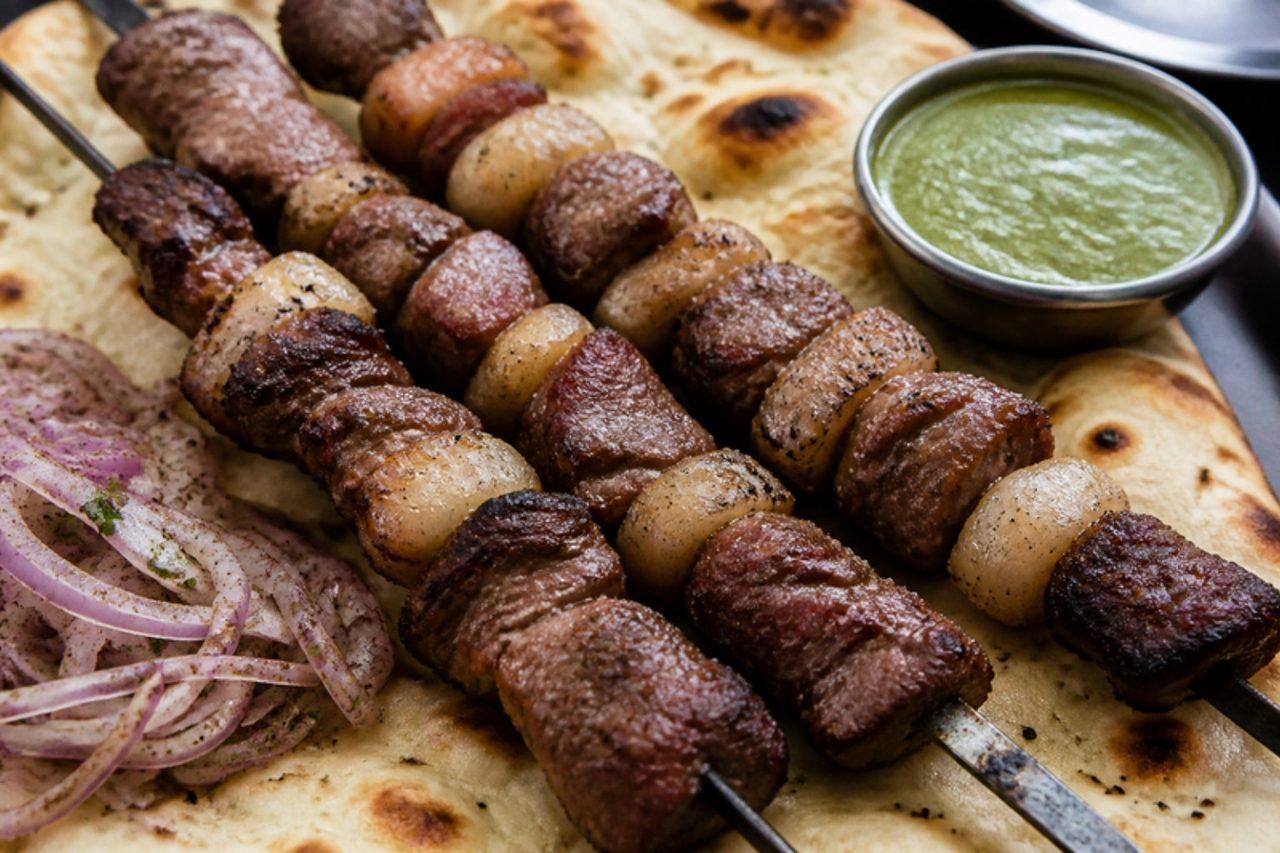
Kandahari tikkaGrilled lamb chunks

Kandahar's tikka houses pride themselves on doing very little to the meat: chunks of lamb, threaded on wide iron skewers with small pieces of tail fat between them, are rubbed with grated onion, salt and black pepper and grilled over fierce charcoal until the fat drips and flares. The result is smoky, juicy and peppery, with crisp edges and a clean lamb flavour, and it is served on hot naan with raw onion, tomato and a sharp green chutney. Over-marinating in onion is a common misstep, as the juice softens the surface into mush after a day; two to four hours is plenty. Chef's tip: let the skewers rest for 2 minutes on the naan before eating, so the bread soaks up the juices.

27 minAfghanMeatGluten free
by KrazyBadal 0 views

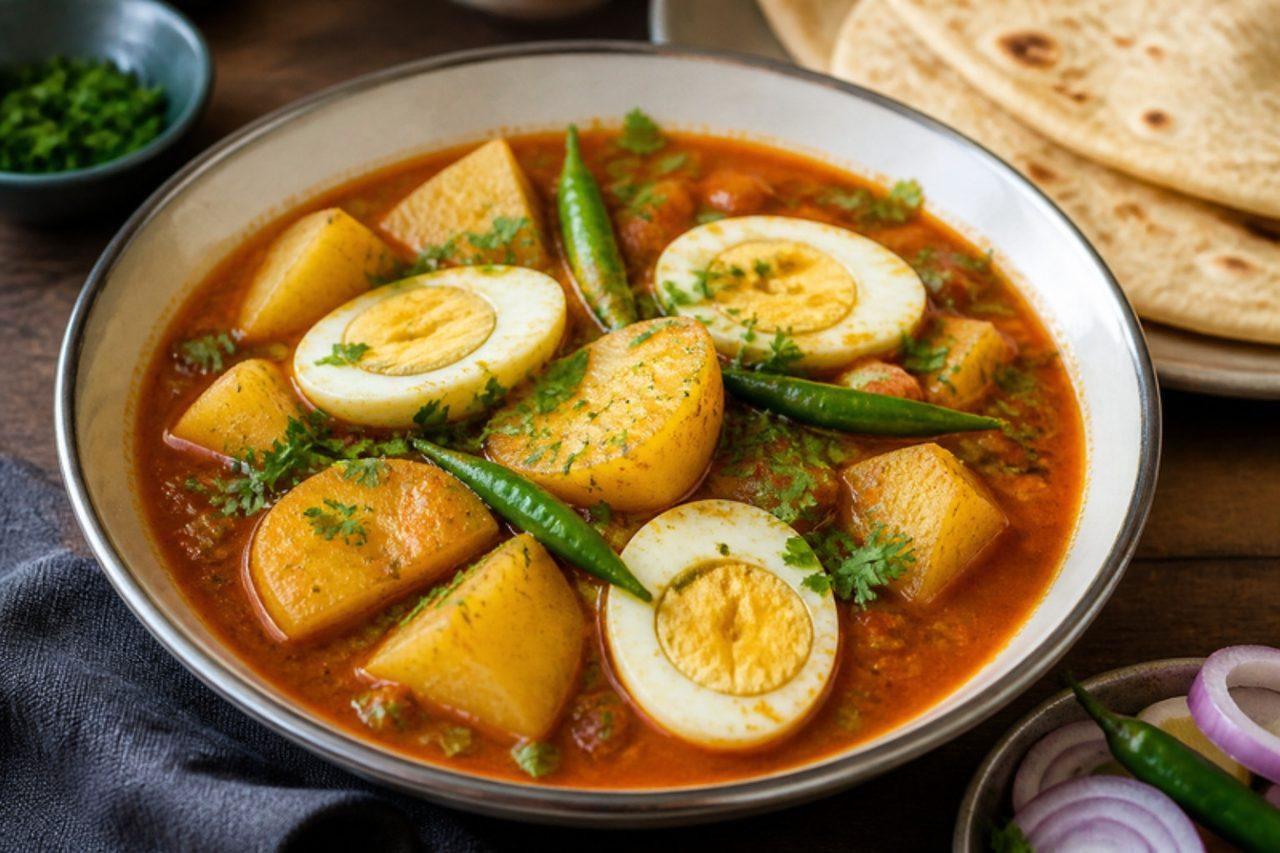
Aloo andayPotato and egg curry

Ask almost anyone who grew up in a Punjabi household in Pakistan what was cooked at the end of the month, when the meat money had run out, and aloo anday will come up with real affection. Halved hard-boiled eggs and chunks of potato sit in a loose, brick-red shorba of browned onion and tomato, thin enough to soak into a chapati and rice alike, with a cut green chilli on top. It is a weeknight and Sunday-brunch dish rather than a guest dish, and children tend to love it. Where it goes wrong is in the masala: if the onions and tomatoes are not fried until the oil separates, the gravy tastes raw and watery however long it simmers. Chef's tip: score the peeled eggs lightly with a knife and fry them in the masala for a minute before the water goes in, so they take on colour and flavour.

by KrazyBadal 0 views

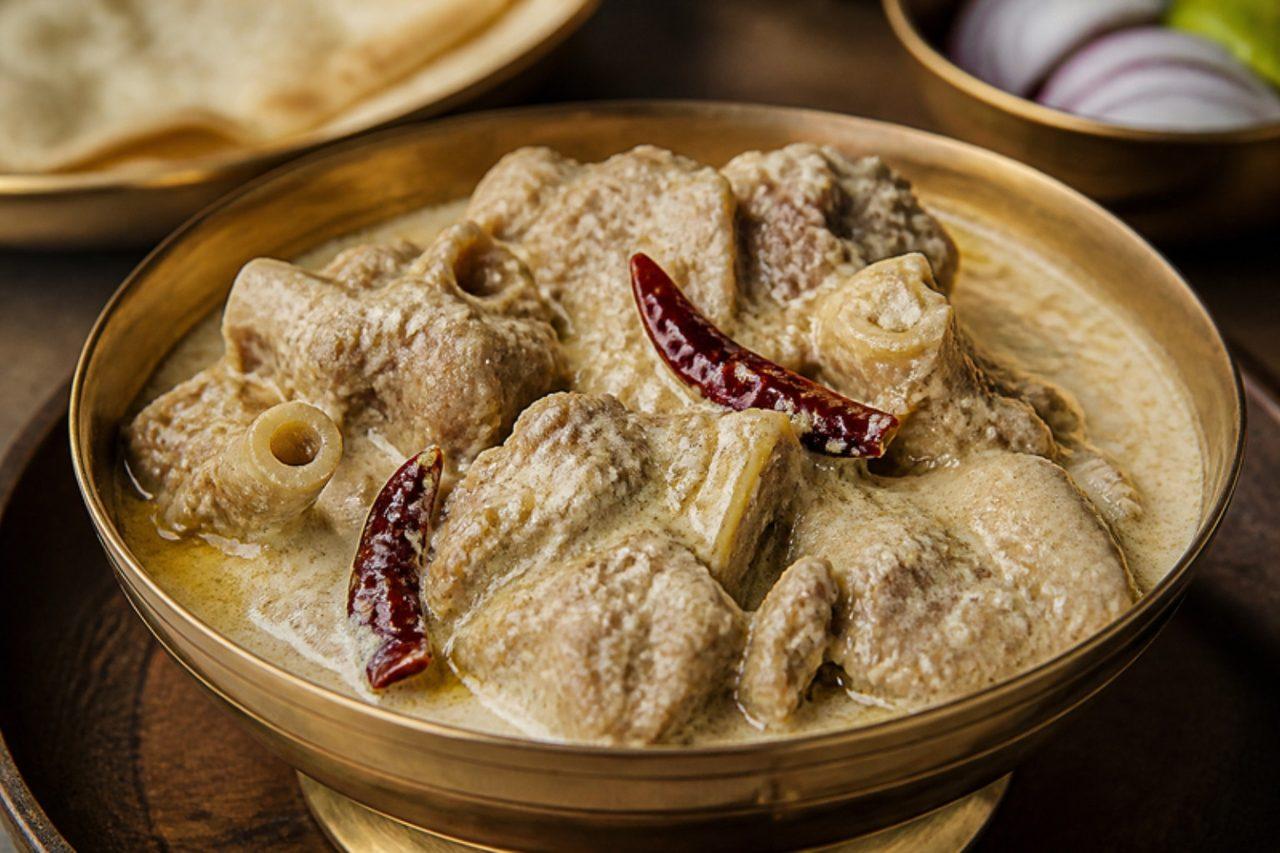
Bangladeshi mutton rezalaYoghurt mutton curry

Rezala is the elegant one on a Dhaka dawat table, a creamy, ivory-coloured mutton curry that looks mild and then surprises you with the slow heat of whole dried chillies swimming on top. Its roots are in the Mughal kitchens that reached Bengal through Murshidabad and Old Dhaka, and today it turns up at Eid lunches and wedding receptions beside polao or soft naan. There is no turmeric and no red chilli powder in the gravy; the body comes from yoghurt, a paste of white poppy seeds and cashews, and onions cooked gently so they never brown. The classic mistake is frying the onion paste too hot, which turns the gravy beige and bitter instead of pale. Chef's tip: grind the poppy seeds and cashews after soaking them in warm milk or water for 20 minutes, so the paste is completely smooth.

by KrazyBadal 0 views

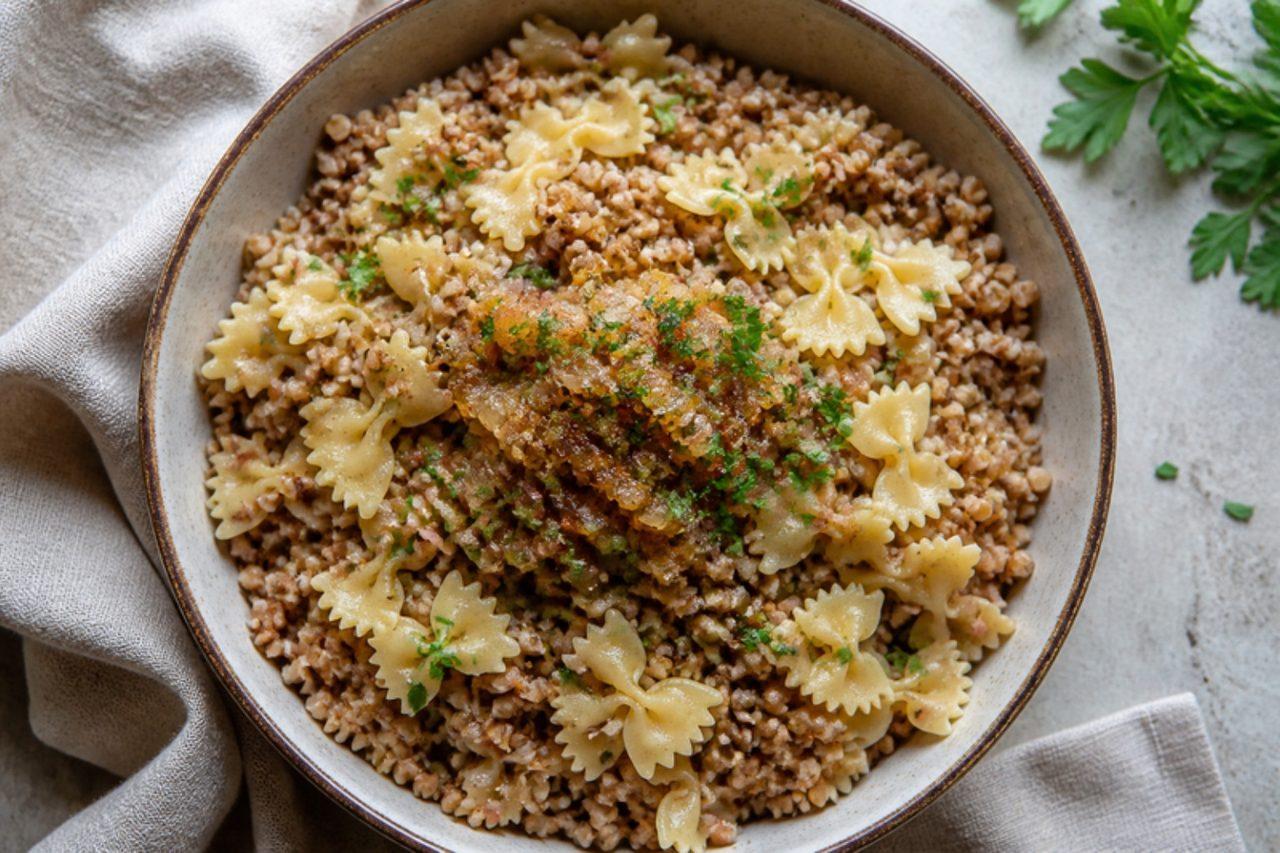
Kasha varnishkesBuckwheat with bow-tie pasta

Kasha varnishkes came to Israel with Jews from Ukraine, Belarus and Poland, and it still turns up beside Friday-night dinners in older Ashkenazi neighbourhoods of Tel Aviv and Petah Tikva. Whole buckwheat groats are coated in egg and toasted so each grain stays separate and nutty, then tossed with farfalle and a heap of onions fried slowly until sweet and mahogany. It is earthy and filling, good as a side for roast vegetables or as a simple supper with pickles and a green salad. The usual mistake is skipping the egg-toasting step, which leaves the buckwheat clumped and porridgy. Chef's tip: give the onions a full 25 minutes, they are the sauce, and pale onions make a dull dish.

by KrazyBadal 0 views

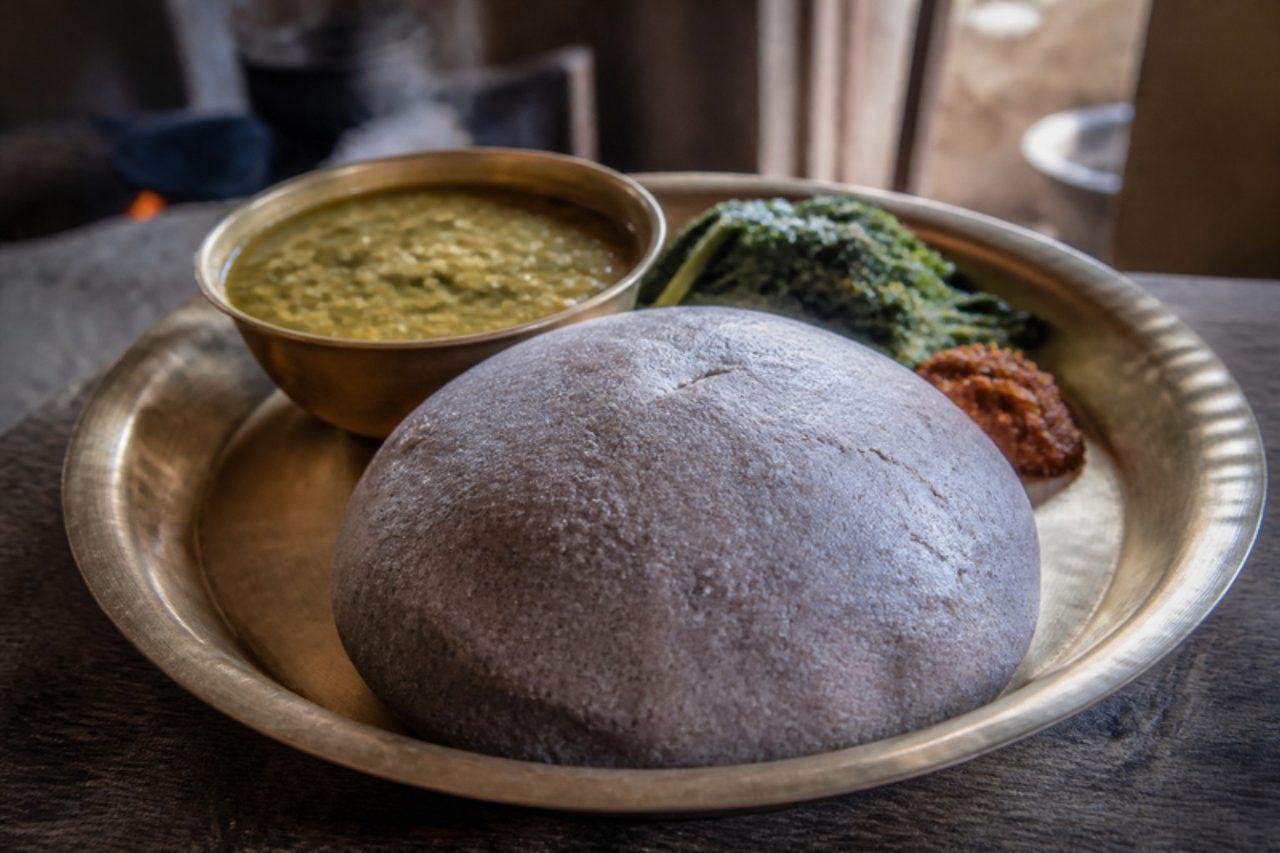
DhidoBuckwheat flour porridge

Before rice reached every corner of Nepal, dhido was what filled bellies in the high villages of Jumla, Dolpa, Mustang and the middle hills, and it is now enjoying a comeback in Kathmandu restaurants as a wholesome, gluten-free choice. Buckwheat or millet flour is rained into boiling water and stirred with a flat wooden paddle until it becomes a smooth, heavy, elastic mass, which is eaten with the fingers, pinched off and dipped into a sour vegetable soup, a bowl of lentils or a fiery tomato pickle. It has an earthy, slightly bitter flavour and a satisfying, sticky texture that is meant to be swallowed rather than chewed. Lumps are what ruin it most often, and they come from adding the flour too quickly. Chef's tip: add the flour in a thin stream with one hand while stirring hard with the other, and keep beating for a full 10 minutes once it is all in.

by KrazyBadal 0 views

Bermuda cassava pieCassava pie with chicken and pork

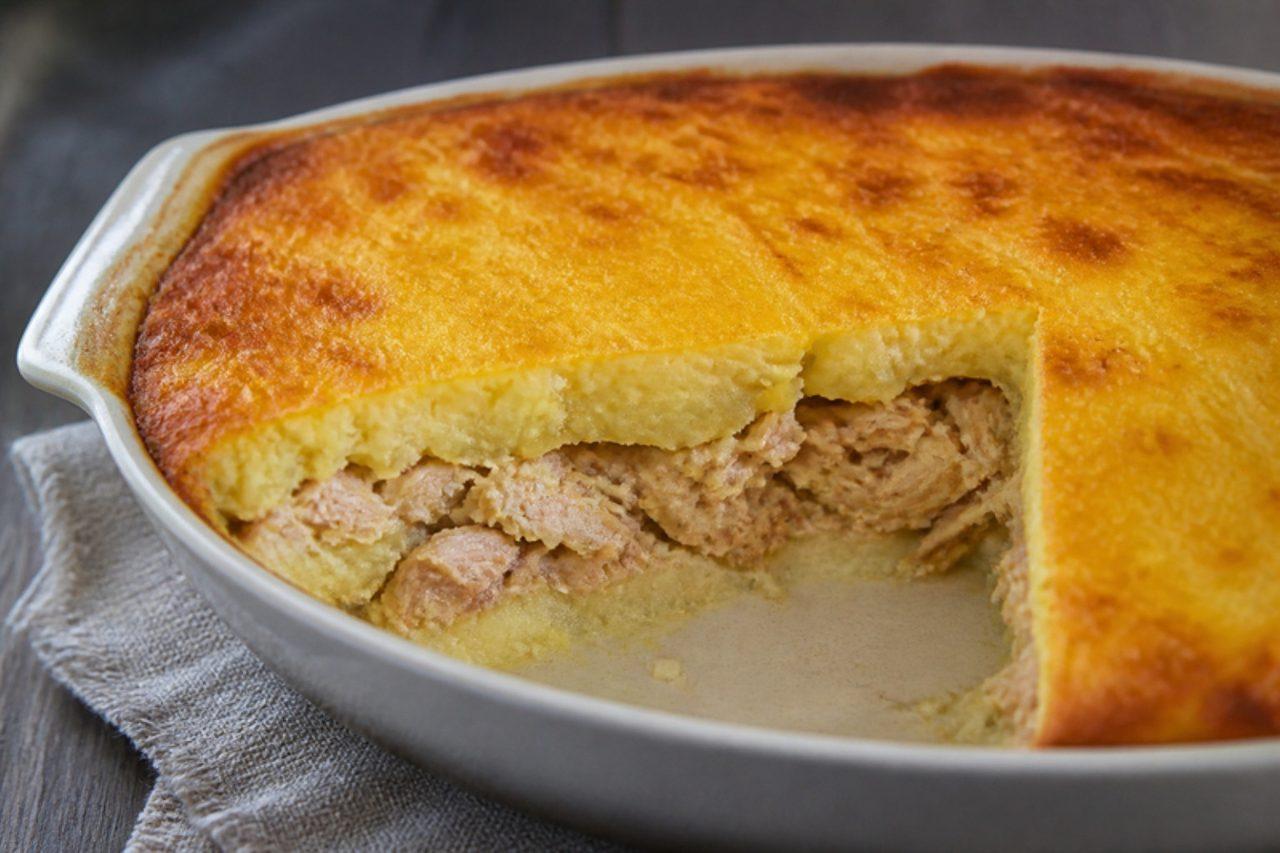
No Bermudian Christmas table is complete without cassava pie, a dense, golden, faintly sweet bake of grated cassava, eggs, butter, sugar and nutmeg layered around a filling of stewed chicken and pork. Families compare recipes and argue over sweetness; it is served in slices with the turkey on Christmas Day and eaten cold for days after. The pork here is boneless pork shoulder, stewed with the chicken until tender. The common mistake is underbaking: the cassava must set firm and brown deeply, or it is gluey in the middle. Use frozen grated cassava, squeezed dry. Chef's tip: make the filling the day before; cold meat is easier to layer and the stock gels into a juicy middle.

by KrazyBadal 0 views

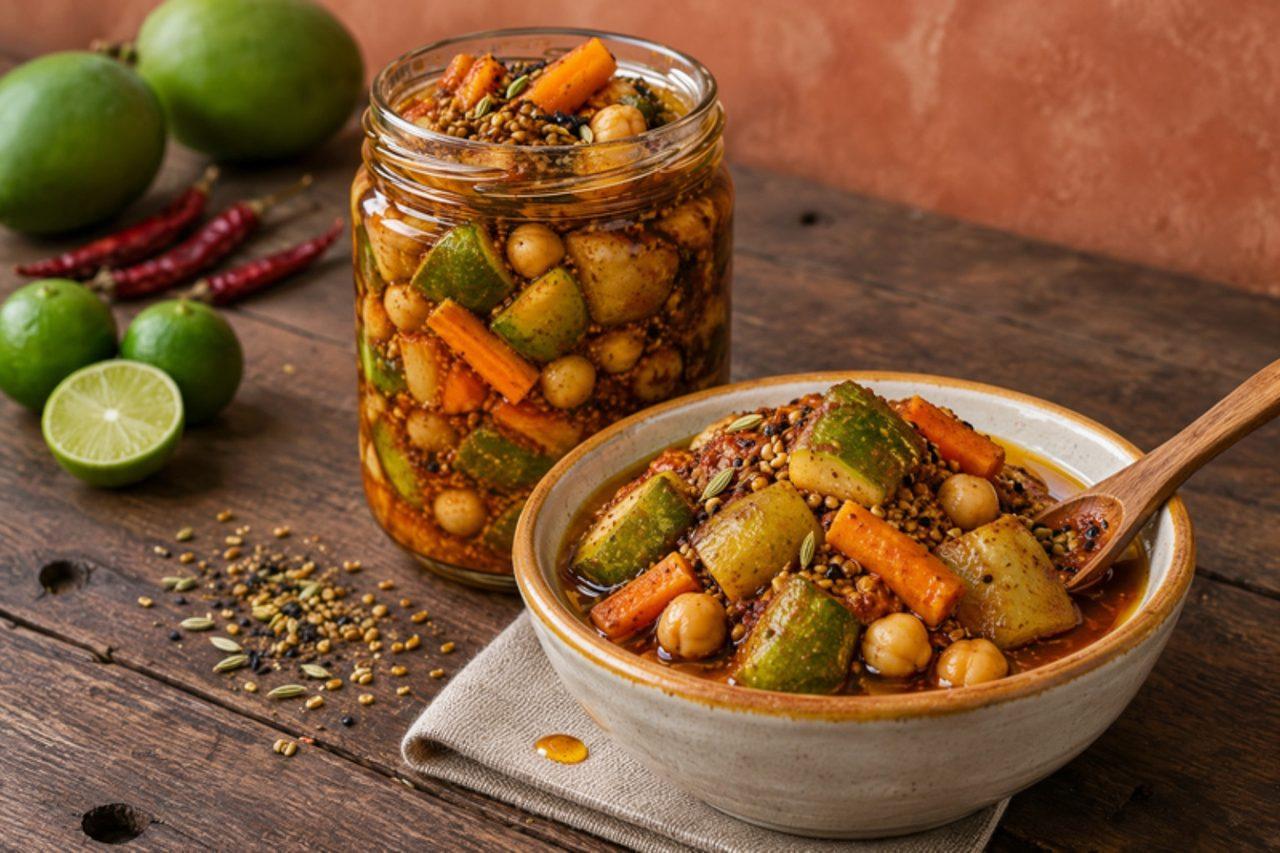
Kancha aam makhaSpiced green mango

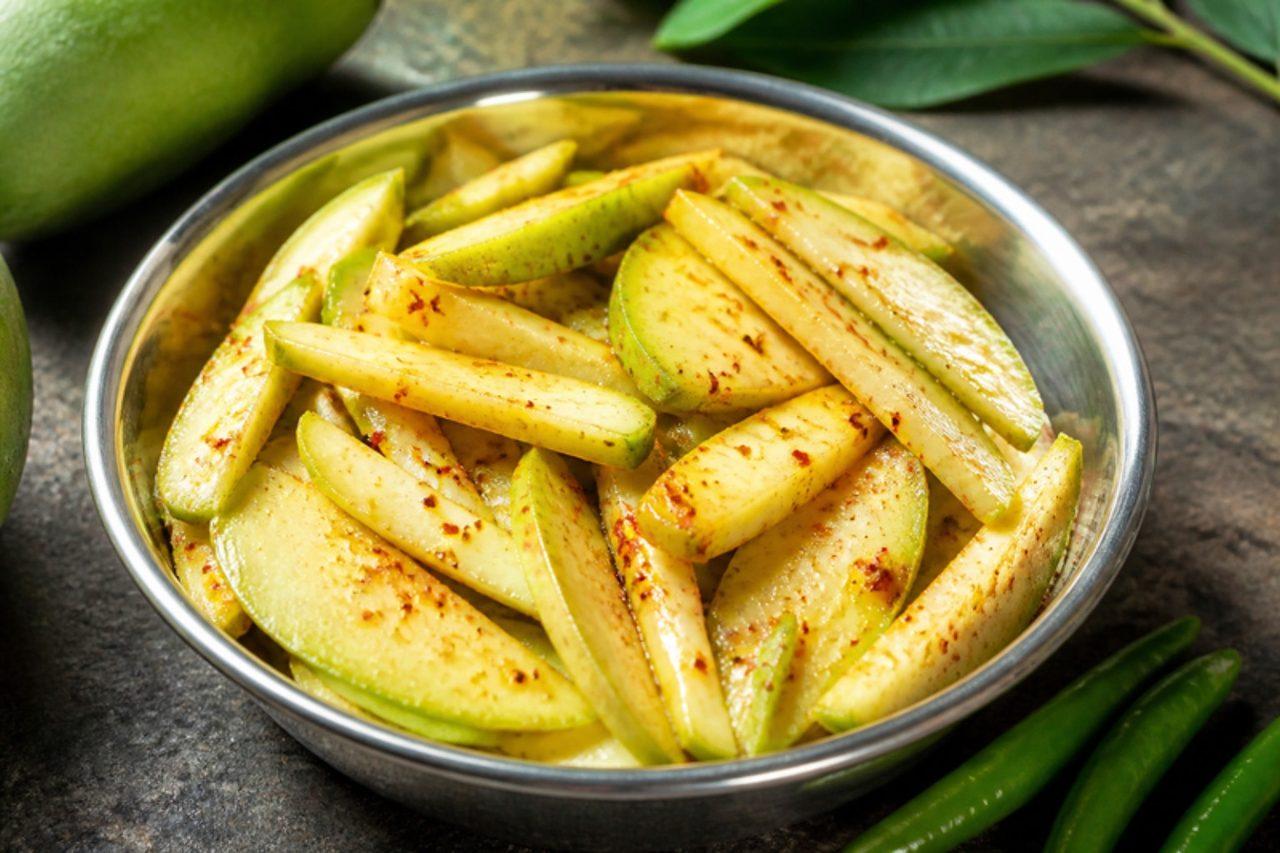
Outside every school gate in Bangladesh during the hot months, a vendor with a glass box on his cart sells green mango makha: unripe mango sliced paper-thin and squeezed by hand with salt, sugar, chilli and a splash of mustard oil, handed over in a cone of newspaper with a toothpick. Makha means mixed by hand, and the hand matters, as the squeezing bruises the mango so it softens and drinks in the seasoning. It tastes sour, sweet, salty and hot all at once, with the sharp nose-burn of raw mustard oil, and it is eaten as an afternoon snack in April and May, especially around Pohela Boishakh. Slicing the mango too thick is the error that leaves it hard and bland in the middle. Chef's tip: stir in a spoon of kasundi, Bengali mustard relish, for the version the street sellers call kasundi makha.

by KrazyBadal 0 views

FendishaSweet or salted popcorn

Popcorn might seem an odd companion to coffee, but at an Ethiopian buna ceremony a heaped tray of fendisha is as expected as the incense and the little cups. The hostess pops it while the coffee boils, and it is eaten in small handfuls between the three rounds of coffee. Some families like it plain with a pinch of salt, others scatter sugar over it while it is still hot so it catches in the crevices; both are made here. It is crisp, light and best within an hour or two. Whole popcorn is a choking risk for children under five, so serve them something else. Chef's tip: leave the lid slightly ajar while it pops so the steam escapes; trapped steam is what makes popcorn chewy.

by KrazyBadal 0 views

KålrabistappeMashed swede

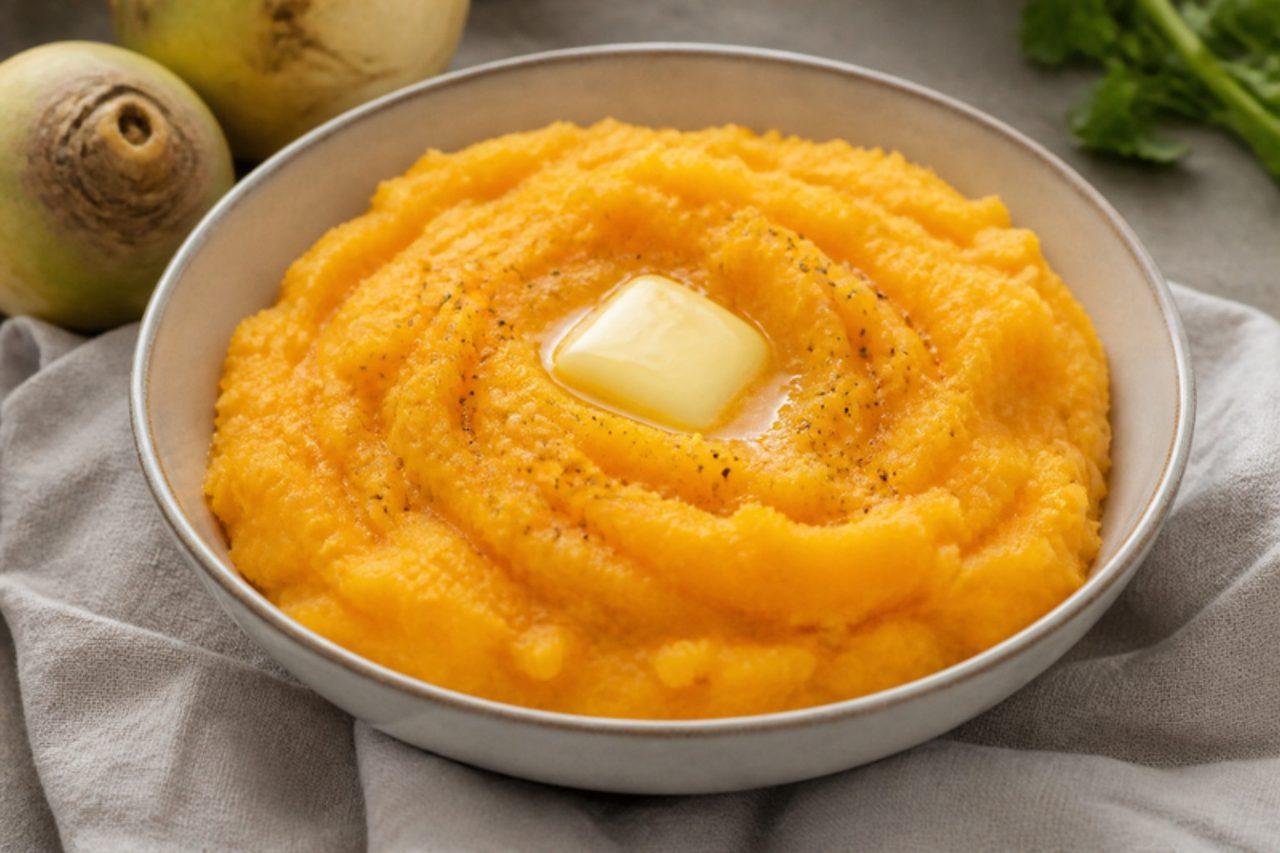
Kålrabistappe is the bright orange mash of swede that sits beside almost every Norwegian winter dinner: with pinnekjøtt lamb ribs at Christmas in western Norway, with raspeballer on Thursdays, with salted meat and sausages. It is simple: swede and a little potato boiled soft and mashed with butter, a splash of the cooking water and nutmeg. A common mistake is mashing it in a blender, which makes it gluey. Chef's tip: let the swede steam dry in the pan for a couple of minutes after draining; the mash stays fluffy, not watery.

by KrazyBadal 0 views

DemikátSheep's cheese soup over bread

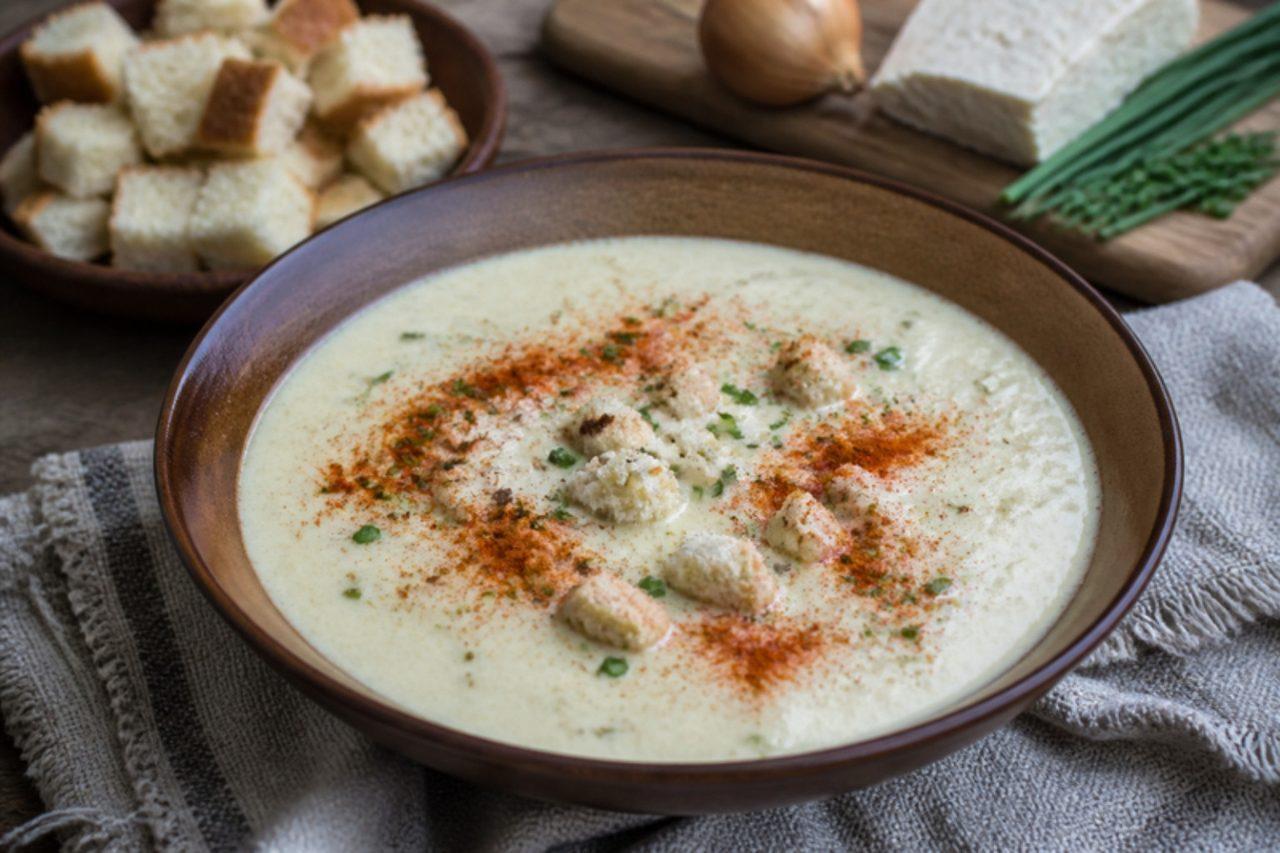
Shepherds in the hills of central Slovakia needed only a kettle of water, a lump of bryndza and a loaf of bread to make demikát, a soup that comes together in a quarter of an hour at the salaš, the summer sheep hut. The soft, salty sheep's cheese is mashed with fried onion, paprika and caraway, loosened with boiling water and poured over chunks of bread, then finished with heaps of chives. It is tangy, creamy and very warming. Bryndza is traditionally made with animal rennet and sometimes from raw milk, so for a vegetarian, safer bowl choose a pasteurised sheep's cheese made with vegetarian rennet (a soft feta-style cheese mashed with a little cream cheese works well). The usual slip is boiling the soup after the cheese goes in, which makes it grainy; just bring it to steaming. Chef's tip: use day-old rye bread, toasted, so it soaks up the broth without falling apart.

20 minCzechSoups
by KrazyBadal 0 views

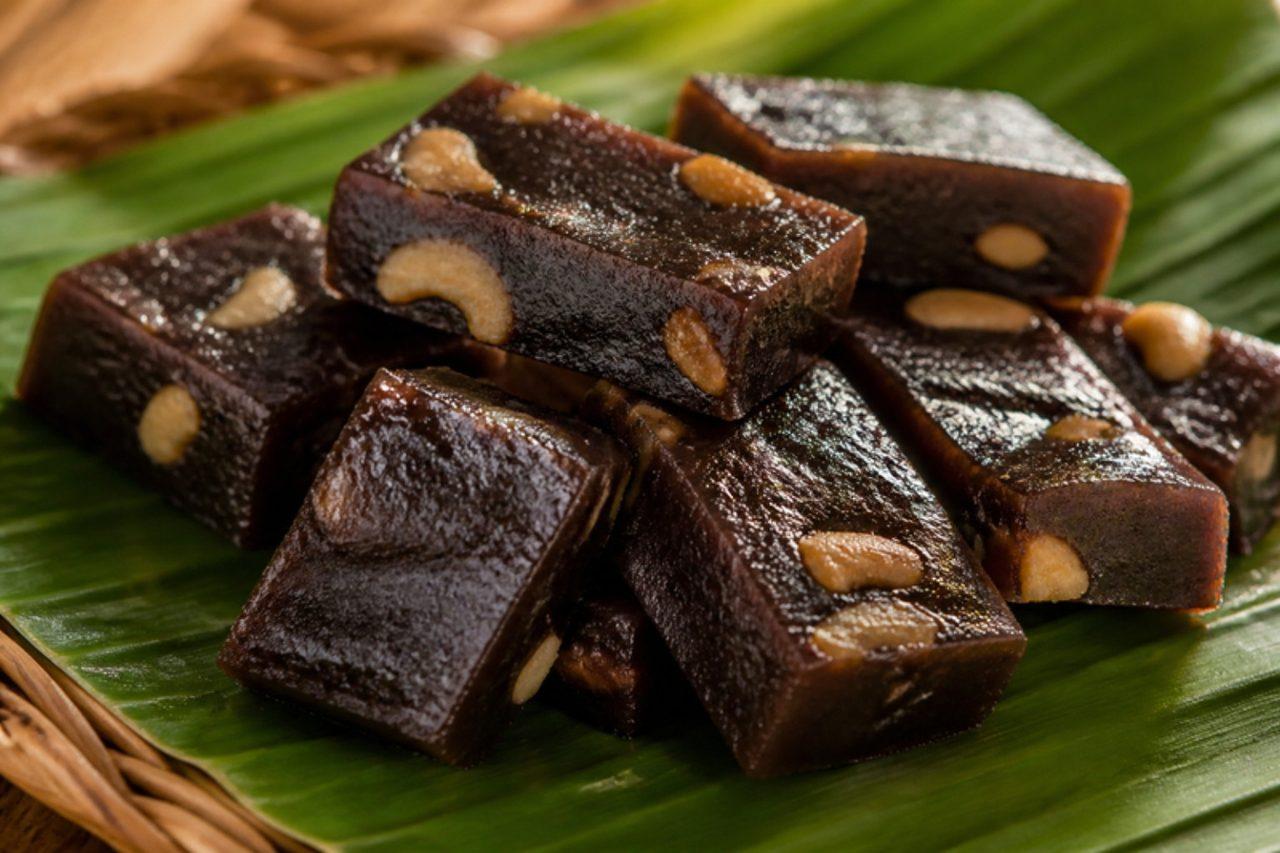
Kalu dodolRice flour and jaggery sweet

Hambantota and Kalutara both claim the best kalu dodol, and roadside shops in each town sell long, black, glistening slabs wrapped in paper, bought by travellers as gifts for the family back home. The sweet is a test of stamina: coconut milk is cooked down until its oil separates, then rice flour and kithul jaggery are stirred in and the mixture is worked over the heat for two to three hours until it turns dark, glossy and stiff, with cashews and cardamom added at the end. It sets into a chewy, fudgy sweet with a deep caramel and coconut flavour, and is served in thin slices during Avurudu and at weddings. Giving up too early is the one mistake everyone makes once; undercooked dodol stays sticky and grey instead of firm and almost black. Chef's tip: use the widest heavy pan you have and a long wooden spoon, and keep stirring the same direction, scraping the base, so nothing catches.

by KrazyBadal 0 views

DhikriSteamed rice flour dough shapes

For Maghi, the Tharu new year in mid-January, and for Dashain and Atwari, families in Dang, Bardiya and Kailali sit together on the floor shaping dhikri, long pieces of rice-flour dough rolled and twisted into ropes, spirals, fish, birds and finger-marked ridges before they are steamed. The finished pieces are soft, smooth and chewy, with a clean, sweetish rice flavour that makes them a canvas for whatever is served alongside: a spicy tomato and sesame chutney, a lentil soup, a vegetable curry or, in many homes, a festive meat curry. Leftovers are sliced and fried the next day. The usual mistake is mixing the dough too dry, which cracks as you shape it and steams up hard. Chef's tip: keep the dough covered with a damp cloth while you shape, and dip your fingers in water if it starts to crack.

by KrazyBadal 0 views

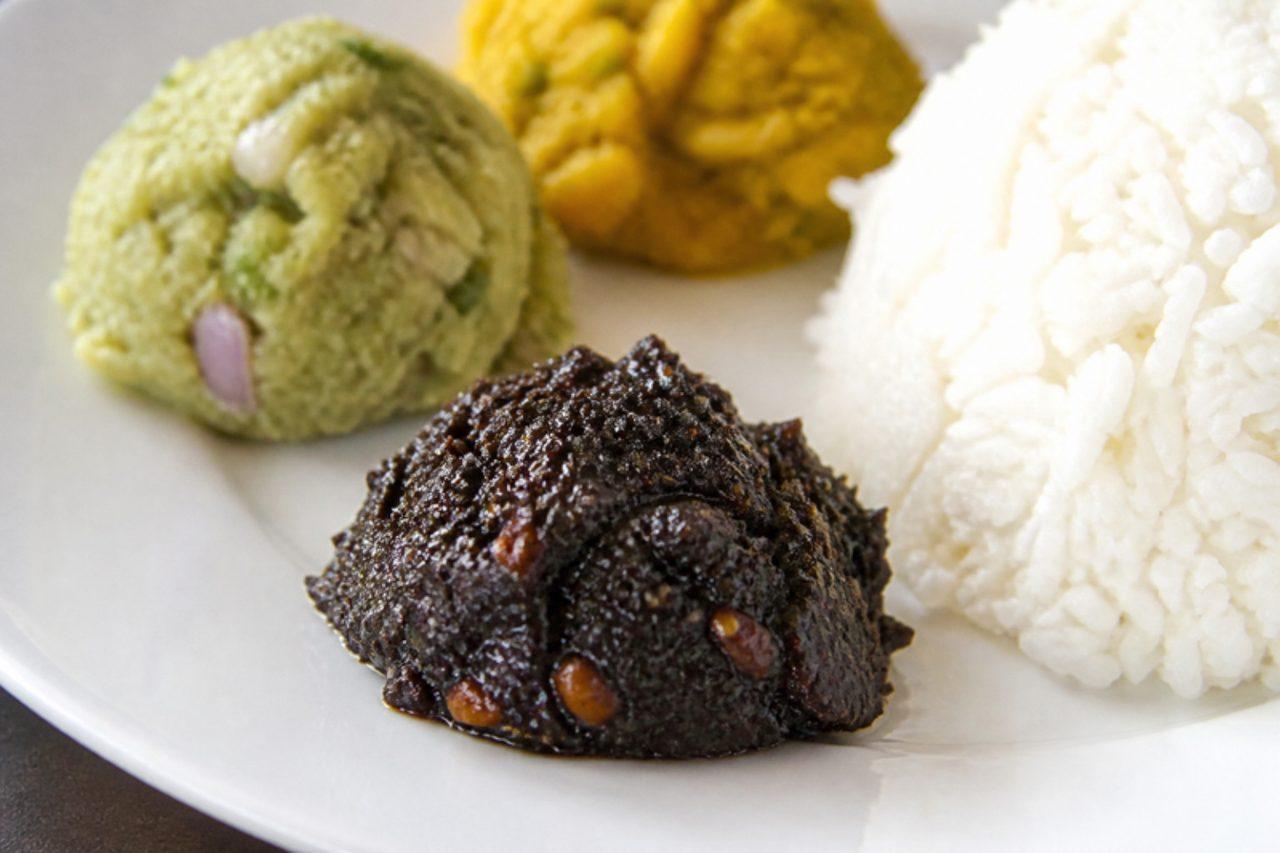
Kalo jeera bhortaNigella seed mash

A bhorta lunch spread in a Bangladeshi home always has one tiny, dark mound that people eat a pinch at a time, and that is kalo jeera bhorta. Nigella seeds are toasted until fragrant, then ground on the shil-pata, the stone slab and roller, with garlic, roasted dried chilli, onion and mustard oil into a coarse, almost black paste that is nutty, bitter and fiery all at once. Grandmothers serve it in winter, believing it wards off colds, and a little is mixed into the first handful of hot rice before moving on to fish or dal. Burnt seeds make it acrid, so the trap is toasting over too high a heat; stop as soon as they smell toasty and start to pop. Chef's tip: grind the seeds alone first, then add the garlic and oil, for a smoother paste in a small grinder.

by KrazyBadal 0 views

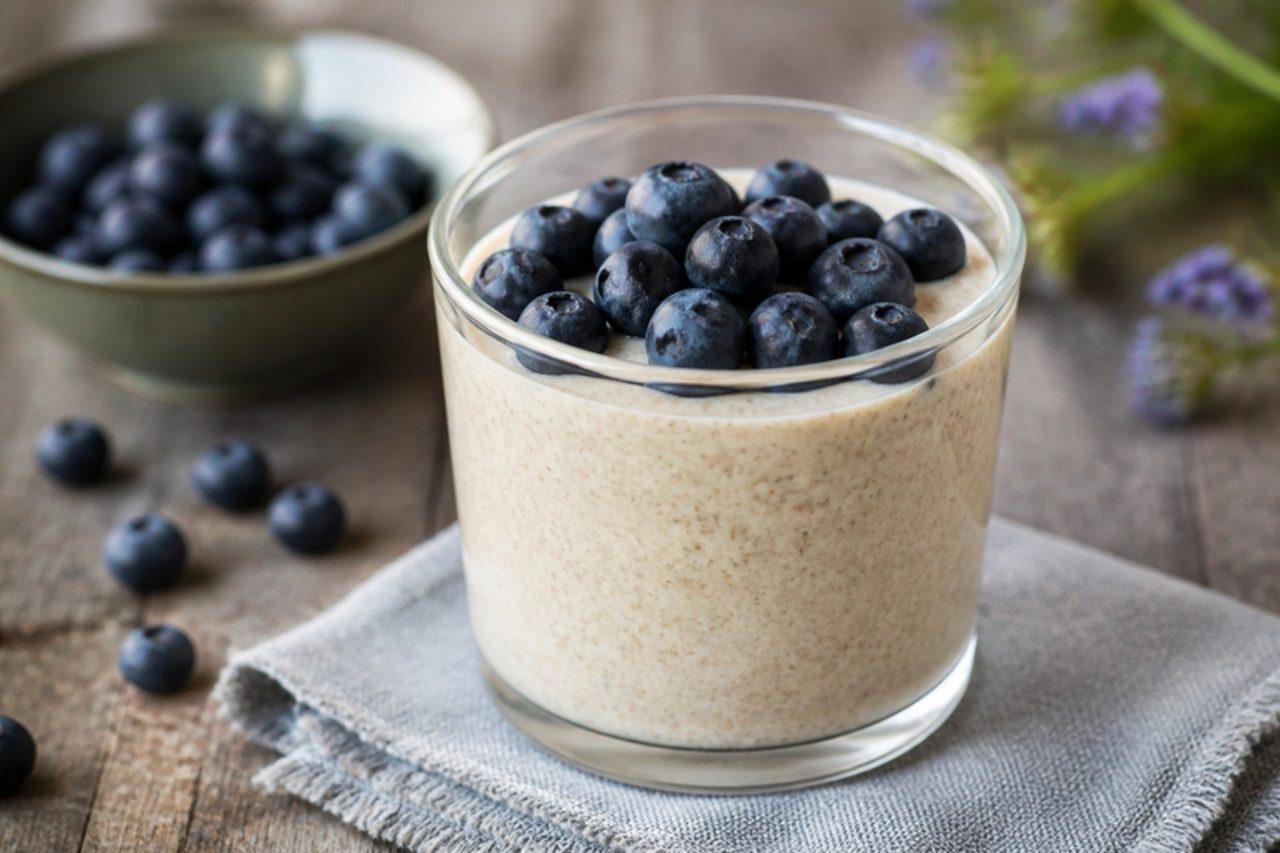
KamaRoasted grain flour with kefir

Kama is a uniquely Estonian food: a fine flour of roasted barley, rye, oats and peas, sold in every Tallinn supermarket, stirred into kefir, buttermilk or yogurt with a little sugar or honey and berries. It was once farmers' food for the fields; today it is a fast, filling breakfast and the flavour of Estonian ice creams and sweets. If you can't find kama, roast equal parts barley, rye and oat flour with a little pea flour in a dry pan until nutty. A common mistake is eating it at once; give it a few minutes to thicken. Chef's tip: stir in the kama, leave for 5 minutes, then add the berries, so it thickens like a mousse.

by KrazyBadal 0 views

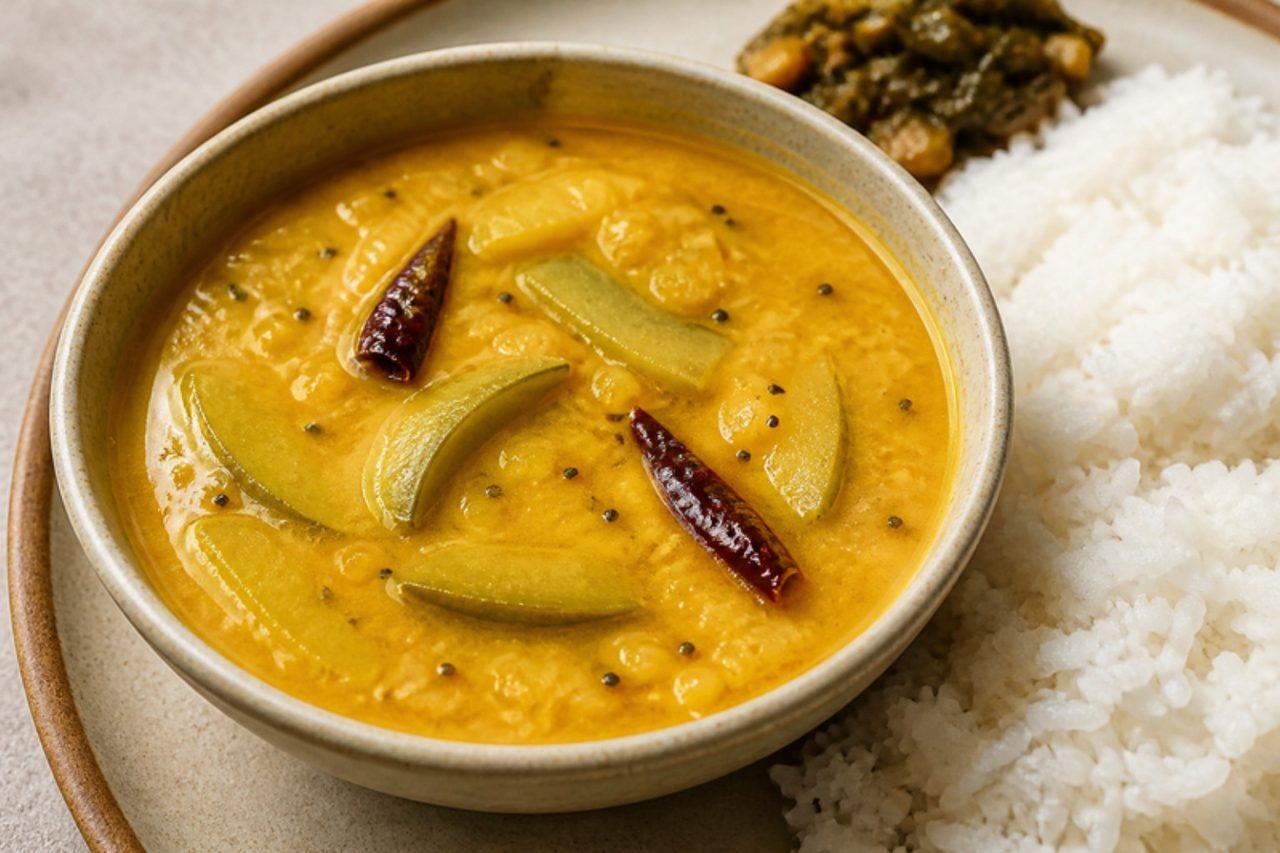
Kancha aamer tok dalGreen mango lentil dal

When the first hard, green mangoes fall from the trees around Rajshahi in April and May, cooks slice them into the dal pot, and the result is the most refreshing bowl of the hot season. Tok dal is deliberately thin, almost like a soup, with soft red lentils and slices of green mango that turn tender and tangy, finished with mustard seed and dried chilli crackling in mustard oil. It is eaten poured over plain rice, often as the last thing before a light fish or vegetable curry, because the sourness is meant to cool the body in the heat. Adding the mango at the start leaves it mushy and the dal overly sour, so it goes in once the lentils are soft. Chef's tip: taste the mango first; very sour fruit may need a pinch more sugar to balance it.

by KrazyBadal 0 views

Showing 27 of 7,762 recipes

Show more recipes

Page 297 of 863