


Skip to content
Güllaç
Featured recipe

Güllaç

Rose milk wafer dessert

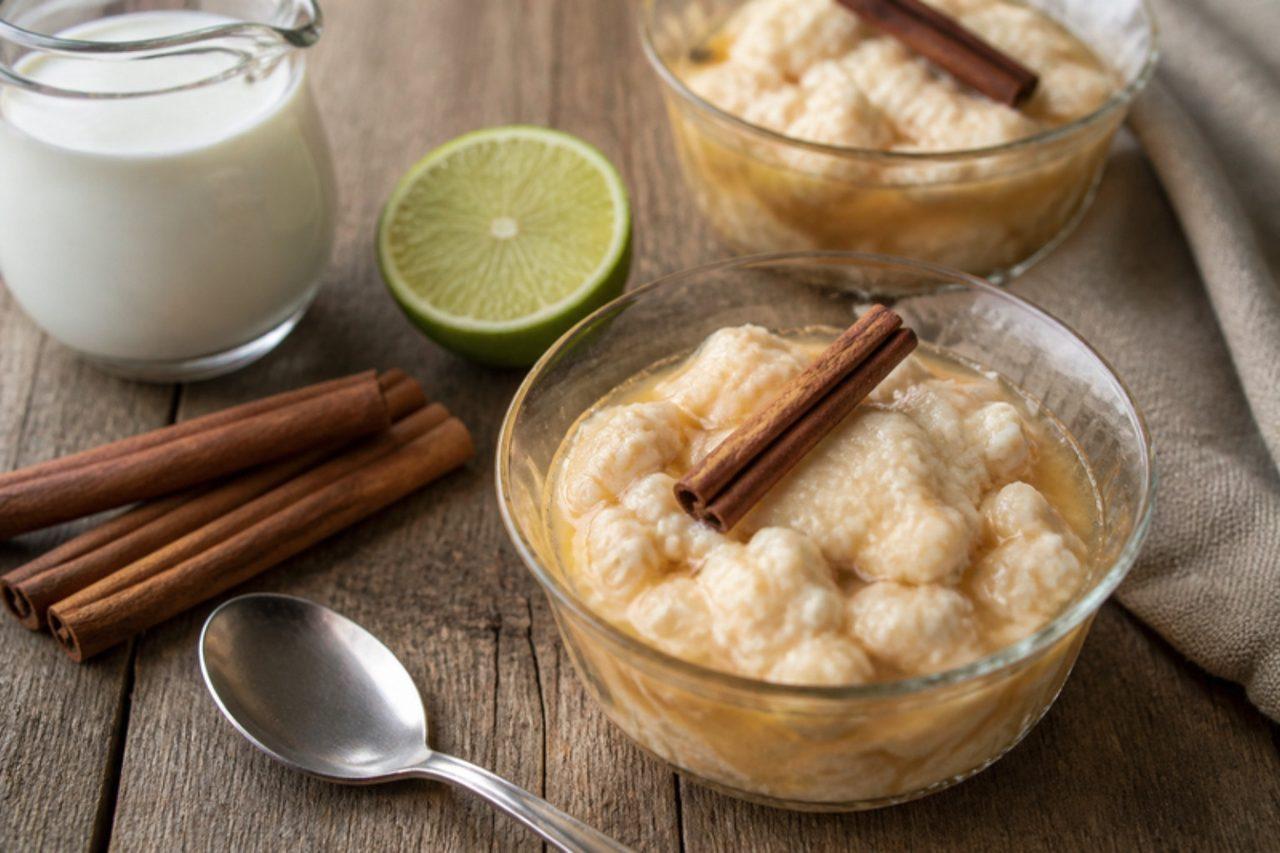
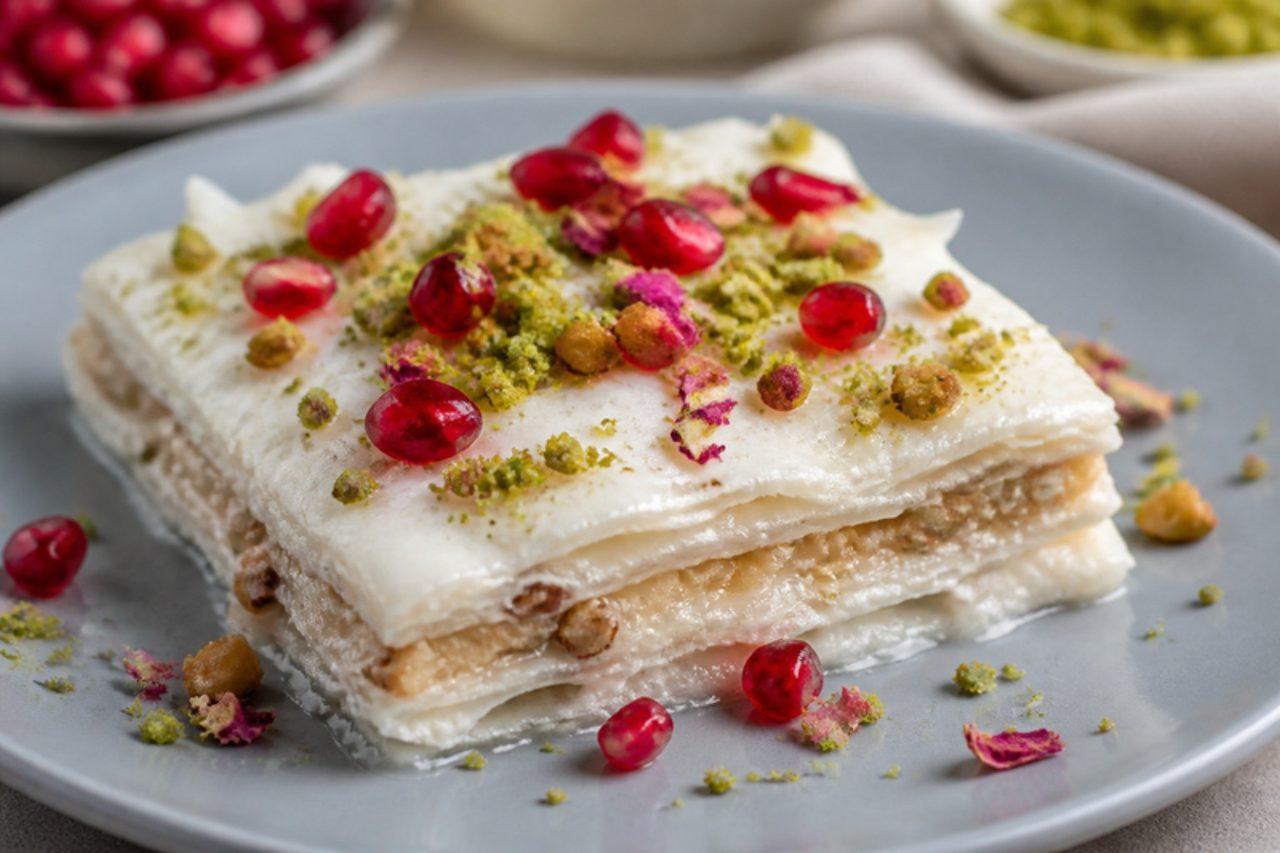
As soon as Ramadan begins, bakeries from Konya to Istanbul stack up packets of güllaç, the dried, almost transparent starch sheets that give this dessert its name. Soaked layer by layer in warm sweetened milk scented with rosewater, then filled with walnuts, the sheets turn soft and silky, and the dessert is served chilled after the iftar meal, often topped with pomegranate seeds. Common mistake: drenching the sheets in hot milk, which makes them dissolve into mush; the milk should be just warm. Chef's tip: make it at least 4 hours ahead, ideally overnight; it firms up enough to cut into clean slices.

Read more 0 views

What to eat today?

Around the world

Today's trip: Persian

A new country every day, from every cuisine on the site.

Persian

Nazkhatoon

Smoky aubergine with pomegranate 40 minMore from Persian (131) →

This week's collection

Kid-friendly dinners
578 recipes · a new collection every Monday

Latest recipes

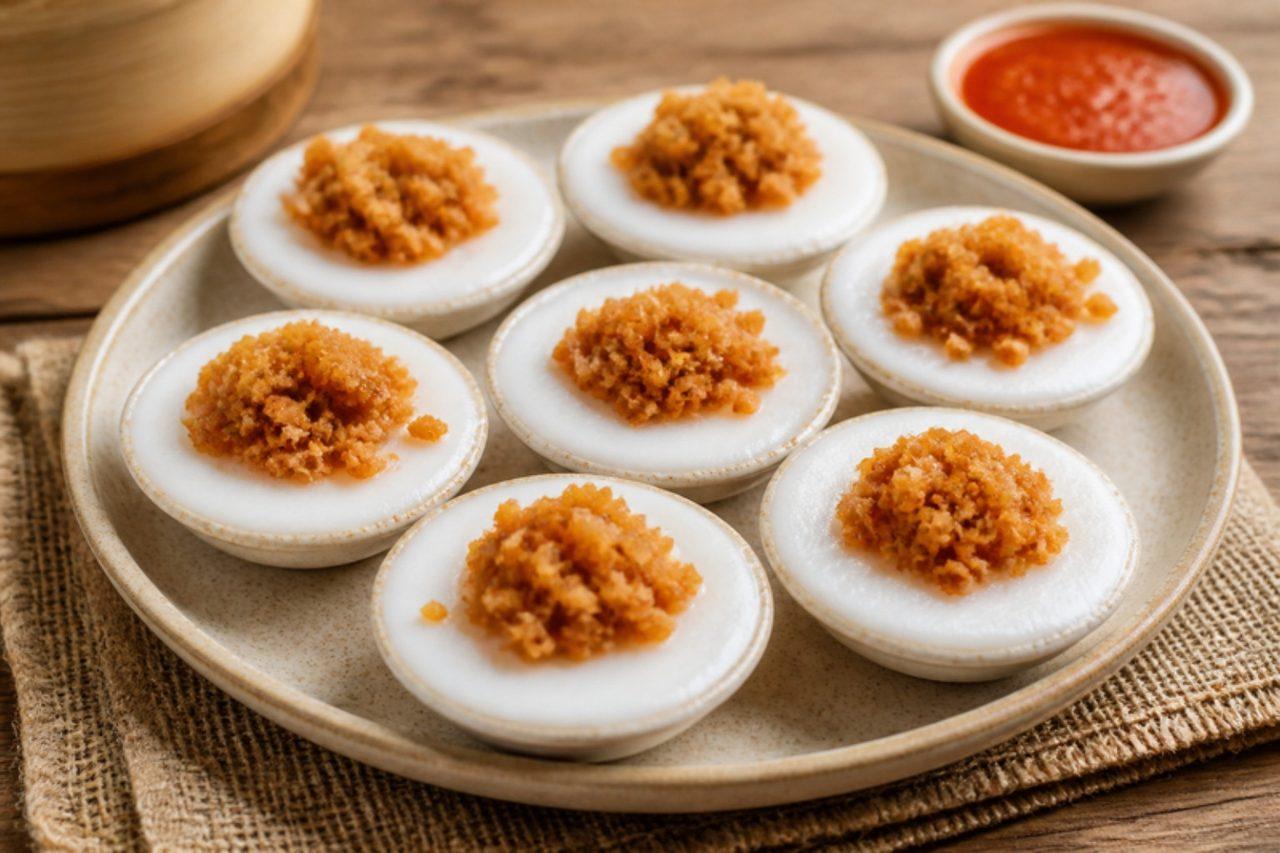
Chwee kuehSteamed rice cakes with preserved radish

Breakfast queues at Tiong Bahru Market and Ghim Moh hawker centre move fast because chwee kueh is sold by the plateful: four or six flat white rice cakes, each with a shallow dimple holding a spoonful of glossy chye poh, fried preserved radish that is sweet, salty and a little crunchy. The cakes are just set, soft and slightly wobbly, and they are scooped from the moulds with a flat blade and eaten with a dab of sharp red chilli and a cup of kopi. Hawker chye poh is normally simply radish, garlic, oil and sugar, and this version keeps it that way, with no dried shrimp and no shrimp paste in the chilli. The usual mistake is trying to unmould the cakes while they are still warm; hot batter tears and sticks, so let them cool fully in their cups. Chef's tip: heat the empty, oiled moulds in the steamer for 3 minutes before you pour; the hot metal sets the bottom at once and gives you the classic dip in the middle.

by KrazyBadal 0 views

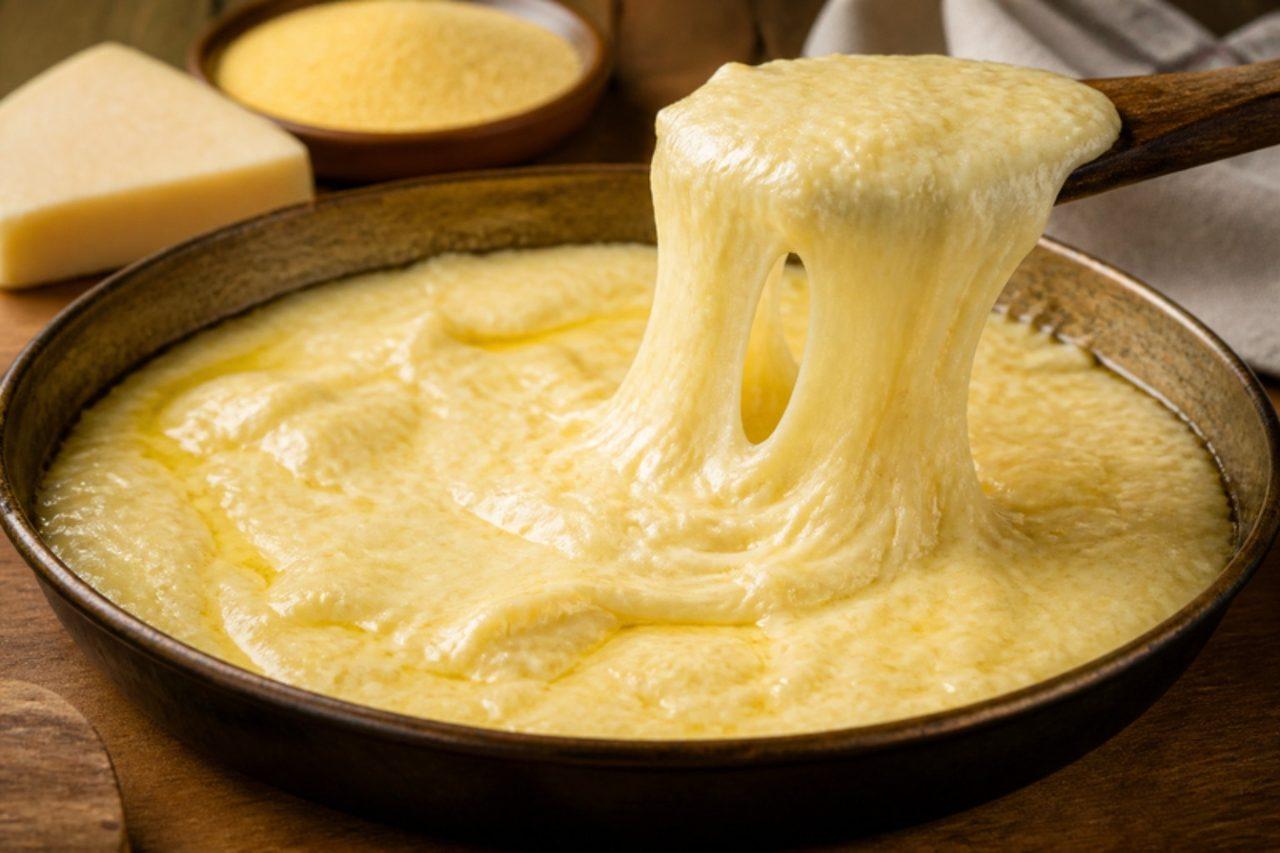
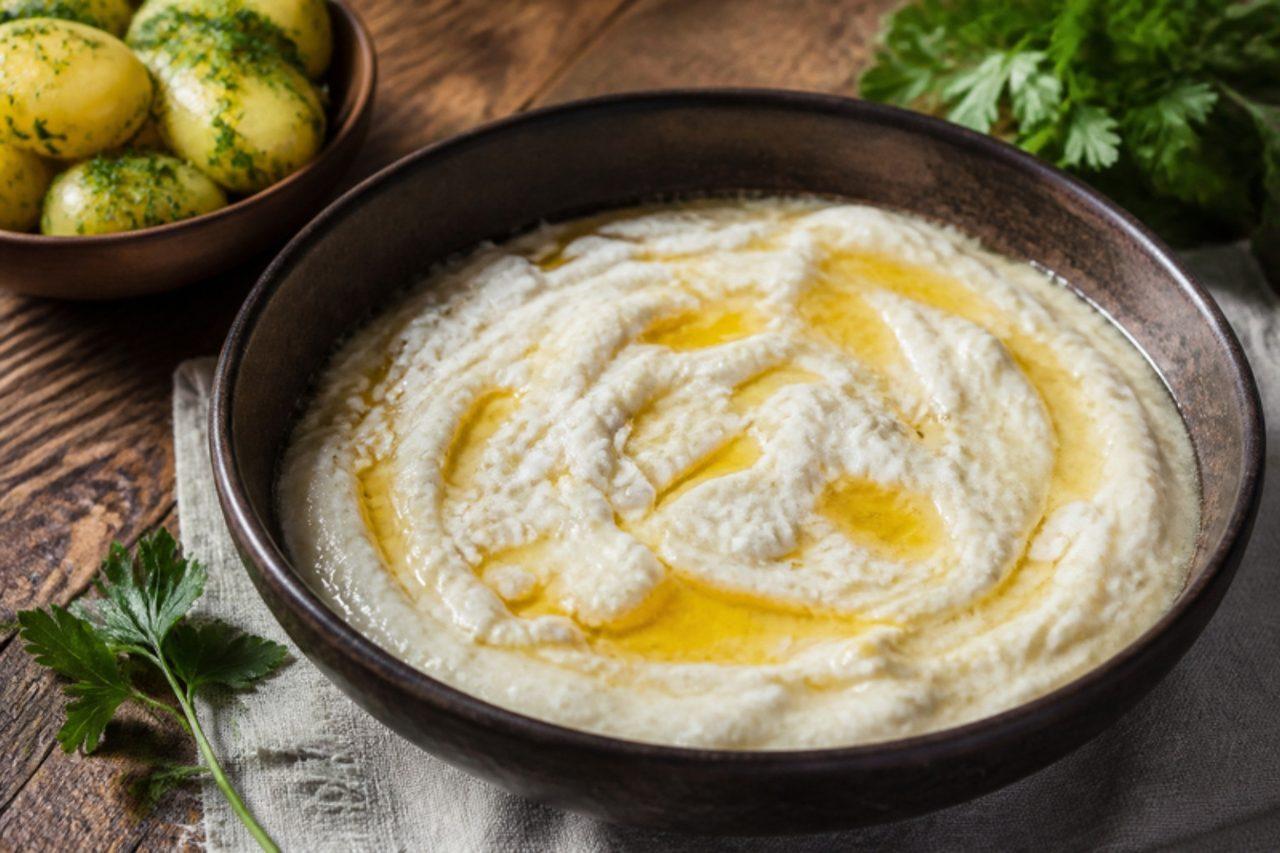
CicvaraKajmak and cornmeal porridge

Shepherds' huts on the Durmitor and Sinjajevina plateaus in northern Montenegro gave the Balkans cicvara, a dish of kajmak and young cheese melted slowly with cornmeal until it turns rich, golden and stretchy and butter seeps out at the edges. It is stirred and eaten hot, often at breakfast after early milking, with a cup of cold sour milk or plain yogurt to cut the richness. Young cheese for this is fresh and mild; most is made with rennet, so look for one with vegetarian rennet if you need to, and use clotted cream if you can't get kajmak. A common mistake is turning up the heat to hurry it, which burns the bottom and makes the cheese seize into rubbery lumps. Chef's tip: stir with a wooden spoon in figure-of-eight strokes and keep going until a thread of cheese stretches as you lift it.

by KrazyBadal 0 views

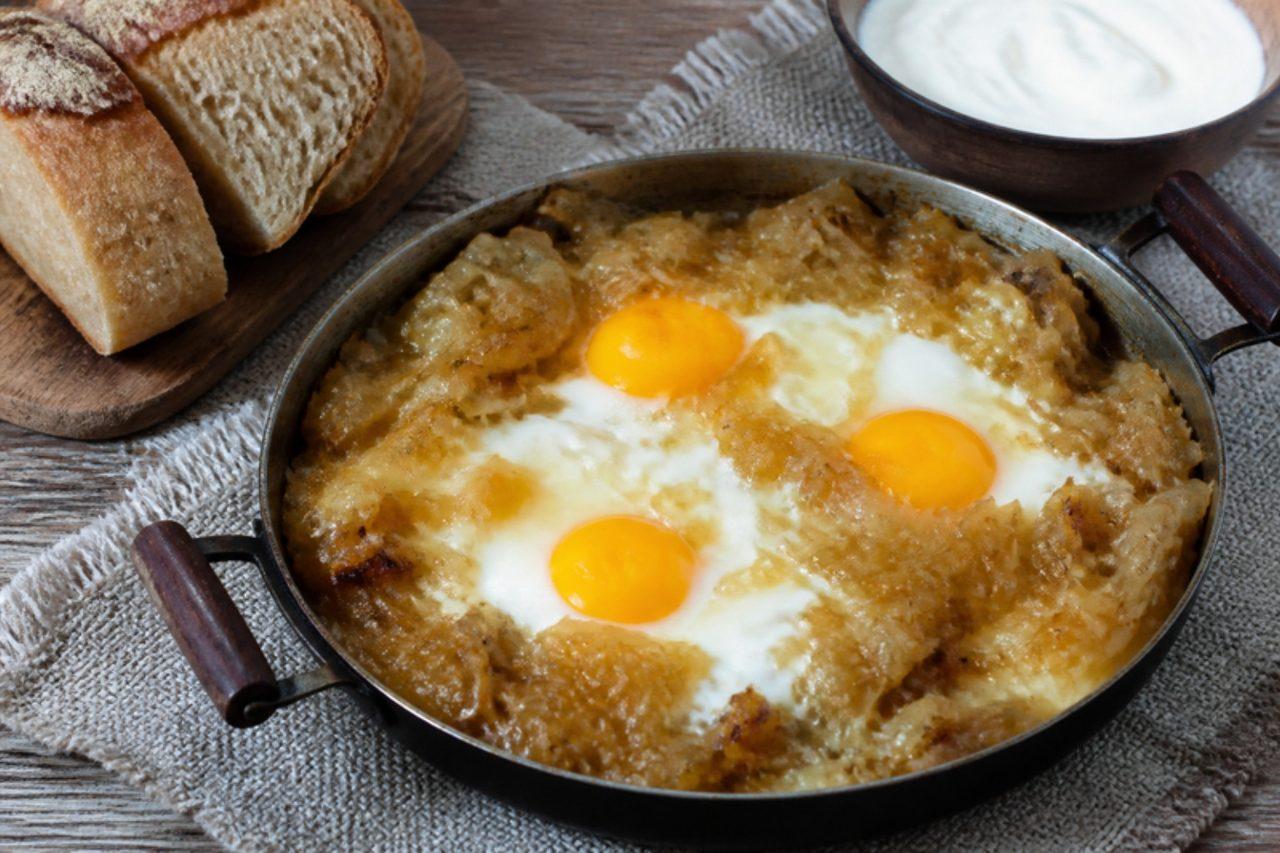
ĆimburEggs cooked on sweet onion

Bosnian home cooks make ćimbur when there are eggs, onions and not much else, and it is a favourite weekend breakfast, or a quick sehur before dawn during Ramadan. Lots of sliced onion is cooked gently in butter until meltingly soft and sweet, then eggs are cracked into little hollows and covered until the whites set, so you scoop up runny yolk, silky onion and a dusting of paprika with warm bread or somun. A bowl of plain yogurt on the side is common. A common mistake is rushing the onions over a high heat, so they scorch on the edges while staying crunchy inside; patience over a medium-low flame is what makes the dish. Chef's tip: if the onions start to catch before they are soft, add a splash of water and keep going.

by KrazyBadal 1 views

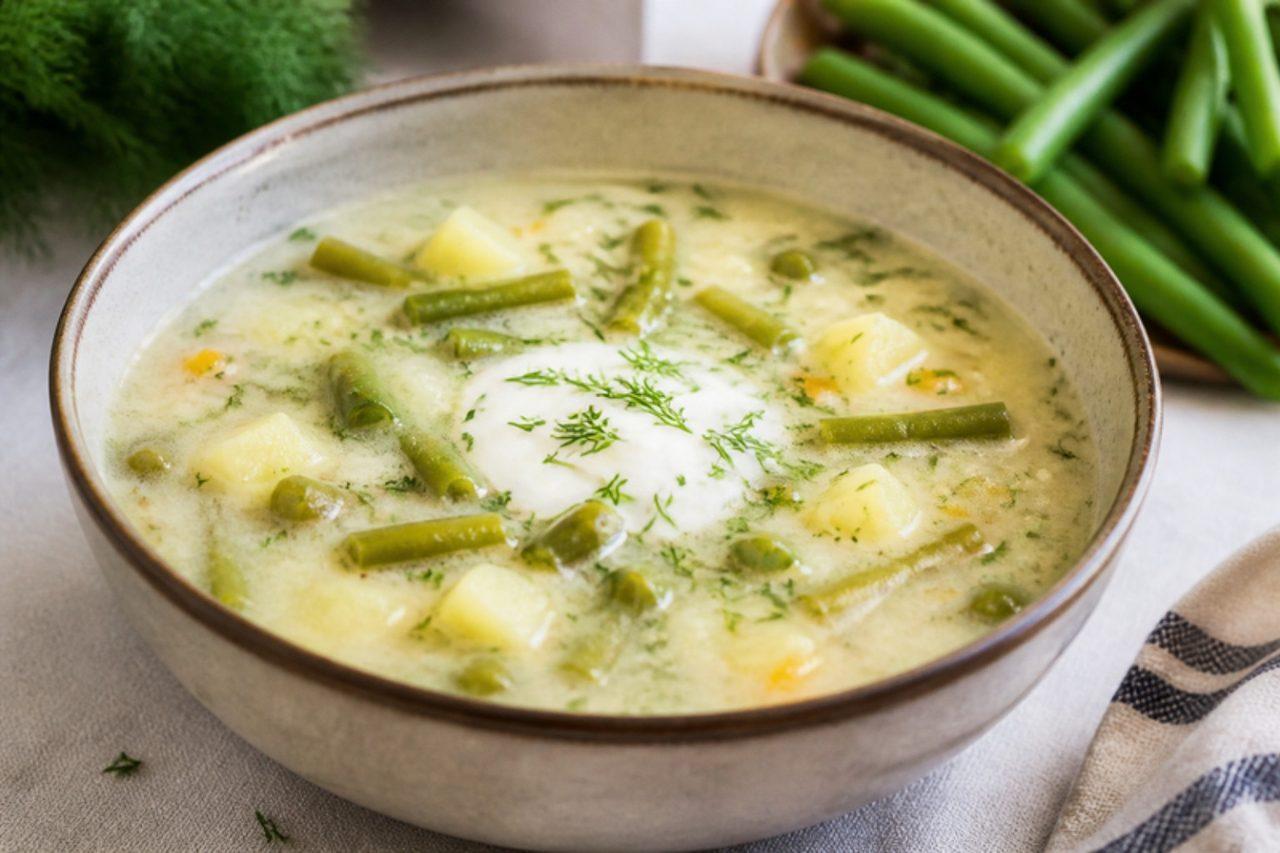
Ciorbă de fasole verdeGreen bean soup

High summer in Transylvania means green beans by the basketful, and both Romanian and Hungarian households around Cluj and Târgu Mureș turn them into this pale, creamy, sour soup, which Hungarian cooks call tejfölös zöldbableves. Beans, potato and a little pepper simmer in a light tomato broth that is soured with vinegar, then finished off the heat with sour cream and a fistful of dill, so every spoonful is tangy, silky and fresh. Serve it hot for lunch with good bread, or with mămăligă for a thicker meal. The classic mistake is tipping cold sour cream straight into the boiling pot, where it curdles into flecks; temper it with hot broth first. Chef's tip: add the vinegar gradually and taste, as the soup should be bright but not sharp.

by KrazyBadal 0 views

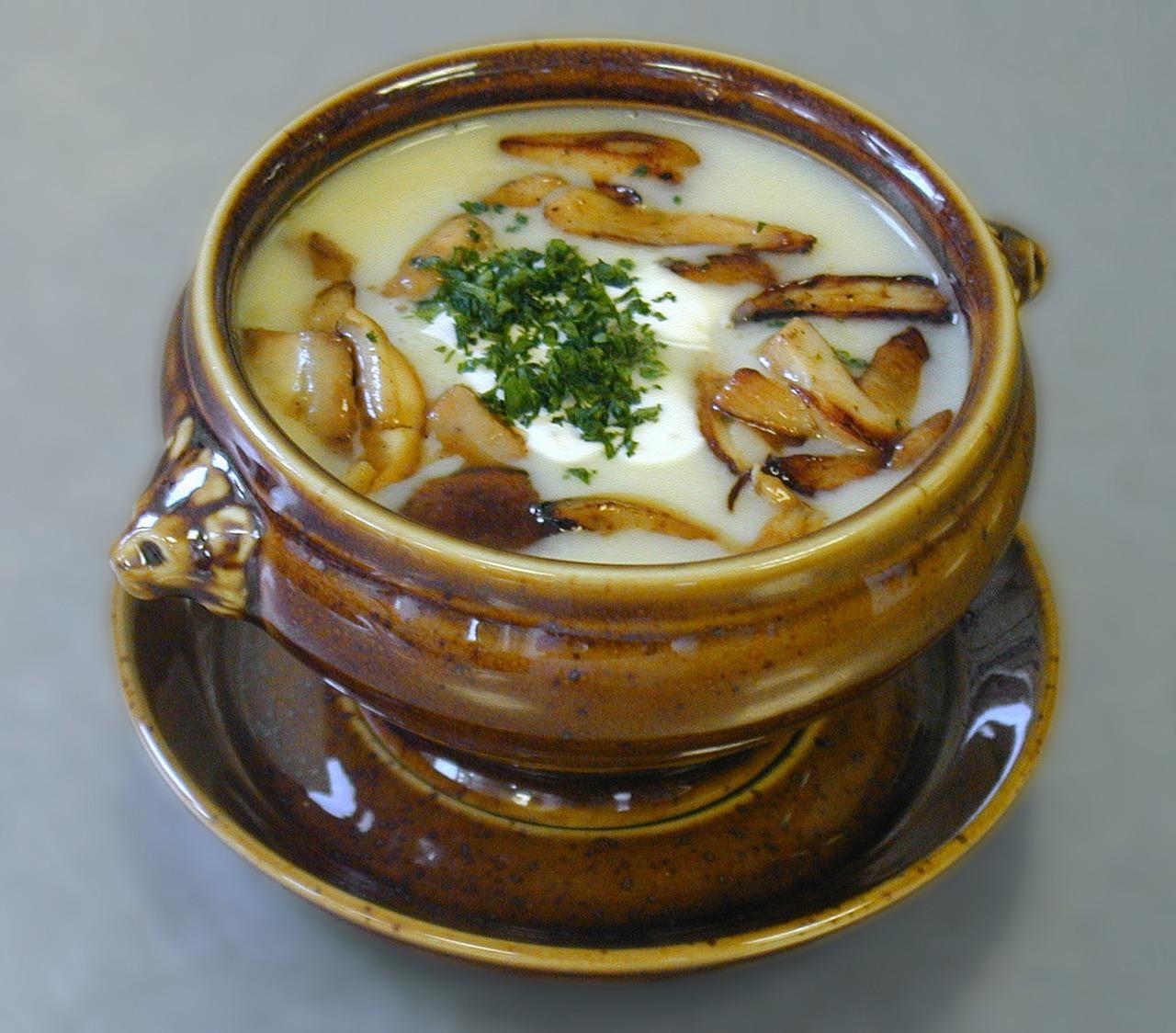
Ciorbă de hribiPorcini soup

Late summer in the beech and spruce forests of Maramureș sends whole families out with baskets, and the first pot of the season is usually this sour porcini soup. Fresh hribi give it a meaty bite, a handful of dried ones deepen the broth, and a spoon of vinegar plus sour cream turns it into a proper ciorbă: tangy, creamy and smelling of the woods. It is eaten as a first course with a slice of rye bread and a fresh hot pepper on the side, often during the Orthodox fasting weeks in its cream-free form. The usual slip is stirring cold sour cream straight into the pot, where it splits into white flecks; warm it with a ladle of broth first. Chef's tip: keep the soaking water from the dried porcini and pour it in slowly, leaving the last spoonful and its grit behind in the bowl.

by KrazyBadal 0 views

Ciorbă de pește lipoveneascăDelta fish soup

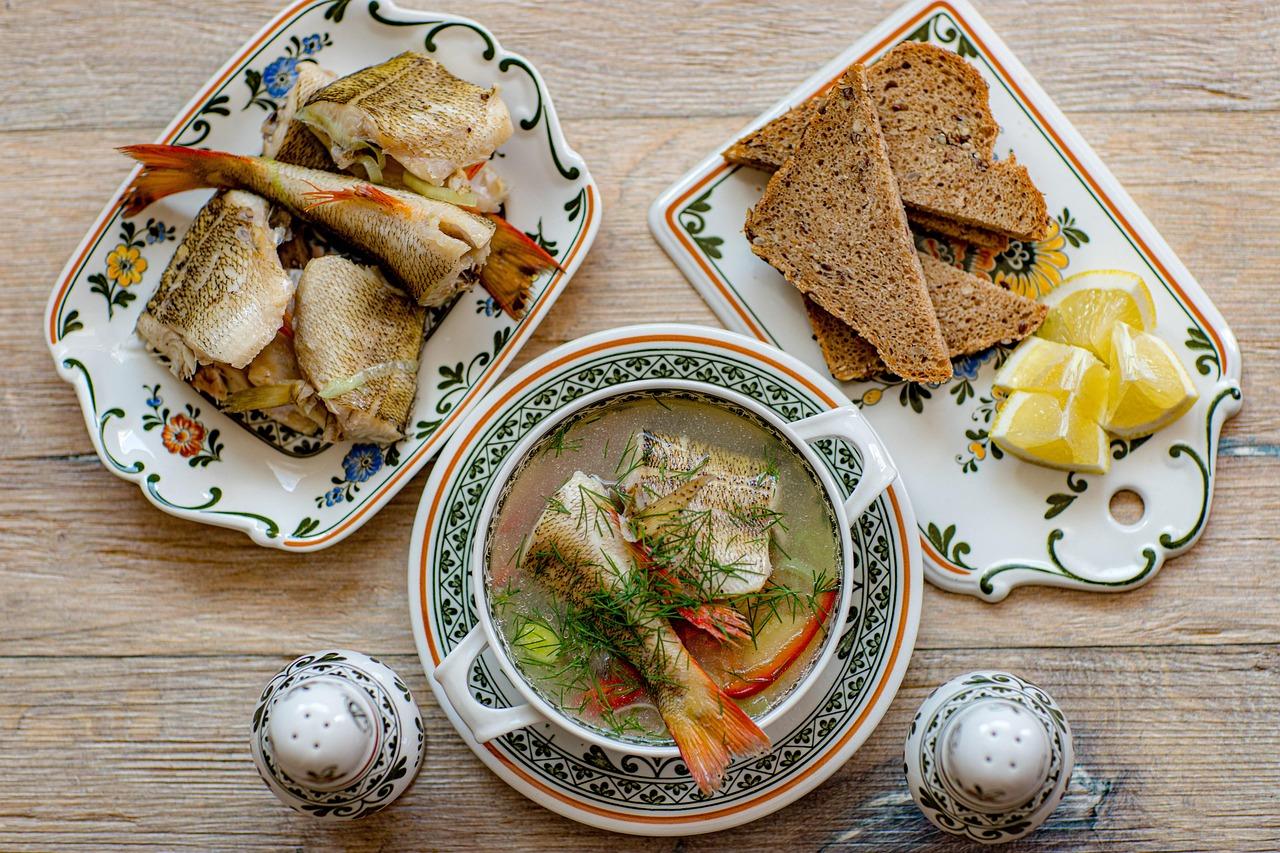
The Lipovans, Russian Old Believers who settled the Danube Delta villages of Jurilovca, Periprava and Mila 23 three centuries ago, cook their fish soup in a cauldron over a fire by the water. A broth is first made from the fish frames and tails with onion and pepper, strained, then the vegetables and thick pieces of several fish go in, usually carp, pike, zander and catfish, so each brings its own texture. The fish is lifted onto a platter and eaten with garlic sauce and mămăligă, while the clear, peppery, tomato-sharp broth is drunk from bowls. Where most cooks go wrong is stirring once the fish is in: it breaks into flakes. Shake the pot instead. Chef's tip: a splash of the cold sauerkraut juice or borș at the end, instead of lemon, gives the sourness Delta cooks prefer.

by KrazyBadal 0 views

Ciorbă de pui cu tarhonChicken soup with tarragon

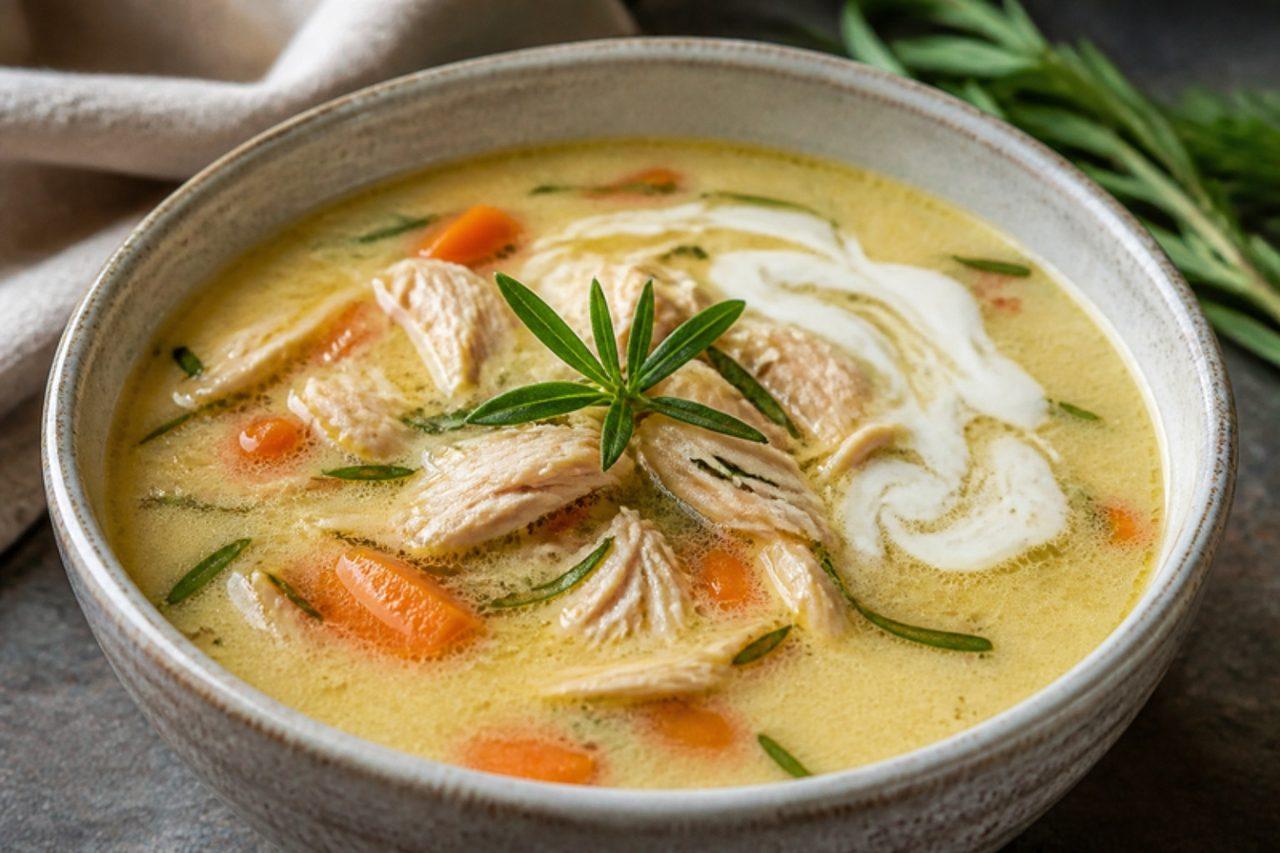
Tarragon grows in almost every garden in Transylvania, from Saxon villages near Sibiu to the Hungarian towns of Harghita, and it is what makes this chicken soup taste of the region. Pieces of chicken simmer with root vegetables and potato, the pot is soured with a splash of vinegar, and at the end sour cream and a big handful of chopped tarragon go in, giving a pale, creamy broth with a gentle aniseed lift. Unlike the egg-thickened soups of Moldavia, this one stays light and brothy. It is eaten as the first course of a Sunday lunch, with fresh bread and a hot pepper. A common mistake is adding the tarragon too early; long cooking turns it bitter and grey, so stir it in just before serving. Chef's tip: a spoon of tarragon pickled in vinegar, as Transylvanian cooks keep it, does the souring and flavouring in one.

by KrazyBadal 0 views

Ciorbă de urziciNettle soup

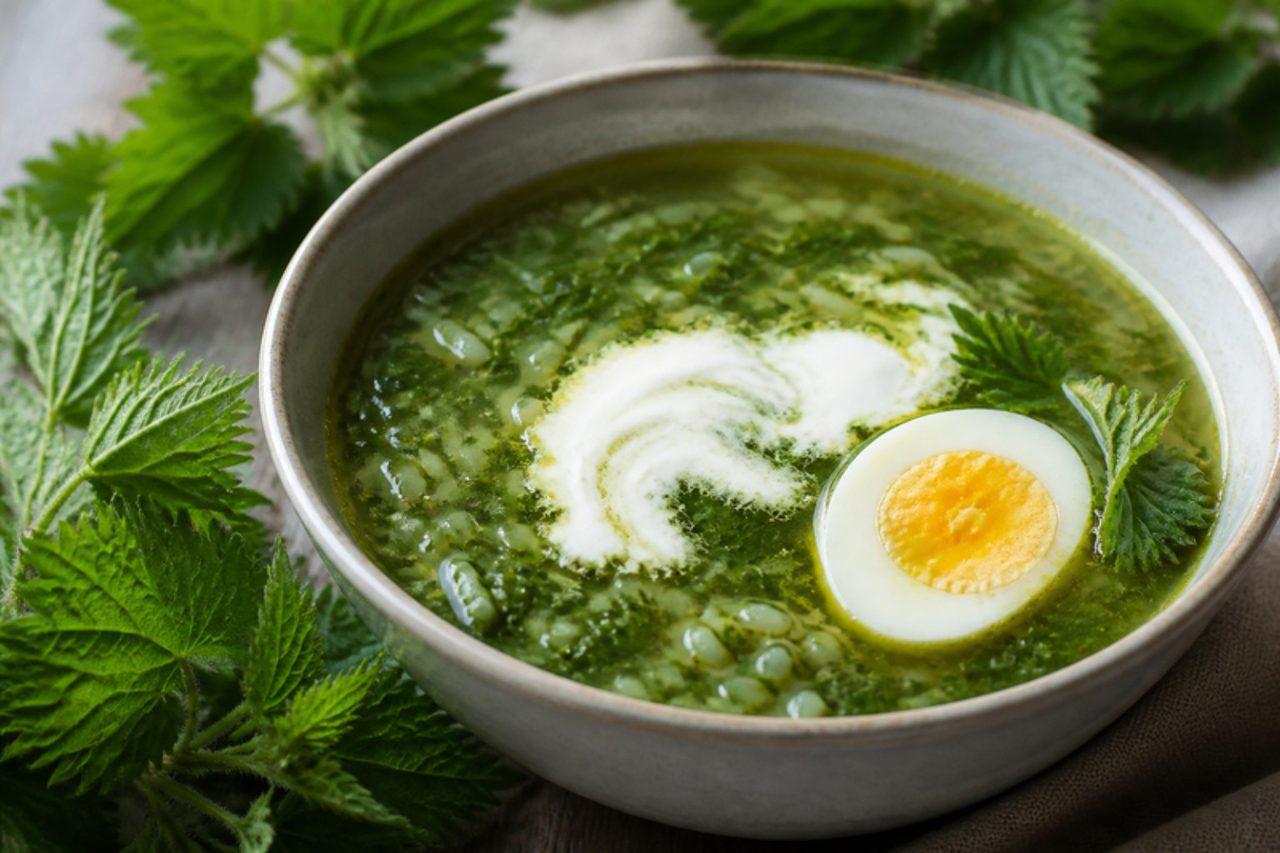
Around Iași and in the Moldavian hills, the first young nettles of March and April arrive just as the long Easter fast begins, and a green, sour ciorbă de urzici is often the first fresh vegetable dish of the year. It is a vegan post dish: nettle tops, spring onions and a little rice simmered together, then soured with borș until the broth is bright and tangy, with a grassy, spinach-like depth. Wear gloves to pick and wash the nettles and use only the young tops, the first four to six leaves; older, flowering plants turn tough and gritty. The classic error is boiling the nettles for too long, which makes them grey and stringy. Chef's tip: add a handful of chopped lovage with the borș, as it gives the soup its unmistakably Moldavian flavour.

by KrazyBadal 0 views

Ciorbă rădăuțeanăSour chicken soup with garlic

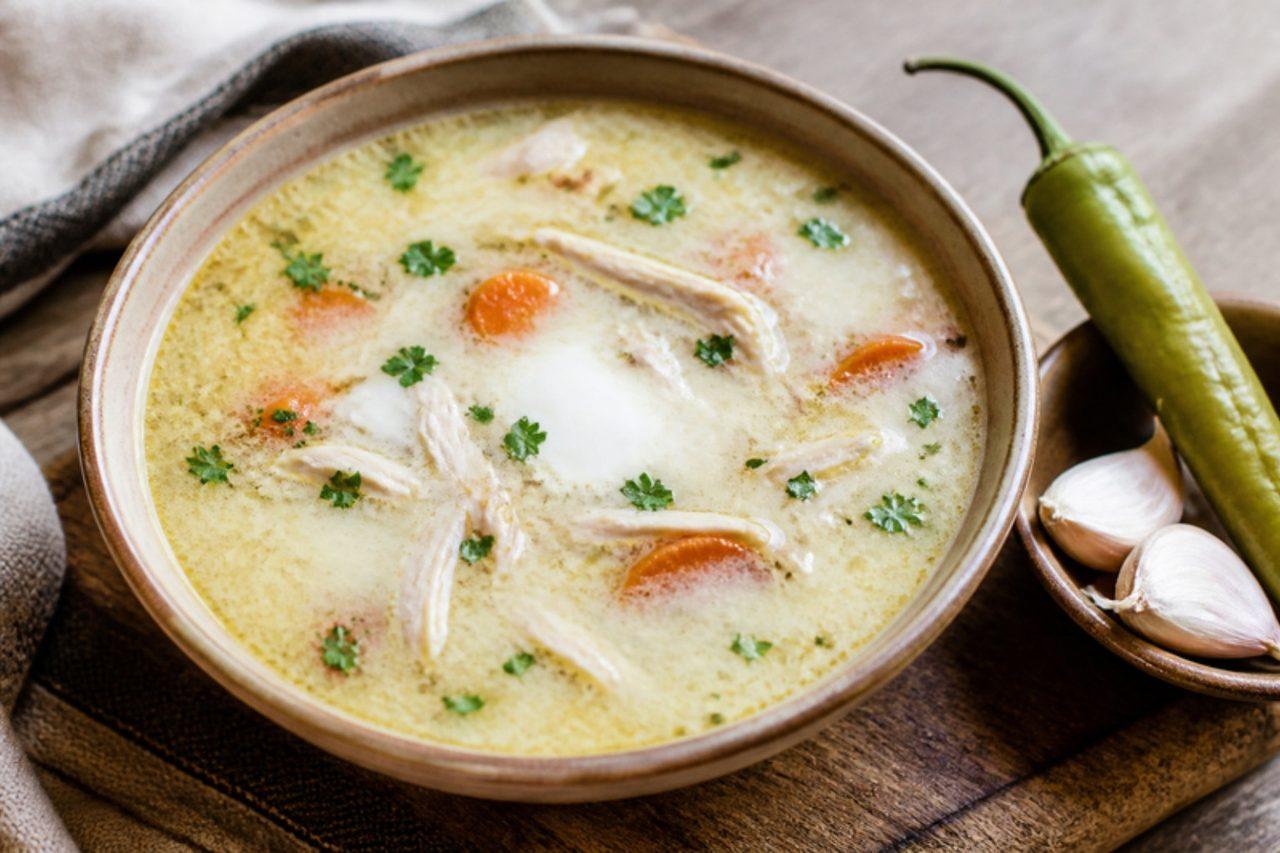
Rădăuți, a small town in Bukovina, gave its name to this soup in the 1970s, when a local restaurant cook began treating chicken the way Romanians treat tripe: a clear broth, soured with vinegar and thickened at the end with egg yolks, sour cream and plenty of garlic. The result is pale gold, velvety and tangy, with tender shreds of chicken; many prefer it to the tripe original, and it is a firm favourite at Suceava wedding lunches and the morning after. Serve it with a fresh hot pepper, extra garlic paste and warm bread. The mistake almost everyone makes once is letting the soup boil after the yolks go in, so they scramble; temper them, then keep the pot hot but below a simmer. Chef's tip: add the vinegar a spoon at a time at the very end; it should taste clearly sour but never vinegary.

by KrazyBadal 0 views

Jiz-bizFried lamb offal and potatoes

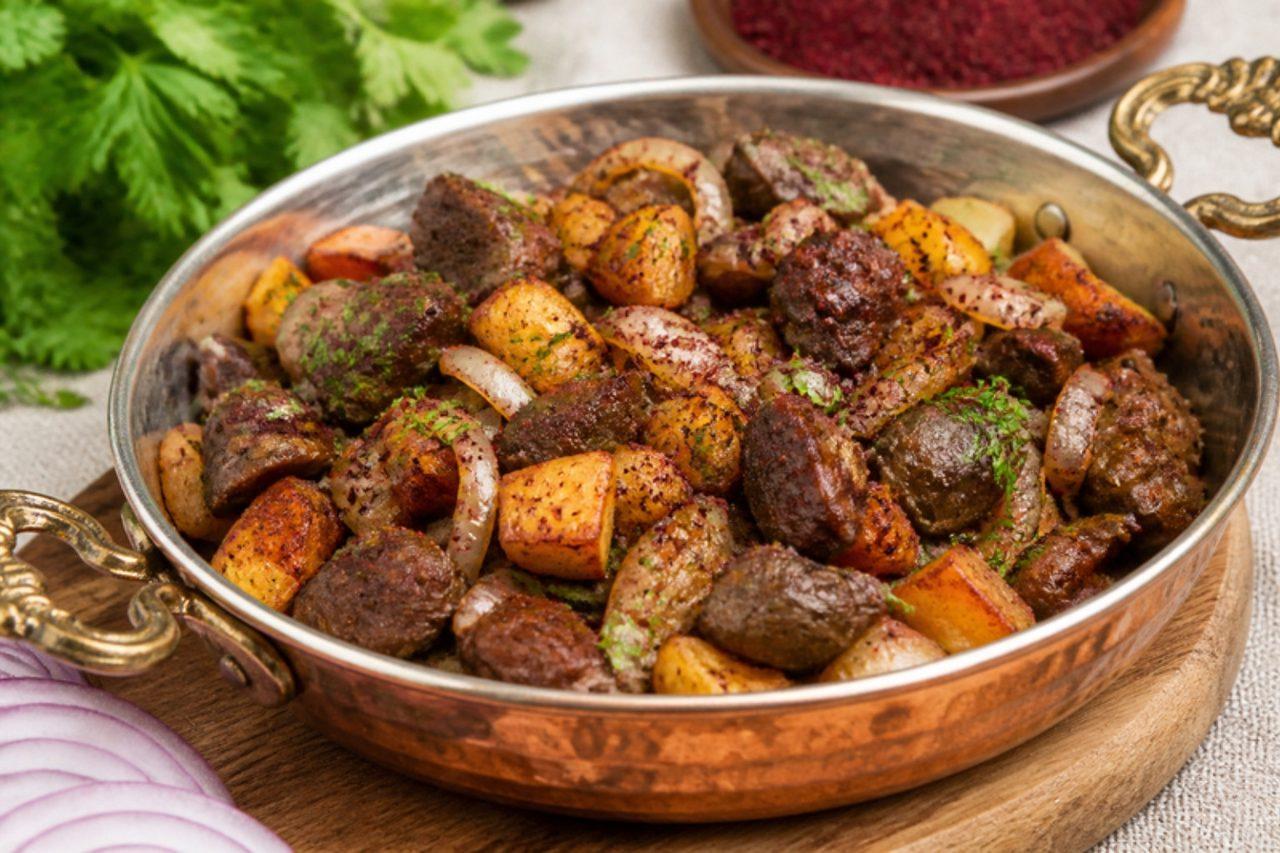
Jiz-biz gets its name from the sound of the pan: lamb heart, liver, kidneys and sweetbreads cut small and fried with potatoes and onions until crisp at the edges. It is a dish of Baku's working cafés and village feast days, made from the parts of the lamb cooked first while the rest is roasting, and finished with sumac and herbs. A common mistake is putting everything in at once; the liver turns grainy before the heart is tender. Chef's tip: fry the potatoes separately until crisp and fold them in at the end, so they keep their crunch. Offal should be cooked until no pink remains, 71 °C.

by KrazyBadal 0 views

ČobanacShepherd's meat stew with paprika

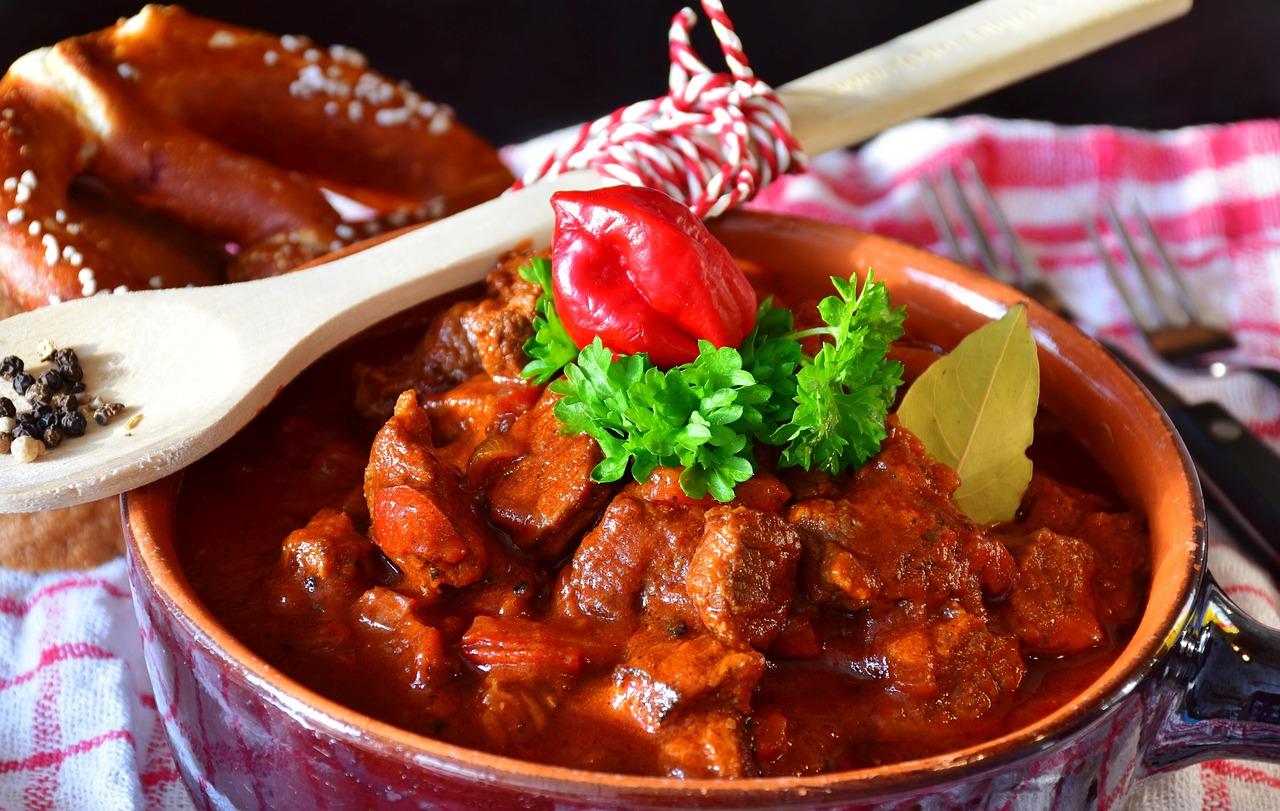
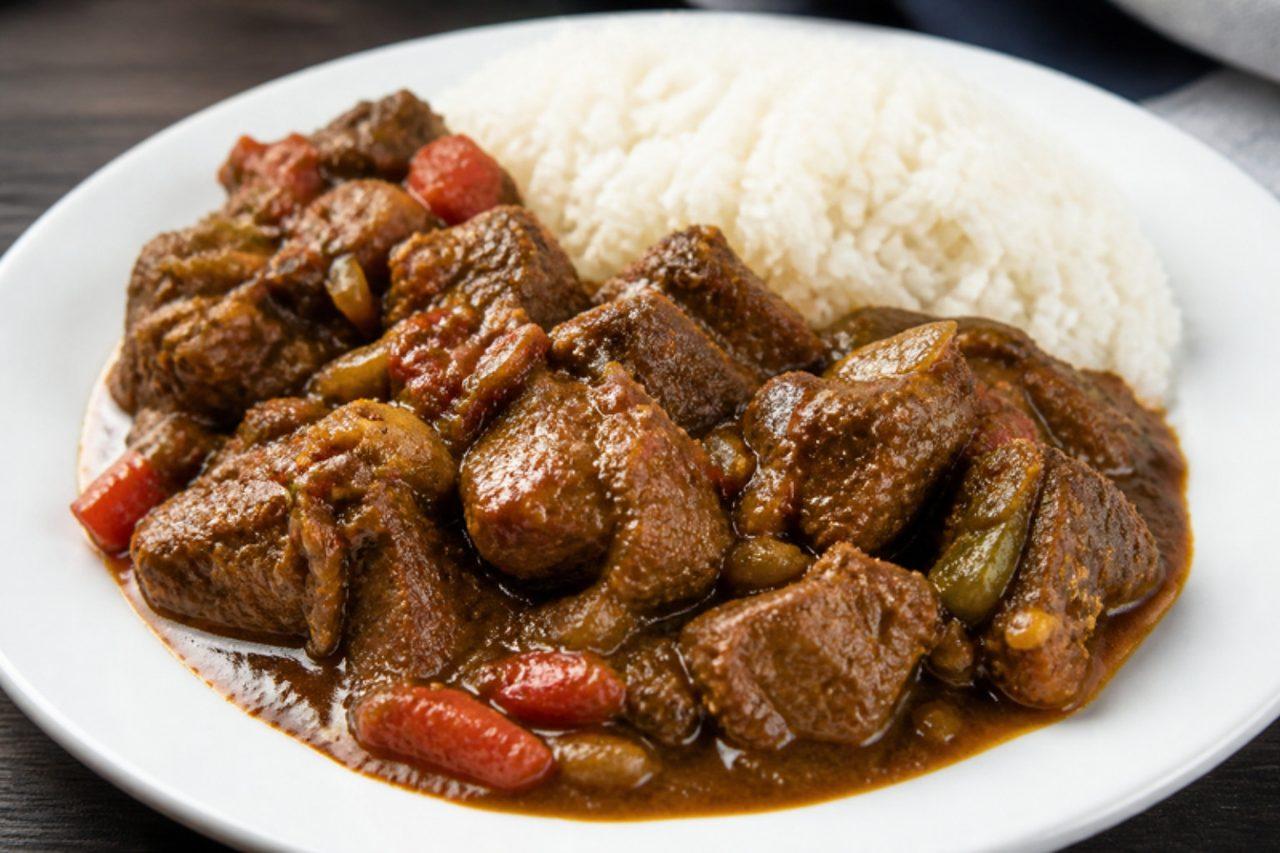
Slavonia, the flat farmland of eastern Croatia, cooks čobanac outdoors in a black cauldron at village fairs and hunting parties, and the smell of paprika drifts across the whole field. Three meats go in, typically beef, pork and venison or wild boar, with mountains of onion, sweet and hot paprika and a few peppers, simmering for hours until the sauce is thick, brick-red and spicy. This dish contains pork. Eat it with crusty bread or polenta. The usual slip is burning the paprika: it turns bitter in seconds, so always take the pot off the heat before stirring it in. Chef's tip: cook it a day ahead; like most stews it tastes deeper the next day.

180 minBalkanMeatGluten freeSpicy
by KrazyBadal 0 views

Čočka na kyseloSour lentils with fried egg

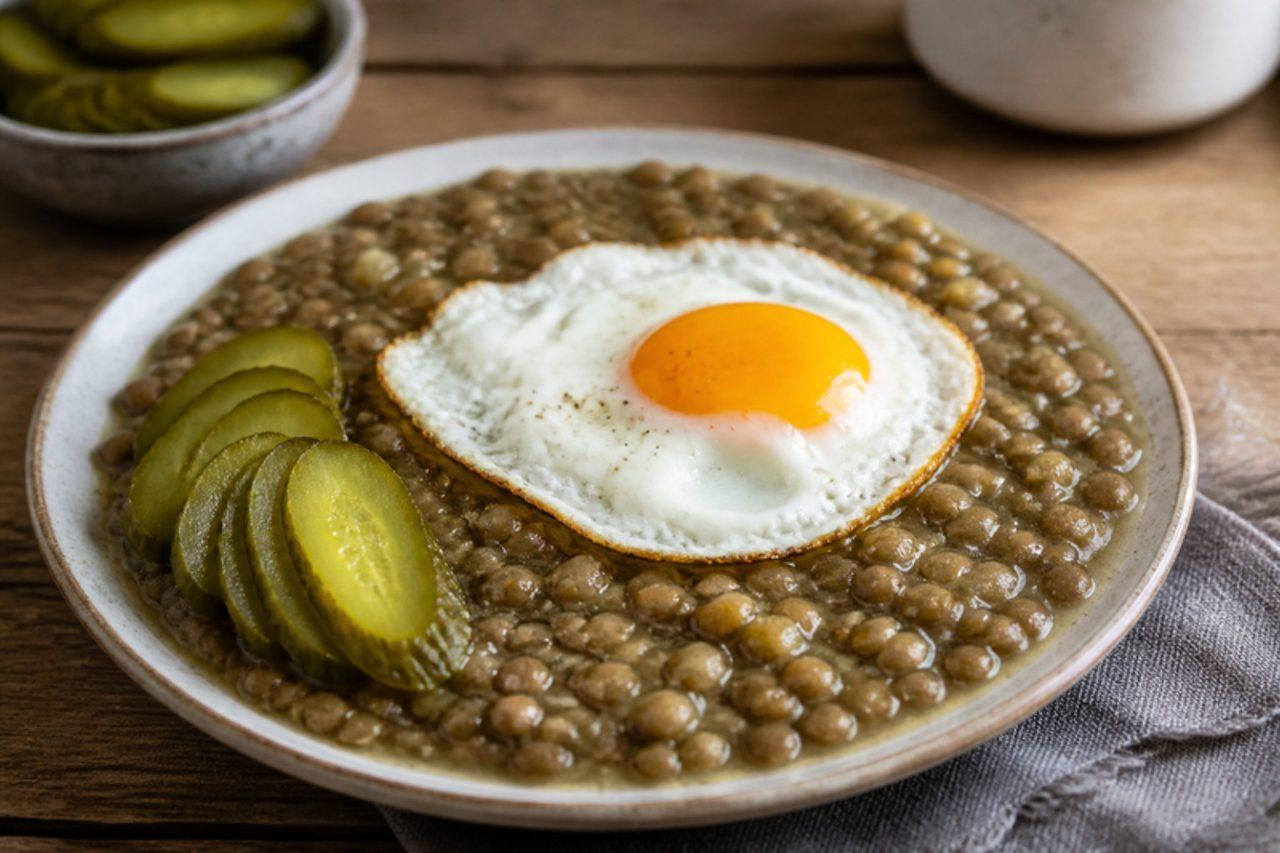
Brown lentils, a good splash of vinegar and a crisp-edged fried egg on top: čočka na kyselo is the Czech school-canteen and workers' lunch that people grow nostalgic about. Bohemian families also eat lentils around New Year, when the small round seeds stand for coins. The lentils are cooked soft, bound in a light roux with fried onion and finished sour and a touch sweet, then served with a sliced pickled gherkin and fresh bread. The texture should be spoonable, not soupy and not stiff. Where most cooks slip up is adding the vinegar too early: acid keeps lentils firm, so they stay hard however long you cook them. Season at the end instead. Chef's tip: a teaspoon of mustard stirred in with the vinegar rounds out the sourness without making it taste of mustard.

by KrazyBadal 0 views

CougnouChristmas brioche

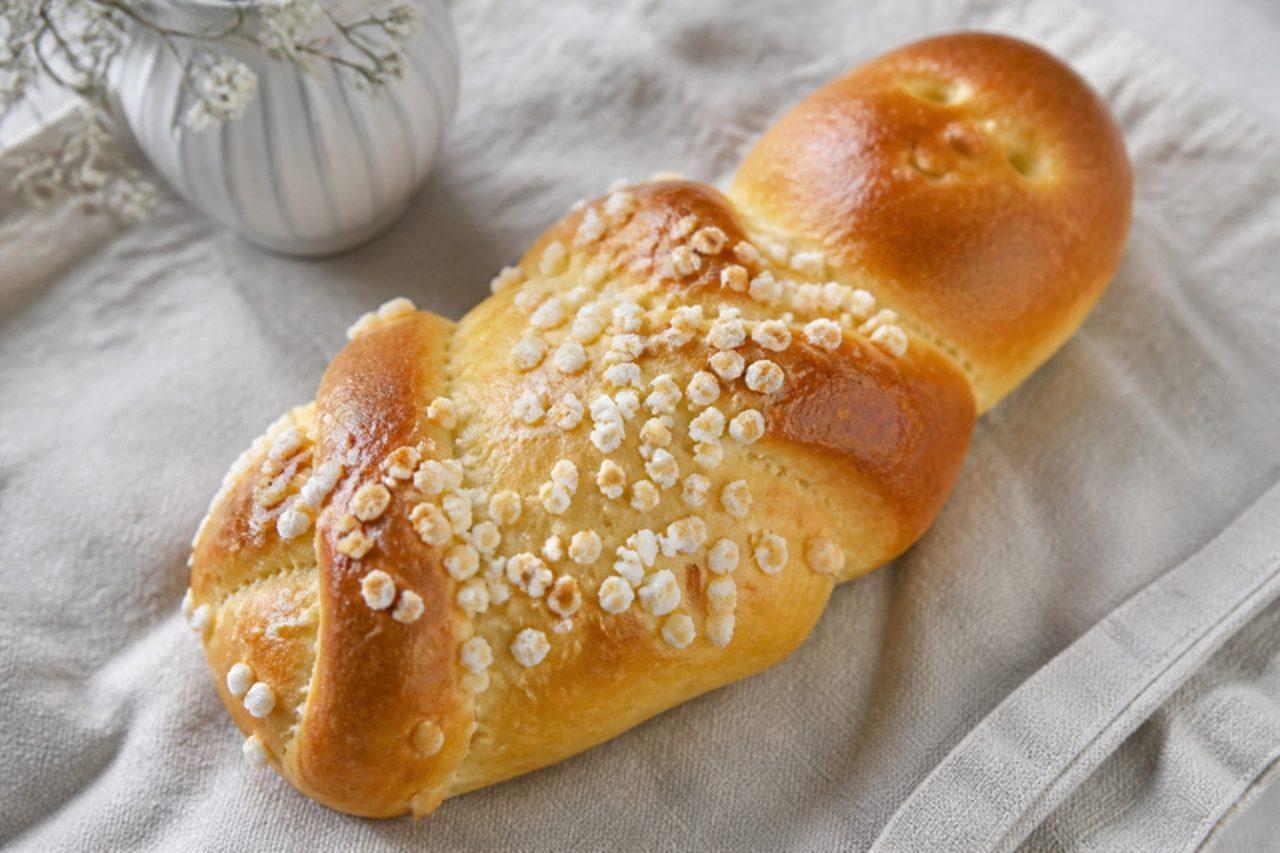
Cougnou, also called cougnolle or bommetje, is the Christmas bread of Wallonia, given to children on Christmas morning: a soft brioche shaped like the infant Jesus in swaddling clothes, with a little clay or sugar medallion pressed into the middle, eaten with hot chocolate. Bakeries in Namur and Charleroi make them from early December. A common mistake is shaping them too small, which dries them in the oven. Chef's tip: make three balls, one large for the body and two small for the head and feet, pressed together tightly so they bake as one.

by KrazyBadal 0 views

Couque de DinantHard honey biscuit

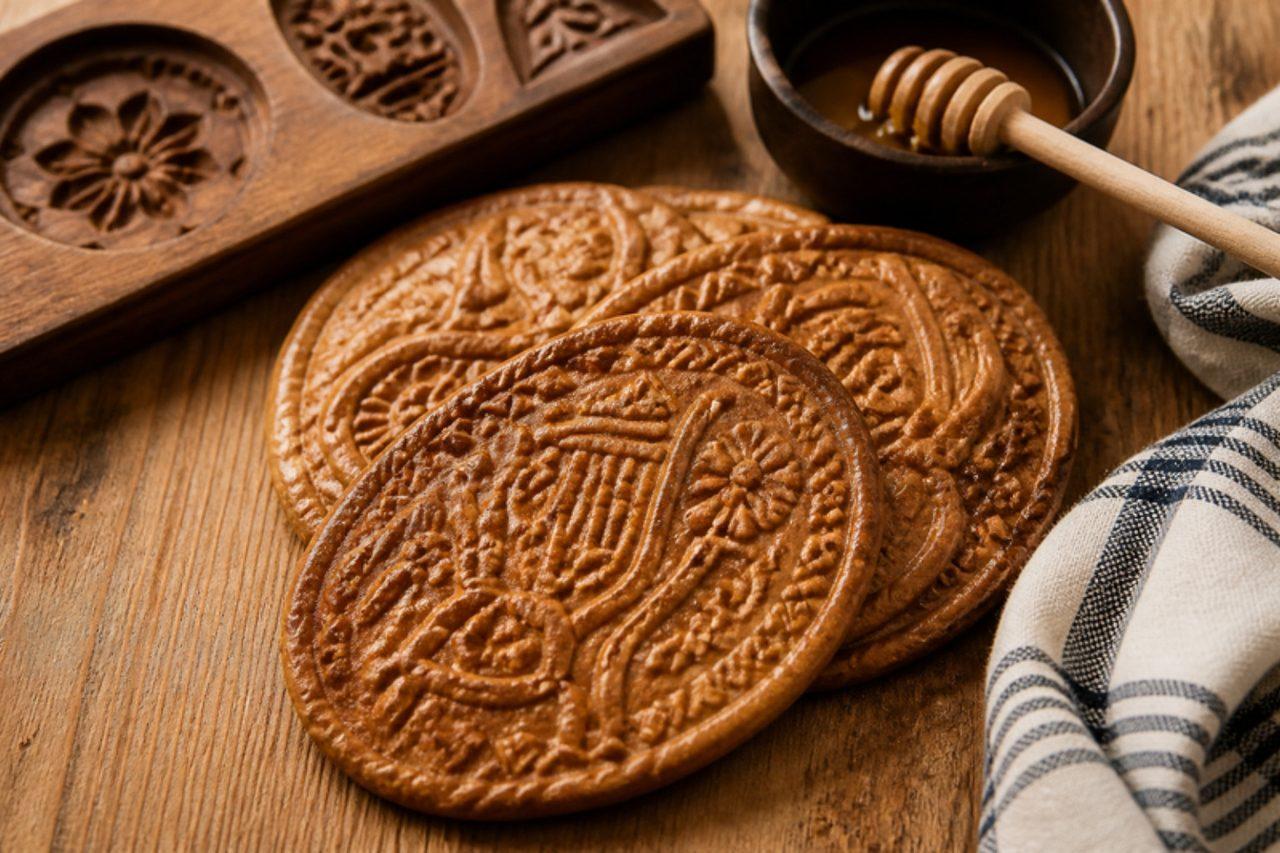
Couques de Dinant are the famously hard honey biscuits of Dinant on the Meuse, made only of flour and honey, pressed into carved wooden moulds showing castles, animals and the town's skyline, and baked so hot that the honey caramelises into a very hard, glossy biscuit. Dinant bakers say they keep for years; locals let a piece melt slowly in the mouth rather than biting. Honey is traditional; golden syrup makes a vegan version. A common mistake is a soft dough; it must be stiff enough to hold the mould's detail. Chef's tip: dust the mould with flour, press hard and tap the dough out sharply.

by KrazyBadal 0 views

CovrigiRomanian pretzel rings

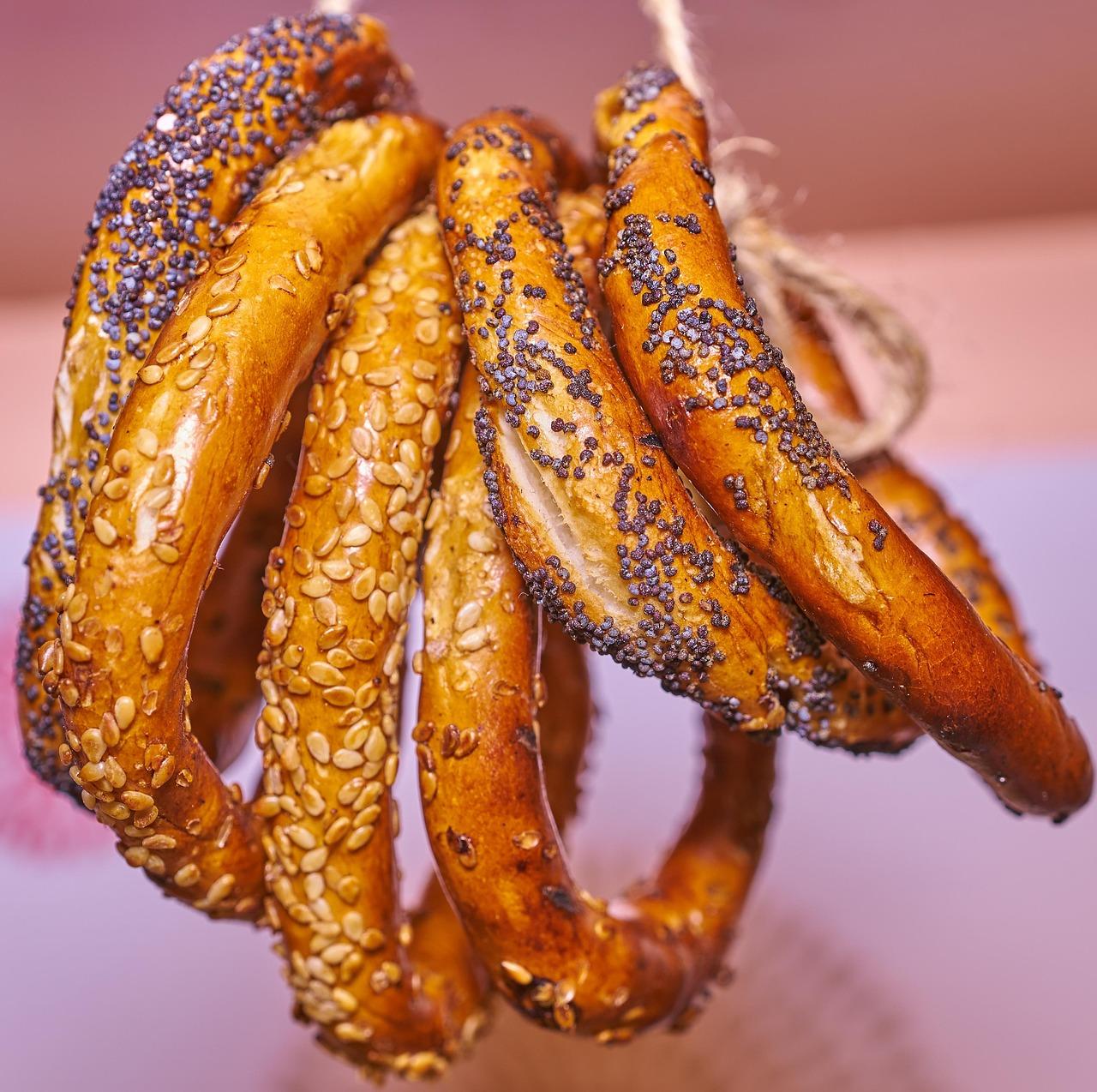
Morning commuters in Bucharest buy them hot from a hole-in-the-wall covrigărie, a paper bag of rings still warm enough to fog the glass; in Buzău, the town most proud of them, people swear by the thin twisted kind. Covrigi are a lean yeast dough with no egg or milk, so they are eaten through the fasting seasons too. Each ring is dipped briefly in boiling soda water, scattered with coarse salt and seeds, then baked until shiny and chewy with a crisp crust. A common mistake is leaving them in the water bath too long, which wrinkles the surface; 20–30 seconds is plenty. Serve them on their own, with a glass of ayran-style yogurt drink or with soup. Chef's tip: shape the rings on a dry, unfloured worktop, as a little grip makes the ropes easier to roll thin and even.

by KrazyBadal 0 views

CramiqueRaisin brioche

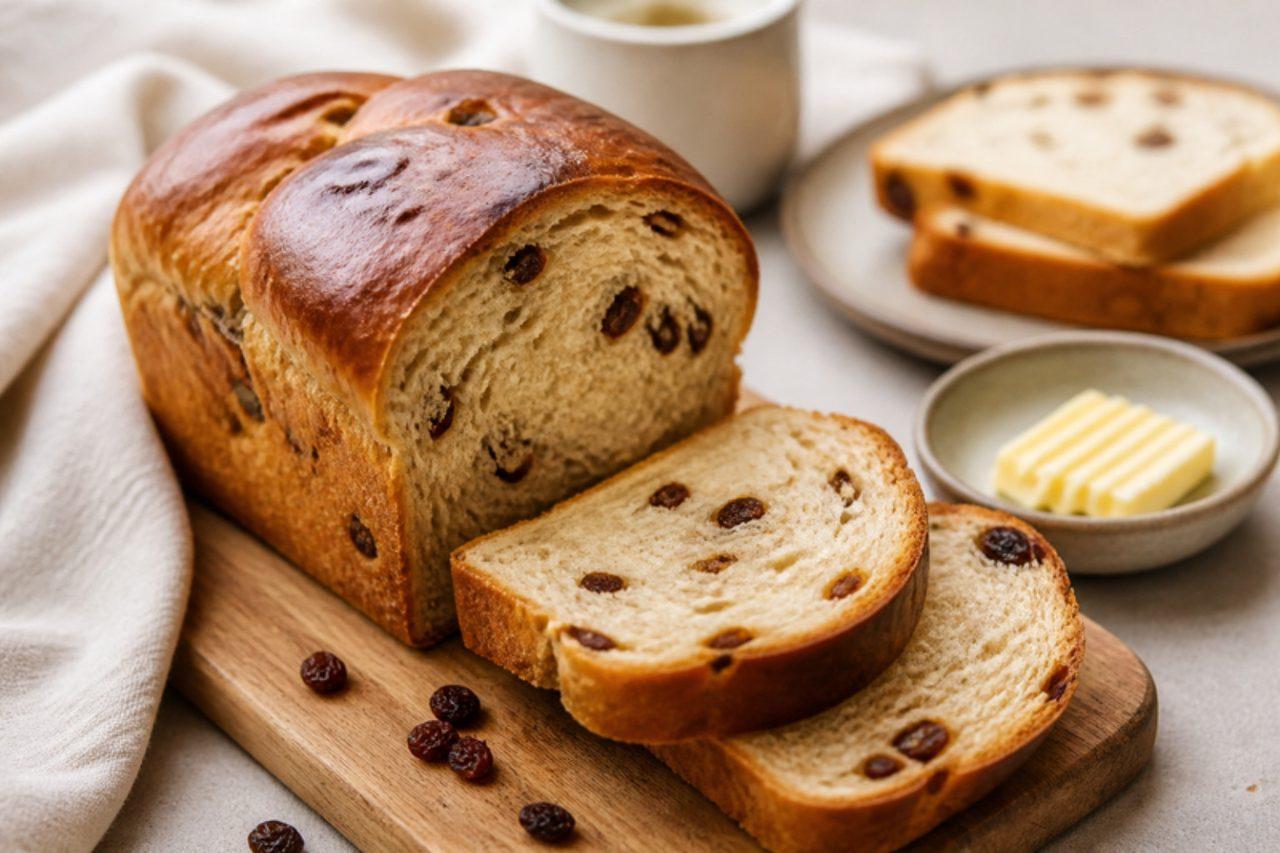
Cramique is the Sunday breakfast loaf of Brussels and Wallonia: a soft, golden brioche packed with raisins, bought from the bakery on Sunday morning and sliced thickly with salted butter. Its sister, craquelin, swaps the raisins for pearl sugar. A common mistake is adding the raisins at the start of kneading, which tears the gluten and turns the dough grey. Chef's tip: soak the raisins in warm tea for 20 minutes, then knead them in only at the end, gently.

by KrazyBadal 0 views

Croûte au fromageWine-soaked bread with Gruyère

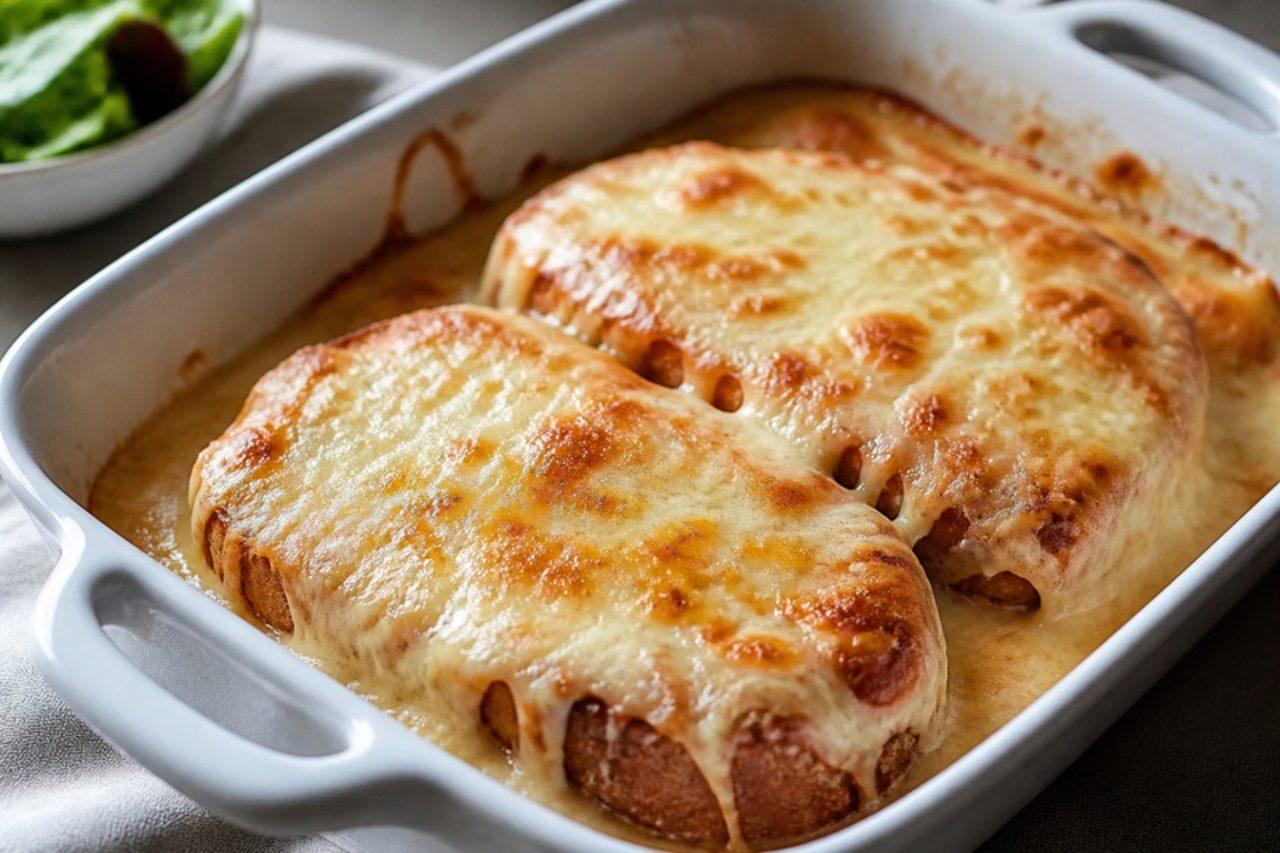
Croûte au fromage is the après-ski supper of Valais and Vaud, served in mountain restaurants from Verbier to Zermatt in sizzling dishes: thick slices of stale bread sprinkled with white wine, rubbed with garlic, heaped with grated Gruyère and baked until bubbling, often with a fried egg on top. This recipe uses white wine, as it traditionally does; for an alcohol-free version, use the swap in the ingredient note. Gruyère is made with animal rennet, so choose a vegetarian Swiss-style cheese. A common mistake is soaking the bread with too much wine, which makes it soggy. Chef's tip: toast the bread first, then sprinkle, so it stays crisp underneath and soft on top.

by KrazyBadal 0 views

Csabai kolbászPaprika pork sausage

Every October the town of Békéscsaba holds a sausage festival where teams grind, season and stuff pork by hand, and the town's name is on Hungary's most famous paprika sausage. The real csabai is smoked over beech and then air-dried for weeks; curing like that needs curing salt, careful temperature and humidity control and a lot of experience, so this recipe makes the same spicy pork mixture as a fresh sausage that is cooked through to 71 °C and never eaten raw. It is fiery, garlicky and deep red from sweet and hot paprika with a warm hint of caraway, and is excellent grilled or pan-fried, with mustard, fresh bread, pickled peppers and raw onion. The usual slip is letting the meat get warm while you work, which smears the fat and gives a dry, crumbly sausage; keep everything ice cold. Chef's tip: fry a small test patty before stuffing to check the salt and heat.

by KrazyBadal 0 views

CsalamádéSweet-sour mixed pickle

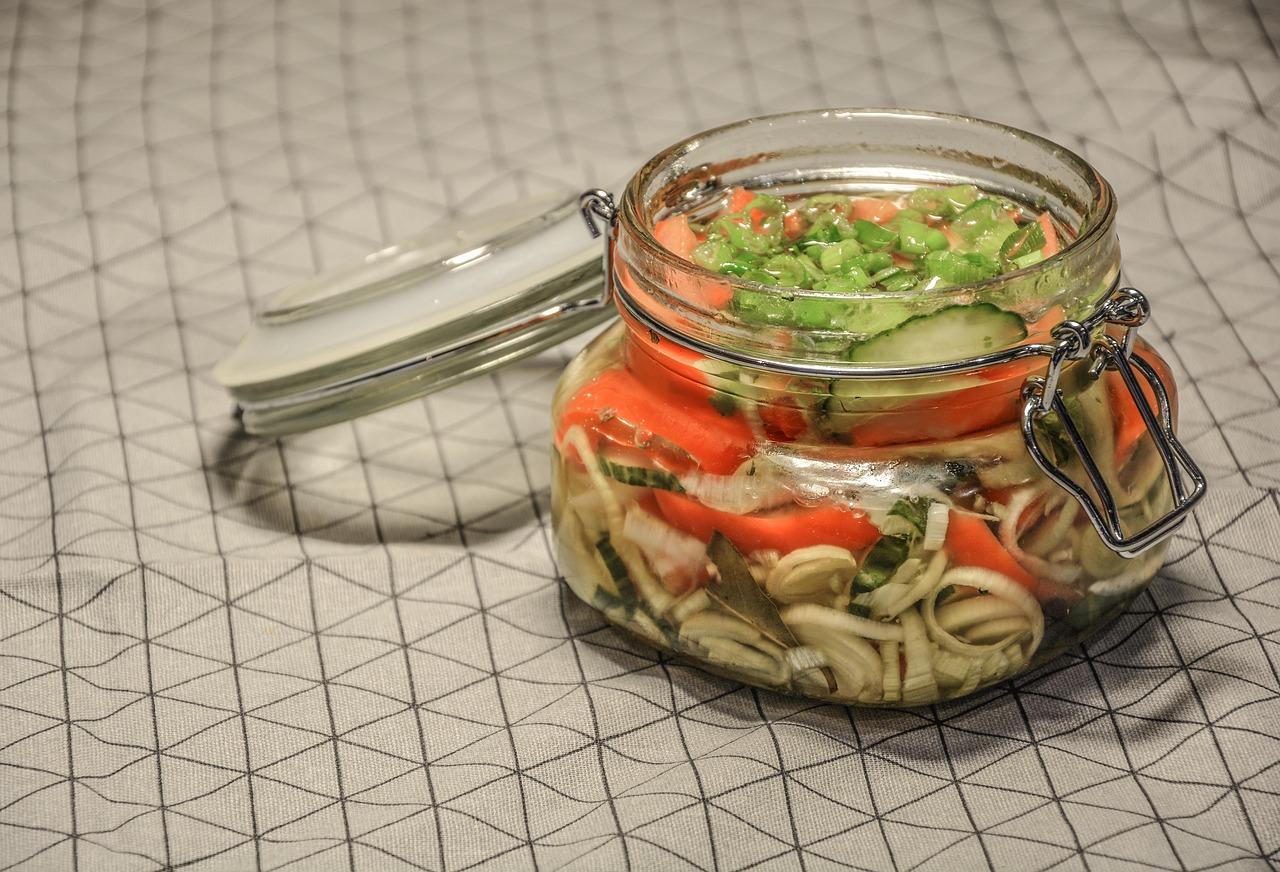
Late August in the Hungarian countryside means a kitchen full of jars: the last cucumbers, a white cabbage and a basket of pale wax peppers all go into csalamádé, the mixed pickle that sits on the table all winter next to pörkölt, sausages and fried meat. It is shredded, crunchy and bright, sweet-sour with a peppery bite, and it makes a fine side to any rich stew. The brine needs vinegar of at least 5% acidity (check the label) to keep the jars safe; never dilute it more than the recipe says. The usual slip is skipping the salting stage, which leaves the vegetables watery and the brine weak; salting draws out their juice first. Store unopened jars in a cool, dark cupboard for up to 6 months if processed, or in the fridge for a month if not; once a jar is open, keep it in the fridge and eat within 2 weeks. Chef's tip: wait at least 2 days before opening, so the flavours settle.

by KrazyBadal 0 views

CuchauleSaffron brioche

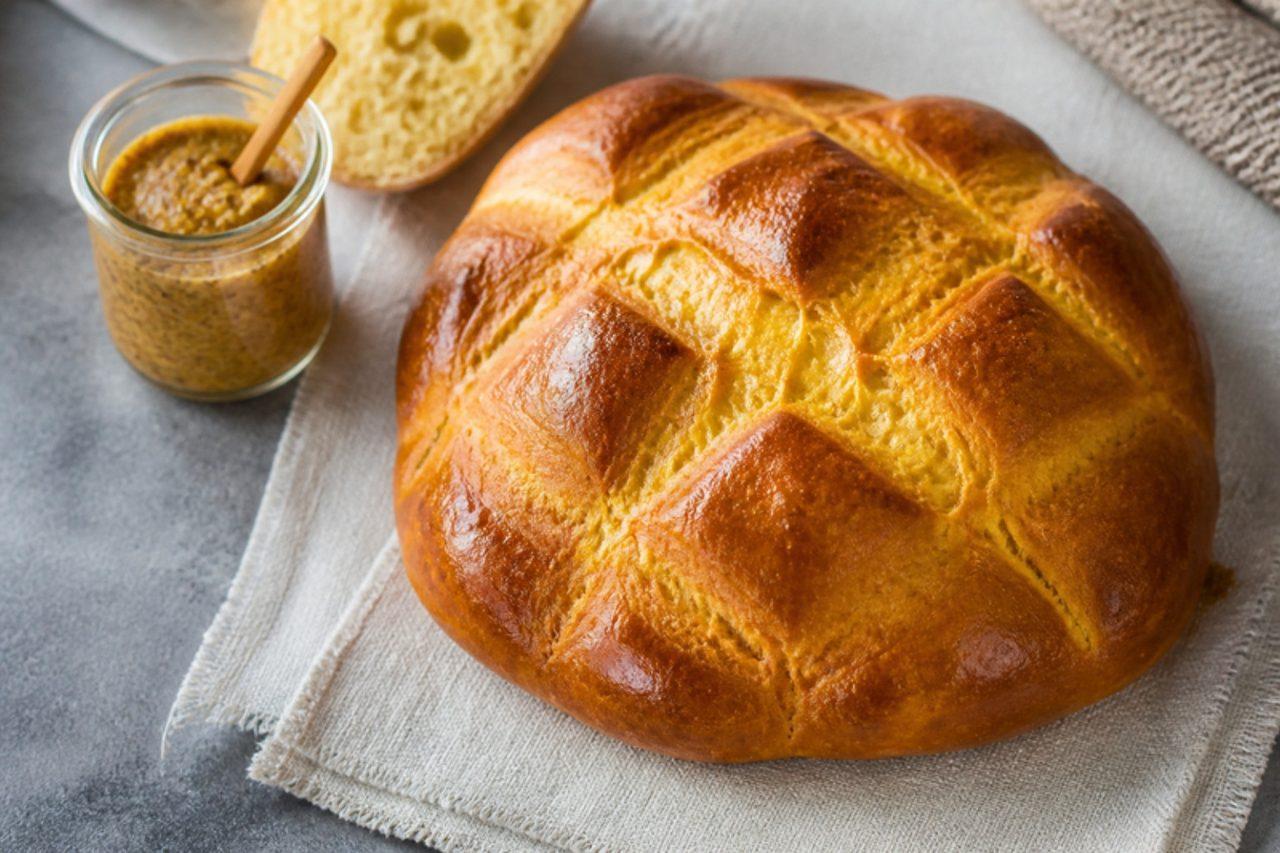
Cuchaule is the golden saffron brioche of the canton of Fribourg, baked for the Bénichon, the autumn feast that marks the herds coming down from the mountains and the end of the harvest. Thick slices are spread with moutarde de Bénichon, a sweet, spicy mustard made with vin cuit (cooked pear syrup), and eaten at the start of a long Bénichon meal. A common mistake is adding saffron threads whole, which leaves the brioche streaky. Chef's tip: steep the saffron in warm milk for 15 minutes before making the dough, so the colour is even and golden all through.

by KrazyBadal 0 views

Cucurucho de cocoCoconut and honey cones

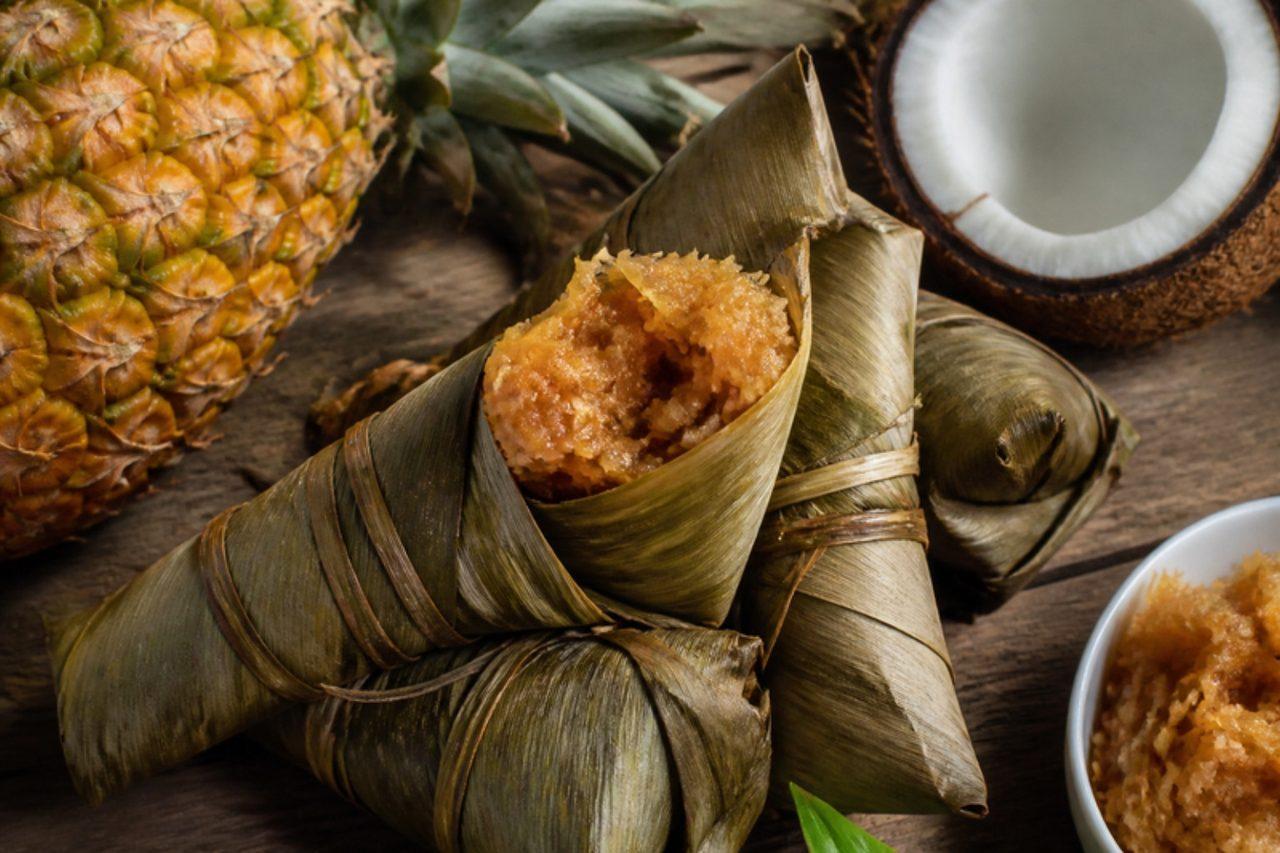
Drive into Baracoa on Cuba's far eastern tip and roadside sellers hold up cucuruchos, cones of dried palm bark packed with grated coconut cooked down with sugar, honey and local fruit such as guava, orange or pineapple. It is sticky, chewy and fragrant, a sweet you eat with your fingers on the road. The mistake is stopping too soon; the mix has to cook until it pulls from the pan, or it weeps in the cone. At home, cones of baking paper or small cups stand in for the palm bark. Chef's tip: use fresh coconut if you can and toast it lightly first, which keeps the shreds chewy rather than soggy.

by KrazyBadal 0 views

Curaçao pastechiCheese turnovers

In Curaçao and Aruba, a paper bag of hot pastechi from a snack truck is breakfast on the way to work or a mid-morning bite with coffee: crisp, blistered half-moons of pastry filled with melted aged Gouda, a legacy of the Dutch on the islands. Other versions hold spiced beef, chicken or tuna; this one is vegetarian. Traditional Gouda is made with animal rennet, so choose a Gouda or other firm cheese labelled vegetarian if that matters to you. The usual mistake is frying too cool, so the pastry soaks up oil instead of blistering. Chef's tip: chill the filled pastechi for 15 minutes before frying so the seams hold.

by KrazyBadal 0 views

Curry chataigneBreadnut coconut curry

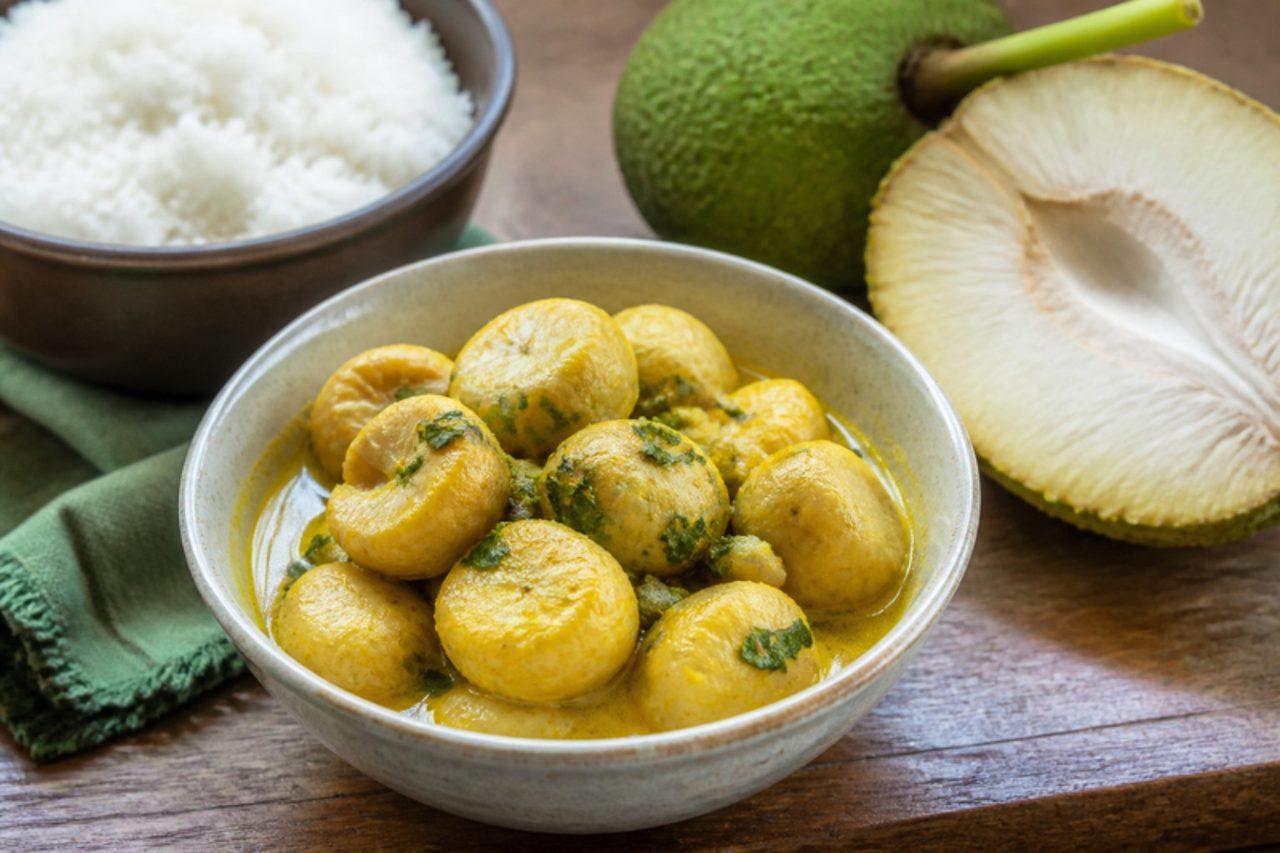
Chataigne, the spiky breadnut cousin of breadfruit, ripens around Divali and Christmas in Trinidad, and its boiled, peeled seeds are curried with coconut milk and roasted geera into a dish many people say tastes almost like meat. It is a fixture at Divali dinners and Hindu functions, eaten with rice or roti. The common mistake is skipping the pre-boil: the seeds stay hard and their thin inner skin stays bitter. Look for chataigne in Caribbean and Asian grocers; tinned jackfruit seeds or chestnuts are the nearest swap. Chef's tip: after boiling, peel off both the shell and the papery brown skin, then split the seeds in half so the curry gets right inside.

by KrazyBadal 0 views

Ćwikła z chrzanemBeetroot and horseradish relish

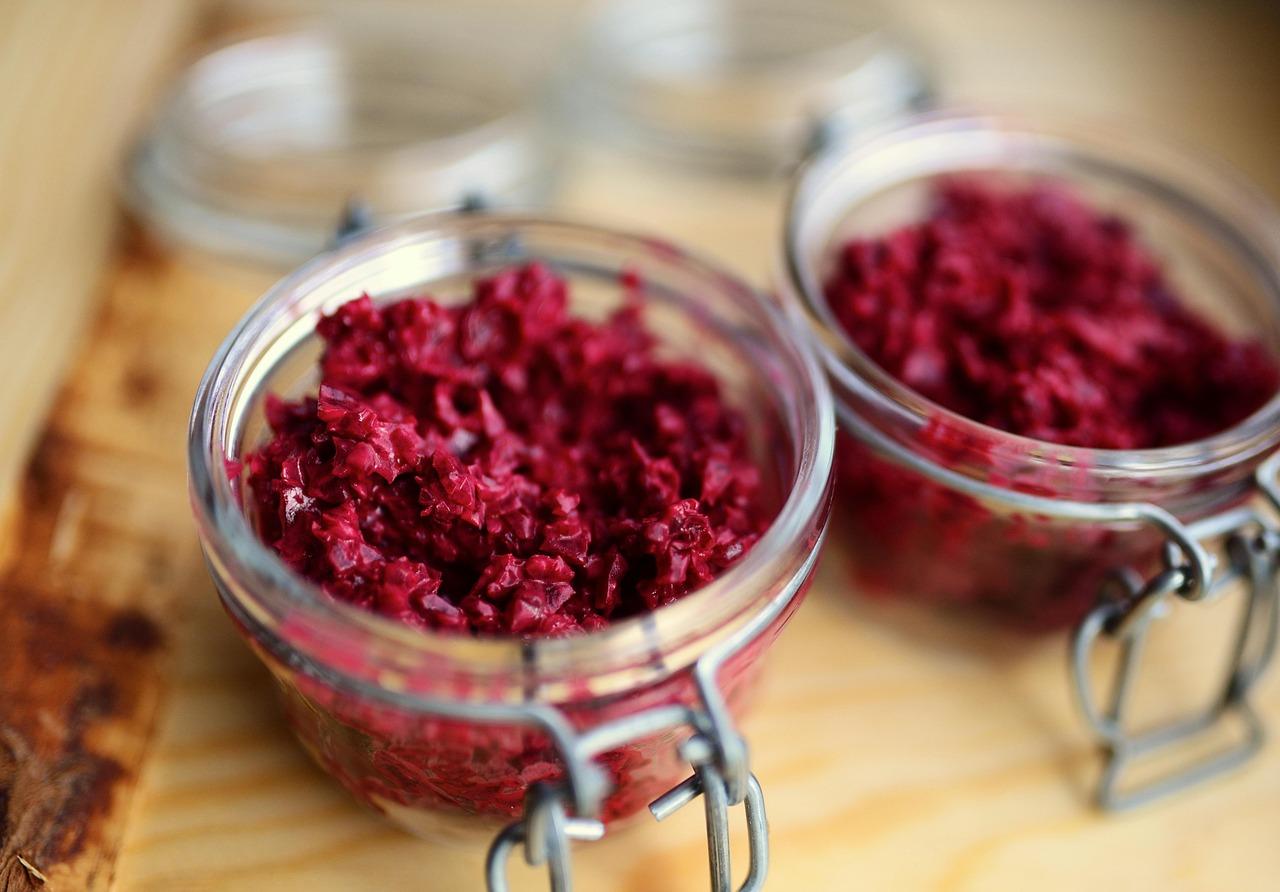
Easter baskets blessed in Polish churches on Holy Saturday always hold a little horseradish, and on Sunday morning it reappears mixed with beetroot as ćwikła, the bright purple relish passed around with eggs, white sausage, ham and rye bread. Here it is meat-free; spoon it beside eggs, cheese or roast vegetables. It is sweet, sour and sharp enough to clear your nose, and the heat fades over a few days in the fridge. A common mistake is using jarred horseradish cream, which makes it milky and mild; use freshly grated root or plain grated horseradish in vinegar. Chef's tip: grate the horseradish near an open window, or in a food processor, and add it last so its heat stays lively.

by KrazyBadal 0 views

CzerninaSweet-sour duck blood soup

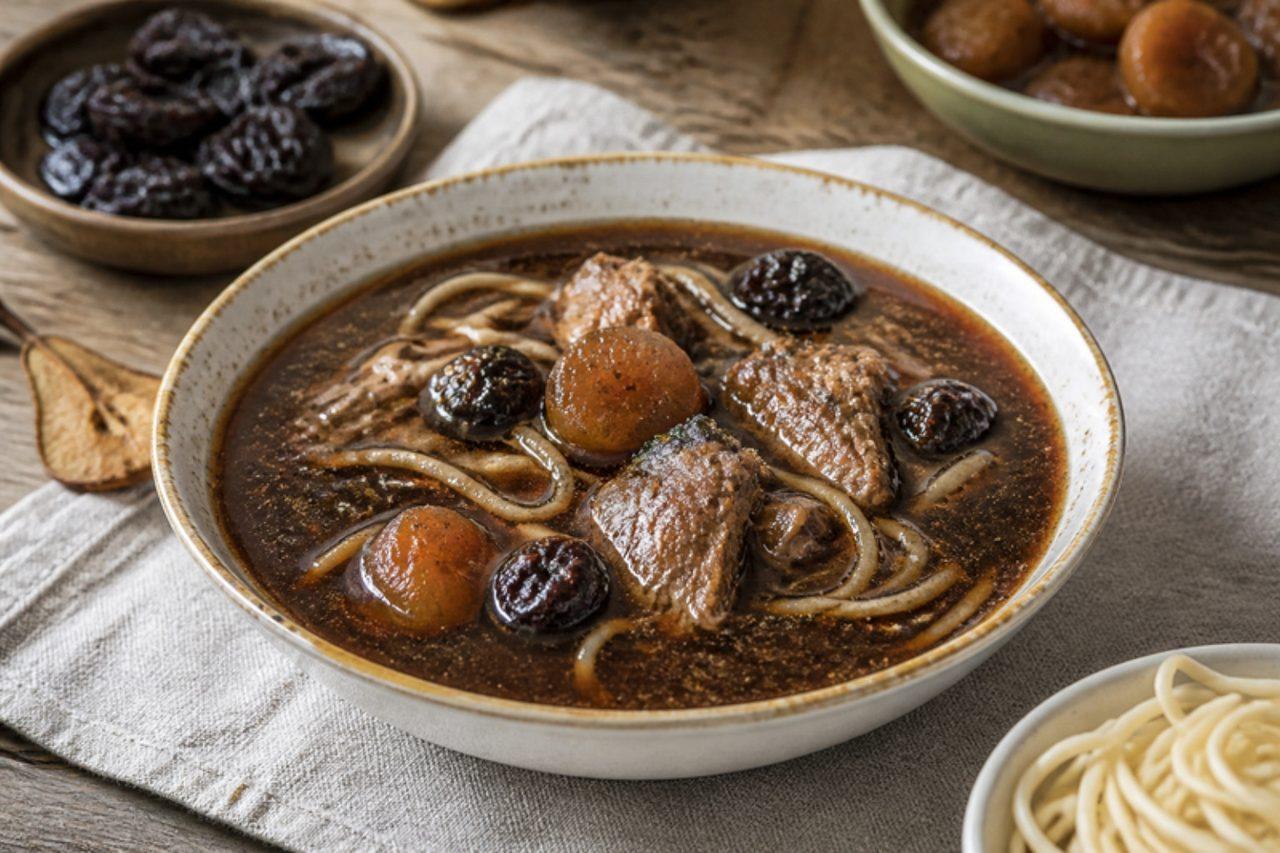
Few soups divide a Polish table like czernina, the dark, glossy duck broth of Greater Poland and Kashubia, tinted chocolate-brown with duck blood and sharpened with vinegar, then sweetened with dried plums, pears and apples. Farm families made it when a duck was killed in autumn, and in old Polish custom a suitor served czernina knew his proposal had been turned down. The taste is rich, sweet-sour and deeply savoury, with fine egg noodles to soak it up. Safety matters here: buy fresh duck blood from a butcher, already mixed with vinegar so it does not clot, keep it at fridge temperature and use it within a day. Undercooked blood is not for pregnant women, young children or anyone with a weakened immune system. People often let the soup boil hard after the blood goes in, and it turns grainy. Chef's tip: temper the blood with hot broth before stirring it into the pot, then heat gently to a steady simmer.

150 minPolishSoups
by KrazyBadal 0 views

Daal mashWhite urad dal with ghee tarka

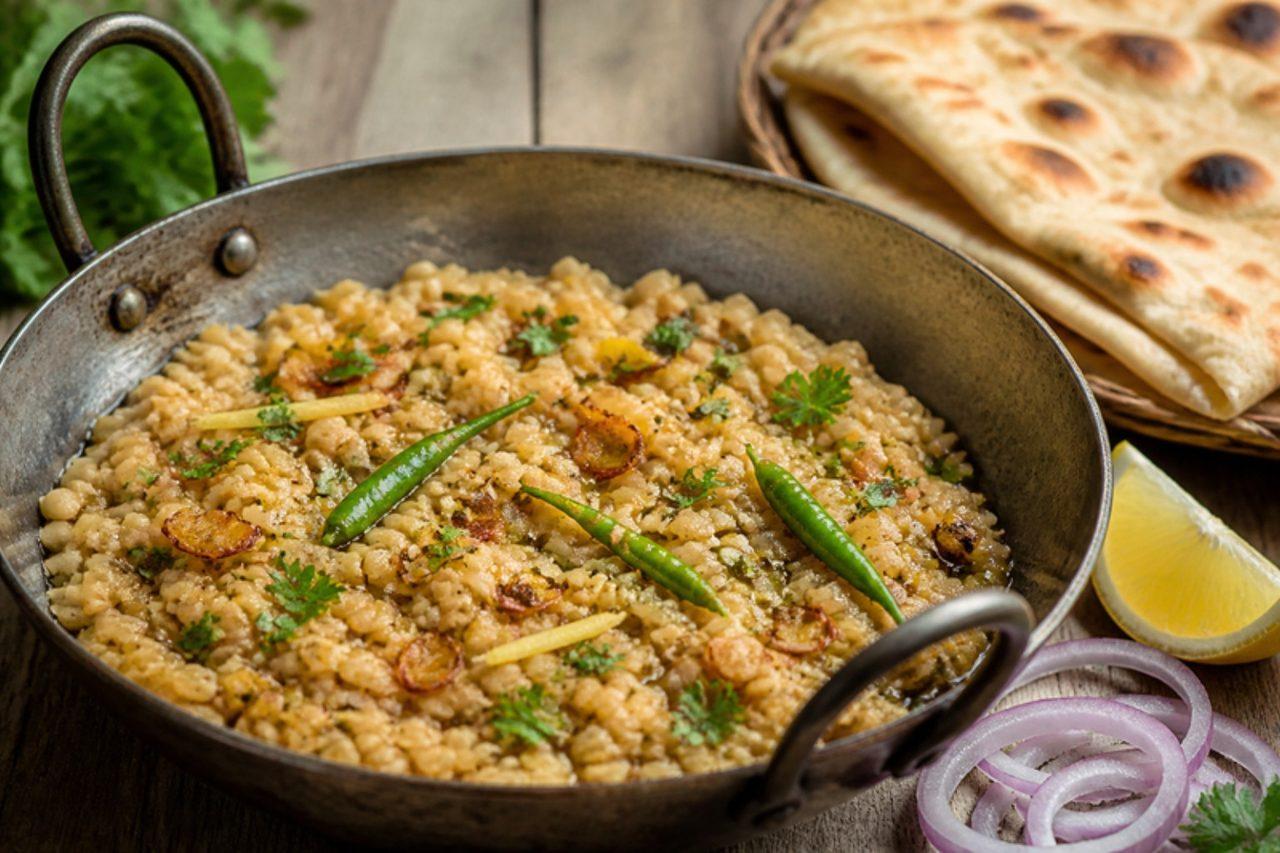
Walk into any dhaba on Lahore's Mall Road or in the lanes behind Anarkali after dark and daal mash is on the counter beside the tandoor, a pot of split white urad lentils cooked until each grain is soft but still separate, never a soup. It is eaten scooped up with hot tandoori roti, with a heap of raw onion rings and a squeeze of lemon, and it is rich enough to stand in for meat at a weeknight dinner. The flavour comes almost entirely from the last minute: a ladle of ghee crackling with garlic, ginger, green chilli and cumin poured over at the table. The usual mistake is adding too much water, which turns it to mush; it should cook in just enough to be absorbed. Chef's tip: soak the dal for 30 minutes and stir it as little as possible once it is in the pot, so the grains stay whole.

by KrazyBadal 0 views

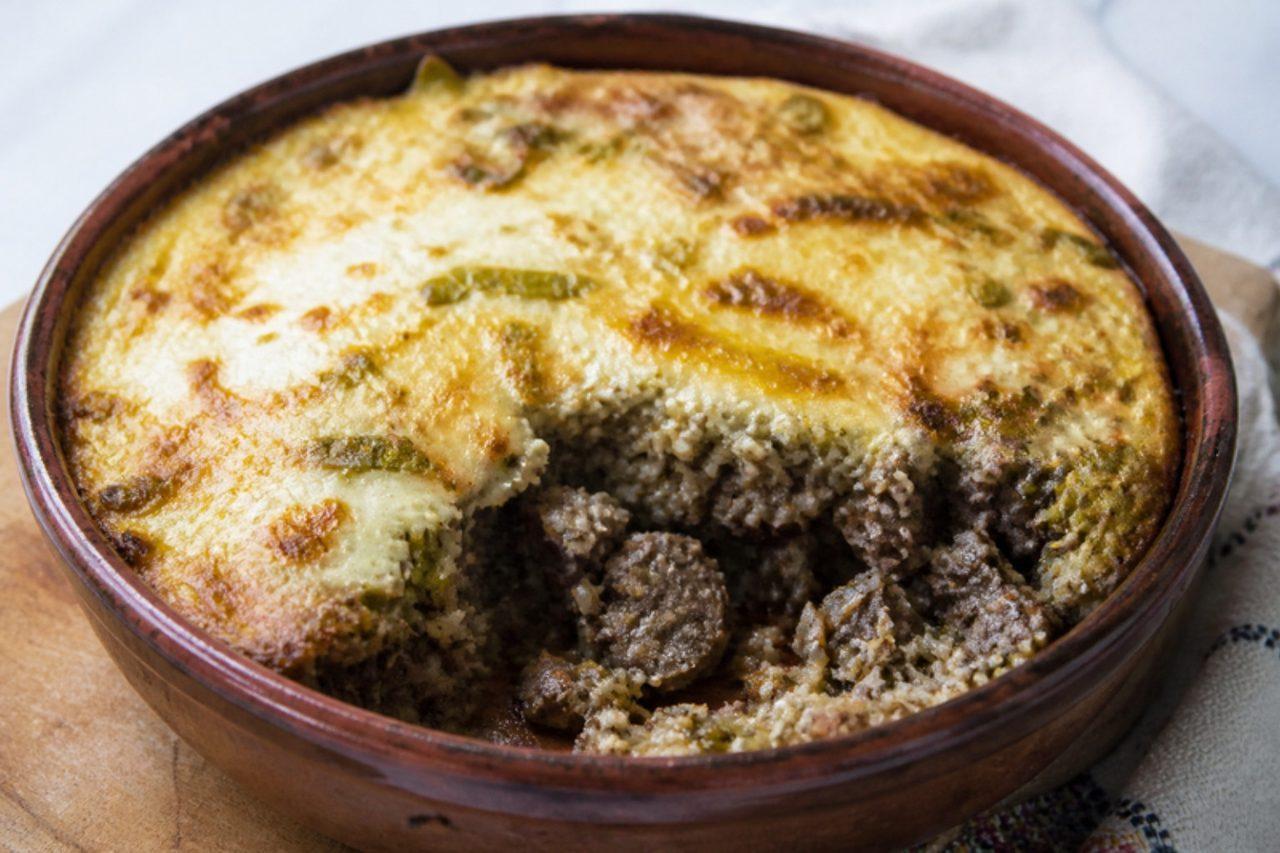
Dabba goshtMutton and macaroni bake

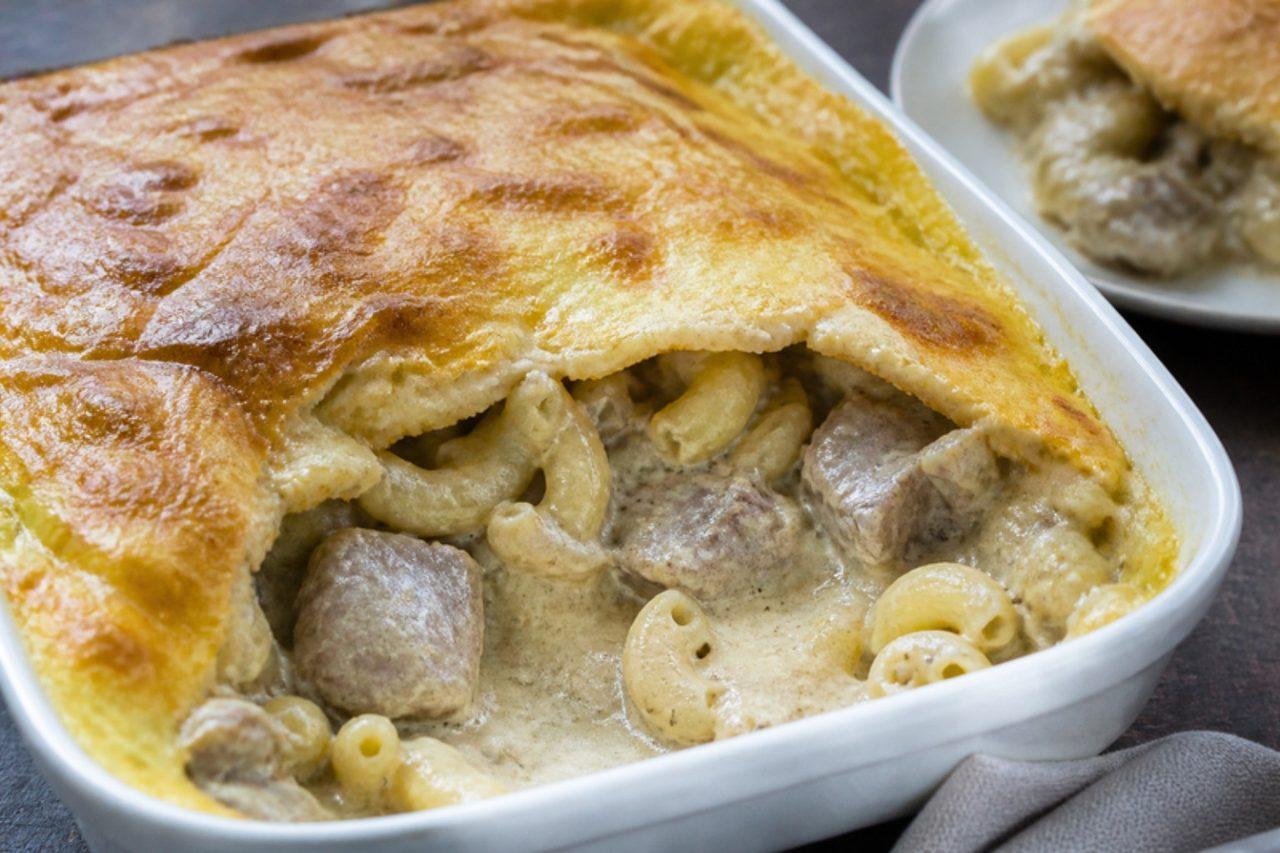
Only a Dawoodi Bohra kitchen would put macaroni into a mutton curry and bake it under a lid of egg, and dabba gosht is the triumphant result, made in Karachi for weddings, Eid and the big communal meals of Muharram. Boneless mutton is simmered until tender in a pale gravy of yogurt and ground cashew, mixed with soft elbow macaroni, poured into a dabba (a tin or deep dish), covered with whisked eggs and baked until golden on top. Inside it is creamy and mild with black pepper and cardamom; the crust is soft and set. The pitfall is overcooking the pasta before it goes in, because it keeps drinking sauce in the oven; boil it two minutes short. Chef's tip: keep the sauce looser than you think it should be when you assemble, as it thickens a lot under the egg.

by KrazyBadal 0 views

Daging smoorBeef braised in sweet soy

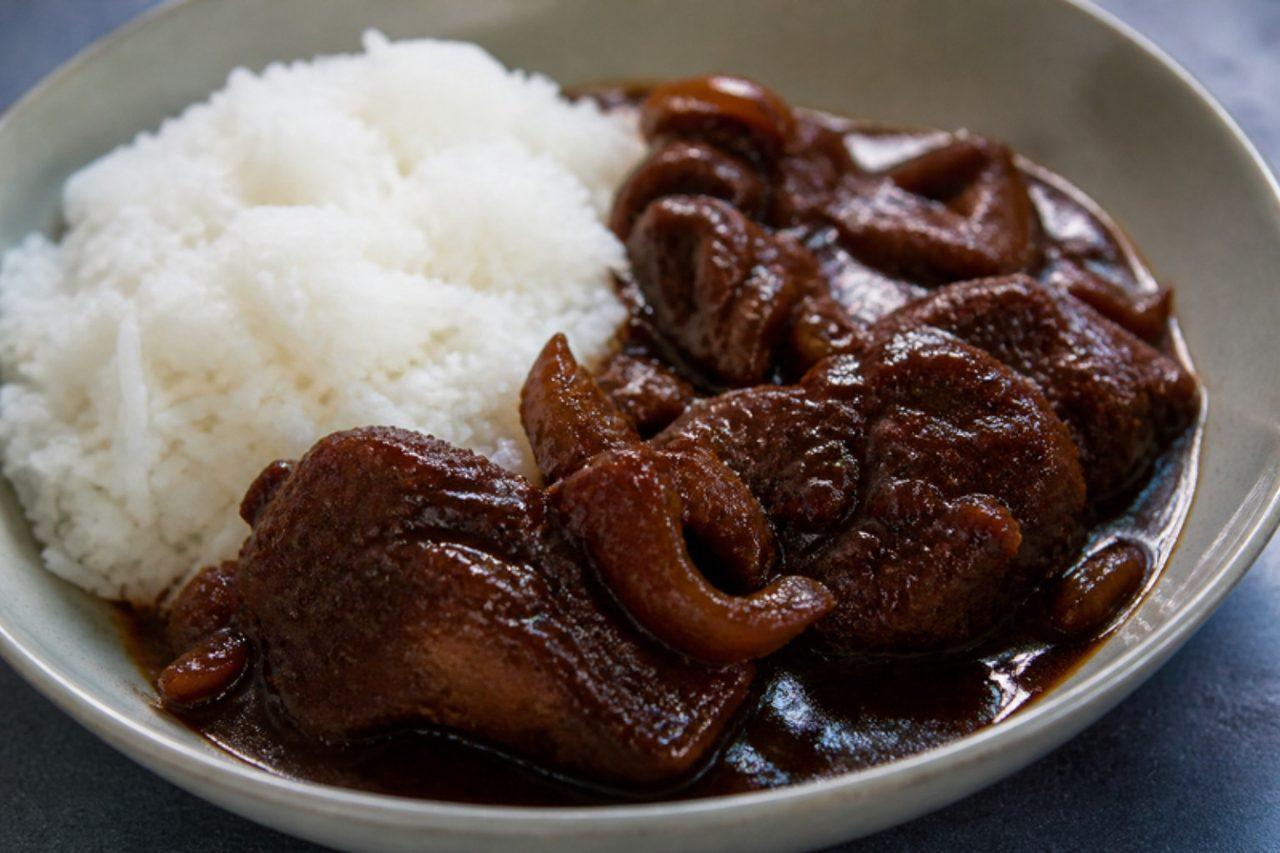
Daging smoor, from the Dutch 'smoren', to braise, is the Indo-Dutch version of Indonesian semur: beef braised for hours in kecap manis sweet soy sauce with onion, garlic, nutmeg, clove and a little tomato, until tender and coated in a dark, glossy, sweet-savoury sauce. It is a Sunday and rijsttafel dish in Indo-Dutch families in The Hague and is served with rice and atjar. A common mistake is a hard boil, which makes the meat tough and the sauce too salty as it reduces. Chef's tip: add the nutmeg at the start and a pinch more at the end, so its warmth runs through and the fresh aroma comes through on top.

170 minDutchCurries
by KrazyBadal 0 views

Dal chawal paliduLayered rice and dal

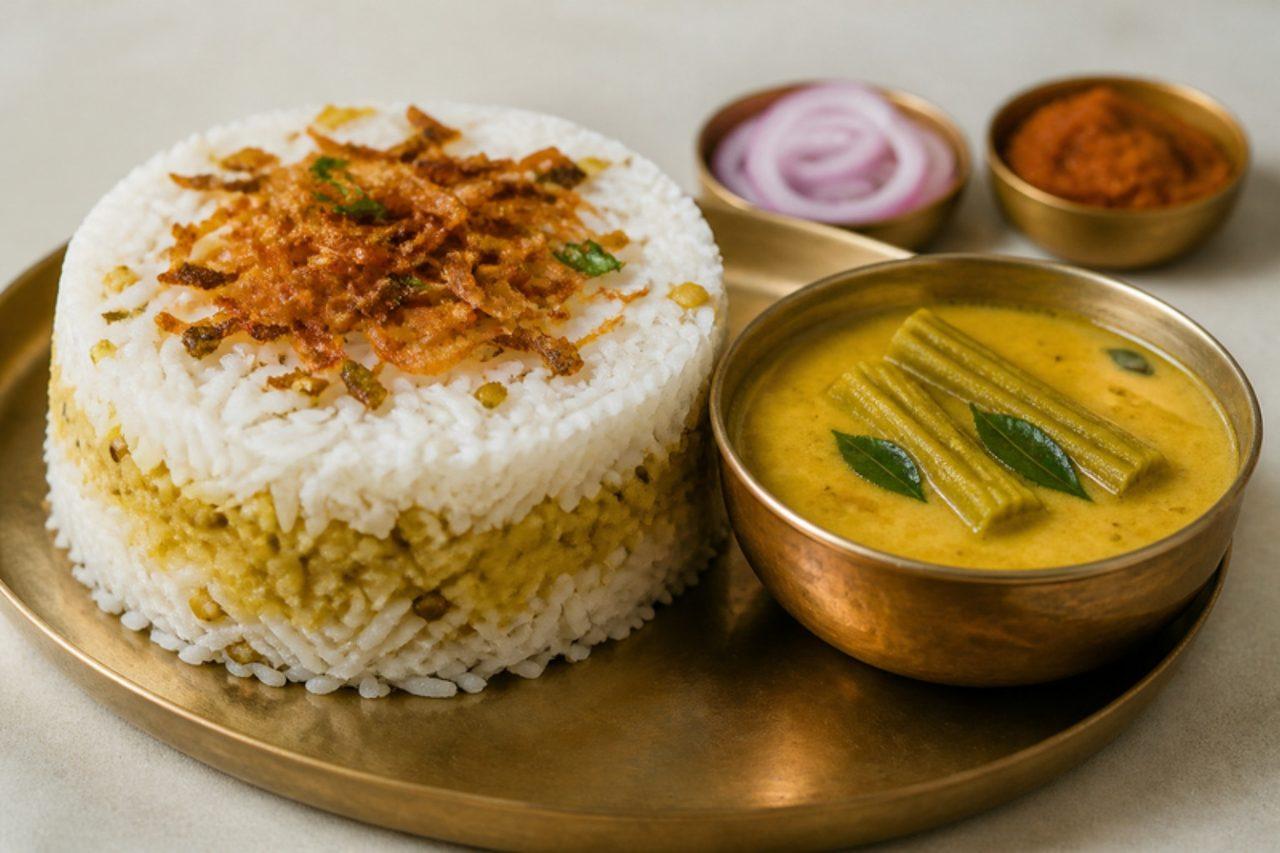
In the Dawoodi Bohra community of Karachi's Saddar and Kharadar, dal chawal palidu is the comfort meal of Sunday lunch and of the shared thaal at community gatherings, and nobody who grew up with it considers it complete without all three parts. Long-grain rice is layered with whole, separate grains of spiced toor dal and crisp fried onion, then steamed, while palidu, a thin, tangy curry made from the dal's own cooking water thickened with gram flour, tempered with mustard seed, curry leaves and garlic and studded with drumsticks, is poured over at the table. It is gentle, sour and deeply savoury. Overcooking the dal is the error to avoid, since it must stay in whole grains for the layers. Chef's tip: drain the toor dal as soon as it is tender and save every drop of the water, because that water is the base of the palidu.

by KrazyBadal 0 views

Dal goshtMutton and chickpea stew

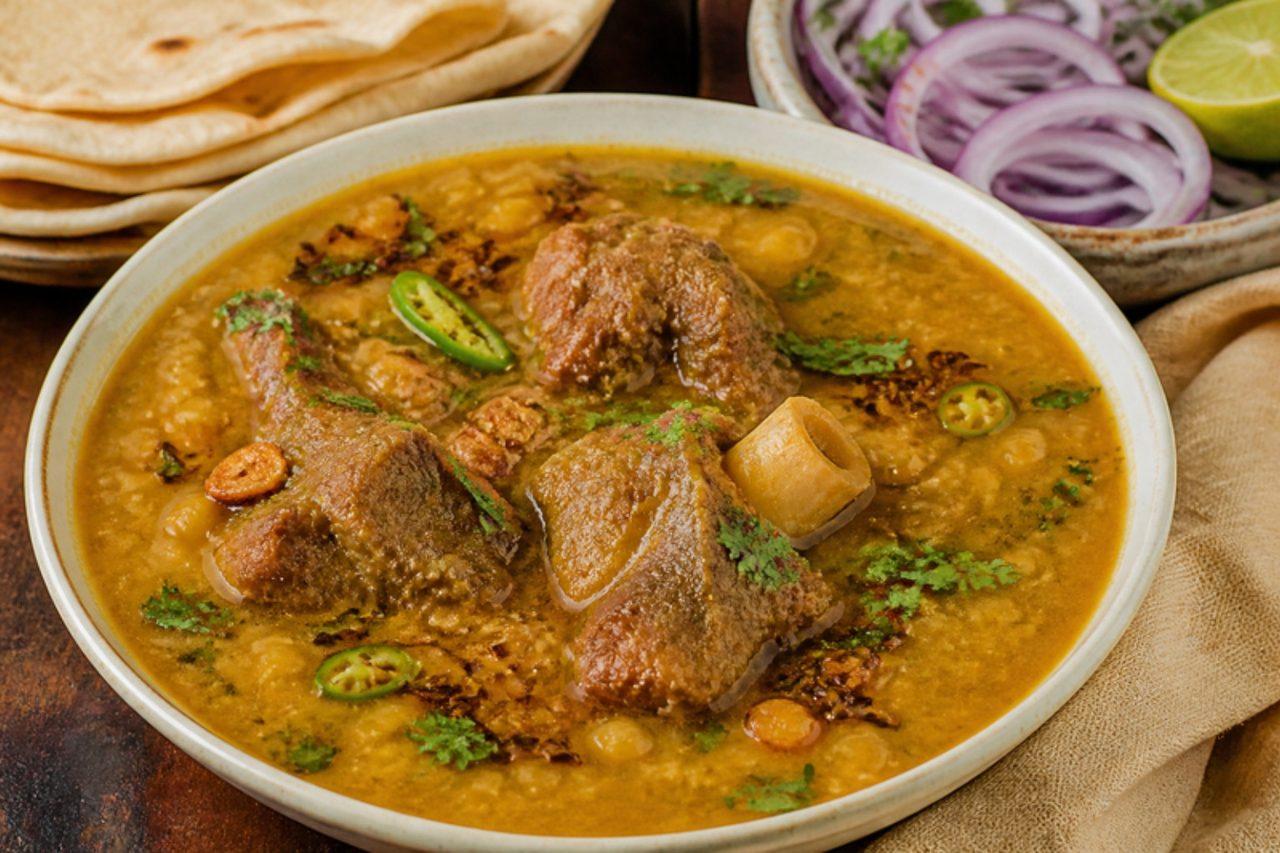
Stretching a kilo of mutton to feed a big family is an old Pakistani household skill, and dal gosht is its most loved result: chana dal cooked with the meat until the lentils melt into a thick, golden, peppery gravy that is half curry, half stew. It turns up for Friday lunch in Punjab and for everyday dinners in Karachi Urdu-speaking homes, eaten with hot chapati, rice and a sharp salad of onion and tomato. Done right, some dal stays whole while the rest thickens the gravy. A common slip is adding raw dal to the pot at the same time as the meat; dal cooks faster, so it collapses into paste before the mutton is tender. Chef's tip: finish with a tarka of ghee, cumin and fried garlic for a Sunday version, or leave it plain with oil for an everyday pot that stays dairy free.

by KrazyBadal 0 views

Dal pakwanFried bread with spiced chana dal

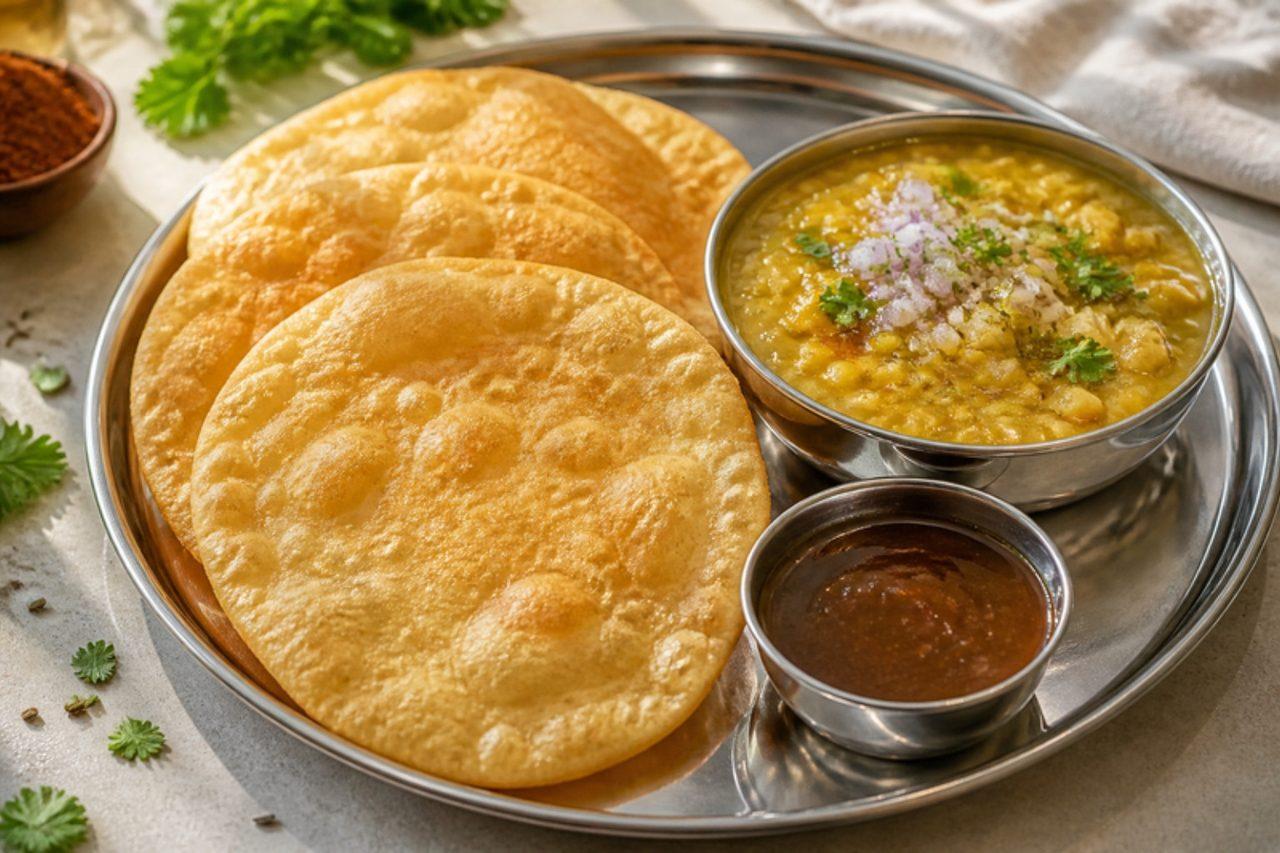
Sunday morning in Karachi's old Sindhi neighbourhoods, and in Hyderabad, means a queue at the dal pakwan stall, or a home kitchen hot with frying oil. Pakwan are crisp, bubbly discs of cumin and black-pepper dough, fried until they shatter like a cracker, and they are eaten broken into a bowl of soft, lightly spiced chana dal, then topped with sweet-sour tamarind chutney, raw onion and a dusting of chilli. The contrast of crunchy, soft, sweet and sharp is the whole point, so the parts are kept separate until the last moment. Thick pakwan are the most common disappointment: rolled too thick, they turn chewy instead of crisp. Chef's tip: roll each one as thin as you can and prick it all over with a fork before frying, so it puffs only a little and stays flat and crunchy.

by KrazyBadal 0 views

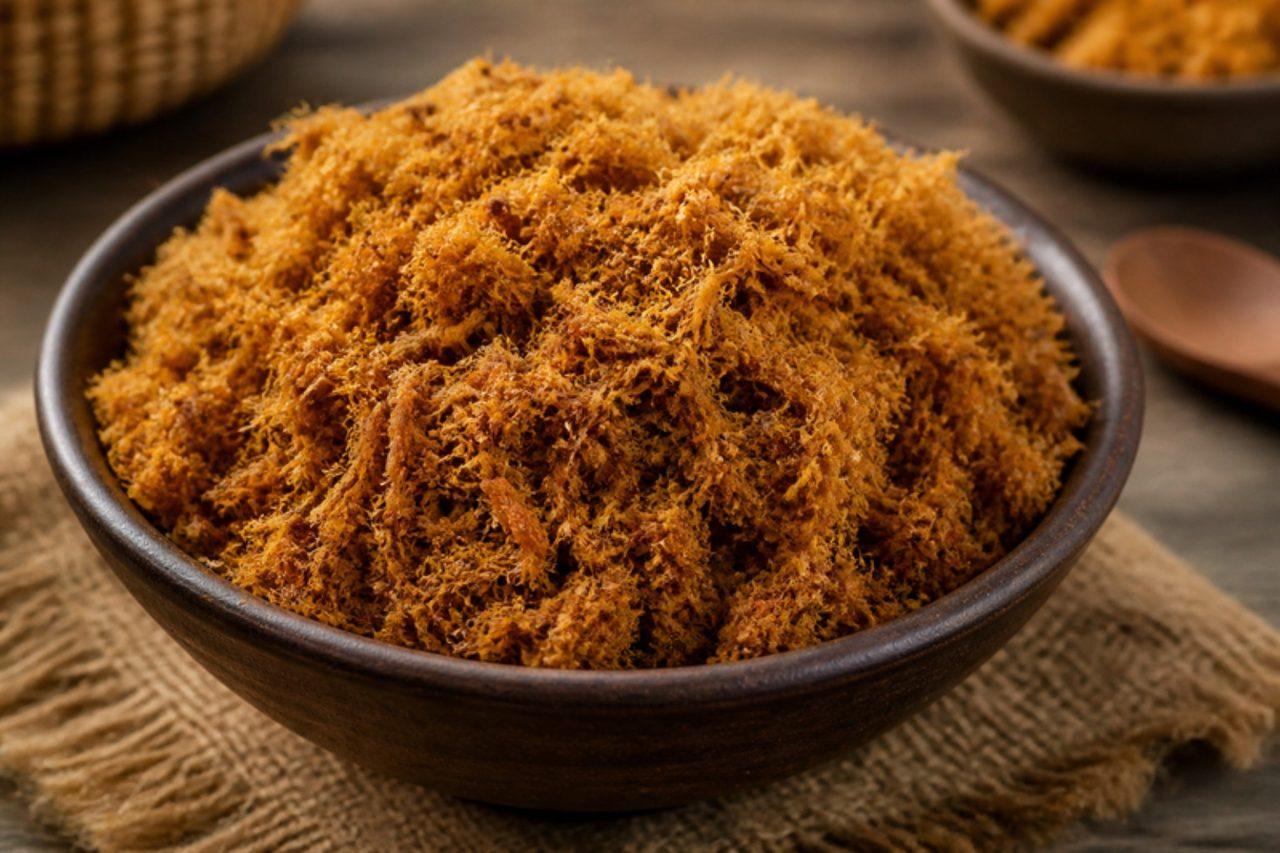
Dambun namaSpiced shredded beef floss

During Ramadan and Eid in Kano, Kaduna and Maiduguri, tins of dambun nama appear on every table: beef boiled tender with onion and ginger, pounded in a mortar until it falls into fine threads, then fried slowly with onion and spices until it is dry, fluffy and golden. It keeps well, which is why it was made before long journeys, and it is eaten as a snack, with rice or tucked into bread. The texture should be like soft wool, not crunchy crumbs. Because the meat is fully cooked before drying, it is safe; store it in the fridge. Chef's tip: let the boiled beef steam dry for ten minutes before pounding, as wet meat clumps in the pan instead of separating into threads, which is the usual mistake.

130 minNigerianMeatGluten free
by KrazyBadal 0 views

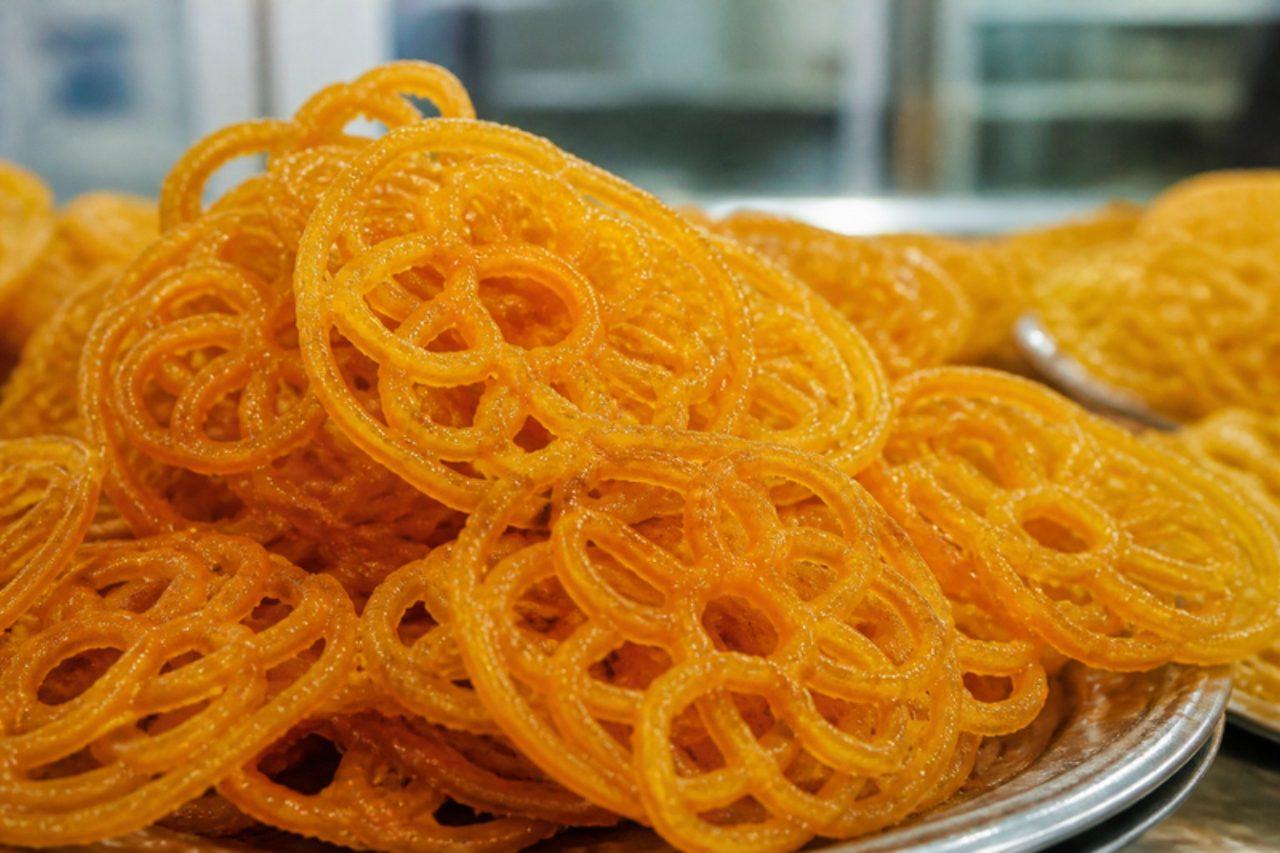
MeshabekLacy syrup-soaked fritters

Damietta, the port city where the Nile meets the Mediterranean, is famous across Egypt for its sweet shops, and meshabek is one of their signatures: lattice wheels of fermented batter piped into hot oil and dunked in syrup. Fresh from the fryer they shatter like glass and drip with sugar; by the next day they soften into something chewy and just as good. Families buy them by the box for Ramadan evenings, visits and holidays. The batter needs an hour to ferment before frying. The common mistake is frying in oil that is not hot enough, which leaves them pale, soft and greasy, so test it first. Chef's tip: a squeeze bottle with a 4 to 5 mm opening gives the neatest, thinnest lines.

by KrazyBadal 0 views

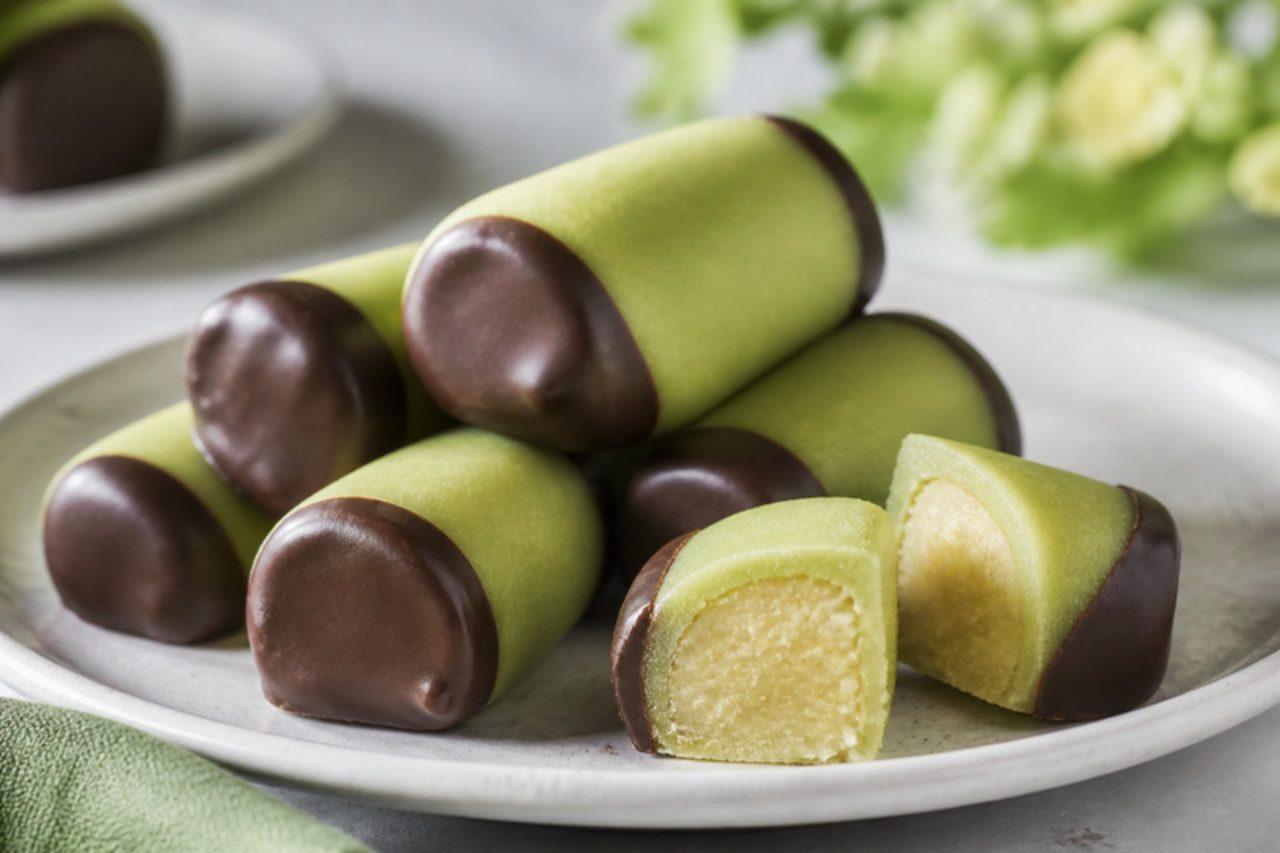
DammsugareMarzipan cake-crumb rolls

The dammsugare, 'vacuum cleaner', got its name because Swedish bakeries invented it to use up crumbs and offcuts of cake swept up at the end of the day: the crumbs are mixed with butter, cocoa and flavouring, rolled into logs, wrapped in bright green marzipan and dipped in dark chocolate at both ends. Bakeries usually flavour the filling with punsch, a sweet arrack liqueur; this version uses vanilla and a little orange, and is alcohol-free. A common mistake is rolling the marzipan too thick, which makes it cloying. Chef's tip: roll the marzipan thin between sheets of baking paper and chill the filled logs before cutting.

by KrazyBadal 0 views

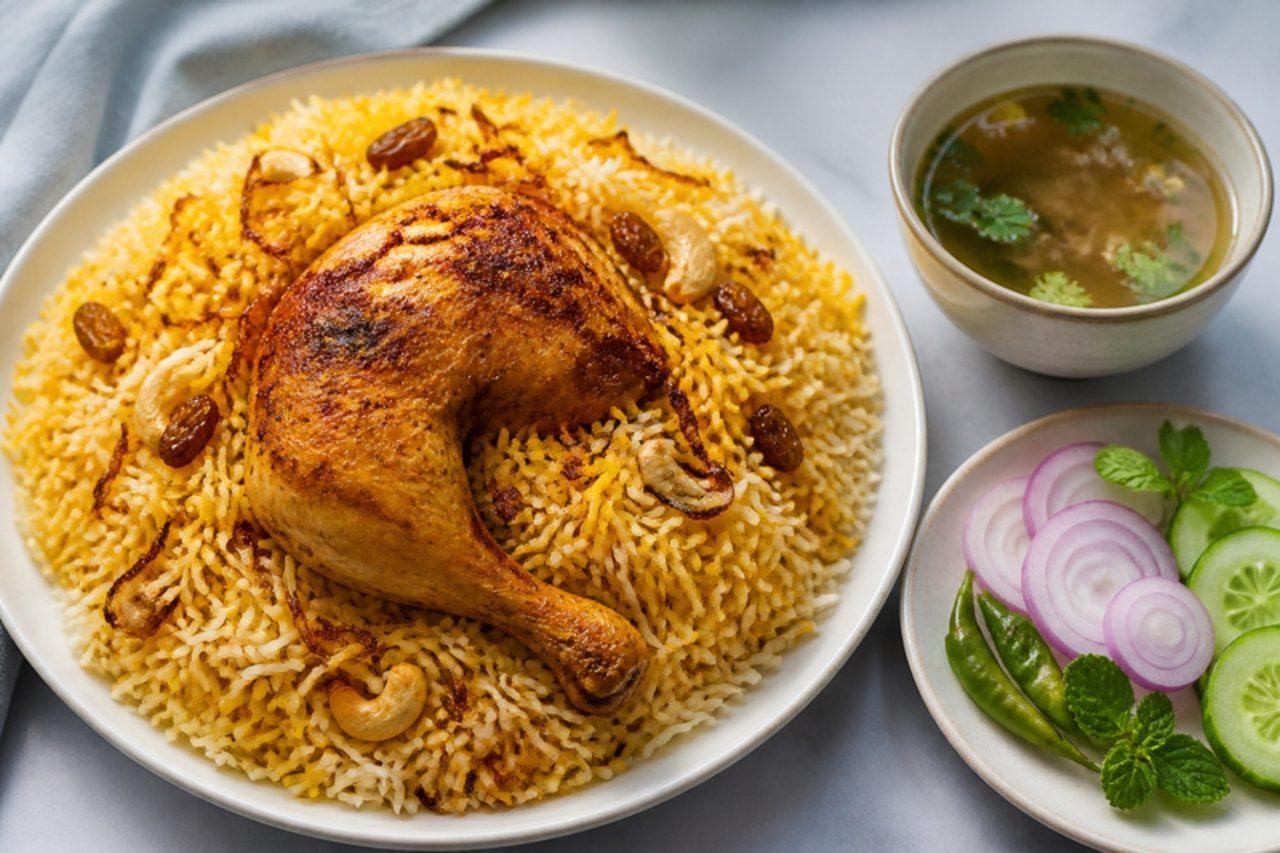
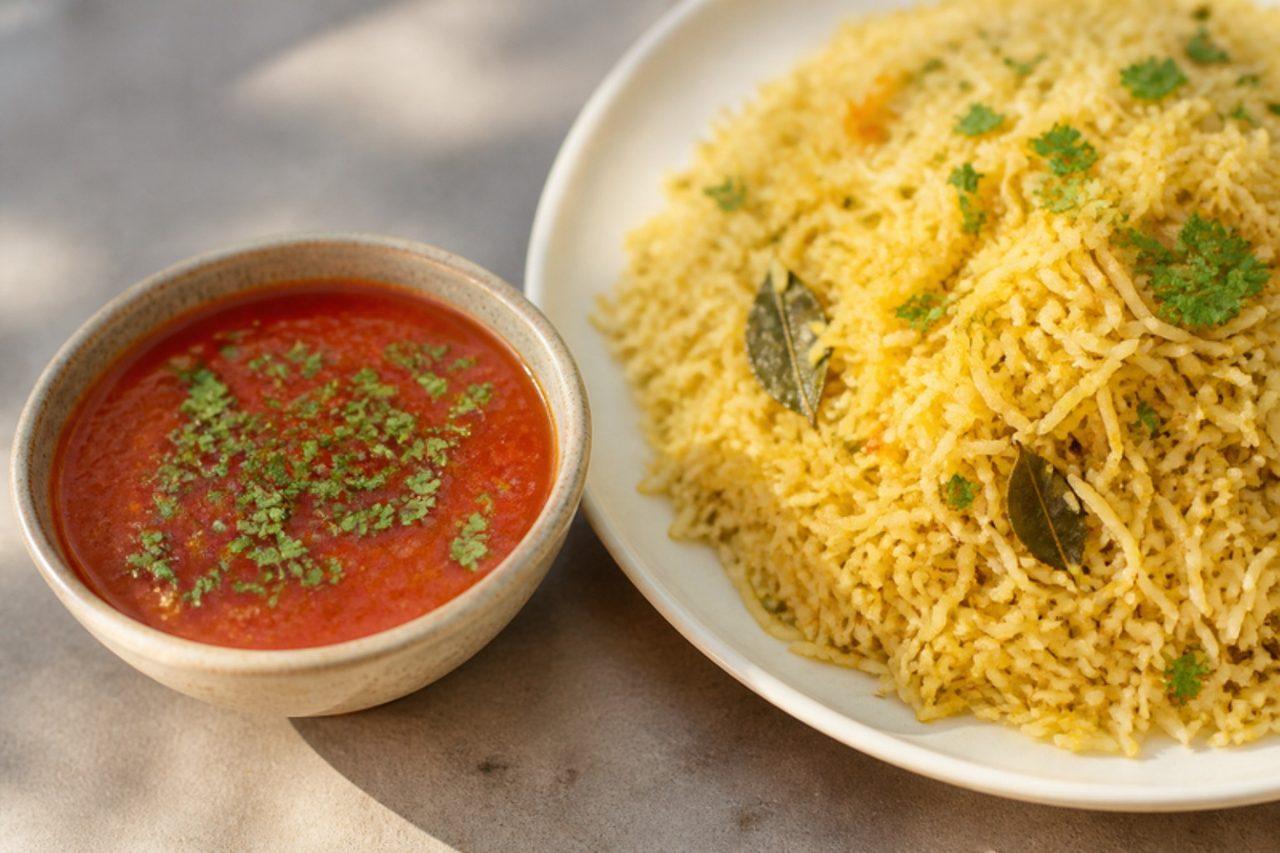
DanbaukChicken biryani

Weddings, birthday donations and the Friday lunch crowd after mosque prayers in downtown Yangon all call for danbauk, the Burmese take on biryani brought by the city's Indian-Muslim families. It is gentler than most South Asian versions: long grains scented with cardamom, cloves and butter, tender yoghurt-marinated chicken hidden underneath, and a crown of fried onions, plump raisins and golden cashews. Every plate comes with a bowl of sour onion, cucumber and green-chilli salad that cuts through the richness, and often a thin sour soup on the side. The usual slip is boiling the rice fully before layering; it then turns to mush during the slow steam, so pull it while each grain still has a chalky white core. Chef's tip: once the pot is sealed, leave the lid alone and dig in from the side at the table so every scoop brings up chicken and rice together.

by KrazyBadal 0 views

DaqqusTomato garlic chilli sauce

Spoon by spoon, daqqus goes over almost every plate of kabsa, mandi and machboos from Riyadh to Kuwait City: a thin, bright sauce of ripe tomato, lots of garlic and hot chilli that cuts through rich rice. Restaurants in Najd serve it in little bowls beside the rice tray, and some families make it raw, others cook it briefly as here, which mellows the garlic and deepens the colour. It should be pourable and tangy, not thick like ketchup. People often overcook it into a paste; keep it loose with a splash of water. It also works with grilled fish and eggs. Chef's tip: grate the tomatoes on a box grater and discard the skins for a silky sauce without blending.

by KrazyBadal 0 views

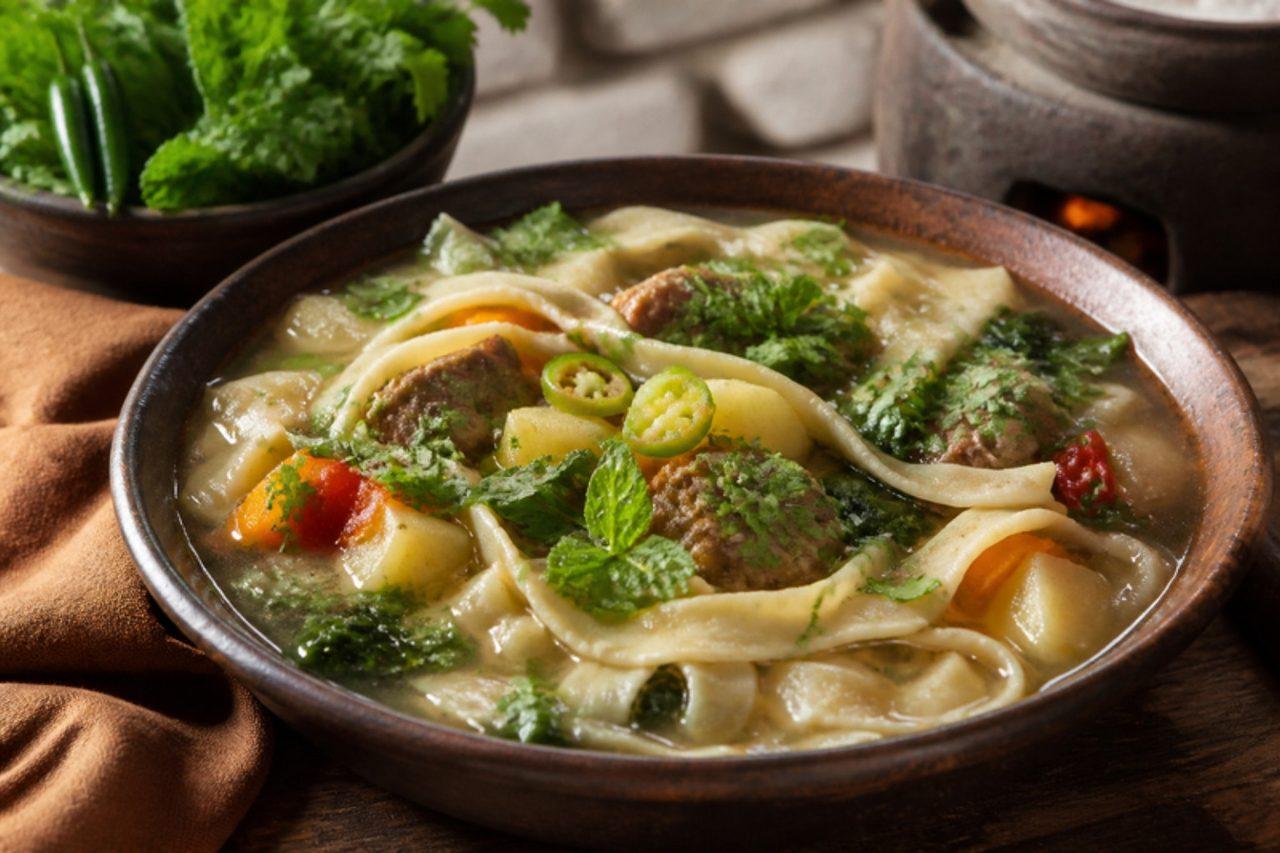
DaudoHand-cut noodle soup with mutton

Once snow closes the passes into Hunza and the apricot trees are bare, families gather around a pot of daudo: a mutton broth thick with short, hand-rolled wheat noodles, potatoes, carrots, spinach and plenty of fresh coriander and mint. It is everyday mountain food, eaten for supper from deep bowls and passed to anyone who comes in from the cold, sometimes with a spoonful of local apricot-kernel oil on top. The noodles are rough and chewy, the broth peppery and green with herbs. Adding the noodles too early leaves them swollen and the soup gluey, so keep them for the last few minutes. Chef's tip: for a vegetarian version, simmer the vegetables in a good vegetable stock and add a handful of chickpeas instead of the mutton.

by KrazyBadal 0 views

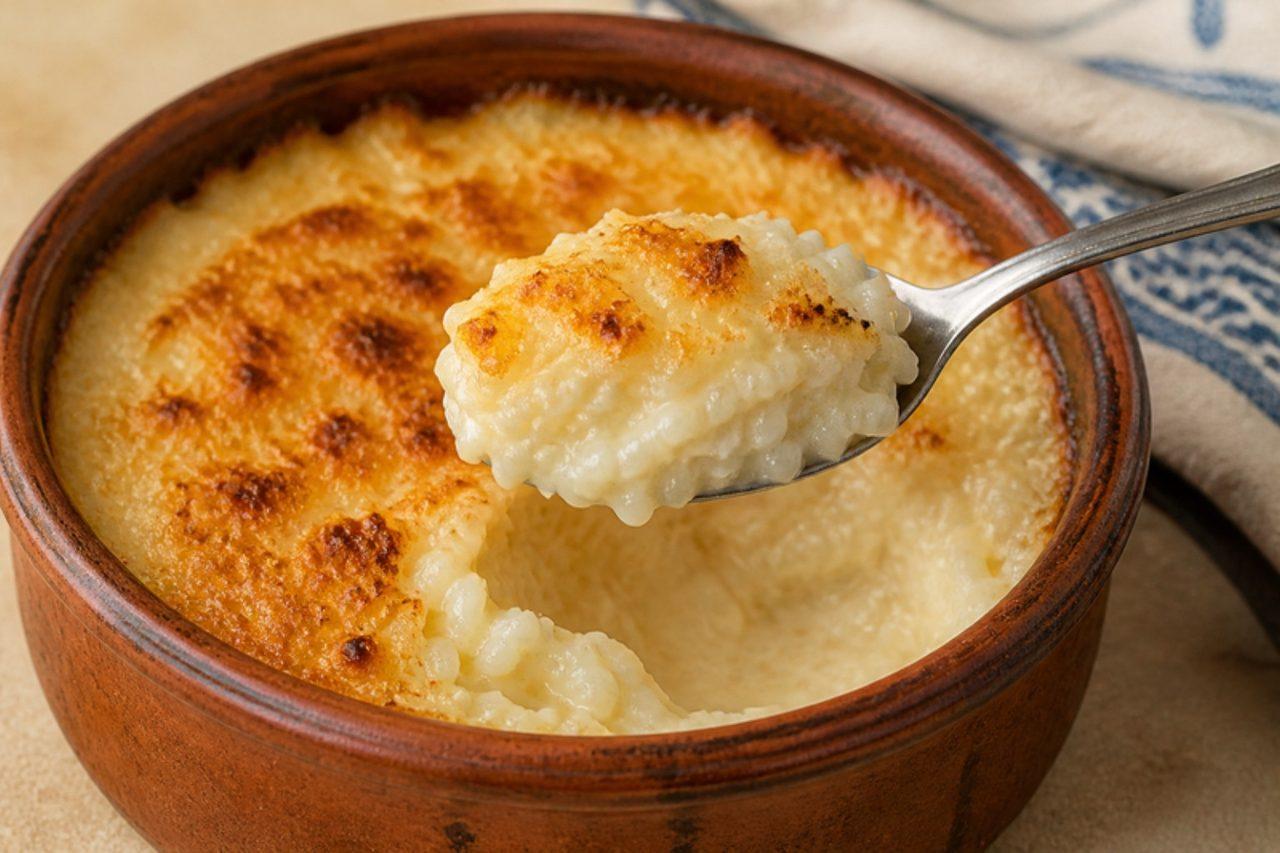
Roz me'ammarCreamy clay-pot baked rice

Village kitchens across the Nile Delta, from Menoufia to Sharqia, slide a clay pot of roz me'ammar into the bread oven for feasts, Fridays and Eid lunch. Short-grain rice bakes slowly in milk, cream and butter until it sets into a soft, rich block with a crisp, golden-brown crust on top that everyone fights over. In the Delta it usually comes with roast pigeon or duck; for a meat-free table it is just as good with a sharp salad, pickles and a dish of mish. Stirring it once it is in the oven is the mistake to avoid: it breaks the crust and makes the rice gluey. Chef's tip: use Egyptian or other round, short-grain rice; long-grain rice will not drink up the milk the same way.

by KrazyBadal 0 views

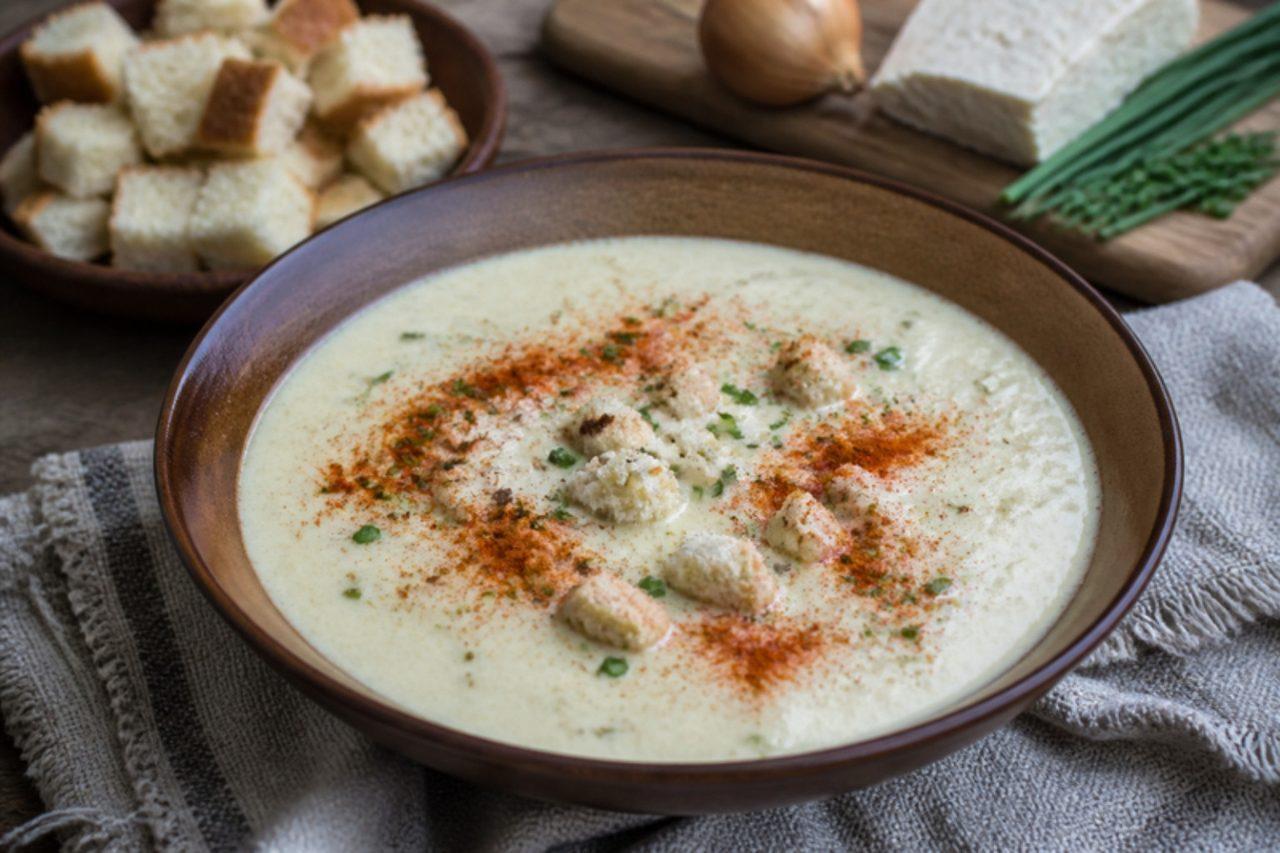
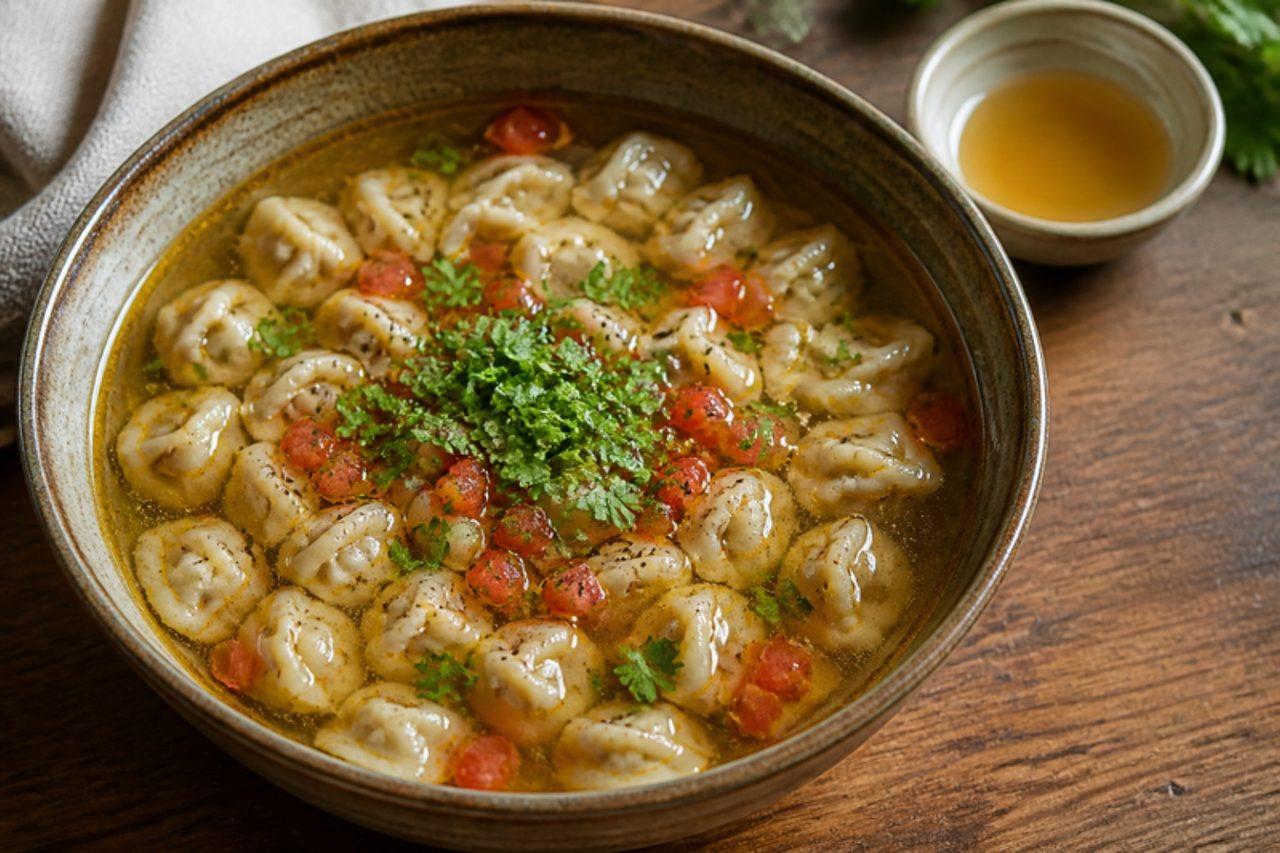
DemikátSheep's cheese soup over bread

Shepherds in the hills of central Slovakia needed only a kettle of water, a lump of bryndza and a loaf of bread to make demikát, a soup that comes together in a quarter of an hour at the salaš, the summer sheep hut. The soft, salty sheep's cheese is mashed with fried onion, paprika and caraway, loosened with boiling water and poured over chunks of bread, then finished with heaps of chives. It is tangy, creamy and very warming. Bryndza is traditionally made with animal rennet and sometimes from raw milk, so for a vegetarian, safer bowl choose a pasteurised sheep's cheese made with vegetarian rennet (a soft feta-style cheese mashed with a little cream cheese works well). The usual slip is boiling the soup after the cheese goes in, which makes it grainy; just bring it to steaming. Chef's tip: use day-old rye bread, toasted, so it soaks up the broth without falling apart.

20 minCzechSoups
by KrazyBadal 0 views

DhidoBuckwheat flour porridge

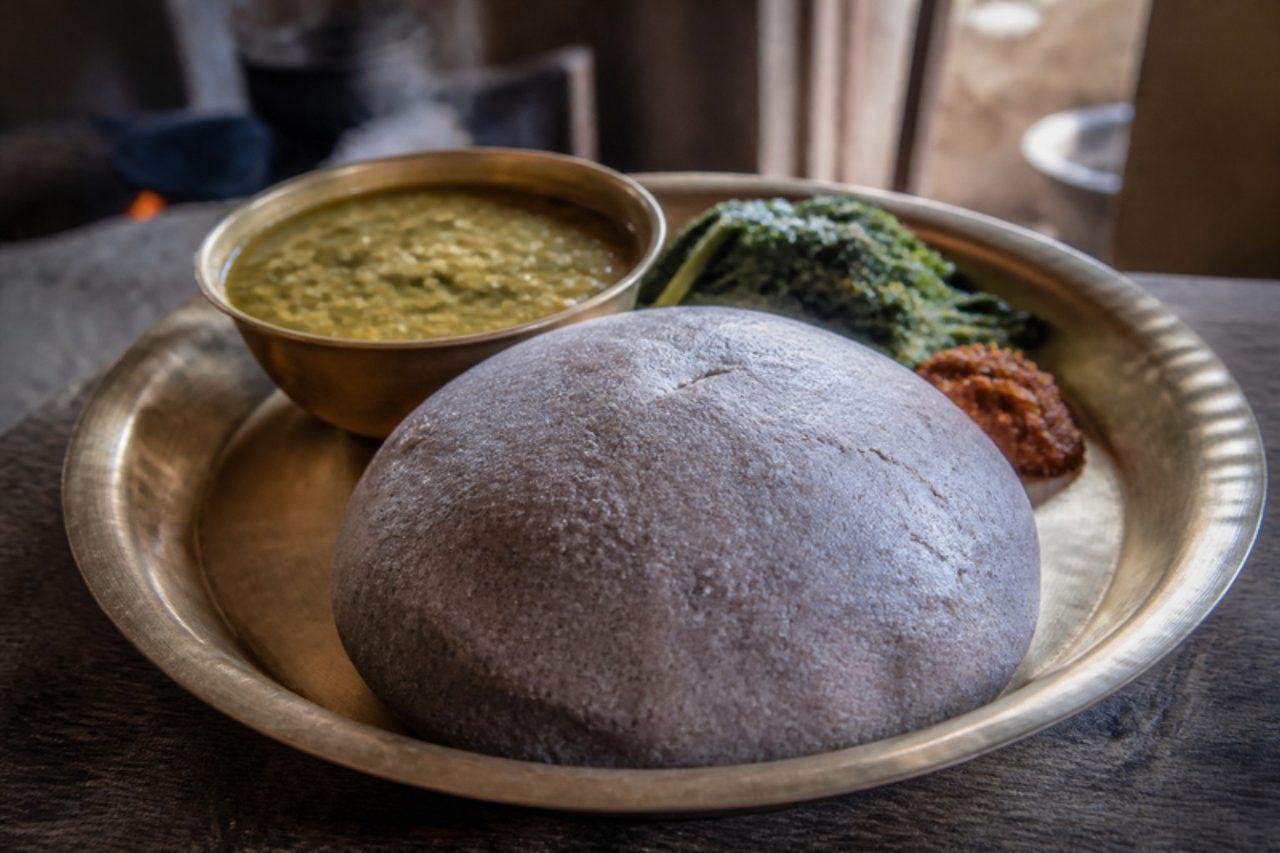
Before rice reached every corner of Nepal, dhido was what filled bellies in the high villages of Jumla, Dolpa, Mustang and the middle hills, and it is now enjoying a comeback in Kathmandu restaurants as a wholesome, gluten-free choice. Buckwheat or millet flour is rained into boiling water and stirred with a flat wooden paddle until it becomes a smooth, heavy, elastic mass, which is eaten with the fingers, pinched off and dipped into a sour vegetable soup, a bowl of lentils or a fiery tomato pickle. It has an earthy, slightly bitter flavour and a satisfying, sticky texture that is meant to be swallowed rather than chewed. Lumps are what ruin it most often, and they come from adding the flour too quickly. Chef's tip: add the flour in a thin stream with one hand while stirring hard with the other, and keep beating for a full 10 minutes once it is all in.

by KrazyBadal 0 views

DhikriSteamed rice flour dough shapes

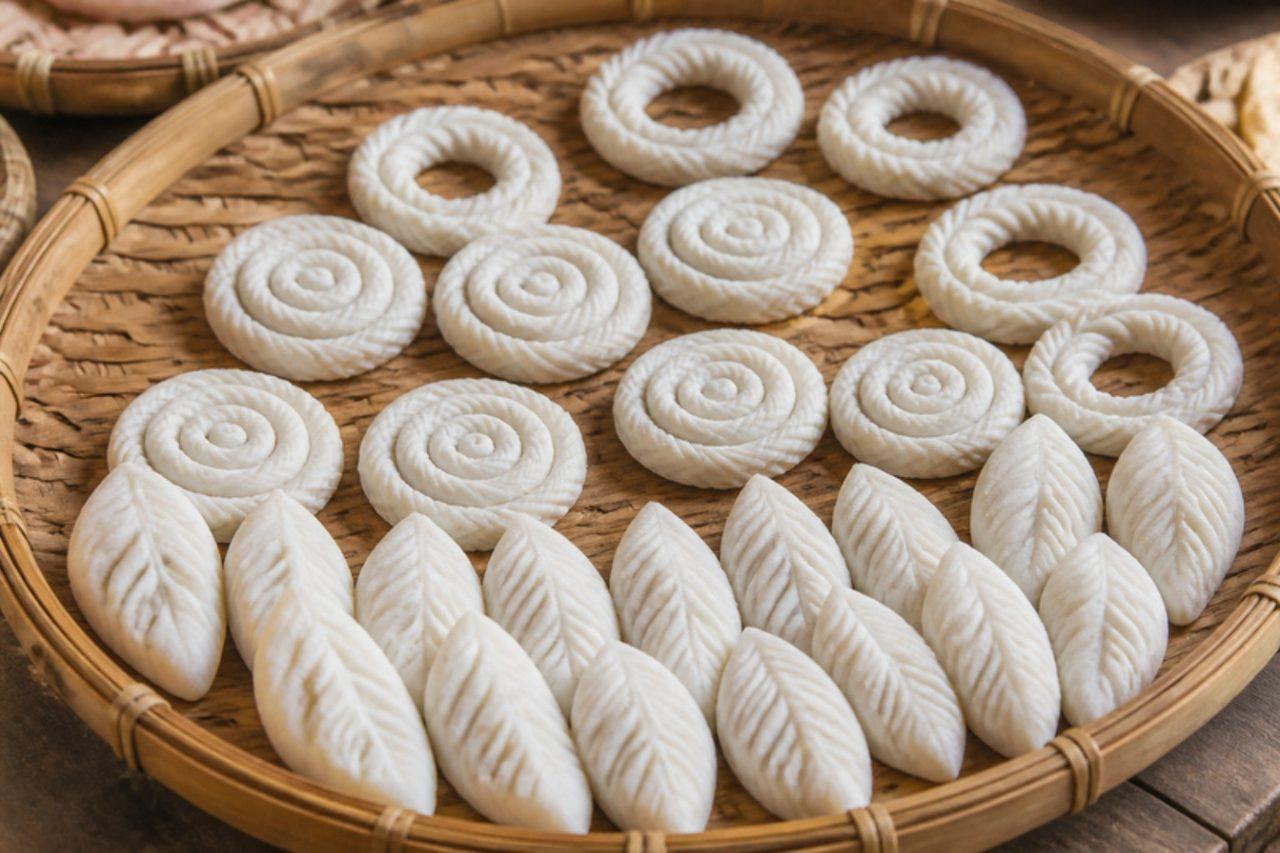
For Maghi, the Tharu new year in mid-January, and for Dashain and Atwari, families in Dang, Bardiya and Kailali sit together on the floor shaping dhikri, long pieces of rice-flour dough rolled and twisted into ropes, spirals, fish, birds and finger-marked ridges before they are steamed. The finished pieces are soft, smooth and chewy, with a clean, sweetish rice flavour that makes them a canvas for whatever is served alongside: a spicy tomato and sesame chutney, a lentil soup, a vegetable curry or, in many homes, a festive meat curry. Leftovers are sliced and fried the next day. The usual mistake is mixing the dough too dry, which cracks as you shape it and steams up hard. Chef's tip: keep the dough covered with a damp cloth while you shape, and dip your fingers in water if it starts to crack.

by KrazyBadal 0 views

DhodhaMilk, wheat and ghee fudge

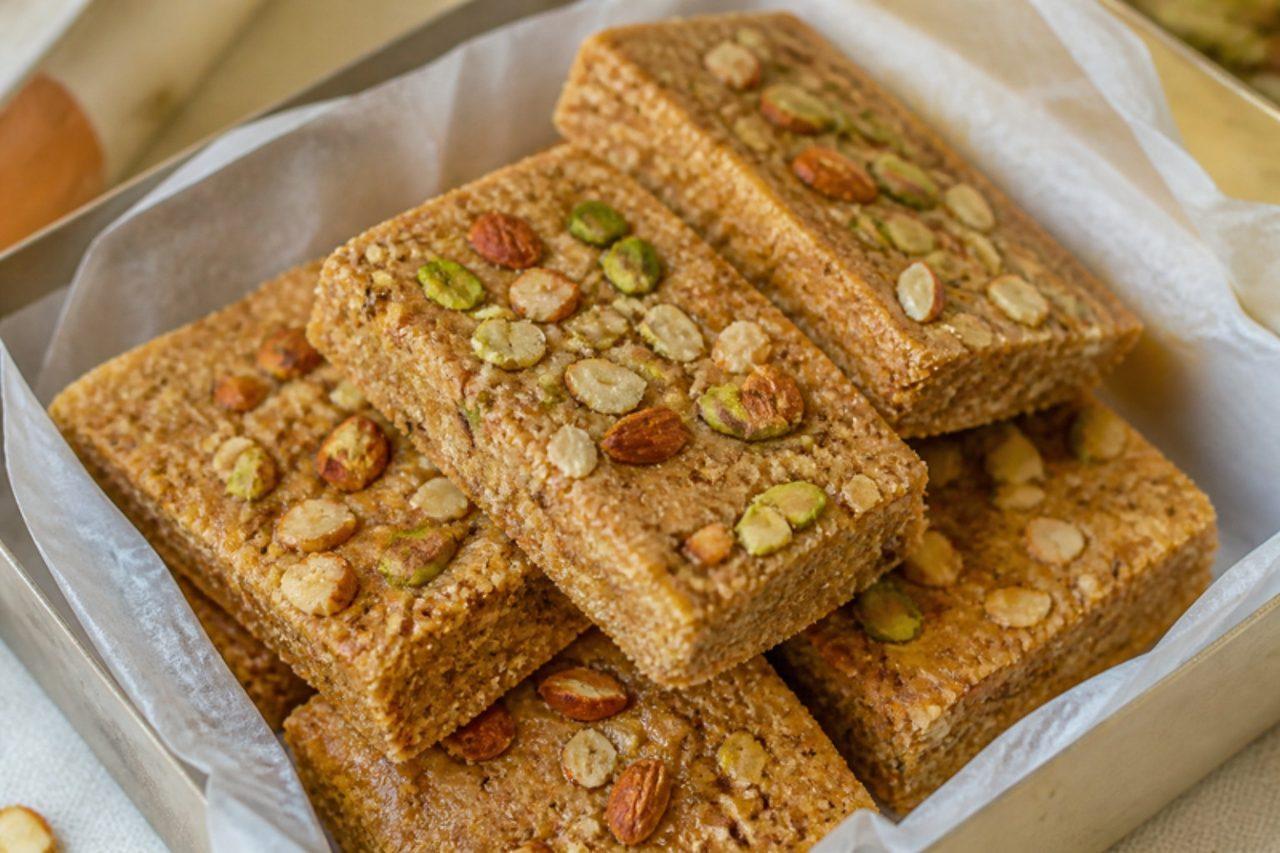
Every bus that stops in Khushab, on the road between Sargodha and the Salt Range, is met by boys carrying boxes of dhodha, the town's famous sweet and a standard gift for anyone visiting family in Punjab. It is lighter in colour and softer than habshi halwa, a moist, crumbly fudge of slowly reduced milk, a little wheat flour, ghee and sugar, packed with almonds, pistachios and walnuts and pressed into slabs about two fingers thick. The flavour is milky and nutty with a gentle caramel note, and it is sliced and eaten with tea, especially in the cold months. Where people slip up is under-reducing the milk, so the dhodha never firms and stays soft like a halwa. Chef's tip: keep stirring after you add the sugar until the mass leaves the sides of the pan cleanly and holds a ridge when you draw the spoon through it, then press it into the tin while still warm.

by KrazyBadal 0 views

DibsDate syrup

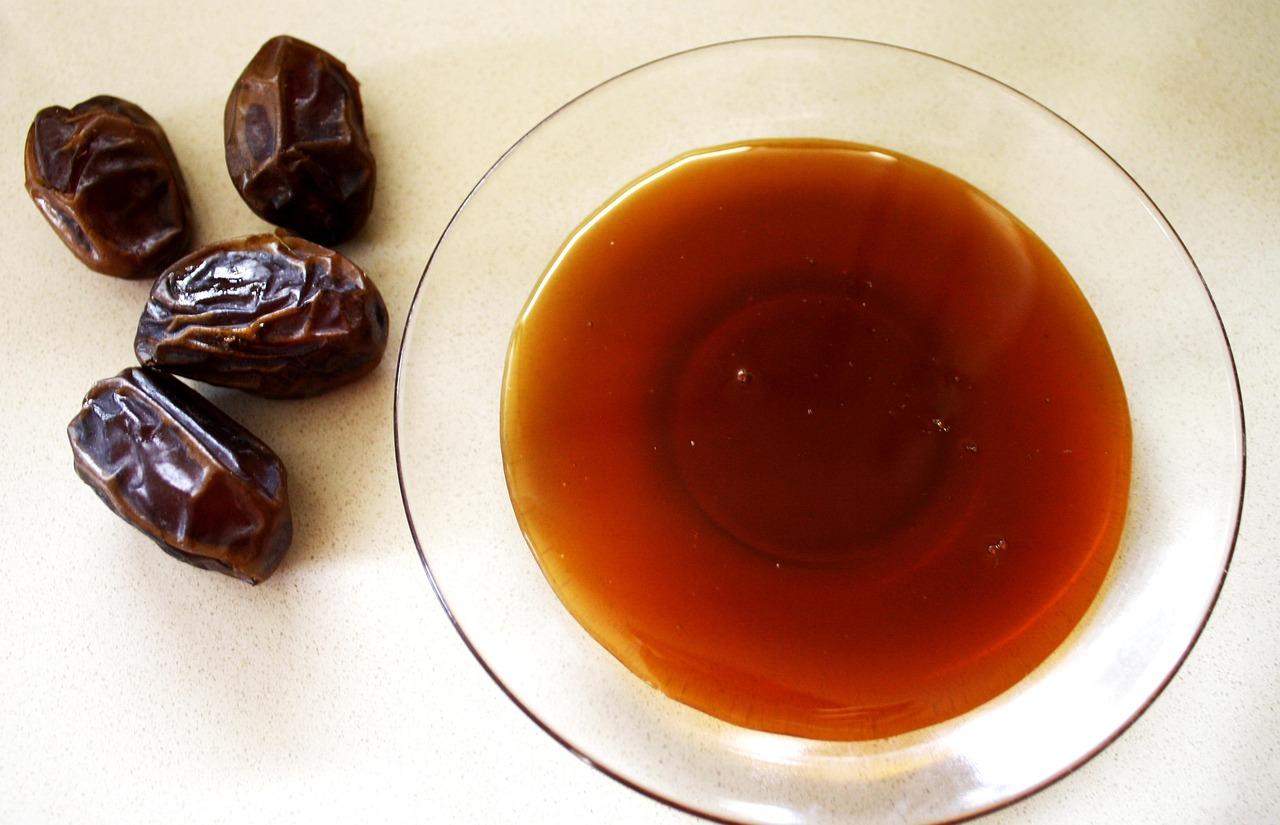
Across the Gulf, from the date gardens of Al-Ahsa to the oases of Oman and the UAE, dibs is the dark, glossy syrup pressed and boiled from ripe dates, and it was the region's sweetener long before sugar was common. It tastes of toffee and dried fruit with a faint bitterness, and families pour it over chebab and khameer, mix it with tahini for dipping bread, and use it in sweets like luqaimat. Making it at home takes time but little effort, and a kilo of dates gives a jar that lasts for months in the fridge. The mistake is boiling the strained juice too hard at the end: it scorches and turns bitter. Chef's tip: squeeze the date pulp in the cloth when it is still warm; you get far more juice than from cold pulp.

by KrazyBadal 0 views

DibyazaApricot and date compote

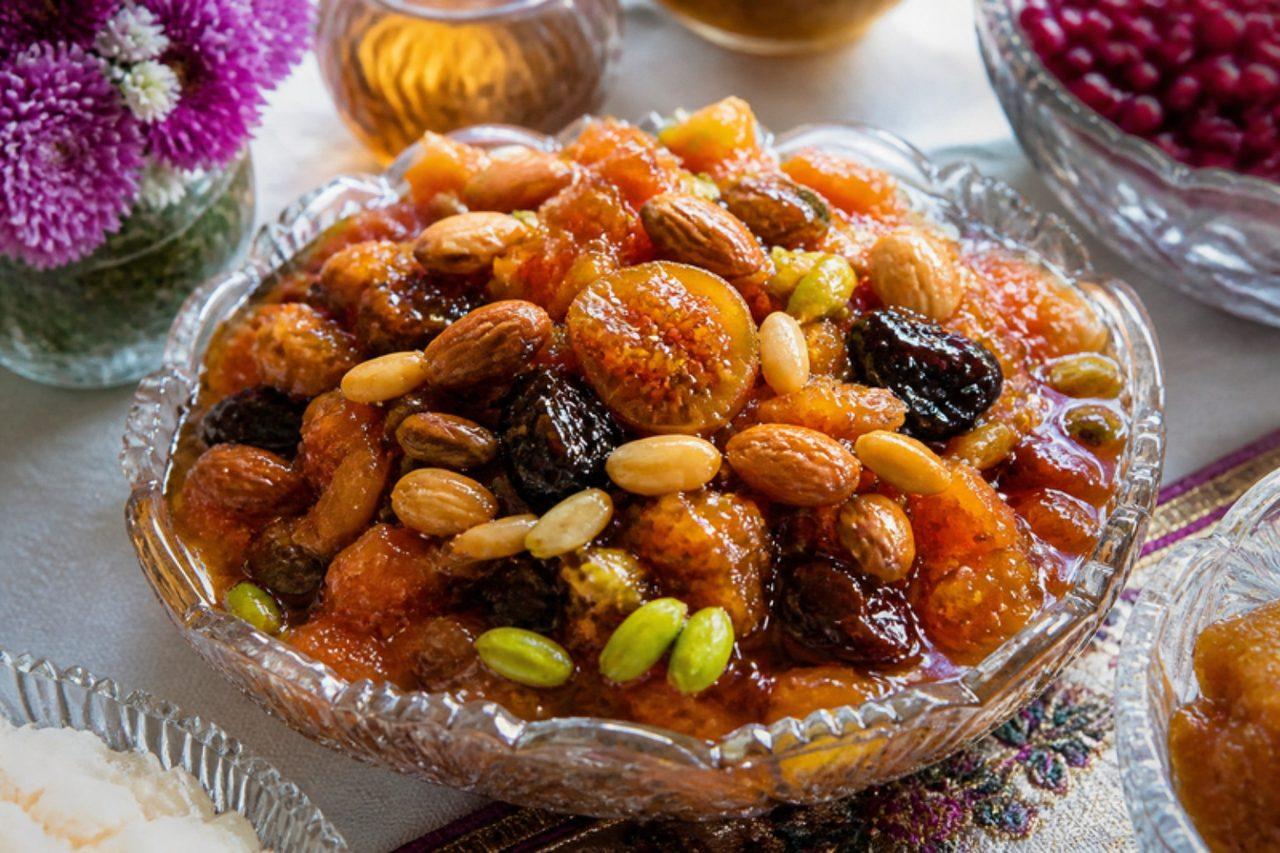
No Eid table in Jeddah or Mecca is complete without a bowl of dibyaza, a thick, glossy compote that old Hejazi families make the night before the festival and serve at breakfast alongside cheese, olives and fresh bread. Sheets of dried apricot paste melt into a tangy orange syrup that wraps around soft dates, figs, prunes and crunchy nuts, so every spoonful is sweet, sour and jammy at once. Some households stir in fried onion for a savoury edge; this version keeps it to fruit and nuts. People often boil it hard and scorch the bottom, because apricot paste catches very easily. Keep the heat low and stir from the base. It keeps for a week in the fridge. Chef's tip: soak the apricot paste in hot water until completely soft before it goes near the heat; it then dissolves smooth instead of leaving rubbery shreds.

by KrazyBadal 0 views

Dimer chopEgg-in-potato croquettes

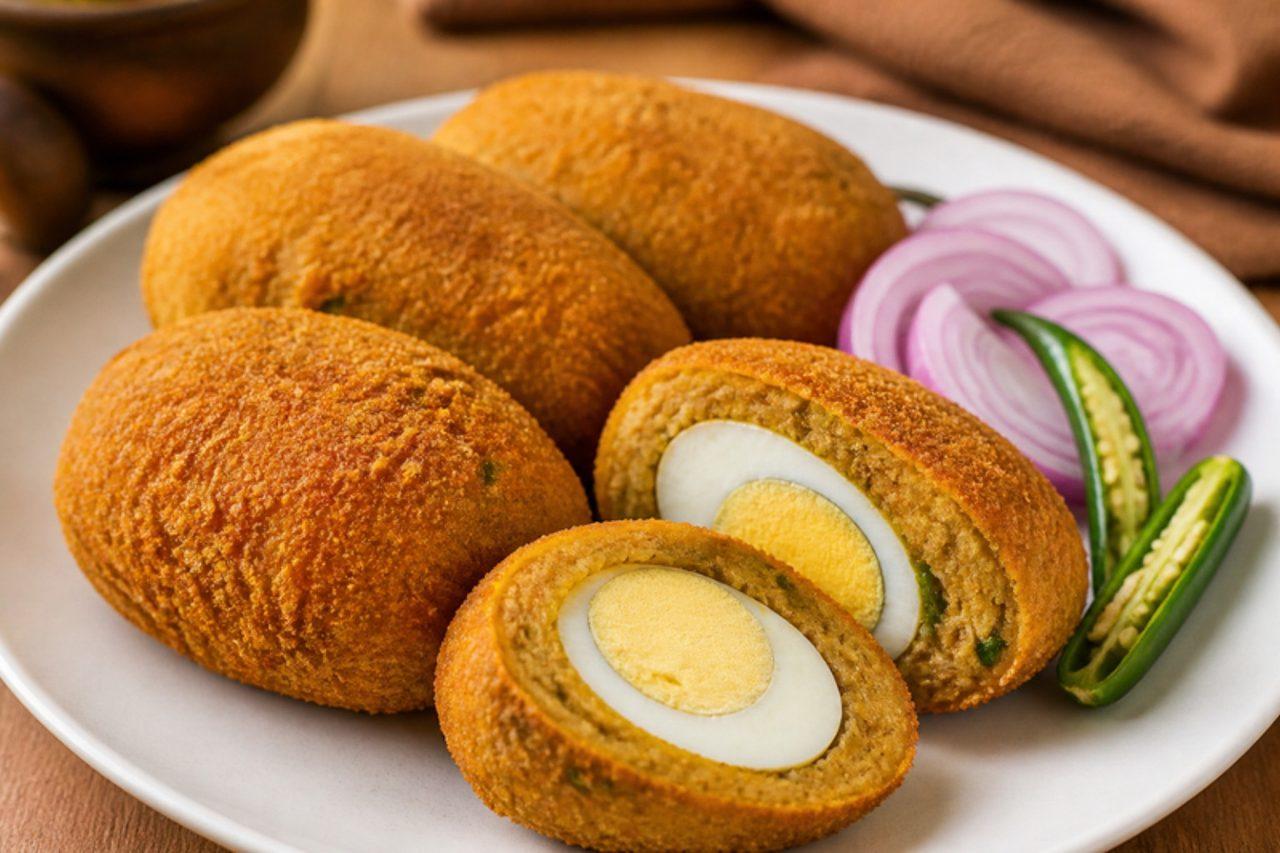
Glass cabinets at Dhaka's sweet shops and snack counters, from New Market to Mirpur, always hold a row of dimer chop, oval golden-crumbed parcels that, when cut, reveal half a boiled egg nested inside a layer of spiced potato. They are bought for afternoon tea, birthday parties and school tiffin and eaten with kasundi mustard sauce, tomato ketchup and a little sliced onion and cucumber. Some versions mix minced meat into the potato; this one keeps it vegetarian, with garam masala, ginger and fried onion for depth. Soft-boiled eggs are a mistake here: they must be fully hard-boiled so the yolk is firm and the chop is safe and easy to wrap. Chef's tip: chill the crumbed chops for 15 minutes before frying so the coating stays put.

by KrazyBadal 0 views

Diram fittiSprouted wheat bread with butter

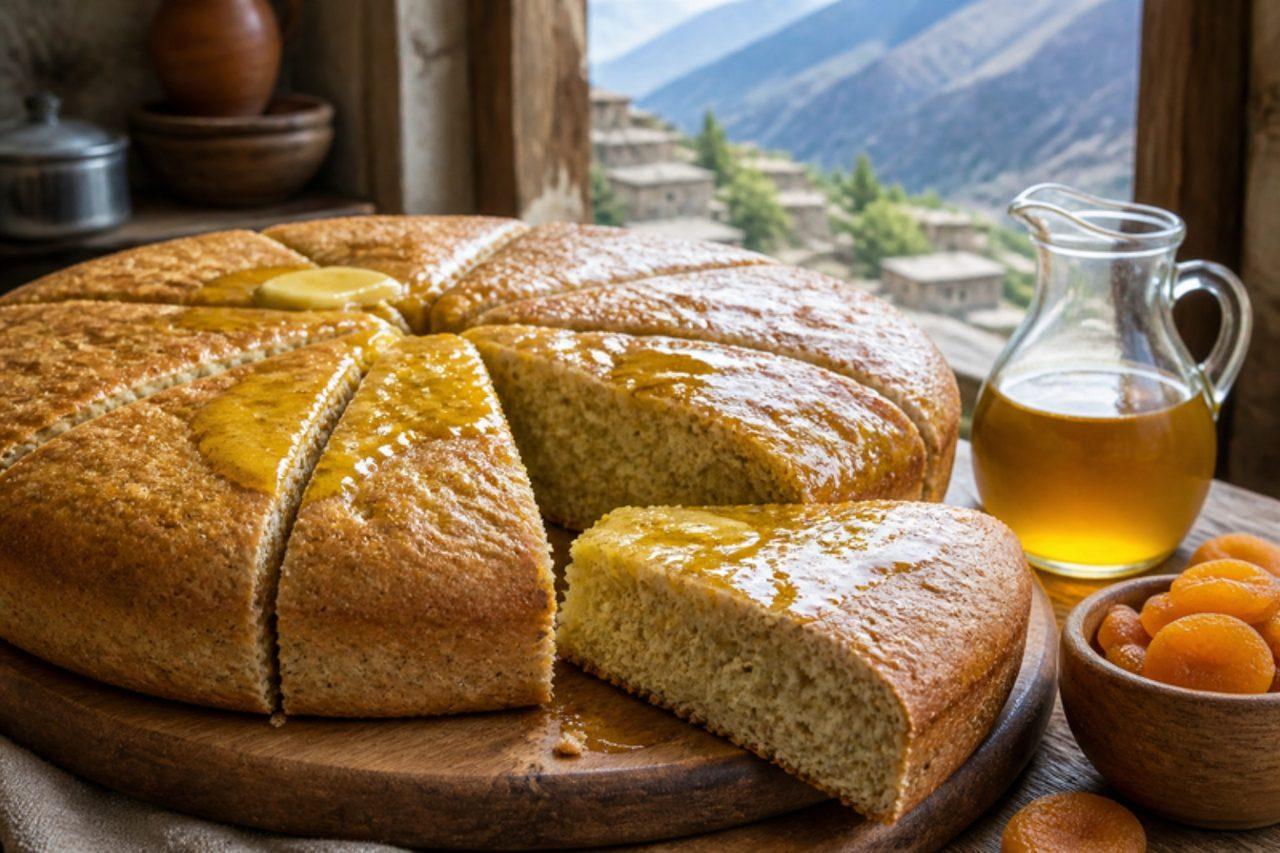
High in the Hunza valley, diram is flour ground from wheat that has been soaked, sprouted and sun-dried, and it gives this thick, round bread a gentle natural sweetness and a faintly malty smell. Diram fitti is cooked slowly in a covered pan, then broken into rough pieces while still hot and drowned in melted butter and a little apricot-kernel oil, so it turns rich, soft and fragrant; in Karimabad and Altit it is made for guests, for festivals such as Ginani at harvest time and to feed someone through a hard winter. It is eaten with the hands, often with salty Hunza tea. Pale, raw centres are the common fault, so cook it slowly with the lid on. Chef's tip: sprouted wheat flour is sold in health-food shops; use only food-grade culinary apricot-kernel oil, or swap in walnut oil or more butter.

by KrazyBadal 0 views

DirkoshDried crisp injera

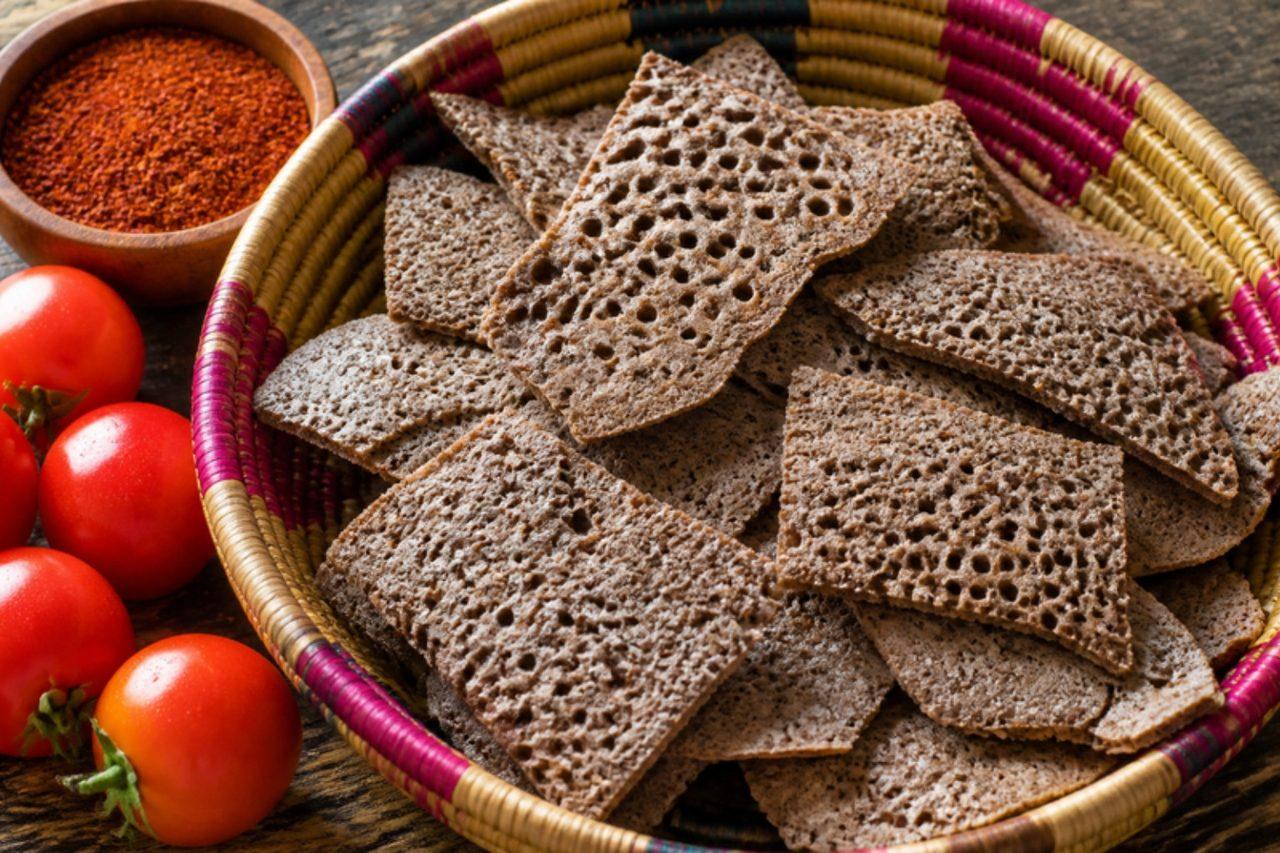
No Ethiopian kitchen throws injera away. Pieces that are past their best are torn up and dried in the sun, on the roof or on a tray by the fire until they snap like crackers, then kept in a sack or tin for weeks. This dirkosh is the backbone of quick meals on Wednesdays, Fridays and during the long Lent fast: a handful softened in a red onion and berbere sauce becomes fasting firfir in ten minutes, and travellers once carried it as food for the road. A low oven does the job at home in a few hours. Chef's tip: tear the injera into pieces no larger than a playing card; big sheets curl and stay leathery in the middle.

by KrazyBadal 0 views

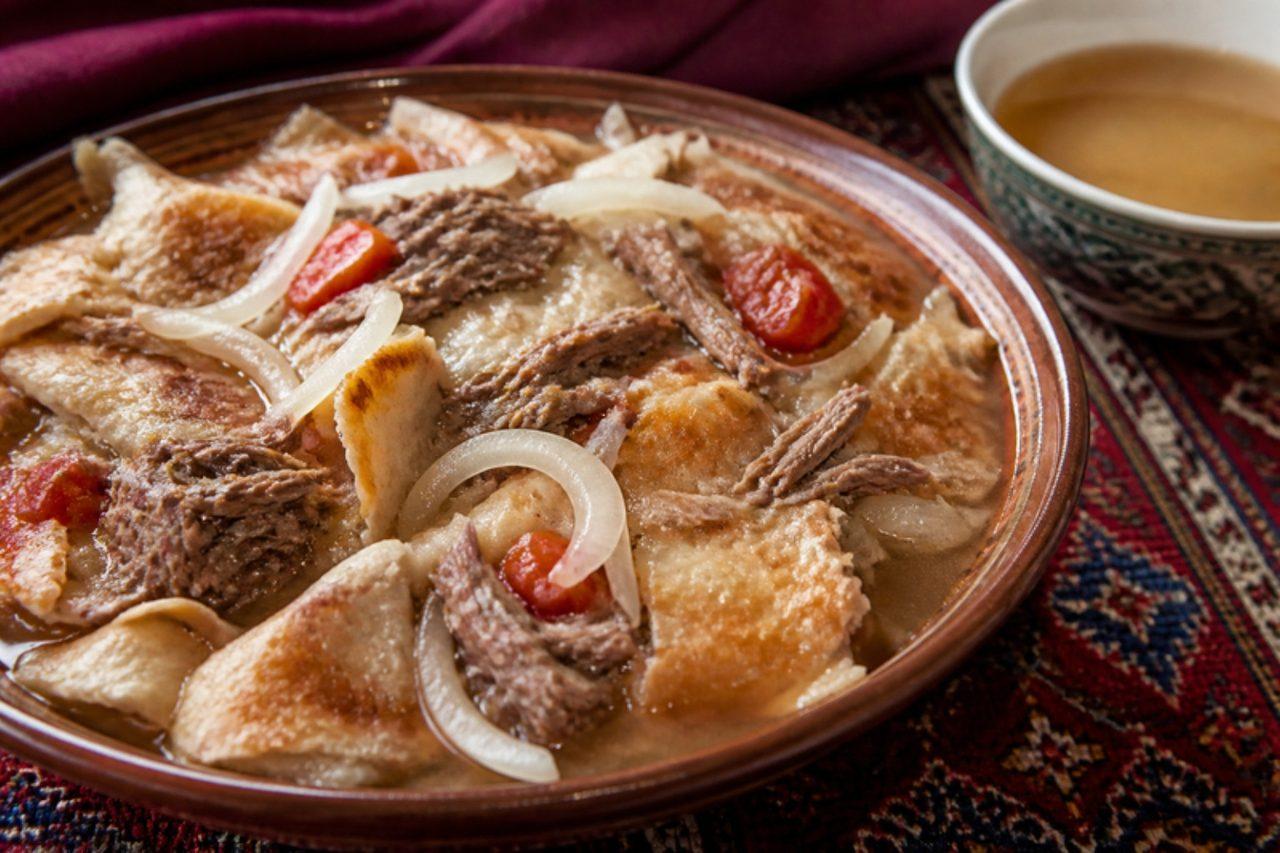
DogramaTorn bread with lamb in broth

Dograma, from the Turkmen word for 'to chop', is the dish of Turkmen weddings and religious holidays, when families gather to tear fresh tamdyr bread into small pieces together. The bread is mixed with finely chopped boiled lamb or mutton, raw onion and tomato, then a rich, fatty broth is poured over and the bowl is eaten while hot. It is filling, simple and communal. A common mistake is using soft sliced bread, which turns to paste; dograma needs firm, chewy flatbread. Chef's tip: chop the meat and onion by hand very finely, and rub the onion with salt so it softens and mellows before mixing.

150 minTurkmenMeat
by KrazyBadal 0 views

Doi chiraFlattened rice with curd

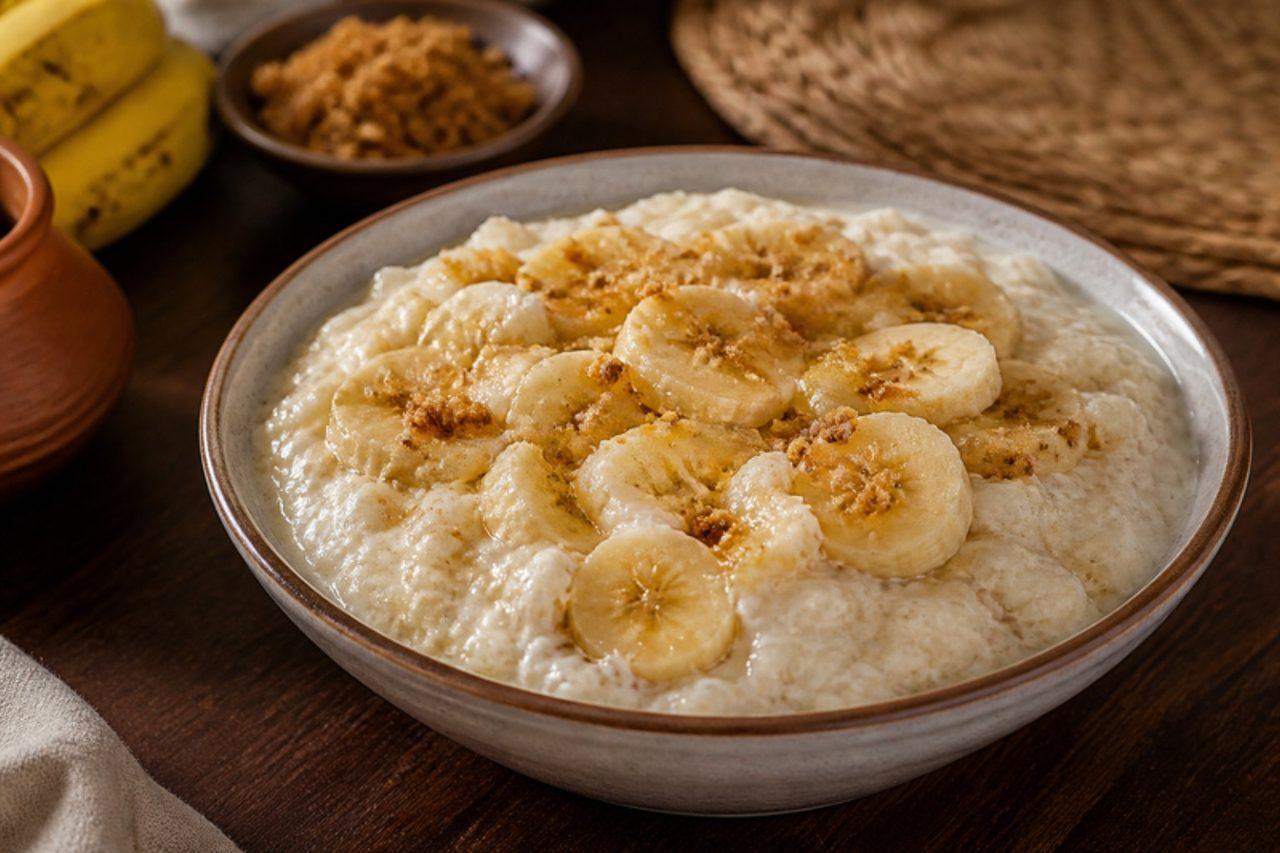
Nothing is cooked for doi chira, which is why it has been the breakfast of farmers and fishermen in Barisal for generations: flattened rice is rinsed, softened in thick, slightly sour curd and sweetened with jaggery or sugar, then mashed together with a ripe banana. The texture is soft and creamy with a little chew from the rice flakes, and the taste is cool, sweet and tangy. It is eaten on hot summer mornings, at village fairs and as part of the Pohela Boishakh spread, and it is a favourite of children and of anyone fasting who wants something gentle. The usual misstep is soaking the chira for too long, which turns it to paste; a quick rinse is all it needs before the curd does the rest. Chef's tip: use thick-cut chira, not the thin kind for frying, so the flakes hold their shape.

by KrazyBadal 2 views

Domashnia kovbasaGarlic pork sausage

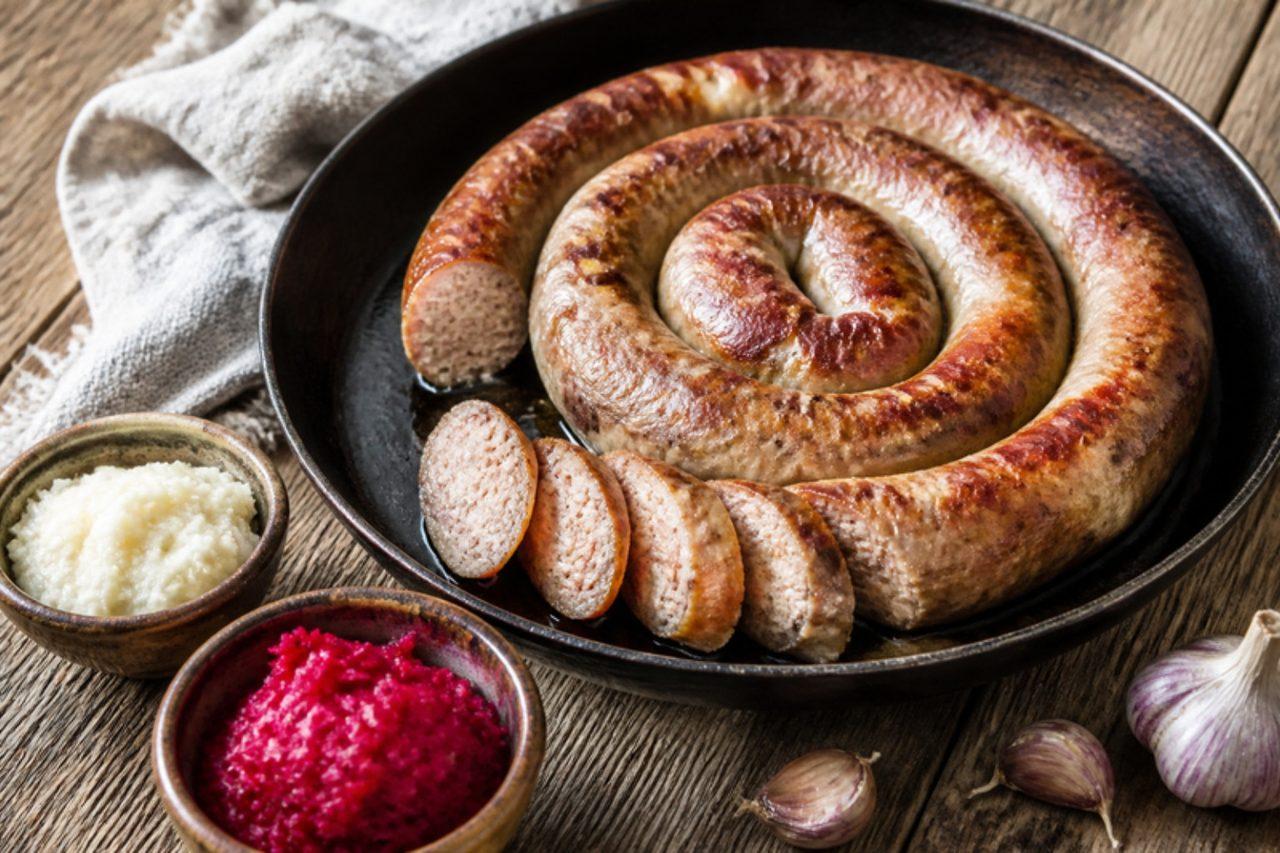
Across Galicia and the Carpathian villages, the smell of homemade pork sausage baking with garlic means Christmas or Easter is near; the coils go into the Easter basket to be blessed and come out sliced for the festive breakfast. Hand-cut pork shoulder and belly are mixed with lots of garlic, black pepper and allspice, stuffed loosely into natural casings, coiled and baked until the skin crackles and the juices run. It is juicy, coarse and garlicky, served hot with horseradish and beetroot or cold the next day. This is a fresh, cooked sausage, not a dried or cured one, so it must be cooked through and kept in the fridge. The usual mistake is stuffing the casing too tightly, so it bursts in the oven. Chef's tip: keep the meat and fat very cold while you cut and mix, ideally half-frozen; the fat stays in distinct pieces and the sausage stays juicy.

by KrazyBadal 0 views

Dominica crab backsBaked spiced crab in the shell

In Dominica, crab backs are a celebration starter, especially around Independence Day in November: the island's land-crab meat is picked, seasoned with lime, chives, garlic, thyme and hot pepper, piled back into the cleaned shells, topped with breadcrumbs and baked until crisp. Land crabs are hard to come by and their season is protected, so this home version uses cooked crab meat. Buy it fresh or pasteurised from a trusted fishmonger, or cook your own live crabs, discarding any that are already dead or smell bad before cooking. The common mistake is drowning the crab in breadcrumbs; it should be mostly crab, held together lightly. Bake in cleaned crab shells or small ramekins. Chef's tip: mix in a little of the brown meat with the white for a richer, sweeter flavour.

by KrazyBadal 0 views

Dominican chivo guisadoSpicy goat stew

In Montecristi in the far north-west of the Dominican Republic, goats graze on wild oregano, and cooks say you can taste it in the meat; their chivo guisado is famous across the country. Bone-in goat is washed with lime, marinated overnight with oregano and garlic, browned in sugar-caramelised oil, then stewed slowly with peppers, tomato and hot chilli until it falls from the bone in a dark, spicy sauce. It is eaten with chenchén or white rice. The common mistake is rushing it: goat needs a long, gentle braise and stays chewy until it is ready. Chef's tip: caramelise a spoonful of sugar in the oil until it smokes slightly before adding the meat, the Dominican way to give the stew its deep colour.

by KrazyBadal 0 views

Doodh sodaMilk with lemon-lime soda

It sounds odd until you are standing in a crowd at a Lahore milk shop on a 45 °C June night, when a tall glass of doodh soda, foamy and sweet with a sharp citrus fizz, is the most refreshing thing in the city. The doodh-walas of Gawalmandi and Mozang chill milk in steel drums over ice, then pour it from a height into a glass with lemon-lime soda so that it froths like a milkshake, and people drink it straight after dinner or after a late plate of fried fish or chana. It tastes like a lighter, bubbly lassi, and children love it. What usually goes wrong is warm milk or flat soda, which makes it taste curdled rather than crisp. Chef's tip: chill both the milk and the soda until very cold, pour the milk first and add the soda in one go, then serve at once while the foam is high.

by KrazyBadal 0 views

Doon chetinWalnut yogurt chutney

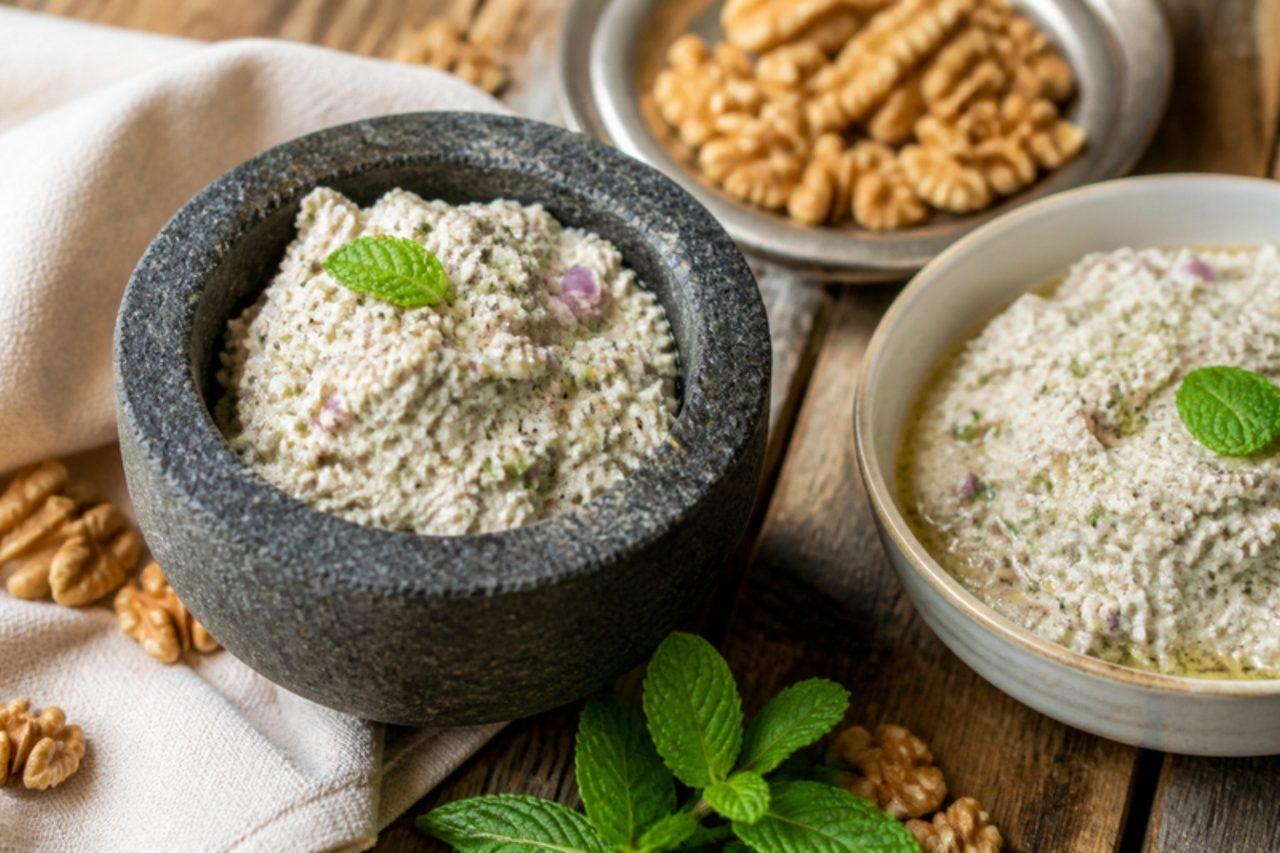
Walnut trees shade the villages of Azad Kashmir, and every autumn sacks of the new crop are cracked by hand on doorsteps from Bagh to Rawalakot; doon chetin is what a lot of that harvest becomes. The kernels are pounded coarse with green chilli, mint and salt, then loosened with thick yogurt into a nubbly, creamy chutney that is mildly bitter, hot and fresh all at once. It is spooned beside rice and haak greens at lunch, served with the meat dishes of a wazwan-style feast, or simply scooped onto bread. Grinding the walnuts to a smooth paste is a mistake; the chutney should keep some crunch. Chef's tip: toast the walnuts in a dry pan for two minutes and rub off any loose papery skin, which removes most of the bitterness.

by KrazyBadal 0 views

DoshabThick grape syrup

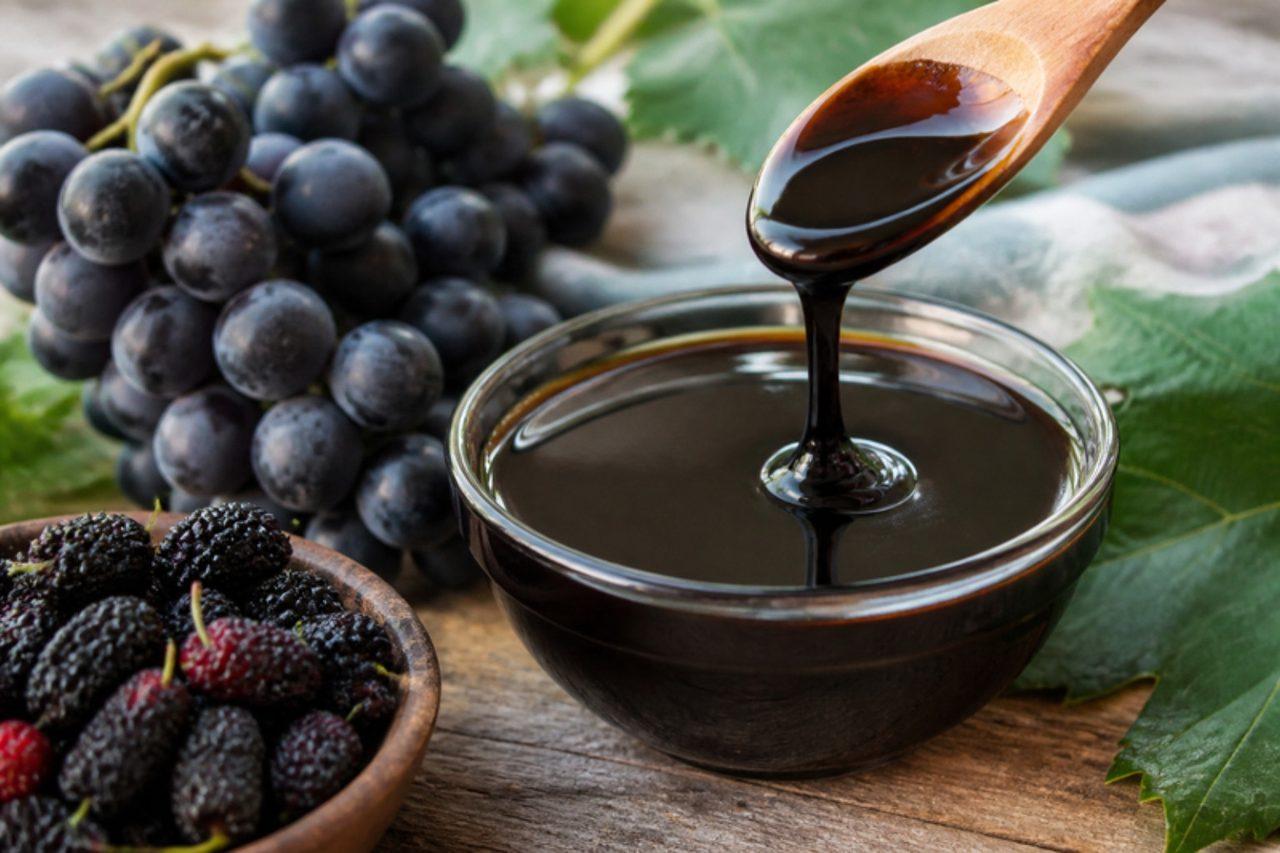
In the dry, sunny exclave of Nakhchivan, between Armenia and Iran, villages press their late-summer grapes and mulberries and boil the juice for hours in big copper cauldrons until it becomes doshab, a dark, sticky syrup used as a sugar through the winter: spread on bread with butter, stirred into halva, or mixed with snow or water as a drink. A common mistake is skipping the clearing step; cloudy juice gives a gritty, sludgy syrup. Chef's tip: village cooks clear the juice with a spoon of white earth; at home, let it settle overnight in the fridge and pour it off the sediment before boiling, which gives a clear, glossy doshab.

by KrazyBadal 0 views

Dous makosLayered milk fudge

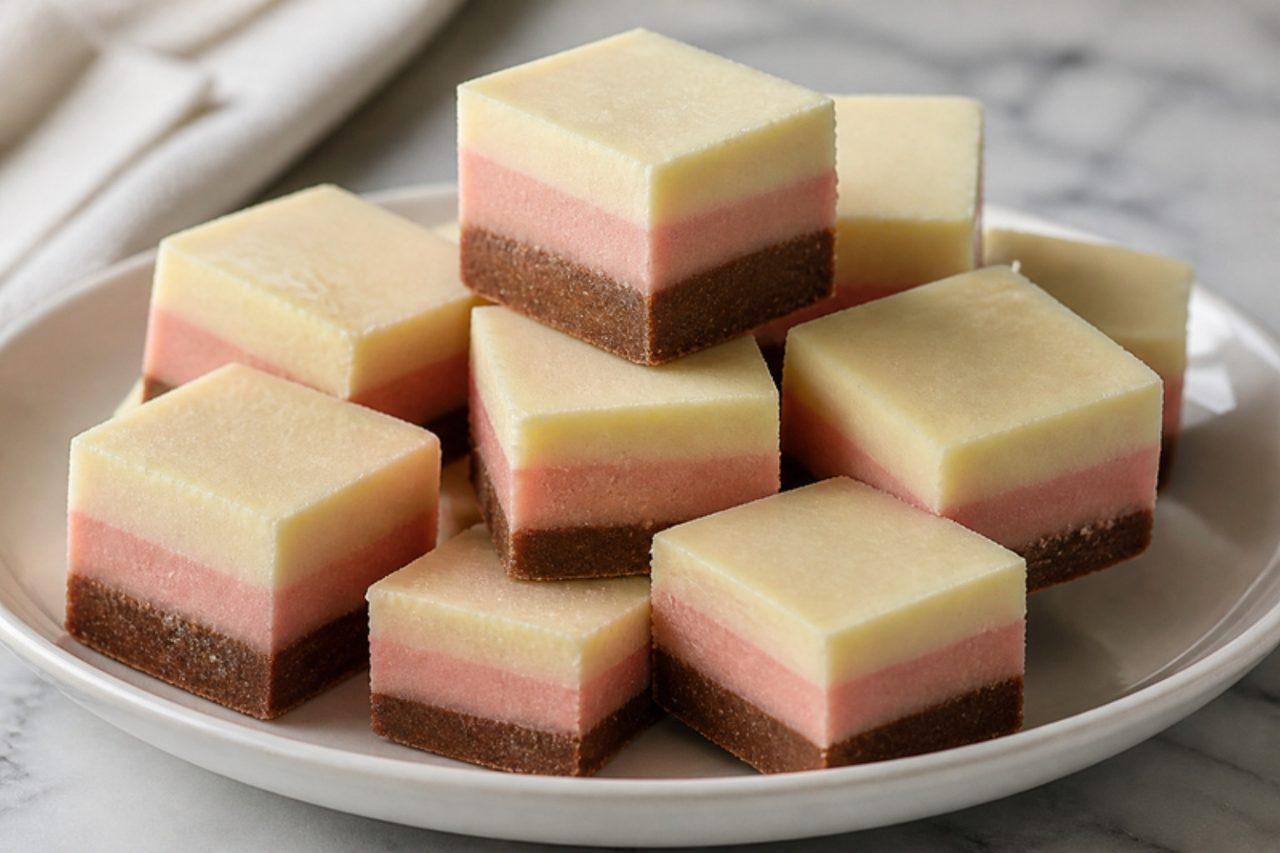
Petit-Goâve, on Haiti's southern coast, is famous for one sweet: dous makos, a soft milk fudge set in three bands of cream, pink and cocoa brown, sold wrapped in paper to travellers passing through. It is made by slowly cooking milk and sugar with cinnamon and lime peel until it turns thick and pale toffee, then colouring and layering it in a tin. The common mistake is stopping too soon; undercooked fudge stays sticky and won't slice, so cook until it leaves the pan sides cleanly. A heavy pan and a long spoon make all the difference. Chef's tip: add a pinch of bicarbonate of soda with the milk; it stops the milk from catching and splitting during the long boil.

by KrazyBadal 0 views

Drob de mielLamb offal loaf

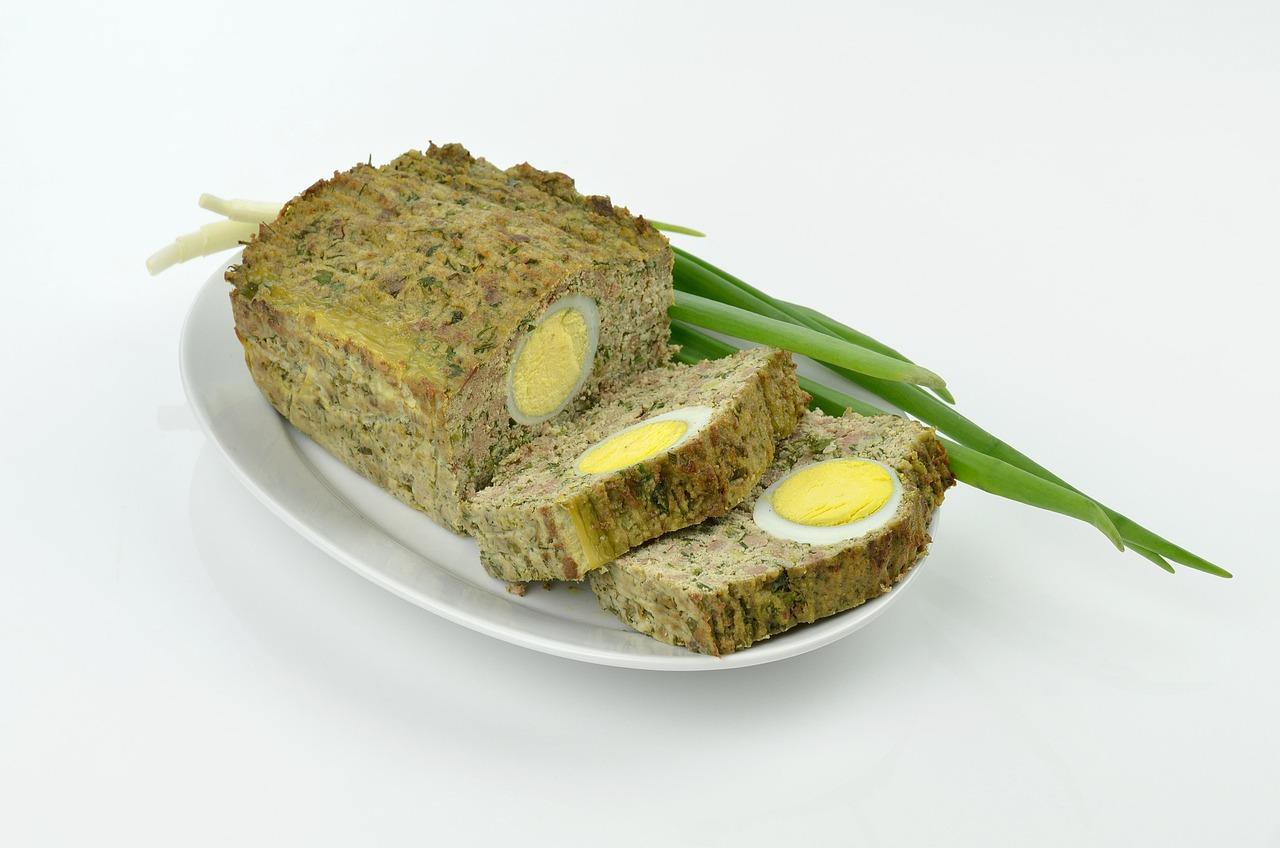
On Easter Sunday a Romanian table holds red-dyed eggs, cozonac and, nearly always, a slab of drob: lamb liver, heart and kidneys poached, chopped and bound with fresh bread, raw egg and a whole bunch of spring onions and dill, then baked with hard-boiled eggs hidden in the middle. Sliced cold, each piece shows a yellow-and-white eye of egg in a green-flecked, earthy loaf that is milder than you might expect. It is served as a starter with radishes, horseradish and green salad, and keeps well for the days of visiting that follow. Butchers often sell a lamb 'pluck'; ask for the lungs to be left out if you prefer, and use a little extra lamb mince instead. The classic mistake is under-seasoning: the loaf is eaten cold, which dulls salt and herbs, so the mix should taste bold. Chef's tip: wrap the loaf in caul fat (prapur) if your butcher has it; it bastes the drob as it bakes and gives a lacy, golden crust.

120 minRomanianMeat
by KrazyBadal 0 views

Drob sarmaBaked lamb liver and rice

Gergyovden, St George's Day on 6 May, is the great shepherds' feast in Bulgaria, when families roast spring lamb and make sure nothing goes to waste: the liver and heart go into drob sarma, baked alongside the roast and often eaten first. The offal is blanched, chopped small and fried with plenty of spring onion, then baked with rice in stock with dried mint and paprika until the grains are plump; a topping of yogurt beaten with eggs sets into a soft, golden, faintly tangy custard. Serve hot with a lettuce and radish salad. Liver is very high in vitamin A, so pregnant women are usually advised to avoid it. Where most people go wrong is over-frying the liver, which turns it grainy; it only needs to lose its pink before it goes into the oven to finish cooking. Chef's tip: beat thick, full-fat yogurt with the eggs until completely smooth, so the topping puffs evenly.

by KrazyBadal 0 views

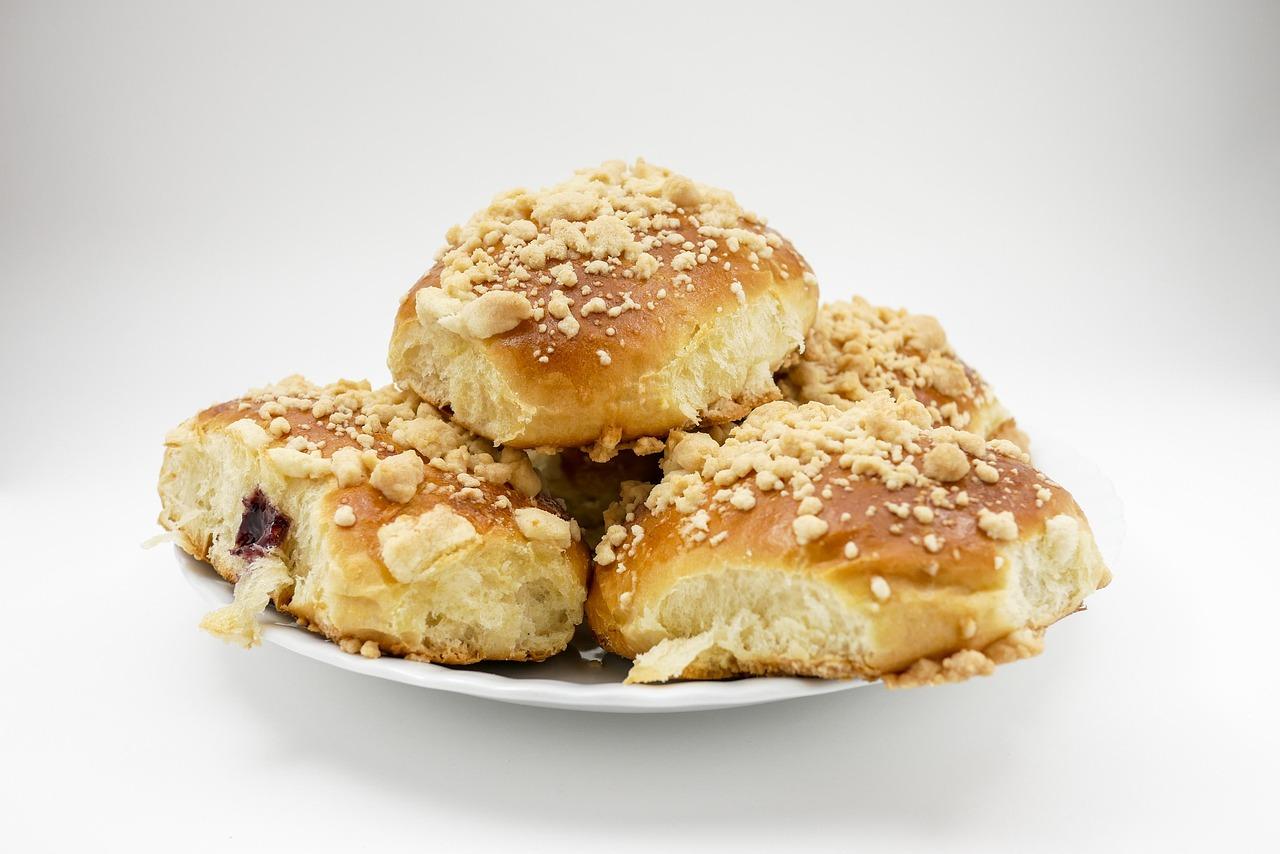
Drożdżówka z kruszonkąSweet yeast bun with crumble

Every Polish bakery window has a row of drożdżówki, and the bun with sweet cheese under a sandy butter crumble is the one schoolchildren buy on the way to class. The dough is soft, milky and lightly sweet, the vanilla twaróg filling is thick and tangy, and the crumble bakes into crisp, sugary nuggets that scatter everywhere when you bite in. Fruit versions use plums, blueberries or apple. A common mistake is overfilling, so the cheese bursts out and the buns lose their round shape. Twaróg is usually rennet-free, but check the label. Chef's tip: brush the dough with egg before adding the crumble; it glues it on and gives a shiny edge.

110 minPolishBaking
by KrazyBadal 0 views

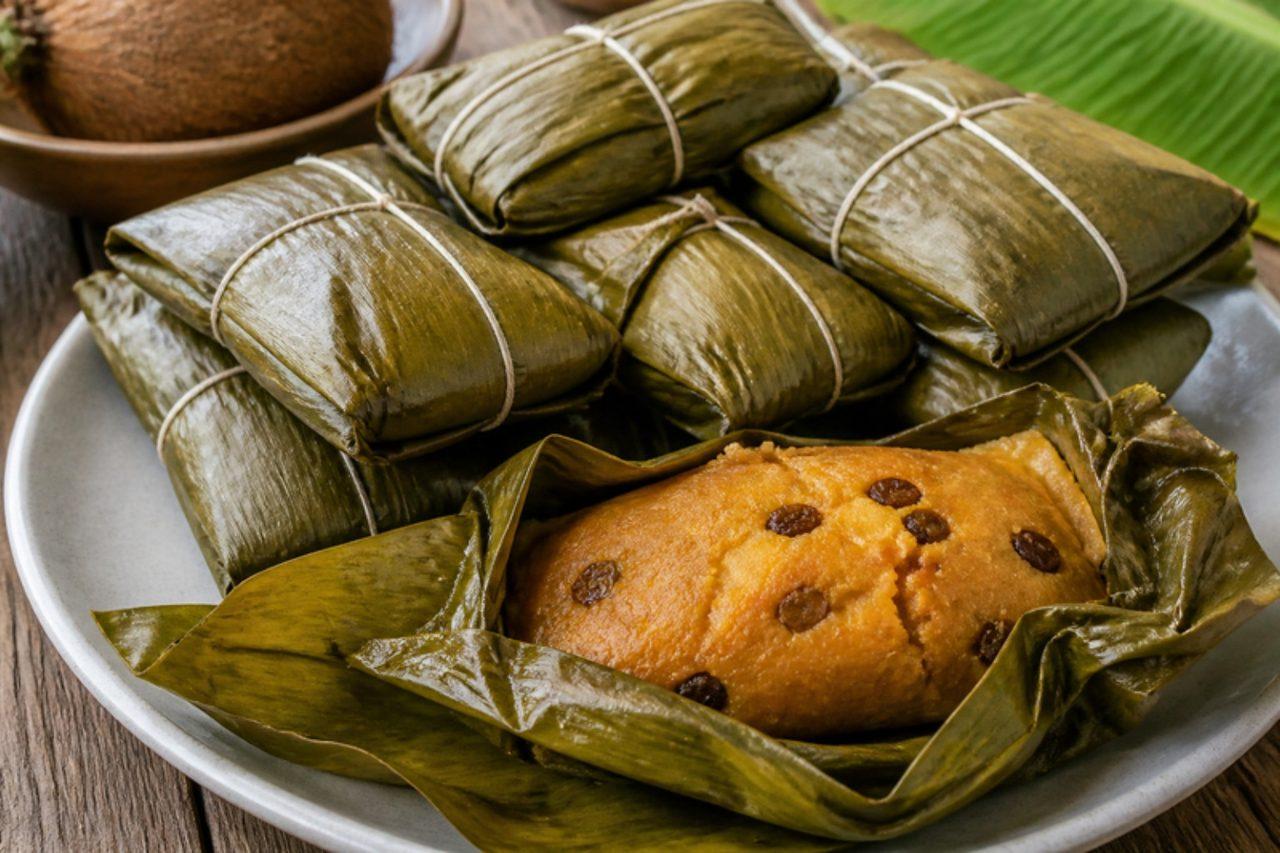
DuckunooSweet potato and coconut parcels

Duckunoo goes by many names across Jamaica, "blue draws" and "tie-a-leaf" among them, and it is a country sweet with West African roots that is still made in St Elizabeth and Clarendon for Sunday afternoons and Emancipation Day. Grated sweet potato, cornmeal and coconut milk are spiced with nutmeg and cinnamon, folded into banana leaves and boiled until they set into dense, moist, fudgy parcels. The usual mistake is tying the leaves loosely, so water gets in and the pudding turns soggy. Chef's tip: pass the leaves quickly over a flame first; they turn bright green, soft and won't split as you fold.

by KrazyBadal 0 views

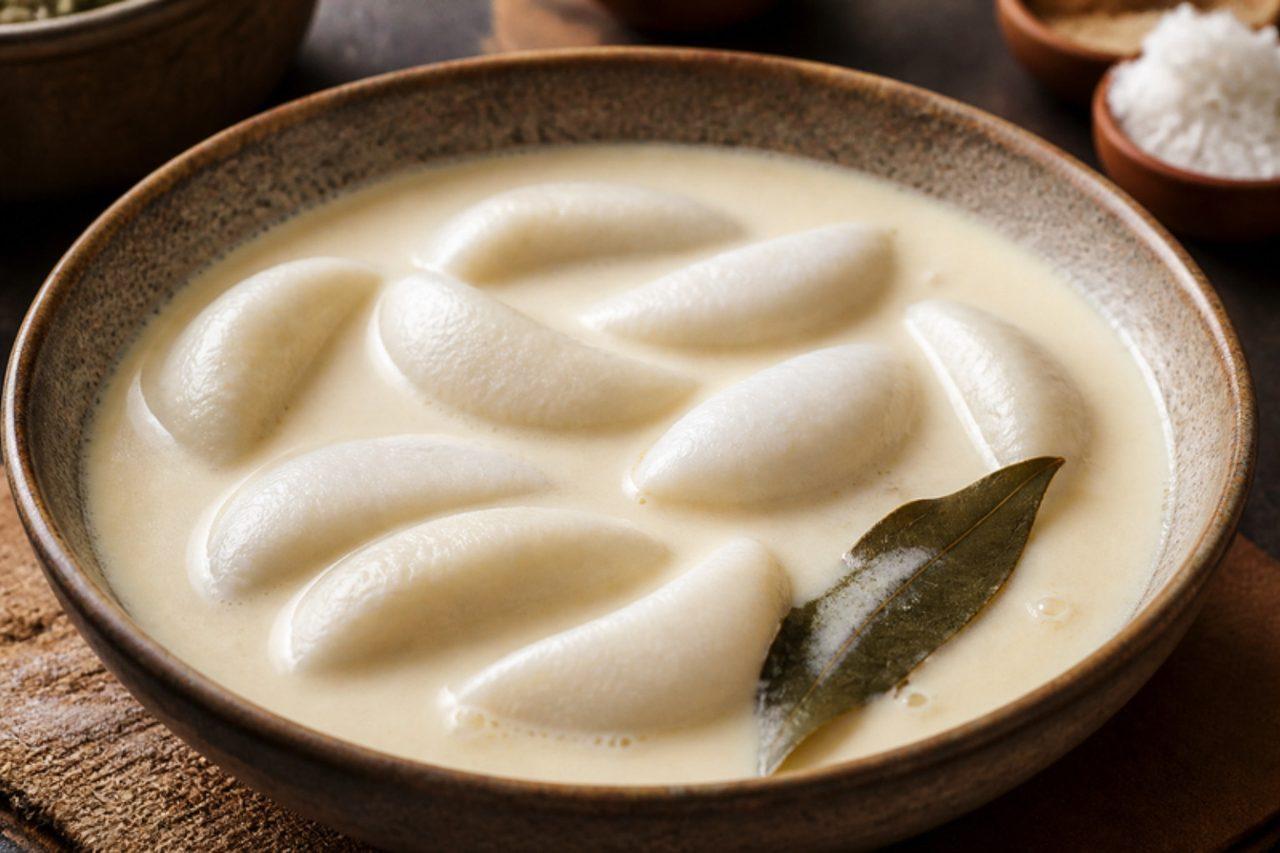
Dudh puliRice dumplings in sweet milk

Poush Sankranti, the mid-January festival that marks the height of winter, is the day for dudh puli in Bangladeshi and Bengali homes, when grandmothers sit with daughters and granddaughters shaping dozens of little half-moon dumplings from cooked rice dough. Each one hides a sticky filling of fresh coconut and khejur gur, the smoky date-palm jaggery of the season, and the dumplings are simmered in milk until it thickens around them into a pale, fragrant sauce. The puli are soft and slightly chewy, the milk sweet and caramel-scented, and the bowl is eaten warm or cold the next morning. Milk often splits when cold jaggery hits it at a hard boil, so take the pan off the heat before stirring the jaggery in. Chef's tip: knead the hot rice dough with the heel of your hand until completely smooth, or the dumplings crack in the milk.

by KrazyBadal 0 views

Dulce de leche cortadaSweet milk curds in syrup

Dulce de leche cortada is a farmhouse sweet from the dairy country of central Cuba: milk is split with lime juice, then cooked slowly with sugar and cinnamon until the curds turn soft, golden and chewy in a caramel-coloured syrup. It is served cold in small dishes, and it is quite unlike the smooth Argentine dulce de leche. People often stir too much once the milk splits, breaking the curds into grains, so stir gently and only to stop it catching. There is no rennet here; lime does the curdling. Chef's tip: add the lime to the milk while it is warm, not boiling, and leave it untouched for 10 minutes, which gives large, tender curds.

by KrazyBadal 0 views

GrittibänzSweet bread man

On 6 December, Samichlaus Day, bakeries across German-speaking Switzerland fill their windows with Grittibänz: little men of soft, sweet Zopf-style dough with raisin eyes and buttons, sometimes a pipe or a scarf, given to children with mandarins, nuts and gingerbread. Families shape them together at home, and every one comes out different. A common mistake is making the arms and legs too thin; they burn before the body bakes. Chef's tip: make the figures chunky and snip the arms and legs with scissors rather than rolling them separately, so the shape holds as it rises.

by KrazyBadal 0 views

DuletChopped tripe, liver and beef fry

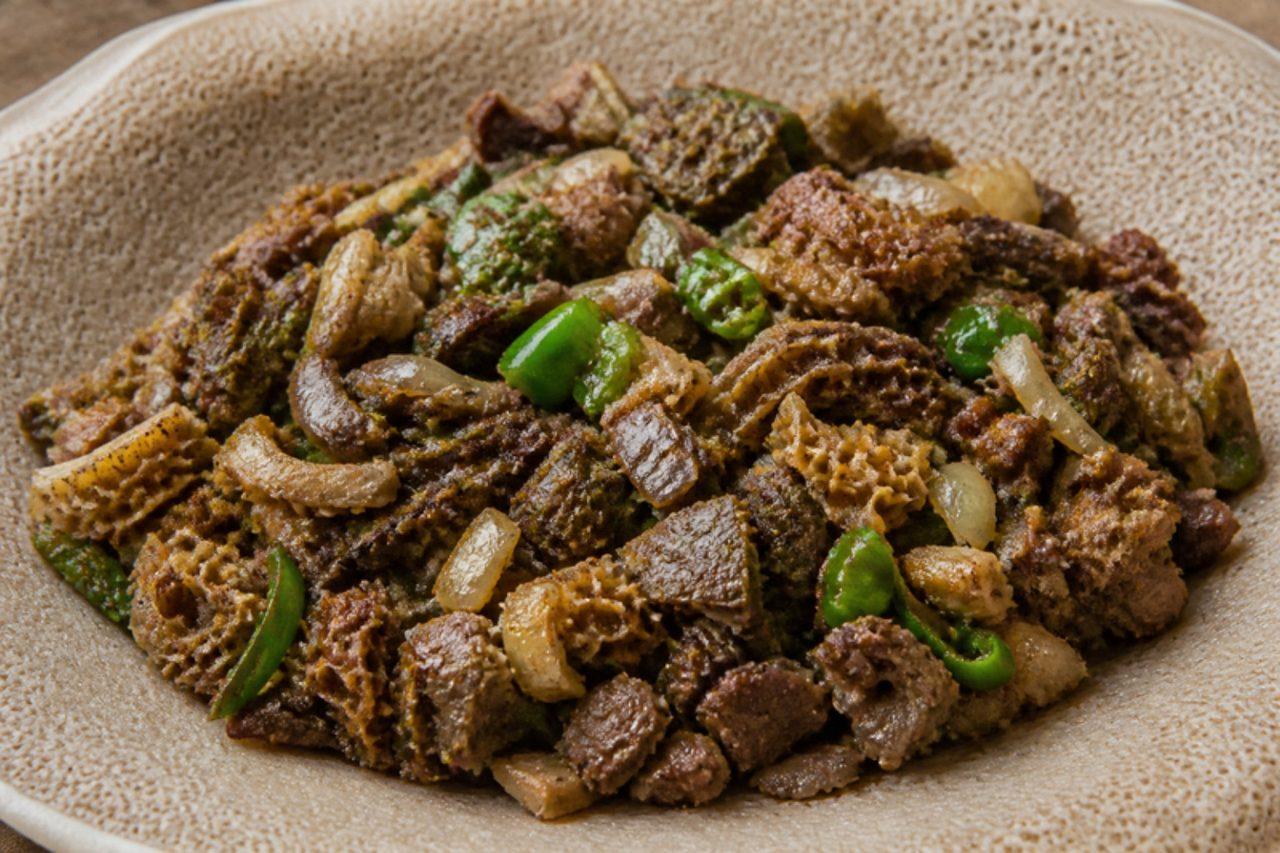
Butcher-restaurants in Addis Ababa serve dulet in the morning, and it is one of the dishes families look forward to on Easter morning, when the long fast ends and every part of the animal is used. Tripe, liver and lean beef are chopped almost as fine as mince, then tossed in a hot pan with red onion, green chilli, niter kibbeh and plenty of mitmita, so it is rich, peppery and full of different textures. It is eaten with injera and a spoon of ayib to cool the heat. Many places serve it barely warmed, but liver and tripe must be cooked through, so this version pre-cooks the tripe and fries everything until no pink remains; dulet served raw or rare is not for pregnant women, young children or anyone with a weakened immune system. Chef's tip: buy tripe that is already cleaned and blanched, and simmer it until a knife slides in easily before chopping.

by KrazyBadal 0 views

DumpukhtSealed pot lamb on the bone

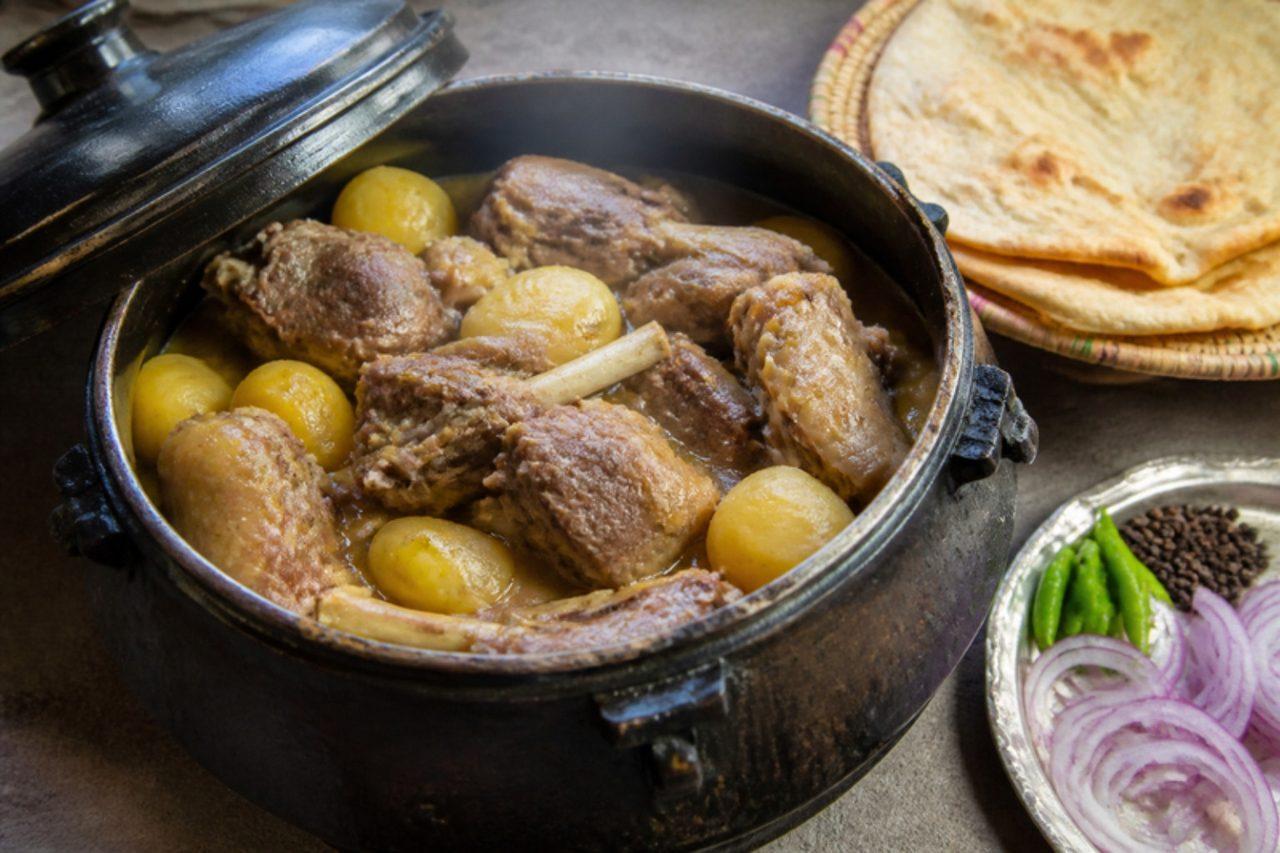
In Khyber Pakhtunkhwa, especially around Eid-ul-Adha when there is fresh lamb in every house, dumpukht is the slow, quiet dish: big pieces of lamb on the bone, a little tail fat, onions, salt and pepper, sealed in a heavy deg and left to steam in their own juices for hours. Nothing is browned, nothing is spiced loudly; the meat simply turns soft and sweet, with a clear, fatty broth at the bottom of the pot that is spooned over Peshawari naan or eaten with plain rice. It is the Pashtun idea of luxury: good meat, patience and fire. The trap is a loose lid, since escaping steam means the pot dries out and the meat stews dry; seal it with foil under the lid or a strip of dough. Chef's tip: lay a few whole potatoes in with the meat; they cook in the juices and are fought over at the table.

by KrazyBadal 0 views

Durus kuraBraised whole wedding chicken

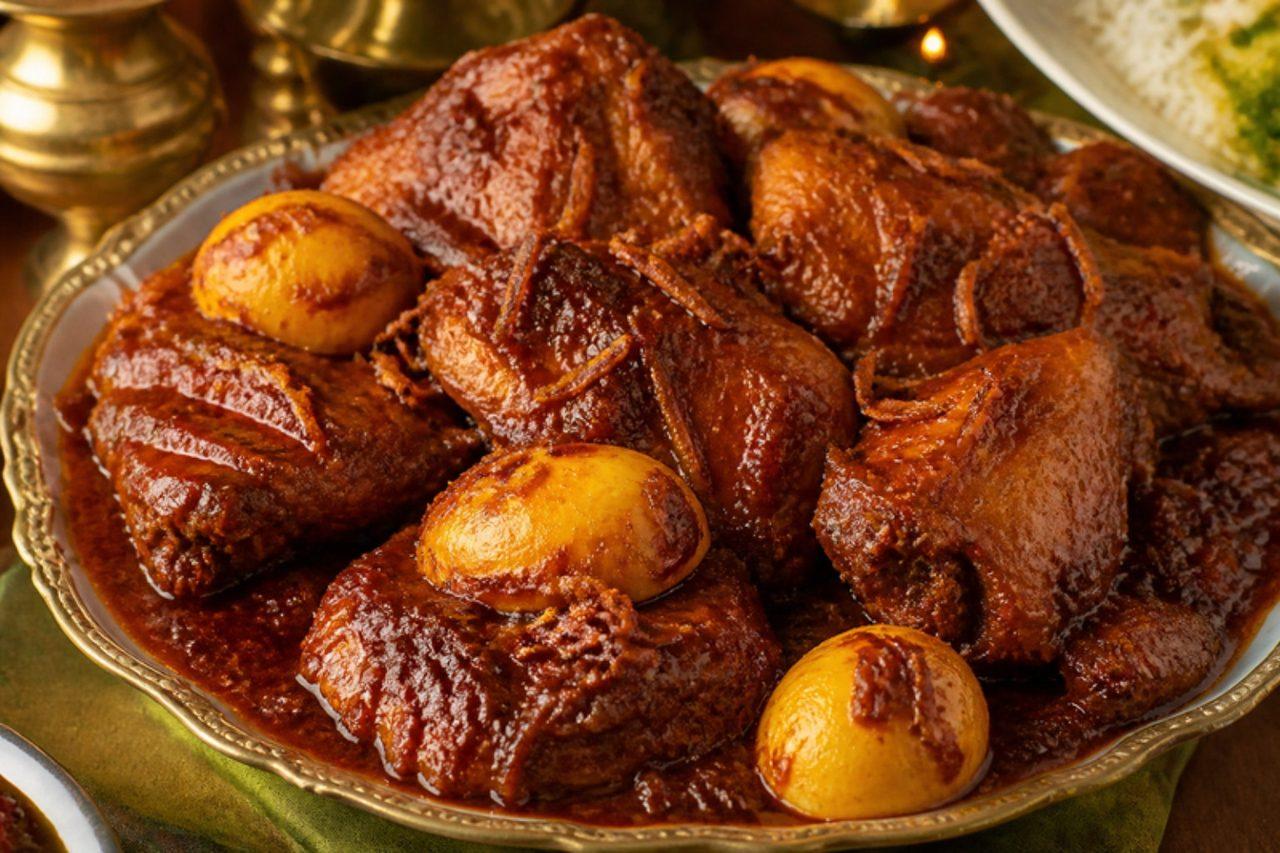
In Chittagonian, durus means whole and kura means chicken, and at a traditional Chittagong wedding a whole bird cooked this way is sent to the groom's side as a mark of honour. The chicken is rubbed with spices, browned whole in hot oil and then braised slowly in a thick masala of onion, ginger, garlic, poppy seed and coconut, turned often until the gravy coats it like a lacquer. Hard-boiled eggs are sometimes nestled in alongside. It is carved at the table and served with polao or plain rice, and leftovers make an outstanding next-day lunch. Do not be tempted to skip the deep slashes; without them the spices sit on the skin and the inside tastes bland. Chef's tip: choose a small bird of about 1.2 kg, so it fits snugly in the pot and cooks through before the gravy burns.

by KrazyBadal 0 views

DushparaTiny beef dumplings in broth

Dushpara are tiny dumplings, no bigger than a fingernail, filled with minced beef and onion and cooked in a clear meat broth, and Bukharan grandmothers in Or Yehuda and Kiryat Malakhi pride themselves on how many fit on a spoon. They are a cold-weather and holiday dish, eaten from bowls with chopped coriander, black pepper and a splash of vinegar at the table that lifts the rich broth. The dough must be thin and the dumplings small, or it stops being dushpara. The classic mistake is a dry filling; a spoonful of cold water mixed into the meat keeps each one juicy. Chef's tip: freeze trays of raw dumplings and cook them straight into simmering broth when you need a quick supper.

120 minIsraeliSoups
by KrazyBadal 0 views

DzykkaCheese and sour cream porridge

Shepherds in the high pastures of North Ossetia cooked dzykka in a cauldron over the fire from what the herd gave them, and it is still a winter breakfast and a dish for guests in Vladikavkaz homes. Young cheese and thick sour cream are heated and stirred with a little flour until the mass turns smooth, stretchy and glossy and clear yellow butterfat seeps out at the edges. It is rich, salty and tangy, eaten hot by scooping it up with flatbread or boiled potatoes. Ossetian cheese uses animal rennet, so choose a young brined cheese labelled vegetarian. A common mistake is stopping too early: dzykka is ready only when the fat separates and pools. Chef's tip: use a heavy non-stick pan and a wooden spoon and keep the heat low; high heat scorches the base long before the butter appears.

by KrazyBadal 0 views

EchpochmakLamb and potato triangle pastries

The name means 'triangle' in Tatar, and these three-cornered pies are sold warm in every bakery and railway buffet in Kazan, always with a small hole at the top. Raw diced lamb (or beef), potato and onion go in together and steam inside the pastry, so the filling comes out tender and juicy; a spoonful of hot broth poured through the hole halfway through baking makes it even more so. They are eaten for lunch with black tea, or as the first dish at a family celebration. A common mistake is cutting the meat and potato too big; they will not cook through in the time the pastry takes. Chef's tip: dice everything to the size of a pea and toss the filling with a little cold butter, it melts into the potatoes and keeps them from drying.

by KrazyBadal 0 views

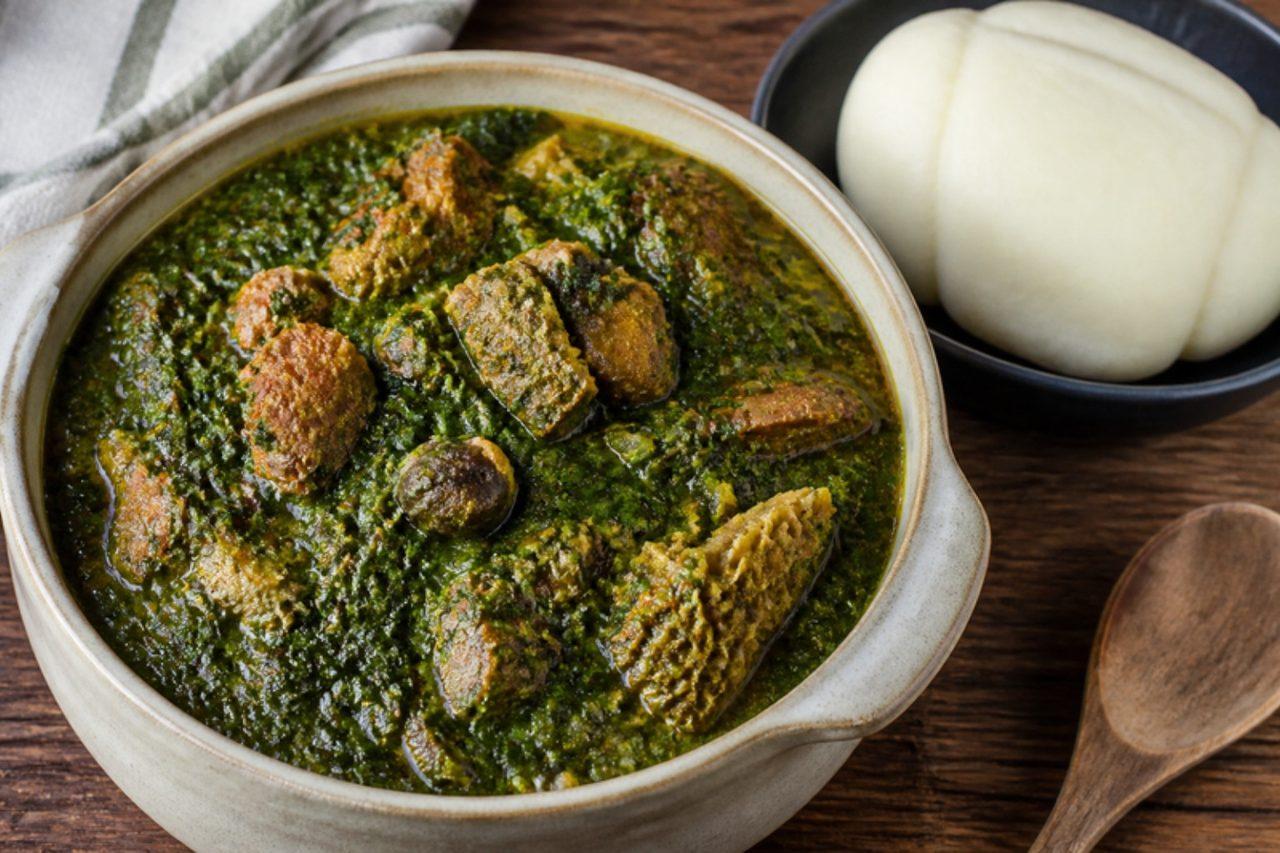
Edikang ikongPumpkin leaf and waterleaf soup

Edikang ikong is the soup of celebrations in Calabar: weddings, Christmas and the visits of in-laws, when the pot is crowded with assorted meat, stockfish, dried fish and periwinkles. The base is two leaves, ugu (fluted pumpkin) for body and colour, and waterleaf for moisture, cooked so briefly that the soup stays bright green and fresh-tasting under the palm oil. Serve it with pounded yam, fufu or garri. If you cannot find ugu, use spinach mixed with a little kale. Buy periwinkles cleaned from a trusted seller and throw out any with broken shells. Chef's tip: add the ugu last, off a high heat, and stop after three or four minutes; the usual mistake is stewing it until it goes black and slimy.

by KrazyBadal 0 views

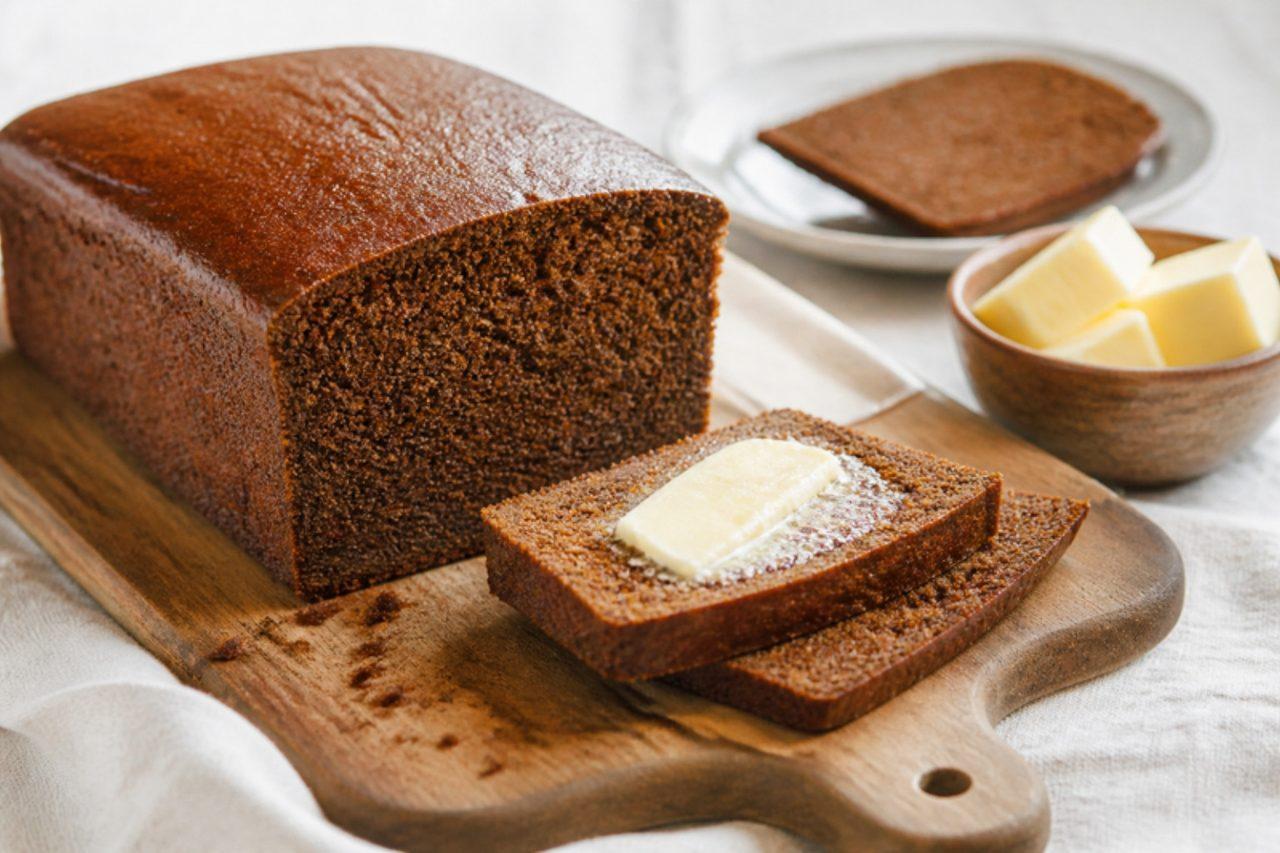
Groninger koekRye ginger spice cake

Groninger koek is the dark, chewy spiced rye cake of Groningen, made since the 17th century and sliced thickly and spread with butter for breakfast or coffee time; the 'oudewijvenkoek' version contains aniseed, and others are studded with candied ginger or peel. This recipe is egg- and dairy-free, using syrup for its sweetness and moistness. A common mistake is slicing it on the day of baking; it is sticky and crumbly until it has rested. Chef's tip: wrap the cooled cake tightly and leave it for two days; it becomes moist, dense and sliceable.

by KrazyBadal 0 views

Aish baladiWholemeal pocket bread

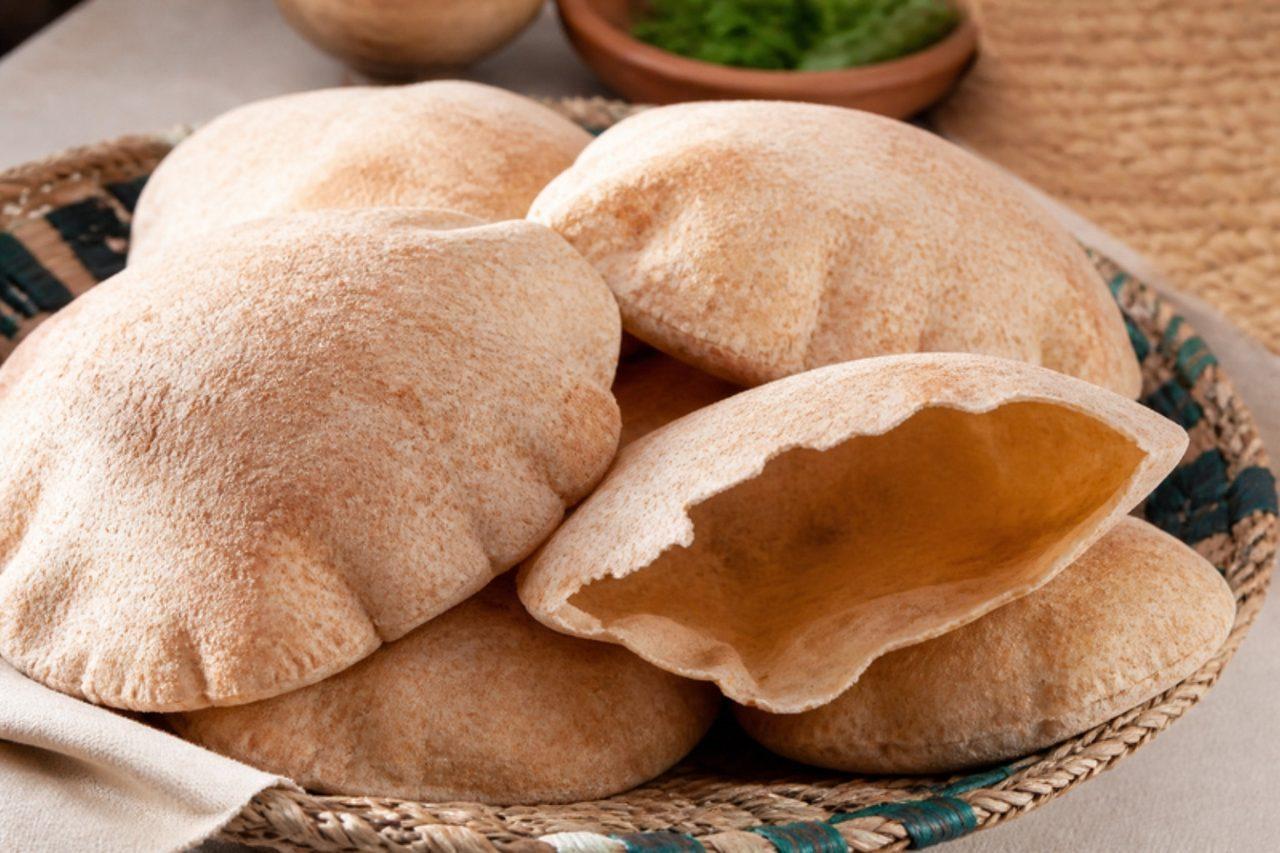
Aish means 'life', and in Egypt this bread really is: neighbourhood bakeries turn out thousands of loaves an hour, cooling on palm-rib trays carried through the streets on cyclists' heads. Made with wholemeal flour and rolled in bran, the rounds puff dramatically in a fierce oven into a soft, slightly chewy pocket with a nutty, wheaty taste. It is the scoop, spoon and wrapper for ful, falafel, salads and stews at every meal. Allow about 1 hour 45 minutes for rising and resting. The most common mistake is a stone or tray that isn't hot enough, so the rounds bake flat with no pocket. Chef's tip: preheat the oven at its highest setting for a full 45 minutes, and bake only two rounds at a time.

by KrazyBadal 0 views

Aish finoSoft white finger rolls

Ask any Egyptian about school lunches and aish fino comes up: the long, soft white rolls that bakeries sell by the bagful each morning and parents split and fill for lunch boxes. The crumb is pillowy and slightly sweet, the crust thin and pale gold, perfect for white cheese, halawa, egg, falafel or a smear of molasses and tahini. Its name comes from the French pain fin. Allow about 1½ hours for rising. Overbaking is the classic mistake; take them out while still pale gold, otherwise the crust turns hard instead of soft. Chef's tip: cover the rolls with a clean tea towel as soon as they leave the oven so the steam keeps the crust tender.

by KrazyBadal 0 views

Balah el shamFried choux fingers in syrup

Ramadan in Cairo means trays of balah el sham glistening in sweet-shop windows, and plenty of families fry their own to serve after iftar alongside konafa and qatayef. Choux dough is piped through a star nozzle into finger lengths, fried until crisp and deep gold, then dropped into cool syrup, so the outside crackles and the inside stays hollow and custardy. It contains eggs. The mistake almost everyone makes once is frying in oil that is too hot: the outside browns in seconds while the inside stays raw and the fingers collapse. Start them in moderately hot oil and let them puff slowly. Chef's tip: beat the eggs in one at a time and stop when the dough falls from the spoon in a thick V; too much egg and the fingers flatten.

by KrazyBadal 0 views

BelilaWheat berries in sweet milk

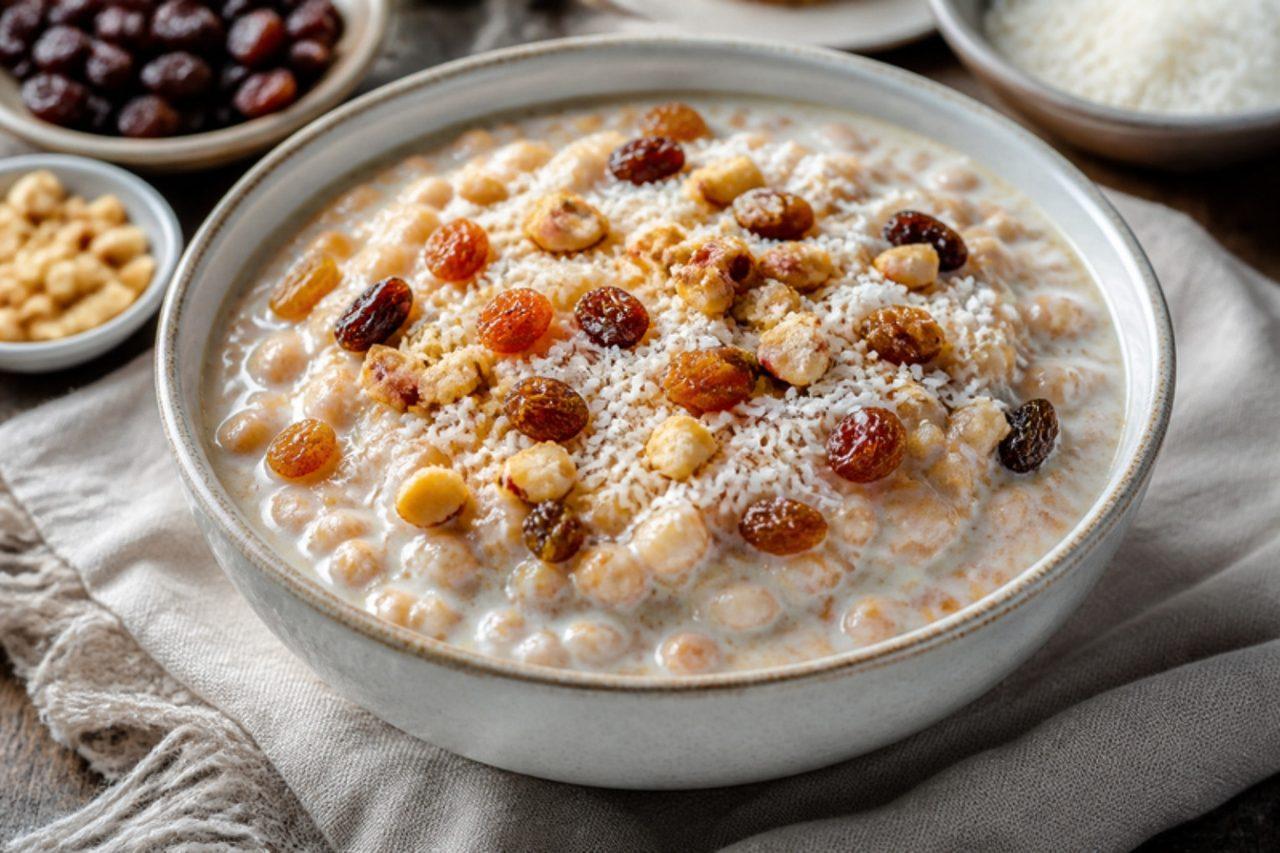
Cold mornings in Cairo and the Delta are when mothers put a pot of belila on the stove, and street vendors sell it in cups from big steaming pans in winter. Plump whole wheat grains are simmered until they burst, then served in hot, sweet, vanilla-scented milk and showered with nuts, raisins and coconut, so every spoonful is chewy, creamy and crunchy at once. Children love it for breakfast and it is a favourite for sahur before a day of fasting in Ramadan. The wheat needs soaking overnight; with ready-cooked wheat, it is done in 15 minutes. Undercooked wheat stays hard and chalky, so cook it until most grains have split open. Most people go wrong by not cooking the wheat long enough; the berries should burst and be tender, not chewy pellets in the milk. Chef's tip: cook a big batch of wheat and keep it in the fridge for up to 4 days, then warm portions in milk.

by KrazyBadal 0 views

Da'ah garlic vinegarGarlic vinegar dressing

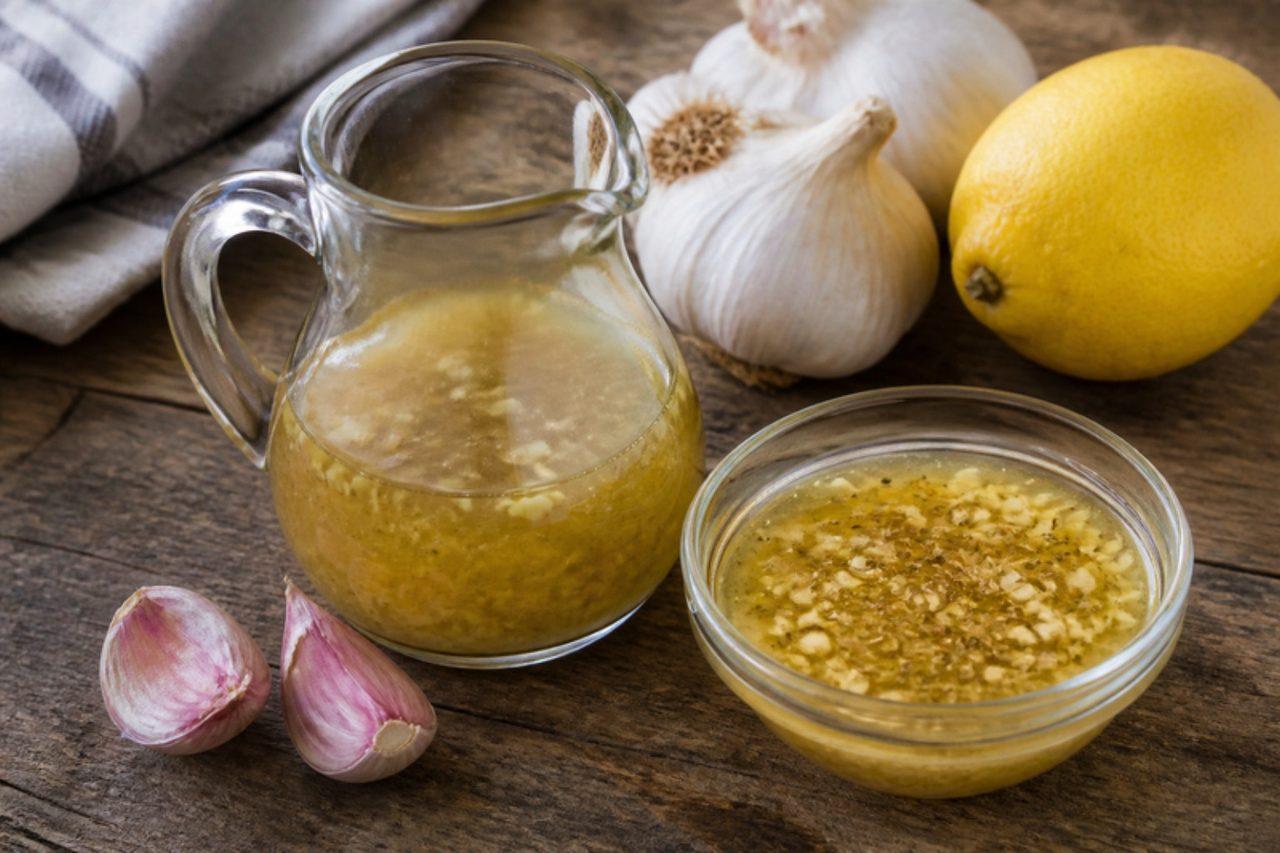
No plate of koshari is finished until it gets a splash of da'ah, the thin garlic vinegar every Cairo koshari counter keeps in jugs beside the shatta. Sharp, garlicky and warm with cumin, it cuts straight through the lentils, rice and fried onions, and it does the same for falafel, fried aubergine and cauliflower. It takes ten minutes and keeps for a week in the fridge. Chef's tip: fry the garlic only until it smells sweet and is barely coloured; brown garlic turns the whole sauce bitter.

by KrazyBadal 0 views

Egyptian dukkahHazelnut and sesame spice dip

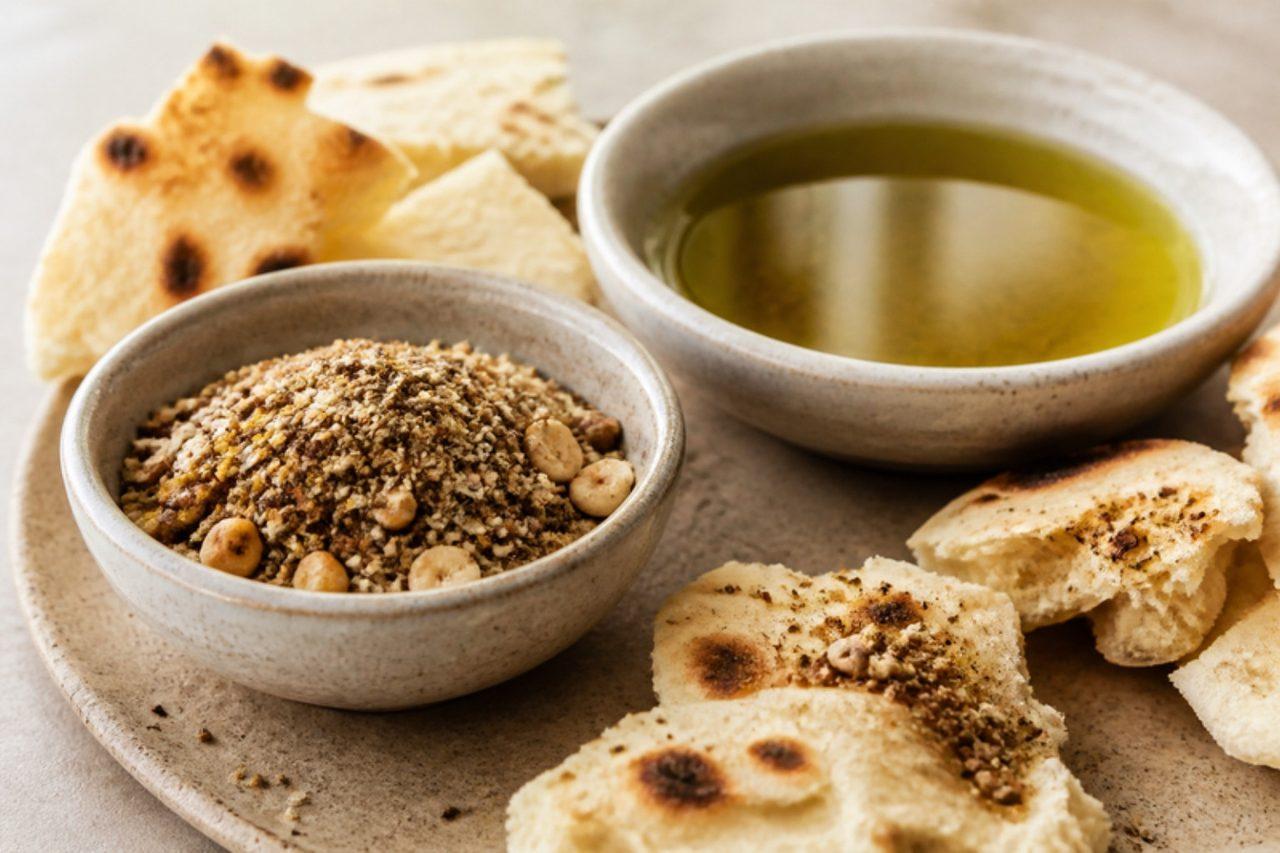
Bread, a saucer of olive oil and a bowl of dukkah make one of the oldest snacks on an Egyptian table, set out at breakfast, with evening tea or for guests who drop by unannounced. Crunchy, nutty and fragrant with coriander and cumin, it is a dry, coarse mixture rather than a paste: you dip the bread in oil first, then into the dukkah so it clings. Families keep a jar of it in the cupboard and sprinkle it over boiled eggs, salads and roast vegetables too. Grinding it too long is the usual mistake; the nuts release their oil and it turns into a sticky butter, so pulse in short bursts and stop while it is still sandy. Chef's tip: toast each ingredient separately, because sesame browns in half the time hazelnuts need.

by KrazyBadal 0 views

Gebna areeshSoft fresh cheese

Farm families in the Delta have long made areesh from the skimmed, soured milk left after churning butter, draining the curds in reed mats until they are soft and crumbly. The cheese is pale, light and mildly tangy, with almost no fat, and is eaten at breakfast and supper with tomatoes, cucumbers, spring onions, herbs and a thread of olive oil, or crumbled into salads and pies. This home version starts with pasteurised skimmed milk and cultured buttermilk; the milk then needs 18 to 24 hours to sour at room temperature before the short cooking and draining. No rennet is used: the curd is set by souring alone, so it suits vegetarians. Don't boil the soured milk hard: rapid heat makes tough, rubbery curds instead of soft, delicate ones. Chef's tip: heat the soured milk very gently; boiling it makes the curd tough and squeaky.

by KrazyBadal 0 views

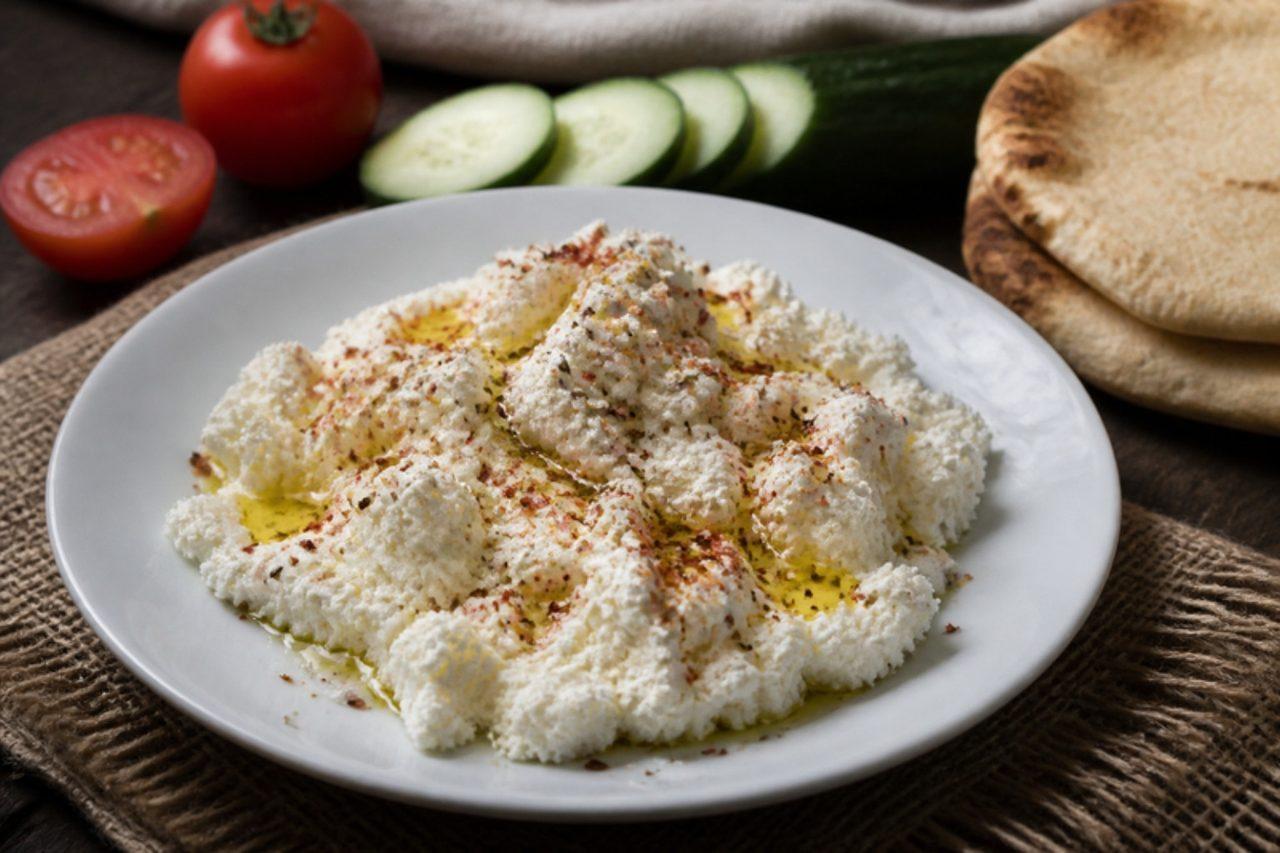
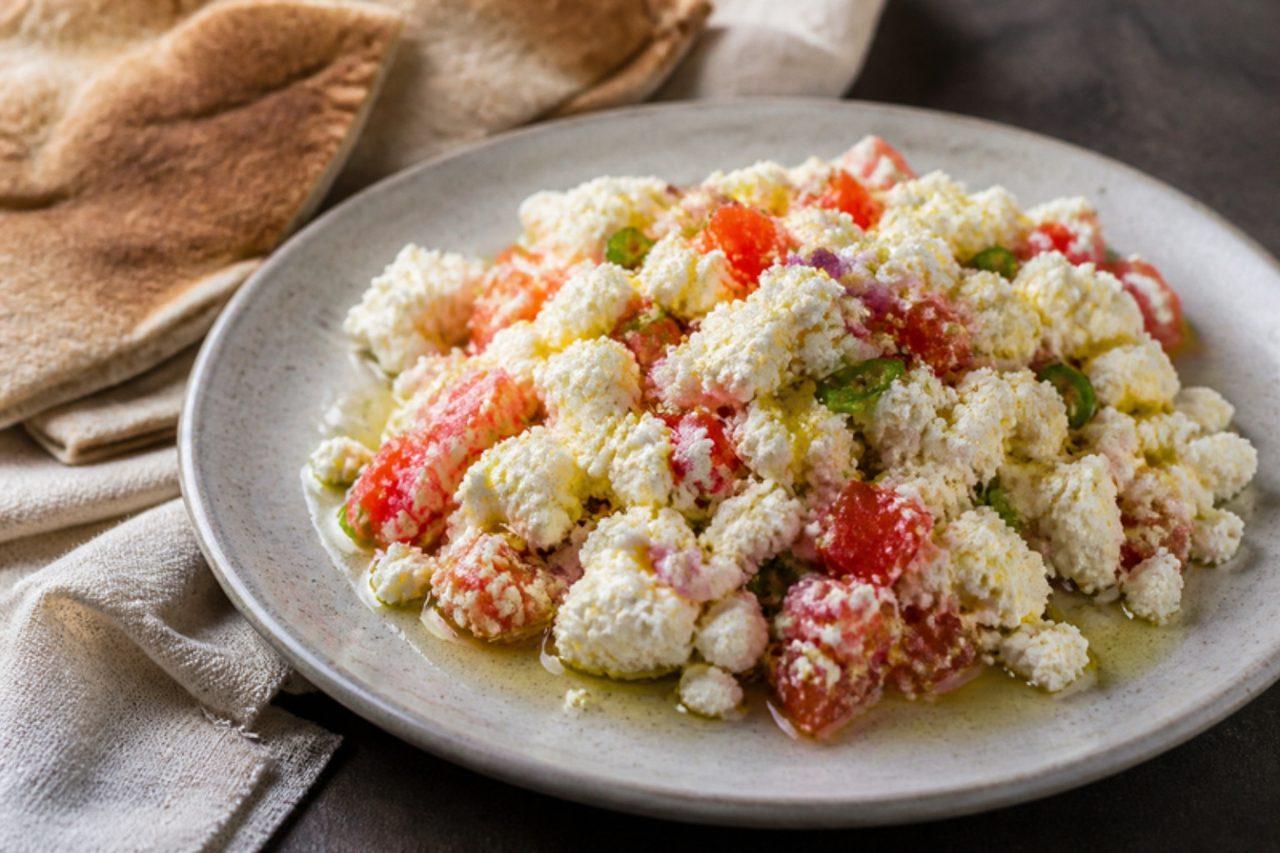
Gebna bel tamatemWhite cheese with tomato and onion

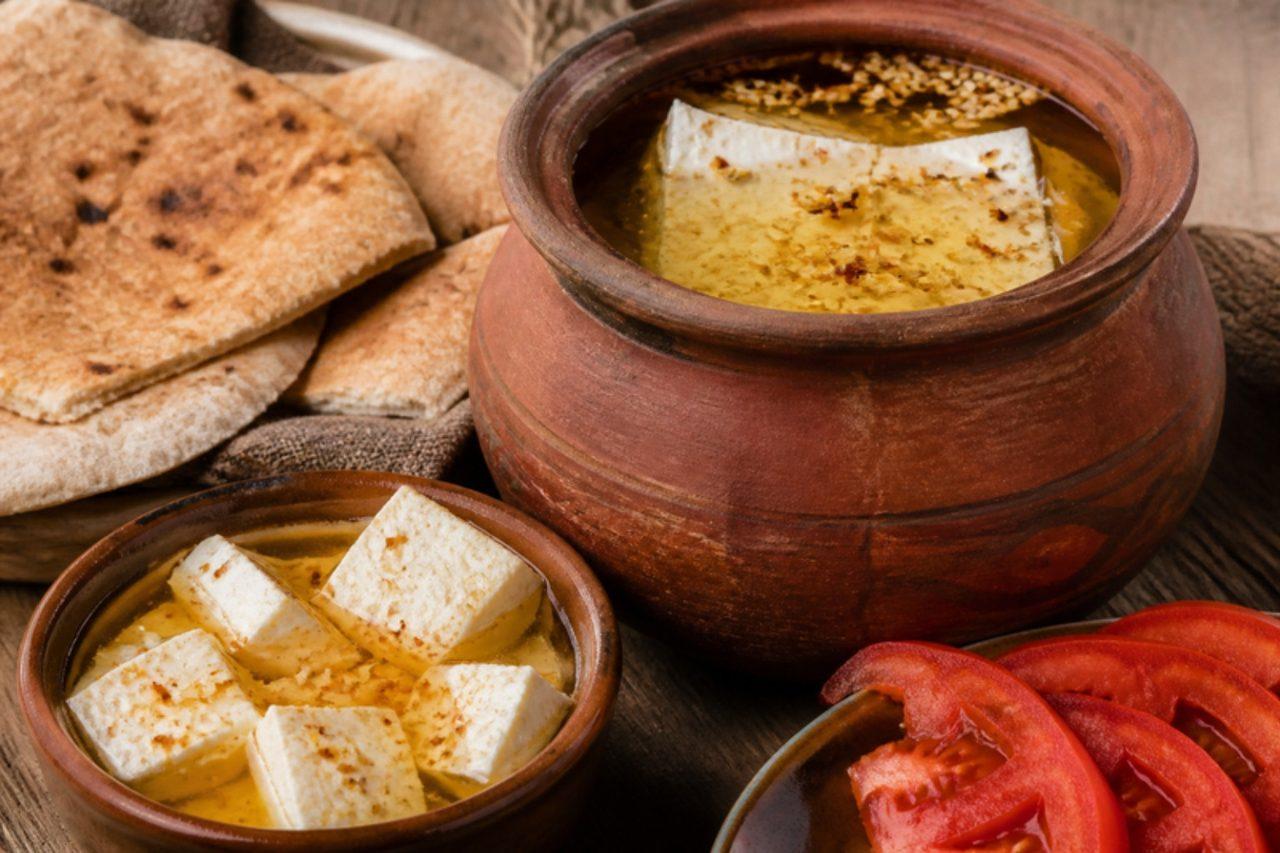
Breakfast in Cairo flats and Delta villages rarely happens without a plate of gebna bel tamatem beside the ful and falafel. Soft, salty white cheese is broken up with a fork, then tomato, onion and a little green chilli are mashed in with a spoonful of oil until it turns into a rough, juicy, pink-flecked spread. It is scooped up with torn aish baladi, or with gluten-free bread if you need it to stay gluten free. Domiati and feta are often set with animal rennet, so choose a white cheese labelled vegetarian. Avoid soaking-wet tomatoes; seed and drain them, or the cheese turns into a watery mash. Chef's tip: make it no more than an hour before eating; the salt draws water from the tomato and the spread slowly turns watery.

by KrazyBadal 0 views

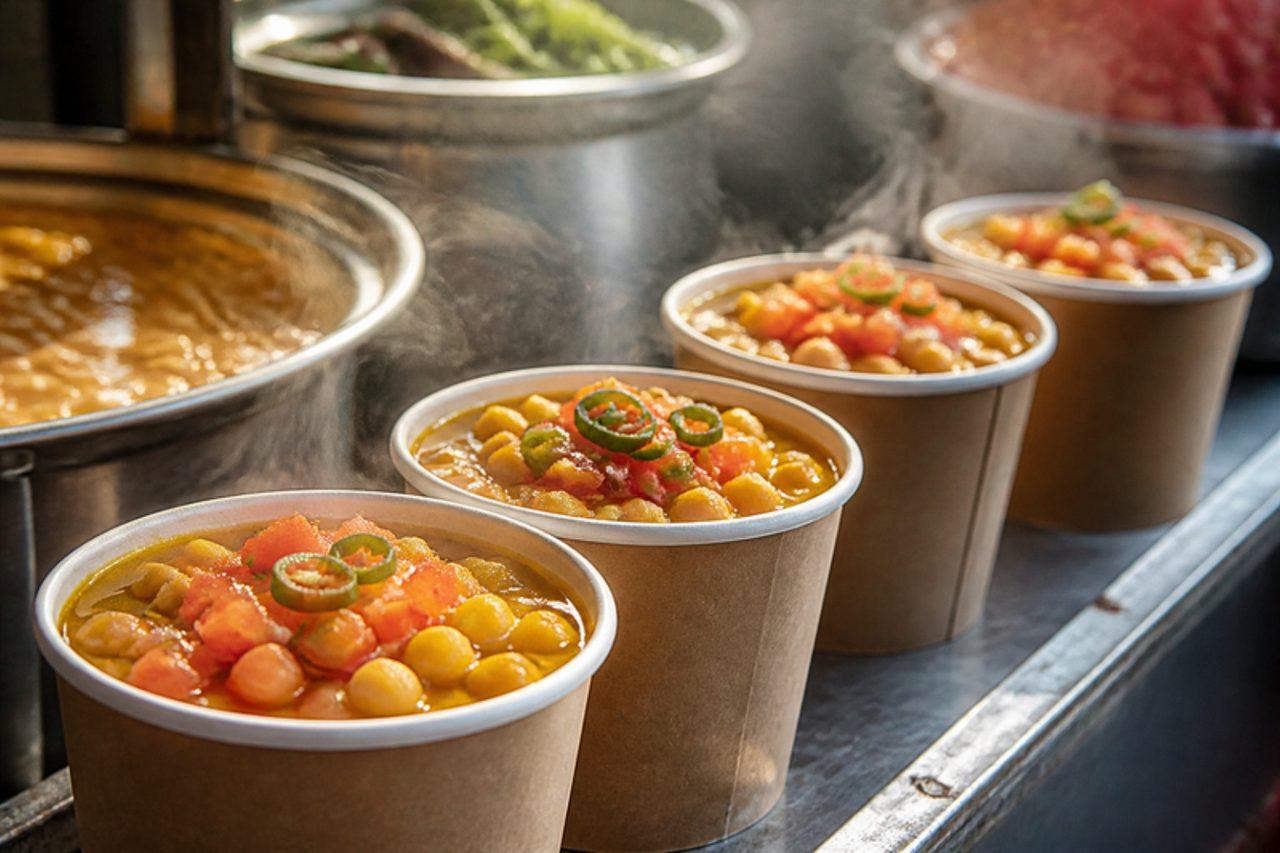
HalabessaHot spiced chickpeas in broth

Halabessa carts appear on Cairo and Alexandria corners once the winter evenings get cold, with a steaming pot of chickpeas and a stack of cups. The vendor ladles out tender chickpeas with plenty of their cooking broth, then adds salt, cumin, lemon and chilli, and sometimes a spoonful of tomato sauce, so it is half drink, half snack. It warms the hands as much as the stomach. The chickpeas need soaking overnight before cooking. The cardinal mistake is draining the chickpeas: the starchy cooking water is the whole point, so keep every drop. Chef's tip: simmer them very gently with the lid ajar so the broth turns cloudy and silky without the skins breaking.

by KrazyBadal 0 views

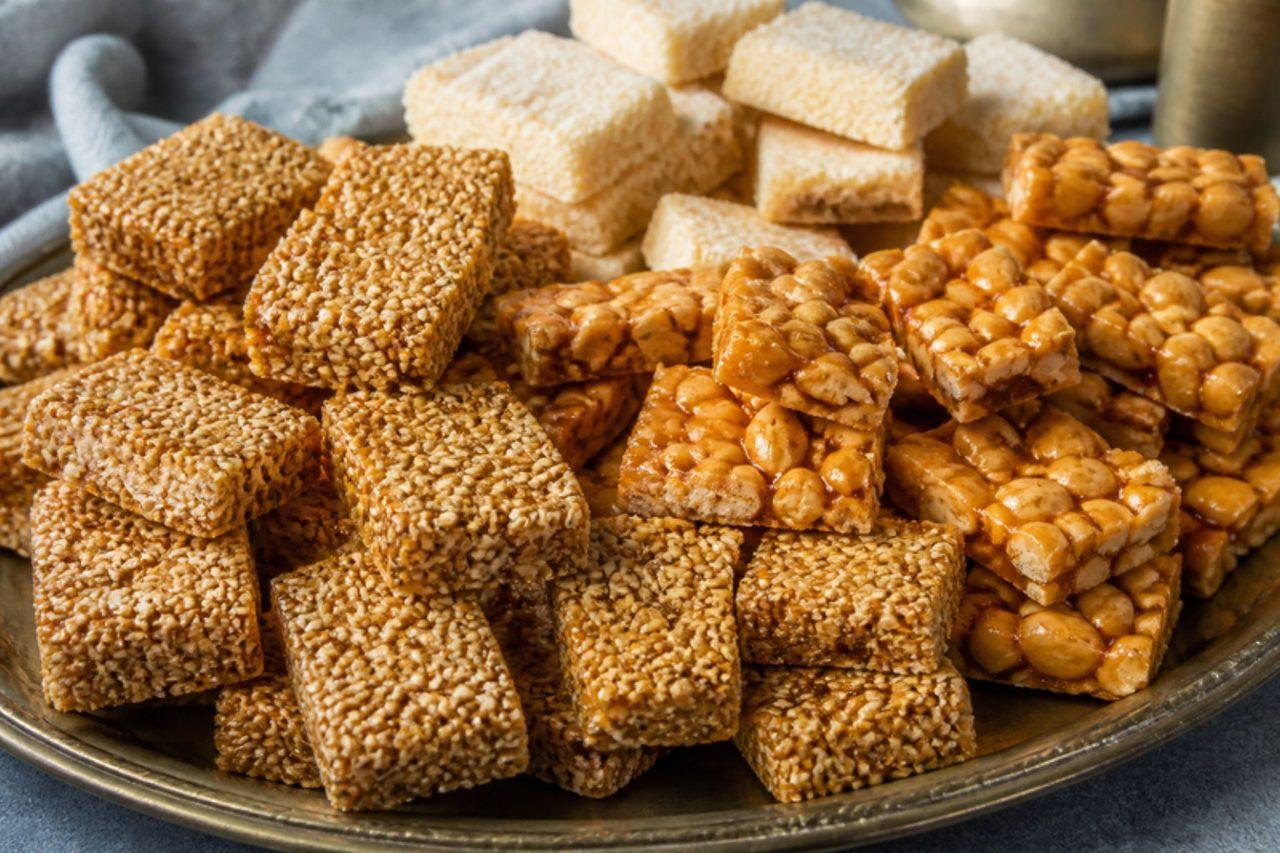
Halawet el mouledSesame and peanut brittles

For weeks before the Mawlid an-Nabi, the Prophet's birthday, sweet shops all over Egypt build towering displays of halawet el mouled beside the brightly dressed sugar dolls and horses. The boxes hold slabs of brittle: simsimiya made with sesame, fuliya with peanuts, hummusiya with roasted chickpeas and goziya with coconut, all crisp, glassy and nutty. This recipe makes the two most popular, sesame and peanut; swap in roasted chickpeas or coconut for either. Hot sugar burns badly, so keep children away and work with care. The mistake that ruins brittle is stirring the syrup before it boils, which makes it crystallise into grainy sugar. Chef's tip: oil the rolling pin and the tray; the brittle sets within minutes, so have everything ready first.

by KrazyBadal 0 views

KahkEid ghee cookies

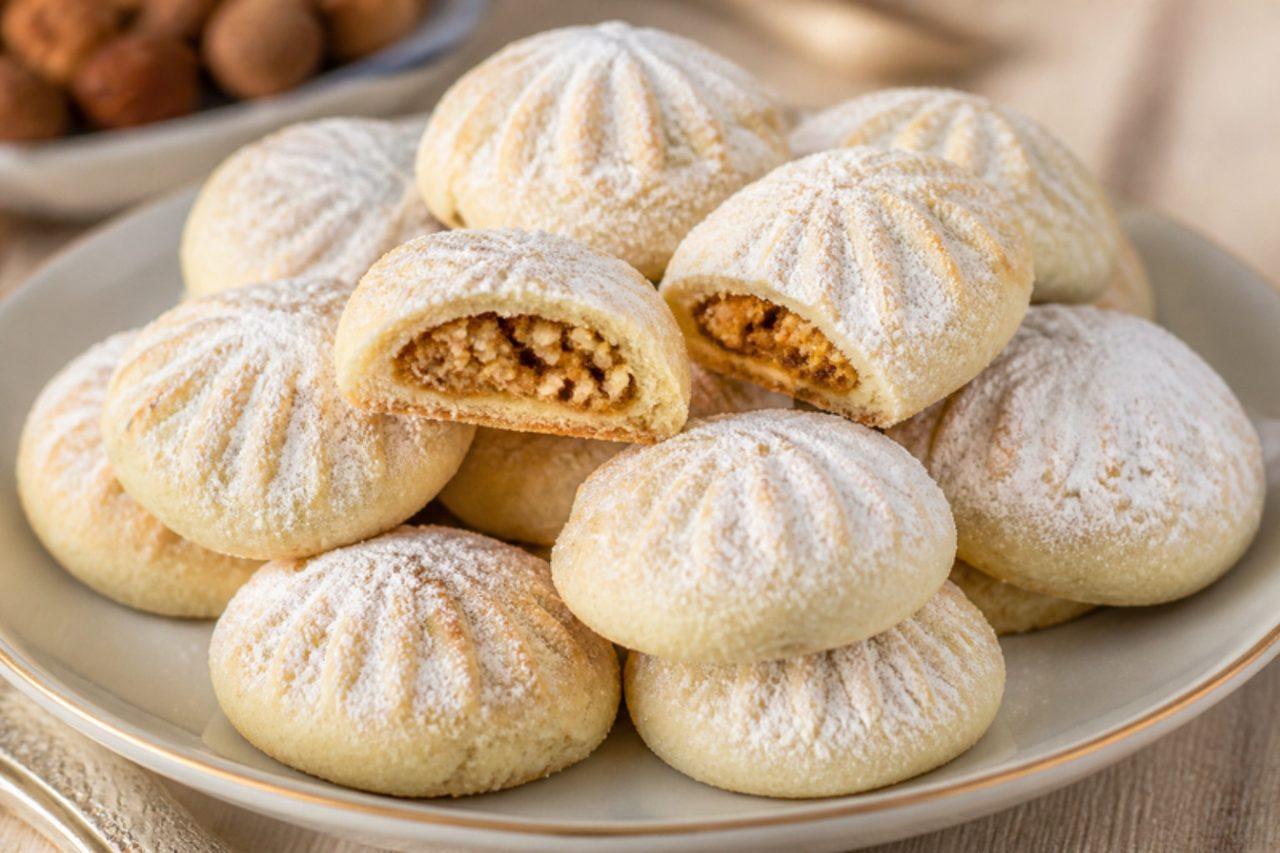
In the last nights of Ramadan, Egyptian kitchens fill with flour dust, trays and relatives as families bake kahk for Eid al-Fitr, and many still send them to the neighbourhood bakery's big oven. Hot ghee is rubbed into the flour so the cookies bake up crumbly and melting, fragrant with sesame and kahk spice, and each one is pinched with a patterned tweezer or pressed in a wooden mould before baking. They are filled with agameya, a sticky honey, nut and sesame paste, and buried under icing sugar, then served to every Eid visitor with tea or coffee. Overbaking is the mistake to avoid; kahk should be pale on top and only golden underneath. Chef's tip: the dough is ready to shape once a ball holds firm but crumbles if you squeeze it hard; it should never feel stretchy.

by KrazyBadal 0 views

KhoshafDried fruit compote

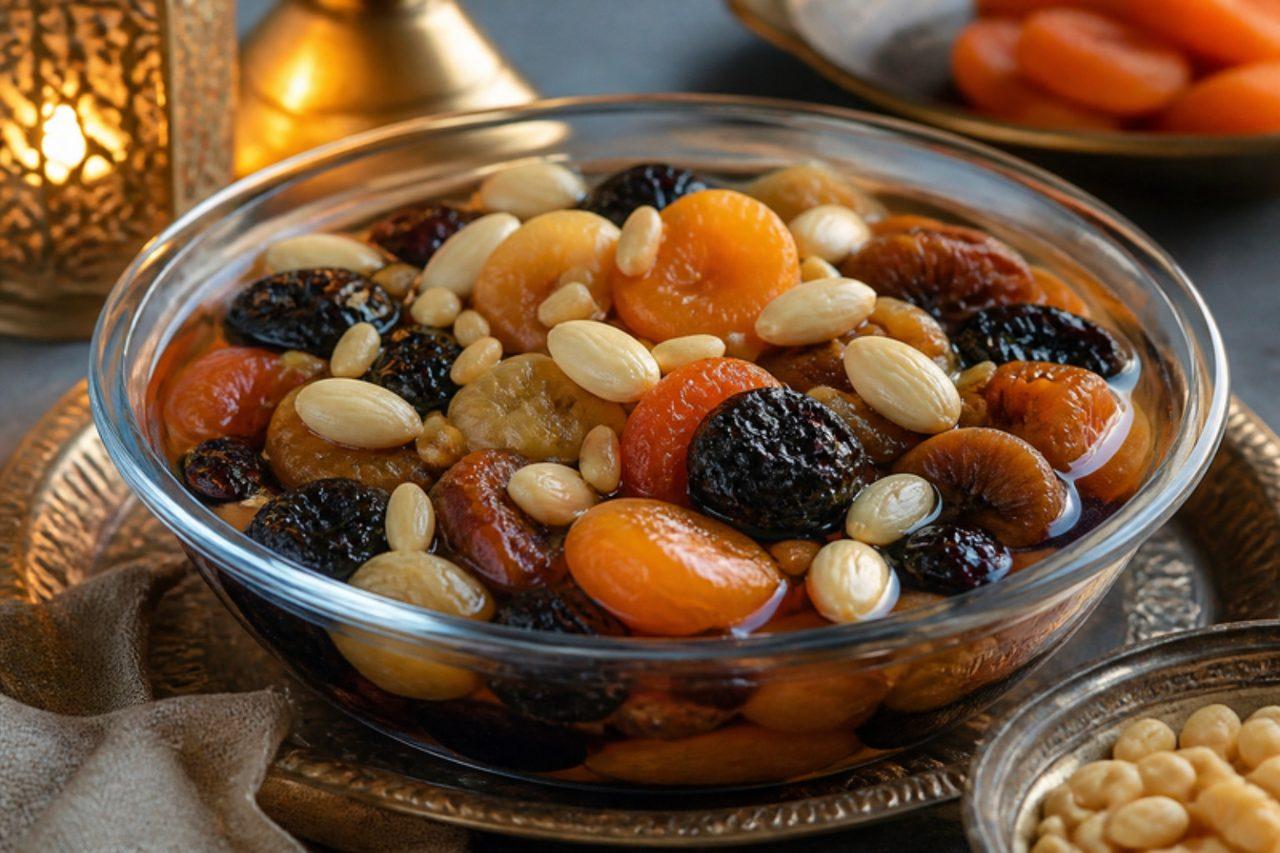
Bowls of khoshaf sit on the iftar table all through Ramadan in Egyptian homes, and many people break their fast with a few dates and a glass of it before anything else. Dried apricots, prunes, figs and raisins soak overnight in lightly sweetened water until they swell, and the liquid turns into a fruity, amber syrup; toasted almonds and pistachios go on top for crunch. It is cool, gentle on an empty stomach and full of natural sugars. Soaking it on the counter in warm weather is the usual mistake, as it can start to ferment, so always soak it in the fridge. Chef's tip: add a teaspoon of orange blossom water just before serving rather than at the start; it fades overnight.

by KrazyBadal 0 views

Kosa bel bechamelCourgette bake with béchamel

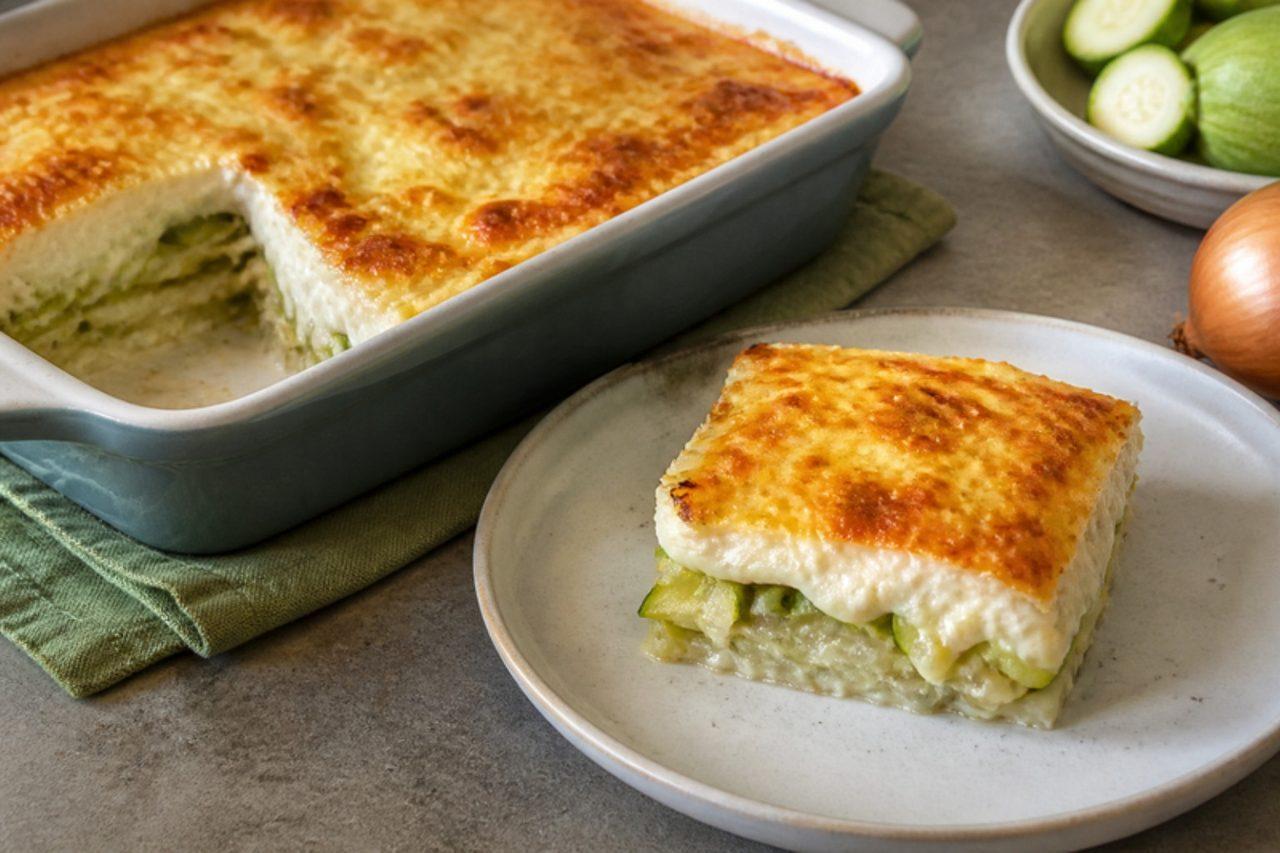
Cairene home cooks bake kosa bel bechamel in the same deep tray they use for macarona, and it turns up on Friday lunch tables and at family gatherings all year. Plenty of households layer the courgettes with spiced minced beef; this is the meat-free version, where soft, sweet courgette and onion sit under a deep blanket of nutmeg-scented white sauce that browns in patches on top. Spoon it out beside plain vermicelli rice, a baladi salad and a dish of pickles. The usual hard grating cheese, like most aged cheeses, is often made with animal rennet, so pick one labelled vegetarian. Chef's tip: let the bake stand for ten minutes before cutting, or the béchamel runs and the slices fall apart.

by KrazyBadal 0 views

LibRoasted pumpkin and watermelon seeds

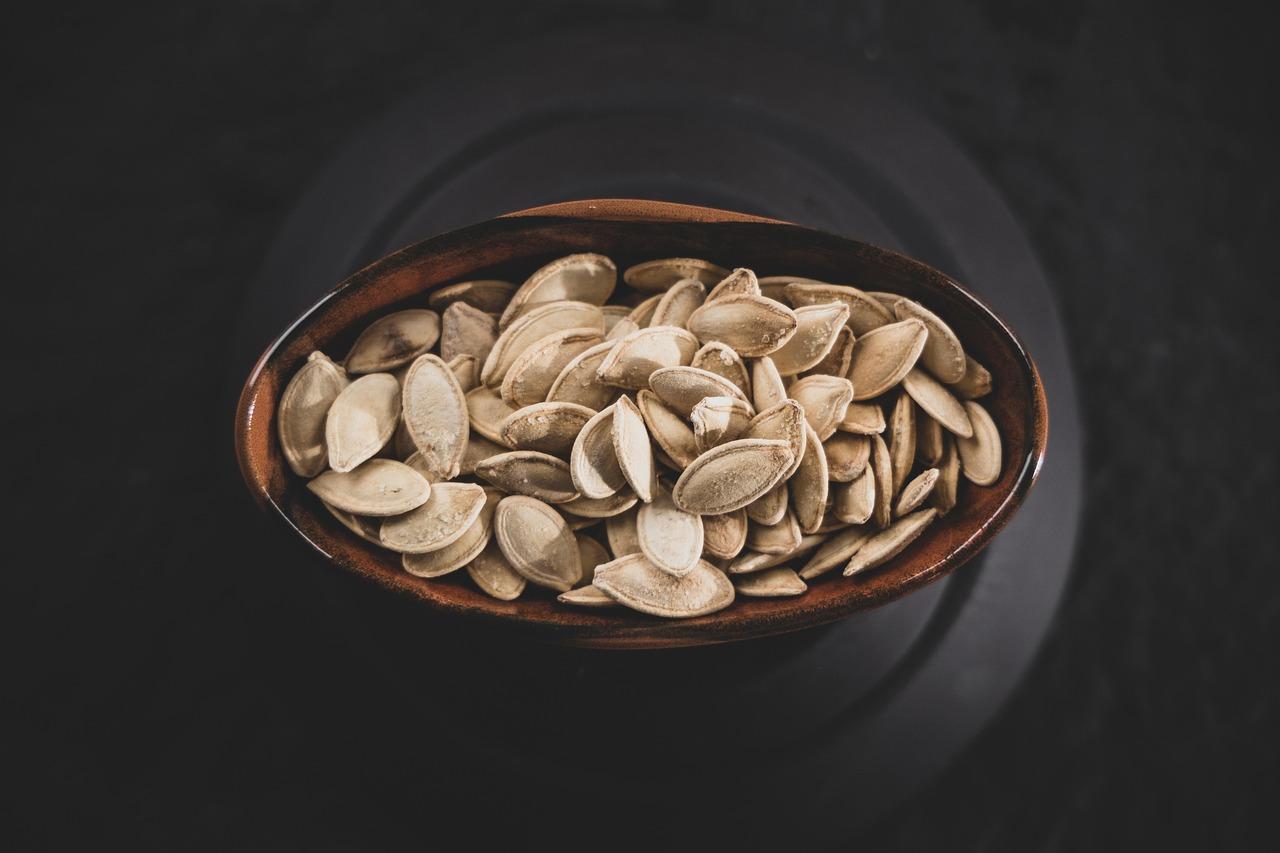
Paper bags of lib are what Egyptians crack through during football matches, Ramadan nights in front of the television and long evenings on the balcony, bought by weight from the roasters (mahmasa) on almost every Cairo street. White pumpkin seeds (lib abyad) and black watermelon seeds (lib asmar) are soaked in salty water, then roasted until the shells crack between the teeth and the kernel inside is toasty. Shelling them one by one is half the pleasure. The usual mistake is roasting too hot: the shells scorch before the seeds have dried, so keep the oven moderate. Chef's tip: let them cool completely on the tray; they only turn properly crisp as they cool.

by KrazyBadal 0 views

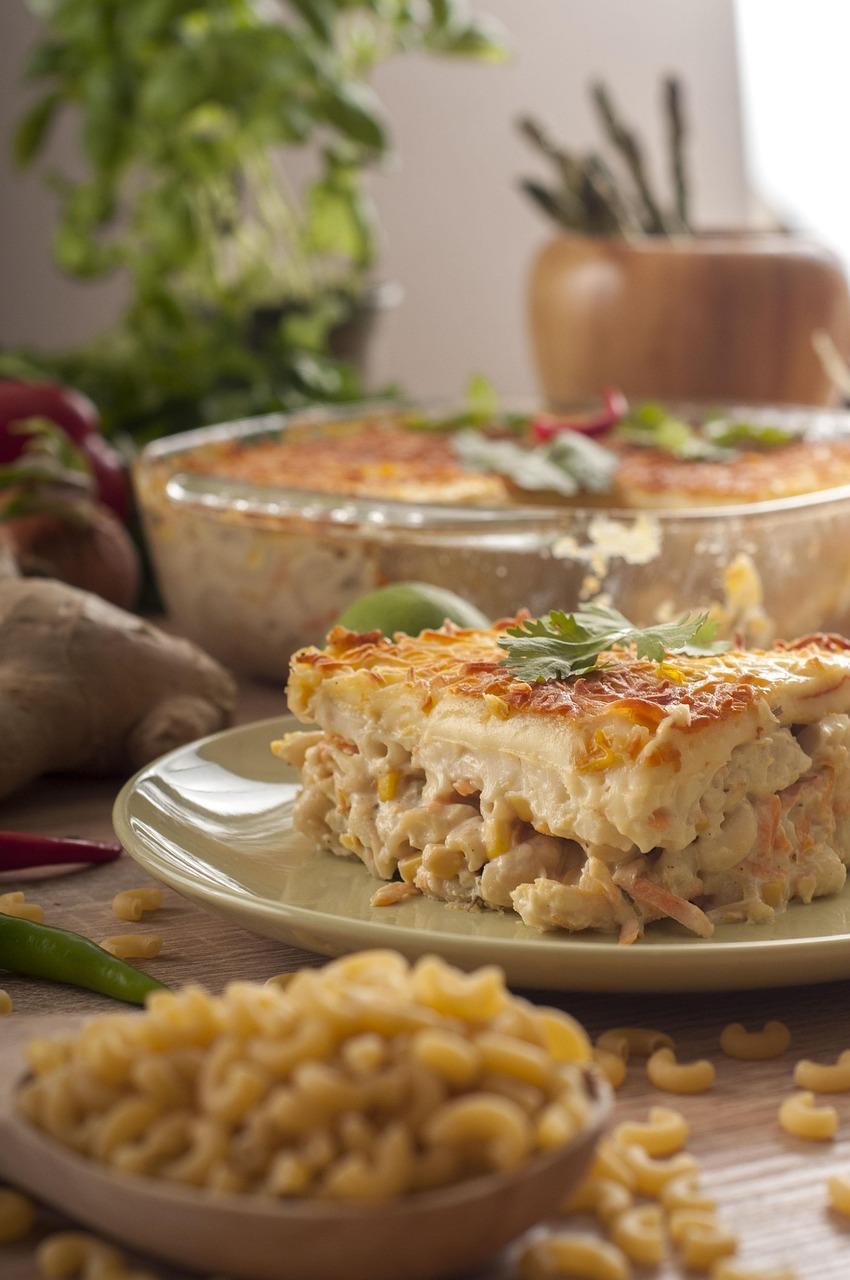
Macarona bechamelBaked penne with beef and béchamel

Every Egyptian family has an opinion on how thick the béchamel should be, and a tray of macarona bechamel turns up at Friday lunches, Ramadan tables and family gatherings from Alexandria to Aswan. Penne is layered with minced beef cooked down with onion, tomato and a breath of warm spice, then sealed under a deep blanket of white sauce that bakes to a freckled golden crust. Cut into squares, it should stand up on the plate: soft, creamy pasta below, savoury meat in the middle, set custardy sauce on top. Serve it with a green salad or a bowl of molokhia and plenty of pickles. Don't make the béchamel too thin: it should coat the back of a spoon thickly, or the bake slumps when you cut it. Chef's tip: stir a ladle of the béchamel into the plain pasta before layering; it binds the bottom layer so the slices hold their shape.

by KrazyBadal 0 views

MishAged chilli cheese

Traditionally made in clay jars that are kept going for years, mish is the strong, salty aged cheese that farmers in Upper Egypt and the Delta eat with bread, onions and tomatoes in the fields. It is sharp, creamy and very pungent, with chilli heat and a bitter-sweet note from fenugreek, and a little goes a long way beside bettaw, roz me'ammar or ful. This safer home version starts from pasteurised white cheese and ages in the fridge for 4 to 8 weeks instead of months on a shelf. White cheeses are often set with animal rennet, so choose one labelled vegetarian. As a home-fermented food it is best skipped by pregnant women, young children and anyone with a weakened immune system. Chef's tip: always use a clean, dry spoon; one wet spoon is the mistake that lets mould in.

by KrazyBadal 0 views

Sawabe' ZeinabFried semolina fingers in syrup

Named 'Zeinab's fingers', these little fried sweets turn up on Egyptian Ramadan tables next to balah el sham, and they are easy to make in a home kitchen with a cheese grater for the ridges. A soft semolina and ghee dough is rolled into fingers, fried crisp and soaked in syrup, giving them a crunchy shell and a dense, slightly grainy, buttery middle. Serve them cool with tea or coffee after iftar. The key to a crisp finish is temperature contrast: hot fingers into cold syrup. If both are hot, they go soggy. Avoid dipping hot fingers into hot syrup; one of the two must be cool, or the fingers turn soggy instead of crisp. Chef's tip: rolling each piece over the back of a fine grater makes deep grooves that hold more syrup.

by KrazyBadal 0 views

Egyptian shattaFresh red chilli sauce

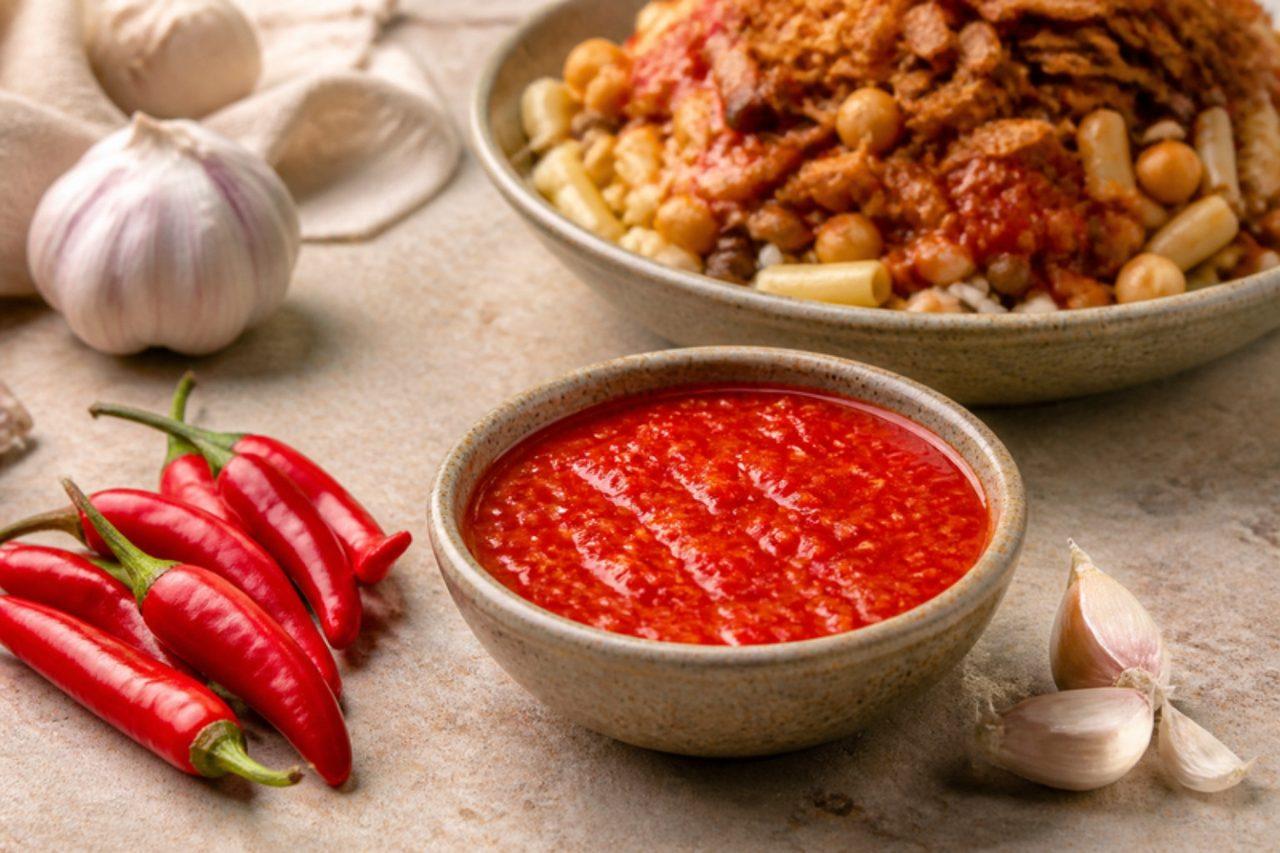
Squeeze bottles of shatta stand on the tables of every koshari shop in downtown Cairo, and diners shake in as much as they dare along with the garlic vinegar. The Egyptian version is a fresh, bright, loose sauce of red chillies blended with garlic, vinegar, cumin and a little oil, quite unlike the dried-chilli shata of Sudan. It goes with ful, falafel, lentil soup, roast potatoes and almost any sandwich. Wear gloves when handling the chillies and keep your hands away from your eyes; capsaicin on the fingers is the classic mistake, and it lasts for hours. Chef's tip: a brief simmer after blending takes the raw edge off the garlic and lets the sauce keep for two weeks in the fridge.

by KrazyBadal 0 views

SobiaRice and coconut milk drink

Before the sunset call to prayer in Ramadan, juice shops in Cairo's old quarters fill plastic bags and jugs with sobia for families to carry home, and it is one of the classic drinks for breaking the fast. It is milky white, sweet and smooth, with a gentle coconut flavour and a light body from the rice that makes it filling after a long day without food. This version simmers the rice-coconut milk briefly so it is safe to keep for a day or two in the fridge. Allow an hour for soaking the rice. The common mistake is not straining well, which leaves the drink gritty; push it through muslin. Chef's tip: chill it for at least 3 hours, because sobia tastes flat unless it is ice-cold.

by KrazyBadal 0 views

Showing 90 of 8,120 recipes

Page 305 of 903