






Skip to content
Sayur lodeh
Featured recipe

Sayur lodeh

Sayur lodeh is everyday cooking in Central Java, made in big pots in Solo and Semarang kitchens and ladled over rice, with lontong rice cakes at Lebaran, or alongside opor and sambal goreng on festive tables. It's soupy rather than thick: a fragrant broth of coconut milk, galangal, lemongrass and lime leaf that carries chunks of aubergine, long beans, chayote and sweetcorn, plus tempeh and tofu to make it a meal. The flavour is mellow and slightly sweet, so the heat comes from sambal on the side. Chef's tip: keep the pot at a gentle simmer once the coconut milk goes in and stir now and then — a rolling boil splits the coconut milk into oily curds.

Read more 3 views
Can't decide?

What to eat today?

Spin the randomizer, search with what's already in your fridge, or browse recipes from our chefs.

Latest recipes

Nigerian meat pie

No Nigerian party, from a Lagos wedding to a child's birthday in Abuja, is complete without a tray of meat pies. Rich, crumbly short pastry is folded around a filling of minced beef, diced potato and carrot cooked with thyme and curry powder, crimped with a fork and baked golden. They are just as popular as a bakery snack with a cold drink. A common mistake is filling the pastry with hot or runny filling, which melts the butter and makes soggy pies; cool it and thicken it first. Chef's tip: keep the dough cold, and rest it in the fridge for 30 minutes before rolling so the pies stay short and flaky.

by KrazyBadal 0 views

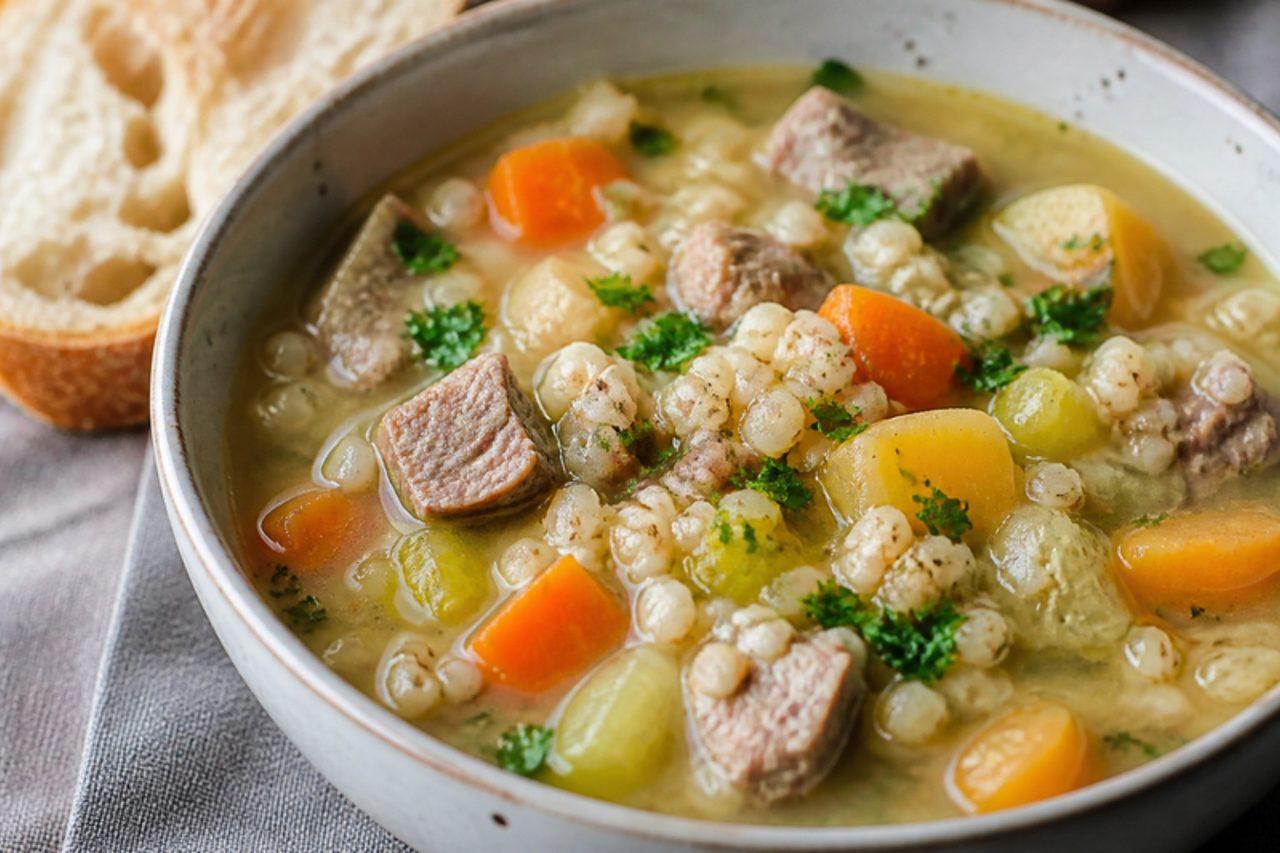
Scotch broth

Every Scottish granny has her own Scotch broth, the thick winter soup that simmers on stoves from the Borders to the Highlands and is often served on Burns Night. Lamb neck on the bone makes a rich stock with pearl barley, dried peas, leek, carrot, turnip and cabbage, and the meat is shredded back into the pot. It is a whole meal with crusty bread. Chef's tip: make it a day ahead; the barley keeps thickening it, and you can lift the solid fat off the top once chilled.

140 minBritishSoups
by KrazyBadal 0 views

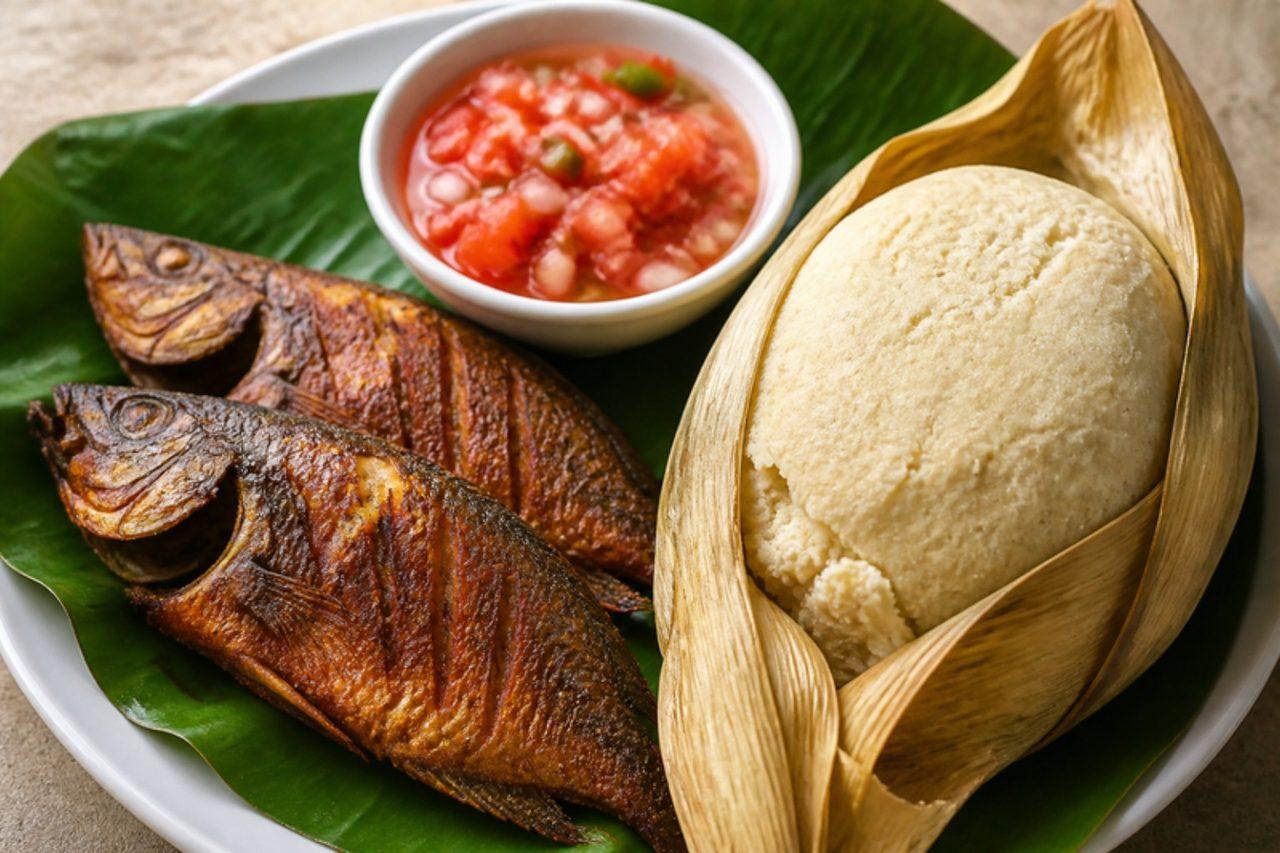
Kenkey with fried fish and pepper sauce

In Accra and along the Ga coast, kenkey is lunch: balls of fermented corn dough, steamed in dried corn husks, eaten with crisp whole fried fish and a sharp raw pepper sauce. Kenkey takes days to ferment and is sold everywhere ready-made in its husks, so buy it from an African grocer and make the fish and sauce at home. Small whole fish such as tilapia, red snapper or mackerel are scored, seasoned and fried until the skin crackles. The common mistake is moving the fish in the pan too soon; leave it alone until the first side is crisp, or the skin tears and sticks. Chef's tip: dust the fish very lightly with flour after drying it, and it fries crisp without spitting.

by KrazyBadal 0 views

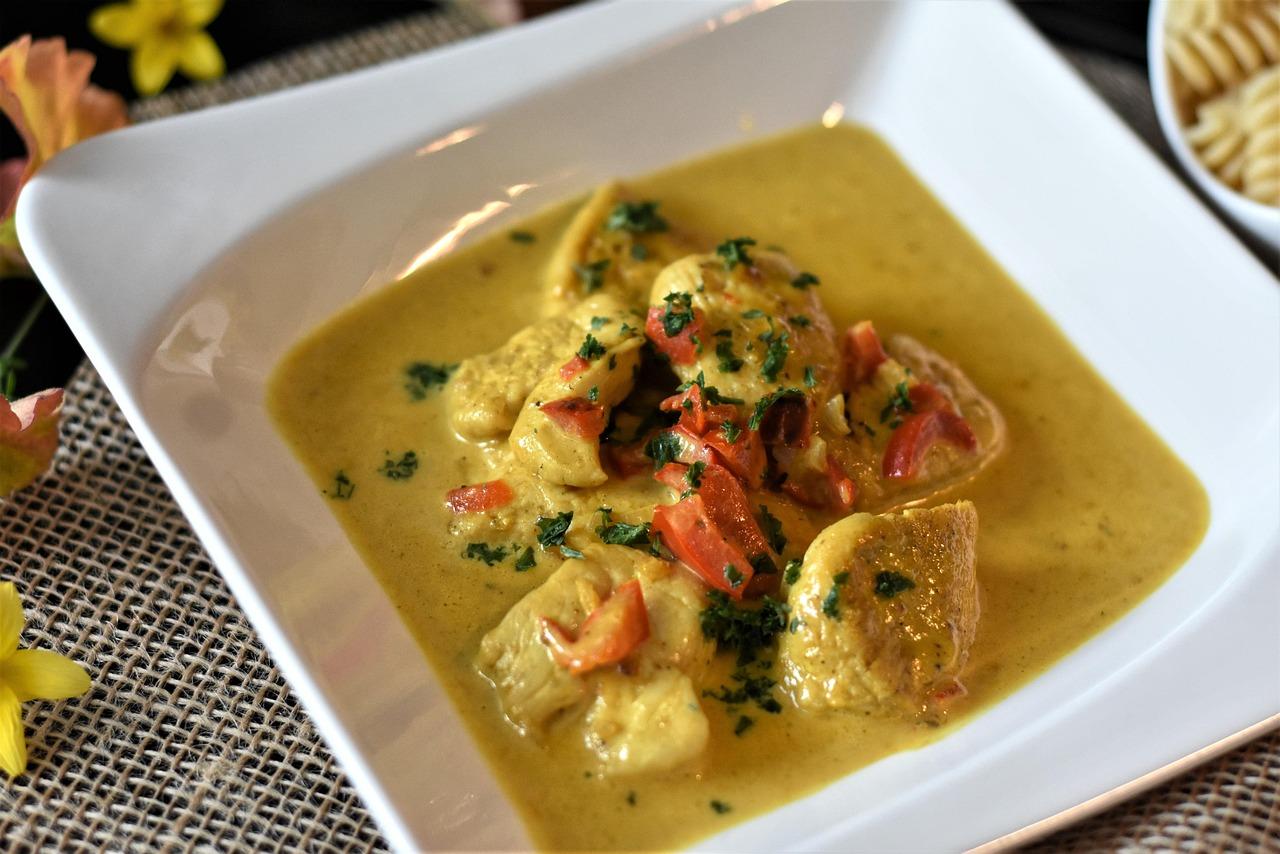
Cape Malay chicken curry

In Cape Town's Bo-Kaap, the brightly painted quarter under Signal Hill, Cape Malay families cook this curry for Sunday lunch and for Eid. It is gentler than an Indian curry: fragrant with cinnamon, cardamom, cloves and fennel, sweetened with dried apricots and a spoon of apricot chutney, and soured with a splash of vinegar and tomato. Potatoes simmer in the sauce with the chicken. Serve it with yellow rice (geelrys), sambals and chutney. A common mistake is adding the potatoes too late, so they stay hard in a finished curry; they go in with the chicken. Chef's tip: let the whole spices sizzle in the oil until the cinnamon unfurls before adding the onion, which builds the sweet perfume of the dish.

by KrazyBadal 0 views

Boerewors

This sausage contains pork. Boerewors, 'farmer's sausage', is the centre of every South African braai, from a Pretoria back garden to a Durban beach on Heritage Day. A thick coil of coarsely minced beef and pork, perfumed with toasted coriander, nutmeg and cloves and sharpened with vinegar, is grilled over coals and eaten with pap and chakalaka or in a roll as a boerie. Making it takes a sausage stuffer and natural casings, but the spicing is what matters. The classic mistake is pricking the sausage, which lets the juices run out and dries it; never pierce boerewors. Chef's tip: toast the whole coriander seeds until they crackle and grind them coarsely; the bits of seed are the signature of good boerewors.

by KrazyBadal 0 views

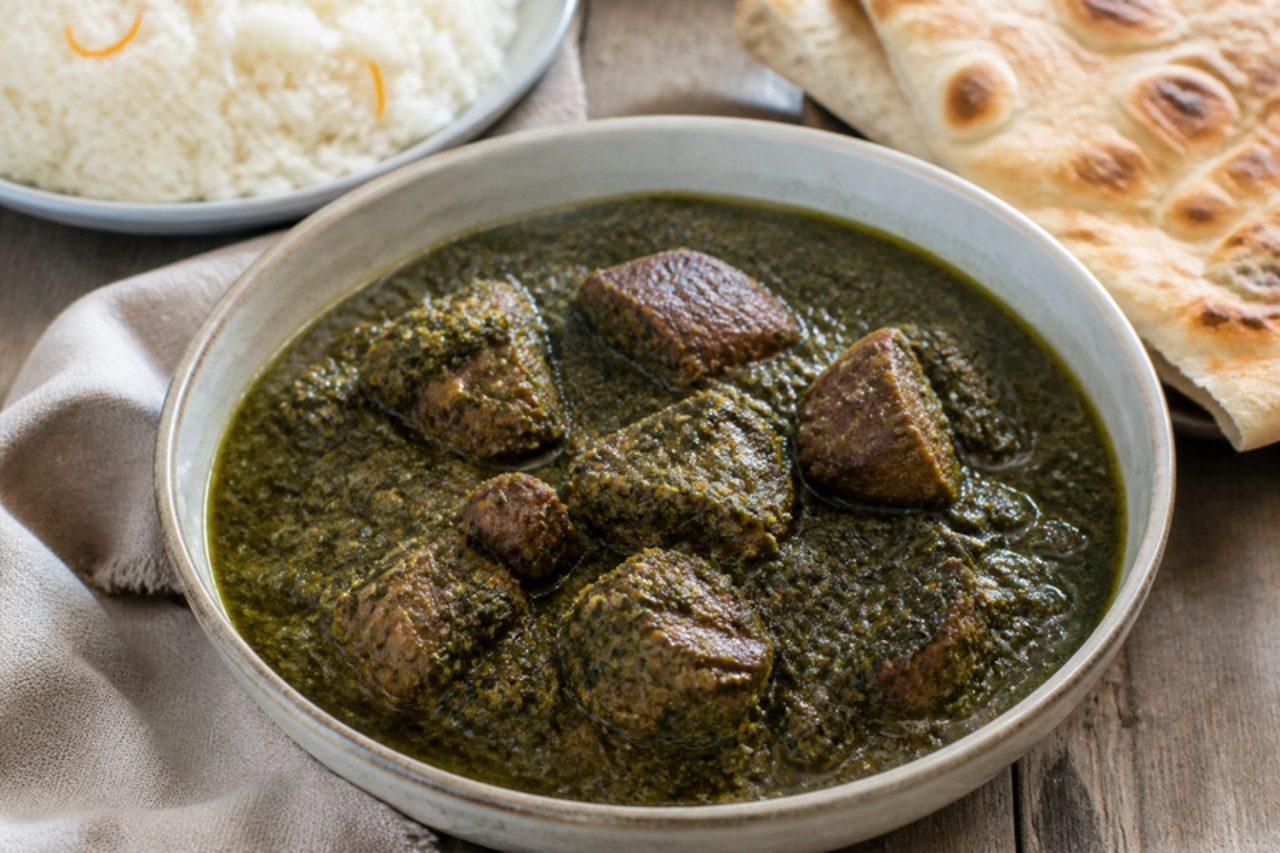
Qorma-e sabzi

Qorma-e sabzi is the green qorma of Kabul: lamb slowly braised with a large amount of spinach, dill, coriander and spring onion until the greens collapse into a dark, silky sauce. Afghan cooks fry the onions slowly until deep brown first, so the stew tastes sweet and savoury against the slightly bitter greens, and a spoon of dried fenugreek leaves adds the typical bitter-sweet scent. It is served on Fridays and for guests with chalaw, plain white rice, or with naan. The common mistake is adding the greens raw and wet in one go, which stews them grey and watery; wilt and squeeze them first. Chef's tip: let the stew simmer uncovered for the last 15 minutes until the oil rises to the top; that is the sign of a well-cooked qorma.

by KrazyBadal 0 views

Tiyula itum

Tiyula itum, 'black soup', is the pride of the Tausug people of Sulu in the far south of the Philippines, cooked for weddings, Eid celebrations and when guests come home. Beef (it is a halal, pork-free dish) is simmered with ginger, lemongrass and turmeric, then darkened with pamapa itum, a paste of grated coconut toasted until almost black and pounded with spices. The broth looks dramatic but tastes smoky, earthy and gently peppery, with heat from chillies. Serve it with plain rice. Chef's tip: toast the coconut slowly, stirring all the time, until it is very dark brown but not ashy; burnt-to-ash coconut tastes bitter and ruins the soup.

by KrazyBadal 0 views

Cebu-style lechon belly

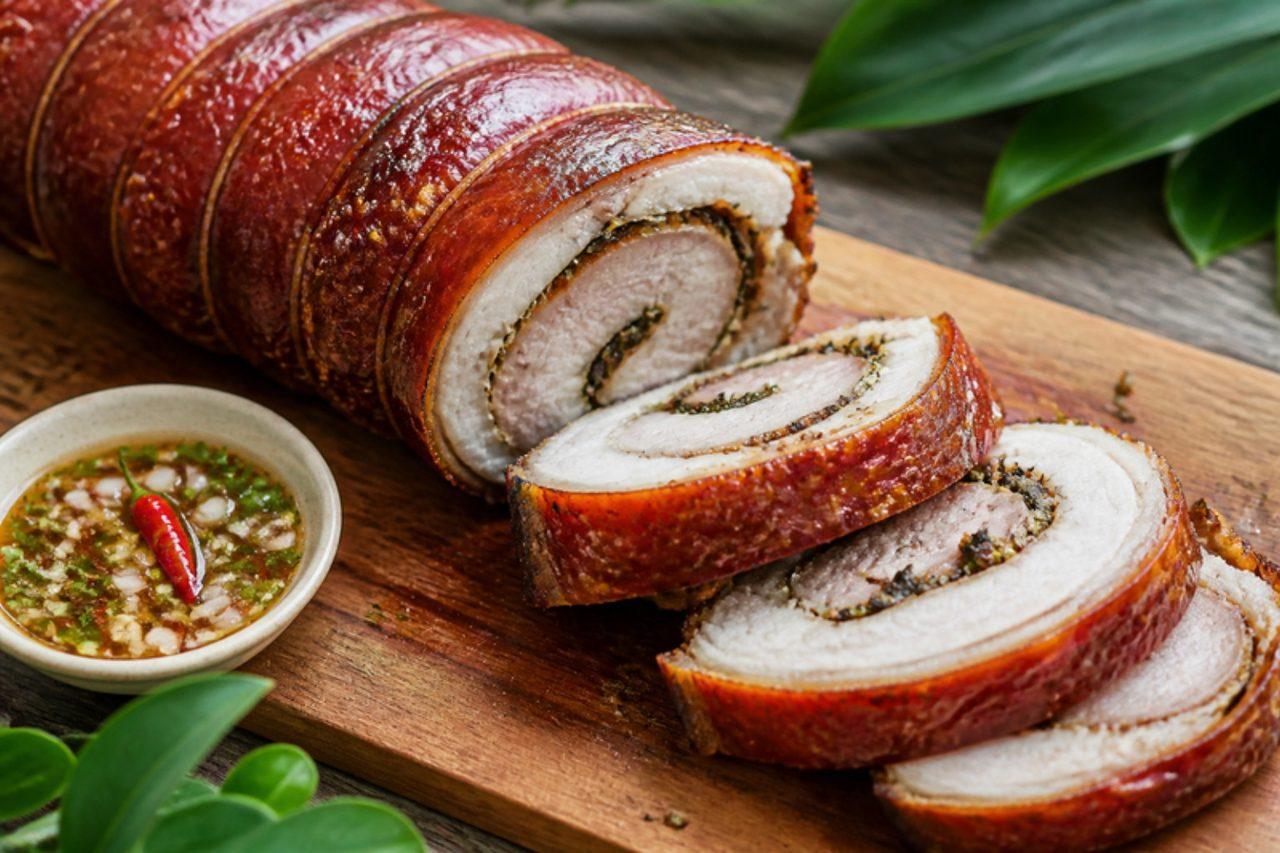
Cebu claims the best lechon in the Philippines, and its whole roast pigs are stuffed with lemongrass, garlic and spring onion so the meat needs no sauce. Lechon belly (lechon belyo) brings that flavour to a home oven: a slab of pork belly is rolled around the same herbs, tied, and roasted slowly, then blasted with heat until the rind turns to crackling. It is the centrepiece for Cebuano fiestas, Christmas and big birthdays, carved at the table and eaten with rice and a little spiced vinegar. Chef's tip: score only the meat side, never the skin, and dry the rind in the fridge overnight; an unbroken, dry skin crackles evenly.

250 minFilipinoMeatGluten free
by KrazyBadal 0 views

Soup joumou

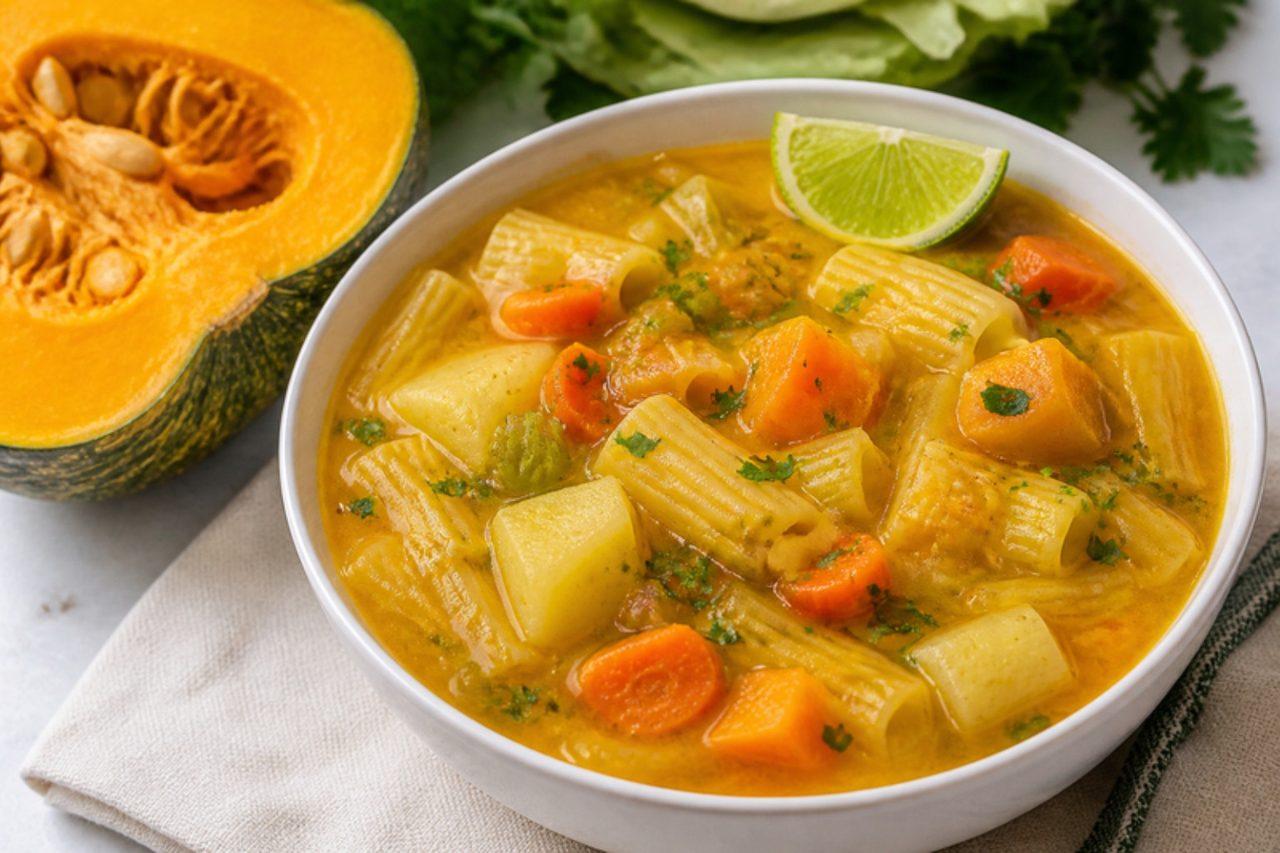
Every 1 January, Haitian families from Port-au-Prince to Brooklyn wake up to soup joumou. It marks independence from France on 1 January 1804: under French rule, enslaved Haitians cooked this pumpkin soup but were forbidden to eat it, so the free people of the new nation made it their own as a dish of freedom. In 2021 it was added to UNESCO's list of the intangible cultural heritage of humanity. The base is a velvety purée of joumou (Caribbean pumpkin) with epis, and in it simmer chunks of carrot, potato, cabbage, celery and turnip, with pasta and a squeeze of lime. It's usually made with beef; this vegetable version is full and golden, rich enough for the day. Chef's tip: roast half the pumpkin before puréeing it; the caramelised edges give the soup the depth that slow-cooked meat usually provides.

by KrazyBadal 0 views

Showing 9 of 4,484 recipes

Show more recipes

Page 306 of 499