


Skip to content
Arroz de lisa
Featured recipe

Arroz de lisa

Rice with salted mullet

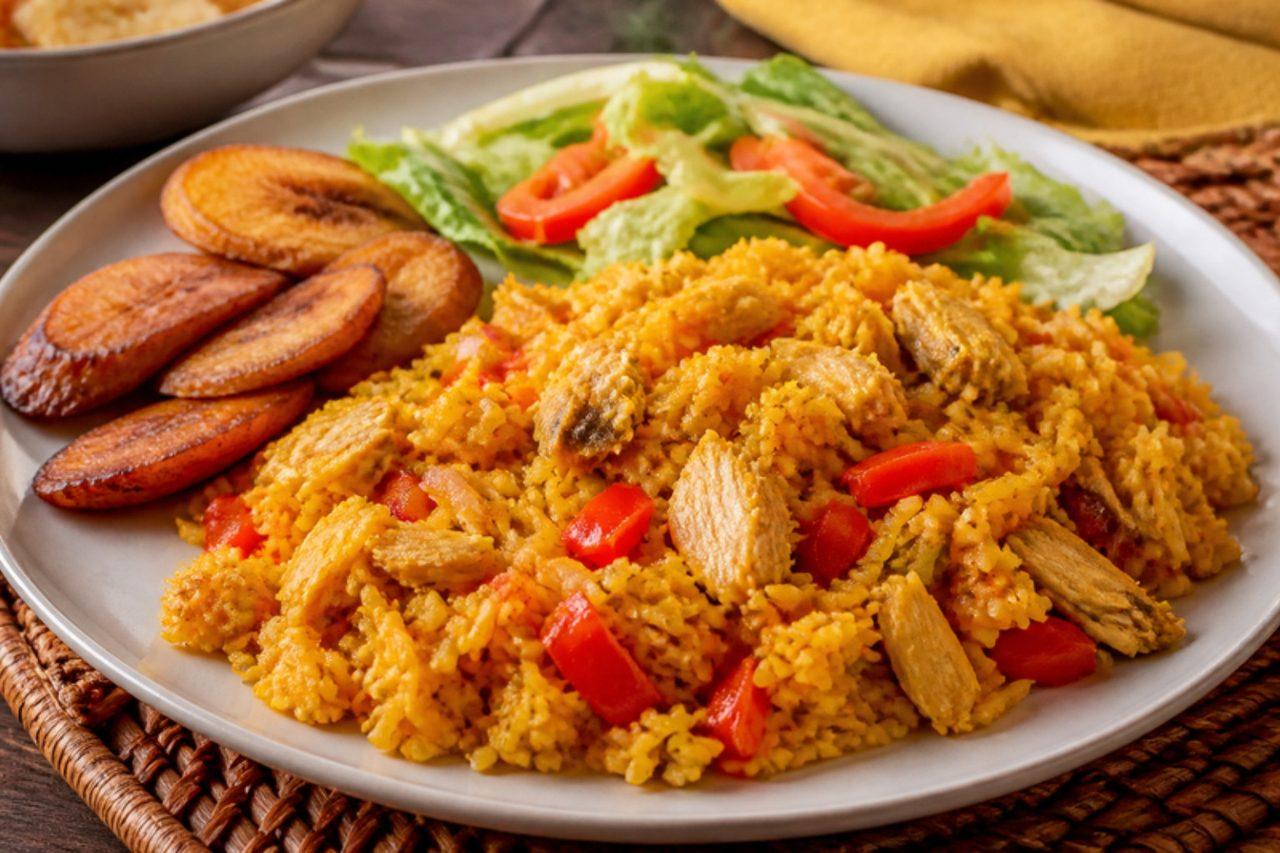
Carnival in Barranquilla isn't complete without a plate of arroz de lisa, and the market at Barranquillita and the old neighbourhoods around it sell it every day: salted, dried mullet from the Ciénaga Grande, soaked, shredded and cooked into rice with sweet peppers, onion, tomato and achiote. The rice comes out loose, orange and deeply savoury, with flakes of fish all the way through. It is served with bollo de yuca, fried ripe plantain or a simple tomato and onion salad. Plan ahead: the salted fish needs a day's soaking in the fridge. Skipping enough soaking is the usual downfall; the rice ends up far too salty, so taste a flake of the fish before you cook and keep soaking if it is still sharp. Chef's tip: if you can't find salted mullet, salt cod from any fishmonger works well, and use the poaching water for the rice only after tasting it.

Read more 1 views

What to eat today?

Around the world

Today's trip: Paraguayan

A new country every day, from every cuisine on the site.

Paraguayan

Buseca

Tripe and white bean stew 185 minMore from Paraguayan (27) →

This week's collection

Kid-friendly dinners
537 recipes · a new collection every Monday

Latest recipes

BhakkaSteamed rice cakes

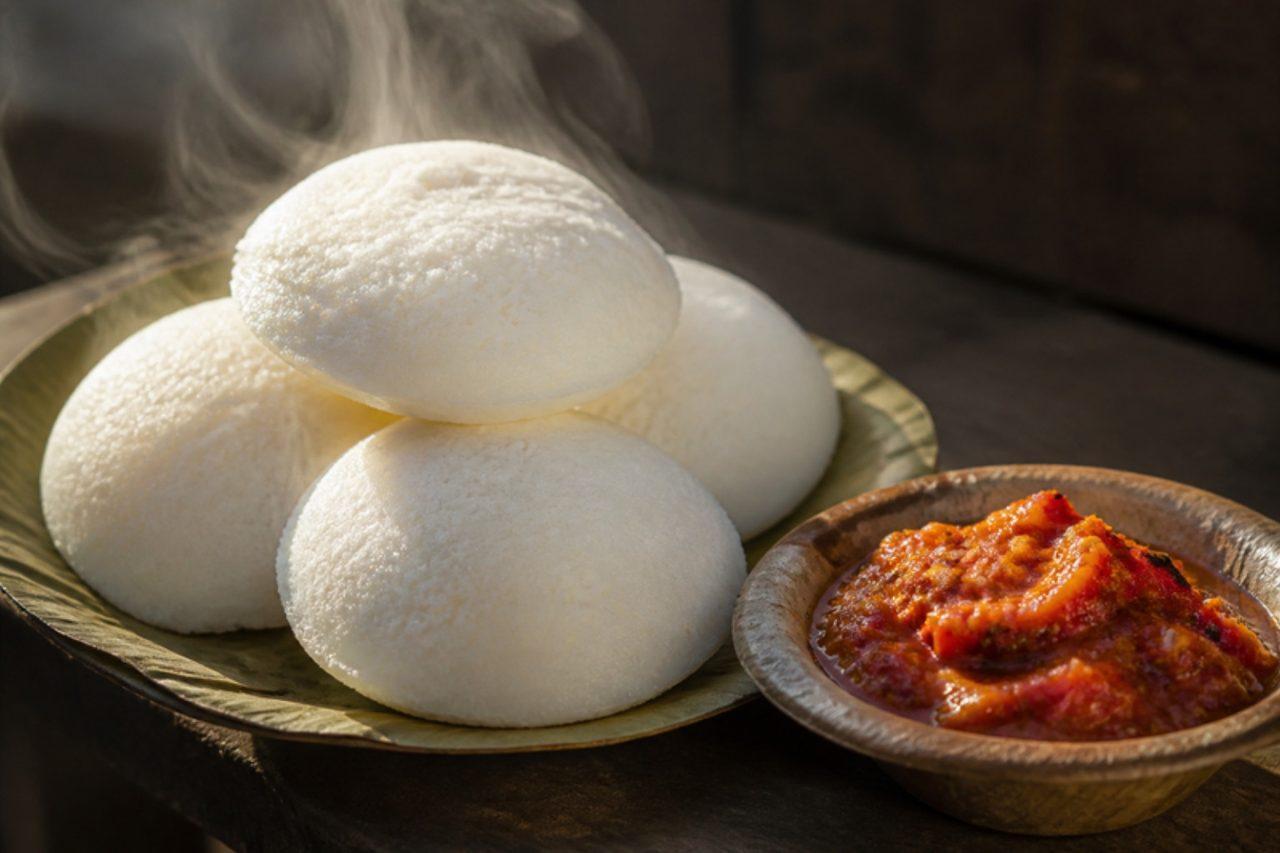
On foggy December mornings in Biratnagar, Itahari and the bazaars of Jhapa and Morang, street sellers sit behind a smoking clay pot turning out bhakka one at a time, little round cakes of damp, freshly ground rice flour steamed in a cloth-covered bowl over boiling water. Each one is light and crumbly, almost like a soft rice sponge, and slightly sweet, and it is eaten straight away, broken up and dipped into a hot, garlicky tomato achar. It is a Tharu and Madhesi winter favourite that has become everyone's breakfast in the eastern Terai. Many first attempts fail because the flour is too fine and dry, so it packs into a hard puck. Chef's tip: grind soaked rice coarsely at home and keep it just damp enough to clump when squeezed, then sprinkle it loosely into the bowl without pressing.

by KrazyBadal 0 views

KanchembaFried buckwheat fingers

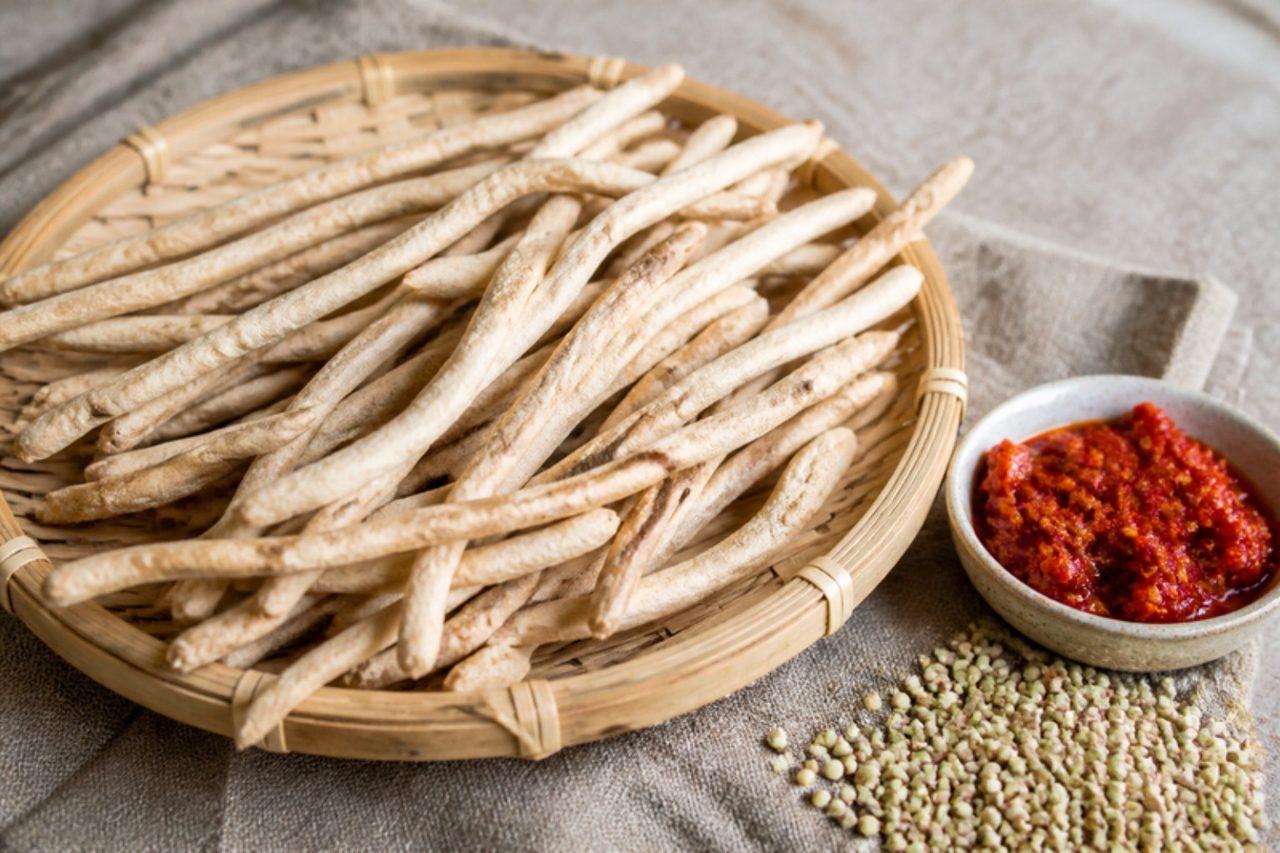
In the Thakali villages of Thak Khola, kanchemba is what is fried when visitors arrive in the afternoon or when the family gathers on a winter evening, and it has since become a favourite snack in Thakali restaurants in Pokhara and Kathmandu. The buckwheat dough is seasoned with turmeric, chilli and a little onion, rolled into thick fingers, then deep-fried until crunchy outside and soft and nutty in the centre. A punchy dipping achar of tomato, chilli, garlic and roasted timur comes alongside, and the pair is eaten with a bowl of salty butter tea or a glass of hot water. The trouble usually starts when the fingers are too thick, so the middle stays pasty while the outside darkens. Chef's tip: keep the fingers no thicker than your own, and fry at a moderate heat so they cook through before they brown.

by KrazyBadal 0 views

Kalu dodolRice flour and jaggery sweet

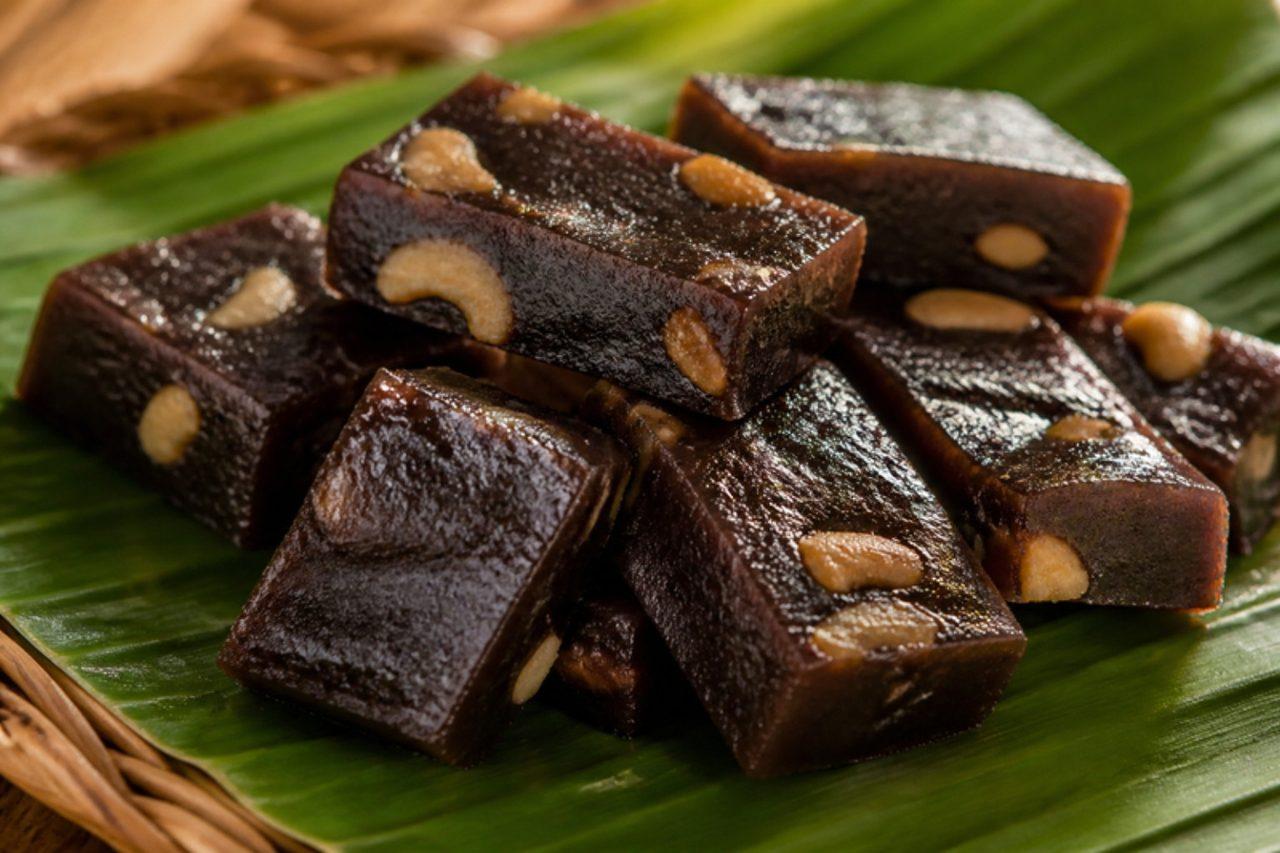
Hambantota and Kalutara both claim the best kalu dodol, and roadside shops in each town sell long, black, glistening slabs wrapped in paper, bought by travellers as gifts for the family back home. The sweet is a test of stamina: coconut milk is cooked down until its oil separates, then rice flour and kithul jaggery are stirred in and the mixture is worked over the heat for two to three hours until it turns dark, glossy and stiff, with cashews and cardamom added at the end. It sets into a chewy, fudgy sweet with a deep caramel and coconut flavour, and is served in thin slices during Avurudu and at weddings. Giving up too early is the one mistake everyone makes once; undercooked dodol stays sticky and grey instead of firm and almost black. Chef's tip: use the widest heavy pan you have and a long wooden spoon, and keep stirring the same direction, scraping the base, so nothing catches.

by KrazyBadal 0 views

Ful nabitSprouted fava bean soup

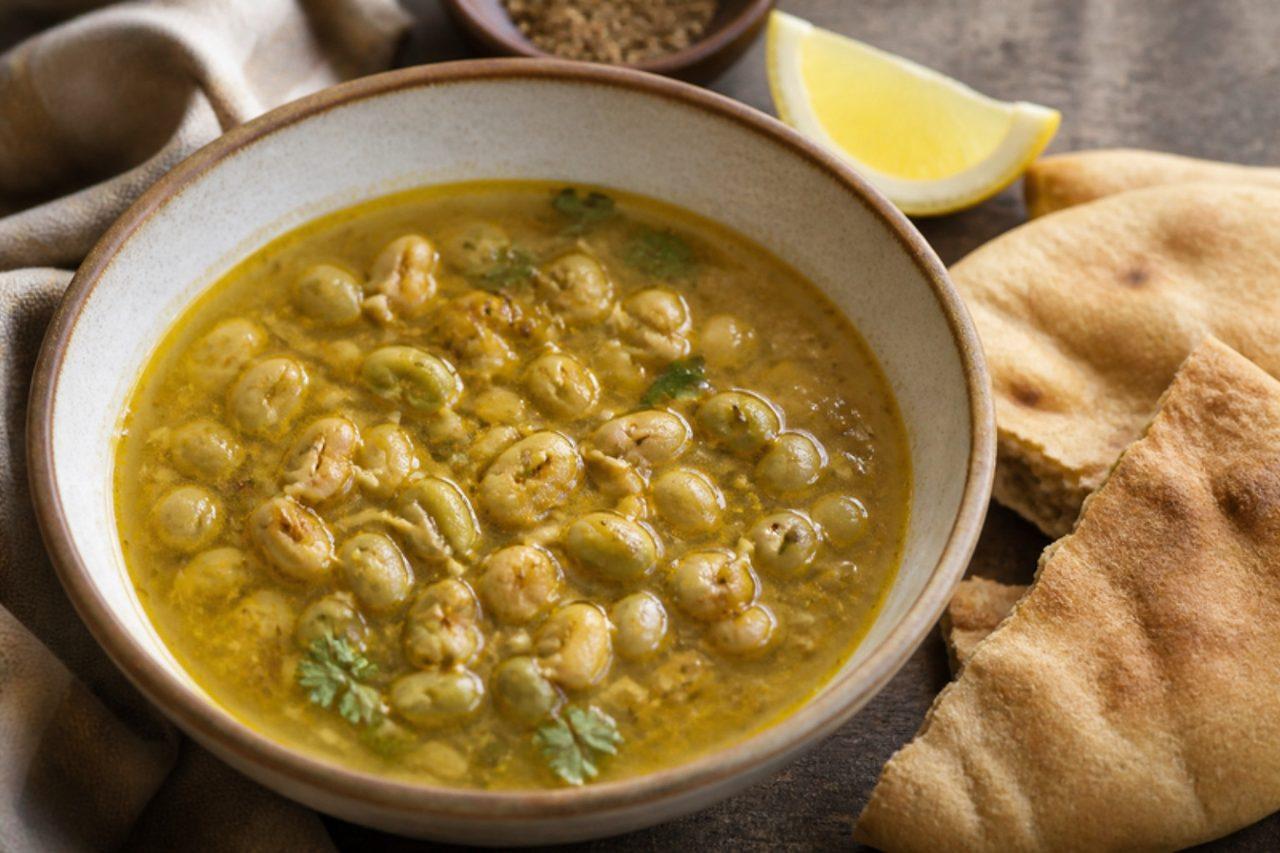
Sprouted beans are ladled out with their cooking liquor in Cairo homes when the weather turns cold or someone is feeling run down, and Egyptians swear by the broth as a pick-me-up. The beans are soaked and left to sprout for a few days, then simmered with onion, garlic and cumin into a light, earthy soup that is sharpened at the table with plenty of lemon. You can eat the beans with a spoon or pop them from their skins. Allow 3 to 4 days for sprouting, although the hands-on work is only about 20 minutes. People with G6PD deficiency (favism) must not eat fava beans. Chef's tip: stop the sprouting when the shoots are about 1 cm long; longer sprouts taste grassy and bitter.

by KrazyBadal 1 views

DhidoBuckwheat flour porridge

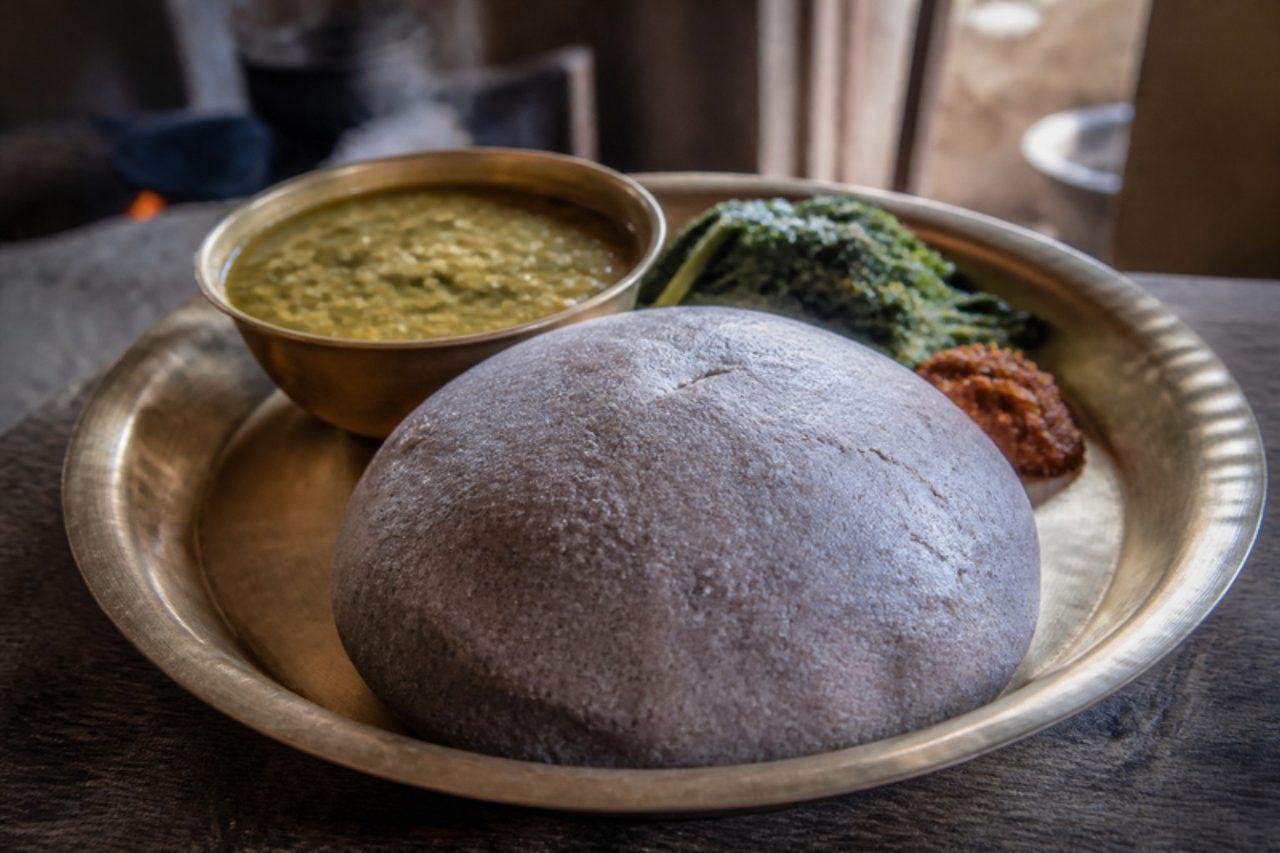
Before rice reached every corner of Nepal, dhido was what filled bellies in the high villages of Jumla, Dolpa, Mustang and the middle hills, and it is now enjoying a comeback in Kathmandu restaurants as a wholesome, gluten-free choice. Buckwheat or millet flour is rained into boiling water and stirred with a flat wooden paddle until it becomes a smooth, heavy, elastic mass, which is eaten with the fingers, pinched off and dipped into a sour vegetable soup, a bowl of lentils or a fiery tomato pickle. It has an earthy, slightly bitter flavour and a satisfying, sticky texture that is meant to be swallowed rather than chewed. Lumps are what ruin it most often, and they come from adding the flour too quickly. Chef's tip: add the flour in a thin stream with one hand while stirring hard with the other, and keep beating for a full 10 minutes once it is all in.

by KrazyBadal 0 views

Filets de percheFried perch fillets

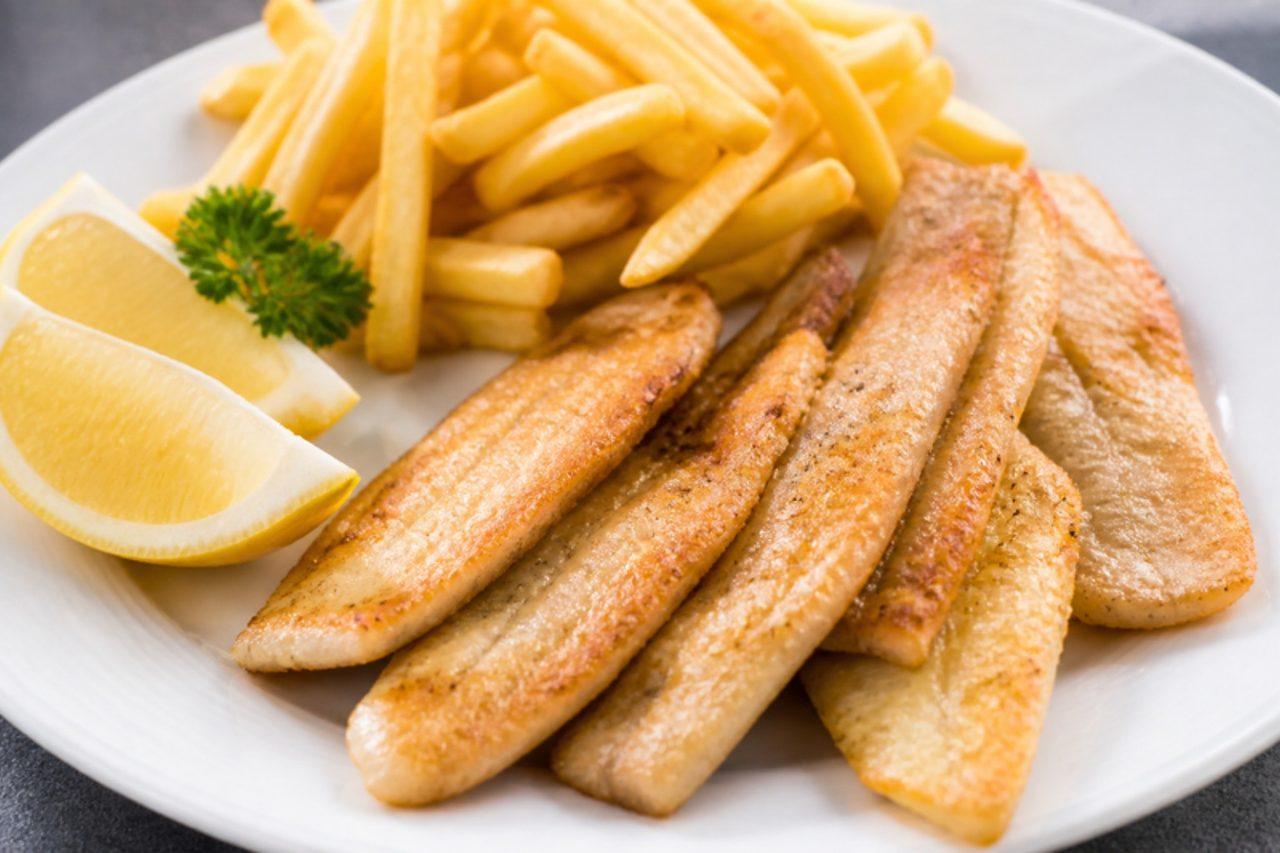
Filets de perche are the signature dish of the lakeside restaurants around Lake Geneva, from Geneva to Lausanne and Montreux: small, delicate perch fillets dusted with flour, fried quickly in butter until golden, and served with lemon, tartare sauce, a pile of fries and a green salad on a summer terrace. Lake perch is scarce today; ask for responsibly sourced perch or use small fillets of pike-perch or another delicate white fish. A common mistake is crowding the pan, which steams the thin fillets. Chef's tip: fry in batches in foaming butter for just a minute or so a side; the fish is done when opaque and it flakes.

25 minSwissFish
by KrazyBadal 0 views

KamaRoasted grain flour with kefir

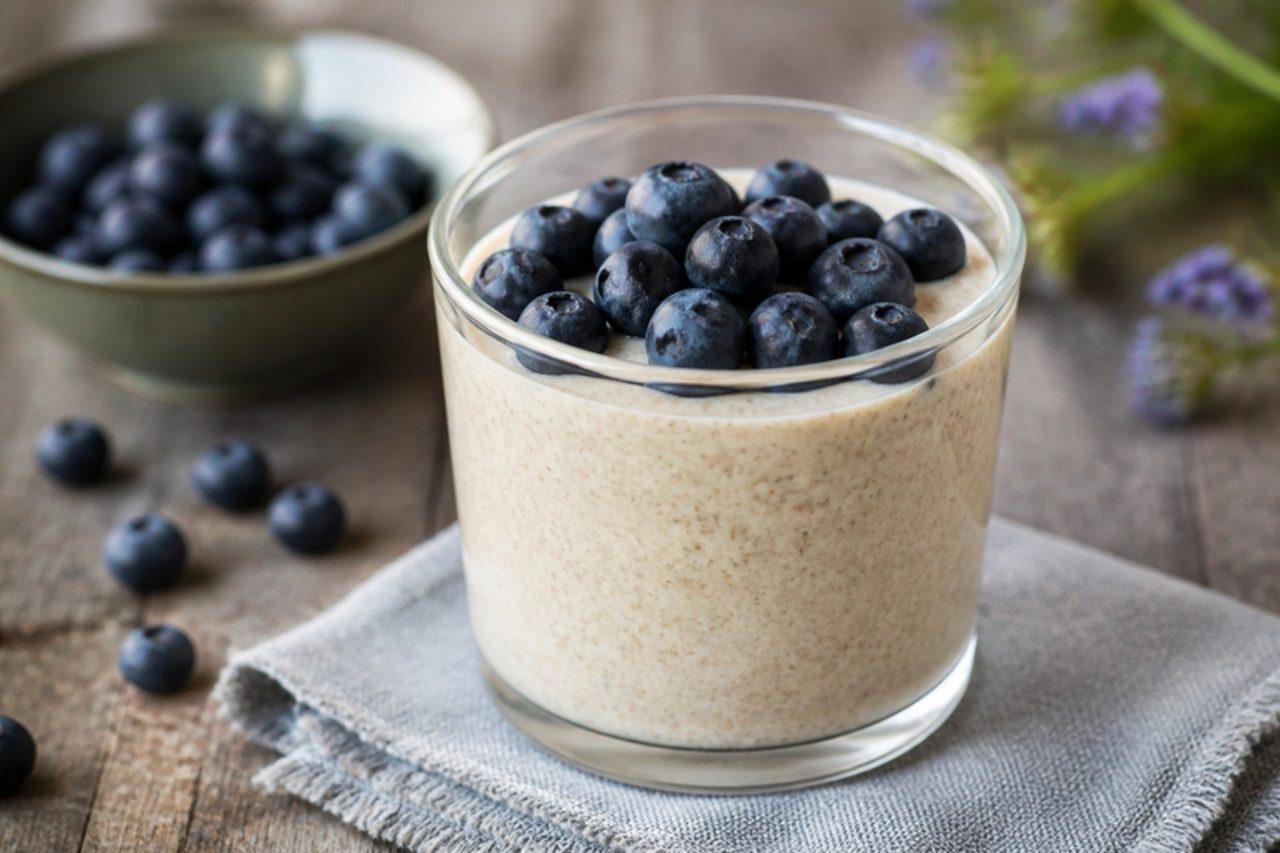
Kama is a uniquely Estonian food: a fine flour of roasted barley, rye, oats and peas, sold in every Tallinn supermarket, stirred into kefir, buttermilk or yogurt with a little sugar or honey and berries. It was once farmers' food for the fields; today it is a fast, filling breakfast and the flavour of Estonian ice creams and sweets. If you can't find kama, roast equal parts barley, rye and oat flour with a little pea flour in a dry pan until nutty. A common mistake is eating it at once; give it a few minutes to thicken. Chef's tip: stir in the kama, leave for 5 minutes, then add the berries, so it thickens like a mousse.

by KrazyBadal 0 views

AlivenciCornmeal and cheese cake

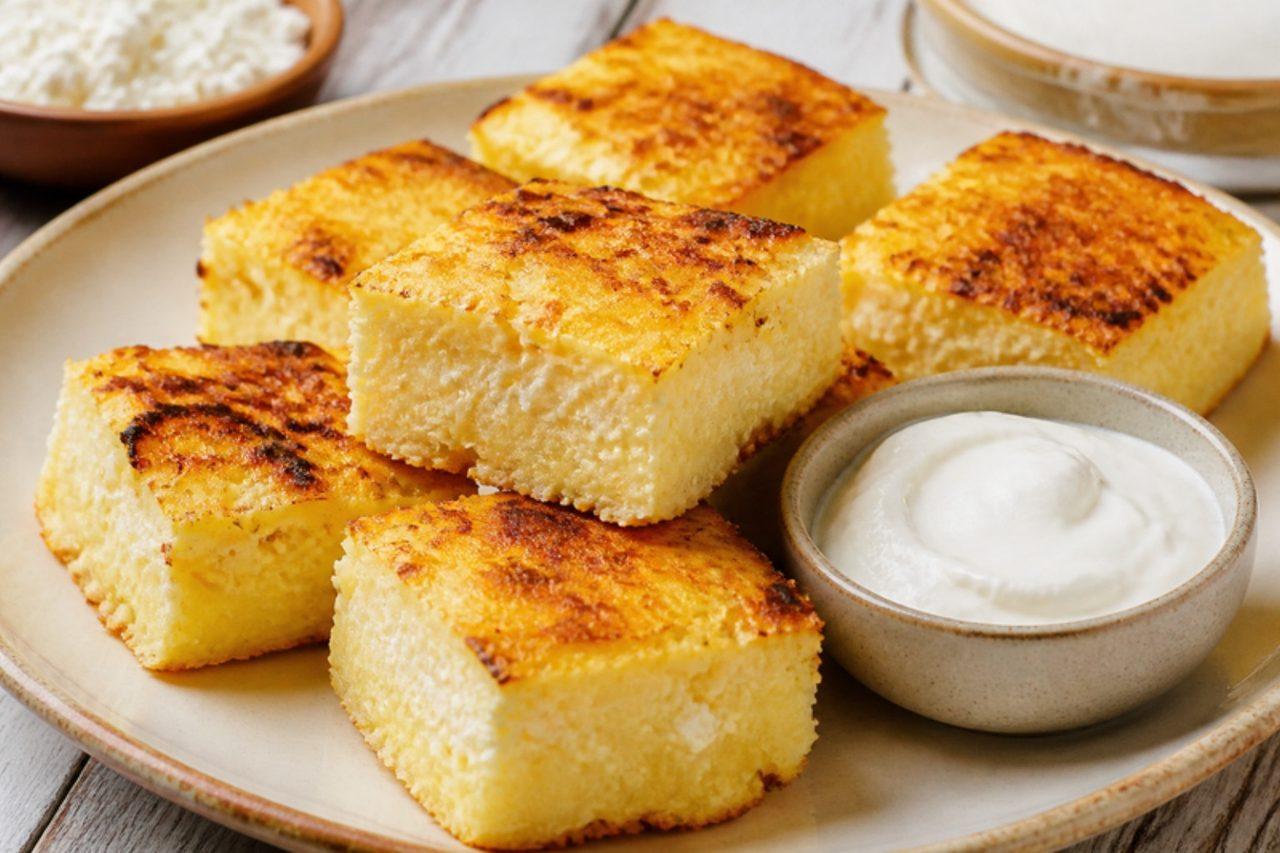
Across the Prut, in villages from Vaslui to the Republic of Moldova, alivenci is what happens when a farmhouse has fresh cheese, sour cream and a sack of cornmeal: a soft, custardy cake baked in a tray and cut into squares while warm. It is lighter than mămăligă and richer than bread, with a tender, slightly crumbly crumb studded with curd, and is eaten for Sunday breakfast or as a side with stews and a dollop of sour cream. Traditional brânză de vaci (cottage-style cheese) is usually made without rennet, but some brands use it, so check the label. Where most people go wrong is using coarse polenta, which stays gritty; fine cornmeal gives the silky texture. Chef's tip: let the batter sit for 15 minutes before baking so the cornmeal hydrates and the cake sets evenly.

by KrazyBadal 0 views

Kalo jeera bhortaNigella seed mash

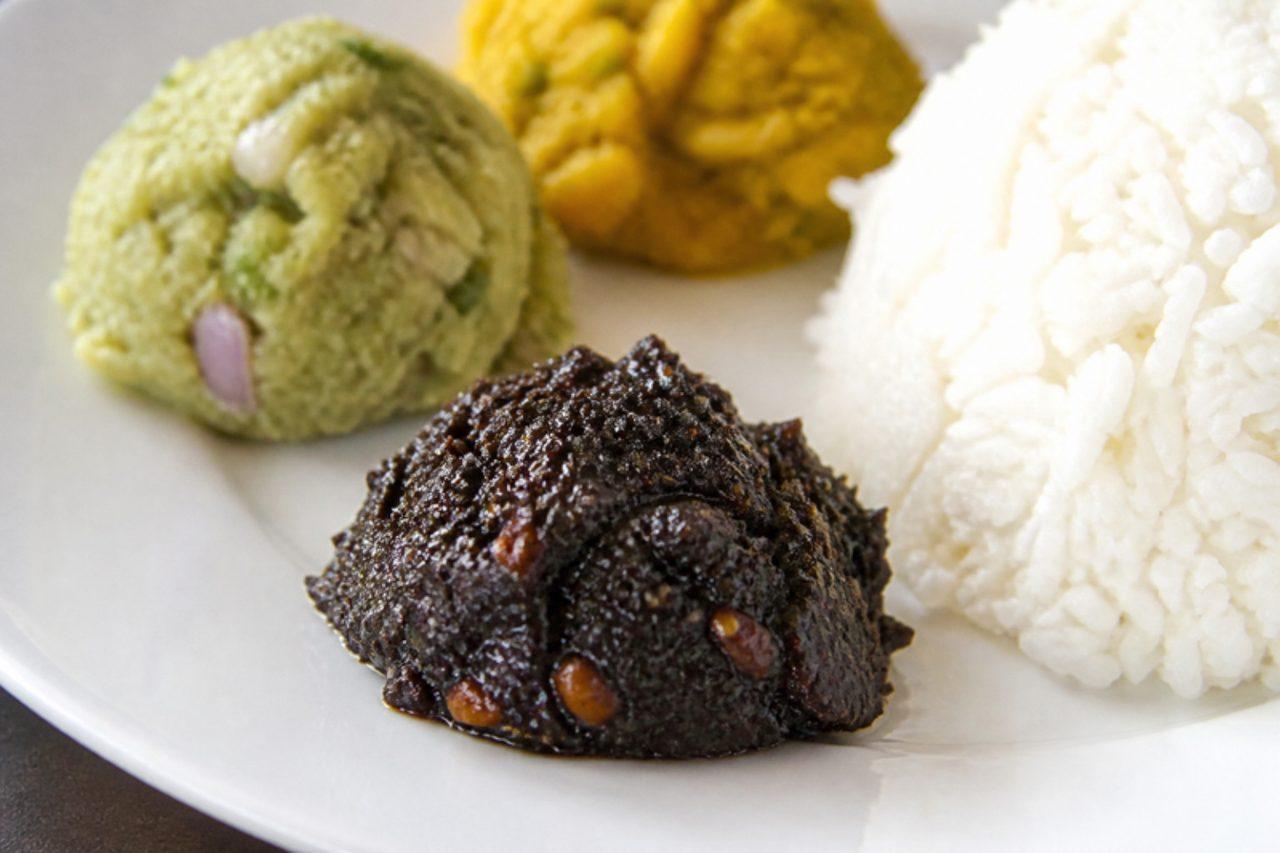
A bhorta lunch spread in a Bangladeshi home always has one tiny, dark mound that people eat a pinch at a time, and that is kalo jeera bhorta. Nigella seeds are toasted until fragrant, then ground on the shil-pata, the stone slab and roller, with garlic, roasted dried chilli, onion and mustard oil into a coarse, almost black paste that is nutty, bitter and fiery all at once. Grandmothers serve it in winter, believing it wards off colds, and a little is mixed into the first handful of hot rice before moving on to fish or dal. Burnt seeds make it acrid, so the trap is toasting over too high a heat; stop as soon as they smell toasty and start to pop. Chef's tip: grind the seeds alone first, then add the garlic and oil, for a smoother paste in a small grinder.

by KrazyBadal 0 views

DhikriSteamed rice flour dough shapes

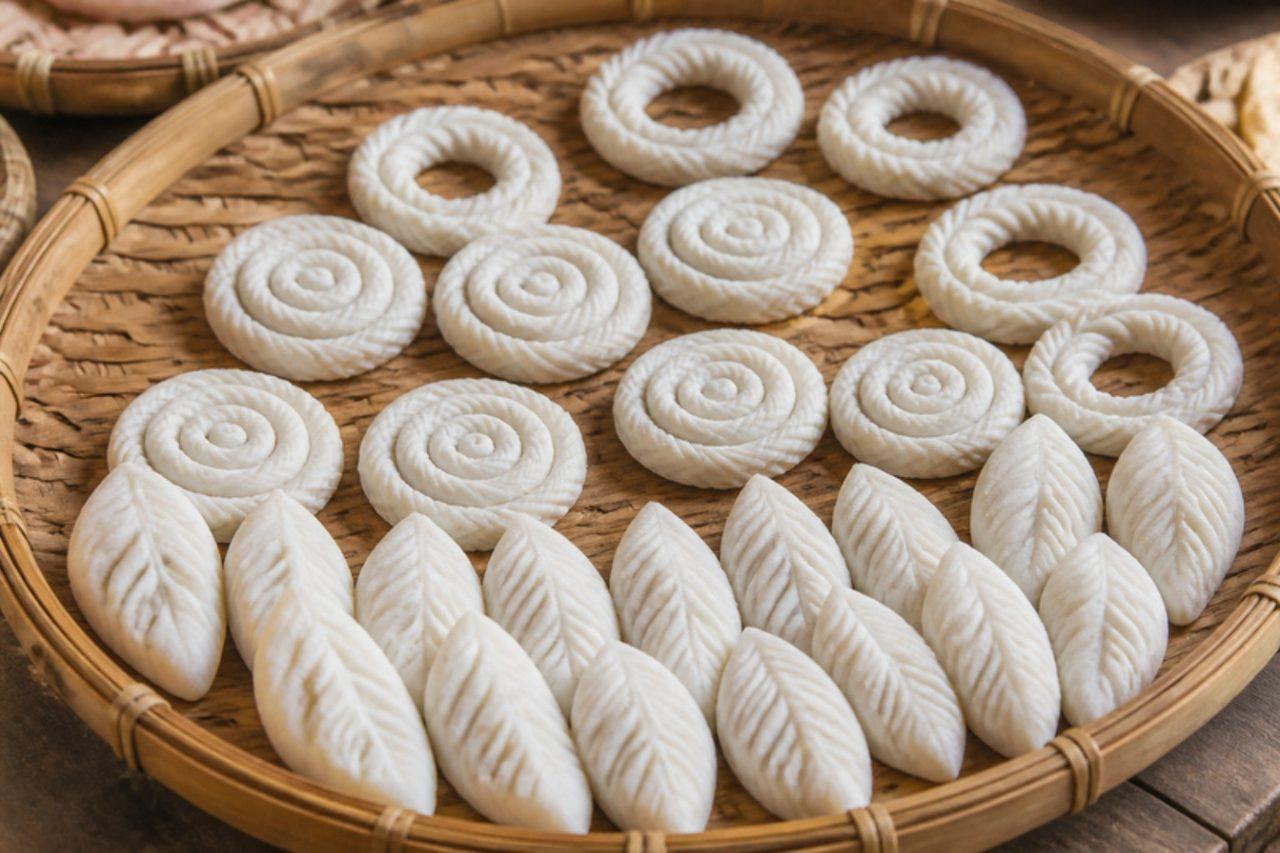
For Maghi, the Tharu new year in mid-January, and for Dashain and Atwari, families in Dang, Bardiya and Kailali sit together on the floor shaping dhikri, long pieces of rice-flour dough rolled and twisted into ropes, spirals, fish, birds and finger-marked ridges before they are steamed. The finished pieces are soft, smooth and chewy, with a clean, sweetish rice flavour that makes them a canvas for whatever is served alongside: a spicy tomato and sesame chutney, a lentil soup, a vegetable curry or, in many homes, a festive meat curry. Leftovers are sliced and fried the next day. The usual mistake is mixing the dough too dry, which cracks as you shape it and steams up hard. Chef's tip: keep the dough covered with a damp cloth while you shape, and dip your fingers in water if it starts to crack.

by KrazyBadal 0 views

Diram fittiSprouted wheat bread with butter

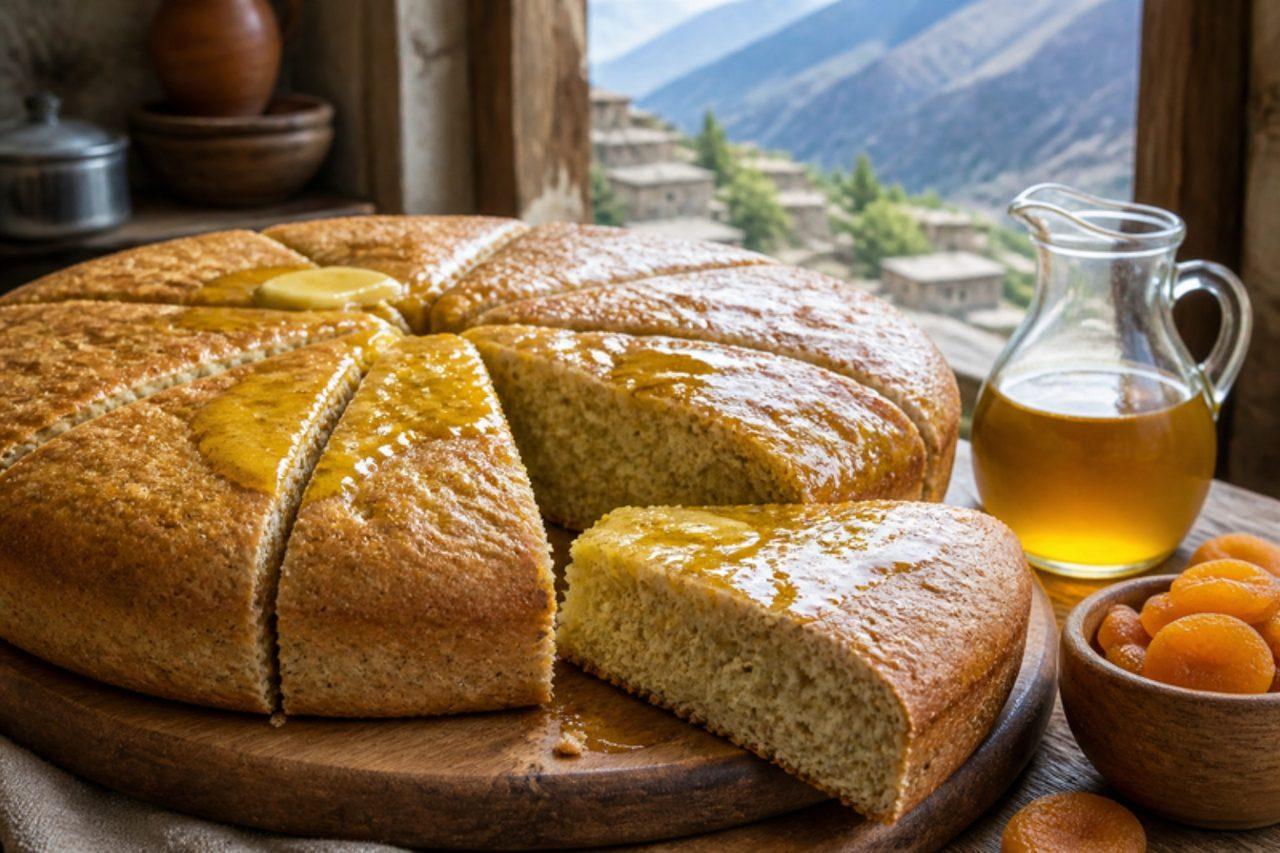
High in the Hunza valley, diram is flour ground from wheat that has been soaked, sprouted and sun-dried, and it gives this thick, round bread a gentle natural sweetness and a faintly malty smell. Diram fitti is cooked slowly in a covered pan, then broken into rough pieces while still hot and drowned in melted butter and a little apricot-kernel oil, so it turns rich, soft and fragrant; in Karimabad and Altit it is made for guests, for festivals such as Ginani at harvest time and to feed someone through a hard winter. It is eaten with the hands, often with salty Hunza tea. Pale, raw centres are the common fault, so cook it slowly with the lid on. Chef's tip: sprouted wheat flour is sold in health-food shops; use only food-grade culinary apricot-kernel oil, or swap in walnut oil or more butter.

by KrazyBadal 0 views

KålrabistappeMashed swede

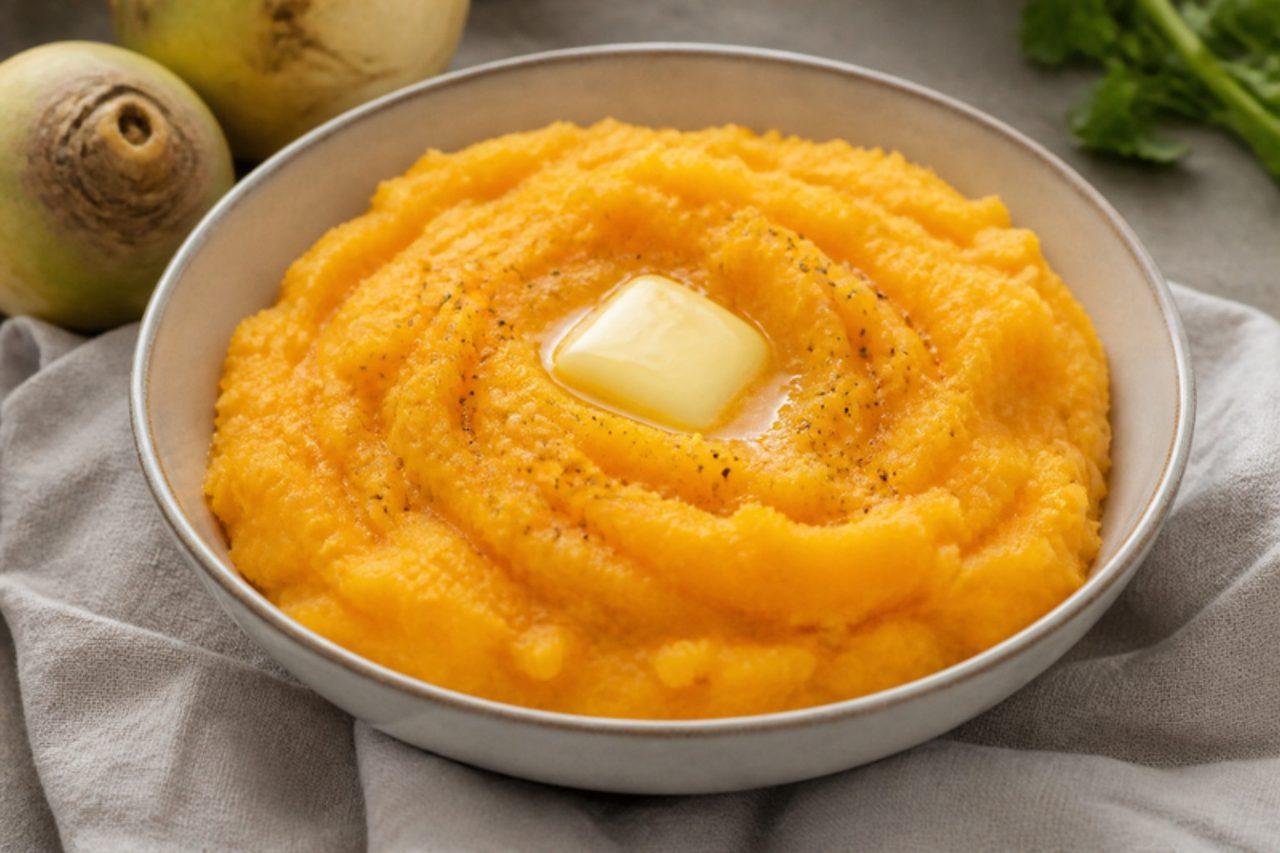
Kålrabistappe is the bright orange mash of swede that sits beside almost every Norwegian winter dinner: with pinnekjøtt lamb ribs at Christmas in western Norway, with raspeballer on Thursdays, with salted meat and sausages. It is simple: swede and a little potato boiled soft and mashed with butter, a splash of the cooking water and nutmeg. A common mistake is mashing it in a blender, which makes it gluey. Chef's tip: let the swede steam dry in the pan for a couple of minutes after draining; the mash stays fluffy, not watery.

by KrazyBadal 0 views

Kandahari tikkaGrilled lamb chunks

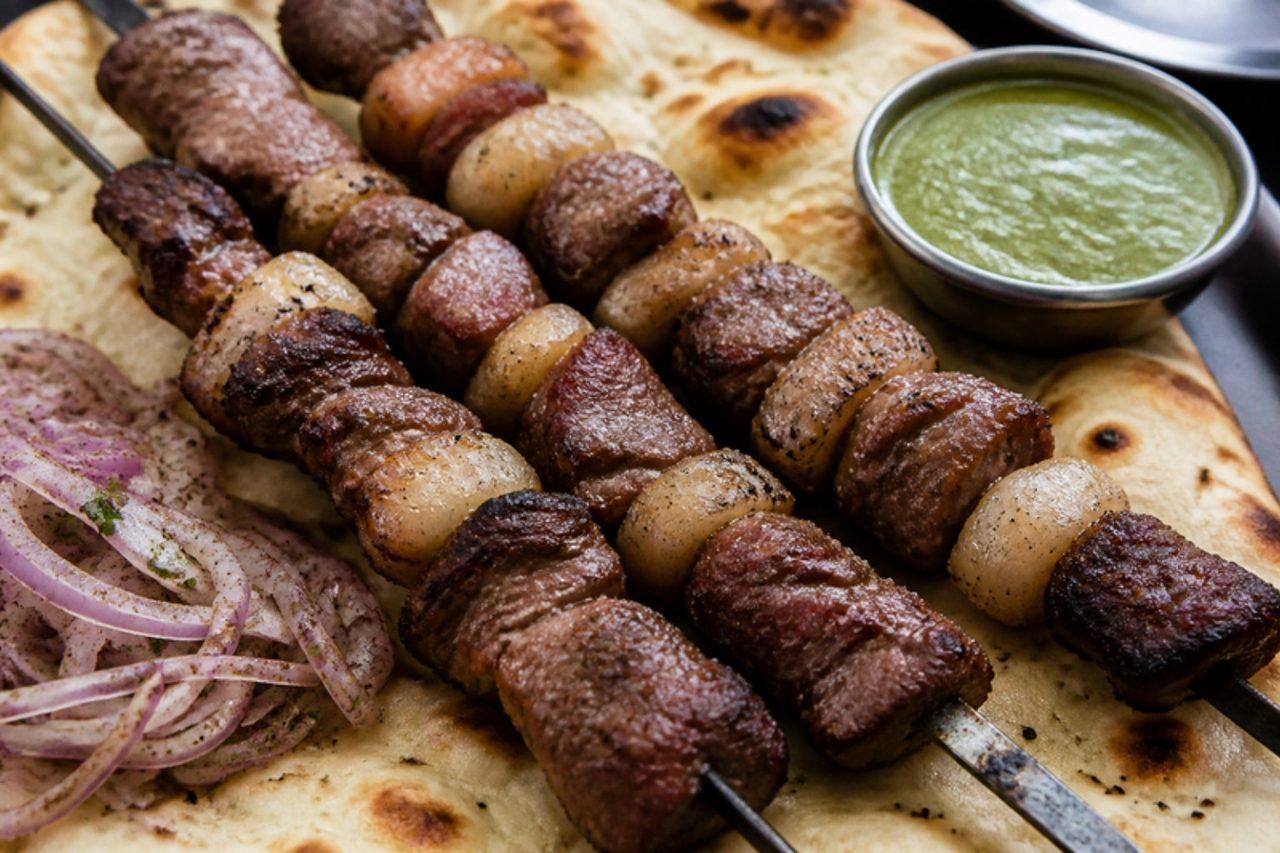
Kandahar's tikka houses pride themselves on doing very little to the meat: chunks of lamb, threaded on wide iron skewers with small pieces of tail fat between them, are rubbed with grated onion, salt and black pepper and grilled over fierce charcoal until the fat drips and flares. The result is smoky, juicy and peppery, with crisp edges and a clean lamb flavour, and it is served on hot naan with raw onion, tomato and a sharp green chutney. Over-marinating in onion is a common misstep, as the juice softens the surface into mush after a day; two to four hours is plenty. Chef's tip: let the skewers rest for 2 minutes on the naan before eating, so the bread soaks up the juices.

27 minAfghanMeatGluten free
by KrazyBadal 0 views

MounaOrange-flower brioche

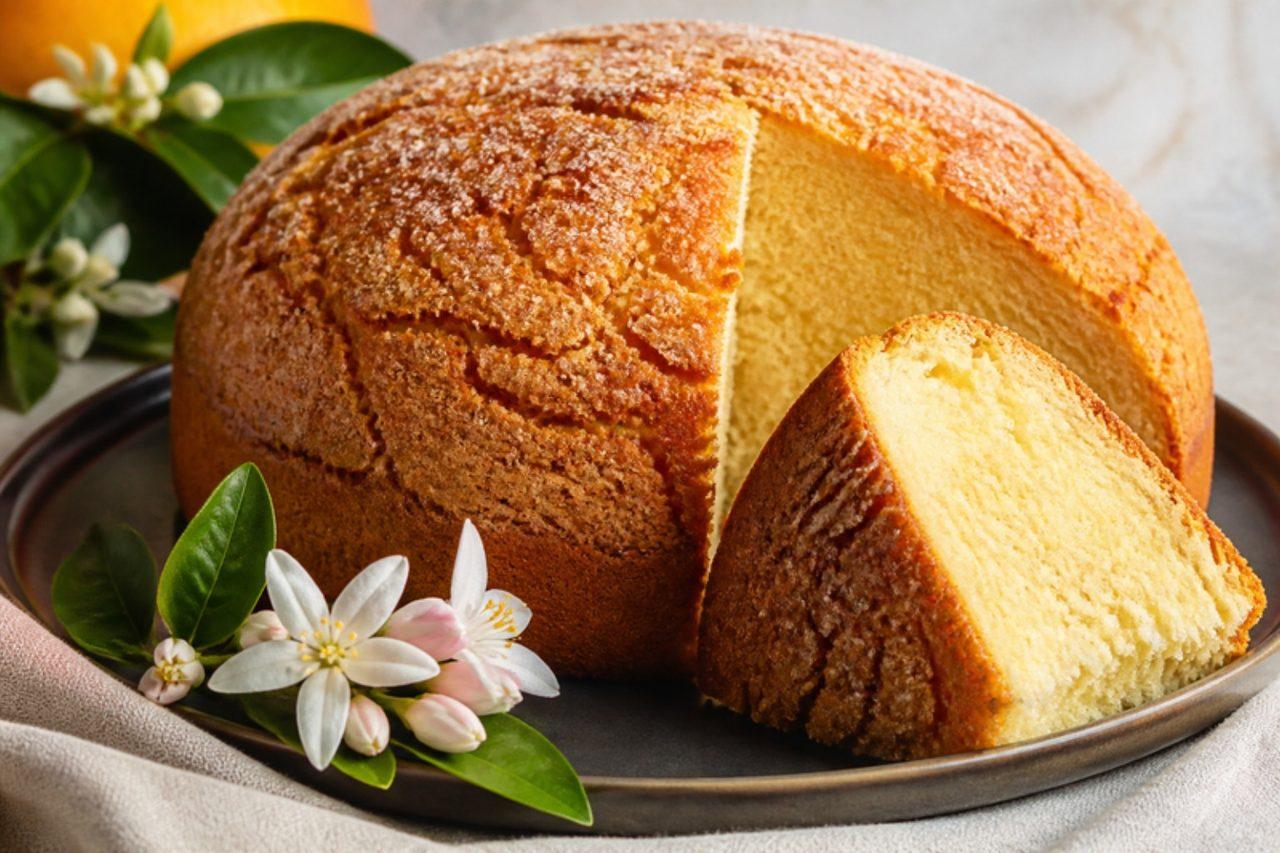
Oran's mouna came over with Spanish settlers as the Easter mona, and it is still baked for spring outings, recalling the Easter Monday picnics once held at the Santa Cruz chapel above the city. It is a tall, light, golden brioche with a crackly sugar crust, softly flavoured with orange-flower water and lemon zest rather than butter-heavy, and it tears into long, feathery strands. Eat it with coffee or hot chocolate, plain or with jam. The dough is slow and sticky, so give it time. Chef's tip: let the dough rise slowly overnight in the fridge after the first knead; it becomes easier to shape and the flavour deepens.

by KrazyBadal 0 views

MatlouhSemolina flatbread

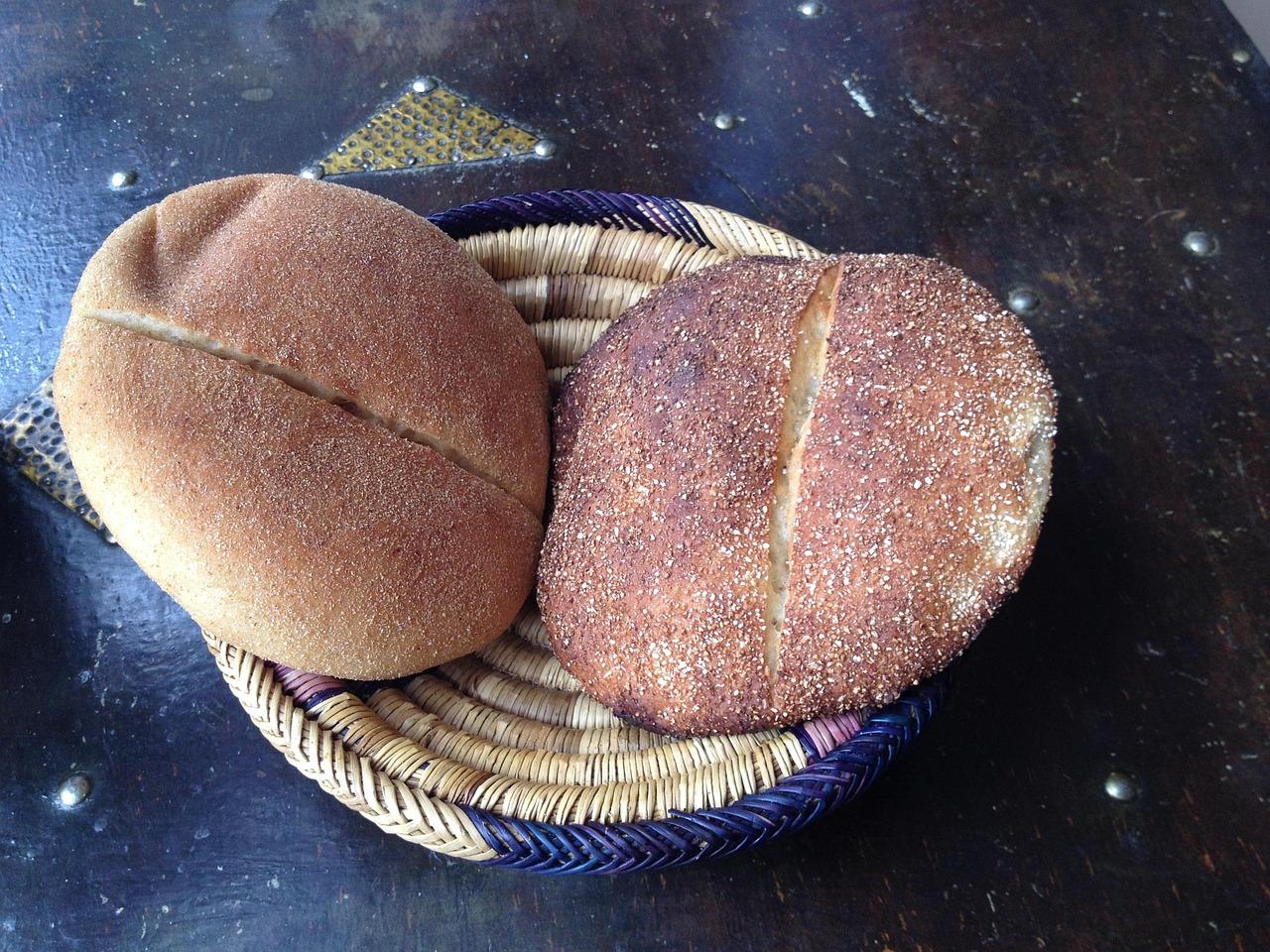
In Algiers and all over Algeria, homemade matlouh is the bread of choice for Ramadan iftar and for dipping into chorba or chakchouka. The dough is made with fine semolina and yeast, almost as wet as a batter, left to rise until airy, then shaped into thick rounds and cooked on a clay tajine or a heavy frying pan rather than in an oven. The result is soft and springy inside, with a thin, freckled, golden crust and the sweet, nutty taste of semolina. Eat it warm, torn by hand. Chef's tip: keep your hands wet with water, not floured, when shaping the sticky dough; flour makes the crust dry and floury.

by KrazyBadal 0 views

KarantikaBaked chickpea flour flan

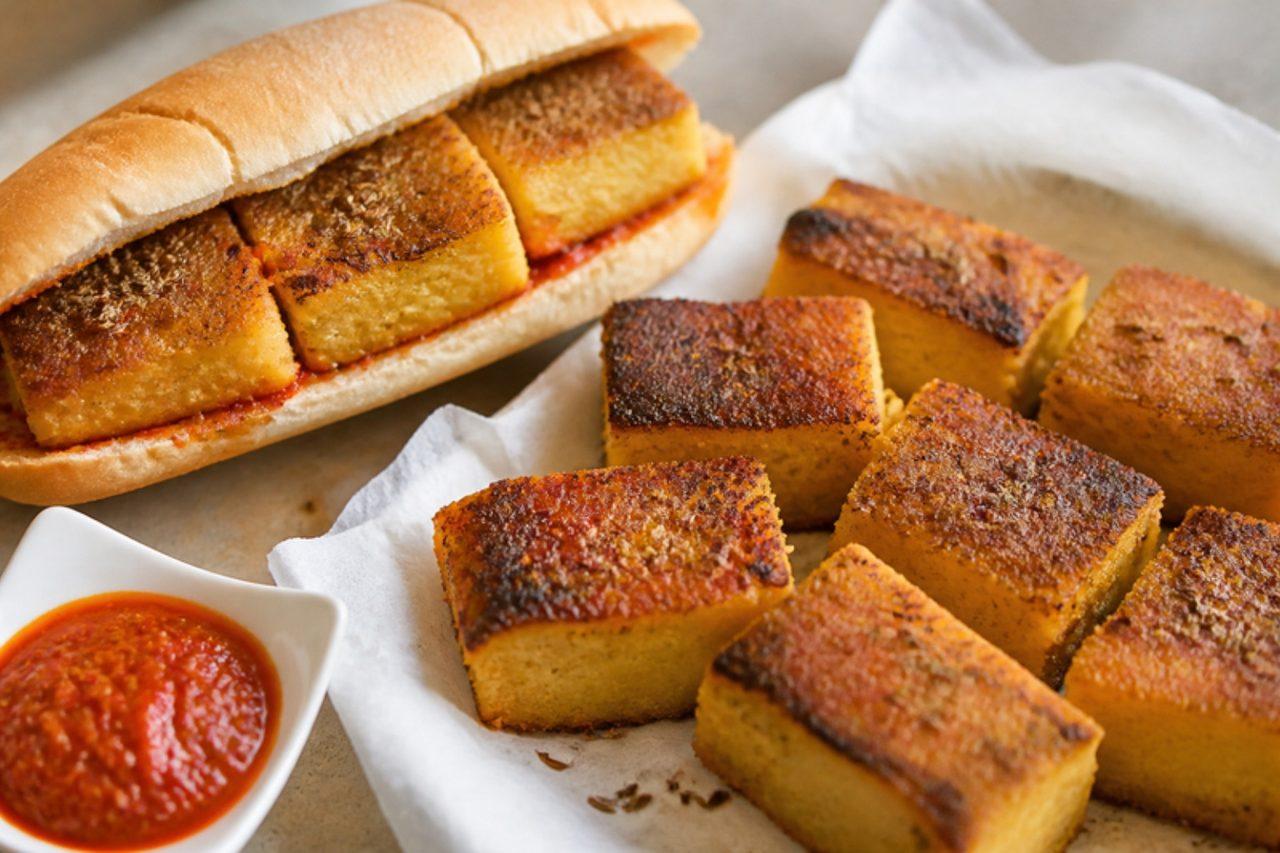
Schoolchildren in Oran spend their pocket money on karantika, a savoury chickpea-flour flan baked in huge trays and cut into squares by street vendors, who sprinkle it with cumin and harissa and often stuff it into a piece of baguette. Its roots go back to the Spanish calentica of Oran's past, and it has spread across western Algeria. Made with only chickpea flour, water, oil and egg, it bakes into a soft, custardy, slightly wobbly middle under a crisp, burnished top. Serve it warm, cut into squares, with harissa; to keep the dish gluten free, skip the bread. Chef's tip: rest the batter for at least 30 minutes before baking; the flour hydrates and the flan sets smooth instead of grainy.

by KrazyBadal 0 views

DoubaraSpicy chickpea stew

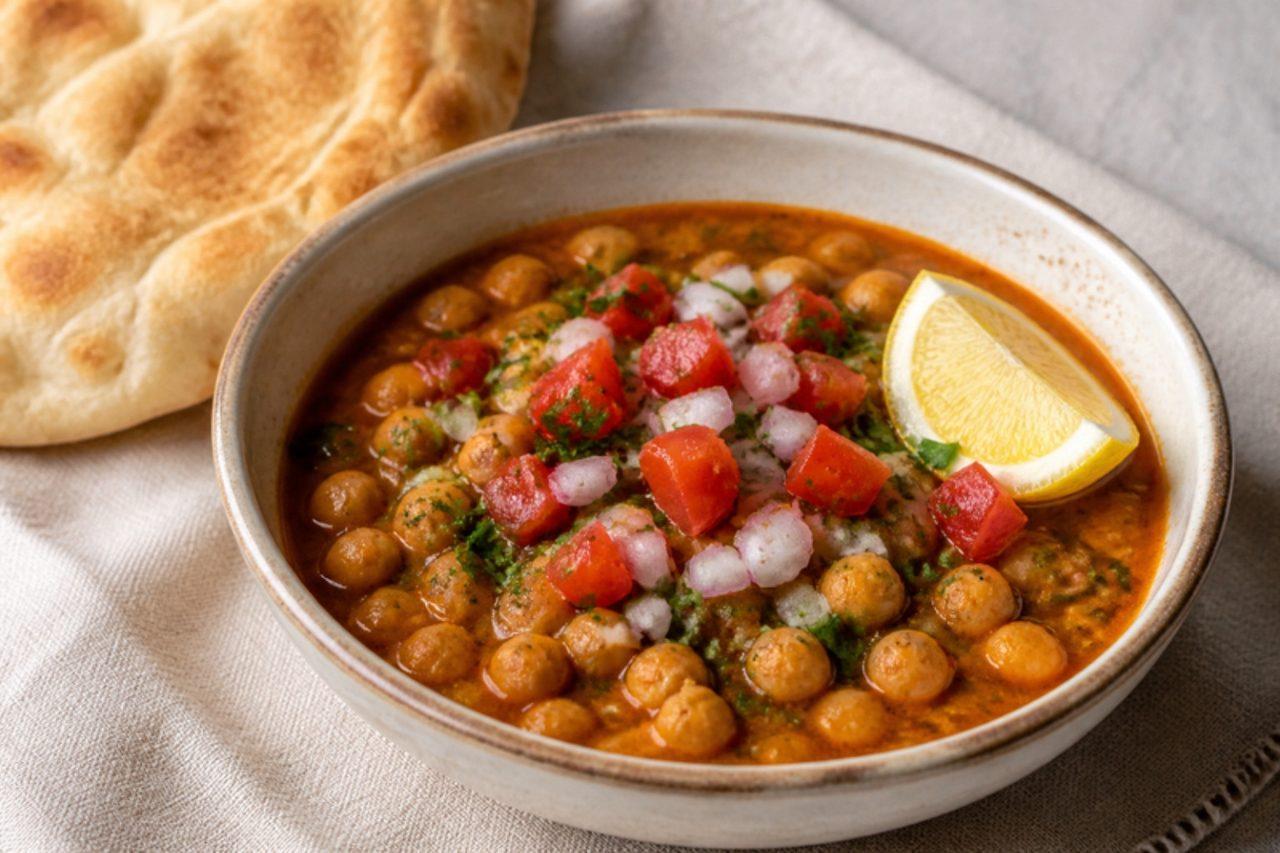
In Biskra, the oasis town at the gateway to the Algerian Sahara, doubara is street food, ladled from big pots into bowls from late afternoon and through Ramadan nights. Soft chickpeas or broad beans are simmered with cumin and garlic, then dressed with a fiery garlic-harissa sauce, olive oil, lemon and a heap of chopped tomato, onion, parsley and fresh chilli on top. It is hot, sour and very garlicky, filling yet fresh, and eaten with bread. Chef's tip: mash a ladle of the chickpeas into the broth at the end; it thickens the stew so the sauce clings.

by KrazyBadal 0 views

BerkoukesLarge couscous pearls in vegetable broth

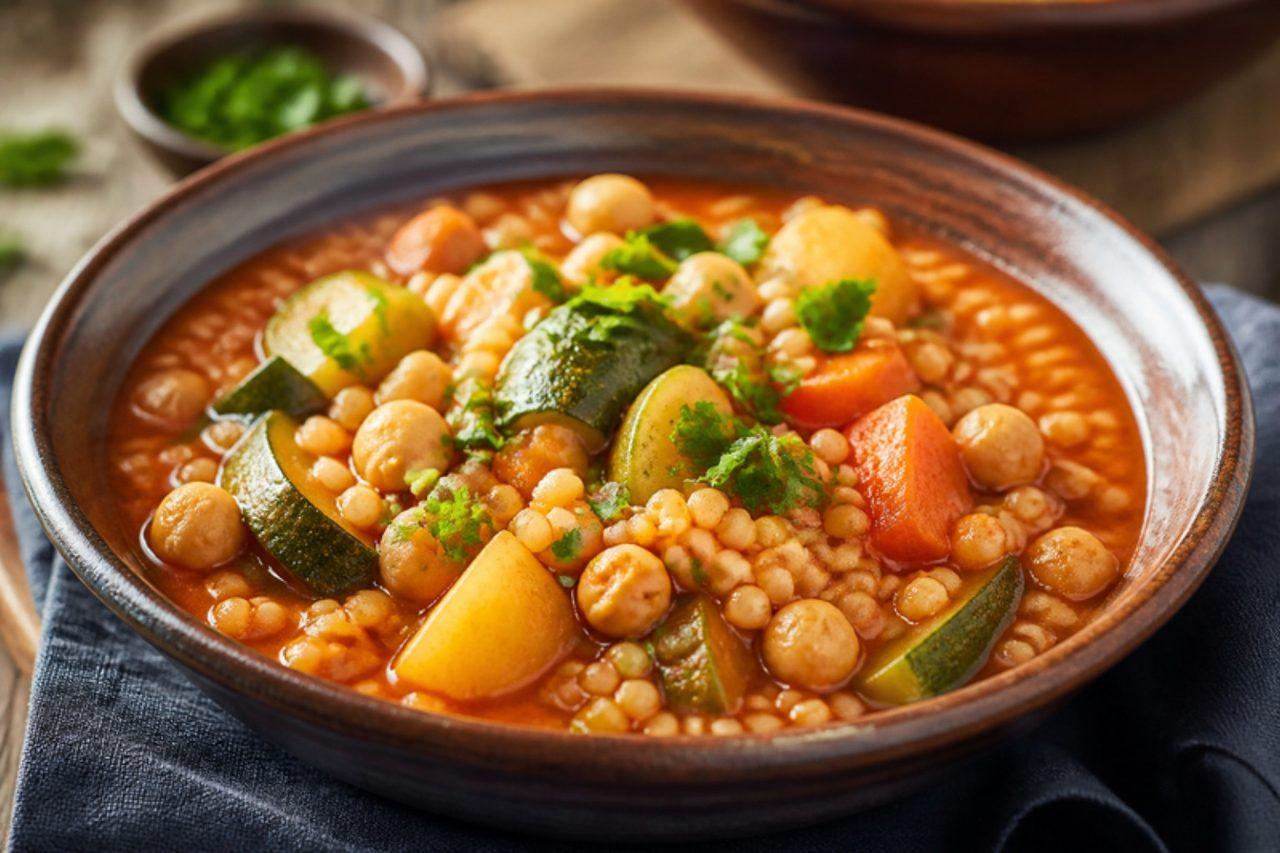
Berkoukes, the big chewy couscous pearls rolled by hand in Tlemcen and the west of Algeria, is cold-weather food and a classic dish for the end of winter or a family supper. Cooked directly in a thick, tomato-red broth with courgette, carrot, potato, turnip, peas and chickpeas, it becomes a spoonable, comforting stew, fragrant with garlic, paprika, dried mint and fresh coriander. Many families make it with meat or khlii; this is the vegetable version cooked at home on ordinary days. Bought berkoukes, maftoul or giant couscous are fine. Chef's tip: steam or toast the berkoukes before simmering it; the pearls hold their shape and don't turn to porridge.

by KrazyBadal 0 views

Showing 18 of 7,762 recipes

Show more recipes

Page 298 of 863