


Skip to content
Hunan smoked tofu with leeks and chilli
Featured recipe

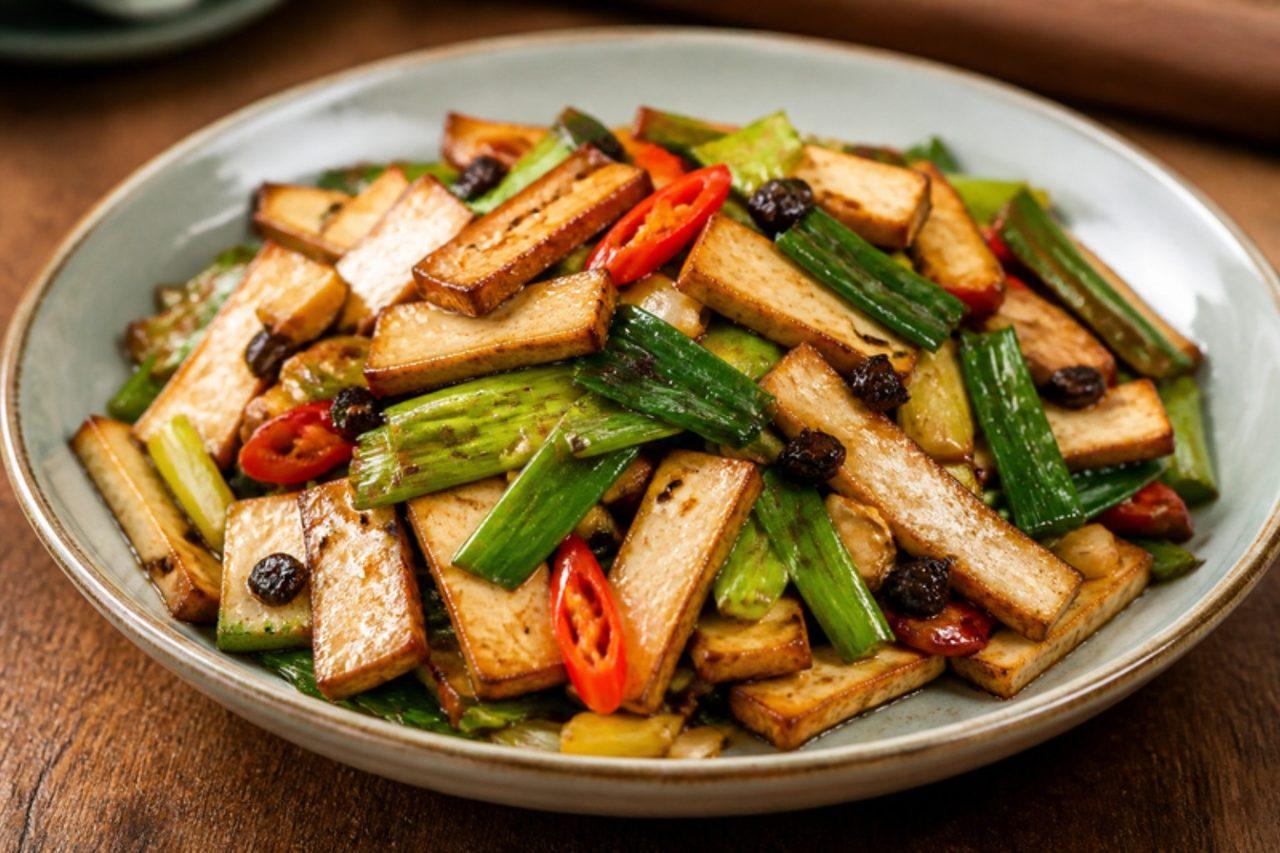
Hunan smoked tofu with leeks and chilli

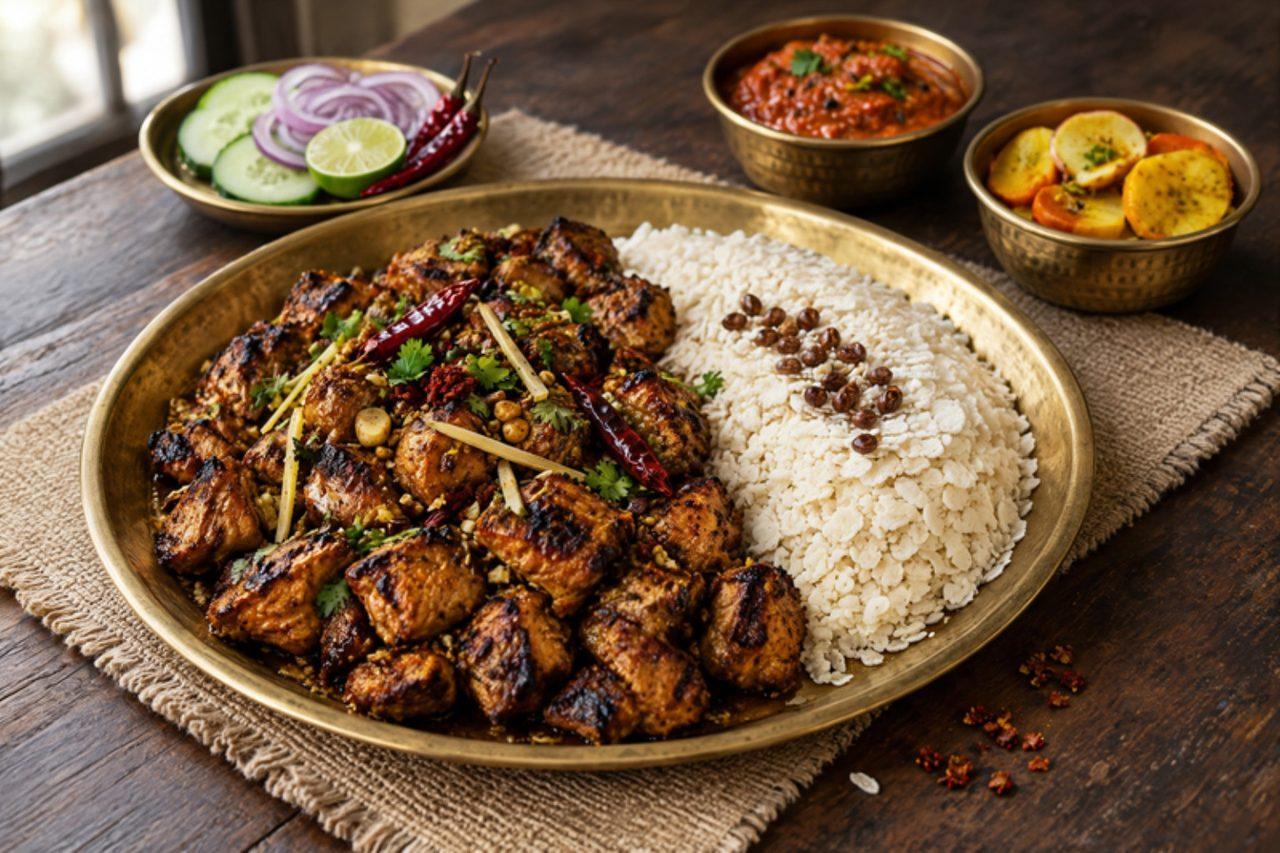
Smoked tofu (xiāng gān) hangs in strings in Hunan markets, firm and brown from wood smoke. Restaurants in Changsha usually toss it with a little pork, but leaving the meat out is common at home and in Buddhist eateries. The tofu soaks up the black beans and chillies, and the leeks go sweet and soft. Serve it with plenty of rice. Chef's tip: cut the tofu about 5 mm thick; thinner slices break apart in the wok.

Read more 0 views

What to eat today?

Around the world

Today's trip: Persian

A new country every day, from every cuisine on the site.

Persian

Dizi

Lamb and chickpea stew 245 minMore from Persian (131) →

This week's collection

Kid-friendly dinners
537 recipes · a new collection every Monday

Latest recipes

MounaOrange-flower brioche

Oran's mouna came over with Spanish settlers as the Easter mona, and it is still baked for spring outings, recalling the Easter Monday picnics once held at the Santa Cruz chapel above the city. It is a tall, light, golden brioche with a crackly sugar crust, softly flavoured with orange-flower water and lemon zest rather than butter-heavy, and it tears into long, feathery strands. Eat it with coffee or hot chocolate, plain or with jam. The dough is slow and sticky, so give it time. Chef's tip: let the dough rise slowly overnight in the fridge after the first knead; it becomes easier to shape and the flavour deepens.

by KrazyBadal 0 views

KanchembaFried buckwheat fingers

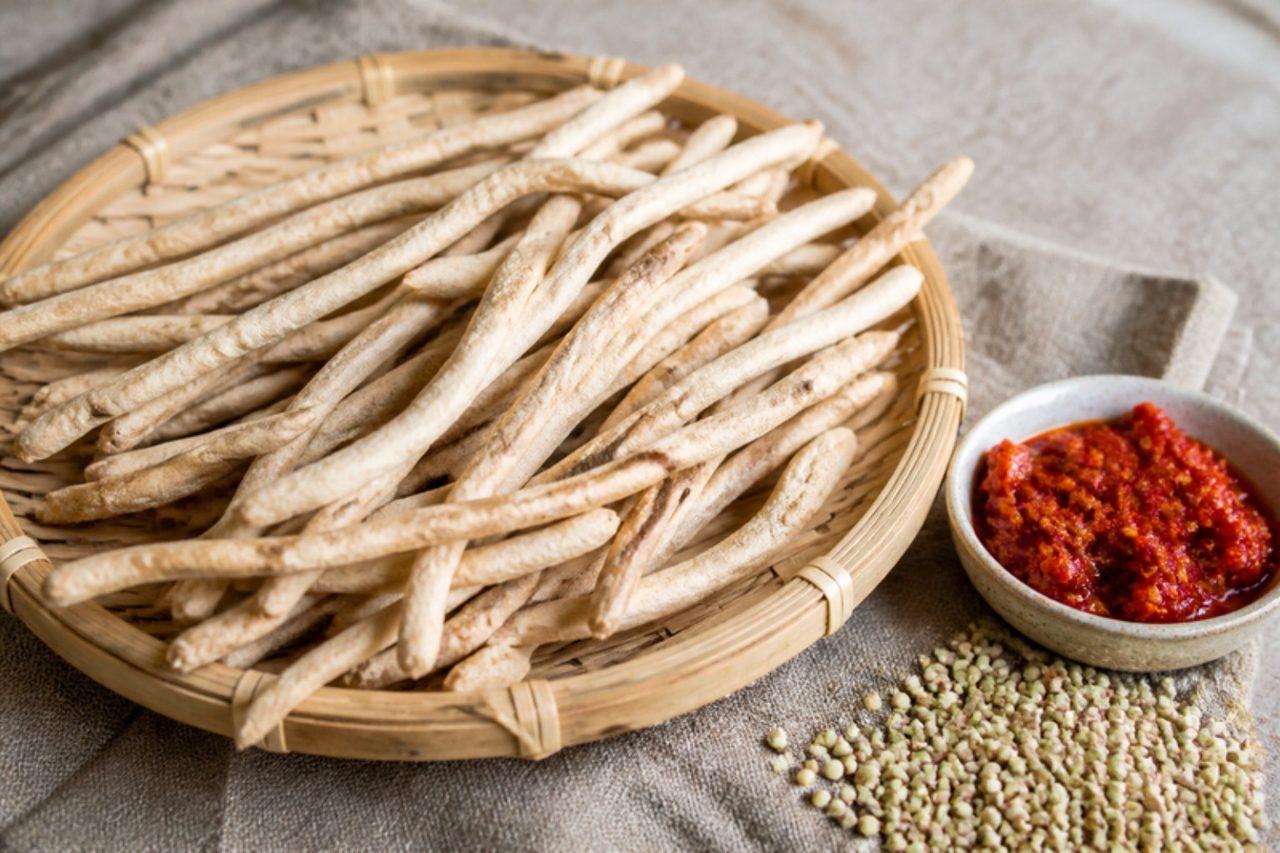
In the Thakali villages of Thak Khola, kanchemba is what is fried when visitors arrive in the afternoon or when the family gathers on a winter evening, and it has since become a favourite snack in Thakali restaurants in Pokhara and Kathmandu. The buckwheat dough is seasoned with turmeric, chilli and a little onion, rolled into thick fingers, then deep-fried until crunchy outside and soft and nutty in the centre. A punchy dipping achar of tomato, chilli, garlic and roasted timur comes alongside, and the pair is eaten with a bowl of salty butter tea or a glass of hot water. The trouble usually starts when the fingers are too thick, so the middle stays pasty while the outside darkens. Chef's tip: keep the fingers no thicker than your own, and fry at a moderate heat so they cook through before they brown.

by KrazyBadal 0 views

MatlouhSemolina flatbread

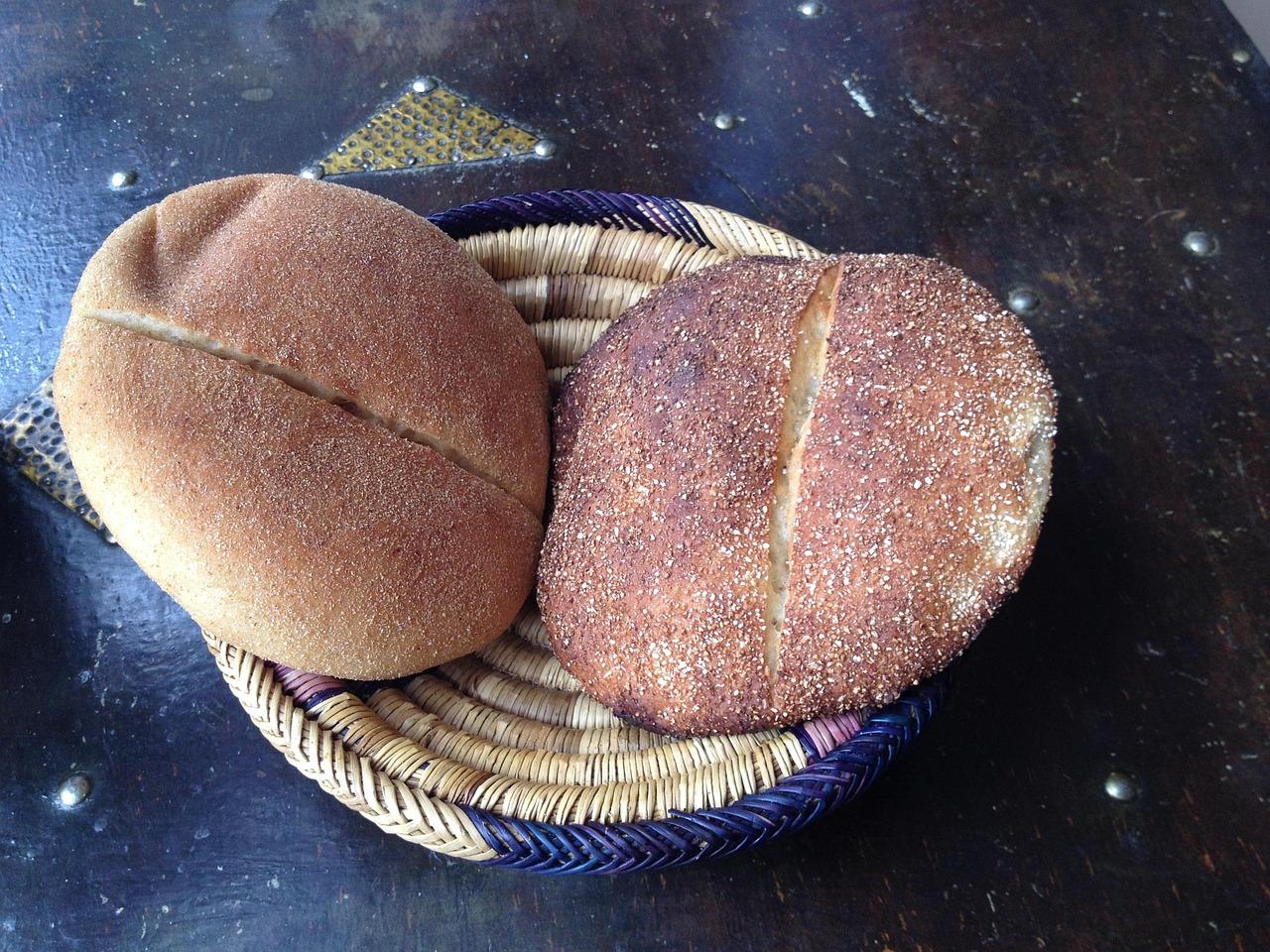
In Algiers and all over Algeria, homemade matlouh is the bread of choice for Ramadan iftar and for dipping into chorba or chakchouka. The dough is made with fine semolina and yeast, almost as wet as a batter, left to rise until airy, then shaped into thick rounds and cooked on a clay tajine or a heavy frying pan rather than in an oven. The result is soft and springy inside, with a thin, freckled, golden crust and the sweet, nutty taste of semolina. Eat it warm, torn by hand. Chef's tip: keep your hands wet with water, not floured, when shaping the sticky dough; flour makes the crust dry and floury.

by KrazyBadal 0 views

KarantikaBaked chickpea flour flan

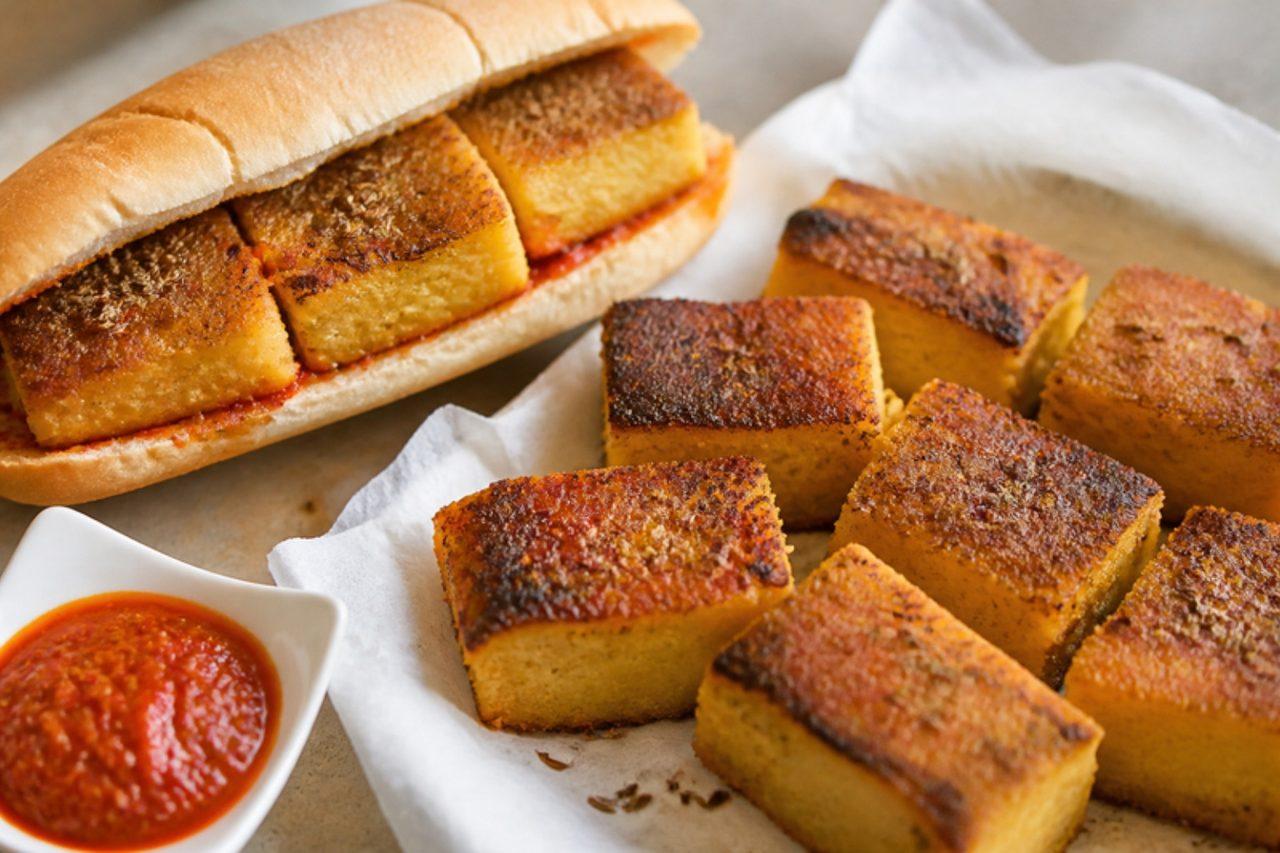
Schoolchildren in Oran spend their pocket money on karantika, a savoury chickpea-flour flan baked in huge trays and cut into squares by street vendors, who sprinkle it with cumin and harissa and often stuff it into a piece of baguette. Its roots go back to the Spanish calentica of Oran's past, and it has spread across western Algeria. Made with only chickpea flour, water, oil and egg, it bakes into a soft, custardy, slightly wobbly middle under a crisp, burnished top. Serve it warm, cut into squares, with harissa; to keep the dish gluten free, skip the bread. Chef's tip: rest the batter for at least 30 minutes before baking; the flour hydrates and the flan sets smooth instead of grainy.

by KrazyBadal 0 views

Bangladeshi mutton rezalaYoghurt mutton curry

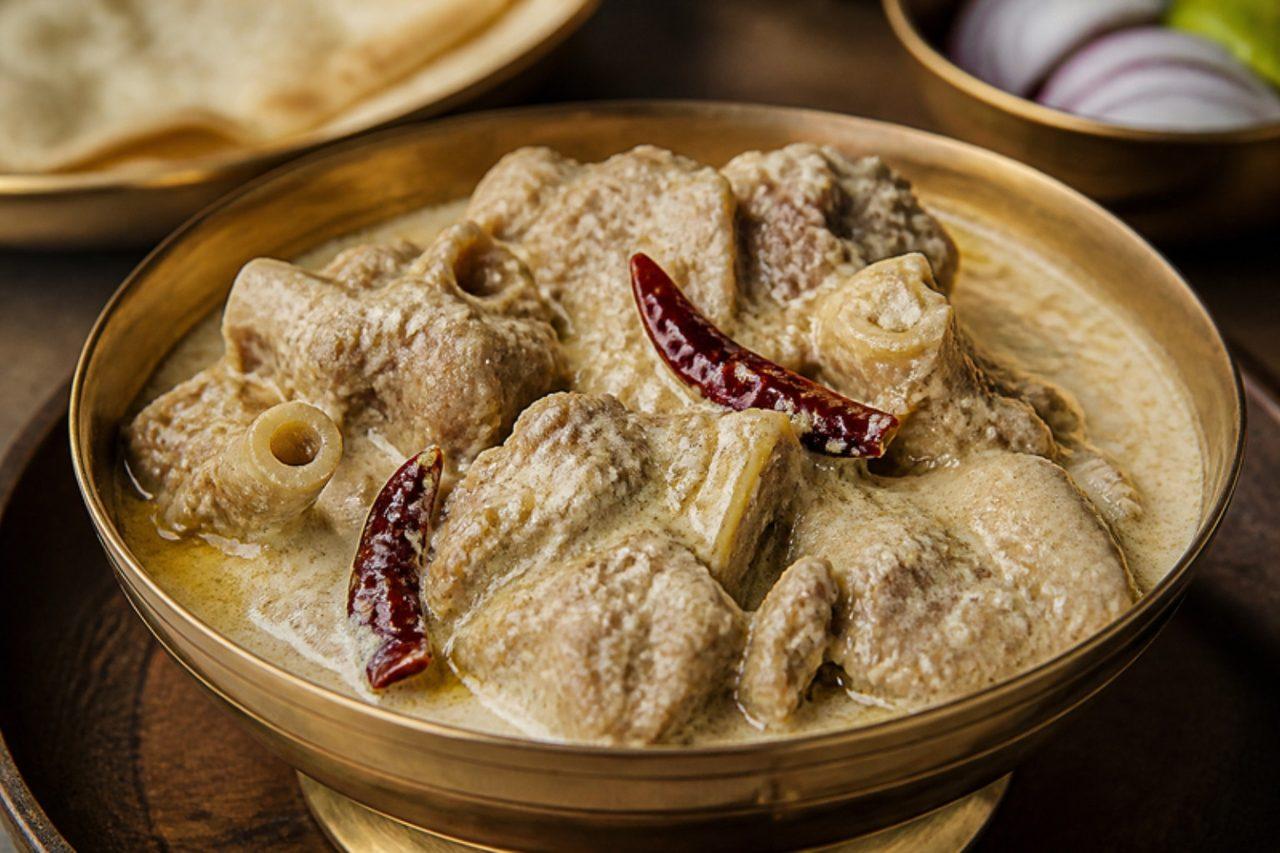
Rezala is the elegant one on a Dhaka dawat table, a creamy, ivory-coloured mutton curry that looks mild and then surprises you with the slow heat of whole dried chillies swimming on top. Its roots are in the Mughal kitchens that reached Bengal through Murshidabad and Old Dhaka, and today it turns up at Eid lunches and wedding receptions beside polao or soft naan. There is no turmeric and no red chilli powder in the gravy; the body comes from yoghurt, a paste of white poppy seeds and cashews, and onions cooked gently so they never brown. The classic mistake is frying the onion paste too hot, which turns the gravy beige and bitter instead of pale. Chef's tip: grind the poppy seeds and cashews after soaking them in warm milk or water for 20 minutes, so the paste is completely smooth.

by KrazyBadal 0 views

Lort cha (vegetarian)Fried short rice noodles

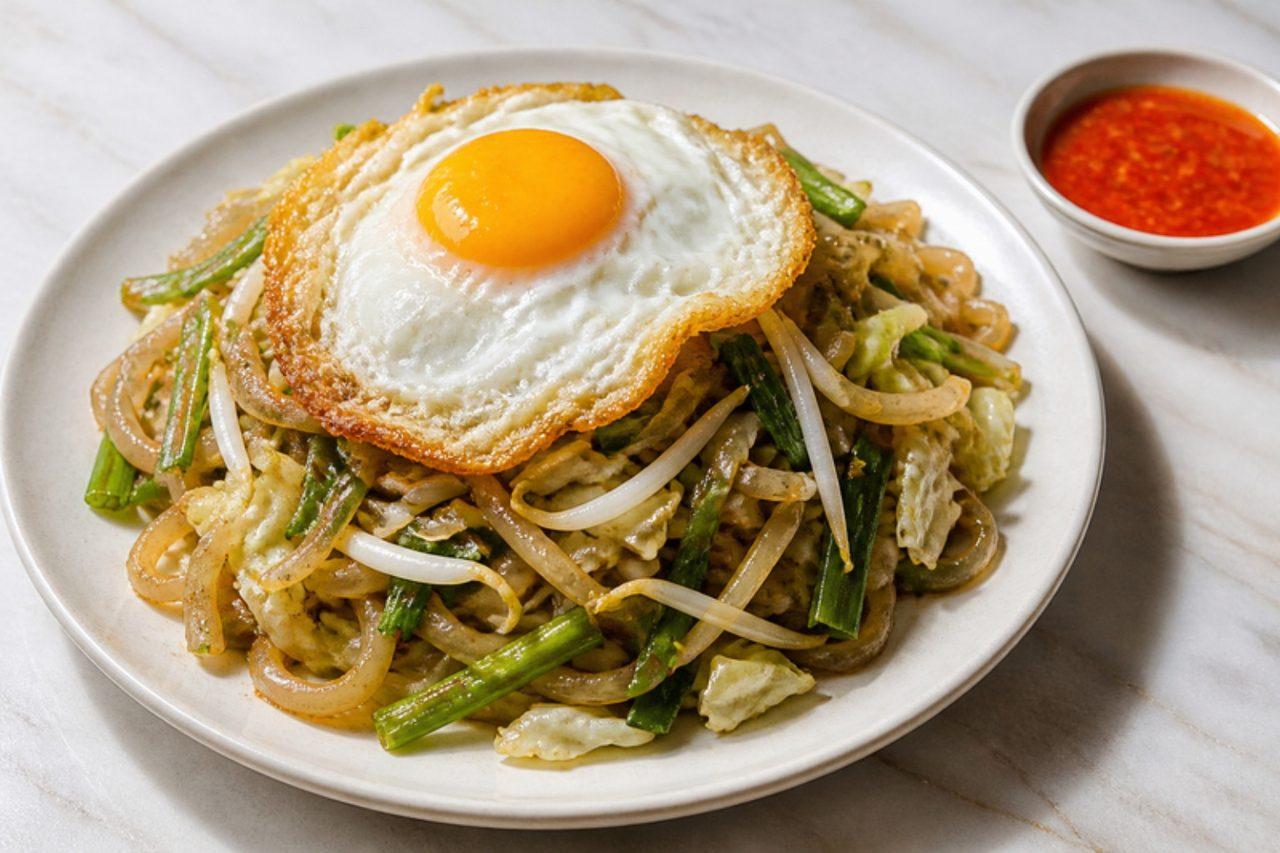
Late afternoon around Phnom Penh's Orussey and Kandal markets, vendors work flat griddles crowded with lort, short rice noodles tapered at both ends like fat pins. They are fried hard with bean sprouts and garlic chives until some strands catch and turn chewy-crisp, splashed with sweet-salty soy, then crowned with a fried egg and a squeeze of sweet chilli sauce for an after-school or after-work snack. Stalls season with fish and oyster sauce; this vegetarian version uses soy and a mushroom-based stir-fry sauce instead. The usual mistake is stirring the noodles constantly, which breaks them into mush and never lets them brown. Chef's tip: loosen the noodles with warm water before they go near the pan, then leave them alone for a full minute at a time so they pick up toasty, caramelised patches.

by KrazyBadal 0 views

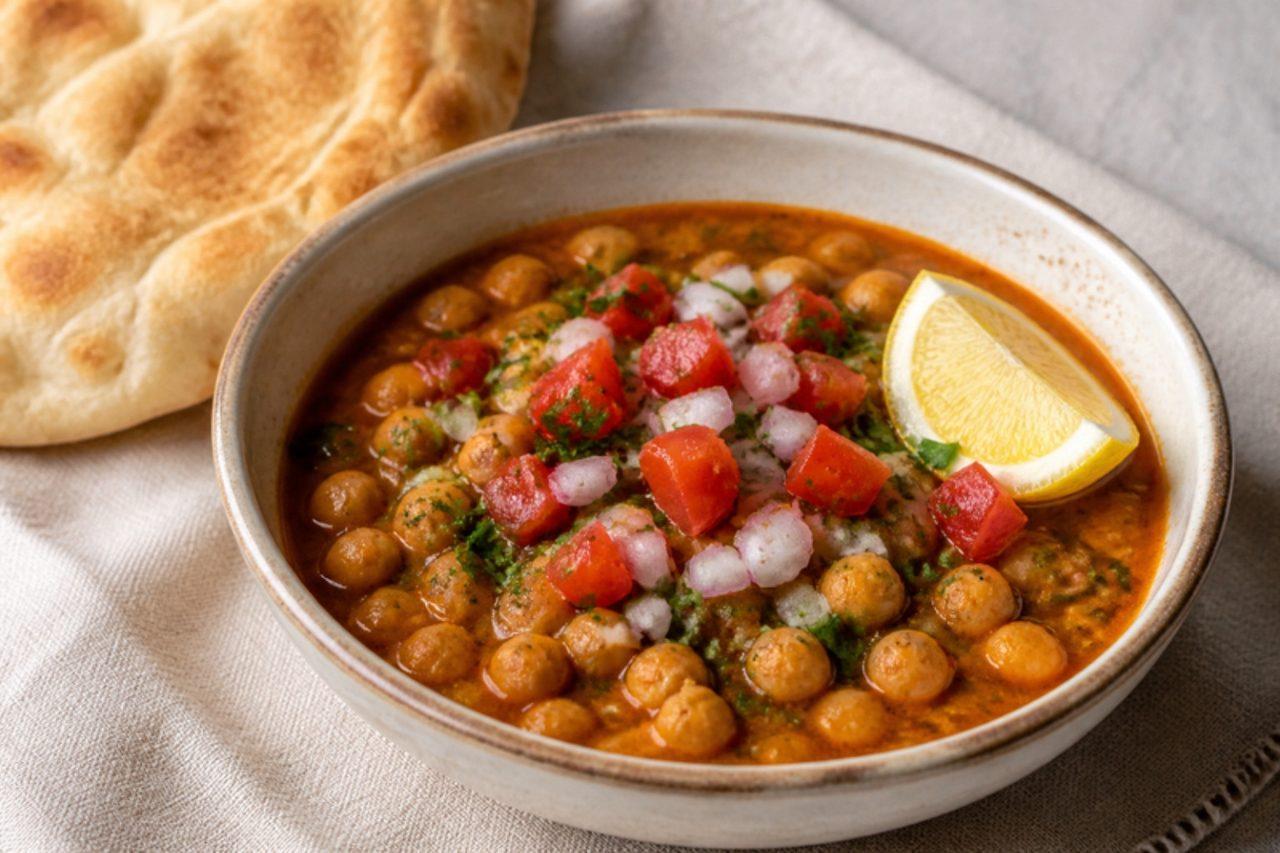
DoubaraSpicy chickpea stew

In Biskra, the oasis town at the gateway to the Algerian Sahara, doubara is street food, ladled from big pots into bowls from late afternoon and through Ramadan nights. Soft chickpeas or broad beans are simmered with cumin and garlic, then dressed with a fiery garlic-harissa sauce, olive oil, lemon and a heap of chopped tomato, onion, parsley and fresh chilli on top. It is hot, sour and very garlicky, filling yet fresh, and eaten with bread. Chef's tip: mash a ladle of the chickpeas into the broth at the end; it thickens the stew so the sauce clings.

by KrazyBadal 0 views

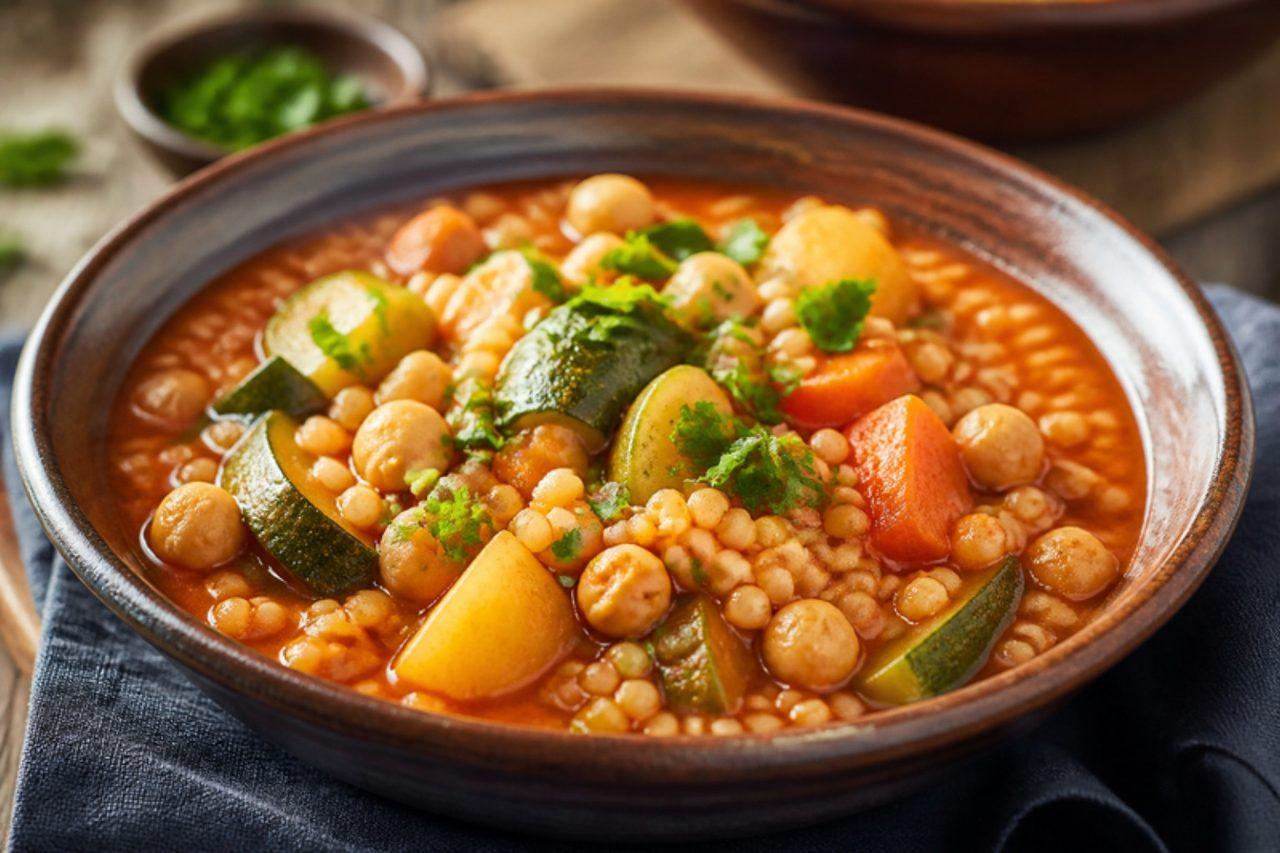
BerkoukesLarge couscous pearls in vegetable broth

Berkoukes, the big chewy couscous pearls rolled by hand in Tlemcen and the west of Algeria, is cold-weather food and a classic dish for the end of winter or a family supper. Cooked directly in a thick, tomato-red broth with courgette, carrot, potato, turnip, peas and chickpeas, it becomes a spoonable, comforting stew, fragrant with garlic, paprika, dried mint and fresh coriander. Many families make it with meat or khlii; this is the vegetable version cooked at home on ordinary days. Bought berkoukes, maftoul or giant couscous are fine. Chef's tip: steam or toast the berkoukes before simmering it; the pearls hold their shape and don't turn to porridge.

by KrazyBadal 0 views

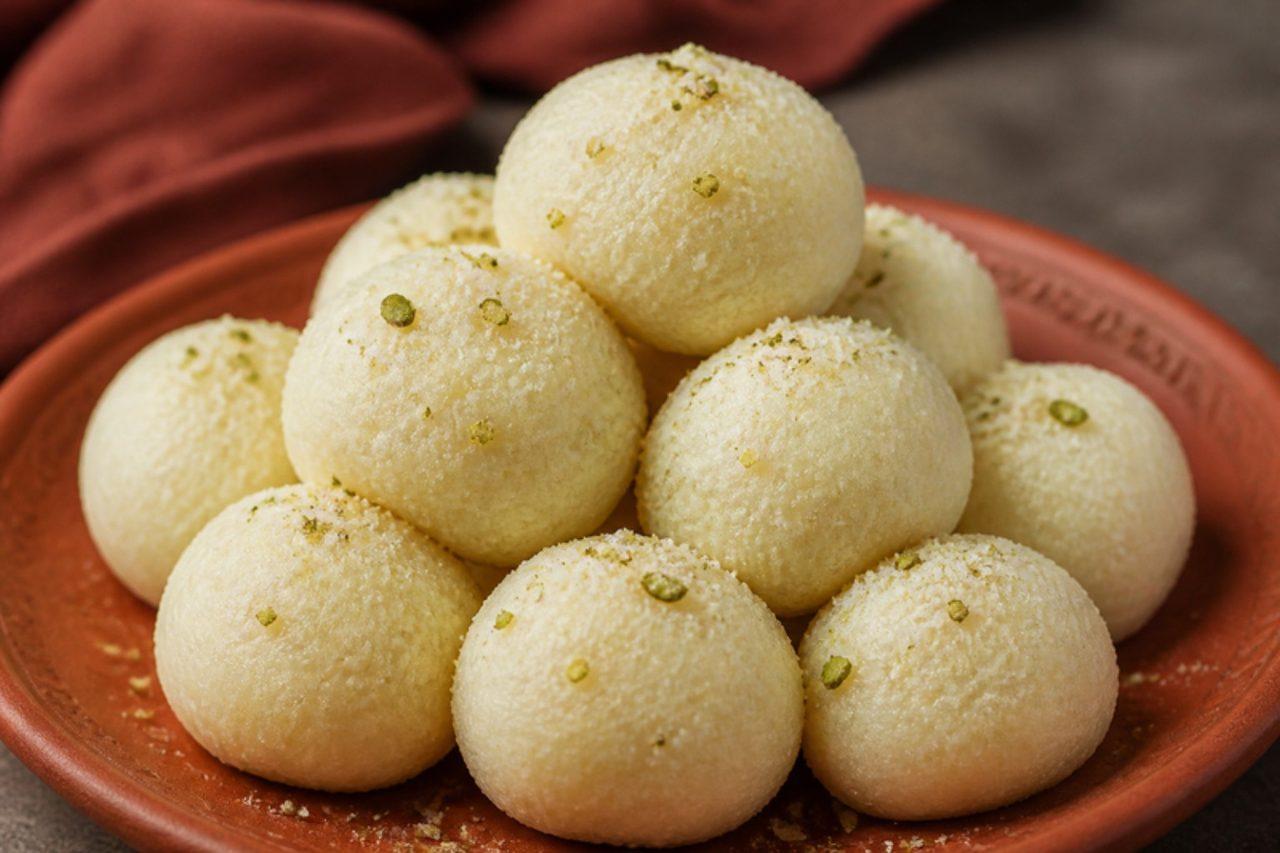
Kancha gollaFresh cheese balls with cardamom

Natore, a quiet district town north of the Padma, is known throughout Bangladesh for one sweet, and a visit there is incomplete without a clay pot of kanchagolla to carry home. Kancha means raw, and the name is a joke at the sweet's expense: unlike rasgulla or chomchom, it is never boiled in syrup but simply kneaded fresh chhana with sugar, warmed in a pan for a few minutes and rolled into soft balls scented with cardamom. The texture is moist and faintly grainy, the taste milky and gently sweet, best eaten within a day or two. Cooking the mixture too long is what most home cooks get wrong; it turns dry and crumbly, more like sandesh. Chef's tip: make the chhana from full-fat milk and squeeze it only lightly, so plenty of moisture stays in for that melting Natore texture.

by KrazyBadal 0 views

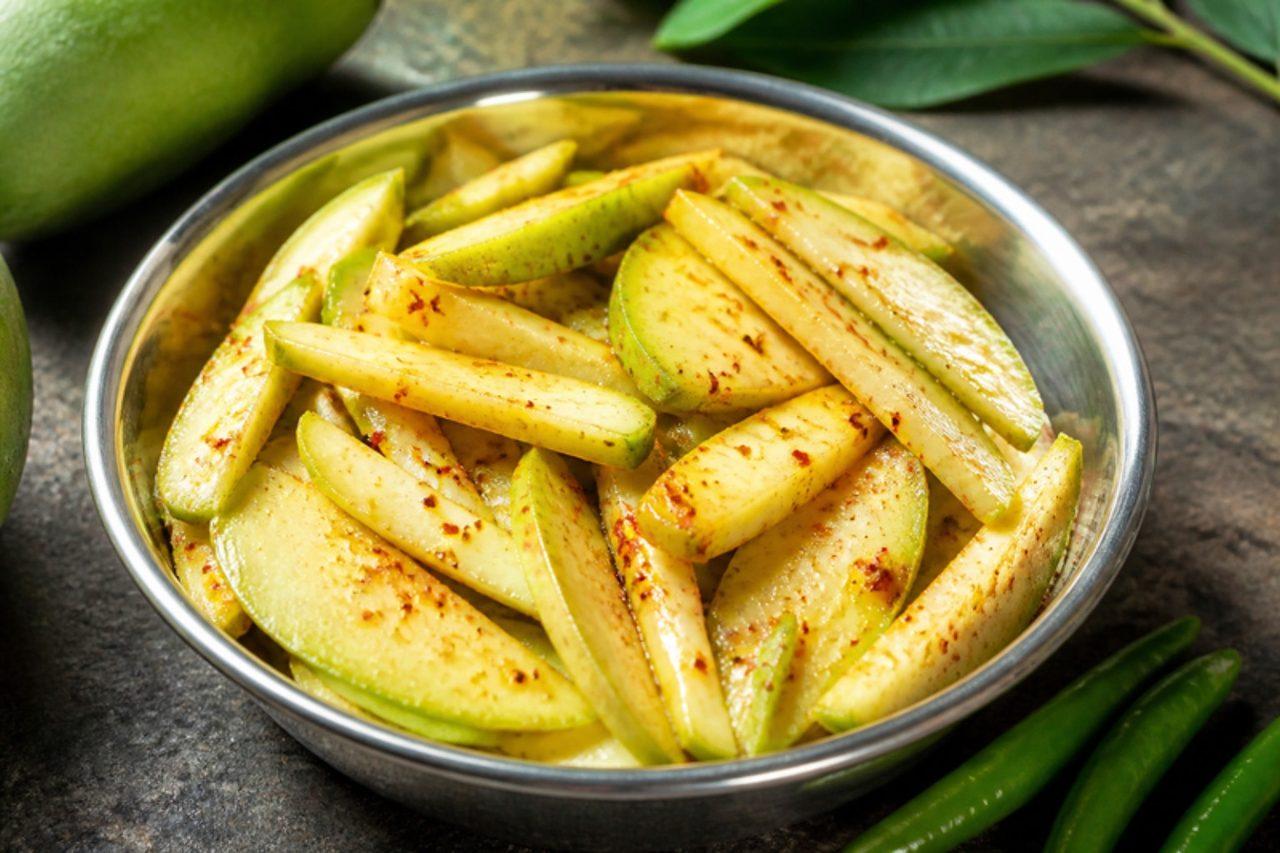
Kancha aam makhaSpiced green mango

Outside every school gate in Bangladesh during the hot months, a vendor with a glass box on his cart sells green mango makha: unripe mango sliced paper-thin and squeezed by hand with salt, sugar, chilli and a splash of mustard oil, handed over in a cone of newspaper with a toothpick. Makha means mixed by hand, and the hand matters, as the squeezing bruises the mango so it softens and drinks in the seasoning. It tastes sour, sweet, salty and hot all at once, with the sharp nose-burn of raw mustard oil, and it is eaten as an afternoon snack in April and May, especially around Pohela Boishakh. Slicing the mango too thick is the error that leaves it hard and bland in the middle. Chef's tip: stir in a spoon of kasundi, Bengali mustard relish, for the version the street sellers call kasundi makha.

by KrazyBadal 0 views

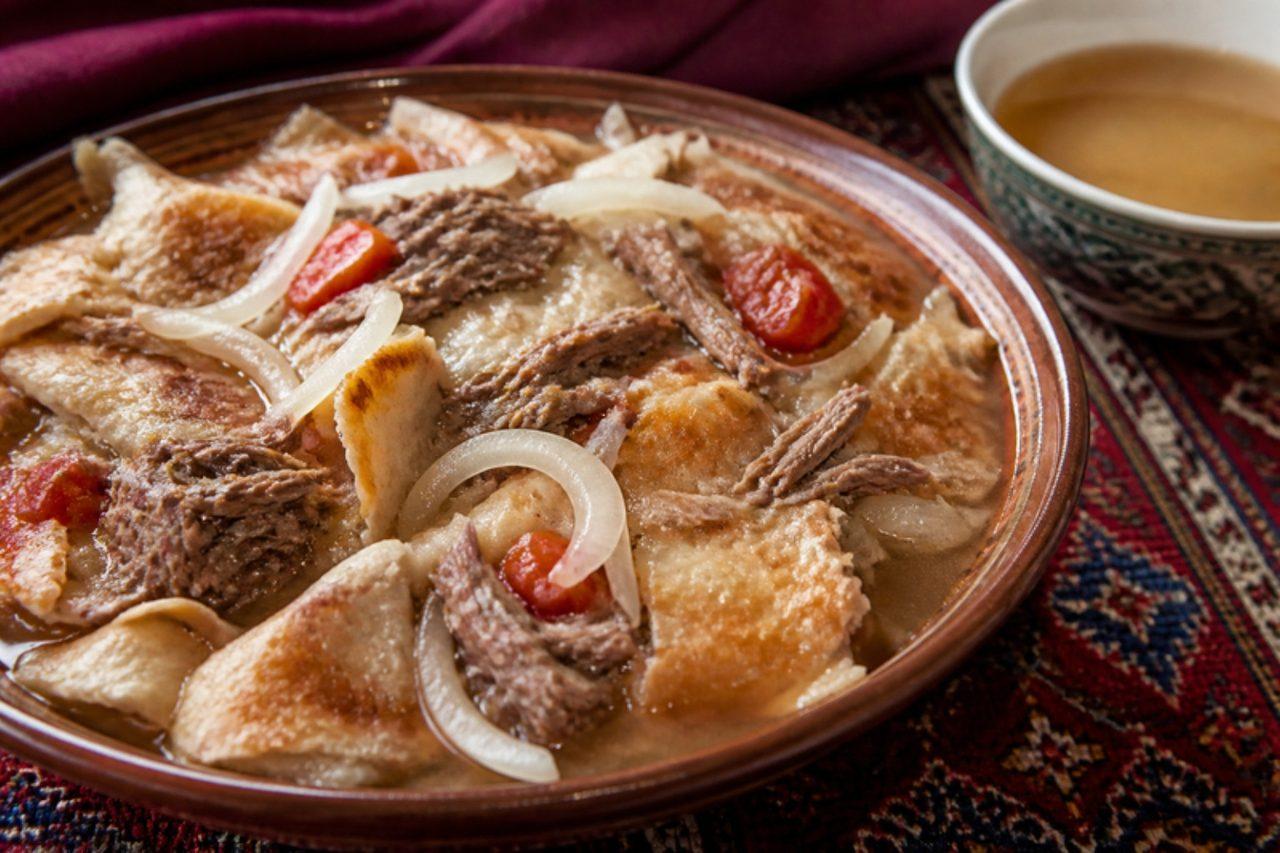
DogramaTorn bread with lamb in broth

Dograma, from the Turkmen word for 'to chop', is the dish of Turkmen weddings and religious holidays, when families gather to tear fresh tamdyr bread into small pieces together. The bread is mixed with finely chopped boiled lamb or mutton, raw onion and tomato, then a rich, fatty broth is poured over and the bowl is eaten while hot. It is filling, simple and communal. A common mistake is using soft sliced bread, which turns to paste; dograma needs firm, chewy flatbread. Chef's tip: chop the meat and onion by hand very finely, and rub the onion with salt so it softens and mellows before mixing.

150 minTurkmenMeat
by KrazyBadal 0 views

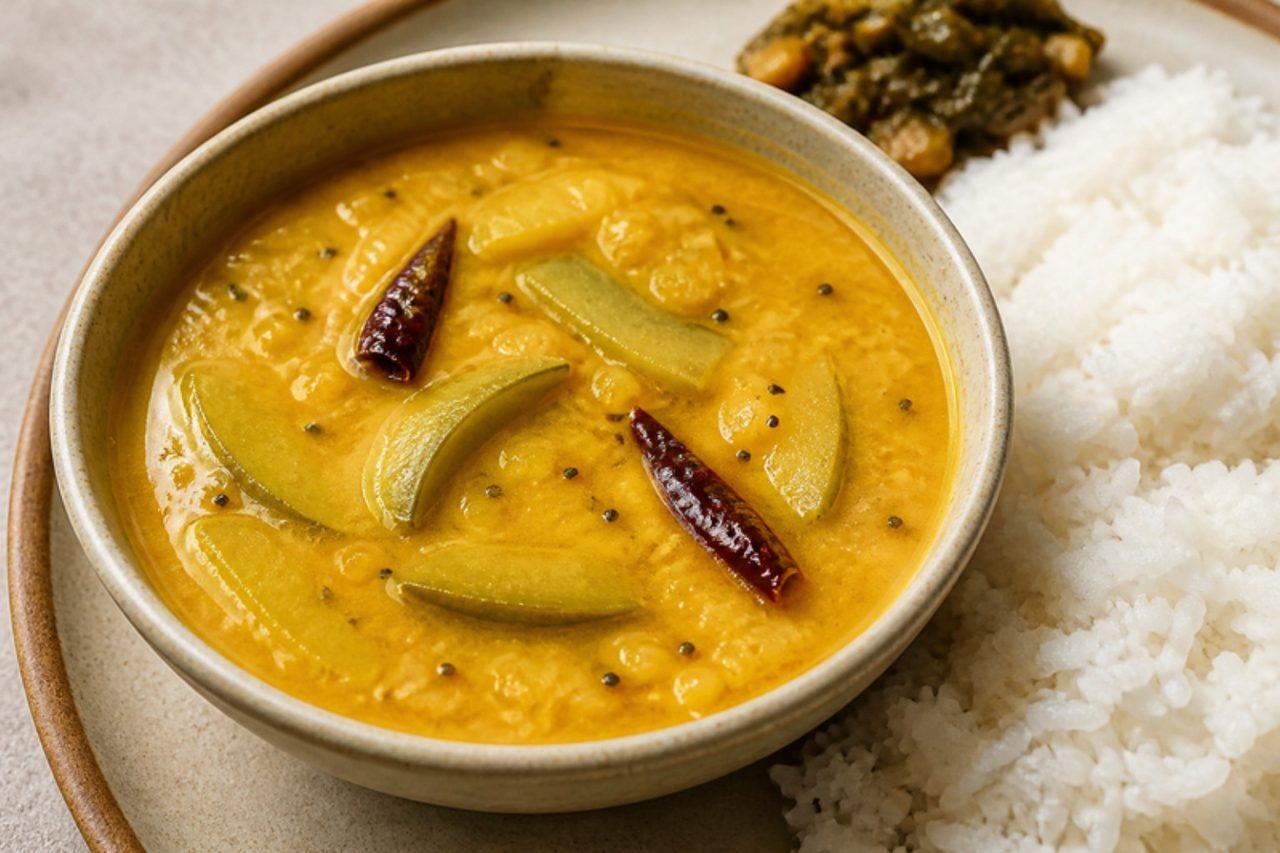
Kancha aamer tok dalGreen mango lentil dal

When the first hard, green mangoes fall from the trees around Rajshahi in April and May, cooks slice them into the dal pot, and the result is the most refreshing bowl of the hot season. Tok dal is deliberately thin, almost like a soup, with soft red lentils and slices of green mango that turn tender and tangy, finished with mustard seed and dried chilli crackling in mustard oil. It is eaten poured over plain rice, often as the last thing before a light fish or vegetable curry, because the sourness is meant to cool the body in the heat. Adding the mango at the start leaves it mushy and the dal overly sour, so it goes in once the lentils are soft. Chef's tip: taste the mango first; very sour fruit may need a pinch more sugar to balance it.

by KrazyBadal 0 views

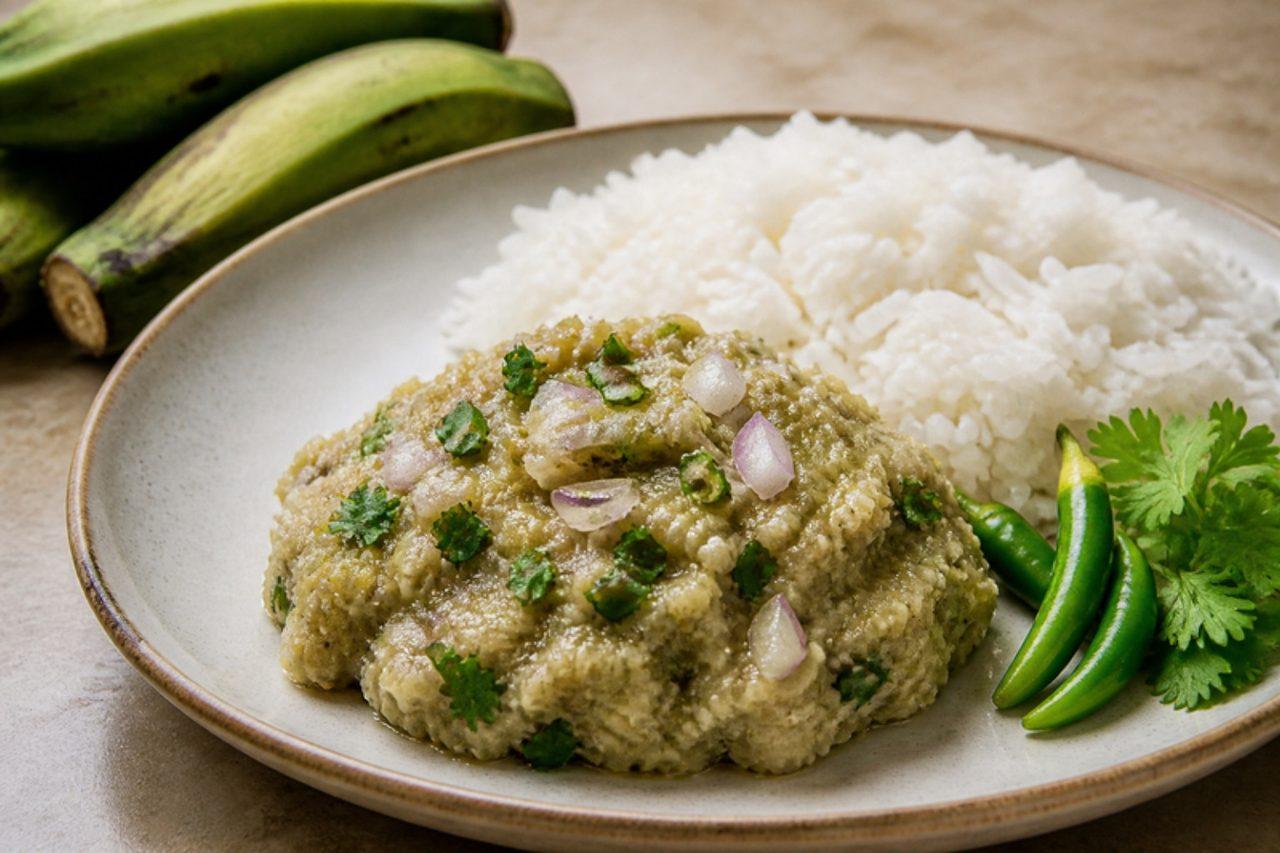
Kancha kola bhortaGreen banana mash

Green cooking bananas are cheap all year in Bangladeshi markets, and in homes from Comilla to Kushtia they are boiled whole and turned into a pale, gently starchy bhorta that is more filling than it looks. The flesh is mashed while warm with raw onion, green chilli, coriander and a generous splash of mustard oil, so it tastes mild and earthy with a sharp, nose-tingling finish. It is a weekday lunch with rice and dal, food for someone recovering from illness, and a regular on the bhorta platter during the Pohela Boishakh meal. Peeling the bananas before boiling makes them waterlogged and gluey, so they go into the pot in their skins. Chef's tip: mash while still warm; cold green banana goes hard and lumpy and won't absorb the oil.

by KrazyBadal 0 views

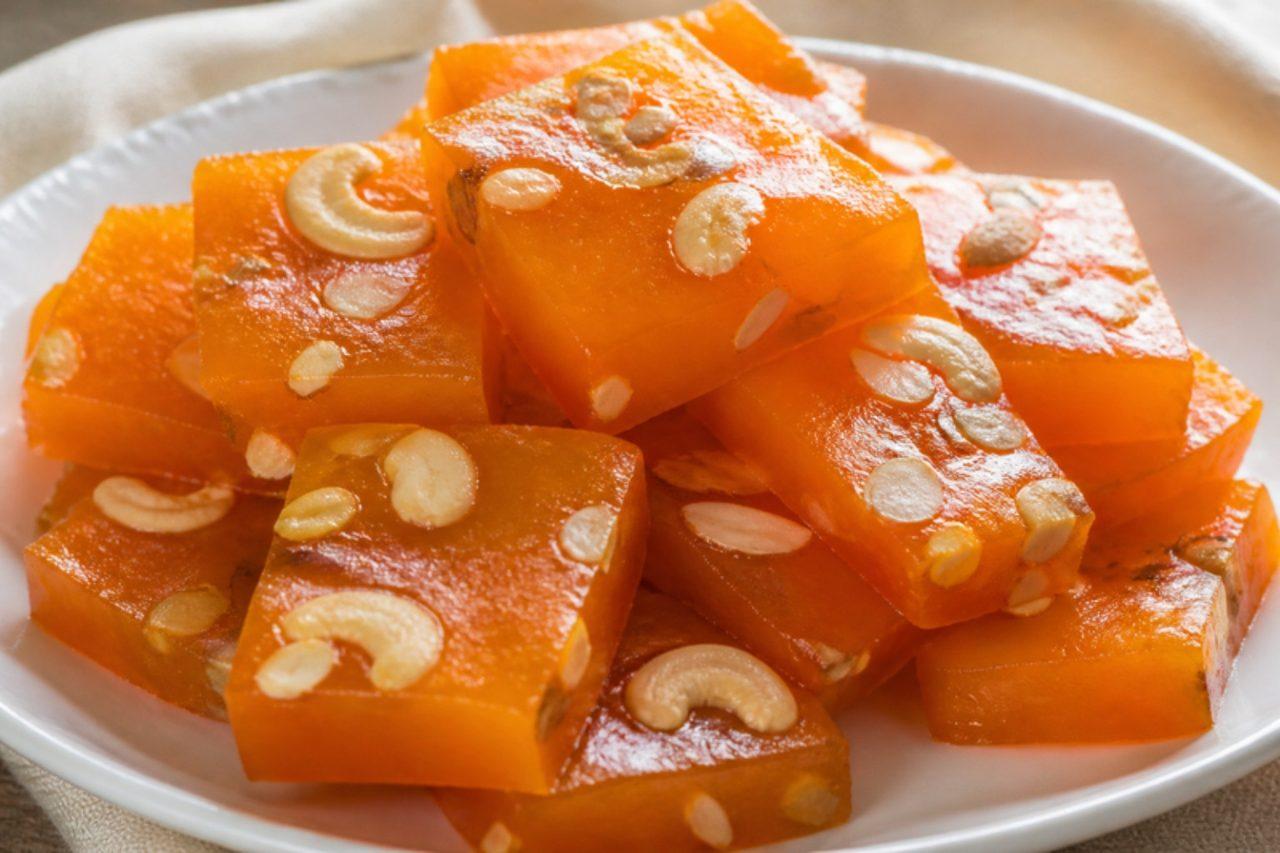
Karachi halwaCornflour halwa

Glassy, jewel-bright and chewy like a Turkish delight with more bite, Karachi halwa is the sweet that the city's mithai shops on Saddar and Tariq Road stack in orange, green and red slabs studded with cashews and melon seeds, and it travels well as a gift to family abroad. It is made from cornflour cooked with sugar syrup and lemon until it turns clear, then fed with ghee spoon by spoon until it shines and pulls away from the pan in one elastic mass. Across the border it is called Bombay halwa, and in Pakistan it is a staple for weddings, Eid and Diwali sweet boxes from the Hindu shops of Sindh. Lots of cooks lose their nerve and stop before the halwa has absorbed all the ghee and turned translucent, and it sets cloudy and sticky. Chef's tip: work the halwa with a flat wooden spatula and add the ghee only when the previous spoonful has disappeared; when the ghee starts to leak back out, it is done.

by KrazyBadal 0 views

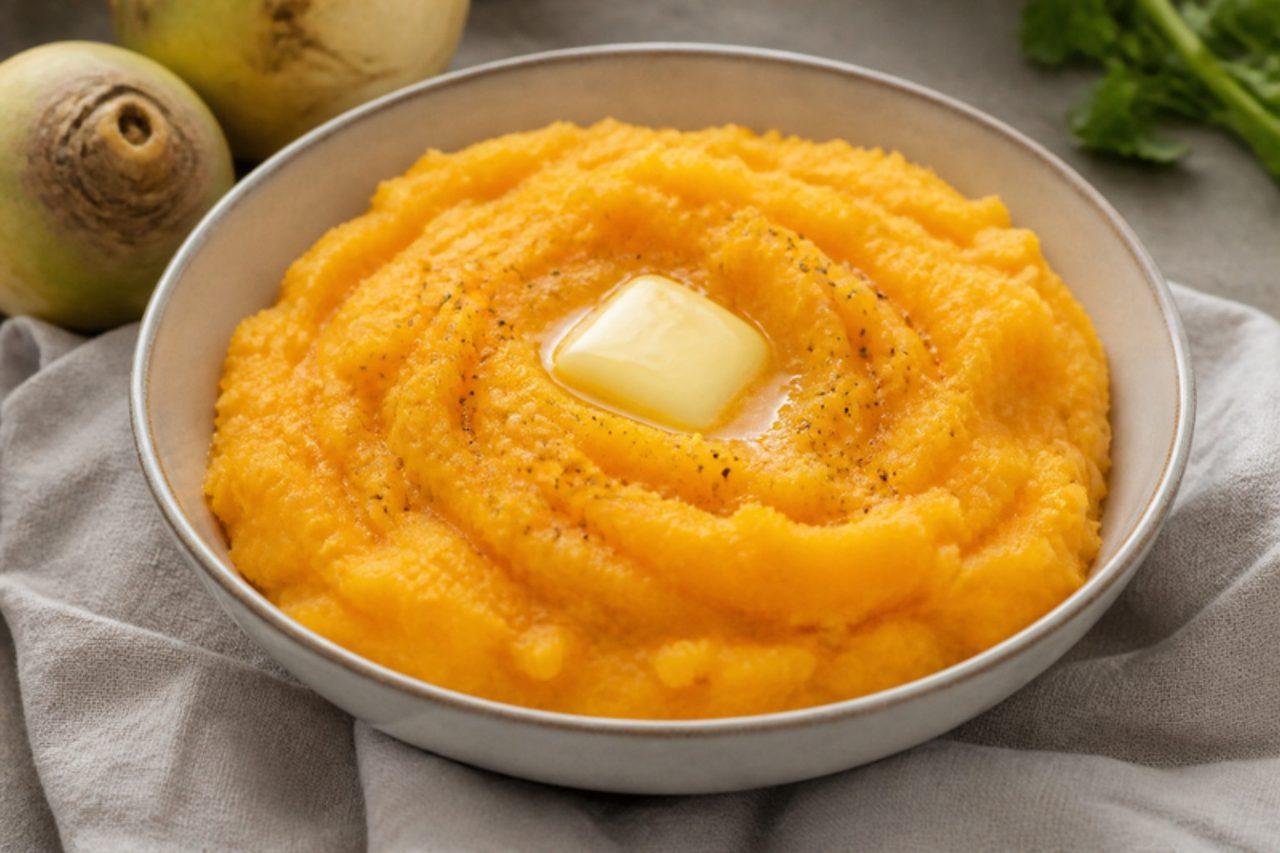
KålrabistappeMashed swede

Kålrabistappe is the bright orange mash of swede that sits beside almost every Norwegian winter dinner: with pinnekjøtt lamb ribs at Christmas in western Norway, with raspeballer on Thursdays, with salted meat and sausages. It is simple: swede and a little potato boiled soft and mashed with butter, a splash of the cooking water and nutmeg. A common mistake is mashing it in a blender, which makes it gluey. Chef's tip: let the swede steam dry in the pan for a couple of minutes after draining; the mash stays fluffy, not watery.

by KrazyBadal 0 views

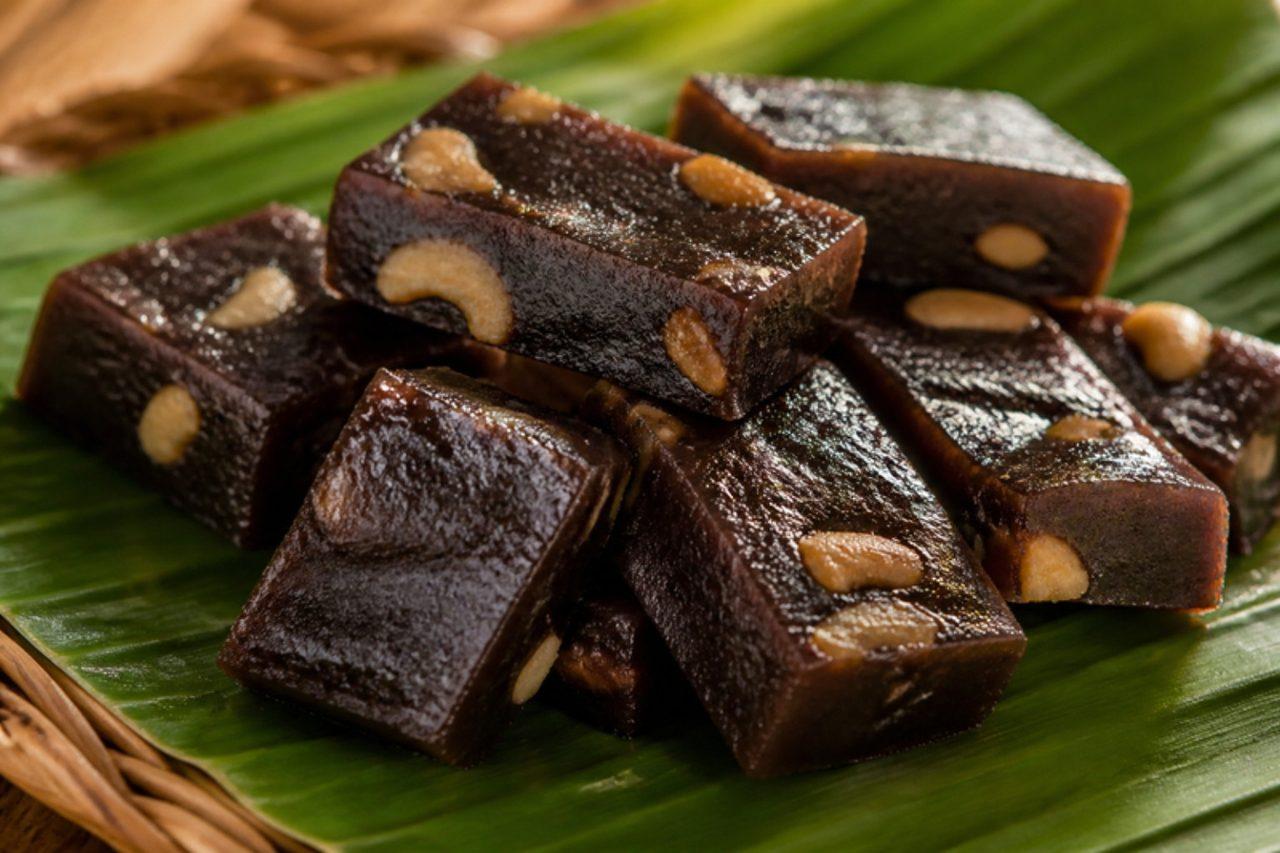
Kalu dodolRice flour and jaggery sweet

Hambantota and Kalutara both claim the best kalu dodol, and roadside shops in each town sell long, black, glistening slabs wrapped in paper, bought by travellers as gifts for the family back home. The sweet is a test of stamina: coconut milk is cooked down until its oil separates, then rice flour and kithul jaggery are stirred in and the mixture is worked over the heat for two to three hours until it turns dark, glossy and stiff, with cashews and cardamom added at the end. It sets into a chewy, fudgy sweet with a deep caramel and coconut flavour, and is served in thin slices during Avurudu and at weddings. Giving up too early is the one mistake everyone makes once; undercooked dodol stays sticky and grey instead of firm and almost black. Chef's tip: use the widest heavy pan you have and a long wooden spoon, and keep stirring the same direction, scraping the base, so nothing catches.

by KrazyBadal 0 views

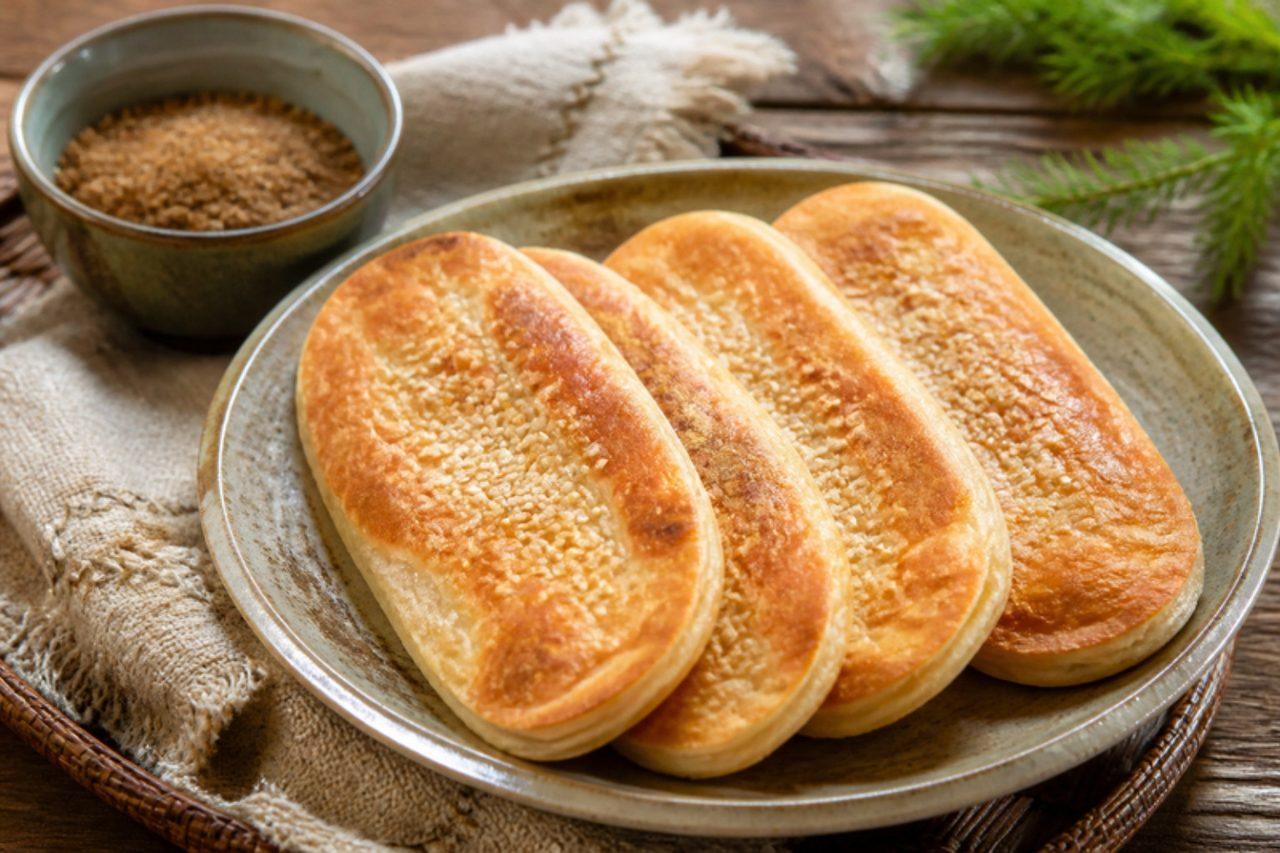
Lukang ox tongue cakesSesame maltose flat pastries

Their name comes from the shape, long and flat like a tongue, not from any meat: in the old port town of Lukang, Changhua, these pastries are pressed on hot griddles along the lanes near Tianhou Temple and handed out warm in paper bags. Lukang's style is thicker and chewier than the cracker-crisp Yilan version, with a crisp, blistered shell and a sticky brown-sugar centre that pulls like soft toffee. Bakeries there use lard, so this vegetarian recipe uses vegetable shortening in the pastry and a little butter in the filling. A frequent mishap is rolling the filled dough with heavy hands, which bursts the skin and lets the syrup scorch in the pan. Chef's tip: cook them over a low heat and be patient; slow griddling lets the centre turn molten before the outside darkens.

by KrazyBadal 0 views

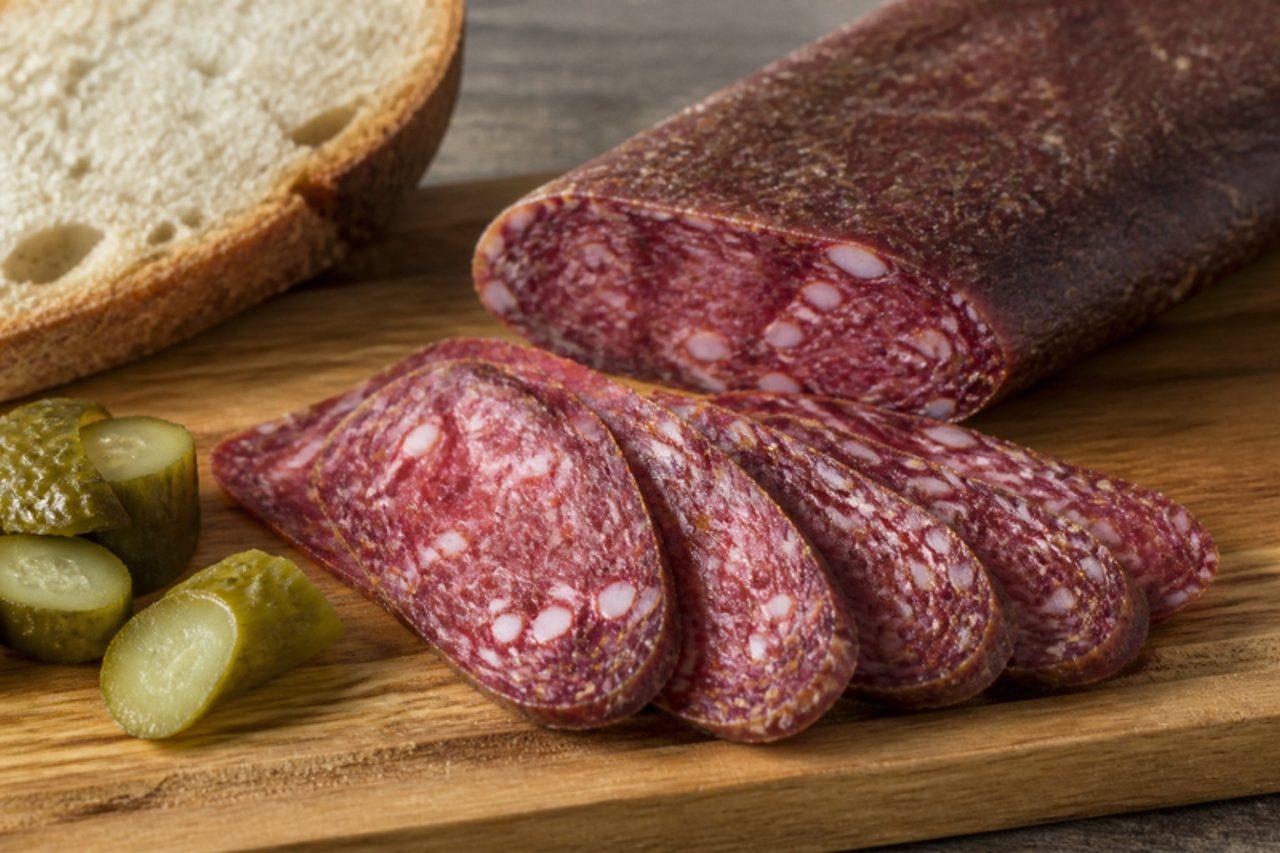
LukankaCumin pork and beef sausage

Flat, dark-red lukanka from Panagyurishte and Smilyan hangs in every Bulgarian delicatessen, sliced paper-thin for a meze plate with white cheese, tomato and cucumber. The traditional sausage is pork and beef with cumin, black pepper and salt, pressed flat and dry-cured for weeks in cold mountain air, which needs curing salts and controlled humidity and temperature to be safe, so it is not for a home kitchen. This home version keeps the flavour and flat shape but is fully cooked: the mix rests overnight in the fridge, is poached in pork casings to 71 °C, then pressed and chilled so it slices cold. Bought dry-cured lukanka is raw cured meat: not for pregnant women, young children or anyone with a weakened immune system. The usual slip is letting the meat warm up, which smears the fat, so keep everything fridge-cold. Chef's tip: fry a teaspoon of the mix and taste it for salt and cumin before you stuff.

by KrazyBadal 0 views

KalkanFried turbot steaks

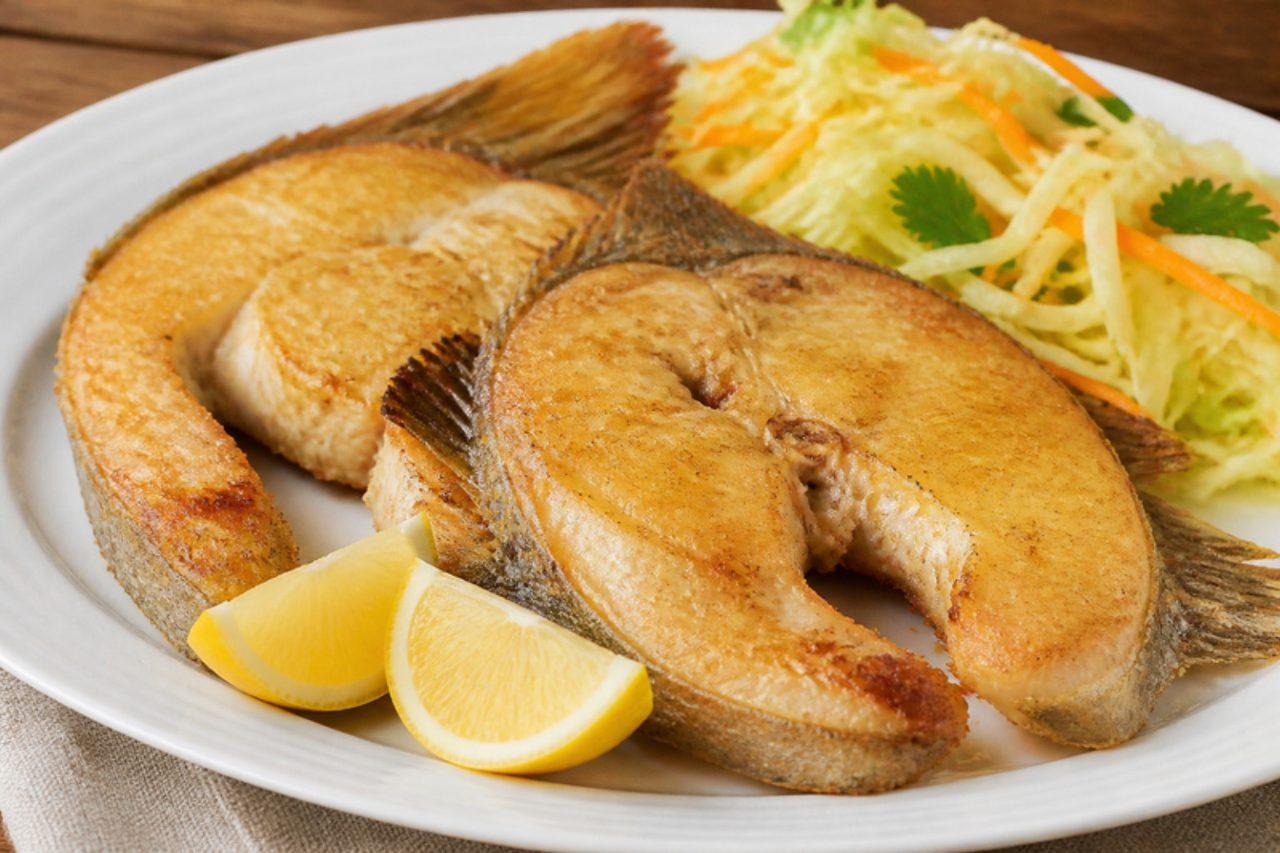
Turbot season on the Bulgarian Black Sea is short and strictly controlled, so in spring locals in Burgas and Balchik queue at the fish market for kalkan, the flat, diamond-shaped fish with firm, sweet white flesh. Seaside restaurants cut it across the bone into thick steaks, dust them with flour and fry them in sunflower oil until the skin is crisp and the flesh pearly, then serve them simply with lemon and a crunchy salad of shredded cabbage and carrot dressed with vinegar. Brill or halibut steaks work the same way if turbot is out of reach. A common mistake is turning the fish too soon, which tears the crust; leave it until it releases from the pan by itself. Chef's tip: score the dark skin twice so the steaks stay flat and cook evenly.

by KrazyBadal 0 views

Kalo jeera bhortaNigella seed mash

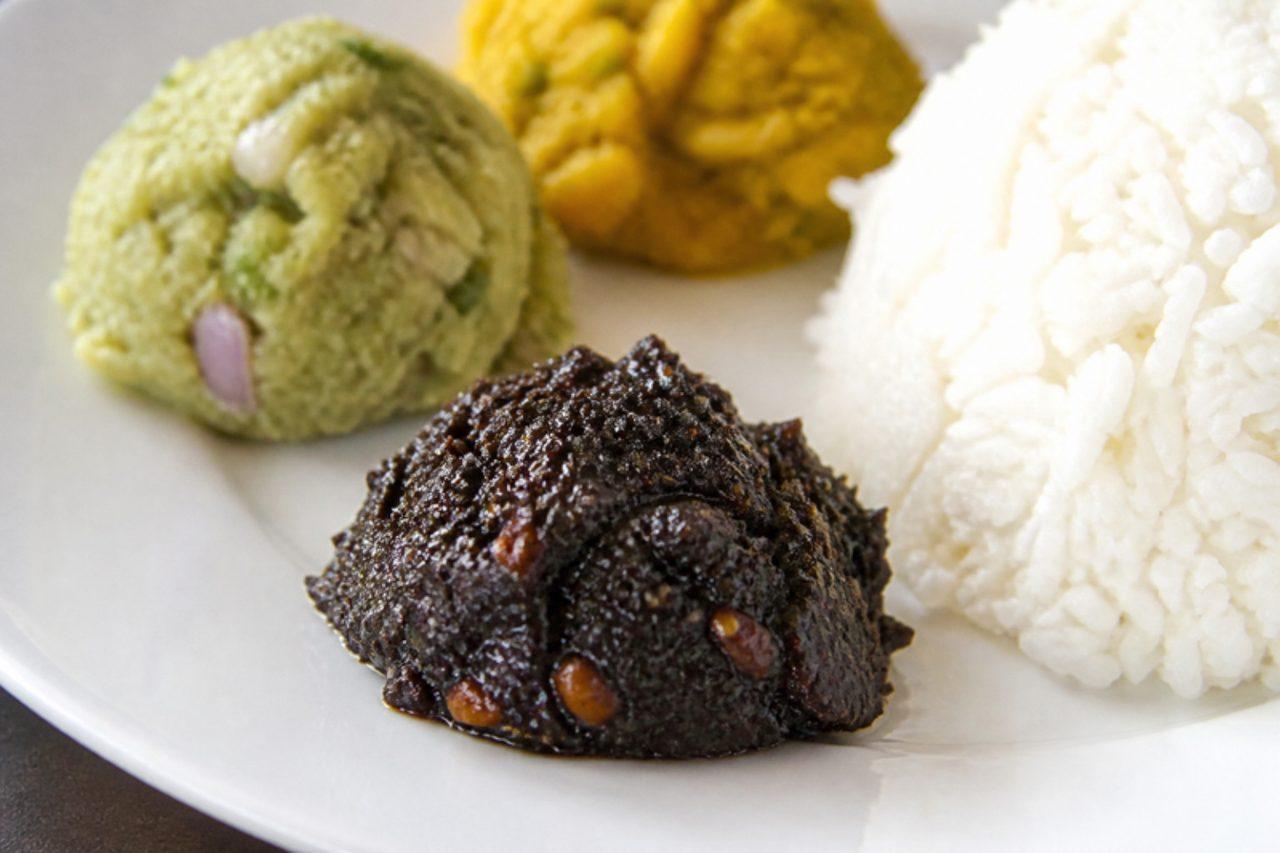
A bhorta lunch spread in a Bangladeshi home always has one tiny, dark mound that people eat a pinch at a time, and that is kalo jeera bhorta. Nigella seeds are toasted until fragrant, then ground on the shil-pata, the stone slab and roller, with garlic, roasted dried chilli, onion and mustard oil into a coarse, almost black paste that is nutty, bitter and fiery all at once. Grandmothers serve it in winter, believing it wards off colds, and a little is mixed into the first handful of hot rice before moving on to fish or dal. Burnt seeds make it acrid, so the trap is toasting over too high a heat; stop as soon as they smell toasty and start to pop. Chef's tip: grind the seeds alone first, then add the garlic and oil, for a smoother paste in a small grinder.

by KrazyBadal 0 views

LussekatterSaffron buns

Before dawn on 13 December, Lucia Day, children in white gowns walk through Swedish homes, schools and offices carrying candles and trays of lussekatter: golden saffron buns twisted into an S with a raisin in each curl. The saffron colour and the light are meant to chase away the darkest days of winter. A common mistake is adding the saffron dry, which leaves the buns pale and streaky. Chef's tip: grind the saffron with a sugar cube and melt it into the warm butter and milk, so the colour spreads evenly.

by KrazyBadal 0 views

LutfiskLye-cured cod with white sauce

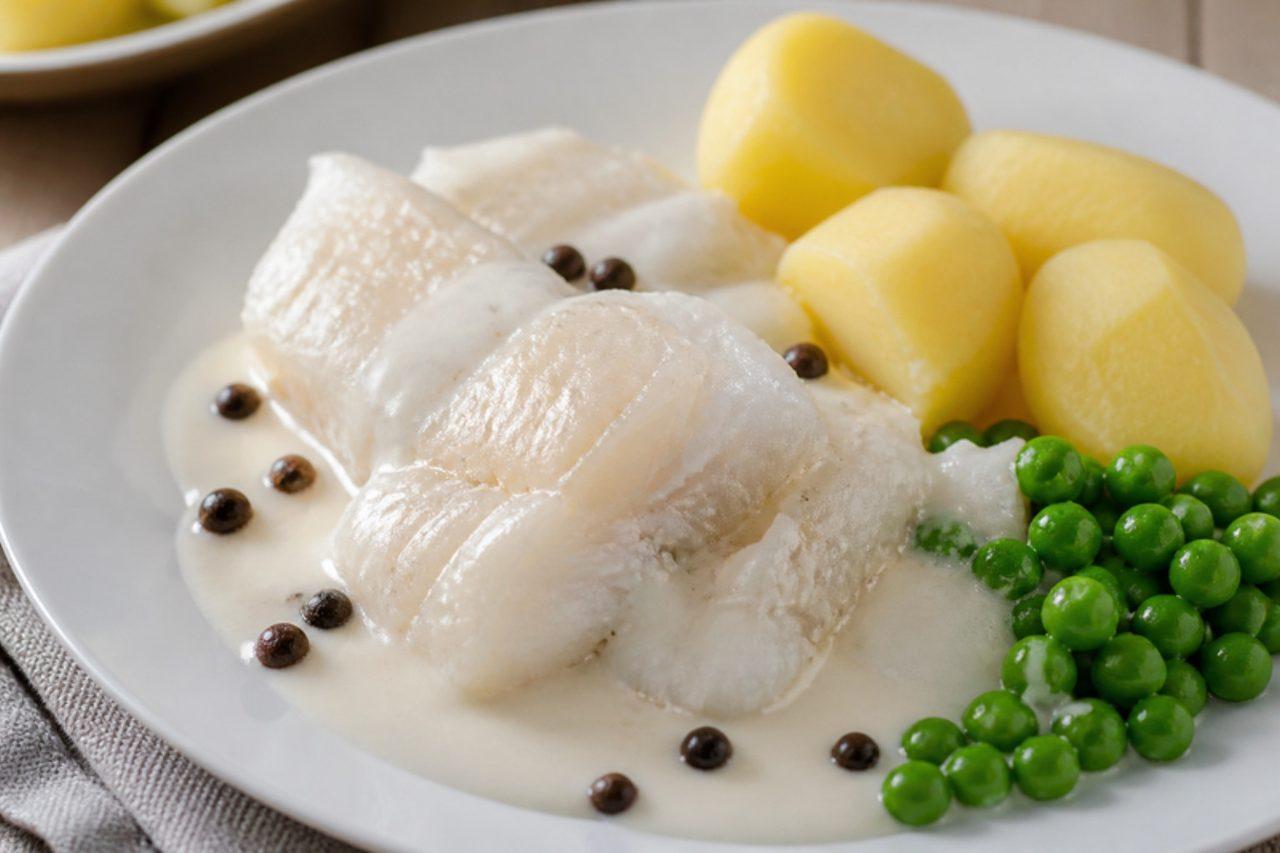
Lutfisk, lutefisk in Norway, is dried cod or ling soaked in water and lye for days until it swells into a soft, jelly-like fish, then rinsed and baked or steamed and eaten at Christmas with white sauce, peas, boiled potatoes, allspice and, in Norway, bacon fat. It divides families, loved by some, avoided by others. Lye is caustic, so never cure it at home; buy ready-soaked lutfisk from Scandinavian shops and fishmongers in December. A common mistake is cooking it in an aluminium dish, which reacts and discolours it. Chef's tip: salt the fish and leave it for 15 minutes before baking; it draws out water and keeps the flakes firm. It is done when it is opaque and flakes.

by KrazyBadal 0 views

KamaRoasted grain flour with kefir

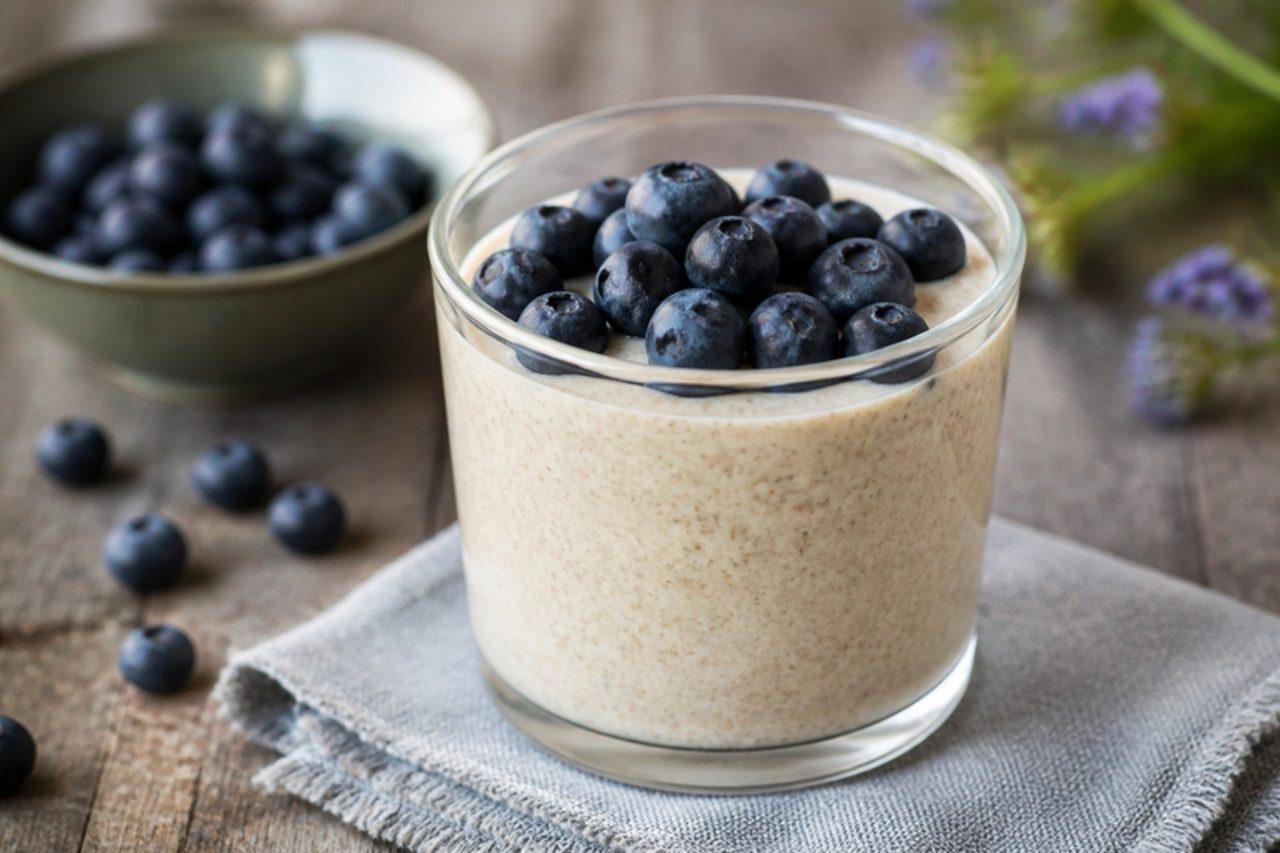
Kama is a uniquely Estonian food: a fine flour of roasted barley, rye, oats and peas, sold in every Tallinn supermarket, stirred into kefir, buttermilk or yogurt with a little sugar or honey and berries. It was once farmers' food for the fields; today it is a fast, filling breakfast and the flavour of Estonian ice creams and sweets. If you can't find kama, roast equal parts barley, rye and oat flour with a little pea flour in a dry pan until nutty. A common mistake is eating it at once; give it a few minutes to thicken. Chef's tip: stir in the kama, leave for 5 minutes, then add the berries, so it thickens like a mousse.

by KrazyBadal 0 views

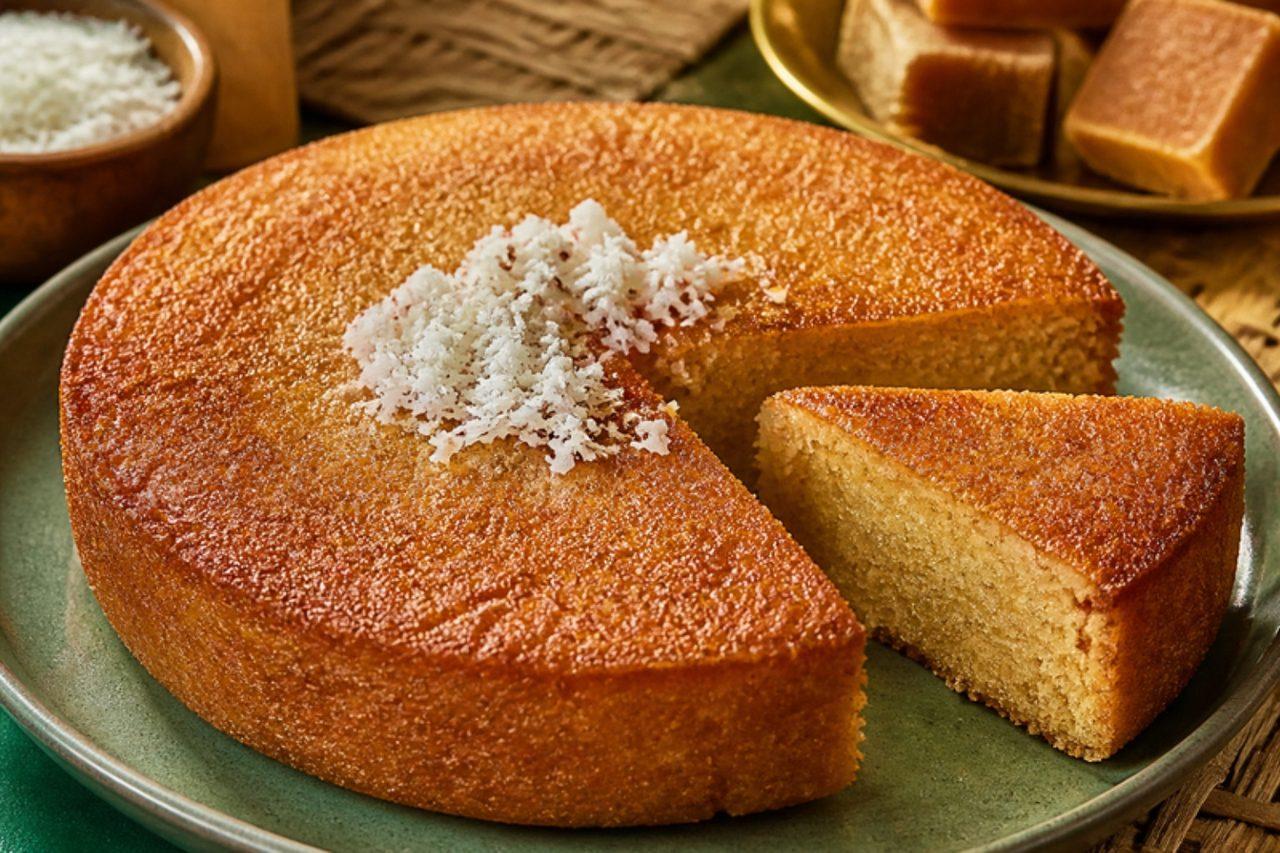
Bibikhana pithaBaked rice flour and coconut cake

The name means something like a lady's dish, and bibikhana pitha has long been the grand, special-occasion pitha of well-off households in Dhaka, Comilla and Noakhali, made in winter when a son-in-law or important guest is expected. It is closer to a cake than most pithas: rice flour, eggs, milk, grated coconut and date-palm jaggery are beaten together and baked slowly, traditionally in a heavy pan over charcoal with more coals heaped on the lid, until it sets into a dense, moist, caramel-brown cake. It is cut into wedges and served with tea in the afternoon. Baking too hot is the typical slip, so the jaggery burns before the middle sets; a moderate oven and patience give an even colour. Chef's tip: let it cool completely before cutting, as it firms up and slices cleanly only once cold.

by KrazyBadal 0 views

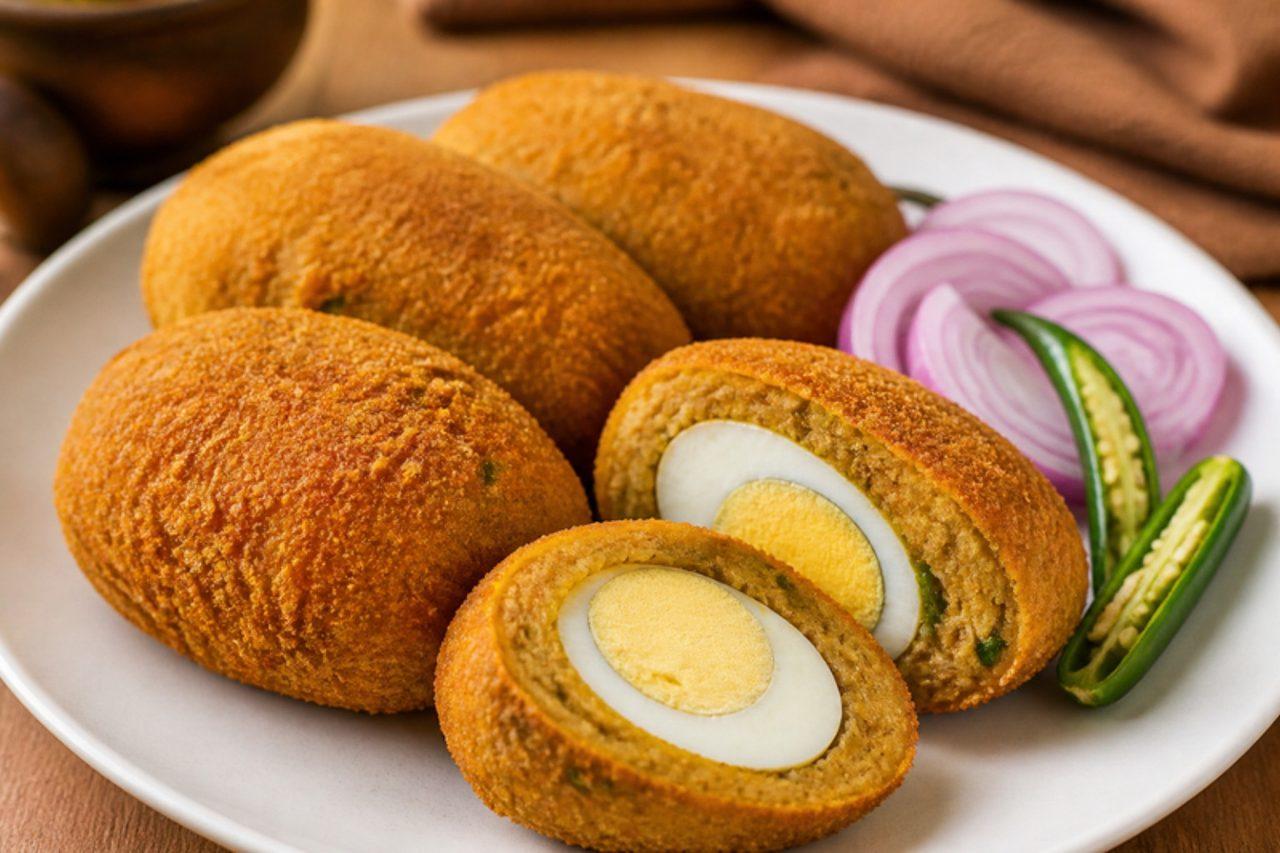
Dimer chopEgg-in-potato croquettes

Glass cabinets at Dhaka's sweet shops and snack counters, from New Market to Mirpur, always hold a row of dimer chop, oval golden-crumbed parcels that, when cut, reveal half a boiled egg nested inside a layer of spiced potato. They are bought for afternoon tea, birthday parties and school tiffin and eaten with kasundi mustard sauce, tomato ketchup and a little sliced onion and cucumber. Some versions mix minced meat into the potato; this one keeps it vegetarian, with garam masala, ginger and fried onion for depth. Soft-boiled eggs are a mistake here: they must be fully hard-boiled so the yolk is firm and the chop is safe and easy to wrap. Chef's tip: chill the crumbed chops for 15 minutes before frying so the coating stays put.

by KrazyBadal 0 views

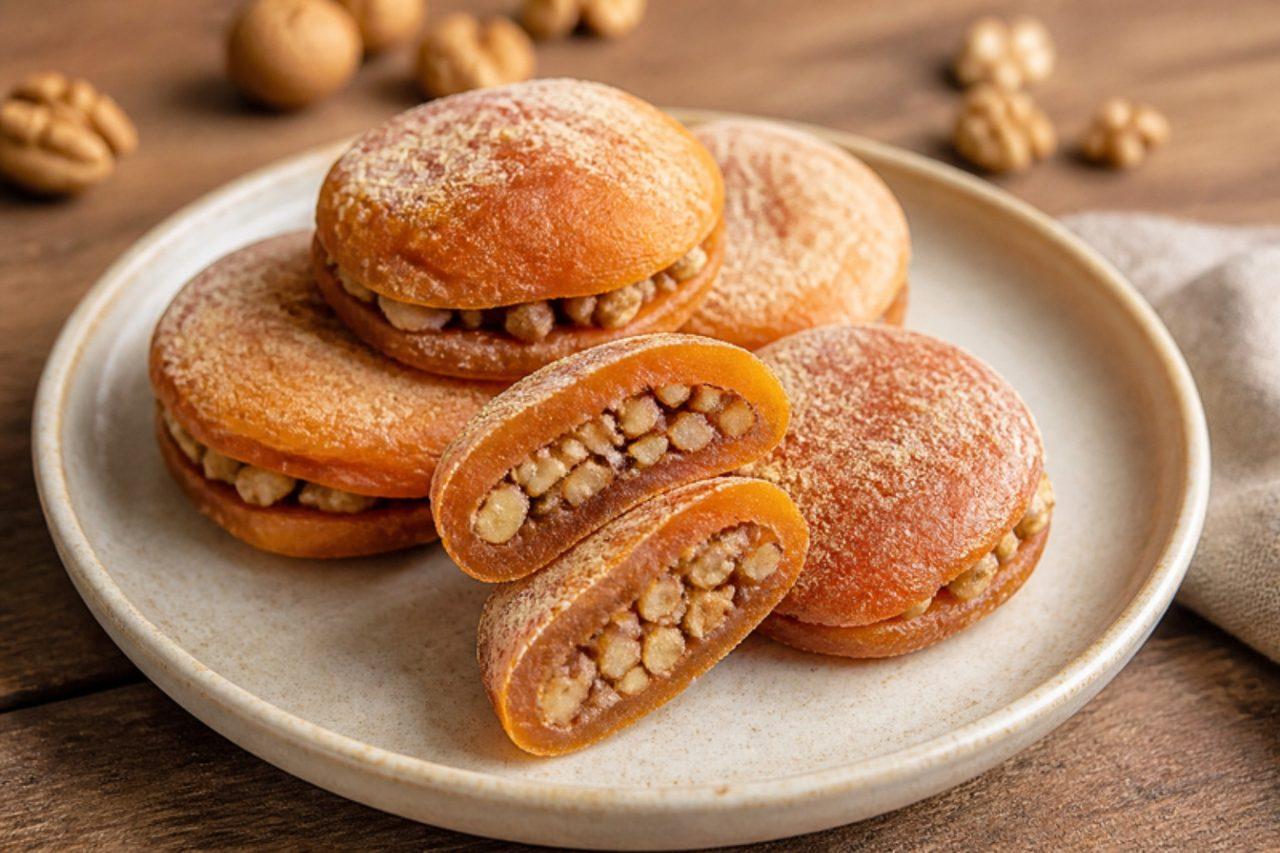
AlaniWalnut-stuffed dried peaches

Every autumn in the Ararat Valley, the orchards below Mount Ararat produce more peaches than can be eaten fresh, so families split them, dry them in the sun and then stuff them with a mixture of crushed walnuts and sugar, pressing them closed again. The finished alani are sold on strings at Yerevan's covered market and given as gifts at New Year, chewy, sweet and nutty. At home, start with good soft dried peaches. A common mistake is using very dry, leathery fruit, which cracks when you open it. Chef's tip: steam the peaches for 2 minutes first, so they turn soft and pliable and close neatly around the filling.

by KrazyBadal 0 views

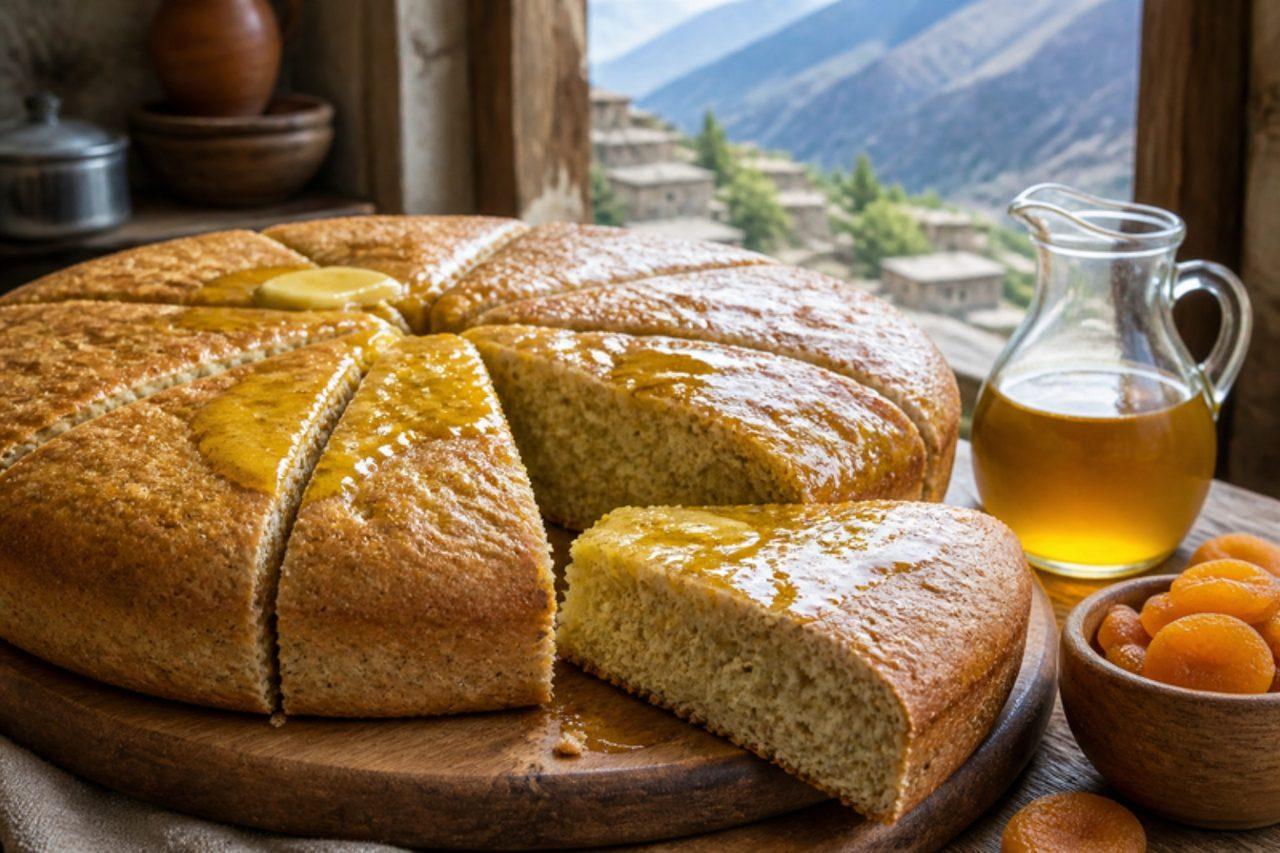
Diram fittiSprouted wheat bread with butter

High in the Hunza valley, diram is flour ground from wheat that has been soaked, sprouted and sun-dried, and it gives this thick, round bread a gentle natural sweetness and a faintly malty smell. Diram fitti is cooked slowly in a covered pan, then broken into rough pieces while still hot and drowned in melted butter and a little apricot-kernel oil, so it turns rich, soft and fragrant; in Karimabad and Altit it is made for guests, for festivals such as Ginani at harvest time and to feed someone through a hard winter. It is eaten with the hands, often with salty Hunza tea. Pale, raw centres are the common fault, so cook it slowly with the lid on. Chef's tip: sprouted wheat flour is sold in health-food shops; use only food-grade culinary apricot-kernel oil, or swap in walnut oil or more butter.

by KrazyBadal 0 views

Al yakhniBottle gourd in yogurt gravy

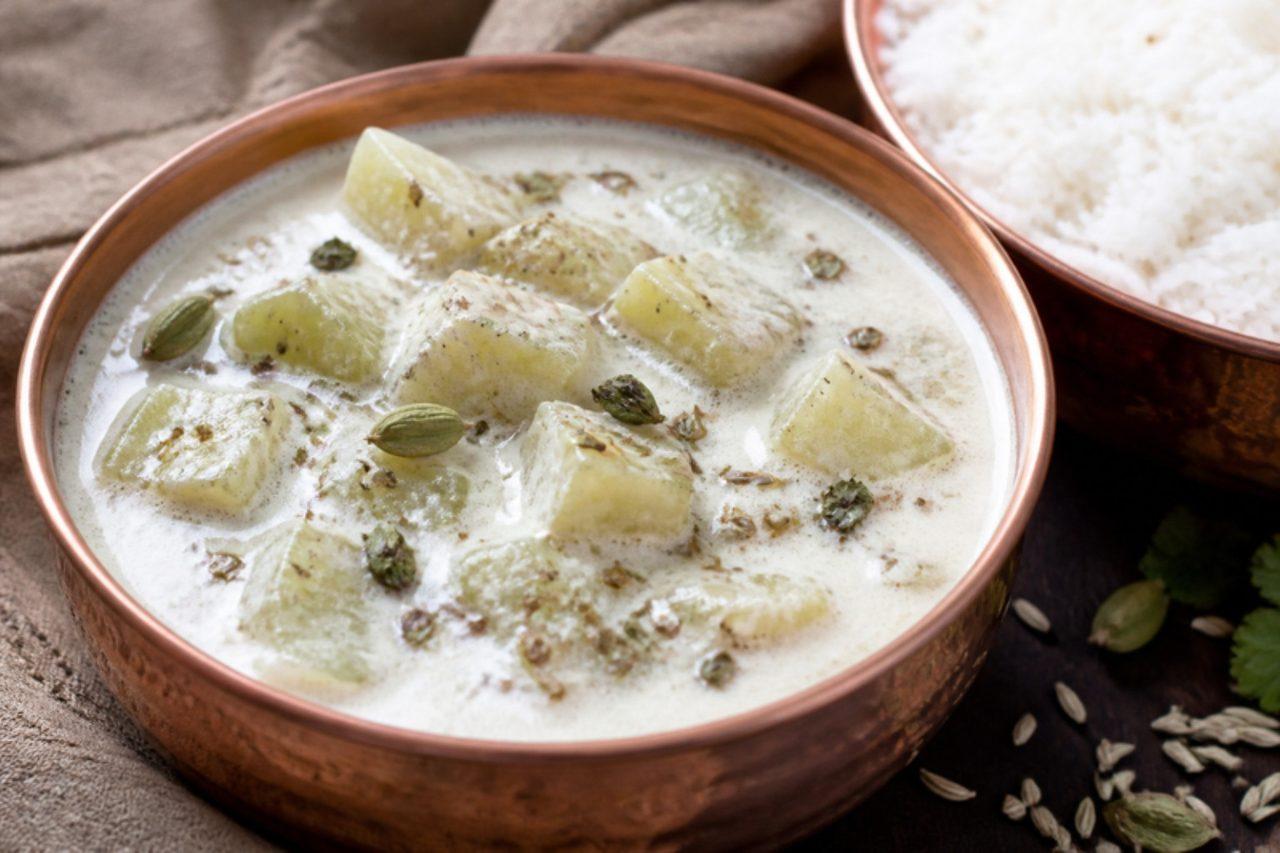
Yakhni in Kashmir means a gravy built on yogurt rather than tomato, and al yakhni, made with bottle gourd, is the version cooked in Muzaffarabad and the Neelum valley when the vines are heavy in late summer. The pale, delicately sour sauce is flavoured with ground fennel, dry ginger, cloves and cardamom, never chilli powder, and finished with a crumble of dried mint, so it tastes cool and aromatic rather than hot. It is eaten with a mound of plain rice, often alongside a red, chilli-hot dish so the two balance each other. Yogurt that splits into grainy curds is the trap: it happens when cold yogurt meets hot oil or when the pot is left alone before it boils. Chef's tip: whisk the yogurt with the spices and keep stirring in one direction over a medium heat until it comes to a full boil; after that it will not curdle.

by KrazyBadal 0 views

DibyazaApricot and date compote

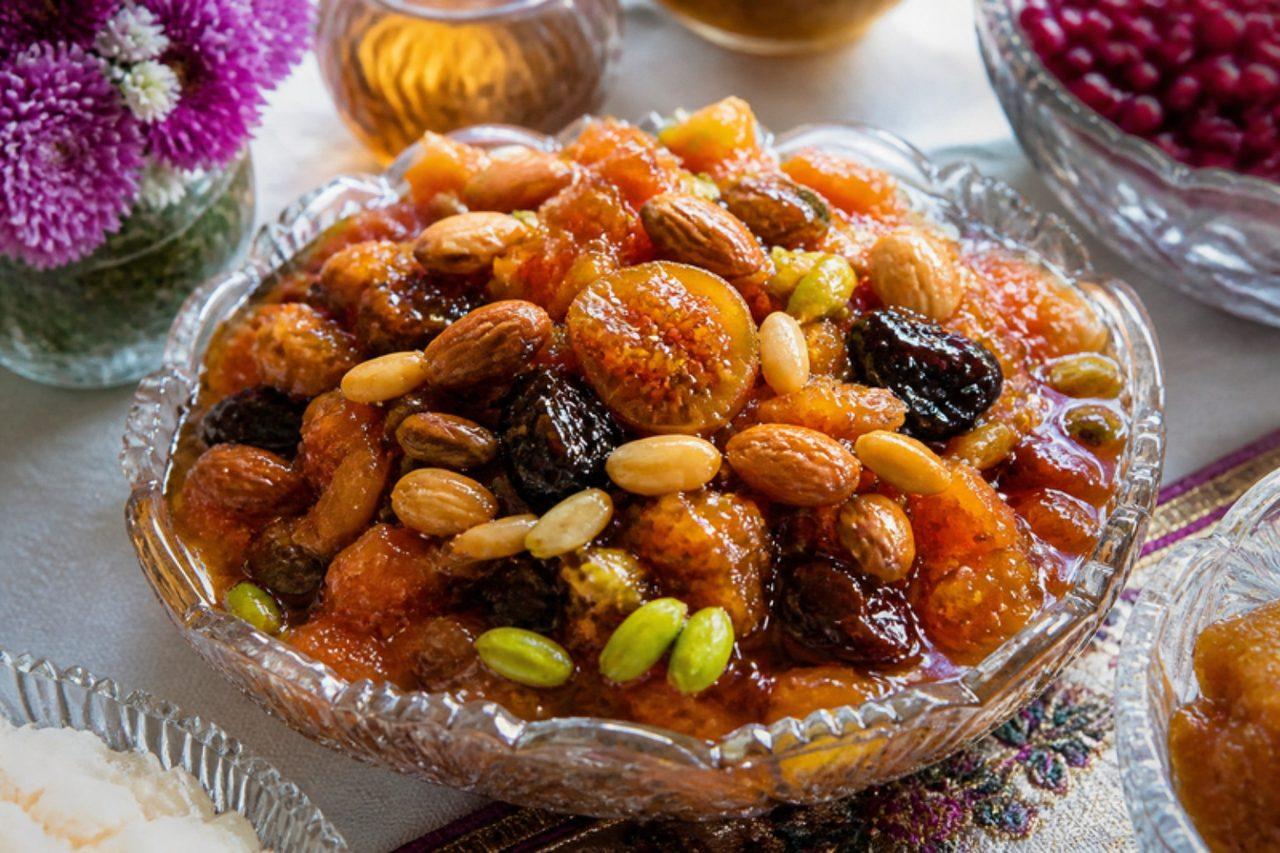
No Eid table in Jeddah or Mecca is complete without a bowl of dibyaza, a thick, glossy compote that old Hejazi families make the night before the festival and serve at breakfast alongside cheese, olives and fresh bread. Sheets of dried apricot paste melt into a tangy orange syrup that wraps around soft dates, figs, prunes and crunchy nuts, so every spoonful is sweet, sour and jammy at once. Some households stir in fried onion for a savoury edge; this version keeps it to fruit and nuts. People often boil it hard and scorch the bottom, because apricot paste catches very easily. Keep the heat low and stir from the base. It keeps for a week in the fridge. Chef's tip: soak the apricot paste in hot water until completely soft before it goes near the heat; it then dissolves smooth instead of leaving rubbery shreds.

by KrazyBadal 0 views

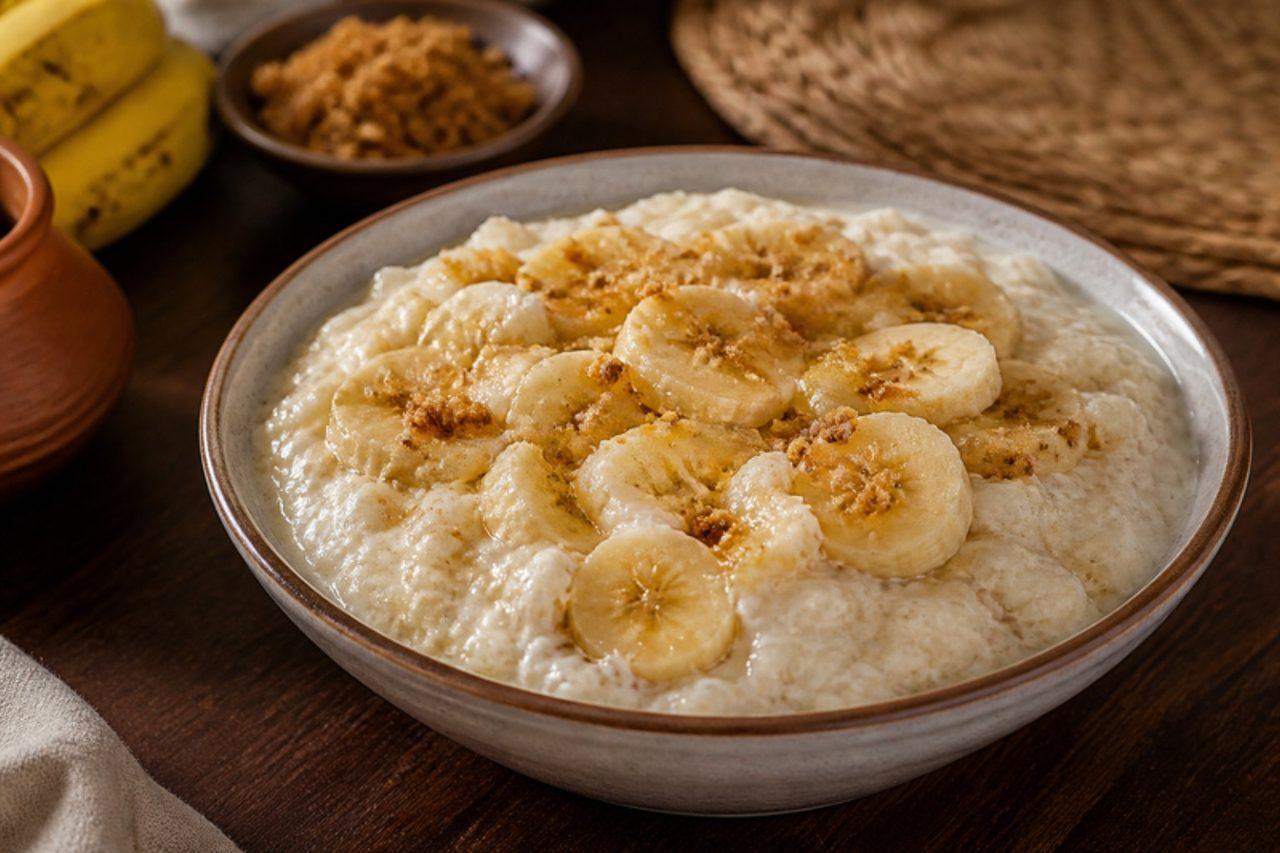
MadroubaChicken and rice porridge

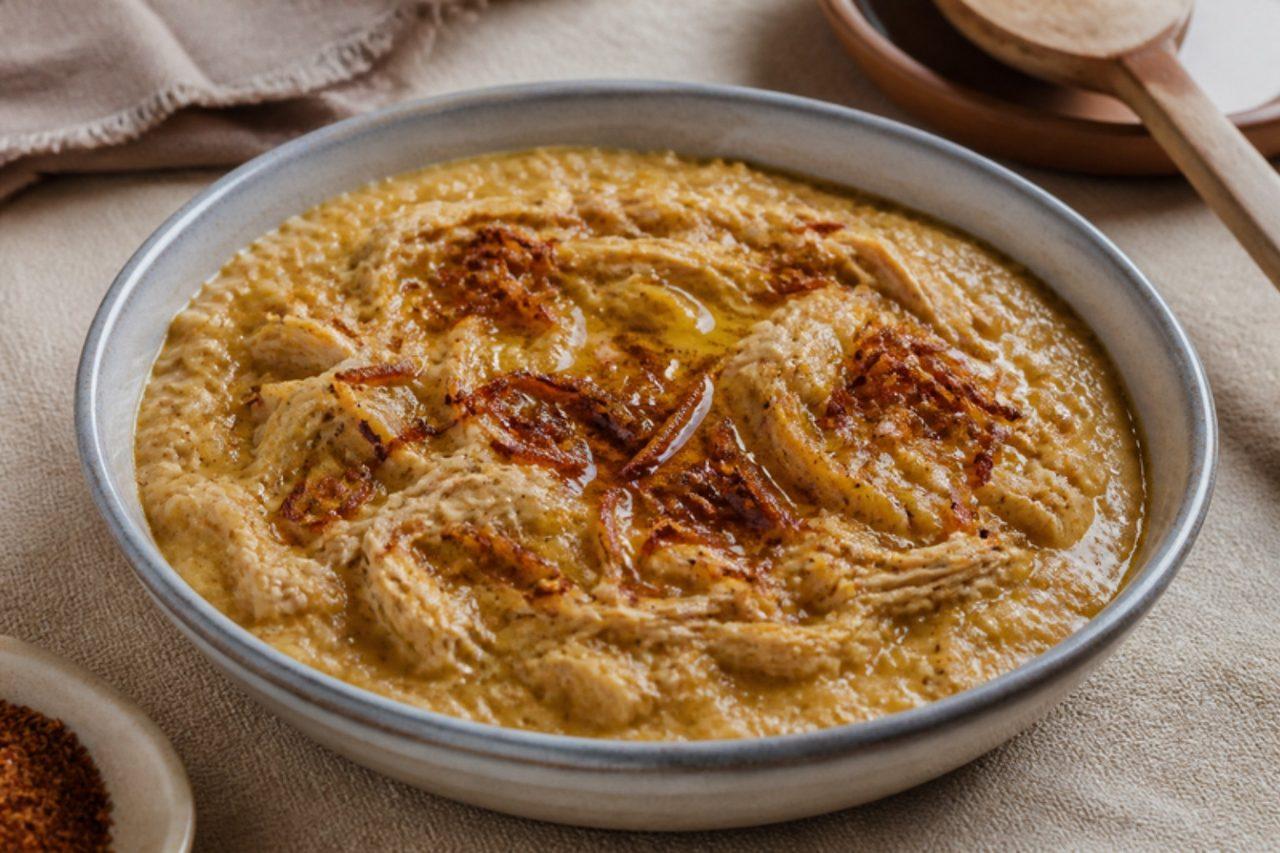
Madrouba means 'beaten', and in Doha and across Qatar and Oman it is a Ramadan favourite, cooked in big pots and beaten with a wooden spoon until the rice and chicken become one creamy porridge. It is soft and savoury, warmed by cumin, cardamom and black lime, and finished with a pool of ghee and sometimes crisp fried onion. Families eat it at iftar after dates and soup, or on cold evenings. The mistake is adding all the water at the start and walking away: the rice needs stirring so it breaks down evenly without catching. Chef's tip: use a whisk or a sturdy wooden spoon in the last 15 minutes and beat hard; the texture should be smooth with only tiny threads of chicken.

by KrazyBadal 0 views

DhikriSteamed rice flour dough shapes

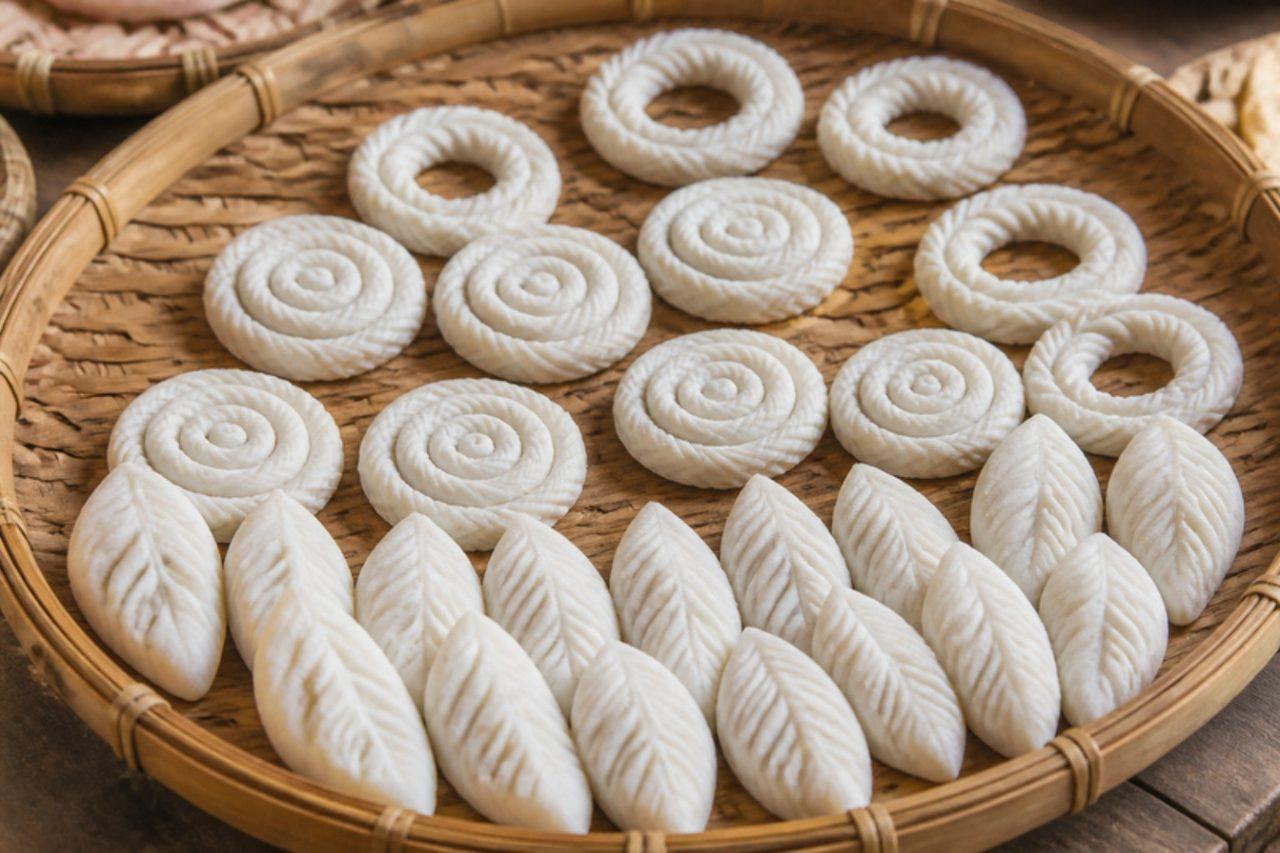
For Maghi, the Tharu new year in mid-January, and for Dashain and Atwari, families in Dang, Bardiya and Kailali sit together on the floor shaping dhikri, long pieces of rice-flour dough rolled and twisted into ropes, spirals, fish, birds and finger-marked ridges before they are steamed. The finished pieces are soft, smooth and chewy, with a clean, sweetish rice flavour that makes them a canvas for whatever is served alongside: a spicy tomato and sesame chutney, a lentil soup, a vegetable curry or, in many homes, a festive meat curry. Leftovers are sliced and fried the next day. The usual mistake is mixing the dough too dry, which cracks as you shape it and steams up hard. Chef's tip: keep the dough covered with a damp cloth while you shape, and dip your fingers in water if it starts to crack.

by KrazyBadal 0 views

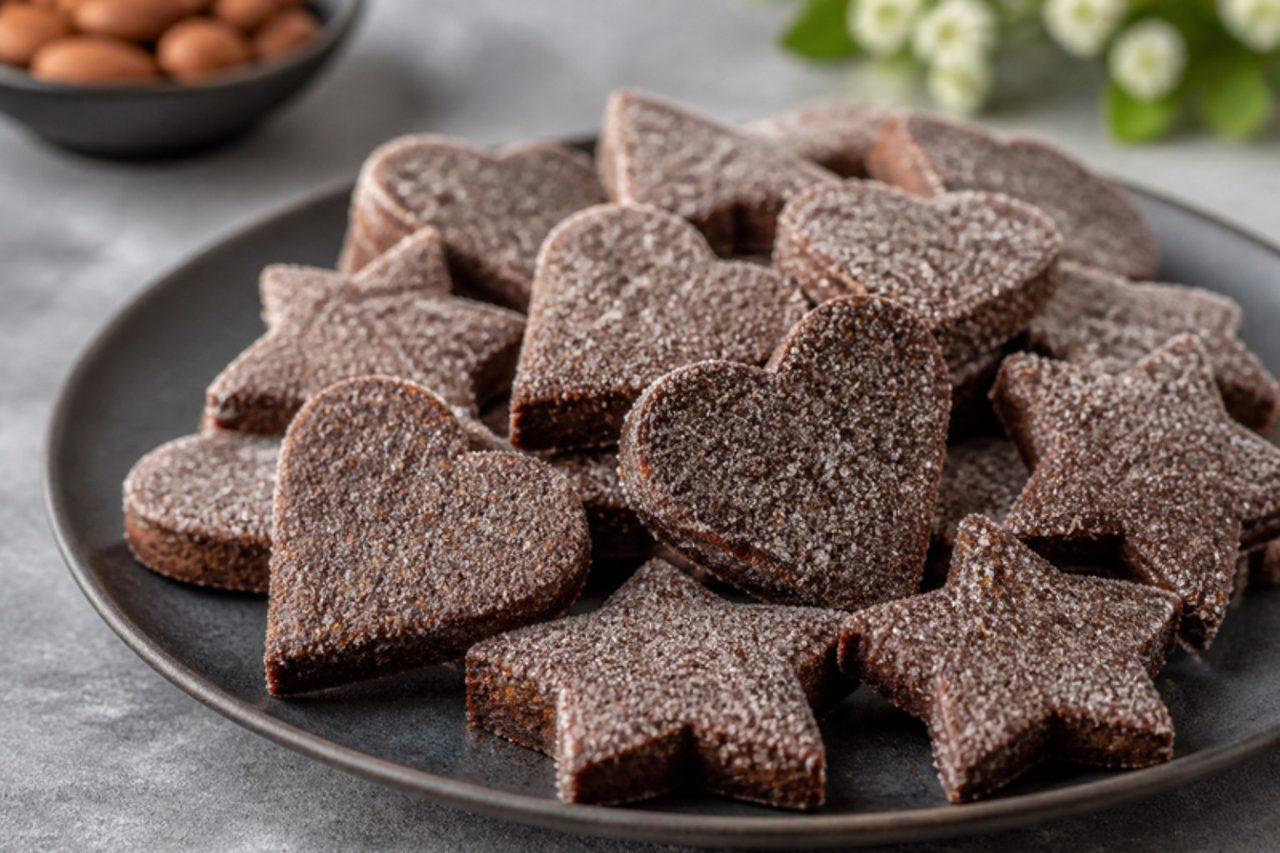
BrunsliChocolate almond biscuits

Brunsli are the dark, chewy Christmas biscuits of Basel, one of the 'Basler Weihnachtsguetzli' along with Läckerli and Zimtsterne: ground almonds, sugar, dark chocolate, cinnamon and cloves bound with egg white, rolled out on sugar and cut into hearts, stars and clovers, then dried overnight and baked briefly so they stay soft inside. They are flourless. A common mistake is baking them too long, which turns them hard. Chef's tip: leave the cut shapes to dry overnight at room temperature; they form a thin crust and keep their sharp shape in the oven. Use a dairy-free chocolate to keep them dairy-free.

by KrazyBadal 0 views

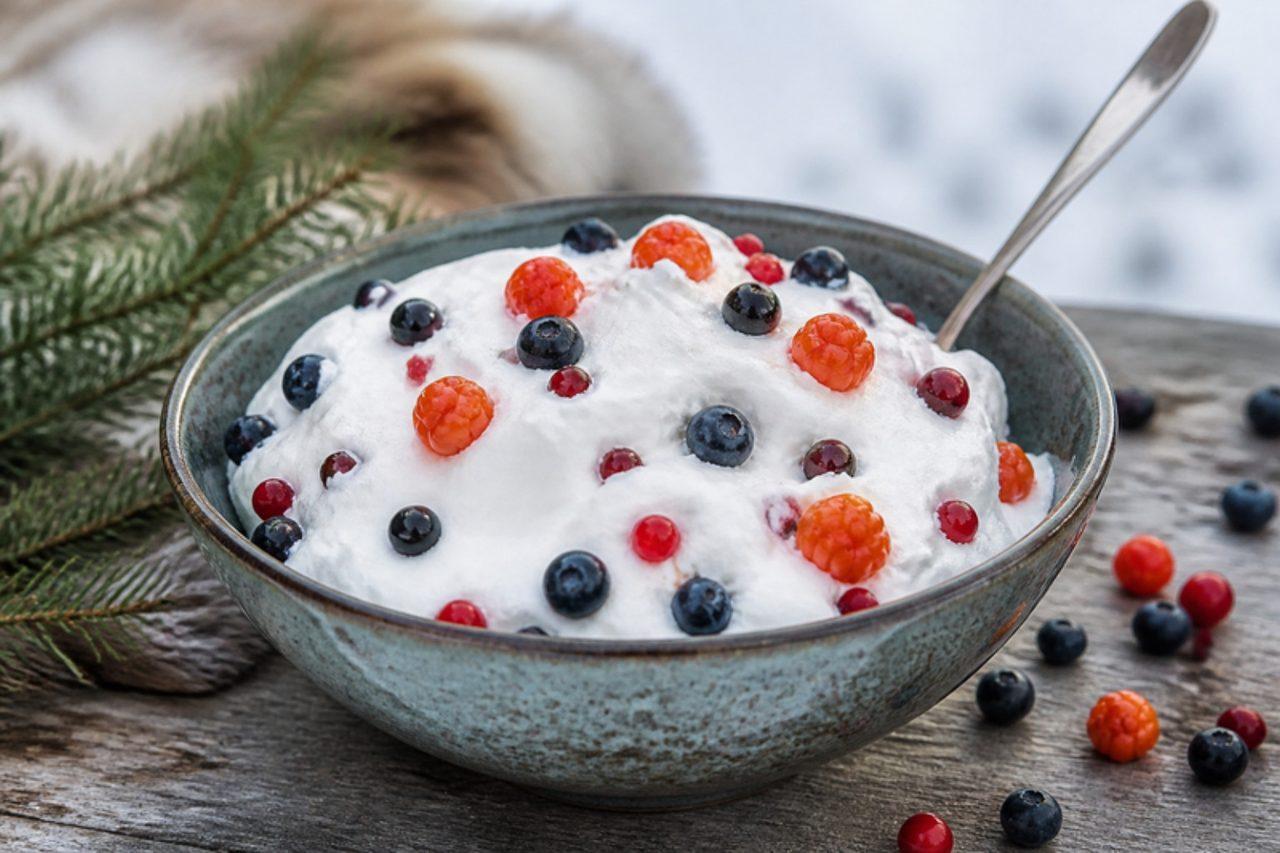
AkutaqWhipped berry dessert

Akutaq, sometimes called Eskimo ice cream, is a festive Inuvialuit and Yup'ik dish of the Western Arctic, served at feasts, potlatches and Christmas gatherings. Traditionally animal fat was whipped by hand with snow and wild berries; today many families in the Mackenzie Delta and Alaska use white vegetable shortening, which is the version here, so it is vegan. Fat and sugar are beaten until white and fluffy, then fresh or frozen berries are folded through. It is eaten cold, by the spoonful, in small portions. A common mistake is using warm shortening, which won't whip. Chef's tip: beat in the cold water a spoonful at a time; that is what makes it light.

by KrazyBadal 0 views

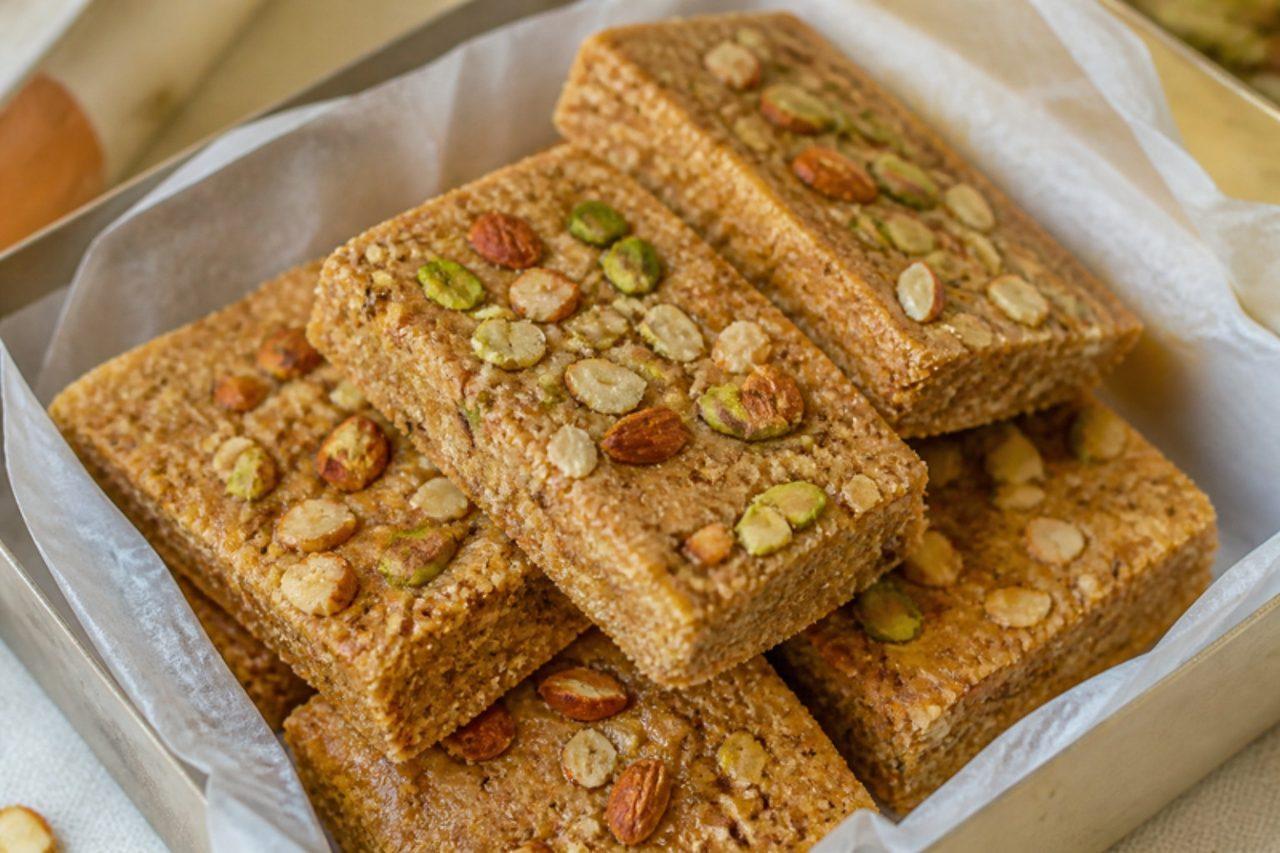
DhodhaMilk, wheat and ghee fudge

Every bus that stops in Khushab, on the road between Sargodha and the Salt Range, is met by boys carrying boxes of dhodha, the town's famous sweet and a standard gift for anyone visiting family in Punjab. It is lighter in colour and softer than habshi halwa, a moist, crumbly fudge of slowly reduced milk, a little wheat flour, ghee and sugar, packed with almonds, pistachios and walnuts and pressed into slabs about two fingers thick. The flavour is milky and nutty with a gentle caramel note, and it is sliced and eaten with tea, especially in the cold months. Where people slip up is under-reducing the milk, so the dhodha never firms and stays soft like a halwa. Chef's tip: keep stirring after you add the sugar until the mass leaves the sides of the pan cleanly and holds a ridge when you draw the spoon through it, then press it into the tin while still warm.

by KrazyBadal 0 views

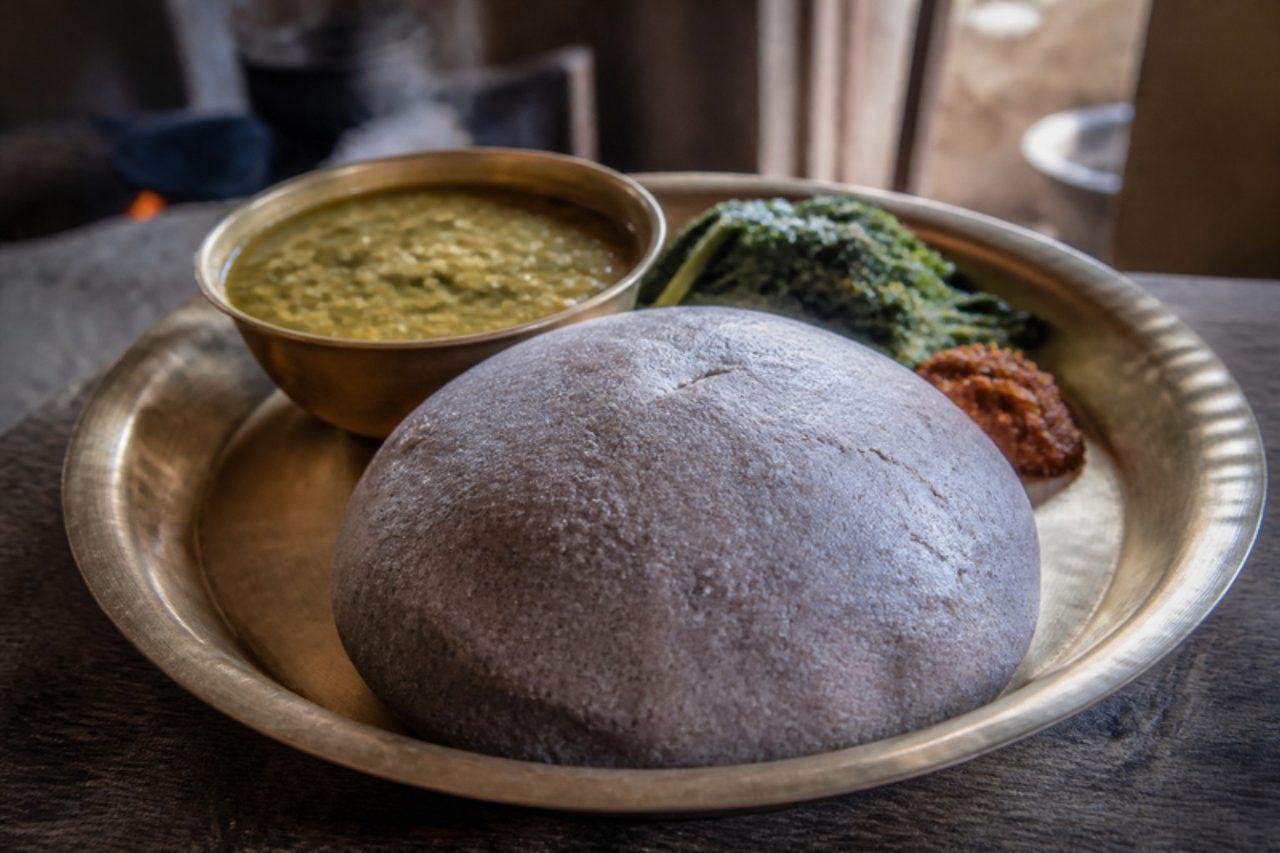
DhidoBuckwheat flour porridge

Before rice reached every corner of Nepal, dhido was what filled bellies in the high villages of Jumla, Dolpa, Mustang and the middle hills, and it is now enjoying a comeback in Kathmandu restaurants as a wholesome, gluten-free choice. Buckwheat or millet flour is rained into boiling water and stirred with a flat wooden paddle until it becomes a smooth, heavy, elastic mass, which is eaten with the fingers, pinched off and dipped into a sour vegetable soup, a bowl of lentils or a fiery tomato pickle. It has an earthy, slightly bitter flavour and a satisfying, sticky texture that is meant to be swallowed rather than chewed. Lumps are what ruin it most often, and they come from adding the flour too quickly. Chef's tip: add the flour in a thin stream with one hand while stirring hard with the other, and keep beating for a full 10 minutes once it is all in.

by KrazyBadal 0 views

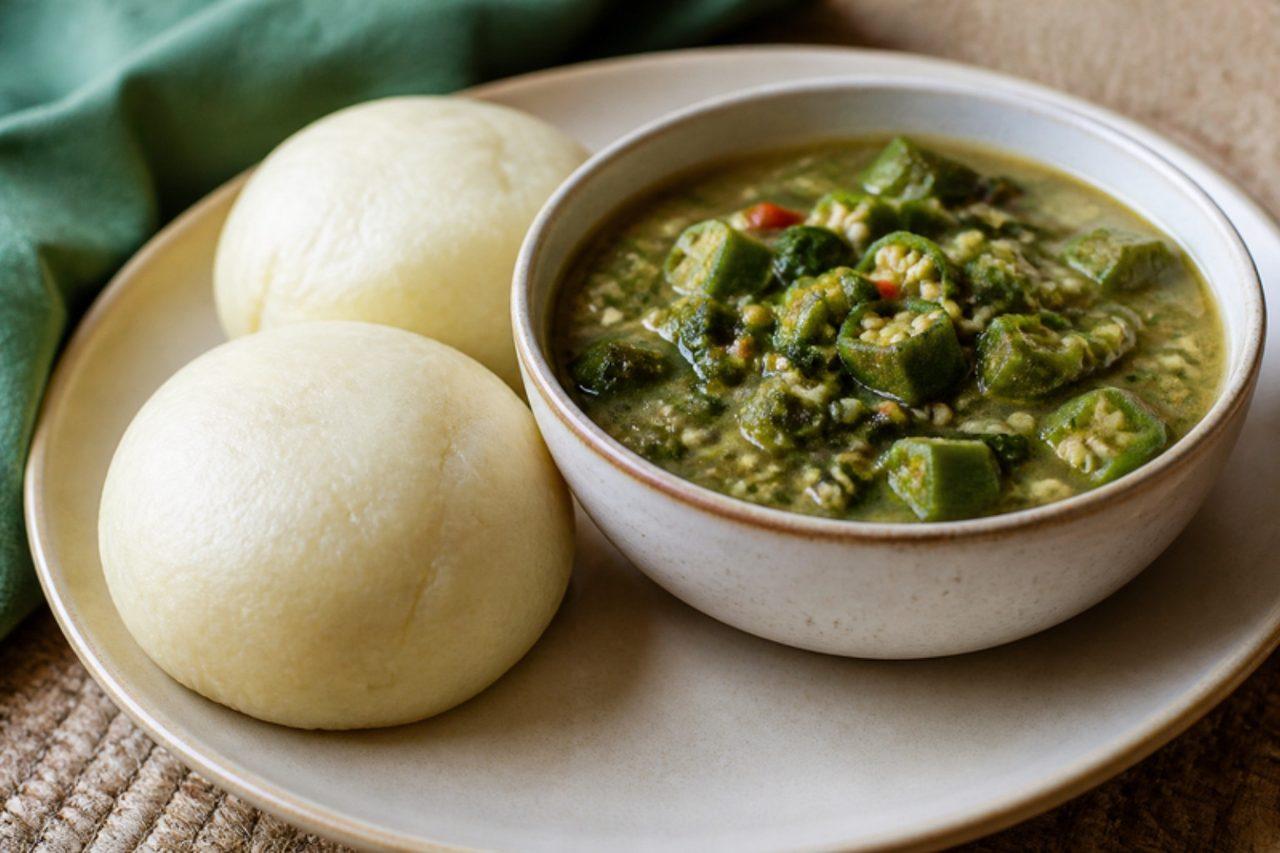
AkpleCorn and cassava swallow

Ewe homes in Ho, Keta and across the Volta Region eat akple at the main meal of the day, almost always with fetri detsi, the slippery okra soup that slides it down. It is firmer and less sour than banku, made by stirring fine maize meal into a hot base of fermented corn and cassava dough, and the finished balls are smooth, dense and mild. A vegetable okra soup makes it a meat-free meal. Chef's tip: add the dry maize meal in small handfuls and press every addition into the dough before the next; pouring it in all at once is the common mistake that leaves dry, floury pockets.

by KrazyBadal 0 views

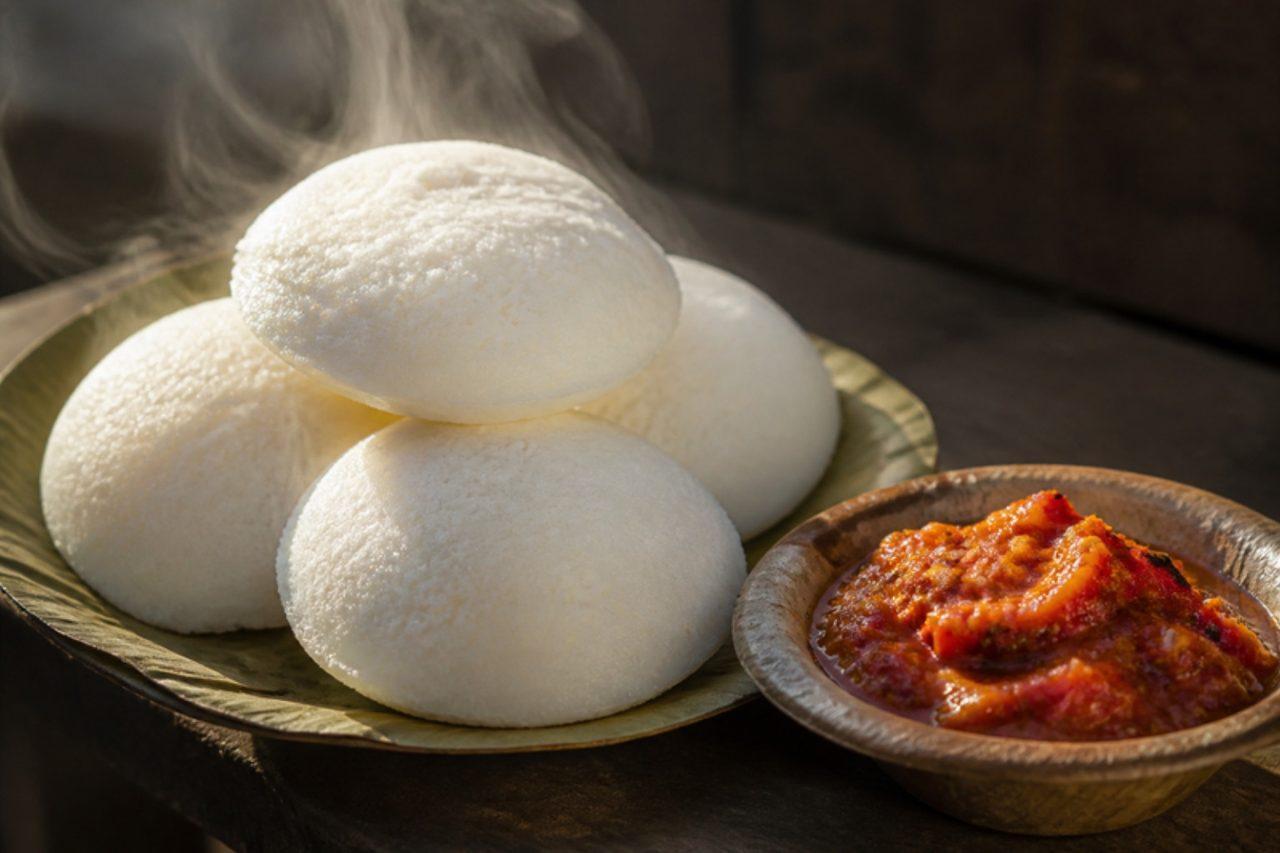
BhakkaSteamed rice cakes

On foggy December mornings in Biratnagar, Itahari and the bazaars of Jhapa and Morang, street sellers sit behind a smoking clay pot turning out bhakka one at a time, little round cakes of damp, freshly ground rice flour steamed in a cloth-covered bowl over boiling water. Each one is light and crumbly, almost like a soft rice sponge, and slightly sweet, and it is eaten straight away, broken up and dipped into a hot, garlicky tomato achar. It is a Tharu and Madhesi winter favourite that has become everyone's breakfast in the eastern Terai. Many first attempts fail because the flour is too fine and dry, so it packs into a hard puck. Chef's tip: grind soaked rice coarsely at home and keep it just damp enough to clump when squeezed, then sprinkle it loosely into the bowl without pressing.

by KrazyBadal 0 views

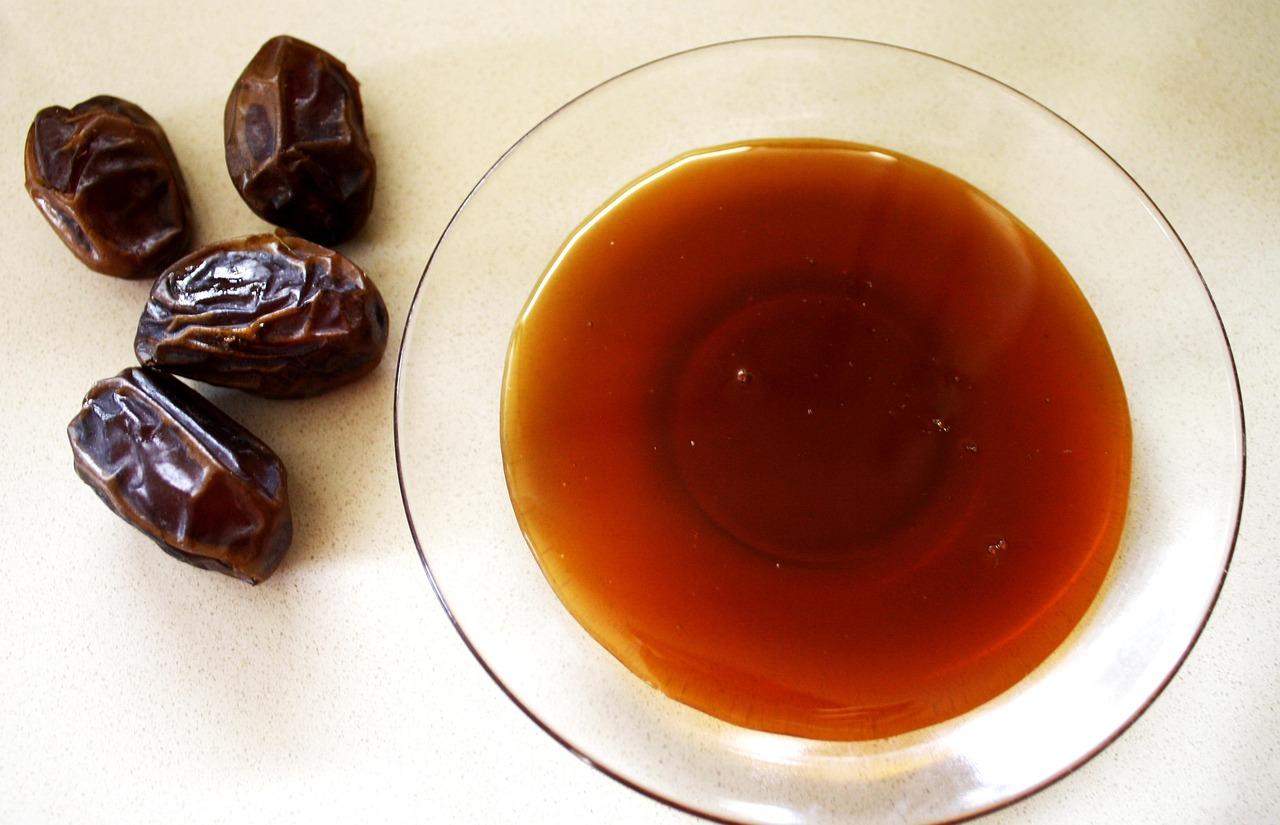
DibsDate syrup

Across the Gulf, from the date gardens of Al-Ahsa to the oases of Oman and the UAE, dibs is the dark, glossy syrup pressed and boiled from ripe dates, and it was the region's sweetener long before sugar was common. It tastes of toffee and dried fruit with a faint bitterness, and families pour it over chebab and khameer, mix it with tahini for dipping bread, and use it in sweets like luqaimat. Making it at home takes time but little effort, and a kilo of dates gives a jar that lasts for months in the fridge. The mistake is boiling the strained juice too hard at the end: it scorches and turns bitter. Chef's tip: squeeze the date pulp in the cloth when it is still warm; you get far more juice than from cold pulp.

by KrazyBadal 0 views

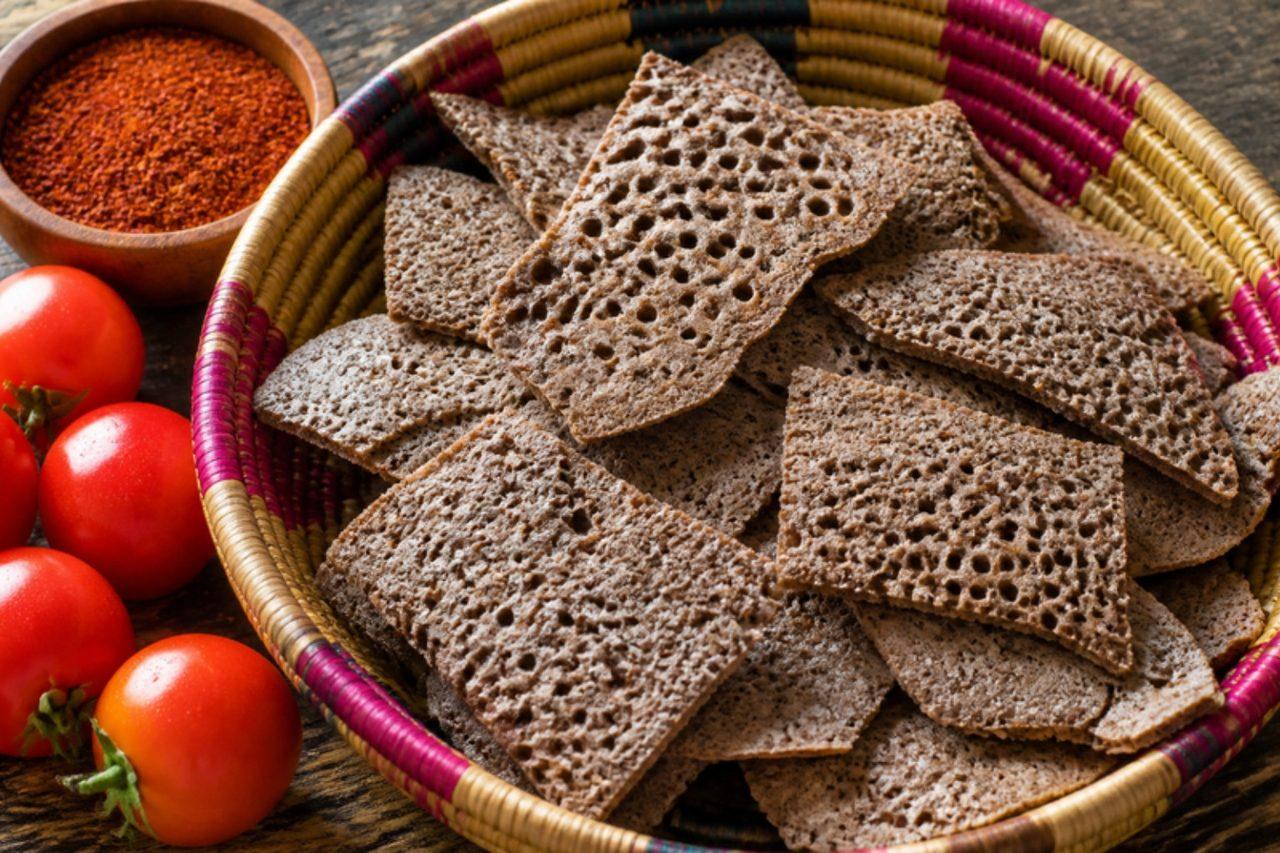
DirkoshDried crisp injera

No Ethiopian kitchen throws injera away. Pieces that are past their best are torn up and dried in the sun, on the roof or on a tray by the fire until they snap like crackers, then kept in a sack or tin for weeks. This dirkosh is the backbone of quick meals on Wednesdays, Fridays and during the long Lent fast: a handful softened in a red onion and berbere sauce becomes fasting firfir in ten minutes, and travellers once carried it as food for the road. A low oven does the job at home in a few hours. Chef's tip: tear the injera into pieces no larger than a playing card; big sheets curl and stay leathery in the middle.

by KrazyBadal 0 views

Doi chiraFlattened rice with curd

Nothing is cooked for doi chira, which is why it has been the breakfast of farmers and fishermen in Barisal for generations: flattened rice is rinsed, softened in thick, slightly sour curd and sweetened with jaggery or sugar, then mashed together with a ripe banana. The texture is soft and creamy with a little chew from the rice flakes, and the taste is cool, sweet and tangy. It is eaten on hot summer mornings, at village fairs and as part of the Pohela Boishakh spread, and it is a favourite of children and of anyone fasting who wants something gentle. The usual misstep is soaking the chira for too long, which turns it to paste; a quick rinse is all it needs before the curd does the rest. Chef's tip: use thick-cut chira, not the thin kind for frying, so the flakes hold their shape.

by KrazyBadal 2 views

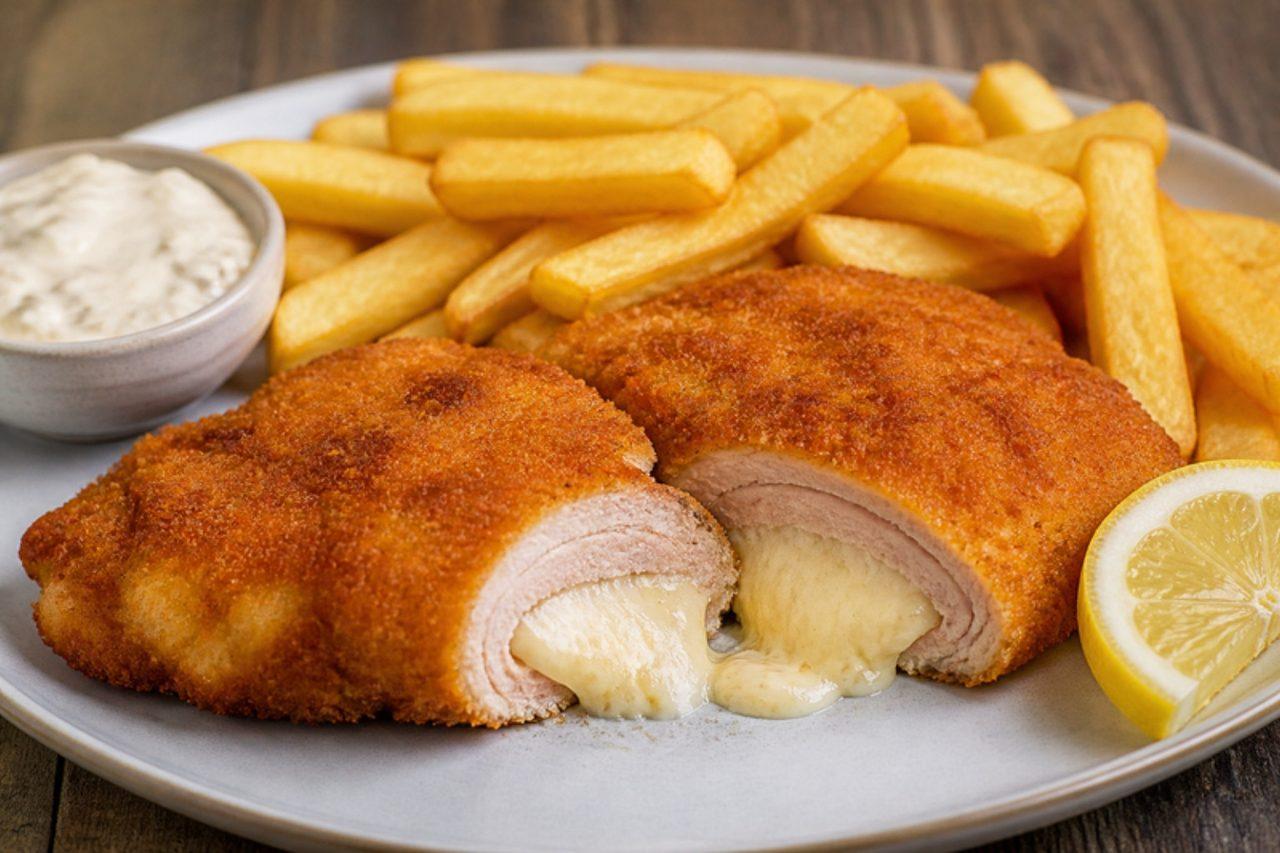
Karađorđeva šniclaBreaded stuffed pork roll

Belgrade restaurants have served this since a local chef created it in the mid-20th century, naming it after Karađorđe, leader of the First Serbian Uprising; diners fondly call it the maiden's dream. A thin pork escalope (veal is the other classic) is spread with kajmak, Serbia's rich, slightly tangy clotted cream, rolled tight, double-breaded and fried into a golden log that oozes when cut. It comes with chips or roast potatoes, a lemon wedge and tartar sauce. If you can't find kajmak, beat cream cheese with a little soft butter and a pinch of salt. Rolling it loosely is the mistake that ruins it, because the cream escapes into the oil; roll tightly and chill before breading. Chef's tip: fry only until golden, then finish in the oven, so the crumb stays crisp while the pork cooks through to the centre.

60 minBalkanMeat
by KrazyBadal 0 views

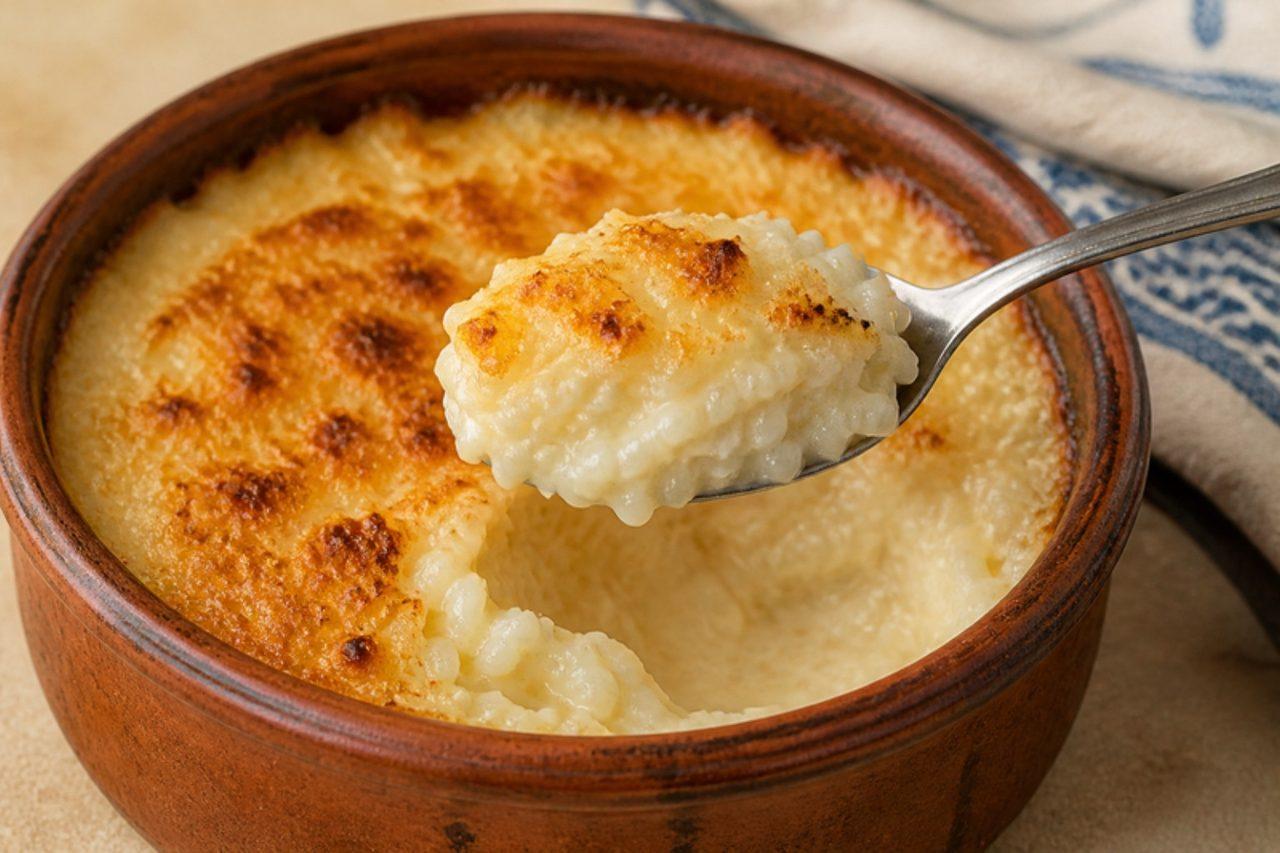
Roz me'ammarCreamy clay-pot baked rice

Village kitchens across the Nile Delta, from Menoufia to Sharqia, slide a clay pot of roz me'ammar into the bread oven for feasts, Fridays and Eid lunch. Short-grain rice bakes slowly in milk, cream and butter until it sets into a soft, rich block with a crisp, golden-brown crust on top that everyone fights over. In the Delta it usually comes with roast pigeon or duck; for a meat-free table it is just as good with a sharp salad, pickles and a dish of mish. Stirring it once it is in the oven is the mistake to avoid: it breaks the crust and makes the rice gluey. Chef's tip: use Egyptian or other round, short-grain rice; long-grain rice will not drink up the milk the same way.

by KrazyBadal 0 views

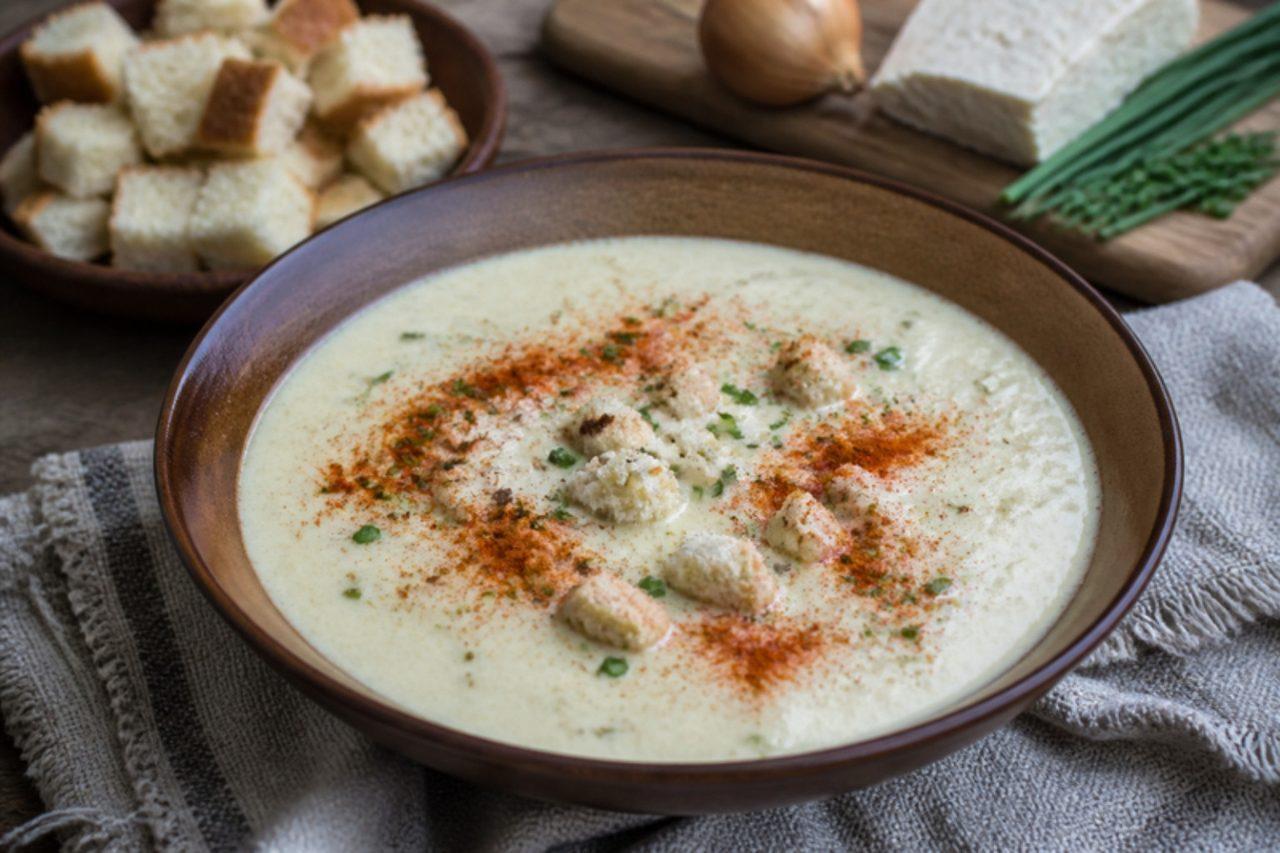
DemikátSheep's cheese soup over bread

Shepherds in the hills of central Slovakia needed only a kettle of water, a lump of bryndza and a loaf of bread to make demikát, a soup that comes together in a quarter of an hour at the salaš, the summer sheep hut. The soft, salty sheep's cheese is mashed with fried onion, paprika and caraway, loosened with boiling water and poured over chunks of bread, then finished with heaps of chives. It is tangy, creamy and very warming. Bryndza is traditionally made with animal rennet and sometimes from raw milk, so for a vegetarian, safer bowl choose a pasteurised sheep's cheese made with vegetarian rennet (a soft feta-style cheese mashed with a little cream cheese works well). The usual slip is boiling the soup after the cheese goes in, which makes it grainy; just bring it to steaming. Chef's tip: use day-old rye bread, toasted, so it soaks up the broth without falling apart.

20 minCzechSoups
by KrazyBadal 0 views

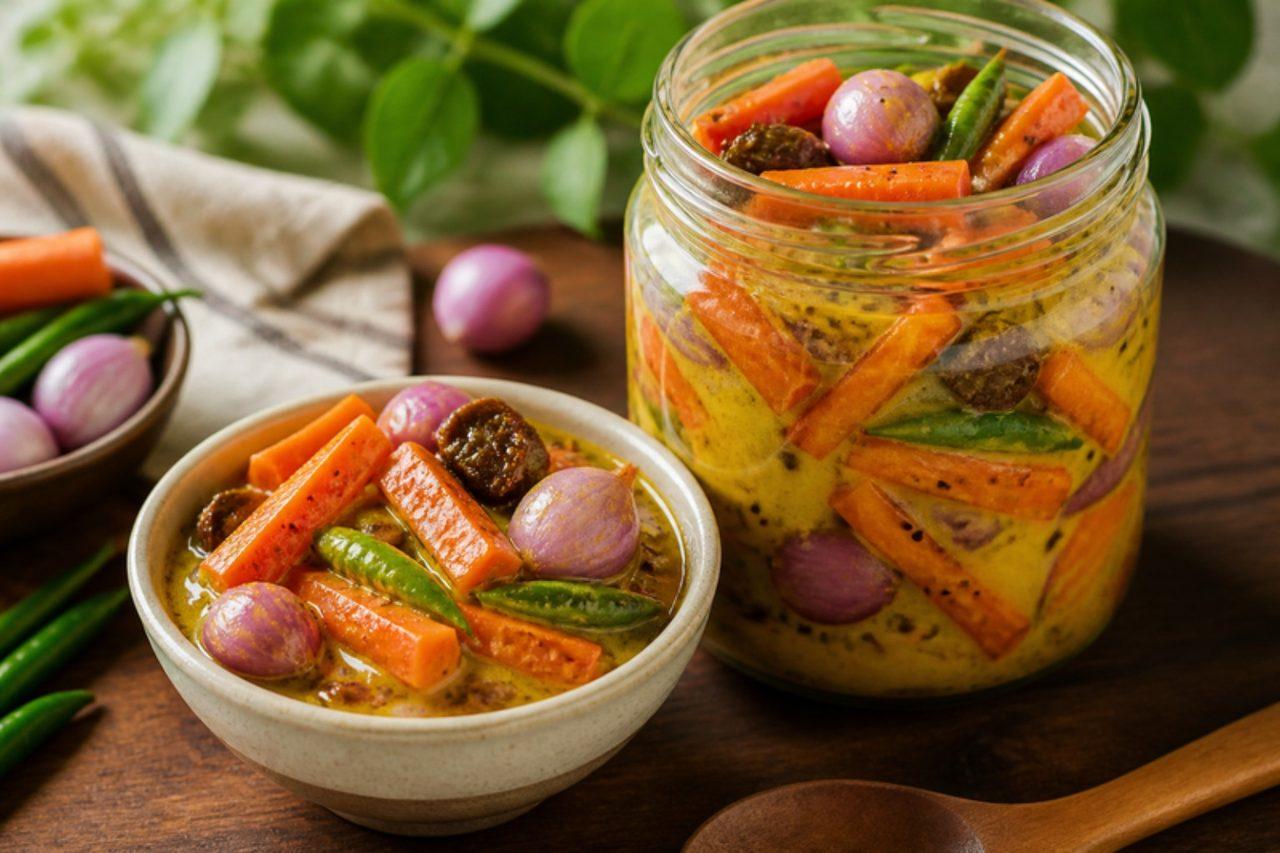
Malay achcharuSweet sour vegetable pickle

Sri Lanka's Malay community, whose ancestors came from Java and the Malay peninsula under Dutch rule, gave the island this vivid pickle, and today no Eid biryani in Colombo's Slave Island or Hambantota is served without a bowl of it beside the plate. Carrot sticks, whole shallots and green chillies are blanched in vinegar, then coated in a thick, mustard-yellow paste of ground mustard seed, garlic, ginger, chilli and sugar, with soft dates stirred through for sweetness. It is crunchy, sharp and sweet all at once, a perfect foil for rich rice dishes and fried food. Rushing it to the table is the error most people make; the pickle needs at least a day in the jar for the mustard to mellow and the dates to melt into the sauce. Chef's tip: soak the mustard seeds in vinegar for an hour before grinding, which softens them and gives a smoother, creamier paste.

by KrazyBadal 0 views

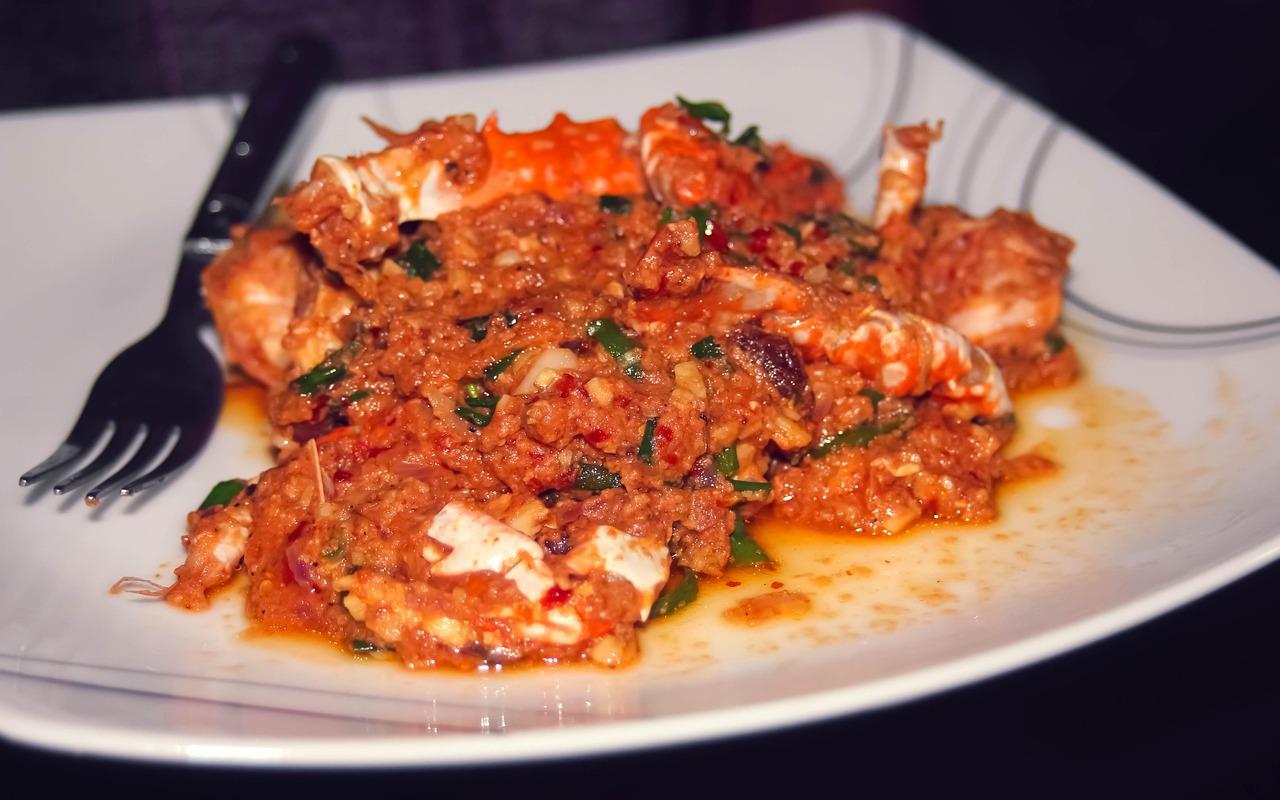
Kakra bhunaMud crab masala

The muddy channels of the Sundarbans and the shrimp farms around Shyamnagar and Paikgachha are crab country, and in Khulna homes the big-clawed mud crabs are chopped in half, fried and then cooked down in a thick, fiery masala until it coats every crack and crevice. It is a dish for eating with your hands, sucking the masala from the shells and cracking the claws, with plain rice and a bowl of water for your fingers. Crabs must be bought alive and lively, or freshly cooked from a fishmonger you trust: throw away any that are dead before cooking, have a cracked shell or smell unpleasant. Ask the fishmonger to dispatch and clean them for you if you are not confident doing it yourself. Undercooking is the risk to avoid; the shells should be bright orange-red and the meat white and opaque right through. Chef's tip: crack the claws lightly before they go in, so the masala seeps inside.

by KrazyBadal 0 views

Showing 45 of 7,762 recipes

Show more recipes

Page 301 of 863