

Skip to content
Qamar al-din
Featured recipe

Qamar al-din

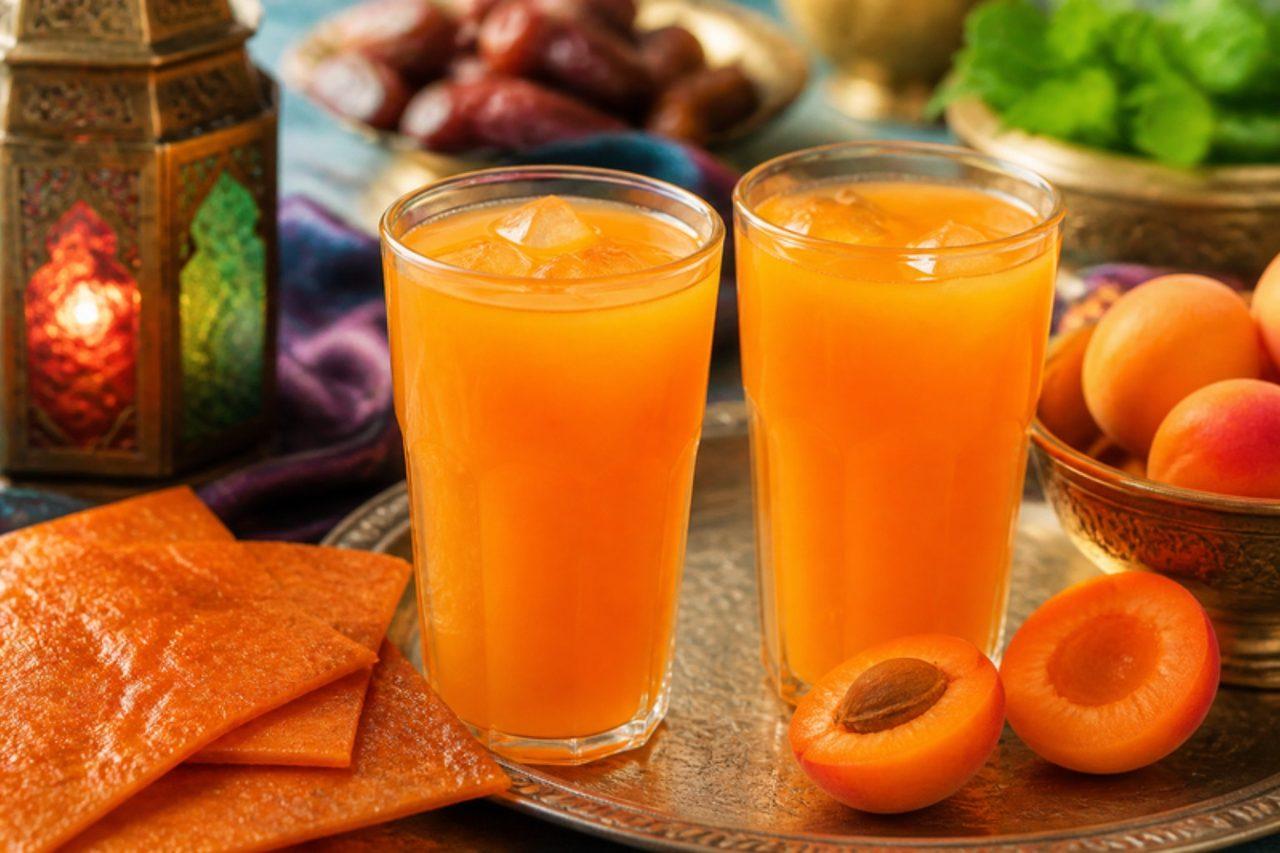
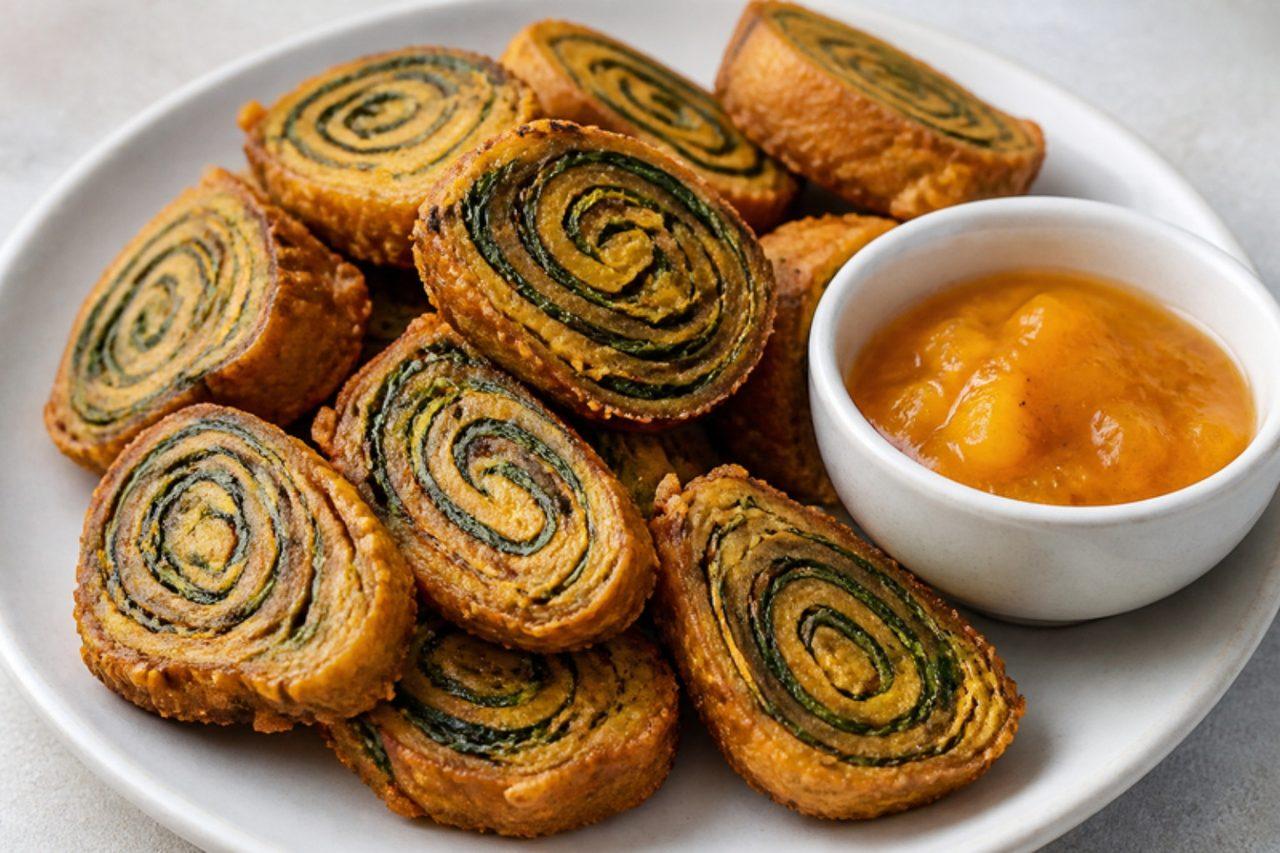
Damascus is famous for its apricots, and much of the summer harvest is pressed into thin orange sheets of apricot leather called qamar al-din. In Ramadan, almost every Syrian home soaks a sheet overnight and blends it into a thick, velvety drink to break the fast — it is sweet, slightly tart and full of energy after a long day. Serve it chilled, sometimes with a few soaked pine nuts on top. Common mistake: blending without soaking long enough; the leather needs time to soften or the drink is gritty. Chef's tip: add a splash of orange blossom water and a squeeze of lemon to wake up the apricot flavour.

Read more 0 views
Can't decide?

What to eat today?

Spin the randomizer, search with what's already in your fridge, or browse recipes from our chefs.

Latest recipes

Ropa vieja

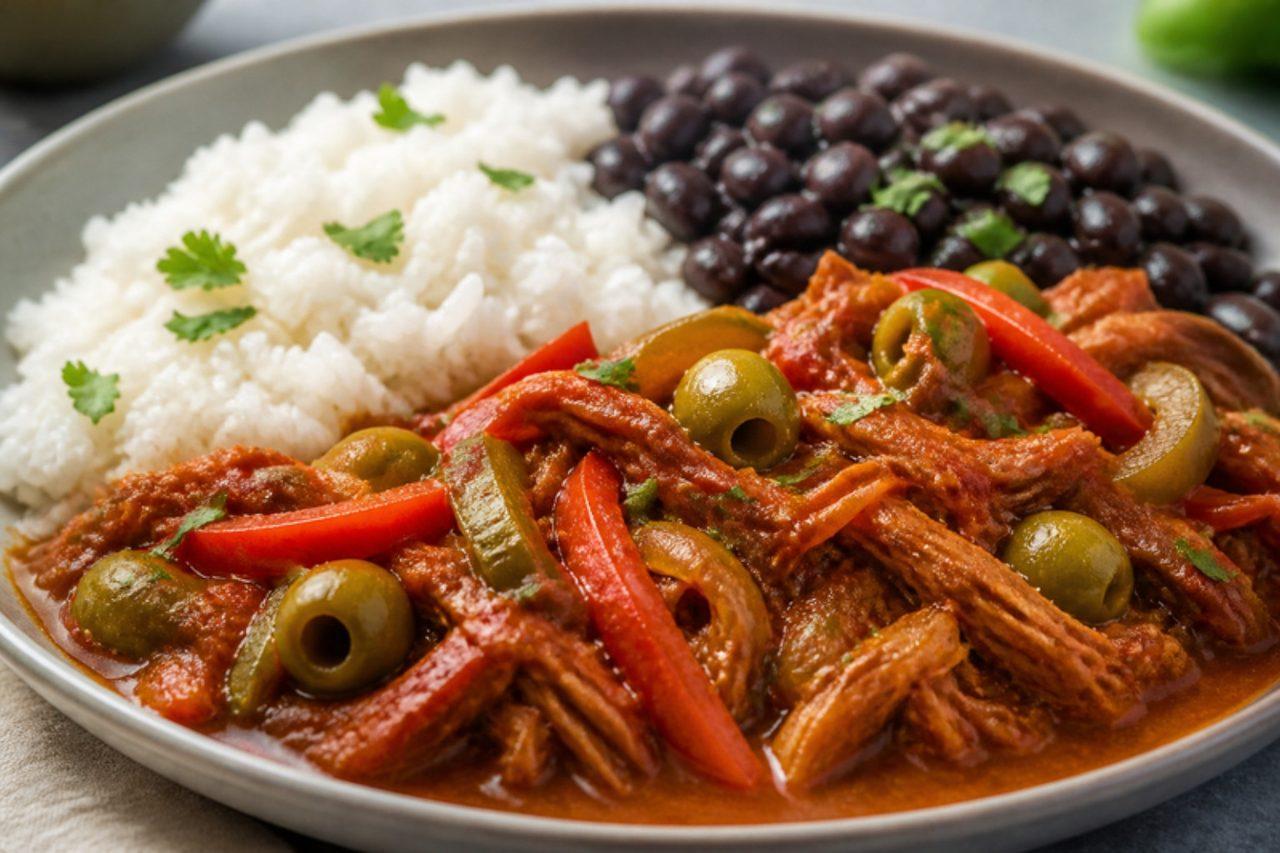
Ropa vieja means 'old clothes', after the ragged strands the beef falls into, and it is the dish Cubans name first when asked about home cooking. Families in Havana and Camagüey make a big pot on a weekend: flank steak is simmered until soft, pulled into threads and then stewed again in a sofrito of peppers, onion, tomato, cumin and green olives. It is eaten with white rice, black beans and fried ripe plantain, and it tastes even better reheated the next day. The common mistake is cutting the beef across the grain before cooking; leave it whole so it shreds into long strands. Chef's tip: keep the cooking liquid from the first simmer and use it instead of water in the sauce, because it carries most of the beefy flavour.

190 minCubanMeatGluten free
by KrazyBadal 0 views

Labneh with za'atar

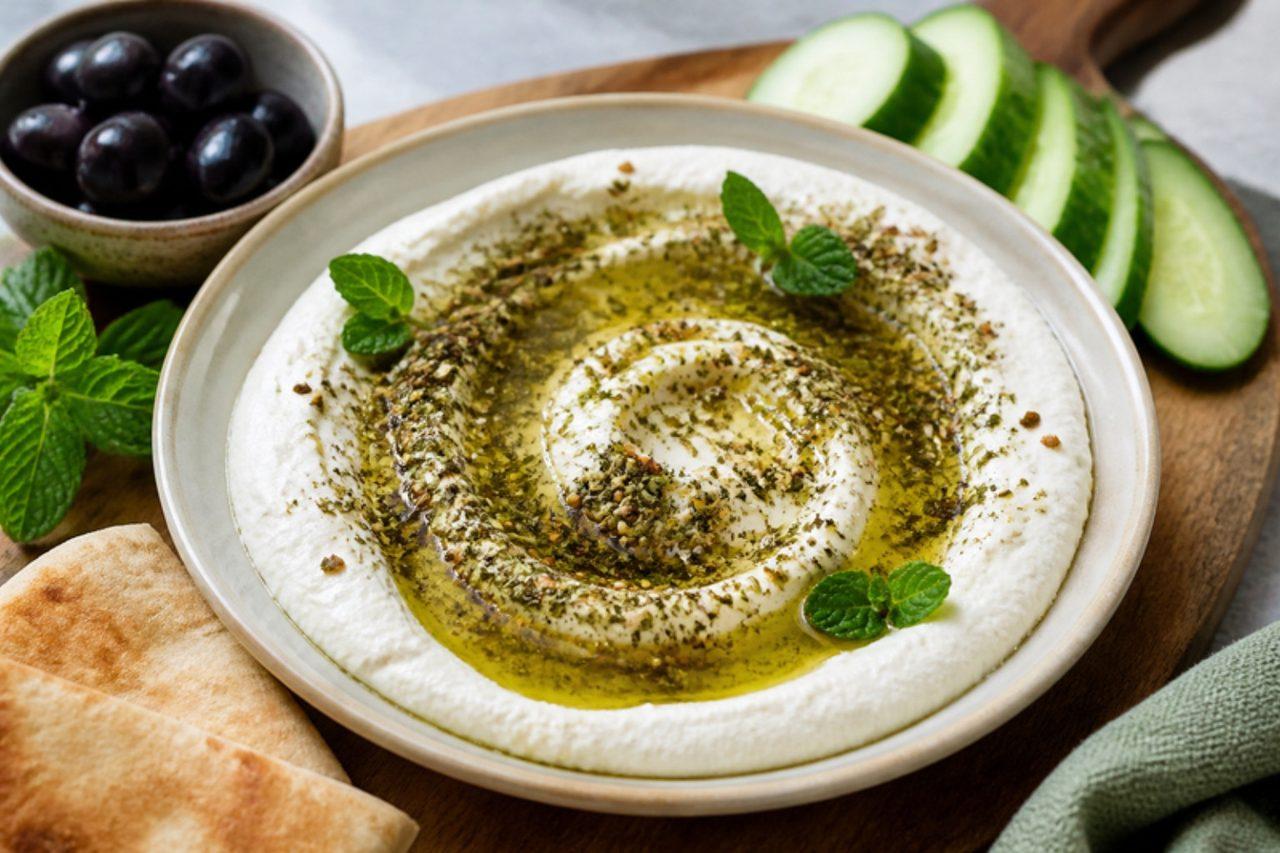
Labneh is the thick, tangy strained yogurt that Lebanese, Syrian and Palestinian families spread on a plate every morning, swirl with olive oil and scatter with za'atar, the wild-thyme, sumac and toasted sesame mix of the Levant. It sits beside olives, cucumber, tomato and warm khubz at breakfast in Beirut and on the mezze table at night, and the firmer version is rolled into small balls and kept in jars of olive oil for weeks. Here salted yogurt hangs for a full day until it is as thick as cream cheese, then goes out two ways: spread in a dish, and rolled into balls. A common mistake is using low-fat or set yogurt with gelatine; it gives a thin, chalky labneh, so choose full-fat plain yogurt with only milk and cultures. Chef's tip: stir the salt in before straining, not after, because it draws out more whey and seasons the yogurt all the way through.

by KrazyBadal 0 views

Asado argentino

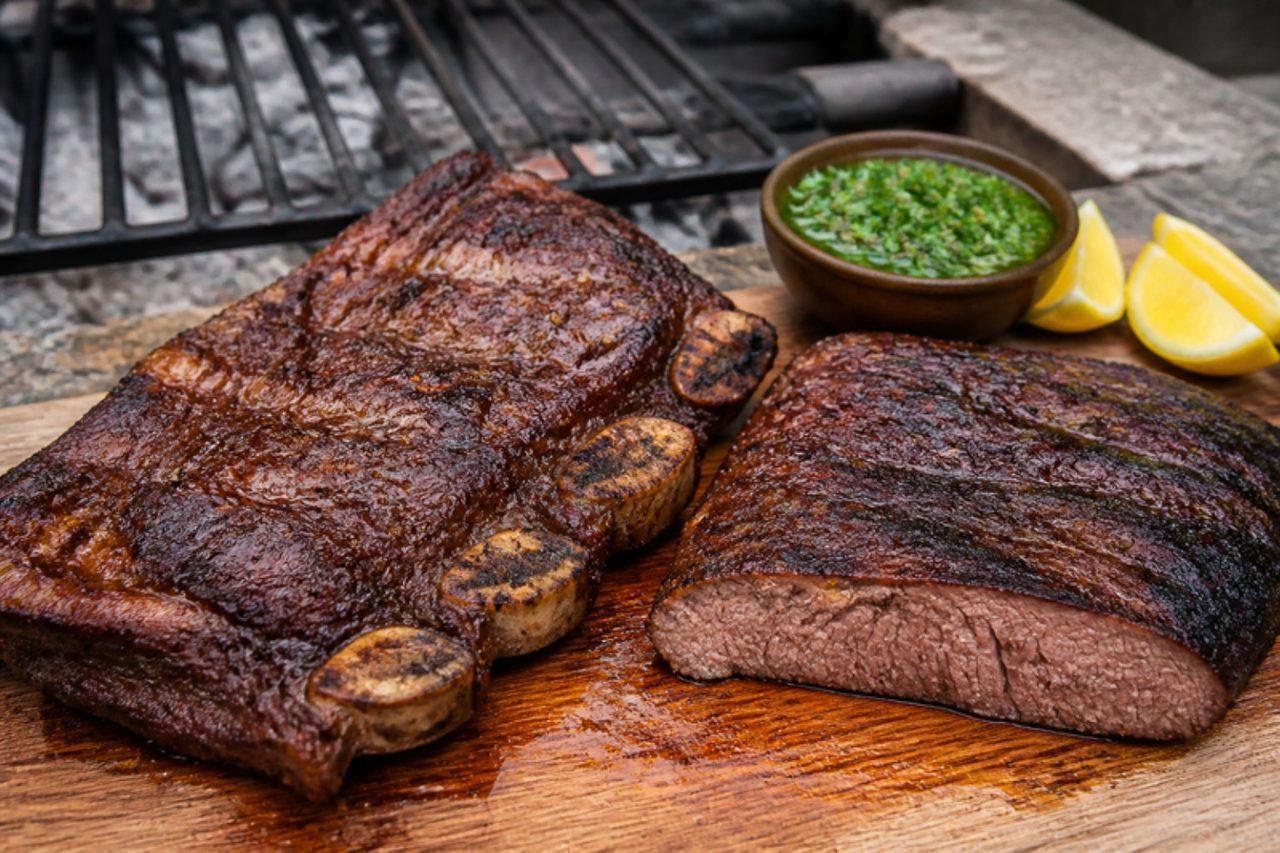
For Argentines the Sunday asado is less a recipe than a ritual: someone (the asador) lights the fire mid-morning in a backyard in Buenos Aires or a ranch in the Pampas, and lunch happens hours later. Beef is cooked low and slow over glowing embers, seasoned with nothing but coarse salt, and carved at the grill to be eaten with bread, salad and a bowl of chimichurri. This home version uses two favourite cuts: tira de asado (thin cross-cut short ribs) and vacío (flank). The classic mistake is grilling over flames; wait until the coals are covered in white ash, and spread them so the heat is gentle. Chef's tip: hold your hand 15 cm above the grill; if you can keep it there for 8–10 seconds, the heat is right for asado.

by KrazyBadal 0 views

Milanesa de carne

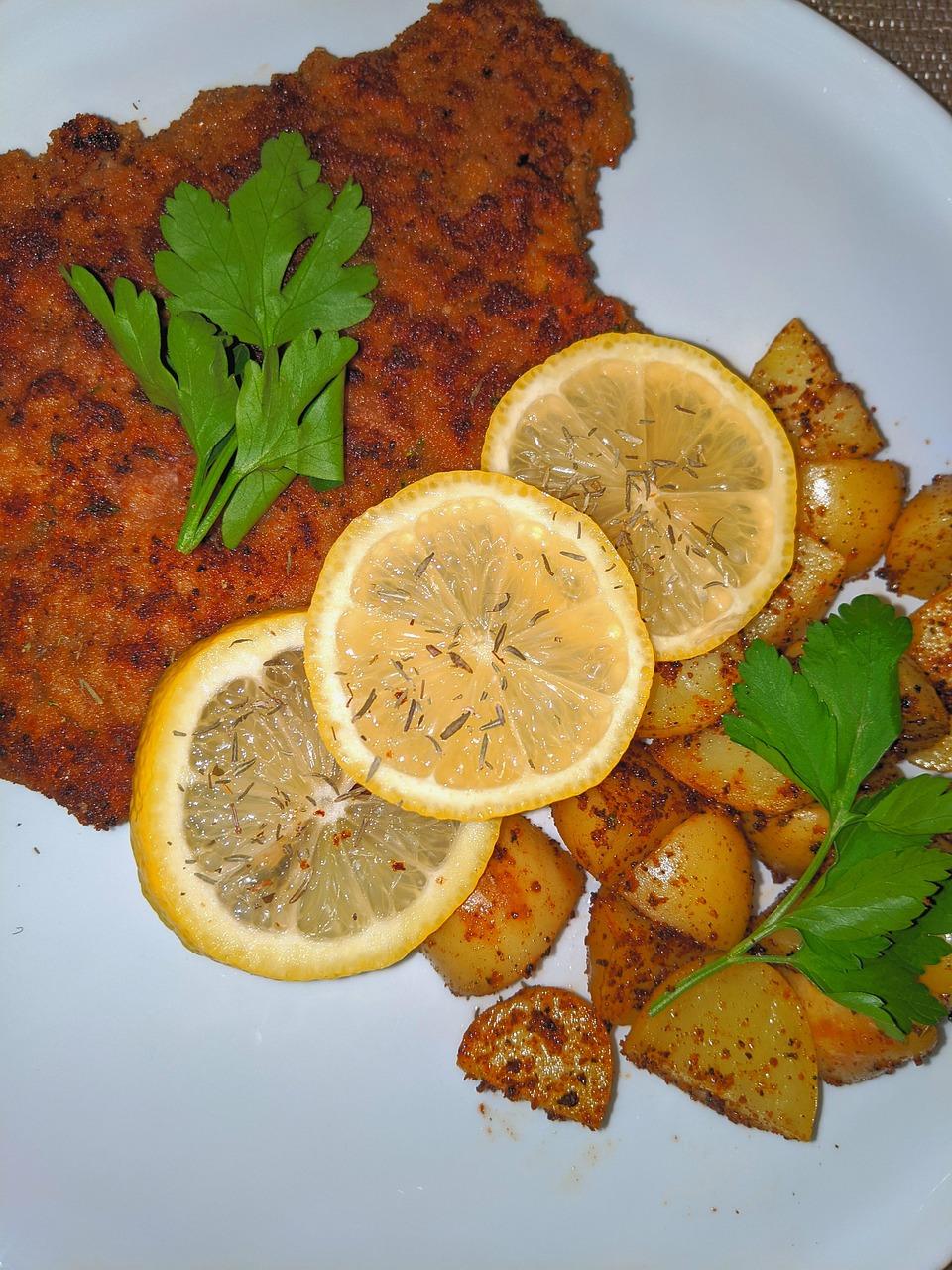
If there is one dinner every Argentine child grows up on, it is milanesa: beef pounded very thin, dipped in garlicky egg, coated in breadcrumbs and fried until golden. It came with Italian immigrants to Buenos Aires and Rosario, and today it is eaten on weekday nights with mashed potato or chips, cold in sandwiches the next day (milanesa al pan), and on long car trips. Lemon wedges are a must. The mistake most people make is leaving the beef too thick; it should be about 5 mm, so it cooks through by the time the crumb is golden. Chef's tip: bread the milanesas, lay them on a tray and chill them for 30 minutes before frying, so the coating sticks firmly and doesn't fall off in the pan.

by KrazyBadal 0 views

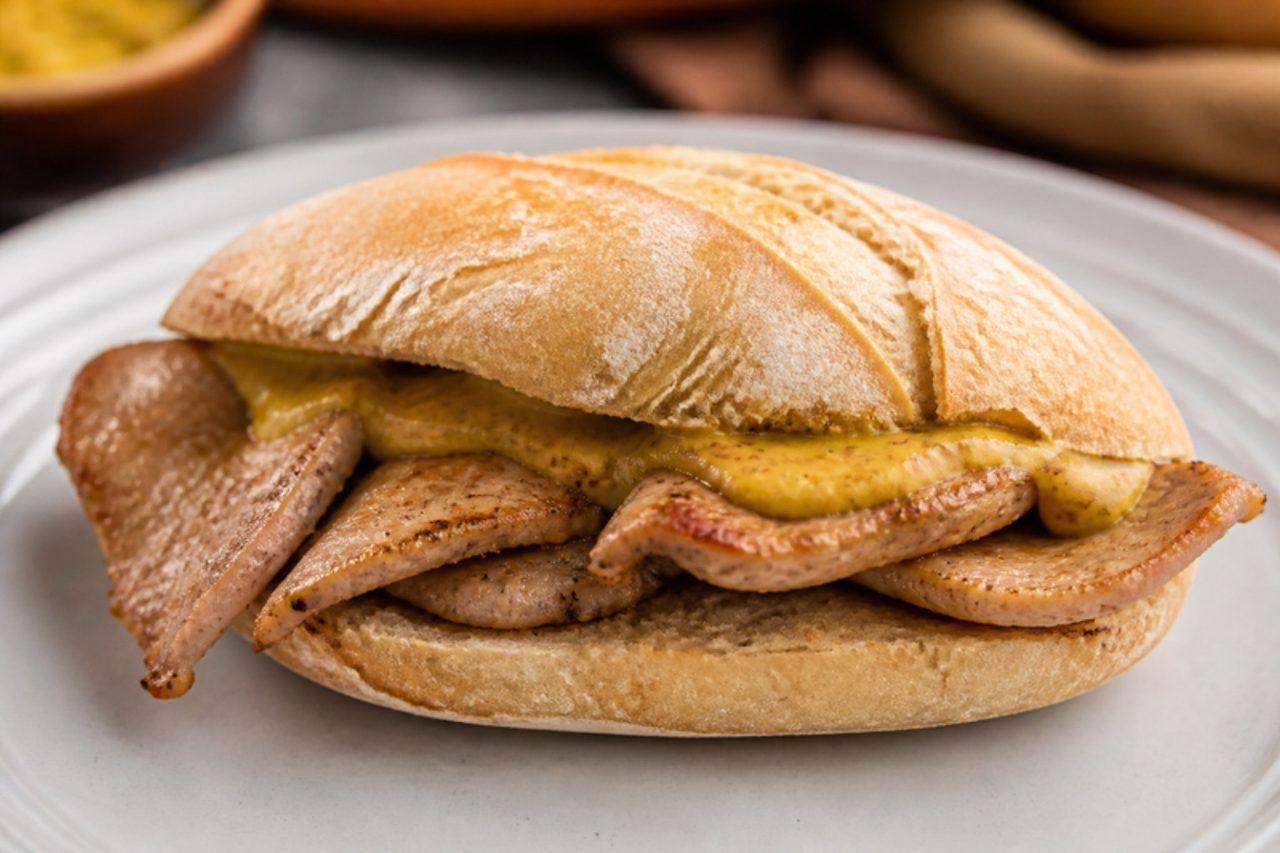
Bifana

Lisbon's standing-room snack bars, from the Baixa to the stalls outside football grounds, sell bifanas all day: thin pork steaks simmered in a garlicky, bay-scented sauce and pushed into a soft papo-seco roll with a smear of mustard. It's a pork sandwich, and the pork is traditionally marinated in white wine; for an alcohol-free version use chicken stock with a tablespoon of white wine vinegar. It makes a quick lunch or a late snack. Chef's tip: dip the cut side of the roll into the pan juices before filling it; that's how the bars make them so juicy.

by KrazyBadal 0 views

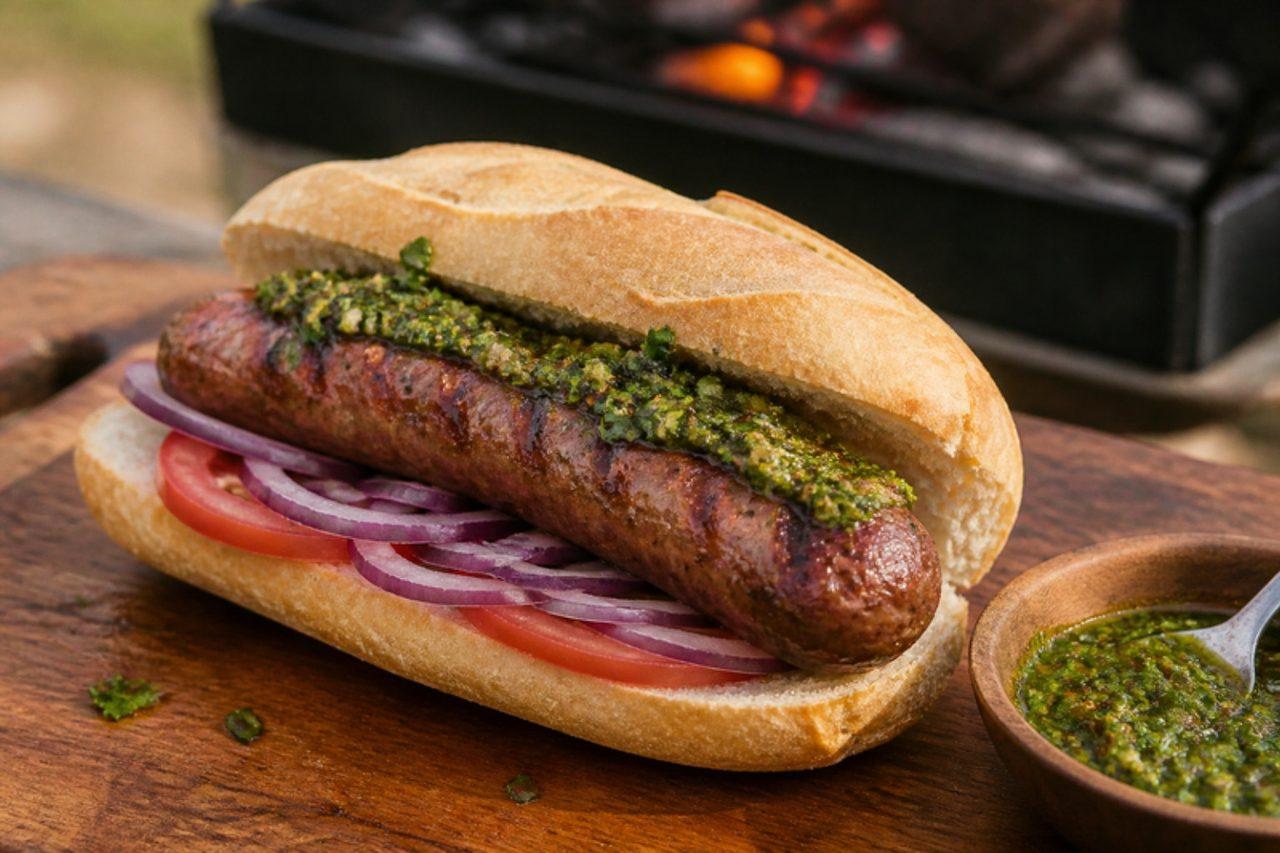
Choripán

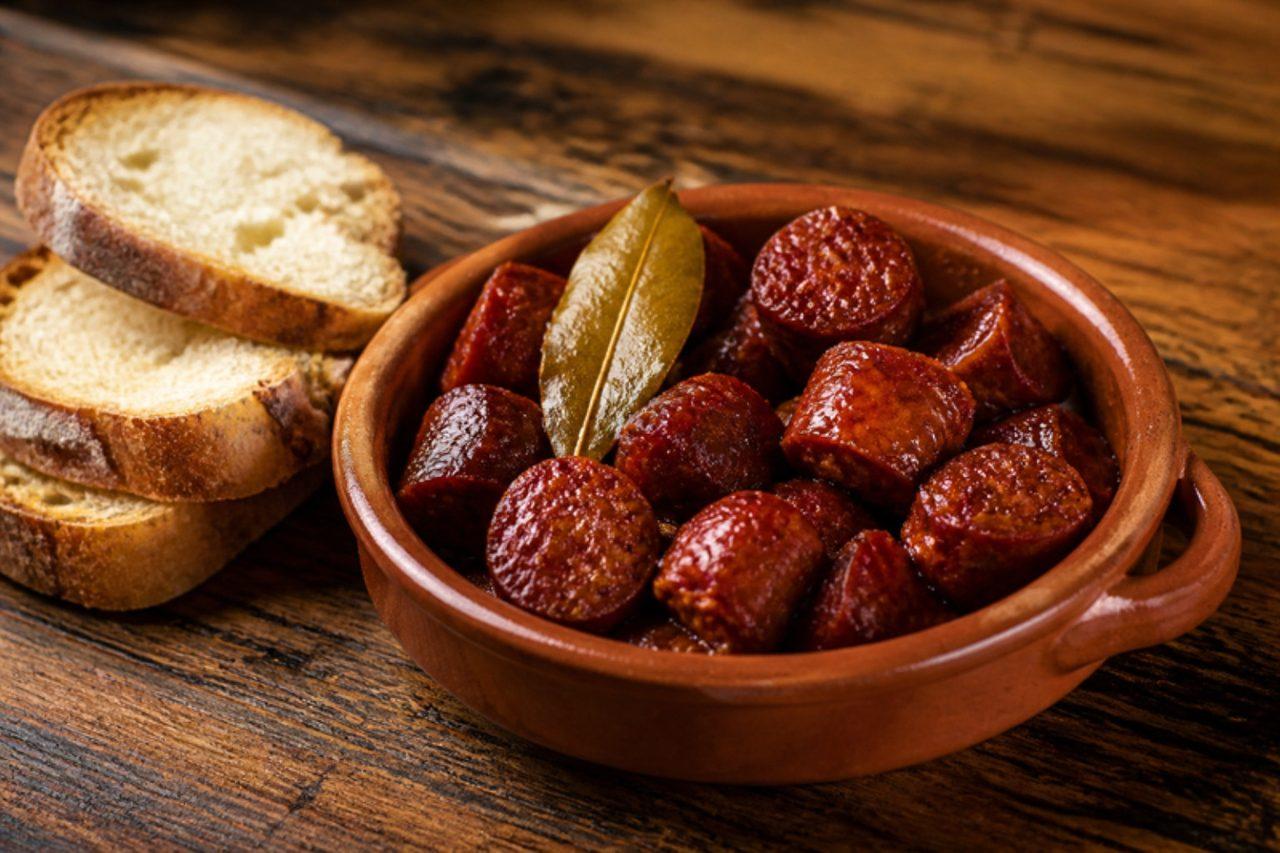
Choripán is what fans buy outside football stadiums in Buenos Aires, what the asador hands round while the beef is still cooking, and what stalls sell along Costanera Sur on a Sunday afternoon. This is a pork dish: a fat Argentine-style fresh chorizo (pork, sometimes mixed with beef) is grilled slowly, split open (a mariposa) and tucked into a crusty roll with chimichurri or salsa criolla. That's it, and it doesn't need more. The common mistake is grilling the chorizos too hot, so the skins burst and the centre stays raw; low and slow is the rule. Chef's tip: once cooked, split each chorizo lengthways and give the cut sides 1 minute on the grill so they char a little.

by KrazyBadal 0 views

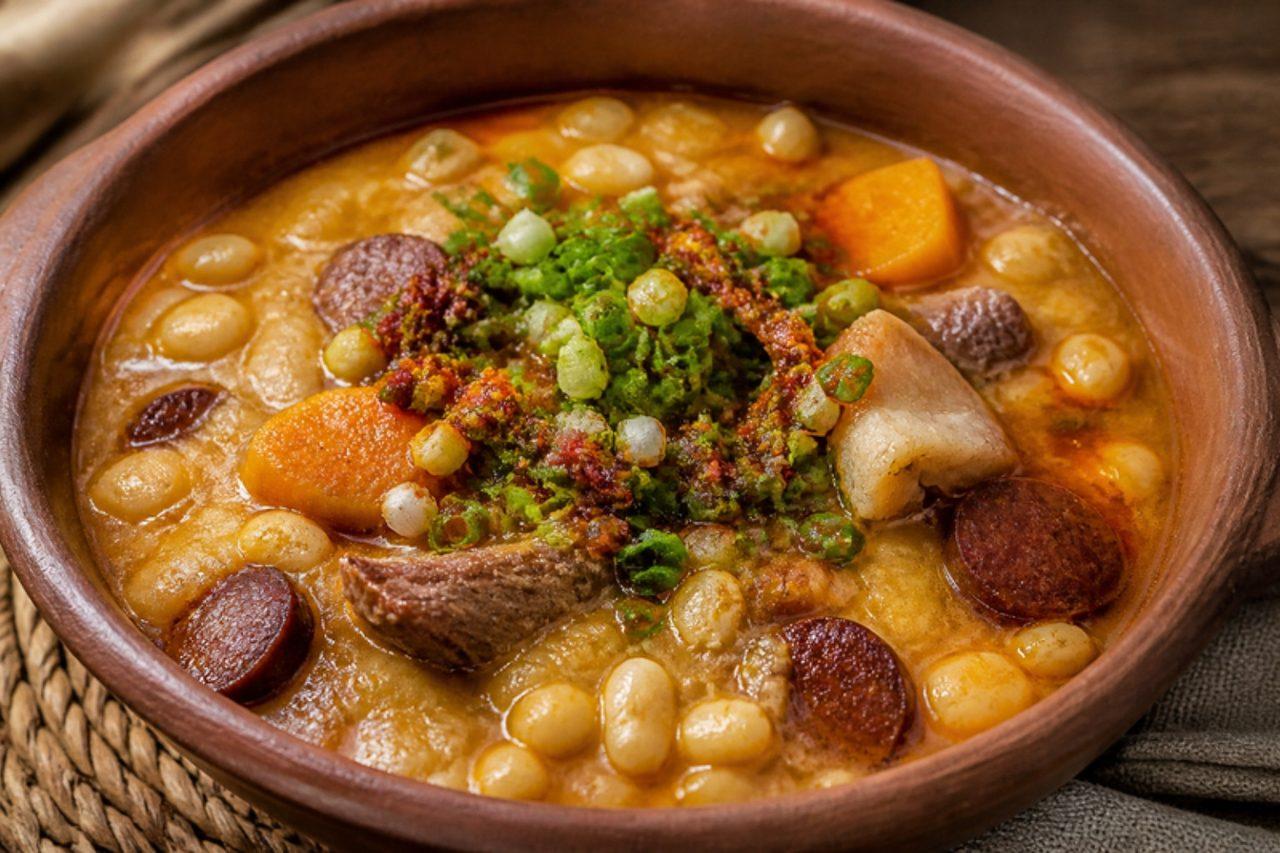
Locro argentino

Locro comes from the Andean northwest, from Salta, Jujuy and Tucumán, and today the whole country eats it on 25 May and 9 July, the two national holidays, when it simmers in huge pots at clubs and church halls. Dried white corn, white beans and squash cook down with beef, pork belly and chorizo into a stew so thick a spoon stands up in it. This is a pork dish. It is topped with quiquirimichi, a red oil of paprika, chilli and spring onion. The classic mistake is not soaking the corn and beans overnight; without it they never soften. Chef's tip: stir often in the last hour, scraping the bottom, as the squash breaks down and the locro catches easily.

by KrazyBadal 0 views

Empanadas salteñas

In Salta, in Argentina's far northwest, empanadas are small, sealed with a tight twisted edge (the repulgue) and so juicy that locals eat them leaning forward with their feet apart. The filling is hand-cut beef with potato, spring onion, cumin and paprika, plus chopped hard-boiled egg; they are eaten at Sunday gatherings, at peñas with folk music and on any public holiday. The mistake that ruins them is filling them while the beef is still warm: the fat melts the pastry. Chill the filling until it is firm. Chef's tip: add a few spoonfuls of the cooking juices to the cold filling; they set to a jelly in the fridge and melt in the oven, which is where the famous juiciness comes from.

by KrazyBadal 0 views

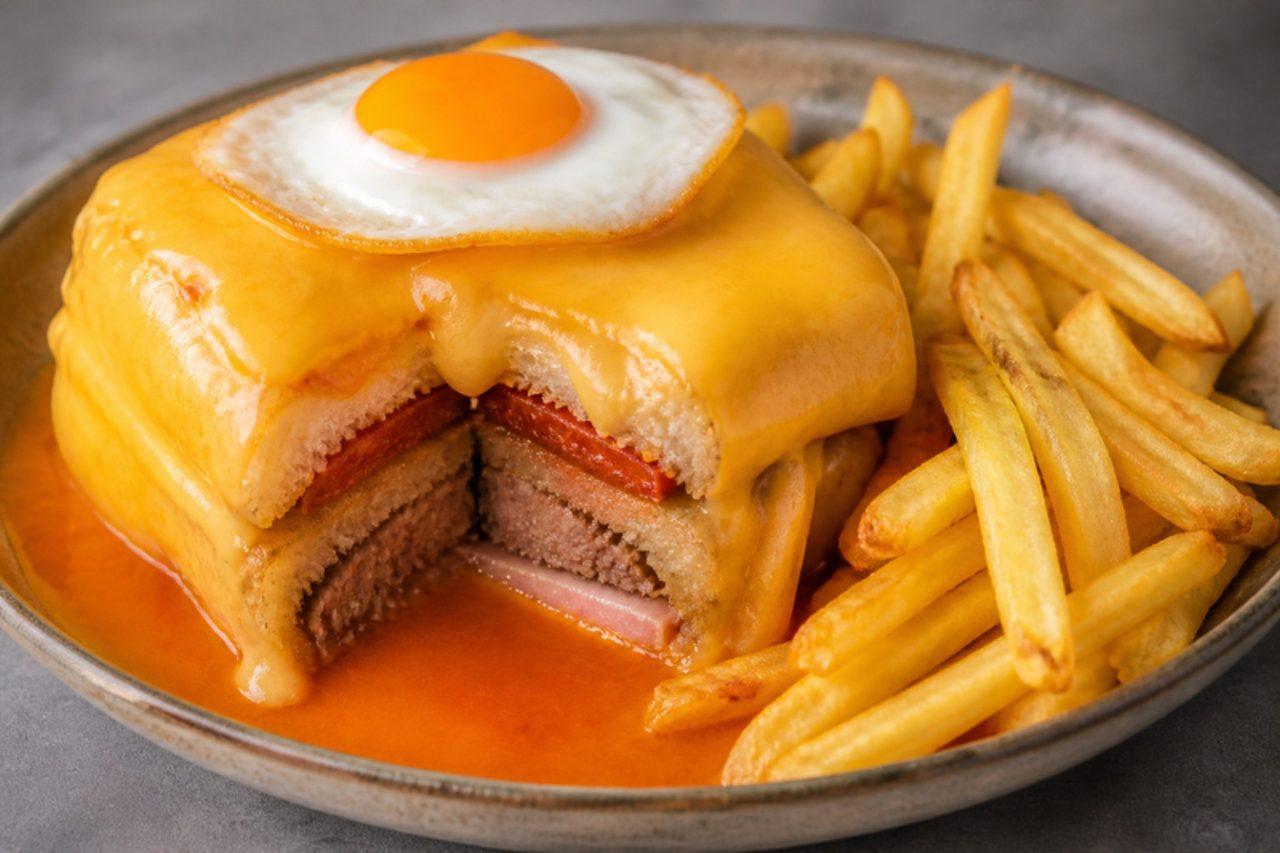
Francesinha

The francesinha ('little French girl') belongs to Porto, where it was dreamed up in the 1950s by a cook inspired by the croque monsieur, and it is now the city's famous late-night and match-day meal. This sandwich contains pork: thick bread is layered with steak, ham and fresh sausage, covered in cheese slices, then drowned in a spicy tomato sauce made with beer and port-style fortified wine. For an alcohol-free sauce, use alcohol-free beer, or beef stock with a teaspoon of honey. Serve with chips and a fried egg on top if you dare. Chef's tip: simmer the sauce for at least 20 minutes and blend it smooth; it should be thick enough to cling, not run off.

by KrazyBadal 0 views

Mauby

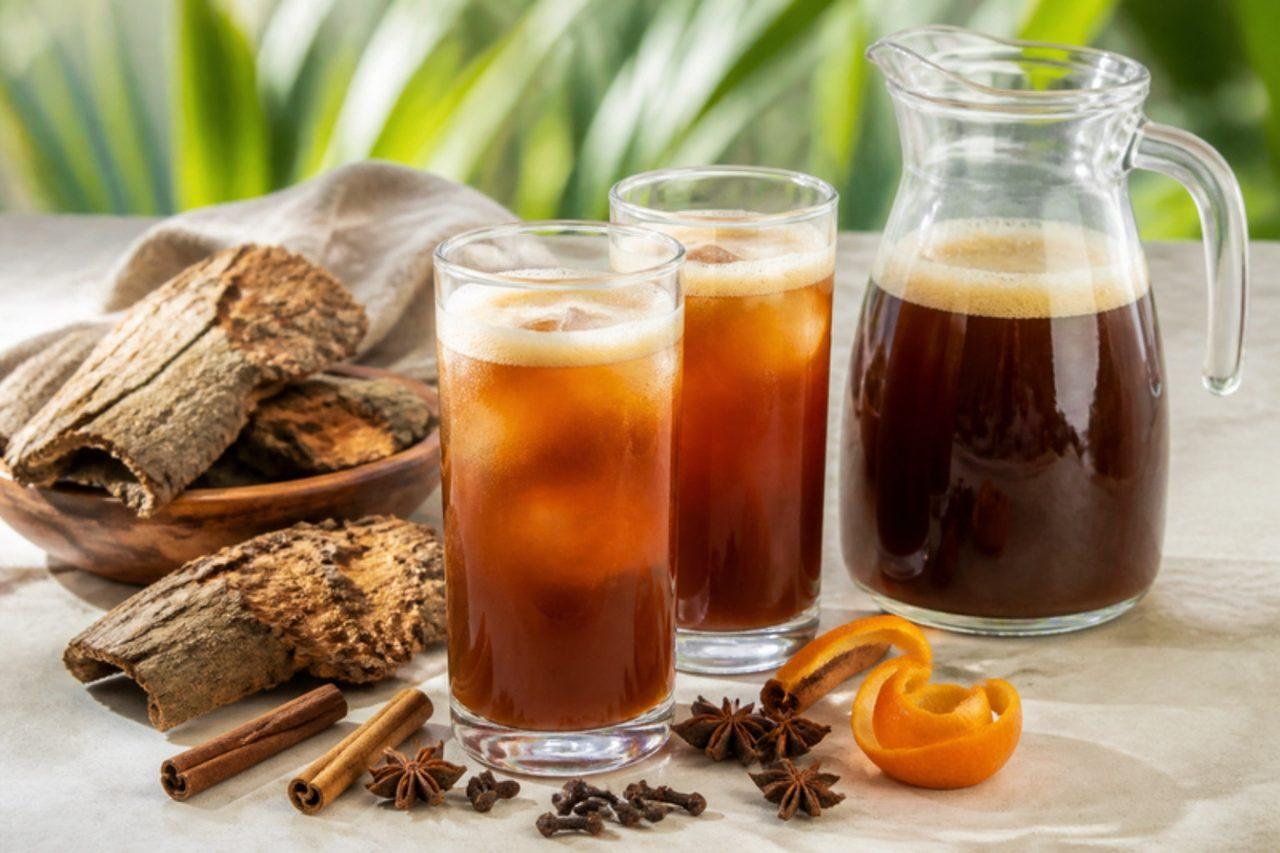
Mauby is one of the oldest drinks of the Eastern Caribbean, and in Barbados it's sold ice-cold from vendors in Bridgetown and made at home on hot afternoons. It's brewed from the bark of the mauby tree, simmered with cinnamon, clove, star anise, bay and orange peel, then sweetened and diluted. The first sip is surprising: bitter like strong tea or tonic, then sweet, spicy and refreshing, with a liquorice note. Bark is sold in Caribbean shops and online. Chef's tip: brew a strong concentrate and dilute it to taste; mauby lovers like it bitter, newcomers should start with more water and more sugar.

by KrazyBadal 0 views

Asado negro

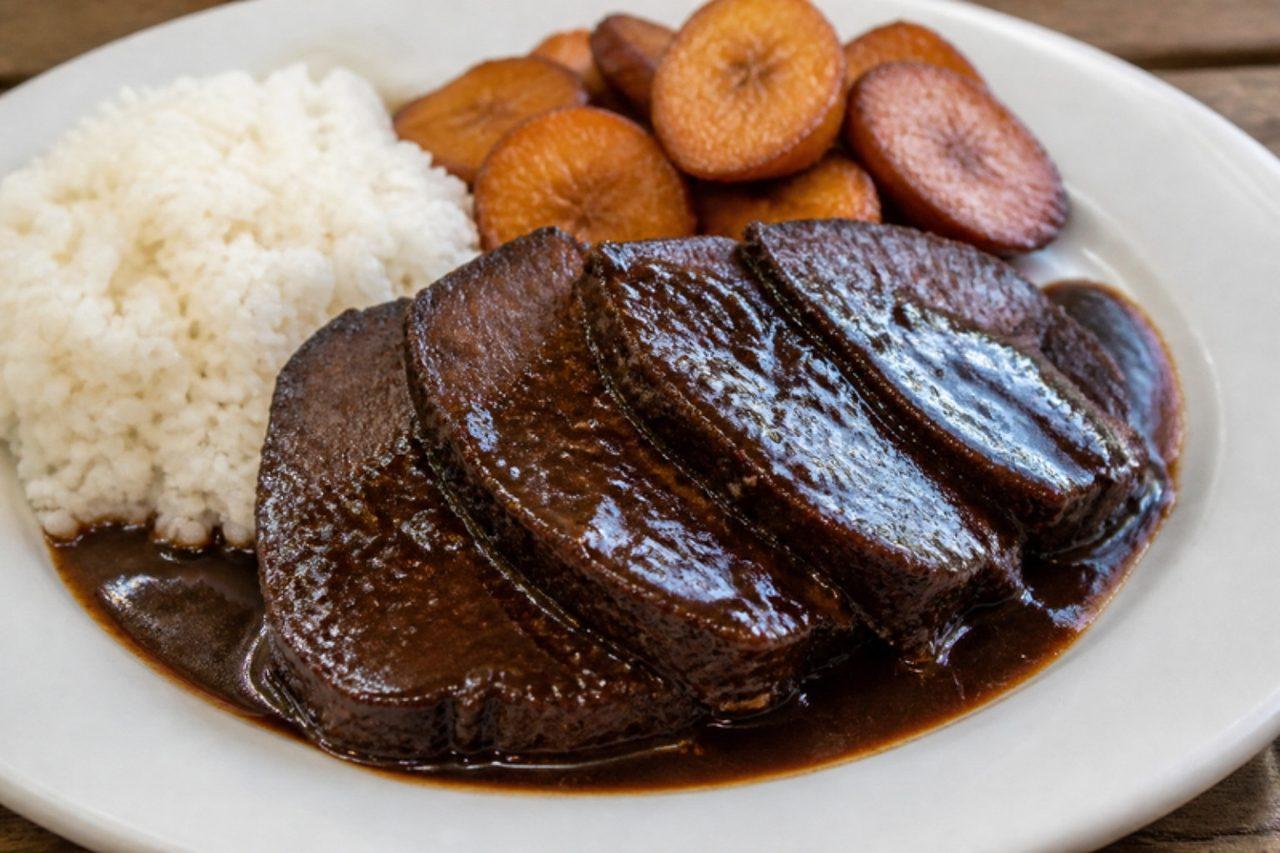
Asado negro is the Sunday lunch of Caracas families: a whole piece of beef eye of round (muchacho redondo) is seared in sugar caramelised almost to black, then slowly braised until the sauce is dark, glossy and sweet-savoury. Despite how it looks, it doesn't taste burnt, just deep and rich. It is sliced and served with white rice, fried ripe plantain and sometimes a mash of potatoes. Many cooks add a glass of red wine to the braise; to keep it alcohol-free, use the same amount of beef stock and a tablespoon of balsamic vinegar instead. The mistake to avoid is stirring the panela while it caramelises: it crystallises and goes grainy. Chef's tip: get the caramel really dark, just before it smokes, because the colour and depth of the whole dish come from that minute.

by KrazyBadal 0 views

Hawawshi

Walk through downtown Cairo in the evening and you will smell hawawshi before you see it: round baladi breads split open, packed with minced beef, onion, green chilli and warm spices, then baked until the bread turns crisp and the fat from the meat soaks into the crumb. Street stalls sell it wrapped in paper with pickles and tahini; at home it is a quick Friday supper. Pitta works well if you can't find baladi bread. The mistake most people make is packing in too thick a layer of meat, so the bread burns before the middle is cooked; keep it about 1 cm thick. Chef's tip: squeeze the grated onion in a sieve before mixing it in, or the filling turns wet and the bread goes soggy.

by KrazyBadal 0 views

Carne de porco à alentejana

Despite the name, this surf-and-turf dish of pork and clams is most often linked with the Algarve coast, where Alentejo pork met local shellfish; today it is served in tascas all over Portugal, especially for Sunday lunch. It is a pork dish: cubes of pork shoulder marinate in massa de pimentão (sweet red pepper paste), garlic and traditionally white wine, then are fried and tossed with steamed clams, crisp potato cubes, pickles and lots of coriander. For an alcohol-free version, swap the wine for chicken stock with a tablespoon of white wine vinegar. Chef's tip: buy the pork with a little fat on; lean loin turns dry and tough when fried.

by KrazyBadal 0 views

Sauerbraten

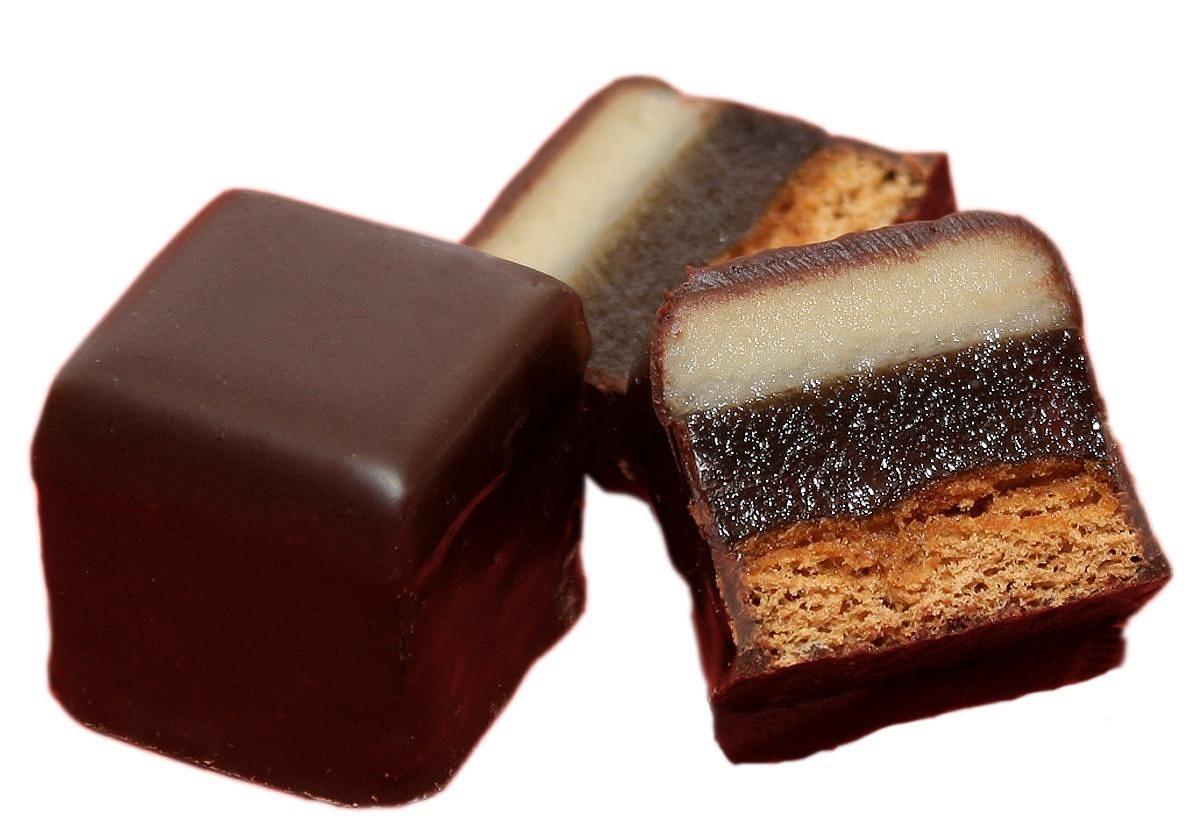
Sauerbraten is the Rhineland's Sunday roast, from Cologne to Düsseldorf, and in the old days it was a way to keep beef for a week. A joint of topside sits for three days in a spiced vinegar marinade, then is braised slowly and served with a sweet-sour gravy thickened with crumbled gingerbread (Printen or Lebkuchen) and raisins. Red cabbage and potato dumplings are the classic plate. Many families put red wine in the marinade; this version uses red wine vinegar and stock, so it is alcohol-free, and you can swap 250 ml of the water for red wine if you like. A common mistake is serving it too soon: give the meat the full three days in the fridge so the vinegar reaches the middle. Chef's tip: dry the beef very well before browning, or it will steam and stay grey.

210 minGermanMeat
by KrazyBadal 0 views

Wiener Schnitzel

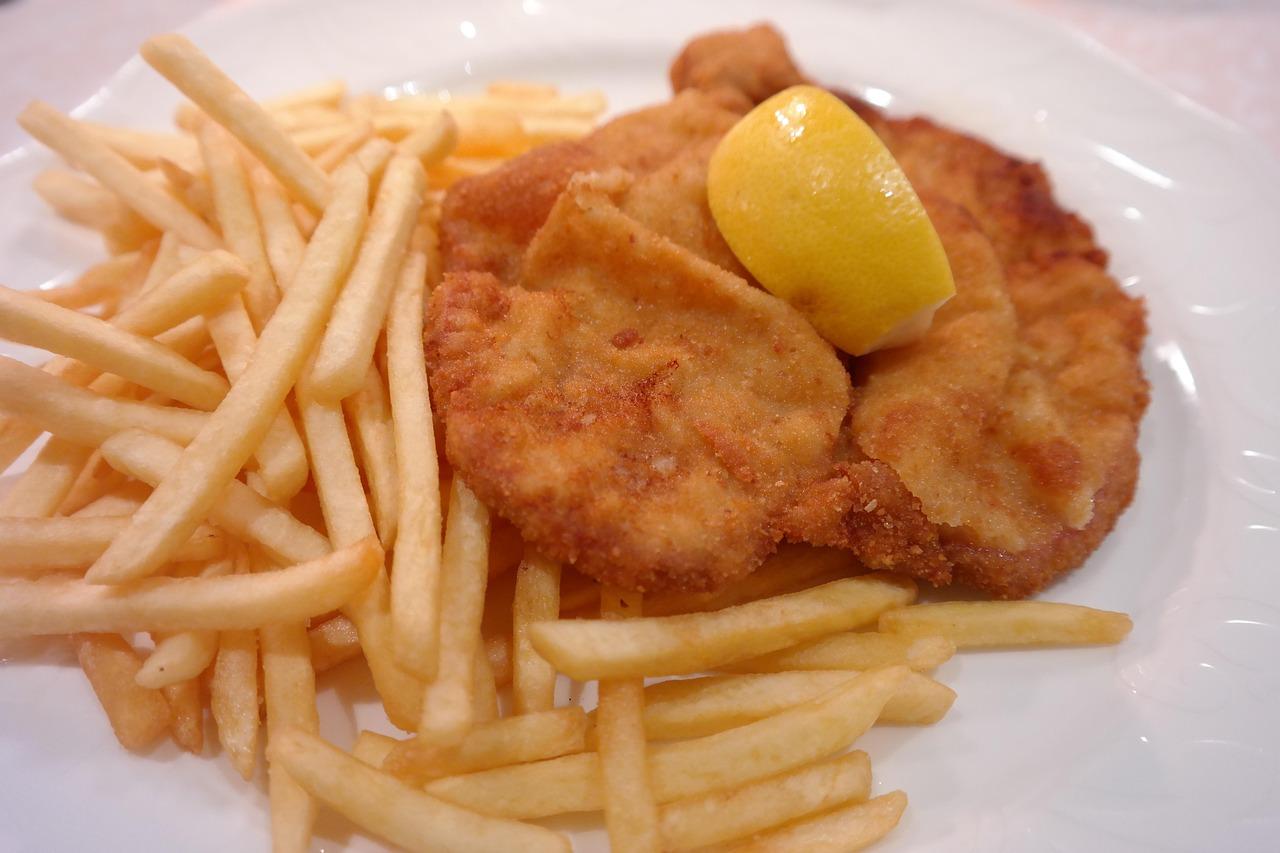
In Vienna's old Beisl taverns the Schnitzel arrives so large it hangs over the plate: a veal escalope beaten thin, coated in flour, egg and fine breadcrumbs and fried in plenty of hot fat while the pan is swirled, so the crumb lifts away from the meat in golden waves. Austrian law keeps the name 'Wiener Schnitzel' for veal; the pork version, very common in German homes, is called Schnitzel Wiener Art and is cooked exactly the same way. Serve it with a lemon wedge, lingonberry jam and potato salad. The most common mistake is pressing the crumbs firmly onto the meat, which stops the coating from puffing. Chef's tip: shake off the crumbs and lay the cutlet in only when the fat is hot enough that a crumb sizzles at once.

32 minGermanMeat
by KrazyBadal 0 views

Currywurst

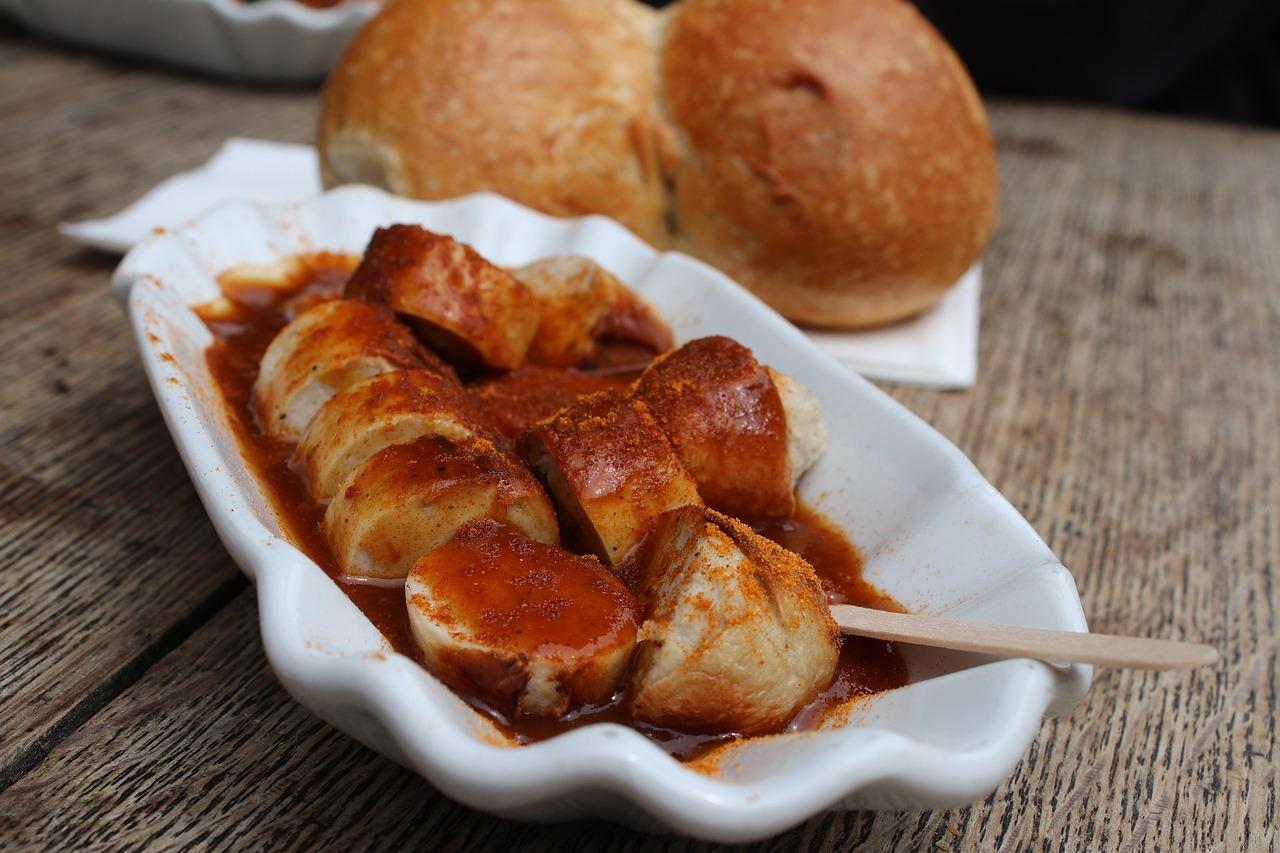
This is a pork dish. Currywurst was born in post-war Berlin, and today kiosks across the city sell it all day and long into the night, on a little paper tray with a wooden fork. A fried pork sausage is cut into bite-size pieces and drowned in a warm, tangy tomato sauce spiced with curry powder, then dusted with more curry powder and served with chips or a bread roll. The sauce is homemade here, so it has no brand of ketchup in it. The usual mistake is cooking the sausages too hot, so they split and burn outside while staying raw inside. Chef's tip: let the sauce simmer a full 10 minutes; the curry powder needs that time to lose its raw, dusty taste.

by KrazyBadal 0 views

Bajan seasoning

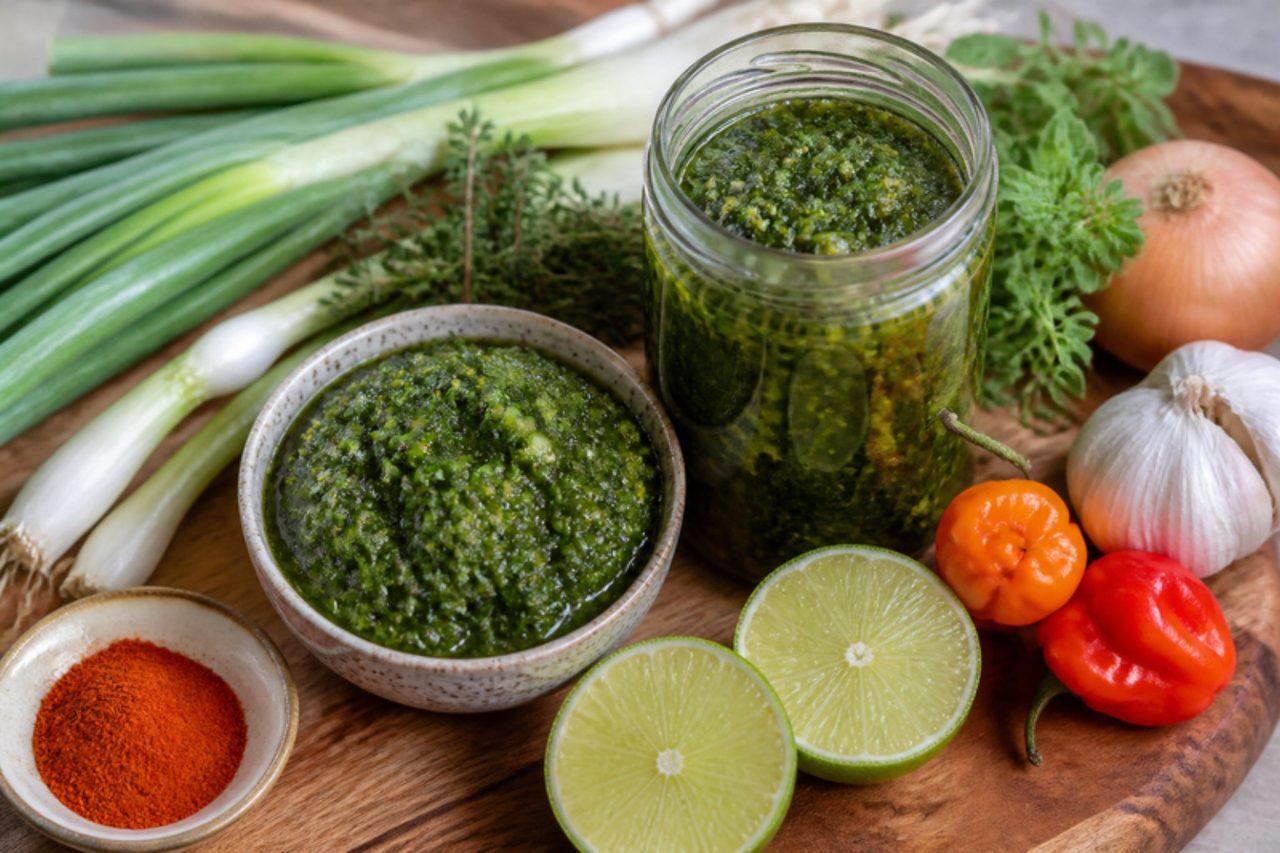
Every cook in Barbados keeps a jar of Bajan seasoning, and families in Bridgetown and St Philip guard their own blend. It's a wet, coarse paste of spring onion, onion, garlic, fresh thyme, marjoram and parsley, sharpened with lime and given a backbone of clove, paprika and scotch bonnet. Bajans press it into slits in fish and meat; here it goes into stews, onto roasted vegetables, tofu and halloumi, and into the stew for cou-cou. It smells strongly herby and peppery, and keeps for weeks. Chef's tip: marjoram is the herb that makes it Bajan; don't skip it, and use fresh if you can find it.

by KrazyBadal 0 views

Frango piri-piri

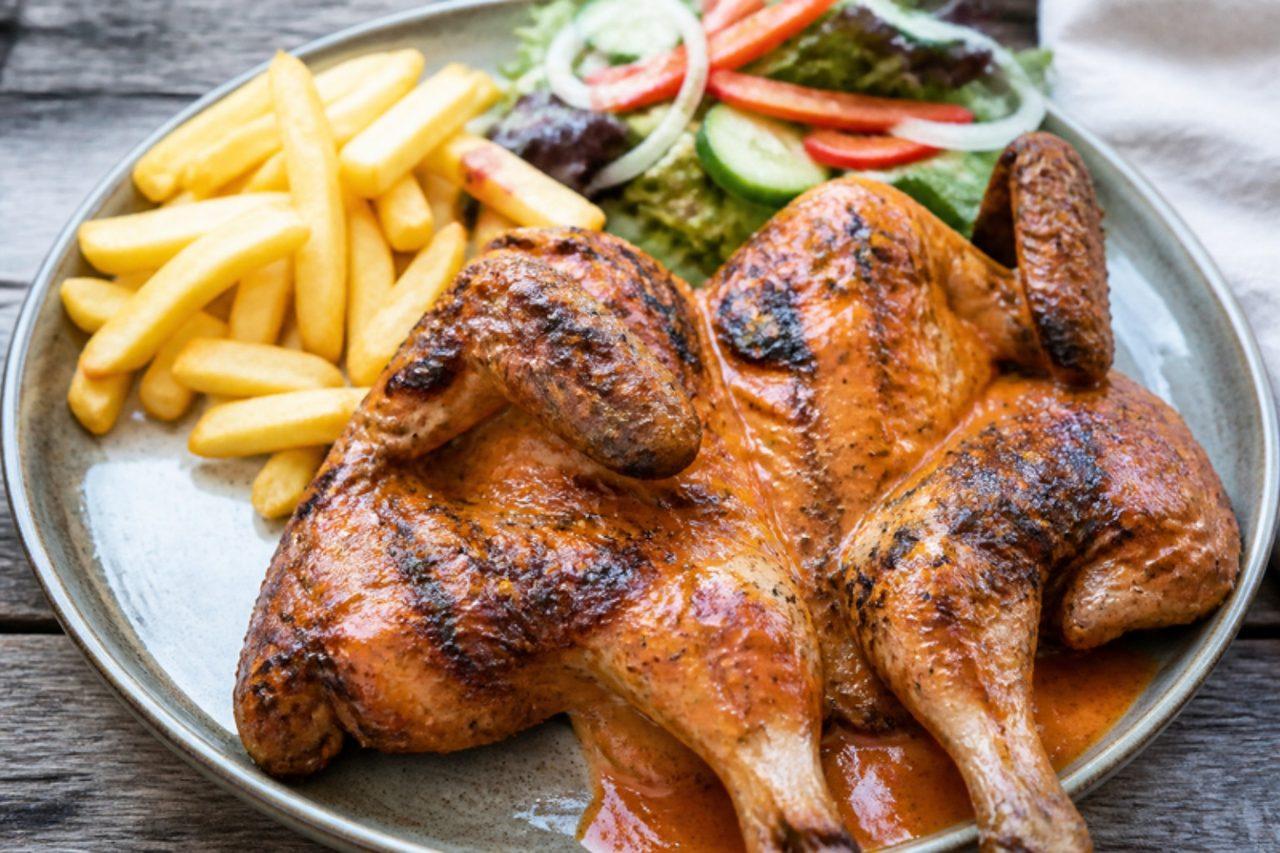
Guia, a small inland village in the Algarve, is famous across Portugal for its churrasqueiras, where flattened chickens are grilled over charcoal and painted with fiery piri-piri sauce; families drive out on summer evenings just to eat it. The bird marinates in a blend of small hot chillies, garlic, lemon, paprika and olive oil, then grills until the skin is blistered and the meat juicy. Serve with chips, rice or a tomato salad, and extra sauce for brave diners. Chef's tip: keep back some of the sauce before it touches the chicken; that fresh portion is for basting and the table.

by KrazyBadal 0 views

Showing 18 of 4,484 recipes

Show more recipes

Page 304 of 499