


Skip to content
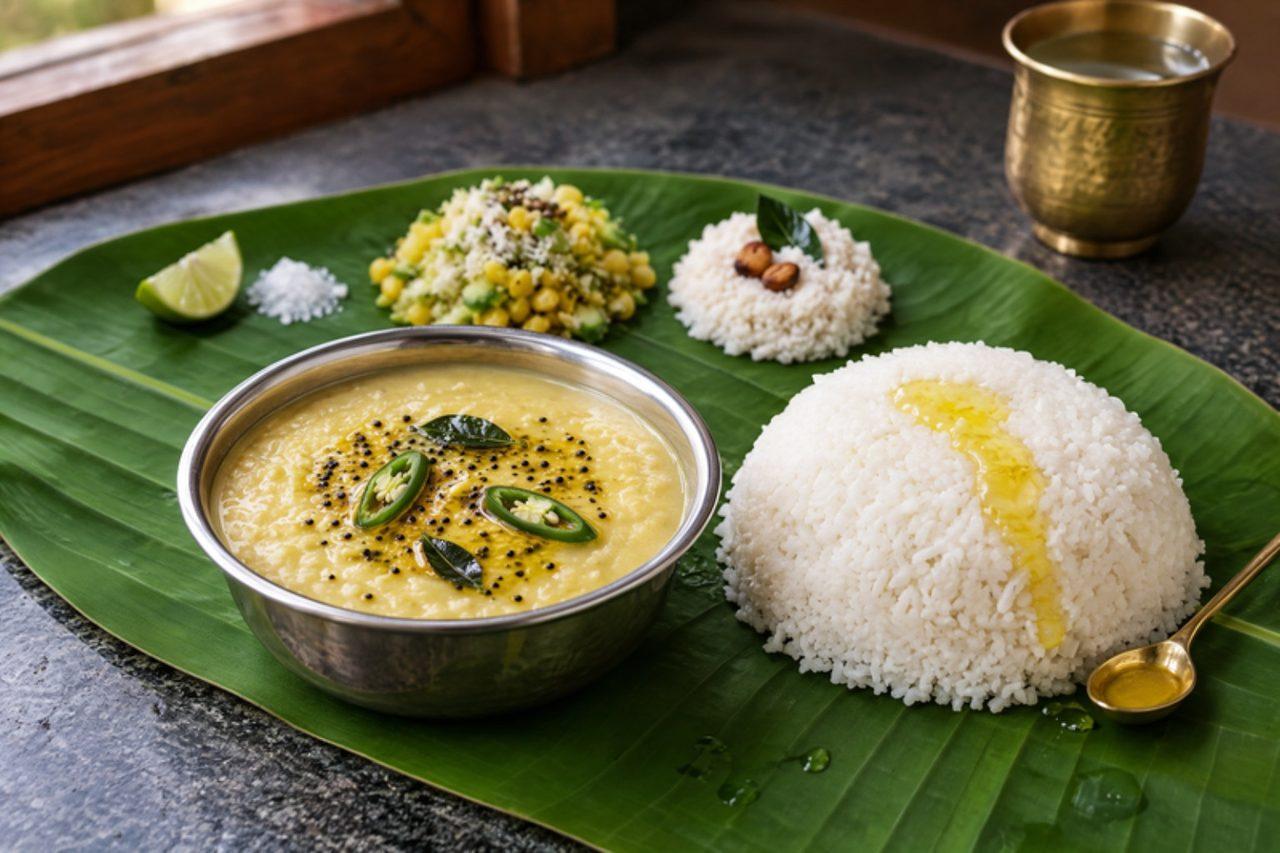
Pe pyot (boiled yellow peas)
Featured recipe

Pe pyot (boiled yellow peas)

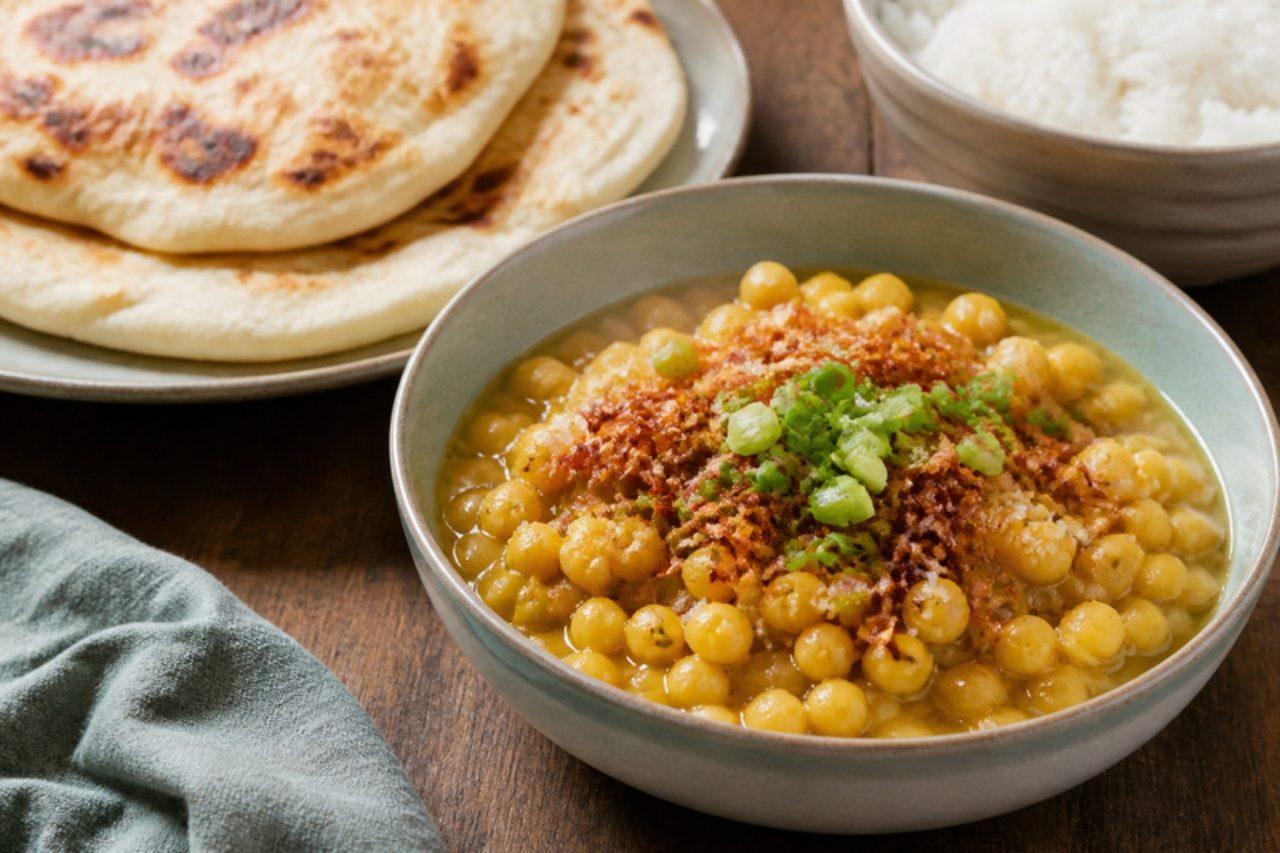
Before the city wakes, pe pyot sellers pedal through Yangon's townships calling out from bicycle baskets of warm, steaming peas, scooping portions into leaf parcels for families to eat with fried rice, flatbreads or toasted naan. Dried yellow or white peas are soaked overnight and simmered until creamy inside but still whole, then seasoned simply with salt and a spoon of oil fried with shallots. The flavour is mellow, earthy and slightly sweet, and the texture is soft and fluffy, like a good baked potato. Too much bicarbonate of soda is the common slip: a pinch softens the skins, but more turns the peas to soapy mush. Chef's tip: make a double batch; pe pyot keeps for three days in the fridge and turns tomorrow's leftover rice into pea fried rice.

Read more 0 views

What to eat today?

Around the world

Today's trip: Paraguayan

A new country every day, from every cuisine on the site.

This week's collection

Kid-friendly dinners
537 recipes · a new collection every Monday

Latest recipes

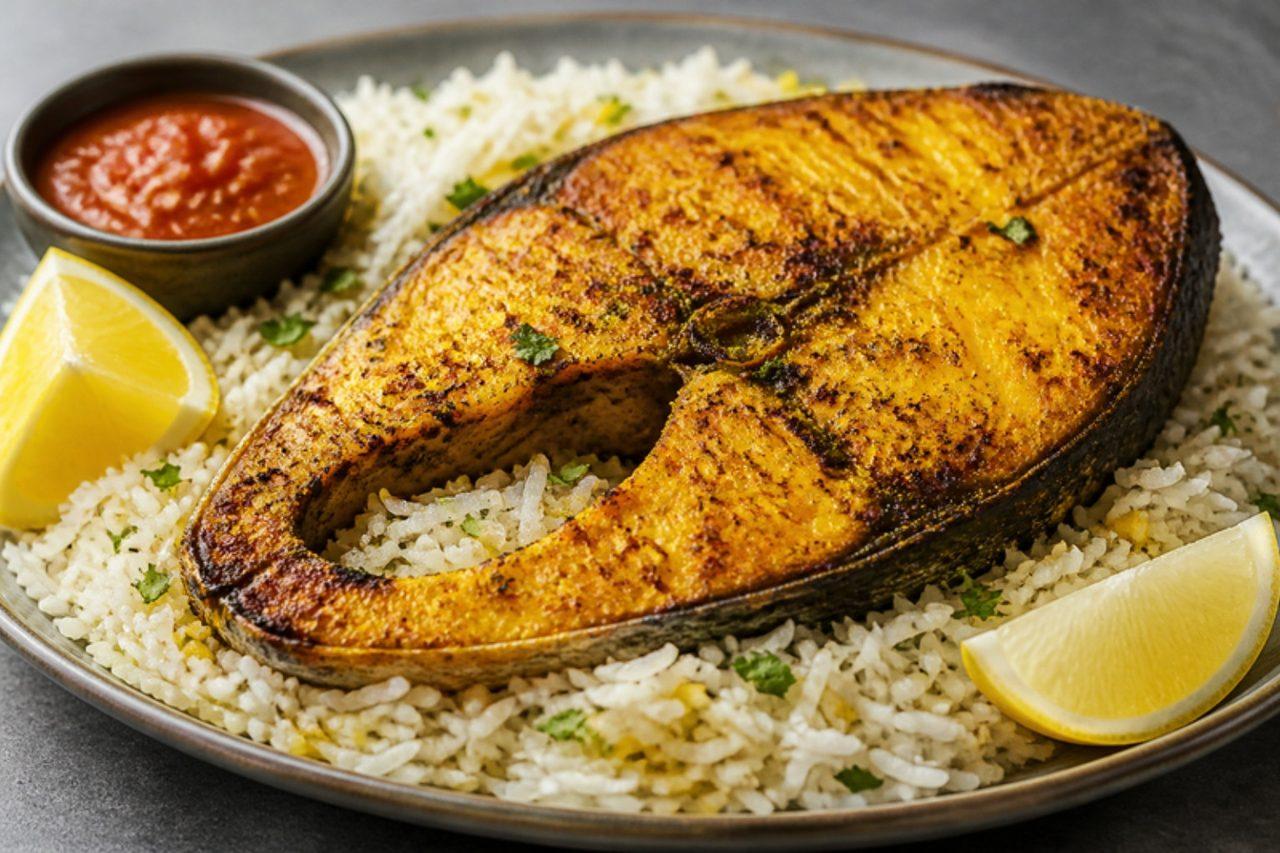
Mashuai

In Muscat, mashuai is the fish dish families share at weekend lunch and festival meals: kingfish, the Gulf's beloved kanad, roasted on a spit or in the oven until crisp, then served over lemony rice with a sharp tomato and lime sauce. Fishermen in Muttrah once cooked the whole fish over driftwood fires on the beach. The flesh is firm and meaty, the spice rub smoky and sour. A whole fish looks wonderful, but thick kingfish steaks are easier at home. The common mistake is roasting kingfish too long; it is lean and turns dry once it is past just-flaking. Chef's tip: baste once with the marinade juices halfway, which keeps the surface glossy and stops it drying.

by KrazyBadal 0 views
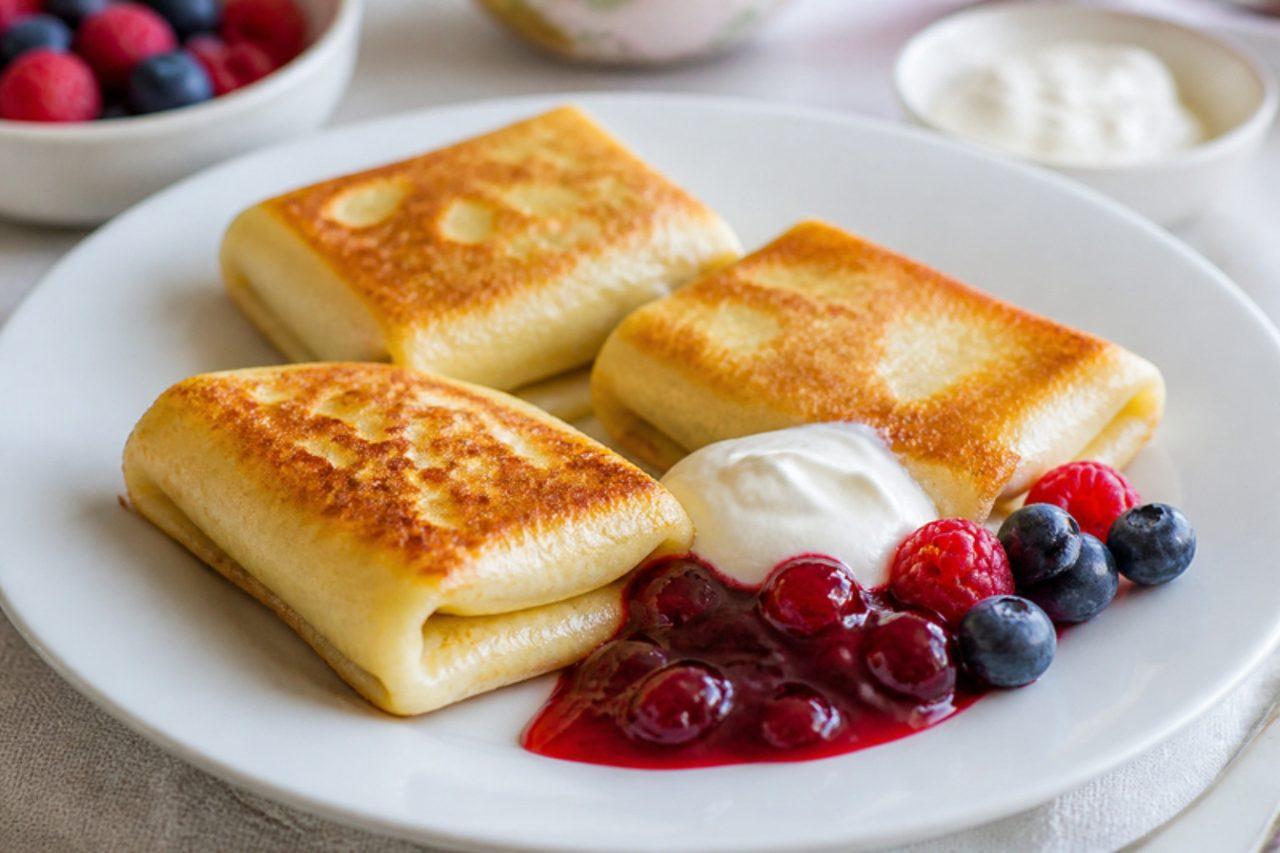

Cheese blintzes

Cheese blintzes are the star of Shavuot breakfasts in Ashkenazi homes across Israel, and Jerusalem dairy cafés have served them for generations with soured cream and berry sauce. Thin crêpes, cooked on one side only, are wrapped around sweetened farmer cheese with lemon and vanilla, then fried in butter until crisp and golden outside and creamy within. Serve two per person with soured cream and a spoon of cherry or blueberry compote. Farmer cheese is usually rennet-free, but check the label and choose a vegetarian one. A common mistake is a wet filling: drain the cheese well or it leaks and the blintzes burst in the pan. Chef's tip: fill on the cooked side, so the pale raw side ends up outside and browns properly in the final fry.

by KrazyBadal 0 views

Teiglach

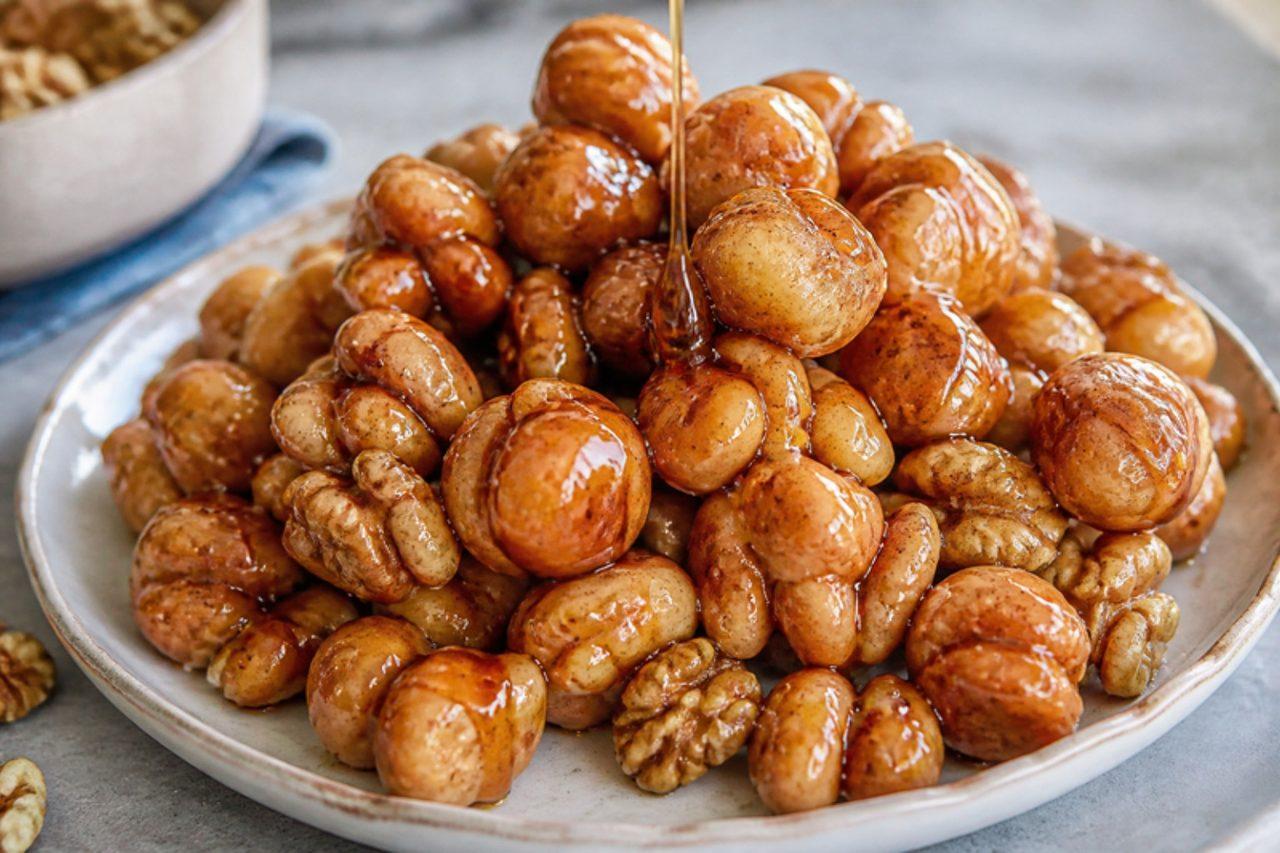
Teiglach were a Lithuanian-Jewish festive sweet that travelled to Israel, and a few bakeries in Jerusalem and Bnei Brak still pile them into glistening pyramids before Rosh Hashanah. Small knots of egg dough are dropped into boiling honey with ginger and cooked until they swell, harden and turn deep golden, then tossed with walnuts and sometimes candied cherries. The result is crunchy-chewy and very sweet, eaten in small pieces with tea. The usual mistake is lifting the lid during the first 10 minutes, which lets the honey cool so the knots stay doughy. Chef's tip: shake the covered pot instead of stirring, so the knots move without collapsing.

by KrazyBadal 0 views

Me'orav Yerushalmi

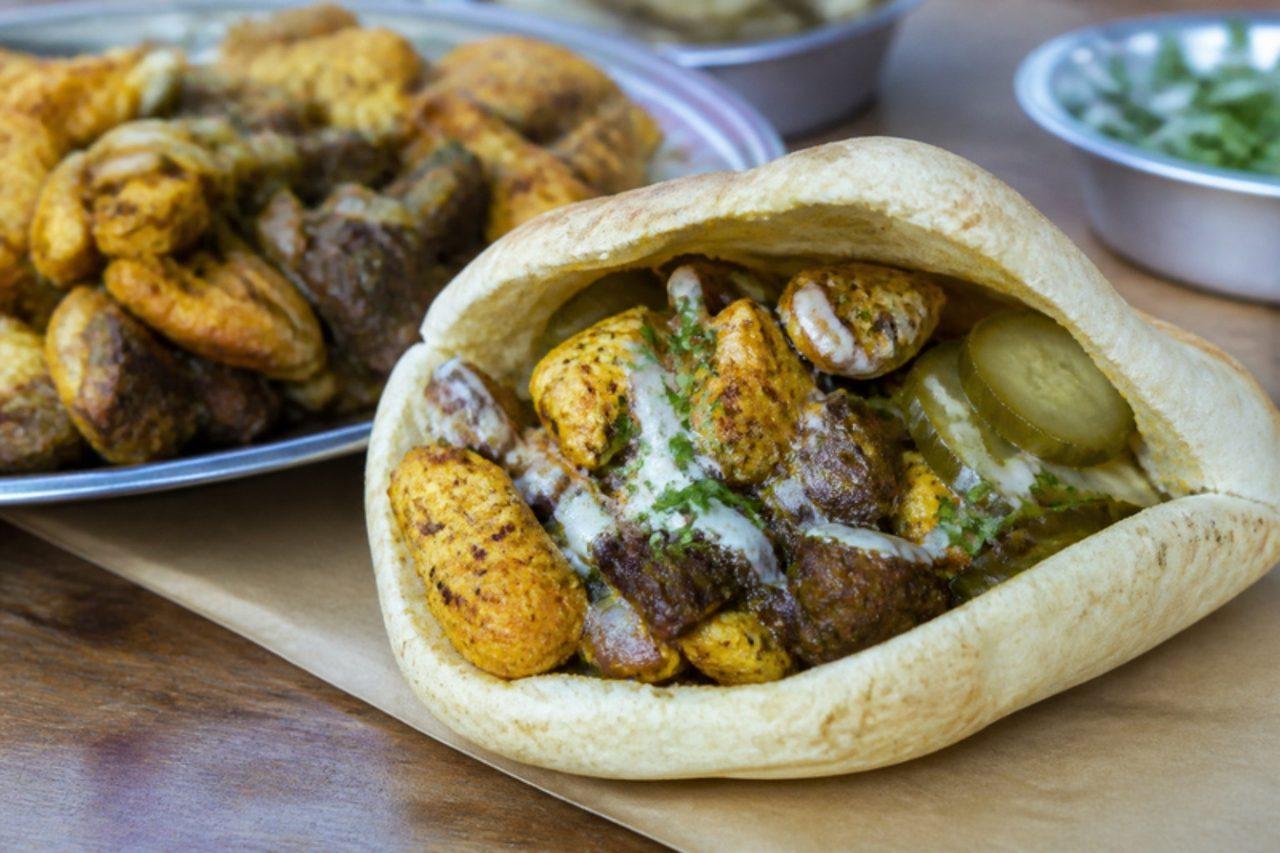
The mixed grill of Jerusalem was born in the steakiyot of the Mahane Yehuda market, where cooks threw cheap chicken hearts, livers and spleen onto a flat griddle with onion and a spice mix of cumin, turmeric and coriander, and it is still the late-night meal of the city's Agripas Street. This home version uses chicken hearts, livers and thigh, fried hard and fast until browned and juicy, then stuffed into pita with tahini and pickles. The flavour is deep, slightly bitter from the liver and warm with spice. Overcrowding the pan is the usual mistake: the meat stews instead of searing, so cook in two batches. Chef's tip: slice the hearts in half lengthways and rinse out any blood so they cook evenly and fast.

by KrazyBadal 0 views

Flapper pie

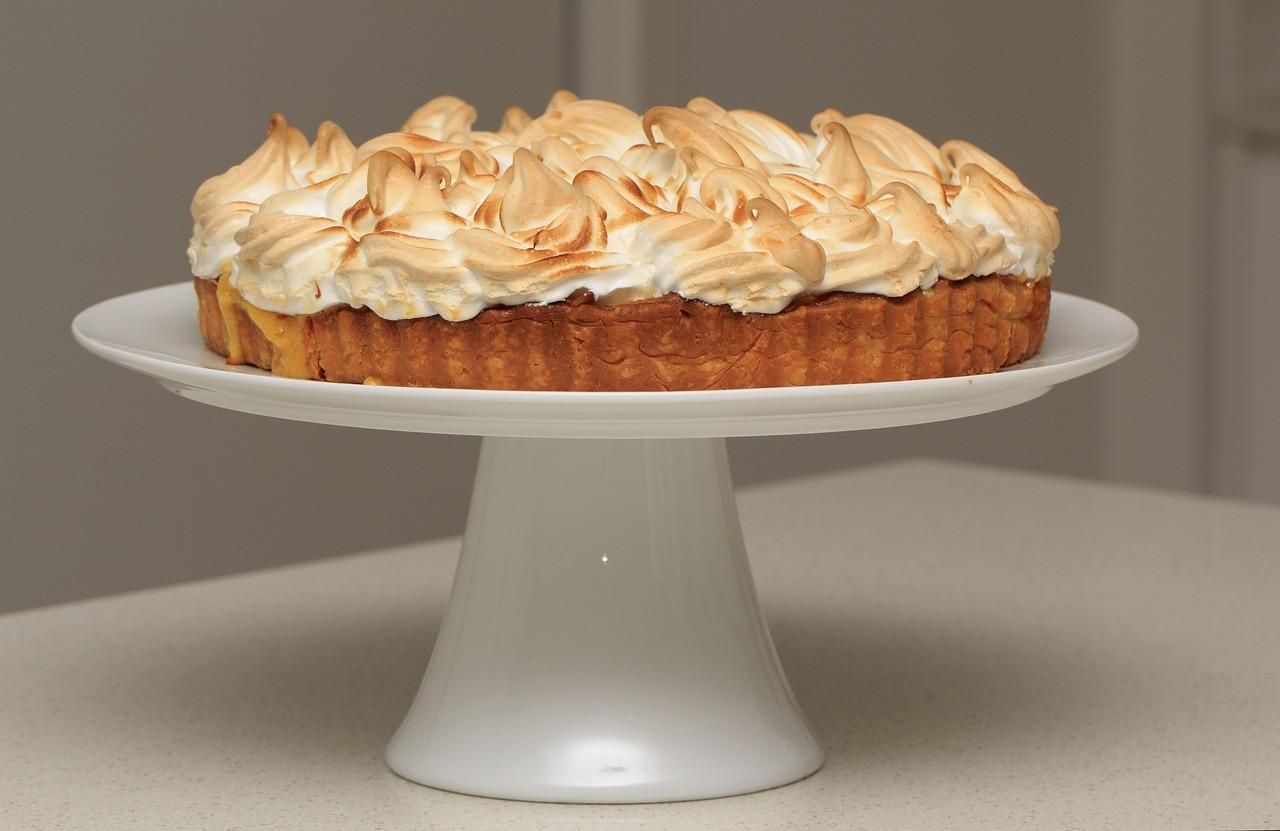
Flapper pie is the "Prairie pie" of Saskatchewan and Manitoba, served in small-town cafés and at fall suppers from Moose Jaw to Brandon since the 1920s, when graham crumbs, milk and eggs were what the farm pantry always had. A crunchy cinnamon graham base holds a soft vanilla custard topped with meringue and more crumbs. It is best eaten the day it is made, slightly chilled. A common mistake is pouring a lumpy custard; whisk without stopping and strain it if needed. Chef's tip: save a few spoonfuls of the crumb mix to scatter on the meringue, which is the pie's signature look.

by KrazyBadal 0 views

Kissel

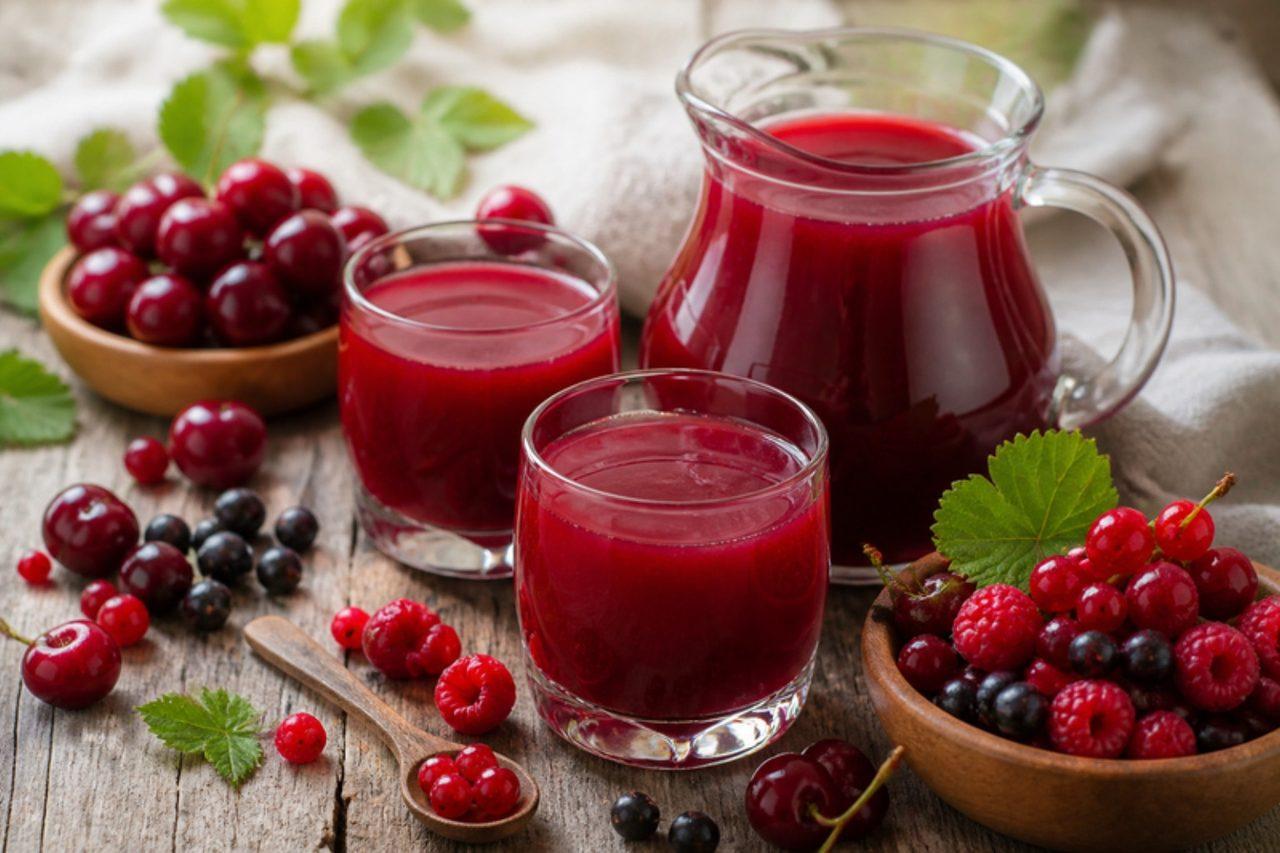
Kissel is the drink of Russian childhoods: a glass of silky, ruby-red berry juice, just thick enough to coat the tongue, poured warm at kindergarten lunch or cold in summer from a jug on the dacha veranda. It is also the old Maslenitsa and wake-table drink, and frozen berries make it possible all year. The flavour is sweet-sharp and fresh, the texture smooth and slightly jelly-like. A common mistake is adding the starch mixture to boiling liquid and letting it bubble for minutes; bring it just back to a simmer, then take it off, or it thins out again and can turn gluey. More starch makes a spoonable dessert kissel. Chef's tip: lay cling film or sprinkle a little sugar on the surface as it cools to stop a skin forming.
by KrazyBadal 0 views

Shangi

From the Urals across to Siberia, shangi turn up on Sunday breakfast tables, at village markets and in the lunch bags of fishermen and hunters. They are flat rounds of soft yeast dough topped, not filled, with a thick swirl of buttery mashed potato beaten with egg, then brushed with sour cream so the top bakes into golden, slightly crisp peaks. Eat them warm with tea, milk or a bowl of mushroom soup. Older northern versions used barley dough or a millet topping, and sweet shangi carry tvorog instead. The usual slip is spreading the potato right to the edge; leave a rim so the dough rises around it like a frame. Chef's tip: brush the baked shangi with melted butter and stack them in a covered pot for ten minutes, which keeps them soft the way Siberians like them.

by KrazyBadal 0 views

Laffa

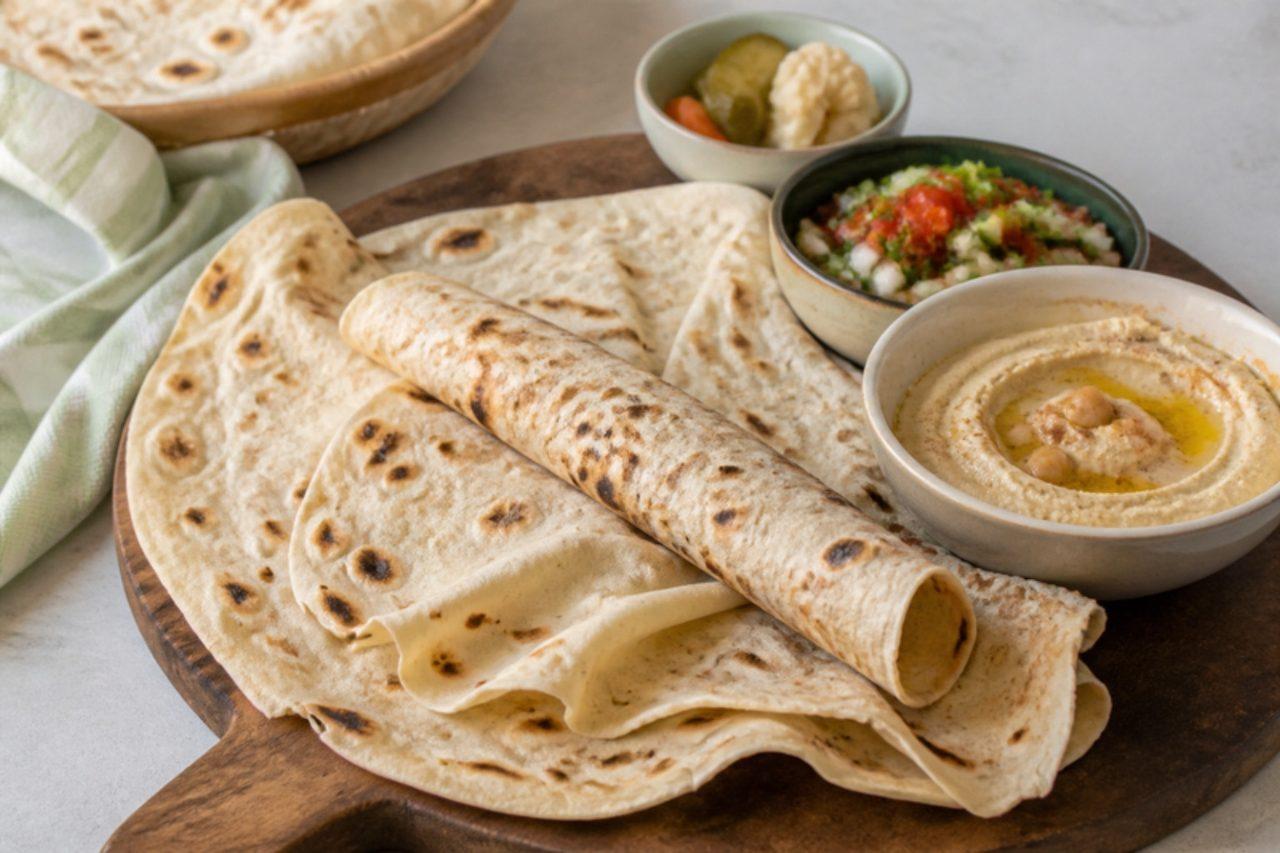
Laffa is the big, floppy flatbread that falafel and shawarma stands from Tel Aviv's Levinsky market to Jerusalem's Mahane Yehuda use when a pita is not enough. It came with Iraqi Jews, who baked it on the inside wall of a taboon; at home a very hot pan or upturned wok does the job. It should be thin but chewy, with charred blisters, and soft enough to roll around falafel, salads and tahini without cracking. The mistake is cooking it too long: once it stiffens it splits when you wrap it. Chef's tip: stack the hot breads straight into a towel-lined bowl and cover, so they steam each other soft.

by KrazyBadal 0 views

Pashtida

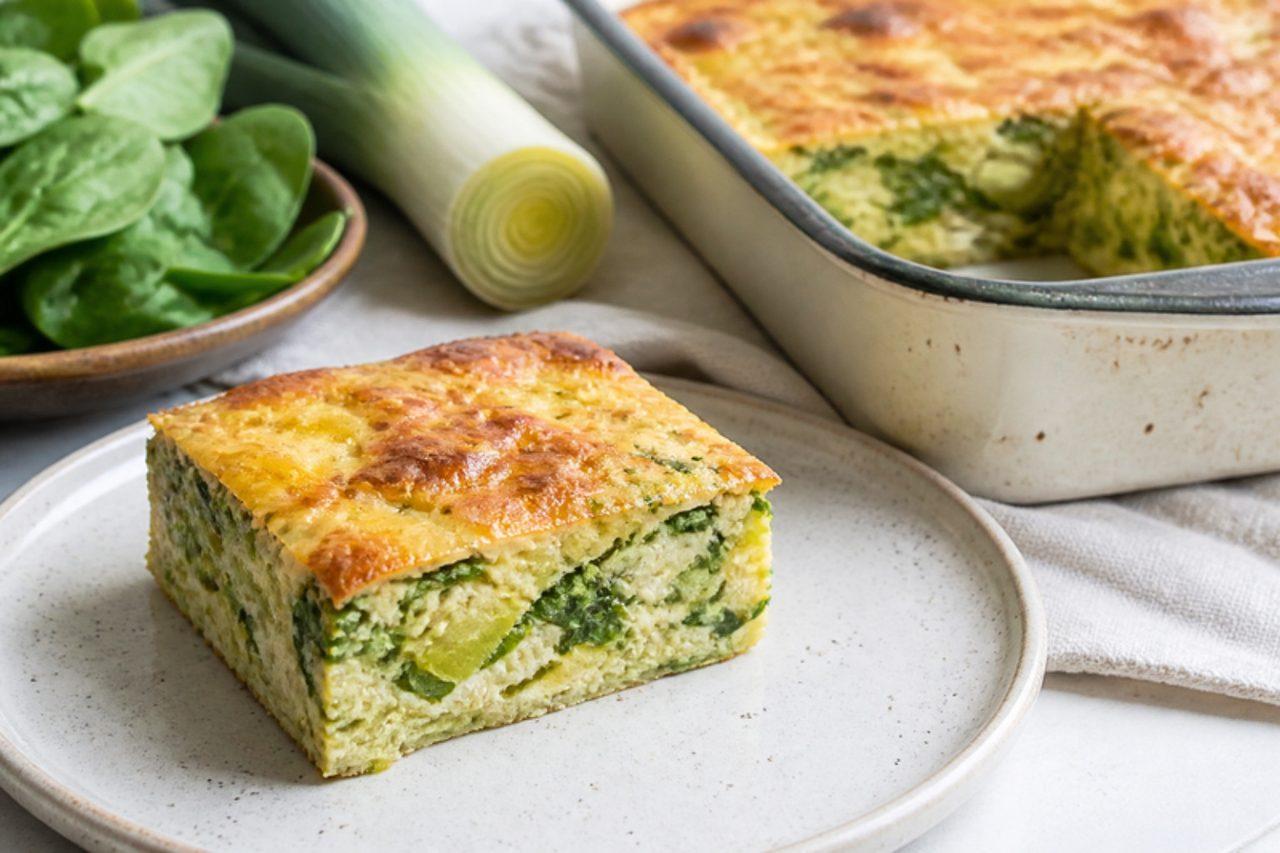
Pashtida is the dish every Israeli home cook can make without a recipe: vegetables, eggs and cheese baked in a dish until set, sliced in squares for Shavuot dairy meals, kibbutz dining rooms or a weekday supper in Kfar Saba. This version uses courgette, spinach and leek with salty white cheese and soft gvina levana, so it is golden on top, moist and savoury inside, and good warm or cold. Many white and hard cheeses are made with animal rennet, so choose ones marked vegetarian if you need to. The mistake is putting in vegetables wet, which makes the pashtida weep; squeeze them well. Chef's tip: rest it for 10 minutes before cutting so the squares hold their shape.

by KrazyBadal 0 views

Grandfathers in maple syrup

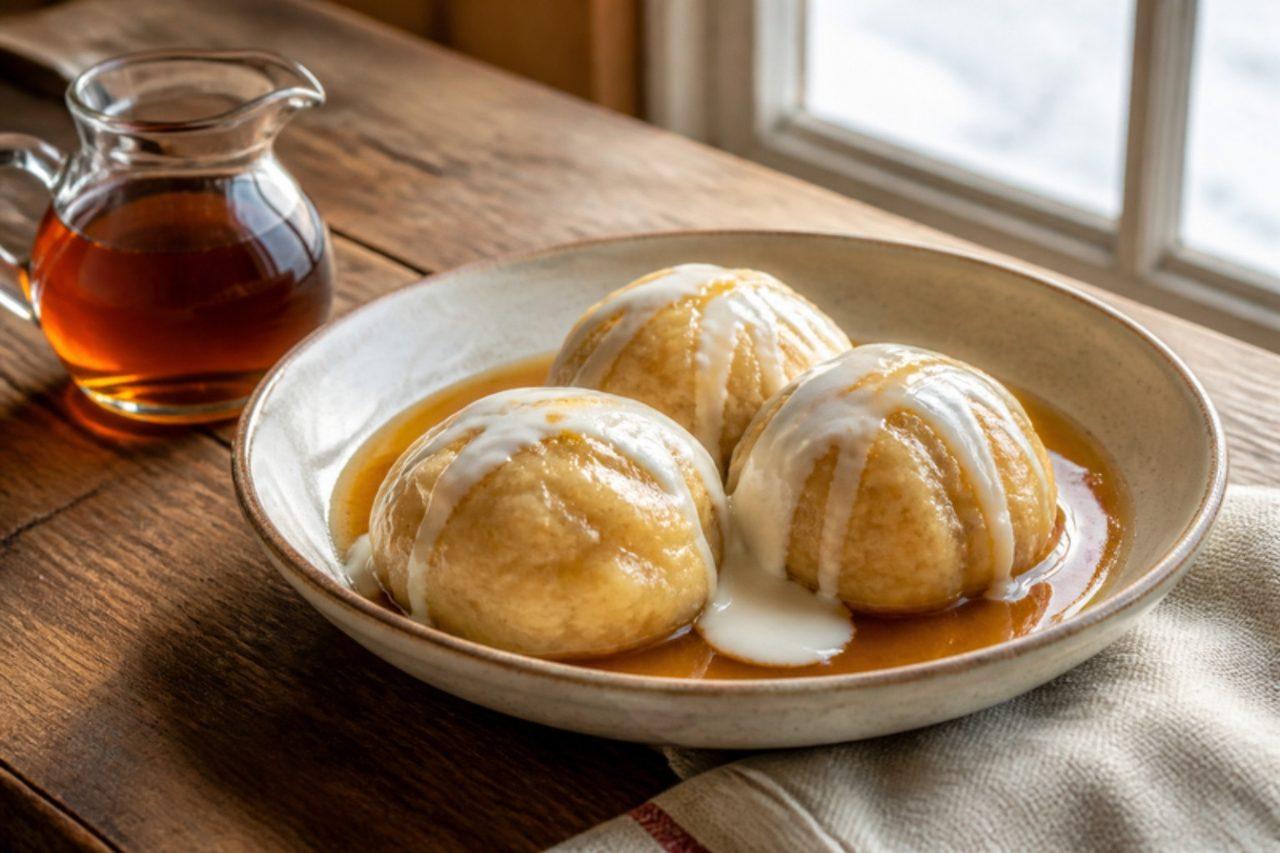
Grands-pères are the dessert of the Quebec sugar shack in March and April, when sap is running and the cabane à sucre serves long breakfasts. Soft scone-like dumplings are dropped into simmering maple syrup and cooked under a lid until they puff up and soak in the syrup from below. In Beauce and the Eastern Townships families make them at home with the first syrup of the year. Serve warm in bowls with cold cream poured over. A common mistake is letting the syrup boil hard, which scorches it and makes it bitter. Chef's tip: keep the lid on for the full cooking time; lifting it lets the steam out and the dumplings sink and turn heavy.

by KrazyBadal 0 views

Mandelbrot

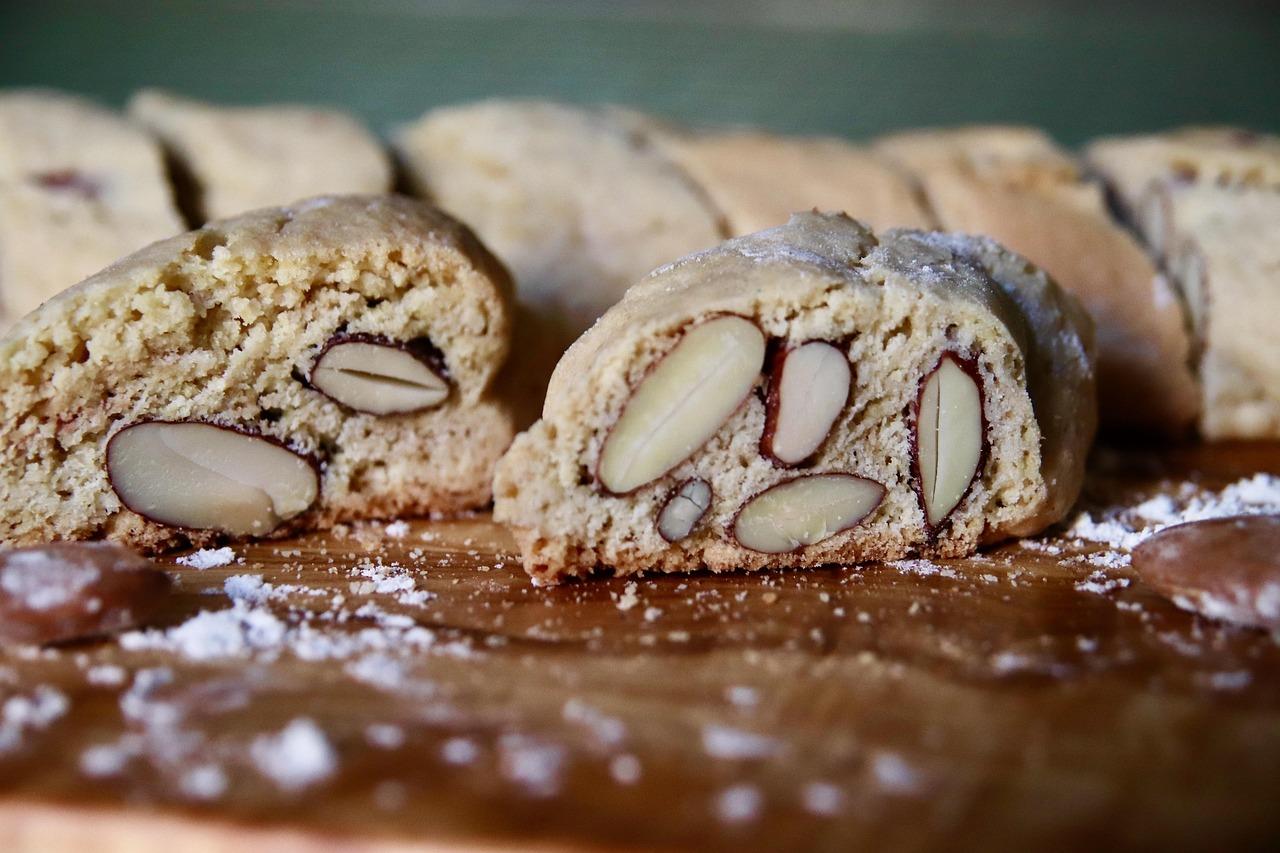
Mandelbrot, 'almond bread' in Yiddish, is the biscuit jar staple in Ashkenazi grandmothers' kitchens from Ramat Gan to Netanya, set out with tea after Shabbat lunch and packed for long journeys because it keeps for weeks. Unlike Italian biscotti it is made with oil, so it is tender and crumbly rather than rock-hard, and this version is flavoured with orange zest and dusted with cinnamon sugar. Dip it in hot tea or coffee. Because there is no butter, it can follow a meat meal. The usual mistake is slicing the logs straight out of the oven, which crumbles them; let them cool for 15 minutes first. Chef's tip: use a serrated knife and one firm downward saw, rather than pressing, for clean slices.

by KrazyBadal 0 views

Schmaltz

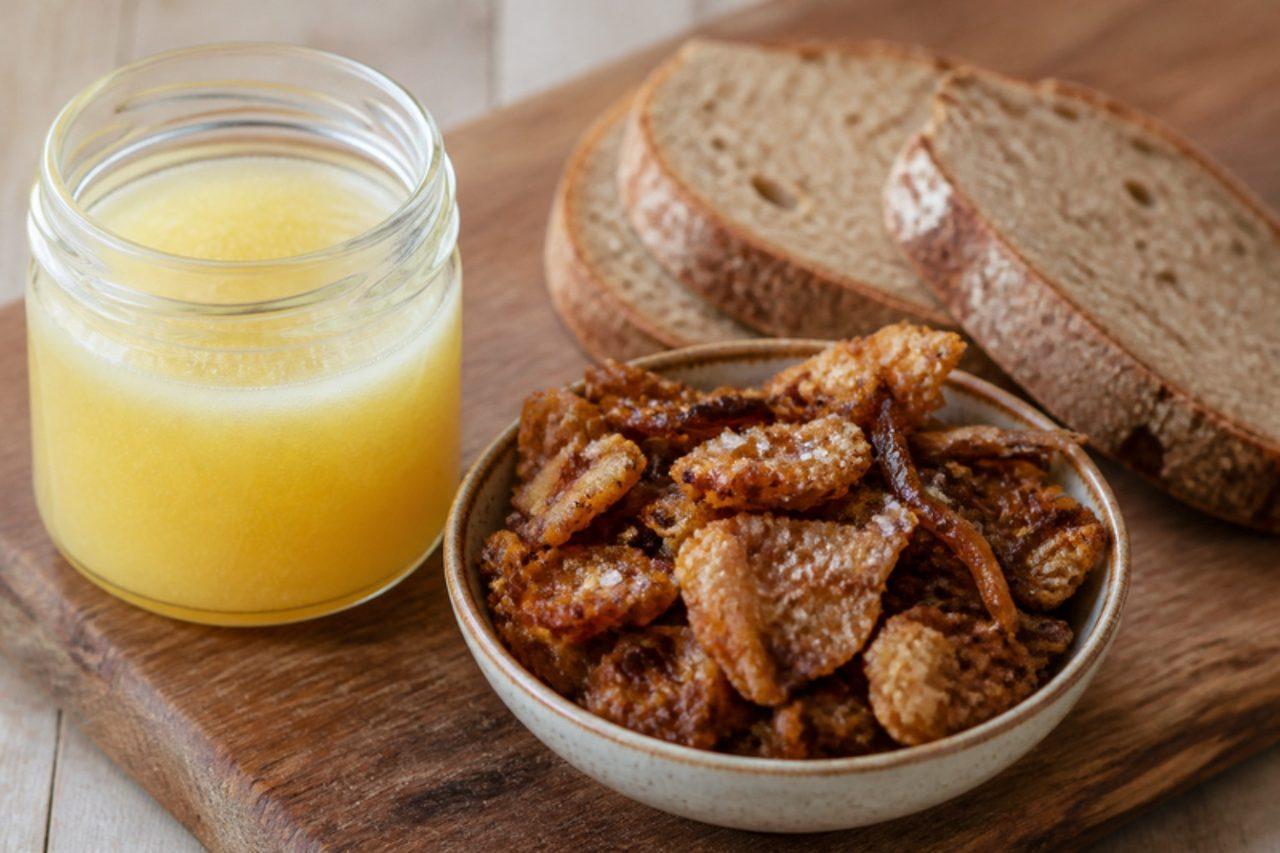
Before vegetable oil reached the shtetl, rendered chicken fat was the cooking fat of every Ashkenazi kitchen that kept meat and dairy apart, and in Bnei Brak and Jerusalem's Geula many grandmothers still keep a jar of it in the fridge for roast potatoes, chopped liver and matzo balls. Skin and fat trimmed from chickens are melted slowly with a little water until the fat runs clear and gold, then onion is added so the fat takes on a sweet, savoury depth. The crisp scraps left behind, gribenes, are salted and nibbled like crackling or scattered over mashed potato. The usual mistake is turning the heat up to hurry it: the skin browns before the fat has melted out and the schmaltz tastes scorched. Chef's tip: ask a kosher butcher for skin and fat trimmings, or save them in a bag in the freezer each time you joint a chicken until you have enough.

by KrazyBadal 0 views

Shipudim

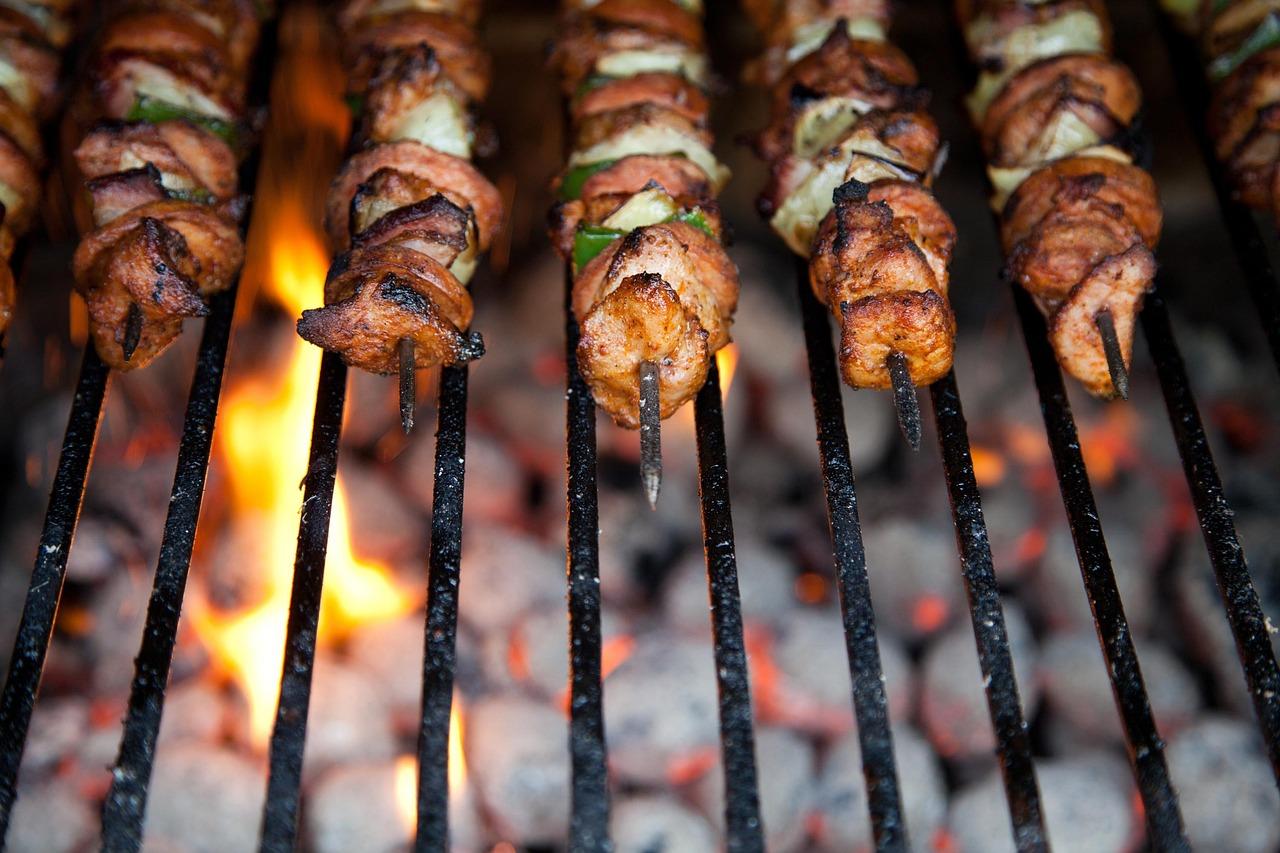
A meal at a shipudiya, the skewer restaurants of the Hatikva quarter in Tel Aviv or the road to Rosh Pina, starts with a table of little salads and pita and goes on to skewers straight from the charcoal: minced lamb kebab with parsley and onion, chunks of chicken, and often livers or hearts for those who like them. This recipe makes the two favourites at home, lamb kebab and chicken, so you can grill a whole Friday lunch. Charred outside and juicy inside, they are eaten with hummus, tahini, chopped salad and pickles. Kebab mixtures that are too lean fall off the skewer, which is the usual problem; use lamb with some fat and squeeze it firmly around the stick. Chef's tip: chill the shaped kebabs for 30 minutes before grilling so they hold.

by KrazyBadal 0 views

Ployes

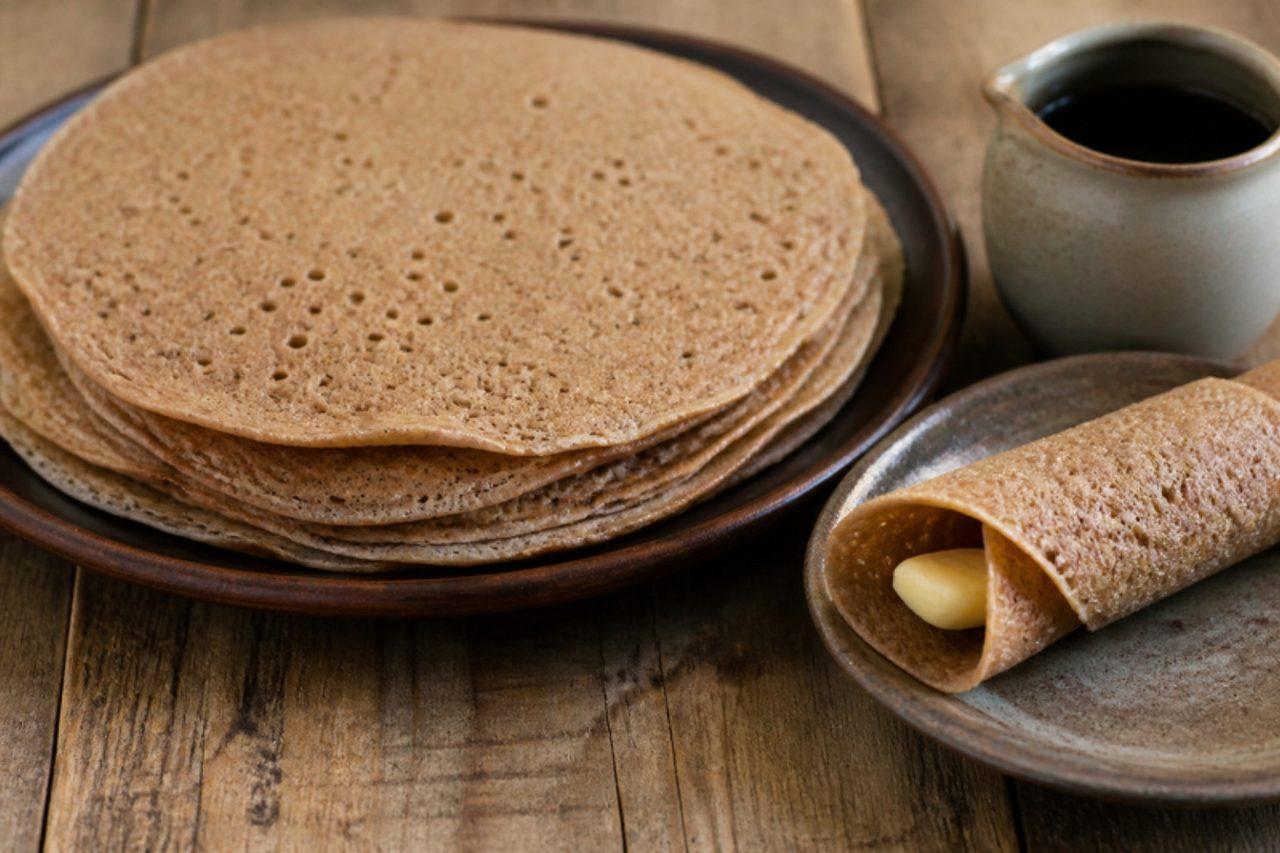
Ployes come from the Acadian villages of the Madawaska in north-west New Brunswick, on the border with Maine, where they are eaten at almost every meal in place of bread. The batter of light buckwheat flour, plain flour and baking powder is poured onto a very hot dry griddle and cooked on one side only, until the top is covered in tiny holes. Roll them with butter and molasses, or use them to mop up a stew. Chef's tip: let the batter rest 5 minutes so the bubbles start; without them you get flat pancakes instead of the lacy holes.

by KrazyBadal 0 views

Farfel

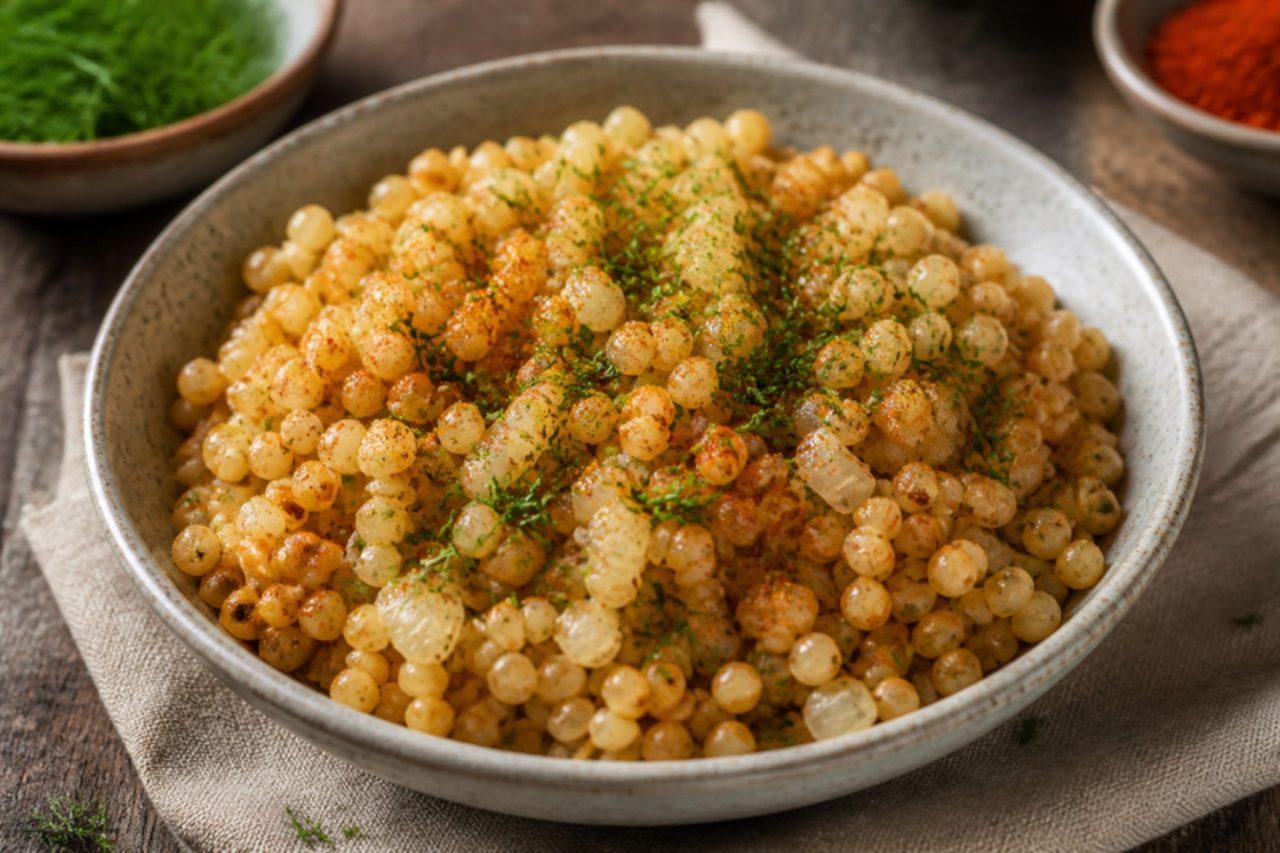
Farfel, little barley-sized pellets of egg pasta, are what many Ashkenazi grandmothers in Israel cook instead of rice, especially on Friday nights alongside soup and roast vegetables. Toasted in oil until golden, then simmered in stock with soft onion, they turn out fluffy and separate with a gentle nutty taste, a bit like a tiny pasta pilaf. This version uses vegetable stock, so it is vegetarian and dairy free. Serve it as a side or stir through mushrooms for a light supper. A common mistake is adding too much stock, which makes the pellets swell into a sticky mass. Chef's tip: toast the farfel until it smells like toast and is evenly amber before any liquid goes in.

by KrazyBadal 0 views

Lekach

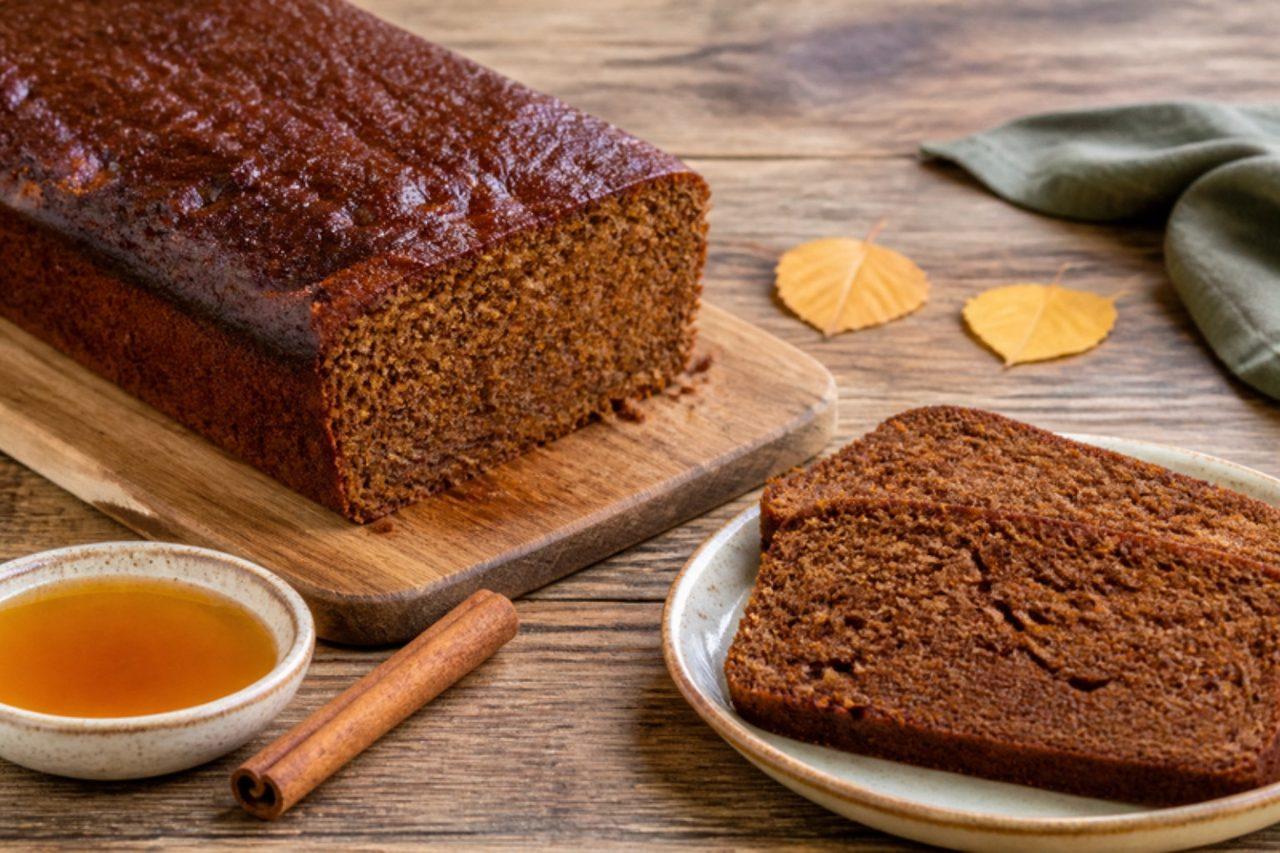
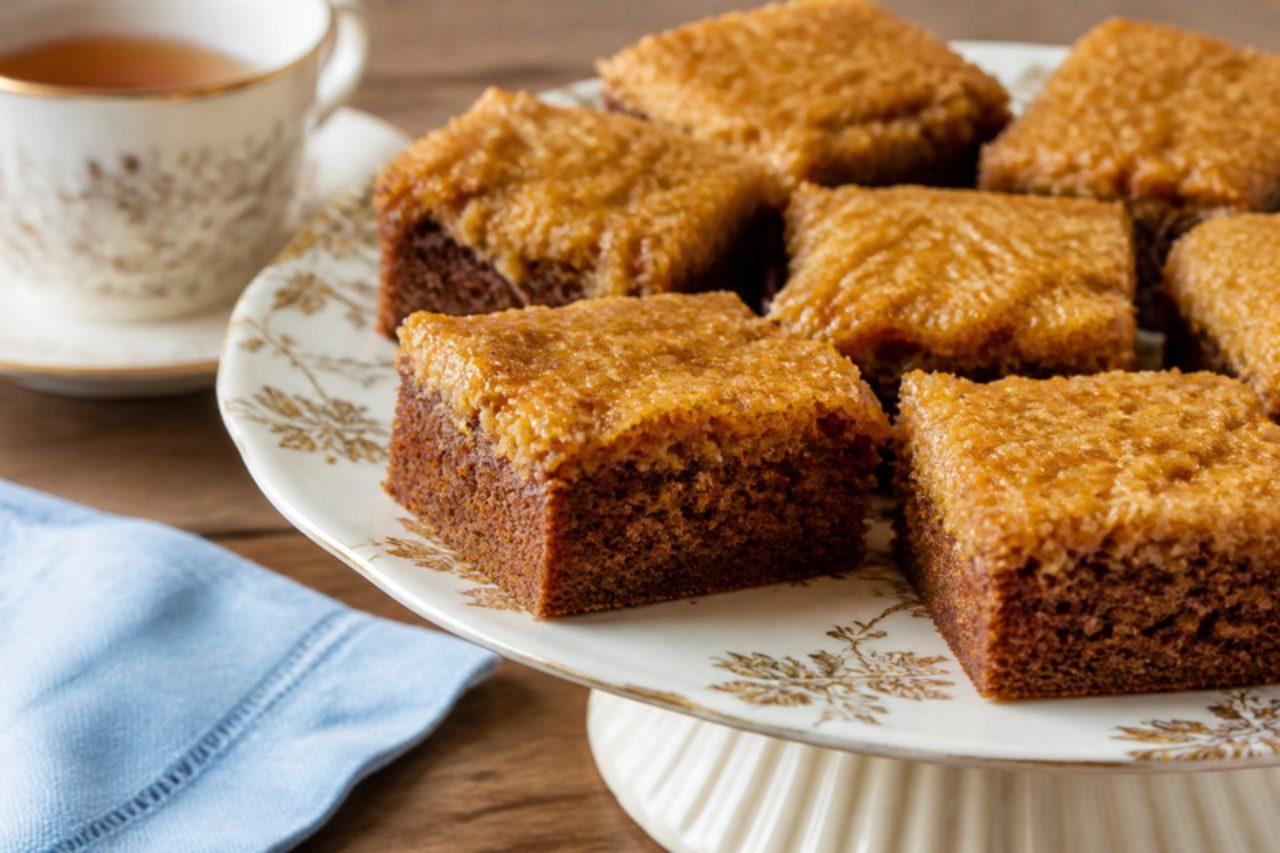
Every Ashkenazi family in Israel seems to have its own lekach, and in the days before Rosh Hashanah the smell of honey and spice drifts out of kitchens all over Kfar Saba and Jerusalem. It is a dark loaf of honey, brown sugar, strong coffee, cinnamon and cloves, made with oil so it stays dairy free for the festive meat meal. It tastes even better after two days wrapped, when the crumb turns sticky and deep. Slice it thinly and eat it with tea, wishing for a sweet new year. The common mistake is an oven that is too hot: honey burns quickly, so the outside darkens before the middle sets. Chef's tip: bake low and slow, and tent with foil once the top is mahogany.

by KrazyBadal 0 views

Chremslach

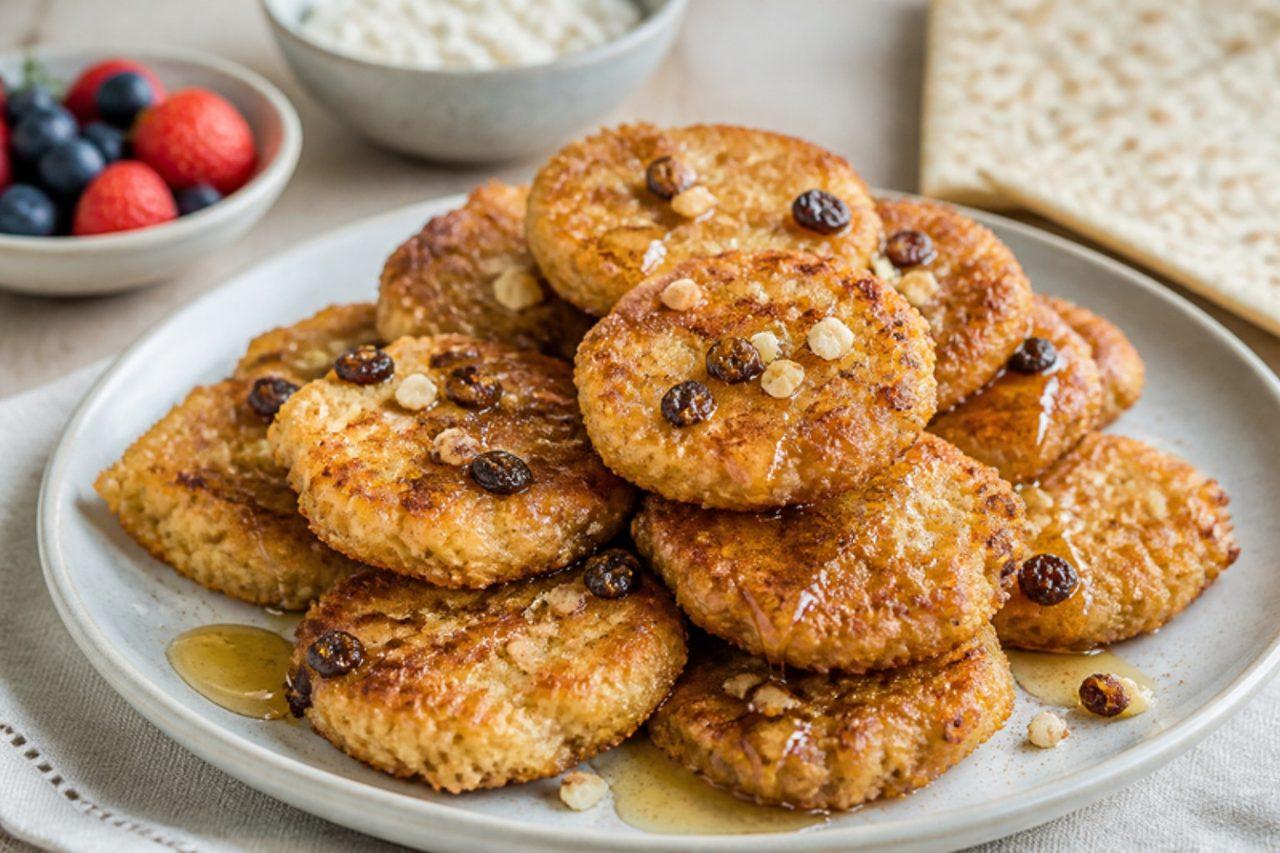
Chremslach are a Galician and Polish Passover sweet still fried in Ashkenazi kitchens in Haifa and Jerusalem during the holiday week, often eaten as a dessert after the seder leftovers or for a festive breakfast. Matzo meal is mixed with eggs, sugar, raisins, chopped almonds and cinnamon into a thick batter, then dropped into hot oil in spoonfuls to make small, puffy fritters, crisp outside and soft inside. Serve them warm, dusted with sugar or drizzled with honey. The common mistake is frying straight away: the matzo meal needs 15 minutes to swell, or the fritters fall apart in the oil. Chef's tip: wet your spoon between fritters so the sticky batter slides off cleanly.

by KrazyBadal 0 views

Berekete

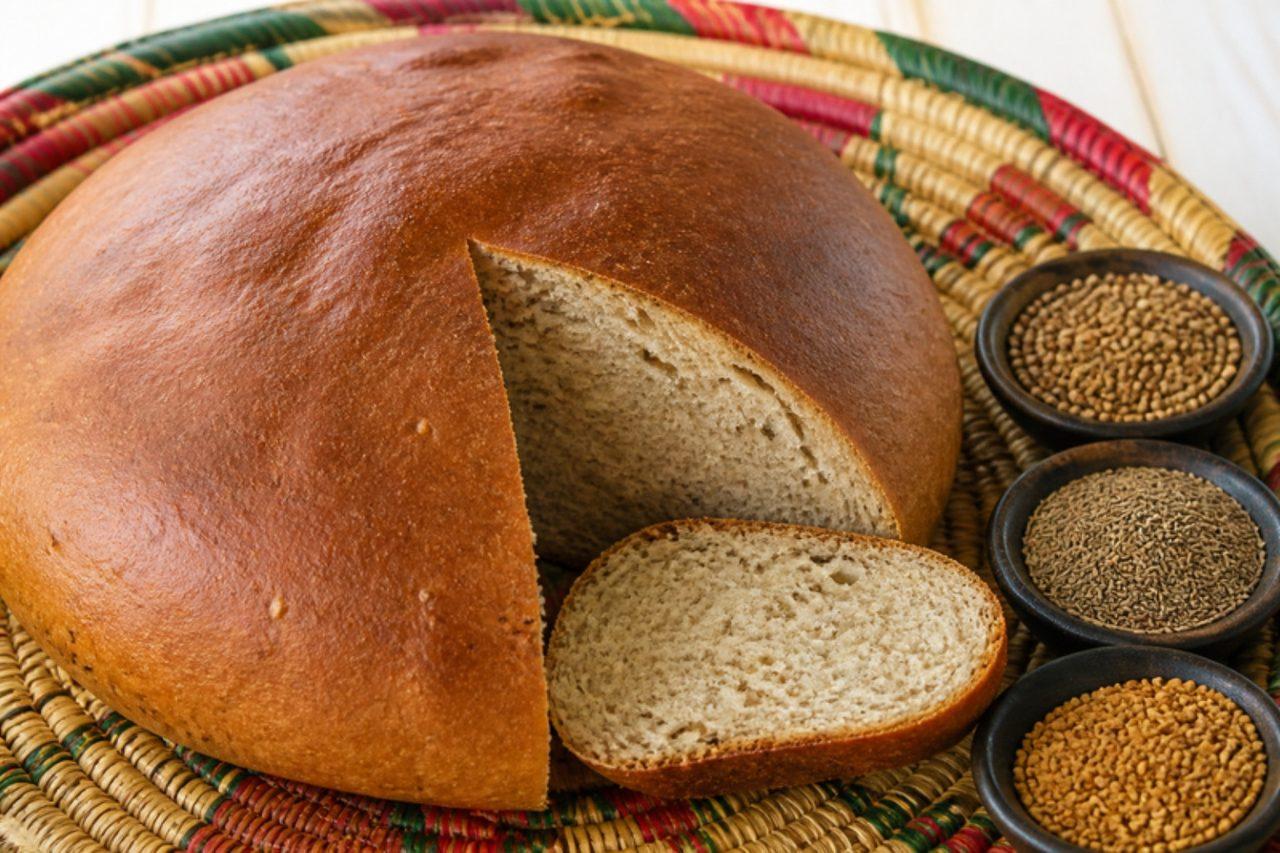
Among Ethiopian Israelis in Kiryat Malakhi, Netanya and Ashkelon, the Friday meal begins when the eldest at the table blesses a round loaf of berekete and breaks it for everyone. The bread is plain, dense and wheaty, with a soft crumb and the warm, faintly bitter scent of fenugreek, cumin and coriander baked in. It is eaten with spiced lentils, cabbage and potatoes or with a little honey on Shabbat morning. The usual mistake is baking it in a hot oven like a white loaf, which burns the bottom before the thick centre cooks. Chef's tip: bake it in a covered heavy pan at a moderate heat, as it would be on a mitad, so it steams through before browning.

by KrazyBadal 0 views

Chopped liver

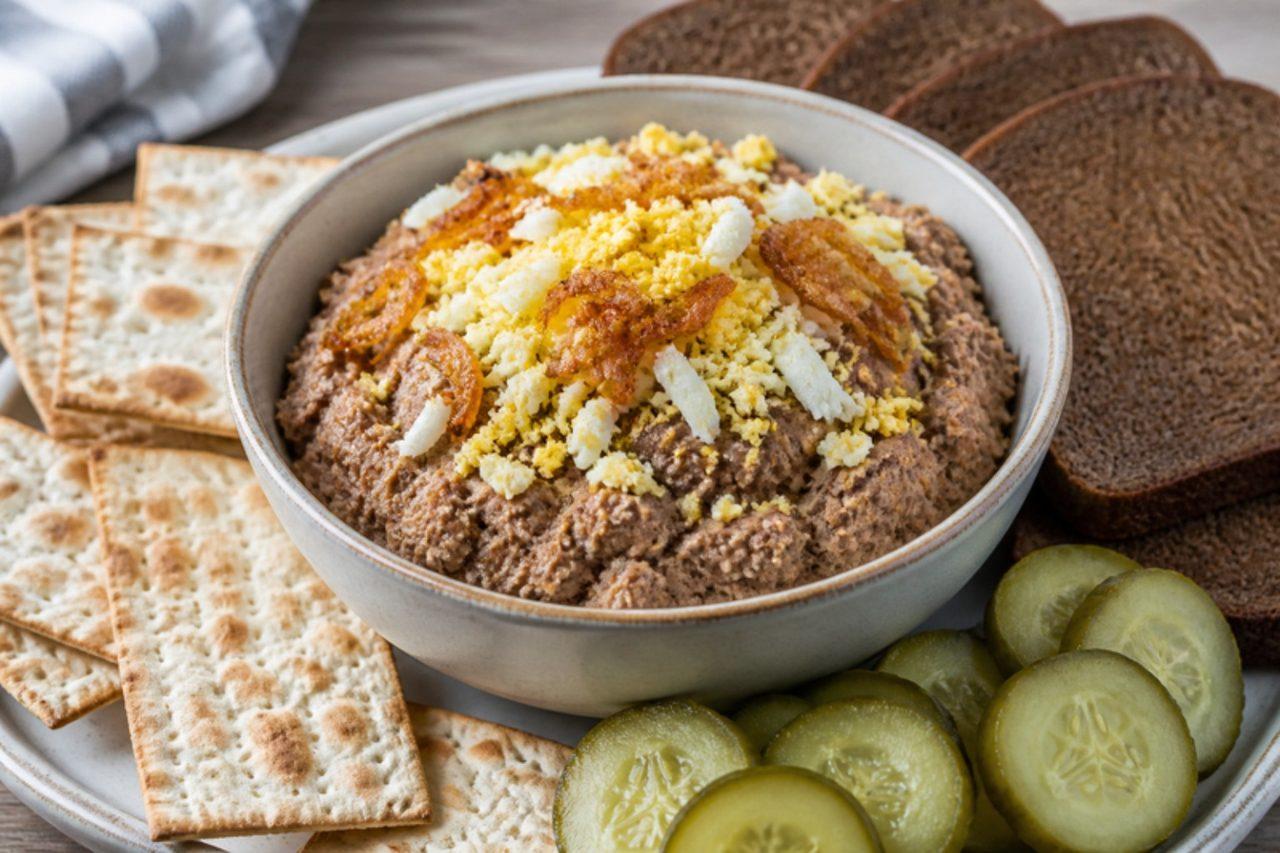
Chopped liver is the first course of many Friday-night dinners in Ashkenazi homes from Haifa to Petah Tikva, spread on challah before the soup, and Tel Aviv delis still sell it by weight on Thursdays. Chicken livers are cooked through in schmaltz with a mountain of slowly browned onion, then chopped with hard-boiled egg into a coarse, rich spread that is sweet from the onion and deeply savoury. It is served cool, with challah, crackers or rye bread and a pickled cucumber. People often undercook the livers to keep them soft, but for safety they must have no pink left inside; the onion and schmaltz keep the texture tender anyway. Chef's tip: pulse in short bursts or chop by hand; a smooth purée loses the rustic texture that makes this different from a French pâté.

by KrazyBadal 0 views

Kubaneh

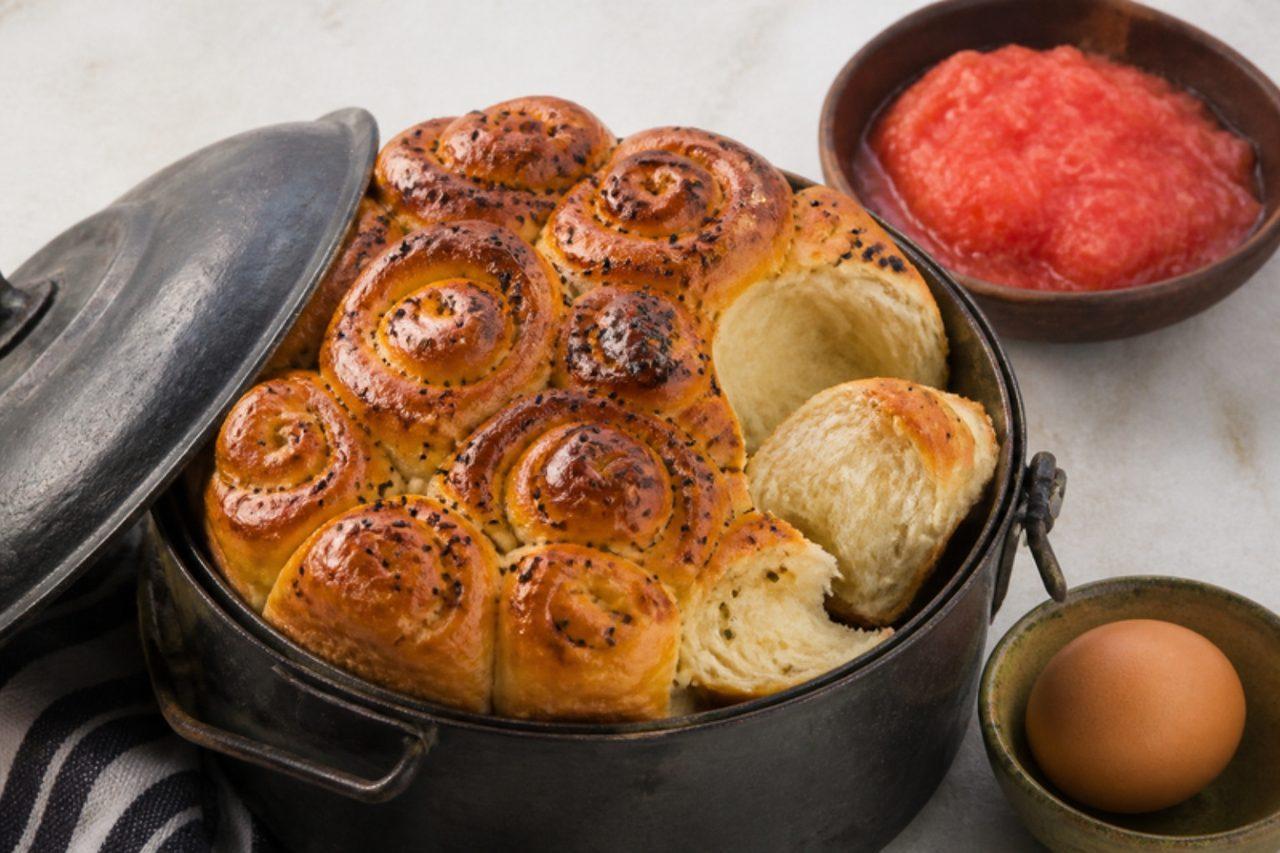
Kubaneh goes into a low oven on Friday afternoon in Yemenite homes in Rosh HaAyin and Tel Aviv's Kerem HaTeimanim, and comes out on Shabbat morning as a burnished, buttery dome that pulls apart into soft coils. It is eaten with grated tomato, zhug and long-baked brown eggs. Because it bakes for hours at a very low heat, the crust turns mahogany and slightly sweet while the inside steams in its own butter. The mistake is using a pot without a tight lid: the bread dries out instead of steaming. Chef's tip: grease the pot generously and seal the lid with a strip of foil, then trust the process; opening the oven at night lets the steam out.

by KrazyBadal 0 views

Sambusak b'tawa

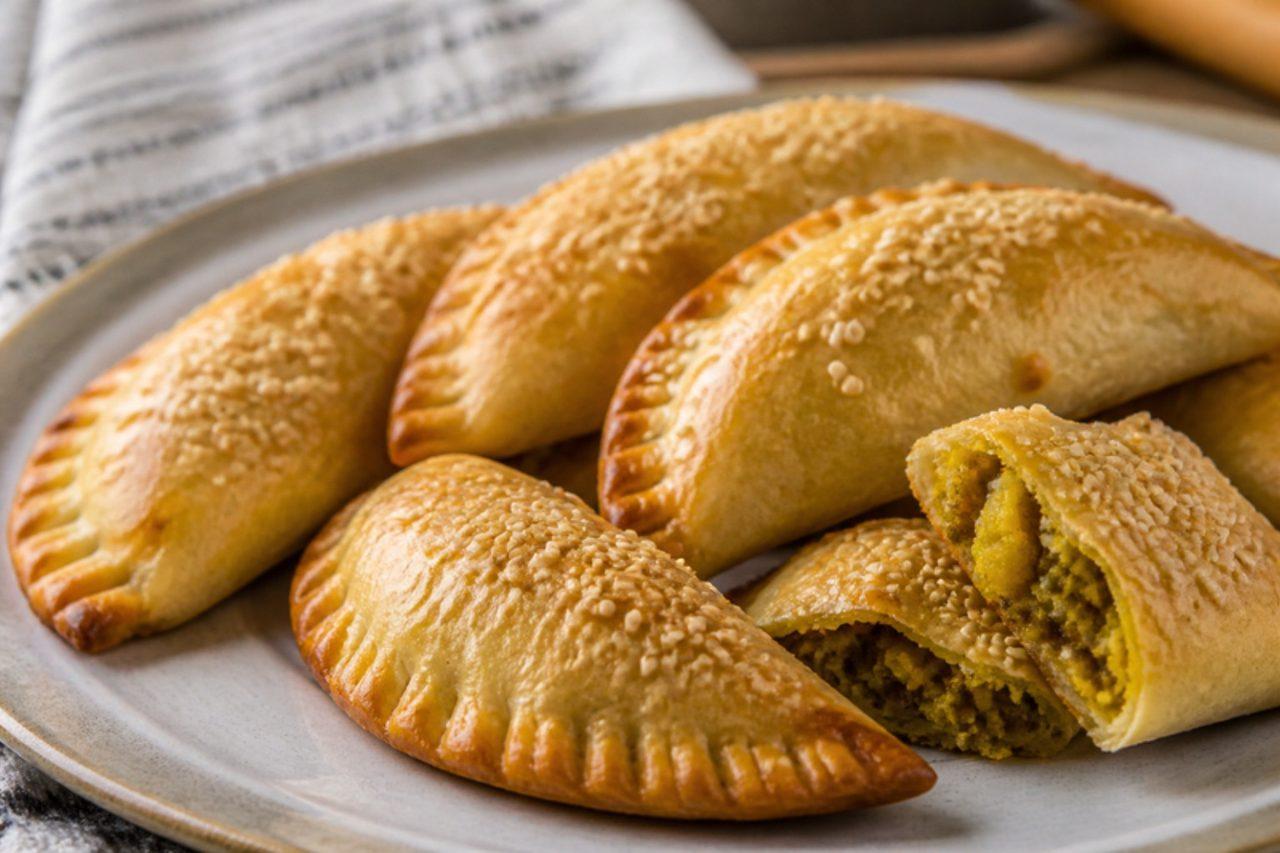
Walk past an Iraqi bakery in Ramat Gan's Bavli quarter on a Friday and you will smell sambusak b'tawa, half-moon pastries stuffed with mashed chickpeas, fried onion and cumin. They are made for Purim, for the Shabbat morning table and to hand out at family gatherings, eaten warm or at room temperature with amba and a cucumber salad. The dough is short and tender, the filling earthy and peppery. A filling that is too wet makes the seams burst, so mash the chickpeas thoroughly and let the onions cook until dry. Chef's tip: crimp the edge by folding it over itself in small pleats, like a rope, which seals far better than pressing with a fork.

by KrazyBadal 0 views

Gubadia

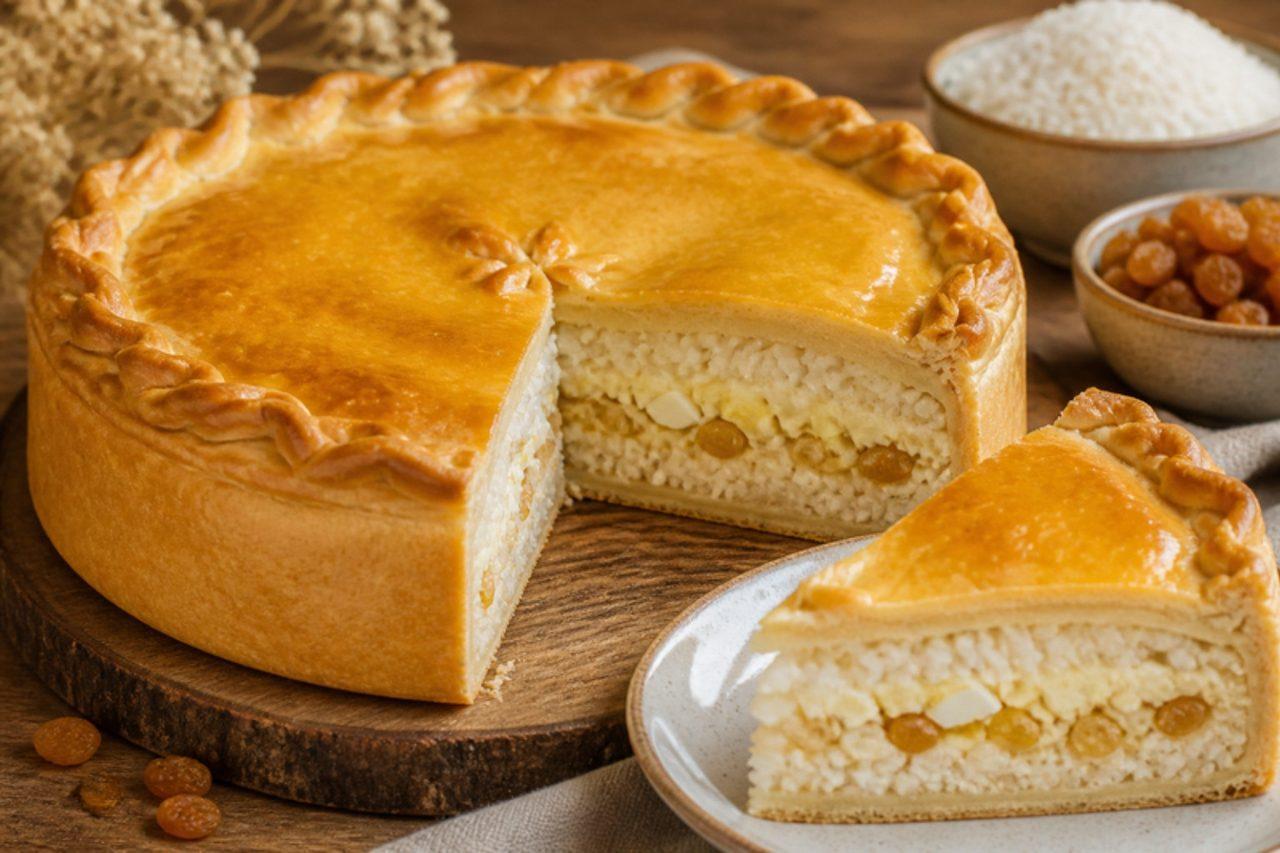
Weddings, Eid and the arrival of honoured guests in Tatarstan call for gubadia, a high round pie that is cut at the table like a cake and served with tea. Inside sit neat layers of buttery rice, kort – Tatar curd cooked down until rosy and fudge-sweet – raisins and chopped hard-boiled egg, under a domed lid of soft yeast dough. Many families add a layer of minced meat with onion; this is the meat-free version, as many sweet tea-table gubadias are. Kort is hard to buy outside the region, so you make it here from tvorog (check the label if you need it rennet-free). Where most people go wrong is a dry pie: every layer needs its share of melted butter. Chef's tip: let the baked pie stand for twenty minutes before cutting so the layers settle and come away in clean wedges.

by KrazyBadal 0 views

Pargiyot

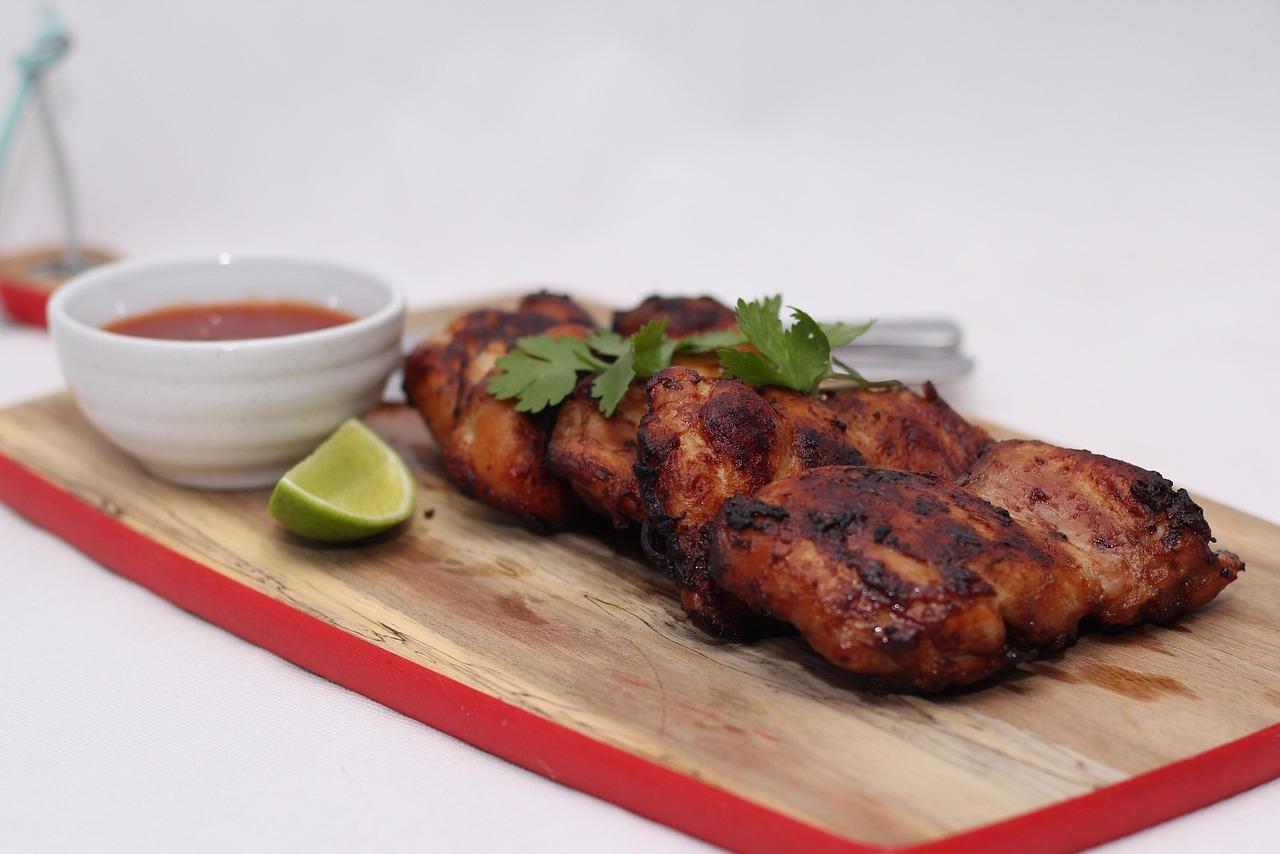
Pargiyot are the boneless chicken thighs that every Israeli grill house, from the Hatikva market's skewer joints in Tel Aviv to the steakiyot on Haifa's coastal road, puts on the charcoal, and they are what families grill in parks on Independence Day. A simple marinade of olive oil, garlic, baharat, paprika and lemon keeps them juicy, and the fat in the thigh crisps over the coals. Serve them with pita, hummus, tahini and chopped salad, or sliced over rice. Lean breast is the common substitute and the common mistake: it dries out, while thigh stays tender. Chef's tip: open the thighs flat and keep them in one even thickness so they cook through before they burn.

by KrazyBadal 0 views

Sour cream raisin pie

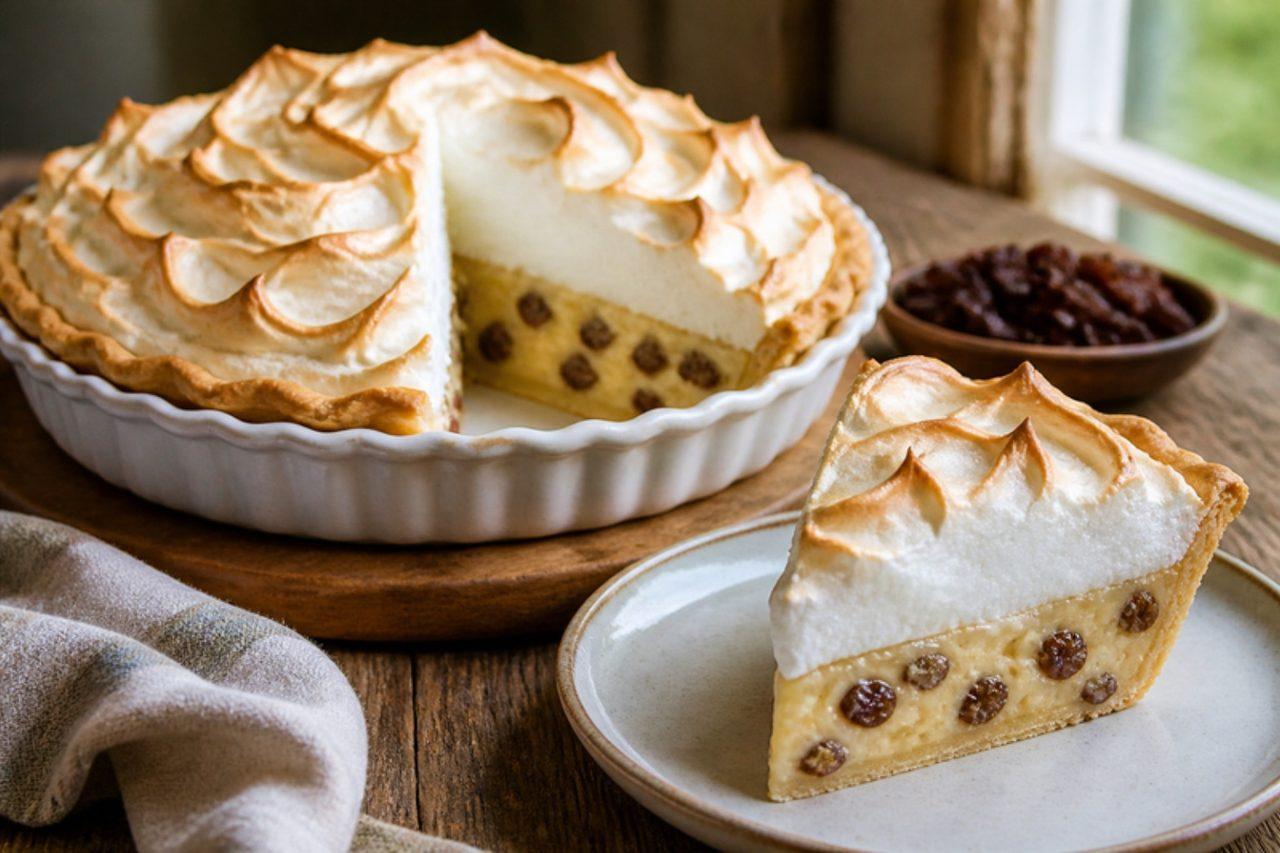
Sour cream raisin pie is a farm-kitchen dessert from the Old Order Mennonite communities of Waterloo County, Ontario, found at the St Jacobs market and at church suppers around Elmira. Plump raisins sit in a tangy sour-cream custard, warm with cinnamon and clove, under a tall cloud of meringue. It is made ahead and served cool, cut in generous wedges. A common mistake is spreading the meringue on a cold filling, which makes it weep; spread it while the filling is hot. Chef's tip: simmer the raisins first so they are soft and juicy instead of chewy in the custard.

by KrazyBadal 0 views

Schmoo torte

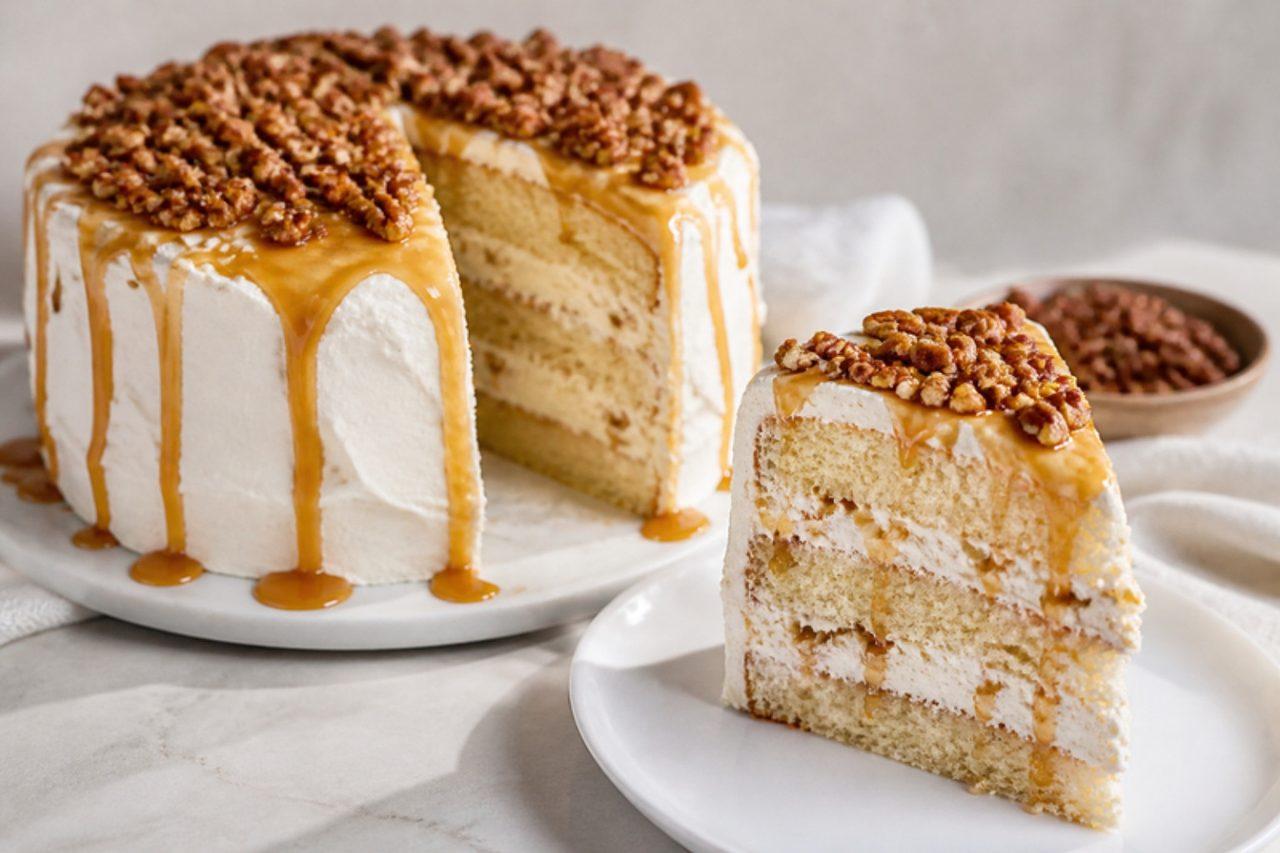
Schmoo torte is Winnipeg's own celebration cake, served at bar mitzvahs, weddings and birthday parties in the city's Jewish community since the 1950s and now found in bakeries all over Manitoba. A light angel-style sponge made with ground pecans is split into layers, filled and covered with whipped cream, then drizzled with a warm butterscotch caramel and more nuts. It is a project but most of it can be done the day before. A common mistake is opening the oven too early; the egg-white sponge collapses. Chef's tip: cool the sponge upside down in its tin so it stays tall.

by KrazyBadal 0 views

Honey dill sauce

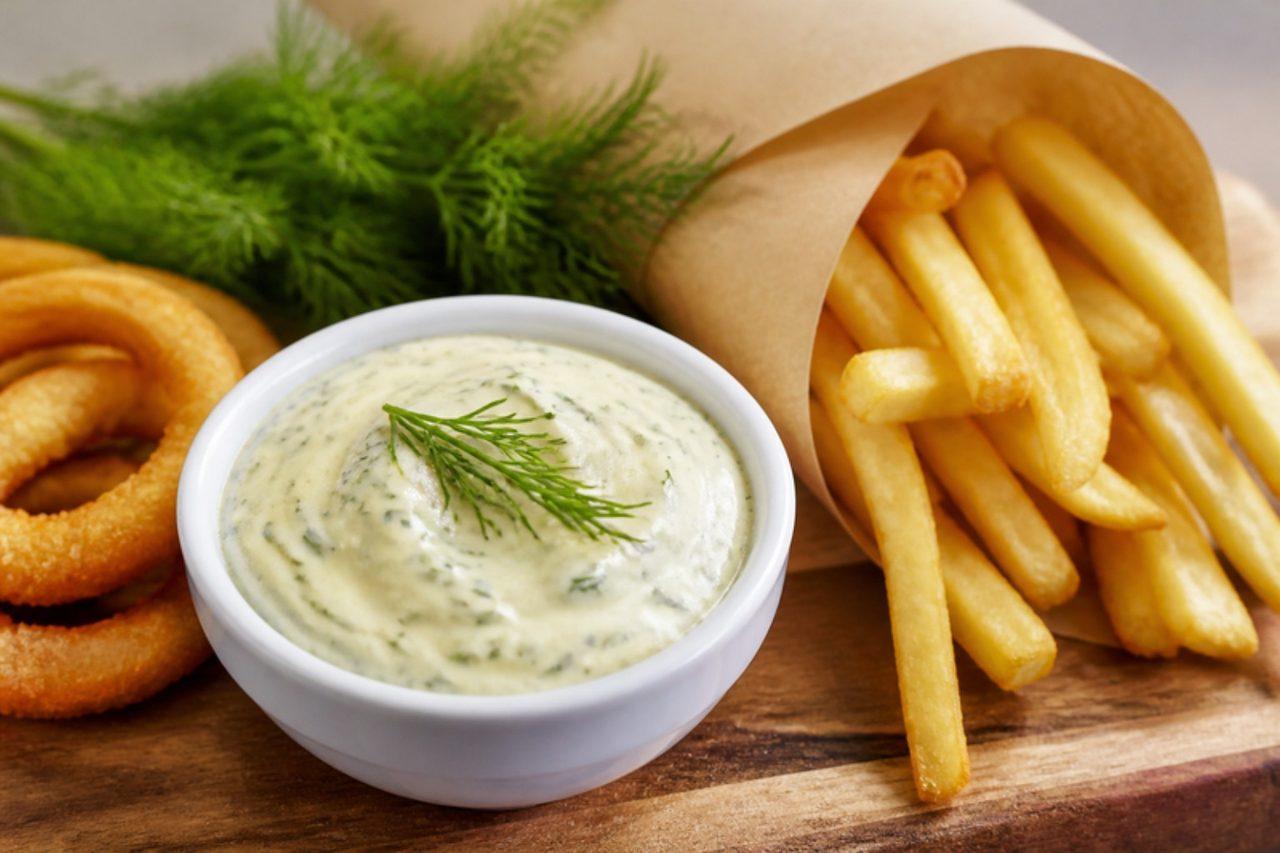
Ask for honey dill anywhere outside Manitoba and you'll get a blank look, but in Winnipeg every pub, burger stand and school canteen serves it with chicken fingers, fries and onion rings. It is simply mayonnaise sweetened with liquid honey and full of fresh dill, and it takes five minutes. It is also good on veggie burgers and baked potatoes. A common mistake is using thick set honey, which won't blend; warm it first. Chef's tip: make it an hour ahead so the dill flavours the whole sauce.

by KrazyBadal 0 views

Three Sisters soup

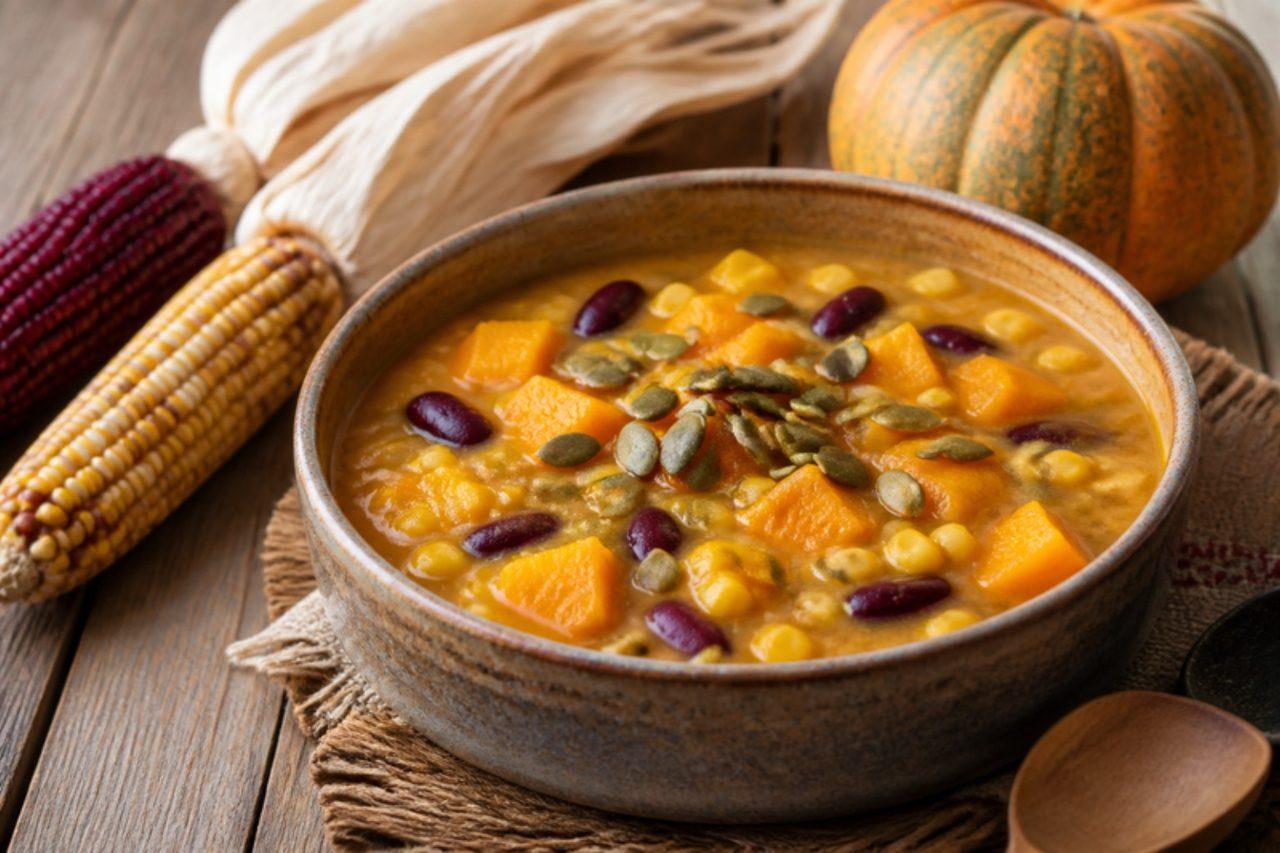
The Three Sisters, corn, beans and squash planted together in one mound, are the heart of Haudenosaunee farming in what is now southern Ontario and Quebec, and of many other Eastern Woodlands nations. Simmered together, they make a filling, golden autumn soup served at harvest gatherings and at home through the winter. This version uses dried beans and fresh squash for a thick, naturally sweet pot. A common mistake is adding the corn too early, which makes it tough; it goes in for the last 10 minutes. Chef's tip: roast half the squash first for a deeper, nuttier flavour.

by KrazyBadal 0 views

Puffed wheat squares

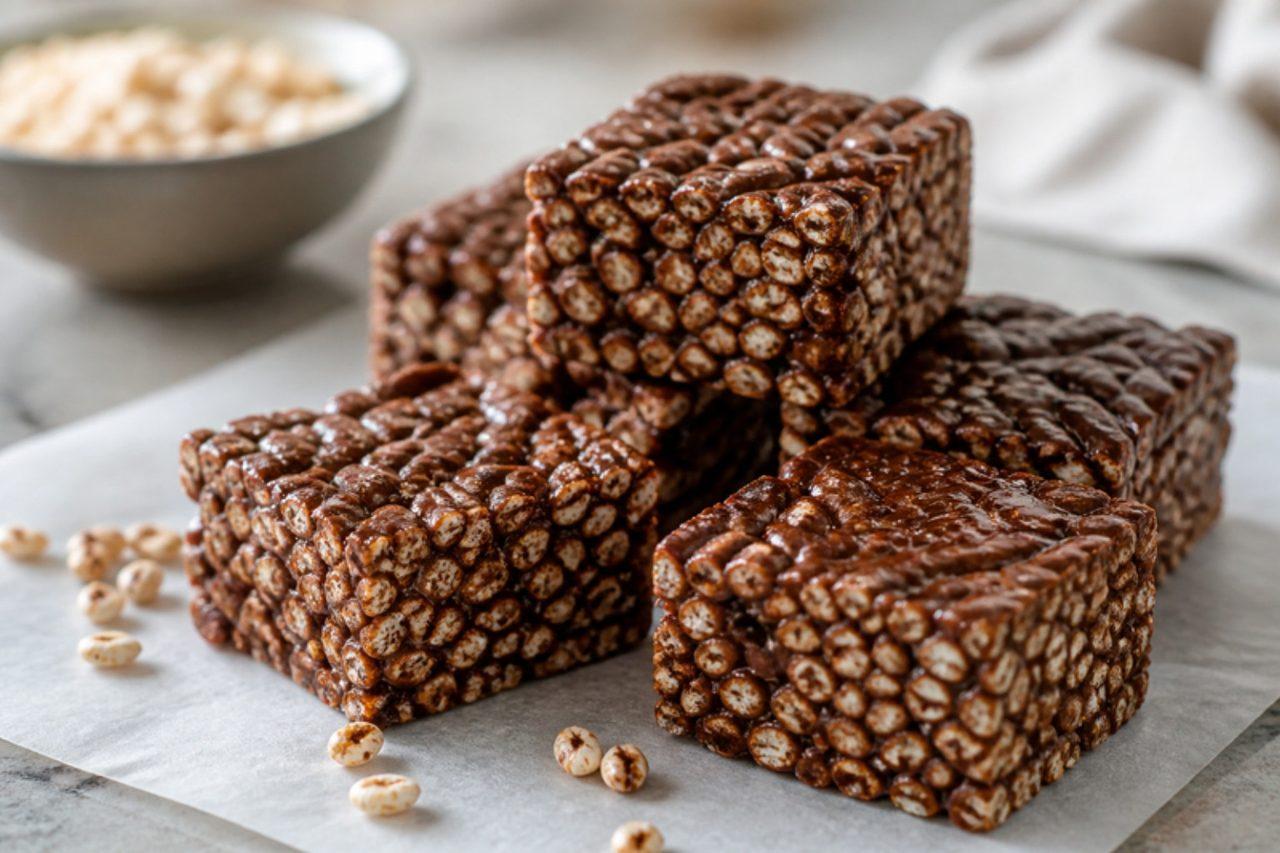
Puffed wheat squares are the Prairie kids' party treat, made in Alberta and Saskatchewan kitchens for hockey bake sales and lunchboxes since the 1950s. Puffed wheat is stirred into a quick toffee of butter, brown sugar, golden syrup and cocoa, pressed into a pan and cut once set. They are chewy rather than crunchy and very hard to stop eating. A common mistake is boiling the syrup too long, which sets them rock hard; one minute of boiling is enough. Chef's tip: butter your hands, not just the pan, to press the mix down evenly.

by KrazyBadal 0 views

Queen Elizabeth cake

Queen Elizabeth cake has been a favourite in Canadian homes and Quebec bakeries since the 1950s, especially around coronations and royal visits, and it still turns up at Montreal family birthdays and Sunday teas. A moist, tender date cake is baked, then covered in a bubbling coconut and brown-sugar topping and put under the grill until it caramelises. It is humble, rich and keeps well for days. A common mistake is walking away from the grill; the topping goes from golden to burnt in under a minute. Chef's tip: soak the dates in boiling water with the bicarbonate so they melt into the crumb.

by KrazyBadal 0 views

Cheremsha salad

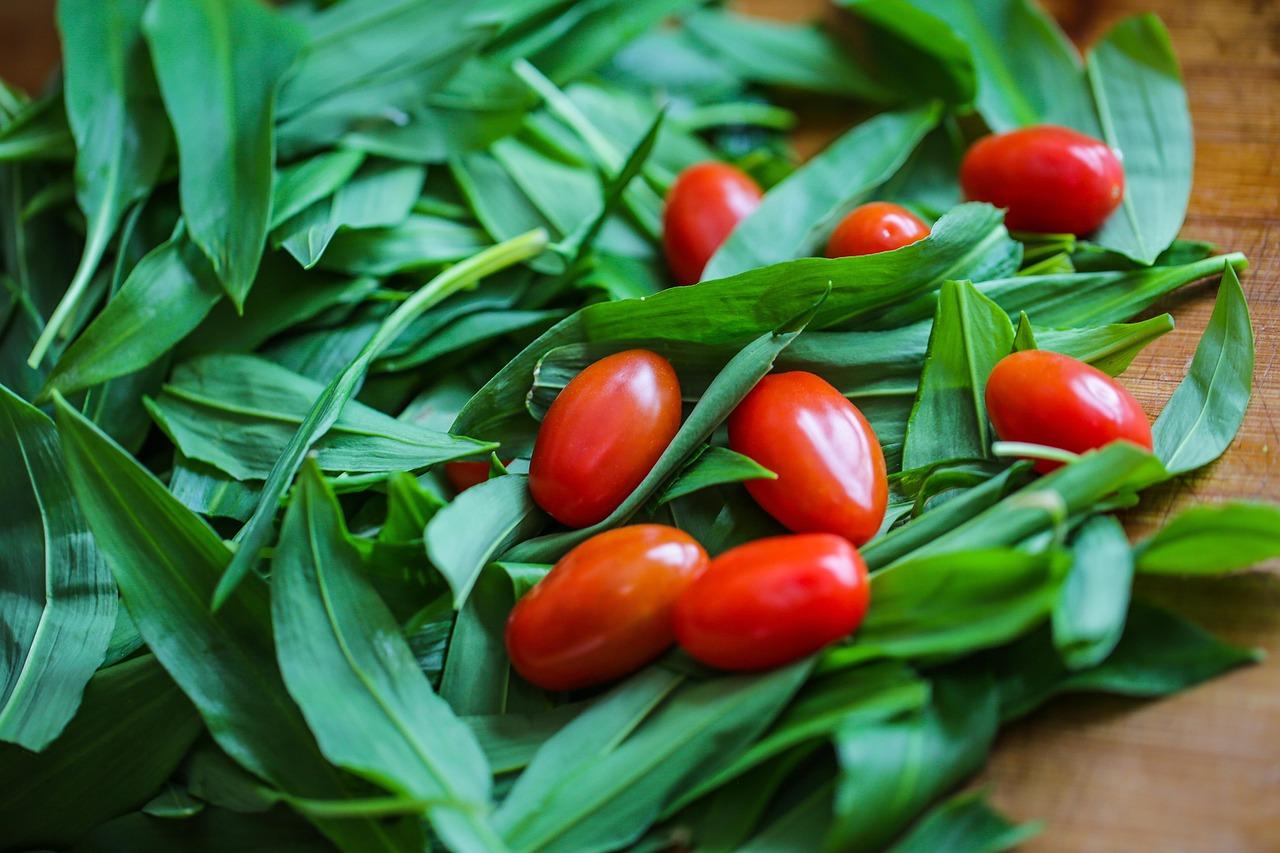
Late April in Novosibirsk and Tomsk brings bunches of cheremsha to every market stall and roadside bucket: the first green vitamins after a long Siberian winter. The broad leaves and juicy stems of wild garlic taste of sweet, mild garlic with a peppery bite, and Siberians eat them simply, chopped with salt and fragrant unrefined sunflower oil, beside boiled potatoes and black bread. Some cooks add chopped egg or sour cream; this vegan version sticks to oil, with cucumber for crunch. Forage only with someone who knows the plant, or buy it: wild garlic has poisonous lookalikes such as lily of the valley, and real leaves smell strongly of garlic when crushed. Where most people go wrong is dressing it too early, so the leaves wilt and weep. Chef's tip: salt the chopped stems first and rub them for a few seconds; it softens their bite and draws out juice that becomes part of the dressing.

by KrazyBadal 0 views

Mors

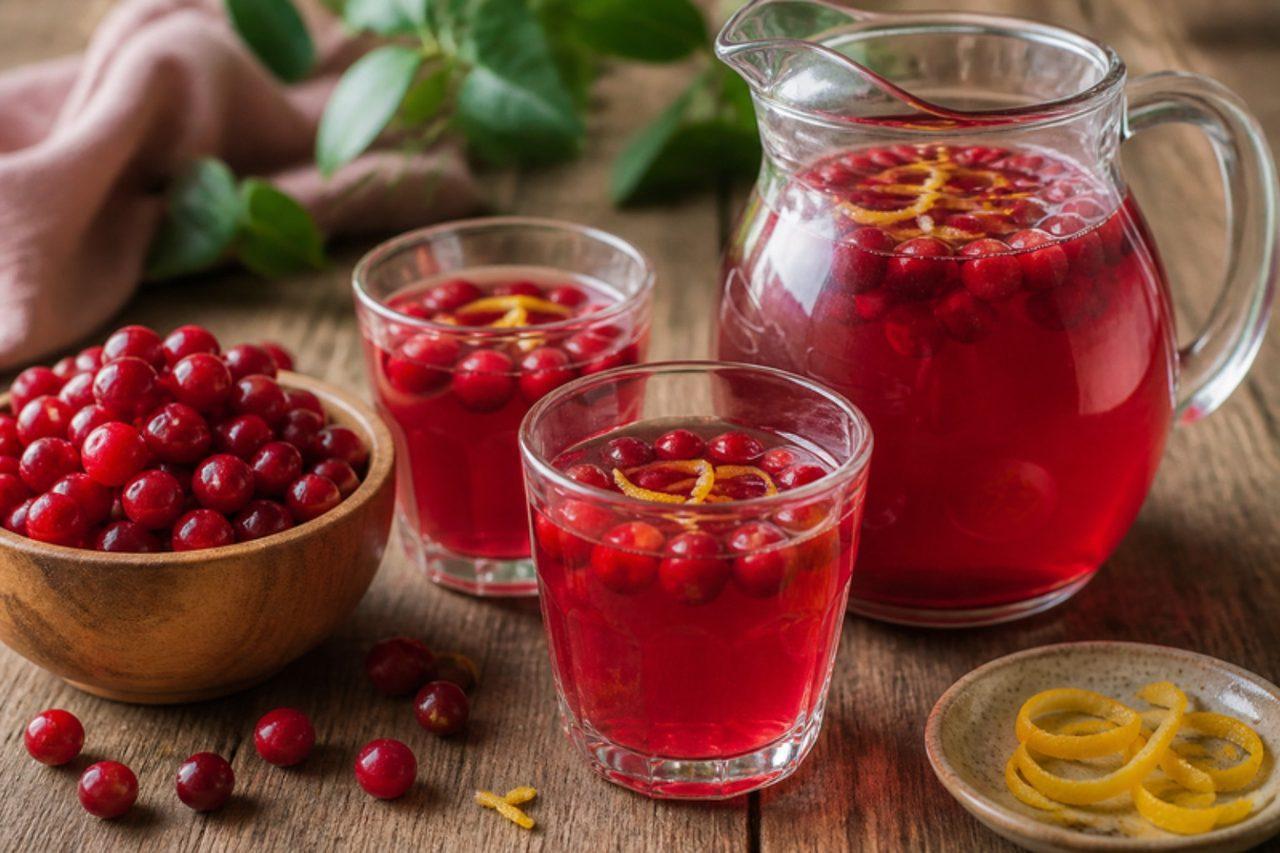
Northern Russia picks cranberries and lingonberries from the bogs in autumn, and many of them end up as mors, a tart, crimson drink served from a jug at family dinners and offered in cafes and canteens from Arkhangelsk to Siberia. Unlike kissel it is thin and refreshing, made by pressing out the raw berry juice, cooking the skins in water and then combining the two so the fresh vitamin-rich juice is never boiled. Honey goes in last, once the liquid has cooled a little, to keep its flavour. Where most people go wrong is boiling the pressed juice along with the pulp; keep it aside until the end. Honey is not for babies under one year old. Chef's tip: serve it cold with ice in summer or warmed gently in winter; it is good both ways.

by KrazyBadal 0 views

Kabachkovaya ikra

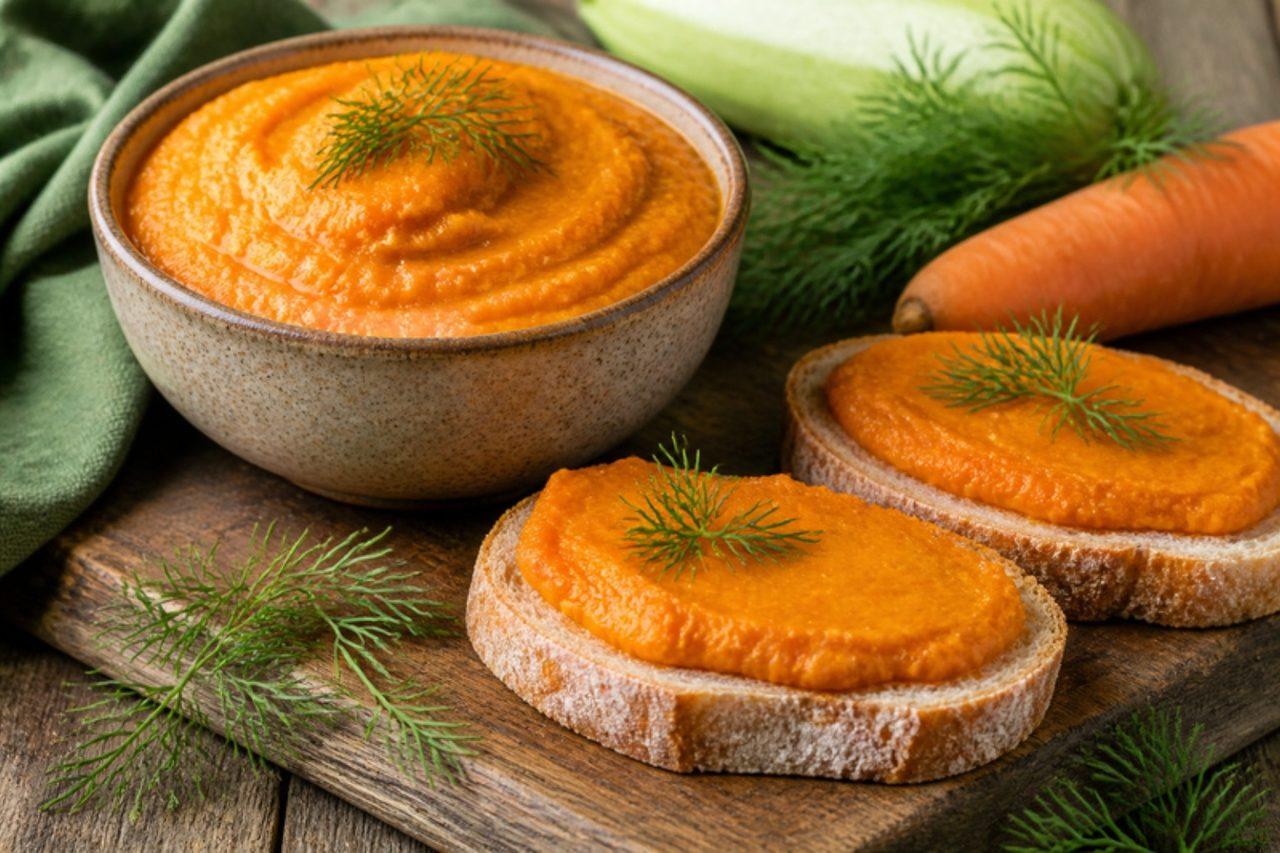
Late summer at the dacha means a glut of courgettes, and the answer across Russia is this soft orange spread, once sold in glass jars in every Soviet grocery and still made by the potful at home. Courgette, carrot and onion are fried in sunflower oil, stewed with tomato until they collapse, blended and then cooked down again until thick enough to stand on bread. It tastes sweet, mellow and lightly tangy, and is eaten cold on black rye bread, with boiled potatoes or as part of a zakuski spread. A common mistake is stopping too early: if the purée still looks watery it will taste flat, so keep stirring until a spoon leaves a trail across the pan. This is a fridge recipe, not a canning one. Chef's tip: make it a day ahead; the flavour rounds out overnight.

by KrazyBadal 0 views

Chicken fricot

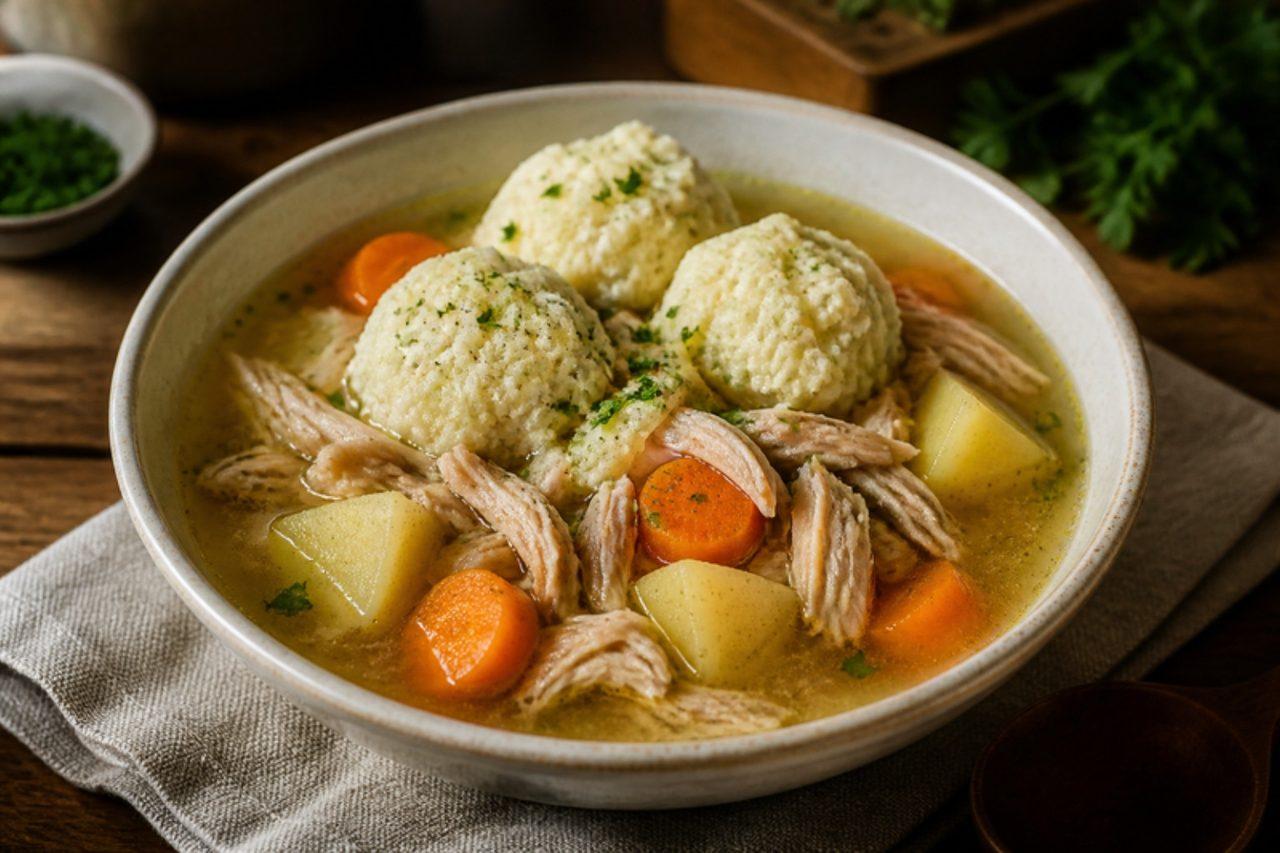
Fricot is the everyday stew of Acadian kitchens in New Brunswick, Prince Edward Island and Nova Scotia, and on Chéticamp it is still what grandmothers serve when the family comes home. Chicken simmers with potatoes, onion and plenty of summer savory, and fluffy dumplings called pâte steam on top at the end. It is simple, comforting food for cold evenings. A common mistake is a stew that is boiling hard when the dumplings go in, which breaks them up; keep it at a lively simmer. Chef's tip: summer savory is the defining herb; use thyme only if you really can't find it.

by KrazyBadal 0 views

Kvæfjordkake

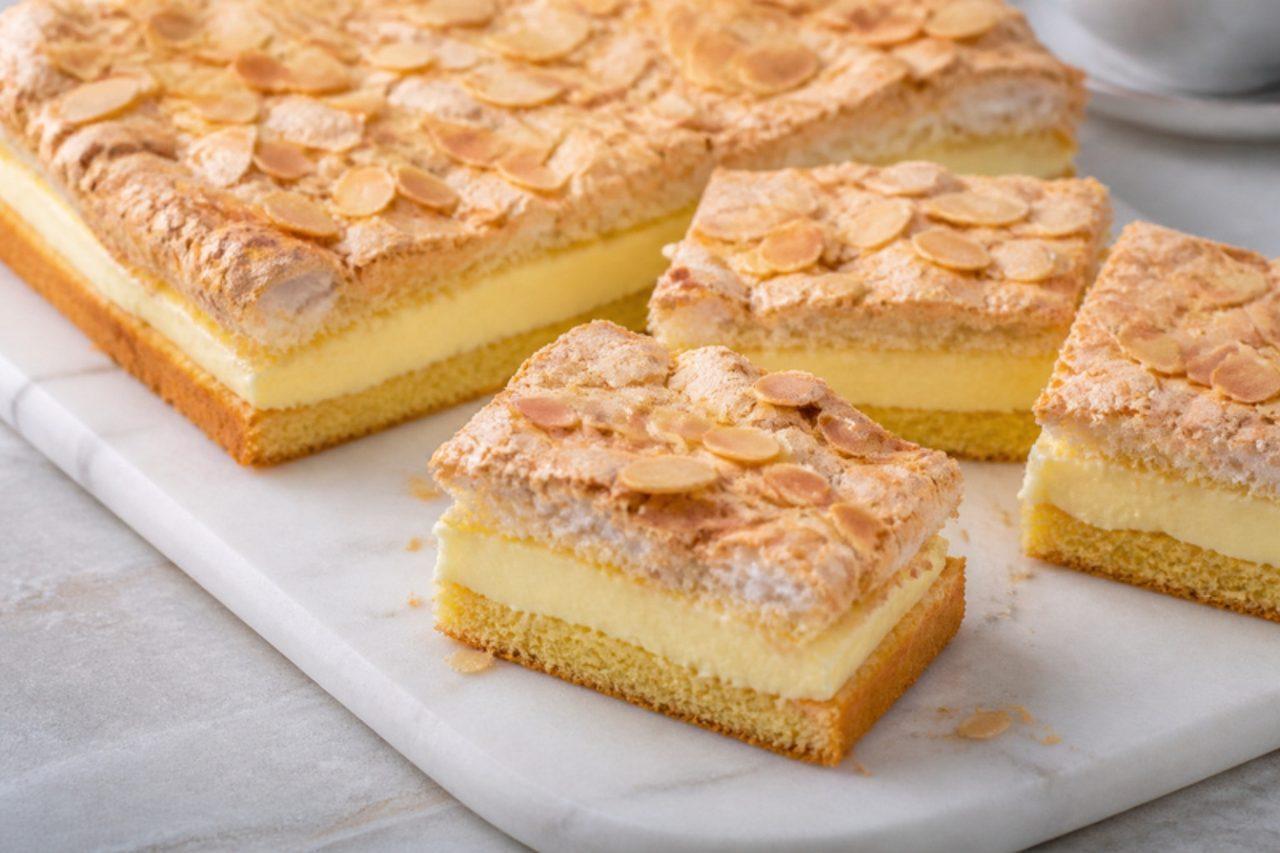
Kvæfjordkake comes from the Kvæfjord district in Troms, northern Norway, and Norwegians voted it their national cake, which is why it is also called 'verdens beste', the world's best cake: a thin buttery sponge baked with a layer of meringue and almonds on top, then cut in half and sandwiched with vanilla custard cream. It is baked for confirmations, May 17th and birthdays. A common mistake is underbaking the meringue, which goes sticky. Chef's tip: bake in a shallow tray and let the meringue turn pale golden and crisp; cool completely before filling.

by KrazyBadal 0 views

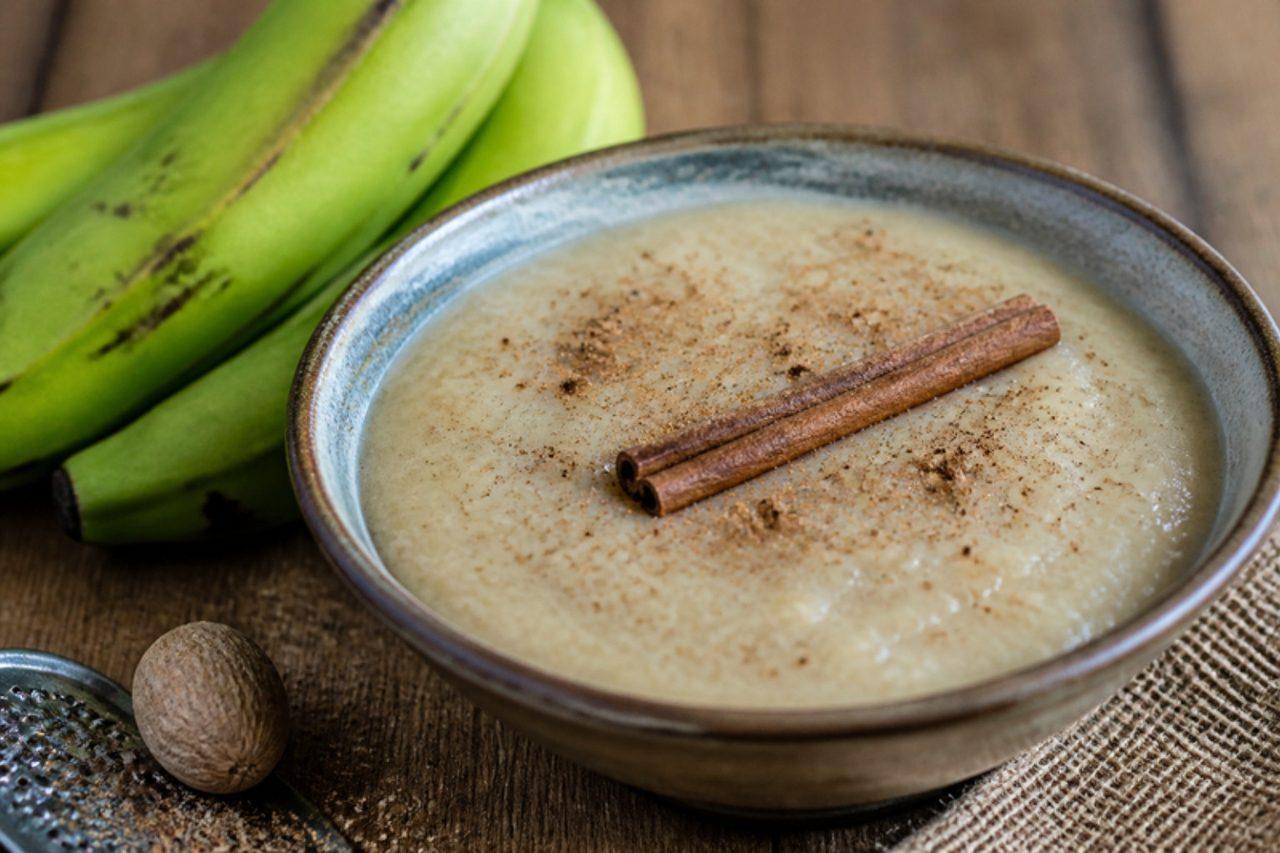
Jamaican green banana porridge
Green banana porridge is the breakfast many Jamaicans remember from their grandmothers' kitchens in St Mary and St Ann, where bananas are cheap and plentiful and the porridge was said to "build you up" for the day. Unripe bananas grated or blended with water cook into a smooth, silky porridge with a gentle, earthy flavour, sweetened with condensed milk and scented with nutmeg, cinnamon and vanilla. The common mistake is not whisking as it heats; the starch thickens suddenly and goes lumpy within a minute. Peel the green bananas with oiled hands or gloves, because the sap stains. Chef's tip: blend the bananas with the water until completely smooth before they go into the pot, which makes it far easier to keep lump-free.

by KrazyBadal 0 views

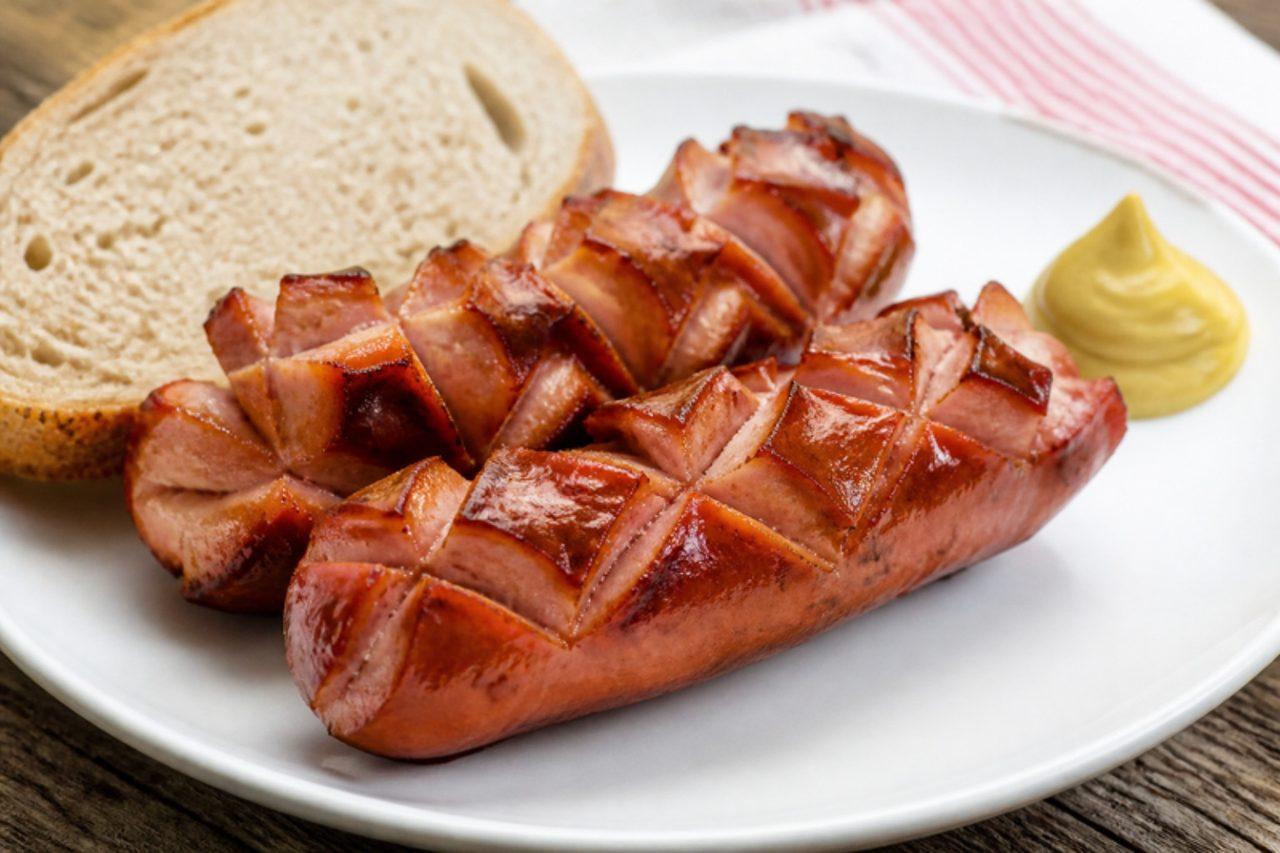
Cervelat

The cervelat, a short, fat, smoked sausage of beef and pork, is called Switzerland's national sausage, and it is what every Swiss child grills on a stick over a campfire on 1 August, National Day, on school trips and on mountain hikes: the ends are cut into a cross so they curl open like a flower as they cook, and it is eaten with bread and mustard. This sausage contains pork. Cervelat is bought ready-cooked and smoked; grilling heats it through and crisps it. A common mistake is grilling over flames, which burns the skin black before the inside is hot. Chef's tip: grill over glowing embers and turn often until the scored ends open out; heat until piping hot, 71 °C.

15 minSwissMeat
by KrazyBadal 0 views

Showing 36 of 7,762 recipes

Show more recipes

Page 309 of 863