


Skip to content
Ceylon tea
Featured recipe

Ceylon tea

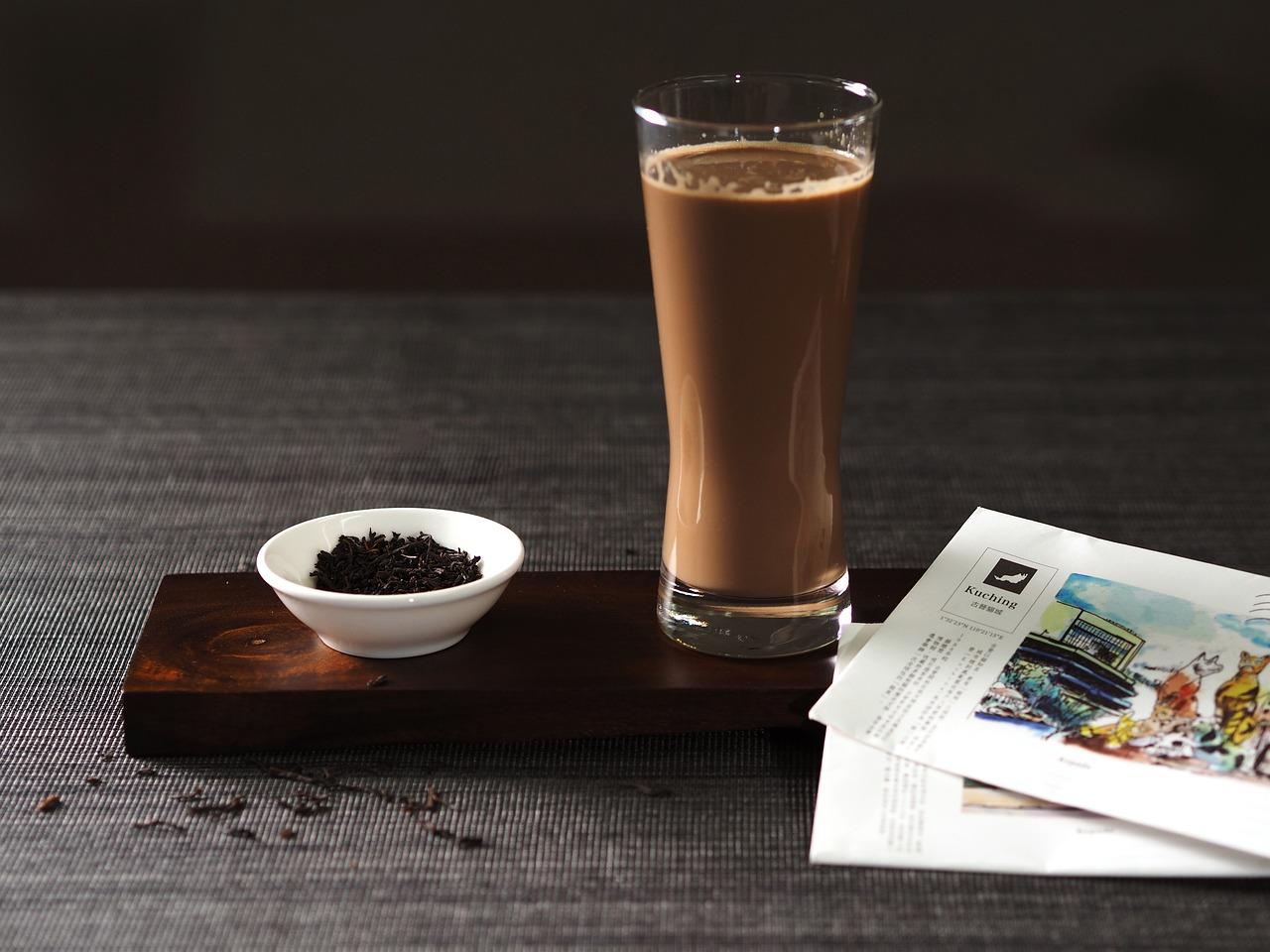
Spiced milk tea

In the misty tea country around Nuwara Eliya, Hatton and Ella, and in every roadside tea kade across Sri Lanka, tea is made strong, sweetened generously and often whitened with milk, then poured from a height between two jugs so it cools a little and wears a frothy cap. Families drink it first thing, again at 'tea time' around four, and with every short eats snack in between. Unlike Indian masala chai there are no spices: the flavour comes from bright, brisk high-grown Ceylon black tea, often a BOP or BOPF grade. If you'd rather have it plain, kahata thé is the same tea with no milk and a bite of jaggery. The common mistake is stewing the leaves too long, which turns it bitter and tannic; three to four minutes is plenty. Chef's tip: pour from jug to jug four or five times; the 'pulled' tea is smoother and creamier.

Read more 0 views

What to eat today?

Around the world

Today's trip: Persian

A new country every day, from every cuisine on the site.

This week's collection

Kid-friendly dinners
537 recipes · a new collection every Monday

Latest recipes

Al yakhniBottle gourd in yogurt gravy

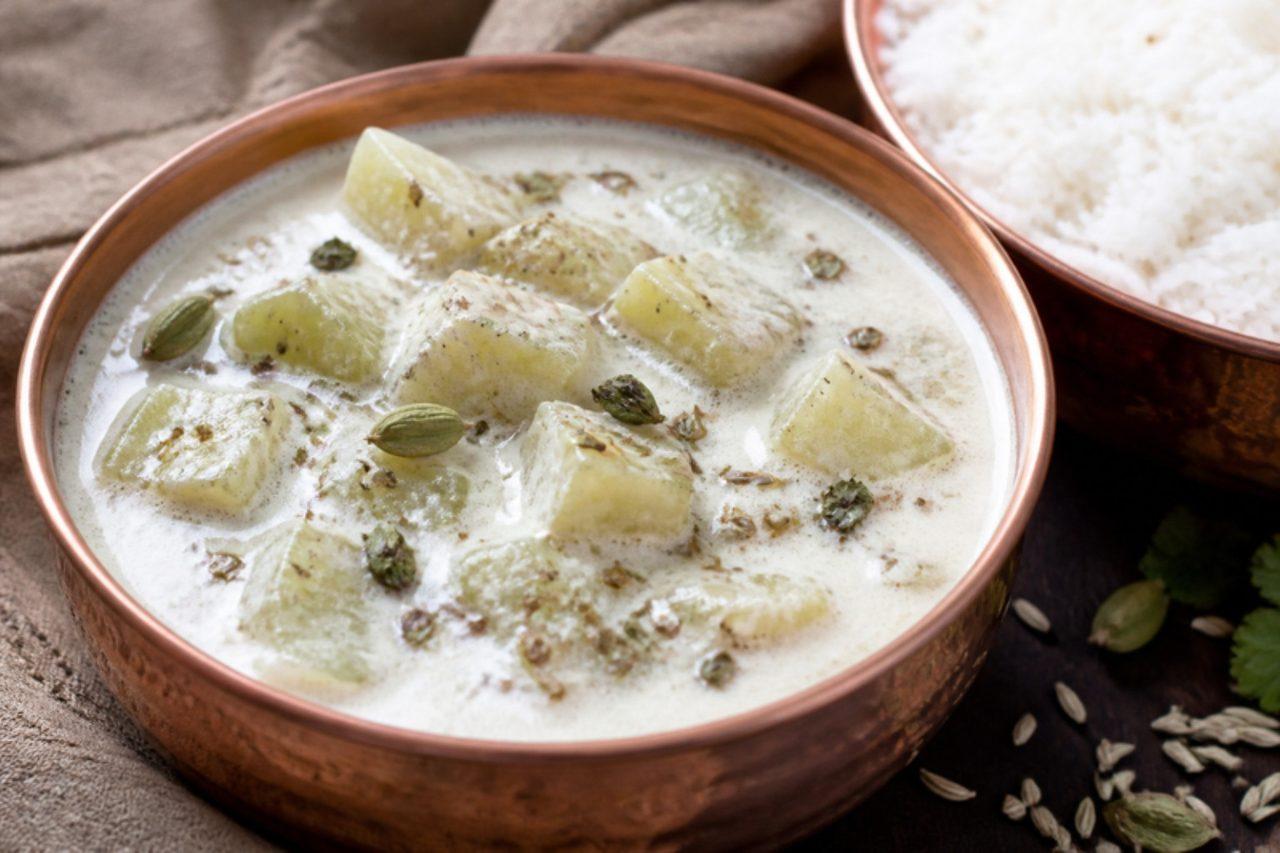
Yakhni in Kashmir means a gravy built on yogurt rather than tomato, and al yakhni, made with bottle gourd, is the version cooked in Muzaffarabad and the Neelum valley when the vines are heavy in late summer. The pale, delicately sour sauce is flavoured with ground fennel, dry ginger, cloves and cardamom, never chilli powder, and finished with a crumble of dried mint, so it tastes cool and aromatic rather than hot. It is eaten with a mound of plain rice, often alongside a red, chilli-hot dish so the two balance each other. Yogurt that splits into grainy curds is the trap: it happens when cold yogurt meets hot oil or when the pot is left alone before it boils. Chef's tip: whisk the yogurt with the spices and keep stirring in one direction over a medium heat until it comes to a full boil; after that it will not curdle.

by KrazyBadal 0 views

AkutaqWhipped berry dessert

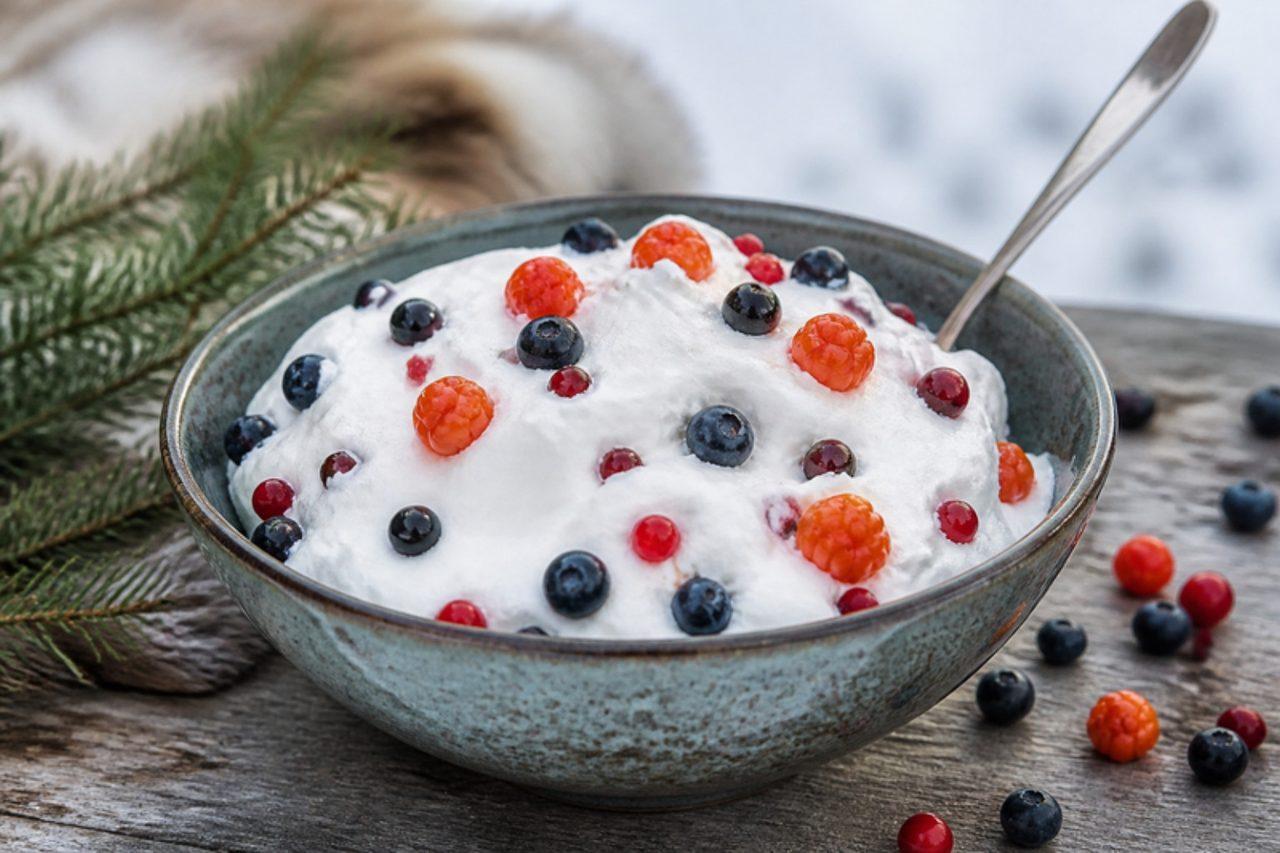
Akutaq, sometimes called Eskimo ice cream, is a festive Inuvialuit and Yup'ik dish of the Western Arctic, served at feasts, potlatches and Christmas gatherings. Traditionally animal fat was whipped by hand with snow and wild berries; today many families in the Mackenzie Delta and Alaska use white vegetable shortening, which is the version here, so it is vegan. Fat and sugar are beaten until white and fluffy, then fresh or frozen berries are folded through. It is eaten cold, by the spoonful, in small portions. A common mistake is using warm shortening, which won't whip. Chef's tip: beat in the cold water a spoonful at a time; that is what makes it light.

by KrazyBadal 0 views

AkpleCorn and cassava swallow

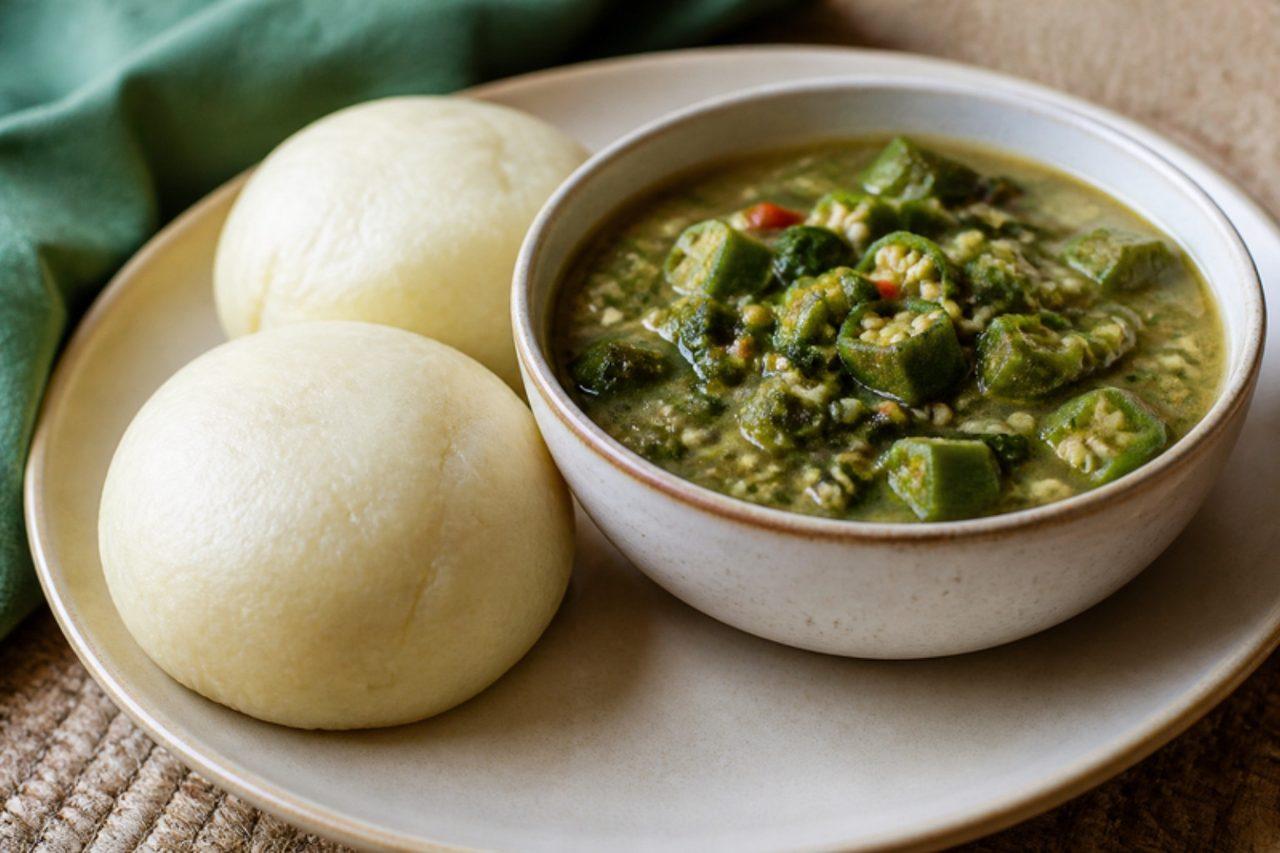
Ewe homes in Ho, Keta and across the Volta Region eat akple at the main meal of the day, almost always with fetri detsi, the slippery okra soup that slides it down. It is firmer and less sour than banku, made by stirring fine maize meal into a hot base of fermented corn and cassava dough, and the finished balls are smooth, dense and mild. A vegetable okra soup makes it a meat-free meal. Chef's tip: add the dry maize meal in small handfuls and press every addition into the dough before the next; pouring it in all at once is the common mistake that leaves dry, floury pockets.

by KrazyBadal 0 views

Ajiaco cubanoRoot vegetable and meat stew

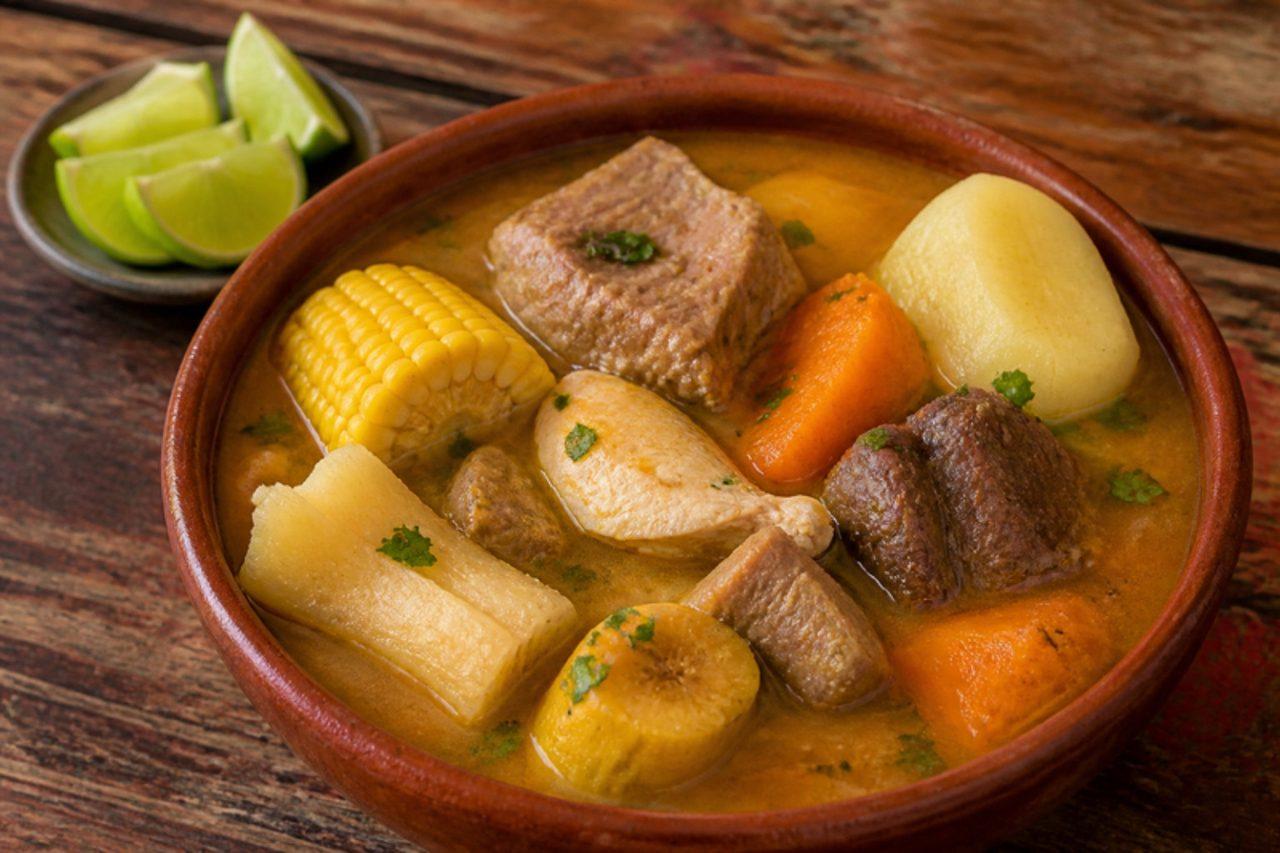
Ajiaco is often called Cuba's national stew, and in Camagüey it is still cooked in huge pots for festivals and family gatherings: dried or fresh beef, pork and chicken simmered with malanga, yuca, boniato, green and ripe plantain, corn and calabaza until the roots break down and thicken the broth. It is a whole meal in a bowl, finished with lime and a fried sofrito. This version uses beef shin, pork shoulder and chicken thighs. The mistake most people make is adding every vegetable at once; firm roots go in first and soft pumpkin and ripe plantain last. Chef's tip: mash a few chunks of pumpkin and malanga against the side of the pot at the end, which gives the broth its body.

190 minCubanSoupsGluten free
by KrazyBadal 0 views

Bela biscuitTwice-baked tea biscuit

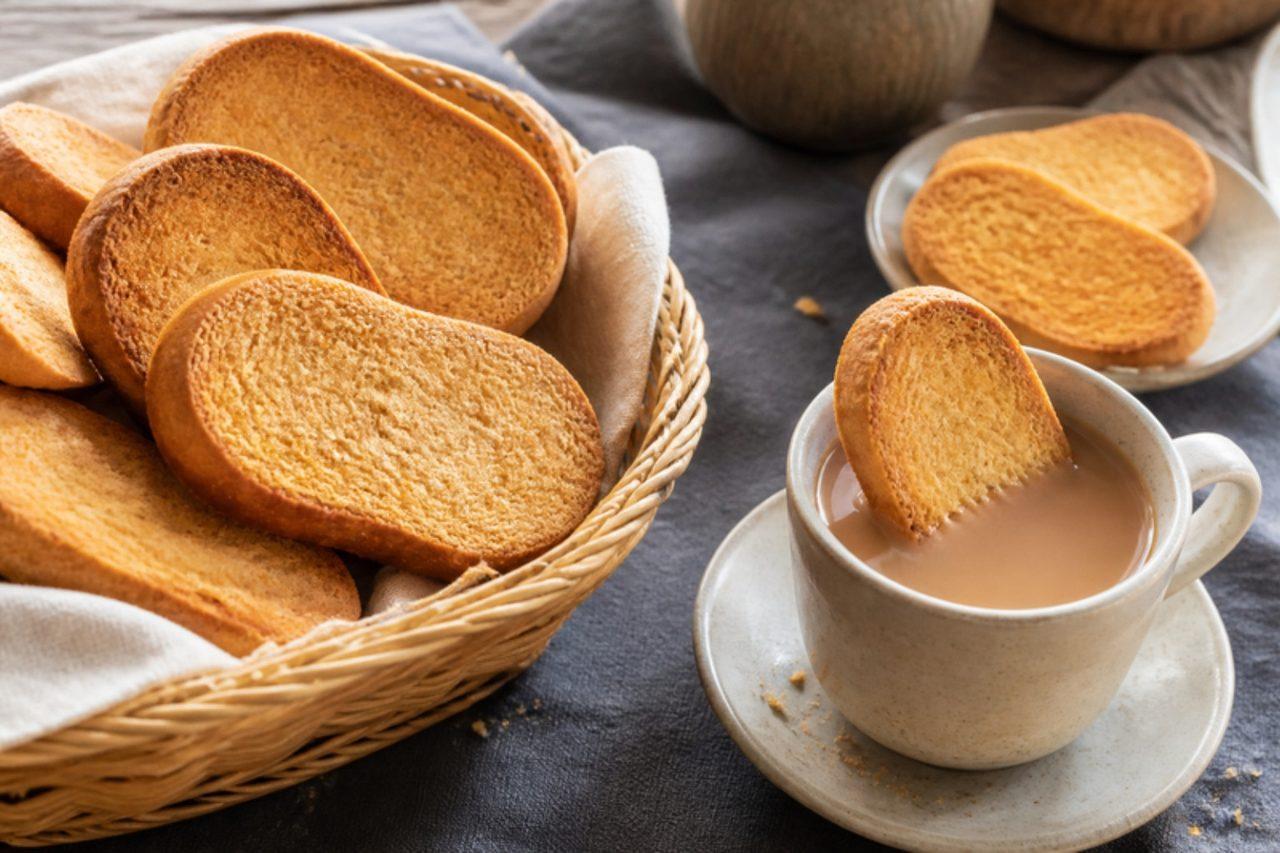
Old Chittagong bakeries, some of them in the Chandanpura area for well over a century, still fire their wood ovens for bela biscuit, a pale oval rusk so hard it cracks rather than snaps. It starts as a lightly sweet, enriched yeast dough that is baked once like a bun and then dried for a long time in a cooling oven until crisp right through. In Chittagong homes it comes out at teatime and when guests arrive, and the whole point is the dunk: a few seconds in hot milky tea and it softens into something like buttery bread. The classic slip is pulling the biscuits from the second bake too soon; they feel firm while warm but go chewy overnight if the centre is still damp. Chef's tip: break one open after drying; if the middle is pale and soft, give the tray another 20 minutes.

by KrazyBadal 0 views

BandungRose syrup milk drink

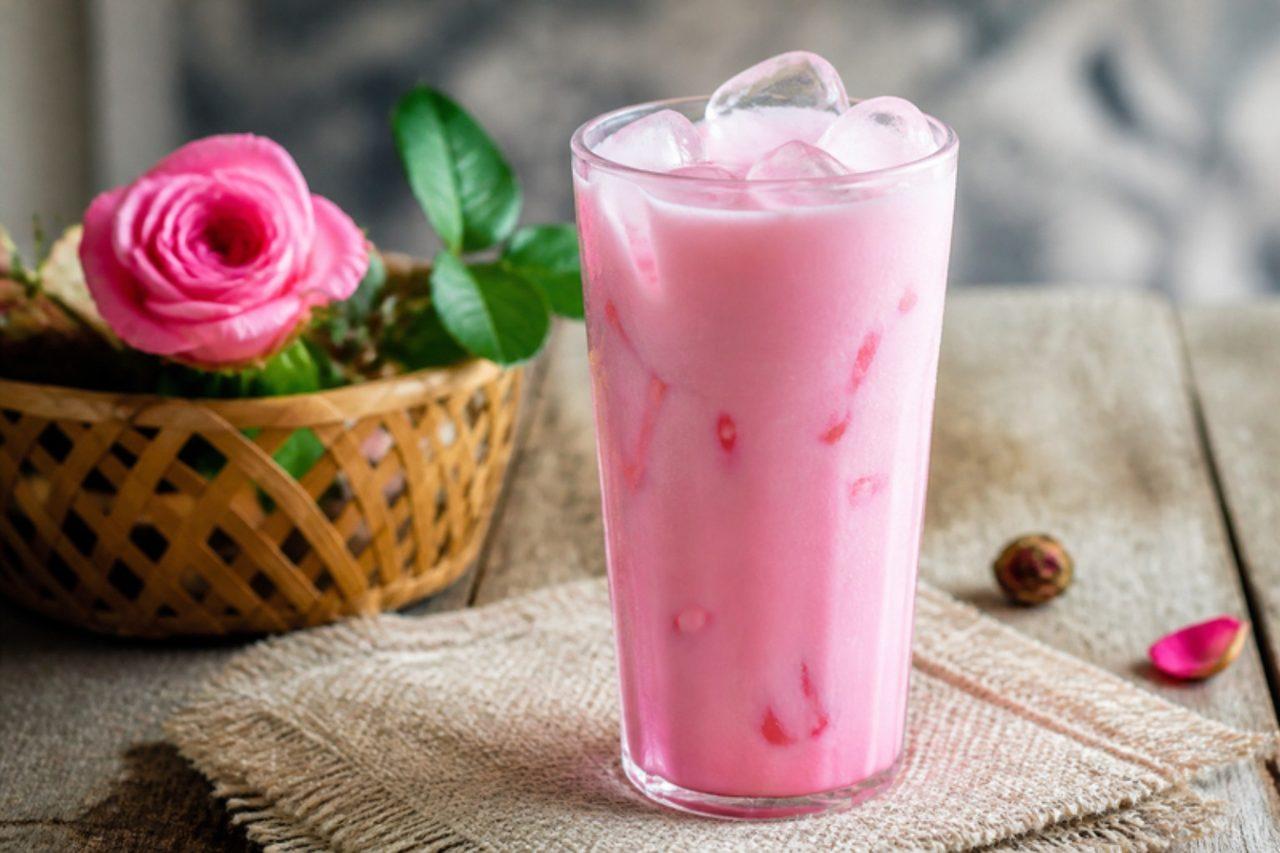
Pink as a sweet in a glass, bandung turns up at almost every Malay drinks stall in Singapore, sipped through a straw at Geylang Serai, at kampung-style weddings and through the evenings of Ramadan when stalls sell it in tied plastic bags at the bazaars. Rose syrup is stirred into water and evaporated milk, then poured over plenty of ice, giving a drink that is floral, sweet and creamy without being heavy. It pairs well with spicy food such as mee rebus, satay or nasi lemak, cooling the chilli. The usual mistake is adding the evaporated milk to hot syrup, which can make it look curdled and dull; let the syrup cool, and mix with cold milk. Chef's tip: make the syrup in advance and keep it in the fridge for up to two weeks, so a glass takes a minute; a few drops of rose water at the end lift the scent if your syrup is mild.

by KrazyBadal 0 views

ÄggakakaOven egg cake with lingonberries

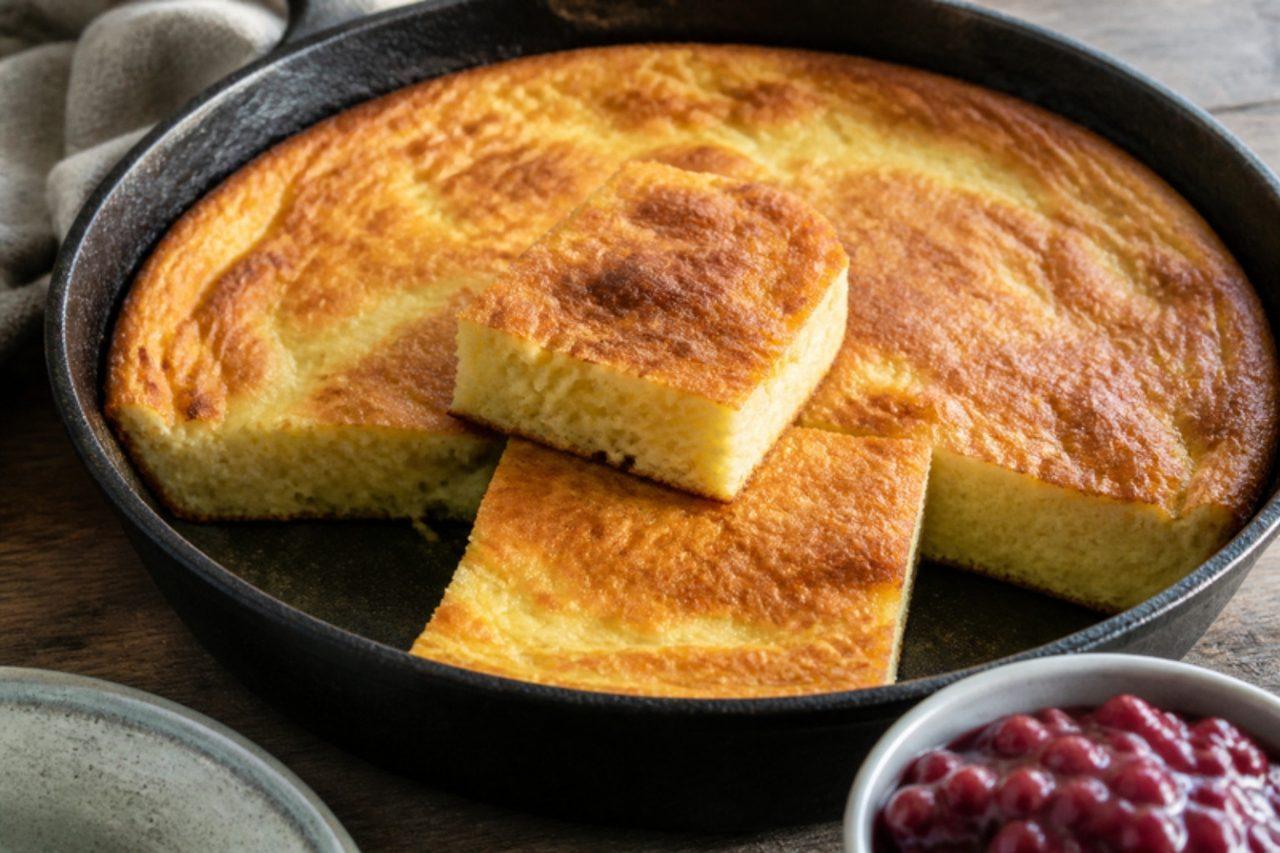
Äggakaka is the farmhouse egg cake of Skåne, Sweden's southernmost province: a thick, puffy batter of eggs, milk and flour baked in a hot pan until golden on top and custardy inside, cut into squares and eaten with lingonberries. In Skåne it usually comes with crisp fried pork belly; this vegetarian version leaves the pork out and adds a little butter-fried apple on the side. A common mistake is opening the oven early, which makes it sink. Chef's tip: heat the pan with the butter until it sizzles before pouring in the batter, so the base and edges crisp.

by KrazyBadal 0 views

Banatage (tuna potato croquettes)

Golden, crunchy outside and soft inside, banatage are mashed-potato croquettes hiding a spoon of tuna, parsley and harissa, rolled in breadcrumbs and fried. They come out during Ramadan beside the brik and chorba, are tucked into lunchboxes and are a favourite with children all over Tunisia. Leftover mash works well, as long as it is firm. Serve them hot with lemon wedges, a salad or a dab of harissa. Chef's tip: dry the boiled potatoes in the hot pan for a minute before mashing; wet, watery mash is the usual mistake and makes croquettes that split open in the oil.

by KrazyBadal 1 views

Agbeli kakloCassava fritters

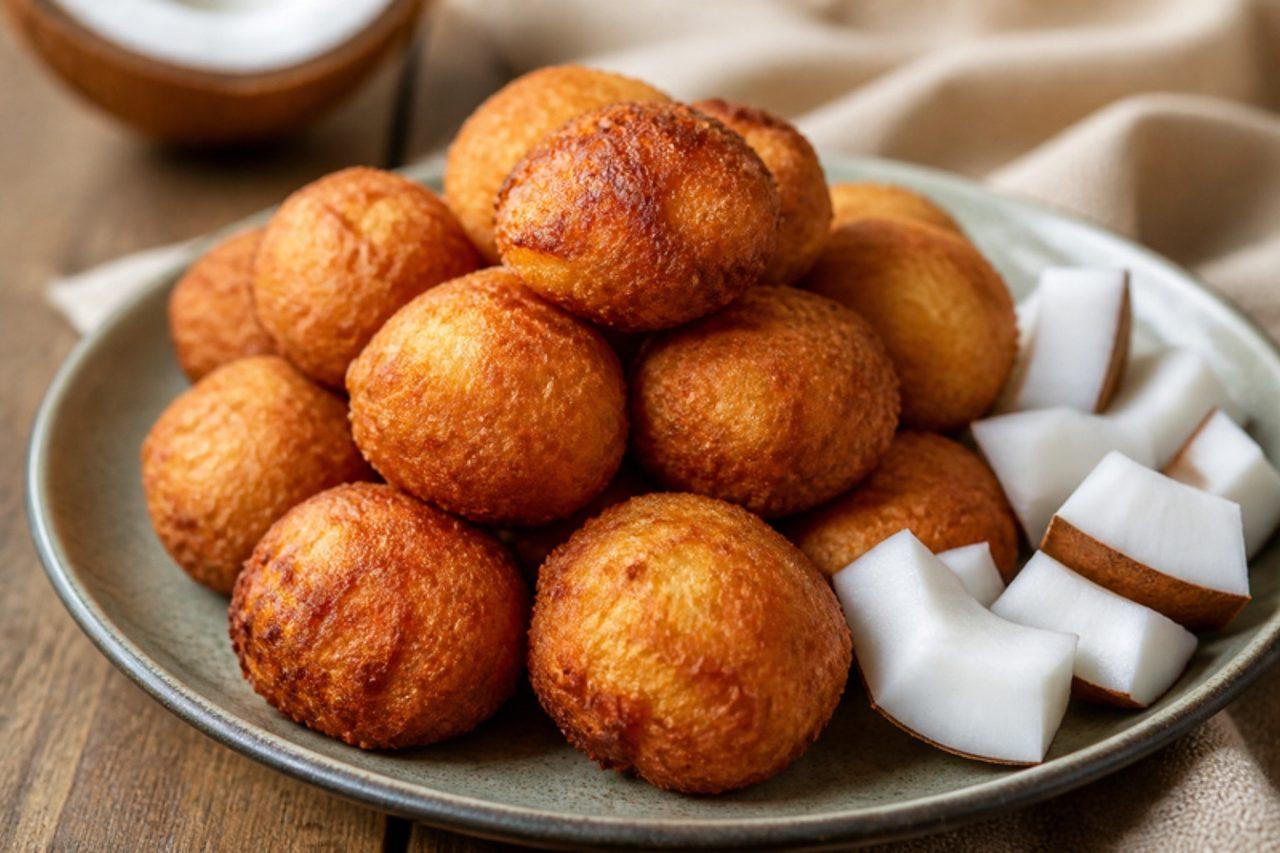
Roadside fryers in the Volta Region sell agbeli kaklo by the bagful, golden fingers of grated cassava seasoned with onion and chilli and fried until crunchy outside and chewy within. The classic way to eat them is with chunks of fresh coconut, whose cool sweetness balances the salty, peppery fritters, and they are an afternoon snack or a travel snack on the road from Ho to Accra. Cassava must be cooked through, so fry until deep golden. Chef's tip: squeeze the grated cassava very dry and fry at 170 °C; wet dough spits dangerously, and oil that is too cool, the common mistake, gives greasy, soggy fritters.

by KrazyBadal 0 views

Mahi (Kabul fried fish)Fried battered fish

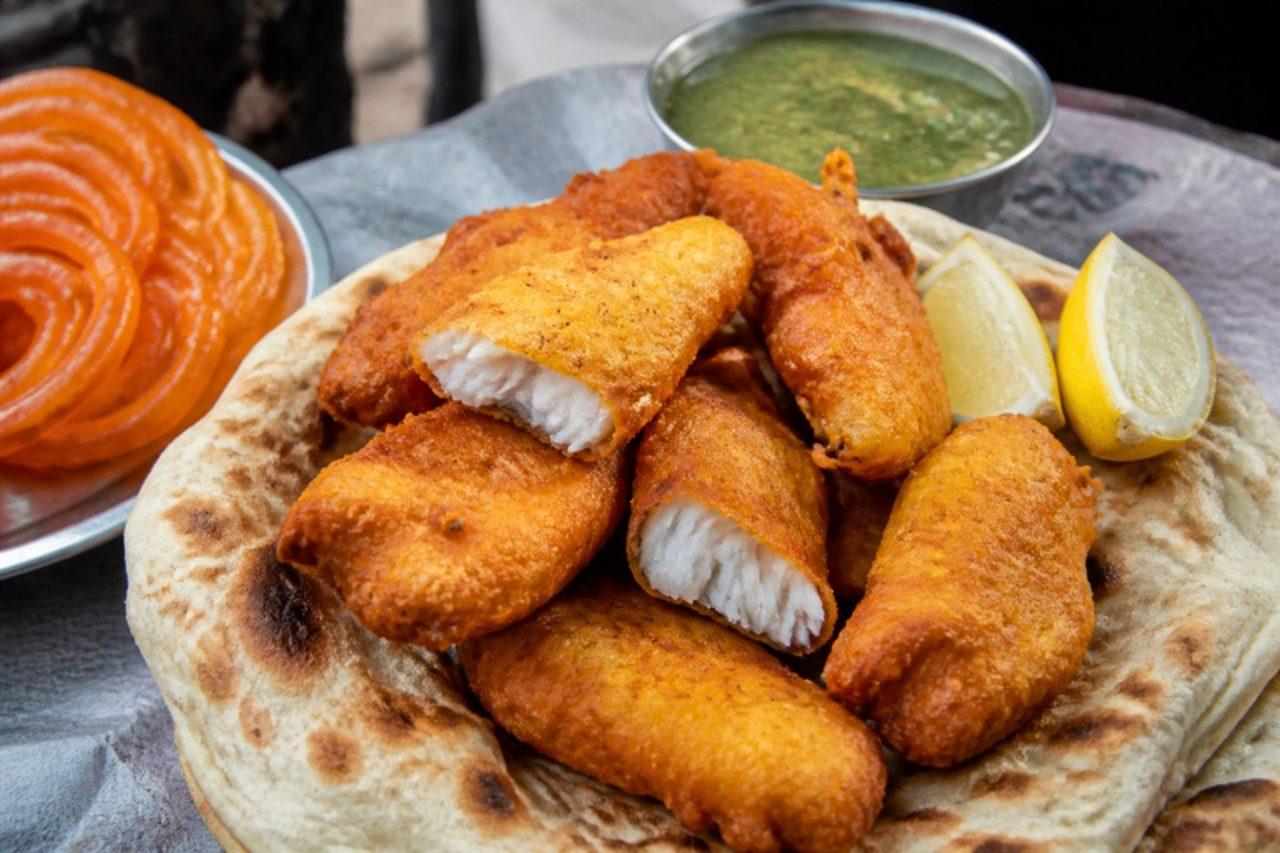
When the snow comes, Kabul's fish sellers set up their huge woks of oil, and the smell of mahi frying drifts across the city's bridges and bazaars, with stalls next door piling up bright orange jalebi to eat alongside it; mahi wa jalebi, fish and sweets, is a winter outing for the whole family. Chunks of firm fish are coated in a thin, spiced batter of flour, garlic, coriander seed, cumin and chilli and fried until crisp and reddish-gold, then eaten hot with naan, green chutney and a squeeze of lemon. Carp or other river fish is traditional, but any firm white fish works. Crowding the pan drops the oil temperature and gives soggy, greasy pieces, so fry only a few at a time. Chef's tip: salt the fish and leave it for 10 minutes, then pat it completely dry so the batter grips.

40 minAfghanFish
by KrazyBadal 0 views

KhajurFried dough cookies

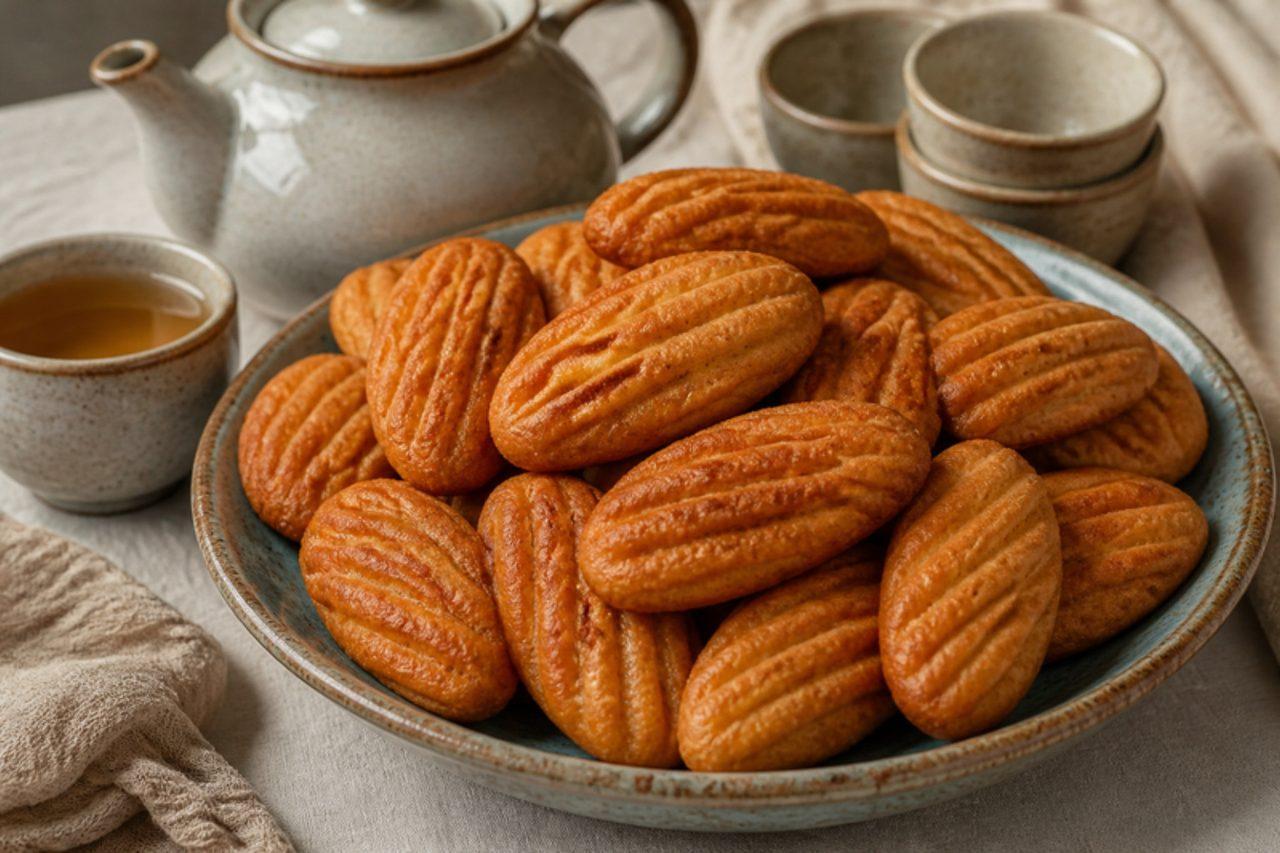
Khajur take their name from dates, which their plump oval shape resembles, but there is no fruit in them: they are little cardamom-scented dough cookies, pressed onto a sieve or the back of a grater for a ridged pattern and fried until deep gold. Afghan families fry great batches before Eid and Nowruz and pack them into tins to offer guests with tea, and Kabul bakeries sell them by the kilo. They are crunchy on the outside with a soft, cakey middle and only gently sweet. Oil that is too hot is the classic error, browning them in a minute while the centres stay raw and doughy; keep it moderate and patient. Chef's tip: fry one test khajur first and break it open, then adjust the heat before frying the rest.

by KrazyBadal 0 views

Afghan dopiazaLamb with onions and split peas

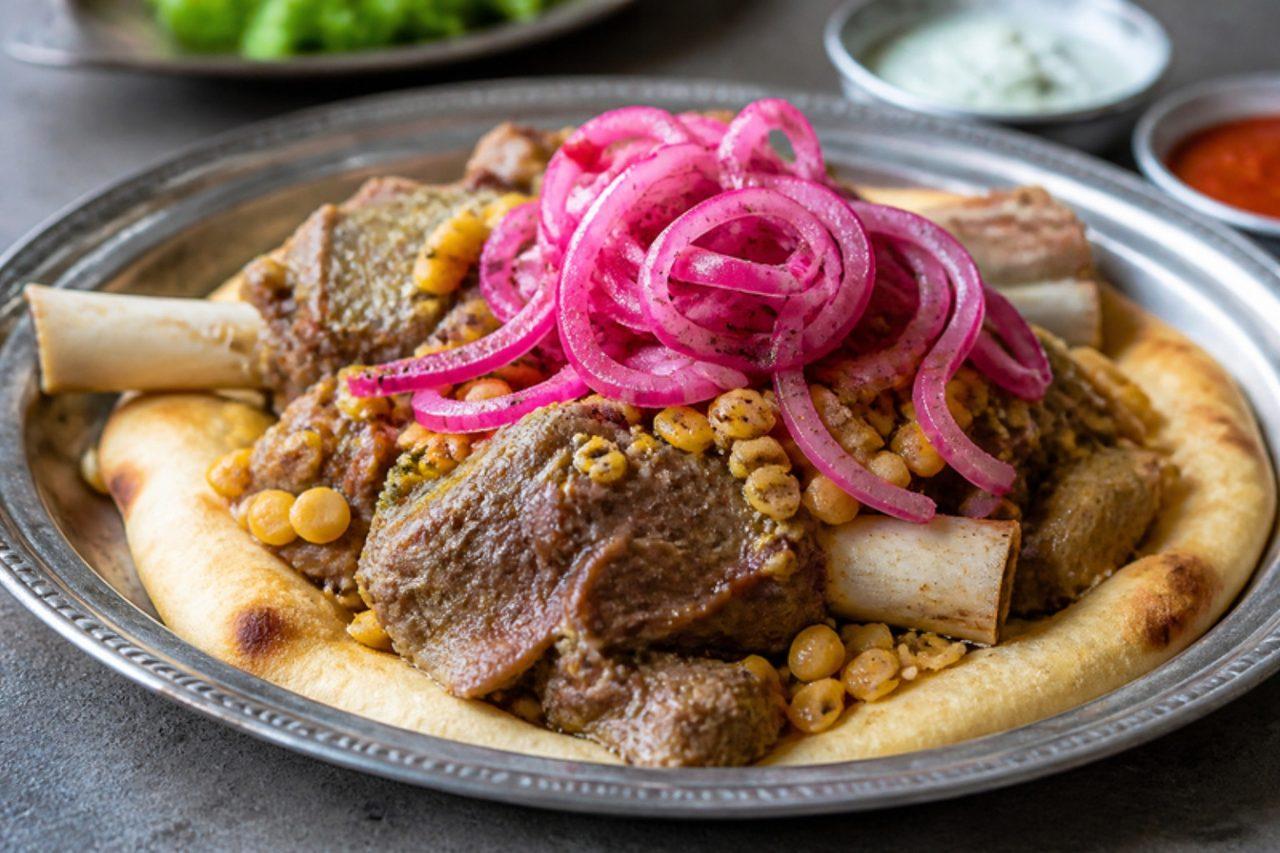
Afghan dopiaza has little in common with the Indian curry of the same name: in Kabul and Mazar it is a dish of chaikhanas and lunch restaurants, where a slab of naan is laid on the plate, covered with chunks of lamb braised with onion until soft, then topped with boiled yellow split peas and a tangle of red onions that have been sitting in vinegar until they turn pink. The juices soak into the bread, the onions are sharp and crunchy, the split peas earthy, and the whole thing is eaten with the fingers. Split peas cooked to mush ruin the contrast, so boil them only until just tender and drain at once. Chef's tip: soak the sliced onions in vinegar at least 30 minutes ahead; they lose their harshness and turn a beautiful bright pink.

120 minAfghanMeat
by KrazyBadal 0 views

AfararWild herb and cottage cheese pie

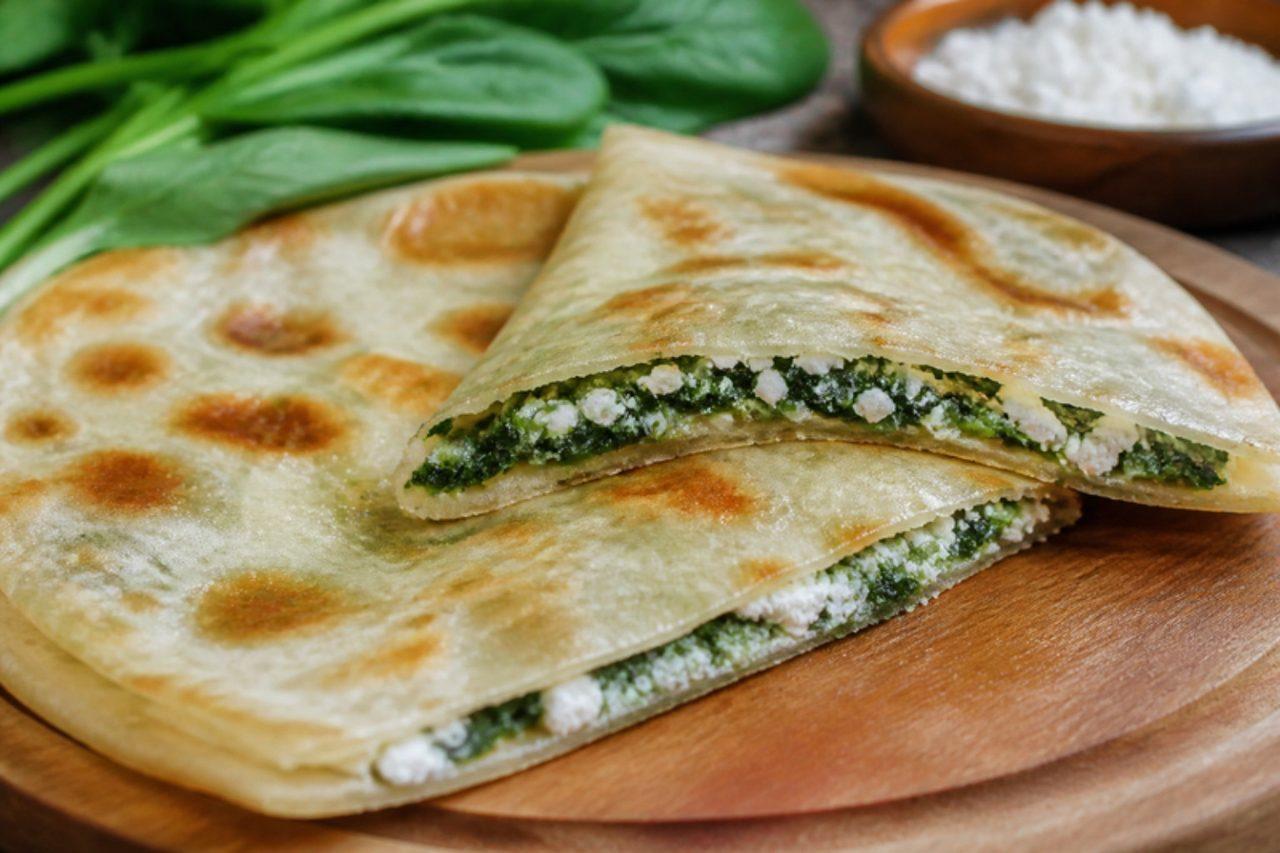
In the mountain villages around Quba and Qusar, where many Lezgin families live, spring brings armfuls of nettles, sorrel, wild garlic and orache, and the first thing made with them is afarar: two very thin sheets of dough enclosing a filling of chopped herbs mixed with cottage cheese, cooked on a hot griddle or saj and brushed with butter. A common mistake is using wet herbs, which steam the dough and make it tear. Chef's tip: wilt the herbs in a dry pan for a minute and squeeze them, then mix with the cheese only just before filling. Check that your cottage cheese uses no animal rennet.

by KrazyBadal 0 views

Afang soupWaterleaf and afang leaf soup

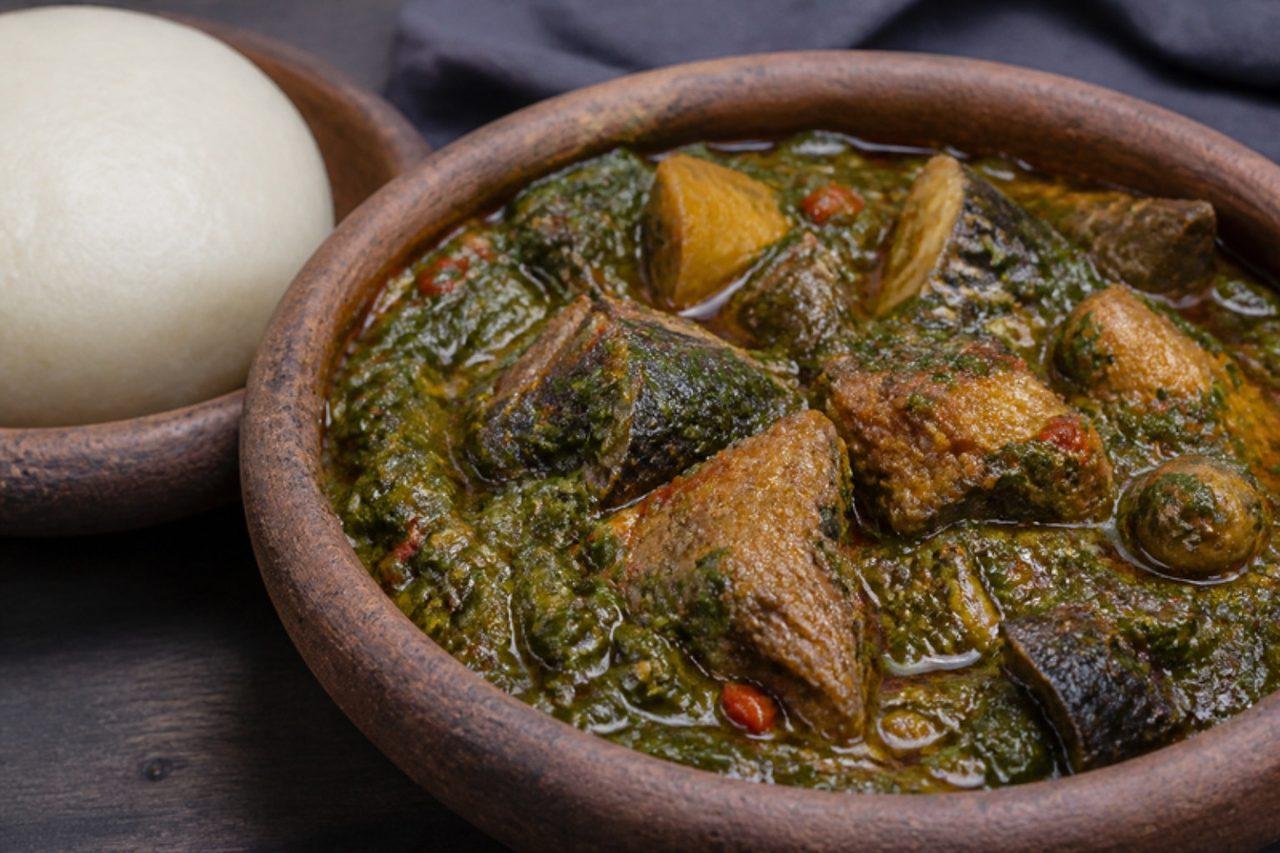
Ask anyone from Calabar or Uyo what to serve a guest and afang will come up first. Finely shredded afang leaves, chewy and a little nutty, are cooked down with a mountain of waterleaf, palm oil, beef, cow skin, stockfish and periwinkles, and the waterleaf gives off all the liquid the soup needs. It is thick, dark green and deeply savoury, and it goes with pounded yam, fufu or eba. Outside Nigeria, frozen ground afang (also sold as okazi) and spinach stand in well. Periwinkles must be bought cleaned from a reputable seller; discard any with cracked shells or an off smell. Chef's tip: never add water to afang; if it looks dry, cover the pot for a minute and the waterleaf will release more.

by KrazyBadal 0 views

AchmaLayered cheese pie

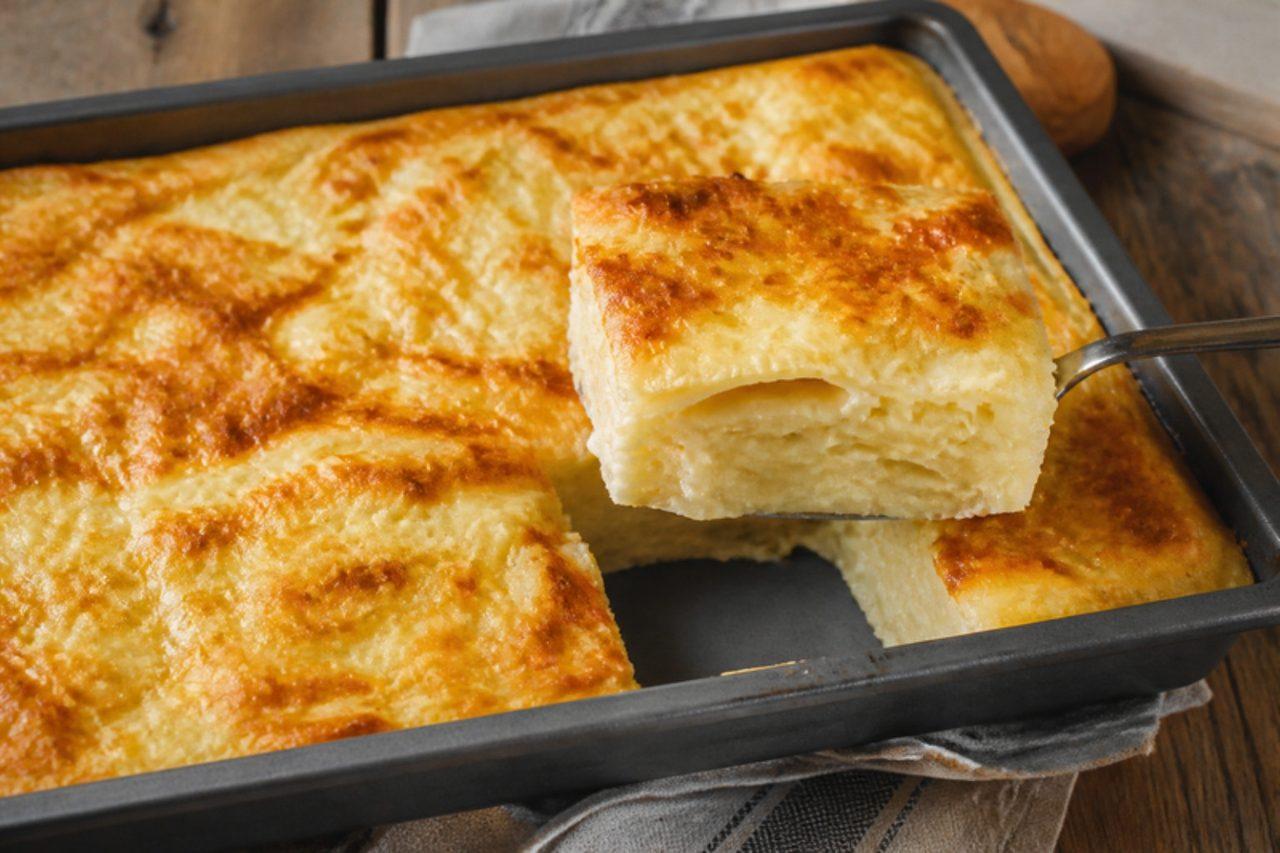
Ask in Batumi and someone will call achma the Georgian lasagne: thin sheets of egg dough are boiled one by one, layered in a deep tray with salty cheese and a lot of butter, and baked until the top crackles and the inside is soft and molten. It is made for name days and holidays across Adjara, and slices are carried to neighbours on a plate. A common mistake is boiling the sheets too long; they should be barely cooked and still firm, or the layers merge into a heavy paste. Chef's tip: plunge every boiled sheet into iced water and lay it out on a towel, so the layers stay distinct and silky. Most sulguni and imeruli cheeses use animal rennet, so choose vegetarian versions.

by KrazyBadal 0 views

Achar goshtPickle-spiced mutton curry

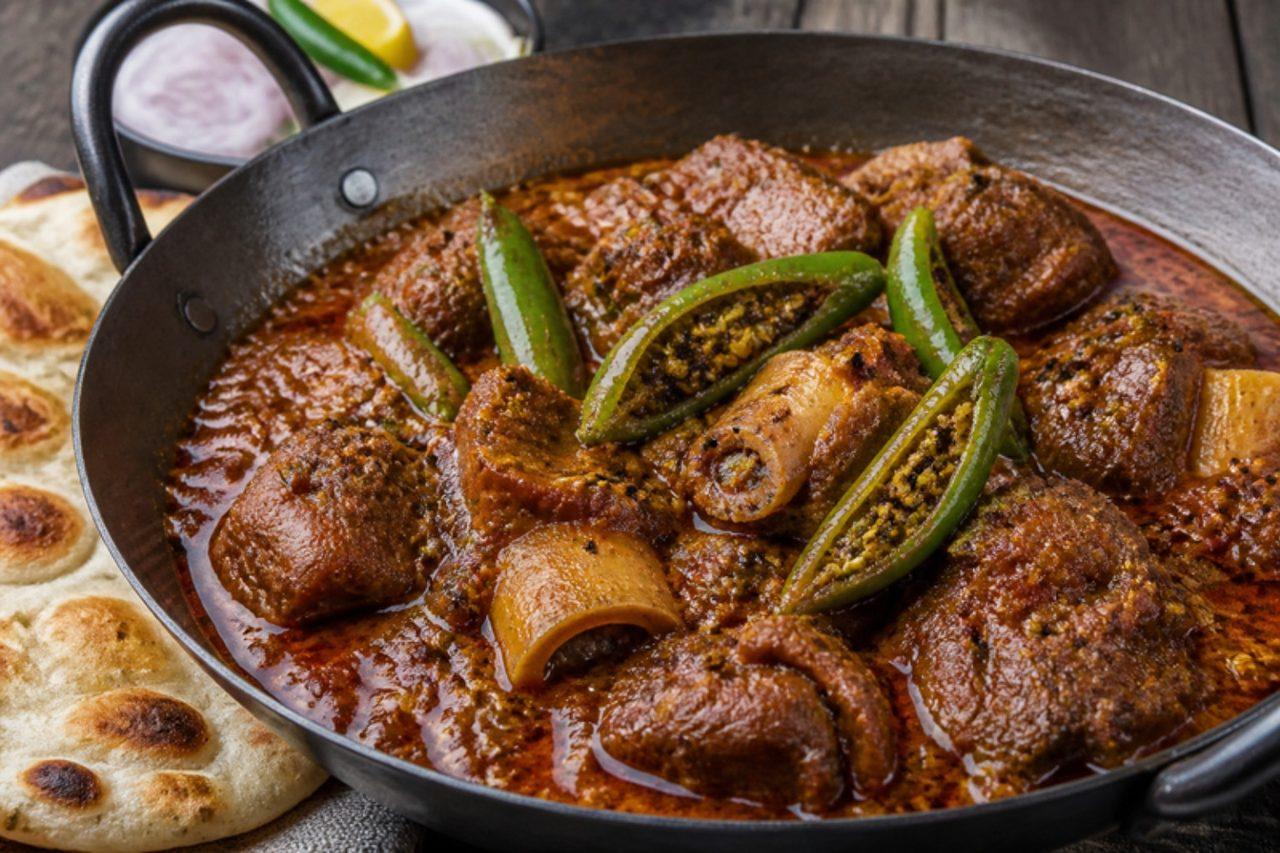
Sour, hot and pungent, achar gosht borrows its whole flavour from a jar of pickle: fennel, nigella, fenugreek, mustard seed and cumin fried in mustard oil, with lemon and long green chillies stuffed with the same spices. It belongs to the Urdu-speaking kitchens of Karachi and Hyderabad, where it is made for dinner guests and shared at office lunches, and it is eaten with naan or tandoori roti, never with a delicate pulao. The gravy is thick and clings to the meat, glistening with oil. The step people rush is roasting the pickling spices; they must be toasted and coarsely crushed, not used whole, or the curry tastes raw and seedy. Chef's tip: mustard oil gives the true pickle tang; heat it until it smokes, then let it cool for a minute before adding anything, so it loses its harsh edge.

by KrazyBadal 0 views

PloyesBuckwheat griddle cakes

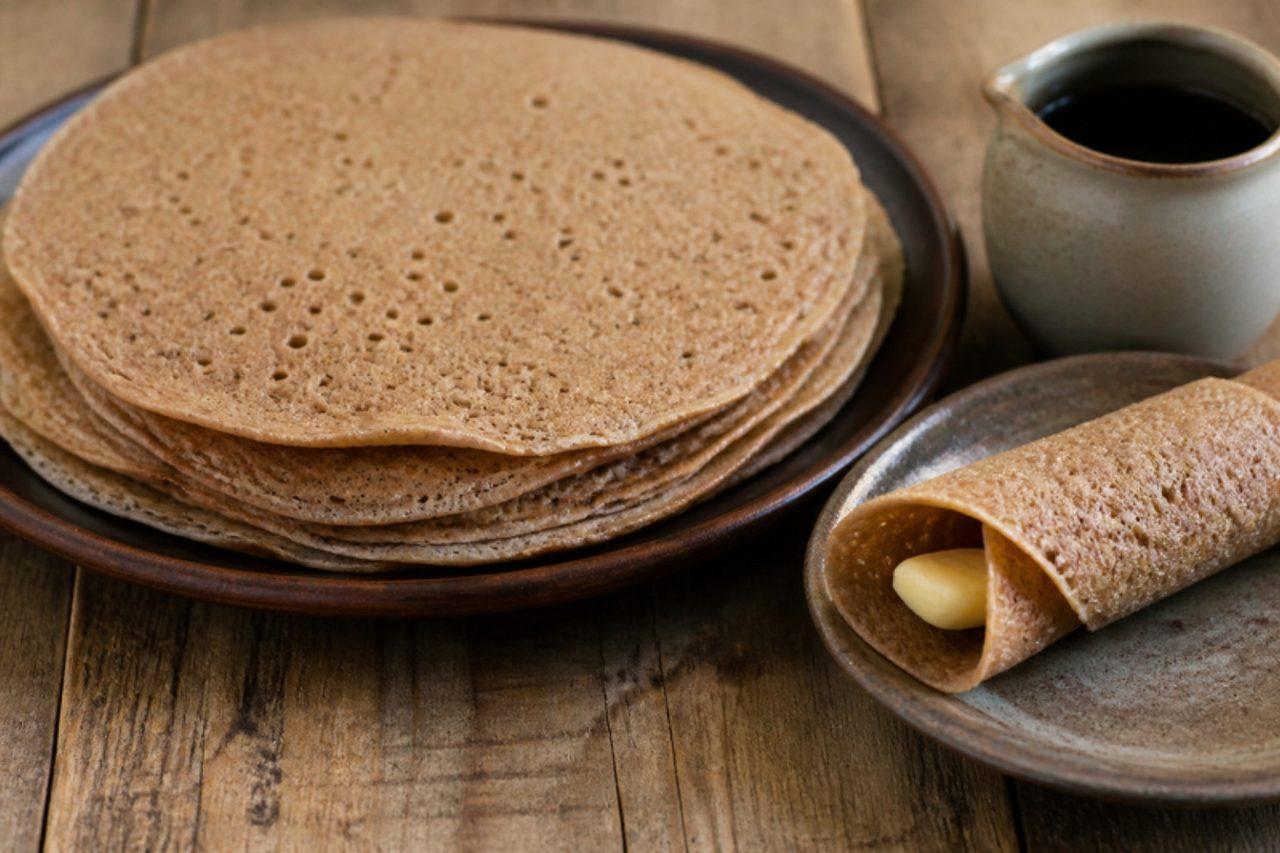
Ployes come from the Acadian villages of the Madawaska in north-west New Brunswick, on the border with Maine, where they are eaten at almost every meal in place of bread. The batter of light buckwheat flour, plain flour and baking powder is poured onto a very hot dry griddle and cooked on one side only, until the top is covered in tiny holes. Roll them with butter and molasses, or use them to mop up a stew. Chef's tip: let the batter rest 5 minutes so the bubbles start; without them you get flat pancakes instead of the lacy holes.

by KrazyBadal 0 views

Chicken fricotChicken stew with dumplings

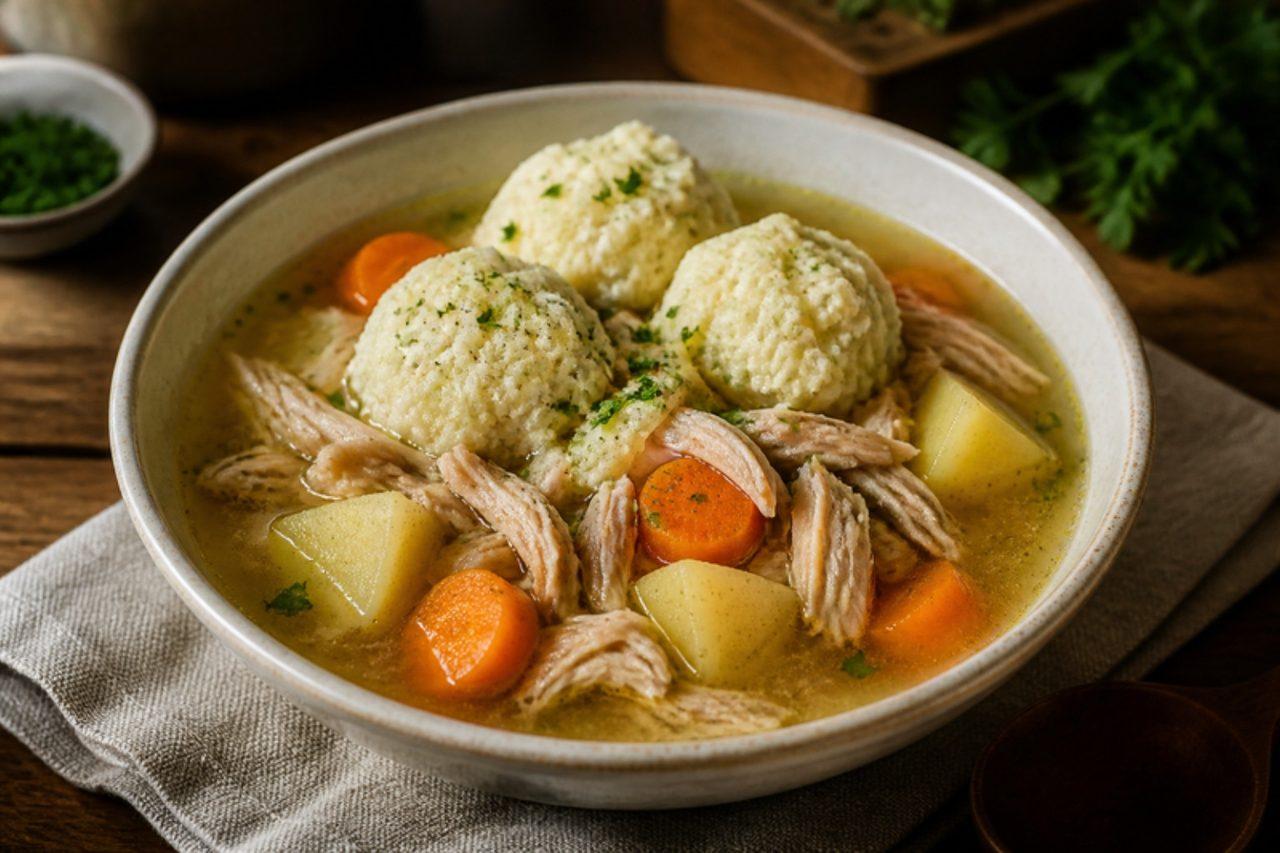
Fricot is the everyday stew of Acadian kitchens in New Brunswick, Prince Edward Island and Nova Scotia, and on Chéticamp it is still what grandmothers serve when the family comes home. Chicken simmers with potatoes, onion and plenty of summer savory, and fluffy dumplings called pâte steam on top at the end. It is simple, comforting food for cold evenings. A common mistake is a stew that is boiling hard when the dumplings go in, which breaks them up; keep it at a lively simmer. Chef's tip: summer savory is the defining herb; use thyme only if you really can't find it.

by KrazyBadal 0 views

Abrisham kebabEgg thread rolls in syrup

Despite the name there is no meat in abrisham kebab, the silk kebab: it is a show-off Kabul sweet made from nothing more than beaten egg drizzled in fine threads over hot oil until it sets into a lacy golden net, which is rolled up like a kebab on a skewer, dipped in syrup and dusted with ground pistachios. It is made for weddings, engagements and Eid, and the skill is in the wrist, so many families leave it to one aunt who has the knack. The texture is unusual and delightful, soft and springy, slightly chewy and soaked with cardamom-scented syrup. Pouring the egg too thickly gives you an omelette rather than silk; let it fall from your fingers in thin streams and keep moving. Chef's tip: strain the eggs first, as removing the stringy white makes the threads much finer and more even.

by KrazyBadal 0 views

AboloSteamed corn and rice bread

Along the lagoon towns of Keta and Anloga, women carry trays of abolo to the lorry parks: pale, spongy little cakes of fermented corn and rice dough, sweetened a little and steamed until springy. They taste gently sour and sweet, a bit like a steamed bun, and are traditionally eaten with fried fish and shito or a raw pepper sauce; with fresh pepper sauce and avocado they make a meat-free meal. The batter needs about an hour to rise, which is counted in the timings below. Chef's tip: cook a small part of the corn dough into a thick porridge first and mix it back in; this is what gives abolo its soft, bouncy crumb, and skipping it, the common mistake, gives dense, heavy cakes.

by KrazyBadal 0 views

AboboiBambara beans in palm oil

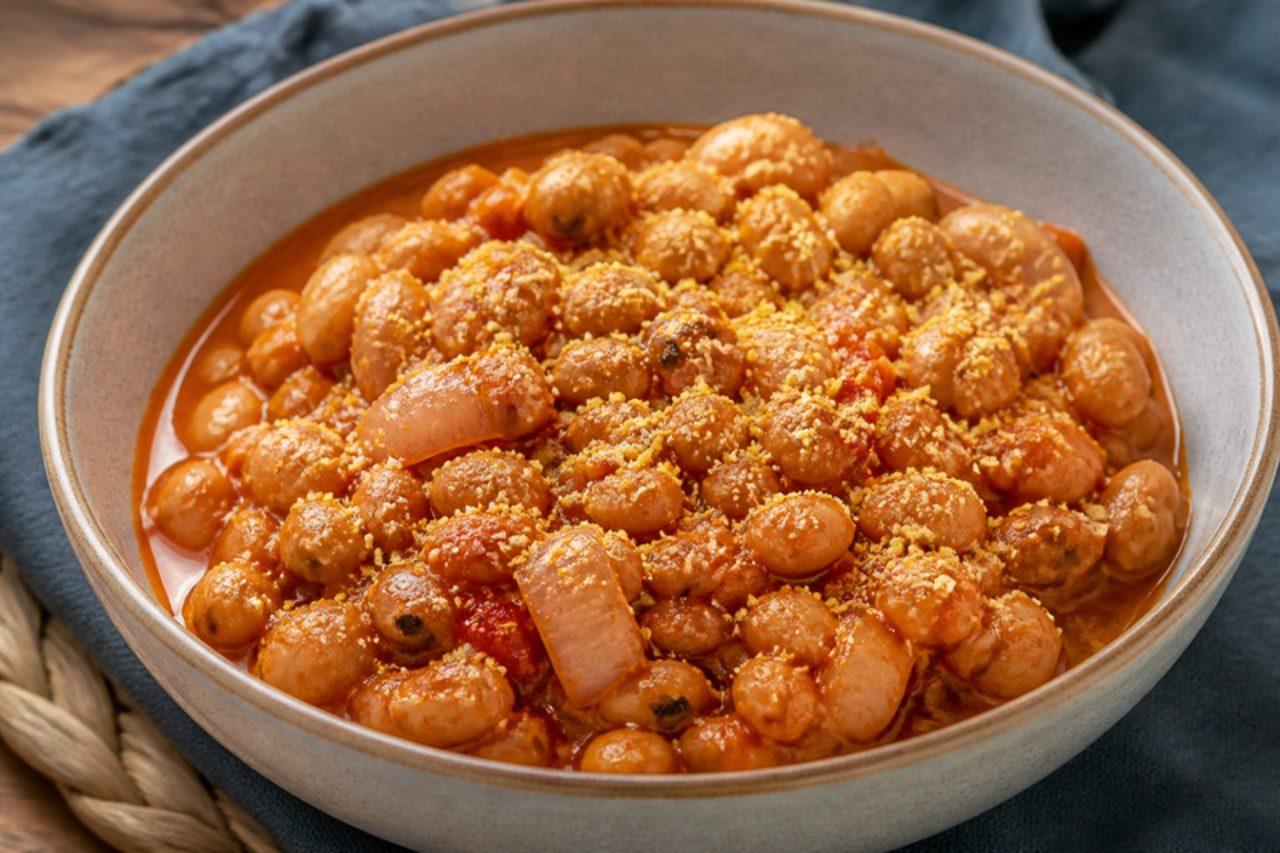
Bambara beans, round and speckled, are one of West Africa's oldest crops, and in Accra they become aboboi: simmered for a long time until creamy, then finished in red palm oil fried with onion and pepper. Street sellers dish it out in the evening, often with gari sprinkled on top for crunch and sometimes with fried fish; this version keeps it meat-free and lets the earthy, chestnut-like beans shine. It is filling, protein-rich and costs little. Dried Bambara beans are sold in African and Asian shops; black-eyed beans cook faster if you cannot find them. Don't add salt before the beans are soft, or the skins stay hard however long they cook. Chef's tip: soak the beans overnight and use a pressure cooker if you have one, as unsoaked Bambara beans can take three hours and still stay hard, which is the most common disappointment.

by KrazyBadal 0 views

AasmiFried rice flour nests with syrup

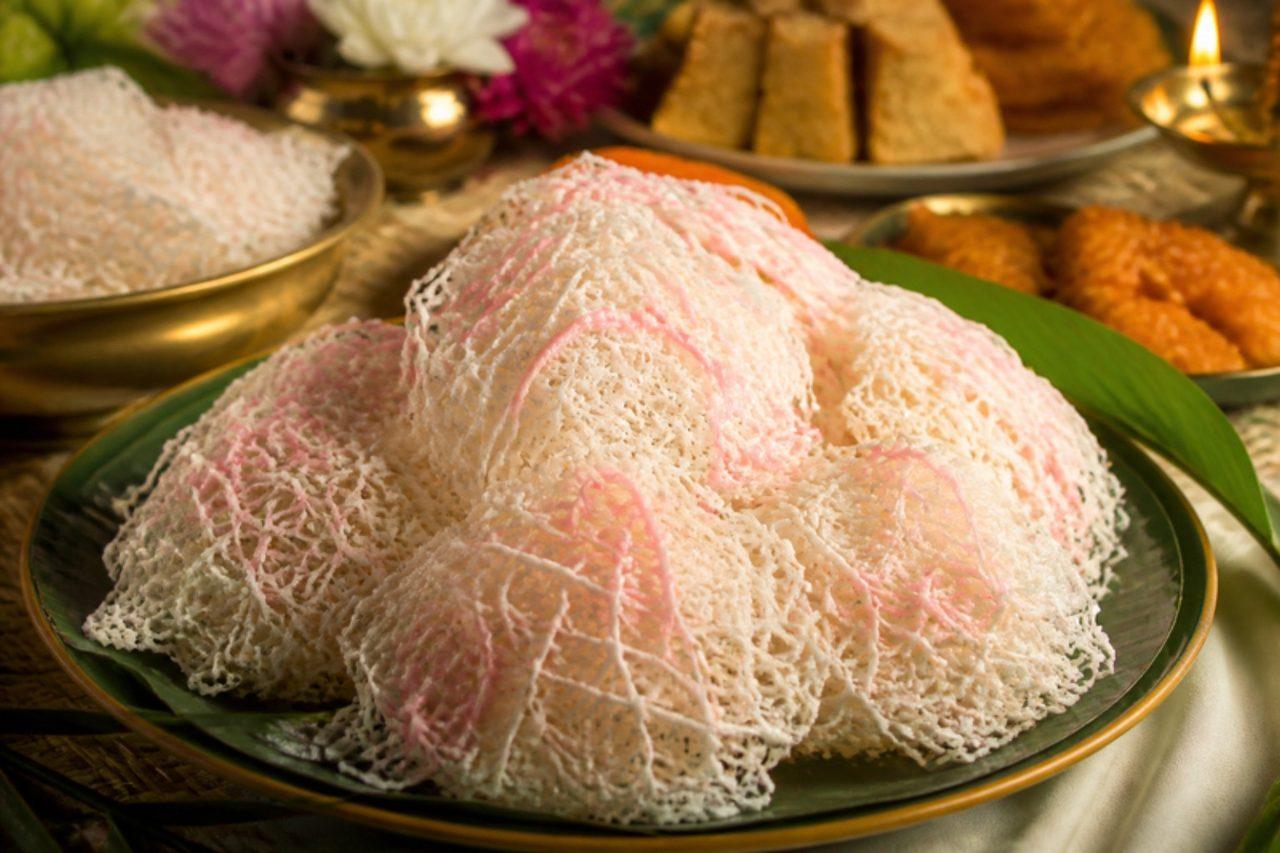
Aasmi is the most delicate sweet on the Sinhala New Year table, a crisp, cream-coloured nest of tangled rice threads drizzled with pink syrup, and making it is a skill that village women in the Kandy and Kurunegala districts are rightly proud of. The batter gets its unique, almost glassy crispness from the slippery sap of davul kurundu leaves, a wild relative of laurel sometimes sold dried or frozen in Sri Lankan shops, which binds the rice flour and coconut milk. It is poured in a fine stream into hot oil to form a lace, folded while still soft and fried until crisp but still pale, then decorated with lines of thick sugar syrup. If you cannot find the leaves, a little tapioca starch helps the batter hold, but the lace will be softer. The usual error is frying until golden: aasmi should stay pale cream, so keep the oil moderate. Chef's tip: test the batter with one thread first; it should fall in a smooth, unbroken stream.

by KrazyBadal 0 views

Aargauer RüeblitorteCarrot and almond cake

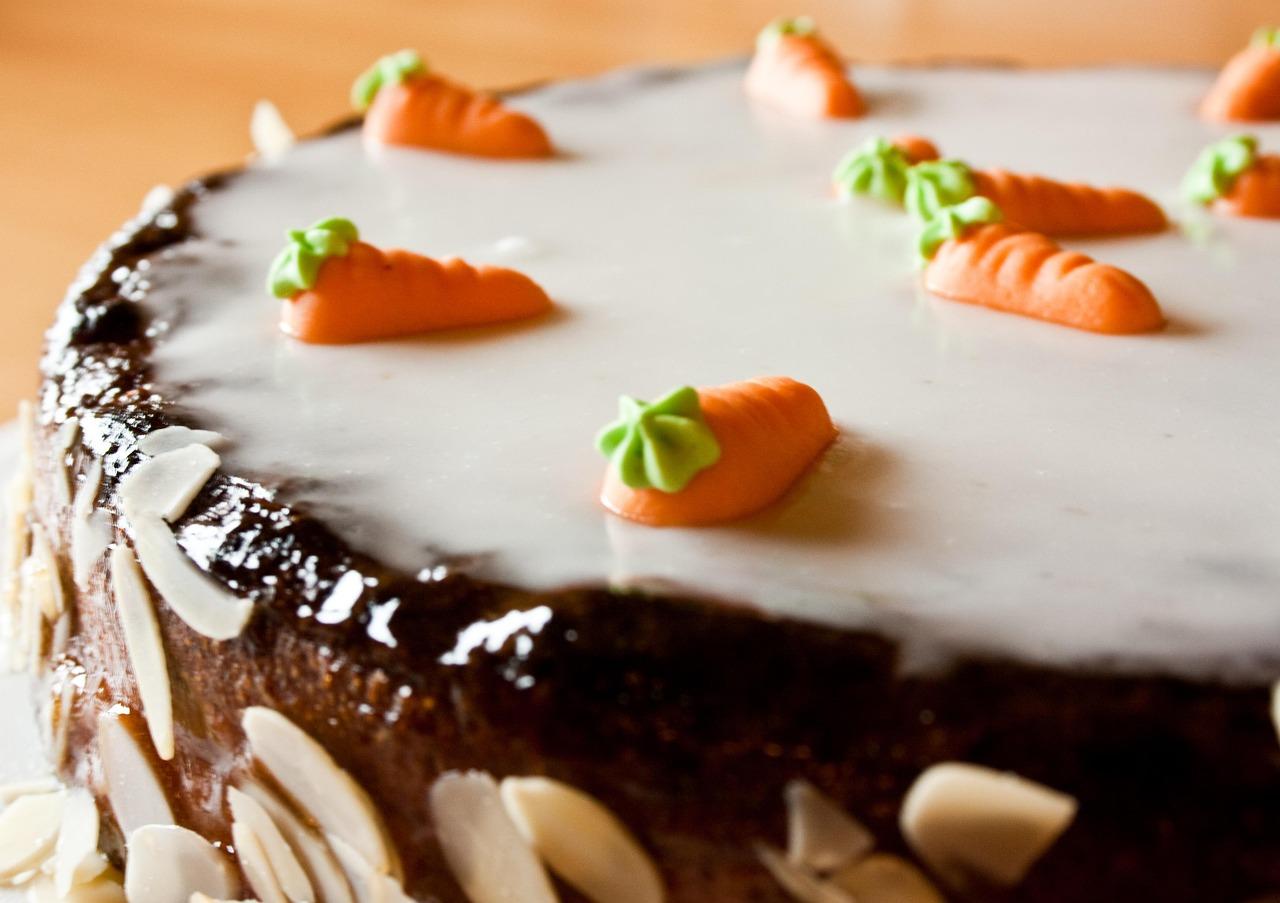
Rüeblitorte is the carrot cake of the canton of Aargau, between Zurich and Basel, where carrots grow well in the flat farmland: a moist, flourless cake of grated carrot and ground almonds lifted with whisked egg whites, glazed with a thin lemon or kirsch icing and decorated with little marzipan carrots. It is the traditional Swiss birthday cake for children and appears at Easter. A common mistake is skipping the separate whisking of the whites, which makes it heavy. Chef's tip: grate the carrots finely and squeeze out a little juice, so the cake is moist but not soggy. This version uses lemon icing.

by KrazyBadal 0 views

AamshottoSun-dried mango sheets

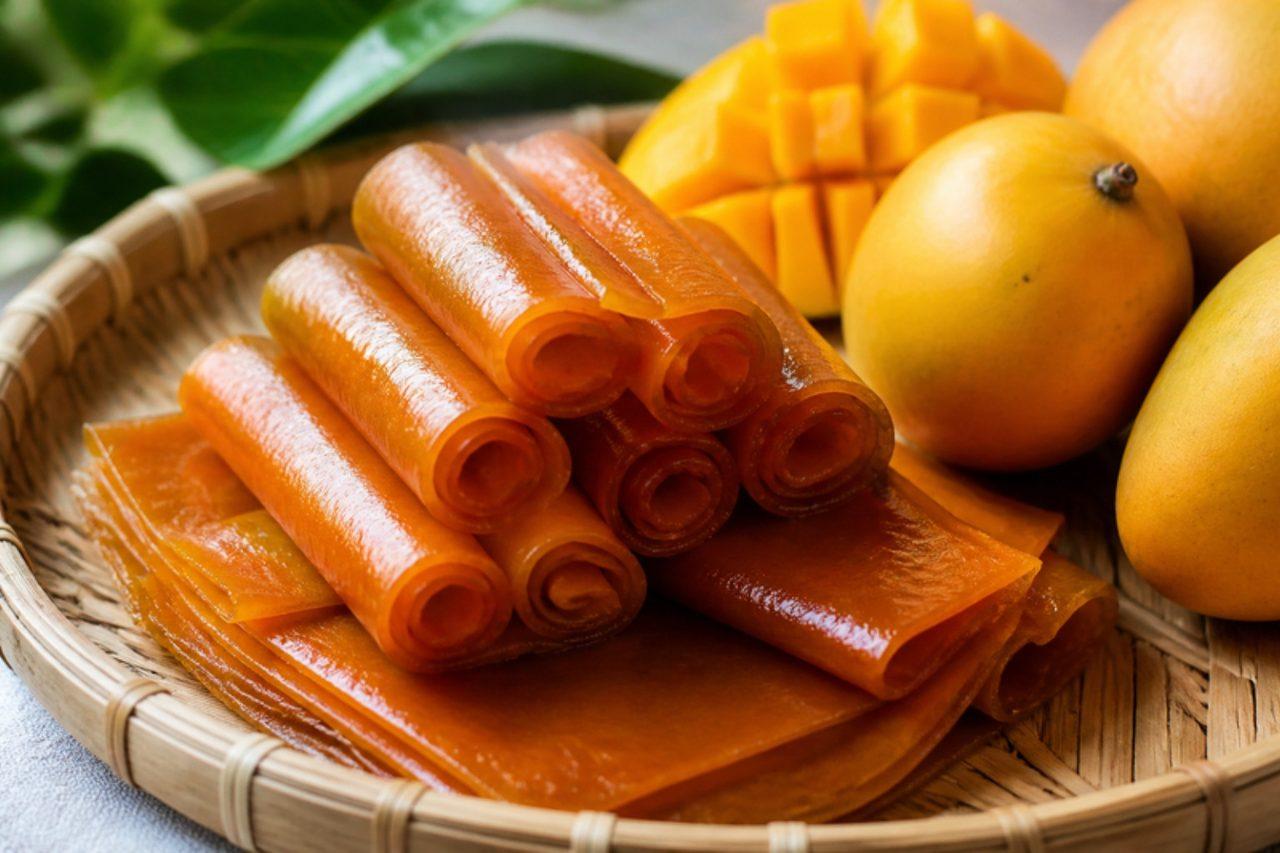
In June the mango orchards of Rajshahi and Chapai Nawabganj produce more fruit than anyone can eat, and on rooftops across the region the surplus is turned into aamshotto, sheets of sweet mango pulp spread thin on bamboo trays and dried in the sun. A fresh layer is spread over the last one each day, so the finished slab is built up from many thin films, chewy, deep orange and intensely fruity. It is cut into strips and kept for the rainy months, eaten as a snack, packed in children's lunchboxes or chopped into chutney. In a damp climate, sun-drying is slow and risks mould, so this version uses a low oven. Spreading the pulp too thick is the classic misjudgement; the middle never dries and stays sticky. Chef's tip: use fibre-free mangoes such as Himsagar, Langra or Alphonso and push the pulp through a sieve for a smooth sheet.

by KrazyBadal 0 views

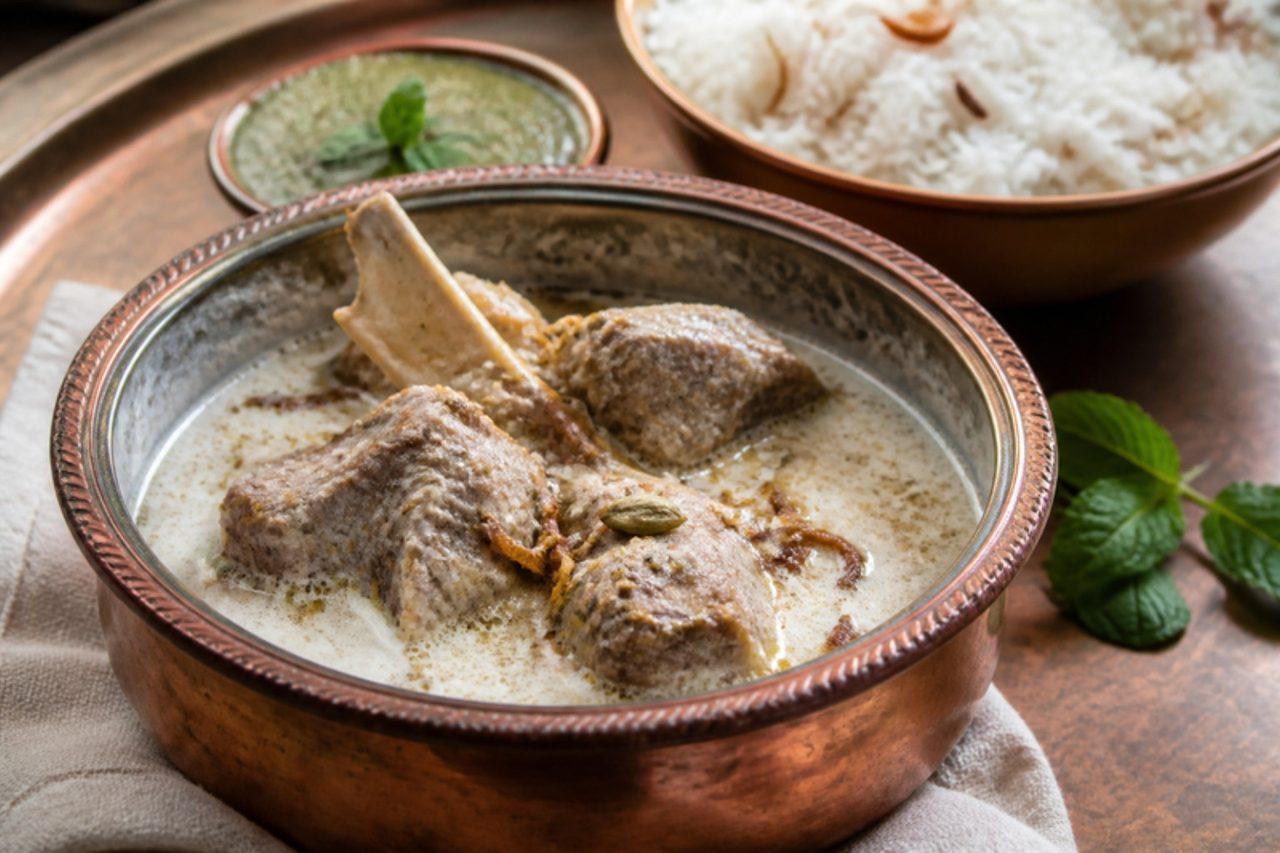
Aab goshtMutton in spiced milk

Pale, gentle and fragrant with green cardamom, aab gosht is the Kashmiri kitchen's answer to anyone who thinks the cuisine is all chilli. Mutton on the bone is first boiled with whole spices, then finished in reduced milk with fennel and dry ginger until the sauce turns ivory and thick, almost like a savoury kheer. It is a wazwan dish and a family favourite for Sunday lunch among Kashmiri households in Muzaffarabad and Lahore, eaten over plain rice with a sharp green chutney on the side for contrast. Boiling the milk hard is what ruins it, since it catches on the base and leaves a scorched taste through the whole pot. Chef's tip: reduce the milk in a separate wide pan while the meat cooks, then combine them; it thickens faster and is far less likely to burn.

by KrazyBadal 0 views

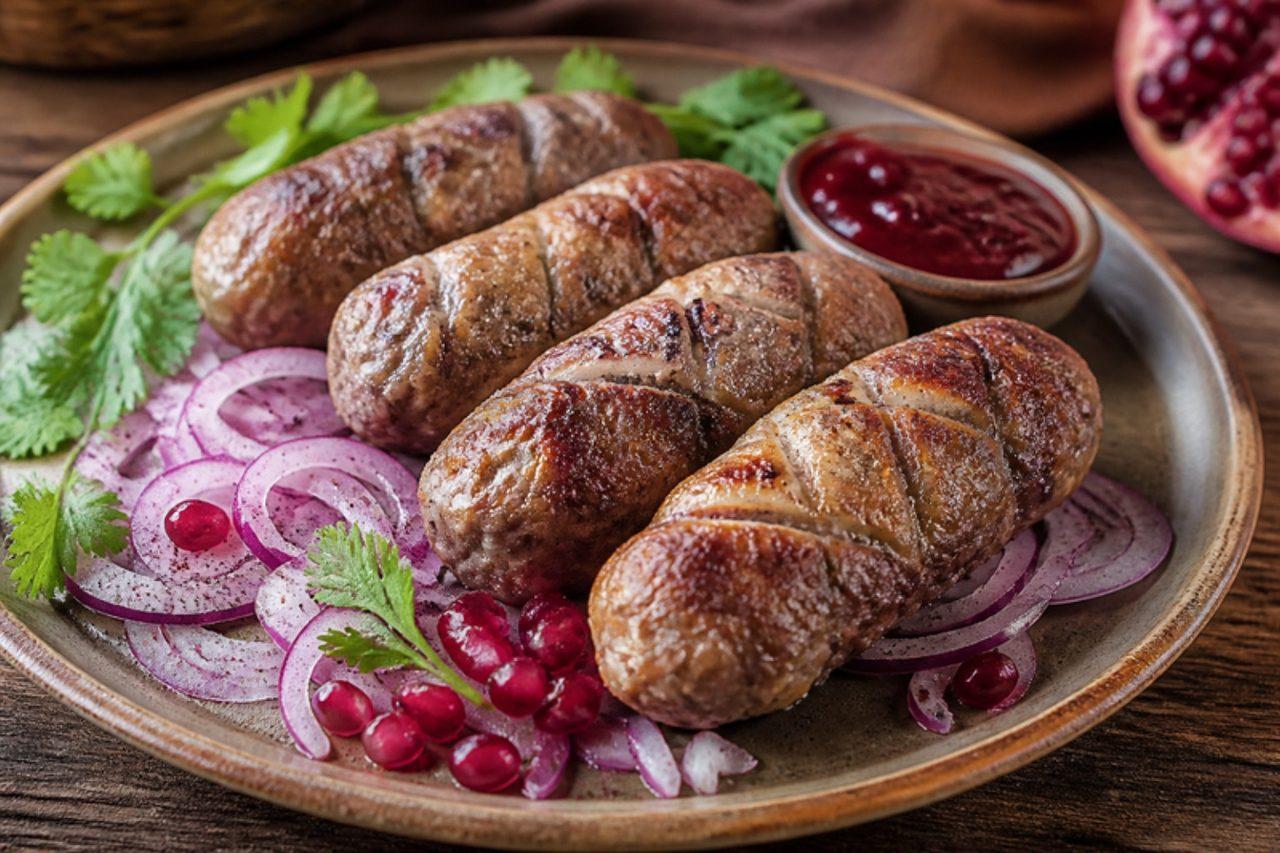
AbkhazuraSpiced mince in caul fat

Abkhazura is a feast dish from Samegrelo and the old Abkhazian borderlands, still on the menu of Zugdidi restaurants: finely chopped beef and pork, seasoned with onion, garlic, dried barberries, hot pepper and herbs, wrapped in thin, lacy caul fat and grilled over coals or fried until crisp outside and juicy inside. This contains pork. Served with tkemali and raw onion rings. A common mistake is using lean mince, which makes the patties dry; the fat is what keeps them succulent. Chef's tip: soak caul fat in warm salted water for 10 minutes so it softens and stretches without tearing. Minced meat must reach 71 °C in the middle.

by KrazyBadal 0 views

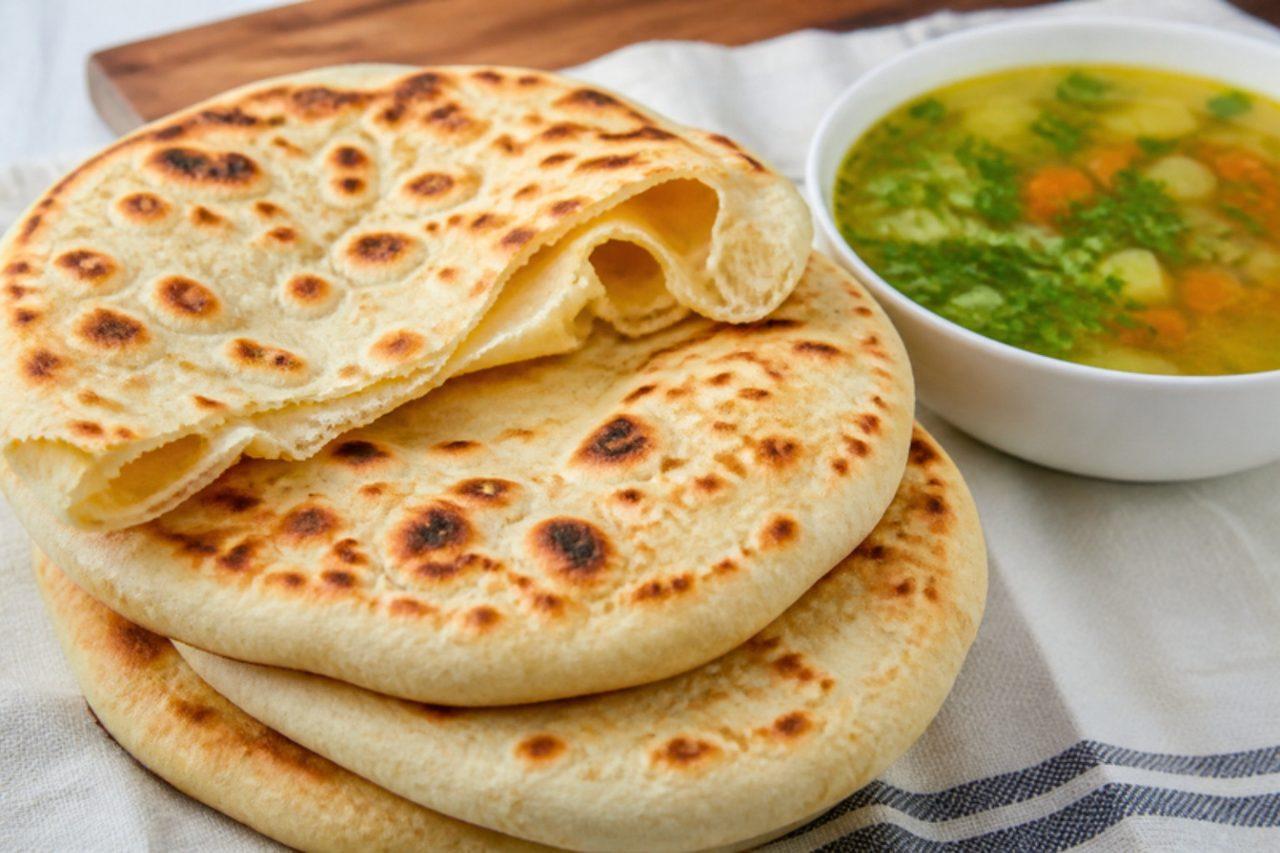
SalufPuffy flatbread

Saluf is the everyday bread of Yemenite Israelis, slapped onto a hot pan or taboon in Rosh HaAyin and Sha'arayim in Rehovot and eaten with marak temani, hilbe and zhug. It is soft and blistered, thicker than pita and with no pocket, made to tear and dunk. Home cooks often roll it too thin, which gives a cracker; it should be about 1 cm thick so it stays pillowy. Chef's tip: cook it under a lid on a very hot dry pan for the first minute, which traps steam and puffs it the way a taboon does.

by KrazyBadal 1 views

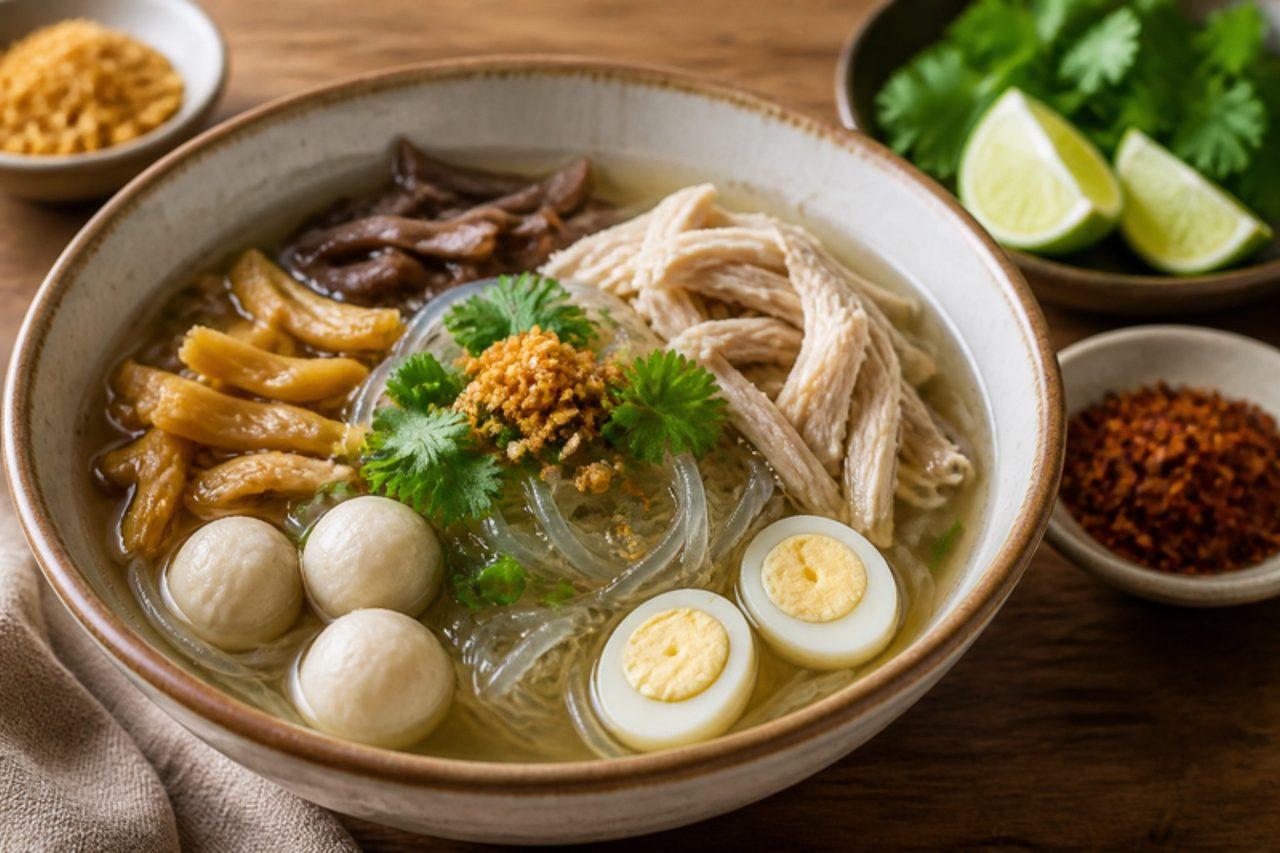
Kyar zan hingaGlass noodle soup with chicken

Lighter than mohinga and a favourite with children, kyar zan hinga turns up at Yangon donation feasts, at evening noodle stalls and on the family table when someone needs something soothing. Slippery glass noodles swim in a clear, peppery chicken broth with shredded chicken, crunchy wood-ear mushroom, chewy knots of dried lily buds, bouncy fish balls and whole quail eggs. Each bowl is finished at the table with lime, chilli flakes, fried garlic and coriander, and crisp split-pea fritters are often torn in on top. Simmering the glass noodles in the pot is the classic error: they swell, go soft and drink up the broth, so add them straight to the bowls instead. Chef's tip: knot each softened lily bud before it goes into the soup; it keeps them from shredding and gives every spoonful a little chewy bite.

by KrazyBadal 1 views

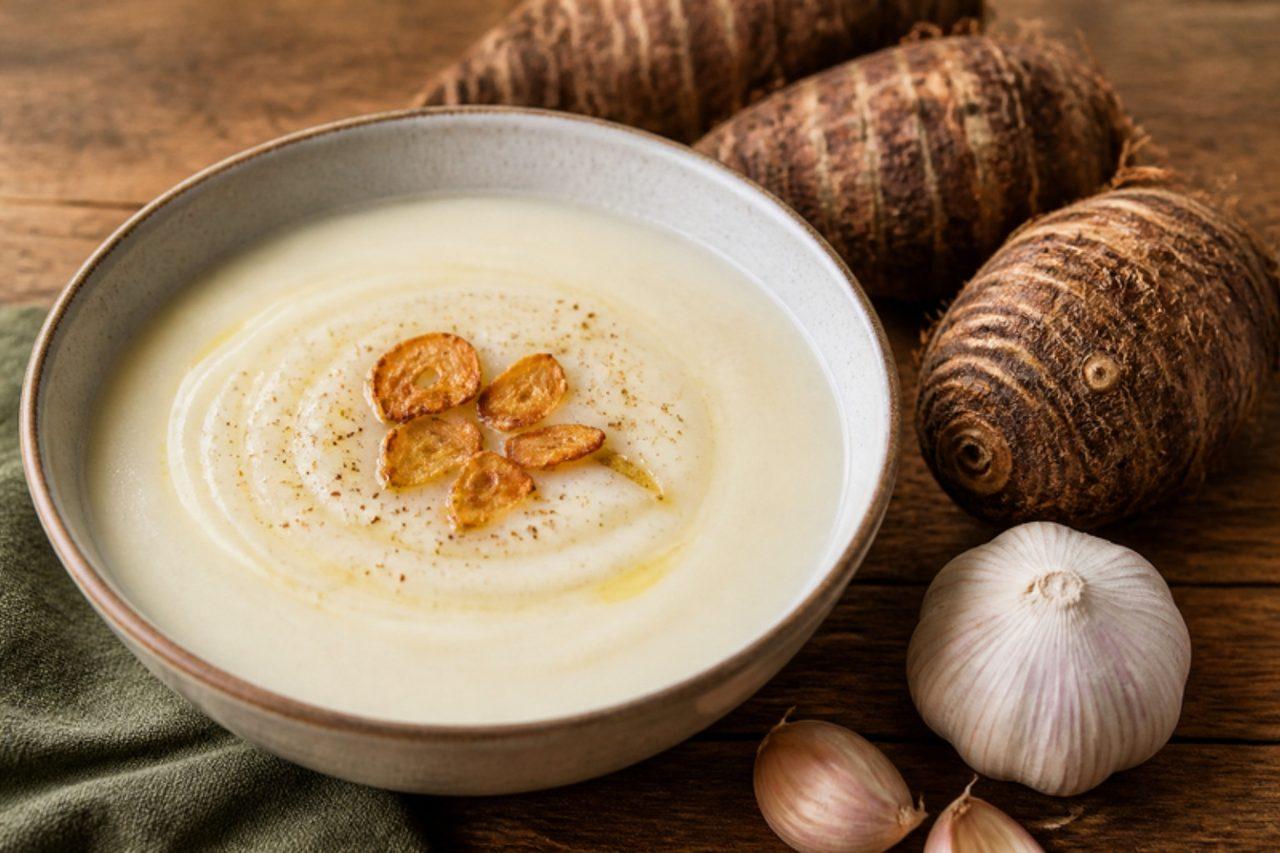
Crema de malangaMalanga root soup

Ask anyone raised in Havana what they were fed when they were ill and the answer is usually crema de malanga: a pale, velvety soup of the starchy root, gently scented with garlic and onion. It is also one of the first foods Cuban babies and grandparents alike are given, because it is soft, mild and filling. The classic mistake is grating raw malanga with bare hands, which can make your skin itch; peel it wearing gloves and rinse it well. Serve it plain or with a few croutons. Chef's tip: blend in the butter at the end rather than frying in it, so the soup tastes clean and creamy rather than heavy.

40 minCubanSoupsGluten free
by KrazyBadal 1 views

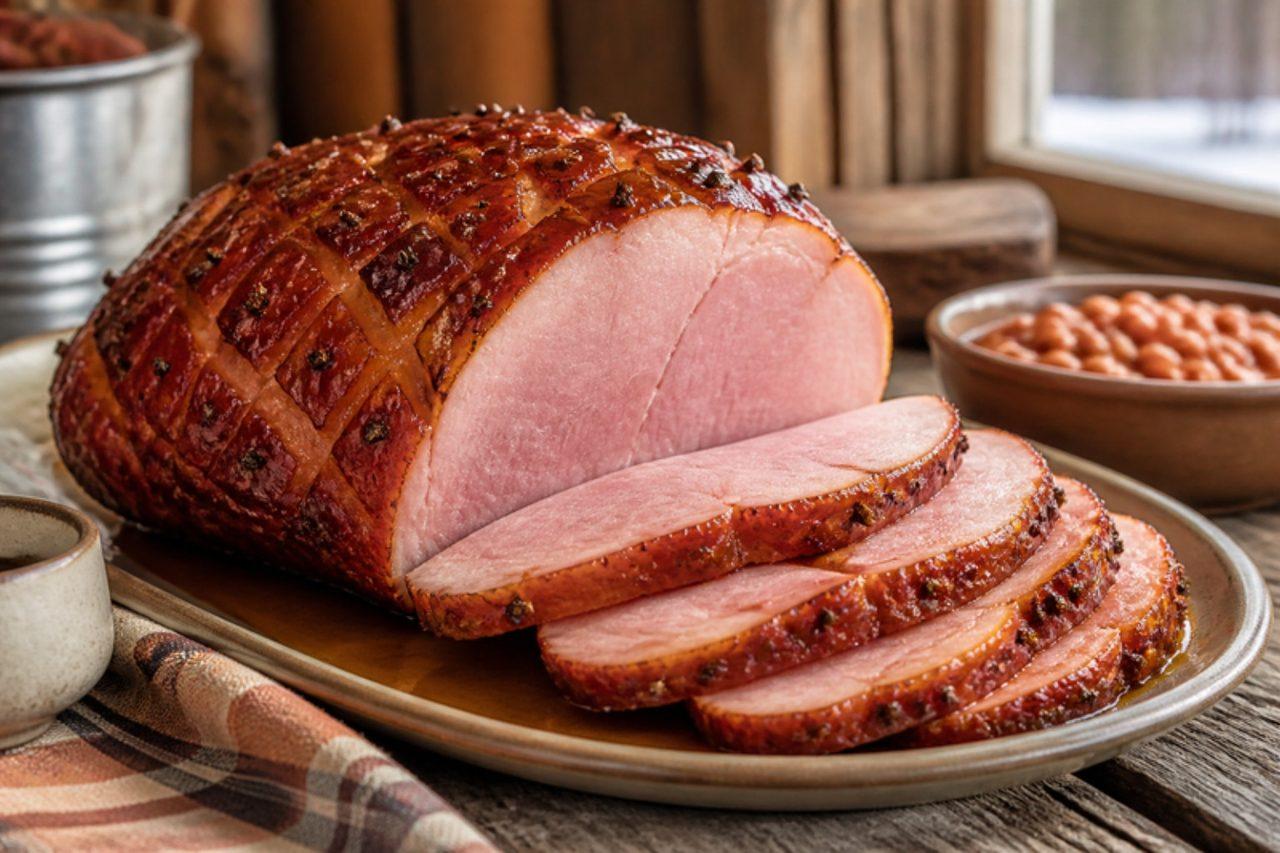
Maple-glazed ham

At the cabanes à sucre of Quebec in March and April, a smoked pork ham baked in maple syrup is the centrepiece of the long tables, carved alongside pea soup, beans and omelette. At home it is an Easter favourite in the Eastern Townships. The ham is simmered, then glazed and baked, basted again and again until it shines. Check the label: most smoked hams are already cooked and only need heating, while uncooked ones need full cooking. A common mistake is glazing too early, which burns the sugar before the ham is hot. Chef's tip: a splash of cider vinegar in the glaze balances the sweetness.

150 minCanadianMeatGluten free
by KrazyBadal 0 views

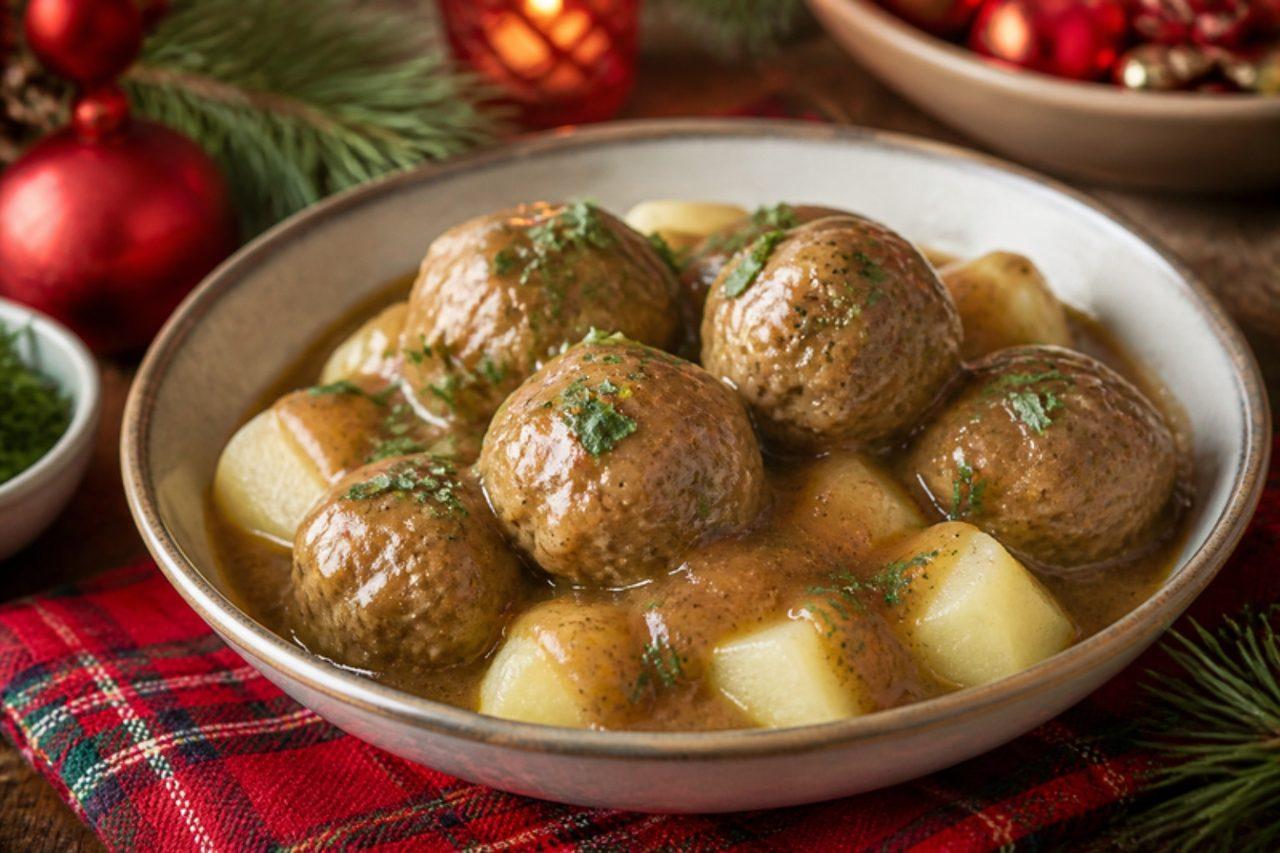
Meatball stew

Ragoût de boulettes is a Quebec Christmas Eve and New Year dish, simmered in big pots for the réveillon in the Saguenay and Beauce, often served with pork hocks and boiled potatoes. The meatballs are made from minced pork, gently spiced with cinnamon, clove and nutmeg, and simmered in a gravy thickened with flour toasted dry in a pan until brown. That toasted flour gives the stew its colour and nutty taste. A common mistake is toasting the flour too quickly so it burns; keep the heat moderate and stir constantly. Chef's tip: it tastes even better the next day, so make it ahead and reheat until piping hot.

150 minCanadianMeat
by KrazyBadal 0 views

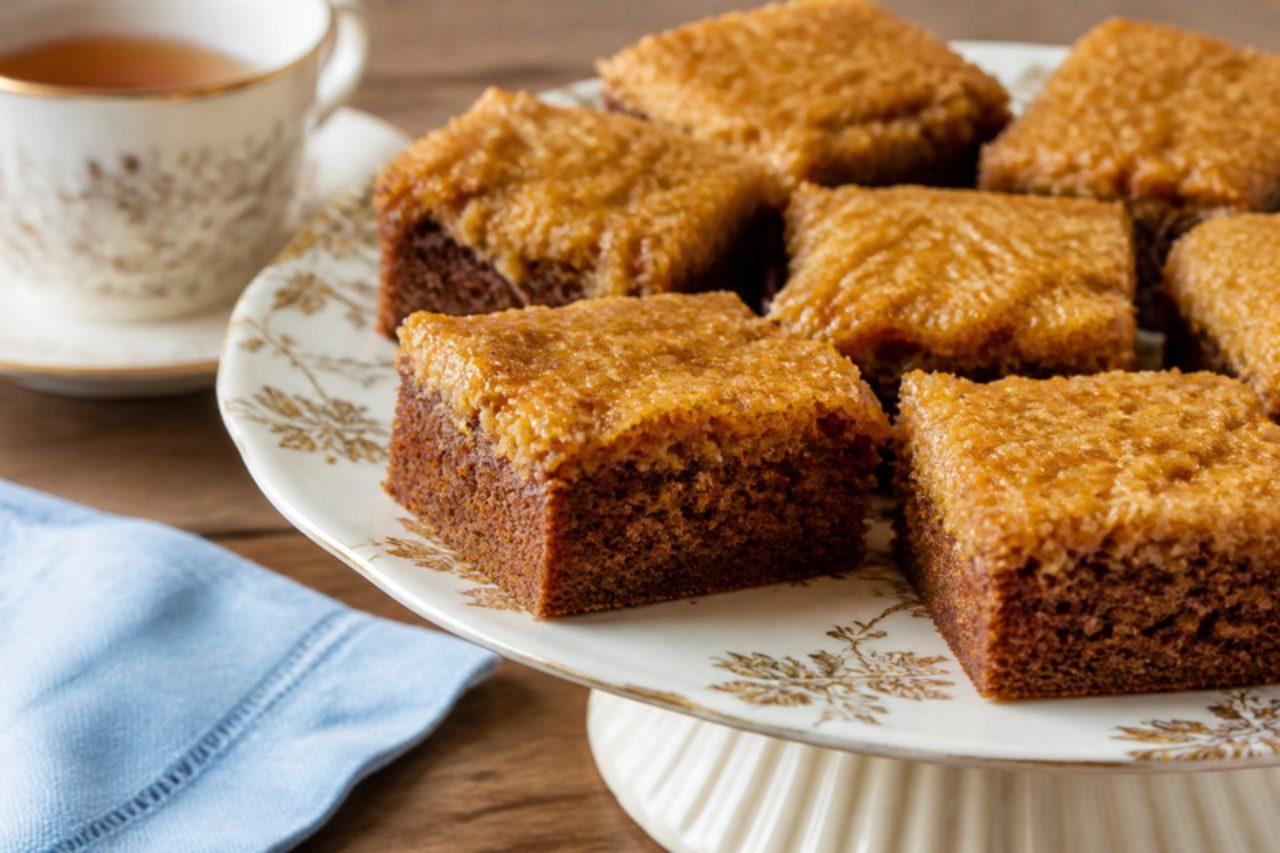
Queen Elizabeth cake

Queen Elizabeth cake has been a favourite in Canadian homes and Quebec bakeries since the 1950s, especially around coronations and royal visits, and it still turns up at Montreal family birthdays and Sunday teas. A moist, tender date cake is baked, then covered in a bubbling coconut and brown-sugar topping and put under the grill until it caramelises. It is humble, rich and keeps well for days. A common mistake is walking away from the grill; the topping goes from golden to burnt in under a minute. Chef's tip: soak the dates in boiling water with the bicarbonate so they melt into the crumb.

by KrazyBadal 0 views

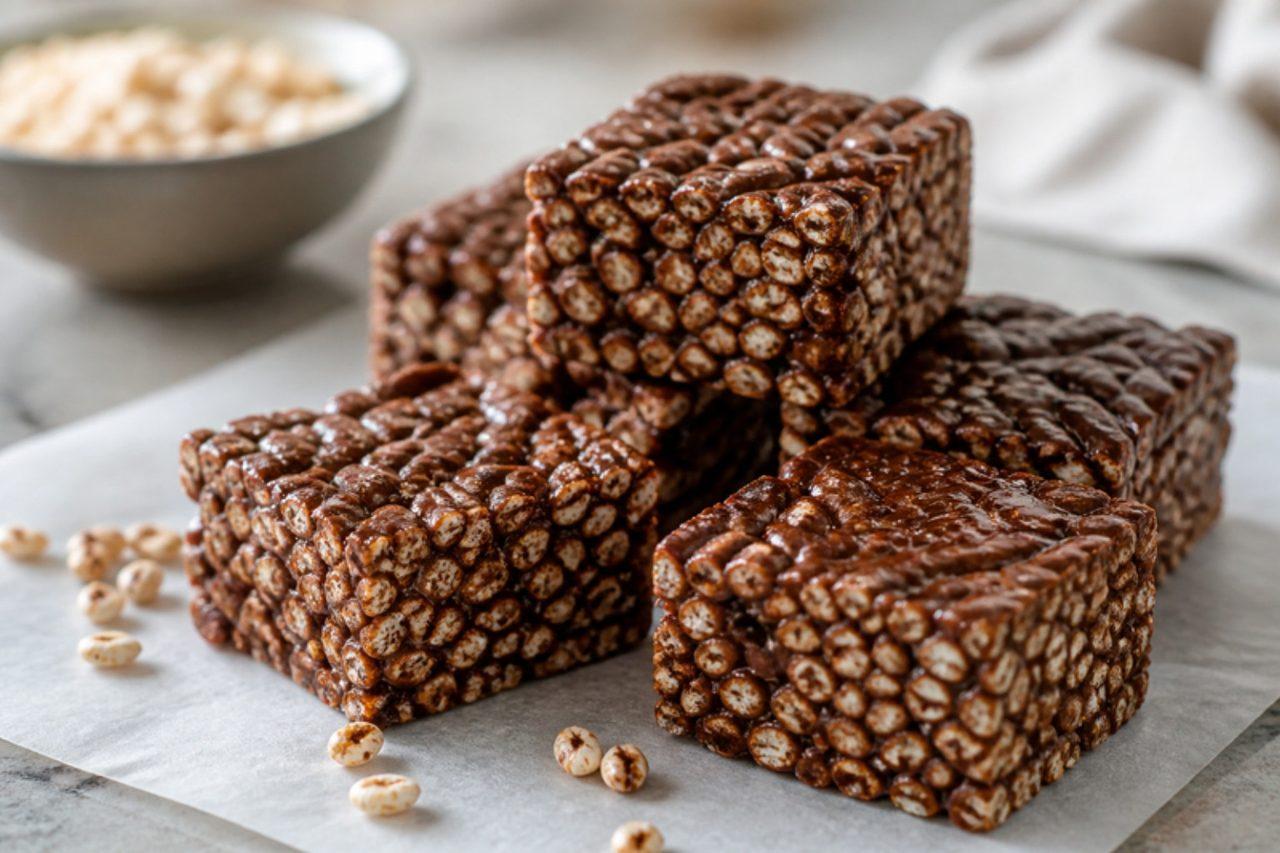
Puffed wheat squares

Puffed wheat squares are the Prairie kids' party treat, made in Alberta and Saskatchewan kitchens for hockey bake sales and lunchboxes since the 1950s. Puffed wheat is stirred into a quick toffee of butter, brown sugar, golden syrup and cocoa, pressed into a pan and cut once set. They are chewy rather than crunchy and very hard to stop eating. A common mistake is boiling the syrup too long, which sets them rock hard; one minute of boiling is enough. Chef's tip: butter your hands, not just the pan, to press the mix down evenly.

by KrazyBadal 0 views

Labrador tea

Labrador tea grows in the bogs and boreal forests right across northern Canada, and Cree, Dene and Inuit families have long dried its leathery, rust-backed leaves for a hot drink on the land and at home. It tastes resinous and piney, a bit like rosemary and eucalyptus, and is often sweetened with a little sugar. The leaves contain natural compounds that are harmful in large amounts, so brew it weak, drink a cup or two, and don't steep it for hours. It is not for pregnant or breastfeeding women. Only pick it if you know the plant well: the poisonous bog laurel grows alongside it; dried leaves from a trusted seller are safest. A common mistake is using a big handful of leaves; one tablespoon makes two cups. Chef's tip: steep below boiling and briefly; a long boil makes it bitter and stronger than you want.

by KrazyBadal 0 views

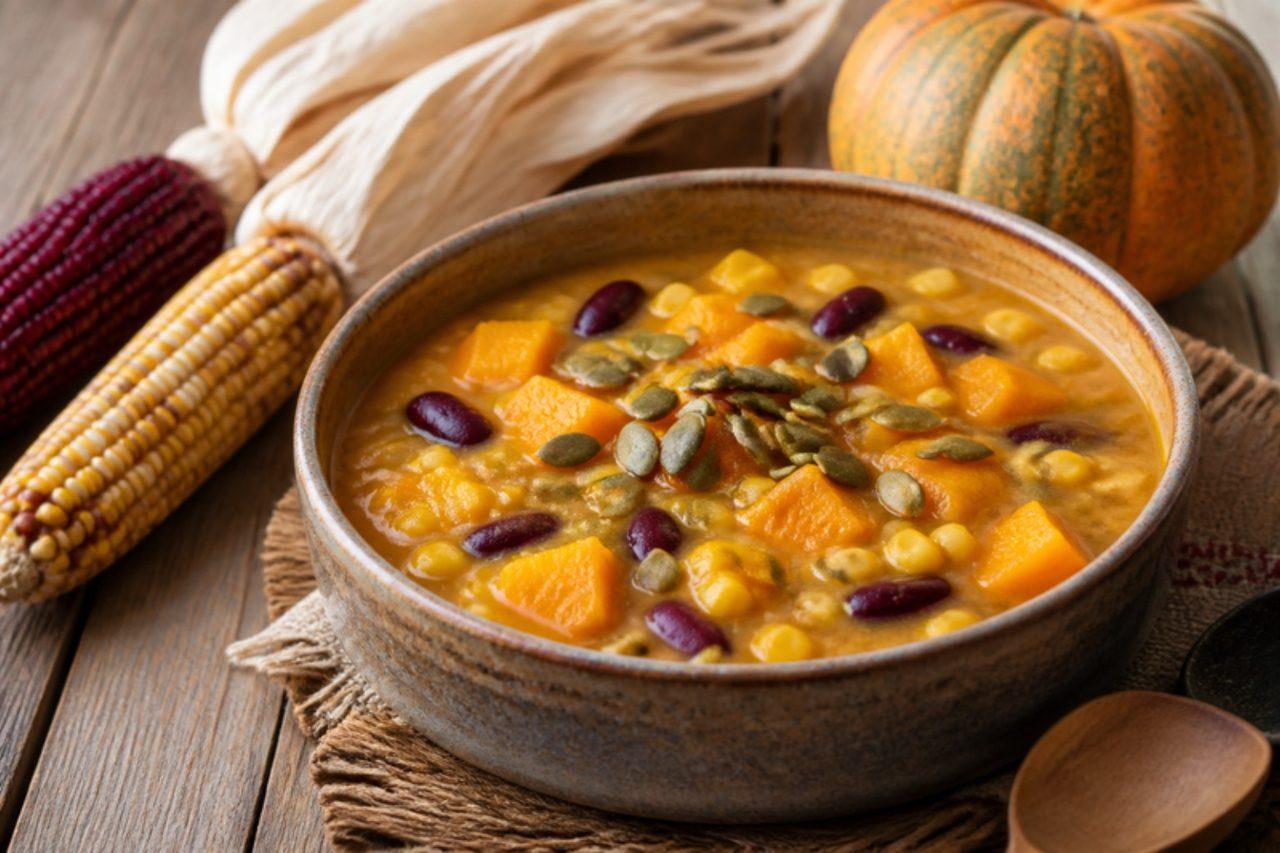
Three Sisters soup

The Three Sisters, corn, beans and squash planted together in one mound, are the heart of Haudenosaunee farming in what is now southern Ontario and Quebec, and of many other Eastern Woodlands nations. Simmered together, they make a filling, golden autumn soup served at harvest gatherings and at home through the winter. This version uses dried beans and fresh squash for a thick, naturally sweet pot. A common mistake is adding the corn too early, which makes it tough; it goes in for the last 10 minutes. Chef's tip: roast half the squash first for a deeper, nuttier flavour.

by KrazyBadal 0 views

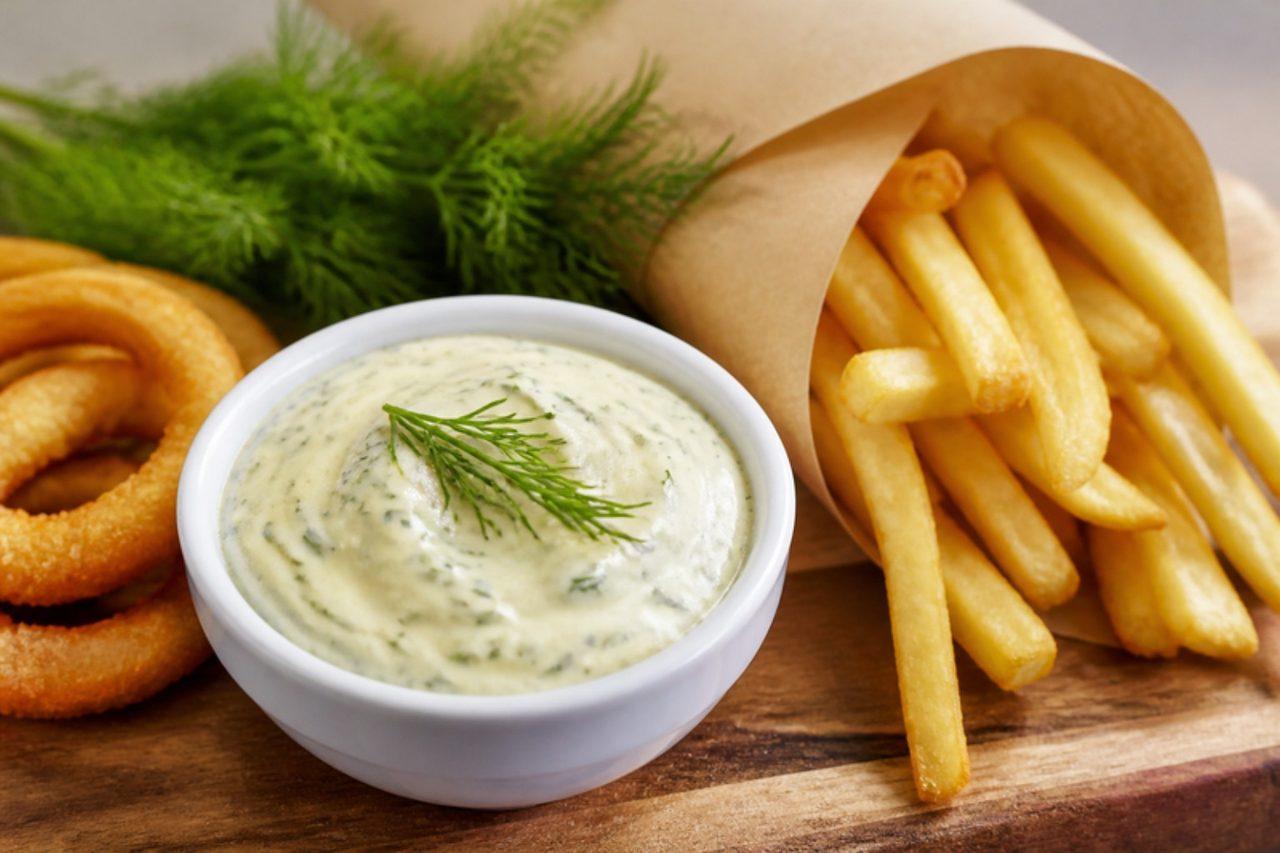
Honey dill sauce

Ask for honey dill anywhere outside Manitoba and you'll get a blank look, but in Winnipeg every pub, burger stand and school canteen serves it with chicken fingers, fries and onion rings. It is simply mayonnaise sweetened with liquid honey and full of fresh dill, and it takes five minutes. It is also good on veggie burgers and baked potatoes. A common mistake is using thick set honey, which won't blend; warm it first. Chef's tip: make it an hour ahead so the dill flavours the whole sauce.

by KrazyBadal 0 views

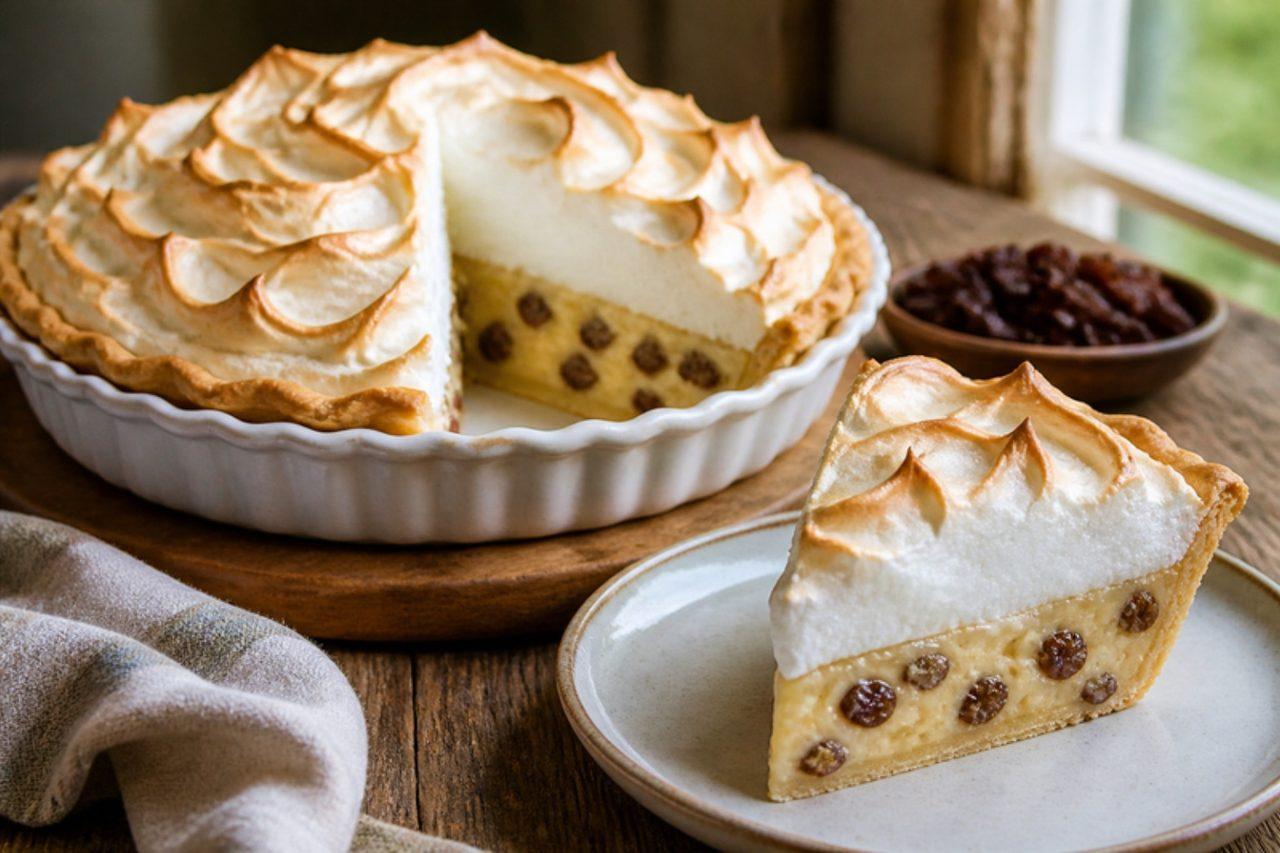
Sour cream raisin pie

Sour cream raisin pie is a farm-kitchen dessert from the Old Order Mennonite communities of Waterloo County, Ontario, found at the St Jacobs market and at church suppers around Elmira. Plump raisins sit in a tangy sour-cream custard, warm with cinnamon and clove, under a tall cloud of meringue. It is made ahead and served cool, cut in generous wedges. A common mistake is spreading the meringue on a cold filling, which makes it weep; spread it while the filling is hot. Chef's tip: simmer the raisins first so they are soft and juicy instead of chewy in the custard.

by KrazyBadal 0 views

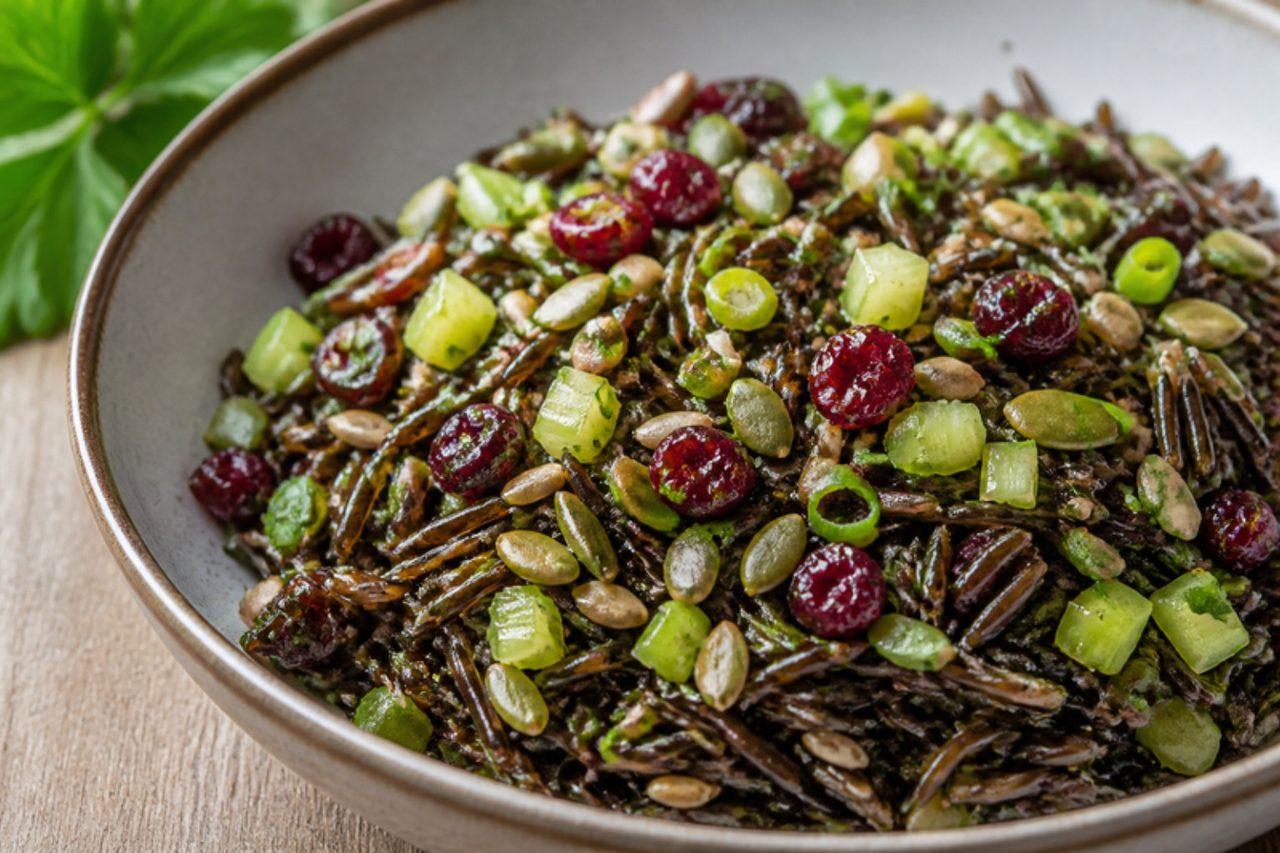
Wild rice salad

Manoomin, true wild rice, is hand-harvested by canoe by Anishinaabe families on the shallow lakes of northern Ontario and Manitoba in late summer, the grains knocked into the boat with cedar sticks. Its nutty, smoky taste is lovely cold in a salad with dried cranberries, toasted sunflower and pumpkin seeds and a light maple vinaigrette, the kind of dish brought to a feast or a summer potluck. Hand-harvested lake rice cooks faster than the black cultivated paddy rice, so check it early. A common mistake is cooking it until it splits wide open and turns mushy. Chef's tip: dress the rice while it is still warm so it drinks in the vinaigrette.

by KrazyBadal 0 views

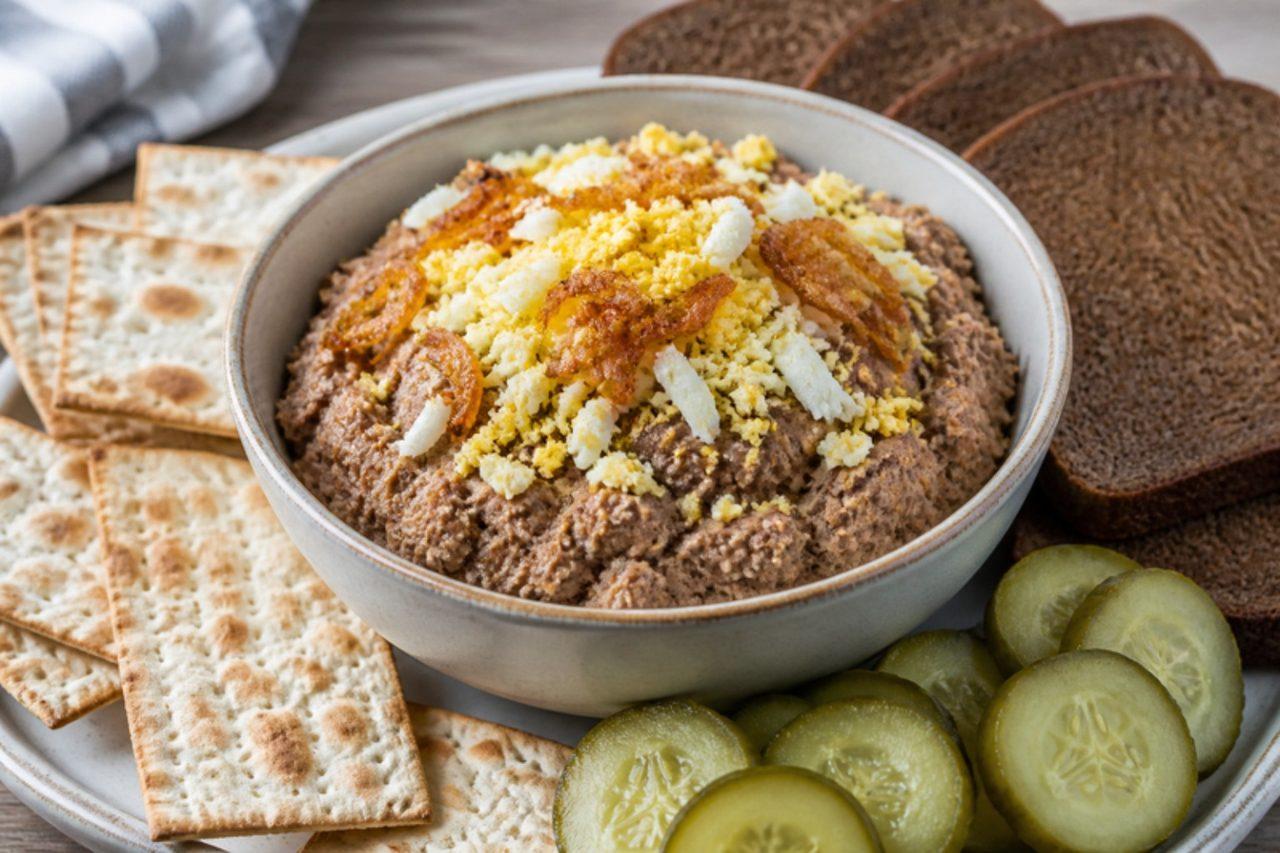
Chopped liver

Chopped liver is the first course of many Friday-night dinners in Ashkenazi homes from Haifa to Petah Tikva, spread on challah before the soup, and Tel Aviv delis still sell it by weight on Thursdays. Chicken livers are cooked through in schmaltz with a mountain of slowly browned onion, then chopped with hard-boiled egg into a coarse, rich spread that is sweet from the onion and deeply savoury. It is served cool, with challah, crackers or rye bread and a pickled cucumber. People often undercook the livers to keep them soft, but for safety they must have no pink left inside; the onion and schmaltz keep the texture tender anyway. Chef's tip: pulse in short bursts or chop by hand; a smooth purée loses the rustic texture that makes this different from a French pâté.

by KrazyBadal 0 views

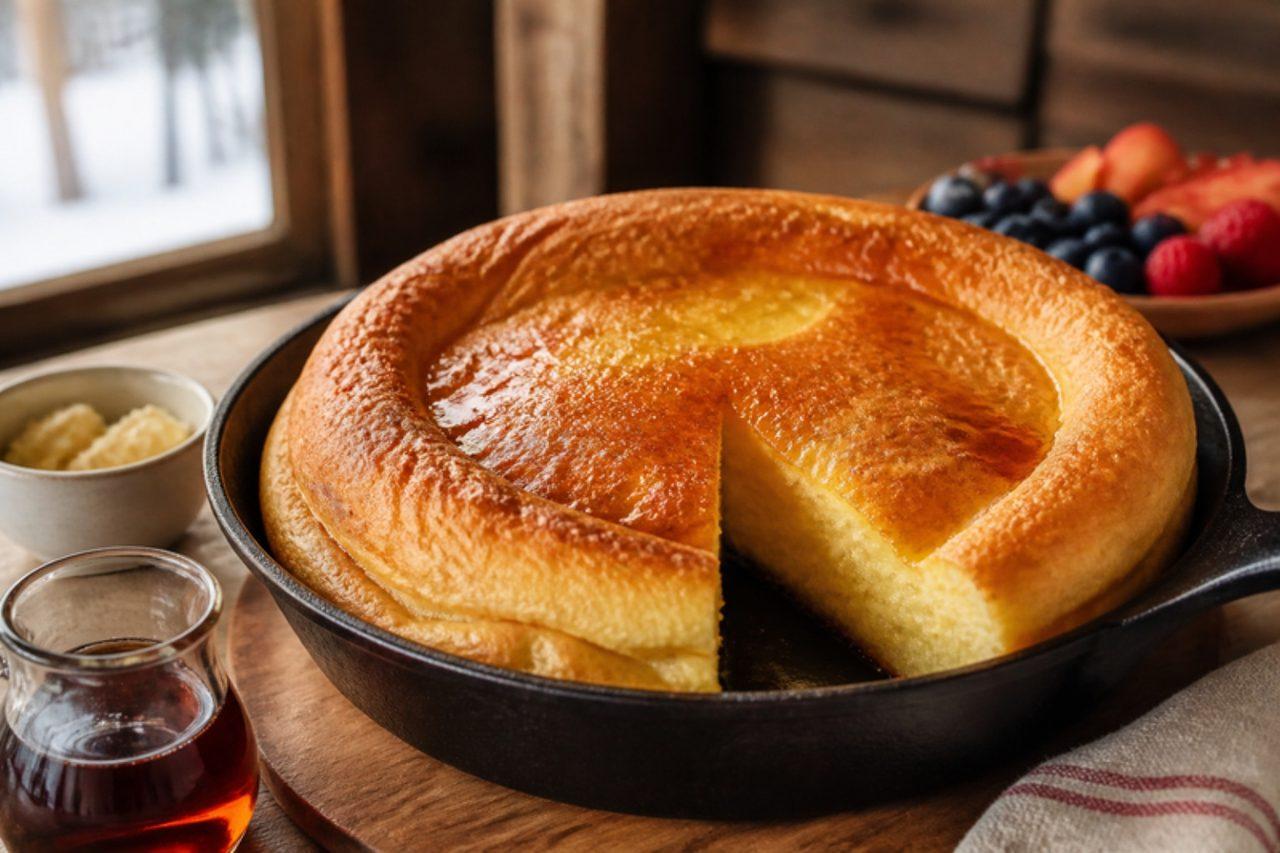
Puffed maple omelette

A tall, golden puffed omelette arrives on every table at the cabanes à sucre of the Laurentians and the Eastern Townships, sliced into wedges and drowned in fresh maple syrup alongside beans and ham. The eggs are separated, the whites whipped and folded back in, then the omelette starts on the hob and finishes in the oven so it rises like a soufflé. It must go to the table at once, before it sinks. A common mistake is beating the whites until stiff and dry, which makes the omelette grainy. Chef's tip: fold the whites in with a large metal spoon in three goes, keeping as much air as you can.

by KrazyBadal 0 views

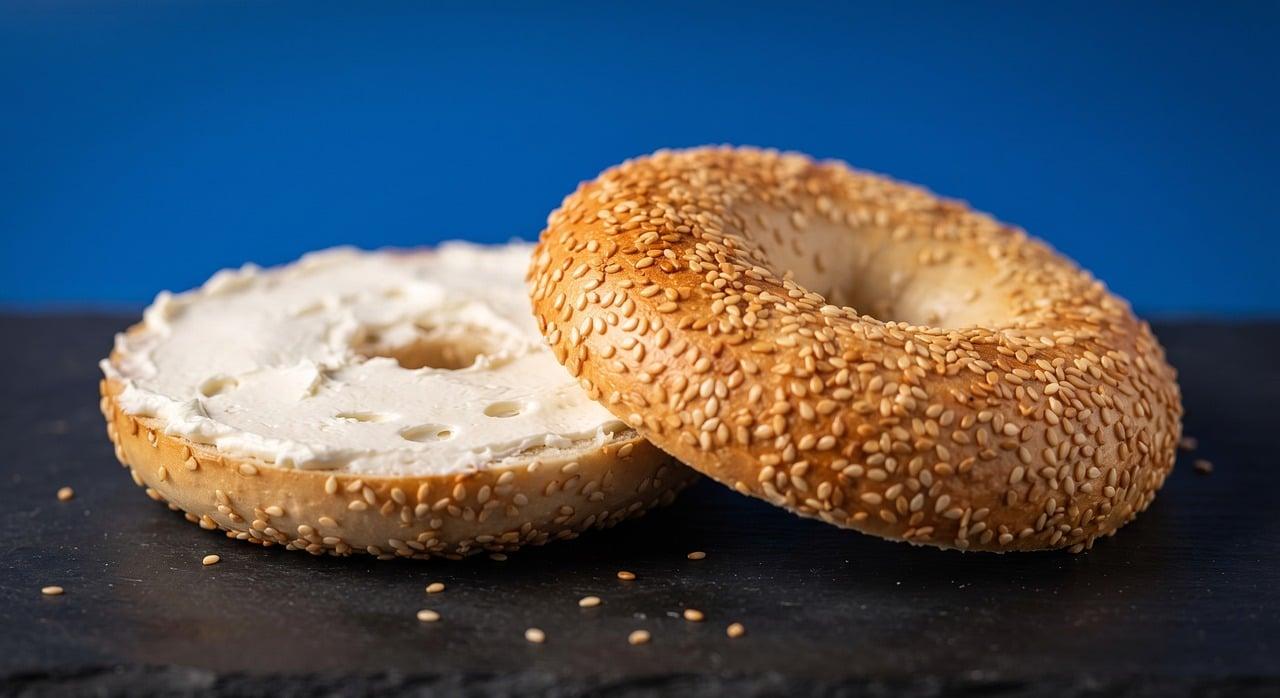
Montreal-style bagels

On Fairmount and St-Viateur streets in Montreal's Mile End the bagel bakeries run all night, rolling dough by hand, boiling it in honey water and baking it on long planks in wood-fired ovens. The result is smaller, sweeter and denser than a New York bagel, with a big hole and a crust thickly coated in sesame. They are eaten warm from the paper bag, plain or with cream cheese. Egg goes into the dough and there is no salt-heavy chew, which is what gives that light sweetness. Chef's tip: bake on the hottest oven setting and on a preheated stone or heavy tray, the closest a home oven gets to the wood fire.

by KrazyBadal 0 views

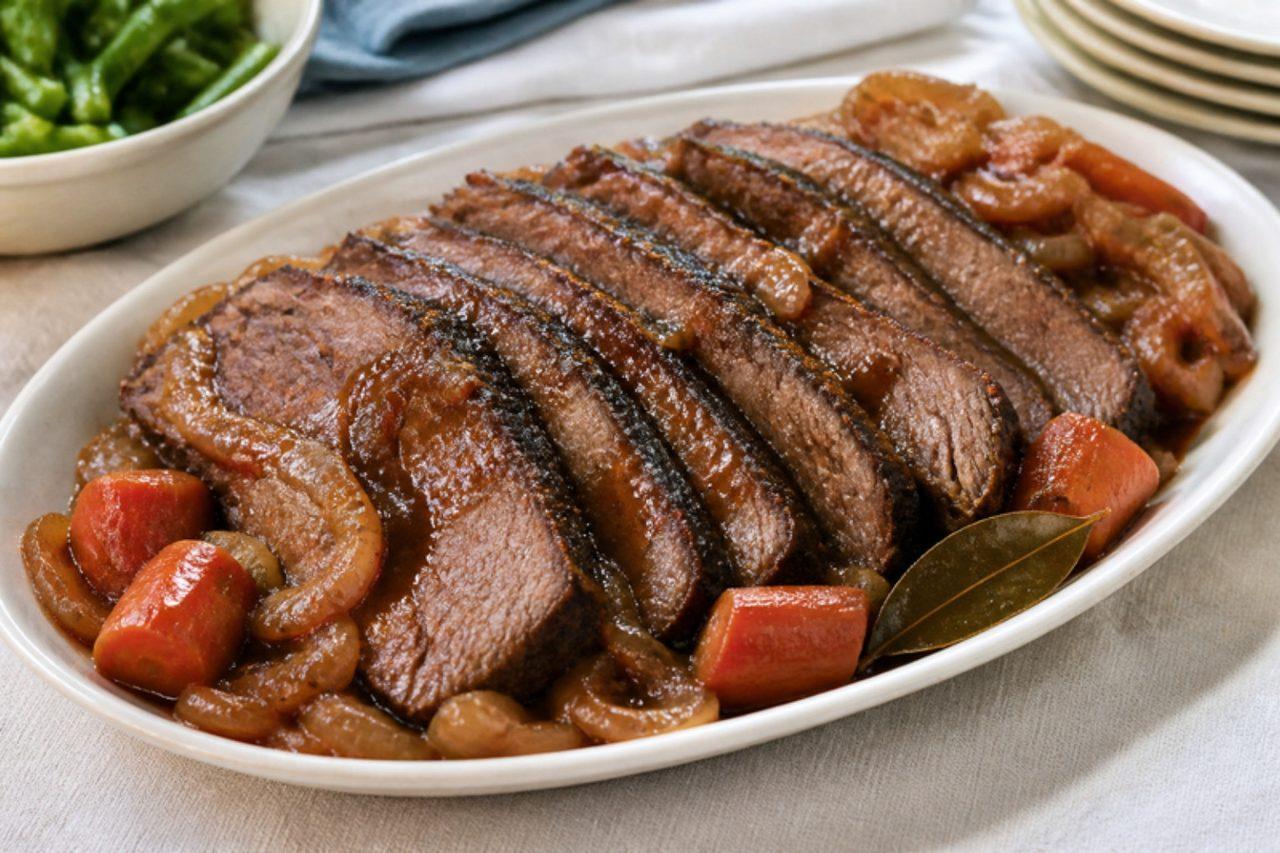
Braised brisket

A slowly braised brisket is the centrepiece of the Rosh Hashanah and Passover table for many Ashkenazi families in Israel, from Ra'anana to Jerusalem's German Colony, often made two days ahead because it slices better and tastes deeper once it has rested in its gravy. The beef sits on a bed of sliced onions with carrots, garlic, tomato paste and a little sugar and vinegar, covered tightly, and cooks for hours until fork-tender, while the onions melt into a rich brown sauce. Serve with potato kugel, tzimmes or mashed potatoes. Slicing it hot and along the grain is the usual mistake: chill it, then cut across the grain into thin slices. Chef's tip: return the slices to the gravy and reheat gently so every piece soaks up the sauce.

260 minIsraeliMeatGluten free
by KrazyBadal 0 views

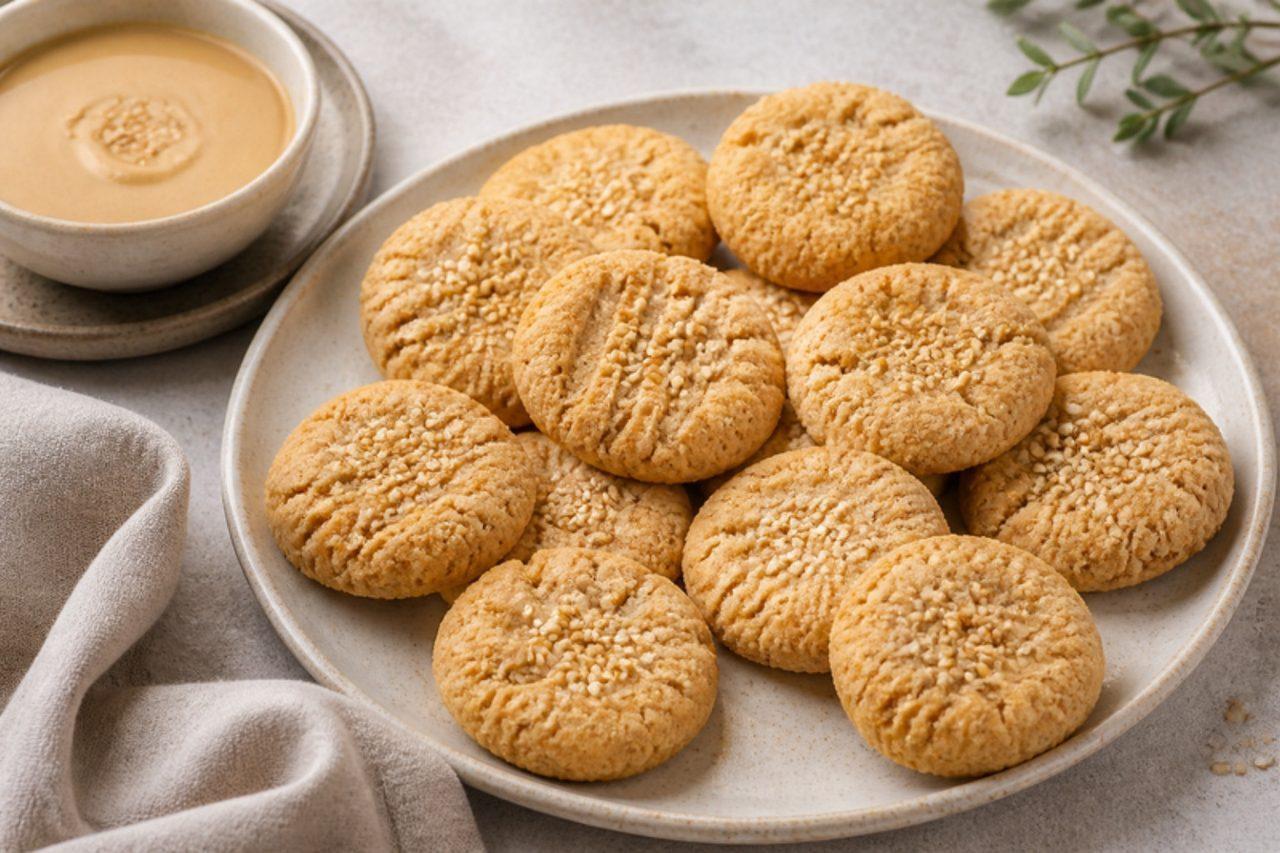
Tahini cookies

Every Israeli bakery and grandmother's biscuit tin has ugiyot tahini, little domed cookies that crumble and melt on the tongue with a deep, toasty sesame flavour. They are baked for Shabbat coffee, for guests dropping by in Haifa or Jerusalem, and as an easy dairy-free sweet to follow a meat meal. This version uses oil rather than butter, so it is vegan. The mistake is baking until they turn golden all over; they firm up as they cool and should leave the oven pale with just-coloured bases. Chef's tip: stir the tahini jar thoroughly first, since the oil separates and a dry spoonful from the bottom makes sandy, dry cookies.

by KrazyBadal 0 views

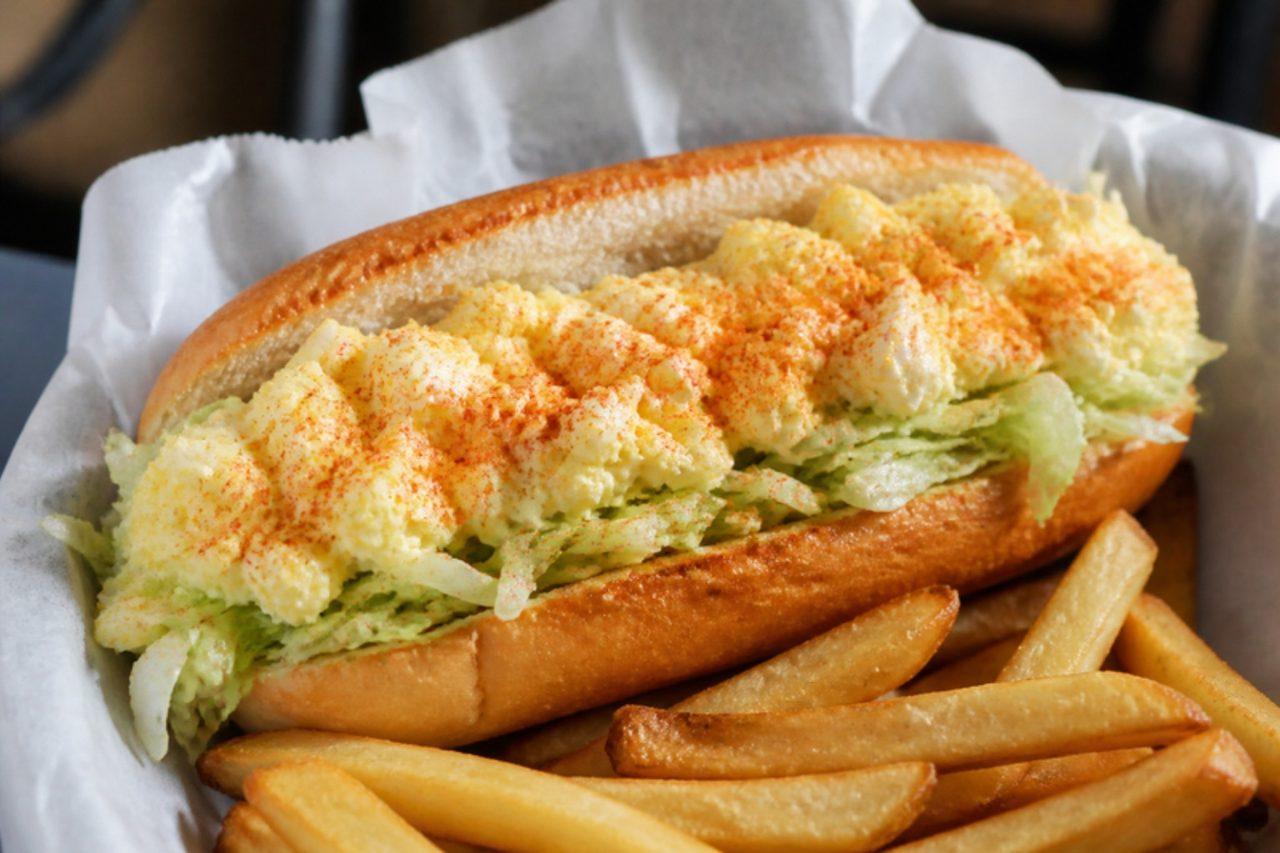
Egg salad guédille

A guédille is the snack-bar sandwich of Quebec, sold at the casse-croûte stands along the St Lawrence and in the Lower Saint-Lawrence towns all summer. A top-split hot-dog bun is buttered and toasted on the flat-top, then stuffed high with shredded iceberg and a soft egg salad. By the sea the same bun is filled with lobster, but the egg guédille is the everyday version kids order with fries. It takes 25 minutes and is just as good for a picnic lunch. A common mistake is filling the buns too early, which turns them soggy. Chef's tip: shred the lettuce very finely and put it under the egg so the bun stays crisp.

by KrazyBadal 0 views

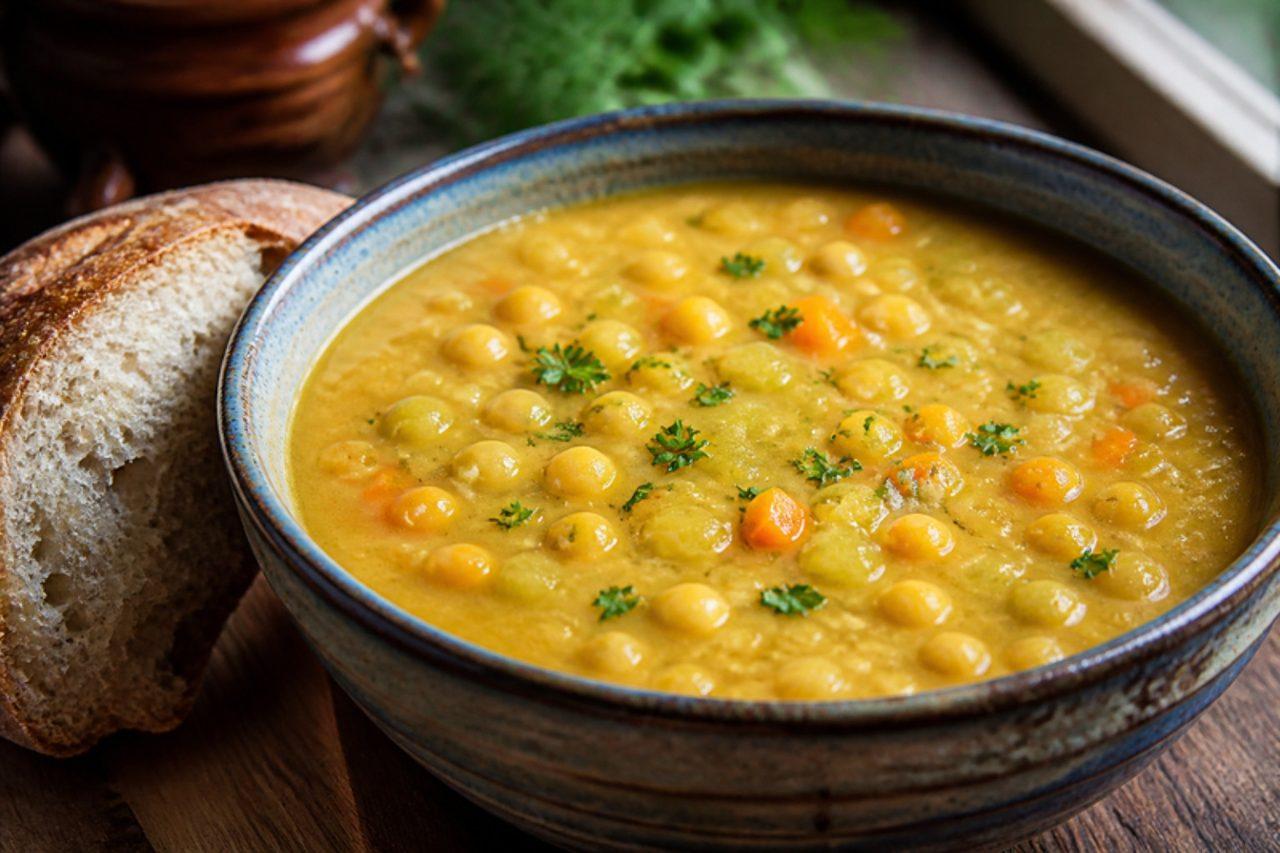
Quebec pea soup

In Quebec farmhouses a pot of soupe aux pois went on the back of the wood stove on Saturday and fed the family through the cold weeks; it is still served at sugar shacks and on chilly Sundays from Gaspé to Gatineau. Whole yellow peas break down over three hours into a thick, golden, earthy soup scented with summer savory. The old version is cooked with a slab of salt pork; this pot leaves it out and builds depth with browned onion and a bay leaf instead, so it is vegan. Serve with crusty bread or a ploye. Chef's tip: use whole yellow peas, not split ones; they hold some bite and give the soup its proper rustic body.

by KrazyBadal 0 views

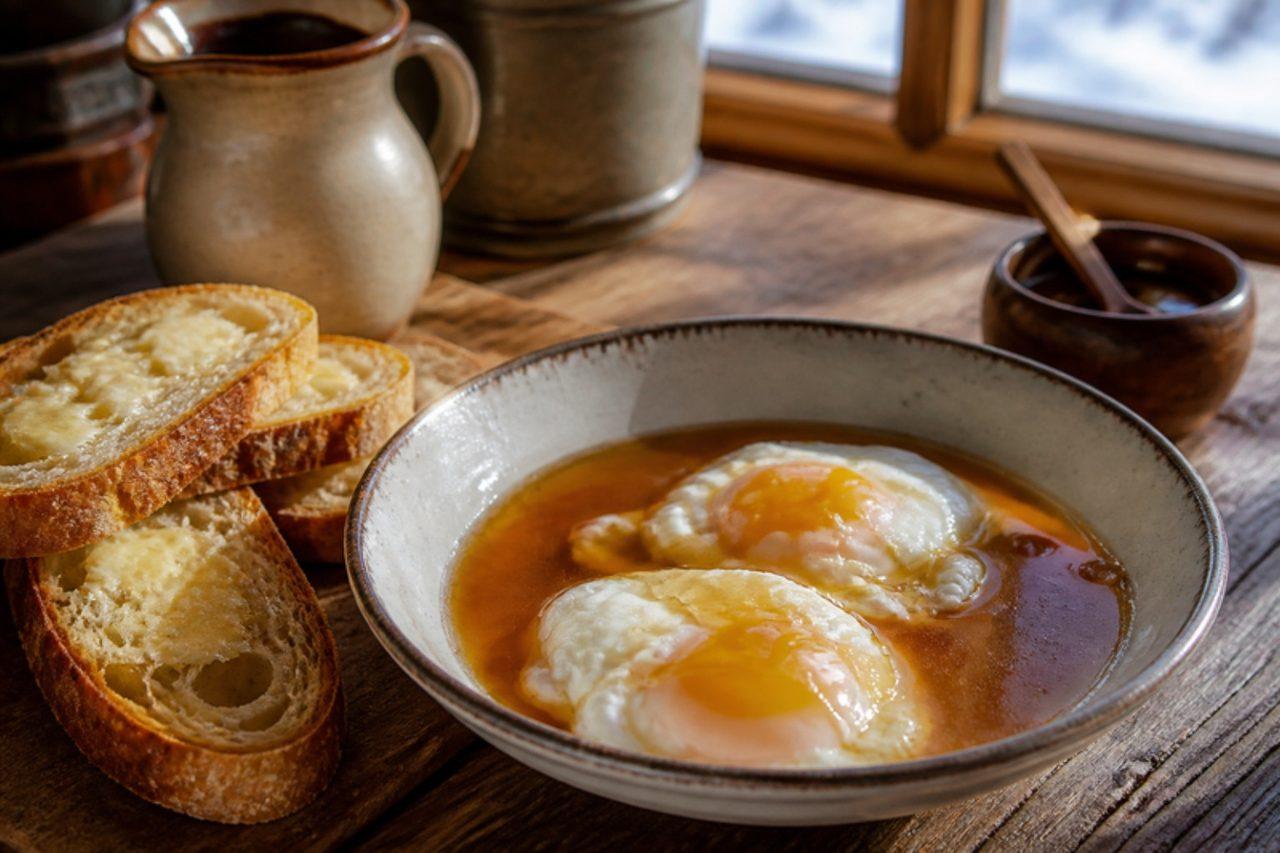
Eggs poached in maple syrup

At Quebec sugar shacks in early spring, the oldest treat of all is an egg cracked straight into a pan of boiling maple syrup, cooked until the white sets into lacy sweet ribbons. Families in the Appalachian regions of Beauce and Chaudière-Appalaches eat it with buttered country bread to mop up the syrup. It is sweet, rich and surprisingly simple. A common mistake is letting the syrup boil hard, which scorches it and turns the eggs rubbery. Chef's tip: use very fresh eggs; their whites hold together and wrap round the yolk instead of spreading.

by KrazyBadal 0 views

Flapper pie

Flapper pie is the "Prairie pie" of Saskatchewan and Manitoba, served in small-town cafés and at fall suppers from Moose Jaw to Brandon since the 1920s, when graham crumbs, milk and eggs were what the farm pantry always had. A crunchy cinnamon graham base holds a soft vanilla custard topped with meringue and more crumbs. It is best eaten the day it is made, slightly chilled. A common mistake is pouring a lumpy custard; whisk without stopping and strain it if needed. Chef's tip: save a few spoonfuls of the crumb mix to scatter on the meringue, which is the pie's signature look.

by KrazyBadal 0 views

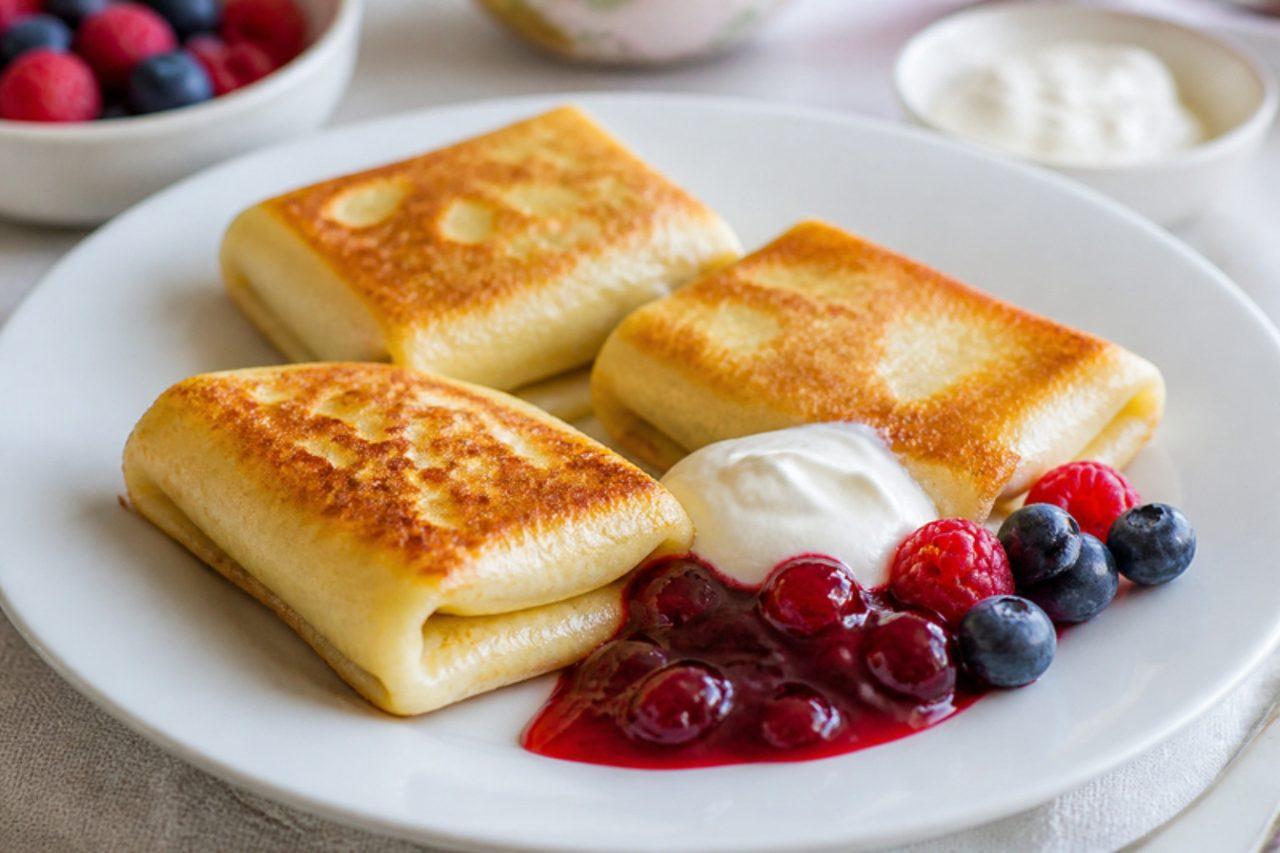
Cheese blintzes

Cheese blintzes are the star of Shavuot breakfasts in Ashkenazi homes across Israel, and Jerusalem dairy cafés have served them for generations with soured cream and berry sauce. Thin crêpes, cooked on one side only, are wrapped around sweetened farmer cheese with lemon and vanilla, then fried in butter until crisp and golden outside and creamy within. Serve two per person with soured cream and a spoon of cherry or blueberry compote. Farmer cheese is usually rennet-free, but check the label and choose a vegetarian one. A common mistake is a wet filling: drain the cheese well or it leaks and the blintzes burst in the pan. Chef's tip: fill on the cooked side, so the pale raw side ends up outside and browns properly in the final fry.

by KrazyBadal 0 views

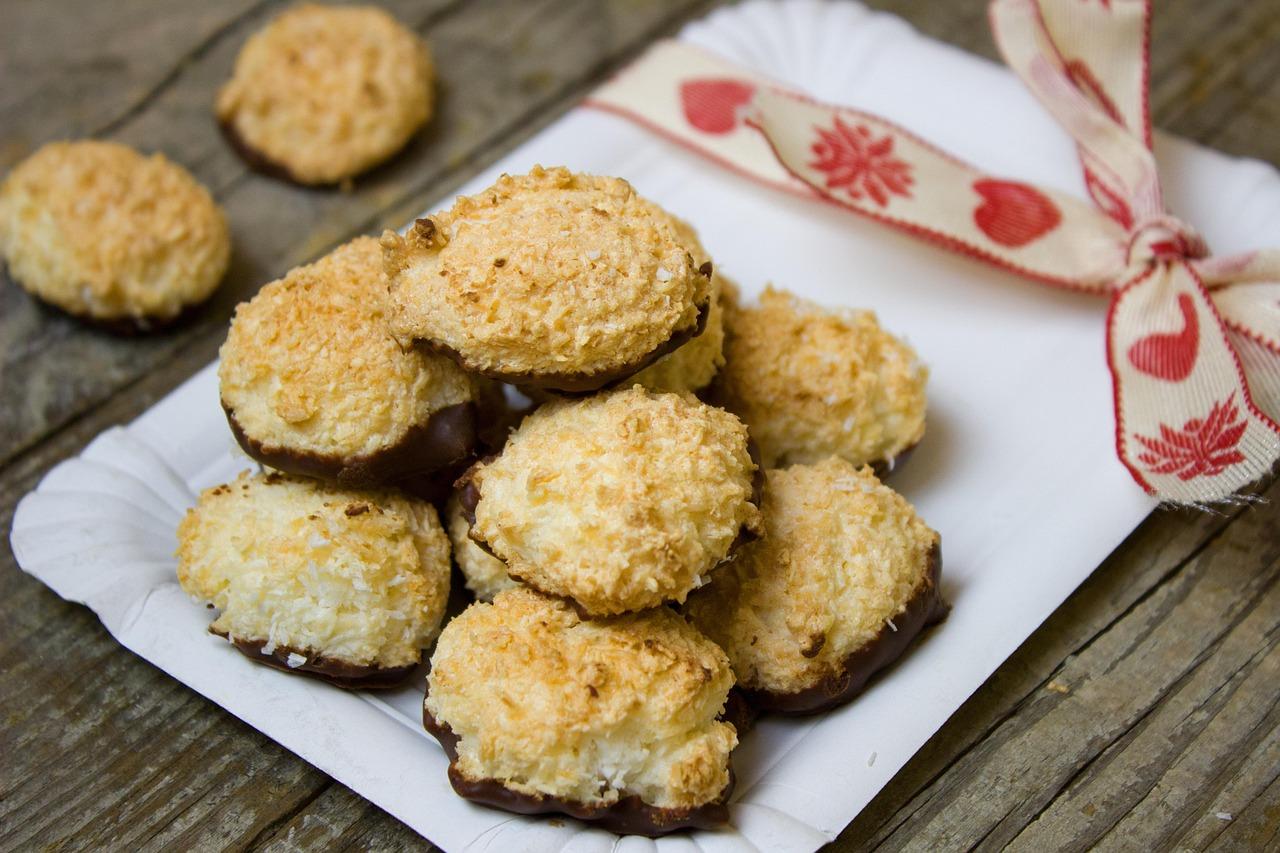
Coconut macaroons

Coconut macaroons are the Passover biscuit in Israel: every supermarket stacks them high before the holiday, but homemade ones from a Haifa or Jerusalem kitchen are far better, crisp and golden on the outside and moist and chewy inside. They need just desiccated coconut, egg whites, sugar and vanilla, with no flour or leavening, so they suit the Passover rules and are naturally gluten free and dairy free. Dip the bases in dark chocolate if you like. The common mistake is baking them on a hot tray straight from a previous batch, which burns the bases before the tops colour. Chef's tip: let the mixture rest for 15 minutes so the coconut soaks up the whites and the mounds hold their shape.

by KrazyBadal 0 views

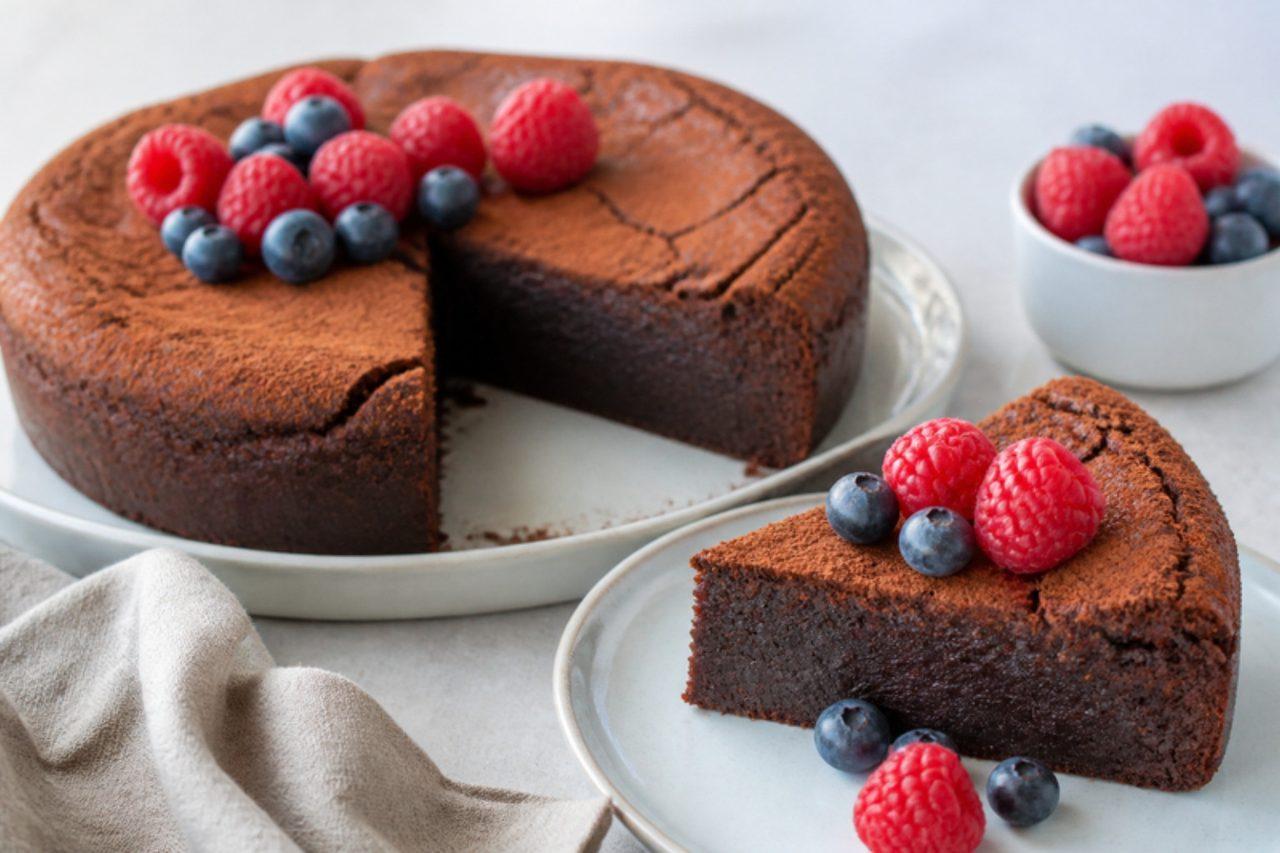
Flourless chocolate cake

In Israel this dense chocolate cake is the dessert of the Passover seder in countless homes, from Tel Aviv flats to kibbutz dining halls, because it needs no flour and only rises on whisked eggs. Dark chocolate, eggs, ground almonds and a little butter bake into a cake with a thin, crackled top and a deep, fudgy middle, rich enough to serve in slim slices with berries or whipped cream. Made with oil instead of butter, it can follow a meat meal. The common mistake is overbaking: take it out while the centre still wobbles slightly, as it sets as it cools. Chef's tip: fold the whites into the chocolate in three goes, the first one roughly, to loosen it, then the rest gently to keep the air.

by KrazyBadal 0 views

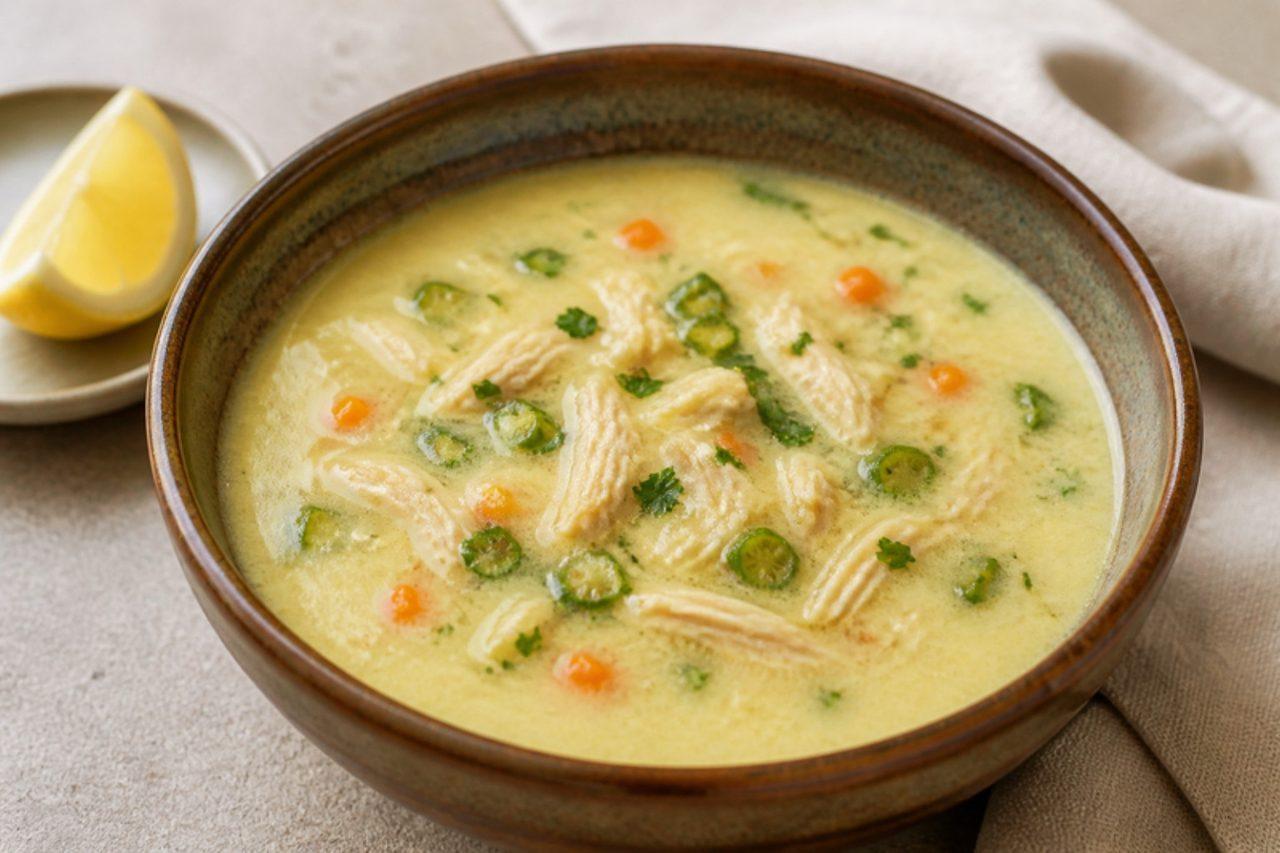
Begova čorbaChicken and okra soup

Fit for an Ottoman bey, this velvety soup is the opening course of special dinners in Sarajevo and across Bosnia and Herzegovina, ladled out at weddings, Bajram tables and in the old aščinice, the canteens of the Baščaršija bazaar. Chicken simmers with carrot, celeriac and parsley root, and small okra pods go in to give a gentle, silky body; at the end, egg yolks and sour cream turn it creamy and pale gold, with a sharp lift from lemon. A common mistake is pouring the yolks straight into boiling soup, where they scramble: warm them with a little broth first. Chef's tip: dried okra, if you can find it in a Turkish shop, is traditional and less slimy; soak it in water with a splash of vinegar.

by KrazyBadal 0 views

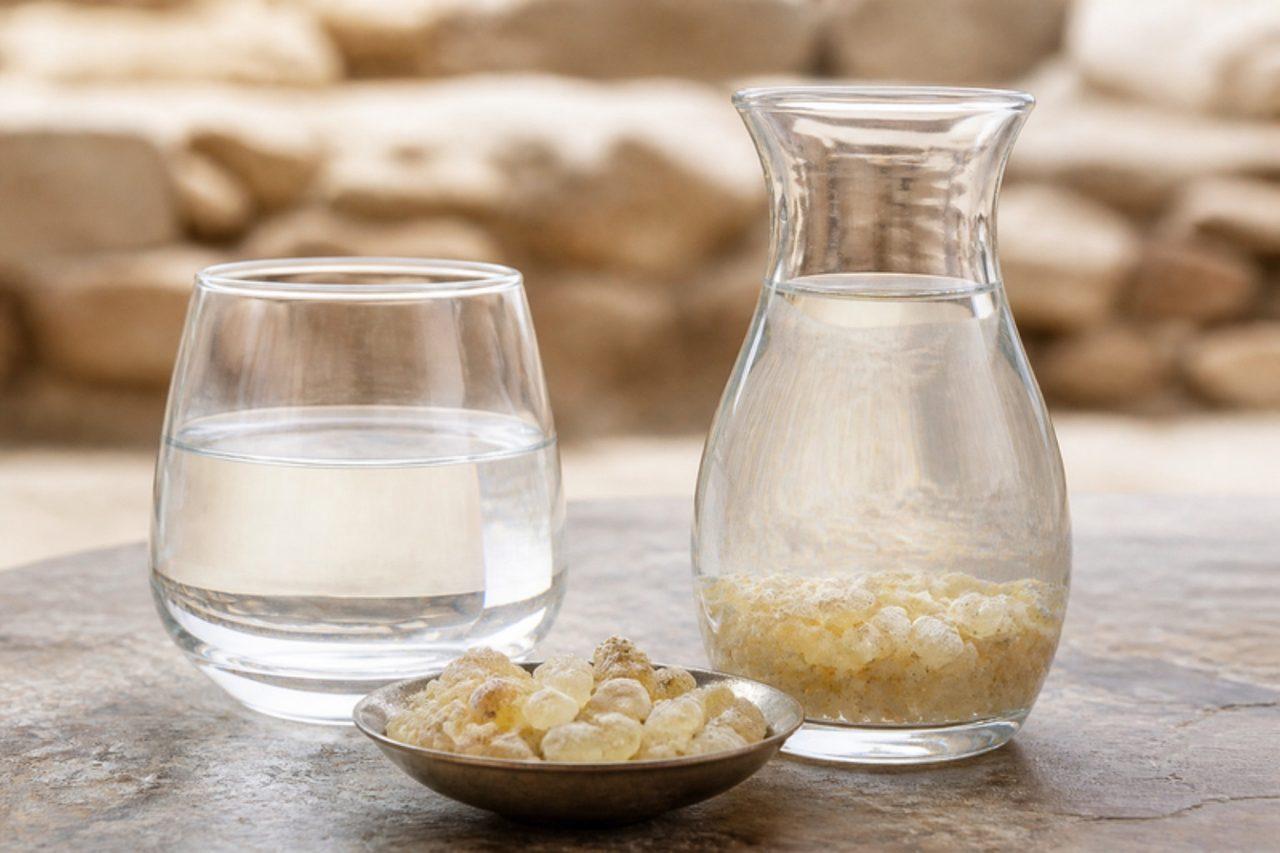
Frankincense water

Around Salalah in Oman's Dhofar region, where the frankincense trees grow on the dry hills behind the coast, many households drop a few tears of resin into a jug of water at night and sip it the next day, believing it settles the stomach. The water turns faintly milky and tastes cool, piney and slightly bitter. It is drunk at room temperature, in small glasses, often in the morning. Use only food-grade Boswellia sacra resin sold for eating (the pale hojari grade is best), never incense blends, and do not drink it if you are pregnant or breastfeeding, or without asking a doctor if you take regular medication. The mistake is using too much resin, which makes it unpleasantly bitter. Chef's tip: rinse the tears in a sieve first to wash off dust and resin powder, and the water will be clearer and gentler.

by KrazyBadal 0 views

Lao iced coffee

High on the Bolaven Plateau above Pakse, the coffee towns around Paksong grow most of Laos's beans, and roadside stalls there brew them dark and strong through a long cloth sock, all day long. Ordered cold, it arrives as a glass of ice with a thick layer of sweetened condensed milk at the bottom, the black coffee poured over and stirred to a caramel brown, often with a free cup of weak tea to sip afterwards. It is bitter-sweet, chocolatey and much richer than a café latte, made for hot afternoons on the plateau or a morning stop in Pakse. A French press or a fine sieve lined with a paper filter stands in for the cloth sock. Pouring hot coffee straight onto ice before adding the milk is where it goes flat: the condensed milk won't dissolve in cold coffee and sinks in a gluey lump. Chef's tip: stir the condensed milk into the hot coffee first, then pour over the ice.

10 minLaoDrinksGluten free
by KrazyBadal 0 views

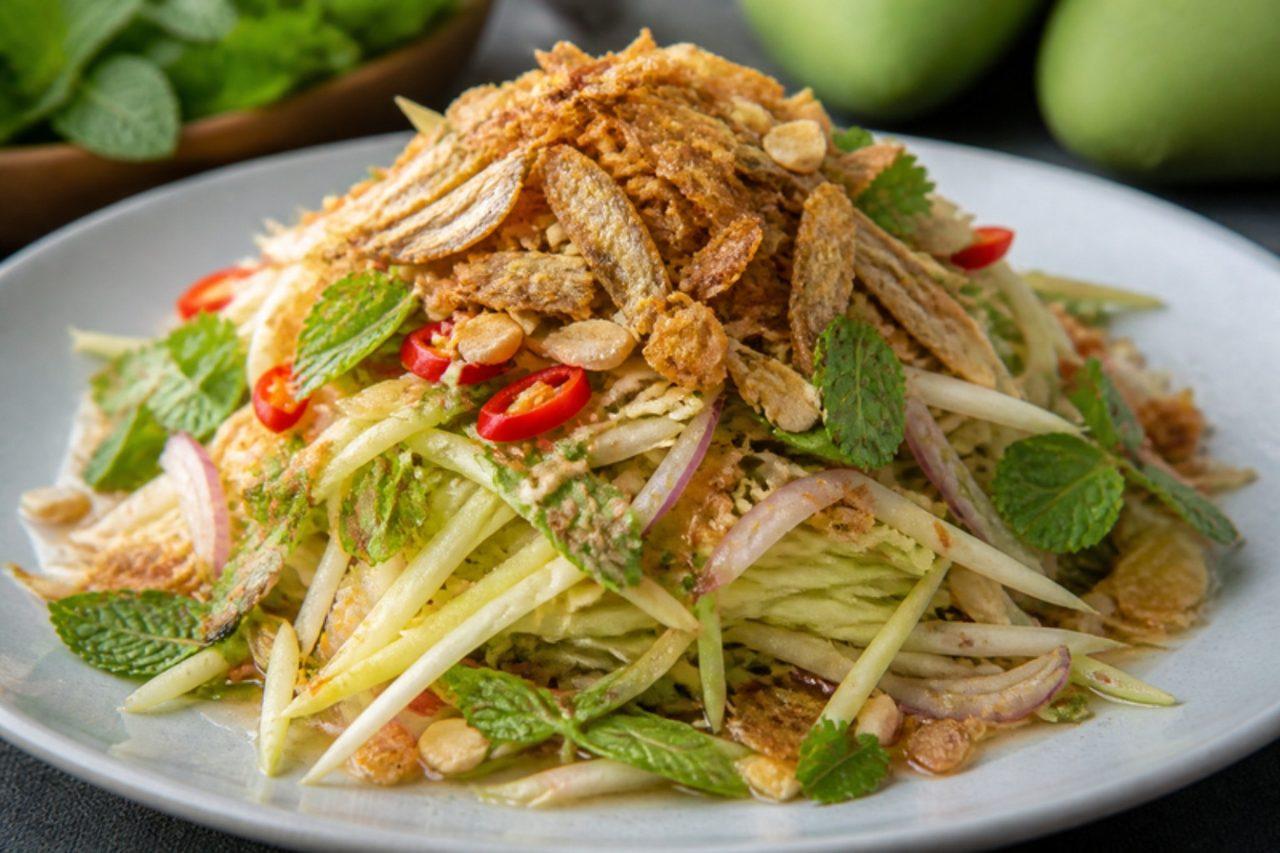
Khmer green mango salad with crispy dried fish

Sharp enough to make you wince and then reach for more, nhoam svay is the salad sold from glass-fronted carts around Siem Reap's Old Market and packed for weekend picnics at the West Baray reservoir. Hard green mango is cut into fine strands and tossed with shallots, mint and a dressing of lime, fish sauce and palm sugar, then topped with crunchy roasted peanuts and flakes of salty dried fish fried until crisp. It is eaten as a snack on its own or as a fresh, sour side to grilled meat and rice. Many people dress it too early, which draws water out of the mango and leaves a limp, watery salad. Chef's tip: fry the dried fish slowly until it shatters, then crumble it over at the very last moment; for a vegetarian version, leave it out and use soy sauce in place of the fish sauce.

by KrazyBadal 0 views

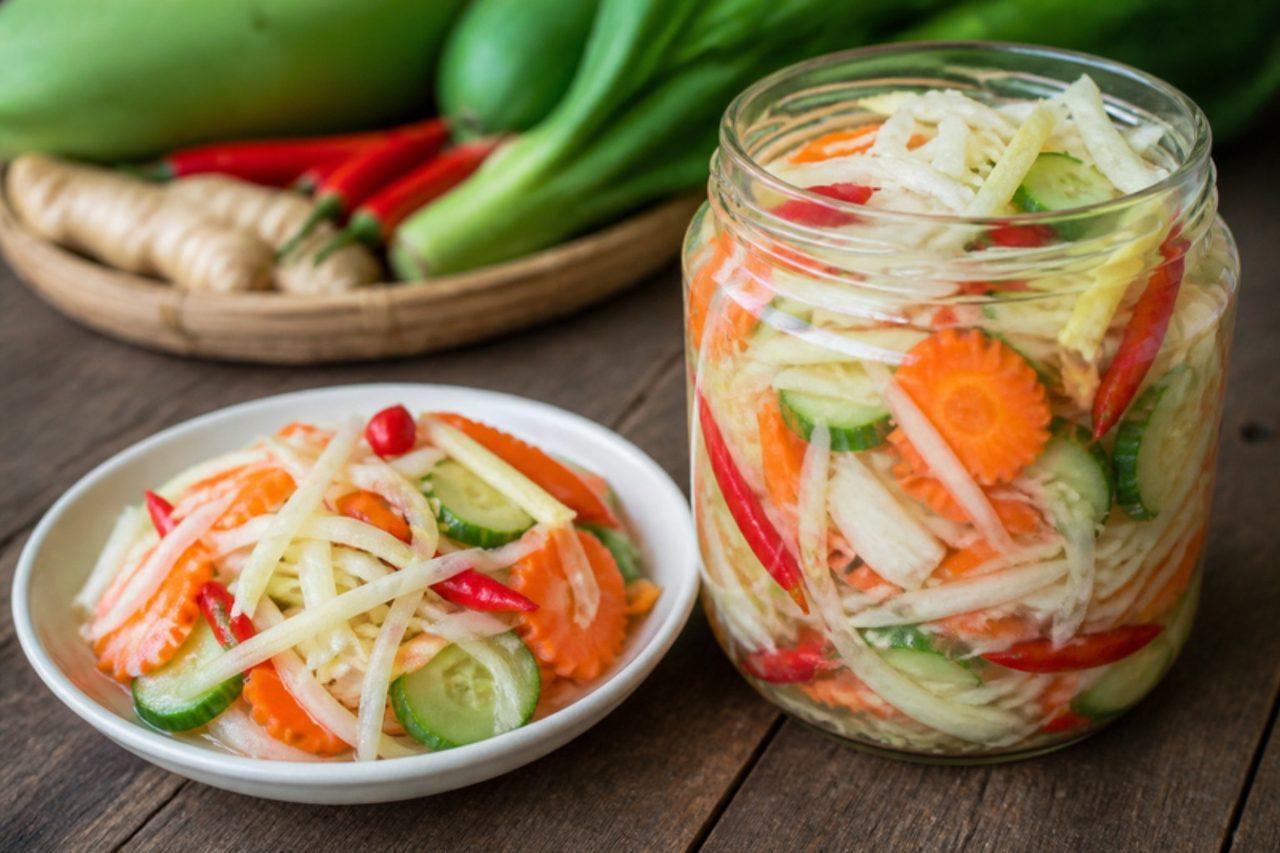
Khmer pickled vegetables

Cambodian cooks keep a jar of chrouk in the fridge the way others keep ketchup. These quick pickles of green papaya, carrot, cucumber and a little ginger come on the side of broken-rice breakfasts in Phnom Penh, with grilled food at night markets and tucked into num pang baguettes, adding crunch and a sweet-sour snap to anything rich or smoky. The brine is simply rice vinegar, sugar and salt, which keeps the vegetables pale and crisp. Pouring the brine on boiling hot is the classic slip: it softens the cucumber and dulls the colours. Chef's tip: salt the papaya and carrot for 15 minutes and squeeze them before jarring; they stay crunchy for a week instead of turning floppy by day two.

by KrazyBadal 0 views

Kep crab with green Kampot pepper

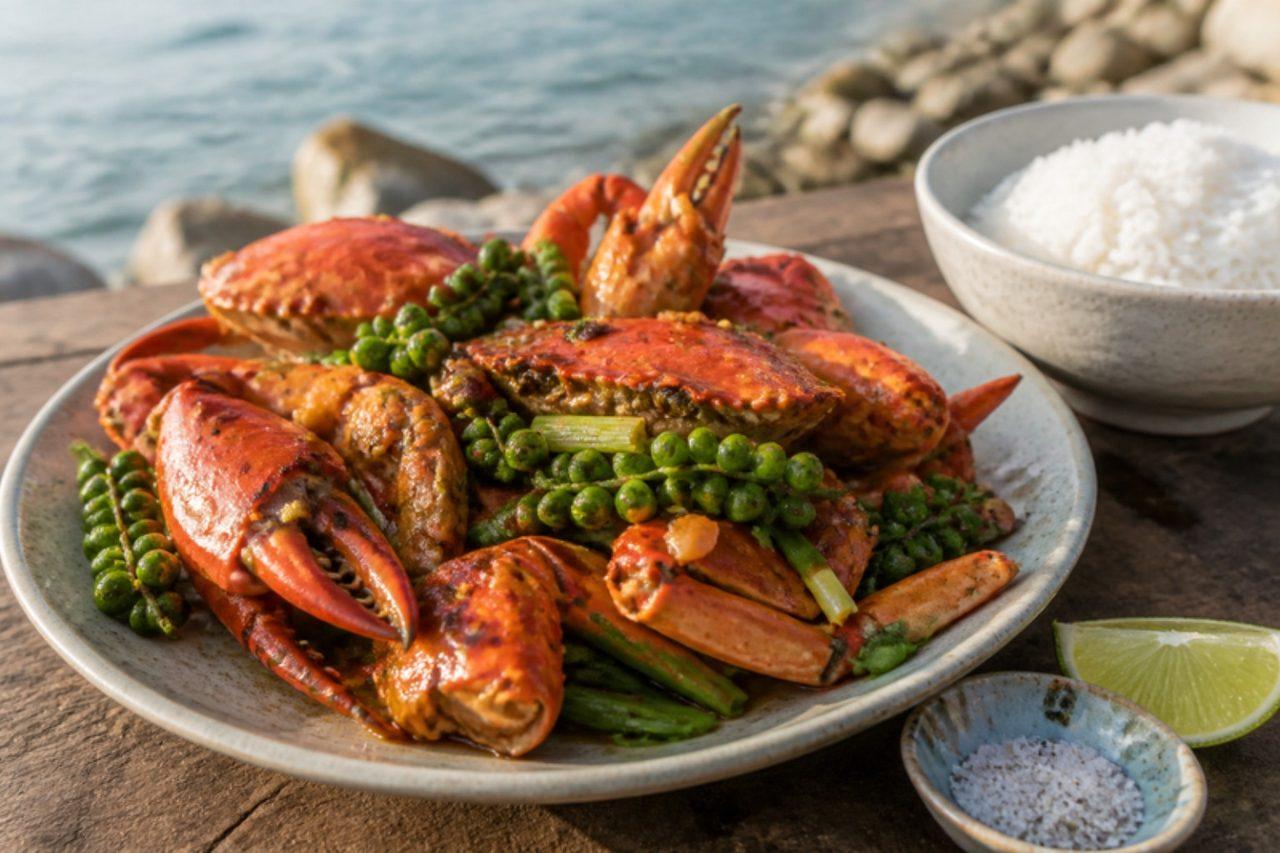
This is the dish people travel to the seaside town of Kep for: at the crab market, women haul baskets of blue swimmer crabs out of the water, and the wooden restaurants behind them stir-fry the catch for lunch with whole sprigs of green peppercorns picked that week in the Kampot hills. Fresh green pepper is juicy and aromatic rather than fiery, popping between the teeth with a bright, almost citrusy heat, and it clings to the sweet crab meat along with garlic and a light, salty-sweet sauce. Eat it with your hands, with rice and a saucer of salt, pepper and lime. Overcooking is the usual failure: crab left in the wok too long turns dry and stringy. Chef's tip: buy crabs already killed and cleaned by the fishmonger, or frozen cut crab, and throw out any piece that smells off; cook just until the shells turn bright orange and the meat is opaque right through.

by KrazyBadal 0 views

Trey aing (grilled fish with lemongrass)

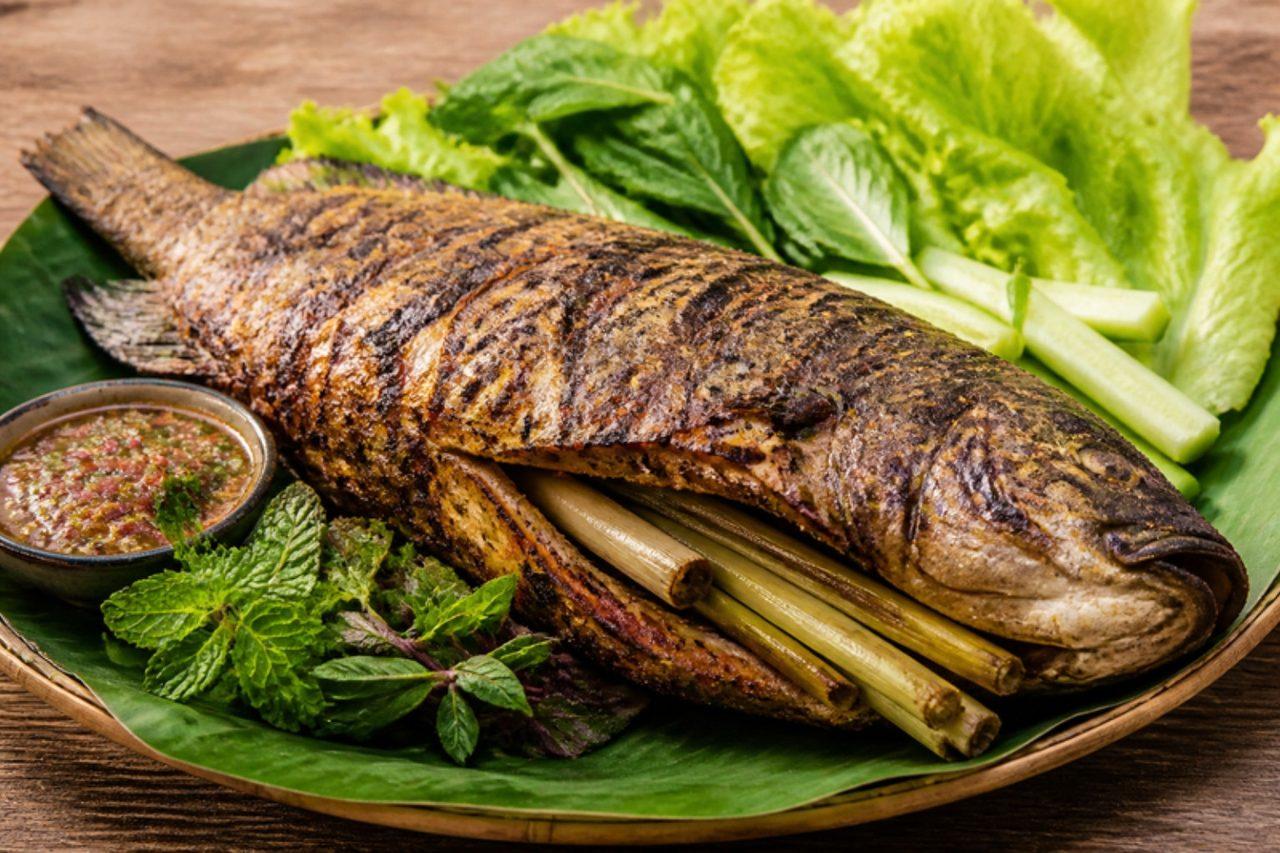
Around Siem Reap and the floating villages of the Tonlé Sap, weekend outings mean a bamboo picnic hut by the water and a whole fish grilled over charcoal in a wire basket. The fish is stuffed and rubbed with lemongrass, garlic and salt, so the skin blisters and smokes while the white flesh stays moist; diners pull off flakes and wrap them in lettuce with mint, basil, sliced cucumber and sour green mango, then dunk the parcel in a garlicky lime dip with crushed peanuts. Snakehead or tilapia are the usual fish, but sea bass or bream are excellent. Turning the fish too soon is the classic misstep; the skin tears and sticks to the grill. Chef's tip: oil the fish and the basket well, then leave it alone until the underside releases by itself, about 10 minutes.

by KrazyBadal 0 views

Burmese pork curry

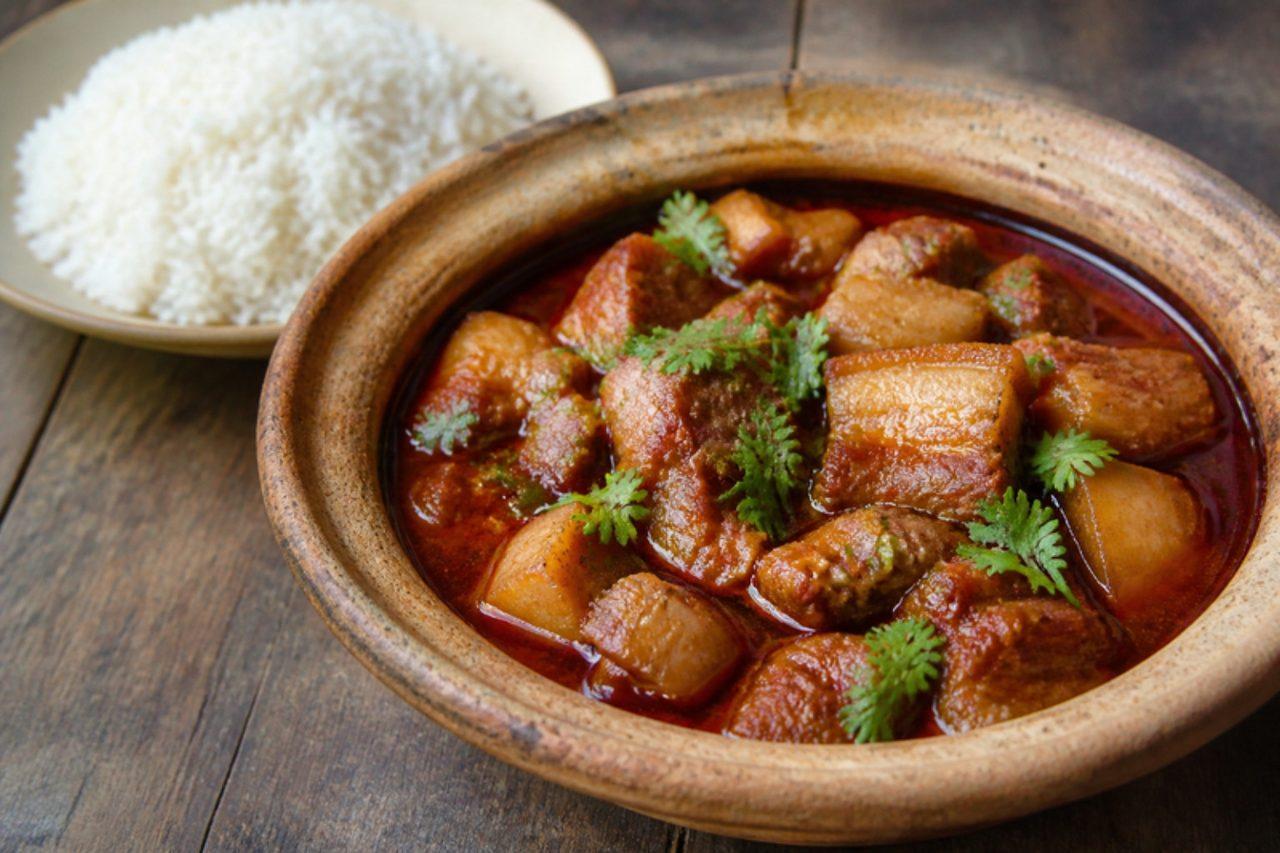
Glistening under a layer of brick-red oil, pork curry sits at the front of every Yangon htamin zain, the rice-and-curry shops where office workers queue at lunchtime and point at pots. Chunks of pork belly and shoulder are cooked very slowly in a paste of onion, garlic and ginger until the meat is spoon-tender, the fat has melted into the sauce and the oil floats free on top. It tastes savoury and gently sweet rather than fiery, and arrives with plain rice, a sour leaf soup, boiled vegetables and a dish of fish-paste dip. People often fry the onion paste too fast; it scorches before the water has cooked out and the curry turns bitter, so keep the heat at a steady medium. Chef's tip: the curry tastes even better the next day, when the pork has soaked up the sauce; lift off a little of the oil before reheating if you prefer it leaner.

by KrazyBadal 0 views

Lao fish soup with dill

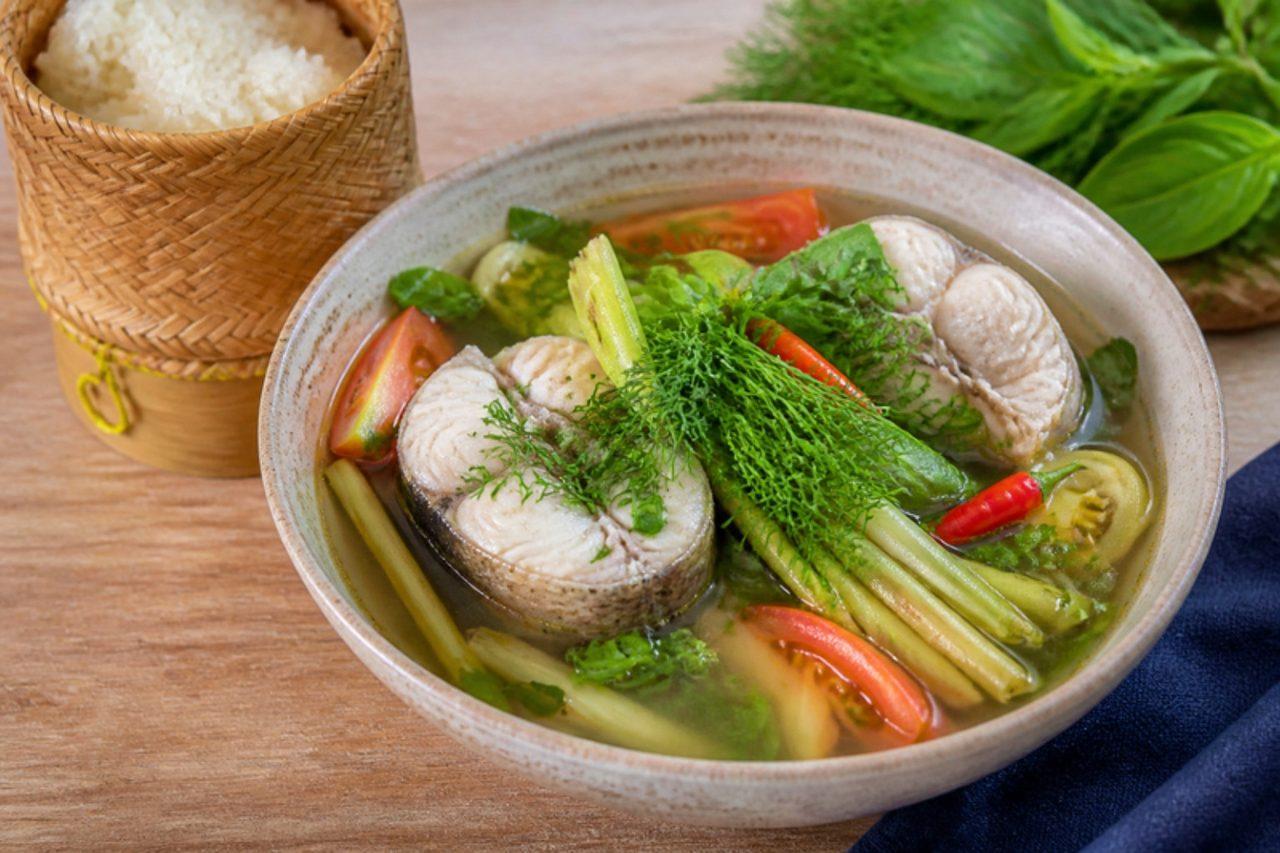
Restaurants on stilts over the Mekong at Pakse, where the Xe Don river joins it, serve tom pa at lunch in big communal bowls, and southern Lao families make it at home whenever the market has fresh river fish. Chunks of fish poach gently in a clear broth fragrant with lemongrass, galangal and lime leaf, soured with tomato and lime and finished with a generous fistful of dill, an herb Lao cooks use far more than their neighbours. The result is light, tangy and aromatic, with soft fish and a whisper of chilli heat; spoon it over sticky rice or sip it between mouthfuls of jeow. Boiling hard once the fish goes in is the mistake to watch, as the pieces break up and the broth turns cloudy. Chef's tip: add the dill only when the pot is off the heat, so it stays green and sweet.

30 minLaoSoupsGluten free
by KrazyBadal 0 views

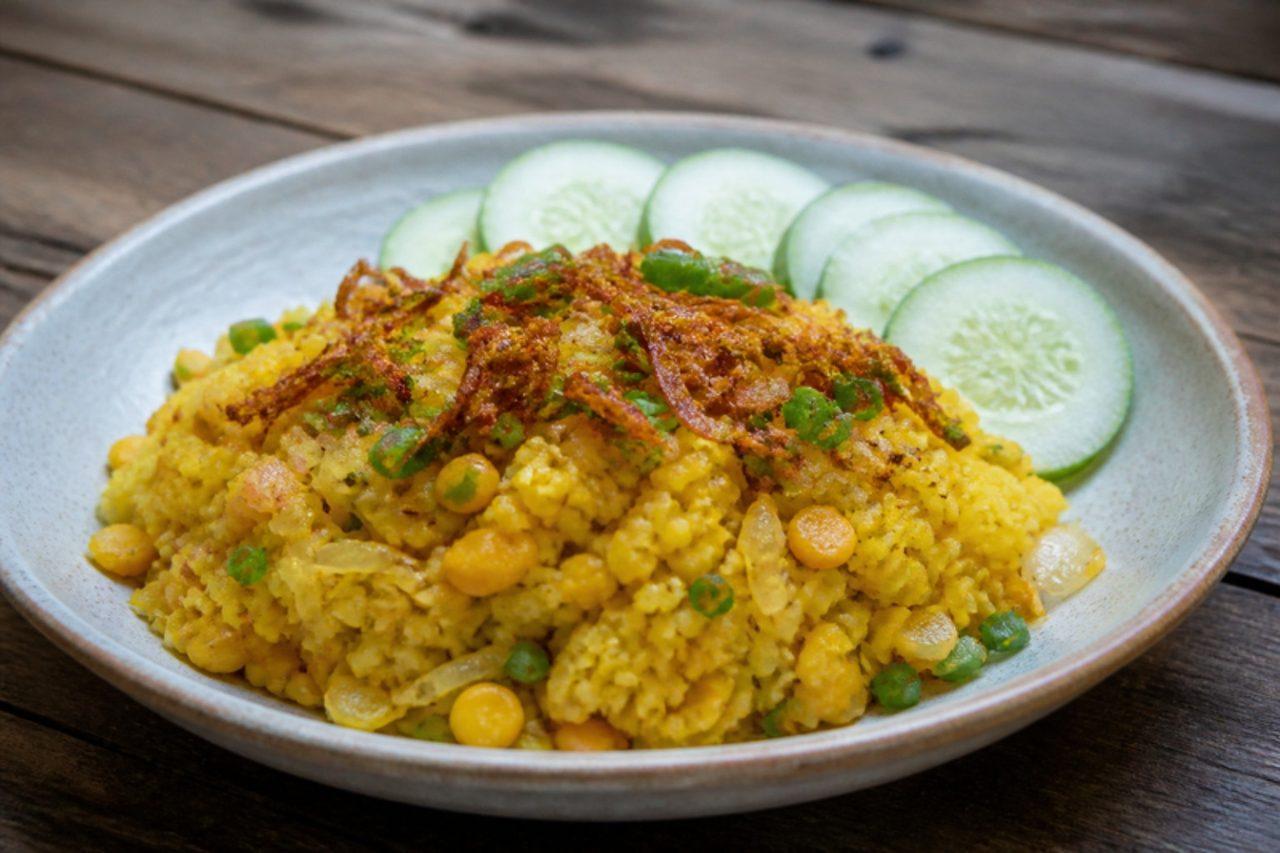
Burmese pea fried rice

Ask almost anyone from Yangon what they ate for breakfast as a child and the answer is often this: last night's rice, fried in a hot wok with soft boiled peas and plenty of onion, eaten before school with a glass of hot green tea. It is pale, gently savoury and comforting rather than spicy, with the peas bursting creamy against slightly crisp grains of rice. Families add a few slices of cucumber on the side and a spoon of crispy onions, and some cooks toss in a pinch of turmeric for colour. The usual error is using freshly cooked rice, which clumps and steams instead of frying. Chef's tip: crumble the cold rice with damp hands before it goes in the wok, so every grain hits the hot oil separately.

by KrazyBadal 0 views

Khmer red chicken curry

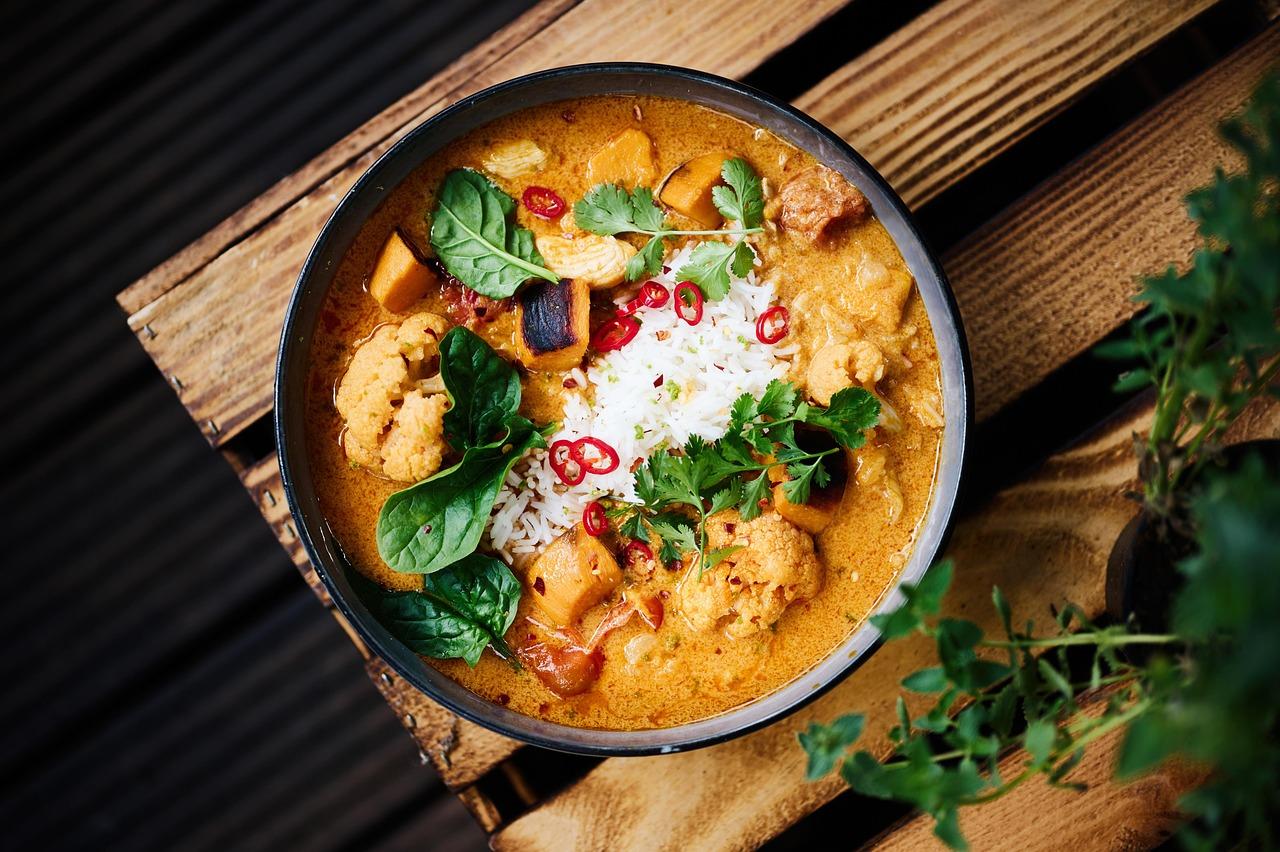
When a Cambodian family celebrates (a wedding, Khmer New Year, the Pchum Ben days in autumn), a big pot of red curry is usually on the stove, and in Phnom Penh it is just as likely to be eaten for breakfast from a street stall with a crusty baguette for mopping. It is a gentle, fragrant curry rather than a fiery one: chicken on the bone simmered in coconut milk with a red kroeung of dried chillies, lemongrass and galangal, plus chunks of sweet potato, aubergine and long beans that soak up the orange-tinged sauce. Dropping all the vegetables in at once is the error to avoid; the aubergine collapses before the sweet potato is cooked. Chef's tip: make it a few hours ahead or the day before, as the flavours deepen and the sauce settles into a silky, spoonable gravy.

by KrazyBadal 0 views

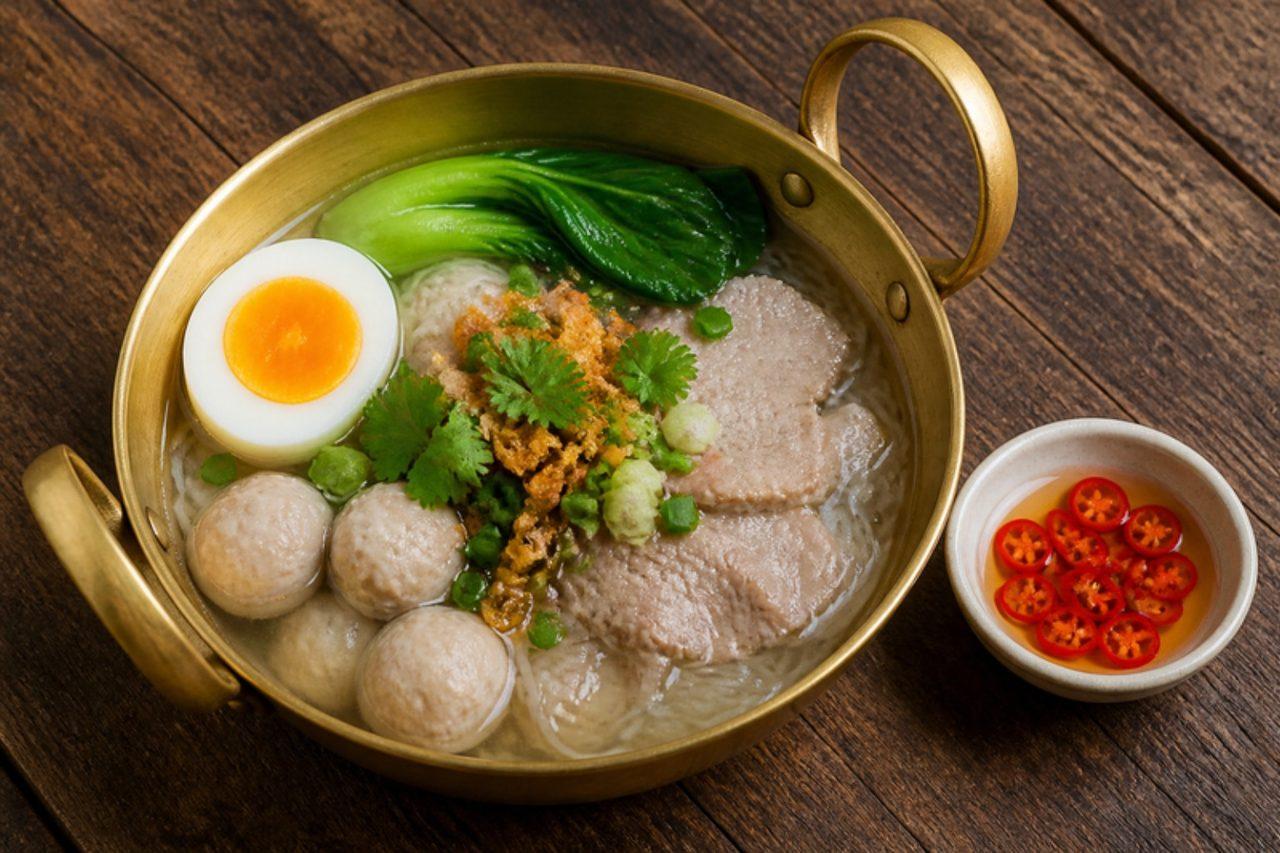
Kyay oh

Served bubbling in a small brass pot, which is what kyay oh means, this Chinese-Burmese soup fills the late-night noodle shops of Yangon's Chinatown and the busy breakfast places of Mandalay. A clear, peppery pork broth carries thin rice noodles, springy hand-rolled pork balls, sliced pork, tender greens and an egg cracked in at the last moment so it poaches in the pot. Garlic oil, white pepper and a side of vinegar with chopped chilli keep each spoonful sharp and warming. The pitfall is boiling the broth hard once the pork balls are in; they toughen and the soup turns cloudy, so keep it at a gentle bubble. Chef's tip: slap the pork mince against the bowl for a minute before shaping; it gives the balls their bouncy, almost crunchy texture.

by KrazyBadal 0 views

Burmese gourd fritters

Afternoon fry stalls along the lanes of downtown Yangon sell these by the paper cone, golden sticks of bottle gourd still crackling from the wok, and they are the fritter most people choose to dunk into a breakfast bowl of mohinga. Inside the thin rice-flour shell, the gourd steams until soft and almost juicy, mild and slightly sweet against the crunchy, salty coating. A tangy tamarind sauce with garlic and chilli is the usual partner. The classic failure is a thick, gluey batter that hides the vegetable and goes chewy within minutes; it should be as thin as single cream. Chef's tip: add a few drops of lime juice and ice-cold water to the batter just before frying; the cold keeps the coating light and crisp.

by KrazyBadal 0 views

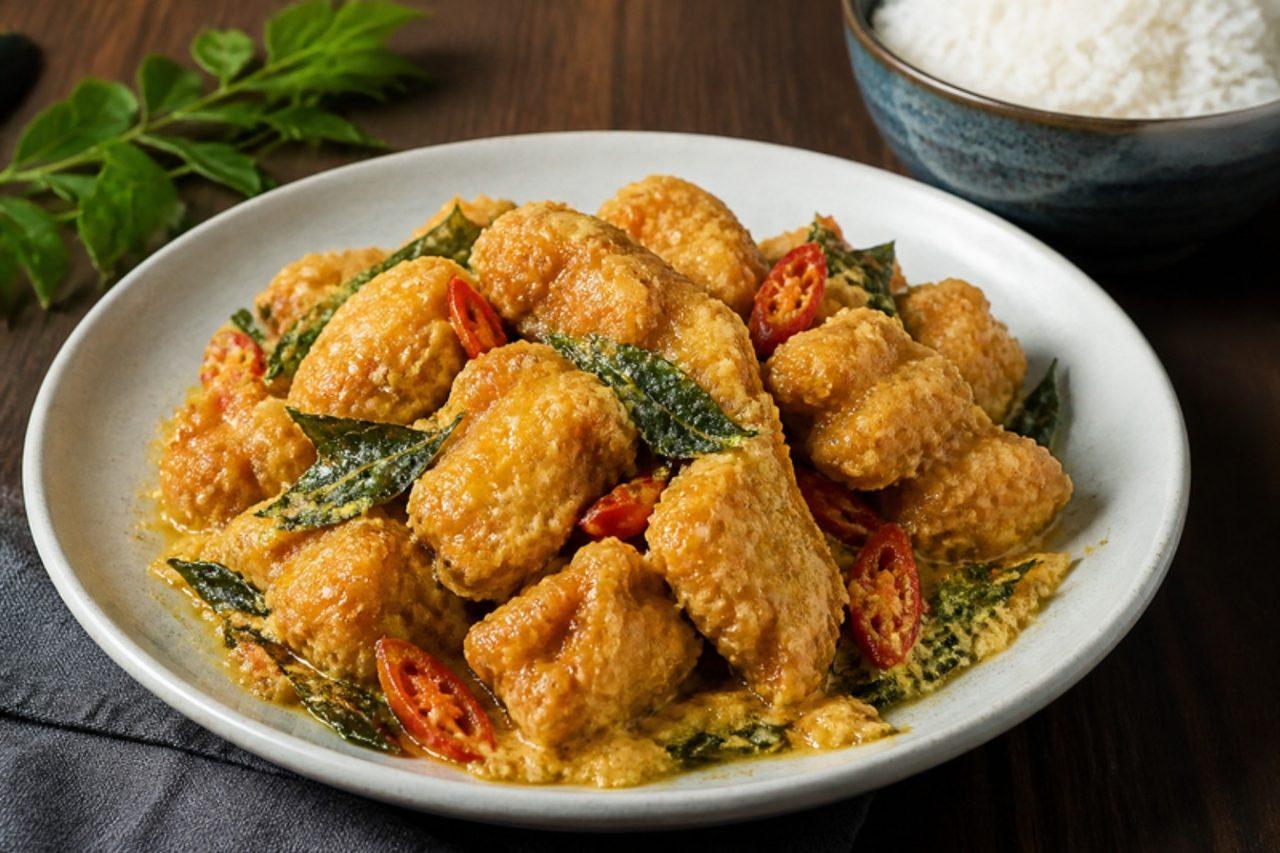
Salted egg chicken

Zi char stalls, the cook-to-order kitchens at the back of Singapore's coffee shops, made salted egg yolk sauce famous with crab and prawns, and the chicken version has become a dinner-table favourite with families who order three or four dishes to share with rice. Crisp, double-fried pieces of thigh are tossed through a sandy, frothy sauce of salted duck egg yolks foamed in butter with curry leaves and bird's eye chilli, so every nook is coated in something rich, savoury and faintly sweet. Serve it straight away with plain rice and a simple stir-fried green vegetable to balance the richness. The most common mistake is adding the yolks to butter that is too hot: they scorch, turn grainy and never foam. Chef's tip: mash the steamed yolks through a sieve while they are still warm, so they melt into a smooth, frothy coating.

by KrazyBadal 0 views

Hainanese curry rice

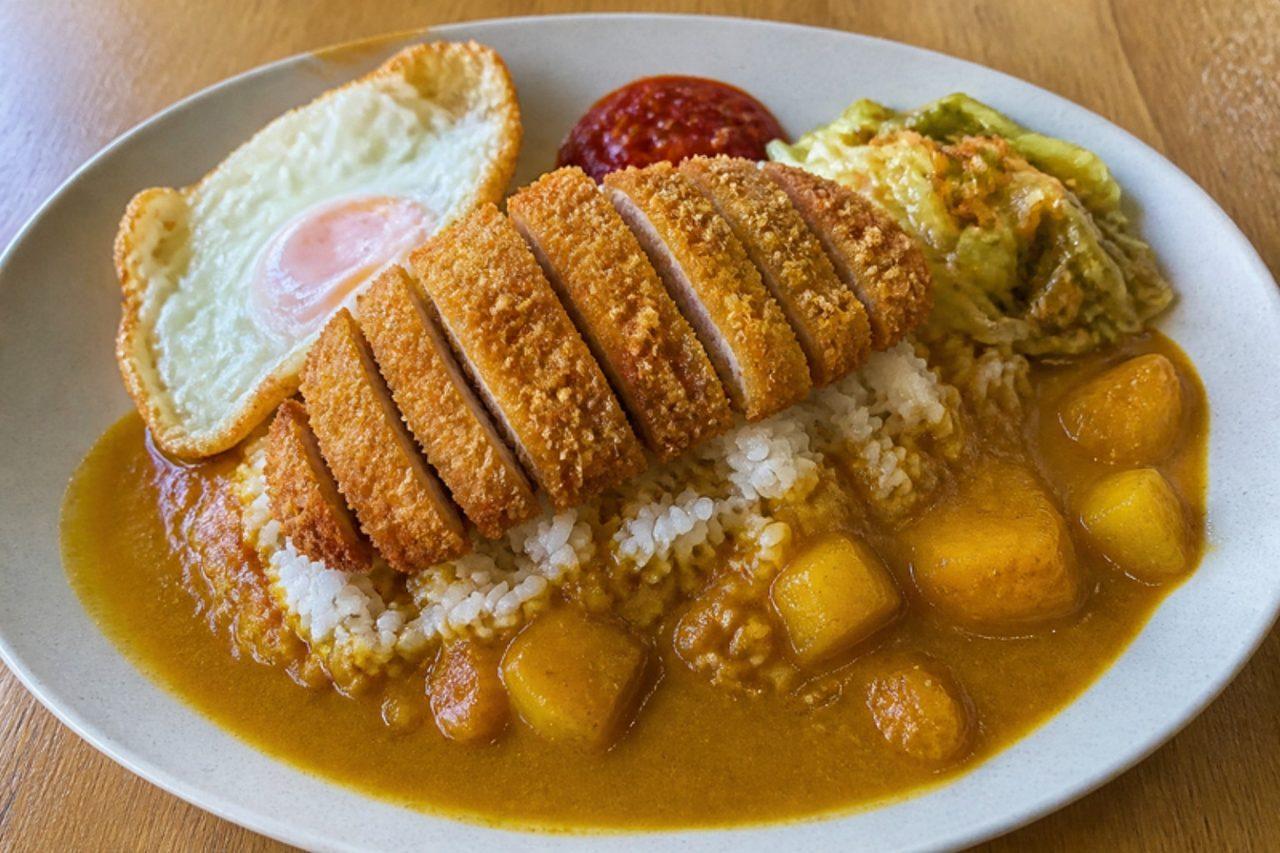
Late-night and early-morning crowds in Tiong Bahru, Beo Crescent and Jalan Besar know the drill at a Hainanese curry rice stall: point at what you want, then ask for it "banjir", flooded. A plate of white rice disappears under two gravies, a mild, coconut-rich curry with soft potato and chicken, and a dark, five-spice braising sauce, then gets topped with crumbed fried pork chop, braised cabbage and a runny-edged fried egg. It is messy, comforting and salty-sweet, and leftovers taste even better the next day. The usual mistake is a thin, watery curry; it should be thick enough to cling to the rice, so let the potatoes break down a little and reduce the gravy well. Chef's tip: crush cream crackers rather than using breadcrumbs for the pork chop, as the old Hainanese cooks do; they fry up shatteringly crisp and stay that way under the gravy.

by KrazyBadal 0 views

Teochew fish soup

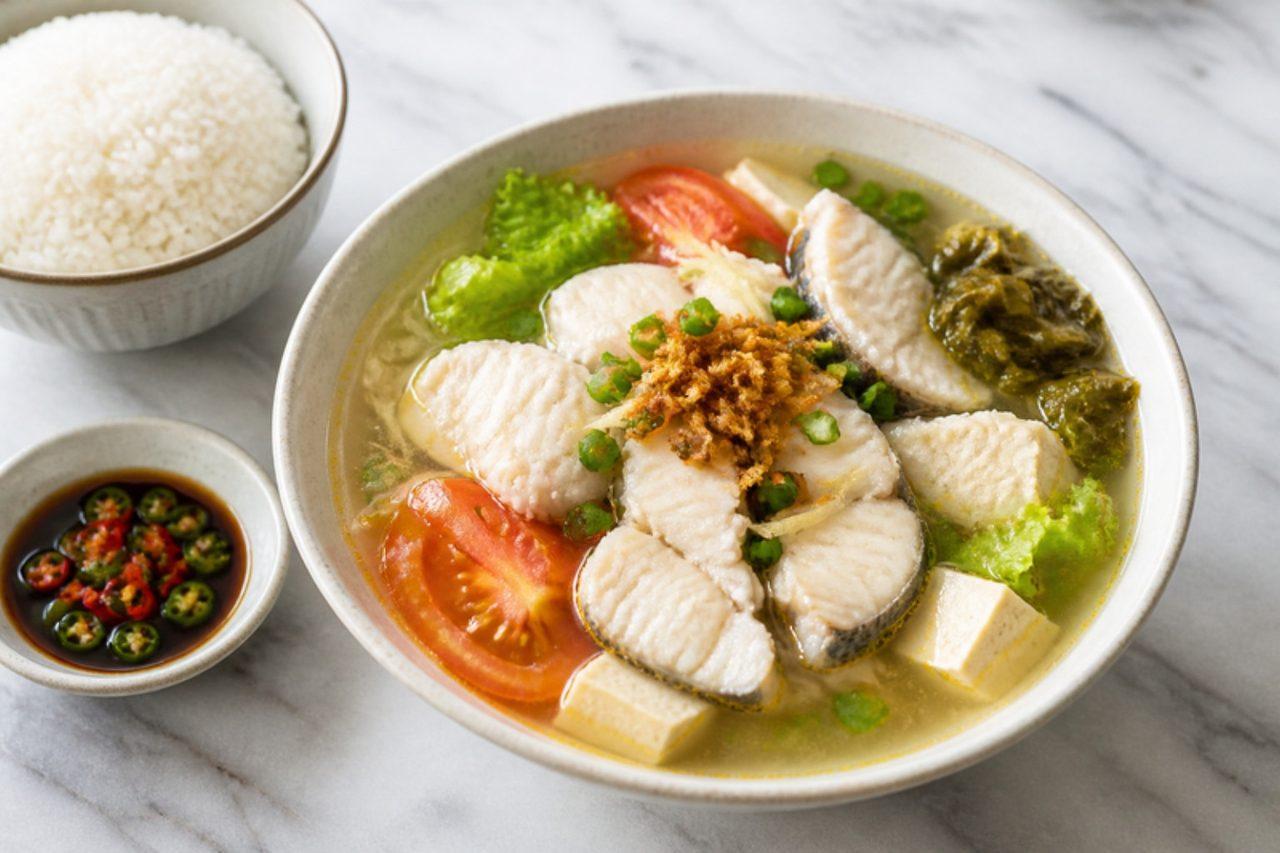
Office workers in the CBD form long lunch queues for a dish that looks almost plain: a bowl of clear, sweet broth with thick slices of batang (Spanish mackerel), wedges of tomato, silken tofu, lettuce and a little salted vegetable, served with rice or thick rice noodles. Good stalls simmer fish bones for hours, but at home a well-flavoured stock and plenty of ginger get you close in half an hour. The fish should be just set and springy, the broth light, gently tangy from tomato and savoury from fish sauce. Most home versions go wrong by boiling the slices hard, which breaks them up and turns them chalky; they need only a few minutes at a gentle simmer. Chef's tip: toss the fish slices with a pinch of salt and a teaspoon of tapioca starch before cooking, which keeps them silky and stops them falling apart.

by KrazyBadal 0 views

Singapore-style fried vermicelli

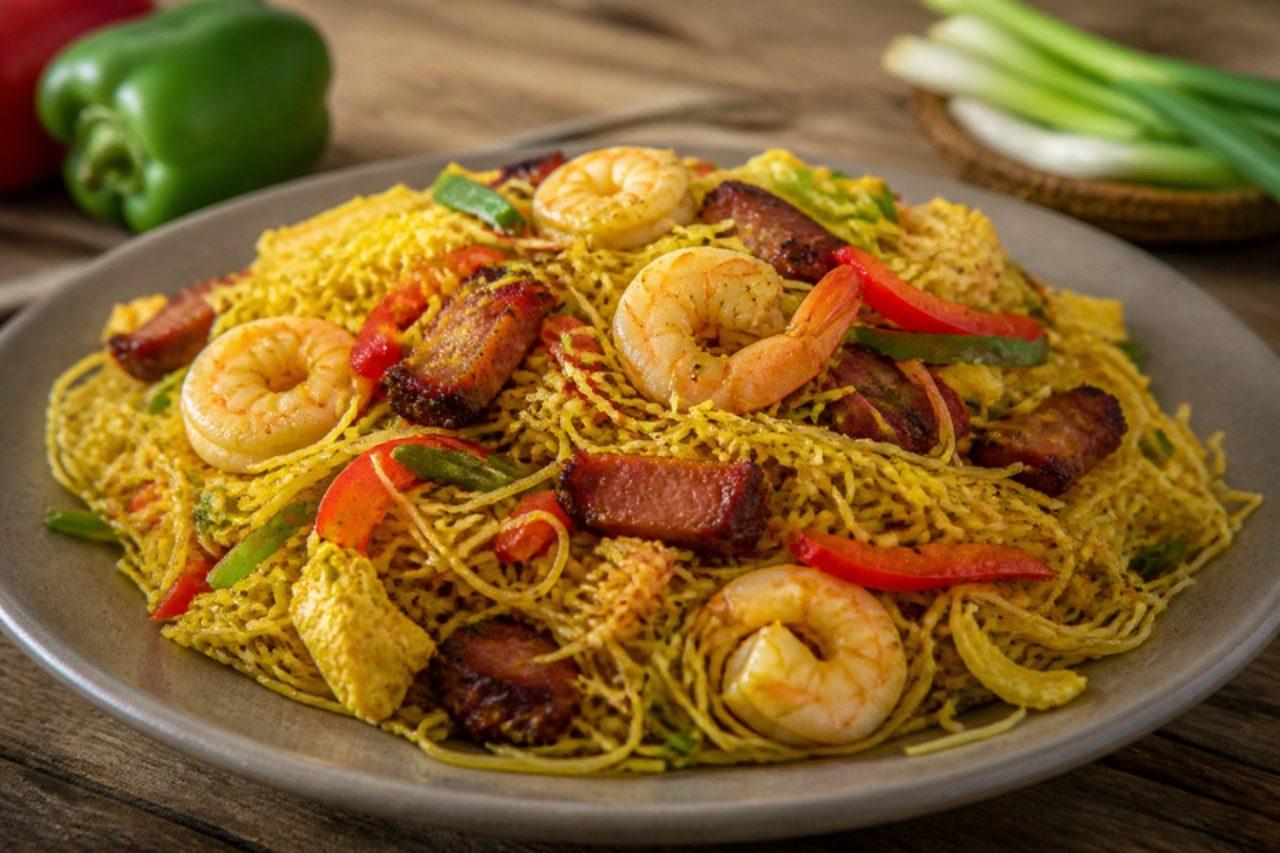
Despite the name, nobody in Singapore grew up on this: sing chau chau mai was invented in Hong Kong's cha chaan teng and Cantonese kitchens, where a little curry powder and a hot wok turn thin rice vermicelli golden-yellow. It is tossed with strips of char siu (Cantonese barbecued pork), prawns, egg ribbons, peppers, onion and bean sprouts, and comes out dry, springy and fragrant with a gentle curry warmth. Diners order it for lunch with a glass of iced lemon tea. A classic misstep is soaking the vermicelli too long in hot water, so it breaks into short, mushy bits in the wok; soak it in cold water until just pliable. Chef's tip: toast the curry powder in the oil for a few seconds before the noodles go in, so it tastes rounded rather than raw and dusty.

by KrazyBadal 0 views

Gu lou yuk (Cantonese sweet and sour pork)

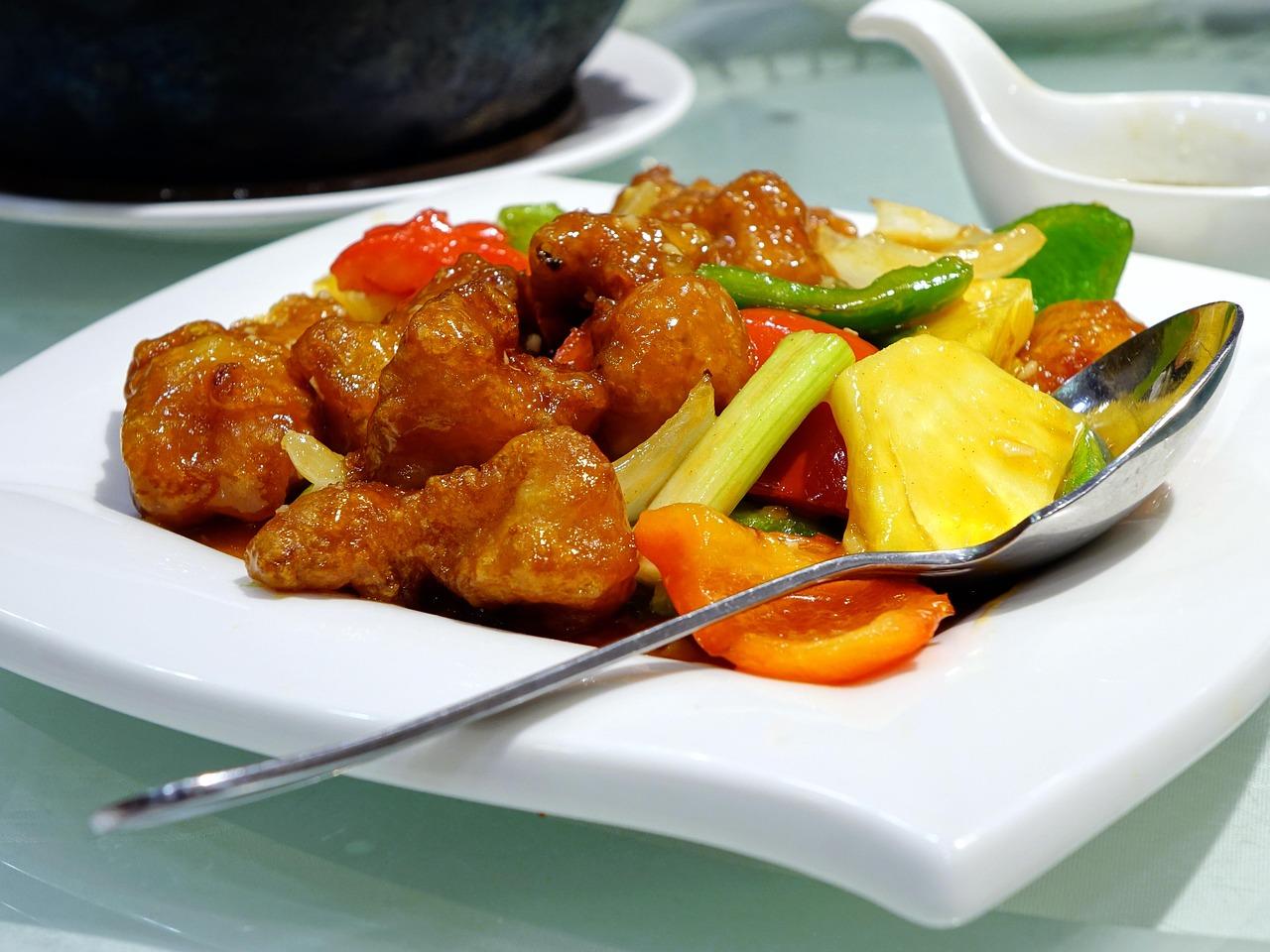
Ask a Hong Kong family what they order at a dai pai dong for the children, and gu lou yuk is near the top: nuggets of pork shoulder fried twice until shatteringly crisp, then tossed at the last moment with pineapple, green and red pepper and onion in a shiny, tangy, scarlet sauce. Cantonese cooks in Guangzhou and Hong Kong have made it for well over a century, and it is a fixture of wedding banquets and takeaway menus worldwide. Eat it fresh with steamed rice while the coating still crunches. A common pitfall is simmering the pork in the sauce, which turns the crust soggy within a minute; thicken the sauce first, then toss for a few seconds only. Chef's tip: the second, hotter fry is what makes it crisp, so don't skip it.

by KrazyBadal 0 views

Kampot pepper and lime dip

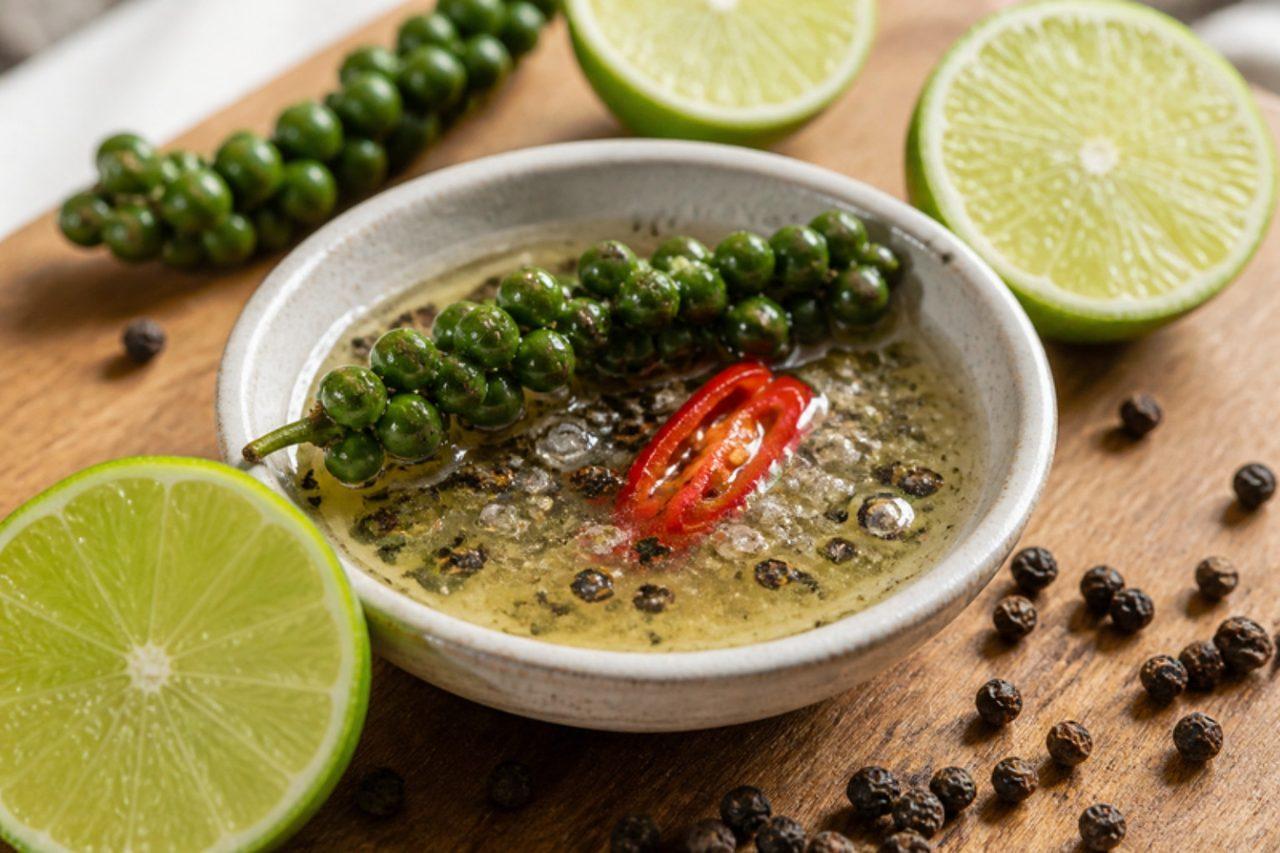
Every table in Kampot and along the crab-shack pier at Kep gets a saucer of tuk mrech, and diners mix their own: a heap of salt, a spoonful of freshly cracked local pepper and a squeeze of lime. It is sharp, salty and floral-hot, with none of the sweetness of most Khmer dips, and it is meant for dragging grilled corn, griddled tofu, fried eggs or a pepper crab through. Kampot pepper carries a protected geographical indication and tastes fruity and resinous rather than just hot; any good whole black peppercorns work, but pre-ground pepper does not. People often get it wrong by grinding the pepper to dust, which turns the dip muddy and bitter, or by mixing it hours ahead so the lime goes flat. Chef's tip: warm the peppercorns in a dry pan for a minute before cracking them, and squeeze the lime straight into the saucer at the table so it stays fresh and zingy.

by KrazyBadal 0 views

White cut chicken with ginger-scallion oil

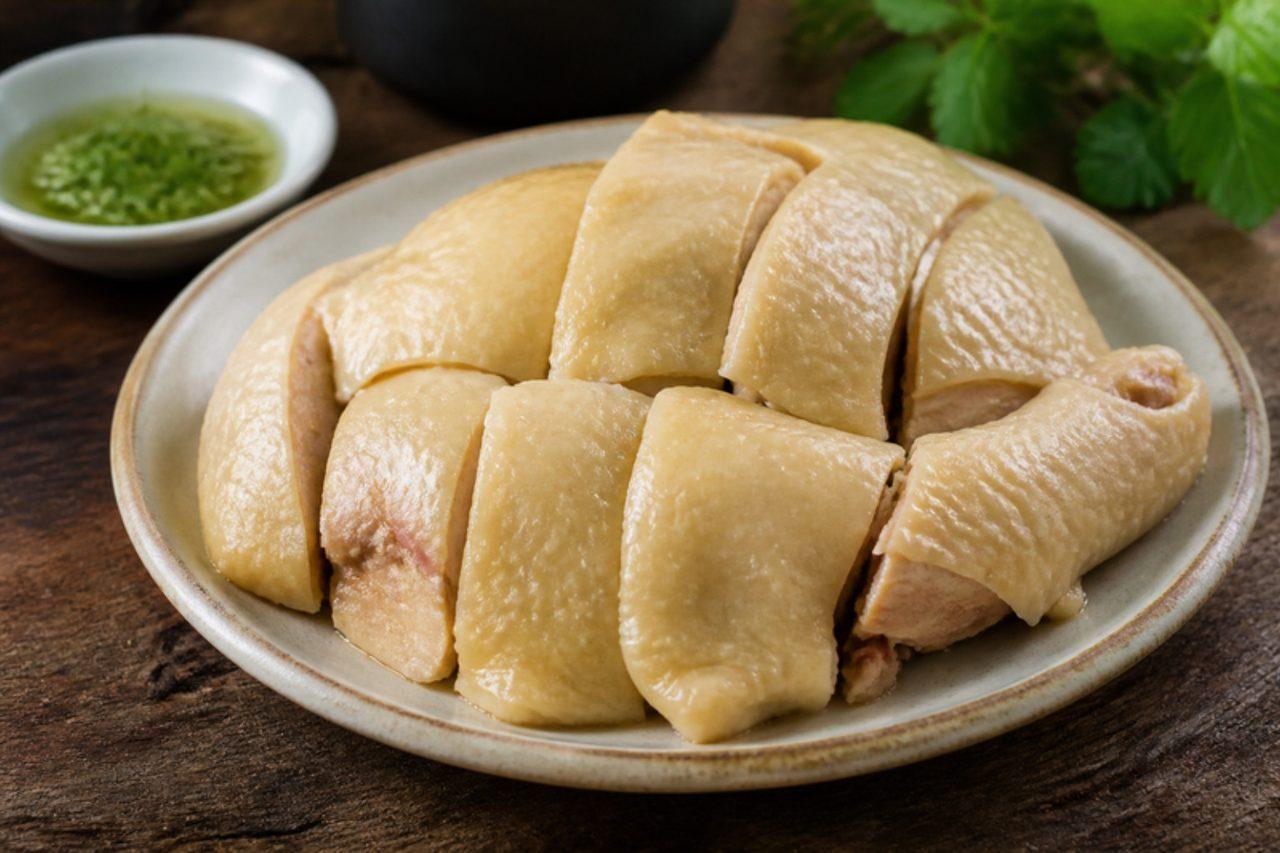
No Cantonese celebration in Hong Kong or Guangdong is complete without a plate of baak chit gai: at Lunar New Year, weddings and ancestor offerings, the whole chicken stands for family togetherness. It is the purest of the poached dishes, with pale, springy skin, a thin layer of jelly beneath it from the ice-water plunge, and smooth, juicy meat, all lifted by a dipping bowl of ginger and spring onion sizzled with hot oil and salt. Serve it at room temperature with rice cooked in the poaching stock. Old-style cooks leave it pink at the bone, but here the chicken is always cooked until the thickest part of the thigh reads 74 °C. The biggest error is boiling hard, which splits the skin; the water should only shiver. Chef's tip: grate the ginger finely and squeeze out a little of its juice, or the oil turns watery and bitter.

by KrazyBadal 0 views

Cantonese roast goose

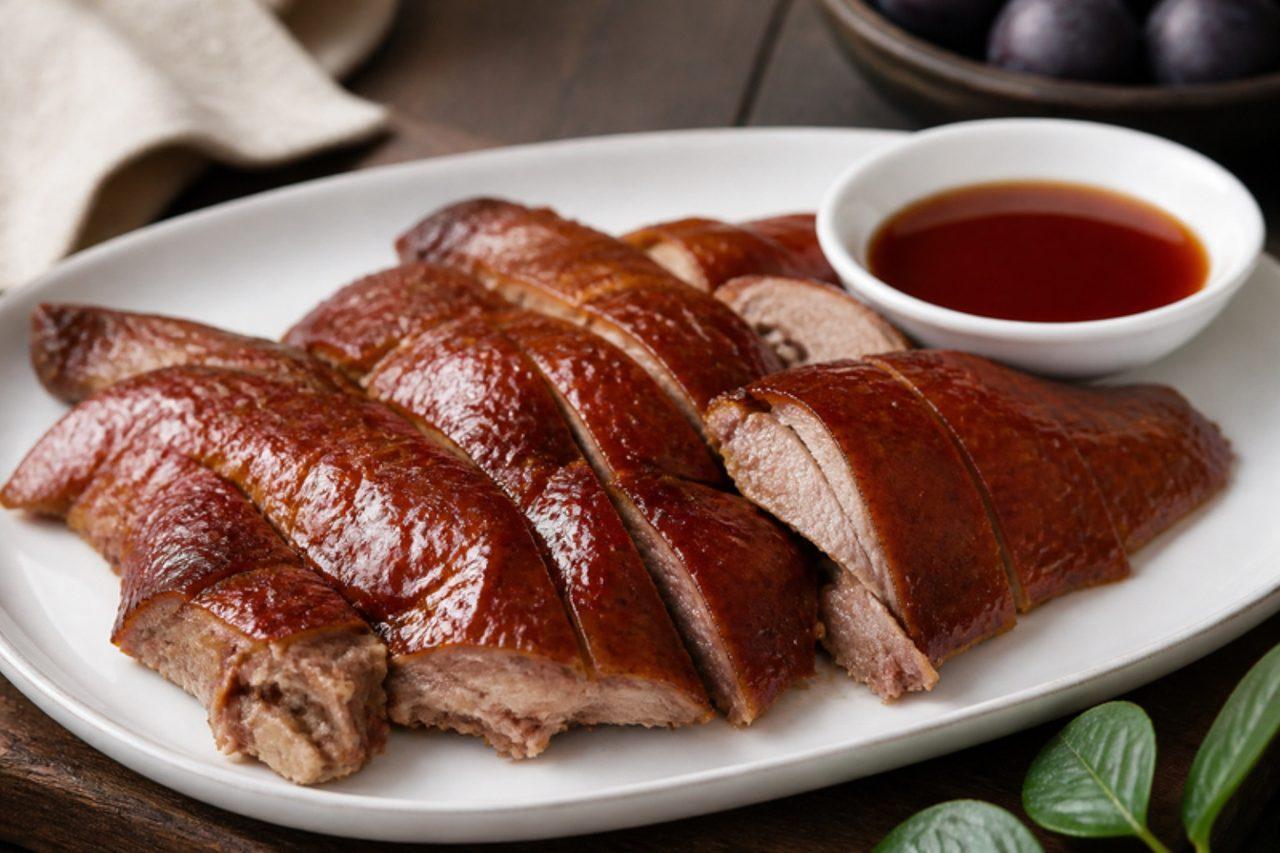
Drive out along the coast road to Sham Tseng in the New Territories and the restaurants there have been roasting geese for generations; Hong Kongers make the trip for a plate of it with lai fun noodles, or order a half goose for a family dinner. The skin is thin, crisp and deep mahogany, the meat dark, rich and juicy, scented from the inside with five-spice, bean paste and garlic. Sour plum sauce cuts through the fat. This home version uses an oven-ready goose (head already removed, as it is sold), dried overnight and roasted in a domestic oven. A frequent slip is roasting a goose straight from the wrapper: without its overnight drying and a glaze, the skin stays leathery. Chef's tip: pour off the rendered fat as it collects; it is superb for roasting potatoes or frying rice.

by KrazyBadal 0 views

Steamed spare ribs with black bean sauce

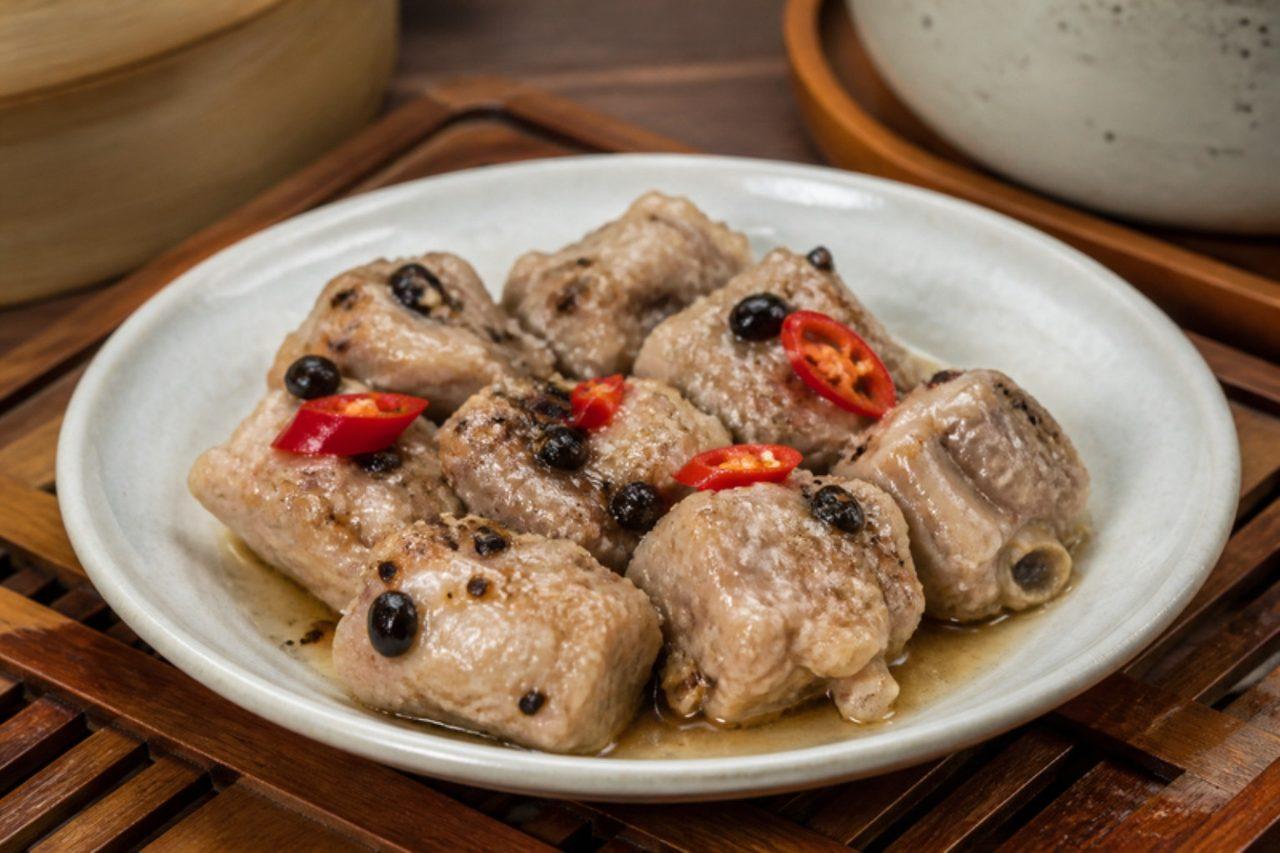
Small saucers of pork spare ribs, chopped into bite-sized chunks and glistening with fermented black bean and garlic, come out of every Hong Kong teahouse steamer from dawn until lunch. Done right, the meat is plump and tender, slips off the little bone with your chopsticks, and sits in a salty, garlicky, faintly sweet juice that is wonderful spooned over rice. At home it makes an easy weeknight dish with rice and some blanched choi sum. The mistake to avoid is skipping the rinse: soak the ribs in cold water first to draw out the blood, otherwise the sauce turns grey and murky. Chef's tip: ask the butcher to chop the ribs into 3 cm pieces across the bone, and add a little potato starch to the marinade, which gives the teahouse silky coating.

by KrazyBadal 0 views

Bean curd skin rolls with oyster sauce

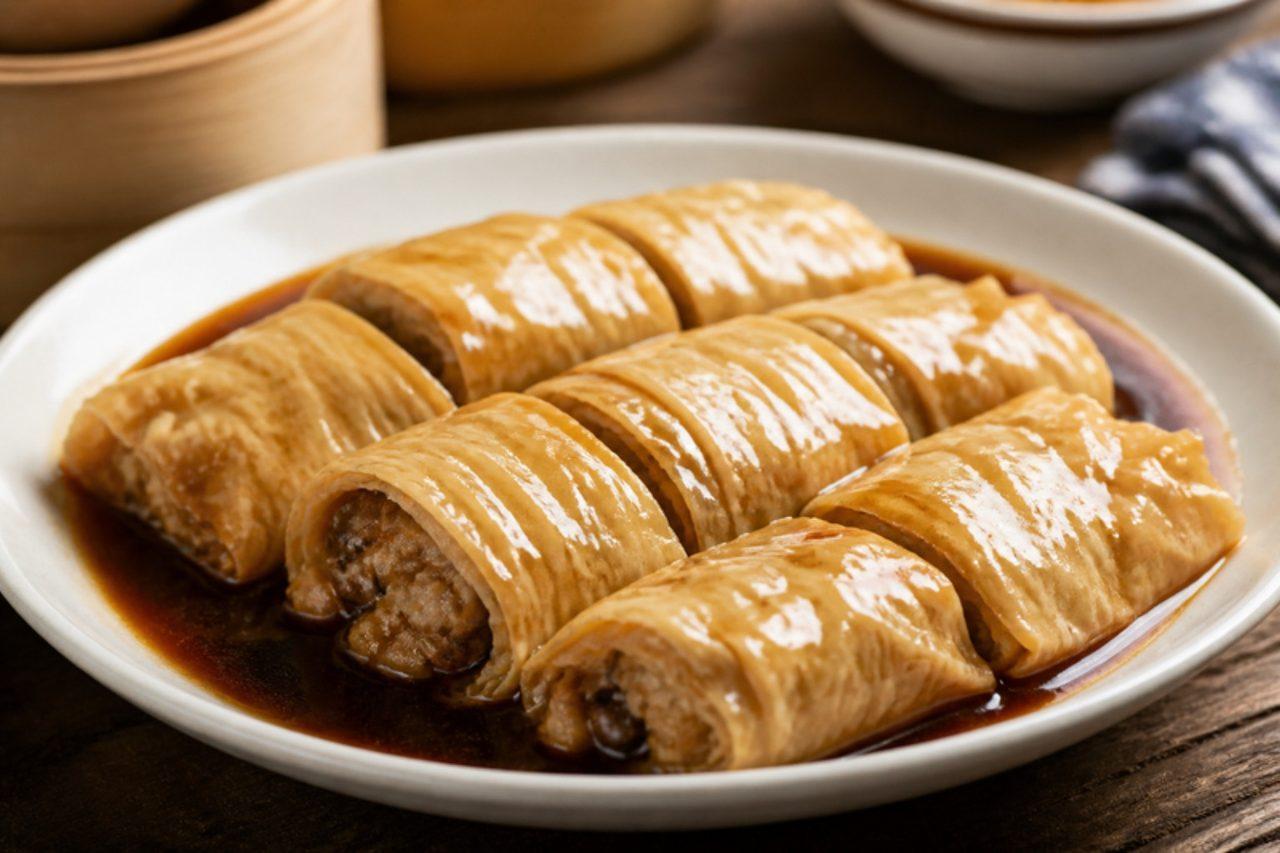
A tea-house regular, fu pei guen arrive at Hong Kong dim sum tables in small steamer dishes, sitting in a pool of dark, glossy oyster sauce gravy. The bean curd skin is fried first, so it blisters and wrinkles, then it is braised until it turns soft and silky and soaks up the sauce, while the pork, bamboo shoot and mushroom filling inside stays juicy. The flavour is savoury and gently sweet, best with rice or between har gow and siu mai at Sunday yum cha. A splash of Shaoxing rice wine seasons the filling; there is an alcohol-free swap in the list. Where most home cooks go wrong is soaking the dried bean curd sheets in water, which turns them to rags; wipe them with a damp cloth instead so they just become supple. Chef's tip: make the rolls a day ahead, fry them, and braise them just before serving.

by KrazyBadal 0 views

Pe pyot (boiled yellow peas)

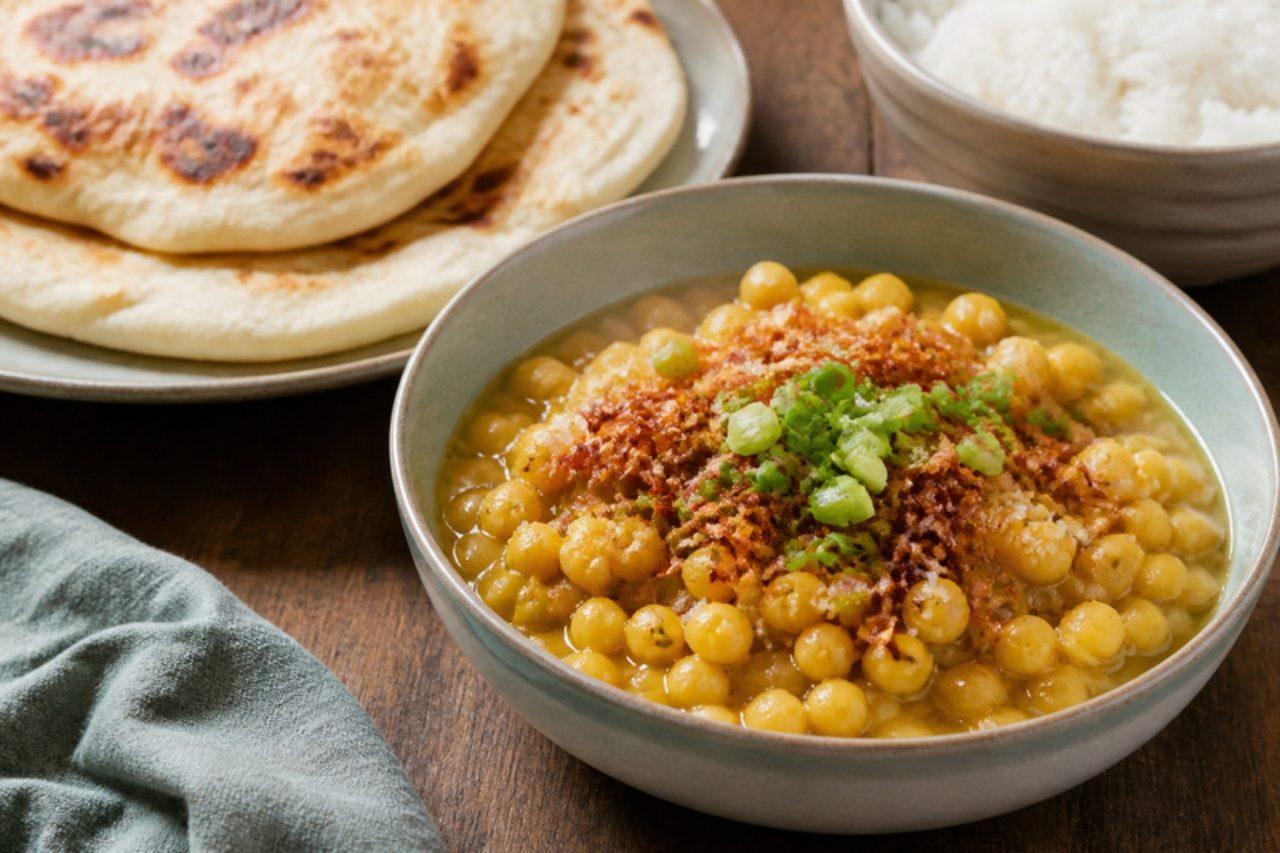
Before the city wakes, pe pyot sellers pedal through Yangon's townships calling out from bicycle baskets of warm, steaming peas, scooping portions into leaf parcels for families to eat with fried rice, flatbreads or toasted naan. Dried yellow or white peas are soaked overnight and simmered until creamy inside but still whole, then seasoned simply with salt and a spoon of oil fried with shallots. The flavour is mellow, earthy and slightly sweet, and the texture is soft and fluffy, like a good baked potato. Too much bicarbonate of soda is the common slip: a pinch softens the skins, but more turns the peas to soapy mush. Chef's tip: make a double batch; pe pyot keeps for three days in the fridge and turns tomorrow's leftover rice into pea fried rice.

by KrazyBadal 0 views

Pandan chiffon cake

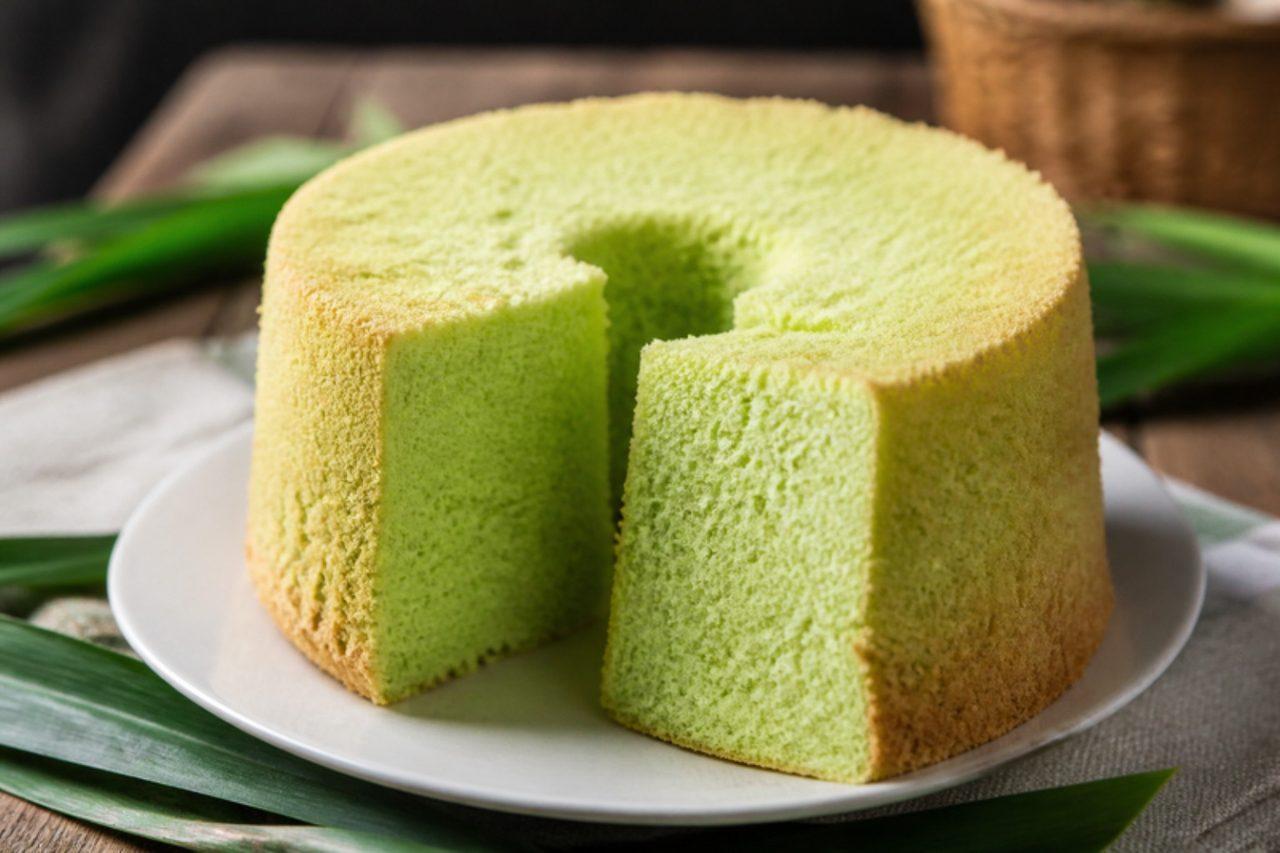
No Singapore birthday table, office tea or visit to grandma's feels complete without a pandan chiffon cake, the pale green ring sold whole at heritage bakeries and neighbourhood confectioners and carried home in a box, and travellers fly home with one in their hand luggage. The crumb is cottony and springy, moist from coconut milk, and the flavour comes from juice squeezed from blended pandan leaves: grassy, vanilla-like and faintly nutty. It is served plain, in tall wedges, with kopi or tea. The usual mistake is greasing the tube pan; a chiffon needs to cling to bare metal to climb, and cooling it upside down is what keeps it tall. Chef's tip: beat the egg whites only to firm, glossy peaks that curl over at the tip; stiff, dry whites won't fold in smoothly and leave white streaks and holes.

by KrazyBadal 0 views

Steamed scallops with garlic and glass noodles

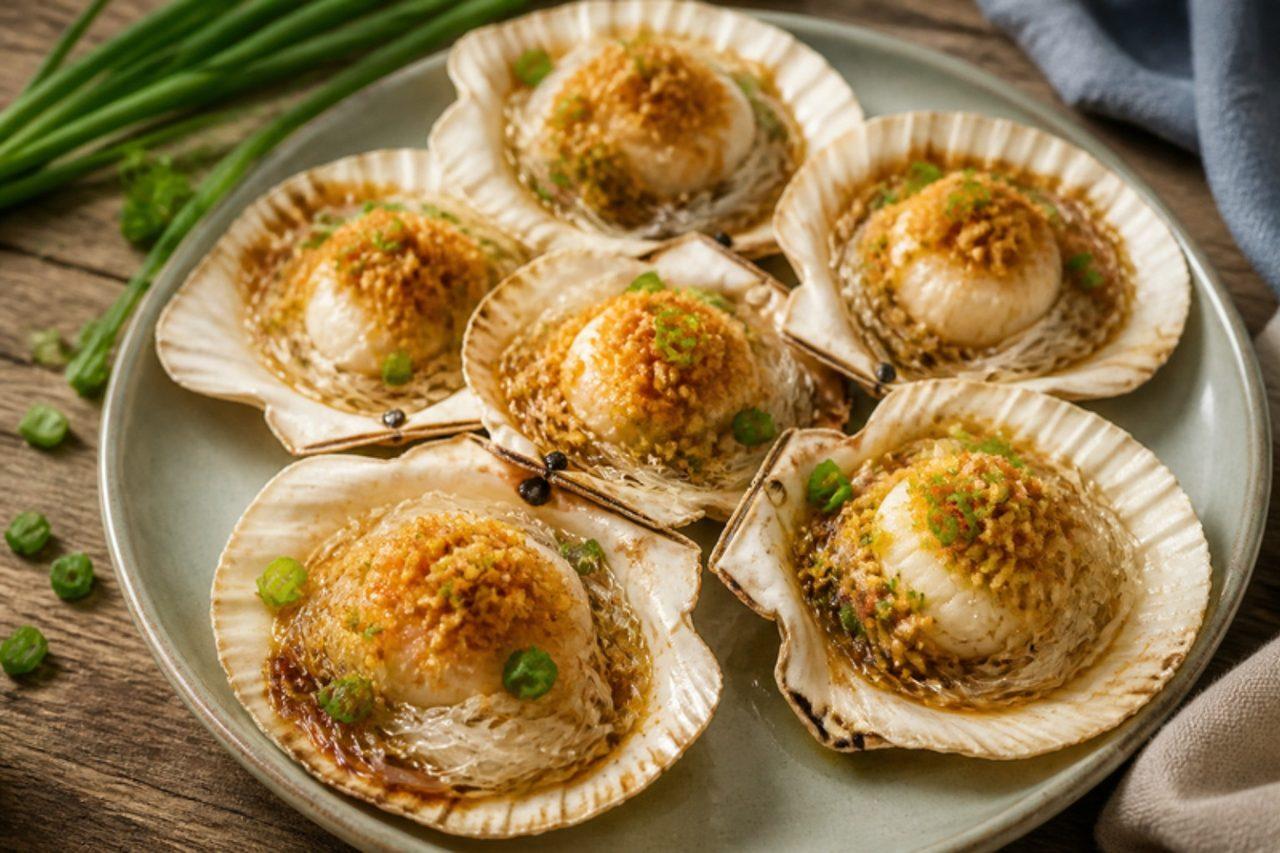
At the seafood stalls of Sai Kung and Lei Yue Mun, diners pick shellfish from the tanks and the kitchen sends them back in minutes: scallops on the half shell, each sitting on a nest of glass noodles under a heap of garlic, half fried golden and half left raw, steamed just until the scallop turns opaque, then finished with a splash of soy and a hiss of hot oil over spring onions. The noodles soak up all the sweet juices, the scallop is soft and barely firm, and the garlic is both mellow and sharp. Serve one or two each as a starter. Use only very fresh scallops: discard any that smell off or have cracked or broken shells. Most people overcook them; a large scallop needs only 5 to 6 minutes. Chef's tip: frying half the garlic and keeping half raw is the restaurant trick for deep, rounded garlic flavour.

by KrazyBadal 0 views

Wu gok (crispy taro dumplings)

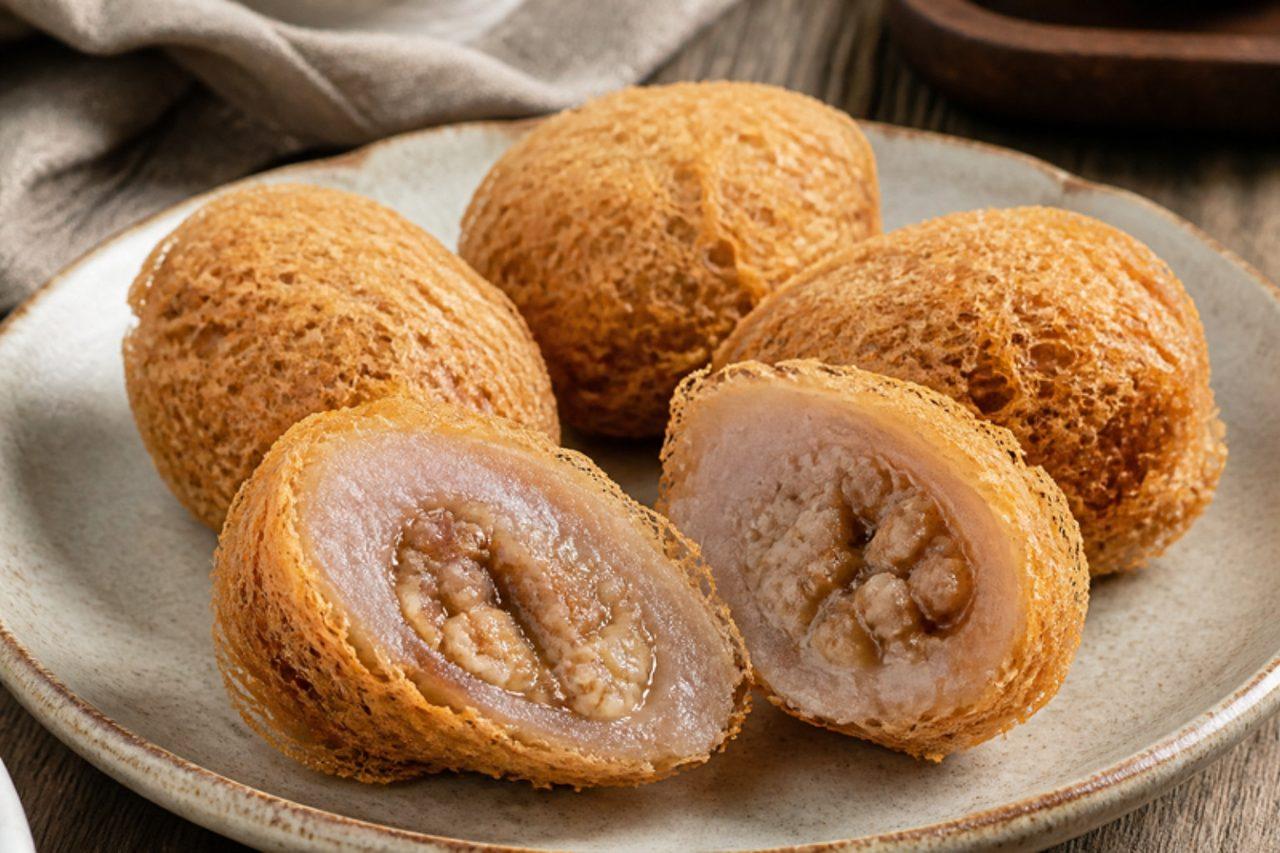
Few dim sum crack like wu gok: the shell of mashed taro puffs in the fryer into a golden, honeycomb lace so delicate it shatters at a touch, giving way to a soft, nutty taro layer and a juicy filling of diced pork, shiitake and oyster sauce. Hong Kong teahouses fry them to order through the morning and they are a must at Lunar New Year banquets. Eat them straight away, with a pot of jasmine tea to cut the richness. Lard is the traditional fat in the taro dough; vegetable shortening works too. The classic failure is oil that is too cool or too hot: below about 170 °C the dumplings fall apart, above 190 °C they brown before the lace forms. Chef's tip: chill the shaped dumplings for half an hour so the dough is firm and the lace blooms evenly.

by KrazyBadal 0 views

Shan pickled mustard greens

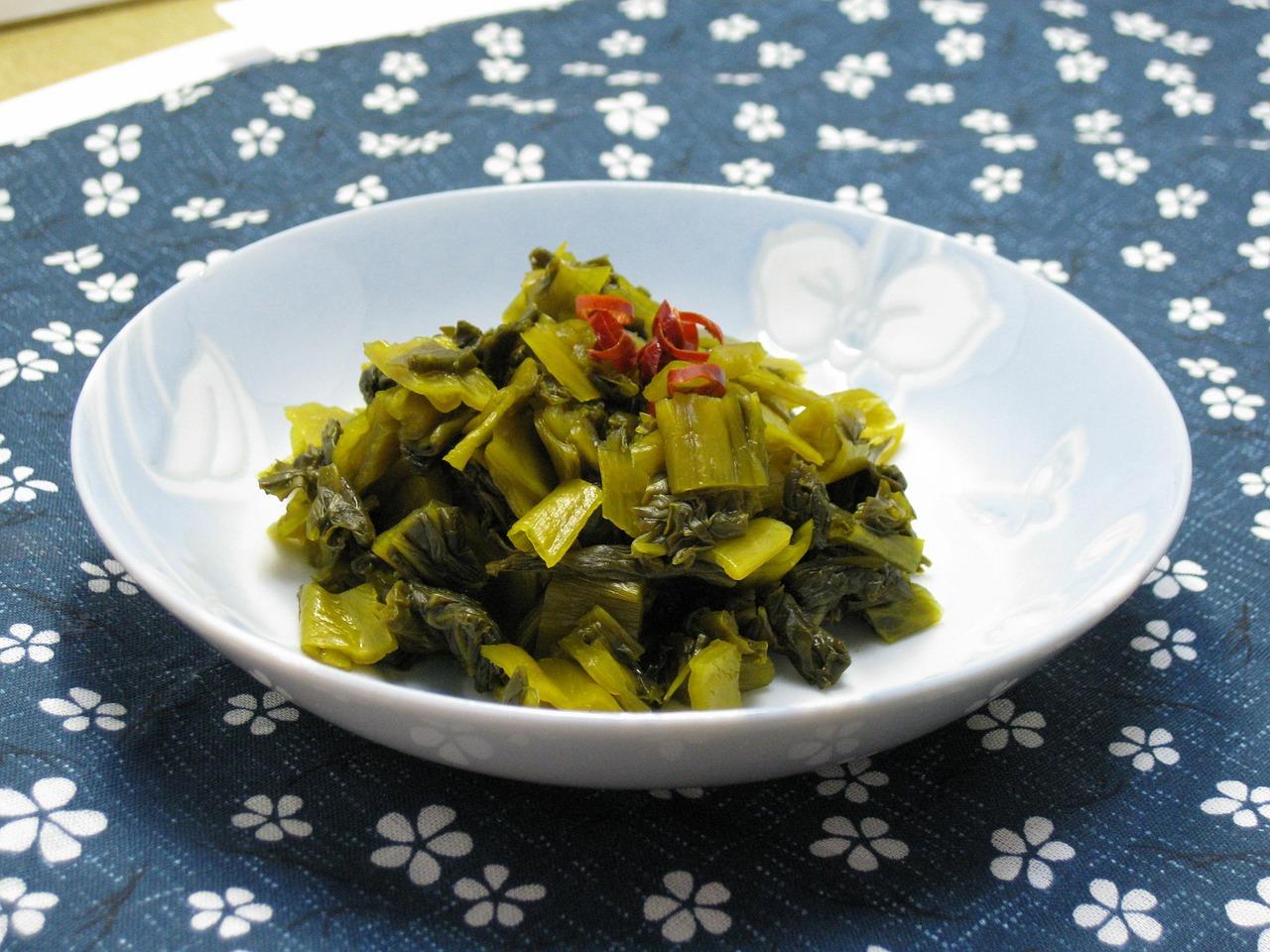
Jars of sour, olive-gold mustard greens sit on every noodle stall in Shan State, from Kengtung to the five-day markets around Inle Lake, and families keep a crock going through the cool season. The greens are wilted, rubbed with salt and packed under cloudy water saved from rinsing rice; its starch feeds the natural fermentation, and after a few days the leaves turn crunchy, tangy and pleasantly funky. A spoonful goes on top of Shan noodles, beside sticky rice, into soups, or stir-fried with garlic and chilli as a side dish. Leaves poking above the brine are the main thing that goes wrong, since that is where mould starts; keep everything pressed under the liquid. Chef's tip: use the cloudiest rice water from the first rinse, and add a spoon of cooked rice to get the souring going faster.

by KrazyBadal 0 views

Almond tea

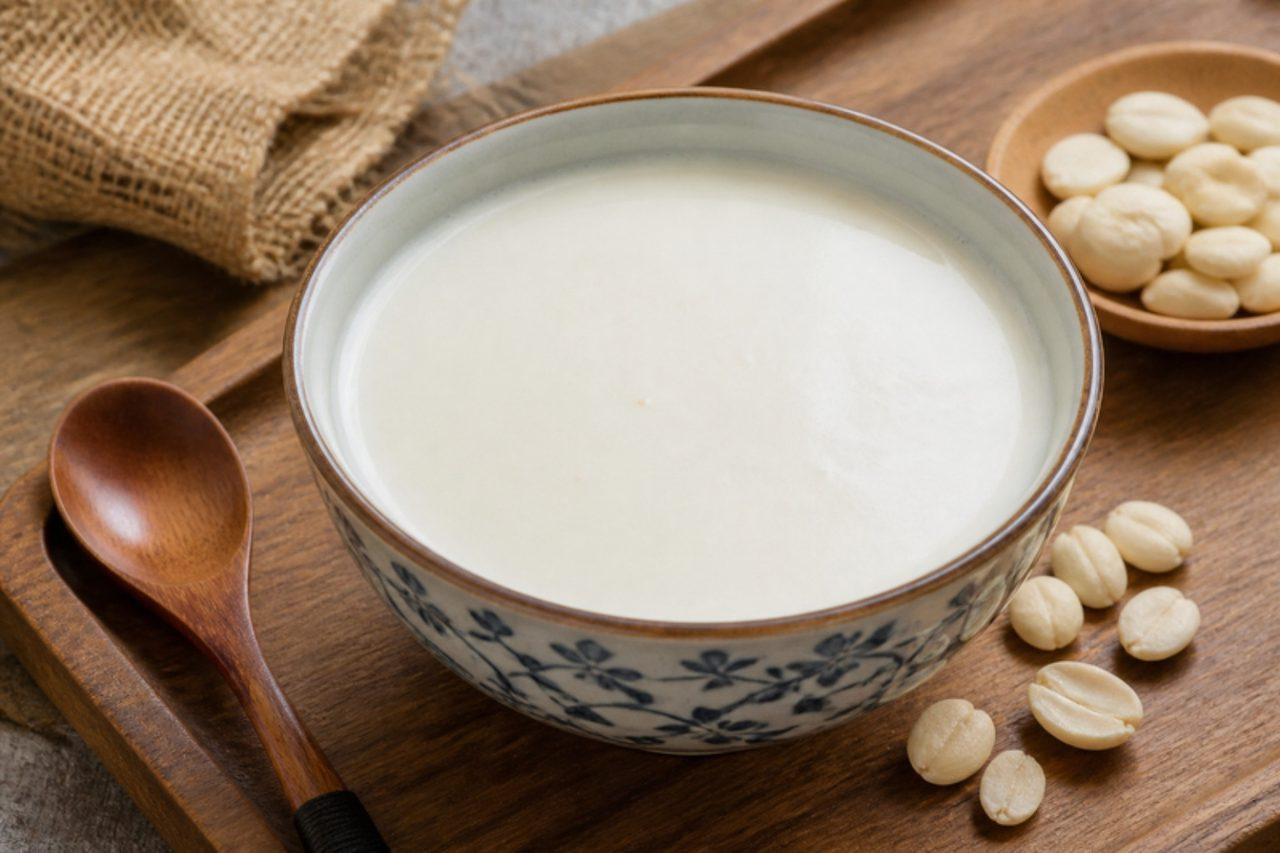
Despite the name, there's no tea in hang yan cha, and almonds play no part either: Hong Kong's version is ground from sweet apricot kernels, the 'southern almonds' sold loose in Chinese herbal shops. Old-style dessert shops in Yau Ma Tei and Sheung Wan ladle it hot from big pots after dinner, sometimes with a black sesame swirl, and grandmothers make it for coughs in the dry winter months. It is pale, creamy and smooth as single cream, with a perfumed, marzipan-like aroma and a gentle sweetness from rock sugar. A grainy texture comes from skipping the straining, so press the blended mixture through muslin. Chef's tip: stir constantly once it's on the heat; the rice starch catches on the bottom of the pan within seconds and gives the whole pot a scorched taste.

by KrazyBadal 0 views

Burmese pennywort salad

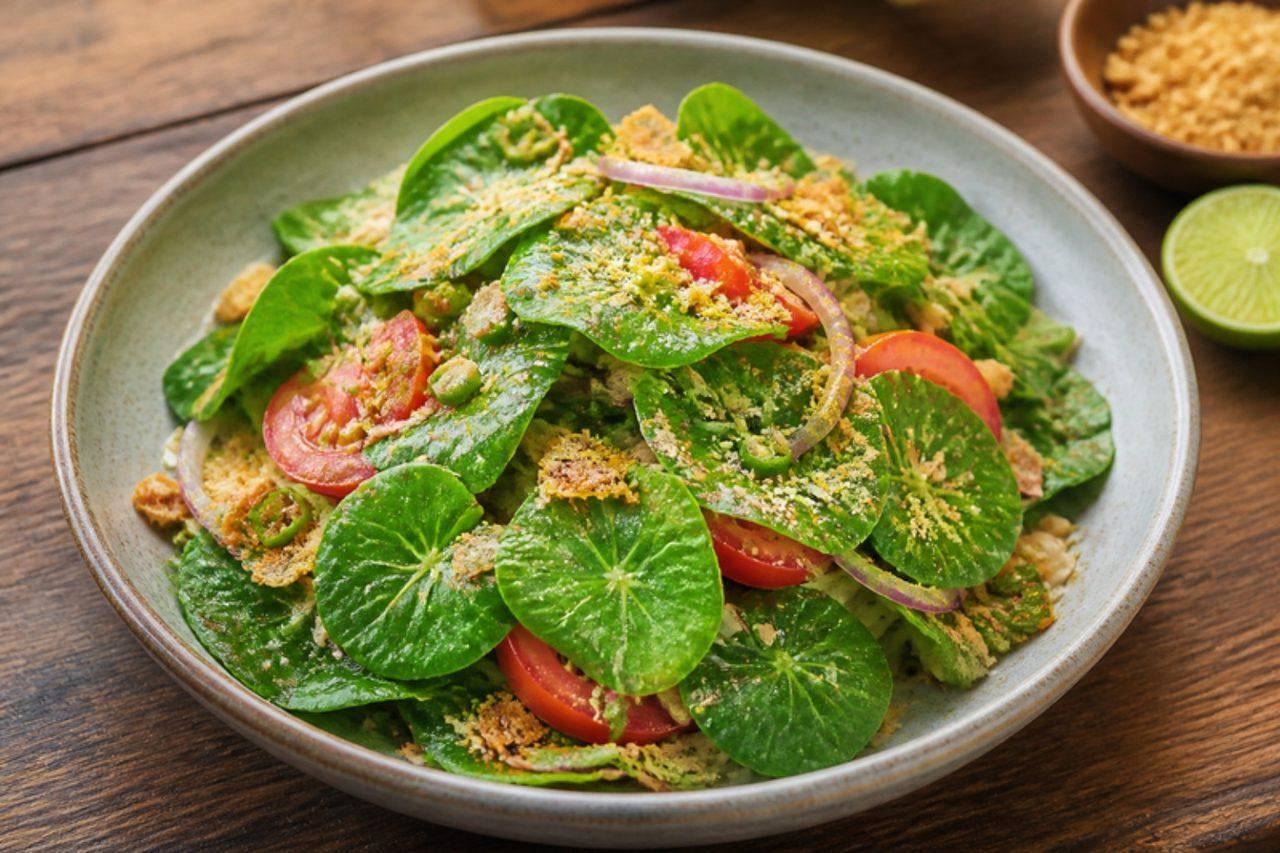
Myin khwa, 'horse's hoof', is the Burmese name for pennywort, after the shape of its round leaves, and Mandalay grandmothers swear by a plate of it to cool the body during the hot months before the monsoon. The fresh leaves are slightly bitter and grassy, a little like watercress, and they are tossed by hand with toasted chickpea flour, crushed peanuts, crunchy fried garlic and its oil, lime juice, tomato and sliced onion. The salad is served as a side to rich curries, where its clean sourness cuts through the oil. Wet leaves ruin it: the dressing slides off and turns watery, so dry them completely after washing. Chef's tip: look for pennywort sold as gotu kola at Asian and Sri Lankan grocers; young watercress makes a fair stand-in.

by KrazyBadal 0 views

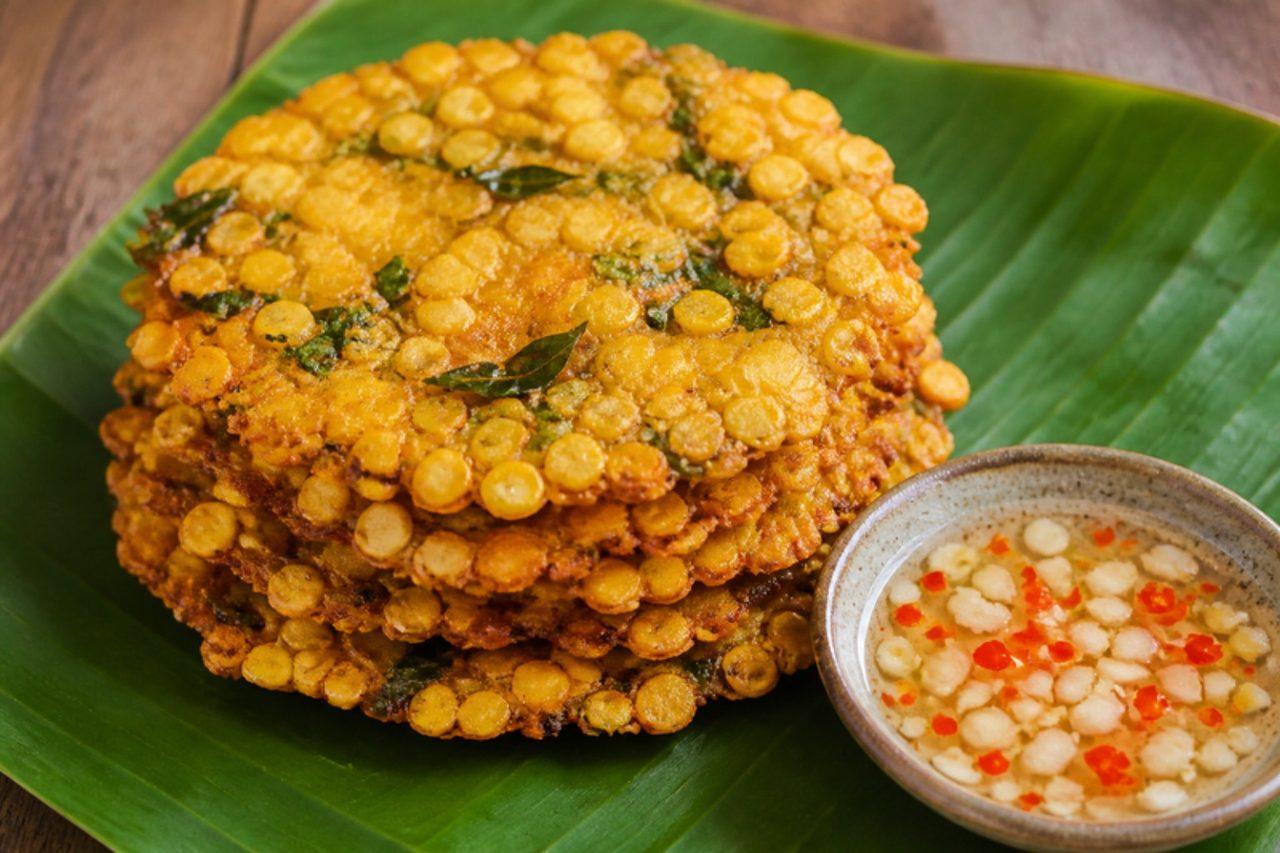
Bayagyaw (split pea fritters)

Every Yangon tea shop worth its sweet milky tea keeps a tray of these by the counter from dawn, and hawkers sell them by the bag at bus stops. Soaked yellow split peas are ground until coarse, mixed with sliced onion, chilli and a spoon of rice flour, then dropped into hot oil as thin, ragged patties that fry up shatteringly crisp at the edges and nutty in the middle. People snap them into bowls of mohinga, crumble them over noodle and rice salads, or eat them plain with a sharp chilli-garlic vinegar. Blending the peas to a smooth paste is the trap: you lose the gritty texture that makes them crunch and the fritters turn dense. Chef's tip: soak the peas the night before, and fry a test fritter first; if it falls apart, stir in another spoon of rice flour.

by KrazyBadal 0 views

Showing 81 of 7,762 recipes

Show more recipes

Page 317 of 863