


Skip to content
Khurmi
Featured recipe

Khurmi

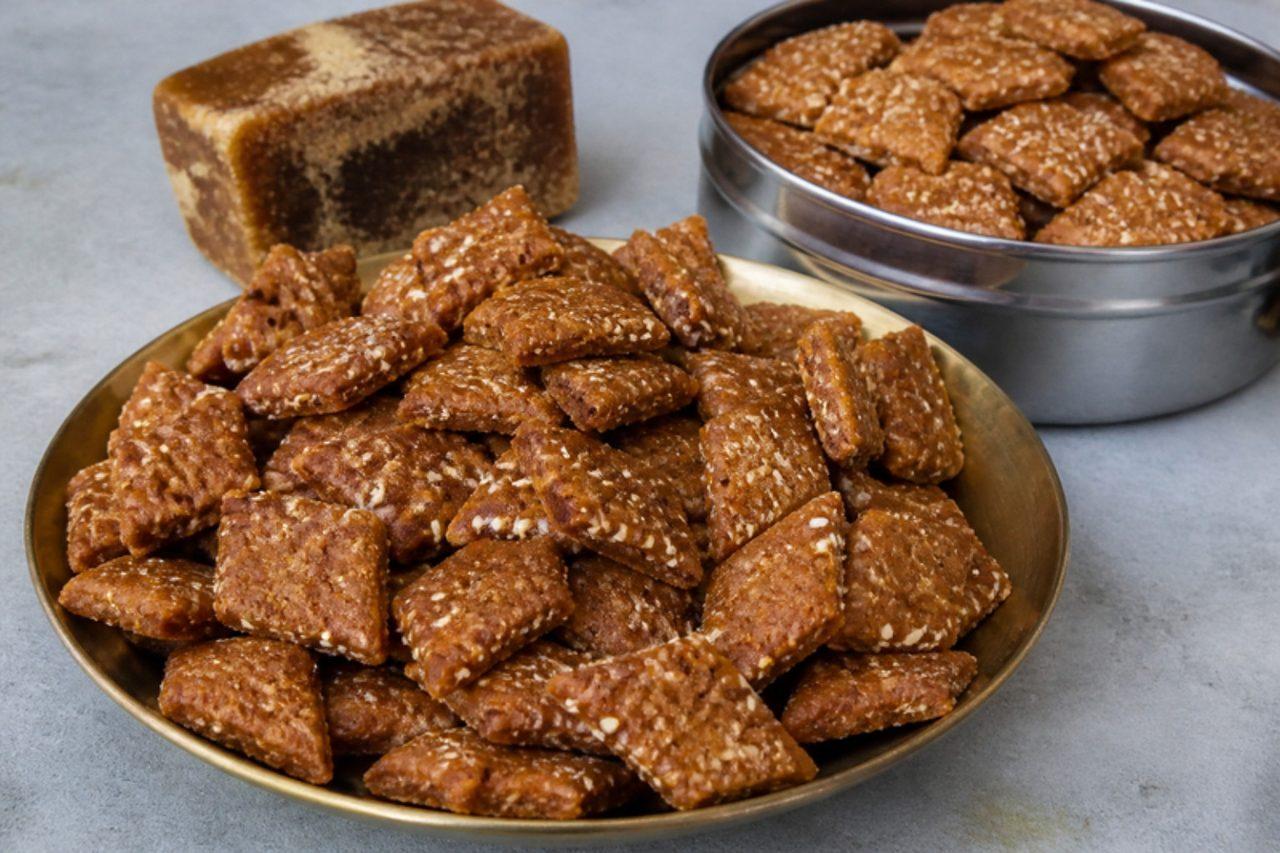
Wheat and jaggery biscuits

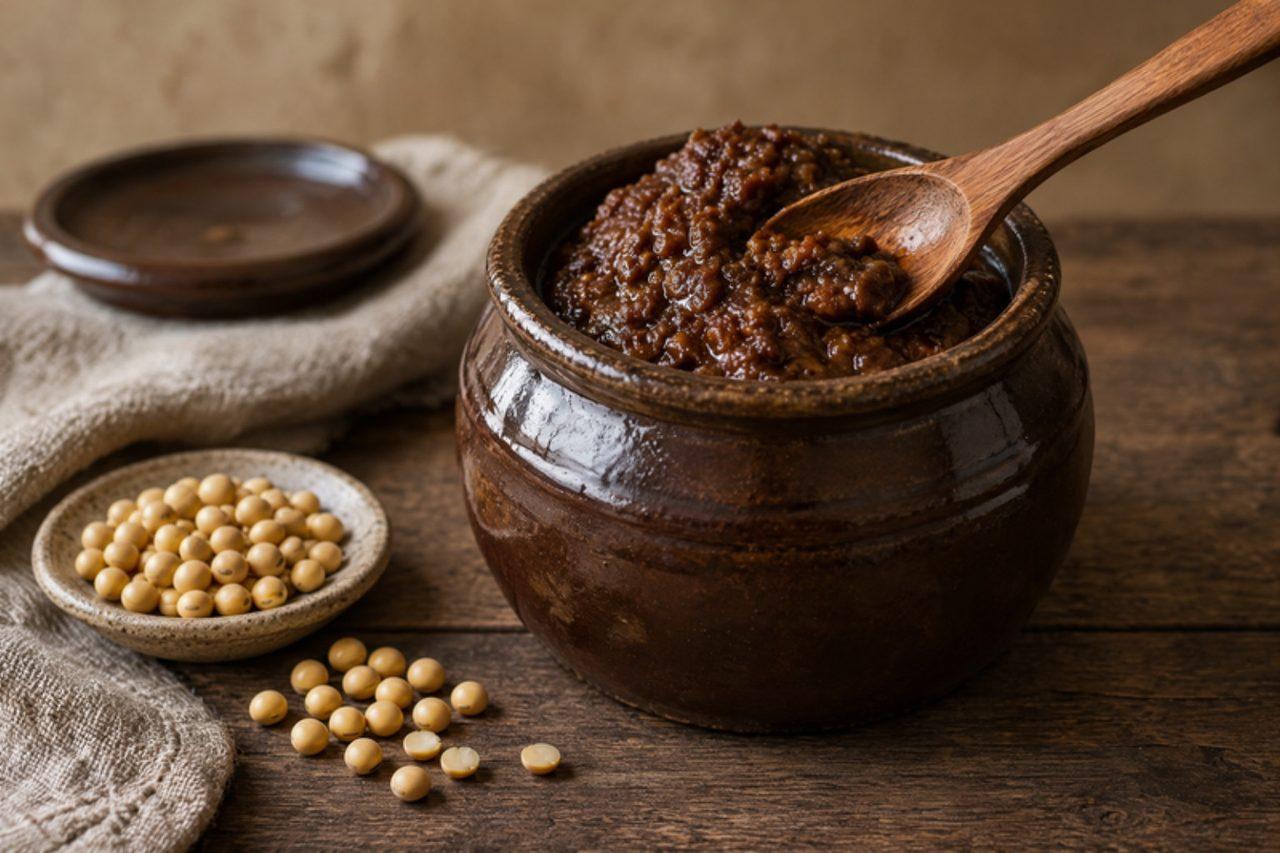
Khurmi are the sweet half of Chhattisgarh's Teeja-Pola festival snacks, made in big batches alongside the salty thethri. The dough is wheat flour and a little semolina bound with melted jaggery, studded with sesame and coconut, then cut into diamonds or pressed into small patterned shapes and fried until dark gold. They have a hard, crunchy bite and a deep caramel flavour, and they last for weeks in a steel dabba, ready for visitors and children back from school. Chef's tip: cool the jaggery water to lukewarm before kneading; hot jaggery makes a slack dough that spreads and soaks up oil.

Read more 1 views

What to eat today?

Around the world

Today's trip: Paraguayan

A new country every day, from every cuisine on the site.

Paraguayan

Chipa

Cheese bread rings 50 minMore from Paraguayan (27) →

This week's collection

Kid-friendly dinners
537 recipes · a new collection every Monday

Latest recipes

Vitamin salad

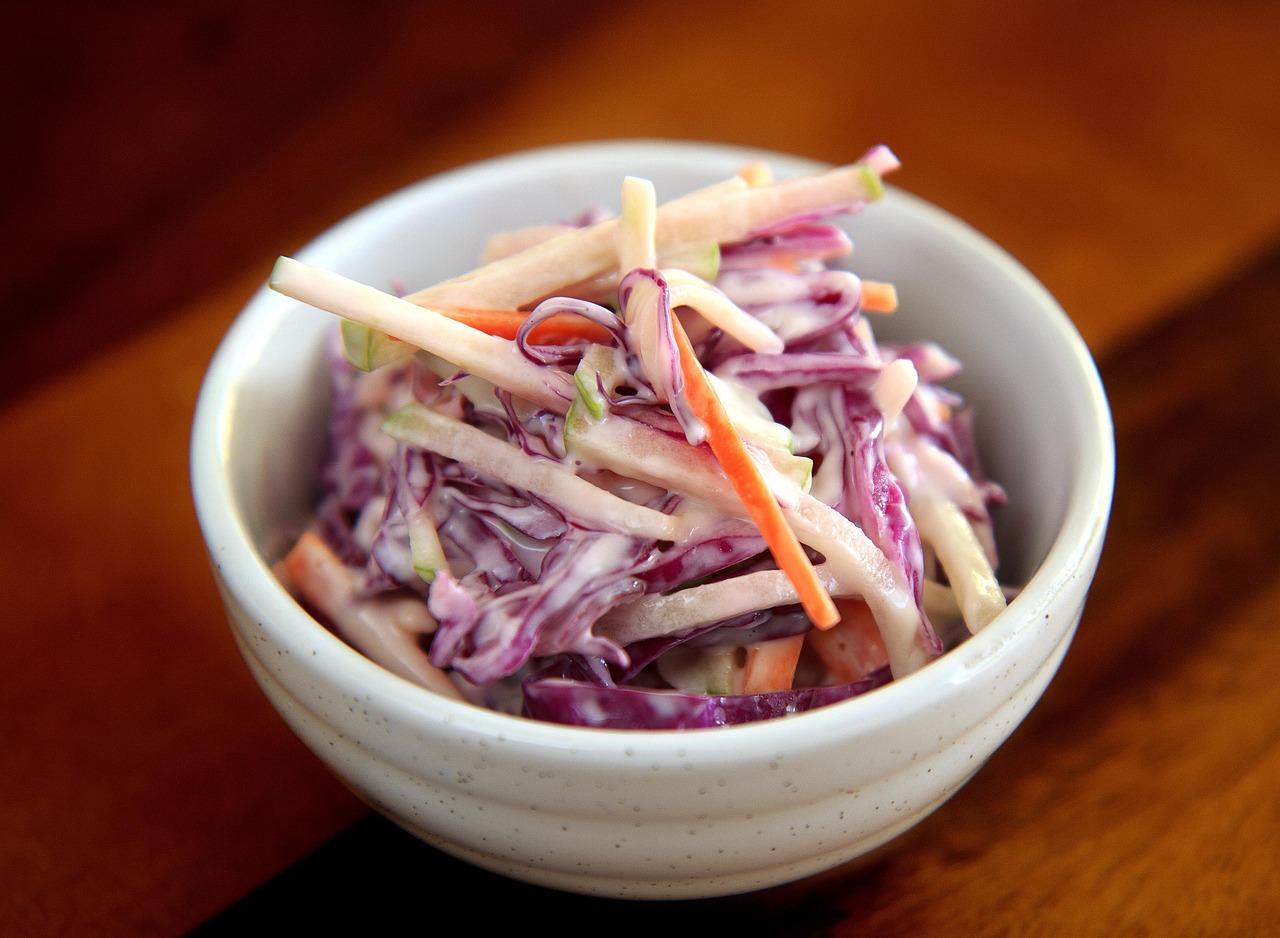
"Vitamin" salad was the bright spot on every Soviet stolovaya tray, scooped from a steel tray beside the cutlets and buckwheat, and it is still how many Russians start a light lunch. Fresh white cabbage, carrot and green apple are rubbed with salt and sugar, then dressed simply with sunflower oil and vinegar, so it tastes crisp, juicy and sweet-sour. It goes with almost anything hot and is a good way to use half a cabbage. A common mistake is skipping the squeeze: crushing the cabbage with salt for a minute or two softens it and draws out juice that becomes part of the dressing. Grate the apple last so it does not brown. Chef's tip: unrefined, toasted-seed sunflower oil gives the true canteen flavour; a splash goes a long way.

by KrazyBadal 0 views

Beet salad with garlic

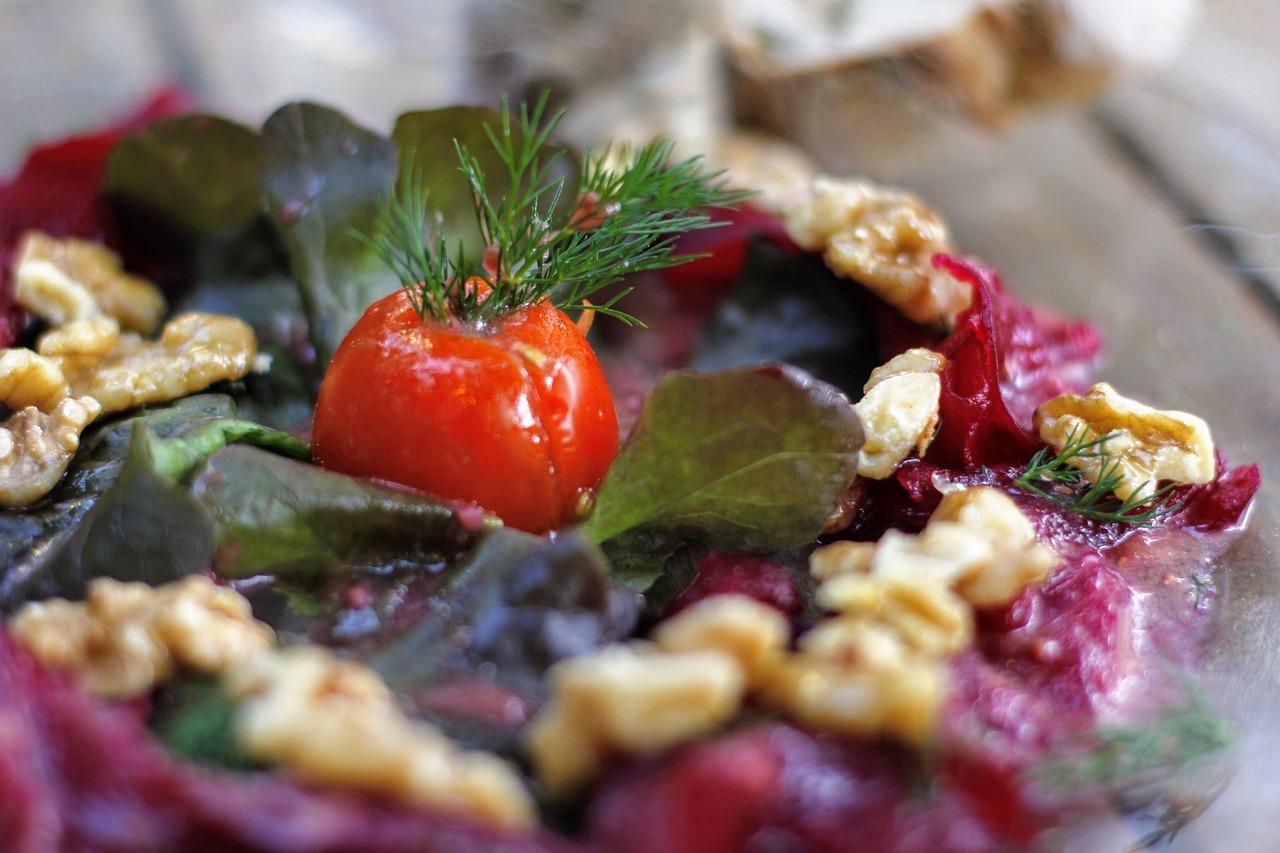
Grated beetroot with garlic is about as everyday as Russian cooking gets: something from the school canteen, the work buffet and the Sunday table alike, served in a small bowl beside cutlets, boiled potatoes or black bread. This dressed-up version adds chopped prunes for sticky sweetness and toasted walnuts for crunch, all bound with a spoon of mayonnaise. It tastes earthy, sweet and bright with garlic. Buy ready-cooked beetroot (not pickled) to keep it a fifteen-minute job, or boil your own the day before. The usual slip is grating the beetroot fine and leaving it in its juice, which makes the salad watery and purple-grey; grate coarsely and squeeze lightly first. For a lighter dish use thick yoghurt or sour cream in place of mayonnaise. Chef's tip: toast the walnuts; raw ones taste bitter against the beet.

by KrazyBadal 0 views

Eggplant rolls

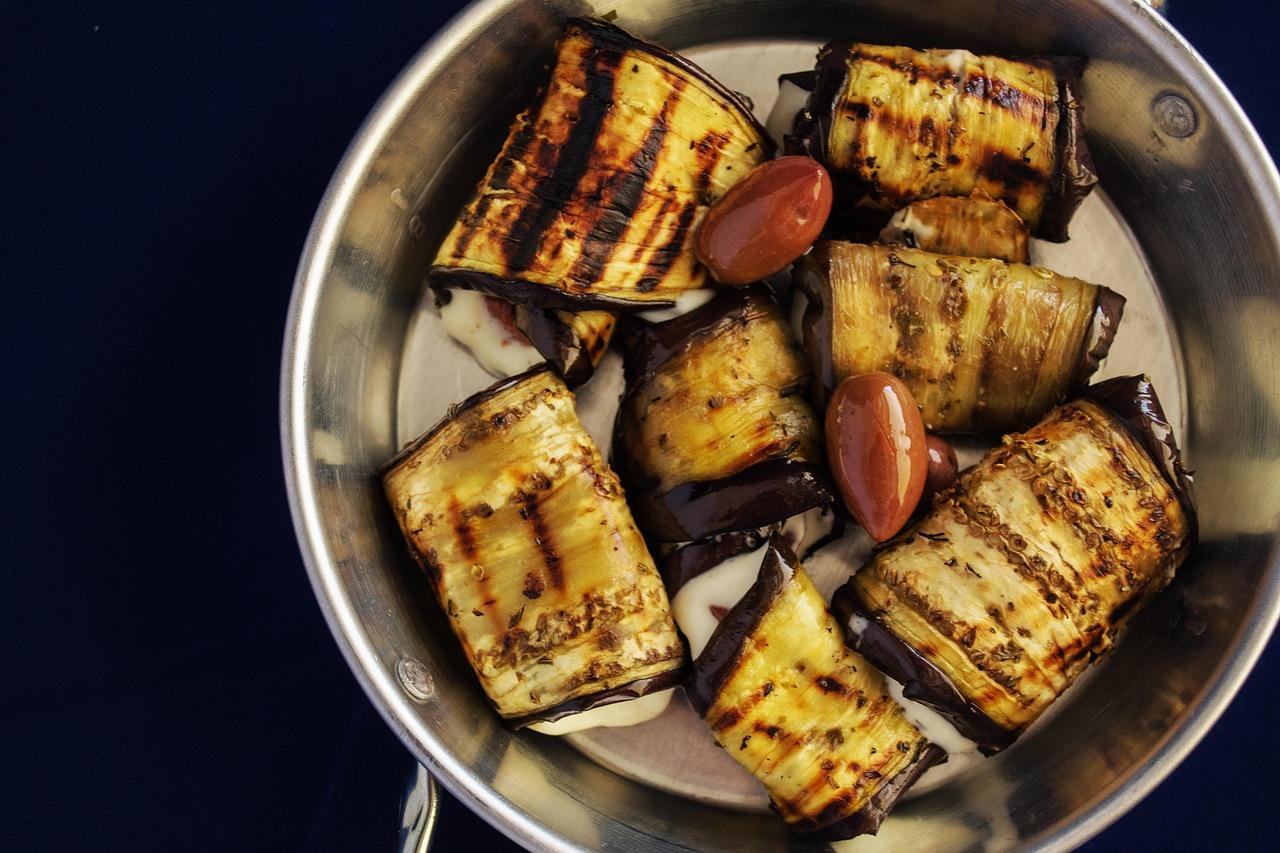
Every birthday buffet in Russian flats seems to have a plate of these little rolls, brought out with the herring and the salads: thin strips of fried aubergine wrapped around a sharp garlic and cheese filling with a slice of tomato peeking out. The aubergine is silky, the filling creamy and punchy, and the tomato keeps it fresh. They are a cold starter, so make them an hour before guests arrive and keep them chilled. Where most people go wrong is frying thick slices in lots of oil, which leaves them greasy and stiff; slice thin, salt them, pat dry and fry in a shallow film of oil. Many hard cheeses use animal rennet, so pick a vegetarian one. Chef's tip: press the fried slices between paper towels while still warm; they shed surprising amounts of oil.

by KrazyBadal 0 views

Mushroom julienne

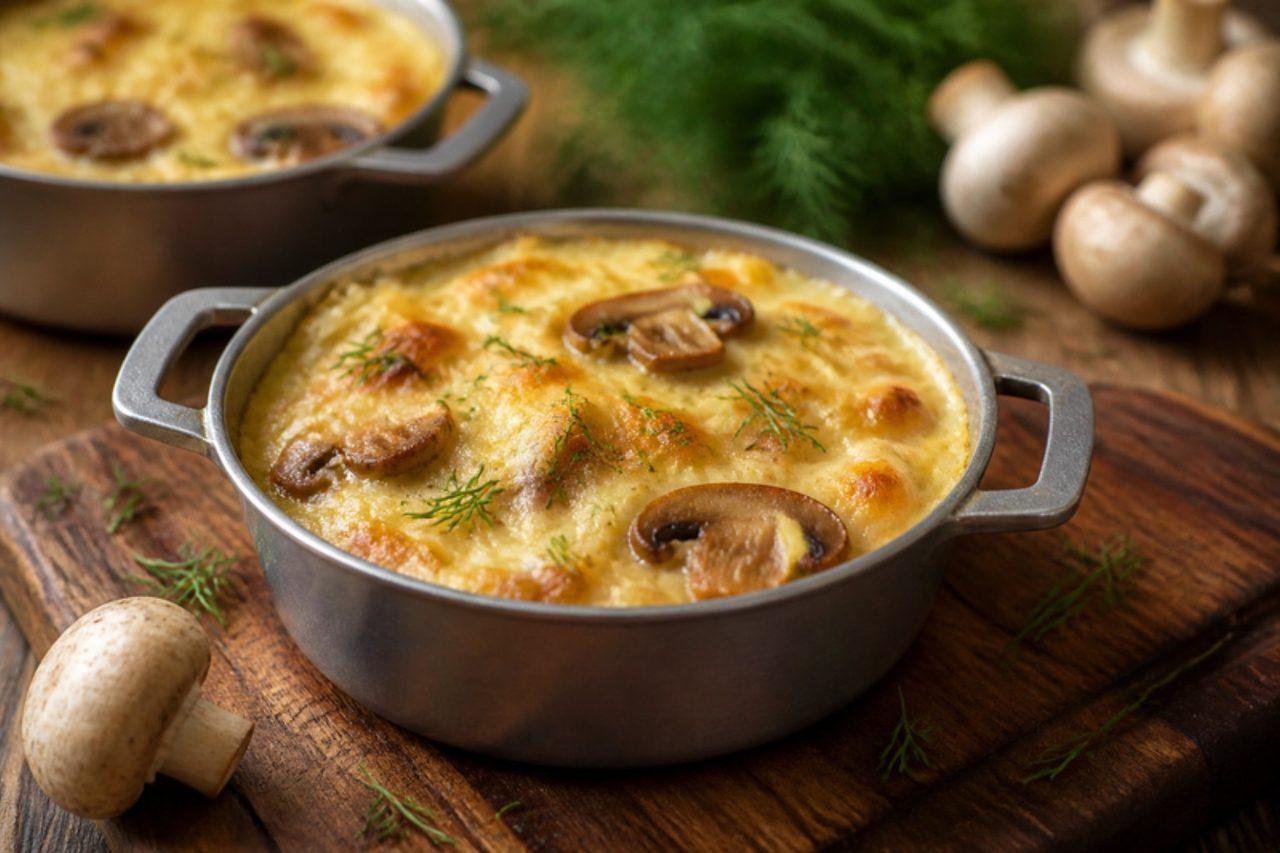
Restaurants in Moscow took the French word for thin strips and gave it to a hot starter: mushrooms and onion in sour cream, baked bubbling under melted cheese in little metal cocottes with a handle. It became a fixture of New Year and birthday tables, served after the cold zakuski and before the main course, with a teaspoon and a slice of bread. The sauce is creamy and savoury, the top blistered and golden. Use mushrooms you can cut into neat strips; button or chestnut mushrooms work, and a handful of wild ones adds depth. The usual slip is crowding the pan so the mushrooms stew; fry them in a hot pan until their liquid has gone. Many hard cheeses are made with animal rennet, so choose a vegetarian hard cheese. Chef's tip: no cocottes? Bake it in ramekins or hollowed-out bread rolls.

by KrazyBadal 0 views

AndijviestamppotEndive and Gouda mash

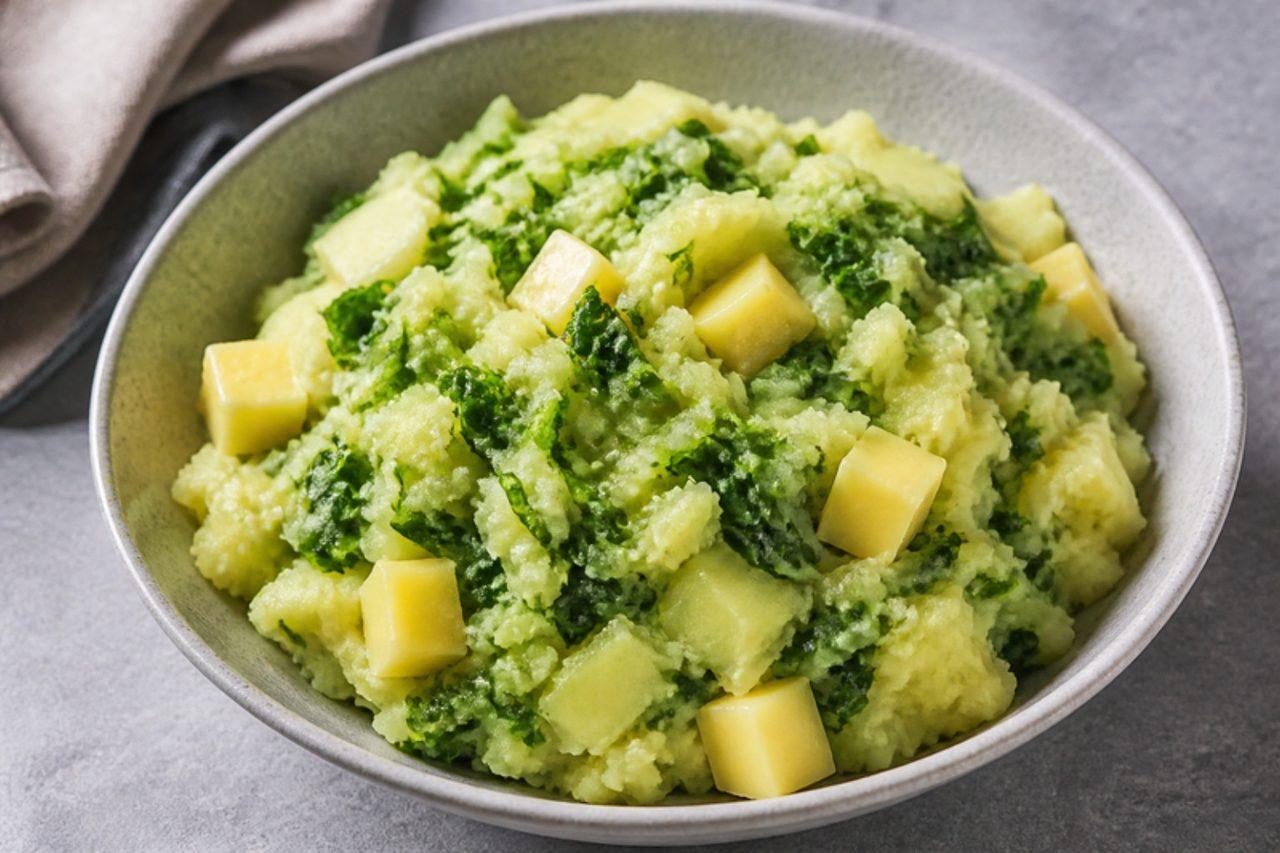
Stamppot, mashed potato stirred with vegetables, is the Dutch winter dinner, and the endive version is a little lighter: raw, finely shredded curly endive is stirred into piping-hot mash, so it wilts slightly but keeps a fresh, bitter crunch, then cubes of aged Gouda are folded in and start to melt. Dutch families eat it with gravy and a smoked sausage; this vegetarian version uses a pool of brown butter. Aged Gouda is usually made with animal rennet, so choose a vegetarian aged Gouda-style cheese. A common mistake is cooking the endive, which turns it soggy and grey. Chef's tip: stir the endive in off the heat at the very last moment.

by KrazyBadal 0 views

Salted saffron milk caps

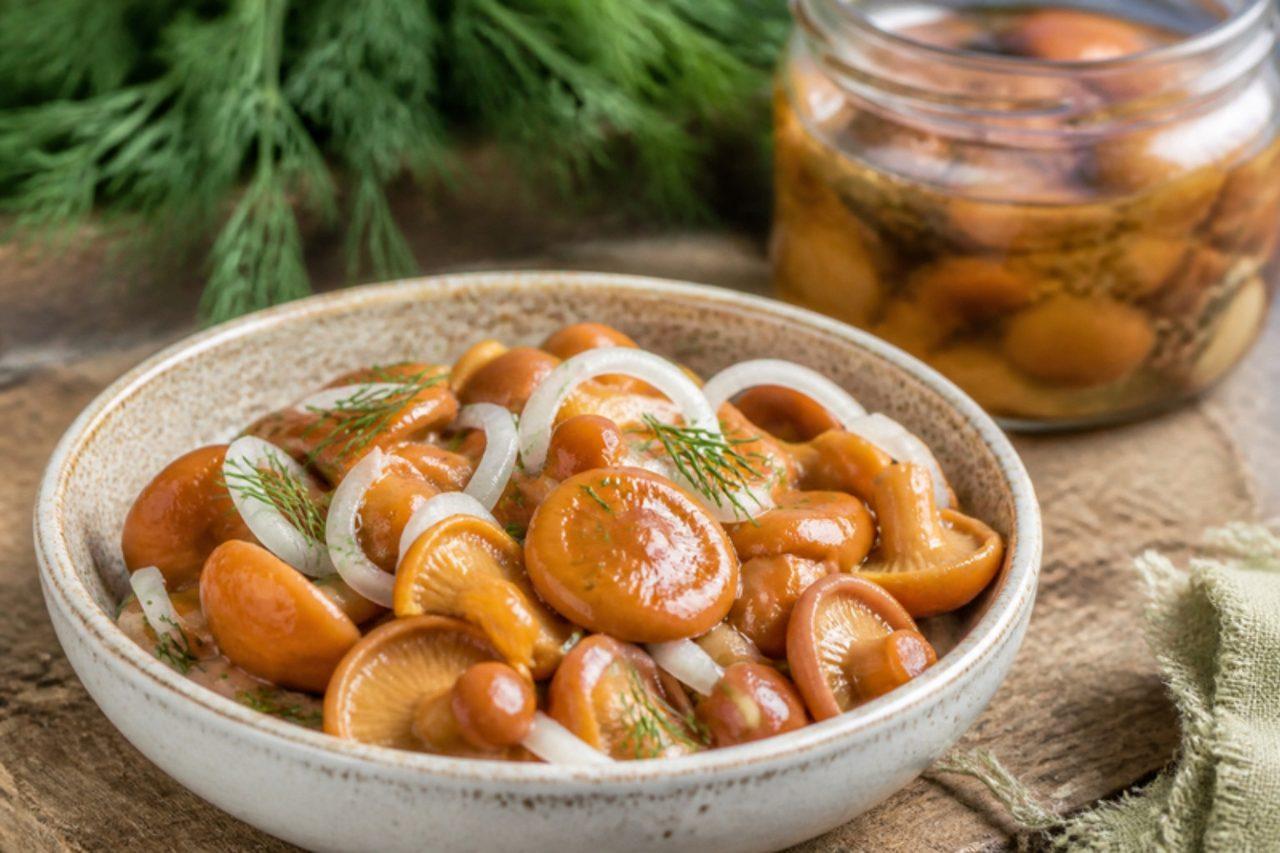
Northern Russians rank ryzhiki, the orange saffron milk caps of the pine woods, above almost every other mushroom, and salted ones from around Arkhangelsk once travelled to the tsar's table. Salted, they keep their bright colour, turn firm and juicy with a clean, resinous taste, and are served with thin onion rings, sunflower oil and hot boiled potatoes; for non-vegans a spoon of sour cream is classic. Old cellars dry-salted them raw for months; this safer fridge version blanches the caps briefly and keeps them in a measured brine in the fridge, ready in about a week. Only use mushrooms identified by an experienced forager or bought from a trusted seller. Where most people go wrong is guessing the salt; too little lets spoilage start, so weigh it. Chef's tip: the caps bruise green where handled, which is normal, so don't worry when the edges darken.

by KrazyBadal 0 views

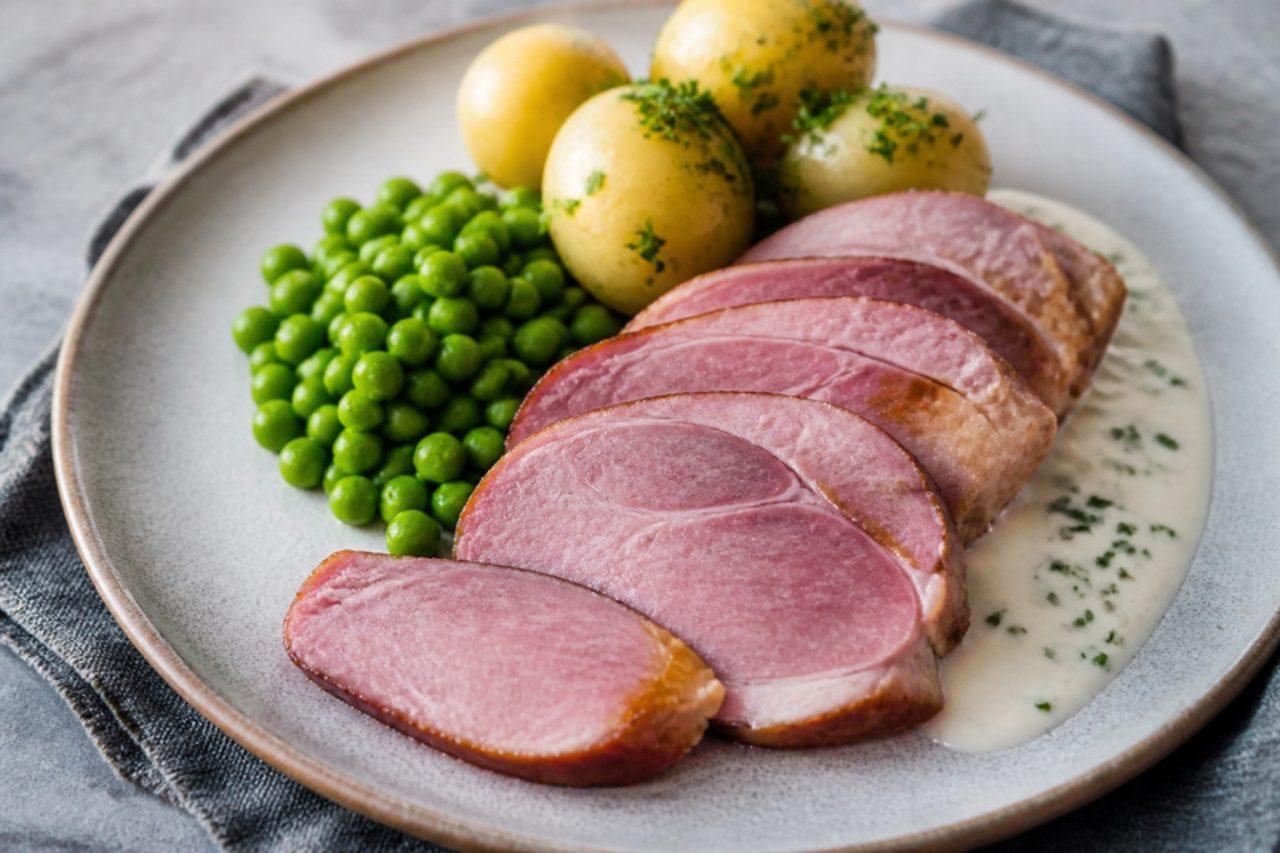
HangikjötSmoked lamb with white sauce

Hangikjöt, 'hung meat', is the Icelandic Christmas Day dinner: lamb or mutton smoked over birch or dried sheep dung, then simmered slowly and served hot or cold with potatoes in white sauce (uppstúfur), green peas, red cabbage and laufabrauð or flatkökur. Icelanders buy it ready-smoked in December; it is cooked at home. A common mistake is boiling it hard, which toughens the meat and makes it too salty. Chef's tip: let it cool in its cooking water; the meat stays juicy and absorbs back some of the flavour.

by KrazyBadal 0 views

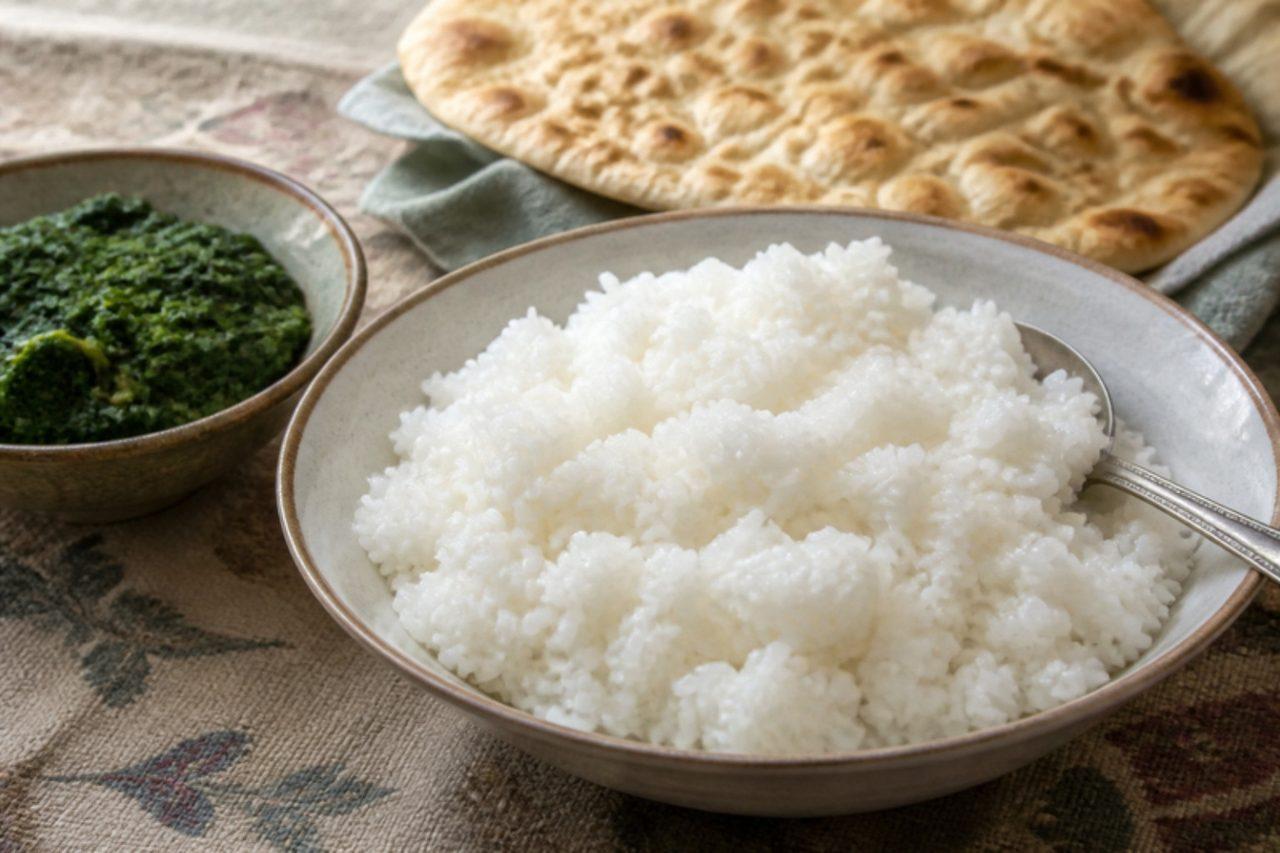
BataSoft sticky rice

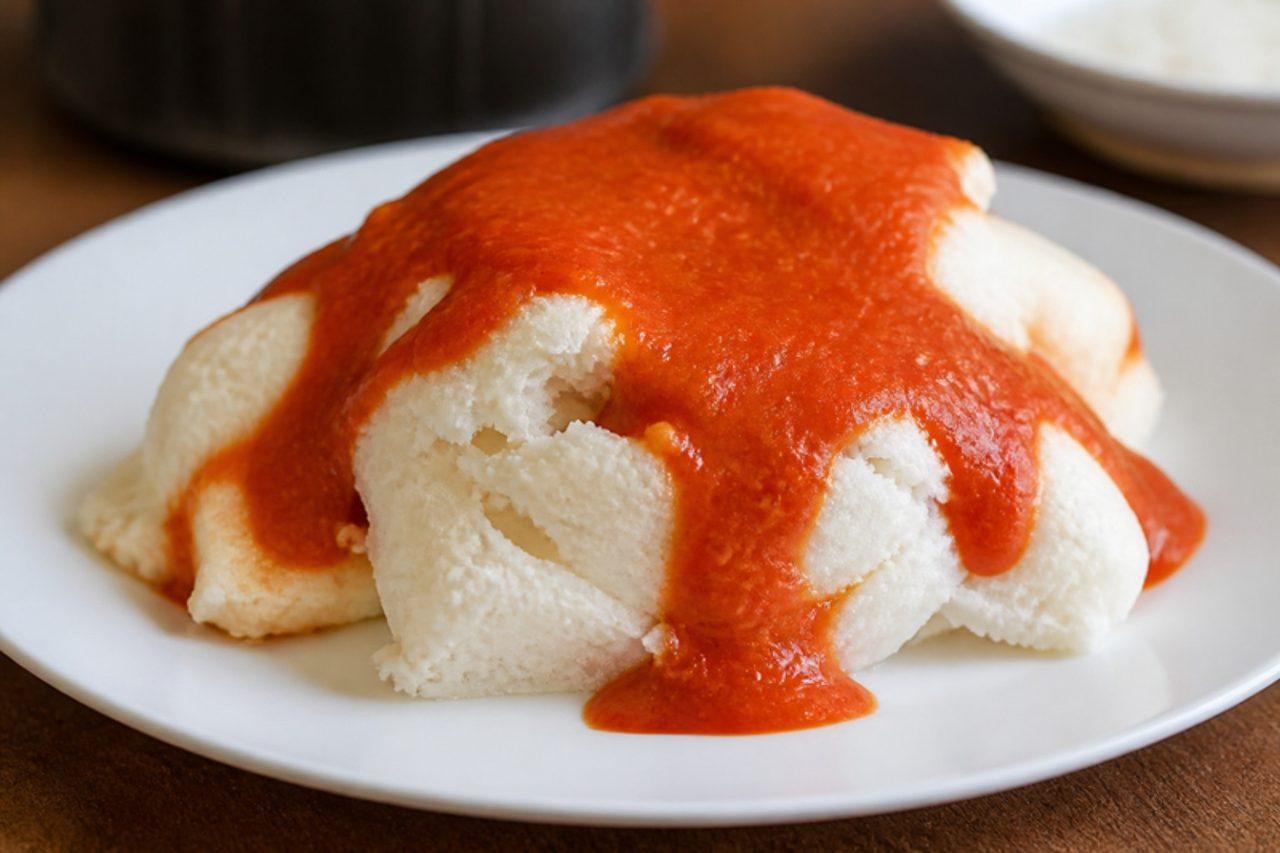
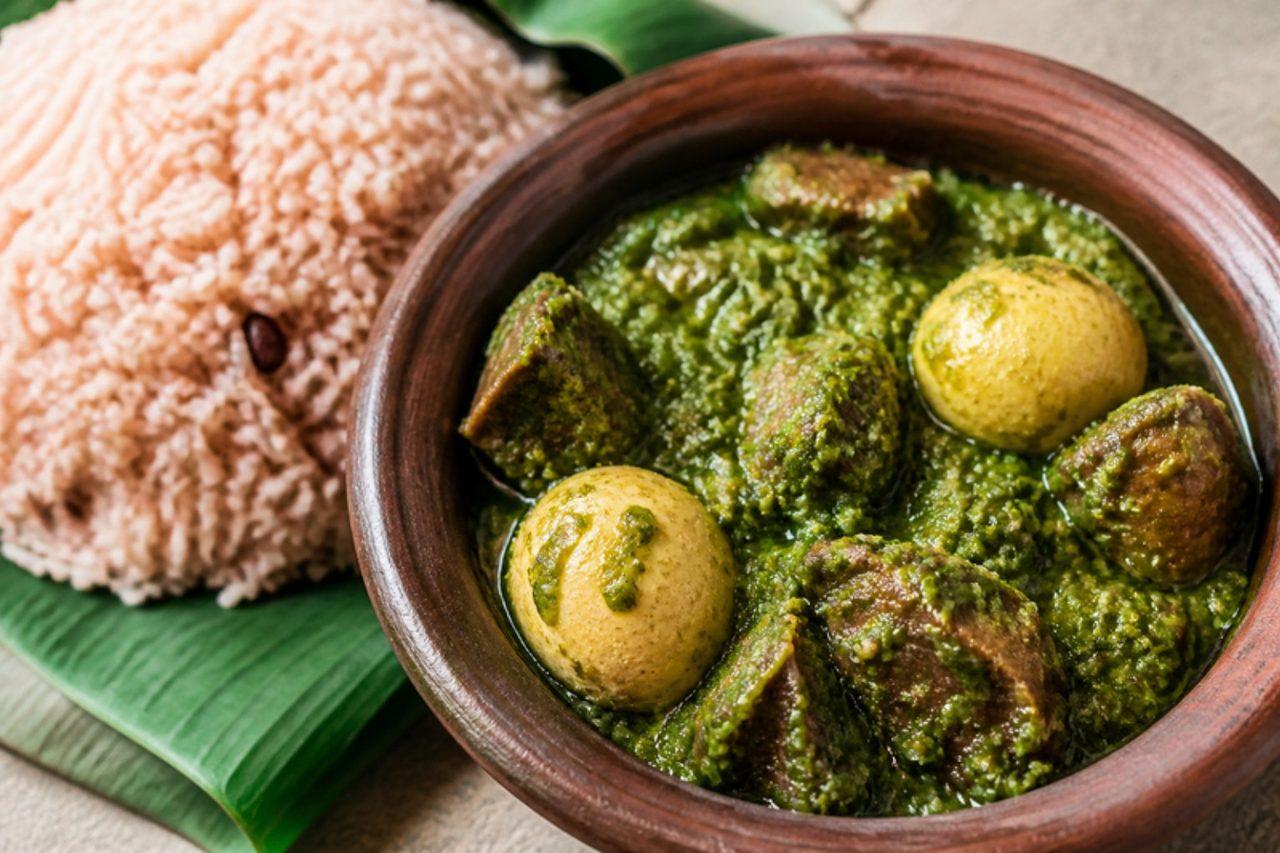
Long-grain palaw gets the glory at weddings, but on ordinary days in Herat and Kabul it is often bata that comes to the table: short-grain rice cooked until the grains burst and cling together in a glossy, gently salted mass. Its job is to sit beside something saucy, typically a qorma or sabzi, the dark, garlicky spinach, and to soak up every bit of it; children often eat it with just a spoonful of yogurt. It needs no spices at all. Rice that is drained or rinsed until the water runs clear will never go properly sticky, so rinse it once and cook it in a measured amount of water. Chef's tip: finish it under a lid wrapped in a tea towel on the lowest heat, which catches the drips of steam and keeps the top soft instead of wet.

by KrazyBadal 0 views

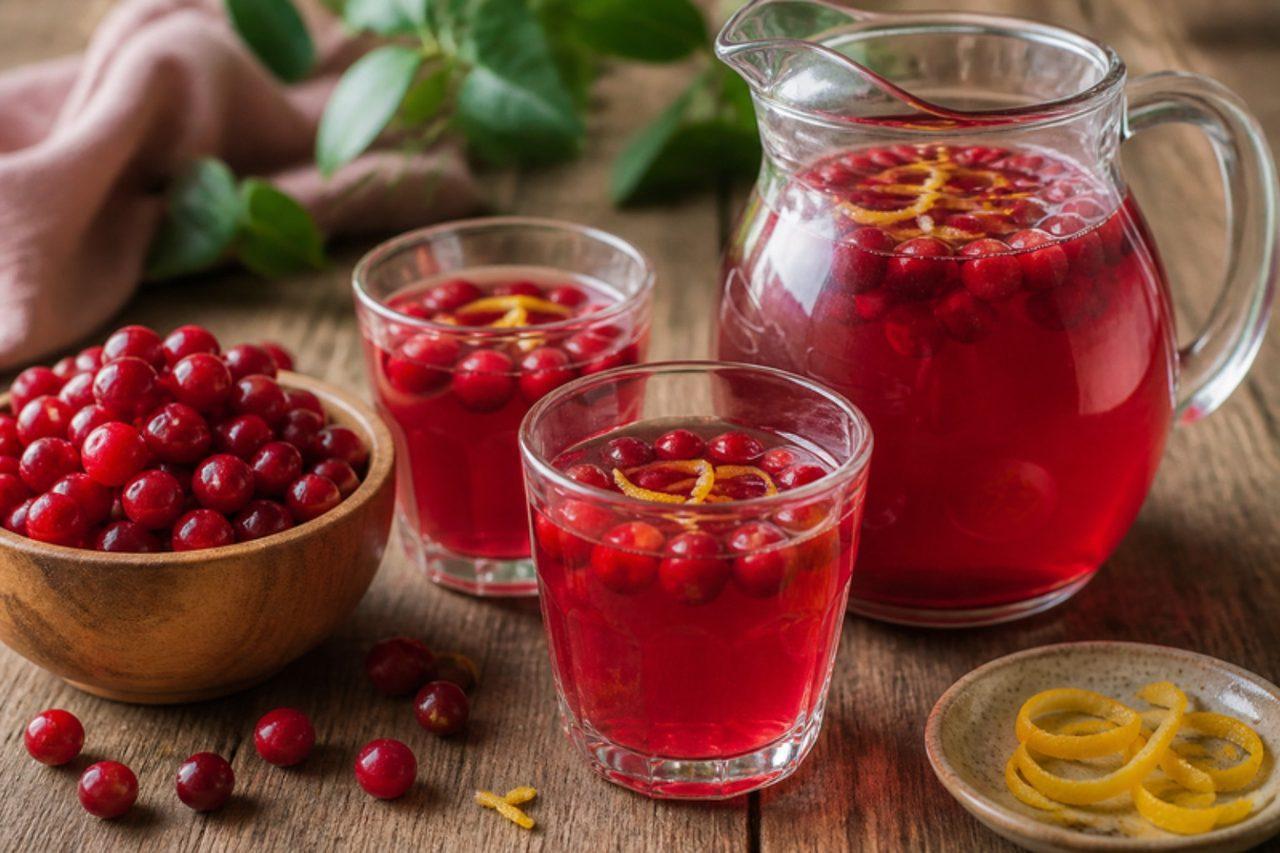
Mors

Northern Russia picks cranberries and lingonberries from the bogs in autumn, and many of them end up as mors, a tart, crimson drink served from a jug at family dinners and offered in cafes and canteens from Arkhangelsk to Siberia. Unlike kissel it is thin and refreshing, made by pressing out the raw berry juice, cooking the skins in water and then combining the two so the fresh vitamin-rich juice is never boiled. Honey goes in last, once the liquid has cooled a little, to keep its flavour. Where most people go wrong is boiling the pressed juice along with the pulp; keep it aside until the end. Honey is not for babies under one year old. Chef's tip: serve it cold with ice in summer or warmed gently in winter; it is good both ways.

by KrazyBadal 0 views

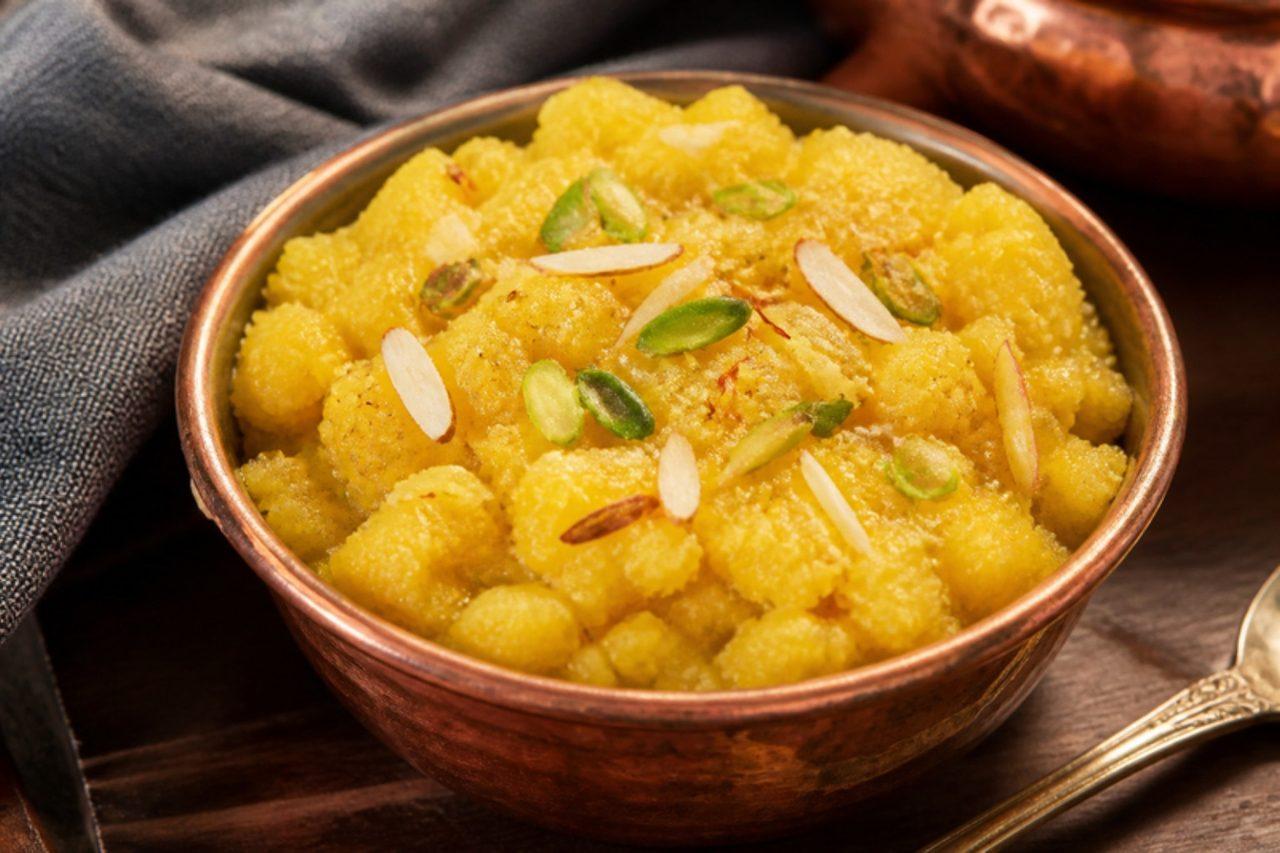
Anday ka halwaEgg halwa

Sweet, golden and grainy like a rich crumble, egg halwa is the quick showpiece of Hyderabadi and Karachi home kitchens, made when unexpected guests arrive or for a winter Sunday, and it fills the house with the smell of ghee and cardamom. Eggs are beaten with milk, sugar and milk powder, then stirred in ghee until the custard sets, breaks and finally fries into soft, sandy granules that cling together like khoya; there is no eggy taste once it is properly cooked. It is served warm in small bowls, topped with almonds and pistachios, sometimes with a few saffron threads. The commonest failure is stopping too soon, when the halwa is still wet and scrambled-egg-like, rather than cooking on until it turns granular and golden and the ghee separates. Chef's tip: strain the beaten egg mixture through a sieve before cooking, which removes the stringy whites and gives a smooth, even grain.

by KrazyBadal 0 views

Anda parathaEgg-stuffed paratha

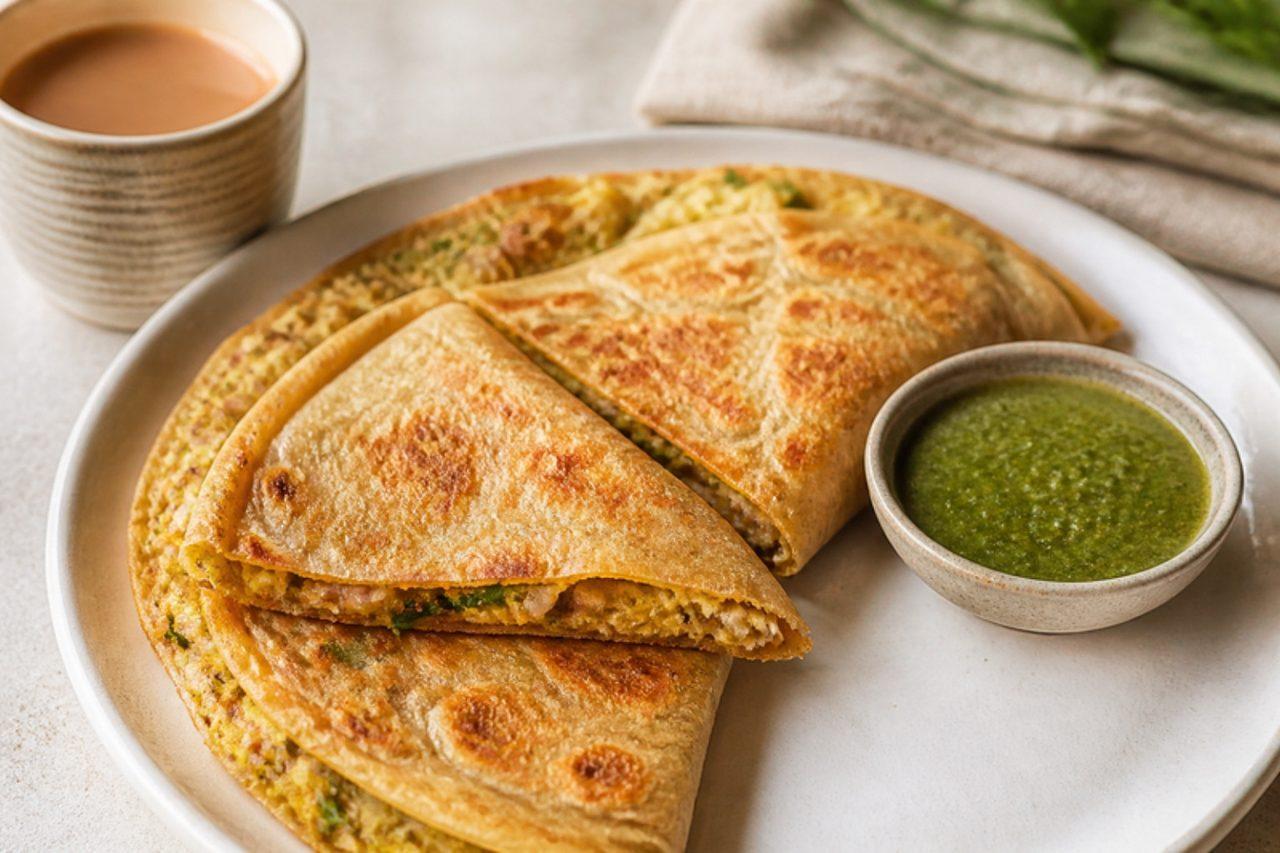
At the dhabas along the GT Road and the breakfast stalls of Rawalpindi's Saddar, the paratha-wala cracks an egg straight into a bowl with onion and chilli, half-cooks a paratha, pours the egg over and flips the whole thing onto the tawa so the egg fries into the bread. The result is one golden, layered disc that is crisp at the edges, soft where the egg meets the dough, and peppery with green chilli. Truck drivers, students and office workers eat it folded in half with chai, ketchup or green chutney, and it is a common packed lunch for school because it needs no curry. The problem most people run into is pouring the egg onto a raw paratha, which tears, or onto a fully cooked one, which will not let the egg stick. Chef's tip: cook the first side only until brown spots appear, then add the egg to the cooked side and flip so the egg sets against the hot iron.

by KrazyBadal 0 views

Kissel

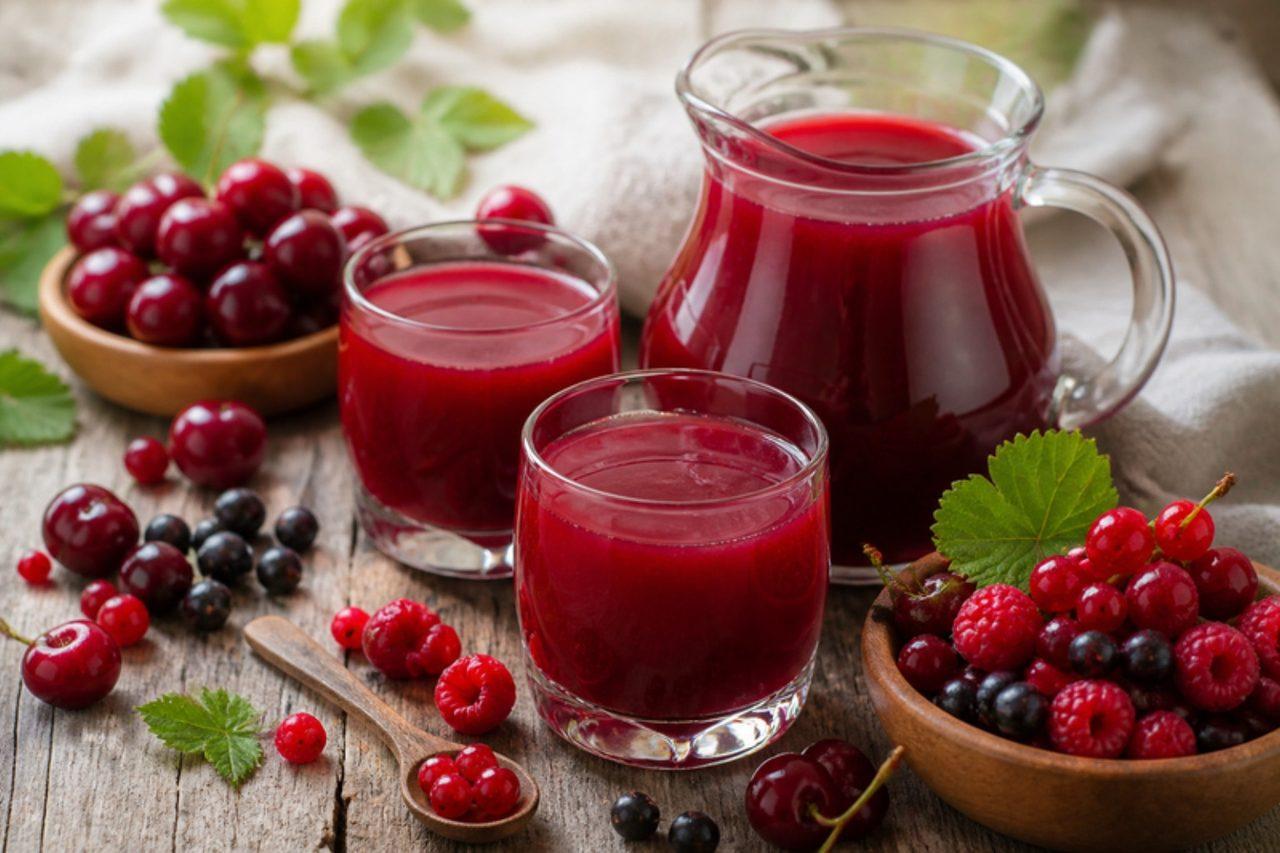
Kissel is the drink of Russian childhoods: a glass of silky, ruby-red berry juice, just thick enough to coat the tongue, poured warm at kindergarten lunch or cold in summer from a jug on the dacha veranda. It is also the old Maslenitsa and wake-table drink, and frozen berries make it possible all year. The flavour is sweet-sharp and fresh, the texture smooth and slightly jelly-like. A common mistake is adding the starch mixture to boiling liquid and letting it bubble for minutes; bring it just back to a simmer, then take it off, or it thins out again and can turn gluey. More starch makes a spoonable dessert kissel. Chef's tip: lay cling film or sprinkle a little sugar on the surface as it cools to stop a skin forming.

by KrazyBadal 0 views

Kartoshka cakeCocoa and cake crumb truffles

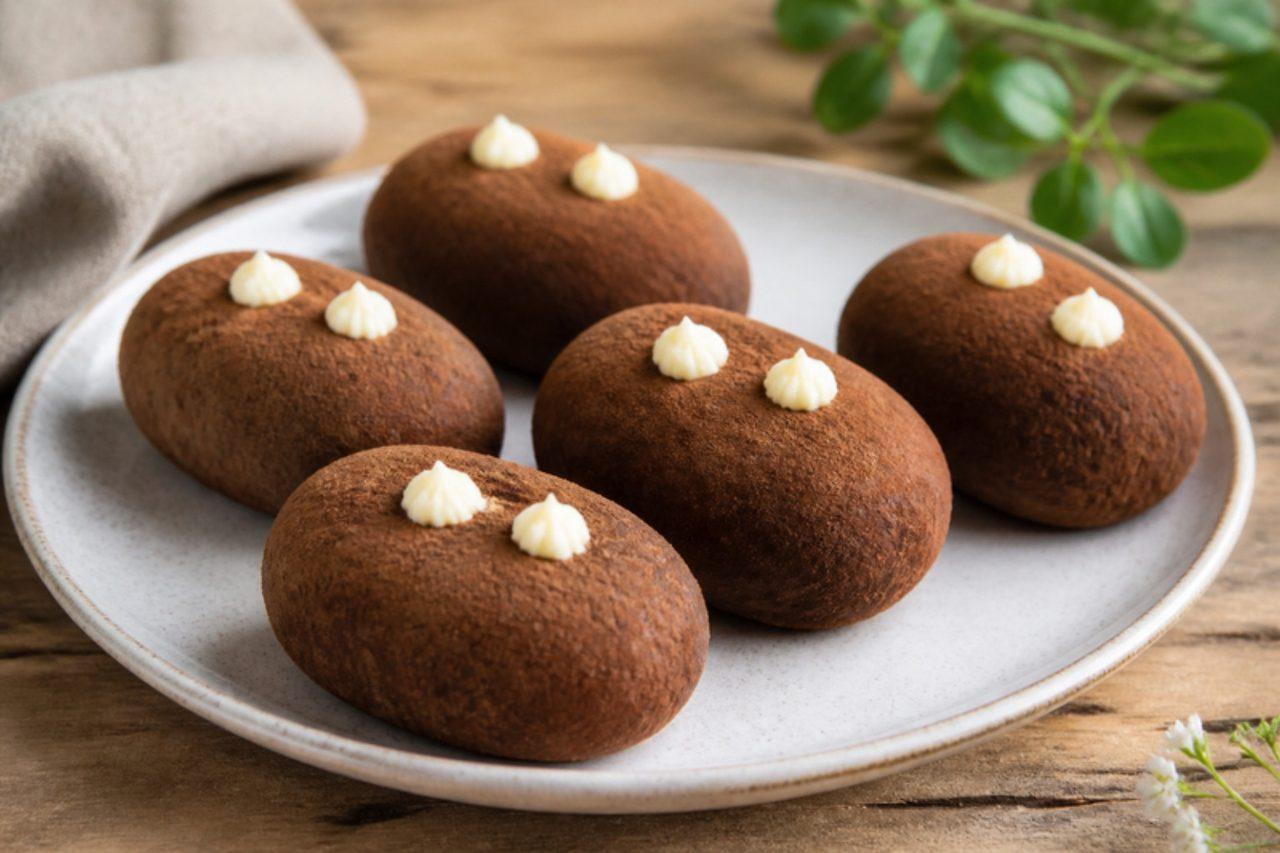
Soviet cafés and school canteens sold these knobbly brown 'potatoes' for a few kopecks, and they began as a thrifty way to use up sponge and biscuit trimmings at the bakery. Crumbs are bound with butter and sweetened condensed milk, flavoured with cocoa and vanilla, shaped into little potatoes, rolled in cocoa and finished with two dabs of pale butter cream for the sprouts. They are fudgy and dense like a brownie truffle, need no oven, and children love making them. Traditional bakers added a spoonful of rum, an optional extra for adult batches only; this version is alcohol-free with vanilla. The usual slip is coarse crumbs, which make the potatoes crack, so blitz them as fine as sand. Chef's tip: chill the shaped potatoes for at least 20 minutes so they hold their shape and slice cleanly.

by KrazyBadal 2 views

AnababeroLayered injera with spiced butter

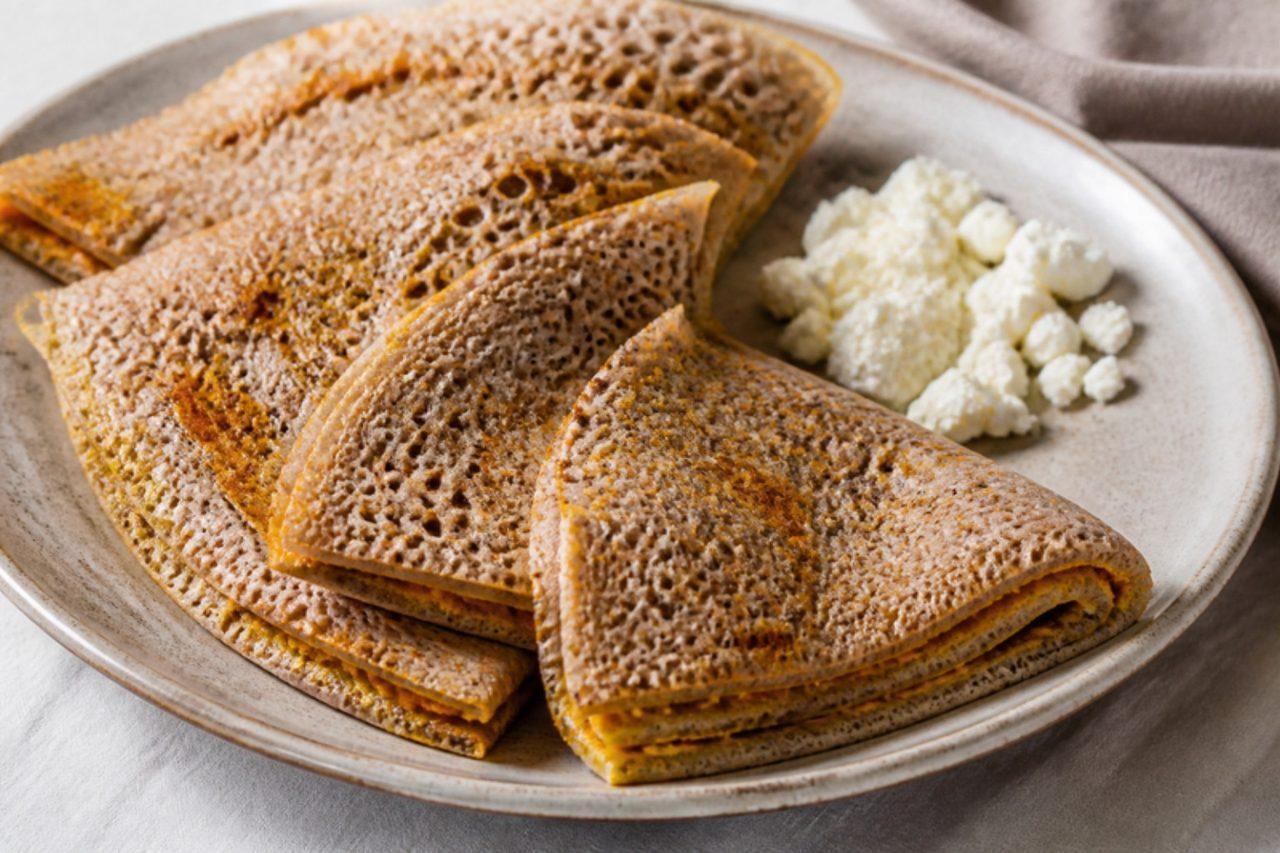
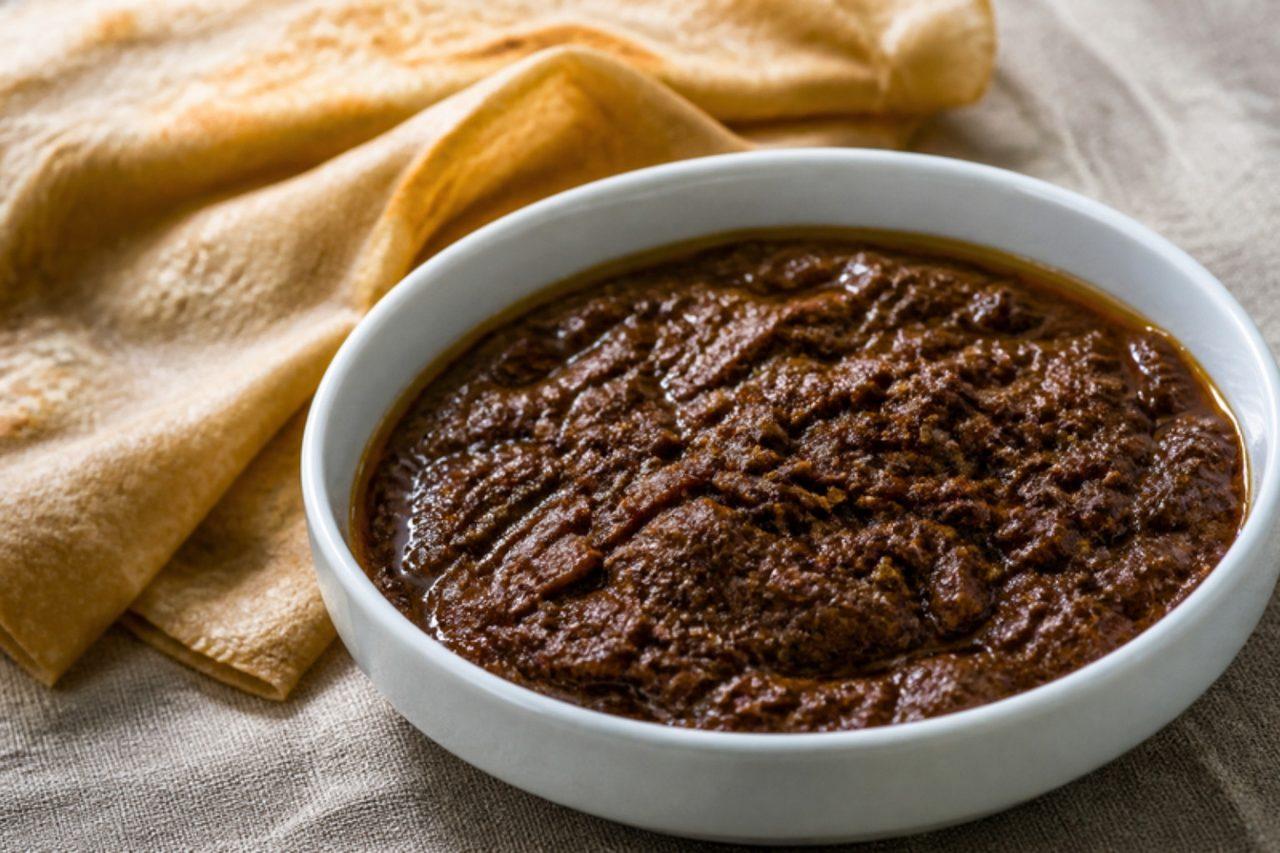
Ask for anababero at a breakfast café in Addis Ababa and two injeras arrive stacked as one, glued together with melted niter kibbeh and a dusting of berbere, then warmed on the griddle until the butter soaks through. The result is soft and tangy inside, a little crisp at the edges, and much richer than plain injera; the name roughly means 'layered' or 'piled on top'. It is torn and eaten as it is with sweet spiced tea or coffee, or served beside a bowl of ayib or a spoon of awaze for anyone who wants it hotter. Because it uses yesterday's injera, it is a favourite way to turn leftovers into a proper breakfast. Chef's tip: brush the butter on warm, not hot, so it melts into the injera's holes instead of pooling on the surface.

by KrazyBadal 0 views

Aloo tukTwice-fried pressed potatoes

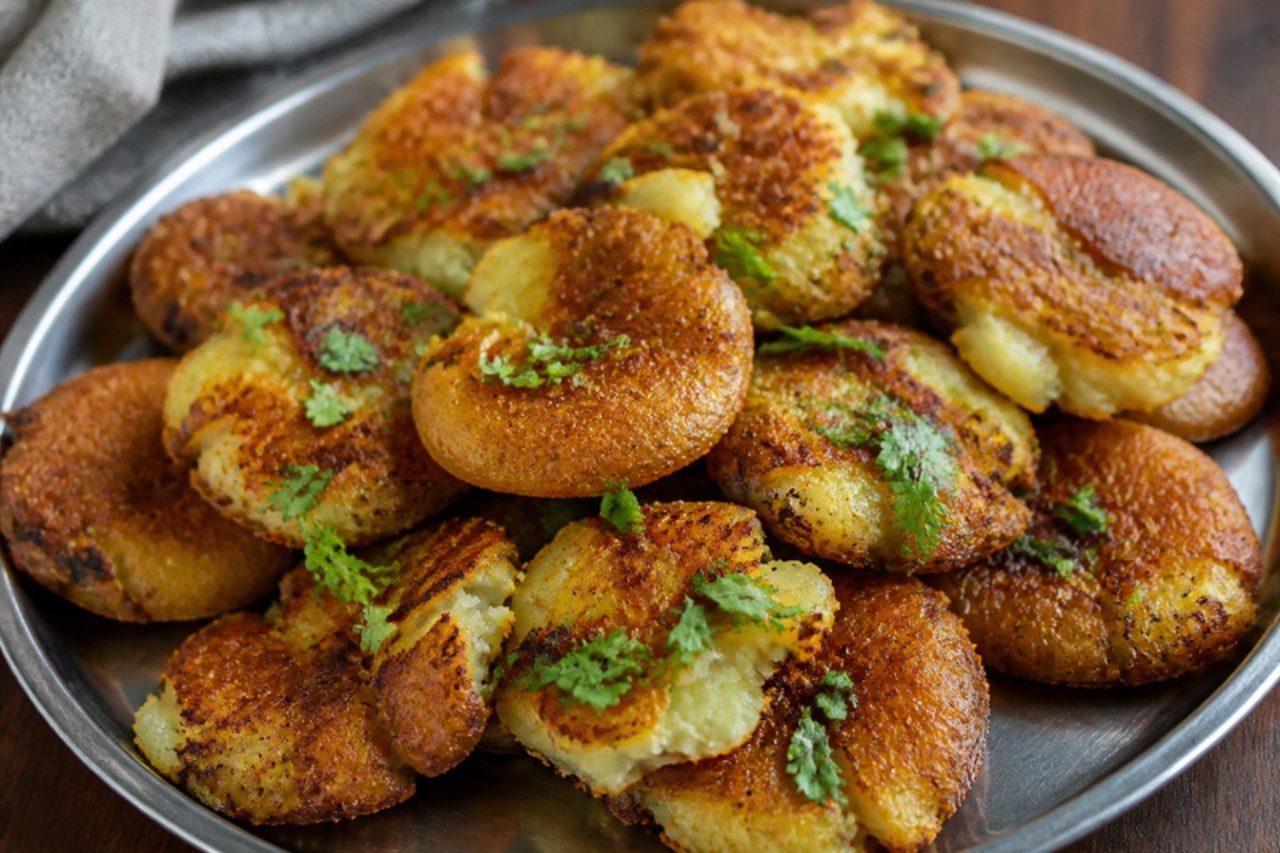
Aloo tuk is the crunch on a Sindhi plate, the thing children steal first: small potatoes boiled, fried, squashed flat and fried again until they are craggy and crisp at the edges and fluffy within, then showered with red chilli, tangy amchur and salt. In Sindhi homes from Karachi to Shikarpur they sit beside Sindhi kadhi and rice or dal and bhuga chawal, and they are also served on their own as a teatime snack with green chutney. The most common error is pressing the potatoes while they are still raw-centred or too hot and wet, which makes them tear instead of flatten neatly. Chef's tip: after the first fry let them cool for five minutes, then press each one under a flat-bottomed bowl so it cracks at the edges, since those cracks become the crispest bits. For children, go easy on the chilli and use more amchur.

by KrazyBadal 0 views

Pakistani chicken corn soup

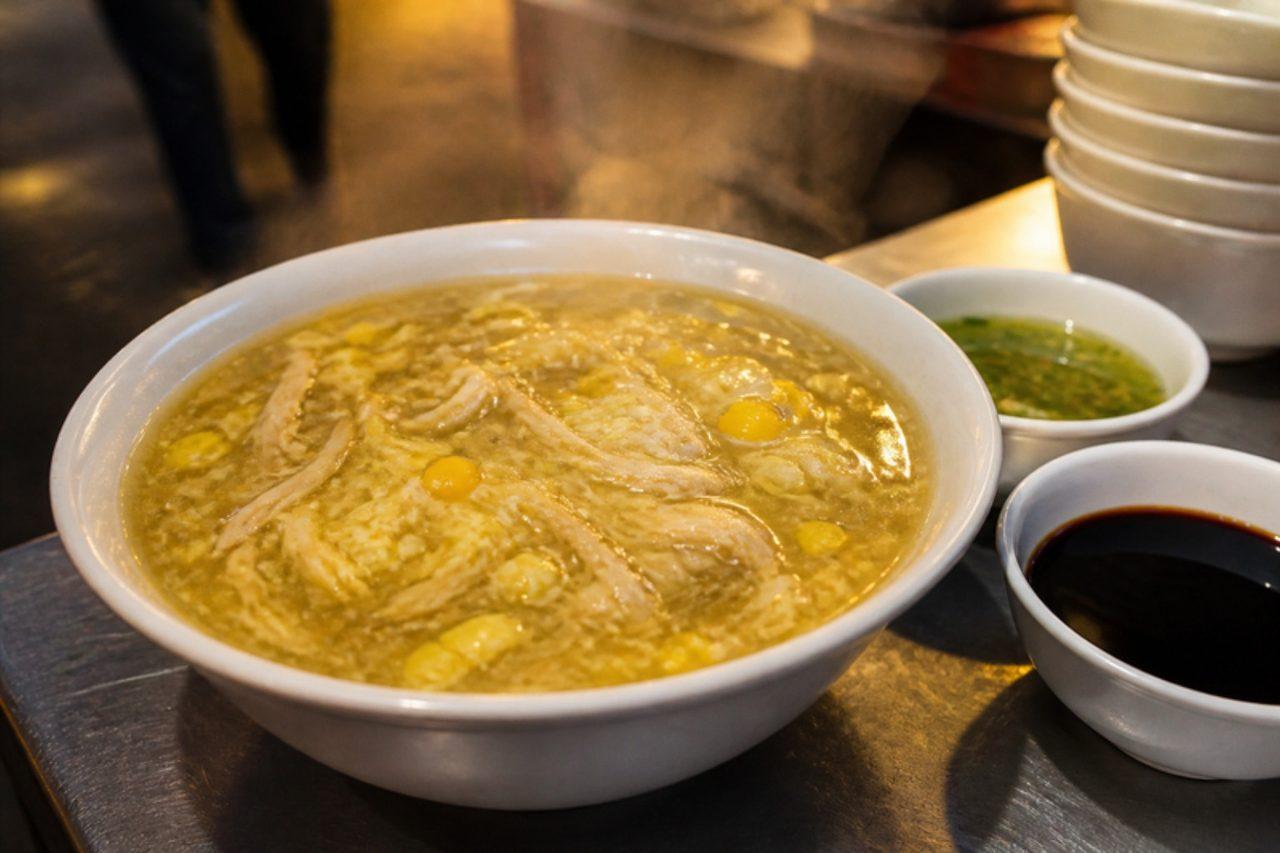
Come the first cold evening of winter, carts with steaming steel pots appear on Karachi's Tariq Road and Lahore's Liberty Market, and queues form for chicken corn soup in disposable cups. It is Pakistani-Chinese food at its most loved: a thick, glossy soup of shredded chicken, creamed sweetcorn and silky egg ribbons, which each person seasons at the cart with chilli vinegar, soy sauce and chilli sauce from squeezy bottles. Children love it plain; adults douse it. Pouring the egg into a rapidly boiling soup turns it into scrambled lumps, so keep it at a gentle simmer and stir slowly in one direction. Chef's tip: for a vegetarian version, use a good vegetable stock, leave out the chicken and add a handful of finely chopped carrot and cabbage.

by KrazyBadal 0 views

Amra chutneyHog plum chutney

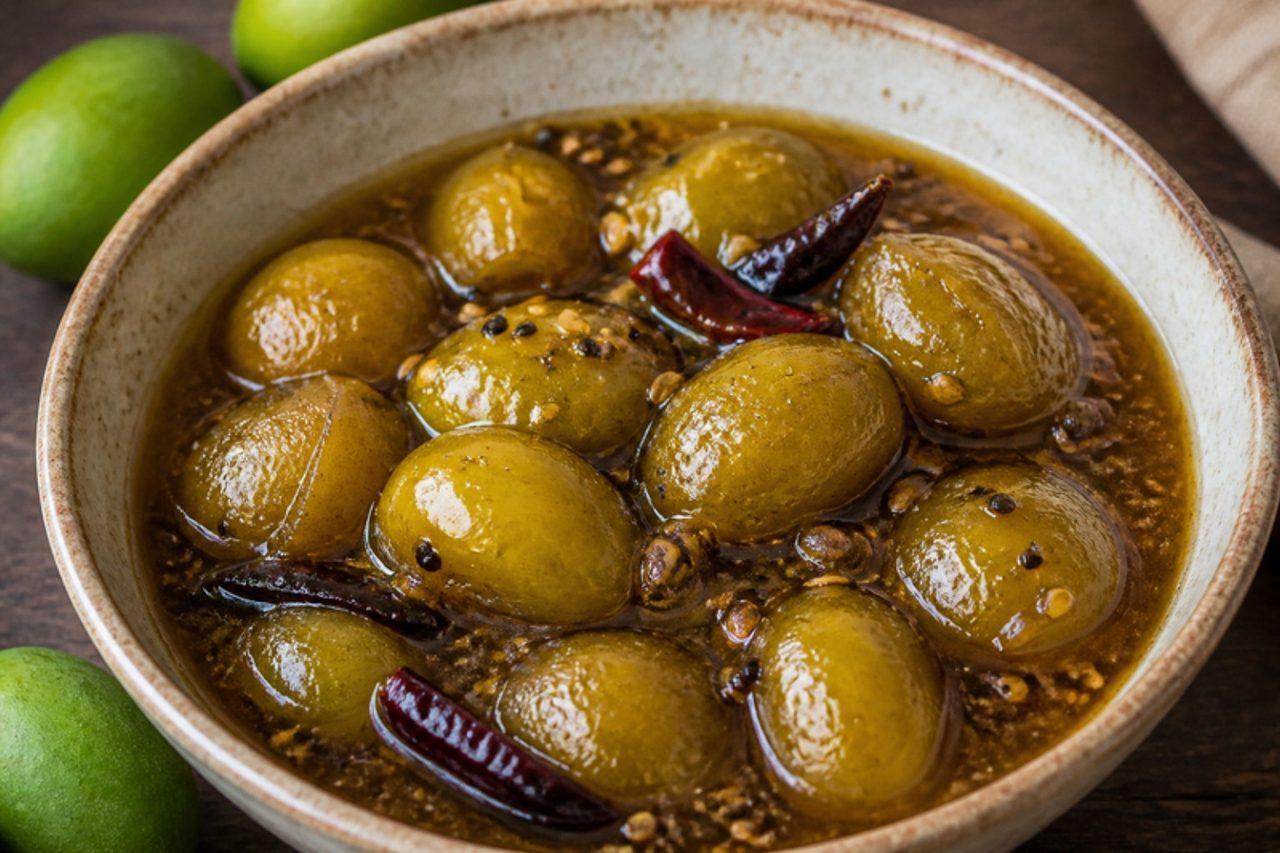
Barisal is famous for its amra, the green, tart hog plums that pile up on market stalls from August to October, and every household there turns some of the harvest into a glossy, jammy chutney. The fruit is scored so the jaggery syrup can soak in, then simmered with panch phoron, dried chilli and a little turmeric until the flesh is soft around the hard, spiny stone. Sweet, sour and gently hot, it is served at the end of a wedding feast or a festive lunch, a spoonful eaten with the last of the rice, and children suck the stones clean. Cooking it too hard reduces the syrup to toffee once it cools, so stop while it still runs off the spoon. Chef's tip: if you can't find hog plums, sour green plums or a firm green mango cut into chunks make a good stand-in.

by KrazyBadal 0 views

Roasted corn and ube (African pear)

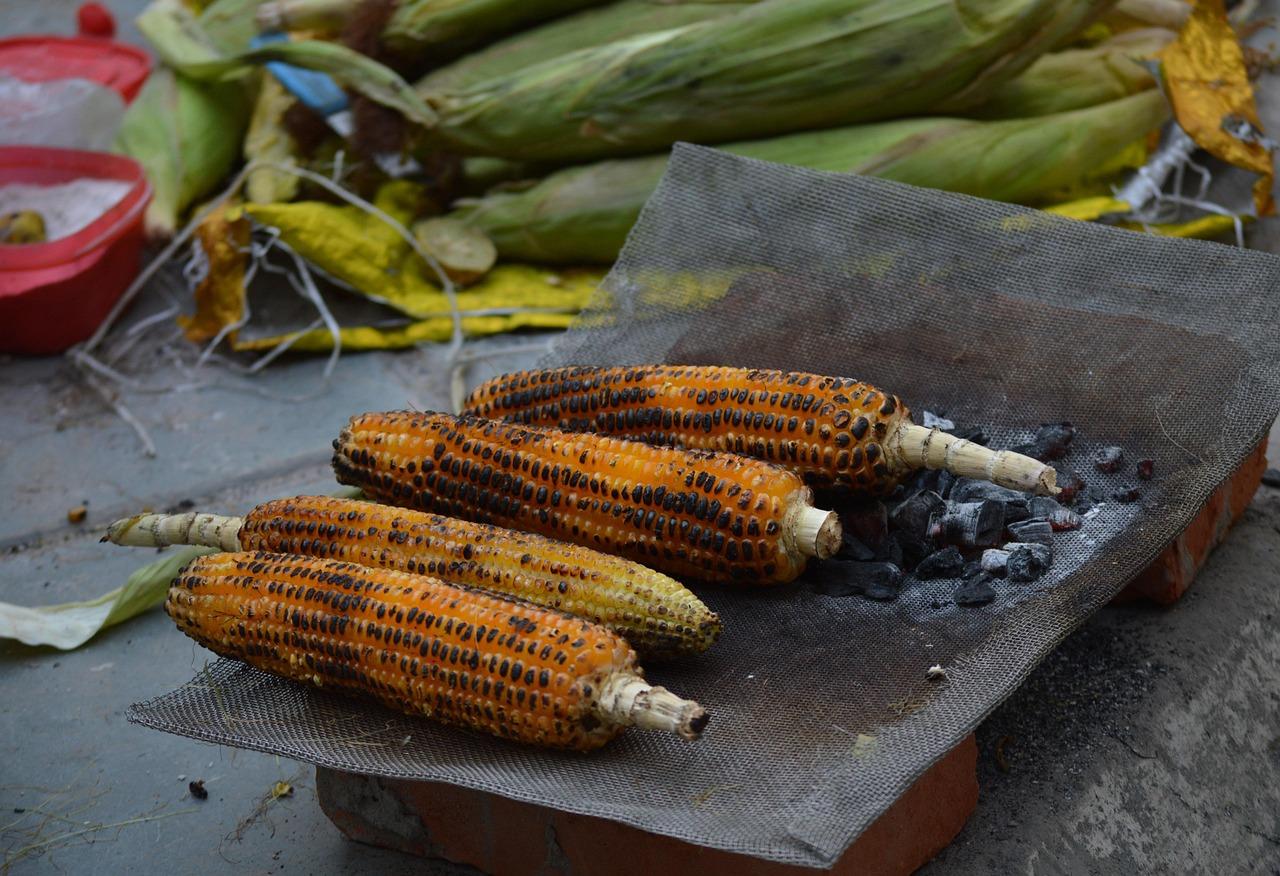
When the rains come between June and September, roadside roasters all over southern Nigeria fan charcoal under rows of maize cobs, and next to them sits a basin of ube, the purple African pear, softened in hot water. A bite of chewy, smoky corn and a scrape of the pear's rich, salty, almost avocado-like flesh is the whole point, and at home a grill or a gas flame does the job. Dropping ube into boiling water is a common mistake: the skins split and the flesh turns watery and bitter, so use water that is hot but not bubbling. Chef's tip: no ube? Fresh coconut chunks are the other classic partner for roasted corn.

by KrazyBadal 0 views

Kandahari pomegranate juice

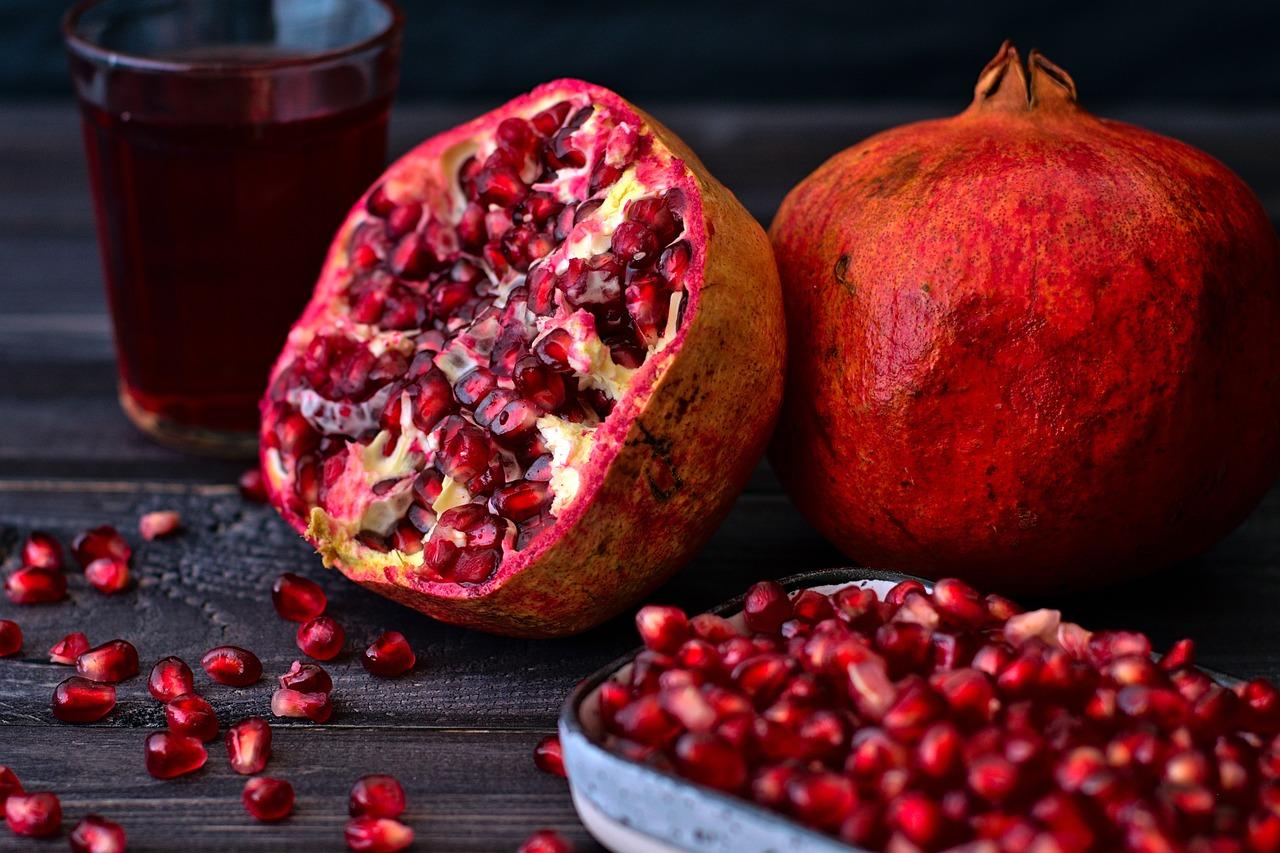
Kandahar's pomegranates, heavy fruits with dark ruby seeds and soft pips, are the pride of southern Afghanistan, and in October and November juice stalls in the city's bazaars press them to order in big iron hand presses. The juice is deep red, sweet with a clean sour finish and a faint tannic grip, drunk on its own in a tall glass, often with a pinch of salt. At home you can get almost the same thing with a citrus press or a blender. The bitterness that ruins many homemade glasses comes from crushing the white pith and hard pips, so blend the seeds only for a few seconds, or press the halves gently. Chef's tip: roll each whole pomegranate firmly on the worktop before cutting it, which bursts many of the seeds inside and makes juicing faster.

by KrazyBadal 0 views

BrunsliChocolate almond biscuits

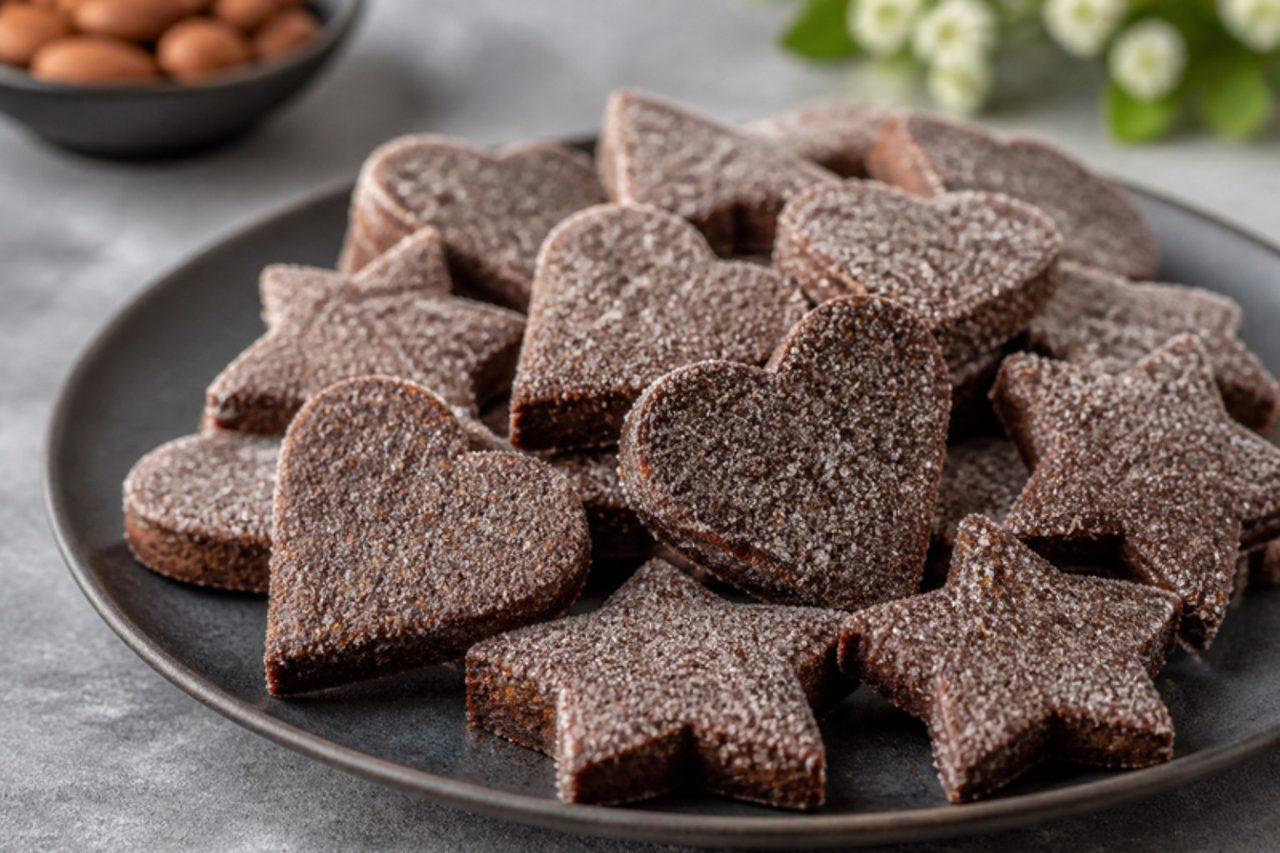
Brunsli are the dark, chewy Christmas biscuits of Basel, one of the 'Basler Weihnachtsguetzli' along with Läckerli and Zimtsterne: ground almonds, sugar, dark chocolate, cinnamon and cloves bound with egg white, rolled out on sugar and cut into hearts, stars and clovers, then dried overnight and baked briefly so they stay soft inside. They are flourless. A common mistake is baking them too long, which turns them hard. Chef's tip: leave the cut shapes to dry overnight at room temperature; they form a thin crust and keep their sharp shape in the oven. Use a dairy-free chocolate to keep them dairy-free.

by KrazyBadal 0 views

Barbadine punchGranadilla milk drink

Barbadine, the giant granadilla, grows on vines over backyard fences across Trinidad and turns up at Sunday lunch blended into a pale, creamy punch. The fruit's soft white flesh and the perfumed seed pulp inside are both used, giving a gentle passion-fruit flavour that milk, nutmeg and a little sugar round out. It is alcohol-free and made for the whole family. A frequent mistake is blending the seeds hard, which cracks them and turns the drink gritty and bitter: pulse the pulp briefly and strain it. Chef's tip: if you can't find barbadine, use the pulp of 6 passion fruit plus 200 g peeled honeydew melon for a similar taste.

by KrazyBadal 0 views

Bannu pulaoBeef pulao in bone marrow stock

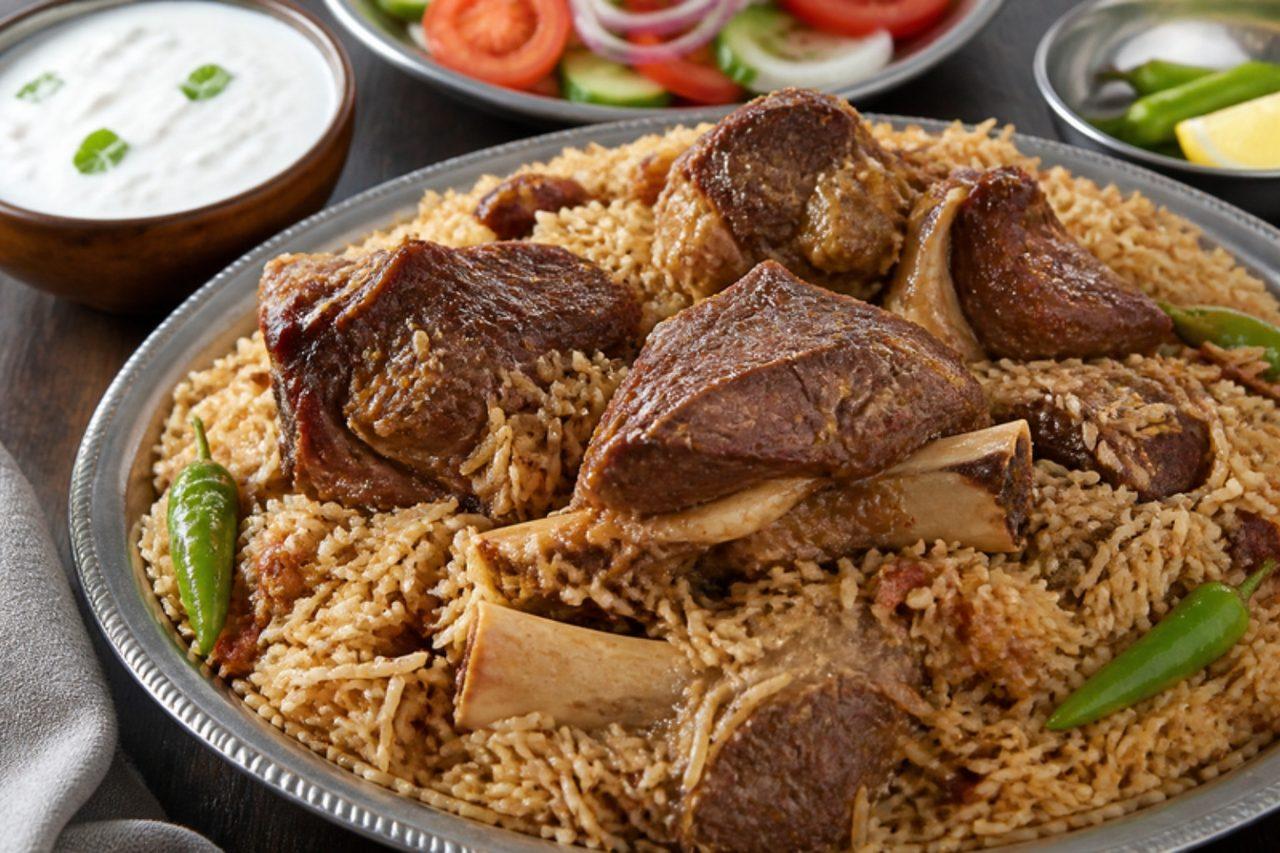
Bannu, a town in southern Khyber Pakhtunkhwa, has given its name to one of Pakistan's richest rice dishes, now sold by pulao houses across Peshawar, Islamabad and Karachi with the town's name painted proudly over the door. Its secret is the stock: beef and marrow bones simmered for hours until the liquid turns cloudy and gelatinous, then used to cook long-grain rice so every grain is glossy with beef fat. The rice is served piled up with fist-sized pieces of boiled beef on top, alongside raita and a fresh chilli-tomato salad, at weddings and Friday lunches. Watery rice is the common failure, because the stock is not reduced enough; it must be concentrated, almost like gravy. Chef's tip: let the stock cool and lift off some of the fat, then fry the onions in that fat, so nothing is wasted and the rice tastes of beef throughout.

by KrazyBadal 0 views

Ambarella curryJune plum curry

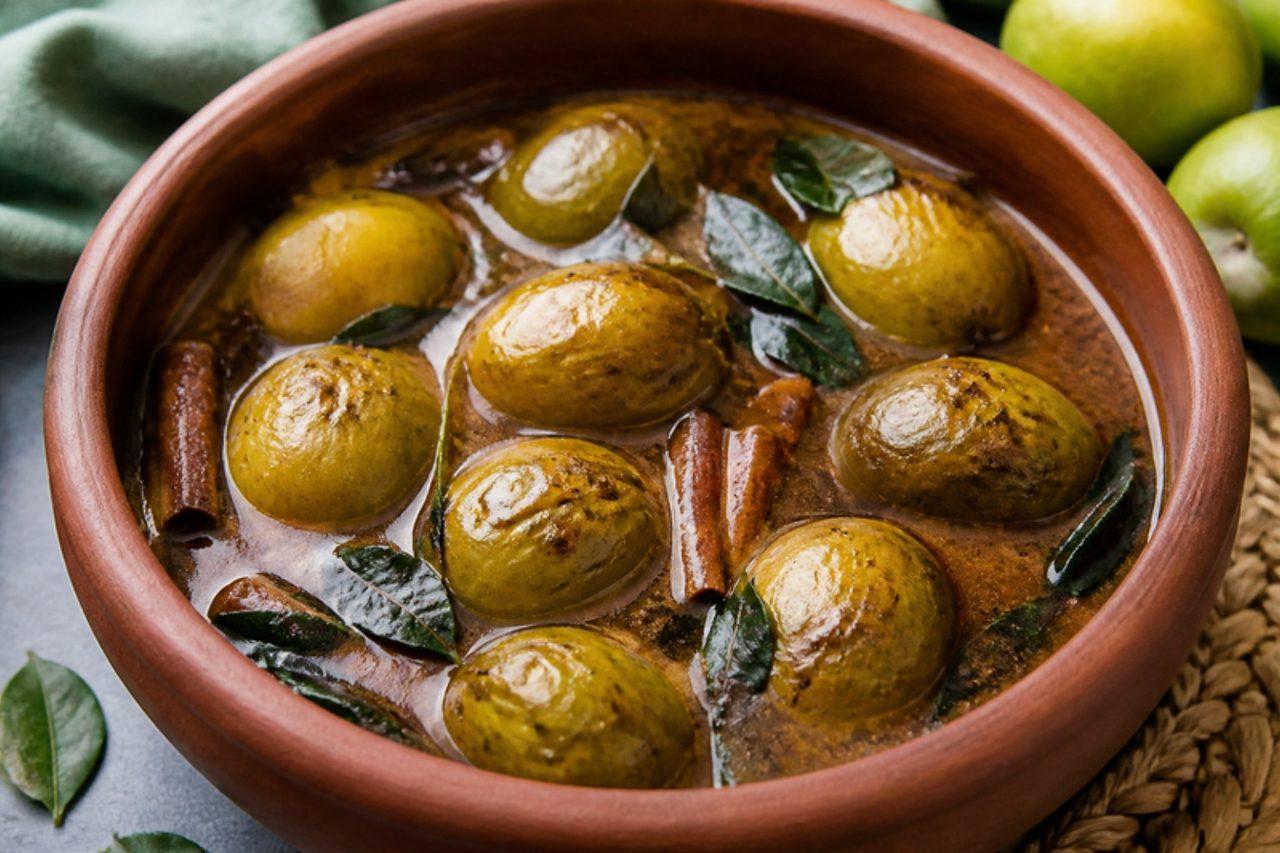
Ambarella trees, heavy with green, plum-sized fruit, shade countless gardens around Galle, and when the crop comes in, cooks turn the sour, crunchy fruit into this sweet-sour curry for Sunday lunch and family gatherings. The fruits are scored and cooked whole with roasted curry powder, garlic, cinnamon and cloves, then sweetened with sugar and finished in coconut milk, until the flesh softens and drinks in the dark, glossy gravy. Its tangy, fruity flavour cuts through richer dishes, and it is served in small portions with rice alongside a dhal and a meat or fish curry. Each fruit hides a spiky, fibrous stone, so warn guests to nibble around it. Leaving the skins whole and unscored is where many go wrong, because the spices never get in; make several deep cuts in each fruit. Frozen ambarella is sold in Sri Lankan shops; firm green mango is the nearest stand-in. Chef's tip: let the curry rest for an hour before serving, as the fruit keeps soaking up flavour.

by KrazyBadal 0 views

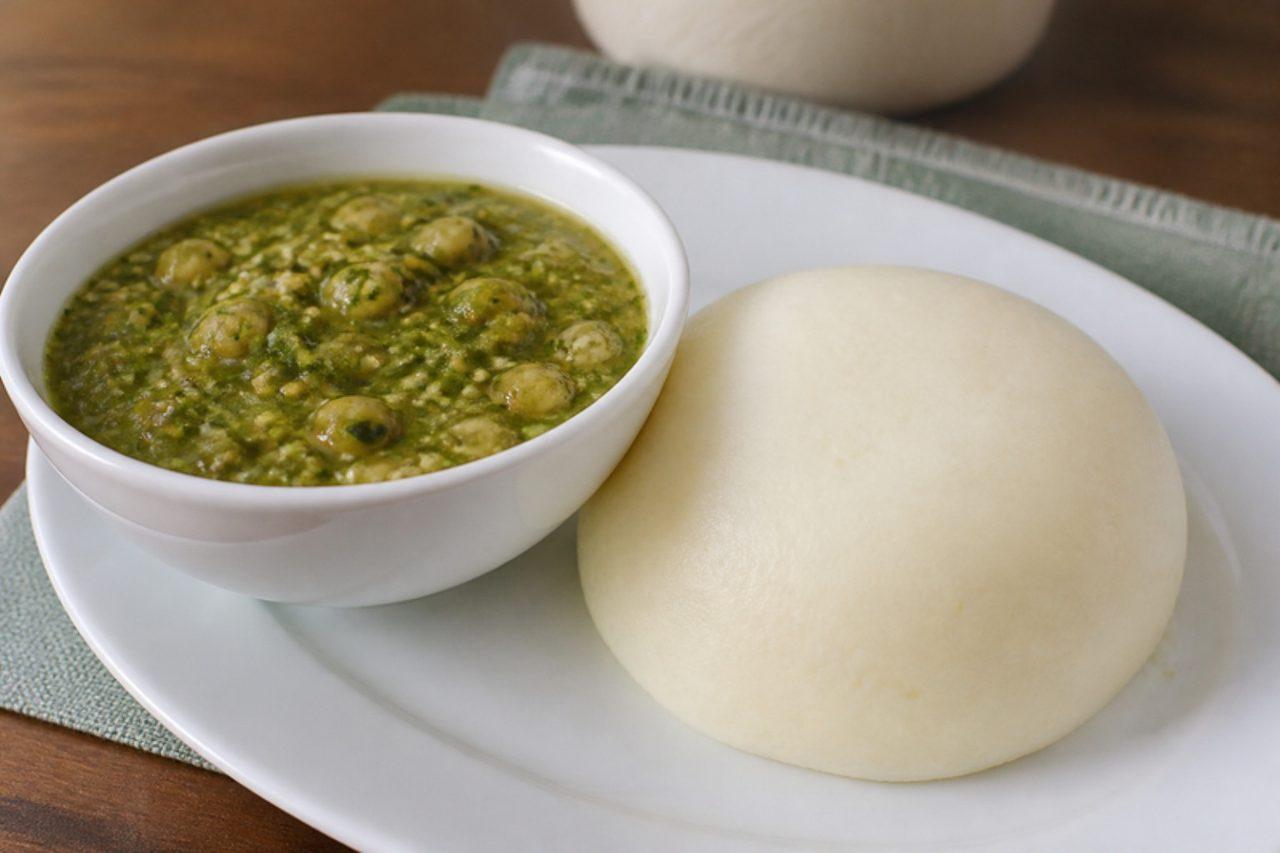
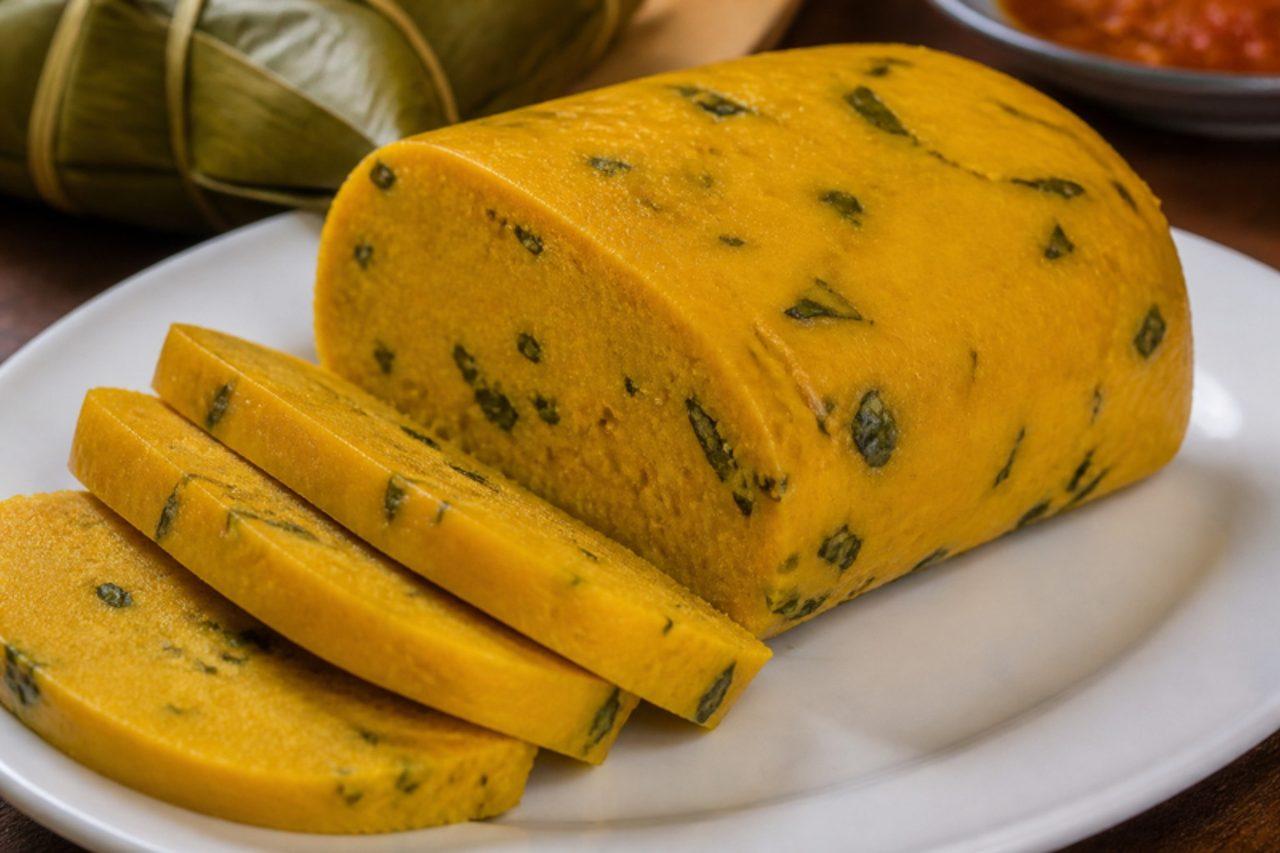
Tuwo masara (stiff maize swallow)

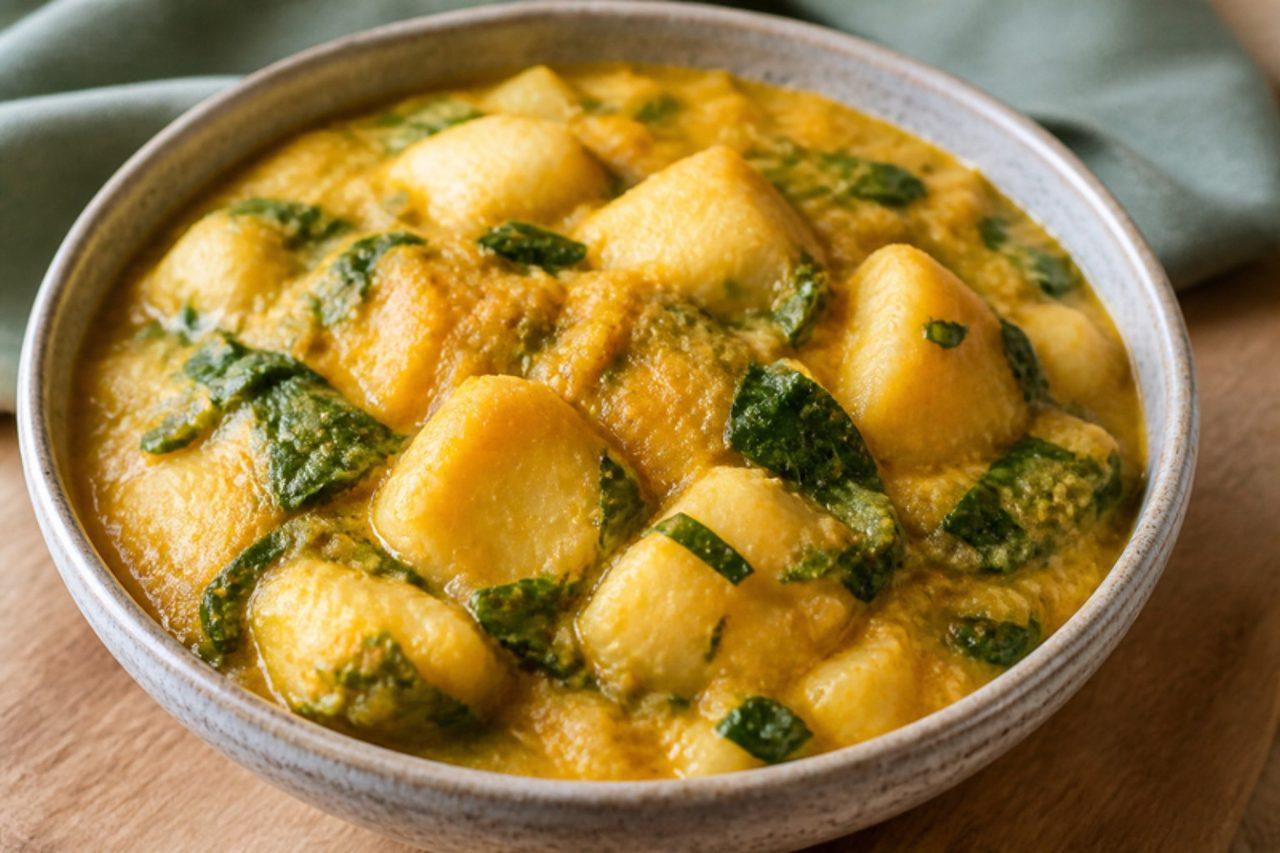
On the Plateau and throughout the north, a pot of white maize flour turned stiff with a wooden paddle is the daily partner to miyan kubewa (okra soup), miyan kuka and vegetable soups. Tuwon masara is smooth, slightly springy and mild, with a faint sweetness of corn. The secret is to start with a thin cooked paste and only then add the dry flour, which keeps it lump-free; dumping all the flour into boiling water is the mistake that gives raw, gritty pockets. Chef's tip: use a sturdy, flat wooden spoon and press the tuwo hard against the side of the pot when you turn it.

by KrazyBadal 0 views

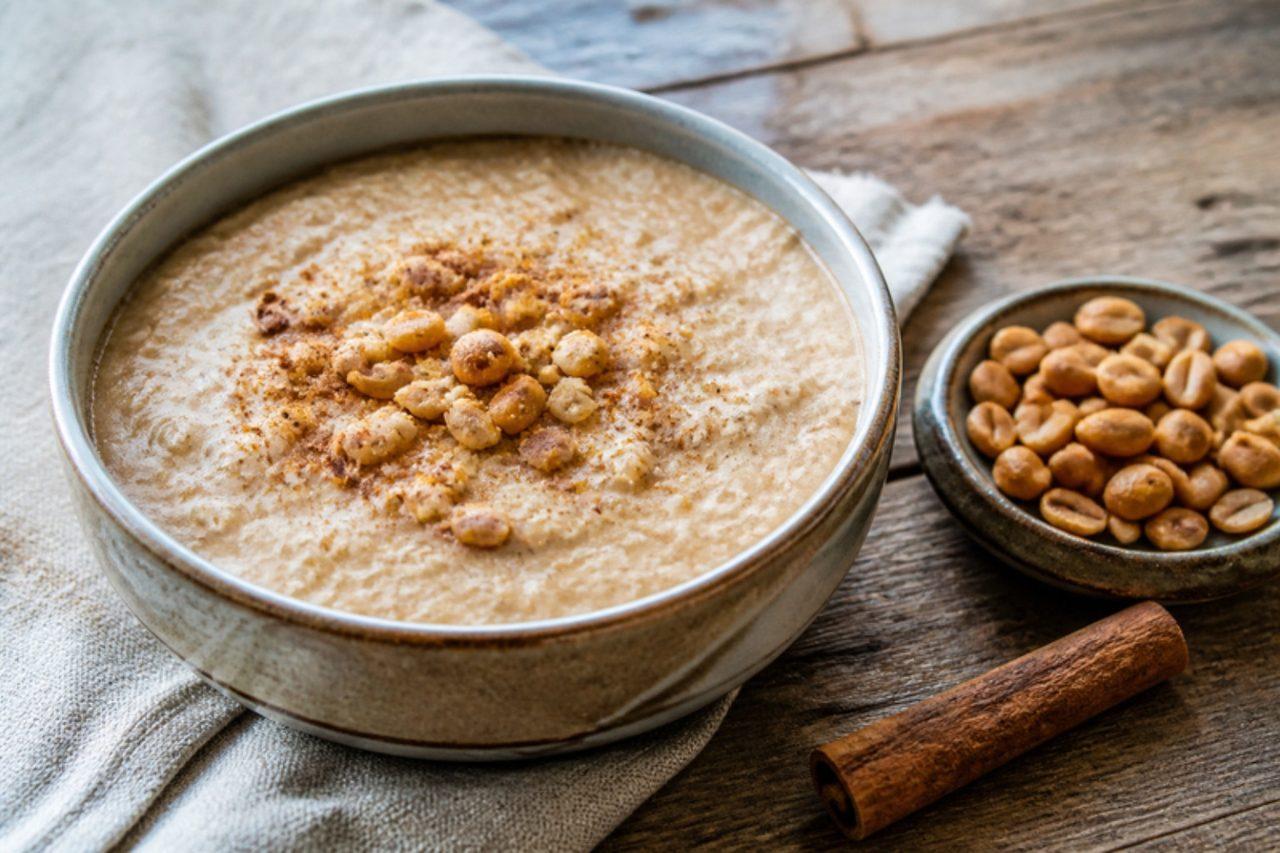
Jamaican peanut porridge

Before an early shift or a long day in the field, plenty of Jamaicans swear by peanut porridge, thick, nutty and filling enough to last until lunch; it is sold hot in cups from carts in downtown Kingston in the mornings. Roasted peanuts are blended with oats and water into a smooth paste, then cooked with milk until creamy and finished with nutmeg, vanilla and condensed milk. The mistake people make is cooking it over too high a heat, which scorches the bottom within minutes; peanuts burn easily, so stir and keep it at a simmer. This contains peanuts, milk and oats (gluten unless certified gluten-free). Chef's tip: toast the peanuts in a dry pan until they smell rich before blending, which deepens the flavour enormously.

by KrazyBadal 0 views

Jamaican roast corn

Drive the road over Mount Diablo or past Faith's Pen and you will see vendors fanning half-drums of glowing coal, with corn cobs turning slowly until the kernels are charred, chewy and smoky. Jamaican roast corn is drier and nuttier than boiled corn, closer to a snack to gnaw on the move, sometimes rubbed with salted butter and sometimes eaten plain with a cup of hot "fish tea" soup. The most common mistake is roasting over flames rather than embers, which blackens the outside before the inside cooks. Starchy, slightly mature cobs are traditional; very sweet corn burns faster, so keep it moving. Chef's tip: pull off the husks before roasting, as the vendors do, so the kernels char directly and pick up all the smoke.

by KrazyBadal 0 views

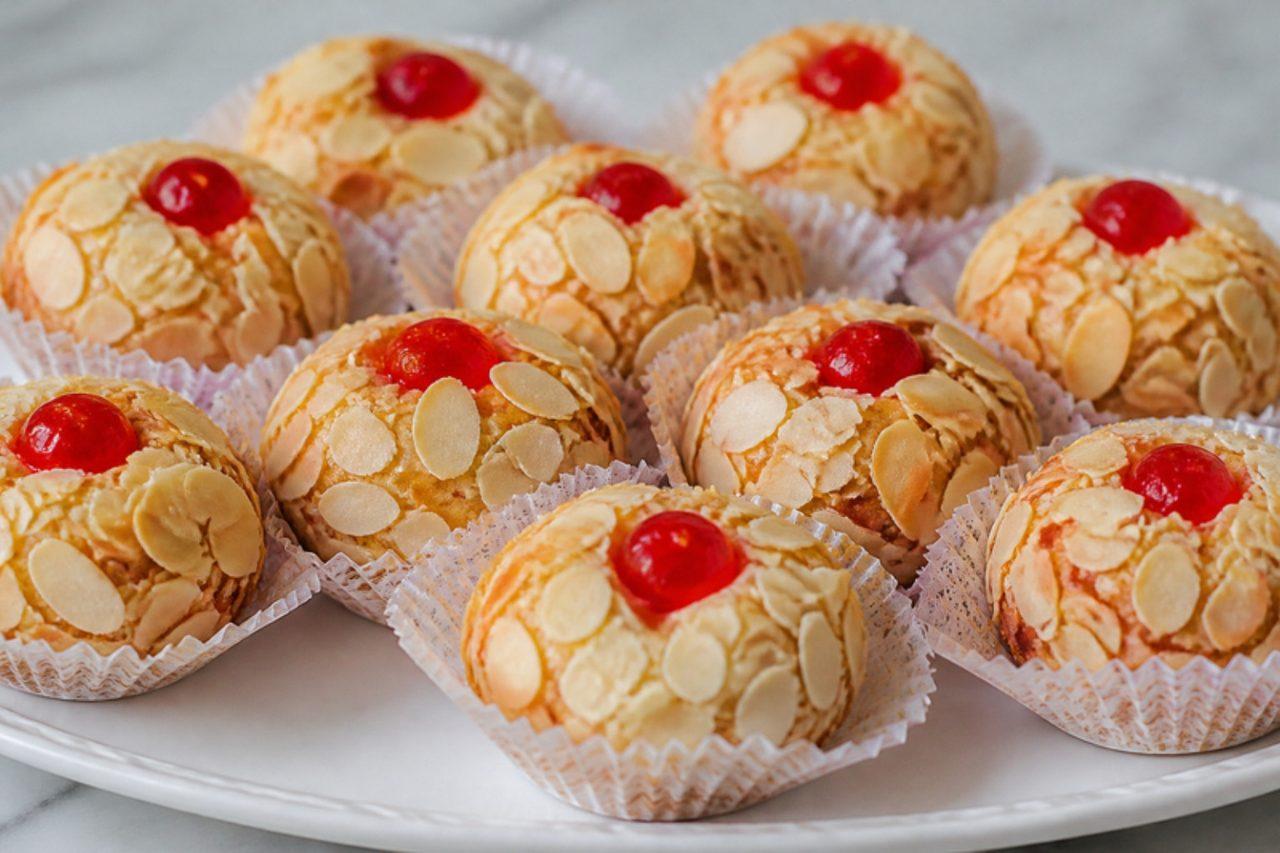
Mchewek (almond cookies)

Mchewek means something like 'prickly', which is exactly how these cookies look: balls of almond paste rolled in flaked almonds so the flakes stick out like spines, each topped with half a candied cherry and baked only until the tips turn gold. Inside they stay soft and chewy, like a rustic macaroon. Being made with no flour, they suit anyone avoiding gluten, and they appear on Eid and wedding trays all over Algeria, often brushed with a little honey syrup for shine. Chef's tip: take them out when the edges are just golden and the centres still feel soft; overbaking is the classic mistake and leaves them dry and crumbly once cool.

by KrazyBadal 0 views

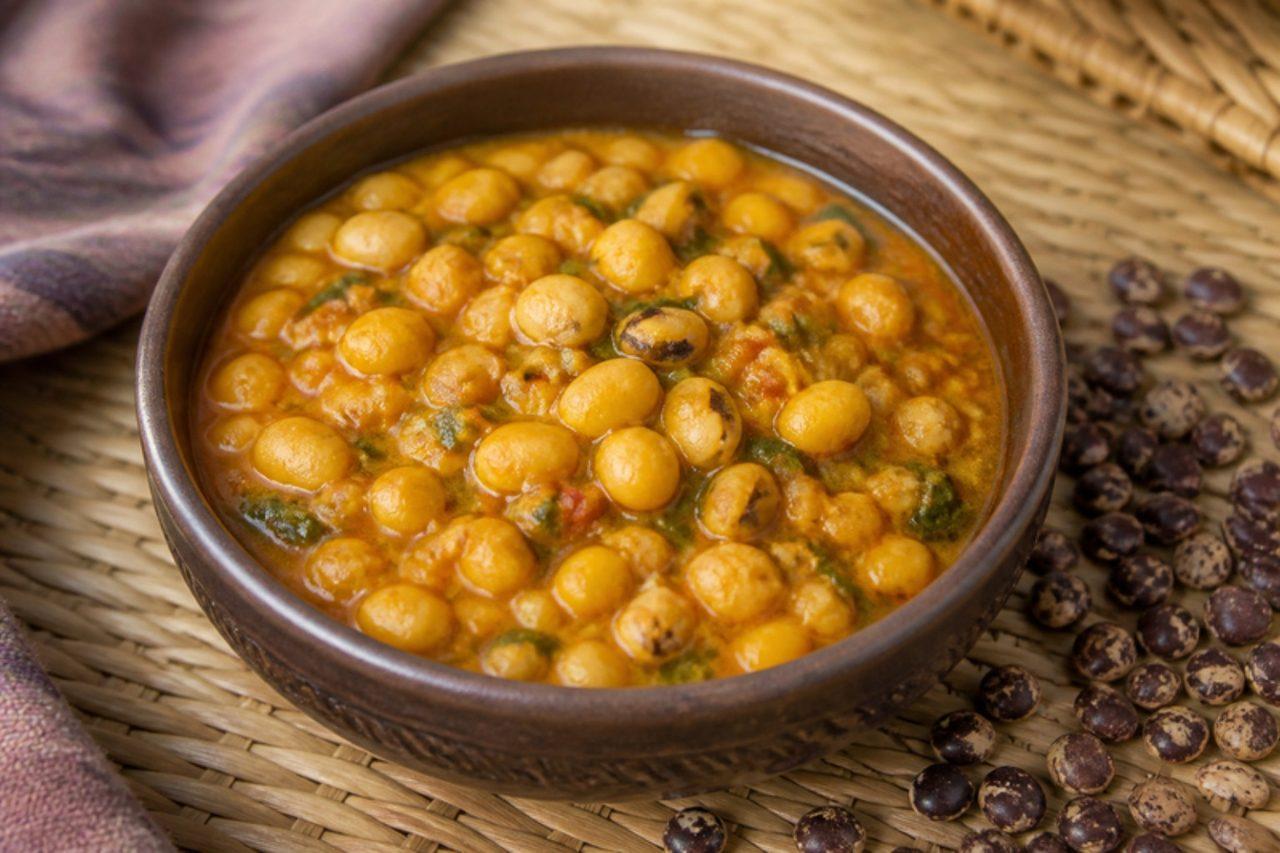
Ukwa (African breadfruit porridge)

Ukwa is festival and family food in the Igbo Southeast, cooked for guests and for the New Yam season, and its price in the market shows how prized it is. The seeds of the African breadfruit are dehulled and slow-cooked with a little potash until soft and creamy, then finished with palm oil, onion, pepper and fragrant utazi or scent leaves, giving a rich, nutty, slightly beany porridge. Dried fish is often stirred in; this version stays meat-free. Some cooks add fresh sweetcorn or cooked maize in the last 10 minutes. A pressure cooker saves an hour of simmering. Chef's tip: add the salt and stock cube only once the seeds are soft; seasoning early, a common mistake, keeps them hard for much longer.

by KrazyBadal 0 views

Arayeche (almond star pastries)

Picture a star with three plump arms: arayeche are shaped from a ball of orange-blossom almond paste wrapped in very thin pastry and pinched into points, baked pale, dipped in honey and then rolled in icing sugar until snow-white. Along with dziriettes and makrout, they are fixtures of the sweet trays at weddings and Eid in Algiers, set out in paper cases with mint tea. The pastry is crisp and fine, the almond filling dense and fragrant, and the coating of sugar sticks to the honey in a sweet crust. Chef's tip: pull them out of the oven while still pale with barely golden tips; browned arayeche are a common mistake and taste dry once the sugar goes on.

by KrazyBadal 0 views

Bangladeshi mutton rezalaYoghurt mutton curry

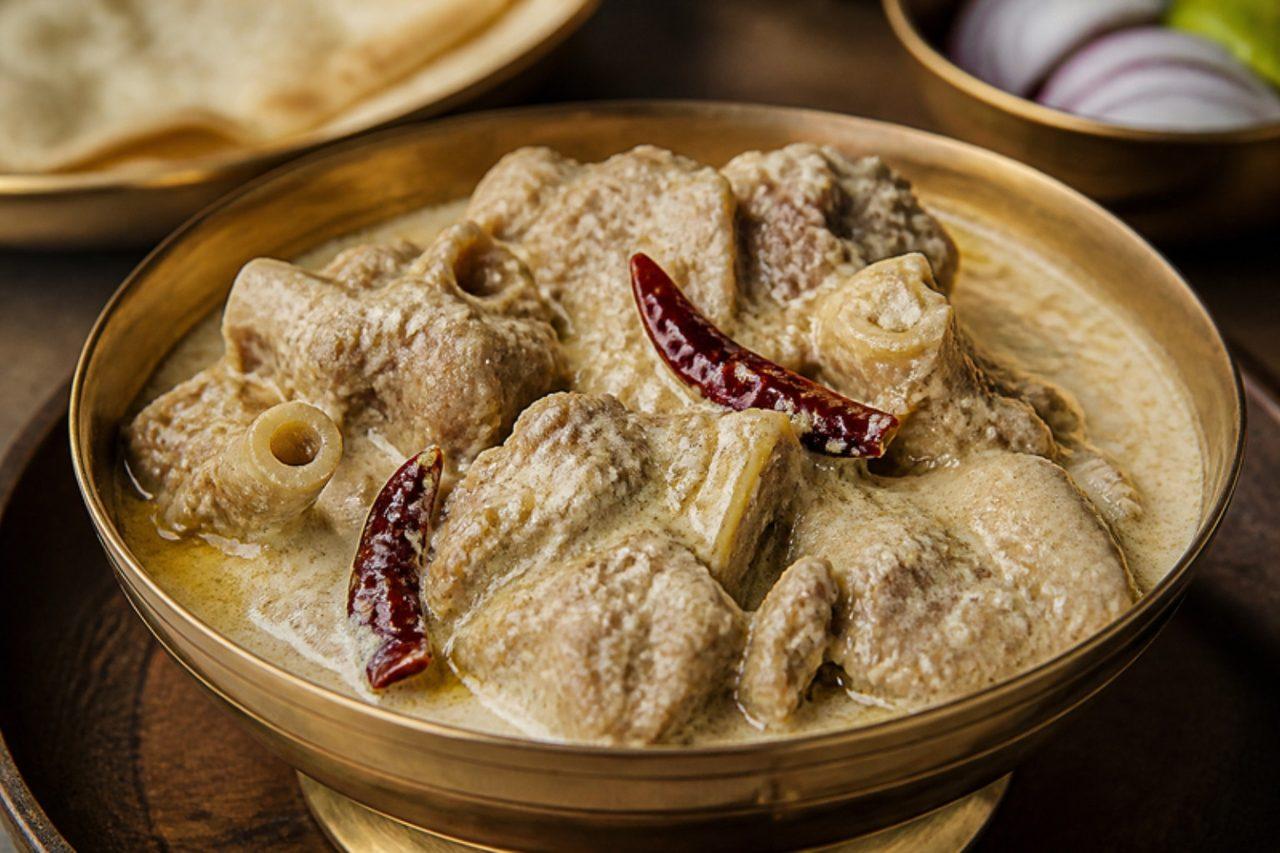
Rezala is the elegant one on a Dhaka dawat table, a creamy, ivory-coloured mutton curry that looks mild and then surprises you with the slow heat of whole dried chillies swimming on top. Its roots are in the Mughal kitchens that reached Bengal through Murshidabad and Old Dhaka, and today it turns up at Eid lunches and wedding receptions beside polao or soft naan. There is no turmeric and no red chilli powder in the gravy; the body comes from yoghurt, a paste of white poppy seeds and cashews, and onions cooked gently so they never brown. The classic mistake is frying the onion paste too hot, which turns the gravy beige and bitter instead of pale. Chef's tip: grind the poppy seeds and cashews after soaking them in warm milk or water for 20 minutes, so the paste is completely smooth.

by KrazyBadal 0 views

Bangladeshi aloo chopSpiced potato patties

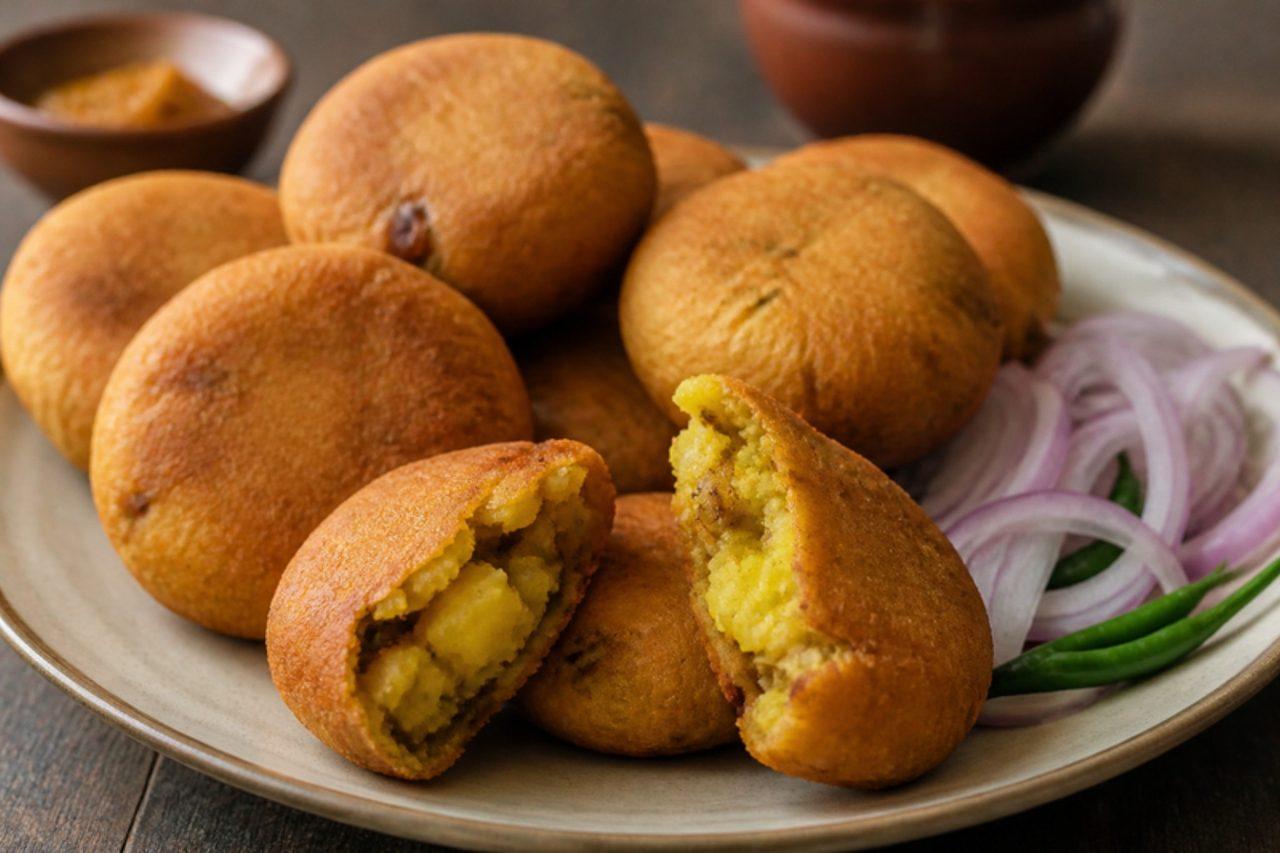
Every chop-shop on a Dhaka street corner, and every iftar spread in the evening during Ramadan, has a tray of aloo chop: flattened ovals of mashed potato fried with onion, ginger and green chilli, dipped in a gram-flour batter and fried until puffed and golden. The inside is soft and fragrant with roasted cumin and coriander leaves, the coat thin and crunchy, and they are eaten hot, with a sprinkle of bit lobon (black salt), a squeeze of lime, kasundi mustard sauce or a dab of tamarind chutney, often tucked into a paper cone with muri. Watery potatoes are the commonest problem, as they make the patties split in the oil, so steam-dry them well after boiling. Chef's tip: add a pinch of rice flour to the gram-flour batter for a crisper coat that stays crunchy as it cools.

by KrazyBadal 0 views

Seven-layer tea

Visitors to the tea gardens of Srimangal, in Sylhet's Moulvibazar district, queue at small tea cabins to see a glass of tea striped in seven distinct bands, from creamy white at the bottom to pale green-gold at the top. The original recipe is a closely guarded secret of the tea-maker who made it famous, but the principle is simple physics: each layer carries a different amount of sugar, so the heaviest sits at the bottom and the lightest floats on top. This home version uses condensed milk, green tea, strong black tea, milk tea, lemon tea, spiced tea and plain tea, and it is drunk slowly, layer by layer, with a long spoon. Pouring too fast is what ruins it; each layer should trickle down the inside of the glass over the back of a spoon. Chef's tip: let all the brews cool to warm, about 50 °C, so temperature differences don't stir the layers.

by KrazyBadal 0 views

Bamboo chickenBamboo-roasted spiced chicken

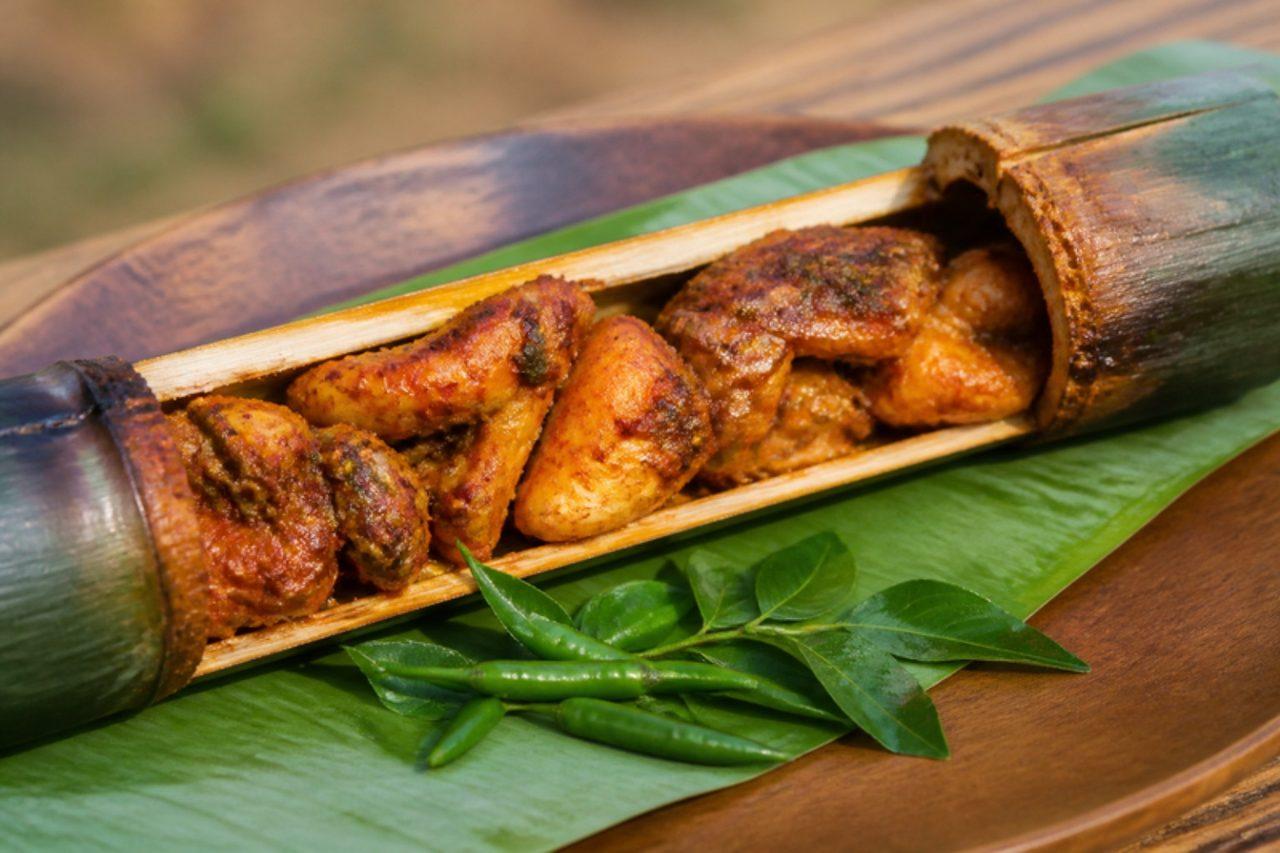
Trekkers heading up to Nilgiri and Boga Lake in the Chittagong Hill Tracts look forward to one meal in particular: chicken that Marma and Bawm cooks pack into a freshly cut length of green bamboo, plug with leaves and lean against the embers until the tube blackens and hisses. Inside, the meat steams in its own juices with ginger, garlic, lemongrass, turmeric and bird's-eye chilli, and picks up a faint grassy sweetness from the bamboo. It is eaten with plain rice and a sharp chilli chutney, often at a jungle campfire. At home a heavy lidded casserole or a tight foil-and-banana-leaf parcel in the oven gives a very close result. The trap is packing in too much liquid, which boils the chicken instead of steaming it; the meat makes its own juice. Chef's tip: use small bone-in pieces, because large joints stay undercooked in the middle of a tube.

by KrazyBadal 0 views

Sharmout (Sudanese dried beef, oven method)

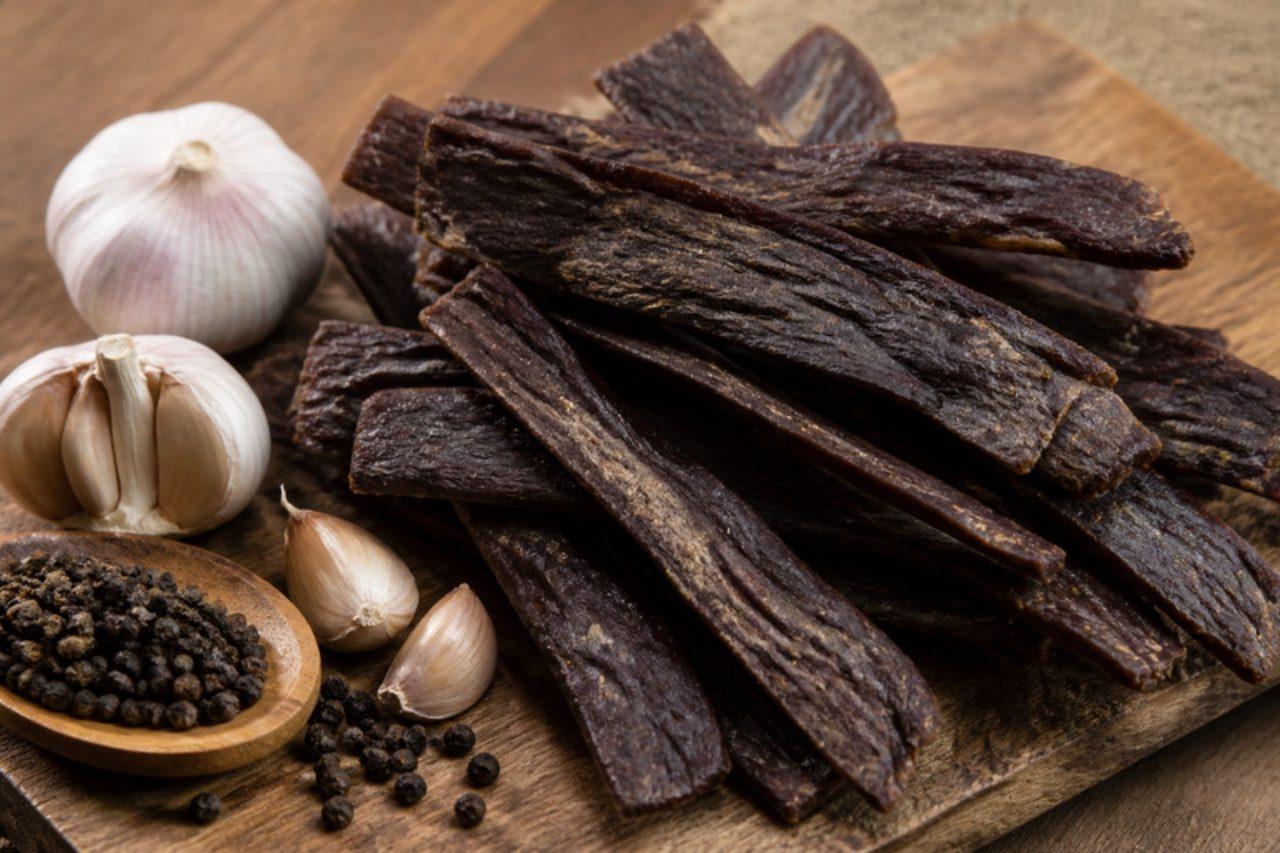
Across Darfur and Kordofan, and in kitchens throughout Sudan around Eid al-Adha, strips of lean beef are salted and hung to dry in the hot, dry air for several days until they turn hard and dark. That sharmout is then pounded and fried with onion to give tagalia, kawal and other stews their rich, savoury depth. Air-drying raw meat at home is risky, so this safer version heats the strips to 71 °C first and then dries them slowly in a low oven, and the finished sharmout is kept in the fridge. The traditional raw air-dried version is not for pregnant women, young children or anyone with a weakened immune system. Leaving fat on the strips is the usual mistake: fat does not dry and turns rancid, so trim every bit. Chef's tip: partly freeze the beef so you can slice it into even 5 mm strips along the grain.

by KrazyBadal 0 views

Kamounia (Sudanese cumin offal stew)

Named after kammoun, cumin, this Sudanese stew of lamb offal is a Khartoum favourite after Eid al-Adha, when every household has fresh heart, kidneys and liver from the sacrifice, and it is also sold in restaurants for breakfast and lunch. The meat is cooked with lots of onion, garlic, tomato and a heavy hand of cumin until the sauce is thick and dark and smells wonderful. It is eaten with bread or kisra and a squeeze of lime. Putting the liver in with the heart is the classic mistake: liver turns grainy and dry when overcooked, so add it only in the last 10 minutes. Chef's tip: toast whole cumin seeds in a dry pan and grind them yourself; the flavour is twice as strong.

by KrazyBadal 0 views

Kawari (Sudanese trotter soup)

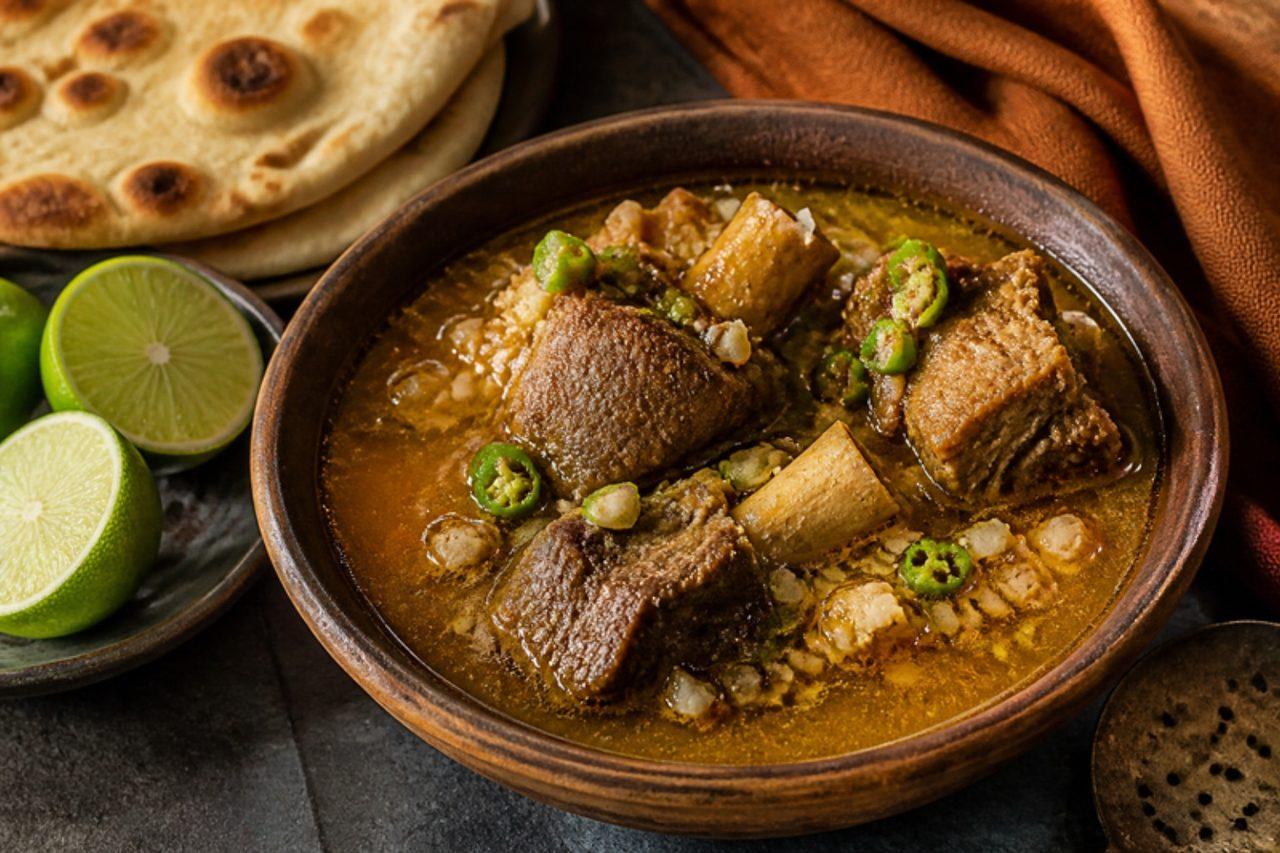
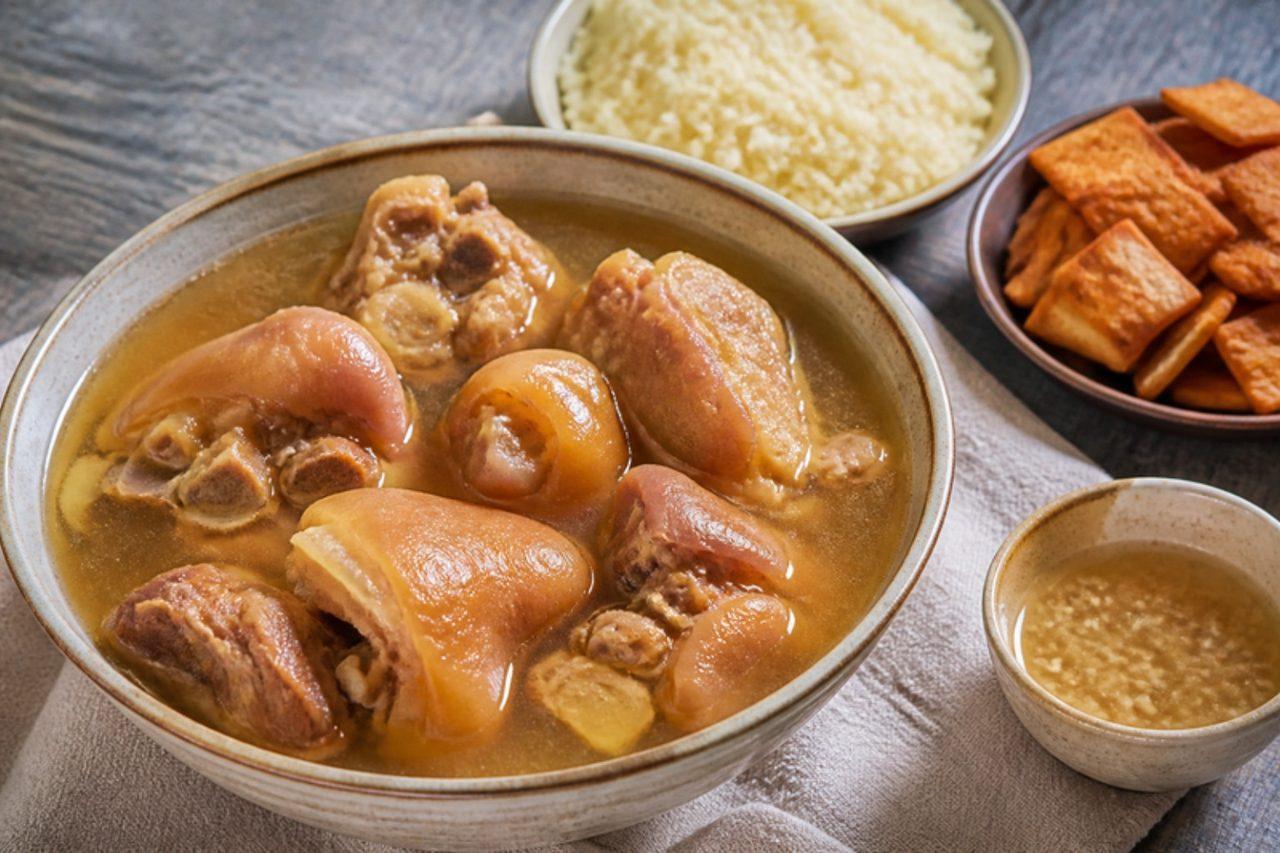
Small restaurants in Khartoum's markets open early to sell bowls of kawari, a soup of cow's or sheep's trotters cooked for hours until the meat and gelatinous skin slip off the bone and the broth turns rich and sticky. It is seasoned simply with onion, garlic, cardamom and black pepper and then brightened at the table with lime, chilli and raw garlic, and it is eaten with bread, especially on cold mornings and as a reviving breakfast. The flavour is deep and meaty, the texture silky. Skipping the first blanch is the usual mistake: it leaves the soup murky and smelling of the farmyard. Buy trotters already cleaned and cut by the butcher, and scrape off any remaining hair. Chef's tip: a pressure cooker cuts the simmering to about 1½ hours.

by KrazyBadal 0 views

Bandakka curryOkra coconut milk curry

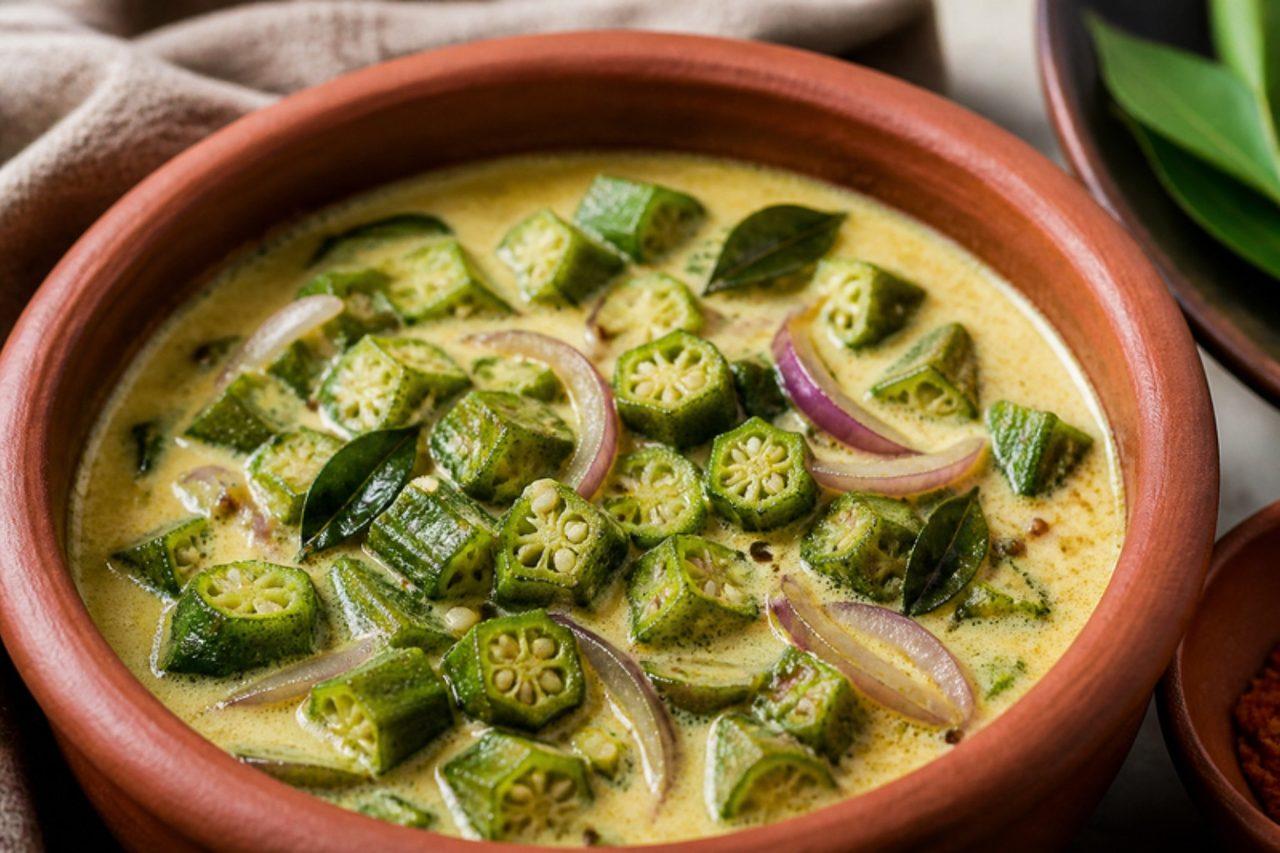
Ladies' fingers, as okra is still called in Colombo markets, are cheap, plentiful and quick, which is why bandakka curry is one of the most common weekday vegetables on a Sri Lankan lunch plate. The pods are cut on the diagonal, fried briefly in coconut oil, then simmered in a mild, yellow gravy of coconut milk with fenugreek, onion and green chilli, so they stay bright green and just tender. It goes with red or white rice, a spoon of dhal and something crisp, such as fried papadam or a sambol. Slime puts many people off okra, and it is almost always caused by moisture: washing the pods and cutting them while they are still wet. Dry them completely first and fry them before any liquid goes in. Chef's tip: a few drops of lime stirred in at the very end lifts the flavour and also helps the gravy stay clean and silky.

by KrazyBadal 0 views

Gullisuwa (fried milk balls in syrup)

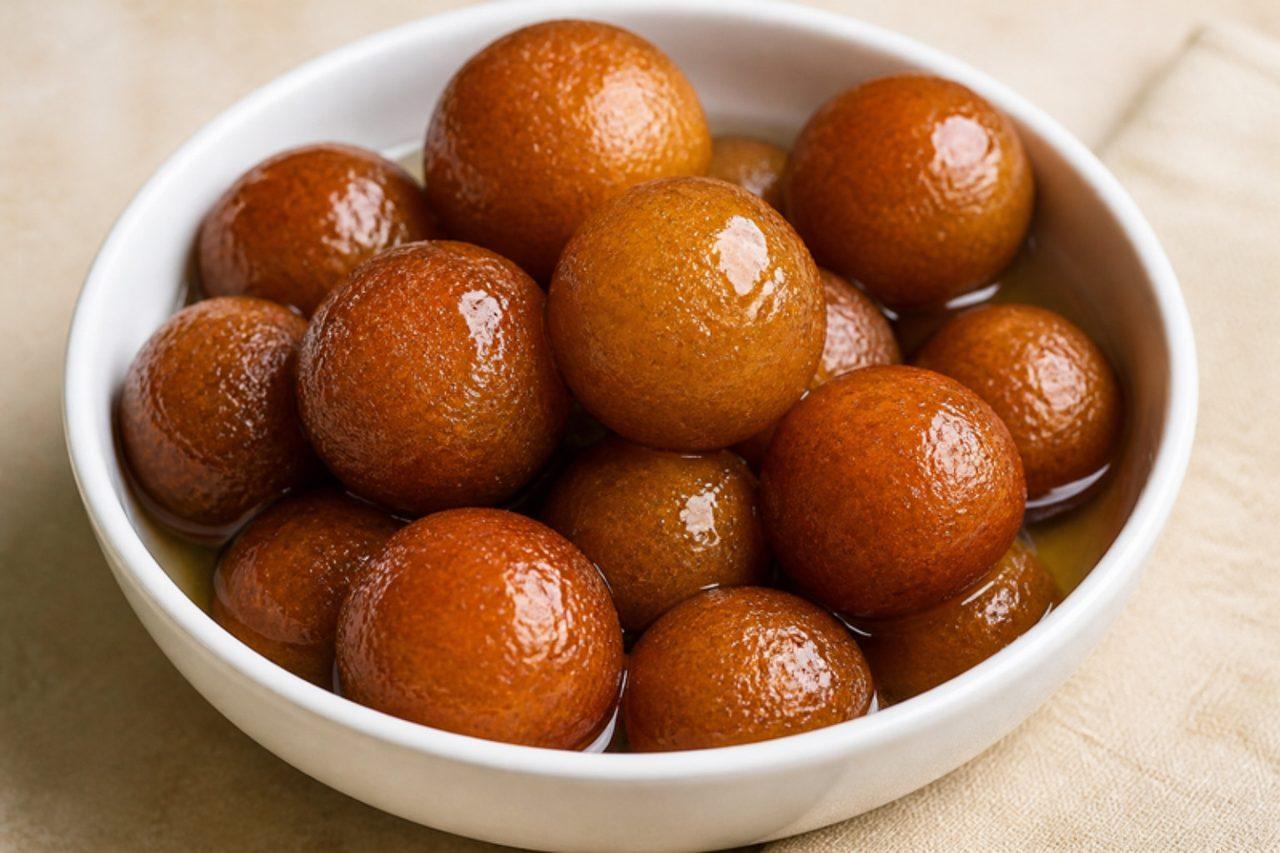
Small kiosks in Kano sell gullisuwa in twists of plastic, and Hausa families make platefuls for Sallah and weddings. Milk powder, a little flour and sugar are worked into a soft dough, rolled into balls and fried slowly until deep golden, then soaked in syrup, which gives a rich, fudge-like centre and a faintly caramel crust. They recall Indian gulab jamun, but they are firmer and less spiced. Milk sugars burn fast, so the common mistake is hot oil that browns the outside in seconds while the inside stays doughy; keep it low. Chef's tip: oil your palms when rolling, so the balls stay smooth and don't crack in the pan.

by KrazyBadal 0 views

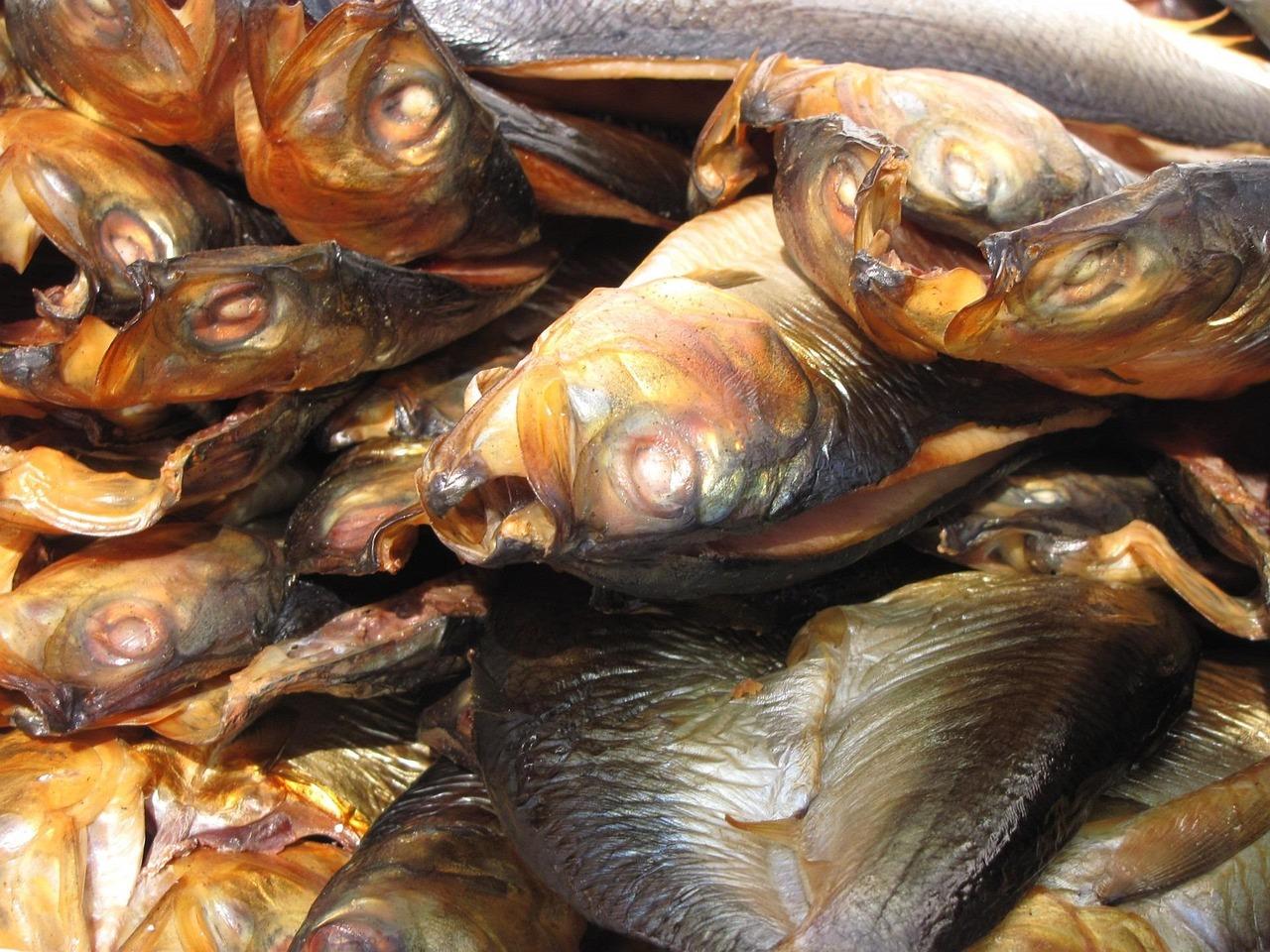
Renga (smoked herring with lemon and tahini)

On Sham el-Nessim, the spring festival Egyptians of every faith celebrate on the Monday after Coptic Easter, families head to parks and the Nile banks with coloured eggs, spring onions, lettuce and fish, and renga is on almost every picnic cloth. Golden smoked herring is skinned, boned and flaked, then dressed with plenty of lemon, raw onion, chilli and a garlicky tahini sauce, so the salty, smoky fish is cut by sharp citrus and creamy sesame. It is scooped up with baladi bread and crunchy greens. Shop-bought renga is cold-smoked and eaten without cooking, so it is not for pregnant women, young children or anyone with a weakened immune system unless you heat it first (see the last step). Buy it sealed from a reputable shop, within its date. Chef's tip: soak the fillets in cold water for 10 minutes to tame the salt before dressing them.

by KrazyBadal 0 views

Kebda iskandarani (Alexandrian liver)

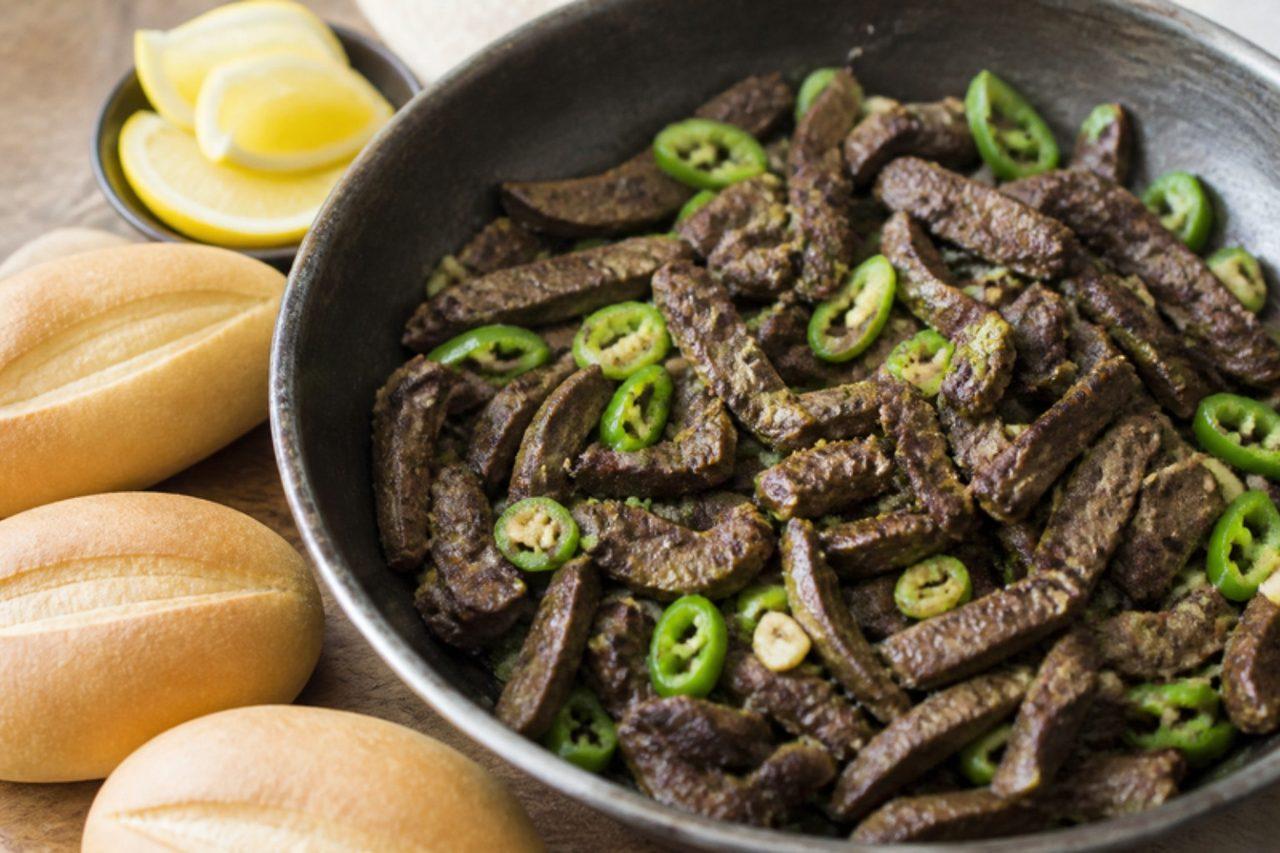
After dark in Alexandria, carts and tiny shops fry liver to order on blackened griddles, and a couple of small, crackly baguette sandwiches of kebda make a late supper or a working breakfast all over Egypt. The liver is sliced into thin ribbons and seared hard and fast with plenty of garlic, hot green chilli, green pepper and cumin, finished with lemon so it stays juicy, tender and sharp. Stuff it into soft rolls with a smear of tahini and a few pickles. Liver is very rich in vitamin A, so pregnant women are usually advised to avoid it. Chef's tip: soak the strips in cold water for 15 minutes and pat them very dry; they sear rather than stew and taste milder.

by KrazyBadal 0 views

Gollash meat pie (filo and spiced beef)

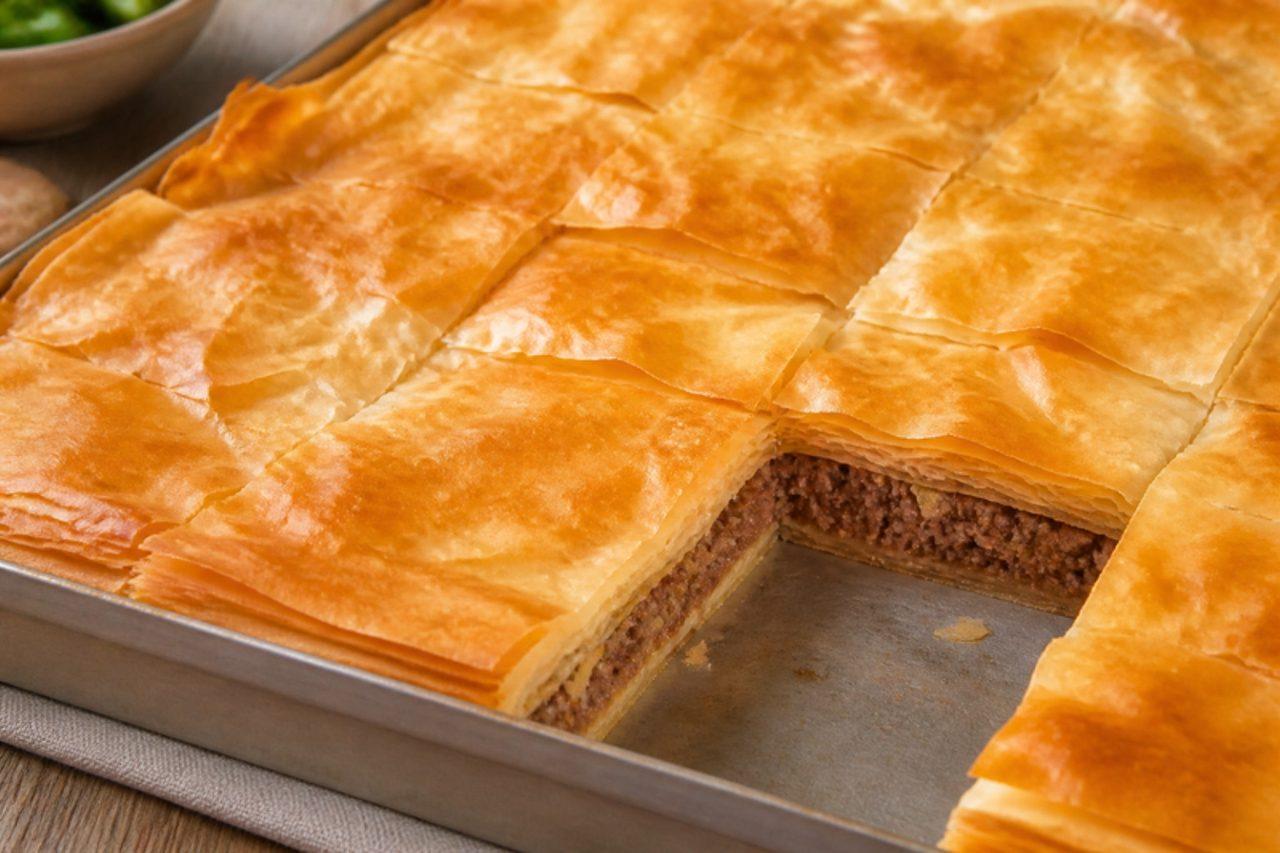
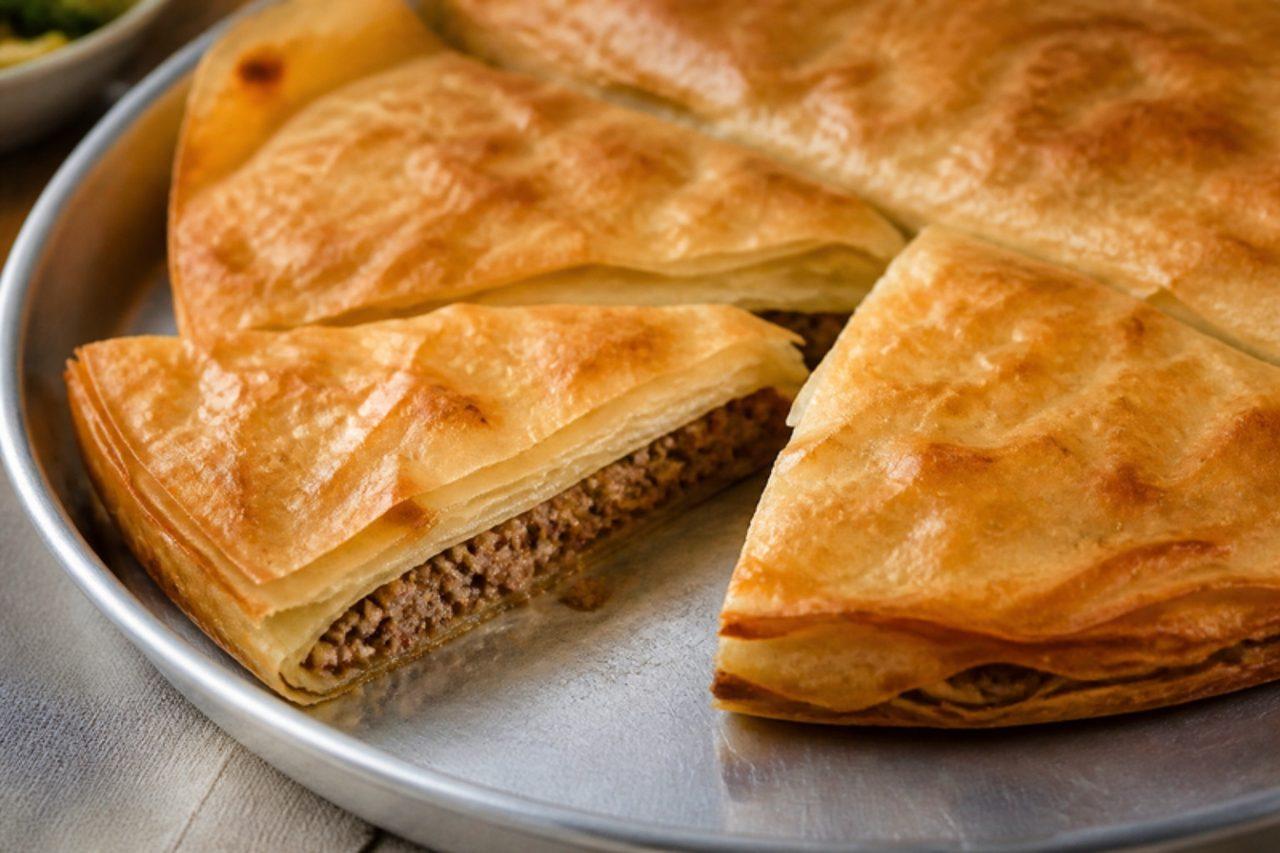
Egyptian bakeries sell sweet and savoury gollash, but the minced-beef version is the one home cooks make for Ramadan iftar, Eid visits and big family lunches, cut into neat diamonds on a large round tray. Thin sheets of filo are brushed with melted butter and stacked around a filling of beef cooked dry with onion, pepper and a little allspice, then soaked with a splash of milk and egg so the top layers bake puffed and shatteringly crisp while the middle stays tender. Serve warm with a salad and yoghurt or as part of a spread of mezze. Avoid skimping on butter between the sheets; unbuttered layers bake dry and papery instead of crisp and golden. Chef's tip: let the cooked filling cool completely before layering; hot, steamy mince turns the bottom sheets soggy, which is the most common gollash disappointment.

by KrazyBadal 0 views

Kaware' (cow's trotter soup with fatta)

Old Cairo eateries that specialise in it open early, and kaware' has a loyal following on cold winter mornings and as a restorative after Ramadan nights; at home it is usually made after Eid al-Adha. Cow's feet are cleaned, blanched and then simmered for hours with onion, garlic and whole spices until the meat and skin turn soft and sticky and the broth sets like jelly when cold. It is served over fatta: layers of toasted flatbread and rice drenched with broth and a sharp garlic-and-vinegar sauce, with the tender trotter pieces on top. Ask the butcher to clean the feet and saw them into pieces. Chef's tip: a pressure cooker cuts the simmering to about 1 hour 30 minutes with no loss of flavour.

260 minEgyptianMeat
by KrazyBadal 0 views

Okpa (Bambara nut pudding)

Early in the morning in Nsukka and Enugu, sellers set out wheelbarrows piled with steaming okpa wrapped in leaves or cooked in small tins, and students and workers eat it standing up with a bottle of cold drink or a cup of pap. It is made from Bambara nut flour beaten with palm oil, warm water, pepper and salt into a bright orange batter and steamed until it sets into a firm, dense pudding with a nutty, earthy taste. It is filling and naturally high in protein. Bambara nut flour is sold in African shops as okpa flour. Undercooked okpa tastes raw and bitter and is hard to digest, so steam until a knife comes out clean. A common mistake is a batter that is too thick, which steams into a hard, dry block instead of a soft-set pudding. Chef's tip: mix the oil into the dry flour before adding any water; it keeps the batter smooth and gives okpa its even colour.

by KrazyBadal 0 views

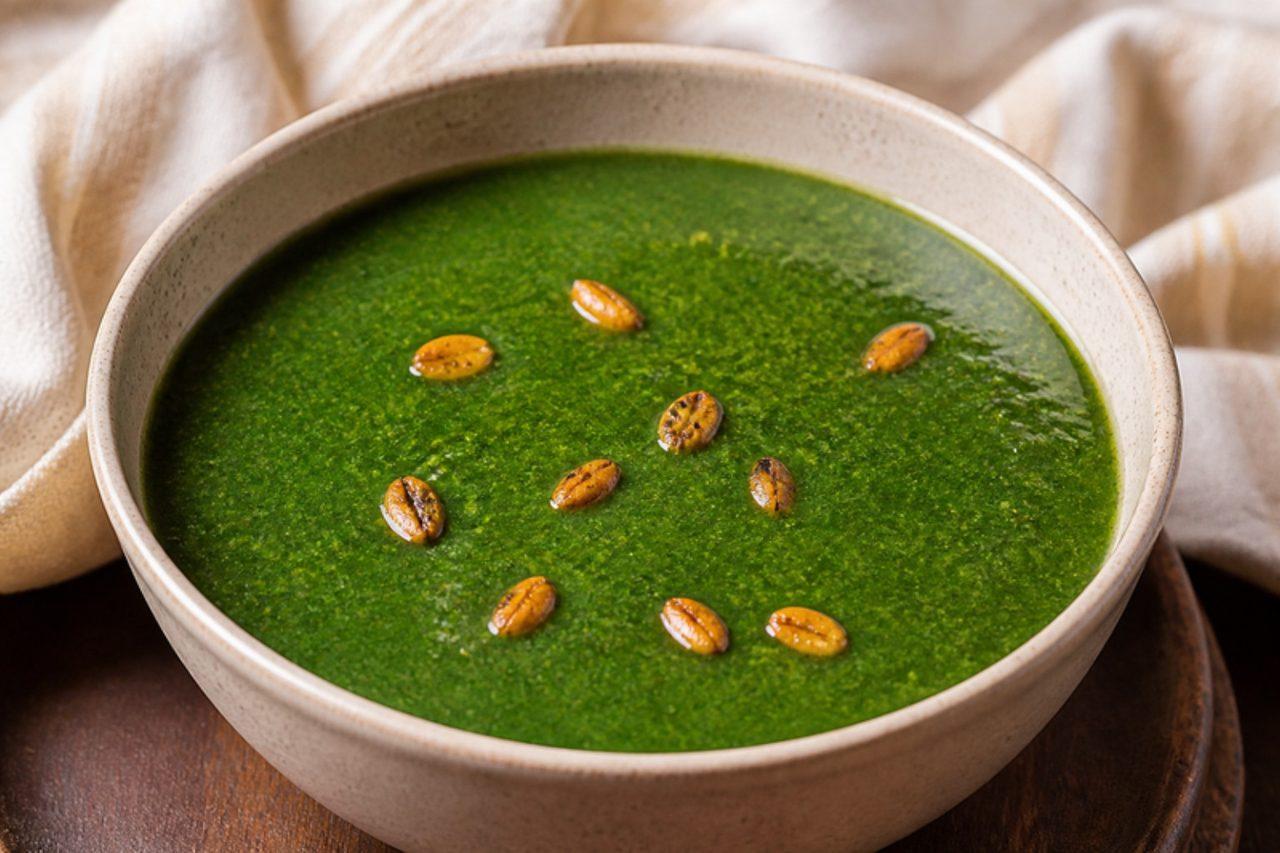
Ewedu (jute leaf soup)

Bright green, light and famously slippery, ewedu is the soup that makes amala slide down so easily, and in Ibadan and across Oyo State it is rare to see one without the other. Only the tender jute leaves are picked from the stems, boiled for a few minutes and then beaten with a small broom until finely shredded and stretchy, with a few locust beans for a savoury, funky depth. Some cooks add crayfish; this version keeps it meat-free. It tastes fresh and grassy and is eaten with amala, gbegiri and a red pepper stew. Frozen chopped ewedu or Egyptian molokhia leaves work well outside Nigeria. Chef's tip: cook it briefly and uncovered; long boiling or a lid turns the bright green an olive drab, the most common ewedu mistake.

by KrazyBadal 0 views

Blini

Maslenitsa, the week of butter before Lent, is when Russia makes blini by the stack: thin, lacy, slightly sour pancakes raised with yeast and fried one after another in a hot pan, each brushed with melted butter. Old Moscow recipes used buckwheat, and a share of it here gives a nutty, earthy flavour and a speckled grey-gold colour. Eat them folded into quarters with sour cream, jam, honey or condensed milk; red caviar is the festive classic, but this version stays vegetarian. The usual slip is a pan that is not hot enough, which makes thick, pale blini that stick; the first one is always a test. A splash of boiling water whisked in at the end gives the lacy holes. Chef's tip: stack the blini on a plate and cover with a bowl as you go; the steam keeps them soft and supple.

by KrazyBadal 0 views

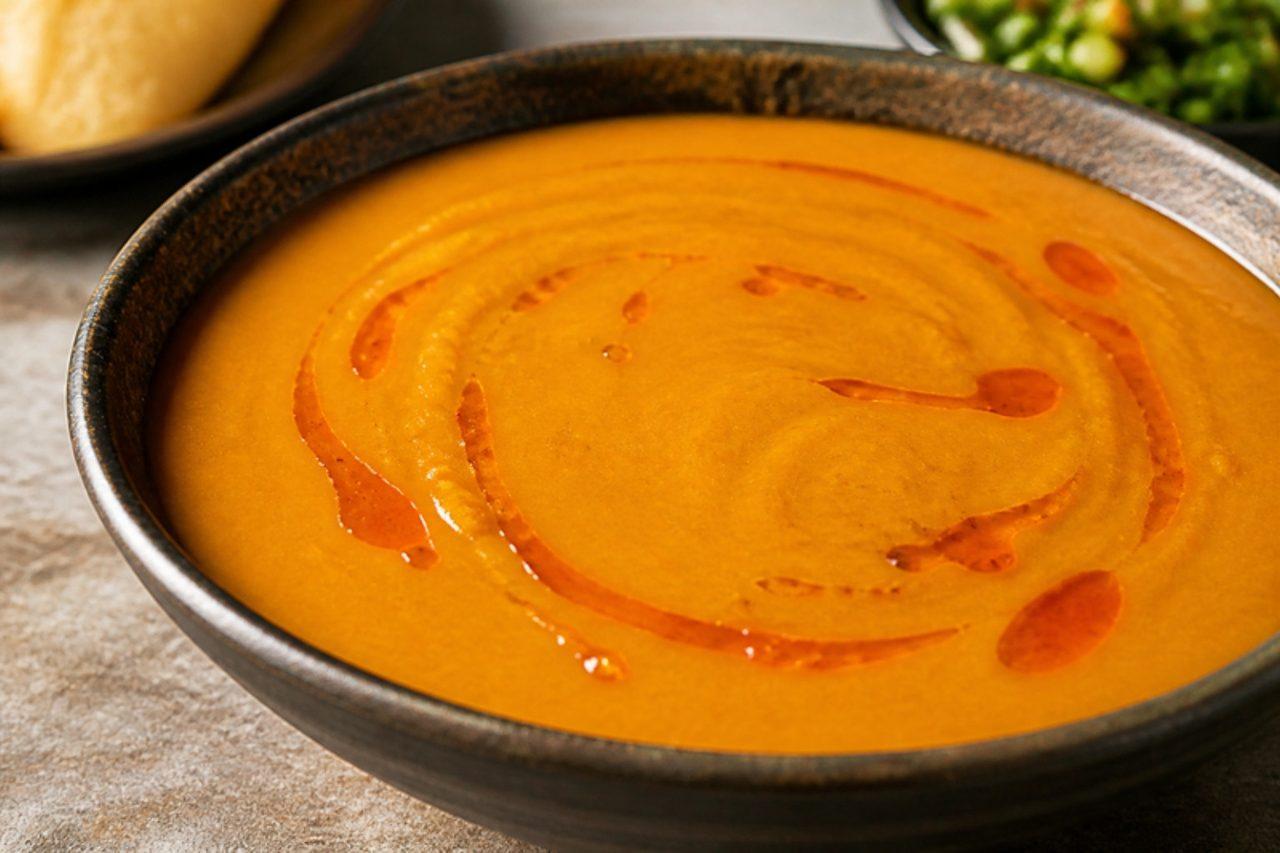
Gbegiri (Yoruba bean soup)

Order amala at any buka in Ibadan or Oyo and the server will ask "abula?", meaning a ladle of gbegiri and a ladle of ewedu poured side by side, usually crowned with a spoon of pepper stew. Gbegiri itself is smooth, mellow and earthy: peeled black-eyed beans cooked until they fall apart, beaten to a cream and simmered with red palm oil and pungent locust beans. Many cooks add ground crayfish or smoked fish; this is the meat-free way, which loses nothing of its velvet texture. Serve it with amala and ewedu or spooned over boiled yam. The mistake to avoid is leaving bean skins in, which turns the soup grey and gritty, so rub and rinse until the beans are white. Chef's tip: whisk the cooked beans with a balloon whisk or the traditional ijabe broom rather than a blender for the lightest, fluffiest gbegiri.

by KrazyBadal 0 views

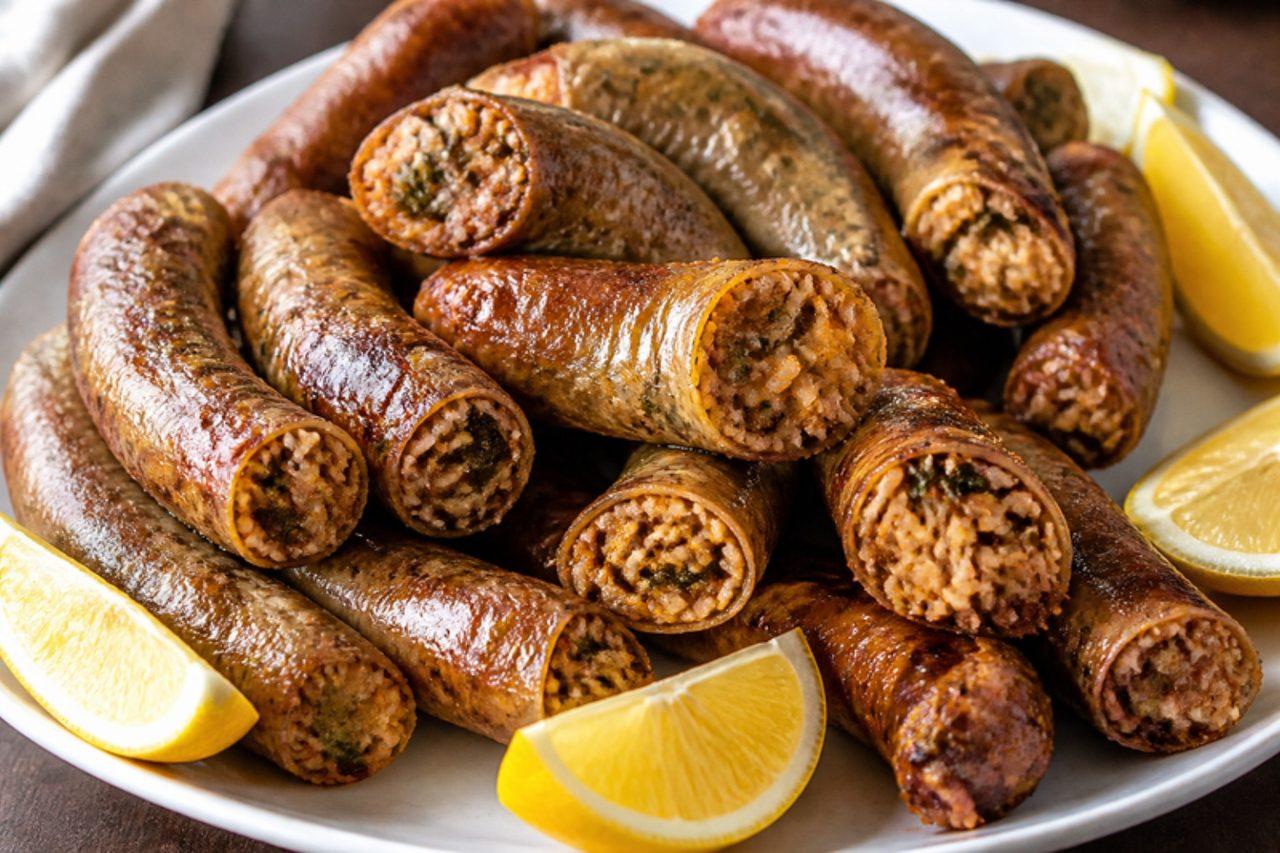
Mombar (rice-stuffed beef casings)

Mombar is festival food: in the days after Eid al-Adha, when the butchers have plenty of cleaned casings, families across Cairo and the Delta settle down to stuff them together, and street cooks in popular neighbourhoods sell crisp coils of it by weight. The filling is Egyptian short-grain rice with tomato, onion, dill, parsley and coriander, which swells inside the casing as it simmers, so each bite is soft, herby rice wrapped in a thin, crackling skin. It is eaten hot as a main dish or a side to roast meat, with lemon and a plate of pickles. Buy the casings ready-cleaned from a butcher; this recipe assumes they have been. The commonest mistake is overfilling the casings; packed full, the rice swells and they burst in the pot. Chef's tip: fill each length only two-thirds full; the rice doubles in size and an overstuffed casing bursts in the pot.

145 minEgyptianMeat
by KrazyBadal 0 views

Sayadiya (fisherman's fish and rice)

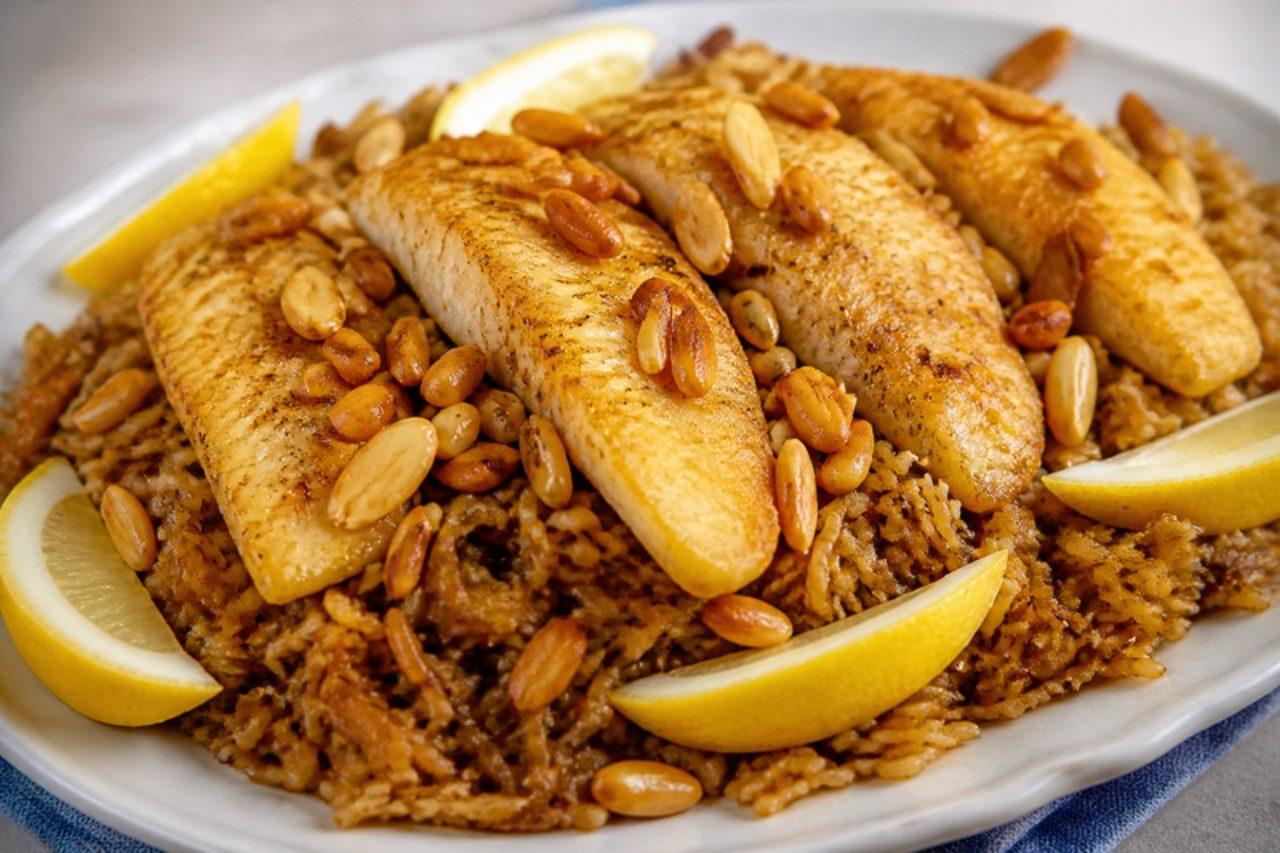
The name comes from the word for fisherman, and sayadiya is the pride of the fish restaurants along the Alexandria seafront and in Suez, where it is ordered as a platter for the whole table. Its signature is the colour: onions are fried slowly until mahogany, then simmered into a stock that turns the rice a deep brown and fills it with sweet, savoury, cumin-scented flavour. On top go pieces of crisp fried fish and a scatter of toasted pine nuts and almonds, with lemon wedges, tahini and a green salad alongside. Chef's tip: watch the onions closely in the last few minutes and lift them out when they are dark brown, never black; burnt onions make the whole pot bitter.

by KrazyBadal 0 views

Moza (Egyptian lamb shanks with rice)

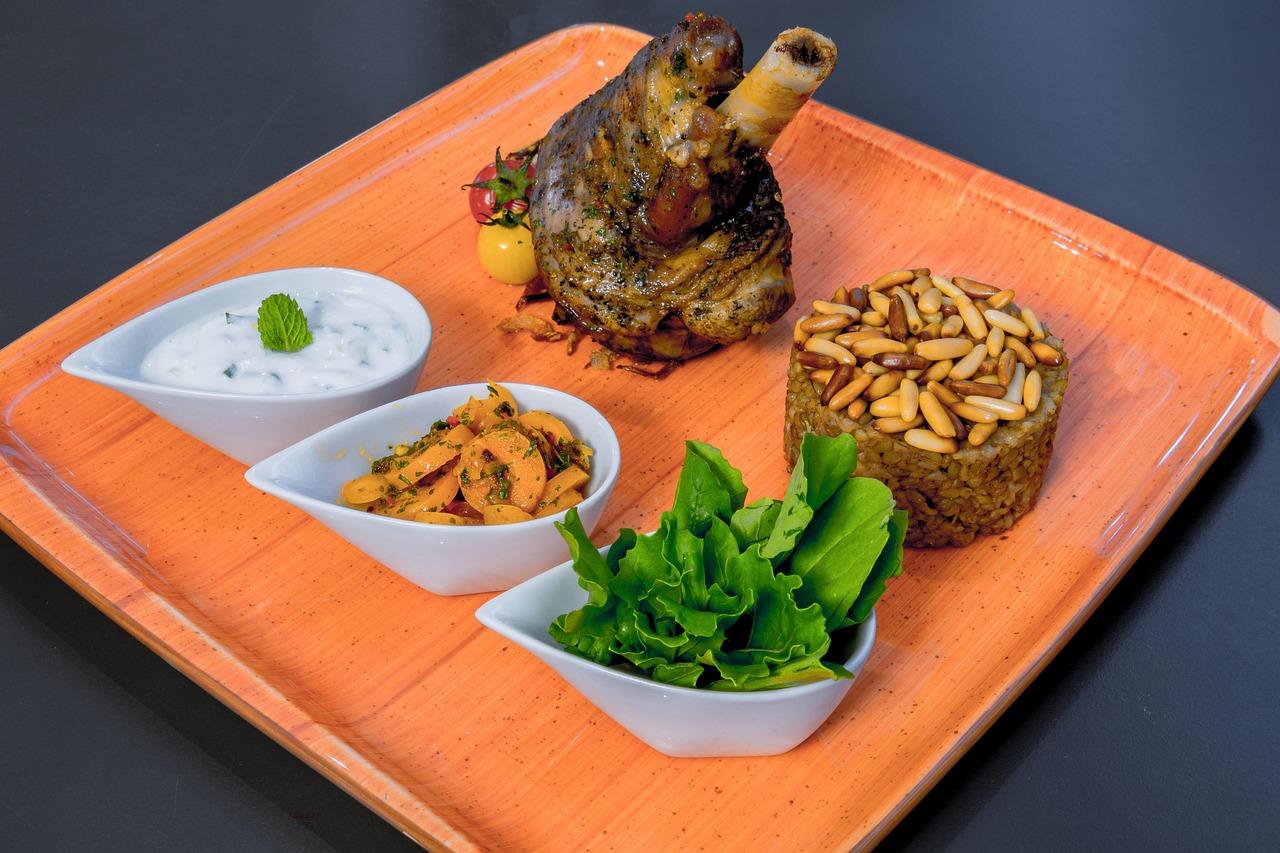
On Eid al-Adha, when there is lamb in every kitchen, and in the grill houses of Cairo where it is a favourite order, moza is the cut people point to: a whole shank per person, standing on a mound of rice. The shanks are first simmered gently with onion, cardamom, bay and a little mastic until the meat is ready to slip off the bone, then roasted in a hot oven so the outside turns brown and sticky. The rice cooks in the fragrant broth, so every grain carries the lamb flavour. A bowl of the remaining broth, a salad of tomato and cucumber and some tahini make it a feast. Chef's tip: skim the pot carefully in the first 15 minutes of simmering; a clear broth makes cleaner-tasting rice.

155 minEgyptianMeatGluten free
by KrazyBadal 0 views

Kebab halla (beef braised in onions)

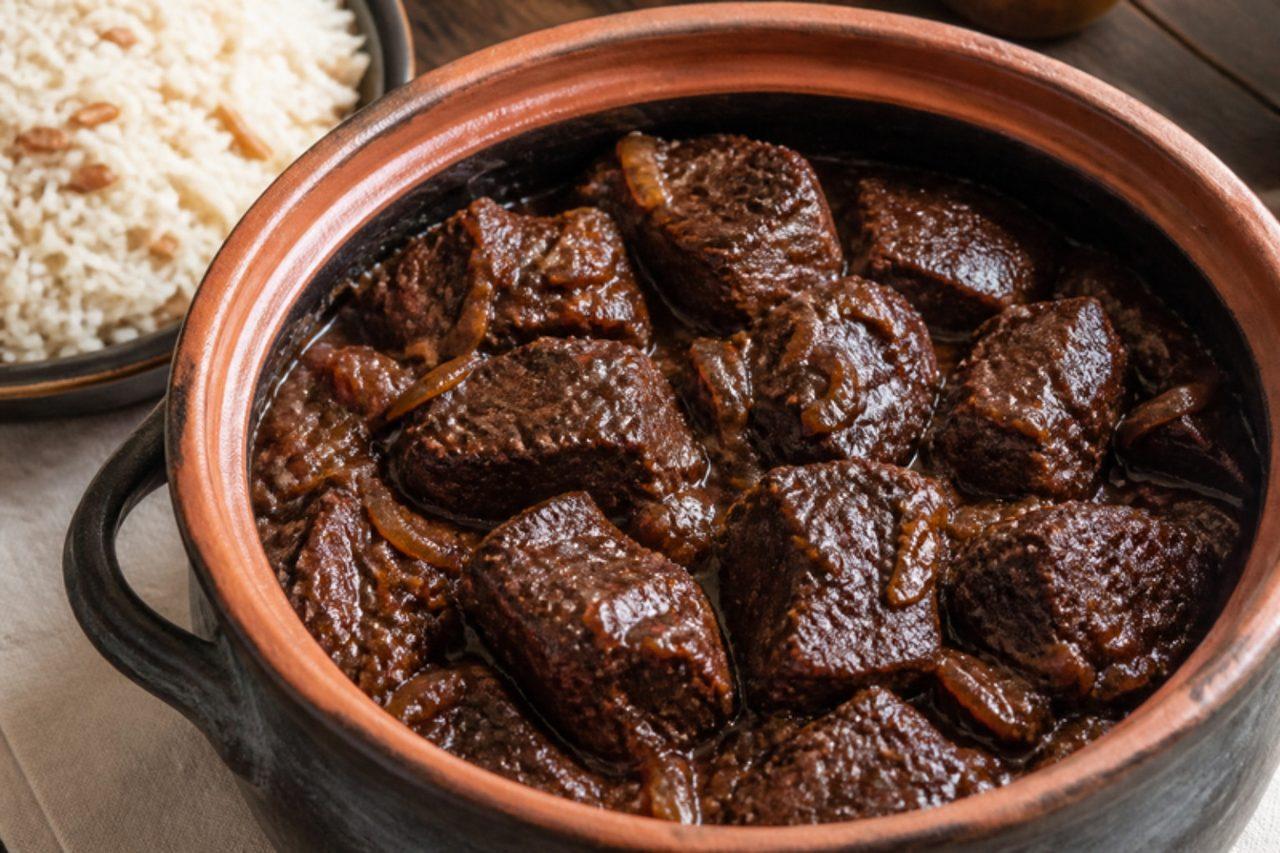
Despite the name, nothing here goes near a grill: kebab halla means "pot kebab", and it is the kind of unfussy Sunday or Friday dish that Cairo home cooks put on the stove and leave to its own devices. Chunks of beef are seared and then buried under a heap of sliced onions, which slowly give up their water and collapse into a glossy, almost jammy brown sauce with cardamom and bay. The meat ends up spoon-tender and the gravy tastes deeply savoury and a little sweet. It is eaten with Egyptian vermicelli rice, crusty bread or chips. Chef's tip: slice the onions into half-moons rather than chopping them; they melt evenly and give the sauce its silky body.

125 minEgyptianMeatGluten free
by KrazyBadal 0 views

Ekuru (white bean pudding with pepper sauce)

Pale and plain on purpose, ekuru is moin moin's quiet cousin: the same peeled black-eyed bean paste, but steamed with nothing in it except a little salt, so it comes out white, light and airy. In Ijebu and around Ogun State it is a breakfast and market snack, and all the flavour comes from the sauce served with it, a fried mix of red peppers, scotch bonnet, onion and locust beans in palm oil. The contrast of mild, fluffy pudding and hot, oily sauce is the whole point. This version is entirely plant-based. Chef's tip: beat the bean paste hard for several minutes before steaming; the trapped air is what makes ekuru light rather than dense.

by KrazyBadal 0 views

Sogo' (Alexandrian spicy sausage)

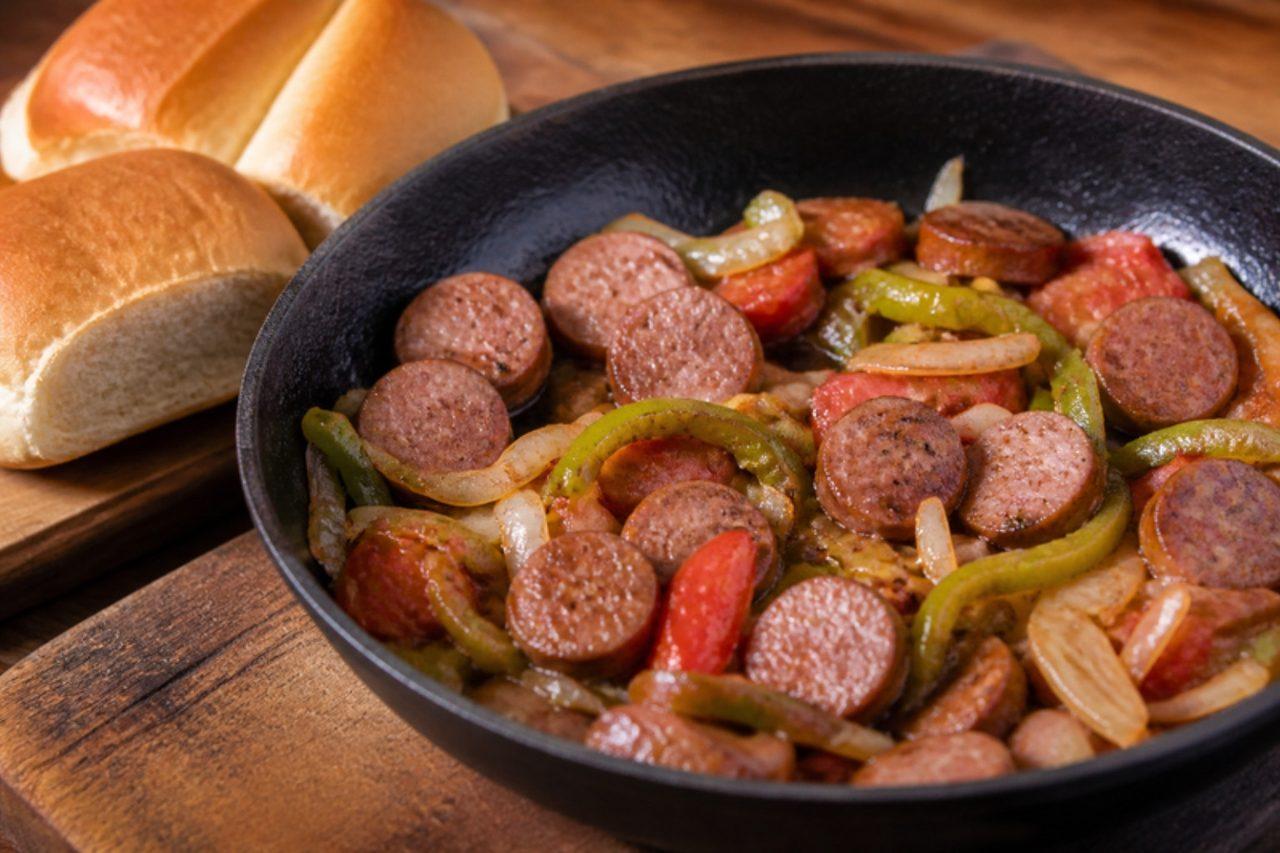
Sogo' sandwiches are as much a part of an Alexandrian night out as liver: the same street stalls fry coins of hot beef sausage with onion, green pepper, tomato and chilli until the juices turn red and sticky, then pack it into crusty rolls. The flavour is bold, garlicky and cumin-heavy, with fresh crunch from the peppers. Egyptian butchers sell the sausage ready-made; outside Egypt, use any spicy, coarse beef sausage such as beef merguez. Serve it in bread with tahini and pickles, or as a main dish with rice and salad. A frequent slip is crowding the pan, so the sausage stews grey instead of browning with the peppers. Chef's tip: fry the sausage first on its own until browned, then add the vegetables to its fat; you get far more flavour than cooking it all together.

by KrazyBadal 0 views

Fish singari (Alexandrian baked fish)

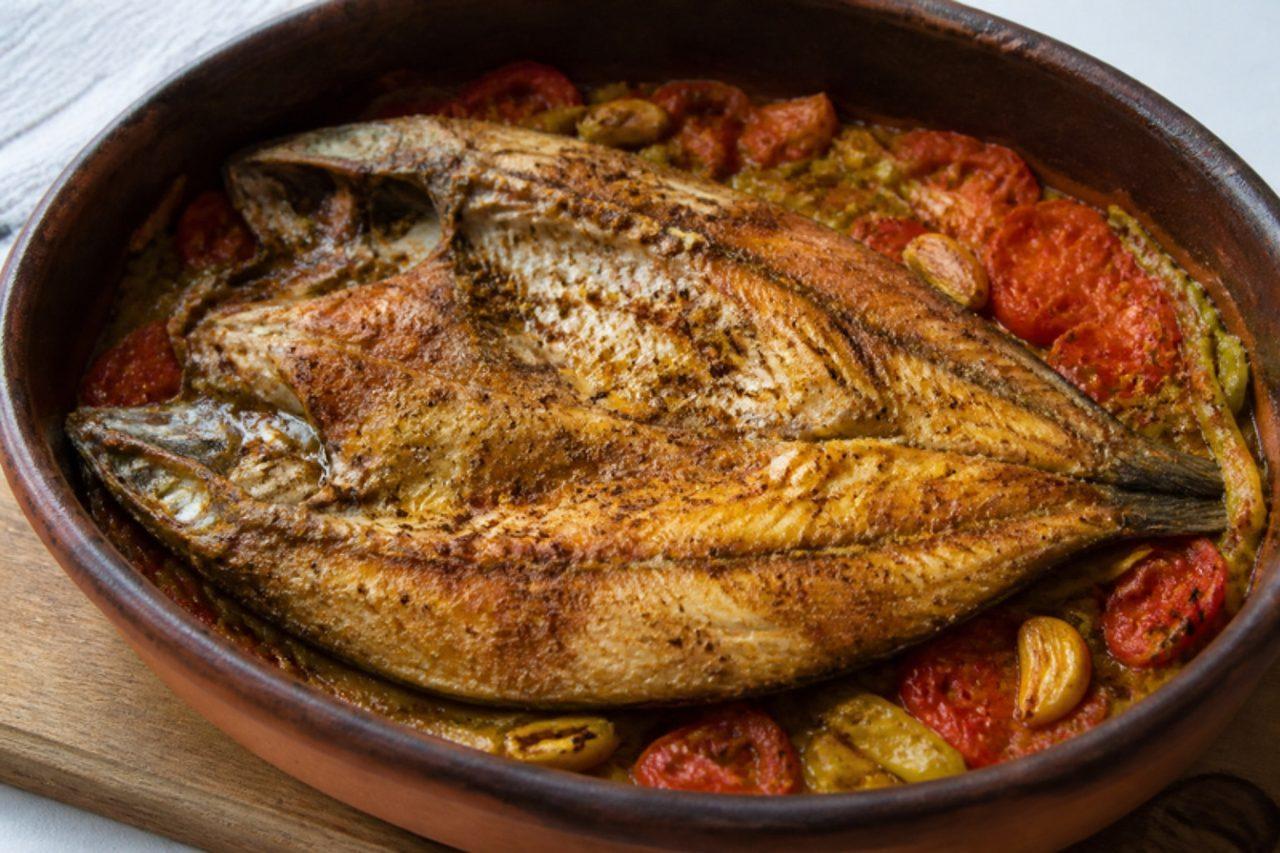
Alexandrian fish restaurants list singari next to grilled and fried fish, and families along the coast bake it at home for Friday lunch, usually with sea bream, sea bass or a large bolti. The fishmonger splits the fish down the back and opens it flat, then it is smothered in a garlicky cumin and lemon paste and laid over sliced tomatoes, green peppers, onion and chilli. In the oven the vegetables soften into a juicy sauce underneath while the fish roasts on top, so you get tender flesh, a slightly charred skin and plenty of sauce for spooning over rice. Serve with white rice, tahini and bread. Chef's tip: give the vegetables 10 minutes in the oven on their own first; it drives off water so the fish roasts instead of steaming.

by KrazyBadal 0 views

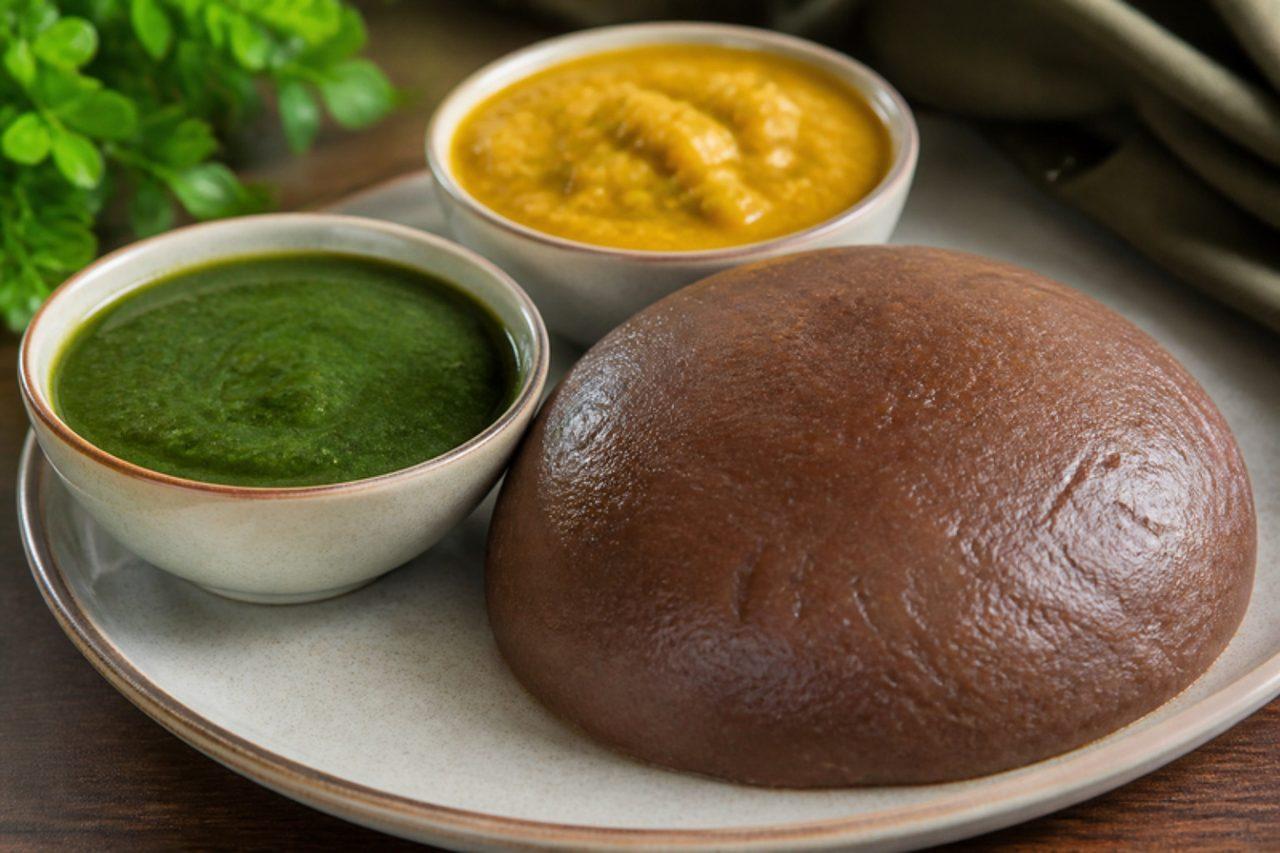
Shorbet lesan asfour (orzo soup)

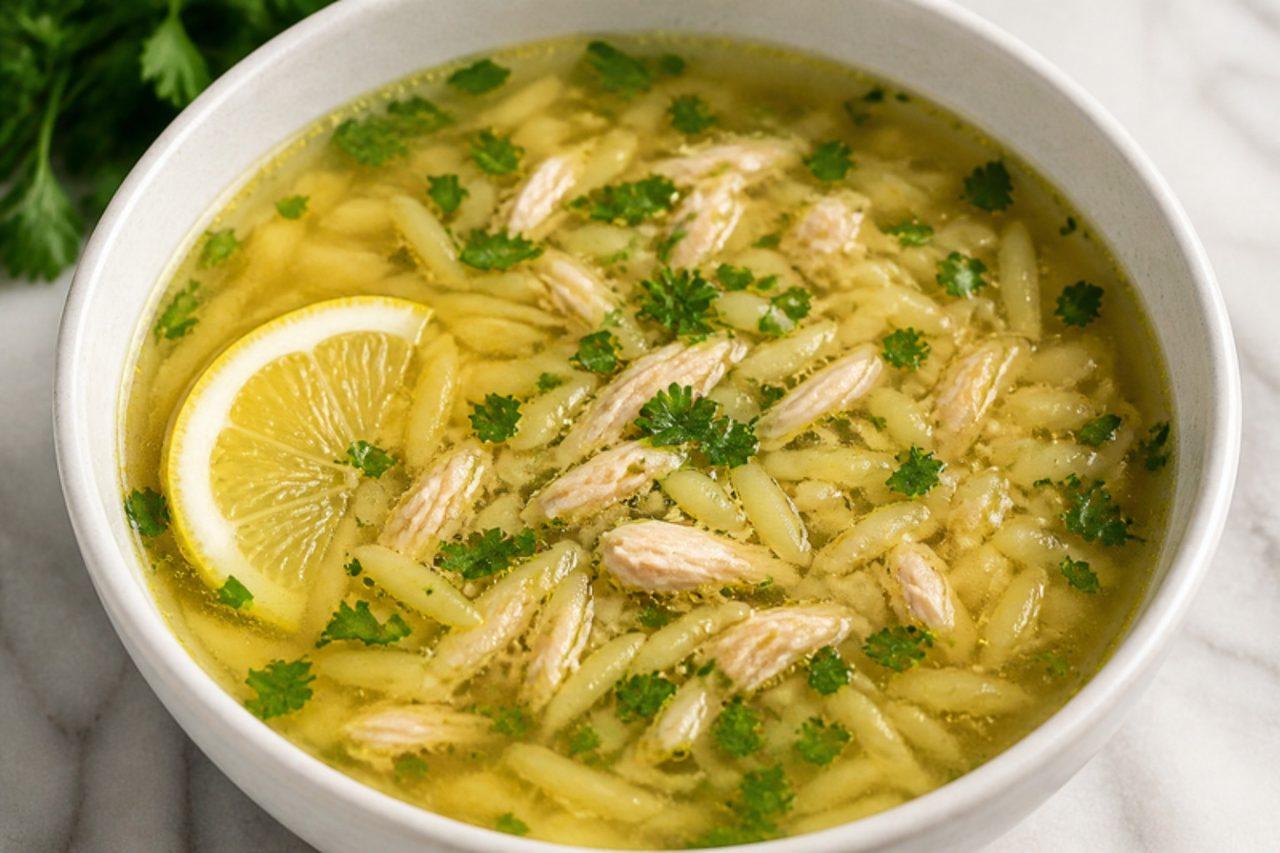
Bowls of this golden broth start the meal on winter nights all over Cairo, and it is one of the first things set on the table at iftar, when a gentle, warm soup comes before anything heavier. Lesan asfour means "bird's tongue", the Egyptian name for the small rice-shaped pasta the rest of the world calls orzo. Fried in butter until nutty and then simmered in a well-seasoned chicken stock, the grains turn plump and silky, and a squeeze of lemon at the table lifts the whole bowl. Children love it, and it is what many Egyptian households cook for anyone feeling under the weather. Chef's tip: toast the pasta until it is the colour of roasted hazelnuts, not just pale gold; that browning is where all the flavour comes from.
by KrazyBadal 0 views

Jamaican roast yam

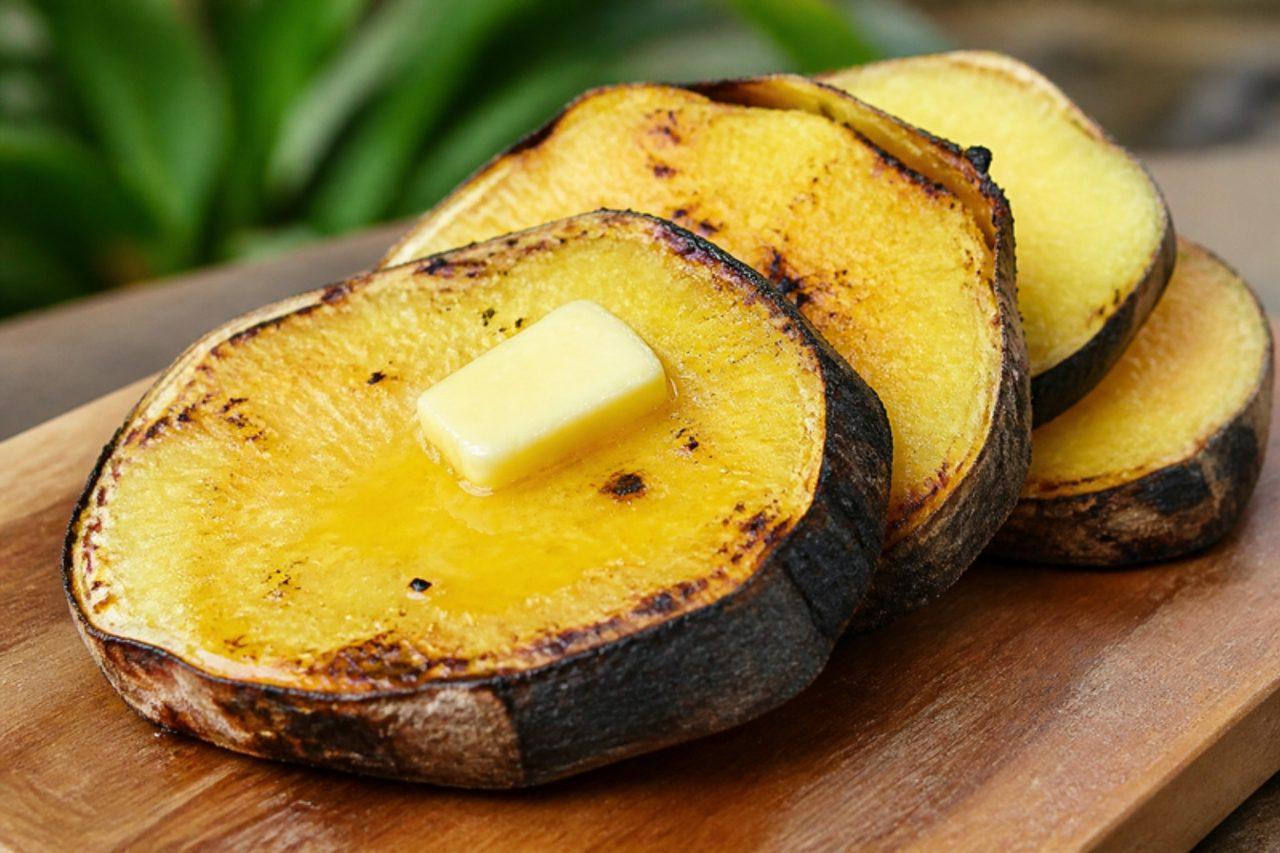
Roast yam stands beside roast fish at the beach shacks of Treasure Beach and at the roadside stalls along the Ocho Rios road, long pieces pulled out of the coals with blackened, smoky skins. Yellow yam roasted this way turns dense, dry and nutty, quite different from boiled, and it is eaten hot with a little coconut oil or butter and a sprinkle of salt. The usual mistake is cutting the yam too short or thin, so it dries out; roast it in thick 20 cm lengths with the skin on. Here it is done in a hot oven, with a flame option for a smoky edge. Chef's tip: wrap the pieces in foil for the first 30 minutes so they steam inside, then unwrap them to char the outside.

by KrazyBadal 0 views

Ikokore (Ijebu water yam pottage)

Ikokore is the Ijebu people's own pottage, made in Ijebu-Ode and towns across Ogun State from water yam, the purple-tinged yam that grates into a sticky paste. Spoonfuls of that paste go into a pepper and palm-oil sauce and set into soft, dumpling-like lumps, so it is part soup and part porridge, rich and spicy. Smoked fish and crayfish are traditional; this meat-free version uses mushrooms for their savoury bite. It is eaten as a complete meal, often on its own or with a cold drink. Water yam makes the skin itch, so wear gloves to peel and grate it. If water yam is hard to find, white yam works but sets softer. Chef's tip: drop the paste in and leave it for 10 minutes before you stir; stirring too soon is the mistake that turns the lumps into a smooth paste.

by KrazyBadal 0 views

Asaro (yam pottage)

Lagos home cooks make asaro on busy weekdays because it needs one pot and very little fuss, and children usually love its soft, sweet-savoury comfort. Chunks of white puna yam simmer in a blended sauce of red bell pepper, tomato and scotch bonnet with palm oil, and as they cook some pieces collapse into a thick, orange porridge while others stay whole. It is often made with crayfish or smoked fish; this meat-free version gets its depth from locust beans and a vegetable stock cube. A handful of greens stirred in at the end turns it into a full meal, and it needs nothing alongside. For children, use half a scotch bonnet or leave it out. Chef's tip: don't stir in the first 15 minutes; mash only a third of the yam at the end, so there is both creamy sauce and tender chunks.

by KrazyBadal 0 views

Hamam mahshi (stuffed pigeon)

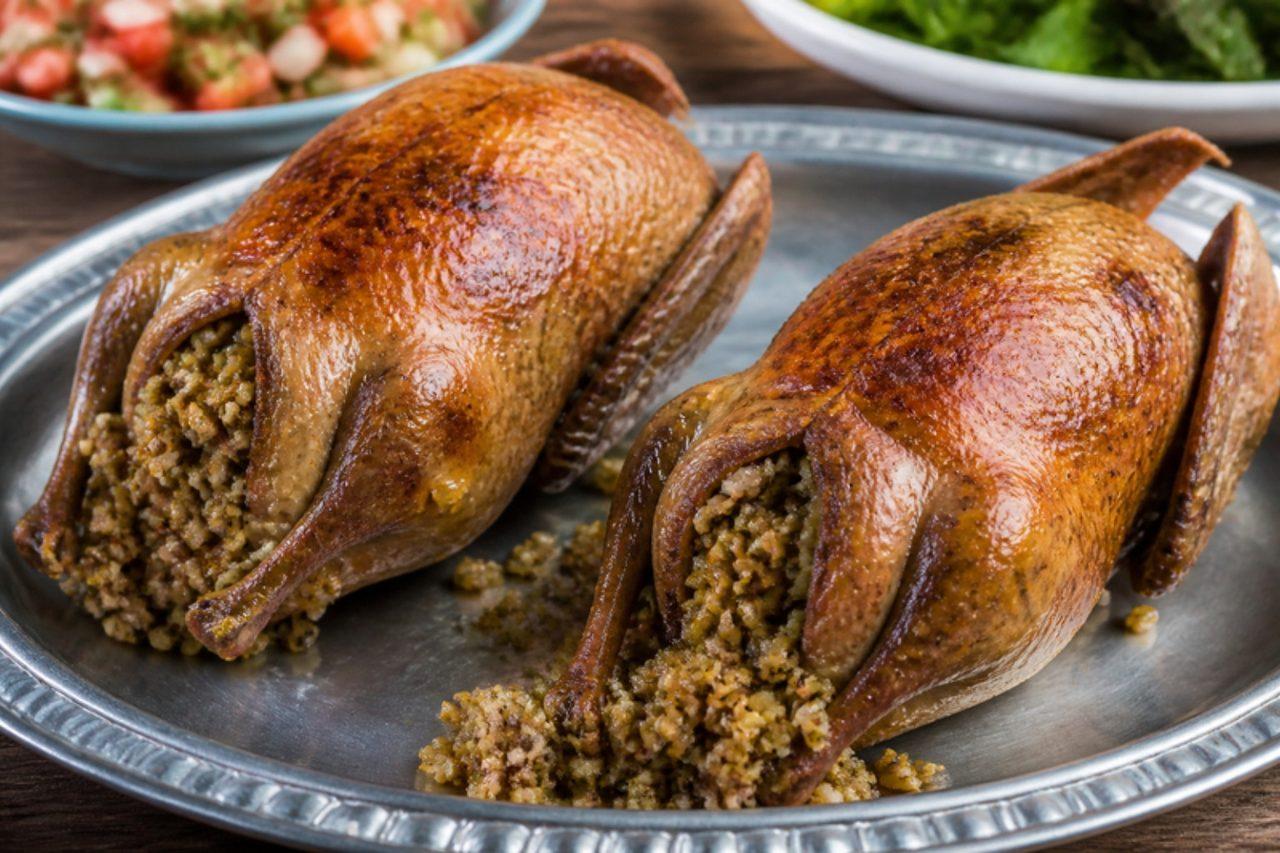
Pigeon towers still rise above villages in the Nile Delta, and stuffed pigeon is a celebration dish there and in Cairo's famous pigeon restaurants; it is traditionally served to newlyweds and at feasts. Each small bird is filled with freekeh (smoky green wheat) cooked with onion, giblets and warm spices, then simmered in a cardamom broth until tender and finished in a hot oven or fried so the skin turns deep brown and crackling. The meat is dark and rich, closer to duck than chicken, and the freekeh soaks up all the juices. Serve one bird each with a salad, pickles and the broth as soup. Use farmed squab from a poultry supplier. Chef's tip: stuff the birds loosely and sew or skewer them shut; freekeh swells as it cooks and an overfilled pigeon bursts.

by KrazyBadal 0 views

Gandofli (Alexandrian garlic clams)

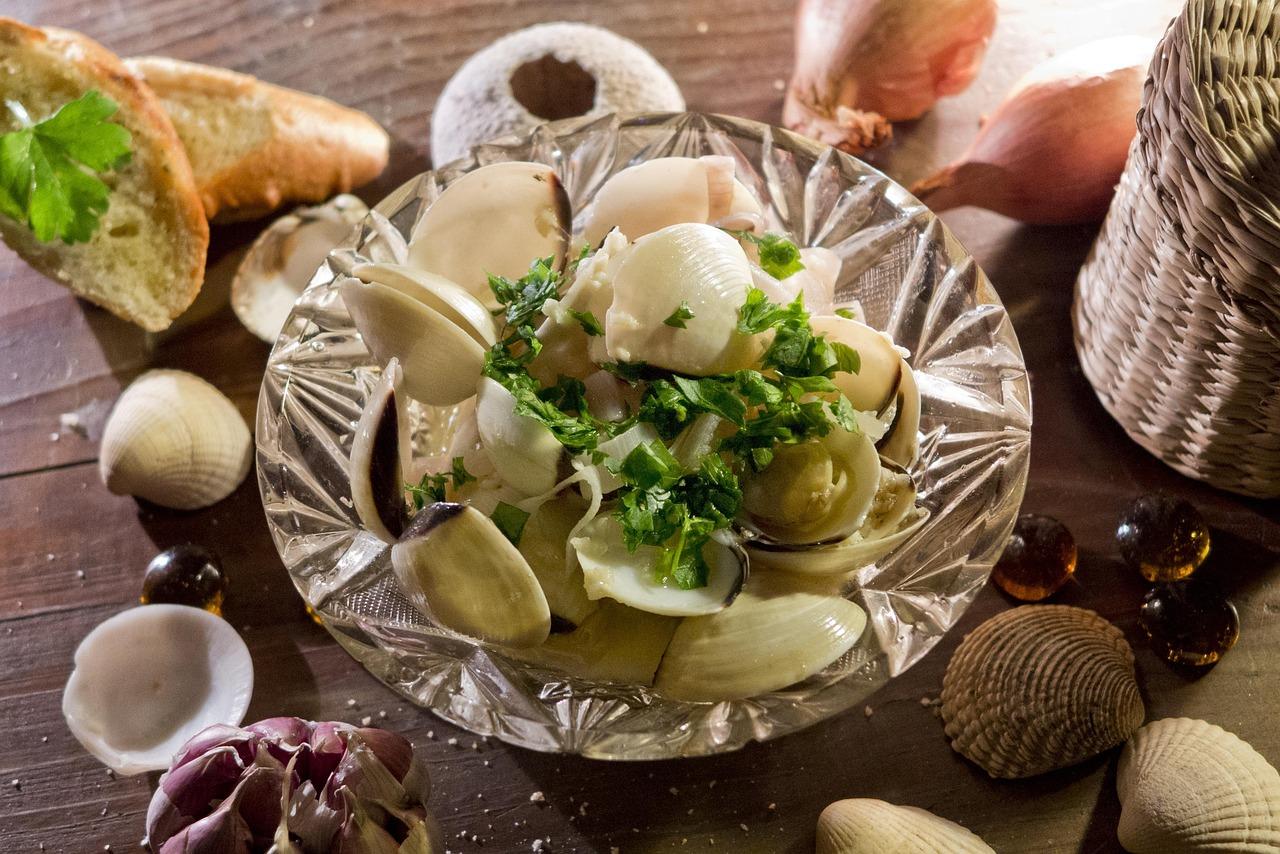
Along the Alexandria Corniche and in the old Anfushi fish quarter, gandofli are a summer seaside snack, often sold by the plateful with lemon and sometimes eaten raw. Raw shellfish carries a real risk of food poisoning, so this home version cooks them: the little clams go into a hot pan with olive oil, garlic, a pinch of cumin and chilli, and steam open in a minute or two, releasing sweet, salty juices that mix with lemon into a sauce for mopping up with bread. Buy them live from a reputable fishmonger and cook them the same day. Chef's tip: soak the clams in salted water in the fridge for 30 minutes before cooking so they spit out their sand; nothing spoils them faster than grit.

by KrazyBadal 0 views

Bedouin sage tea

Visitors to a Bedouin camp in the Sinai mountains are handed small glasses of this tea almost before they sit down, brewed in a blackened kettle over the fire and sweetened generously. Wild maramiya, the local sage, is dropped in at the end, giving the strong black tea a soft, herbal, slightly camphor scent that is soothing after a long walk or a heavy meal. Garden sage works well, and dried sage is fine in a pinch. Boiling the sage is the mistake to avoid, because it turns the tea bitter. Sage is best taken in moderation and avoided in large amounts during pregnancy. Chef's tip: pour from a height into the glasses; the froth that forms is how Bedouin hosts like it served.

by KrazyBadal 0 views

Doum drink

Spice and herb sellers in the Aswan souk pile up the hard, glossy brown fruit of the doum palm, and Nubian households soak it into a cold, sweet drink for the hot months and for Ramadan iftar. The dried flesh gives a cloudy amber drink that tastes surprisingly like gingerbread or caramel, with a faint woody bitterness. Buy it crushed or as coarse powder at Egyptian and African grocers; whole fruit is extremely hard to break. Leaving it to steep too long is the mistake to avoid, because it turns bitter. Chef's tip: strain twice, once through a sieve and again through muslin, to remove the gritty fibre.
by KrazyBadal 0 views

Sugarcane juice

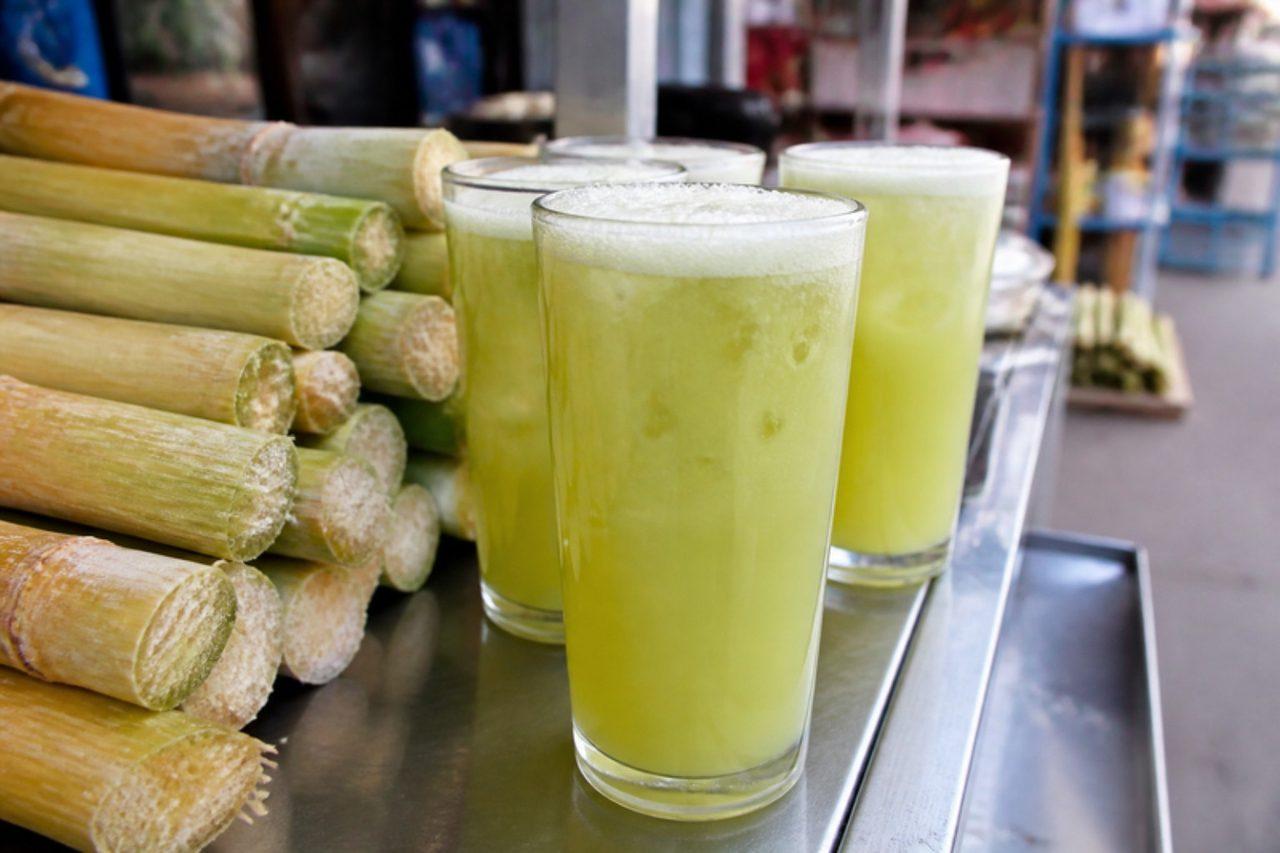
Juice shops all over Cairo and the towns of Upper Egypt crush sugarcane through clattering steel rollers and serve the pale green juice ice-cold for a few pounds a glass, a favourite in the summer heat and after Ramadan fasting. It is sweet, grassy and refreshing, with a faint lemony edge, and it tastes best within minutes of pressing. Without a press, peeled cane chopped small and blended with a little water gives a very close result at home. Chef's tip: peel the cane completely, because the hard green rind makes the juice bitter and dark.

by KrazyBadal 0 views

Amala (yam flour swallow)

Amala gets its dusky brown colour from elubo, yam that has been peeled, sliced, sun-dried and milled, which gives it a faintly smoky, earthy taste. Ibadan's amala joints serve it from morning to night, soft and steaming, wrapped in leaves or cling film, with ewedu, gbegiri and stew; it is pinched off with the fingers and dipped, never chewed for long. Making it takes five minutes and a strong arm: the flour goes into boiling water and is stirred and turned against the side of the pot until it is perfectly smooth and stretchy. Lumps are the usual mistake, so add the flour off the heat and stir hard from the first second. Chef's tip: use a sturdy wooden spatula (omorogun) and press the dough against the pot rather than just stirring it round; that is what makes it silky.

by KrazyBadal 0 views

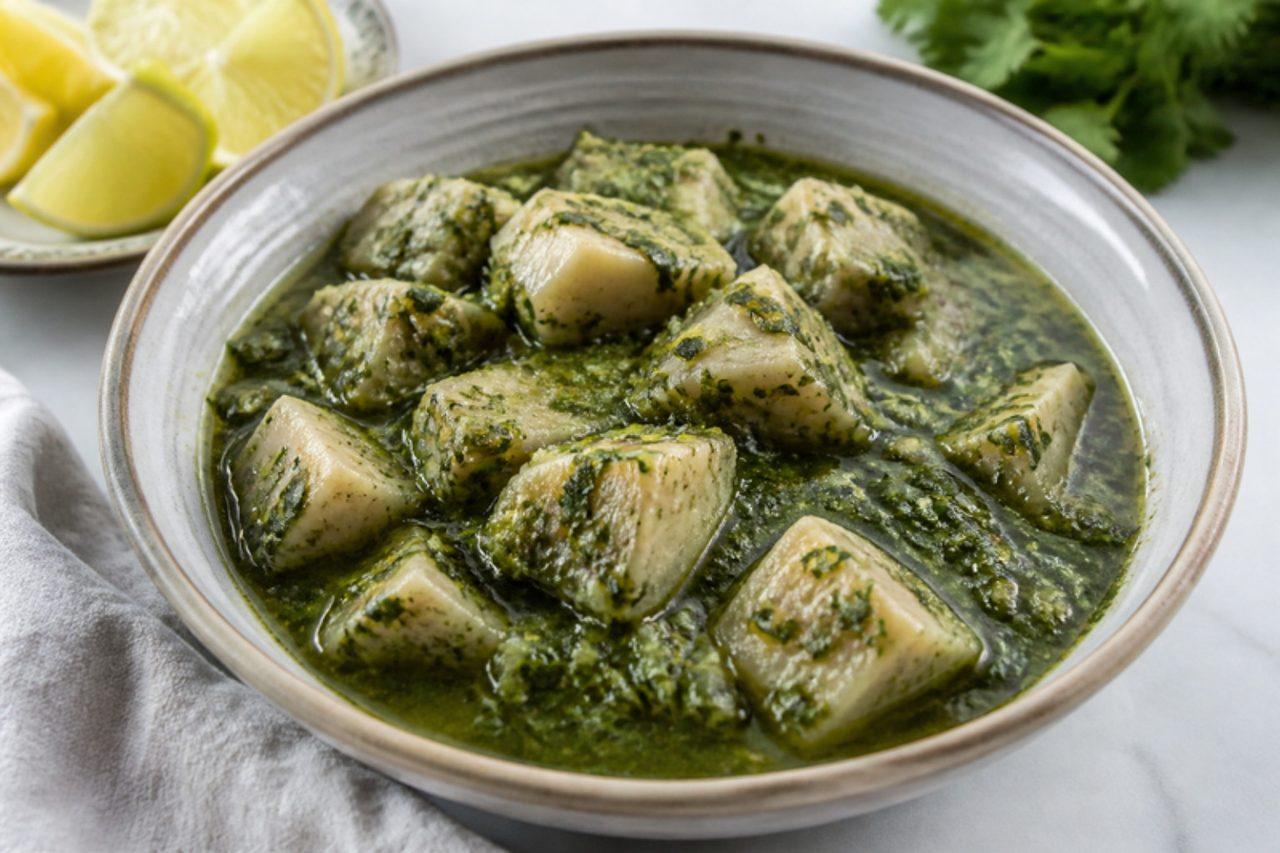
Qolqas (taro with chard and coriander)

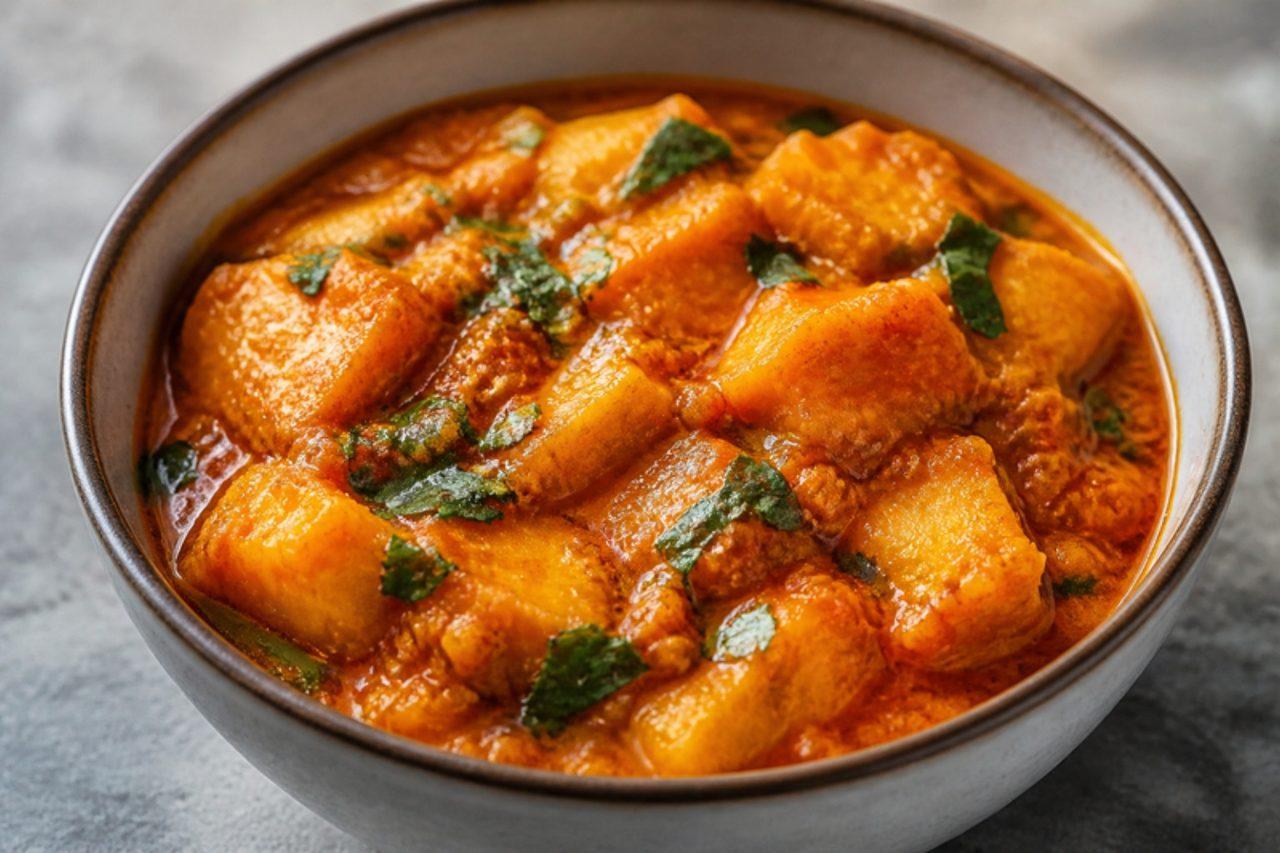
Coptic Christians across Egypt eat qolqas for the Feast of the Epiphany (Eid el-Ghitas) in January, together with sugarcane and oranges, and it is a winter favourite in Muslim homes too. Peeled taro is cut into cubes and simmered in chicken or beef stock until soft and almost creamy, then a green paste of chard, fresh coriander and garlic fried in oil is stirred through, turning the broth a deep, herby green. The texture is soft and slightly velvety from the taro's natural starch, and the flavour fresh and garlicky. It is served with white rice and often with the meat from the stock. Raw taro irritates the skin and mouth, so wear gloves to peel it and always cook it until completely tender. The usual mistake is touching peeled taro with bare hands or eating it undercooked; both bring an itchy, scratchy feel. Chef's tip: rub the cut cubes with lemon juice before cooking to keep them pale and reduce their sliminess.

by KrazyBadal 0 views

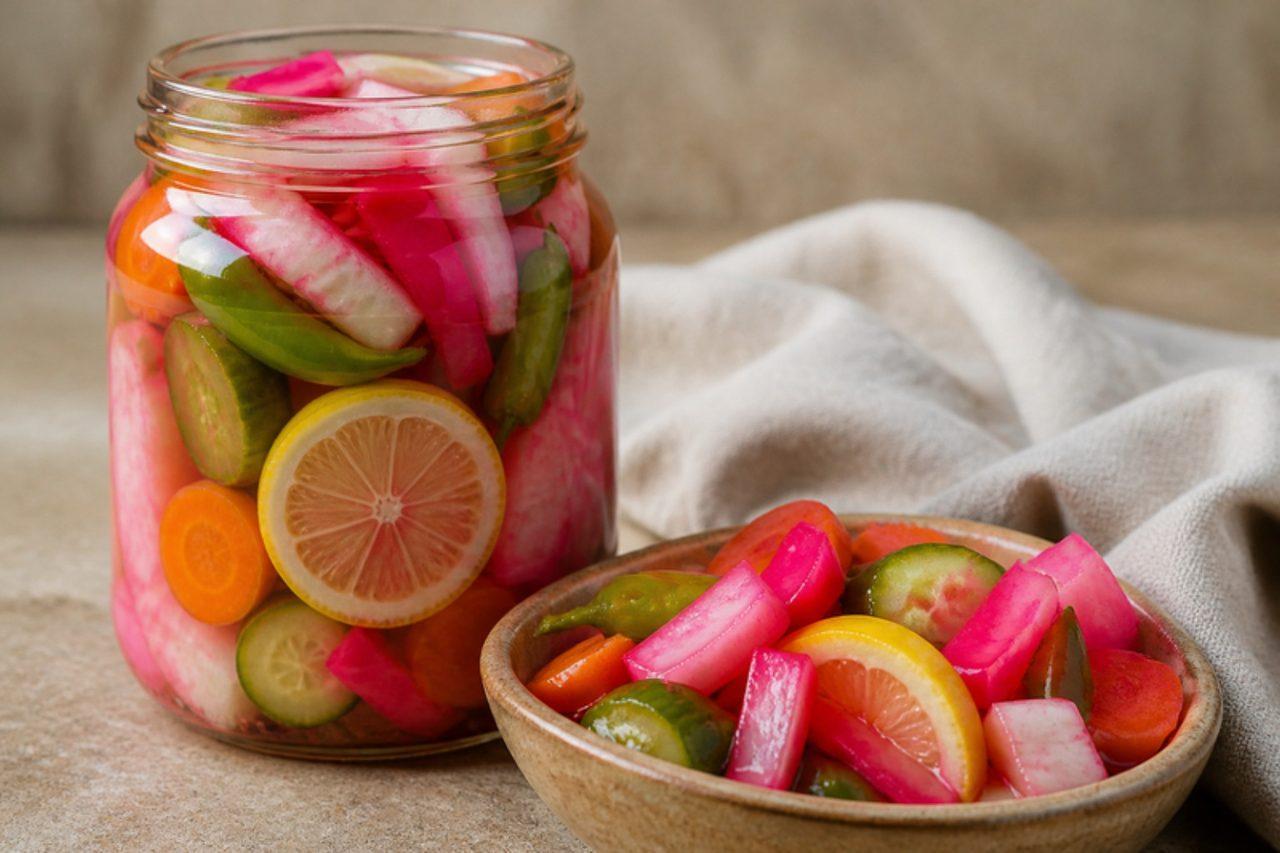
Egyptian mixed pickles
Every koshari shop, ful cart and shawarma stall in Cairo puts a little dish of mekhalel on the counter, and Egyptians at home keep a jar going all year. Turnip batons are the star, dyed bright pink by a single slice of beetroot, with carrot, cucumber, chilli and lemon packed in alongside for crunch, heat and a bitter citrus edge. This quick fridge version is ready to eat in about 5 days and keeps for a month, cold. A common mistake is using iodised table salt, which clouds the brine and can soften the vegetables, so buy plain non-iodised salt. Chef's tip: cut the lemon into quarters but leave them joined at the base, so they flavour the brine without turning the whole jar bitter.

by KrazyBadal 0 views

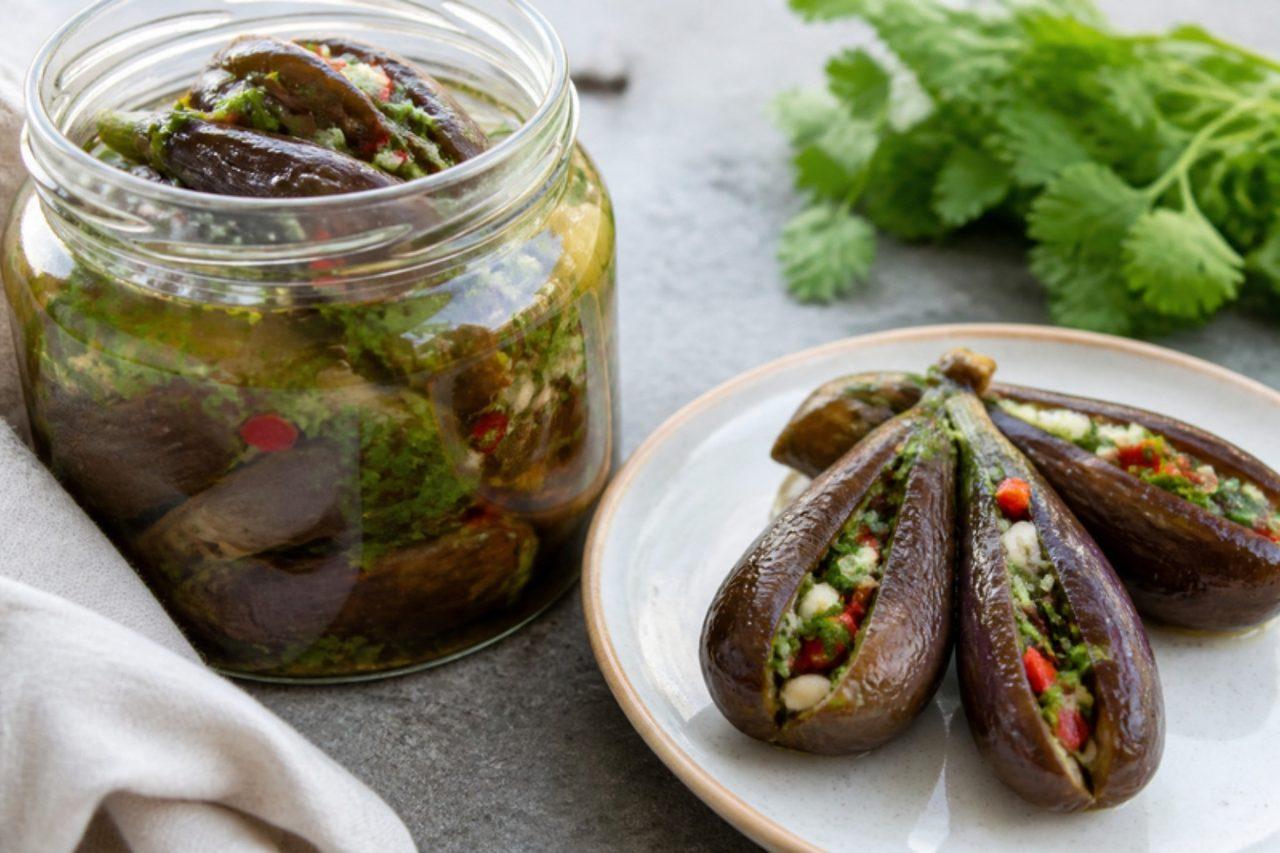
Egyptian stuffed pickled aubergines
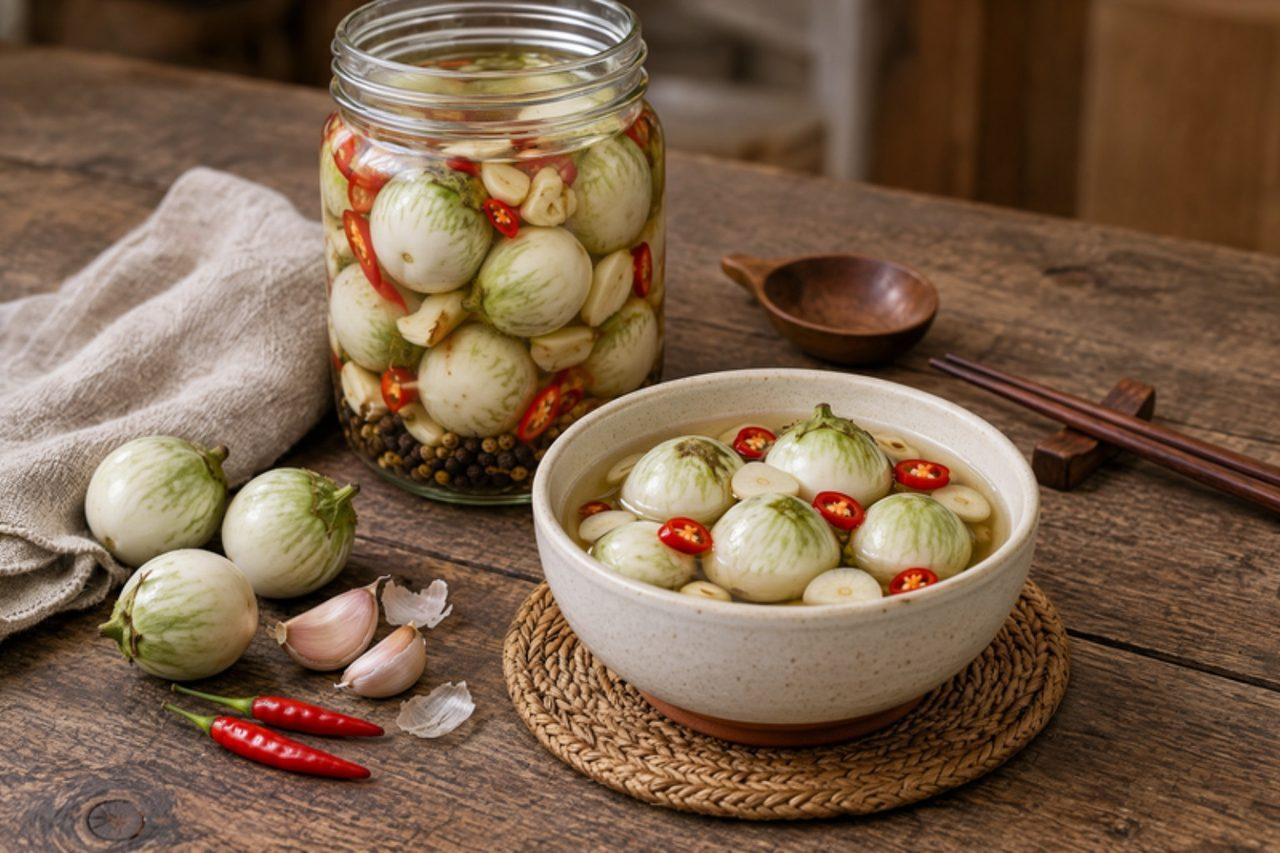
Pickle shops in old Cairo stack jars of these small dark aubergines next to the turnips and lemons, and at home they are sliced beside ful, falafel or a plate of koshari. Each one is boiled until just tender, split down one side and packed with a sharp, hot stuffing of garlic, chilli and green pepper, then left in vinegar for several days until it turns silky and tangy. Only about 40 minutes of the work is active; the jar then needs 5 days in the fridge. Keep the pickle refrigerated and eat it within 3 weeks. The usual mistake is undercooking the aubergines before stuffing, so they stay spongy and never absorb the brine. Chef's tip: press the boiled aubergines under a weighted plate before stuffing, so they hold the vinegar rather than their own bitter water.

by KrazyBadal 0 views

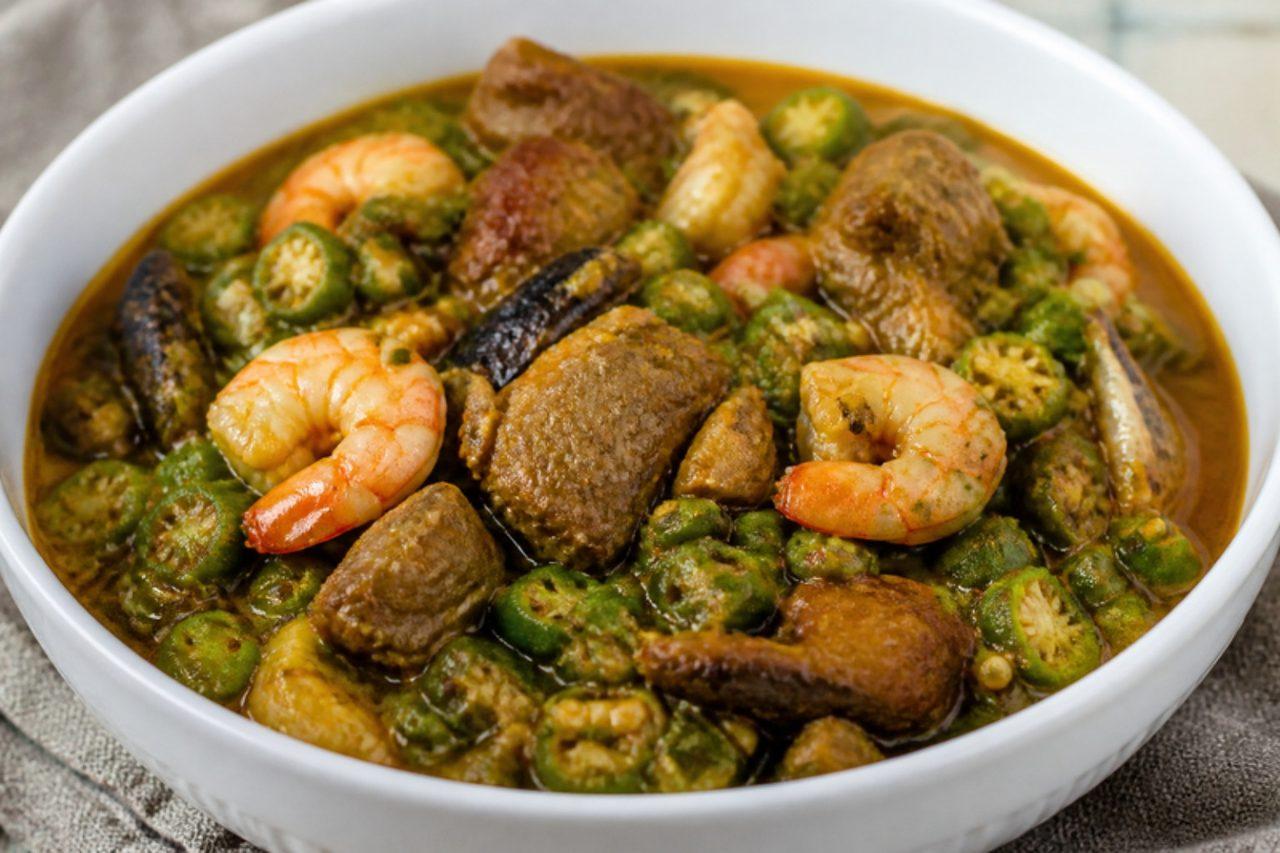
Ila asepo (Yoruba okra soup)

Ibadan and Abeokuta buka ladle ila asepo over amala at lunchtime: a bright, chunky okra soup cooked in a palm-oil pepper base, rather than the plain boiled okra of other regions. Iru and crayfish give depth, assorted meat and smoked fish give body, and prawns go in at the end, so every spoonful is drawy, savoury and loaded. It is just as good with eba or pounded yam. Cooking the okra too long is the usual mistake; it loses its stretch and its green colour, so add it last and give it only 4–5 minutes. Chef's tip: chop the okra by hand into small dice instead of blending it, and the soup keeps its pleasant crunch.

by KrazyBadal 0 views

Chapman (Nigerian fruit punch)

Order a chapman in a Lagos club house or at an owambe party and it arrives in a tall glass full of ice, glowing red and crowded with slices of cucumber, orange and lemon. Lemon-lime and orange sodas are mixed with blackcurrant cordial and grenadine for a sweet, fruity, fizzy drink with a fresh edge from the cucumber. The classic recipe adds a few dashes of aromatic bitters, and those bitters contain alcohol; leave them out (or use an alcohol-free bitters) and it is fully alcohol-free and fine for children. Adding the soda too early is the usual mistake, as it goes flat, so mix the syrups and fruit first and top up just before serving. Chef's tip: chill every bottle well beforehand, so less ice melts into the drink.

by KrazyBadal 0 views

Mullah tagalia (Sudanese dried-meat and okra stew)

Tagalia is the stew northern Sudanese families turn to for everyday lunches and when guests arrive unannounced, because it is made almost entirely from the store cupboard: pounded sharmout, dried okra powder called weika and a mountain of onions fried slowly until dark. Unlike mullah bamia, which uses fresh okra, it is smooth, thick and dark brown, with a rich, savoury, slightly smoky taste, and it is scooped up with kisra or aseeda from one shared bowl. Cooks in Nubia and along the Nile say good tagalia is all in the onion. Dumping the weika in at once is the classic mistake, and it sets into slimy lumps; sprinkle it slowly while whisking. Chef's tip: keep frying the onions until they are a deep chestnut colour but never black; burnt onion makes the whole pot bitter.

by KrazyBadal 0 views

Spris (layered fruit juice)

Juice houses all over Addis Ababa, with their towers of fruit stacked in the window, are famous for spris: a tall glass of thick purées poured in stripes, usually green avocado, golden mango and orange papaya, with a wedge of lime on the rim. It is closer to a spoonable smoothie than a juice, and people often eat the layers one by one before stirring the rest together. It makes a filling breakfast or an afternoon pick-me-up, and children love the colours. Chef's tip: blend each fruit separately and keep every purée thick enough to hold a spoon; runny purées bleed into each other and the stripes vanish.

by KrazyBadal 0 views

Rokak bel lahma (Eid meat pie)

When Eid comes round, Egyptian shops stack up rounds of rokak, a very thin, brittle unleavened pastry baked on a hot dome, and cooks turn them into this layered pie for the family lunch. Each sheet is moistened with hot meat broth and a little ghee, layered with beef mince fried with onion, then baked until the top crackles and the inside turns tender and savoury, somewhere between a pie and a lasagne. It is cut into squares and served with rice, salad and pickles. If you cannot find rokak, sheets of filo baked dry for a few minutes are the nearest substitute. Chef's tip: soak each layer just enough to soften it; too much broth makes a heavy, soggy pie, and too little leaves dry shards, the mistake most people make the first time.

by KrazyBadal 0 views

Grilled bolti (Nile tilapia)

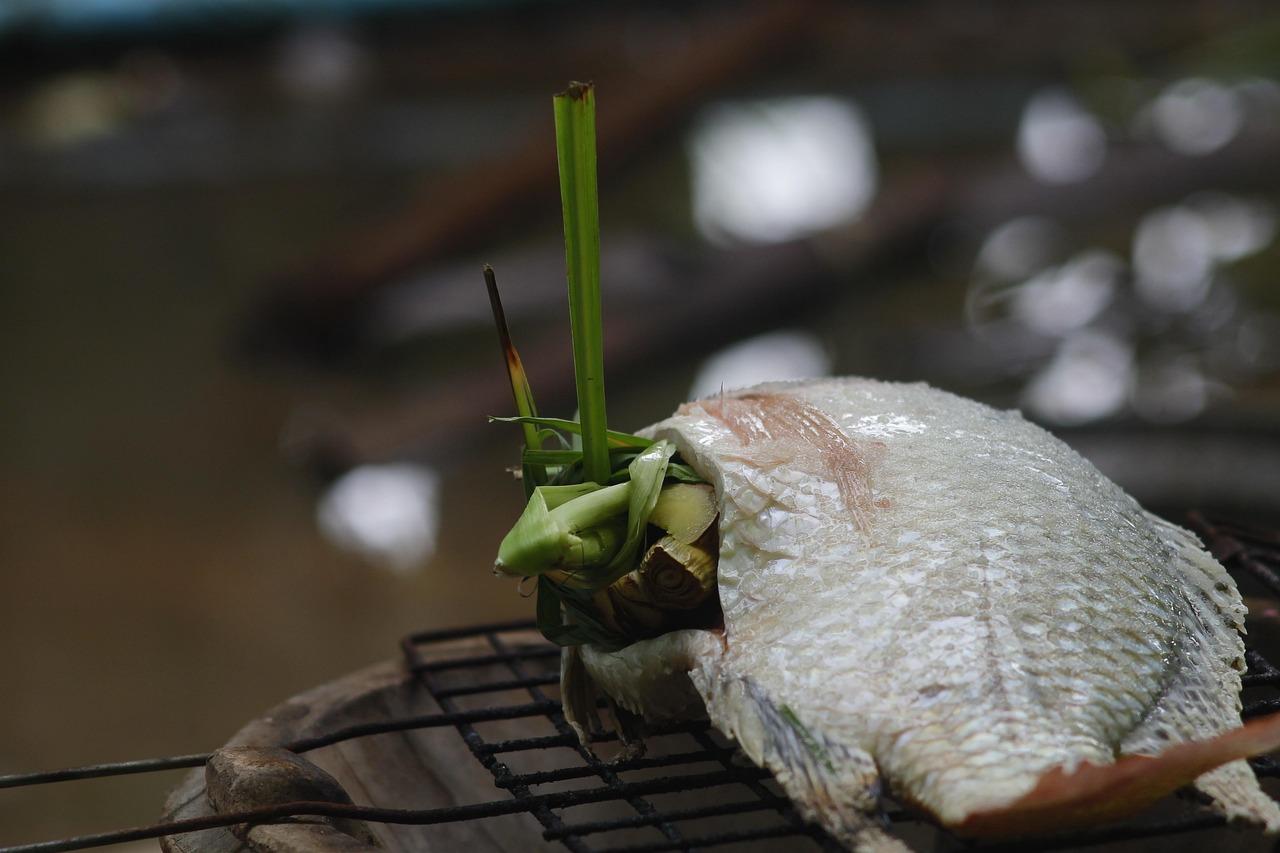
From the Nubian villages near Aswan to the fishing camps on Lake Nasser, bolti caught that morning is gutted, slashed and grilled over charcoal for lunch, and fish grills all over Egypt cook it the same way. The rub is simple: crushed garlic, plenty of cumin, lemon, chilli and oil, which toasts on the skin and seasons the sweet, mild flesh. A stuffing of onion and parsley in the belly keeps it moist. Eat it with your hands, picking the flesh from the bones, alongside tahini, green salad and rice or bread. Chef's tip: oil the grill bars as well as the fish and leave it alone for the first 6 minutes; fish moved too early tears and sticks, which is the usual grilling mistake.
by KrazyBadal 0 views

Trida (steamed pasta squares in chicken sauce)

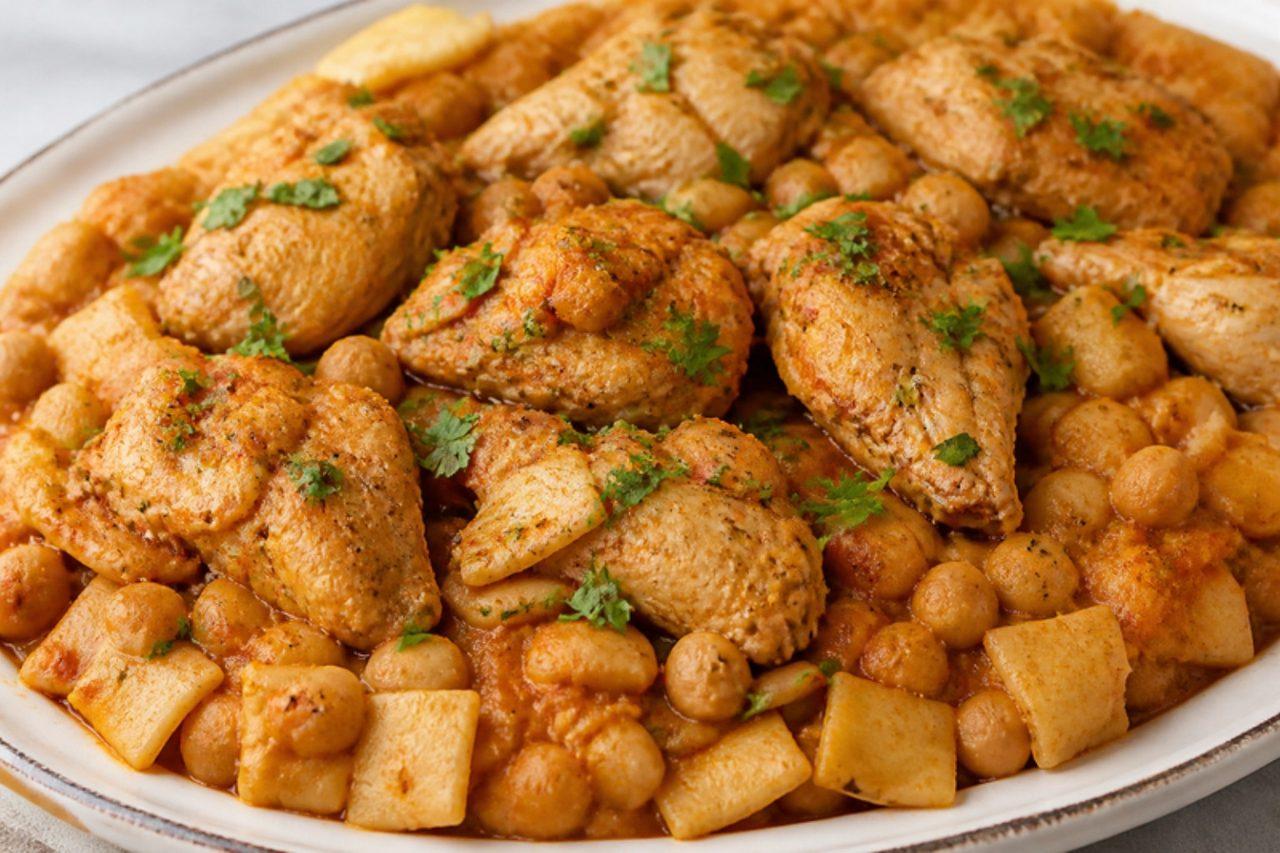
Making trida is an afternoon's work shared around a Constantine kitchen table, especially before Mawlid or a family celebration: a firm semolina dough is rolled paper-thin, cut into small squares, dried, and then steamed twice over a pot of chicken and chickpea sauce flavoured with cinnamon and a touch of tomato. The squares come out tender with a slight bite, glossy with butter and sauce, and are piled on a platter under the chicken. A pasta machine saves a lot of rolling. Chef's tip: dust the cut squares well with semolina and let them dry for half an hour; damp squares are the usual mistake and stick into a single mass in the steamer.

by KrazyBadal 0 views

Chakhchoukha (torn flatbread in lamb sauce)

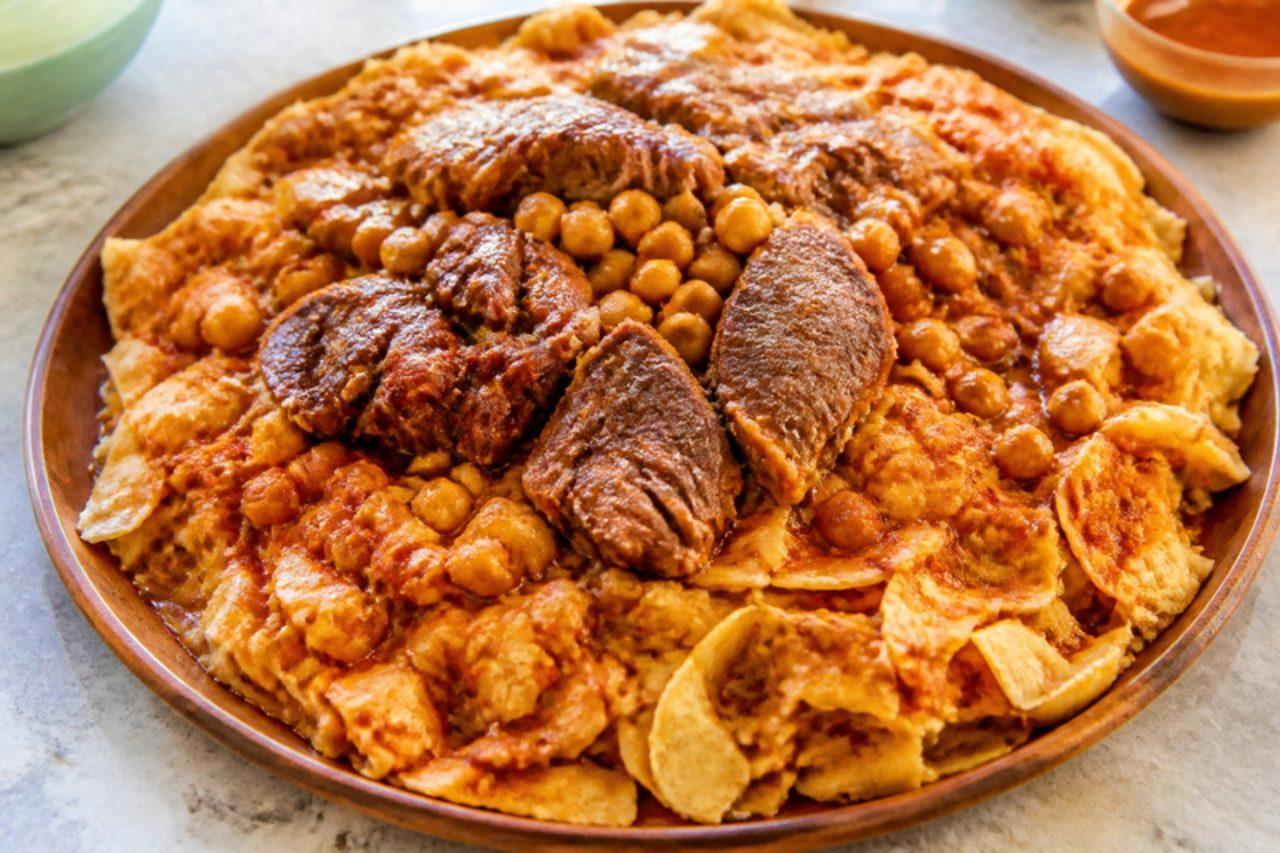
Biskra claims chakhchoukha as its own, though Constantine and the whole east cook it for weddings, Eid and the arrival of guests: sheets of thin rougag are torn into small pieces, softened with steam and soaked in a fiery red sauce of lamb, tomato, chickpeas and whole green chillies, then served from one big wooden or clay dish. The bread turns soft and silky, almost like pasta, and soaks up the peppery, deeply savoury sauce. Use homemade rougag or the dried sheets sold in Algerian shops. Chef's tip: moisten the bread with sauce a ladle at a time and toss between additions; pouring it all over at once is the usual mistake, and the bread turns to paste.

120 minAlgerianMeatSpicy
by KrazyBadal 0 views

Chbah essafra (almond fritters in lamb sauce)

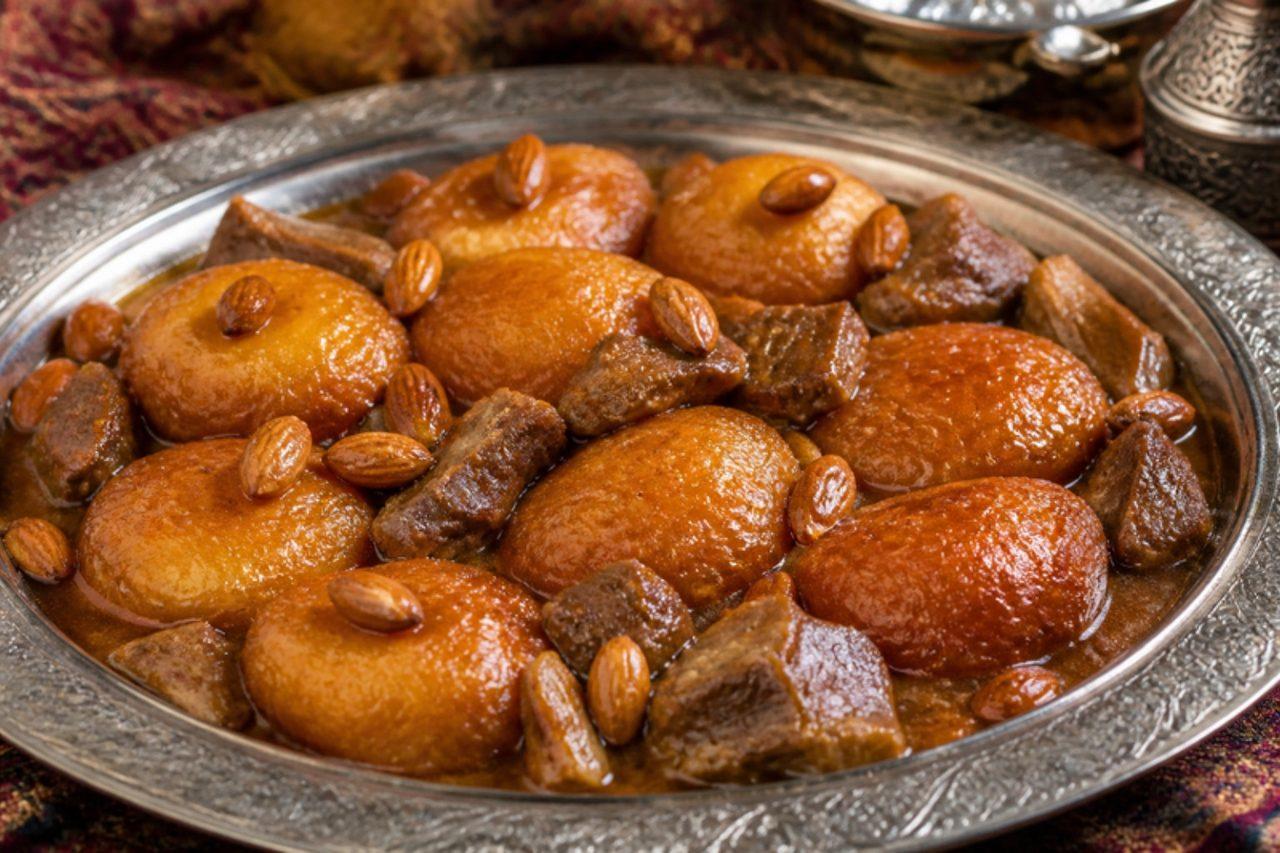
Cooks in Algiers bring out chbah essafra for weddings and grand family dinners, where it is served as the sweet main course: diamonds of almond paste scented with lemon and cinnamon are dipped in egg, fried golden and laid around tender lamb in a pale, buttery sauce sweetened with sugar and orange-blossom water. The contrast of savoury meat and soft, sweet almond is the point, and the dish is rich, so small portions with bread are usual. Chicken can replace the lamb, with a shorter cooking time. Chef's tip: warm the fritters in the sauce only at the table; dropping them into bubbling sauce is a common mistake, and they fall apart.

130 minAlgerianMeat
by KrazyBadal 0 views

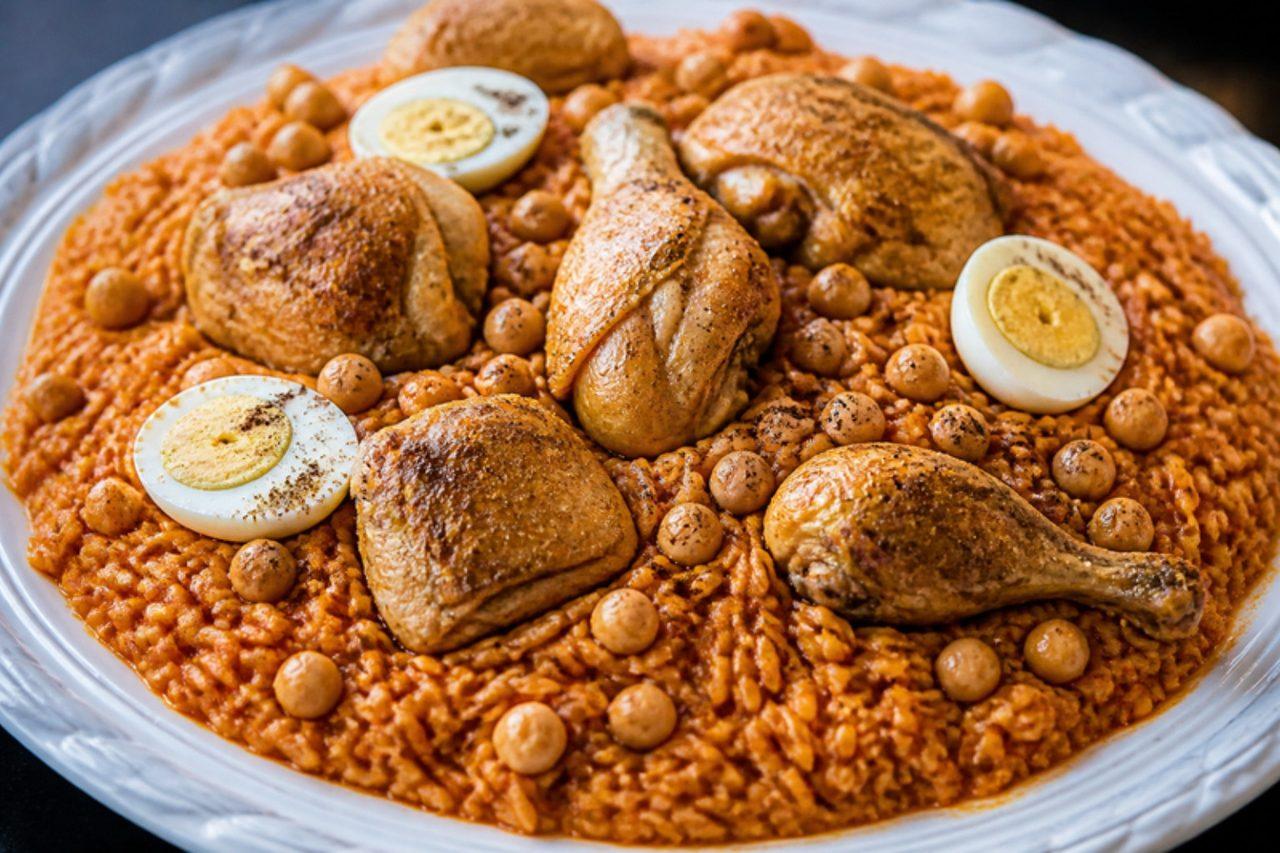
Tlitli (Algerian rice-shaped pasta with chicken)

Tlitli is a tiny pasta shaped like grains of rice, once rolled by hand and now sold dried, and in Algiers and Constantine it is cooked for family feasts such as Ennayer, the Amazigh New Year, or the return of a pilgrim. The pasta soaks up a red sauce of chicken, onion, tomato, paprika, cinnamon and chickpeas, and is piled on a platter with the chicken and halved boiled eggs on top. Expect a cosy, gently spiced dish, a bit like a red risotto, with soft pasta and tender chicken. Orzo is a good stand-in if you cannot find tlitli. Chef's tip: toast the pasta in oil before adding sauce; untoasted tlitli tends to clump and turn mushy, a common mistake.

by KrazyBadal 0 views

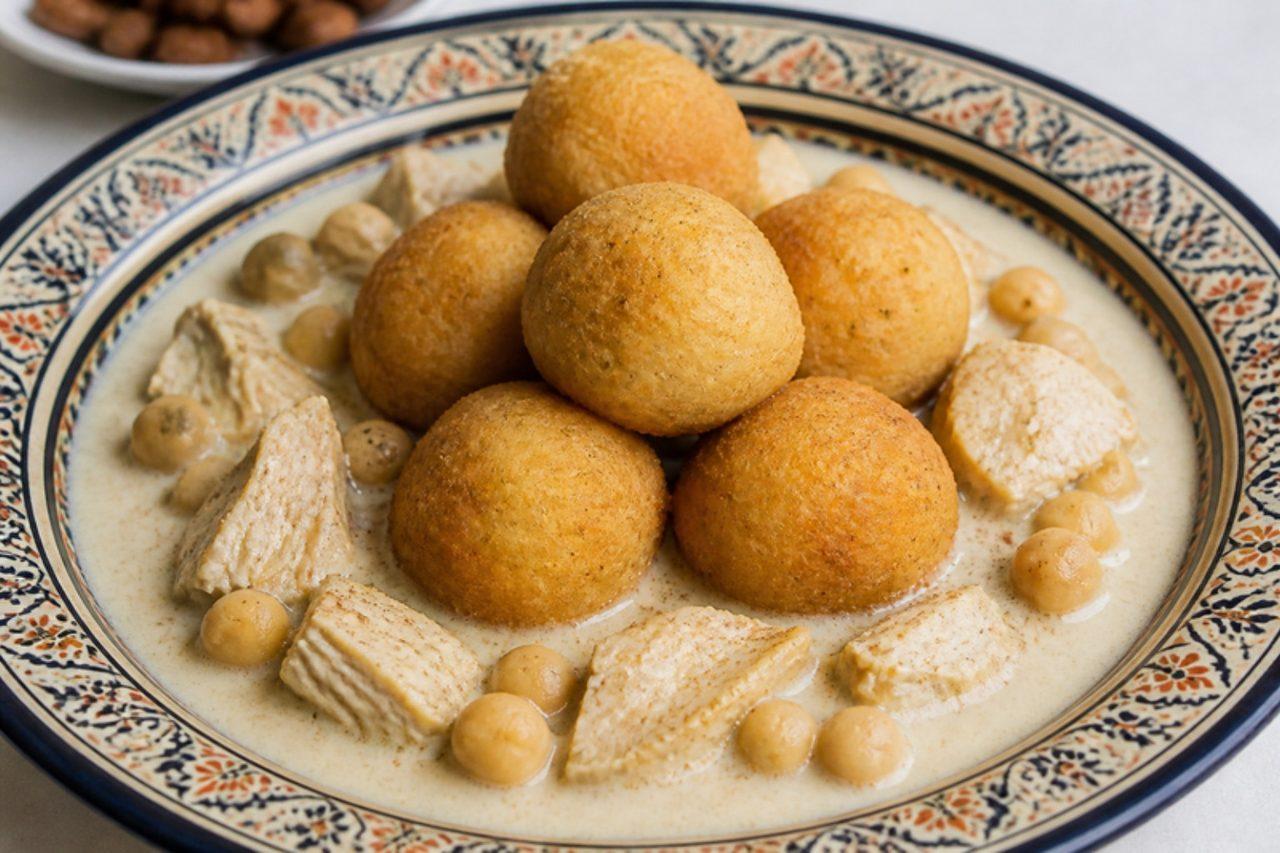
Sfiria (cheese croquettes in chicken sauce)

Sfiria belongs to the old bourgeois cooking of Algiers, served on Ramadan evenings and at family celebrations: little croquettes of soaked bread, grated cheese and egg, scented with cinnamon, are fried golden and then laid in a pale chicken and chickpea sauce flavoured with cinnamon and white pepper. The croquettes are light and spongy, soaking up just enough sauce to be juicy, and the dish tastes delicate and faintly sweet. Day-old white bread without crusts gives the best texture. Chef's tip: add the croquettes to the sauce only at the last minute; leaving them to simmer is the common mistake, and they swell, go soggy and fall apart.

by KrazyBadal 0 views

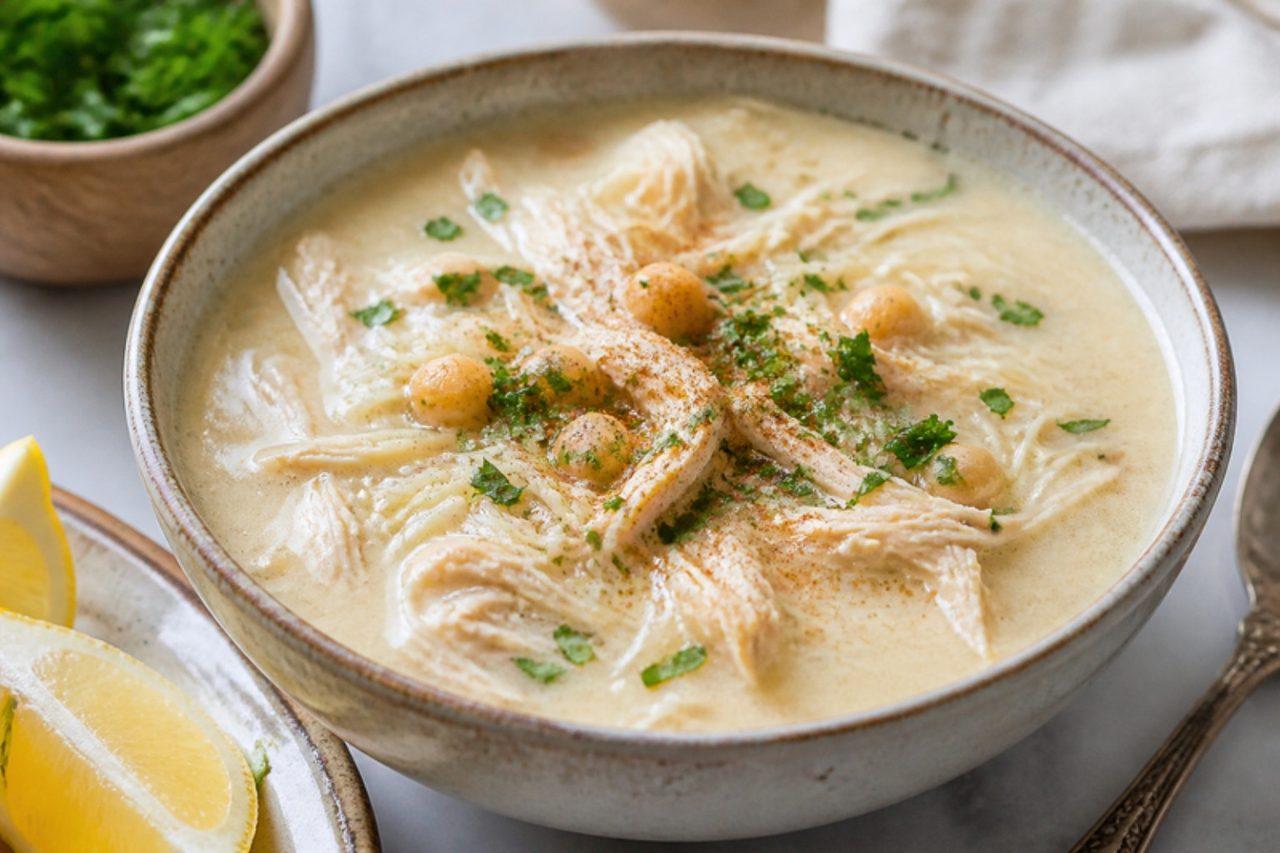
Chorba beida (Algerian white chicken soup)

Unlike the red chorba of the rest of the country, the 'white' chorba of Algiers has no tomato at all: chicken, onion and a cinnamon stick are cooked gently in butter, simmered with chickpeas and fine vermicelli, then thickened at the end with egg yolks and lemon. It is a classic of Ramadan tables in the capital, and is also cooked for guests at weddings and family gatherings. The soup is silky and pale gold, mild and comforting, with a soft lemony tang. Serve it with bread and a squeeze of extra lemon. Chef's tip: once the egg yolks are in, never let the soup boil; boiling is the common mistake that curdles it into scrambled threads.

by KrazyBadal 0 views

Djelbana (Algerian lamb and pea stew)

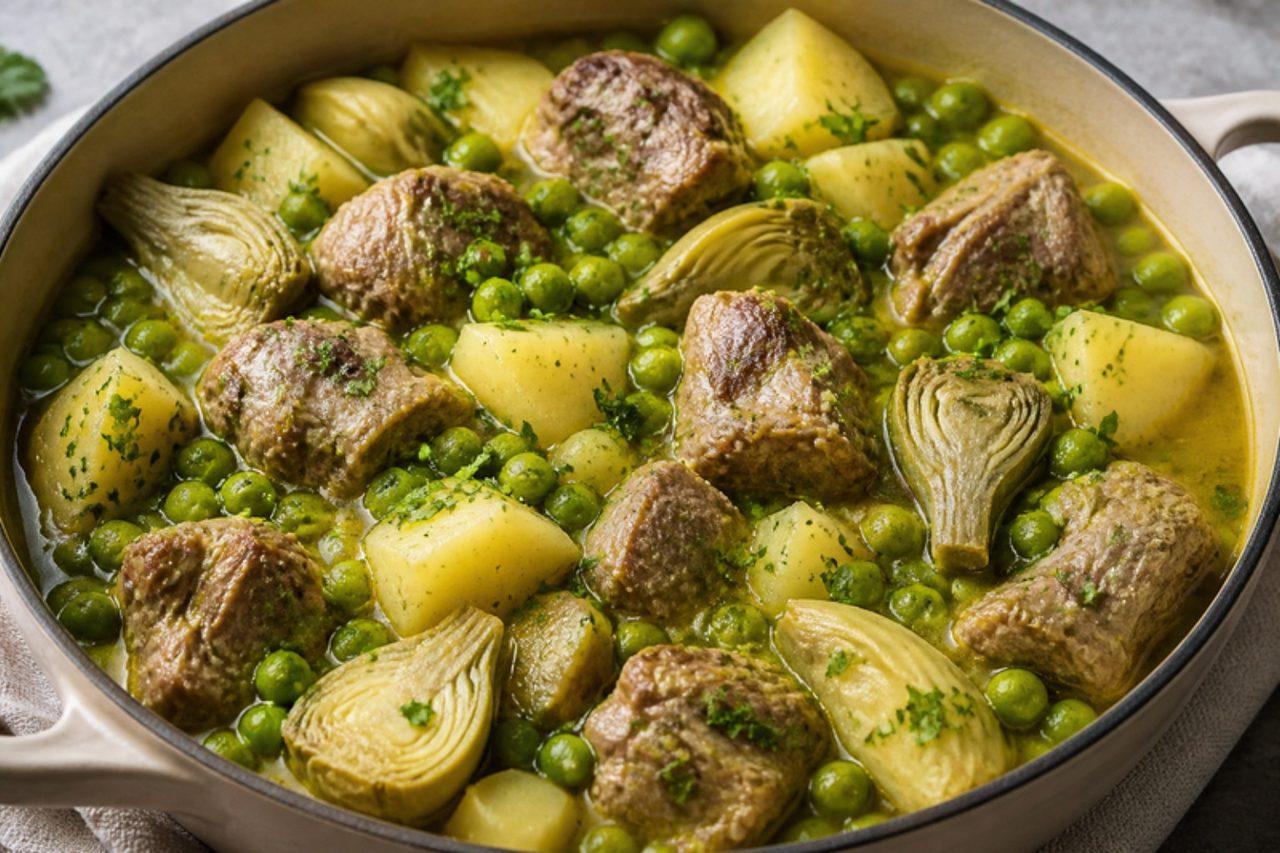
Spring markets in Algiers fill with sacks of fresh peas and violet artichokes, and that is the moment for djelbana, a light, pale stew of lamb, peas, artichoke hearts and potatoes cooked with onion, garlic and a little turmeric, finished with fresh coriander. Families serve it at lunch with plenty of bread to soak up the sauce; on meat-free days it is made the same way without the lamb. It tastes fresh, sweet and gently peppery rather than heavily spiced. Frozen peas and artichoke hearts are fine out of season. Chef's tip: add the peas only for the last 10 minutes; peas put in with the meat are the usual mistake and turn grey and mushy.

by KrazyBadal 0 views

Ayamase (ofada green pepper stew)

Ofada rice, the short, fragrant local rice from Ogun State, is almost always served in Lagos with ayamase, a stew so green and so hot it is sometimes called designer stew. Green bell peppers and green scotch bonnets are blended coarse, dried out in the pot, then fried in palm oil that has been bleached clear, with plenty of iru for a deep, funky savouriness. Assorted meat (beef, tripe and cow skin) and boiled eggs are folded in. Watery pepper is the mistake that makes it taste sour and raw, so boil the blended pepper dry before it meets the oil. Chef's tip: bleaching palm oil makes heavy smoke; open the windows, keep the lid nearby and never leave the pot.

120 minNigerianMeatGluten freeSpicy
by KrazyBadal 0 views

Molasses with tahini

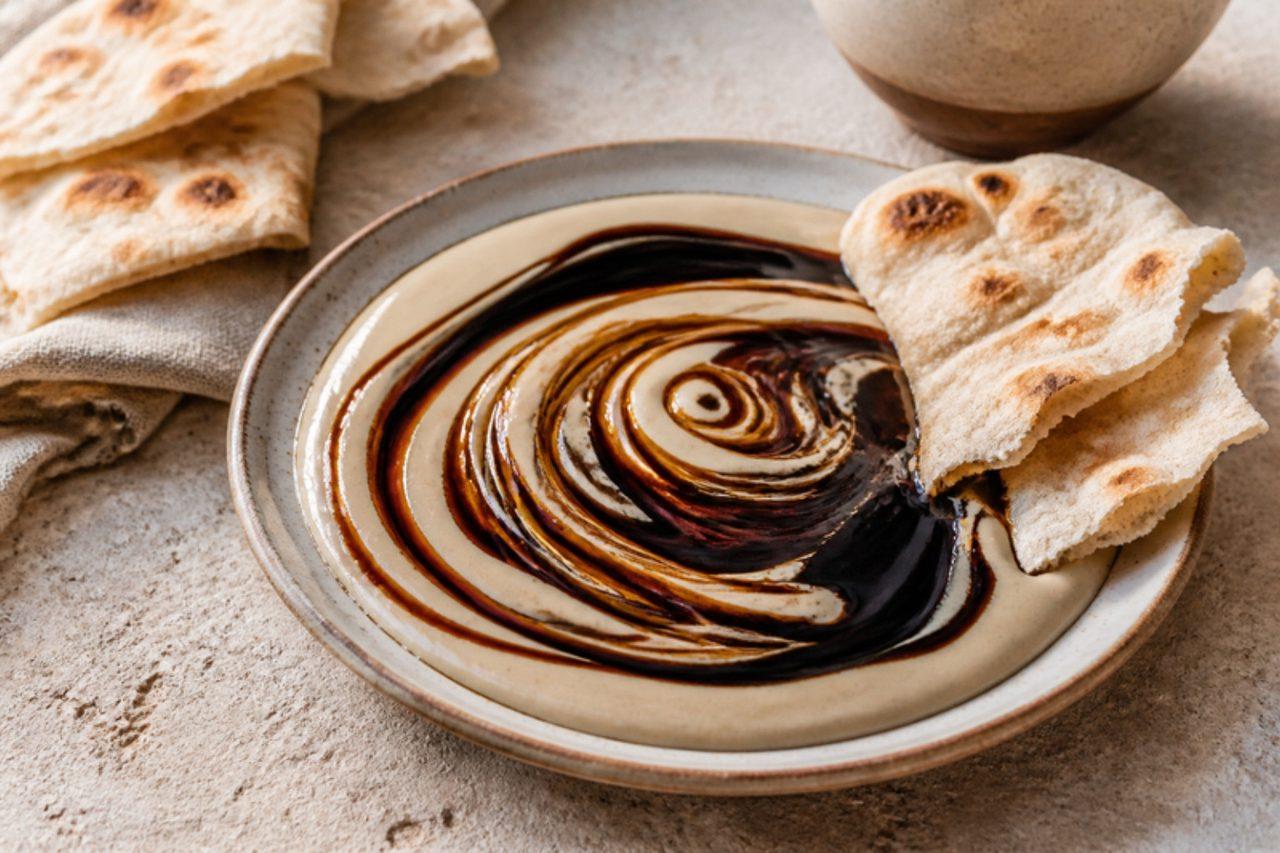
Upper Egypt grows the country's sugarcane, and its dark molasses, asal eswed or black honey, has found its way onto breakfast and supper tables from Aswan to Alexandria. Spooned over tahini and swirled together, it becomes a glossy, bittersweet, nutty dip that children love and grown-ups eat after a light evening meal, scooped up with warm aish baladi or fino. Many families eat it in winter, when they want something warming and filling. A frequent slip is stirring the molasses and tahini together completely; leave them swirled so each bite gets both. Chef's tip: stir the tahini jar thoroughly first; the thick paste at the bottom and the oil on top must be mixed, or the dip comes out stiff and dry.

by KrazyBadal 0 views

Rouz jerbi (Djerban steamed rice)

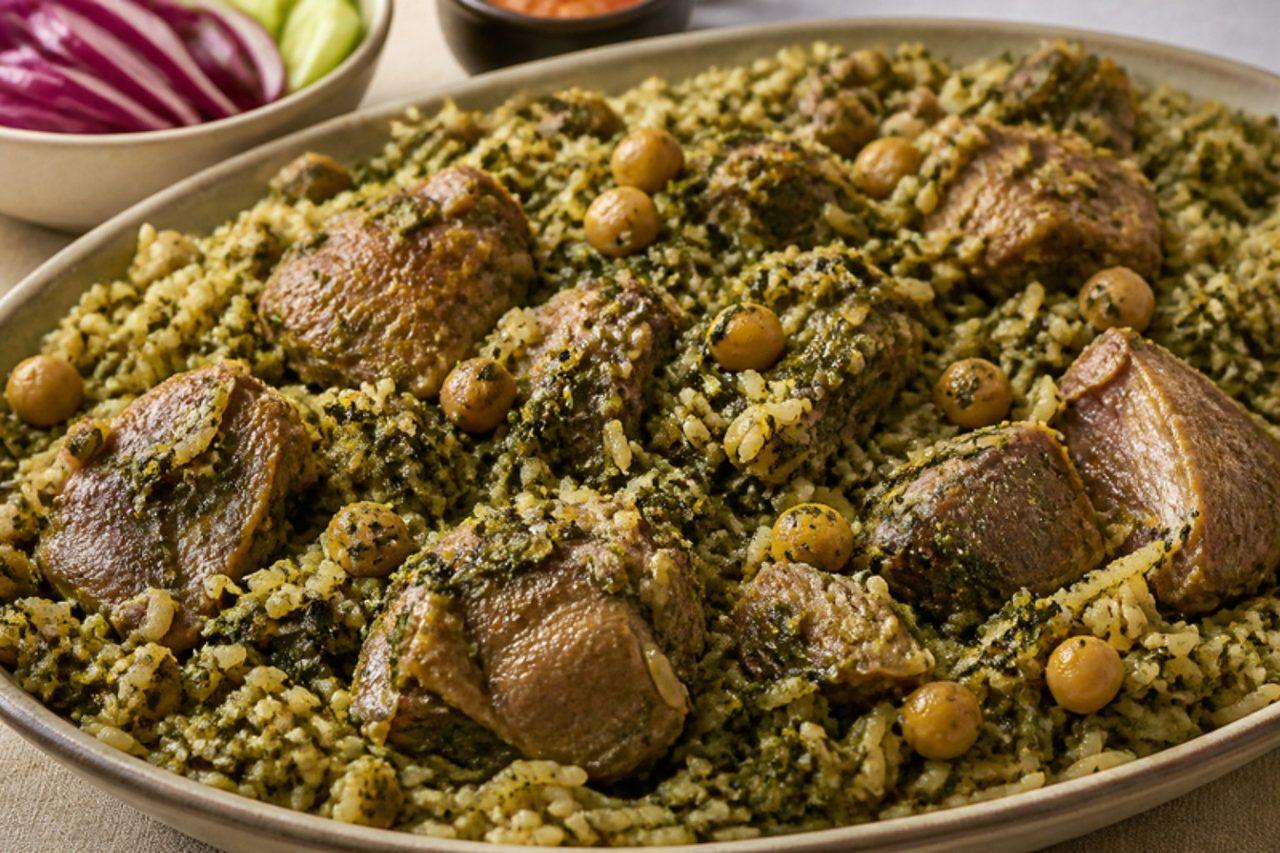
Djerba islanders cook rice the way the rest of Tunisia cooks couscous, in the top of a couscoussier: raw rice is mixed with small pieces of lamb, chopped spinach, a mound of herbs, chickpeas, tomato paste, harissa and spices, then steamed over boiling water until every grain is tender and stained red-gold. Rouz jerbi is a Friday and family-gathering dish on the island, served from one large platter. The rice stays separate and fluffy, the greens melt in, and the lamb picks up the scent of mint and tabil. Chef's tip: stir the rice from the bottom every 20 minutes; leaving it untouched is a common mistake, as the bottom turns soggy while the top stays hard.

by KrazyBadal 0 views

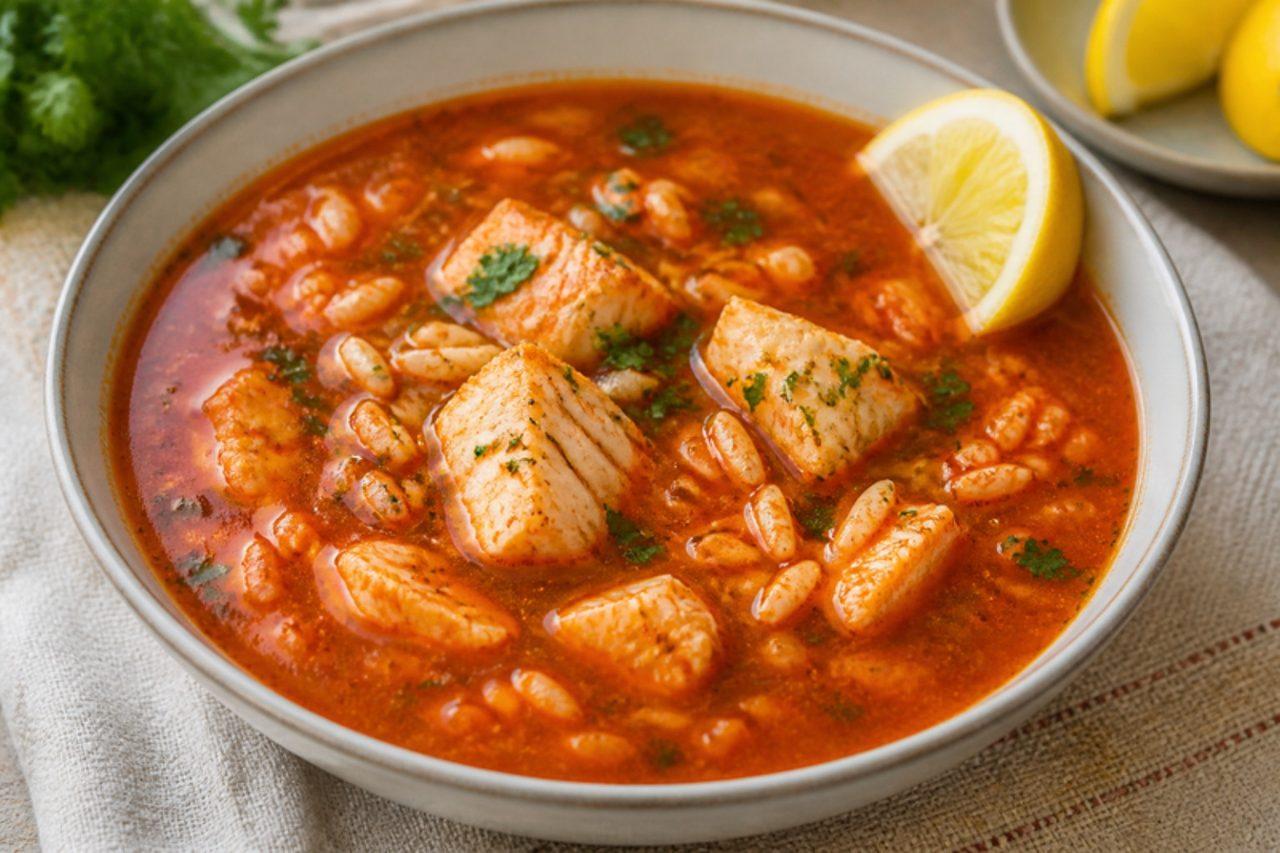
Chorbet hout (Sfax fish soup)

Along the coast around Sfax, a bowl of chorbet hout often opens the meal at Ramadan iftar, after dates and water: a red, peppery broth of tomato, harissa and caraway, thick with tiny bird's-tongue pasta and flakes of white fish, finished with a squeeze of lemon. Grouper, sea bream or mullet are the local choices, and any firm white fish works. The soup is warming and spicy with a fresh lift from parsley and celery, and goes well with bread and a brik. Chef's tip: poach the fish briefly, lift it out and only return the flakes at the end; leaving it to boil with the pasta is the common mistake, and it breaks into threads.

by KrazyBadal 0 views

Osban (Tunisian stuffed lamb sausages)

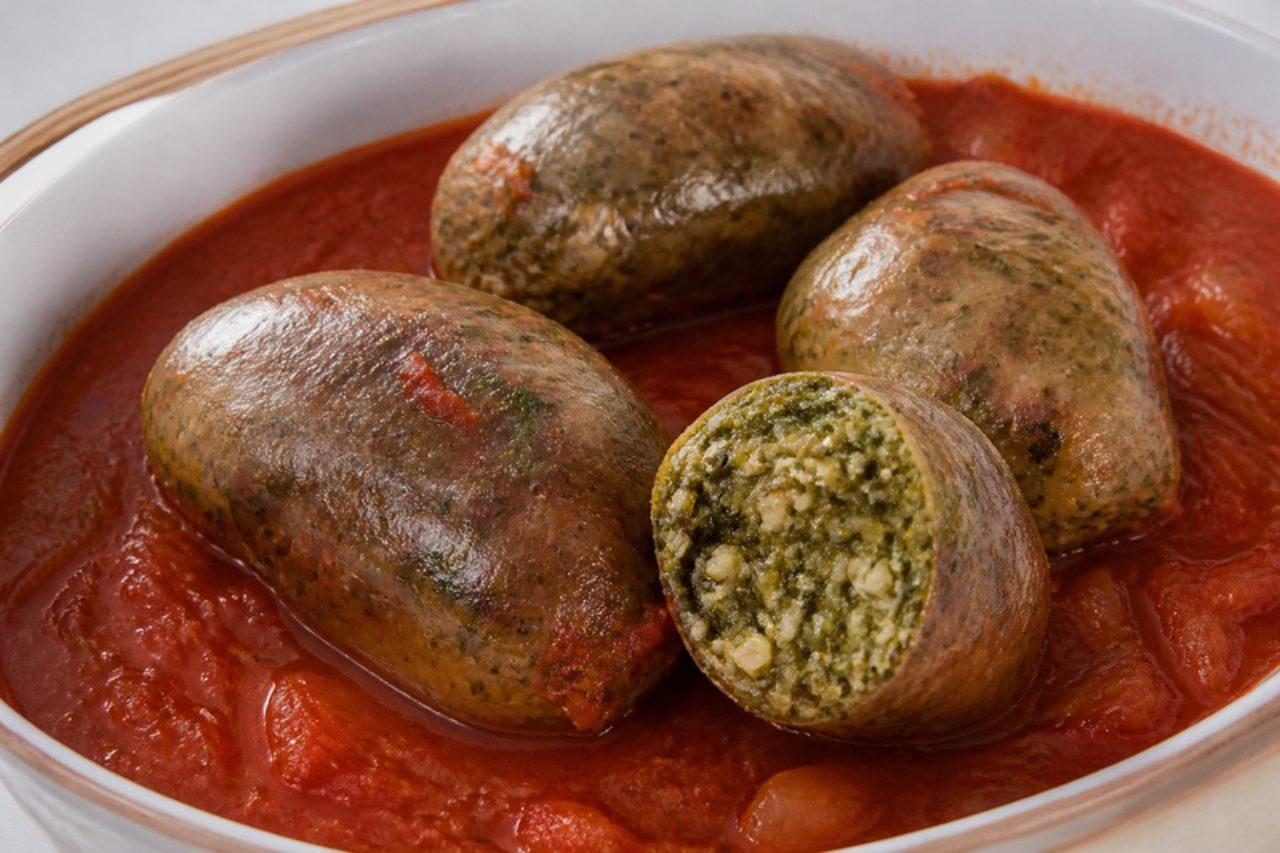
Eid al-Adha in Tunisia means using every part of the sheep, and osban is how the tripe is honoured: cleaned pieces are sewn into pouches and packed with rice, chopped liver and lamb, chard, a big bunch of parsley and coriander, dried mint and harissa, then simmered in a red chickpea sauce and served over couscous. Families all over the country, from Tunis to the south, make a batch and freeze some for later. The filling cooks into a soft, herby, peppery sausage and the tripe turns tender. Buy tripe that the butcher has already cleaned and scalded, or use natural sausage casings for an easier version. Chef's tip: fill the pouches only two-thirds full and prick them with a needle; the rice swells as it cooks, and overstuffed osban burst, which is the most common mistake.

180 minTunisianMeat
by KrazyBadal 0 views

Kammounia (Tunisian cumin beef stew)

Cumin, kammoun in Arabic, gives kammounia its name, and the dish uses it boldly: chunks of beef, or in many Tunis homes lamb's liver, simmer in a thick, dark sauce of garlic, tomato paste and a generous amount of ground cumin until the meat is tender and the sauce clings to it. It is everyday family food in Tunis and Sfax, scooped up with crusty bread or served alongside a salad and olives. The flavour is earthy, warm and garlicky with a gentle heat from harissa. The usual mistake is adding the cumin at the start and frying it hard, which makes it bitter; it goes in once the sauce is simmering. Chef's tip: add half the cumin at the start and the rest in the last 10 minutes; all of it at once risks a flat, slightly bitter sauce, while the late addition keeps the aroma bright.

by KrazyBadal 0 views

Bkaila (Tunisian spinach and beef stew)

Tunisian Jewish families in Tunis, and those who carried the dish to Paris and Israel, cook bkaila for Rosh Hashanah and for Friday-night dinners: a heap of spinach is fried in olive oil for over an hour, until it shrinks to a dark, almost black, crumbly paste, then simmered for hours with chunks of beef, white beans, garlic and dried mint. The result looks dramatic and tastes deep and earthy, a little like a long-braised green sauce, with tender meat and creamy beans. It is eaten with couscous or bread, and is even better reheated the next day. Start the beans soaking the night before. Chef's tip: fry the spinach over a medium-low heat and stir often; turning up the heat to save time is the classic mistake, scorching the leaves so the whole pot turns bitter.
240 minTunisianMeatGluten free
by KrazyBadal 0 views

Djouzia (walnut and honey nougat)

Shops in old Constantine wrap djouzia in twists of paper and sell it by weight, a soft, pale caramel-coloured nougat of honey, whipped egg white and plenty of walnuts. It is chewier and darker than white Provençal nougat, with a deep honey flavour and the slight bitterness of walnut skins. Djouzia is a gift sweet, carried to weddings and offered with coffee to visitors, and keeps for weeks. A sugar thermometer makes it reliable. Chef's tip: cook the honey syrup to 125 °C; syrup that is pulled off too early is the most common mistake, and the nougat stays sticky and will not set enough to cut.

by KrazyBadal 0 views

Mullah kawal (Darfur fermented-leaf stew)

Kawal is one of Darfur's great pantry secrets: the leaves of a wild legume that grows among the sorghum are pounded, fermented in a buried pot for a couple of weeks and dried into dark little balls with a smell as strong as blue cheese. Crumbled into a stew of fried onion, dried meat and tomato and thickened with okra powder, it gives a deep, savoury, almost meaty flavour that people in Darfur and Kordofan crave, and the stew is eaten with aseeda or kisra. Kawal is very hard to find outside Sudan; fermented locust beans (dawadawa or iru) from West African shops are the closest substitute, or use mashed fermented black beans. Too much kawal is the beginner's mistake; start with a little and taste. Chef's tip: soak the kawal in warm water for 10 minutes and mash it before it goes in, so it dissolves evenly.

by KrazyBadal 0 views

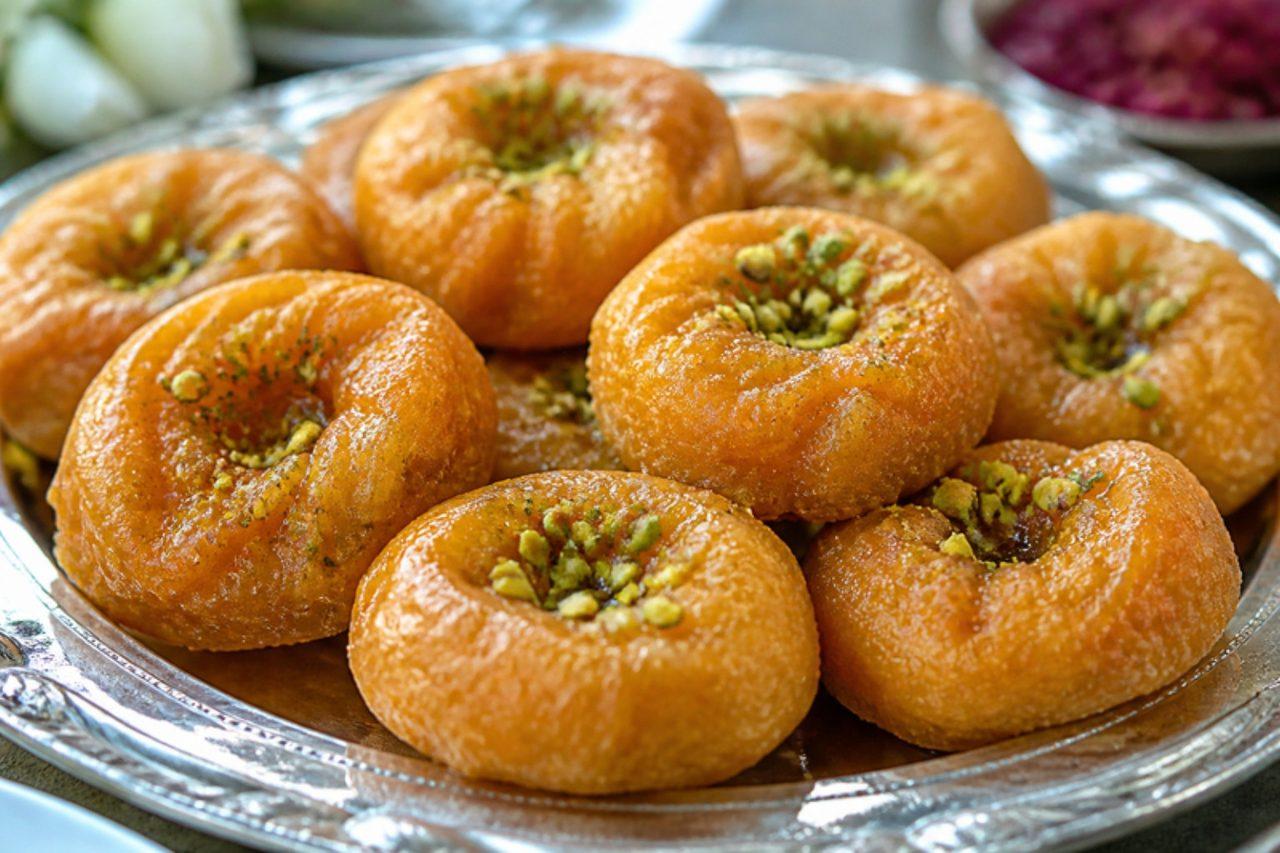
BalushahiFried pastry in cardamom syrup

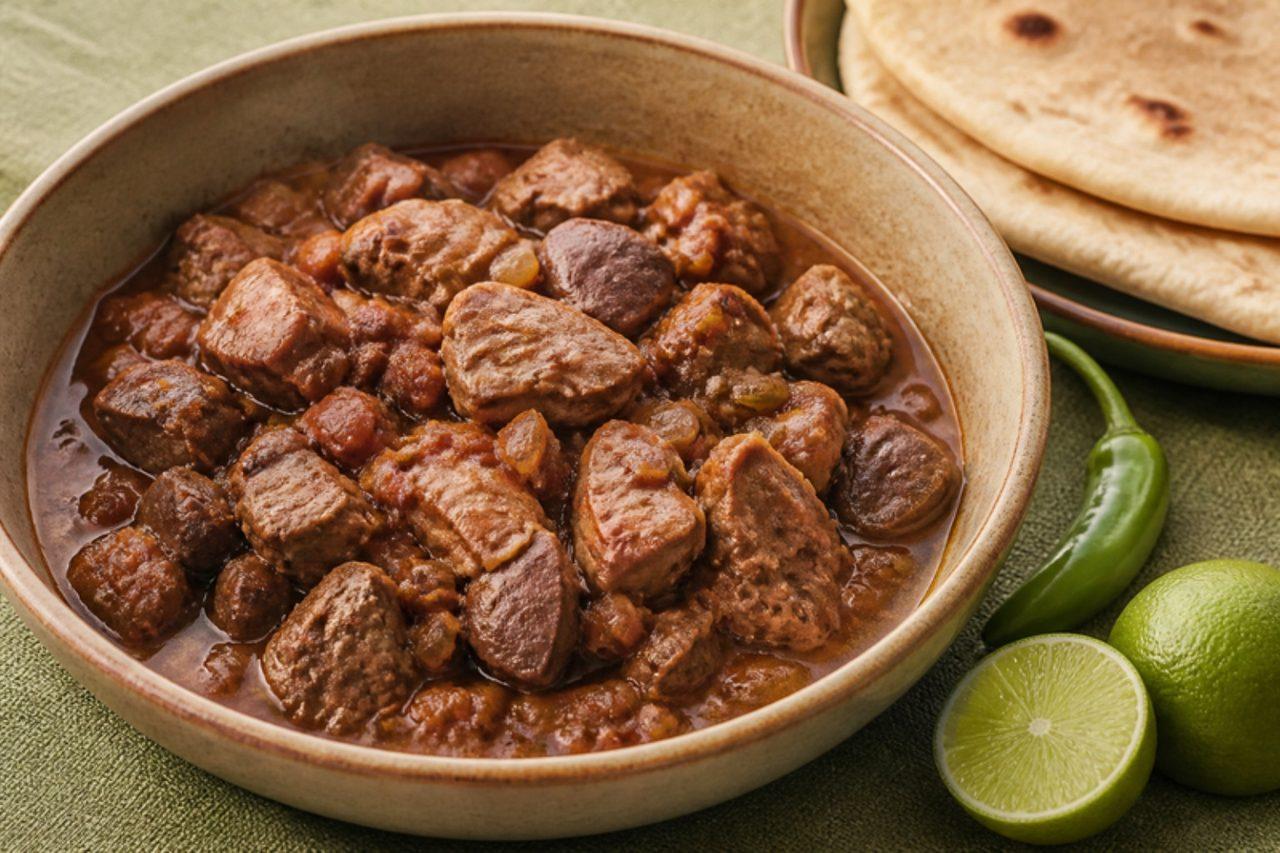
Look in any mithai box carried to a Pakistani engagement or handed round when exam results come out, and balushahi will be there: a squat, doughnut-like round with a dimple in the centre, layered and flaky inside, glazed with a thin, crackly coat of syrup. It is made from a short dough of flour, ghee and yogurt that is barely kneaded, fried very slowly so it cooks through and turns crisp in tiny layers, then dipped in a thick cardamom syrup. Shops in Lahore's Walled City and in Rawalpindi's Raja Bazaar sell it by the kilo, and at home it is a sweet for Eid and winter tea. A common mistake is kneading the dough smooth like a chapati, which develops gluten and makes the balushahi hard instead of flaky. Chef's tip: fry them in ghee that is only just warm, so they float up slowly over several minutes; that slow start is what opens the layers.

by KrazyBadal 0 views

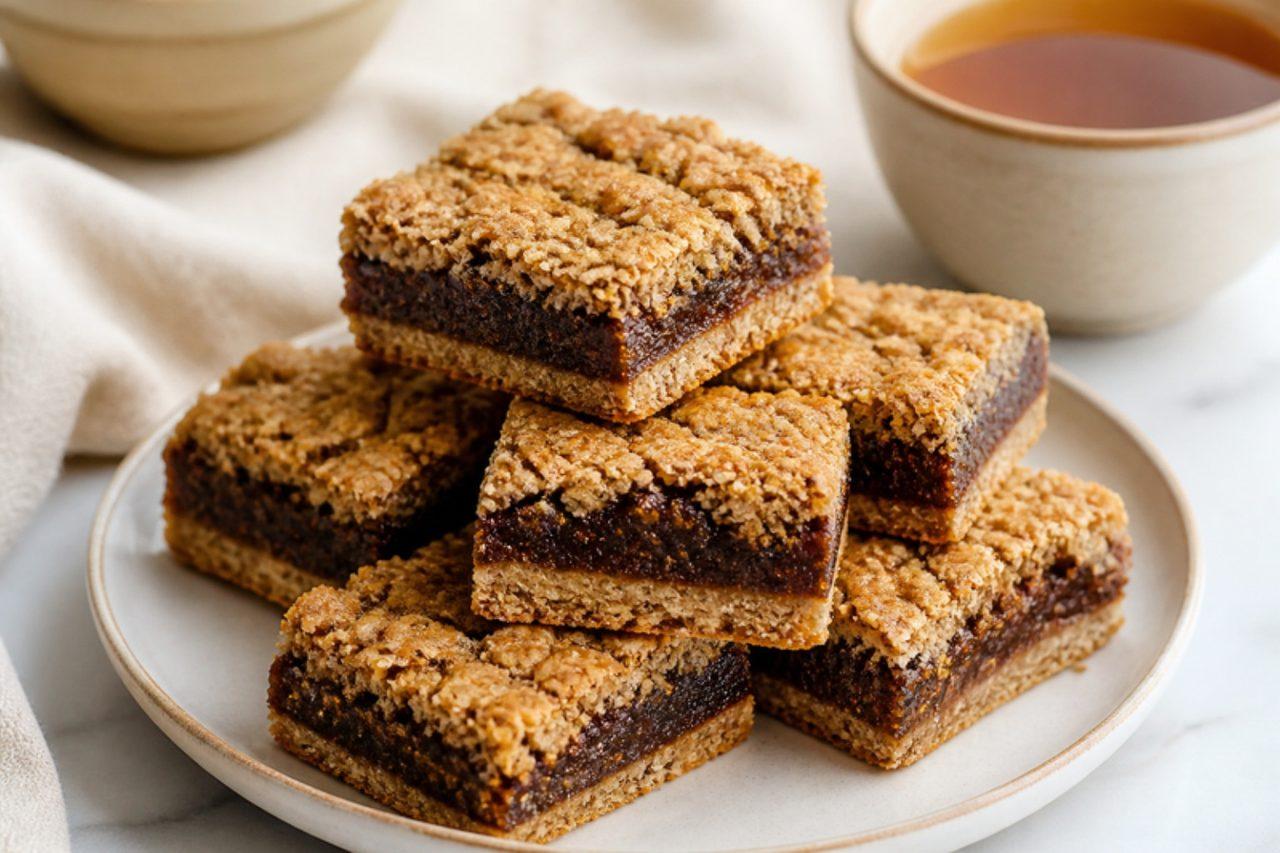
Date squares

Date squares are on the tea table in every Canadian church hall and school bake sale, called carrés aux dattes in Quebec and matrimonial cake in the West. A buttery oat crumble is pressed into a tin, spread with a soft date filling and covered with more crumble, then baked until golden. They keep for days and freeze well. A common mistake is spreading the dates while hot onto loose crumb, which makes the base soggy; press the base firmly. Chef's tip: add a strip of orange zest to the dates for a brighter flavour.

by KrazyBadal 0 views

Showing 90 of 7,762 recipes

Page 319 of 863