


Skip to content
Nargisi kofta
Featured recipe

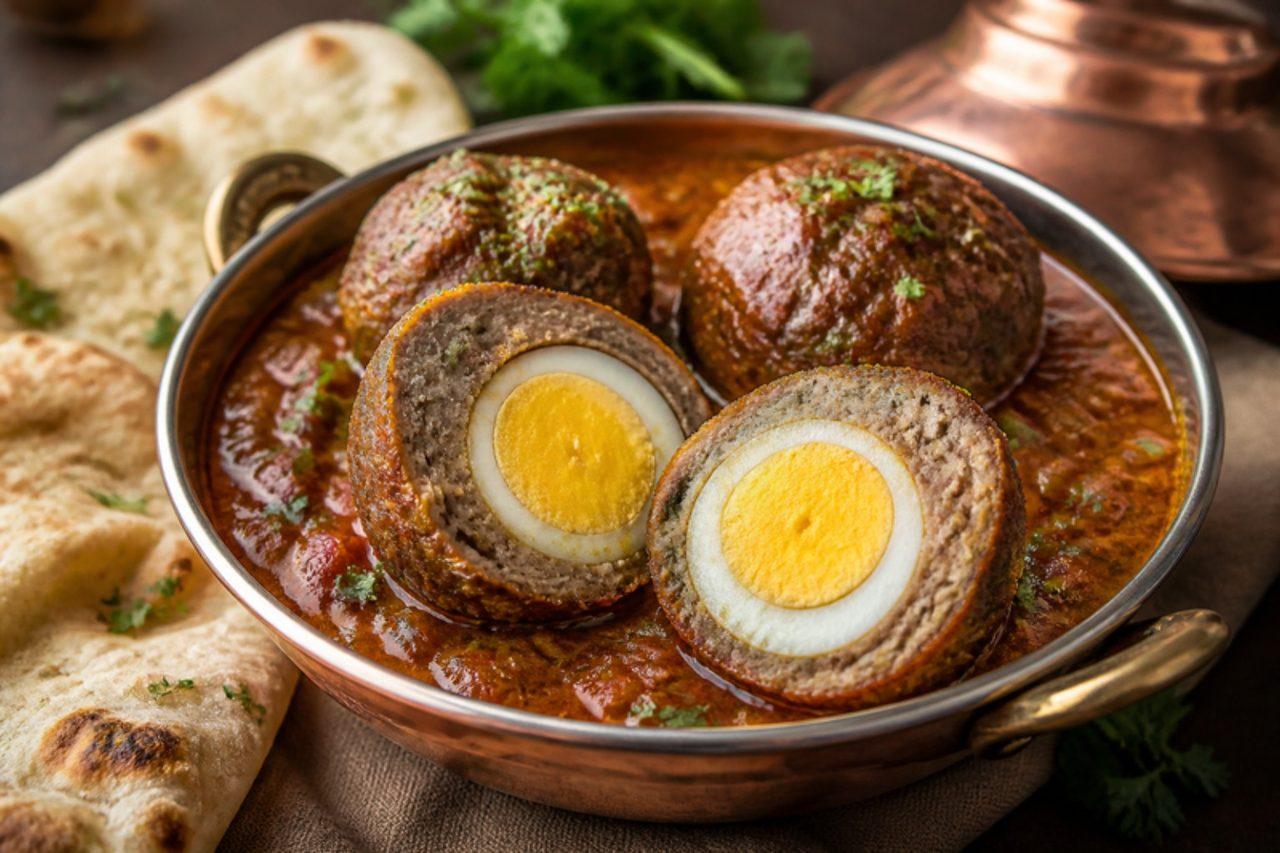
Nargisi kofta

Egg-stuffed mince koftas

Cut a nargisi kofta in half and you see why it is named after the narcissus flower: a white and yellow egg ringed with a band of browned, spiced mince, sitting in a deep red gravy. The dish came down from Mughal kitchens to Pakistani wedding menus and Eid dinners, and it is still the showpiece many families make for guests, served with naan, sheermal or pulao. The meat casing is soft and fragrant with garam masala, and the gravy rich with yogurt, onion and a little cream. Shells that crack open in the pan are the common grief; dust the eggs in gram flour first so the mince grips, and keep the casing an even thickness. Chef's tip: halve the koftas only on the serving dish, just before they go to the table, with a sharp, wet knife for a clean cut.

Read more 0 views

What to eat today?

Around the world

Today's trip: Persian

A new country every day, from every cuisine on the site.

This week's collection

Kid-friendly dinners
537 recipes · a new collection every Monday

Latest recipes

CervelatGrilled sausage

The cervelat, a short, fat, smoked sausage of beef and pork, is called Switzerland's national sausage, and it is what every Swiss child grills on a stick over a campfire on 1 August, National Day, on school trips and on mountain hikes: the ends are cut into a cross so they curl open like a flower as they cook, and it is eaten with bread and mustard. This sausage contains pork. Cervelat is bought ready-cooked and smoked; grilling heats it through and crisps it. A common mistake is grilling over flames, which burns the skin black before the inside is hot. Chef's tip: grill over glowing embers and turn often until the scored ends open out; heat until piping hot, 71 °C.

15 minSwissMeat
by KrazyBadal 0 views

HangikjötSmoked lamb with white sauce

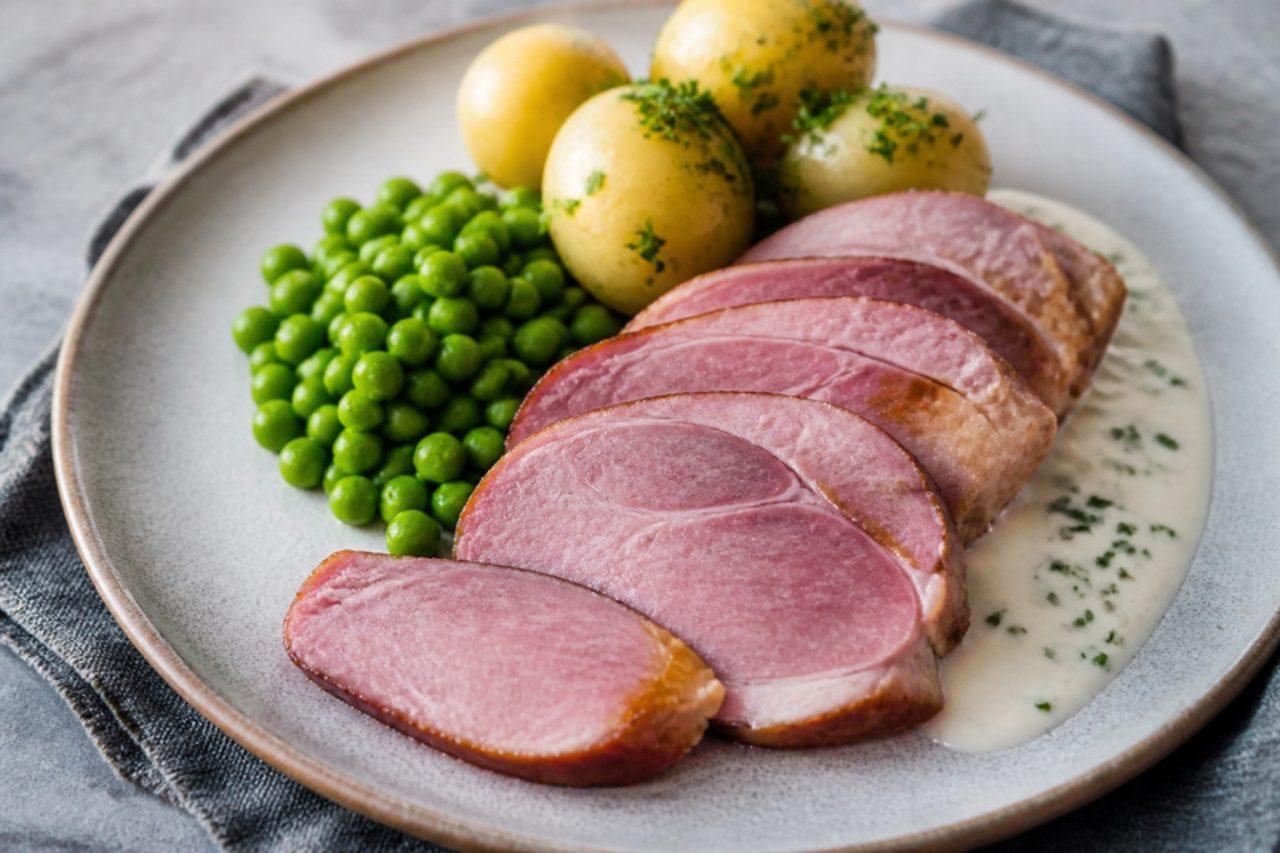
Hangikjöt, 'hung meat', is the Icelandic Christmas Day dinner: lamb or mutton smoked over birch or dried sheep dung, then simmered slowly and served hot or cold with potatoes in white sauce (uppstúfur), green peas, red cabbage and laufabrauð or flatkökur. Icelanders buy it ready-smoked in December; it is cooked at home. A common mistake is boiling it hard, which toughens the meat and makes it too salty. Chef's tip: let it cool in its cooking water; the meat stays juicy and absorbs back some of the flavour.

by KrazyBadal 0 views

Barbadine punchGranadilla milk drink

Barbadine, the giant granadilla, grows on vines over backyard fences across Trinidad and turns up at Sunday lunch blended into a pale, creamy punch. The fruit's soft white flesh and the perfumed seed pulp inside are both used, giving a gentle passion-fruit flavour that milk, nutmeg and a little sugar round out. It is alcohol-free and made for the whole family. A frequent mistake is blending the seeds hard, which cracks them and turns the drink gritty and bitter: pulse the pulp briefly and strain it. Chef's tip: if you can't find barbadine, use the pulp of 6 passion fruit plus 200 g peeled honeydew melon for a similar taste.

by KrazyBadal 0 views

Napoleon cake

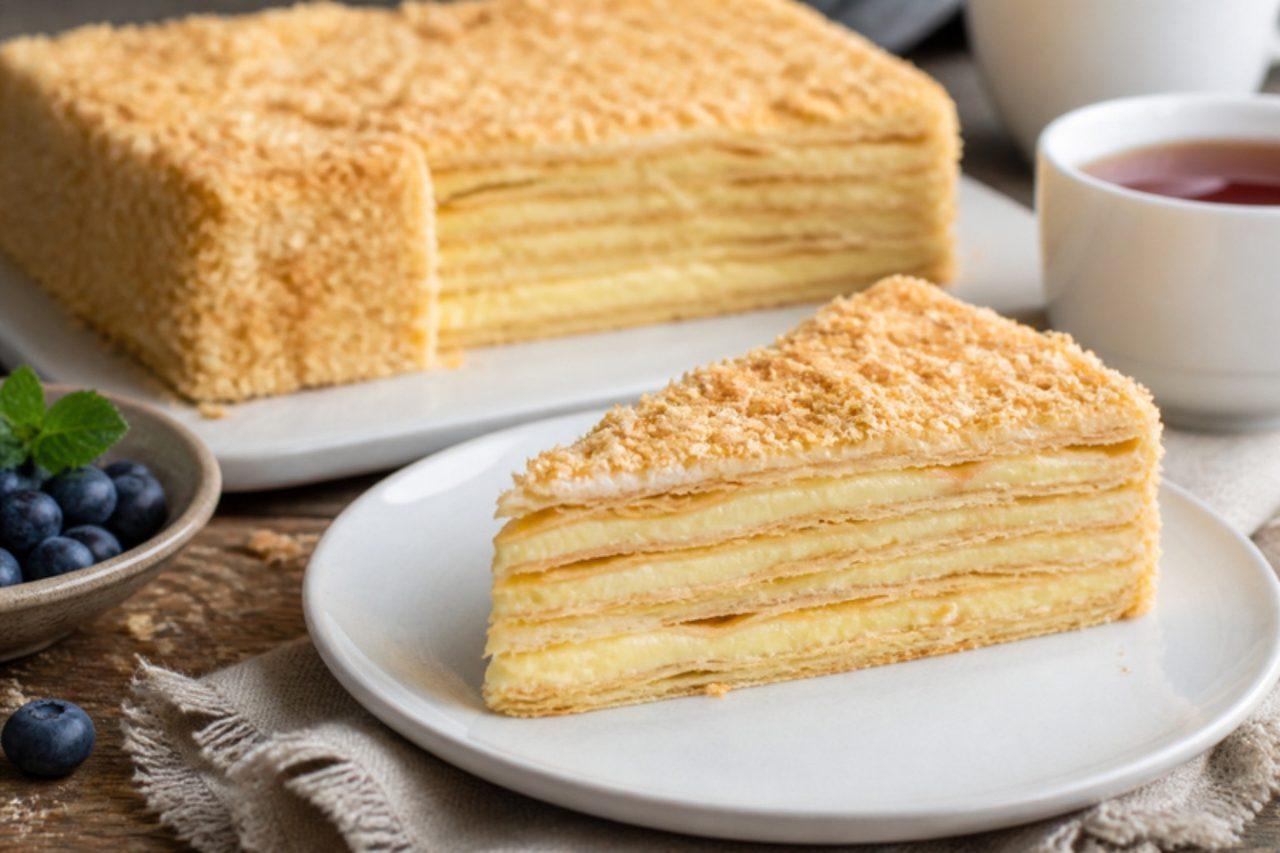
Legend links this cake to 1912, the centenary of Napoleon's retreat from Moscow, when St Petersburg confectioners cut triangular pastries shaped like his hat. By Soviet times it had grown into the tall round cake every family baked for birthdays and New Year's Eve. Eight wafer-thin rounds of quick flaky pastry are stacked with vanilla custard enriched with butter, then left overnight so the layers soften into something between a mille-feuille and a tender sponge; crushed trimmings give the snowy finish. Where most people go wrong is serving it the same day; without the long rest in the fridge it is crisp and dry instead of melting. Chef's tip: roll each piece of pastry straight onto baking paper and trim it around a 24 cm plate before baking, so you never have to lift thin raw dough.

by KrazyBadal 0 views

Bannu pulaoBeef pulao in bone marrow stock

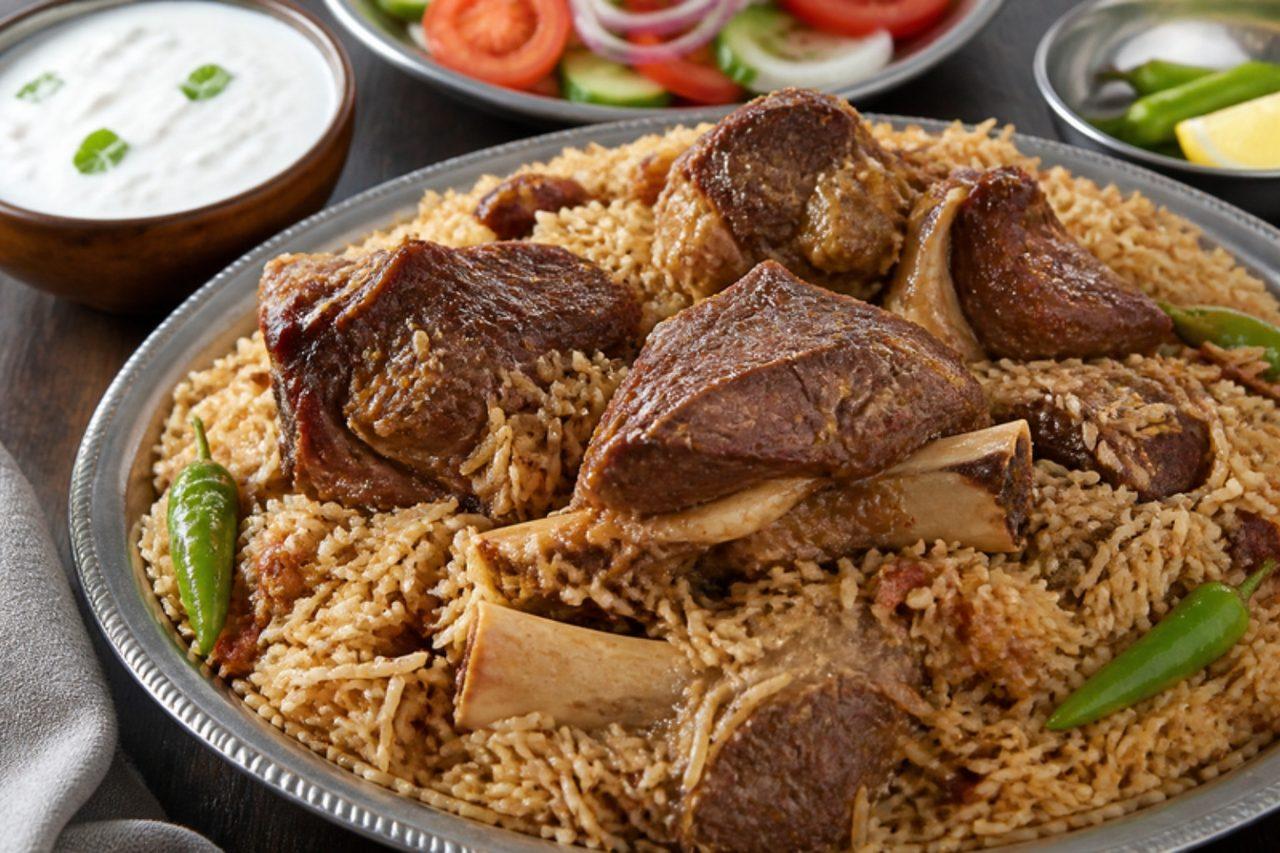
Bannu, a town in southern Khyber Pakhtunkhwa, has given its name to one of Pakistan's richest rice dishes, now sold by pulao houses across Peshawar, Islamabad and Karachi with the town's name painted proudly over the door. Its secret is the stock: beef and marrow bones simmered for hours until the liquid turns cloudy and gelatinous, then used to cook long-grain rice so every grain is glossy with beef fat. The rice is served piled up with fist-sized pieces of boiled beef on top, alongside raita and a fresh chilli-tomato salad, at weddings and Friday lunches. Watery rice is the common failure, because the stock is not reduced enough; it must be concentrated, almost like gravy. Chef's tip: let the stock cool and lift off some of the fat, then fry the onions in that fat, so nothing is wasted and the rice tastes of beef throughout.

by KrazyBadal 0 views

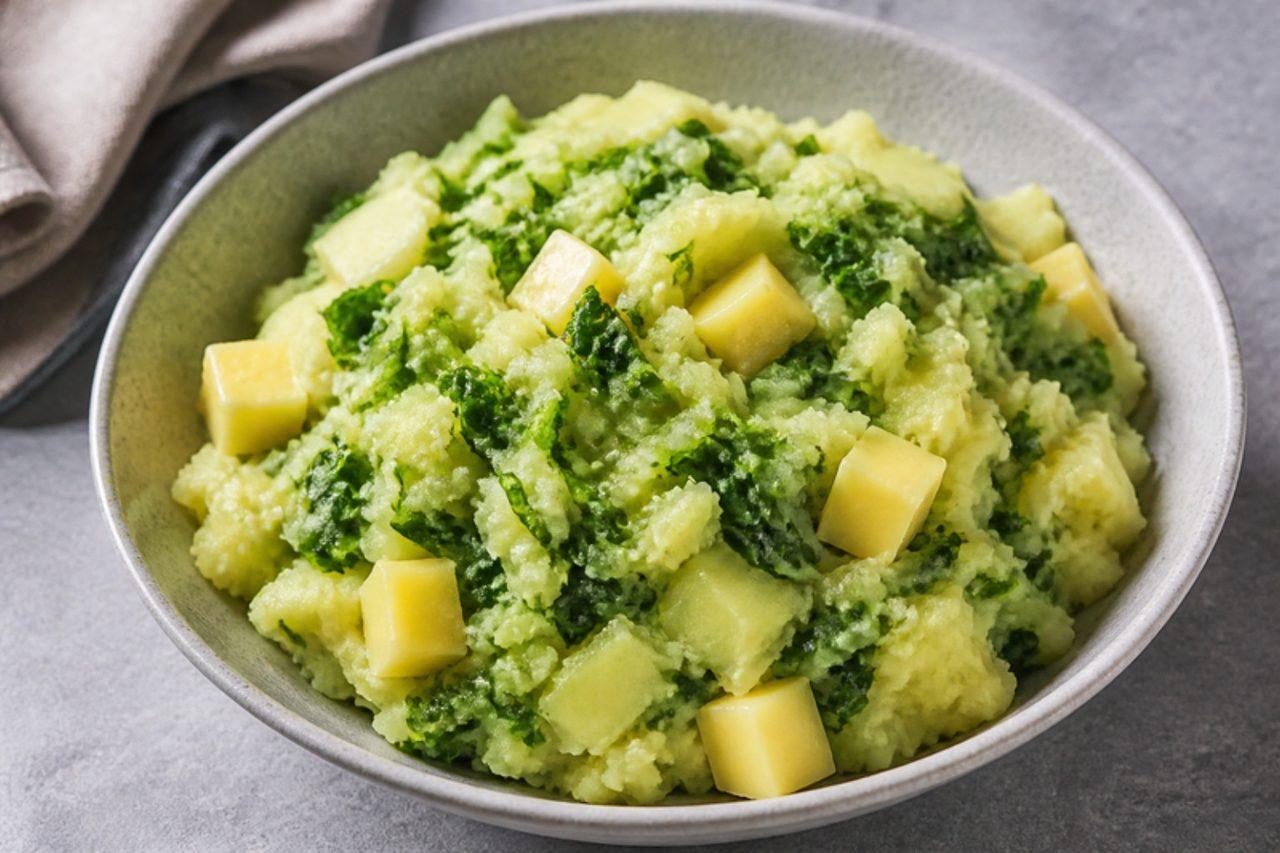
AndijviestamppotEndive and Gouda mash

Stamppot, mashed potato stirred with vegetables, is the Dutch winter dinner, and the endive version is a little lighter: raw, finely shredded curly endive is stirred into piping-hot mash, so it wilts slightly but keeps a fresh, bitter crunch, then cubes of aged Gouda are folded in and start to melt. Dutch families eat it with gravy and a smoked sausage; this vegetarian version uses a pool of brown butter. Aged Gouda is usually made with animal rennet, so choose a vegetarian aged Gouda-style cheese. A common mistake is cooking the endive, which turns it soggy and grey. Chef's tip: stir the endive in off the heat at the very last moment.

by KrazyBadal 0 views

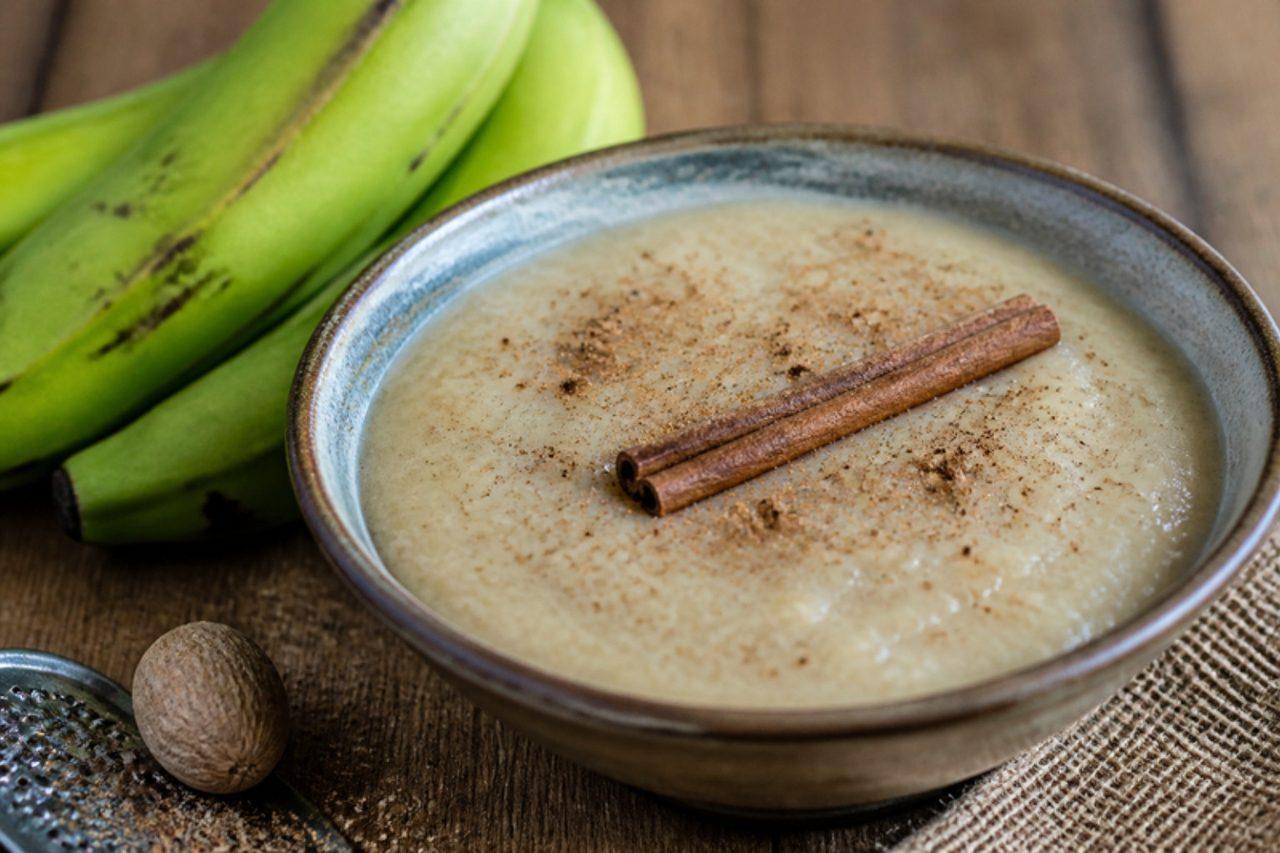
Jamaican green banana porridge

Green banana porridge is the breakfast many Jamaicans remember from their grandmothers' kitchens in St Mary and St Ann, where bananas are cheap and plentiful and the porridge was said to "build you up" for the day. Unripe bananas grated or blended with water cook into a smooth, silky porridge with a gentle, earthy flavour, sweetened with condensed milk and scented with nutmeg, cinnamon and vanilla. The common mistake is not whisking as it heats; the starch thickens suddenly and goes lumpy within a minute. Peel the green bananas with oiled hands or gloves, because the sap stains. Chef's tip: blend the bananas with the water until completely smooth before they go into the pot, which makes it far easier to keep lump-free.

by KrazyBadal 0 views

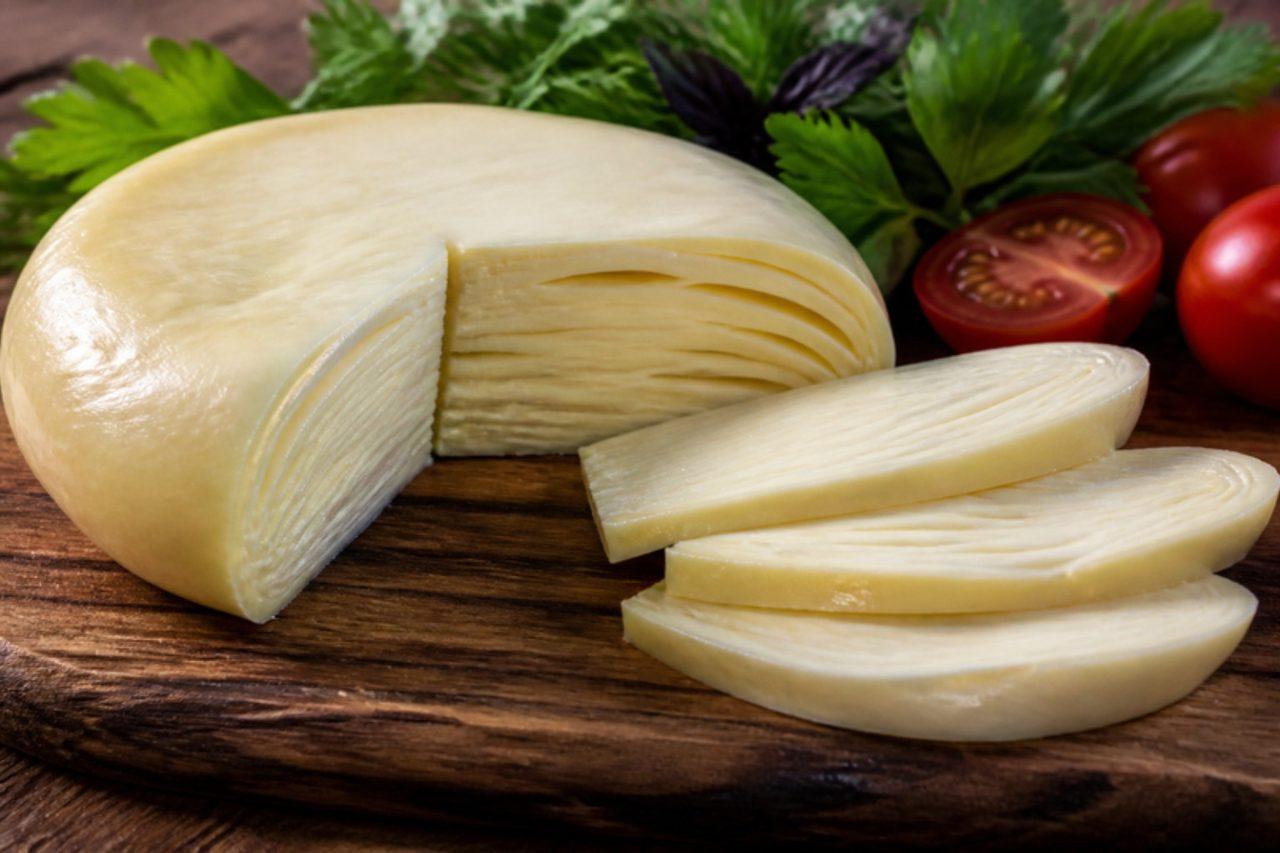
SulguniStretched cheese

Sulguni is the famous cheese of Samegrelo, made in Zugdidi homes by taking fresh, slightly soured curd, cutting it up and working it in hot water until it can be pulled into a glossy, layered, salty ball. It is eaten in thick slices, melted into elarji and khachapuri, and smoked over embers for a darker version. The curd has to be acidic enough to stretch, so you make the cheese one day and stretch it the next, or buy fresh Imeretian cheese and start from there. Traditionally animal rennet is used; vegetarian rennet works too. A common mistake is trying to stretch fresh, sweet curd; it melts into a puddle instead of pulling. Chef's tip: test a small piece in hot water first; if it stretches 30 cm without breaking, the curd is ready.

by KrazyBadal 0 views

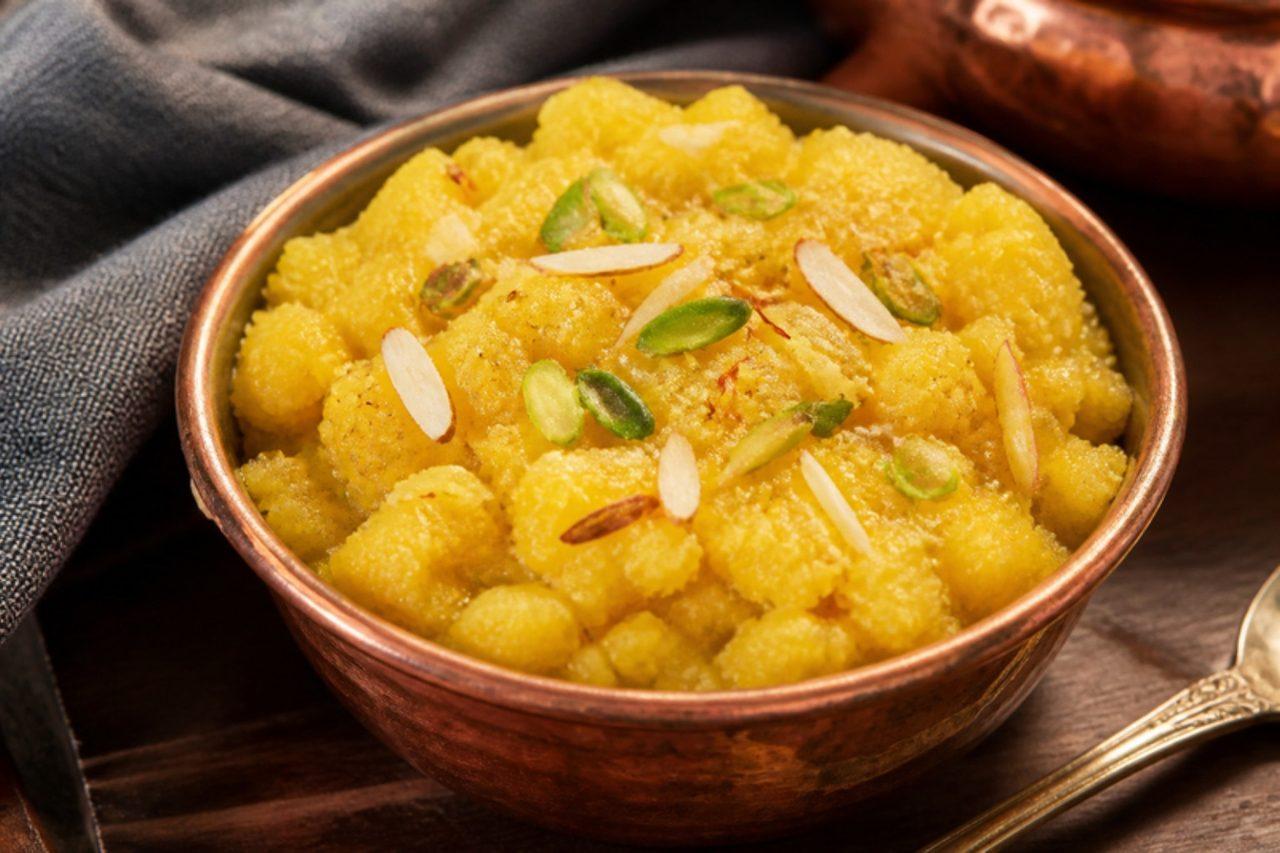
Anday ka halwaEgg halwa

Sweet, golden and grainy like a rich crumble, egg halwa is the quick showpiece of Hyderabadi and Karachi home kitchens, made when unexpected guests arrive or for a winter Sunday, and it fills the house with the smell of ghee and cardamom. Eggs are beaten with milk, sugar and milk powder, then stirred in ghee until the custard sets, breaks and finally fries into soft, sandy granules that cling together like khoya; there is no eggy taste once it is properly cooked. It is served warm in small bowls, topped with almonds and pistachios, sometimes with a few saffron threads. The commonest failure is stopping too soon, when the halwa is still wet and scrambled-egg-like, rather than cooking on until it turns granular and golden and the ghee separates. Chef's tip: strain the beaten egg mixture through a sieve before cooking, which removes the stringy whites and gives a smooth, even grain.

by KrazyBadal 0 views

Kokoro (crunchy maize sticks)

Kokoro is sold in clear bags at motor parks, markets and school gates across the Southwest, and it is the snack people tuck into a pocket for a long bus ride. The dough is made by cooking part of the maize flour with water into a thick paste, then kneading in more flour with a little sugar, salt, chilli and ginger, and rolling it into thin sticks that are fried slowly until hard and golden. The result is very crunchy, lightly sweet and peppery, and it keeps for weeks. Children love it, and it is traditionally eaten with roasted groundnuts or coconut. Avoid frying in oil that is too hot; the outside browns before the sticks are crisp all the way through. Chef's tip: roll the sticks no thicker than a pencil and fry them at a moderate heat so they crisp right through; thick sticks fried hot stay hard outside and doughy inside.

by KrazyBadal 0 views

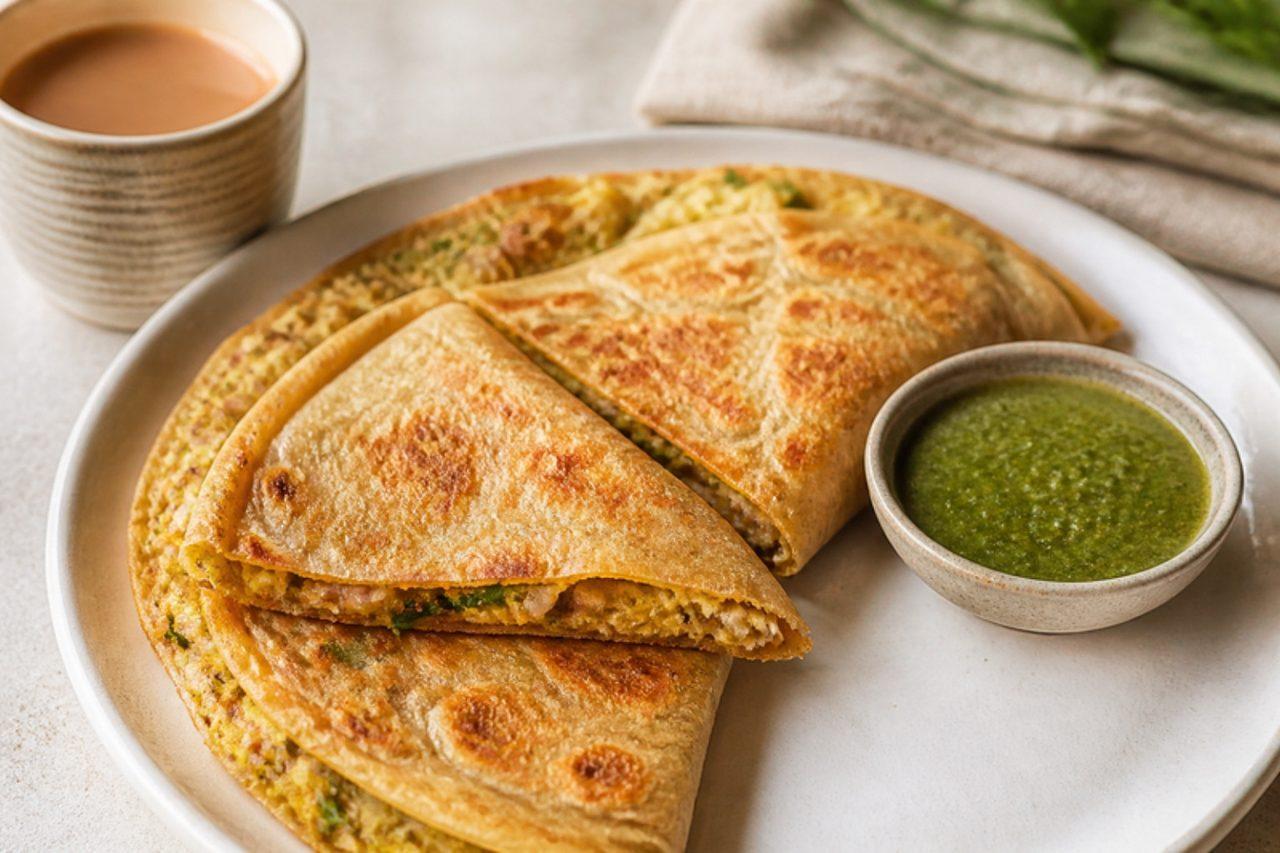
Anda parathaEgg-stuffed paratha

At the dhabas along the GT Road and the breakfast stalls of Rawalpindi's Saddar, the paratha-wala cracks an egg straight into a bowl with onion and chilli, half-cooks a paratha, pours the egg over and flips the whole thing onto the tawa so the egg fries into the bread. The result is one golden, layered disc that is crisp at the edges, soft where the egg meets the dough, and peppery with green chilli. Truck drivers, students and office workers eat it folded in half with chai, ketchup or green chutney, and it is a common packed lunch for school because it needs no curry. The problem most people run into is pouring the egg onto a raw paratha, which tears, or onto a fully cooked one, which will not let the egg stick. Chef's tip: cook the first side only until brown spots appear, then add the egg to the cooked side and flip so the egg sets against the hot iron.

by KrazyBadal 0 views

Dundun (fried yam)

In the evenings, Lagos street corners fill with the smell of dundun: big woks of oil, sliced white yam frying next to plantain and akara, sold by the piece in a twist of paper with a spoon of pepper sauce. Good dundun is golden and crisp outside and soft and fluffy as a baked potato inside, with a faint sweetness from the yam. At home it is a favourite Saturday breakfast or a quick supper, and children happily eat it on its own while the adults pile on the sauce. Don't fry over a very high heat: the outside browns before the middle cooks, the commonest dundun mistake. Chef's tip: soak the yam pieces in salted water for 5 minutes and pat them dry; the salt seasons them through and they fry crisper.

by KrazyBadal 0 views

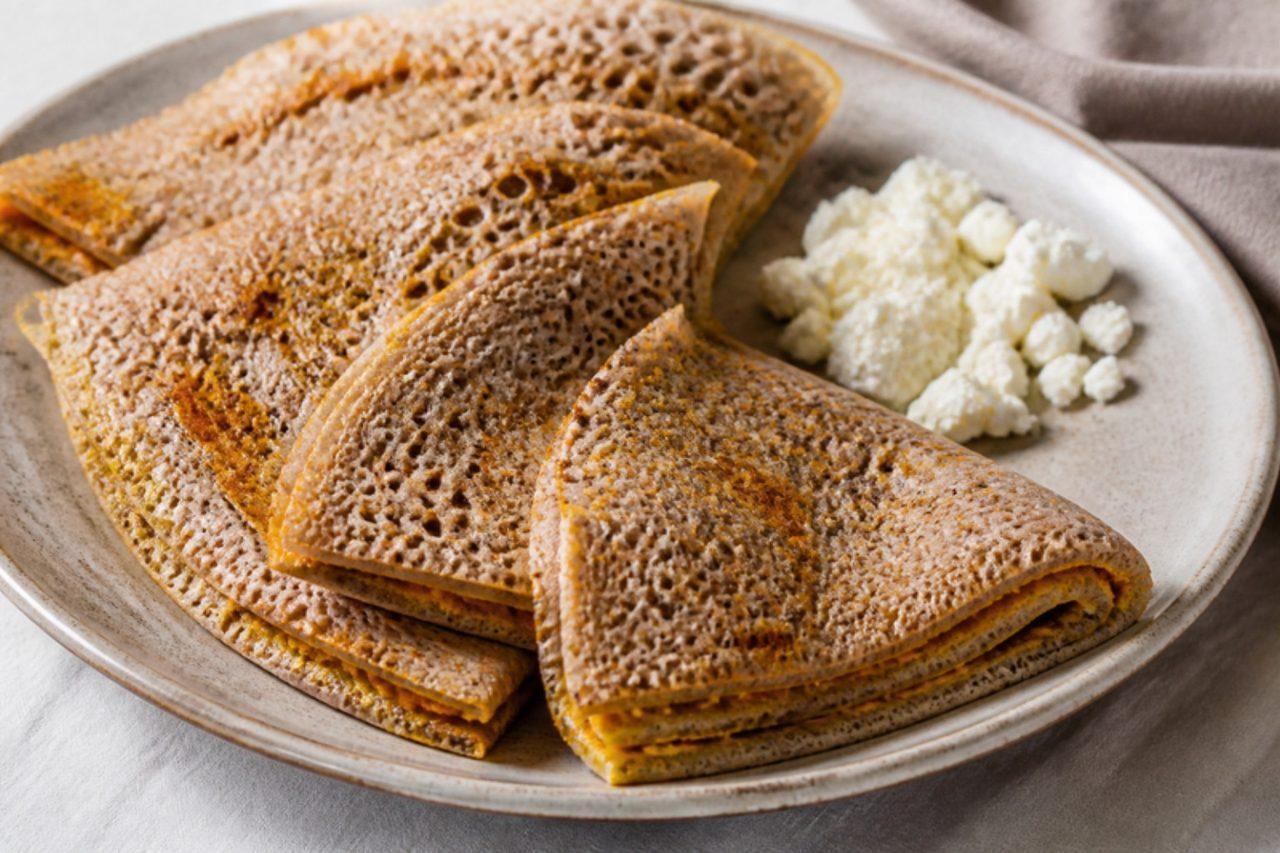
AnababeroLayered injera with spiced butter

Ask for anababero at a breakfast café in Addis Ababa and two injeras arrive stacked as one, glued together with melted niter kibbeh and a dusting of berbere, then warmed on the griddle until the butter soaks through. The result is soft and tangy inside, a little crisp at the edges, and much richer than plain injera; the name roughly means 'layered' or 'piled on top'. It is torn and eaten as it is with sweet spiced tea or coffee, or served beside a bowl of ayib or a spoon of awaze for anyone who wants it hotter. Because it uses yesterday's injera, it is a favourite way to turn leftovers into a proper breakfast. Chef's tip: brush the butter on warm, not hot, so it melts into the injera's holes instead of pooling on the surface.

by KrazyBadal 0 views

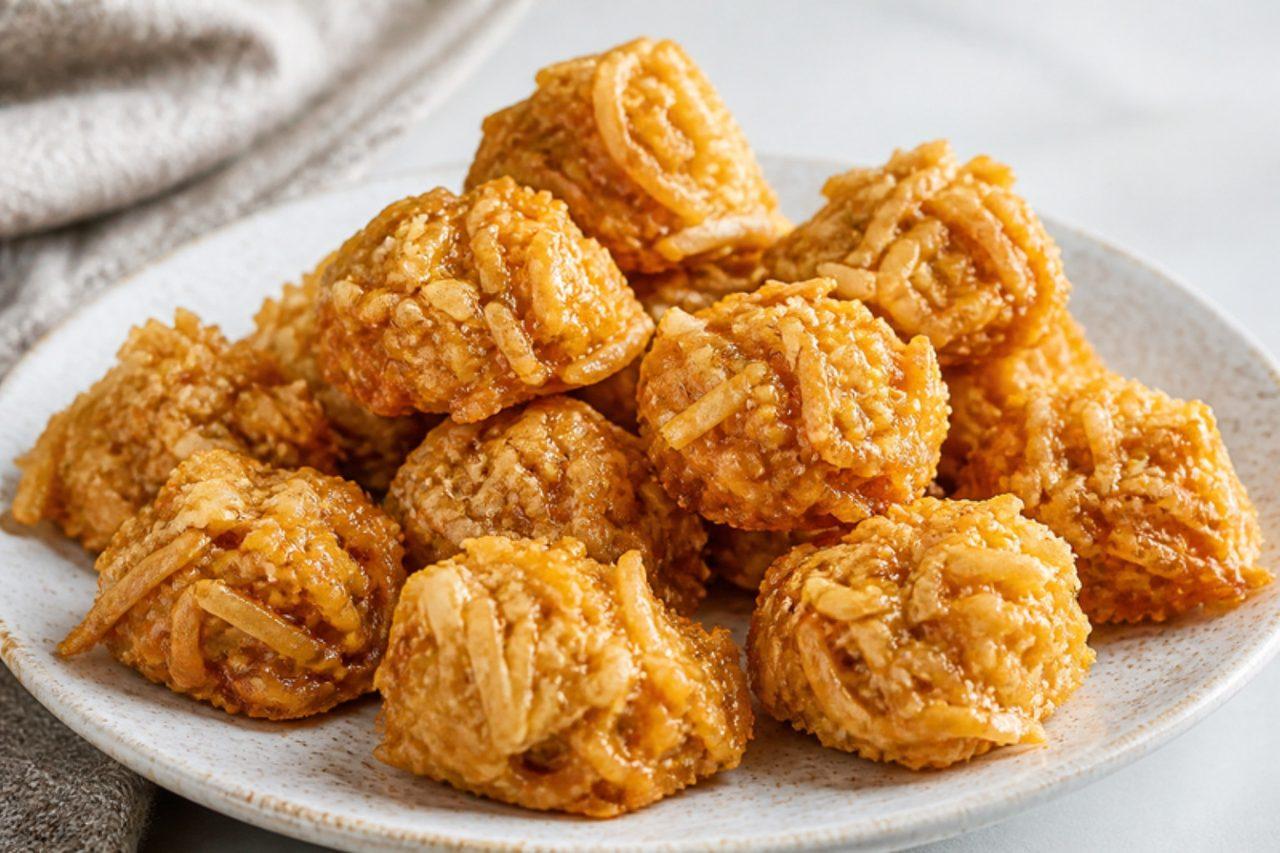
Nigerian coconut candy

Children across Nigeria spend their pocket money on coconut candy, little clusters of fresh coconut set in amber caramel, sold in small bags by school gates and at market stalls. Made at home it takes about half an hour, with a chewy-crunchy bite and a toffee flavour against the clean taste of fresh coconut. Taking the caramel too far is the common mistake, since dark caramel tastes bitter, so stop at a deep golden colour. Children can help shape the cooled candy, but keep them away from the hot sugar. Chef's tip: use freshly grated coconut, not desiccated; its moisture keeps the clusters chewy in the centre.

by KrazyBadal 0 views

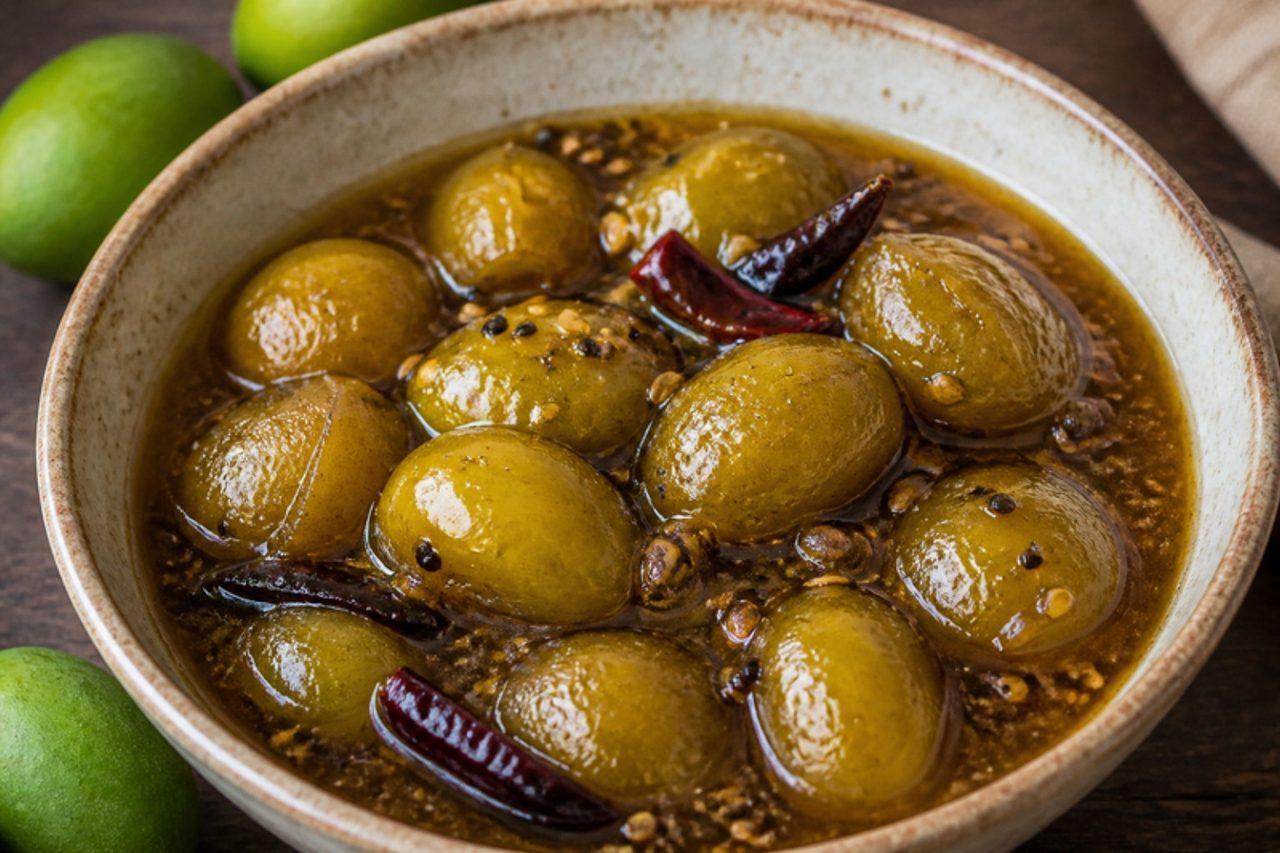
Amra chutneyHog plum chutney

Barisal is famous for its amra, the green, tart hog plums that pile up on market stalls from August to October, and every household there turns some of the harvest into a glossy, jammy chutney. The fruit is scored so the jaggery syrup can soak in, then simmered with panch phoron, dried chilli and a little turmeric until the flesh is soft around the hard, spiny stone. Sweet, sour and gently hot, it is served at the end of a wedding feast or a festive lunch, a spoonful eaten with the last of the rice, and children suck the stones clean. Cooking it too hard reduces the syrup to toffee once it cools, so stop while it still runs off the spoon. Chef's tip: if you can't find hog plums, sour green plums or a firm green mango cut into chunks make a good stand-in.

by KrazyBadal 0 views

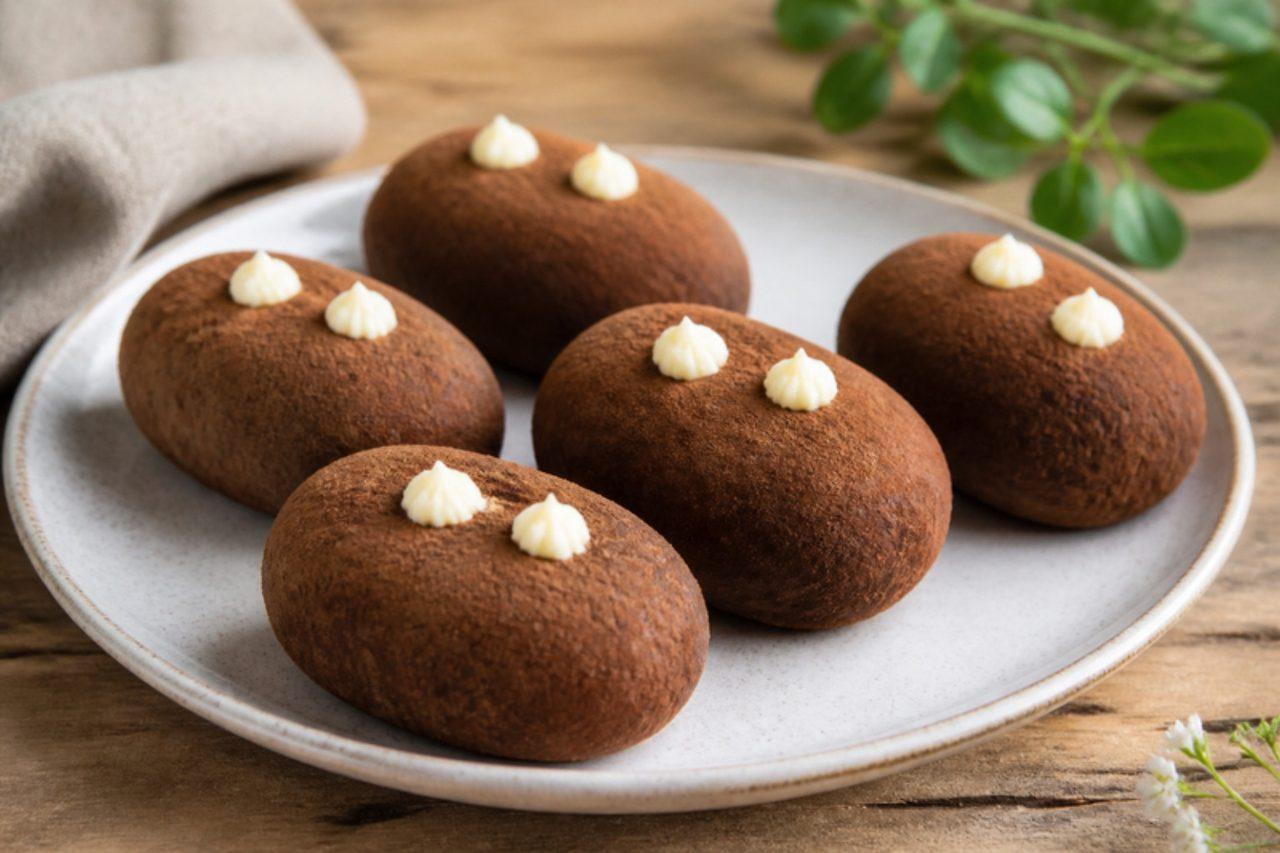
Kartoshka cakeCocoa and cake crumb truffles

Soviet cafés and school canteens sold these knobbly brown 'potatoes' for a few kopecks, and they began as a thrifty way to use up sponge and biscuit trimmings at the bakery. Crumbs are bound with butter and sweetened condensed milk, flavoured with cocoa and vanilla, shaped into little potatoes, rolled in cocoa and finished with two dabs of pale butter cream for the sprouts. They are fudgy and dense like a brownie truffle, need no oven, and children love making them. Traditional bakers added a spoonful of rum, an optional extra for adult batches only; this version is alcohol-free with vanilla. The usual slip is coarse crumbs, which make the potatoes crack, so blitz them as fine as sand. Chef's tip: chill the shaped potatoes for at least 20 minutes so they hold their shape and slice cleanly.

by KrazyBadal 2 views

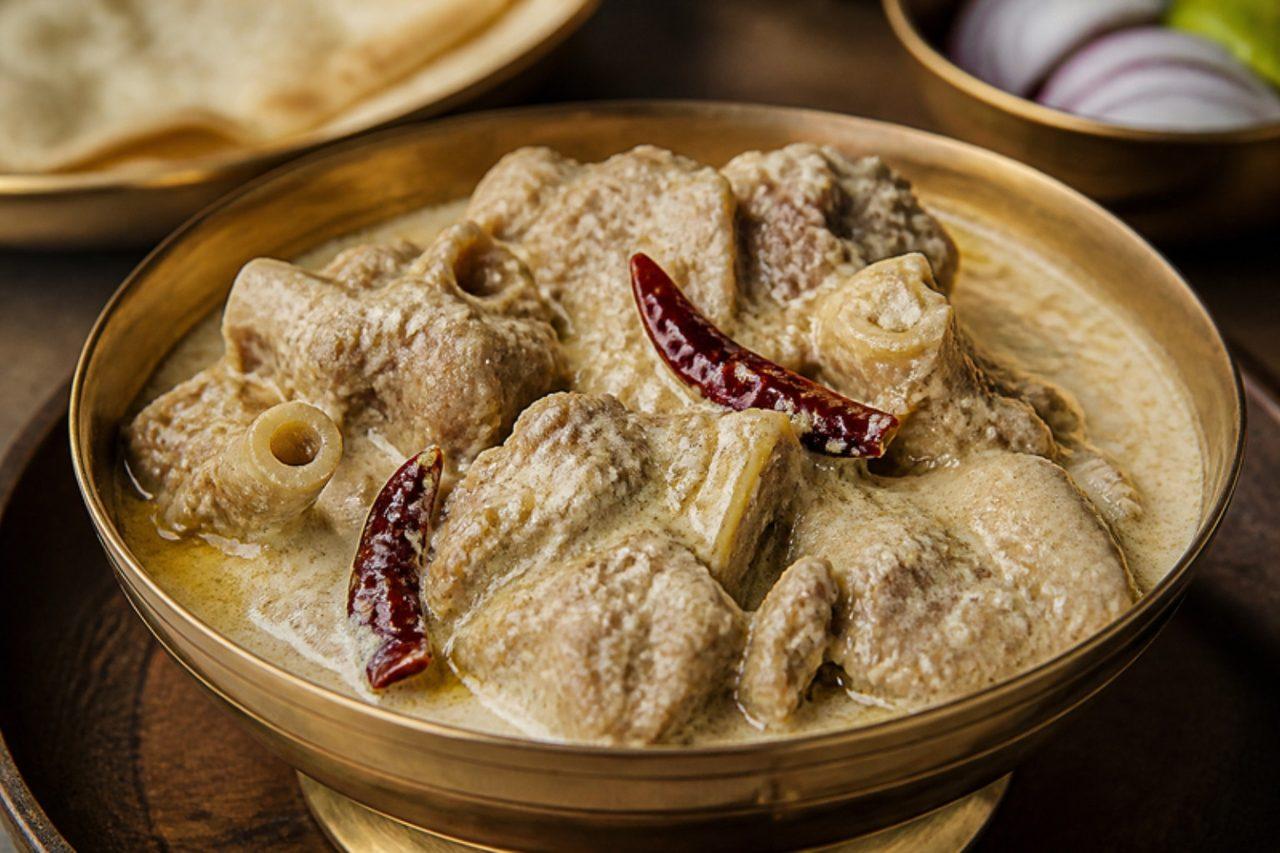
Bangladeshi mutton rezalaYoghurt mutton curry

Rezala is the elegant one on a Dhaka dawat table, a creamy, ivory-coloured mutton curry that looks mild and then surprises you with the slow heat of whole dried chillies swimming on top. Its roots are in the Mughal kitchens that reached Bengal through Murshidabad and Old Dhaka, and today it turns up at Eid lunches and wedding receptions beside polao or soft naan. There is no turmeric and no red chilli powder in the gravy; the body comes from yoghurt, a paste of white poppy seeds and cashews, and onions cooked gently so they never brown. The classic mistake is frying the onion paste too hot, which turns the gravy beige and bitter instead of pale. Chef's tip: grind the poppy seeds and cashews after soaking them in warm milk or water for 20 minutes, so the paste is completely smooth.

by KrazyBadal 0 views

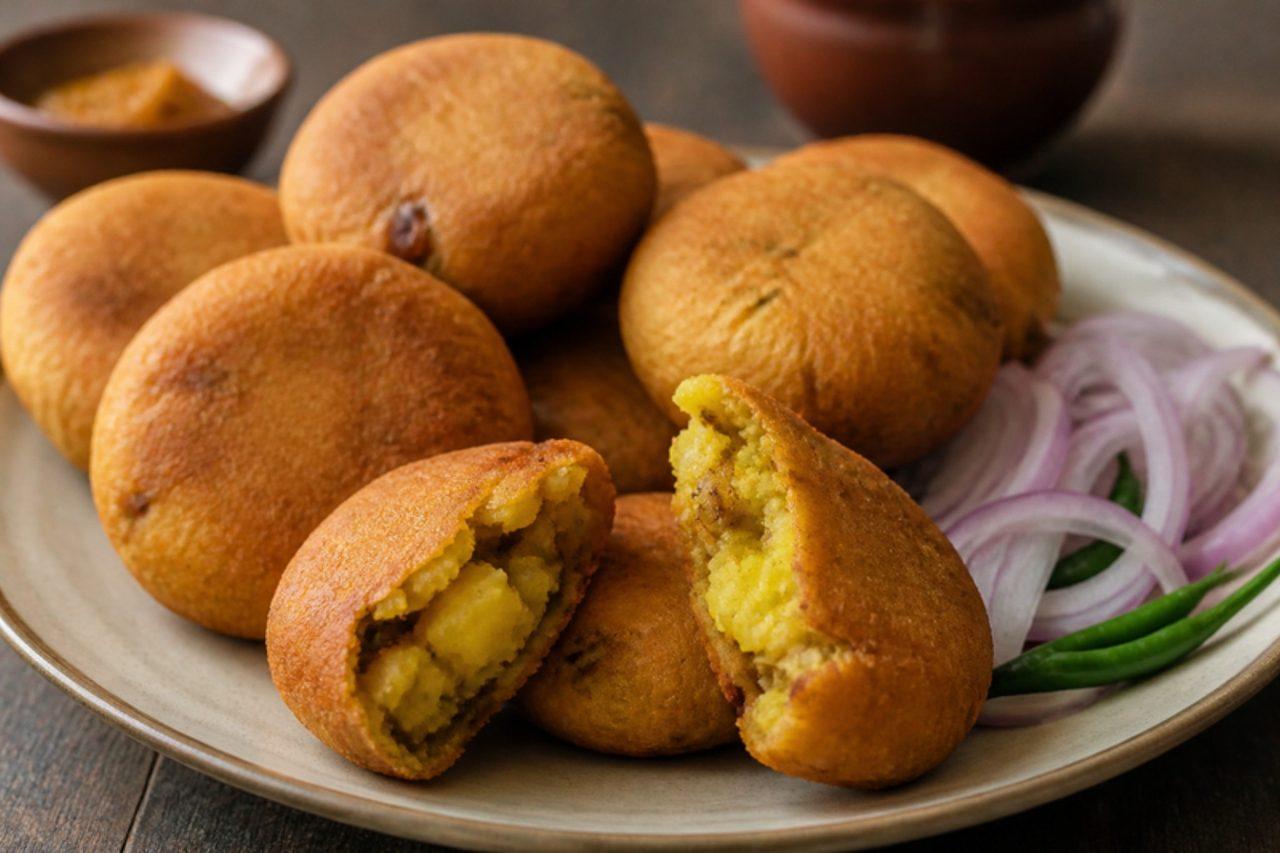
Bangladeshi aloo chopSpiced potato patties

Every chop-shop on a Dhaka street corner, and every iftar spread in the evening during Ramadan, has a tray of aloo chop: flattened ovals of mashed potato fried with onion, ginger and green chilli, dipped in a gram-flour batter and fried until puffed and golden. The inside is soft and fragrant with roasted cumin and coriander leaves, the coat thin and crunchy, and they are eaten hot, with a sprinkle of bit lobon (black salt), a squeeze of lime, kasundi mustard sauce or a dab of tamarind chutney, often tucked into a paper cone with muri. Watery potatoes are the commonest problem, as they make the patties split in the oil, so steam-dry them well after boiling. Chef's tip: add a pinch of rice flour to the gram-flour batter for a crisper coat that stays crunchy as it cools.

by KrazyBadal 0 views

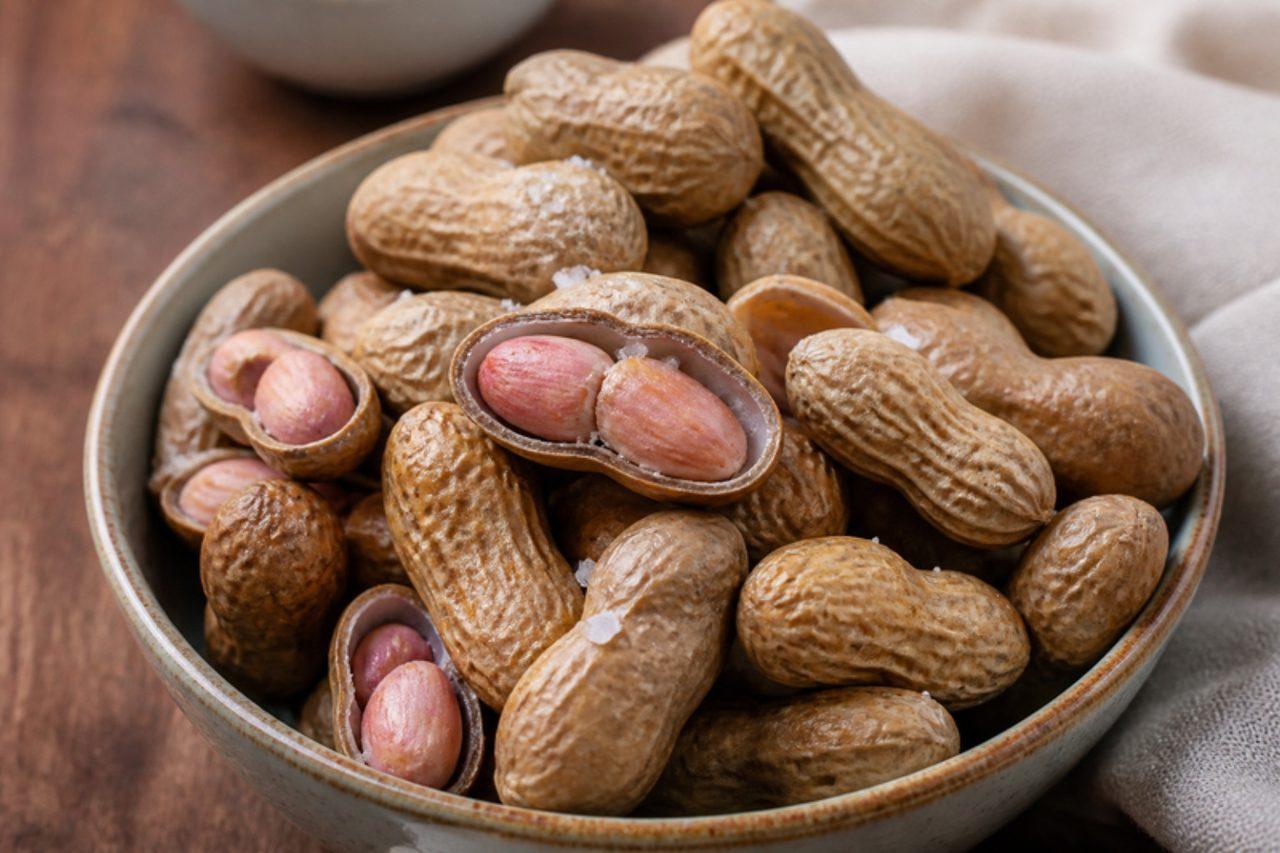
Boiled groundnuts in the shell

Freshly dug groundnuts appear in markets from Ibadan to Kano when the rains come, still muddy in their pale shells, and hawkers sell them boiled in salt water by the cupful, often next to roasted corn. Boiling turns the kernels soft and creamy, like a cooked bean, with salt seeping through the shell. They are eaten warm on the way home, cracked open with the thumbs. Using dried shop peanuts and boiling them for the same time is the usual mistake: they stay hard, so soak dried ones overnight and boil for 2–3 hours. Chef's tip: let them sit in the hot brine for 15 minutes after cooking, so the salt soaks in.

by KrazyBadal 0 views

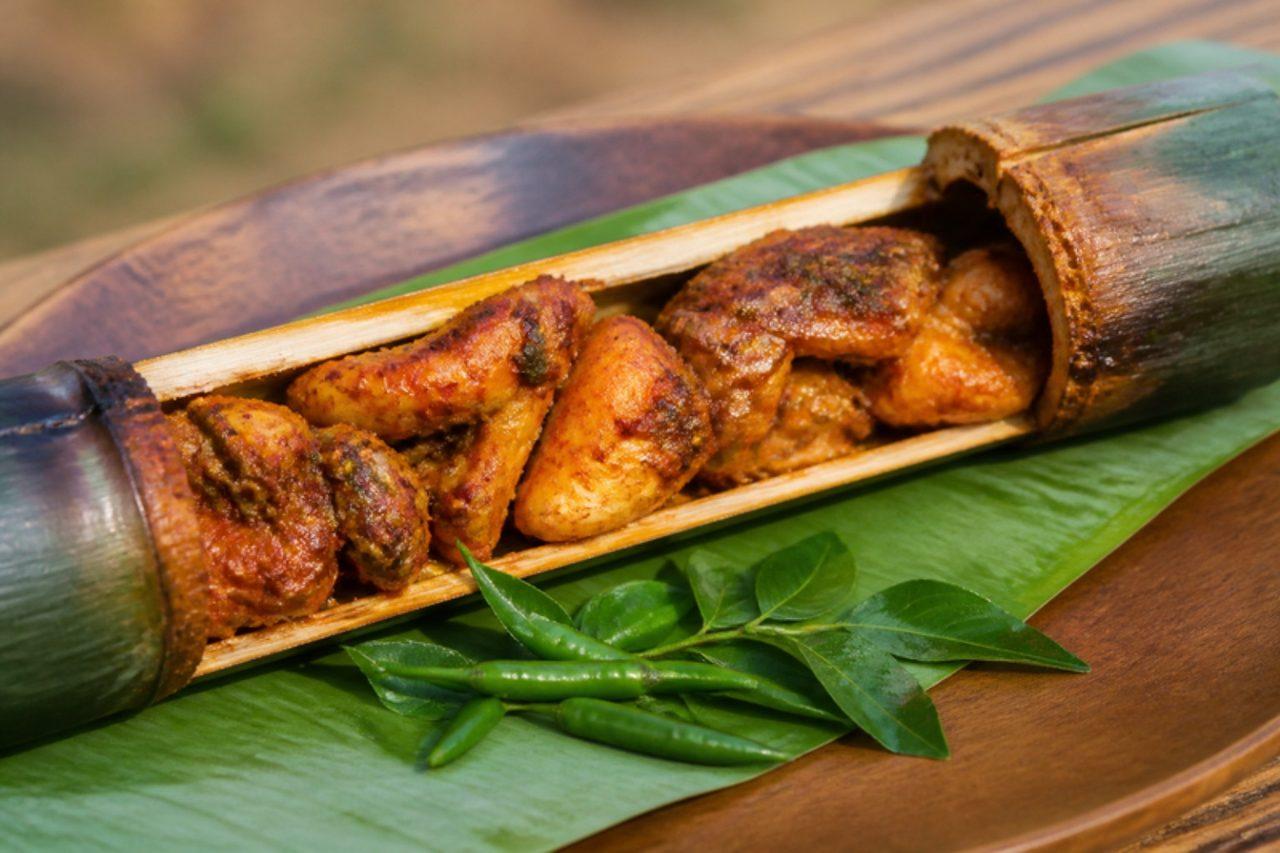
Bamboo chickenBamboo-roasted spiced chicken

Trekkers heading up to Nilgiri and Boga Lake in the Chittagong Hill Tracts look forward to one meal in particular: chicken that Marma and Bawm cooks pack into a freshly cut length of green bamboo, plug with leaves and lean against the embers until the tube blackens and hisses. Inside, the meat steams in its own juices with ginger, garlic, lemongrass, turmeric and bird's-eye chilli, and picks up a faint grassy sweetness from the bamboo. It is eaten with plain rice and a sharp chilli chutney, often at a jungle campfire. At home a heavy lidded casserole or a tight foil-and-banana-leaf parcel in the oven gives a very close result. The trap is packing in too much liquid, which boils the chicken instead of steaming it; the meat makes its own juice. Chef's tip: use small bone-in pieces, because large joints stay undercooked in the middle of a tube.

by KrazyBadal 0 views

Ambarella curryJune plum curry

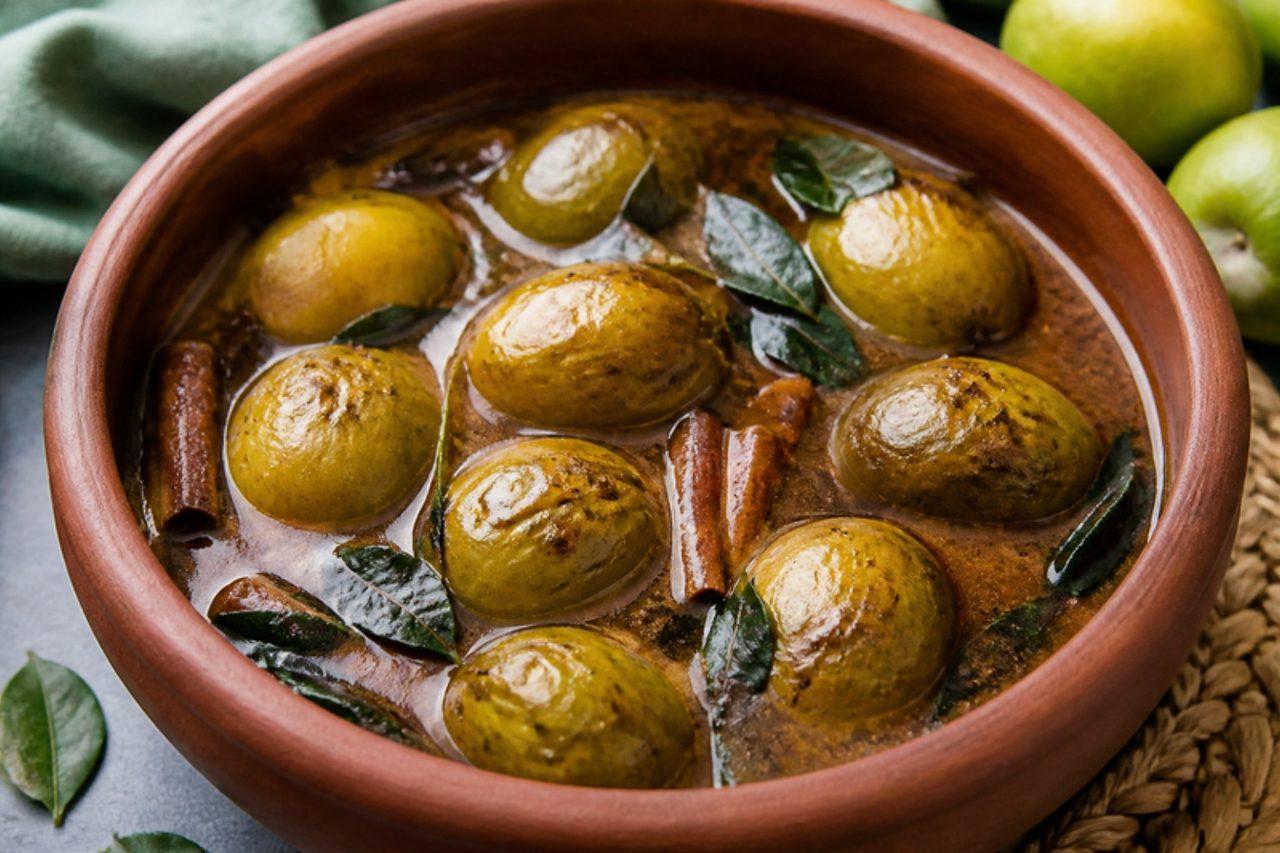
Ambarella trees, heavy with green, plum-sized fruit, shade countless gardens around Galle, and when the crop comes in, cooks turn the sour, crunchy fruit into this sweet-sour curry for Sunday lunch and family gatherings. The fruits are scored and cooked whole with roasted curry powder, garlic, cinnamon and cloves, then sweetened with sugar and finished in coconut milk, until the flesh softens and drinks in the dark, glossy gravy. Its tangy, fruity flavour cuts through richer dishes, and it is served in small portions with rice alongside a dhal and a meat or fish curry. Each fruit hides a spiky, fibrous stone, so warn guests to nibble around it. Leaving the skins whole and unscored is where many go wrong, because the spices never get in; make several deep cuts in each fruit. Frozen ambarella is sold in Sri Lankan shops; firm green mango is the nearest stand-in. Chef's tip: let the curry rest for an hour before serving, as the fruit keeps soaking up flavour.

by KrazyBadal 0 views

Mchewek (almond cookies)

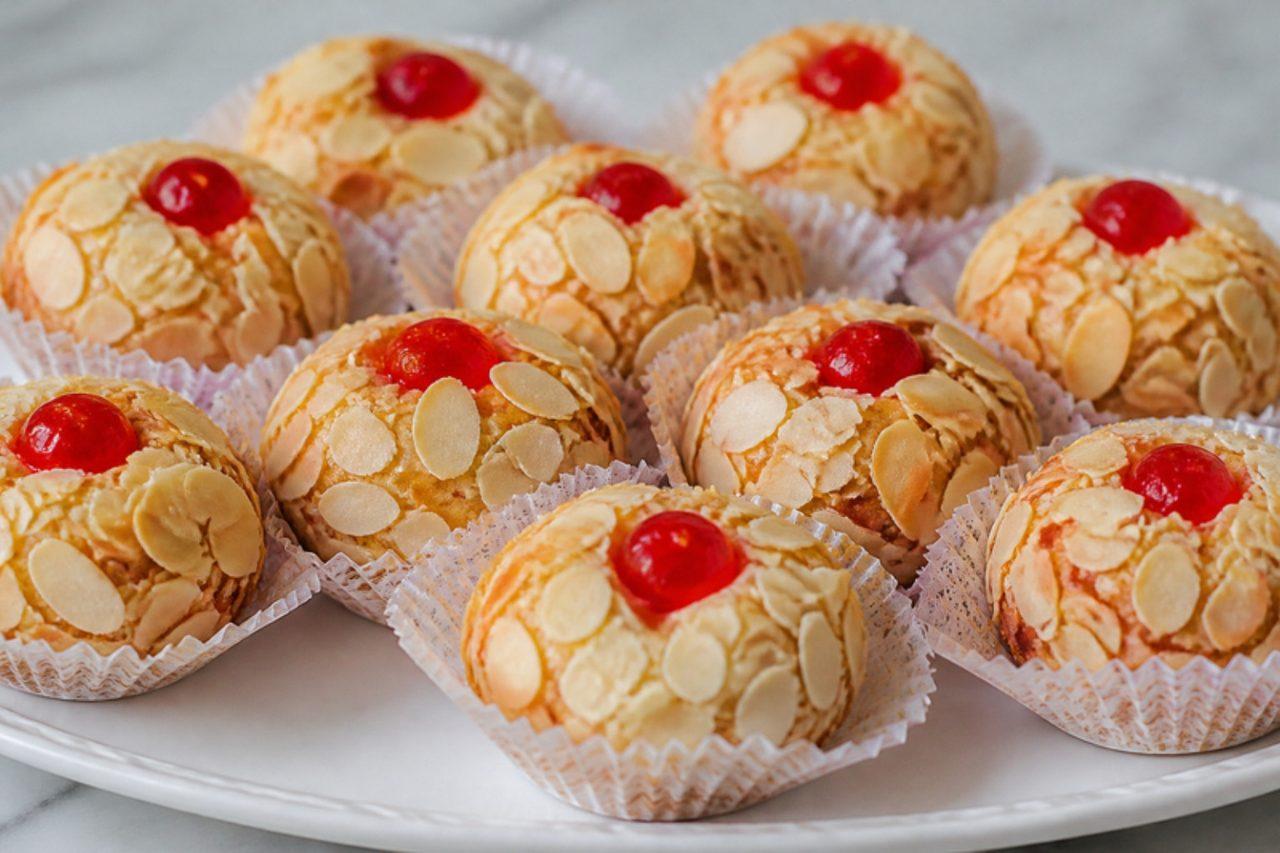
Mchewek means something like 'prickly', which is exactly how these cookies look: balls of almond paste rolled in flaked almonds so the flakes stick out like spines, each topped with half a candied cherry and baked only until the tips turn gold. Inside they stay soft and chewy, like a rustic macaroon. Being made with no flour, they suit anyone avoiding gluten, and they appear on Eid and wedding trays all over Algeria, often brushed with a little honey syrup for shine. Chef's tip: take them out when the edges are just golden and the centres still feel soft; overbaking is the classic mistake and leaves them dry and crumbly once cool.

by KrazyBadal 0 views

Roasted corn and ube (African pear)

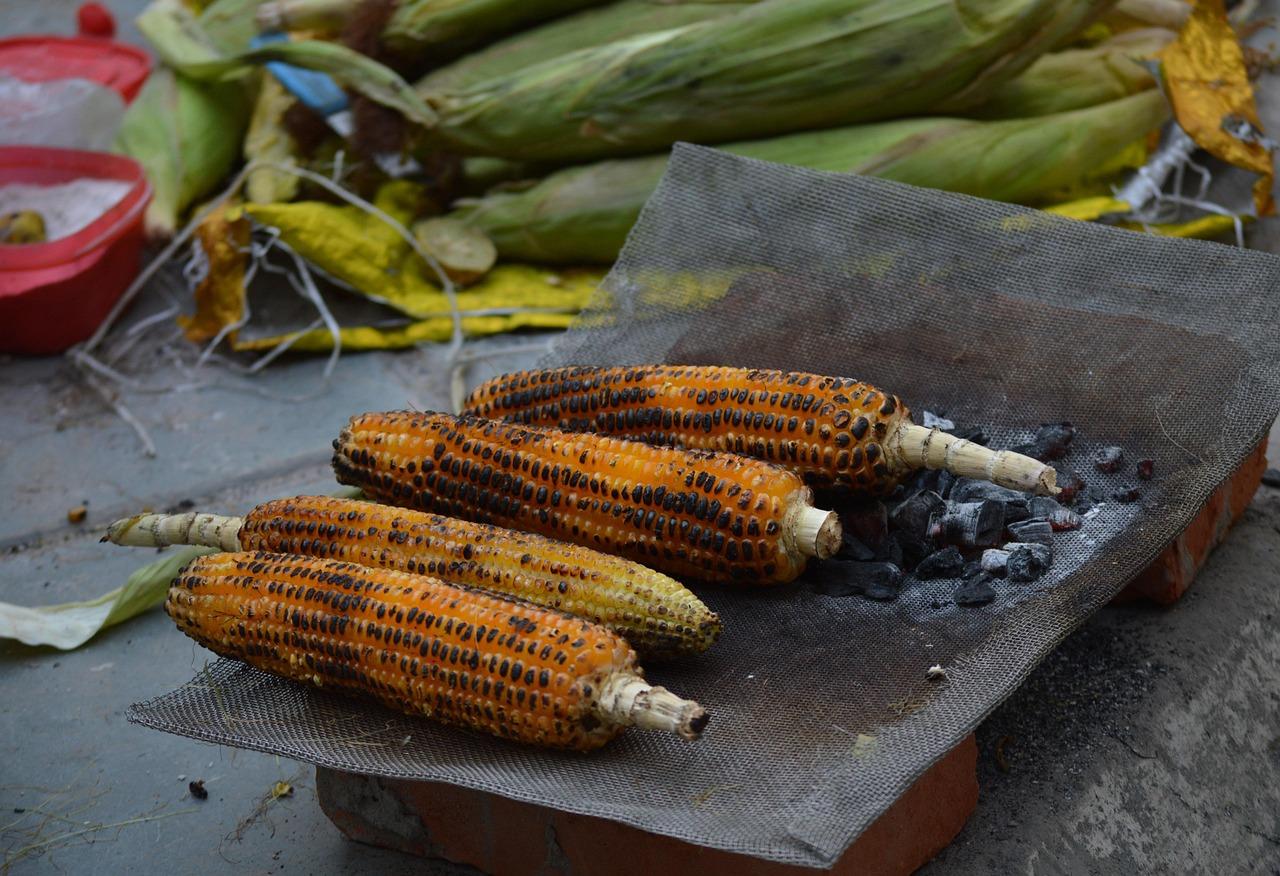
When the rains come between June and September, roadside roasters all over southern Nigeria fan charcoal under rows of maize cobs, and next to them sits a basin of ube, the purple African pear, softened in hot water. A bite of chewy, smoky corn and a scrape of the pear's rich, salty, almost avocado-like flesh is the whole point, and at home a grill or a gas flame does the job. Dropping ube into boiling water is a common mistake: the skins split and the flesh turns watery and bitter, so use water that is hot but not bubbling. Chef's tip: no ube? Fresh coconut chunks are the other classic partner for roasted corn.

by KrazyBadal 0 views

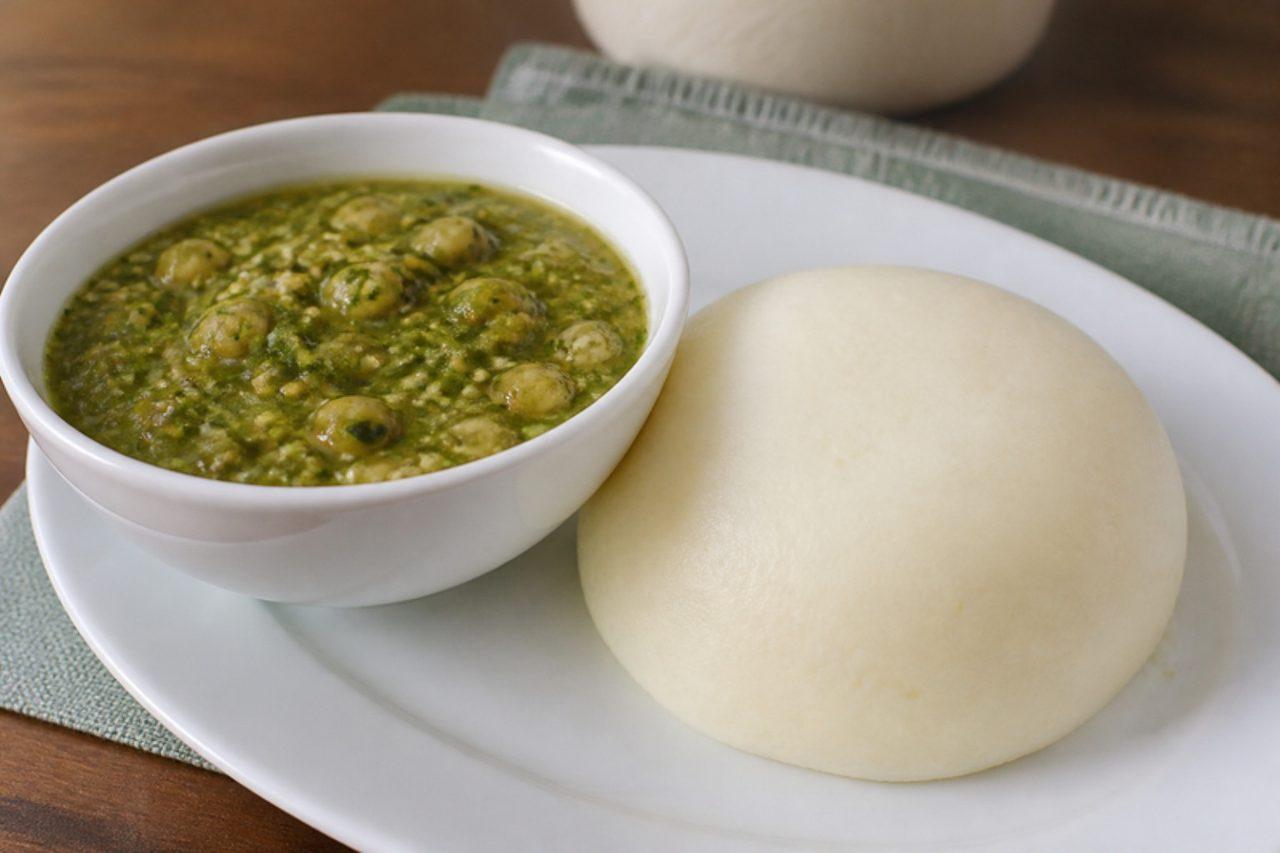
Tuwo masara (stiff maize swallow)

On the Plateau and throughout the north, a pot of white maize flour turned stiff with a wooden paddle is the daily partner to miyan kubewa (okra soup), miyan kuka and vegetable soups. Tuwon masara is smooth, slightly springy and mild, with a faint sweetness of corn. The secret is to start with a thin cooked paste and only then add the dry flour, which keeps it lump-free; dumping all the flour into boiling water is the mistake that gives raw, gritty pockets. Chef's tip: use a sturdy, flat wooden spoon and press the tuwo hard against the side of the pot when you turn it.

by KrazyBadal 0 views

Arayeche (almond star pastries)

Picture a star with three plump arms: arayeche are shaped from a ball of orange-blossom almond paste wrapped in very thin pastry and pinched into points, baked pale, dipped in honey and then rolled in icing sugar until snow-white. Along with dziriettes and makrout, they are fixtures of the sweet trays at weddings and Eid in Algiers, set out in paper cases with mint tea. The pastry is crisp and fine, the almond filling dense and fragrant, and the coating of sugar sticks to the honey in a sweet crust. Chef's tip: pull them out of the oven while still pale with barely golden tips; browned arayeche are a common mistake and taste dry once the sugar goes on.

by KrazyBadal 0 views

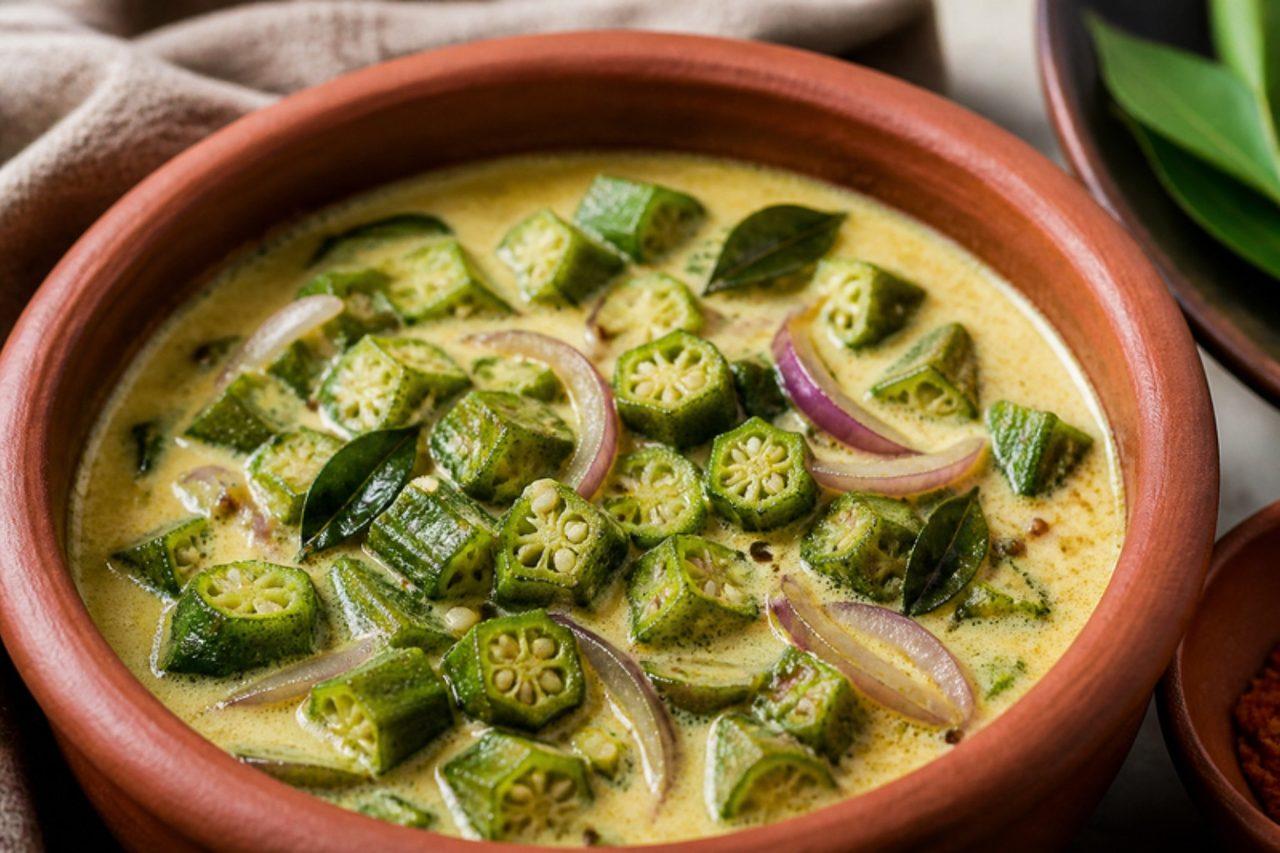
Bandakka curryOkra coconut milk curry

Ladies' fingers, as okra is still called in Colombo markets, are cheap, plentiful and quick, which is why bandakka curry is one of the most common weekday vegetables on a Sri Lankan lunch plate. The pods are cut on the diagonal, fried briefly in coconut oil, then simmered in a mild, yellow gravy of coconut milk with fenugreek, onion and green chilli, so they stay bright green and just tender. It goes with red or white rice, a spoon of dhal and something crisp, such as fried papadam or a sambol. Slime puts many people off okra, and it is almost always caused by moisture: washing the pods and cutting them while they are still wet. Dry them completely first and fry them before any liquid goes in. Chef's tip: a few drops of lime stirred in at the very end lifts the flavour and also helps the gravy stay clean and silky.

by KrazyBadal 0 views

AmandineChocolate sponge cakes

Every Bucharest cofetărie keeps a tray of amandine in the glass case, neat dark oblongs that generations of schoolchildren have bought with their pocket money. Despite the almond-sounding name there are no almonds in them: a cocoa sponge is split, soaked with a cocoa syrup, sandwiched with a rich chocolate custard buttercream and coated in a shiny ganache. Bakeries traditionally add rum to the syrup; this version is alcohol-free and uses vanilla and orange zest instead, though you can add 2 tablespoons of rum if you like. A common mistake is soaking the sponge while the syrup is still hot, which turns it to mush; both should be cool. Chef's tip: chill the filled cake until really firm before glazing and cutting, and wipe the knife hot between each cut for clean edges.

by KrazyBadal 0 views

Showing 27 of 7,762 recipes

Show more recipes

Page 313 of 863