


Skip to content
Balay
Featured recipe

Balay

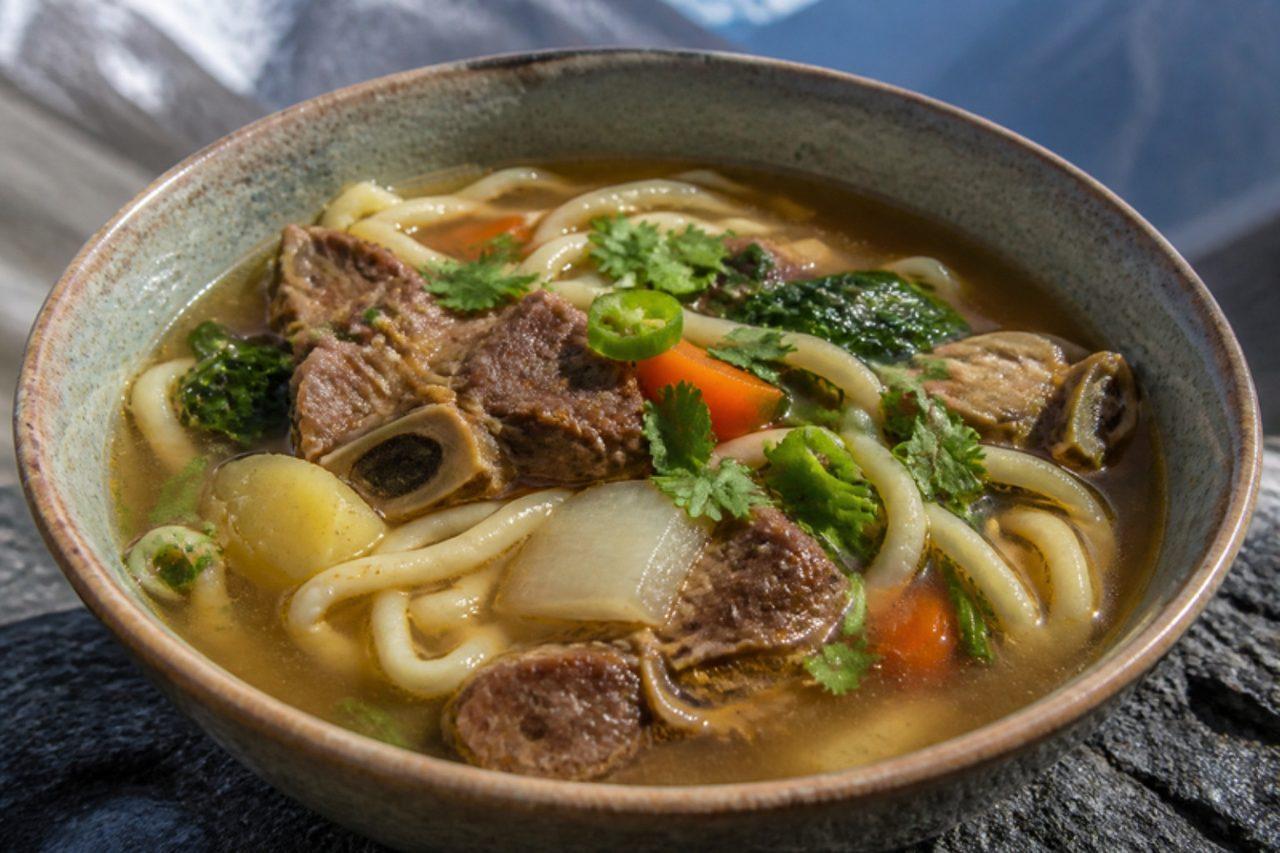
Hand-pulled noodles in mutton broth

Skardu sits at almost 2,500 metres, and through its long, dry winters Balti households lean on balay, a sturdy soup of thick wheat noodles pinched and pulled by hand into a mutton broth with turnip, potato, carrot and greens. It is the Balti cousin of Tibetan thukpa, eaten for supper in deep bowls, often with a hot green chilli on the side and salty butter tea to follow. The noodles are fat, chewy and irregular, and they thicken the broth slightly as they cook, which is exactly right. Rolling the dough too thin is a common slip; balay noodles should be the thickness of a pencil so they stay springy. Chef's tip: let the dough rest a full 20 minutes before pulling it, because a rested dough stretches without tearing and gives silkier noodles.

Read more 0 views

What to eat today?

Around the world

Today's trip: Paraguayan

A new country every day, from every cuisine on the site.

Paraguayan

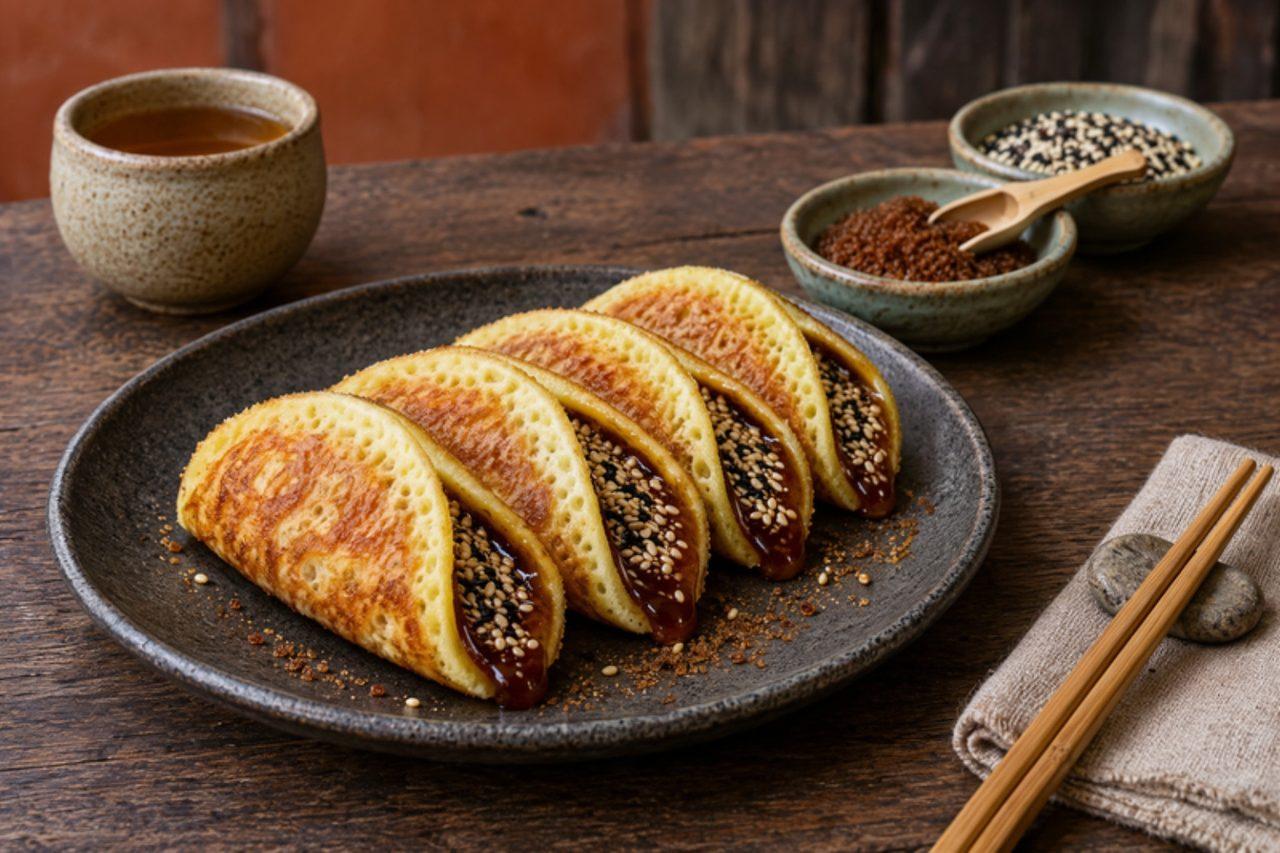
Ka'i ladrillo

Peanut molasses bricks 40 minMore from Paraguayan (27) →

This week's collection

Kid-friendly dinners
537 recipes · a new collection every Monday

Latest recipes

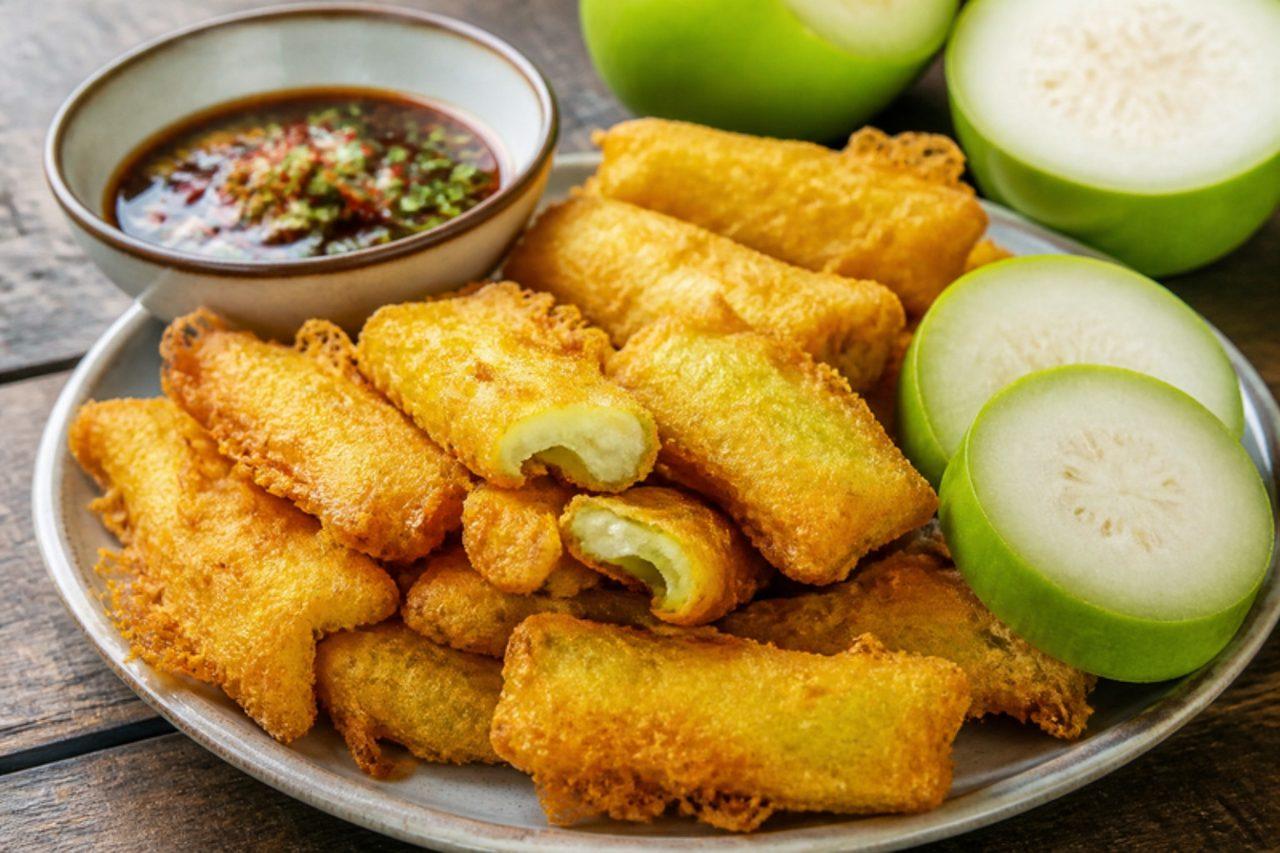
Burmese gourd fritters

Afternoon fry stalls along the lanes of downtown Yangon sell these by the paper cone, golden sticks of bottle gourd still crackling from the wok, and they are the fritter most people choose to dunk into a breakfast bowl of mohinga. Inside the thin rice-flour shell, the gourd steams until soft and almost juicy, mild and slightly sweet against the crunchy, salty coating. A tangy tamarind sauce with garlic and chilli is the usual partner. The classic failure is a thick, gluey batter that hides the vegetable and goes chewy within minutes; it should be as thin as single cream. Chef's tip: add a few drops of lime juice and ice-cold water to the batter just before frying; the cold keeps the coating light and crisp.

by KrazyBadal 0 views

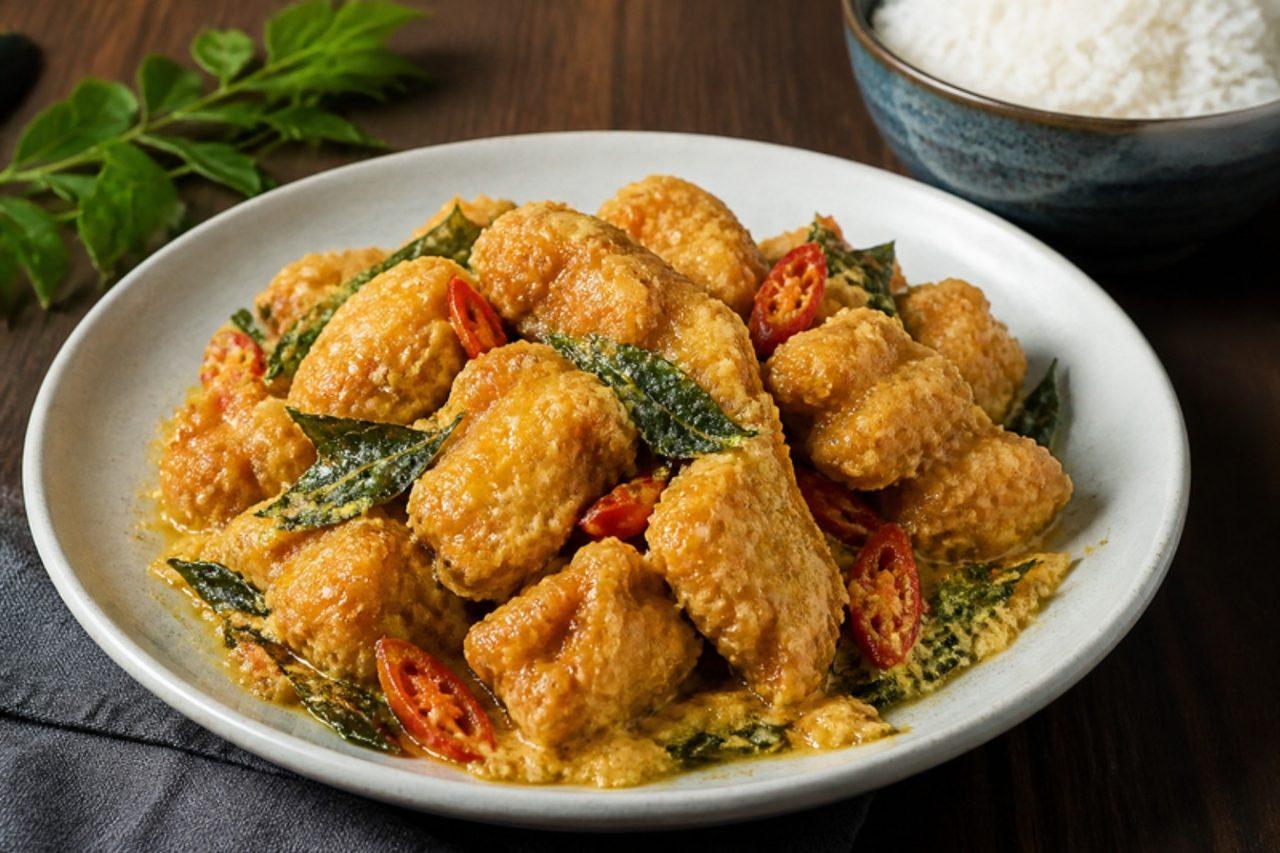
Salted egg chicken

Zi char stalls, the cook-to-order kitchens at the back of Singapore's coffee shops, made salted egg yolk sauce famous with crab and prawns, and the chicken version has become a dinner-table favourite with families who order three or four dishes to share with rice. Crisp, double-fried pieces of thigh are tossed through a sandy, frothy sauce of salted duck egg yolks foamed in butter with curry leaves and bird's eye chilli, so every nook is coated in something rich, savoury and faintly sweet. Serve it straight away with plain rice and a simple stir-fried green vegetable to balance the richness. The most common mistake is adding the yolks to butter that is too hot: they scorch, turn grainy and never foam. Chef's tip: mash the steamed yolks through a sieve while they are still warm, so they melt into a smooth, frothy coating.

by KrazyBadal 0 views

Hainanese curry rice

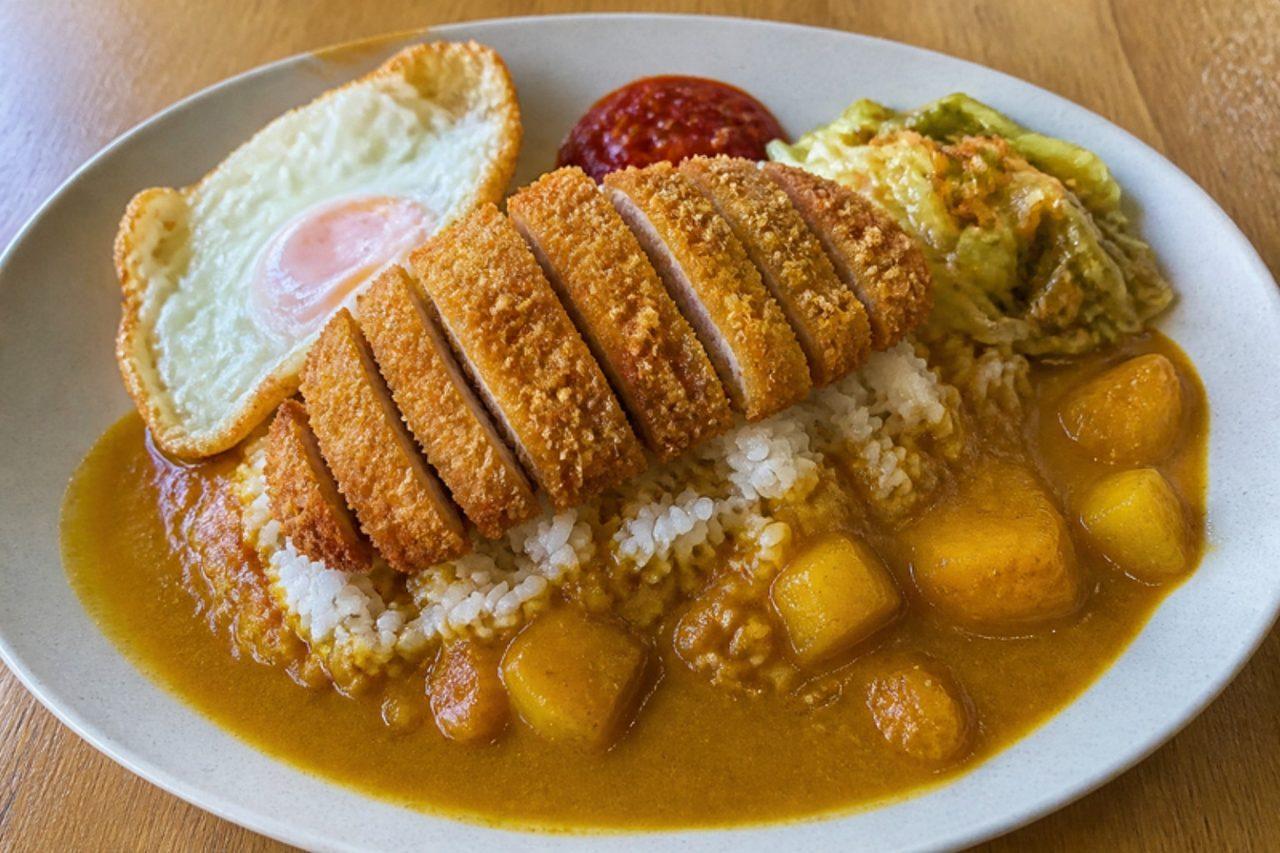
Late-night and early-morning crowds in Tiong Bahru, Beo Crescent and Jalan Besar know the drill at a Hainanese curry rice stall: point at what you want, then ask for it "banjir", flooded. A plate of white rice disappears under two gravies, a mild, coconut-rich curry with soft potato and chicken, and a dark, five-spice braising sauce, then gets topped with crumbed fried pork chop, braised cabbage and a runny-edged fried egg. It is messy, comforting and salty-sweet, and leftovers taste even better the next day. The usual mistake is a thin, watery curry; it should be thick enough to cling to the rice, so let the potatoes break down a little and reduce the gravy well. Chef's tip: crush cream crackers rather than using breadcrumbs for the pork chop, as the old Hainanese cooks do; they fry up shatteringly crisp and stay that way under the gravy.

by KrazyBadal 0 views

Teochew fish soup

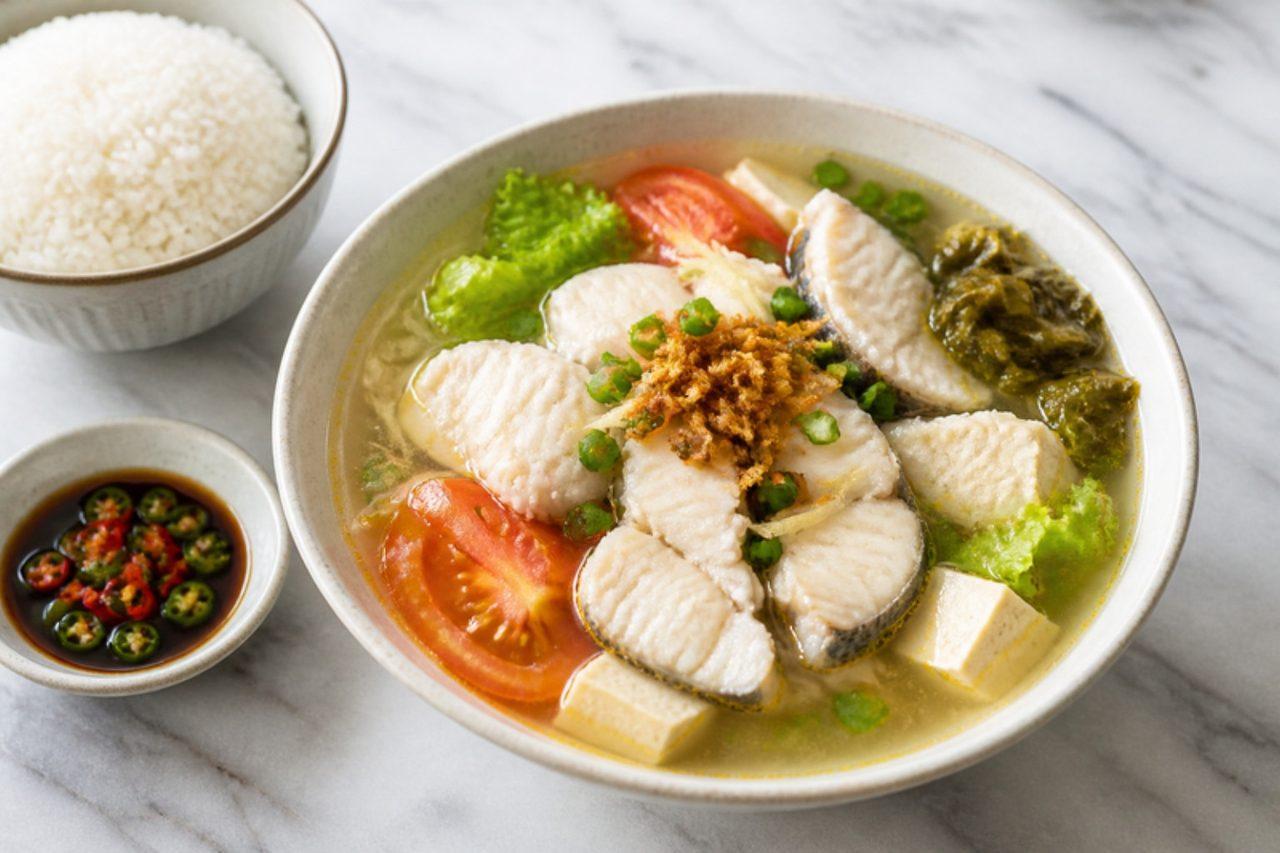
Office workers in the CBD form long lunch queues for a dish that looks almost plain: a bowl of clear, sweet broth with thick slices of batang (Spanish mackerel), wedges of tomato, silken tofu, lettuce and a little salted vegetable, served with rice or thick rice noodles. Good stalls simmer fish bones for hours, but at home a well-flavoured stock and plenty of ginger get you close in half an hour. The fish should be just set and springy, the broth light, gently tangy from tomato and savoury from fish sauce. Most home versions go wrong by boiling the slices hard, which breaks them up and turns them chalky; they need only a few minutes at a gentle simmer. Chef's tip: toss the fish slices with a pinch of salt and a teaspoon of tapioca starch before cooking, which keeps them silky and stops them falling apart.

by KrazyBadal 0 views

Singapore-style fried vermicelli

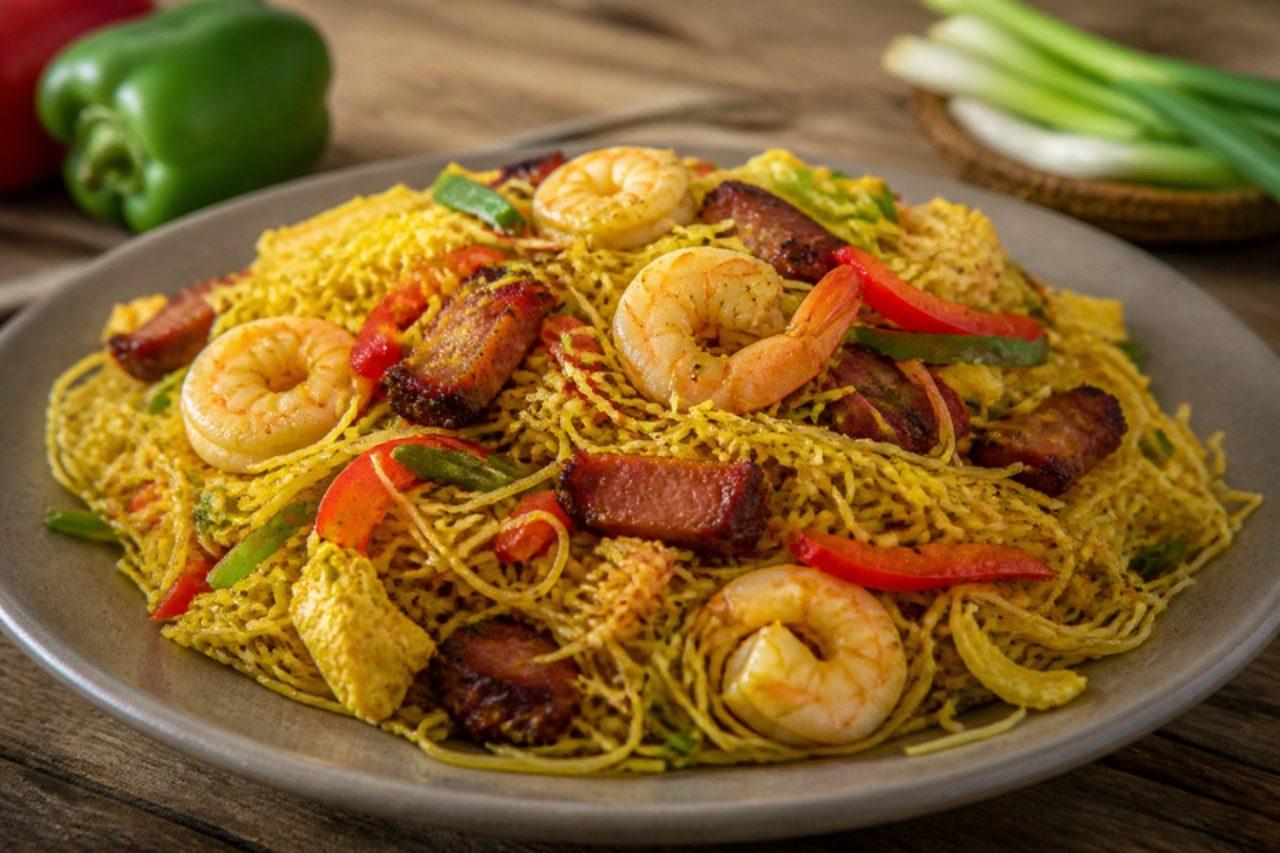
Despite the name, nobody in Singapore grew up on this: sing chau chau mai was invented in Hong Kong's cha chaan teng and Cantonese kitchens, where a little curry powder and a hot wok turn thin rice vermicelli golden-yellow. It is tossed with strips of char siu (Cantonese barbecued pork), prawns, egg ribbons, peppers, onion and bean sprouts, and comes out dry, springy and fragrant with a gentle curry warmth. Diners order it for lunch with a glass of iced lemon tea. A classic misstep is soaking the vermicelli too long in hot water, so it breaks into short, mushy bits in the wok; soak it in cold water until just pliable. Chef's tip: toast the curry powder in the oil for a few seconds before the noodles go in, so it tastes rounded rather than raw and dusty.

by KrazyBadal 0 views

Gu lou yuk (Cantonese sweet and sour pork)

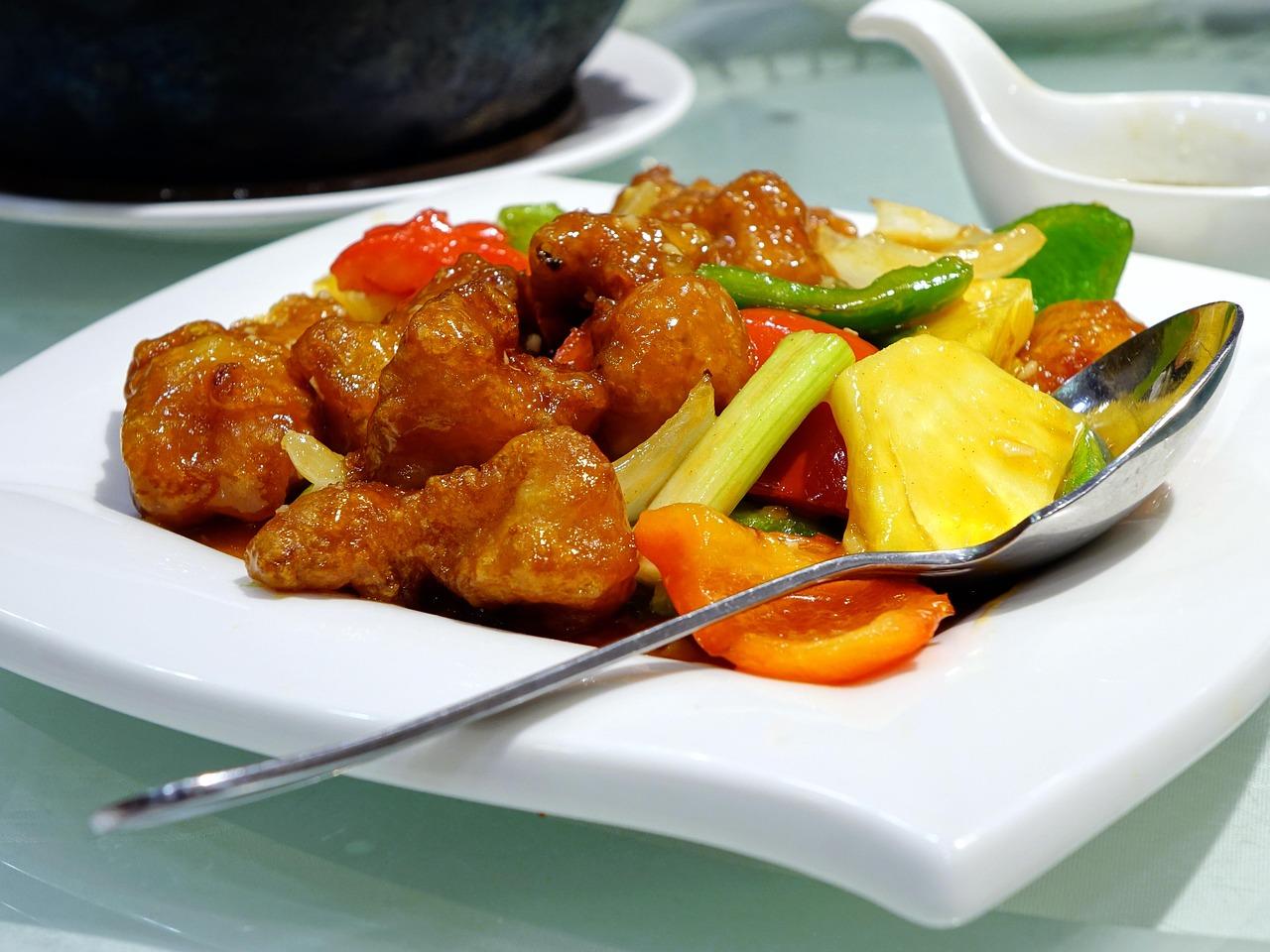
Ask a Hong Kong family what they order at a dai pai dong for the children, and gu lou yuk is near the top: nuggets of pork shoulder fried twice until shatteringly crisp, then tossed at the last moment with pineapple, green and red pepper and onion in a shiny, tangy, scarlet sauce. Cantonese cooks in Guangzhou and Hong Kong have made it for well over a century, and it is a fixture of wedding banquets and takeaway menus worldwide. Eat it fresh with steamed rice while the coating still crunches. A common pitfall is simmering the pork in the sauce, which turns the crust soggy within a minute; thicken the sauce first, then toss for a few seconds only. Chef's tip: the second, hotter fry is what makes it crisp, so don't skip it.

by KrazyBadal 0 views

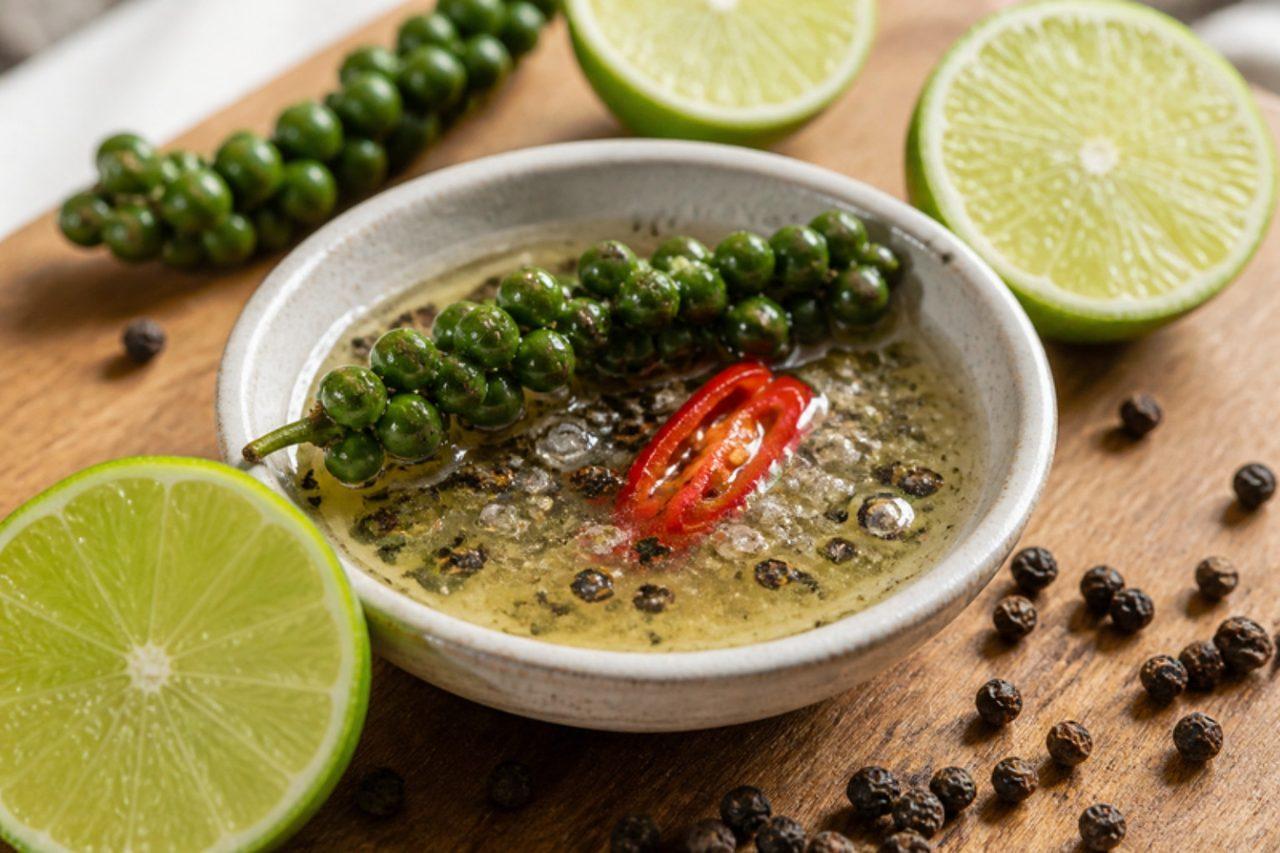
Kampot pepper and lime dip

Every table in Kampot and along the crab-shack pier at Kep gets a saucer of tuk mrech, and diners mix their own: a heap of salt, a spoonful of freshly cracked local pepper and a squeeze of lime. It is sharp, salty and floral-hot, with none of the sweetness of most Khmer dips, and it is meant for dragging grilled corn, griddled tofu, fried eggs or a pepper crab through. Kampot pepper carries a protected geographical indication and tastes fruity and resinous rather than just hot; any good whole black peppercorns work, but pre-ground pepper does not. People often get it wrong by grinding the pepper to dust, which turns the dip muddy and bitter, or by mixing it hours ahead so the lime goes flat. Chef's tip: warm the peppercorns in a dry pan for a minute before cracking them, and squeeze the lime straight into the saucer at the table so it stays fresh and zingy.

by KrazyBadal 0 views

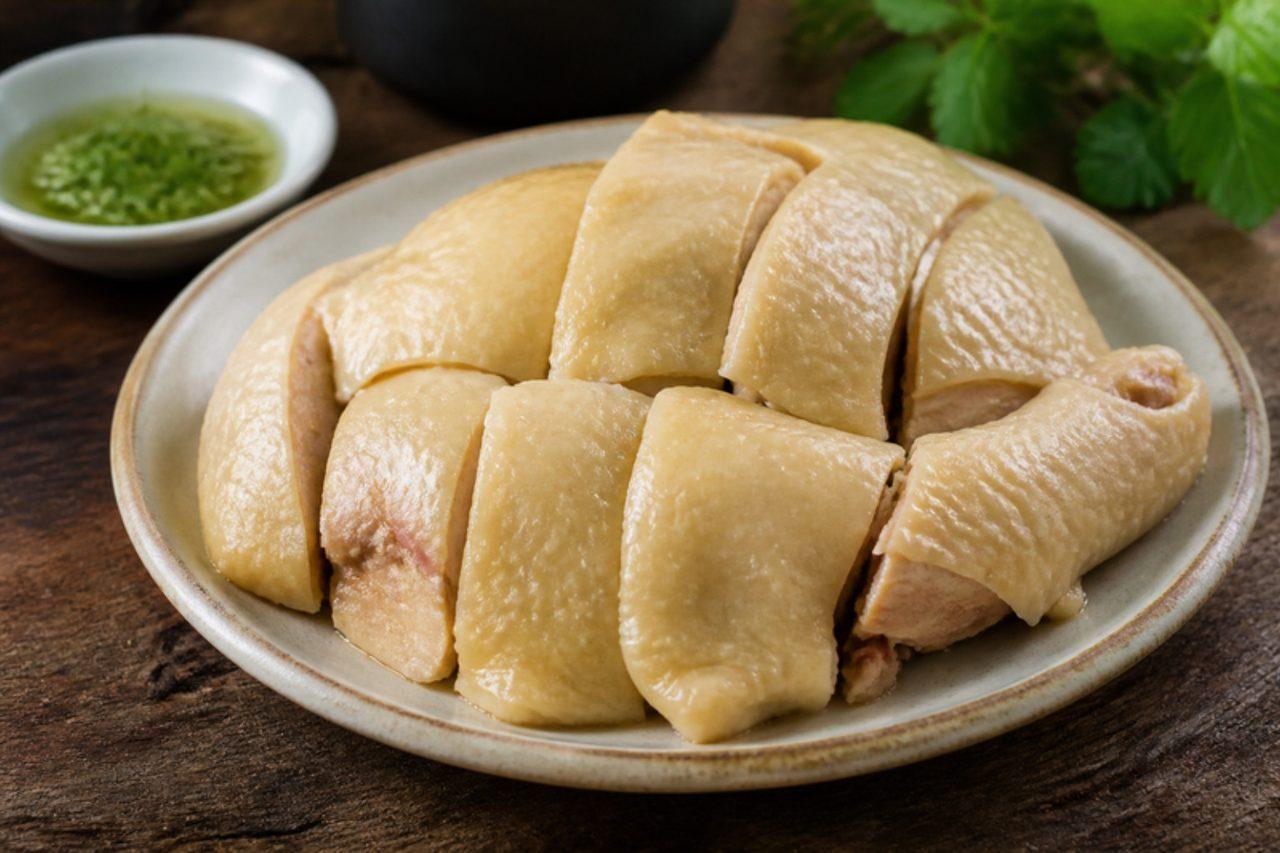
White cut chicken with ginger-scallion oil

No Cantonese celebration in Hong Kong or Guangdong is complete without a plate of baak chit gai: at Lunar New Year, weddings and ancestor offerings, the whole chicken stands for family togetherness. It is the purest of the poached dishes, with pale, springy skin, a thin layer of jelly beneath it from the ice-water plunge, and smooth, juicy meat, all lifted by a dipping bowl of ginger and spring onion sizzled with hot oil and salt. Serve it at room temperature with rice cooked in the poaching stock. Old-style cooks leave it pink at the bone, but here the chicken is always cooked until the thickest part of the thigh reads 74 °C. The biggest error is boiling hard, which splits the skin; the water should only shiver. Chef's tip: grate the ginger finely and squeeze out a little of its juice, or the oil turns watery and bitter.

by KrazyBadal 0 views

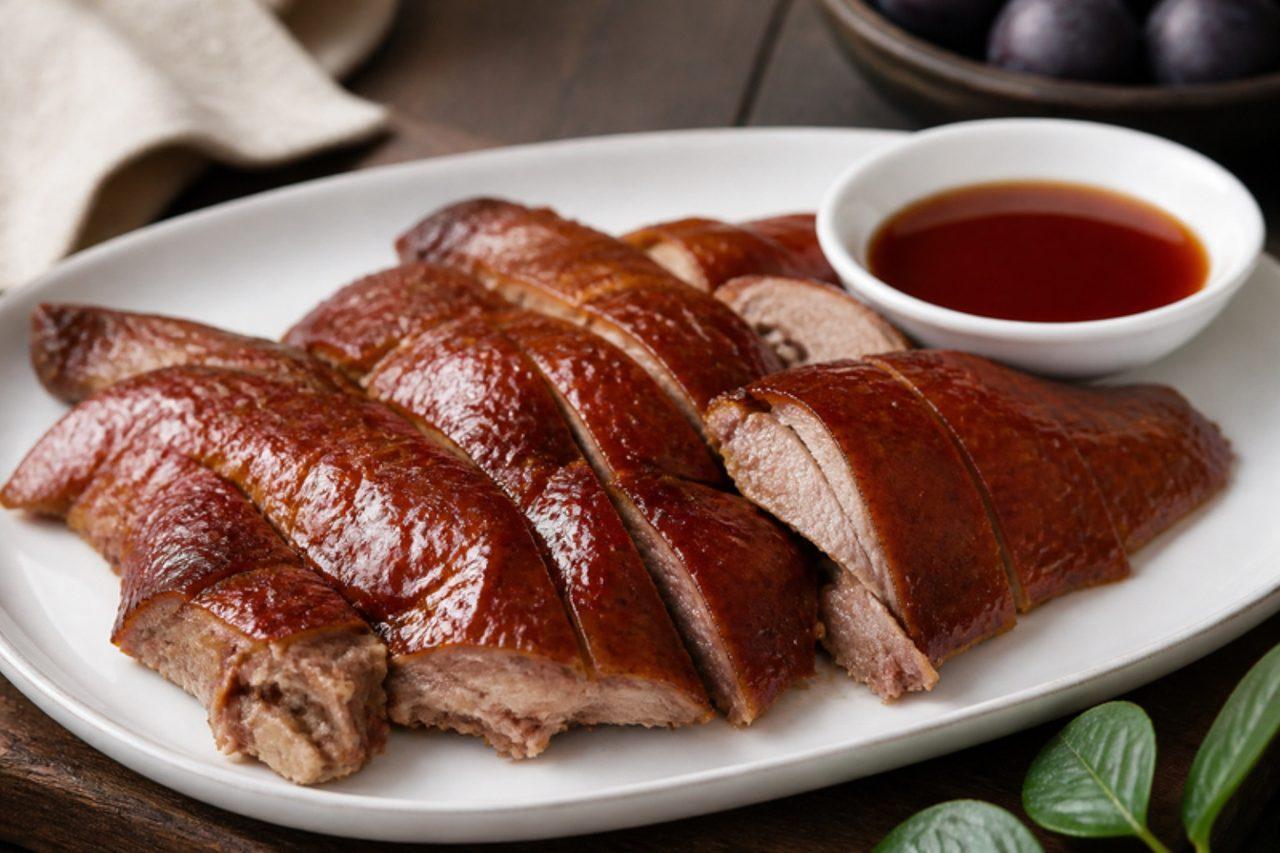
Cantonese roast goose

Drive out along the coast road to Sham Tseng in the New Territories and the restaurants there have been roasting geese for generations; Hong Kongers make the trip for a plate of it with lai fun noodles, or order a half goose for a family dinner. The skin is thin, crisp and deep mahogany, the meat dark, rich and juicy, scented from the inside with five-spice, bean paste and garlic. Sour plum sauce cuts through the fat. This home version uses an oven-ready goose (head already removed, as it is sold), dried overnight and roasted in a domestic oven. A frequent slip is roasting a goose straight from the wrapper: without its overnight drying and a glaze, the skin stays leathery. Chef's tip: pour off the rendered fat as it collects; it is superb for roasting potatoes or frying rice.

by KrazyBadal 0 views

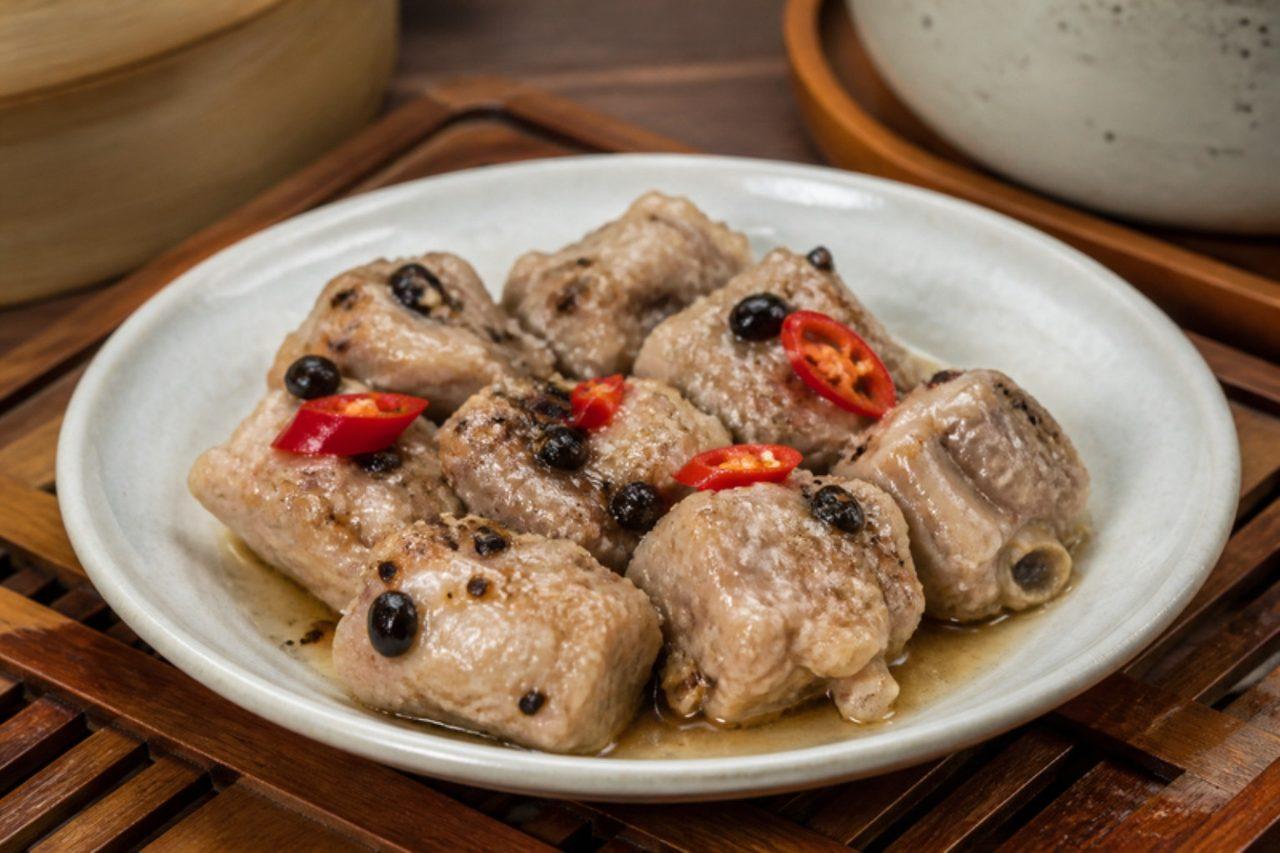
Steamed spare ribs with black bean sauce

Small saucers of pork spare ribs, chopped into bite-sized chunks and glistening with fermented black bean and garlic, come out of every Hong Kong teahouse steamer from dawn until lunch. Done right, the meat is plump and tender, slips off the little bone with your chopsticks, and sits in a salty, garlicky, faintly sweet juice that is wonderful spooned over rice. At home it makes an easy weeknight dish with rice and some blanched choi sum. The mistake to avoid is skipping the rinse: soak the ribs in cold water first to draw out the blood, otherwise the sauce turns grey and murky. Chef's tip: ask the butcher to chop the ribs into 3 cm pieces across the bone, and add a little potato starch to the marinade, which gives the teahouse silky coating.

by KrazyBadal 0 views

Bean curd skin rolls with oyster sauce

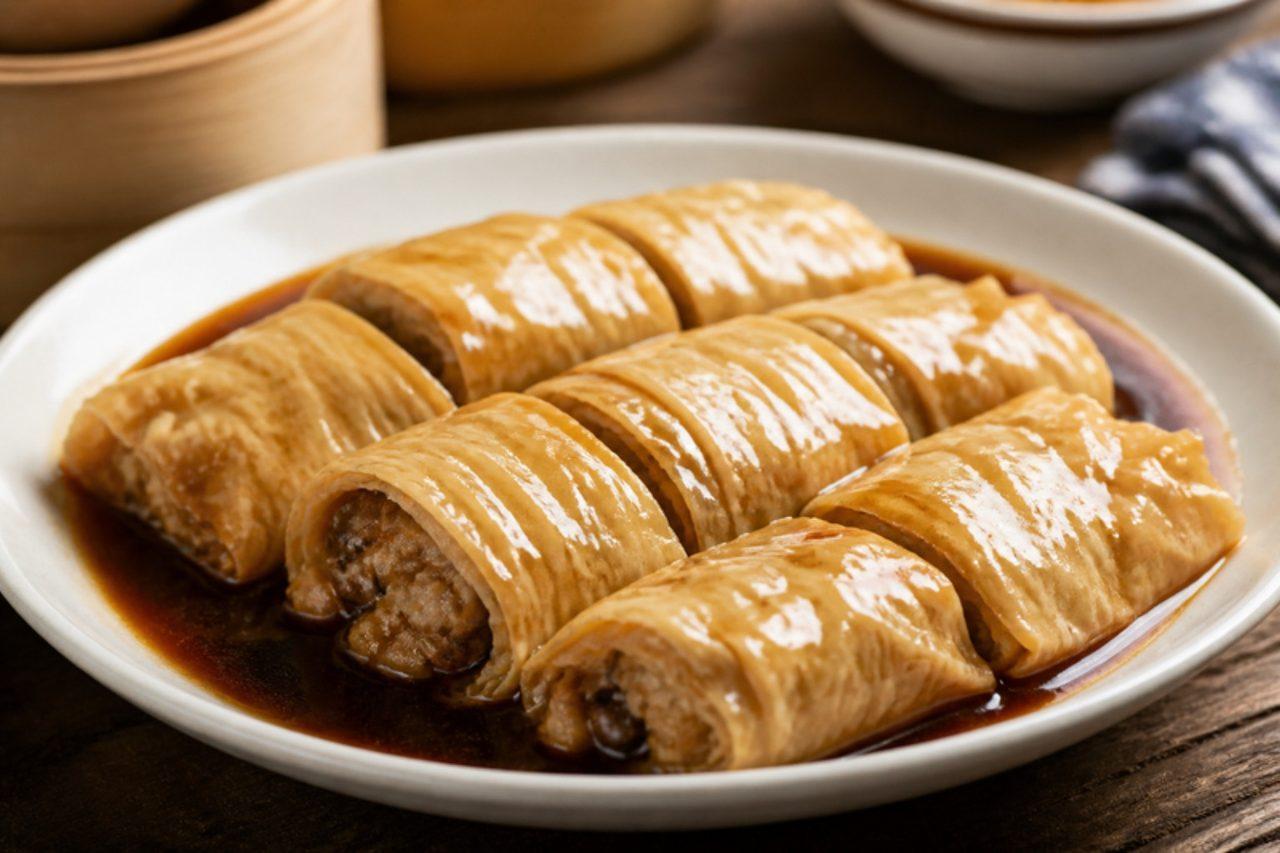
A tea-house regular, fu pei guen arrive at Hong Kong dim sum tables in small steamer dishes, sitting in a pool of dark, glossy oyster sauce gravy. The bean curd skin is fried first, so it blisters and wrinkles, then it is braised until it turns soft and silky and soaks up the sauce, while the pork, bamboo shoot and mushroom filling inside stays juicy. The flavour is savoury and gently sweet, best with rice or between har gow and siu mai at Sunday yum cha. A splash of Shaoxing rice wine seasons the filling; there is an alcohol-free swap in the list. Where most home cooks go wrong is soaking the dried bean curd sheets in water, which turns them to rags; wipe them with a damp cloth instead so they just become supple. Chef's tip: make the rolls a day ahead, fry them, and braise them just before serving.

by KrazyBadal 0 views

Pe pyot (boiled yellow peas)

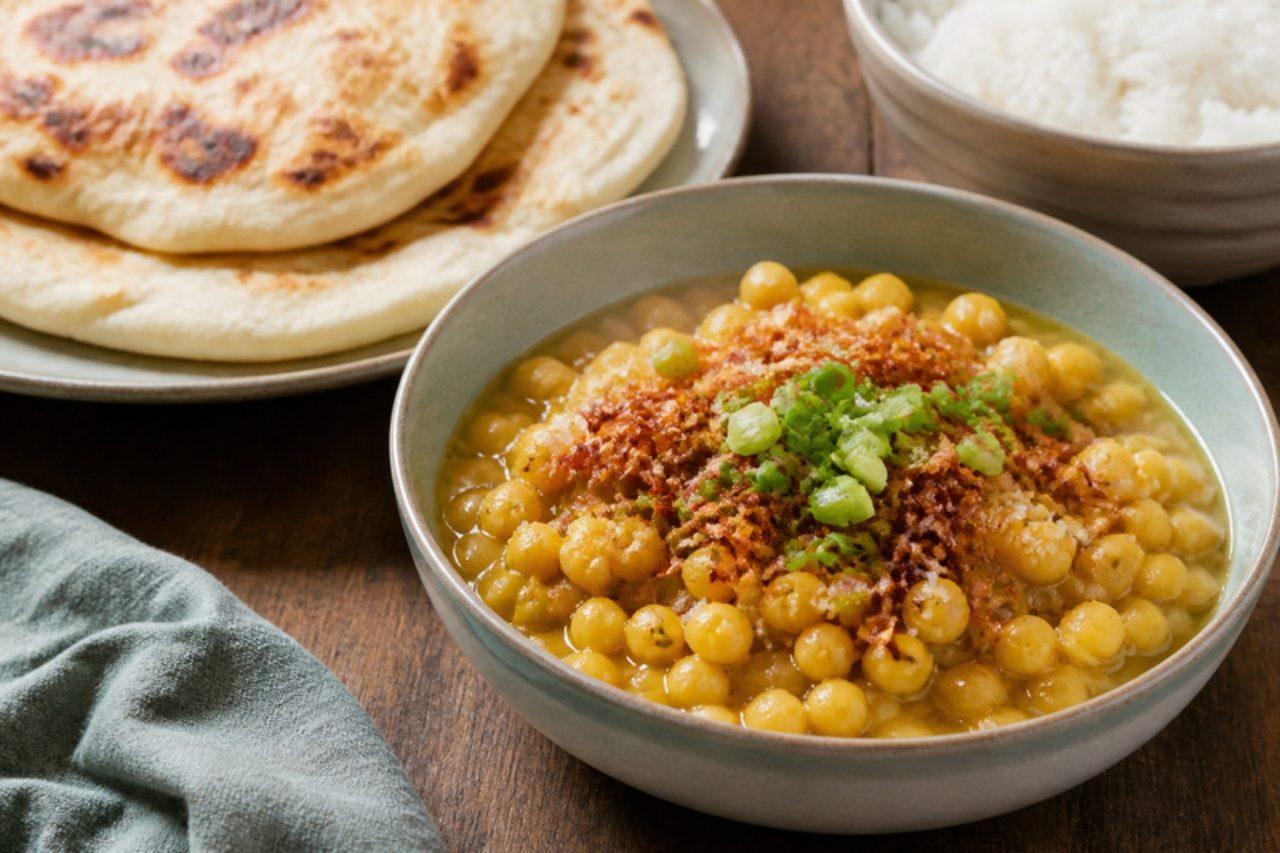
Before the city wakes, pe pyot sellers pedal through Yangon's townships calling out from bicycle baskets of warm, steaming peas, scooping portions into leaf parcels for families to eat with fried rice, flatbreads or toasted naan. Dried yellow or white peas are soaked overnight and simmered until creamy inside but still whole, then seasoned simply with salt and a spoon of oil fried with shallots. The flavour is mellow, earthy and slightly sweet, and the texture is soft and fluffy, like a good baked potato. Too much bicarbonate of soda is the common slip: a pinch softens the skins, but more turns the peas to soapy mush. Chef's tip: make a double batch; pe pyot keeps for three days in the fridge and turns tomorrow's leftover rice into pea fried rice.

by KrazyBadal 0 views

Pandan chiffon cake

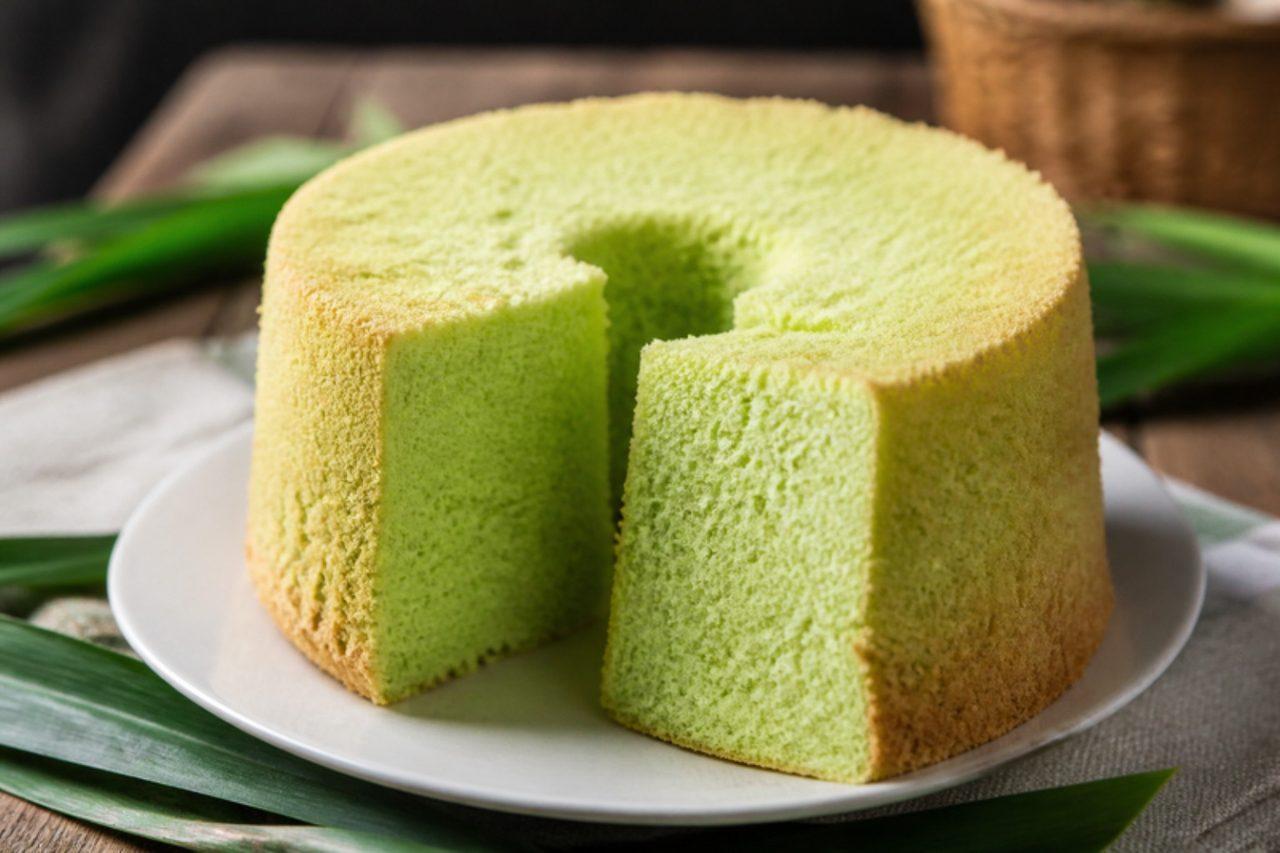
No Singapore birthday table, office tea or visit to grandma's feels complete without a pandan chiffon cake, the pale green ring sold whole at heritage bakeries and neighbourhood confectioners and carried home in a box, and travellers fly home with one in their hand luggage. The crumb is cottony and springy, moist from coconut milk, and the flavour comes from juice squeezed from blended pandan leaves: grassy, vanilla-like and faintly nutty. It is served plain, in tall wedges, with kopi or tea. The usual mistake is greasing the tube pan; a chiffon needs to cling to bare metal to climb, and cooling it upside down is what keeps it tall. Chef's tip: beat the egg whites only to firm, glossy peaks that curl over at the tip; stiff, dry whites won't fold in smoothly and leave white streaks and holes.

by KrazyBadal 0 views

Steamed scallops with garlic and glass noodles

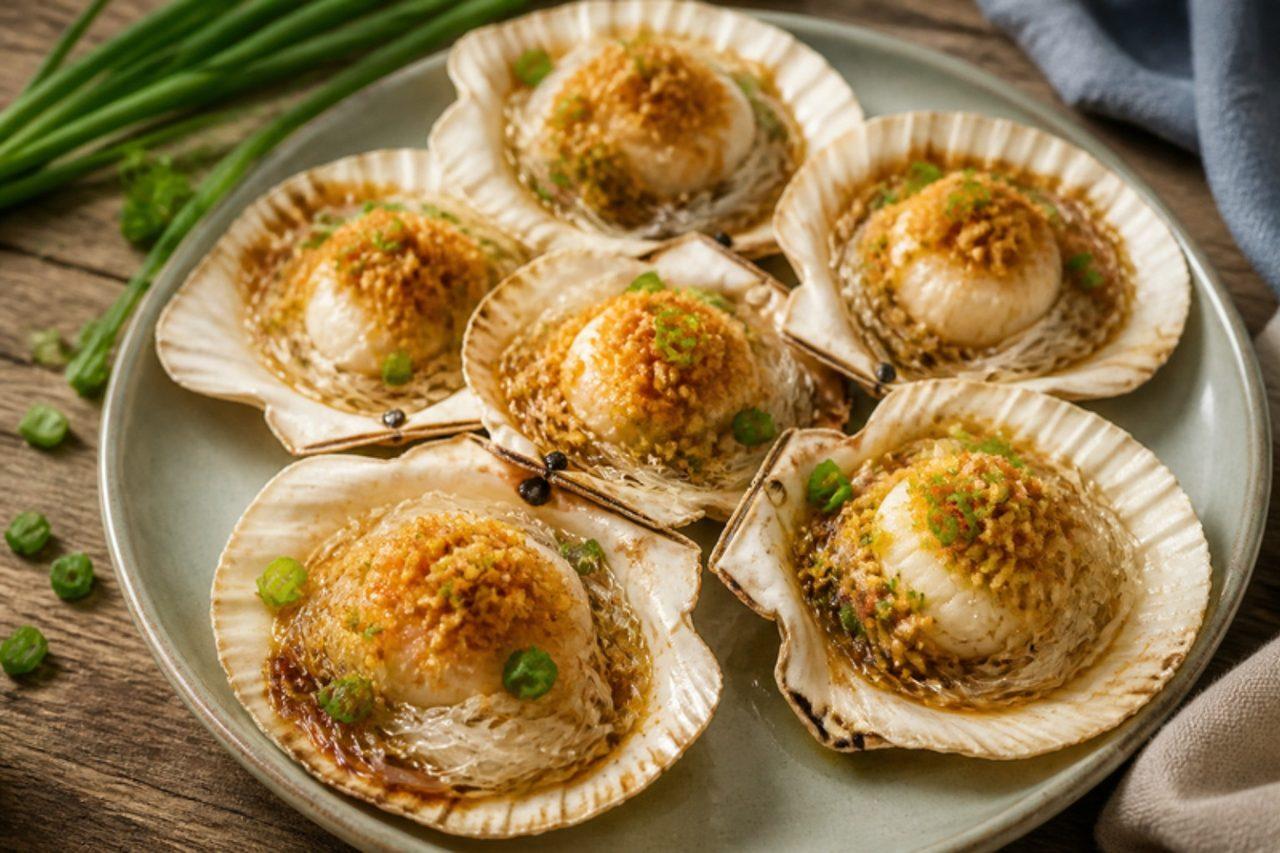
At the seafood stalls of Sai Kung and Lei Yue Mun, diners pick shellfish from the tanks and the kitchen sends them back in minutes: scallops on the half shell, each sitting on a nest of glass noodles under a heap of garlic, half fried golden and half left raw, steamed just until the scallop turns opaque, then finished with a splash of soy and a hiss of hot oil over spring onions. The noodles soak up all the sweet juices, the scallop is soft and barely firm, and the garlic is both mellow and sharp. Serve one or two each as a starter. Use only very fresh scallops: discard any that smell off or have cracked or broken shells. Most people overcook them; a large scallop needs only 5 to 6 minutes. Chef's tip: frying half the garlic and keeping half raw is the restaurant trick for deep, rounded garlic flavour.

by KrazyBadal 0 views

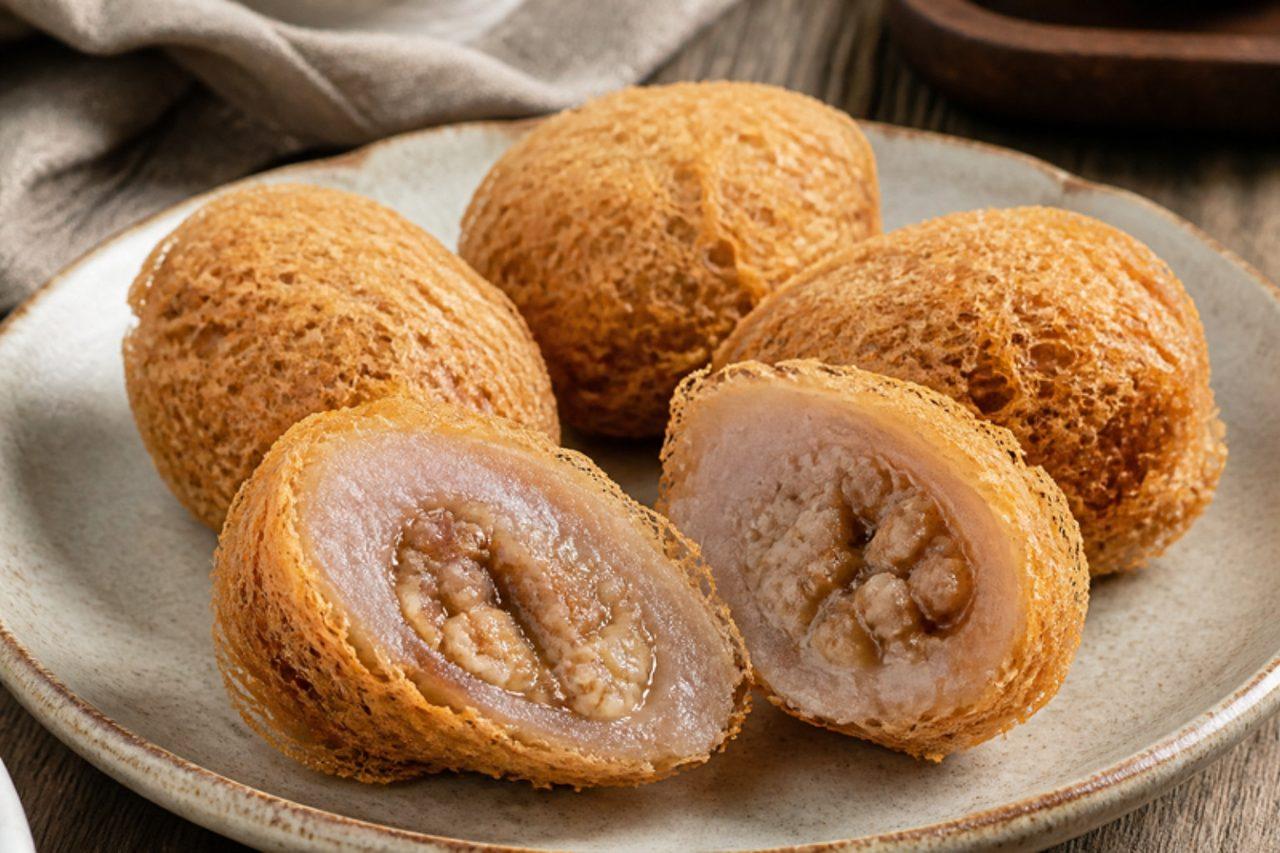
Wu gok (crispy taro dumplings)

Few dim sum crack like wu gok: the shell of mashed taro puffs in the fryer into a golden, honeycomb lace so delicate it shatters at a touch, giving way to a soft, nutty taro layer and a juicy filling of diced pork, shiitake and oyster sauce. Hong Kong teahouses fry them to order through the morning and they are a must at Lunar New Year banquets. Eat them straight away, with a pot of jasmine tea to cut the richness. Lard is the traditional fat in the taro dough; vegetable shortening works too. The classic failure is oil that is too cool or too hot: below about 170 °C the dumplings fall apart, above 190 °C they brown before the lace forms. Chef's tip: chill the shaped dumplings for half an hour so the dough is firm and the lace blooms evenly.

by KrazyBadal 0 views

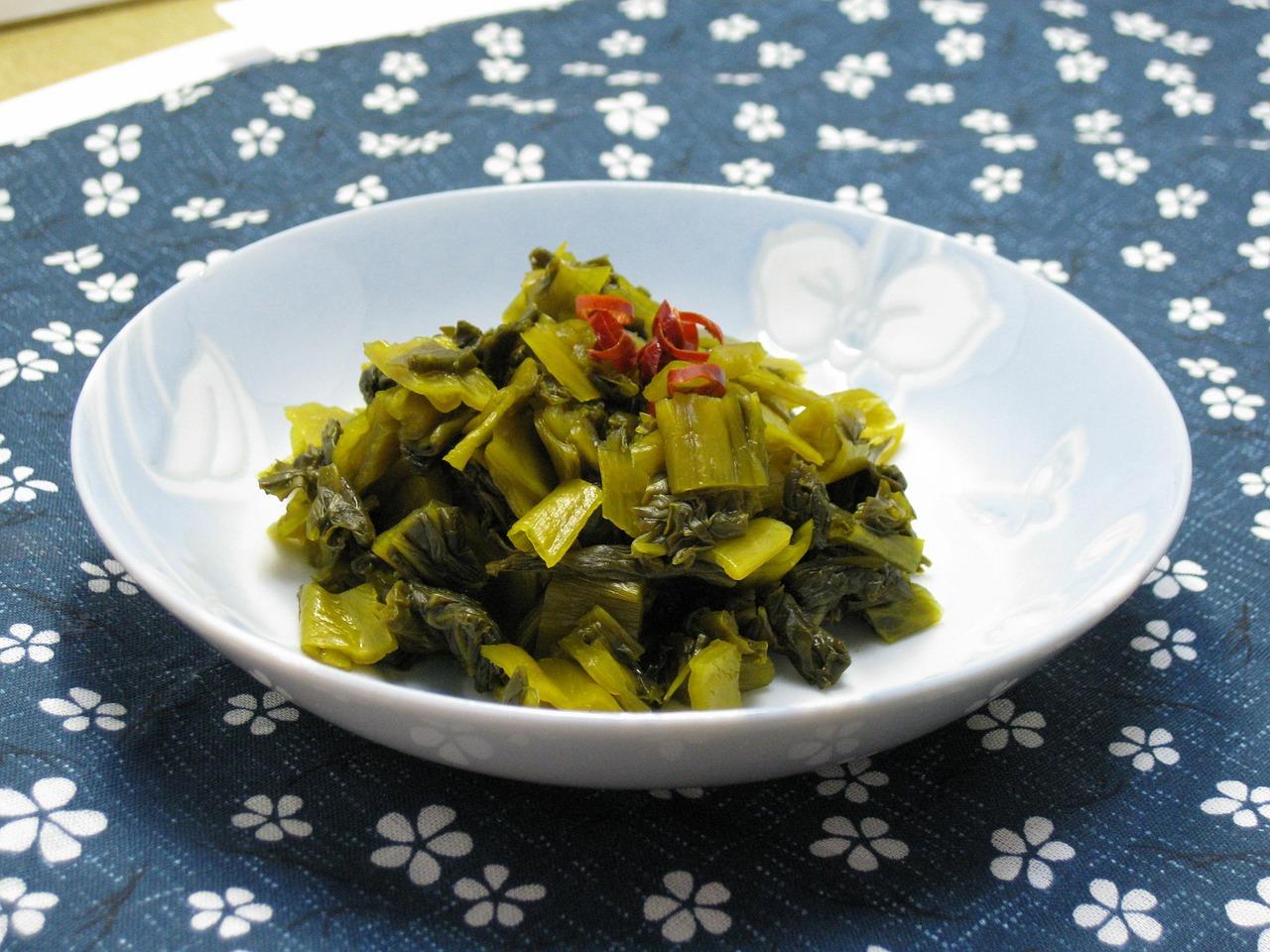
Shan pickled mustard greens

Jars of sour, olive-gold mustard greens sit on every noodle stall in Shan State, from Kengtung to the five-day markets around Inle Lake, and families keep a crock going through the cool season. The greens are wilted, rubbed with salt and packed under cloudy water saved from rinsing rice; its starch feeds the natural fermentation, and after a few days the leaves turn crunchy, tangy and pleasantly funky. A spoonful goes on top of Shan noodles, beside sticky rice, into soups, or stir-fried with garlic and chilli as a side dish. Leaves poking above the brine are the main thing that goes wrong, since that is where mould starts; keep everything pressed under the liquid. Chef's tip: use the cloudiest rice water from the first rinse, and add a spoon of cooked rice to get the souring going faster.

by KrazyBadal 0 views

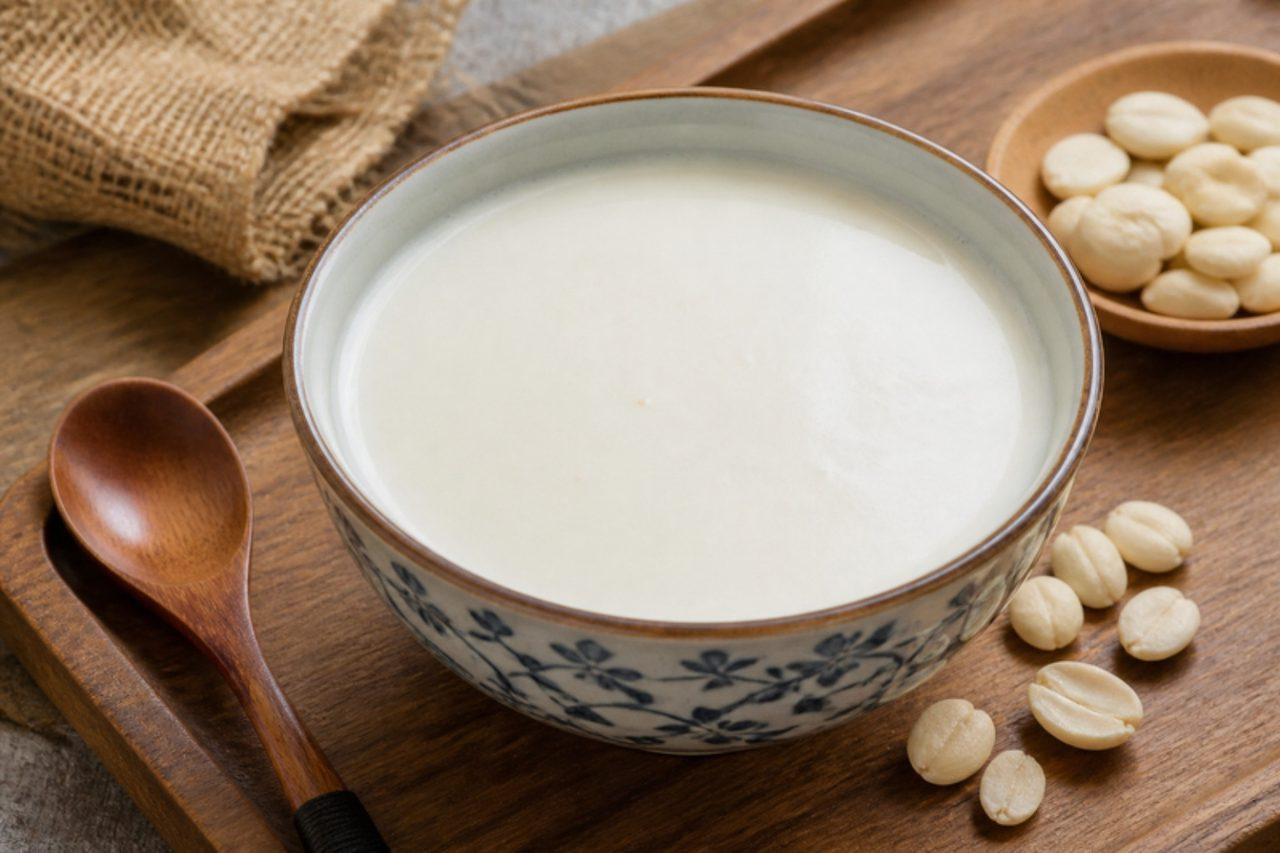
Almond tea

Despite the name, there's no tea in hang yan cha, and almonds play no part either: Hong Kong's version is ground from sweet apricot kernels, the 'southern almonds' sold loose in Chinese herbal shops. Old-style dessert shops in Yau Ma Tei and Sheung Wan ladle it hot from big pots after dinner, sometimes with a black sesame swirl, and grandmothers make it for coughs in the dry winter months. It is pale, creamy and smooth as single cream, with a perfumed, marzipan-like aroma and a gentle sweetness from rock sugar. A grainy texture comes from skipping the straining, so press the blended mixture through muslin. Chef's tip: stir constantly once it's on the heat; the rice starch catches on the bottom of the pan within seconds and gives the whole pot a scorched taste.

by KrazyBadal 0 views

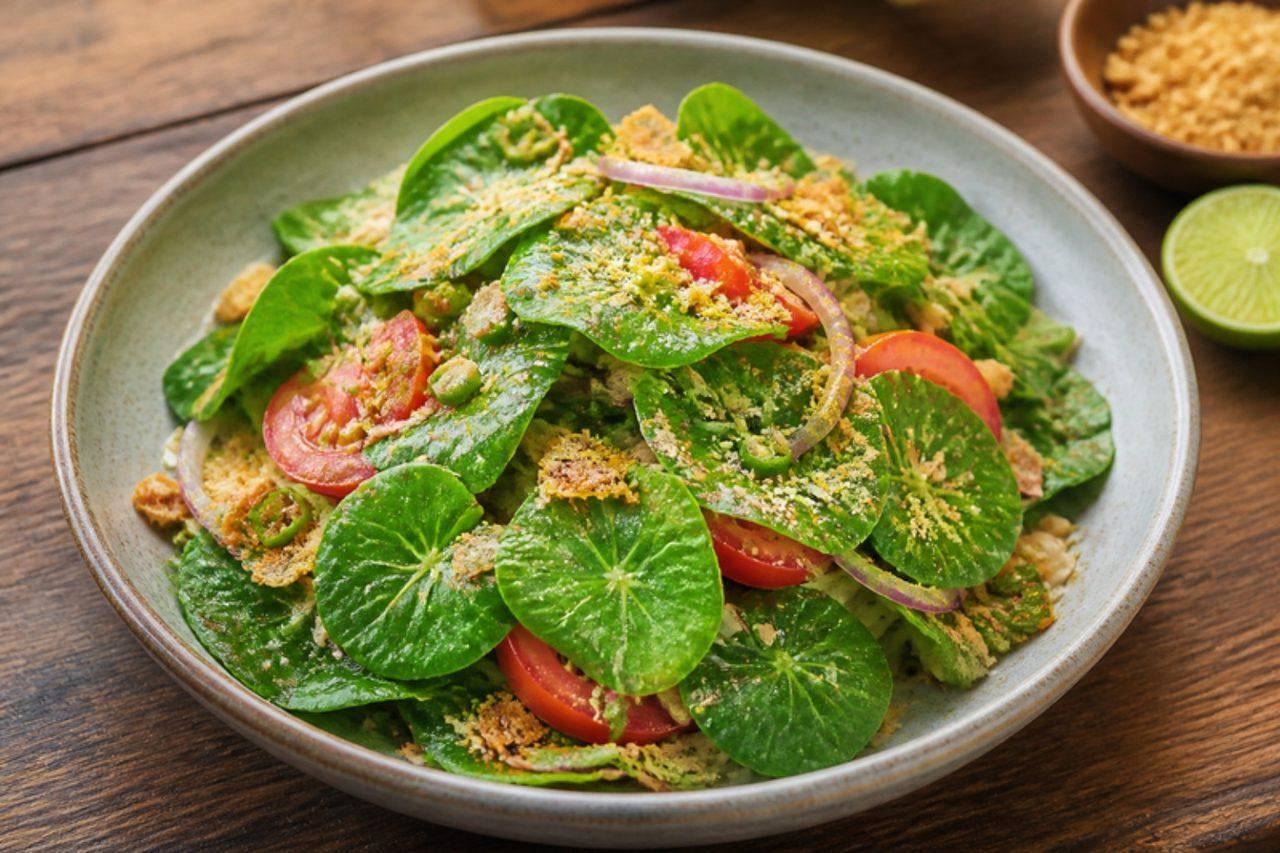
Burmese pennywort salad

Myin khwa, 'horse's hoof', is the Burmese name for pennywort, after the shape of its round leaves, and Mandalay grandmothers swear by a plate of it to cool the body during the hot months before the monsoon. The fresh leaves are slightly bitter and grassy, a little like watercress, and they are tossed by hand with toasted chickpea flour, crushed peanuts, crunchy fried garlic and its oil, lime juice, tomato and sliced onion. The salad is served as a side to rich curries, where its clean sourness cuts through the oil. Wet leaves ruin it: the dressing slides off and turns watery, so dry them completely after washing. Chef's tip: look for pennywort sold as gotu kola at Asian and Sri Lankan grocers; young watercress makes a fair stand-in.

by KrazyBadal 0 views

Showing 18 of 7,762 recipes

Show more recipes

Page 316 of 863