


Skip to content
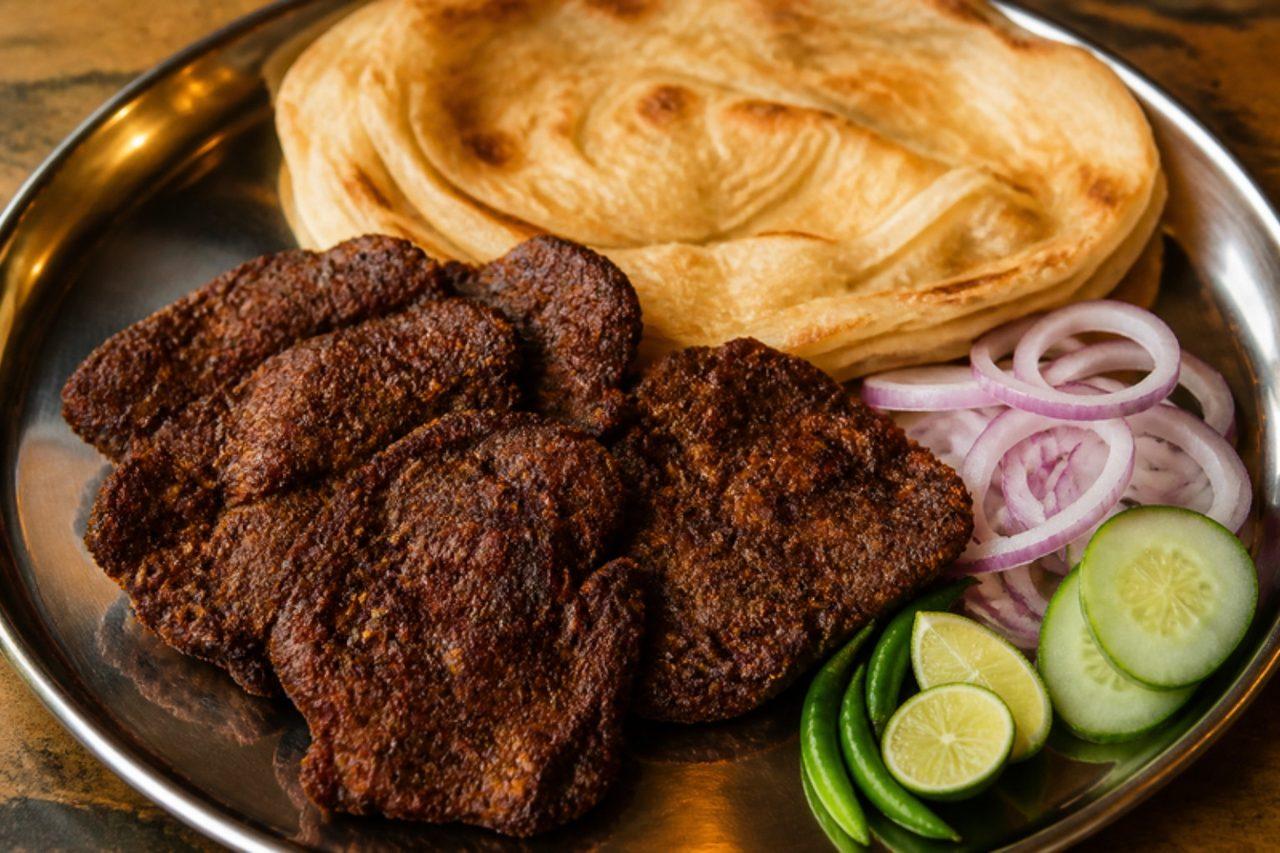
Old Dhaka beef chap
Featured recipe

Old Dhaka beef chap

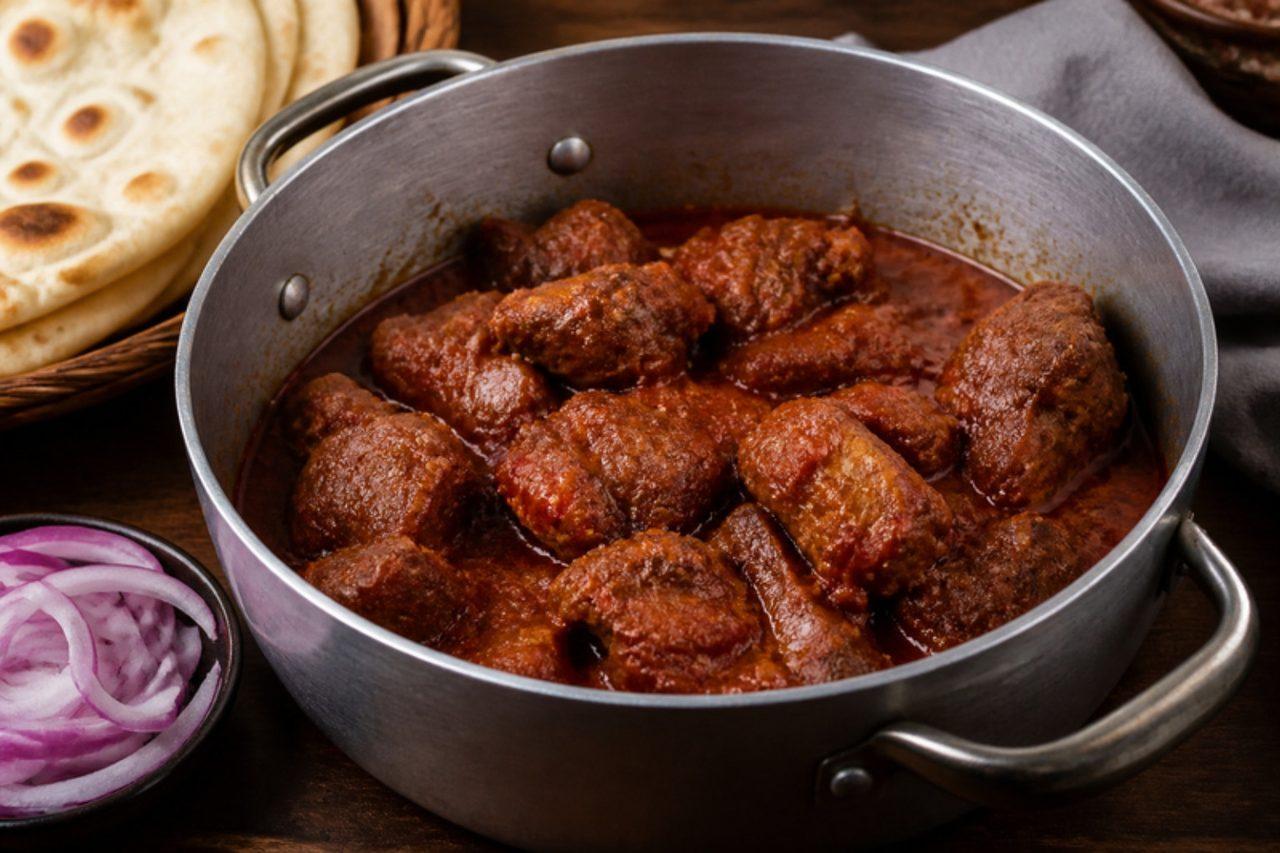
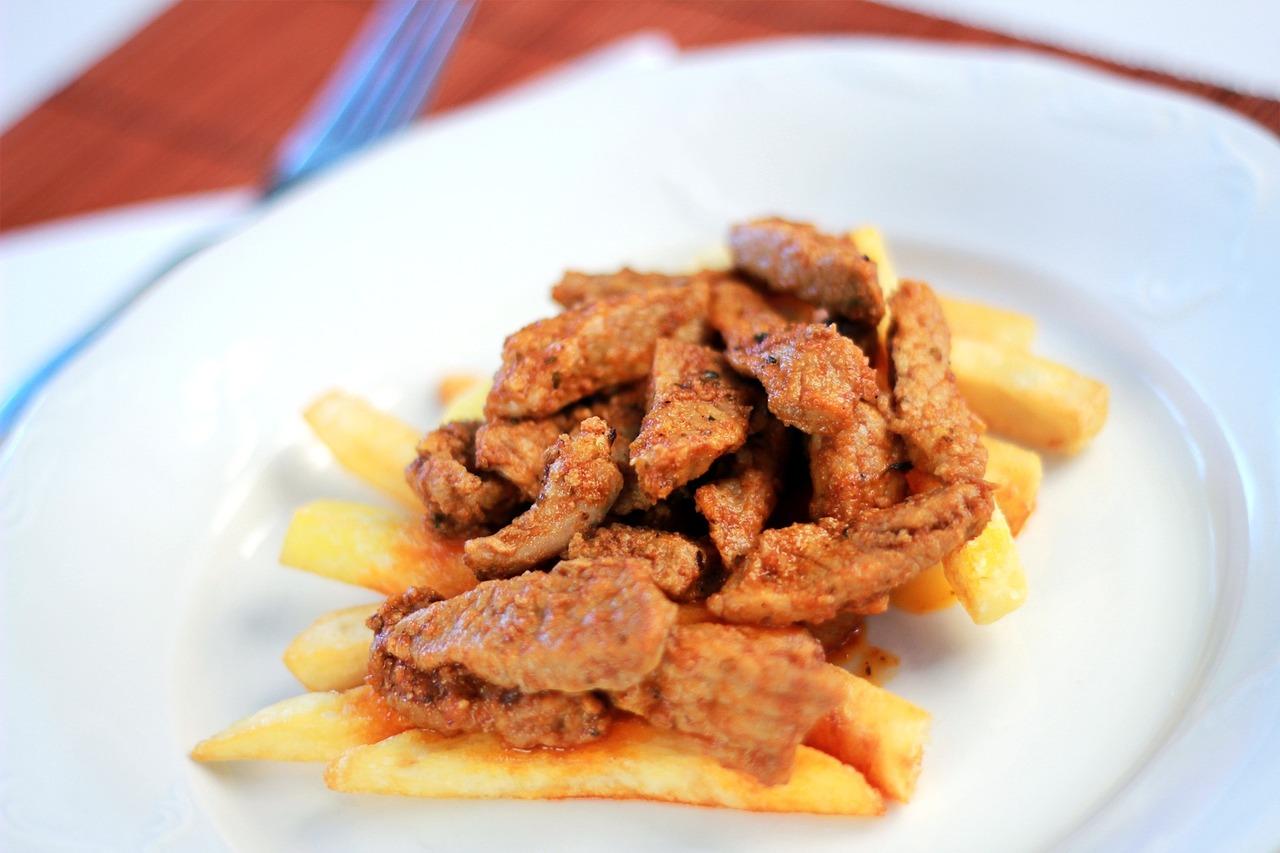
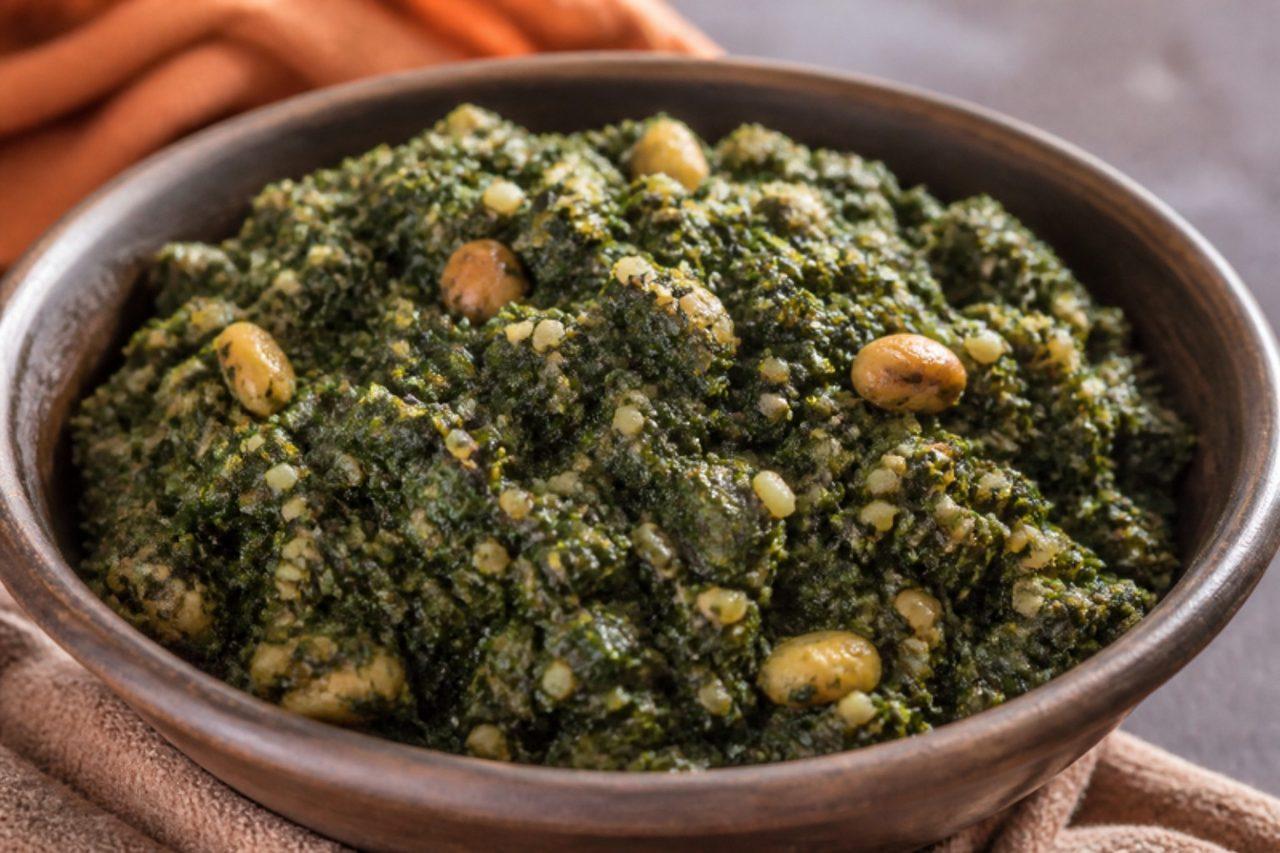
Pounded spiced beef slices

After the evening prayers, the stalls around Chawkbazar and Lalbagh light their wide flat tawas and start slapping down chap, slices of beef beaten paper-thin, marinated in a fierce paste and fried in a pool of oil until the edges crisp and frill. You eat it torn into pieces with soft naan or a flaky paratha, a heap of raw onion and cucumber, and a squirt of tamarind or mint sauce. The marinade is tenderised with raw papaya, and a light coat of gram flour gives the crust its golden, slightly lacy finish. People often stop at slicing, but the meat has to be pounded thin or it stays chewy no matter how long it fries. The same treatment is used for boneless chicken thighs, which cook in half the time. Chef's tip: freeze the beef for 30 minutes before slicing, then beat each slice between two sheets of cling film with a rolling pin.

Read more 0 views

What to eat today?

Around the world

Today's trip: Persian

A new country every day, from every cuisine on the site.

Persian

Dizi

Lamb and chickpea stew 245 minMore from Persian (131) →

This week's collection

Kid-friendly dinners
578 recipes · a new collection every Monday

Latest recipes

Biye barir roastSweet wedding-style chicken roast

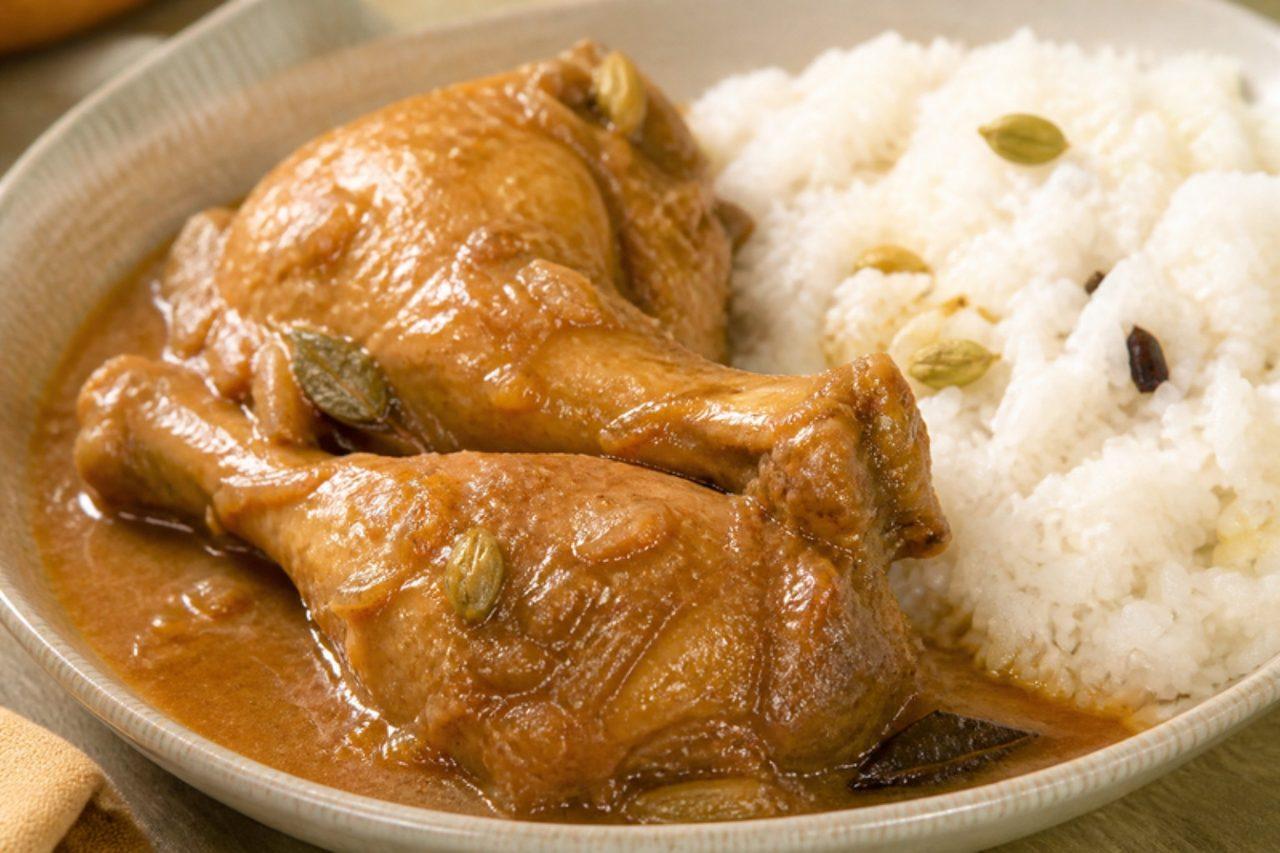
Ask anyone who grew up in Bangladesh what they look forward to at a biye bari, a wedding house, and the chicken roast is near the top, a single fried leg or breast lounging in a thick, sweet-spiced, ghee-glossed gravy beside a mound of polao. The word roast is a bit of a misnomer: the chicken is fried until golden and then simmered in a gravy of onion paste, yoghurt, milk and a little sugar, perfumed with cardamom, mace and kewra, so it tastes rich rather than charred. Children love it because it is mild and gently sweet, with only whole green chillies for warmth. A common error is skipping the frying, which leaves the chicken pale and lets it fall apart in the sauce. Chef's tip: use bone-in thighs and drumsticks with deep slashes, so the gravy gets into the meat during the short simmer.

by KrazyBadal 0 views

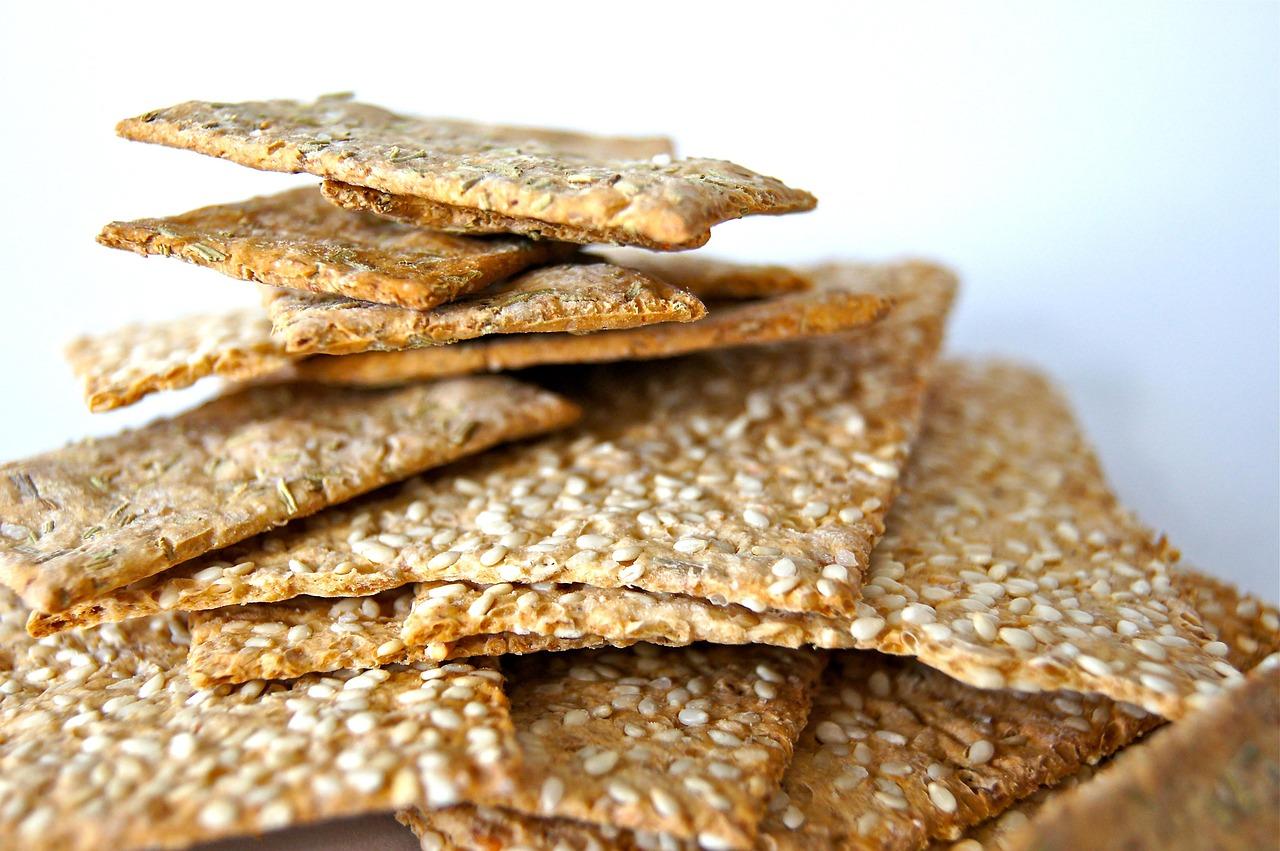
KnäckebrödRye crispbread

Knäckebröd is the crispbread that Swedes have baked since the Vikings: rye flour and seeds rolled thin, pricked all over and baked until bone-dry, so it keeps for weeks; once it was baked with a hole in the middle and hung on poles under the kitchen ceiling. Today it is eaten at breakfast with butter, cheese and cucumber in every Swedish home. A common mistake is rolling unevenly, which leaves soft patches that go stale. Chef's tip: roll the dough directly on baking paper with a knobbled rolling pin or prick it heavily with a fork, then bake twice, the second time low, until completely dry.

by KrazyBadal 0 views

Bizcocho dominicanoOrange sponge with pineapple filling

Every Dominican birthday in Santo Domingo or Santiago has one: a tall, buttery, orange-scented sponge split and filled with sticky pineapple, then swirled all over with glossy white meringue frosting called suspiro. Traditional suspiro whips hot syrup into raw whites; this version uses a Swiss meringue, heating the whites with sugar to 70 °C so it is safe for everyone, including pregnant women and small children. The common mistake is overbeating the batter after the flour goes in, which makes the famously moist crumb tough. Chef's tip: beat the butter and sugar for a full 8 minutes until almost white; that air is what gives bizcocho its tender, springy texture.

by KrazyBadal 0 views

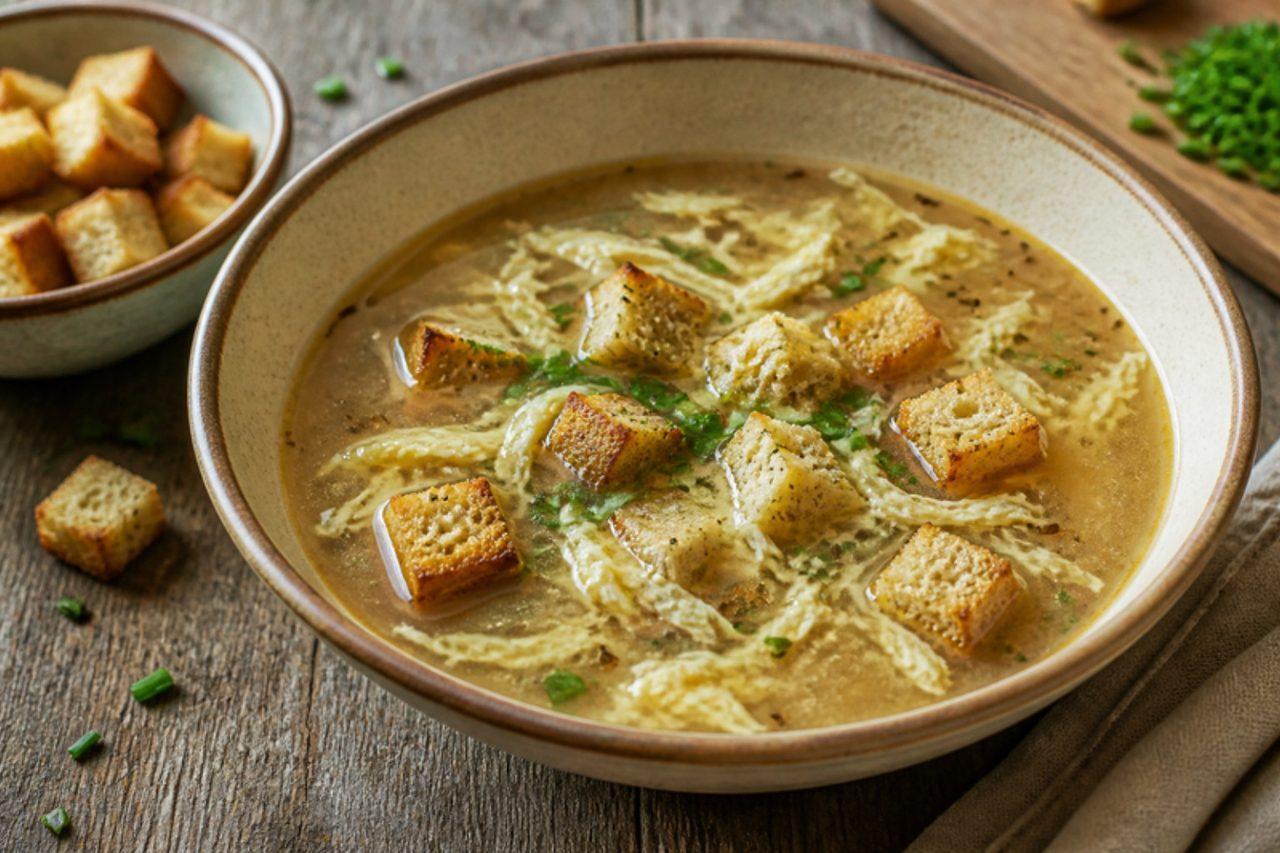
Kmínová polévkaCaraway soup

Few soups are as cheap or as old as this one. Kmínová polévka was the Bohemian peasant's breakfast long before coffee arrived, and Czech mothers still make it for an upset stomach or a hangover. The roux is cooked until it smells of toasted hazelnuts, the caraway is fried in butter until it pops, and the hot soup is poured straight onto crunchy toasted bread so it softens at the edges. Where most people go wrong is taking the roux off the heat while it is still pale: you get a floury, raw-tasting soup instead of a nutty one. A beaten egg trickled in at the end makes it more filling. Chef's tip: crush half the caraway in a mortar first, so the flavour spreads through the broth while the whole seeds give little bursts.

25 minCzechSoups
by KrazyBadal 0 views

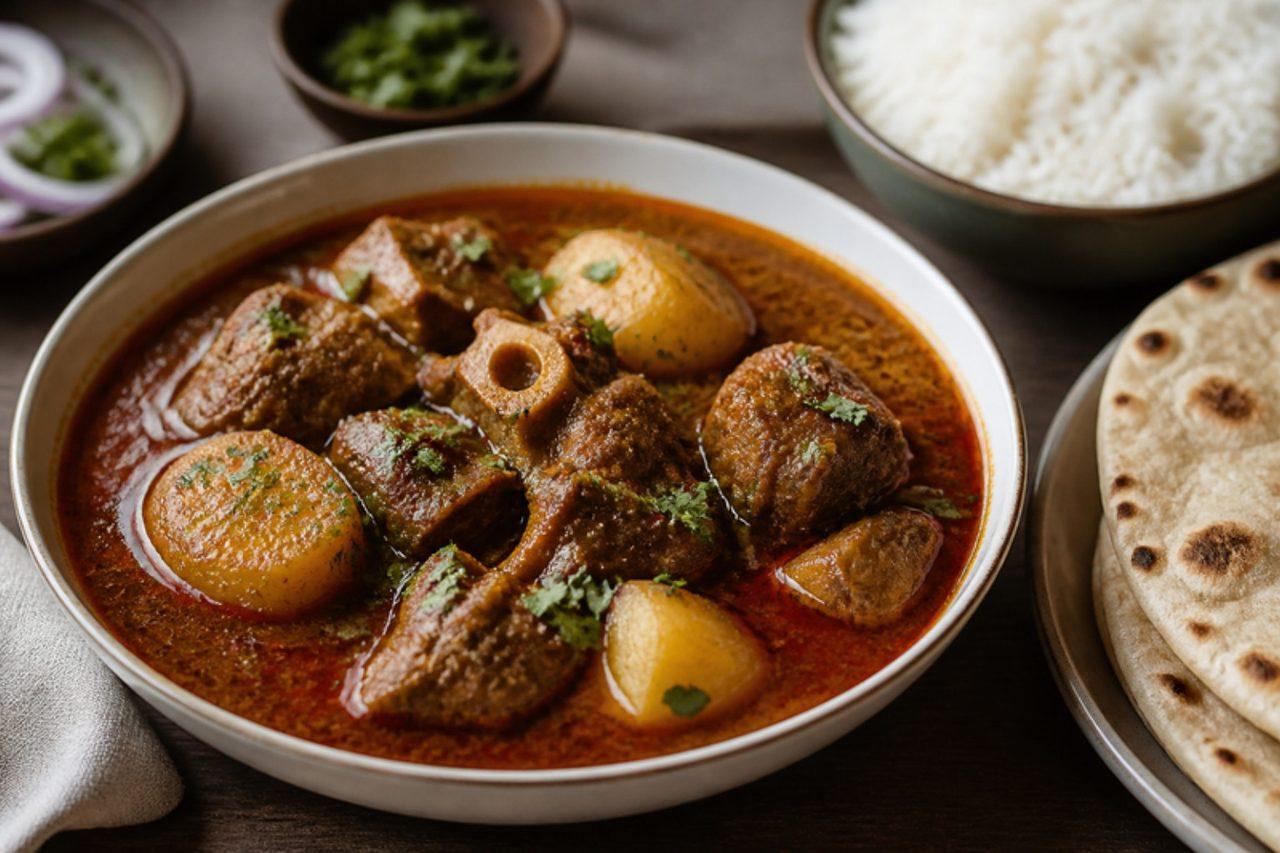
Aloo goshtMutton and potato curry

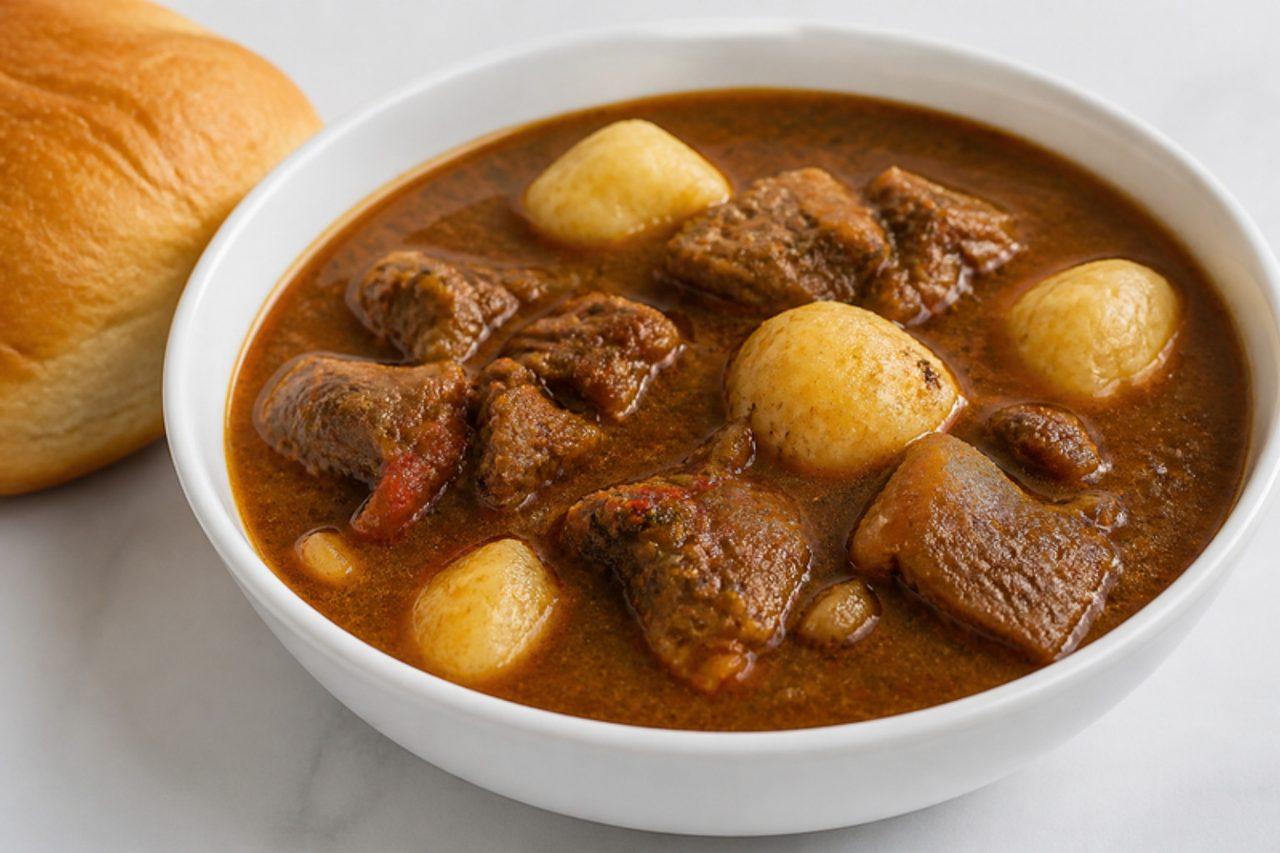
If one curry stands for a weekday dinner in a Pakistani house, from Rawalpindi flats to Karachi's Nazimabad, it is aloo gosht: mutton on the bone and halved potatoes in a loose, peppery shorba meant to be soaked up with chapati or poured over plain rice. Nothing about it is fancy; its comfort comes from a long bhuna of onion, tomato and spice before any water goes in, so the thin gravy still tastes deep. The potatoes go in once the meat is half done and come out soft at the edges, having drunk the gravy. Adding them at the start leaves them falling apart while the meat is still chewy, so wait. Chef's tip: when the masala is fully fried, add the water boiling hot, not cold, so the meat keeps cooking and the shorba stays clear rather than greasy.

by KrazyBadal 0 views

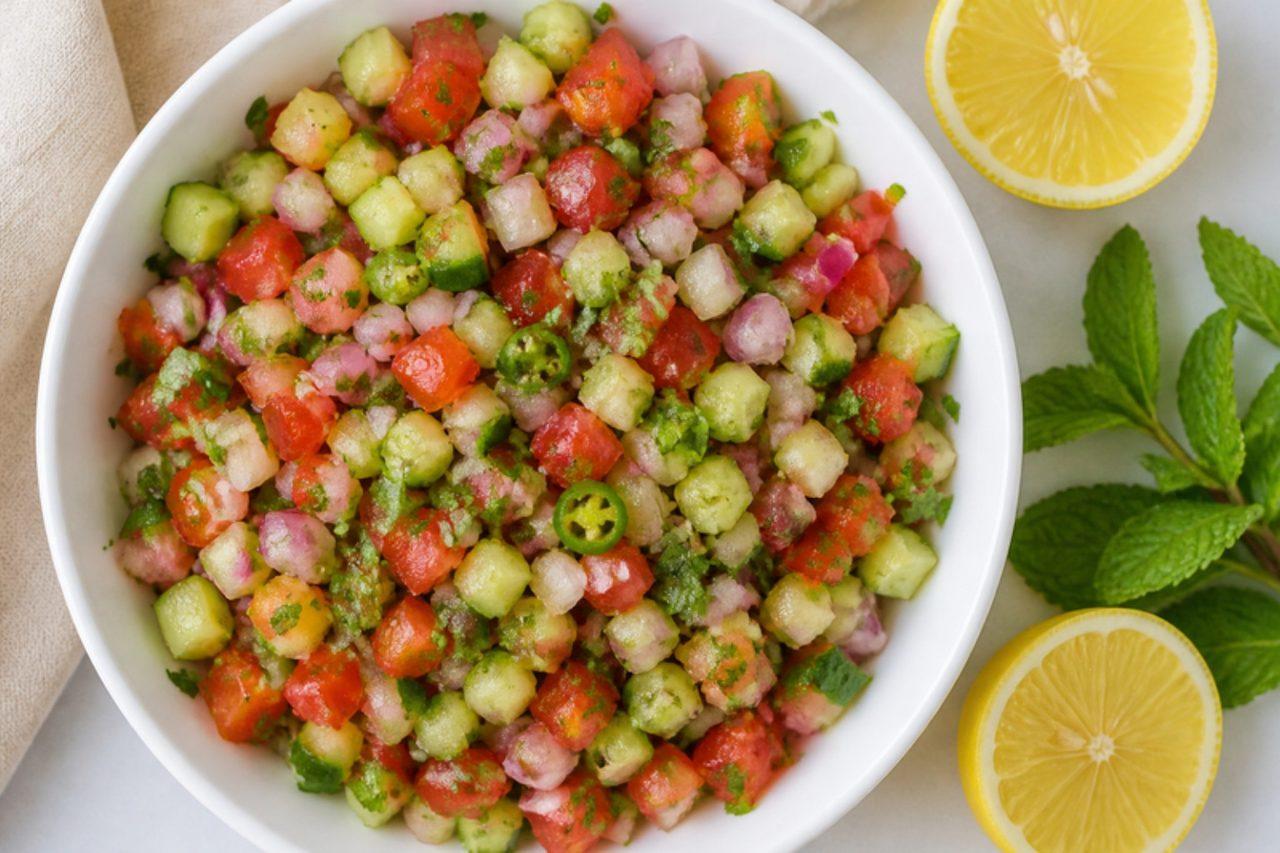
Kachumar saladTomato, onion and cucumber salad

No Pakistani dastarkhwan feels complete without a little bowl of kachumar, whether it sits beside a biryani at a Karachi wedding, a karahi at a highway truck stop or plain dal at home on a Tuesday. It is nothing more than tomato, onion and cucumber cut into very small, even dice, dressed at the last moment with lemon, salt, green chilli and coriander, yet the crunch and sharpness are what make rich food feel lighter. Some families add a pinch of roasted cumin or a few mint leaves; in Punjab it is often spooned straight onto the side of the plate rather than served apart. Dressing it too early is the main trap, because the salt pulls water from the tomatoes and leaves a soggy puddle. Chef's tip: seed the tomatoes and cucumber before dicing so the salad stays crisp for the whole meal.

by KrazyBadal 0 views

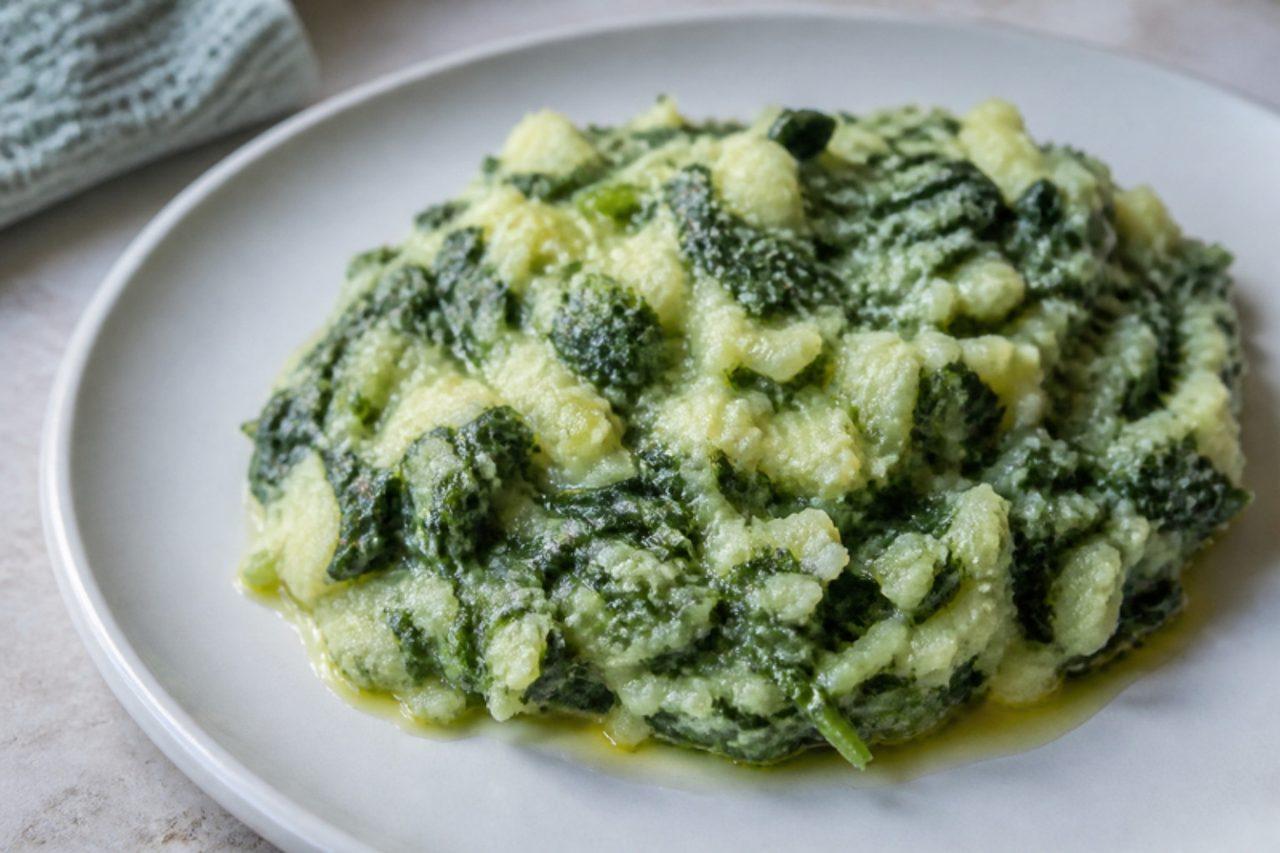
BlitvaSwiss chard and potatoes

Order grilled fish in any konoba along the Dalmatian coast of Croatia, from Zadar down to Dubrovnik, and a heap of blitva usually comes with it. Swiss chard and potatoes are boiled together until soft, then crushed roughly with lots of good olive oil and a little garlic, so the potatoes turn creamy and the chard stays silky and green. It is humble, quick and very good, also with grilled vegetables, eggs or a simple bean dish. The usual slip is not draining well enough, which leaves a watery, grey mush; let everything steam dry in the colander for a minute. Chef's tip: use the best olive oil you have and add a final drizzle at the table, as Dalmatians do, so its peppery taste stays bright.

by KrazyBadal 0 views

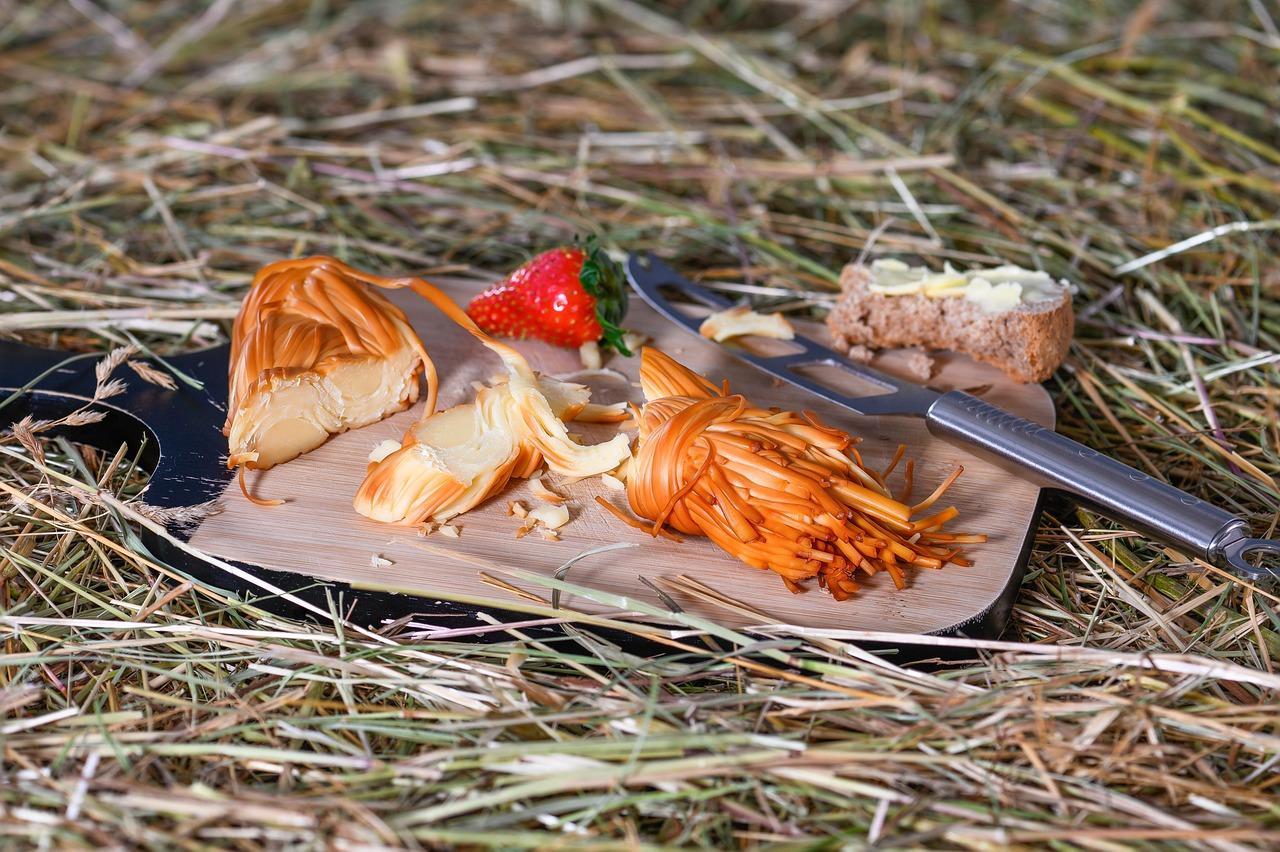
KorbáčikyBraided fresh cheese strings

Korbáčiky (little whips) come from Orava in northern Slovakia, where cheesemakers pull hot, stretchy curd into long thin strings and plait them into braids. Sold at roadside stalls in the Tatra foothills, they are chewy, squeaky and salty, usually lightly smoked, and are pulled apart and eaten with fingers like a snack, often with a cold drink on a hike. At home you can make the curd yourself from pasteurised milk in under an hour. Traditional korbáčiky are set with animal rennet, so this recipe uses vegetarian (microbial) rennet; any shop-bought curd should say the same. Use pasteurised whole milk that is not UHT-treated, or the curd will not set. Where most people go wrong is stretching the curd when it is not hot enough: it tears instead of pulling into glossy ropes. Chef's tip: wear clean rubber gloves for stretching, so you can work with water hot enough to make the curd silky.

by KrazyBadal 0 views

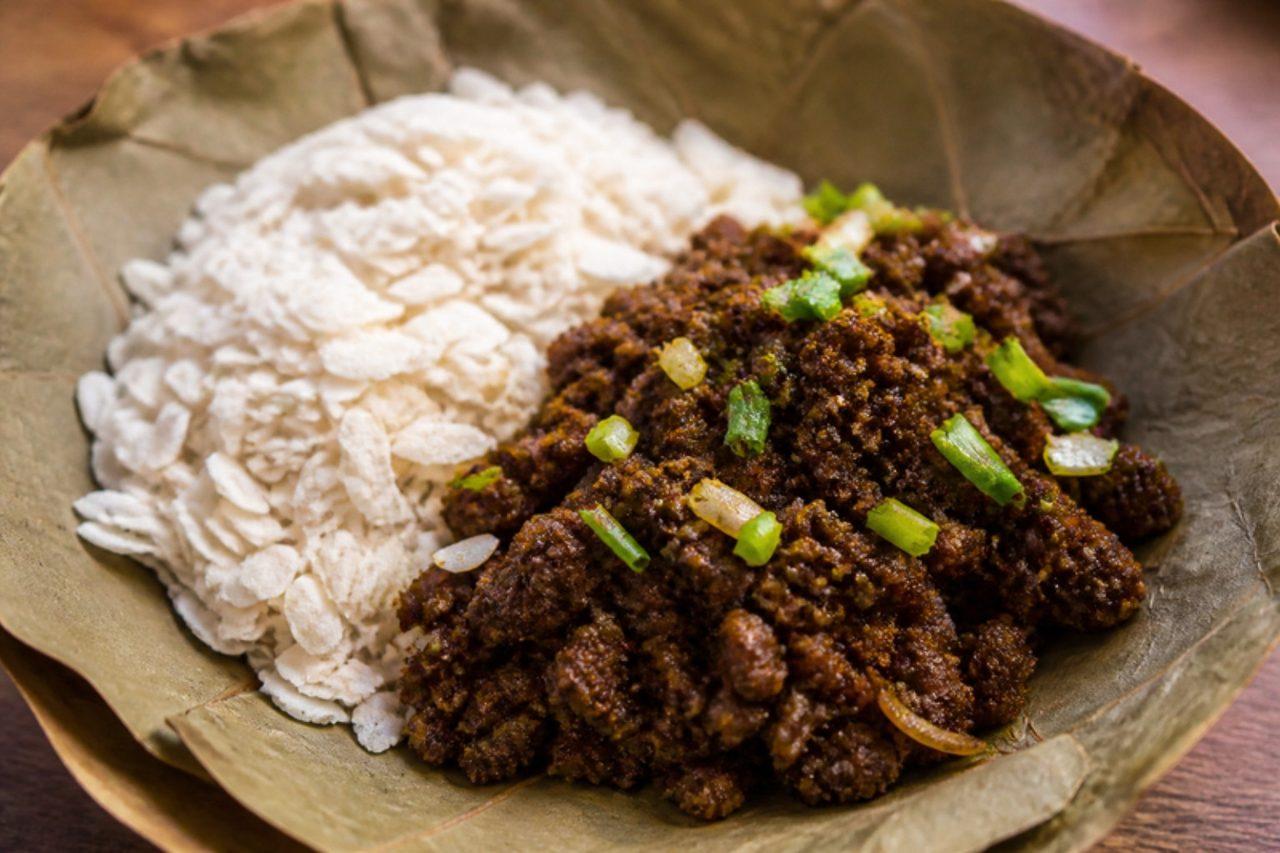
Kachila (cooked)Spiced buffalo mince

In the Newar homes and bhoj feasts of the Kathmandu Valley, kachila is a prized delicacy: finely minced buffalo meat mixed with mustard oil, garlic, ginger, chilli and numbing timur, eaten in small spoonfuls with beaten rice, traditionally raw. Raw minced meat can carry harmful bacteria and parasites right through, so the traditional raw form is not for pregnant women, young children or anyone with a weakened immune system, and we do not recommend it for anyone at home. This version keeps every bit of the seasoning but sears the mince quickly in a very hot pan to 71 °C, so it stays soft and loose rather than turning into a dry fry, then dresses it with the classic smoking mustard-oil tempering. It is eaten as part of samay baji or as a snack with chiura. The usual slip is overcooking it into crumbly pellets; take it off the heat the moment it is cooked through. Chef's tip: use buffalo or beef mince, or ask the butcher to mince lean beef twice, very fine.

30 minNepaliMeatGluten freeSpicy
by KrazyBadal 0 views

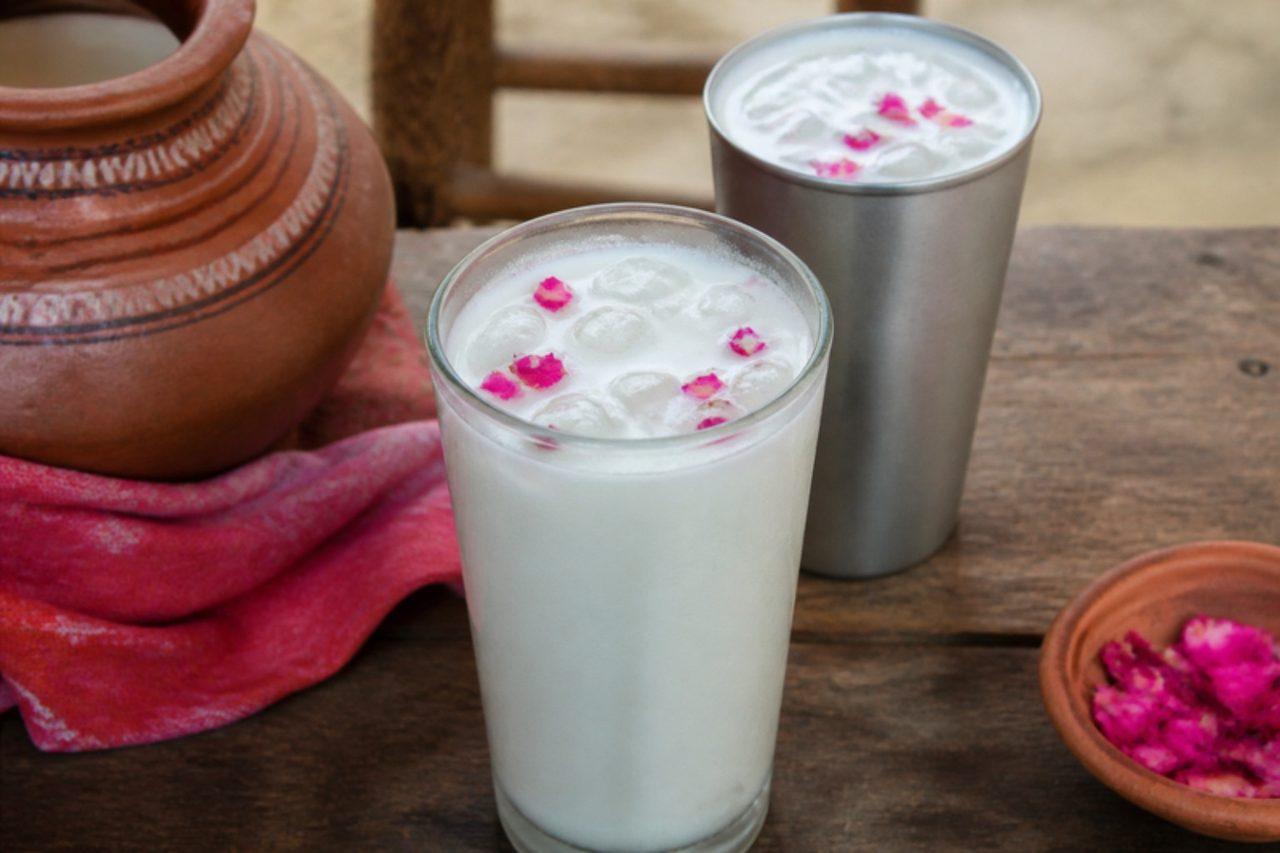
Kachi lassiMilk and water lassi

Harvest time in the Punjab is thirsty work: when the wheat is being cut in the April heat, a steel jug of kachi lassi is carried out to the workers: fresh milk thinned with cold water, stirred with sugar and poured over chunks of ice. Unlike yogurt lassi there is no tang, just a light, clean, milky sweetness that quenches thirst better than plain water, and in many villages it is the drink offered to any guest who arrives on a hot afternoon. Some people add a pinch of salt instead of sugar, or a few drops of rose water. The traditional kind uses raw milk straight from the buffalo; use pasteurised milk instead to be safe. The usual mistake is making it with too little water, which turns it heavy instead of refreshing. Chef's tip: whisk it hard or shake it in a jar so it turns frothy, which makes it feel even cooler.

by KrazyBadal 0 views

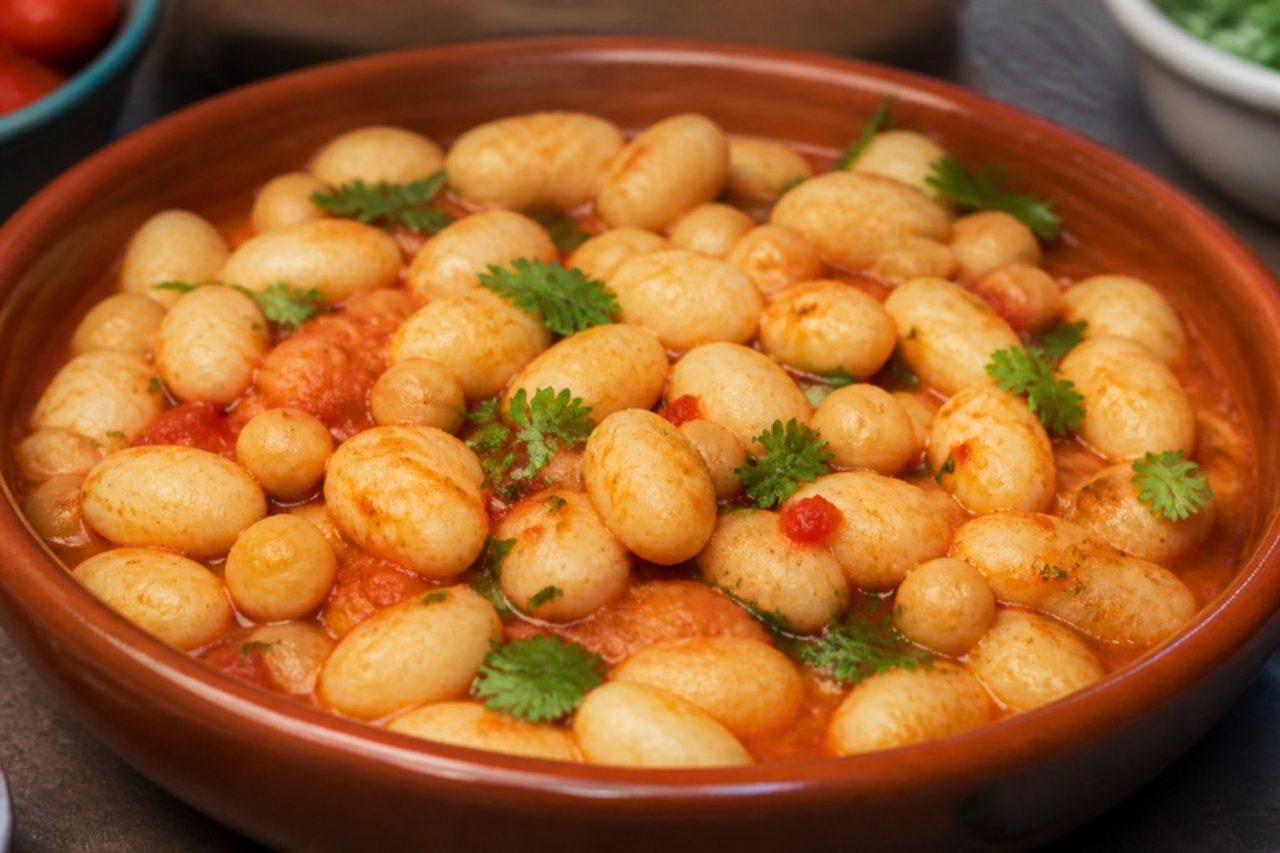
ThikourbabineSemolina dumplings in pepper sauce

High in the Kabylie mountains east of Algiers, thikourbabine is a winter dish made from what is in the store cupboard: small balls of semolina dough poached in a fragrant red sauce of tomato, paprika, garlic and dried red peppers, with chickpeas, potatoes and courgettes. The dumplings turn tender and slightly chewy and soak up the sauce, which is peppery and warming rather than very hot. Families eat it from a shared bowl on cold evenings. Some cooks add meat; this is the meatless way it is often made at home. Chef's tip: let the dumplings rest after shaping; the surface dries a little and they hold together in the simmering sauce.

by KrazyBadal 0 views

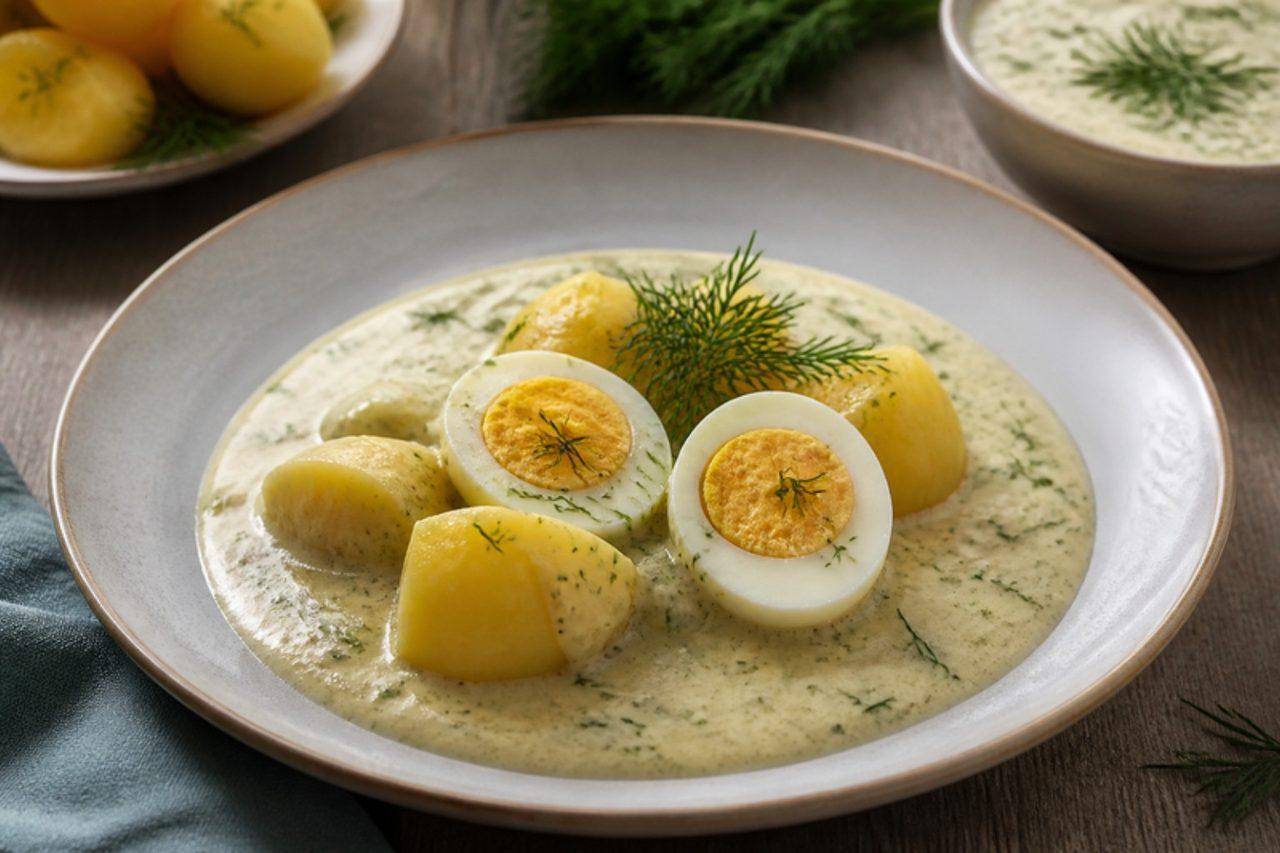
KoprovkaDill sauce with potatoes and eggs

Summer in a Czech garden means dill gone wild between the cucumbers, and koprovka is where most of it ends up. This pale green, gently sour cream sauce is a staple of Bohemian home cooking and of workplace canteens, where it is served over boiled potatoes with halved hard-boiled eggs (or with bread dumplings). It should be smooth, silky and only lightly thick, balanced between cream, a little vinegar and a pinch of sugar. Where it usually goes wrong is boiling the dill: it turns grey and loses its fresh smell, so stir it in at the end, off the heat. Chef's tip: keep the dill stalks, chop them very finely and simmer them in the sauce, then add the soft fronds at the end for a double hit of flavour.

by KrazyBadal 0 views

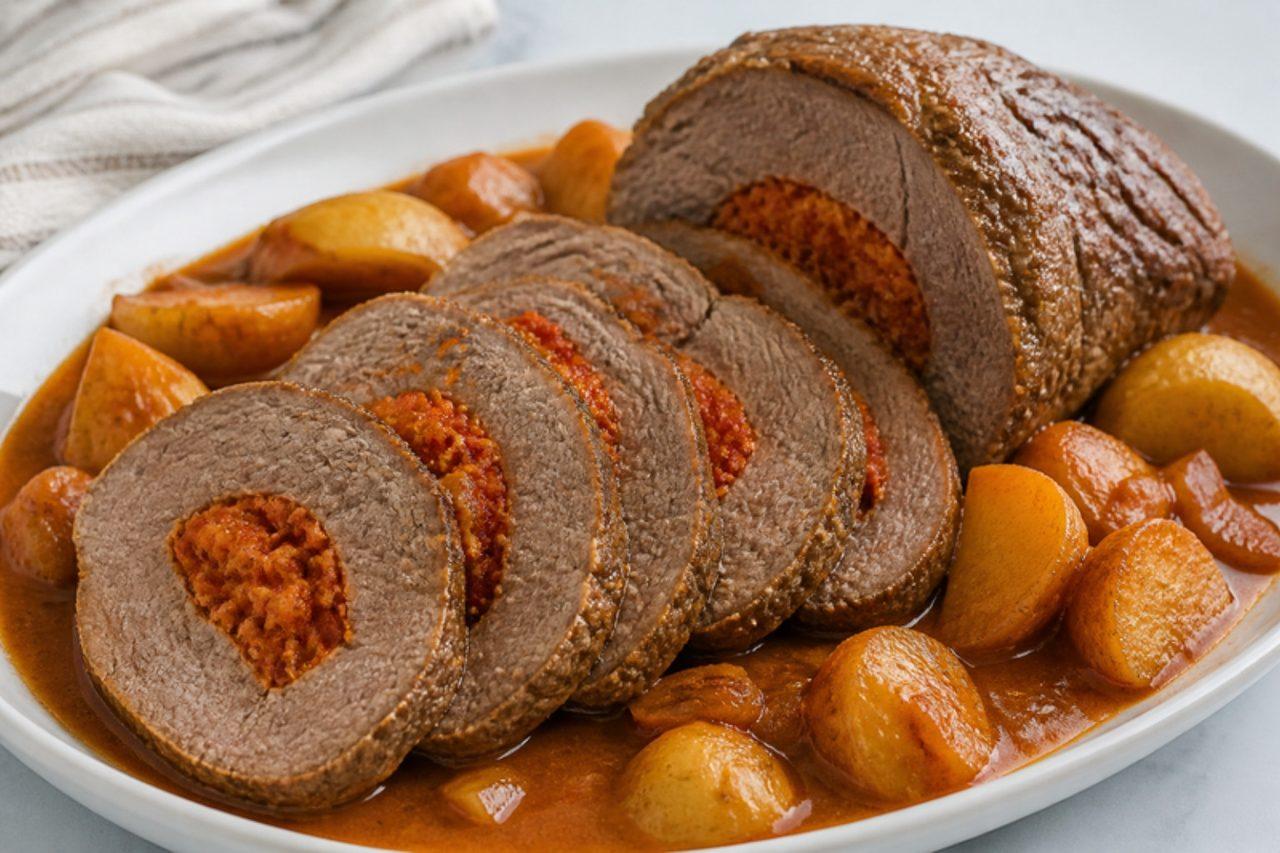
BolicheChorizo-stuffed beef pot roast

Boliche is a Sunday and holiday centrepiece in Havana: an eye-of-round beef joint with a tunnel cut through the middle, stuffed with pork chorizo, then browned and braised slowly in tomato, onion, pepper, sour orange and dry white or red wine until it slices like butter. Potatoes go into the pot for the last hour to soak up the sauce. The wine is simmered for hours, though a little alcohol may remain; use extra stock with a spoon of vinegar for an alcohol-free version. The common mistake is rushing the braise, which leaves this lean cut tough, so keep the pot at a bare simmer. Chef's tip: chill the cooked roast in its sauce, then slice it cold and reheat the slices in the sauce; you get neat rounds with the chorizo in the centre.

210 minCubanMeatGluten free
by KrazyBadal 0 views

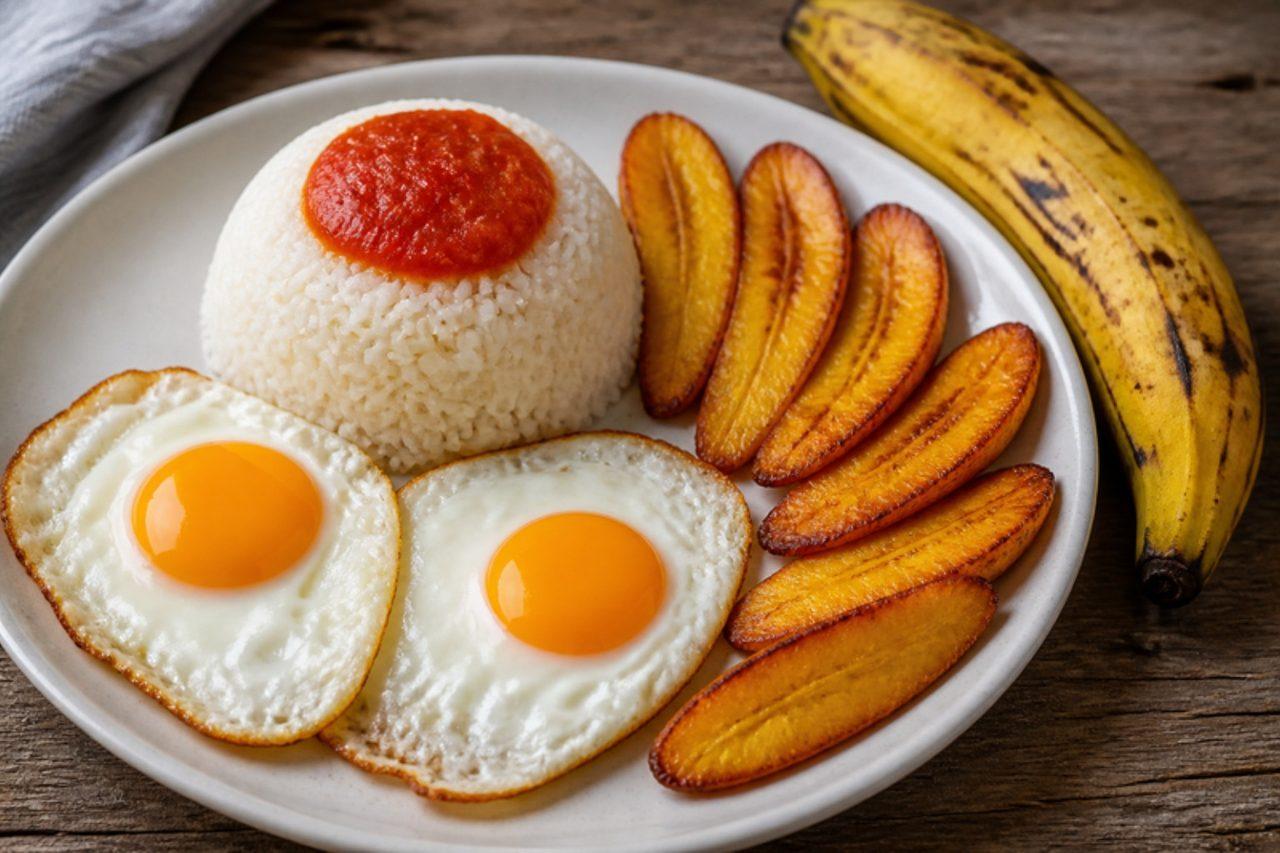
Arroz a la cubanaRice with tomato and egg

Havana cafeterías put this plate on the lunch board when cooks want something cheap, fast and filling: a mound of plain white rice, a ladle of garlicky tomato sauce, a fried egg with a runny yolk and slices of caramelised ripe plantain. Breaking the yolk into the rice and sauce is the whole point, so the eggs should be fried at the last minute. The usual mistake is using plantains that are still yellow-green; they need black-spotted skins to turn soft and sweet in the pan. Serve with a simple avocado salad. Chef's tip: baste the egg whites with hot oil from the pan so they set with lacy edges while the yolks stay liquid.

by KrazyBadal 0 views

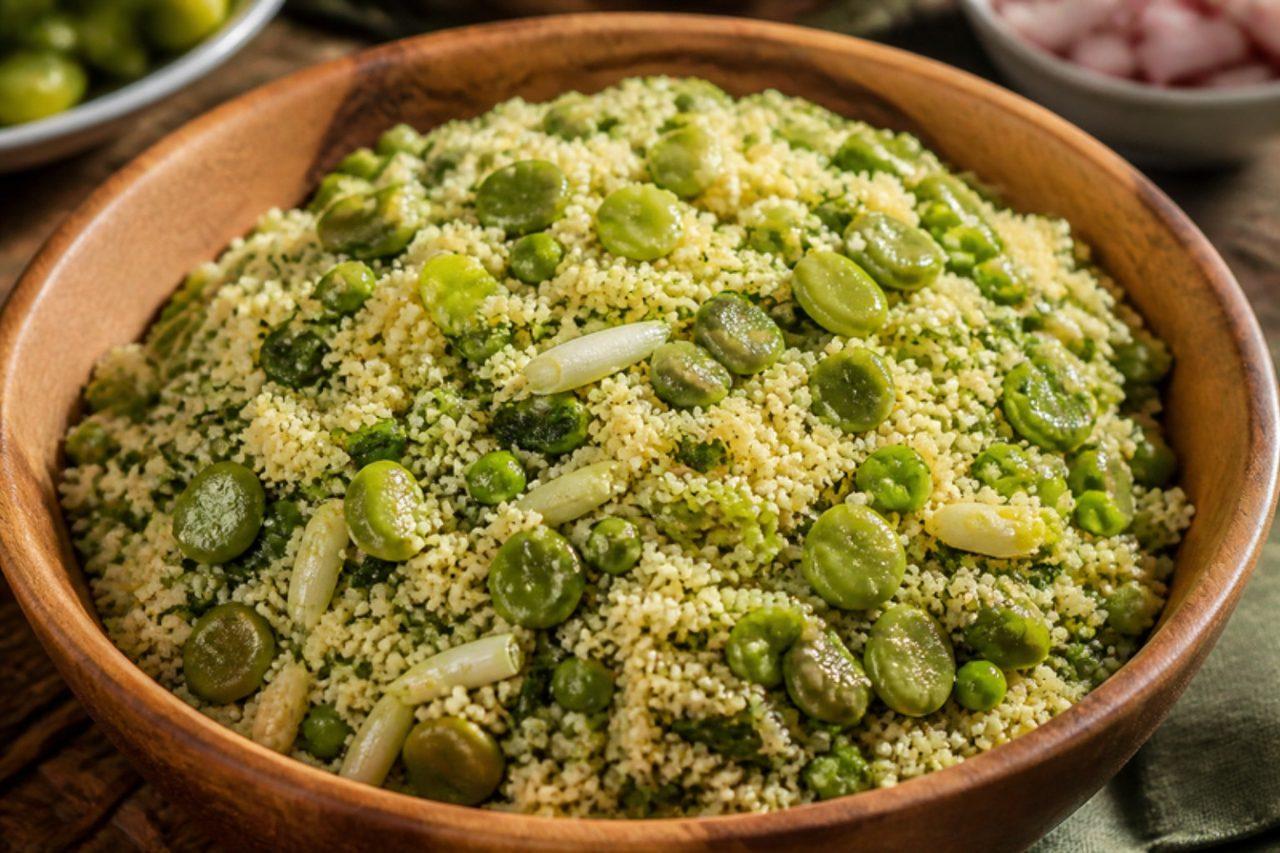
ThamekfoultCouscous with broad beans and peas

Spring in the Kabyle villages means thamekfoult: when the first broad beans and peas come in, they are steamed in the same basket as the couscous, so grain and vegetables cook together in one fragrant cloud of steam. There is no sauce at all; instead, the hot couscous is dressed generously with the region's peppery olive oil, so it tastes green, sweet and grassy. It is a family lunch dish, often eaten with a glass of buttermilk or a few olives; this version keeps it vegan. Chef's tip: oil the couscous before the first steaming, rubbing every grain; that stops it clumping and helps it swell evenly.

by KrazyBadal 0 views

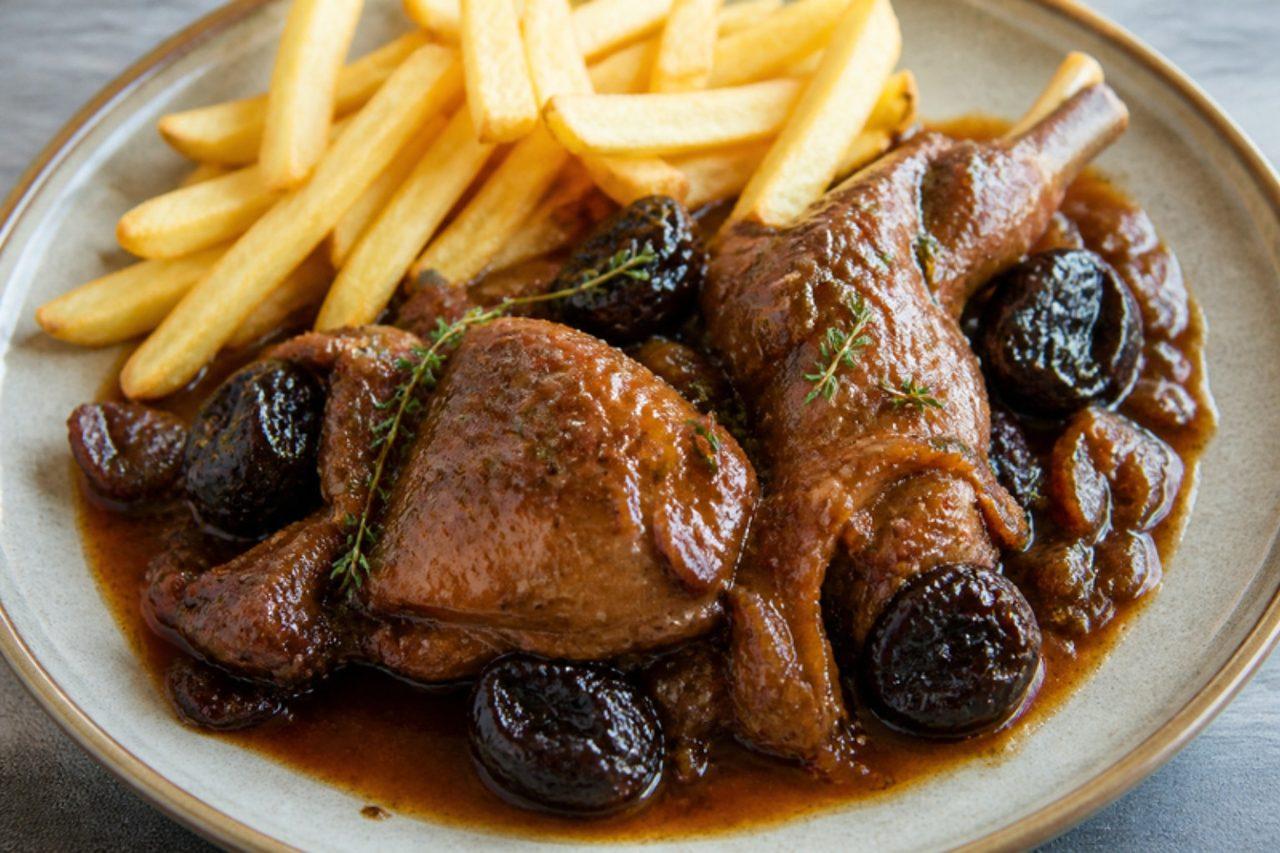
Konijn met pruimenRabbit with beer and prunes

Rabbit with prunes is the Sunday dinner of Flemish grandmothers, from the Westhoek to the Kempen: rabbit joints browned in butter or oil, then braised slowly with onions, thyme, bay and a bottle of brown or abbey-style beer, with prunes added for sweetness and a spoon of mustard for bite. It is served with fries or boiled potatoes and apple sauce. This recipe is cooked with beer, as it traditionally is; for an alcohol-free dish, use the swap in the ingredient note. A common mistake is boiling the rabbit, which makes the lean meat dry and stringy. Chef's tip: keep it at a gentle simmer under a lid, and add the prunes in the last 30 minutes so they stay whole.

150 minBelgianMeat
by KrazyBadal 0 views

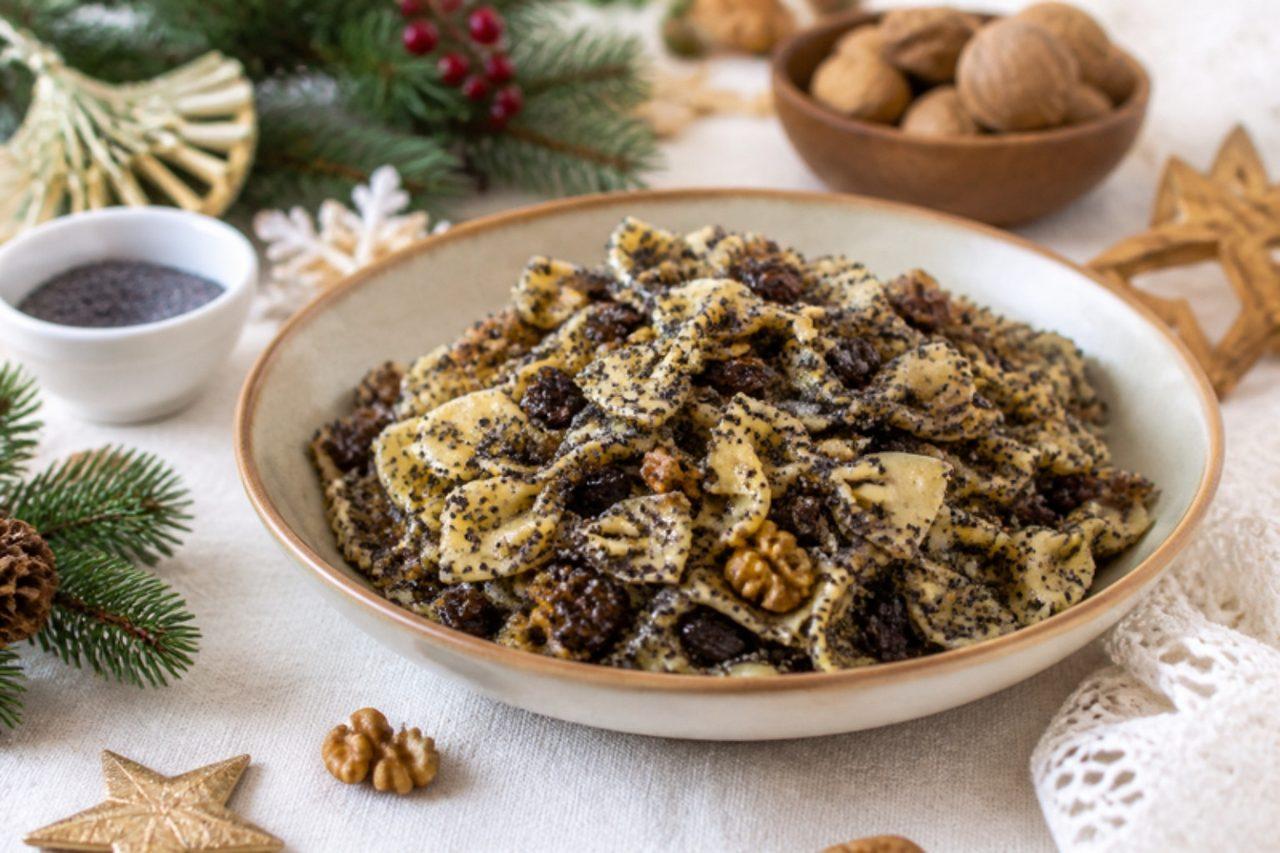
Kluski z makiemNoodles with sweet poppy seed

Poppy seed is the taste of a Polish Christmas Eve, and in central and eastern Poland it often reaches the table as a bowl of wide noodles in a sweet, dark poppy mixture with honey, walnuts and raisins. It sounds strange to anyone who expects pasta to be savoury, but it is closer to a pudding: nutty, slightly bitter, sticky with honey, eaten at room temperature as the last dish of the night. Where most people go wrong is using whole poppy seeds straight from the packet; they must be scalded and ground, or the dish is gritty and bland. Chef's tip: buy ready-ground poppy seed or grind scalded seeds twice in a spice grinder until they turn grey and buttery.

by KrazyBadal 0 views

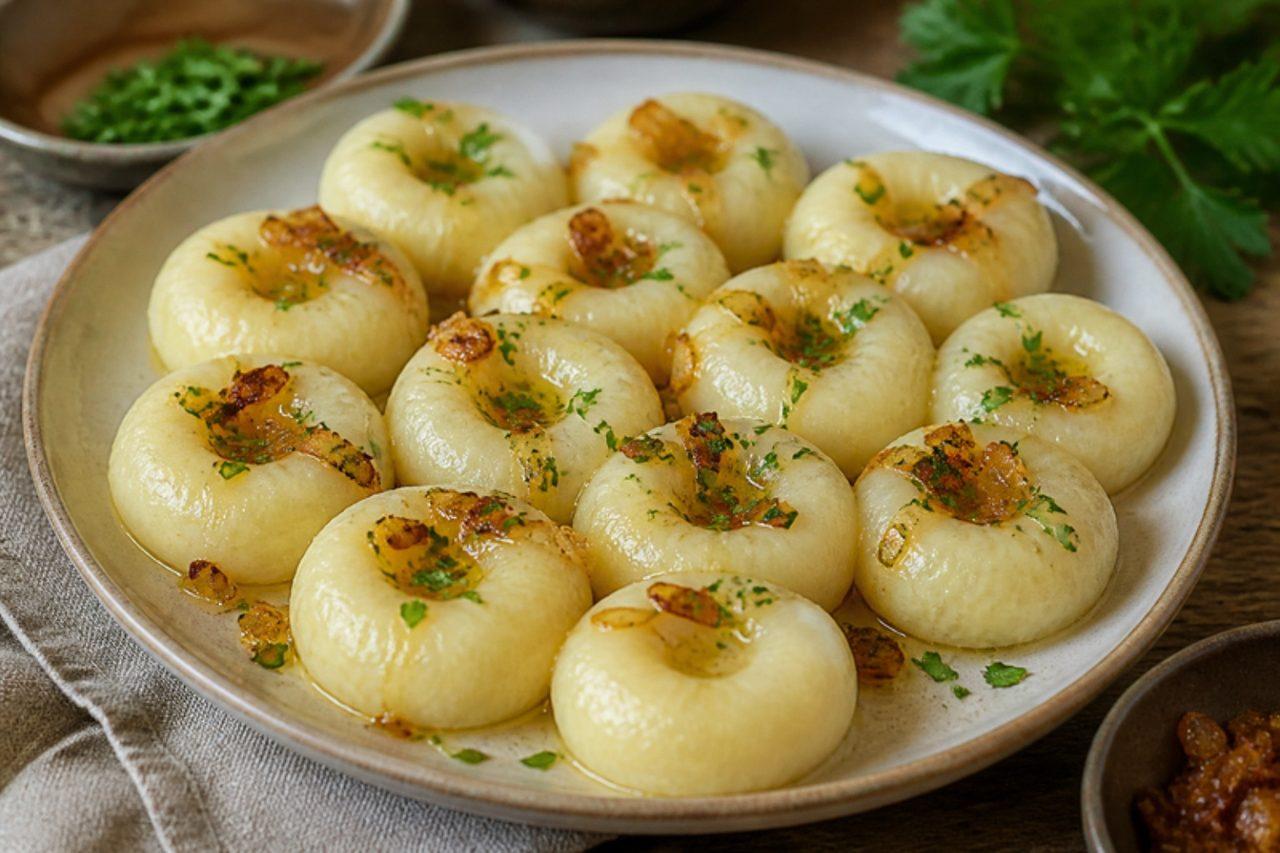
Kluski śląskieSilesian potato dumplings

No Sunday dinner in Katowice, Gliwice or Opole feels complete without a heap of these pale, bouncy dumplings, traditionally next to roulade and red cabbage. Here they are served the meatless way, with browned butter and fried onion, or with a mushroom sauce poured into the little dent each one gets from your thumb. They are made from boiled, riced potato and potato starch, so the texture is springy and smooth, almost elastic, with a clean potato taste. The classic error is guessing the starch: Silesian cooks press the cooled potatoes flat, cut out a quarter and fill the gap with starch, which gives the right ratio every time. Chef's tip: rice the potatoes while hot but let them cool completely before mixing, or the dough turns gluey.

by KrazyBadal 0 views

Kluski leniweLazy cheese dumplings

Lazy dumplings earn their name honestly: instead of filling and pinching like pierogi, you knead the cheese straight into the dough and cut it into diamonds. Across Lesser Poland they are a school-day lunch, a canteen favourite and the first thing many Polish children learn to cook. Good ones are pillow-soft and faintly tangy from the twaróg, rolled in breadcrumbs toasted in butter and finished with a spoon of sugar, sometimes sour cream or cinnamon too. The usual slip is adding too much flour to stop the dough sticking, which makes the dumplings heavy and doughy. Twaróg is usually made without rennet, but check the label if you need it strictly vegetarian. Chef's tip: press the twaróg through a sieve or mash it with a fork until completely smooth, so the dough needs less flour.

by KrazyBadal 0 views

Bolo fiadoLayered pastry and cashew cake

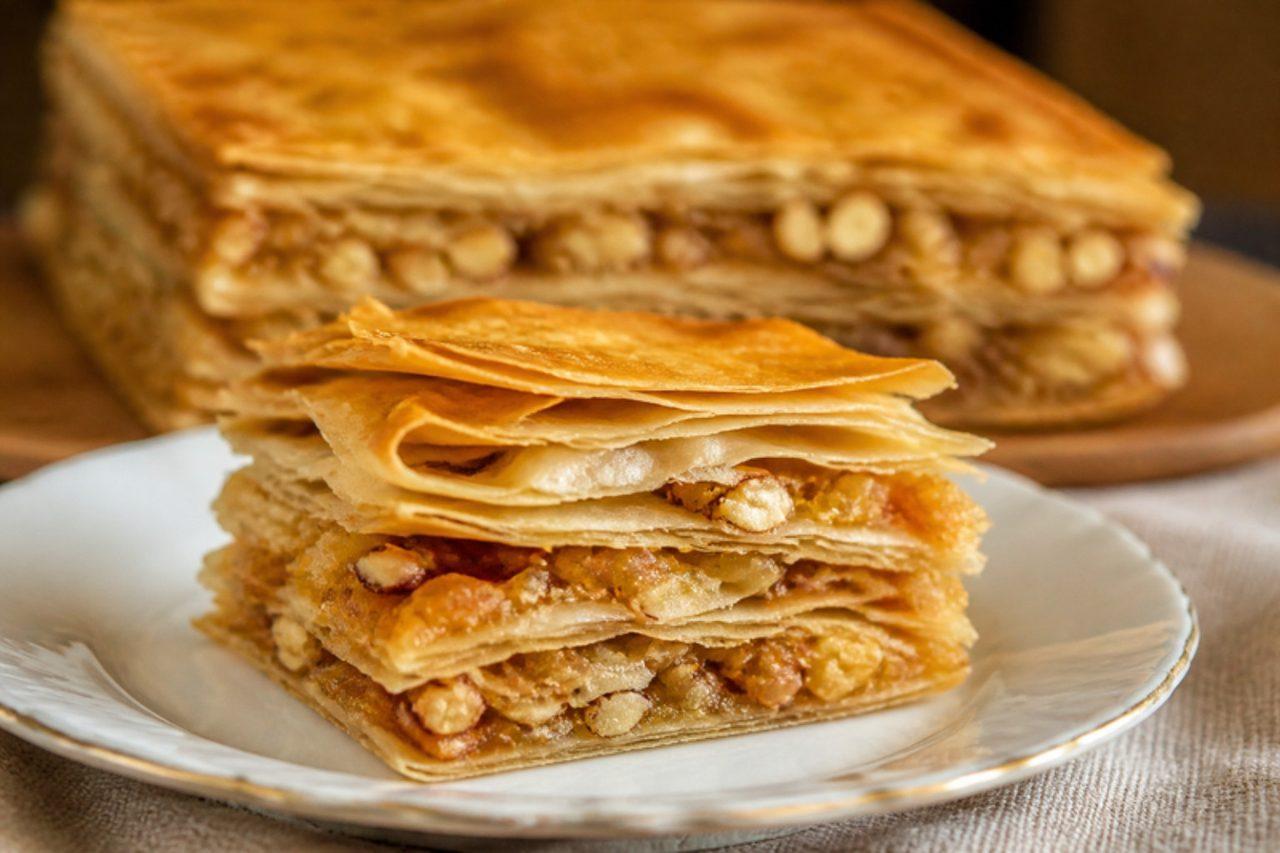
The name comes from Portuguese and means something like spun cake, and among the Burgher families of Colombo and Batticaloa it is the showpiece of the Christmas sweet table, harder work than love cake and saved for special years. Paper-thin sheets of egg-rich dough are stacked in a tin, each brushed with melted butter and scattered with a sweet mixture of cashews, pumpkin preserve, sugar, cardamom and rosewater, then baked until the layers puff and turn crisp and golden. Cut into squares, it flakes at the top and stays tender and sticky inside. Where it usually goes wrong is the dough: sheets rolled too thick bake up bready instead of flaky, so roll until you can almost see the board through them. Pumpkin preserve (puhul dosi) is sold in Sri Lankan grocers; candied winter melon works too. Chef's tip: rest the dough properly, a full 30 minutes, because relaxed gluten lets you roll it far thinner without tearing.

by KrazyBadal 0 views

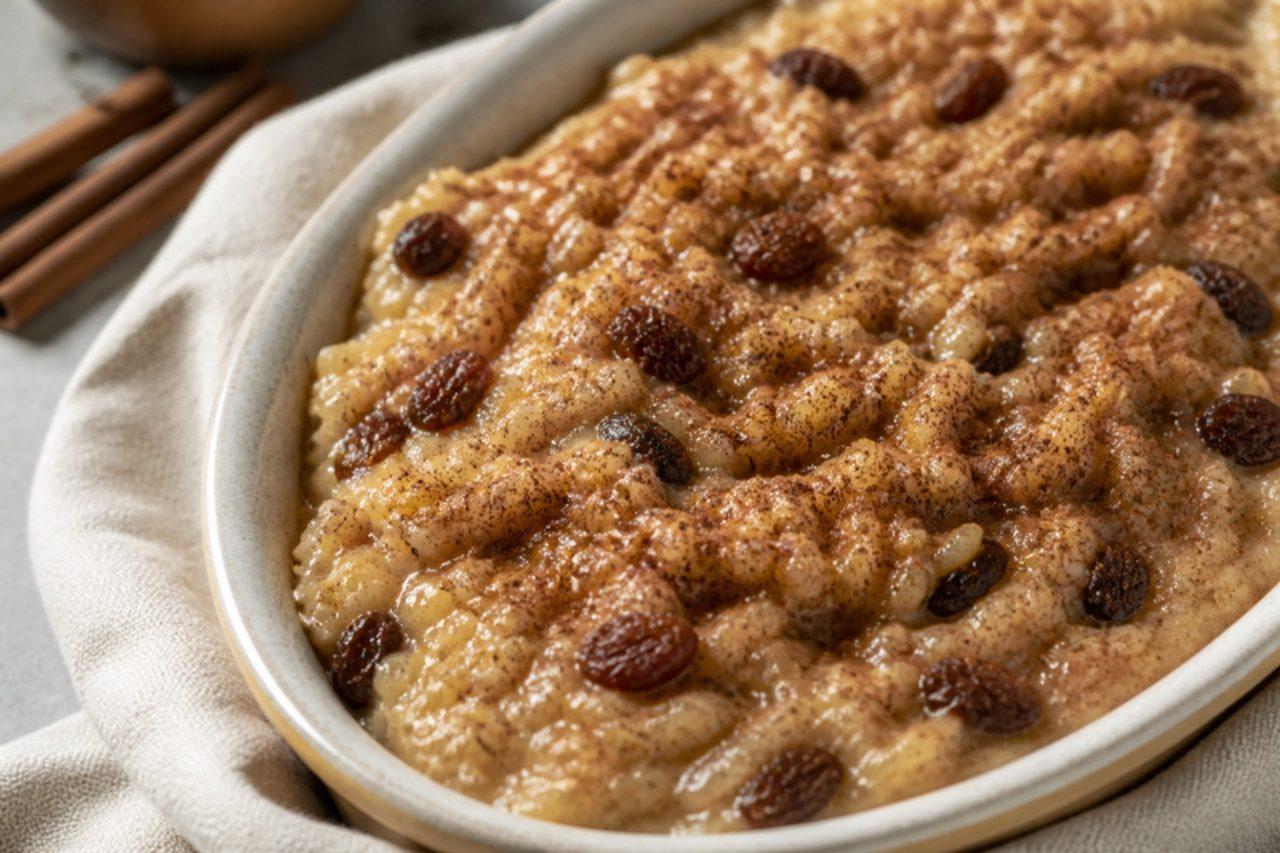
KabuniFestive rice with raisins and cinnamon

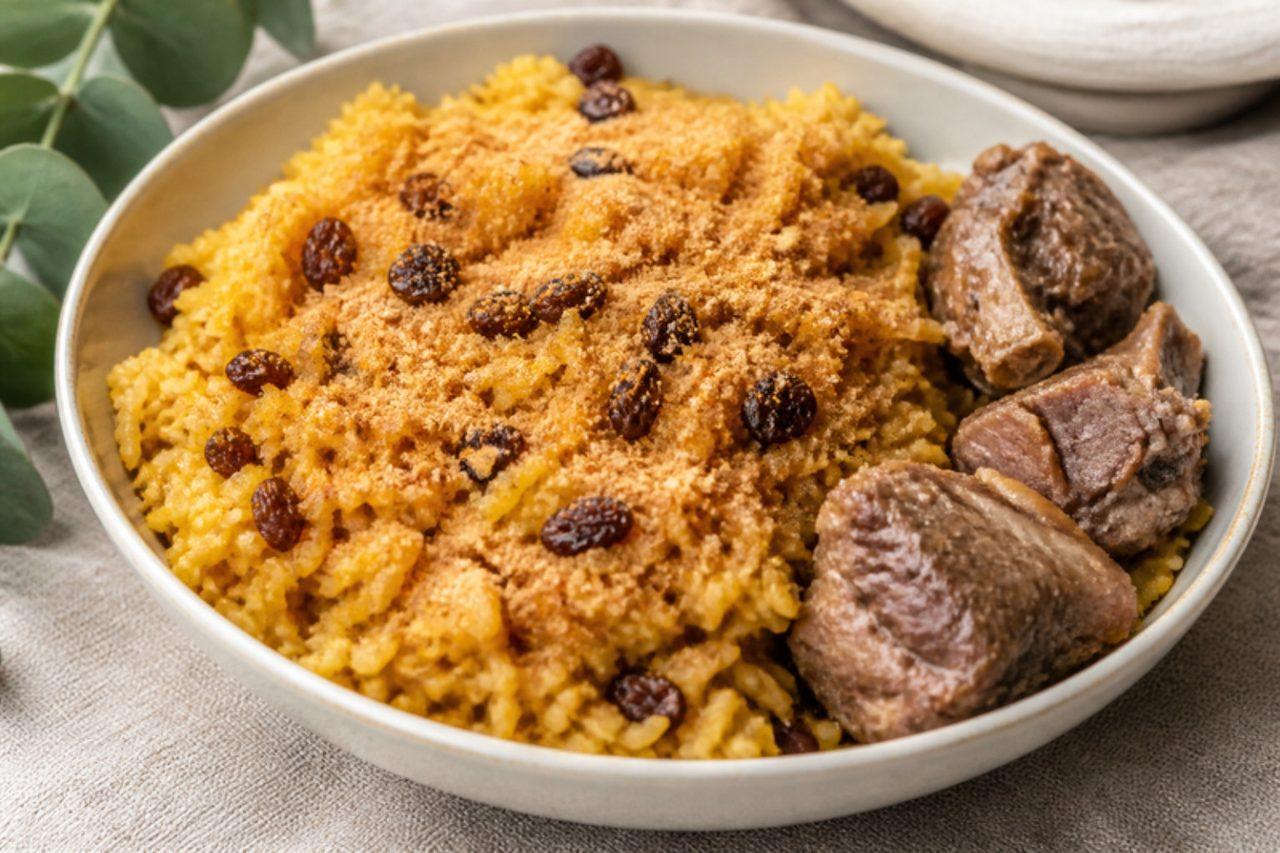
Kabuni is one of the oldest dishes of Albania, served in Tirana and the central lowlands at Bajram, weddings and wakes: rice fried in butter, cooked in a savoury lamb broth, then sweetened with sugar and studded with raisins and cinnamon. The result is buttery, gently sweet and fragrant, a sweet course with a savoury soul, eaten warm in small bowls. Because it is cooked in lamb stock it is not vegetarian. Where most people go wrong is skipping the frying of the rice; it is the toasting in butter that gives kabuni its nutty taste. Chef's tip: soak the raisins in hot water while the rice cooks so they swell and stay juicy.

by KrazyBadal 0 views

KljukušaBaked grated potato batter

Ask anyone from Bihać or Cazin in north-western Bosnia about kljukuša and they will describe a big tray of it coming out of the oven on a weekday, golden and blistered, then soaked in garlic yogurt at the table. Grated raw potato is stirred into a loose flour batter and baked in a thin layer, giving a crisp, browned top and a soft, slightly chewy middle, a bit like a potato pancake from the oven. The cold, garlicky yogurt against the hot potato is the whole point, with a green salad or pickles on the side. The usual slip is spreading it too thick, which leaves a gummy, undercooked centre; keep the layer to about 1.5 cm. Chef's tip: get the oiled tray smoking hot in the oven first, so the bottom crisps as soon as the batter hits it.

by KrazyBadal 0 views

KlinRice and cheese filo pie

Klin is the festive pie of the Rhodopes, baked for Gergyovden in May, for weddings and for the end of the haymaking, in large round tins that come out to be shared across the village. Thin pastry sheets are layered with a loose, custardy mix of cooked rice, crumbled white cheese, eggs, milk and butter, so it bakes tender and soft inside with a crisp, golden lid. The rice makes it heartier than banitsa and gives every slice a gentle, creamy chew. It is eaten warm or cold with yogurt or ayran. Sirene is often made with animal rennet, so use a vegetarian white cheese. Where most people go wrong is cooking the rice fully; it must stay slightly firm, because it carries on soaking up milk in the oven. Chef's tip: pour any leftover egg and milk over the top just before baking, and the surface puffs into a glossy, golden crust.

by KrazyBadal 0 views

Curaçao kabritu stobaGoat stew with peppers

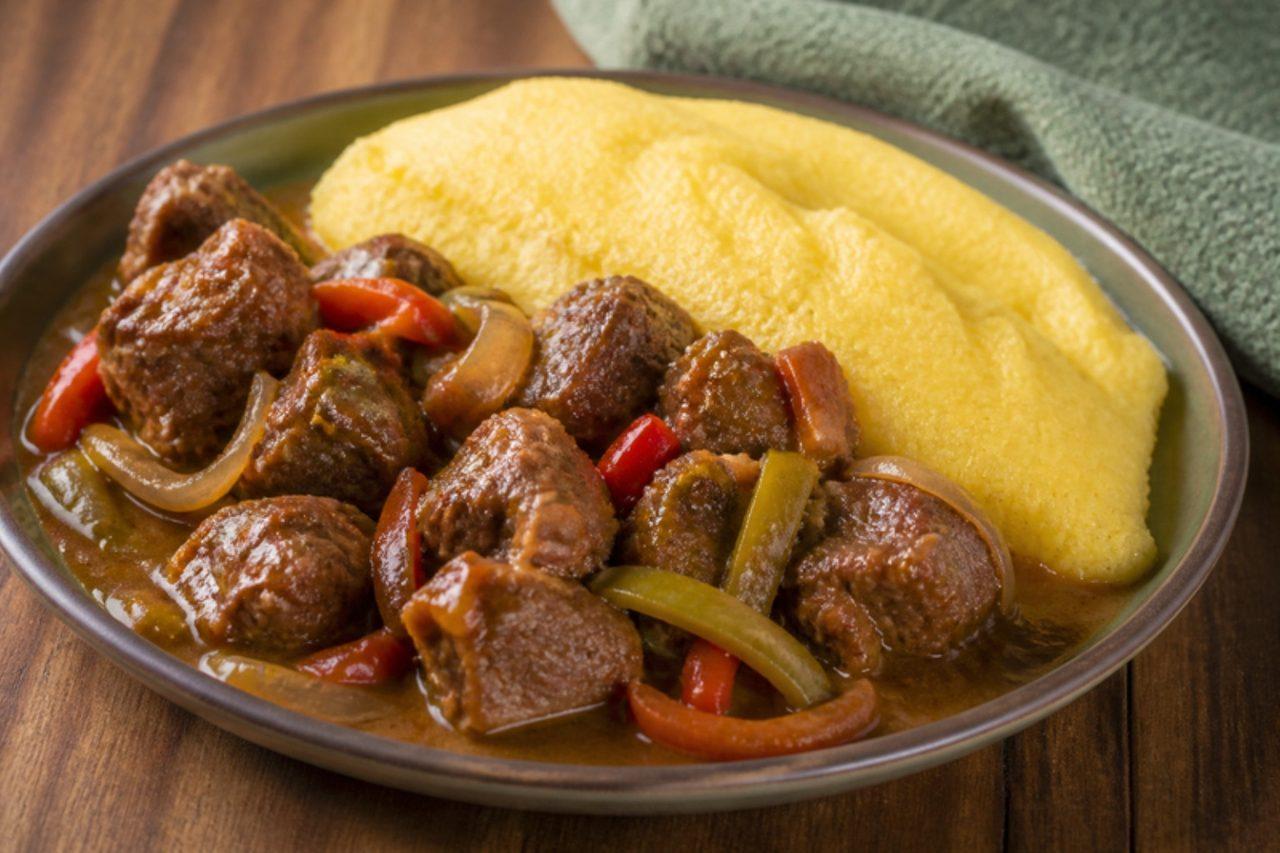
Stoba di kabritu is the home cooking of Curaçao and Aruba, a goat stew made in nearly every kunuku (country) kitchen and at birthday parties: bone-in goat browned and slowly braised with sweet peppers, tomato, onion, cumin, a hint of nutmeg and hot madame jeanette pepper, often with cucumber or papaya stirred in at the end. It is served with funchi (cornmeal), rice or fried plantain. The usual mistake is browning the goat too briefly; deep colour at the start gives the stew its rich brown sauce. Ask your butcher for goat cut into small pieces. Chef's tip: a teaspoon of brown sugar caramelised in the oil before the meat goes in gives the authentic dark, slightly sweet base.

by KrazyBadal 0 views

Komplet lepinjaFlatbread with kajmak and egg

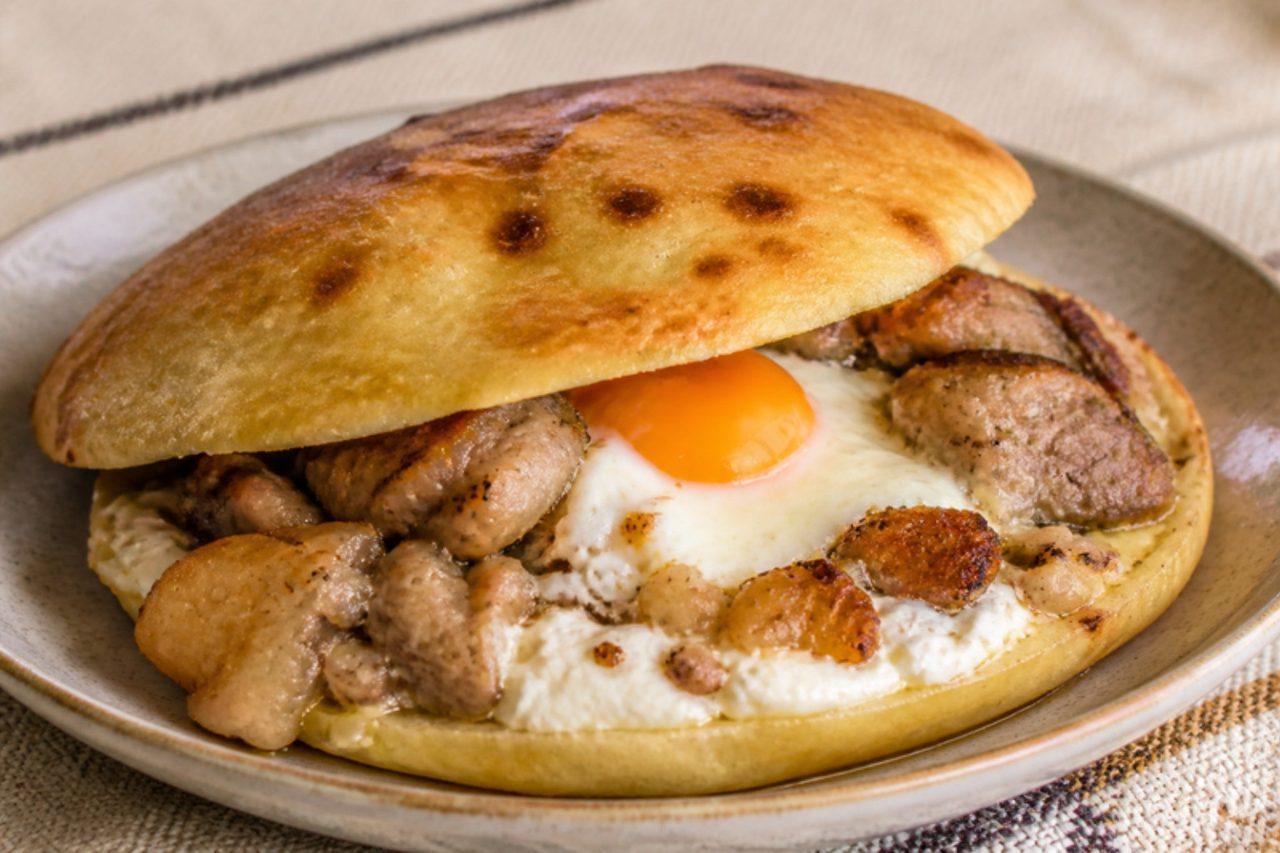
Roadside inns in the hills around Užice and Zlatibor in western Serbia serve this as a breakfast for people with a long day ahead: a round flatbread hollowed out and filled with kajmak and an egg, baked, then soaked with pretop, the hot fat and juices left from roasting pork or lamb. It is rich, salty and messy, eaten with your hands with a yogurt drink and pickled peppers. At home, save the drippings from a Sunday pork roast, keep them in the fridge and reheat until bubbling. The usual slip is cutting the lid too thin, which leaves no room for the egg and it spills over the side. Bake until the white is fully set; for anyone pregnant, very young, elderly or unwell, bake on until the yolk is firm too. Chef's tip: put the lid back on for the last two minutes so it toasts, then dunk it straight into the hot drippings.

by KrazyBadal 0 views

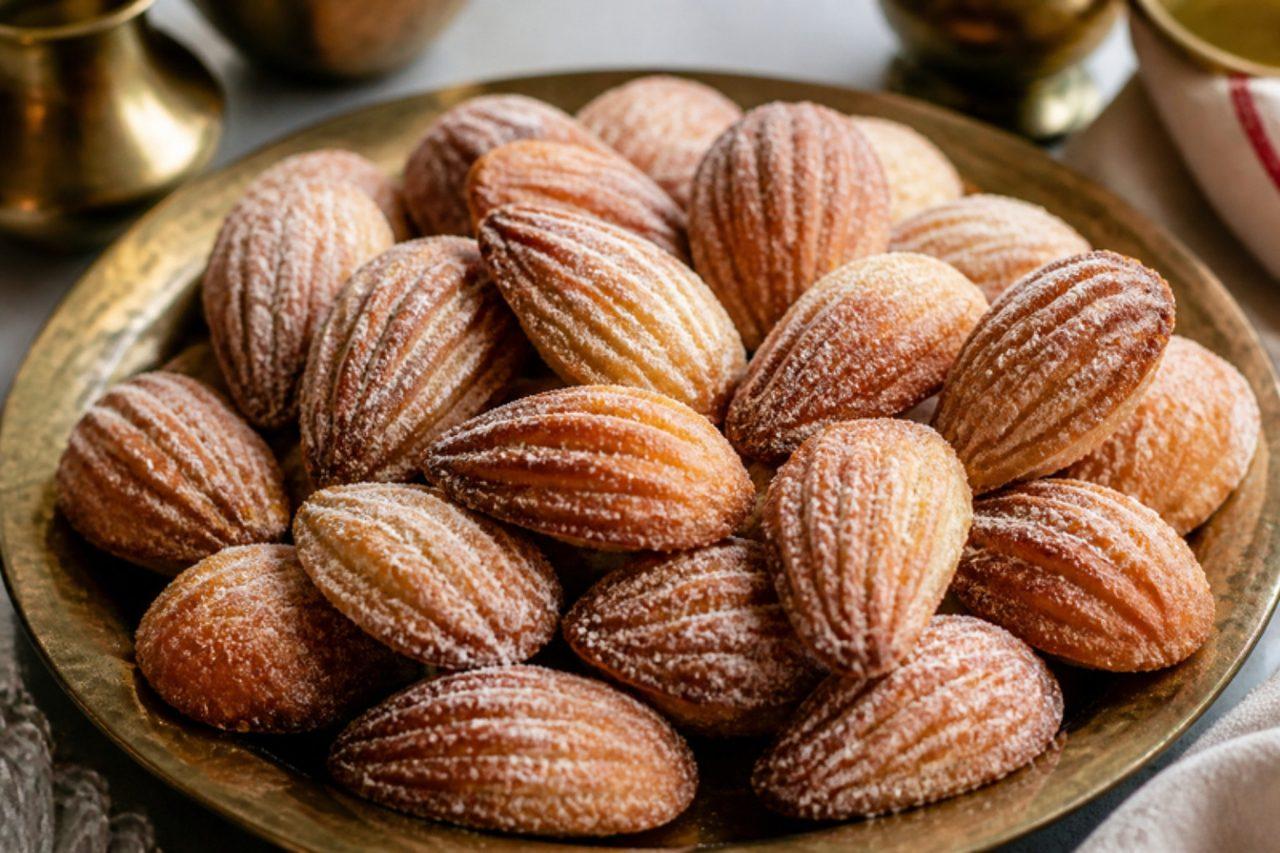
BombolinoSugared doughnuts

A legacy of the Italian years, bombolino is still part of the morning ritual in Asmara: a warm doughnut rolled in sugar, eaten at a café counter on Harnet Avenue with a small, strong macchiato. Eritrean bombolini are unfilled, either round or ring-shaped, with a pale band around the middle, a feather-light crumb and a hint of lemon in the dough. Bakeries fry them in the early morning and they sell out quickly. At home they make a lovely weekend treat; allow about 1½ hours for the dough to rise and prove. The most common mistake is frying in oil that is too hot, so the outside goes dark while the centre stays doughy; keep it at 170 °C and test the first one. Chef's tip: roll them in sugar while they are still warm, not hot, so the sugar clings without melting.

by KrazyBadal 0 views

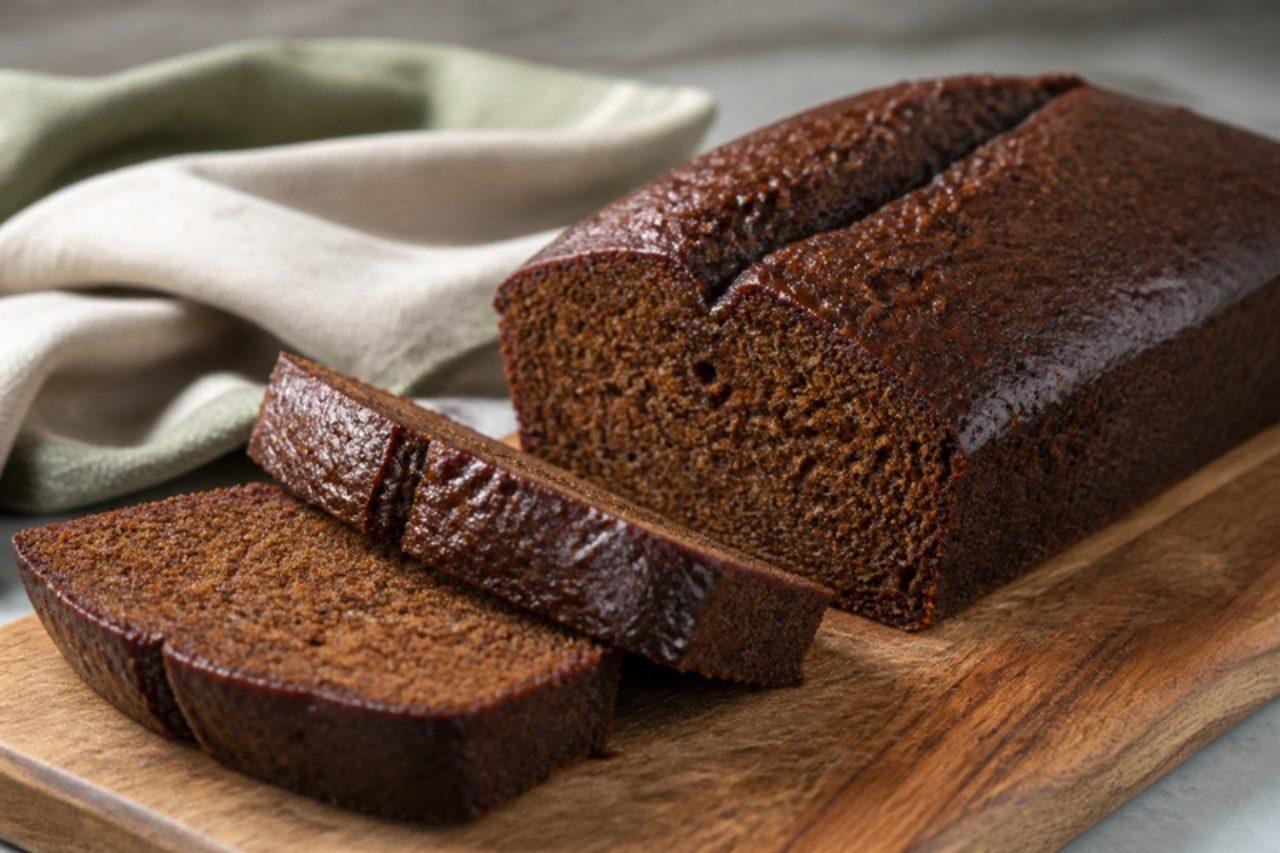
Bonbon siwoMolasses gingerbread cake

Bonbon siwo, "syrup cake", is the moist, dark gingerbread that Haitian families bake for birthdays, church sales and an ordinary Sunday, sliced into squares and eaten with a cup of sweet coffee. The siwo is molasses or cane syrup, which gives it a slightly bitter, smoky sweetness alongside ginger, cinnamon and nutmeg. The common mistake is overbaking: take it out as soon as a skewer comes out clean, or the edges dry and turn crusty. It contains egg, wheat and dairy. Chef's tip: mix the bicarbonate of soda into the hot water before adding it to the batter so it fizzes and lifts the cake evenly.

by KrazyBadal 0 views

BoniatilloSweet potato pudding

Boniatillo comes from the sweet tooth of old Havana, where white-fleshed boniato is boiled, puréed and cooked in a cinnamon and lime-peel syrup until it turns into a thick, glossy pudding. It is served at room temperature in small bowls, often dusted with cinnamon, at birthdays or simply after Sunday lunch. The mistake to avoid is using orange sweet potato alone, which makes it wet and very sweet; Cuban boniato or a white sweet potato gives the right dry, chestnutty texture. Chef's tip: beat in the egg yolks off the heat with a little of the hot purée first, so they thicken the pudding without scrambling.

by KrazyBadal 0 views

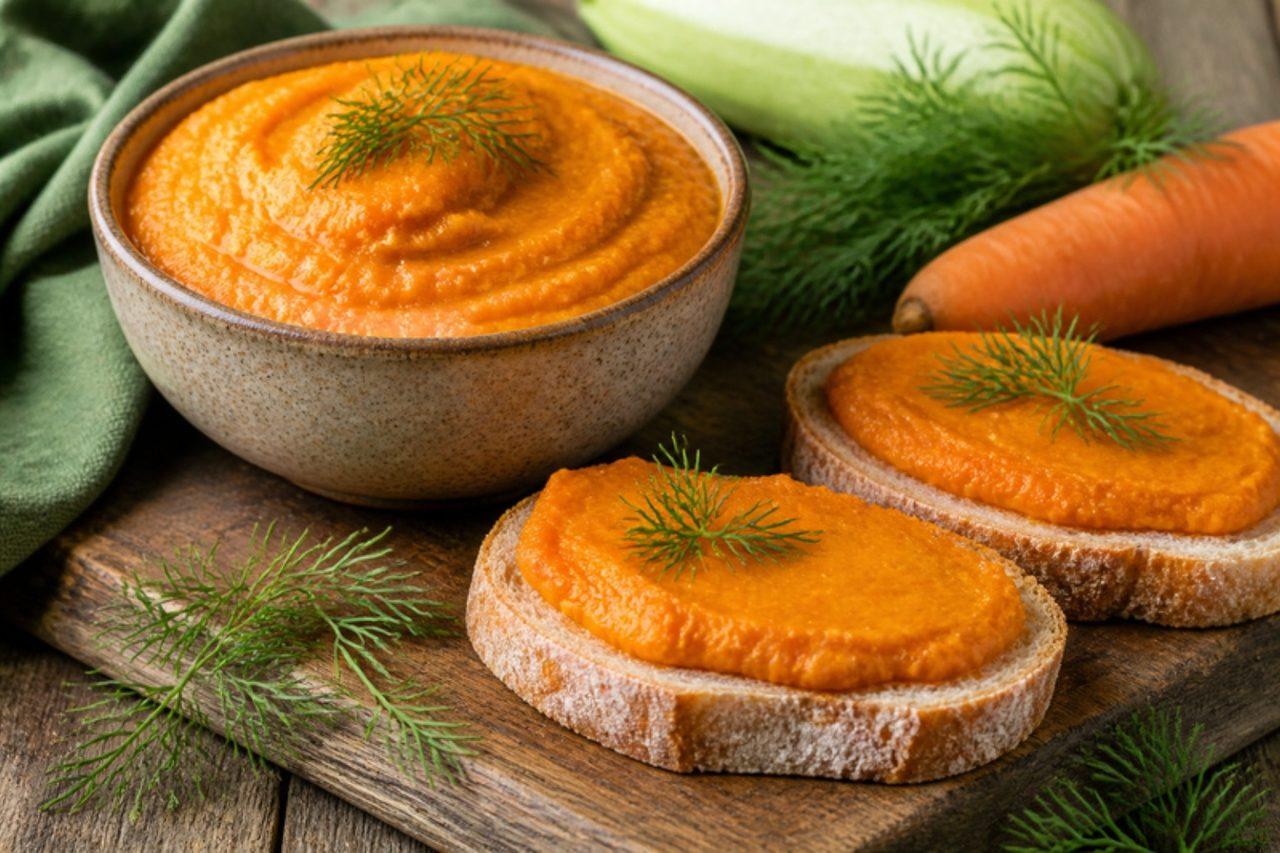
Kabachkovaya ikraCourgette spread

Late summer at the dacha means a glut of courgettes, and the answer across Russia is this soft orange spread, once sold in glass jars in every Soviet grocery and still made by the potful at home. Courgette, carrot and onion are fried in sunflower oil, stewed with tomato until they collapse, blended and then cooked down again until thick enough to stand on bread. It tastes sweet, mellow and lightly tangy, and is eaten cold on black rye bread, with boiled potatoes or as part of a zakuski spread. A common mistake is stopping too early: if the purée still looks watery it will taste flat, so keep stirring until a spoon leaves a trail across the pan. This is a fridge recipe, not a canning one. Chef's tip: make it a day ahead; the flavour rounds out overnight.

by KrazyBadal 0 views

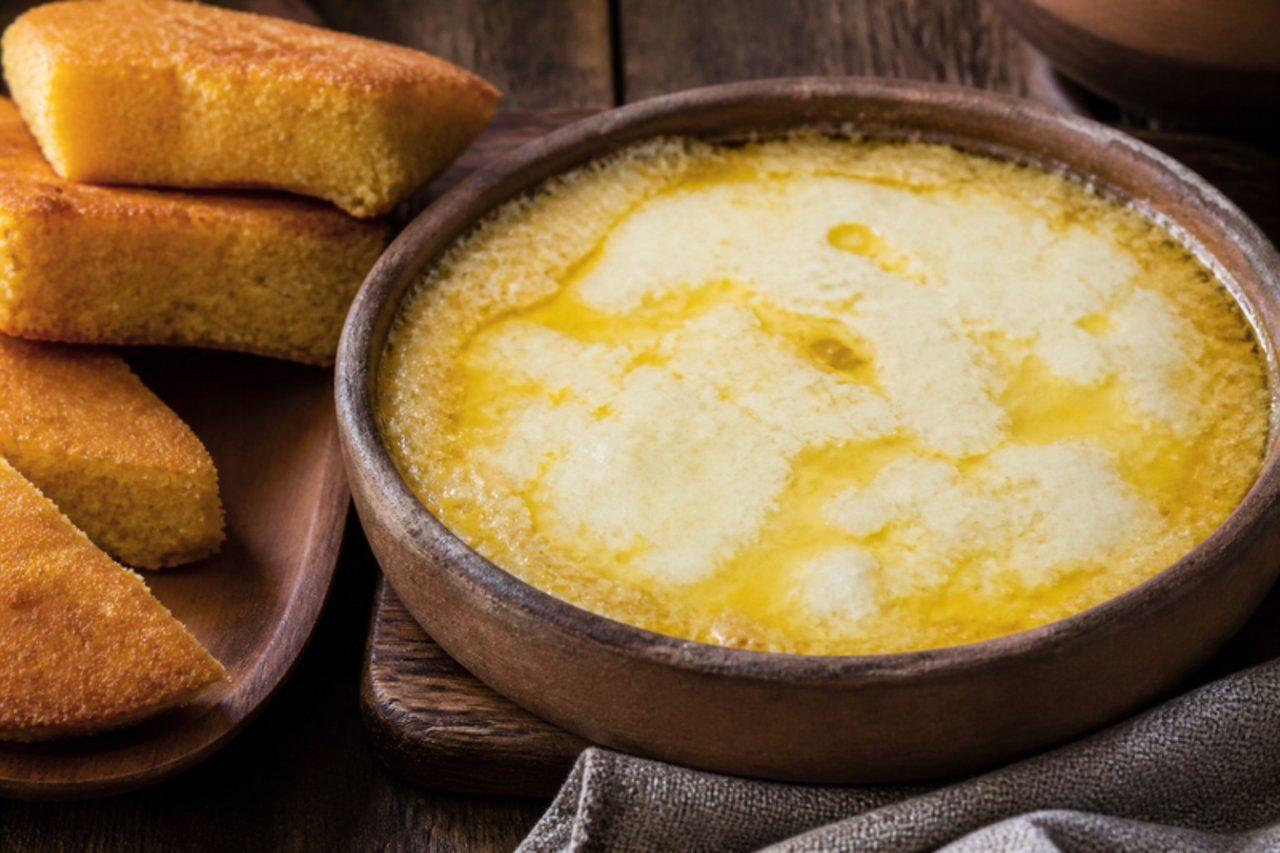
BoranoMelted cheese in hot butter

In the hill villages behind Batumi, where cows graze the Adjarian mountains in summer, borano is what a shepherd's family makes when someone drops in: a pan of golden butter, a heap of young cheese melted into it until it turns stretchy and oily, and squares of hot mchadi cornbread to drag through it. It is rich, salty and meant to be shared straight from the pan at the table. A common mistake is using a very hard, dry cheese, which turns grainy and oily instead of stretching. Chef's tip: use clarified butter or ghee so the butter can get really hot without burning, and add the cheese in one layer so it melts evenly. Sulguni and imeruli are often made with animal rennet, so choose a vegetarian cheese.

by KrazyBadal 0 views

Kabab-e-daygiPot-cooked lamb kebab

Daygi means from the pot, and this is the kebab Kabul families make when there is no grill or the weather is too cold for one: chunks of lamb browned hard, then left to cook slowly with onions, tomato, garlic and green chilli in a covered deg, with barely any water, until the meat is soft and coated in a thick, concentrated sauce. It is a Friday lunch and party dish, set out with stacks of naan, raw onion and radishes and a bowl of yogurt. The flavour is deep and meaty with black pepper and coriander seed. Adding water early to stop it sticking just boils the lamb; trust the onions and tomatoes to give up their juice and keep the heat low. Chef's tip: uncover for the final 10 minutes and let the sauce fry in the rendered fat, which gives the glossy finish that makes it a kebab rather than a stew.

120 minAfghanMeatGluten free
by KrazyBadal 0 views

Arroz con dulceCoconut rice pudding

From the start of December to the Three Kings in January, trays of arroz con dulce cool on Puerto Rican kitchen counters, sliced into squares and handed round at parrandas when carollers arrive at the door late at night. Unlike a milky rice pudding, it is cooked in a water steeped with fresh ginger, cinnamon, cloves and star anise, then finished with coconut milk and raisins, so it is fragrant, firm enough to cut and dairy free. The common mistake is adding the sugar too early, which keeps the rice grains hard; sweeten only once they are soft. Chef's tip: soak the rice for an hour first, and it cooks evenly and absorbs the spiced coconut far better.

by KrazyBadal 0 views

BorșFermented wheat bran sour liquid

Before lemons were common in Moldavian and Wallachian villages, every household kept a crock of borș, the cloudy, tangy liquid that turns a plain soup into a ciorbă. Wheat bran and a little cornmeal are steeped in hot water, seeded with a starter and left to ferment for 3–4 days in total, so although the hands-on work is short, plan a long weekend: the timings shown cover only the first two days of waiting. It is naturally vegan and a staple of the fasting (post) kitchen, where it sours nettle, bean and vegetable ciorbe. Where people go wrong is using a jar that is not properly clean, which lets the wrong microbes win and turns the borș slimy or mouldy. Chef's tip: keep a few spoonfuls of the drained bran, dried, as the starter (huște) for your next batch.

by KrazyBadal 0 views

Bossche bolChocolate-dipped cream puff

The Bossche bol is the famous pastry of 's-Hertogenbosch (Den Bosch) in North Brabant: a choux bun the size of a tennis ball, filled to bursting with lightly sweetened whipped cream and dipped in glossy dark chocolate. Bakeries like Jan de Groot sell them by the thousand, and you eat it with your hands, leaning over the plate. A common mistake is taking the choux out too early, which makes it collapse. Chef's tip: bake until deep golden, then pierce the base and return to the switched-off oven for 10 minutes to dry out.

by KrazyBadal 0 views

KleinurCardamom twisted doughnuts

Kleinur are the twisted doughnuts of Iceland, fried in big batches and kept in tins for coffee time; Icelandic grandmothers cut the dough into diamonds with a special wheel, slit the centre and pull one end through, so each one twists into a knot. The same pastry is known as klejner in Denmark and klenäter in Sweden, made especially at Christmas. The dough is flavoured with cardamom and enriched with buttermilk. A common mistake is frying at too low a heat, which makes them greasy. Chef's tip: roll the dough thin, about 5 mm, and fry at 175 °C; they puff, brown in a minute and stay light.

by KrazyBadal 0 views

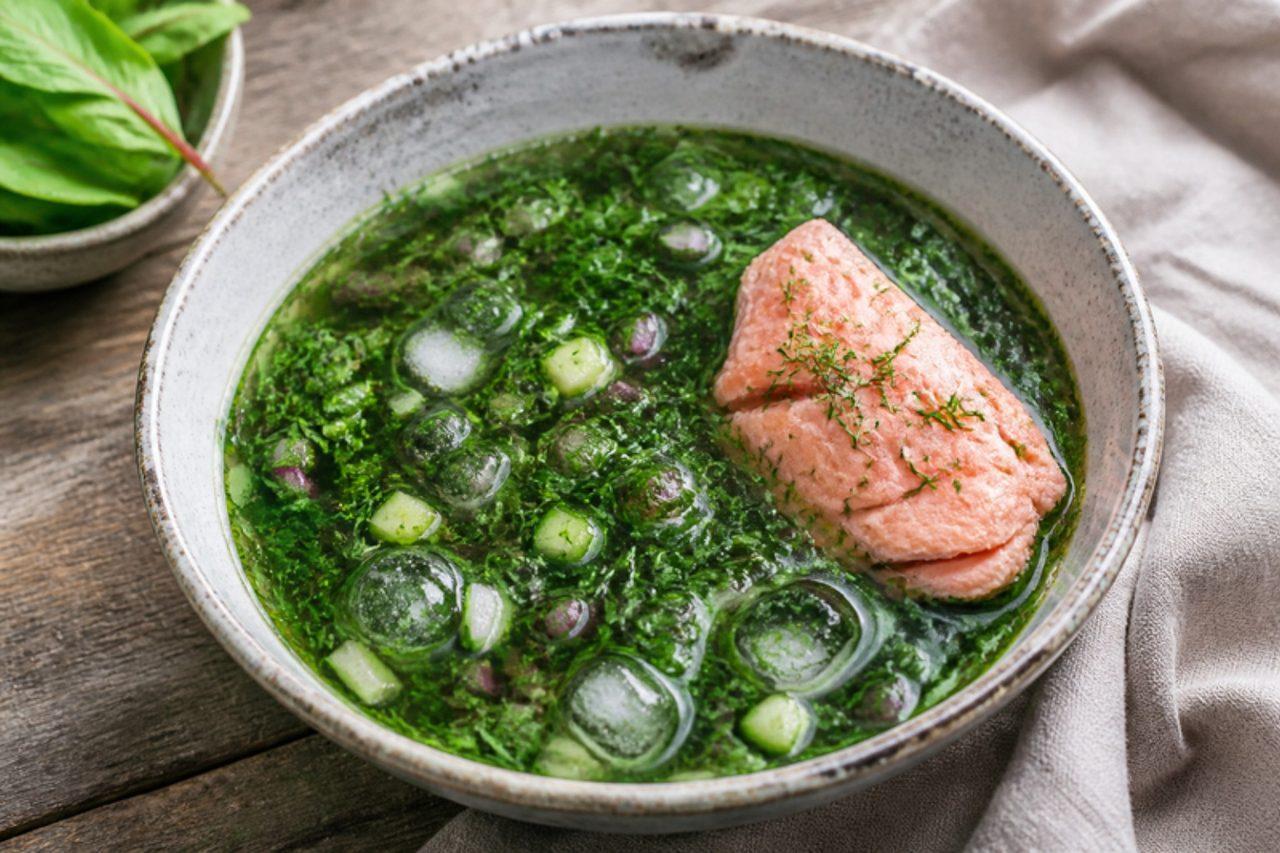
BotvinyaChilled beet leaf and salmon soup

Summer dachas around St Petersburg once waited all year for the young beet tops and sorrel that go into this sharp, ice-cold soup, a grand dish of the old aristocratic table that is also cheap peasant food. Blanched greens are puréed, loosened with bread kvass and studded with cucumber and spring onion; a piece of gently poached salmon is set alongside, with horseradish and lemon. Kvass is lightly fermented and can carry a trace of alcohol: choose one labelled alcohol-free, or use the substitute of sparkling water, a little lemon and rye-bread soaking liquid given in the ingredients. The usual slip is serving it merely cool: it should be properly cold, even with an ice cube in each bowl. Chef's tip: poach the fish the day before so it is thoroughly chilled, and keep the whole soup in the fridge until the minute it goes to the table.

by KrazyBadal 0 views

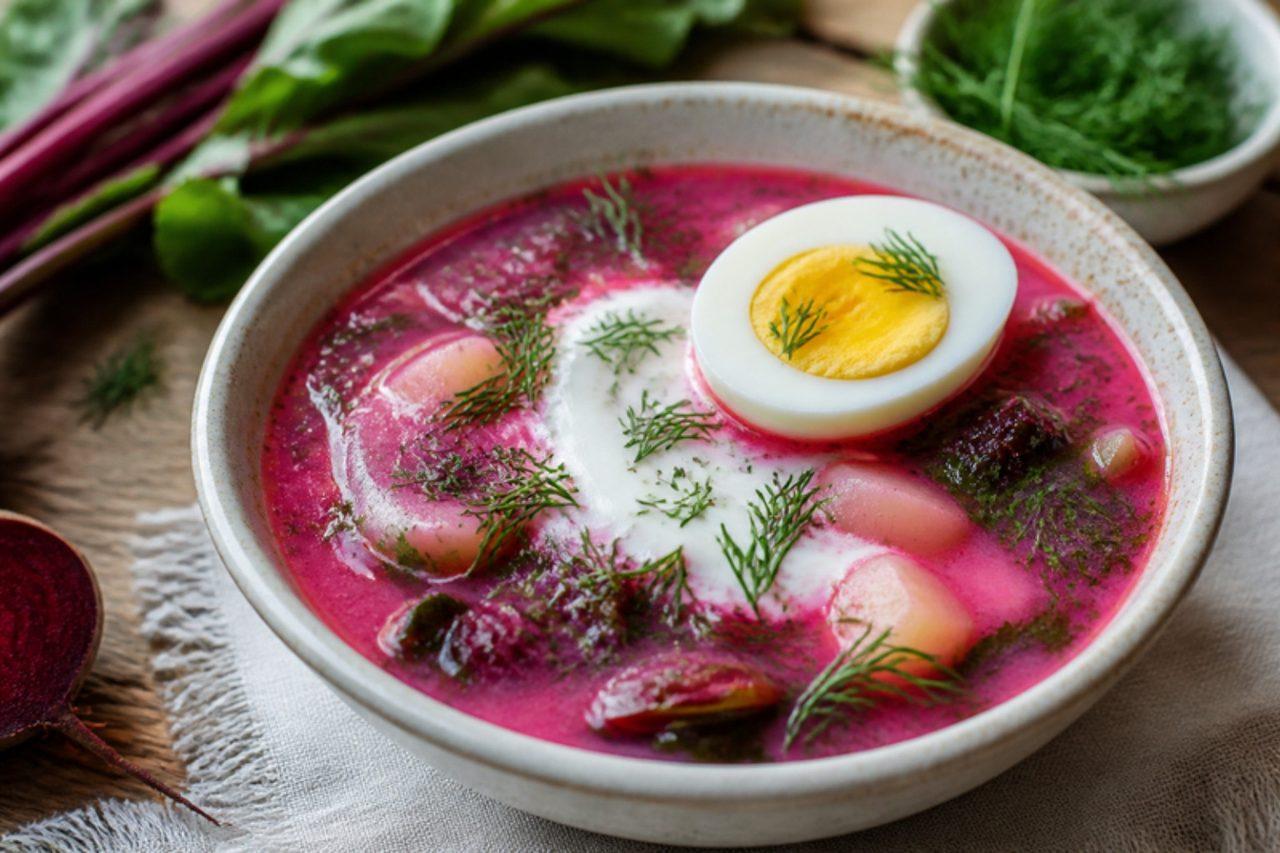
BotwinkaYoung beetroot soup

June markets in Kraków and Tarnów are piled with bunches of baby beetroot still wearing their leaves, and those bunches go straight into botwinka. The whole plant is used: the small roots, the rosy stalks and the greens, simmered quickly so the soup stays bright pink and fresh-tasting rather than earthy. It is finished with sour cream, lots of dill and a squeeze of lemon, and often eaten with new potatoes and a halved boiled egg. A common mistake is boiling it for too long, which turns the leaves khaki and dulls the colour. Chef's tip: add the lemon juice before the cream; the acid locks in the ruby colour.

by KrazyBadal 0 views

JulskinkaChristmas glazed ham

Julskinka, the Christmas ham, is the centrepiece of the Swedish julbord: a lightly cured pork leg poached slowly, then brushed with a glaze of mustard and egg, scattered with breadcrumbs and browned in the oven. This is a pork dish. Swedish families cook it a few days before Christmas Eve and eat it cold in thin slices with mustard, and the cooking broth is used for 'dopp i grytan', dipping bread into the broth on Christmas Eve. Use a mild cured gammon. A common mistake is boiling it hard, which makes the meat stringy. Chef's tip: keep the water at a bare tremble, about 85 °C, and take it out when the centre reaches 71 °C; it stays juicy.

by KrazyBadal 0 views

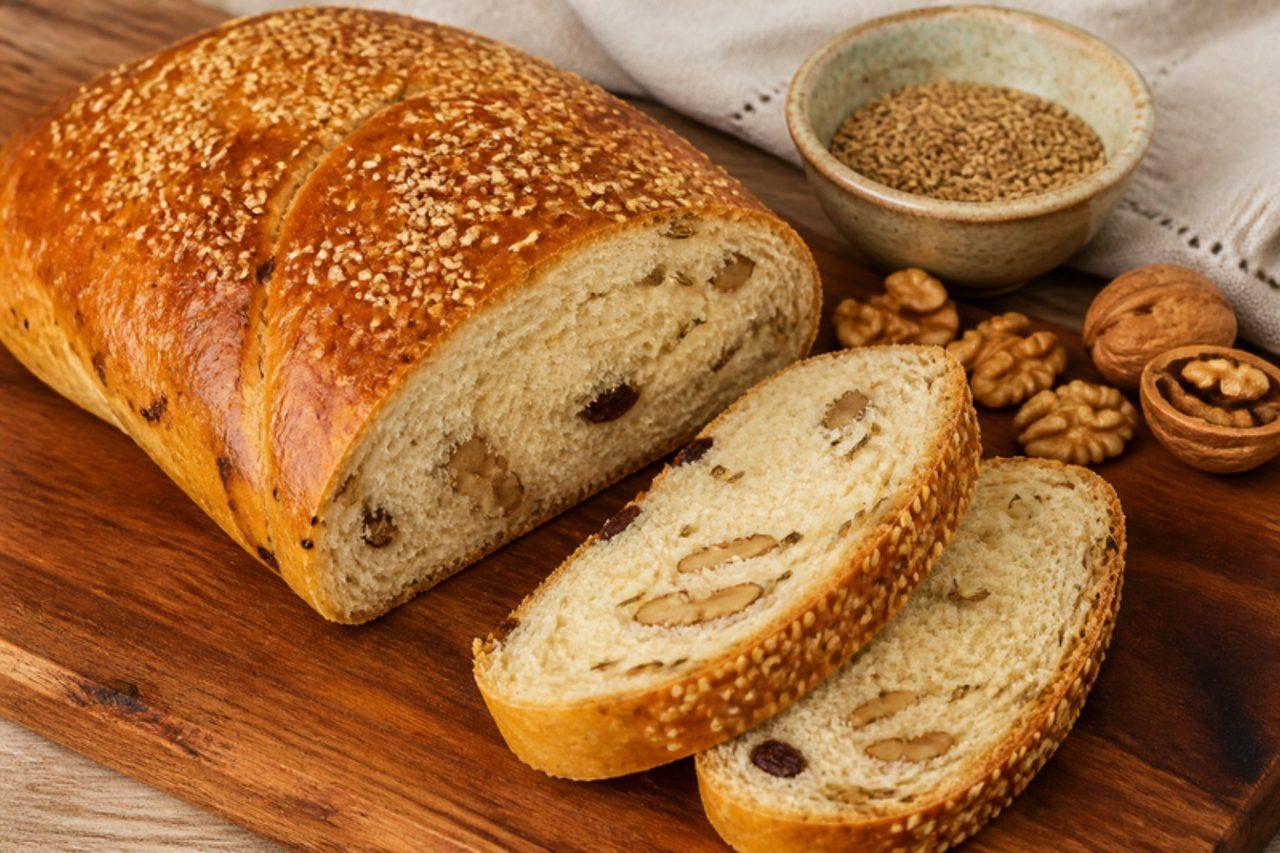
BoulouAnise and raisin loaf

After the long Yom Kippur fast, Moroccan families in Beersheba and Dimona break it gently with tea and slices of boulou, a sweet, cake-like bread scented with anise and studded with raisins and walnuts. It keeps well for days, so many cooks bake it before the holiday and it lasts through Sukkot with coffee. The crumb is tight and tender, closer to a sweet brioche than to challah, with a shiny sesame top. People often under-bake it because the crust browns fast; check with a skewer, not by colour. Chef's tip: toast the anise seeds in a dry pan for a minute before adding them, which deepens the liquorice note without making it sharp.

by KrazyBadal 0 views

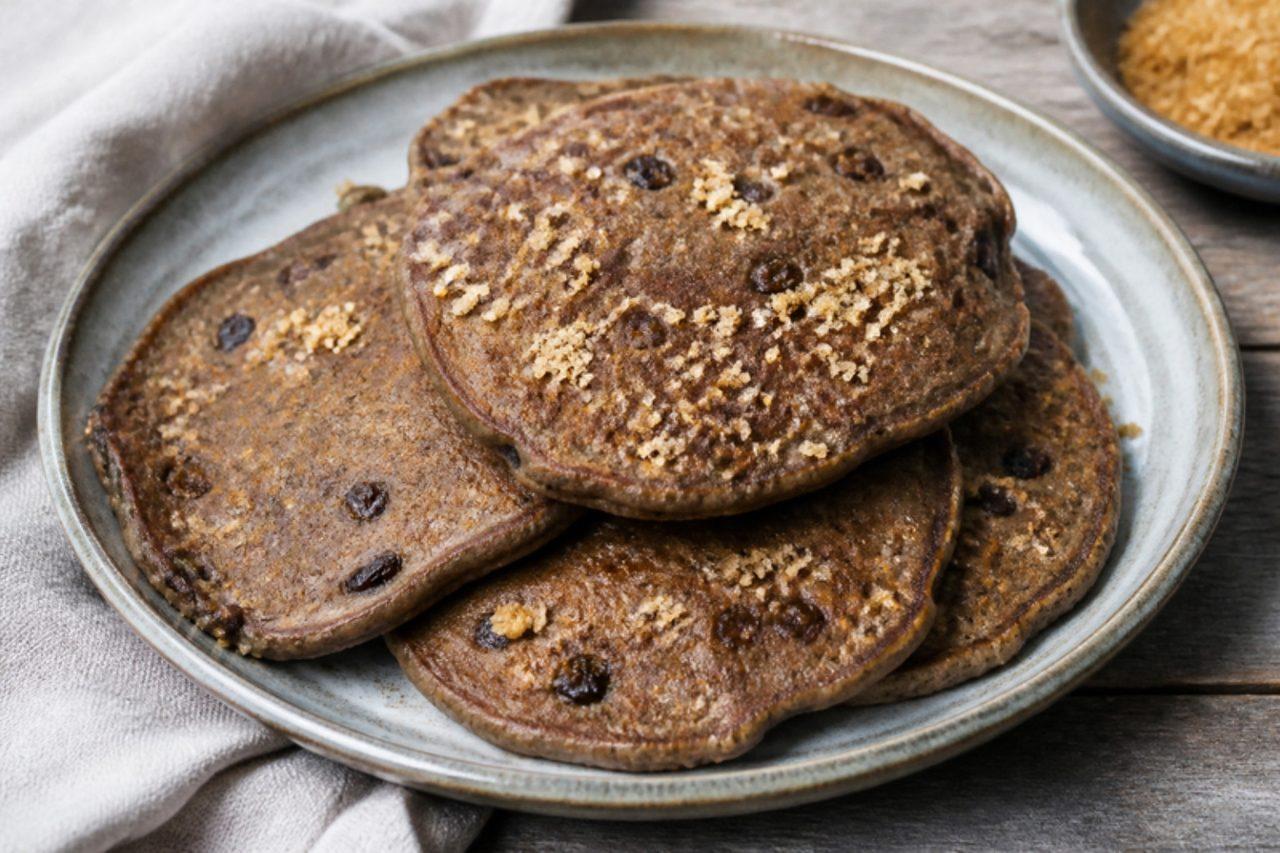
Bouquettes liégeoisesBuckwheat raisin pancakes

Boûkètes are the buckwheat pancakes of Liège, sold at the Christmas market and eaten at home on New Year's Day: a yeasted batter of buckwheat and wheat flour studded with raisins, fried in butter into thick, nutty little pancakes and served with brown sugar or sirop de Liège. A common mistake is a hot pan; the outside burns before the thick middle cooks. Chef's tip: let the batter rise for an hour until bubbly, then fry over a medium-low heat with plenty of butter.

by KrazyBadal 0 views

KleijaDate-filled cardamom cookies

Kleija is the pride of Qassim, the farming heartland north of Riyadh, where an entire festival in Buraidah is devoted to these round, stamped cookies filled with date paste and fragrant with cardamom, saffron and a little fennel. They are packed for journeys, offered to guests with Arabic coffee and baked in big batches before Eid. The pastry is short and crumbly with a soft, chewy date centre. A common mistake is overworking the dough after adding ghee, which makes it tough; mix just until it holds. Store them in a tin for a week. Chef's tip: roll the date paste into small balls with damp hands first, so each cookie gets the same amount and seals neatly.

by KrazyBadal 0 views

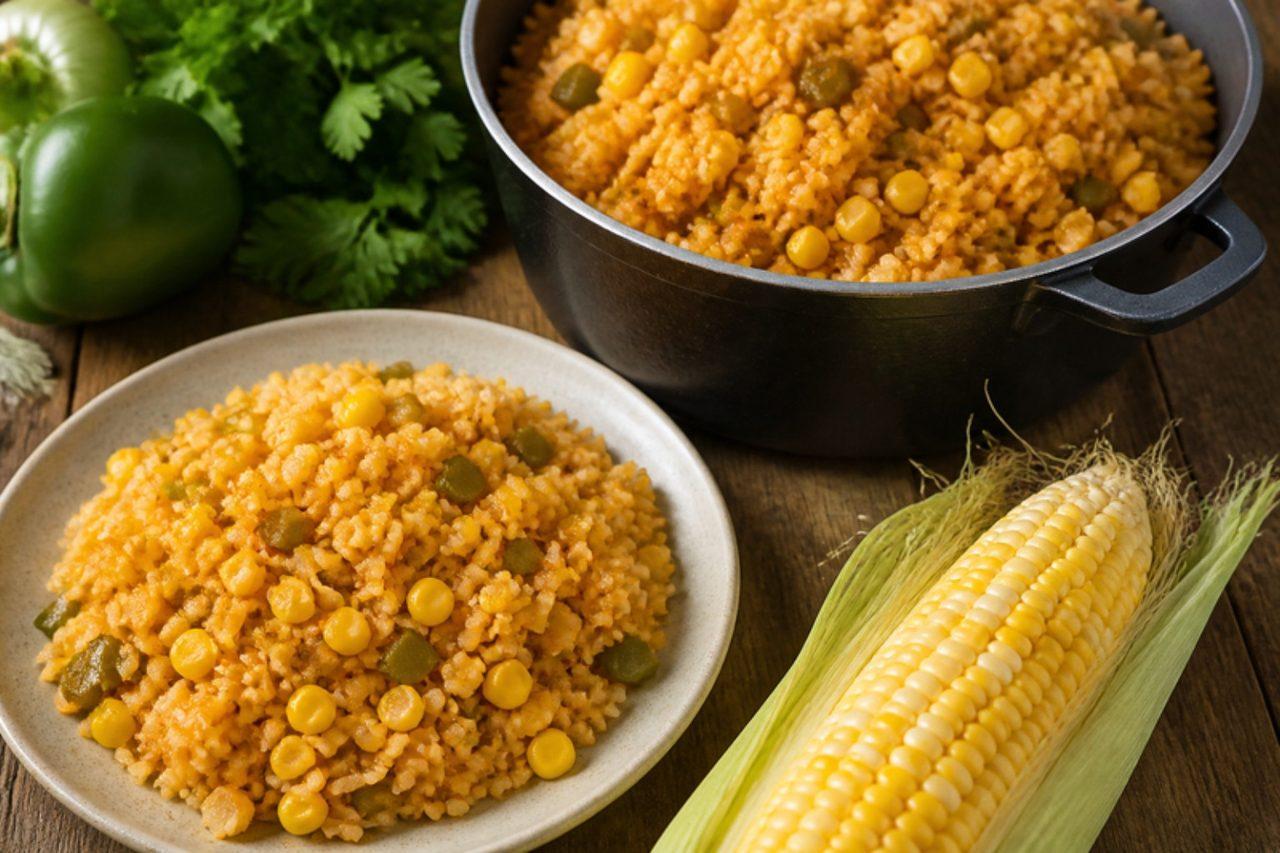
Arroz con maízRice with sweetcorn

In central Cuba, when the fields are full of young corn, families cut the kernels straight off the cob into the rice pot with a sofrito of onion, pepper, garlic and annatto, cooking everything together until golden and sticky at the base. Many farm cooks add salt pork; this vegan version leans on cumin and a little smoked paprika. A common mistake is using too much water, as fresh corn releases its own milk, so keep to the amounts given. Serve with black beans or a tomato and avocado salad. Chef's tip: scrape the cobs with the back of the knife after cutting off the kernels and add that milky pulp; it gives the rice a creamy sweetness.

by KrazyBadal 0 views

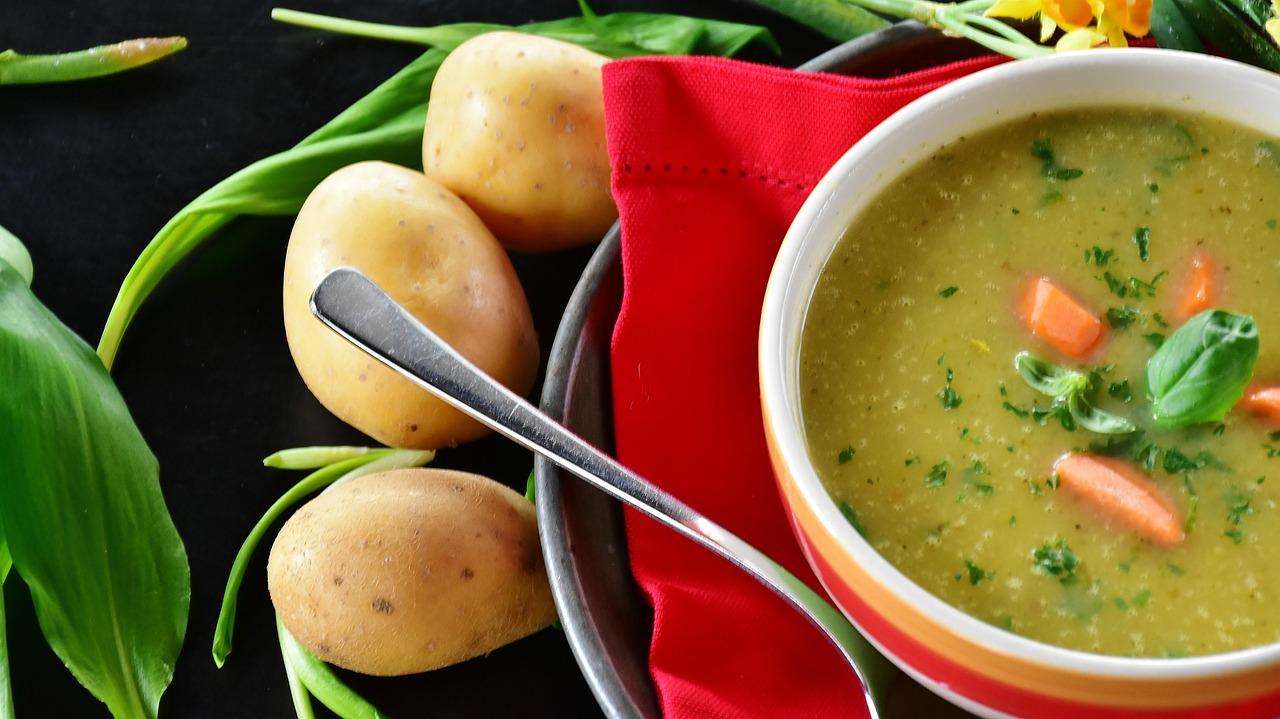
BramboračkaPotato and mushroom soup

Ask anyone from Bohemia what their grandmother cooked on a cold Saturday and bramboračka comes up first: a thick, earthy potato soup that smells of dried porcini, caraway and marjoram. It is a fixture of pub lunch menus and mountain chalets, ladled out with a slice of dark rye bread. Floury potatoes break down at the edges and thicken the broth, while carrot, parsley root and celeriac add sweetness under the woodland flavour of the mushrooms. This version is fully plant-based, with the roux made in oil. A common mistake is adding the marjoram and garlic at the start, where long boiling dulls them; they go in at the very end, off the heat. Chef's tip: rub the dried marjoram between your palms over the pot to wake up its oils before it drops in.

50 minCzechSoupsVegan
by KrazyBadal 0 views

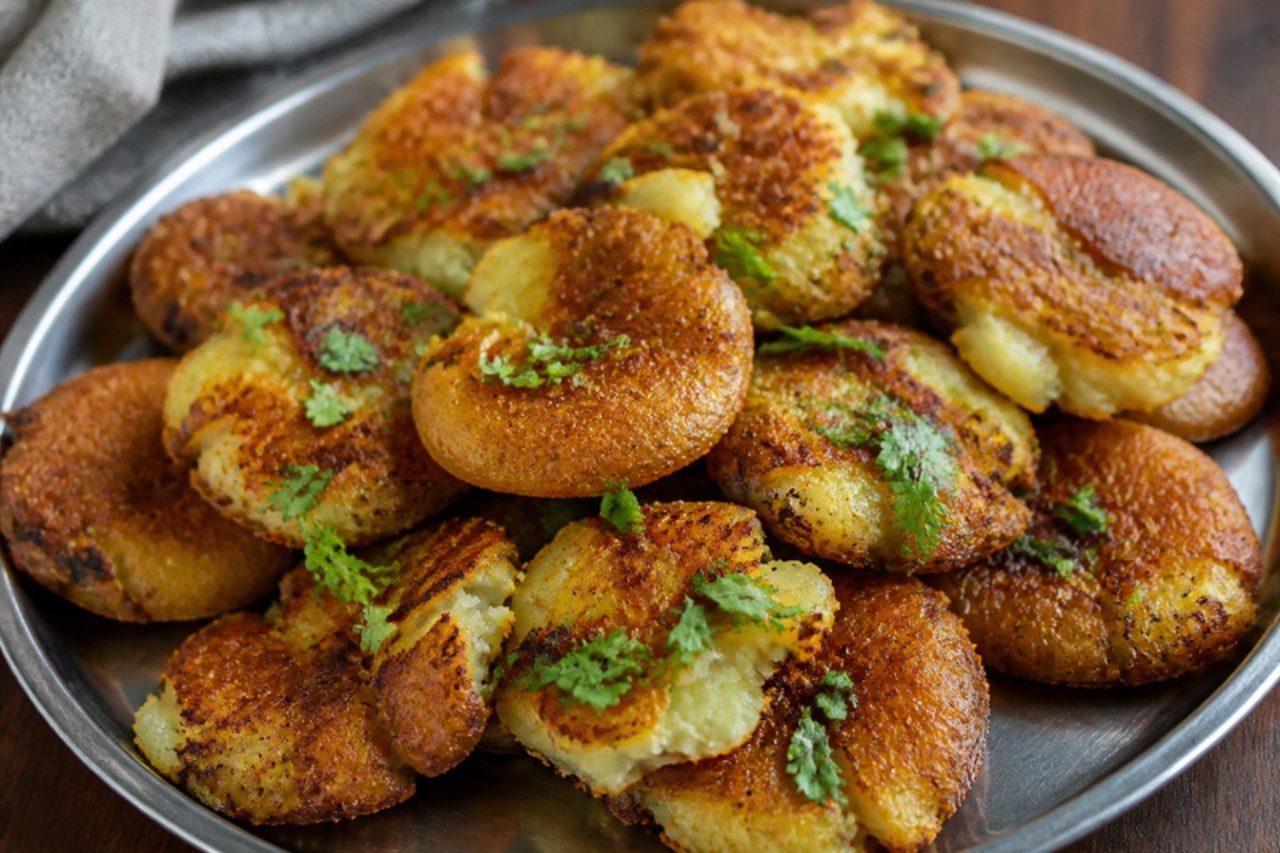
Aloo tukTwice-fried pressed potatoes

Aloo tuk is the crunch on a Sindhi plate, the thing children steal first: small potatoes boiled, fried, squashed flat and fried again until they are craggy and crisp at the edges and fluffy within, then showered with red chilli, tangy amchur and salt. In Sindhi homes from Karachi to Shikarpur they sit beside Sindhi kadhi and rice or dal and bhuga chawal, and they are also served on their own as a teatime snack with green chutney. The most common error is pressing the potatoes while they are still raw-centred or too hot and wet, which makes them tear instead of flatten neatly. Chef's tip: after the first fry let them cool for five minutes, then press each one under a flat-bottomed bowl so it cracks at the edges, since those cracks become the crispest bits. For children, go easy on the chilli and use more amchur.

by KrazyBadal 0 views

Brassói aprópecsenyeFried pork with potato cubes

Despite the name, which points to Brassó (Brașov) in Transylvania, this is a Budapest invention, and it is still one of the most ordered plates in the city's small family restaurants. Small cubes of pork neck or shoulder are fried hard with onion, lots of garlic, marjoram and a little paprika until they are browned and juicy, then tossed with golden, crunchy fried potato cubes. It is a quick, salty, garlicky dish, best with a bowl of pickles or a crisp cucumber salad and a glass of cold mineral water. The usual slip is crowding the pan, so the pork steams grey instead of browning; fry it in two batches. Chef's tip: add half the garlic at the start and the rest in the last minute, so you get both the mellow and the sharp flavour.

by KrazyBadal 0 views

Bratislavské rožkyWalnut or poppy seed crescents

Bakers in old Pressburg, today's Bratislava, have shaped these little horns for nearly three centuries, and the city still treats them as its own Christmas and wedding pastry. The walnut ones are bent into a horseshoe and the poppy seed ones into a crescent, so you can tell them apart on the plate. The dough is rich and short, almost like a pastry, and the shiny brown top is crazed with fine cracks from a double egg glaze. A common mistake is glazing the second time before the first coat is dry, which leaves a dull, smooth top instead of the famous marbling. Patience is the whole trick: a cool rest after the yolk, then a warm rest after the white. Old recipes add a splash of rum to the walnut filling; this version uses lemon and cinnamon instead. Chef's tip: keep the dough cold and work quickly, so the butter stays in tiny flakes.

150 minCzechBaking
by KrazyBadal 0 views

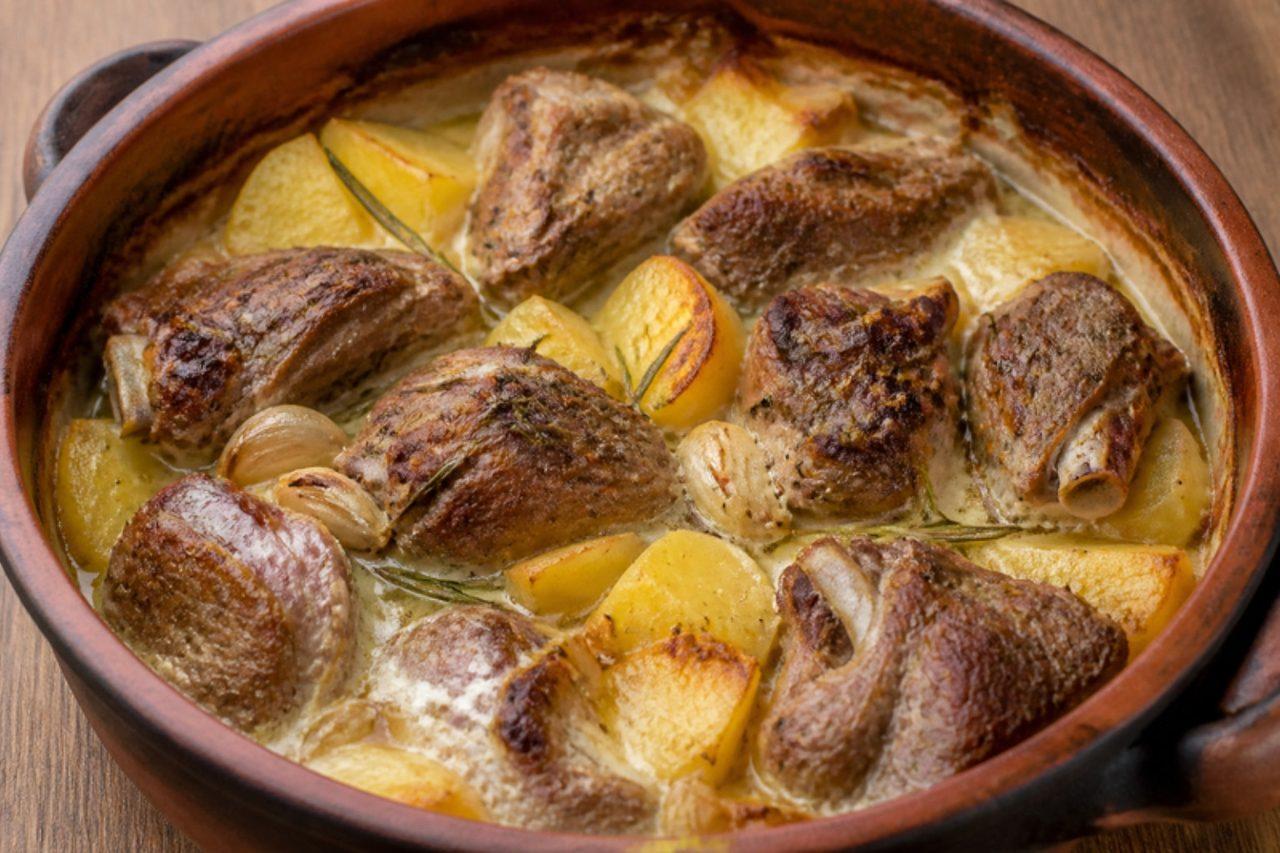
Brav u mlijekuLamb slow-cooked in milk

Highland shepherds in northern Montenegro cook young lamb this way when the flocks come down from summer pastures, slowly in a covered pan with milk, garlic and rosemary until the meat comes off the bone and the milk has reduced to a savoury, slightly curdled, golden sauce over the potatoes. It sounds unusual but tastes wonderfully mellow, sweet and garlicky. Serve it with bread and a green salad. The usual slip is cooking it uncovered from the start, so the milk scorches before the lamb is soft. Chef's tip: uncover only for the last half hour, so the top browns while the sauce underneath stays creamy.

150 minBalkanMeatGluten free
by KrazyBadal 0 views

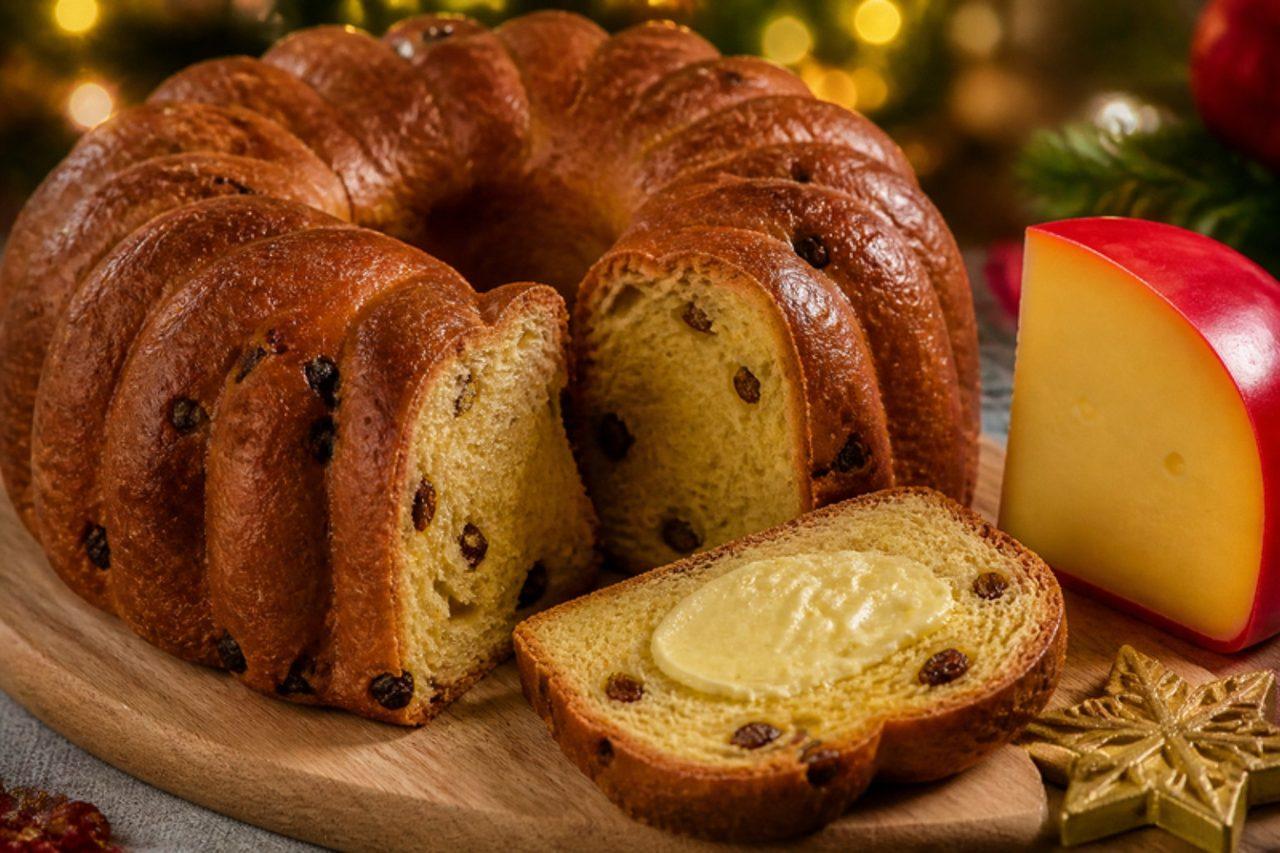
BreudherBurgher Christmas loaf

On Christmas morning in Dutch Burgher homes from Colombo to Galle, the breakfast table holds a tall, fluted breudher, the island's take on the Dutch Christmas loaf, sliced thick, spread with butter and topped with a slice of Edam. The dough is enriched with plenty of butter, eggs and sugar and studded with raisins, and the crumb is soft, golden and slightly sweet, closer to brioche than to bread. Old recipes leavened it with fermented palm toddy; this version uses ordinary yeast, so there is no alcohol. Edam is normally made with animal rennet, so choose a vegetarian Edam or Gouda if that matters to you. The most frequent failure is an impatient rise, which gives a heavy, close loaf, because butter-rich dough moves slowly; wait until it has truly doubled. Chef's tip: work the butter in a little at a time only after the dough has been kneaded smooth, and it will turn silky and elastic instead of greasy.

by KrazyBadal 0 views

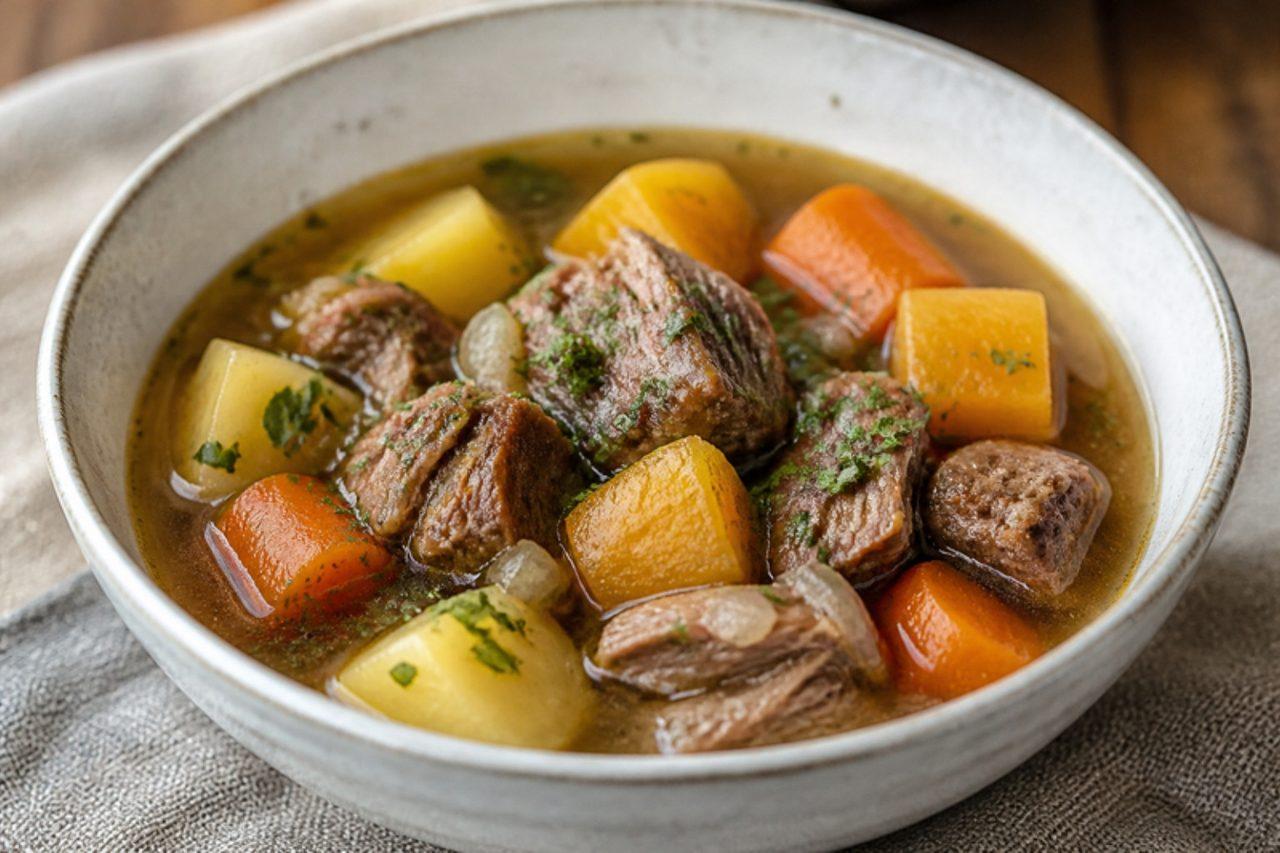
KjötsúpaLamb and root vegetable soup

Kjötsúpa is the soup every Icelander grew up on, simmered from bony lamb shoulder with swede, potatoes, carrots, onion and a handful of rolled oats or rice to thicken it. Icelandic lamb is free-grazing and flavourful, and on the first day of winter in late October, Kjötsúpudagurinn, free soup is ladled out on Skólavörðustígur in Reykjavík. A common mistake is skimming too little at the start, which leaves a greasy, cloudy soup. Chef's tip: serve the meat on a plate beside the soup, as many Icelandic families do, so everyone can pull it from the bone.

by KrazyBadal 0 views

JoulutorttuPrune jam pastry stars

Joulutortut, the star-shaped Christmas tarts of Finland, appear in every home and café in December, piled on plates with glögi: squares of puff pastry cut at the corners and folded into a pinwheel around a spoon of thick prune jam, baked golden and dusted with icing sugar. A common mistake is using thin, runny jam, which bubbles out and burns. Chef's tip: cook the prune jam until very thick, and press the folded points down firmly with a dab of water so the stars don't spring open in the oven.

by KrazyBadal 0 views

JonjoliPickled bladdernut flowers

Jonjoli are the clustered flower buds of the bladdernut shrub, picked in May across Imereti and pickled in brine, and a bowl of them dressed with onion and oil appears on almost every Georgian table, from Kutaisi kitchens to Tbilisi restaurants. They taste sour, a little like capers crossed with olives, and cut through rich cheese bread and grilled meat. Jars are sold in Georgian and Russian shops, and the home pickling takes weeks, so this recipe starts from a jar. A common mistake is serving them straight from the jar; they need rinsing and a short soak, or the brine overwhelms everything. Chef's tip: dress them at least 30 minutes ahead so the onion softens and its sharpness balances the sour stalks.

by KrazyBadal 0 views

Kittitian goat waterPeppery goat stew

Goat water is what St Kitts, Nevis and Montserrat serve at weddings, village fêtes and every Saturday cookshop: a thick, dark, peppery goat stew-soup flavoured with cloves, thyme, tomato and a heap of hot pepper, thickened with flour and studded with breadfruit, green papaya or dumplings. On Montserrat it is the national dish and comes with crusty bread rolls. The common mistake is thinning it out; despite the name, true goat water should coat a spoon. Ask your butcher to chop bone-in goat into small pieces. Chef's tip: brown a spoonful of flour in the pot before adding the liquid; it gives the gravy its deep colour and nutty taste.

by KrazyBadal 0 views

Amala ko acharGooseberry pickle

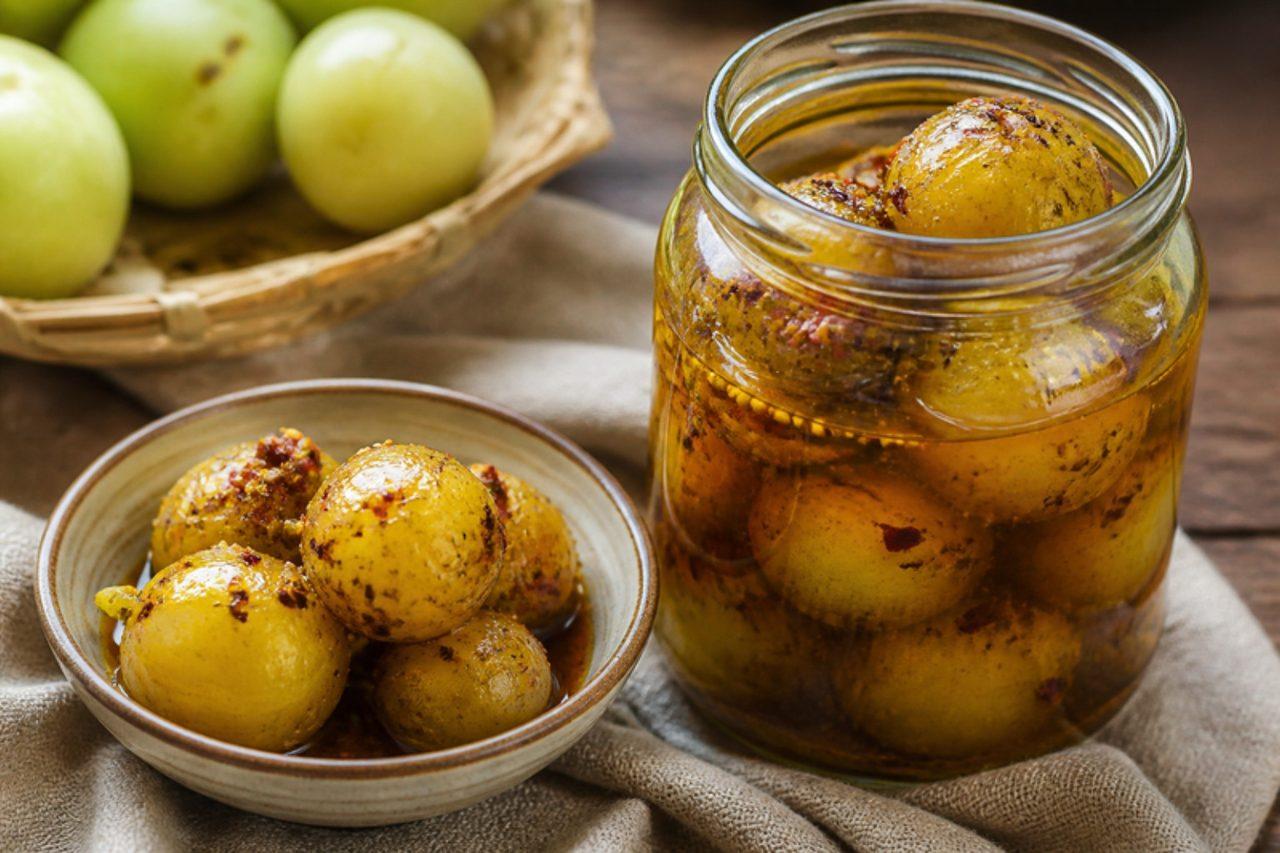
Amala trees grow wild across the Chure hills and the lower valleys of Nepal, and in winter the hard, translucent green gooseberries are piled high in vegetable markets in Kathmandu, Hetauda and Butwal, prized as a source of vitamin C during the cold months. Steamed until they split into neat segments, then mixed with chilli, turmeric, fenugreek and hot mustard oil, they make a pickle that is crunchy, astringent, sour and spicy all at once, with a lingering sweetness that comes up after each bite. A spoonful goes alongside dal bhat or with a plain bowl of rice porridge when someone is unwell. The trap to avoid is steaming the berries too long, which turns them mushy and dull. Chef's tip: stop as soon as the first cracks appear on the skins; the segments should pull off the stone easily but still have a firm bite.

by KrazyBadal 0 views

Jókai bablevesSmoky bean soup with pork

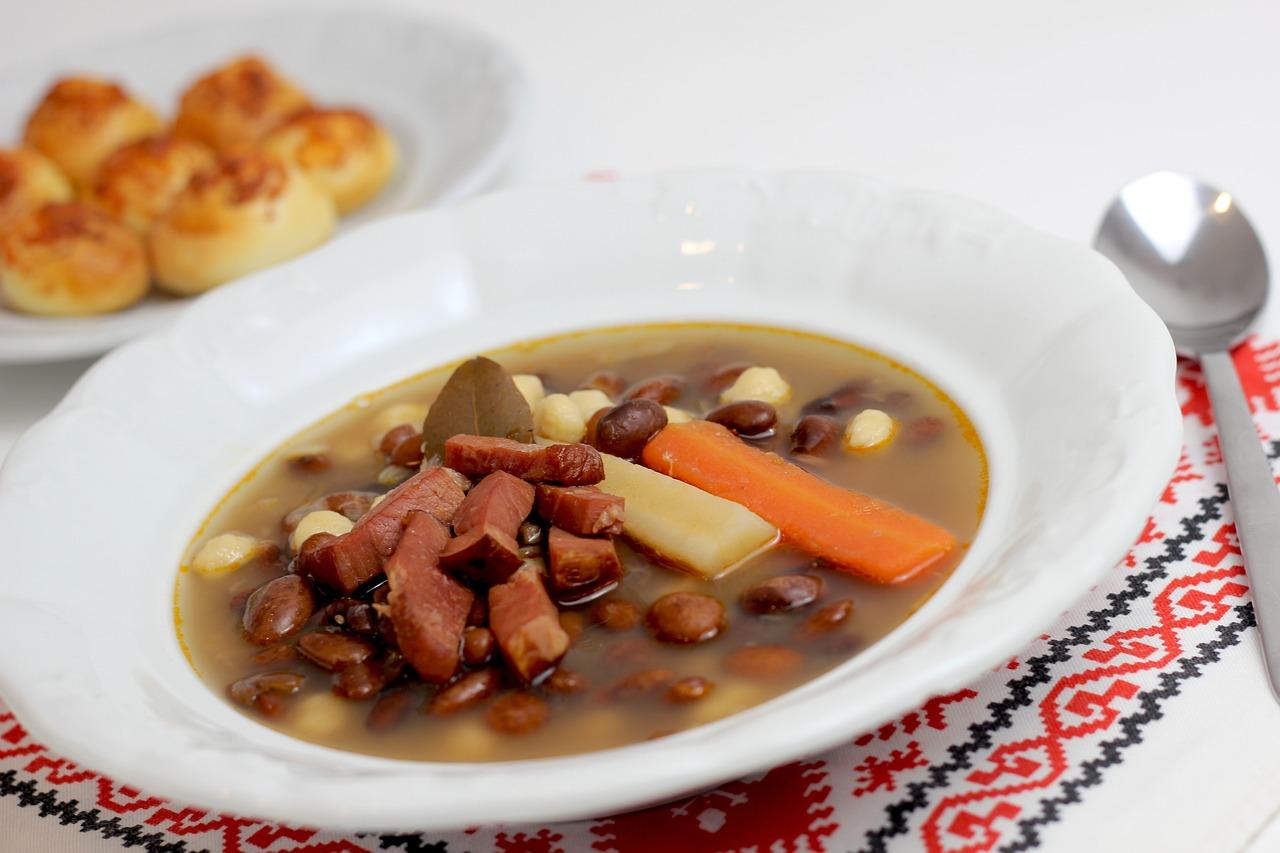
Mór Jókai, the nineteenth-century novelist, is said to have ordered this bean soup so often in his favourite Balatonfüred restaurant that it was named after him, and it is now a fixture of Budapest lunch menus and workers' canteens. This is a pork soup through and through: a smoked pork knuckle simmers with dried beans and roots until the meat falls apart, and slices of smoked pork sausage go in at the end. A paprika roux gives colour, a swirl of sour cream and a dash of vinegar add tang, and tiny pinched csipetke noodles make it a full meal with a slice of bread. Soak the beans overnight first. A common mistake is salting early; the smoked knuckle is salty, so taste only at the end. Chef's tip: simmer the knuckle for 30 minutes on its own first and taste the water; if it is very salty, throw it away and start again with fresh water.

by KrazyBadal 0 views

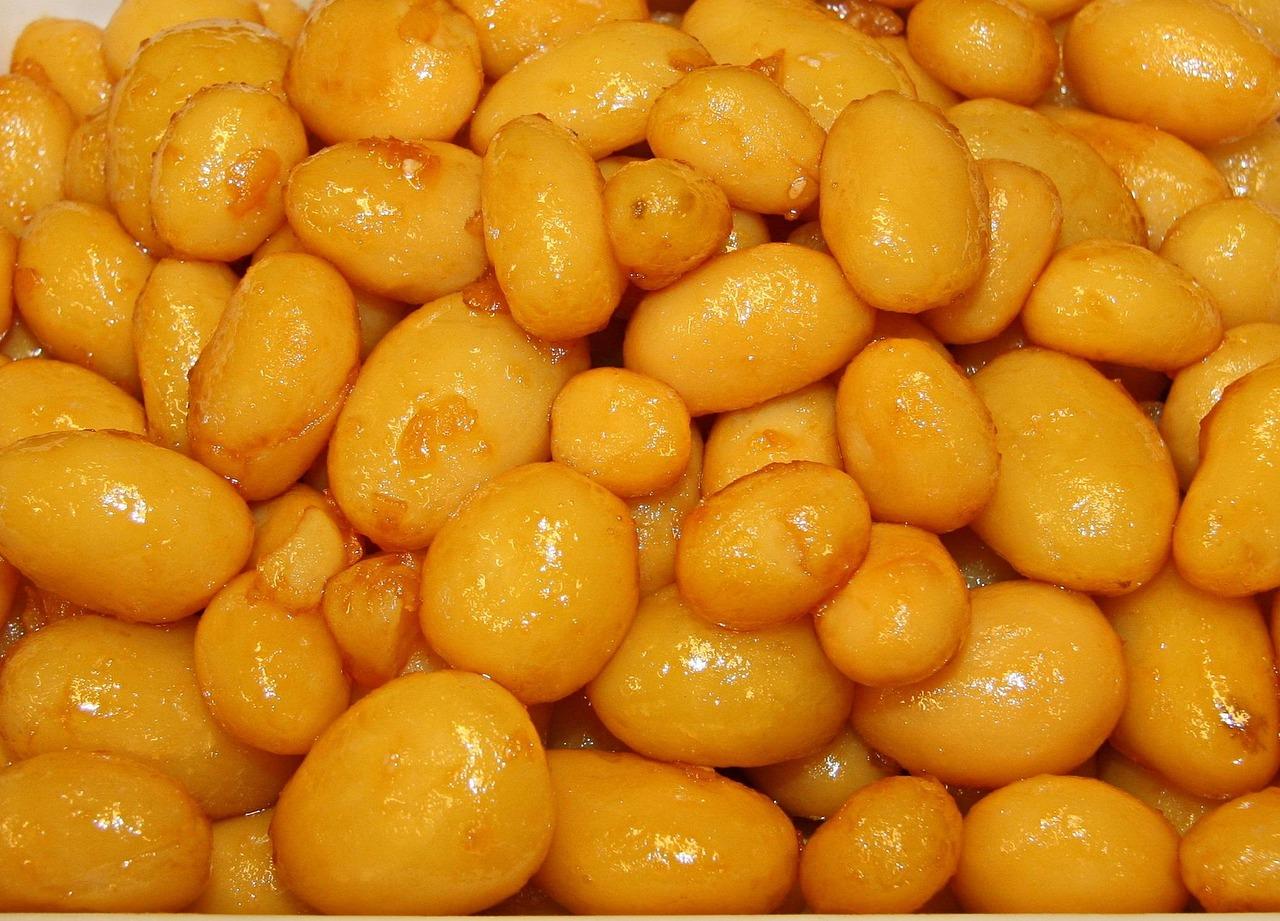
Brunede kartoflerCaramelised small potatoes

No Danish Christmas Eve dinner is complete without brunede kartofler beside the roast pork or duck: small boiled potatoes rolled in golden caramel and butter until they are glossy, sweet and salty. Families boil the potatoes the day before so they are firm and dry. A common mistake is adding wet potatoes to the caramel; it seizes and splatters. Chef's tip: melt the sugar alone until amber, then add the butter, and roll cold, dry potatoes in it over a medium heat until coated.

by KrazyBadal 0 views

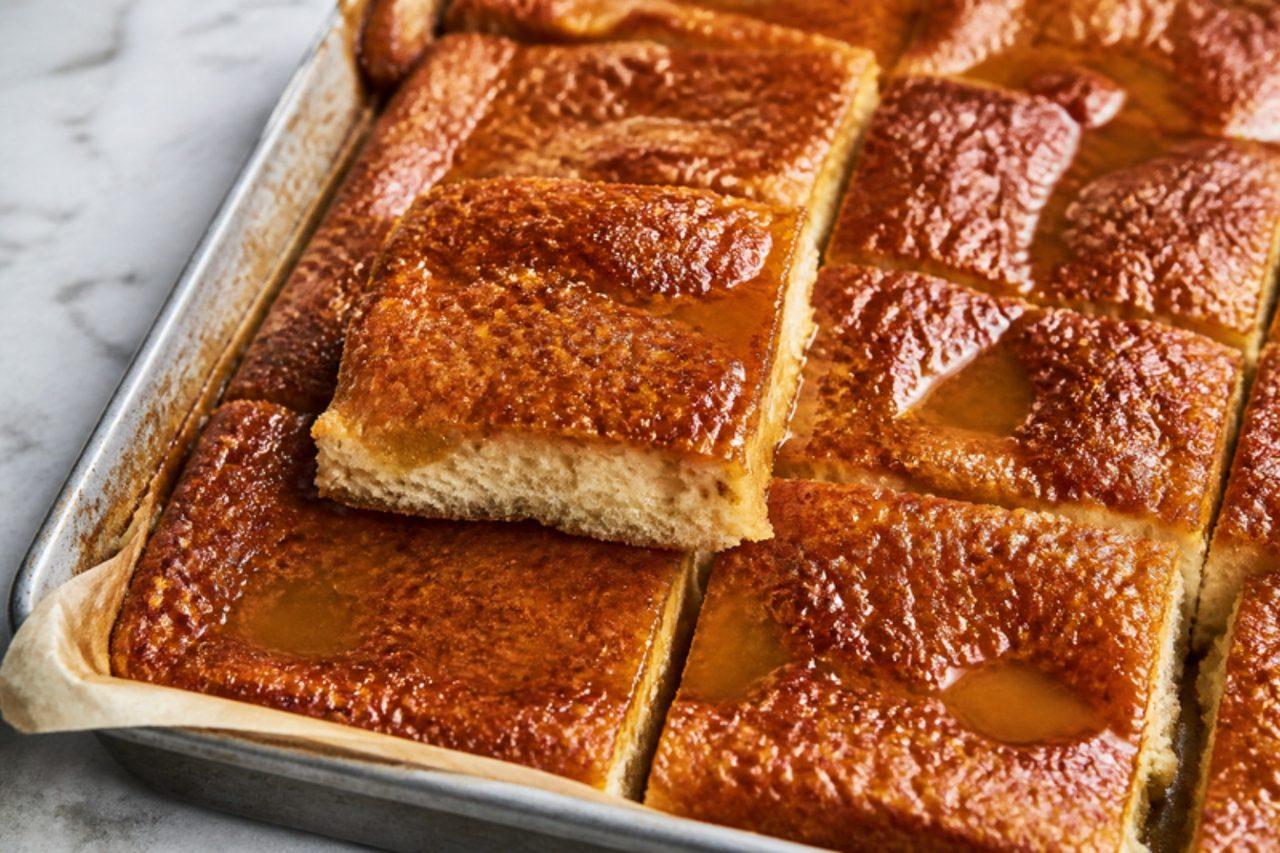
BrunsvigerBrown sugar butter cake

Brunsviger is the cake of Funen, the island between Jutland and Zealand: a soft, light yeast dough baked in a tray and covered with brown sugar and butter that melts into sticky, bubbling pools in dimples you press into the top. It is the classic birthday cake at Danish schools and offices, cut into squares and eaten warm with coffee. A common mistake is spreading the topping on cold dough; it slides off. Chef's tip: press deep holes into the risen dough with your finger so the topping collects in pools of caramel.

by KrazyBadal 0 views

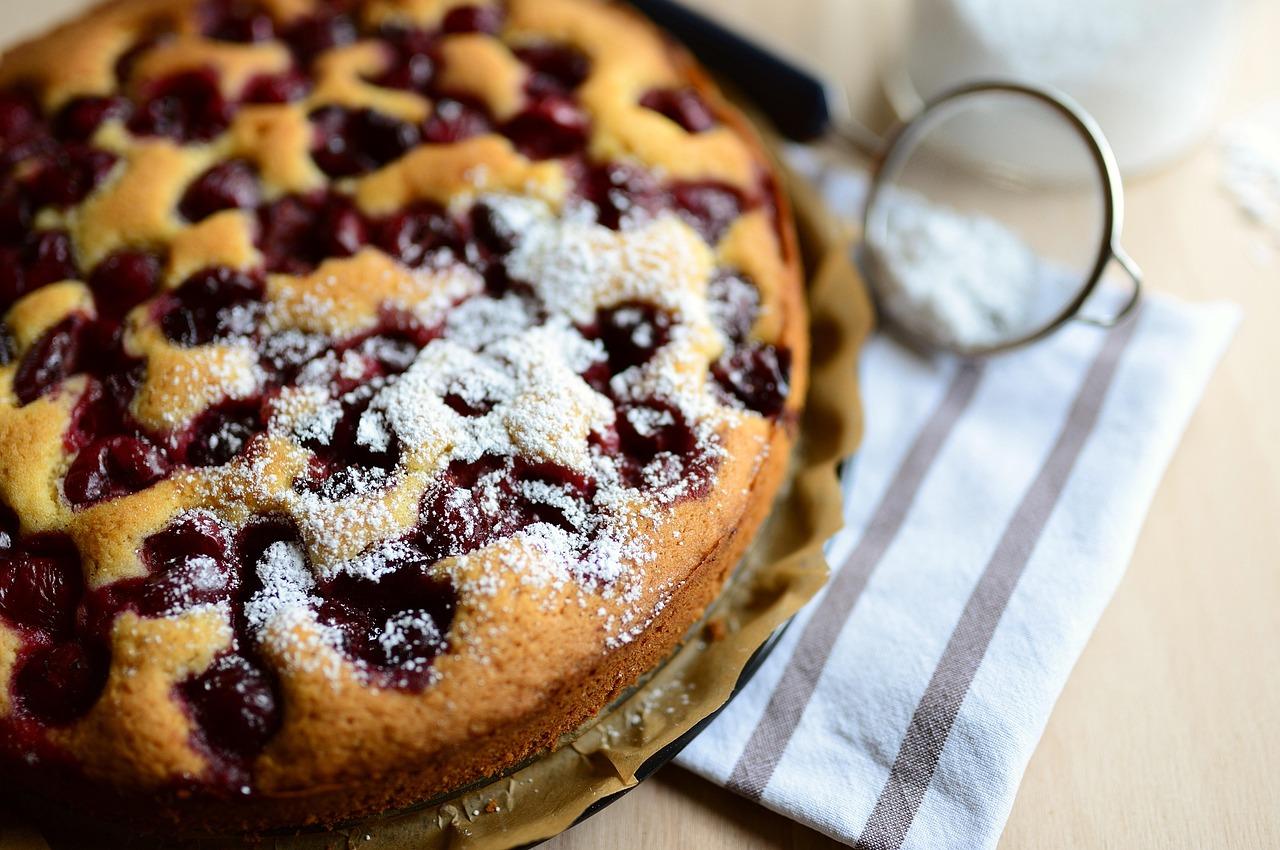
BublaninaCherry sponge traybake

Czech grandmothers make bublanina the moment cherries ripen in June, and again with apricots or plums later in summer, baking it in a big tray for afternoon coffee in the garden. The name comes from the bubbles that form as the fruit sinks into the batter. It is a light, buttery sponge, golden at the edges, with pockets of juicy, sharp fruit and a snowfall of icing sugar on top; children love it warm. A common mistake is folding in the flour too hard, which knocks out the air and makes a tough cake; mix until just combined. Pitted fruit is easiest for little eaters. Chef's tip: toss the fruit in a spoon of flour before scattering it over, so it sits in the sponge instead of sinking to the bottom.

by KrazyBadal 0 views

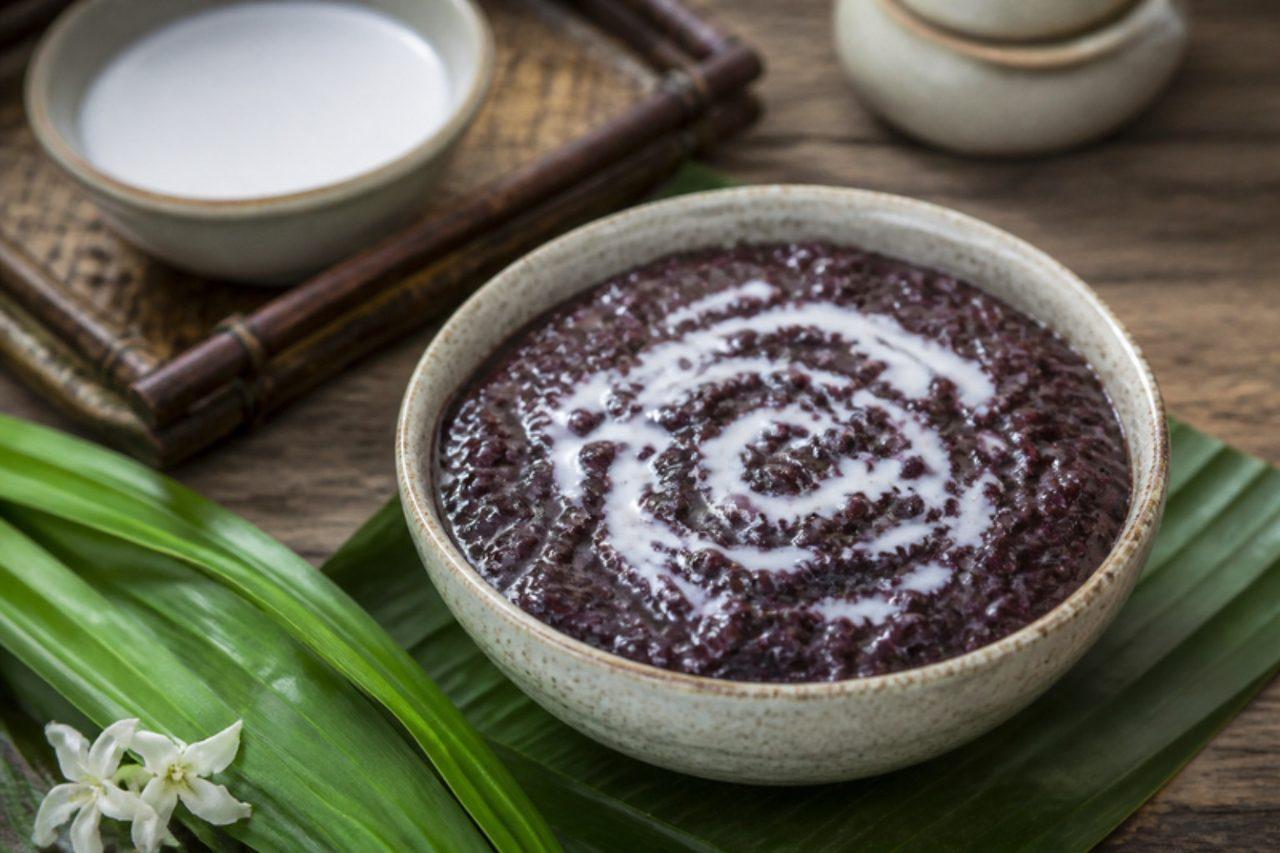
Bubur pulut hitamBlack glutinous rice porridge

Deep purple-black and gently sweet, bubur pulut hitam is ladled warm from big pots at dessert stalls in Singapore's hawker centres, from Old Airport Road to Tekka, and Malay families cook it for breaking the fast during Ramadan or for a rainy-afternoon treat. Black glutinous rice is simmered slowly with pandan until the grains burst and thicken the liquid, then sweetened with gula melaka, so the porridge is creamy, nutty and a little chewy. A swirl of salted coconut cream goes on top just before serving, and the salt is what makes it taste complete. The usual mistake is skipping the soak; unsoaked black rice stays hard at the centre however long you cook it, so soak it for at least 4 hours or overnight before you start. Chef's tip: add the palm sugar only once the grains are fully soft, because sugar firms the rice and stops it breaking down.

by KrazyBadal 0 views

JidášeEaster honey buns

Maundy Thursday, "Green Thursday" in Czech, is the day for jidáše, sweet yeasted buns rolled into ropes and coiled into spirals or loose knots to recall the rope of Judas, which gives them their name. Families in Bohemia and Moravia bake them for breakfast that morning and brush them, still hot, with honey; eating one was once said to bring health for the year. They are soft and fluffy, lightly scented with lemon, with a sticky, shiny top. A common mistake is brushing the honey on cold buns, where it just sits; warm the honey and glaze them straight from the oven so it soaks in. Honey is not suitable for babies under one year old. Chef's tip: roll the ropes thinner than you think, about finger thickness; they double as they prove.

145 minCzechBaking
by KrazyBadal 0 views

AmandineChocolate sponge cakes

Every Bucharest cofetărie keeps a tray of amandine in the glass case, neat dark oblongs that generations of schoolchildren have bought with their pocket money. Despite the almond-sounding name there are no almonds in them: a cocoa sponge is split, soaked with a cocoa syrup, sandwiched with a rich chocolate custard buttercream and coated in a shiny ganache. Bakeries traditionally add rum to the syrup; this version is alcohol-free and uses vanilla and orange zest instead, though you can add 2 tablespoons of rum if you like. A common mistake is soaking the sponge while the syrup is still hot, which turns it to mush; both should be cool. Chef's tip: chill the filled cake until really firm before glazing and cutting, and wipe the knife hot between each cut for clean edges.

by KrazyBadal 0 views

Jhinuk pithaShell-shaped coconut rice pitha

Jhinuk is the Bengali word for a freshwater mussel shell, and these little ridged, curled pithas look exactly like the shells children pick from village ponds in winter. Small balls of rice dough enriched with grated coconut are pressed against the back of a fork or a comb and rolled so they curl up with fine grooves on the outside, then fried crisp and tossed in a thick cardamom syrup that dries into a thin, frosty sugar coat. Across Bangladesh they are made in the cold months and around Poush Sankranti, piled on a plate for guests with tea, and they keep well in a tin. A thin syrup leaves them soggy instead of glazed, which is where most batches disappoint; it must be boiled until it threads between your fingers. Chef's tip: keep the dough balls under a damp cloth while you shape, so the edges don't crack as they curl.

by KrazyBadal 0 views

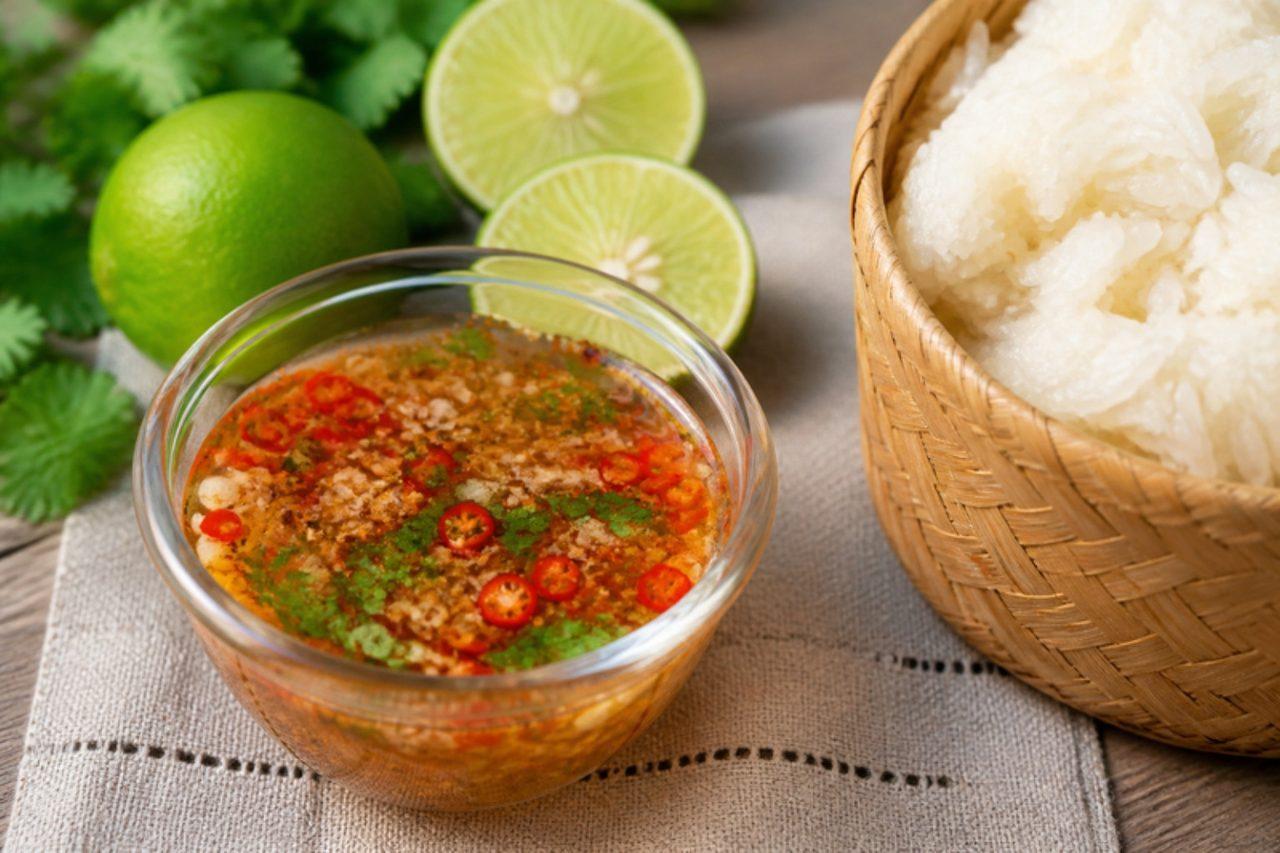
Jeow somSweet-sour chilli sauce

Grilled food in Laos rarely leaves the stall without a little bag of jeow som, the thin, sour-sweet sauce that every street grill from Vientiane's riverside to small-town bus stations ladles out beside the skewers. Unlike the pounded jeows, it is pourable: lime juice, garlic and raw chilli in a light, sweet-salty syrup, sharp enough to cut through anything charred. Dip grilled tofu, corn, aubergine or sticky rice into it, or spoon it over a plate of steamed vegetables. Stall versions lean on fish sauce; salt and tamari keep this one vegetarian. Tipping granulated sugar straight into cold lime juice is the usual fault, since it never fully dissolves and the sauce tastes gritty and unbalanced. Chef's tip: let the sauce sit for 15 minutes before serving so the garlic and chilli mellow into the lime.

by KrazyBadal 0 views

BulzPolenta balls with sheep's cheese

Shepherds in the Apuseni mountains and the sheepfolds above Sibiu made bulz from what they had in the hut: stiff mămăligă pressed in the hand around a lump of salty sheep's cheese, then pushed into the embers until the outside crisped and the cheese melted. At home it bakes in the oven and comes out with a golden shell and a molten, tangy middle, usually with a spoon of sour cream and sometimes a fried egg on top. Telemea, brânză de burduf and caș are often made with animal rennet, so for a vegetarian bulz use a feta-style or other salty white cheese labelled vegetarian. The usual slip is cooking the mămăligă too soft, so the balls slump and leak; it should be thick enough to hold a wooden spoon upright. Chef's tip: wet your hands with cold water before shaping so the hot cornmeal does not stick.

by KrazyBadal 0 views

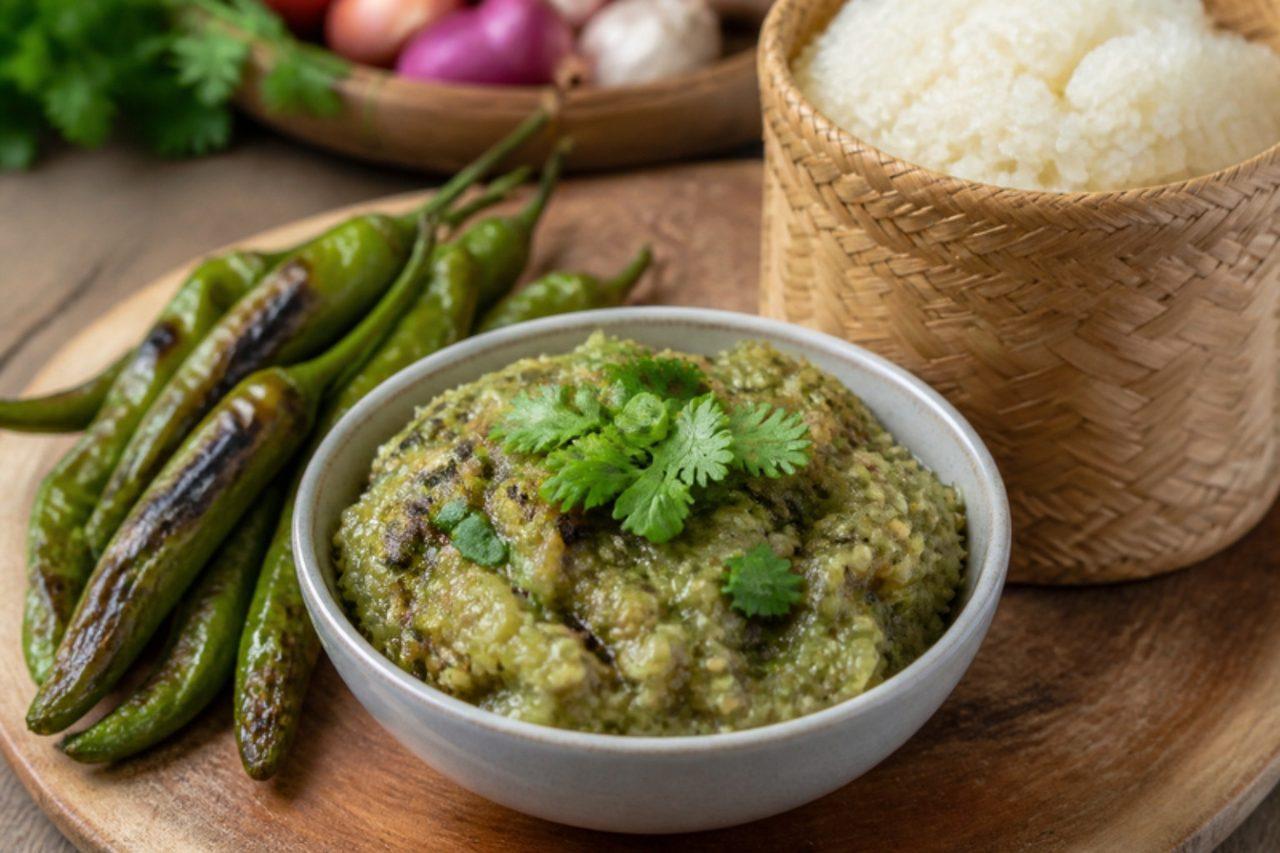
Jeow mak phetRoasted chilli dip

Of all the jeows on a Lao table, this is the most basic and most loved, roasted fresh chillies, garlic and shallots pounded together and eaten with sticky rice at almost every meal, from farm lunches in the rice fields to Vientiane office canteens. Made with long green chillies, as here, it is bright, grassy and more fragrant than fierce, with sweetness from the softened shallot; swap some for bird's eye chillies if you want it hotter. Serve it with sticky rice, boiled pumpkin shoots, steamed vegetables, eggs or grilled tofu. Charring the chillies to carbon is the trap, and burnt skins turn the whole jeow bitter. Fish sauce is the usual seasoning; this version uses salt and a little tamari to stay vegetarian. Chef's tip: wear gloves when peeling hot roasted chillies, and keep your hands away from your eyes for the next hour.

by KrazyBadal 0 views

Jeow mak keuaSmoky aubergine dip

Long purple aubergines laid straight on the embers turn into one of the softest dips on a Lao dinner tray, eaten up and down the country in the hot season when aubergines are cheap and plentiful. The skins blacken and the flesh collapses into a smoky, silky pulp, which is pounded loosely with charred garlic, shallot and green chilli until it is spoonable but still a little stringy. Pinch a ball of sticky rice, press a hollow in it and scoop up the jeow, or dip in cucumber, long beans and cabbage. Families often add fish sauce; here it is seasoned with salt and a little tamari so it suits vegetarians. Rinsing the charred aubergine under the tap is a mistake, as it washes away the very smoke you worked for. Chef's tip: peel with damp fingertips and leave a few flecks of black skin in the dip.

by KrazyBadal 0 views

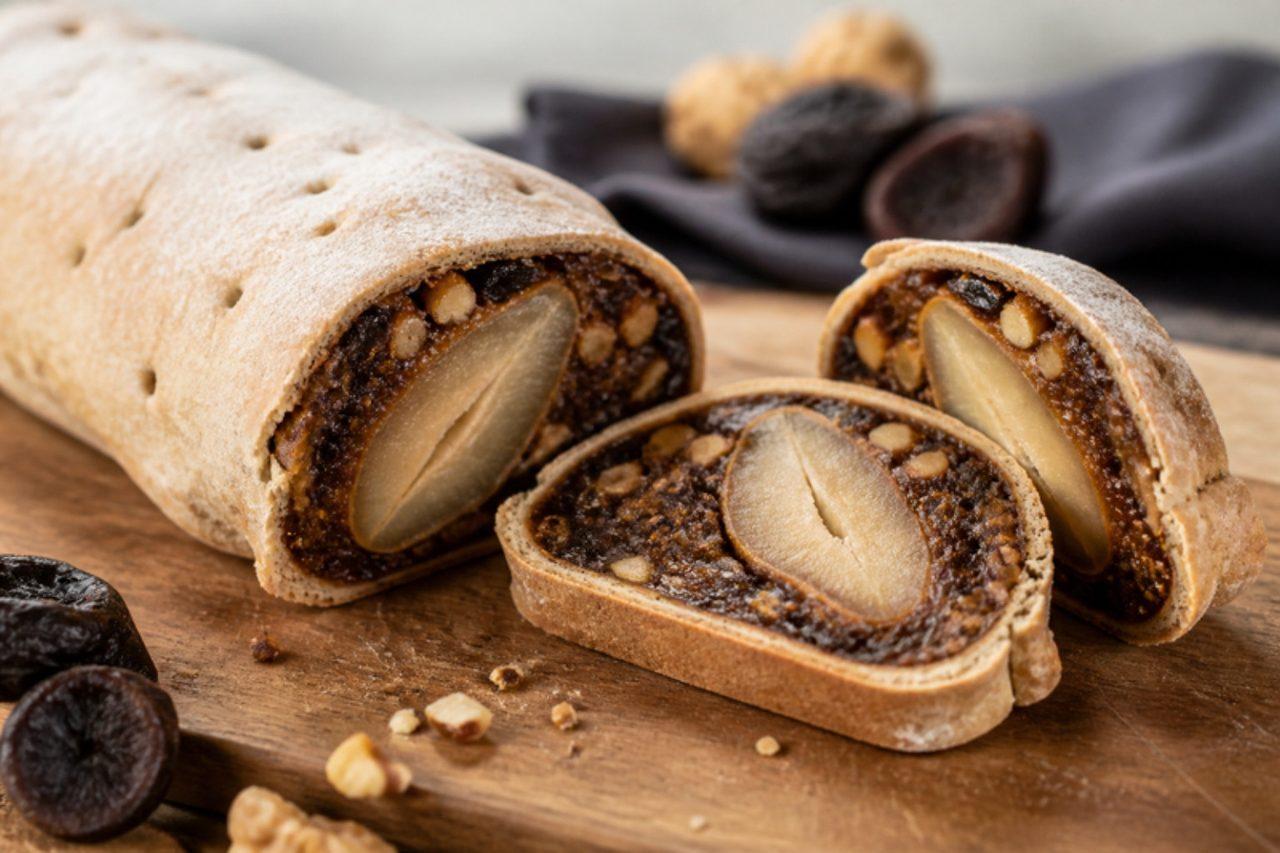
Bündner BirnbrotPear and fig loaf

Birnbrot is the Christmas loaf of Graubünden, baked in Chur and the mountain villages in December: a dark, dense filling of dried pears, figs, raisins, walnuts, candied peel and warm spices is wrapped in a thin layer of plain bread dough and baked until the crust is golden. It keeps for weeks and is sliced thin with butter (or without, for a vegan loaf). Many families soak the fruit in pear brandy; this version uses pear juice. A common mistake is a thick bread wrapping, which dries out; the crust should be thin. Chef's tip: soak the dried fruit overnight so it is plump and the filling holds together.

120 minSwissBakingVegan
by KrazyBadal 0 views

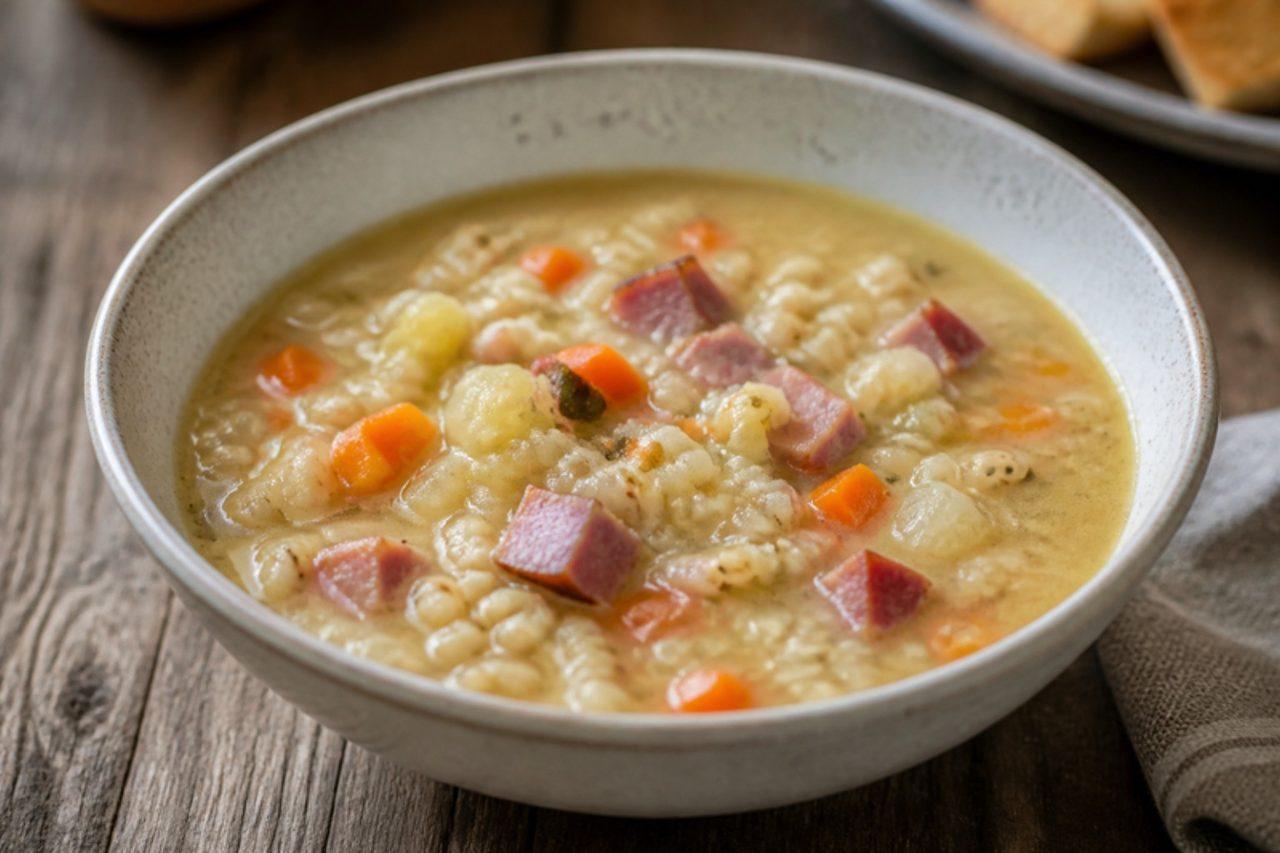
Bündner GerstensuppeBarley and smoked meat soup

Bündner Gerstensuppe is the soup of every mountain hut and ski restaurant in Graubünden, from Davos to Arosa: pearl barley simmered slowly with leek, carrot, celeriac and cabbage and a piece of smoked pork or air-dried beef until thick and creamy, finished with a splash of cream and chives. This version uses smoked pork shoulder (Rippli), so it contains pork. A common mistake is skipping the soak, so the barley takes far longer and the vegetables turn to mush. Chef's tip: soak the barley overnight and cook the smoked meat in the soup from the start; it seasons the broth. Smoked pork should be heated through to 71 °C.

120 minSwissSoups
by KrazyBadal 0 views

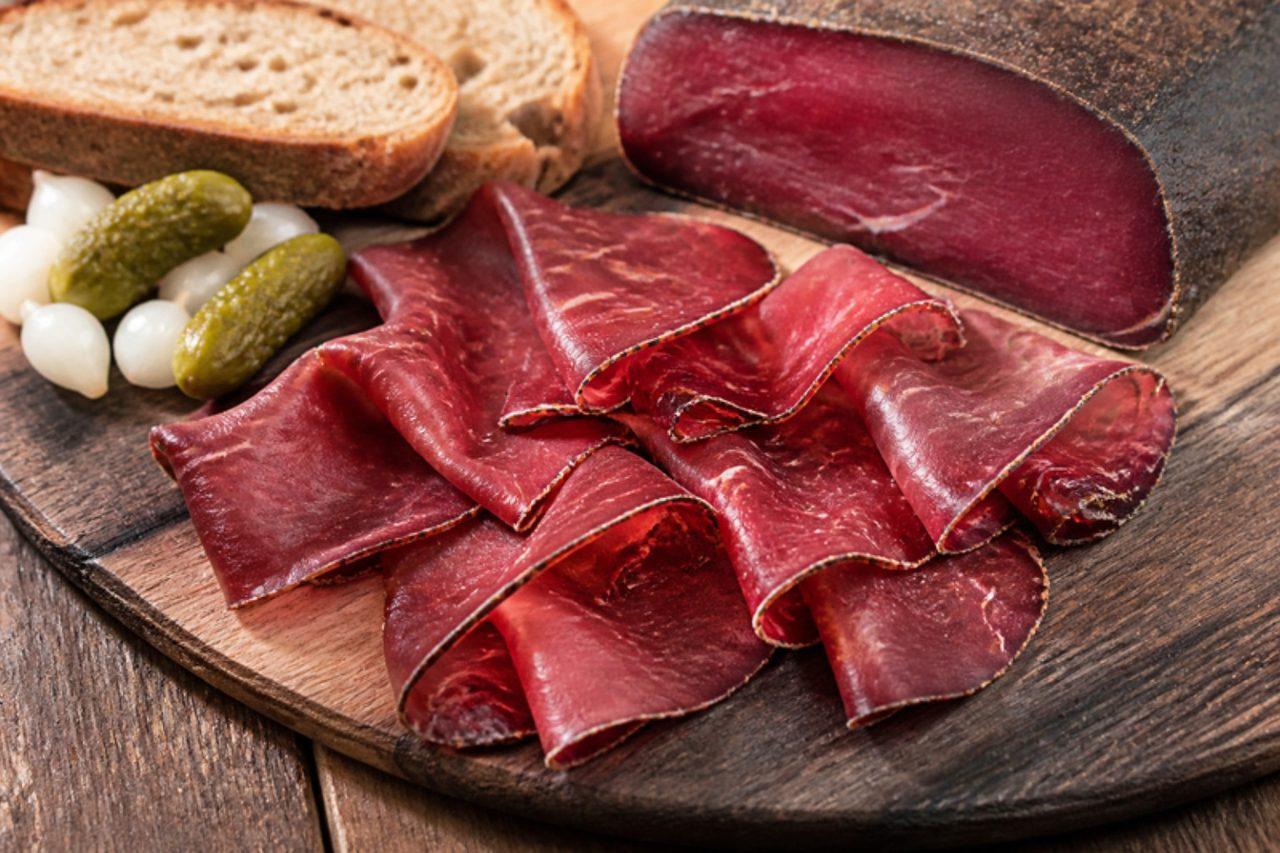
BündnerfleischAir-dried beef platter

Bündnerfleisch is the lean beef of Graubünden, salted with mountain herbs, pressed into its square shape and air-dried for months in the cold, dry mountain air around Davos and the Engadine, until it is deep red, tender and intensely savoury. It is sliced paper-thin and served on a wooden board with rye bread, butter, gherkins and pickled onions, often with a glass of something on a mountain terrace. It needs the mountain climate and is bought ready-made, not made at home. As a raw cured meat, it is not for pregnant women, young children or anyone with a weakened immune system. A common mistake is slicing it thick, which makes it chewy. Chef's tip: slice it as thin as paper and leave it for 10 minutes at room temperature before serving, so the flavour opens up.

15 minSwissMeat
by KrazyBadal 0 views

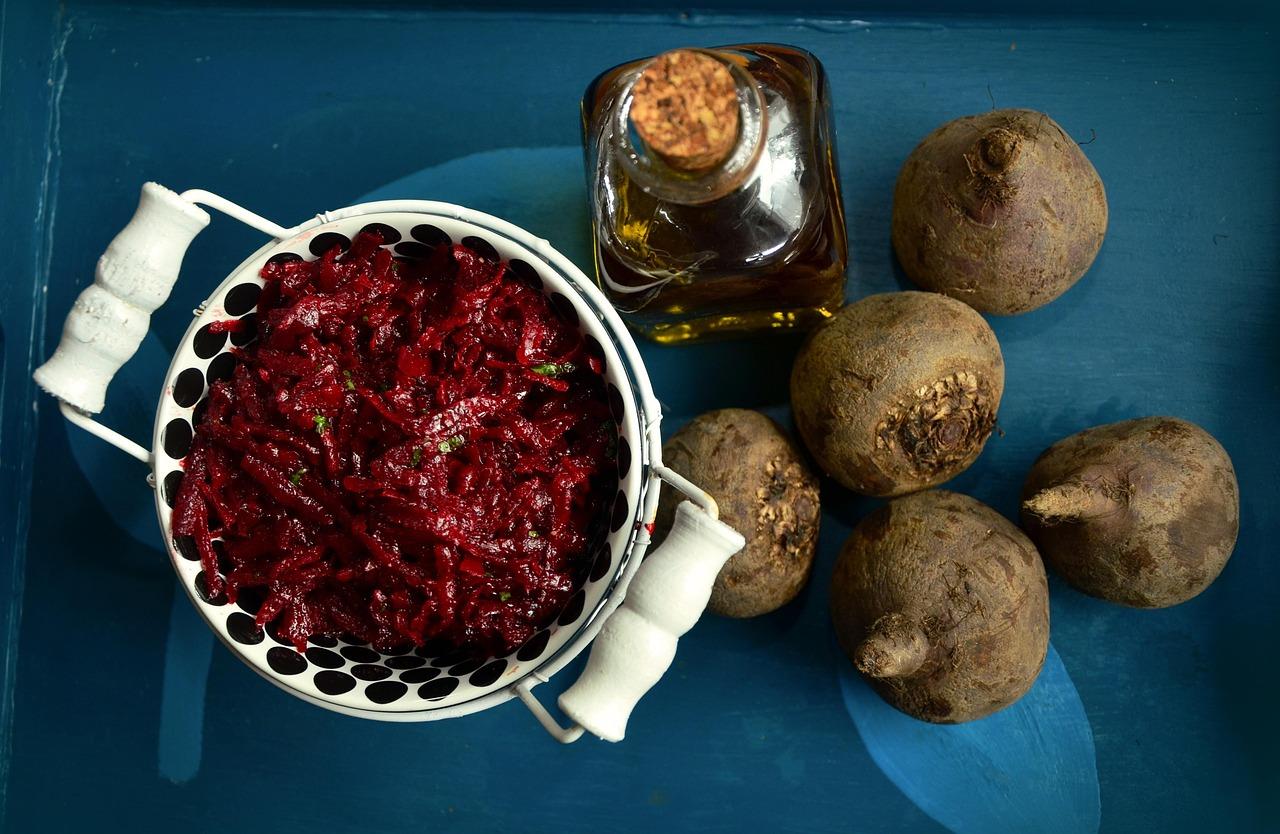
Buraczki zasmażaneWarm grated beetroot

Sunday lunch in Poland has its trio: potatoes with dill, something from the oven, and a heap of these warm, glossy beets. Cooked beetroot is grated, then warmed through with a quick butter roux that turns it soft and spoonable, and balanced with lemon juice and a little sugar until sweet, sour and earthy at once. It goes with dumplings, eggs, fried cheese or a mushroom cutlet as well as with roasts. Where most people go wrong is adding the lemon too late; acid early keeps the beets ruby red instead of brown. Chef's tip: roast the beetroot whole in foil rather than boiling it for a deeper, sweeter flavour.

by KrazyBadal 0 views

BabendaLeafy greens and rice pot

Mossi home cooks on the plateau around Ouagadougou make babenda from whatever leaves the season offers, chopping them and cooking them down with broken rice or millet until soft and porridge-like, then enriching the pot with roasted groundnuts and a spoonful of soumbala. That fermented néré seed paste is the soul of Burkina Faso's kitchens, adding a deep, savoury, slightly funky note, much as a stock would. Sour bissap leaves keep it lively and the peanuts make it creamy and filling. Dried fish often goes in; this version is meat-free and eaten warm from the bowl. Chef's tip: fry the soumbala briefly in hot oil with the onion; it mellows the strong smell and spreads the flavour through the pot.

by KrazyBadal 0 views

Zoom-koomGinger tamarind millet drink

Zoom-koom means flour water in Mooré, and in Ouagadougou it is the drink that breaks the fast at iftar during Ramadan and cools people down in the scorching weeks before the rains. Millet gives it body and a soft cereal sweetness, while fresh ginger brings heat and tamarind a sour edge; some sellers add lime or mint. It is cloudy, thick and refreshing, served very cold in small bags or glasses. Raw flour is not safe to drink as it is, so this version toasts the millet first, which also deepens its flavour. Chill for at least an hour before serving. Chef's tip: stir the jug every time you pour, as the millet settles quickly to the bottom.

by KrazyBadal 0 views

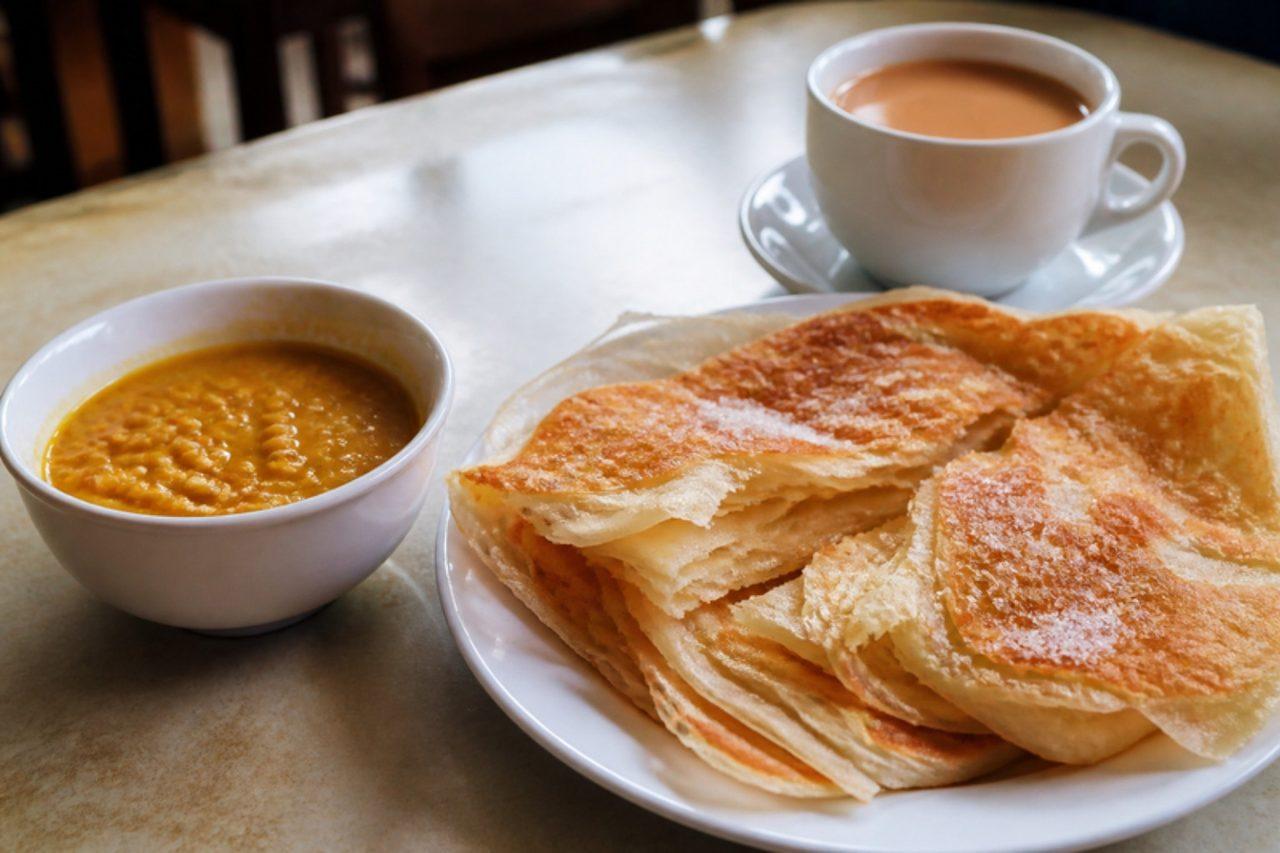
Burmese palataLayered flatbread

Indian-Burmese tea shops around Yangon's Sule Pagoda and Mandalay's 84th Street fry palata from early morning until late at night on wide, oiled griddles, the cook stretching each ball of dough until you can see through it before folding it into coils of layers. The bread comes out crisp and blistered outside, soft and chewy within, and it is eaten two ways: sprinkled with sugar as a sweet snack with milky tea, or torn and dipped into a curry or a bowl of split-pea dal. Rushing the rest is where it fails; dough that hasn't relaxed in oil for at least an hour tears when you stretch it, and the layers never form. Chef's tip: once the palata is cooked, scrunch it between your palms while still hot; it breaks the coils apart into flaky layers.

by KrazyBadal 0 views

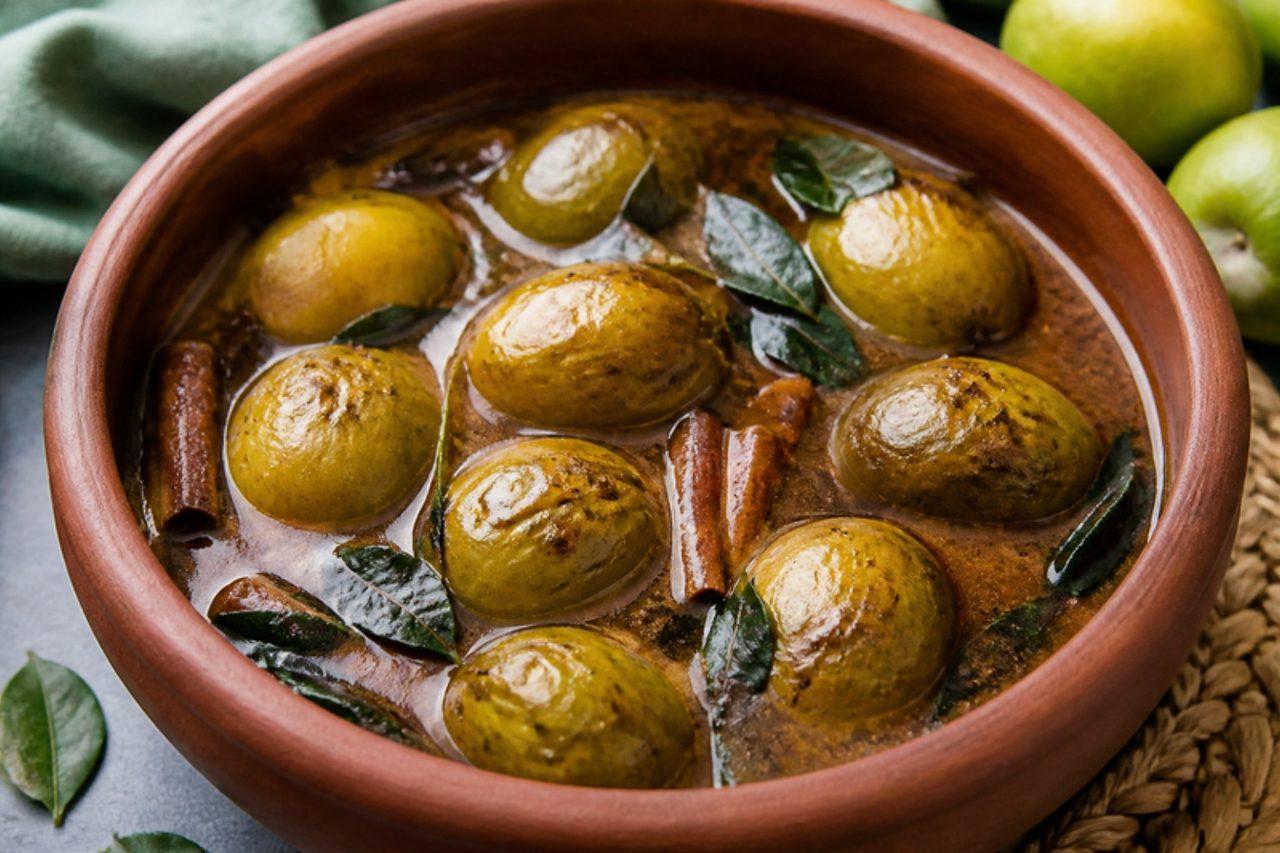
Ambarella curryJune plum curry

Ambarella trees, heavy with green, plum-sized fruit, shade countless gardens around Galle, and when the crop comes in, cooks turn the sour, crunchy fruit into this sweet-sour curry for Sunday lunch and family gatherings. The fruits are scored and cooked whole with roasted curry powder, garlic, cinnamon and cloves, then sweetened with sugar and finished in coconut milk, until the flesh softens and drinks in the dark, glossy gravy. Its tangy, fruity flavour cuts through richer dishes, and it is served in small portions with rice alongside a dhal and a meat or fish curry. Each fruit hides a spiky, fibrous stone, so warn guests to nibble around it. Leaving the skins whole and unscored is where many go wrong, because the spices never get in; make several deep cuts in each fruit. Frozen ambarella is sold in Sri Lankan shops; firm green mango is the nearest stand-in. Chef's tip: let the curry rest for an hour before serving, as the fruit keeps soaking up flavour.

by KrazyBadal 0 views

Burus shapikCheese-filled flatbreads

Burus is the soft, crumbly fresh cheese of Hunza, made in summer pastures by heating the buttermilk left after churning until it curdles, and shapik means bread; together they make one of the valley's best-loved meals, a pair of thin wholewheat rounds sealed around a filling of cheese, onion, coriander, mint and green chilli. In Gojal and central Hunza it is cooked on a griddle for family lunch, for guests and for the walk up to the high pastures, and it is eaten hot, brushed with butter, with a cup of salty tea. Overfilling is the beginner's mistake; the dough tears and the filling leaks onto the pan. Chef's tip: crumbled paneer or well-drained cottage cheese works well in place of burus; paneer needs no rennet, but check cottage cheese is labelled vegetarian.

by KrazyBadal 0 views

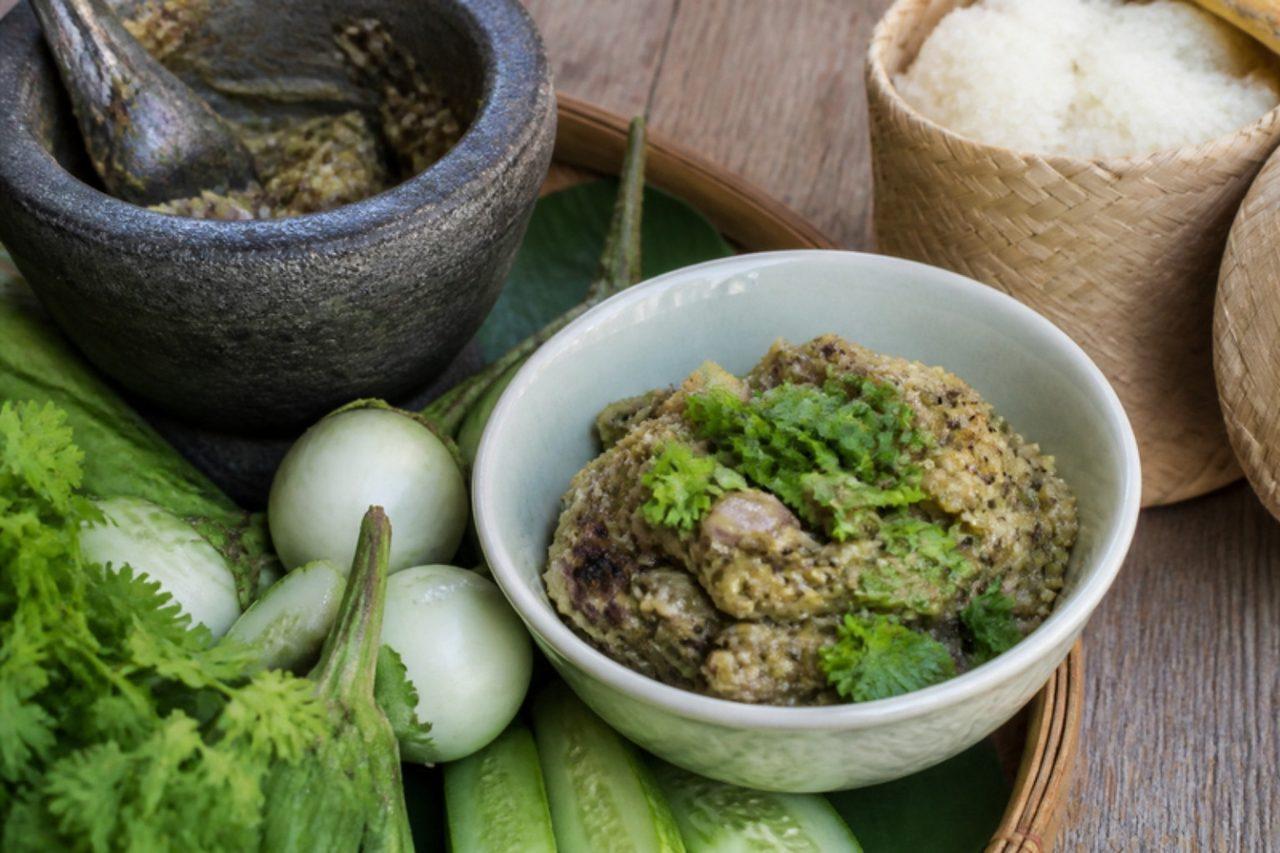
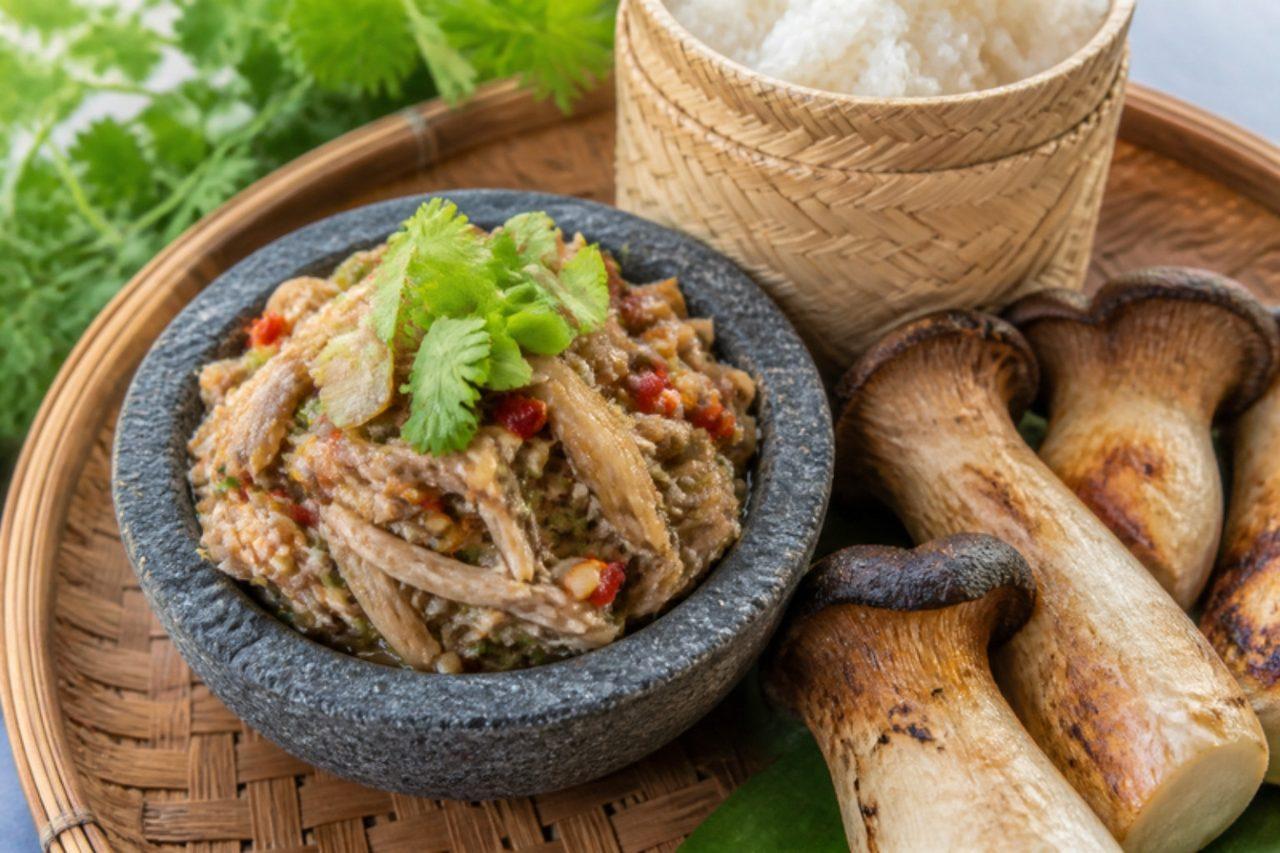
Jeow hetGrilled mushroom dip

Monsoon jeow, this one: once the rains bring mushrooms to every Lao market from July onwards, cooks grill a basket of them over charcoal and pound them with roasted chilli and garlic for a meaty, smoky dip that disappears with sticky rice at dinner. The texture is shaggy rather than smooth, juicy shreds of mushroom held together by a hot, garlicky paste, with fresh herbs stirred through at the end. It is just as good with steamed greens, cucumber and long beans, or spooned over grilled tofu. Oyster and king oyster mushrooms are the closest match to the wild ones. Many people blitz or pound it to a paste and lose the chew, and that's the thing to avoid. Chef's tip: tear the grilled mushrooms into strips by hand before they go into the mortar, then pound only to bruise them.

by KrazyBadal 0 views

Arroz mamposteaoFried rice and stewed beans

Fondas around San Juan put arroz mamposteao on the menu as a way to use yesterday's white rice and the last ladle of habichuelas, and at home it is the Sunday-night fix when the pots from lunch come out of the fridge. The rice is fried in olive oil with a fresh sofrito, then the beans and their sauce go in until every grain is stained pink and the edges catch and crisp. Many cooks add ham or bacon; this version stays meat-free and gets its depth from the sofrito and a little smoked paprika. The common mistake is using freshly cooked rice, which turns to paste; cold, day-old rice keeps separate grains. Chef's tip: leave the pan alone for the last few minutes so a crunchy layer forms on the bottom, then fold it through.

by KrazyBadal 0 views

BuzaraMussels in garlic and white wine

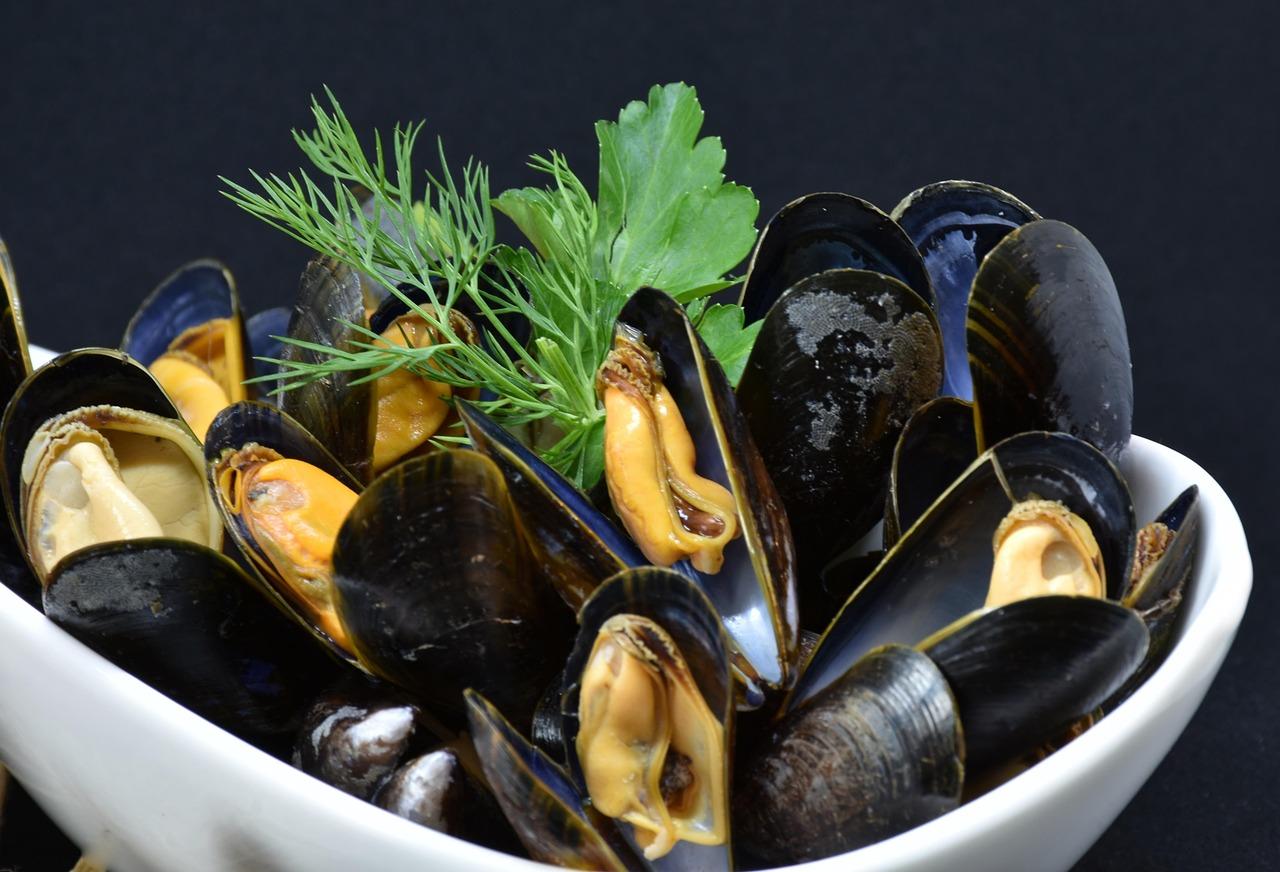
Summer lunch on the Dalmatian coast often starts with a steaming pot of buzara, especially near Ston, where mussels and oysters are farmed in the bay. Na bijelo, the white style, means mussels opened in olive oil, garlic, parsley and white wine, with a spoon of breadcrumbs thrown in at the end to thicken the juices into a light, garlicky sauce. Serve with plenty of crusty bread for mopping and a bowl for empty shells. The wine cooks off but leaves flavour; for an alcohol-free version use the same amount of fish or vegetable stock with a tablespoon of white wine vinegar. Overcooking is where most people go wrong: pull the pot off as soon as most shells have opened, or the mussels turn rubbery. Chef's tip: shake the pot rather than stirring, so the mussels tumble without breaking their shells.

22 minBalkanFish
by KrazyBadal 0 views

JasheedFried minced fish with rice

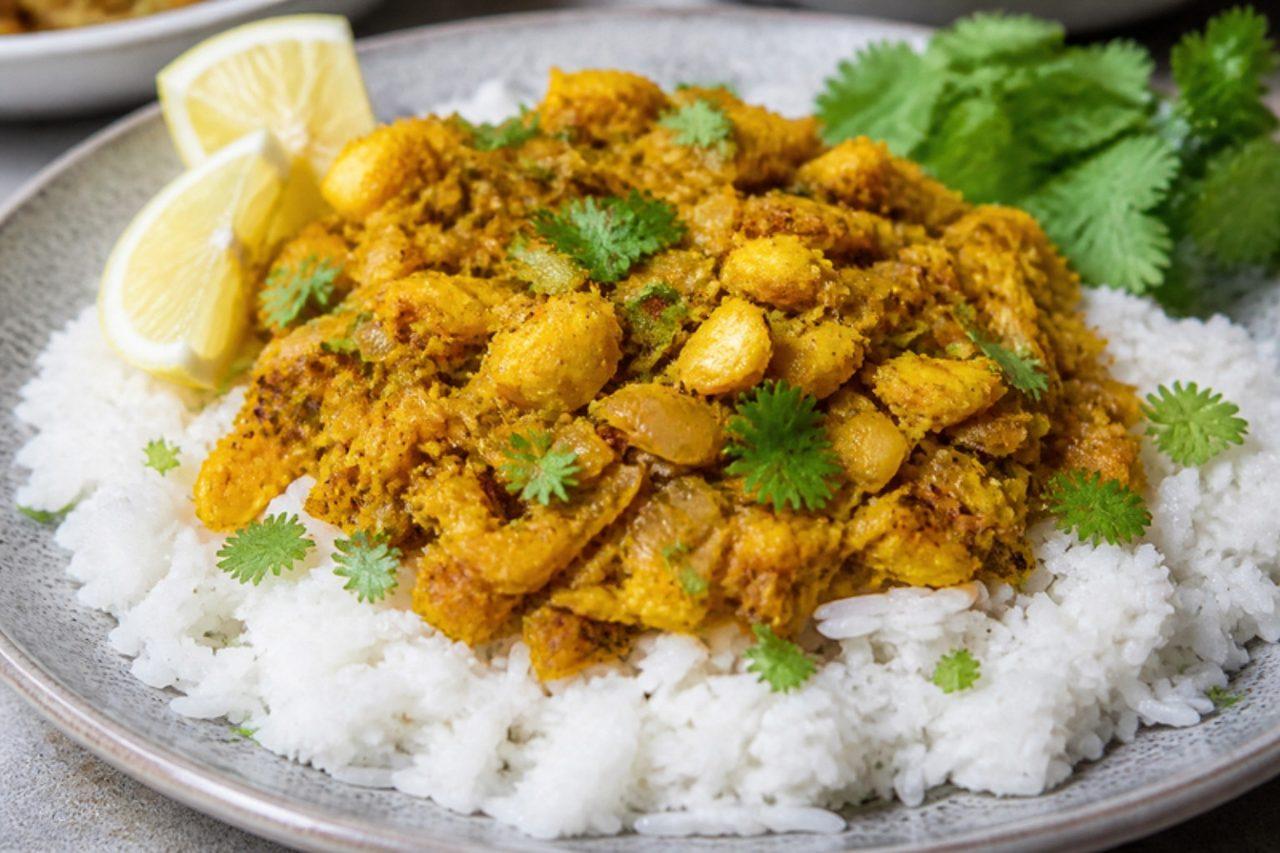
Jasheed comes from the coastal kitchens of the United Arab Emirates and Bahrain, where baby shark caught in the shallows was boiled, shredded and fried with heaps of onion and spice, then piled over white rice for lunch. It is dry, fragrant and savoury, a little like a fish keema, with sweet onion and a warmth of turmeric and bezar. At home any firm white fish such as hamour, cod or haddock works perfectly; use shark only where it is legal and sustainably caught. The mistake people make is skipping the squeeze-dry after poaching, so the mixture stews instead of frying. Chef's tip: take your time over the onions, they should be soft and amber before the fish goes in, because they carry the sweetness of the dish.

by KrazyBadal 0 views

JareeshCracked wheat with yogurt

Across Najd and Qassim, jareesh is comfort food for cold desert evenings and a fixture of Ramadan tables in Riyadh: coarsely cracked wheat cooked slowly until it collapses into a soft, porridge-like mass, then loosened with laban and crowned with onions fried in ghee and cumin. Many families cook it in chicken stock with pieces of meat; this version uses water or vegetable stock and is fully vegetarian. The texture should be creamy but still a little nubbly, with a gentle tang from the yogurt. The most common mistake is adding the laban over a high heat, which splits it into grainy curds; stir it in off the boil. Serve it with daqqus and a green salad. Chef's tip: soak the wheat first and skim the starchy foam during the first boil for a cleaner, smoother result.

by KrazyBadal 0 views

Aruban pan batiSweet cornmeal pancakes

Aruban families put a stack of pan bati on the table with almost every bowl of soup or stew, from sopi di pisca to kabritu stoba: thick, slightly sweet pancakes of cornmeal and flour, cooked on a dry griddle and torn to mop up the broth. They are soft, a little grainy and golden at the edges. The mistake is cooking them too fast, so they burn outside and stay raw in the middle. Chef's tip: let the batter rest for 10 minutes so the cornmeal softens and the pancakes come out tender.

by KrazyBadal 0 views

Jāņu siersCaraway curd cheese

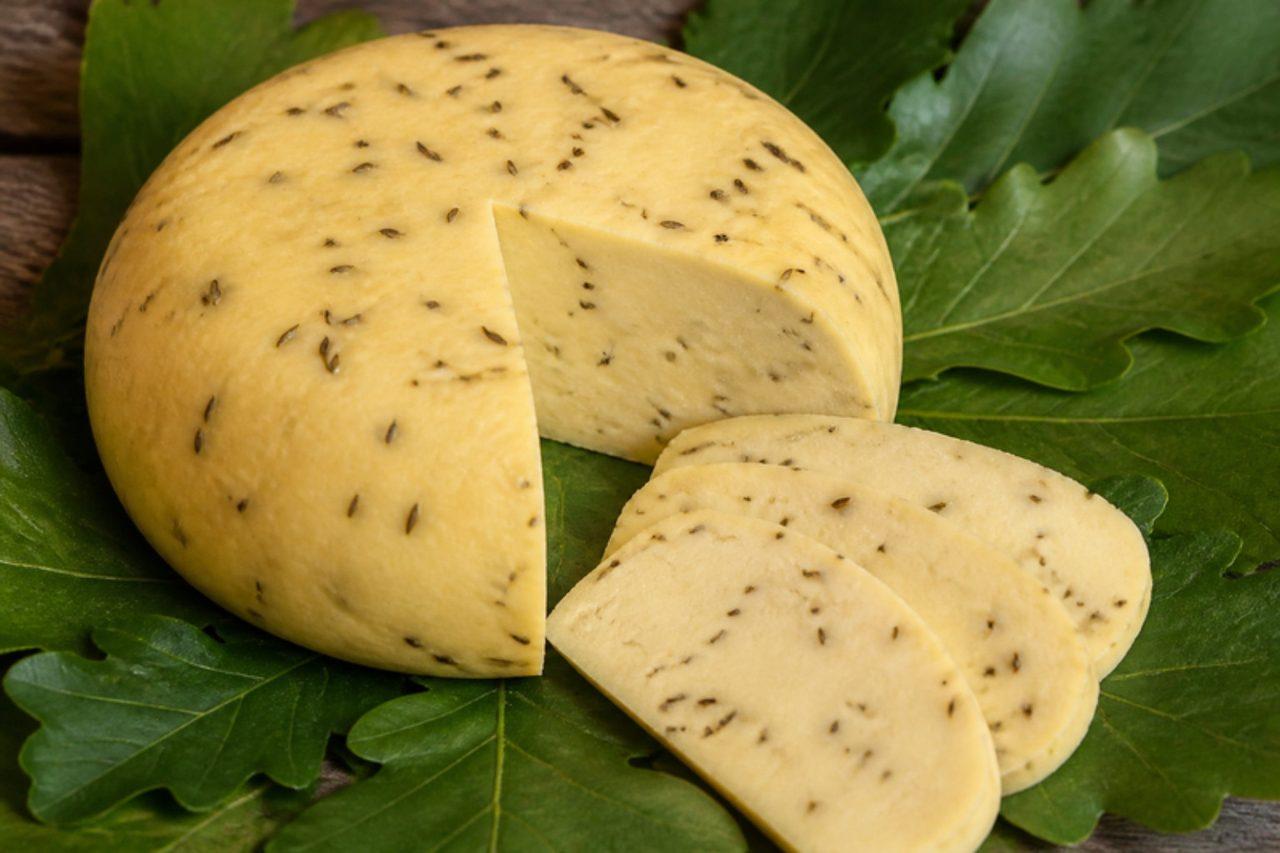
Jāņu siers is the round, golden caraway cheese that Latvians make for Jāņi, the midsummer festival on 23–24 June, when it is eaten with rye bread and honey, and songs, around bonfires. Unlike most cheeses it needs no rennet: fresh curd cheese is cooked with hot milk, eggs, butter and caraway into a smooth mass, then pressed in a cloth and left to set. Its round shape and golden colour stand for the sun. A common mistake is cooking it over a high heat, which makes it grainy and rubbery. Chef's tip: stir constantly over a low heat until it pulls away from the pan in one shiny ball, then press it straight away.

by KrazyBadal 0 views

Asa tibsFried tilapia pieces

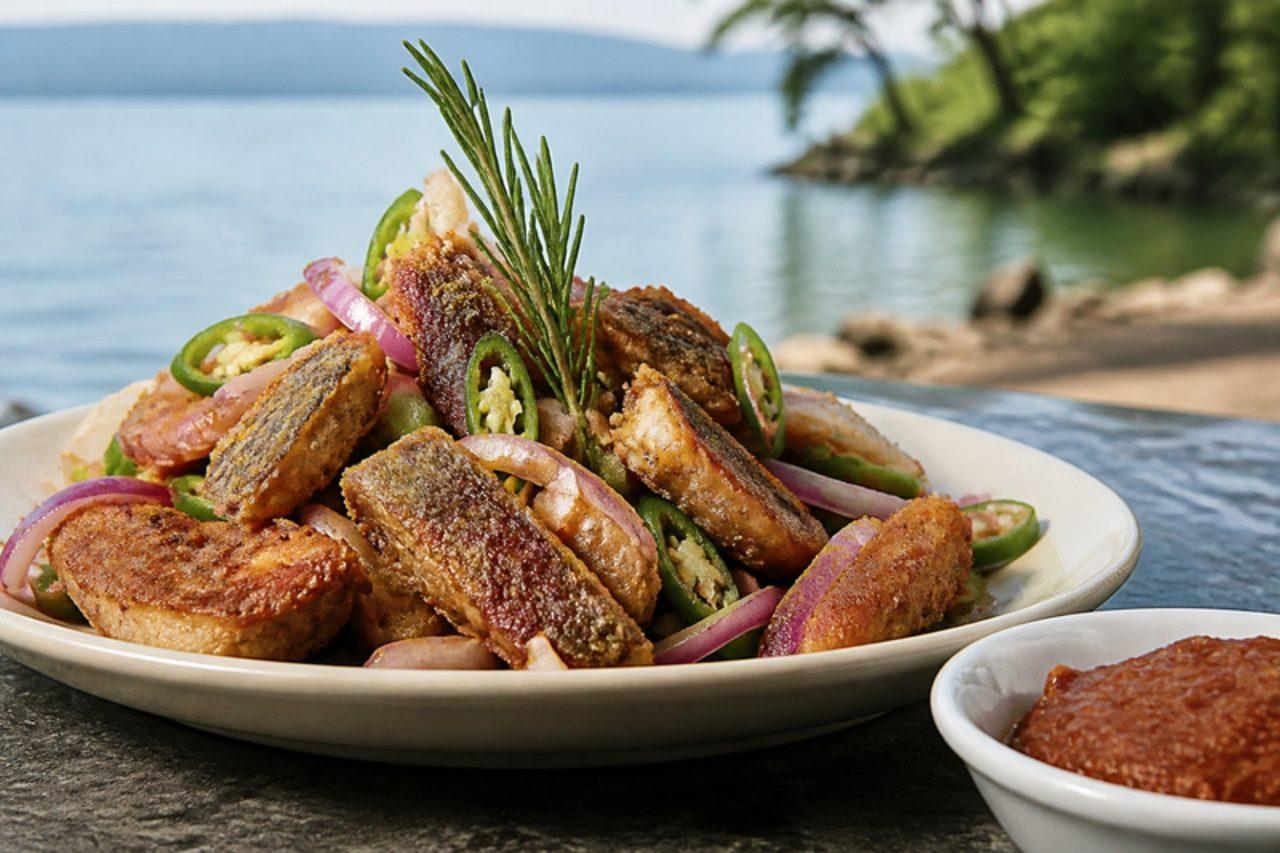
Down by the fish market on the shore of Lake Hawassa, cooks fry tilapia straight from the boats and serve it with injera, bread and a fiery dip, and asa tibs is the version you can easily make at home. Bite-sized pieces of fillet are dusted, fried until crisp and golden, then tossed briefly with soft onion, green chilli and a spoon of awaze, so the fish is crunchy outside, flaky and sweet inside, and coated in a spicy glaze. It is a favourite on fasting days for people who eat fish, and quick enough for a weeknight. Chef's tip: leave each piece undisturbed until it releases from the pan by itself; moving fish too early is the common mistake, and it tears the coating and breaks the flesh.

by KrazyBadal 0 views

Asa watFish in berbere stew

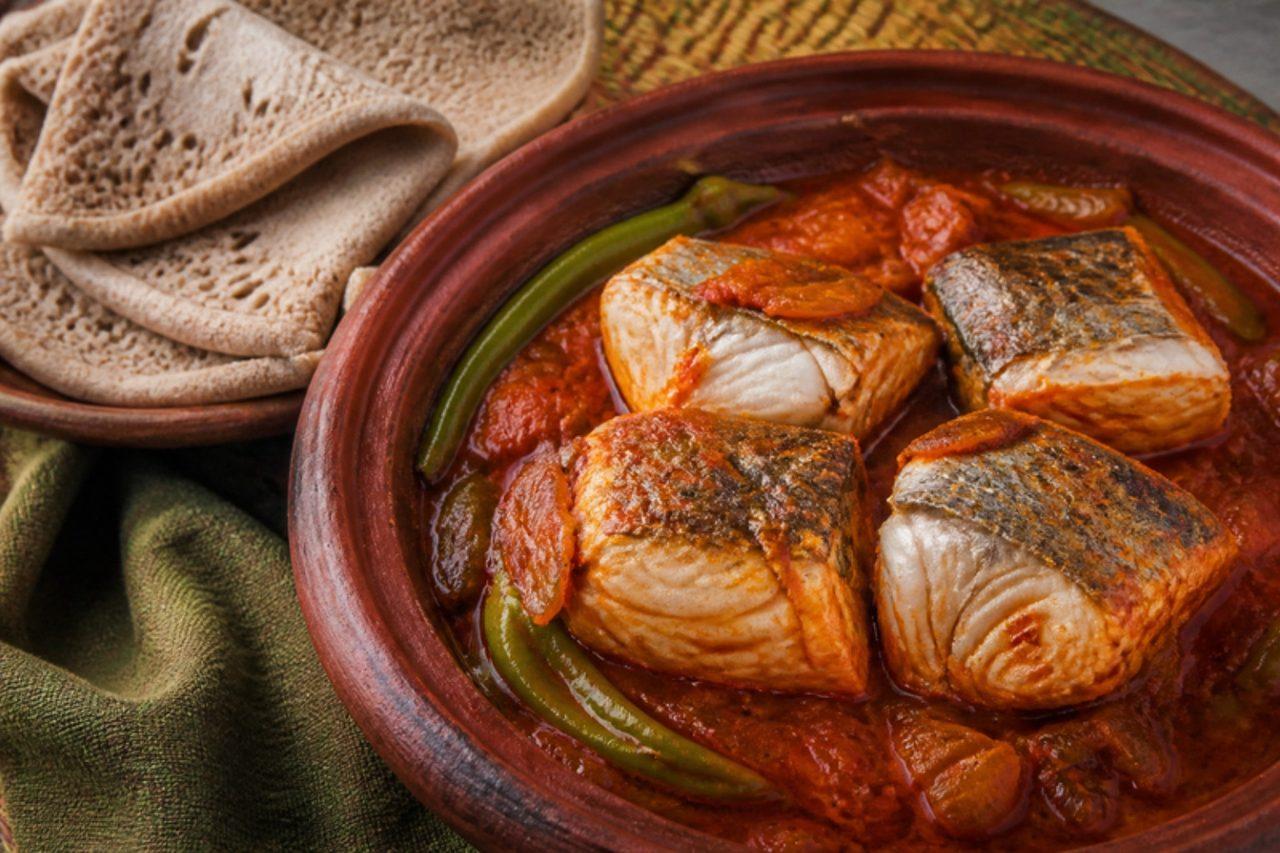
Around Lake Tana in Bahir Dar and on the shores of Lake Hawassa, fresh tilapia, Nile perch and catfish are cheap and plentiful, so fish goes into the same deep red berbere sauce that elsewhere would hold beef or chicken. Asa wat has the familiar long-cooked onion base and warming spice, but it is lighter than a meat wat, with tender, sweet chunks of fish soaking up the sauce. It is eaten with injera, often alongside a lentil or greens dish, and is a popular choice on fasting days for those who eat fish. Stirring once the fish is in is the classic mistake; it breaks into shreds, so shake the pan instead. Chef's tip: add the fish only once the sauce is fully cooked and thick, then give it no more than 10 minutes.

by KrazyBadal 0 views

MounaOrange-flower brioche

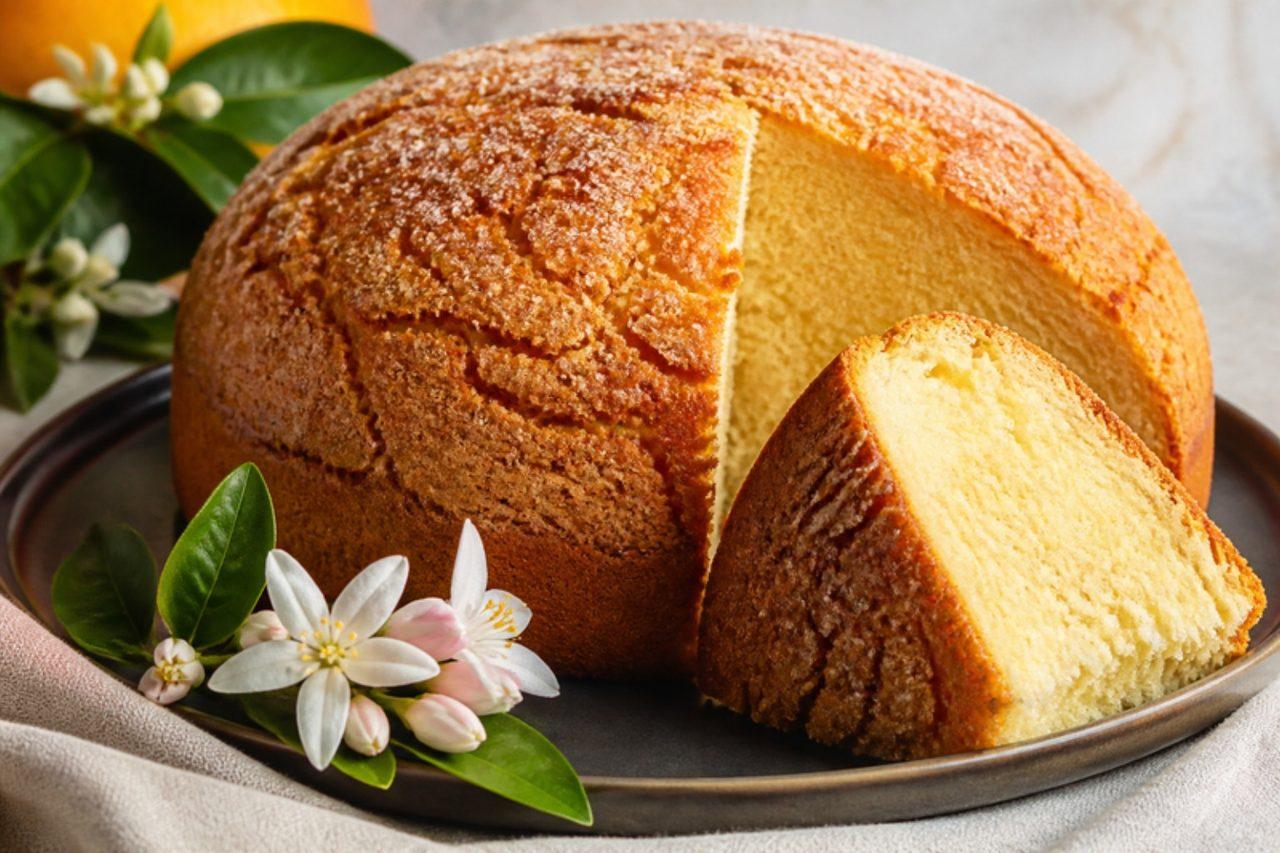
Oran's mouna came over with Spanish settlers as the Easter mona, and it is still baked for spring outings, recalling the Easter Monday picnics once held at the Santa Cruz chapel above the city. It is a tall, light, golden brioche with a crackly sugar crust, softly flavoured with orange-flower water and lemon zest rather than butter-heavy, and it tears into long, feathery strands. Eat it with coffee or hot chocolate, plain or with jam. The dough is slow and sticky, so give it time. Chef's tip: let the dough rise slowly overnight in the fridge after the first knead; it becomes easier to shape and the flavour deepens.

by KrazyBadal 1 views

Kishmish panirFresh cheese with raisins

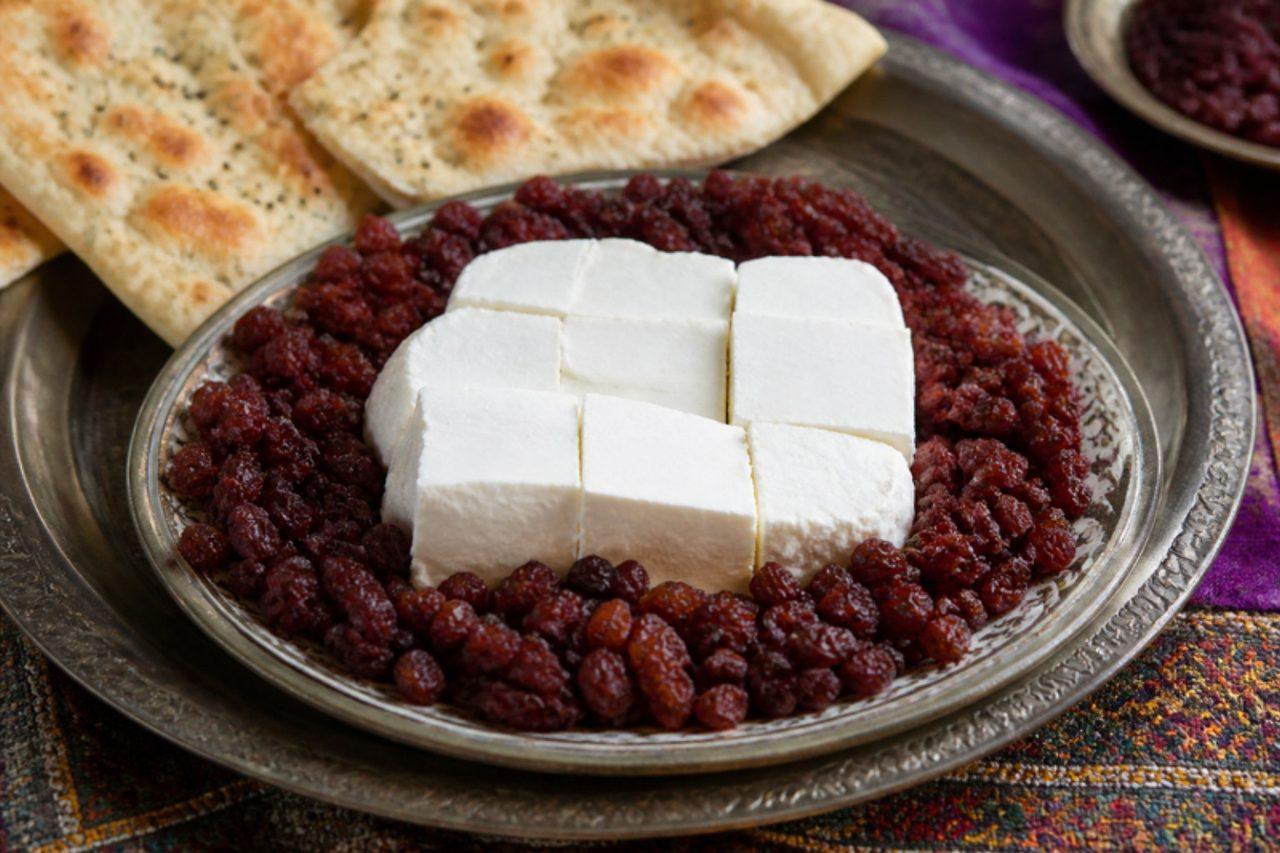
Spring in Kabul is announced by sellers who appear on street corners with trays of soft white panir laid on leaves and a heap of dark red raisins beside it, and kishmish panir becomes the snack of the season. The cheese is unripened and barely salted, milky and springy like a just-set curd, and the chewy, sweet-tart raisins are eaten alongside it in alternate mouthfuls, usually with a piece of naan and a glass of green tea. Afghan panir is set with rennet, traditionally animal rennet, so use a vegetarian (microbial) rennet to keep it vegetarian, and always start with pasteurised milk. The batch that refuses to set has nearly always been made with UHT or ultra-filtered milk, which will not curdle with rennet. Chef's tip: soak the raisins in cold water for half an hour first; they plump up and stop tasting dusty.

by KrazyBadal 0 views

KishkeStuffed baked derma

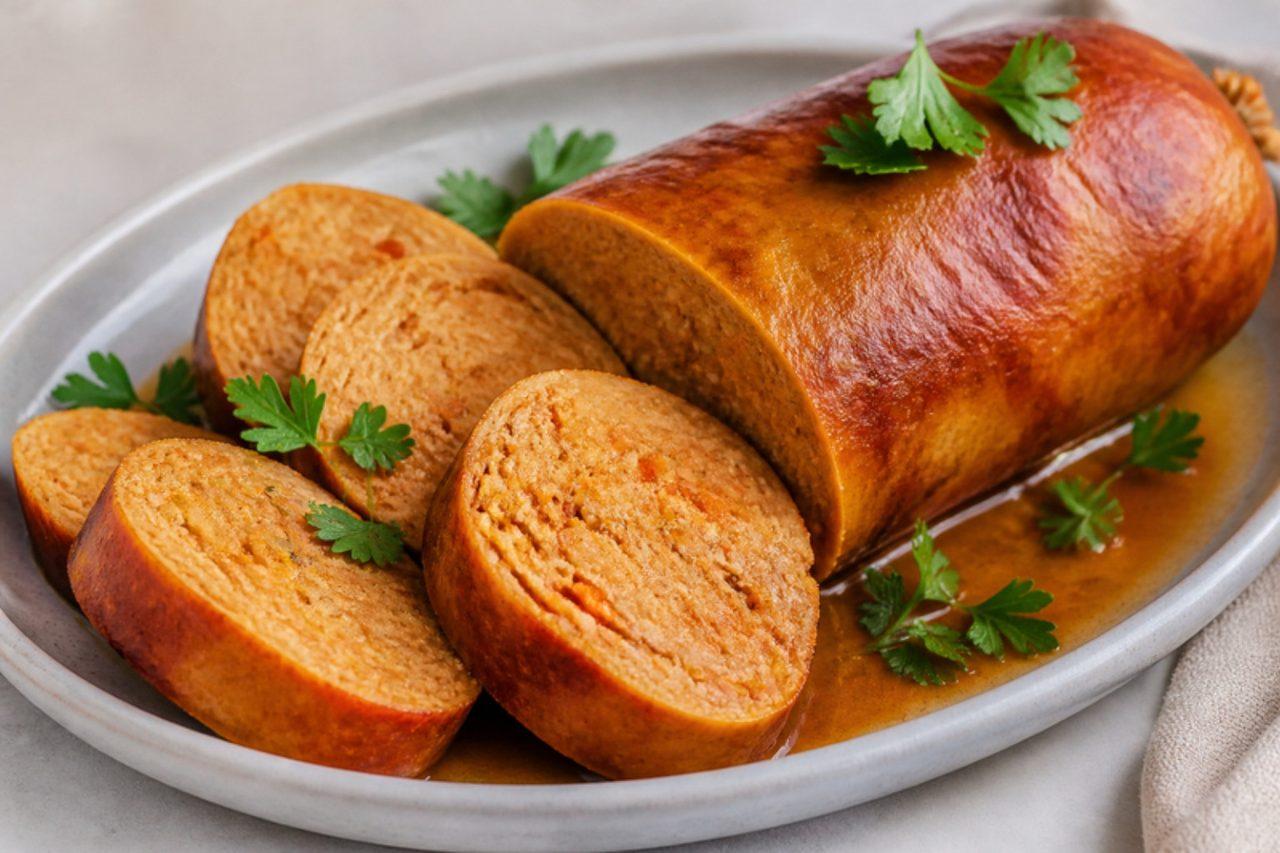
Kishke, also called derma, was once stuffed into cleaned beef intestine and buried in the Shabbat cholent to cook overnight, and Haredi neighbourhoods such as Jerusalem's Geula still sell it at the butcher, orange with paprika, for Friday. The filling is humble: flour or matzo meal, onion, carrot and celery bound with rendered chicken fat, which cooks into a dense, savoury sausage with a crackling crust. This home version fills a sausage casing or rolls the mixture into a paper-and-foil log, then bakes it on its own or lays it on top of the cholent. Too dry a filling is the usual problem; it should feel like a soft, oily dough. Chef's tip: slice leftover kishke and fry the rounds in a dry pan until crisp on both sides.

145 minIsraeliMeat
by KrazyBadal 0 views

Kishk sa'idiFermented yoghurt and wheat porridge

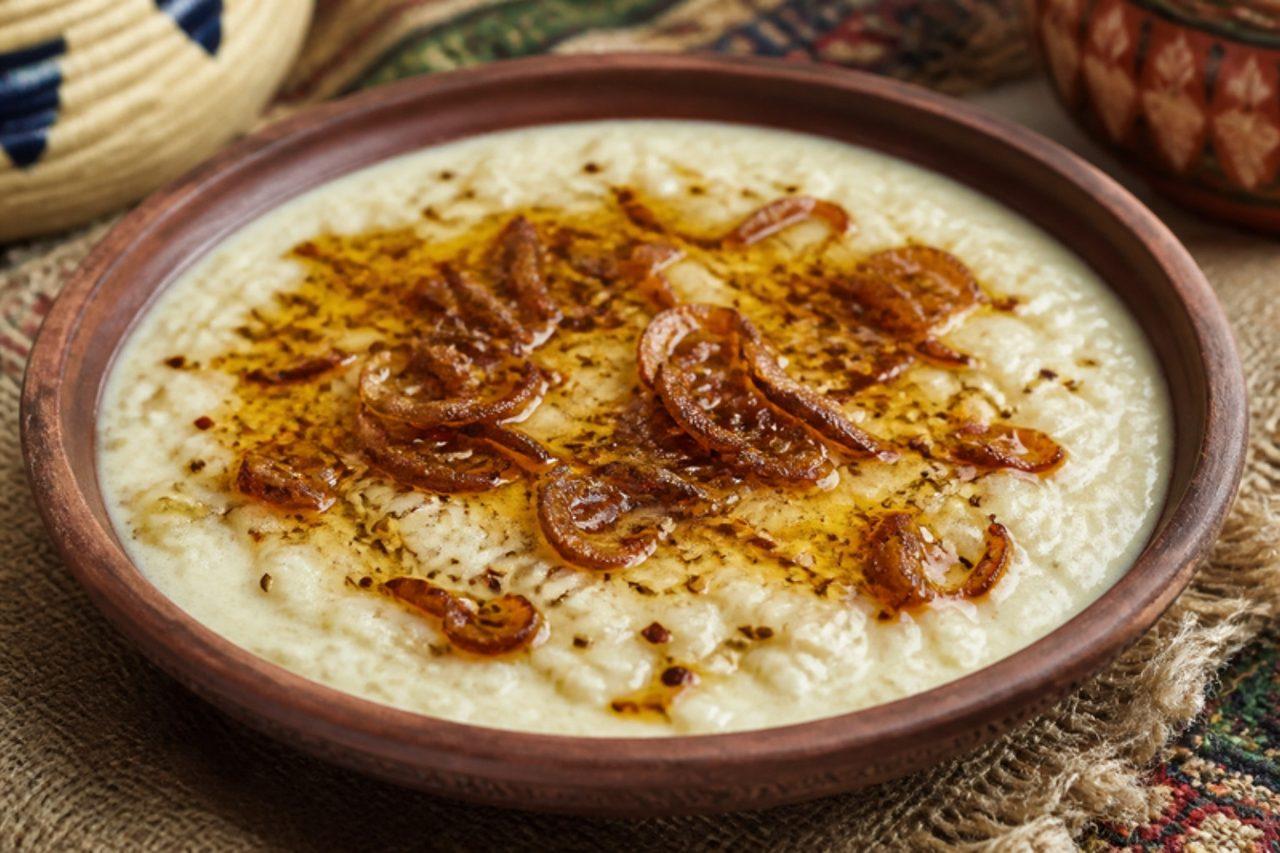
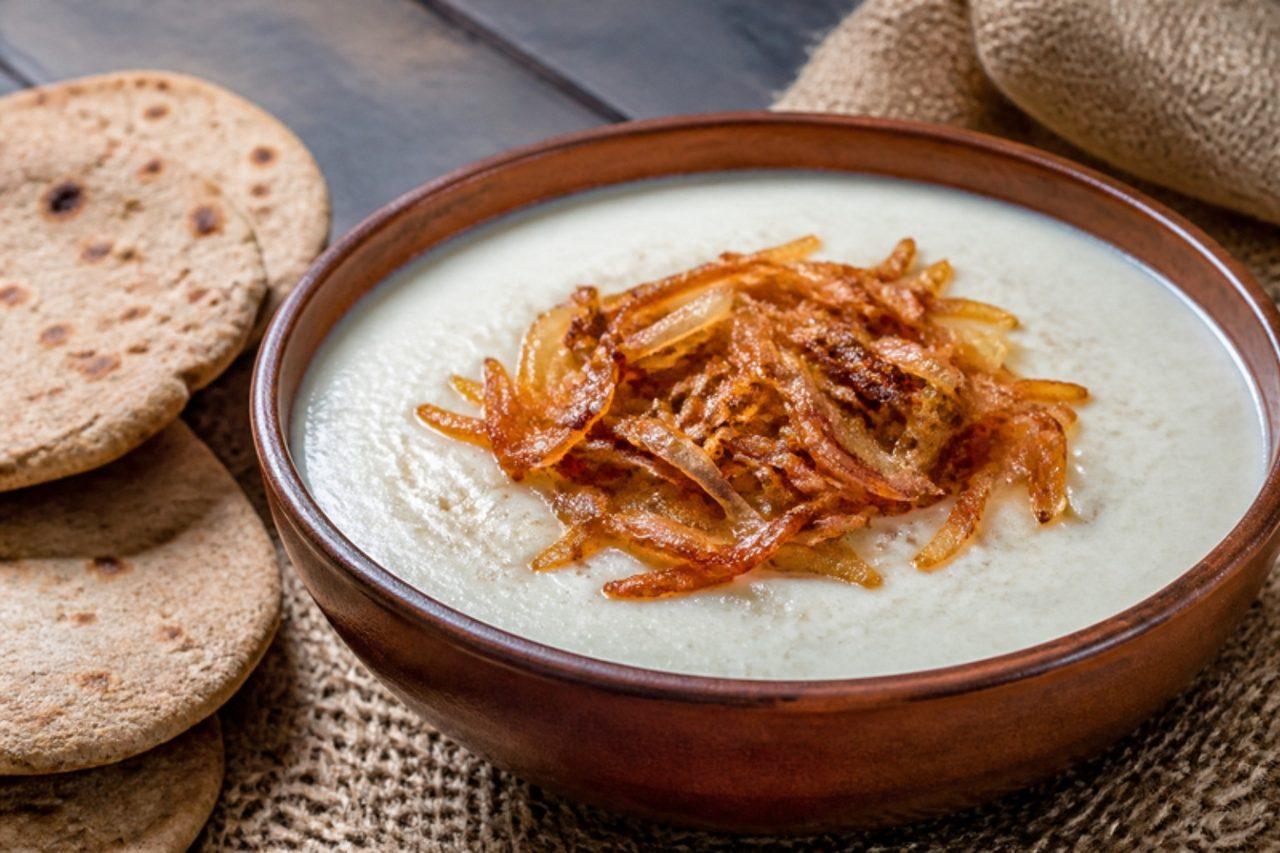
Kishk sa'idi belongs to the villages of the Sa'id, from Minya down to Qena and Luxor, where wheat and soured yoghurt are mixed, rolled into balls and dried on rooftops in the summer sun so the family has it through the winter. Soaked and simmered, the kishk becomes a thick, tangy, creamy porridge, finished with plenty of onions fried in ghee and eaten hot with bread. It is usually cooked in chicken stock; this vegetarian version uses vegetable stock and a little milk for body. Look for Upper Egyptian kishk at Egyptian grocers; Levantine kishk powder works but is often sourer, so add a little extra milk. Allow at least 2 hours for soaking. Chef's tip: keep it at a gentle bubble and stir constantly, because the yoghurt catches on the bottom and turns lumpy within minutes.

by KrazyBadal 0 views

Aseedat bobarPumpkin pudding with ghee

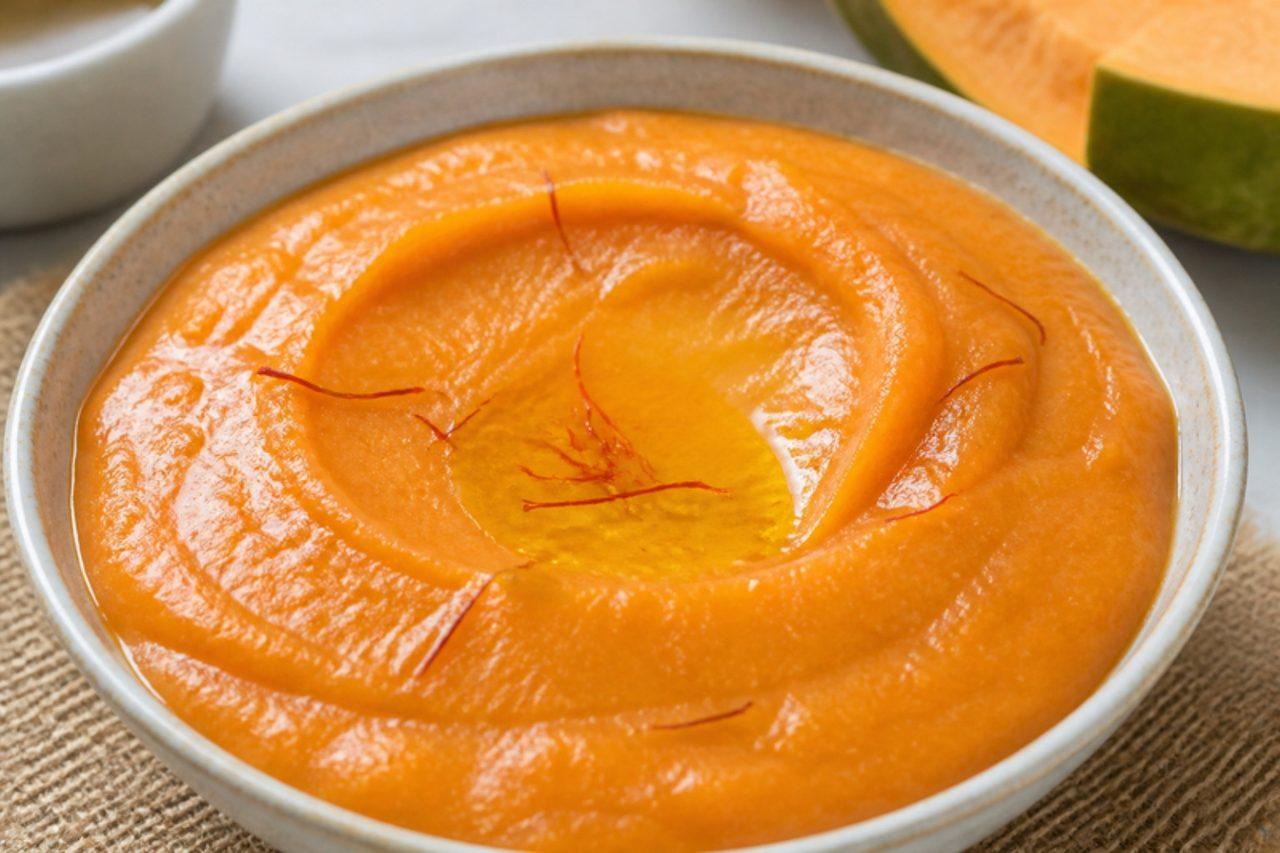
In Doha and Kuwait City, aseedat bobar arrives on winter evenings and at Ramadan iftar in a shallow dish, smooth and orange, with a little pool of melted ghee in the centre. Bobar is the Gulf word for red pumpkin, cooked down and thickened with toasted flour, sugar and cardamom into a soft, spoonable sweet that tastes a bit like a spiced pumpkin pie filling. Scoop it warm with a spoon or with pieces of bread, alongside Arabic coffee. Stopping the stirring too soon is the usual mistake: the pudding must cook until it pulls away from the sides, or it tastes of raw flour. Chef's tip: toast the flour in a dry pan until it smells like biscuits before it goes in; that nutty note is what makes it.

by KrazyBadal 0 views

KarantikaBaked chickpea flour flan

Schoolchildren in Oran spend their pocket money on karantika, a savoury chickpea-flour flan baked in huge trays and cut into squares by street vendors, who sprinkle it with cumin and harissa and often stuff it into a piece of baguette. Its roots go back to the Spanish calentica of Oran's past, and it has spread across western Algeria. Made with only chickpea flour, water, oil and egg, it bakes into a soft, custardy, slightly wobbly middle under a crisp, burnished top. Serve it warm, cut into squares, with harissa; to keep the dish gluten free, skip the bread. Chef's tip: rest the batter for at least 30 minutes before baking; the flour hydrates and the flan sets smooth instead of grainy.

by KrazyBadal 0 views

KololakBeef and rice meatballs in broth

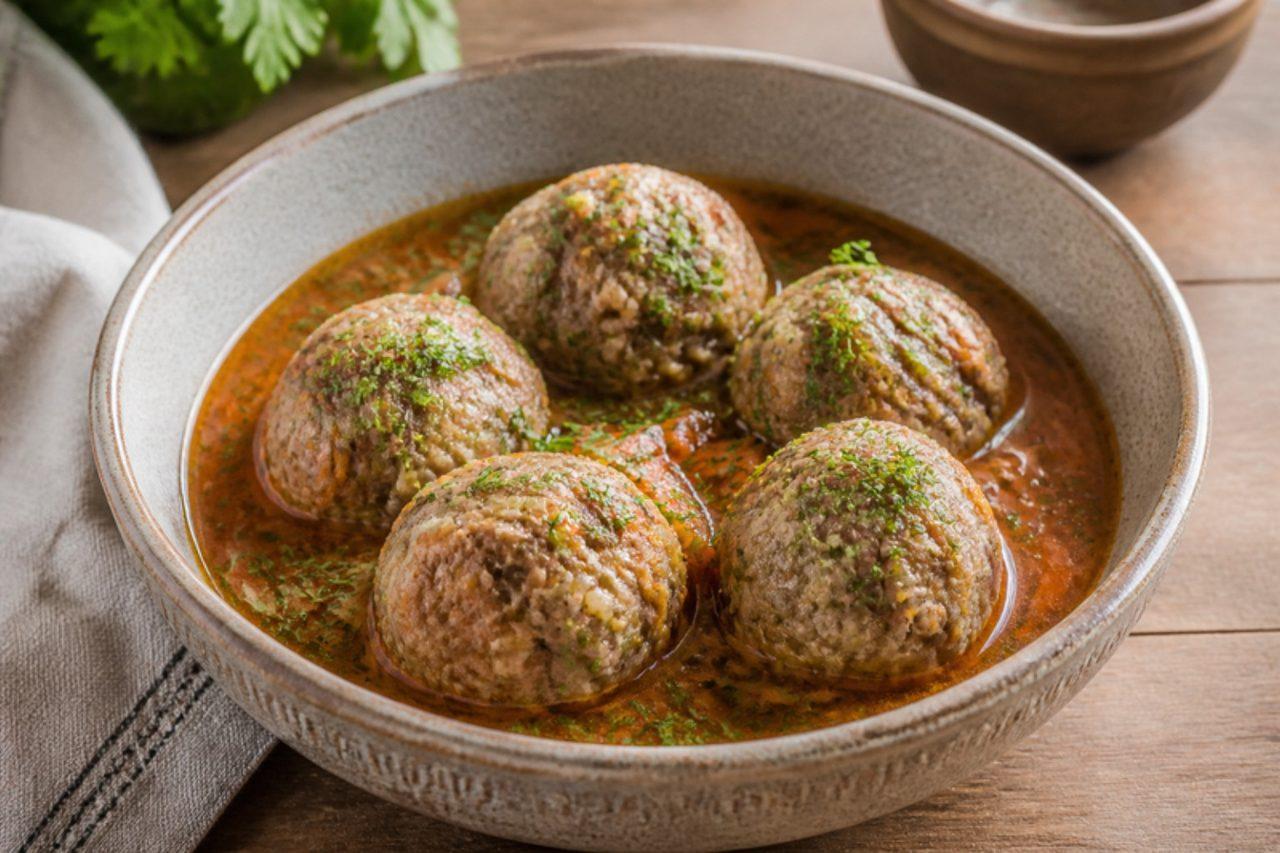
Kololak are the big, soft meatballs of Gyumri, Armenia's second city, where they are cooked for family Sunday dinners: very finely minced beef is beaten with rice, onion and egg until smooth and springy, shaped into balls the size of a small orange and simmered in a light broth with tomato and herbs. The broth is served first as soup, the meatballs after. A common mistake is skipping the long kneading, which makes the meatballs crumble in the pot. Chef's tip: wet your hands with cold water while shaping, and lower the balls into broth that is only just simmering, so they hold together. Minced meat must reach 71 °C in the centre.

by KrazyBadal 0 views

Showing 90 of 8,120 recipes

Page 326 of 903