Skip to content
Pork souvlaki
Featured recipe

Pork souvlaki

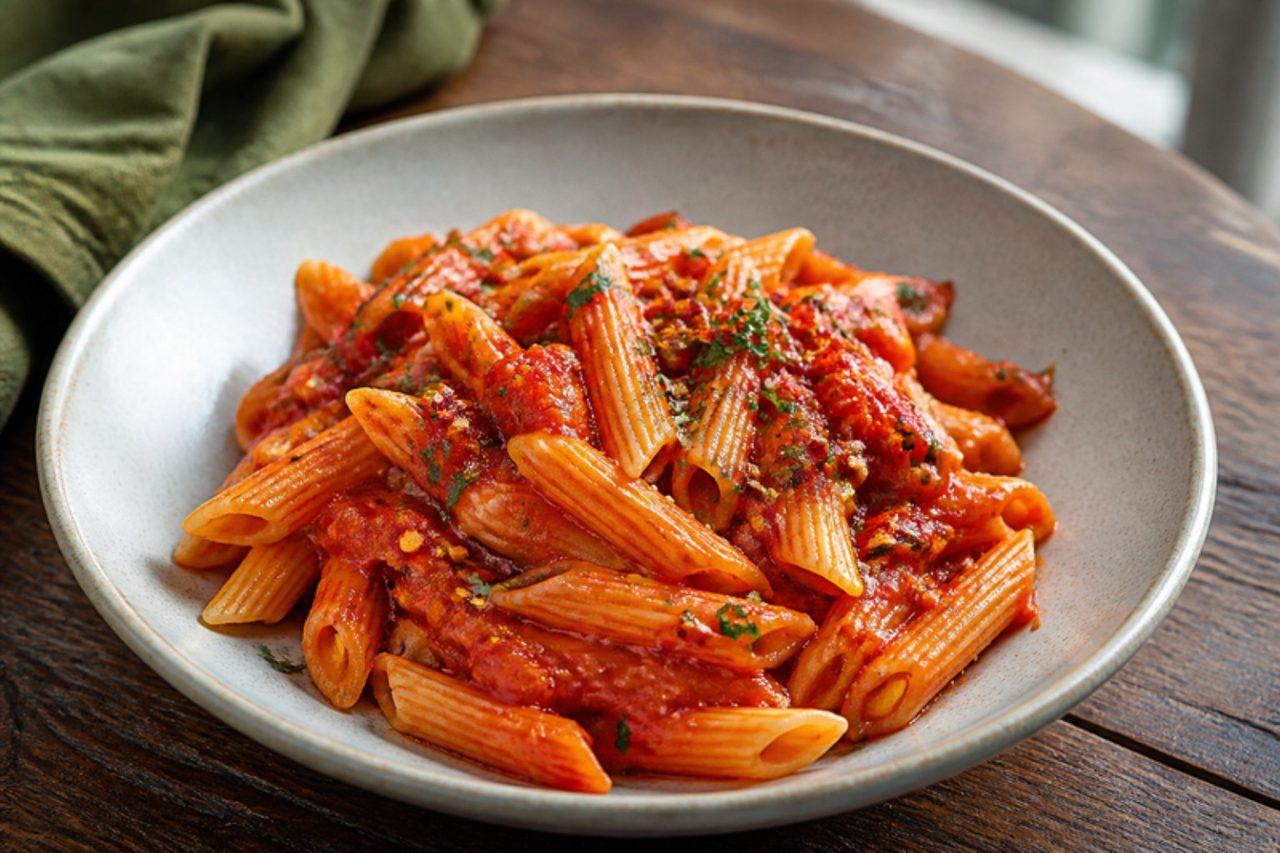
This is a pork recipe. Walk through any Greek town after dark, from Athens to Thessaloniki, and the smell of souvlaki stands drifts down the street; cubes of pork shoulder grilled on thin skewers are the country's favourite cheap supper, eaten standing up or at a plastic-table taverna. At home you marinate the meat in lemon, olive oil, garlic and dried oregano, grill it hard and fast, and pile it on warm pitta with tzatziki, tomato and red onion. Chef's tip: cut the pork into even 2.5 cm cubes and leave a little fat on; lean loin dries out, shoulder stays juicy over high heat.

Read more 1 views

What to eat today?

Around the world

Today's trip: Persian

A new country every day, from every cuisine on the site.

Persian

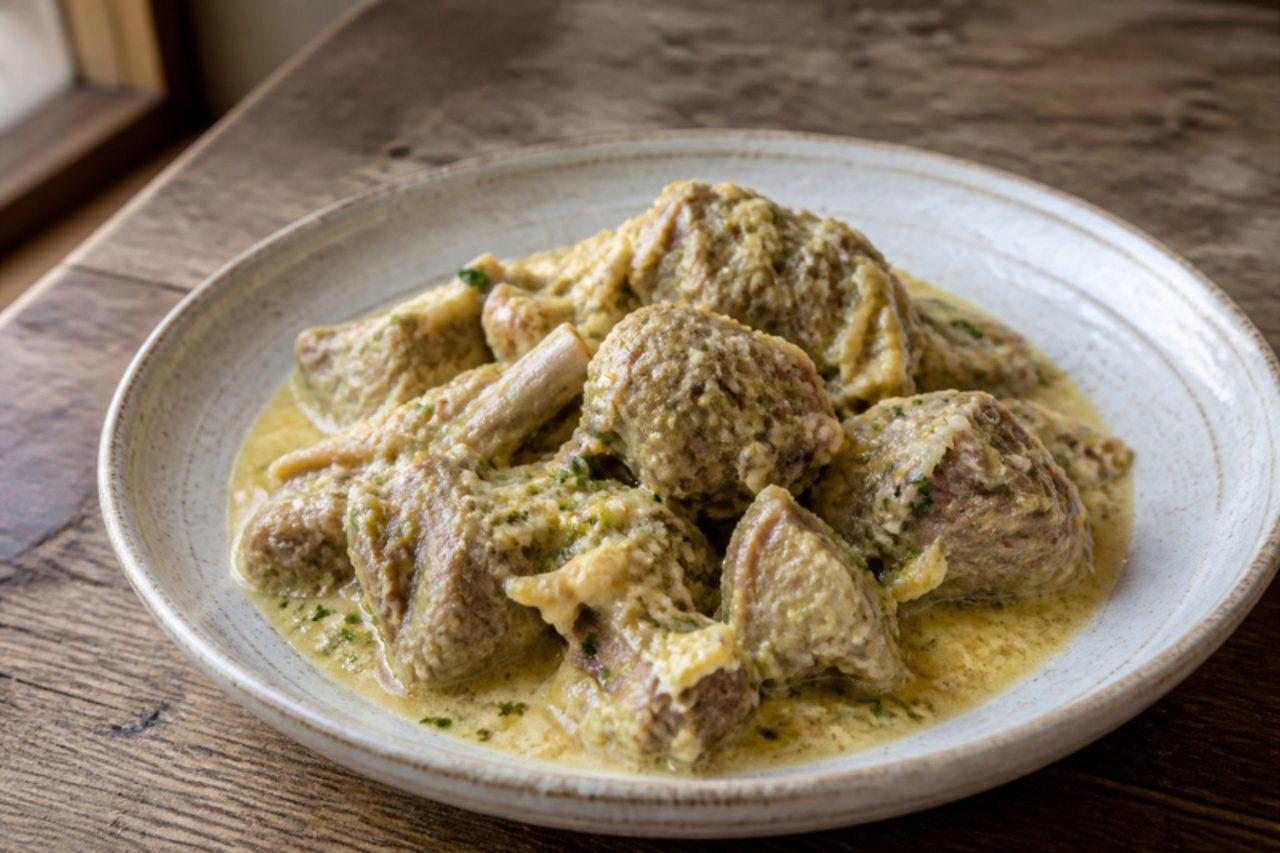
Dizi

Lamb and chickpea stew 245 minMore from Persian (131) →

This week's collection

Kid-friendly dinners
578 recipes · a new collection every Monday

Latest recipes

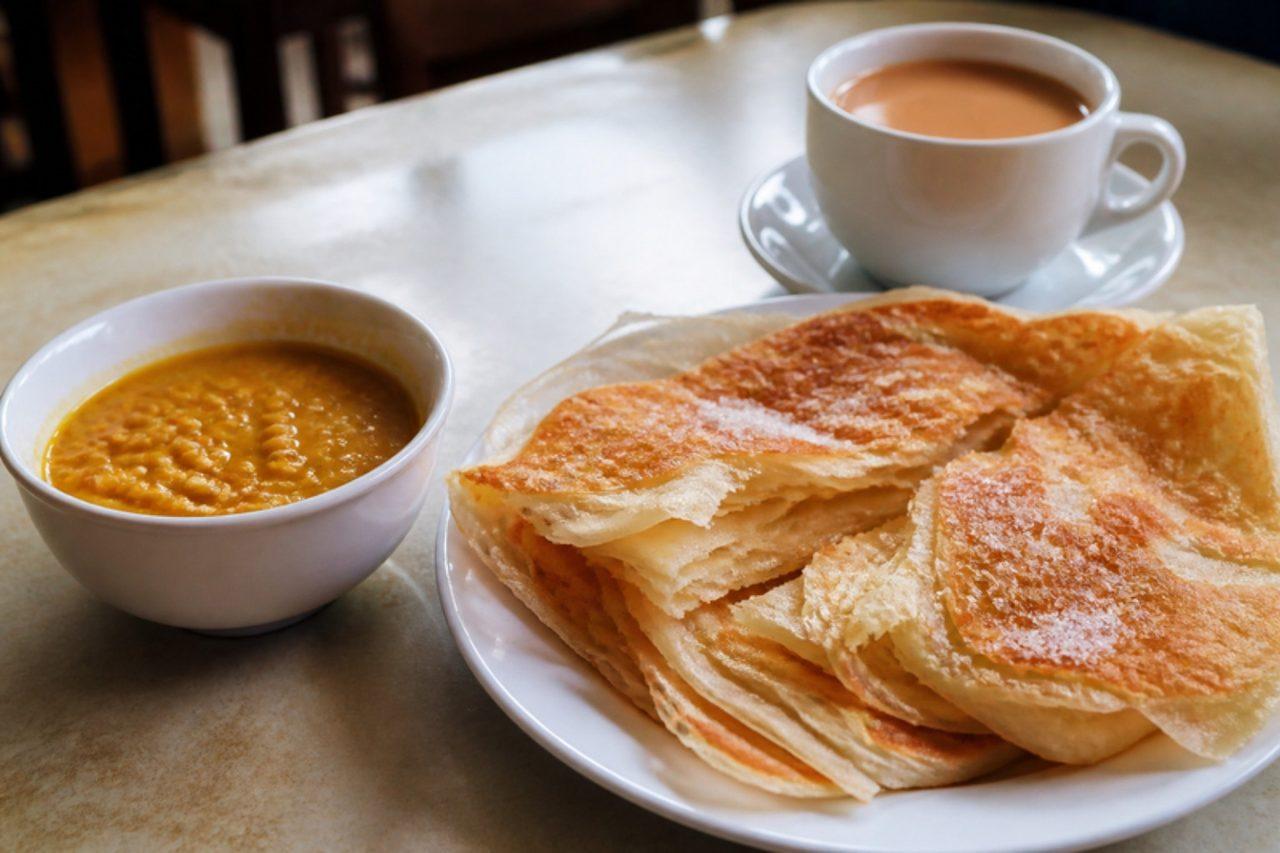
Burmese palataLayered flatbread

Indian-Burmese tea shops around Yangon's Sule Pagoda and Mandalay's 84th Street fry palata from early morning until late at night on wide, oiled griddles, the cook stretching each ball of dough until you can see through it before folding it into coils of layers. The bread comes out crisp and blistered outside, soft and chewy within, and it is eaten two ways: sprinkled with sugar as a sweet snack with milky tea, or torn and dipped into a curry or a bowl of split-pea dal. Rushing the rest is where it fails; dough that hasn't relaxed in oil for at least an hour tears when you stretch it, and the layers never form. Chef's tip: once the palata is cooked, scrunch it between your palms while still hot; it breaks the coils apart into flaky layers.

by KrazyBadal 0 views

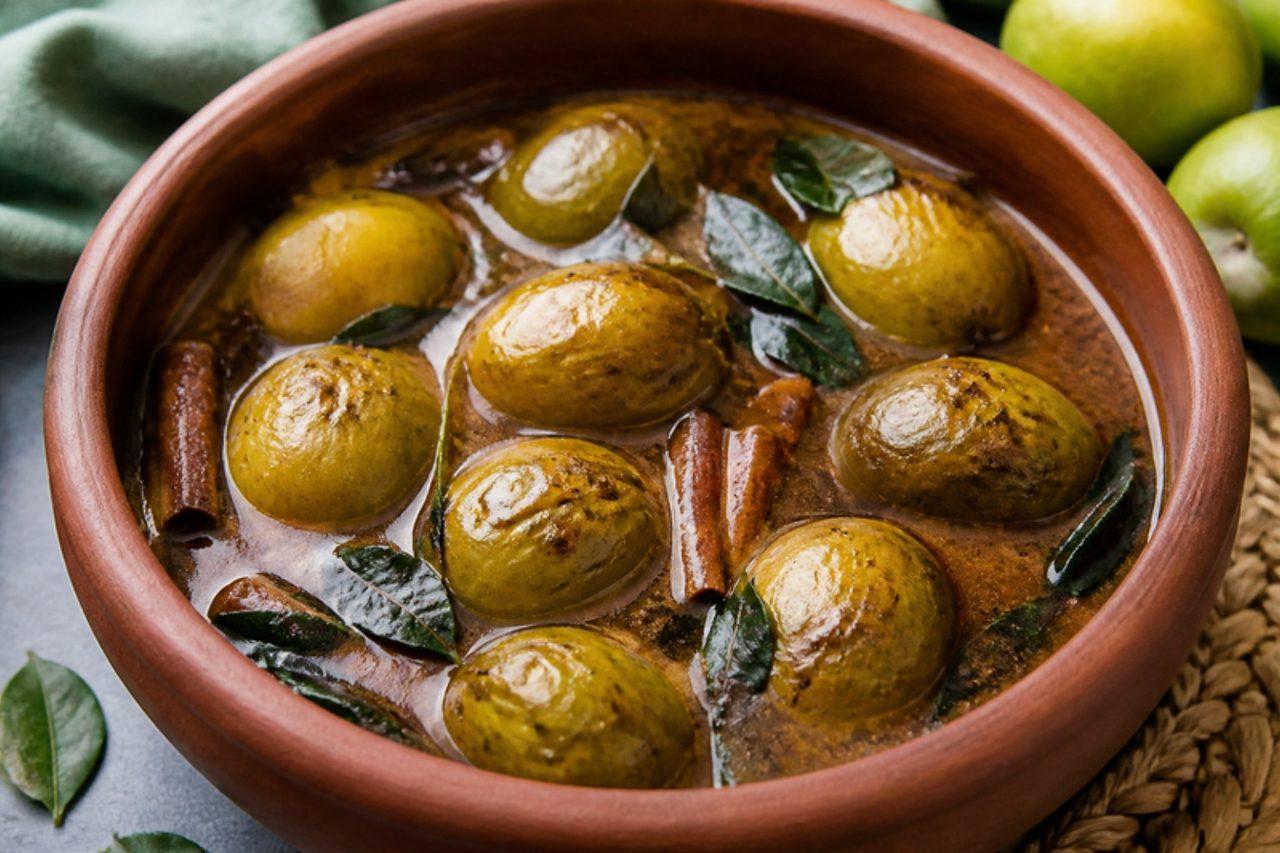
Ambarella curryJune plum curry

Ambarella trees, heavy with green, plum-sized fruit, shade countless gardens around Galle, and when the crop comes in, cooks turn the sour, crunchy fruit into this sweet-sour curry for Sunday lunch and family gatherings. The fruits are scored and cooked whole with roasted curry powder, garlic, cinnamon and cloves, then sweetened with sugar and finished in coconut milk, until the flesh softens and drinks in the dark, glossy gravy. Its tangy, fruity flavour cuts through richer dishes, and it is served in small portions with rice alongside a dhal and a meat or fish curry. Each fruit hides a spiky, fibrous stone, so warn guests to nibble around it. Leaving the skins whole and unscored is where many go wrong, because the spices never get in; make several deep cuts in each fruit. Frozen ambarella is sold in Sri Lankan shops; firm green mango is the nearest stand-in. Chef's tip: let the curry rest for an hour before serving, as the fruit keeps soaking up flavour.

by KrazyBadal 0 views

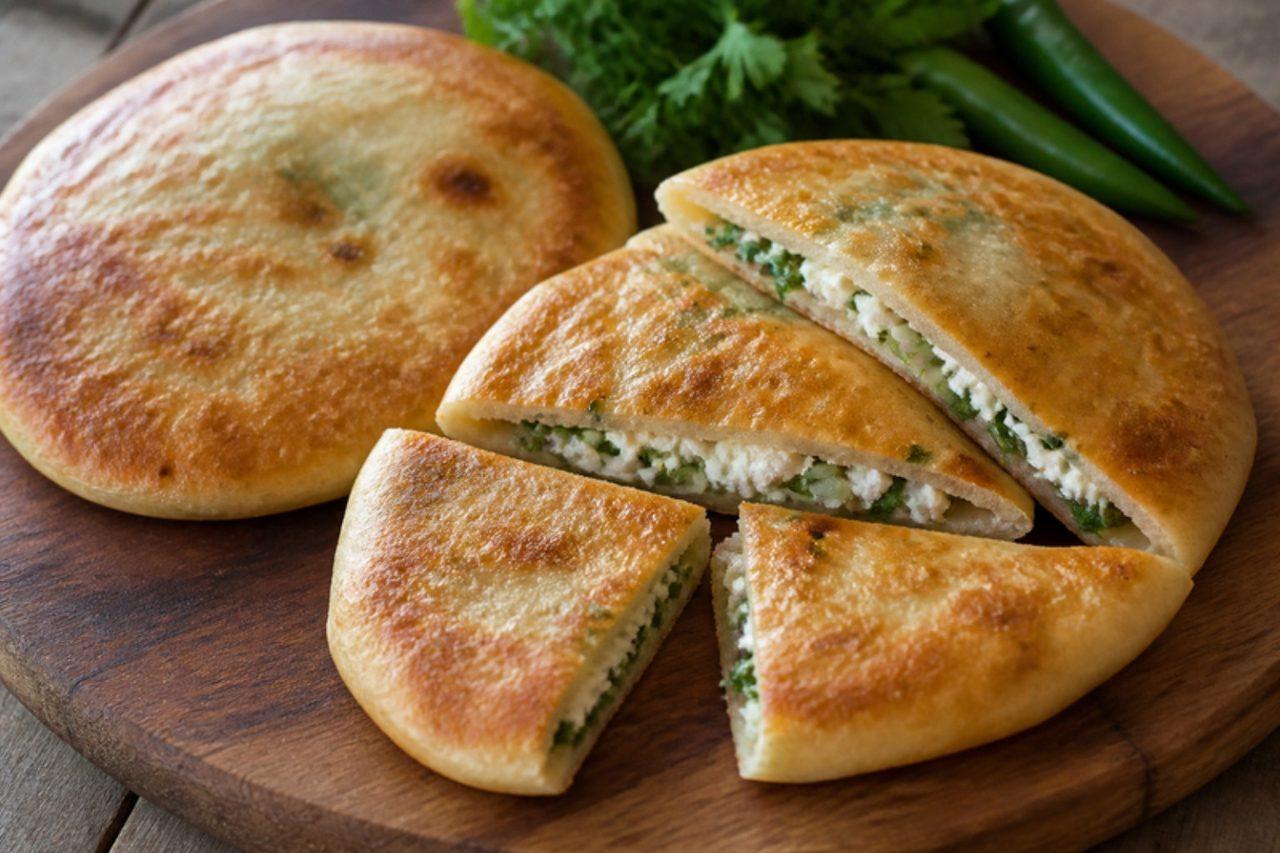
Burus shapikCheese-filled flatbreads

Burus is the soft, crumbly fresh cheese of Hunza, made in summer pastures by heating the buttermilk left after churning until it curdles, and shapik means bread; together they make one of the valley's best-loved meals, a pair of thin wholewheat rounds sealed around a filling of cheese, onion, coriander, mint and green chilli. In Gojal and central Hunza it is cooked on a griddle for family lunch, for guests and for the walk up to the high pastures, and it is eaten hot, brushed with butter, with a cup of salty tea. Overfilling is the beginner's mistake; the dough tears and the filling leaks onto the pan. Chef's tip: crumbled paneer or well-drained cottage cheese works well in place of burus; paneer needs no rennet, but check cottage cheese is labelled vegetarian.

by KrazyBadal 0 views

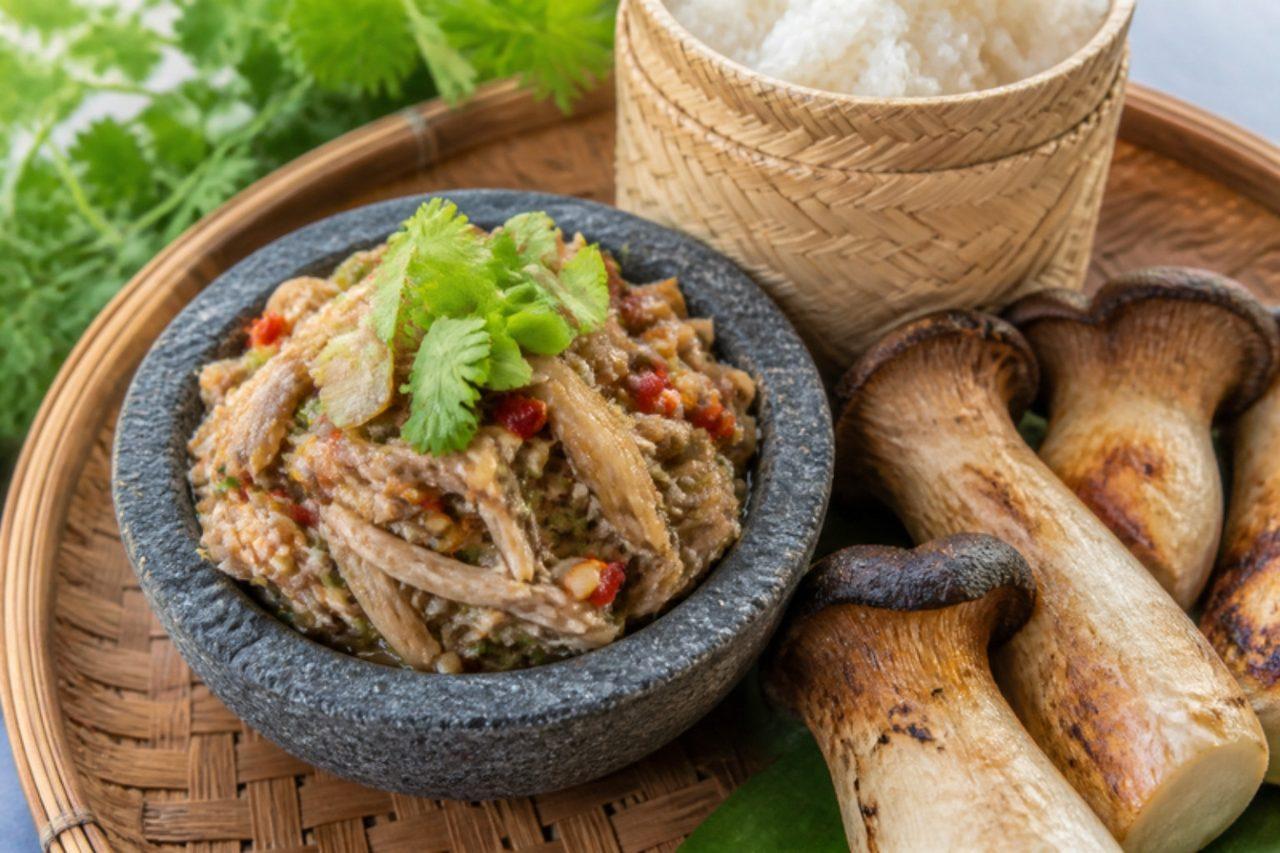
Jeow hetGrilled mushroom dip

Monsoon jeow, this one: once the rains bring mushrooms to every Lao market from July onwards, cooks grill a basket of them over charcoal and pound them with roasted chilli and garlic for a meaty, smoky dip that disappears with sticky rice at dinner. The texture is shaggy rather than smooth, juicy shreds of mushroom held together by a hot, garlicky paste, with fresh herbs stirred through at the end. It is just as good with steamed greens, cucumber and long beans, or spooned over grilled tofu. Oyster and king oyster mushrooms are the closest match to the wild ones. Many people blitz or pound it to a paste and lose the chew, and that's the thing to avoid. Chef's tip: tear the grilled mushrooms into strips by hand before they go into the mortar, then pound only to bruise them.

by KrazyBadal 0 views

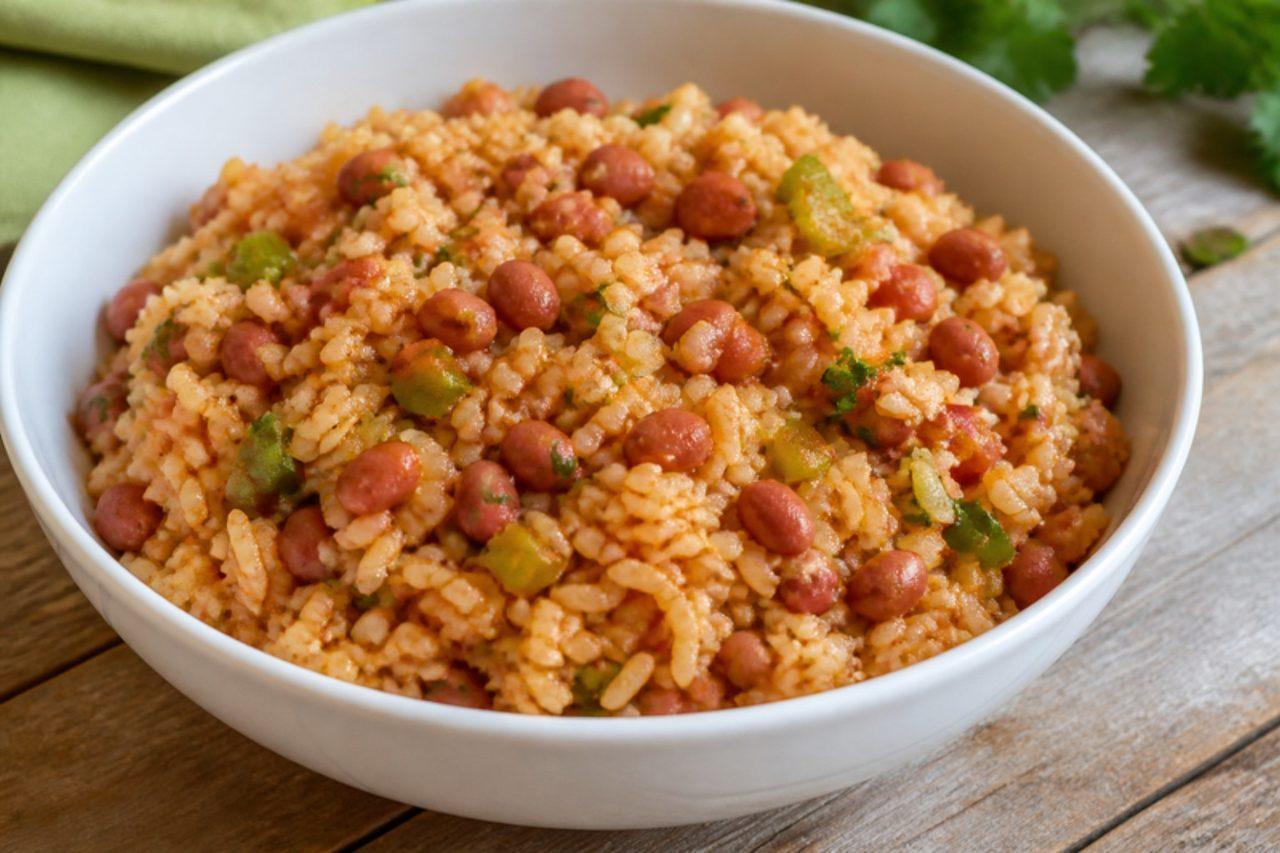
Arroz mamposteaoFried rice and stewed beans

Fondas around San Juan put arroz mamposteao on the menu as a way to use yesterday's white rice and the last ladle of habichuelas, and at home it is the Sunday-night fix when the pots from lunch come out of the fridge. The rice is fried in olive oil with a fresh sofrito, then the beans and their sauce go in until every grain is stained pink and the edges catch and crisp. Many cooks add ham or bacon; this version stays meat-free and gets its depth from the sofrito and a little smoked paprika. The common mistake is using freshly cooked rice, which turns to paste; cold, day-old rice keeps separate grains. Chef's tip: leave the pan alone for the last few minutes so a crunchy layer forms on the bottom, then fold it through.

by KrazyBadal 0 views

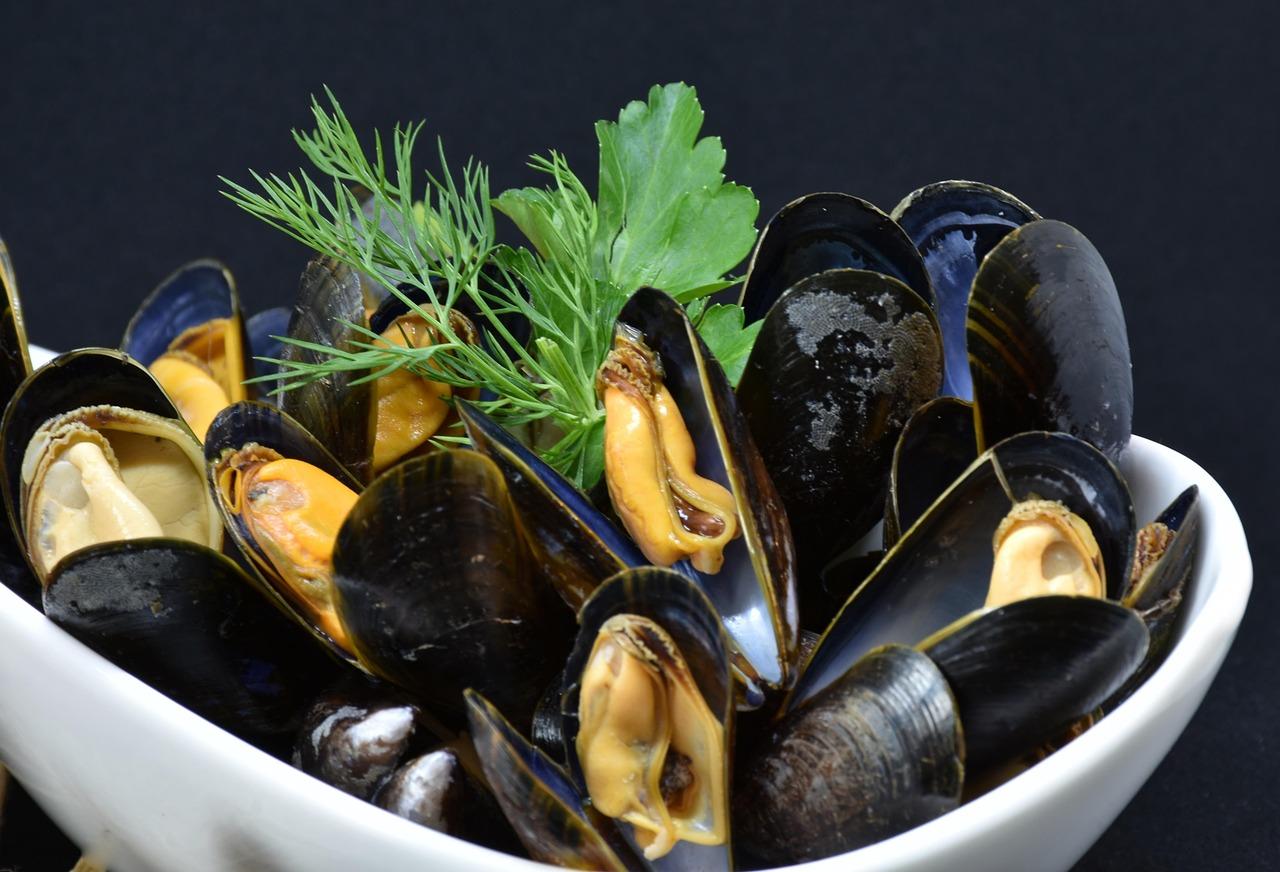
BuzaraMussels in garlic and white wine

Summer lunch on the Dalmatian coast often starts with a steaming pot of buzara, especially near Ston, where mussels and oysters are farmed in the bay. Na bijelo, the white style, means mussels opened in olive oil, garlic, parsley and white wine, with a spoon of breadcrumbs thrown in at the end to thicken the juices into a light, garlicky sauce. Serve with plenty of crusty bread for mopping and a bowl for empty shells. The wine cooks off but leaves flavour; for an alcohol-free version use the same amount of fish or vegetable stock with a tablespoon of white wine vinegar. Overcooking is where most people go wrong: pull the pot off as soon as most shells have opened, or the mussels turn rubbery. Chef's tip: shake the pot rather than stirring, so the mussels tumble without breaking their shells.

22 minBalkanFish
by KrazyBadal 0 views

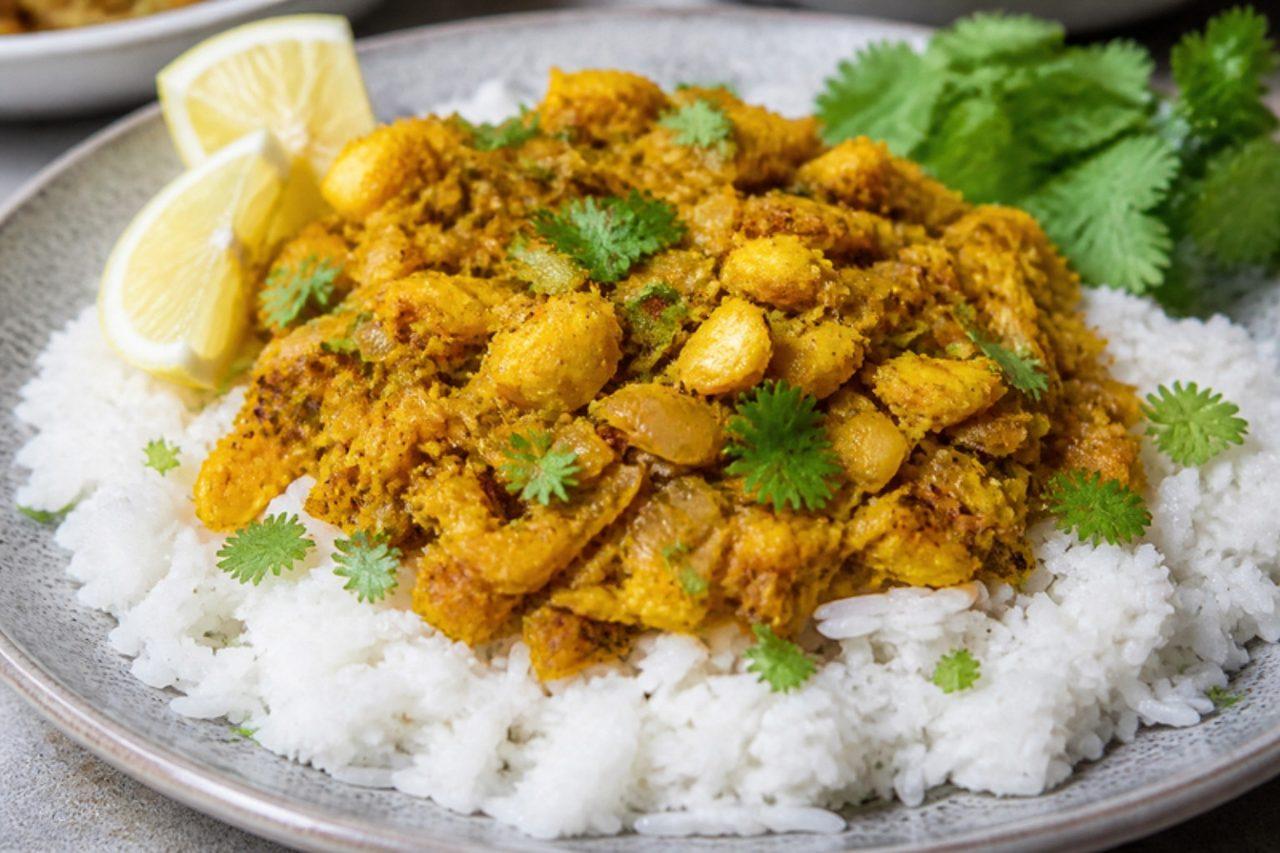
JasheedFried minced fish with rice

Jasheed comes from the coastal kitchens of the United Arab Emirates and Bahrain, where baby shark caught in the shallows was boiled, shredded and fried with heaps of onion and spice, then piled over white rice for lunch. It is dry, fragrant and savoury, a little like a fish keema, with sweet onion and a warmth of turmeric and bezar. At home any firm white fish such as hamour, cod or haddock works perfectly; use shark only where it is legal and sustainably caught. The mistake people make is skipping the squeeze-dry after poaching, so the mixture stews instead of frying. Chef's tip: take your time over the onions, they should be soft and amber before the fish goes in, because they carry the sweetness of the dish.

by KrazyBadal 0 views

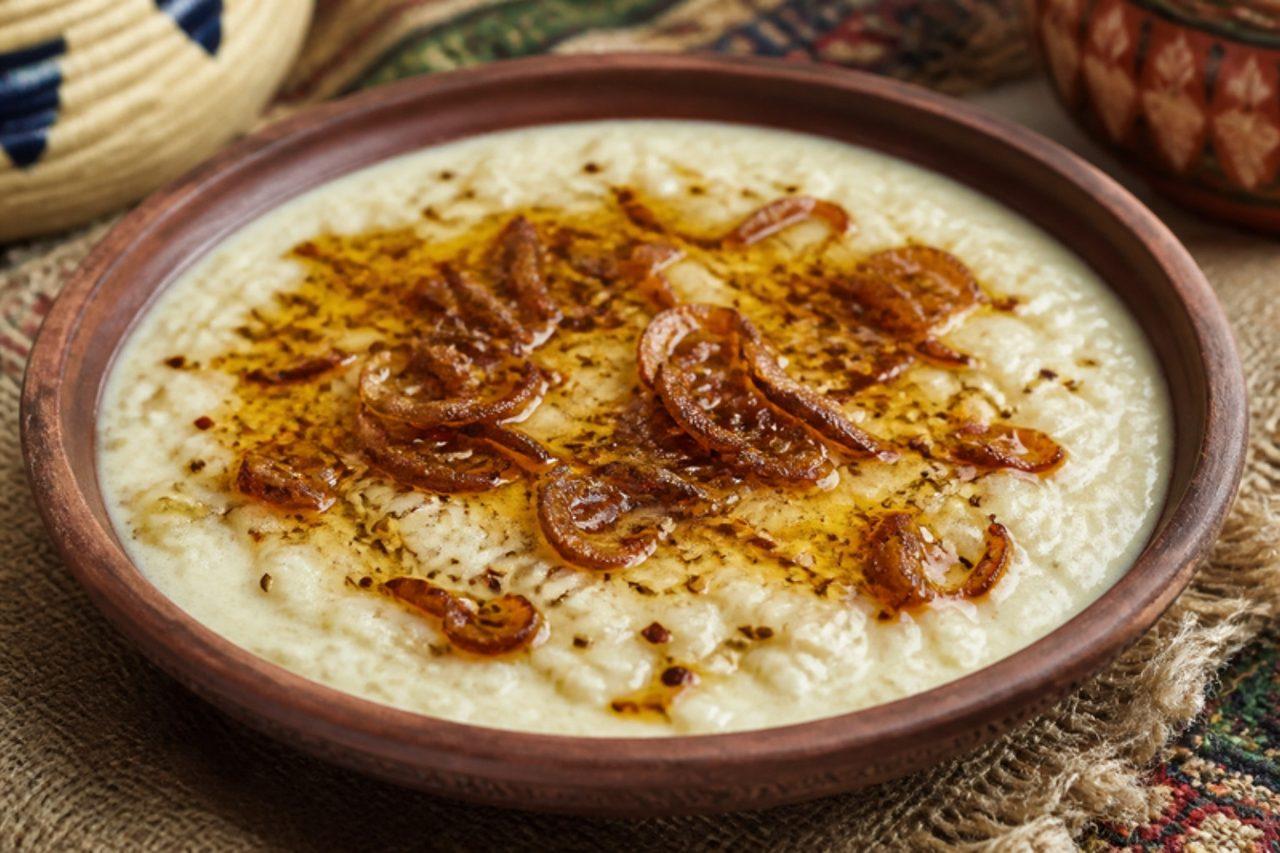
JareeshCracked wheat with yogurt

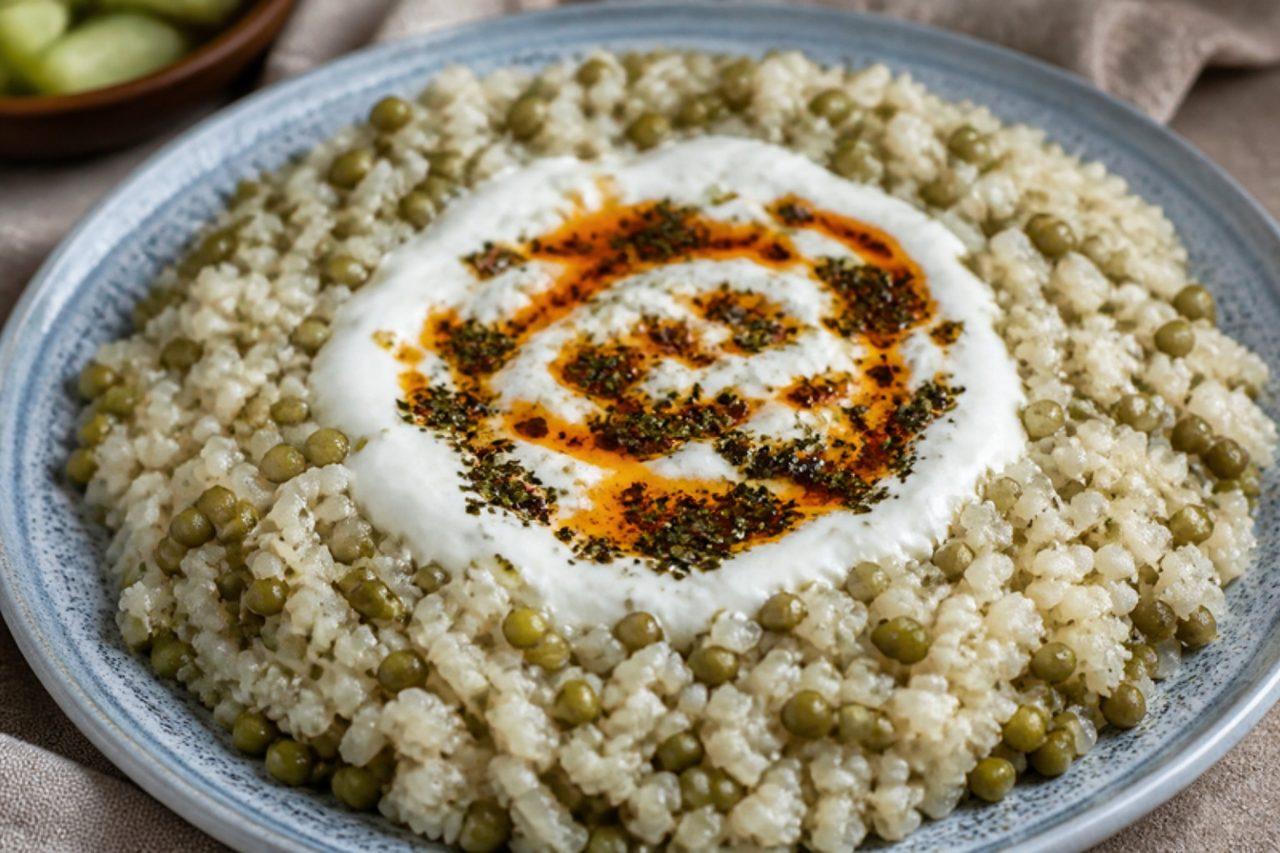
Across Najd and Qassim, jareesh is comfort food for cold desert evenings and a fixture of Ramadan tables in Riyadh: coarsely cracked wheat cooked slowly until it collapses into a soft, porridge-like mass, then loosened with laban and crowned with onions fried in ghee and cumin. Many families cook it in chicken stock with pieces of meat; this version uses water or vegetable stock and is fully vegetarian. The texture should be creamy but still a little nubbly, with a gentle tang from the yogurt. The most common mistake is adding the laban over a high heat, which splits it into grainy curds; stir it in off the boil. Serve it with daqqus and a green salad. Chef's tip: soak the wheat first and skim the starchy foam during the first boil for a cleaner, smoother result.

by KrazyBadal 0 views

Aruban pan batiSweet cornmeal pancakes

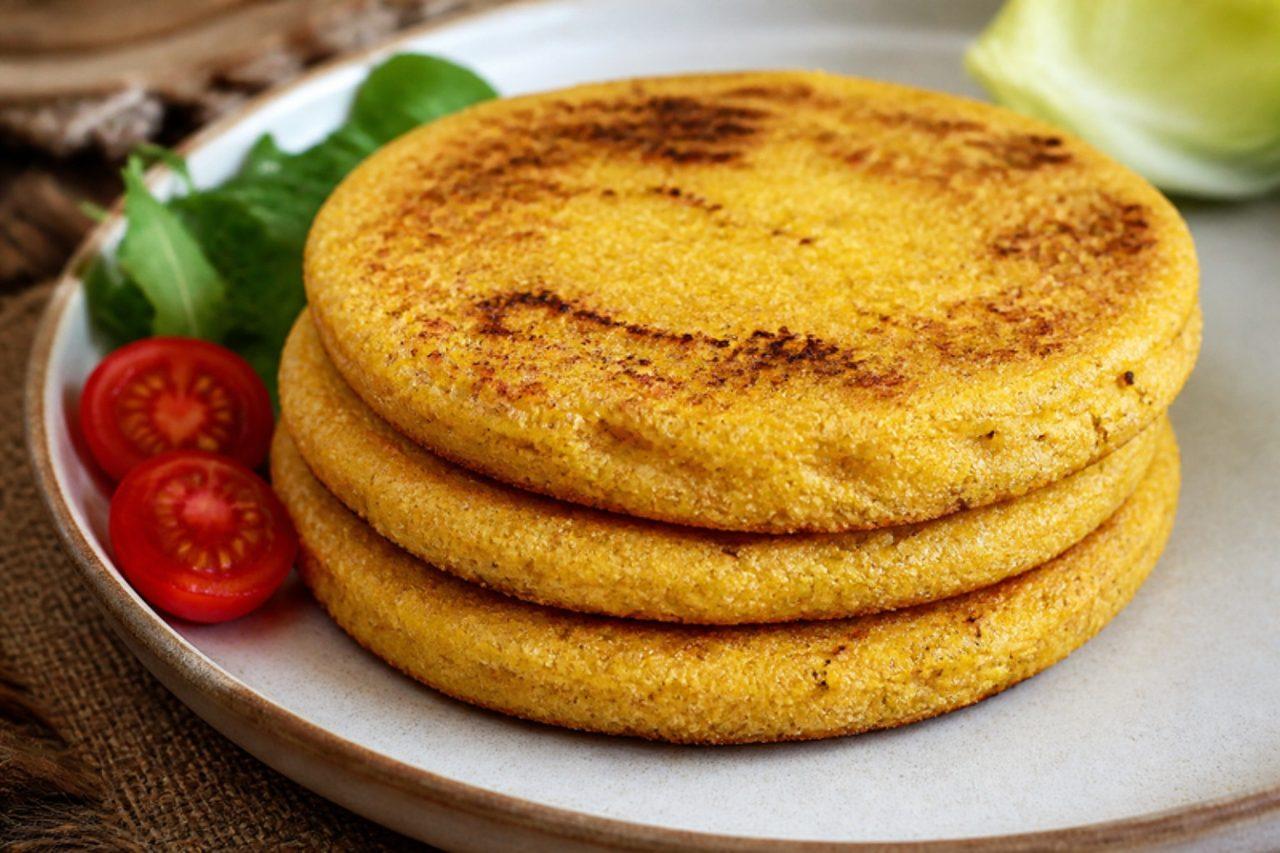
Aruban families put a stack of pan bati on the table with almost every bowl of soup or stew, from sopi di pisca to kabritu stoba: thick, slightly sweet pancakes of cornmeal and flour, cooked on a dry griddle and torn to mop up the broth. They are soft, a little grainy and golden at the edges. The mistake is cooking them too fast, so they burn outside and stay raw in the middle. Chef's tip: let the batter rest for 10 minutes so the cornmeal softens and the pancakes come out tender.

by KrazyBadal 0 views

Jāņu siersCaraway curd cheese

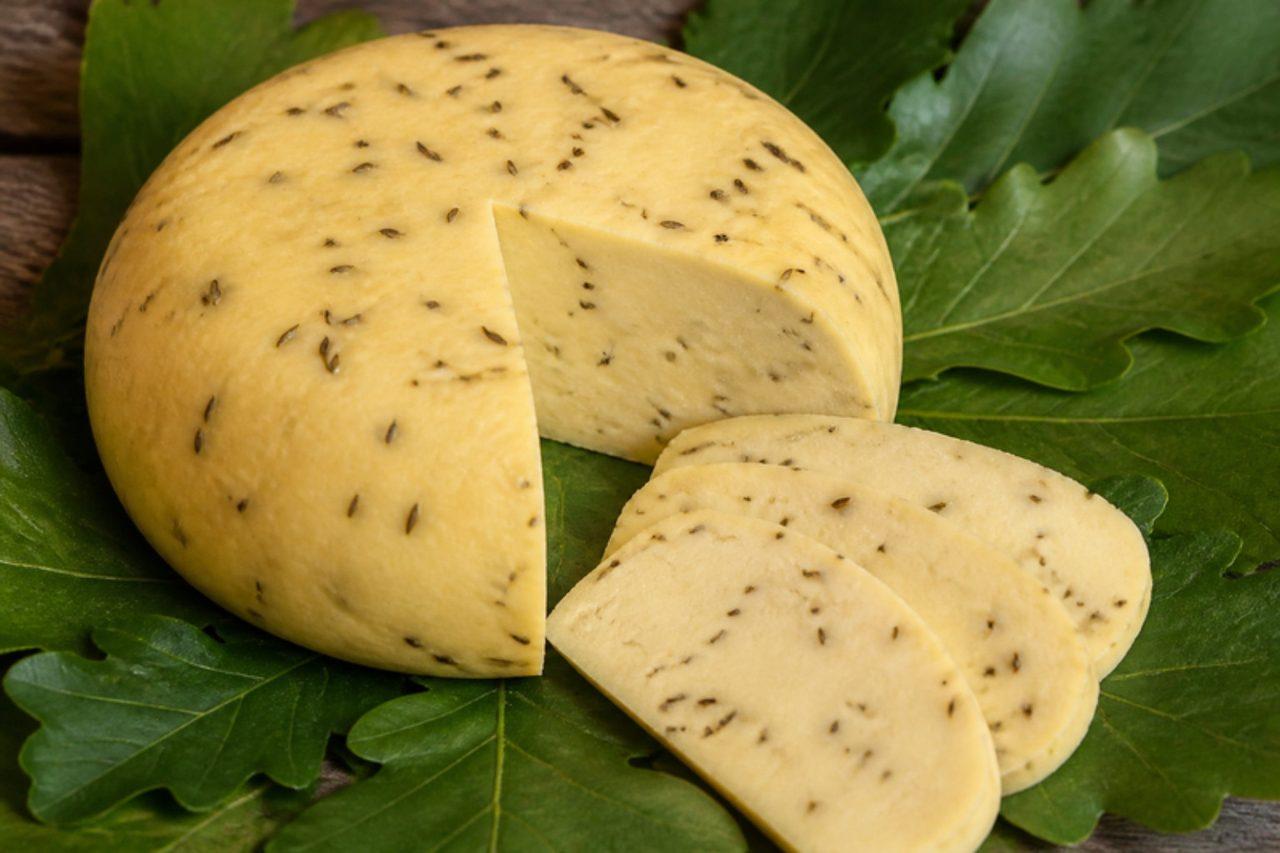
Jāņu siers is the round, golden caraway cheese that Latvians make for Jāņi, the midsummer festival on 23–24 June, when it is eaten with rye bread and honey, and songs, around bonfires. Unlike most cheeses it needs no rennet: fresh curd cheese is cooked with hot milk, eggs, butter and caraway into a smooth mass, then pressed in a cloth and left to set. Its round shape and golden colour stand for the sun. A common mistake is cooking it over a high heat, which makes it grainy and rubbery. Chef's tip: stir constantly over a low heat until it pulls away from the pan in one shiny ball, then press it straight away.

by KrazyBadal 0 views

Asa tibsFried tilapia pieces

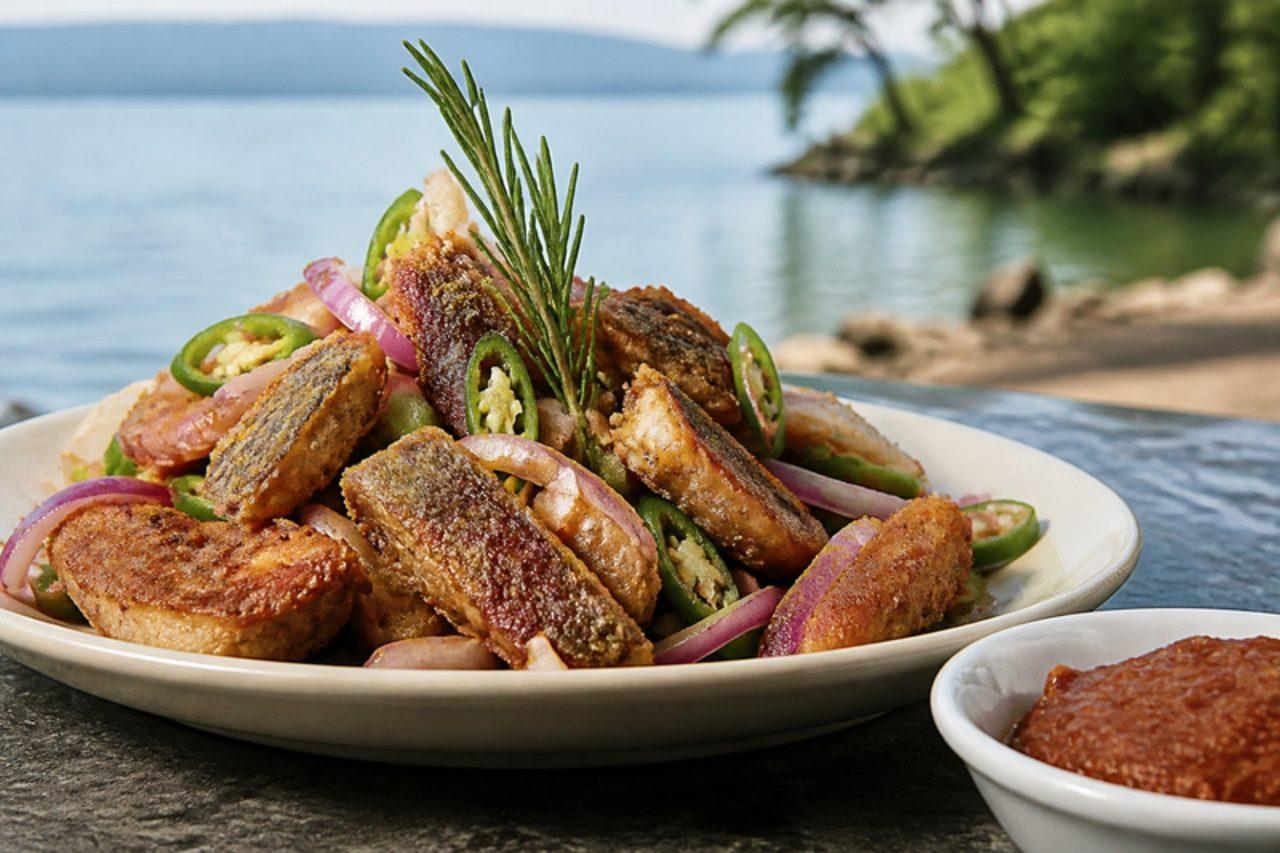
Down by the fish market on the shore of Lake Hawassa, cooks fry tilapia straight from the boats and serve it with injera, bread and a fiery dip, and asa tibs is the version you can easily make at home. Bite-sized pieces of fillet are dusted, fried until crisp and golden, then tossed briefly with soft onion, green chilli and a spoon of awaze, so the fish is crunchy outside, flaky and sweet inside, and coated in a spicy glaze. It is a favourite on fasting days for people who eat fish, and quick enough for a weeknight. Chef's tip: leave each piece undisturbed until it releases from the pan by itself; moving fish too early is the common mistake, and it tears the coating and breaks the flesh.

by KrazyBadal 0 views

Asa watFish in berbere stew

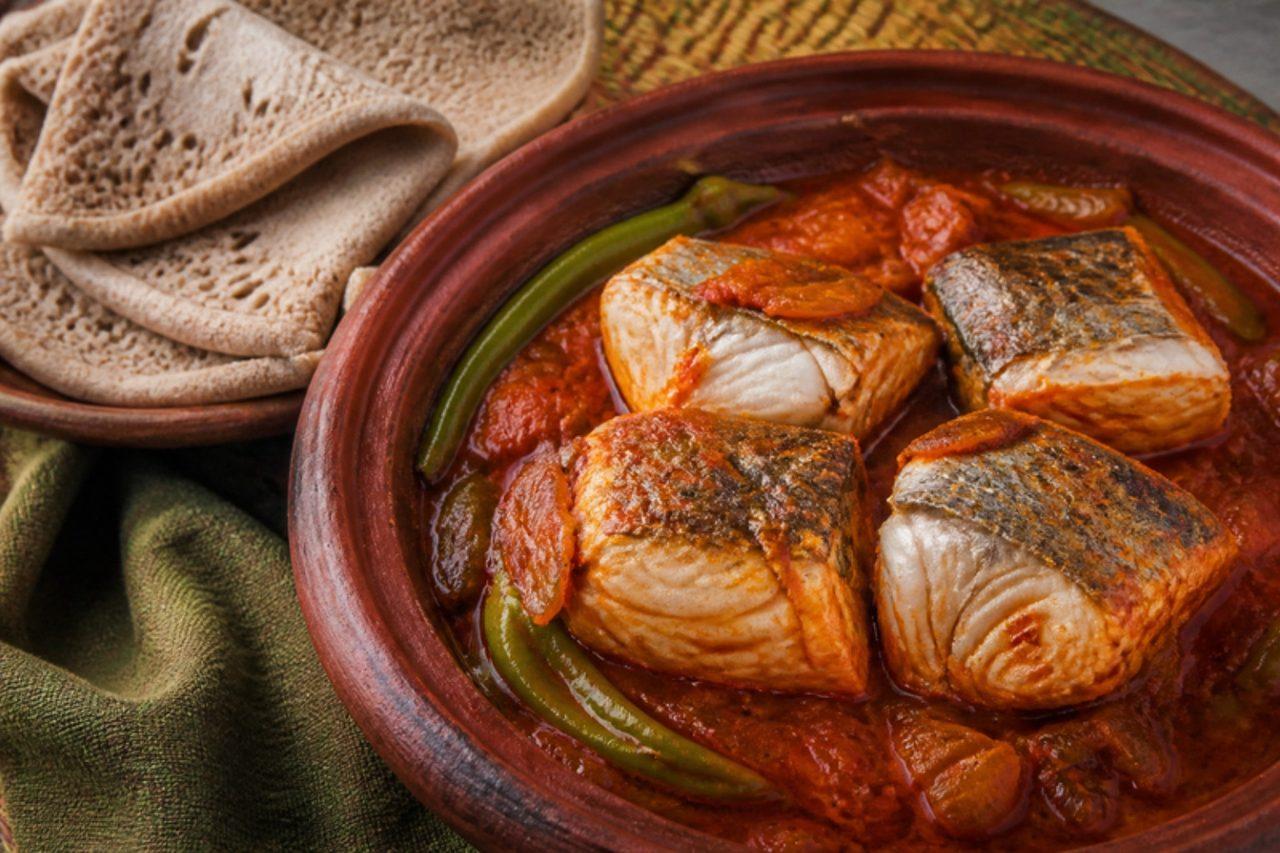
Around Lake Tana in Bahir Dar and on the shores of Lake Hawassa, fresh tilapia, Nile perch and catfish are cheap and plentiful, so fish goes into the same deep red berbere sauce that elsewhere would hold beef or chicken. Asa wat has the familiar long-cooked onion base and warming spice, but it is lighter than a meat wat, with tender, sweet chunks of fish soaking up the sauce. It is eaten with injera, often alongside a lentil or greens dish, and is a popular choice on fasting days for those who eat fish. Stirring once the fish is in is the classic mistake; it breaks into shreds, so shake the pan instead. Chef's tip: add the fish only once the sauce is fully cooked and thick, then give it no more than 10 minutes.

by KrazyBadal 0 views

MounaOrange-flower brioche

Oran's mouna came over with Spanish settlers as the Easter mona, and it is still baked for spring outings, recalling the Easter Monday picnics once held at the Santa Cruz chapel above the city. It is a tall, light, golden brioche with a crackly sugar crust, softly flavoured with orange-flower water and lemon zest rather than butter-heavy, and it tears into long, feathery strands. Eat it with coffee or hot chocolate, plain or with jam. The dough is slow and sticky, so give it time. Chef's tip: let the dough rise slowly overnight in the fridge after the first knead; it becomes easier to shape and the flavour deepens.

by KrazyBadal 1 views

Kishmish panirFresh cheese with raisins

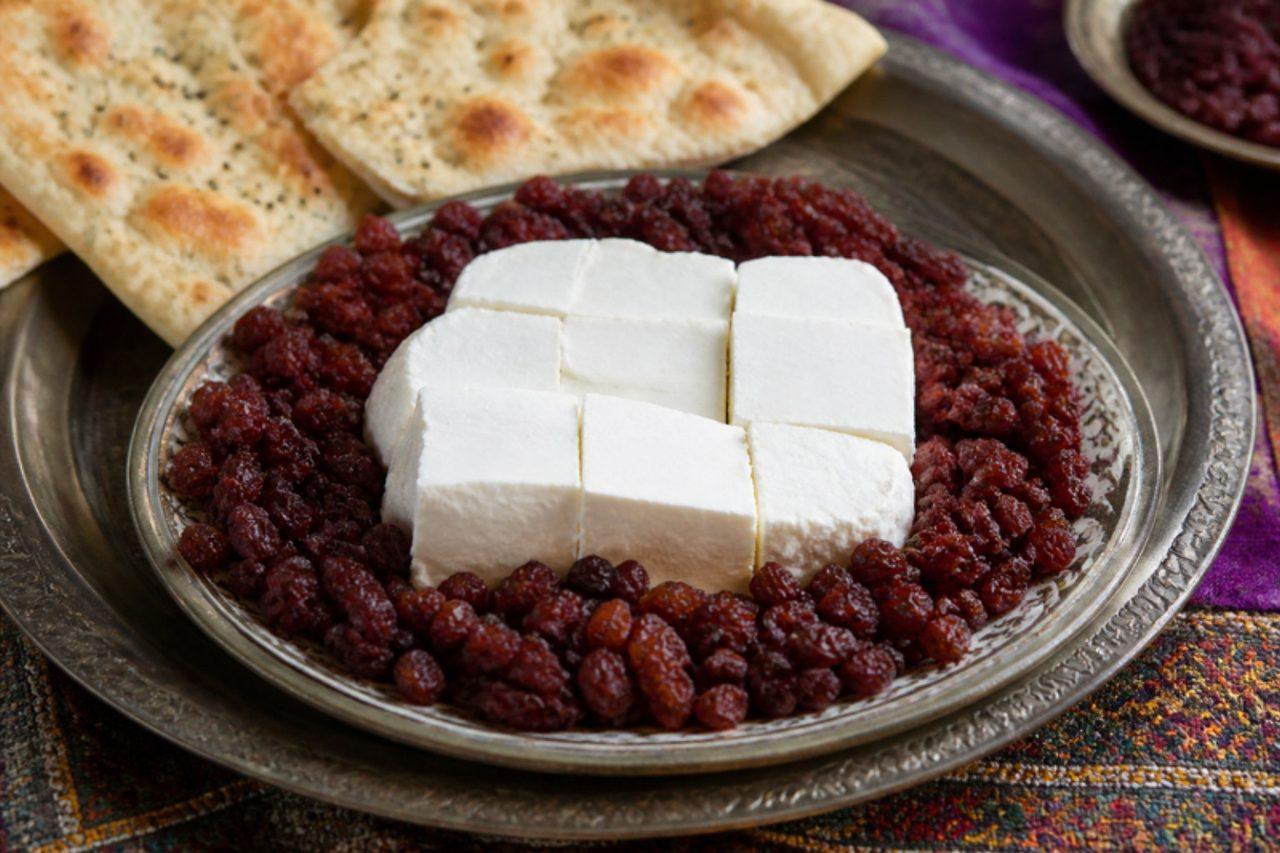
Spring in Kabul is announced by sellers who appear on street corners with trays of soft white panir laid on leaves and a heap of dark red raisins beside it, and kishmish panir becomes the snack of the season. The cheese is unripened and barely salted, milky and springy like a just-set curd, and the chewy, sweet-tart raisins are eaten alongside it in alternate mouthfuls, usually with a piece of naan and a glass of green tea. Afghan panir is set with rennet, traditionally animal rennet, so use a vegetarian (microbial) rennet to keep it vegetarian, and always start with pasteurised milk. The batch that refuses to set has nearly always been made with UHT or ultra-filtered milk, which will not curdle with rennet. Chef's tip: soak the raisins in cold water for half an hour first; they plump up and stop tasting dusty.

by KrazyBadal 0 views

KishkeStuffed baked derma

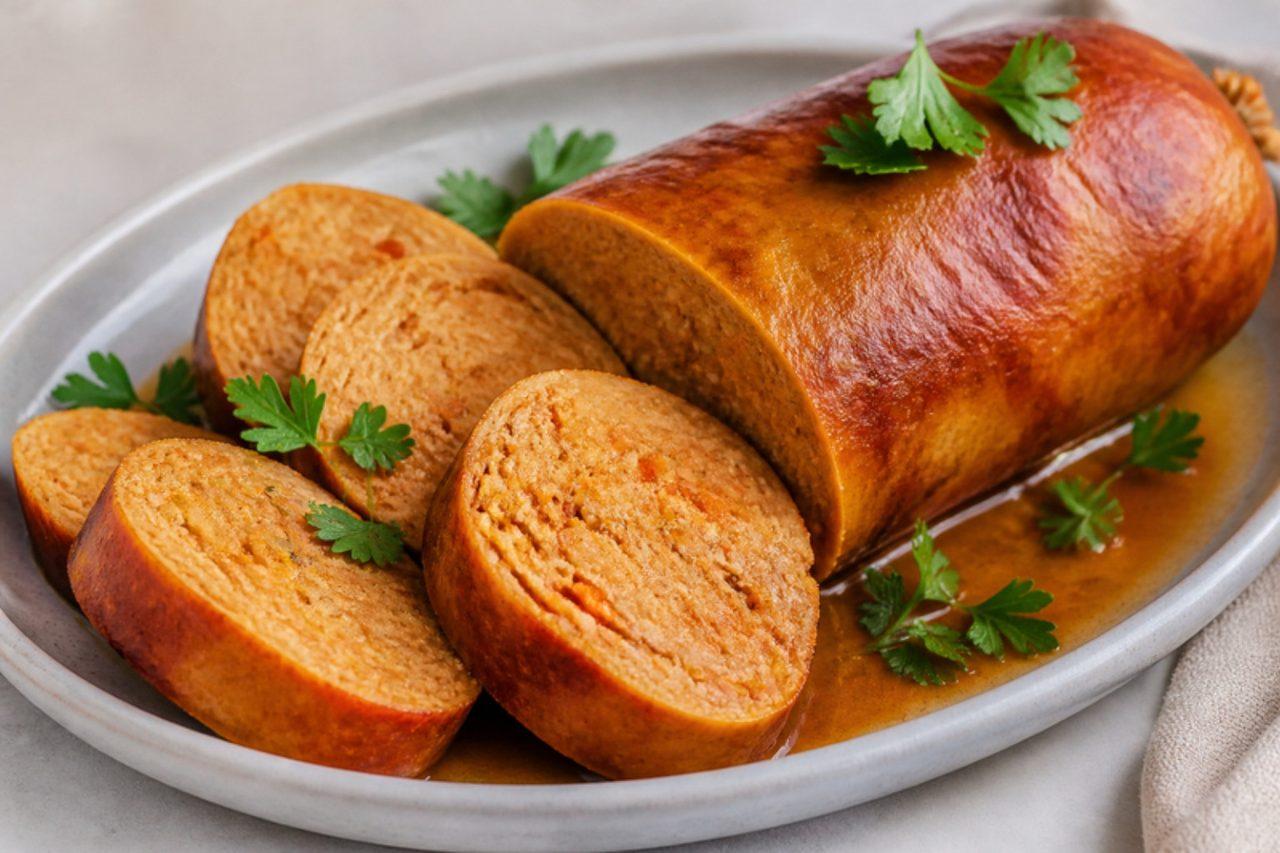
Kishke, also called derma, was once stuffed into cleaned beef intestine and buried in the Shabbat cholent to cook overnight, and Haredi neighbourhoods such as Jerusalem's Geula still sell it at the butcher, orange with paprika, for Friday. The filling is humble: flour or matzo meal, onion, carrot and celery bound with rendered chicken fat, which cooks into a dense, savoury sausage with a crackling crust. This home version fills a sausage casing or rolls the mixture into a paper-and-foil log, then bakes it on its own or lays it on top of the cholent. Too dry a filling is the usual problem; it should feel like a soft, oily dough. Chef's tip: slice leftover kishke and fry the rounds in a dry pan until crisp on both sides.

145 minIsraeliMeat
by KrazyBadal 0 views

Kishk sa'idiFermented yoghurt and wheat porridge

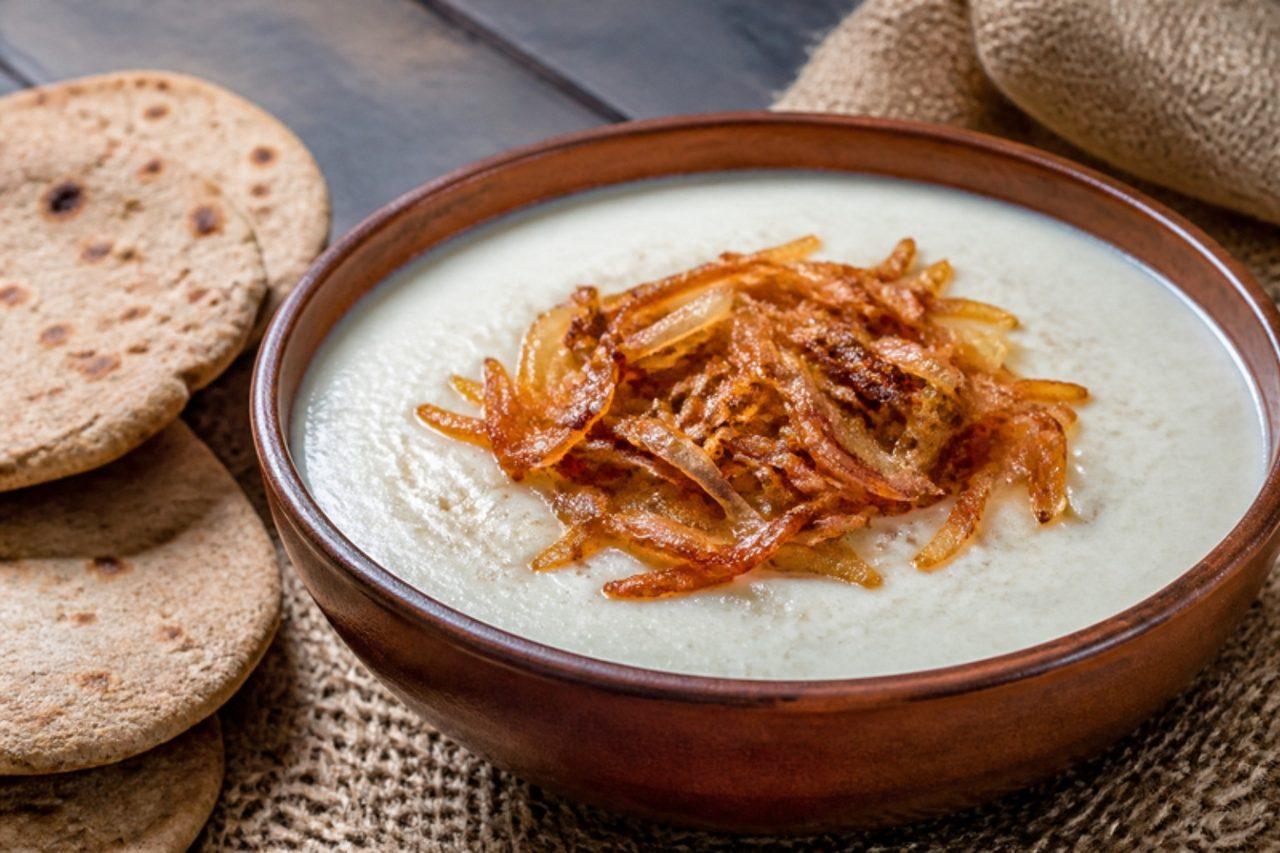
Kishk sa'idi belongs to the villages of the Sa'id, from Minya down to Qena and Luxor, where wheat and soured yoghurt are mixed, rolled into balls and dried on rooftops in the summer sun so the family has it through the winter. Soaked and simmered, the kishk becomes a thick, tangy, creamy porridge, finished with plenty of onions fried in ghee and eaten hot with bread. It is usually cooked in chicken stock; this vegetarian version uses vegetable stock and a little milk for body. Look for Upper Egyptian kishk at Egyptian grocers; Levantine kishk powder works but is often sourer, so add a little extra milk. Allow at least 2 hours for soaking. Chef's tip: keep it at a gentle bubble and stir constantly, because the yoghurt catches on the bottom and turns lumpy within minutes.

by KrazyBadal 0 views

Aseedat bobarPumpkin pudding with ghee

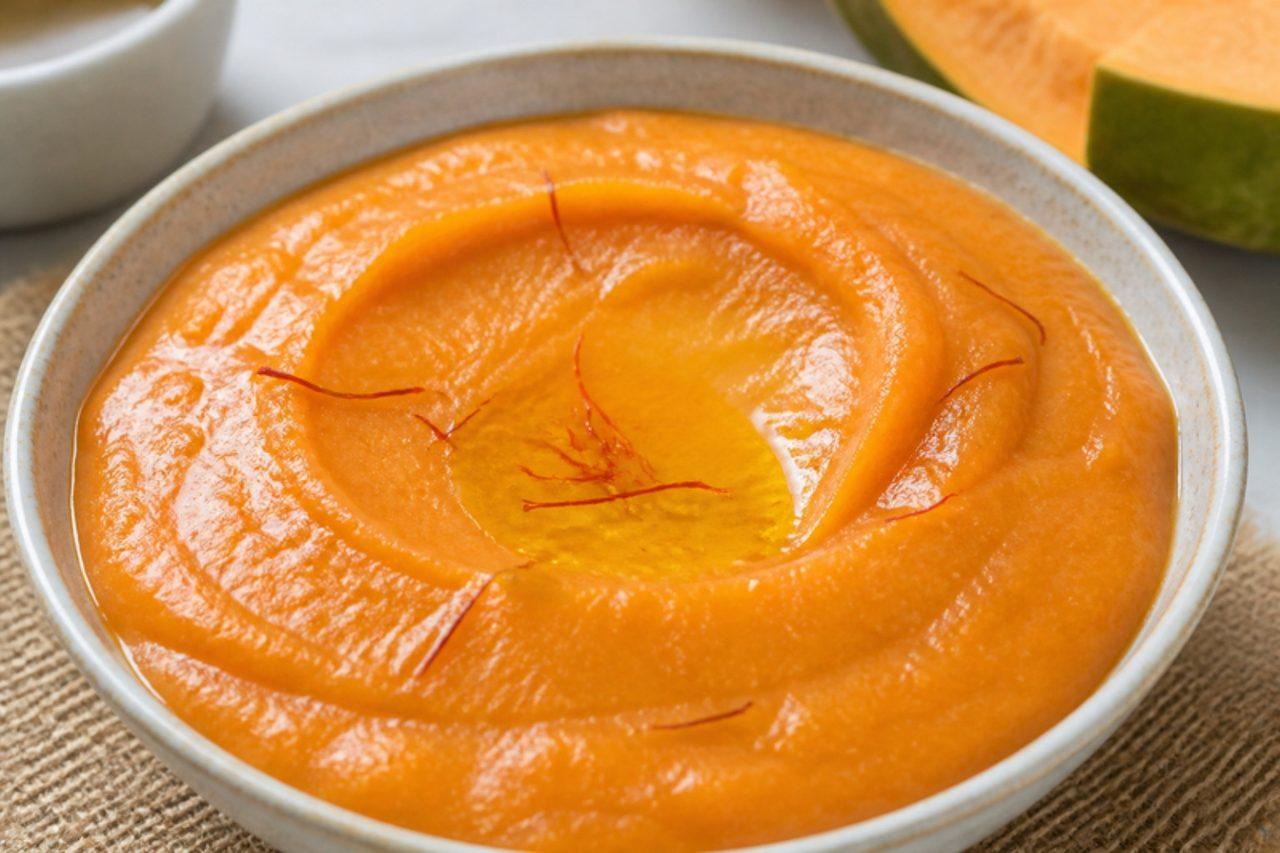
In Doha and Kuwait City, aseedat bobar arrives on winter evenings and at Ramadan iftar in a shallow dish, smooth and orange, with a little pool of melted ghee in the centre. Bobar is the Gulf word for red pumpkin, cooked down and thickened with toasted flour, sugar and cardamom into a soft, spoonable sweet that tastes a bit like a spiced pumpkin pie filling. Scoop it warm with a spoon or with pieces of bread, alongside Arabic coffee. Stopping the stirring too soon is the usual mistake: the pudding must cook until it pulls away from the sides, or it tastes of raw flour. Chef's tip: toast the flour in a dry pan until it smells like biscuits before it goes in; that nutty note is what makes it.

by KrazyBadal 0 views

KarantikaBaked chickpea flour flan

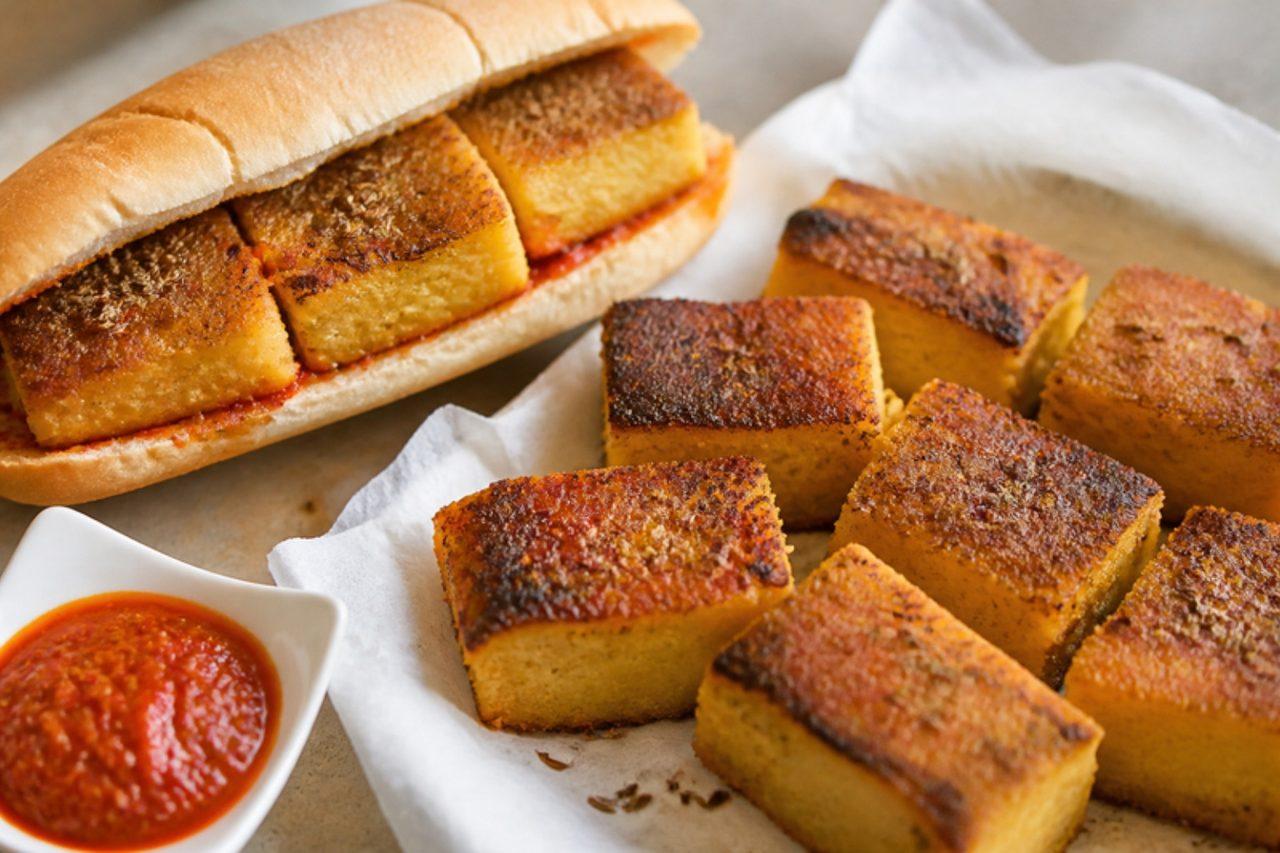
Schoolchildren in Oran spend their pocket money on karantika, a savoury chickpea-flour flan baked in huge trays and cut into squares by street vendors, who sprinkle it with cumin and harissa and often stuff it into a piece of baguette. Its roots go back to the Spanish calentica of Oran's past, and it has spread across western Algeria. Made with only chickpea flour, water, oil and egg, it bakes into a soft, custardy, slightly wobbly middle under a crisp, burnished top. Serve it warm, cut into squares, with harissa; to keep the dish gluten free, skip the bread. Chef's tip: rest the batter for at least 30 minutes before baking; the flour hydrates and the flan sets smooth instead of grainy.

by KrazyBadal 0 views

KololakBeef and rice meatballs in broth

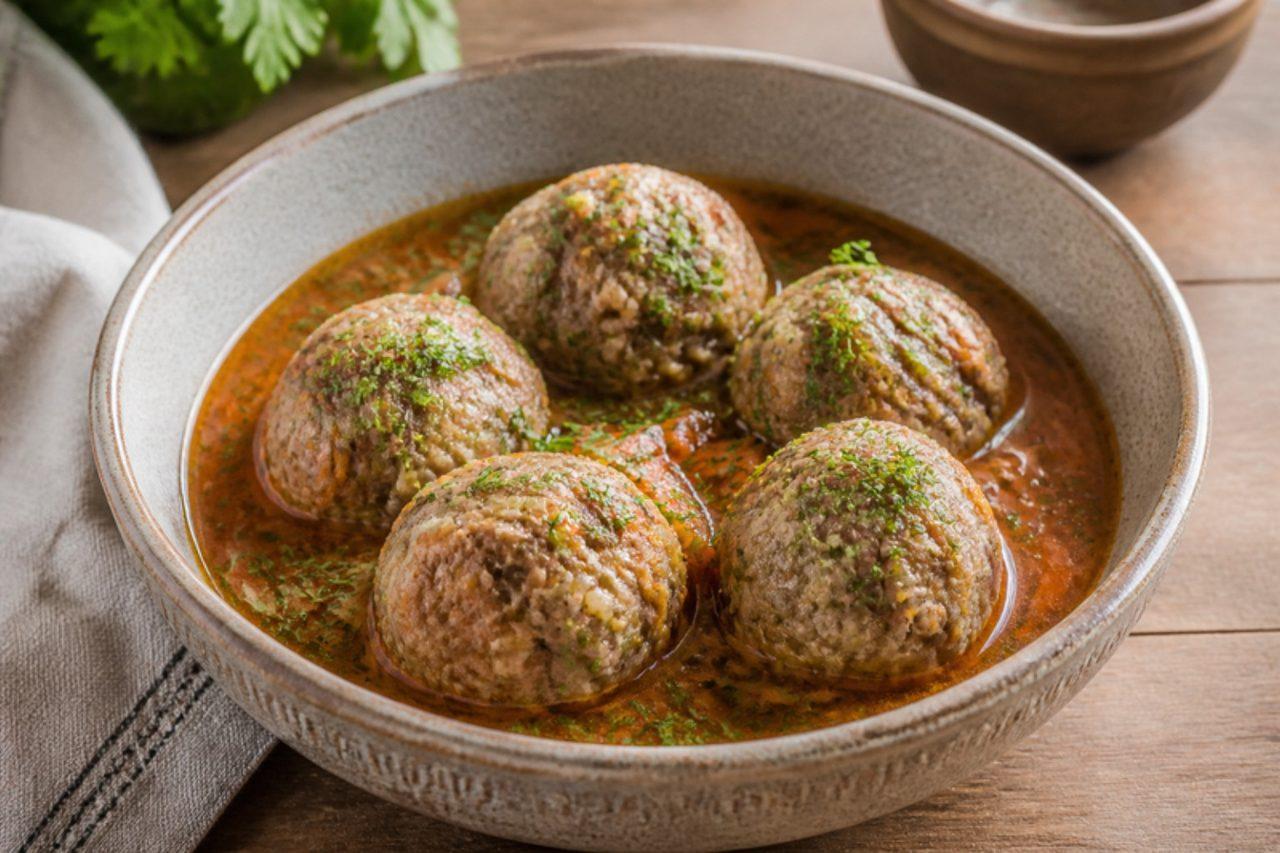
Kololak are the big, soft meatballs of Gyumri, Armenia's second city, where they are cooked for family Sunday dinners: very finely minced beef is beaten with rice, onion and egg until smooth and springy, shaped into balls the size of a small orange and simmered in a light broth with tomato and herbs. The broth is served first as soup, the meatballs after. A common mistake is skipping the long kneading, which makes the meatballs crumble in the pot. Chef's tip: wet your hands with cold water while shaping, and lower the balls into broth that is only just simmering, so they hold together. Minced meat must reach 71 °C in the centre.

by KrazyBadal 0 views

Amra chutneyHog plum chutney

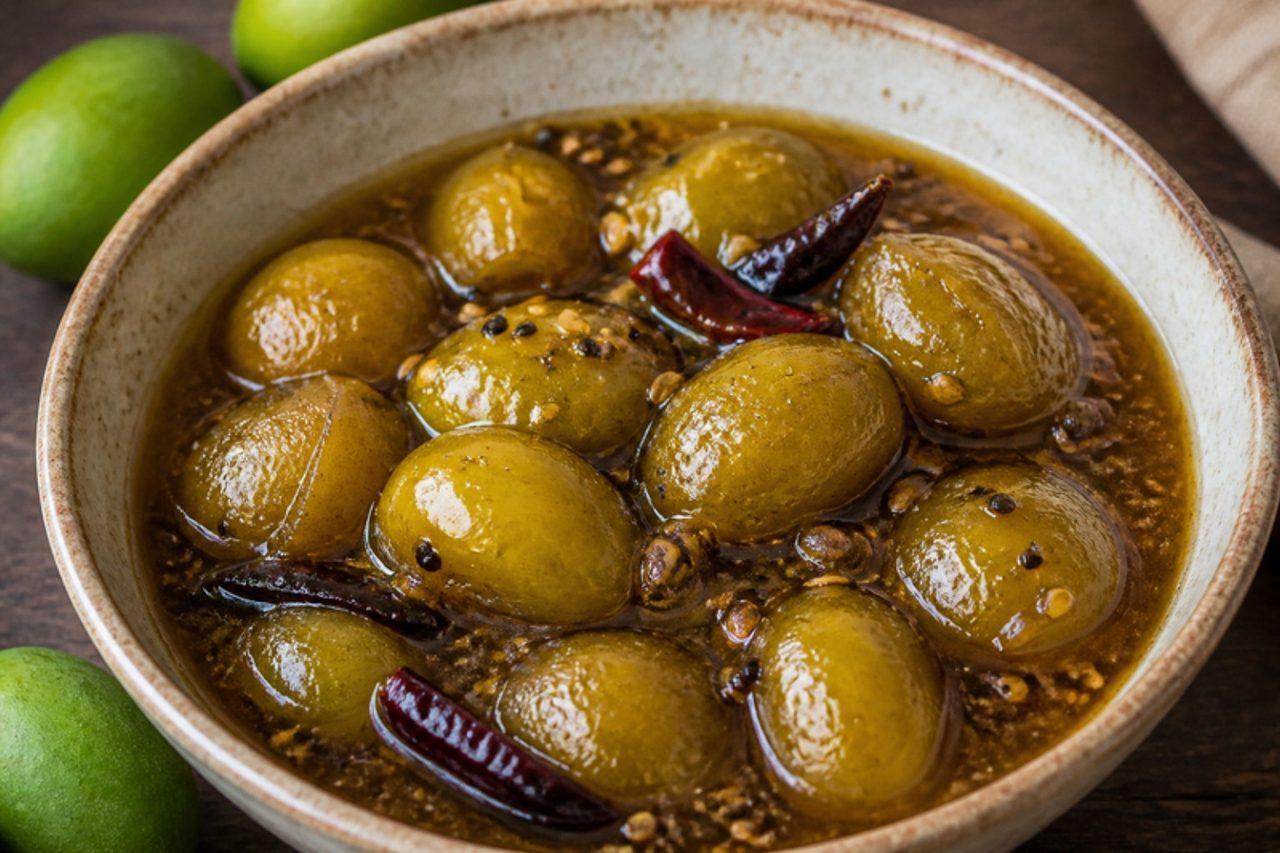
Barisal is famous for its amra, the green, tart hog plums that pile up on market stalls from August to October, and every household there turns some of the harvest into a glossy, jammy chutney. The fruit is scored so the jaggery syrup can soak in, then simmered with panch phoron, dried chilli and a little turmeric until the flesh is soft around the hard, spiny stone. Sweet, sour and gently hot, it is served at the end of a wedding feast or a festive lunch, a spoonful eaten with the last of the rice, and children suck the stones clean. Cooking it too hard reduces the syrup to toffee once it cools, so stop while it still runs off the spoon. Chef's tip: if you can't find hog plums, sour green plums or a firm green mango cut into chunks make a good stand-in.

by KrazyBadal 0 views

Kiri hodiCoconut milk gravy

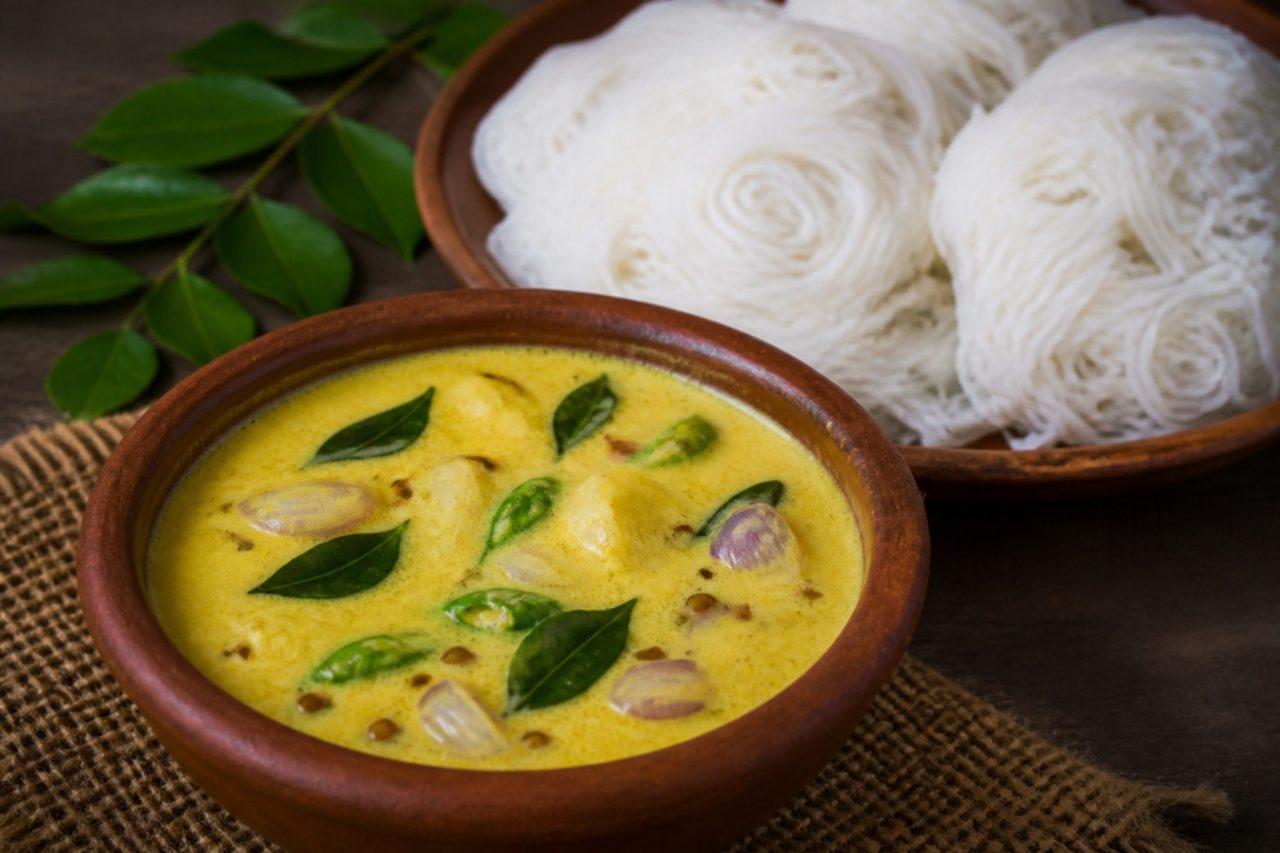
Think of kiri hodi as Sri Lanka's comfort sauce: a thin, pale-yellow coconut milk broth, gently soured with lime, that gets ladled over a plate of string hoppers or pittu at breakfast and soaks right into them. Little cafés in Colombo and the coastal towns serve it in a small steel bowl alongside pol sambol, and at home it is often the first thing cooks make when someone is unwell, because it is soothing rather than hot. The flavour comes from fenugreek, cinnamon and curry leaves softened in the milk, with a couple of green chillies for warmth; some families slip in halved boiled eggs or a pinch of Maldive fish, but the plain vegan version is the everyday one. The classic slip is letting it boil hard once the thick milk is in, which curdles it into oily flecks. Chef's tip: add the lime only after the pan is off the heat, so the gravy stays smooth and the sourness stays bright.

by KrazyBadal 0 views

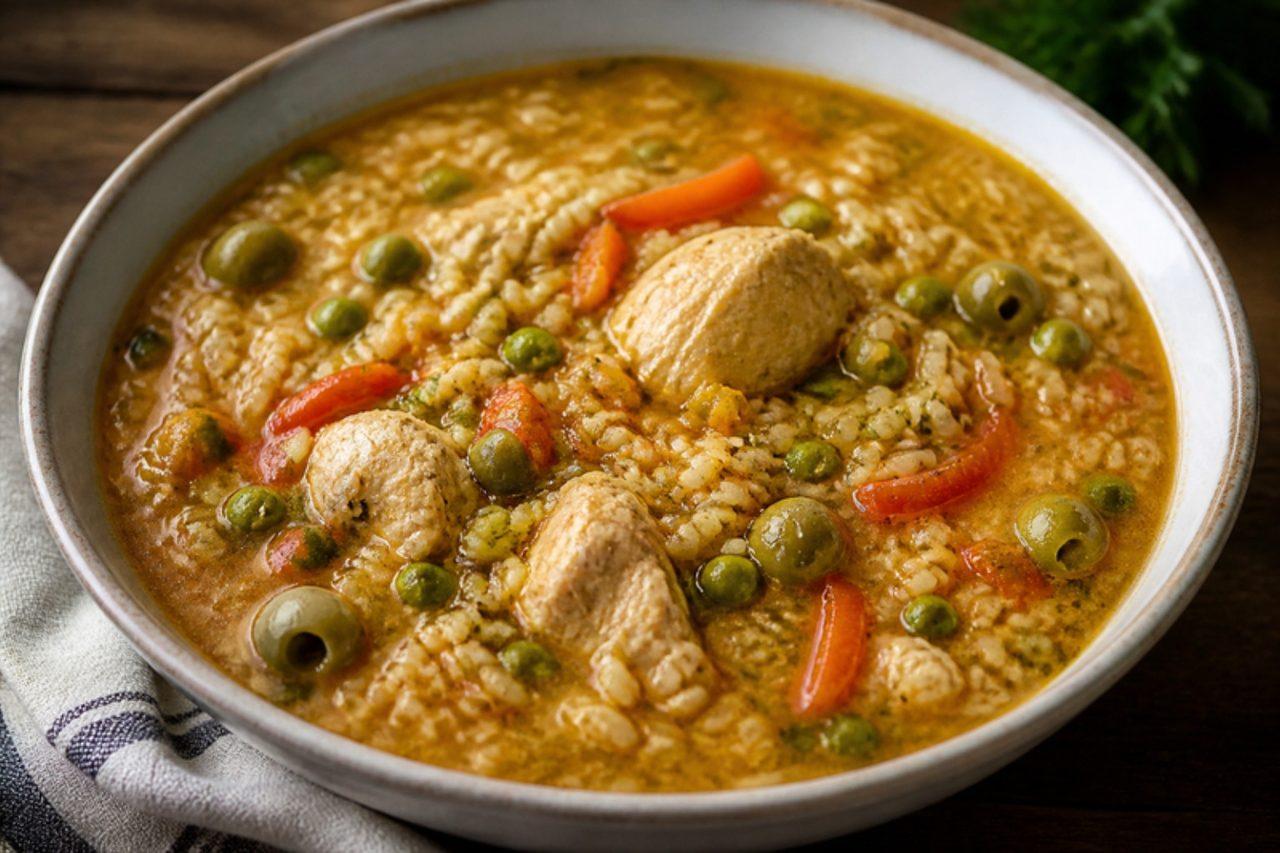
Asopao de polloSoupy chicken and rice

Somewhere between a soup and a risotto, asopao is the pot Puerto Rican mothers put on for a rainy Sunday, a cold, or a hangover after a long party night, and it is spooned straight from deep bowls with tostones on the side. Bone-in chicken is seasoned with garlic, oregano and lime, simmered in a sofrito broth, then rice goes in until the whole pot turns thick and brothy, finished with olives, capers, peas and strips of roasted pepper. The common mistake is making it ahead: the rice keeps drinking the broth and turns stodgy, so cook it just before eating, or keep extra stock to loosen leftovers. Chef's tip: take the pot off the heat while the rice is still a touch firm; it carries on cooking in the bowl.

by KrazyBadal 0 views

Kimbula banisCrocodile-shaped sweet bun

Kimbula means crocodile, and these long, ridged buns with tapered ends and a back glittering with sugar are a childhood favourite from every Sri Lankan village bakery and the bread vans that drive the lanes playing tinny music each morning. The sweet, slightly enriched yeast dough is rolled up like a Swiss roll, tapered into a head and a tail, slashed along the top and showered with coarse sugar, which caramelises in the oven into a crunchy crust over a soft, fluffy crumb. They are eaten for breakfast or an afternoon snack with plain tea, often pulled apart along the ridges. Under-baking is the error that bakers see most, leaving the centre doughy; the buns should be a deep golden brown and sound hollow underneath. Chef's tip: sprinkle a layer of sugar on the dough before you roll it up, which gives sweet streaks inside as well as the crust on top.

by KrazyBadal 0 views

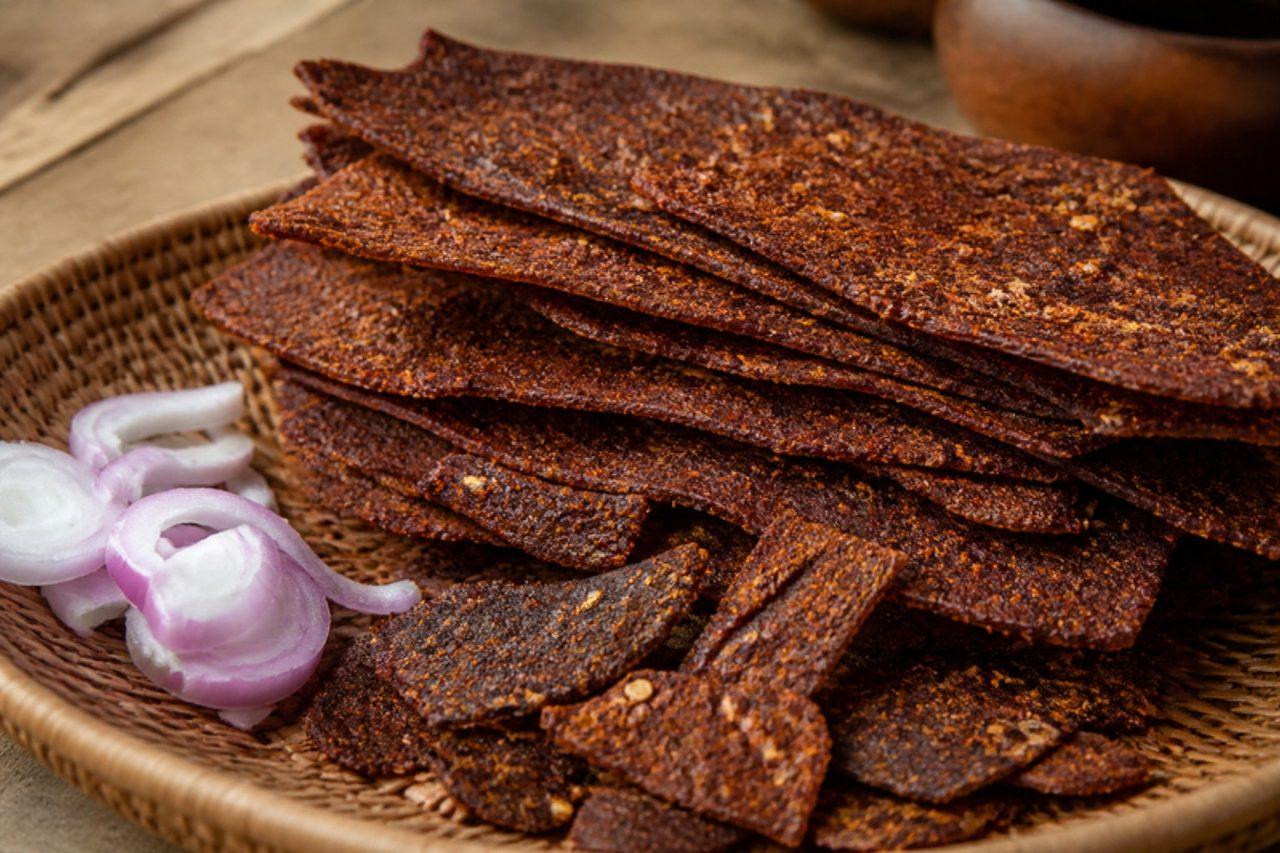
KilishiSpiced dried beef

Long-distance travellers in the Hausa north have carried kilishi for generations: beef sliced so thin you can see light through it, coated in a fiery paste of ground roasted groundnuts, ginger, onion and chilli, dried, then flashed over a fire until it crackles. It is sold in Kano and Sokoto markets in stacked sheets and eaten as a snack or with a cold drink. Traditionally it is sun-dried raw; this home version heats the meat to 71 °C in the oven before drying and is stored in the fridge, which makes it safer. Sun-dried, uncooked kilishi is not for pregnant women, young children or anyone with a weakened immune system. Chef's tip: freeze the beef for an hour before slicing; firm meat is the only way to get sheets 3 mm thin at home.

240 minNigerianMeatGluten freeSpicy
by KrazyBadal 0 views

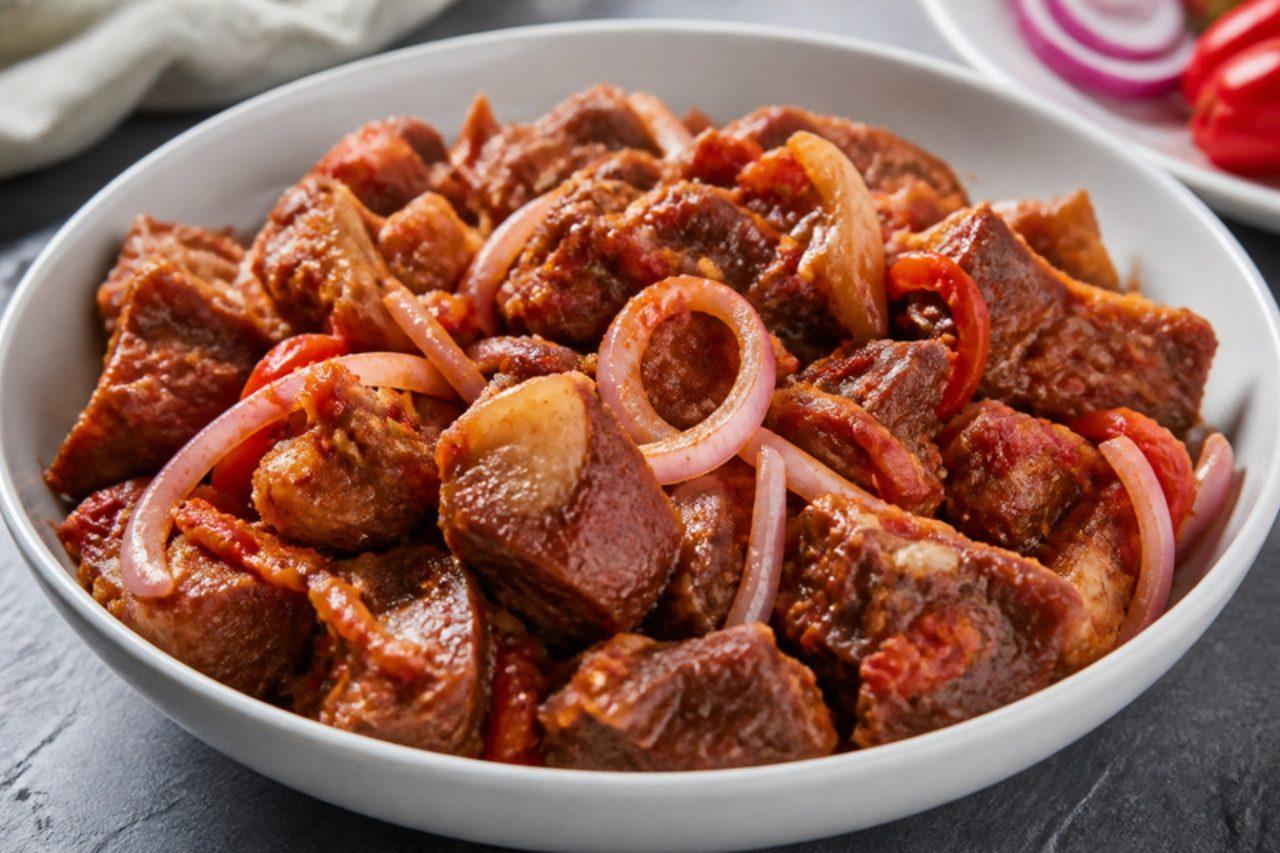
Asun peppered goatPeppered grilled goat

Asun started in Ekiti, where goat was roasted whole over an open fire, and it has become the star of Lagos owambe parties and Friday evenings at the bar. Skin-on goat is boiled with seasoning until just tender, grilled until smoky and charred at the edges, chopped into bite-size pieces, then tossed in a hot sauce of scotch bonnet, onion and a little oil. It is chewy in a good way, smoky and very spicy, eaten on its own, with jollof rice or with cold drinks. Cook the goat until tender and no pink remains. Chef's tip: dry the boiled goat well before grilling; wet meat steams and never takes on the charred, smoky flavour that makes asun.

by KrazyBadal 0 views

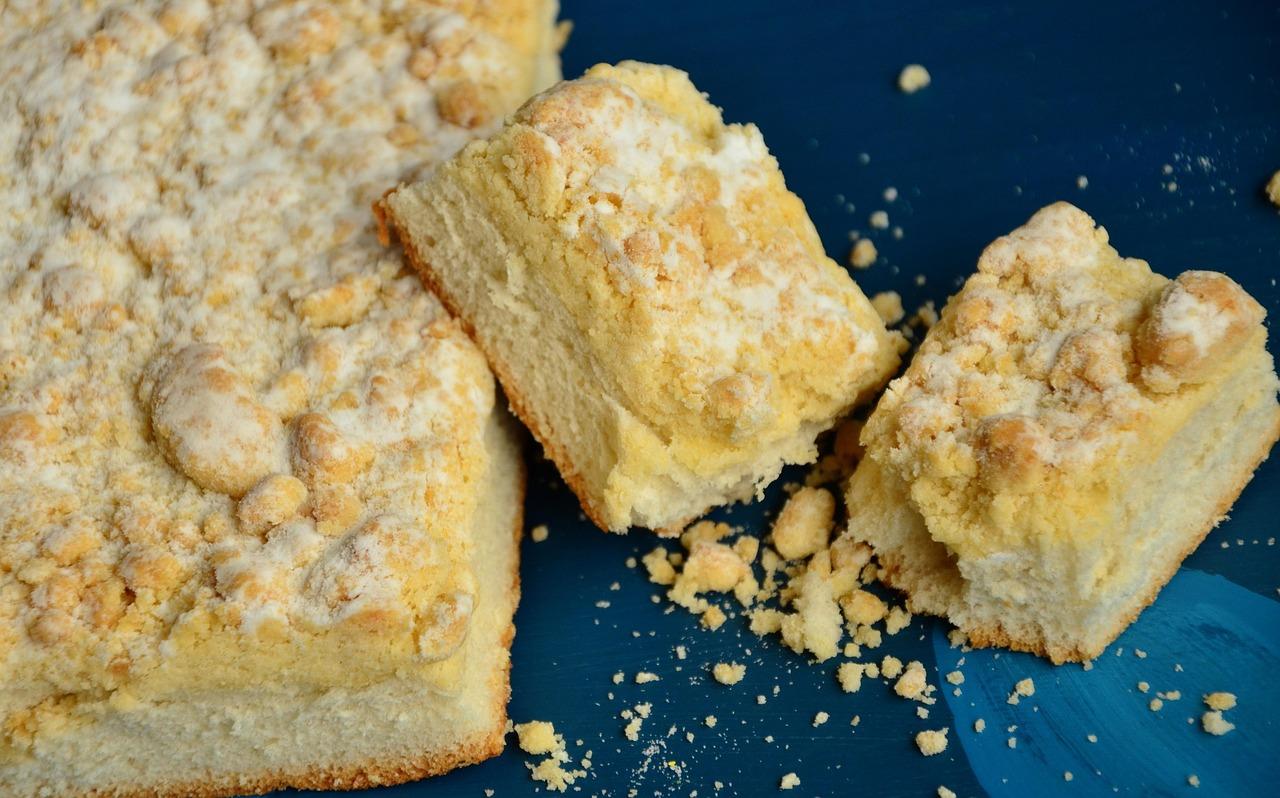
Kołocz śląskiSilesian cheese yeast cake

Silesian weddings once had kołocz delivered to every neighbour as a thank-you, and the wide trays still appear at christenings, harvest festivals and church fairs in Opole and around Katowice. The base is a soft, lightly sweet yeast dough, spread with a thick layer of vanilla twaróg and covered with a buttery crumble that bakes into craggy golden lumps. It keeps well for two days and cuts into neat squares for coffee. A common mistake is baking it before the dough has had its second rise under the topping, which gives a dense, bready base. Twaróg is usually rennet-free, but check the label. Chef's tip: keep the crumble in the fridge until the last moment so it stays in distinct lumps in the oven.

150 minPolishBaking
by KrazyBadal 0 views

Accra bananeRipe banana fritters

Morning street corners in Douala smell of frying banana: vendors drop very ripe fruit and flour batter into deep oil and sell accra banane by the paper bag, often with a bowl of bouillie or a plate of beans. Crisp at the edges and soft, sweet and almost custardy inside, these little puffs need nothing more than mashed bananas, flour, sugar and a pinch of nutmeg. Children love them after school, and they are a thrifty way to rescue fruit that has turned black. A frequent slip is using underripe bananas, which give heavy, bland fritters. Chef's tip: use bananas so ripe the skins are mostly black; firmer yellow ones give a dry, bland fritter.

by KrazyBadal 0 views

Couscous de maïsStiff maize paste

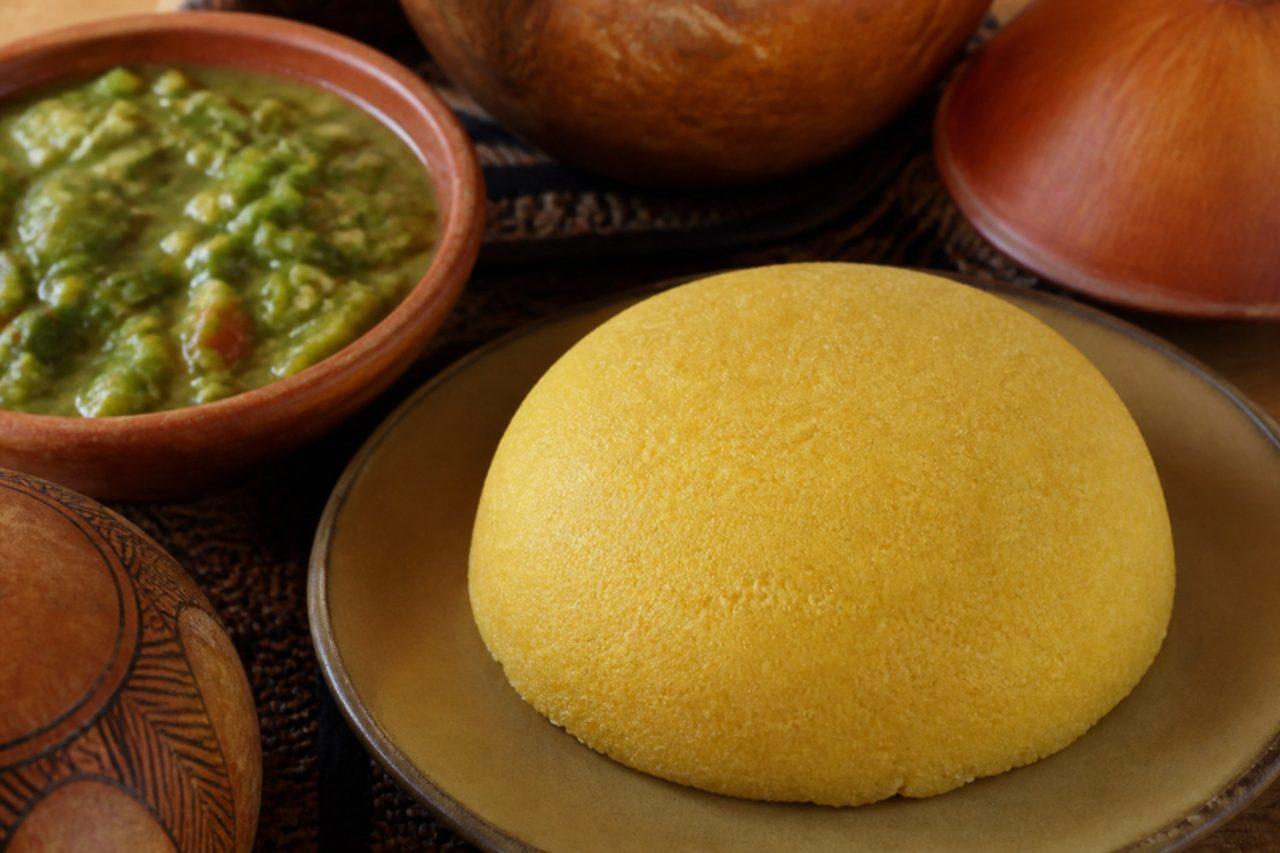
Across the North, from Garoua's riverside neighbourhoods to the Adamawa plateau around Ngaoundéré, the evening meal is usually couscous de maïs: not the steamed grains of North Africa but a stiff, smooth maize paste shaped into domes with a wet calabash. It is eaten with the right hand, dipped into slippery okra sauce, leaf sauces or a tomato and groundnut stew. The flavour is mild and sweet like fresh corn, and the texture firm enough to hold the dent made by your thumb. Use fine maize meal; coarse polenta gives a gritty result. Chef's tip: let the first handful of meal cook undisturbed on the simmering water for a few minutes before stirring; it forms a raft that blends in without lumps.

by KrazyBadal 0 views

Kati katiGrilled chicken in palm oil

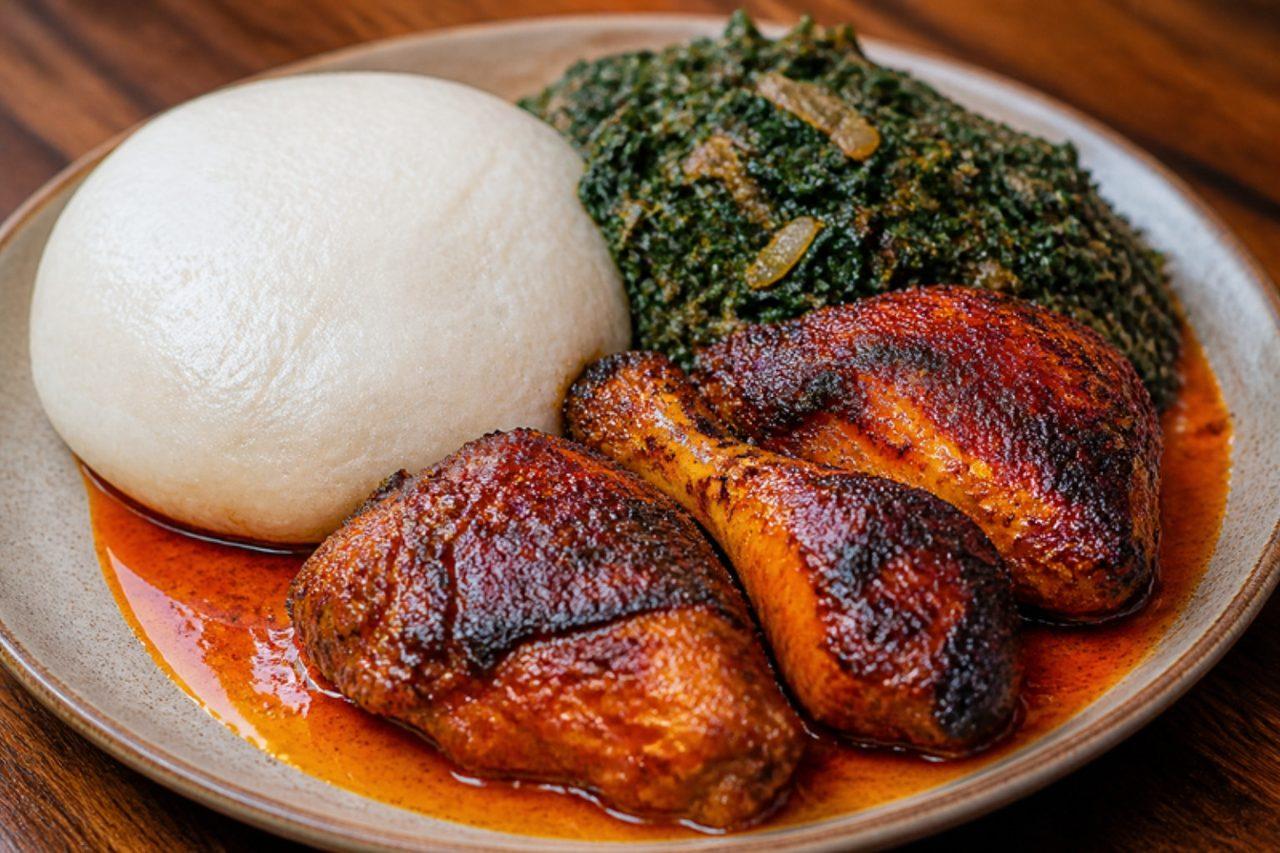
From Kom country near Bamenda, kati kati is chicken cooked twice: first grilled over open coals until smoky and charred in places, then chopped and simmered briefly in red palm oil with onion and hot pepper until every piece is lacquered. It turns up at celebrations in the North West and in Bamenda chop houses, always with fufu corn and a heap of njama njama. The flavour is smoky, rich and fiery, and the sauce is thick enough to cling, not pool. A charcoal grill gives the best flavour, though a hot oven grill works well. Chef's tip: chop the grilled chicken into small pieces before it goes into the pot, so the palm oil sauce reaches every surface.

by KrazyBadal 0 views

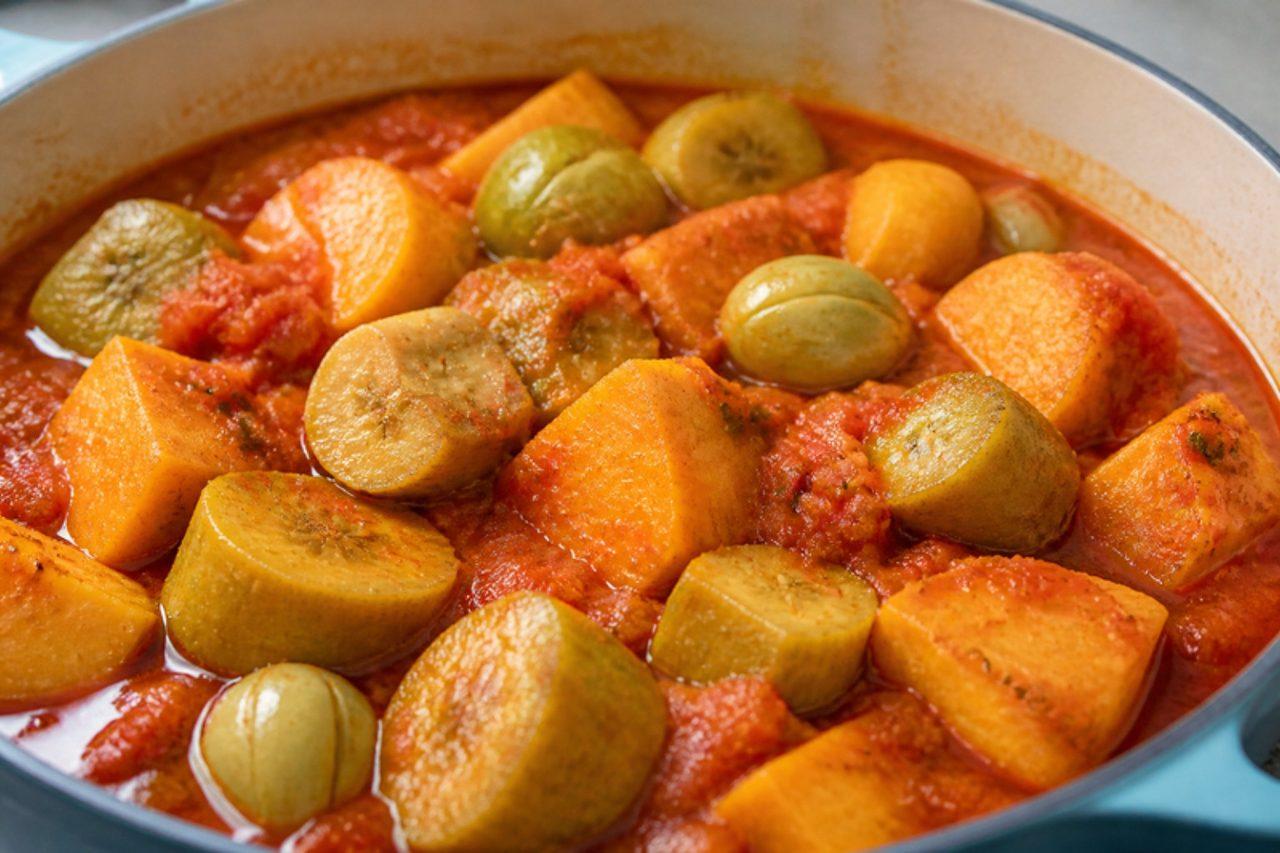
KondreGoat and green plantain stew

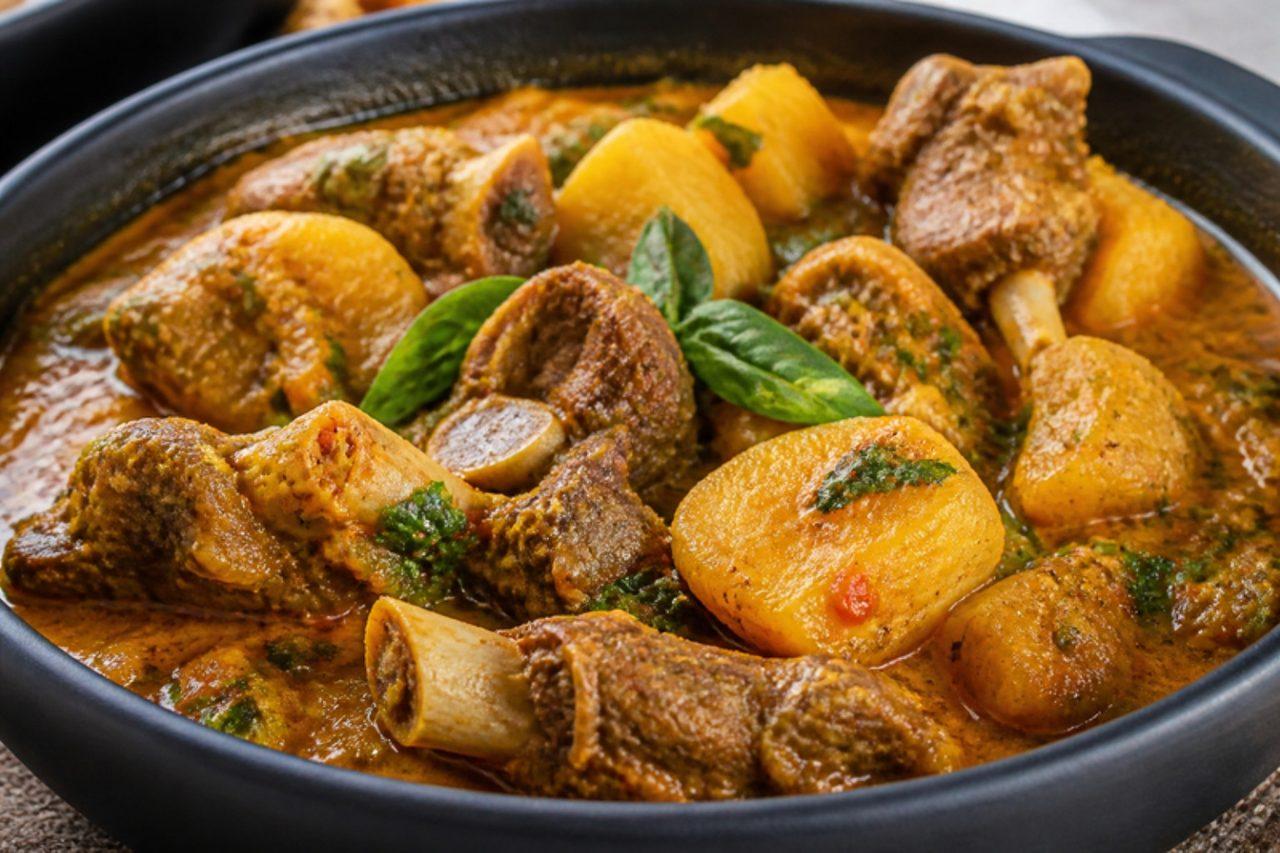
For weddings, funerals, the enthronement of a chief or the return of a relative from abroad, the Bamileke of the West Region cook kondre. Chunks of goat are stewed slowly with green plantain, tomato and a fragrant blend of local spices including white pepper, pebe and country onion, until the plantain melts at the edges and thickens the sauce. The result is earthy, peppery and very satisfying, eaten straight from the bowl with nothing else alongside. Beef or lamb can replace goat; pebe and country onion are sold in Cameroonian grocers, with nutmeg and a pinch of clove standing in at a pinch. Marinate the meat in the fridge, never on the counter. Chef's tip: give the goat a full hour on its own before the plantain goes in; the meat needs far longer to soften.

by KrazyBadal 0 views

KossamFresh or soured Fulani milk

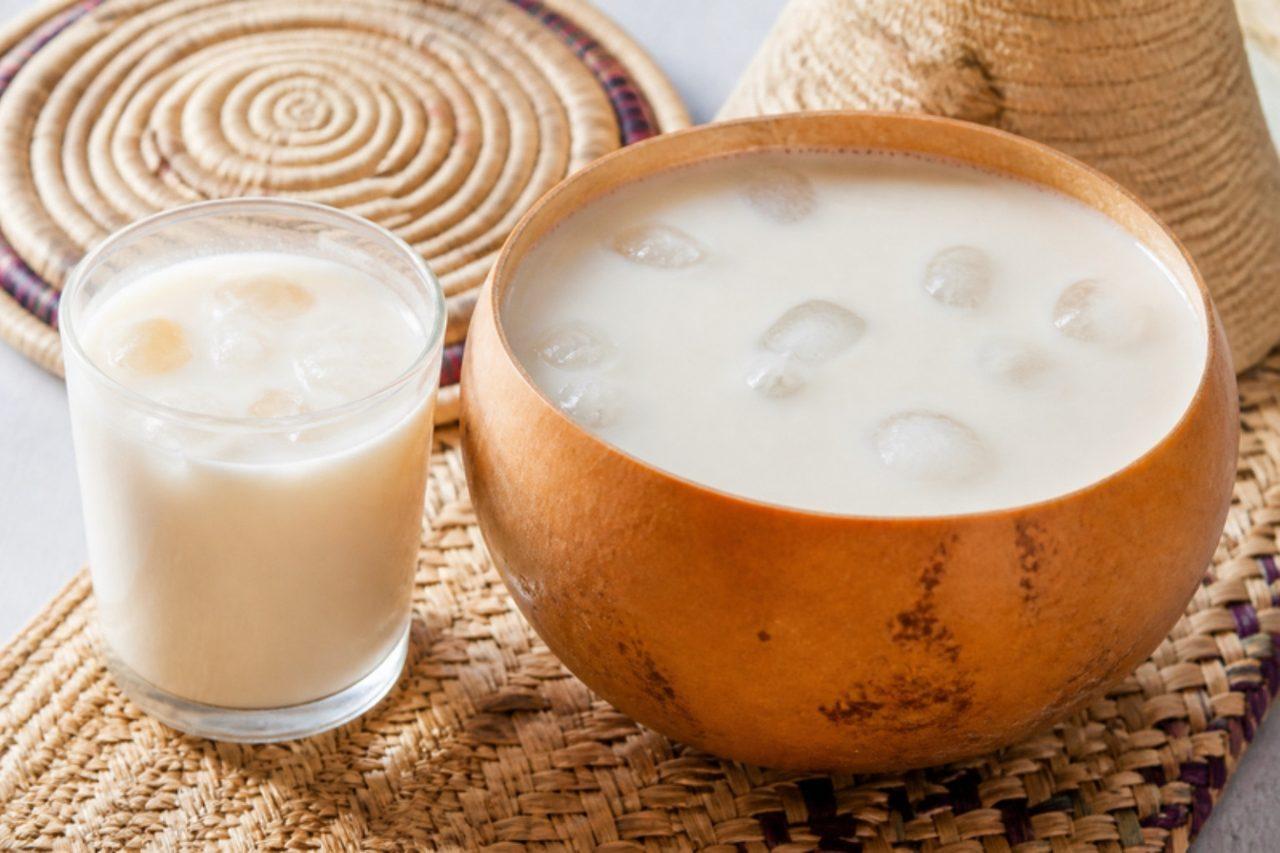
Fulani herders of the Adamawa plateau measure hospitality in kossam: a calabash of cool milk offered to a guest after a long ride, or sold in Ngaoundéré's markets fresh in the morning and pleasantly soured by afternoon. Fresh kossam is simply creamy whole milk, sometimes sweetened, drunk cold with couscous or on its own as a light meal in the heat of the day. For the tangy soured style, stir two spoonfuls of live plain yoghurt into the milk, leave it somewhere warm for 8–12 hours until thickened, then chill. Traditionally it is made with raw milk; at home, always use pasteurised. Chef's tip: chill the milk for several hours and whisk the sugar in hard just before serving, which gives the light froth you see on calabash-served kossam.

by KrazyBadal 0 views

Atama soupPalm nut and atama leaf soup

From Abak and the Ibibio heartland of Akwa Ibom comes this palm-nut soup with a perfume all its own: atama leaves, which smell somewhere between mint, anise and fresh hay. The palm cream is cooked with assorted meat, stockfish, dried fish and periwinkles until the oil glistens on top, then the atama goes in near the end. It is weekend and visitors' food, eaten with pounded yam, fufu or eba. Dried atama is sold in African shops; dried tarragon is the closest substitute. Periwinkles should be bought cleaned, and any with cracked shells thrown away. Avoid adding the atama leaves too early: long boiling dulls their perfume. Chef's tip: go easy on the atama, as too much turns the soup bitter, so start with the amount below and taste before adding more.

by KrazyBadal 0 views

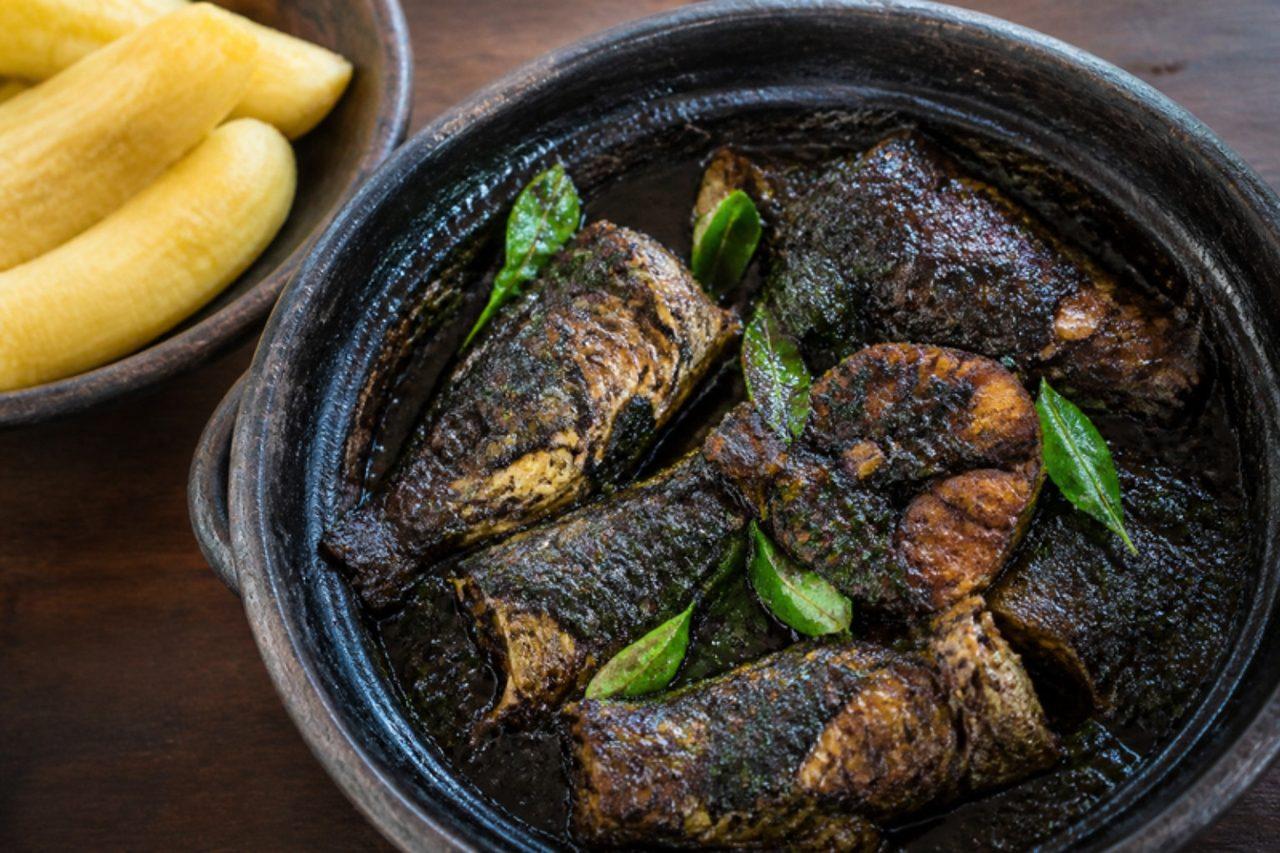
Mbongo tchobiFish in black spice sauce

The Bassa people of the Littoral, between Douala and Édéa, are famous for mbongo tchobi, fish cooked in a startling jet-black sauce. The colour comes from mbongo, the pods of a wild plant in the ginger family, charred over a flame until black and ground with onion, garlic, ginger and njansang; the taste is smoky, peppery and deeply aromatic rather than burnt. Freshwater fish such as carp or tilapia is traditional, simmered gently in the sauce for family gatherings and in Douala restaurants, with boiled plantain, miondo or rice on the side. If mbongo is hard to find, charred black cardamom with grains of paradise gives a similar smoky warmth. Chef's tip: shake the pan instead of stirring once the fish goes in, so the pieces stay whole.

by KrazyBadal 0 views

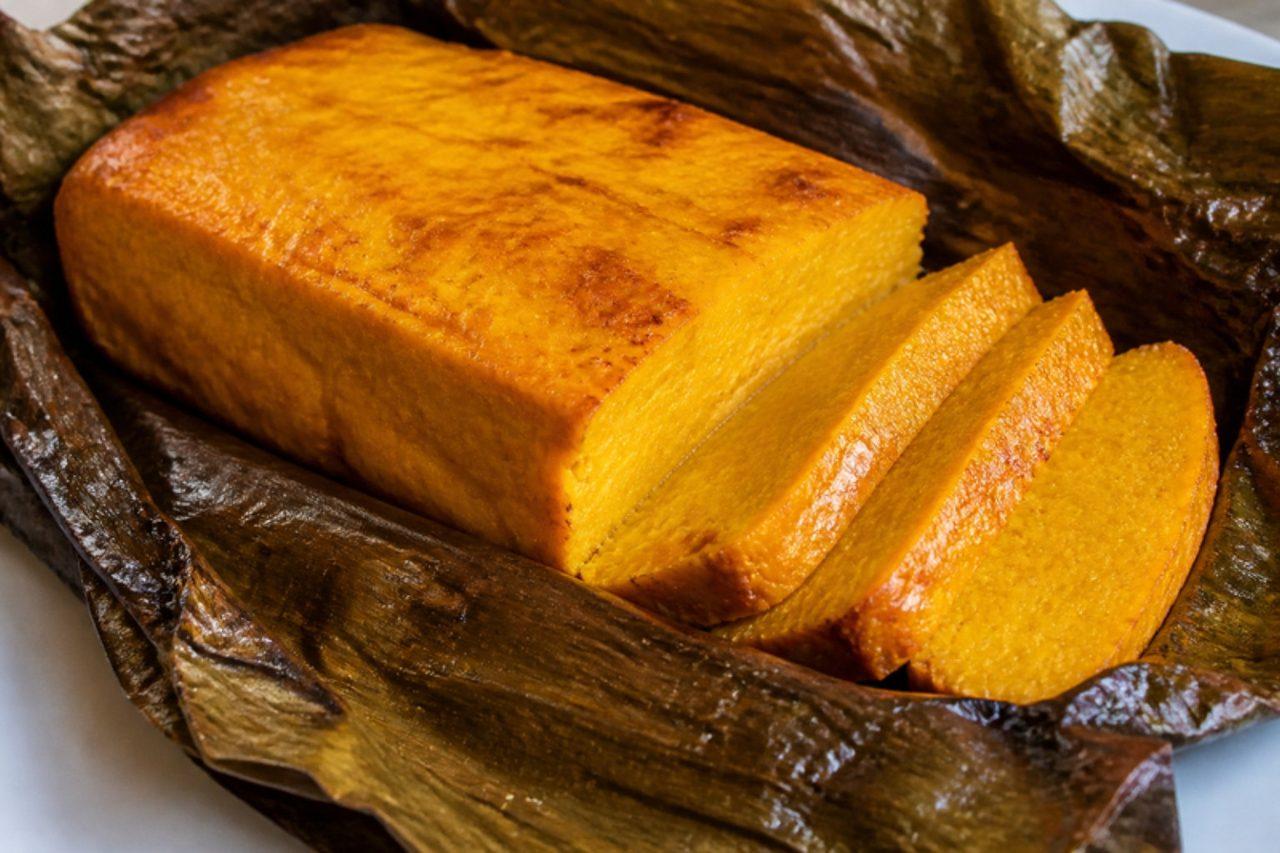
MintumbaCassava and palm oil leaf parcels

Golden and glossy with red palm oil, mintumba is the richer cousin of bobolo, baked or steamed in leaves in the Centre region and eaten as a snack or alongside sauce, grilled fish or roasted groundnuts. The soured cassava dough is kneaded with oil and a little salt, then wrapped and cooked until it sets into a dense, chewy loaf with a toasty crust where it touched the leaf. Its flavour is tangy, earthy and buttery from the oil. Start with bought fermented cassava paste from an African grocer, or make the dough as for bobolo. Don't wrap the dough loosely; gaps let water in and the parcels turn soggy. Chef's tip: warm the palm oil until just liquid before kneading it in; poured in solid, it streaks the dough instead of colouring it evenly.

by KrazyBadal 0 views

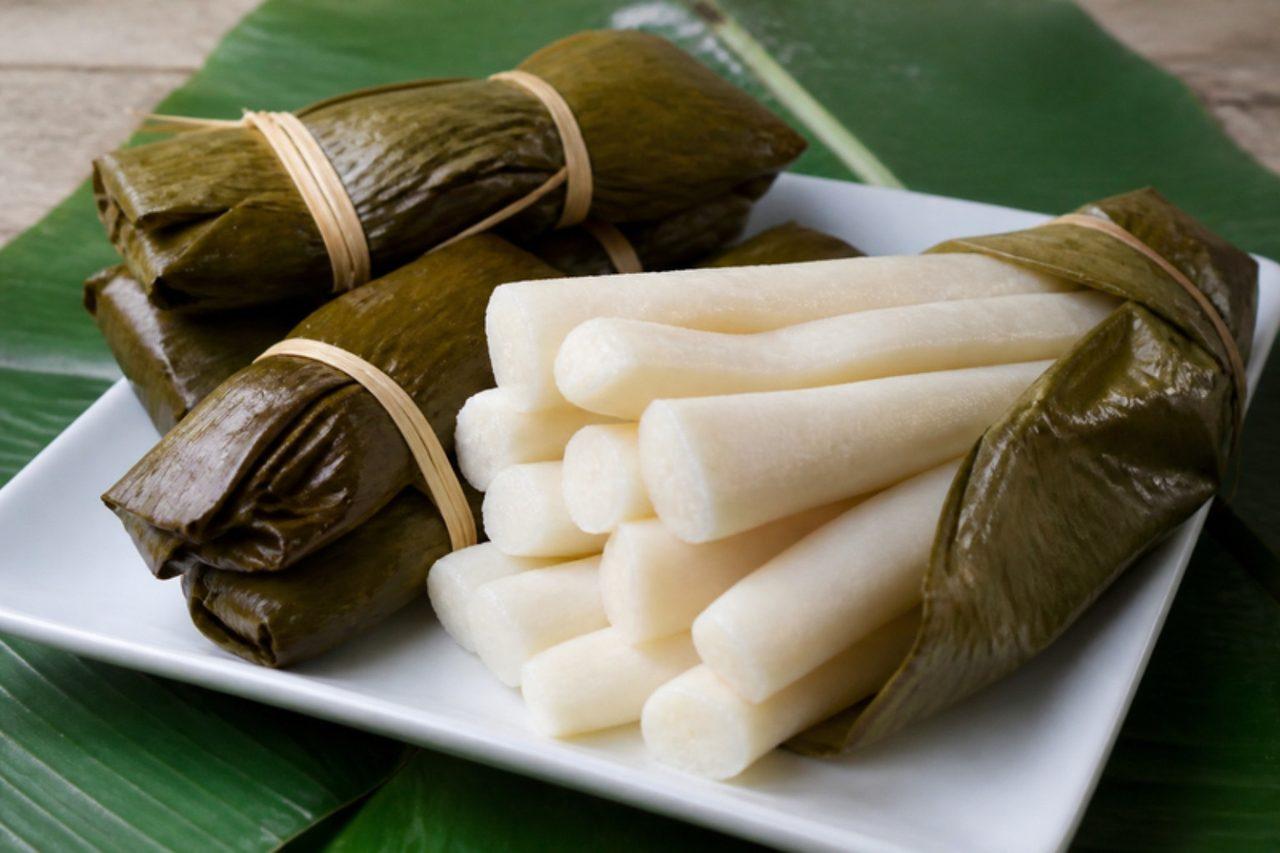
MiondoSoured cassava sticks

Douala's Duala families wrap their cassava dough into slim sticks no thicker than a finger, and bundles of miondo tied with string are stacked at every market from Akwa to New Bell. The roots are soaked for several days until they soften and sour, then ground smooth, drained, rolled, wrapped in leaves and boiled until firm and slightly translucent. The result is chewy, gently tangy and neutral enough to soak up ndolé, grilled fish or a fiery pepper sauce, and peeling back the leaf is part of the pleasure. Plan ahead: the soaking takes 3–4 days and the draining a few hours more, though the hands-on work is about an hour. Chef's tip: roll the sticks no thicker than your little finger so they cook through evenly; fat ones stay pasty in the middle.

by KrazyBadal 0 views

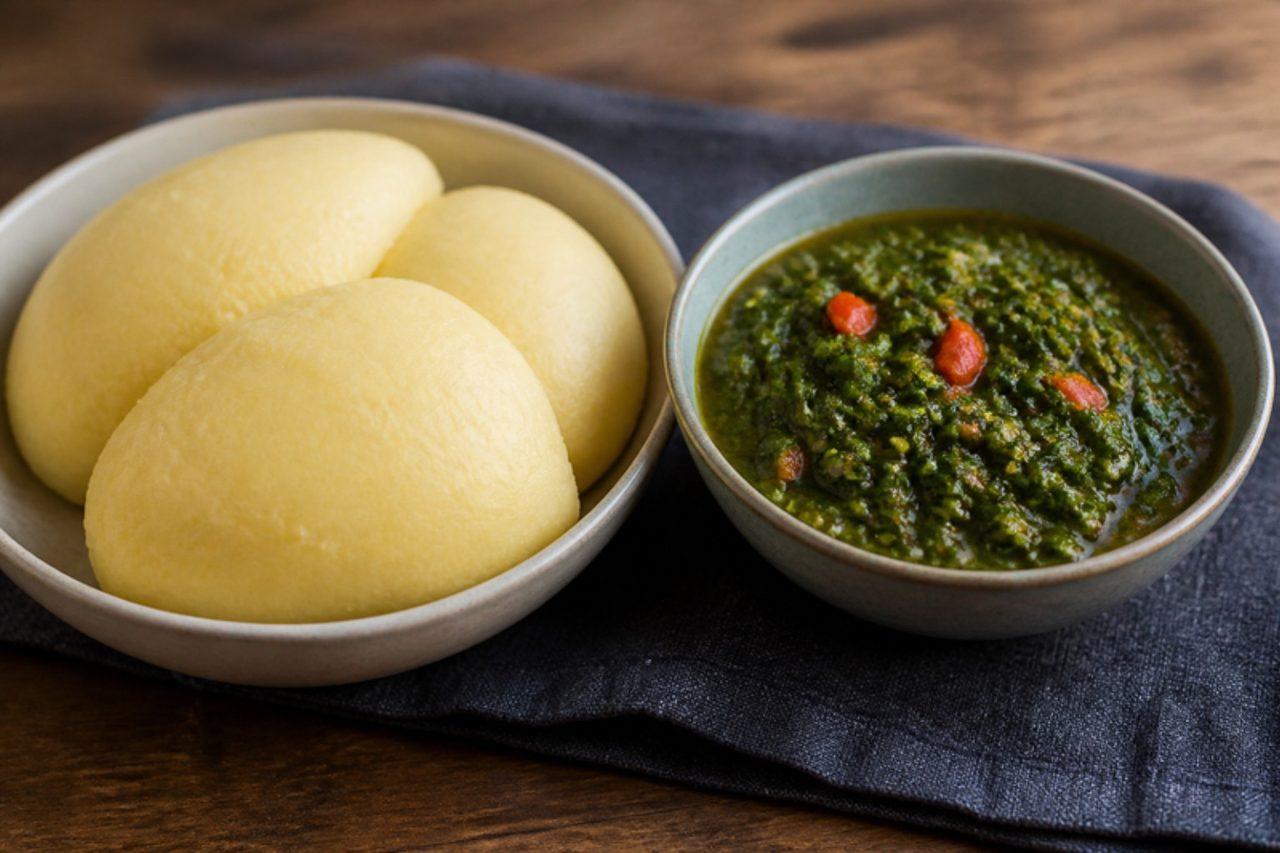
Njama njama and fufu cornHuckleberry leaves with corn fufu

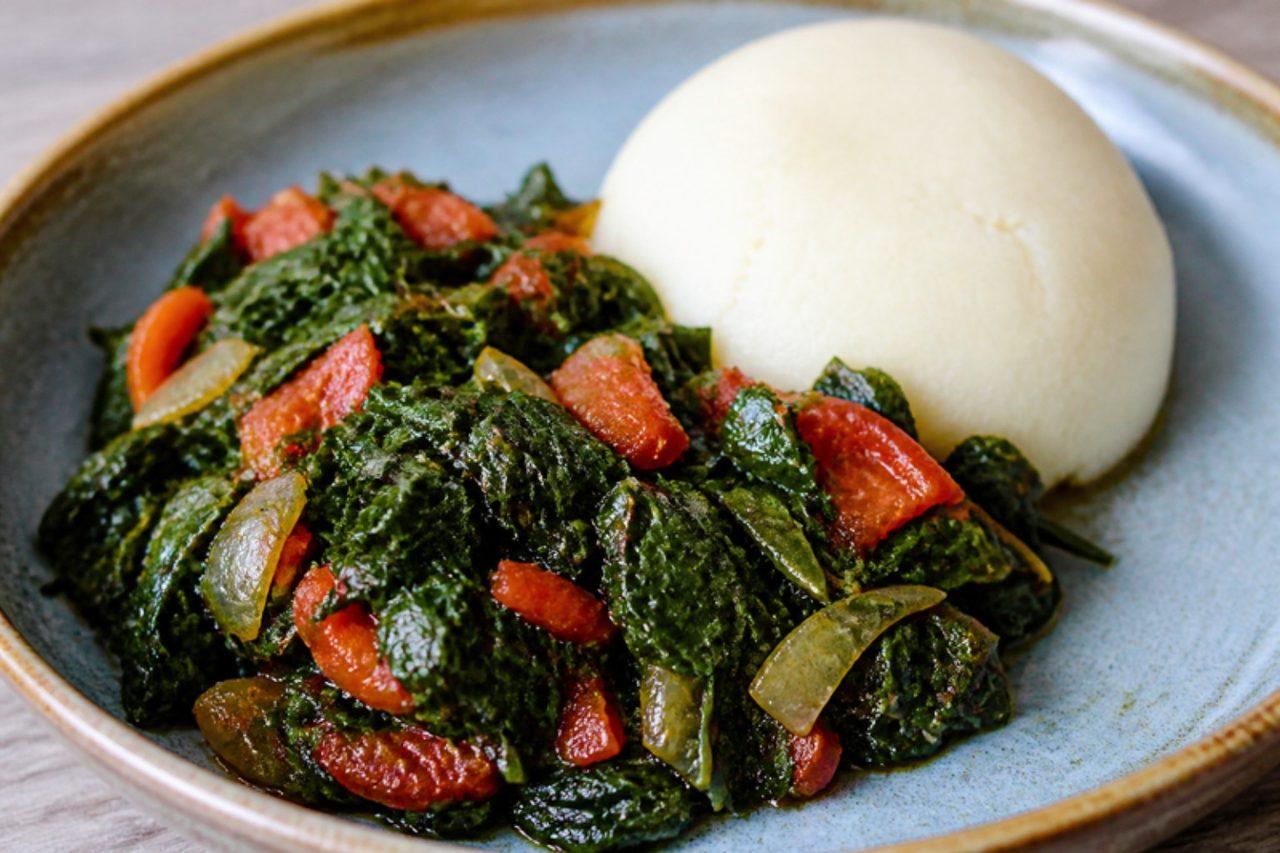
Every chop house in Bamenda has its own pot of njama njama, the bitter-sweet huckleberry leaf that grows in Grassfields gardens, served next to a smooth white dome of fufu corn. The leaves are boiled briefly to tame their bitterness, squeezed and then stir-fried with onion, tomato and pepper until tender and glossy. Pinch off some fufu, press a dent into it with your thumb and use it to scoop up the greens; at home, grilled chicken or kati kati often joins the plate. Frozen huckleberry leaves are sold in African grocers, and spinach with a little kale is a fair stand-in. Avoid skipping the blanching of the huckleberry leaves; unblanched they stay bitter. Chef's tip: squeeze the blanched leaves hard by the handful; leftover water dilutes the tomato base and makes the greens soggy.

by KrazyBadal 0 views

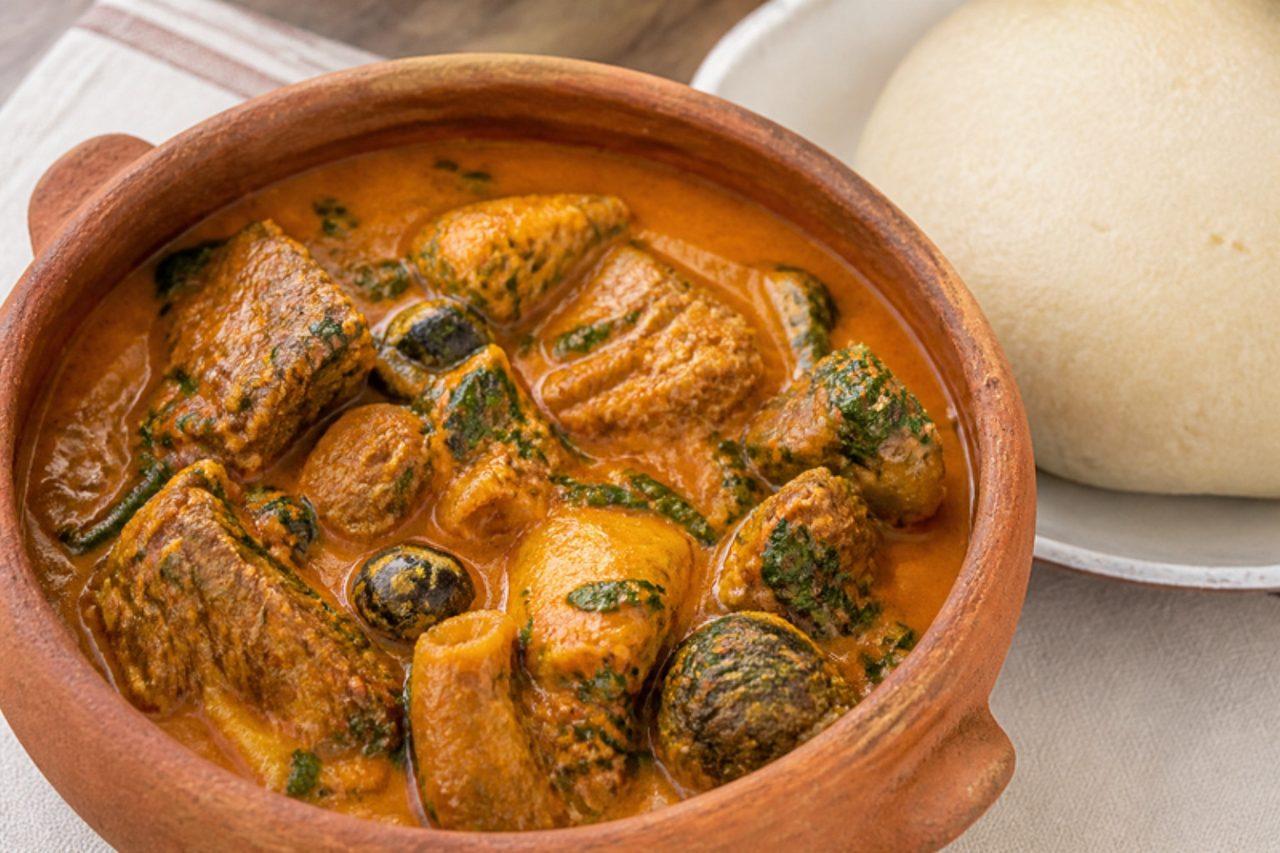
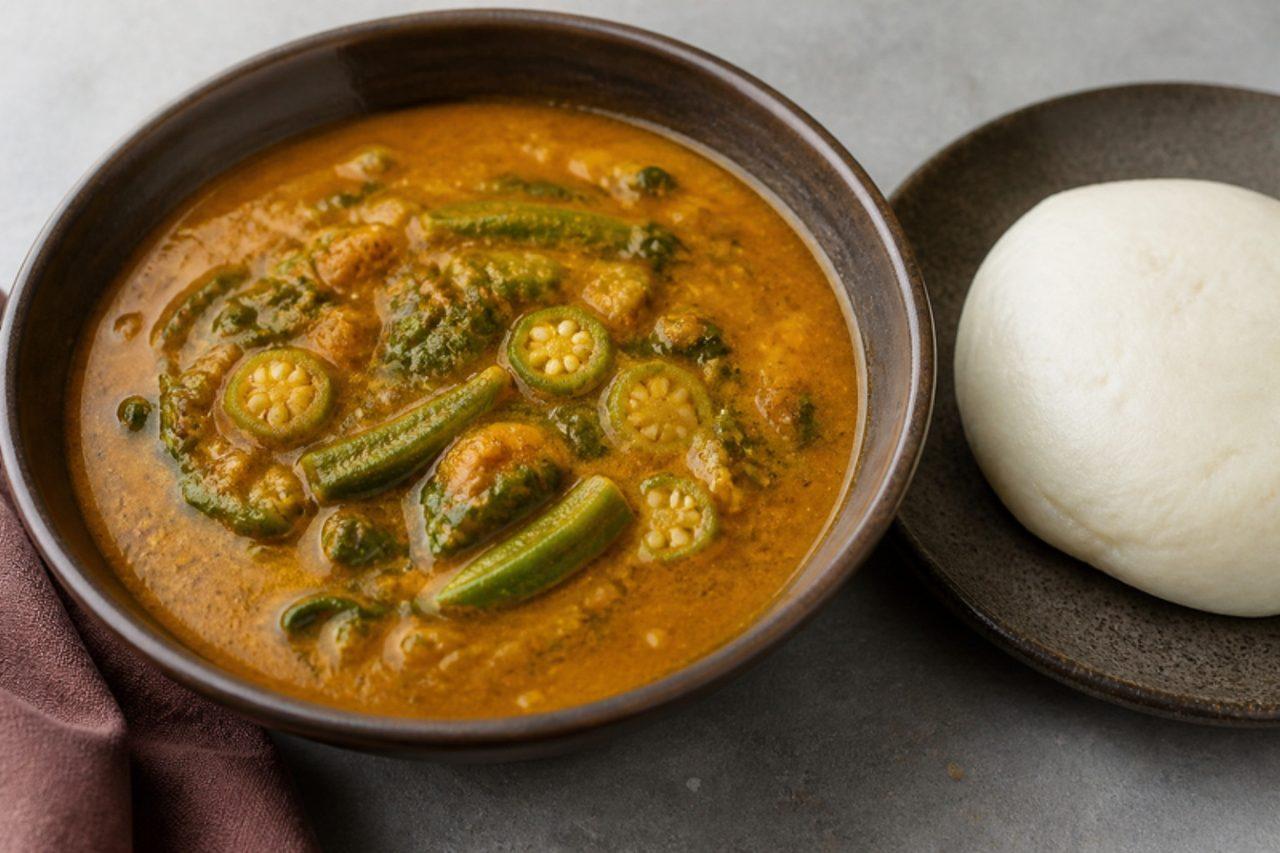
NkuiOkra and spice draw soup

Bamileke families in the West Region cook nkui for celebrations, and it is also a traditional food for new mothers in the weeks after a birth. Bark from the nkui shrub is steeped and squeezed until the water turns long and slippery, then simmered with a peppery blend of local spices and finished with okra for an even stronger draw. The soup is thin, silky and warming rather than rich, with a woody, citrusy heat. Lift it with a ball of fufu corn and let the strands trail from your fingers. Look for the bark and the spice mix in Cameroonian grocers; grated okra alone gives a lighter but similar draw. The usual mistake is boiling the soup hard after whisking; it loses its draw. Keep it at a bare simmer. Chef's tip: whip the soup hard with a whisk right after adding the potash; the beating is what builds the stretchy strands.

by KrazyBadal 0 views

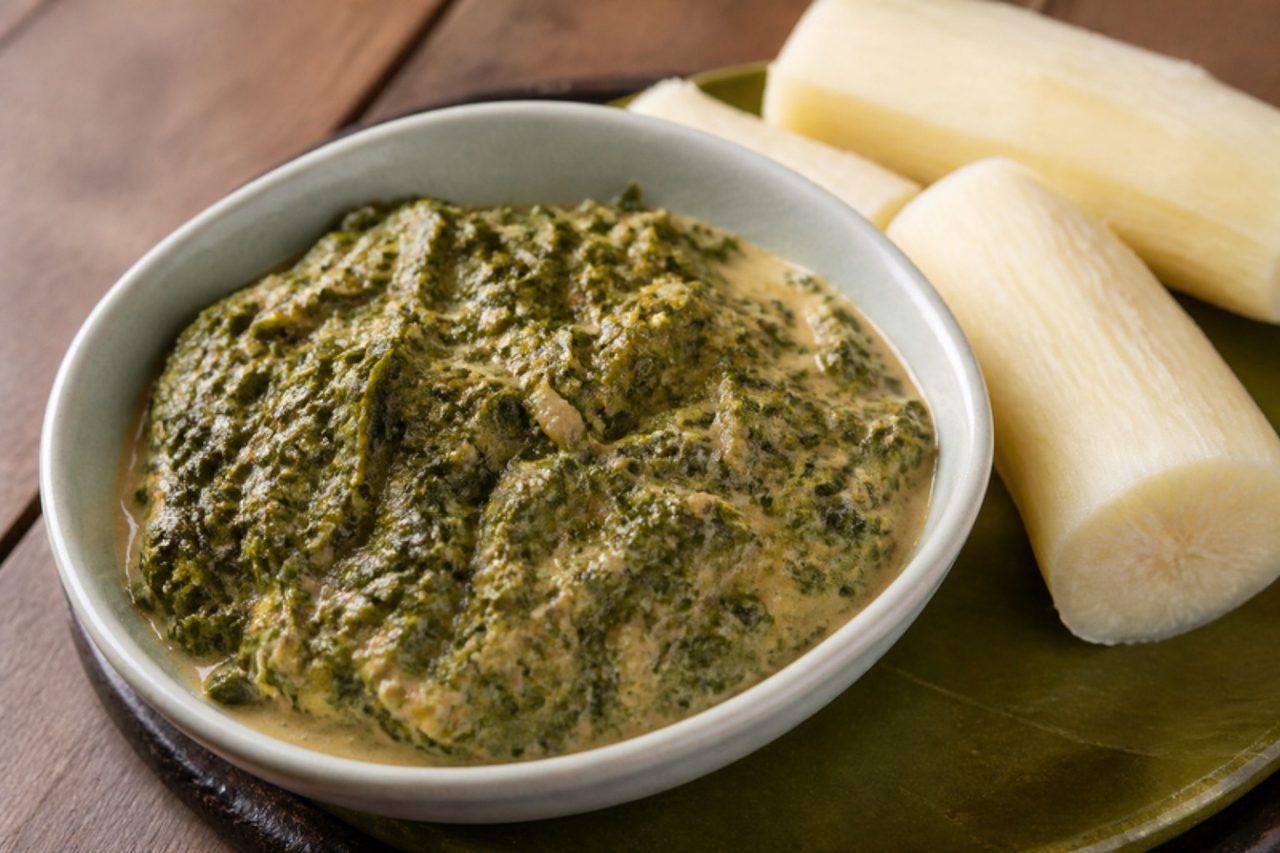
Sweet okokGnetum leaves with groundnut paste

Okok leaves come from a wild forest vine, and in the Centre region market women sit shaving them into hair-fine ribbons with razor-sharp knives so cooks can take them home ready to use. The Beti way is to cook them with plenty of freshly ground groundnuts and, in the version many people grew up on, a spoonful of sugar, which turns the pot into a thick, nutty, gently sweet green stew. Expect a pleasant chew from the leaves and a creamy body from the peanuts; there is no palm oil here at all. Serve it with slices of bobolo or boiled cassava for a classic Yaoundé lunch. The usual mistake is adding the groundnut paste too early and not stirring, so it scorches on the base. Chef's tip: wash the shredded leaves in at least three changes of water, rubbing them between your hands, to remove the fine grit that collects in the ribbons.

by KrazyBadal 0 views

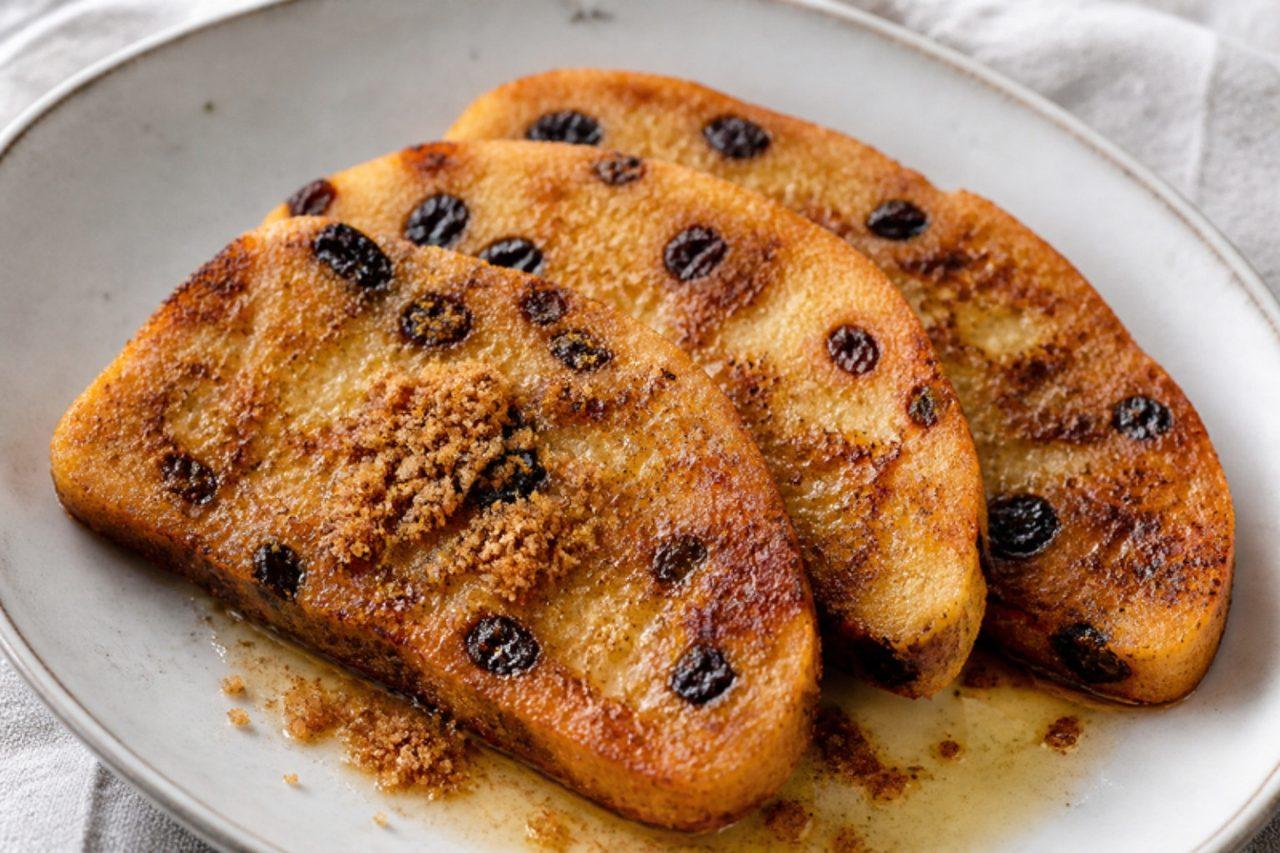
Jan in de zakFried steamed raisin pudding

Jan in de zak, 'John in the bag', is the old Flemish farmhouse pudding cooked for Shrove Tuesday and winter Sundays in West and East Flanders: a soft yeasted dough with raisins and currants tied up in a floured cloth and boiled for hours, then sliced and fried in butter and eaten with brown sugar or treacle. It is the Flemish cousin of Dutch 'Jan in de zak'. A common mistake is tying the cloth tightly, which leaves no room for the pudding to swell and makes it dense. Chef's tip: tie the cloth loosely, leaving room for the dough to double, and keep the water at a steady simmer.

by KrazyBadal 0 views

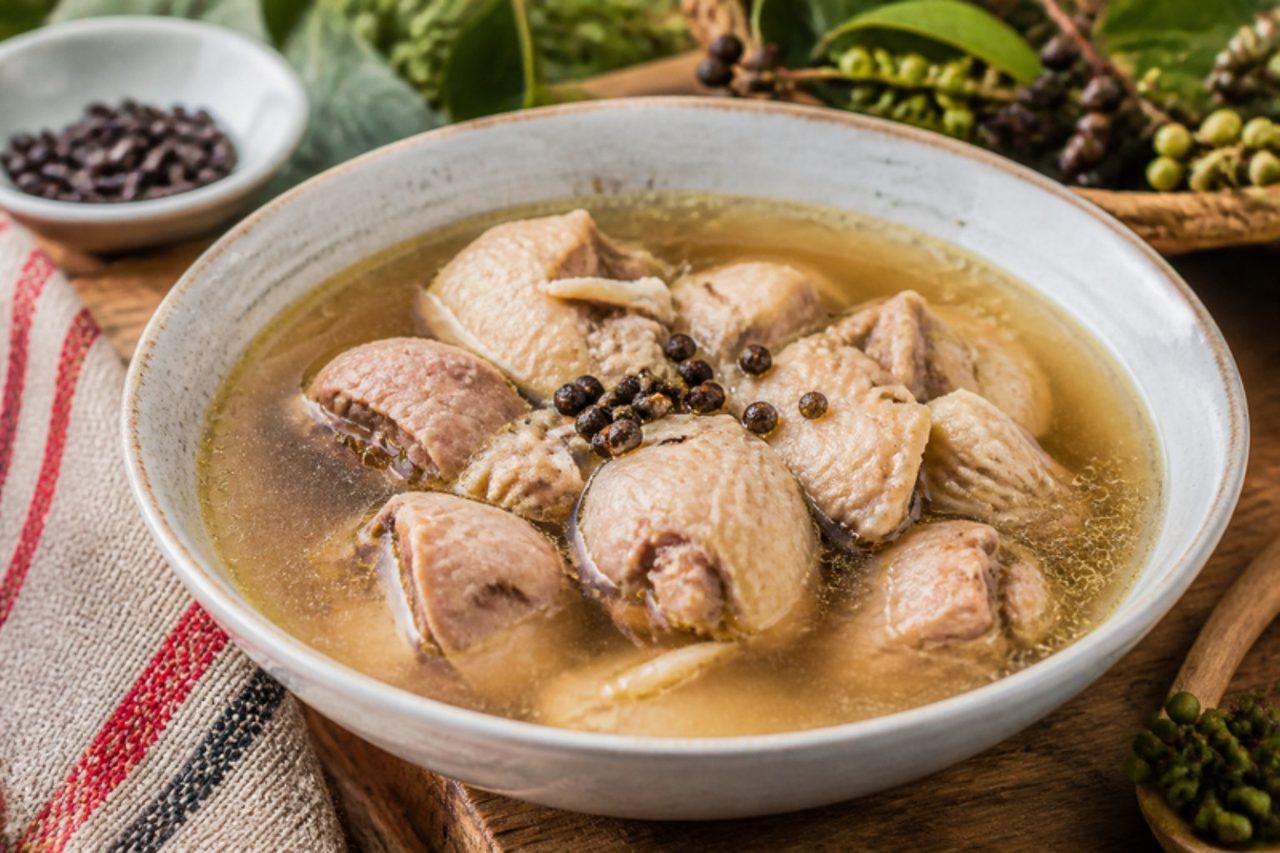
Maqaw chicken soupMountain pepper chicken soup

High in the mountains of northern Taiwan, in Atayal villages around Wulai and Fuxing, maqaw berries are picked from the mountain litsea tree in summer and dried to flavour soups, grilled meat and tea. In this clear chicken soup, served at home suppers and in Indigenous restaurants with millet or rice and wild greens, the crushed berries give a fresh lemongrass-and-ginger perfume with a gentle peppery tingle. Bone-in chicken simmered slowly makes a light, golden broth. People spoil it by adding the maqaw at the start and boiling it for an hour, which turns it bitter; add it for the last 15 minutes instead. If you can't find maqaw, use black peppercorns, a stalk of lemongrass and a strip of lemon zest. Chef's tip: lightly crush the berries just before they go in; whole ones barely flavour the broth, while powder makes it cloudy.

by KrazyBadal 0 views

AthirasaFried rice flour jaggery cakes

Athirasa, a dark, flat disc with a shiny, slightly crinkled surface, is one of the keeping sweets of the Avurudu season: families fry stacks of them in early April, store them in tins and offer them to every visitor for weeks. The dough is simply rice flour stirred into jaggery syrup cooked to the soft-ball stage, flavoured with cardamom and left to rest, then patted into rounds and fried until deep brown. The cook presses each one firmly between two flat spoons or saucers to squeeze out excess oil, which gives athirasa its chewy, toffee-like centre and lacy, crisp edges. The typical slip is undercooking the syrup, which makes the dough too soft to shape and causes the rounds to fall apart in the oil. Chef's tip: shape the discs on a piece of oiled banana leaf or baking paper and slide them straight into the oil from it, so they keep a neat round shape.

by KrazyBadal 0 views

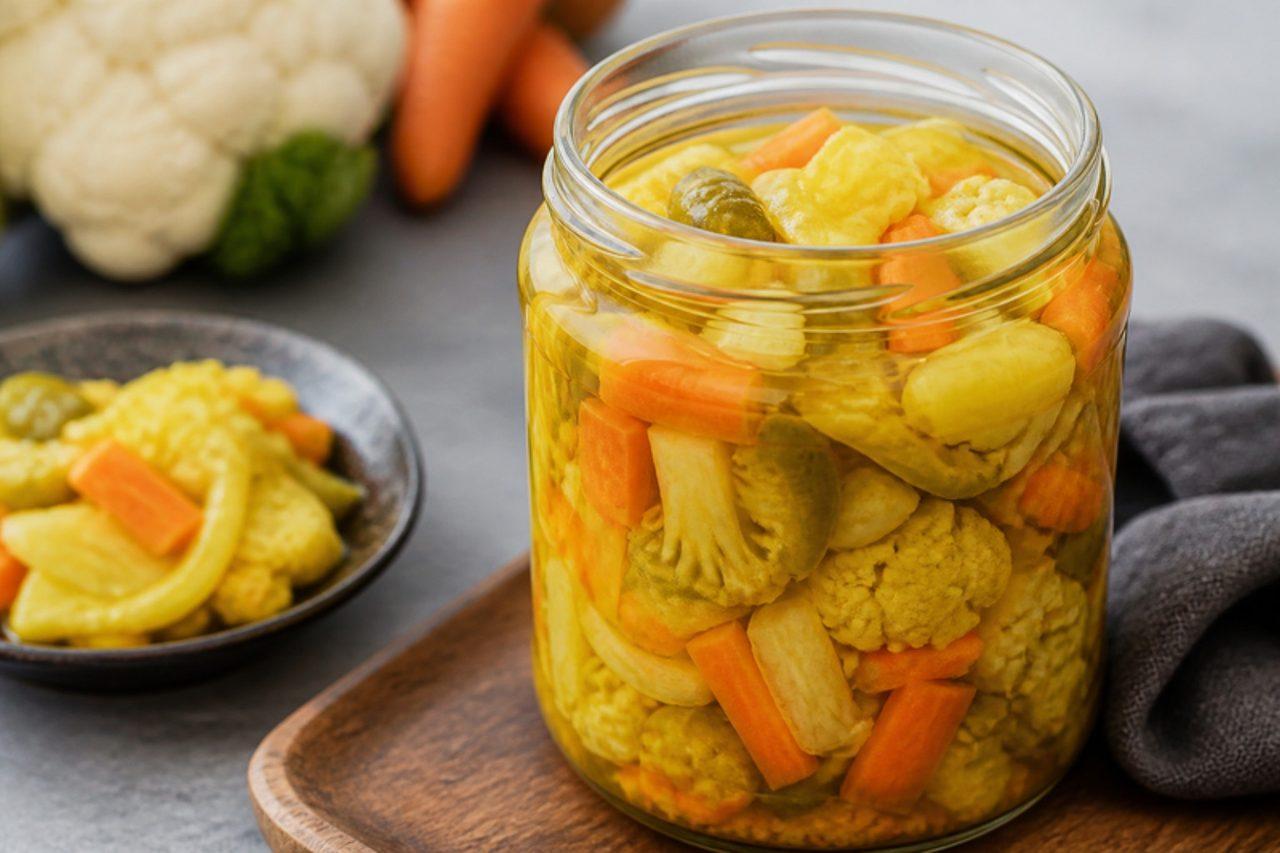
Atjar tjampoerSweet-sour mixed vegetable pickle

Atjar tjampoer is the bright yellow pickle in every Dutch-Indonesian toko and on every rijsttafel: crisp cucumber, carrot, cabbage, cauliflower and shallot pickled in a sweet-sour vinegar brine coloured with turmeric, with a little chilli and ginger. It cuts through rich satay and rendang. A common mistake is cooking the vegetables, which makes them soft; they should only be blanched or simply covered with hot brine. Chef's tip: salt the cucumber first and squeeze it, so it stays crunchy for days.

by KrazyBadal 0 views

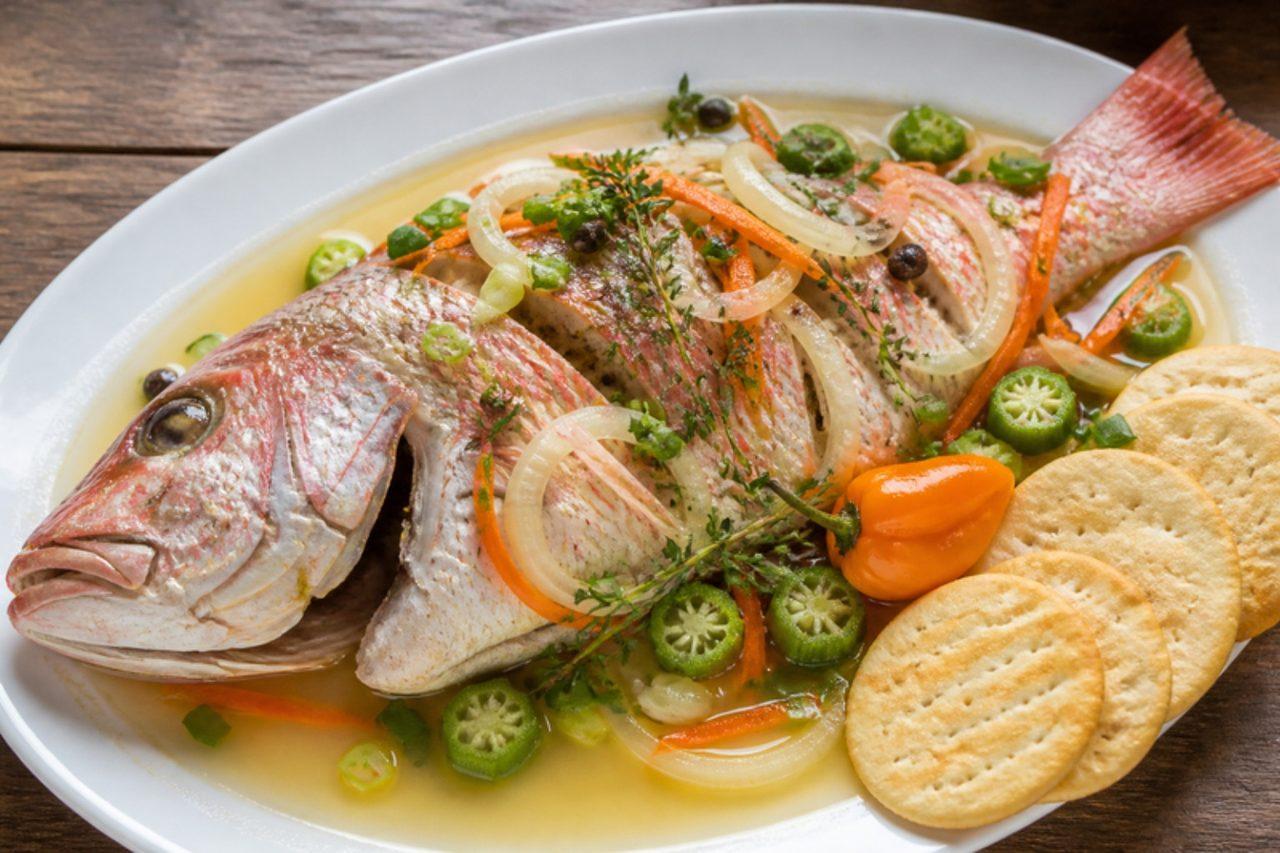
Jamaican steamed fishSteamed snapper with okra

All along the Kingston waterfront, from Port Royal to the Hellshire fish huts, steam fish is ordered by the pound: a whole red snapper scored and cooked gently in a peppery butter broth with okra, carrot, thyme, pimento and broken water crackers that soak up the juices. The fish stays moist and delicate while the vegetables soften into a light, buttery sauce, and it is eaten with bammy or hard food. The common mistake is boiling it hard, which breaks up the flesh; keep it at a gentle simmer under a lid. Chef's tip: lay the okra and carrot under the fish so it steams above the liquid rather than sitting in it.

by KrazyBadal 0 views

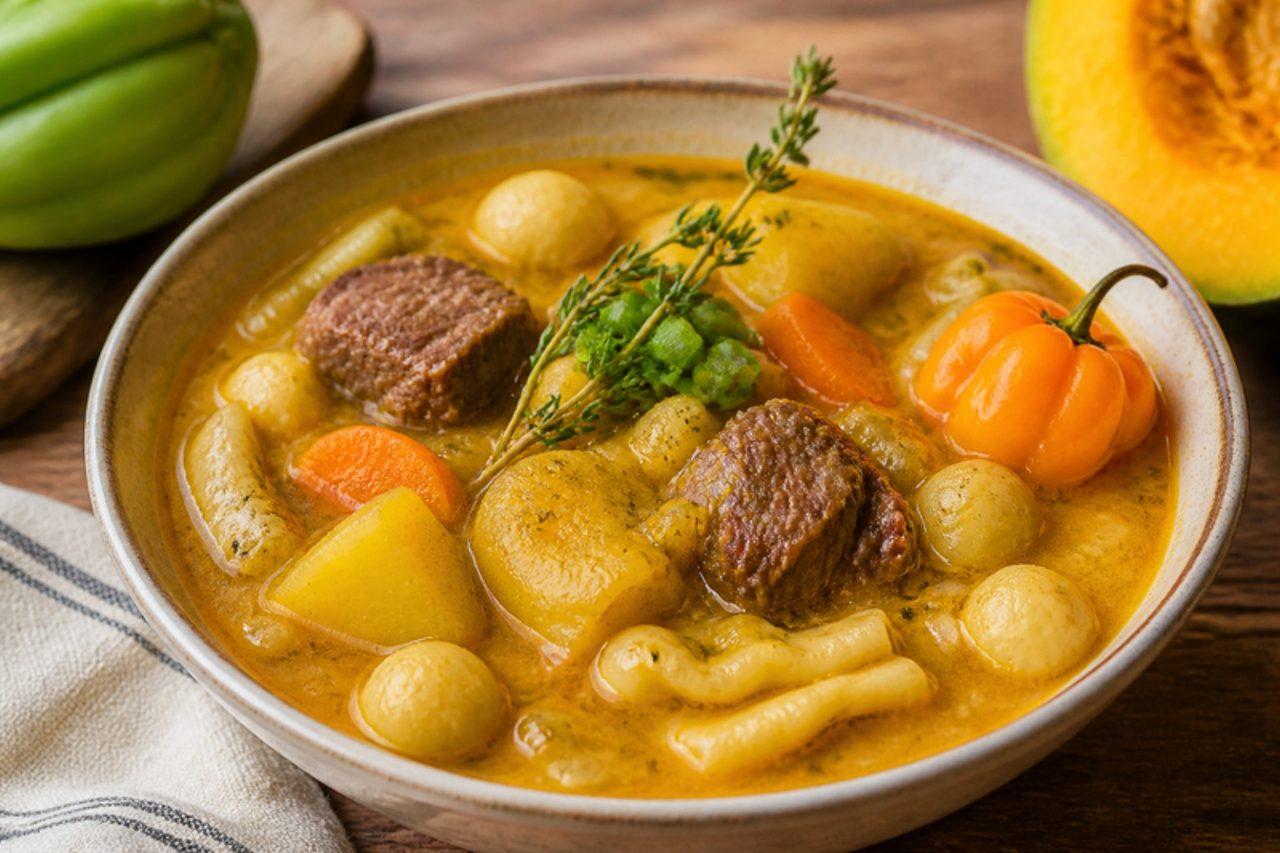
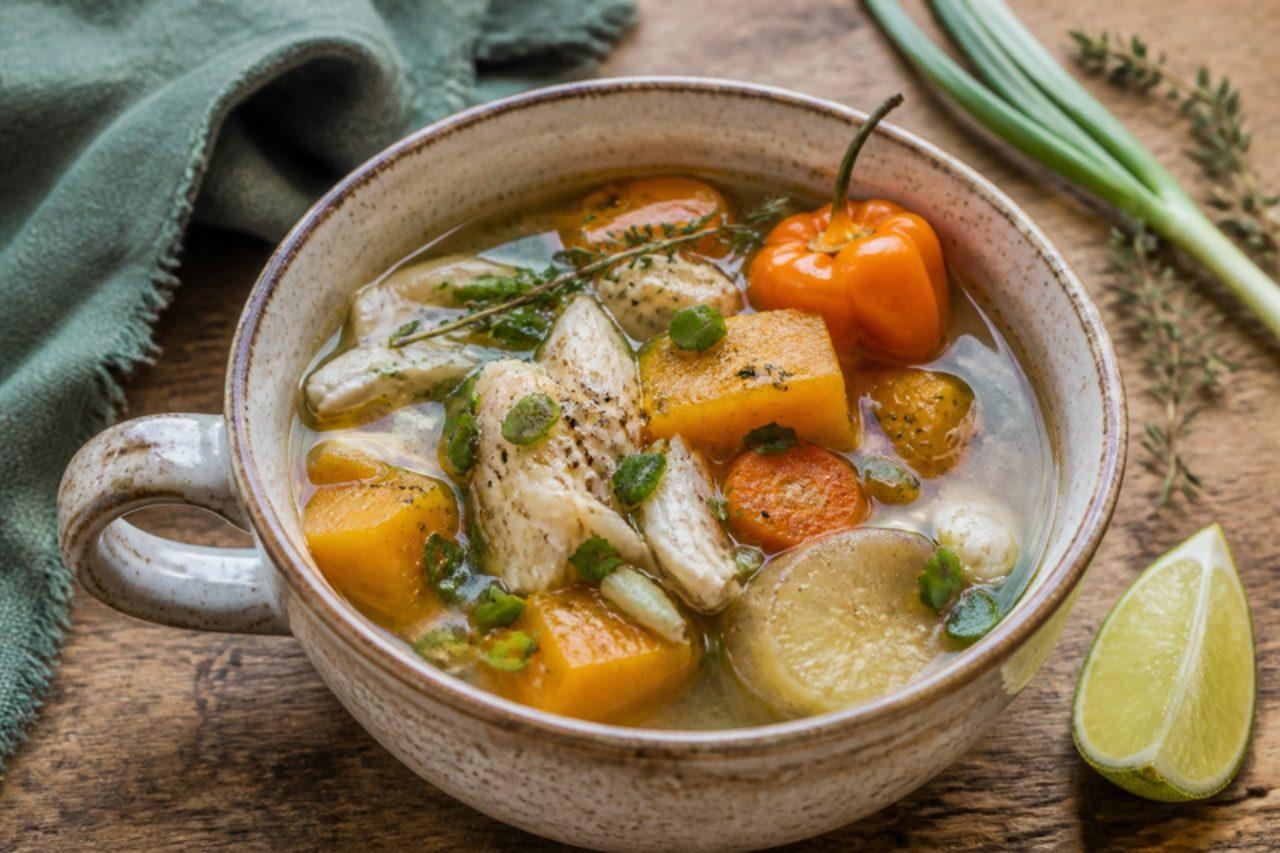
Jamaican Saturday soupBeef soup with pumpkin and dumplings

Saturday is soup day in Jamaica: the week's cleaning and market shopping get done while a big pot of beef soup bubbles on the stove, and by afternoon the whole yard is called in for a bowl. Beef shin and bones simmer with pumpkin until it melts and thickens the broth, then yam, chocho (christophene), carrot and cornmeal dumplings and thin "spinners" go in, with a whole scotch bonnet for perfume. The usual mistake is adding all the ground provisions at the start, so they collapse into mush; they go in during the last 40 minutes. Chef's tip: leave the scotch bonnet whole and lift it out before serving; you get the fruity aroma without the burn.

by KrazyBadal 0 views

Jamaican rundownMackerel in coconut milk

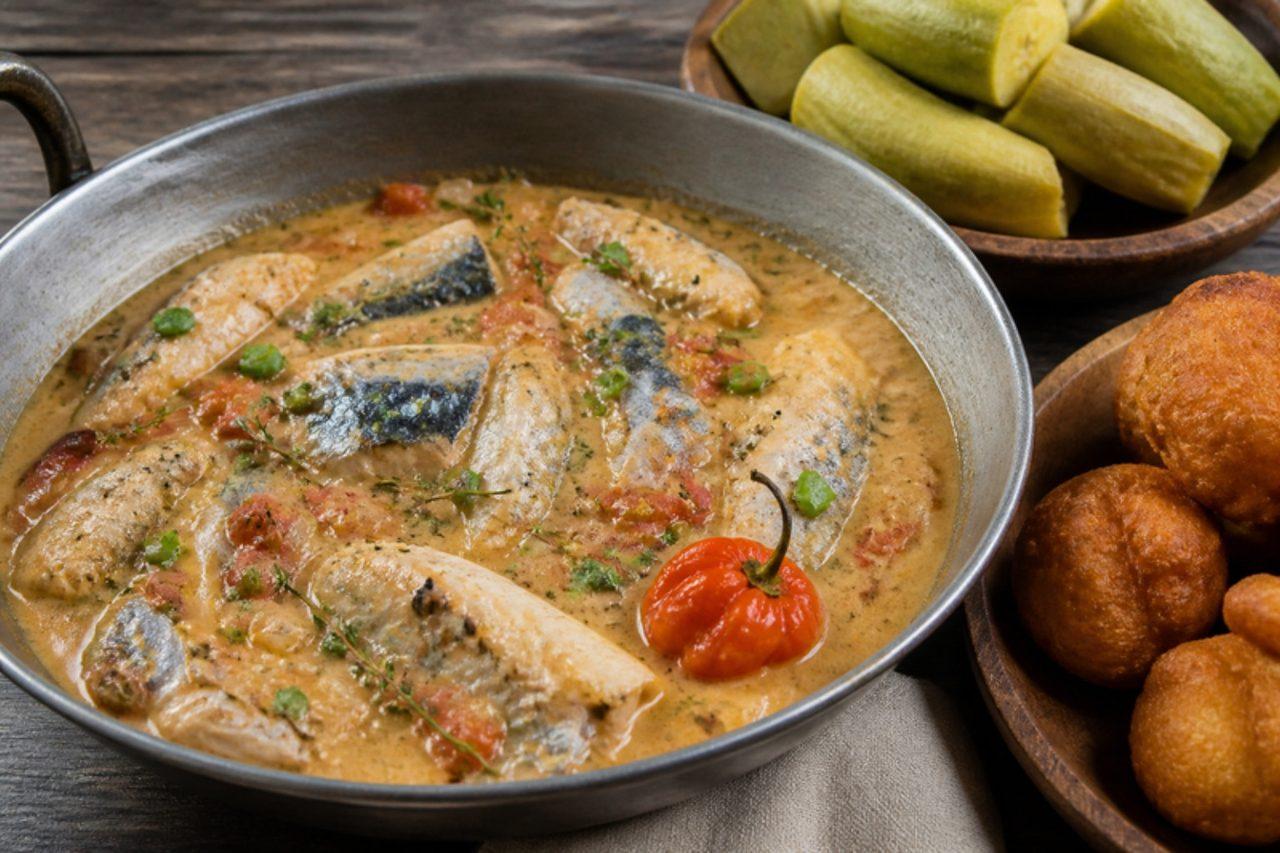
Rundown, "run dung" in patois, is an old coastal dish from Portland and the north coast, where coconut palms and fishing boats share the beach: coconut milk is boiled until it "runs down" into thick, oily custard, and fish is gently cooked in it with tomato, onion, thyme and scotch bonnet. Salted mackerel is traditional, though fresh mackerel works beautifully and needs no soaking. People often stir the fish around once it is in, which breaks it to shreds; let it poach undisturbed. Chef's tip: keep boiling the coconut milk until you see clear oil pooling on top; that is when the sauce becomes rich and custardy. Serve with boiled green bananas, dumplings or breadfruit.

by KrazyBadal 0 views

KoloRoasted barley and peanut snack

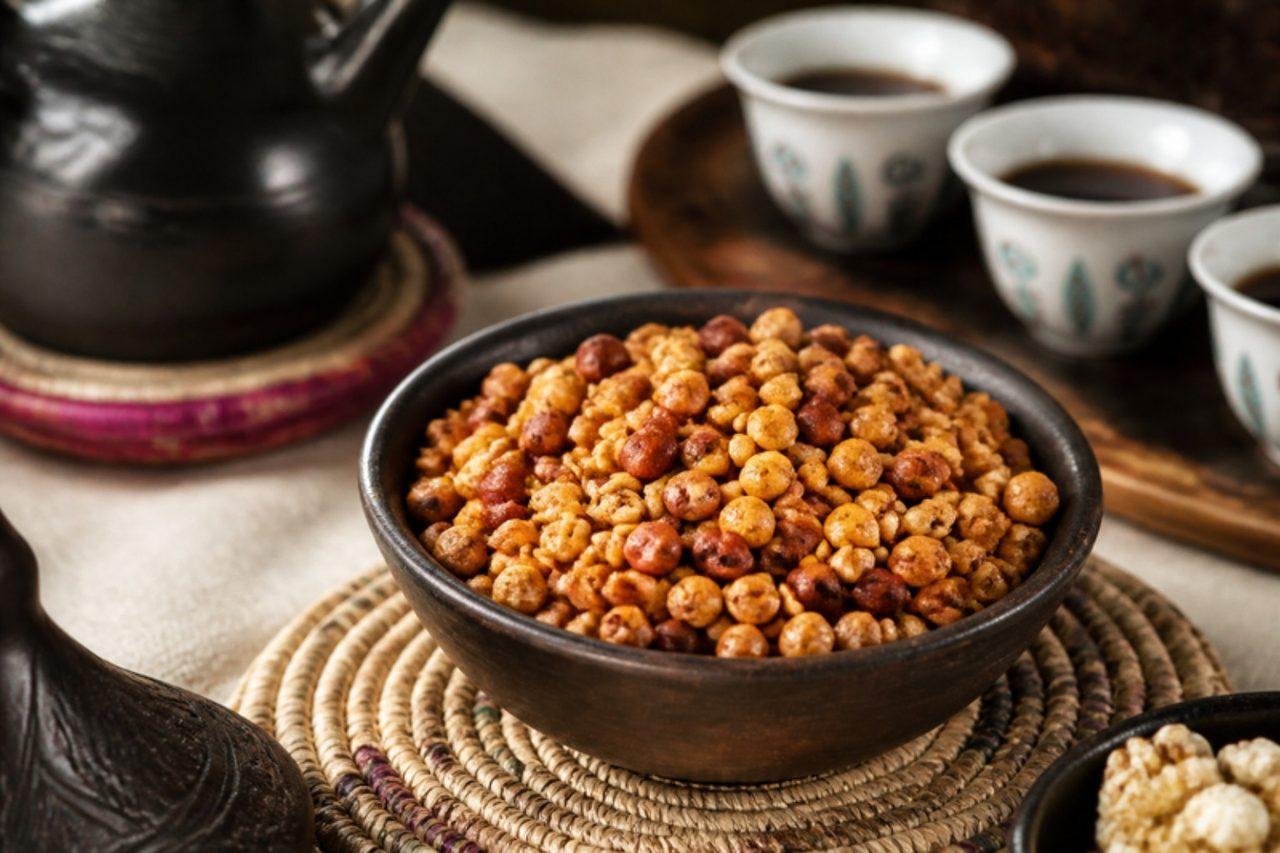
While the beans are roasted and the coffee is brewed three times over, a basket or small bowl of kolo goes round the room, and guests take a handful between cups. It is the simplest of snacks: whole barley grains roasted in a dry pan until they crack and smell like toast, mixed with roasted chickpeas and peanuts, sometimes with sunflower seeds or a little berbere. The barley is crunchy and nutty, the peanuts rich, the chickpeas mealy. Street sellers in Addis Ababa scoop it into paper cones, and families keep a jar for children's lunchboxes and long journeys. Note that barley contains gluten. Chef's tip: sprinkle a little salted water over the barley in the last minute of roasting; it evaporates instantly and leaves the salt clinging to every grain.

by KrazyBadal 0 views

Jamaican roast fishFoil-roasted stuffed fish

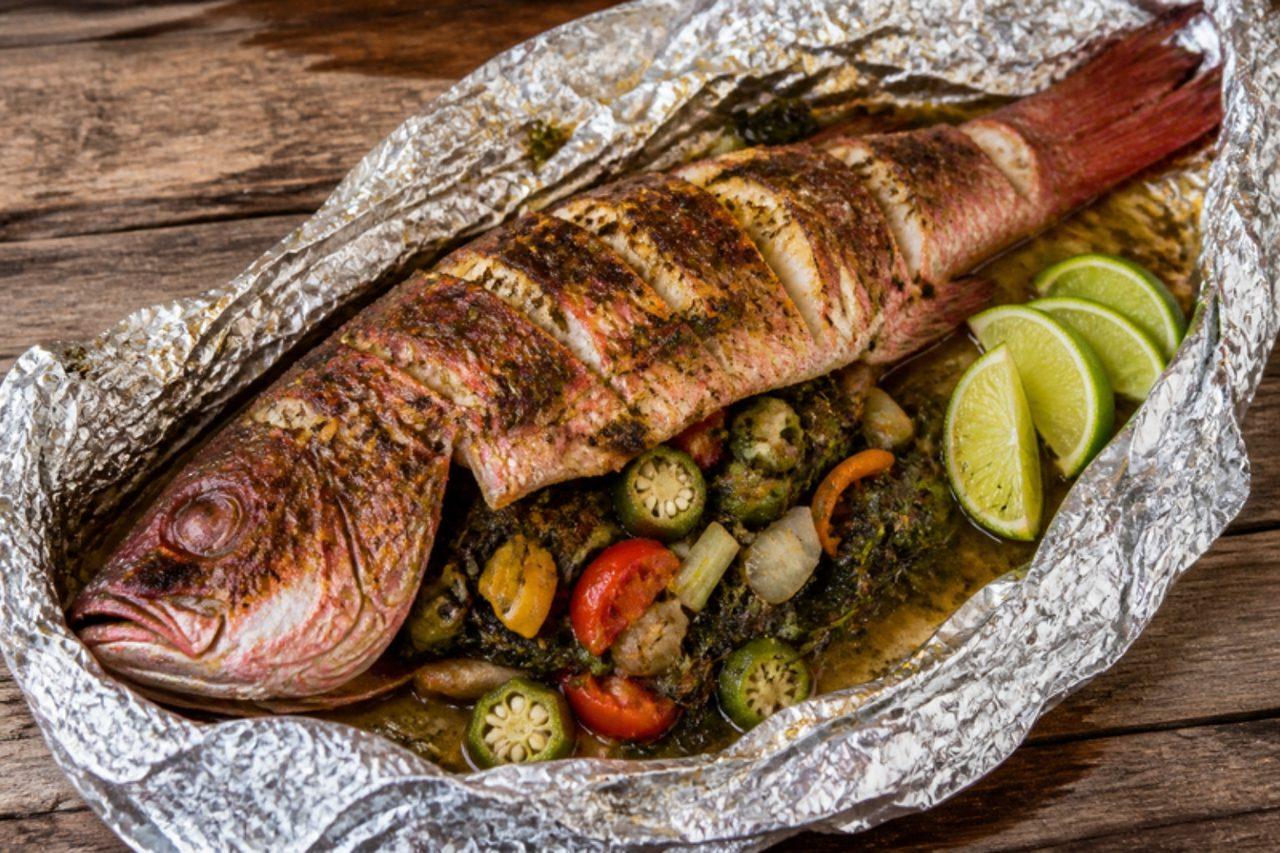
On the beach at Treasure Beach in St Elizabeth, fishermen's cookshops wrap whole snapper or parrotfish in foil with okra, callaloo, onion and scotch bonnet and set them straight on the coals, opening the parcel at the table in a cloud of steam. The stuffing cooks down in the fish's own juices with a knob of butter, and it is eaten with roast yam or bammy. The common mistake is wrapping the foil loosely, so the juices leak and the fish dries out; seal it tightly. Chef's tip: lay a few lime slices under the fish to stop it sticking to the foil and lift the flavour.

by KrazyBadal 0 views

Jamaican plantain tartsSpiced plantain turnovers

Bakeries across Jamaica sell plantain tarts in the glass case beside gizzada and bulla, each a half-moon of short pastry with a sticky, spiced ripe plantain filling and a pink-red rim from a dab of food colouring in the crimped edge. They are eaten as an afternoon snack with a cold drink or a cup of cocoa tea. People often use plantains that are only half ripe, and the filling never turns jammy; you want skins that are mostly black. The red edge is traditional but optional. Chef's tip: cook the filling until it is thick enough to hold a trail when you drag a spoon through it, or it will leak in the oven.

by KrazyBadal 0 views

Jamaican pan chickenOil-drum jerk chicken

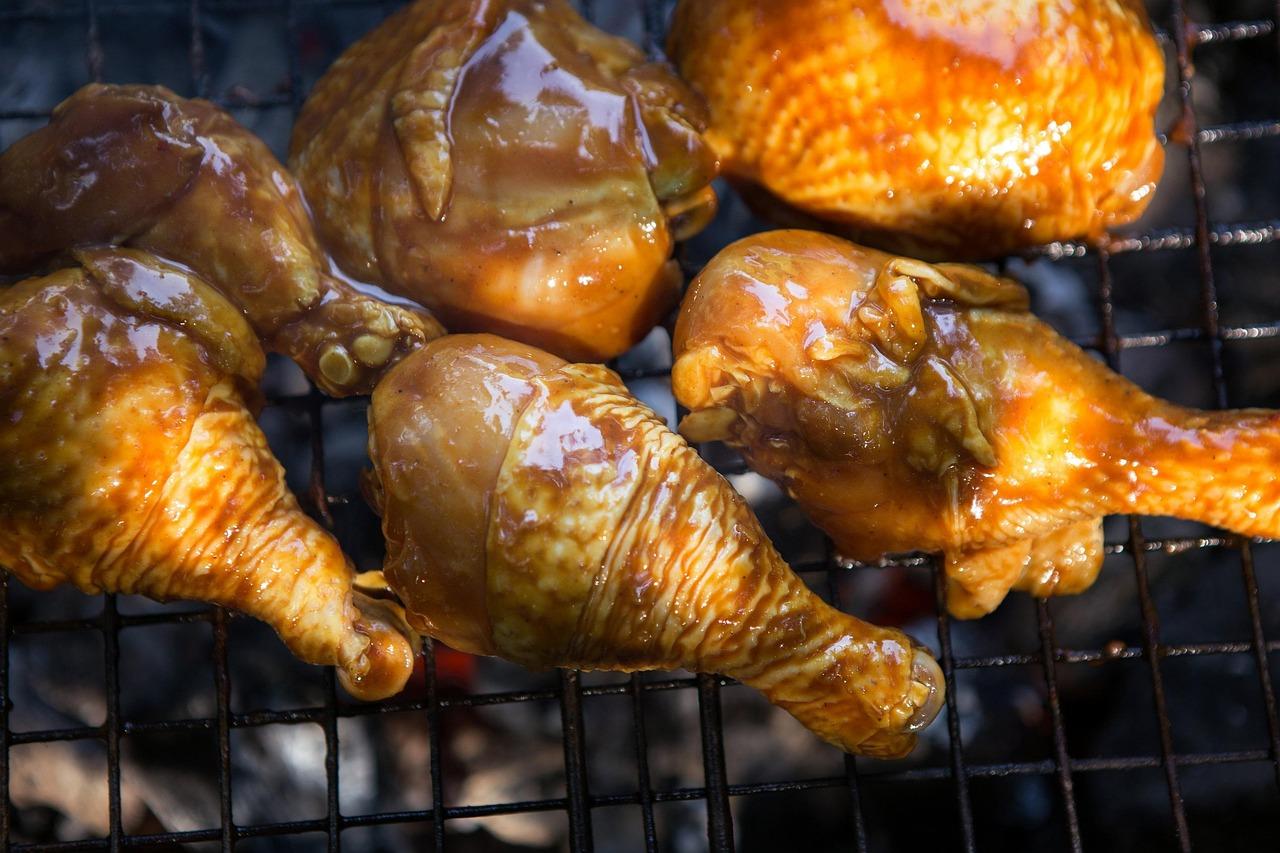
After dark on Red Hills Road in Kingston, smoke rises from rows of oil-drum barbecues where vendors grill pan chicken, a peppery jerk-style chicken served wrapped in foil with a slice of hard dough bread and a squeeze of ketchup-based pepper sauce. It is less smoky and sharper than Portland jerk, with plenty of black pepper, scallion and pimento. The common mistake is cooking over flaming coals, which burns the outside before the inside is safe; grill over steady medium heat with the lid down. The chicken is done when the thickest part reaches 74 °C and the juices run clear. Chef's tip: marinate overnight in the fridge and cook the pieces skin-side up first so the fat bastes the meat.

by KrazyBadal 0 views

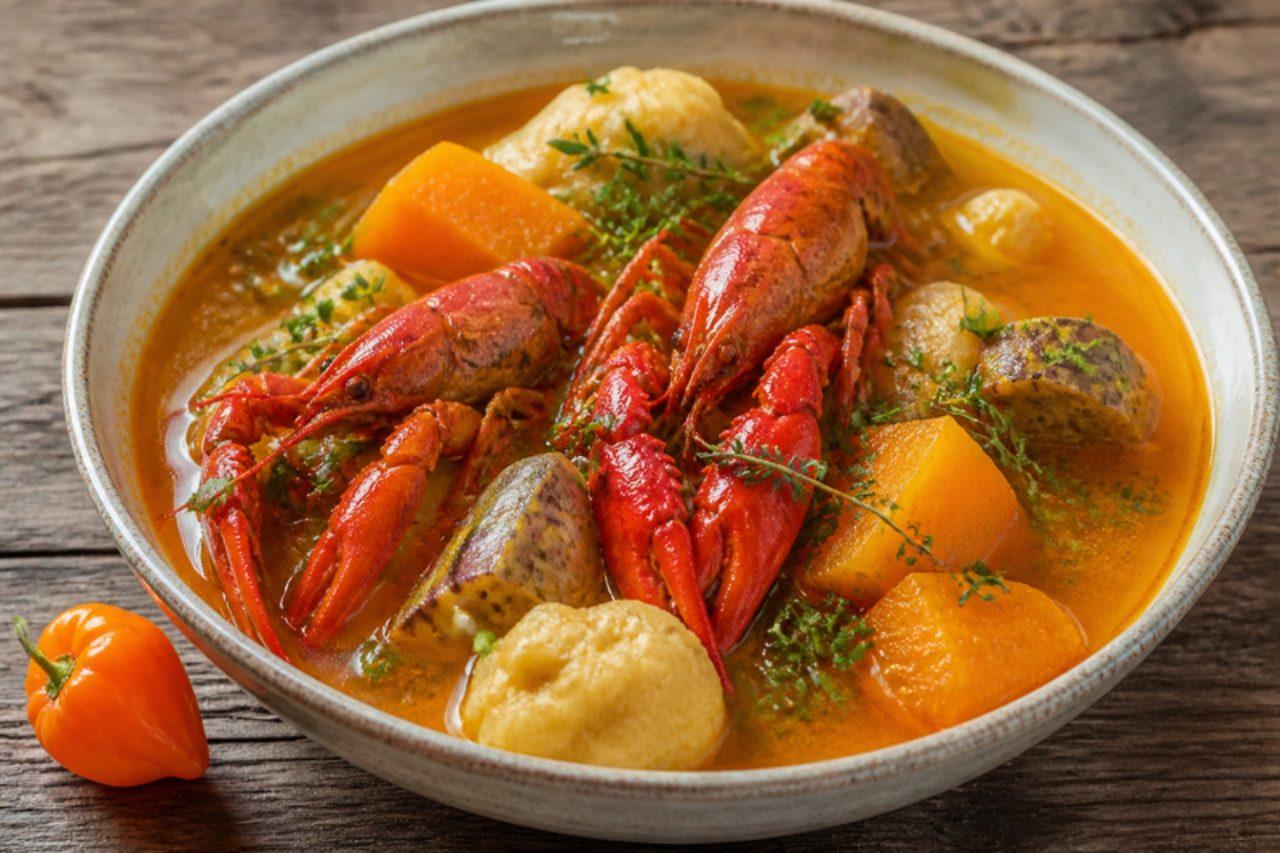
Jamaican janga soupCrayfish soup

In the river valleys of Portland, around the Rio Grande, children once caught janga (freshwater crayfish) with baskets in the shallows, and the catch went into a deep red, peppery soup said to give strength. Pumpkin, coco (eddoe) and flour dumplings make it hearty, and scotch bonnet and pimento give it heat and warmth. Buy live crayfish from a fishmonger, or use frozen cooked crayfish tails or large prawns. The common mistake is cooking the shellfish from the start; add it at the end so it stays sweet and tender. Before cooking, discard any live crayfish that are dead, limp or smell bad. Chef's tip: simmer the shells in the broth first for a deeper, sweeter flavour.

by KrazyBadal 0 views

Jamaican Irish moss drinkSea moss drink

Sold chilled in bottles by roadside vendors and in Kingston juice bars, Jamaican Irish moss is a thick, creamy drink made from dried sea moss boiled down until it releases its natural jelly. Blended with milk, nutmeg, cinnamon and vanilla, it tastes like a cool, spiced milkshake and is often drunk as a pick-me-up. The usual mistake is skipping the soak and rinse, which leaves a sandy, fishy taste. Chef's tip: the gel thickens a lot in the fridge, so blend it a little thinner than you want and chill it before judging.

by KrazyBadal 0 views

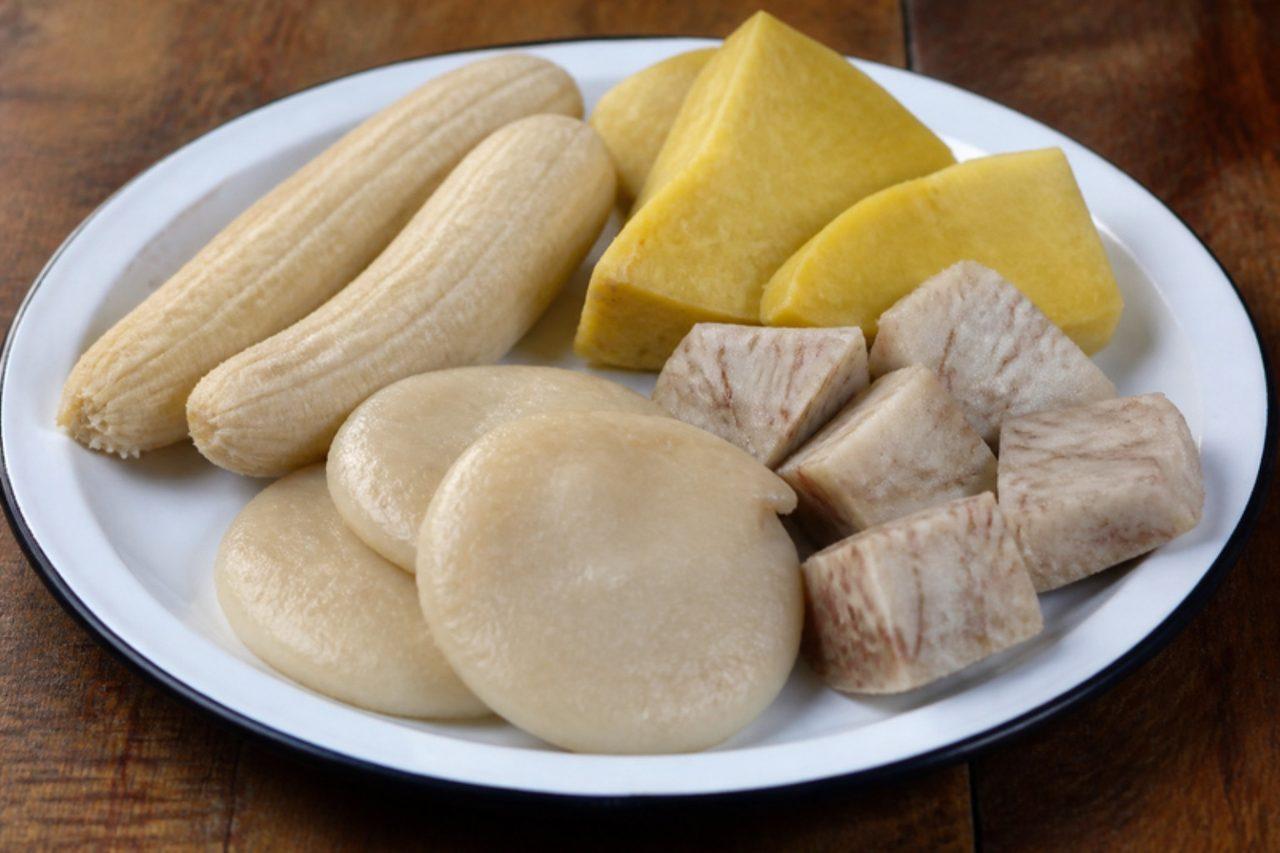
Jamaican hard foodBoiled banana, yam and dumplings

From Kingston cookshops to farm kitchens in the hills, "hard food" is the plain boiled base that sits under ackee, callaloo, stew peas or a fried egg: green bananas, a wedge of yellow yam, dasheen and chewy flour dumplings, all from one big pot. Each piece keeps its own character, from the banana's firm, faintly tangy bite to the yam's floury softness, so nothing is mashed. The usual mistake is dropping everything in at once; the roots cook at different speeds, so they go in stages. Peel green bananas with oiled hands or gloves, as the sap stains. Chef's tip: if the bananas fight you, boil them in their scored skins for 2 minutes first and the peel slips straight off.

by KrazyBadal 0 views

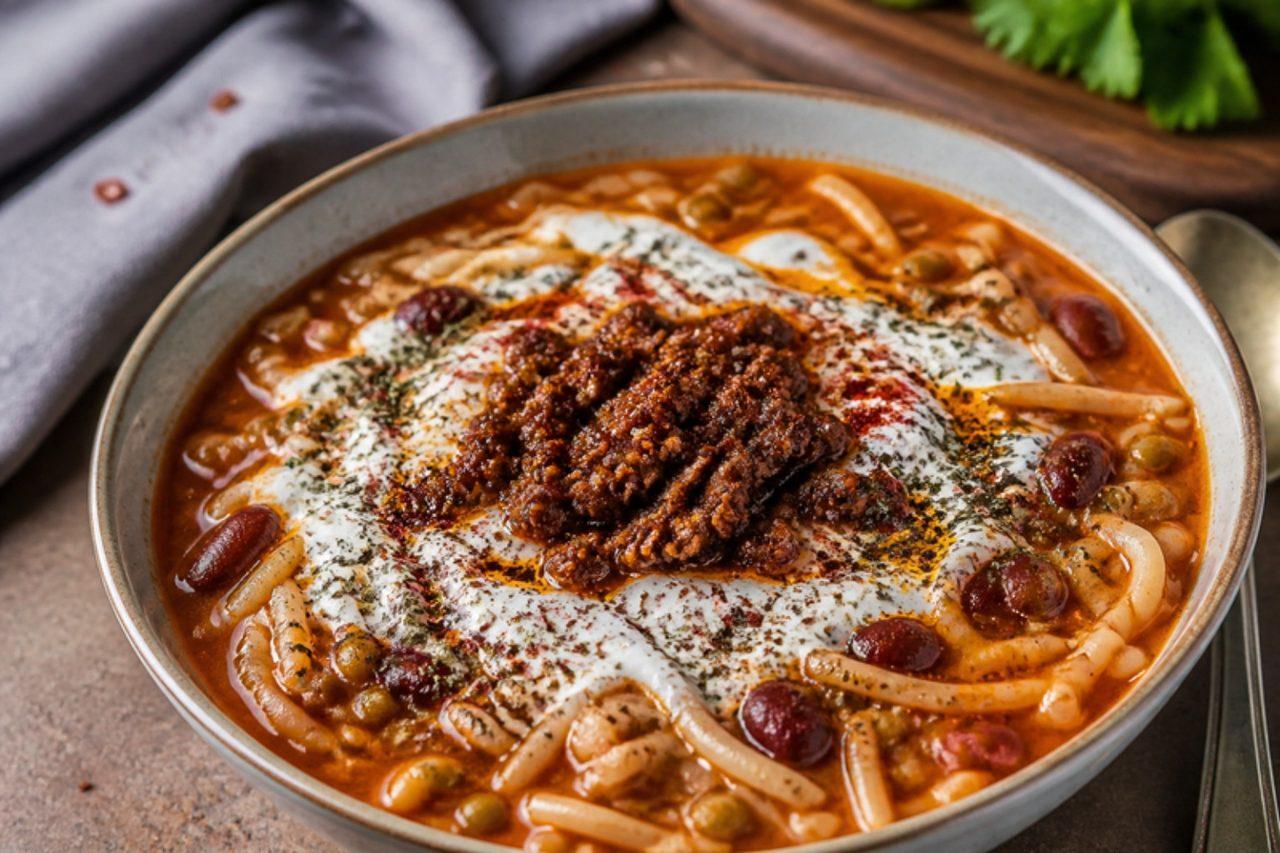
AushNoodle soup with beans and yogurt

Aush is the bowl Afghan mothers make when someone in the house has a cold or the first snow falls on Kabul, a thick, tangy soup of hand-cut noodles, kidney beans and chickpeas, enriched with garlicky yogurt and finished with a spoonful of spiced minced meat and a heavy dusting of dried mint. The broth is slightly sour, creamy and warming with chilli, and the noodles are soft and a little slippery. It is a meal in itself, eaten with nothing more than naan and pickles. For a vegetarian version, leave out the meat sauce and add a handful of cooked mung beans. Noodles dropped into a soup that has gone off the boil stick together into a clump, so keep it bubbling as you add them a few at a time. Chef's tip: stir the yogurt in only after the pan is off the heat, so it turns the broth creamy without splitting.

by KrazyBadal 0 views

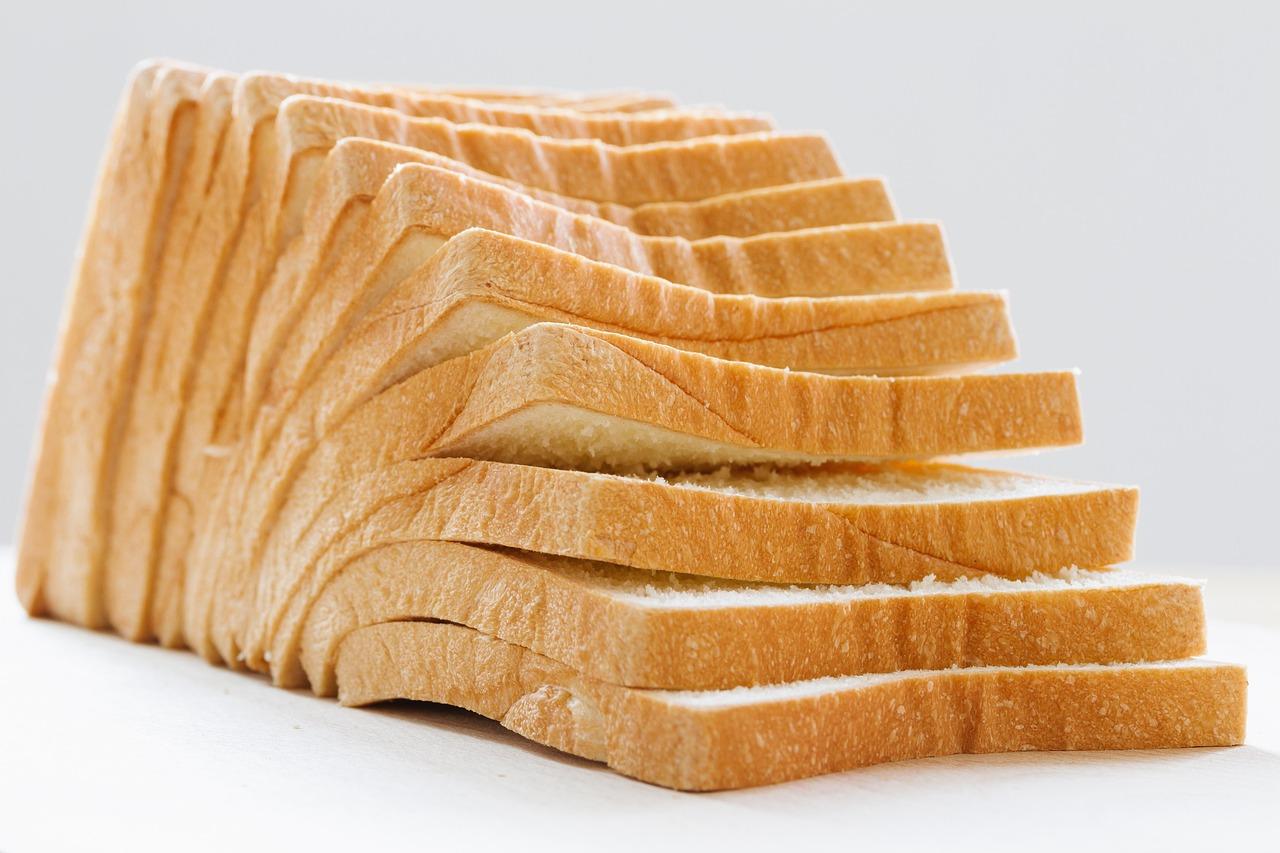
Jamaican hard dough breadDense sweet sandwich loaf

Chinese-Jamaican bakers gave the island hard dough bread, and today a sliced "hardo" loaf is in every shop from Montego Bay to Morant Bay, toasted with butter for breakfast, wrapped around fried fish or dipped in soup. The crumb is close, smooth and faintly sweet, firm enough to hold its own against ackee or bun and cheese. The usual mistake is making the dough too soft; it should be stiff and need hard kneading, which is where the name comes from. Allow around 2 hours for rising on top of the working time. Chef's tip: roll the dough into a tight Swiss roll before it goes into the tin, which gives the even, layered crumb that peels off in sheets.

by KrazyBadal 0 views

AvelookDried braided sorrel with walnuts

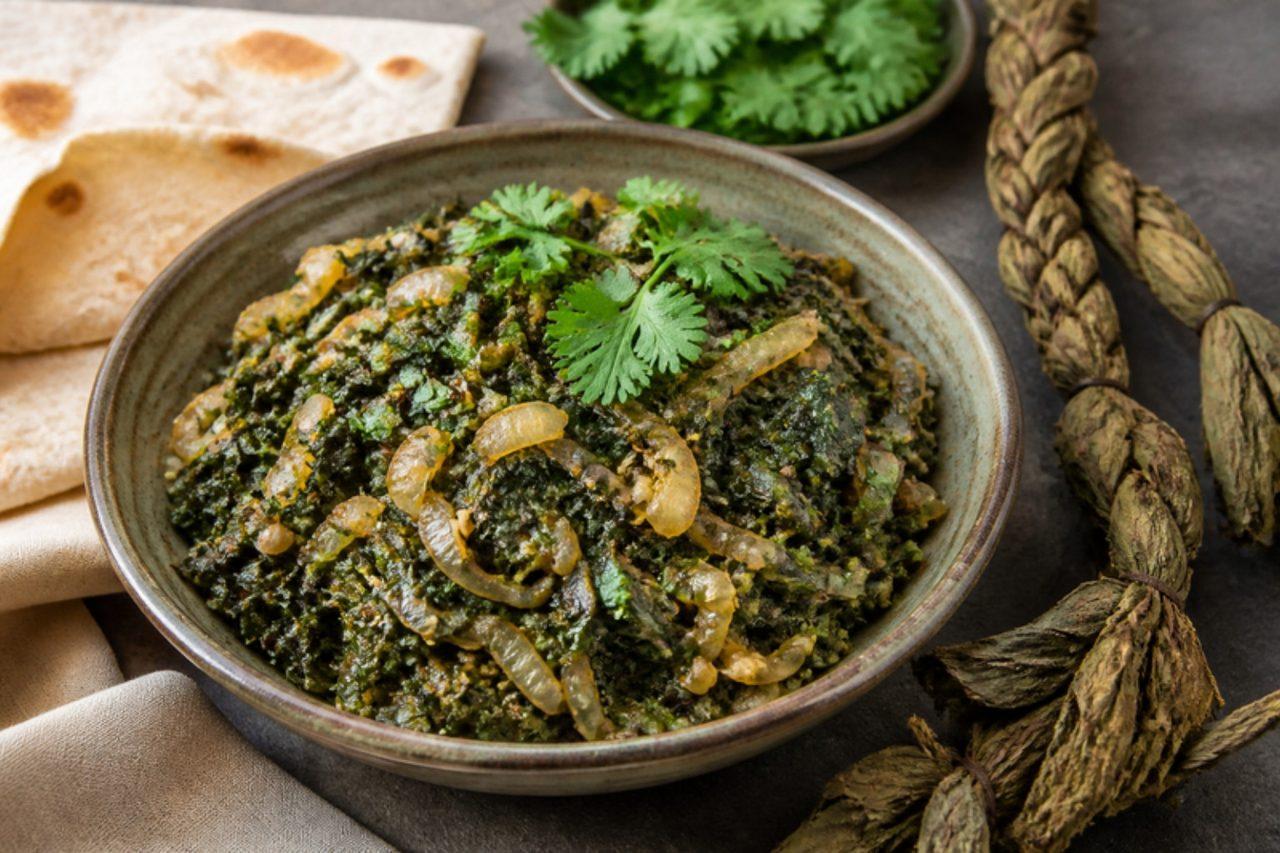
In Syunik, the mountainous south of Armenia around Goris, women pick wild mountain sorrel in May and braid the long leaves into ropes that hang drying in every kitchen. In winter and during Lent the braids are soaked, simmered until soft and fried with onion and walnuts, giving a dark, earthy, sour salad with a taste somewhere between spinach and olives. Braids are sold in Armenian shops. A common mistake is skipping the second boil, which leaves the leaves bitter and tough. Chef's tip: squeeze the cooked sorrel well and fry it long enough to dry and slightly crisp at the edges; that is when the flavour deepens.

by KrazyBadal 0 views

MatlouhSemolina flatbread

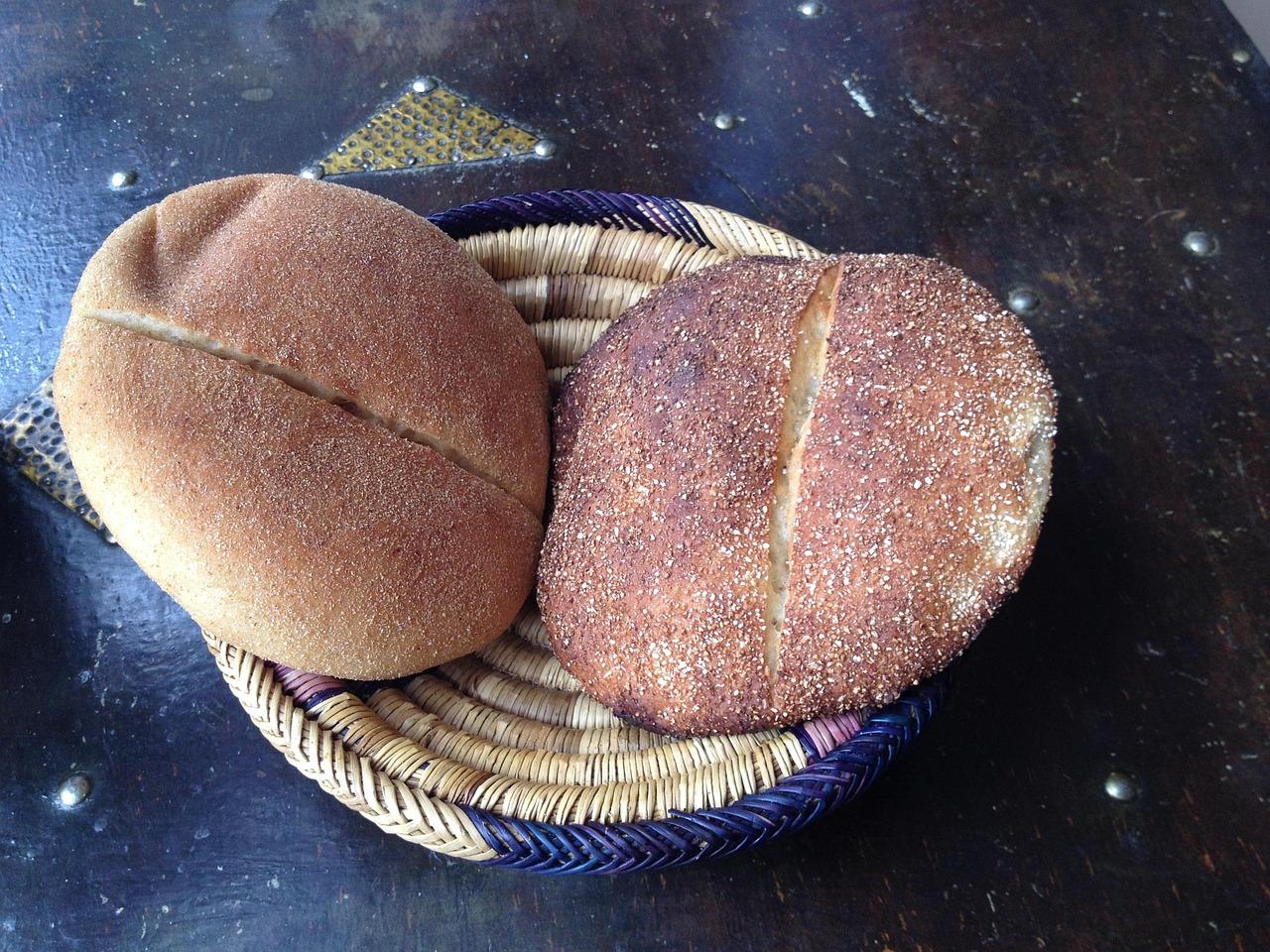
In Algiers and all over Algeria, homemade matlouh is the bread of choice for Ramadan iftar and for dipping into chorba or chakchouka. The dough is made with fine semolina and yeast, almost as wet as a batter, left to rise until airy, then shaped into thick rounds and cooked on a clay tajine or a heavy frying pan rather than in an oven. The result is soft and springy inside, with a thin, freckled, golden crust and the sweet, nutty taste of semolina. Eat it warm, torn by hand. Chef's tip: keep your hands wet with water, not floured, when shaping the sticky dough; flour makes the crust dry and floury.

by KrazyBadal 0 views

Jamaican grater cakeCoconut sugar squares

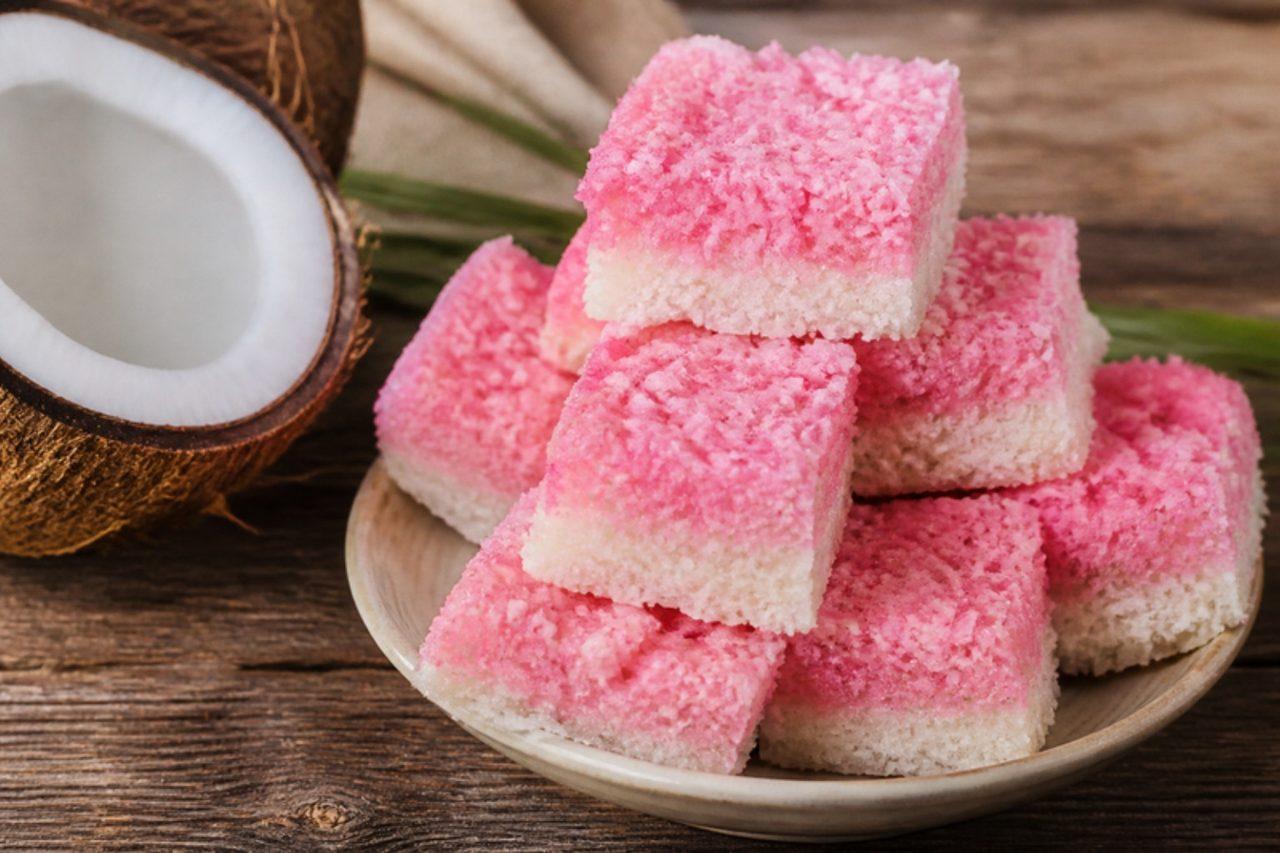
Grater cake is the pink-topped coconut sweet sold in glass cases by higglers at Jamaican bus parks and on school gates, named for the hand grater that shreds the coconut. It is chewy and very sweet, with the fresh, milky taste of coconut and a breath of ginger, and the classic look is a white layer under a pink one. The mistake most people make is taking the pan off too soon: undercooked syrup never sets and the squares slump. Chef's tip: test a little on a cold saucer; if it holds a soft ball when pushed together after a minute, it is ready.

by KrazyBadal 0 views

CaricolesWhelks in celery broth

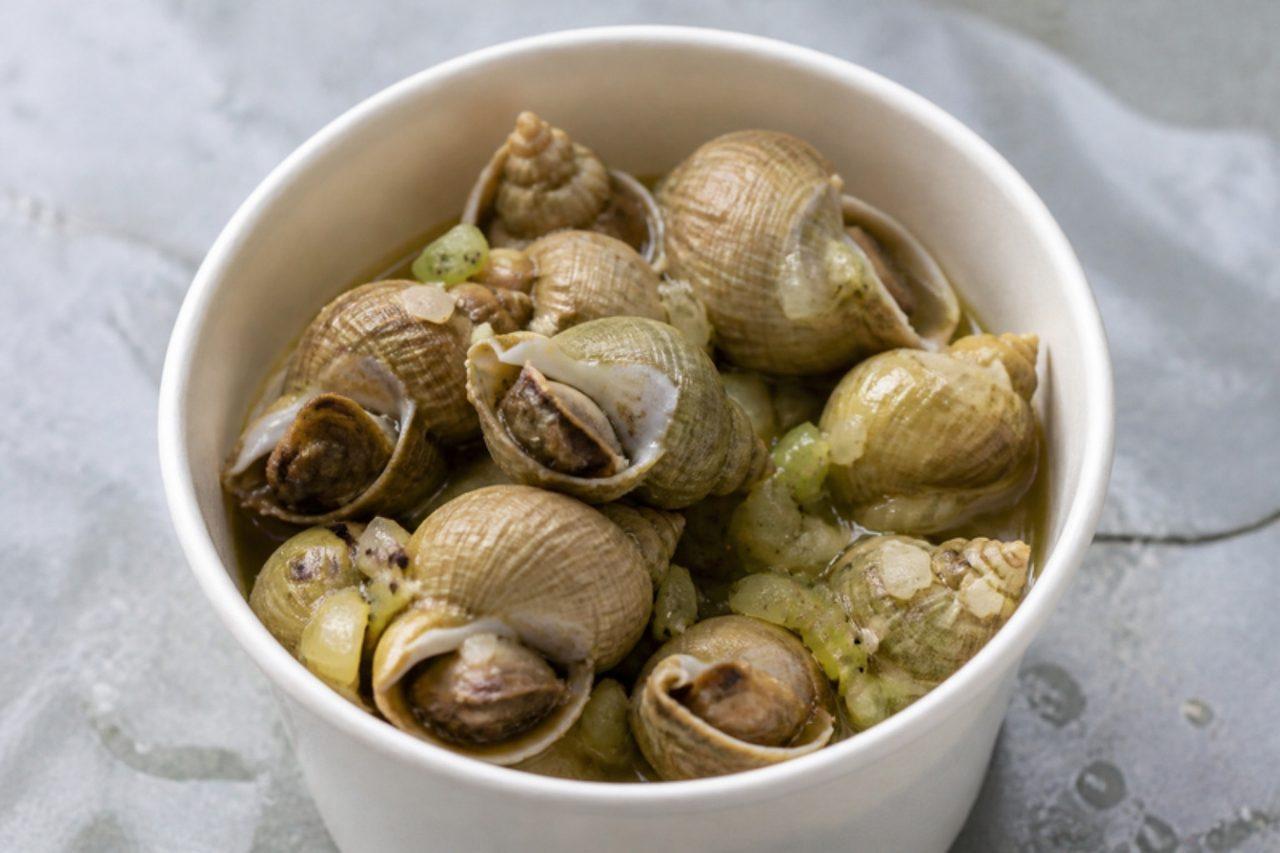
Caricoles are the whelks sold hot in paper cups from street carts in Brussels, at the Marolles flea market, the Place Sainte-Catherine and the Christmas market: the sea snails are simmered for an hour in a peppery broth with celery, onion, thyme, bay and a lot of black pepper and chilli, and you pick them out with a toothpick and drink the broth. Buy whelks live or freshly cooked from a fishmonger. Live whelks should be tightly closed inside their shells or retract when touched; throw away any that smell bad or have broken shells, and any that stay open and limp after cooking. A common mistake is skipping the purge, which leaves them gritty. Chef's tip: soak live whelks in salted cold water for an hour and rinse them several times, then start them in cold broth so they don't toughen.

by KrazyBadal 0 views

Jamaican fried dumplingsFried flour dumplings

A Jamaican Sunday breakfast plate nearly always has fried dumplings on it, golden rounds with a crisp shell and a soft, slightly chewy centre, served beside ackee and saltfish, callaloo, or simply split with butter and a cup of cocoa tea. Many families still call them johnny cakes. The dough is just flour, a little baking powder, salt and water, and the mistake people make is overworking it, which gives tough, heavy dumplings; knead only until smooth. Fry them over medium heat, not high, so the middle cooks before the outside browns. Chef's tip: press a thumb into the centre of each ball before frying, which helps it cook evenly and stops it puffing into a hollow ball.

by KrazyBadal 0 views

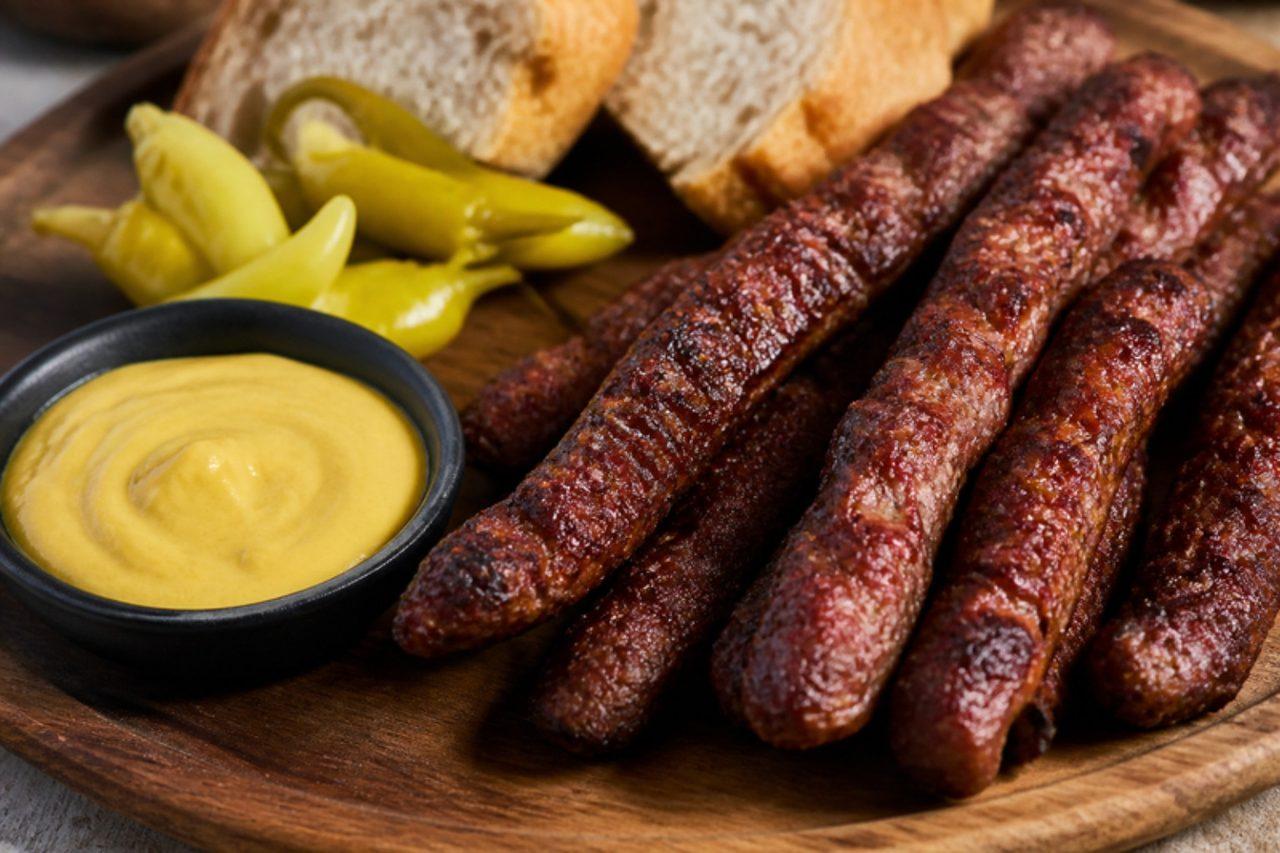
Cârnați de PleșcoiGarlic and chilli mutton sausages

The village of Pleșcoi, in the hills above Buzău, is so proud of its sausages that roadside inns there sell them by the metre: dark red, fiery with chilli and heavy with garlic, made from mutton with a little beef and no pork in the meat. Traditionally they are smoked and air-dried; this home version is a fresh sausage, rested overnight in the fridge for the flavours to settle, then grilled until cooked right through. The casings are usually sheep's casings, but if you buy hog casings they are pork, so check what your butcher sells you. Snappy outside and juicy within, they are eaten straight off the grill with sharp mustard, bread and pickled vegetables. Where people tend to go wrong is letting the meat warm up while mixing; keep everything fridge-cold so the fat does not smear. Chef's tip: fry a small spoonful of the mix before you fill the casings and taste it for salt and chilli; once stuffed, you cannot adjust.

240 minRomanianMeatGluten freeSpicy
by KrazyBadal 0 views

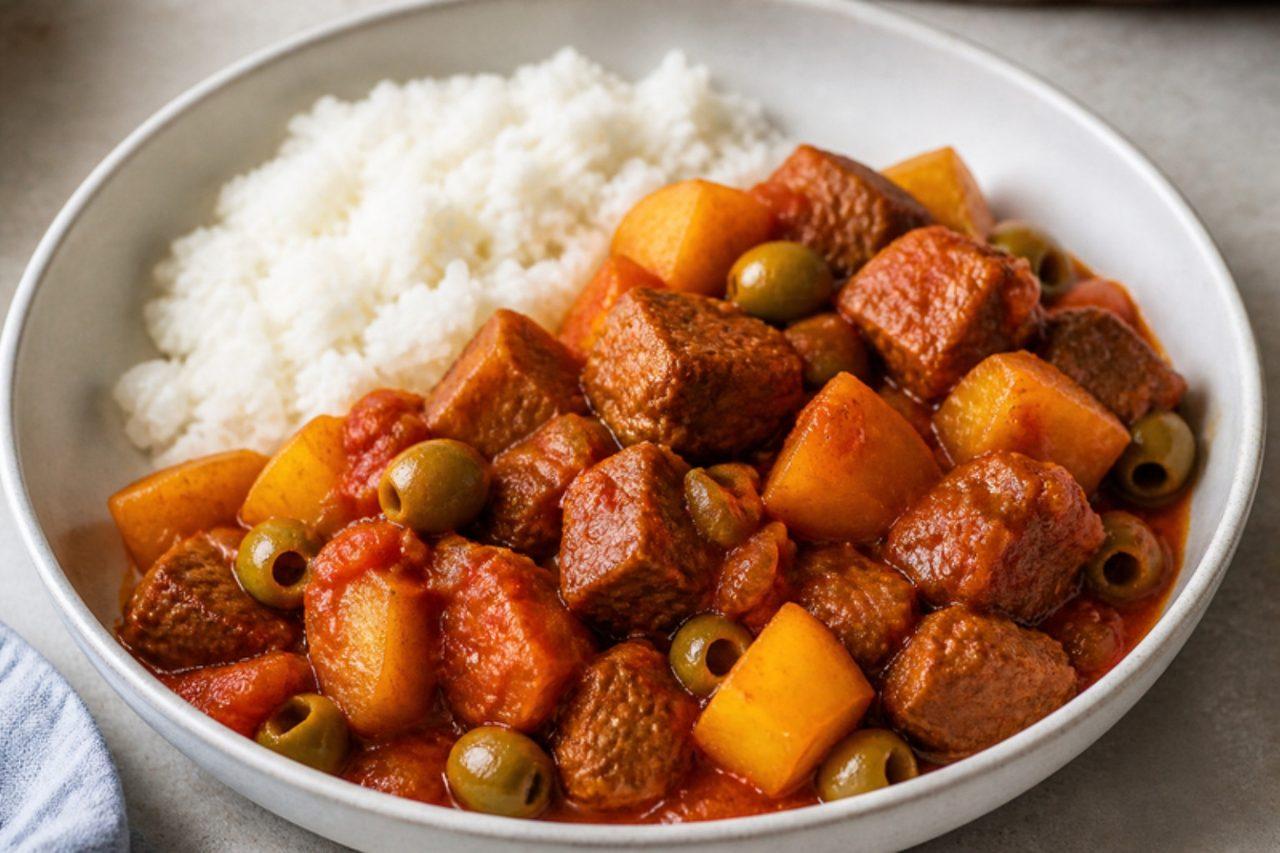
Carne con papasBeef and potato stew

Carne con papas is the weeknight stew of countless Cuban homes, from Santa Clara to Havana: chunks of beef simmered in a tomato sofrito with cumin and oregano, then potatoes and green olives added until the sauce turns thick and savoury. It is served with white rice and perhaps a few slices of avocado. Many cooks add potatoes at the start and end up with mush; they go in for the last 30 minutes. Chef's tip: brown the beef well in two batches; that dark crust is where most of the flavour in the sauce comes from.

110 minCubanMeatGluten free
by KrazyBadal 0 views

Jamaican fish teaPeppery fish broth

Fish tea is what Jamaicans along the coast from Kingston to Old Harbour sip from a cup when they feel run down, and it is ladled out at beach fish shacks and dances to steady late-night appetites. It is a thin, peppery broth made from fish heads and bones or cheap small fish, with green banana, pumpkin, thyme and a hint of scotch bonnet, light but full of flavour. The mistake to avoid is boiling it hard for a long time, which makes it cloudy and bitter; simmer gently and strain. Chef's tip: mash a few pieces of the soft pumpkin into the broth for body without any flour.

by KrazyBadal 0 views

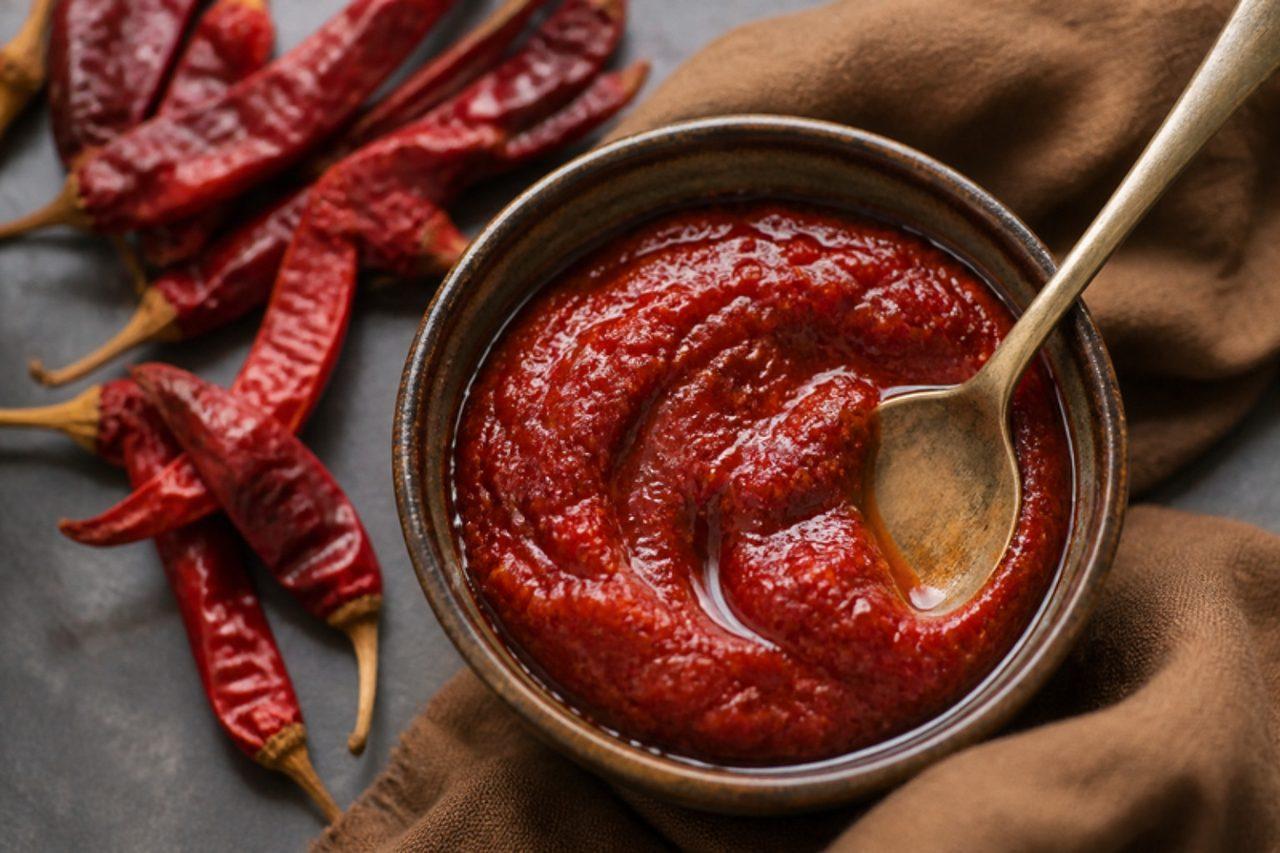
AwazeBerbere chilli dipping paste

Wherever tibs are fried or meat is grilled in Ethiopia, from roadside butcher-restaurants on the edge of Addis Ababa to wedding feasts, a small dish of brick-red awaze sits beside it. It is berbere turned into a thick, glossy paste: hot, garlicky, a little sharp from lemon, with a rounded warmth from the spices. Strips of meat are dabbed into it, it is stirred into a pan of tibs at the last moment, and a spoon of it livens up plain lentils too. Some cooks loosen it with tej (honey wine) or red wine, both of which contain alcohol; this version uses water and lemon juice and is entirely alcohol-free. Chef's tip: let it rest for an hour before using; the raw edge of the chilli softens and the garlic mellows into the paste.

by KrazyBadal 0 views

Kichiri qurootRice and mung beans

Ask Afghans what their grandmother cooked on cold winter evenings and kichiri quroot comes up again and again: a soft mound of short-grain rice and mung beans cooked until creamy and sticky, with a well pressed into the top and filled with qurut, the salty sauce made from dried yogurt balls. Hot oil with dried mint is poured over just before it reaches the table, and the rice is eaten with a spoon from a shared plate. Families in Kabul often serve it with a pan of meatballs in tomato sauce on the side; this is the meatless version, which is just as common on a quiet night. If you rinse all the starch away it will never turn sticky, so wash the rice only once. Chef's tip: if you can't find qurut, thick strained yogurt with a pinch of salt and garlic gives you something close.

by KrazyBadal 0 views

KichelCrisp bow-tie egg cookies

At kiddush in Ashkenazi synagogues, from Bnei Brak to the old shuls of Haifa, plates of kichel sit beside pickled herring and a small glass of something, and children quietly fill their pockets. The dough is barely sweet, rich in eggs, rolled out on sugar and twisted into bow-ties that puff up hollow and shatter when you bite them. They are good with tea, or with salty herring the traditional way. The common mistake is underbaking: they must dry right through and turn golden, or they go soft and chewy within a day. Chef's tip: roll the dough directly onto a layer of sugar so the crystals press in and caramelise underneath.

by KrazyBadal 0 views

Ayam buah keluakChicken with black keluak nuts

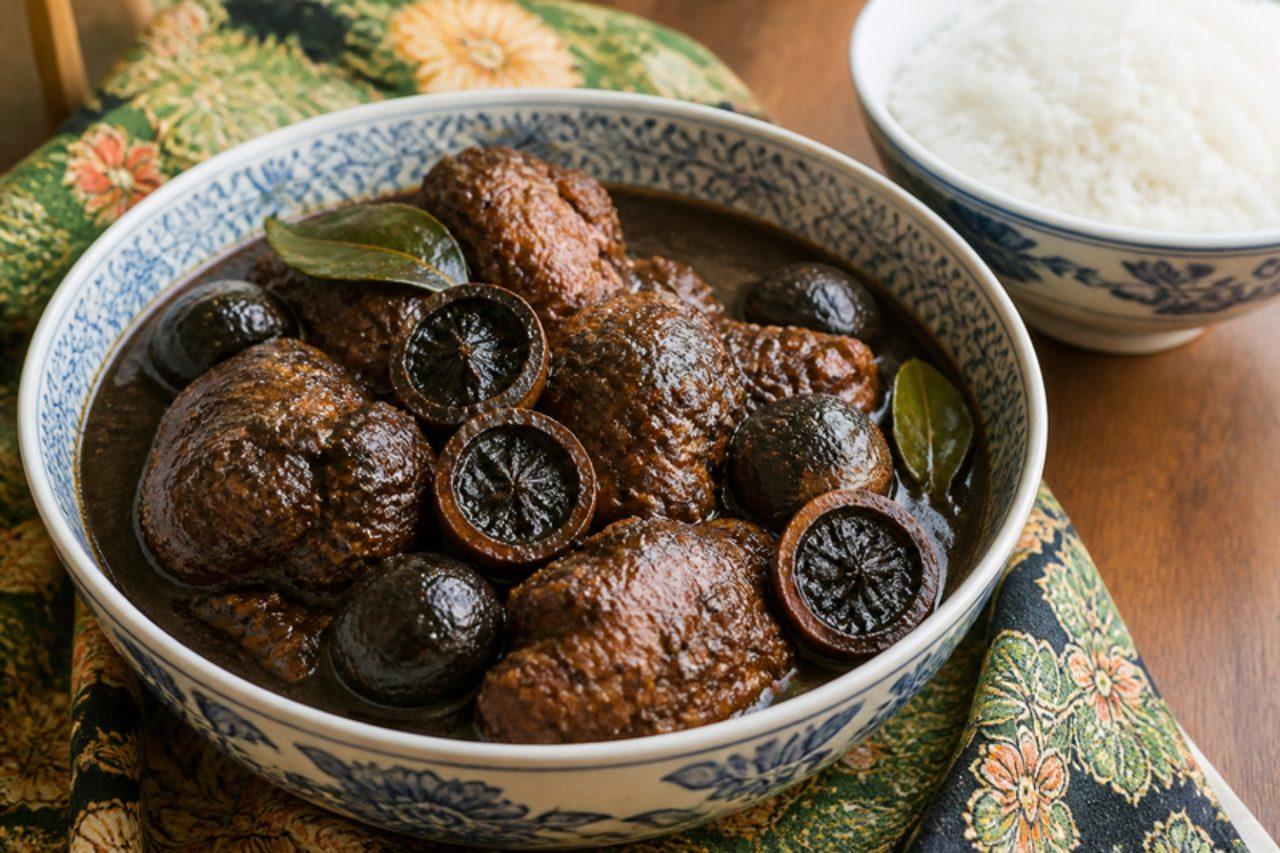
Ask any Peranakan family in Singapore which dish defines the Nyonya table and most will name this one, cooked for Chinese New Year, ancestral offerings and big birthday lunches. Chicken is braised in a sour tamarind gravy built on a long-fried rempah of chillies, shallots, galangal, lemongrass and shrimp paste, together with buah keluak, the hard black nut of the kepayang tree, whose inky flesh tastes of dark chocolate, mushroom and olive. Diners dig the paste out with a teaspoon and stir it into rice. Raw keluak nuts contain hydrogen cyanide and are poisonous: use only cleaned, pre-soaked nuts sold ready to cook, and still soak them for several days, changing the water every day, as the seller's instructions say. The mistake people regret is skimping on that soak, which leaves the nuts bitter as well as unsafe. Chef's tip: cook it a day ahead; the gravy darkens and the flavours deepen overnight.

by KrazyBadal 0 views

KibinaiLamb and onion pastries

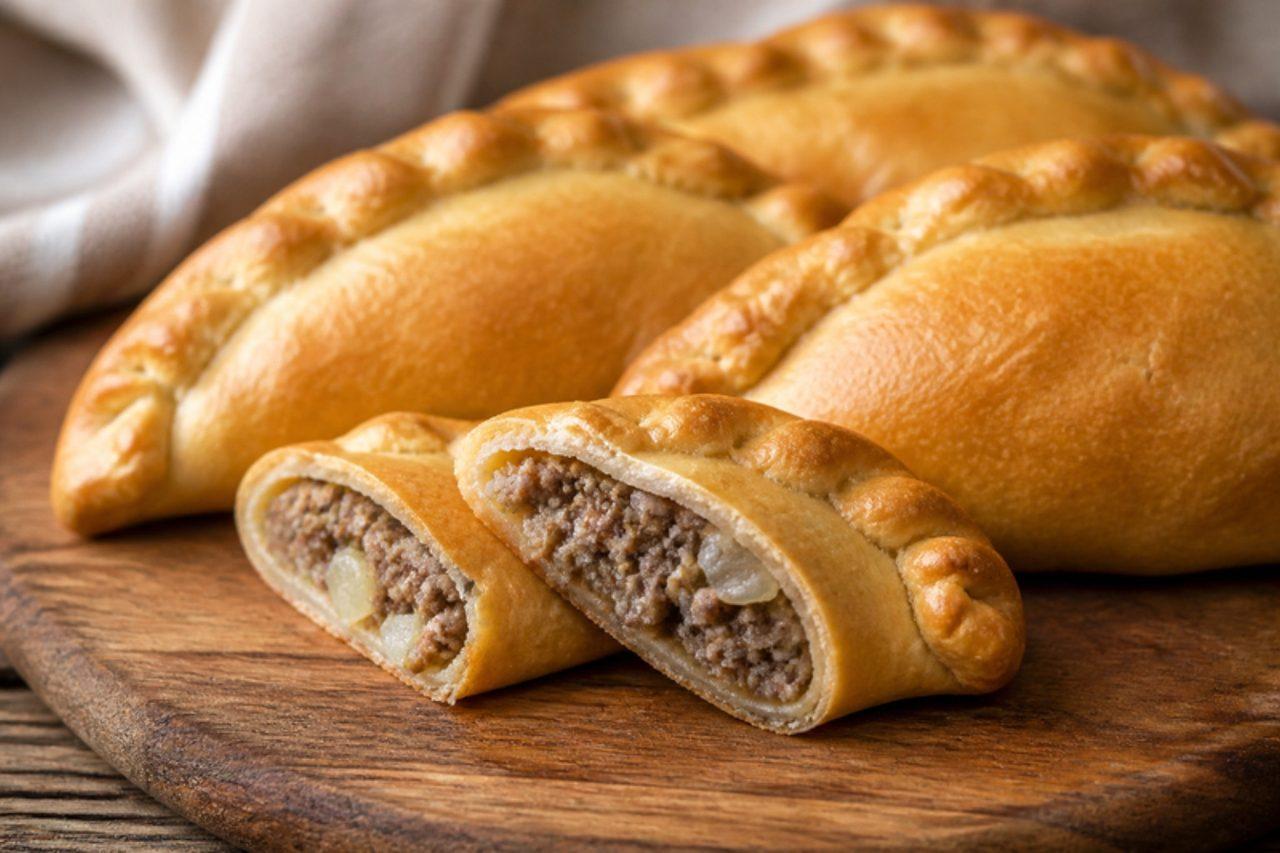
Kibinai are the pastries of the Karaim, a small Turkic community settled in Trakai, the lake-island castle town near Vilnius, since the 14th century. Every café along Karaimų street sells them hot from the oven: half-moon pastries of flaky, buttery dough with a juicy filling of chopped lamb and onion, crimped along the top. A common mistake is mincing the meat; the Karaim chop it into small cubes so the filling stays juicy. Chef's tip: use cold dough and bake hot, so the pastry flakes and the juices stay sealed inside. The filling must reach 71 °C.

by KrazyBadal 0 views

KibbelingBattered white fish chunks

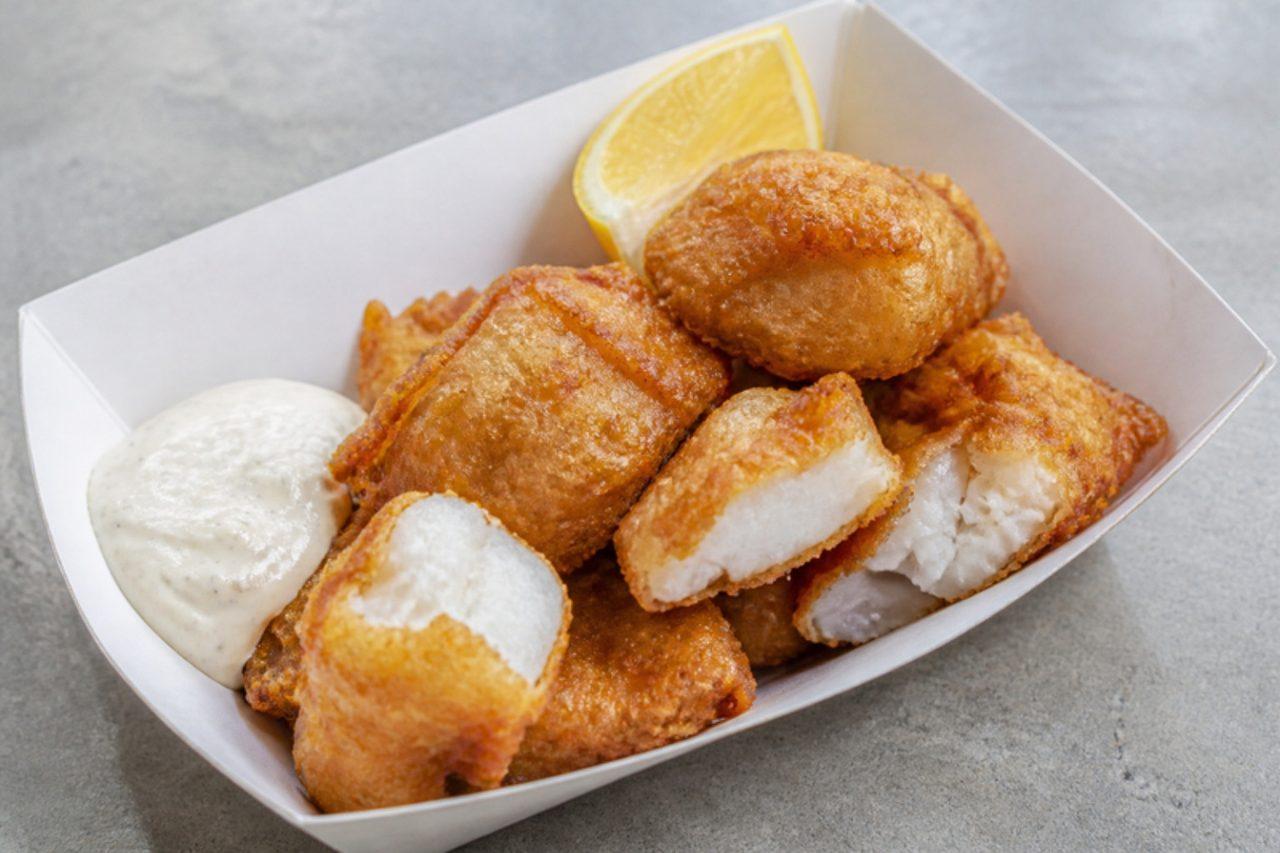
Kibbeling is the fish snack of Dutch markets and harbours, sold in paper trays from fish vans at Saturday markets from Volendam to Rotterdam: bite-sized chunks of cod or pollock coated in a spiced batter and fried until crisp, with a pot of garlic sauce or remoulade. It began as a way to use the cheeks of cod. A common mistake is a thick batter, which turns bready and greasy. Chef's tip: season the batter well with a little curry powder and paprika, the market-van secret, and fry at 180 °C until golden; the fish is done when opaque and flaking.

25 minDutchFish
by KrazyBadal 0 views

Jamaican Easter bunSpiced Easter loaf

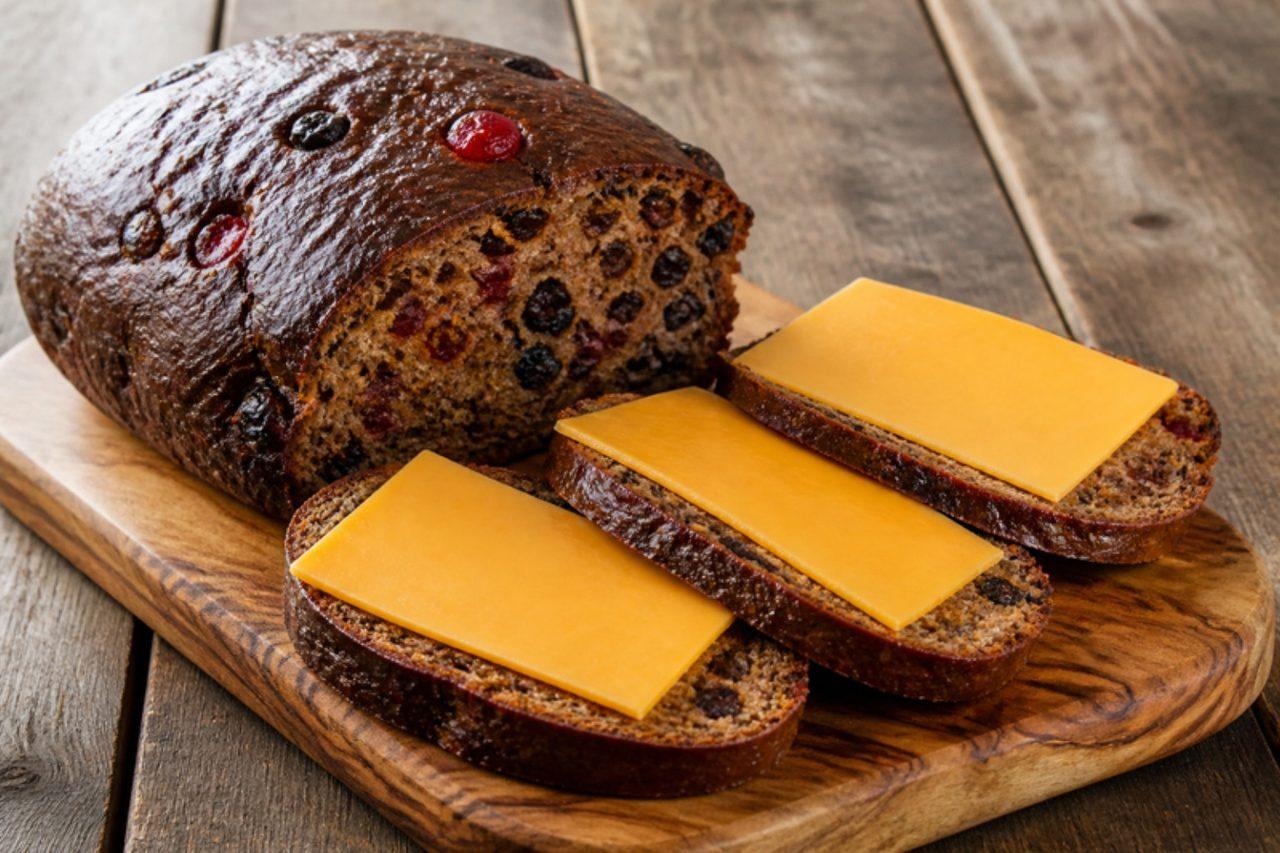
Every Good Friday, Jamaicans from Kingston to London buy or bake a dark, glossy spiced bun to slice and eat with processed cheese, a tradition that grew out of the British hot cross bun. This quick-bread version is moist and dense with dried fruit, molasses and warm spice; it traditionally uses stout, which contains alcohol, so for an alcohol-free bun use the same amount of malt drink. The commonest mistake is slicing the bun warm, when it is still sticky and crumbles; it needs a day to firm and mellow. Chef's tip: brush the hot loaf with a honey or sugar syrup glaze straight from the oven for the shiny top.

by KrazyBadal 0 views

Cascos de guayaba con quesoGuava shells with white cheese

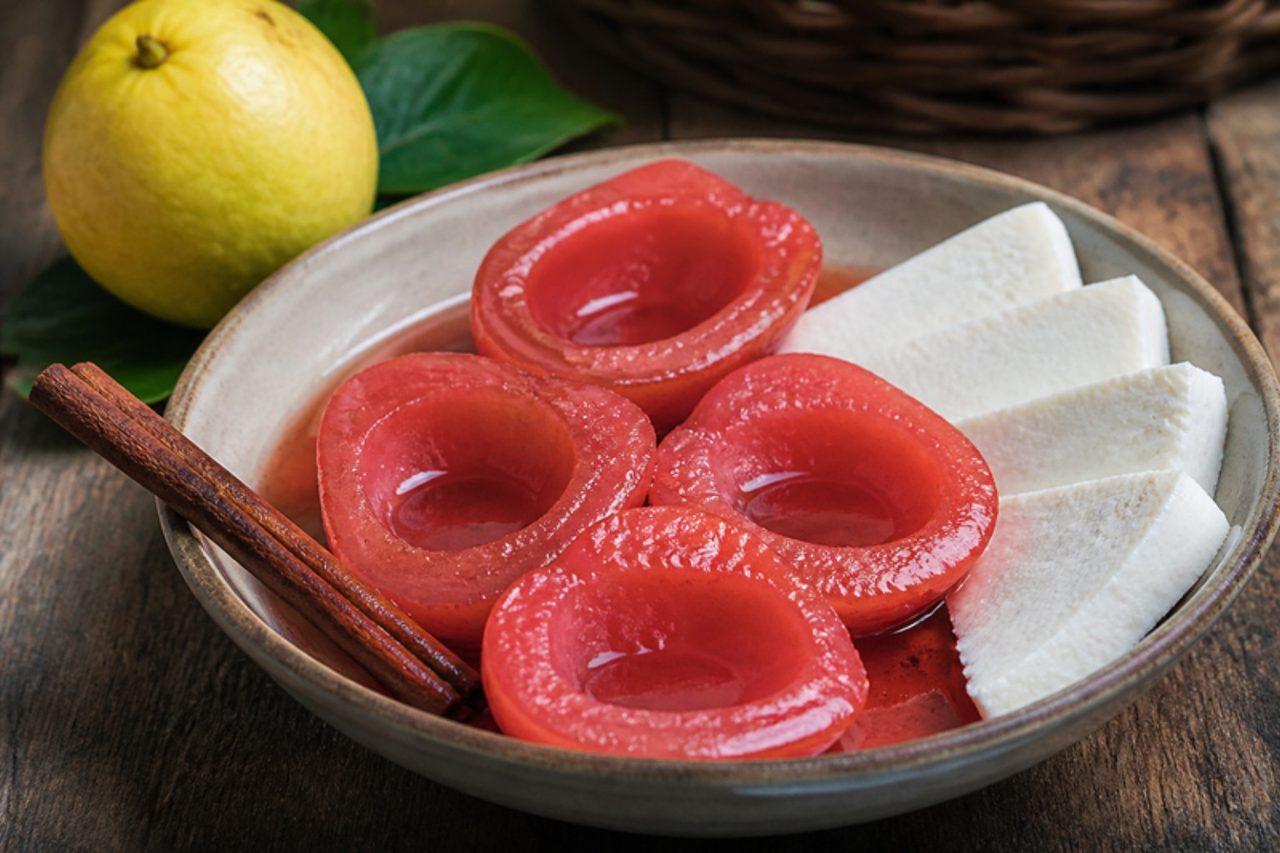
On Cuban tables from Havana to Pinar del Río, the most loved dessert is also one of the simplest: guava halves, scooped of their seeds and simmered in syrup until glossy and tender, served beside a slab of salty white cheese. The sweet, perfumed fruit and the sharp cheese balance each other perfectly. Cooks often overcook the shells until they fall apart; they should still hold their cup shape. Queso blanco and cream cheese are usually made with animal rennet or microbial enzymes depending on the maker, so check the label and choose a vegetarian one if needed. Chef's tip: simmer the scooped-out seeds and pulp in a little water, sieve them and add that purée to the syrup, which gives it a deep pink colour and real guava flavour.

by KrazyBadal 0 views

Jamaican coconut dropsGinger coconut clusters

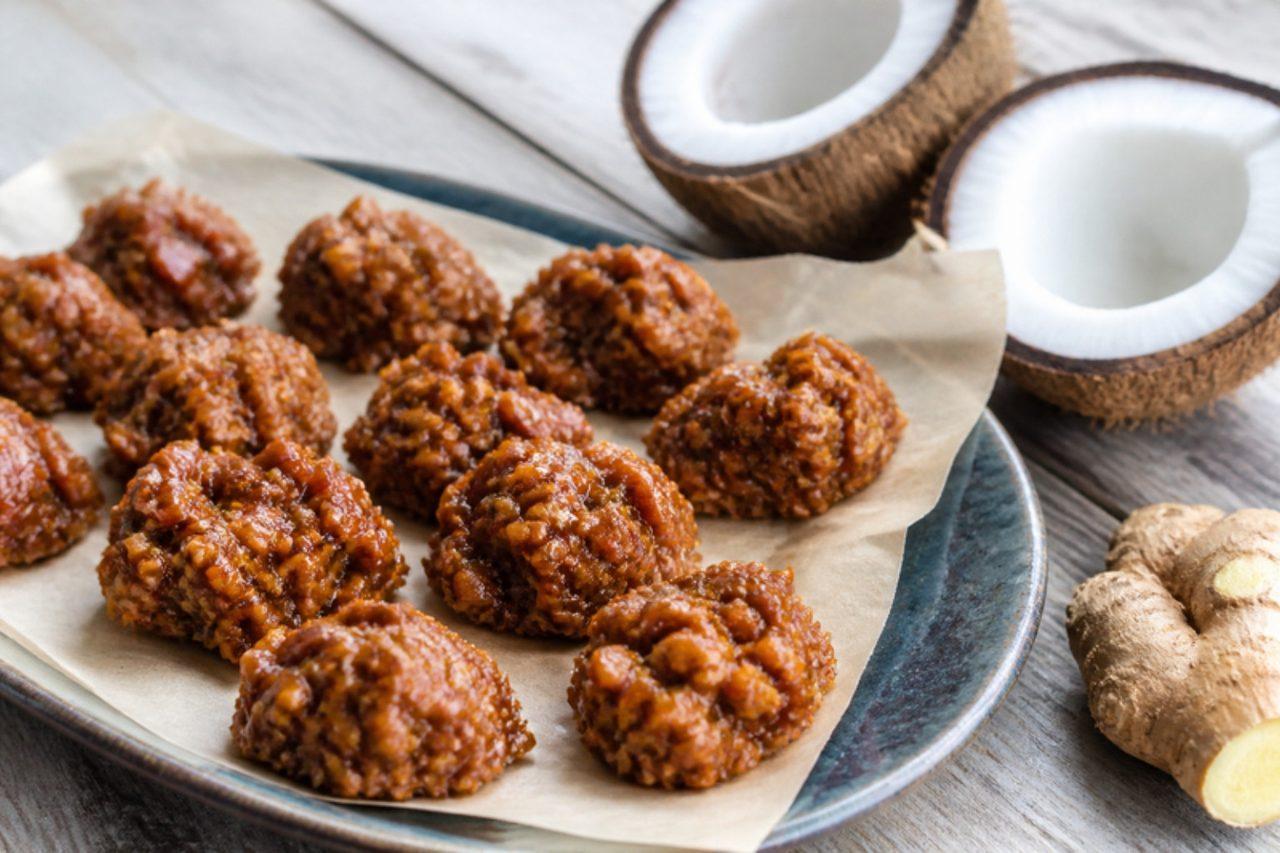
Coconut drops are the lumpy brown clusters sold beside grater cake at Jamaican roadside stalls and markets from Ocho Rios to Mandeville, made with coconut cut into small dice rather than grated, so every bite is chewy. Brown sugar and fresh ginger boil down around the coconut into a sticky, toffee-like glaze. The most common mistake is stopping before the syrup is thick enough, which leaves the drops wet and runny; it must coat the spoon heavily. Chef's tip: dice the coconut very small and even, about 5 mm, so the drops hold together.

by KrazyBadal 0 views

Jamaican coco breadCoconut milk bread rolls

Every patty shop in Kingston keeps a stack of coco bread by the till, because the classic lunch is a hot beef or vegetable patty tucked inside one of these soft, buttery folds. The rolls are rich with coconut milk and brushed with melted butter before folding, so they pull apart into two neat halves after baking. The common mistake is baking them too long; they should be pale golden and pillowy, not crusty. Allow about 1 hour 30 minutes of rising on top of the working time. Chef's tip: brush the tops with more butter the moment they leave the oven and cover them with a cloth, which keeps the crust soft.

by KrazyBadal 0 views

Casse-croûte tunisienTuna baguette sandwich

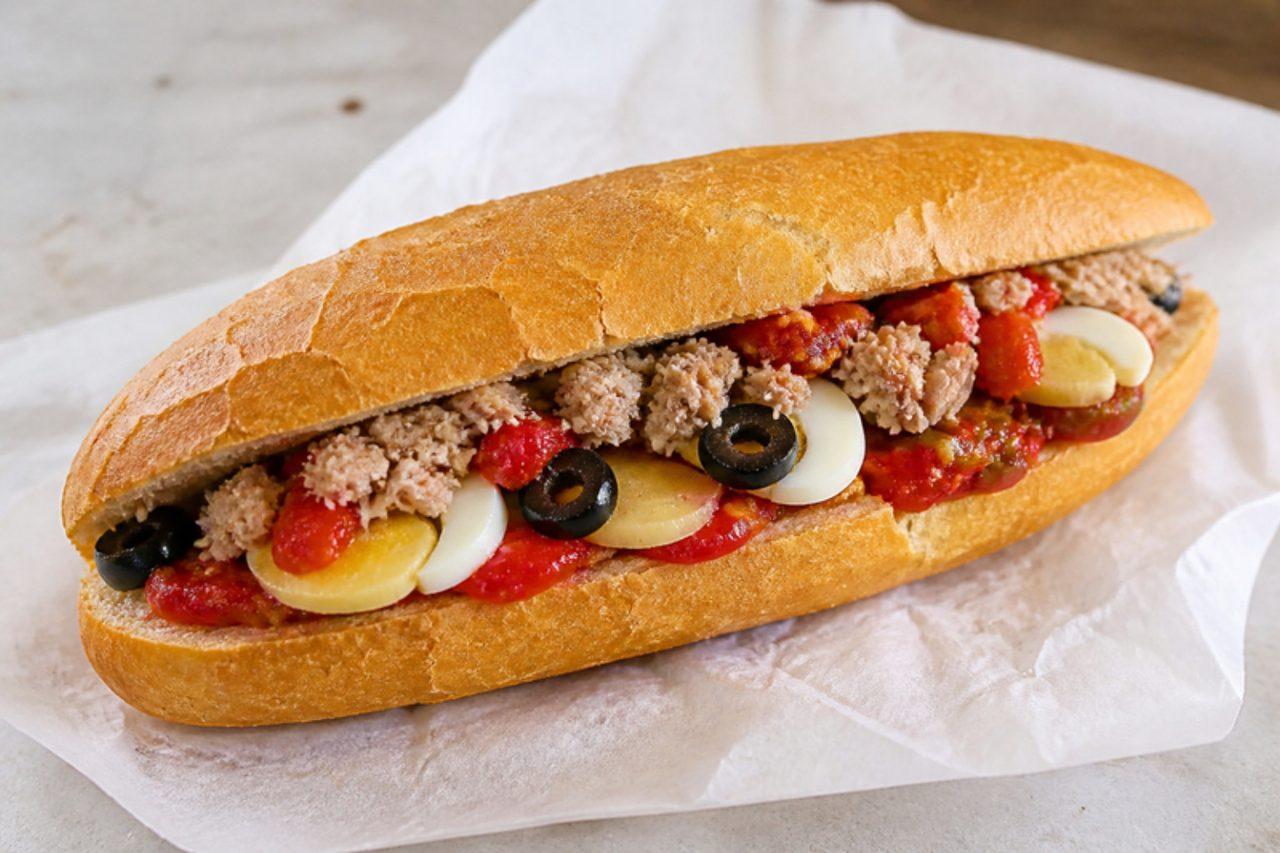
From train-station kiosks in Tunis to beach stalls at Hammamet, the casse-croûte is the sandwich everyone grabs: a baguette slit open, painted with harissa and packed with tuna, mechouia (a grilled pepper and tomato salad), boiled egg, diced potato, olives and a few capers. It is messy, spicy and filling, with smoky peppers against the rich tuna and the soft, starchy potato. This version makes a quick pan-charred mechouia while the eggs and potatoes cook. Chef's tip: let the potatoes and eggs cool before they go in; adding them hot steams the bread and turns it soggy, a common mistake at home.

by KrazyBadal 0 views

Jamaican bullaMolasses ginger spice cakes

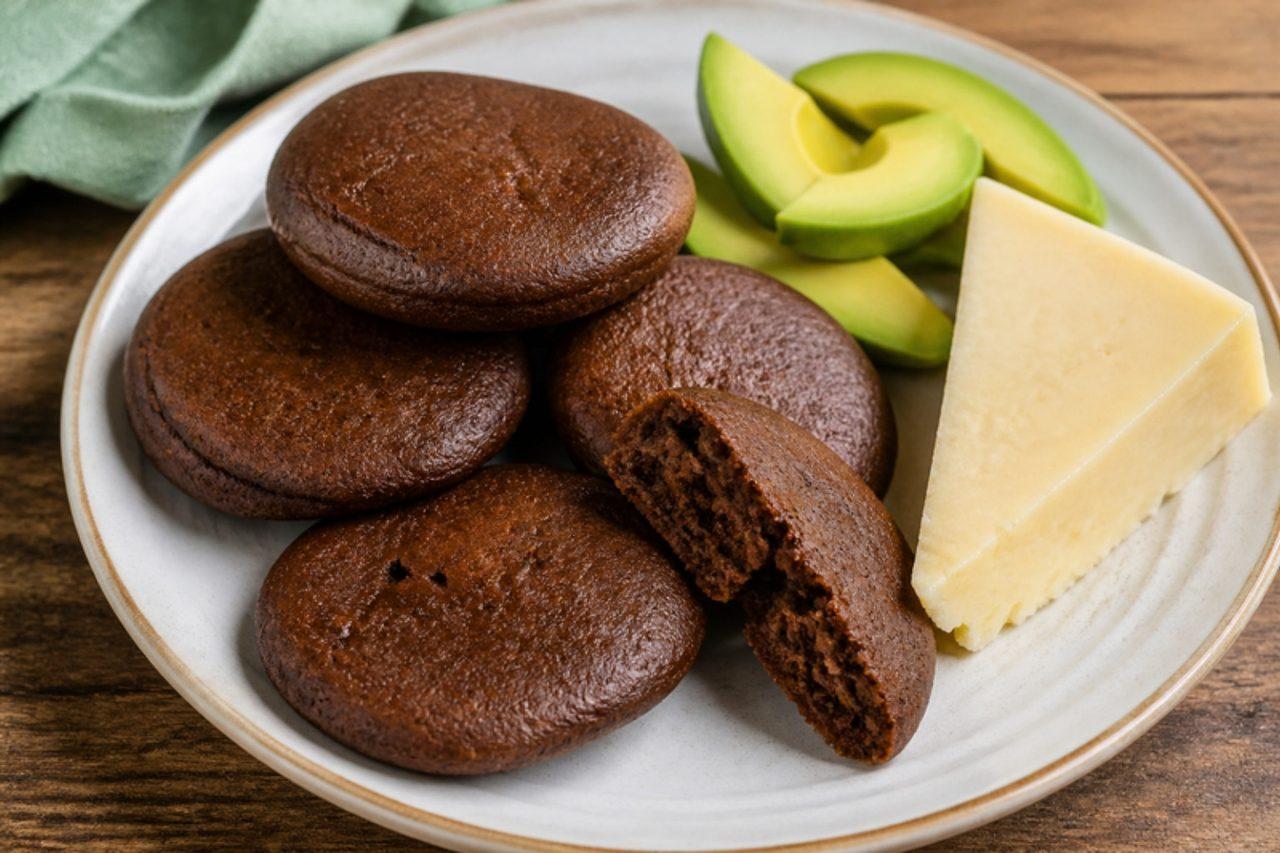
Wrapped in paper at every Jamaican corner shop and school tuck shop, bulla is the cheap, dense little round cake that children take for lunch and grown-ups eat with a slice of cheese or ripe avocado. It is dark with molasses and brown sugar, warm with ginger and nutmeg, and has a slightly chewy crumb rather than a light sponge. This version uses oil, so it is vegan. The common mistake is overworking the dough, which makes bulla tough; mix only until the flour disappears. Chef's tip: leave the baked bulla in a tin overnight; the crumb softens and the spice deepens by the next day.

by KrazyBadal 0 views

Jaffna curry powderRoasted chilli curry powder

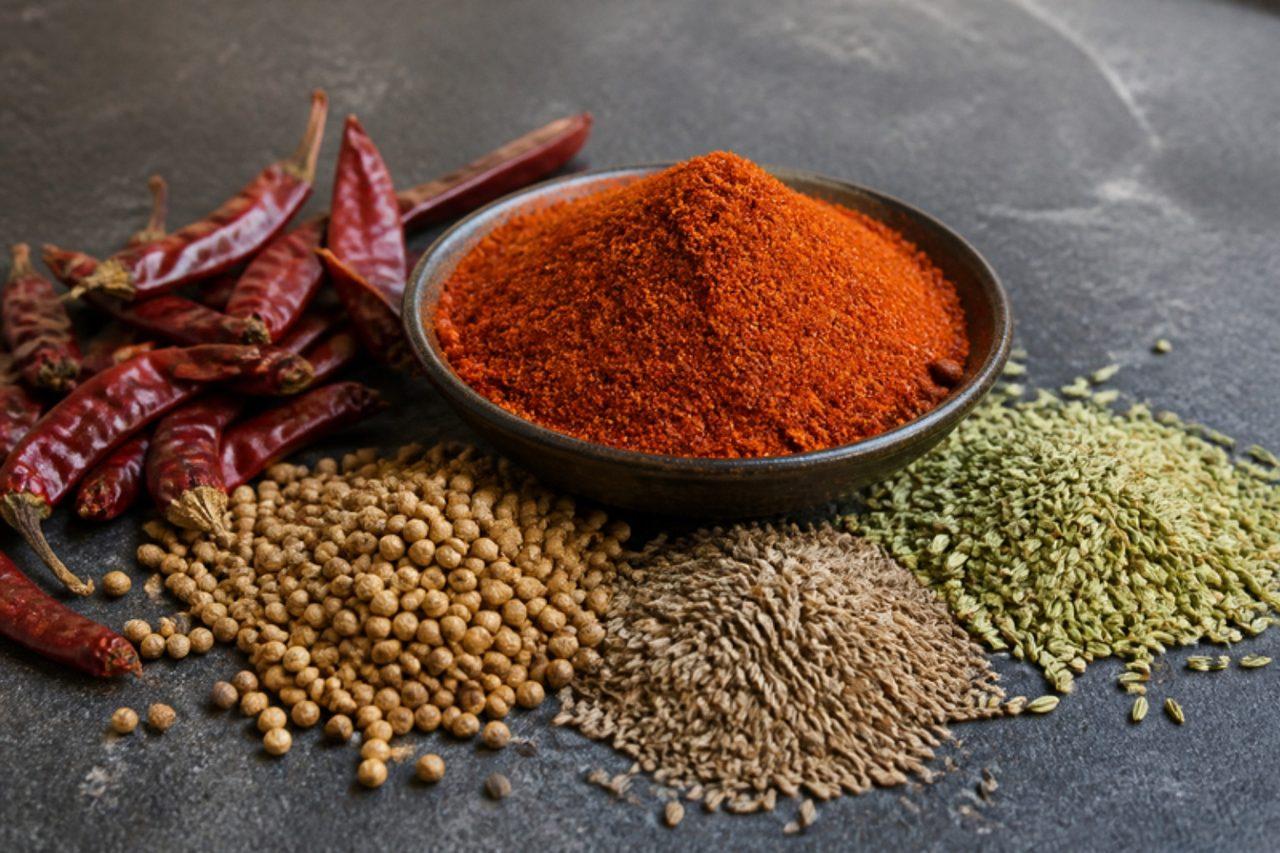
Jaffna families once made their year's supply of curry powder in one go, drying the spices on mats in the hard northern sun before carrying them to the local mill, and many Tamil households abroad still have a jar sent from home. It is far hotter and redder than the dark roasted curry powder of the Sinhala south, built on a big weight of dried red chillies with coriander, cumin, fennel, black pepper and a little fenugreek, plus crisp curry leaves and turmeric. This is what gives Jaffna crab curry, aubergine kulambu and odiyal kool their brick-red colour and their kick. Grinding the spices while they are still warm is the common error; the steam makes the powder clump and spoil quickly, so let everything cool on a plate first. Chef's tip: roast each spice separately, because the chillies and coriander need several minutes but fenugreek burns and goes bitter in under one.

by KrazyBadal 0 views

Dominican catibíasBeef-filled cassava turnovers

Catibías are the cassava cousins of empanadas, made in Dominican kitchens and sold at frituras stands in the Cibao and along the Malecón as an afternoon snack. Boiled cassava is mashed with oil and a touch of anise into a smooth, pliable dough, folded around seasoned beef mince and fried until the outside is crisp and blistered and the inside chewy. Because there is no wheat, they are naturally gluten free. The common mistake is letting the cassava cool before mashing; it becomes stringy and won't come together, so mash it hot. Chef's tip: pull out the woody fibre in the middle of each cassava piece after boiling, or the dough will tear.

by KrazyBadal 0 views

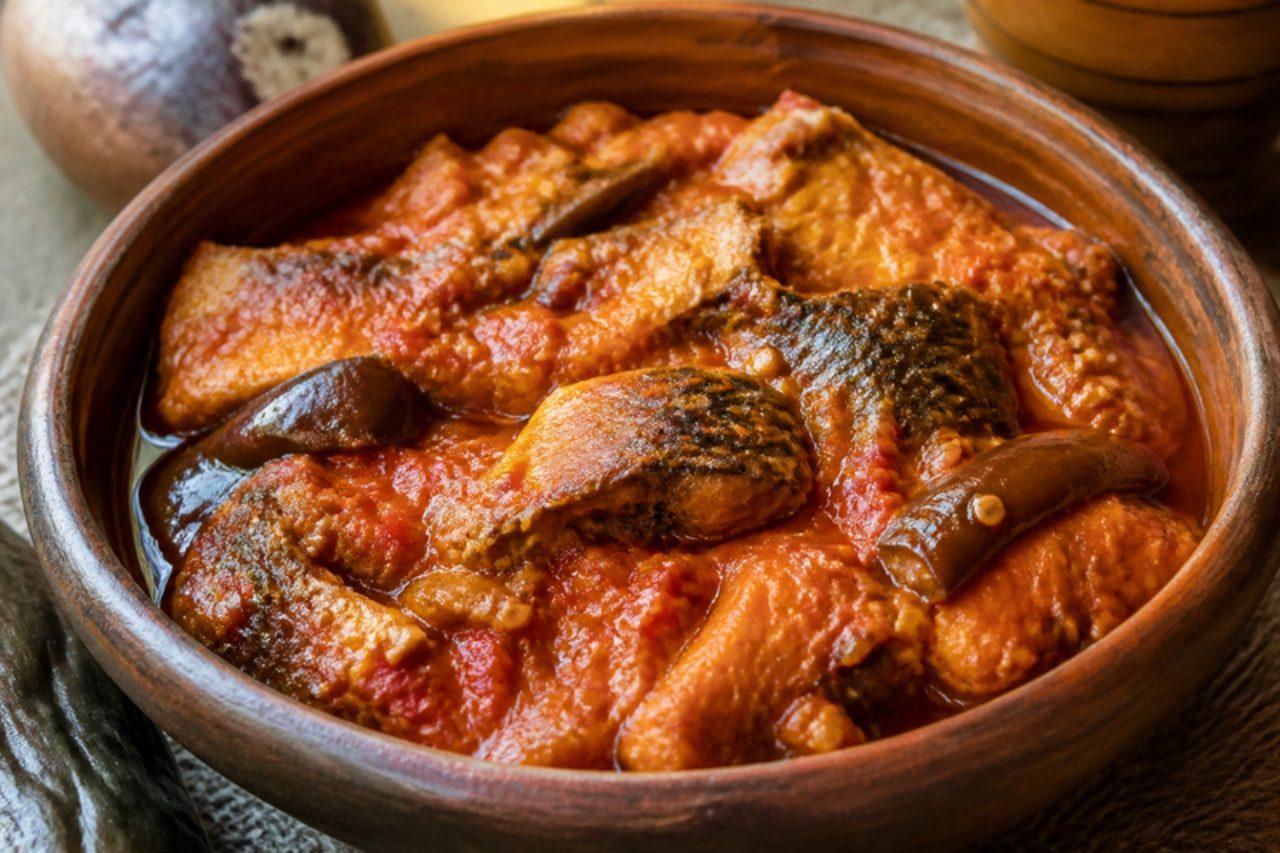
Sauce gouagouassouAubergine and smoked fish sauce

Bété country around Gagnoa and Daloa in western Côte d'Ivoire is known for sauces with plenty of chilli, and gouagouassou is one of the most loved: tomatoes, garden eggs and hot peppers boiled whole, then crushed by hand in a mortar and simmered with smoked fish. There is little or no oil, so the sauce tastes fresh, smoky and bright, with real heat and a rough, rustic texture. Spoon it over white rice or eat it with foutou at a weekday lunch. Use fewer chillies if you prefer, but keep at least one for the character. Chef's tip: soak the smoked fish in hot water for ten minutes first; it softens, rinses off ash and grit, and gives its flavour to the sauce more quickly.

by KrazyBadal 0 views

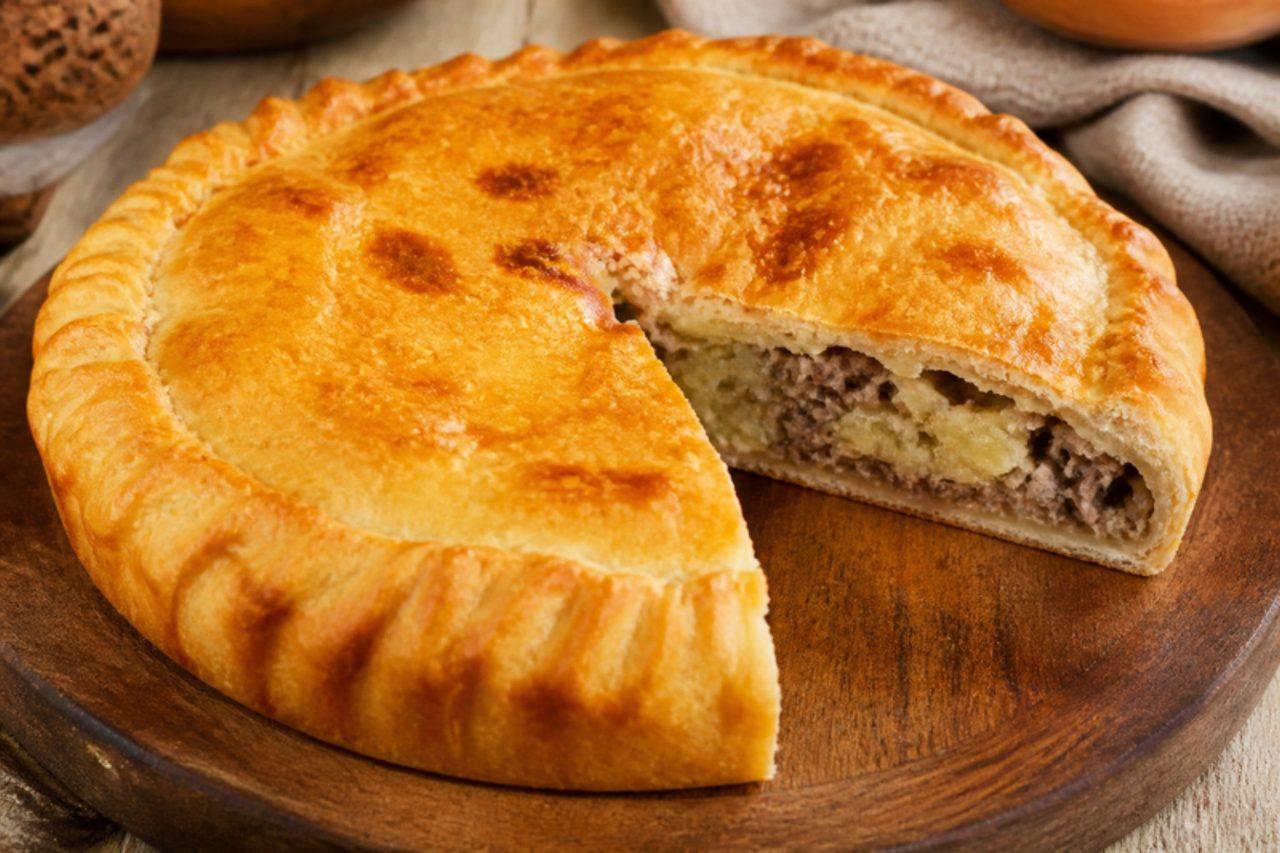
KhupluBeef, lamb and potato pie

The Chuvash people of the middle Volga bake khuplu for harvest festivals and to welcome guests: one large, round, closed pie with a thin yeast crust and a deep filling of diced meat, potato and onion, traditionally with a little vent on top and a ring of dough to decorate it. Cut at the table, it spills meaty juice into the potatoes, and it is eaten warm with a glass of cold buttermilk or a bowl of soup. The usual slip is under-baking; a pie this deep needs well over an hour and a thermometer check. Chef's tip: lay the potatoes at the bottom and the meat on top, so the potatoes drink the juices and the base does not go soggy.

150 minRussianMeat
by KrazyBadal 0 views

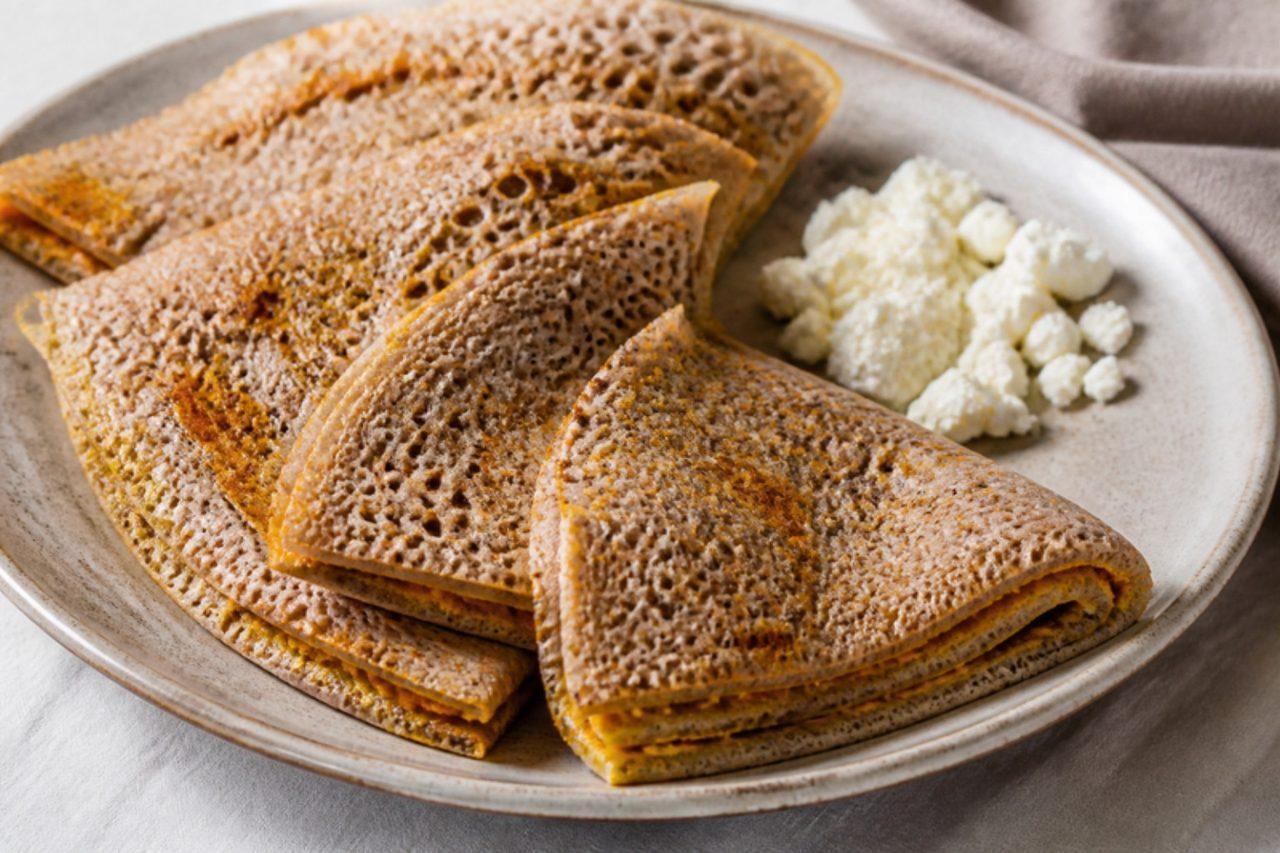
AnababeroLayered injera with spiced butter

Ask for anababero at a breakfast café in Addis Ababa and two injeras arrive stacked as one, glued together with melted niter kibbeh and a dusting of berbere, then warmed on the griddle until the butter soaks through. The result is soft and tangy inside, a little crisp at the edges, and much richer than plain injera; the name roughly means 'layered' or 'piled on top'. It is torn and eaten as it is with sweet spiced tea or coffee, or served beside a bowl of ayib or a spoon of awaze for anyone who wants it hotter. Because it uses yesterday's injera, it is a favourite way to turn leftovers into a proper breakfast. Chef's tip: brush the butter on warm, not hot, so it melts into the injera's holes instead of pooling on the surface.

by KrazyBadal 0 views

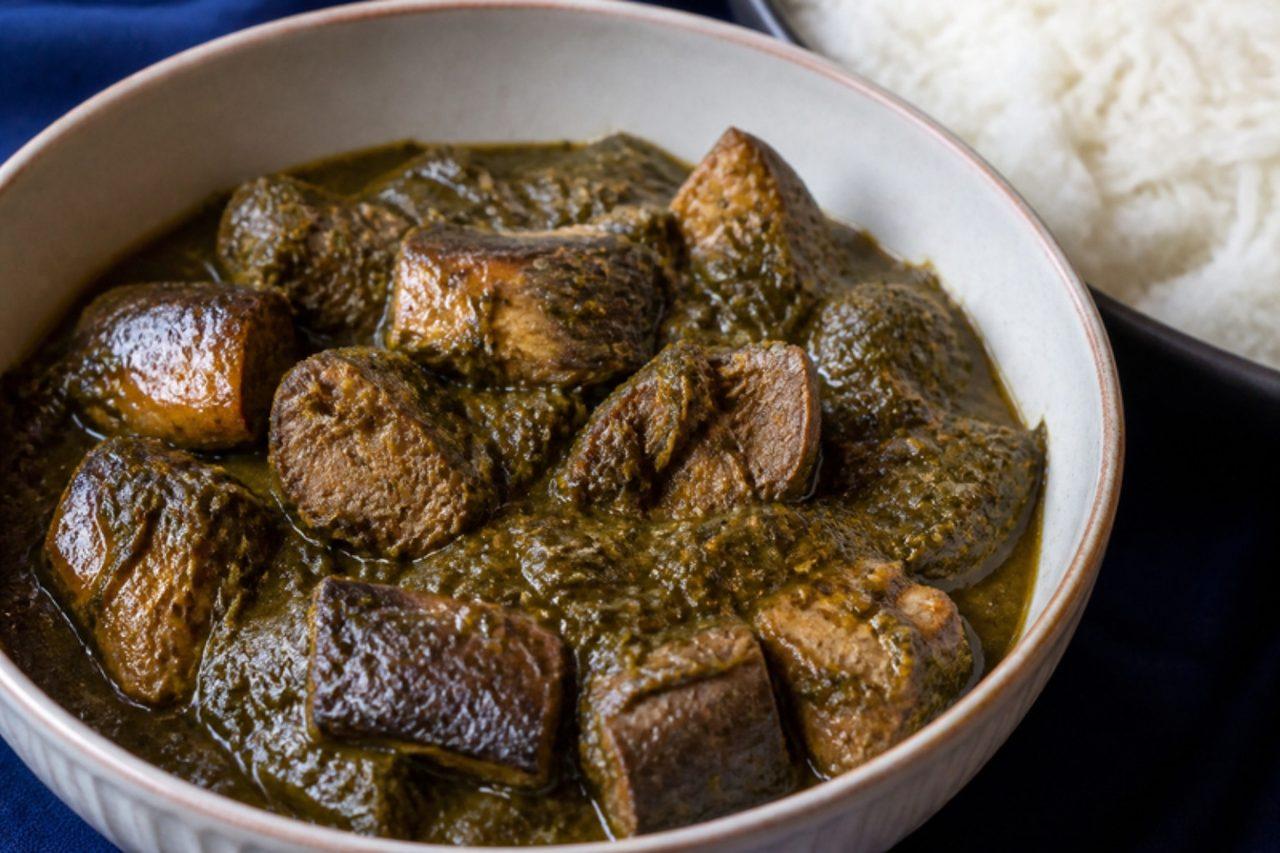
Sauce djoumgbléDried okra sauce with smoked fish

Baoulé cooks in central Côte d'Ivoire dry okra in the sun during the harvest, then grind it into the dark green powder that makes sauce djoumgblé. Stirred into a beef and tomato stew with flaked smoked fish, it thickens the pot into a deep brown, slippery sauce with an earthy, smoky flavour quite different from fresh okra soup. It is the classic partner for foutou banane or placali in Bouaké and in Abidjan's maquis, where each mouthful of starch is pulled through the sauce. Look for the powder as dried or ground okra in African grocers. Chef's tip: whisk the okra powder into cold water before it goes into the pot; scattered straight into hot sauce, it forms lumps that never break down.

by KrazyBadal 0 views

KoththamalliCoriander and ginger brew

At the first sniffle, many Sri Lankan mothers put a pot of koththamalli on the stove, and in Colombo offices and up in the damp hill towns during the monsoon you will see people sipping it from steel tumblers instead of tea. Coriander seeds are toasted, cracked and boiled with plenty of ginger until the water turns amber, giving a warm, earthy, slightly citrusy drink with a gentle ginger burn. It is traditionally drunk unsweetened with a piece of kithul or palm jaggery held in the other hand and nibbled between sips, though you can dissolve the jaggery in if you prefer. Grinding the seeds to powder is a mistake, because the drink turns muddy and gritty; they should only be cracked. Chef's tip: toast the coriander just until it darkens a shade and smells like orange peel; that is when the oils are at their best.

by KrazyBadal 0 views

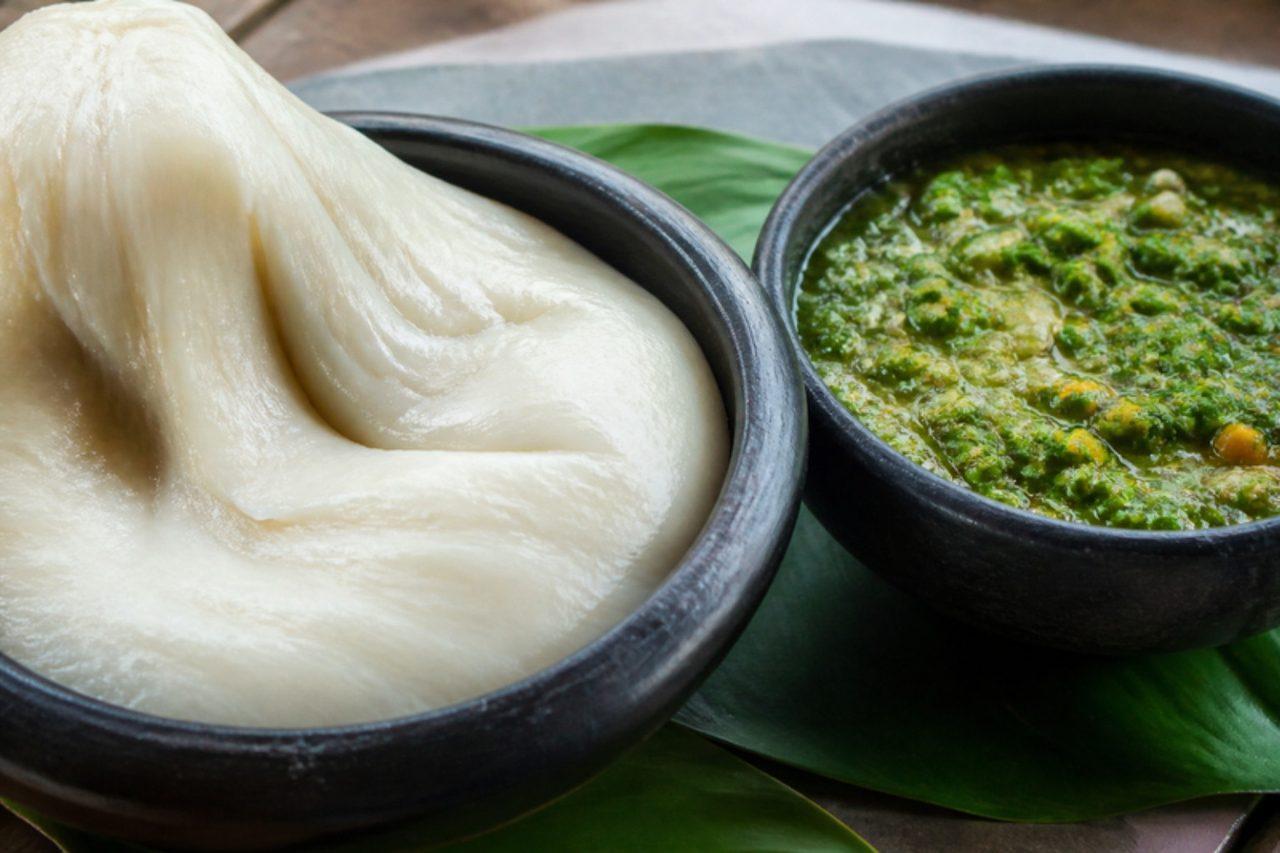
PlacaliSoured cassava swallow

Abidjan's maquis serve placali in shining grey mounds next to bowls of sauce kopé, the okra sauce that slides off the spoon, and many Ivorians from the lagoon and southern forest regions eat it several times a week. It is made from soured cassava dough dissolved in water, strained and cooked while beaten hard until it becomes a translucent, sticky, stretchy paste. The taste is mildly sour and the texture smooth and elastic, meant to be swallowed rather than chewed. Pair it with okra, palm-nut or leaf sauces. Don't stop stirring once the dough thickens, or raw lumps hide in the swallow. Chef's tip: wet your hands and the serving bowl before shaping, otherwise placali clings to everything it touches.

by KrazyBadal 0 views

CepelinaiMeat-filled potato dumplings

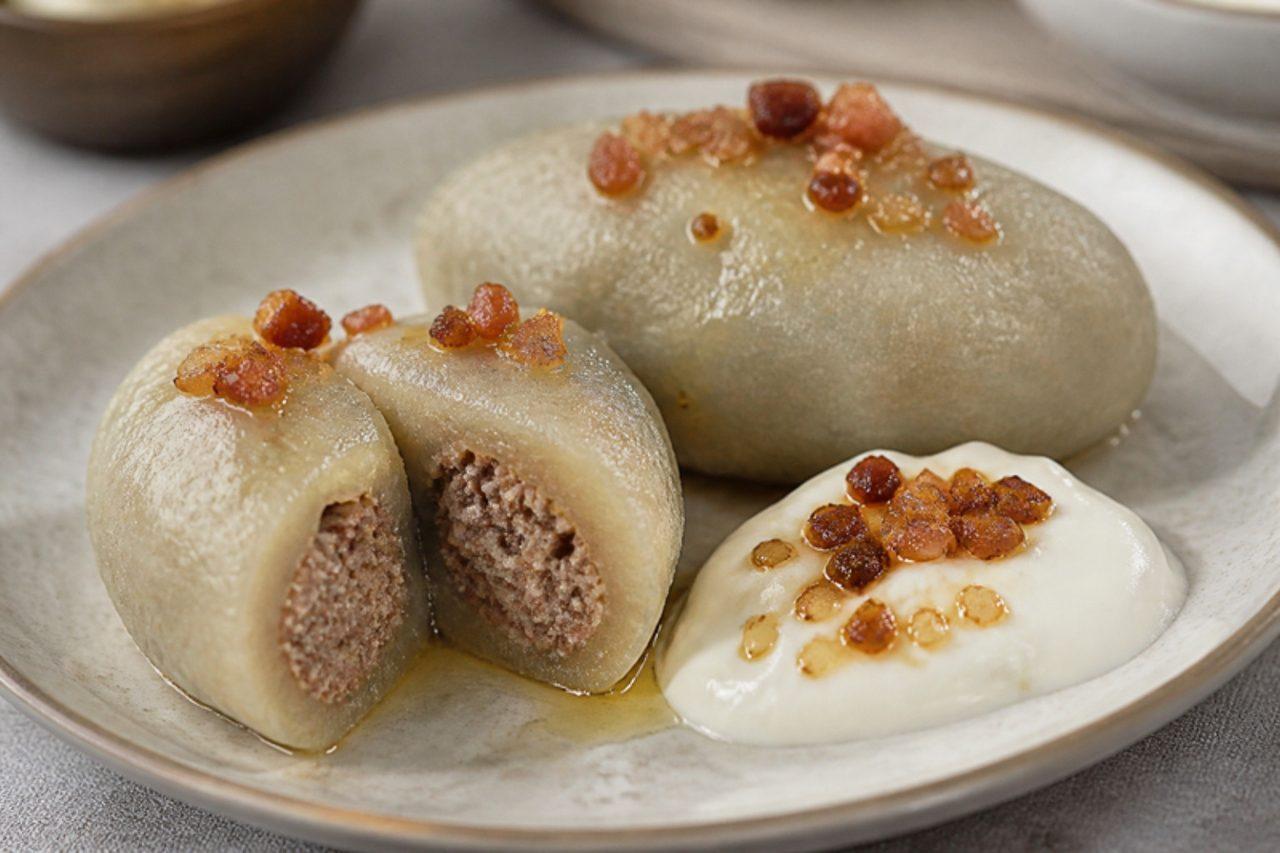
Cepelinai, named after the Zeppelin airships they resemble, are Lithuania's national dish: big oval dumplings of grated raw and boiled potato wrapped around seasoned minced pork, simmered until glossy and served with a sauce of sour cream and fried bacon bits and onion. This dish contains pork. Families in Kaunas and Vilnius make them on weekends and holidays; curd cheese or mushroom fillings are common vegetarian versions. A common mistake is skipping the potato starch; it is what holds the dumplings together. Chef's tip: squeeze the grated potato very dry and stir back the starch that settles from the liquid. Minced pork must reach 71 °C.

100 minBalticMeat
by KrazyBadal 0 views

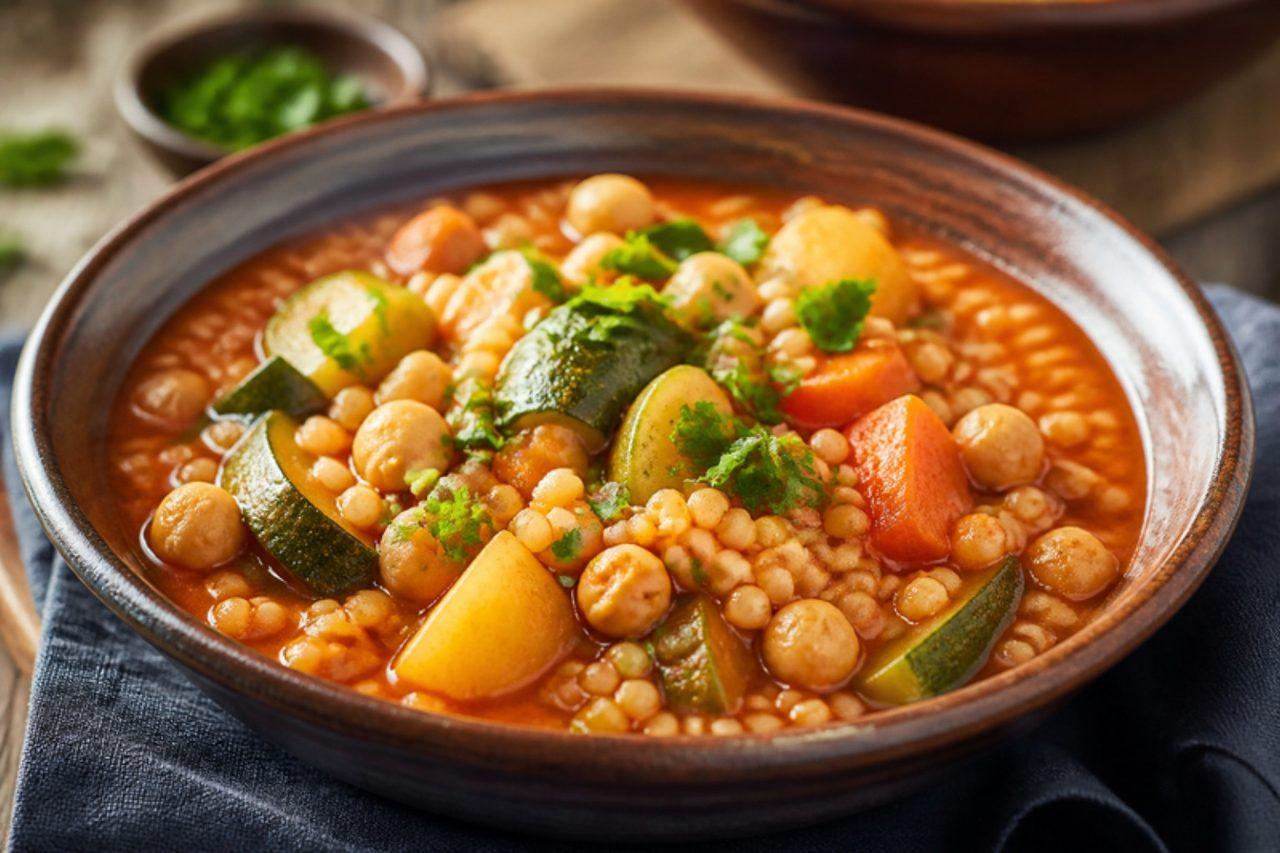
BerkoukesLarge couscous pearls in vegetable broth

Berkoukes, the big chewy couscous pearls rolled by hand in Tlemcen and the west of Algeria, is cold-weather food and a classic dish for the end of winter or a family supper. Cooked directly in a thick, tomato-red broth with courgette, carrot, potato, turnip, peas and chickpeas, it becomes a spoonable, comforting stew, fragrant with garlic, paprika, dried mint and fresh coriander. Many families make it with meat or khlii; this is the vegetable version cooked at home on ordinary days. Bought berkoukes, maftoul or giant couscous are fine. Chef's tip: steam or toast the berkoukes before simmering it; the pearls hold their shape and don't turn to porridge.

by KrazyBadal 0 views

KabatoCornmeal swallow with lemon

From Korhogo and Odienné down to Bouaké, households in northern and central Côte d'Ivoire eat kabato almost daily: a swallow of maize meal cooked with a squeeze of lemon. The acid gives the paste a faint tang and a firmer, cleaner bite than plain cornmeal. It is eaten warm with okra sauce, groundnut sauce or a sauce of pounded leaves, pinched off by hand and dragged through the bowl. A common slip is adding the cornmeal too fast, which makes lumps; rain it in while stirring. Chef's tip: whisk the lemony cornmeal slurry into the boiling water before adding the rest of the meal; starting with a thin porridge is what keeps kabato lump-free.

by KrazyBadal 0 views

AttoukpouSteamed fermented cassava balls

Along the lagoons east and west of Abidjan, Ebrié and Attié cooks turn soured cassava dough into attoukpou, a soft steamed paste that is gentler and less stretchy than placali. The crumbled dough is steamed until it turns translucent, then pounded with a little hot water into smooth, pillowy balls with a light sourness. It is served at home and at village gatherings with palm-nut sauce, a light pepper soup or aubergine sauce, and it soaks up gravy beautifully. Ready-made fermented cassava dough from an African grocer saves days of work. Avoid packing the dough tightly into the steamer; it needs space for the steam to move through. Chef's tip: crumble the dough very finely before steaming; big lumps stay chalky in the middle however long they cook.

by KrazyBadal 0 views

AkpessiPlantain and yam pottage

Around Bouaké and Yamoussoukro, akpessi is what Baoulé families cook when they want a filling one-pot meal with little fuss: chunks of green plantain and yam simmered right in a red palm oil and tomato sauce until tender. A few pieces are crushed into the liquid at the end, so the sauce turns thick and clings to everything. It is often made with smoked fish; this version keeps it meat-free, with soft garden eggs folded through for body. Expect an earthy, gently starchy dish with heat from the pepper, good with sliced avocado on the side. The usual mistake is stirring too much, which turns the whole pot to mush instead of leaving soft chunks. Chef's tip: oil your hands before peeling green plantains; the sticky sap washes off far more easily.

by KrazyBadal 0 views

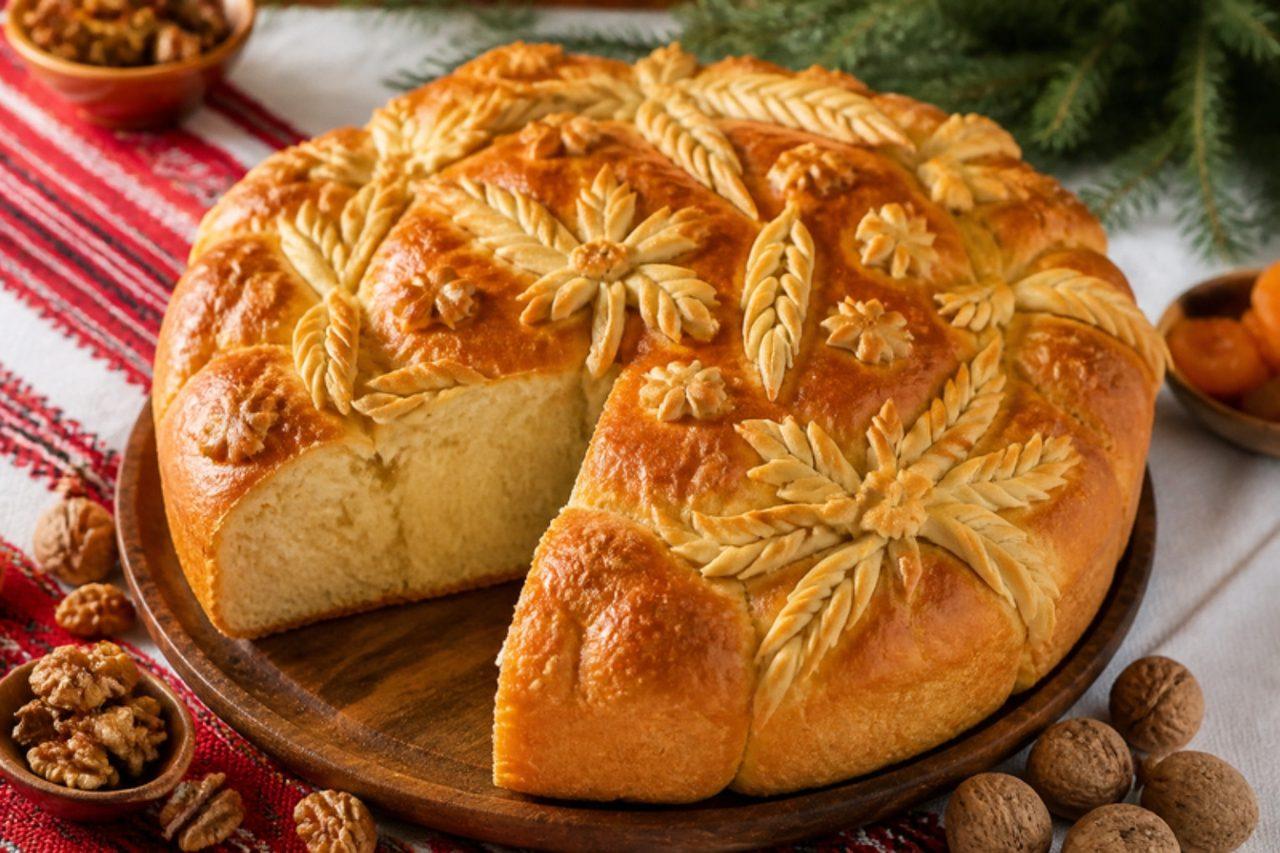
ČesnicaChristmas bread with a coin

On Serbian Orthodox Christmas morning, 7 January, the family stands around the table and breaks the česnica between them, turning the round loaf three times before everyone pulls off a piece. Whoever finds the coin hidden in the bread is said to have luck for the year. Recipes vary from flaky layered pies to this soft, slightly sweet yeasted loaf with a twisted rope round its edge, lovely with kajmak, cheese and the rest of the Christmas spread. Wrap the coin well and tell everyone before they bite, and keep an eye on small children, as a coin is a choking risk. The usual slip is rushing the rise in a cold kitchen, which gives a dense, heavy crumb; find a warm spot and wait until the dough has truly doubled. Chef's tip: brush the hot loaf with a little oil as it leaves the oven for a soft, shiny crust.

by KrazyBadal 0 views

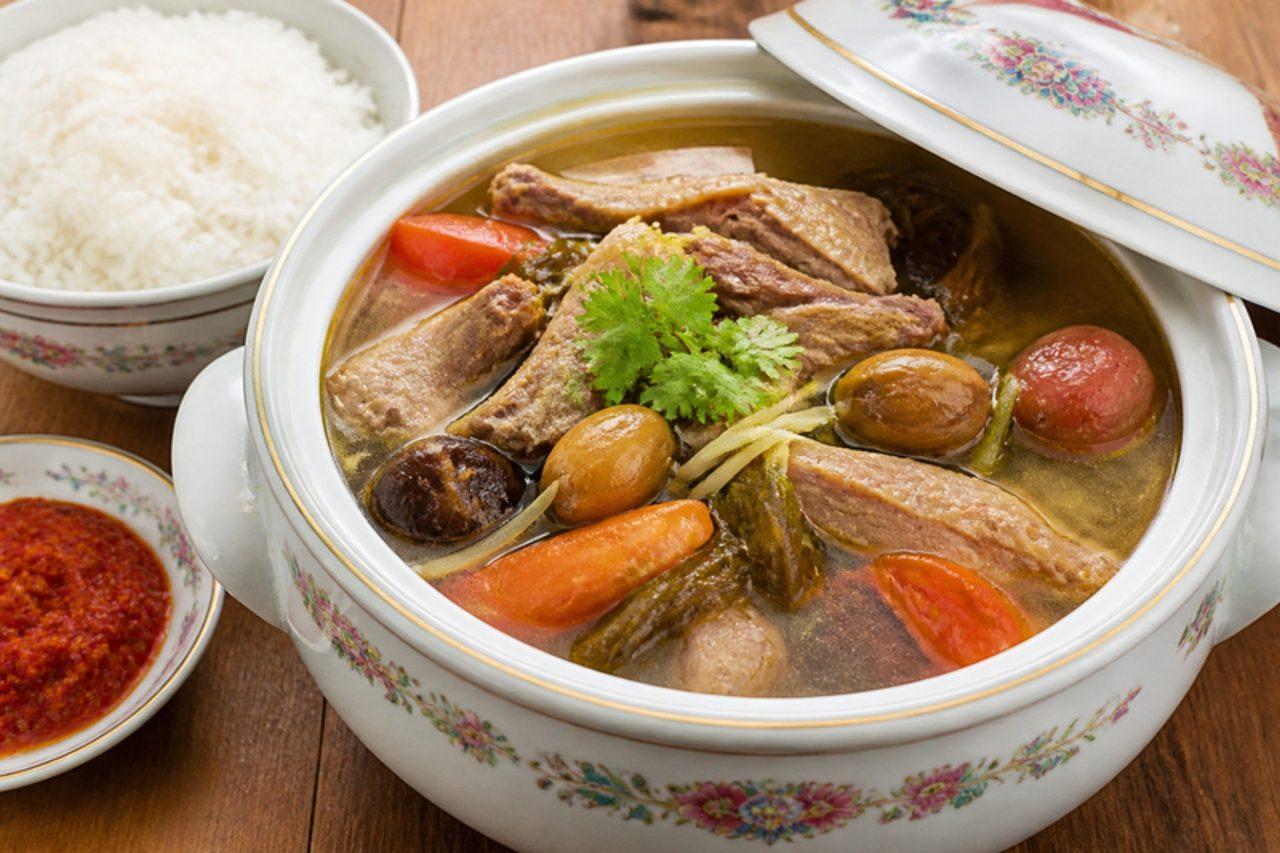
Itek timDuck and salted mustard greens soup

Sour, salty and cleansing, itek tim is the soup a Nyonya kitchen in Katong or Joo Chiat puts on the table to cut through the rich curries and sambals of a Chinese New Year reunion dinner, and it is often made in a big pot that lasts for days. Jointed duck simmers slowly with salted mustard greens, tomatoes, salted sour plums and a little dried tamarind until the meat is tender and the broth turns golden, tangy and deeply savoury. It is served with rice and sambal belacan, and many families say it is even better on day two. Not soaking the salted mustard greens is the classic trap; they can make the soup far too salty, so soak and taste a piece first. Chef's tip: chill the soup overnight and lift off the duck fat in one sheet before reheating, which gives a clear, clean broth.

by KrazyBadal 0 views

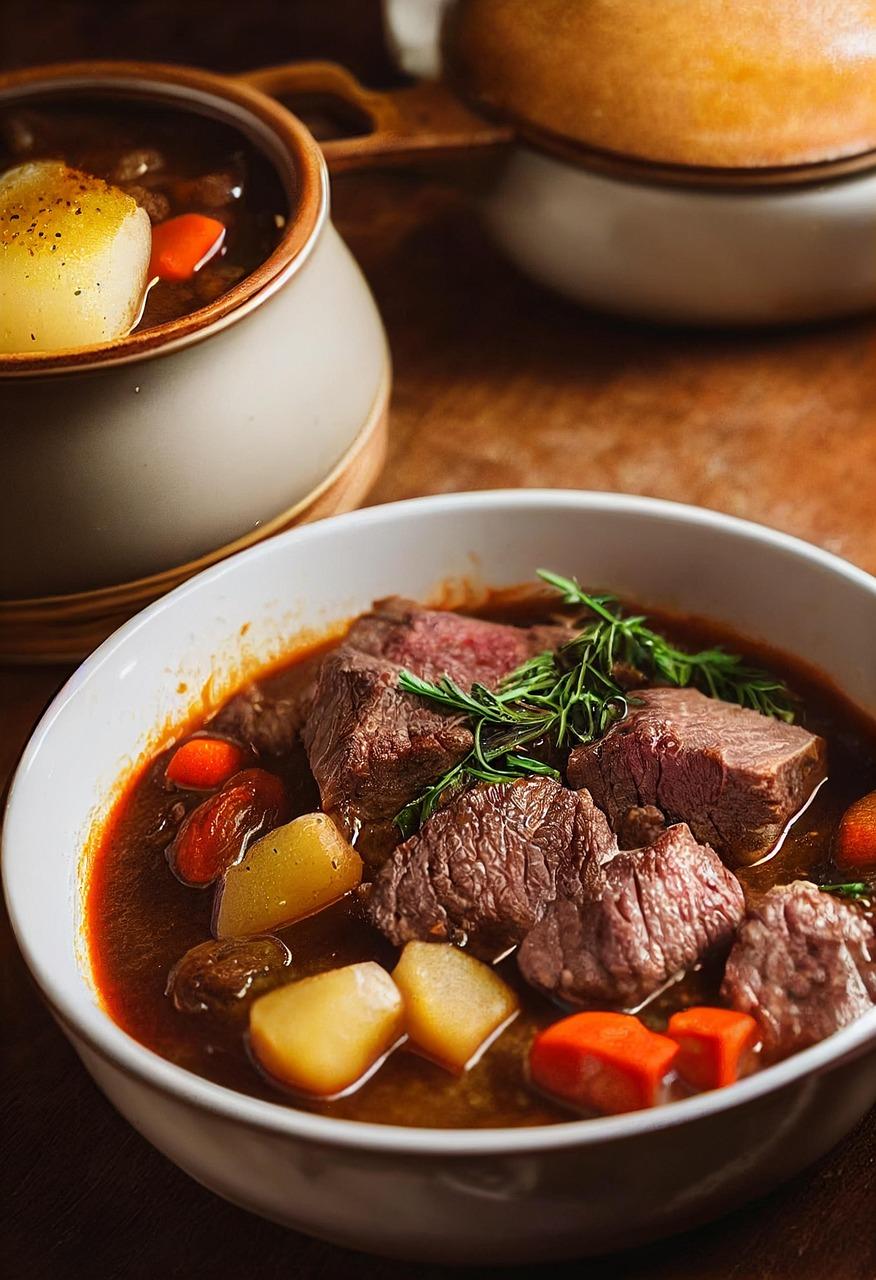
AzuBeef stew with pickles

Kazan's working canteens gave azu its fame: strips of beef braised in a peppery tomato gravy, sharpened with diced salty pickled cucumbers and finished with golden fried potatoes, all served steaming in a clay pot. It is hearty, sour-savoury and thick enough to mop up with rye bread, and Tatar families serve it on cold weekday evenings. Where most people go wrong is adding the potatoes raw to the stew; they turn floury and the gravy goes muddy, so fry them separately and fold them in at the end. Chef's tip: use proper brine-fermented cucumbers rather than sweet vinegar pickles; their sourness is what makes azu taste like azu.

by KrazyBadal 0 views

Showing 90 of 8,120 recipes

Page 334 of 903