


Skip to content
Cougnou
Featured recipe

Cougnou

Christmas brioche

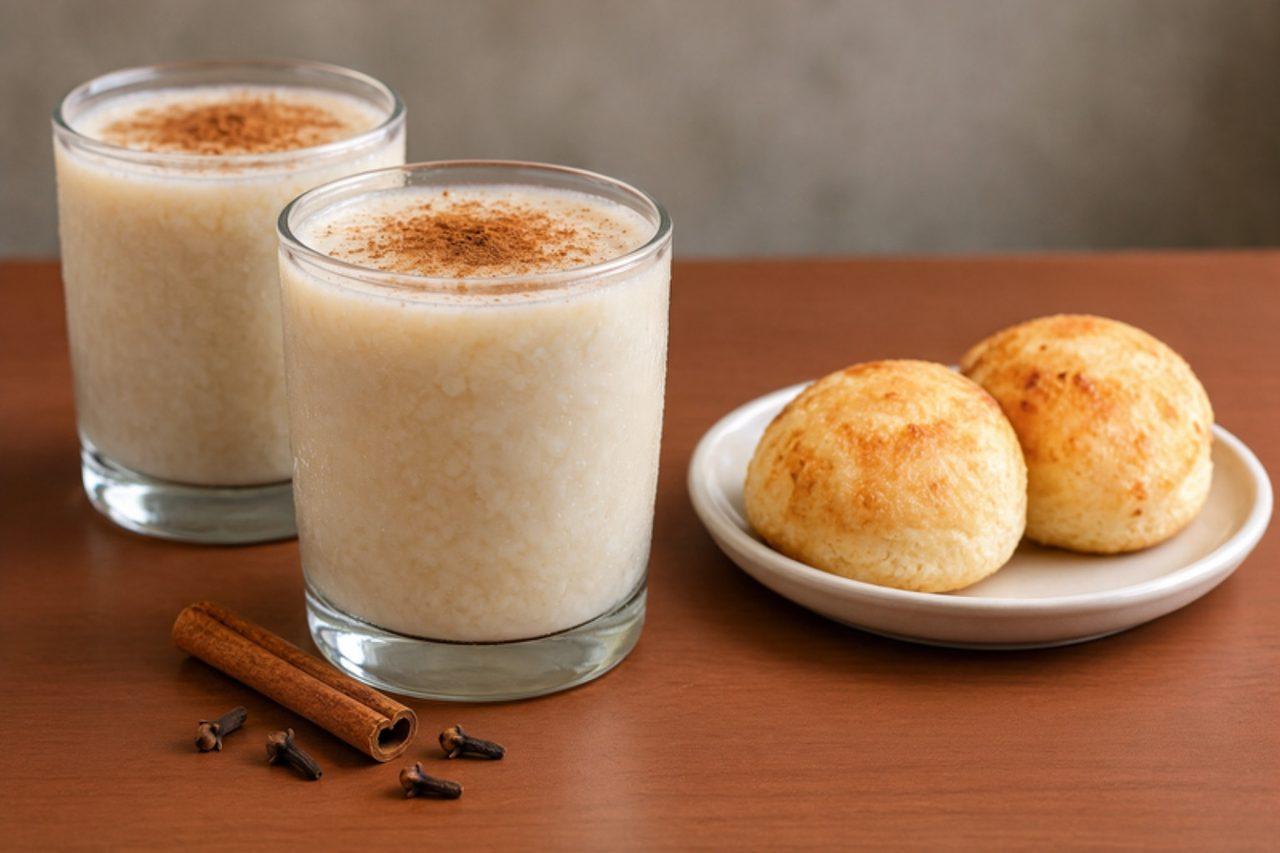
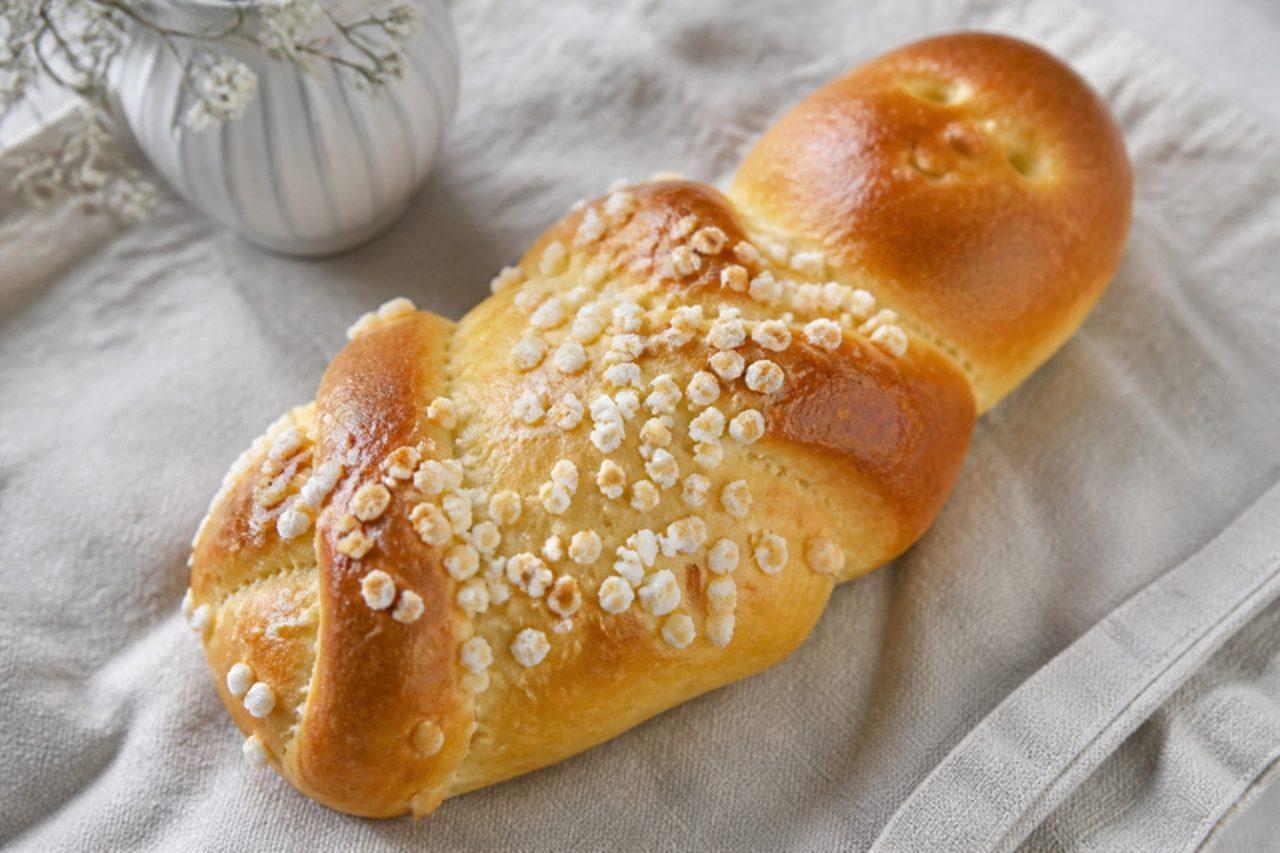
Cougnou, also called cougnolle or bommetje, is the Christmas bread of Wallonia, given to children on Christmas morning: a soft brioche shaped like the infant Jesus in swaddling clothes, with a little clay or sugar medallion pressed into the middle, eaten with hot chocolate. Bakeries in Namur and Charleroi make them from early December. A common mistake is shaping them too small, which dries them in the oven. Chef's tip: make three balls, one large for the body and two small for the head and feet, pressed together tightly so they bake as one.

Read more 0 views

What to eat today?

Around the world

Today's trip: Persian

A new country every day, from every cuisine on the site.

Persian

Dizi

Lamb and chickpea stew 245 minMore from Persian (131) →

This week's collection

Kid-friendly dinners
537 recipes · a new collection every Monday

Latest recipes

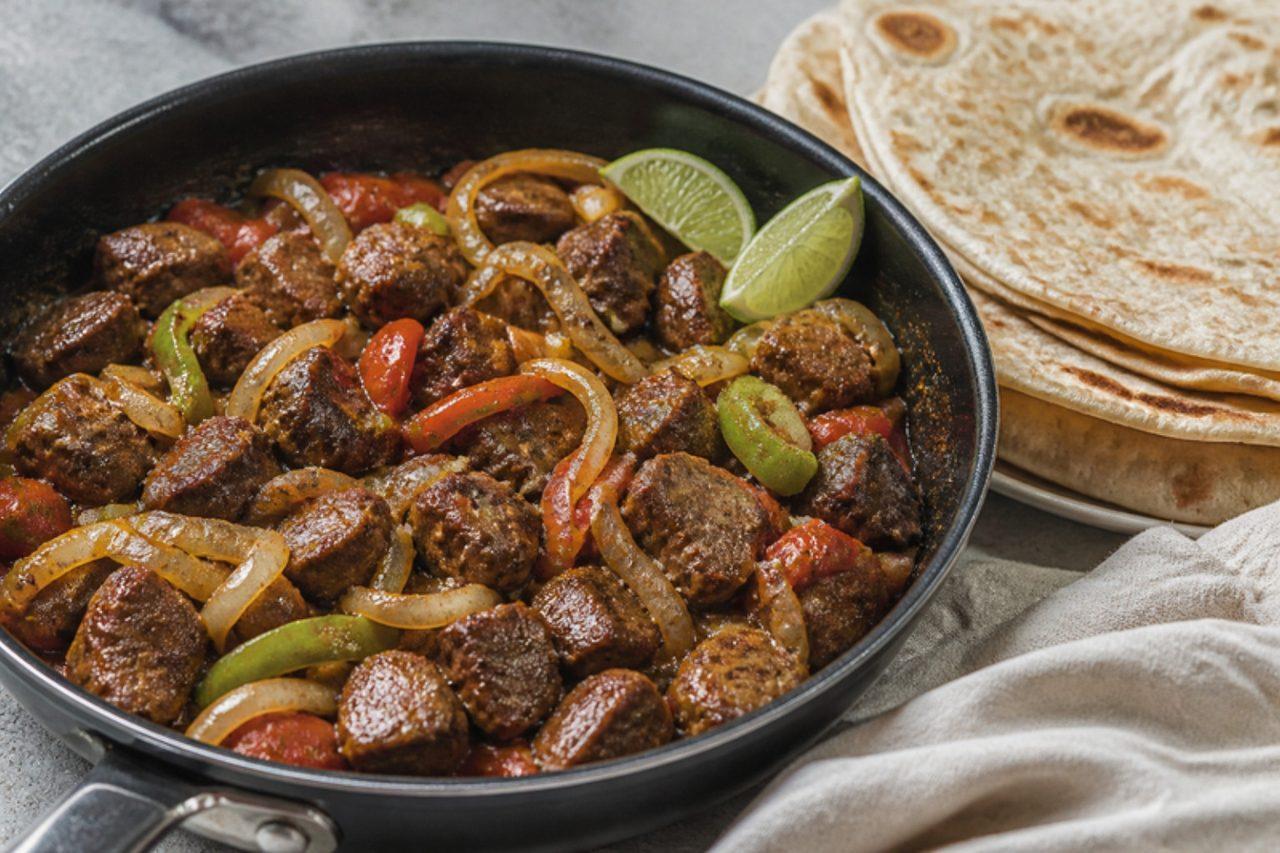
Hilib geel (Somali fried camel meat)

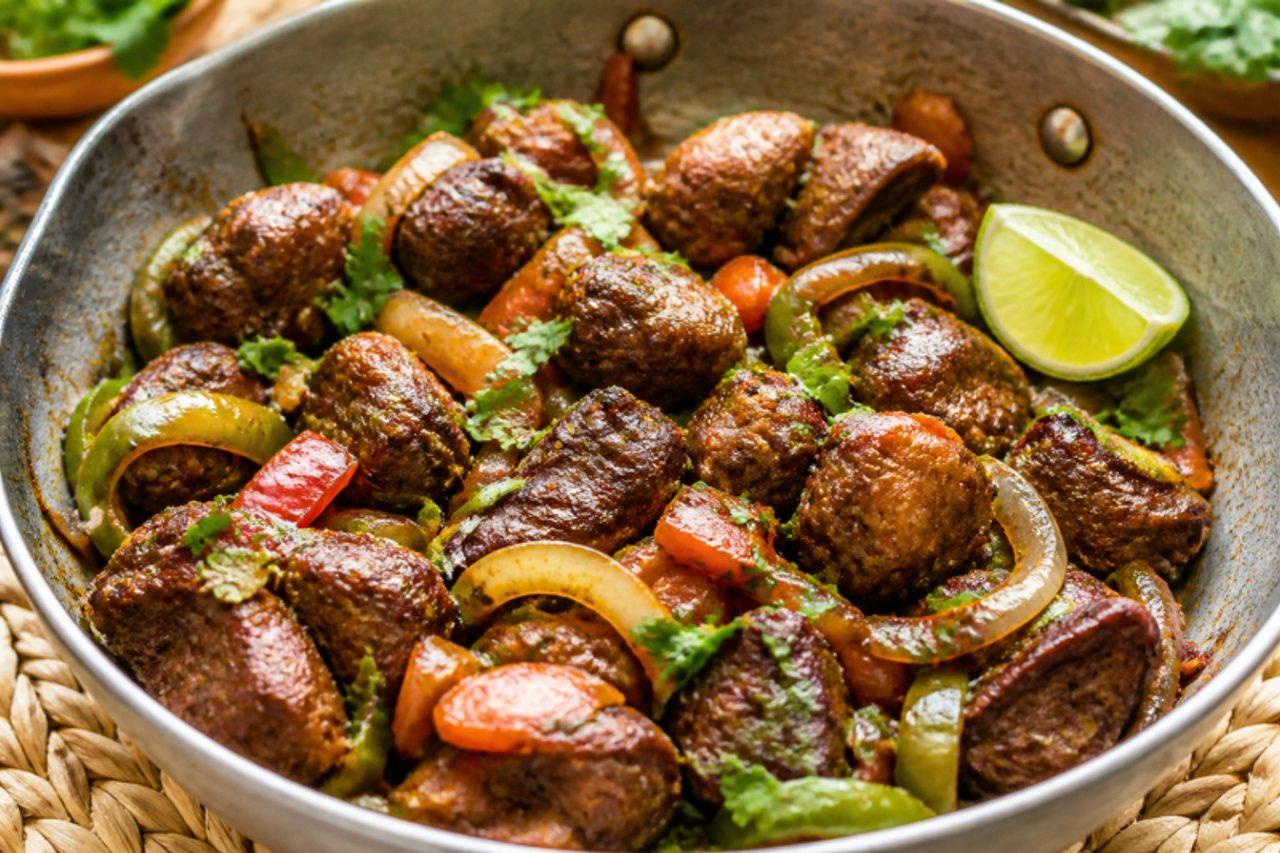
Camels are wealth in Somaliland, and their meat, lean and slightly sweet with a deep red colour, is a favourite in Hargeisa restaurants, where hilib geel is served fried with onion, garlic and xawaash alongside rice or sabaayad, banana and lime. Camel is a hard-working muscle, so it is first simmered until tender and then fried quickly in a hot pan until browned and fragrant. Halal butchers serving East African communities often sell it; if you cannot find it, beef chuck is the closest substitute and cooks the same way. Skipping the simmer and frying the raw meat straight away is the usual mistake, and it leaves the cubes tough as boots. Chef's tip: keep the simmering liquid; a ladle of it in the pan at the end makes a little glossy sauce for the rice.

85 minSomaliMeatGluten free
by KrazyBadal 0 views

Nova Scotia oatcakes

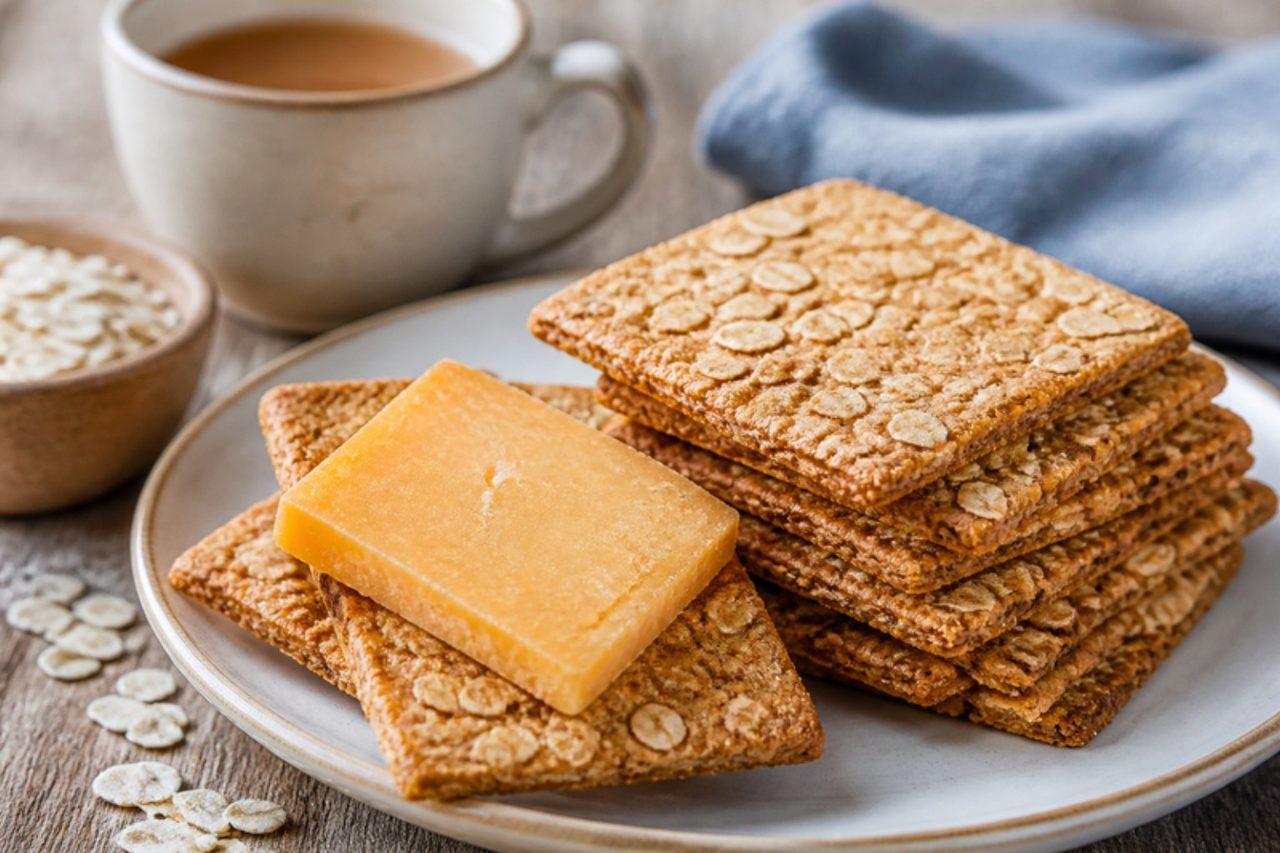
Nova Scotia oatcakes are nothing like the plain Scottish kind: Cape Breton bakers, with their Highland roots, made them sweeter and richer, with butter and brown sugar, so they crunch like a cross between a biscuit and shortbread. They are sold at every coffee shop in Antigonish and Baddeck and eaten with tea, or with a slice of sharp cheddar. A common mistake is rolling them thick; 5 mm gives the proper snap. Chef's tip: chill the rolled dough before cutting so the squares stay sharp.

by KrazyBadal 0 views

Muqmad (Somali spiced meat preserved in ghee)

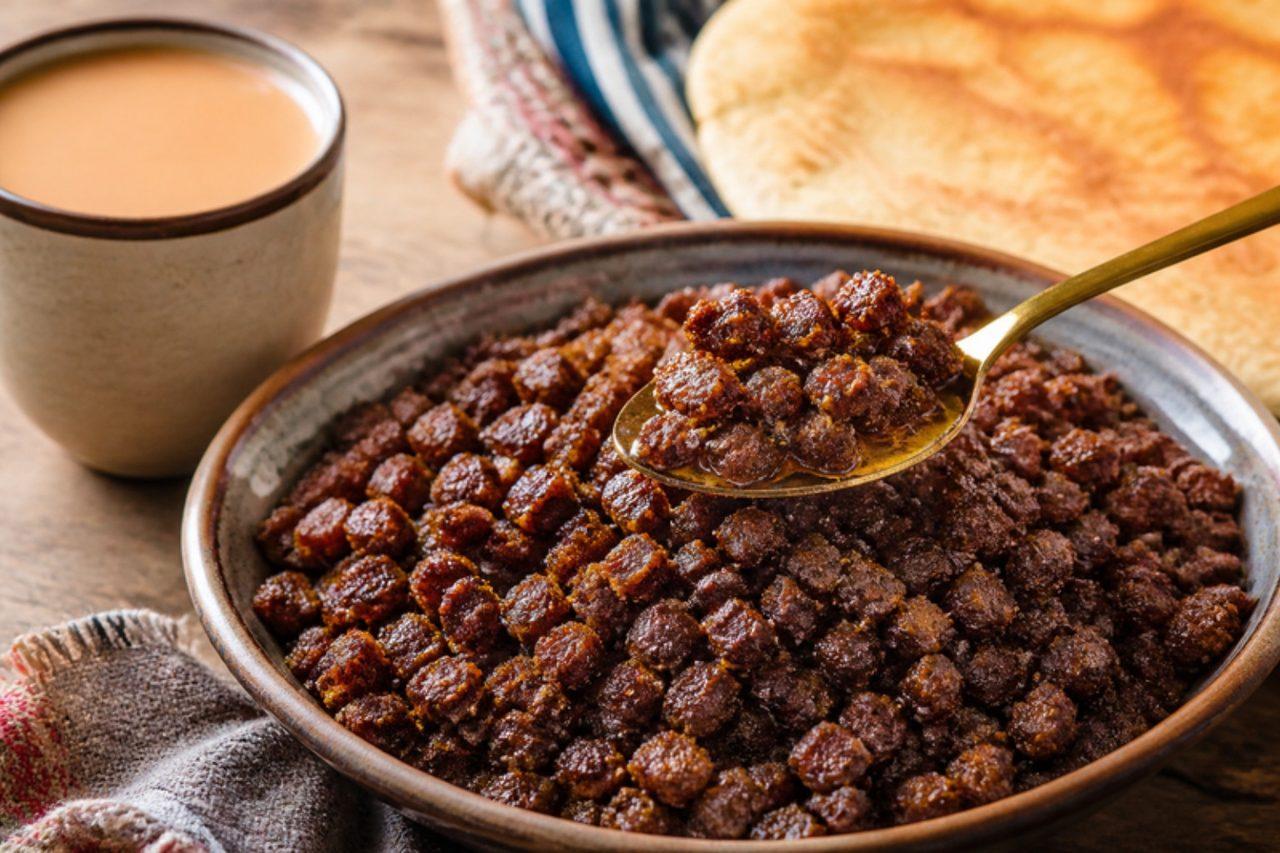
Before fridges, nomadic families in Somaliland preserved meat as muqmad, also called oodkac: beef or camel cut into tiny cubes, dried in the sun, fried in ghee with garlic and spices and packed into a container topped with more ghee. A spoonful is eaten for breakfast with sabaayad or canjeero and tea, and jars are made for Eid, weddings and travellers. Sun-drying raw meat is risky in a home kitchen, so this safer version cooks the cubes through to 71 °C first, then dries them in a low oven and keeps the finished jar in the fridge. The traditional raw-dried version is not for pregnant women, young children or anyone with a weakened immune system. Cutting the cubes unevenly is the common mistake: big pieces stay moist inside while small ones burn, so aim for 1 cm all round. Chef's tip: partly freeze the meat for 45 minutes and it cuts into neat cubes far more easily.

240 minSomaliMeatGluten free
by KrazyBadal 0 views

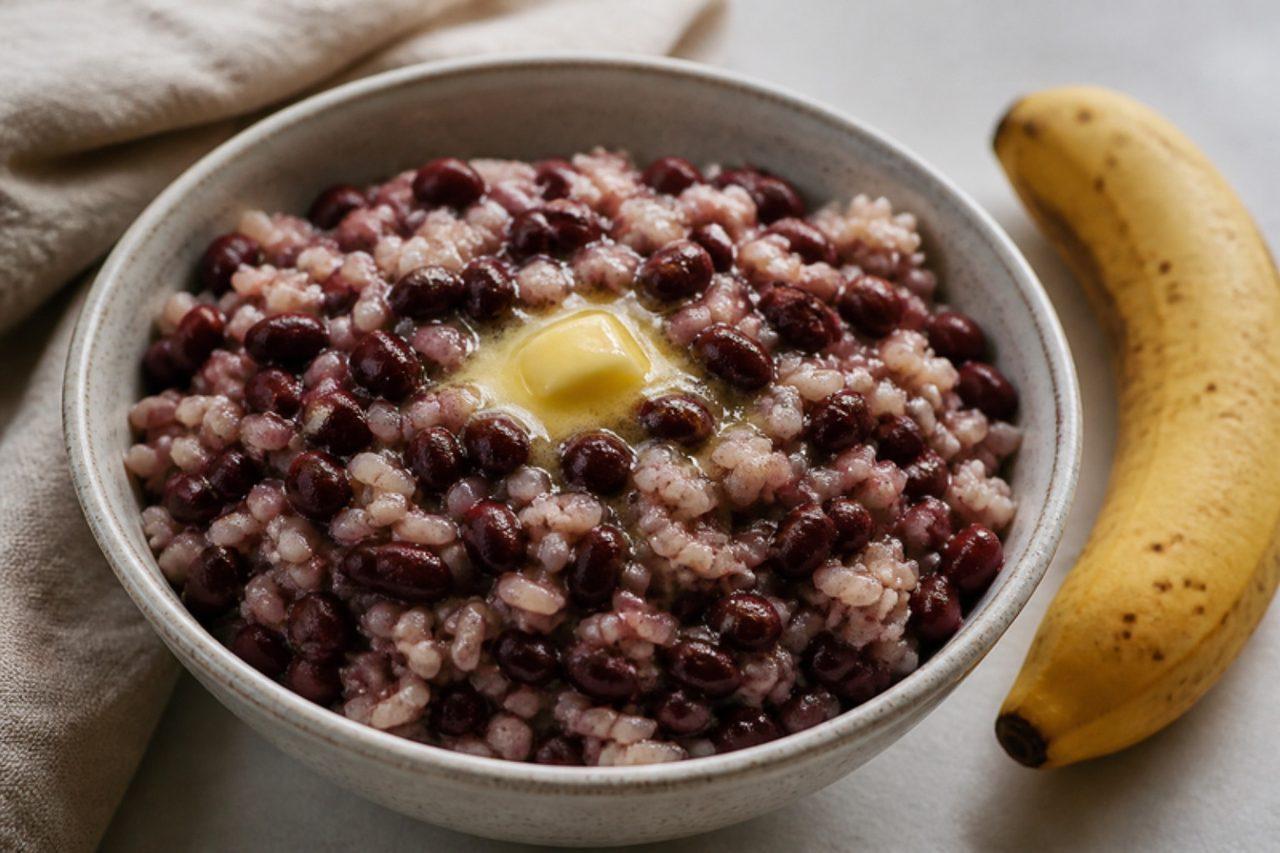
Cambuulo (Somali adzuki beans with butter and sugar)

Small red adzuki beans, cooked slowly until they almost collapse, are the heart of cambuulo, a dish Mogadishu households make for a cheap, filling evening meal. Once the beans are soft they are glossed with butter, a spoonful of sugar and a pinch of salt, so the flavour lands somewhere between savoury and gently sweet. Many families stir the beans into plain rice or serve the two side by side, with a drizzle of sesame oil and a banana on the plate. The texture should be creamy, with some beans still whole. The usual mistake is pulling the pot off too early: firm beans never turn creamy, so keep simmering until one crushes easily against the side of the pan. Chef's tip: soak the beans overnight and change the water before cooking; they cook more evenly and are easier to digest.

by KrazyBadal 0 views

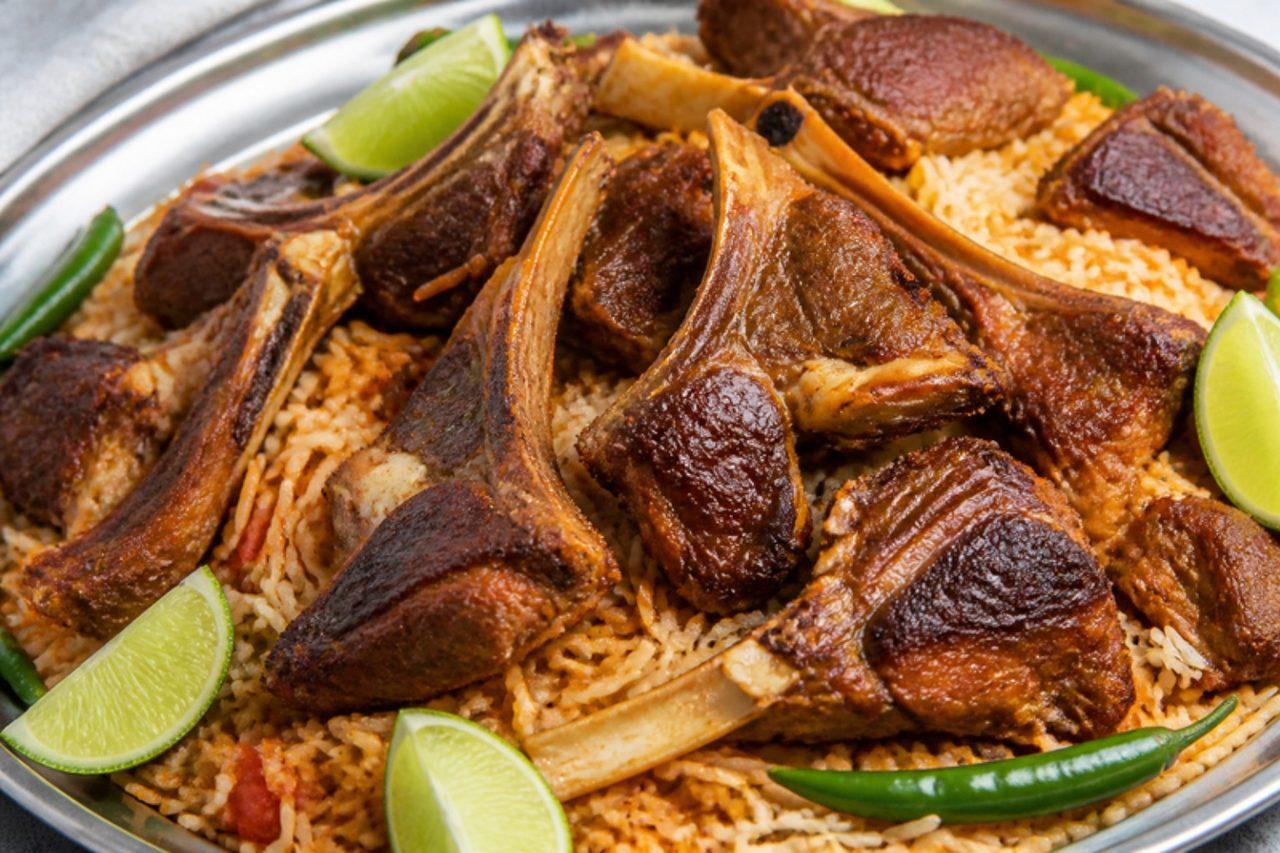
Hilib ari (Somali slow-cooked goat with xawaash)

Goat is the festive meat of Somaliland, slaughtered for weddings, Eid and the arrival of guests, and hilib ari, goat on the bone cooked until it falls away, is the centrepiece of those meals. The meat is first simmered slowly with onion, garlic and xawaash, then the liquid is boiled away and the pieces are fried in their own fat until browned and crisp at the edges, so you get both tenderness and crunch. It is piled on a big platter of spiced rice with banana, lime wedges and green chilli sauce. Rushing the first stage is the mistake to avoid: goat stays chewy unless it simmers gently until a knife slides through. Chef's tip: ask the butcher for shoulder or leg cut into 5 cm pieces on the bone; the bones give the meat flavour and the leftover broth makes a good maraq.

125 minSomaliMeatGluten free
by KrazyBadal 0 views

Beer (Somali fried liver)

Beer means liver in Somali, and a plate of it, cut into small cubes and fried hard with onion, green pepper and xawaash, is a breakfast institution in Mogadishu cafés, especially on weekends and through Eid when there is fresh lamb or goat liver at hand. It arrives sizzling, with canjeero or sabaayad to scoop it up, a wedge of lime and a cup of sweet spiced tea. Good beer is tender and browned on the outside, cooked through with no pink left in the centre. The classic mistake is salting the liver at the start, which draws out moisture and makes it tough; add the salt at the very end. Lamb, goat, calf or beef liver all work. Chef's tip: cut the liver into even 2 cm cubes so every piece cooks through in the same few minutes.

22 minSomaliMeatGluten free
by KrazyBadal 0 views

Aiyu jelly with lemonAiyu fig jelly with lemon

Squeezing a little cloth bag of seeds in a bowl of water until it turns into jelly sounds like a magic trick, yet that's how aiyu has been made for well over a century in Chiayi, at the foot of the Alishan hills where the climbing fig grows wild. The pectin in the dried seeds sets the water into a soft, glassy, pale-gold jelly with almost no taste of its own, so it's cut into cubes and served icy cold with tart lemon juice and honey syrup, the most refreshing thing on a sticky Taipei summer afternoon. The classic failure is a bowl that won't set, usually because the bowl was oily or the water was distilled or very soft; it needs ordinary tap or mineral water. Chef's tip: rub the bag steadily for 8–10 minutes and stop as soon as it feels slippery and nothing more comes out, or the jelly turns cloudy and bitter.

by KrazyBadal 0 views

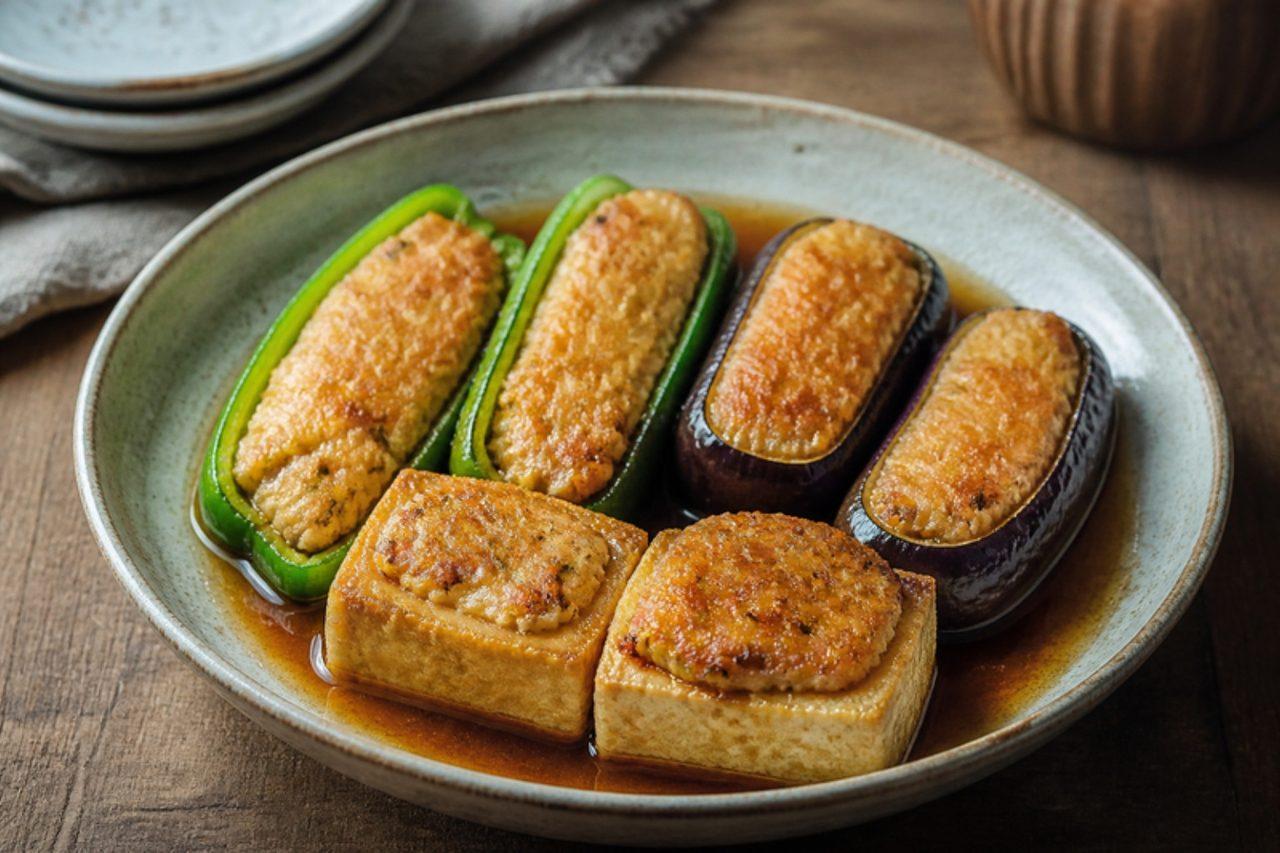
Stuffed three treasures with fish paste

Walk past the street stalls of Mong Kok or Sham Shui Po in the afternoon and you will smell jin yeung saam bou sizzling on wide griddles: chunks of green pepper, aubergine and tofu, each pressed full of bouncy white fish paste and fried until golden, then splashed with a little soy or a glossy oyster sauce gravy. People point at the pieces they want, take them in a paper bowl with a bamboo skewer and eat them while walking; at home they become a side dish with rice. The fish paste should be springy, the vegetables soft, the tofu creamy. The trap is wet vegetables: unless you dust the cut sides with cornflour first, the paste slides straight off in the pan. Chef's tip: slap the fish paste against the bowl for a few minutes; it gets bouncier the more you work it.

by KrazyBadal 0 views

Hong Kong iced lemon tea

Ask for 'ling cha, dung' at any Hong Kong cha chaan teng and a tall glass arrives crammed with ice, a heap of thin lemon slices and a long spoon for pounding them, the default thirst-quencher with set lunches all year round. The tea is brewed almost bitter, so it holds its own against the ice, and the sharp lemon and simple syrup turn it bright, tangy and refreshing. It is drunk with everything from macaroni soup breakfasts to afternoon pineapple buns. The common slip is brewing tea at normal strength, which tastes thin and watery once the ice melts; double the tea. Chef's tip: press the lemon slices with the back of the spoon only a few times to release juice and oil from the zest; grinding them to a pulp brings out bitterness from the pith.

by KrazyBadal 0 views

Baasto (Somali spaghetti with spiced beef sauce)

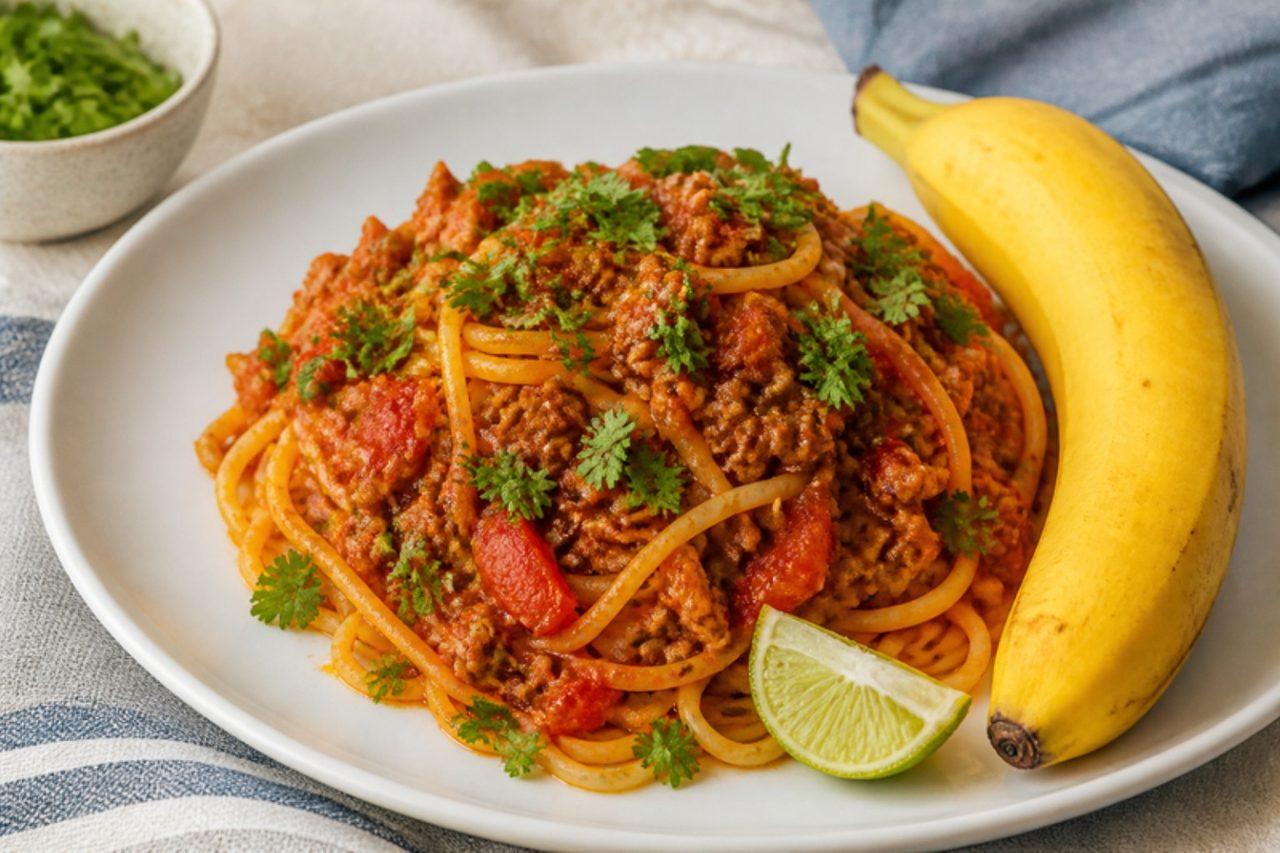
Pasta arrived in Mogadishu during the Italian colonial period and was firmly adopted, so that today baasto with suugo is a standard Friday lunch and a staple of the city's restaurants. The sauce is a long-cooked mix of minced beef, onion, peppers and tomato seasoned with xawaash, garlic and a little chilli, closer to a spiced Somali stew than to an Italian ragù. A ripe banana is served alongside and eaten in alternate bites, cooling and sweet against the spice; a green chilli sauce and a squeeze of lime finish the plate. Overcooking the spaghetti is the usual error, because it carries on softening in the hot sauce; drain it a minute before the packet time. For a meat-free version simply leave out the beef and add a tin of chickpeas. Chef's tip: let the beef brown properly before the tomato goes in; that colour gives the sauce its depth.

by KrazyBadal 0 views

Muufo (Somali maize flatbread)

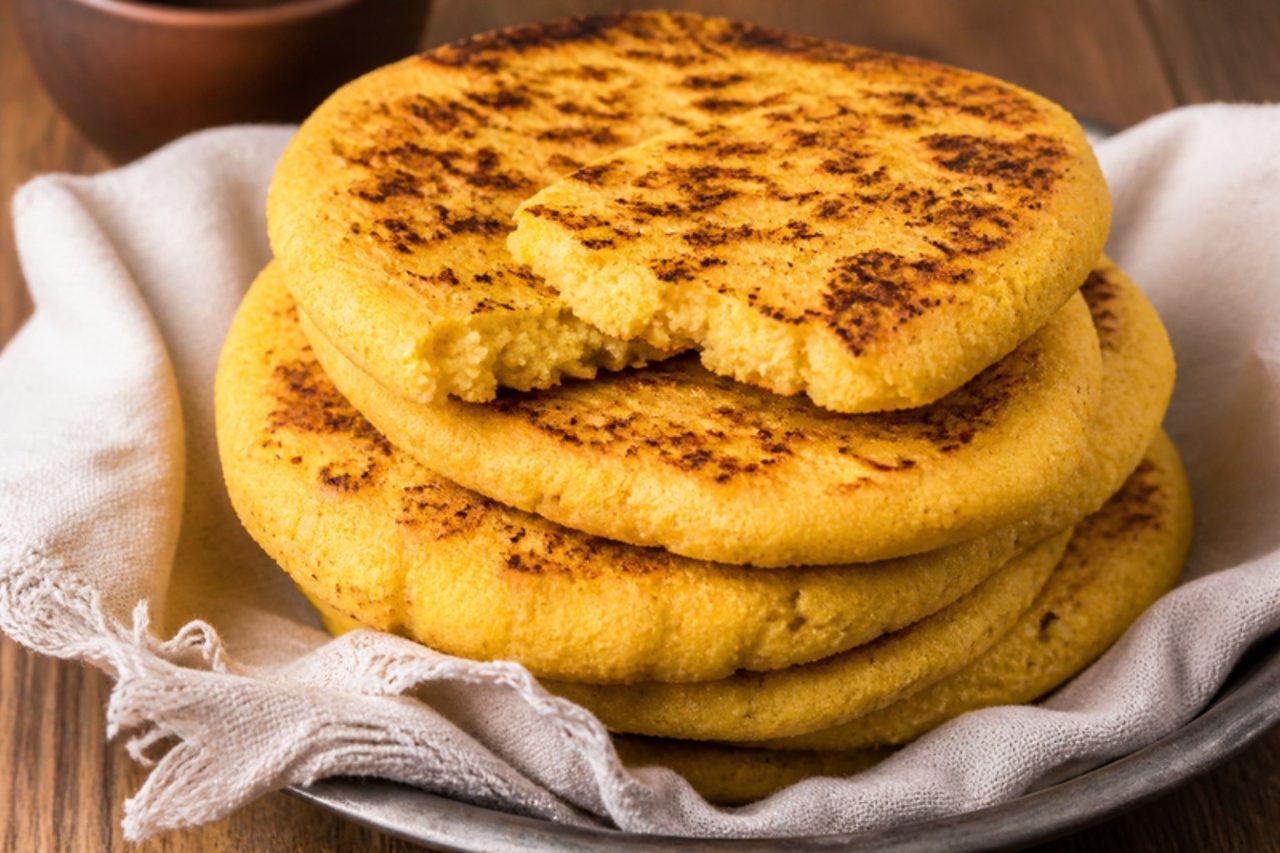
Along the southern Somali coast and in the farming areas of the Shabelle valley, muufo is baked by pressing rounds of maize dough against the hot inner wall of a clay oven, where they puff and char in minutes. The bread is thick, a little sweet from the corn and slightly tangy, and its dimpled surface is perfect for soaking up digir, maraq or a drizzle of sesame oil and sugar at breakfast. At home a heavy pan and a very hot grill do a good job. Most cooks mix maize flour with some wheat flour so the dough holds together; this version uses yeast and oil, so it is vegan. The usual mistake is an oven or pan that is not hot enough, which gives a pale, dense bread; let the pan heat for a full 5 minutes. Chef's tip: wet your hands when shaping, as the sticky dough is far easier to pat out.

by KrazyBadal 0 views

Balatoni fogasButter-fried pikeperch

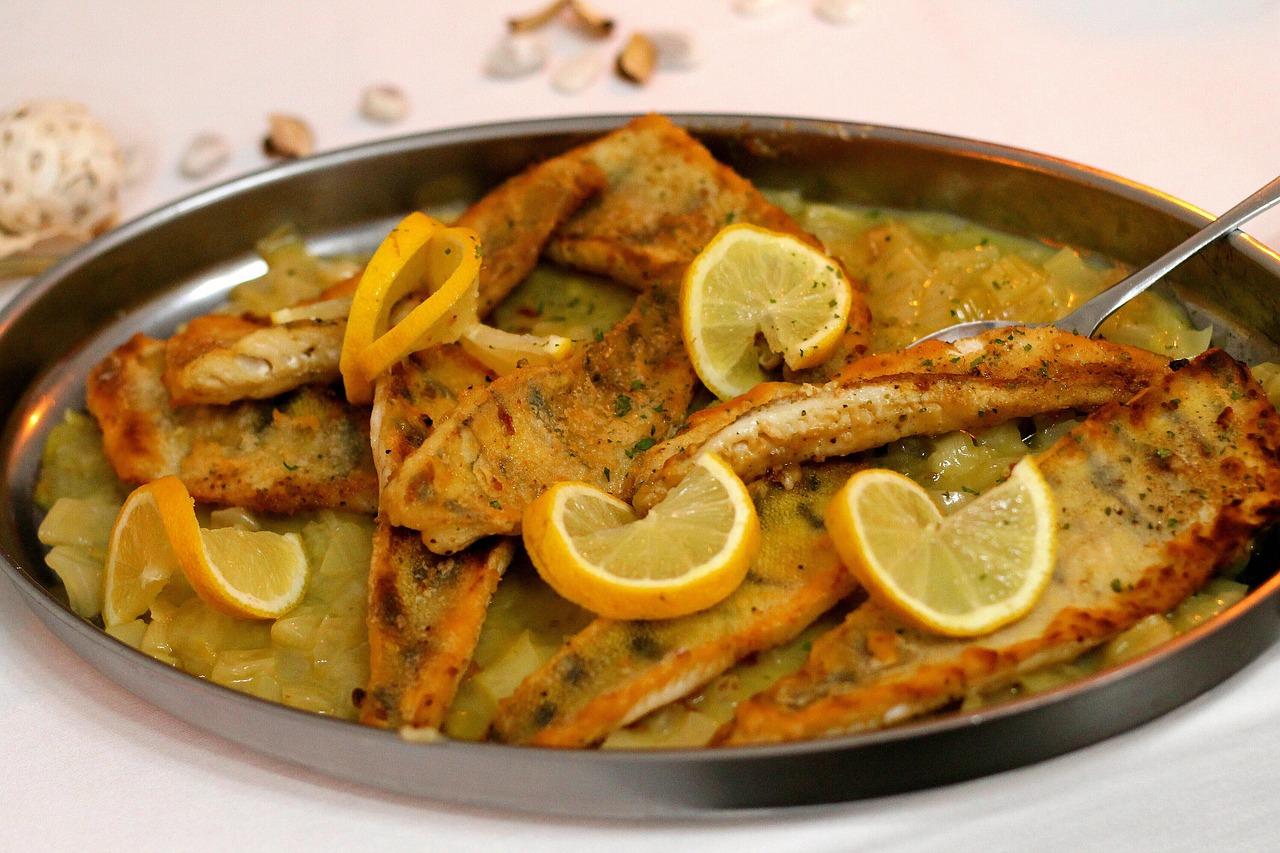
Fogas, the pikeperch of Lake Balaton, has been the pride of the lakeside restaurants of Tihany, Keszthely and Balatonfüred for over a century, and a fillet on a plate with parsley potatoes is the classic order on a summer evening with a view of the water. The flesh is white, lean and delicate, with a clean, slightly sweet flavour, and the simplest treatment is best: skin side down in foaming butter until the skin turns crisp, with lemon at the end. Zander from any good fishmonger works the same way. Where most people go wrong is moving the fillets too soon, which tears the skin; leave them until they release by themselves. Chef's tip: score the skin lightly twice so the fillets stay flat in the pan.

by KrazyBadal 0 views

Eritrean frittata

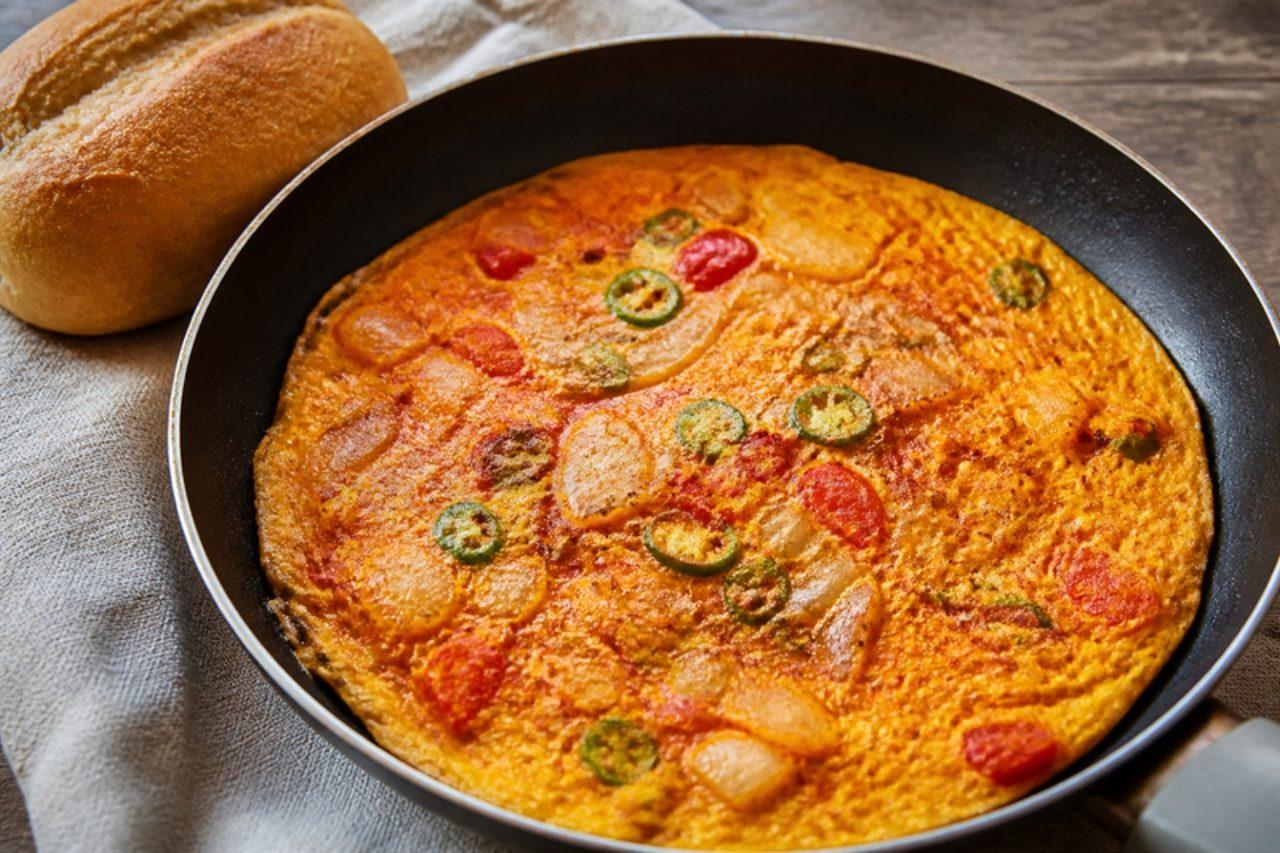
Asmara's cafés kept the Italian word but changed the flavour: an Eritrean frittata is eggs beaten with softened onion, tomato and green chilli, warmed with berbere and cooked flat in a small pan until just set. It comes to the table in its pan with fresh bread and a coffee or sweet tea, and some places fold in a little extra chilli for those who ask. The texture is soft and moist in the middle, with sweet tomato and a gentle heat running through it. A common mistake is cooking the eggs over a high flame, which makes the base tough and brown before the top sets; keep the heat low and cover the pan. Chef's tip: cook the tomato until its juice has evaporated before the eggs go in, or the frittata turns watery.

by KrazyBadal 0 views

Easter pâté

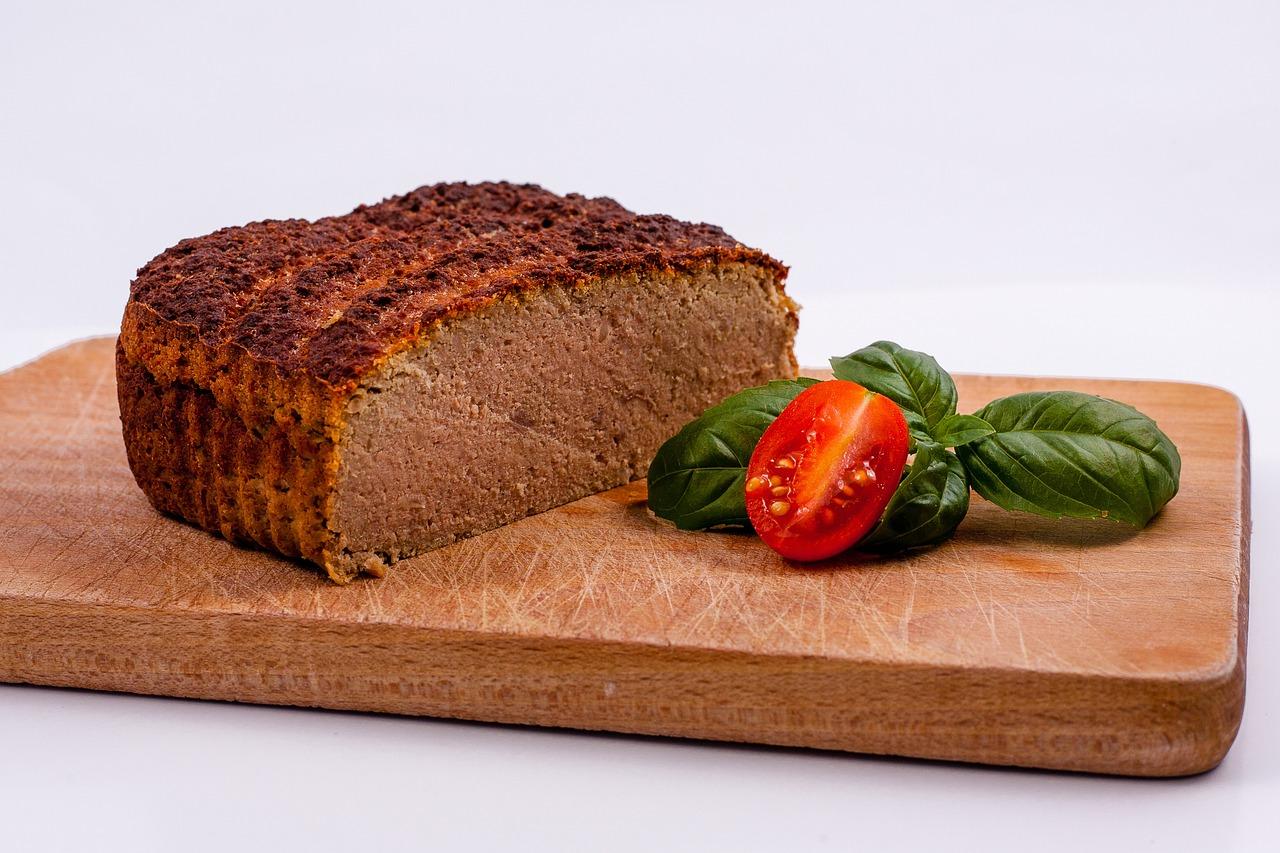
A thick slice of homemade pasztet belongs on the Easter breakfast table after the blessing of the food basket, next to ham, eggs, ćwikła and white sausage. This baked loaf combines pork shoulder, chicken thighs and pork liver, simmered with root vegetables and allspice, minced twice and baked until firm, so it slices cleanly yet stays moist and spreadable. Marjoram and nutmeg give it the classic Polish flavour; serve it cold with horseradish, beetroot relish and pickles. Overbaking dries it out, but underbaking is the bigger risk with poultry and liver, so always check the centre with a thermometer. Bake it two days ahead: it needs to chill overnight to set, and it keeps for five days in the fridge. Chef's tip: save the cooking stock and add it a ladle at a time as you mix; the mixture should be as soft as thick porridge, which keeps the finished loaf juicy.

180 minPolishMeat
by KrazyBadal 0 views

BalanguGrilled spiced mutton

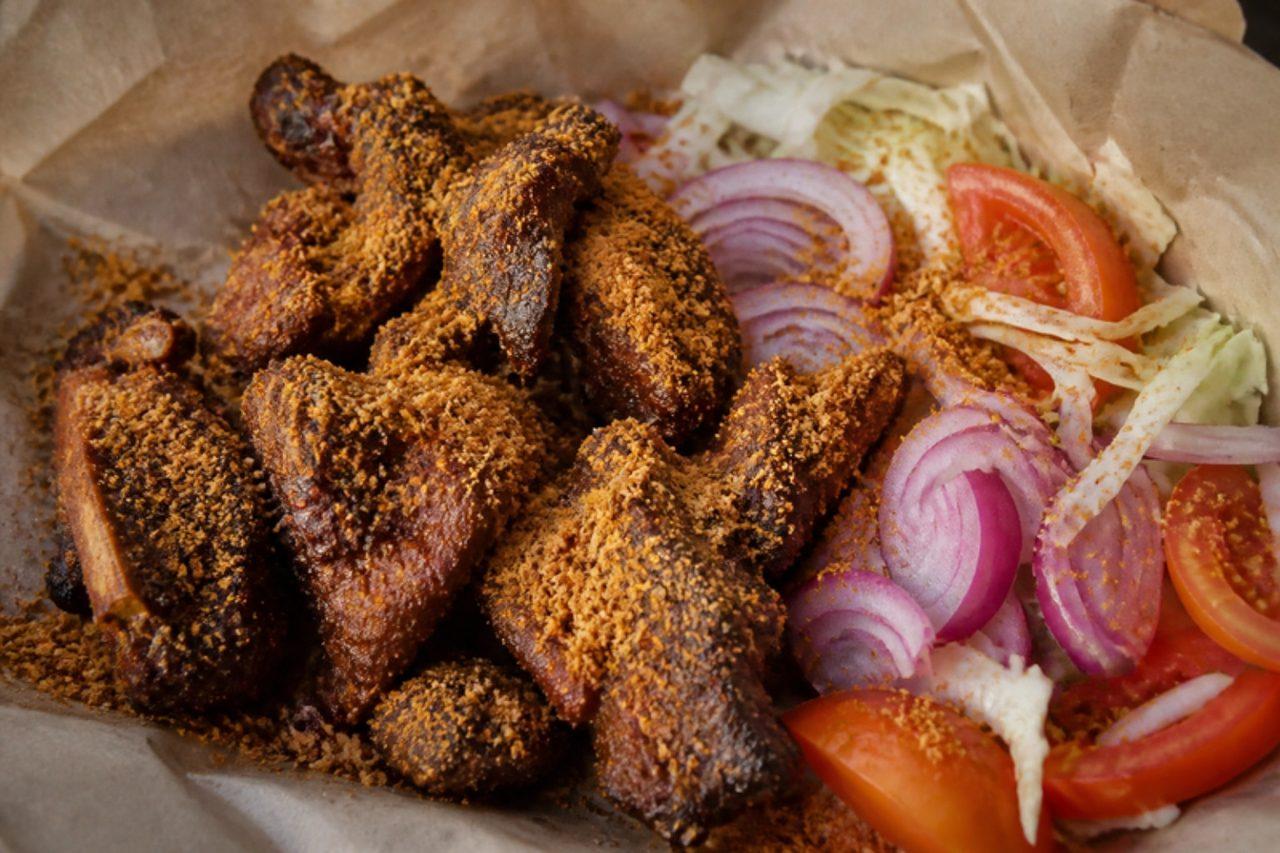
At balangu spots around Kano and the northern cities, the meat is cooked on flat stones heated by fire underneath, so it sears in its own fat rather than over flames. Mutton is the classic, with bone and a little fat left on; beef works too. It comes off crusty and smoky, then is tossed with yaji, the northern peanut-chilli spice, and served on paper with raw onion, tomato and cabbage, eaten with the fingers in the evening. A heavy cast-iron pan or griddle gives the same effect at home. Marinate in the fridge, not on the counter, and cook the pieces until no pink remains and they reach 71 °C. Chef's tip: get the iron smoking hot before the meat goes on and do not crowd it; overcrowding is the classic mistake that leaves the meat grey and stewed.

by KrazyBadal 0 views

Fried Christmas carp

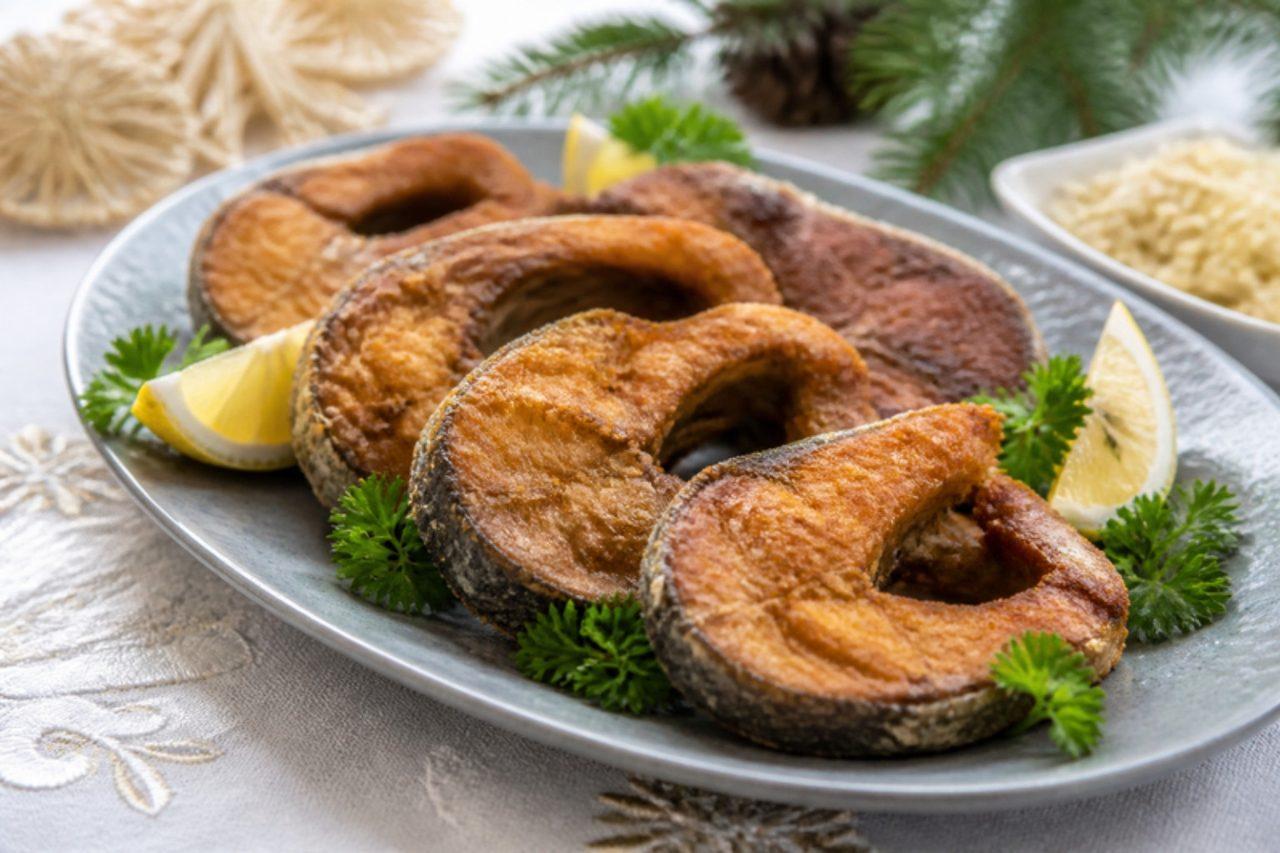
For many Polish families, Wigilia, the meatless Christmas Eve supper, is not complete without fried carp, bought live from market tanks in mid-December or, more often today, cleaned and cut into steaks at the fishmonger. The steaks are salted, floured and fried until the skin crisps and the white flesh turns sweet and juicy. Serve with boiled potatoes, sauerkraut with peas, or simply bread and a lemon wedge, after the beetroot barszcz. Keeping a scale from the Christmas carp in your wallet is said to bring money all year. Carp has a reputation for tasting muddy, and the usual culprit is skipping the salting and resting time. Ask the fishmonger to score the steaks finely so the small Y-shaped bones soften as they fry. Chef's tip: salt the steaks and leave them in the fridge for 20 minutes, then pat completely dry; the flesh firms up and the flour clings in a thin, even crust.

40 minPolishFish
by KrazyBadal 0 views

Nafaqo (Somali potato-wrapped eggs)

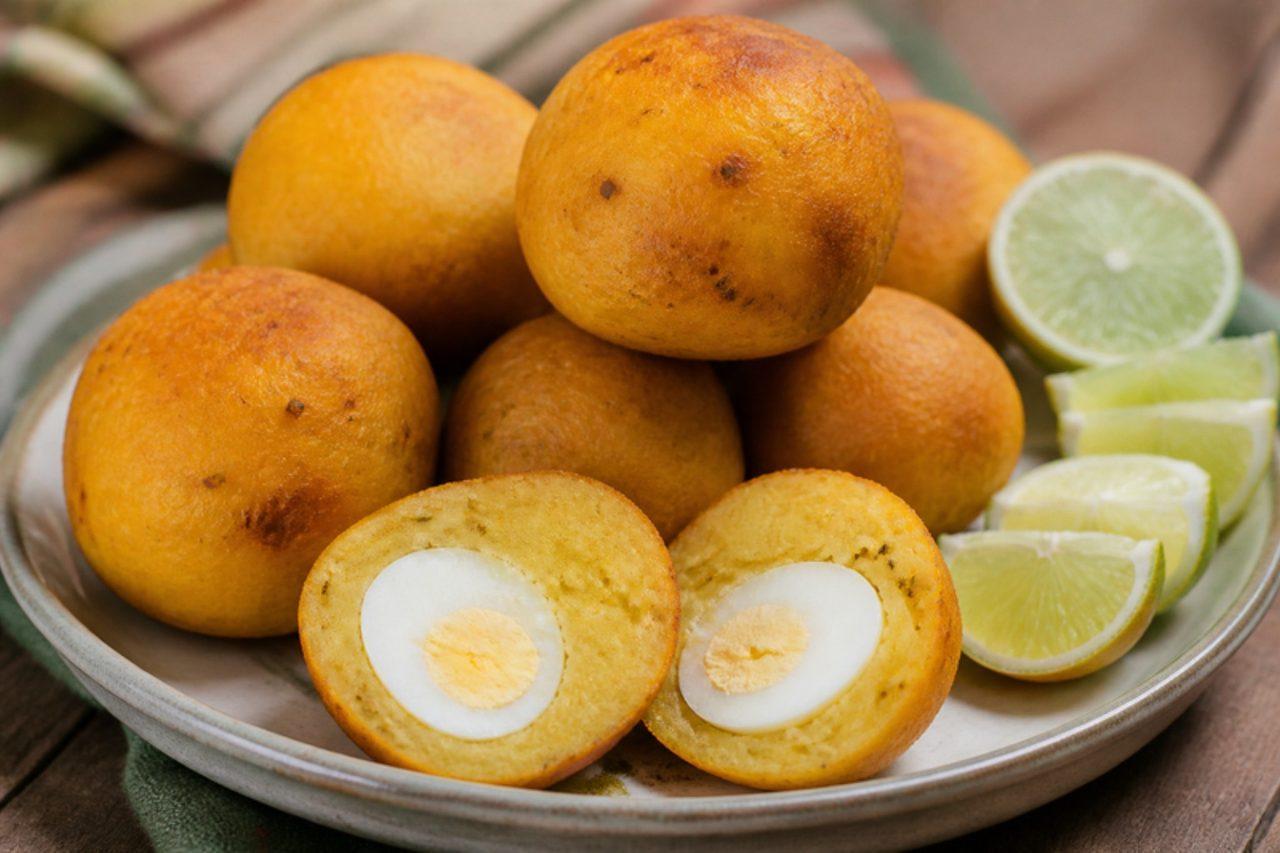
Sold warm from street stalls and cafés around Mogadishu, especially in the late afternoon and at iftar in Ramadan, nafaqo is a fried snack with a surprise inside: a whole boiled egg wrapped in mashed potato seasoned with onion, coriander and xawaash. A light chickpea-flour batter gives it a crisp golden shell, and it is cut in half to show the yolk and eaten with a squeeze of lime and hot green chilli sauce. Kids love it, and it travels well in a lunchbox. A common mistake is using wet, freshly boiled mash, which slides off the egg and splits in the oil; steam-dry the potatoes and let the mash cool before shaping. Chef's tip: roll the peeled eggs in a little chickpea flour before wrapping them, so the potato grips the slippery white.

by KrazyBadal 0 views

Moukhbaza (Kassala mashed banana)

Kassala, in the green orchard country of eastern Sudan near the Eritrean border, grows bananas in abundance, and its signature dish uses them very simply: very ripe bananas mashed with a little sugar and cooked briefly until thick and jammy. Moukhbaza is eaten as a snack or light breakfast, torn kisra or soft gurasa pancakes dragged through it, and children adore it. It tastes like warm banana bread without the oven. Under-ripe fruit is the usual mistake; you want bananas with heavily speckled, almost black skins, or the mash is starchy and bland. Chef's tip: a squeeze of lime at the end keeps the colour bright and balances the sweetness.

by KrazyBadal 0 views

BalachaungDried shrimp relish

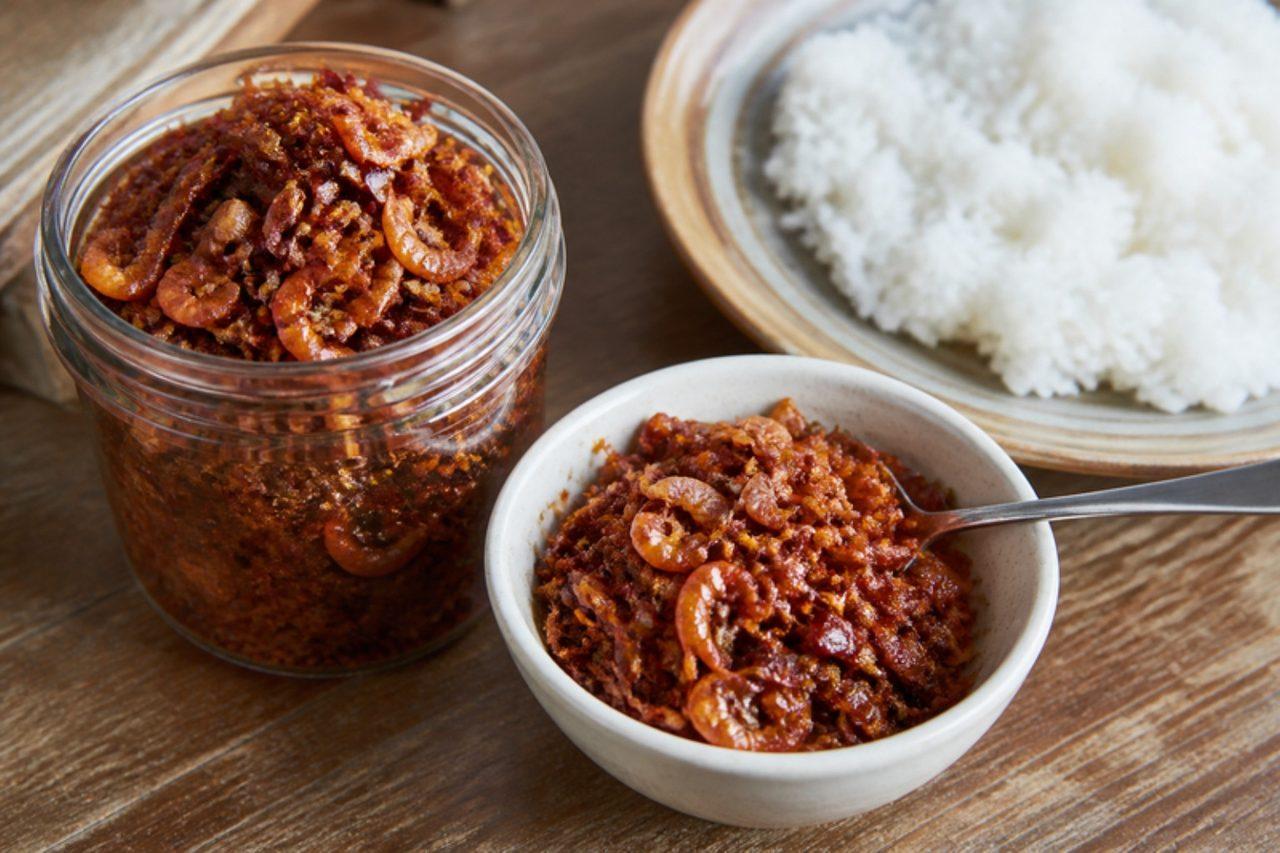
Every Burmese pantry keeps a jar of balachaung, and along the Rakhine coast, where the dried shrimp come from, families fry it in big batches after the dry-season catch. Pounded dried shrimp are fried slowly with crisp shallots, garlic, chilli and a dab of shrimp paste until the whole lot turns into a dry, golden, crackling floss that is salty, smoky, a little sweet and quite hot. A spoonful lifts plain rice, a fried egg, rice porridge or a bowl of noodles, and it travels well, so students and travellers pack a jar to take away from home. Rushing it over a high heat is where most batches go wrong: the shrimp scorch and turn bitter before they are crisp, so keep the heat at medium-low and stir patiently. Chef's tip: fry the shallots and garlic separately and stir them back in only when the shrimp are done, so they stay crunchy for weeks.

by KrazyBadal 0 views

Bakra Eid kalejiStir-fried goat liver

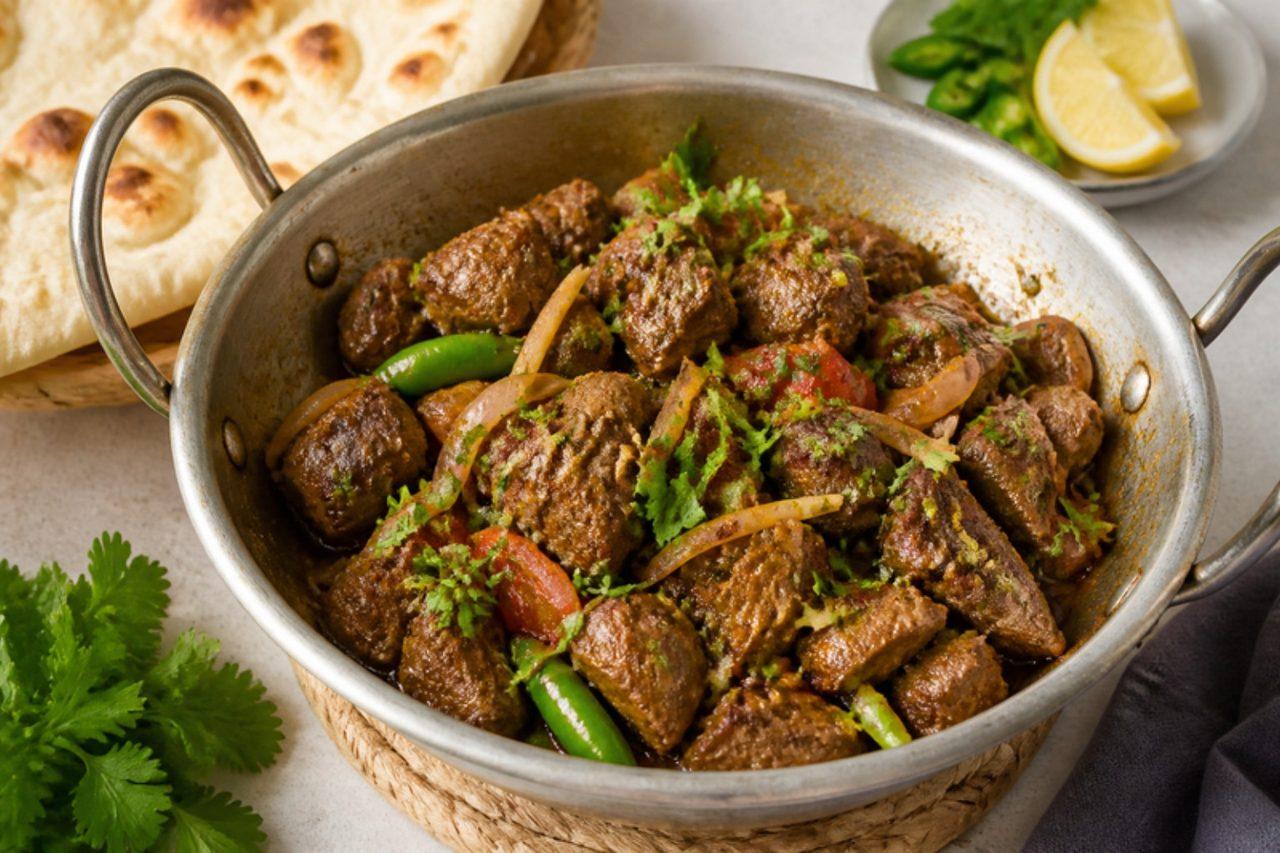
The first thing cooked in countless Pakistani homes on the morning of Eid-ul-Adha, just after the sacrifice, is kaleji: the goat's liver, still very fresh, sliced and stir-fried in a karahi with onion, tomato, ginger and green chilli, then eaten at once with hot paratha or naan while the rest of the meat is being divided. The dish is quick and fierce, tender in the middle, sharp with chilli and lemon. Outside Eid, butchers in every city sell goat or lamb liver for the same breakfast. Overcooking makes liver rubbery, but undercooking is not safe, so cut it into even pieces and cook until it reaches 71 °C with no pink left; it will still be tender. Chef's tip: add the salt only at the very end, as salting liver early draws out moisture and toughens it.

by KrazyBadal 0 views

Bakonyi sertésszeletPork in mushroom paprika sauce

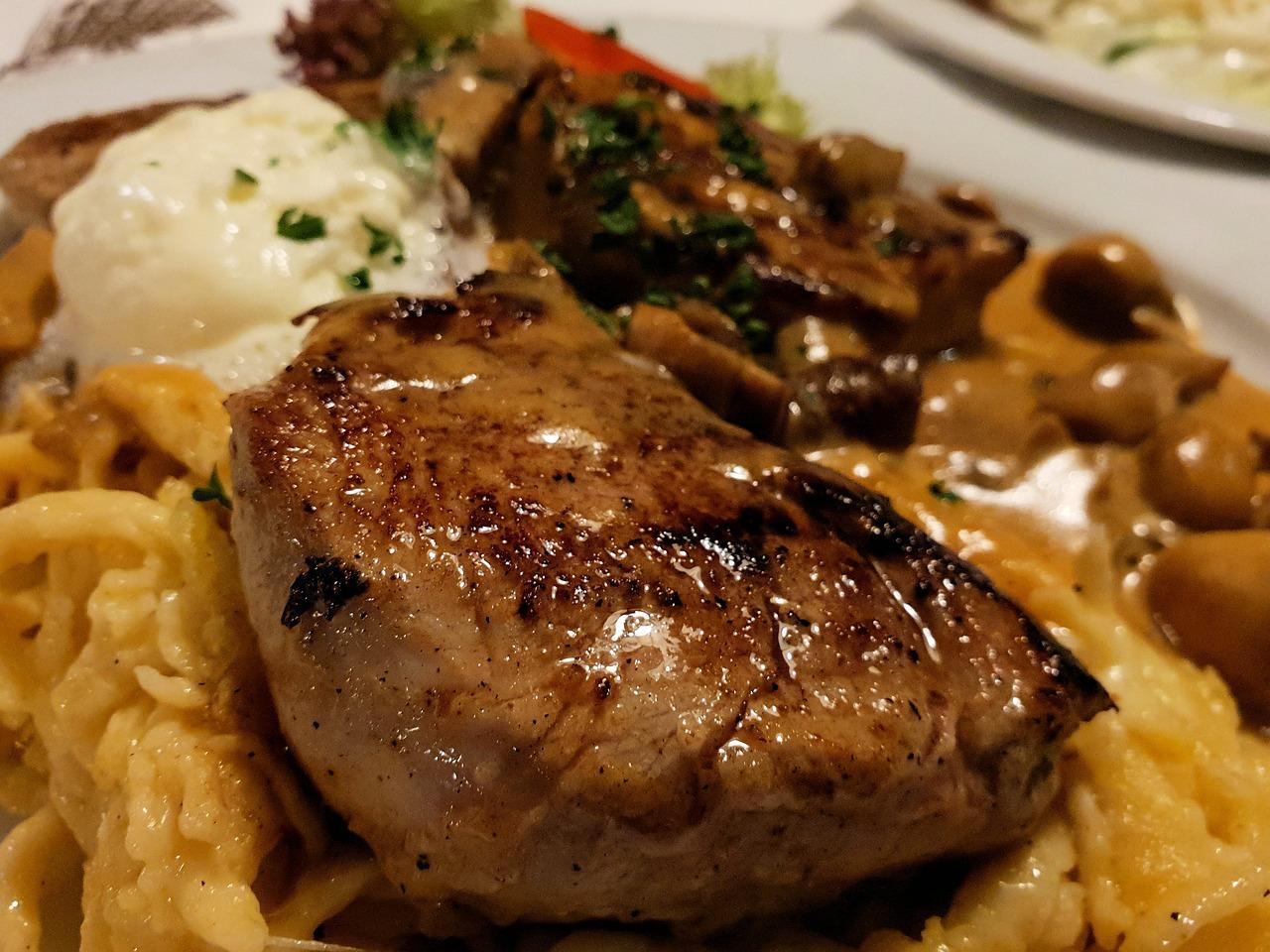
The Bakony hills north of Lake Balaton are known for their beech forests and mushrooms, and any Hungarian dish called bakonyi comes with a creamy paprika and mushroom sauce. Here it covers seared pork loin steaks, a favourite of roadside inns and Sunday lunches across Transdanubia. The sauce starts like a pörkölt with onion, paprika, pepper and tomato, then takes on sliced mushrooms and is finished with sour cream, so it is earthy, tangy and rich. Serve it with nokedli or rice to soak it up. Where most people go wrong is boiling the sauce after the sour cream goes in, which makes it split; keep it just below a simmer. Chef's tip: use a mix of wild and chestnut mushrooms if you can, and fry them hard first so they brown instead of stewing.

by KrazyBadal 0 views

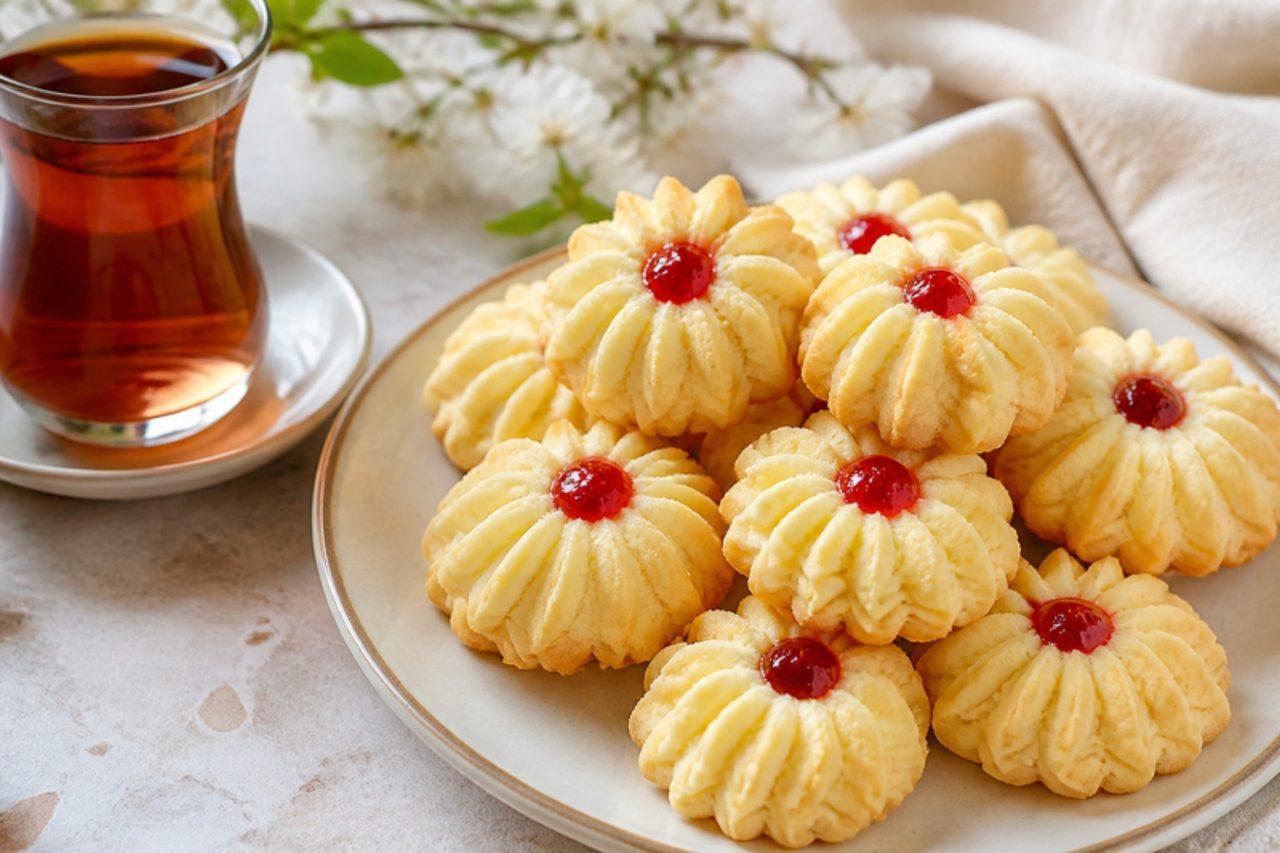
Baku kurabiyePiped butter cookies with jam

Every Baku bakery sells these: short, crumbly butter cookies piped into flowers with a star nozzle and finished with a bright dot of jam in the centre, sold by the kilo for name days and served with tea in Azerbaijani homes. The dough must be soft enough to pipe but rich enough to hold the ridges in the oven. A common mistake is overbeating the egg whites into the butter, which makes the cookies spread and lose their pattern. Chef's tip: chill the piped cookies on the tray for 15 minutes before baking; the ridges stay sharp.

by KrazyBadal 0 views

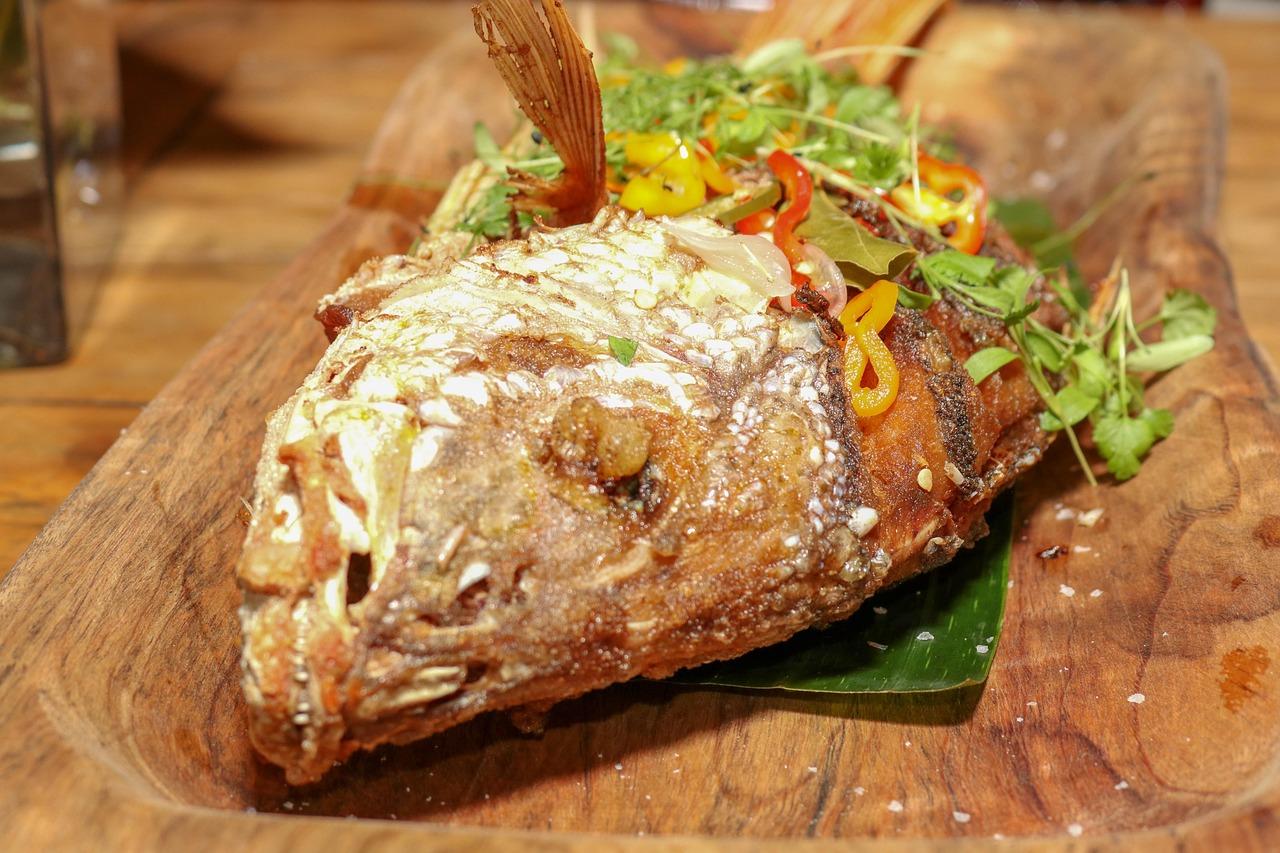
Massawa oven fish

Along the waterfront in Massawa, on Eritrea's Red Sea coast, fish restaurants slap whole snapper and grouper with a red berbere paste and lower them into scorching clay ovens, then bring them to the table on a tray with flatbread, lime and a fresh chilli relish. The skin chars and blisters, the spice paste turns smoky, and the flesh stays moist and sweet underneath. Everyone tears off pieces of bread and pulls the fish from the bone with their fingers. A domestic oven turned up as high as it goes gives a very good result. Chef's tip: score the fish deeply down to the bone and push the paste into the cuts, so the flavour reaches the middle and the thickest part cooks as fast as the tail.

by KrazyBadal 0 views

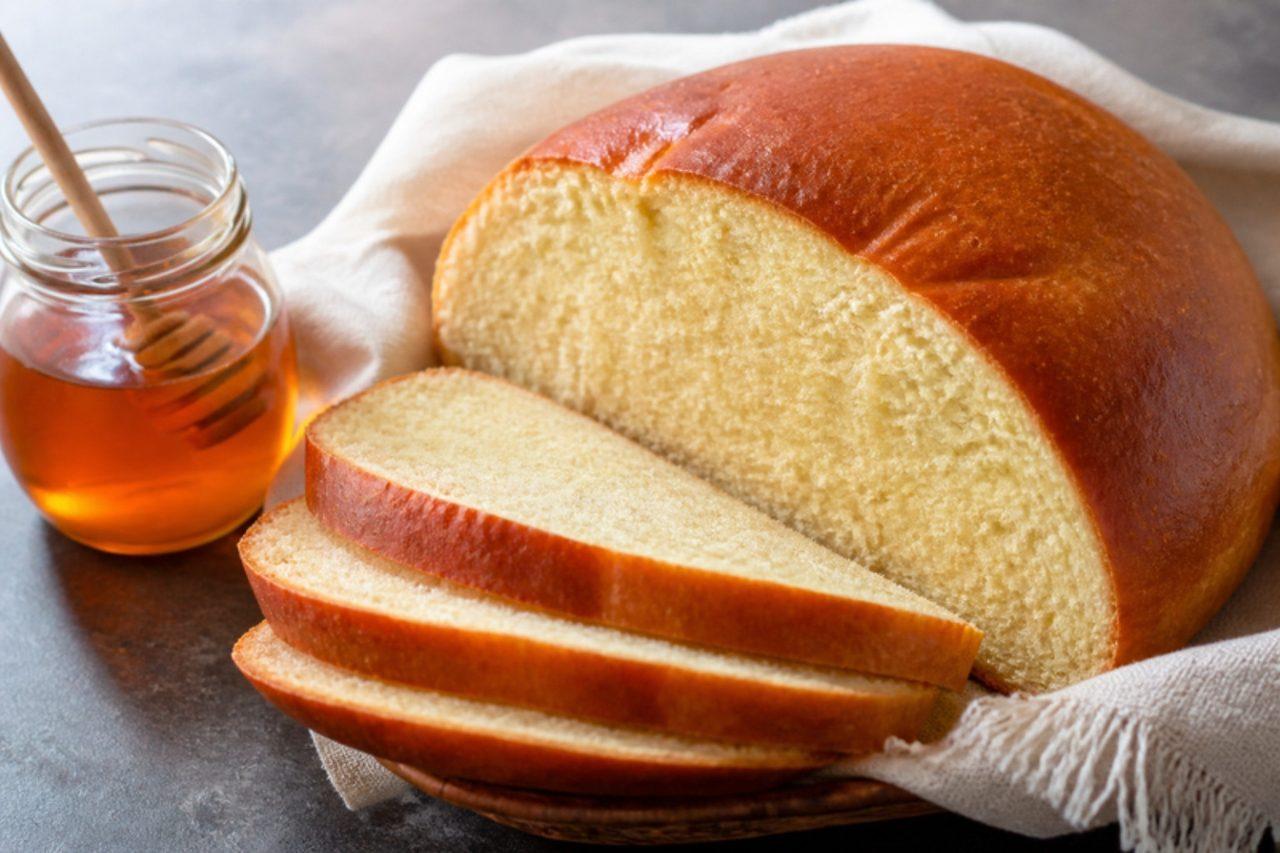
Honey and milk bread (yemarina yewotet dabo)

Softer and sweeter than everyday ambasha, this round loaf is the bread Ethiopian families bake for a holiday table, a christening or guests at a coffee ceremony, when there is milk and good honey in the house. The dough is enriched with egg and butter, so it bakes up tender with a fine, cake-like crumb, and the spices are gentle: toasted coriander, a whisper of fenugreek and cardamom that perfumes the kitchen. It is sliced and eaten as it is, with spiced tea or coffee, or spread with a little honey. Allow about 1¾ hours for the two rises. Chef's tip: keep the fenugreek to a quarter teaspoon; any more and its bitterness takes over the honey.

by KrazyBadal 0 views

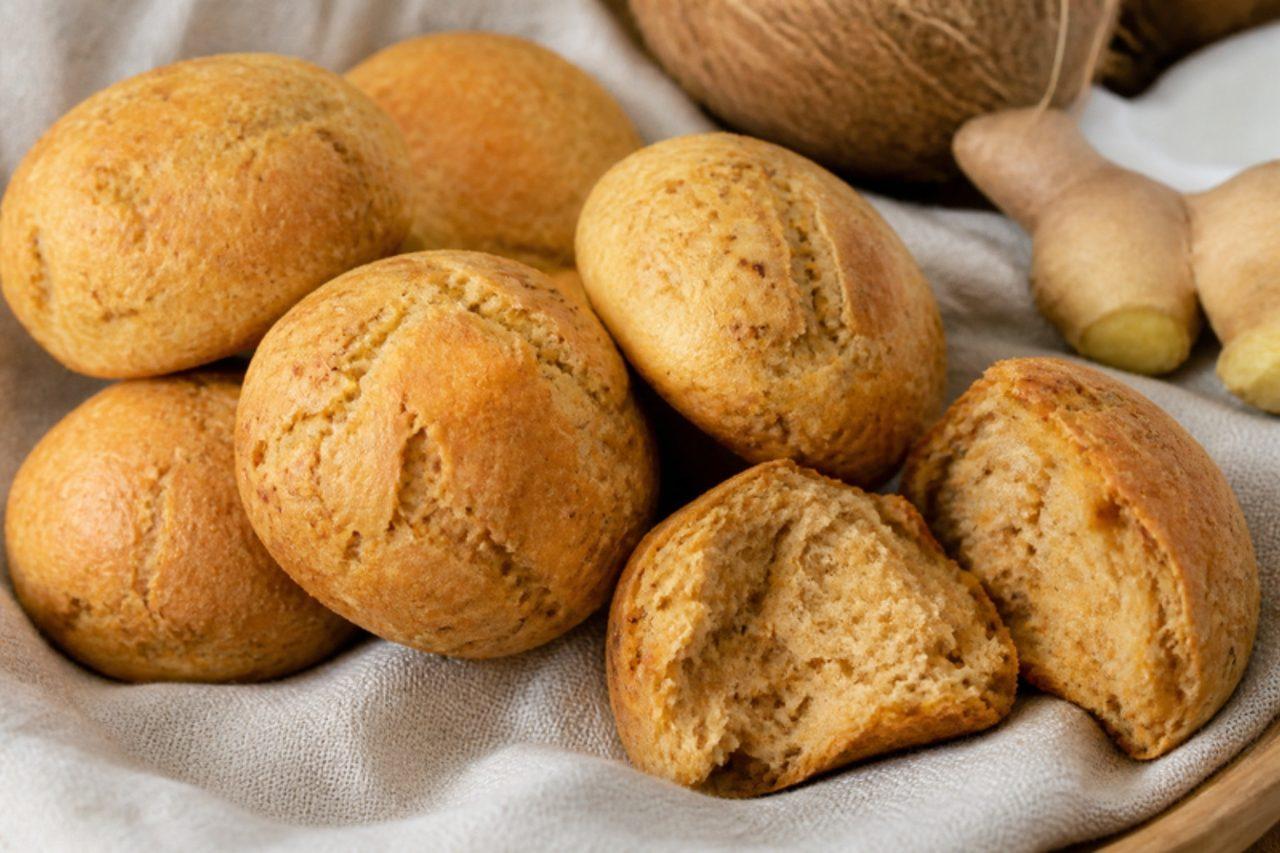
Haitian konparètCoconut ginger spice bread

Jérémie, at the far western tip of Haiti, is the home of konparèt, dense round loaves of spiced bread made with grated coconut, fresh ginger, nutmeg and vanilla, baked until firm and golden. They are a Grand'Anse travelling food, carried home from the coast in baskets and eaten with coffee or hot cocoa in the afternoon. They are meant to be firm and close-crumbed, not fluffy, so the mistake is adding extra liquid to make the dough soft. Use freshly grated coconut if you can, as it gives the moistest crumb. Chef's tip: grate the ginger on the fine side of the grater and squeeze its juice into the dough too; that heat is the signature of a good konparèt.

by KrazyBadal 0 views

Flan de quesoCream cheese flan

Denser and tangier than a plain egg flan, flan de queso is the dessert Puerto Rican families bake for birthdays and Nochebuena, often a day ahead so it can chill overnight. Cream cheese is blended with evaporated and condensed milk and eggs, then baked slowly in a water bath on a layer of amber caramel, so it turns out glossy, sliceable and somewhere between a flan and a cheesecake. The common mistake is baking it too hot, which makes it puff, crack and weep; low heat and a water bath keep it silky. Chef's tip: take the caramel to the colour of a dark copper coin, as a pale caramel tastes only sweet and a bitter edge balances the rich cheese.

by KrazyBadal 1 views

Kita (quick Ethiopian flatbread)

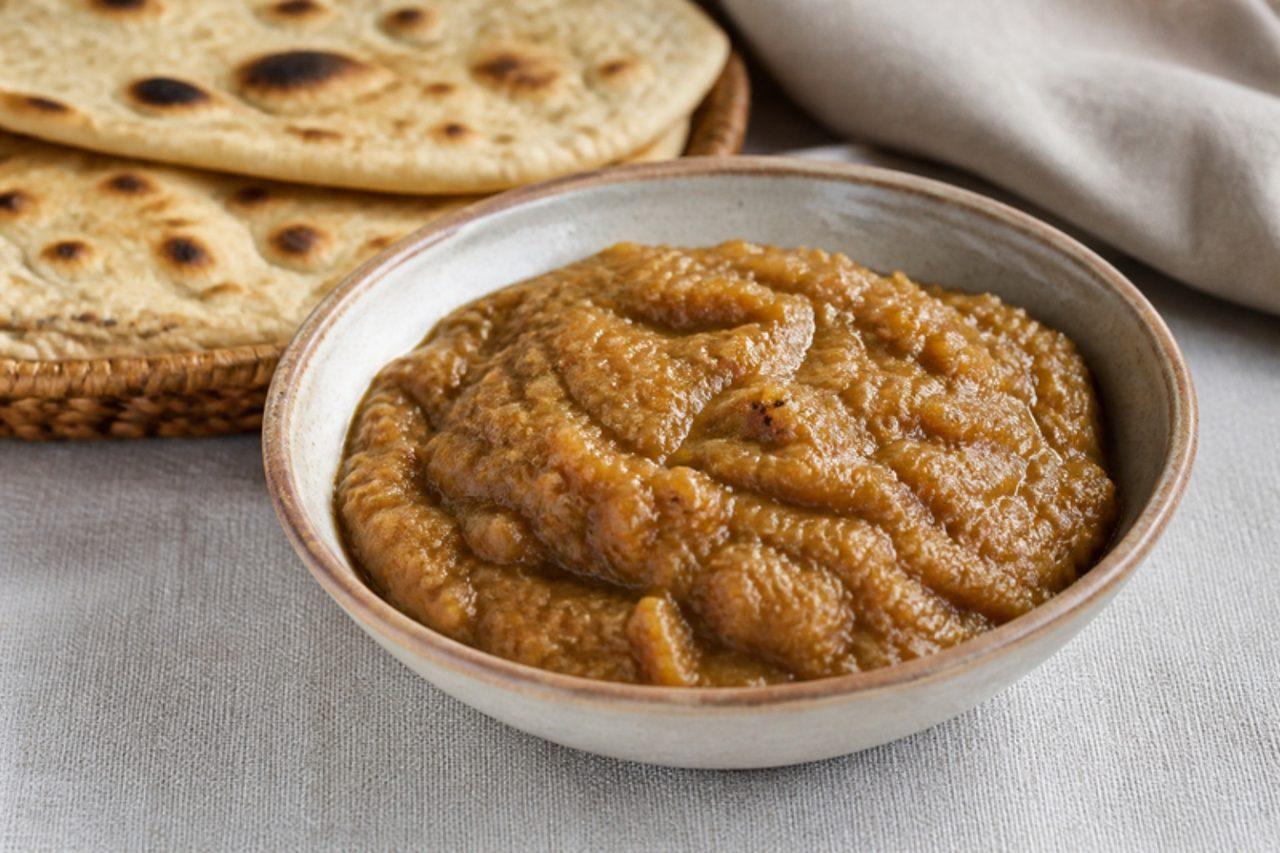
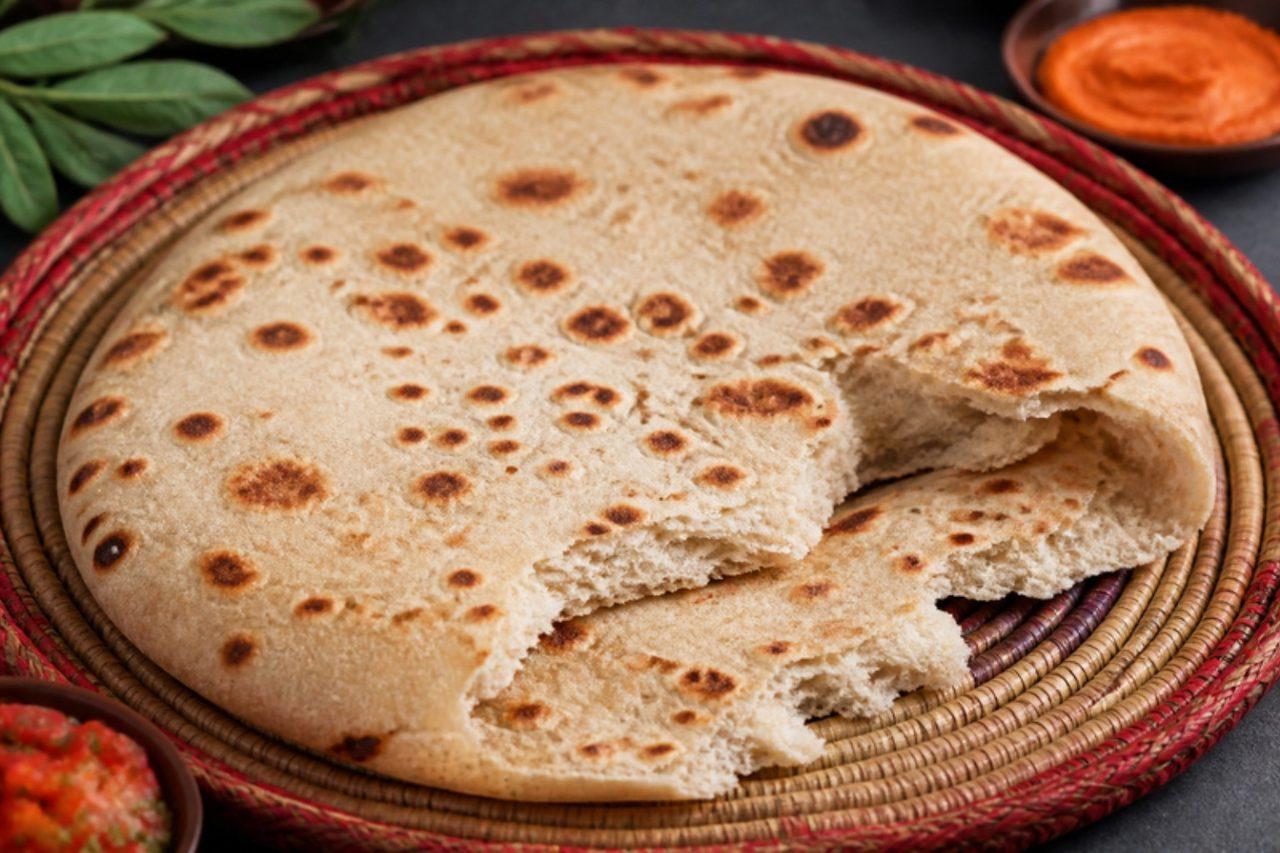
When there is no fermented injera batter ready, households across Ethiopia make kita: a plain unleavened flatbread of flour, water and salt, spread thin and cooked on the mitad or a heavy pan in minutes. It is soft and slightly chewy with toasty brown spots, and is eaten hot with tea, with shiro or buticha on fasting days, or torn up for kita firfir. Children often eat it warm with a sprinkle of berbere and oil. A wheat dough is easiest at home; mixing in a portion of teff flour adds an earthy flavour. Too thick a layer is the common mistake, as the middle stays raw; spread it thin and cook it covered. Chef's tip: wet your fingertips or the back of a spoon to press the batter-like dough out evenly in the hot pan.

by KrazyBadal 0 views

Showing 27 of 7,762 recipes

Show more recipes

Page 327 of 863