


Skip to content
Landi palaw
Featured recipe

Landi palaw

Rice with cured lamb

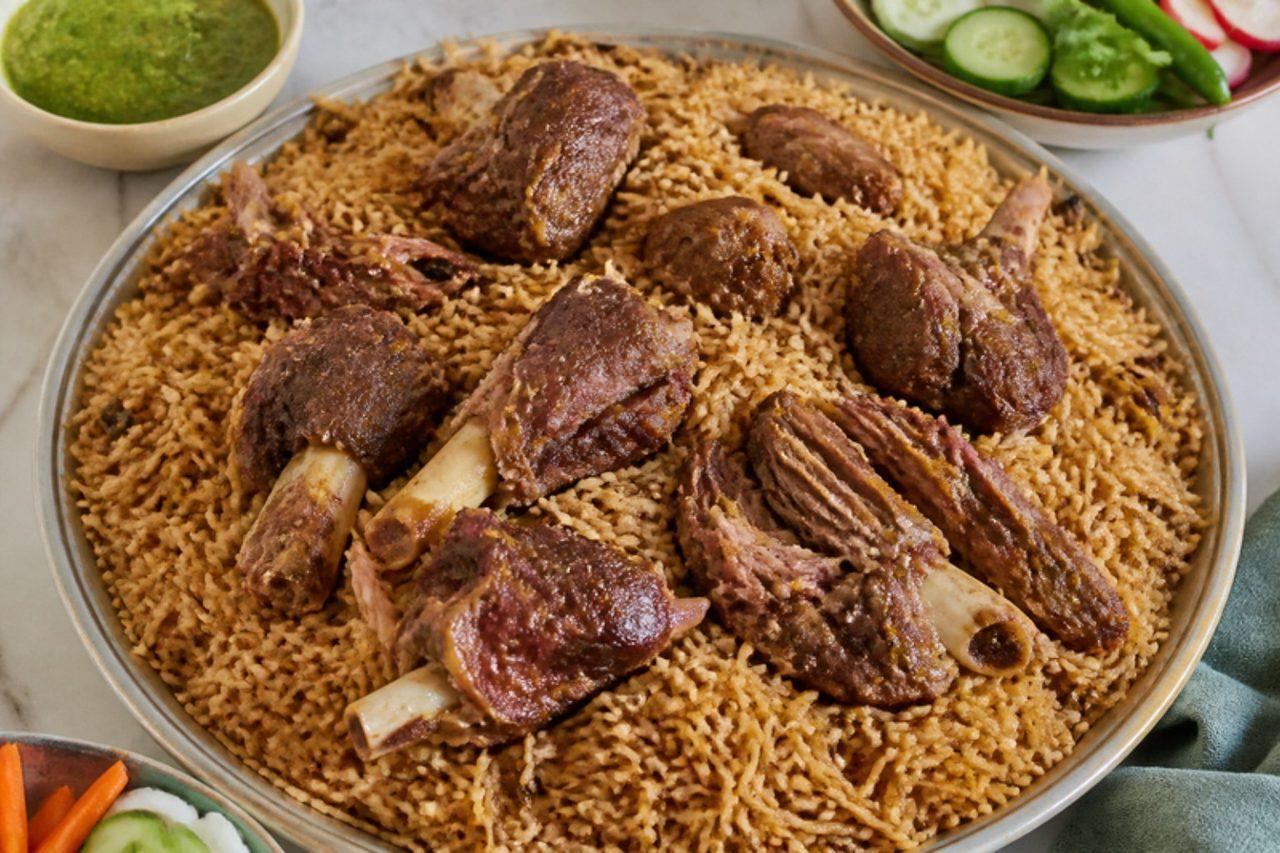
Each autumn around Kandahar and in the high villages of the Pashtun belt, whole sheep are salted and hung in the cold, dry wind for weeks to make landi, a dark, dense cured lamb that sees families through winter, and landi palaw, rice cooked in its salty, gamey broth, is one of the great cold-weather dishes. Air-drying meat outdoors is not safe to copy in a home kitchen, so this version cures lamb in salt in the fridge for four days, which gives much of the firm texture and concentrated, savoury flavour; it is then cooked until completely tender. The rice comes out rich and meaty, eaten with a raw onion salad and pickled vegetables. Salting the rice before tasting the broth is the mistake to avoid, as the cured meat brings plenty of its own. Chef's tip: soak the cured lamb for 2 hours before cooking and change the water once, so the broth is savoury rather than briny.

Read more 0 views

What to eat today?

Around the world

Today's trip: Paraguayan

A new country every day, from every cuisine on the site.

Paraguayan

Chipa

Cheese bread rings 50 minMore from Paraguayan (27) →

This week's collection

Kid-friendly dinners
537 recipes · a new collection every Monday

Latest recipes

Flan de quesoCream cheese flan

Denser and tangier than a plain egg flan, flan de queso is the dessert Puerto Rican families bake for birthdays and Nochebuena, often a day ahead so it can chill overnight. Cream cheese is blended with evaporated and condensed milk and eggs, then baked slowly in a water bath on a layer of amber caramel, so it turns out glossy, sliceable and somewhere between a flan and a cheesecake. The common mistake is baking it too hot, which makes it puff, crack and weep; low heat and a water bath keep it silky. Chef's tip: take the caramel to the colour of a dark copper coin, as a pale caramel tastes only sweet and a bitter edge balances the rich cheese.

by KrazyBadal 1 views

Easter pâté

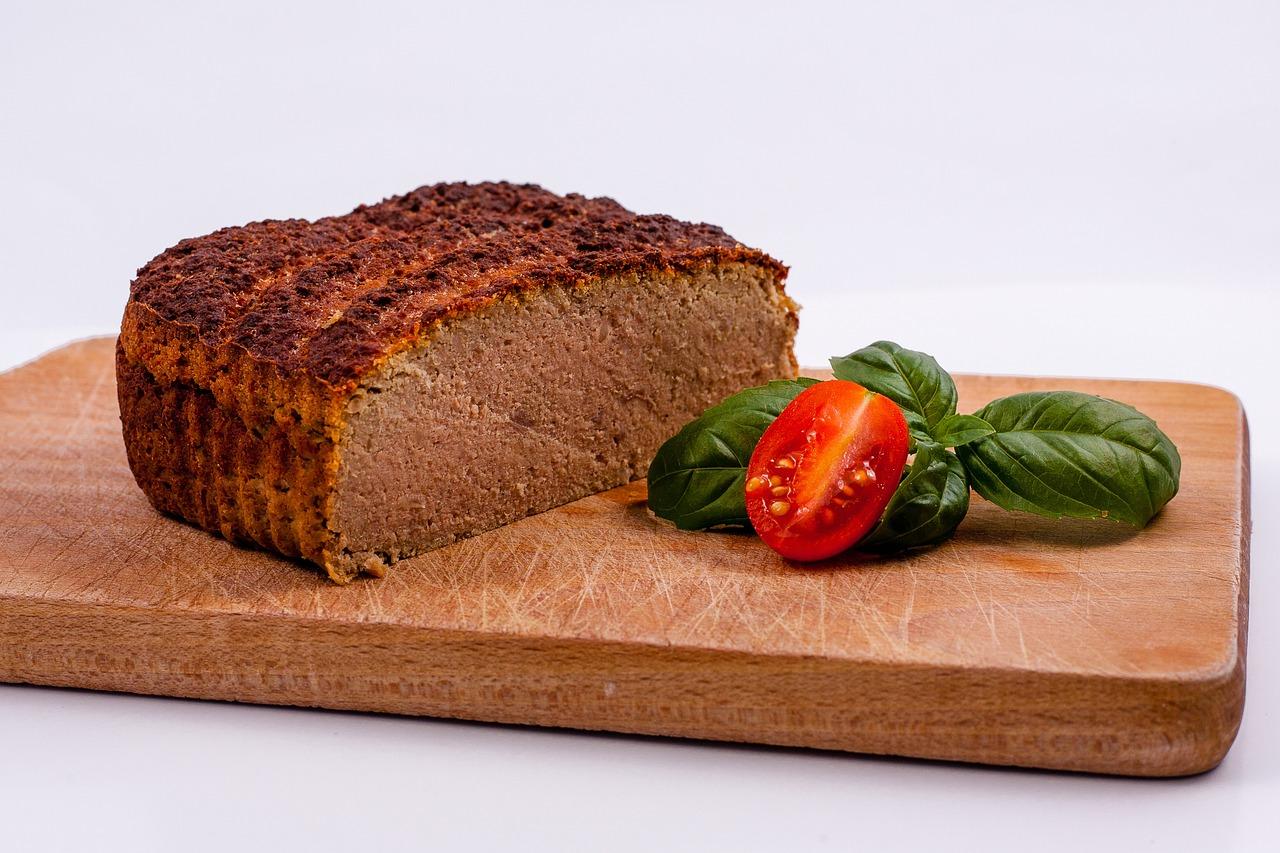
A thick slice of homemade pasztet belongs on the Easter breakfast table after the blessing of the food basket, next to ham, eggs, ćwikła and white sausage. This baked loaf combines pork shoulder, chicken thighs and pork liver, simmered with root vegetables and allspice, minced twice and baked until firm, so it slices cleanly yet stays moist and spreadable. Marjoram and nutmeg give it the classic Polish flavour; serve it cold with horseradish, beetroot relish and pickles. Overbaking dries it out, but underbaking is the bigger risk with poultry and liver, so always check the centre with a thermometer. Bake it two days ahead: it needs to chill overnight to set, and it keeps for five days in the fridge. Chef's tip: save the cooking stock and add it a ladle at a time as you mix; the mixture should be as soft as thick porridge, which keeps the finished loaf juicy.

180 minPolishMeat
by KrazyBadal 0 views

Dominican berenjena guisadaStewed aubergine

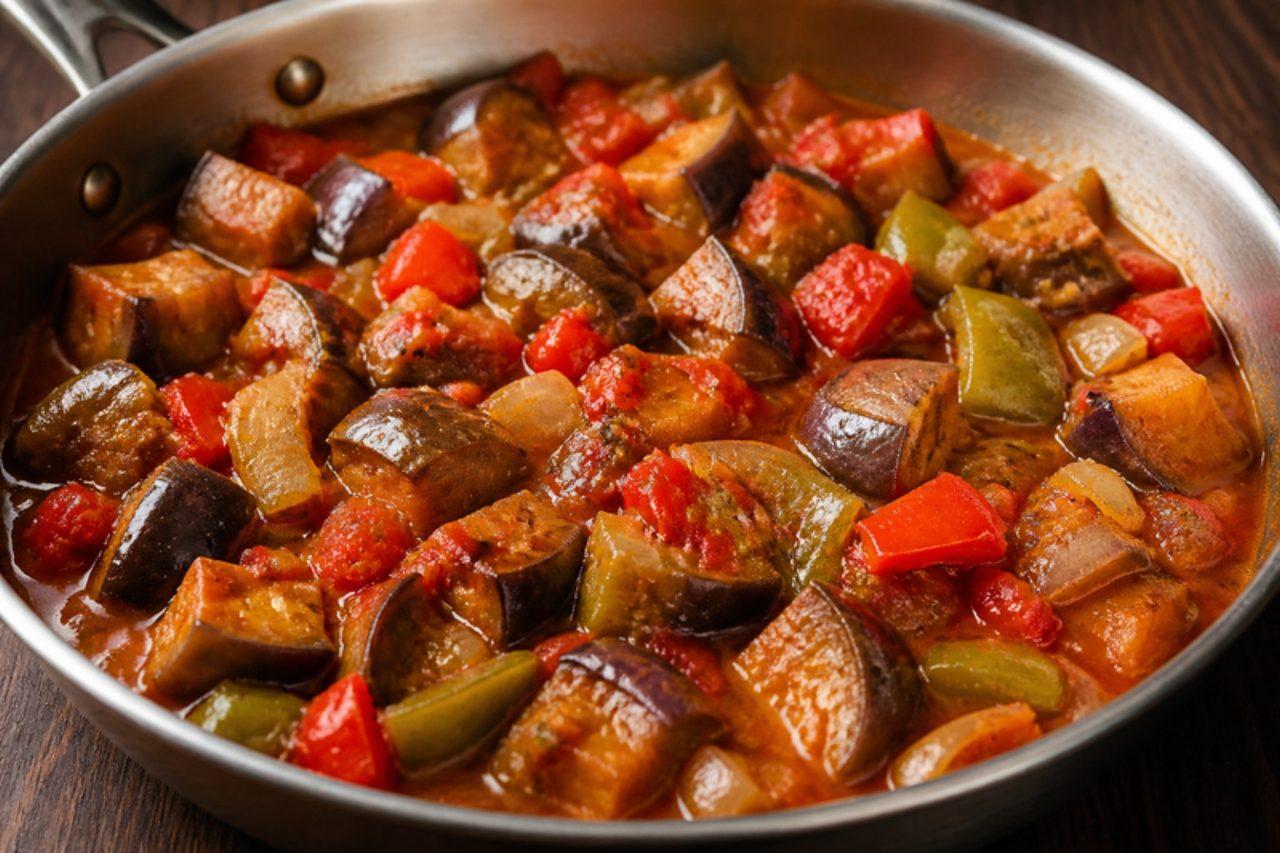
Dominican home cooks make berenjena guisada as a weekday side next to white rice and beans, the aubergine stewed down with tomato, sweet peppers and plenty of dried oregano into a soft, savoury guiso. It is light, quick and good hot or at room temperature. The common mistake is adding all the water at the start, which boils the aubergine grey; let it soak up the oil and sofrito first, then add liquid a little at a time. Chef's tip: rub the dried oregano between your palms as it goes in, to release the oils; Dominican cooks swear by it.

by KrazyBadal 1 views

Pescado con cocoFish in coconut sauce

On the Samaná peninsula in the north-east of the Dominican Republic, where coconut palms grow down to the sea and the local cooking carries traces of the African-American settlers who arrived there in the 1820s, fish is braised in fresh coconut milk with tomato, peppers and herbs. It is served at beach shacks in Las Terrenas with white rice and tostones to mop up the sauce. The common mistake is boiling the sauce hard once the coconut milk is in, which makes it split and oily; keep it at a gentle simmer. Chef's tip: let the fish sit in lime, garlic and salt in the fridge for 15 minutes first, but no longer, or the acid starts to cook it.

by KrazyBadal 0 views

MajareteCoconut rice-flour pudding

Puerto Rican grandmothers cook majarete on the stove in one pan, pour it into a dish and leave it to set while the Sunday dinner is eaten; it shows up again at Christmas beside the tembleque. Rice flour, coconut milk and whole milk are stirred with cinnamon and a little orange zest until they thicken into a silky, spoonable pudding, dusted with more cinnamon. In the Dominican Republic the same name goes to a version made with fresh grated corn. The common mistake is walking away from the pan; rice flour lumps and catches in seconds, so whisk constantly. Chef's tip: whisk the rice flour into the cold milks before the pan goes on the heat, and it will be perfectly smooth.

by KrazyBadal 0 views

Ensalada de coditosMacaroni salad

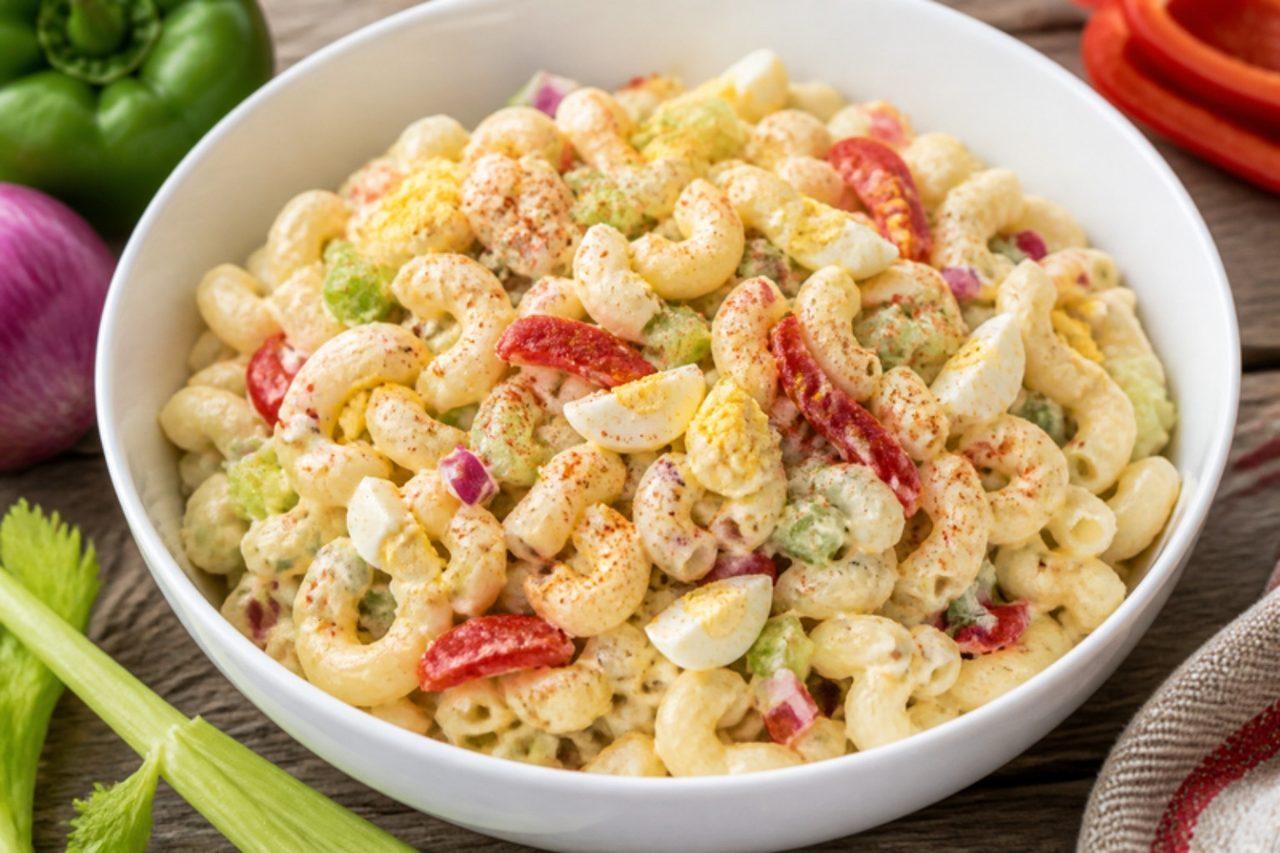
No Puerto Rican cumpleaños, baby shower or Thanksgiving-style family spread feels complete without a big bowl of coditos sitting next to the arroz con gandules. Elbow macaroni is folded through creamy mayonnaise with crunchy pepper, onion and celery, chopped hard-boiled egg and sweet pimientos, then chilled until the pasta drinks up the dressing. The common mistake is dressing the pasta piping hot, which makes the mayonnaise oily and split; let it cool first. Keep it in the fridge and don't leave it out in the sun for more than 2 hours. Chef's tip: toss the drained pasta with a splash of the pimiento liquid while it is still warm, so it is seasoned all the way through.

by KrazyBadal 0 views

Baku kurabiyePiped butter cookies with jam

Every Baku bakery sells these: short, crumbly butter cookies piped into flowers with a star nozzle and finished with a bright dot of jam in the centre, sold by the kilo for name days and served with tea in Azerbaijani homes. The dough must be soft enough to pipe but rich enough to hold the ridges in the oven. A common mistake is overbeating the egg whites into the butter, which makes the cookies spread and lose their pattern. Chef's tip: chill the piped cookies on the tray for 15 minutes before baking; the ridges stay sharp.

by KrazyBadal 0 views

Ye-dinich wat (spicy Ethiopian potato stew)

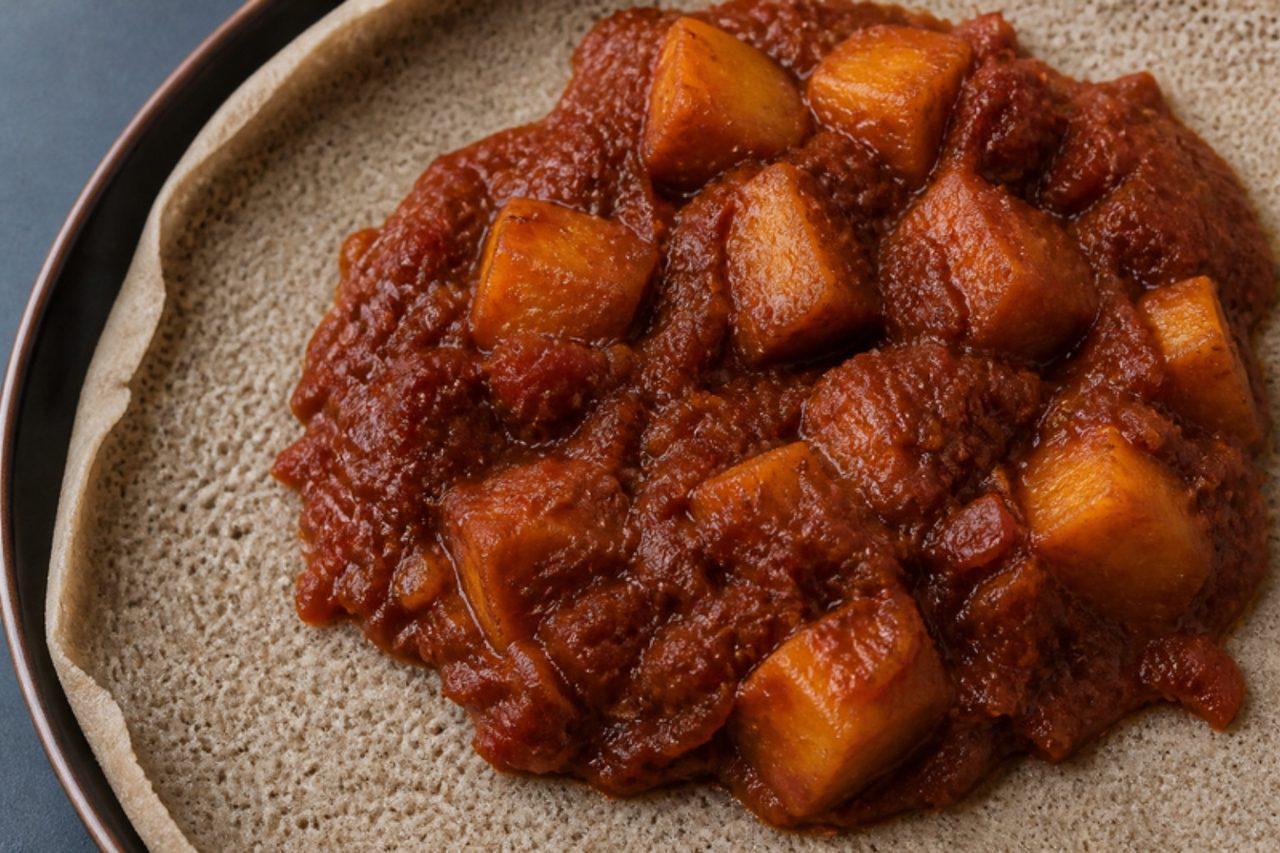
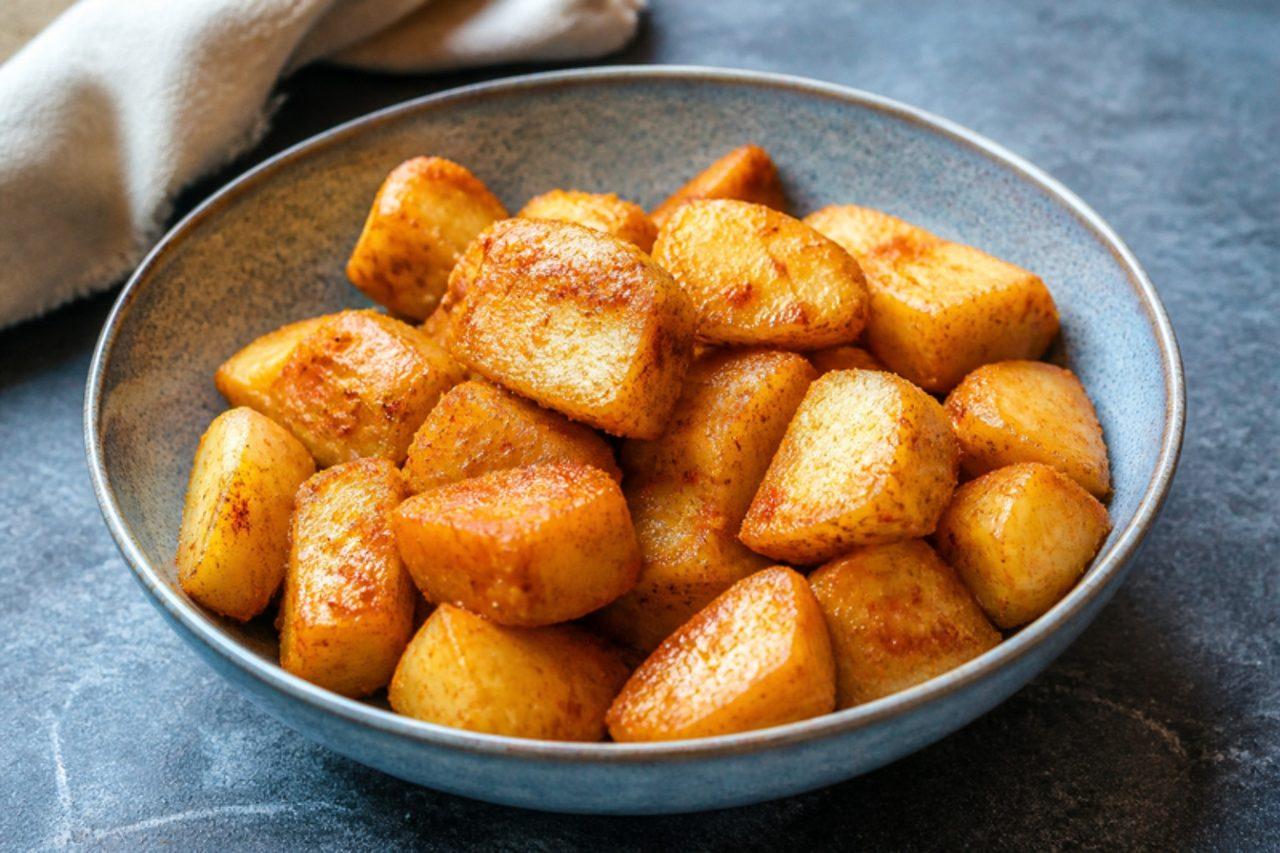
Wednesday and Friday lunch in countless Ethiopian homes and canteens includes a pot of ye-dinich wat, the potato stew that turns a few cheap ingredients into something deeply savoury. Red onions are cooked down slowly, then berbere, garlic and ginger go in with oil to build a dark, glossy sauce, and cubes of potato simmer in it until they soften and start to thicken it at the edges. It is hot, earthy and comforting, and scooped up with injera next to shiro, misir and gomen on a fasting platter. Because it uses oil and no butter, it is fully vegan. Hurrying the onion base is the usual mistake; give it the full time or the sauce tastes thin and raw. Chef's tip: cut the potatoes into even 2 cm cubes, so they cook at the same rate and hold their shape.

by KrazyBadal 0 views

BakhshGreen rice with beef and liver

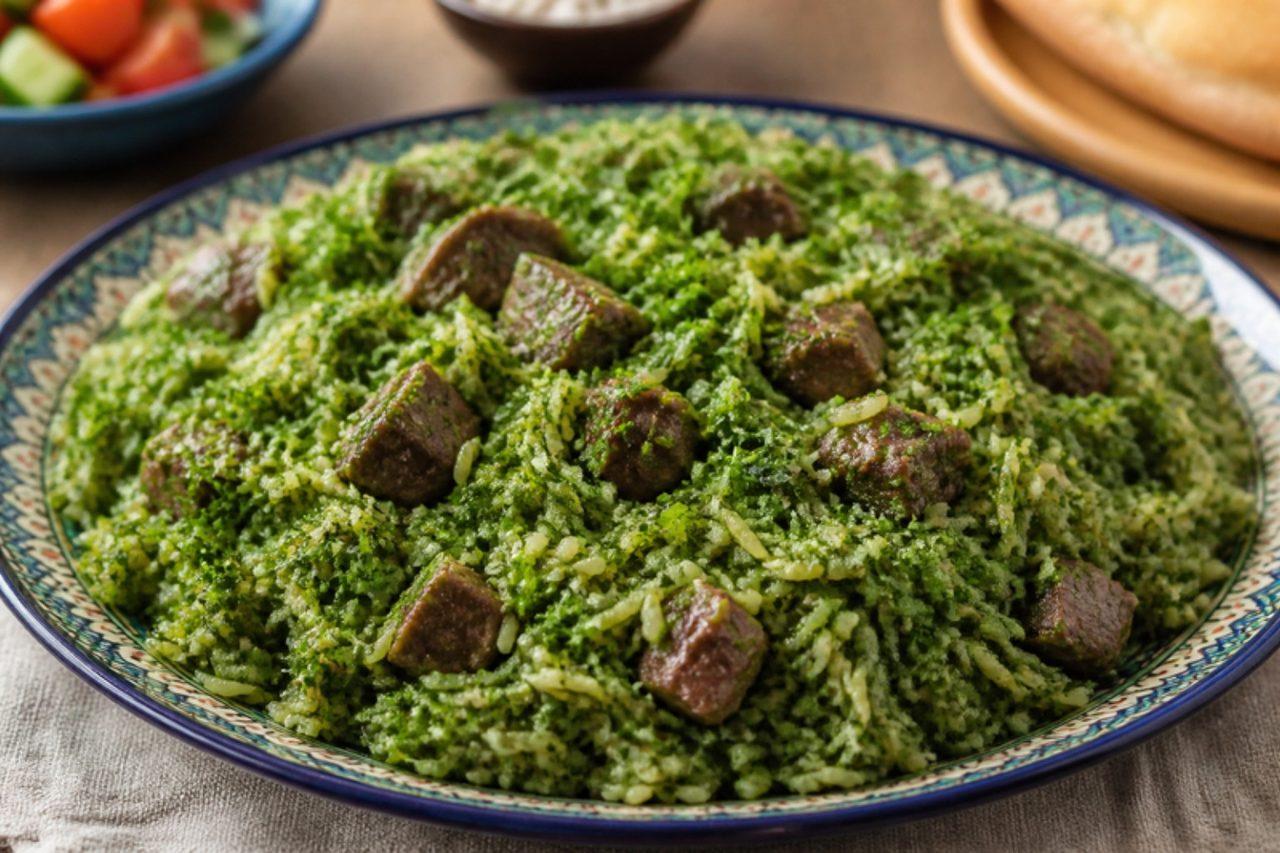
Bakhsh is the Shabbat and holiday rice of the Bukharan Jews, who lived in Bukhara and Samarkand for centuries before most emigrated to Israel and New York: rice mixed with small cubes of beef and liver and so much chopped coriander that it turns deep green, then cooked slowly in a cloth bag inside a pot of broth (bakhsh khalta) or in a pot sealed on the stove. It is fragrant, rich and moist. This version uses beef and calves' liver and the pot method. A common mistake is chopping the coriander roughly; it should be very fine so the rice turns evenly green. Chef's tip: cut the meat into rice-grain-sized pieces so it cooks in the same time as the rice. The liver and meat should be cooked through, 71 °C.

by KrazyBadal 0 views

Godere (taro with spiced butter and mitmita)

Through the wet south of Ethiopia, from Wolaita to Sidama, taro (godere) grows in garden plots, and boiled and buttered it is the snack that comes out with the coffee pot or the side dish at harvest gatherings. The corms are boiled until creamy, cut into chunks and tossed in warm niter kibbeh with mitmita and salt, so they turn glossy, soft and nutty with a chilli edge. They are eaten with the fingers or alongside kitfo, ayib and greens. Raw taro must never be eaten: it contains irritant crystals that only proper cooking breaks down, and the raw sap can itch, so wear gloves to peel and boil it until fully tender. Chef's tip: boil the taro in its skin for a firmer, less slimy texture, then peel while still warm.

by KrazyBadal 0 views

Bula (enset starch porridge with spiced butter and ayib)

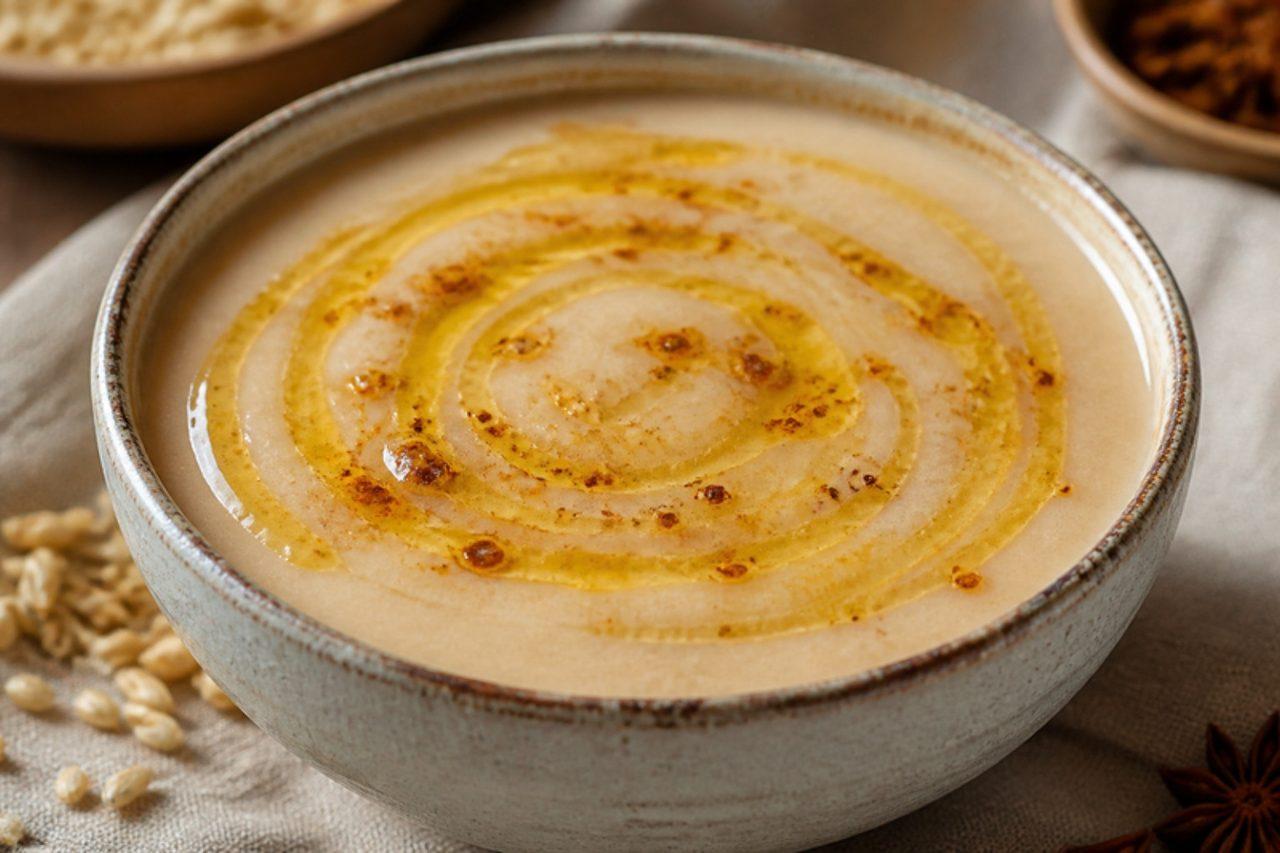
Bula is the finest part of the enset plant, a white starch that settles out when the pulp is squeezed, and in Sidama and Gurage homes it is cooked into a smooth, wobbly porridge for honoured guests, new mothers and anyone feeling weak. Whisked into water and stirred until glossy and translucent, it is very mild and slightly elastic, then topped with melted niter kibbeh, crumbled ayib and a pinch of mitmita for warmth. It is eaten for breakfast or as a light supper, often with coffee. Dried bula is sold in Ethiopian shops; tapioca starch is the closest stand-in. Lumps are the common mistake, so always slake the starch in cold water first and whisk as it heats. Chef's tip: keep stirring right to the end; bula thickens suddenly and catches on the base of the pan in seconds.

by KrazyBadal 0 views

Moringa leaf stew (Konso shiferaw)

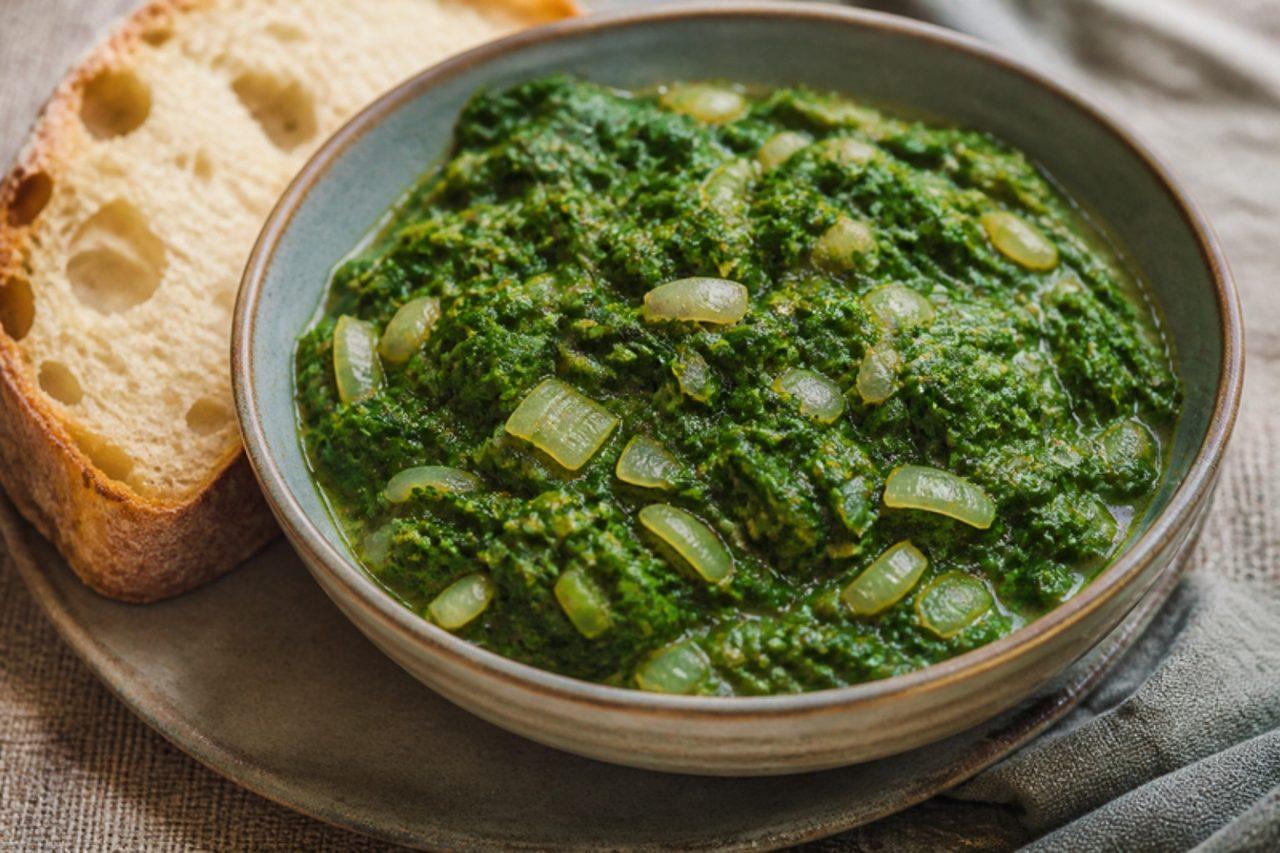
On the stone terraces of Konso, moringa trees grow beside almost every house, and their young leaves are picked daily for a simple green stew eaten with sorghum dumplings or injera. The leaves are stripped from their stems and simmered with onion, garlic, a little green chilli and oil until soft, giving a deep green, slightly peppery dish that tastes a little like spinach crossed with watercress. It is plain, nourishing and naturally vegan, so it fits any fasting day. Fresh or frozen moringa leaves are sold in many Indian and Asian grocers; if you cannot find them, use spinach with a squeeze of lemon. Leaving the stems in is the usual mistake; they stay woody, so strip the leaves off. Chef's tip: add the leaves in handfuls and stop cooking as soon as they are tender, so they keep their colour and their gentle bitterness does not deepen.

by KrazyBadal 0 views

Datta (Gurage green chilli relish)

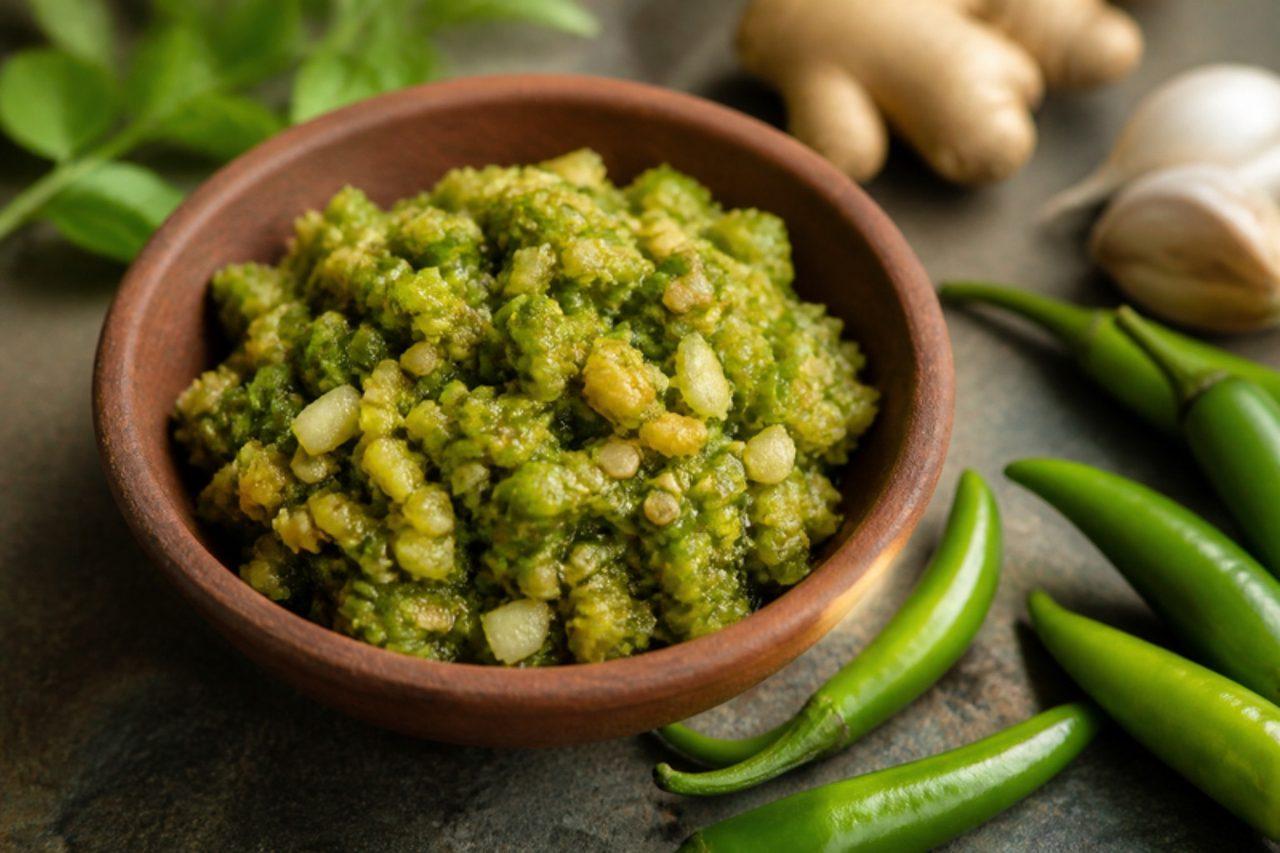
A small bowl of datta sits beside every plate of kitfo in Gurage country, and Addis kitfo houses serve it the same way; a dab of it wakes up mild ayib, kocho or a bowl of shiro. Fresh green chillies are pounded in a mortar with garlic, ginger and salt, sometimes with a little onion and lemon, into a coarse, bright paste that is sharp, grassy and very hot. It is a fasting-friendly relish, since it is nothing but vegetables, oil and lemon. Blitzing it to a smooth liquid in a blender is a common mistake: you lose the texture and the chillies turn bitter; pound it, or pulse briefly. Wear gloves when handling the chillies, and wash the board well afterwards. Chef's tip: for a milder datta, scrape out the seeds and pale ribs of half the chillies before pounding.

by KrazyBadal 0 views

Kocho (Gurage enset flatbread)

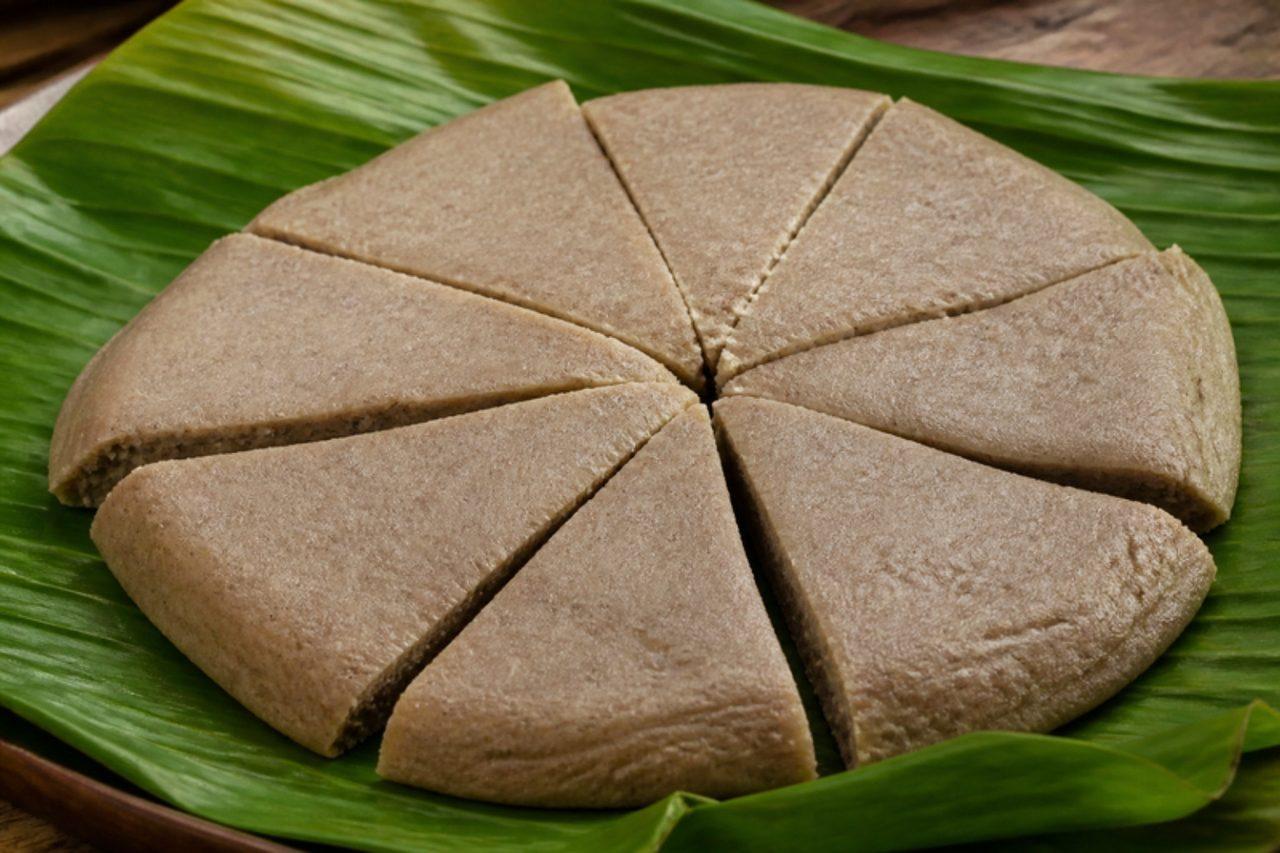
Across the green Gurage and Sidama highlands, the enset or 'false banana' plant feeds whole families, and its scraped, fermented pulp becomes kocho, the dense flatbread that is the only proper partner for kitfo. Fermentation happens over weeks or months in leaf-lined pits, so outside Ethiopia you start with ready-fermented kocho, sold frozen or chilled in Ethiopian shops; there is no real substitute. The pulp is squeezed, chopped fine, patted into a round on enset or banana leaves and baked slowly on a griddle. The bread is chewy, slightly fibrous and pleasantly sour, with a faint fermented aroma, and it is torn and used to scoop kitfo, gomen kitfo and ayib, especially at Meskel. Too much moisture is the classic mistake, giving a gummy, raw-tasting middle; wring the pulp out well. Chef's tip: cook it low and slow under a lid, so the centre dries and sets before the leaves burn.

by KrazyBadal 0 views

Ayib be gomen (fresh cheese with spiced collards)

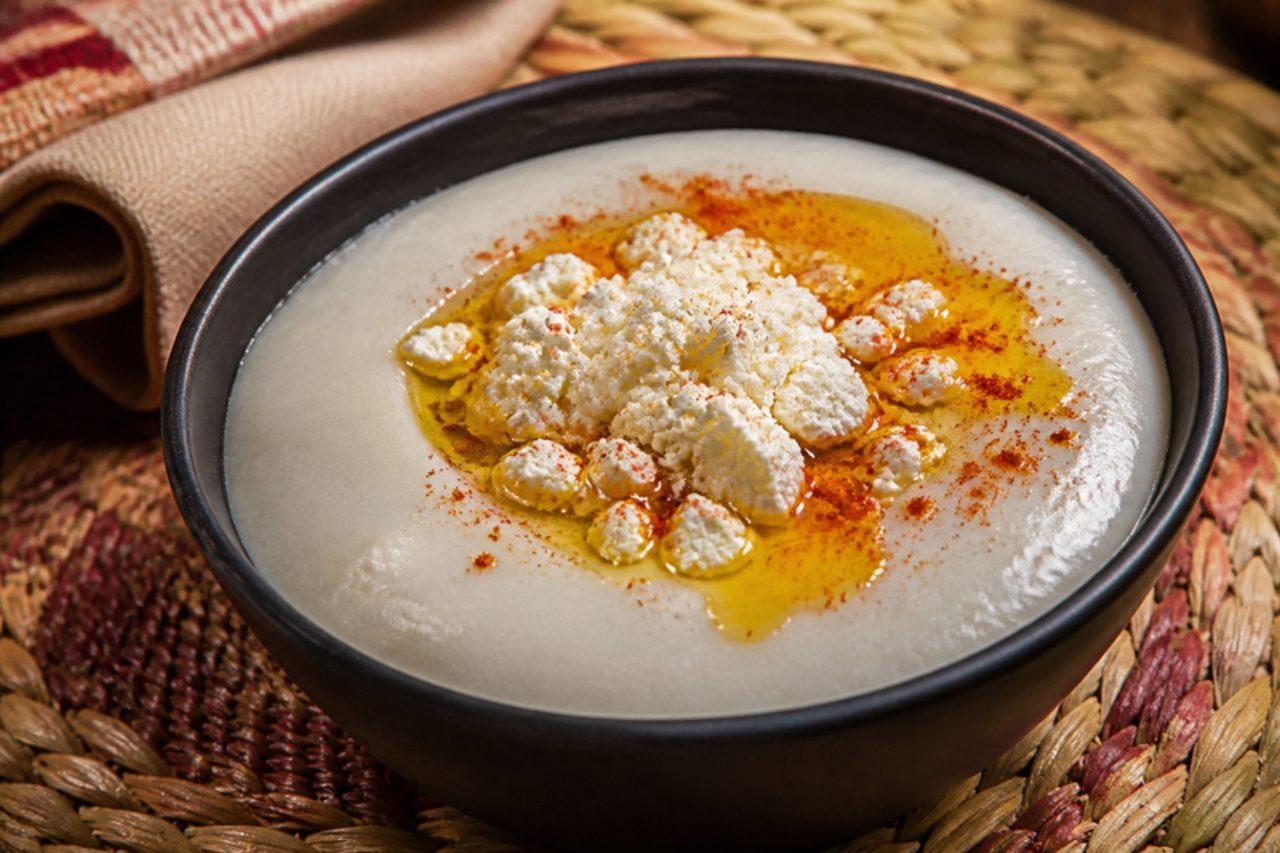
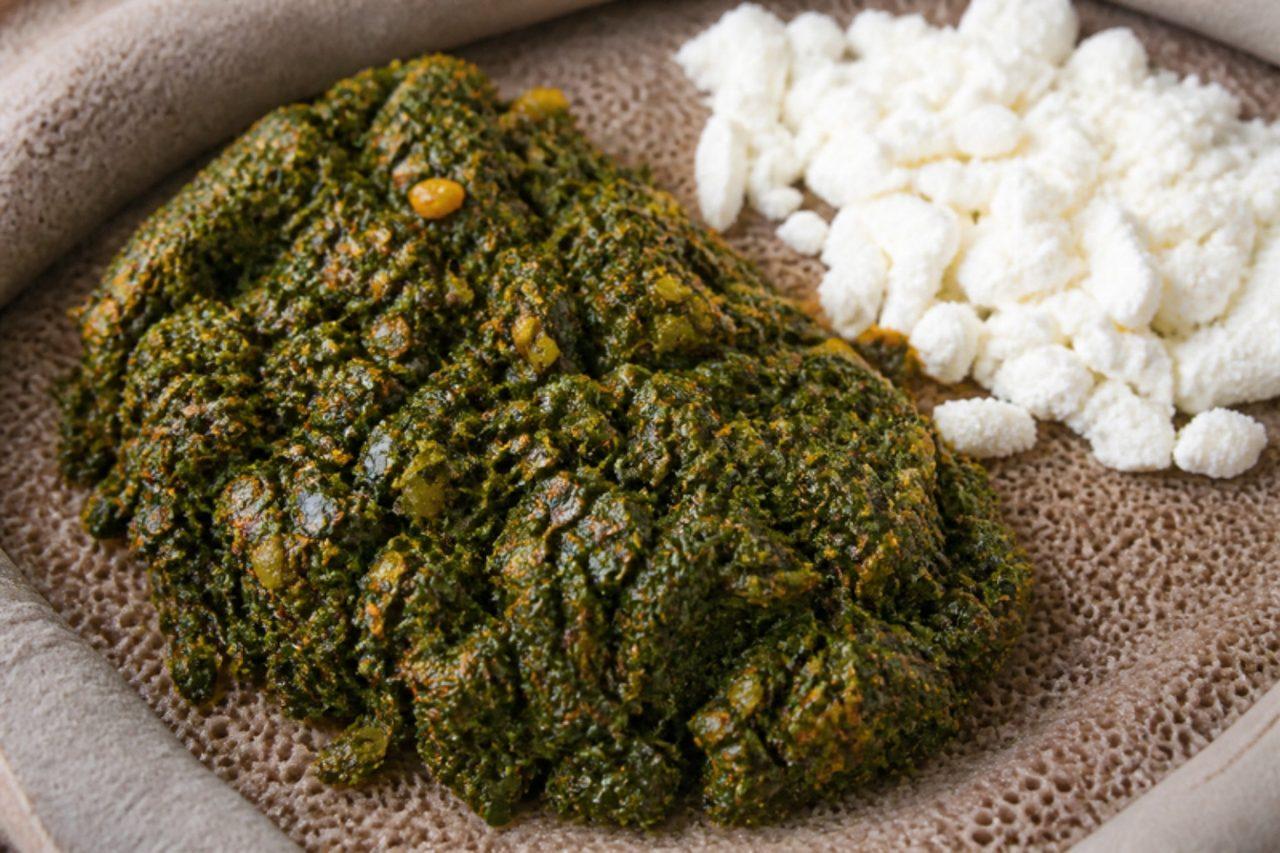
Gurage cooks bring ayib be gomen to the table beside kitfo, and it is just as welcome on its own with kocho or injera on an ordinary non-fasting day. Soft, mild ayib is mixed with collards that have been boiled and chopped fine, then dressed with warm niter kibbeh, garlic and mitmita, so the creamy cheese cools the chilli and the greens add an earthy bite. Ayib is an acid-set cheese made by gently heating soured milk or buttermilk (or milk with lemon juice) until curds form, so it needs no rennet and suits vegetarians. Ricotta or well-drained cottage cheese are close substitutes; if you use a bought cottage cheese, check the label for vegetarian rennet. Do not heat the cheese in the pan, or it turns rubbery and weeps; fold it in off the heat. Chef's tip: squeeze the cooked greens until they are almost dry so the dish stays fluffy rather than watery.

by KrazyBadal 0 views

Kuti (Harari coffee-leaf tea)

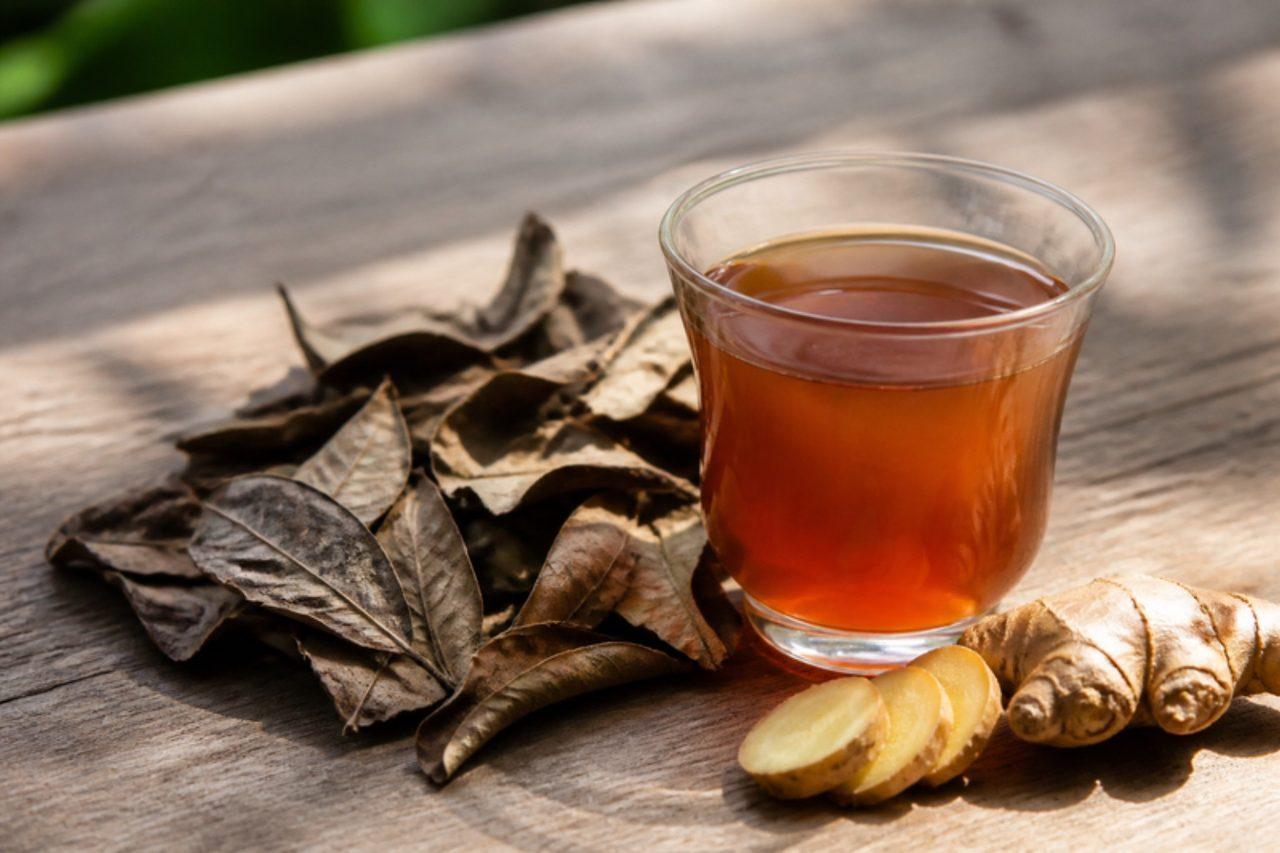
Harar sits in old coffee country, and its households drink not only the beans but the leaves: kuti is made by toasting dried coffee leaves and brewing them into a light, amber tea. It tastes soft and grassy with a hint of roasted coffee and far less caffeine than a cup of buna, so it is sipped through the afternoon, during long chats and after the fast is broken in Ramadan. Many Harari homes add milk and sugar; leave the milk out or use a plant milk to keep it vegan. Dried coffee leaves are sold as coffee leaf tea by some coffee and tea merchants. Do not swap in cascara, which is the dried coffee cherry husk and makes a different, fruitier drink. Chef's tip: toast the leaves only until they darken a shade and smell like toasted hay; overdone, they taste of ash.

by KrazyBadal 0 views

Fried Christmas carp

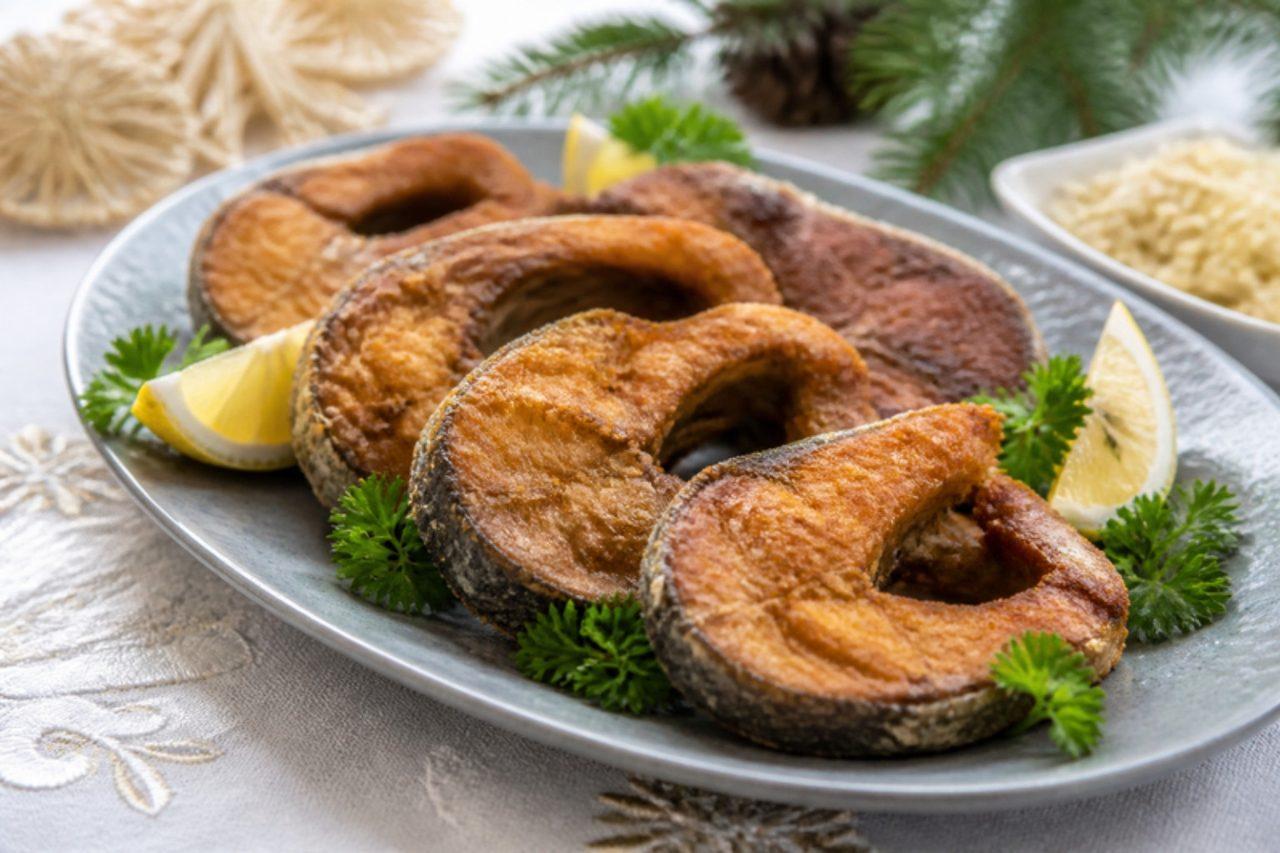
For many Polish families, Wigilia, the meatless Christmas Eve supper, is not complete without fried carp, bought live from market tanks in mid-December or, more often today, cleaned and cut into steaks at the fishmonger. The steaks are salted, floured and fried until the skin crisps and the white flesh turns sweet and juicy. Serve with boiled potatoes, sauerkraut with peas, or simply bread and a lemon wedge, after the beetroot barszcz. Keeping a scale from the Christmas carp in your wallet is said to bring money all year. Carp has a reputation for tasting muddy, and the usual culprit is skipping the salting and resting time. Ask the fishmonger to score the steaks finely so the small Y-shaped bones soften as they fry. Chef's tip: salt the steaks and leave them in the fridge for 20 minutes, then pat completely dry; the flesh firms up and the flour clings in a thin, even crust.

40 minPolishFish
by KrazyBadal 0 views

Fetira (Harari layered egg flatbread with honey)

Morning in the old walled city of Harar and in Dire Dawa often starts with fetira, especially in Muslim homes during Ramadan's pre-dawn meal and on Eid mornings. A soft wheat dough is stretched until it is almost see-through, spread with beaten egg, folded into a parcel and fried in a little oil and butter until crisp and flaky outside, soft and eggy inside. It is cut into squares and eaten warm, drizzled with honey, with a cup of spiced tea or coffee. A common mistake is stretching the dough without a proper rest, so it tears; give it 30 minutes covered with oil and it stretches easily. Chef's tip: oil the worktop and your hands rather than flouring them, so the dough slides and stretches thin without sticking.

by KrazyBadal 0 views

Bakeapple jamCloudberry jam

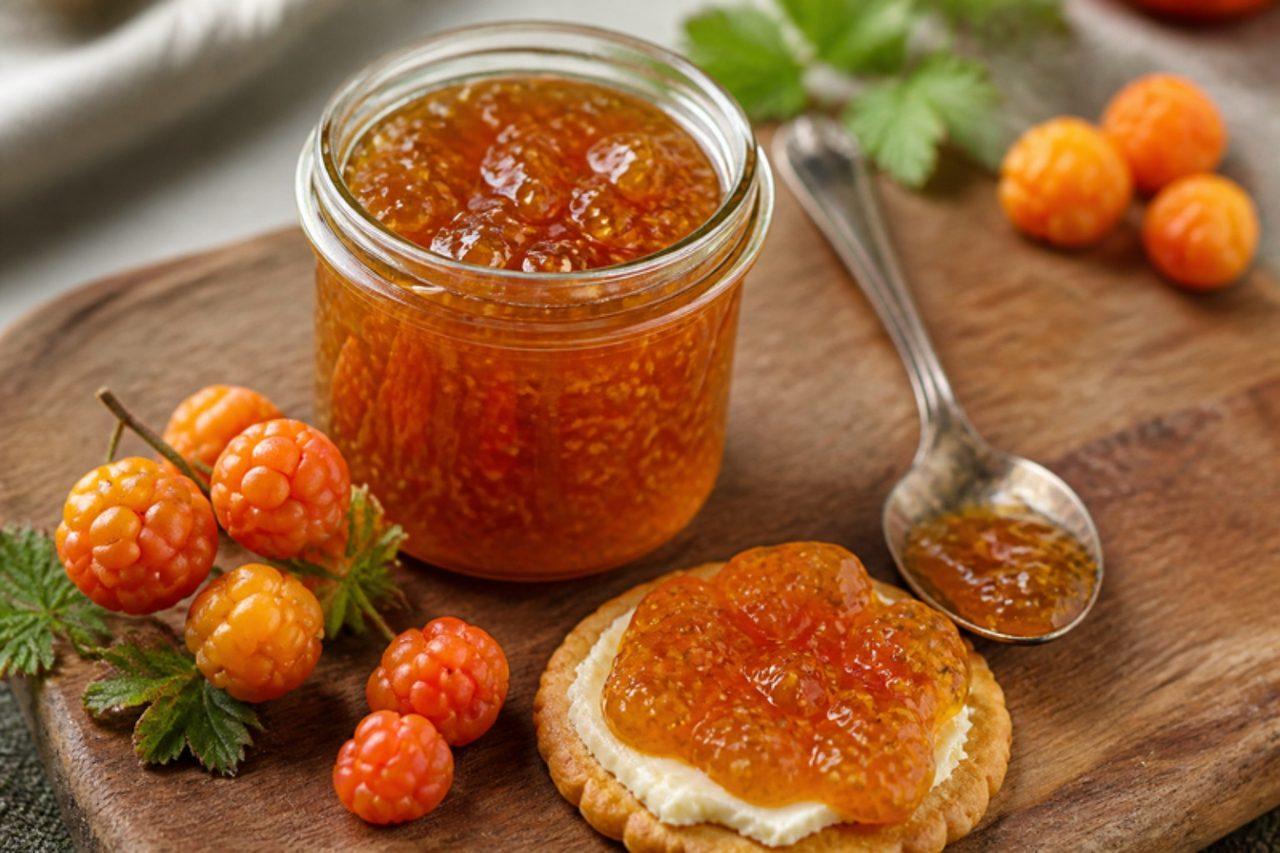
Bakeapples, the amber cloudberries of the Labrador and Newfoundland bogs, ripen for a few weeks in late July and August, and families on the Northern Peninsula and the Labrador coast pick them by the bucket. Turned into jam, they taste of apricot, honey and wild herbs, and the soft seeds give it texture. It is spread on toast, tea biscuits and toutons, or stirred through cream. Frozen cloudberries work if you can't get fresh. A common mistake is boiling too long, which darkens the colour and dulls the flavour. Chef's tip: test the set early, on a cold saucer.

by KrazyBadal 0 views

Smoked eel

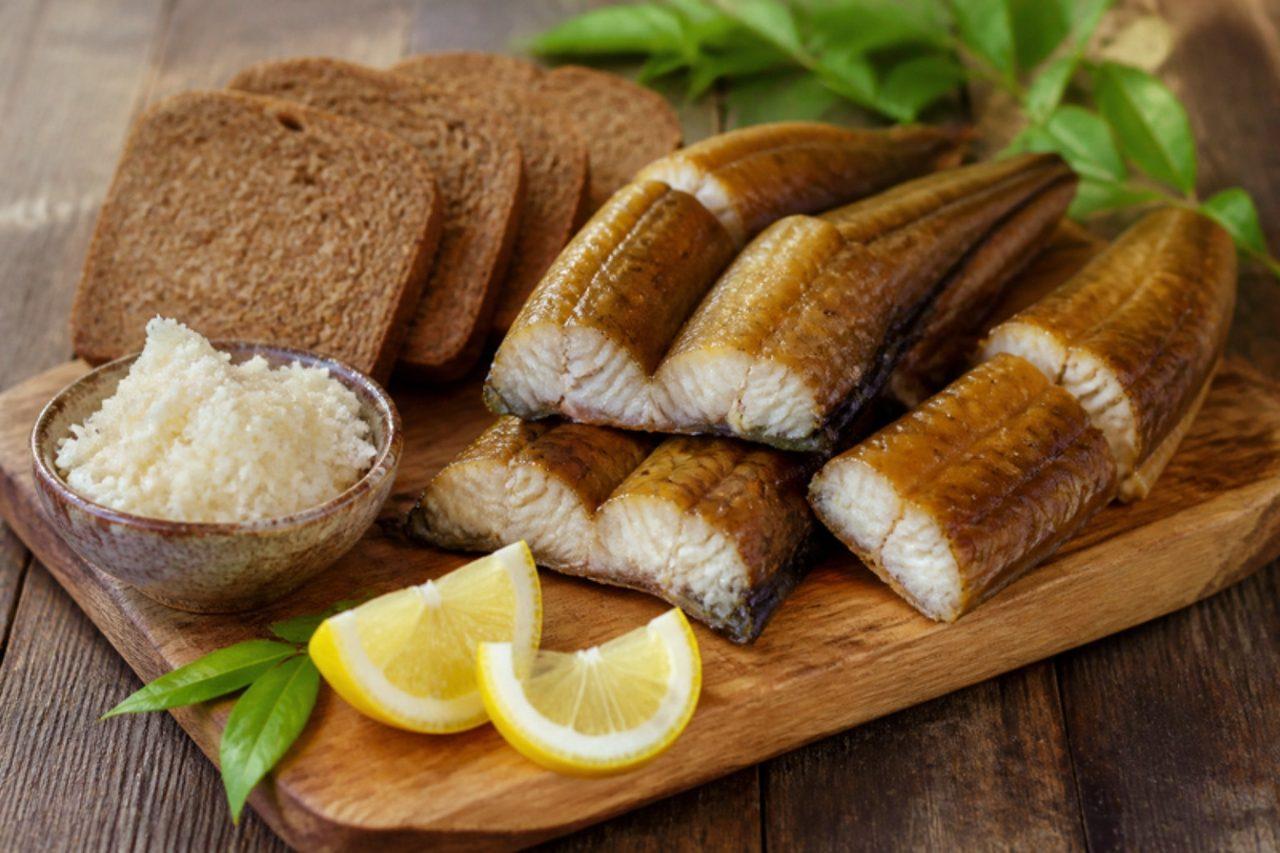
Fish smokehouses dot the shores of the Great Masurian Lakes, and an eel hot-smoked over alder, golden-skinned and glistening, is the prize of any summer trip to Węgorzewo or Ruciane-Nida. The flesh is rich, soft and smoky-sweet, and it is eaten cold on rye bread with grated horseradish and a squeeze of lemon. European wild eel is endangered, so buy farmed eel from a responsible fishmonger, ready gutted. This is a fully hot-smoked version: the fish is brined in the fridge and cooked through in the smoker. Smoked fish can carry listeria if it is not cooked through or kept cold, so it is not for pregnant women, young children or anyone with a weakened immune system unless reheated until steaming. Many home smokers run the heat too low throughout, which leaves the eel smoky but undercooked. Chef's tip: ready hot-smoked eel from a lakeside smokehouse is the easy route; just serve it well chilled with the same garnishes.

240 minPolishFishGluten free
by KrazyBadal 0 views

Buna qalaa (Oromo butter-roasted coffee beans)

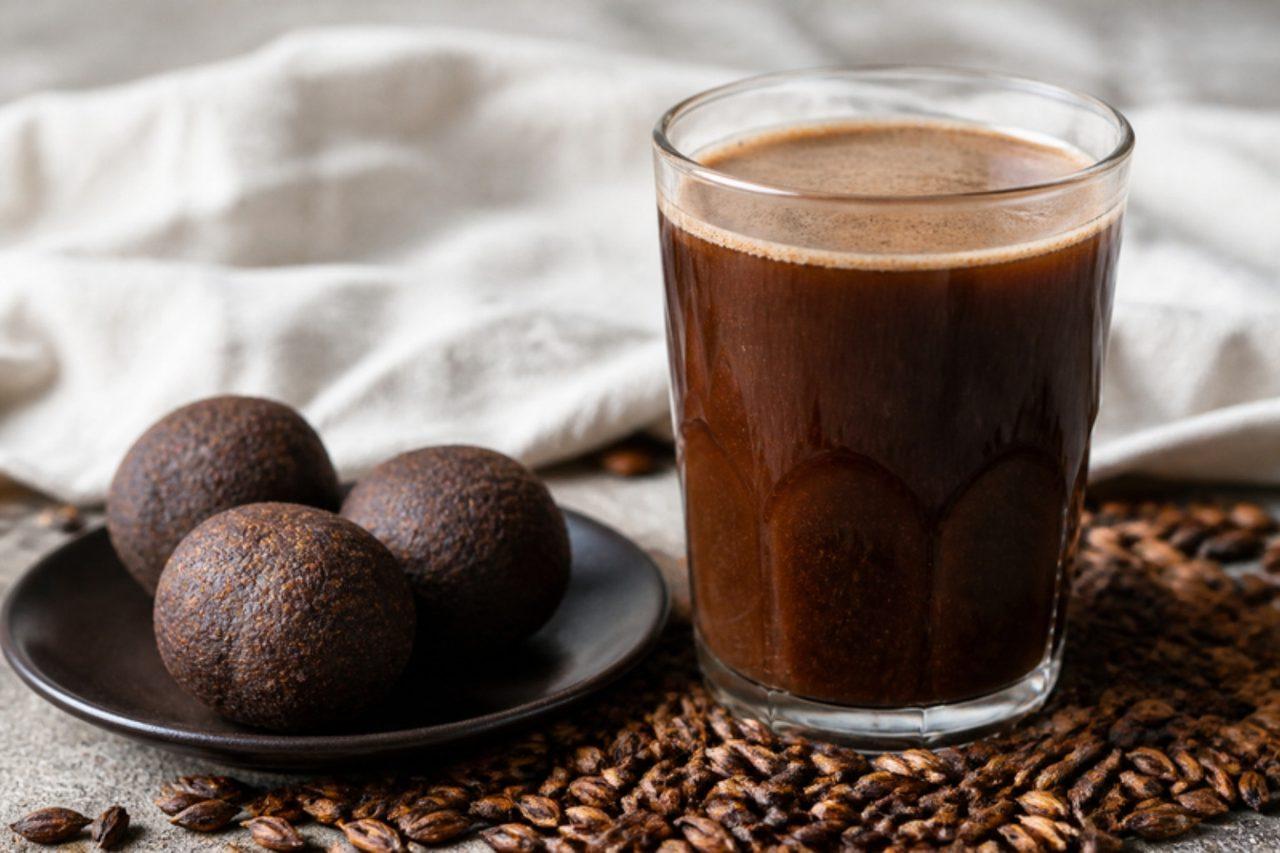
Among the Oromo, buna qalaa is less a snack than a ritual: coffee beans are roasted in butter and shared at weddings, after a birth, at Irreecha and when elders bless a new undertaking, each guest taking a small spoonful. The beans turn glossy and dark, crunchy outside and slightly chewy within, with a bitter-sweet roast flavour, a rich buttery coating and a touch of salt. Some families use green beans and roast them right through in the butter, which is what this recipe does. Buy raw (green) coffee beans from a coffee roaster or Ethiopian shop. They are very high in caffeine, so serve a tablespoon each and keep them away from children. A common slip is frying the beans on high heat, which burns the butter before the beans are roasted. Chef's tip: keep the heat low and patient; on a high flame the butter burns black long before the beans are roasted inside.

by KrazyBadal 0 views

Kinche (Ethiopian cracked wheat breakfast)

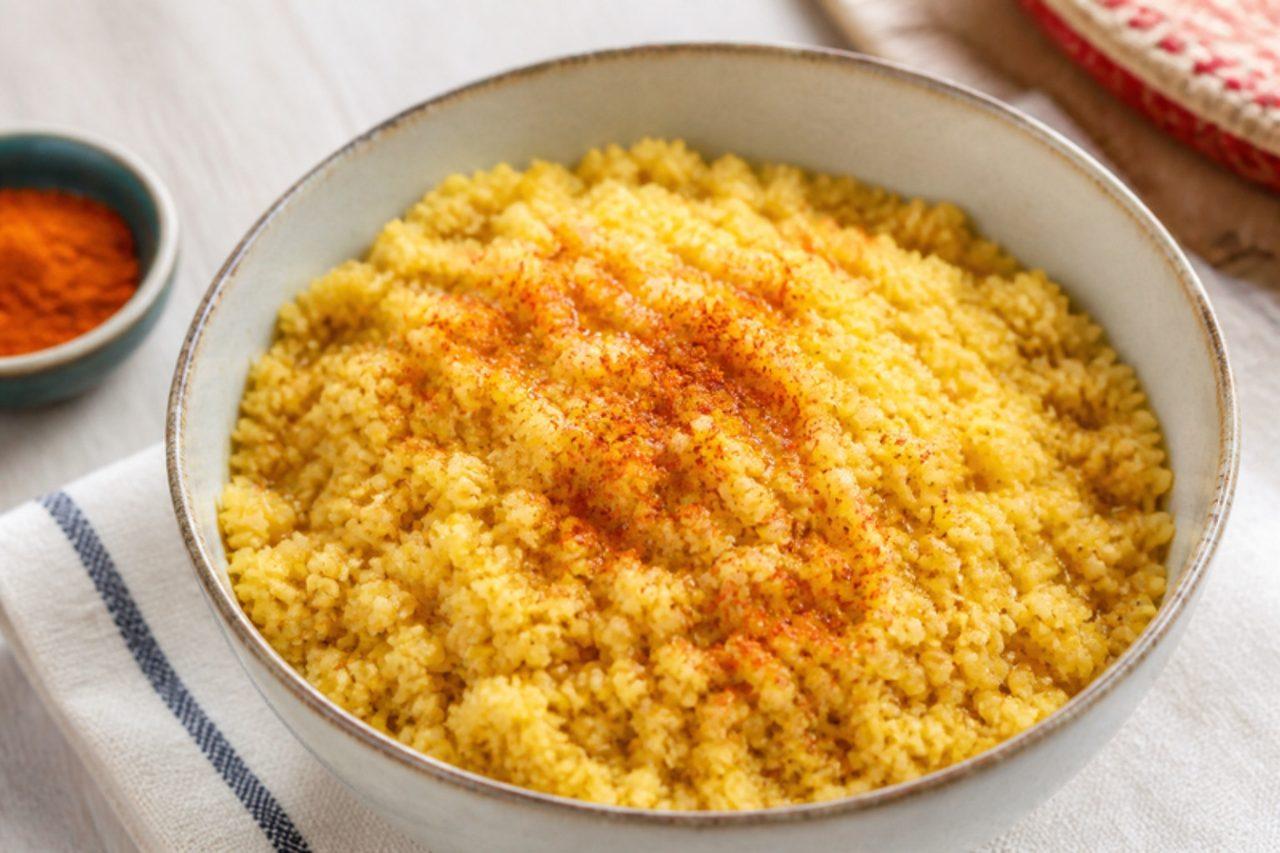
Rooms full of hotel guests in Adama and Bishoftu are offered kinche at breakfast, and in Oromo and Amhara homes it is the quick morning dish made from a sack of cracked wheat or barley kept in the cupboard. The grain is boiled until it has drunk all its water and turns fluffy and separate, like a cross between bulgur pilaf and porridge, then a generous spoon of niter kibbeh is stirred through so every grain is glossy and fragrant. It is nutty, soft and buttery, eaten with a spoon and a cup of coffee, sometimes topped with a little ayib or a spoon of berbere-spiked oil. The common mistake is too much water, which makes it mushy; measure it and keep the lid on. Chef's tip: toast the dry grain in a little of the butter for two minutes before adding water; it stays more separate and tastes nuttier.

by KrazyBadal 0 views

Bahamian chicken souseChicken in lime broth

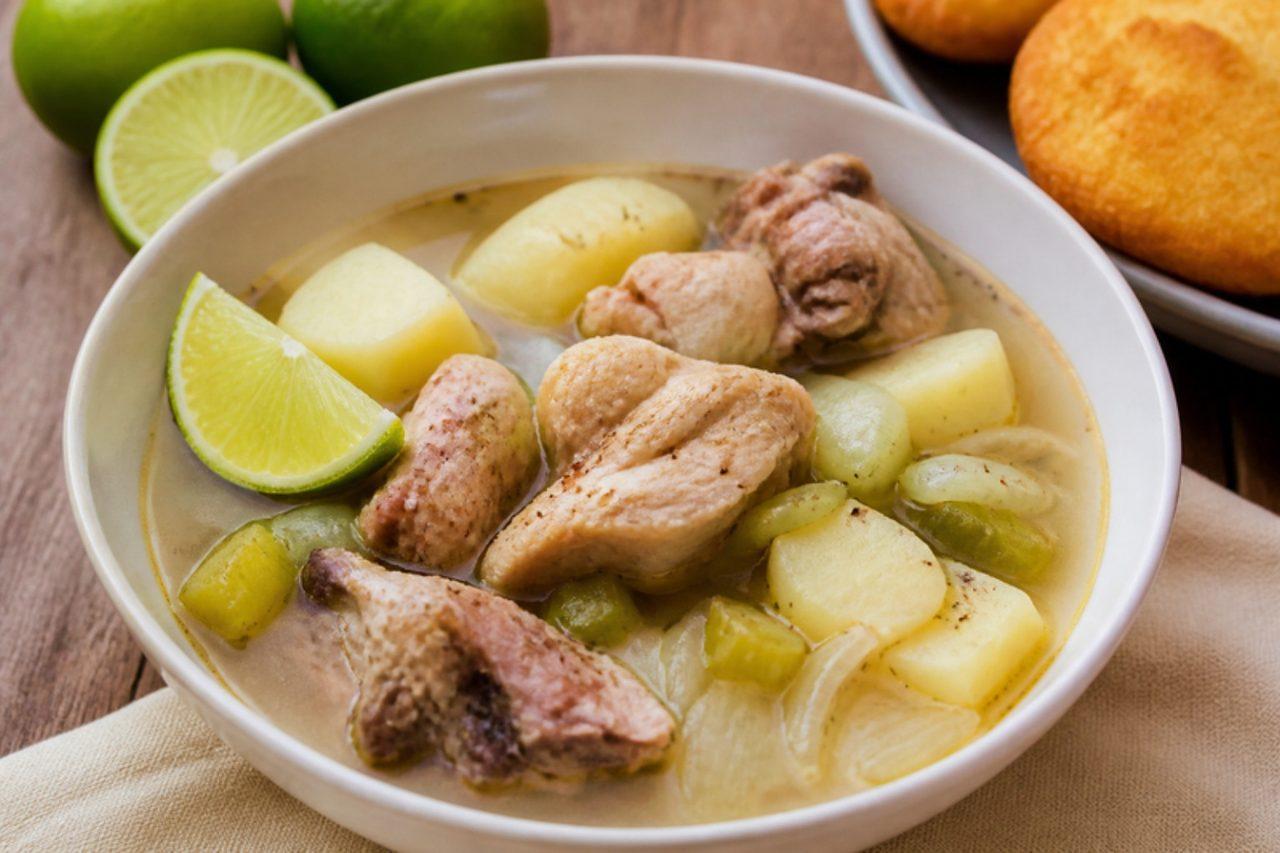
In the Bahamas, souse is the Saturday-morning cure after a late Friday: chicken (or sheep tongue or pig's feet, for the old-timers) simmered in a clear, sharp broth of lime juice, allspice, onion, potatoes and hot pepper, eaten with johnnycake. It is light, sour, peppery and very reviving. The common mistake is adding the lime too early and boiling it, which makes the broth bitter; most goes in at the end. Use bone-in pieces for flavour. Chef's tip: let the bowl sit for a few minutes after serving so the lime mellows into the broth.

by KrazyBadal 0 views

Atmit (warm barley gruel with spiced butter and honey)

When a baby is born in an Amhara household, visiting women bring or cook atmit for the new mother, and the same soft, sippable gruel is made for anyone recovering from illness. Roasted barley flour (or oat flour) is whisked into water and simmered until it thickens to the texture of a thin custard, then enriched with a spoon of niter kibbeh, honey and a pinch of korerima. It tastes nutty, sweet and buttery, and is drunk warm from a cup rather than eaten with a spoon. Some homes add a little milk for extra richness. A common mistake is tipping the flour straight into hot water, which makes lumps; slake it in cold water first. Chef's tip: keep it thinner than you think; atmit thickens as it cools, and it should still pour easily from the cup.

by KrazyBadal 0 views

Besso (roasted barley flour drink and balls)

Farmers and travellers in Gojjam and Wollo have long carried a pouch of besso on journeys, because a handful of this roasted barley flour turns a cup of water into a filling meal. The barley is roasted until deep brown, ground fine and stored for weeks; stirred into cold water with a little sugar it makes a smooth, malty, slightly toasty drink, and kneaded with oil it becomes chewy little balls called chibto. It is eaten on fasting days, in the fields and by students before exams. Many families sweeten it with honey; sugar keeps this version vegan. The usual mistake is adding the barley flour to water all at once, which leaves dry clumps; whisk it in gradually. Chef's tip: roast the barley until it is the colour of milk chocolate and smells like toast; pale grains give a raw, floury taste, while black ones taste burnt.

by KrazyBadal 0 views

BakarkhaniLayered ghee bread

Before dawn in Lalbagh and Nazira Bazar, bakers slap rounds of dough onto the inside walls of clay tandoors, and by sunrise stacks of bakarkhani are wrapped in newspaper for the first cup of milky tea. The Old Dhaka kind is small, about the size of a palm, with dozens of paper-thin layers that shatter at the edges and stay a little tender in the middle; the faintly sweet, buttery taste is what makes it so good dipped in cha or crumbled over a bowl of firni. Local legend ties the name to a Mughal-era romance, but the technique is pure bakery craft: the dough is spread with a ghee paste, rolled up, coiled and rolled again. Most failed batches come from soft, warm ghee paste, which soaks into the dough instead of sitting between the layers. Chef's tip: chill the rolled coils for 15 minutes before the final rolling so the fat sets and the layers stay separate in the oven.

by KrazyBadal 0 views

Gomen kitfo (Gurage minced collards with spiced butter)

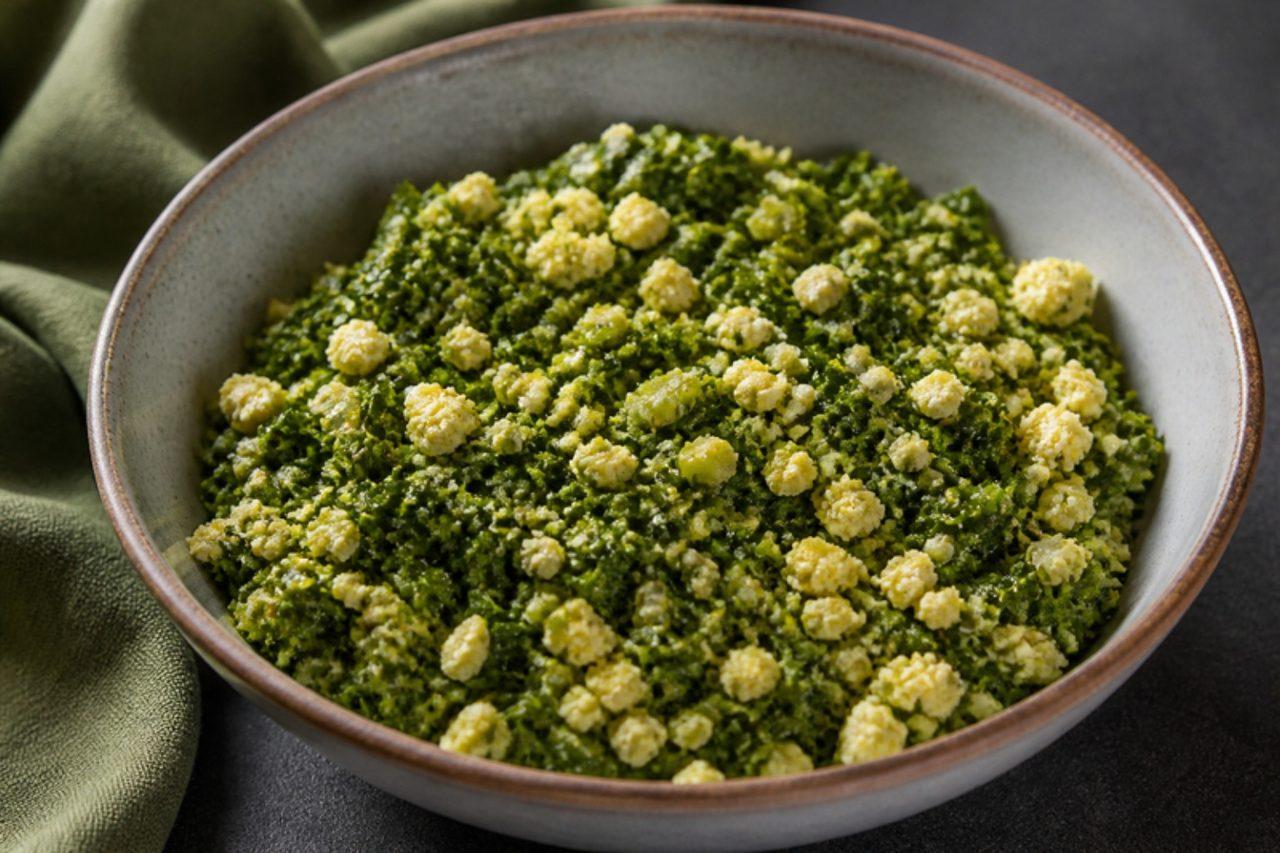
Meskel in the Gurage highlands is the year's great feast, and next to the beef kitfo on the table there is always gomen kitfo, the meat-free 'kitfo' of greens. Collards are boiled until tender, squeezed hard and chopped so finely they become almost a paste, then worked with warm niter kibbeh, mitmita and a little korerima. The result is dark green, silky and rich, with a sharp chilli kick and a deep, slightly bitter leafy flavour. It is eaten with kocho and a heap of fresh ayib, and is also made on its own on non-fasting days. The usual mistake is leaving water in the greens, which makes it soggy and dilutes the butter; wring them out in a clean cloth. Chef's tip: chop with a heavy knife, rocking it again and again, rather than blending; a blender turns it into a purée and loses the fine, almost-minced texture.

by KrazyBadal 0 views

Showing 27 of 7,762 recipes

Show more recipes

Page 330 of 863