


Skip to content
Bratislavské rožky
Featured recipe

Bratislavské rožky

Walnut or poppy seed crescents

Bakers in old Pressburg, today's Bratislava, have shaped these little horns for nearly three centuries, and the city still treats them as its own Christmas and wedding pastry. The walnut ones are bent into a horseshoe and the poppy seed ones into a crescent, so you can tell them apart on the plate. The dough is rich and short, almost like a pastry, and the shiny brown top is crazed with fine cracks from a double egg glaze. A common mistake is glazing the second time before the first coat is dry, which leaves a dull, smooth top instead of the famous marbling. Patience is the whole trick: a cool rest after the yolk, then a warm rest after the white. Old recipes add a splash of rum to the walnut filling; this version uses lemon and cinnamon instead. Chef's tip: keep the dough cold and work quickly, so the butter stays in tiny flakes.

Read more 0 views

What to eat today?

Around the world

Today's trip: Persian

A new country every day, from every cuisine on the site.

Persian

Ash-e shalgham

Turnip and rice soup 65 minMore from Persian (131) →

This week's collection

Kid-friendly dinners
537 recipes · a new collection every Monday

Latest recipes

Dominican berenjena guisadaStewed aubergine

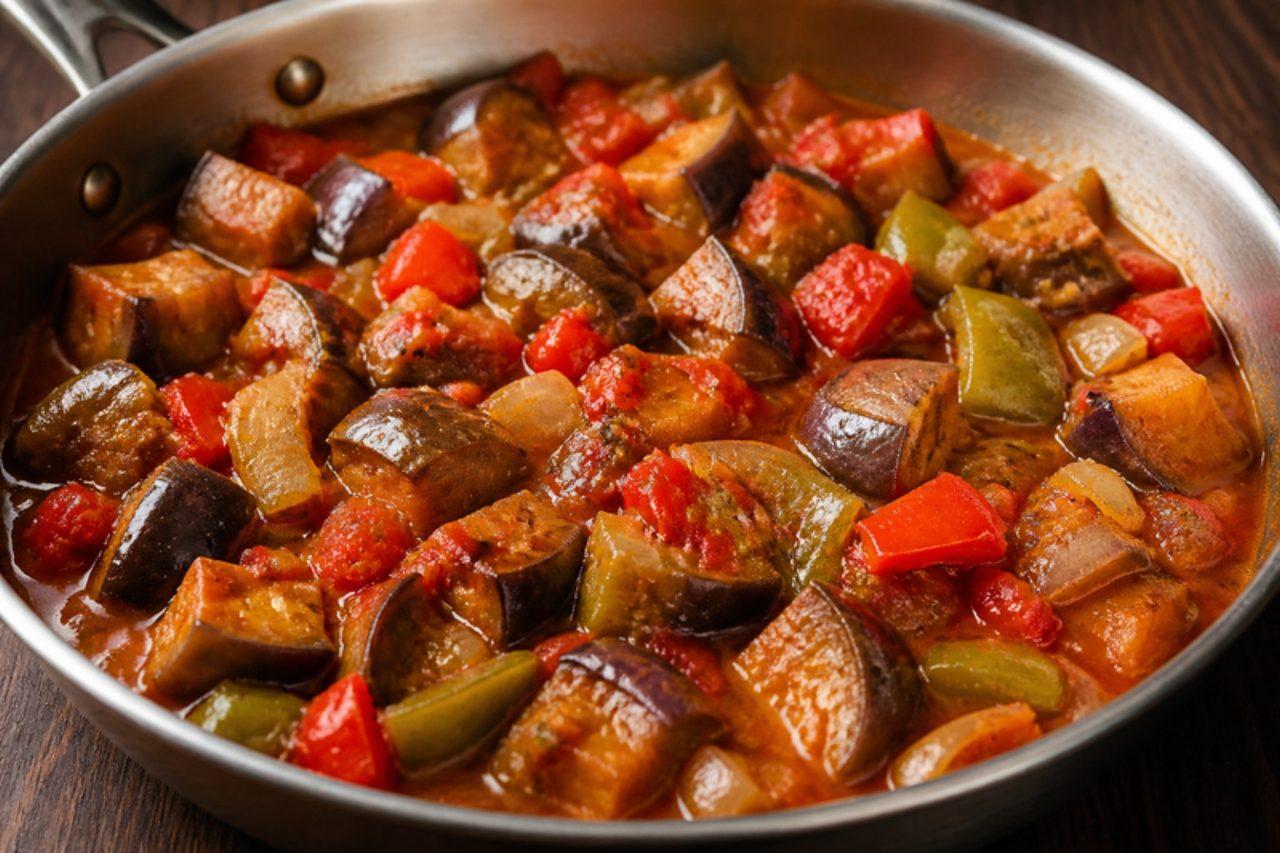
Dominican home cooks make berenjena guisada as a weekday side next to white rice and beans, the aubergine stewed down with tomato, sweet peppers and plenty of dried oregano into a soft, savoury guiso. It is light, quick and good hot or at room temperature. The common mistake is adding all the water at the start, which boils the aubergine grey; let it soak up the oil and sofrito first, then add liquid a little at a time. Chef's tip: rub the dried oregano between your palms as it goes in, to release the oils; Dominican cooks swear by it.

by KrazyBadal 1 views

Pescado con cocoFish in coconut sauce

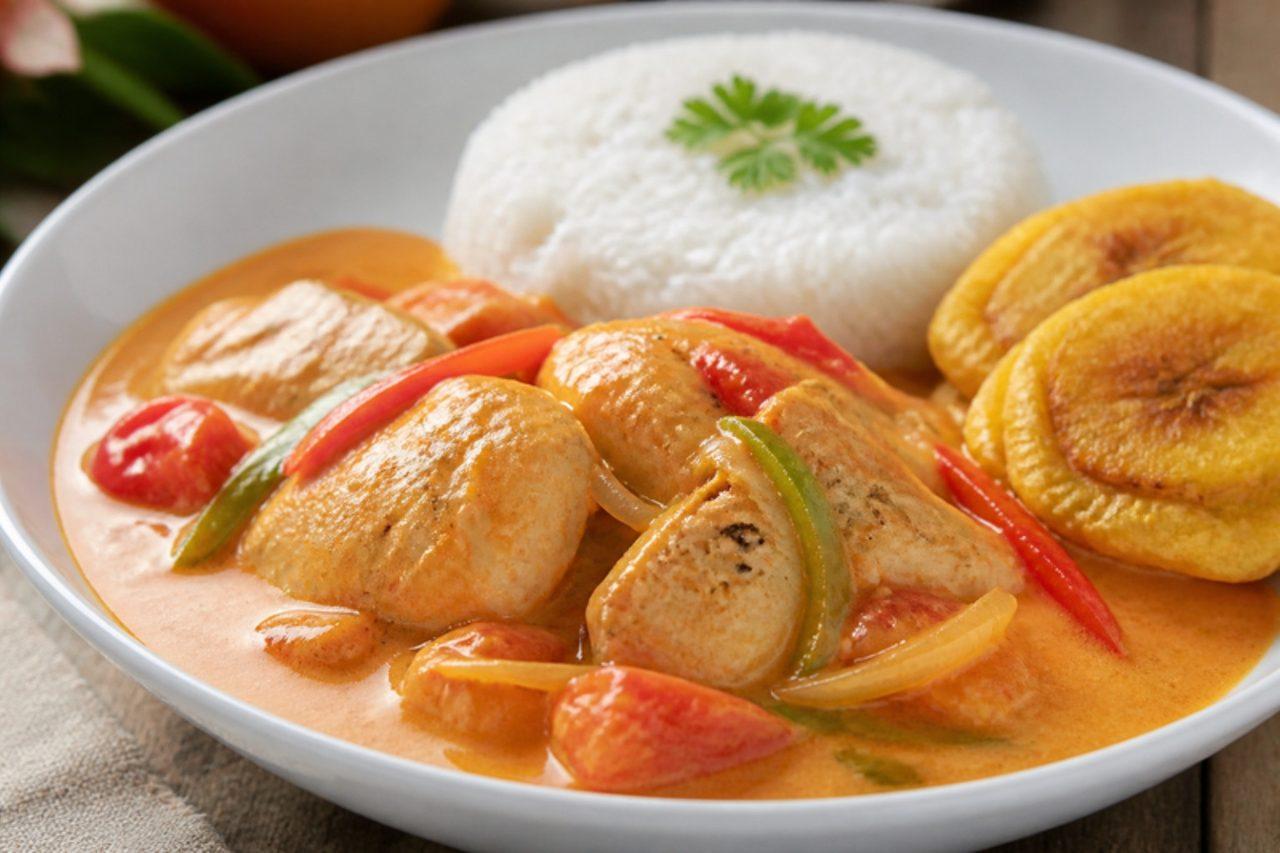
On the Samaná peninsula in the north-east of the Dominican Republic, where coconut palms grow down to the sea and the local cooking carries traces of the African-American settlers who arrived there in the 1820s, fish is braised in fresh coconut milk with tomato, peppers and herbs. It is served at beach shacks in Las Terrenas with white rice and tostones to mop up the sauce. The common mistake is boiling the sauce hard once the coconut milk is in, which makes it split and oily; keep it at a gentle simmer. Chef's tip: let the fish sit in lime, garlic and salt in the fridge for 15 minutes first, but no longer, or the acid starts to cook it.

by KrazyBadal 0 views

BakhshGreen rice with beef and liver

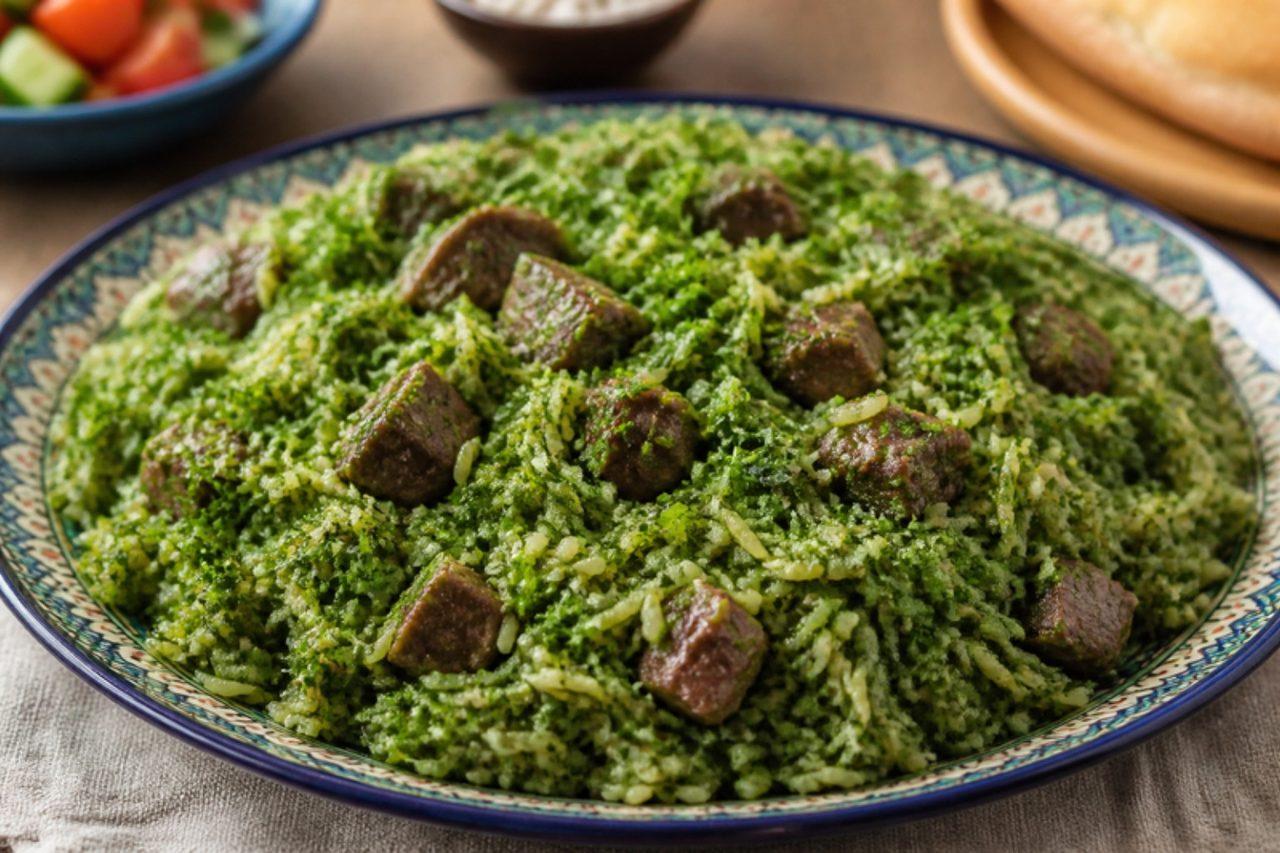
Bakhsh is the Shabbat and holiday rice of the Bukharan Jews, who lived in Bukhara and Samarkand for centuries before most emigrated to Israel and New York: rice mixed with small cubes of beef and liver and so much chopped coriander that it turns deep green, then cooked slowly in a cloth bag inside a pot of broth (bakhsh khalta) or in a pot sealed on the stove. It is fragrant, rich and moist. This version uses beef and calves' liver and the pot method. A common mistake is chopping the coriander roughly; it should be very fine so the rice turns evenly green. Chef's tip: cut the meat into rice-grain-sized pieces so it cooks in the same time as the rice. The liver and meat should be cooked through, 71 °C.

by KrazyBadal 0 views

MajareteCoconut rice-flour pudding

Puerto Rican grandmothers cook majarete on the stove in one pan, pour it into a dish and leave it to set while the Sunday dinner is eaten; it shows up again at Christmas beside the tembleque. Rice flour, coconut milk and whole milk are stirred with cinnamon and a little orange zest until they thicken into a silky, spoonable pudding, dusted with more cinnamon. In the Dominican Republic the same name goes to a version made with fresh grated corn. The common mistake is walking away from the pan; rice flour lumps and catches in seconds, so whisk constantly. Chef's tip: whisk the rice flour into the cold milks before the pan goes on the heat, and it will be perfectly smooth.

by KrazyBadal 0 views

Ensalada de coditosMacaroni salad

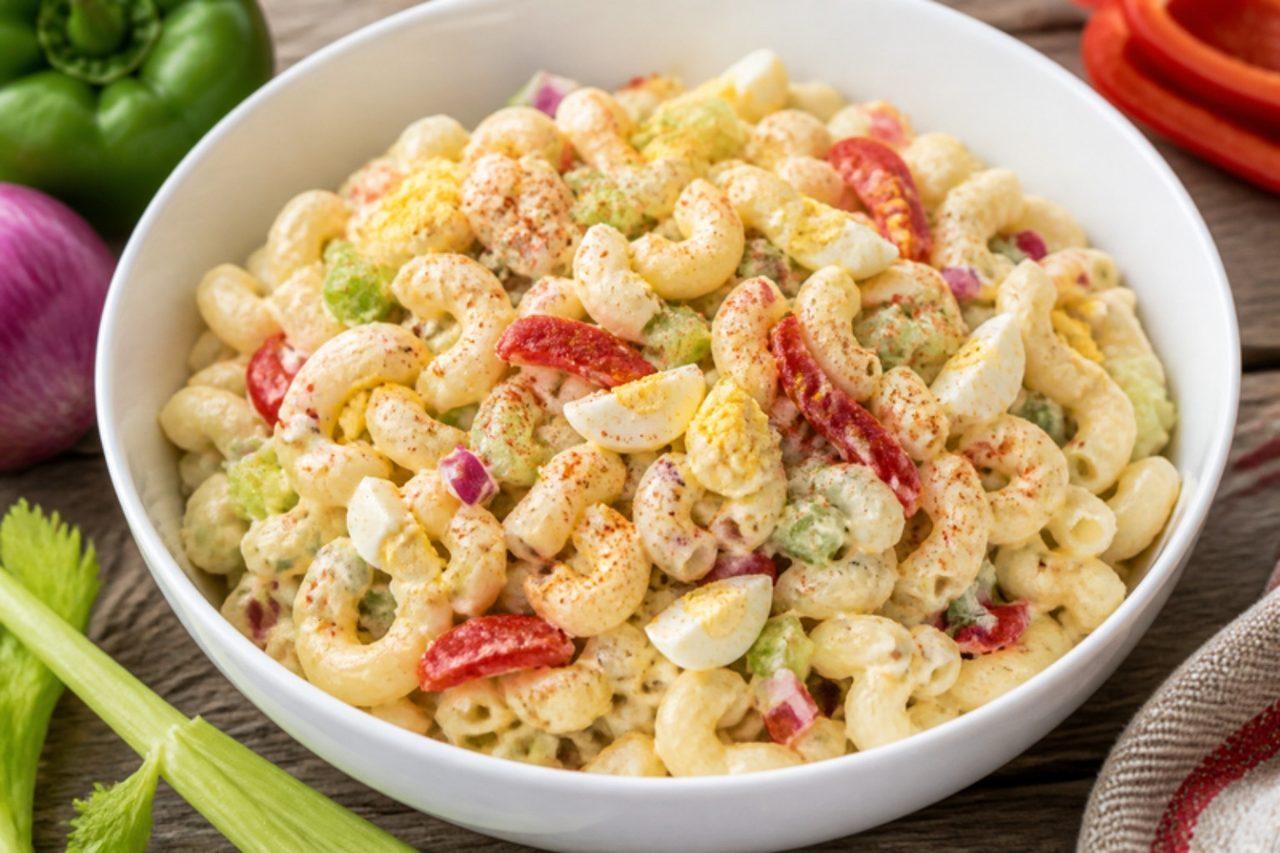
No Puerto Rican cumpleaños, baby shower or Thanksgiving-style family spread feels complete without a big bowl of coditos sitting next to the arroz con gandules. Elbow macaroni is folded through creamy mayonnaise with crunchy pepper, onion and celery, chopped hard-boiled egg and sweet pimientos, then chilled until the pasta drinks up the dressing. The common mistake is dressing the pasta piping hot, which makes the mayonnaise oily and split; let it cool first. Keep it in the fridge and don't leave it out in the sun for more than 2 hours. Chef's tip: toss the drained pasta with a splash of the pimiento liquid while it is still warm, so it is seasoned all the way through.

by KrazyBadal 0 views

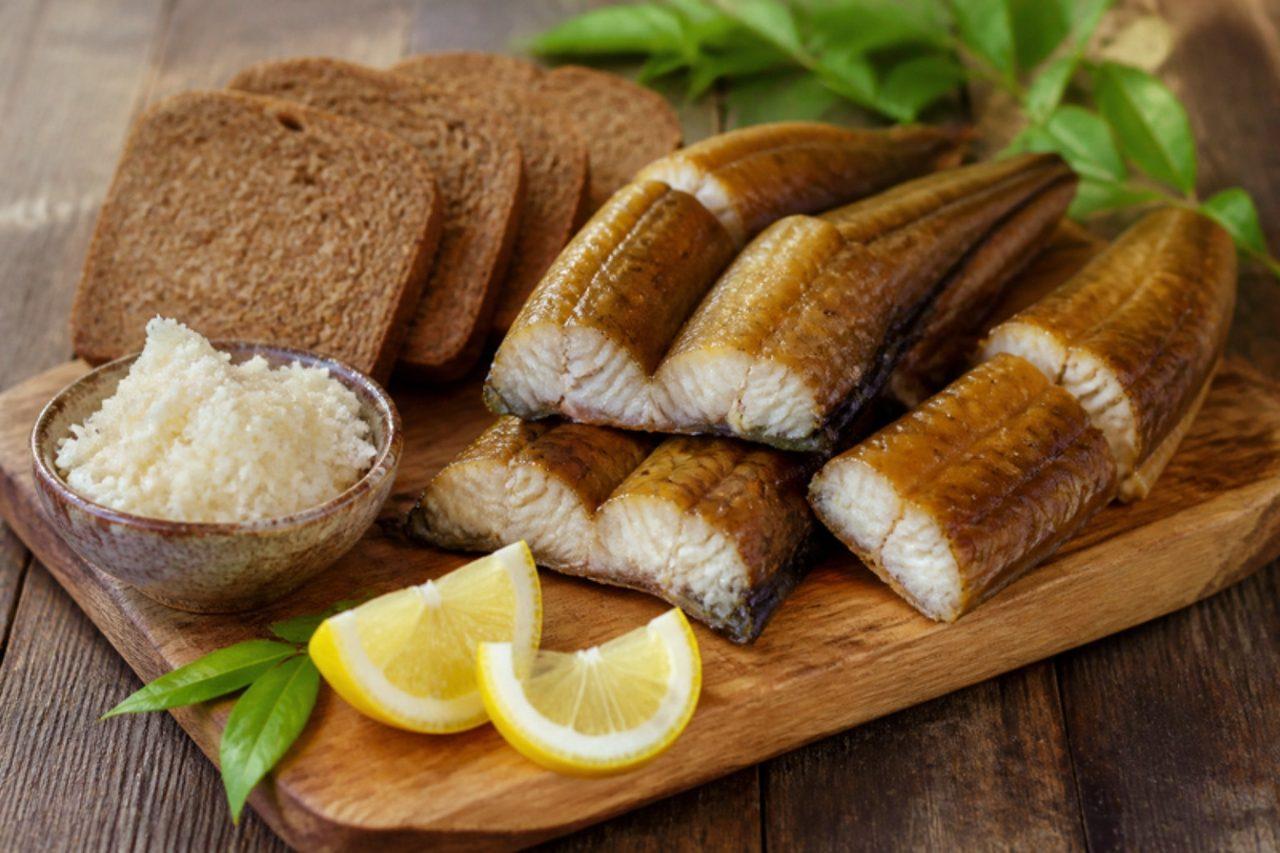
Smoked eel

Fish smokehouses dot the shores of the Great Masurian Lakes, and an eel hot-smoked over alder, golden-skinned and glistening, is the prize of any summer trip to Węgorzewo or Ruciane-Nida. The flesh is rich, soft and smoky-sweet, and it is eaten cold on rye bread with grated horseradish and a squeeze of lemon. European wild eel is endangered, so buy farmed eel from a responsible fishmonger, ready gutted. This is a fully hot-smoked version: the fish is brined in the fridge and cooked through in the smoker. Smoked fish can carry listeria if it is not cooked through or kept cold, so it is not for pregnant women, young children or anyone with a weakened immune system unless reheated until steaming. Many home smokers run the heat too low throughout, which leaves the eel smoky but undercooked. Chef's tip: ready hot-smoked eel from a lakeside smokehouse is the easy route; just serve it well chilled with the same garnishes.

240 minPolishFishGluten free
by KrazyBadal 0 views

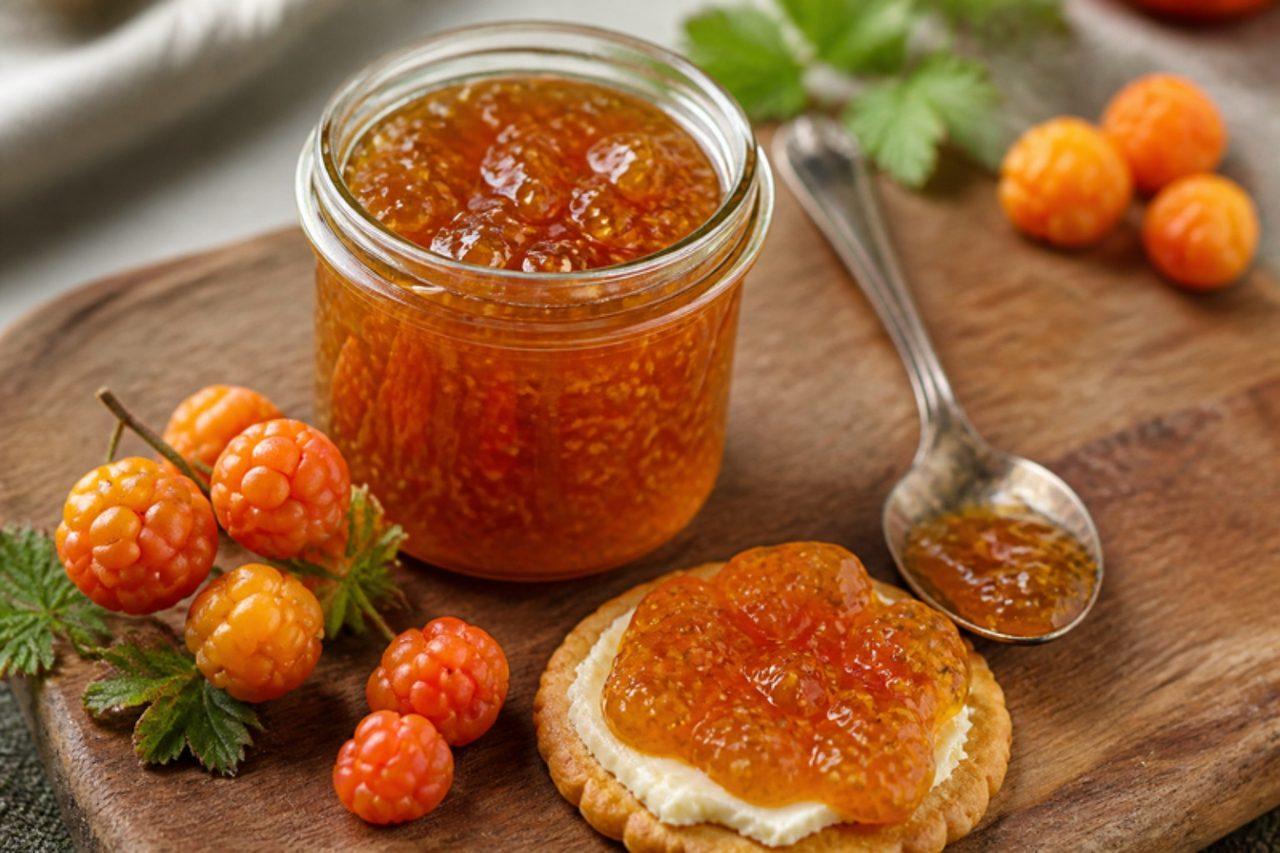
Bakeapple jamCloudberry jam

Bakeapples, the amber cloudberries of the Labrador and Newfoundland bogs, ripen for a few weeks in late July and August, and families on the Northern Peninsula and the Labrador coast pick them by the bucket. Turned into jam, they taste of apricot, honey and wild herbs, and the soft seeds give it texture. It is spread on toast, tea biscuits and toutons, or stirred through cream. Frozen cloudberries work if you can't get fresh. A common mistake is boiling too long, which darkens the colour and dulls the flavour. Chef's tip: test the set early, on a cold saucer.

by KrazyBadal 0 views

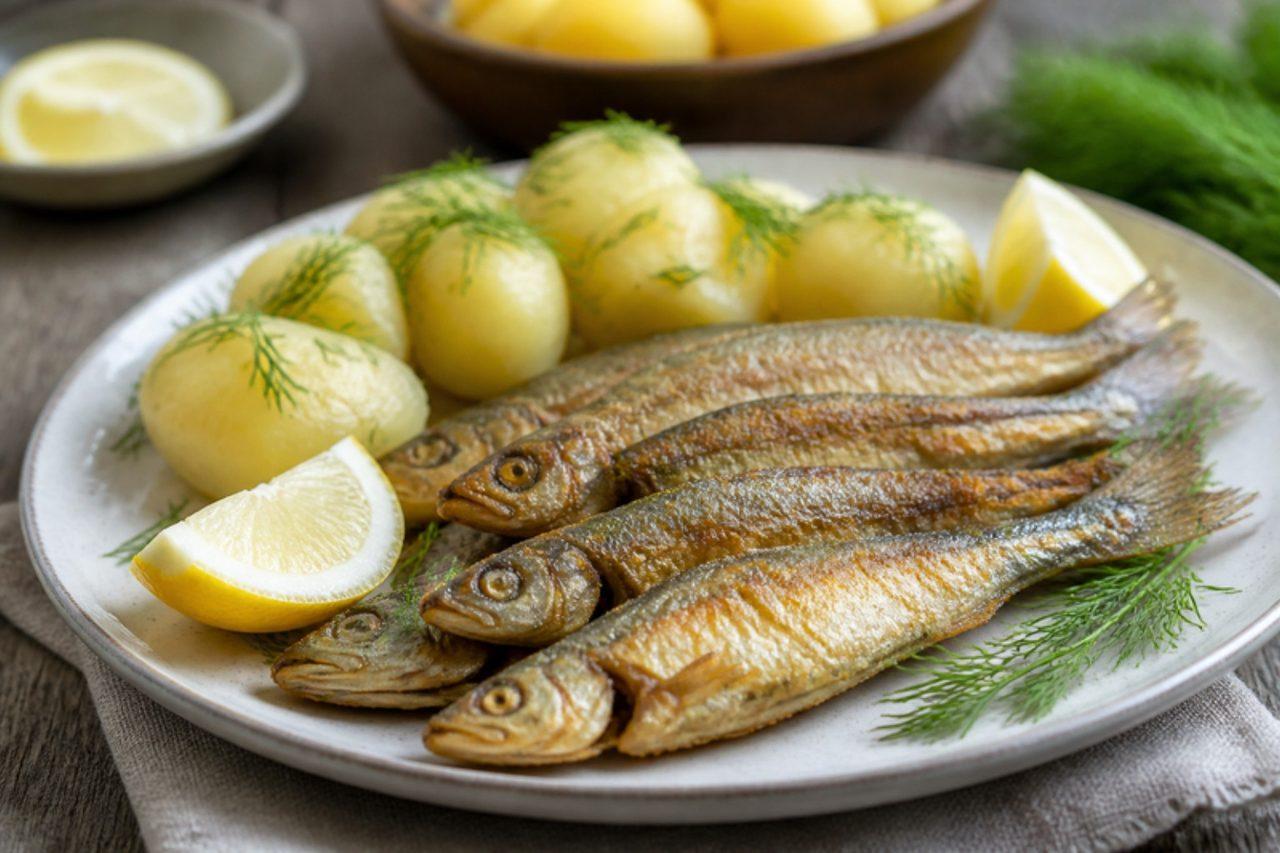
Fried vendace

Sielawa, the small silvery whitefish of the deep Masurian lakes, is a holiday treat in Mikołajki, Giżycko and the lakeside fish huts, sold freshly fried on paper plates with a lemon wedge and a slice of bread. The fish are so slender that, once floured and fried in butter, the fine bones become soft enough to eat and the skin turns golden and crunchy around sweet, delicate flesh. A cold cucumber salad or chips are the usual companions. Overcrowding the pan is the chief error: the fish steam instead of frying and the coating goes pale and soggy. If vendace is hard to find, smelt, small whiting or sprats work the same way. Chef's tip: dry the fish properly before flouring and fry in two batches, adding a little fresh butter and oil each time so it never burns.

25 minPolishFish
by KrazyBadal 0 views

Champola de guanábanaSoursop milk shake

On a sticky afternoon in Havana, a tall glass of champola is the classic cooler: soursop pulp blended with ice-cold milk and a little sugar into something between a shake and a fruit drink. Soursop (guanábana) tastes of pineapple, banana and lemon at once, with a creamy body all its own. The common mistake is blending the black seeds in, which makes the drink bitter, so remove every one or use frozen pulp. Chef's tip: add a squeeze of lime just before serving; it sharpens the fruit and stops the drink tasting flat.

by KrazyBadal 0 views

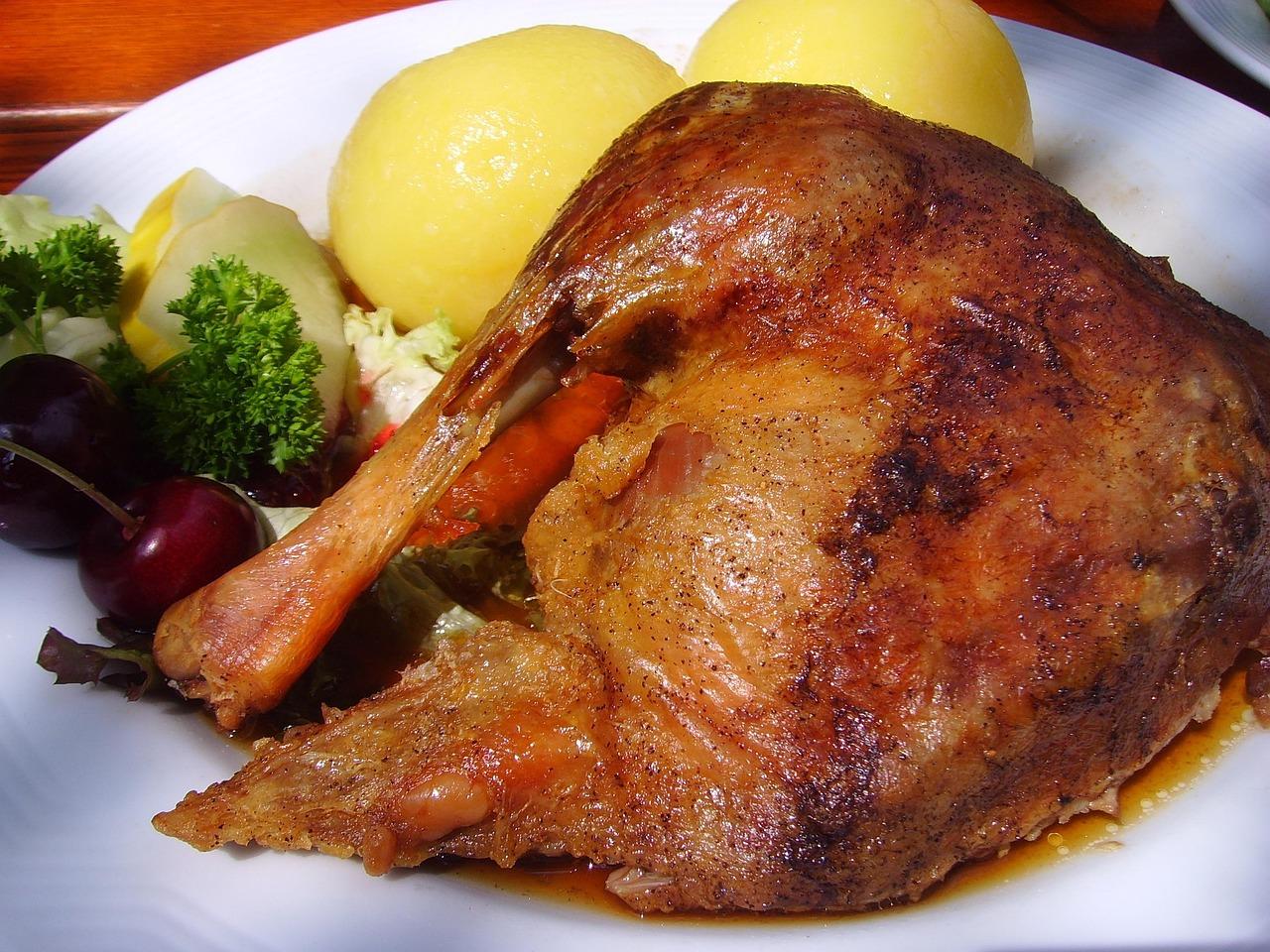
Roast goose with apples

On 11 November, St Martin's Day and Poland's Independence Day, roast goose comes back to tables from Poznań to Gdańsk, and Pomeranian and Kujawy farms still raise their own white geese for it. The bird is rubbed with marjoram, garlic and salt, left overnight in the fridge, then stuffed with sharp apples and roasted slowly so the fat renders out and the skin turns crisp and mahogany. The meat is dark and rich, the apples collapse into a tart sauce. Serve with braised red cabbage, potato dumplings and the pan juices. Most people forget to drain the fat as it roasts, and the bird ends up frying in its own puddle; pour it off every half hour and save it for roast potatoes. Allow an extra night for the marinade. Chef's tip: prick the skin all over, especially under the wings and thighs, without piercing the meat, so the fat has somewhere to escape.

240 minPolishMeatGluten free
by KrazyBadal 0 views

BakarkhaniLayered ghee bread

Before dawn in Lalbagh and Nazira Bazar, bakers slap rounds of dough onto the inside walls of clay tandoors, and by sunrise stacks of bakarkhani are wrapped in newspaper for the first cup of milky tea. The Old Dhaka kind is small, about the size of a palm, with dozens of paper-thin layers that shatter at the edges and stay a little tender in the middle; the faintly sweet, buttery taste is what makes it so good dipped in cha or crumbled over a bowl of firni. Local legend ties the name to a Mughal-era romance, but the technique is pure bakery craft: the dough is spread with a ghee paste, rolled up, coiled and rolled again. Most failed batches come from soft, warm ghee paste, which soaks into the dough instead of sitting between the layers. Chef's tip: chill the rolled coils for 15 minutes before the final rolling so the fat sets and the layers stay separate in the oven.

by KrazyBadal 0 views

Senafich (Ethiopian mustard seed paste)

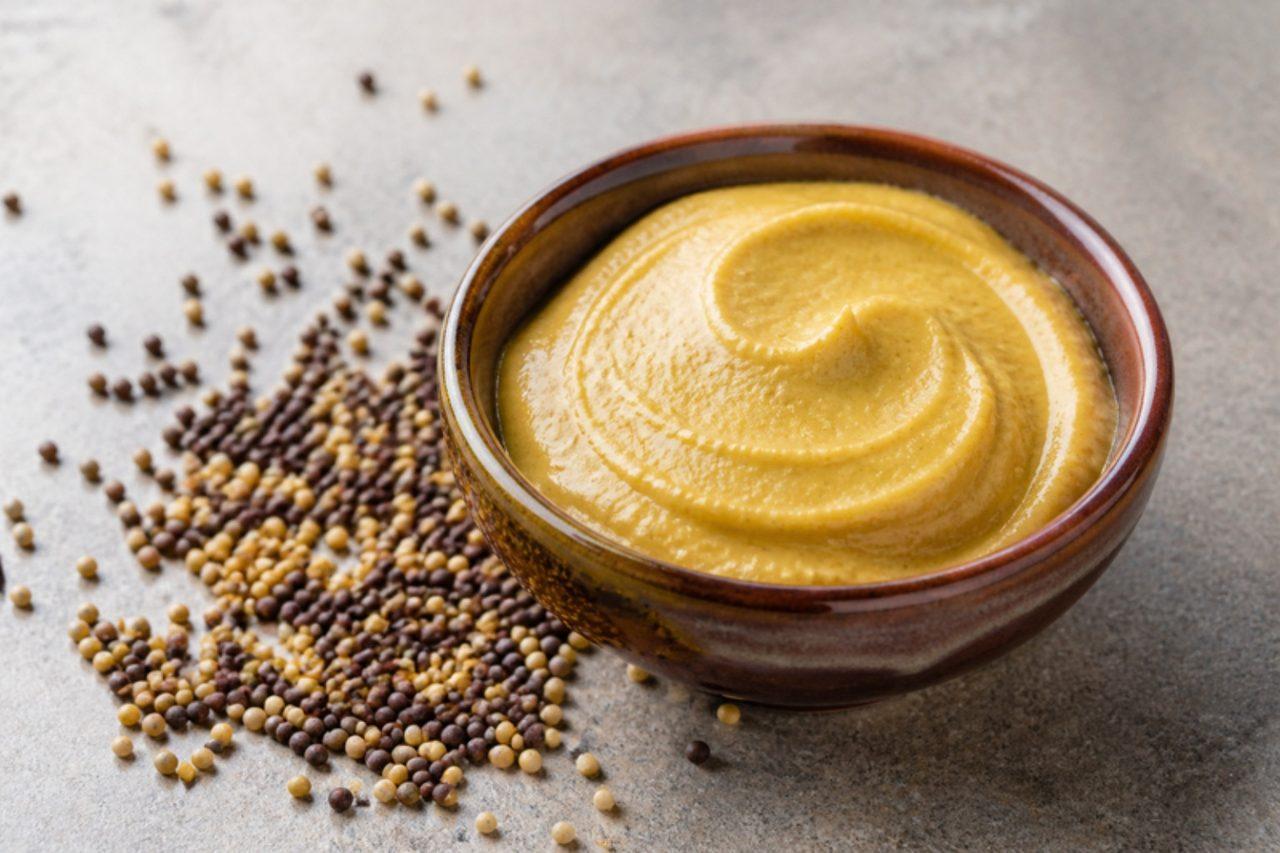
On Ethiopian fasting platters there is often one little dab of yellow among the reds and greens: senafich, a punchy mustard paste that clears the nose and cuts through the oil of the wats. Brown or yellow mustard seed is ground, mixed with warm water and left to rest, which takes the bitterness away, then beaten with lemon, oil, ginger and garlic until it is smooth and creamy. It is served with injera, shimbra asa and boiled vegetables, and some cooks thin it into a sauce for raw chillies. A common mistake is serving it straight after mixing, when it is harsh and bitter; let it stand for at least an hour (it is even better the next day). Chef's tip: use warm water rather than boiling for the soak; very hot water kills the mustard's heat and leaves it flat.

by KrazyBadal 0 views

Sinig karia (stuffed green chillies)

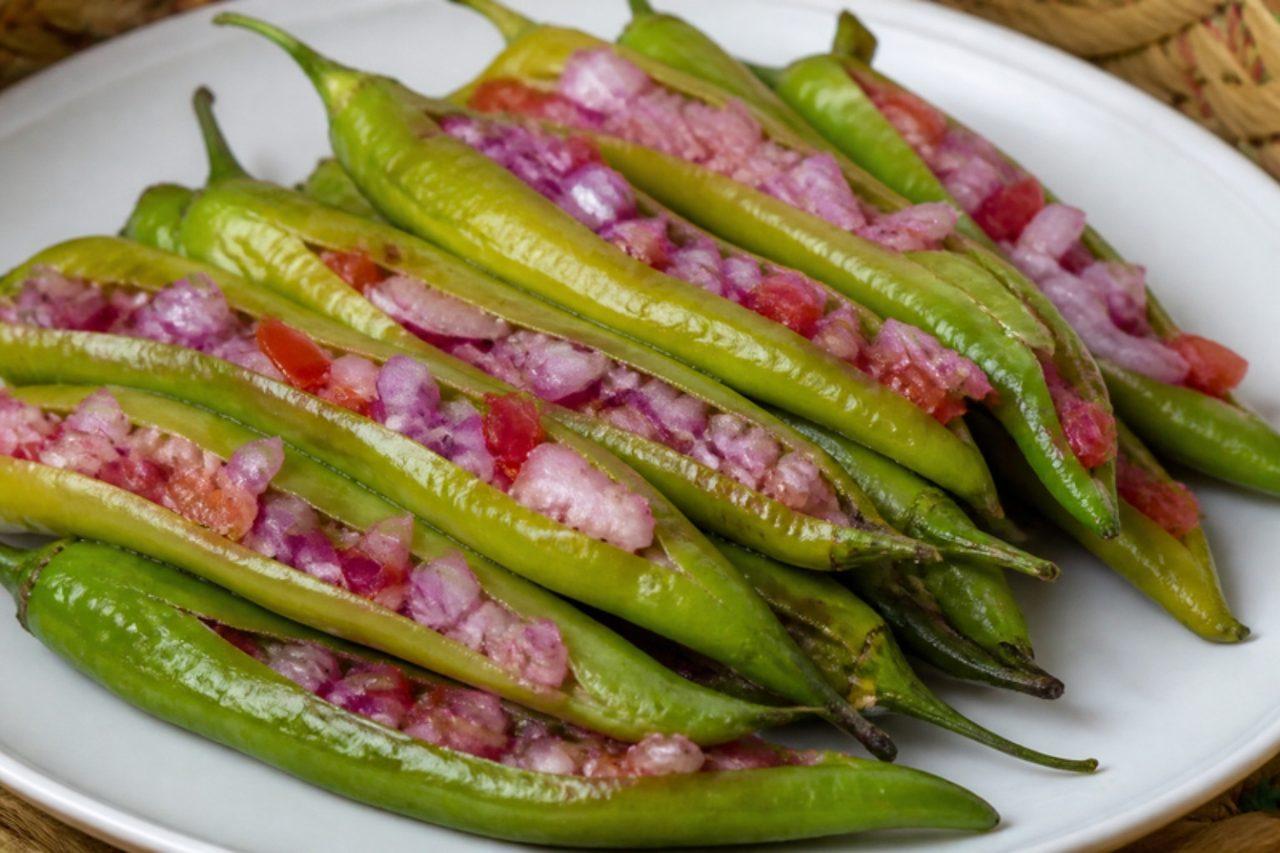
Long, pale green karia chillies are piled high in the markets of Addis Ababa, and on fasting days cooks slit them, scrape out the seeds and fill them with a sharp little salad of onion and tomato soaked in lemon. The result is crunchy, fresh and juicy, with a mild chilli warmth, and the chillies are eaten with the fingers between mouthfuls of injera and spicy wat, or set out as a starter. Choose mild long peppers such as Anaheim, Hungarian wax or long sweet green peppers. A common mistake is leaving the white ribs in, which keeps the heat high and can make them bitter; scrape them out with a teaspoon. Chef's tip: dip the chillies in boiling water for one minute and cool them in cold water first if you want them a little softer and easier to stuff.

by KrazyBadal 0 views

Timatim fitfit (torn injera with fresh tomato)

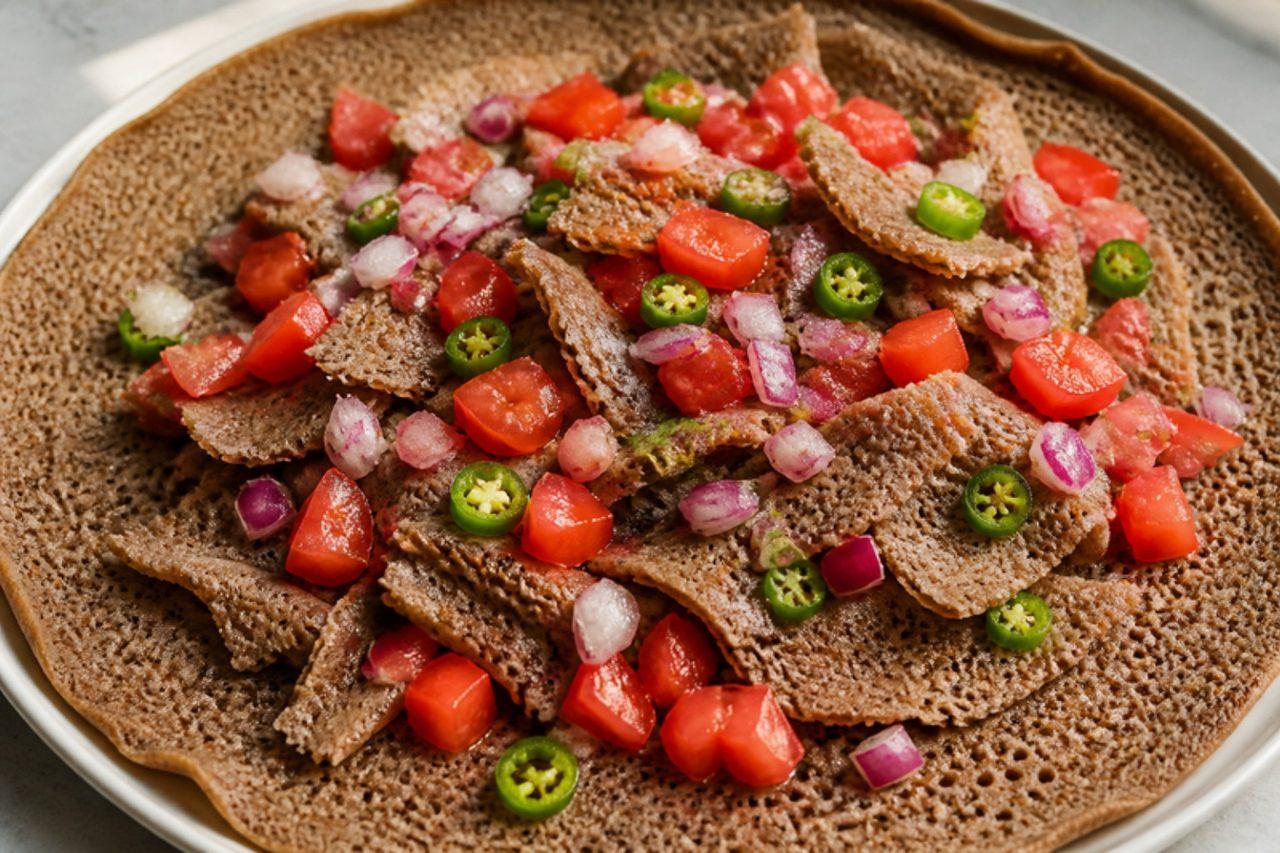
Leftover injera never goes to waste: torn into bite-sized pieces and tossed with juicy chopped tomato, red onion, green chilli, lemon and oil, it becomes timatim fitfit, a cool, tangy salad eaten for a light lunch on hot days and on fasting days all over the country. Unlike timatim salata, which is just the tomato salad, this version is a meal in itself: the injera drinks up the dressing and turns soft and spongy while keeping a little chew. It is usually served in a bowl and eaten with more injera or with a spoon. The common mistake is mixing it too early, which turns the bread soggy; toss it no more than ten minutes before eating. It is gluten free only if your injera is made from 100% teff. Chef's tip: use day-old injera, which is slightly drier and holds its shape better than fresh.

by KrazyBadal 0 views

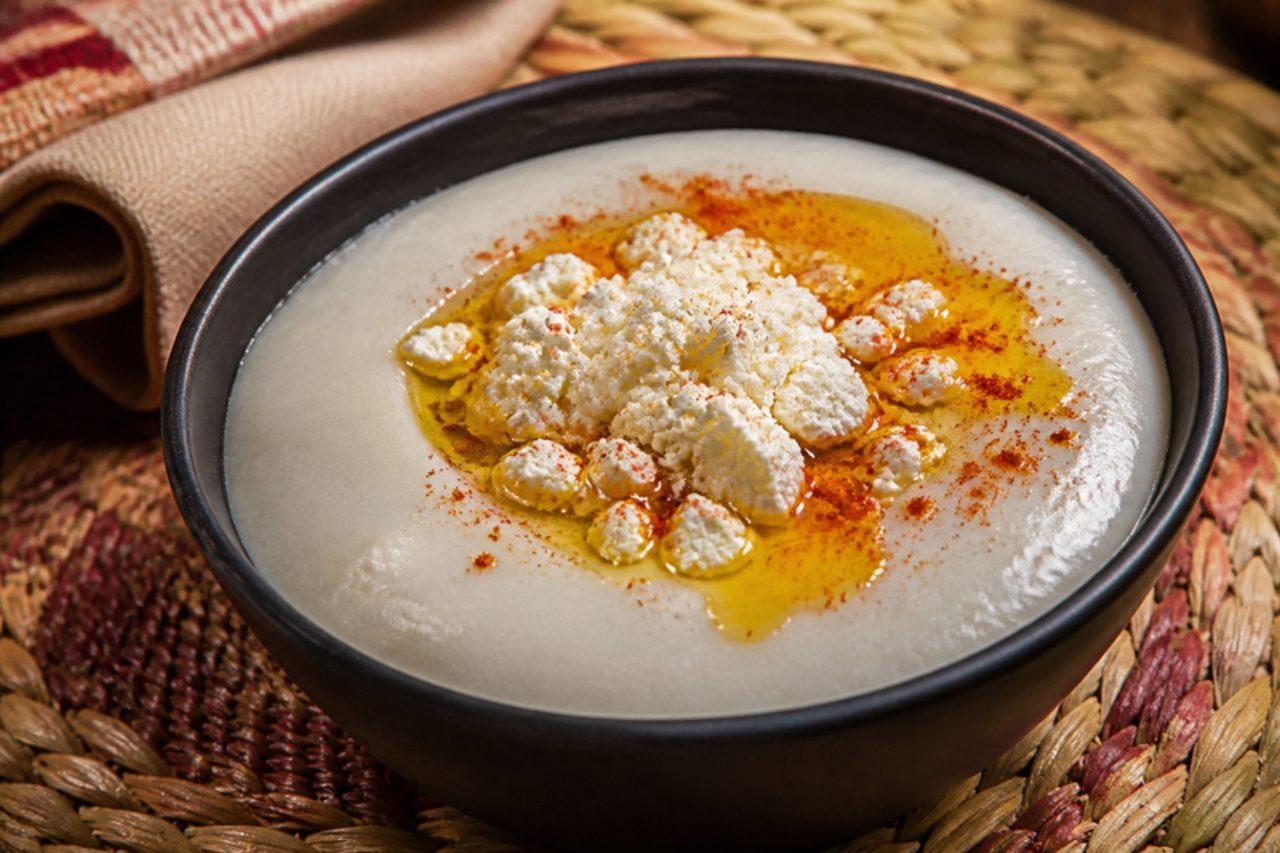
Buticha (whipped chickpea flour dip)

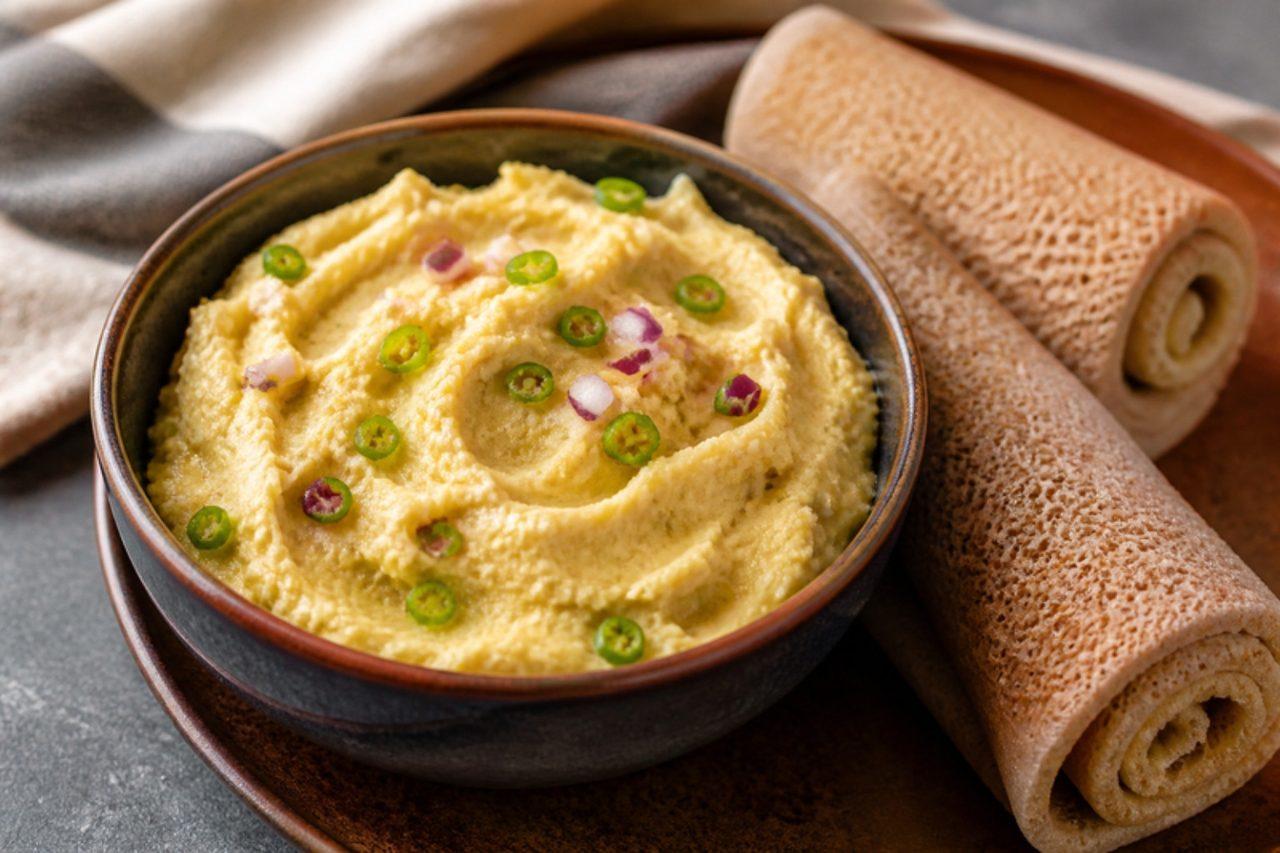
Ethiopian Orthodox kitchens make buticha on fasting days as a plant-based stand-in for scrambled egg or fresh cheese, and it often sits as a pale, fluffy mound on the vegan platters of Addis Ababa's restaurants. Chickpea flour is cooked with water into a thick paste, cooled, then beaten with oil and plenty of lemon juice and mixed with raw red onion and green chilli. The texture is soft, crumbly and light, the flavour tangy and fresh against the rich, red wats. Serve it cool with injera, or as a dip with kita. A common mistake is beating it while still hot, which makes it gluey instead of fluffy; let it cool completely first. Chef's tip: cook the paste a full eight minutes after it thickens, so no raw, beany taste is left.

by KrazyBadal 0 views

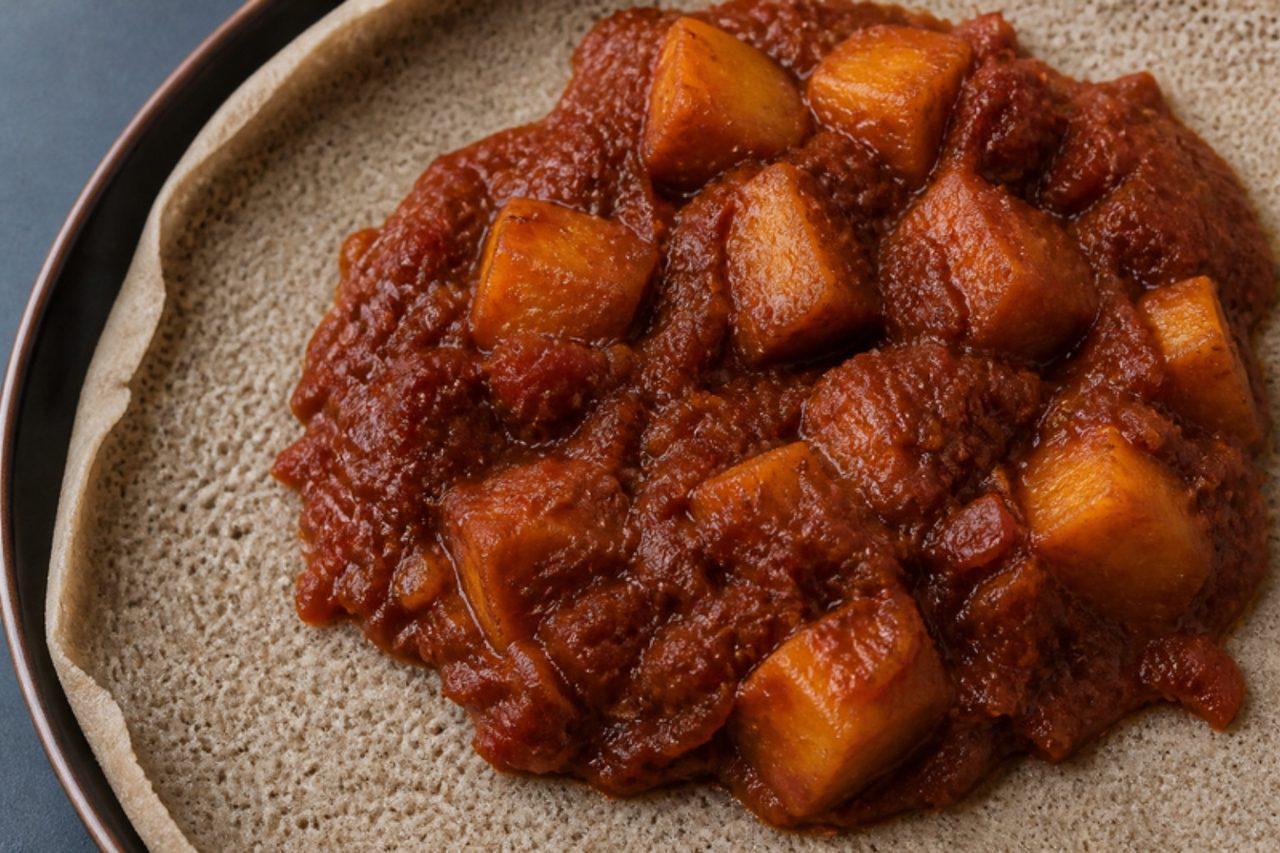
Ye-dinich wat (spicy Ethiopian potato stew)

Wednesday and Friday lunch in countless Ethiopian homes and canteens includes a pot of ye-dinich wat, the potato stew that turns a few cheap ingredients into something deeply savoury. Red onions are cooked down slowly, then berbere, garlic and ginger go in with oil to build a dark, glossy sauce, and cubes of potato simmer in it until they soften and start to thicken it at the edges. It is hot, earthy and comforting, and scooped up with injera next to shiro, misir and gomen on a fasting platter. Because it uses oil and no butter, it is fully vegan. Hurrying the onion base is the usual mistake; give it the full time or the sauce tastes thin and raw. Chef's tip: cut the potatoes into even 2 cm cubes, so they cook at the same rate and hold their shape.

by KrazyBadal 0 views

Godere (taro with spiced butter and mitmita)

Through the wet south of Ethiopia, from Wolaita to Sidama, taro (godere) grows in garden plots, and boiled and buttered it is the snack that comes out with the coffee pot or the side dish at harvest gatherings. The corms are boiled until creamy, cut into chunks and tossed in warm niter kibbeh with mitmita and salt, so they turn glossy, soft and nutty with a chilli edge. They are eaten with the fingers or alongside kitfo, ayib and greens. Raw taro must never be eaten: it contains irritant crystals that only proper cooking breaks down, and the raw sap can itch, so wear gloves to peel and boil it until fully tender. Chef's tip: boil the taro in its skin for a firmer, less slimy texture, then peel while still warm.

by KrazyBadal 0 views

Bula (enset starch porridge with spiced butter and ayib)

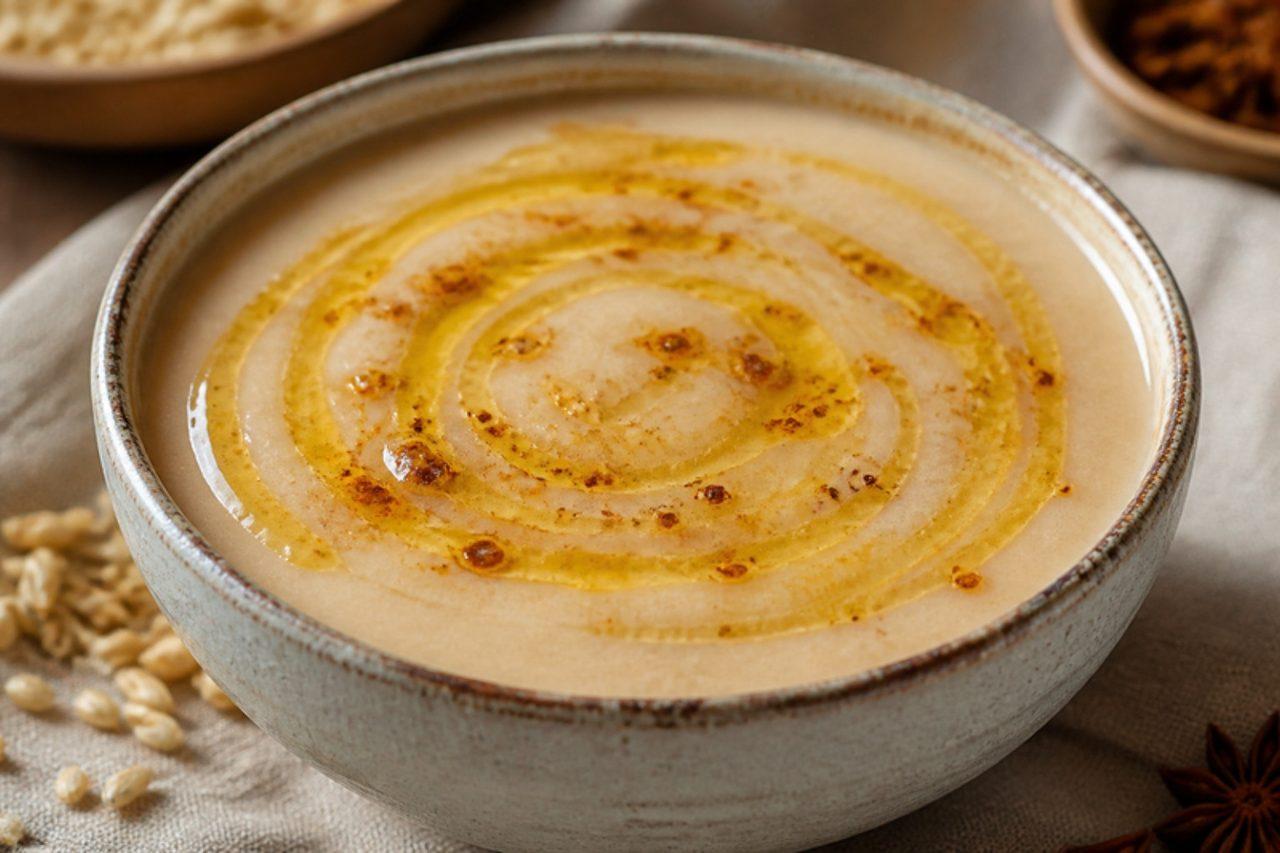
Bula is the finest part of the enset plant, a white starch that settles out when the pulp is squeezed, and in Sidama and Gurage homes it is cooked into a smooth, wobbly porridge for honoured guests, new mothers and anyone feeling weak. Whisked into water and stirred until glossy and translucent, it is very mild and slightly elastic, then topped with melted niter kibbeh, crumbled ayib and a pinch of mitmita for warmth. It is eaten for breakfast or as a light supper, often with coffee. Dried bula is sold in Ethiopian shops; tapioca starch is the closest stand-in. Lumps are the common mistake, so always slake the starch in cold water first and whisk as it heats. Chef's tip: keep stirring right to the end; bula thickens suddenly and catches on the base of the pan in seconds.

by KrazyBadal 0 views

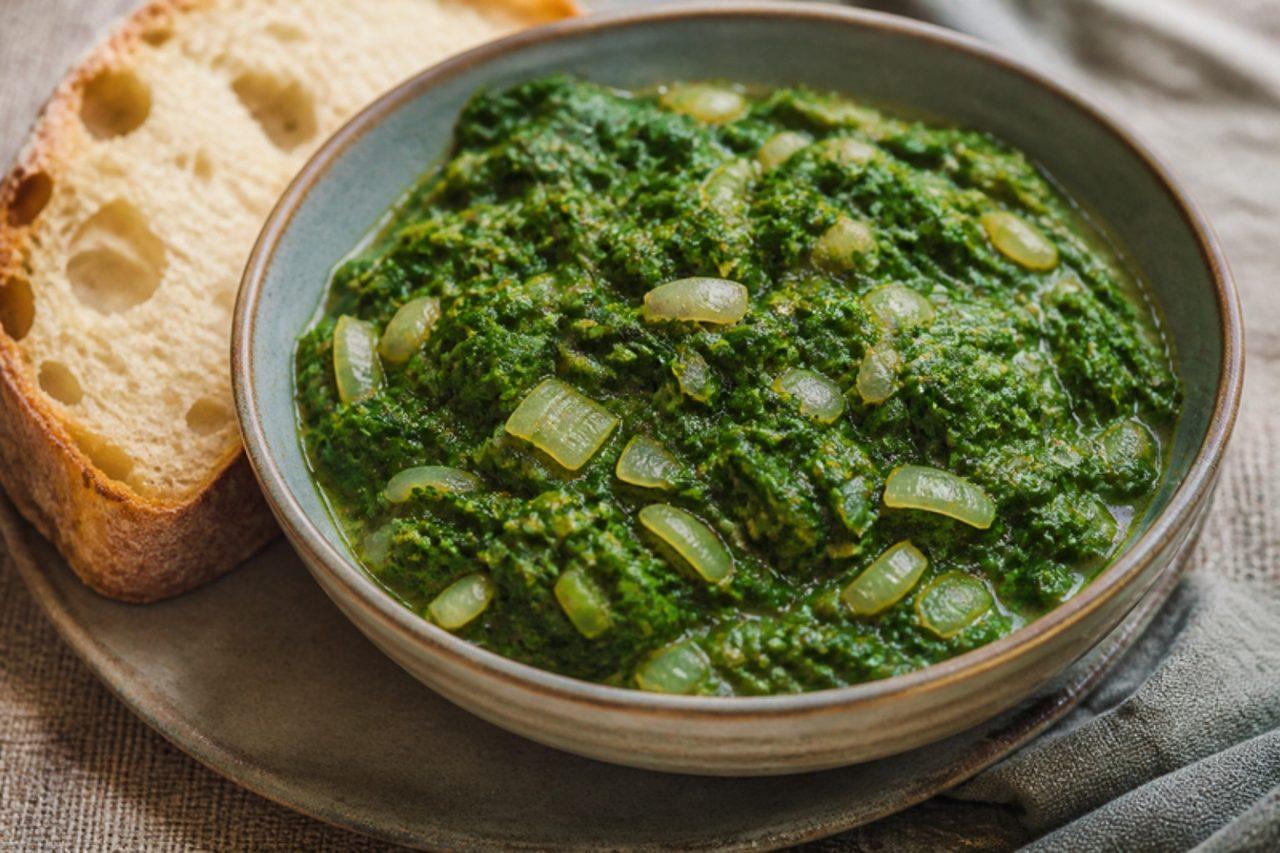
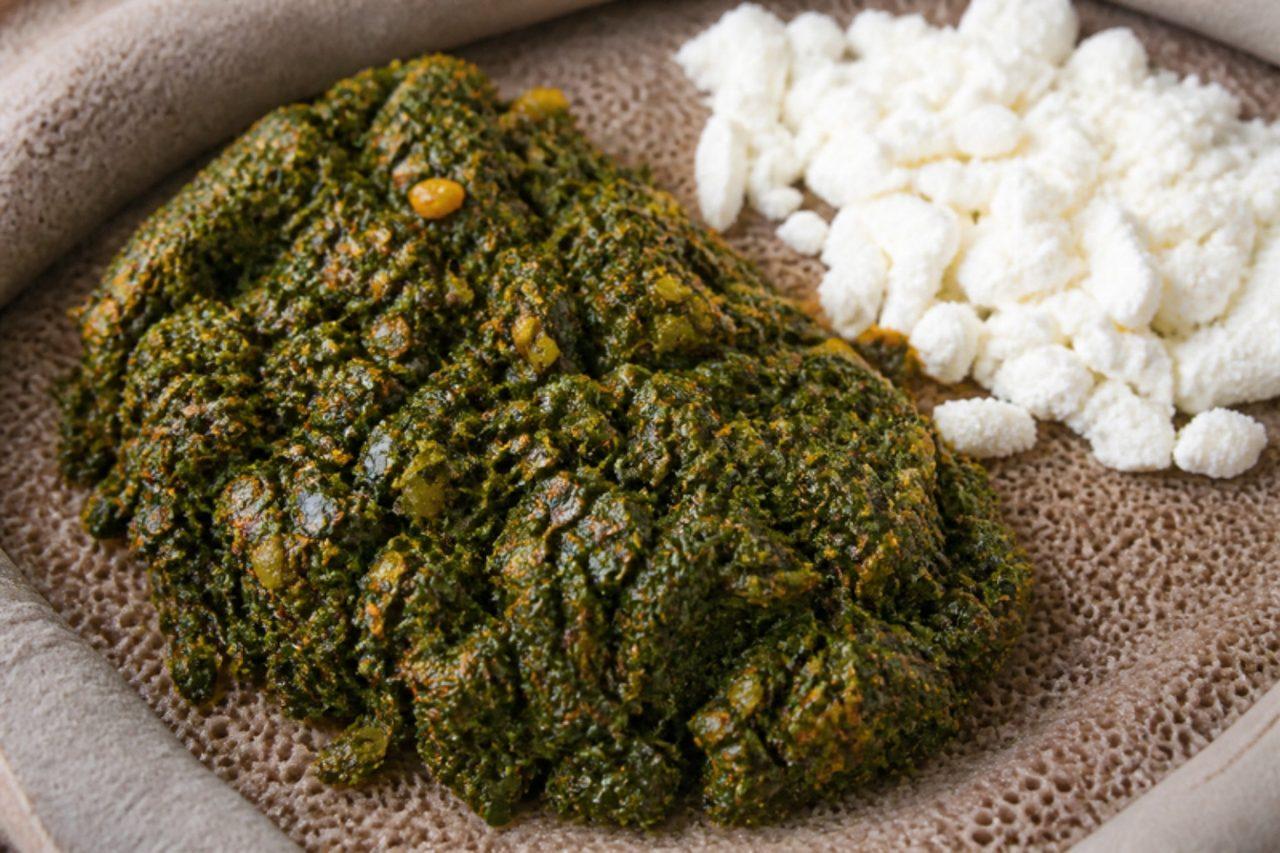
Moringa leaf stew (Konso shiferaw)

On the stone terraces of Konso, moringa trees grow beside almost every house, and their young leaves are picked daily for a simple green stew eaten with sorghum dumplings or injera. The leaves are stripped from their stems and simmered with onion, garlic, a little green chilli and oil until soft, giving a deep green, slightly peppery dish that tastes a little like spinach crossed with watercress. It is plain, nourishing and naturally vegan, so it fits any fasting day. Fresh or frozen moringa leaves are sold in many Indian and Asian grocers; if you cannot find them, use spinach with a squeeze of lemon. Leaving the stems in is the usual mistake; they stay woody, so strip the leaves off. Chef's tip: add the leaves in handfuls and stop cooking as soon as they are tender, so they keep their colour and their gentle bitterness does not deepen.

by KrazyBadal 0 views

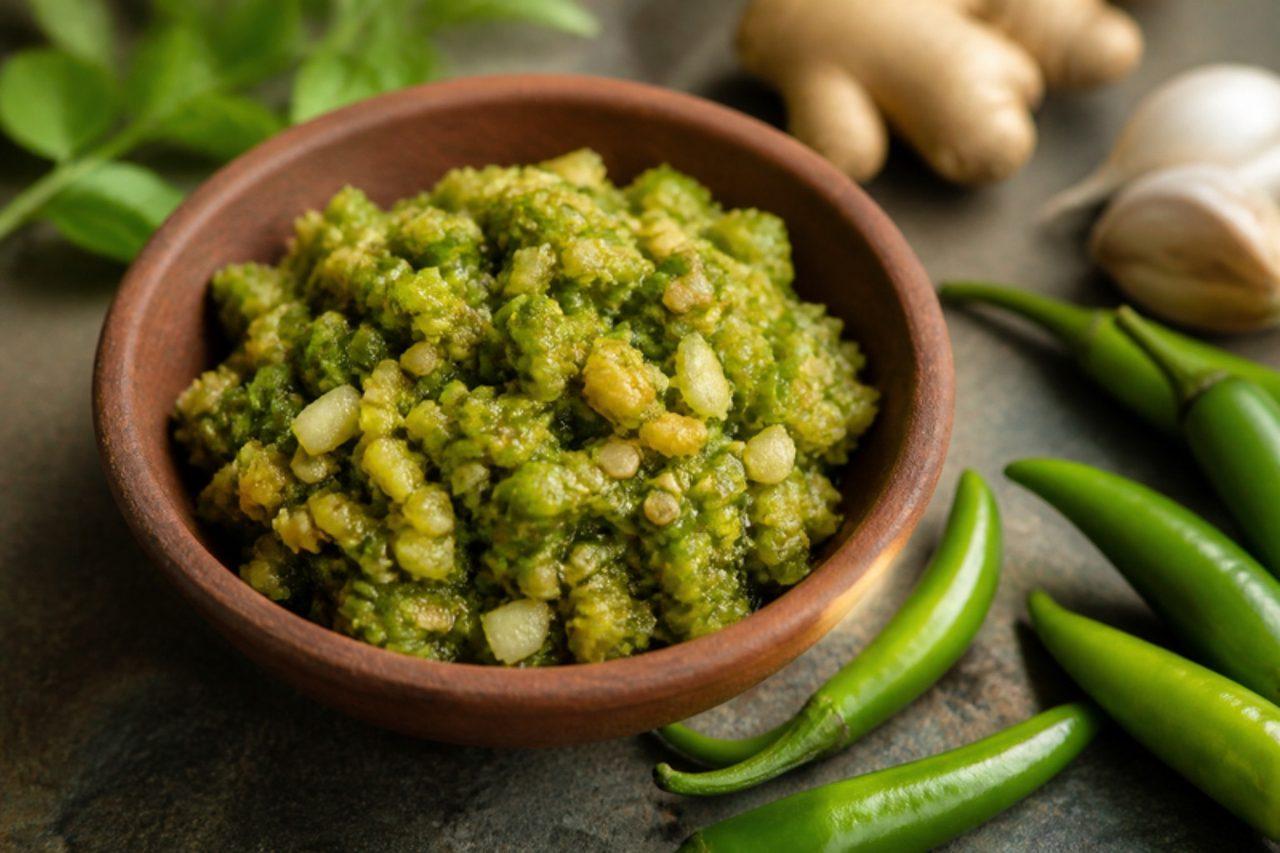
Datta (Gurage green chilli relish)

A small bowl of datta sits beside every plate of kitfo in Gurage country, and Addis kitfo houses serve it the same way; a dab of it wakes up mild ayib, kocho or a bowl of shiro. Fresh green chillies are pounded in a mortar with garlic, ginger and salt, sometimes with a little onion and lemon, into a coarse, bright paste that is sharp, grassy and very hot. It is a fasting-friendly relish, since it is nothing but vegetables, oil and lemon. Blitzing it to a smooth liquid in a blender is a common mistake: you lose the texture and the chillies turn bitter; pound it, or pulse briefly. Wear gloves when handling the chillies, and wash the board well afterwards. Chef's tip: for a milder datta, scrape out the seeds and pale ribs of half the chillies before pounding.

by KrazyBadal 0 views

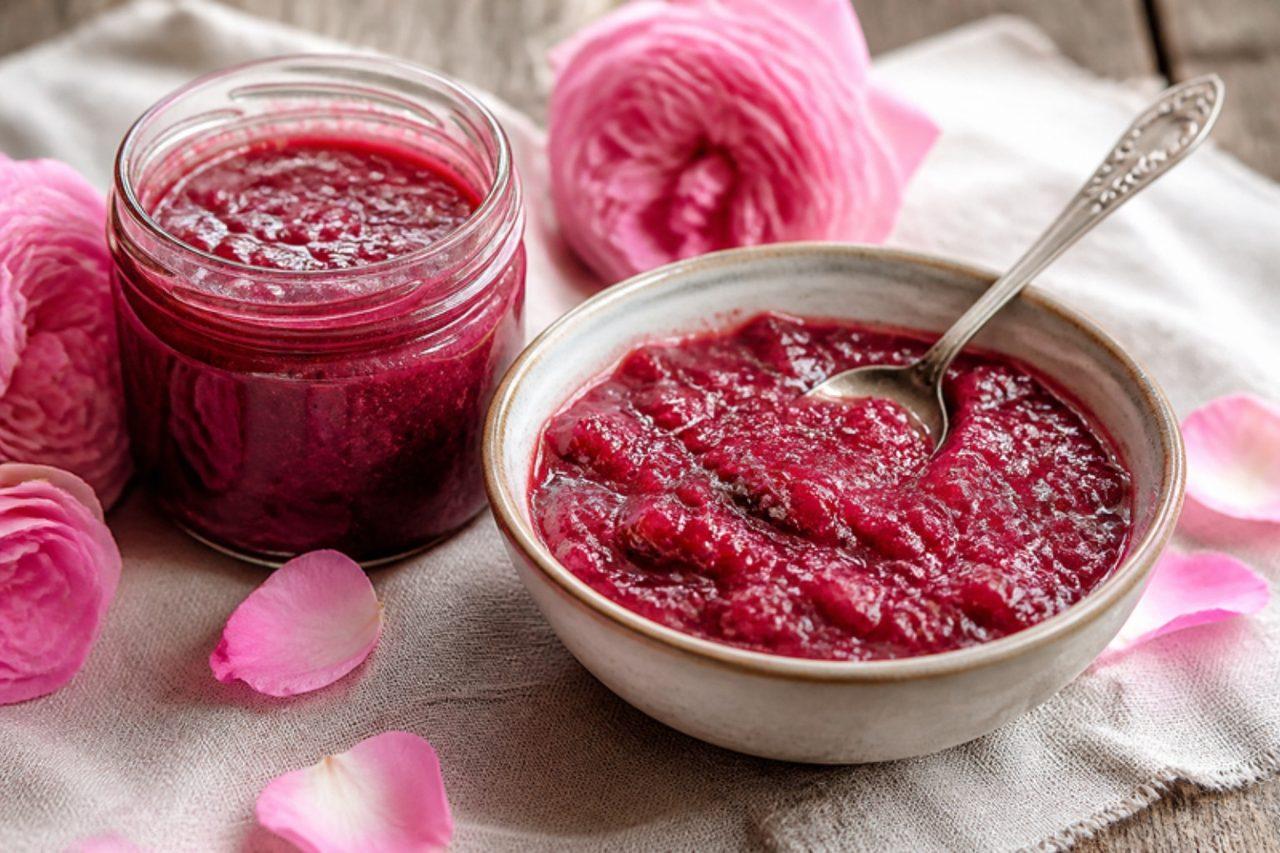
Rose petal jam

Ask a Polish baker what goes inside a proper pączek and the answer is rose jam, not strawberry. In June, families gather the scented pink petals of wild beach roses (Rosa rugosa) from hedges along the Baltic coast and in gardens, then pound them with sugar into a sticky, intensely perfumed paste that keeps for a year. The flavour is floral and sweet with a little sharpness from lemon, lovely in doughnuts, swirled into yoghurt or spread on cheesecake. Pick only from plants that have not been sprayed and away from roads. Where most people go wrong is leaving the bitter white base of the petals on; snip it off. Chef's tip: lemon juice turns dull petals bright magenta, so add it right at the start.

by KrazyBadal 0 views

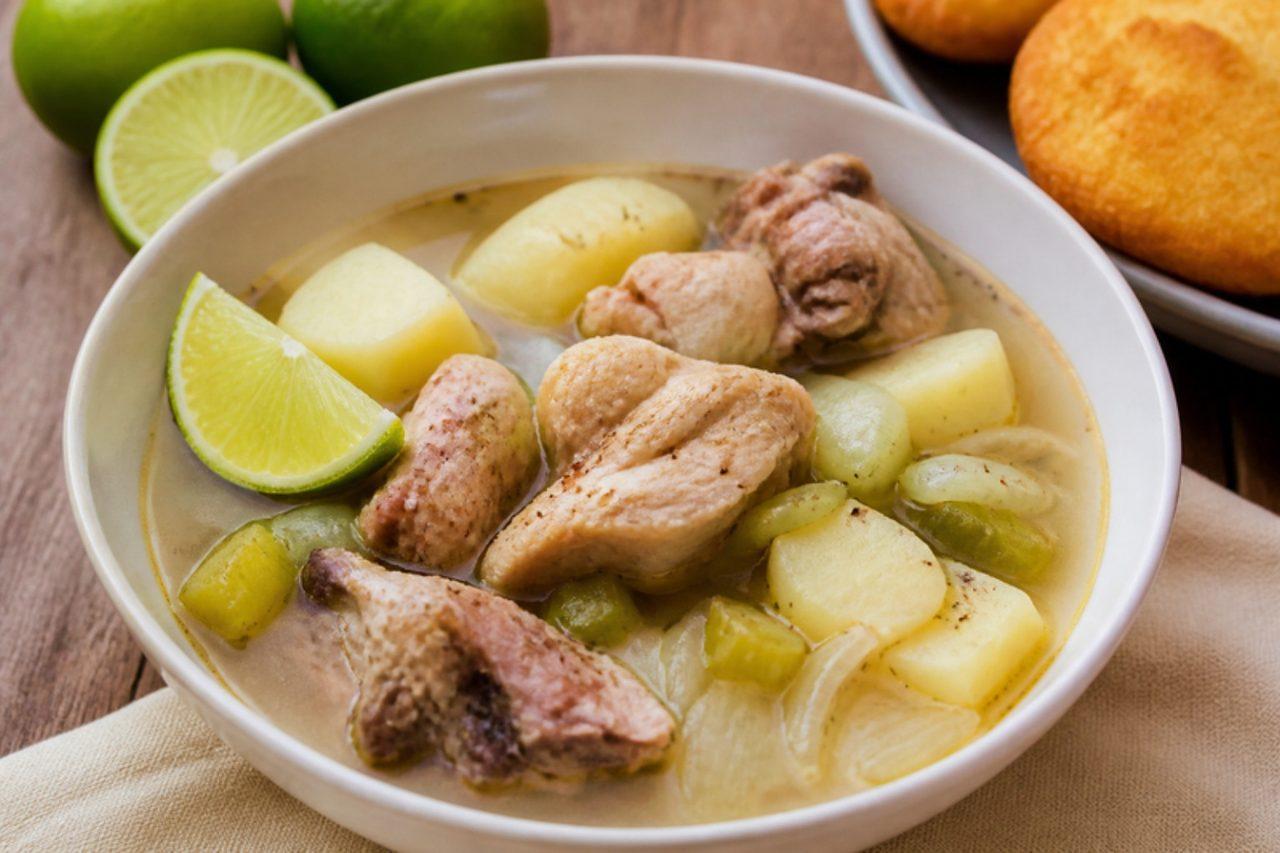
Bahamian chicken souseChicken in lime broth

In the Bahamas, souse is the Saturday-morning cure after a late Friday: chicken (or sheep tongue or pig's feet, for the old-timers) simmered in a clear, sharp broth of lime juice, allspice, onion, potatoes and hot pepper, eaten with johnnycake. It is light, sour, peppery and very reviving. The common mistake is adding the lime too early and boiling it, which makes the broth bitter; most goes in at the end. Use bone-in pieces for flavour. Chef's tip: let the bowl sit for a few minutes after serving so the lime mellows into the broth.

by KrazyBadal 0 views

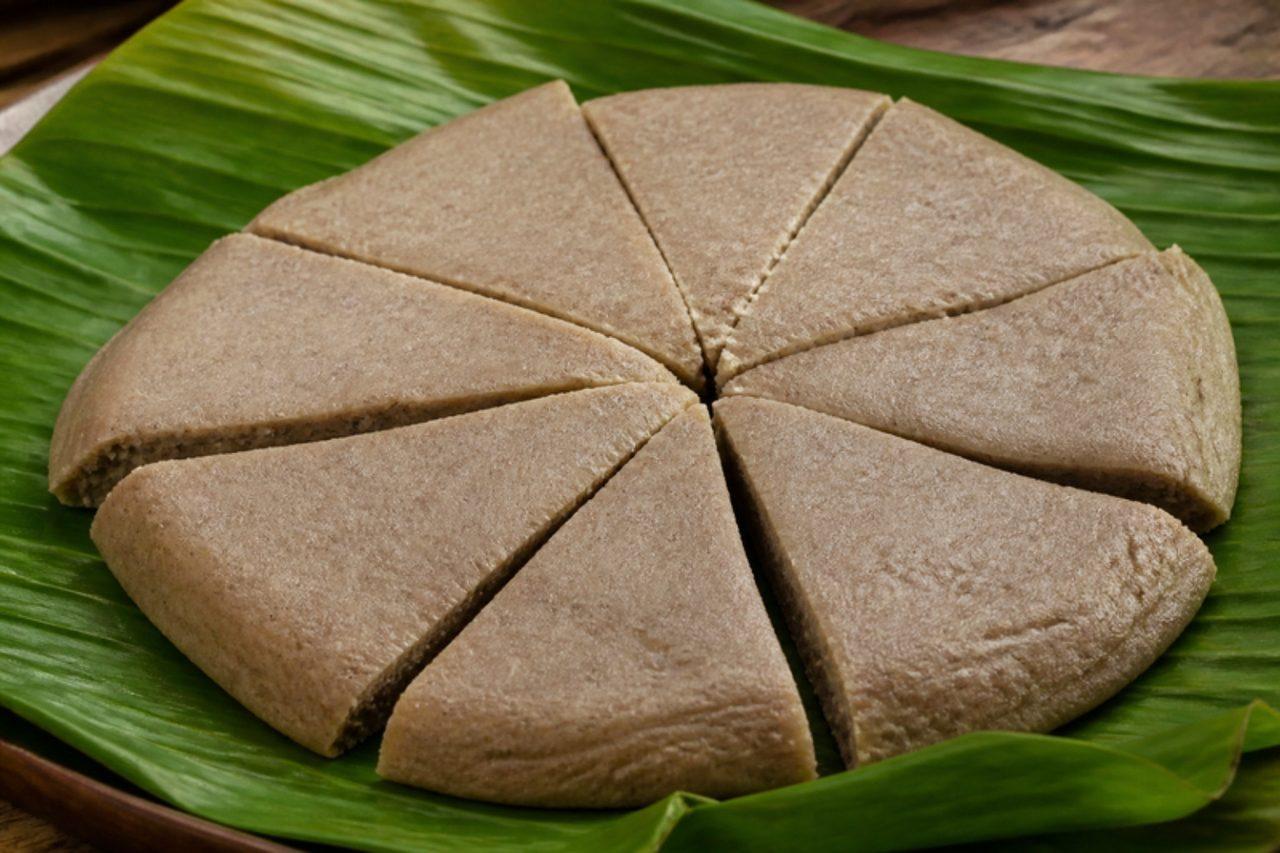
Kocho (Gurage enset flatbread)

Across the green Gurage and Sidama highlands, the enset or 'false banana' plant feeds whole families, and its scraped, fermented pulp becomes kocho, the dense flatbread that is the only proper partner for kitfo. Fermentation happens over weeks or months in leaf-lined pits, so outside Ethiopia you start with ready-fermented kocho, sold frozen or chilled in Ethiopian shops; there is no real substitute. The pulp is squeezed, chopped fine, patted into a round on enset or banana leaves and baked slowly on a griddle. The bread is chewy, slightly fibrous and pleasantly sour, with a faint fermented aroma, and it is torn and used to scoop kitfo, gomen kitfo and ayib, especially at Meskel. Too much moisture is the classic mistake, giving a gummy, raw-tasting middle; wring the pulp out well. Chef's tip: cook it low and slow under a lid, so the centre dries and sets before the leaves burn.

by KrazyBadal 0 views

Bajre di rotiPearl millet flatbread

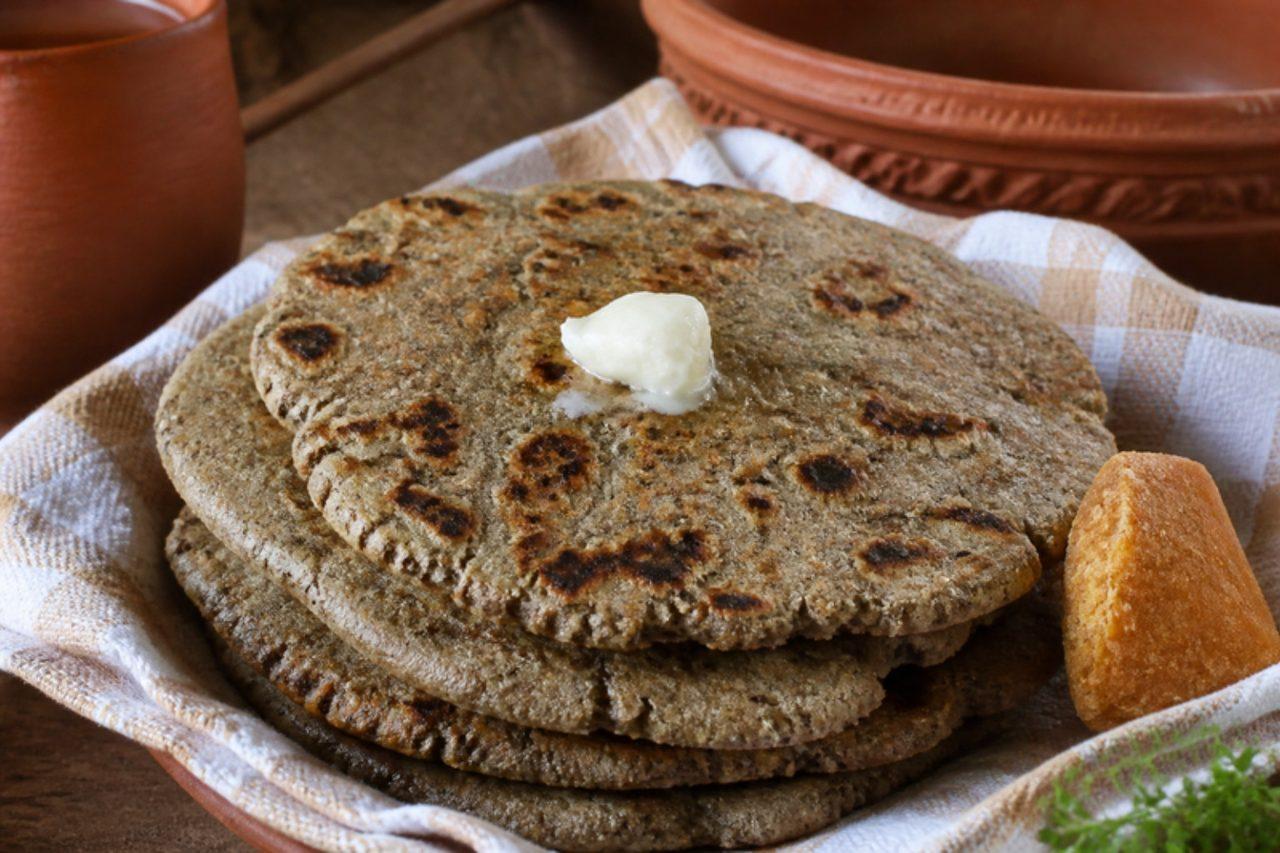
Pearl millet grows where wheat gives up, in the sandy fields on the edge of the Cholistan desert around Bahawalpur, and there bajre di roti is the bread of winter, thick, grey-green and earthy with a slightly sweet, nutty taste. Because millet has no gluten, the dough is kneaded one roti at a time and patted out between wet palms rather than rolled, which takes a little practice but no special equipment. In village homes it is eaten hot with a lump of white butter or ghee and a piece of jaggery, or with sarson ka saag and a bowl of lassi; for a vegan meal, serve it with saag cooked in oil. Making all the dough at once is the classic error: millet dough dries and cracks within minutes. Chef's tip: knead each portion fresh with warm water and the heel of your hand until it feels smooth and slightly sticky, like soft clay.

by KrazyBadal 0 views

Stuffed eggs

The clever bit of the Polish Easter version is that the eggs are halved lengthways shell and all with a sharp knife, then the filling goes back into the shells and the cut sides are fried until crusty. It is a dish of the Easter breakfast and of name-day parties, served hot from the pan or cold from the fridge. The filling of mashed yolk, chives, mayonnaise and a little mustard turns golden and slightly crisp on top while staying soft beneath. Where most people go wrong is cutting with a blunt knife, which shatters the shell; use a large, very sharp knife and one firm stroke. Chef's tip: chill the boiled eggs fully before cutting so the white holds together.

by KrazyBadal 0 views

Ayib be gomen (fresh cheese with spiced collards)

Gurage cooks bring ayib be gomen to the table beside kitfo, and it is just as welcome on its own with kocho or injera on an ordinary non-fasting day. Soft, mild ayib is mixed with collards that have been boiled and chopped fine, then dressed with warm niter kibbeh, garlic and mitmita, so the creamy cheese cools the chilli and the greens add an earthy bite. Ayib is an acid-set cheese made by gently heating soured milk or buttermilk (or milk with lemon juice) until curds form, so it needs no rennet and suits vegetarians. Ricotta or well-drained cottage cheese are close substitutes; if you use a bought cottage cheese, check the label for vegetarian rennet. Do not heat the cheese in the pan, or it turns rubbery and weeps; fold it in off the heat. Chef's tip: squeeze the cooked greens until they are almost dry so the dish stays fluffy rather than watery.

by KrazyBadal 0 views

Kuti (Harari coffee-leaf tea)

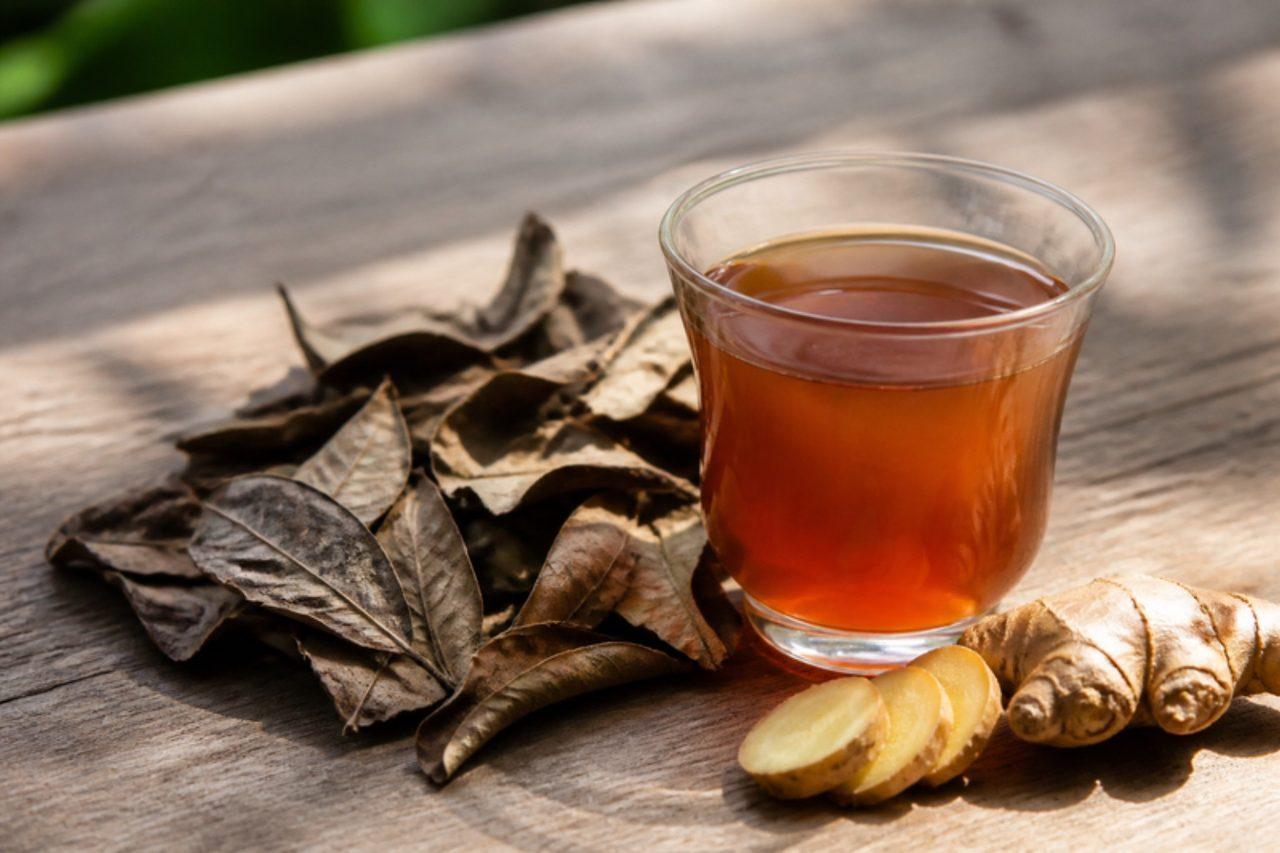
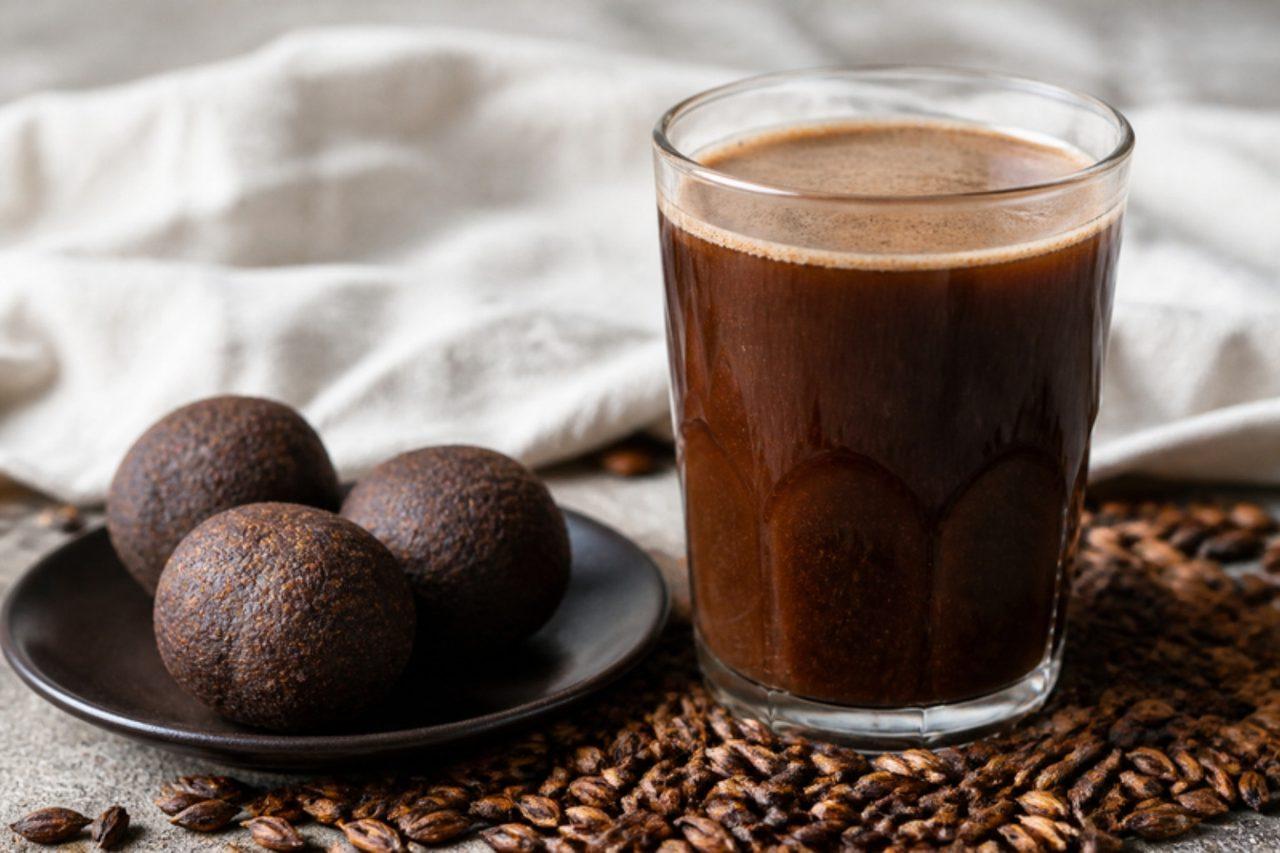
Harar sits in old coffee country, and its households drink not only the beans but the leaves: kuti is made by toasting dried coffee leaves and brewing them into a light, amber tea. It tastes soft and grassy with a hint of roasted coffee and far less caffeine than a cup of buna, so it is sipped through the afternoon, during long chats and after the fast is broken in Ramadan. Many Harari homes add milk and sugar; leave the milk out or use a plant milk to keep it vegan. Dried coffee leaves are sold as coffee leaf tea by some coffee and tea merchants. Do not swap in cascara, which is the dried coffee cherry husk and makes a different, fruitier drink. Chef's tip: toast the leaves only until they darken a shade and smell like toasted hay; overdone, they taste of ash.

by KrazyBadal 0 views

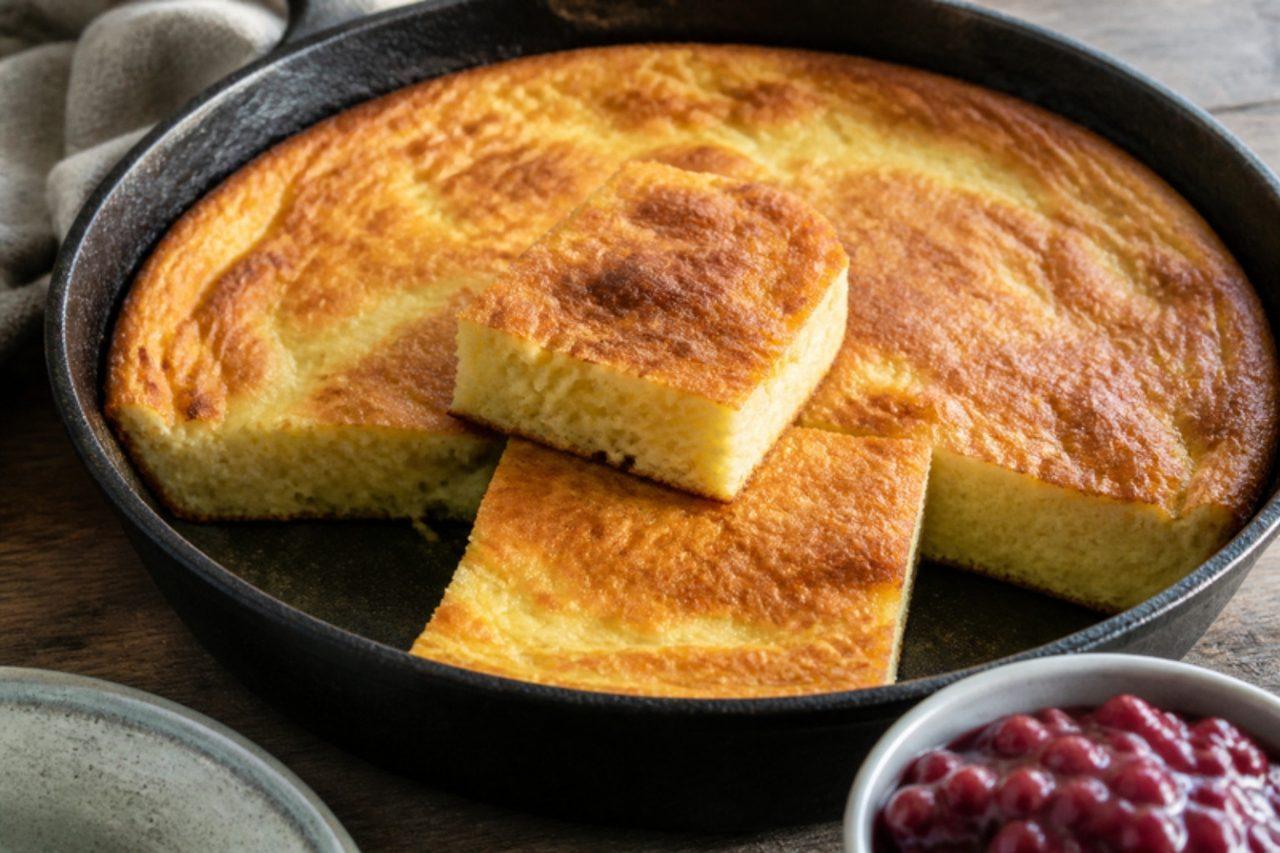
AlivenciCornmeal and cheese cake

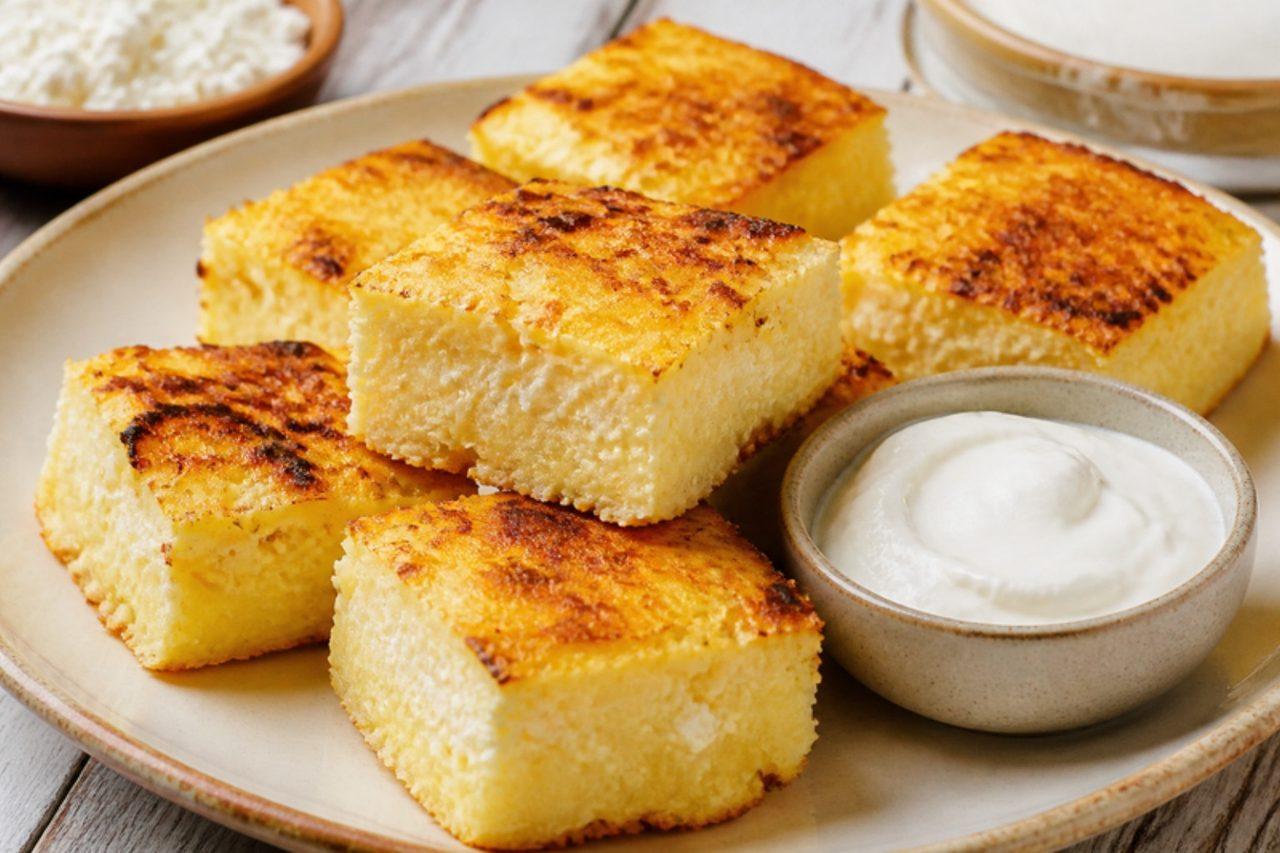
Across the Prut, in villages from Vaslui to the Republic of Moldova, alivenci is what happens when a farmhouse has fresh cheese, sour cream and a sack of cornmeal: a soft, custardy cake baked in a tray and cut into squares while warm. It is lighter than mămăligă and richer than bread, with a tender, slightly crumbly crumb studded with curd, and is eaten for Sunday breakfast or as a side with stews and a dollop of sour cream. Traditional brânză de vaci (cottage-style cheese) is usually made without rennet, but some brands use it, so check the label. Where most people go wrong is using coarse polenta, which stays gritty; fine cornmeal gives the silky texture. Chef's tip: let the batter sit for 15 minutes before baking so the cornmeal hydrates and the cake sets evenly.

by KrazyBadal 0 views

MounaOrange-flower brioche

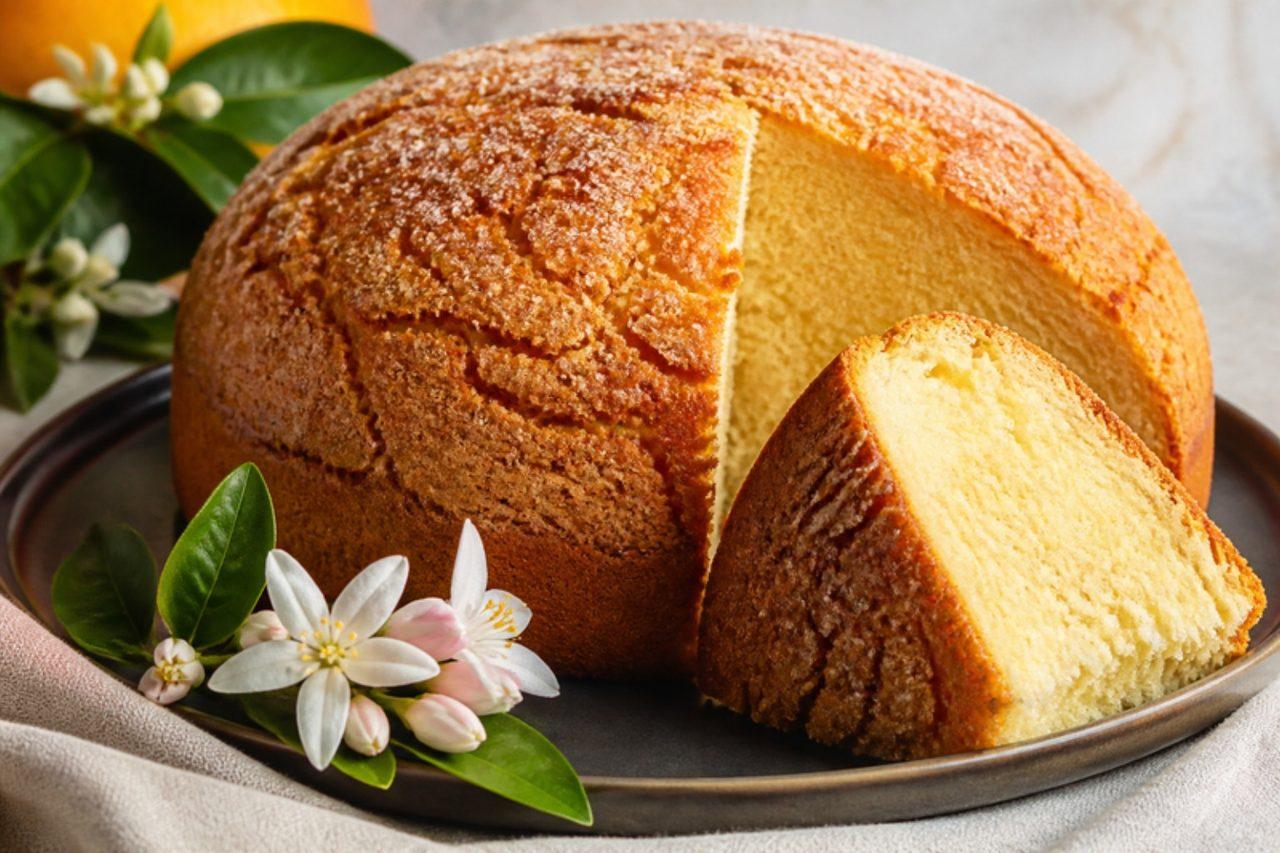
Oran's mouna came over with Spanish settlers as the Easter mona, and it is still baked for spring outings, recalling the Easter Monday picnics once held at the Santa Cruz chapel above the city. It is a tall, light, golden brioche with a crackly sugar crust, softly flavoured with orange-flower water and lemon zest rather than butter-heavy, and it tears into long, feathery strands. Eat it with coffee or hot chocolate, plain or with jam. The dough is slow and sticky, so give it time. Chef's tip: let the dough rise slowly overnight in the fridge after the first knead; it becomes easier to shape and the flavour deepens.

by KrazyBadal 0 views

MatlouhSemolina flatbread

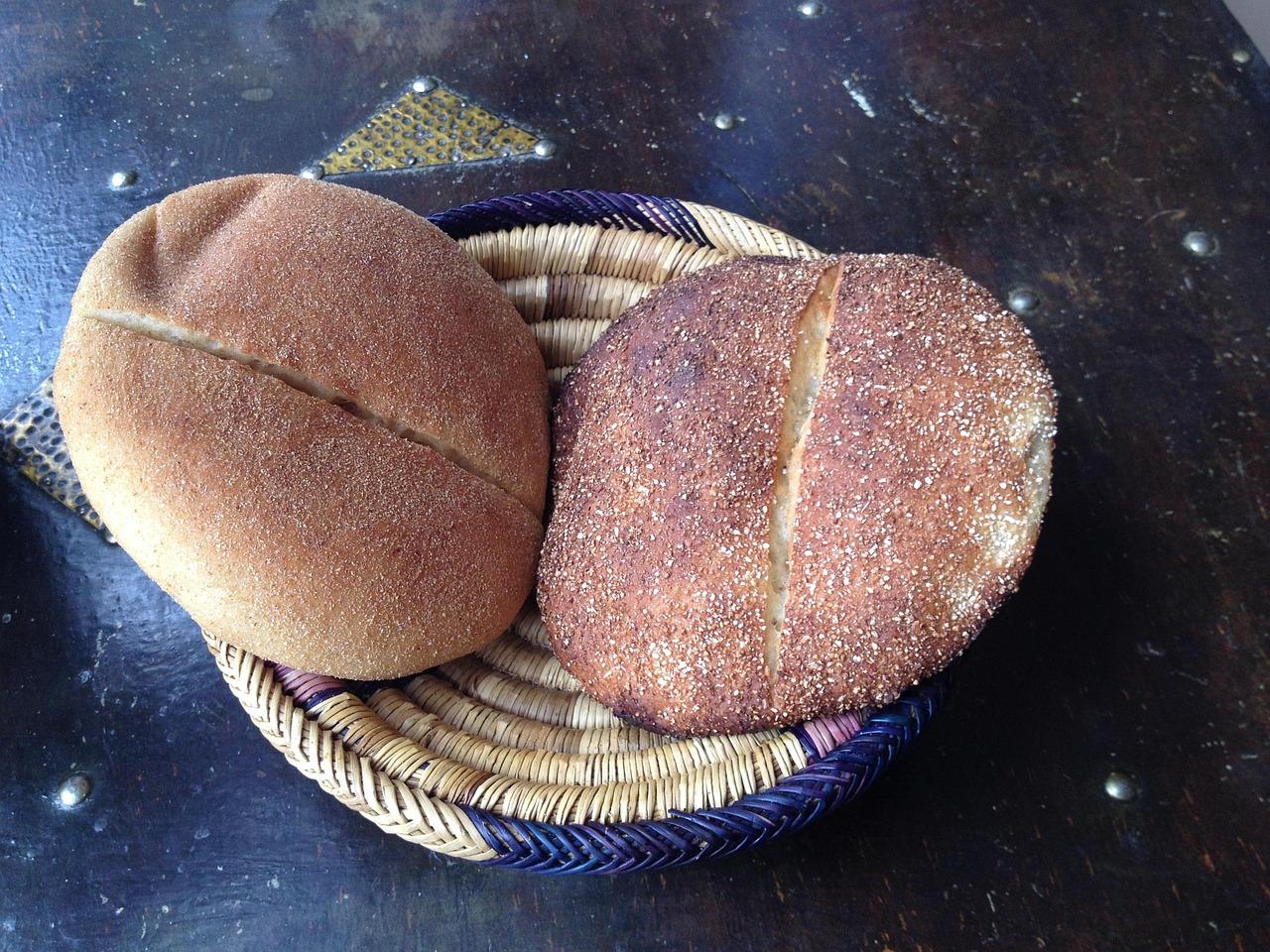
In Algiers and all over Algeria, homemade matlouh is the bread of choice for Ramadan iftar and for dipping into chorba or chakchouka. The dough is made with fine semolina and yeast, almost as wet as a batter, left to rise until airy, then shaped into thick rounds and cooked on a clay tajine or a heavy frying pan rather than in an oven. The result is soft and springy inside, with a thin, freckled, golden crust and the sweet, nutty taste of semolina. Eat it warm, torn by hand. Chef's tip: keep your hands wet with water, not floured, when shaping the sticky dough; flour makes the crust dry and floury.

by KrazyBadal 0 views

KarantikaBaked chickpea flour flan

Schoolchildren in Oran spend their pocket money on karantika, a savoury chickpea-flour flan baked in huge trays and cut into squares by street vendors, who sprinkle it with cumin and harissa and often stuff it into a piece of baguette. Its roots go back to the Spanish calentica of Oran's past, and it has spread across western Algeria. Made with only chickpea flour, water, oil and egg, it bakes into a soft, custardy, slightly wobbly middle under a crisp, burnished top. Serve it warm, cut into squares, with harissa; to keep the dish gluten free, skip the bread. Chef's tip: rest the batter for at least 30 minutes before baking; the flour hydrates and the flan sets smooth instead of grainy.

by KrazyBadal 0 views

DoubaraSpicy chickpea stew

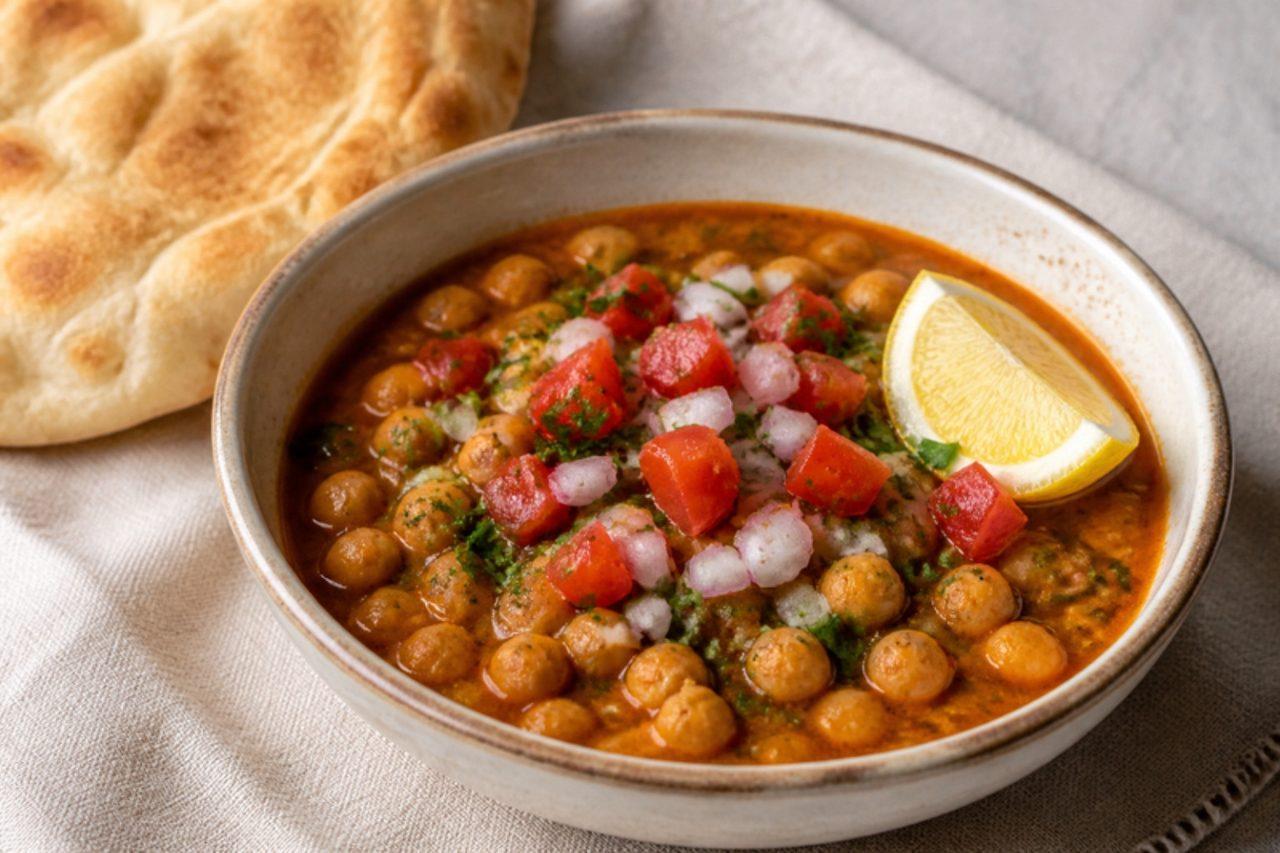
In Biskra, the oasis town at the gateway to the Algerian Sahara, doubara is street food, ladled from big pots into bowls from late afternoon and through Ramadan nights. Soft chickpeas or broad beans are simmered with cumin and garlic, then dressed with a fiery garlic-harissa sauce, olive oil, lemon and a heap of chopped tomato, onion, parsley and fresh chilli on top. It is hot, sour and very garlicky, filling yet fresh, and eaten with bread. Chef's tip: mash a ladle of the chickpeas into the broth at the end; it thickens the stew so the sauce clings.

by KrazyBadal 0 views

BerkoukesLarge couscous pearls in vegetable broth

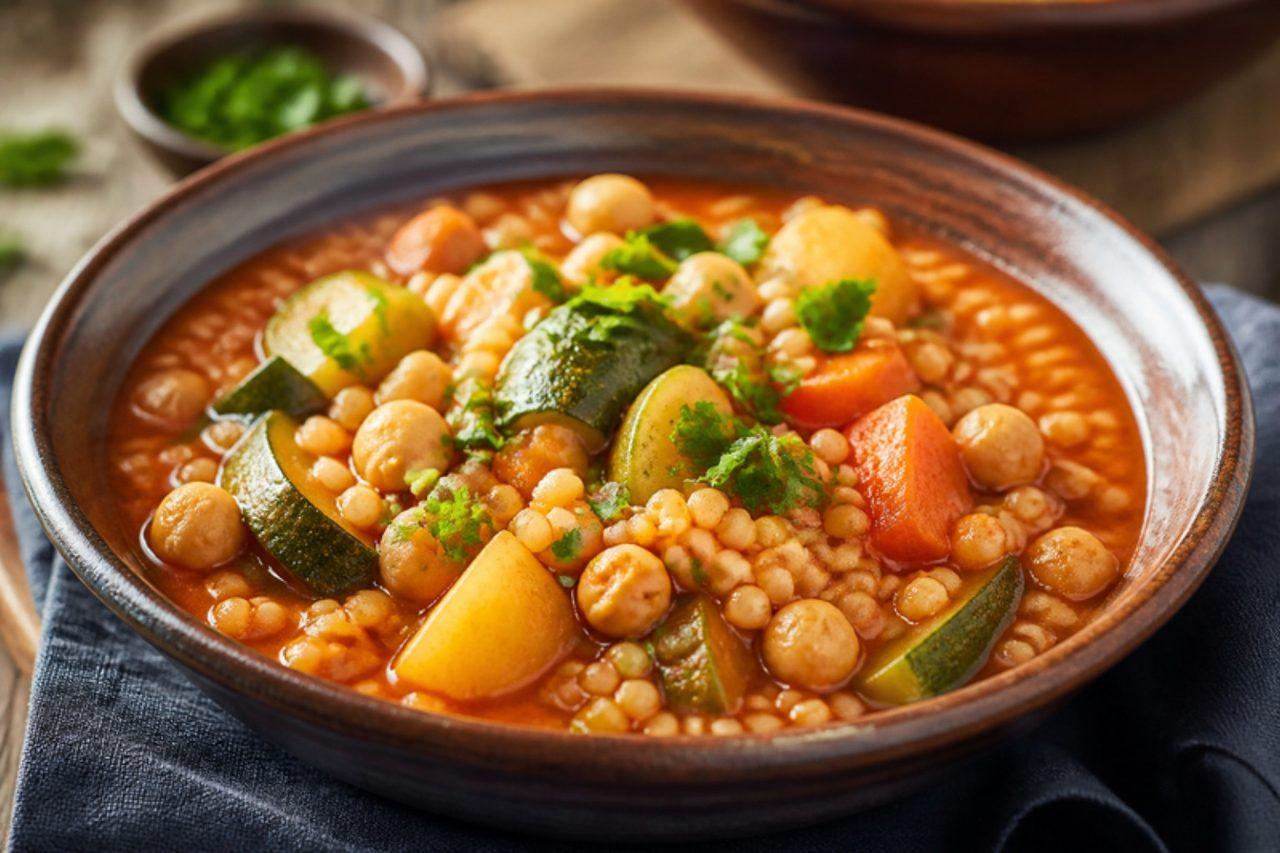
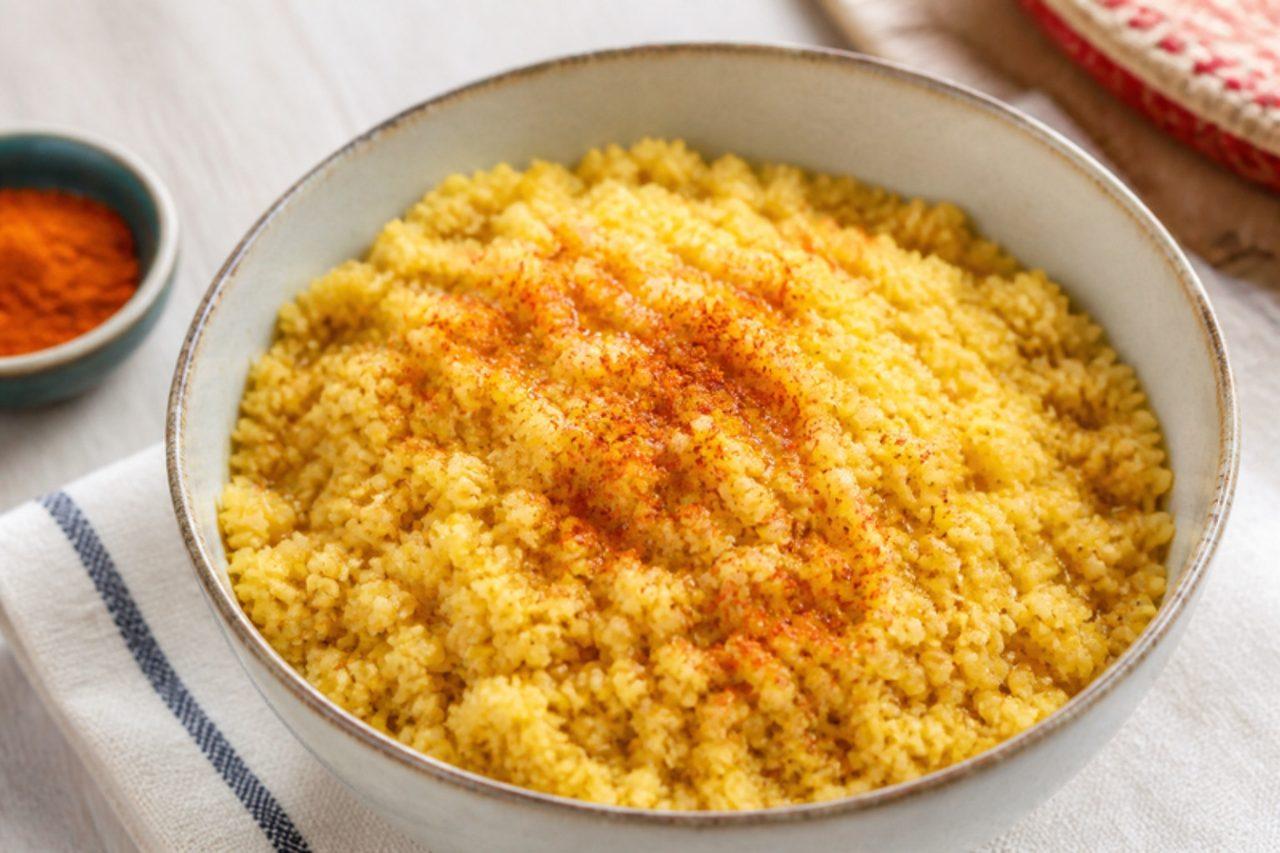
Berkoukes, the big chewy couscous pearls rolled by hand in Tlemcen and the west of Algeria, is cold-weather food and a classic dish for the end of winter or a family supper. Cooked directly in a thick, tomato-red broth with courgette, carrot, potato, turnip, peas and chickpeas, it becomes a spoonable, comforting stew, fragrant with garlic, paprika, dried mint and fresh coriander. Many families make it with meat or khlii; this is the vegetable version cooked at home on ordinary days. Bought berkoukes, maftoul or giant couscous are fine. Chef's tip: steam or toast the berkoukes before simmering it; the pearls hold their shape and don't turn to porridge.

by KrazyBadal 0 views

AlaniWalnut-stuffed dried peaches

Every autumn in the Ararat Valley, the orchards below Mount Ararat produce more peaches than can be eaten fresh, so families split them, dry them in the sun and then stuff them with a mixture of crushed walnuts and sugar, pressing them closed again. The finished alani are sold on strings at Yerevan's covered market and given as gifts at New Year, chewy, sweet and nutty. At home, start with good soft dried peaches. A common mistake is using very dry, leathery fruit, which cracks when you open it. Chef's tip: steam the peaches for 2 minutes first, so they turn soft and pliable and close neatly around the filling.

by KrazyBadal 0 views

Al yakhniBottle gourd in yogurt gravy

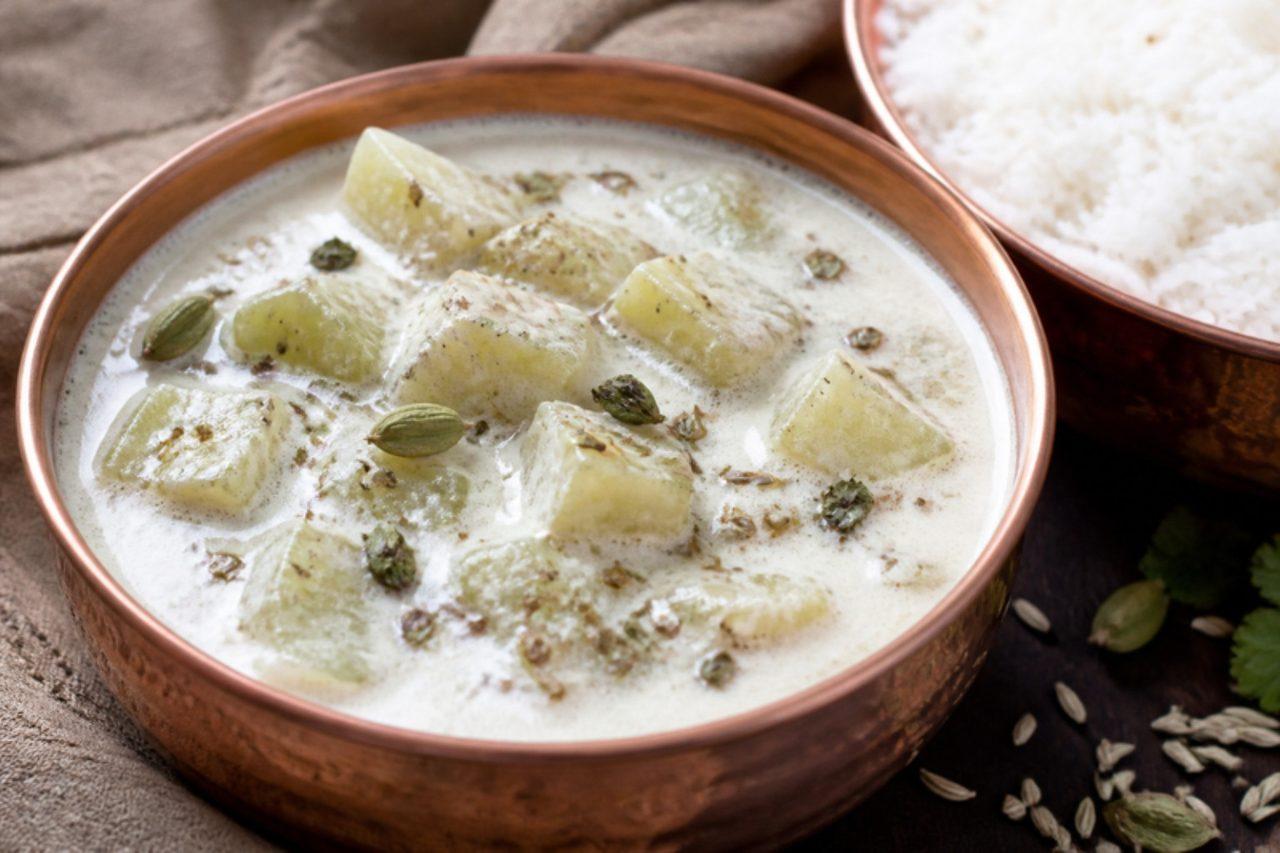
Yakhni in Kashmir means a gravy built on yogurt rather than tomato, and al yakhni, made with bottle gourd, is the version cooked in Muzaffarabad and the Neelum valley when the vines are heavy in late summer. The pale, delicately sour sauce is flavoured with ground fennel, dry ginger, cloves and cardamom, never chilli powder, and finished with a crumble of dried mint, so it tastes cool and aromatic rather than hot. It is eaten with a mound of plain rice, often alongside a red, chilli-hot dish so the two balance each other. Yogurt that splits into grainy curds is the trap: it happens when cold yogurt meets hot oil or when the pot is left alone before it boils. Chef's tip: whisk the yogurt with the spices and keep stirring in one direction over a medium heat until it comes to a full boil; after that it will not curdle.

by KrazyBadal 0 views

AkutaqWhipped berry dessert

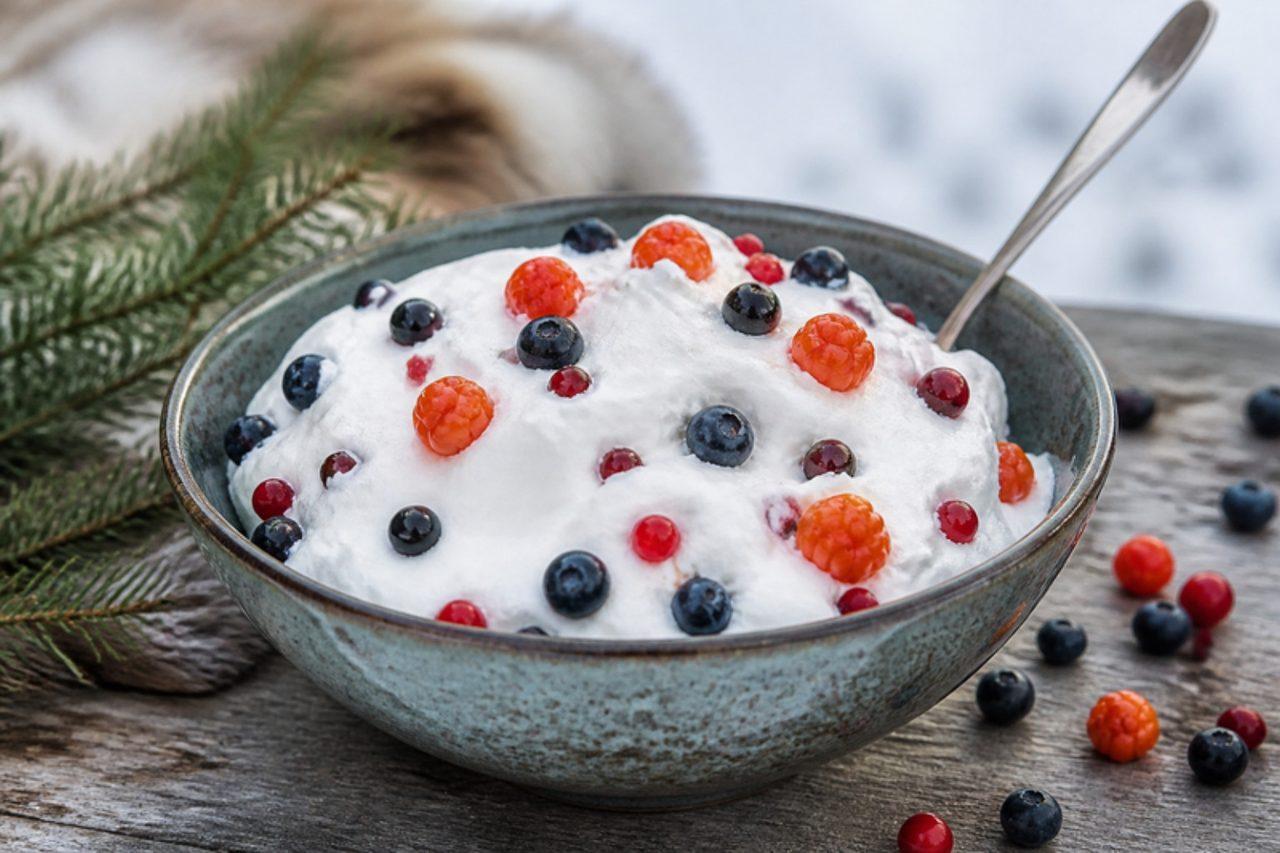
Akutaq, sometimes called Eskimo ice cream, is a festive Inuvialuit and Yup'ik dish of the Western Arctic, served at feasts, potlatches and Christmas gatherings. Traditionally animal fat was whipped by hand with snow and wild berries; today many families in the Mackenzie Delta and Alaska use white vegetable shortening, which is the version here, so it is vegan. Fat and sugar are beaten until white and fluffy, then fresh or frozen berries are folded through. It is eaten cold, by the spoonful, in small portions. A common mistake is using warm shortening, which won't whip. Chef's tip: beat in the cold water a spoonful at a time; that is what makes it light.

by KrazyBadal 0 views

AkpleCorn and cassava swallow

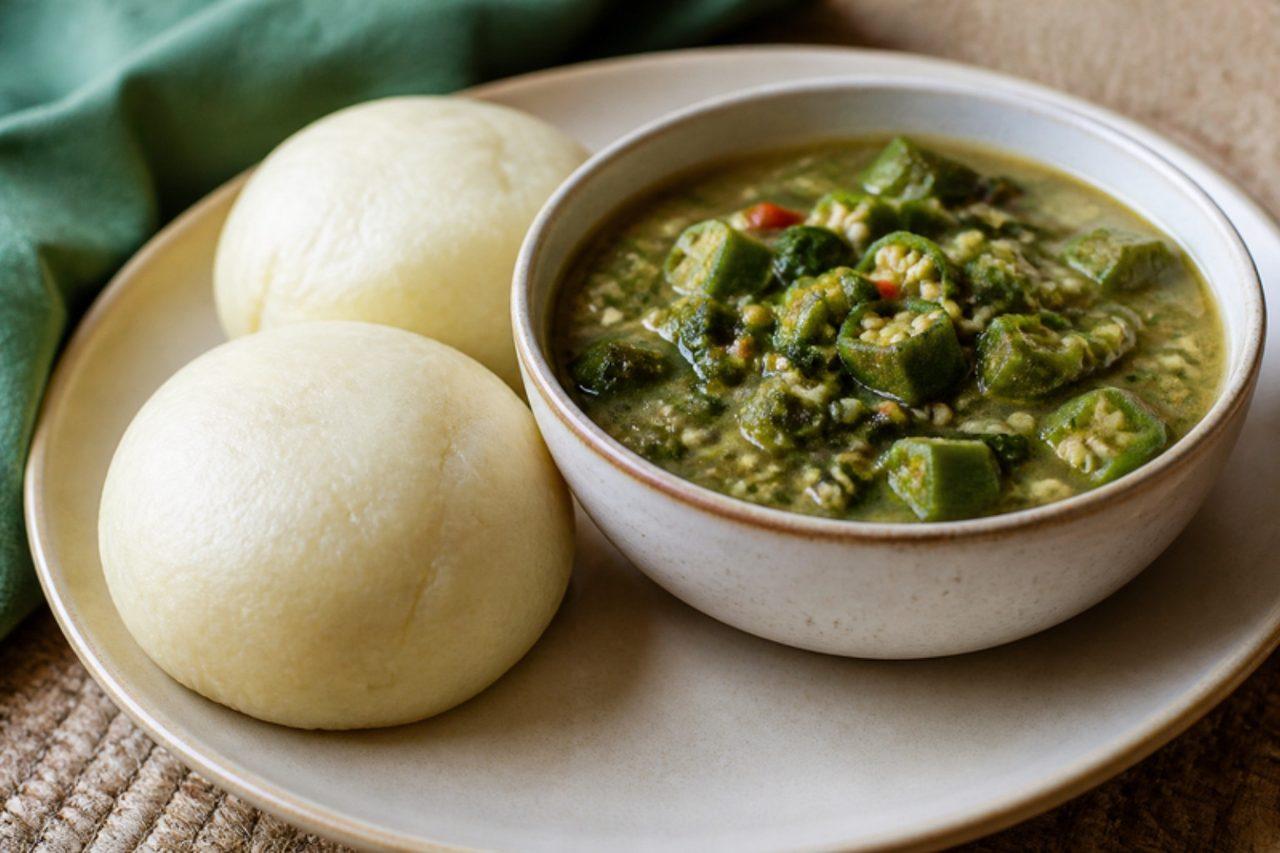
Ewe homes in Ho, Keta and across the Volta Region eat akple at the main meal of the day, almost always with fetri detsi, the slippery okra soup that slides it down. It is firmer and less sour than banku, made by stirring fine maize meal into a hot base of fermented corn and cassava dough, and the finished balls are smooth, dense and mild. A vegetable okra soup makes it a meat-free meal. Chef's tip: add the dry maize meal in small handfuls and press every addition into the dough before the next; pouring it in all at once is the common mistake that leaves dry, floury pockets.

by KrazyBadal 0 views

Fetira (Harari layered egg flatbread with honey)

Morning in the old walled city of Harar and in Dire Dawa often starts with fetira, especially in Muslim homes during Ramadan's pre-dawn meal and on Eid mornings. A soft wheat dough is stretched until it is almost see-through, spread with beaten egg, folded into a parcel and fried in a little oil and butter until crisp and flaky outside, soft and eggy inside. It is cut into squares and eaten warm, drizzled with honey, with a cup of spiced tea or coffee. A common mistake is stretching the dough without a proper rest, so it tears; give it 30 minutes covered with oil and it stretches easily. Chef's tip: oil the worktop and your hands rather than flouring them, so the dough slides and stretches thin without sticking.

by KrazyBadal 0 views

Buna qalaa (Oromo butter-roasted coffee beans)

Among the Oromo, buna qalaa is less a snack than a ritual: coffee beans are roasted in butter and shared at weddings, after a birth, at Irreecha and when elders bless a new undertaking, each guest taking a small spoonful. The beans turn glossy and dark, crunchy outside and slightly chewy within, with a bitter-sweet roast flavour, a rich buttery coating and a touch of salt. Some families use green beans and roast them right through in the butter, which is what this recipe does. Buy raw (green) coffee beans from a coffee roaster or Ethiopian shop. They are very high in caffeine, so serve a tablespoon each and keep them away from children. A common slip is frying the beans on high heat, which burns the butter before the beans are roasted. Chef's tip: keep the heat low and patient; on a high flame the butter burns black long before the beans are roasted inside.

by KrazyBadal 0 views

Bajan jug jugPigeon peas and salt meat mash

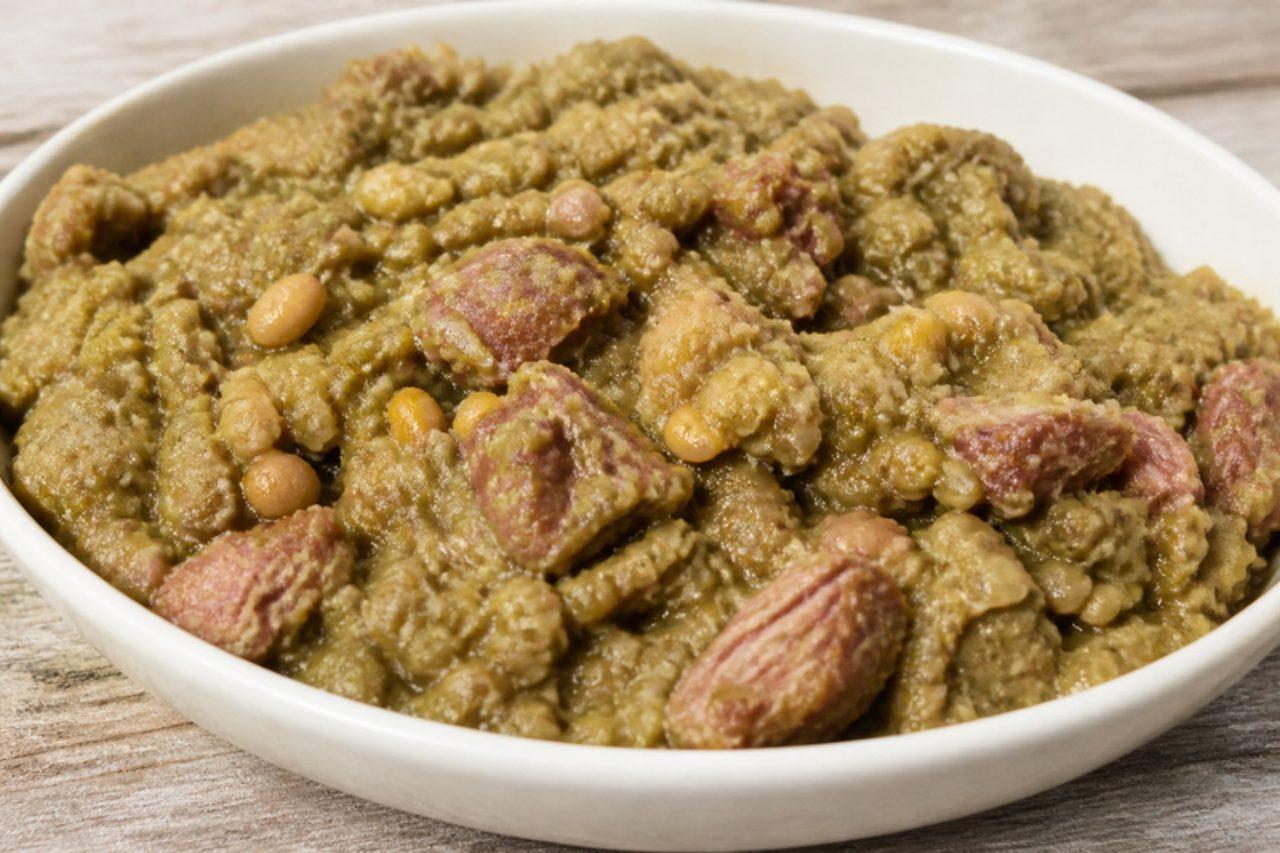
Jug jug belongs to Christmas in Barbados, served alongside baked ham and roast pork on the big lunch table: green pigeon peas and salted beef and salted pork, cooked tender and minced, then stirred with guinea corn (sorghum) flour, herbs and onion into a thick, savoury, mouldable mash. Its roots are often traced to Scottish settlers' haggis and West African grain cookery, and it tastes rich, salty and herby. The common mistake is not soaking the salt meats long enough, which makes the whole pot too salty to eat; soak them overnight in plenty of water. Cook until the minced meat mixture is piping hot (71 °C) throughout. Chef's tip: stir in the sorghum flour a spoonful at a time while the pot bubbles, like making polenta, so it never turns lumpy.

180 minBajanMeat
by KrazyBadal 0 views

Kinche (Ethiopian cracked wheat breakfast)

Rooms full of hotel guests in Adama and Bishoftu are offered kinche at breakfast, and in Oromo and Amhara homes it is the quick morning dish made from a sack of cracked wheat or barley kept in the cupboard. The grain is boiled until it has drunk all its water and turns fluffy and separate, like a cross between bulgur pilaf and porridge, then a generous spoon of niter kibbeh is stirred through so every grain is glossy and fragrant. It is nutty, soft and buttery, eaten with a spoon and a cup of coffee, sometimes topped with a little ayib or a spoon of berbere-spiked oil. The common mistake is too much water, which makes it mushy; measure it and keep the lid on. Chef's tip: toast the dry grain in a little of the butter for two minutes before adding water; it stays more separate and tastes nuttier.

by KrazyBadal 0 views

Ajiaco cubanoRoot vegetable and meat stew

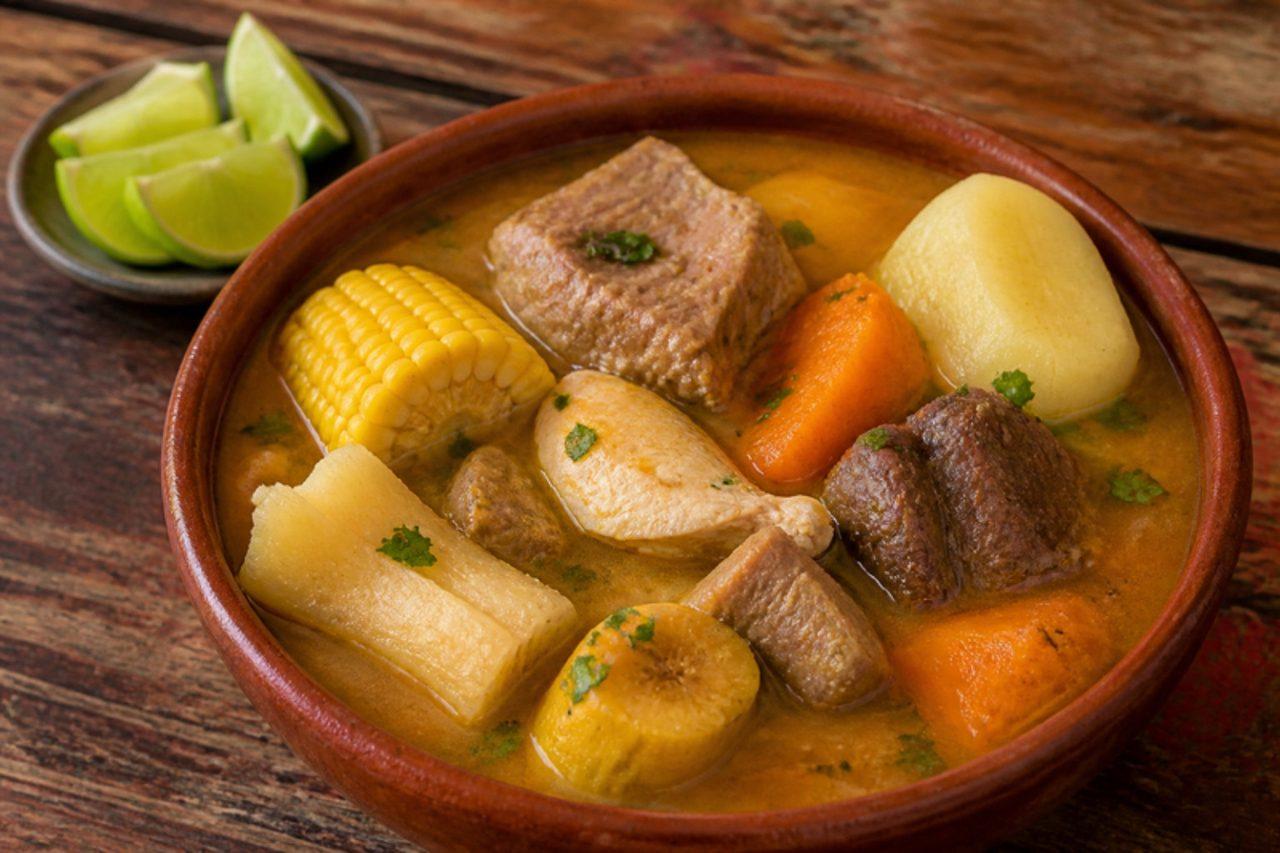
Ajiaco is often called Cuba's national stew, and in Camagüey it is still cooked in huge pots for festivals and family gatherings: dried or fresh beef, pork and chicken simmered with malanga, yuca, boniato, green and ripe plantain, corn and calabaza until the roots break down and thicken the broth. It is a whole meal in a bowl, finished with lime and a fried sofrito. This version uses beef shin, pork shoulder and chicken thighs. The mistake most people make is adding every vegetable at once; firm roots go in first and soft pumpkin and ripe plantain last. Chef's tip: mash a few chunks of pumpkin and malanga against the side of the pot at the end, which gives the broth its body.

190 minCubanSoupsGluten free
by KrazyBadal 0 views

Atmit (warm barley gruel with spiced butter and honey)

When a baby is born in an Amhara household, visiting women bring or cook atmit for the new mother, and the same soft, sippable gruel is made for anyone recovering from illness. Roasted barley flour (or oat flour) is whisked into water and simmered until it thickens to the texture of a thin custard, then enriched with a spoon of niter kibbeh, honey and a pinch of korerima. It tastes nutty, sweet and buttery, and is drunk warm from a cup rather than eaten with a spoon. Some homes add a little milk for extra richness. A common mistake is tipping the flour straight into hot water, which makes lumps; slake it in cold water first. Chef's tip: keep it thinner than you think; atmit thickens as it cools, and it should still pour easily from the cup.

by KrazyBadal 0 views

Besso (roasted barley flour drink and balls)

Farmers and travellers in Gojjam and Wollo have long carried a pouch of besso on journeys, because a handful of this roasted barley flour turns a cup of water into a filling meal. The barley is roasted until deep brown, ground fine and stored for weeks; stirred into cold water with a little sugar it makes a smooth, malty, slightly toasty drink, and kneaded with oil it becomes chewy little balls called chibto. It is eaten on fasting days, in the fields and by students before exams. Many families sweeten it with honey; sugar keeps this version vegan. The usual mistake is adding the barley flour to water all at once, which leaves dry clumps; whisk it in gradually. Chef's tip: roast the barley until it is the colour of milk chocolate and smells like toast; pale grains give a raw, floury taste, while black ones taste burnt.

by KrazyBadal 0 views

Gomen kitfo (Gurage minced collards with spiced butter)

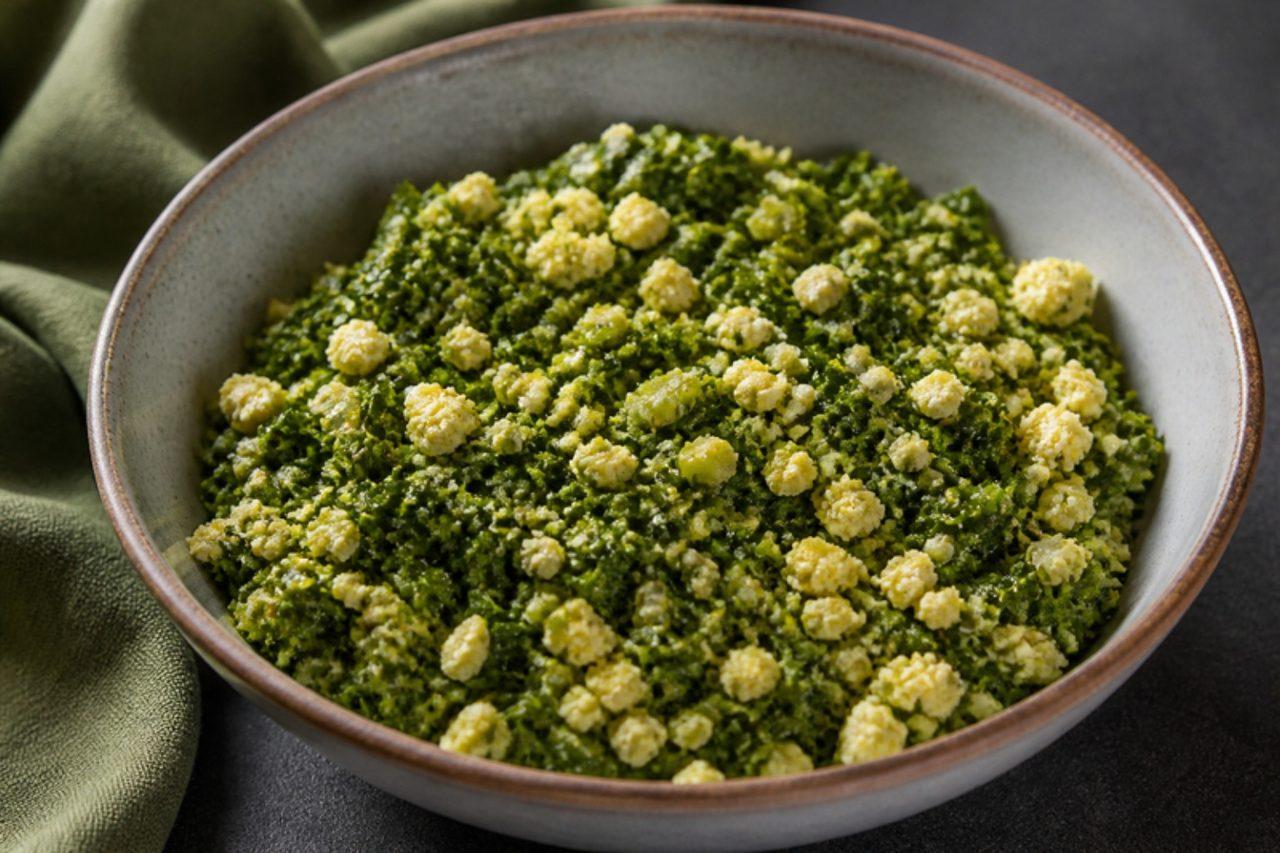
Meskel in the Gurage highlands is the year's great feast, and next to the beef kitfo on the table there is always gomen kitfo, the meat-free 'kitfo' of greens. Collards are boiled until tender, squeezed hard and chopped so finely they become almost a paste, then worked with warm niter kibbeh, mitmita and a little korerima. The result is dark green, silky and rich, with a sharp chilli kick and a deep, slightly bitter leafy flavour. It is eaten with kocho and a heap of fresh ayib, and is also made on its own on non-fasting days. The usual mistake is leaving water in the greens, which makes it soggy and dilutes the butter; wring them out in a clean cloth. Chef's tip: chop with a heavy knife, rocking it again and again, rather than blending; a blender turns it into a purée and loses the fine, almost-minced texture.

by KrazyBadal 0 views

BandungRose syrup milk drink

Pink as a sweet in a glass, bandung turns up at almost every Malay drinks stall in Singapore, sipped through a straw at Geylang Serai, at kampung-style weddings and through the evenings of Ramadan when stalls sell it in tied plastic bags at the bazaars. Rose syrup is stirred into water and evaporated milk, then poured over plenty of ice, giving a drink that is floral, sweet and creamy without being heavy. It pairs well with spicy food such as mee rebus, satay or nasi lemak, cooling the chilli. The usual mistake is adding the evaporated milk to hot syrup, which can make it look curdled and dull; let the syrup cool, and mix with cold milk. Chef's tip: make the syrup in advance and keep it in the fridge for up to two weeks, so a glass takes a minute; a few drops of rose water at the end lift the scent if your syrup is mild.

by KrazyBadal 0 views

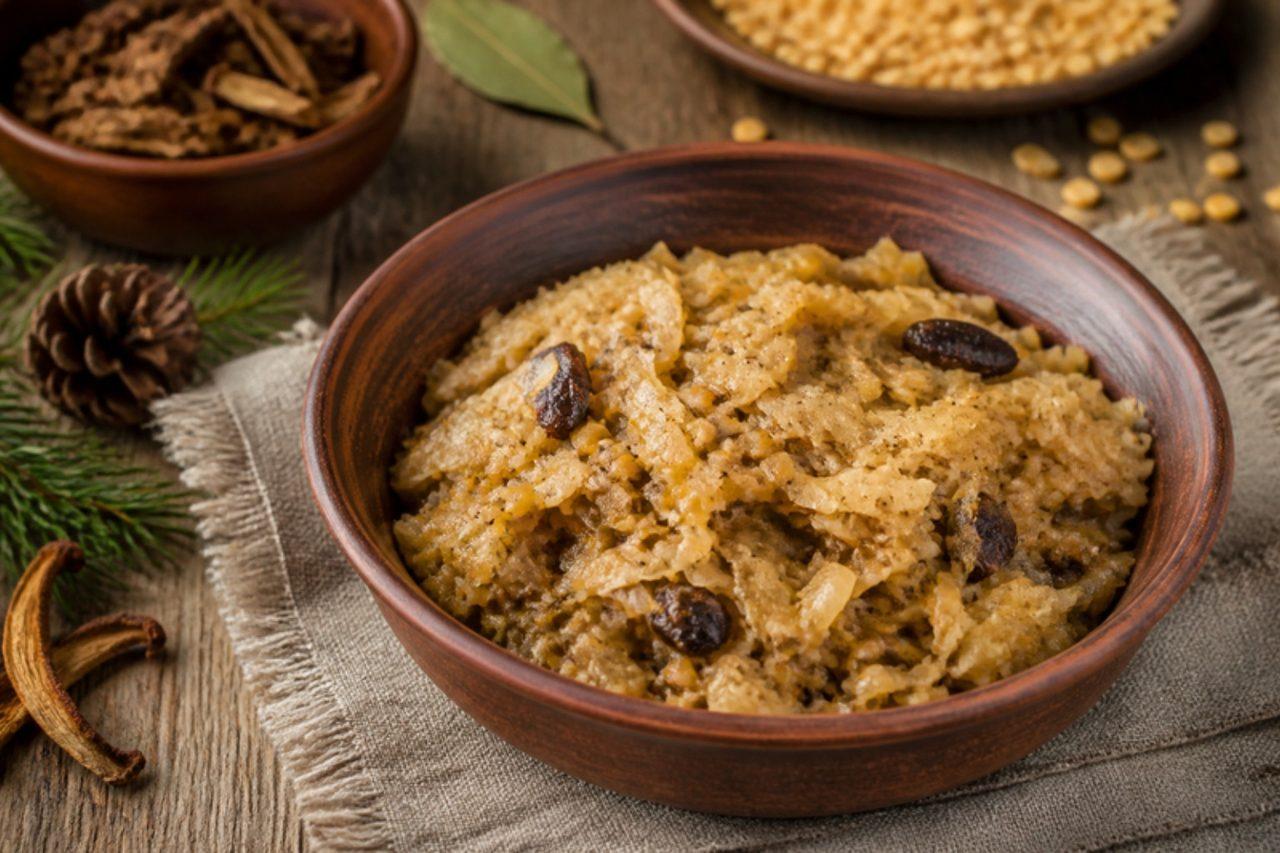
Cabbage with peas

Of the twelve dishes on a Polish Christmas Eve table, this is the humblest and often the one people go back to for seconds. Sour, tangy sauerkraut is braised slowly with yellow split peas until the peas collapse into a soft, savoury mash that binds the cabbage, with dried mushrooms and golden onion for depth. Serve it warm next to pierogi or potatoes, and know that it tastes even better reheated the next day. The usual slip is adding salt before the peas are cooked, which keeps them hard; season only at the end, as the sauerkraut is salty anyway. Chef's tip: if your sauerkraut is very sour, rinse it once and squeeze it, keeping a little juice to adjust the sharpness later.

by KrazyBadal 0 views

Chuko (Tigrayan roasted barley and spiced butter snack)

Tigrayan mothers pack chuko for sons and daughters leaving home, for pilgrims walking to Aksum and for long bus journeys, because it keeps for weeks and a small piece goes a long way. Roasted barley flour is rubbed with warm niter kibbeh, berbere and a little sugar and salt, then pressed into a dense cake or shaped into fingers. The texture is crumbly and rich, like a savoury shortbread that melts in the mouth, with a slow chilli warmth and the toasty taste of the grain. It is eaten with coffee or black tea. The usual mistake is skimping on the butter, which leaves a dry mix that will not hold; squeeze a handful, and it should keep its shape. Chef's tip: warm the butter until just liquid, not hot, and work it in with your fingertips so every grain of flour is coated.

by KrazyBadal 0 views

Defo dabo (Ethiopian festive pot bread)

For Genna (Christmas), Fasika (Easter), weddings and christenings, cooks in Gondar and Gojjam bake defo dabo: a huge, tall round loaf whose dough is wrapped in enset or banana leaves and baked slowly in a heavy covered pot, traditionally with coals above and below. The leaves leave a faint green aroma and a pale, soft crust, and the crumb is fine and close, scented with black cumin, korerima and a little niter kibbeh. On feast days the loaf is blessed and cut before it is shared out. At home a cast-iron casserole in the oven does the job; allow about 2 hours of rising on top of the times given. Do not cut it hot: the crumb is still setting and turns gummy. Chef's tip: bake until the inside reads 94 °C on a probe thermometer; this dense loaf can look brown long before the centre is cooked.

by KrazyBadal 0 views

Banatage (tuna potato croquettes)

Golden, crunchy outside and soft inside, banatage are mashed-potato croquettes hiding a spoon of tuna, parsley and harissa, rolled in breadcrumbs and fried. They come out during Ramadan beside the brik and chorba, are tucked into lunchboxes and are a favourite with children all over Tunisia. Leftover mash works well, as long as it is firm. Serve them hot with lemon wedges, a salad or a dab of harissa. Chef's tip: dry the boiled potatoes in the hot pan for a minute before mashing; wet, watery mash is the usual mistake and makes croquettes that split open in the oil.

by KrazyBadal 1 views

ÄggakakaOven egg cake with lingonberries

Äggakaka is the farmhouse egg cake of Skåne, Sweden's southernmost province: a thick, puffy batter of eggs, milk and flour baked in a hot pan until golden on top and custardy inside, cut into squares and eaten with lingonberries. In Skåne it usually comes with crisp fried pork belly; this vegetarian version leaves the pork out and adds a little butter-fried apple on the side. A common mistake is opening the oven early, which makes it sink. Chef's tip: heat the pan with the butter until it sizzles before pouring in the batter, so the base and edges crisp.

by KrazyBadal 0 views

Telba (roasted flaxseed drink)

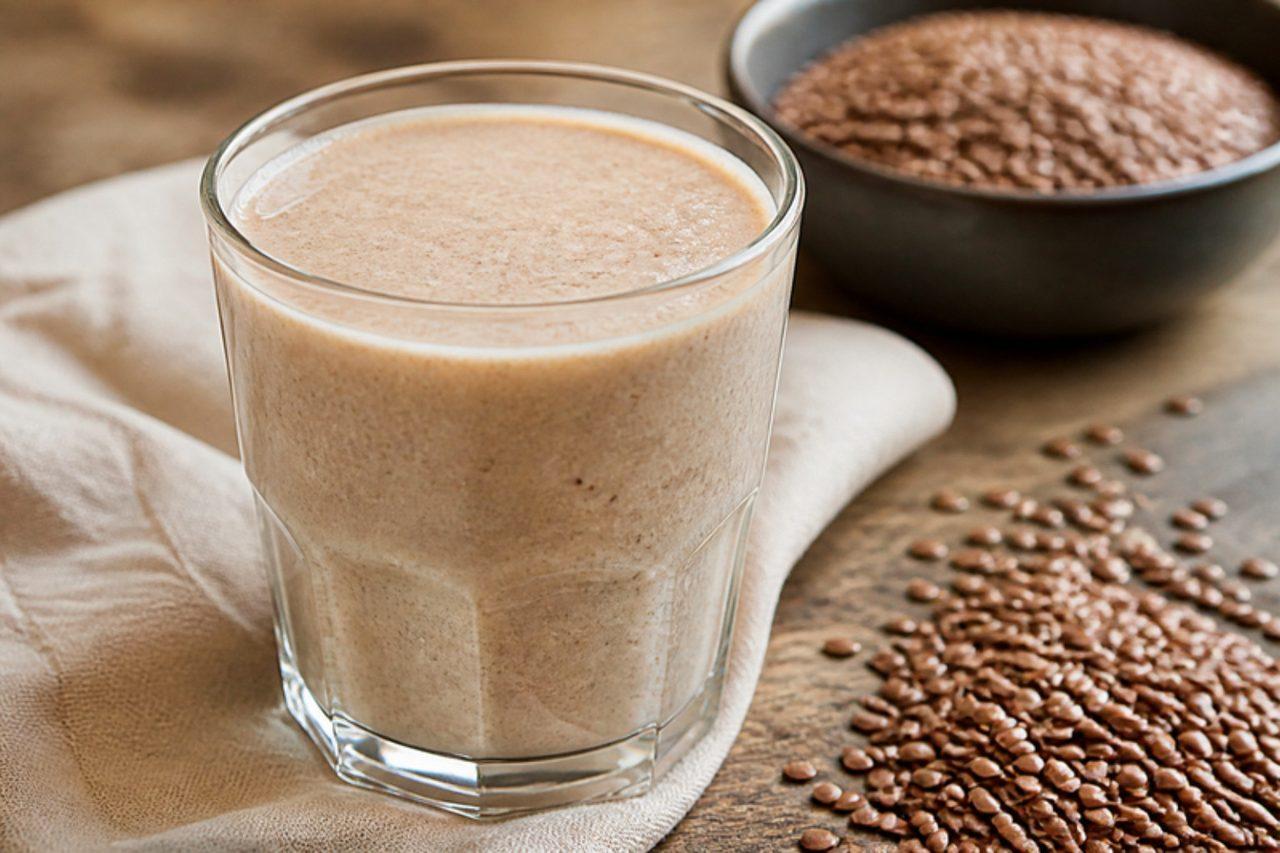
Flax grows across the highlands of Gojjam, and on Wednesdays, Fridays and through Lent its toasted seeds become telba, a creamy, nutty drink that fills you up when animal food is off the menu. The seeds are dry-roasted until they pop, ground fine, then whisked with water and strained, giving a pale brown drink with a faint toasted-sesame flavour and a slightly silky body. It is also taken as a gentle remedy for an upset stomach. Families often sweeten it with honey; sugar keeps it fully vegan. Don't roast the flaxseed too far: over-roasted seeds turn the drink bitter. Chef's tip: grind only what you need that day, because ground flax goes stale and bitter within days; whole roasted seeds keep for weeks in a jar.

by KrazyBadal 0 views

Agbeli kakloCassava fritters

Roadside fryers in the Volta Region sell agbeli kaklo by the bagful, golden fingers of grated cassava seasoned with onion and chilli and fried until crunchy outside and chewy within. The classic way to eat them is with chunks of fresh coconut, whose cool sweetness balances the salty, peppery fritters, and they are an afternoon snack or a travel snack on the road from Ho to Accra. Cassava must be cooked through, so fry until deep golden. Chef's tip: squeeze the grated cassava very dry and fry at 170 °C; wet dough spits dangerously, and oil that is too cool, the common mistake, gives greasy, soggy fritters.

by KrazyBadal 0 views

Mahi (Kabul fried fish)Fried battered fish

When the snow comes, Kabul's fish sellers set up their huge woks of oil, and the smell of mahi frying drifts across the city's bridges and bazaars, with stalls next door piling up bright orange jalebi to eat alongside it; mahi wa jalebi, fish and sweets, is a winter outing for the whole family. Chunks of firm fish are coated in a thin, spiced batter of flour, garlic, coriander seed, cumin and chilli and fried until crisp and reddish-gold, then eaten hot with naan, green chutney and a squeeze of lemon. Carp or other river fish is traditional, but any firm white fish works. Crowding the pan drops the oil temperature and gives soggy, greasy pieces, so fry only a few at a time. Chef's tip: salt the fish and leave it for 10 minutes, then pat it completely dry so the batter grips.

40 minAfghanFish
by KrazyBadal 0 views

Showing 54 of 7,762 recipes

Show more recipes

Page 333 of 863