


Skip to content
Ngohiong
Featured recipe

Ngohiong

Five-spice spring rolls

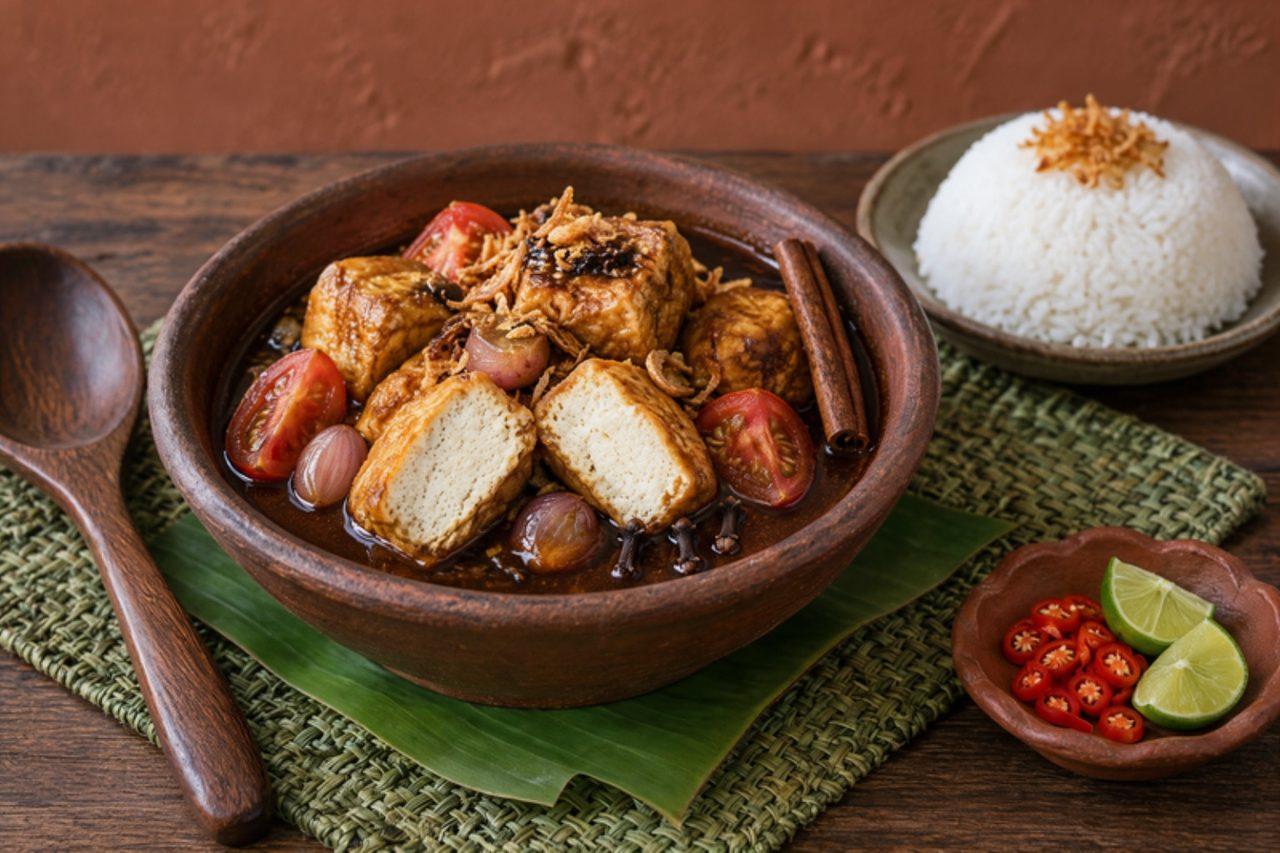
Ngohiong grew from the Chinese-Filipino kitchens of Cebu City and is now street food all over Cebu: a lumpia filled with heart of palm (ubod) or jicama seasoned with five-spice, then dipped in batter and fried, so it has a thick, golden coat rather than a thin crisp skin. It is eaten with a glossy, sweet-hot dipping sauce and often with rice. Cebu stalls mix in a little pork or shrimp; this version is all vegetable. Chef's tip: cook the filling until dry and cool it fully; wet filling tears the wrapper and spits in the oil.

Read more 0 views

What to eat today?

Around the world

Today's trip: Paraguayan

A new country every day, from every cuisine on the site.

Paraguayan

Chipa

Cheese bread rings 50 minMore from Paraguayan (27) →

This week's collection

Kid-friendly dinners
537 recipes · a new collection every Monday

Latest recipes

Ngalakh (millet in baobab-peanut cream)

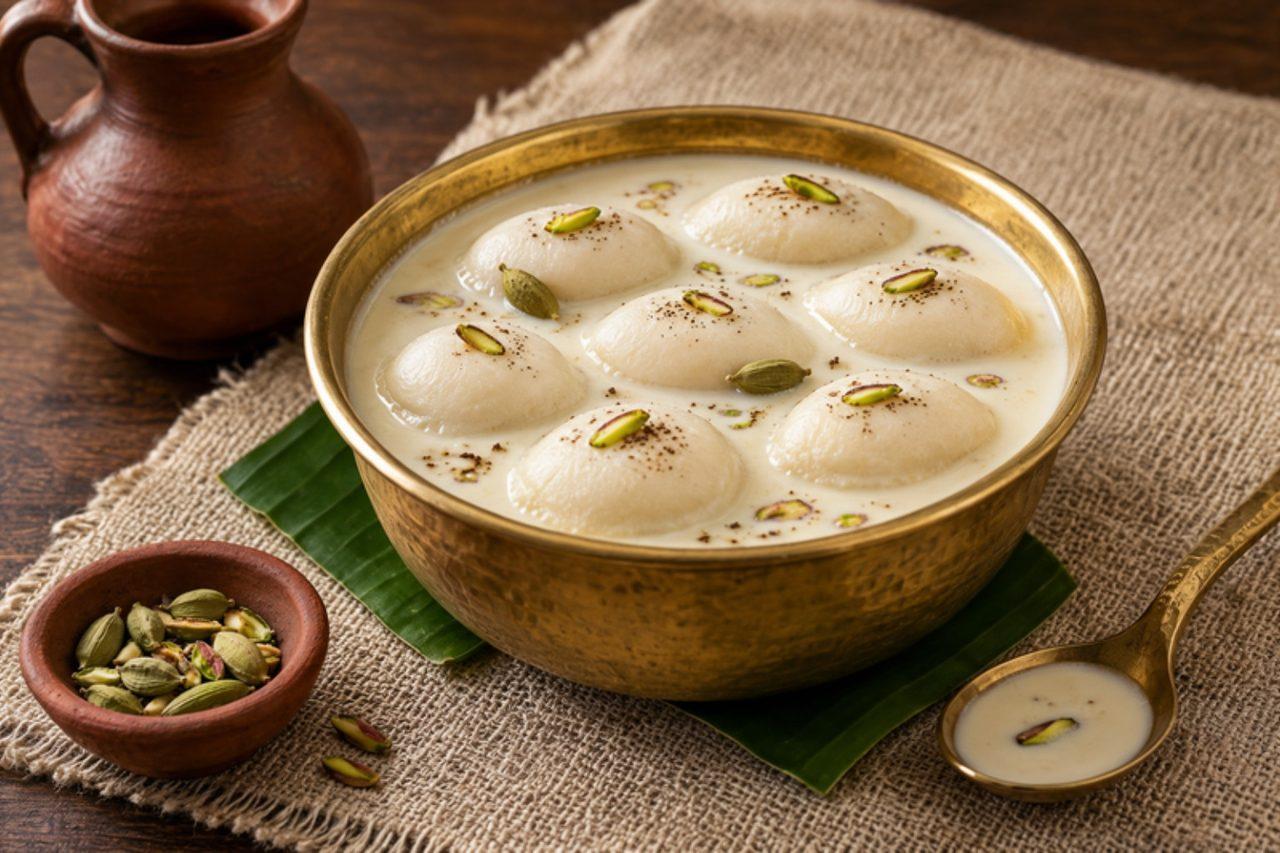
Every Easter, Christian families in Dakar, Thiès and Ziguinchor make big pots of ngalakh and carry bowls of it to Muslim neighbours and friends, a gesture of sharing that many Senegalese treasure. Steamed millet pellets are folded into a thick, tangy cream of baobab pulp and peanut butter, scented with vanilla, orange flower water and nutmeg, and sometimes studded with raisins. It is served chilled, sweet and nutty with a citrus-like sourness from the baobab, and it keeps well for a couple of days. No dairy is used, so it is vegan. Chef's tip: use plain peanut butter with no added sugar or palm oil, and let the dessert rest in the fridge for a few hours, because the flavours only come together once the millet has drunk up some of the cream.

by KrazyBadal 0 views

Lakh (millet porridge with sweet curd)

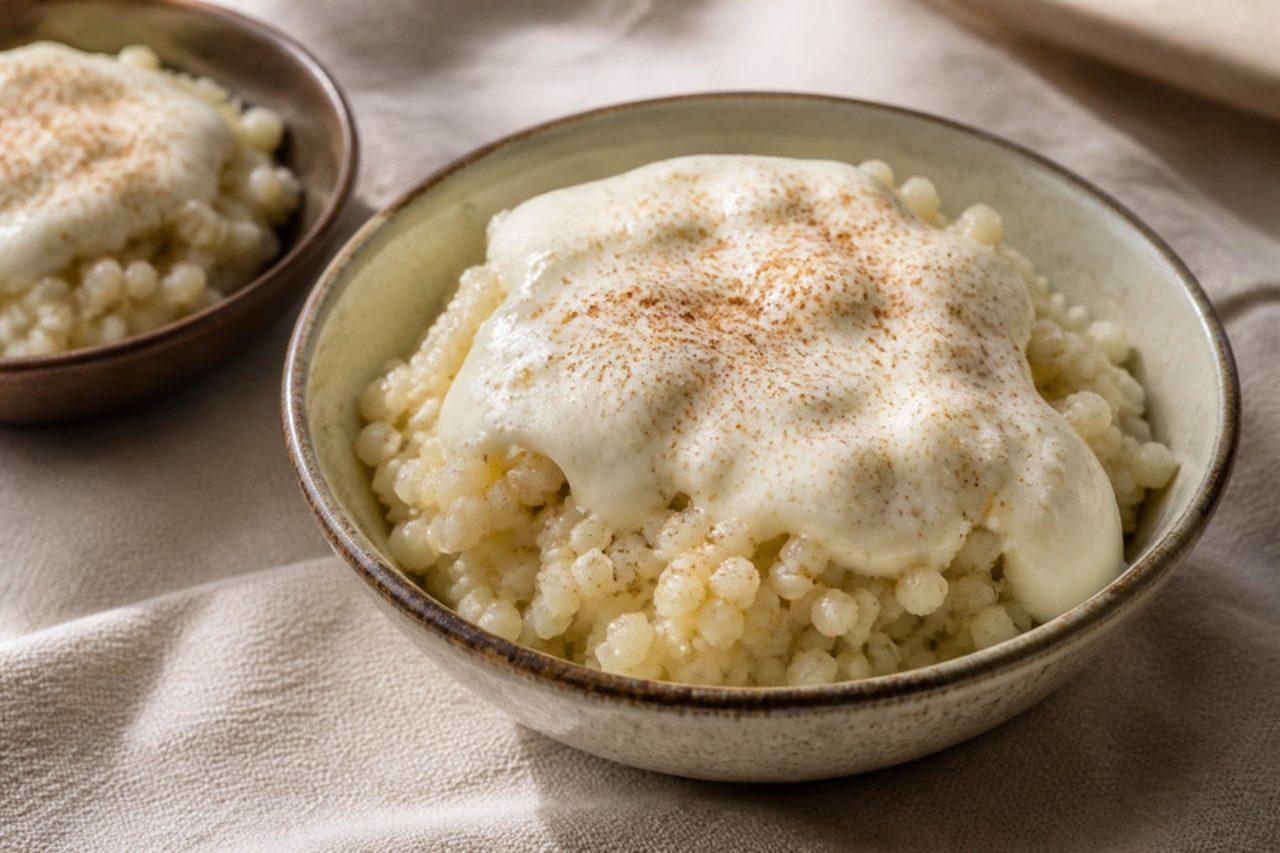
Thick, warm millet porridge topped with cold, sweetened curd: lakh is a Senegalese pairing of contrasts that turns up at naming ceremonies, family gatherings and on Ramadan evenings in Dakar. The millet is rolled into tiny pellets and simmered until it sets like soft polenta, then a creamy sauce of soured milk, sugar and baobab powder is poured over, its tang lifted by vanilla or orange flower water. Each spoonful mixes chewy, nutty grains with something cool and lightly sour. Plain yoghurt mixed with a little cream stands in well for Senegalese soow; use pasteurised dairy and keep leftovers in the fridge. Don't pour the curd over hot porridge; let the lakh cool so the curd stays thick and fresh. Chef's tip: cool the porridge until just warm before adding the curd, so the sauce stays thick instead of thinning out.

by KrazyBadal 0 views

Babka wielkanocnaEaster yeast cake

A golden babka standing tall in the Easter basket used to be a matter of family pride, and old cooks whispered while it baked, convinced a slammed door would make it sink. The dough is soft and rich with egg yolks and butter, beaten until it is elastic, then baked in a fluted ring tin into a cake with a fine, feathery, saffron-yellow crumb. Raisins are often soaked in rum; this version uses orange juice, but a couple of spoons of rum work if you prefer. The usual slip is adding too much flour to a sticky dough, which makes the babka dry; it should stay soft and almost batter-like. Chef's tip: cool the babka on its side, turning it now and then, so the delicate crumb doesn't collapse.

185 minPolishBaking
by KrazyBadal 0 views

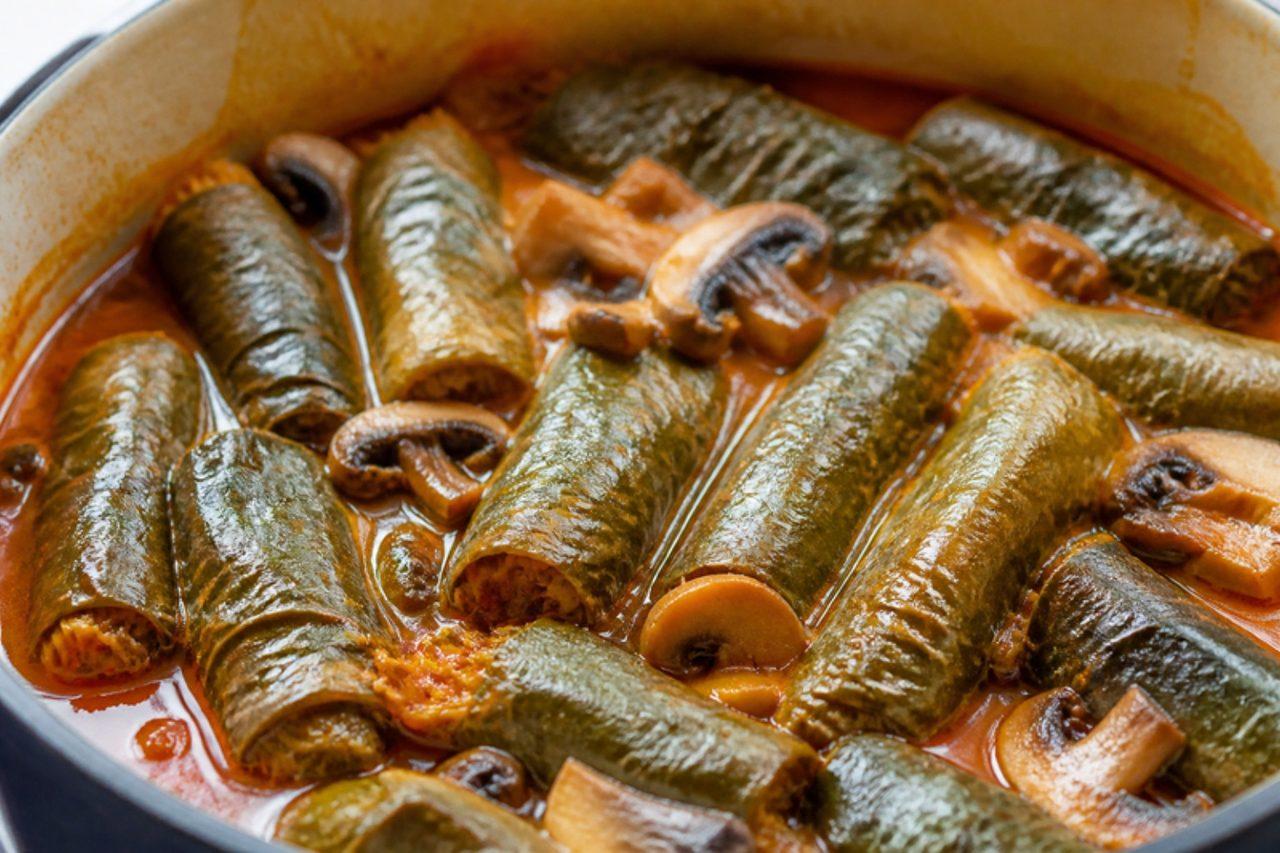
Ekwang with mushrooms

Rolling ekwang is a job for many hands: in the Southwest and around Douala, relatives sit together grating cocoyam and tucking it into leaves for a festive Sunday or a homecoming. The little green cigars are packed into a pot, drenched in red palm oil and left to simmer until the grated tuber binds into soft, almost creamy rolls in a rich, glossy sauce. Smoked fish and crayfish are the usual partners; this meat-free version gets its depth from fresh and dried mushrooms and a pinch of smoked paprika, so it suits vegetarian and vegan guests alike. Serve it on its own, scooping up the sauce, or with boiled plantain. Chef's tip: grate the cocoyam on the finest holes, almost to a purée, so the rolls hold together; coarse shreds stay separate and the pot turns grainy.

by KrazyBadal 0 views

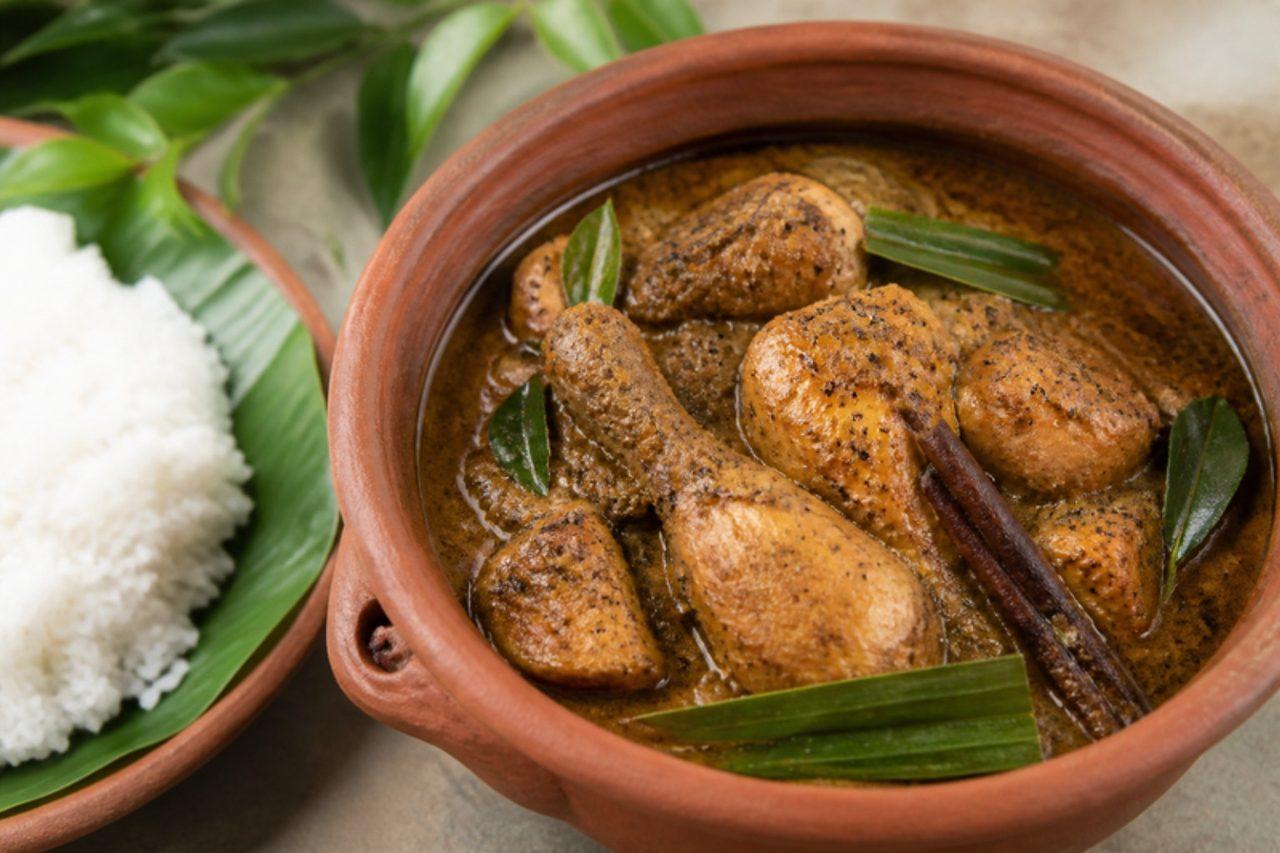
Sri Lankan chicken curry

Sunday lunch in a Colombo family home very often means a pot of kukul mas curry, the chicken chopped small on the bone and simmered in a gravy darkened by curry powder that has been roasted until it smells almost like coffee. Pandan leaf, curry leaves, cinnamon bark and cardamom carry the perfume, while coconut milk stirred in towards the end rounds off the chilli heat without making the sauce heavy. It shares the table with red rice, parippu, pol sambol and a green mallung, and whatever is left over tastes even better the next morning with string hoppers. A common slip is using raw, unroasted curry powder, which tastes dusty and flat instead of deep and smoky. Chef's tip: roast the spices for the powder until they are the colour of milk chocolate and grind them while still warm, so the oils release into the powder.

by KrazyBadal 0 views

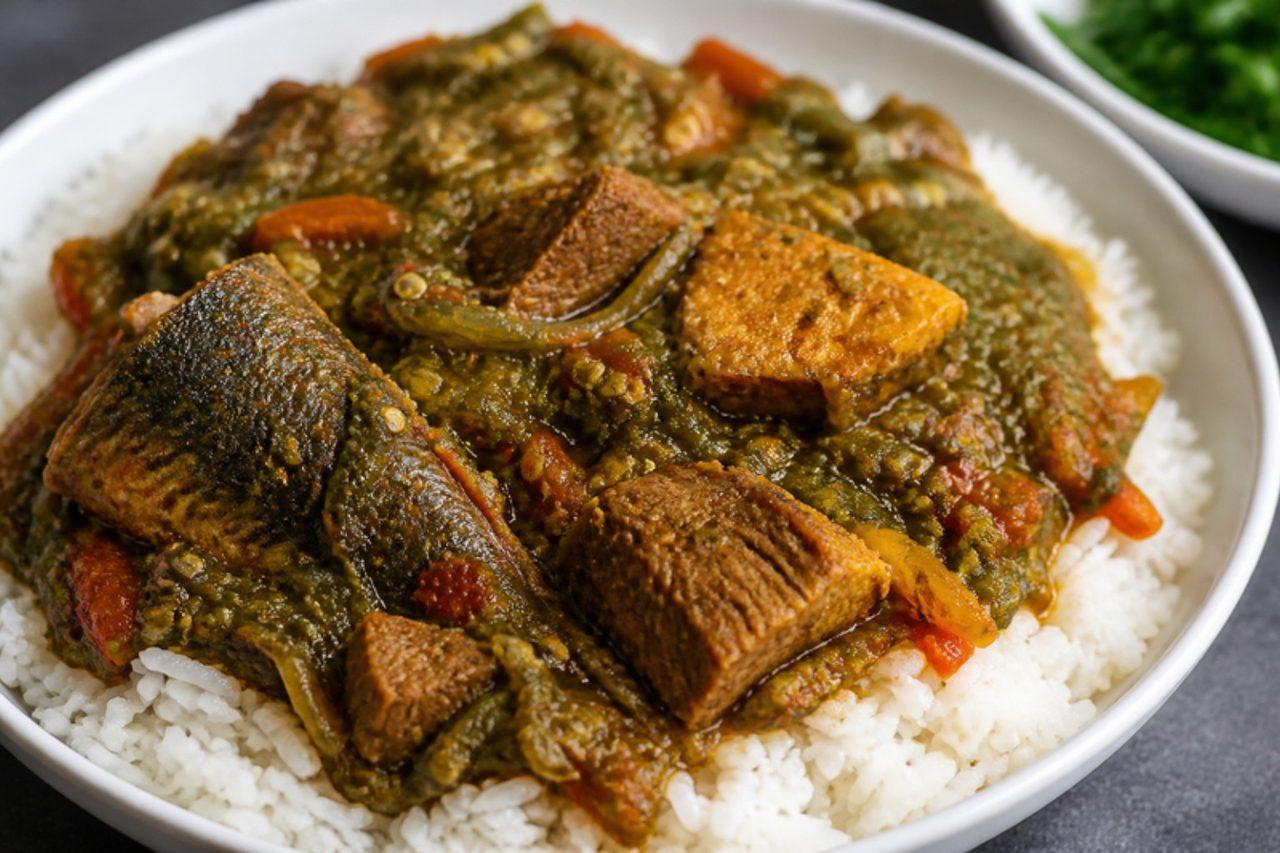
Superkanja (Gambian okra stew)

Superkanja is one of The Gambia's best-loved stews, cooked in compounds from Banjul to the river villages and always served with plain white rice. Okra is simmered and beaten into a thick, glossy stew with red palm oil, beef, fish and nététou, the pungent fermented locust beans that give West African cooking its deep savoury base. Smoked or dried fish adds smokiness, Scotch bonnets bring the heat, and the whole thing is slippery, rich and earthy. If you cannot find nététou, iru or dawadawa from African shops do the same job. Chef's tip: beat the okra vigorously with a wooden spoon for the last few minutes of cooking; that beating is what turns it into the smooth, cohesive kanja rather than a loose soup.

by KrazyBadal 0 views

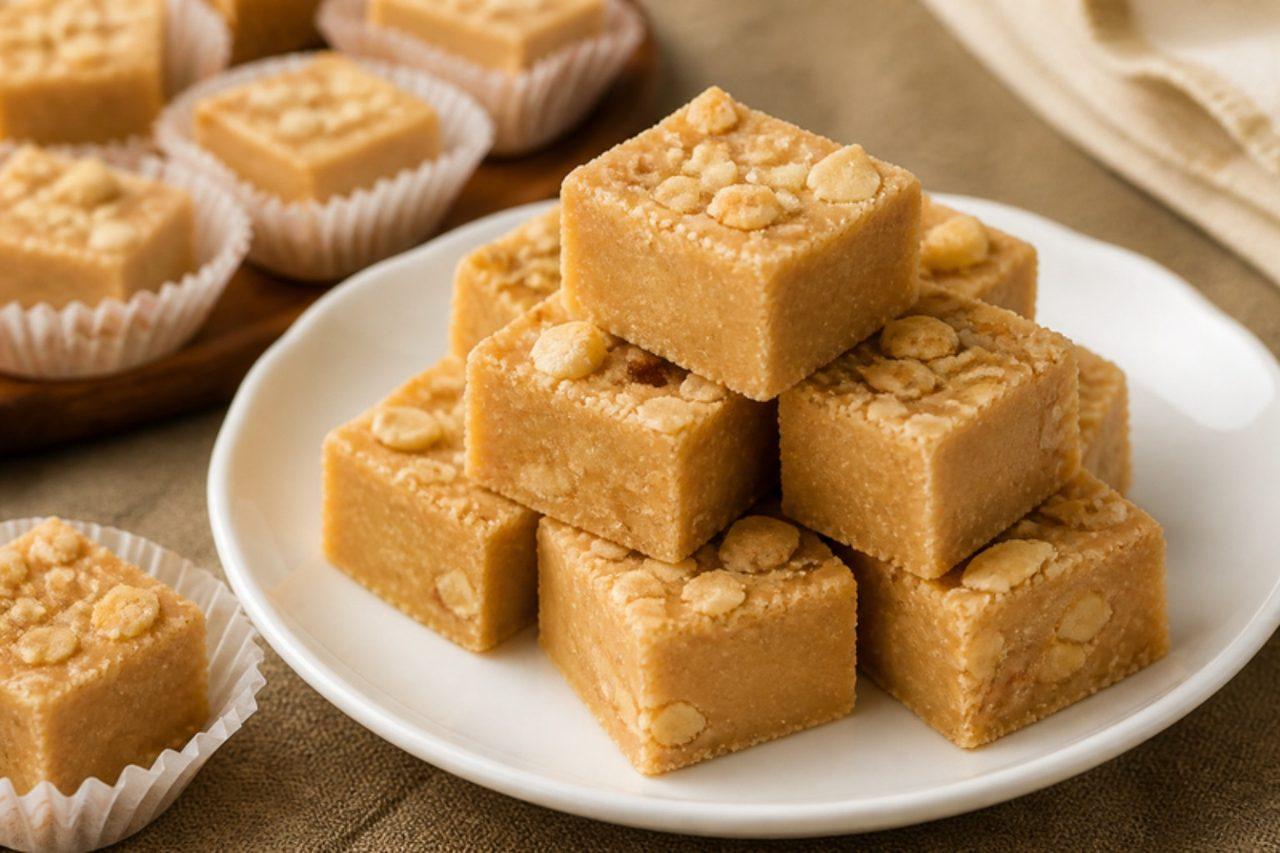
Sri Lankan milk toffee

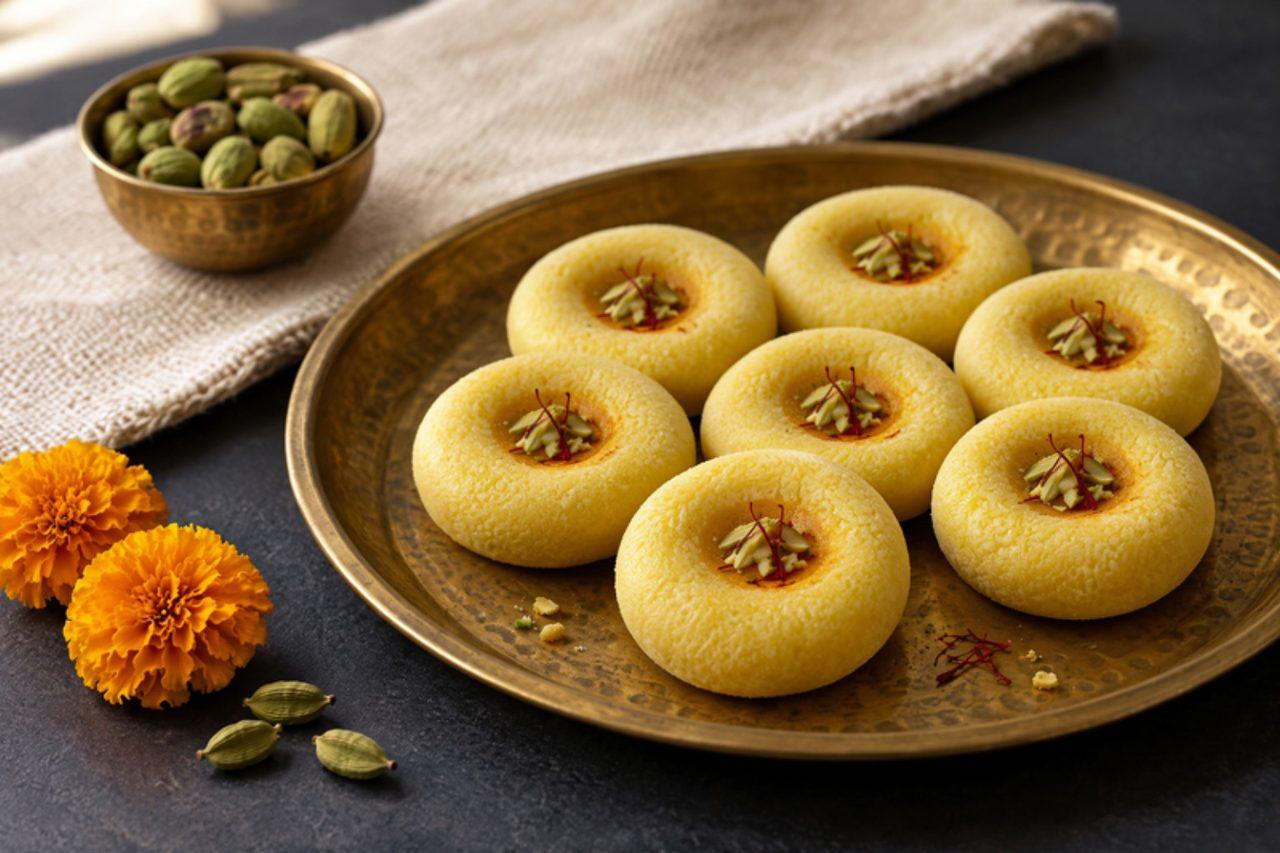
Every school fair, office bake sale and Avurudu table in Sri Lanka has a plate of milk toffee, the pale golden squares that are firm when you pick them up yet melt away in a sweet, slightly grainy crumble in your mouth. A tin of condensed milk is cooked with sugar and butter, stirred constantly for half an hour until it thickens and leaves the pan, then flavoured with chopped cashews and a whisper of cardamom and vanilla. It is simple enough for children to help with, as long as an adult does the hot stirring. Stopping too early is the trap almost everyone falls into, leaving a soft, chewy fudge instead of the proper crumbly snap. Cook until the mixture rolls into a ball, turns a shade darker and a drop set in cold water is firm. Chef's tip: mark the squares with a buttered knife while the toffee is still warm, because once it cools it will only break into rough pieces.

by KrazyBadal 0 views

Aprapransa (Fante palm nut pottage with crab)

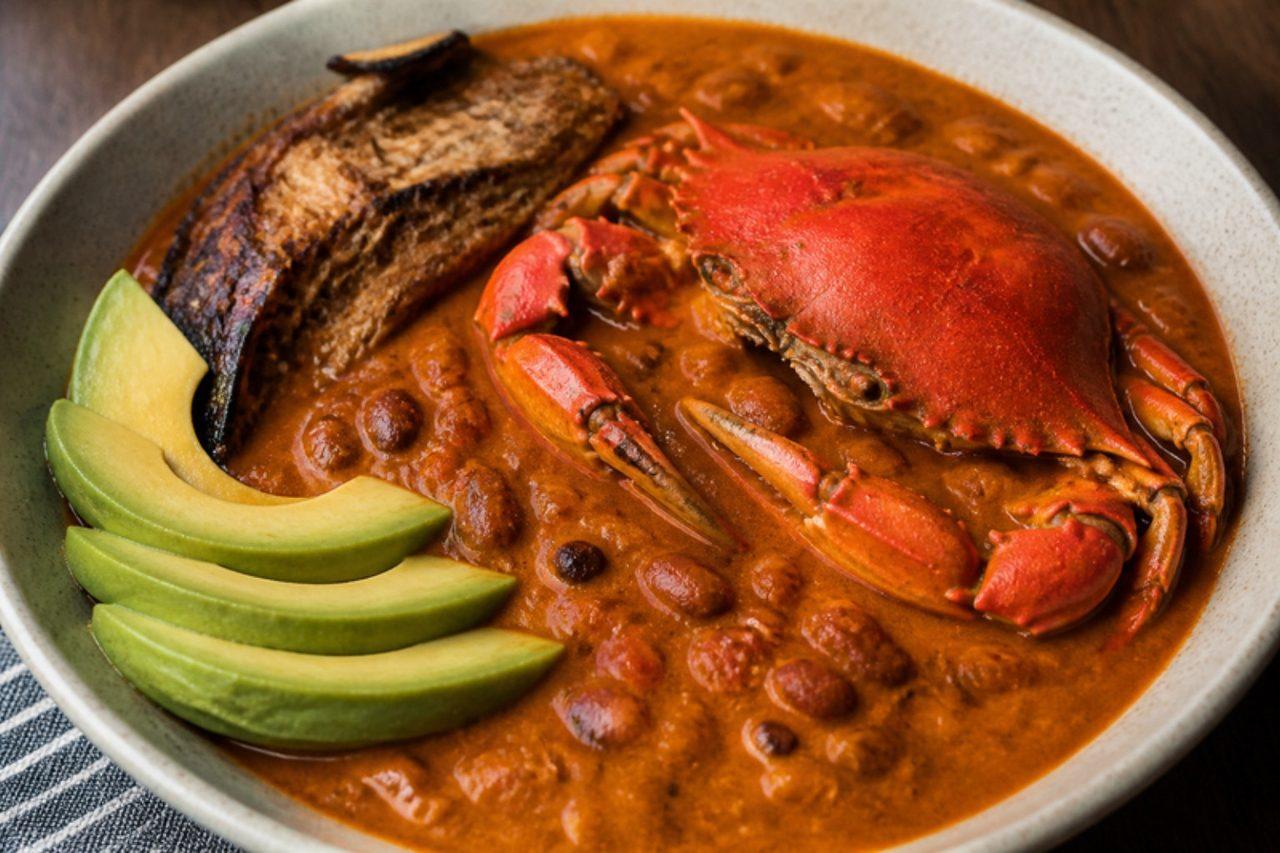
A coastal Fante dish from Cape Coast and the Central Region, aprapransa is made for festive days and big family meals: palm-nut soup with crab and smoked fish is stirred with toasted corn flour until it becomes a thick, spoonable pottage, then finished with tender black-eyed beans. The texture is somewhere between a stew and a soft dumpling, the colour a deep orange-brown, and the toasted corn gives a nutty, almost biscuity flavour under the rich palm fruit. It is often served with sliced avocado. Live crabs must come from a good fishmonger; discard any that are dead or smell off. The usual mistake is adding the toasted corn flour all at once, which makes lumps; sprinkle it in while stirring. Chef's tip: toast the corn flour until it is evenly deep golden and smells like popcorn, then add it to the soup gradually while stirring, because tipping it in at once is how the pottage turns lumpy.

by KrazyBadal 0 views

Ghanaian rock buns

Rock buns came to Ghana with colonial-era baking and never left: every neighbourhood bakery and many school canteens sell these rough, golden mounds, eaten with tea in the morning or with a soft drink after school. They are crisp on the craggy outside, soft and cakey inside, scented with nutmeg and studded with raisins. They take minutes to mix and are a good first bake for children. Chef's tip: keep the dough stiff and drop it in rough heaps without smoothing; too much milk is the common mistake, and the buns spread into flat cookies instead of rising into 'rocks'.

by KrazyBadal 0 views

Pickled green tomatoes

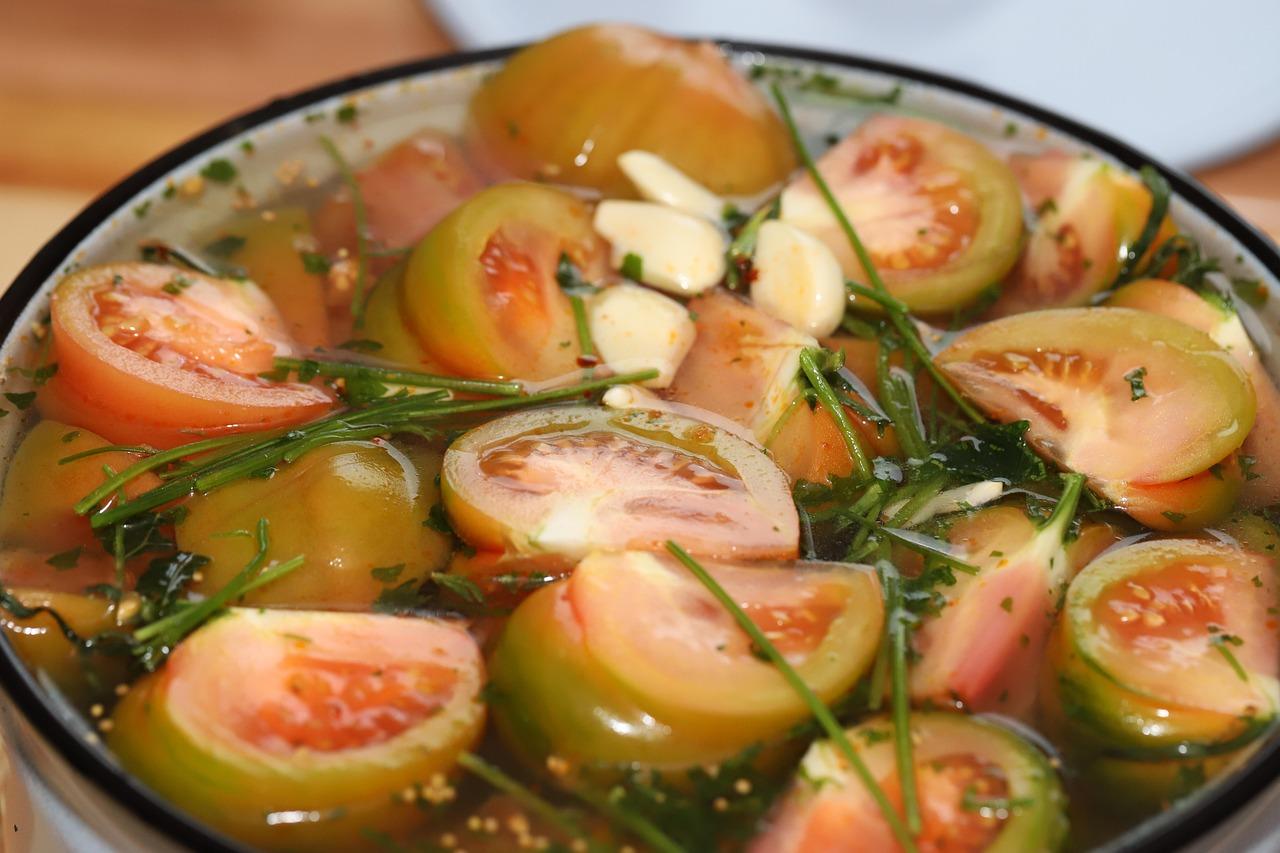
In southern Ukraine the first cold nights of October leave every garden full of hard green tomatoes that will never ripen, and rather than waste them, cooks around Odesa and Kherson slit each one and stuff it with a punchy paste of garlic, dill, parsley and hot chilli. A week in brine turns them sour and fizzy, with a crunch and a slow burn from the chilli. They are the pickle everyone reaches for at the winter table, next to potatoes fried with onions or a bowl of buckwheat. Most people go wrong by cutting the tomatoes right through, so the filling falls out; slice only two-thirds of the way. As with any ferment, keep everything below the brine and discard the jar if it grows fuzzy or coloured mould or smells rotten. Chef's tip: pick tomatoes that are just starting to blush pale; fully hard dark-green ones stay bitter.

by KrazyBadal 0 views

Pickled watermelon

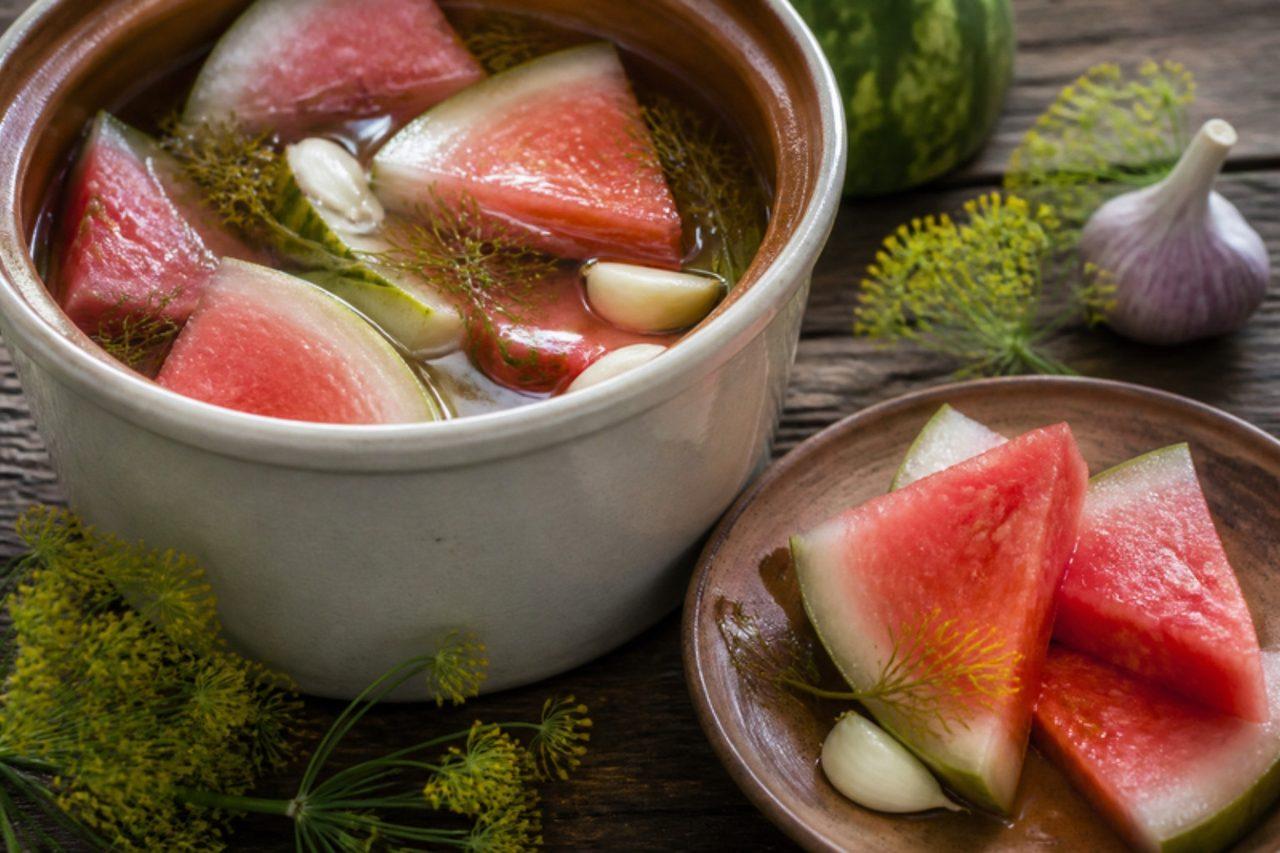
When the melon fields of Kherson and Mykolaiv end their season, the small, late watermelons that never got properly sweet go into barrels of brine. A few weeks later they come out fizzy, salty and sour, with the pink flesh still faintly sweet and the rind crisp like a pickled cucumber. Southern families eat them through the winter with boiled potatoes, buckwheat or a plate of fried mushrooms. A big glass jar works just as well as a barrel for wedges. The classic error is using a ripe, soft watermelon, which turns to mush in the brine; pick small, firm ones with pale pink flesh. Keep everything under the brine and throw out the batch if fuzzy or coloured mould appears or it smells rotten rather than sour. Chef's tip: slip a horseradish or cherry leaf into the jar; the tannins keep the rind crunchy for weeks.

by KrazyBadal 0 views

Beet kvass

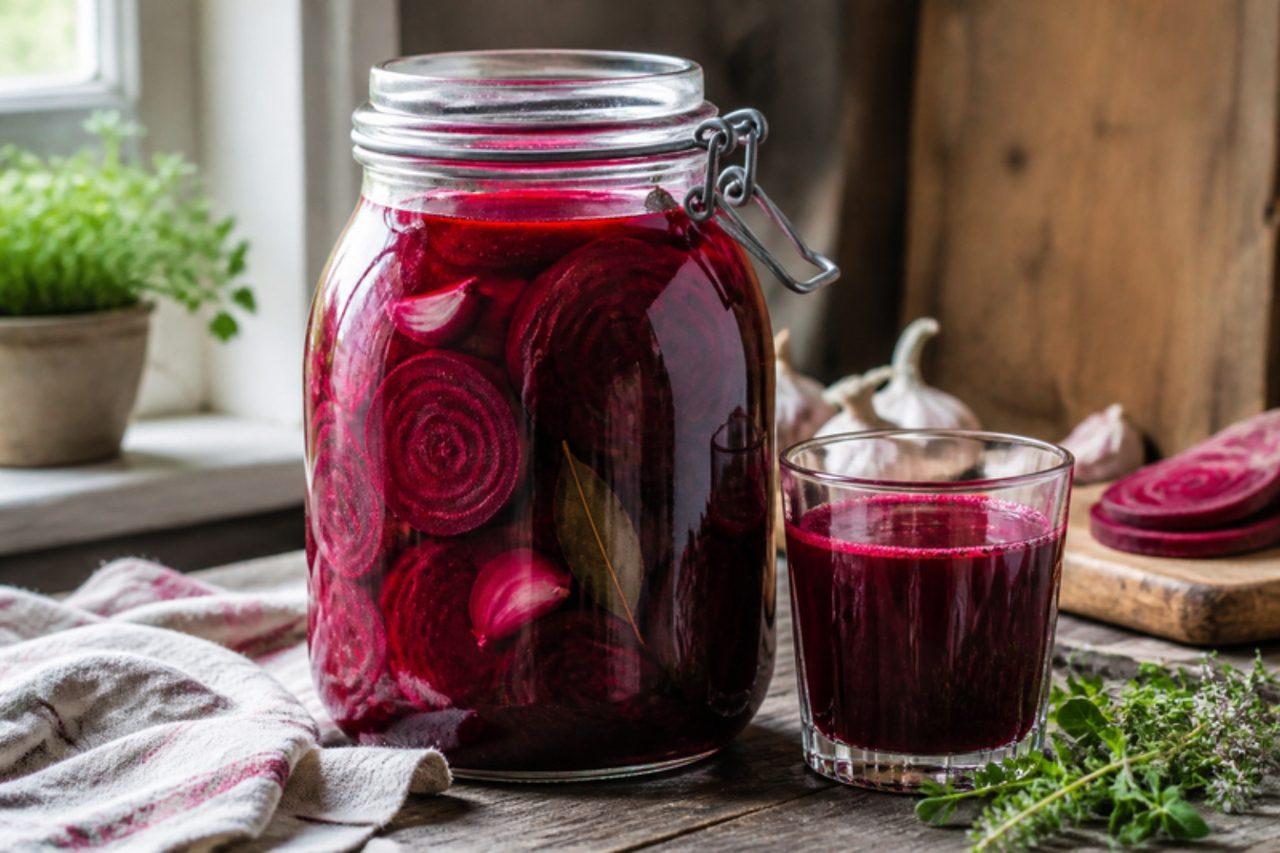
Before lemons and vinegar were easy to buy, Ukrainian cooks soured their borscht with beet kvass, a ruby-red brine made by leaving sliced raw beetroot in salted water for a few days. It is lightly fermented, so it contains no more than a negligible trace of alcohol, and it tastes earthy, salty and pleasantly sharp. In Poltava and Chernihiv villages a jar always stood by the stove; a splash went into the soup pot and a small glass was drunk in the morning as a tonic. Some families add a crust of rye bread to speed things up, which makes it no longer gluten-free. The mistake most people make is leaving the beetroot floating: anything above the brine can grow mould, so keep it weighed down. Discard any batch with fuzzy or coloured mould, a slimy texture or a rotten smell. Chef's tip: a few slices left in the jar from the previous batch start the next one in half the time.

by KrazyBadal 0 views

Babi pangangCrispy pork in sweet-sour sauce

Babi pangang is one of the most ordered dishes in the 'Chinees-Indisch' restaurants found in every Dutch town: crisp-skinned roast pork belly, sliced and smothered in a bright red, sweet-sour sauce with tomato, ginger and pickled vegetables, served with rice or nasi goreng. This is a pork dish. A common mistake is pouring the sauce over too early, which turns the crackling soft. Chef's tip: dry the skin overnight in the fridge and roast it hot at the end, then pour the sauce around, not over, the pork at the table. Whole pork joints are safe at 63 °C plus a rest; belly is best cooked longer, until tender.

105 minDutchMeat
by KrazyBadal 0 views

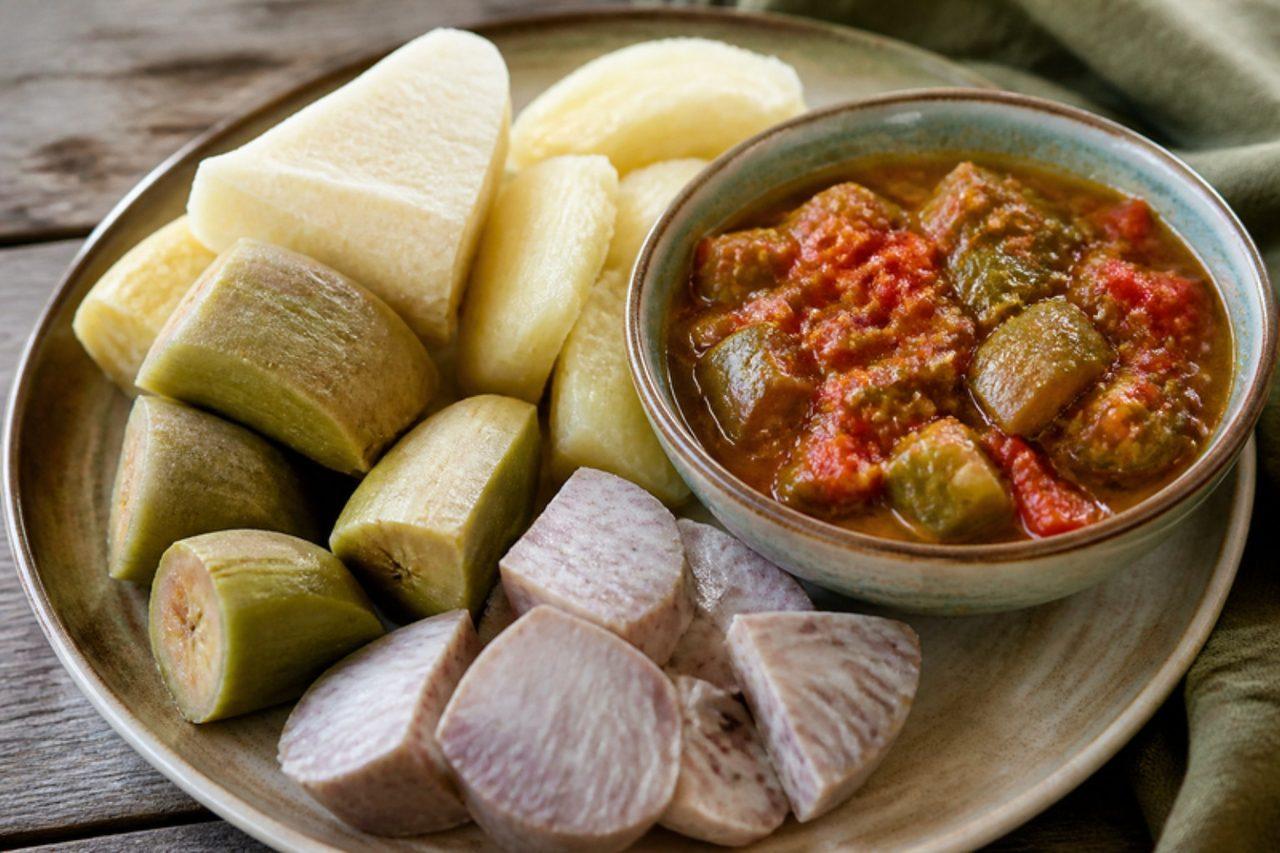
Ampesi with garden egg stew

Ampesi is about as plain and honest as Ashanti food gets: slices of yam, green plantain and cocoyam boiled until tender and eaten with a stew, here one made from garden eggs, the small white or green African eggplants sold by the bowlful in Kumasi markets. They are boiled, mashed and simmered with onion, tomato and pepper into a soft, slightly bitter, savoury stew with very little oil. Ghanaian homes often add fish or egg to it; this version is fully vegan and light. Asian or Thai aubergines are a good swap if you cannot get garden eggs. Chef's tip: boil the yam, plantain and cocoyam separately or add them in stages; cooking them together from the start is the common mistake, and the yam turns to mush before the plantain is done.

by KrazyBadal 0 views

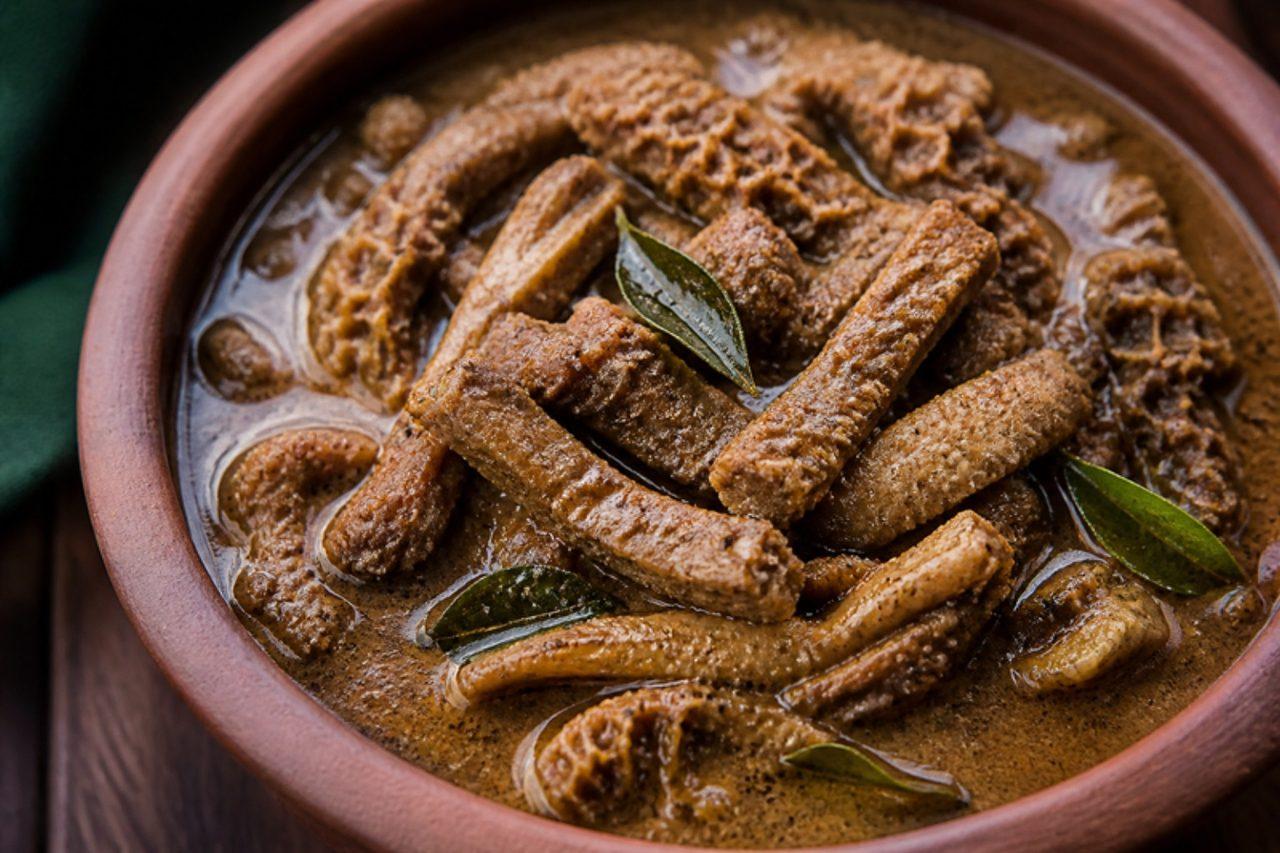
Babath curryBeef tripe curry

Babath curry belongs to the Muslim and Malay kitchens of Colombo and Slave Island, a frugal, rich dish of beef tripe that turns up at family lunches and in small rice-and-curry cafés where regulars ask for it by name. The tripe is cleaned, boiled with turmeric and vinegar until soft, then sliced into ribbons and simmered in a dark roasted curry with black pepper, cinnamon and a little coconut milk until it soaks up all the spice. The texture is pleasantly chewy and the gravy deep, hot and slightly sour, and it is eaten with rice, roti or bread to mop up the sauce. Many first attempts fail because the tripe is not boiled long enough first, so it stays rubbery however long it spends in the curry. Chef's tip: buy cleaned, bleached honeycomb tripe from a halal butcher, and boil it until a knife slides through with no resistance before you start the curry.

by KrazyBadal 0 views

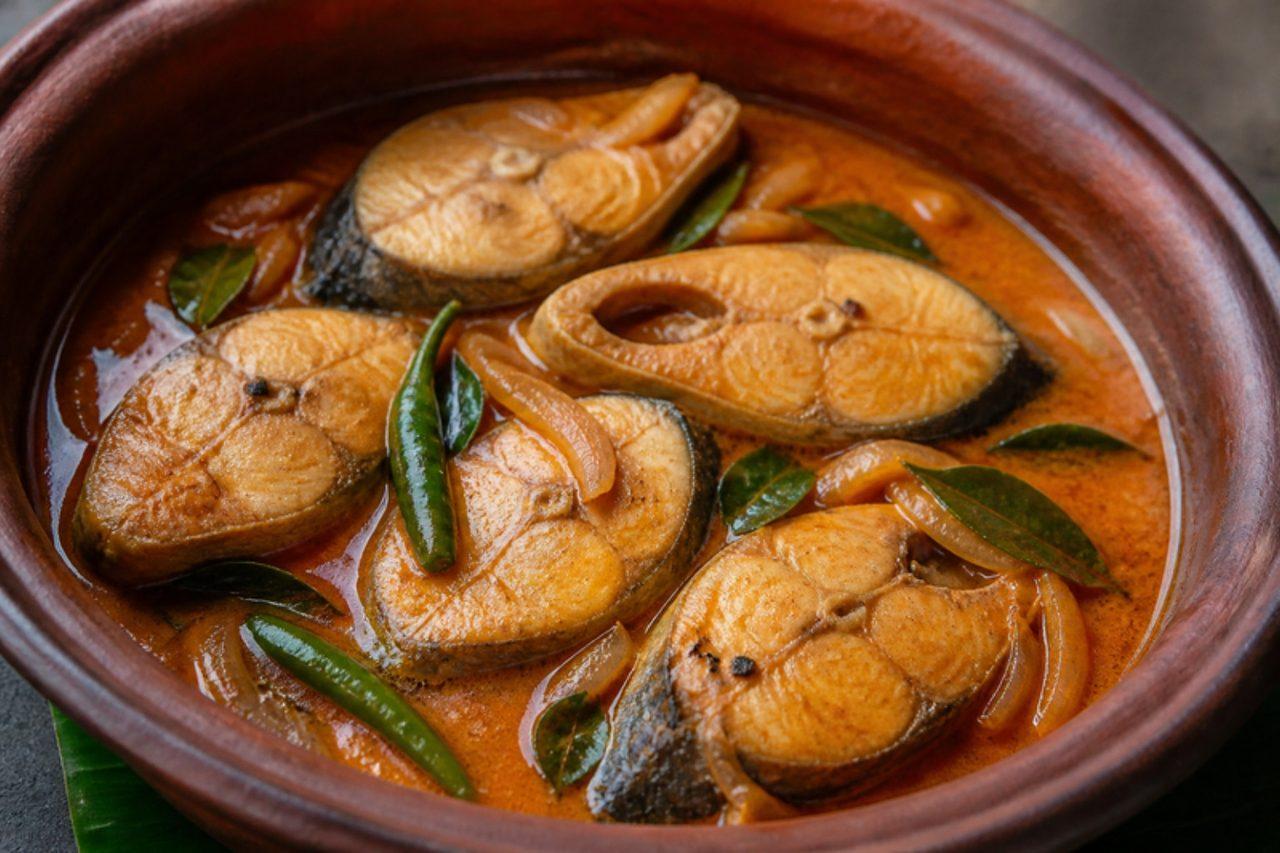
Batticaloa fish curry

Batticaloa sits between a long lagoon and the sea, and its Tamil and Muslim cooks make a fish curry that tastes of both: sour with tamarind, round and mellow with coconut milk, and fragrant with fennel, fenugreek and curry leaves. Seer fish, called thora or vanjiram, is the favourite because its firm steaks hold together in the gravy, though any meaty sea fish works. The curry is a weekday staple, cooked in the morning and eaten at lunch with rice, a lentil dhal and a fried vegetable, and it is even better a few hours later once the fish has absorbed the sauce. Most disappointing versions come from stirring the pot after the fish goes in, which breaks the steaks into flakes. Chef's tip: swirl the pan instead of stirring, and spoon the sauce over the fish so it cooks evenly without being moved.

by KrazyBadal 0 views

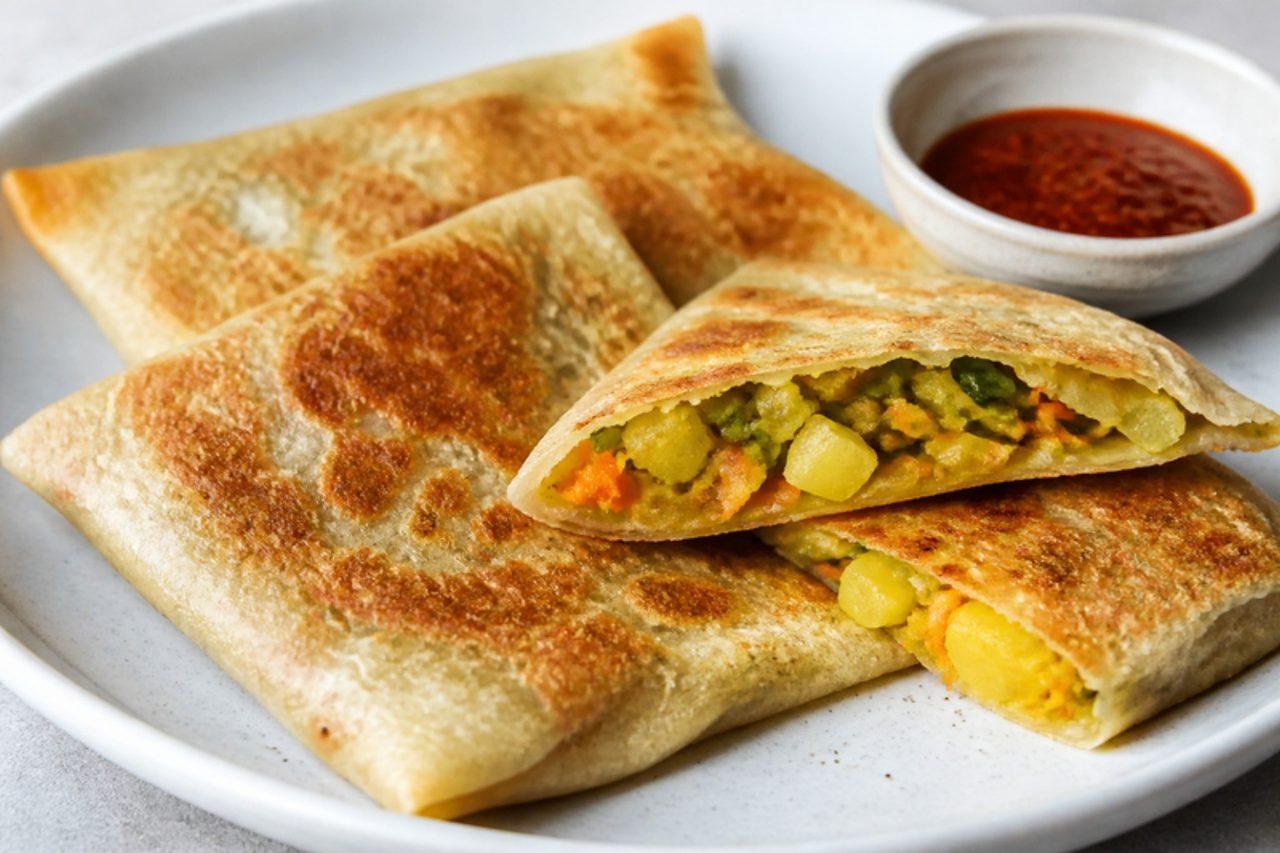
Sri Lankan vegetable roti

The glass cabinet of every Colombo bakery and railway canteen holds a pile of short eats at teatime, and the neat, golden triangles of vegetable roti are usually the first to go. They are made from godamba dough, oiled and rested until it can be stretched almost transparent, then wrapped around a peppery potato filling with leek, carrot, curry leaves and chilli, and cooked on a hot griddle until crisp and blistered. People eat them hot from the paper bag with a bottle of chilli sauce or a cup of milk tea. Fish and egg roti are just as common; this one is fully vegan. Most first attempts fail because the dough is not rested long enough and springs back when stretched; give it at least two hours under oil, or overnight in the fridge. Chef's tip: make the filling fairly dry and cool it completely before folding, otherwise the steam tears the delicate dough.

by KrazyBadal 0 views

AmiwoRed tomato cornmeal

Fon cooks in southern Benin make amiwo for weddings, christenings and big Sunday tables, and you will find it at celebrations across the border in Lomé too. Maize meal is cooked straight into a well-fried tomato, onion and pepper base until it becomes a thick, brick-red paste that is savoury, slightly sweet and full of tomato. Most often it arrives with fried chicken; this meat-free version uses vegetable stock and comes with fried ripe plantain and an extra spoonful of tomato sauce. Chef's tip: hold back a ladle of the tomato base before adding the cornmeal and spoon it over each portion to serve.

by KrazyBadal 0 views

Sri Lankan love cake

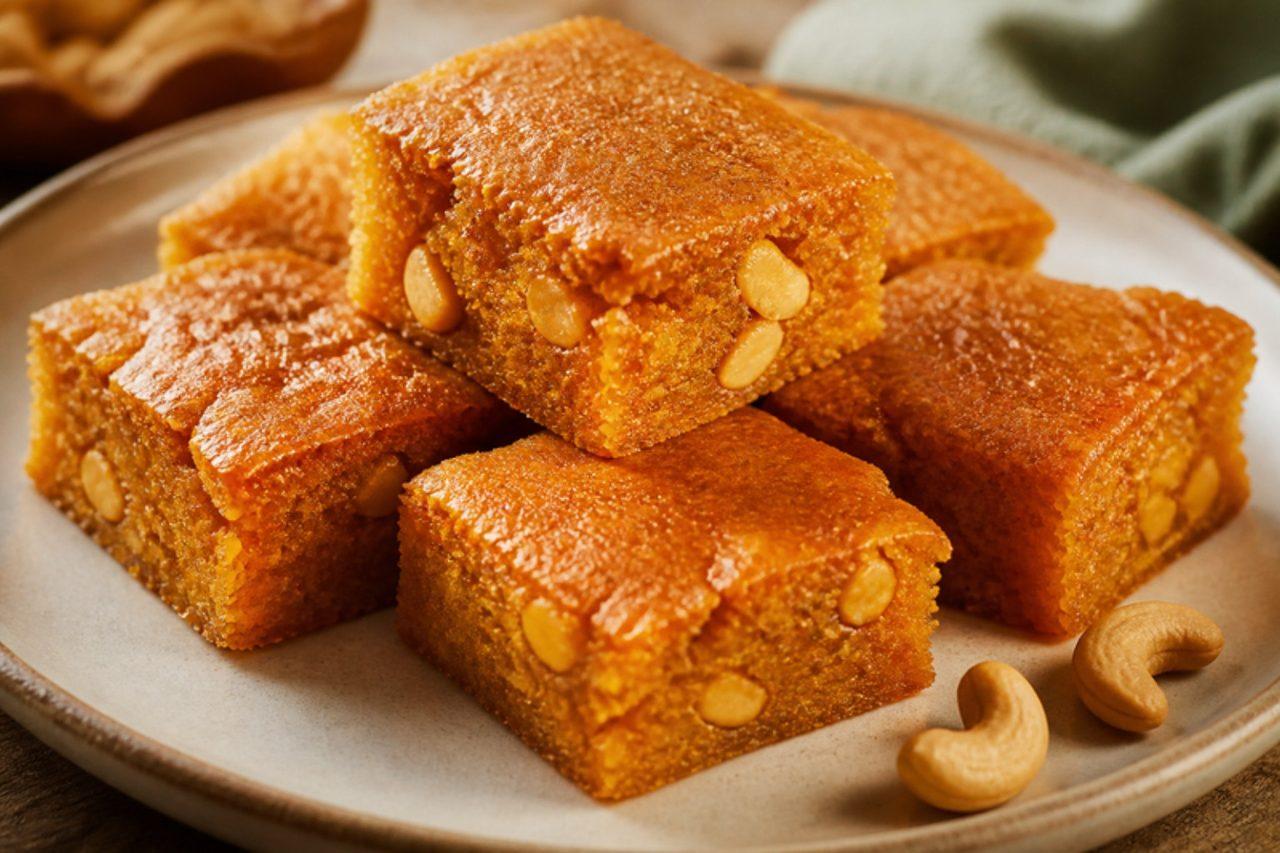
Love cake is the Burgher Christmas and birthday cake, a legacy of Portuguese rule shaped by Sri Lankan spice gardens, and Colombo families argue happily over whose grandmother's recipe is best. Roasted semolina, butter and a huge quantity of whisked egg yolks and sugar are folded with chopped cashews, pumpkin preserve, rosewater, cardamom, cinnamon and nutmeg, then baked slowly so the top forms a crisp, sugary crust while the inside stays moist, dense and almost chewy. It is cut into small squares because it is very rich, and served with tea or packed into little boxes for guests. A common mistake is baking until a skewer comes out completely clean, which leaves it dry; the centre should still be slightly sticky. Pumpkin preserve (puhul dosi) is sold in Sri Lankan shops; candied winter melon, sold as petha, is the closest substitute. Chef's tip: make it two days ahead, as the spices and rosewater deepen as the cake rests.

by KrazyBadal 0 views

AzuBeef stew with pickles

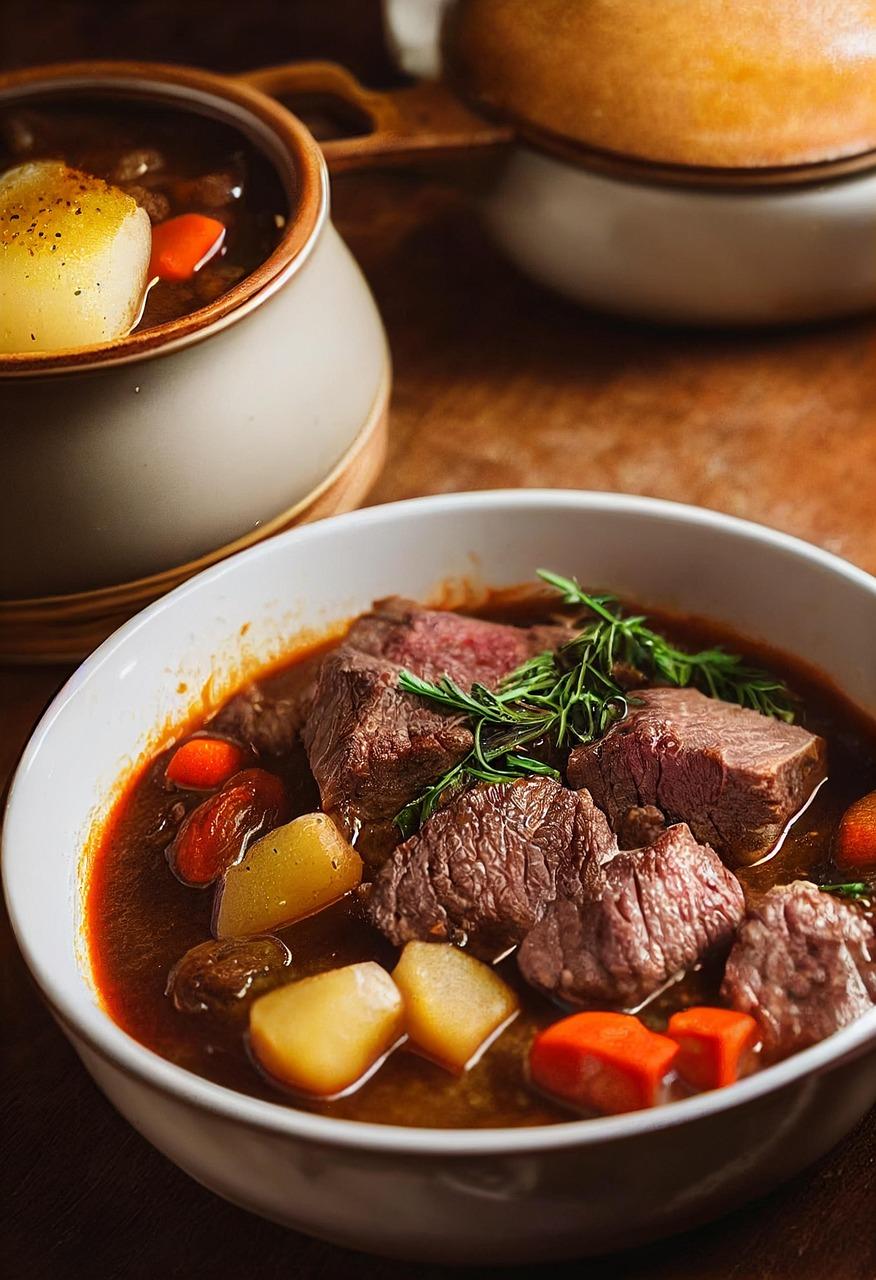
Kazan's working canteens gave azu its fame: strips of beef braised in a peppery tomato gravy, sharpened with diced salty pickled cucumbers and finished with golden fried potatoes, all served steaming in a clay pot. It is hearty, sour-savoury and thick enough to mop up with rye bread, and Tatar families serve it on cold weekday evenings. Where most people go wrong is adding the potatoes raw to the stew; they turn floury and the gravy goes muddy, so fry them separately and fold them in at the end. Chef's tip: use proper brine-fermented cucumbers rather than sweet vinegar pickles; their sourness is what makes azu taste like azu.

by KrazyBadal 0 views

Mbourake (peanut and date bread crumble)

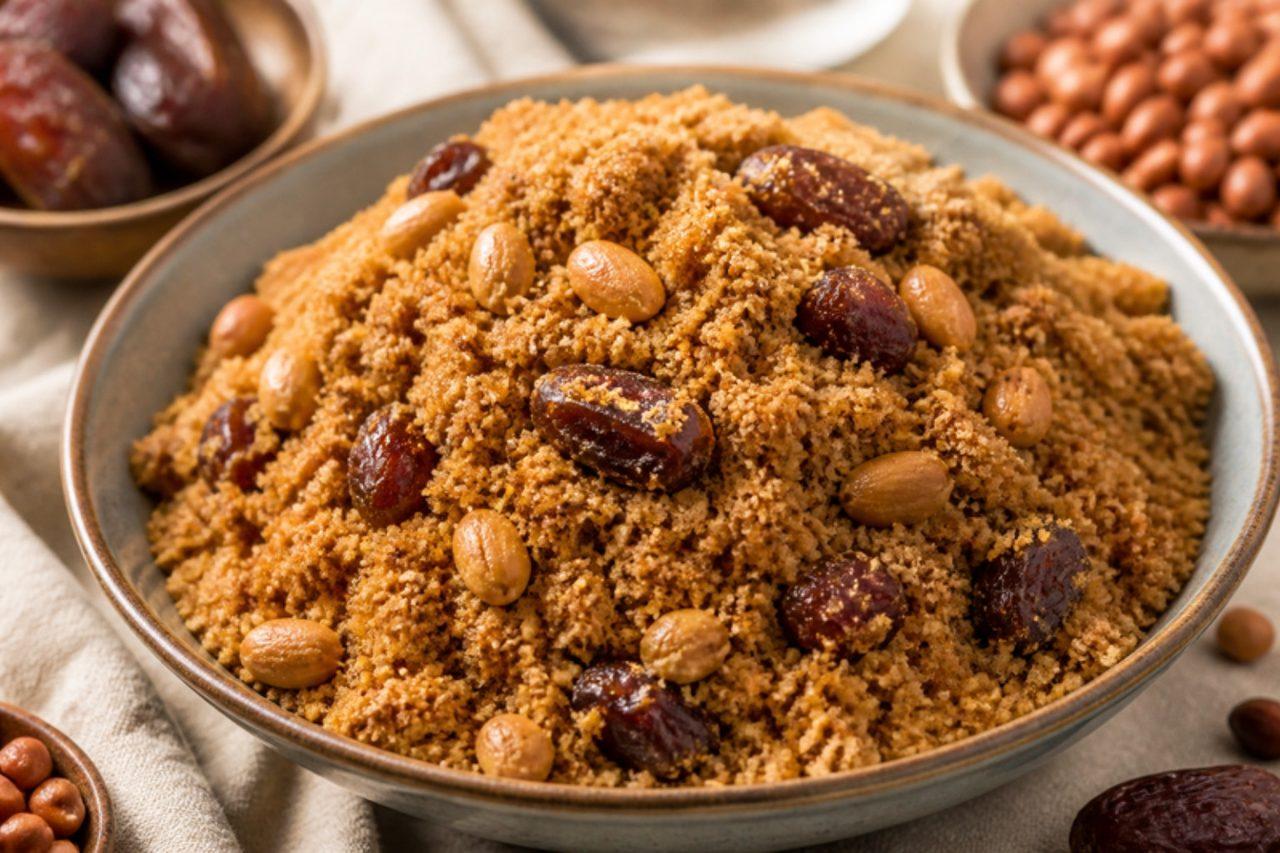
Yesterday's baguette never goes to waste in a Senegalese kitchen during Ramadan. Mbourake turns it into a rich, crumbly sweet: the bread is dried, rubbed to crumbs and pounded with roasted peanut paste and sugar until it clumps, then mixed with chopped dates and pressed into balls or served loose in a bowl at the ndogu, the evening meal that breaks the fast. Some families use steamed millet instead of bread. It tastes like a cross between peanut cookie dough and a date bar, sweet, nutty and filling, and it is good with a glass of café Touba or milk. Chef's tip: dry the bread fully until it snaps; soft bread gives a gummy paste instead of a light crumble.

by KrazyBadal 0 views

Abacha (African salad)

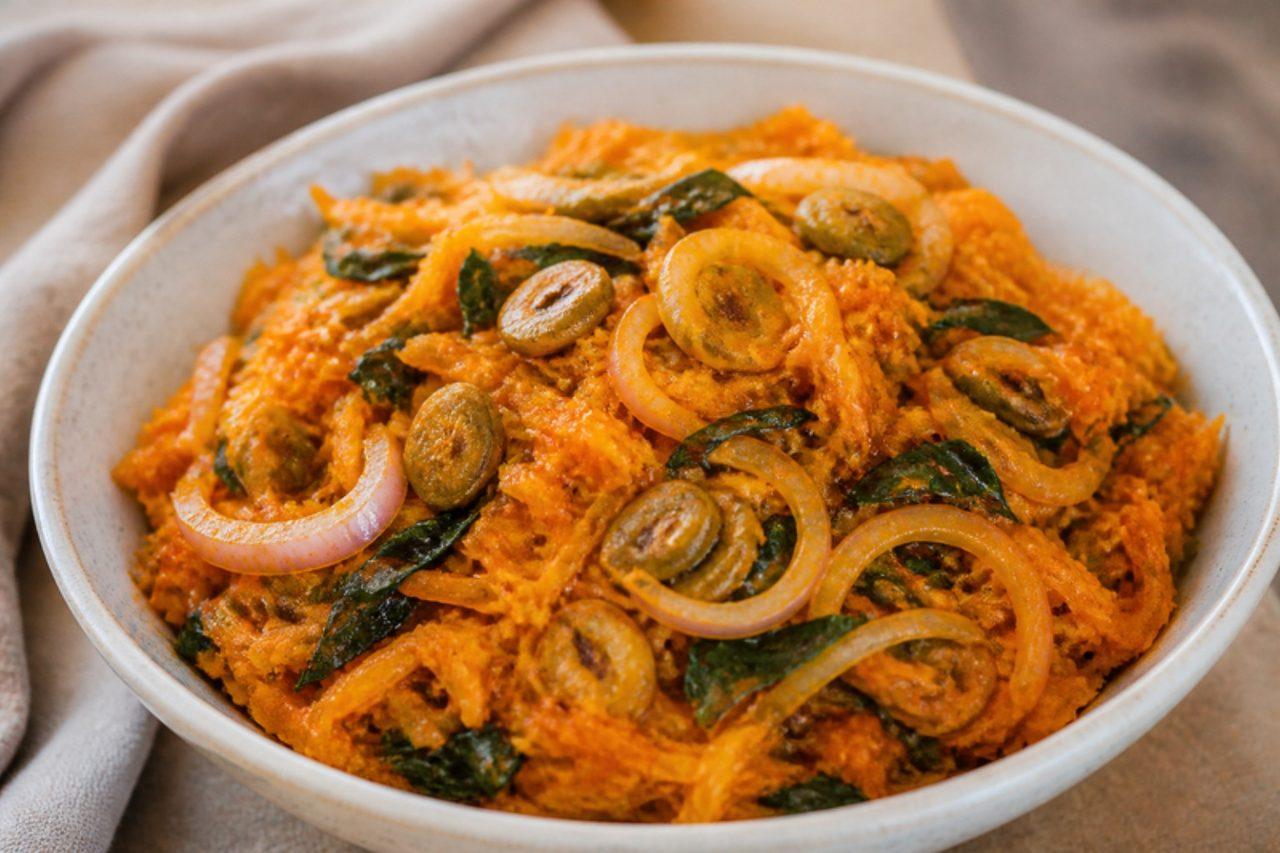
Abacha is the evening snack of Anambra and Enugu, sold by women on street corners and served at Igbo weddings and funerals, where people call it African salad. Dried cassava shreds are softened in water and tossed in ncha, a thick yellow emulsion made by stirring palm oil with potash water, together with fermented oil bean (ugba), sliced onion, pepper and ground calabash nutmeg, then finished with garden egg leaves and fresh garden eggs. It is chewy, oily, peppery and fresh all at once. Stockfish, ponmo or crayfish are often added; this is the meat-free way. Outside Nigeria, African shops sell abacha and ugba; leave the ugba out if you cannot find it. Chef's tip: soak the abacha only until it is just pliable; left too long it turns mushy, which is the mistake that ruins the texture.

by KrazyBadal 0 views

Lamugin (spiced ginger millet drink)

Around Tamale and across Northern Ghana, lamugin is the drink that bites back: millet flour stirred into ginger water spiked with cloves, black pepper and chilli, then sweetened and served very cold. Sellers keep it in sachets or calabashes at markets and roadside stands, and it is handed round at gatherings and during Ramadan evenings. It is cloudy and slightly thick from the millet, with a sweet start and a long peppery warmth. This version is non-alcoholic and cooks the millet briefly so it tastes clean rather than raw. Chef's tip: pass the ginger water through a fine cloth before adding the millet, so the drink stays smooth instead of stringy.

by KrazyBadal 0 views

Asaana (caramelised corn drink)

Chilled in plastic bottles and sold from cool boxes at lorry parks, schools and roadside stalls, asaana is one of the most loved soft drinks in Ghana. Maize is soaked, ground and left to sour for a day, then boiled and strained, and the pale liquid is coloured and sweetened with sugar caramelised almost to bitterness. The result is tangy, toasty and refreshing, a little like a light malt drink. Boiling after the souring stops the fermentation, so asaana is a non-alcoholic drink. It needs about two days of mostly hands-off waiting. Chef's tip: take the caramel to a deep mahogany colour before adding water; pale caramel is the usual mistake and gives a flat, sugary drink without the classic toasted edge.

by KrazyBadal 0 views

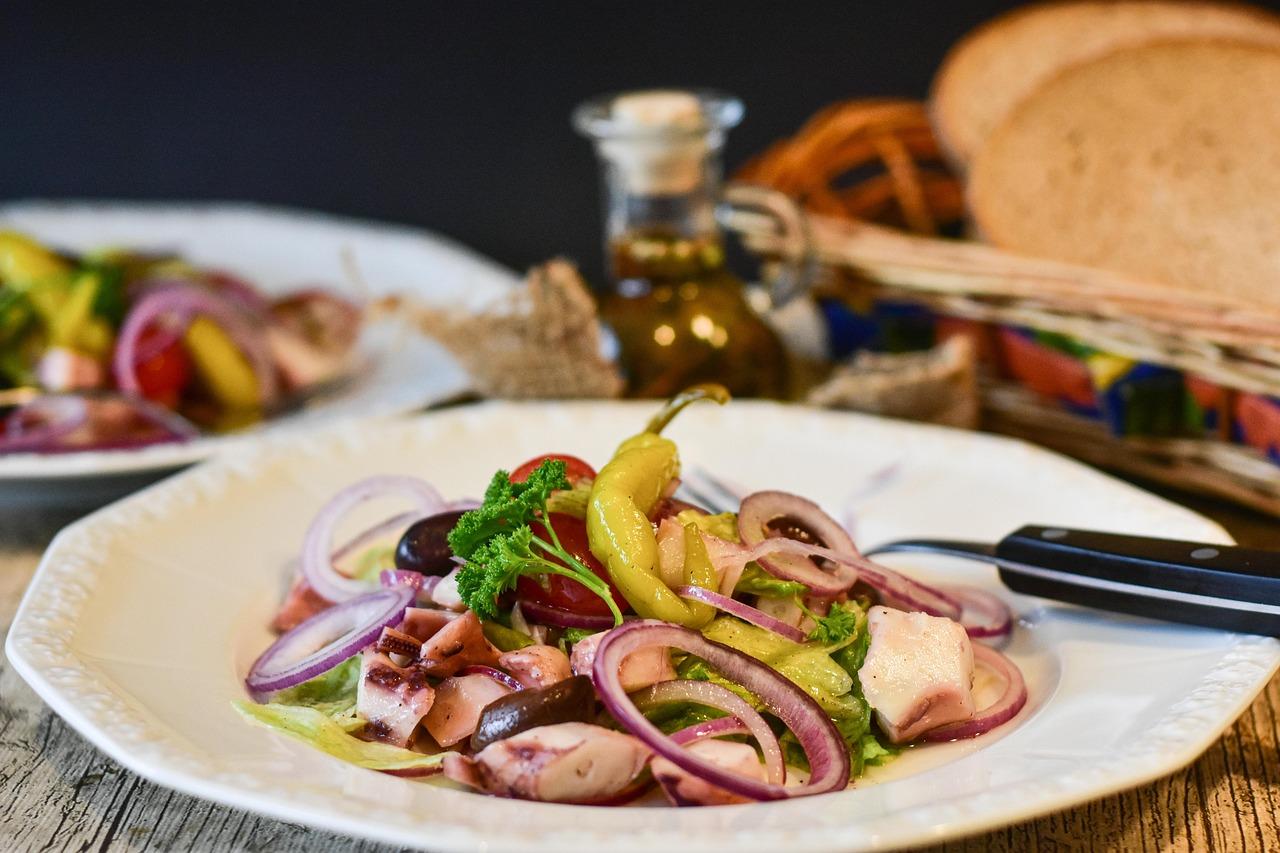
Tunisian octopus salad

Fishermen of the Kerkennah islands, off Sfax, still catch octopus in clay pots laid on the shallow seabed, and in winter the season's catch turns up in harbour cafés and home kitchens as this simple salad. The octopus is simmered slowly until tender, cooled in its broth, then sliced and tossed with red onion, plenty of parsley, lemon juice and good olive oil, with a little harissa if you like. It is light, clean and briny, eaten as a starter with bread or on a summer table of salads and grilled fish. Buy octopus from a reputable fishmonger; frozen and thawed octopus is often more tender than fresh. A common mistake is boiling the octopus at a rolling boil, which makes it rubbery; keep it at a gentle simmer until a knife slides in easily. Chef's tip: let the cooked octopus cool in its cooking liquid for 20 minutes before slicing; it stays juicy rather than tightening up.

by KrazyBadal 0 views

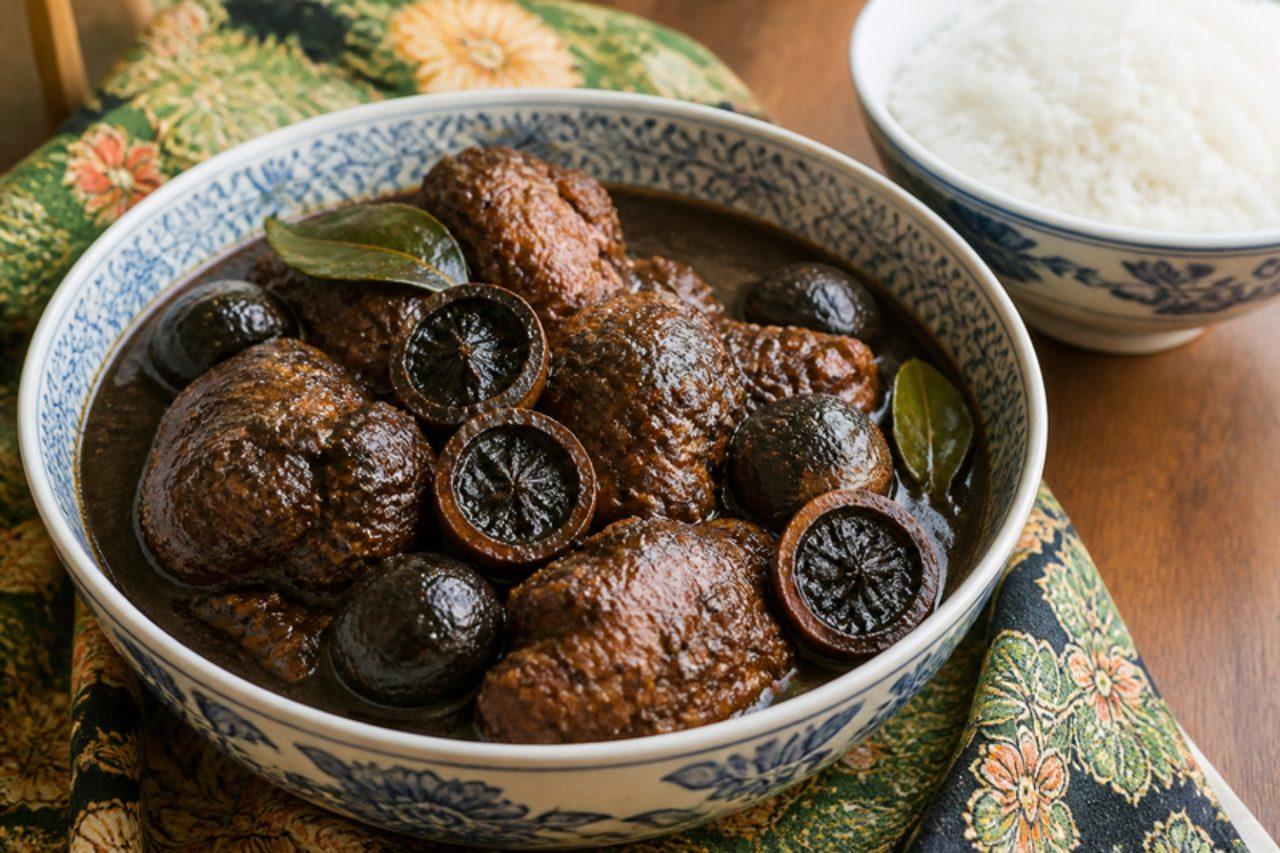
Ayam buah keluakChicken with black keluak nuts

Ask any Peranakan family in Singapore which dish defines the Nyonya table and most will name this one, cooked for Chinese New Year, ancestral offerings and big birthday lunches. Chicken is braised in a sour tamarind gravy built on a long-fried rempah of chillies, shallots, galangal, lemongrass and shrimp paste, together with buah keluak, the hard black nut of the kepayang tree, whose inky flesh tastes of dark chocolate, mushroom and olive. Diners dig the paste out with a teaspoon and stir it into rice. Raw keluak nuts contain hydrogen cyanide and are poisonous: use only cleaned, pre-soaked nuts sold ready to cook, and still soak them for several days, changing the water every day, as the seller's instructions say. The mistake people regret is skimping on that soak, which leaves the nuts bitter as well as unsafe. Chef's tip: cook it a day ahead; the gravy darkens and the flavours deepen overnight.

by KrazyBadal 0 views

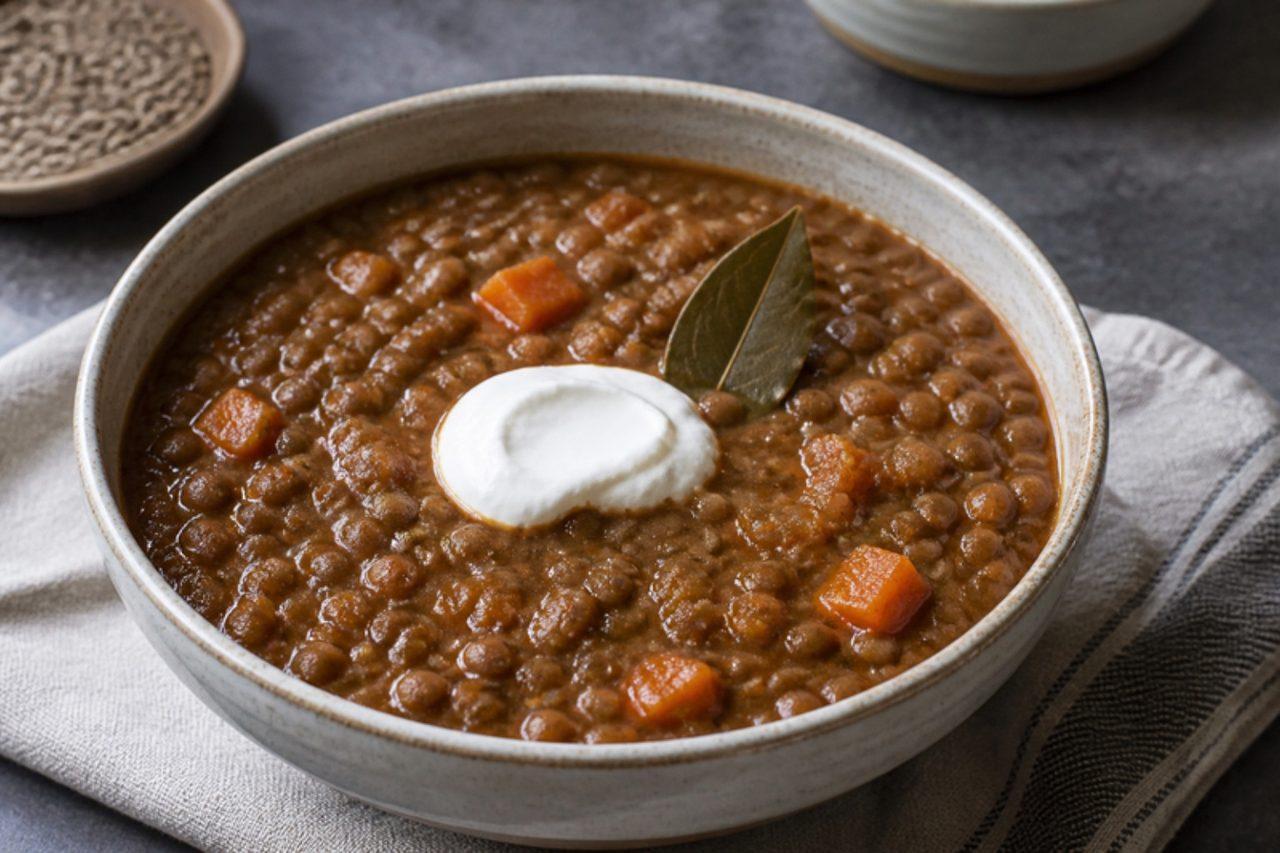
LencsefőzelékLentil stew

On New Year's Day all over Hungary, a pot of lencsefőzelék sits on the stove, because every lentil eaten is meant to bring a coin in the year ahead. The rest of the year it is an everyday Budapest canteen dish. Meat-eaters often top it with sausage or a fried egg; this version is fully plant-based and eaten with pickled vegetables and crusty bread. The lentils cook until creamy with a whole bay leaf, a little carrot and onion, then a paprika roux made with oil and a dash of vinegar turn them into a thick, savoury, gently sour stew. Where most people go wrong is making the roux too dark or adding paprika over high heat, which turns it bitter; take the pan off the heat first. Chef's tip: rest the finished stew for 10 minutes before serving; it thickens and the flavours settle.

by KrazyBadal 0 views

Showing 27 of 7,762 recipes

Show more recipes

Page 345 of 863