


Skip to content
Ahi poke
Featured recipe

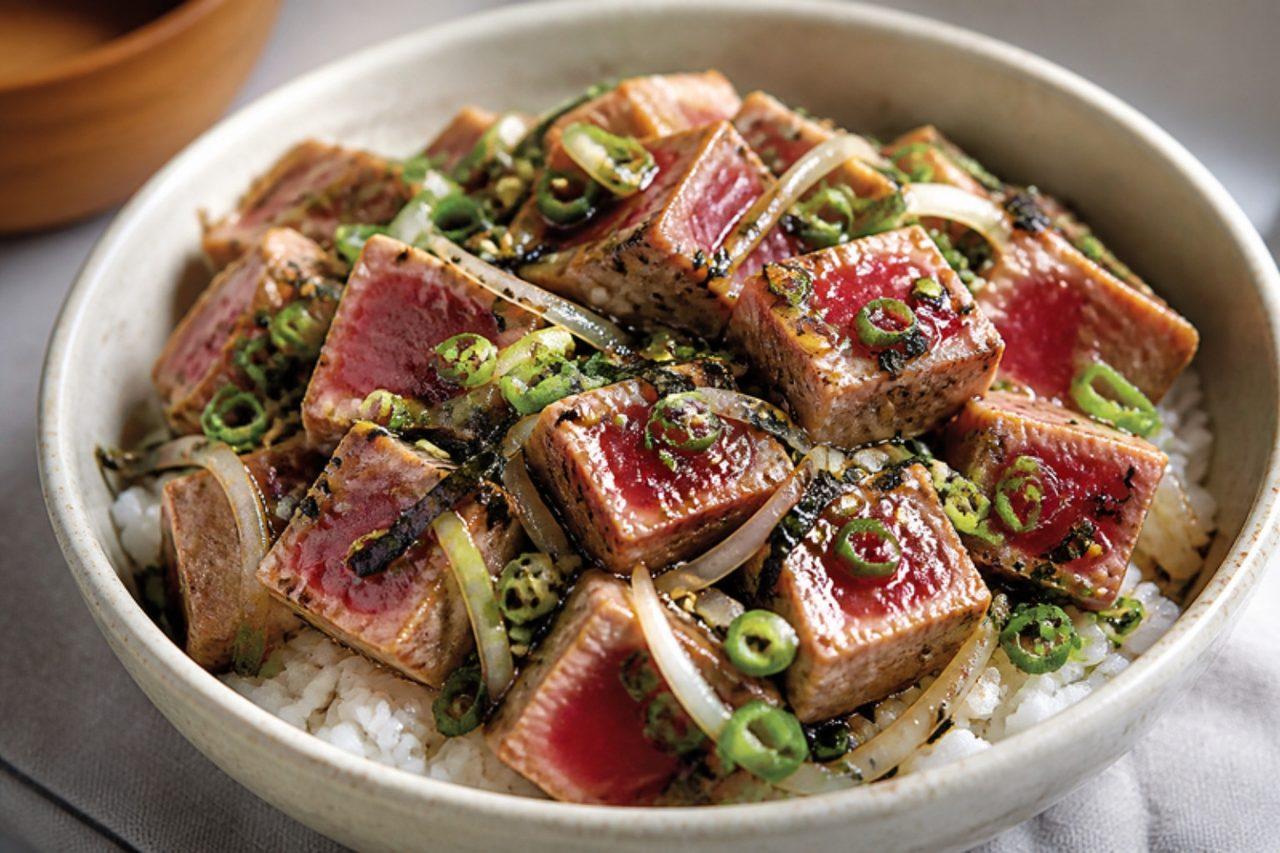
Ahi poke

Poke, from the Hawaiian word for cut into pieces, began as fishermen's snack of raw reef fish with sea salt, seaweed and roasted kukui nut, and is now sold by the pound from the deli counters of every Hawaiian supermarket, eaten over rice as a quick lunch or with drinks after work. This shoyu ahi style dresses cubes of yellowfin tuna in soy sauce, sesame oil, sweet onion and chilli. Traditional poke is raw fish, which is not for pregnant women, young children or anyone with a weakened immune system, so this version quickly sears the cubes until cooked through. Chef's tip: dress the tuna just before eating; the soy sauce draws out moisture and turns it soft if it sits for hours.

Read more 0 views

What to eat today?

Around the world

Today's trip: Persian

A new country every day, from every cuisine on the site.

Persian

Morabba-ye albaloo

Sour cherry preserve 65 minMore from Persian (131) →

This week's collection

Kid-friendly dinners
541 recipes · a new collection every Monday

Latest recipes

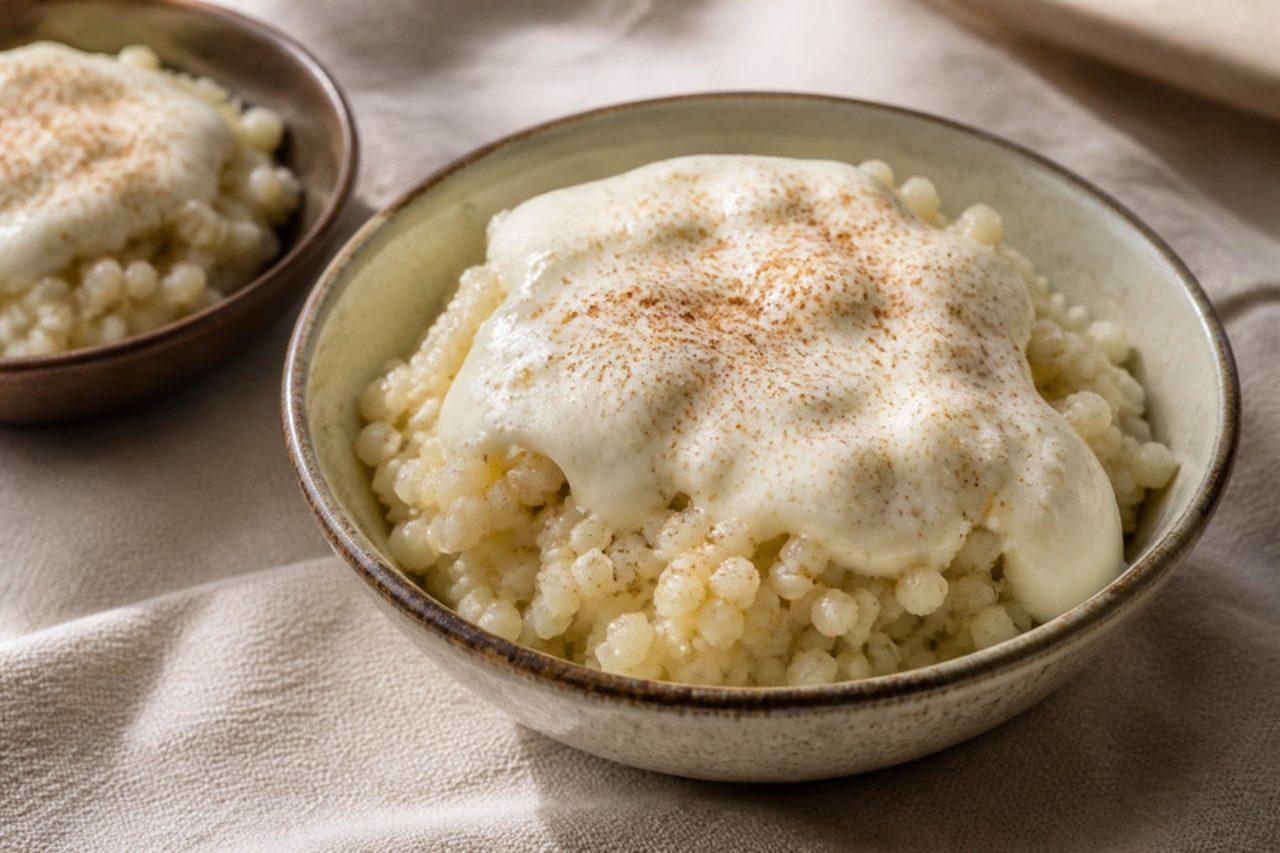
Lakh (millet porridge with sweet curd)

Thick, warm millet porridge topped with cold, sweetened curd: lakh is a Senegalese pairing of contrasts that turns up at naming ceremonies, family gatherings and on Ramadan evenings in Dakar. The millet is rolled into tiny pellets and simmered until it sets like soft polenta, then a creamy sauce of soured milk, sugar and baobab powder is poured over, its tang lifted by vanilla or orange flower water. Each spoonful mixes chewy, nutty grains with something cool and lightly sour. Plain yoghurt mixed with a little cream stands in well for Senegalese soow; use pasteurised dairy and keep leftovers in the fridge. Don't pour the curd over hot porridge; let the lakh cool so the curd stays thick and fresh. Chef's tip: cool the porridge until just warm before adding the curd, so the sauce stays thick instead of thinning out.

by KrazyBadal 0 views

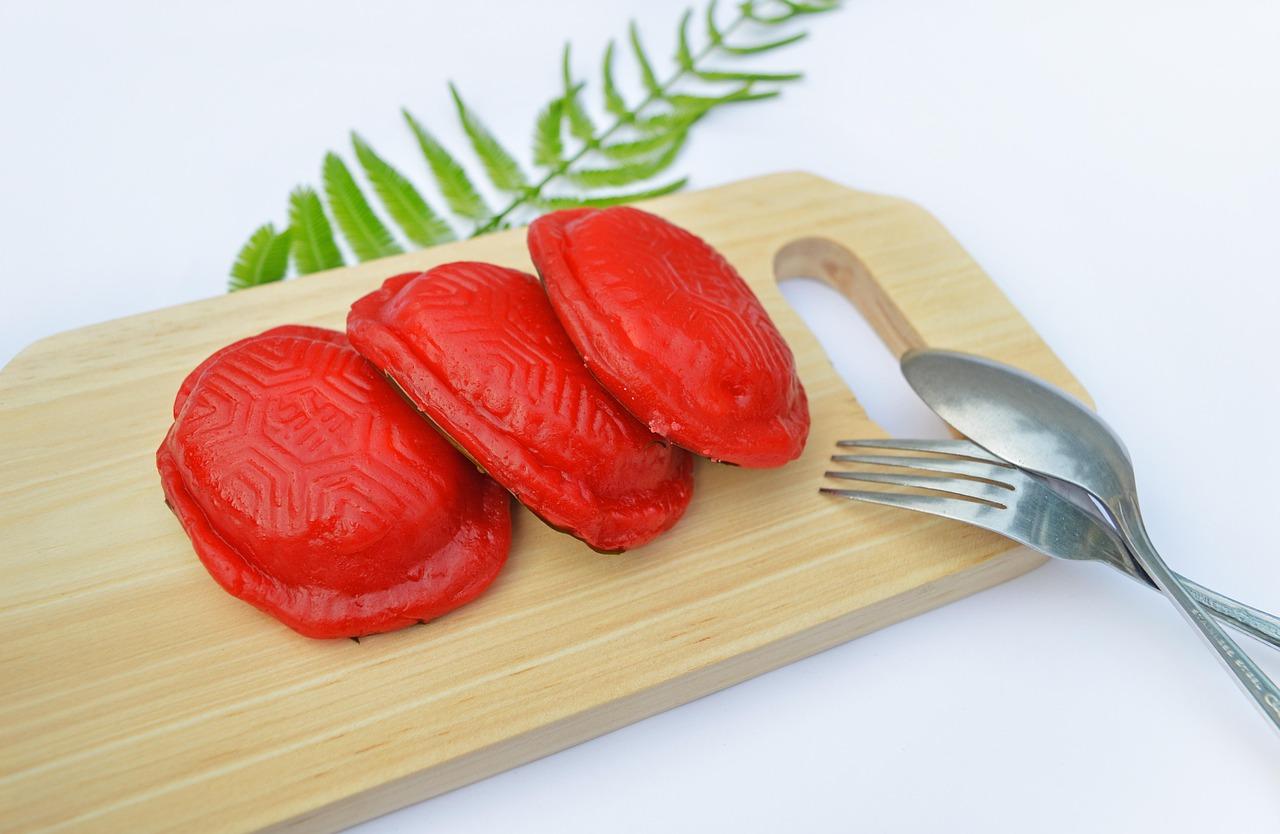
Ang ku kuehRed glutinous rice cakes

Red for luck and shaped like a tortoise for long life, ang ku kueh are carried to Hokkien and Teochew family altars and handed out in boxes at a baby's first-month celebration, at elders' birthdays and at temple festivals across Singapore, from Chinatown shophouses to neighbourhood confectioners in Bukit Merah. The skin is soft, chewy and slightly elastic, made from glutinous rice flour kneaded with mashed sweet potato, and it wraps a smooth, mildly sweet filling of split mung bean (or crushed peanut and sugar). Each cake is pressed in a carved wooden mould and steamed on a square of banana leaf. The usual mistake is steaming over a fierce boil, which makes the skin puff up, crack and lose the printed pattern; steam gently with the lid slightly open. Chef's tip: brush the cakes with a little oil the moment they come out of the steamer, so the pattern shines and the skin doesn't dry out or stick together.

by KrazyBadal 0 views

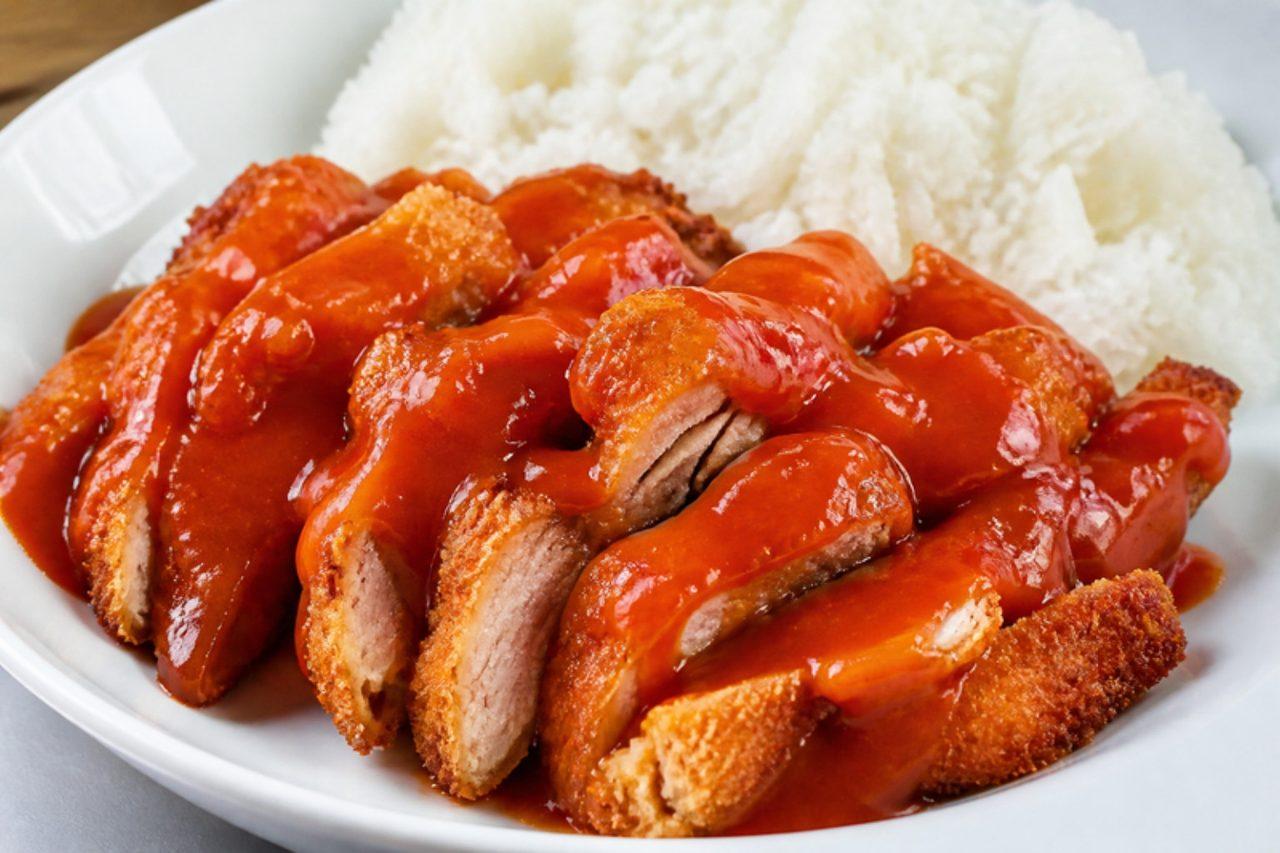
Babi pangangCrispy pork in sweet-sour sauce

Babi pangang is one of the most ordered dishes in the 'Chinees-Indisch' restaurants found in every Dutch town: crisp-skinned roast pork belly, sliced and smothered in a bright red, sweet-sour sauce with tomato, ginger and pickled vegetables, served with rice or nasi goreng. This is a pork dish. A common mistake is pouring the sauce over too early, which turns the crackling soft. Chef's tip: dry the skin overnight in the fridge and roast it hot at the end, then pour the sauce around, not over, the pork at the table. Whole pork joints are safe at 63 °C plus a rest; belly is best cooked longer, until tender.

105 minDutchMeat
by KrazyBadal 0 views

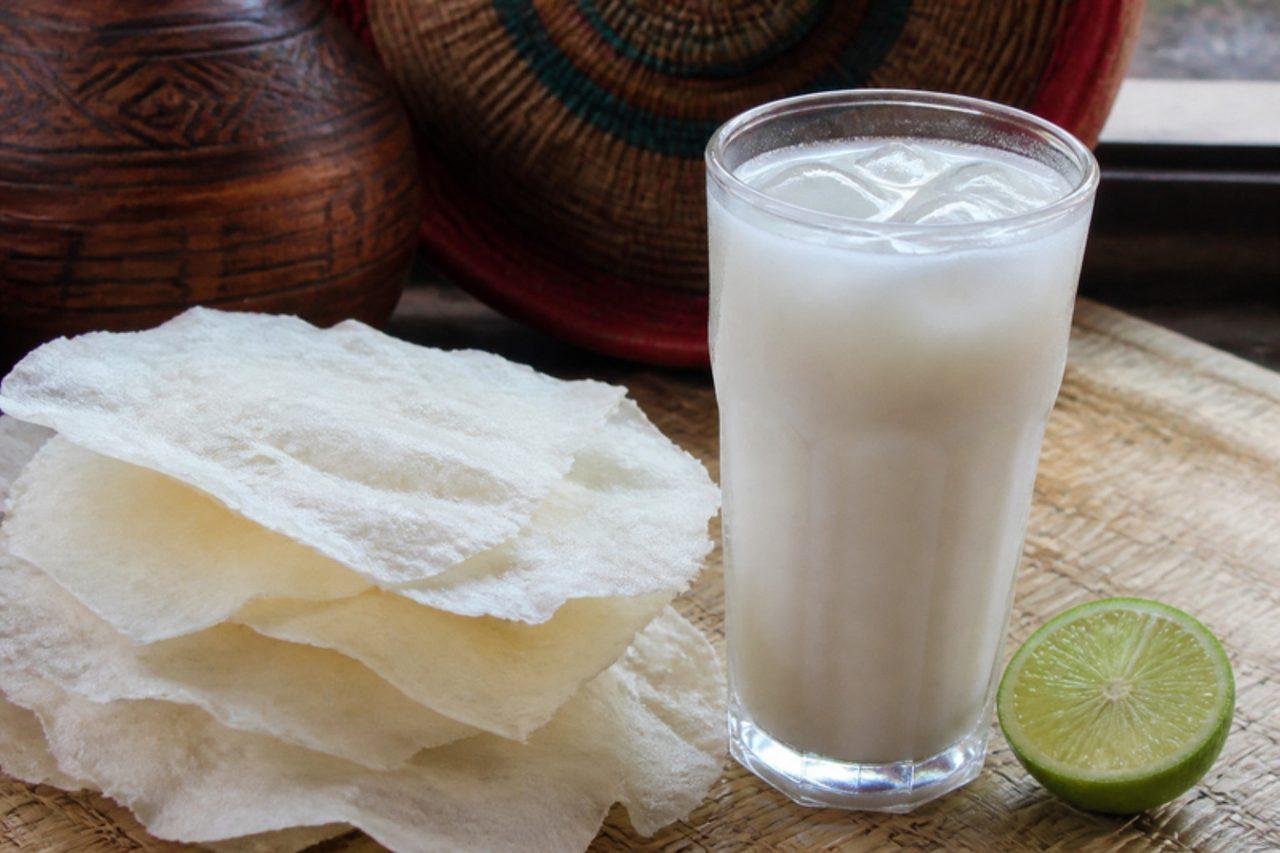
Abreh (Sudanese white sorghum flake drink)

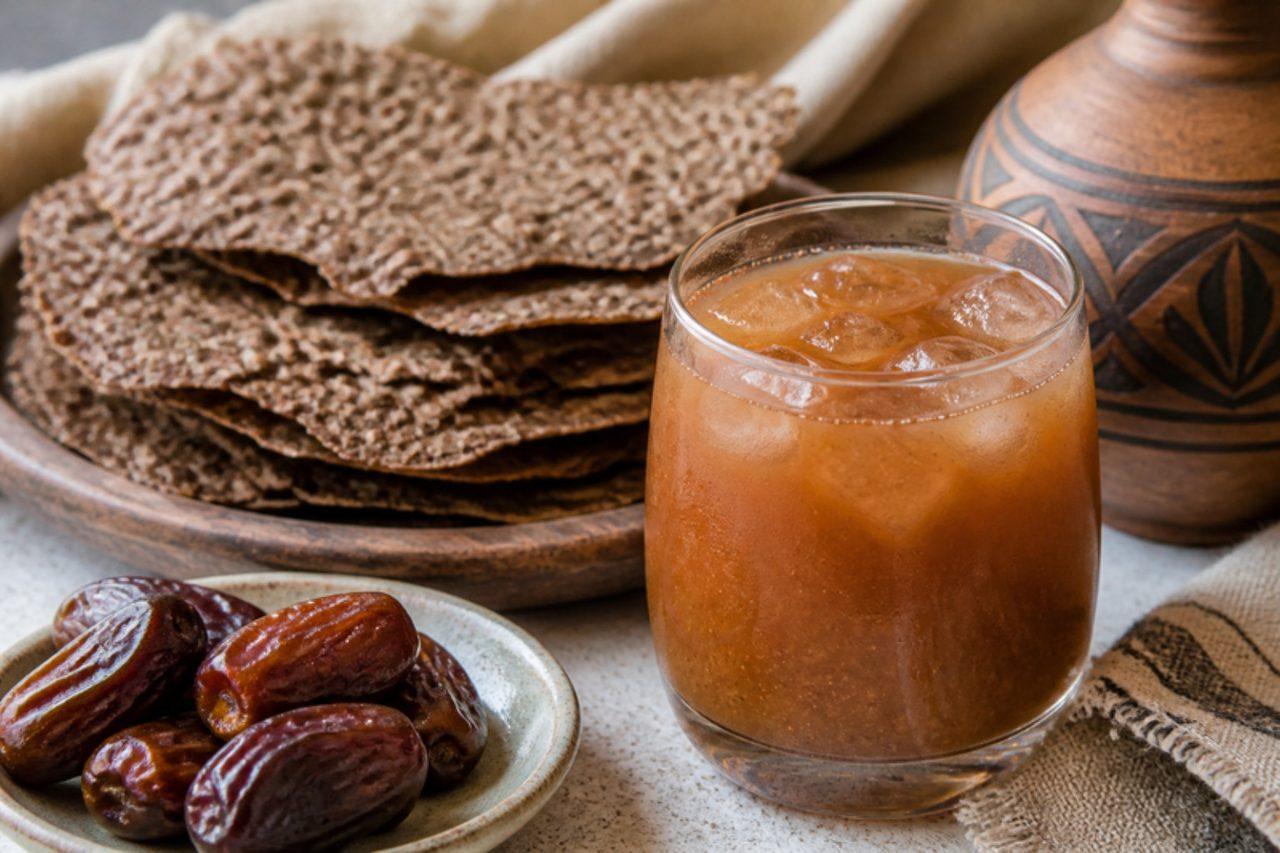
Where hilu-mur is dark and spiced, abreh abyad, white abreh, is its pale, gentle partner: a batter of white sorghum flour is left to sour lightly, then baked into thin cream-coloured flakes that are soaked in cold, sweetened water and served at iftar across northern Sudan. The drink is cloudy, refreshing and faintly tangy, a good way to rehydrate after a long day of fasting; some families add a splash of lime or a little cardamom. The overnight souring takes 12–18 hours and is not counted in the totals; it is non-alcoholic, and the flakes are dried hard on the griddle. Spreading the batter too thickly is the classic mistake, so work fast and thin. Chef's tip: make a big batch in one session; the dry flakes keep for months in a tin, so a jug of abreh is only an hour away.

by KrazyBadal 0 views

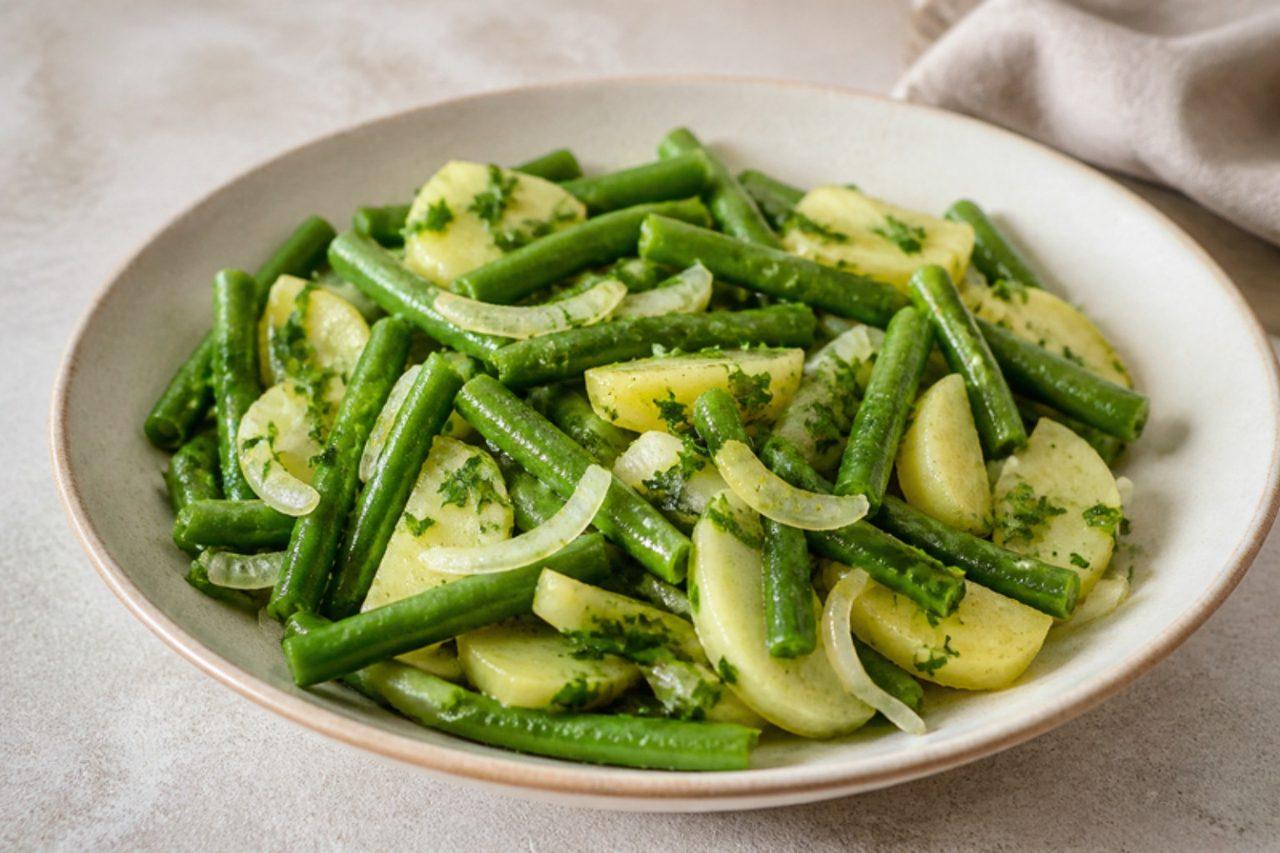
Salade liégeoiseWarm green bean and potato salad

Salade liégeoise is the warm salad of Liège, eaten as a main course in the city's brasseries in summer when green beans are in season: just-cooked green beans and waxy potatoes tossed while warm with onion softened in butter and a sharp vinegar dressing, scattered with parsley. In Liège it is made with crisp bacon lardons; this version leaves them out and adds a fried egg on top for a fuller meal if you like. A common mistake is dressing cold vegetables, which don't absorb the vinegar. Chef's tip: deglaze the onion pan with the vinegar, then pour it straight over the hot beans and potatoes.

by KrazyBadal 0 views

AndijviestamppotEndive and Gouda mash

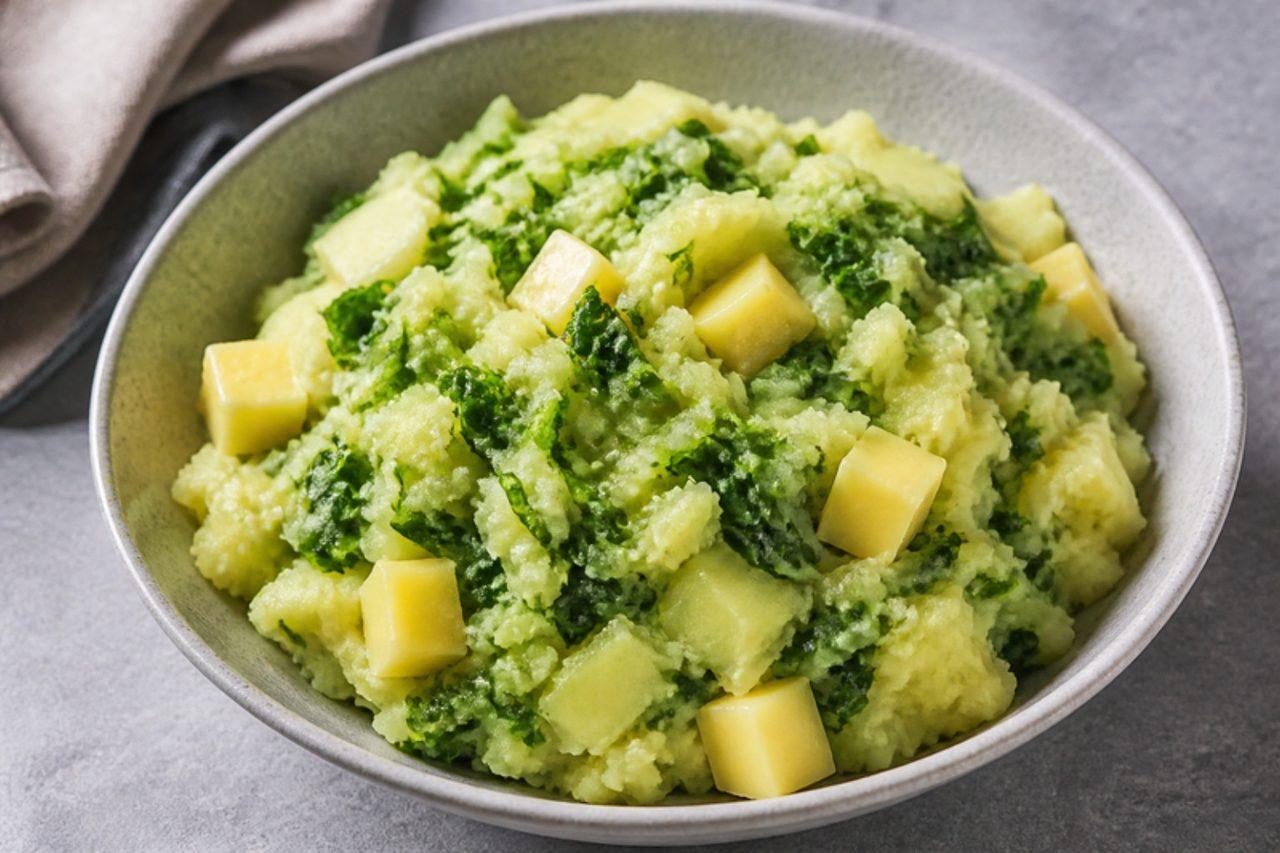
Stamppot, mashed potato stirred with vegetables, is the Dutch winter dinner, and the endive version is a little lighter: raw, finely shredded curly endive is stirred into piping-hot mash, so it wilts slightly but keeps a fresh, bitter crunch, then cubes of aged Gouda are folded in and start to melt. Dutch families eat it with gravy and a smoked sausage; this vegetarian version uses a pool of brown butter. Aged Gouda is usually made with animal rennet, so choose a vegetarian aged Gouda-style cheese. A common mistake is cooking the endive, which turns it soggy and grey. Chef's tip: stir the endive in off the heat at the very last moment.

by KrazyBadal 0 views

Ekwang with mushrooms

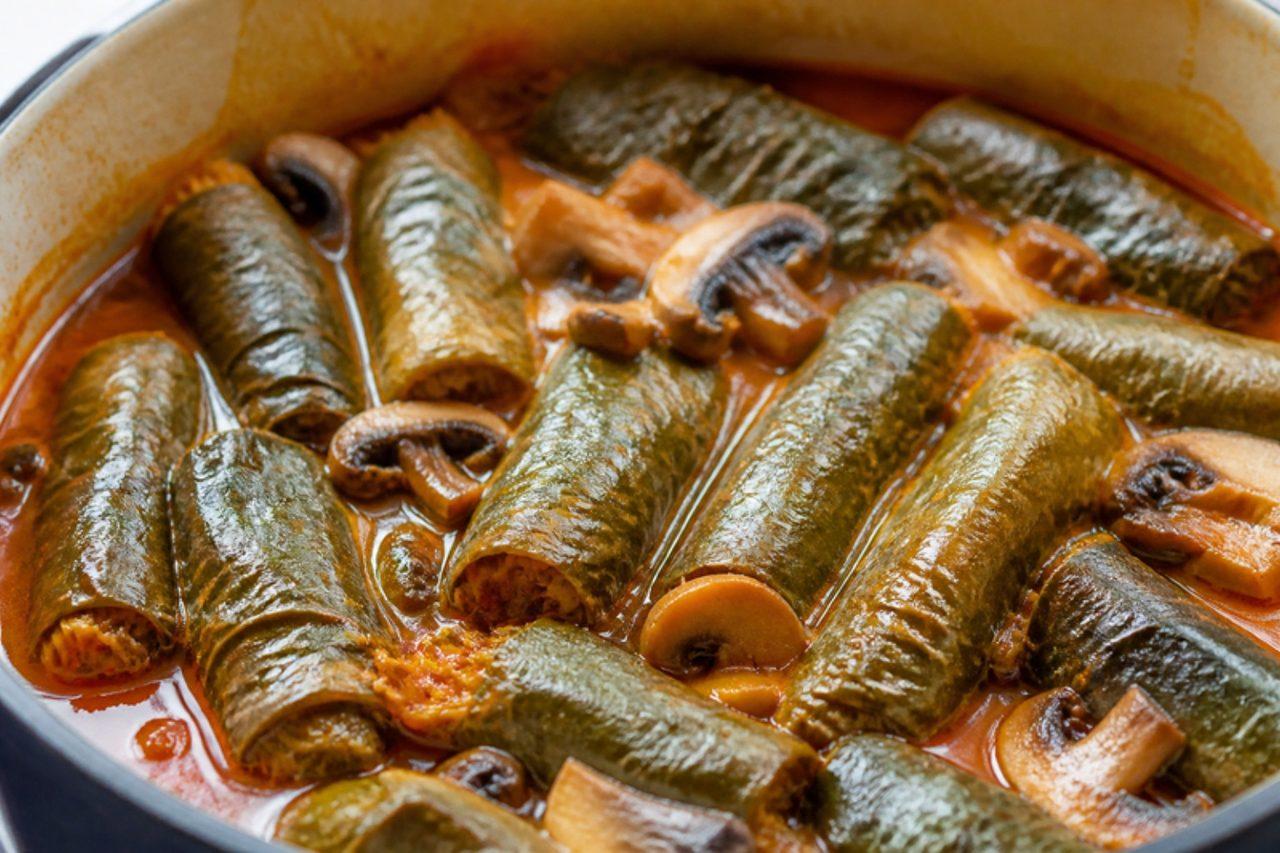
Rolling ekwang is a job for many hands: in the Southwest and around Douala, relatives sit together grating cocoyam and tucking it into leaves for a festive Sunday or a homecoming. The little green cigars are packed into a pot, drenched in red palm oil and left to simmer until the grated tuber binds into soft, almost creamy rolls in a rich, glossy sauce. Smoked fish and crayfish are the usual partners; this meat-free version gets its depth from fresh and dried mushrooms and a pinch of smoked paprika, so it suits vegetarian and vegan guests alike. Serve it on its own, scooping up the sauce, or with boiled plantain. Chef's tip: grate the cocoyam on the finest holes, almost to a purée, so the rolls hold together; coarse shreds stay separate and the pot turns grainy.

by KrazyBadal 0 views

Hilu-mur (Sudanese spiced sorghum Ramadan drink)

Weeks before Ramadan, households across Sudan fill with the smell of hilu-mur, literally 'sweet-bitter', as sorghum is sprouted, dried, ground and mixed with flour, dates and a heady spice blend, left to sour for a day, then spread paper-thin on a hot griddle into brittle reddish-brown flakes. Each evening during the month a handful is soaked in water, strained and sweetened, giving the dark, tangy, clove-and-ginger-scented drink that breaks the fast. The souring is short, like a sourdough, and the flakes are cooked dry; the drink is non-alcoholic and served to the whole family. The full process takes about 5 days: 3 days to sprout, 1 to dry and a night to sour, so only active and cooking time are in the totals. Many people buy ready-made flakes from Sudanese shops. Discard any grain that smells musty or shows mould while sprouting. The usual mistake is pouring the batter too thick on the griddle; the flakes should be paper-thin to dry crisp. Chef's tip: spread the batter as thinly as you can; thick flakes stay chewy and go mouldy in storage.

by KrazyBadal 0 views

Madeeda (Sudanese warm millet and milk drink)

Thick enough to sip slowly from a glass but thinner than porridge, madeeda is a warming drink from northern Sudan made by cooking flour, often pearl millet, in milk and sweetening it with sugar or dates. Families make it on cool winter mornings, for anyone feeling under the weather and for new mothers, and it is a gentle way to break the fast in Ramadan. This version uses millet flour with cardamom and a little cinnamon, so it is smooth, nutty and lightly spiced. Lumps are the usual problem: whisk the flour into cold milk before it goes onto the heat. A frequent slip is not stirring enough, so the millet catches and the milk scorches. Chef's tip: for a date version, blitz 6 soft pitted dates with the milk and halve the sugar.

by KrazyBadal 0 views

Aradeib (Sudanese tamarind drink)

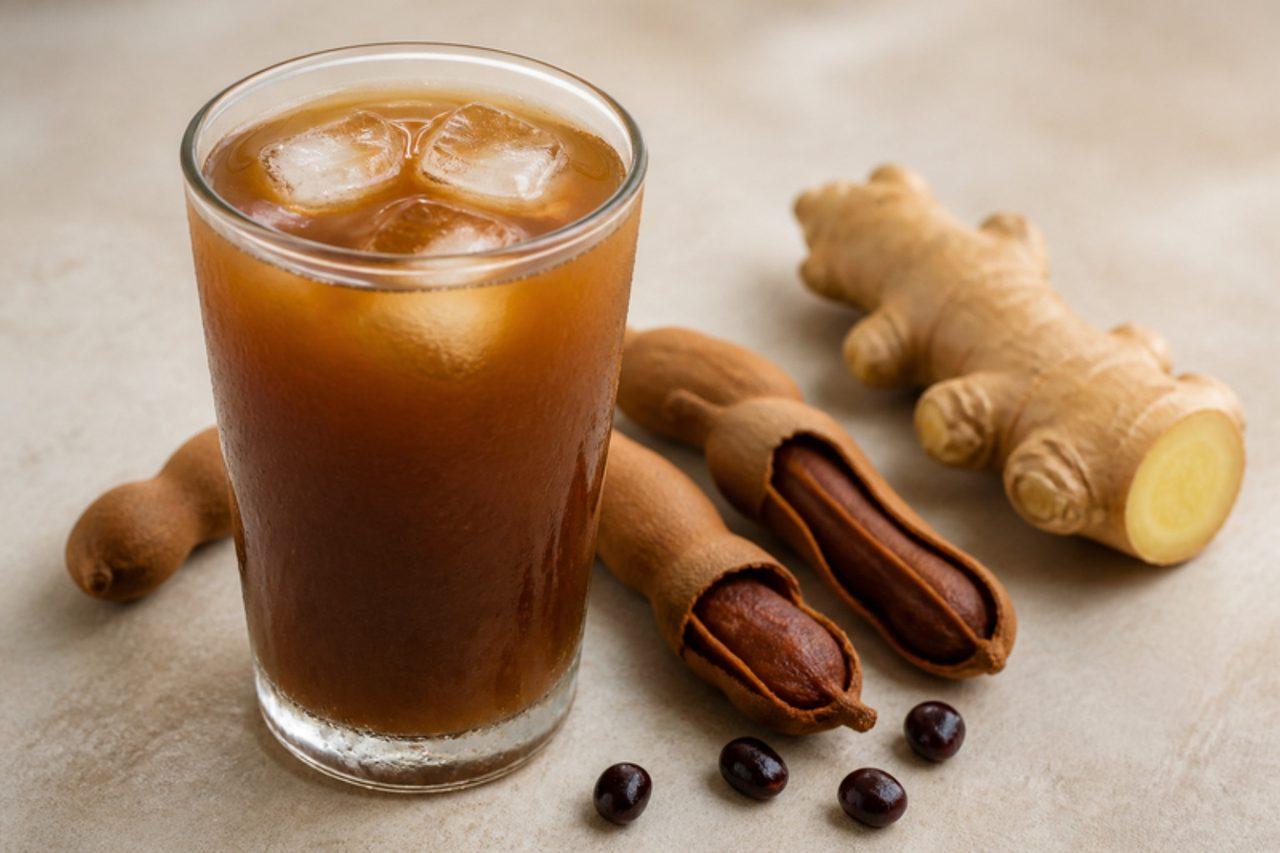
Tamarind trees shade villages throughout Darfur and Kordofan, and their sticky brown pods become aradeib, one of the best-loved Sudanese cold drinks. The pulp is soaked, rubbed and strained, then sweetened to make a deep amber, puckeringly sour drink that cuts through rich food and is much loved at iftar through Ramadan. It is also drunk as a home remedy for upset stomachs and heat. Seedy block tamarind from any Asian or African shop works perfectly. Pouring boiling water straight onto the pulp and leaving it too long draws out a harsh, tannic edge, so use hot rather than boiling water and strain after an hour. Avoid squeezing the soaked tamarind through a cloth too hard; fibres get through and make the drink cloudy and gritty. Chef's tip: make a concentrate and keep it in the fridge for up to a week; dilute with cold water by the glass.

by KrazyBadal 0 views

Anday ka halwaEgg halwa

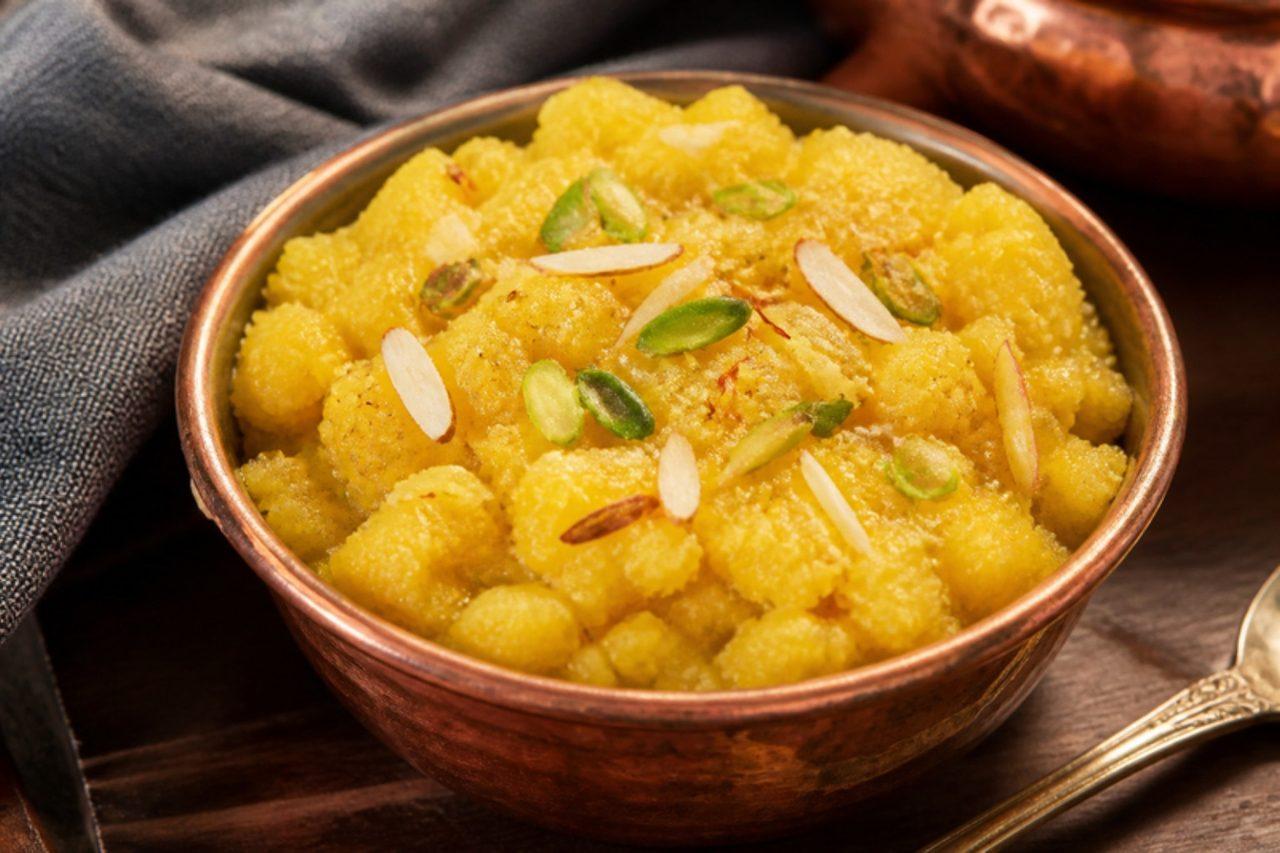
Sweet, golden and grainy like a rich crumble, egg halwa is the quick showpiece of Hyderabadi and Karachi home kitchens, made when unexpected guests arrive or for a winter Sunday, and it fills the house with the smell of ghee and cardamom. Eggs are beaten with milk, sugar and milk powder, then stirred in ghee until the custard sets, breaks and finally fries into soft, sandy granules that cling together like khoya; there is no eggy taste once it is properly cooked. It is served warm in small bowls, topped with almonds and pistachios, sometimes with a few saffron threads. The commonest failure is stopping too soon, when the halwa is still wet and scrambled-egg-like, rather than cooking on until it turns granular and golden and the ghee separates. Chef's tip: strain the beaten egg mixture through a sieve before cooking, which removes the stringy whites and gives a smooth, even grain.

by KrazyBadal 0 views

Anda parathaEgg-stuffed paratha

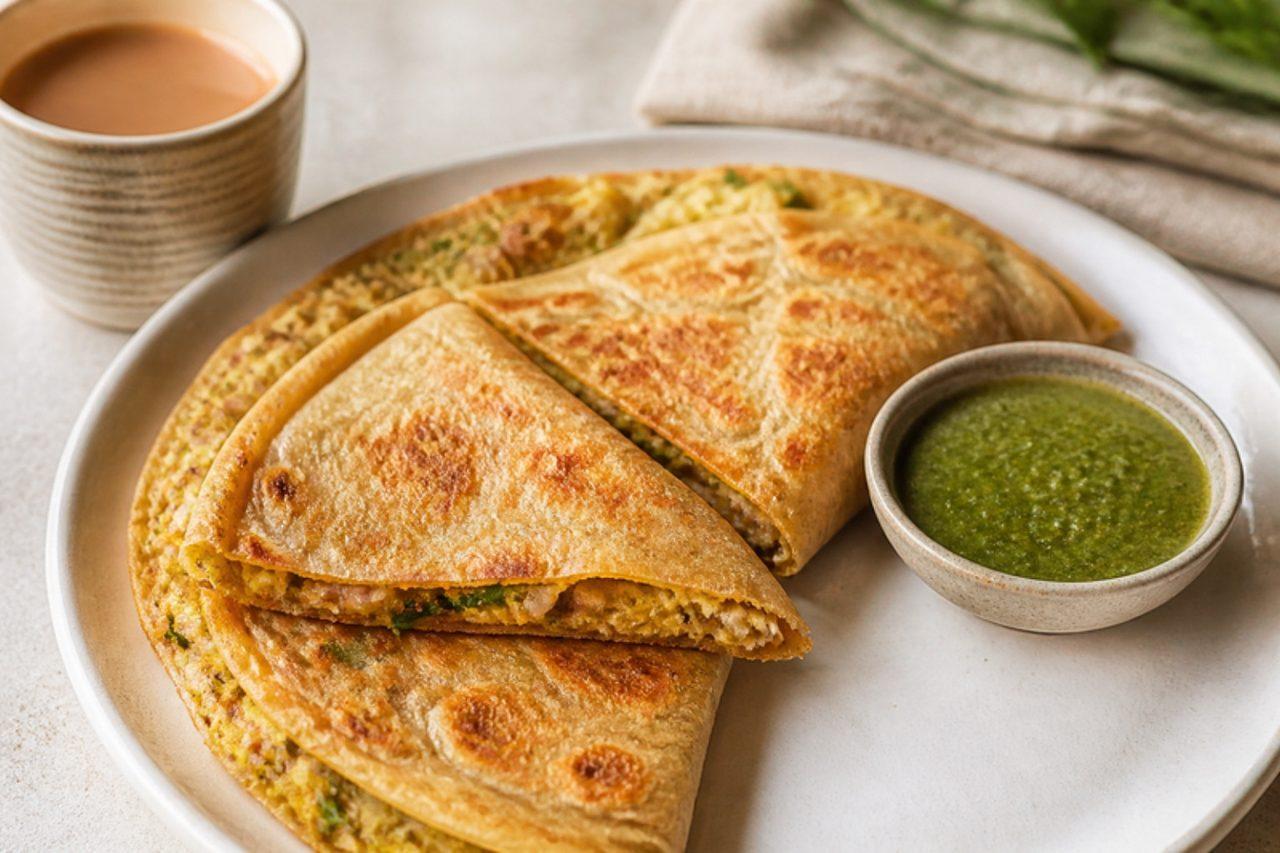
At the dhabas along the GT Road and the breakfast stalls of Rawalpindi's Saddar, the paratha-wala cracks an egg straight into a bowl with onion and chilli, half-cooks a paratha, pours the egg over and flips the whole thing onto the tawa so the egg fries into the bread. The result is one golden, layered disc that is crisp at the edges, soft where the egg meets the dough, and peppery with green chilli. Truck drivers, students and office workers eat it folded in half with chai, ketchup or green chutney, and it is a common packed lunch for school because it needs no curry. The problem most people run into is pouring the egg onto a raw paratha, which tears, or onto a fully cooked one, which will not let the egg stick. Chef's tip: cook the first side only until brown spots appear, then add the egg to the cooked side and flip so the egg sets against the hot iron.

by KrazyBadal 0 views

Guddaim (Sudanese grewia berry drink)

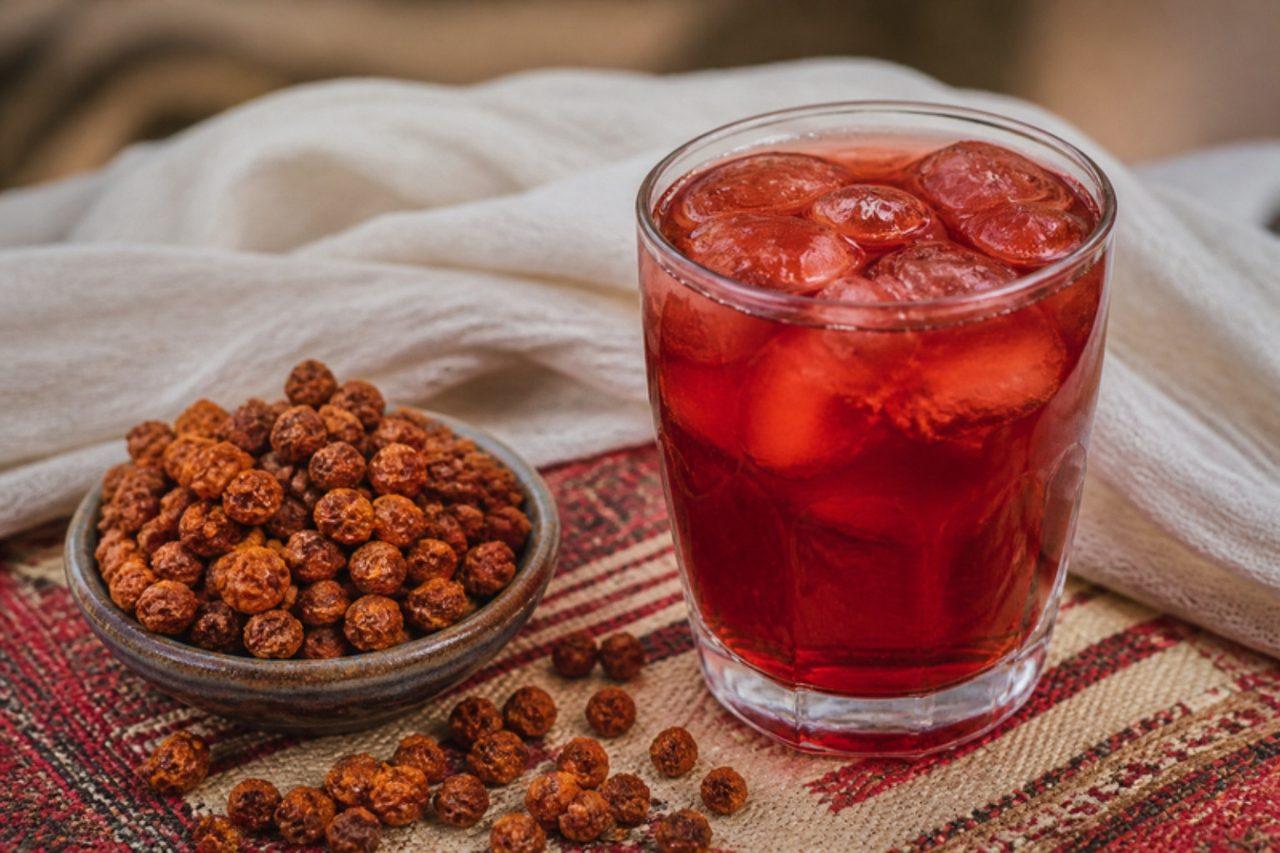
Small, round guddaim berries, the fruit of a wild grewia shrub that grows across Kordofan and Darfur, are dried and sold by the cupful in Sudanese markets. Soaked in water and rubbed off their stones, they give a cloudy reddish-brown drink that tastes a little like dates and sour cherries, with a pleasantly sharp finish. It is drunk ice-cold in the heat of the day, at iftar and to welcome guests. Look for dried guddaim in Sudanese or East African shops. If you cannot find it, a mix of 150 g pitted dates and 50 g tamarind pulp soaked the same way gives a similar sweet-sour drink, though not the same. Rubbing too hard and breaking the stones is the usual mistake, as it clouds the drink with grit; rub gently. Chef's tip: soak the berries in cool water overnight in the fridge for the fullest flavour.

by KrazyBadal 0 views

Tabaldi (Sudanese baobab drink)

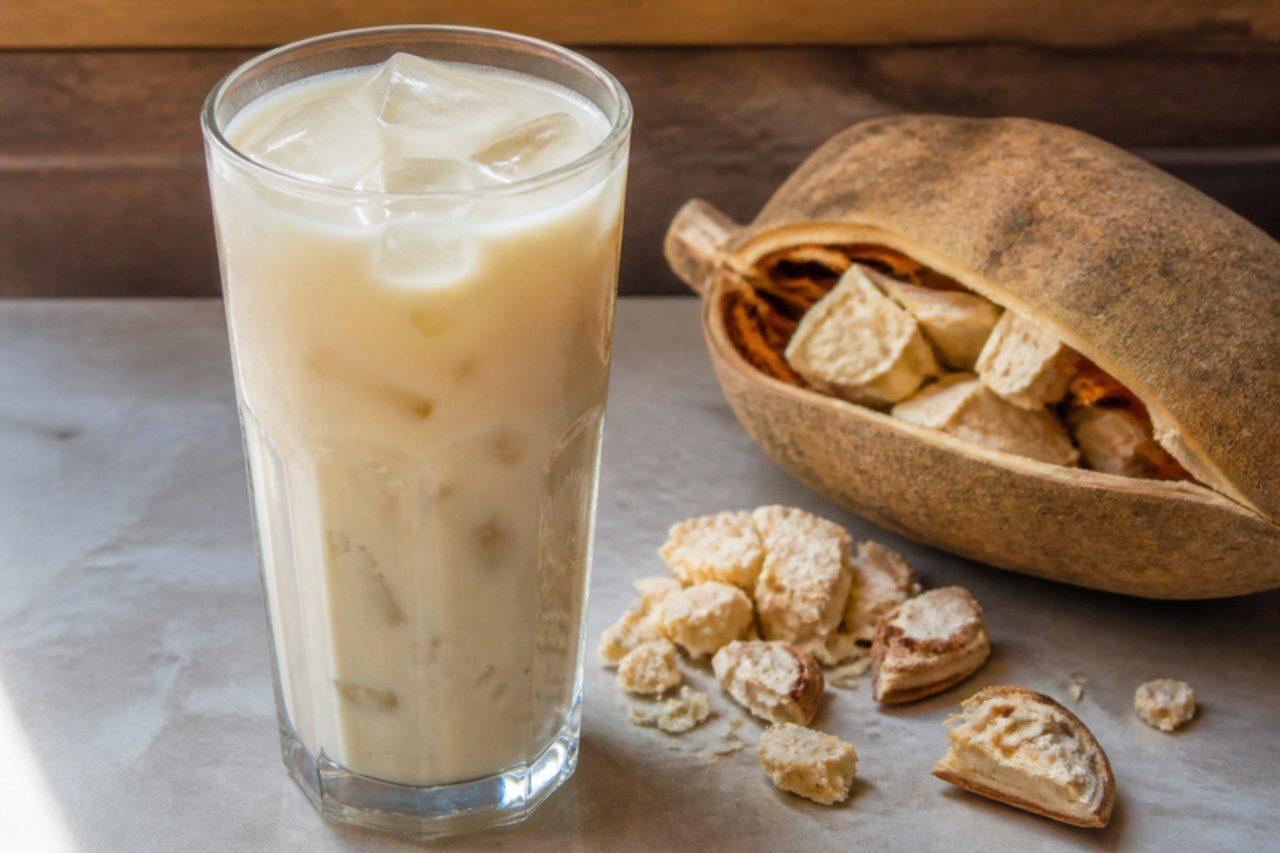
The great baobab trees of Kordofan and Darfur drop hard pods full of chalky, cream-coloured pulp, and Sudanese cooks soak it in water to make tabaldi, a thick, milky-looking drink with a sherbet-like tang. It is sold from big cool-boxes in Khartoum markets in summer, served at weddings, and appears on the iftar table during Ramadan. Fresh pulp pieces with seeds are sold in African and Middle Eastern shops; baobab powder is a good substitute and needs no straining. Leave the drink to soak for an hour in the fridge before straining (soaking time is not counted in the total). The usual mistake is blending the seeds, which makes the drink bitter; rub the pulp off by hand instead. Chef's tip: a few drops of rose water or a pinch of ground cardamom makes it feel festive.

by KrazyBadal 0 views

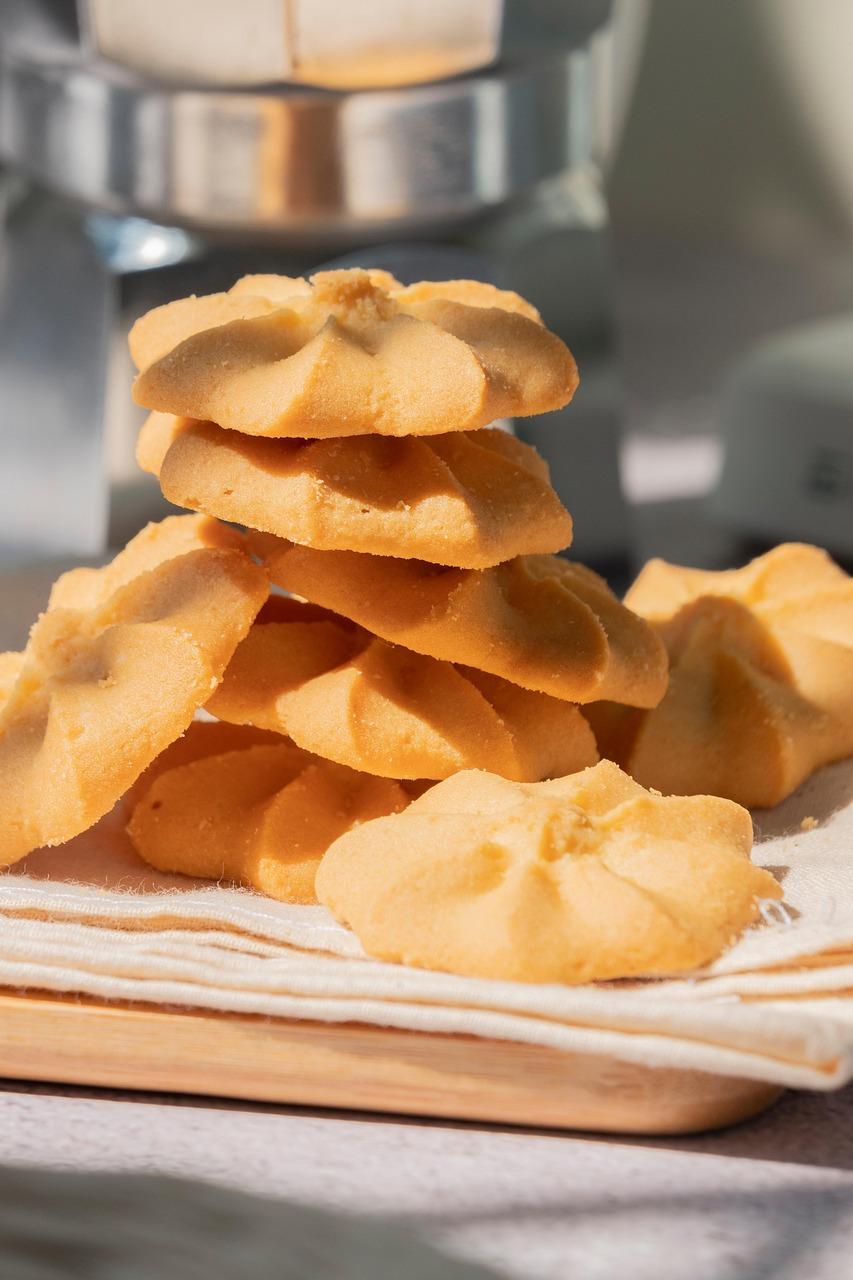
Bitifoor (Sudanese Eid butter biscuits)

During the last days of Ramadan, Khartoum neighbourhoods smell of butter and vanilla as women bake bitifoor, the piped biscuits whose name comes from the French petit four, for the Eid visits that follow. They are piped into rosettes, fingers and swirls, sometimes topped with a piece of glacé cherry or dipped in chocolate, and arranged on platters with ka'ak and sweets for guests. The texture is melt-in-the-mouth, short and delicate. Over-soft butter is the classic mistake, giving biscuits that spread into flat puddles; use butter soft enough to dent, not oily, and chill the piped trays for 15 minutes. Chef's tip: a little cornflour in the flour keeps them extra tender and crisp.

by KrazyBadal 0 views

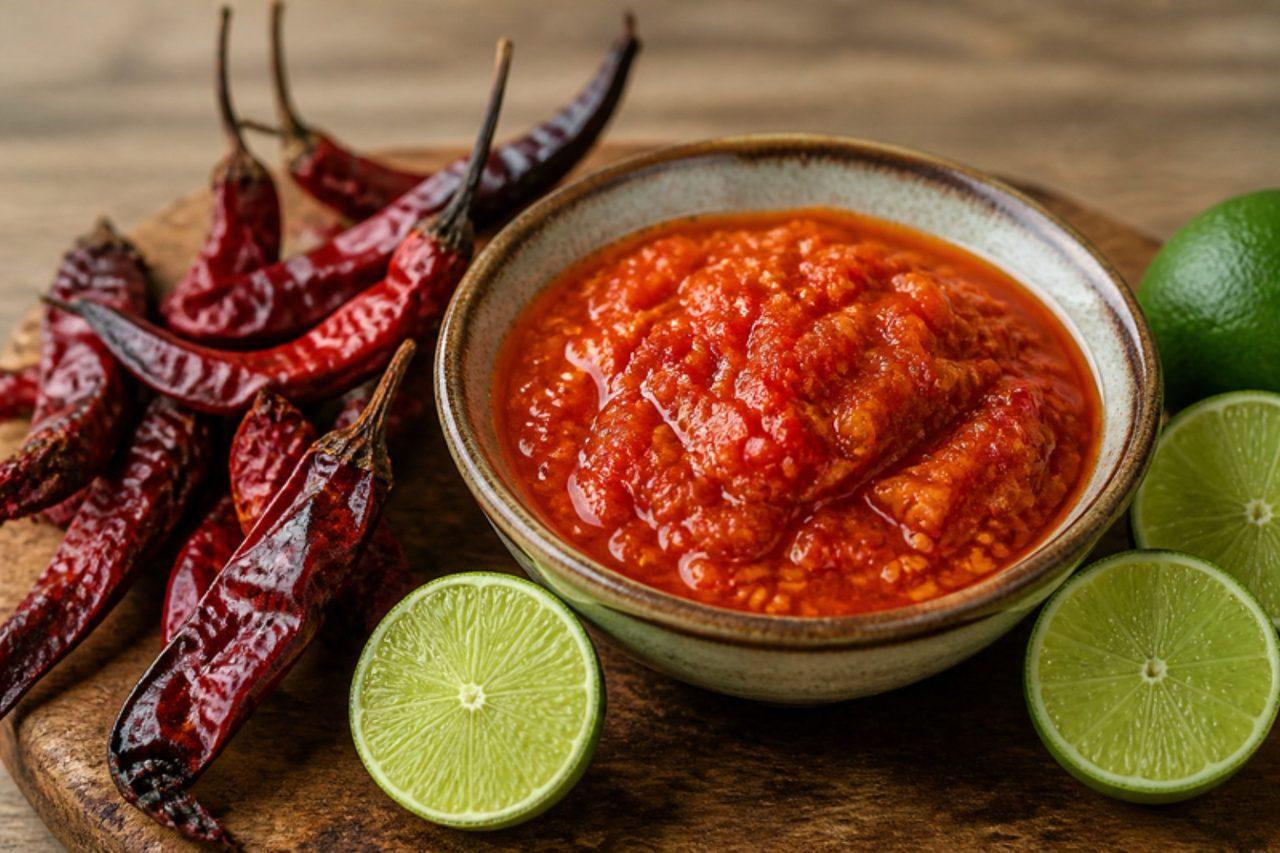
Sudanese shata (dried chilli, garlic and lime sauce)

No Sudanese meal is complete without a little dish of shata on the side, and every household and roadside grill from Port Sudan to Nyala has its own version. This one is the classic everyday type: dried red chillies soaked soft and pounded with raw garlic, salt and plenty of lime juice into a loose, brick-red sauce that is fiery, sour and garlicky all at once. A spoonful goes over ful, fried fish, grilled meat, salads and stews. Wear gloves when handling the chillies, and do not rub your eyes. Using the soaking water in place of fresh water is a mistake, as it can taste bitter and dusty; drain it off. Chef's tip: make it a few hours ahead and keep it in the fridge; the heat settles and the garlic mellows.

by KrazyBadal 0 views

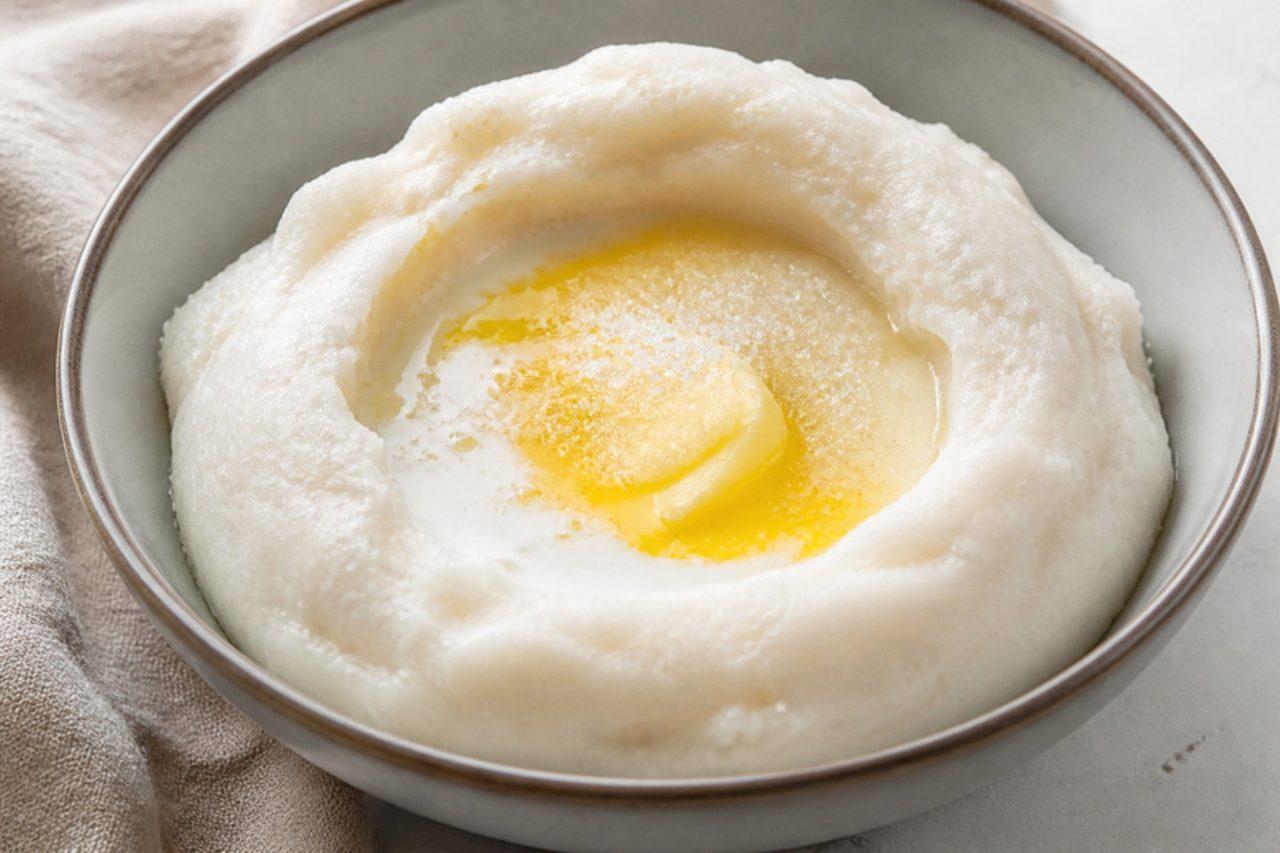
Soor (Somali maize porridge with butter and milk)

Herding families in Somaliland and the countryside around Hargeisa have long relied on soor, a thick porridge of maize meal stirred until it holds its shape on a plate. It is shaped into a mound, a well is pressed into the centre and filled with melted butter or ghee, then warm milk and a little sugar are poured round the edge; on other days the well is filled with a meat sauce instead. You eat it with your right hand or a spoon, scooping porridge through the butter. The result is mild, sweet and very filling. Lumps are the usual complaint, and they come from tipping the meal in all at once; mix part of it with cold water first, then rain the rest in while stirring. The usual mistake is adding the maize meal too fast, so it goes lumpy; whisk constantly as you pour. Chef's tip: cover the pan and let the porridge steam for 5 minutes at the end to cook out any raw taste.

by KrazyBadal 0 views

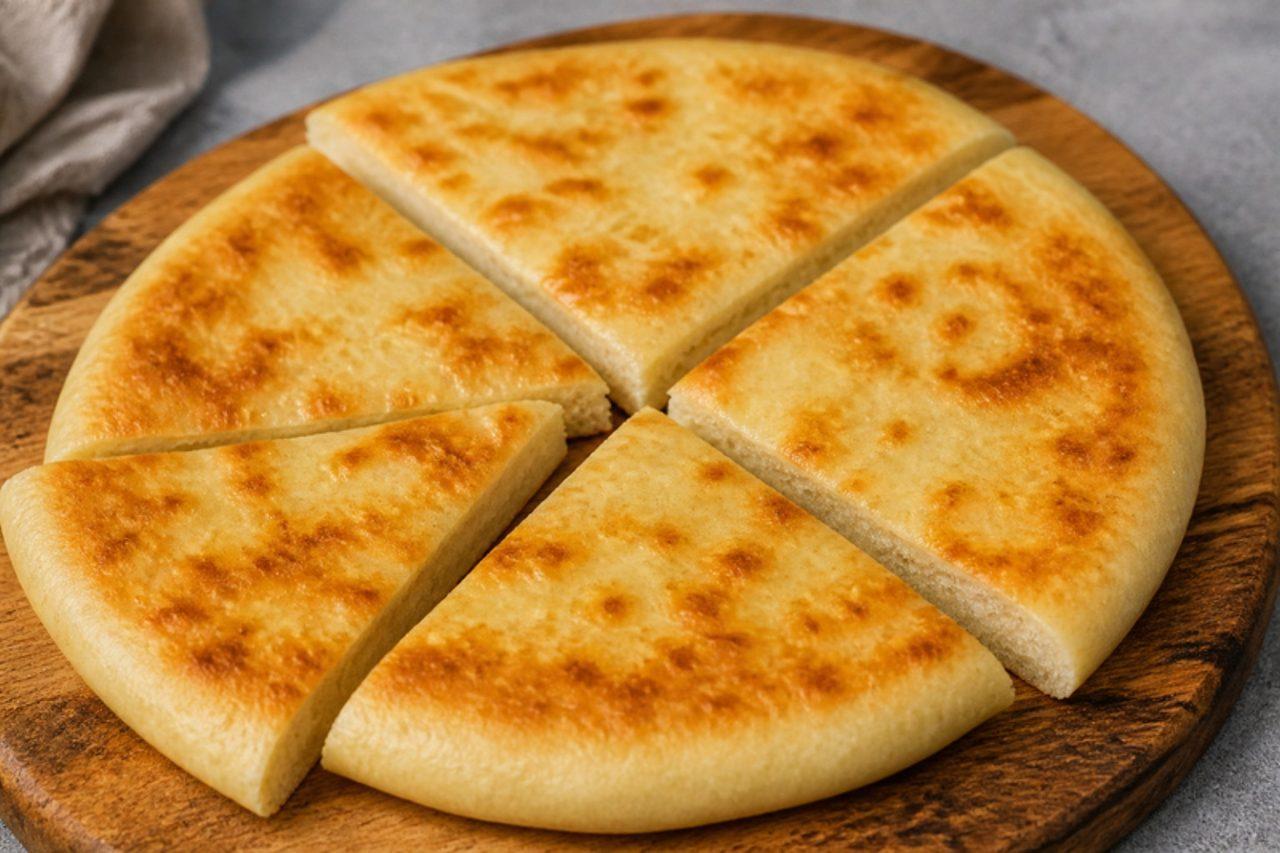
Kimis (Somali thick pan bread)

Thicker and plainer than sabaayad, kimis is the everyday bread of Hargeisa and the north, cooked in a heavy pan and cut into wedges to soak up maraq, the thin spiced meat or vegetable broths eaten at lunch. The dough is simple flour and water raised with a little baking powder, so it puffs into a soft, bready round about 2 cm thick with a lightly freckled crust. It is also good for breakfast with tea and a spoonful of sugar or honey. This version uses oil, so it is vegan. Cooking over too high a heat is the classic mistake: the outside scorches before the middle is done, so keep the flame medium-low and cover the pan. Chef's tip: knock the bread on its base when you think it is ready; it should sound hollow.

by KrazyBadal 0 views

Sabaayad (Somali flaky layered flatbread)

Hargeisa cooks are proud of their sabaayad, a soft, flaky flatbread made by brushing a thin sheet of dough with oil or ghee, rolling it into a coil and flattening it again so it cooks into dozens of buttery layers. It is eaten for breakfast with sugar and shaah, torn into pieces with muqmad or liver, and served at lunch with beef or chicken stews; at Eid and weddings it is made in big stacks. The texture should be tender and pliable with crisp spots, never dry. Rolling the dough straight after kneading is a common mistake: it springs back and tears, so give it at least 20 minutes to relax. Chef's tip: once each bread is cooked, scrunch it between your hands while hot to open up the layers.

by KrazyBadal 0 views

Shushumow (Somali syrup-soaked rolled pastries)

Trays of shushumow appear for Eid across Somalia and in Somali homes abroad, made by the dozen a day or two ahead so there is plenty for visitors. A soft, buttery dough is rolled very thin, rolled up like a cigar, sliced and pressed so the layers show, then fried until crisp and soaked briefly in cardamom syrup. The result is flaky and crunchy at the edges with a sticky, sweet centre that is perfect with black tea. Soaking for too long is the usual error; a quick dip of a few seconds keeps the crunch, while minutes in the syrup leaves them soggy. Chef's tip: have the syrup warm and the pastries hot from the oil when they meet, so the syrup soaks in evenly without making them heavy.

by KrazyBadal 0 views

Superkanja (Gambian okra stew)

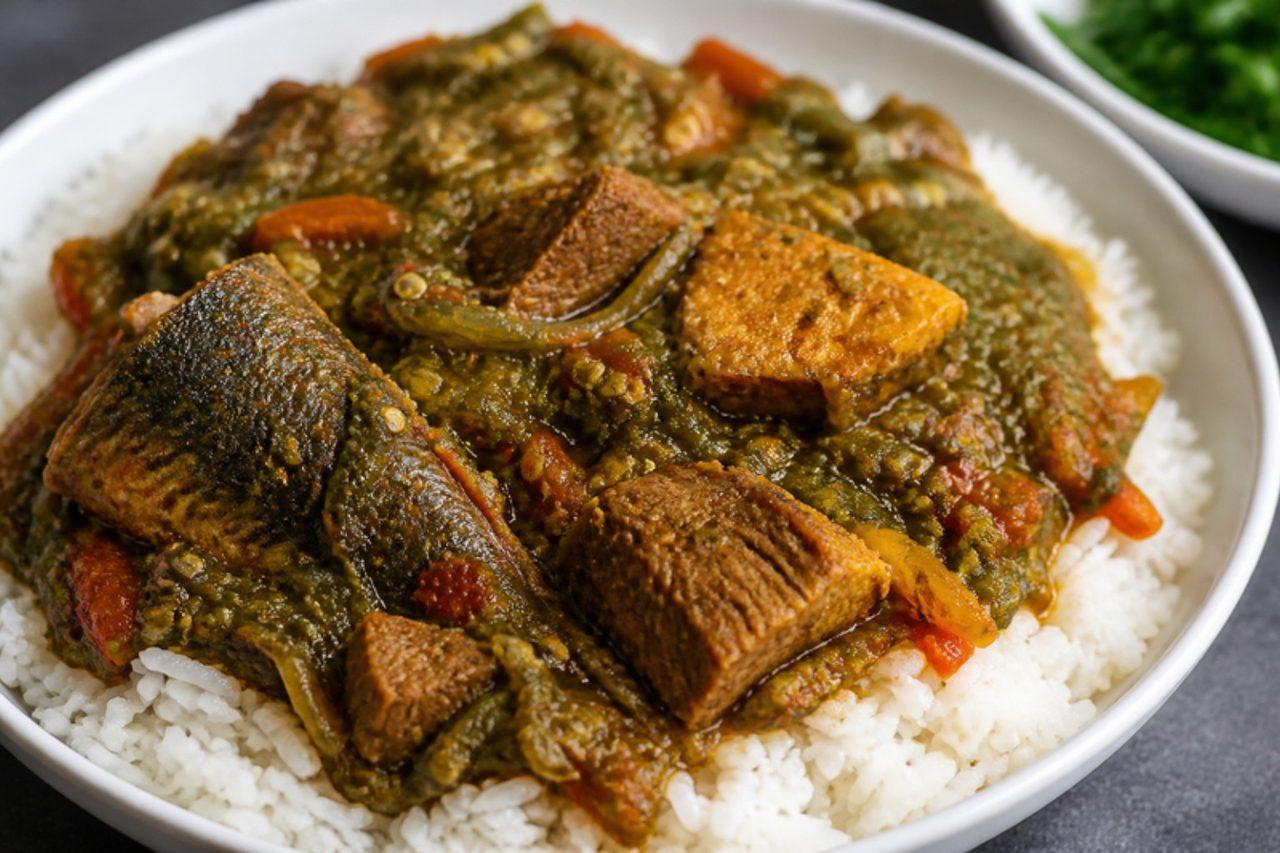
Superkanja is one of The Gambia's best-loved stews, cooked in compounds from Banjul to the river villages and always served with plain white rice. Okra is simmered and beaten into a thick, glossy stew with red palm oil, beef, fish and nététou, the pungent fermented locust beans that give West African cooking its deep savoury base. Smoked or dried fish adds smokiness, Scotch bonnets bring the heat, and the whole thing is slippery, rich and earthy. If you cannot find nététou, iru or dawadawa from African shops do the same job. Chef's tip: beat the okra vigorously with a wooden spoon for the last few minutes of cooking; that beating is what turns it into the smooth, cohesive kanja rather than a loose soup.

by KrazyBadal 0 views

Aprapransa (Fante palm nut pottage with crab)

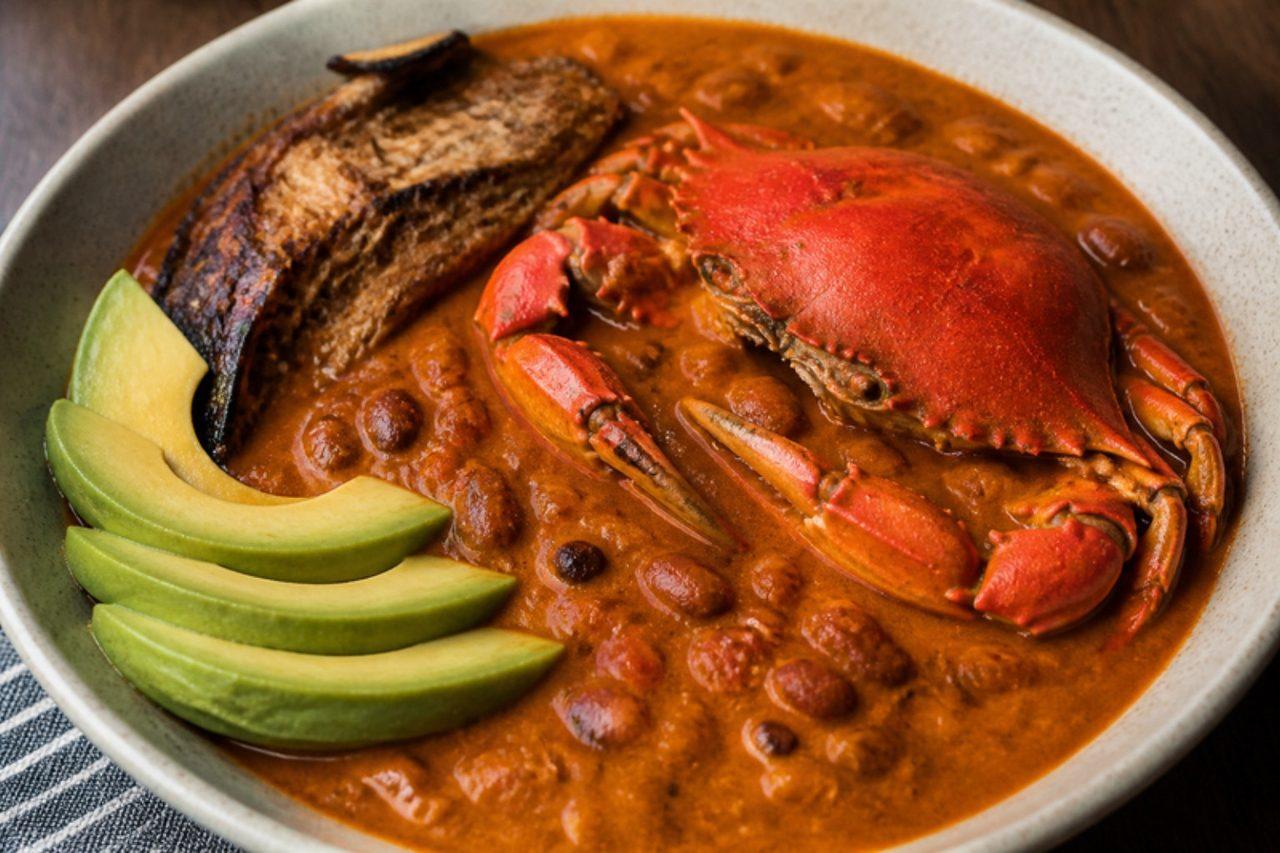
A coastal Fante dish from Cape Coast and the Central Region, aprapransa is made for festive days and big family meals: palm-nut soup with crab and smoked fish is stirred with toasted corn flour until it becomes a thick, spoonable pottage, then finished with tender black-eyed beans. The texture is somewhere between a stew and a soft dumpling, the colour a deep orange-brown, and the toasted corn gives a nutty, almost biscuity flavour under the rich palm fruit. It is often served with sliced avocado. Live crabs must come from a good fishmonger; discard any that are dead or smell off. The usual mistake is adding the toasted corn flour all at once, which makes lumps; sprinkle it in while stirring. Chef's tip: toast the corn flour until it is evenly deep golden and smells like popcorn, then add it to the soup gradually while stirring, because tipping it in at once is how the pottage turns lumpy.

by KrazyBadal 0 views

Ghanaian rock buns

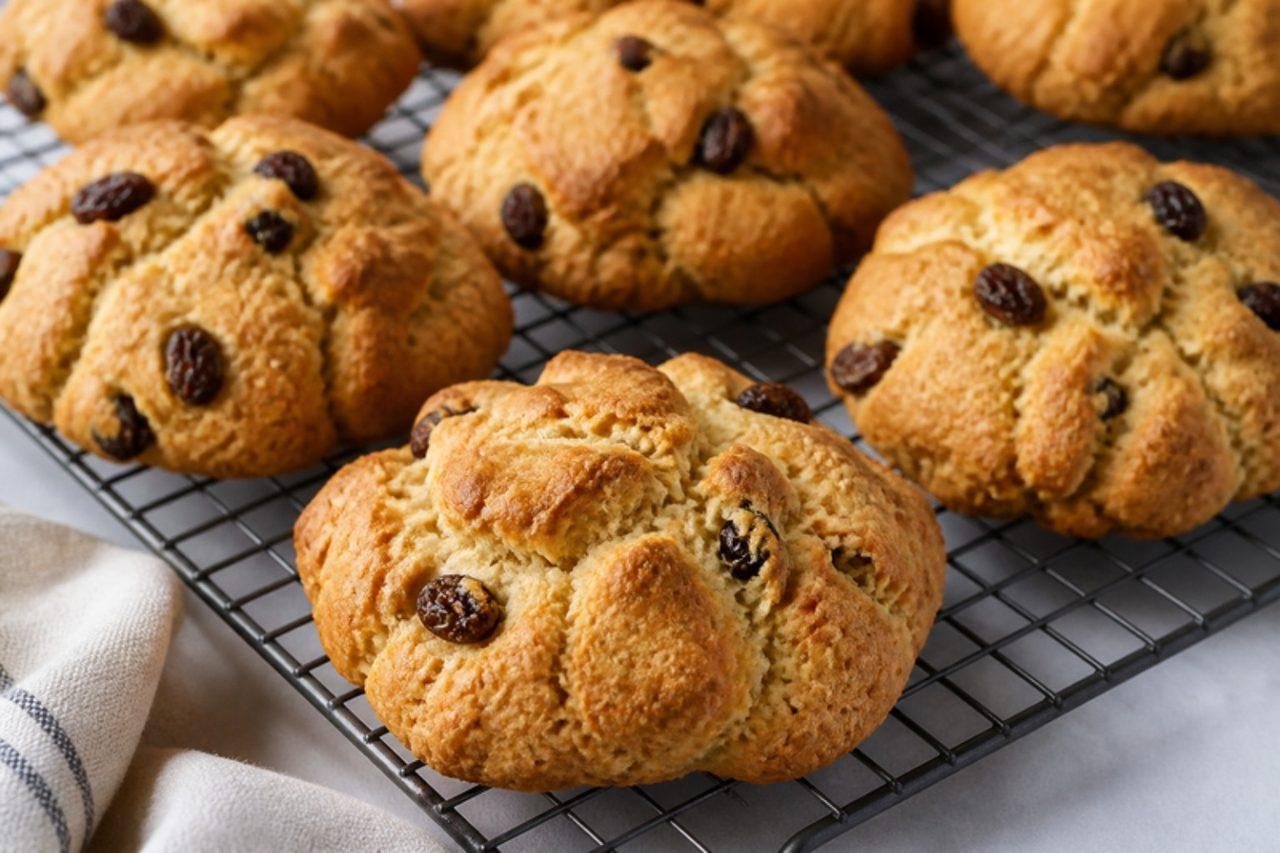
Rock buns came to Ghana with colonial-era baking and never left: every neighbourhood bakery and many school canteens sell these rough, golden mounds, eaten with tea in the morning or with a soft drink after school. They are crisp on the craggy outside, soft and cakey inside, scented with nutmeg and studded with raisins. They take minutes to mix and are a good first bake for children. Chef's tip: keep the dough stiff and drop it in rough heaps without smoothing; too much milk is the common mistake, and the buns spread into flat cookies instead of rising into 'rocks'.

by KrazyBadal 0 views

Doolsho (Somali cardamom sponge cake)

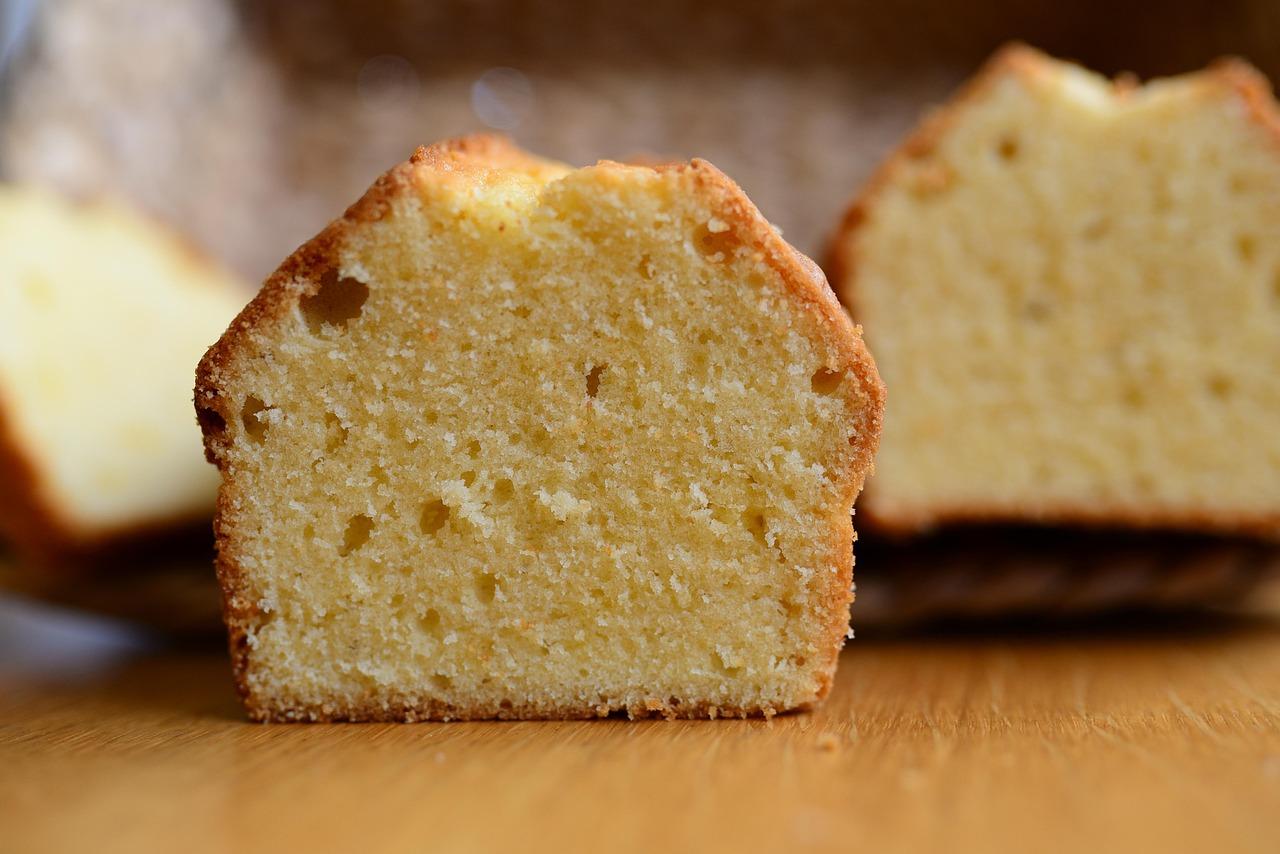
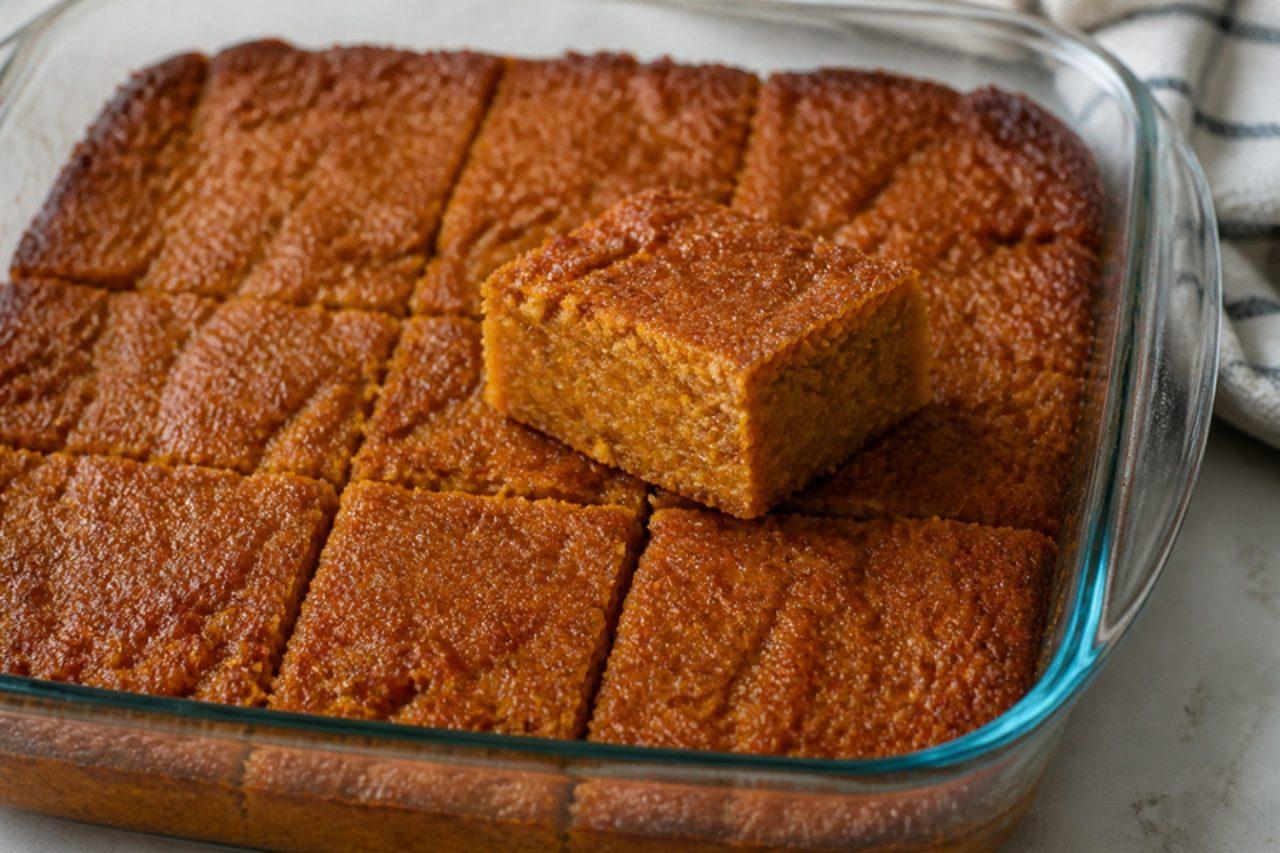
Ask a Somali host what goes with afternoon shaah and doolsho will be near the top of the list: a plain, airy sponge flavoured with cardamom and sometimes a little vanilla, baked in a tray and cut into generous squares. It turns up at Eid visits, weddings and family get-togethers, and is just as welcome at breakfast. The crumb should be fine and springy, never dense, which comes from whisking the eggs and sugar for a long time. Knocking the air out when the flour goes in is the mistake that ruins it; fold gently with a large spoon, in three goes, and stop as soon as no dry flour shows. Chef's tip: use eggs at room temperature; cold eggs never whip to the thick, pale ribbon that holds the cake up.

by KrazyBadal 0 views

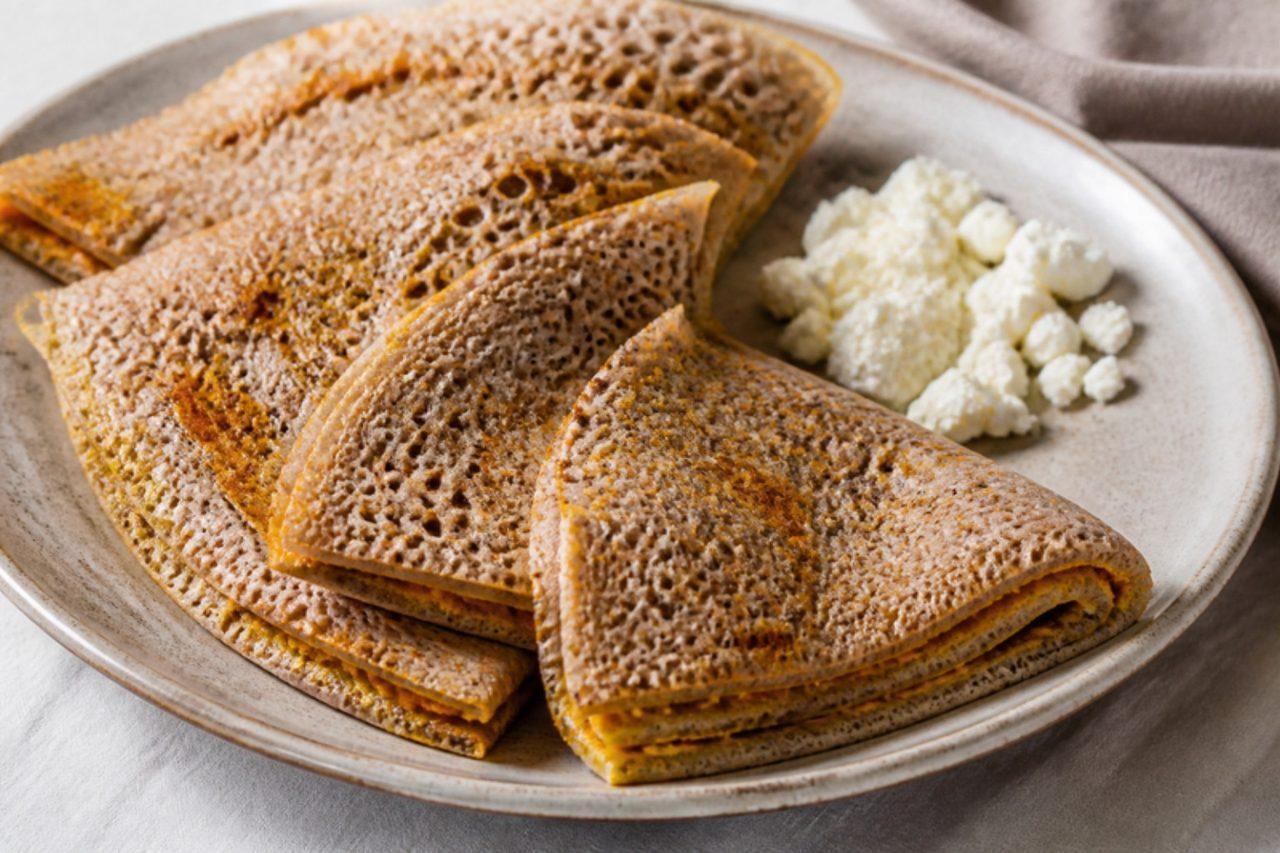
AnababeroLayered injera with spiced butter

Ask for anababero at a breakfast café in Addis Ababa and two injeras arrive stacked as one, glued together with melted niter kibbeh and a dusting of berbere, then warmed on the griddle until the butter soaks through. The result is soft and tangy inside, a little crisp at the edges, and much richer than plain injera; the name roughly means 'layered' or 'piled on top'. It is torn and eaten as it is with sweet spiced tea or coffee, or served beside a bowl of ayib or a spoon of awaze for anyone who wants it hotter. Because it uses yesterday's injera, it is a favourite way to turn leftovers into a proper breakfast. Chef's tip: brush the butter on warm, not hot, so it melts into the injera's holes instead of pooling on the surface.

by KrazyBadal 0 views

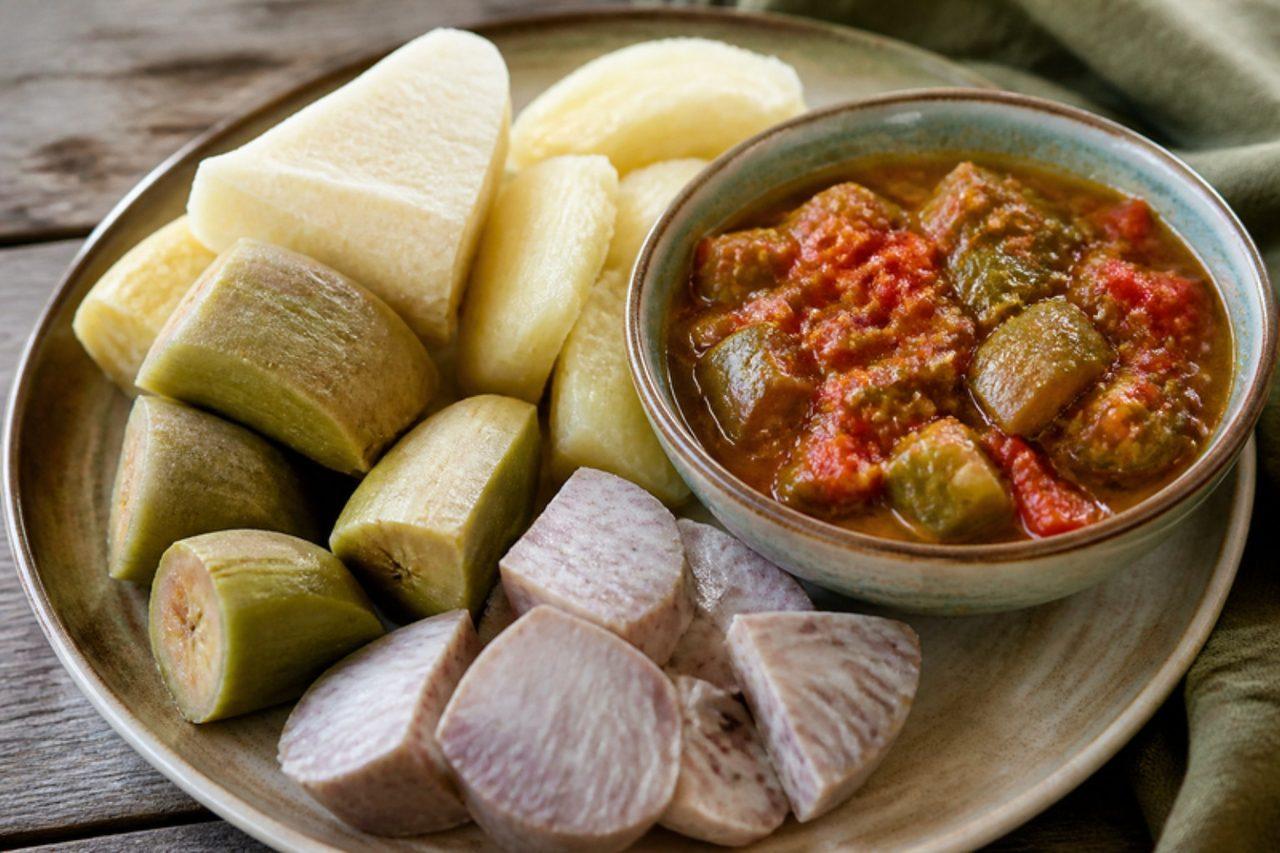
Ampesi with garden egg stew

Ampesi is about as plain and honest as Ashanti food gets: slices of yam, green plantain and cocoyam boiled until tender and eaten with a stew, here one made from garden eggs, the small white or green African eggplants sold by the bowlful in Kumasi markets. They are boiled, mashed and simmered with onion, tomato and pepper into a soft, slightly bitter, savoury stew with very little oil. Ghanaian homes often add fish or egg to it; this version is fully vegan and light. Asian or Thai aubergines are a good swap if you cannot get garden eggs. Chef's tip: boil the yam, plantain and cocoyam separately or add them in stages; cooking them together from the start is the common mistake, and the yam turns to mush before the plantain is done.

by KrazyBadal 0 views

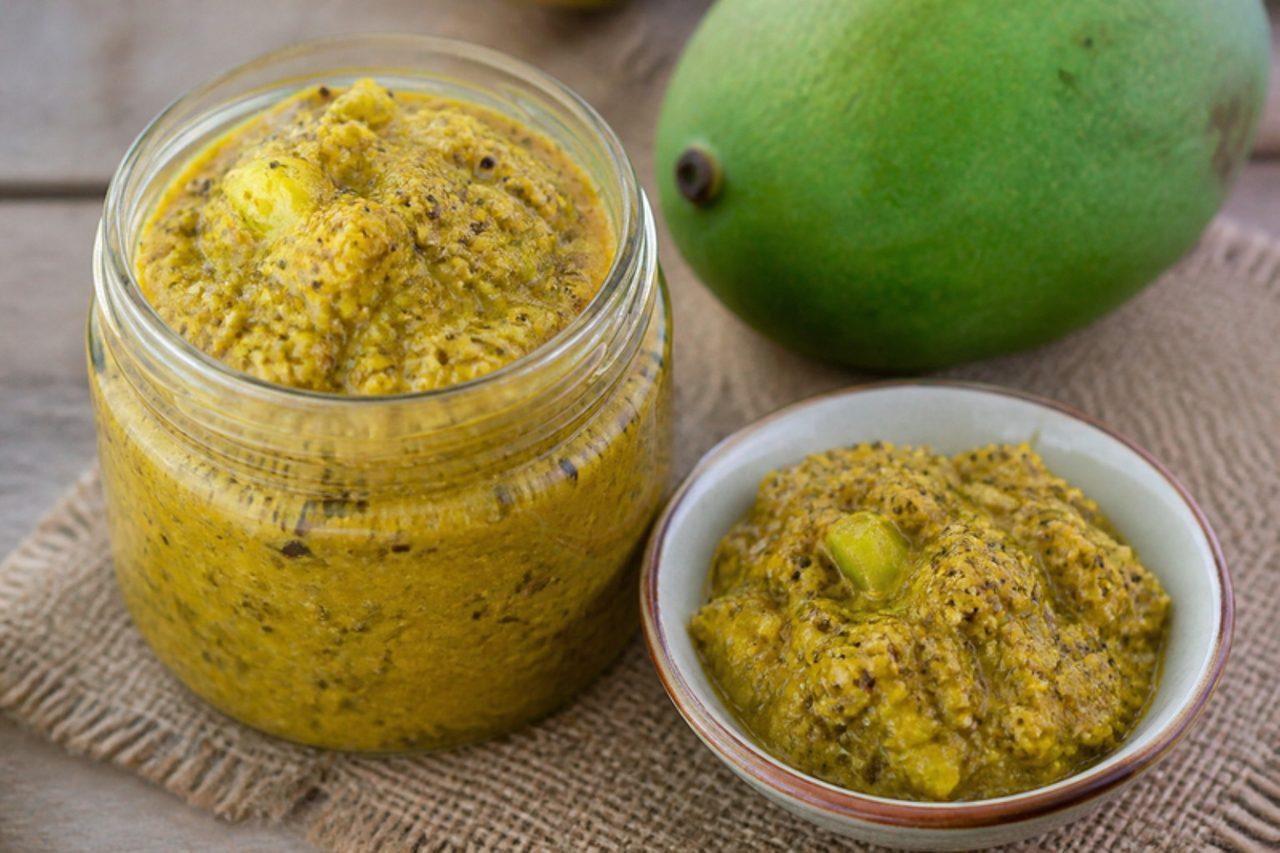
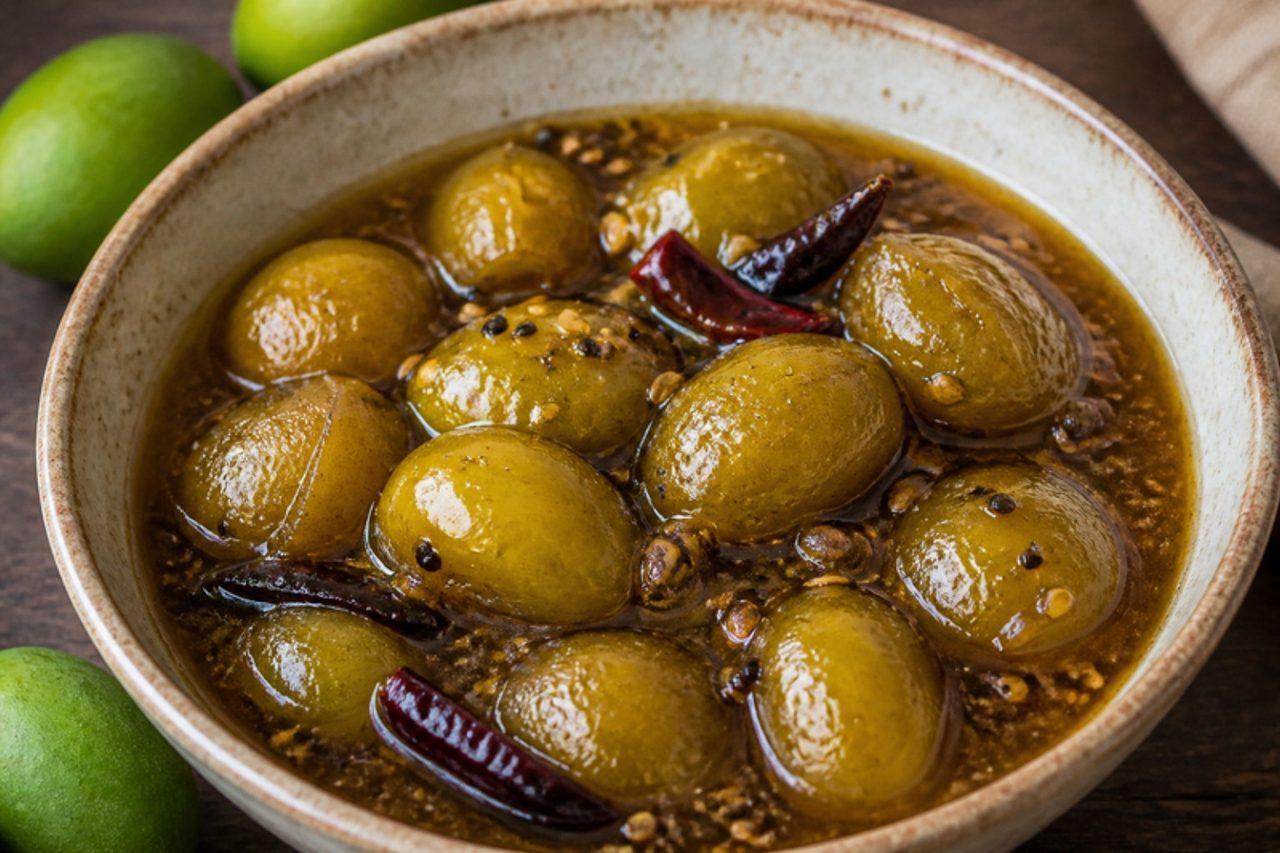
Amra chutneyHog plum chutney

Barisal is famous for its amra, the green, tart hog plums that pile up on market stalls from August to October, and every household there turns some of the harvest into a glossy, jammy chutney. The fruit is scored so the jaggery syrup can soak in, then simmered with panch phoron, dried chilli and a little turmeric until the flesh is soft around the hard, spiny stone. Sweet, sour and gently hot, it is served at the end of a wedding feast or a festive lunch, a spoonful eaten with the last of the rice, and children suck the stones clean. Cooking it too hard reduces the syrup to toffee once it cools, so stop while it still runs off the spoon. Chef's tip: if you can't find hog plums, sour green plums or a firm green mango cut into chunks make a good stand-in.

by KrazyBadal 0 views

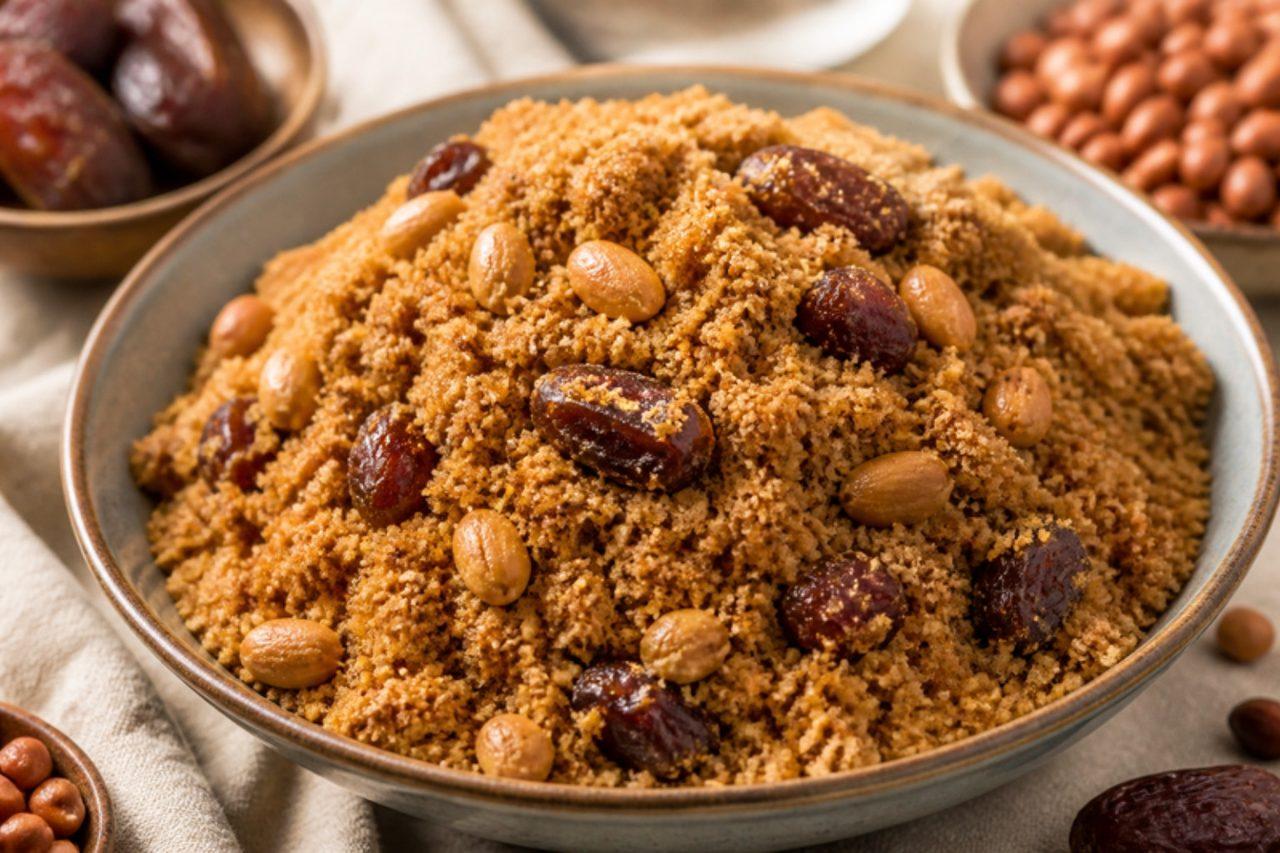
Mbourake (peanut and date bread crumble)

Yesterday's baguette never goes to waste in a Senegalese kitchen during Ramadan. Mbourake turns it into a rich, crumbly sweet: the bread is dried, rubbed to crumbs and pounded with roasted peanut paste and sugar until it clumps, then mixed with chopped dates and pressed into balls or served loose in a bowl at the ndogu, the evening meal that breaks the fast. Some families use steamed millet instead of bread. It tastes like a cross between peanut cookie dough and a date bar, sweet, nutty and filling, and it is good with a glass of café Touba or milk. Chef's tip: dry the bread fully until it snaps; soft bread gives a gummy paste instead of a light crumble.

by KrazyBadal 0 views

Lamugin (spiced ginger millet drink)

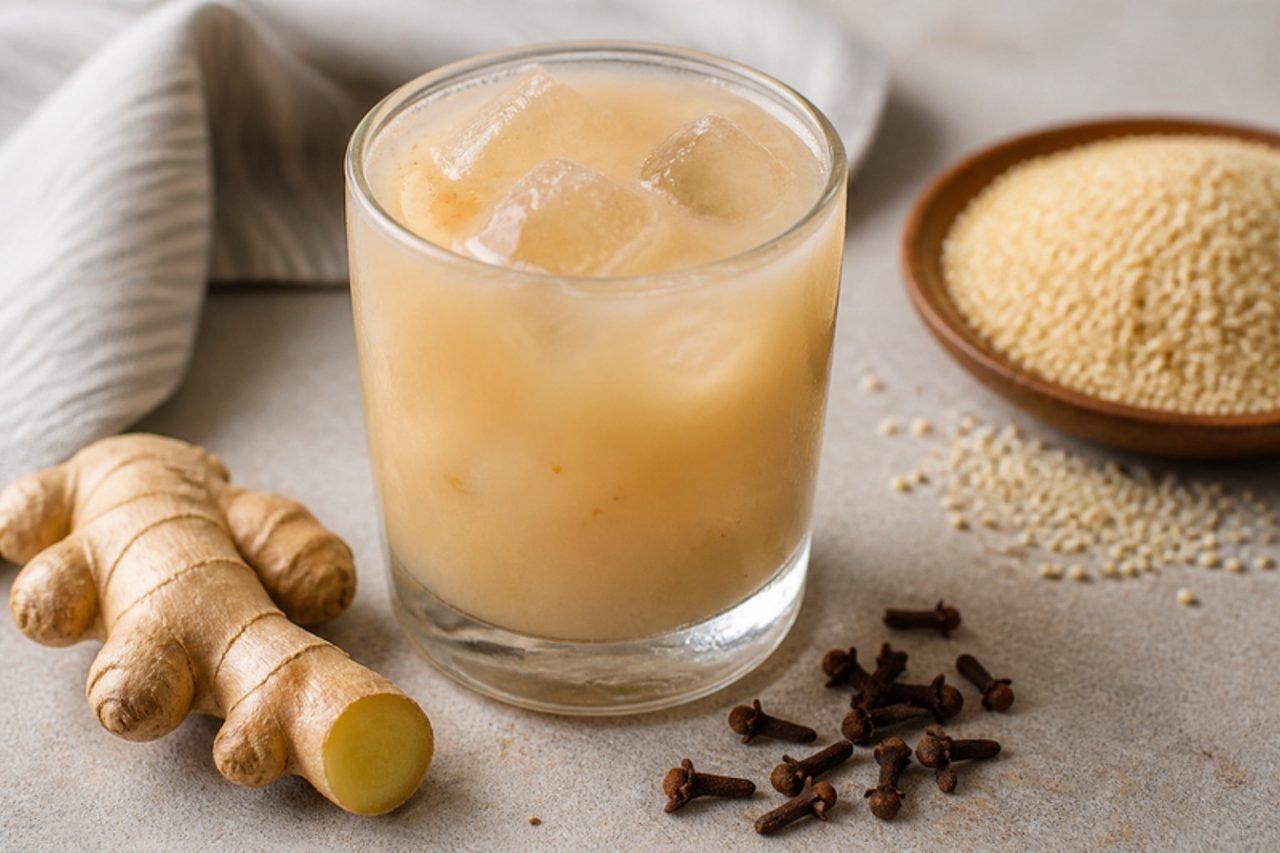
Around Tamale and across Northern Ghana, lamugin is the drink that bites back: millet flour stirred into ginger water spiked with cloves, black pepper and chilli, then sweetened and served very cold. Sellers keep it in sachets or calabashes at markets and roadside stands, and it is handed round at gatherings and during Ramadan evenings. It is cloudy and slightly thick from the millet, with a sweet start and a long peppery warmth. This version is non-alcoholic and cooks the millet briefly so it tastes clean rather than raw. Chef's tip: pass the ginger water through a fine cloth before adding the millet, so the drink stays smooth instead of stringy.

by KrazyBadal 0 views

Asaana (caramelised corn drink)

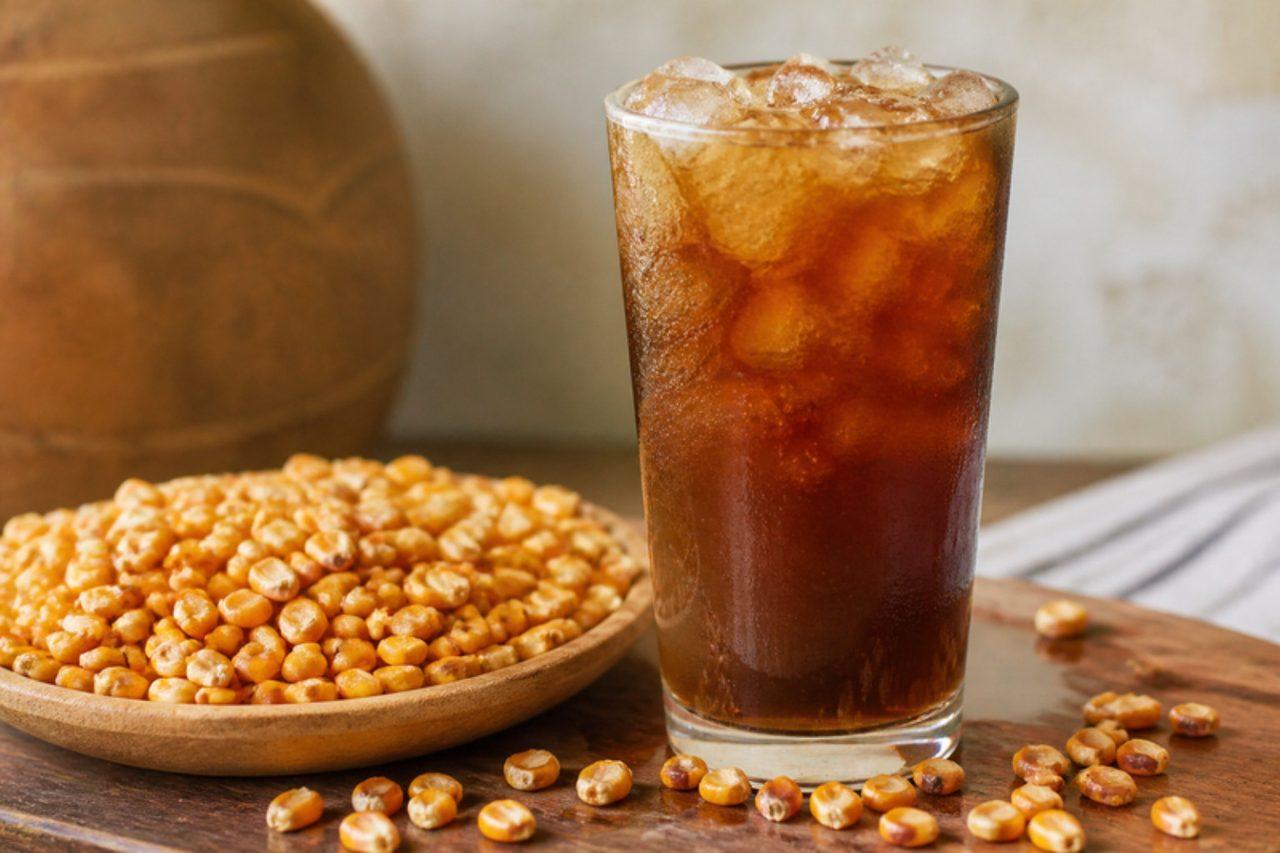
Chilled in plastic bottles and sold from cool boxes at lorry parks, schools and roadside stalls, asaana is one of the most loved soft drinks in Ghana. Maize is soaked, ground and left to sour for a day, then boiled and strained, and the pale liquid is coloured and sweetened with sugar caramelised almost to bitterness. The result is tangy, toasty and refreshing, a little like a light malt drink. Boiling after the souring stops the fermentation, so asaana is a non-alcoholic drink. It needs about two days of mostly hands-off waiting. Chef's tip: take the caramel to a deep mahogany colour before adding water; pale caramel is the usual mistake and gives a flat, sugary drink without the classic toasted edge.

by KrazyBadal 0 views

Atadwe milkye (tiger nut pudding)

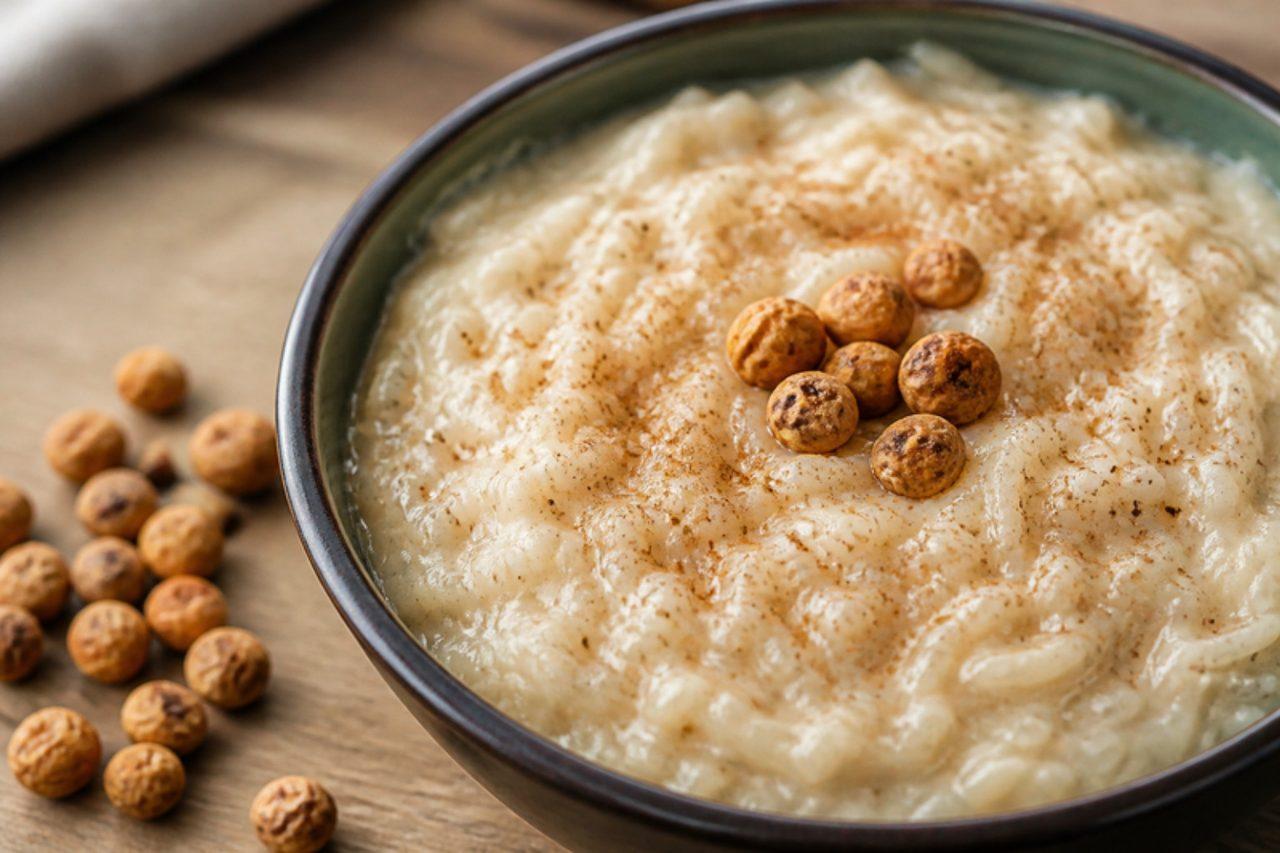
Tiger nuts, called atadwe in Twi, are small wrinkled tubers sold in heaps by market women across southern Ghana during the rainy season. For atadwe milkye they are soaked, blended and squeezed into a sweet, nutty milk, then cooked with ground rice and coconut milk into a pourable pudding that sets softly as it cools. Street sellers ladle it into small bags or cups, and at home it is eaten warm for breakfast or chilled as an afternoon treat. The flavour is mild, like almond and coconut with a light earthy note. Start soaking the tiger nuts the night before. Chef's tip: stir without stopping once the rice paste goes in; walking away for even a minute is the common mistake, and it leaves lumps and a scorched base.

by KrazyBadal 0 views

Ghana sugar bread

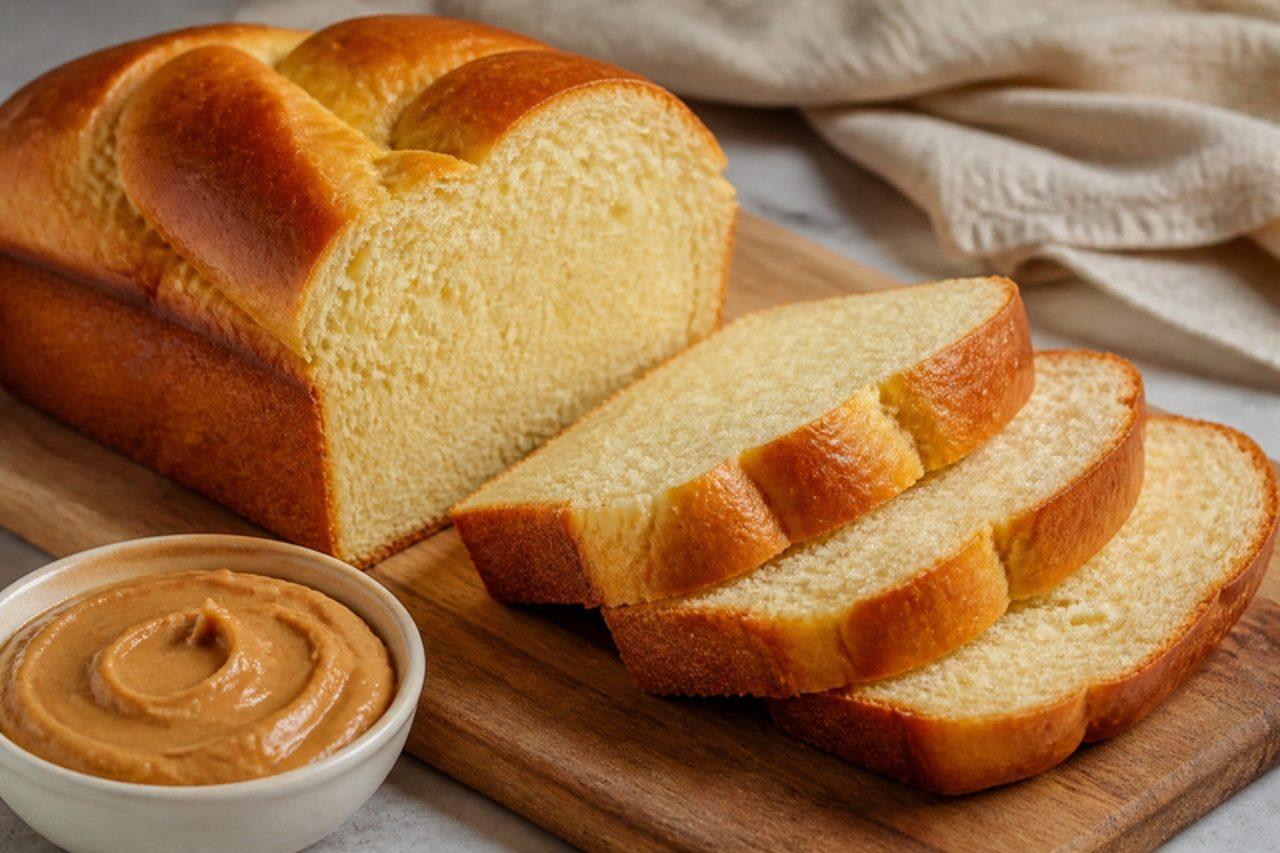
Bread vans, kiosks and hawkers balancing glass boxes on their heads sell sugar bread all over Ghana, from Accra lorry stations to small-town junctions. The crumb is soft, fine and slightly yellow from egg and butter, with a gentle sweetness and a hint of nutmeg, and it tears into fluffy strands. Ghanaians eat it with a mug of tea or cocoa drink, spread with groundnut paste, or wrapped around an omelette for a quick breakfast. Allow about two hours for the two rises. Chef's tip: the dough should stay soft and a little tacky after kneading; adding extra flour to make it easy to handle is the usual mistake, and it gives a dry, crumbly loaf.

by KrazyBadal 0 views

Nigerian fish roll

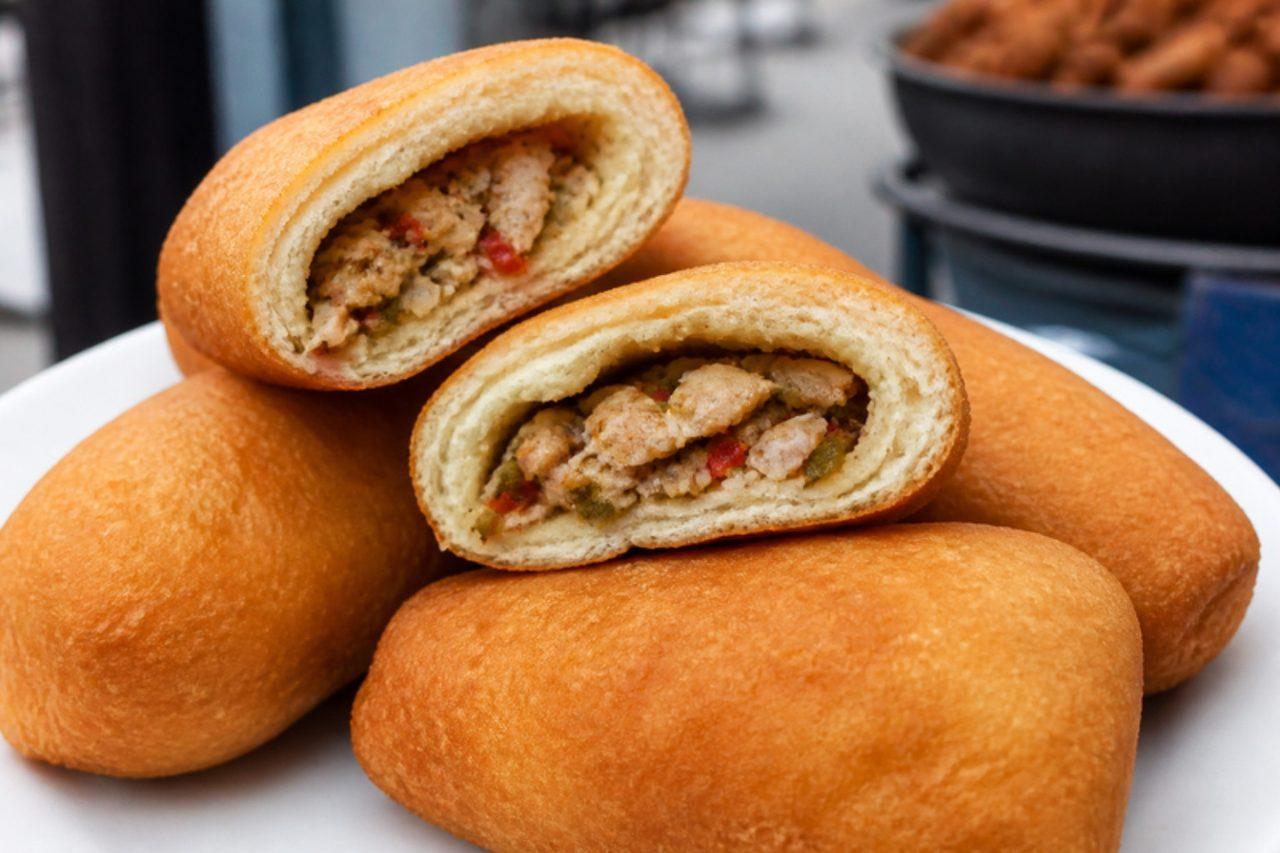
Hawkers carry glass boxes of fish rolls through Lagos traffic, and they are a fixture at parties among the small chops. The dough is a sweetish, slightly cakey one, wrapped around mackerel mashed with onion, pepper and thyme, then deep-fried to a deep gold with a crisp shell. They are good warm or at room temperature, with a soft drink or tea. Tinned mackerel works as well as fresh; poach fresh fish until it flakes before mashing. This version uses oil in the dough, so it is dairy free. Chef's tip: keep the oil at 170 °C; the common mistake is frying too hot, which browns the outside while the inner layer of dough stays raw.

by KrazyBadal 0 views

Kac kac (Somali fried dough cubes in cardamom sugar)

Jars of kac kac sit on the table at Somali weddings, Eid gatherings and afternoon tea across the country and in the diaspora, ready to be handed round by the fistful. The dough is enriched with egg and butter, cut into small cubes, fried until hard and golden, then tossed in hot cardamom syrup that dries to a frosty white crust. Each piece cracks loudly when bitten, which is how it got its name. Undercooking the syrup is the usual problem: it stays sticky instead of turning to a dry, sugary coat, so boil it until it forms a thread and keep stirring the cubes as it cools. Chef's tip: cut the cubes no bigger than 1.5 cm; small pieces fry right through and stay crunchy for weeks in an airtight jar.

by KrazyBadal 0 views

Nigerian sausage roll

Every Lagos bakery and supermarket counter has a tray of these, wrapped in paper and eaten mid-morning with a cold soft drink, at school break or on the way to work. The Nigerian sausage roll is made with seasoned minced beef rather than pork sausage meat, flavoured with onion, thyme, curry powder and a little chilli, and wrapped in a rich, short pastry that flakes rather than puffs. Children love them, and they freeze well before baking. The filling goes in raw, so bake until the meat reaches 71 °C in the centre. Chef's tip: keep the butter and water ice cold and stop mixing as soon as the dough comes together; warm, overworked pastry is the common mistake that bakes up tough.

by KrazyBadal 0 views

Malawax (Somali cardamom crepes)

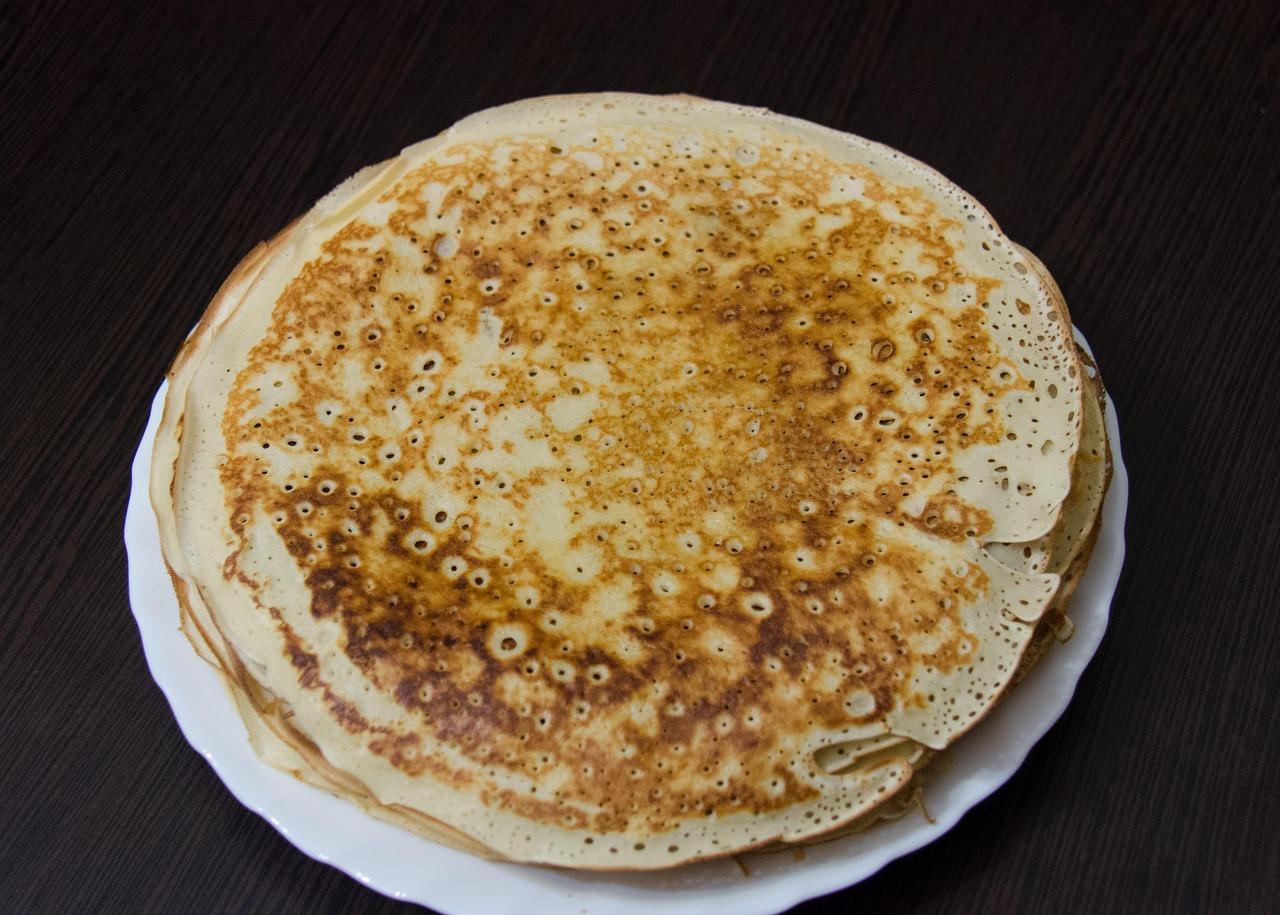
Fragrant with cardamom and just sweet enough, malawax are the thin, soft pancakes Somali families make on weekend mornings and for guests, stacked high and eaten with honey, sugar or a smear of ghee beside a pot of shaah. They are thinner than canjeero and contain egg and milk, so they cook in a minute and stay tender rather than spongy. Children roll them up and eat them in their hands; adults tend to tear them and dip them in tea. The batter should be as thin as single cream, and the classic mistake is a pan that is not hot enough, which gives pale, rubbery crepes that stick. Chef's tip: let the batter rest for 10 minutes so the flour hydrates; the first crepe is always a tester, so adjust the heat after it.

by KrazyBadal 0 views

Ocho beniseed soup

Beniseed, the local name for sesame, grows widely in Benue, and the Idoma turn it into ocho: a creamy, nutty soup thickened with the ground seeds, cooked with beef, dried fish and green leaves. It has a gentle, toasty flavour and a slightly grainy, pleasant texture, and it is eaten with pounded yam, often at family gatherings and festive meals. Cooks vary the leaves; spinach or ugu are easy to find. Some families add palm oil and some leave it pale; this version uses a little. Chef's tip: toast the beniseed in a dry pan only until it smells nutty and turns light gold; the common mistake is letting it go brown, which makes the whole pot bitter.

by KrazyBadal 0 views

Fisherman soup

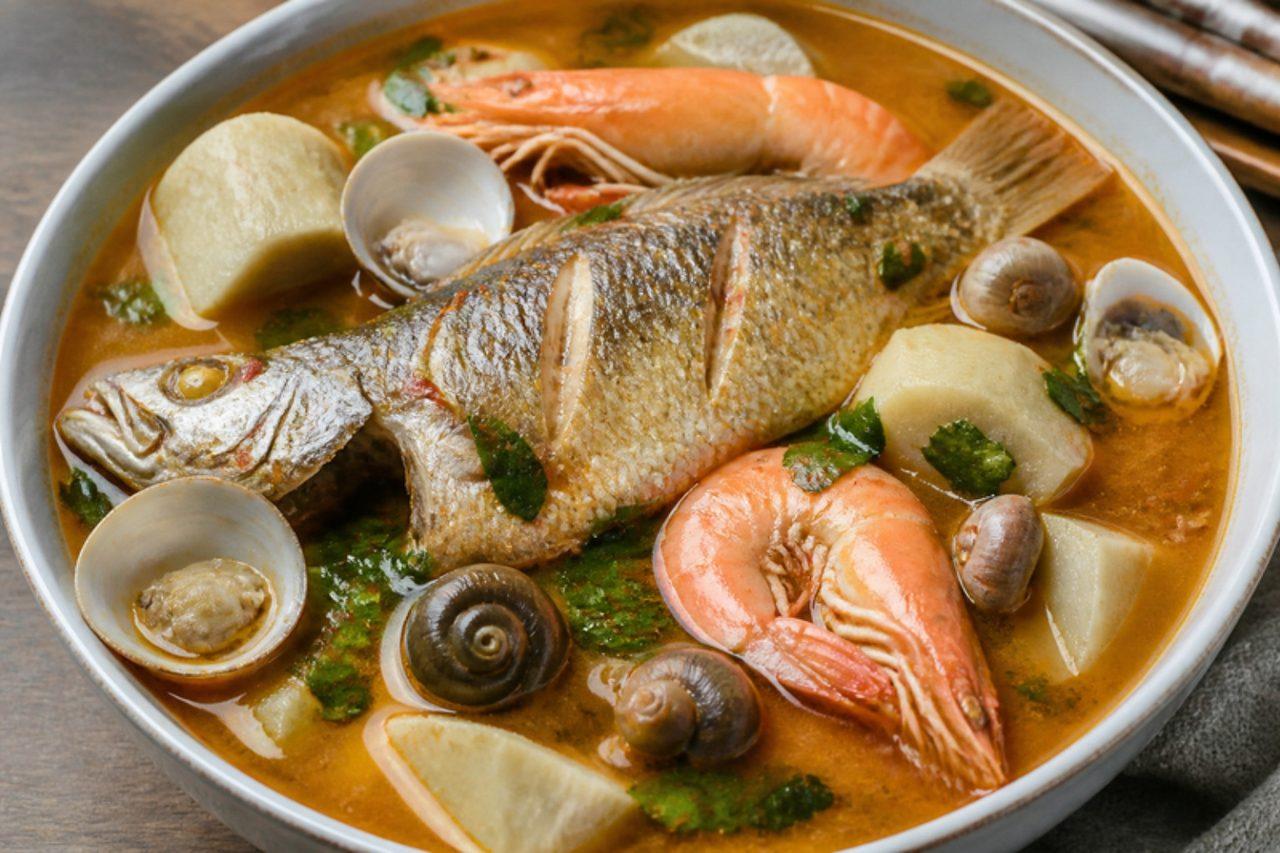
Fishing families in the creeks of Rivers and Bayelsa made this soup from whatever came in on the boat, and it is still the pride of Port Harcourt and Yenagoa kitchens. Unlike heavier Nigerian soups it is light and brothy, just thickened with a little cocoyam paste, so the sweetness of fresh fish, prawns and periwinkles comes through the scotch bonnet heat and the scent leaf. Eat it with boiled yam, plantain or a light swallow such as eba or starch. Buy shellfish from a reputable fishmonger, discard any periwinkles with broken shells, and if you add clams, throw away any that stay open when tapped before cooking or stay shut after. Chef's tip: add the seafood in order of cooking time, fish first and prawns last, so nothing turns rubbery.

by KrazyBadal 0 views

Digaag qumbe (Somali chicken in coconut milk)

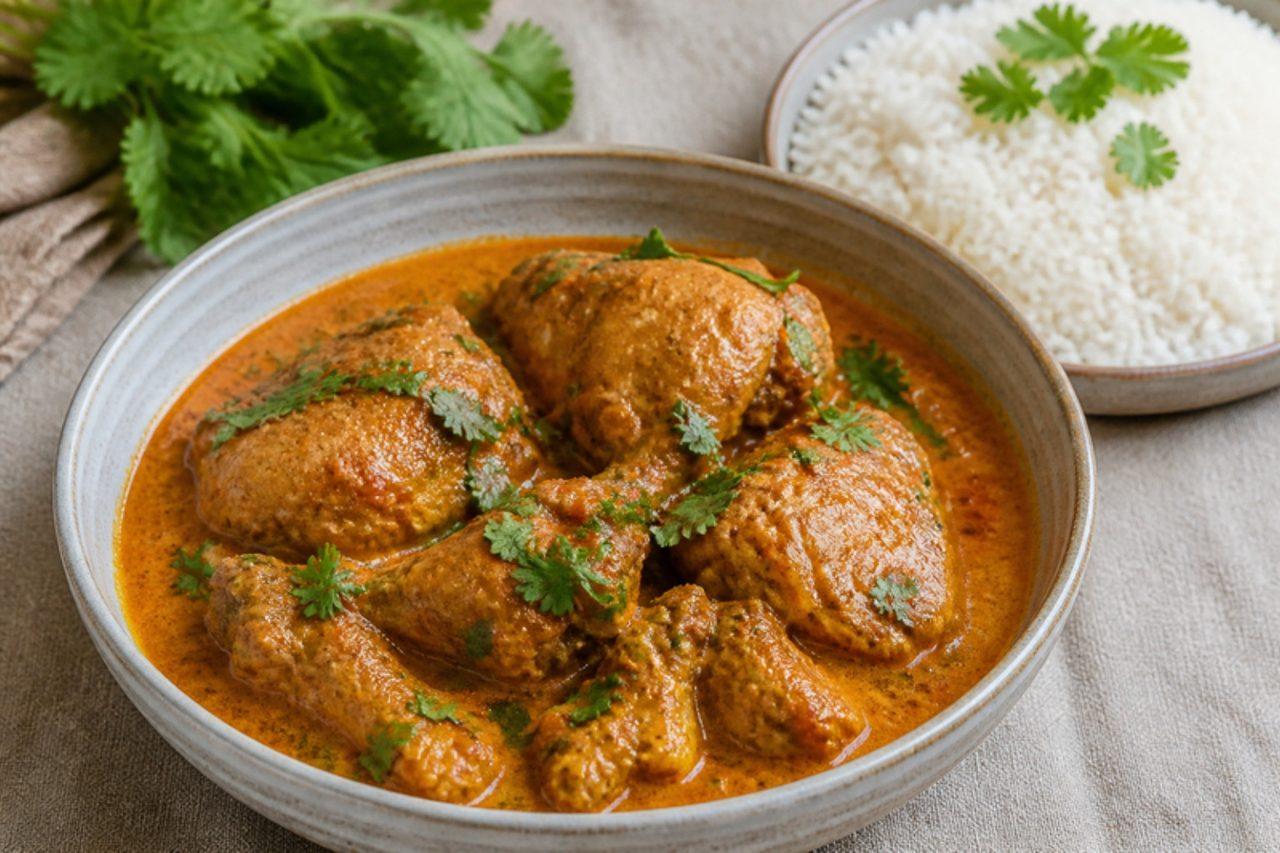
Coconut milk is the signature of the Benadir coast from Mogadishu south to Kismayo and Barawa, where the Swahili-speaking world meets Somali cooking, and digaag qumbe shows it off: chicken pieces simmered in a creamy coconut sauce with tomato, garlic, a hint of turmeric and xawaash. The sauce is mellow and gently spiced, coloured golden-orange, and generous enough to soak into rice, canjeero or sabaayad. Families make it for Friday lunch and to welcome guests. Boiling the sauce hard after the coconut milk goes in is the mistake to avoid, as it splits and turns oily; keep it at a gentle bubble. Chef's tip: brown the chicken well first, as the caramelised skin gives the mild sauce its savoury backbone.

by KrazyBadal 0 views

Kalluun duban (Somali grilled whole fish)

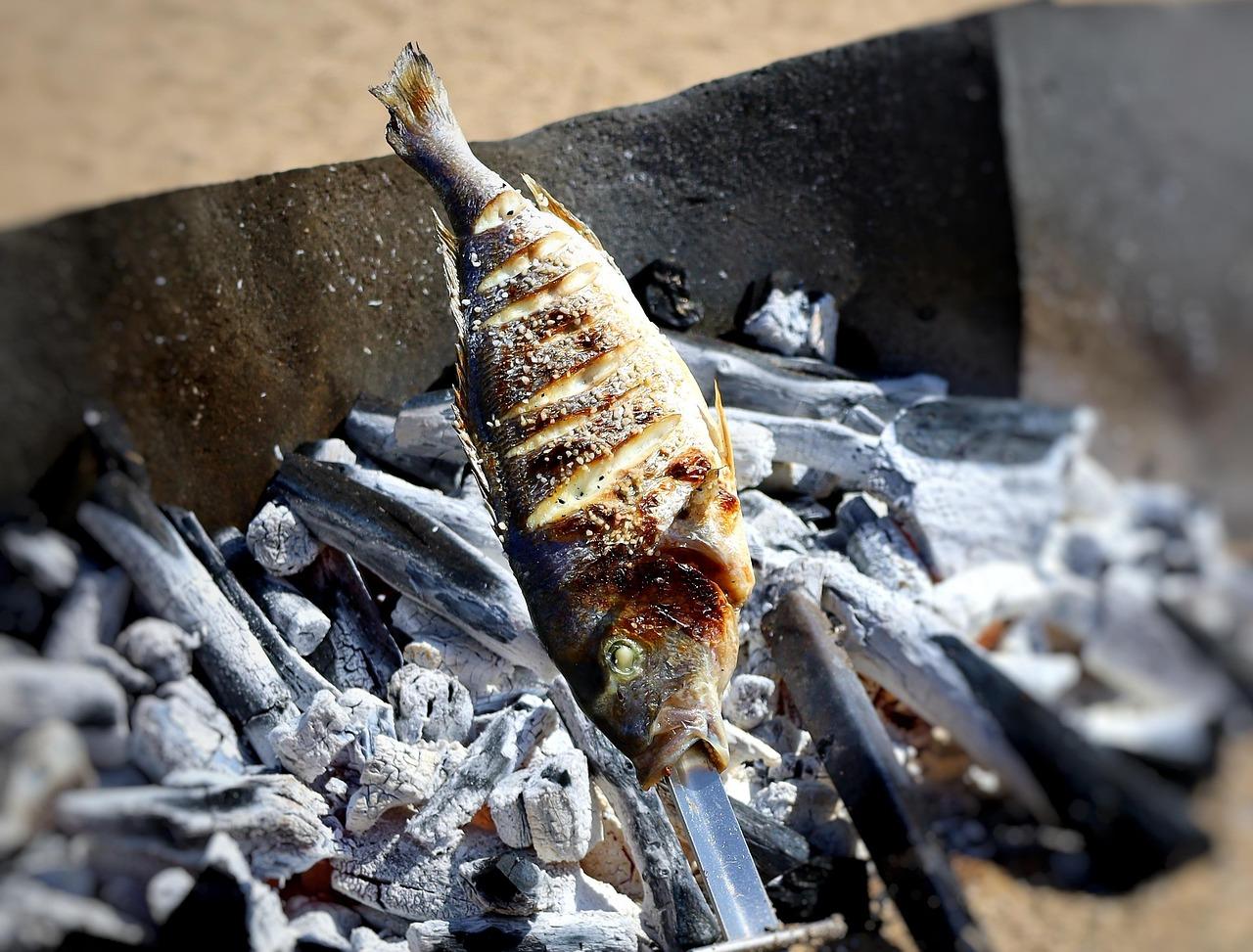
Seafront restaurants on Mogadishu's Lido beach are famous for kalluun duban, whole fish rubbed with a paste of garlic, lime, chilli and xawaash and grilled over charcoal until the skin blisters. Diners pick a fresh catch, often snapper, grouper or kingfish, and it comes to the table on a platter of spiced rice with lime, salad, banana and fiery basbaas. The flesh should be moist and smoky, tangy with lime. Marinating fish for hours in lime juice is a mistake: the acid starts to 'cook' it and the flesh turns mushy, so 20–30 minutes in the fridge is plenty. Chef's tip: slash the fish deeply down to the bone on both sides, so the marinade gets in and the thick part cooks as fast as the tail.

40 minSomaliFishGluten free
by KrazyBadal 0 views

Hilib geel (Somali fried camel meat)

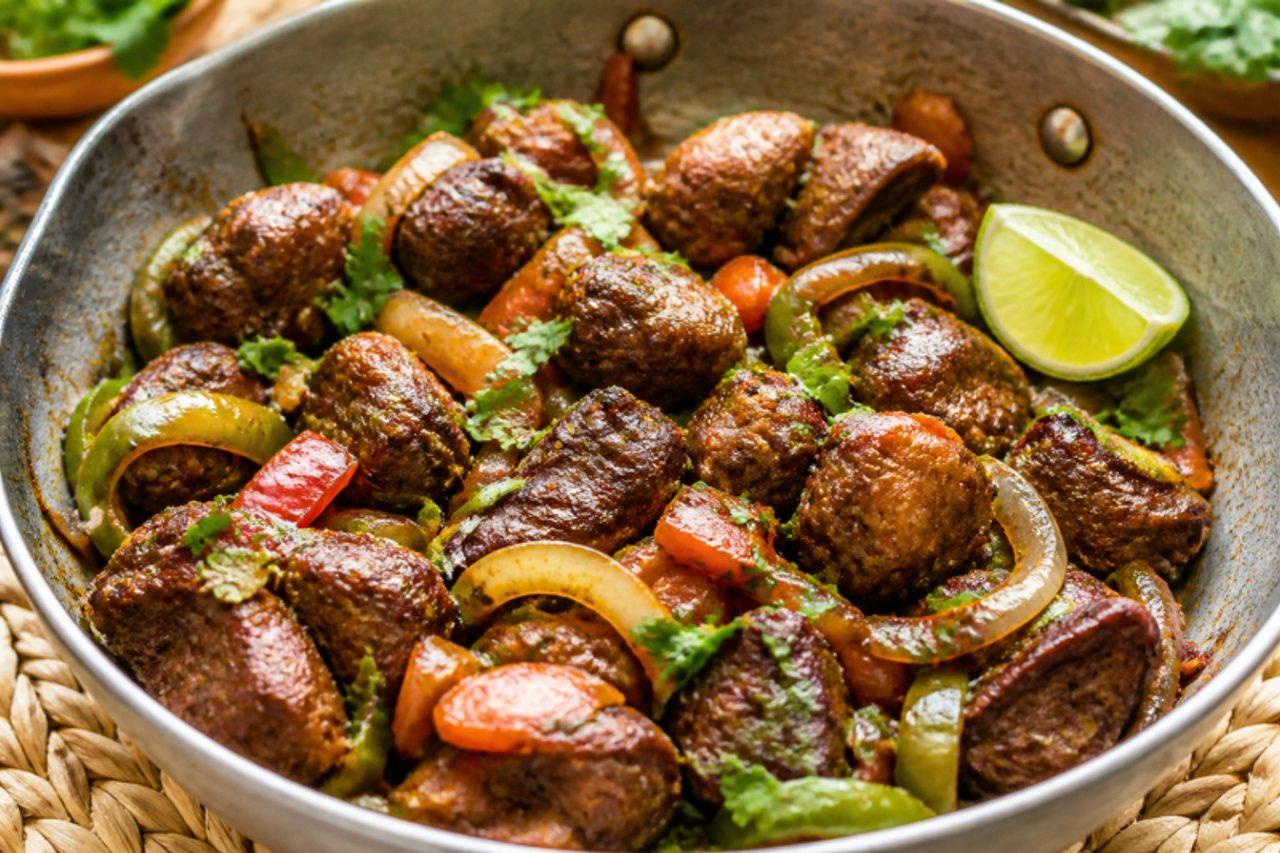
Camels are wealth in Somaliland, and their meat, lean and slightly sweet with a deep red colour, is a favourite in Hargeisa restaurants, where hilib geel is served fried with onion, garlic and xawaash alongside rice or sabaayad, banana and lime. Camel is a hard-working muscle, so it is first simmered until tender and then fried quickly in a hot pan until browned and fragrant. Halal butchers serving East African communities often sell it; if you cannot find it, beef chuck is the closest substitute and cooks the same way. Skipping the simmer and frying the raw meat straight away is the usual mistake, and it leaves the cubes tough as boots. Chef's tip: keep the simmering liquid; a ladle of it in the pan at the end makes a little glossy sauce for the rice.

85 minSomaliMeatGluten free
by KrazyBadal 0 views

Ambarella curryJune plum curry

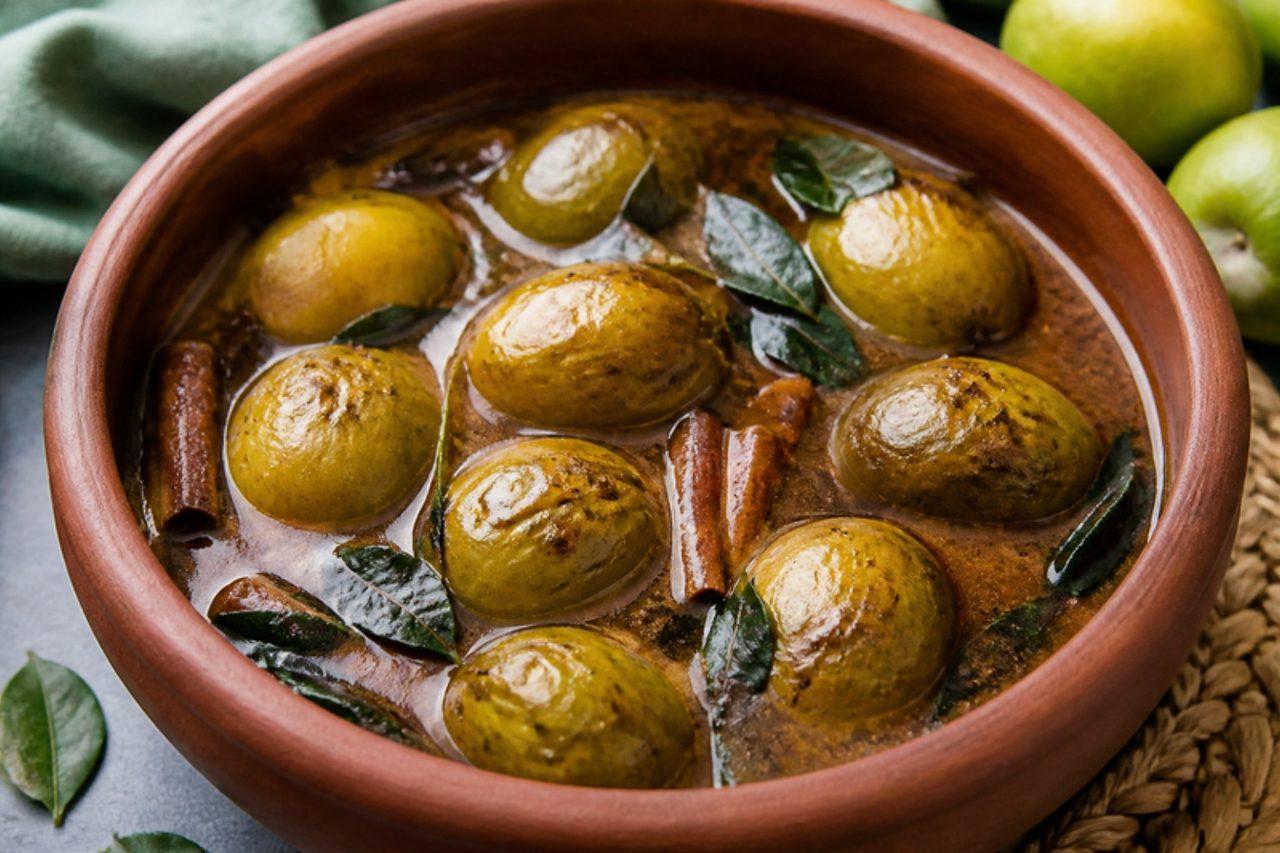
Ambarella trees, heavy with green, plum-sized fruit, shade countless gardens around Galle, and when the crop comes in, cooks turn the sour, crunchy fruit into this sweet-sour curry for Sunday lunch and family gatherings. The fruits are scored and cooked whole with roasted curry powder, garlic, cinnamon and cloves, then sweetened with sugar and finished in coconut milk, until the flesh softens and drinks in the dark, glossy gravy. Its tangy, fruity flavour cuts through richer dishes, and it is served in small portions with rice alongside a dhal and a meat or fish curry. Each fruit hides a spiky, fibrous stone, so warn guests to nibble around it. Leaving the skins whole and unscored is where many go wrong, because the spices never get in; make several deep cuts in each fruit. Frozen ambarella is sold in Sri Lankan shops; firm green mango is the nearest stand-in. Chef's tip: let the curry rest for an hour before serving, as the fruit keeps soaking up flavour.

by KrazyBadal 0 views

Sweet potato pone

Potato pone came to Liberia with the settlers who arrived from the American South in the nineteenth century, and it is still baked in Monrovia and along the coast for holidays, church gatherings and Sunday dinner. Raw sweet potato is grated finely, mixed with sugar, butter, eggs, milk and plenty of ginger and nutmeg, then baked slowly until it sets into a dense, sliceable pudding with dark, chewy, caramelised edges. It is sweet, spicy and moist, lovely warm or cold the next day. Chef's tip: bake until the edges pull away and turn almost toffee-dark; those crisp corners are the part everyone fights over.

by KrazyBadal 0 views

Nnam ngon with mushrooms

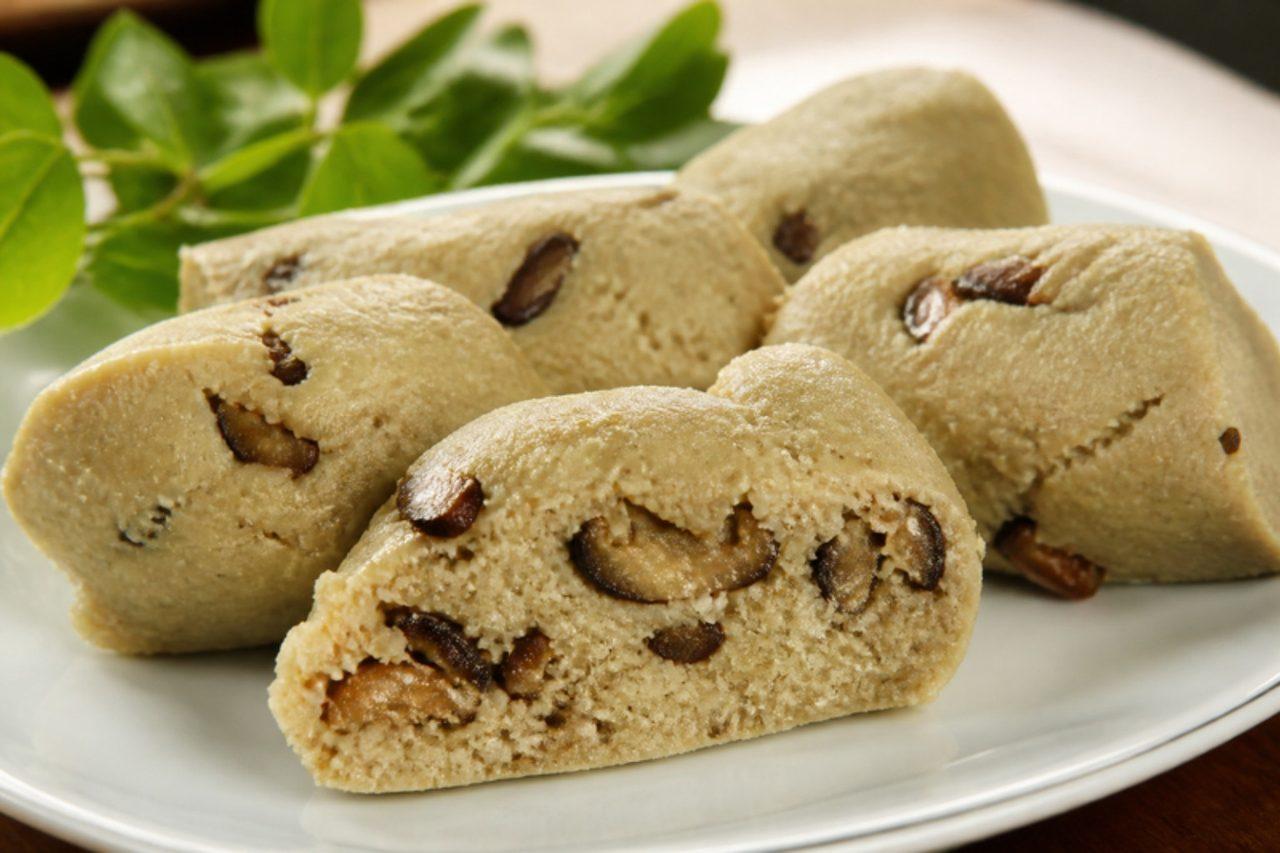
Steamed parcels of nnam ngon turn up at Beti weddings, funerals and big Sunday tables in the Centre, unwrapped to reveal a firm, pale cake of ground pumpkin seeds that slices like a terrine. The seeds are ground with onion, garlic, ginger and hot pepper, then bound with water and steamed slowly in leaves until rich, savoury and almost meaty. Smoked fish is the classic addition; here browned mushrooms take its place, so the parcels are vegan and still very filling. Serve with bobolo, boiled plantain or sweet ripe plantain. Chef's tip: brown the mushrooms in a dry pan first; added raw, they release water inside the parcel and leave the mixture loose.

by KrazyBadal 0 views

Muqmad (Somali spiced meat preserved in ghee)

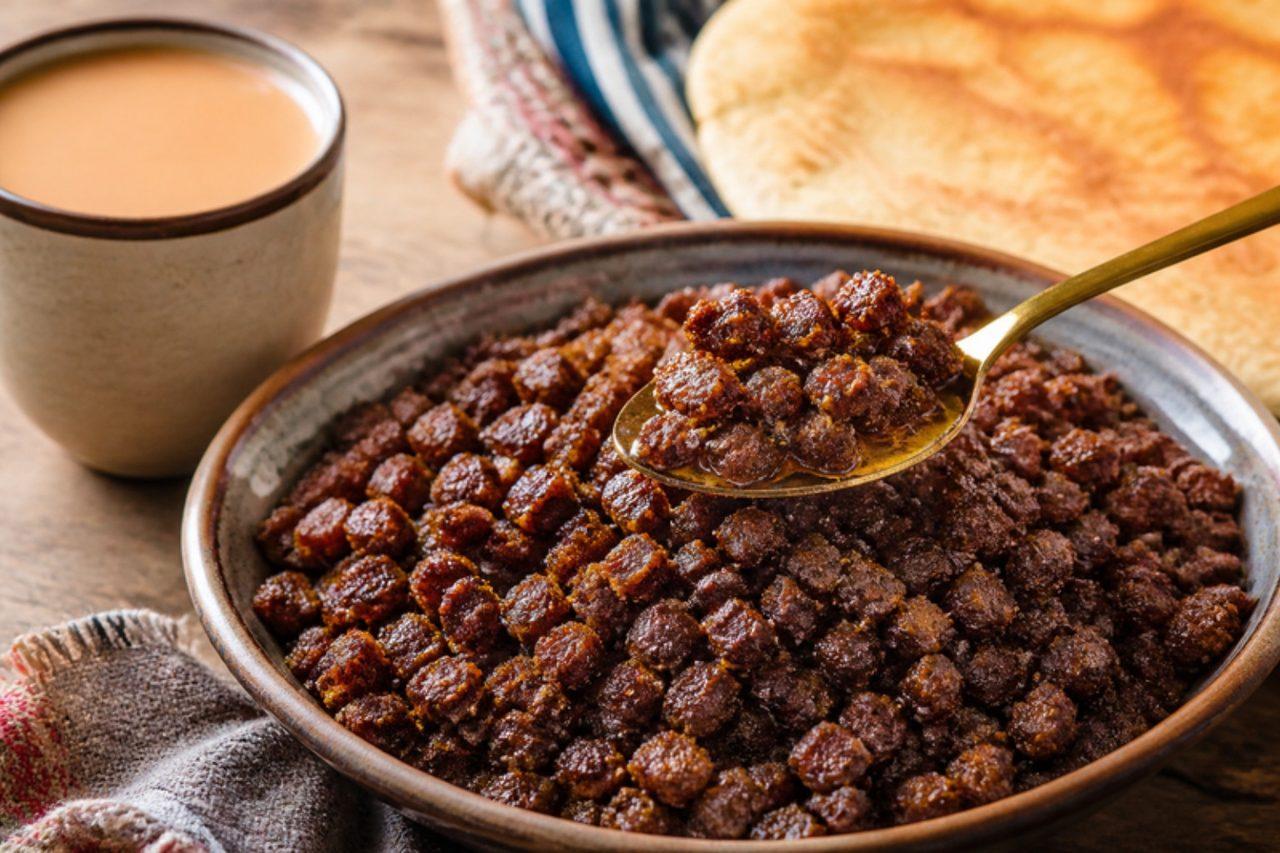
Before fridges, nomadic families in Somaliland preserved meat as muqmad, also called oodkac: beef or camel cut into tiny cubes, dried in the sun, fried in ghee with garlic and spices and packed into a container topped with more ghee. A spoonful is eaten for breakfast with sabaayad or canjeero and tea, and jars are made for Eid, weddings and travellers. Sun-drying raw meat is risky in a home kitchen, so this safer version cooks the cubes through to 71 °C first, then dries them in a low oven and keeps the finished jar in the fridge. The traditional raw-dried version is not for pregnant women, young children or anyone with a weakened immune system. Cutting the cubes unevenly is the common mistake: big pieces stay moist inside while small ones burn, so aim for 1 cm all round. Chef's tip: partly freeze the meat for 45 minutes and it cuts into neat cubes far more easily.

240 minSomaliMeatGluten free
by KrazyBadal 0 views

Cambuulo (Somali adzuki beans with butter and sugar)

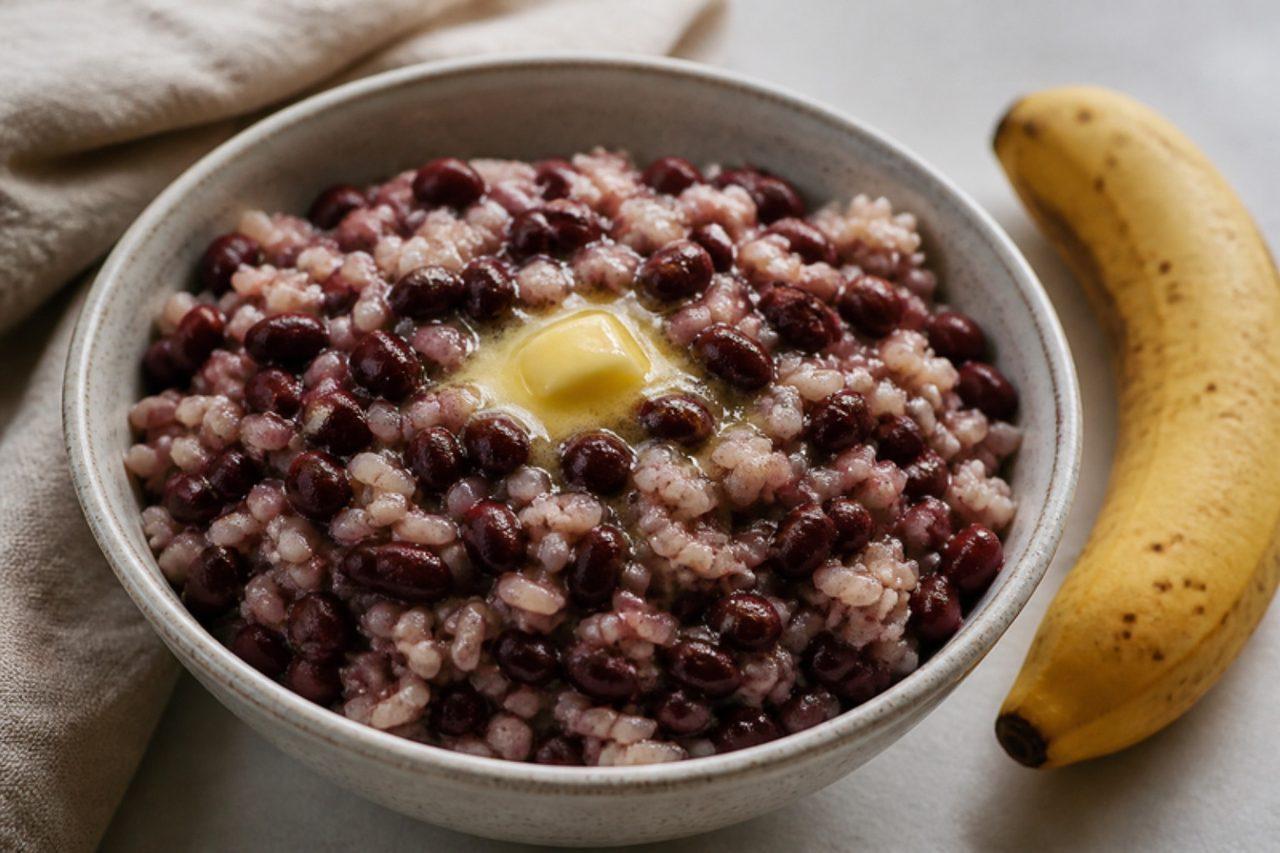
Small red adzuki beans, cooked slowly until they almost collapse, are the heart of cambuulo, a dish Mogadishu households make for a cheap, filling evening meal. Once the beans are soft they are glossed with butter, a spoonful of sugar and a pinch of salt, so the flavour lands somewhere between savoury and gently sweet. Many families stir the beans into plain rice or serve the two side by side, with a drizzle of sesame oil and a banana on the plate. The texture should be creamy, with some beans still whole. The usual mistake is pulling the pot off too early: firm beans never turn creamy, so keep simmering until one crushes easily against the side of the pan. Chef's tip: soak the beans overnight and change the water before cooking; they cook more evenly and are easier to digest.

by KrazyBadal 0 views

Babath curryBeef tripe curry

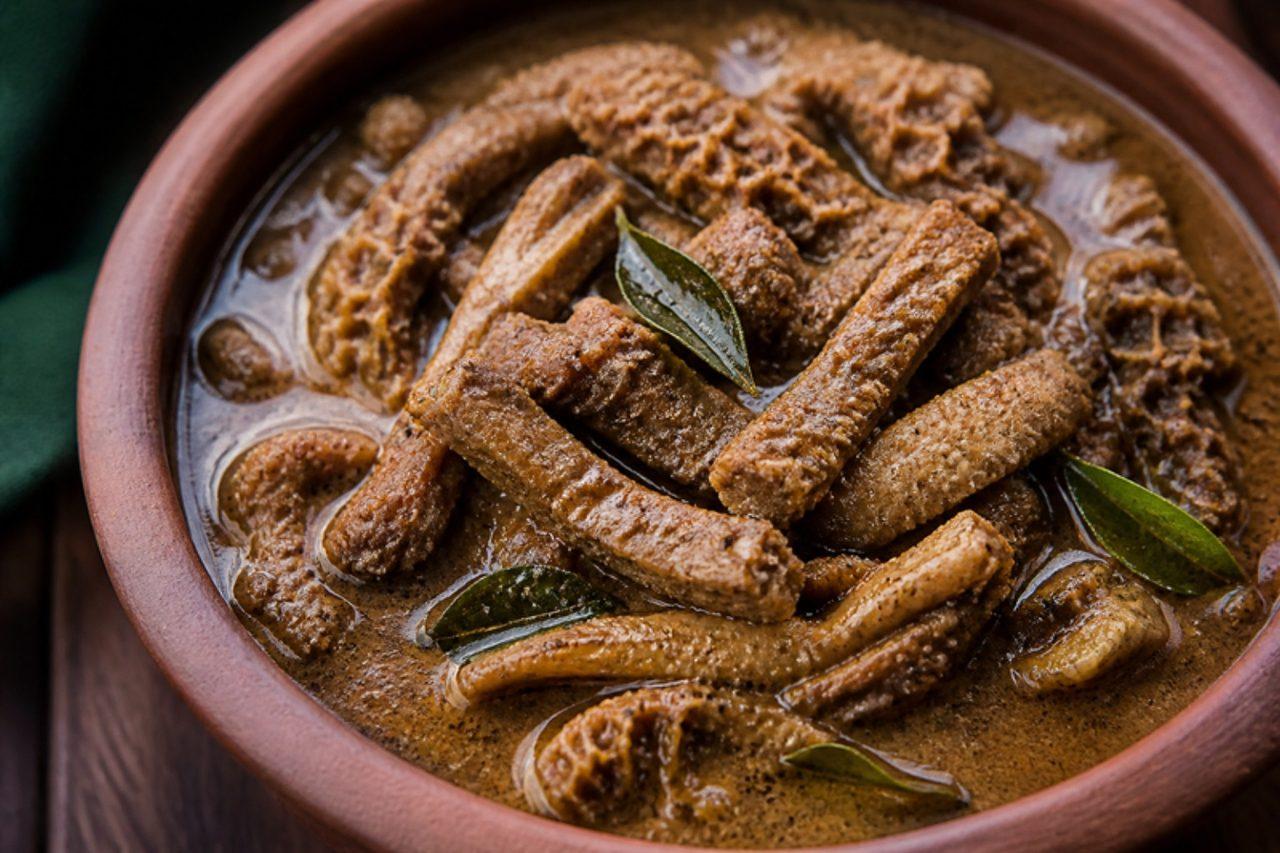
Babath curry belongs to the Muslim and Malay kitchens of Colombo and Slave Island, a frugal, rich dish of beef tripe that turns up at family lunches and in small rice-and-curry cafés where regulars ask for it by name. The tripe is cleaned, boiled with turmeric and vinegar until soft, then sliced into ribbons and simmered in a dark roasted curry with black pepper, cinnamon and a little coconut milk until it soaks up all the spice. The texture is pleasantly chewy and the gravy deep, hot and slightly sour, and it is eaten with rice, roti or bread to mop up the sauce. Many first attempts fail because the tripe is not boiled long enough first, so it stays rubbery however long it spends in the curry. Chef's tip: buy cleaned, bleached honeycomb tripe from a halal butcher, and boil it until a knife slides through with no resistance before you start the curry.

by KrazyBadal 0 views

Hilib ari (Somali slow-cooked goat with xawaash)

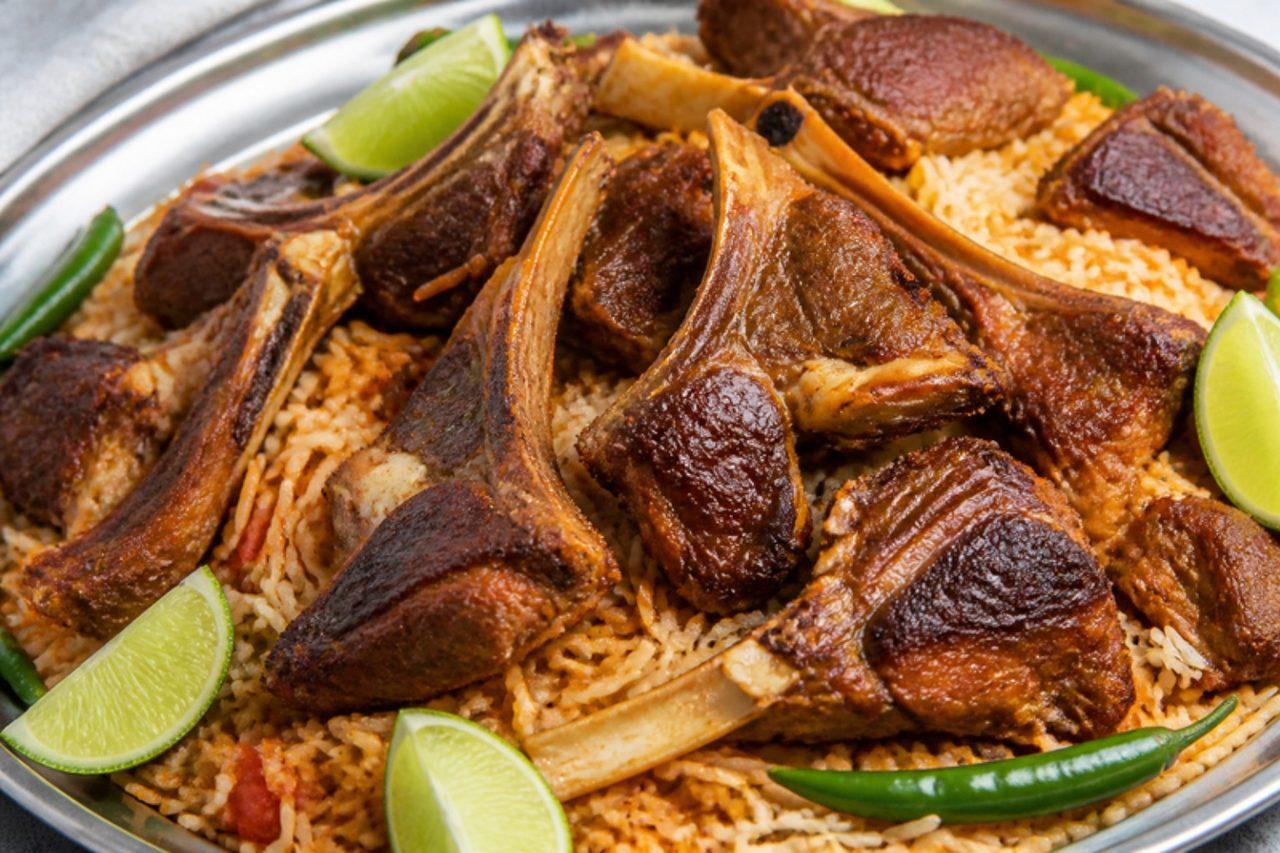
Goat is the festive meat of Somaliland, slaughtered for weddings, Eid and the arrival of guests, and hilib ari, goat on the bone cooked until it falls away, is the centrepiece of those meals. The meat is first simmered slowly with onion, garlic and xawaash, then the liquid is boiled away and the pieces are fried in their own fat until browned and crisp at the edges, so you get both tenderness and crunch. It is piled on a big platter of spiced rice with banana, lime wedges and green chilli sauce. Rushing the first stage is the mistake to avoid: goat stays chewy unless it simmers gently until a knife slides through. Chef's tip: ask the butcher for shoulder or leg cut into 5 cm pieces on the bone; the bones give the meat flavour and the leftover broth makes a good maraq.

125 minSomaliMeatGluten free
by KrazyBadal 0 views

Roasted safou

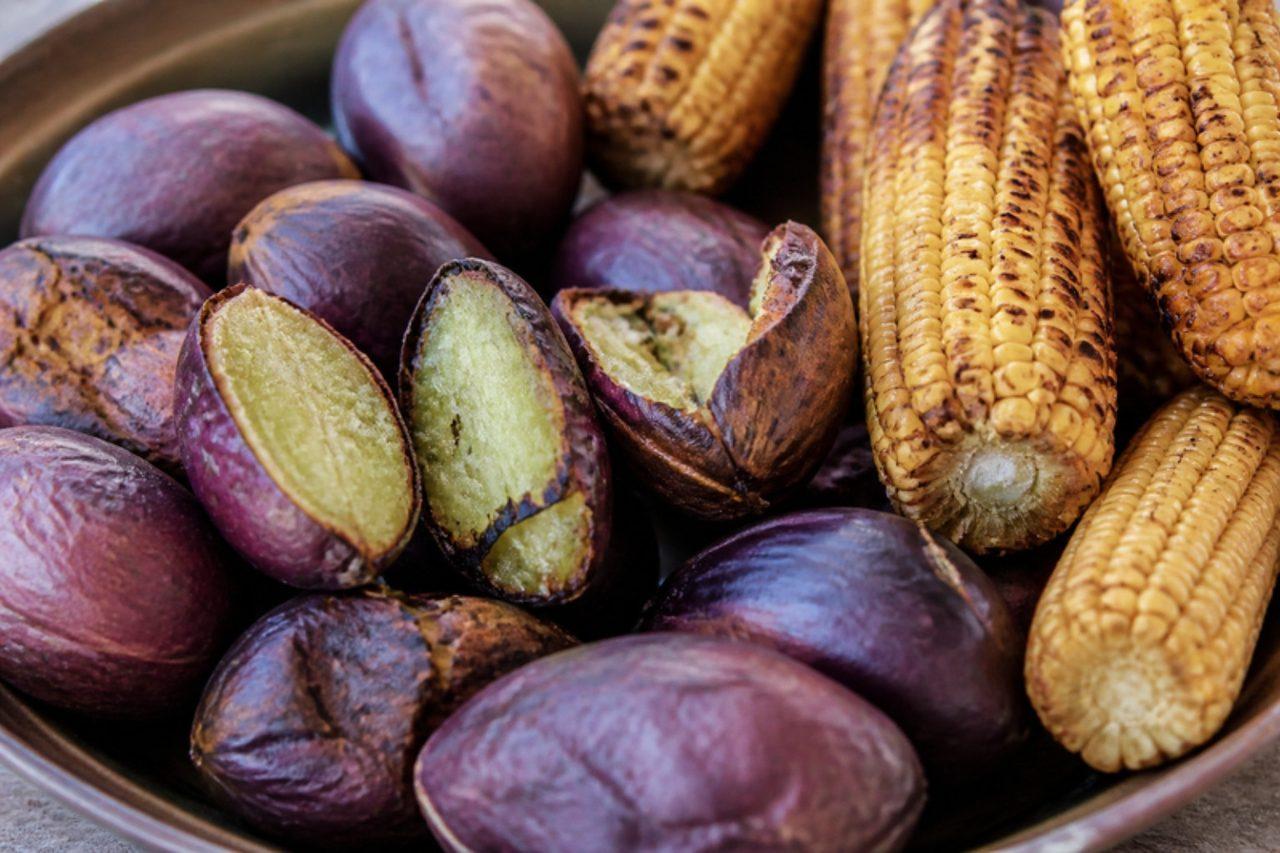
When the rainy season brings fresh maize to Cameroon, the safou trees fruit at the same time, and roadside grills from Douala to Yaoundé sell the violet plums alongside charred corn cobs. A few minutes over embers turns the firm, sour flesh soft, buttery and slightly tangy, which is why safou is often called the African butter fruit. People peel back the skin with their teeth, scrape the pale green flesh off the stone and alternate bites with sweet corn or a chunk of boiled plantain. Look for fresh or frozen safou in African grocers. Chef's tip: a pinch of salt sprinkled on while the fruit is hot brings out its savoury, olive-like side.

by KrazyBadal 0 views

Banga soup with fresh catfish

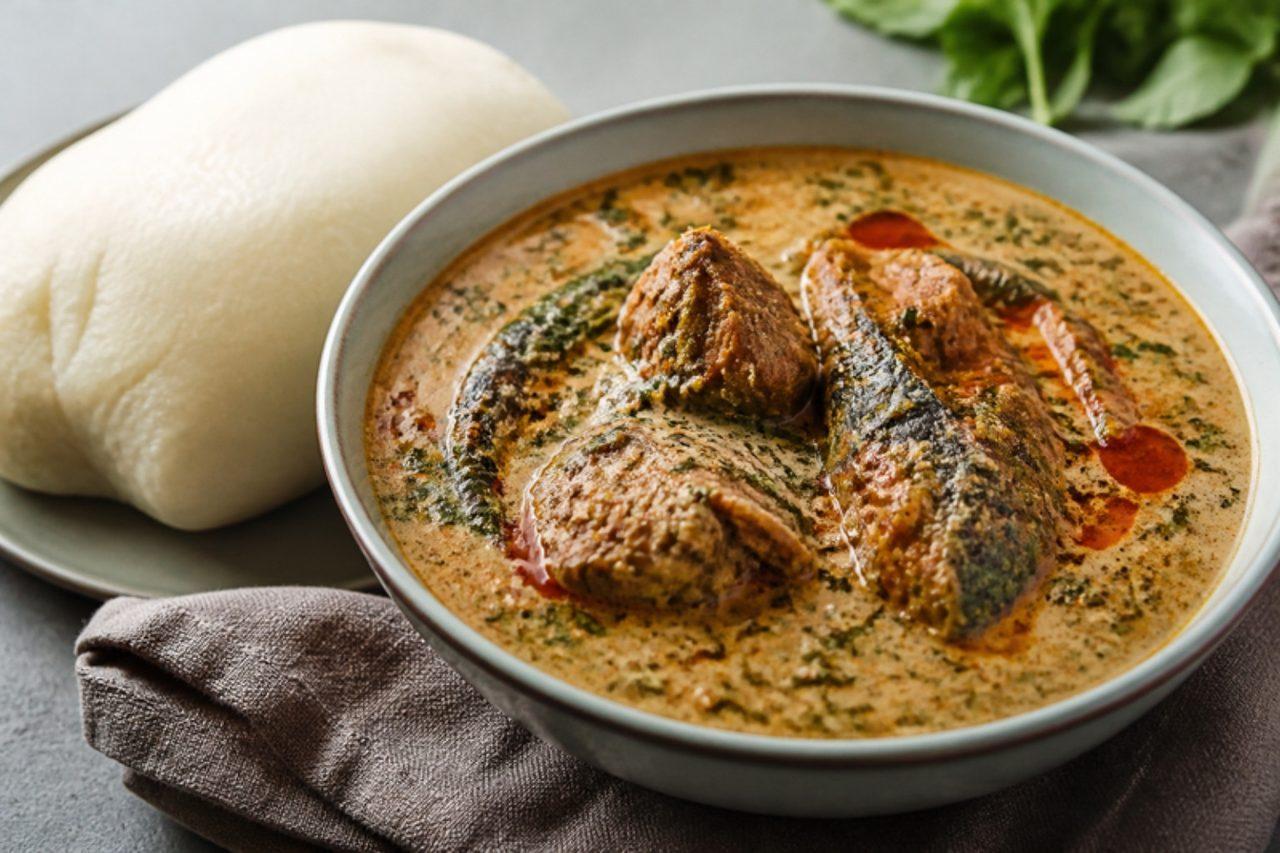
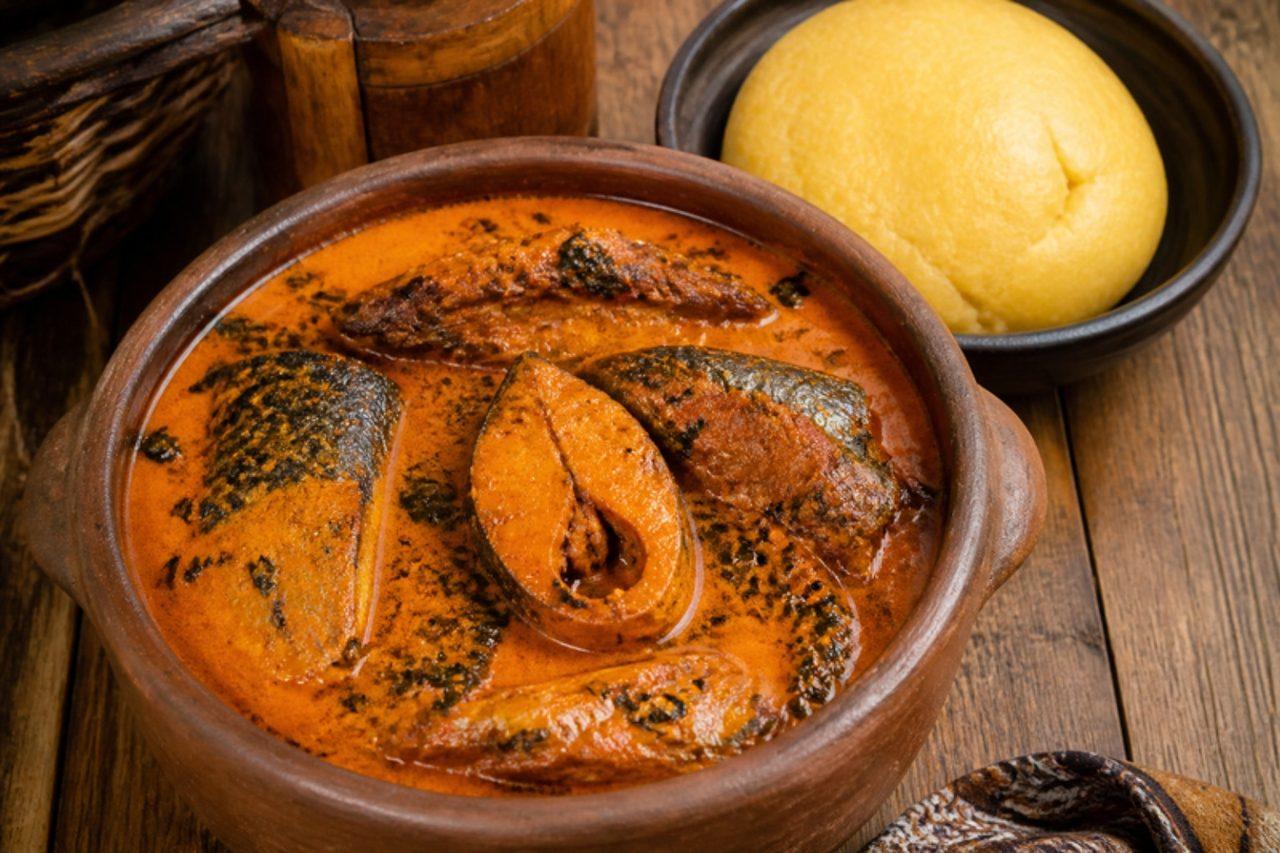
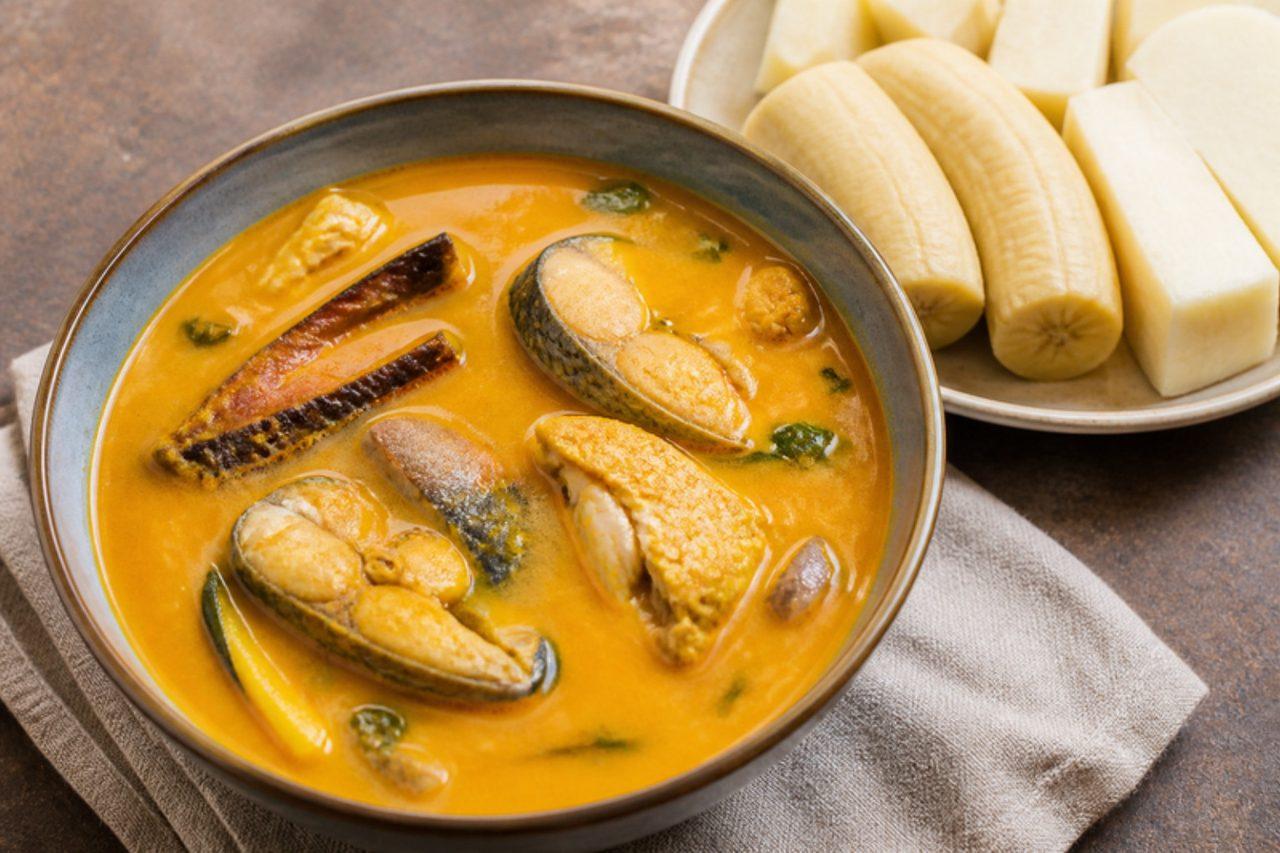
Across Warri, Sapele and the Urhobo and Itsekiri towns of Delta State, a pot of banga is what Sunday lunch smells like: fresh palm fruit boiled and pounded into a rich orange cream, then simmered with the region's own banga spice and the dried, slightly minty beletete leaf. Fresh catfish is the favourite fish, cooked gently so the steaks stay whole in a soup that is thick enough to coat a spoon but never pasty. It is eaten with Delta starch, eba or plain boiled rice, and leftovers often become 'banga rice' the next day. Tinned palm-fruit concentrate saves hours and gives a very good result. Chef's tip: once the fish goes in, shake the pot by its handles instead of stirring, so the soft catfish does not break into shreds.

by KrazyBadal 0 views

Peppered snail

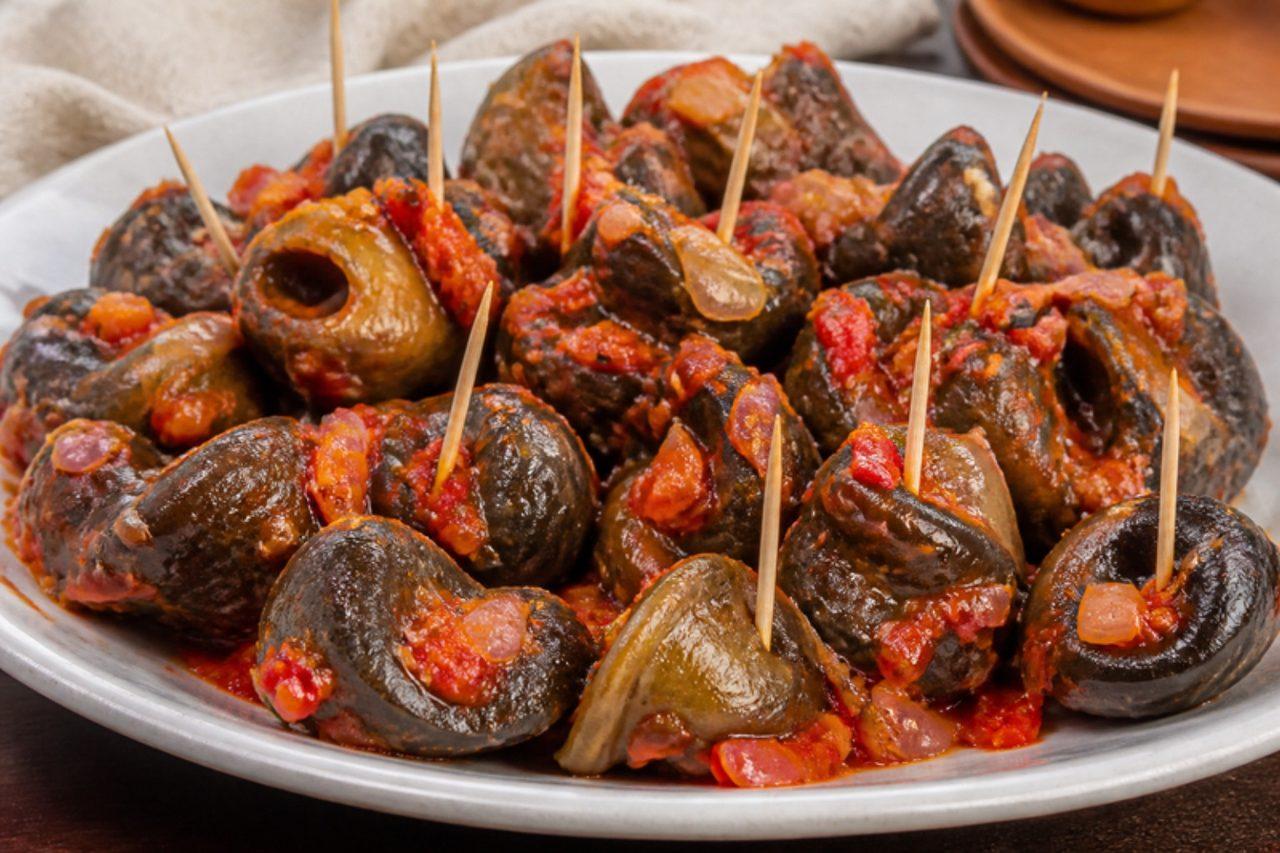
Peppered snail is a Yoruba delicacy, served on cocktail sticks at Lagos and Ibadan parties and in restaurants as a pricy small chop. The big African land snail has firm, meaty flesh like a cross between mushroom and clam; it is cleaned of its slime, boiled with seasoning, then fried briefly in a hot sauce of scotch bonnet and red pepper. Only use farmed snails that are sold cleaned and shelled, from a reputable African grocer or fishmonger; never collect wild snails, which can carry parasites. Cook them through, and wash your hands, boards and knives well after handling them raw. Chef's tip: do not skip the rubbing with lime and salt; leftover slime is the common mistake, and it makes the sauce cloudy and the snails slippery.

by KrazyBadal 0 views

AmandineChocolate sponge cakes

Every Bucharest cofetărie keeps a tray of amandine in the glass case, neat dark oblongs that generations of schoolchildren have bought with their pocket money. Despite the almond-sounding name there are no almonds in them: a cocoa sponge is split, soaked with a cocoa syrup, sandwiched with a rich chocolate custard buttercream and coated in a shiny ganache. Bakeries traditionally add rum to the syrup; this version is alcohol-free and uses vanilla and orange zest instead, though you can add 2 tablespoons of rum if you like. A common mistake is soaking the sponge while the syrup is still hot, which turns it to mush; both should be cool. Chef's tip: chill the filled cake until really firm before glazing and cutting, and wipe the knife hot between each cut for clean edges.

by KrazyBadal 0 views

Amala ko acharGooseberry pickle

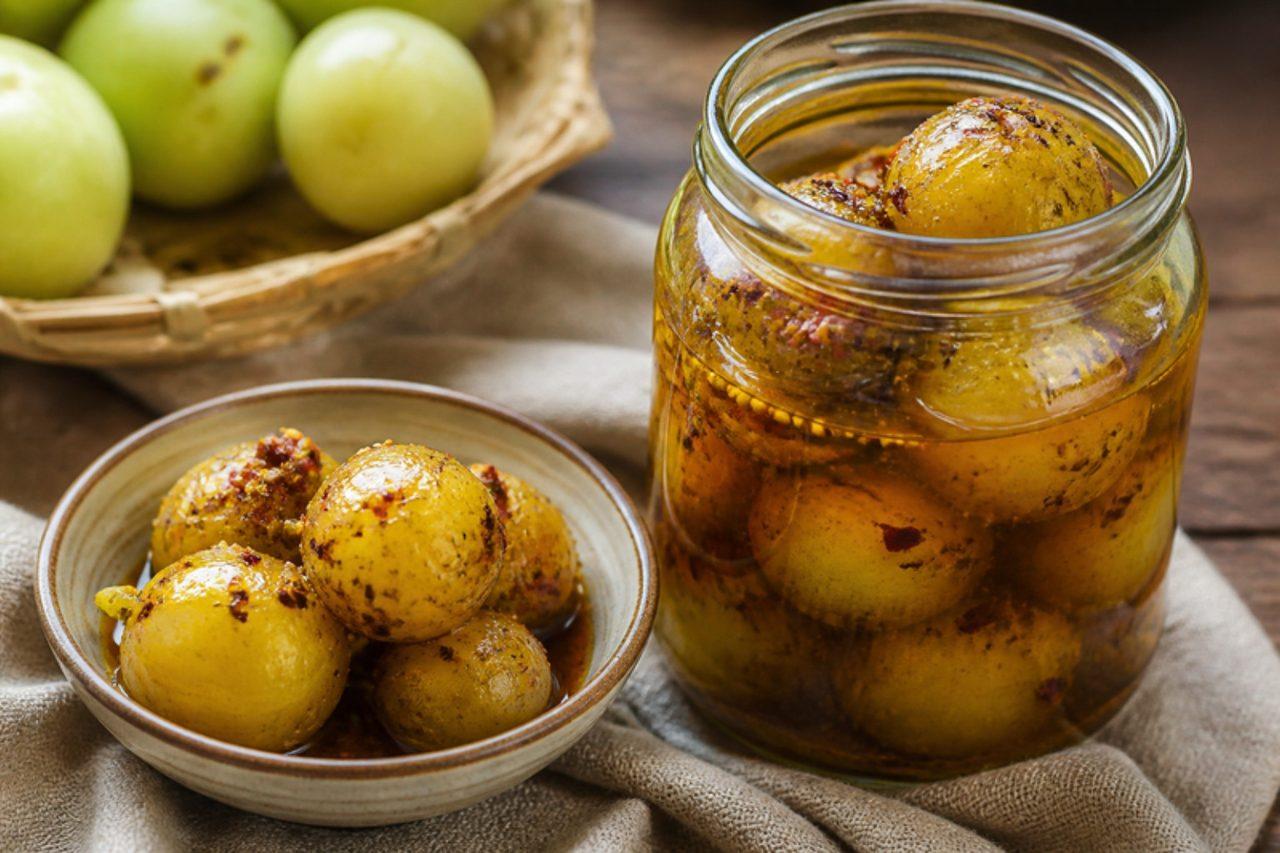
Amala trees grow wild across the Chure hills and the lower valleys of Nepal, and in winter the hard, translucent green gooseberries are piled high in vegetable markets in Kathmandu, Hetauda and Butwal, prized as a source of vitamin C during the cold months. Steamed until they split into neat segments, then mixed with chilli, turmeric, fenugreek and hot mustard oil, they make a pickle that is crunchy, astringent, sour and spicy all at once, with a lingering sweetness that comes up after each bite. A spoonful goes alongside dal bhat or with a plain bowl of rice porridge when someone is unwell. The trap to avoid is steaming the berries too long, which turns them mushy and dull. Chef's tip: stop as soon as the first cracks appear on the skins; the segments should pull off the stone easily but still have a firm bite.

by KrazyBadal 0 views

Tunisian octopus salad

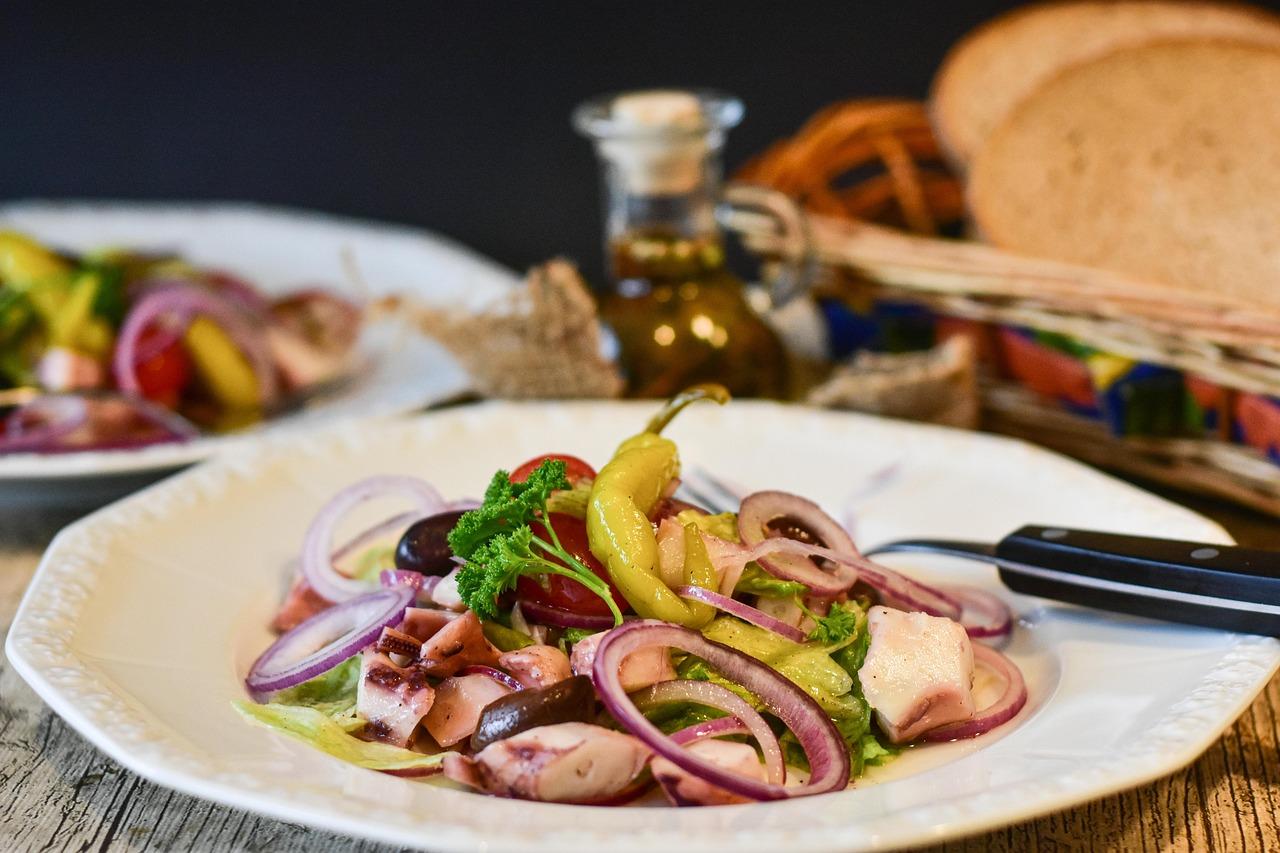
Fishermen of the Kerkennah islands, off Sfax, still catch octopus in clay pots laid on the shallow seabed, and in winter the season's catch turns up in harbour cafés and home kitchens as this simple salad. The octopus is simmered slowly until tender, cooled in its broth, then sliced and tossed with red onion, plenty of parsley, lemon juice and good olive oil, with a little harissa if you like. It is light, clean and briny, eaten as a starter with bread or on a summer table of salads and grilled fish. Buy octopus from a reputable fishmonger; frozen and thawed octopus is often more tender than fresh. A common mistake is boiling the octopus at a rolling boil, which makes it rubbery; keep it at a gentle simmer until a knife slides in easily. Chef's tip: let the cooked octopus cool in its cooking liquid for 20 minutes before slicing; it stays juicy rather than tightening up.

by KrazyBadal 0 views

Owo soup with fish

Owo looks almost like custard: palm oil is whisked with a little potash water until it turns from red to a creamy yellow, then thickened with cassava starch and seasoned with crayfish and pepper. Urhobo and Isoko homes in Delta State serve it with boiled unripe plantain or yam, which you dip and scoop rather than swallow, and it is a favourite on market days because it is quick once the fish is ready. Fresh or smoked fish both work; many cooks use both. Too much potash makes the soup soapy and bitter, so add the strained potash water little by little and stop as soon as the colour changes. The usual mistake is pouring in the potash too fast, which splits the palm oil instead of turning it smooth and yellow. Chef's tip: mix the starch with cold water first, then pour it into the pot in a thin stream while stirring, or it will set in lumps.

by KrazyBadal 0 views

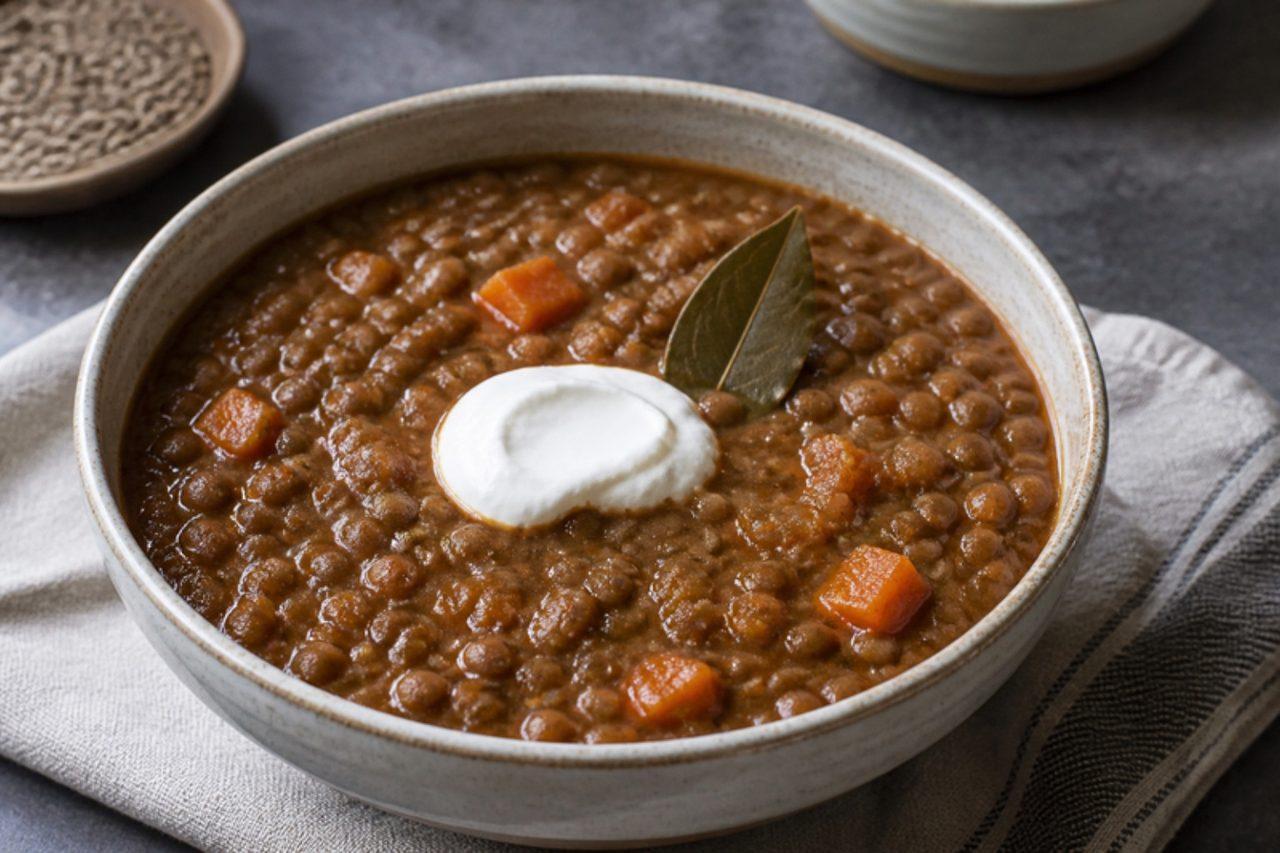
LencsefőzelékLentil stew

On New Year's Day all over Hungary, a pot of lencsefőzelék sits on the stove, because every lentil eaten is meant to bring a coin in the year ahead. The rest of the year it is an everyday Budapest canteen dish. Meat-eaters often top it with sausage or a fried egg; this version is fully plant-based and eaten with pickled vegetables and crusty bread. The lentils cook until creamy with a whole bay leaf, a little carrot and onion, then a paprika roux made with oil and a dash of vinegar turn them into a thick, savoury, gently sour stew. Where most people go wrong is making the roux too dark or adding paprika over high heat, which turns it bitter; take the pan off the heat first. Chef's tip: rest the finished stew for 10 minutes before serving; it thickens and the flavours settle.

by KrazyBadal 0 views

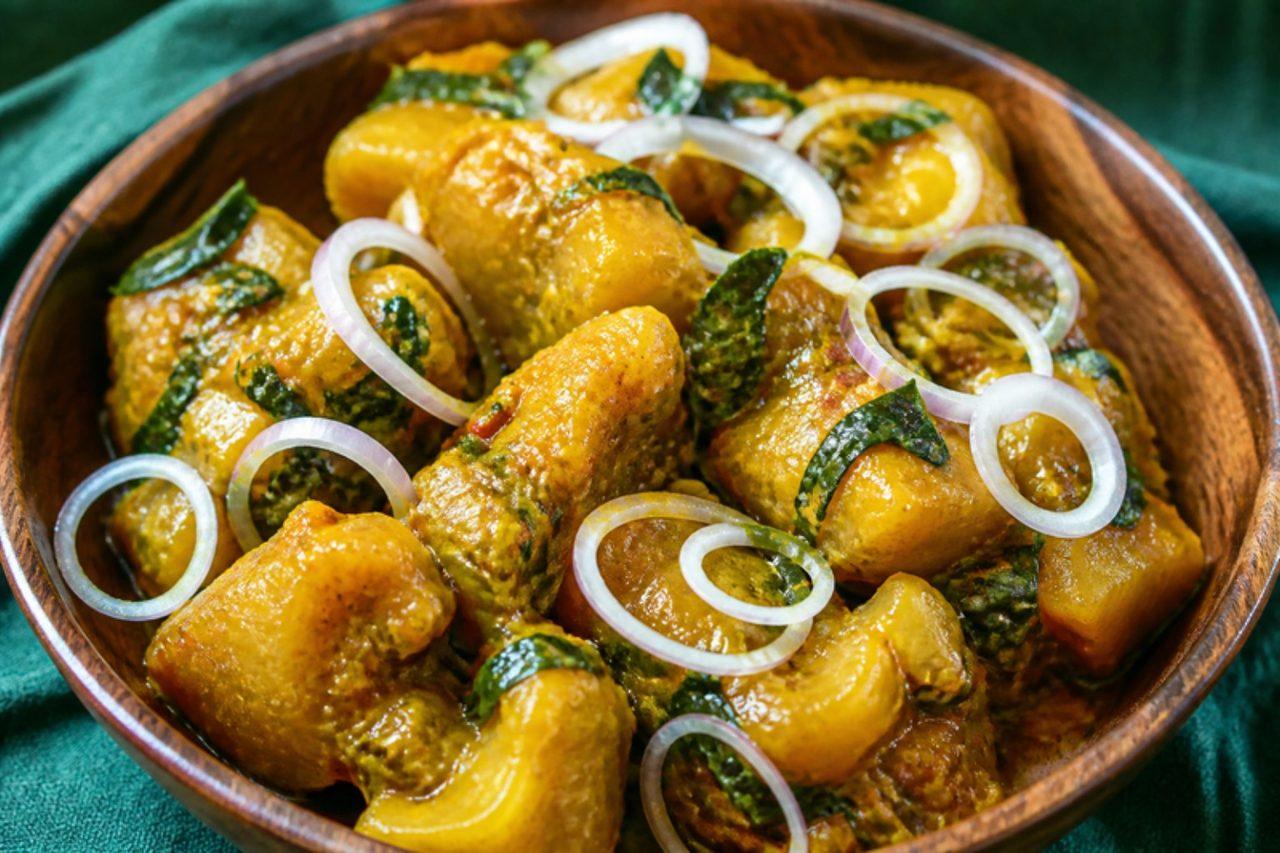
Nkwobi (cow foot in spicy palm-oil sauce)

Pieces of cow foot, cooked for hours until gelatinous and sticky, are what make nkwobi so popular in bars and small restaurants across Anambra, Enugu and Lagos. The meat is tossed in the same kind of thick, peppery palm-oil and potash sauce used for isi ewu, spiked with ehuru and crayfish, then finished with sliced onion and bitter utazi leaves. It is eaten as an evening dish in its wooden bowl, slowly, with plenty of conversation. Undercooking the cow foot is the mistake to avoid; it should be soft enough to pull from the bone with a fork, so give it the full time or use a pressure cooker. Chef's tip: add the potash liquid to the oil slowly and stop when the sauce is thick, as too much potash makes it taste soapy.

170 minNigerianMeatGluten freeSpicy
by KrazyBadal 0 views

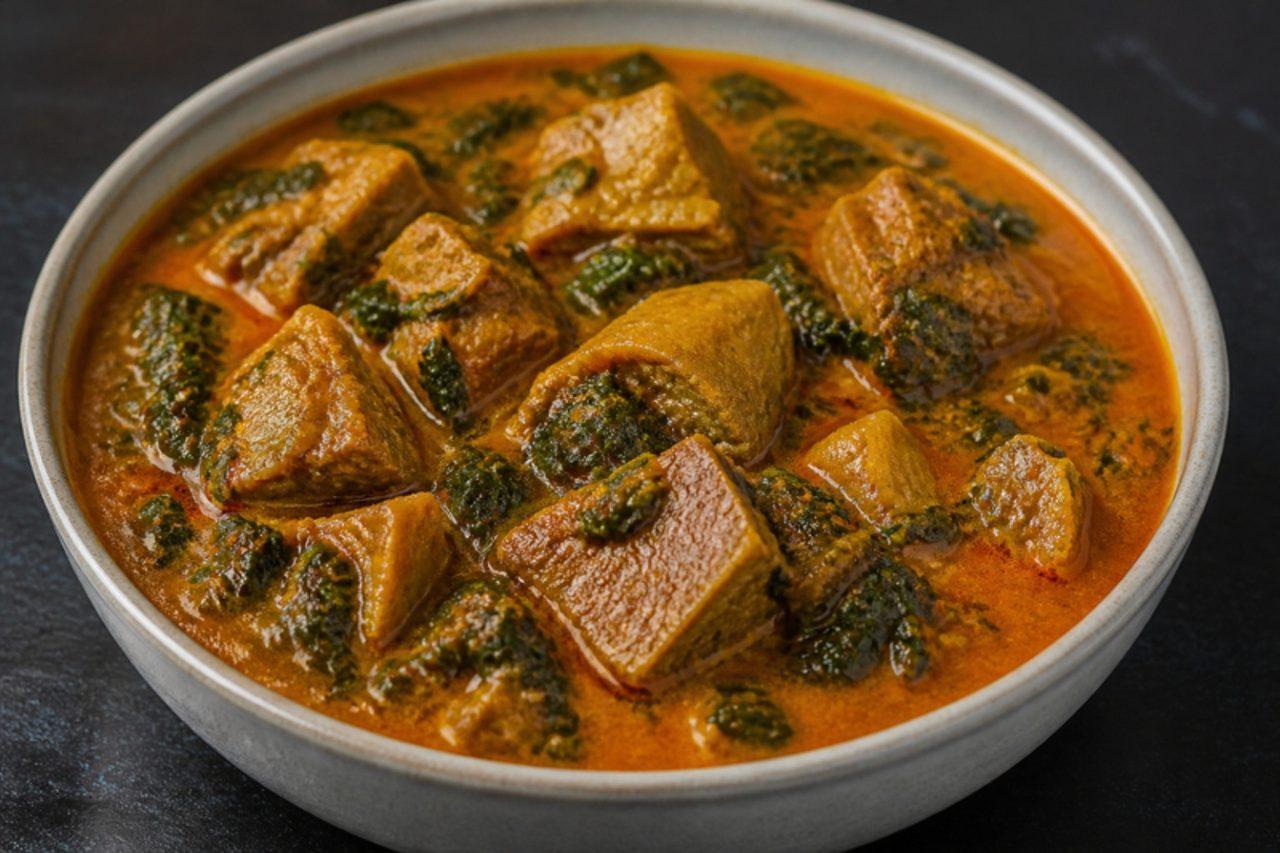
Ofe oha (oha leaf soup)

Tender oha leaves, with their mild, slightly sweet taste, are prized in Enugu and Anambra, and ofe oha is the soup many Igbo families bring out for Christmas, weddings and Sunday visits. Boiled cocoyam is pounded and melted into a palm-oil broth rich with beef, stockfish, dried fish and crayfish, giving a thick, velvety soup with the oha folded in at the very end, to eat with pounded yam, fufu or eba. Adding all the cocoyam at once is a frequent mistake that turns the soup gluey; add it in stages and stop at the thickness you want. Stockfish needs an overnight soak first unless you buy it pre-soaked. Chef's tip: tear oha leaves by hand rather than cutting them, as cooks traditionally do, and add them in the last 2 minutes.

120 minNigerianMeatGluten free
by KrazyBadal 0 views

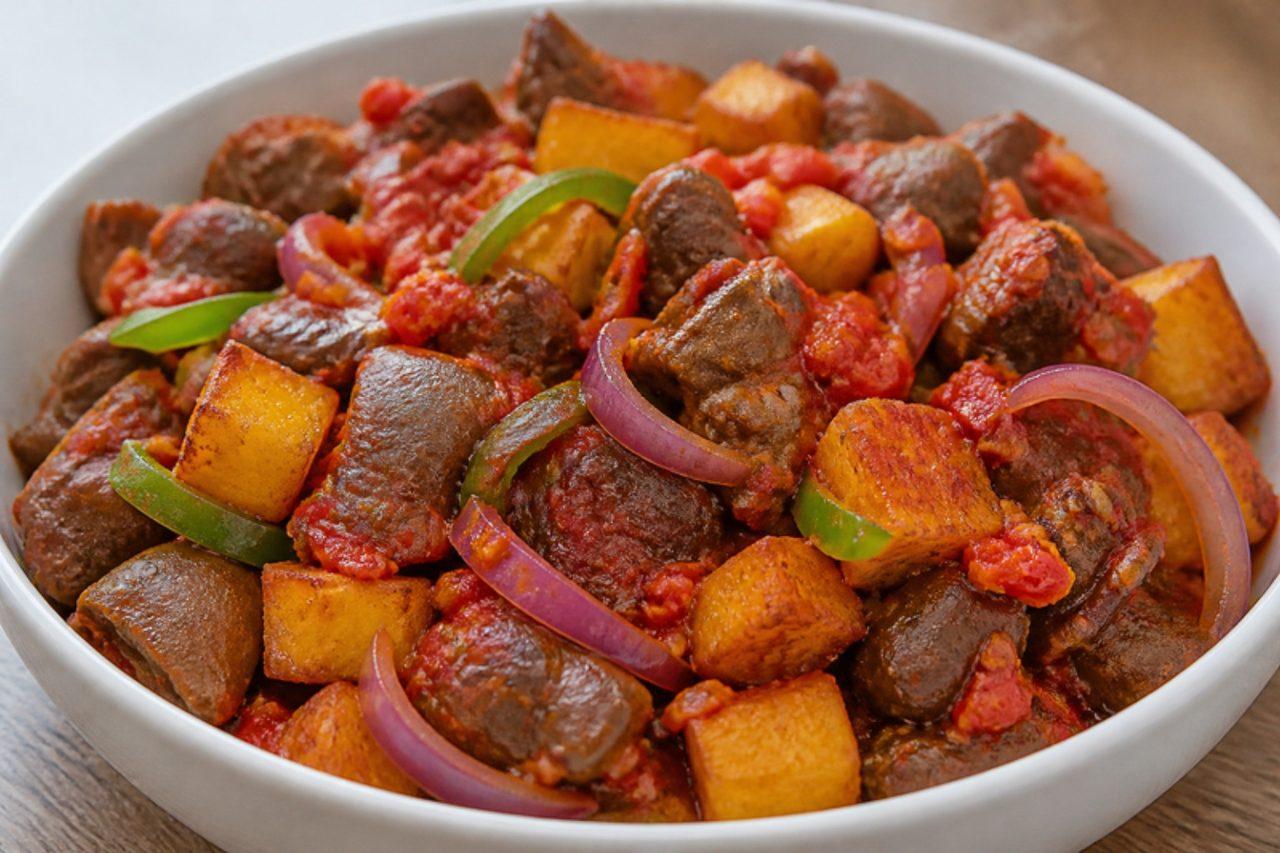
Gizdodo (gizzards and plantain in pepper sauce)

No Lagos owambe buffet is complete without a tray of gizdodo, where chewy fried chicken gizzards and caramelised cubes of ripe plantain (dodo) are tossed together in a glossy, fiery tatashe and scotch bonnet sauce. It is sweet, hot and savoury all at once, and served as a starter, a side to jollof or a snack. Gizzards must be boiled until tender before frying, and for safety they should reach 74°C in the thickest part, which they easily do by the end of the simmer. Frying plantain that is too green is a common mistake, leaving it starchy instead of sweet, so choose yellow fruit with black spots. Chef's tip: fry the plantain last, just before tossing, so it stays crisp-edged rather than soggy.

by KrazyBadal 0 views

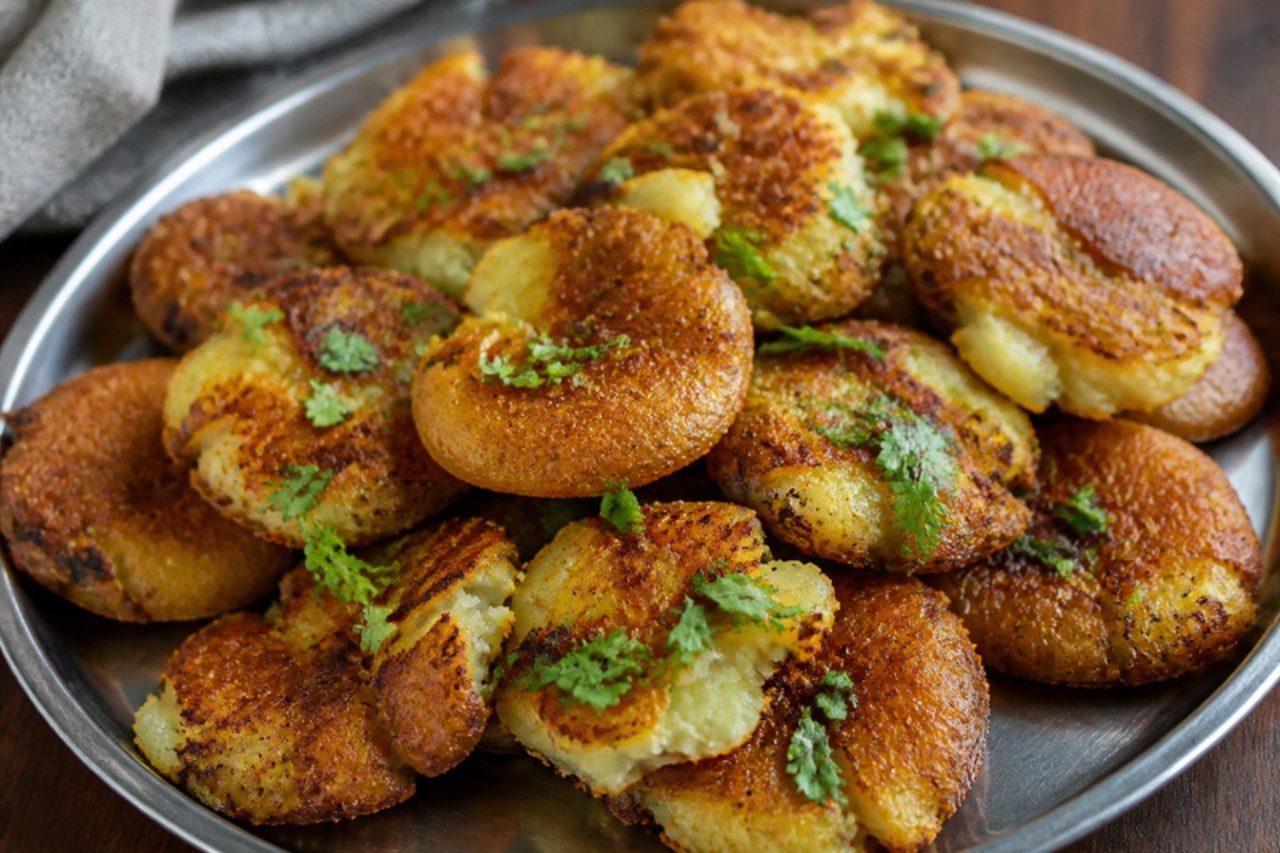
Aloo tukTwice-fried pressed potatoes

Aloo tuk is the crunch on a Sindhi plate, the thing children steal first: small potatoes boiled, fried, squashed flat and fried again until they are craggy and crisp at the edges and fluffy within, then showered with red chilli, tangy amchur and salt. In Sindhi homes from Karachi to Shikarpur they sit beside Sindhi kadhi and rice or dal and bhuga chawal, and they are also served on their own as a teatime snack with green chutney. The most common error is pressing the potatoes while they are still raw-centred or too hot and wet, which makes them tear instead of flatten neatly. Chef's tip: after the first fry let them cool for five minutes, then press each one under a flat-bottomed bowl so it cracks at the edges, since those cracks become the crispest bits. For children, go easy on the chilli and use more amchur.

by KrazyBadal 0 views

Kunun zaki (millet and ginger drink)

Chilled kunun zaki is what people reach for in the heat of Kano and Kaduna afternoons, and at Ramadan iftar it is one of the first things poured. Millet is soaked, ground with fresh ginger and cloves, then partly cooked; the uncooked portion stirred back in sweetens the drink naturally and gives it a light, refreshing tang. It is creamy-looking but thin, spicy at the back of the throat and best ice cold. Pouring boiling water over all the slurry is the classic mistake, since it stops the natural sweetening, so always keep a third raw. Chef's tip: start a day ahead (12 hours soaking, 4–6 hours resting) and strain twice through a fine cloth for a silky drink with no grit.

by KrazyBadal 0 views

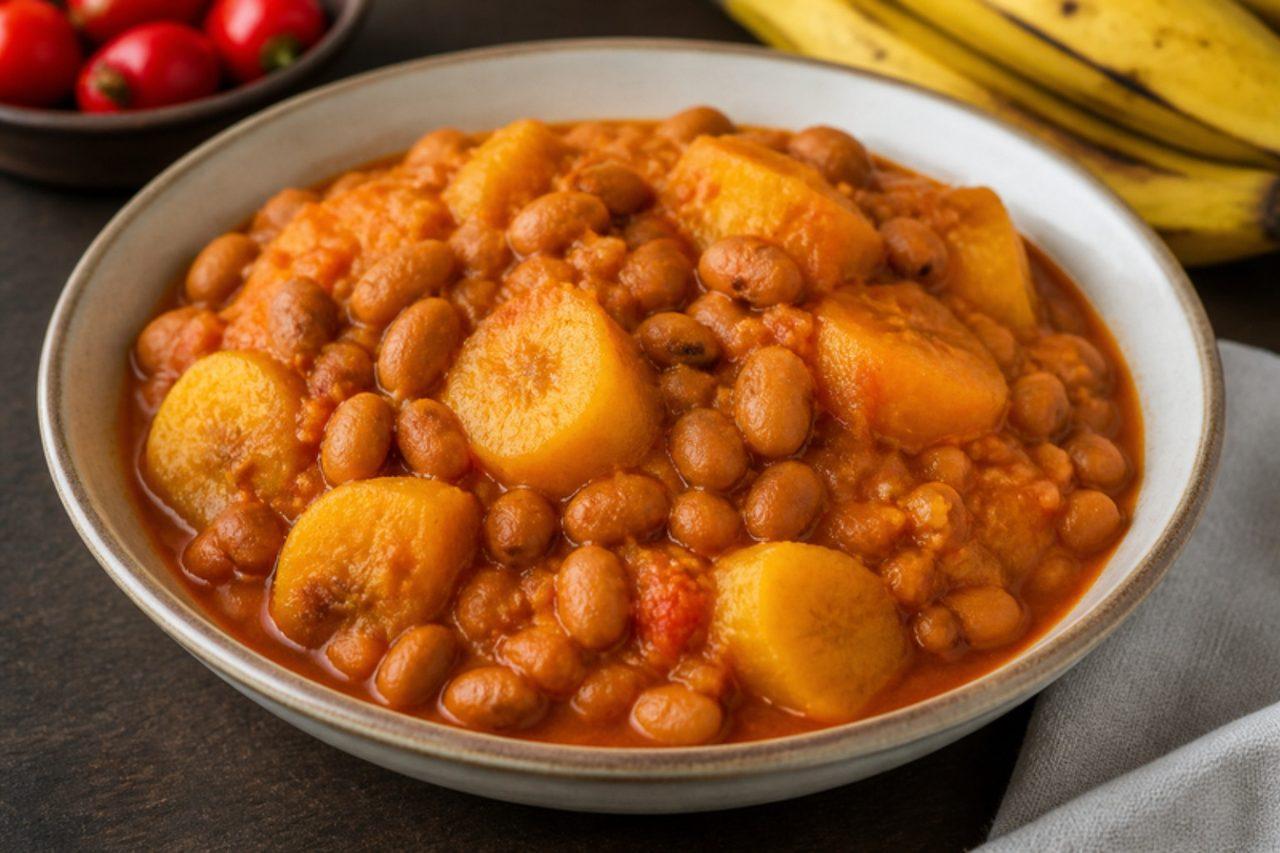
Beans and plantain porridge

A big pot of this sweet-and-savoury porridge feeds a family through Saturday breakfast and beyond, and it is cooked from Lagos to Port Harcourt. Brown or honey beans (oloyin) are boiled until they start to break up, then finished in palm oil with blended pepper, onion and chunks of ripe plantain, which melt into the beans and sweeten them. Crayfish is common in the pot; this version is vegan and still rich. Tomatoes and salt added too early slow the beans down, so stir in the pepper base only once they are soft. Avoid adding the plantain at the start: it collapses into mush before the beans are soft. Chef's tip: draining the first 10-minute boil of the beans makes them gentler on the stomach.

by KrazyBadal 0 views

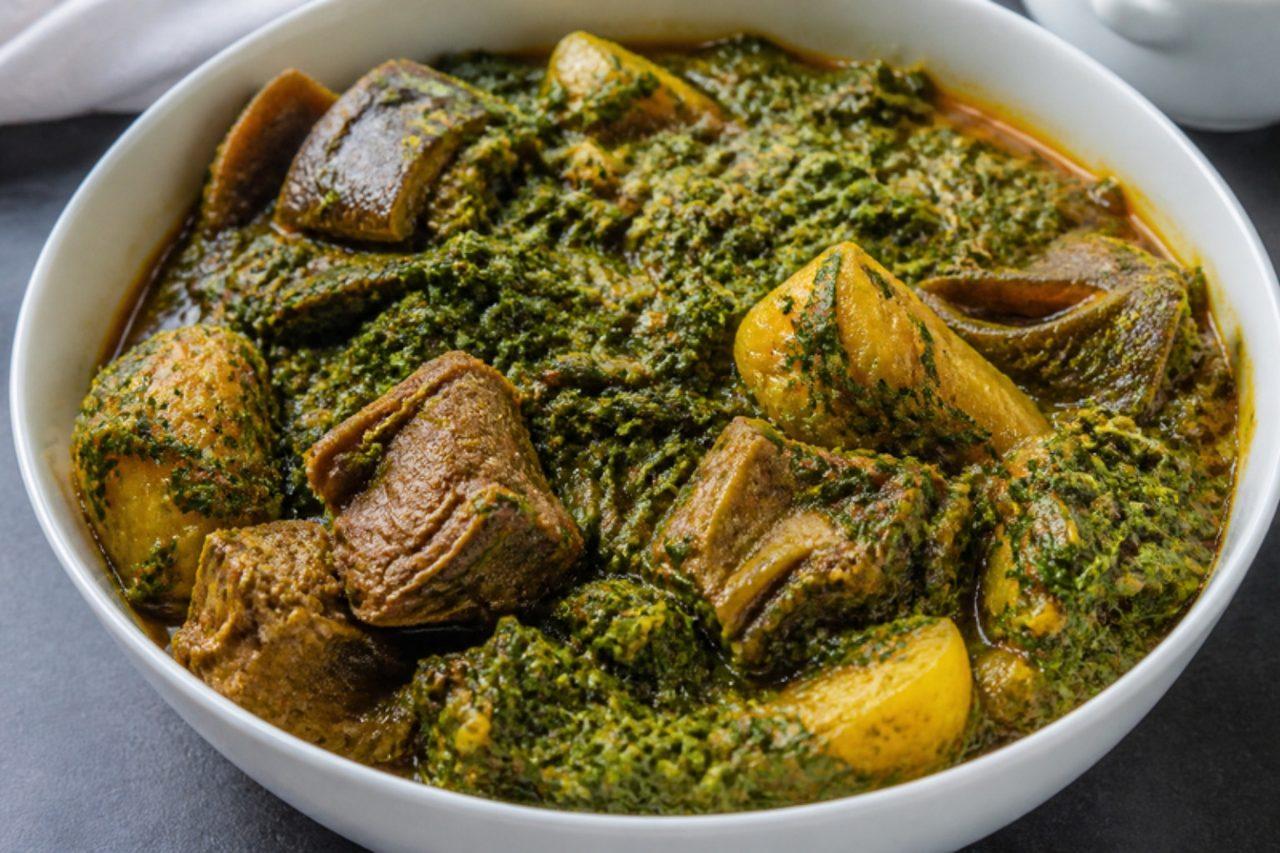
Ofe Owerri (festive ugu and okazi soup)

Owerri people speak of their soup with pride, and it is famous for how much goes into the pot: goat meat, tripe, stockfish and dried fish, simmered in palm oil and thickened with cocoyam, then finished with two leaves, chewy okazi and soft, sweet ugu. It is festive food for weddings, Christmas and big family gatherings across Imo State, and it is served with pounded yam or fufu. Adding the ugu too early is a common mistake that leaves the leaves dark and mushy; it goes in last, after the okazi has had time to soften. Stockfish needs an overnight soak first unless bought pre-soaked. Chef's tip: soak dried okazi in warm water for 10 minutes before cooking so it softens evenly.

140 minNigerianMeatGluten free
by KrazyBadal 0 views

Showing 63 of 7,888 recipes

Show more recipes

Page 350 of 877