


Skip to content
Pan amasado
Featured recipe

Pan amasado

Hand-kneaded country rolls

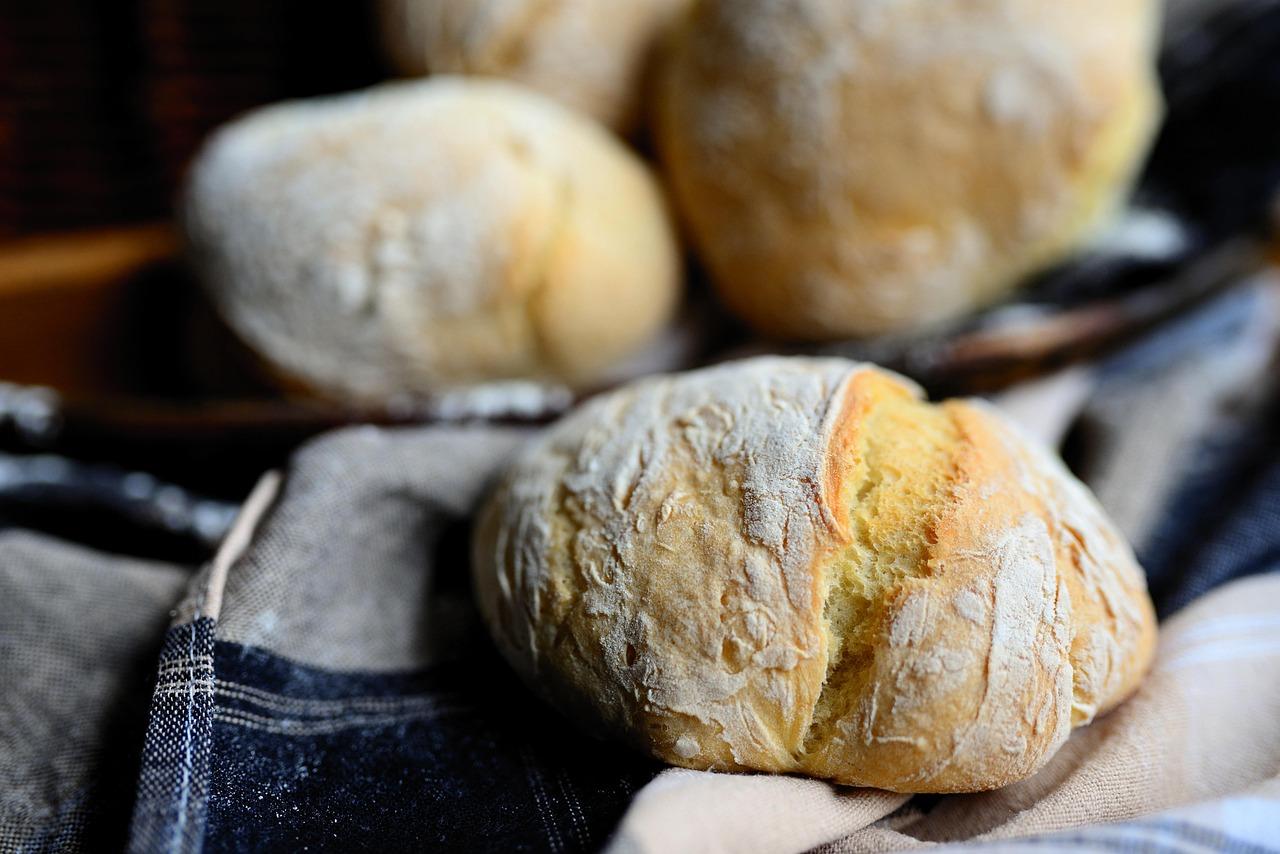
Pan amasado means simply 'kneaded bread', and in the countryside of the Central Valley and the south it is still made at home, in big batches, often baked in a mud-brick wood oven and sold by the side of the road in a basket under a cloth. The rolls are round, slightly flattened and pricked, with a thin crust and a dense, tender crumb, best warm with butter and jam or with pebre. Traditionally they are made with lard; this vegetarian version uses butter or vegetable shortening. Under-kneading is the usual mistake: the crumb stays heavy. Chef's tip: knead for a full 15 minutes, the way the name says, until the dough is smooth and springs back when poked.

Read more 0 views

What to eat today?

Around the world

Today's trip: Persian

A new country every day, from every cuisine on the site.

Persian

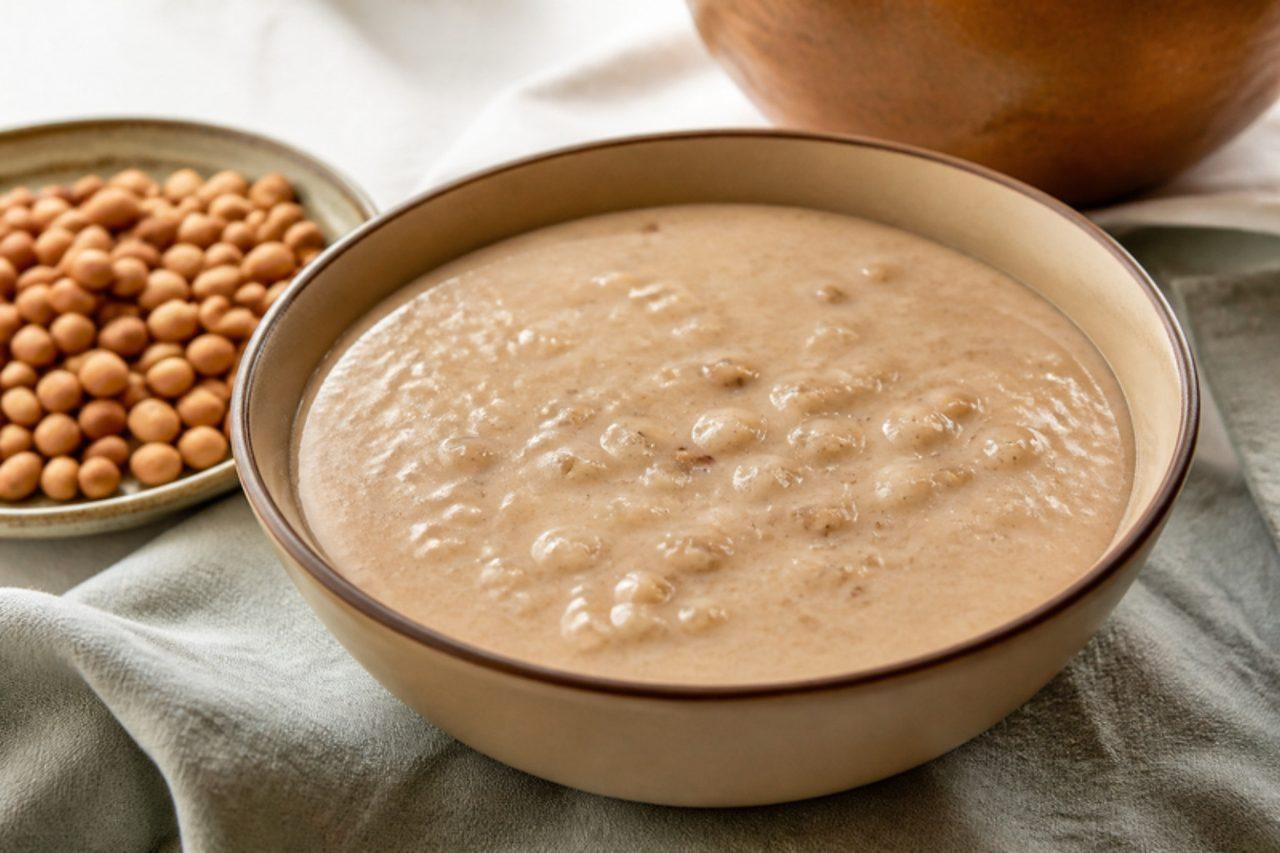
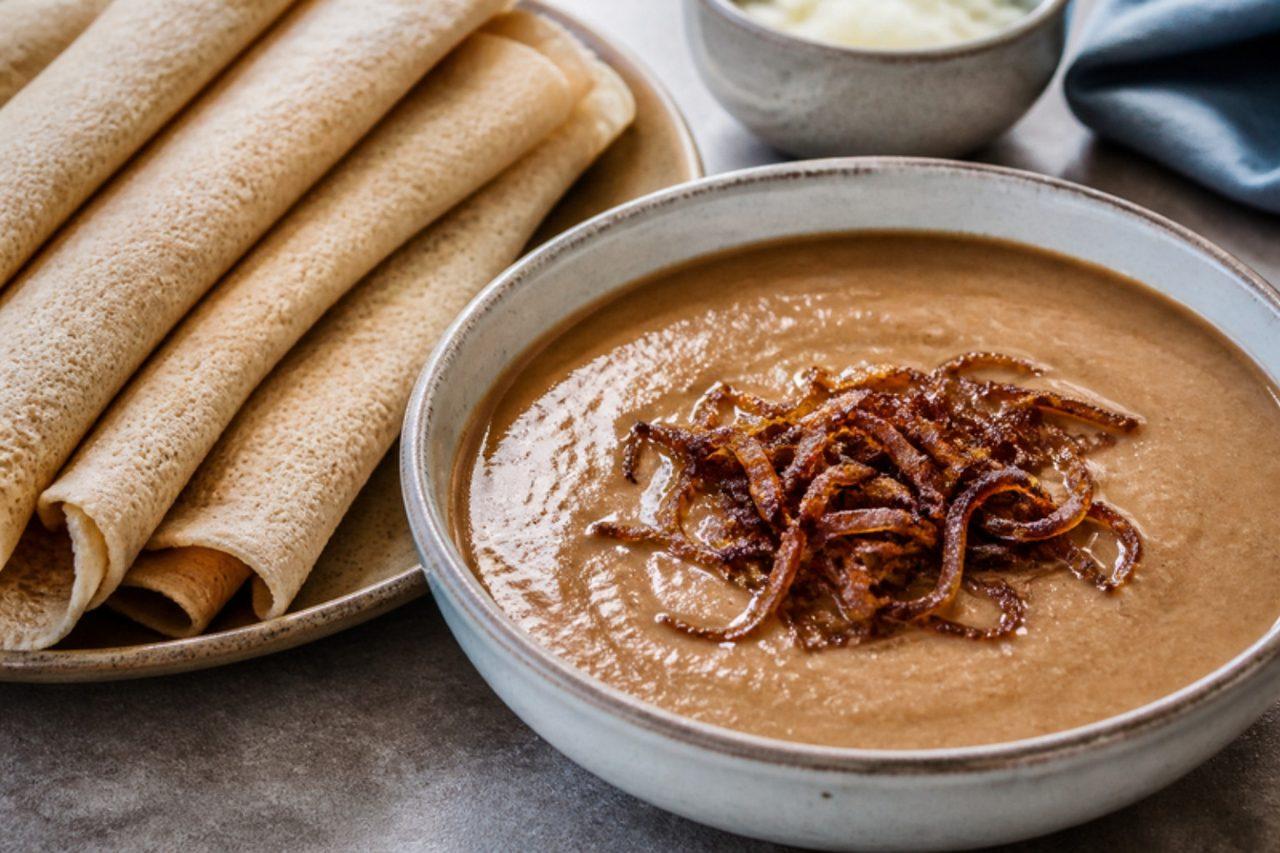
Ash-e doogh

Yogurt soup with rice and chickpeas 60 minMore from Persian (131) →

This week's collection

Kid-friendly dinners
537 recipes · a new collection every Monday

Latest recipes

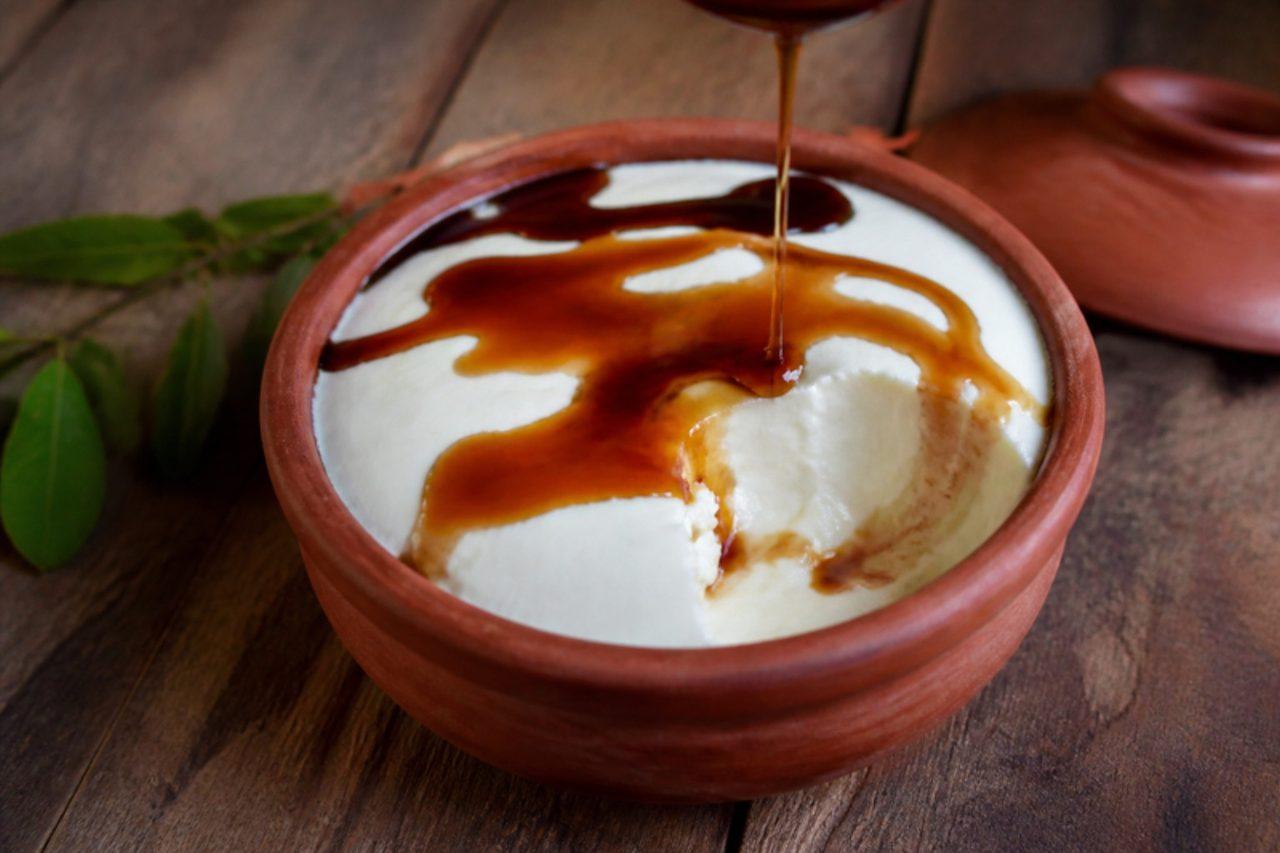
Curd and treacle

Driving the southern coast road past Tangalle towards Hambantota, you pass stall after stall stacked with round clay chatties of meekiri, the firm, slightly sour curd made from buffalo milk, with bottles of dark kithul treacle hanging beside them. Turned out into a bowl and flooded with treacle, it is the South's great dessert: cool, rich and tangy against the smoky, toffee-like sweetness of the palm syrup, eaten after lunch or as a snack in the heat of the day. Setting it at home is easy with pasteurised buffalo milk or creamy whole cow's milk, a spoon of live curd and a warm spot overnight. The mistake that ruins most first batches is adding the starter while the milk is still too hot, which kills the culture and leaves you with warm milk in the morning. Chef's tip: unglazed clay pots draw out a little whey, which is why traditional curd is so thick; soak them in water and dry them well before using.

by KrazyBadal 0 views

AkpanFermented corn drink

Street sellers in Cotonou and Porto-Novo keep akpan in cool boxes, ladled into cups or tied plastic bags as a mid-afternoon pick-me-up. The base is fermented maize starch cooked into a thick pap, then left to sour further until it tastes like a mild, slightly yeasty yoghurt; cold milk and sugar loosen it into a creamy drink you can sip or eat with a spoon. It is refreshing, tangy and filling, and many people treat it as a light meal on hot days. Budget a day for the second souring, though the hands-on time is under half an hour, and always use pasteurised milk and keep the finished drink in the fridge. Don't let the fermented base sit at room temperature for longer than stated; past that it sours too far. Chef's tip: sieve the slurry before cooking; any maize husk left in makes the drink gritty.

by KrazyBadal 0 views

Kogel-mogel

Ask anyone who grew up in a Warsaw block of flats about kogel-mogel and they will remember standing in the kitchen beating yolks and sugar in a mug with a teaspoon, waiting for it to turn pale. It is the simplest Polish treat: thick, mousse-like and very sweet, sometimes with cocoa, eaten from a glass with a spoon or dolloped on fruit. Because the yolks are raw, use pasteurised eggs, which most supermarkets sell as cartons of yolks or as pasteurised whole eggs. Even so, raw eggs are not for pregnant women, young children or anyone with a weakened immune system. The common mistake is stopping too soon; it needs a good 5 minutes of whisking until it doubles and almost all the sugar has dissolved. Chef's tip: use caster sugar, which disappears faster and gives a silkier result.

by KrazyBadal 0 views

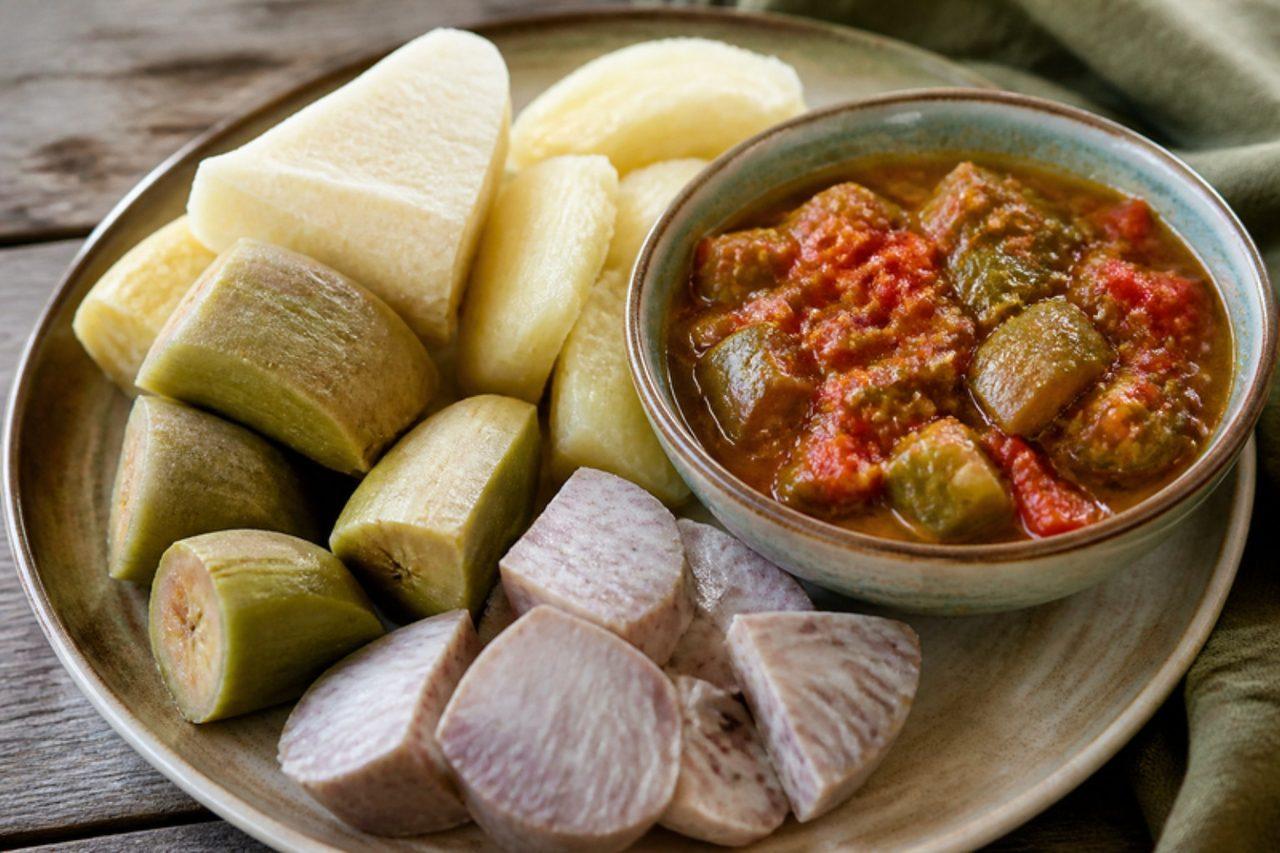
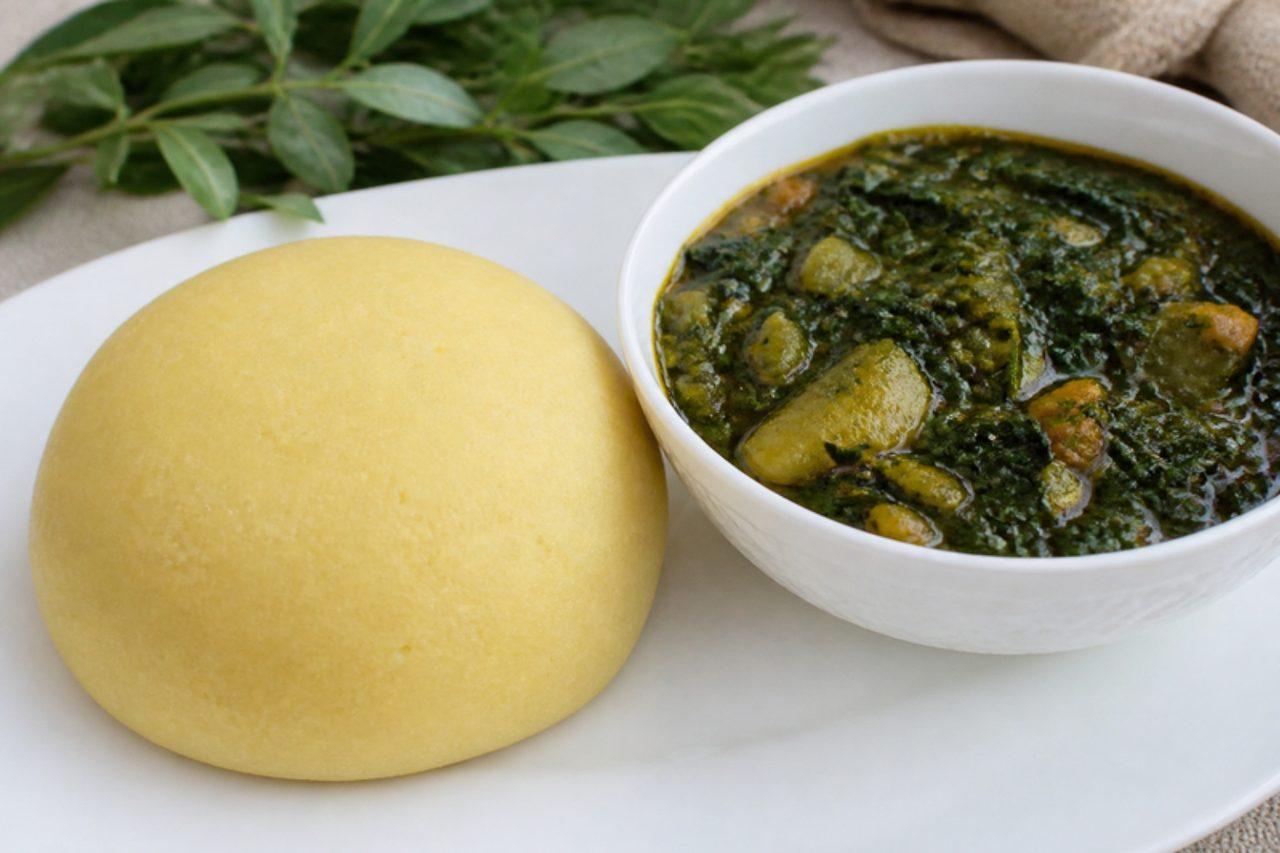
Ampesi with garden egg stew

Ampesi is about as plain and honest as Ashanti food gets: slices of yam, green plantain and cocoyam boiled until tender and eaten with a stew, here one made from garden eggs, the small white or green African eggplants sold by the bowlful in Kumasi markets. They are boiled, mashed and simmered with onion, tomato and pepper into a soft, slightly bitter, savoury stew with very little oil. Ghanaian homes often add fish or egg to it; this version is fully vegan and light. Asian or Thai aubergines are a good swap if you cannot get garden eggs. Chef's tip: boil the yam, plantain and cocoyam separately or add them in stages; cooking them together from the start is the common mistake, and the yam turns to mush before the plantain is done.

by KrazyBadal 0 views

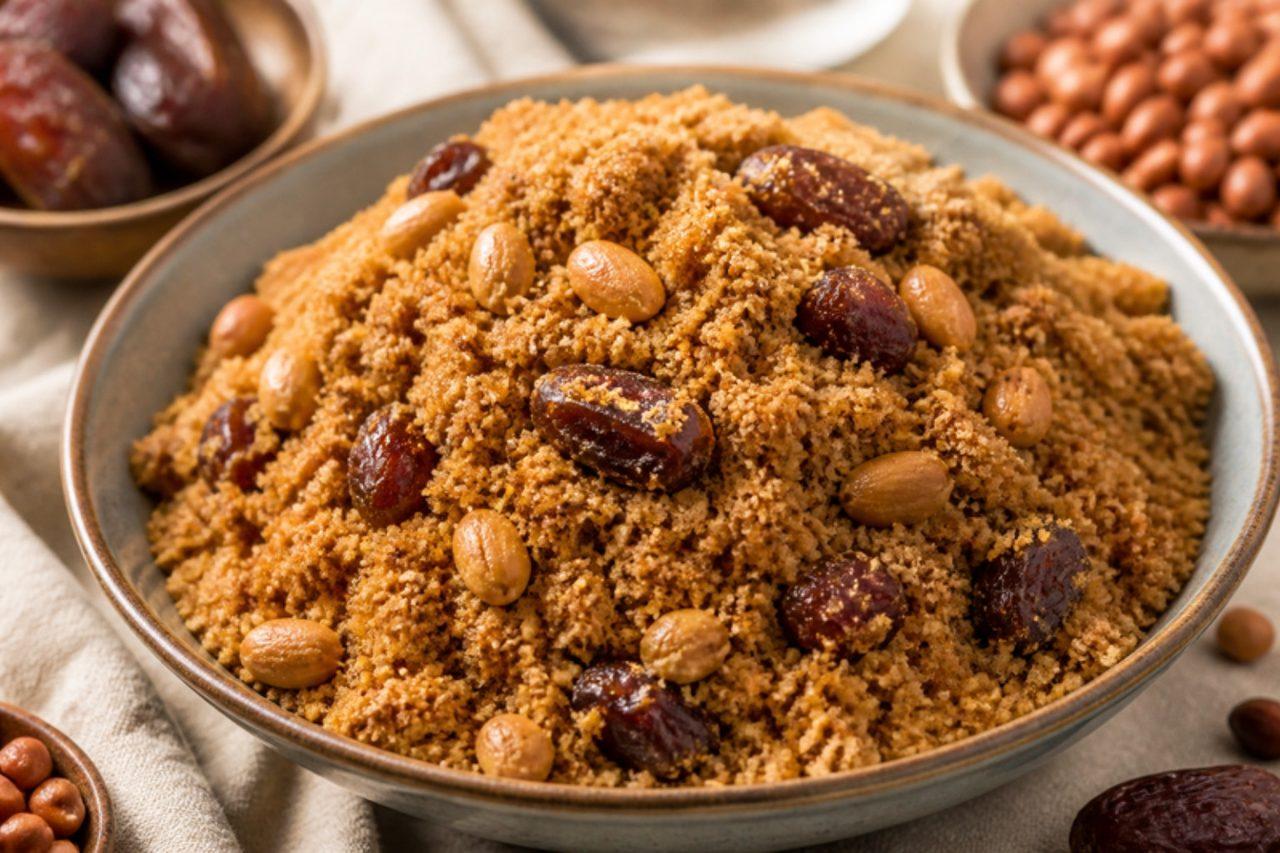
Mbourake (peanut and date bread crumble)

Yesterday's baguette never goes to waste in a Senegalese kitchen during Ramadan. Mbourake turns it into a rich, crumbly sweet: the bread is dried, rubbed to crumbs and pounded with roasted peanut paste and sugar until it clumps, then mixed with chopped dates and pressed into balls or served loose in a bowl at the ndogu, the evening meal that breaks the fast. Some families use steamed millet instead of bread. It tastes like a cross between peanut cookie dough and a date bar, sweet, nutty and filling, and it is good with a glass of café Touba or milk. Chef's tip: dry the bread fully until it snaps; soft bread gives a gummy paste instead of a light crumble.

by KrazyBadal 0 views

Lamugin (spiced ginger millet drink)

Around Tamale and across Northern Ghana, lamugin is the drink that bites back: millet flour stirred into ginger water spiked with cloves, black pepper and chilli, then sweetened and served very cold. Sellers keep it in sachets or calabashes at markets and roadside stands, and it is handed round at gatherings and during Ramadan evenings. It is cloudy and slightly thick from the millet, with a sweet start and a long peppery warmth. This version is non-alcoholic and cooks the millet briefly so it tastes clean rather than raw. Chef's tip: pass the ginger water through a fine cloth before adding the millet, so the drink stays smooth instead of stringy.

by KrazyBadal 0 views

Asaana (caramelised corn drink)

Chilled in plastic bottles and sold from cool boxes at lorry parks, schools and roadside stalls, asaana is one of the most loved soft drinks in Ghana. Maize is soaked, ground and left to sour for a day, then boiled and strained, and the pale liquid is coloured and sweetened with sugar caramelised almost to bitterness. The result is tangy, toasty and refreshing, a little like a light malt drink. Boiling after the souring stops the fermentation, so asaana is a non-alcoholic drink. It needs about two days of mostly hands-off waiting. Chef's tip: take the caramel to a deep mahogany colour before adding water; pale caramel is the usual mistake and gives a flat, sugary drink without the classic toasted edge.

by KrazyBadal 0 views

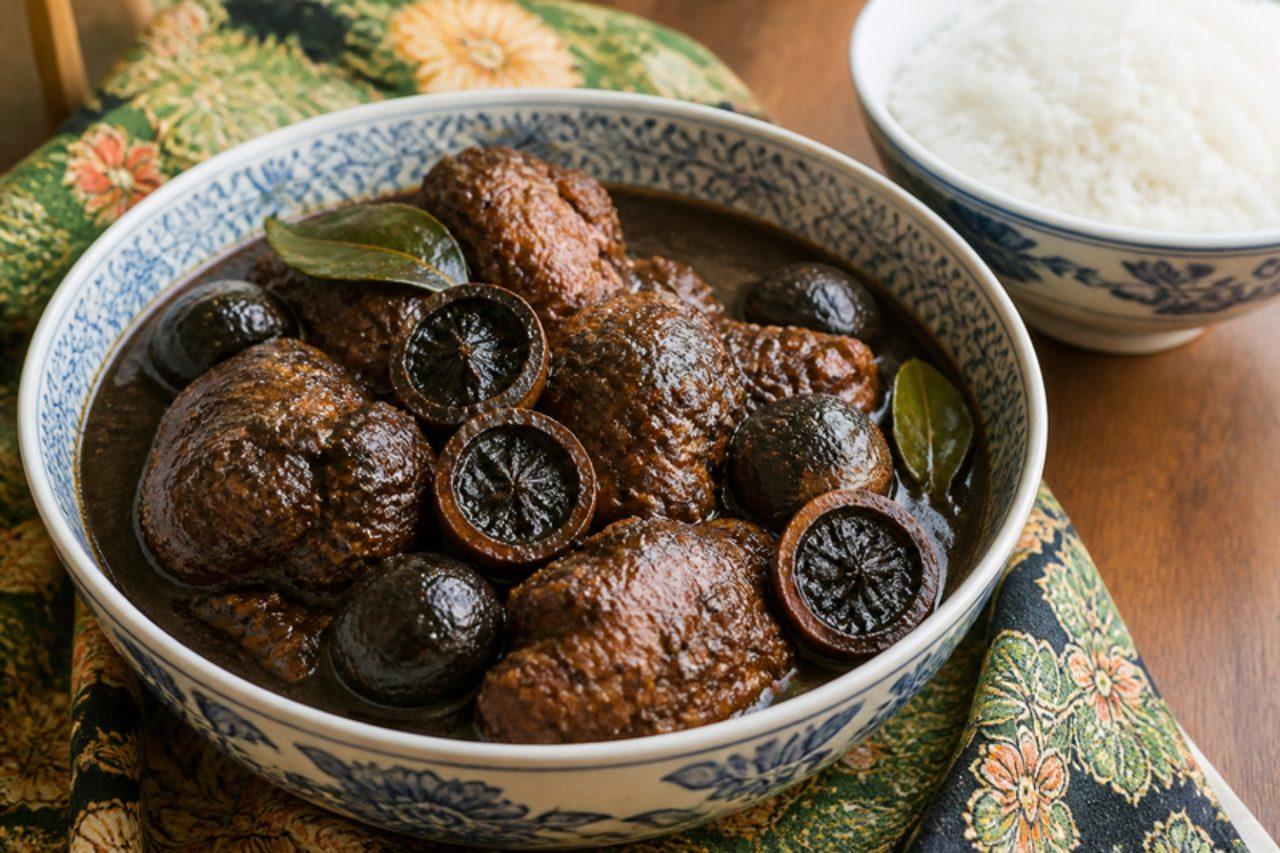
Ayam buah keluakChicken with black keluak nuts

Ask any Peranakan family in Singapore which dish defines the Nyonya table and most will name this one, cooked for Chinese New Year, ancestral offerings and big birthday lunches. Chicken is braised in a sour tamarind gravy built on a long-fried rempah of chillies, shallots, galangal, lemongrass and shrimp paste, together with buah keluak, the hard black nut of the kepayang tree, whose inky flesh tastes of dark chocolate, mushroom and olive. Diners dig the paste out with a teaspoon and stir it into rice. Raw keluak nuts contain hydrogen cyanide and are poisonous: use only cleaned, pre-soaked nuts sold ready to cook, and still soak them for several days, changing the water every day, as the seller's instructions say. The mistake people regret is skimping on that soak, which leaves the nuts bitter as well as unsafe. Chef's tip: cook it a day ahead; the gravy darkens and the flavours deepen overnight.

by KrazyBadal 0 views

Tunisian octopus salad

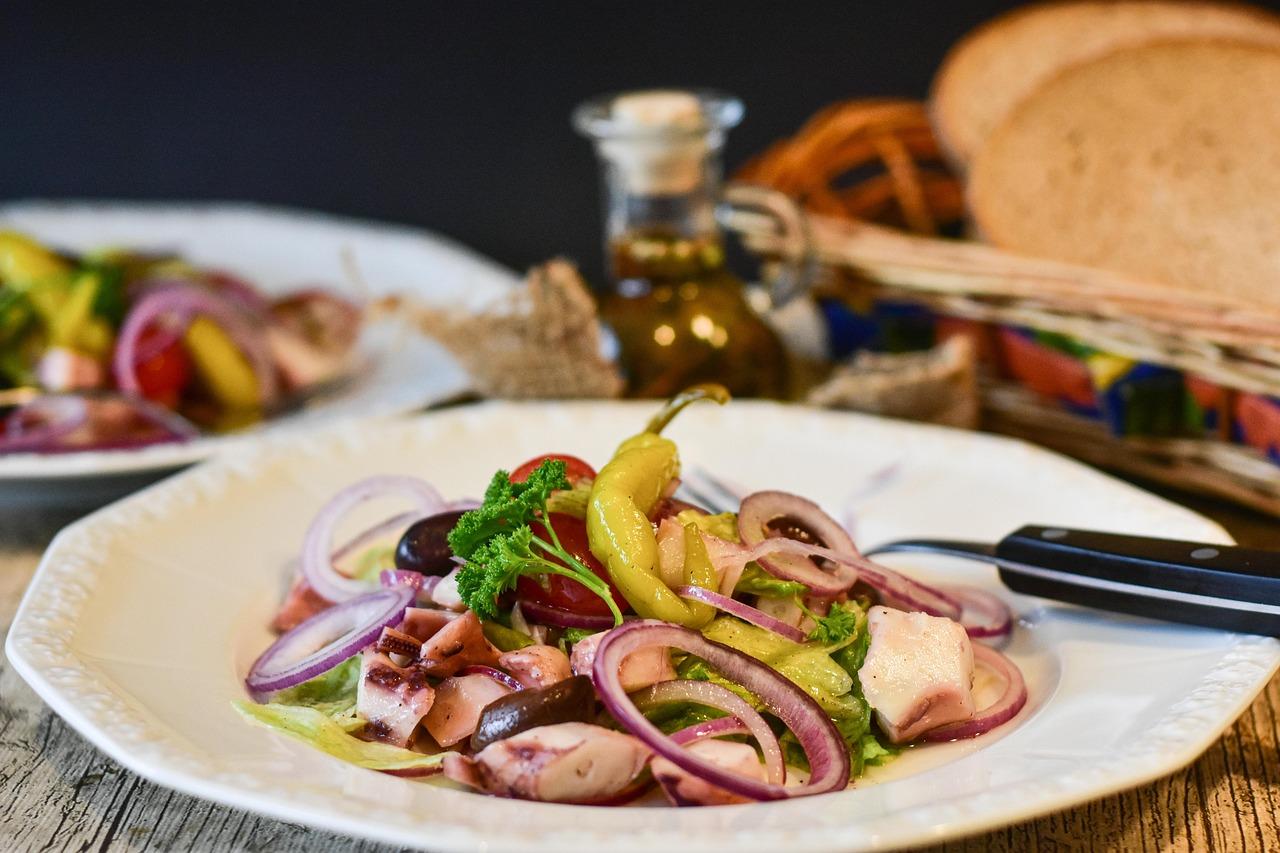
Fishermen of the Kerkennah islands, off Sfax, still catch octopus in clay pots laid on the shallow seabed, and in winter the season's catch turns up in harbour cafés and home kitchens as this simple salad. The octopus is simmered slowly until tender, cooled in its broth, then sliced and tossed with red onion, plenty of parsley, lemon juice and good olive oil, with a little harissa if you like. It is light, clean and briny, eaten as a starter with bread or on a summer table of salads and grilled fish. Buy octopus from a reputable fishmonger; frozen and thawed octopus is often more tender than fresh. A common mistake is boiling the octopus at a rolling boil, which makes it rubbery; keep it at a gentle simmer until a knife slides in easily. Chef's tip: let the cooked octopus cool in its cooking liquid for 20 minutes before slicing; it stays juicy rather than tightening up.

by KrazyBadal 0 views

AwazeBerbere chilli dipping paste

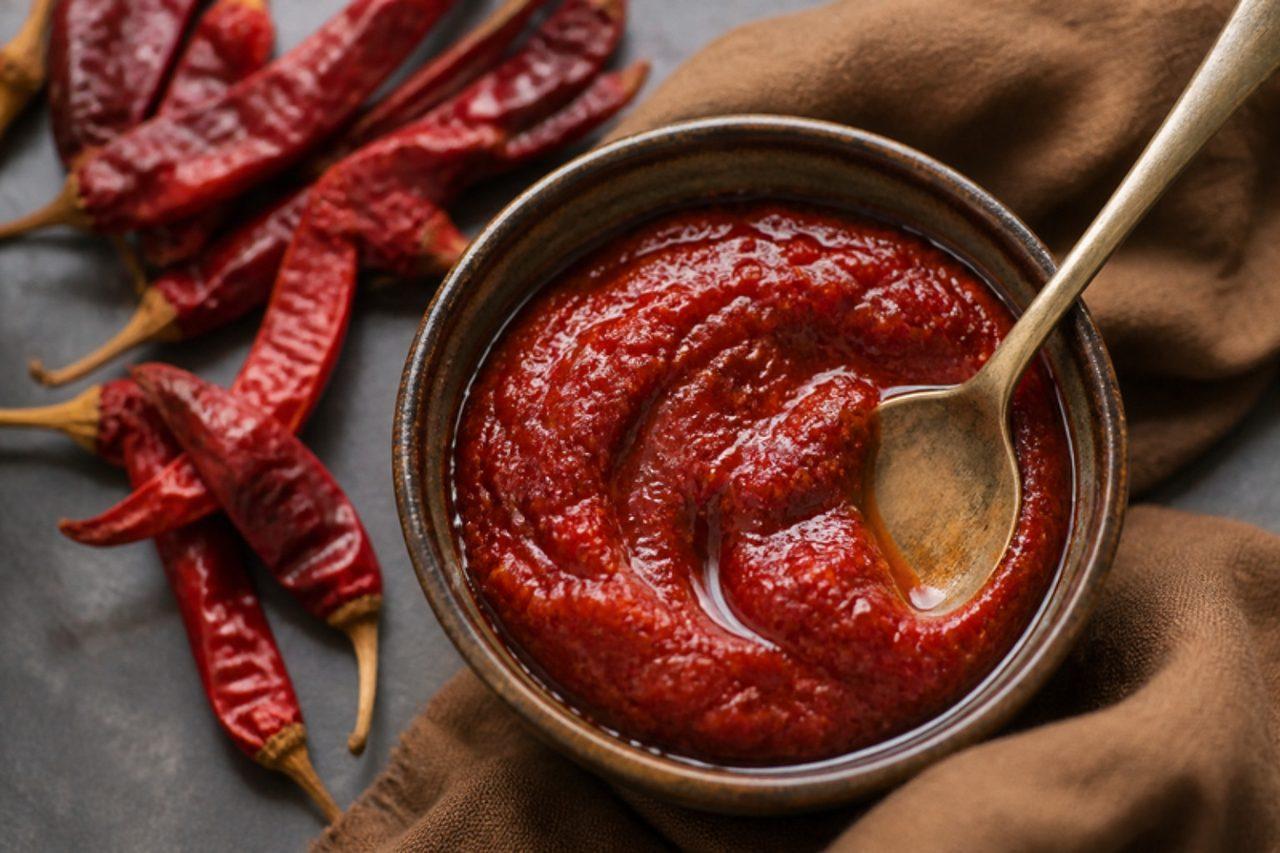
Wherever tibs are fried or meat is grilled in Ethiopia, from roadside butcher-restaurants on the edge of Addis Ababa to wedding feasts, a small dish of brick-red awaze sits beside it. It is berbere turned into a thick, glossy paste: hot, garlicky, a little sharp from lemon, with a rounded warmth from the spices. Strips of meat are dabbed into it, it is stirred into a pan of tibs at the last moment, and a spoon of it livens up plain lentils too. Some cooks loosen it with tej (honey wine) or red wine, both of which contain alcohol; this version uses water and lemon juice and is entirely alcohol-free. Chef's tip: let it rest for an hour before using; the raw edge of the chilli softens and the garlic mellows into the paste.

by KrazyBadal 0 views

LencsefőzelékLentil stew

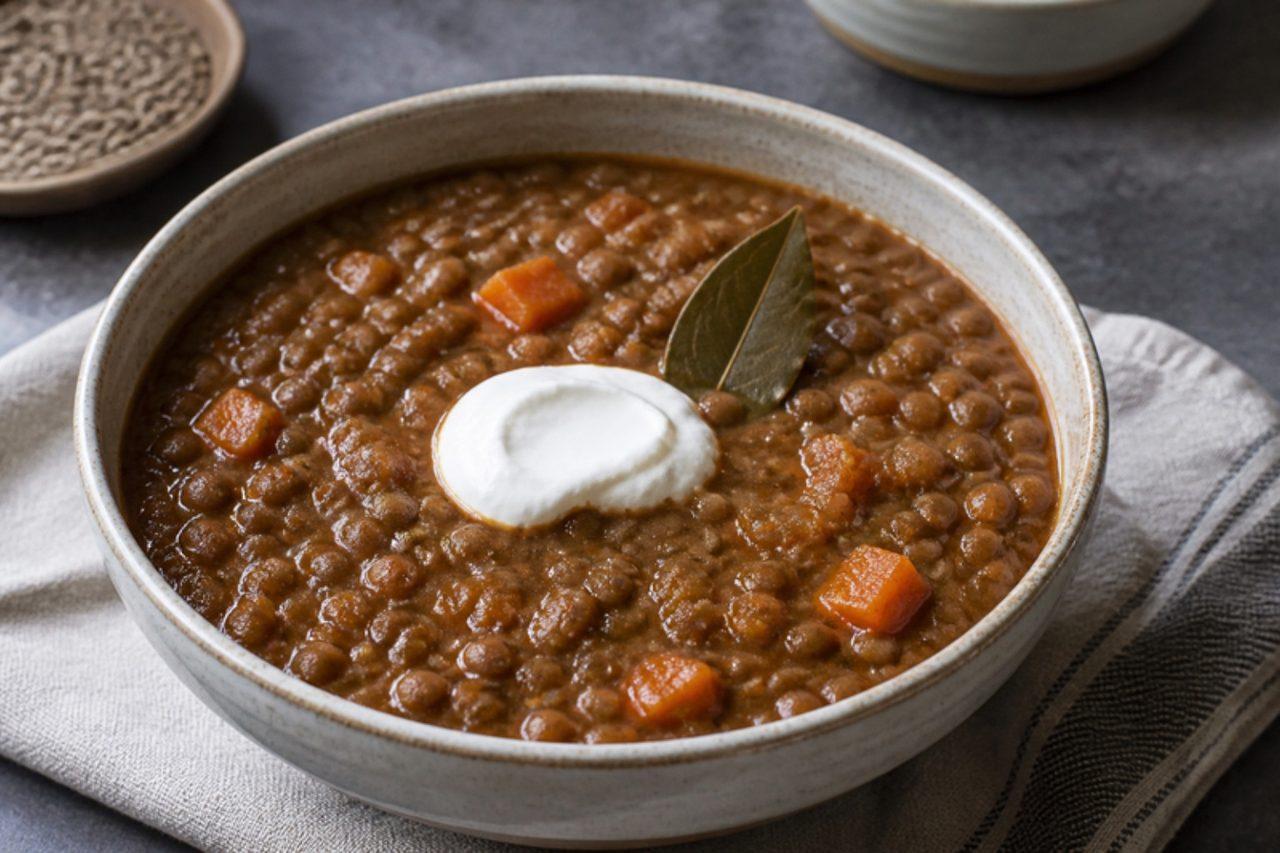
On New Year's Day all over Hungary, a pot of lencsefőzelék sits on the stove, because every lentil eaten is meant to bring a coin in the year ahead. The rest of the year it is an everyday Budapest canteen dish. Meat-eaters often top it with sausage or a fried egg; this version is fully plant-based and eaten with pickled vegetables and crusty bread. The lentils cook until creamy with a whole bay leaf, a little carrot and onion, then a paprika roux made with oil and a dash of vinegar turn them into a thick, savoury, gently sour stew. Where most people go wrong is making the roux too dark or adding paprika over high heat, which turns it bitter; take the pan off the heat first. Chef's tip: rest the finished stew for 10 minutes before serving; it thickens and the flavours settle.

by KrazyBadal 0 views

Amala ko acharGooseberry pickle

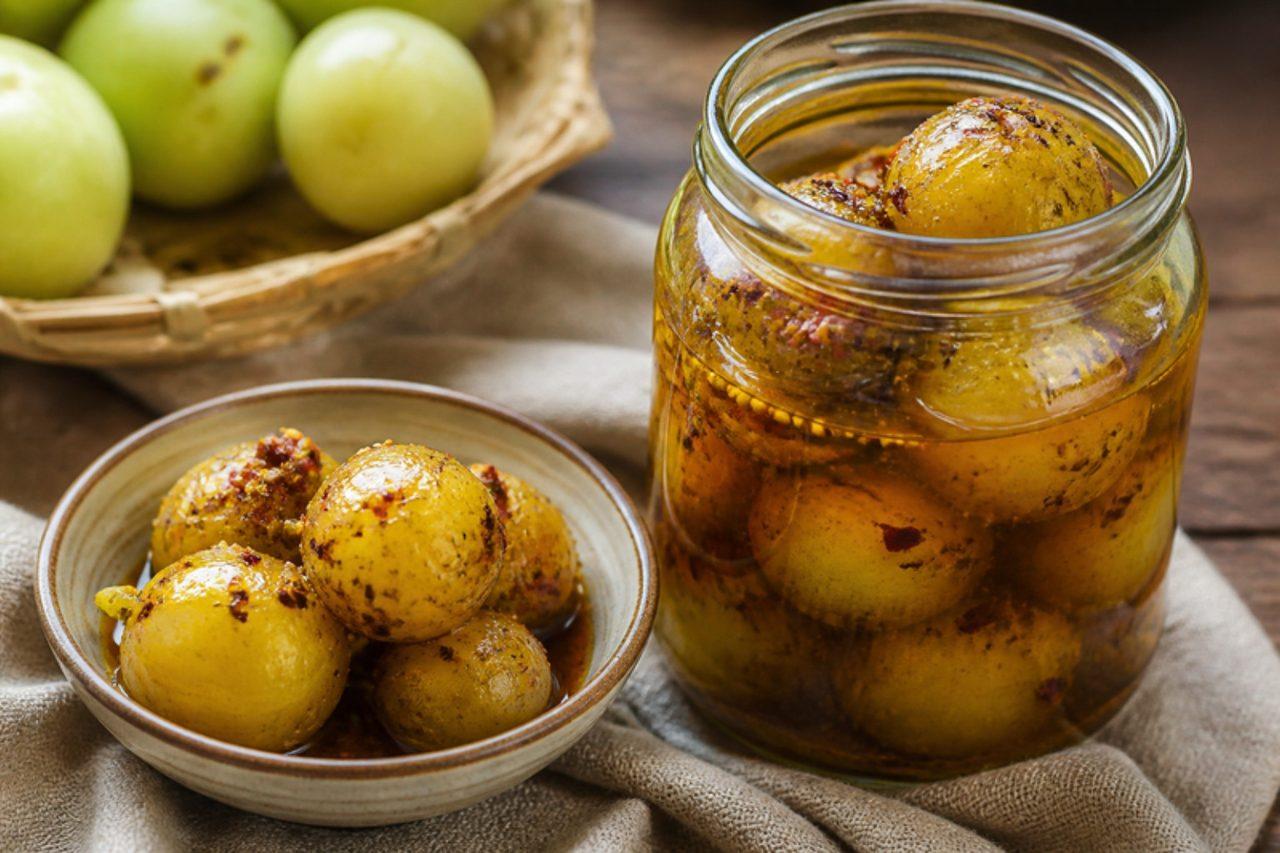
Amala trees grow wild across the Chure hills and the lower valleys of Nepal, and in winter the hard, translucent green gooseberries are piled high in vegetable markets in Kathmandu, Hetauda and Butwal, prized as a source of vitamin C during the cold months. Steamed until they split into neat segments, then mixed with chilli, turmeric, fenugreek and hot mustard oil, they make a pickle that is crunchy, astringent, sour and spicy all at once, with a lingering sweetness that comes up after each bite. A spoonful goes alongside dal bhat or with a plain bowl of rice porridge when someone is unwell. The trap to avoid is steaming the berries too long, which turns them mushy and dull. Chef's tip: stop as soon as the first cracks appear on the skins; the segments should pull off the stone easily but still have a firm bite.

by KrazyBadal 0 views

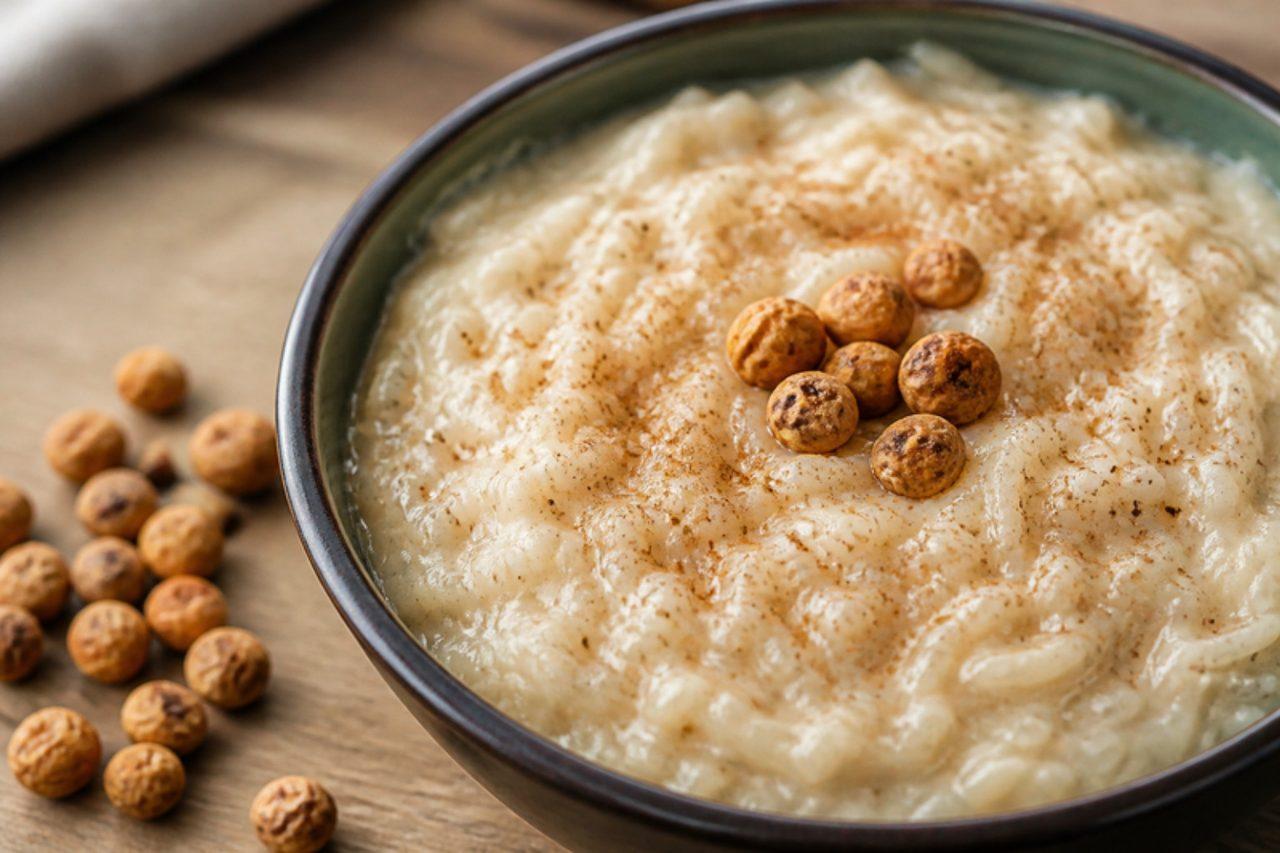
Atadwe milkye (tiger nut pudding)

Tiger nuts, called atadwe in Twi, are small wrinkled tubers sold in heaps by market women across southern Ghana during the rainy season. For atadwe milkye they are soaked, blended and squeezed into a sweet, nutty milk, then cooked with ground rice and coconut milk into a pourable pudding that sets softly as it cools. Street sellers ladle it into small bags or cups, and at home it is eaten warm for breakfast or chilled as an afternoon treat. The flavour is mild, like almond and coconut with a light earthy note. Start soaking the tiger nuts the night before. Chef's tip: stir without stopping once the rice paste goes in; walking away for even a minute is the common mistake, and it leaves lumps and a scorched base.

by KrazyBadal 0 views

Ghana sugar bread

Bread vans, kiosks and hawkers balancing glass boxes on their heads sell sugar bread all over Ghana, from Accra lorry stations to small-town junctions. The crumb is soft, fine and slightly yellow from egg and butter, with a gentle sweetness and a hint of nutmeg, and it tears into fluffy strands. Ghanaians eat it with a mug of tea or cocoa drink, spread with groundnut paste, or wrapped around an omelette for a quick breakfast. Allow about two hours for the two rises. Chef's tip: the dough should stay soft and a little tacky after kneading; adding extra flour to make it easy to handle is the usual mistake, and it gives a dry, crumbly loaf.

by KrazyBadal 0 views

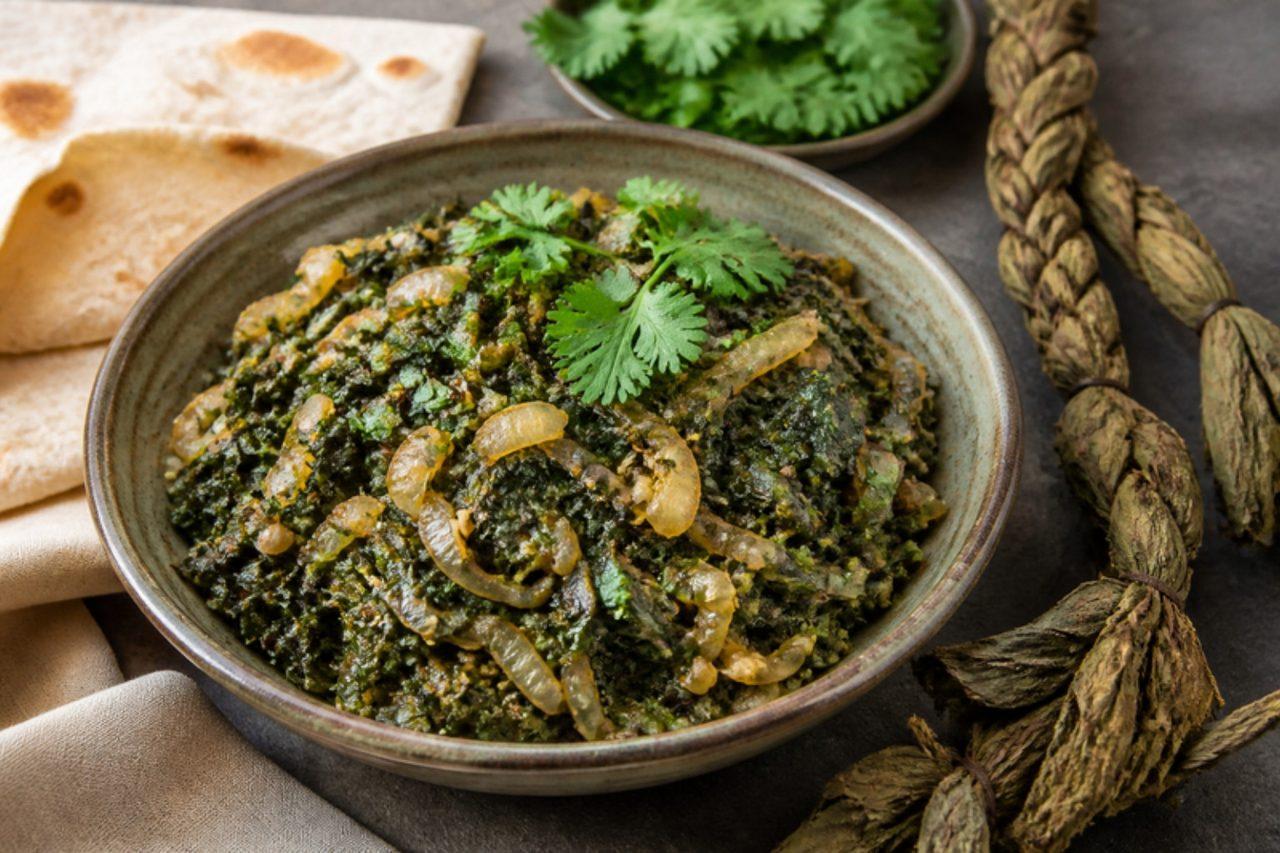
AvelookDried braided sorrel with walnuts

In Syunik, the mountainous south of Armenia around Goris, women pick wild mountain sorrel in May and braid the long leaves into ropes that hang drying in every kitchen. In winter and during Lent the braids are soaked, simmered until soft and fried with onion and walnuts, giving a dark, earthy, sour salad with a taste somewhere between spinach and olives. Braids are sold in Armenian shops. A common mistake is skipping the second boil, which leaves the leaves bitter and tough. Chef's tip: squeeze the cooked sorrel well and fry it long enough to dry and slightly crisp at the edges; that is when the flavour deepens.

by KrazyBadal 0 views

Nigerian fish roll

Hawkers carry glass boxes of fish rolls through Lagos traffic, and they are a fixture at parties among the small chops. The dough is a sweetish, slightly cakey one, wrapped around mackerel mashed with onion, pepper and thyme, then deep-fried to a deep gold with a crisp shell. They are good warm or at room temperature, with a soft drink or tea. Tinned mackerel works as well as fresh; poach fresh fish until it flakes before mashing. This version uses oil in the dough, so it is dairy free. Chef's tip: keep the oil at 170 °C; the common mistake is frying too hot, which browns the outside while the inner layer of dough stays raw.

by KrazyBadal 0 views

Nigerian sausage roll

Every Lagos bakery and supermarket counter has a tray of these, wrapped in paper and eaten mid-morning with a cold soft drink, at school break or on the way to work. The Nigerian sausage roll is made with seasoned minced beef rather than pork sausage meat, flavoured with onion, thyme, curry powder and a little chilli, and wrapped in a rich, short pastry that flakes rather than puffs. Children love them, and they freeze well before baking. The filling goes in raw, so bake until the meat reaches 71 °C in the centre. Chef's tip: keep the butter and water ice cold and stop mixing as soon as the dough comes together; warm, overworked pastry is the common mistake that bakes up tough.

by KrazyBadal 0 views

Ocho beniseed soup

Beniseed, the local name for sesame, grows widely in Benue, and the Idoma turn it into ocho: a creamy, nutty soup thickened with the ground seeds, cooked with beef, dried fish and green leaves. It has a gentle, toasty flavour and a slightly grainy, pleasant texture, and it is eaten with pounded yam, often at family gatherings and festive meals. Cooks vary the leaves; spinach or ugu are easy to find. Some families add palm oil and some leave it pale; this version uses a little. Chef's tip: toast the beniseed in a dry pan only until it smells nutty and turns light gold; the common mistake is letting it go brown, which makes the whole pot bitter.

by KrazyBadal 0 views

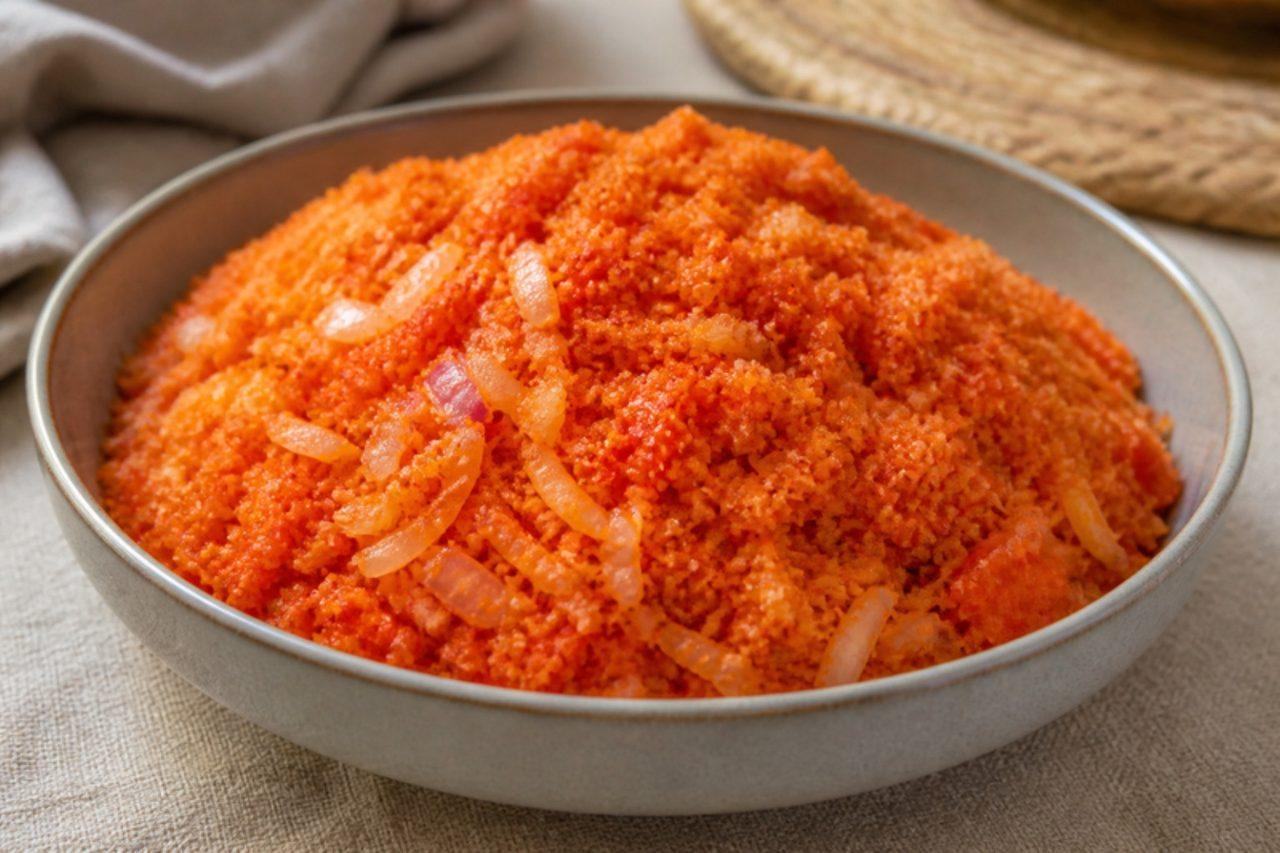
PinonGari in tomato and onion sauce

On a busy weeknight in Cotonou or Porto-Novo, pinon (also spelled piron) is the answer: gari, the toasted cassava granules every Beninese kitchen keeps on hand, stirred into a hot tomato and onion sauce until it swells into a soft, fluffy, orange mound. Ready in about twenty minutes, it is savoury and tangy from the fermented cassava, with a kick of pepper. People eat it with fried fish or grilled chicken; this meat-free plate pairs it with a pot of beans in red oil or fried plantain. Chef's tip: lower the heat before adding the gari and sprinkle it in gradually, stirring all the time, so every grain absorbs the sauce evenly.

by KrazyBadal 0 views

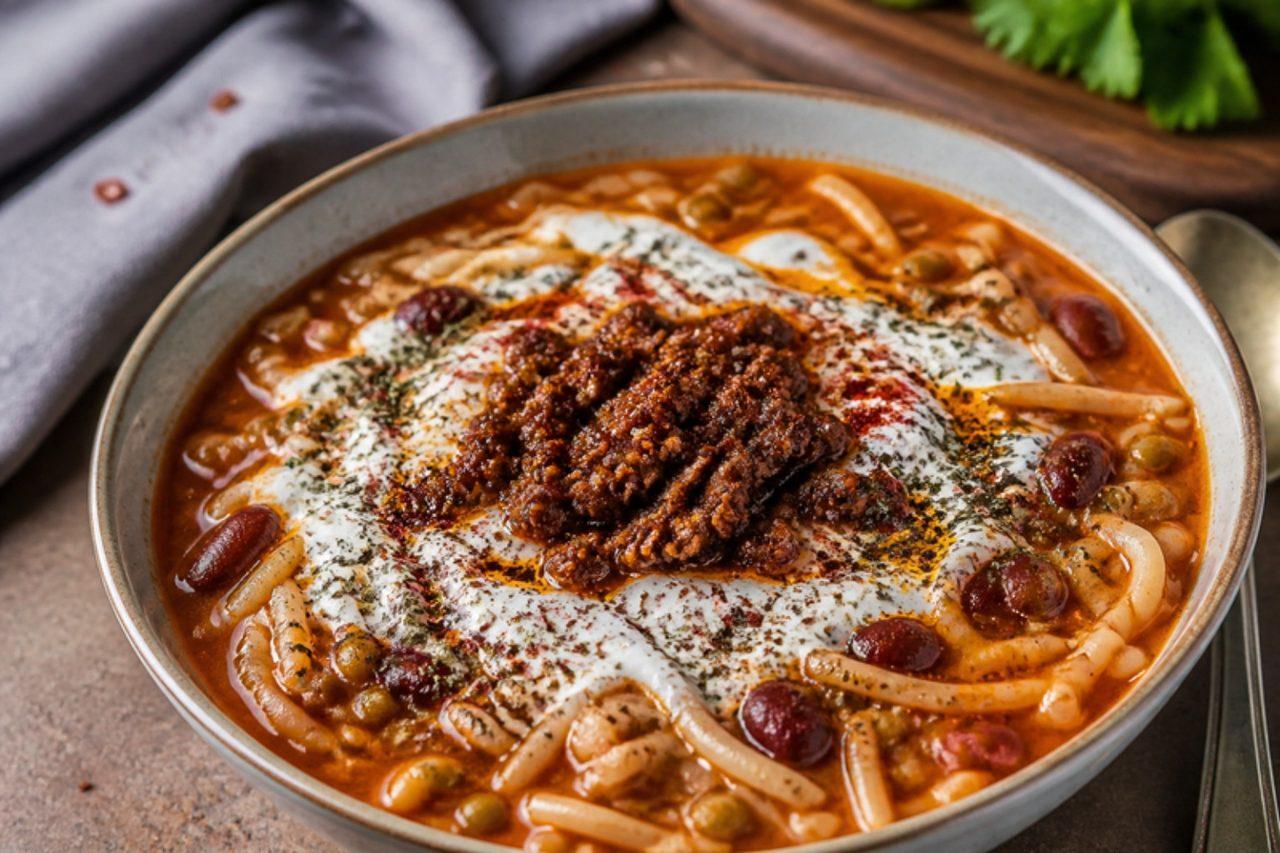
AushNoodle soup with beans and yogurt

Aush is the bowl Afghan mothers make when someone in the house has a cold or the first snow falls on Kabul, a thick, tangy soup of hand-cut noodles, kidney beans and chickpeas, enriched with garlicky yogurt and finished with a spoonful of spiced minced meat and a heavy dusting of dried mint. The broth is slightly sour, creamy and warming with chilli, and the noodles are soft and a little slippery. It is a meal in itself, eaten with nothing more than naan and pickles. For a vegetarian version, leave out the meat sauce and add a handful of cooked mung beans. Noodles dropped into a soup that has gone off the boil stick together into a clump, so keep it bubbling as you add them a few at a time. Chef's tip: stir the yogurt in only after the pan is off the heat, so it turns the broth creamy without splitting.

by KrazyBadal 0 views

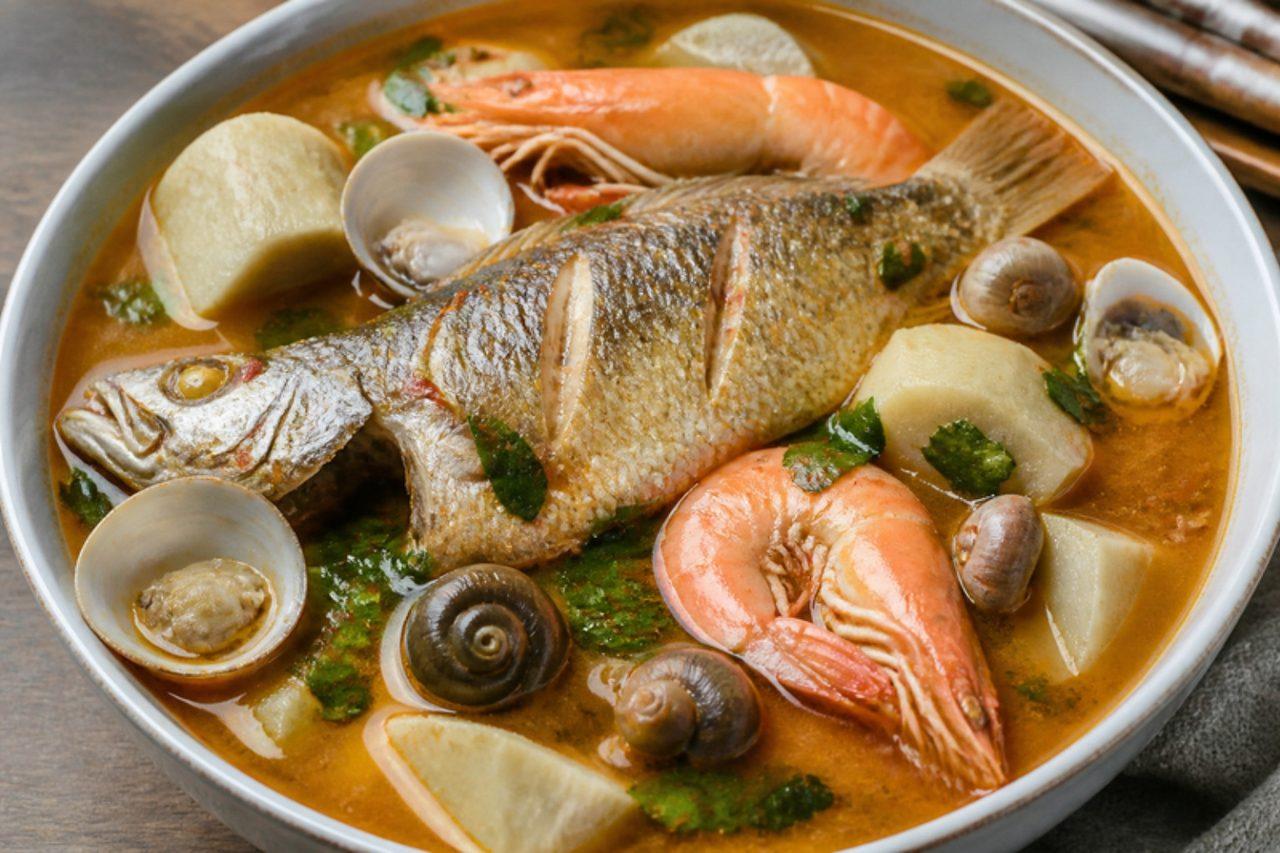
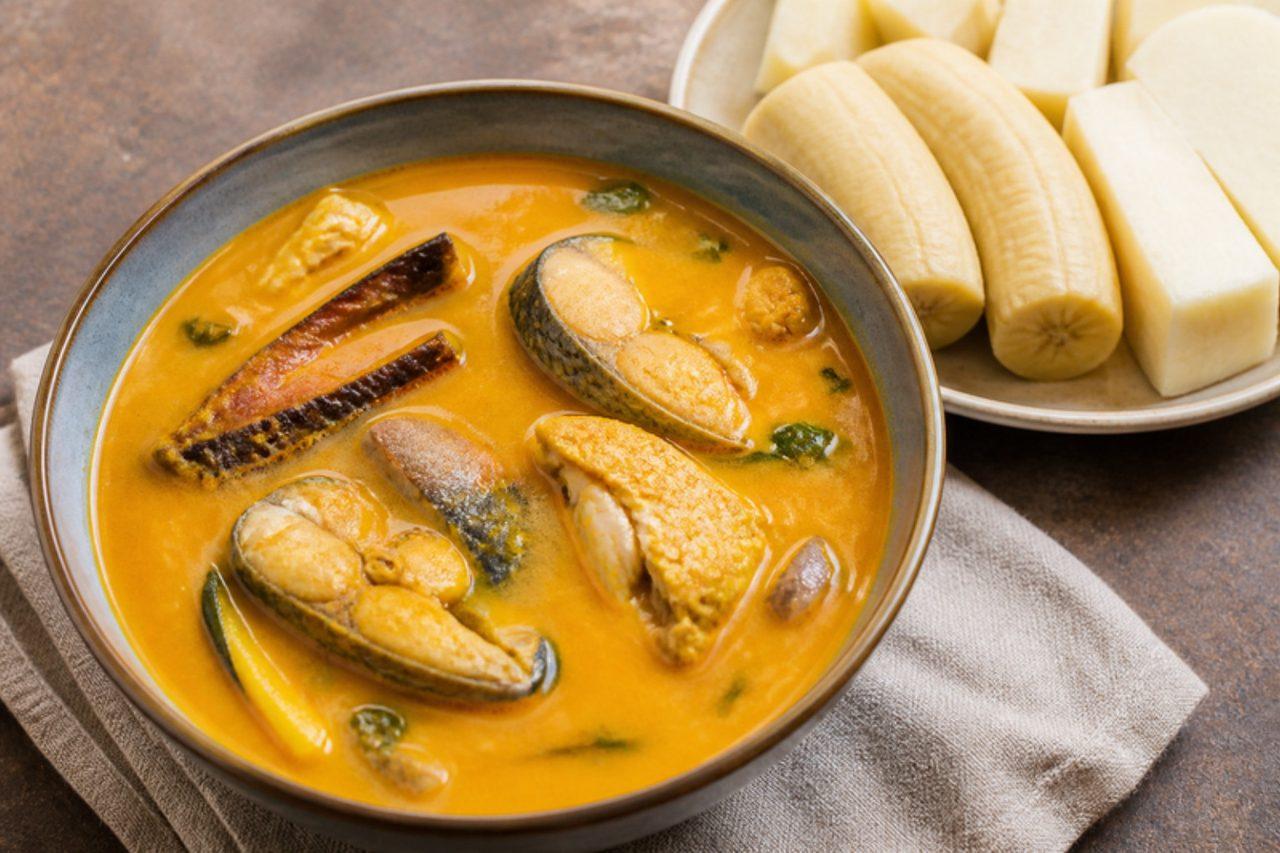
Fisherman soup

Fishing families in the creeks of Rivers and Bayelsa made this soup from whatever came in on the boat, and it is still the pride of Port Harcourt and Yenagoa kitchens. Unlike heavier Nigerian soups it is light and brothy, just thickened with a little cocoyam paste, so the sweetness of fresh fish, prawns and periwinkles comes through the scotch bonnet heat and the scent leaf. Eat it with boiled yam, plantain or a light swallow such as eba or starch. Buy shellfish from a reputable fishmonger, discard any periwinkles with broken shells, and if you add clams, throw away any that stay open when tapped before cooking or stay shut after. Chef's tip: add the seafood in order of cooking time, fish first and prawns last, so nothing turns rubbery.

by KrazyBadal 0 views

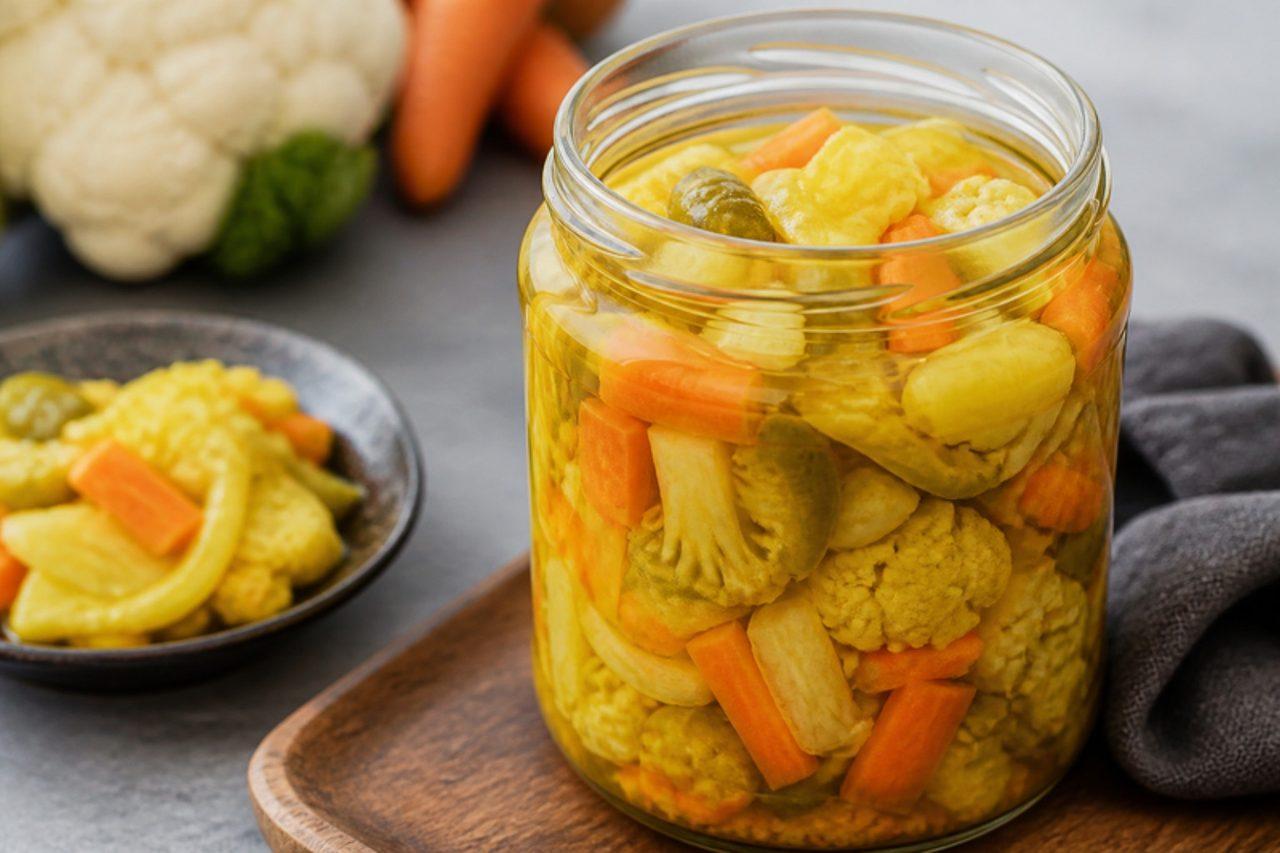
Atjar tjampoerSweet-sour mixed vegetable pickle

Atjar tjampoer is the bright yellow pickle in every Dutch-Indonesian toko and on every rijsttafel: crisp cucumber, carrot, cabbage, cauliflower and shallot pickled in a sweet-sour vinegar brine coloured with turmeric, with a little chilli and ginger. It cuts through rich satay and rendang. A common mistake is cooking the vegetables, which makes them soft; they should only be blanched or simply covered with hot brine. Chef's tip: salt the cucumber first and squeeze it, so it stays crunchy for days.

by KrazyBadal 0 views

AthirasaFried rice flour jaggery cakes

Athirasa, a dark, flat disc with a shiny, slightly crinkled surface, is one of the keeping sweets of the Avurudu season: families fry stacks of them in early April, store them in tins and offer them to every visitor for weeks. The dough is simply rice flour stirred into jaggery syrup cooked to the soft-ball stage, flavoured with cardamom and left to rest, then patted into rounds and fried until deep brown. The cook presses each one firmly between two flat spoons or saucers to squeeze out excess oil, which gives athirasa its chewy, toffee-like centre and lacy, crisp edges. The typical slip is undercooking the syrup, which makes the dough too soft to shape and causes the rounds to fall apart in the oil. Chef's tip: shape the discs on a piece of oiled banana leaf or baking paper and slide them straight into the oil from it, so they keep a neat round shape.

by KrazyBadal 0 views

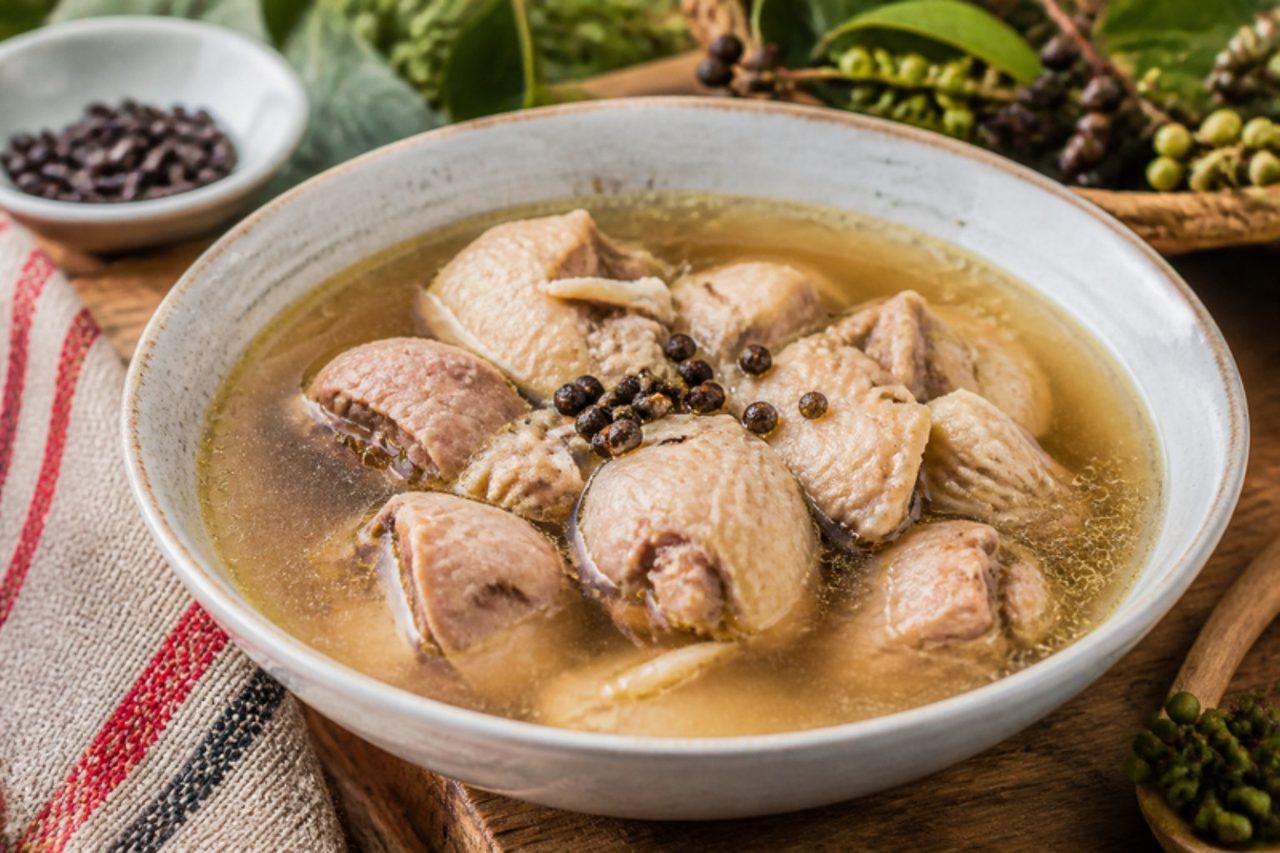
Maqaw chicken soupMountain pepper chicken soup

High in the mountains of northern Taiwan, in Atayal villages around Wulai and Fuxing, maqaw berries are picked from the mountain litsea tree in summer and dried to flavour soups, grilled meat and tea. In this clear chicken soup, served at home suppers and in Indigenous restaurants with millet or rice and wild greens, the crushed berries give a fresh lemongrass-and-ginger perfume with a gentle peppery tingle. Bone-in chicken simmered slowly makes a light, golden broth. People spoil it by adding the maqaw at the start and boiling it for an hour, which turns it bitter; add it for the last 15 minutes instead. If you can't find maqaw, use black peppercorns, a stalk of lemongrass and a strip of lemon zest. Chef's tip: lightly crush the berries just before they go in; whole ones barely flavour the broth, while powder makes it cloudy.

by KrazyBadal 0 views

Atama soupPalm nut and atama leaf soup

From Abak and the Ibibio heartland of Akwa Ibom comes this palm-nut soup with a perfume all its own: atama leaves, which smell somewhere between mint, anise and fresh hay. The palm cream is cooked with assorted meat, stockfish, dried fish and periwinkles until the oil glistens on top, then the atama goes in near the end. It is weekend and visitors' food, eaten with pounded yam, fufu or eba. Dried atama is sold in African shops; dried tarragon is the closest substitute. Periwinkles should be bought cleaned, and any with cracked shells thrown away. Avoid adding the atama leaves too early: long boiling dulls their perfume. Chef's tip: go easy on the atama, as too much turns the soup bitter, so start with the amount below and taste before adding more.

by KrazyBadal 0 views

Asun peppered goatPeppered grilled goat

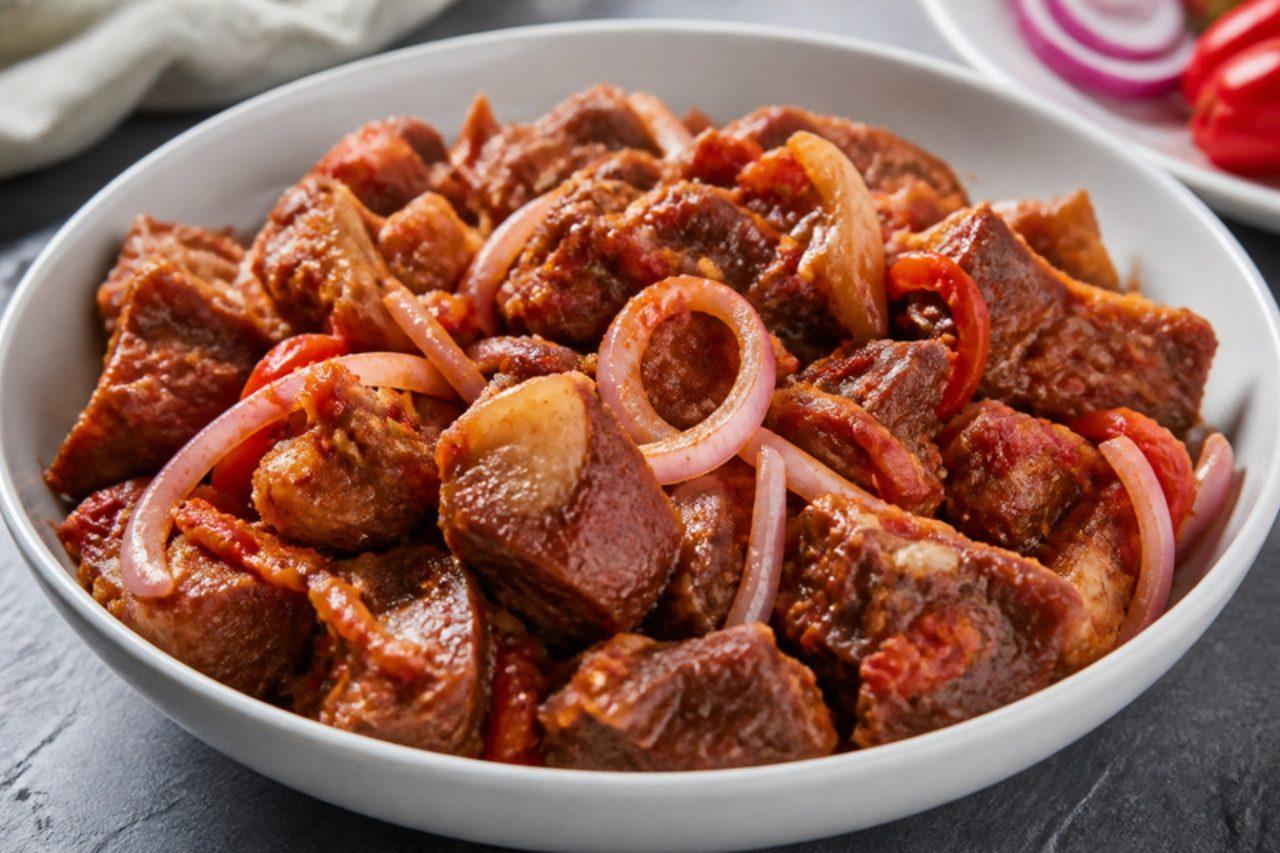
Asun started in Ekiti, where goat was roasted whole over an open fire, and it has become the star of Lagos owambe parties and Friday evenings at the bar. Skin-on goat is boiled with seasoning until just tender, grilled until smoky and charred at the edges, chopped into bite-size pieces, then tossed in a hot sauce of scotch bonnet, onion and a little oil. It is chewy in a good way, smoky and very spicy, eaten on its own, with jollof rice or with cold drinks. Cook the goat until tender and no pink remains. Chef's tip: dry the boiled goat well before grilling; wet meat steams and never takes on the charred, smoky flavour that makes asun.

by KrazyBadal 0 views

Asopao de polloSoupy chicken and rice

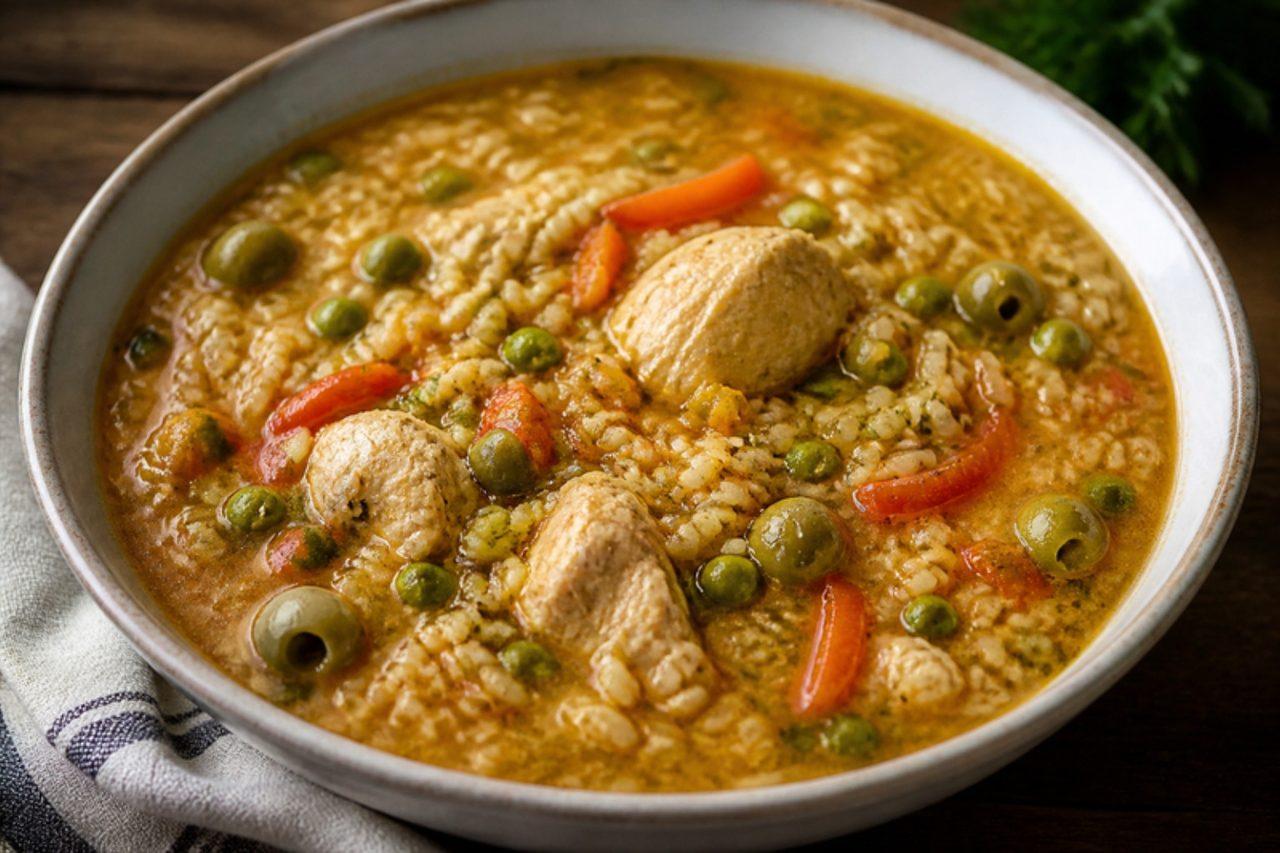
Somewhere between a soup and a risotto, asopao is the pot Puerto Rican mothers put on for a rainy Sunday, a cold, or a hangover after a long party night, and it is spooned straight from deep bowls with tostones on the side. Bone-in chicken is seasoned with garlic, oregano and lime, simmered in a sofrito broth, then rice goes in until the whole pot turns thick and brothy, finished with olives, capers, peas and strips of roasted pepper. The common mistake is making it ahead: the rice keeps drinking the broth and turns stodgy, so cook it just before eating, or keep extra stock to loosen leftovers. Chef's tip: take the pot off the heat while the rice is still a touch firm; it carries on cooking in the bowl.

by KrazyBadal 0 views

Sweet potato pone

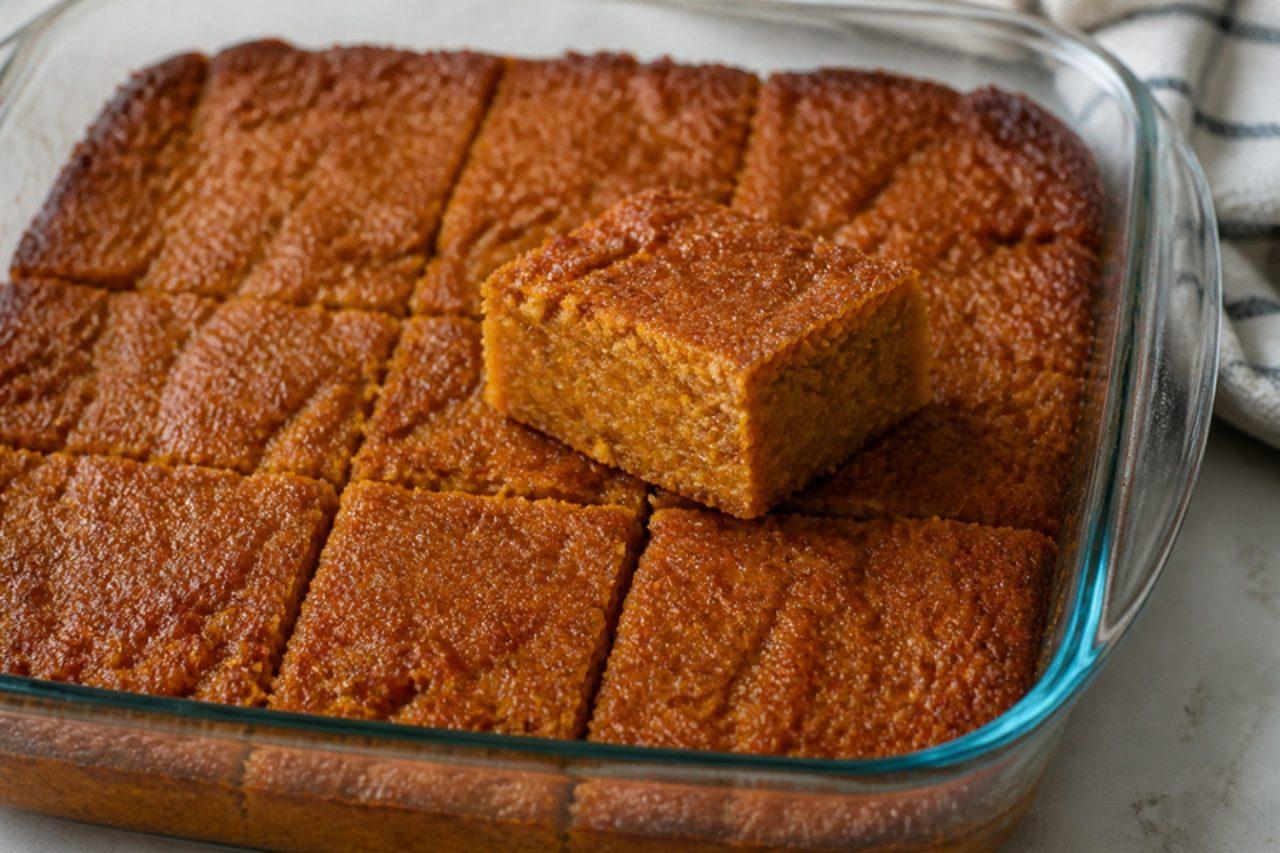
Potato pone came to Liberia with the settlers who arrived from the American South in the nineteenth century, and it is still baked in Monrovia and along the coast for holidays, church gatherings and Sunday dinner. Raw sweet potato is grated finely, mixed with sugar, butter, eggs, milk and plenty of ginger and nutmeg, then baked slowly until it sets into a dense, sliceable pudding with dark, chewy, caramelised edges. It is sweet, spicy and moist, lovely warm or cold the next day. Chef's tip: bake until the edges pull away and turn almost toffee-dark; those crisp corners are the part everyone fights over.

by KrazyBadal 0 views

Nnam ngon with mushrooms

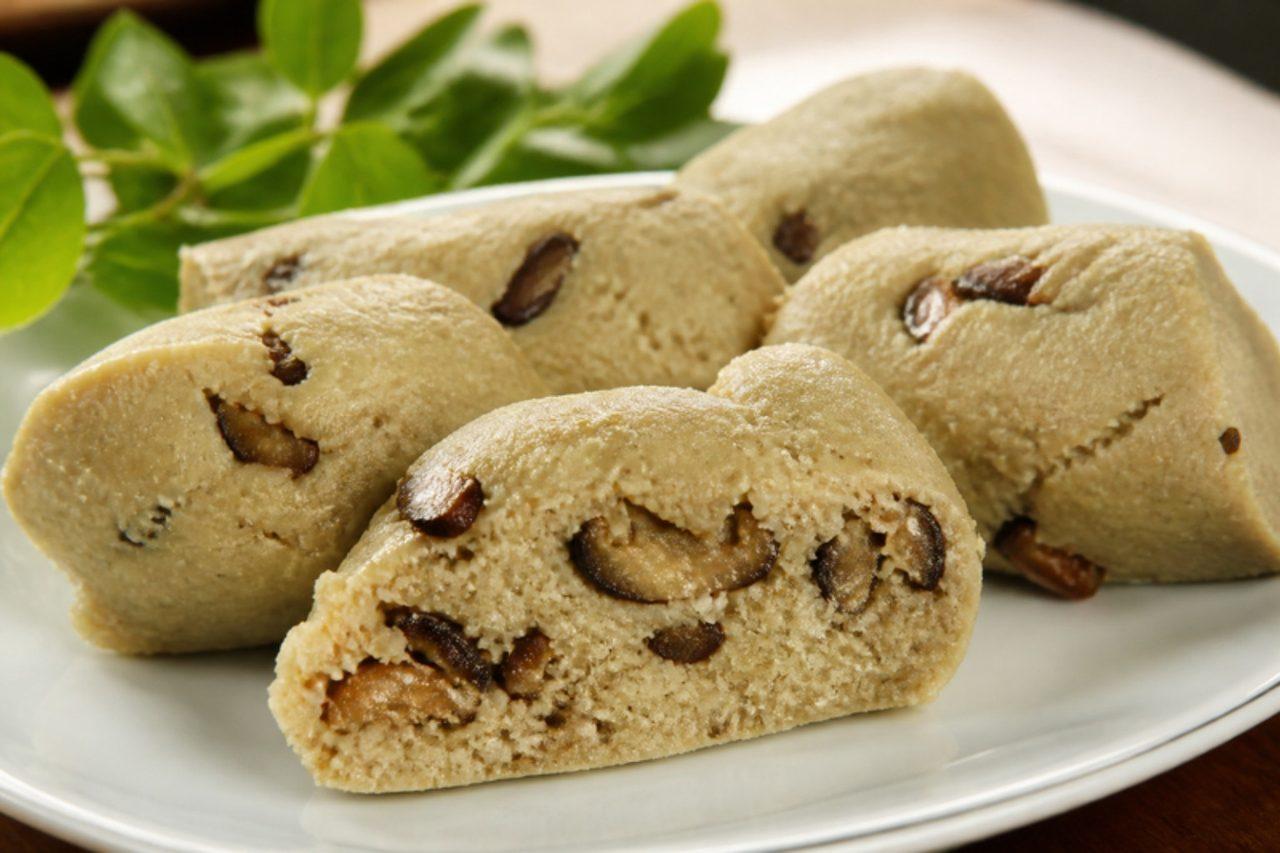
Steamed parcels of nnam ngon turn up at Beti weddings, funerals and big Sunday tables in the Centre, unwrapped to reveal a firm, pale cake of ground pumpkin seeds that slices like a terrine. The seeds are ground with onion, garlic, ginger and hot pepper, then bound with water and steamed slowly in leaves until rich, savoury and almost meaty. Smoked fish is the classic addition; here browned mushrooms take its place, so the parcels are vegan and still very filling. Serve with bobolo, boiled plantain or sweet ripe plantain. Chef's tip: brown the mushrooms in a dry pan first; added raw, they release water inside the parcel and leave the mixture loose.

by KrazyBadal 0 views

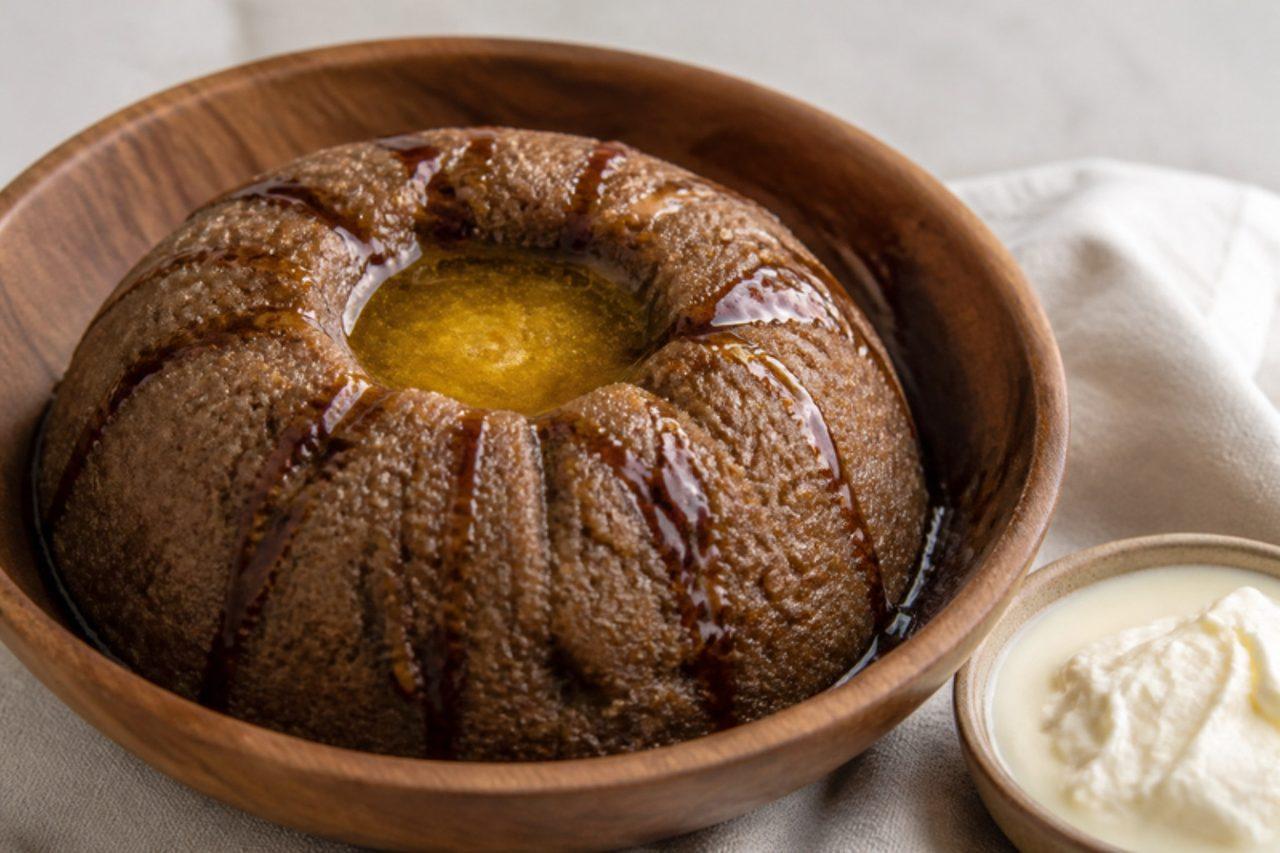
Aseedat bobarPumpkin pudding with ghee

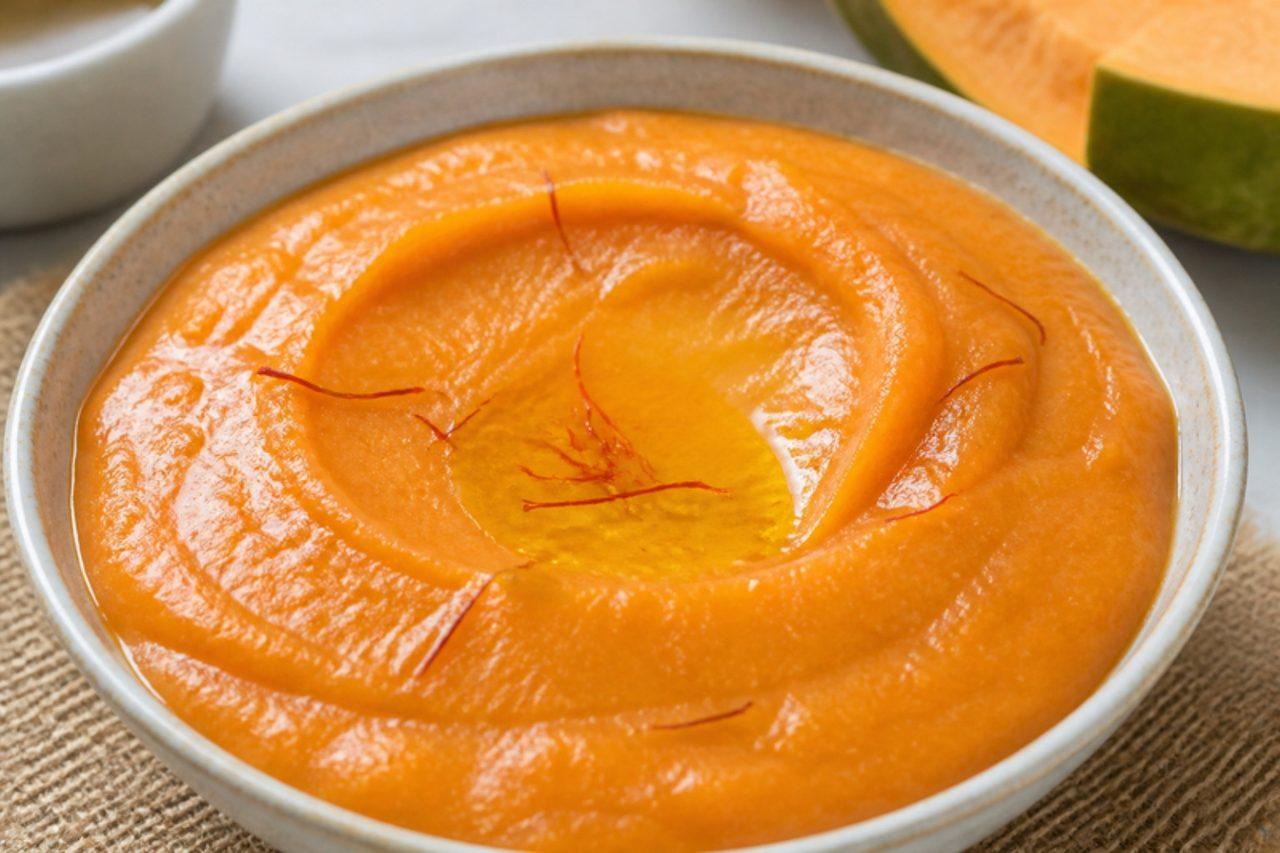
In Doha and Kuwait City, aseedat bobar arrives on winter evenings and at Ramadan iftar in a shallow dish, smooth and orange, with a little pool of melted ghee in the centre. Bobar is the Gulf word for red pumpkin, cooked down and thickened with toasted flour, sugar and cardamom into a soft, spoonable sweet that tastes a bit like a spiced pumpkin pie filling. Scoop it warm with a spoon or with pieces of bread, alongside Arabic coffee. Stopping the stirring too soon is the usual mistake: the pudding must cook until it pulls away from the sides, or it tastes of raw flour. Chef's tip: toast the flour in a dry pan until it smells like biscuits before it goes in; that nutty note is what makes it.

by KrazyBadal 0 views

Ago glainCrab in tomato pepper sauce

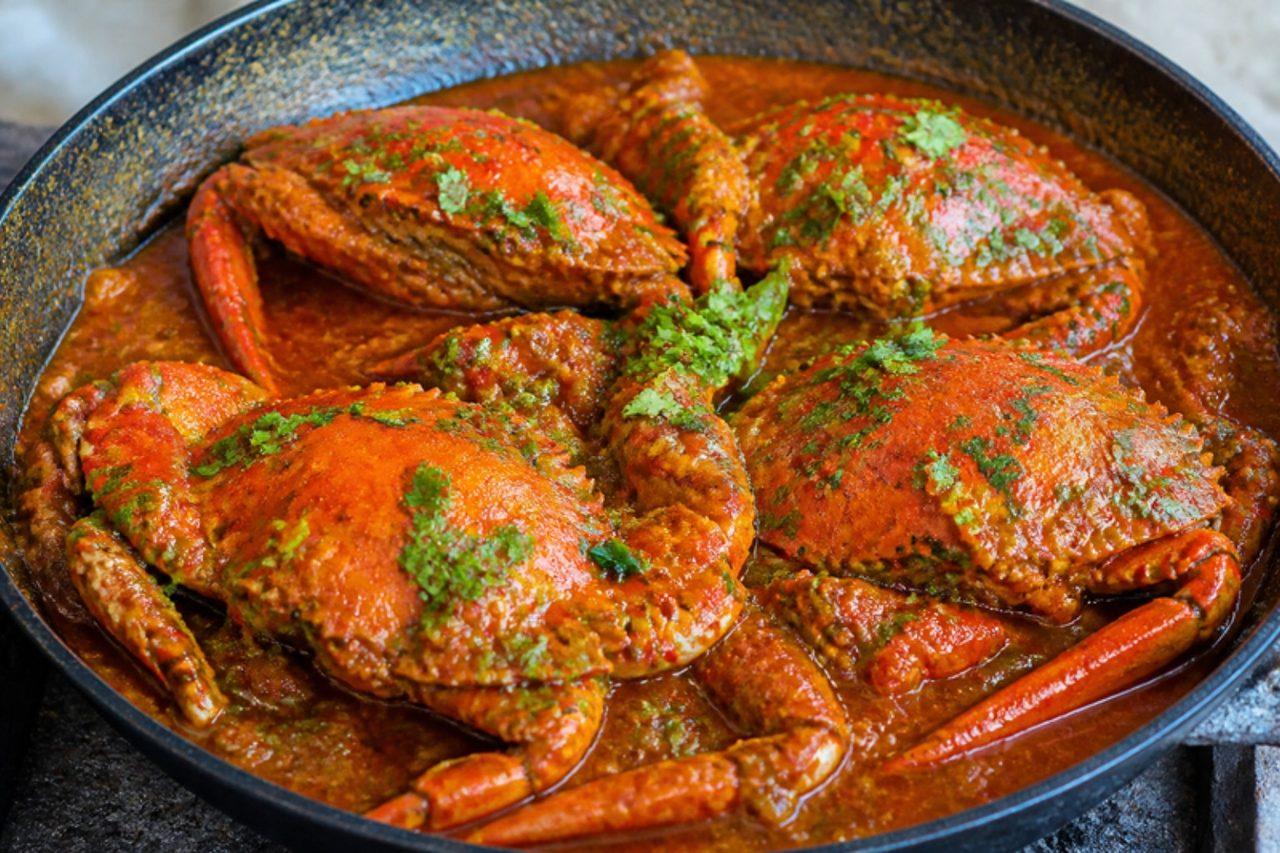
Cotonou sits between the sea and the Nokoué lagoon, and its crabs, ago in Fon, are cooked whole in a thick tomato, onion and pepper sauce for weekend lunches and family gatherings. Ago glain is gloriously messy: you crack the shells with your fingers and teeth, suck out the sweet meat and mop up the sauce with amiwo, akassa or white rice. The sauce is bright, gingery and hot, and the shells give it a deep seafood flavour. Live crabs need careful handling, so buy them from a fishmonger you trust, cook them the same day and keep them chilled until then; ready-cleaned or ready-cooked crab is fine too. The usual mistake is overcooking the crab once it is in the sauce, which makes the meat dry and stringy. Chef's tip: crack the claws before they go into the pot so the sauce seeps in and they cook evenly.

by KrazyBadal 0 views

Ukwa (African breadfruit porridge)

Ukwa is festival and family food in the Igbo Southeast, cooked for guests and for the New Yam season, and its price in the market shows how prized it is. The seeds of the African breadfruit are dehulled and slow-cooked with a little potash until soft and creamy, then finished with palm oil, onion, pepper and fragrant utazi or scent leaves, giving a rich, nutty, slightly beany porridge. Dried fish is often stirred in; this version stays meat-free. Some cooks add fresh sweetcorn or cooked maize in the last 10 minutes. A pressure cooker saves an hour of simmering. Chef's tip: add the salt and stock cube only once the seeds are soft; seasoning early, a common mistake, keeps them hard for much longer.

by KrazyBadal 0 views

Roasted safou

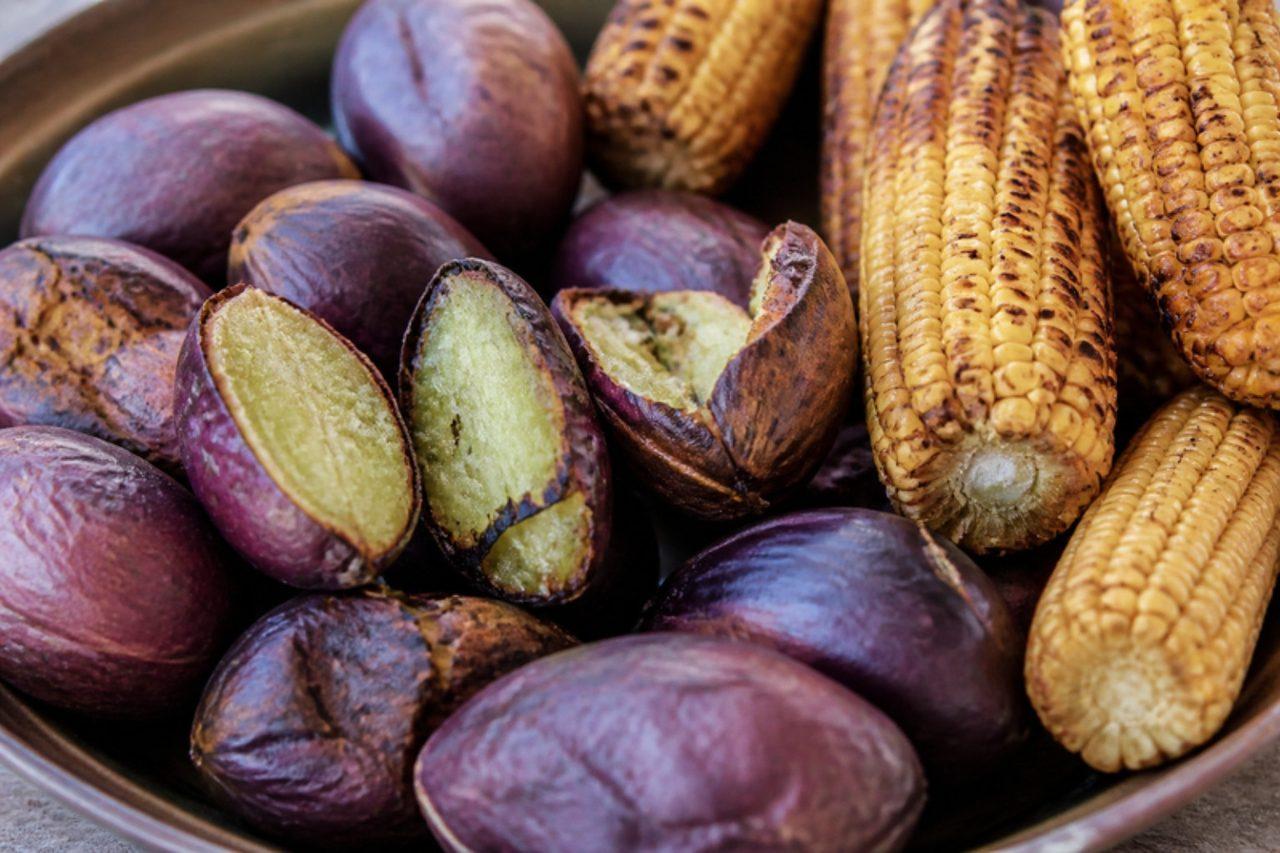
When the rainy season brings fresh maize to Cameroon, the safou trees fruit at the same time, and roadside grills from Douala to Yaoundé sell the violet plums alongside charred corn cobs. A few minutes over embers turns the firm, sour flesh soft, buttery and slightly tangy, which is why safou is often called the African butter fruit. People peel back the skin with their teeth, scrape the pale green flesh off the stone and alternate bites with sweet corn or a chunk of boiled plantain. Look for fresh or frozen safou in African grocers. Chef's tip: a pinch of salt sprinkled on while the fruit is hot brings out its savoury, olive-like side.

by KrazyBadal 0 views

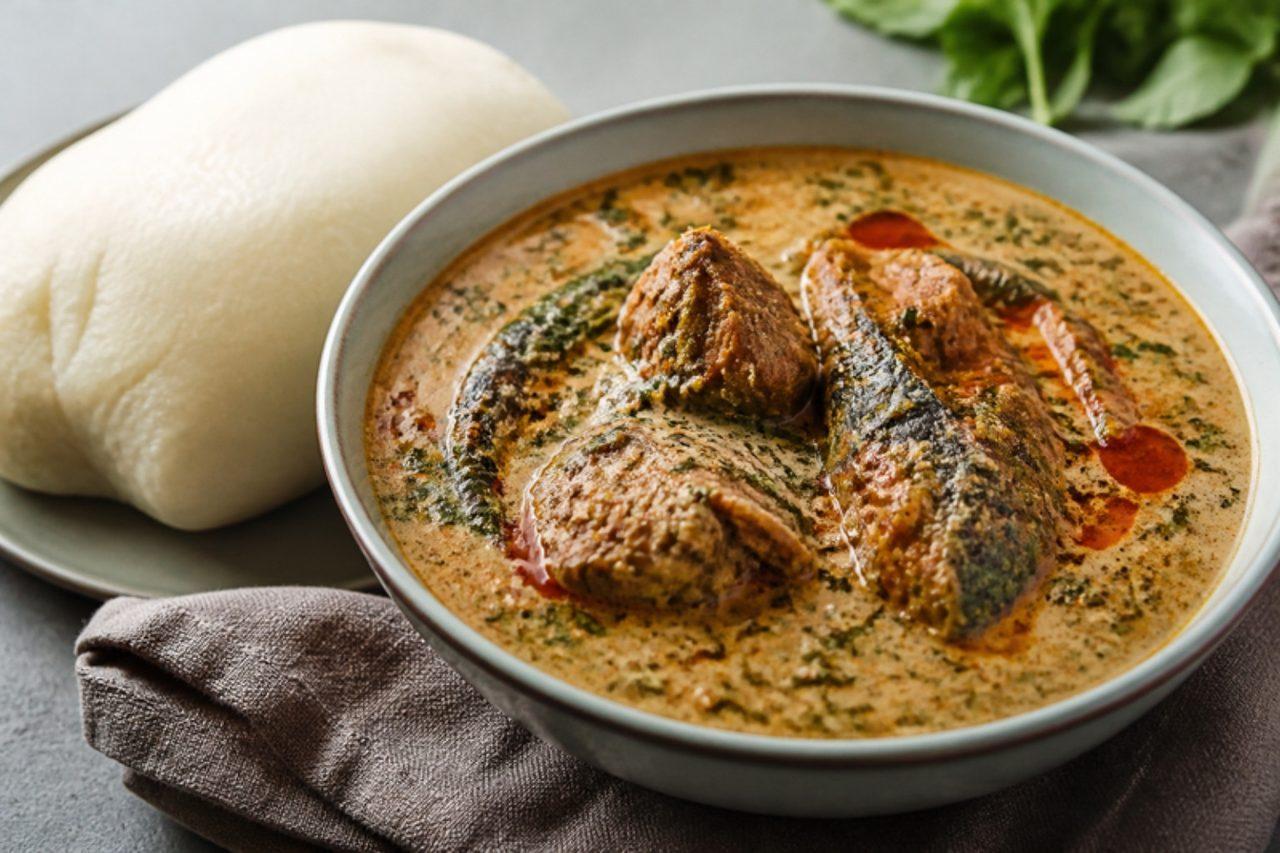
Banga soup with fresh catfish

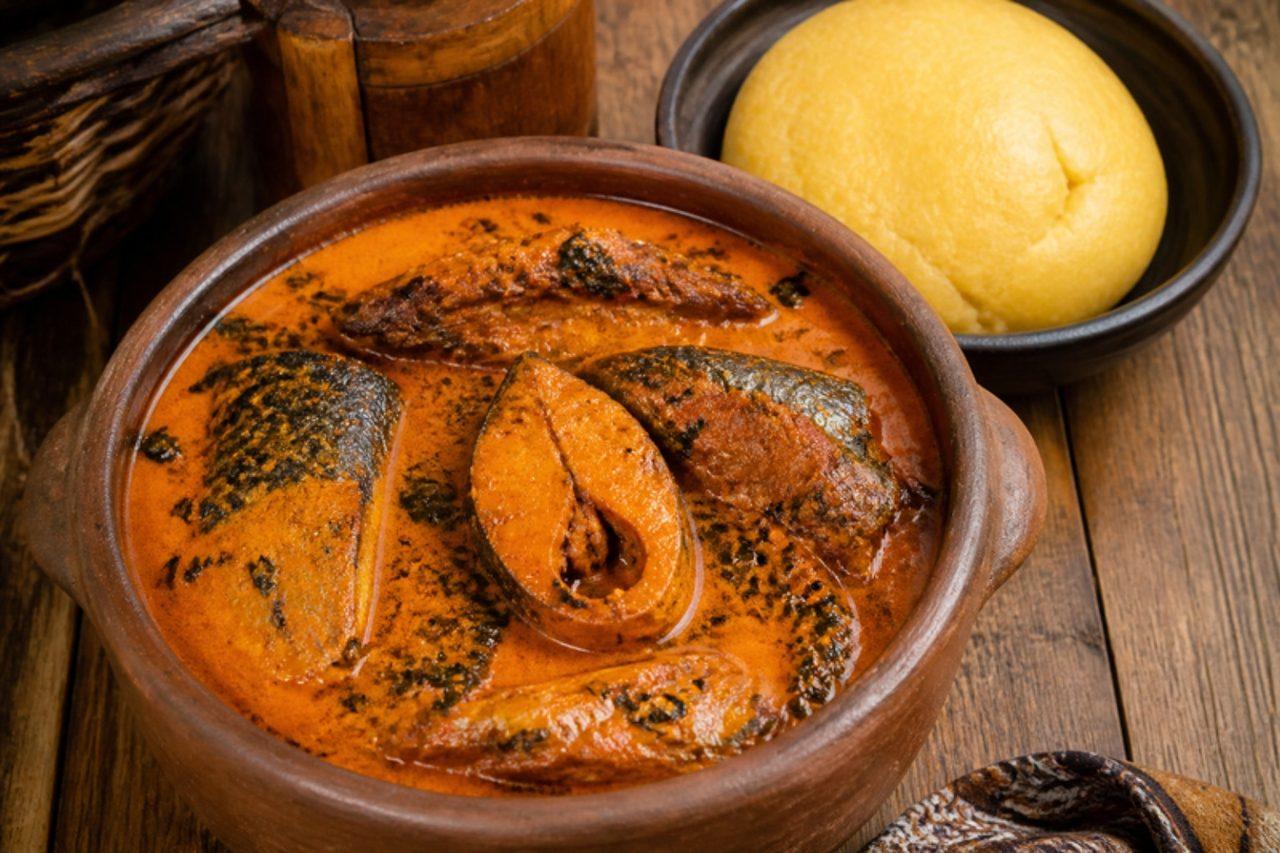
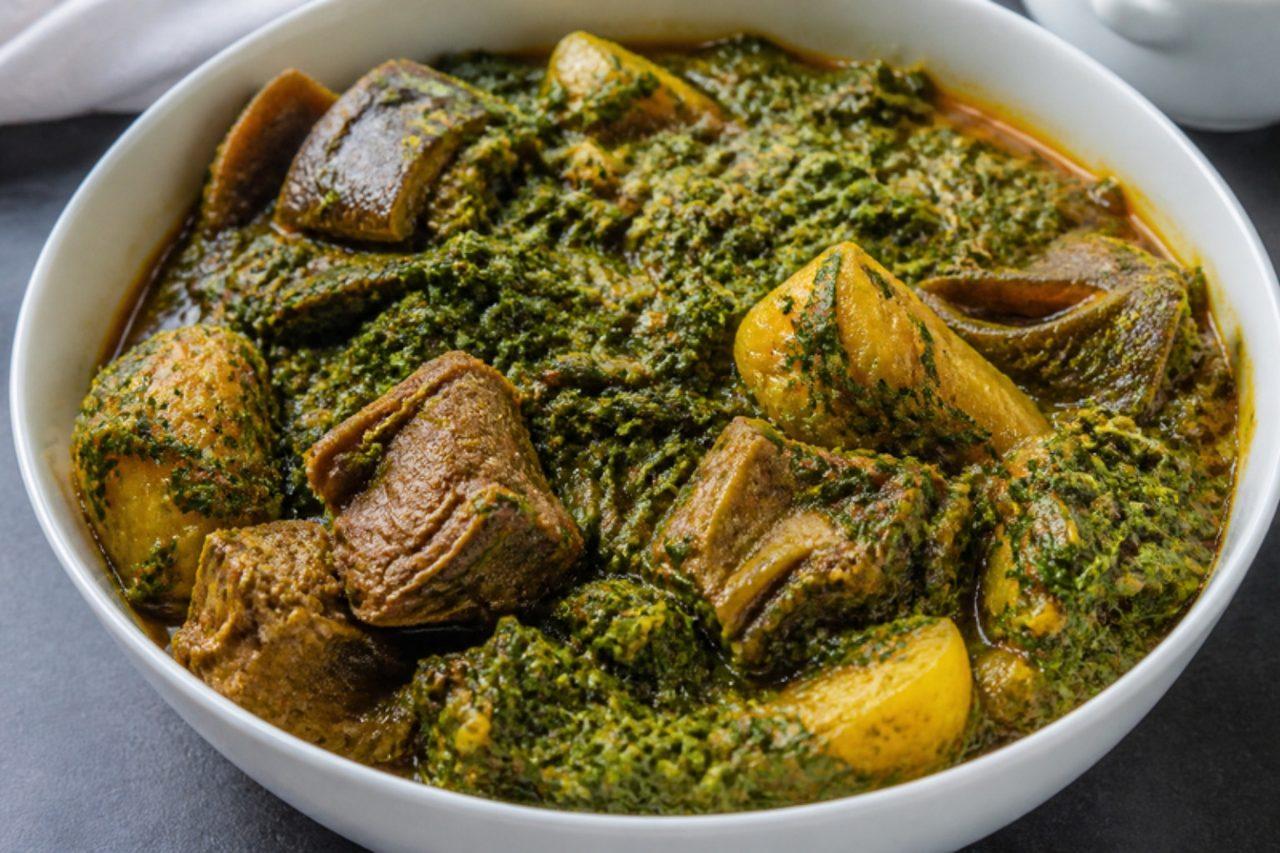
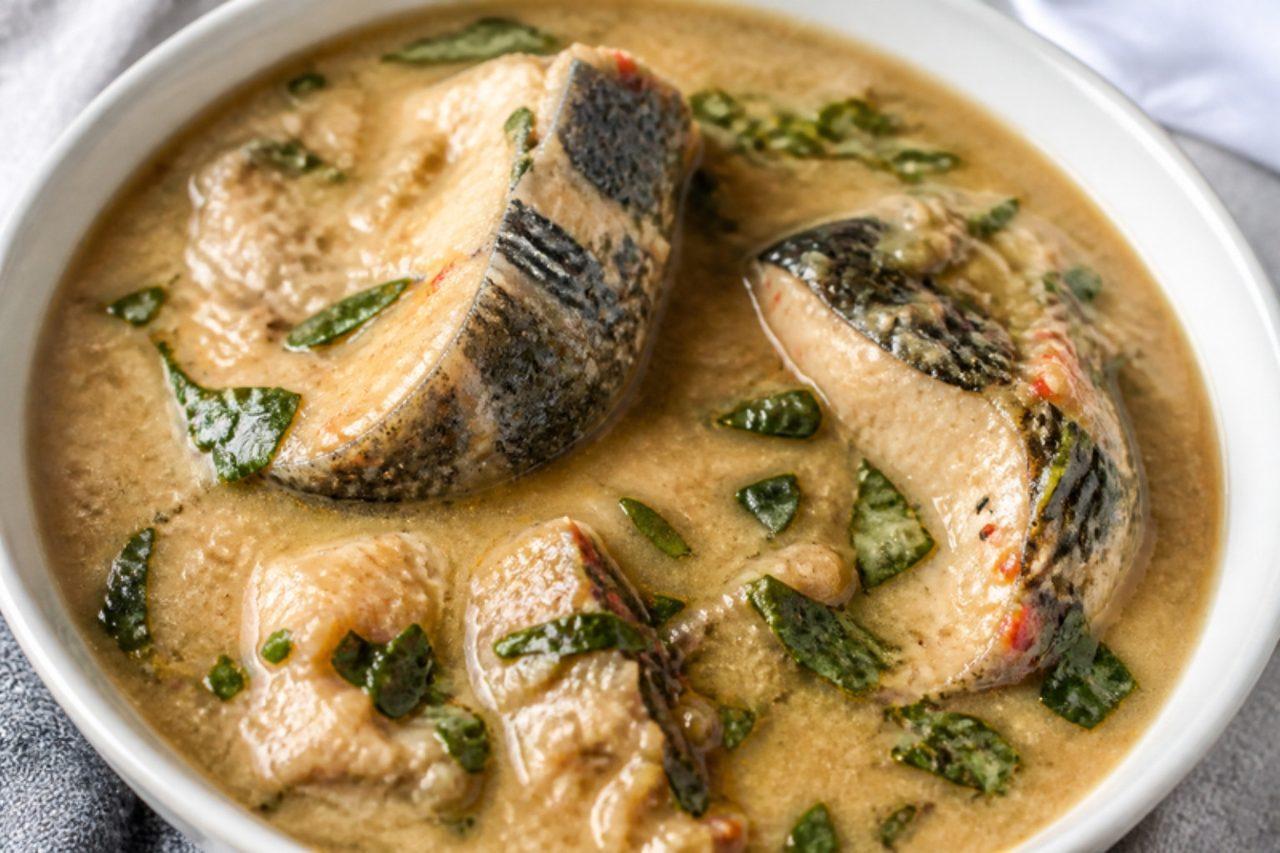
Across Warri, Sapele and the Urhobo and Itsekiri towns of Delta State, a pot of banga is what Sunday lunch smells like: fresh palm fruit boiled and pounded into a rich orange cream, then simmered with the region's own banga spice and the dried, slightly minty beletete leaf. Fresh catfish is the favourite fish, cooked gently so the steaks stay whole in a soup that is thick enough to coat a spoon but never pasty. It is eaten with Delta starch, eba or plain boiled rice, and leftovers often become 'banga rice' the next day. Tinned palm-fruit concentrate saves hours and gives a very good result. Chef's tip: once the fish goes in, shake the pot by its handles instead of stirring, so the soft catfish does not break into shreds.

by KrazyBadal 0 views

Peppered snail

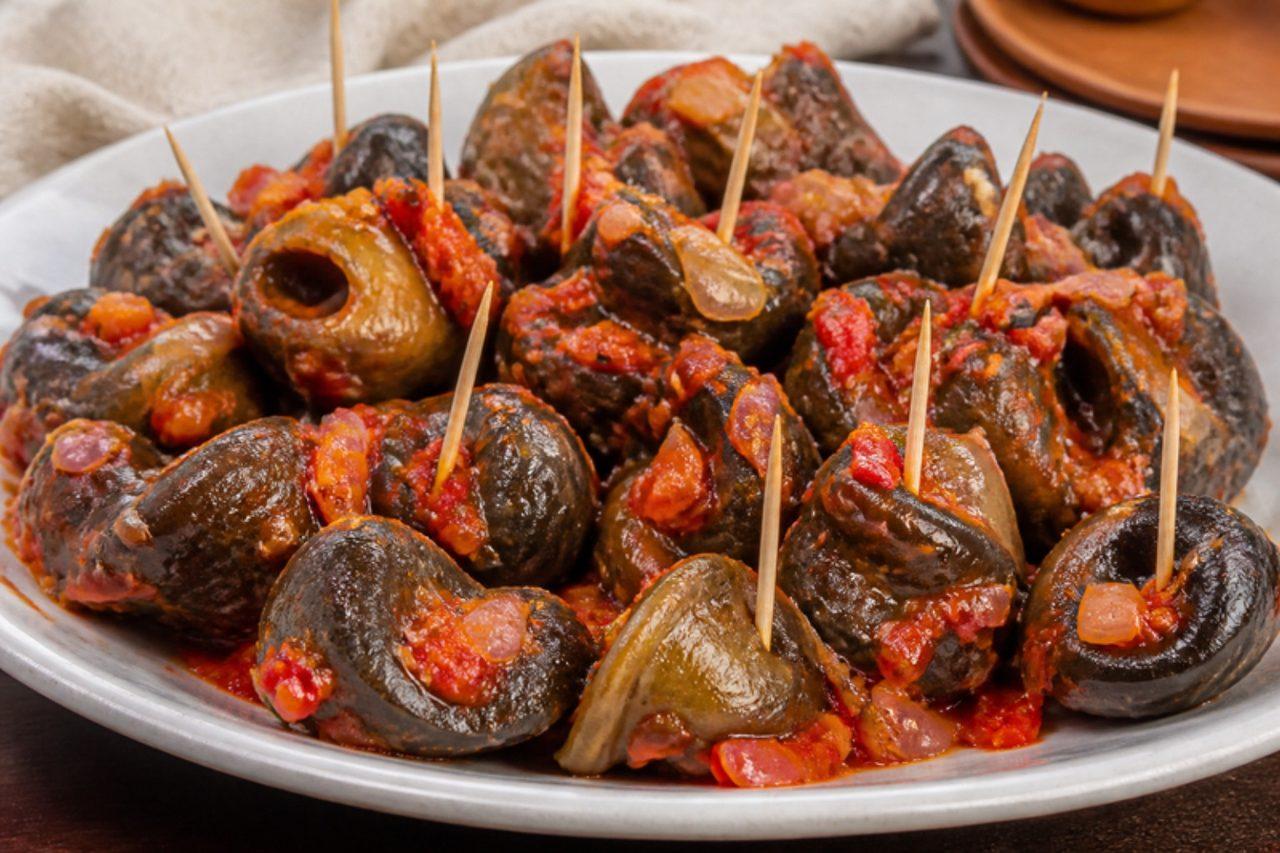
Peppered snail is a Yoruba delicacy, served on cocktail sticks at Lagos and Ibadan parties and in restaurants as a pricy small chop. The big African land snail has firm, meaty flesh like a cross between mushroom and clam; it is cleaned of its slime, boiled with seasoning, then fried briefly in a hot sauce of scotch bonnet and red pepper. Only use farmed snails that are sold cleaned and shelled, from a reputable African grocer or fishmonger; never collect wild snails, which can carry parasites. Cook them through, and wash your hands, boards and knives well after handling them raw. Chef's tip: do not skip the rubbing with lime and salt; leftover slime is the common mistake, and it makes the sauce cloudy and the snails slippery.

by KrazyBadal 0 views

Asa watFish in berbere stew

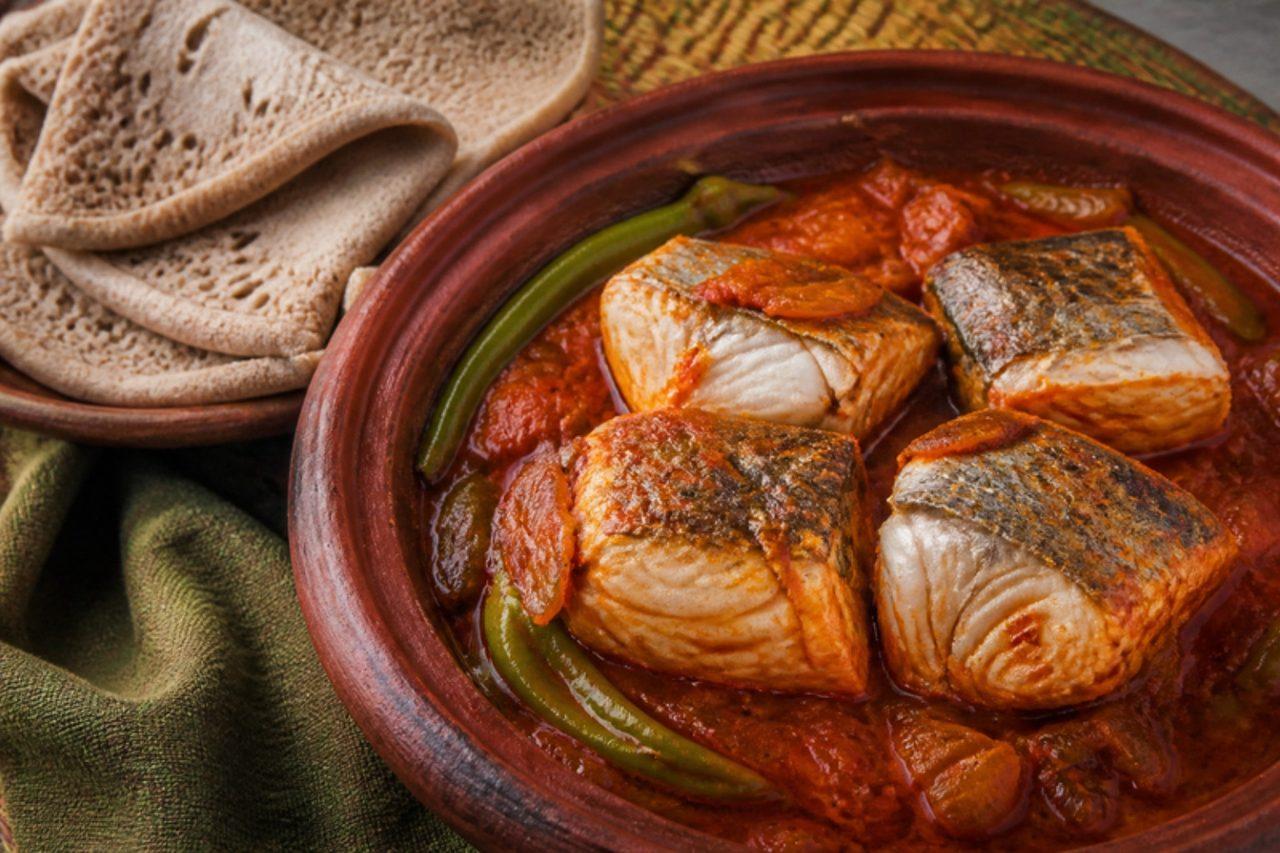
Around Lake Tana in Bahir Dar and on the shores of Lake Hawassa, fresh tilapia, Nile perch and catfish are cheap and plentiful, so fish goes into the same deep red berbere sauce that elsewhere would hold beef or chicken. Asa wat has the familiar long-cooked onion base and warming spice, but it is lighter than a meat wat, with tender, sweet chunks of fish soaking up the sauce. It is eaten with injera, often alongside a lentil or greens dish, and is a popular choice on fasting days for those who eat fish. Stirring once the fish is in is the classic mistake; it breaks into shreds, so shake the pan instead. Chef's tip: add the fish only once the sauce is fully cooked and thick, then give it no more than 10 minutes.

by KrazyBadal 0 views

Owo soup with fish

Owo looks almost like custard: palm oil is whisked with a little potash water until it turns from red to a creamy yellow, then thickened with cassava starch and seasoned with crayfish and pepper. Urhobo and Isoko homes in Delta State serve it with boiled unripe plantain or yam, which you dip and scoop rather than swallow, and it is a favourite on market days because it is quick once the fish is ready. Fresh or smoked fish both work; many cooks use both. Too much potash makes the soup soapy and bitter, so add the strained potash water little by little and stop as soon as the colour changes. The usual mistake is pouring in the potash too fast, which splits the palm oil instead of turning it smooth and yellow. Chef's tip: mix the starch with cold water first, then pour it into the pot in a thin stream while stirring, or it will set in lumps.

by KrazyBadal 0 views

Asa tibsFried tilapia pieces

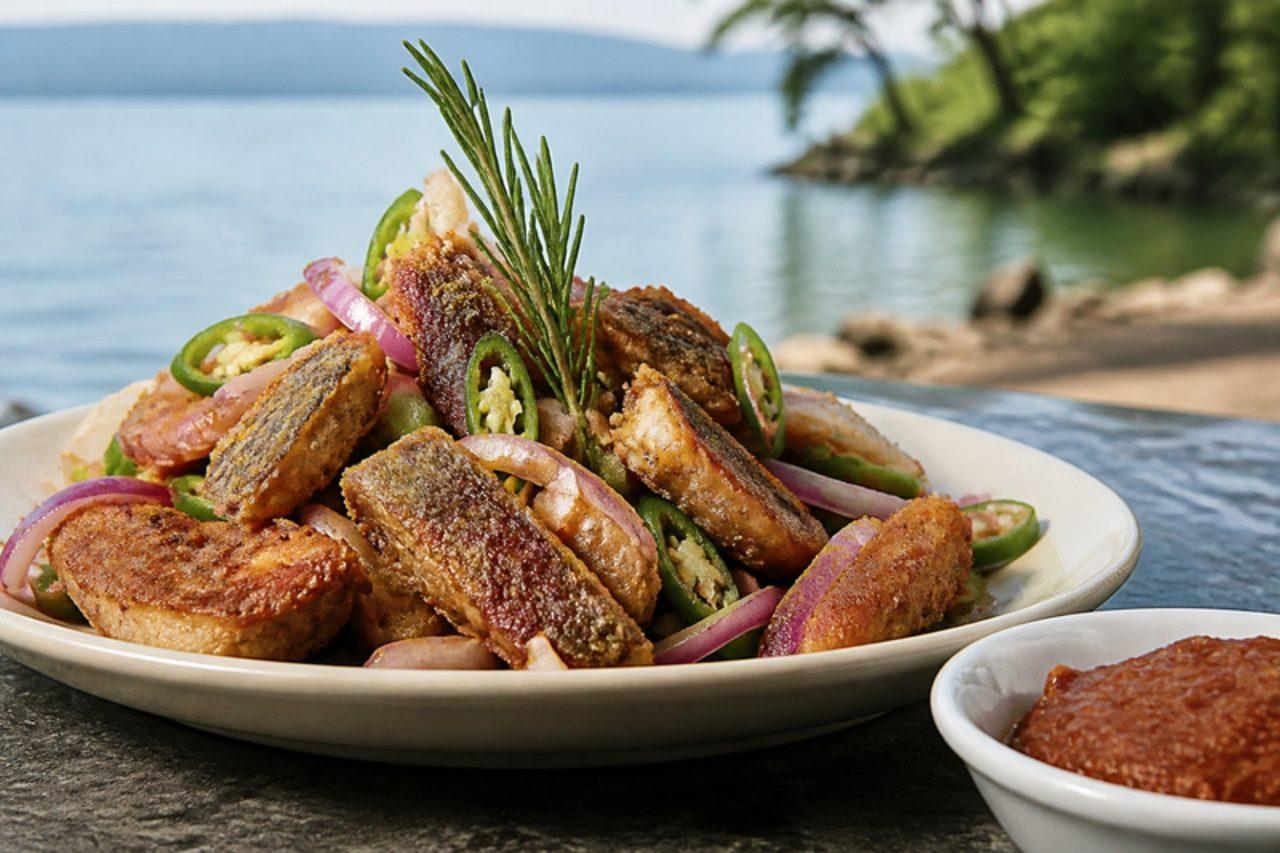
Down by the fish market on the shore of Lake Hawassa, cooks fry tilapia straight from the boats and serve it with injera, bread and a fiery dip, and asa tibs is the version you can easily make at home. Bite-sized pieces of fillet are dusted, fried until crisp and golden, then tossed briefly with soft onion, green chilli and a spoon of awaze, so the fish is crunchy outside, flaky and sweet inside, and coated in a spicy glaze. It is a favourite on fasting days for people who eat fish, and quick enough for a weeknight. Chef's tip: leave each piece undisturbed until it releases from the pan by itself; moving fish too early is the common mistake, and it tears the coating and breaks the flesh.

by KrazyBadal 0 views

Aruban pan batiSweet cornmeal pancakes

Aruban families put a stack of pan bati on the table with almost every bowl of soup or stew, from sopi di pisca to kabritu stoba: thick, slightly sweet pancakes of cornmeal and flour, cooked on a dry griddle and torn to mop up the broth. They are soft, a little grainy and golden at the edges. The mistake is cooking them too fast, so they burn outside and stay raw in the middle. Chef's tip: let the batter rest for 10 minutes so the cornmeal softens and the pancakes come out tender.

by KrazyBadal 0 views

Arroz mamposteaoFried rice and stewed beans

Fondas around San Juan put arroz mamposteao on the menu as a way to use yesterday's white rice and the last ladle of habichuelas, and at home it is the Sunday-night fix when the pots from lunch come out of the fridge. The rice is fried in olive oil with a fresh sofrito, then the beans and their sauce go in until every grain is stained pink and the edges catch and crisp. Many cooks add ham or bacon; this version stays meat-free and gets its depth from the sofrito and a little smoked paprika. The common mistake is using freshly cooked rice, which turns to paste; cold, day-old rice keeps separate grains. Chef's tip: leave the pan alone for the last few minutes so a crunchy layer forms on the bottom, then fold it through.

by KrazyBadal 0 views

Nkwobi (cow foot in spicy palm-oil sauce)

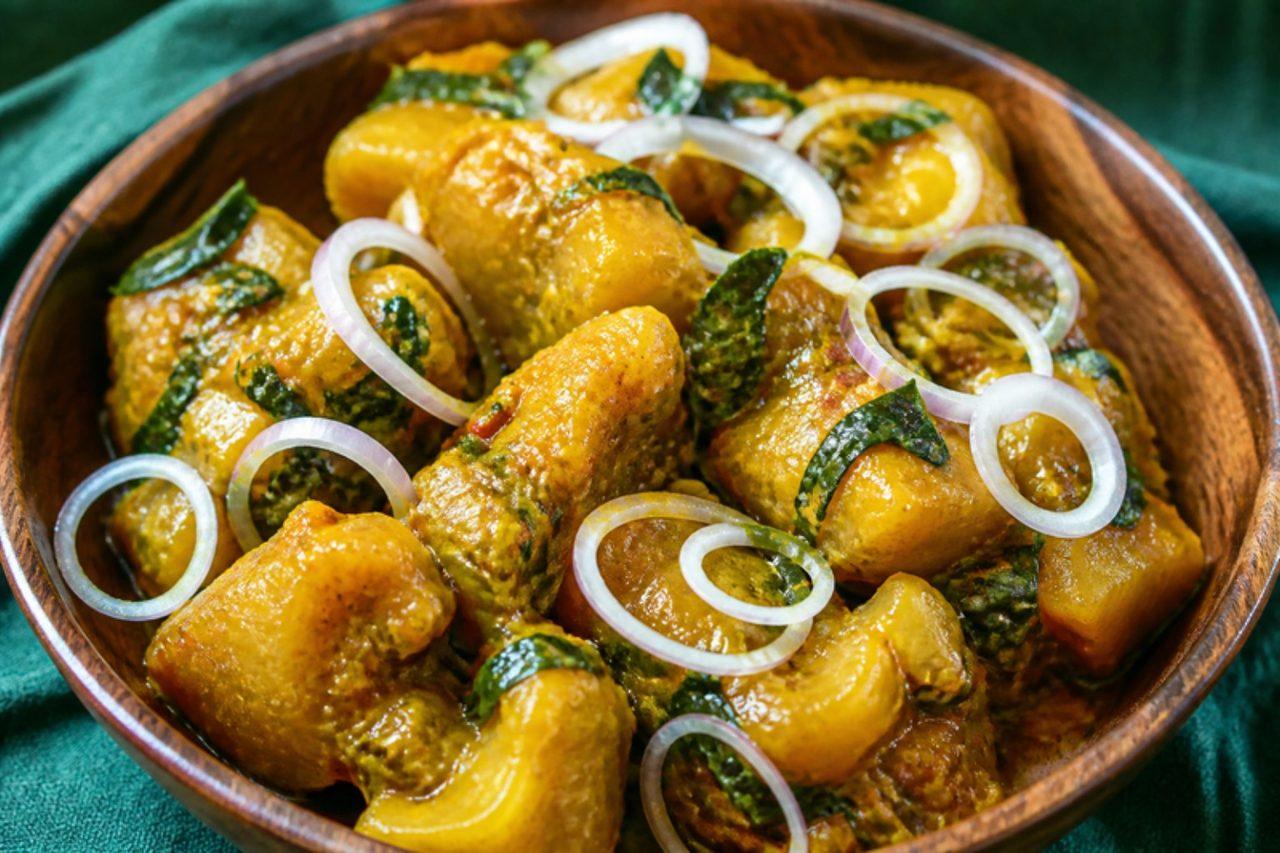
Pieces of cow foot, cooked for hours until gelatinous and sticky, are what make nkwobi so popular in bars and small restaurants across Anambra, Enugu and Lagos. The meat is tossed in the same kind of thick, peppery palm-oil and potash sauce used for isi ewu, spiked with ehuru and crayfish, then finished with sliced onion and bitter utazi leaves. It is eaten as an evening dish in its wooden bowl, slowly, with plenty of conversation. Undercooking the cow foot is the mistake to avoid; it should be soft enough to pull from the bone with a fork, so give it the full time or use a pressure cooker. Chef's tip: add the potash liquid to the oil slowly and stop when the sauce is thick, as too much potash makes it taste soapy.

170 minNigerianMeatGluten freeSpicy
by KrazyBadal 0 views

Ofe oha (oha leaf soup)

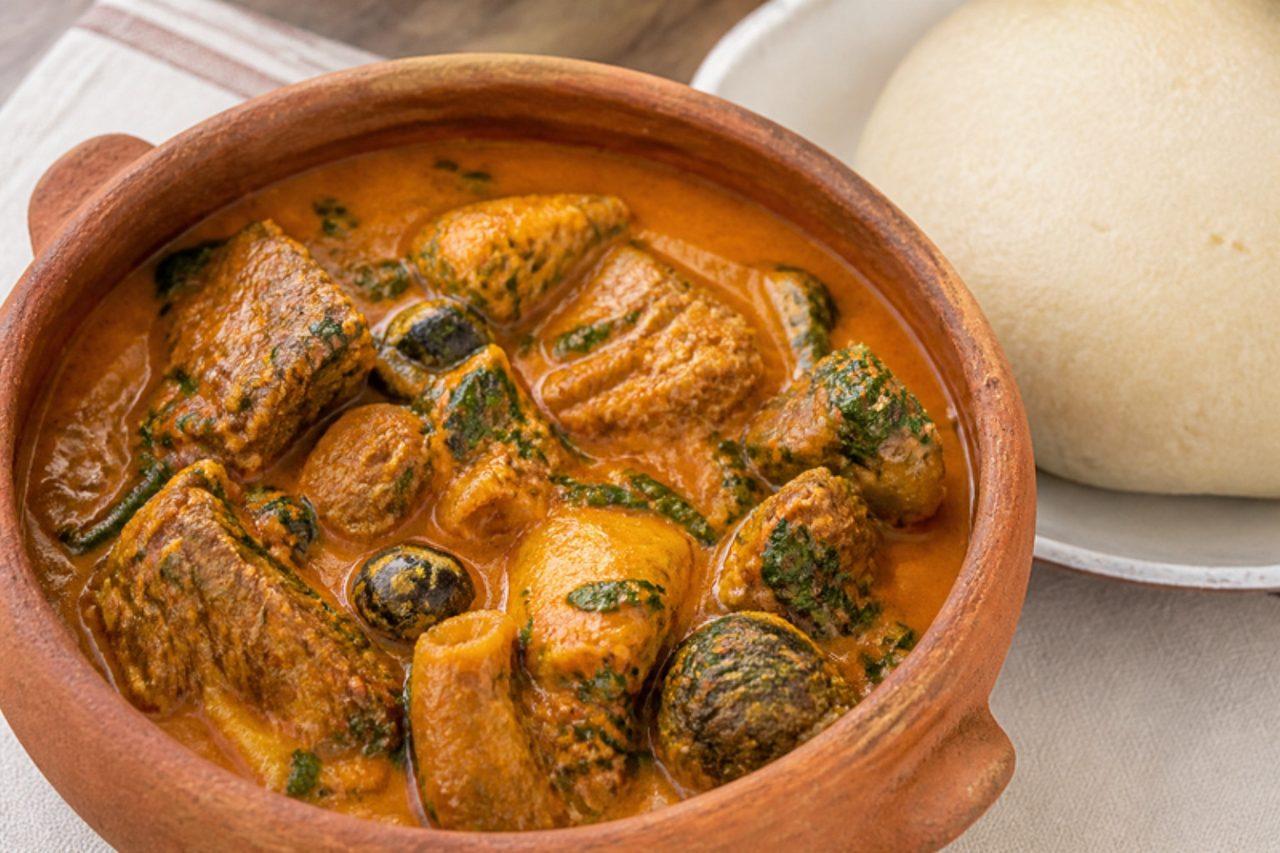
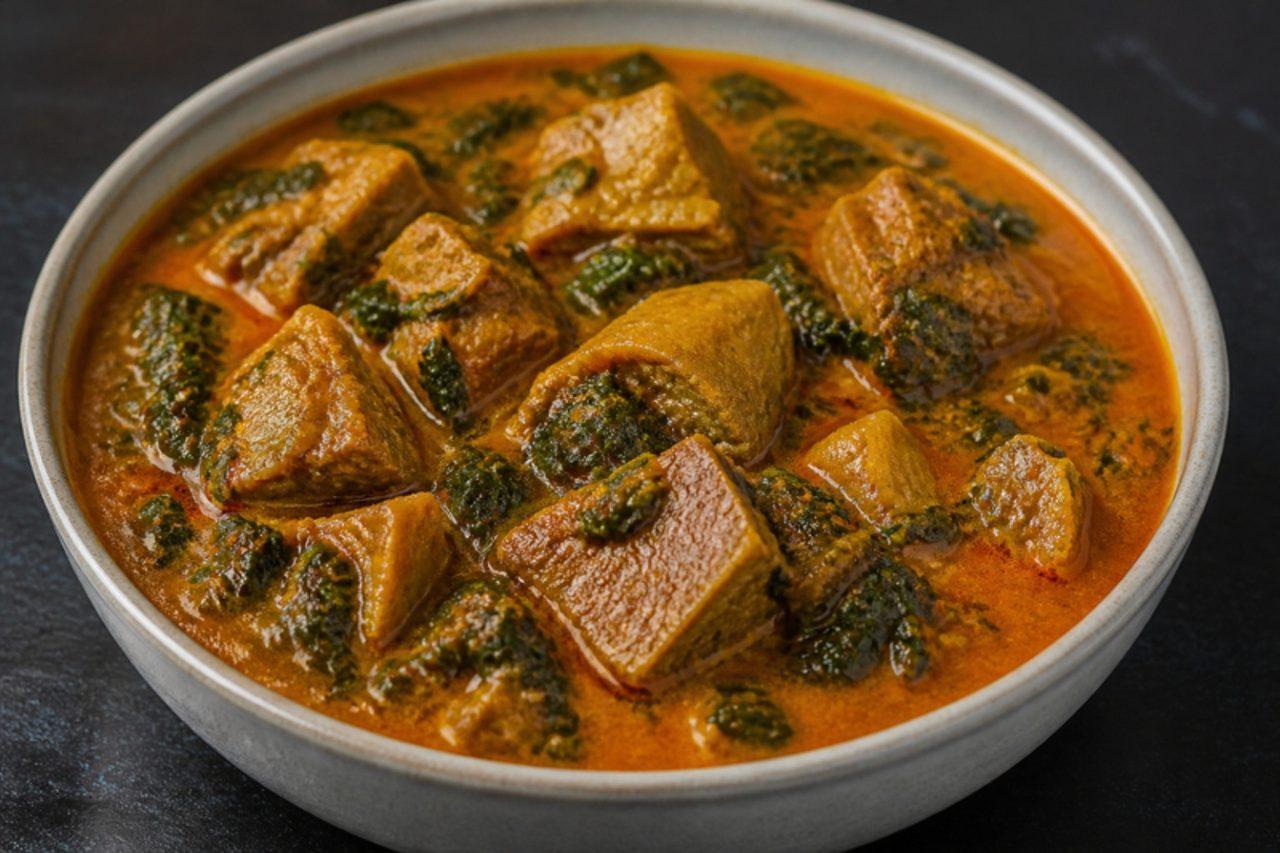
Tender oha leaves, with their mild, slightly sweet taste, are prized in Enugu and Anambra, and ofe oha is the soup many Igbo families bring out for Christmas, weddings and Sunday visits. Boiled cocoyam is pounded and melted into a palm-oil broth rich with beef, stockfish, dried fish and crayfish, giving a thick, velvety soup with the oha folded in at the very end, to eat with pounded yam, fufu or eba. Adding all the cocoyam at once is a frequent mistake that turns the soup gluey; add it in stages and stop at the thickness you want. Stockfish needs an overnight soak first unless you buy it pre-soaked. Chef's tip: tear oha leaves by hand rather than cutting them, as cooks traditionally do, and add them in the last 2 minutes.

120 minNigerianMeatGluten free
by KrazyBadal 0 views

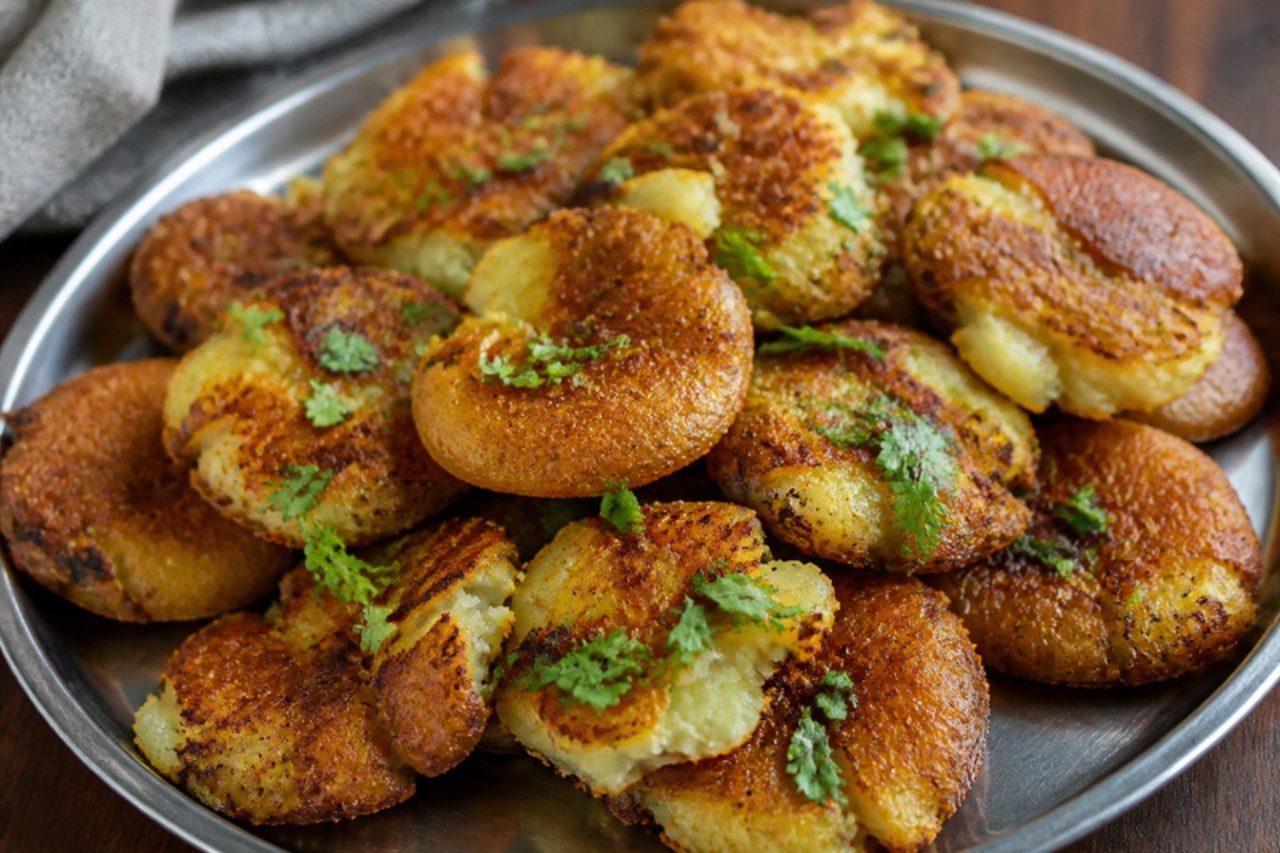
Aloo tukTwice-fried pressed potatoes

Aloo tuk is the crunch on a Sindhi plate, the thing children steal first: small potatoes boiled, fried, squashed flat and fried again until they are craggy and crisp at the edges and fluffy within, then showered with red chilli, tangy amchur and salt. In Sindhi homes from Karachi to Shikarpur they sit beside Sindhi kadhi and rice or dal and bhuga chawal, and they are also served on their own as a teatime snack with green chutney. The most common error is pressing the potatoes while they are still raw-centred or too hot and wet, which makes them tear instead of flatten neatly. Chef's tip: after the first fry let them cool for five minutes, then press each one under a flat-bottomed bowl so it cracks at the edges, since those cracks become the crispest bits. For children, go easy on the chilli and use more amchur.

by KrazyBadal 0 views

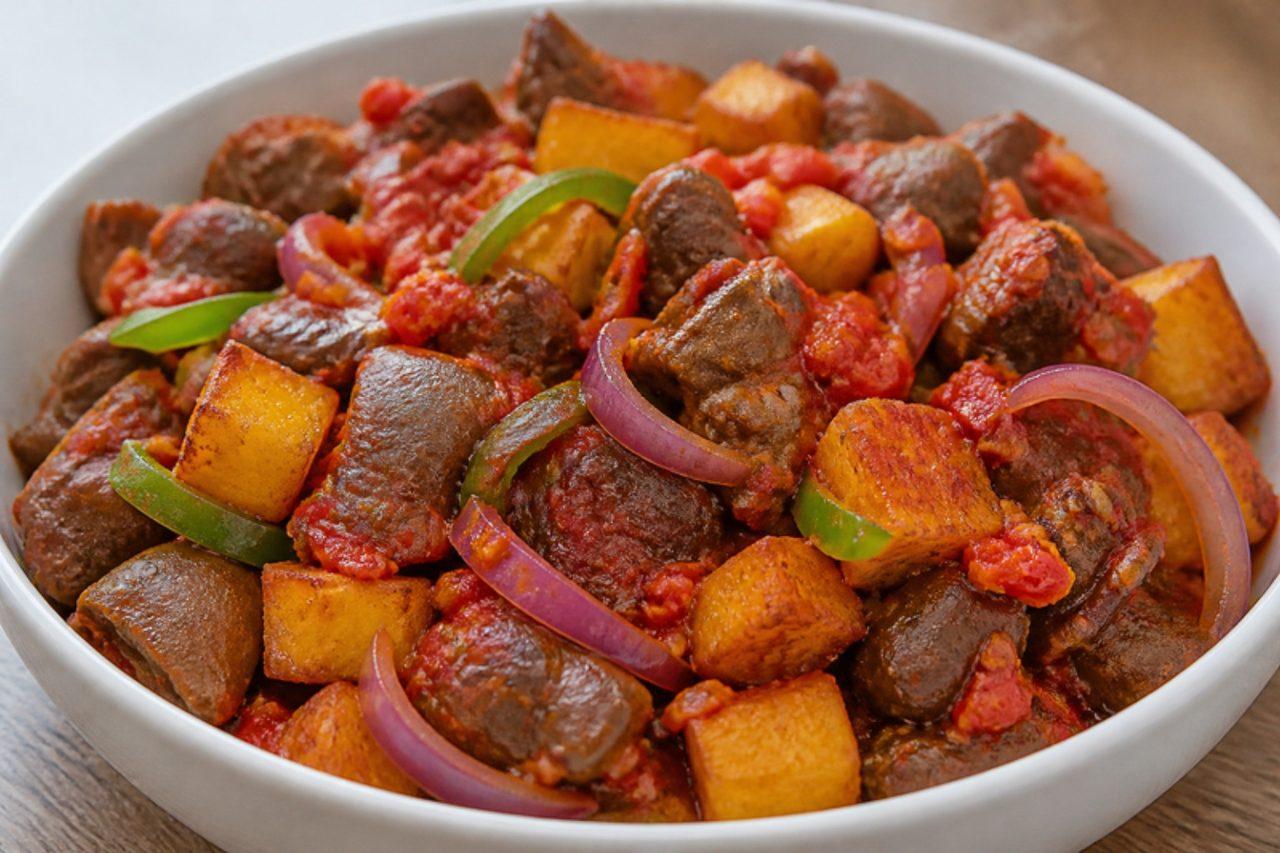
Gizdodo (gizzards and plantain in pepper sauce)

No Lagos owambe buffet is complete without a tray of gizdodo, where chewy fried chicken gizzards and caramelised cubes of ripe plantain (dodo) are tossed together in a glossy, fiery tatashe and scotch bonnet sauce. It is sweet, hot and savoury all at once, and served as a starter, a side to jollof or a snack. Gizzards must be boiled until tender before frying, and for safety they should reach 74°C in the thickest part, which they easily do by the end of the simmer. Frying plantain that is too green is a common mistake, leaving it starchy instead of sweet, so choose yellow fruit with black spots. Chef's tip: fry the plantain last, just before tossing, so it stays crisp-edged rather than soggy.

by KrazyBadal 0 views

Kunun zaki (millet and ginger drink)

Chilled kunun zaki is what people reach for in the heat of Kano and Kaduna afternoons, and at Ramadan iftar it is one of the first things poured. Millet is soaked, ground with fresh ginger and cloves, then partly cooked; the uncooked portion stirred back in sweetens the drink naturally and gives it a light, refreshing tang. It is creamy-looking but thin, spicy at the back of the throat and best ice cold. Pouring boiling water over all the slurry is the classic mistake, since it stops the natural sweetening, so always keep a third raw. Chef's tip: start a day ahead (12 hours soaking, 4–6 hours resting) and strain twice through a fine cloth for a silky drink with no grit.

by KrazyBadal 0 views

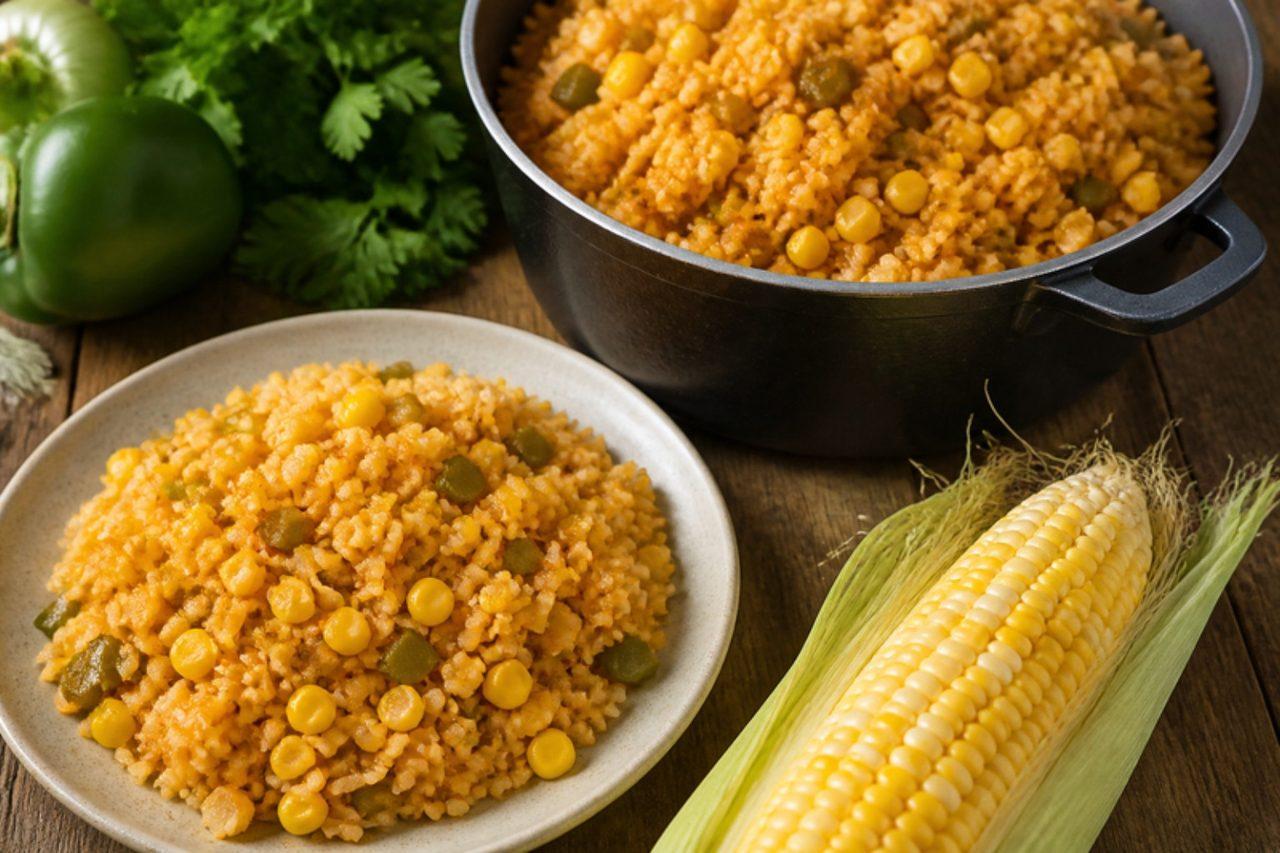
Arroz con maízRice with sweetcorn

In central Cuba, when the fields are full of young corn, families cut the kernels straight off the cob into the rice pot with a sofrito of onion, pepper, garlic and annatto, cooking everything together until golden and sticky at the base. Many farm cooks add salt pork; this vegan version leans on cumin and a little smoked paprika. A common mistake is using too much water, as fresh corn releases its own milk, so keep to the amounts given. Serve with black beans or a tomato and avocado salad. Chef's tip: scrape the cobs with the back of the knife after cutting off the kernels and add that milky pulp; it gives the rice a creamy sweetness.

by KrazyBadal 0 views

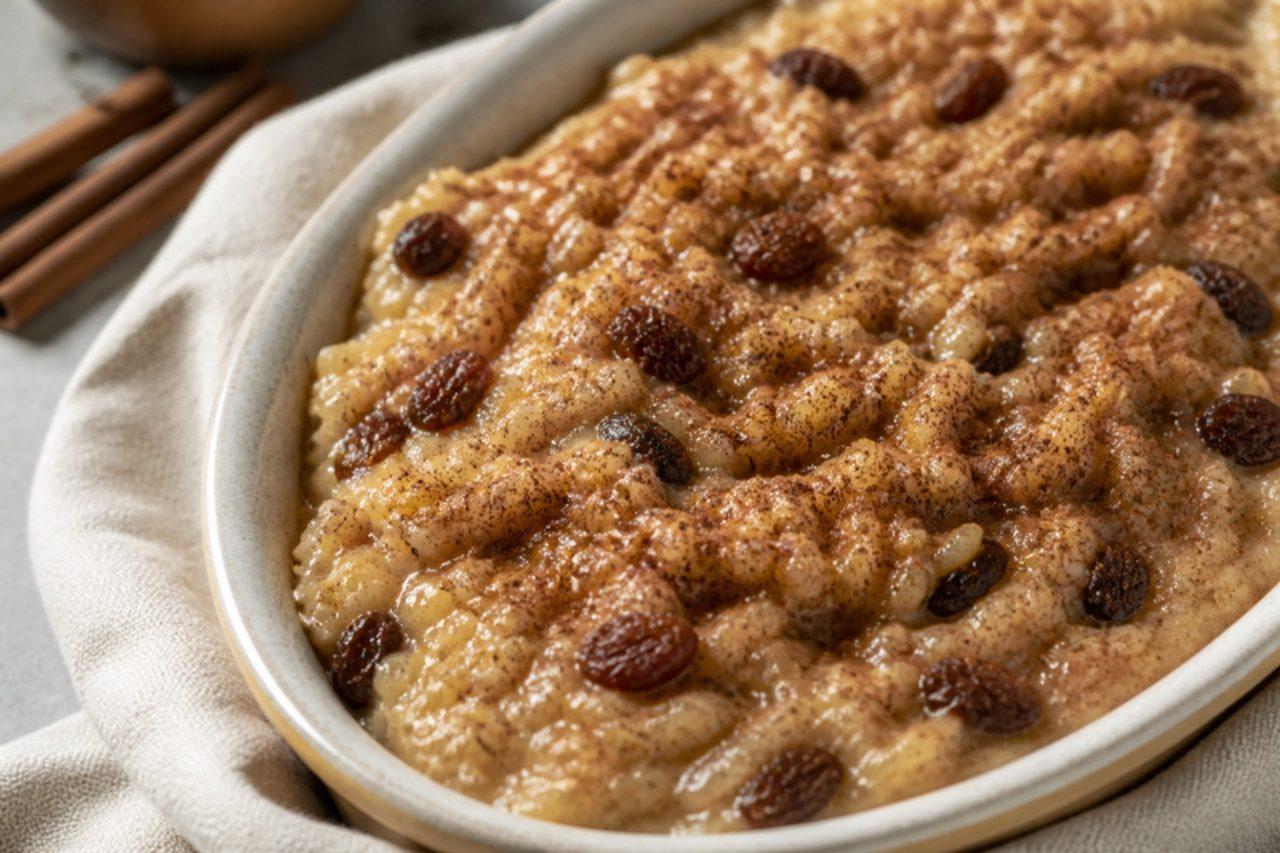
Arroz con dulceCoconut rice pudding

From the start of December to the Three Kings in January, trays of arroz con dulce cool on Puerto Rican kitchen counters, sliced into squares and handed round at parrandas when carollers arrive at the door late at night. Unlike a milky rice pudding, it is cooked in a water steeped with fresh ginger, cinnamon, cloves and star anise, then finished with coconut milk and raisins, so it is fragrant, firm enough to cut and dairy free. The common mistake is adding the sugar too early, which keeps the rice grains hard; sweeten only once they are soft. Chef's tip: soak the rice for an hour first, and it cooks evenly and absorbs the spiced coconut far better.

by KrazyBadal 0 views

Beans and plantain porridge

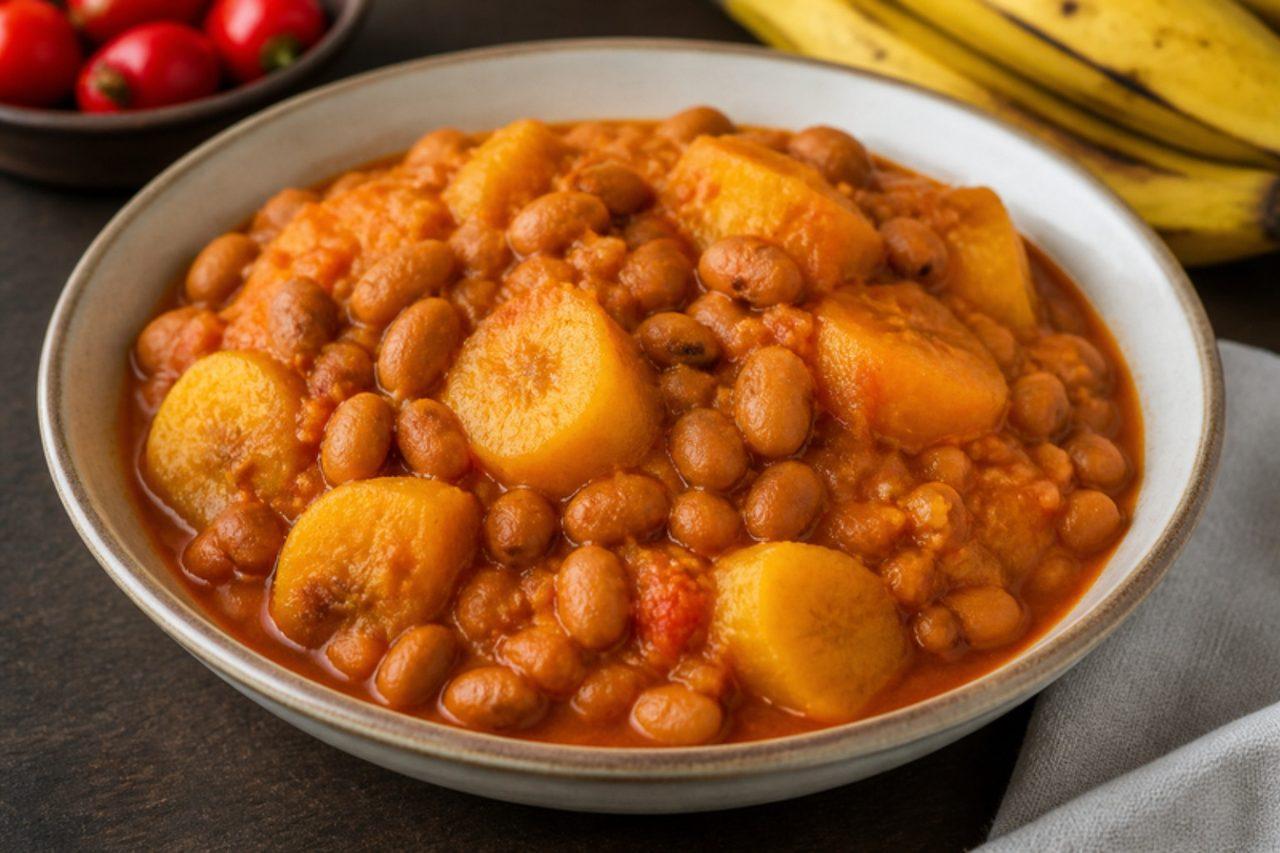
A big pot of this sweet-and-savoury porridge feeds a family through Saturday breakfast and beyond, and it is cooked from Lagos to Port Harcourt. Brown or honey beans (oloyin) are boiled until they start to break up, then finished in palm oil with blended pepper, onion and chunks of ripe plantain, which melt into the beans and sweeten them. Crayfish is common in the pot; this version is vegan and still rich. Tomatoes and salt added too early slow the beans down, so stir in the pepper base only once they are soft. Avoid adding the plantain at the start: it collapses into mush before the beans are soft. Chef's tip: draining the first 10-minute boil of the beans makes them gentler on the stomach.

by KrazyBadal 0 views

Arroz a la cubanaRice with tomato and egg

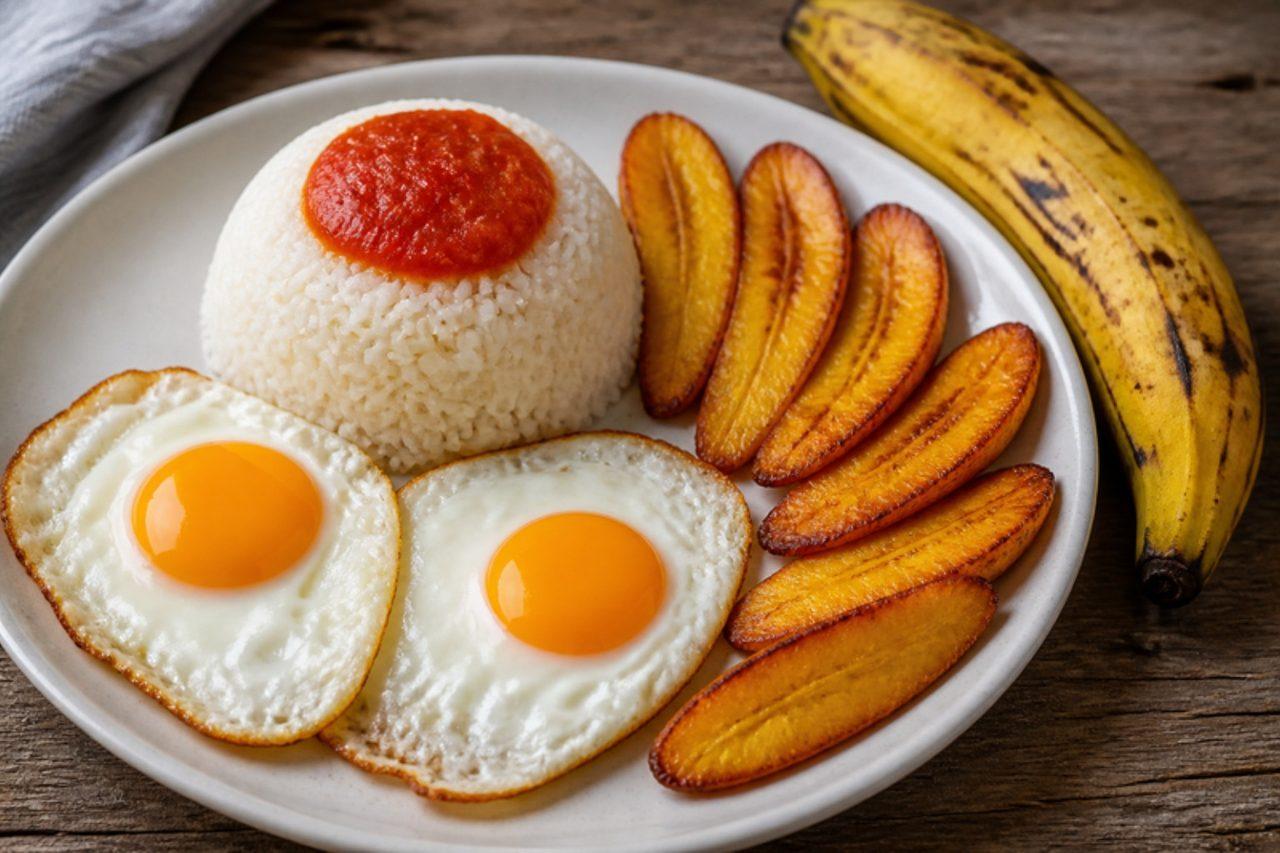
Havana cafeterías put this plate on the lunch board when cooks want something cheap, fast and filling: a mound of plain white rice, a ladle of garlicky tomato sauce, a fried egg with a runny yolk and slices of caramelised ripe plantain. Breaking the yolk into the rice and sauce is the whole point, so the eggs should be fried at the last minute. The usual mistake is using plantains that are still yellow-green; they need black-spotted skins to turn soft and sweet in the pan. Serve with a simple avocado salad. Chef's tip: baste the egg whites with hot oil from the pan so they set with lacy edges while the yolks stay liquid.

by KrazyBadal 0 views

Amba maluwaSweet spicy mango curry

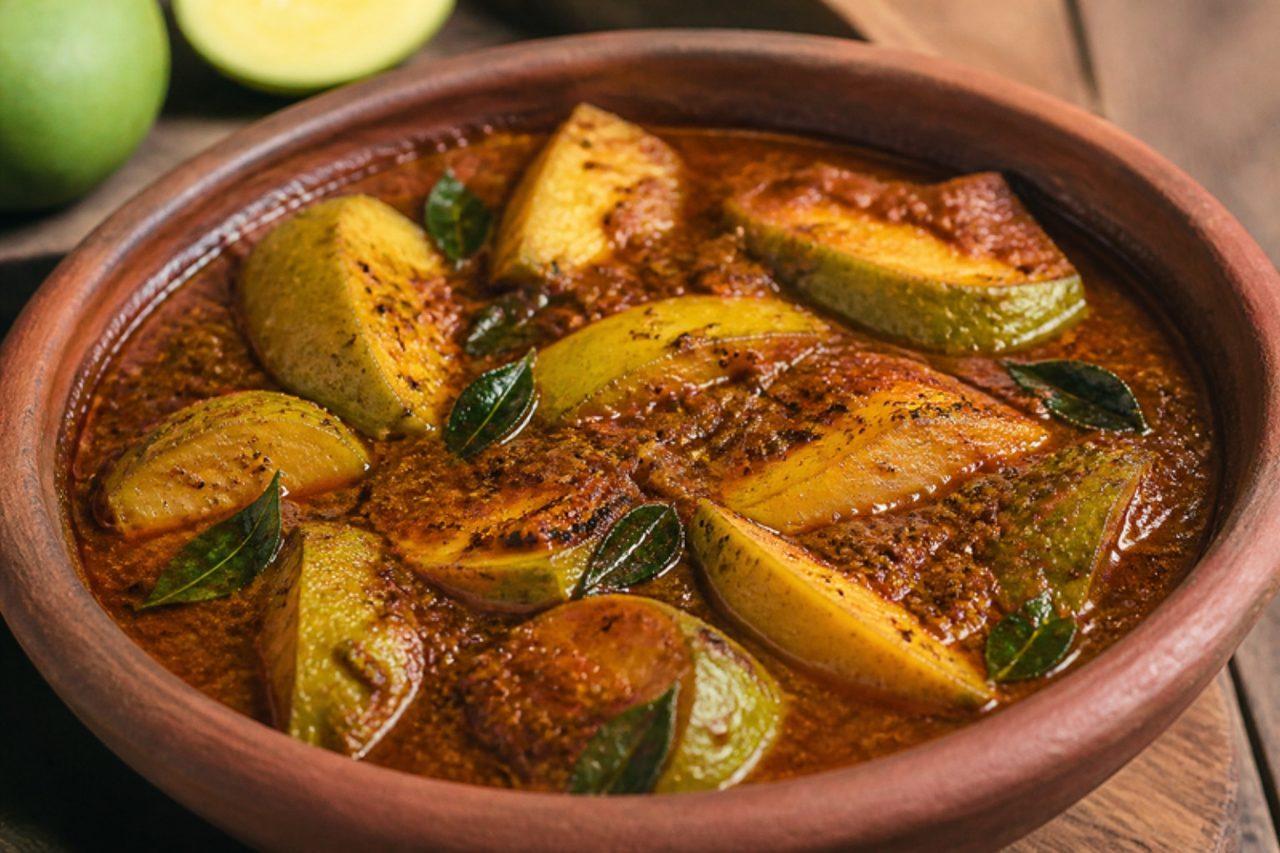
Maluwa usually means a fish curry, yet in Matara and the southern villages the name also goes to this mango dish, perhaps because it is cooked with the same bold spices and was once a stand-in for fish on fasting days. Half-ripe mangoes are cut into chunks with their skin on, then simmered with dark roasted curry powder, chilli, cinnamon and a sharp paste of ground mustard seed and vinegar, sweetened with sugar and finished with coconut milk. The result is hot, sweet and tangy at once, and it is a favourite on wedding and almsgiving spreads, eaten in small amounts with yellow or white rice. Fully ripe mangoes are the wrong choice, because they collapse into jam; pick fruit that is just turning yellow and still firm to the touch. Chef's tip: keep the skin on the mango pieces, as it holds them together during cooking and adds a pleasant, slightly chewy texture.

by KrazyBadal 0 views

Polish-style cauliflower

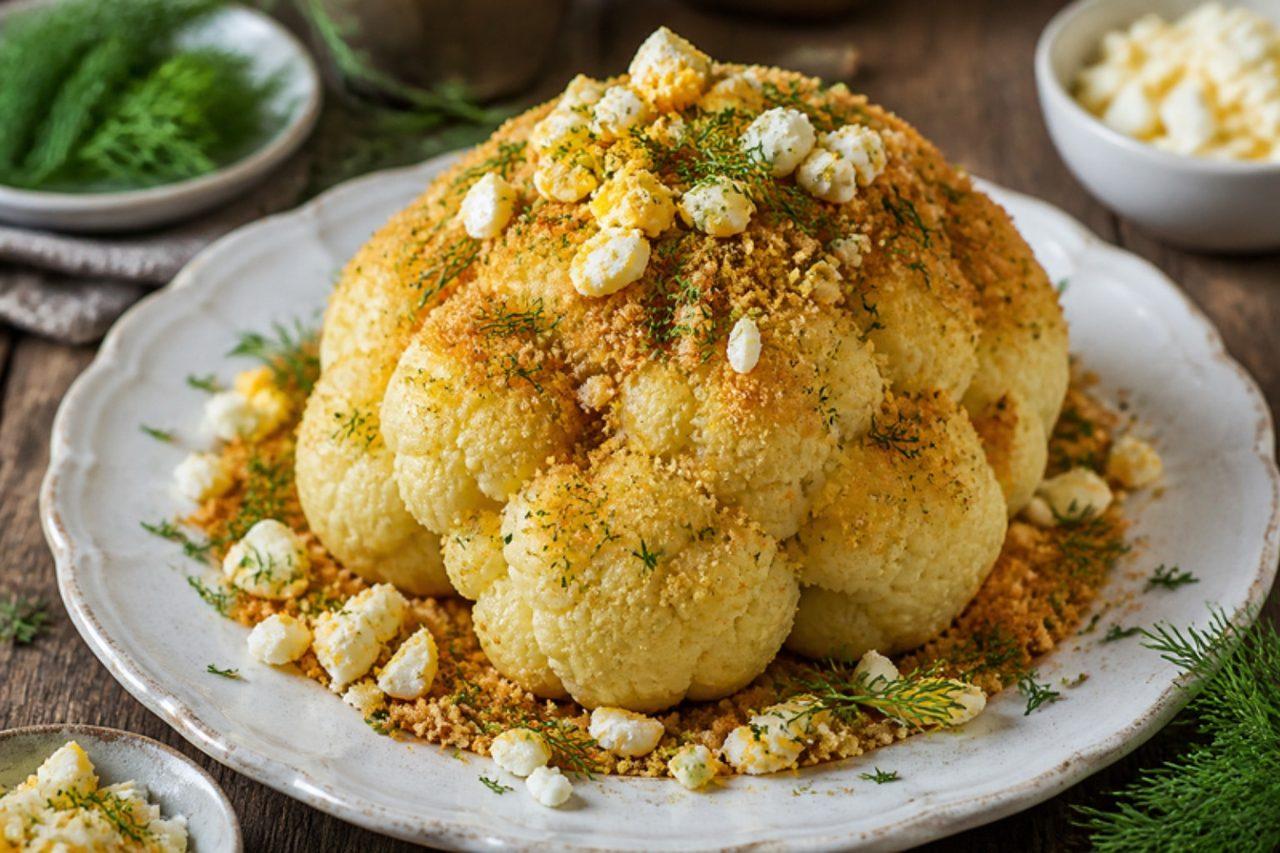
‘Po polsku’ on a Polish menu means one thing: a vegetable topped with crumbs fried in plenty of butter. In Warsaw canteens and on Sunday tables, a whole cauliflower arrives this way next to potatoes and a salad, and children who claim to hate cauliflower eat it happily. The florets are tender and sweet, the crumbs nutty and crisp. A common mistake is boiling the cauliflower until it falls apart; it should keep a slight bite in the stalk. Chef's tip: a pinch of sugar and a splash of milk in the boiling water keep the cauliflower white and sweet.

by KrazyBadal 0 views

Ofe Owerri (festive ugu and okazi soup)

Owerri people speak of their soup with pride, and it is famous for how much goes into the pot: goat meat, tripe, stockfish and dried fish, simmered in palm oil and thickened with cocoyam, then finished with two leaves, chewy okazi and soft, sweet ugu. It is festive food for weddings, Christmas and big family gatherings across Imo State, and it is served with pounded yam or fufu. Adding the ugu too early is a common mistake that leaves the leaves dark and mushy; it goes in last, after the okazi has had time to soften. Stockfish needs an overnight soak first unless bought pre-soaked. Chef's tip: soak dried okazi in warm water for 10 minutes before cooking so it softens evenly.

140 minNigerianMeatGluten free
by KrazyBadal 0 views

Ofe nsala (catfish white soup)

No palm oil goes into ofe nsala, which is why Igbo cooks in Anambra, Enugu and Imo call it white soup: a light, peppery broth of fresh catfish thickened with pounded yam and perfumed with uziza seeds. It is warming and clean-tasting, often cooked for new mothers and for anyone feeling under the weather, and served with pounded yam. Stirring hard after the fish goes in is the usual mistake, as catfish breaks up easily, so swirl the pot instead. Chef's tip: scrub the catfish with hot water and a little salt before cooking to remove the slime, which keeps the broth clear.

by KrazyBadal 0 views

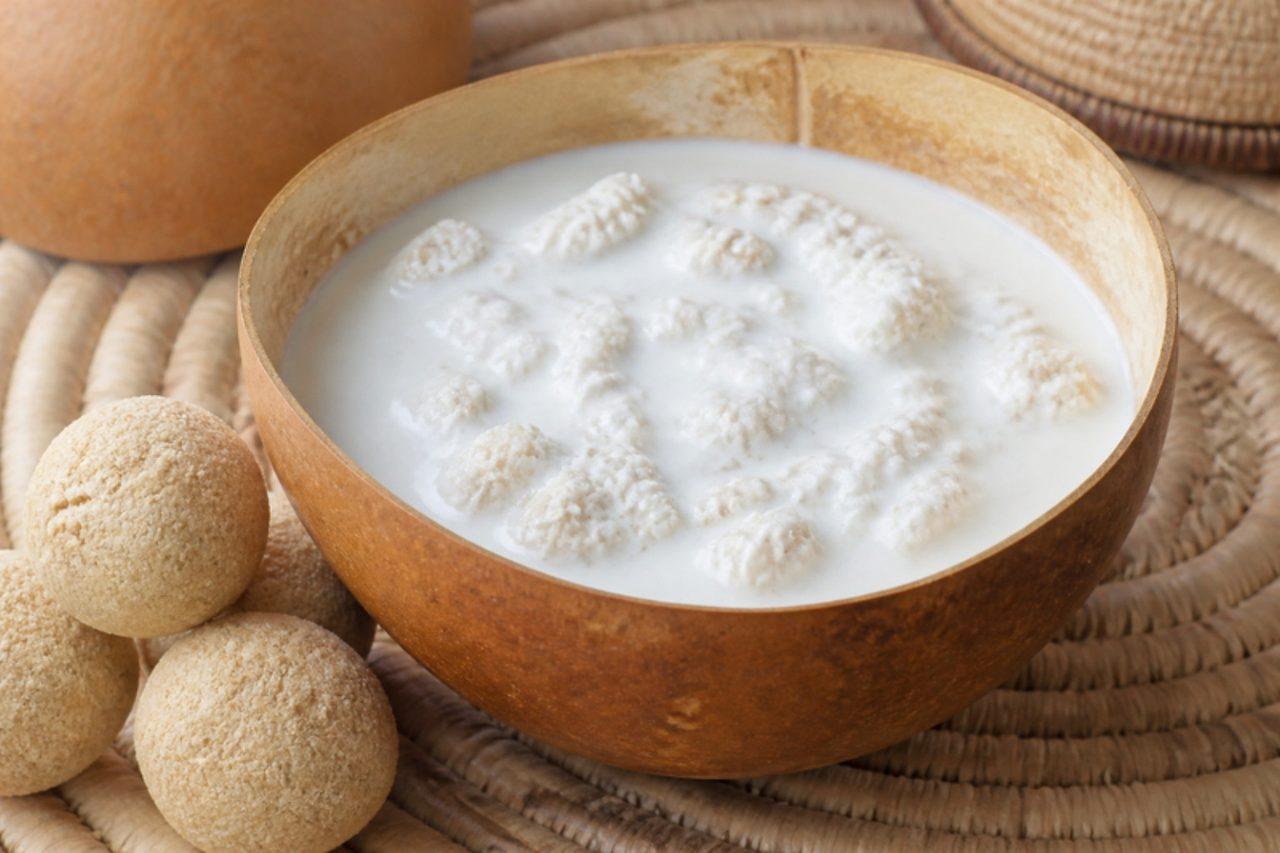
Fura da nono (millet balls in cultured milk)

Fulani women carry fura da nono to markets across the north in calabashes balanced on their heads: balls of spiced, cooked millet dough sold next to nono, cow's milk that has been left to sour. Crumbled into the milk and sweetened, the fura makes a thick, cooling drink that is part breakfast, part refreshment, tangy with ginger and a gentle heat from the spices. Traditional nono is made from raw milk; this home version uses pasteurised yoghurt and milk for safety, and it should be kept in the fridge. Mashing the fura straight into all the milk leaves lumps, so crumble it with a little milk first. Don't crumble the fura balls coarsely; large lumps stay chalky in the drink. Chef's tip: dust the shaped fura in millet flour and it keeps for 3 days in the fridge, ready to mix.

by KrazyBadal 0 views

ArishtaButtered egg noodles

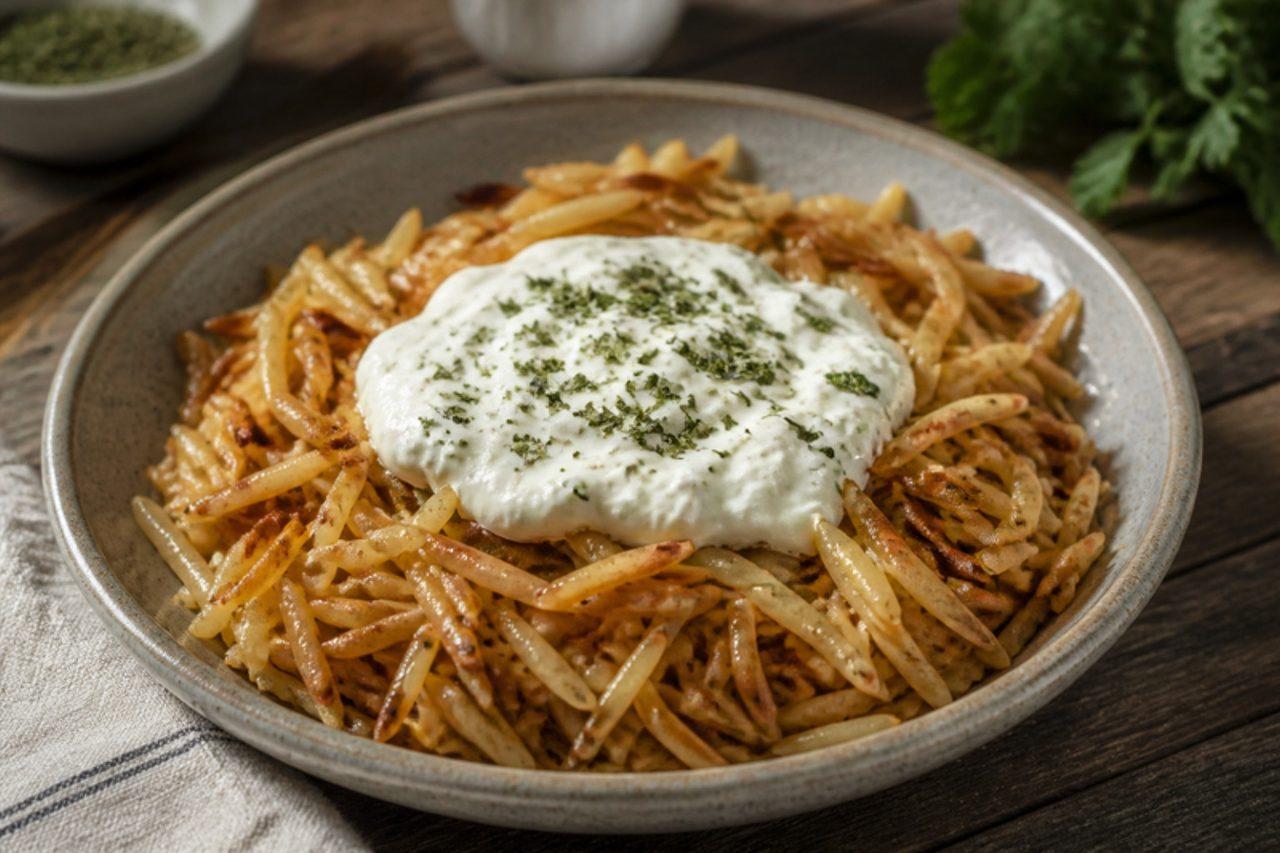
In Gyumri and the villages of Shirak, grandmothers still roll arishta by hand, cut it into thin strips and dry it in the sun to store for winter. To serve, the noodles are first toasted in butter until they turn golden and nutty, then boiled until tender and topped with garlicky matsun yogurt. It is simple, filling food for cold days on the Shirak plateau. A common mistake is skipping the toasting step, which gives soft, plain noodles without the characteristic roasted flavour. Chef's tip: dry the cut noodles for at least an hour before toasting, so they brown evenly instead of clumping.

by KrazyBadal 0 views

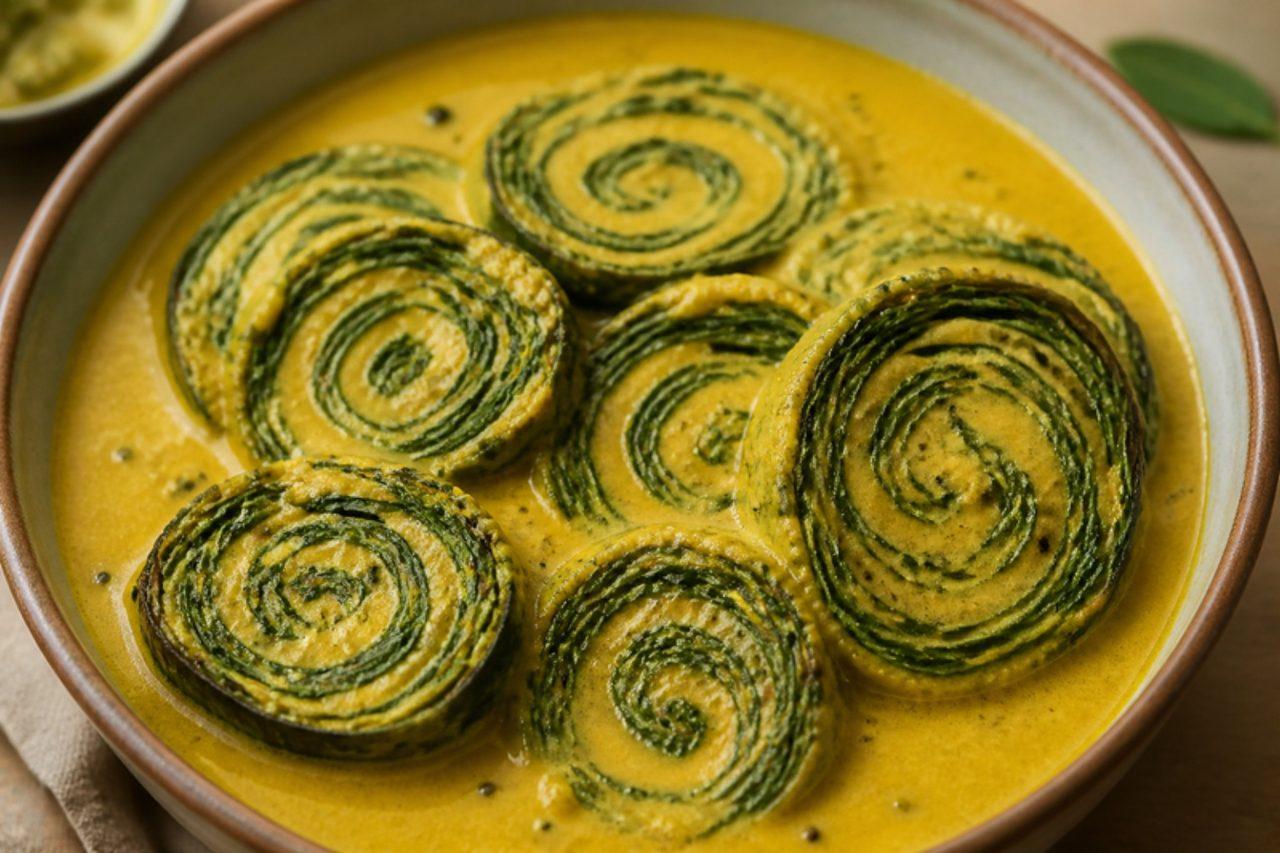
ArikanchanTaro leaf rolls in mustard gravy

Arikanchan is a monsoon speciality of Maithil kitchens in Janakpur and the eastern Terai, cooked when the taro plants in the courtyard put out huge, tender leaves. A spiced chickpea-flour paste is spread over the leaves, which are rolled up tight like a Swiss roll and steamed, then the rolls are sliced into spirals, fried and simmered in a punchy gravy of ground mustard seed, garlic, chilli and tomato cooked in mustard oil. The result is soft and layered, with a gentle sourness and the nose-tingling heat of fresh mustard, eaten with rice and a dal. The biggest risk is undercooking the taro leaves, which can leave an itchy, scratchy feeling in the throat. Chef's tip: use only young leaves, strip the thick ribs, and always include the tamarind in the paste, because the sourness neutralises the irritant in the leaves.

by KrazyBadal 0 views

Kunun gyada (groundnut and rice gruel)

Breakfast sellers in Kano and Zaria pour kunun gyada from big flasks into bowls, steaming hot on cool mornings and at Ramadan suhoor. Raw groundnuts are blended into a milk, boiled with rice until it thickens, and then soured with tamarind, which gives a creamy, nutty, sweet-sour gruel with soft grains of rice. It is filling enough to stand as breakfast on its own, or with a few pieces of kosai. Groundnut milk foams up just like dairy milk and is the cause of the most common mishap, so use a big pan and stay close. A frequent slip is adding the tamarind too early, which can make the groundnut milk curdle; stir it in at the end. Chef's tip: add the tamarind off the heat; boiling it hard can make the gruel split grainily.

by KrazyBadal 0 views

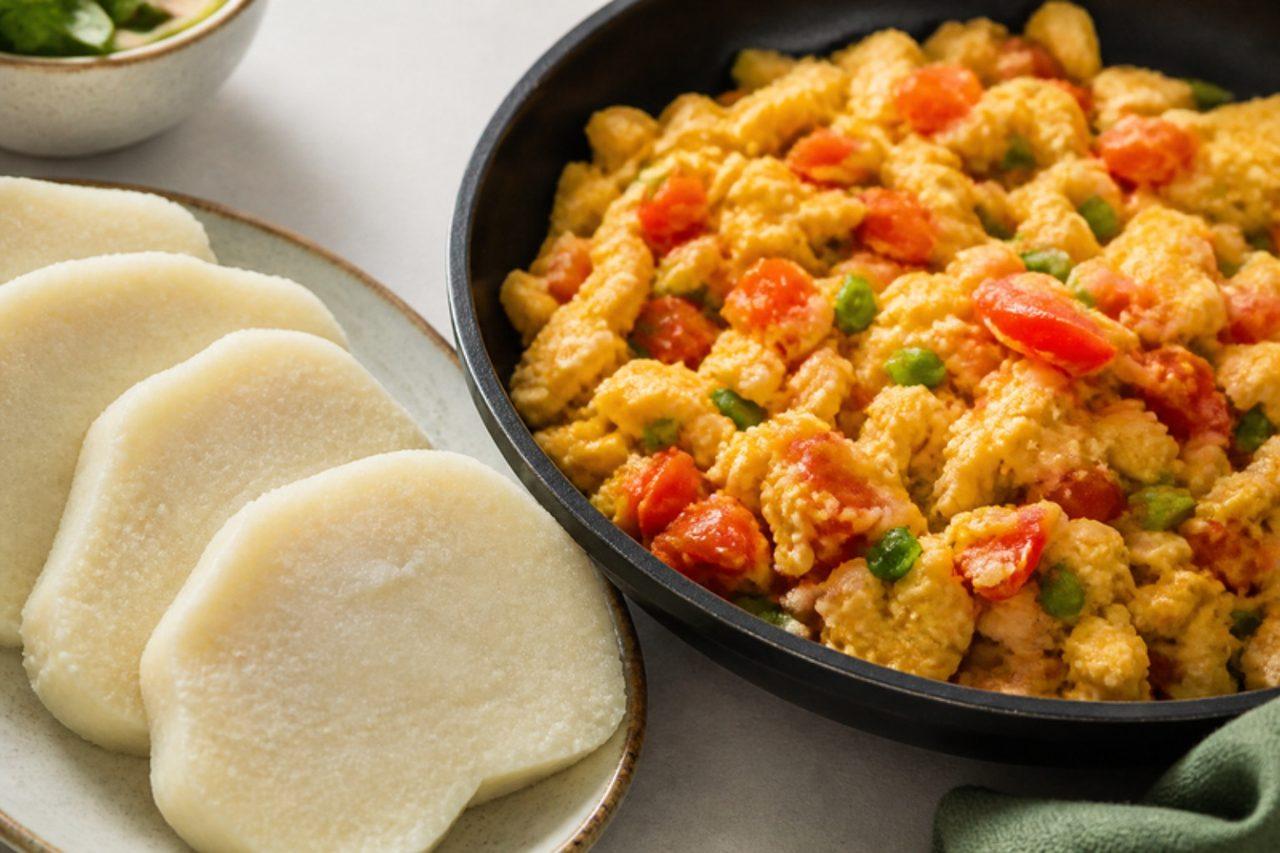
Boiled yam with egg sauce

Saturday breakfast in many Nigerian homes means thick slices of boiled white yam and a pan of egg sauce, eggs gently scrambled into a quick fried sauce of tomato, onion and fresh chilli. The yam is fluffy and starchy, the sauce juicy, peppery and soft, and the two are made in the same half hour. It is just as popular for supper. Overcooking the eggs is the usual mistake: take the pan off the heat while they still look slightly wet and they finish in their own warmth. Chef's tip: wear gloves or oil your hands while peeling yam, since the raw skin and flesh can make your hands itch.

by KrazyBadal 0 views

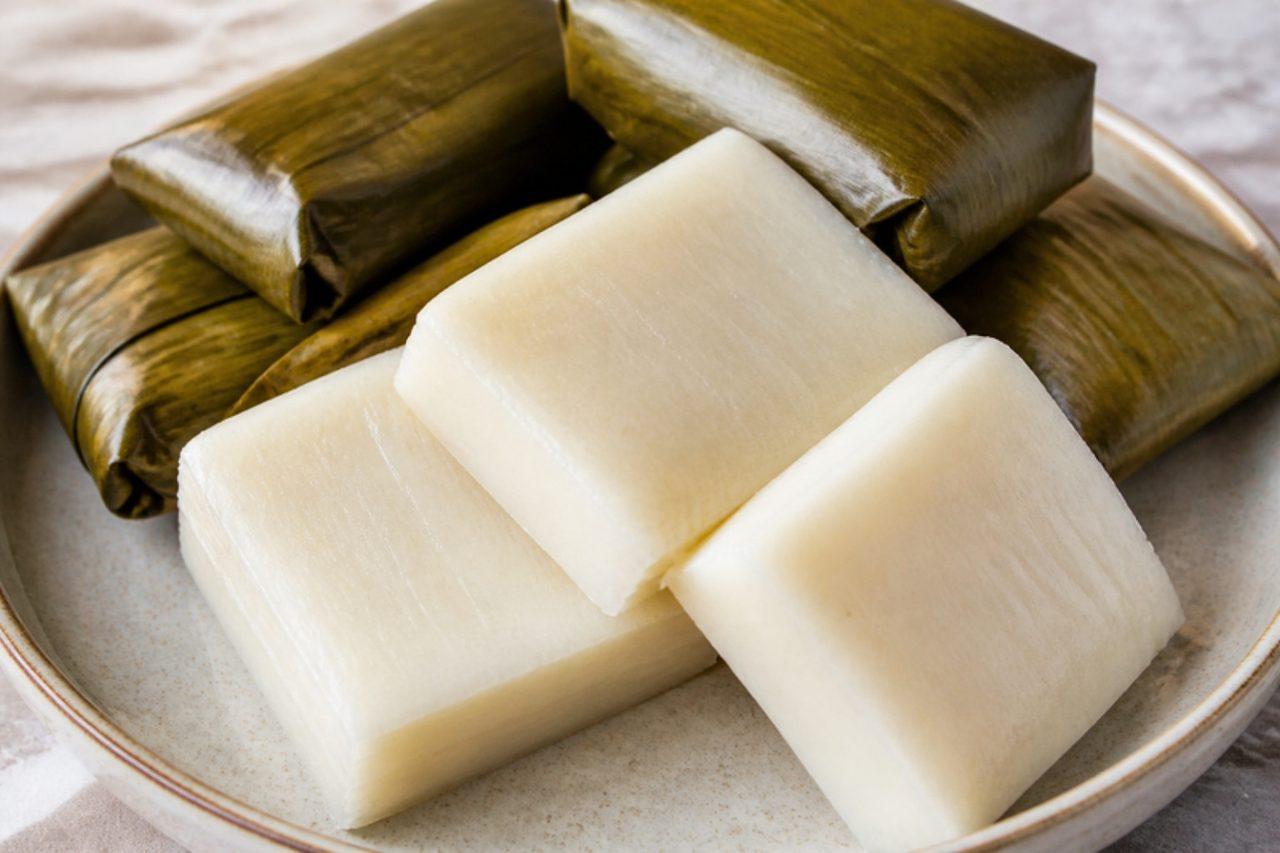
Agidi (set fermented maize in leaves)

Wrapped in green leaves and stacked in pyramids, ẹ̀kọ (Yoruba) or agidi (Igbo) is the solid form of ogi: the same fermented maize paste cooked much thicker, then left to set into a cool, wobbly block. It tastes gently sour and very clean, which is why it suits a hot pepper stew, moi moi, akara or a bowl of efo. Buka in Lagos and Ibadan sell it at breakfast and lunch. Undercooking is the most common mistake, and the agidi then stays soft and runny, so cook until a spoon leaves a clear trail across the pot. Chef's tip: pass banana leaves quickly over a flame until they turn shiny and supple, and they will fold without tearing.

by KrazyBadal 0 views

Arepa dominicanaSweet cornmeal coconut cake

Not the stuffed corn patty of Venezuela: in the Dominican Republic arepa means a dense, sweet cornmeal cake that grandmothers once baked in a covered pot with hot coals on the lid. The cornmeal is first cooked with coconut milk, milk, butter, sugar and cinnamon into a thick porridge, then baked until it sets with a dark, caramelised crust and a soft, pudding-like centre. It is eaten at merienda with coffee or a glass of cold milk. The common mistake is not cooking the cornmeal long enough on the hob, which leaves the cake gritty. Chef's tip: let the arepa cool completely before slicing; warm, it is too soft to cut cleanly.

by KrazyBadal 0 views

Arepa di pampunaCinnamon pumpkin pancakes

Curaçao and Aruba use the word arepa differently from their South American neighbours: arepa di pampuna are not corn arepas but small, sweet pumpkin pancakes, fried in a little oil and eaten warm for breakfast, or alongside a bowl of soup or stoba at lunch. The mashed pumpkin makes them tender and bright orange, with cinnamon and a little sugar. The mistake is too much flour, which makes them dense; the batter should be thick but soft. Chef's tip: cook the pumpkin the day before and drain it overnight in the fridge for the lightest pancakes.

by KrazyBadal 0 views

Eba (gari swallow)

Students in hostels, office workers at lunchtime buka and families from Warri to Lagos all lean on eba, because it is ready in about five minutes from a bag of gari, the toasted granules of fermented cassava. Stirred into hot water, gari swells into a smooth, firm, slightly tangy dough that you pinch, roll and dip into egusi, okra, ogbono or efo riro. Yellow gari has been fried with a little palm oil and gives a richer, golden eba; white gari is sharper and paler. Chef's tip: pour the gari onto the water, never the water onto the gari, and wait a minute before stirring so every grain soaks evenly.

by KrazyBadal 0 views

AreekaWholemeal bread with ghee and honey

In the green mountains of Asir in south-west Saudi Arabia, areeka is the breakfast for guests, weddings and cold mornings in Abha: thick wholemeal breads are torn while still hot and kneaded with ghee into a smooth, soft dome, then hollowed out and filled with a pool of warm ghee, mountain honey and date syrup. Everyone eats from the same plate, pinching off pieces and dragging them through the sweet centre. It is rich, warm and comforting, with a nutty wheat flavour. The usual mistake is letting the bread cool before kneading; it must be worked hot or it will not bind. Serve with cardamom coffee or milky tea, and a spoonful of cream if you like. Chef's tip: wear clean rubber gloves so you can knead the bread while it is properly hot.

by KrazyBadal 0 views

Kunun aya (tiger nut drink)

Street sellers in Jos, Kaduna and Kano keep kunun aya cold in coolers, and on a hot afternoon a glass of the creamy, nutty milk is hard to beat. Tiger nuts, which are small tubers rather than nuts, are soaked until plump, blended with dates, fresh coconut and a little ginger, then strained. Dates do the sweetening, so most people add no sugar at all. Skimping on the soak is the most common mistake; dry tiger nuts give a thin, gritty drink, so soak them for at least 8 hours. Chef's tip: soak them in the fridge and keep everything cold, because the fresh milk sours quickly in the heat.

by KrazyBadal 0 views

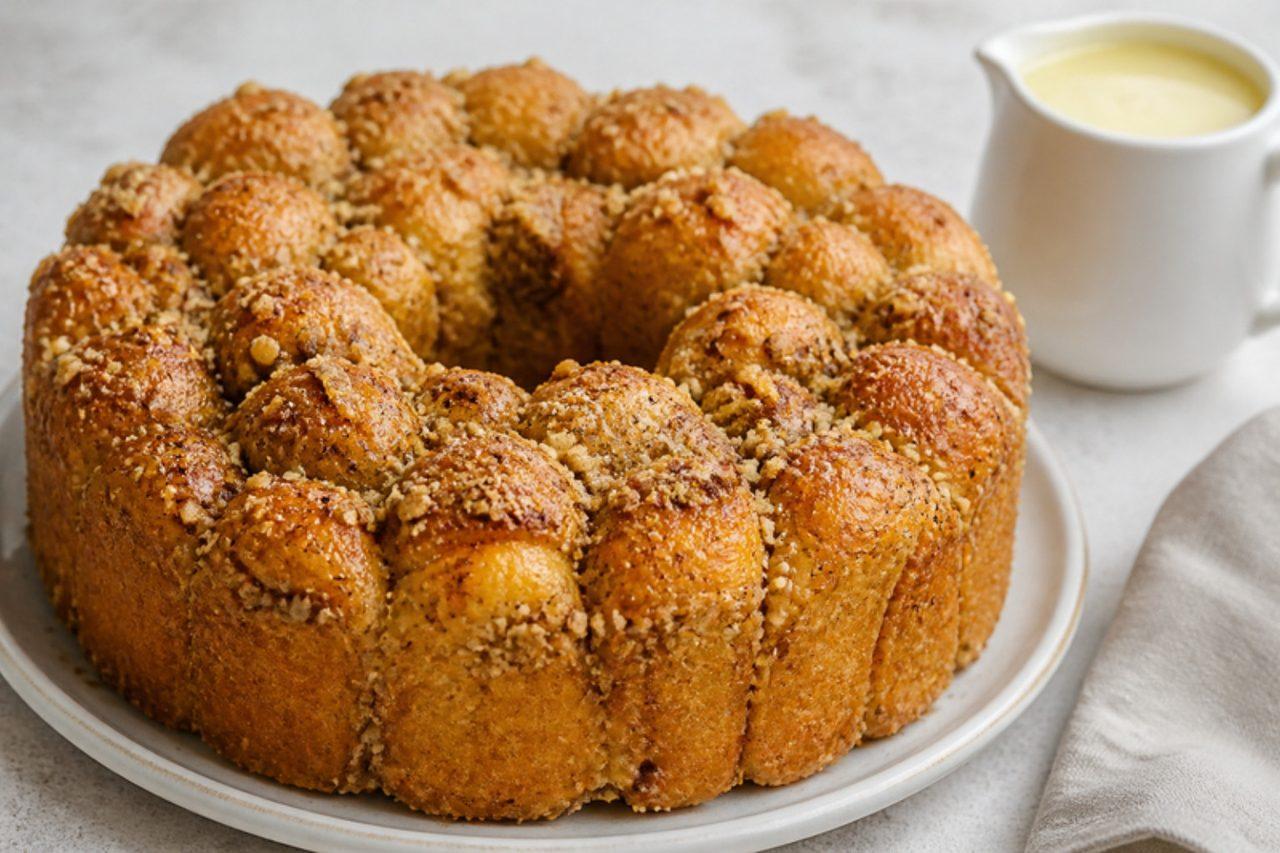
AranygaluskaGolden walnut yeast dumplings

Aranygaluska means golden dumplings, and the pull-apart cake really does come out of the oven bronze and gleaming. Walnut-sized balls of sweet yeast dough are dipped in melted butter, rolled in ground walnuts and sugar, stacked loosely in a ring tin and baked, so the nuts caramelise into a sticky crust. It is a family Sunday pudding all over Hungary and a favourite at school canteens, and Hungarian emigrants took it to America, where it became monkey bread. Pour warm vanilla custard over each helping. Some cooks serve it with a wine custard; this version keeps to vanilla, so it is alcohol-free. Where it goes wrong is packing the balls tightly; leave gaps so they can rise and the walnut coating reaches every side. Chef's tip: spoon a little apricot jam between the layers for a tart note.

by KrazyBadal 0 views

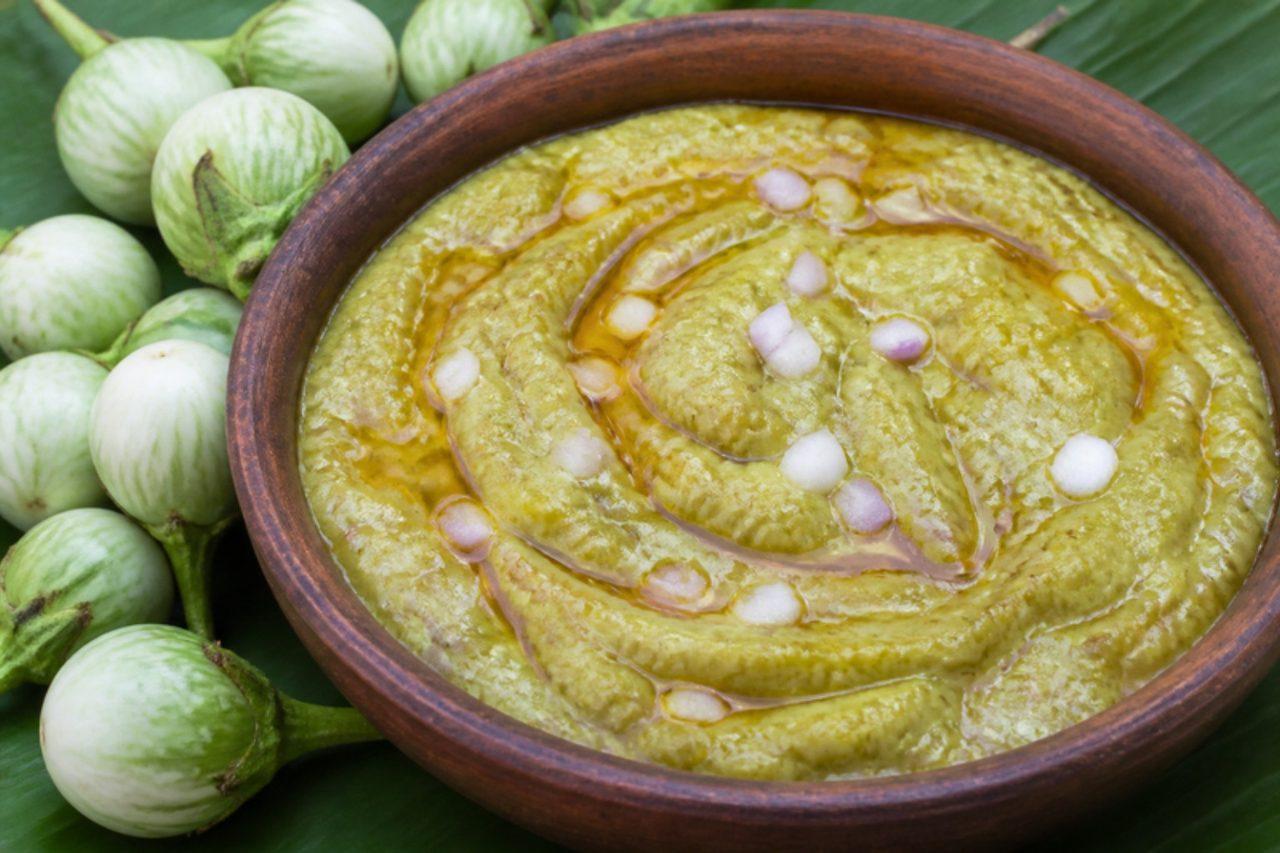
Garden egg sauce

Igbo families in Enugu, Anambra and Imo cook the little white-and-green garden eggs into a soft, chunky sauce to scoop up with boiled yam, plantain or rice. The aubergines are boiled, peeled and mashed, then simmered in palm oil with onion and fresh chilli, giving a smoky-sweet, slightly bitter, very savoury spread. Crayfish or dried fish is often stirred in; leave them out, as here, for a vegan sauce. Chef's tip: soften the garden eggs fully before mashing, or the sauce will be squeaky and raw-tasting instead of creamy.

by KrazyBadal 0 views

Jos potato pottage

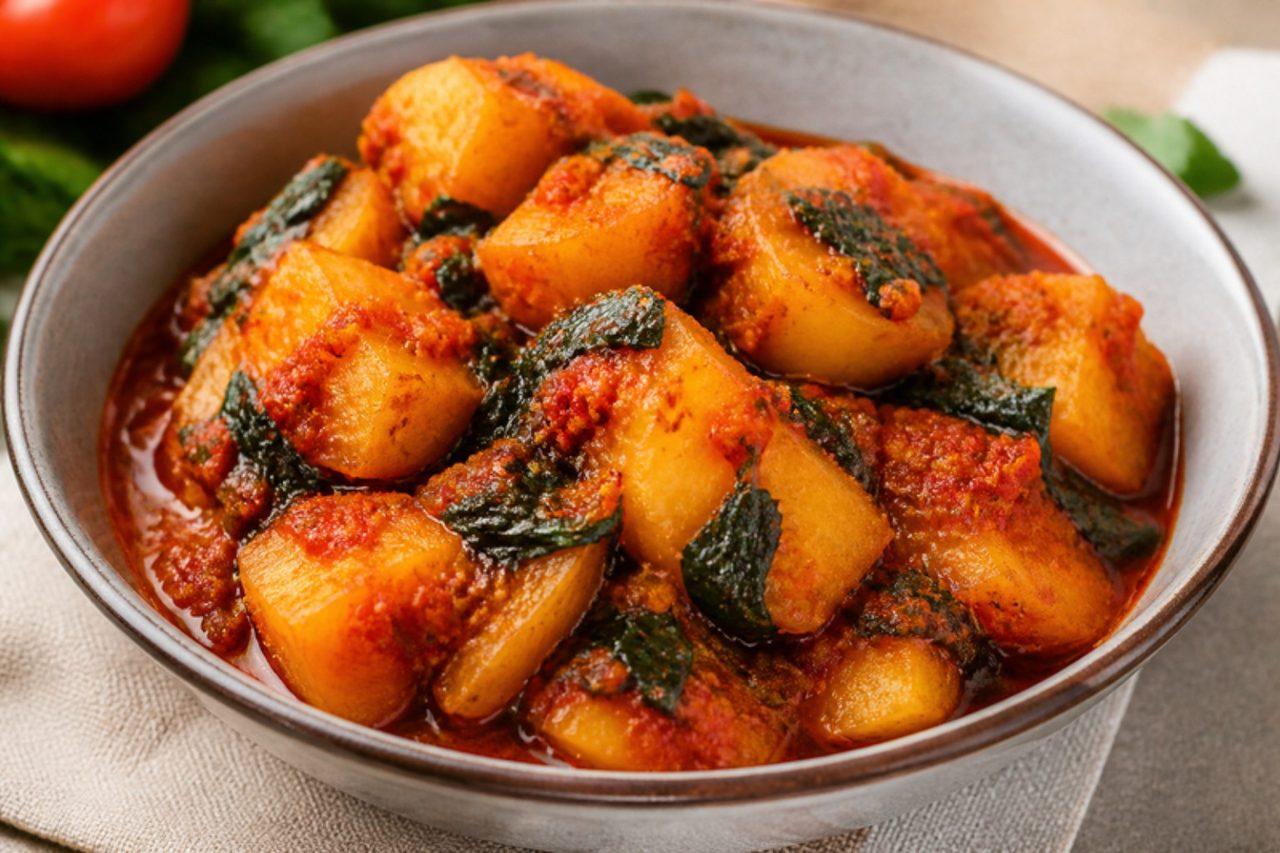
Jos and the cool Plateau highlands grow most of Nigeria's potatoes, which everyone there calls Irish potatoes, and this pottage is how many households cook them on a weeknight. Chunks of potato simmer in a palm-oil, tomato and pepper sauce until some fall apart and thicken the pot while others stay whole, giving a comforting, gently spicy stew. It is often cooked with crayfish or fish; this version keeps it vegan, and children usually love it with the chilli kept mild. Dicing everything small and even is the mistake that turns it into mash, so cut big and small pieces on purpose. Chef's tip: finish with a handful of greens to brighten the orange sauce.

by KrazyBadal 0 views

Pate (Nigerian maize porridge with greens)

Not the French spread at all: Nigerian pate is a thick, savoury porridge of coarsely ground maize from Southern Kaduna and the Plateau, where it is everyday food at home and in small chop houses. The maize simmers in a palm-oil and tomato base with groundnut and plenty of leaves until it is soft and spoonable, a bit like a rustic polenta packed with greens. Some cooks use acha (fonio) instead, and many add dried fish or meat; this version is meat-free. Pouring the maize in all at once makes lumps, so rain it in while stirring. Don't stop stirring after adding the maize: lumps form fast and stick to the base. Chef's tip: heat the palm oil gently, just until it melts and turns runny, so it keeps its colour and fruity taste.

by KrazyBadal 0 views

Mullah rob (Sudanese peanut and yoghurt stew)

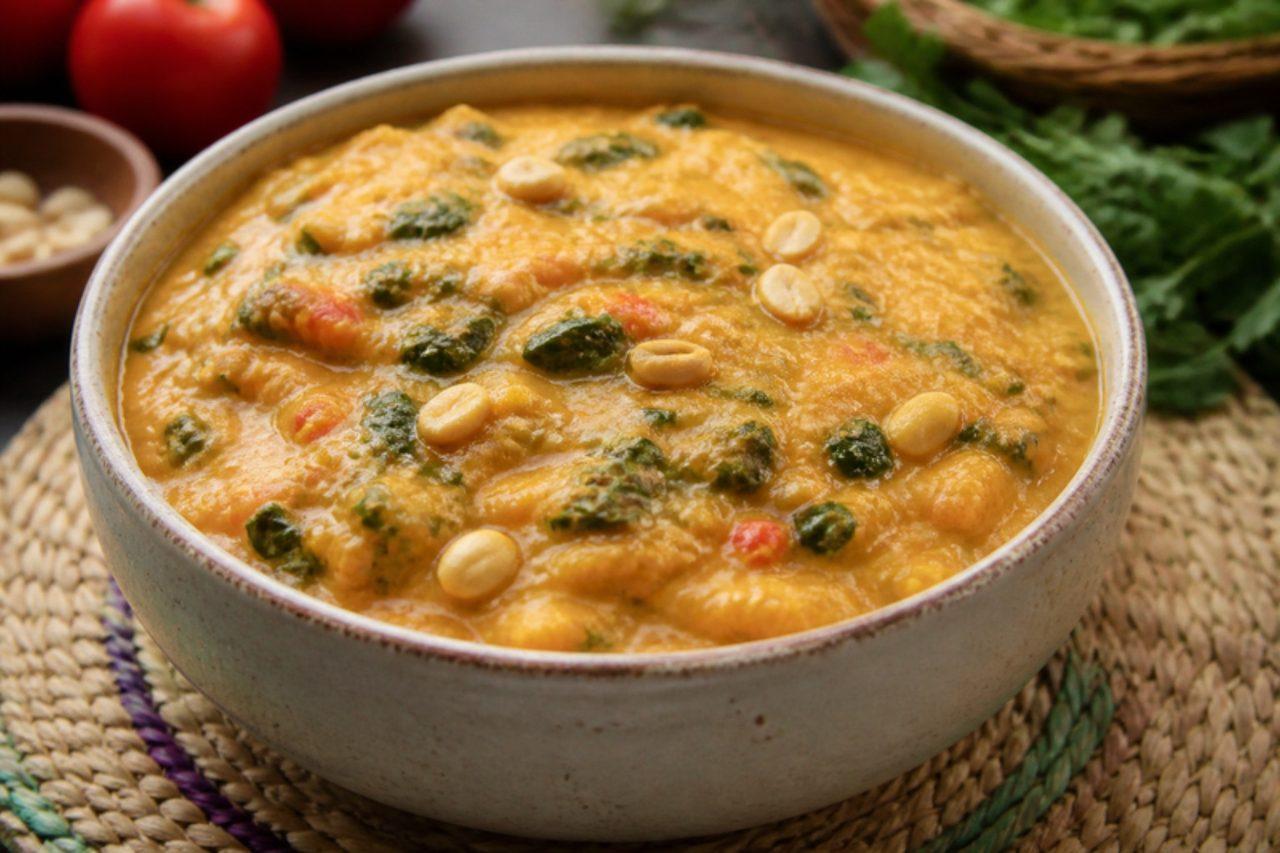
Rob is the Sudanese word for soured milk, and in Khartoum kitchens it goes into one of the simplest, most comforting stews of all: onions cooked down until sweet, peanut butter stirred in for body, and rob whisked through at the end to make a creamy, tangy, pale-gold sauce. It is everyday food, eaten at lunch with sheets of kisra or a mound of aseeda, and it costs very little to make. Without fermented milk to hand, pasteurised natural yoghurt thinned with water does the job well. Boiling the sauce once the yoghurt is in is the classic mistake, because it curdles into grainy flecks; keep it just below a simmer. Chef's tip: let the onions go properly soft and golden, about 15 minutes; they carry the flavour of the whole dish.

by KrazyBadal 0 views

Fah-fah (Djiboutian spicy goat soup)

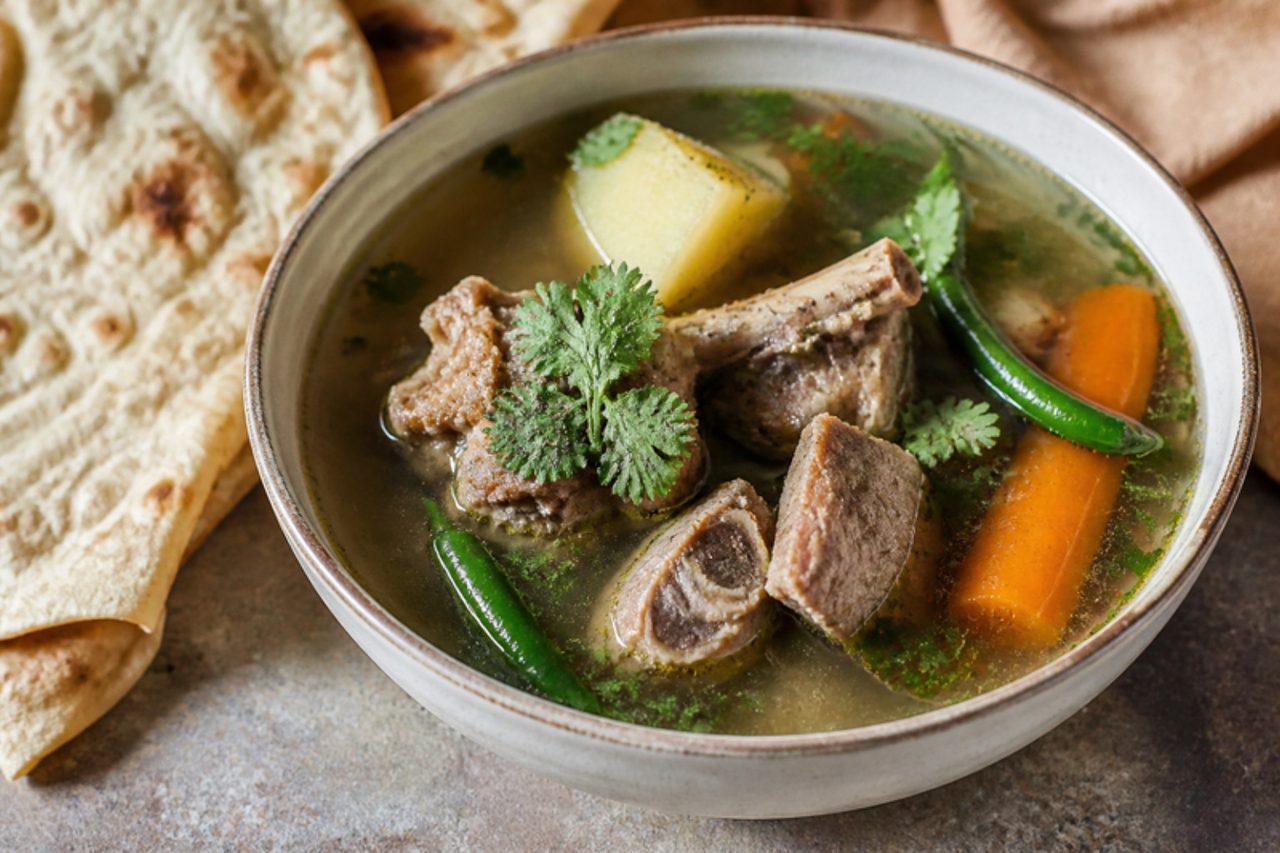
Djibouti City's cafés and Somali-speaking homes across the Horn claim fah-fah as a national dish: a clear but deeply flavoured goat broth simmered on the bone with garlic, cumin and black pepper, filled with potatoes and carrots and sharpened at the end with plenty of green chilli and coriander. It is often eaten at lunch or as a restorative supper, and is especially loved during the cool season and Ramadan, with canjeero torn into the bowl to soak. The broth should be clean-tasting and spicy rather than thick. Letting the soup boil hard makes it cloudy and greasy, so skim well and keep it at a gentle simmer. Don't skip skimming the broth at the start, or the soup stays cloudy and tastes muddy. Chef's tip: add the chilli and coriander only in the final minutes so they stay bright and green.

110 minSomaliSoupsGluten freeSpicy
by KrazyBadal 0 views

Norwegian heart waffles

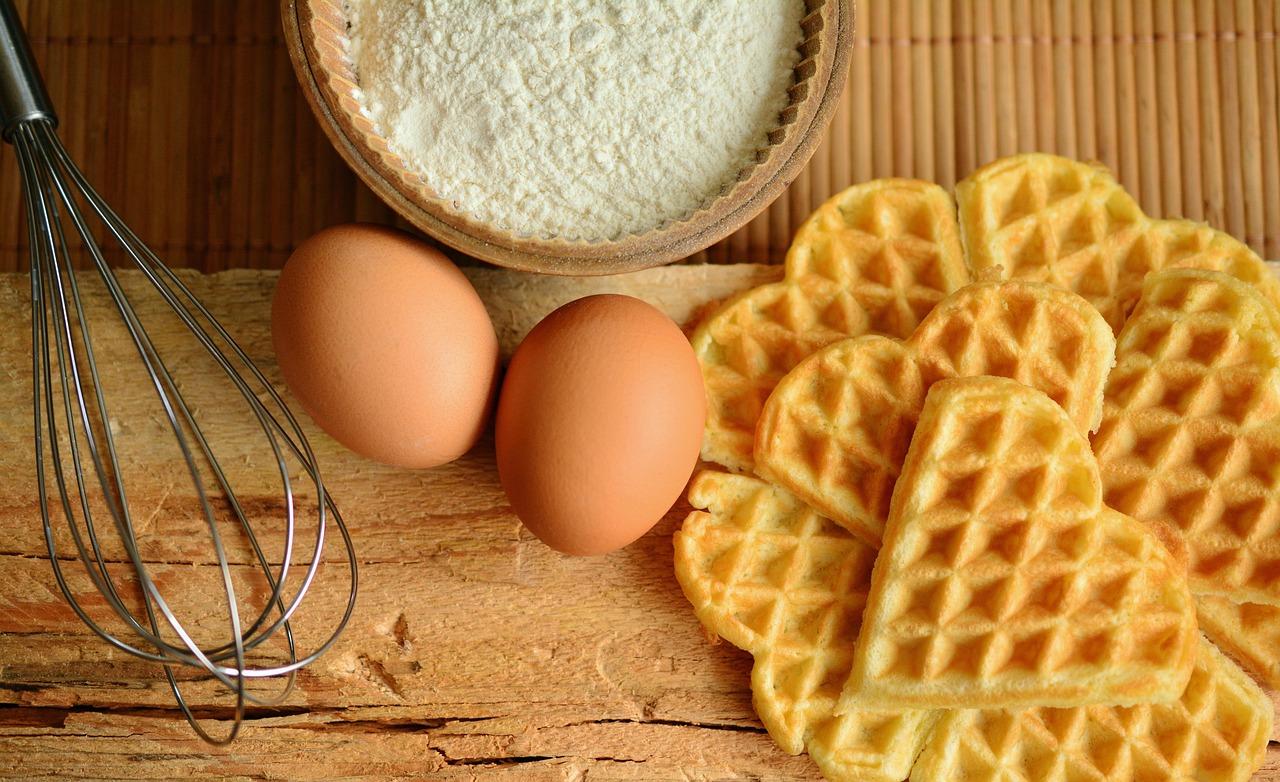
In Norway, waffles are not a breakfast but an everyday treat: thin, soft heart-shaped vafler made with sour cream and cardamom, sold at school fairs and football matches and made at home on Sunday afternoons, eaten folded with strawberry jam and sour cream or brown cheese. Their texture is soft rather than crisp. A common mistake is opening the iron too early, which tears them. Chef's tip: let the batter rest for 30 minutes and brush the iron with butter before each waffle; they lift out whole and golden.

by KrazyBadal 0 views

KletskoppenLacy almond biscuits

Kletskoppen are the lacy, crackly biscuits of Bruges, sold in the old city's bakeries and served with coffee in the cafés around the Markt: brown sugar, butter and chopped almonds with very little flour (this version uses none), baked until they spread into thin, see-through, toffee-flavoured lace. A common mistake is putting them too close on the tray; they spread enormously and join up. Chef's tip: let them cool for a minute on the tray before lifting, and drape them over a rolling pin while still warm if you want curved tuiles.

by KrazyBadal 0 views

Showing 72 of 7,762 recipes

Show more recipes

Page 352 of 863