Skip to content
Agedashi tofu
Featured recipe

Agedashi tofu

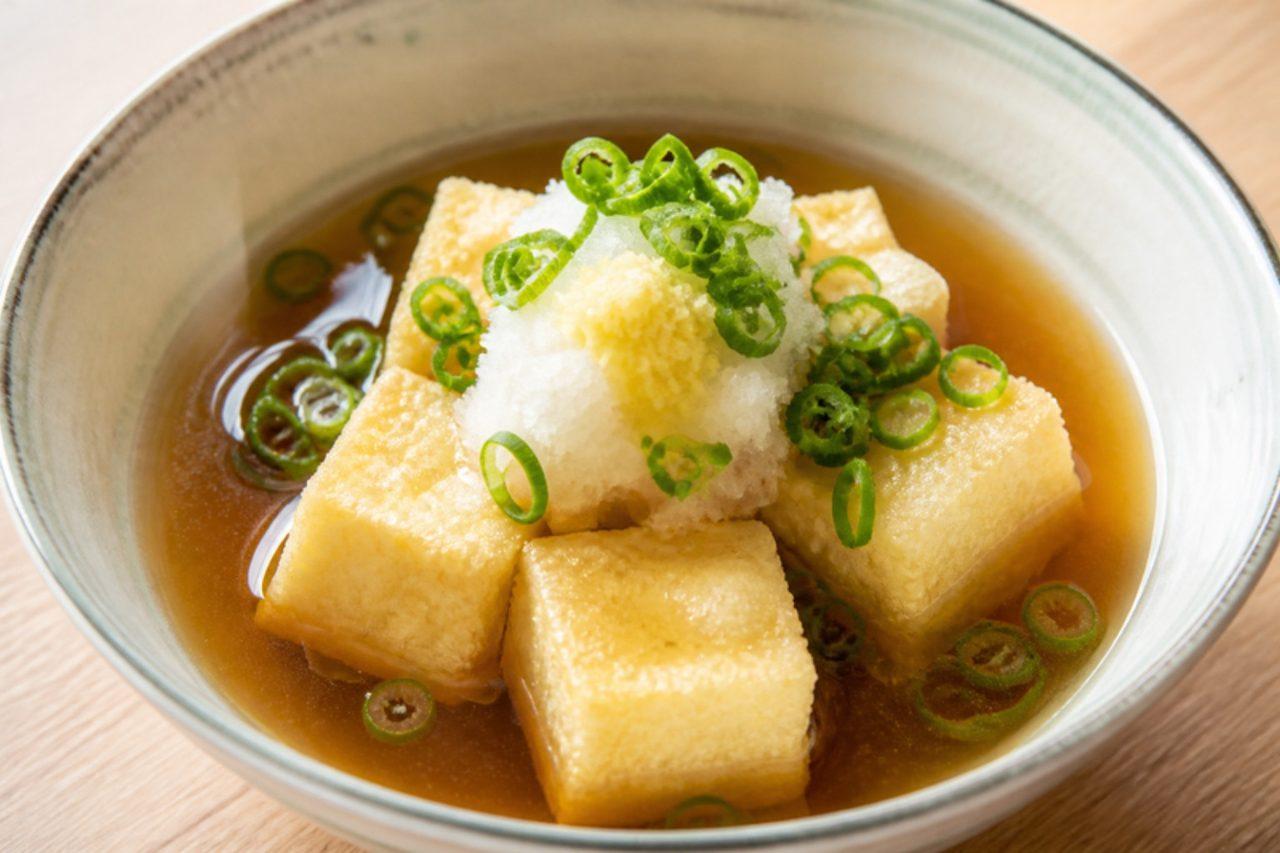
Agedashi tofu (揚げ出し豆腐) is a classic izakaya dish eaten all over Japan: cubes of soft tofu dusted in potato starch, fried until they form a thin, crisp shell, then bathed in a hot, savoury broth. The coating turns silky as it soaks up the sauce while the tofu inside stays creamy. Usually topped with bonito flakes; here it's grated daikon, ginger and spring onion with a kombu-shiitake broth instead. Chef's tip: coat the tofu in starch right before it goes into the oil, not ahead of time; if it sits, the starch turns damp and the coating fries up gummy instead of crisp.

Read more 1 views
Can't decide?

What to eat today?

Spin the randomizer, search with what's already in your fridge, or browse recipes from our chefs.

Latest recipes

Sugar-bean bunny chow

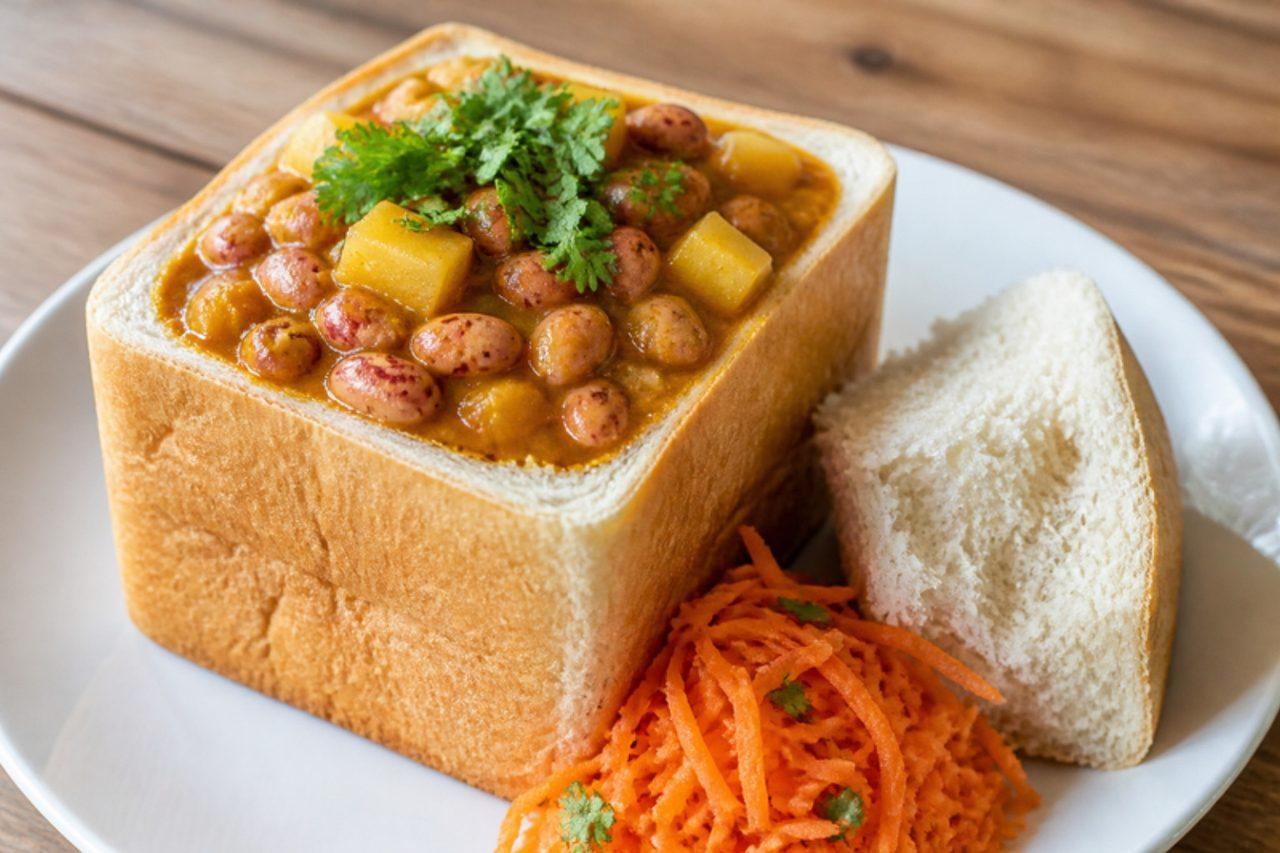
Bunny chow was born in Durban, among the city's Indian community, where curry in a hollowed loaf became the takeaway lunch of dockworkers and caddies. Many Durbanites say the first bunnies were vegetarian, filled with sugar beans, and cafés around Grey Street still sell a bean bunny beside the mutton one. A quarter loaf of unsliced white bread is scooped out and filled with a fiery, red Durban curry, with the scooped-out bread (the 'virgin') put back on top for dunking. It is eaten with your hands, with grated carrot and chilli salad on the side. Chef's tip: the curry needs to be thick and saucy, not watery; a runny curry soaks through the loaf before you've finished the first bite.

by KrazyBadal 0 views

Yellow rice (geelrys)

Geelrys, or yellow rice, is the bright, faintly sweet rice that comes to the table in the Western Cape with bobotie, curries and Sunday roasts, and at Cape Malay weddings and funerals alike. It is cooked with turmeric, a stick of cinnamon, a little sugar and plump raisins, then finished with a knob of butter so the grains gleam. The sweetness is gentle, just enough to soften a spicy curry. Chef's tip: add the raisins at the start so they plump in the cooking water; added at the end they stay tough and chewy.

by KrazyBadal 0 views

Cape Malay koesisters

Koesisters are Cape Town's Sunday-morning ritual: in the Bo-Kaap and on the Cape Flats, families buy or make a batch to eat with tea after the week's work is done. They are nothing like the plaited, crunchy Afrikaner koeksister. These are soft, cake-like, oval dumplings flavoured with cinnamon, cardamom, ginger, aniseed and naartjie (tangerine) zest, fried, briefly boiled in a thin syrup and rolled in desiccated coconut. Chef's tip: fry them over a moderate heat so they cook through to a fluffy centre before the outside turns dark; they should be a rich brown, not black.

by KrazyBadal 0 views

Chakalaka

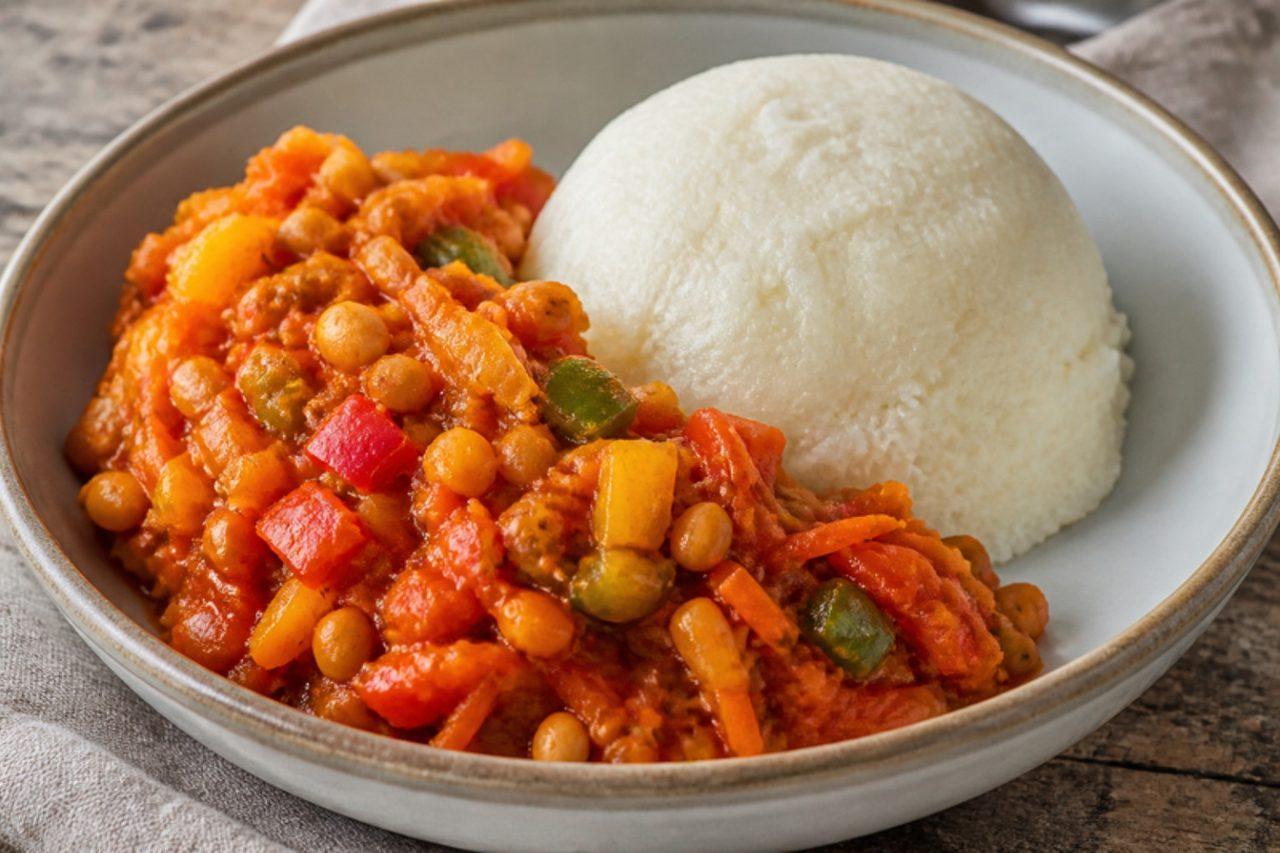
Chakalaka is said to have started in the townships and mines around Johannesburg, where workers cooked tinned beans and vegetables with chilli and curry powder over open fires. Today no South African braai (barbecue) is complete without a pot of it, and it goes on the table at Sunday lunch, at funerals and weddings, served warm or cold alongside pap. It is spicy, a little sweet from the carrots and peppers, and tangy from the tomato and beans. Chef's tip: grate the carrots rather than chopping them; they melt into the relish and give it its characteristic soft, spoonable texture.

by KrazyBadal 0 views

Pap (stywe pap and krummelpap)

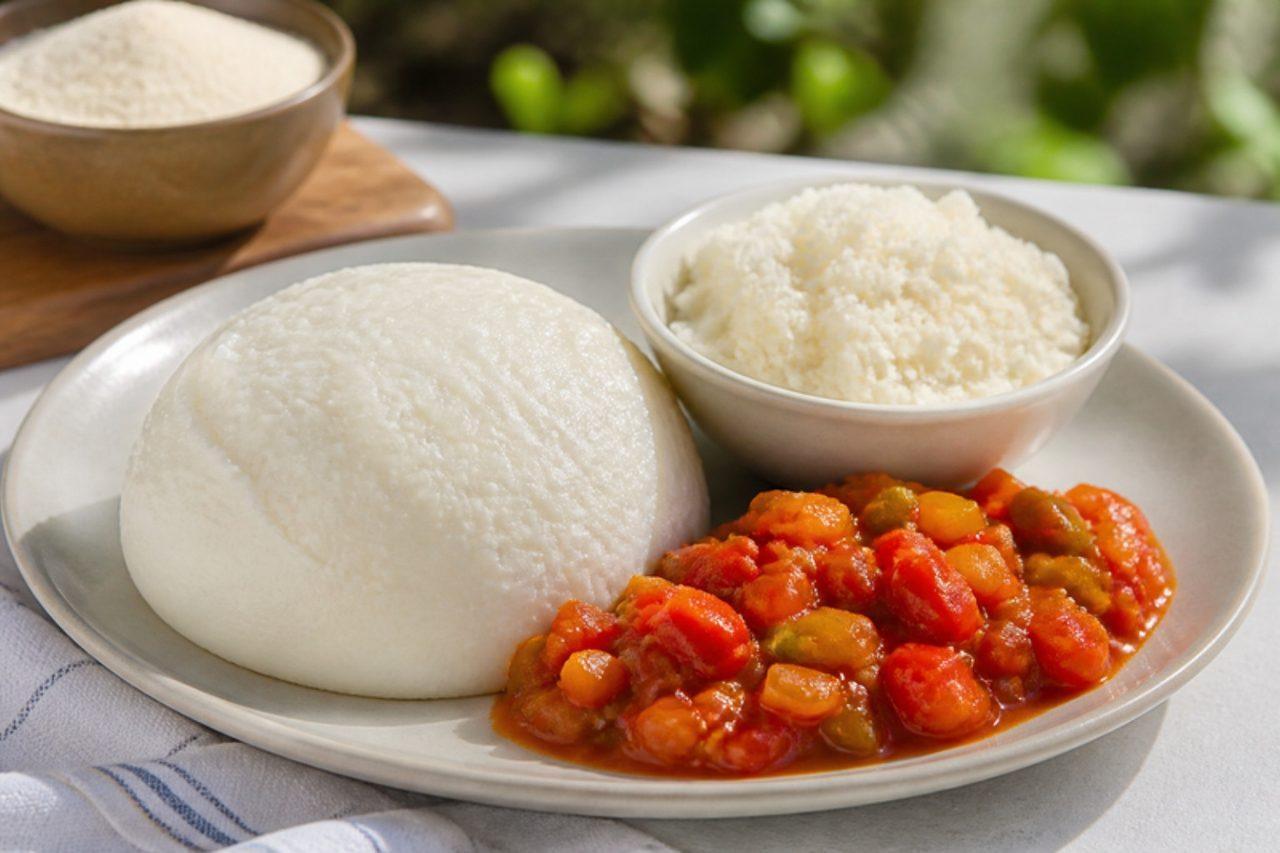
Pap is the everyday staple of South Africa, eaten in Soweto kitchens and Limpopo villages at almost every evening meal, and in a three-legged pot at every braai. It is plain white maize meal cooked in water, in two main styles: stywe pap (stiff pap), smooth enough to roll into balls and dip into relish, and krummelpap (crumbly pap), steamed into dry, fluffy crumbs. Both are eaten with chakalaka or a tomato-and-onion sauce. Chef's tip: wet the meal to a paste before it hits the boiling water, or you'll be fighting lumps for the next 20 minutes.

by KrazyBadal 0 views

Braaibroodjie

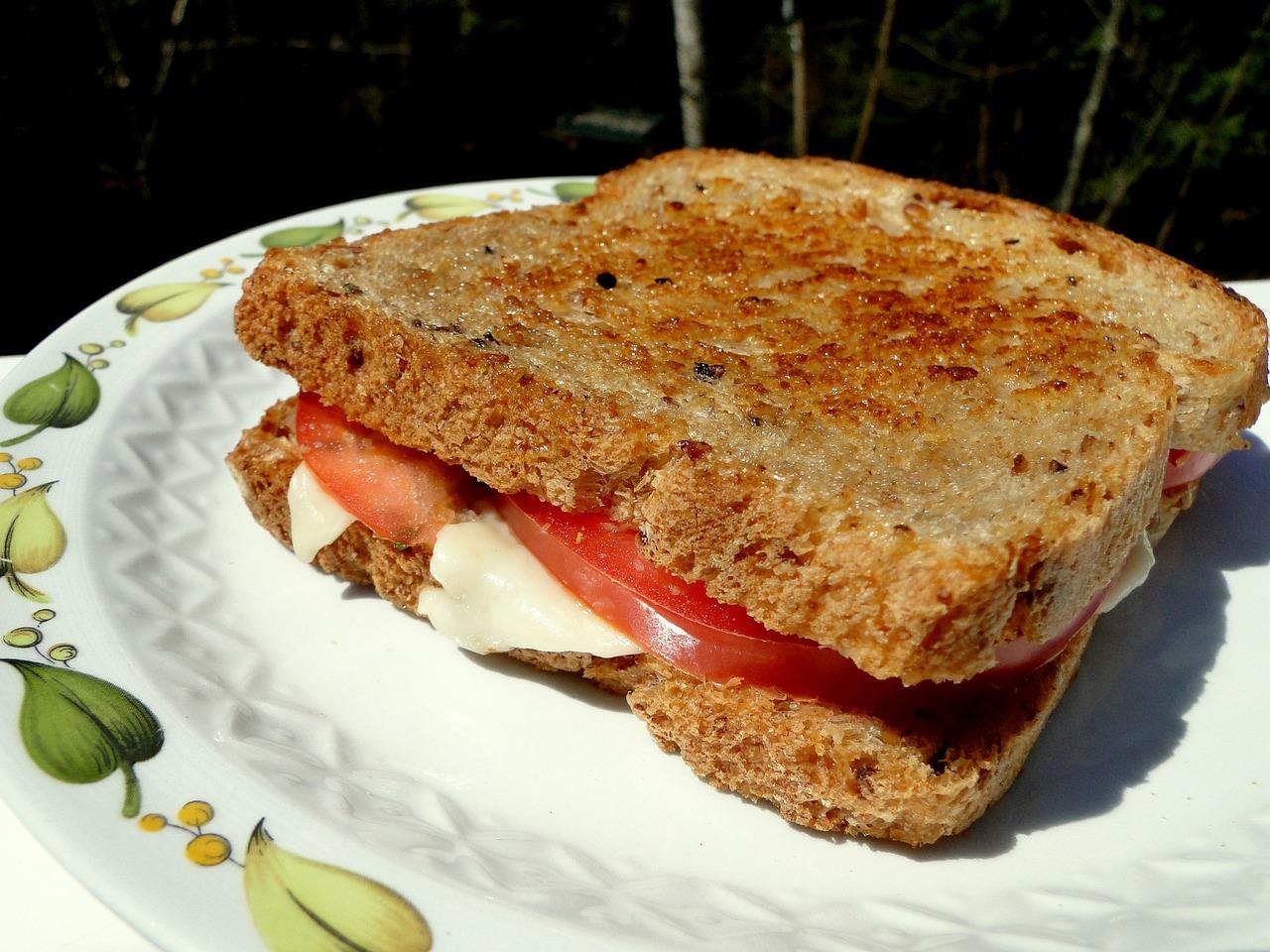
No South African braai is finished without braaibroodjies, the sandwiches that go onto the grid once the coals have died down, from Cape Town to the Highveld. White bread is buttered on the outside and filled with cheddar, tomato, onion and a thin smear of apricot jam, a sweet-and-savoury combination every South African swears by. They come off the fire smoky, crisp and oozing. A frying pan or griddle works when there's no braai. Chef's tip: toast them over gentle, ashen coals and turn often; fierce heat burns the bread before the cheese inside has melted.

by KrazyBadal 0 views

Vetkoek

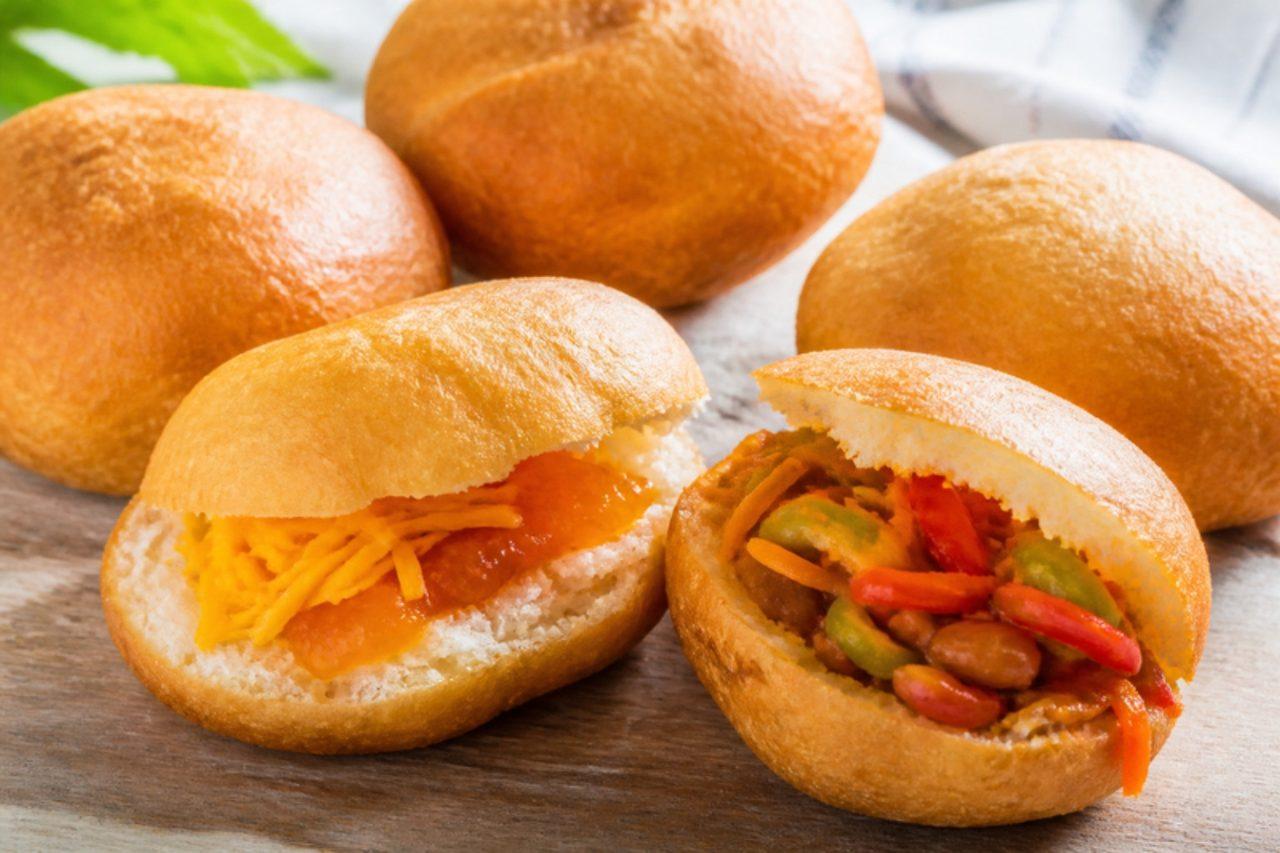
Vetkoek ('fat cake' in Afrikaans) is fried at church fêtes, rugby matches and roadside stalls all over South Africa, and in townships it's known as amagwinya. The yeast dough fries into a crisp golden ball with a soft, steamy middle, split open while still warm. The best-known filling is curried mince, but just as many people eat them with grated cheese and apricot jam, golden syrup, or a spoon of chakalaka, as here. Chef's tip: keep the oil at a steady medium heat and turn the vetkoek often so they colour evenly and cook right through.

by KrazyBadal 0 views

Malva pudding

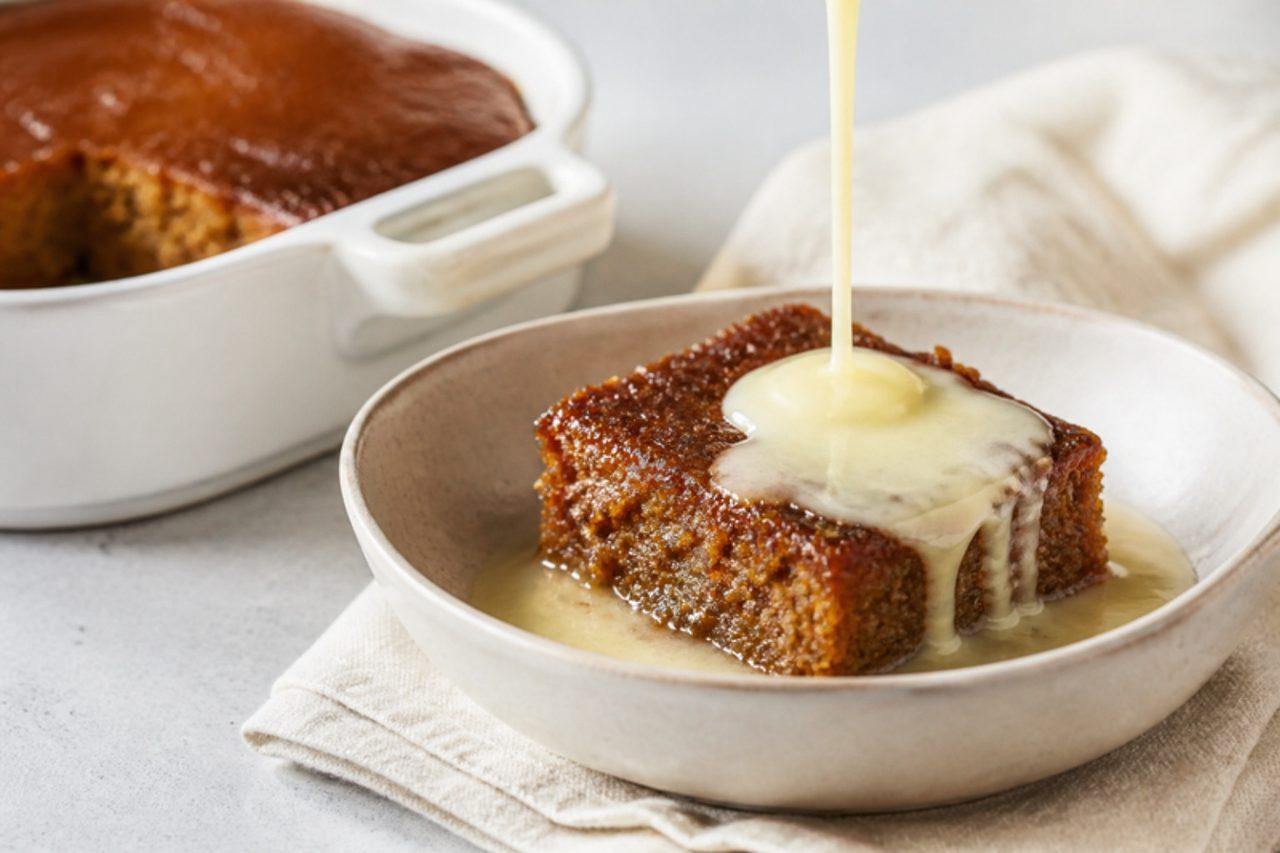
Malva pudding is a South African classic with roots in the Cape, served warm after Sunday lunch and at almost every South African restaurant with a pudding menu. A light, caramelised sponge made with apricot jam and a dash of vinegar is baked, then drenched while hot with a buttery cream sauce that it drinks up completely, so it ends up sticky, spongy and toffee-like. It is eaten with custard or vanilla ice cream. Chef's tip: pour the sauce over the pudding the moment it comes out of the oven and give it time to soak in; a cold pudding won't absorb it.

by KrazyBadal 0 views

Chotpoti

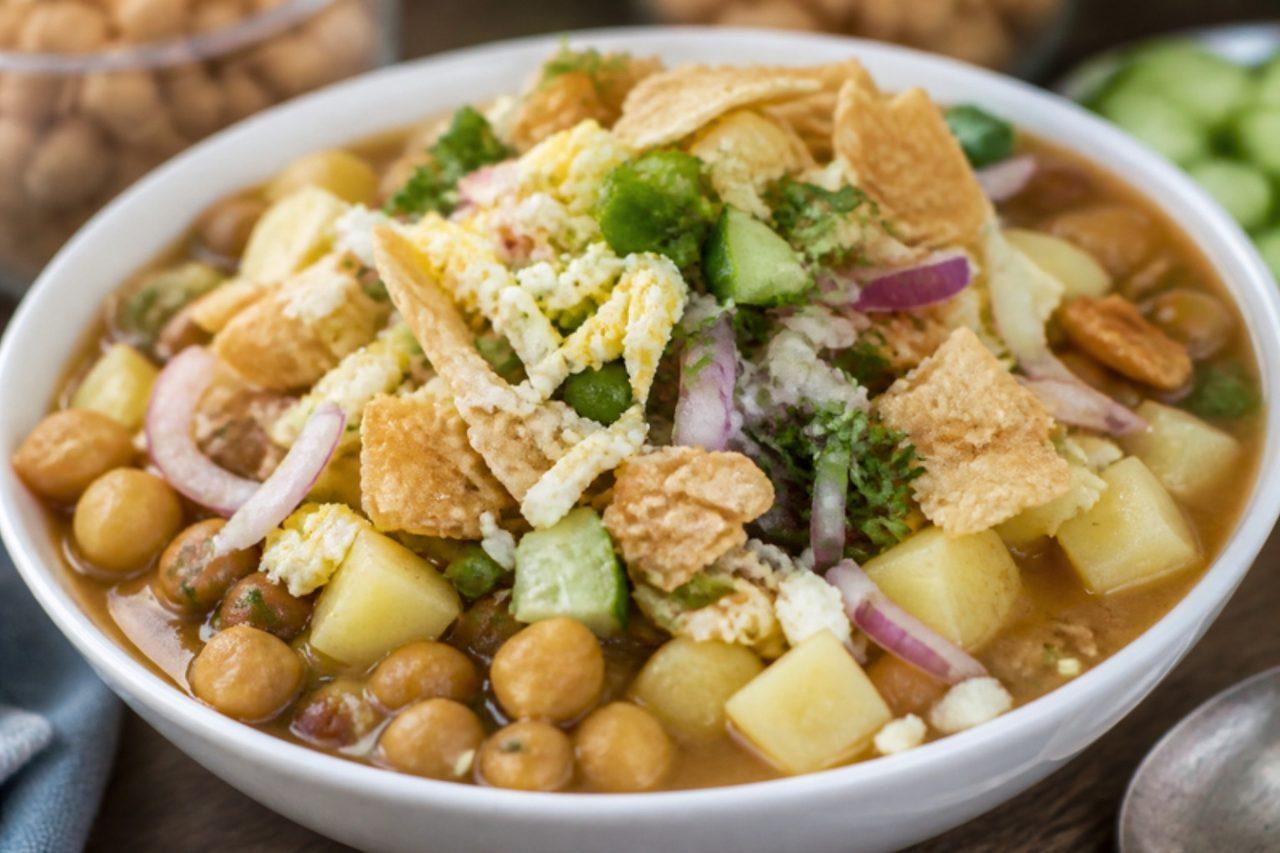
Chotpoti is what Dhaka eats at dusk: vendors ladle it from great brass pots at Dhanmondi Lake and outside every university gate, and during Ramadan it is a fixture of the iftar spread. Dried yellow peas (motor) are simmered with potato until soft and slightly soupy, then served warm under a shower of raw onion, green chilli, grated boiled egg, crushed fuchka shells, roasted cumin and plenty of sour tamarind water. Chef's tip: soak the peas overnight and cook them until some burst and thicken the liquid; chotpoti should be spoonable, halfway between a stew and a salad.

by KrazyBadal 0 views

Showing 9 of 4,484 recipes

Show more recipes

Page 352 of 499