


Skip to content
Teesside chicken parmo
Featured recipe

Teesside chicken parmo

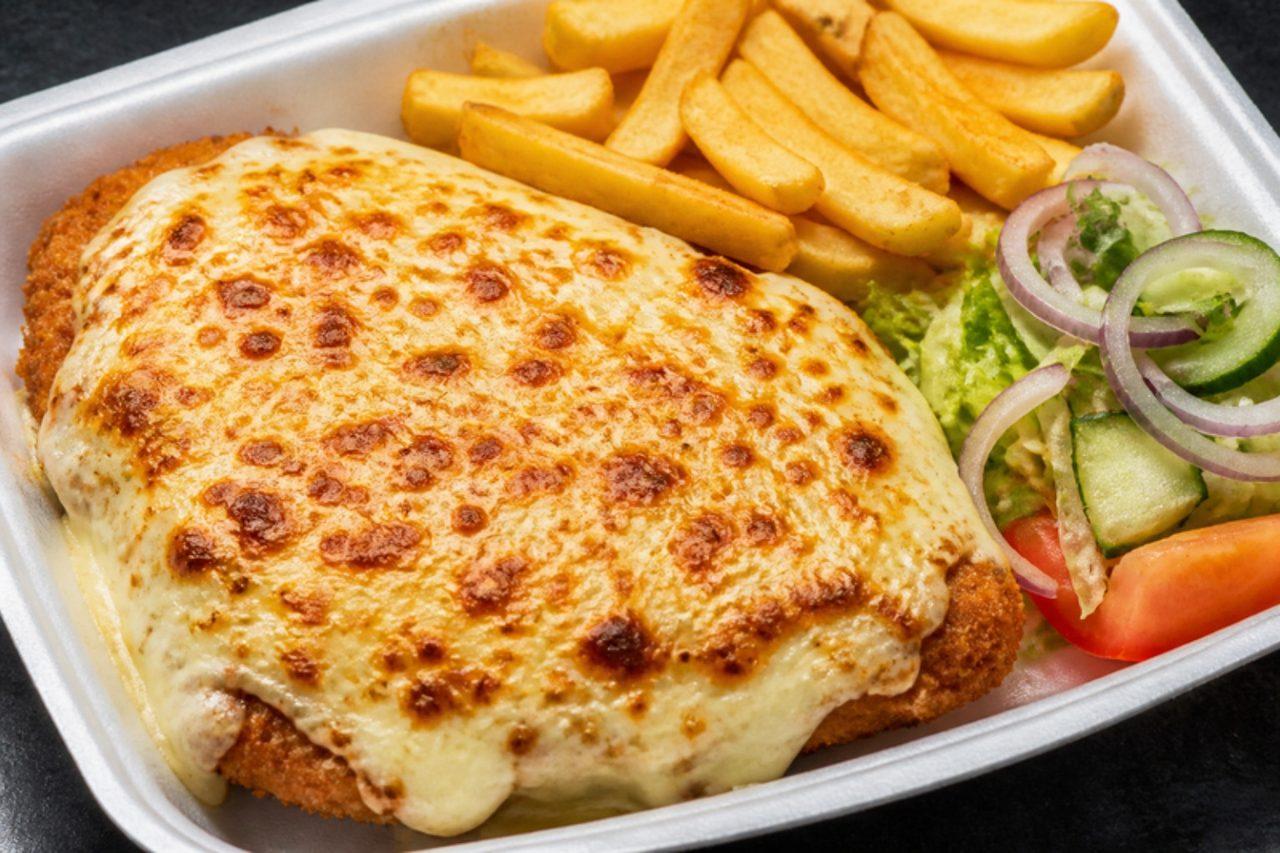
The parmo is Middlesbrough's own takeaway dish, said to have been created by an American soldier who settled on Teesside after the Second World War, and it's sold in boxes with chips across the town on a Friday night. A flattened, breaded chicken breast is fried, then covered with white sauce and a thick layer of cheese and grilled until bubbling. Chef's tip: bash the chicken to an even 1 cm, so it cooks through before the crumb burns.

Read more 0 views

What to eat today?

Around the world

Today's trip: Persian

A new country every day, from every cuisine on the site.

This week's collection

Kid-friendly dinners
702 recipes · a new collection every Monday

Coming up

All occasions →

Latest recipes

Koko alaisaCocoa coconut rice

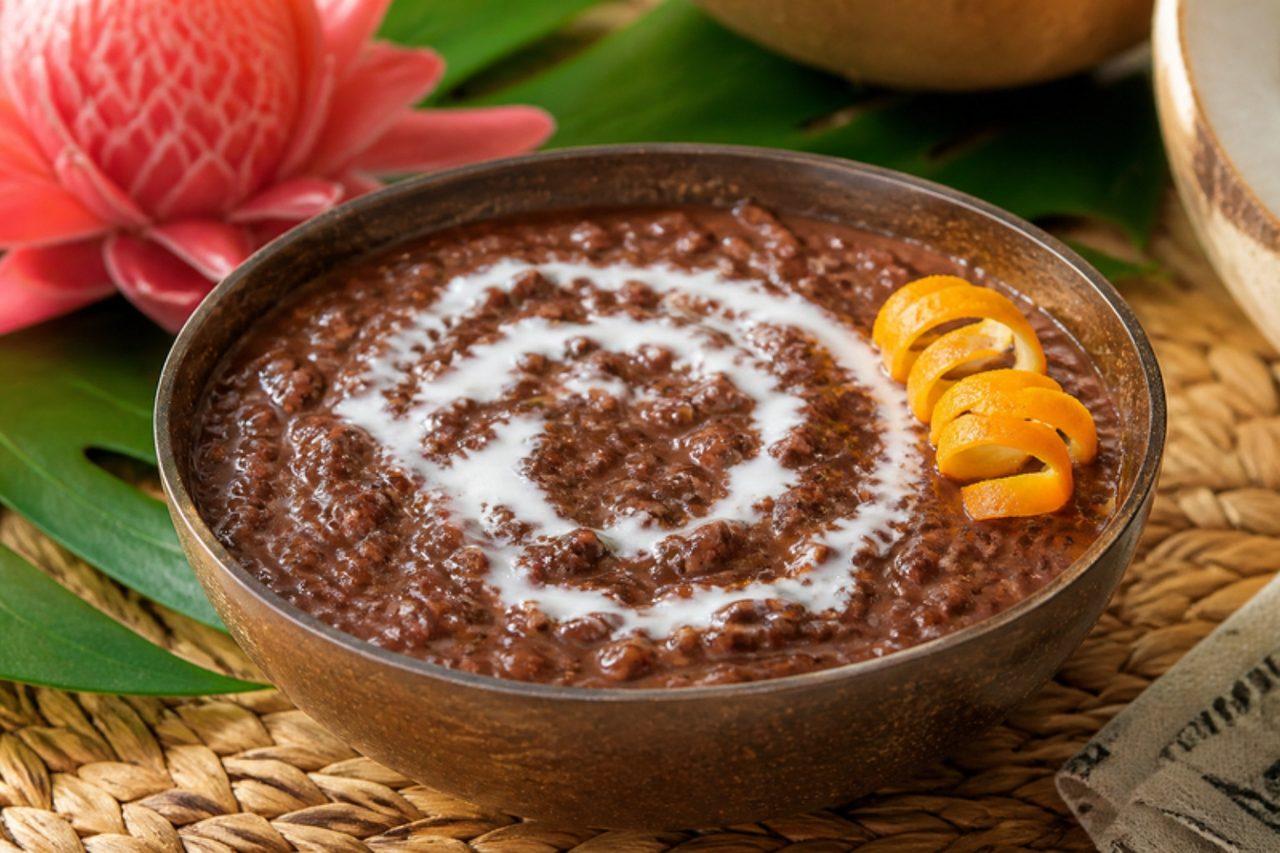
Koko alaisa is a Samoan breakfast and Sunday to'ona'i (after-church lunch) favourite, rice simmered in koko Samoa, the island's own roasted cocoa paste, with coconut cream, sugar and sometimes orange leaves for perfume. It is rich, chocolatey and comforting, like a warm chocolate rice pudding, and is often eaten alongside savoury food. If you can't find koko Samoa in a Pacific shop, use unsweetened 100% cocoa chocolate. A common mistake is letting it catch on the bottom; stir often in the last 15 minutes. Chef's tip: a strip of orange peel simmered with the rice gives the true island aroma.

by KrazyBadal 0 views
Koinar saagKachnar leaf greens

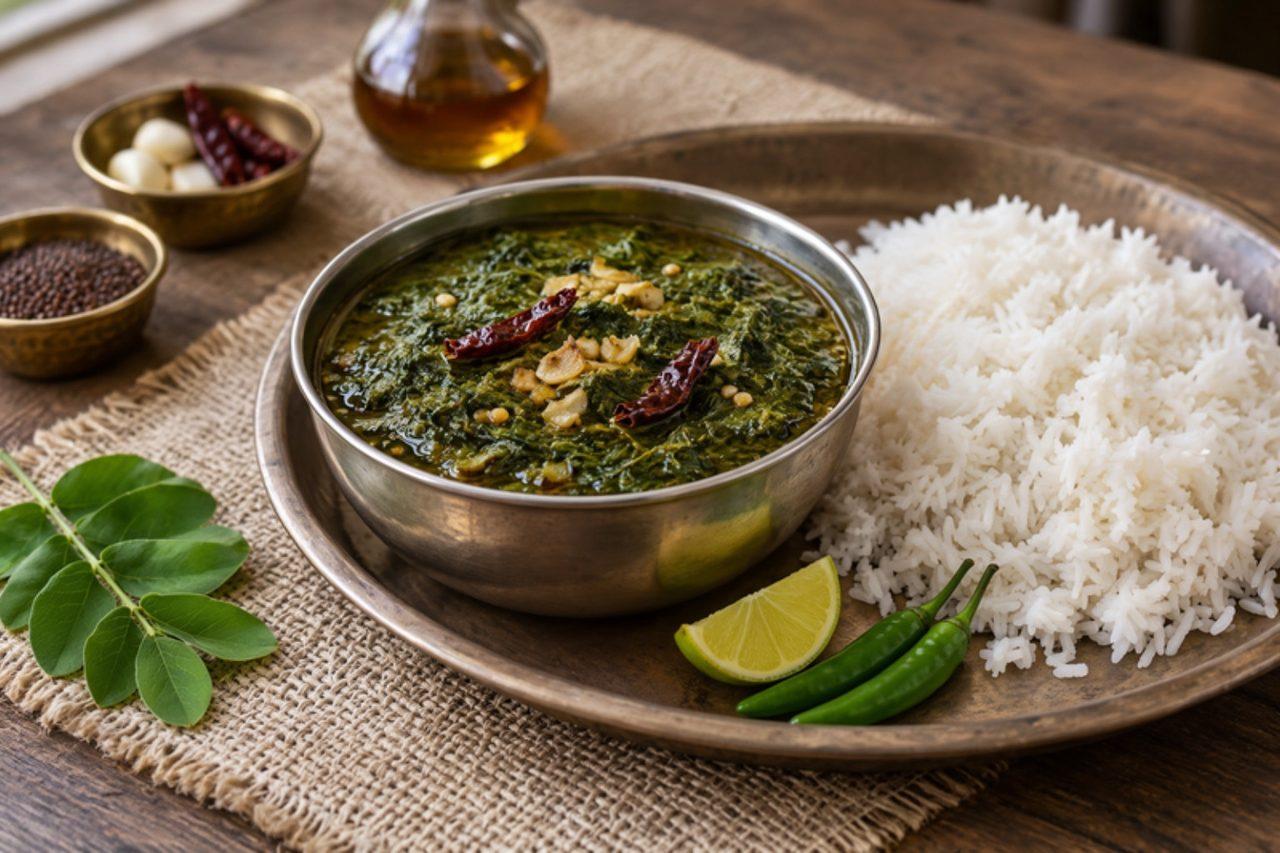
In Jharkhand's spring, as the kachnar (Bauhinia) trees put out pale tender leaves, Santhal, Munda and Oraon families gather them for koinar saag, a slightly tangy, earthy green cooked with lots of garlic in mustard oil and eaten with rice and dal or with madua roti. Some households dry the leaves to use through the summer. The usual mistake is using older, darker leaves, which stay tough and fibrous however long you cook them. Chef's tip: blanch the leaves first and squeeze them hard; it softens the faint astringency and the saag absorbs the garlic oil better.

by KrazyBadal 0 views

Da chang bao xiao changSausage in a sticky rice bun

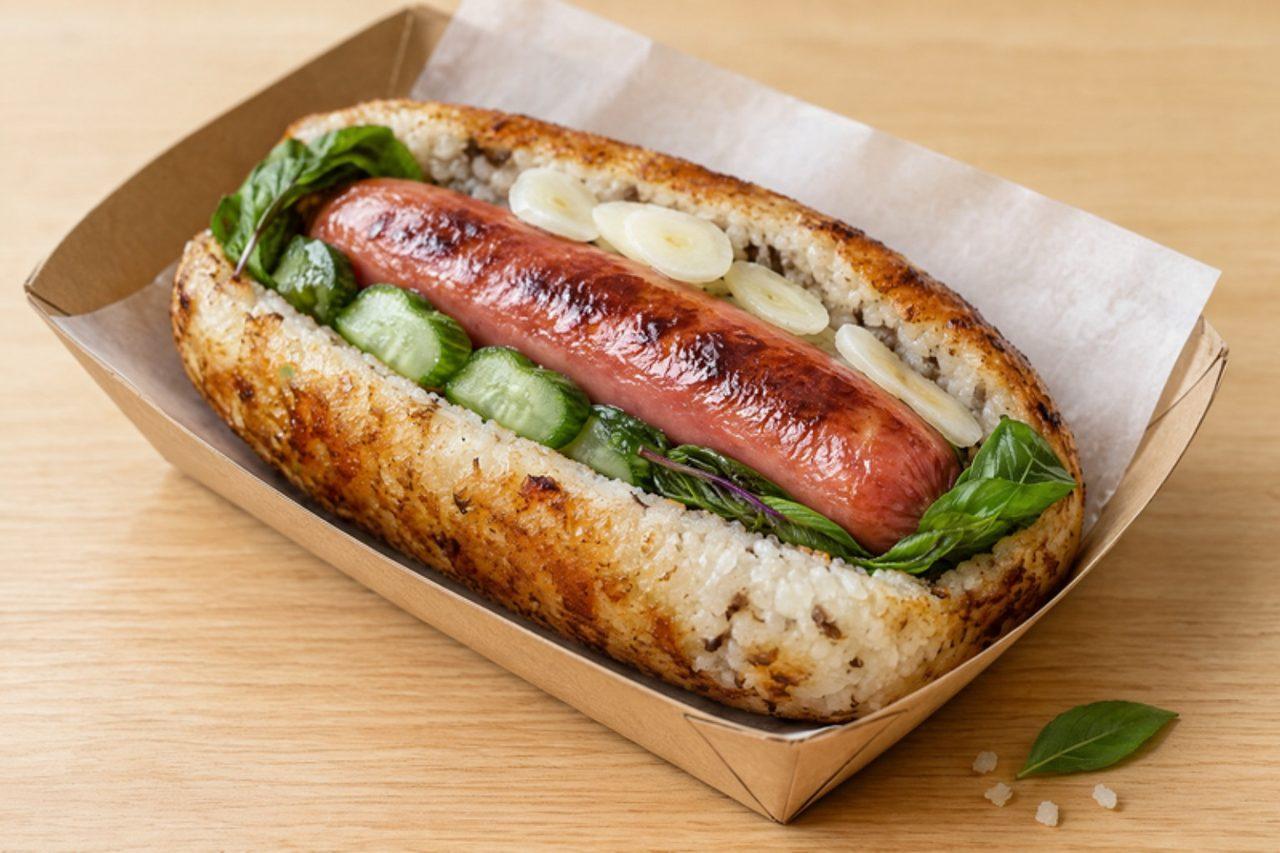
'Big sausage wraps small sausage' is one of the most photographed snacks at Shilin and Raohe night markets in Taipei. A plump, garlicky glutinous-rice sausage is grilled until crisp, split like a hot-dog bun and stuffed with a sweet Taiwanese pork sausage, pickled cucumber, sliced raw garlic, basil and a smear of sauce. This home version shapes the sticky rice in cling film instead of casing, so you do not need intestines. The Taiwanese sausage is pork and must be cooked through. Contains soy and peanuts. Chef's tip: chill the steamed rice log overnight; it slices and grills cleanly and holds its crust.

by KrazyBadal 0 views

Koffie verkeerdCoffee with extra milk

Order a koffie verkeerd in any Dutch café or bruin café and you get a tall glass that is mostly steamed milk with a strong shot of coffee poured in, the 'wrong' way round compared with a normal black coffee. It is the Dutch morning cup at home and at work, usually with a speculaas biscuit on the saucer. The common mistake is boiling the milk, which makes it taste cooked and kills the foam; heat it only until it steams and small bubbles form at the edge, about 65 °C. Chef's tip: froth the milk by shaking it in a jar with the lid on before warming it in the microwave, and you get café-style foam without a machine.

by KrazyBadal 0 views

Koay teow th'ngFlat noodle soup

Koay teow th'ng is the gentle, clear noodle soup that Penang's Hokkien families eat for breakfast at the coffee shops of Kimberley Street and around the old George Town markets. The broth is simmered from pork and chicken bones, and the bowl holds silky flat rice noodles, bouncy fish balls, slices of fish cake, little nuggets of minced pork and lean pork slices, finished with fragrant garlic oil, a pinch of preserved cabbage and plenty of white pepper. Chef's tip: just warm the fresh noodles through; boiled, they break into short pieces.

by KrazyBadal 0 views

Kkwari-gochu jorimBraised shishito peppers

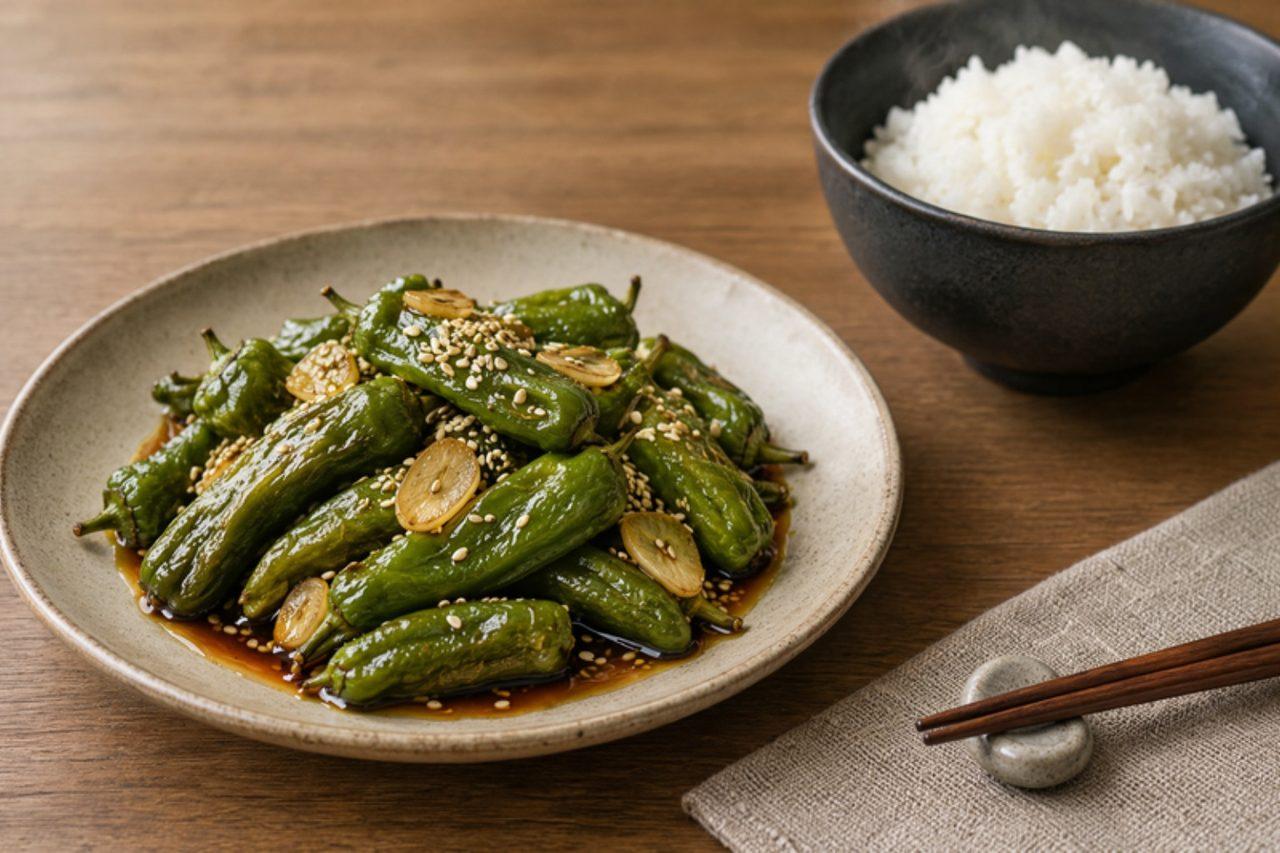
Kkwari-gochu, the small wrinkly peppers the Japanese call shishito, are braised all over Korea into a soft, garlicky, sweet-soy banchan that sits in the fridge ready for the dosirak. Many households add dried anchovies; this version leaves them out and keeps it vegan, with a few toasted sesame seeds for crunch. Most peppers are mild, but about one in ten is surprisingly hot. The common mistake is leaving the peppers whole and unpierced, so they puff up and never take in the sauce. Chef's tip: prick each pepper with a fork once or twice, and the braising liquid soaks right into it.

by KrazyBadal 0 views

DosavakayaCucumber mustard pickle

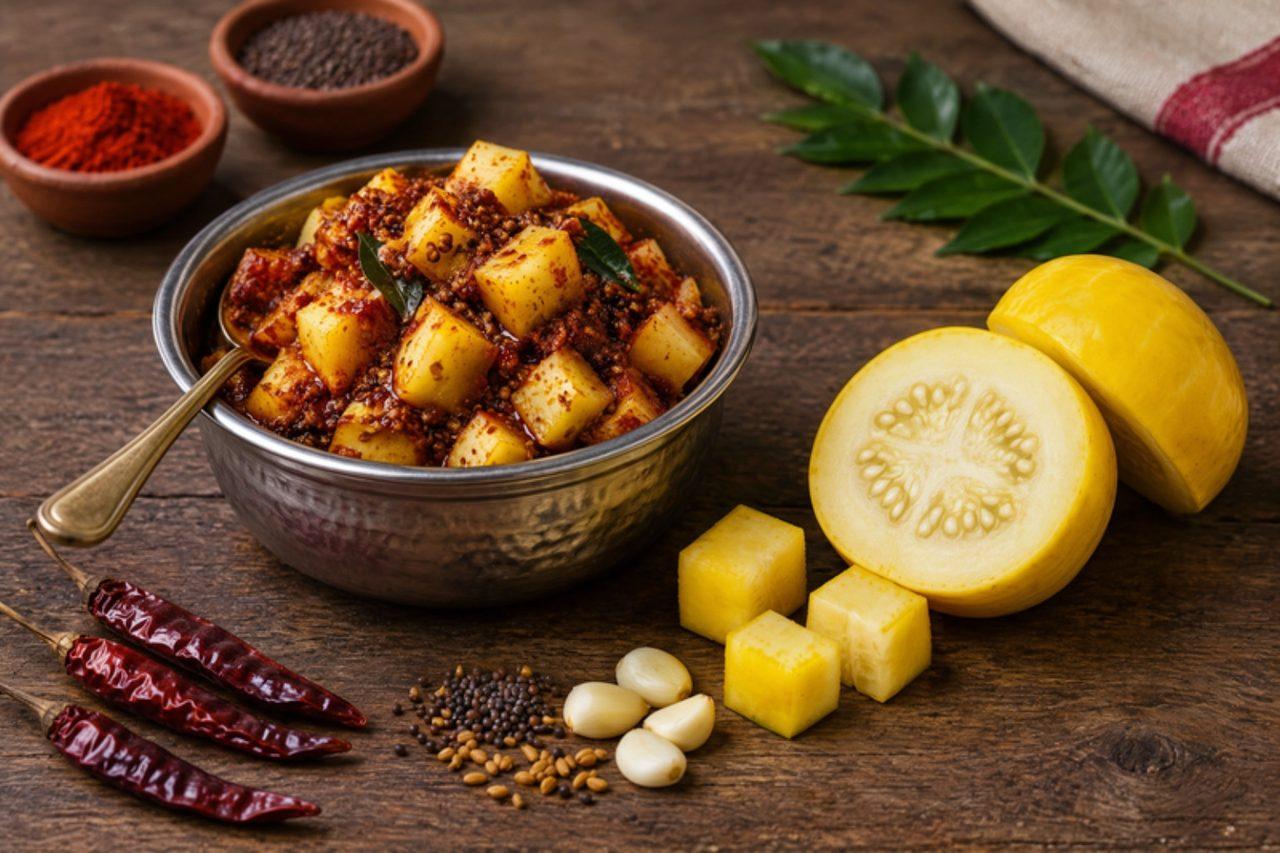
Dosavakaya is the everyday pickle of Andhra homes: no waiting for mango season, just a round yellow dosakaya cubed with its skin on and tossed with mustard powder, chilli, salt, garlic and raw gingelly oil. It is made in minutes, often for Sunday lunch or to go with a festive meal, and eaten over the next few days with hot rice and ghee, pappu or curd rice. It is crunchy, juicy and mustard-sharp, hot and tangy, and the cubes give off a little juice that loosens the masala into a sauce. Dosakaya is sold in Indian grocers abroad; if you cannot find it, use a firm field cucumber, seeded, and add a little extra lemon juice for the missing tang. Because it contains raw garlic and cucumber, it is a fridge pickle: acidified with lemon and eaten within a week. Common mistake: using a bitter cucumber; taste a sliver from each end before you cut, and discard any that taste bitter. It is ready 2–3 hours after mixing, when the masala has turned glossy and the cubes taste seasoned through. Chef's tip: keep the skin on; it holds the crunch.

by KrazyBadal 0 views

Gajar marcha nu athanuCarrot and chilli pickle

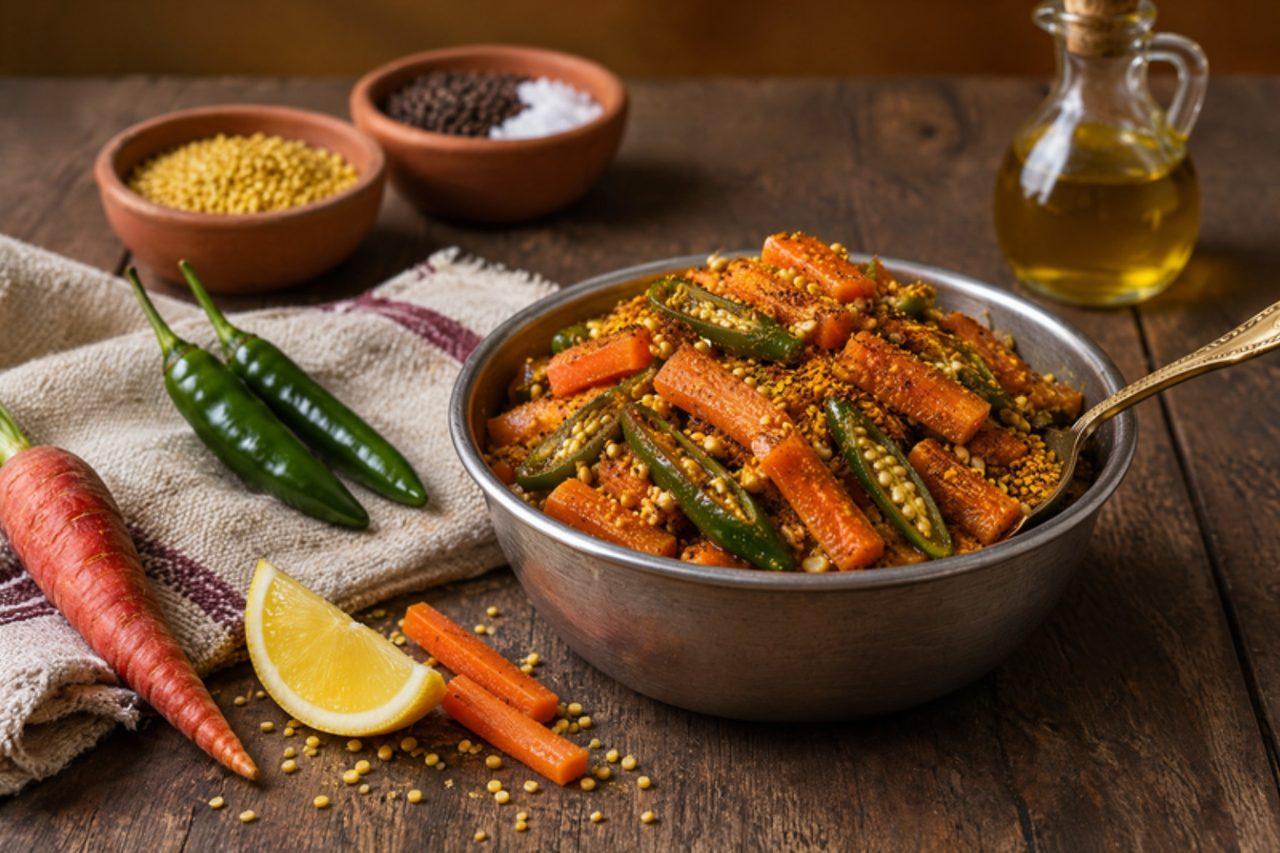
Every Gujarati thali, from Ahmedabad homes to Surat lunch houses, has a little bowl of something fresh and sharp to cut through the dal, kadhi and sweet shaak, and in the cold months it is very often this instant carrot and chilli athanu. Winter brings the sweet, deep red desi carrots and fat, mild bhavnagri chillies, and the pickle is mixed in ten minutes: sticks of both coated in split mustard seed, turmeric, hing, salt and lemon, then dressed with warm oil. It is crunchy, juicy and bright, with the nose-tingling pungency of rai kuria and a clean lemon tang. Eat it with rotli, thepla, khichdi or a full thali. The common mistake is pouring smoking-hot oil straight on, which cooks the mustard and makes it bitter; let the oil cool until just warm. It is ready when the mustard has softened and the carrots look glossy, about an hour after mixing, though it is good straight away. With fresh chilli and no long cure, keep it in the fridge and eat within a week. Chef's tip: if bhavnagri chillies are hard to find, use a mix of mild long green peppers and a couple of hot green chillies.

by KrazyBadal 0 views

Gaji kimchiStuffed aubergine kimchi

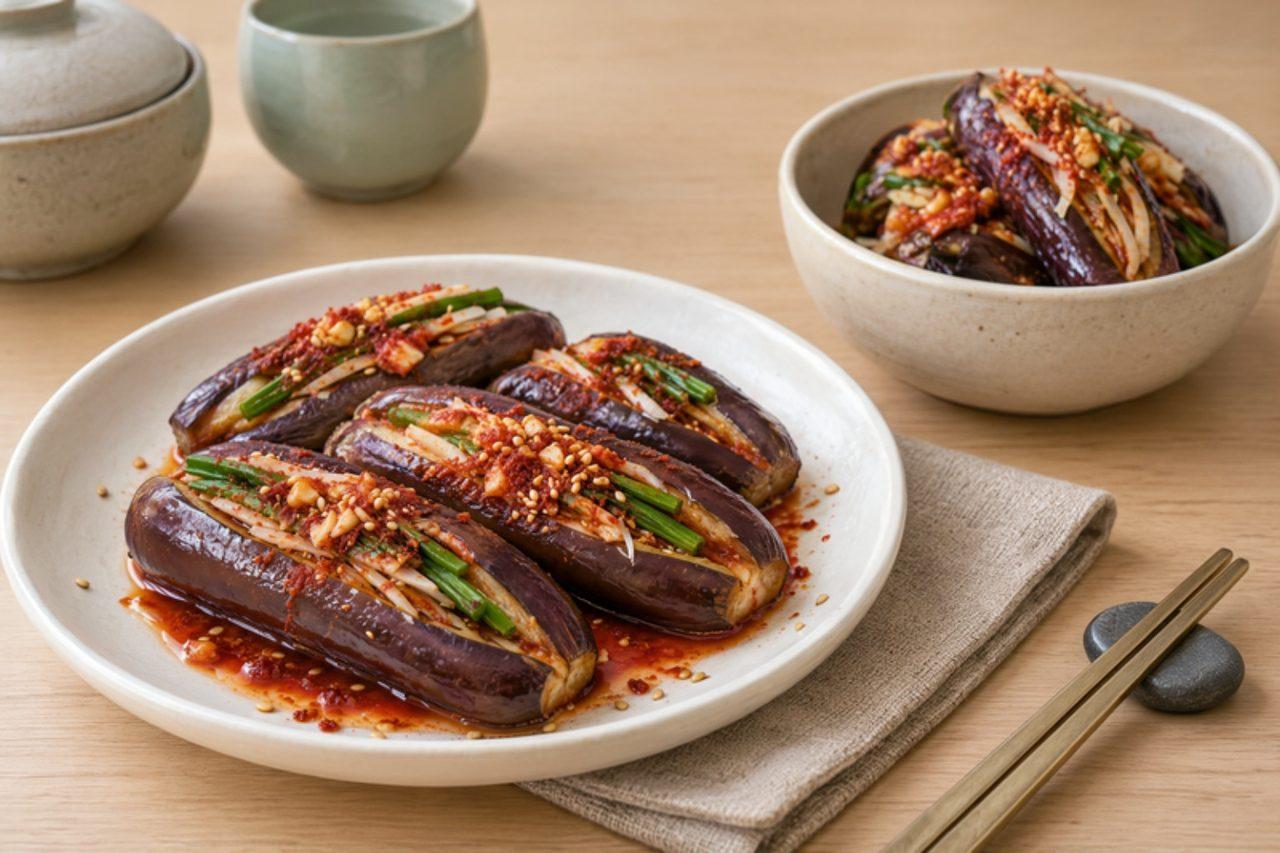
When the long jangma rains end and markets across Korea are heaped with slim purple eggplants in July and August, home cooks turn some of them into gaji kimchi, a short-lived summer kimchi eaten cold beside barley rice, cucumber naengguk or a simple grilled fish. The eggplant is steamed just long enough to soften, then split into a cross and stuffed with garlic chives, shredded radish and a bright chilli dressing seasoned with fish sauce. It is silky and juicy, almost melting, with a crunchy, garlicky centre, and after a day the juices turn gently tangy. The usual mistake is steaming too long: the pieces collapse when you stuff them and go mushy in the jar, so pull them as soon as the skin darkens and the flesh bends but still springs back. It is ready to eat after a few hours, best on day two, when the brine in the box tastes lightly sour and the eggplant has turned deep red at the cuts. For a vegetarian version use tamari in place of fish sauce. Chef's tip: choose slim Korean or Japanese eggplants with few seeds; fat globe eggplants hold too much water.

by KrazyBadal 0 views

KitozaSmoked dried beef strips

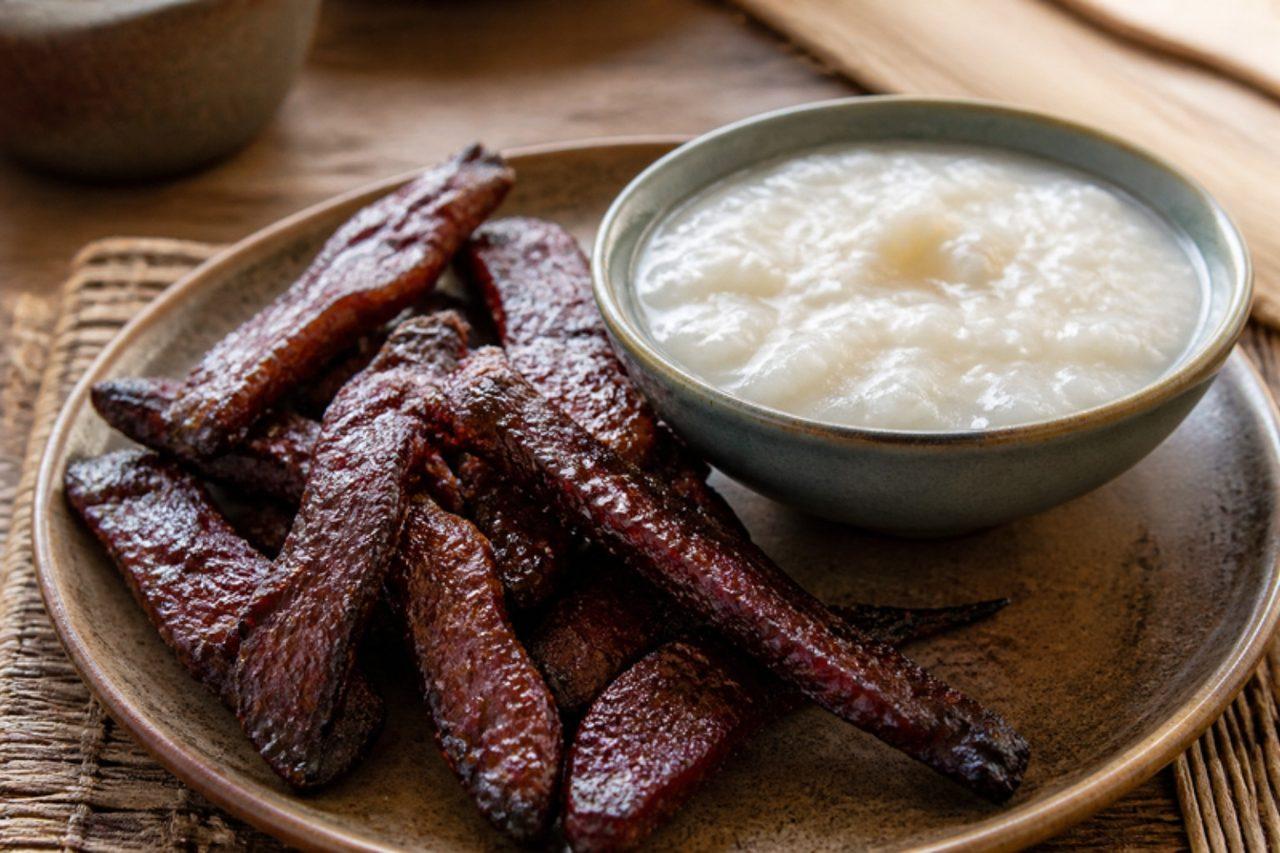
Butchers in the Highland markets of Antananarivo and Ambositra hang long, dark strips of kitoza above smoky fires, and households grill a few pieces each morning to eat with a bowl of soft rice. The meat is lean, cut with the grain, seasoned with salt, garlic, ginger and pepper, then dried until it is chewy and concentrated; a quick grill before serving gives it a smoky, salty crust. This home version uses beef in place of zebu and, for safety, cooks the strips to 71 °C in the oven before drying them slowly at a low heat. It is not for pregnant women, young children or anyone with a weakened immune system. The common mistake is cutting the strips too thick, which leaves them leathery outside and damp inside. Chef's tip: half-freeze the beef for an hour so you can slice it in even 5 mm strips.

175 minMalagasyMeatGluten free
by KrazyBadal 0 views

Kitchener bunsJam and cream doughnut buns

Kitchener buns are a South Australian bakery icon, found in every Adelaide suburb and country town bakery from the Barossa to the Fleurieu. The soft yeast buns are fried or baked, rolled in sugar, split open and filled with a stripe of raspberry jam and a generous swirl of cream; they were named after a British field marshal during the First World War. Messy and delicious with a cup of tea. A common mistake is filling them warm, which melts the cream. Chef's tip: roll them in sugar while still warm so it sticks, then fill when cold.

by KrazyBadal 0 views

KitchaUnleavened flatbread

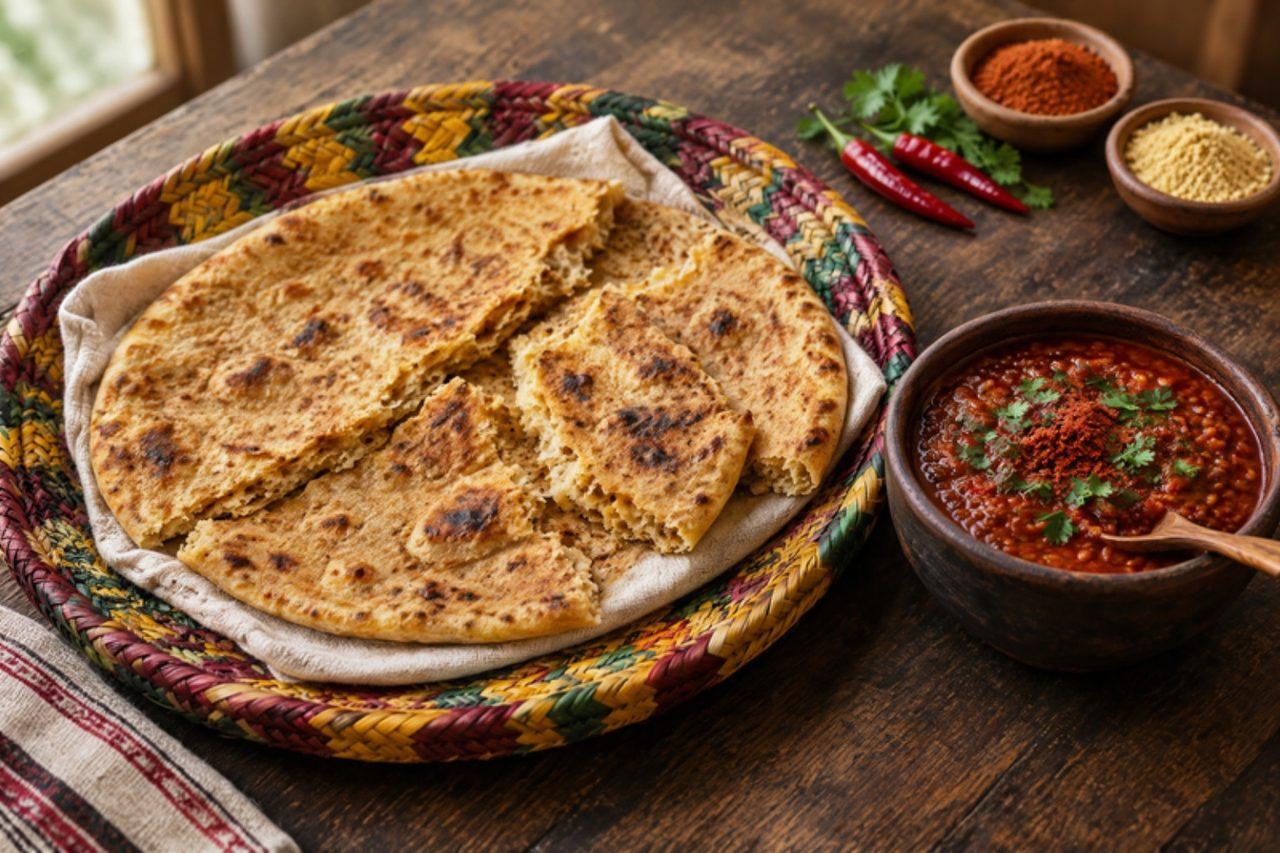
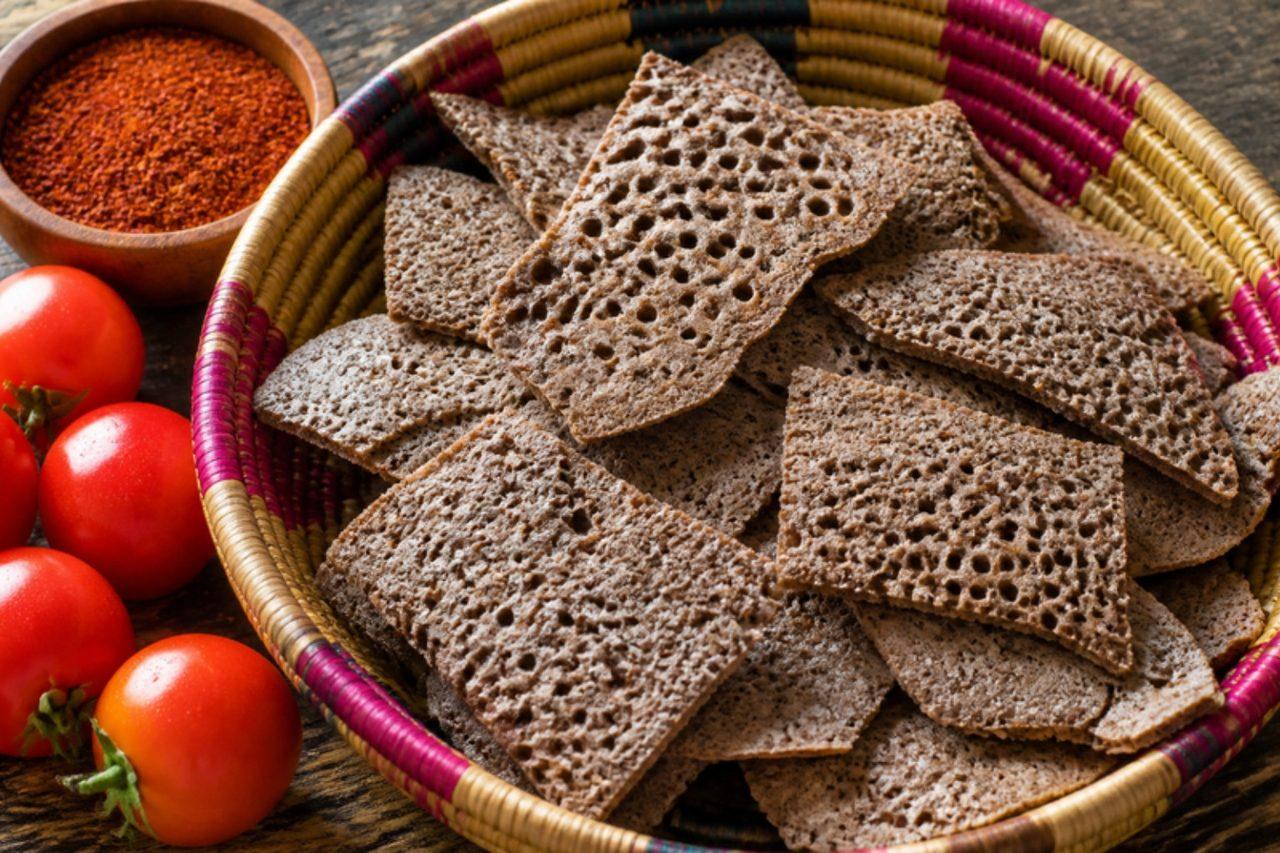
Kitcha (qita) is the everyday quick bread of the Ethiopian and Eritrean highlands, baked when there is no time to ferment injera, and eaten for breakfast with tea or coffee, or torn up as kitcha fitfit with spiced butter and berbere. The dough is just flour and water, spread thick on a hot mitad griddle and cooked on both sides until speckled and firm. Traditionally there is no salt in it at all: about 0.0 g salt per portion, so it sits well beside salty stews. The usual mistake is spreading it too thin, which gives a cracker; aim for 1 cm so the middle stays soft. Barley or teff flour can replace some of the wheat for a nuttier bread. Chef's tip: press a little hollow in the middle with your fingers before turning, and the bread cooks evenly without a raw centre.

by KrazyBadal 0 views

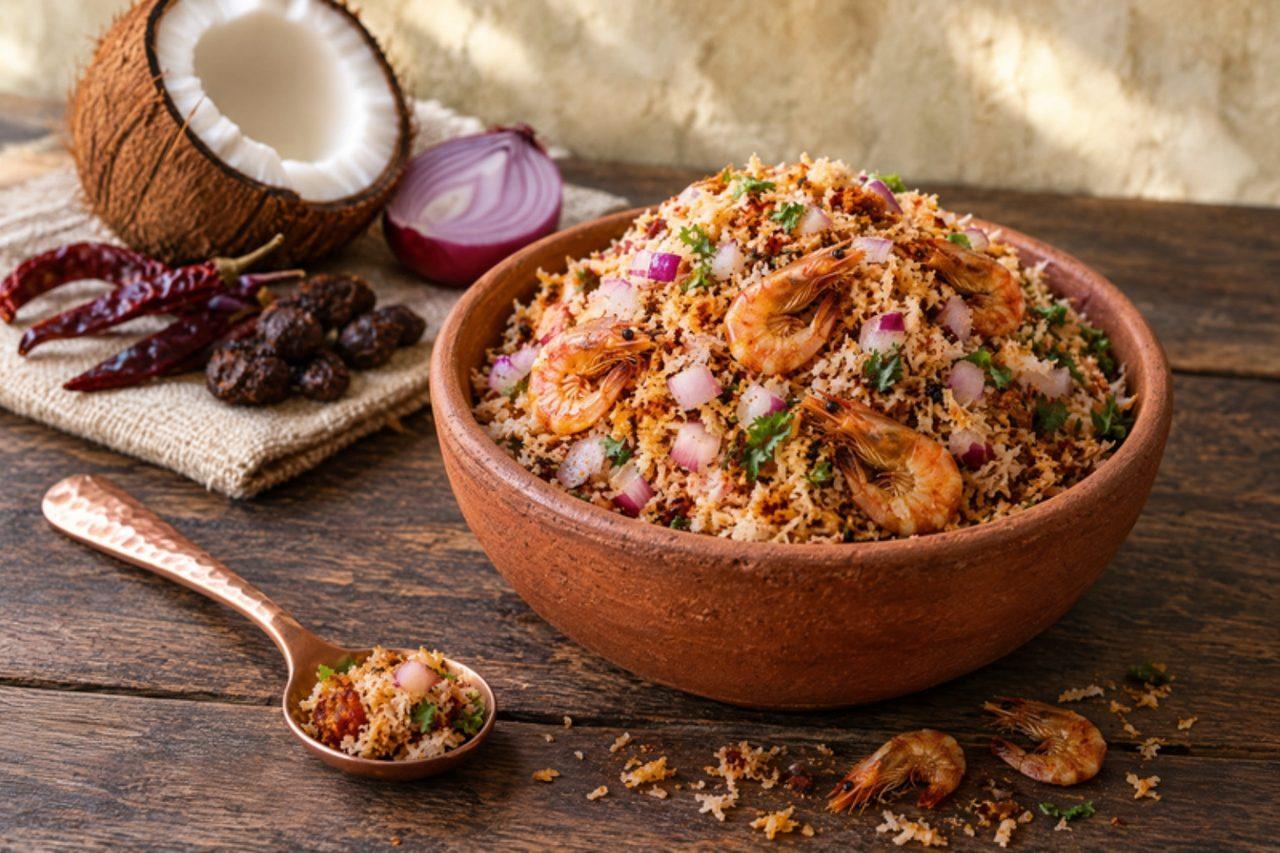
KismurDried prawn and coconut salad

Kismur is a dry, crunchy Goan side that turns a simple plate of rice and dal or pez into a feast, and it is made across Goan homes, Hindu and Catholic, especially in the monsoon when fresh fish is scarce. Dried prawns are toasted until crisp, then tossed with raw onion, grated coconut, chilli and a little tamarind, so it tastes salty, sour, sweet and smoky at once. The usual mistake is skipping the toasting: untoasted dried prawns taste fishy and chewy, while well-toasted ones smell nutty and snap. Chef's tip: rinse the prawns briefly and dry them well before toasting, which removes grit and excess salt.

20 minIndianFishGluten free
by KrazyBadal 0 views

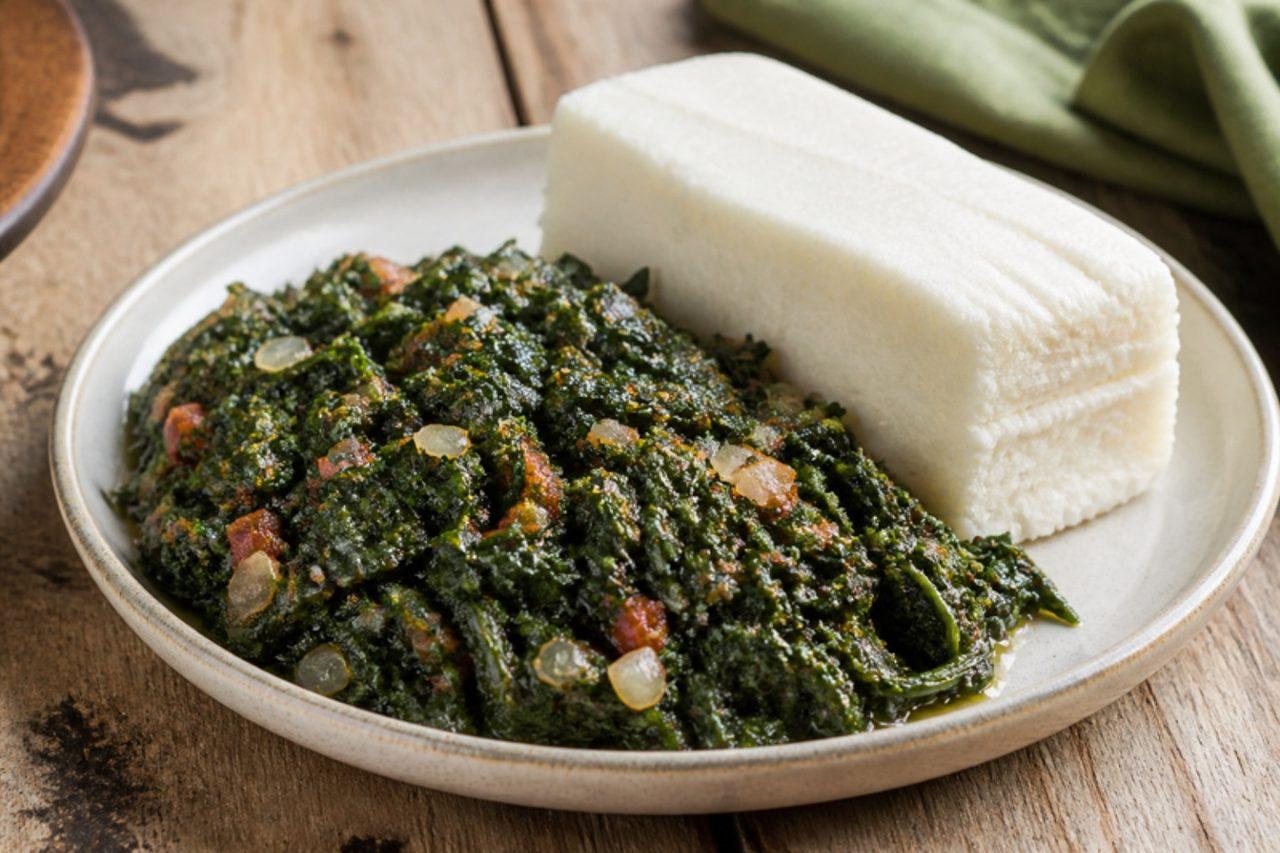
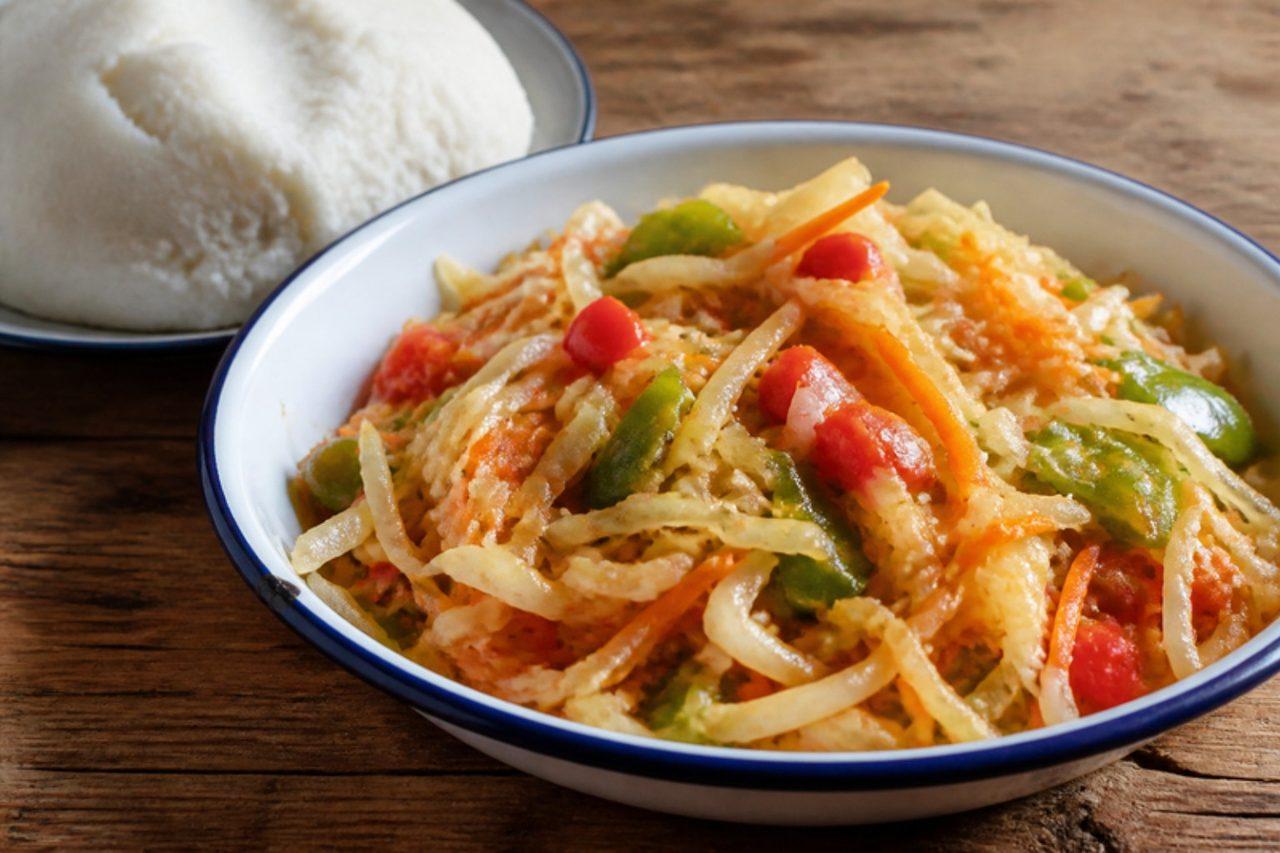
ManaguNightshade greens

Market women in Kisii and Kakamega sell managu in thick bunches, and in the hills it is the green that goes with ugali at almost every family dinner. The leaves of cultivated African nightshade are soft and pleasantly bitter, a bit like a stronger spinach, and here they are blanched, then cooked down with onion and tomato into a soft, savoury heap. At home many families stir in a spoon of cream at the end; to keep it vegan, use coconut milk as below; buy managu fresh or frozen from African grocers and never gather wild nightshade, as some kinds are poisonous. Using the boiling water as a sauce is a common error: always drain the first boil, or the dish stays harsh. Chef's tip: squeeze the drained leaves firmly in your fist before frying so the tomato flavour soaks in instead of being watered down.

by KrazyBadal 0 views

Kiri kosJackfruit in coconut milk

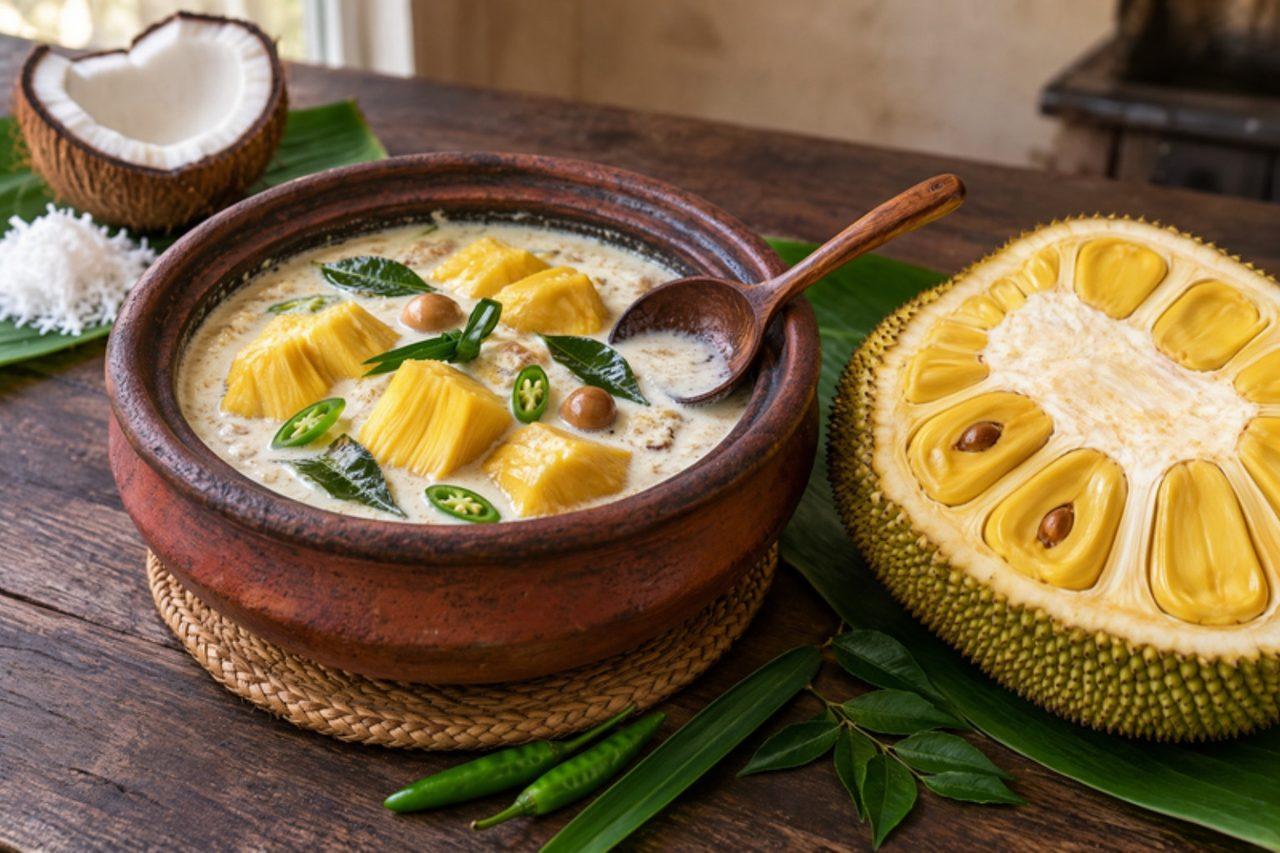
Kiri kos, 'milk jackfruit', is a mild white curry from the villages of Sri Lanka's wet zone, cooked when the jackfruit is mature but not yet sweet, and often served at lunch or at almsgivings beside red rice and a spicy sambol. The yellow bulbs are simmered with turmeric, pandan, cinnamon and green chilli in thin coconut milk until tender, then finished with thick milk so the curry is creamy and soothing. The usual mistake is using ripe, sweet jackfruit, which turns to jam; ask for mature 'kos' with firm, pale bulbs, or use tinned young jackfruit in brine. Chef's tip: oil your knife and hands before cutting fresh jackfruit so the sticky latex wipes off easily.

by KrazyBadal 0 views

Kinzanji misoChunky barley miso

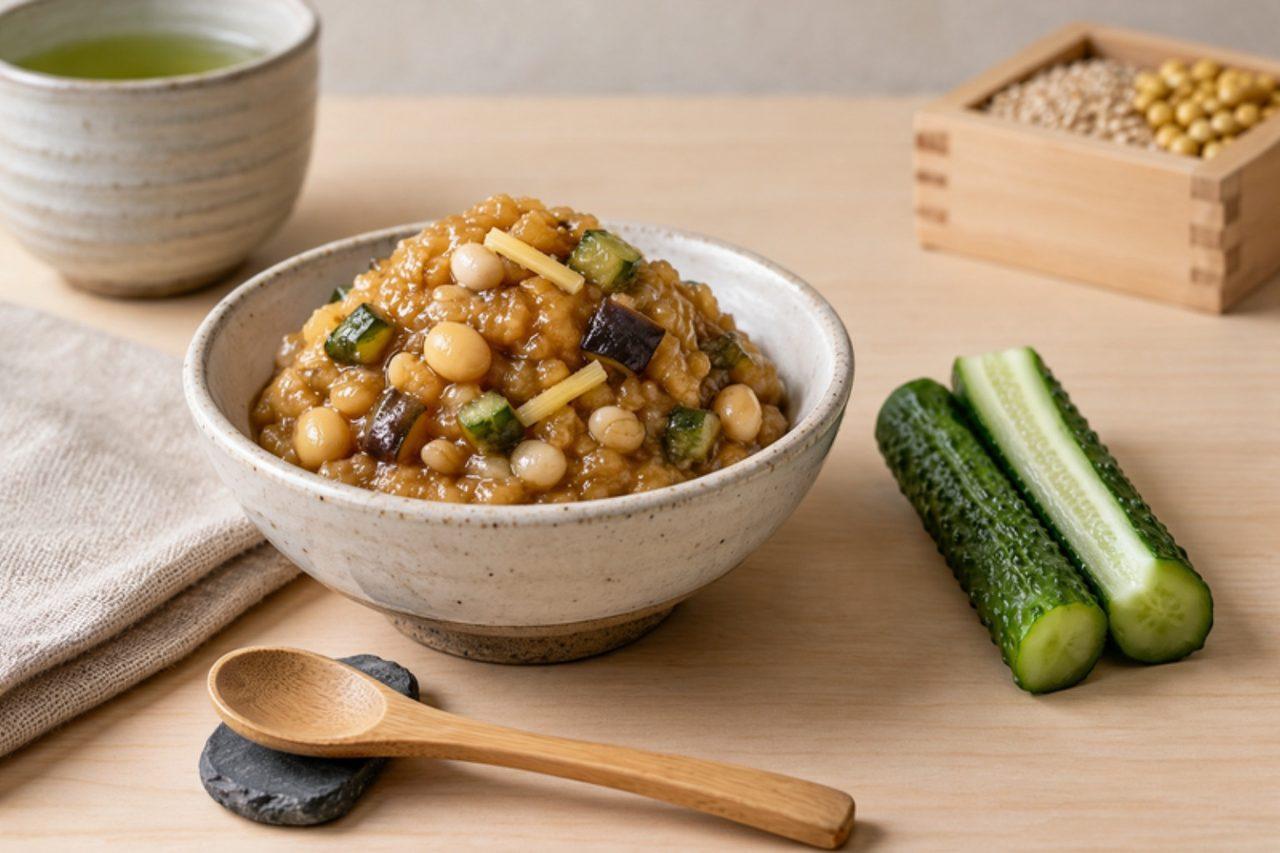
Kinzanji miso is not for soup. It is a chunky, sweet-savoury 'name-miso', a miso you eat straight, spooned onto hot rice, tucked into a cucumber stick or set beside rice porridge at breakfast. Legend says a monk brought the method from Jingshan Temple in China to Yuasa in Wakayama, where the run-off liquid became Japan's first soy sauce. Traditionally it is made in summer, when aubergines and uri melons are plentiful, and eaten through autumn and winter. You can see every ingredient: soft barley grains, nutty roasted soybean pieces, little cubes of aubergine and cucumber, threads of ginger, all bound in a glossy brown paste. This home version uses ready-made barley koji. The common mistake is adding the vegetables wet; salt them, then squeeze hard, or the extra water thins the salt and invites spoilage. It is ready when the barley grains are soft, the mix smells sweet and soy-like, and it tastes rich and rounded, after about four weeks; then it is sweetened and kept cold. Japanese melon (shirouri) is traditional; firm cucumber is the usual substitute. Chef's tip: a spoonful on a cold block of tofu with a little chopped spring onion is the best snack you can make in 30 seconds.

by KrazyBadal 0 views

King George whitingFried whiting fillets

King George whiting is South Australia's most prized fish, caught in the shallow sea-grass bays of Spencer Gulf and Gulf St Vincent and served in Adelaide pubs and on the Glenelg foreshore with chips and lemon. The fillets are small, sweet and delicate, so they need only a light coating and a quick fry. A common mistake is a heavy batter that hides the fish; a thin crumb or flour dusting is the local way. Chef's tip: cook skin side first and flip only once, so the fragile fillets stay whole.

by KrazyBadal 0 views

Kimchi jjimBraised kimchi with pork belly

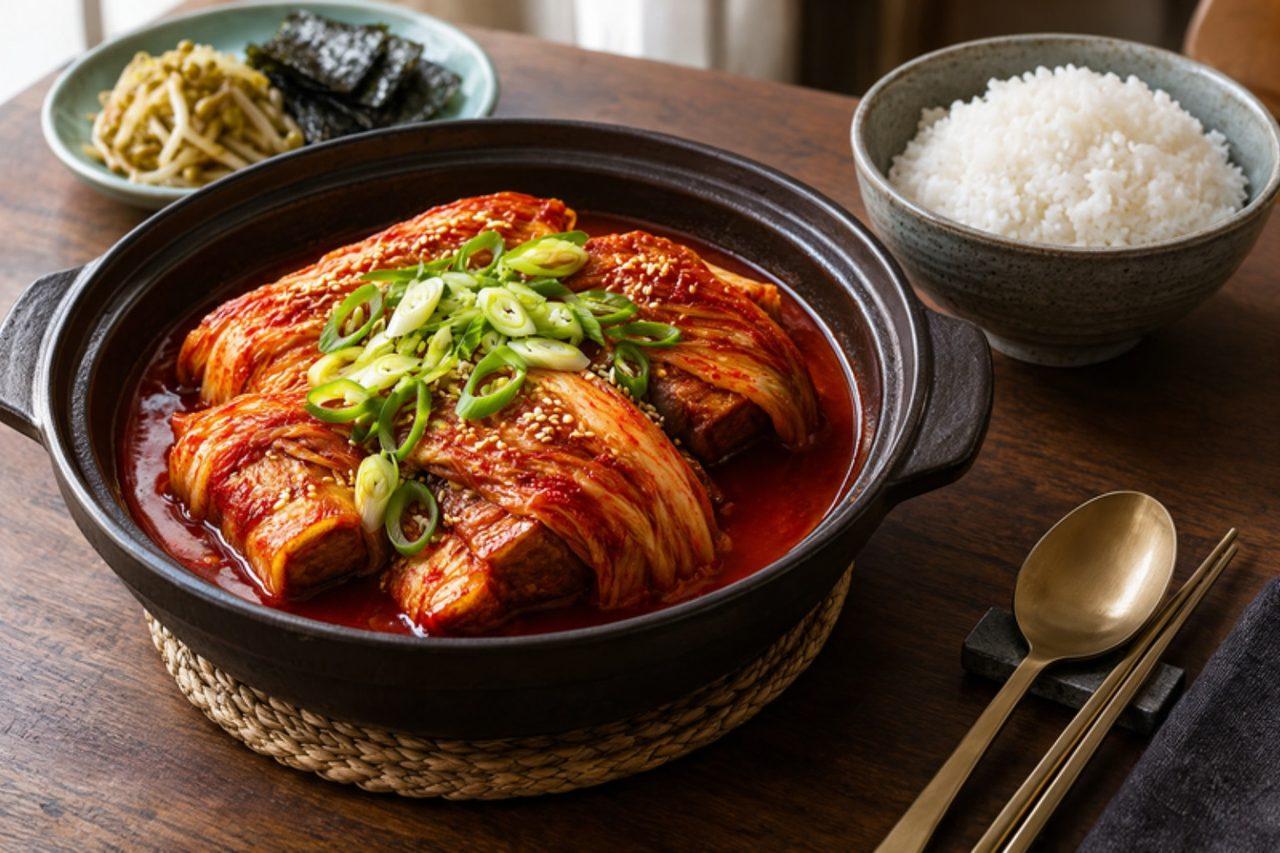
Kimchi jjim is what Korean households make in late winter, when the big batch of kimchi from the autumn kimjang has turned deeply sour and is too strong to eat raw. Whole quarters of the old kimchi are laid over a thick piece of pork belly and braised slowly until the cabbage is silky and the pork is meltingly soft. At the table you snip the pork with scissors and wrap a piece in a kimchi leaf with rice. The usual mistake is using fresh kimchi, which gives a flat, raw-tasting stew; it needs well-fermented, sour kimchi. Chef's tip: add a splash of the kimchi brine near the end if the sauce tastes sweet rather than tangy.

90 minKoreanMeatSpicy
by KrazyBadal 0 views

KilanjiRice crepes with coconut banana sauce

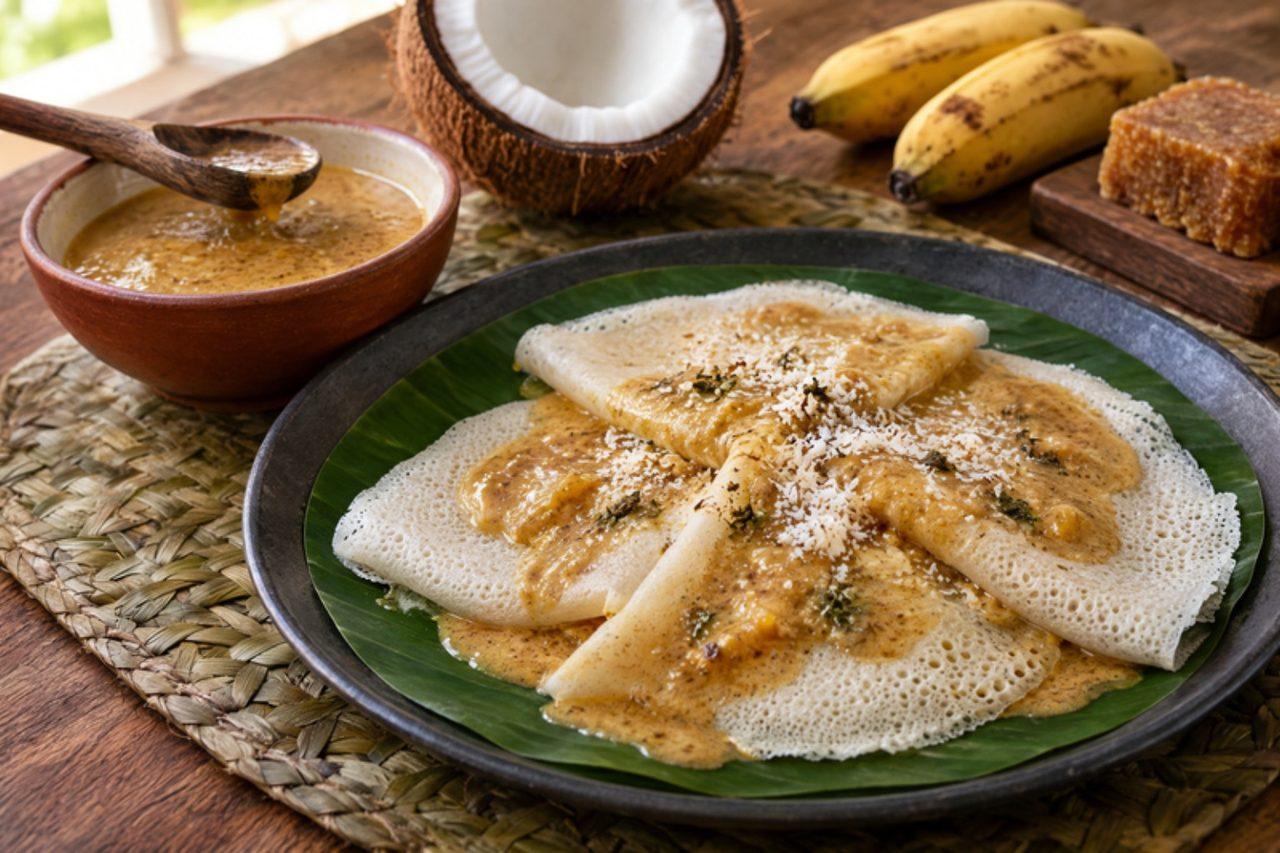
On the coral islands of Lakshadweep, kilanji is the treat for weddings, Eid mornings and a welcome guest. Thin, soft crepes of soaked rice and egg, or rice alone as here, are folded and drenched in a warm sauce of coconut milk sweetened with coconut jaggery and full of mashed ripe banana and cardamom. The islanders often add egg to the batter; this version keeps it vegan with a touch of cooked rice for softness. The common mistake is a gritty batter: the rice needs a full four hours' soak and a long, fine grind, or the crepes tear. Chef's tip: keep the sauce barely warm, never boiling, so the coconut milk stays silky.

by KrazyBadal 0 views

NjahiBlack beans mashed with banana

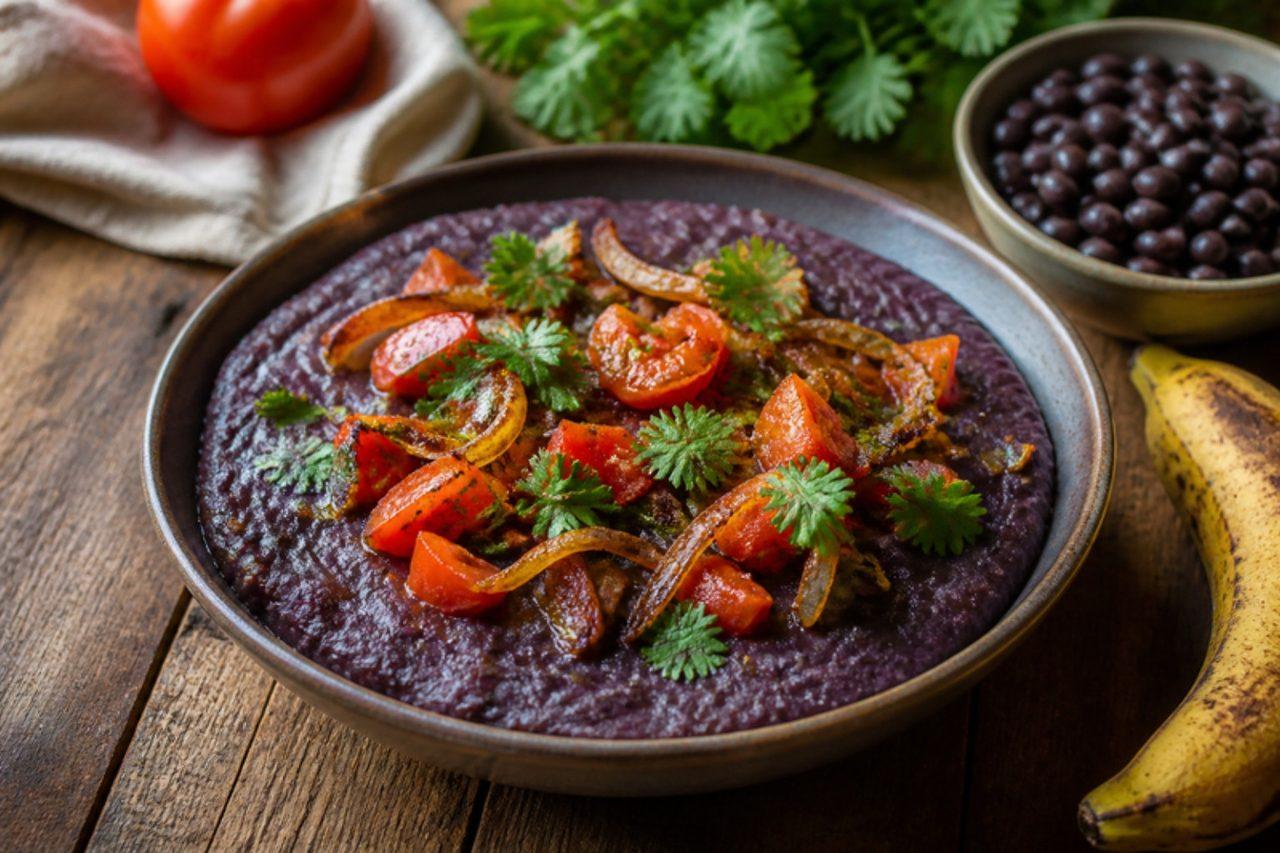
Kikuyu families in Kiambu, Murang'a and Nyeri cook a big pot of njahi for a woman who has just given birth, and visitors bring the beans as a gift; the dish is said to build strength and milk. The beans are small, glossy black lablab beans, simmered for a long time until creamy, then mashed with ripe bananas so the result is dark, soft and gently sweet against the savoury onion and tomato. Look for dried njahi at African grocers (sometimes labelled black dolichos or black lablab beans); black turtle beans are the closest swap and cook a little faster, but skipping the overnight soak is the classic error with either: unsoaked beans stay chalky even after hours. Eat it warm with a cup of tea, or as a main with greens. Chef's tip: choose bananas with brown freckles but still firm; overripe black ones make the mash taste like dessert.

by KrazyBadal 0 views

BusheraSoured sorghum drink

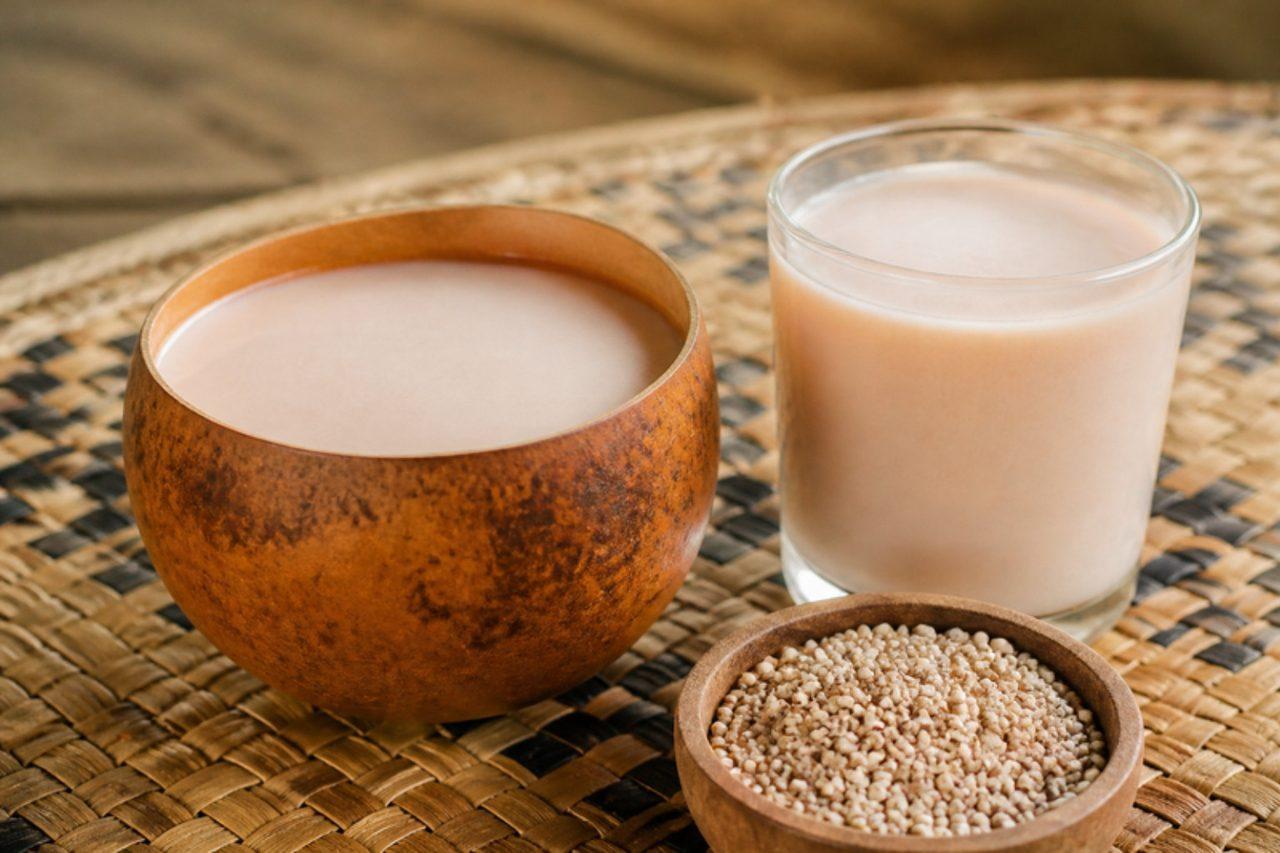
In the hills of Kigezi around Kabale, a calabash of obushera is offered to visitors and carried to the fields in the afternoon; the same drink, left for days, becomes beer, but the everyday family version is drunk young and contains no meaningful alcohol. Sorghum flour is cooked into a thin porridge, cooled, then left overnight with a spoonful of sprouted sorghum flour to sour gently, so it tastes tangy, malty and refreshing, a little like a drinking yoghurt made from grain. Drink it chilled on its own or with roasted groundnuts. The mistake people make is leaving it out too long: after a day it starts to fizz and turn alcoholic, so taste it, then chill it. Chef's tip: sweeten only just before serving, as sugar added early speeds up the ferment.

by KrazyBadal 0 views

AkabenzCrispy fried pork

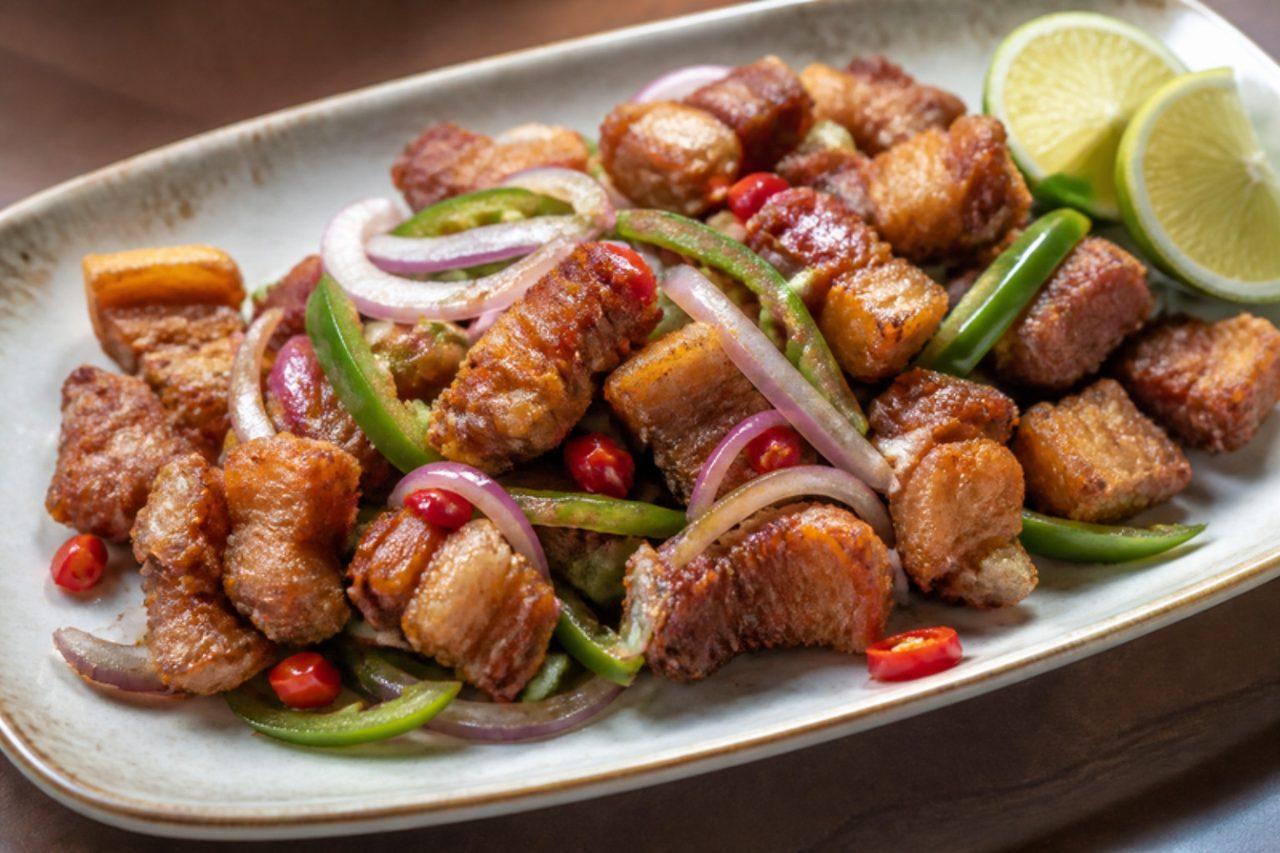
Pork is the star on Kigali's evening bar terraces, where friends share a plate of akabenzi; the name jokes that pork was once a luxury fit for a Mercedes-Benz owner. Chunks of pork shoulder or belly ribs are simmered until tender, then fried hard with onion and chilli until the fat crackles and the edges go crisp and caramelised, while the inside stays juicy. It comes with fried plantain or chips and a fiery chilli oil. The mistake is frying raw pork straight away: the outside burns before the middle cooks, so boil it first. The pork is cooked to well beyond 71 °C. Chef's tip: dry the boiled pieces thoroughly before they hit the oil, or they spit and steam instead of crisping.

by KrazyBadal 0 views

KhuriBuckwheat crepes with cheese

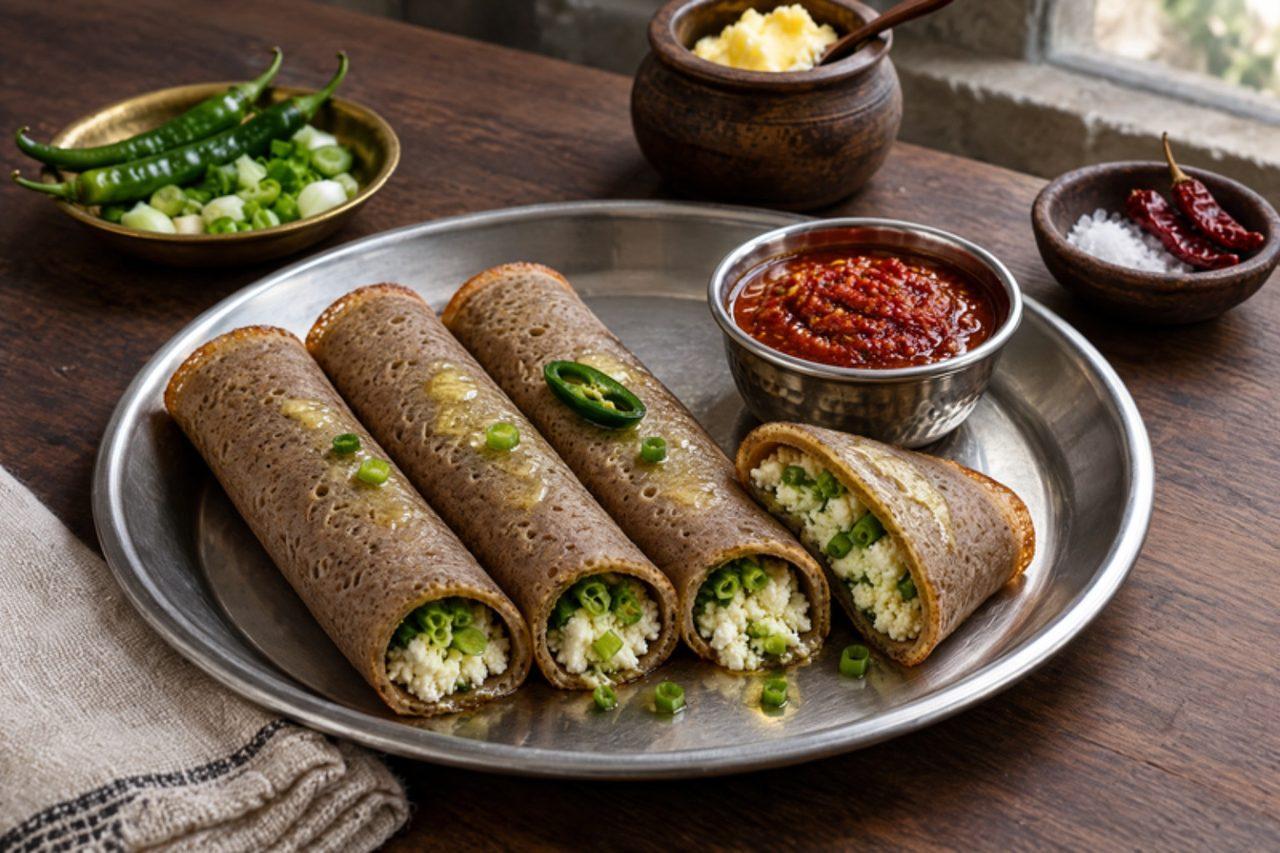
Khuri is a Sikkimese tea-time and breakfast dish from the buckwheat-growing villages of the north, where the thin grey-brown crêpes are filled with fresh cheese sharpened with chilli and spring onion, then rolled and eaten warm. It is often served with a fiery tomato achar. The batter needs to be thin enough to swirl, and the common mistake is flipping too early, before the edges lift by themselves, which tears the crêpe. Wheat flour in the batter helps it hold together, so these are not gluten free. Chef's tip: rest the batter for 20 minutes so the buckwheat hydrates and the crêpes come out supple rather than brittle.

by KrazyBadal 0 views

GamjatangPork backbone stew

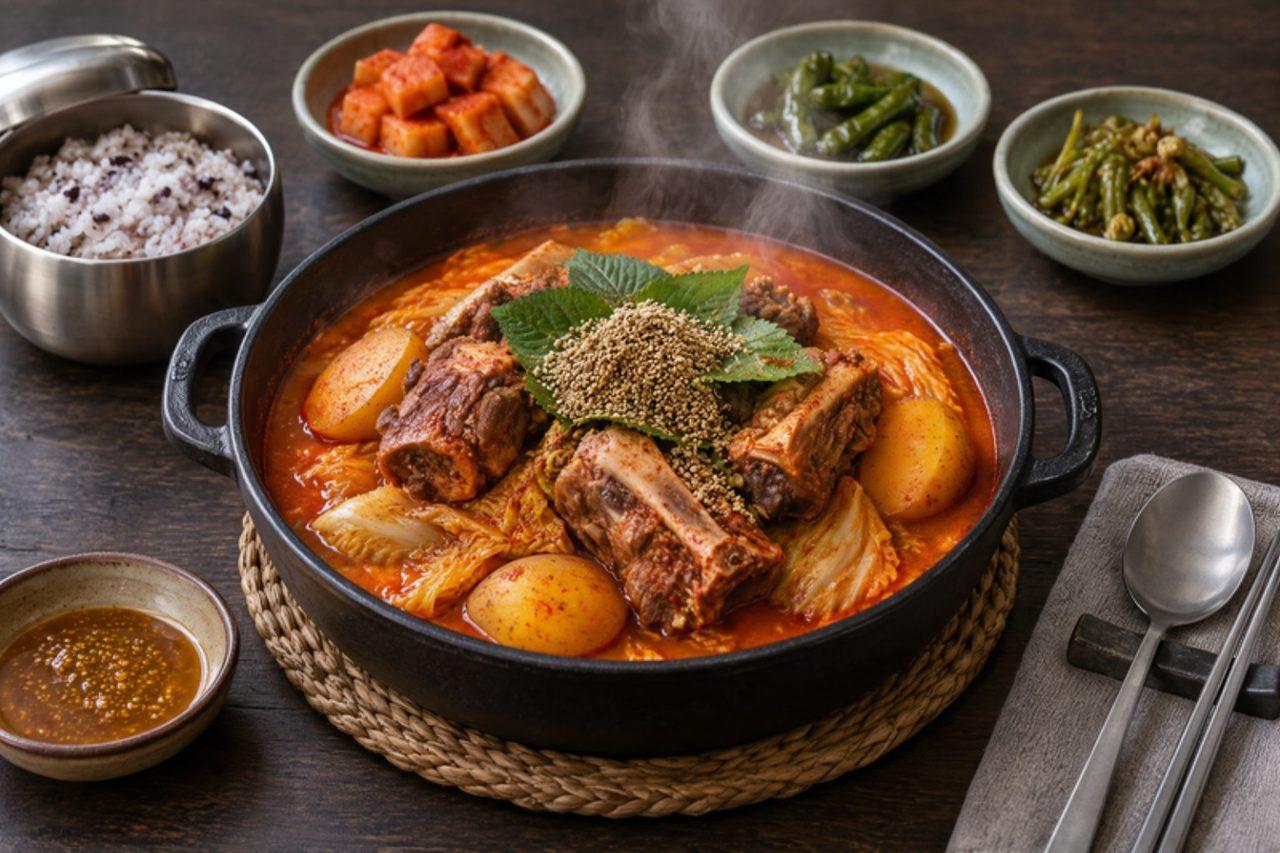
Gamjatang is a late-night favourite in Seoul and Incheon, where restaurants keep huge pots of pork backbone stew bubbling for shift workers and friends after a night out. Pork neck bones are soaked, blanched and simmered with doenjang until the meat pulls away, then finished with potatoes, napa cabbage, perilla leaves and nutty ground perilla seeds in a chilli-red broth. Everyone picks the meat off the bones at the table and ends the meal by frying rice in the leftover broth. The usual mistake is skipping the soaking and blanching, which leaves the broth grey and scummy. A pressure cooker cuts the bone simmering to 45 minutes. Chef's tip: stir the perilla seed powder in only at the end; boiled too long it loses its fragrance.

180 minKoreanMeatSpicy
by KrazyBadal 0 views

KapanaGrilled beef strips with chilli salt

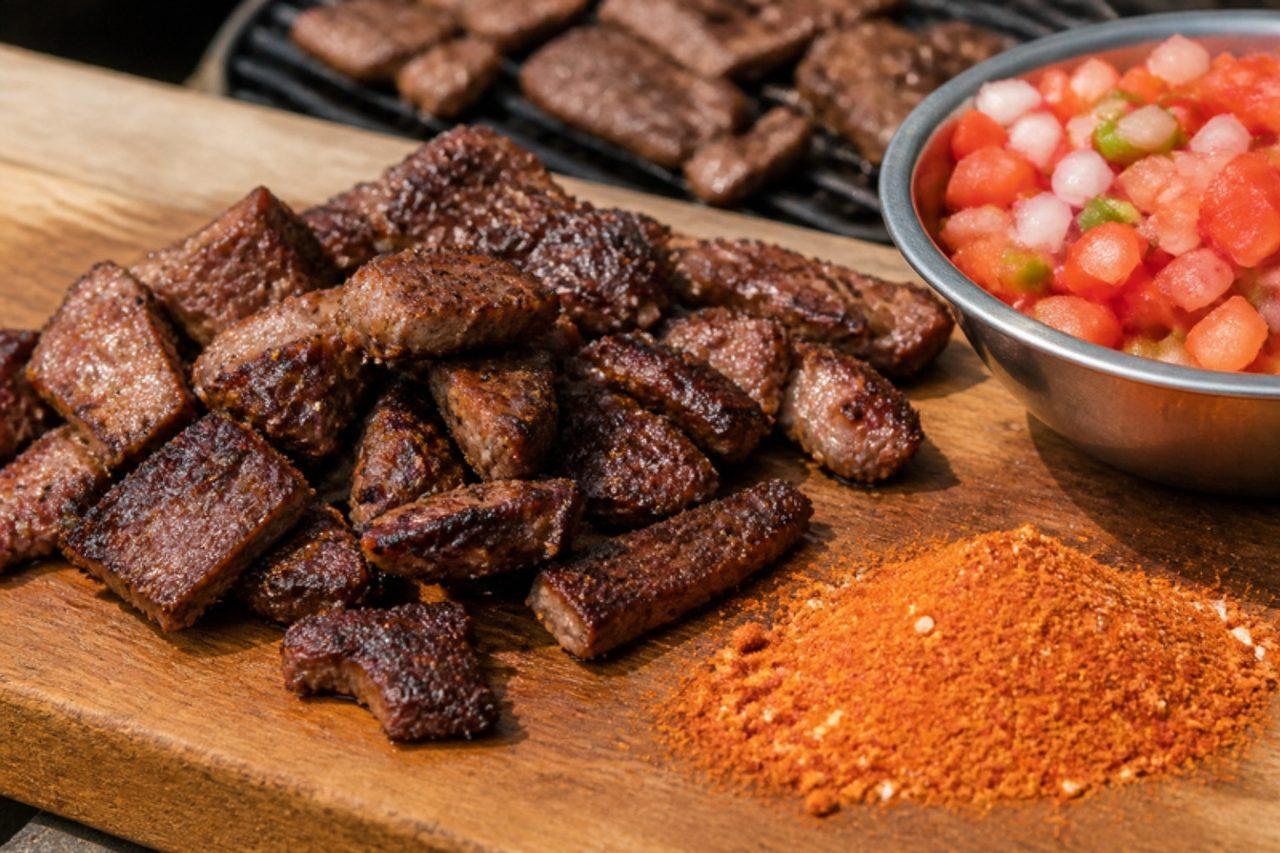
Walk into the Single Quarters market in Katutura on a Friday afternoon and the smoke hits you first: rows of braai stands, butchers cutting beef into small pieces straight onto the grill, and customers standing around eating with their fingers. The meat is charred and salty outside, juicy within, dipped into a pile of red chilli salt and topped with a raw tomato, onion and chilli relish. Kapana means roughly 'small pieces', and it is eaten on the spot, with fat cakes (vetkoek) or just more relish. Cook the beef right through until no pink remains, as the market grills do, and let it rest a moment. Chef's tip: cut the strips small and thin so they char quickly; the common mistake is cutting them chunky, so the outside burns before the middle is done.

by KrazyBadal 0 views

KhurchanScraped milk skin sweet

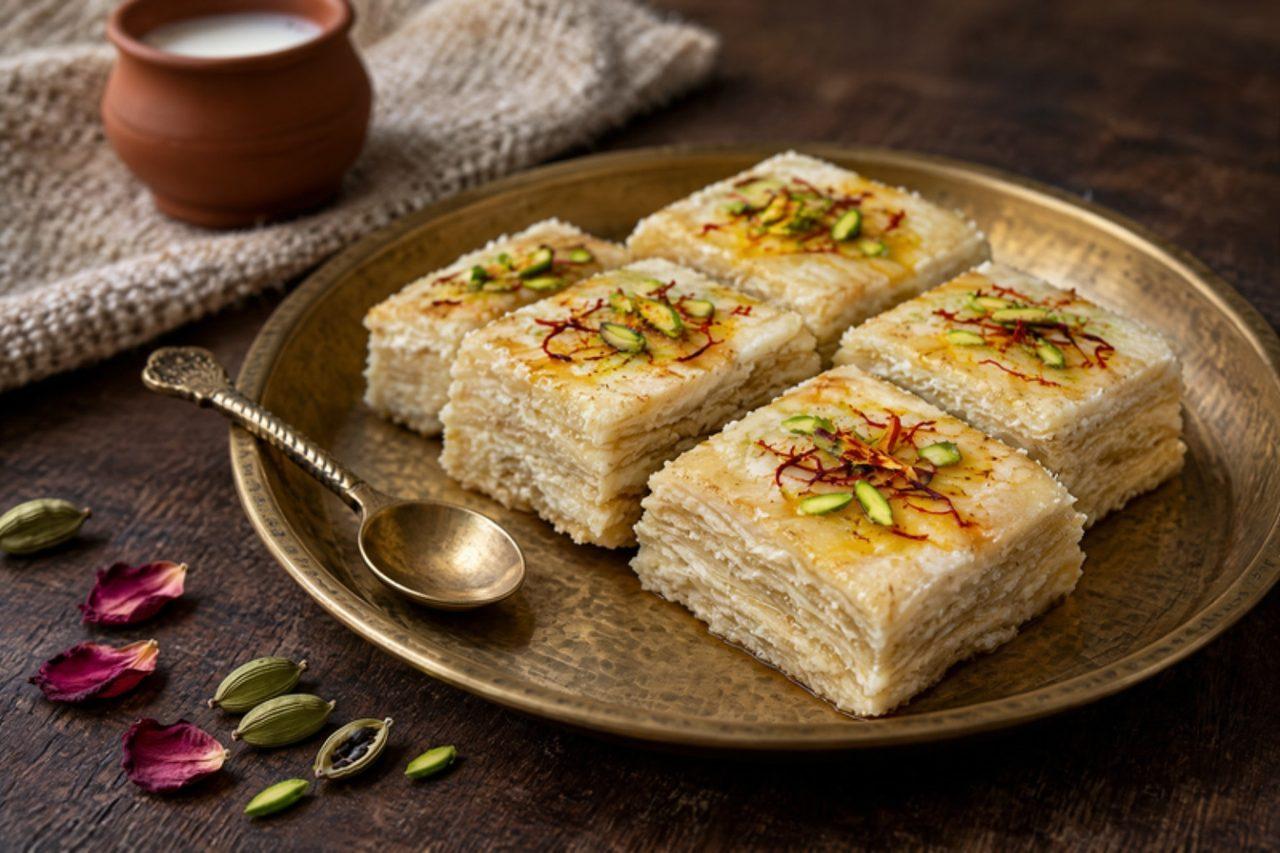
Khurchan means 'scrapings', and in Mathura and the sweet lanes of Old Delhi it is made by simmering milk in a wide iron kadhai and lifting off the skin that forms, layer after layer, then stacking the sheets with a sprinkle of sugar and cardamom. It is a winter sweet, sold in small squares, and offered at Janmashtami in Krishna's town. It takes patience, not skill. The common mistake is letting the milk boil, which breaks the skin; keep it just steaming, never bubbling. Chef's tip: fan the surface of the milk gently with a paper plate between layers; the cooler air makes the skin form faster and thicker.

by KrazyBadal 0 views

NalysnykyCrepes with sweet curd filling

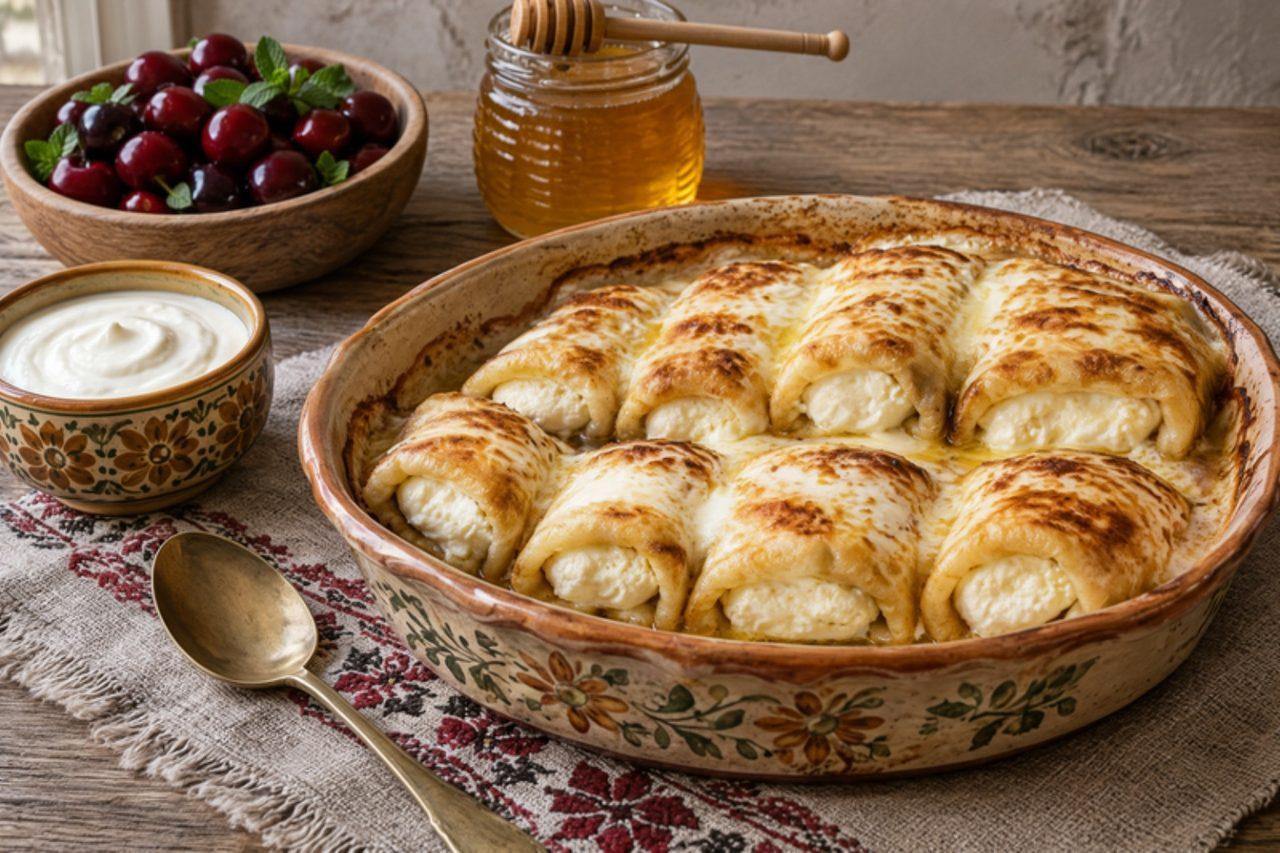
Nalysnyky are what Ukrainian families make for a slow weekend breakfast or a festive morning: thin crêpes filled with sweet tvorog curd cheese, rolled up, packed into a dish and baked with sour cream and butter until bubbling. The crêpes go soft and custardy where they meet the cream and crisp at the edges. The common mistake is making the crêpes too thick; they should be thin enough to see the pan through, or the rolls become heavy and doughy. Chef's tip: rest the batter for 20 minutes before frying so the flour absorbs the milk and the first crêpe doesn't tear.

by KrazyBadal 0 views

Gangaur guneFried dough shapes in syrup

Gangaur, Rajasthan's spring festival for Gauri, is when women fast and pray for their husbands and married daughters receive a sindhara of sweets from home, and gune are always in it. A ghee-rich dough is rolled thin, pleated or pressed into ribbed shapes and fried crisp, then dipped in sugar syrup or jaggery. They are crunchy, flaky and lightly sweet. The common mistake is under-rubbing the ghee into the flour, which makes them hard rather than short and flaky. Chef's tip: rub until the flour holds a clear fist mark when squeezed; that is when the gune will shatter, not crack.

by KrazyBadal 0 views

DouchiFermented black beans

Yangjiang in western Guangdong and Liuyang in Hunan are the two great douchi towns, and both traditionally make their fermented black beans in the dry season, when beans can be moulded indoors and dried in the sun without spoiling. Cooked black soybeans are covered until a yellow-green koji mould grows over them, then washed, salted, packed and fermented for weeks before drying. The result is wrinkled, soft-chewy beans with an intense salty, savoury, almost chocolate-dark flavour. A spoonful steamed with spare ribs or a whole fish, stir-fried with bitter melon or pounded into Hunan's chilli dishes seasons the whole plate. At home, buying koji spores (Aspergillus oryzae) is far more reliable than waiting for wild moulds. Common mistake: letting the beans sit wet or warm in a sealed container during the moulding stage; they must breathe at 28–32 °C. Good koji smells sweet and chestnut-like; discard any batch with black, pink or bright coloured mould, slime or a rotten smell. Keep the salt as given. It is ready when the beans are dark, wrinkled and dry outside but supple within. Store dried douchi in the fridge for 1 year. Chef's tip: rinse and lightly crush the beans before cooking.

by KrazyBadal 0 views

KhrenovinaHorseradish tomato relish

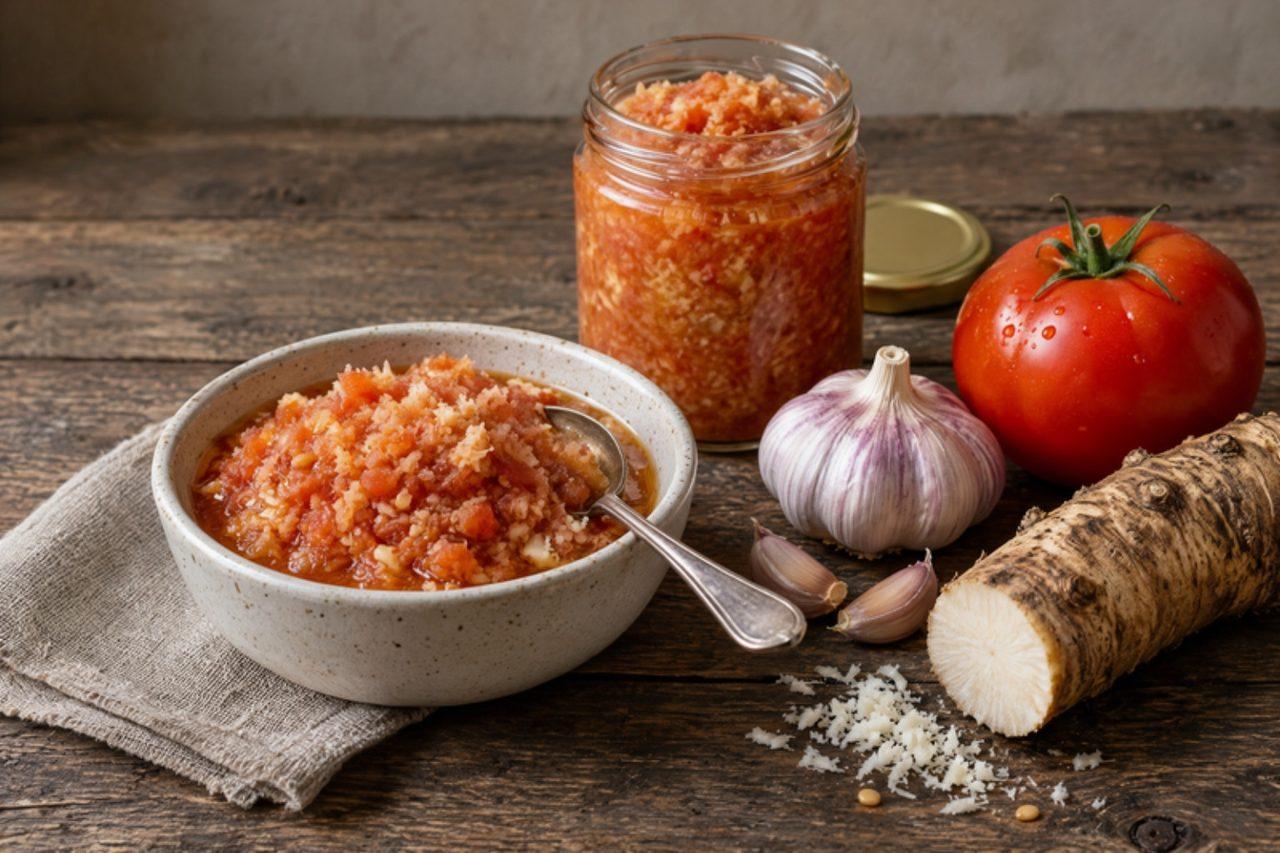
Khrenovina, also known as khrenoder or gorlodyor, the 'throat-tearer', is what Siberian families grind at the end of August and in September, when the garden tomatoes ripen faster than anyone can eat them and the horseradish roots are dug up. Raw tomatoes, horseradish and garlic go through the meat grinder with salt and a little sugar, and that is all: no cooking at all. Through the autumn and winter it is spooned onto pelmeni and boiled potatoes, beside kholodets and shashlik, and onto rye bread. It is bright, juicy and sweet-sour from the tomato, then the horseradish rushes up your nose like wasabi and the garlic lingers after; the texture is loose and grainy, like a fresh salsa. The mistake everyone makes once is grinding the horseradish indoors with their face over the grinder; the fumes sting hard, so open a window and tie a plastic bag over the outlet. It is ready after an hour or two in the fridge, when the heat has settled and the colour is an even pinkish red. Chef's tip: grind the horseradish last, straight into the tomatoes, so its heat is trapped in the juice.

by KrazyBadal 0 views

Khatta meatMutton in sour pomegranate gravy

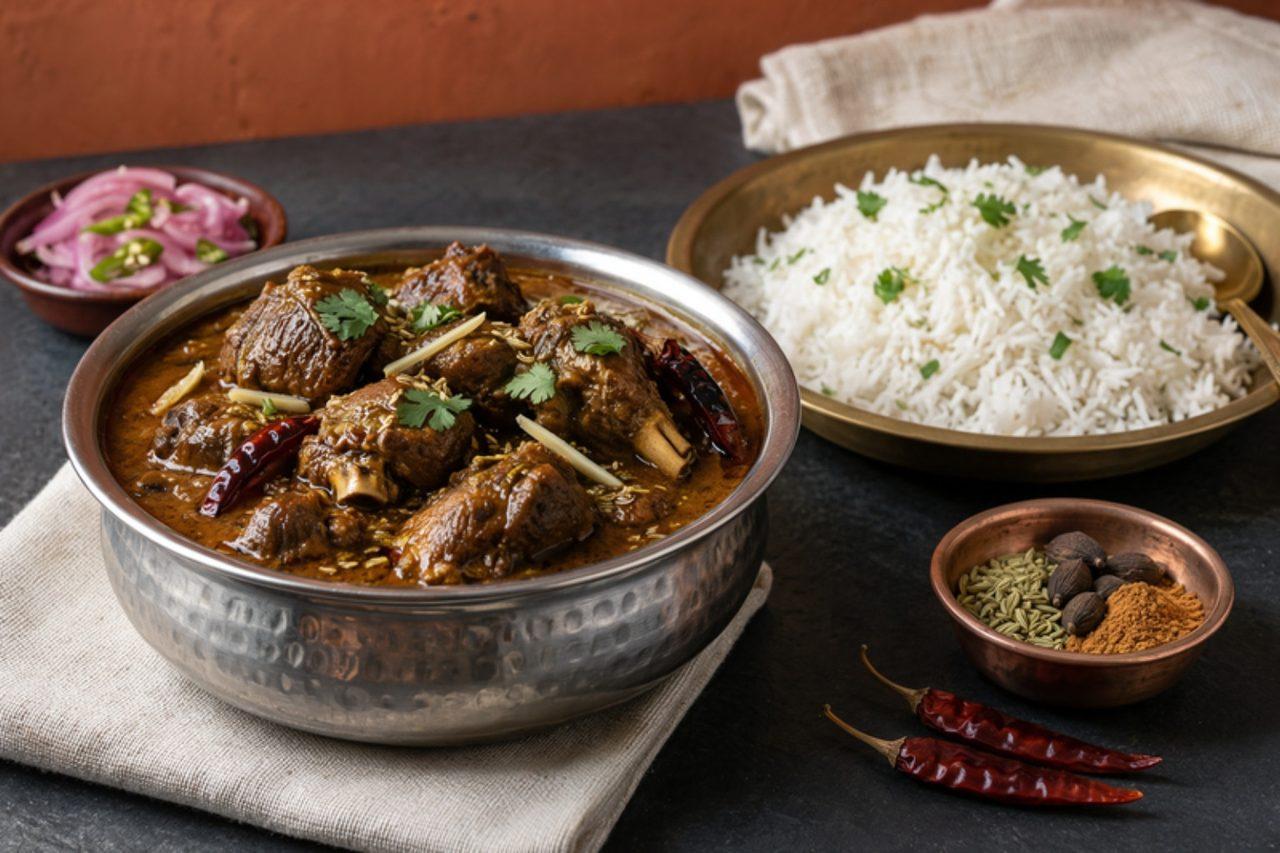
Khatta meat is a pride of Jammu's Dogra kitchens, cooked for family gatherings and the winter wedding season: mutton on the bone simmered slowly in mustard oil with fennel and dry ginger, then soured with ground anardana (dried pomegranate seeds) or lemon. The gravy is thin, tangy and deep red, eaten with plain rice. It has no curd or tomato; the sourness comes from the pomegranate alone. The common mistake is adding the anardana early, when it turns bitter during the long cook; stir it in for the last ten minutes. Chef's tip: grind the anardana fresh and soak it in a little hot water first, then strain, for a clean, fruity sourness without grit.

95 minIndianMeatGluten freeSpicy
by KrazyBadal 0 views

Pap tertLayered pap and tomato bake

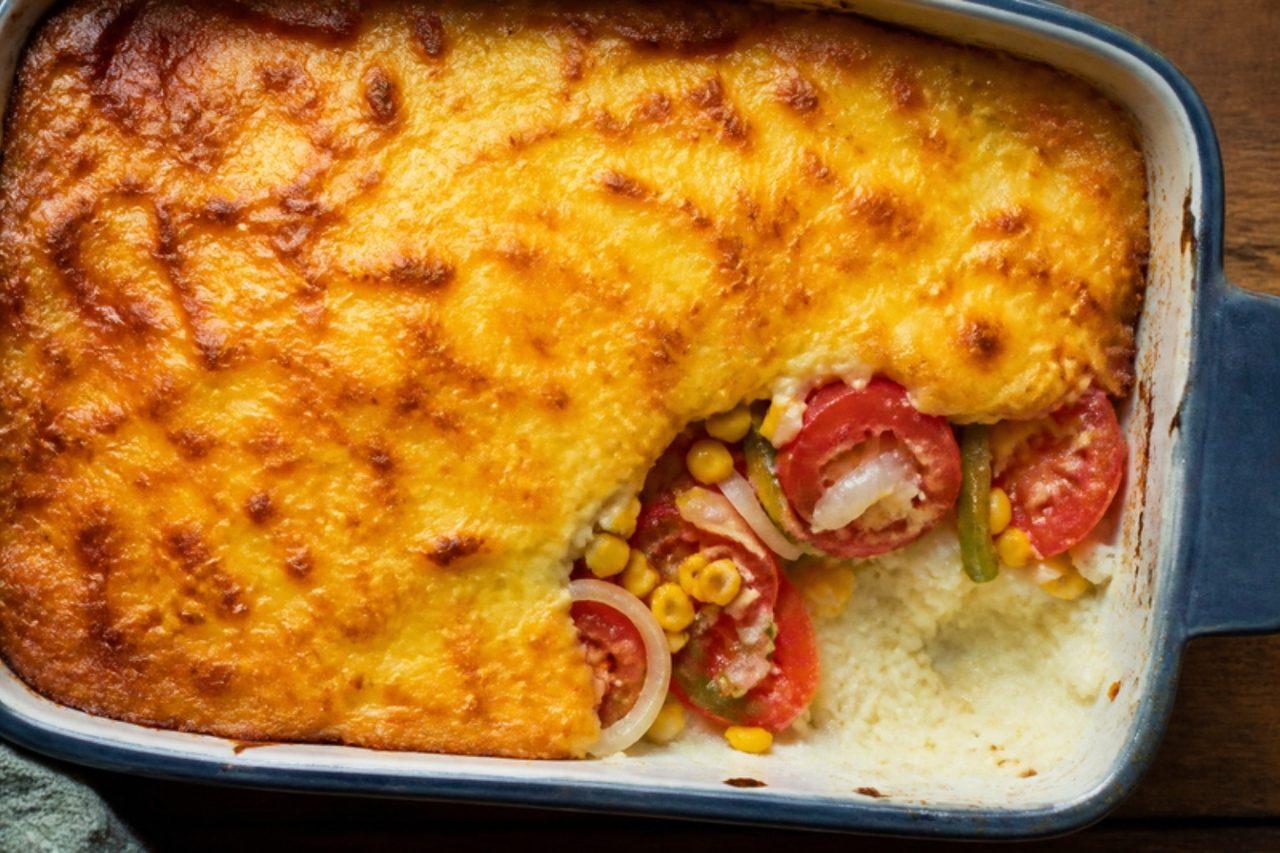
When a braai is planned for a crowd in Pretoria or the Free State, someone is always asked to bring the paptert, because it can be built in the morning and baked while the fire burns down to coals. Firm maize porridge is spread in a dish, covered with a sweet-sharp sauce of onion, tomato and green pepper, then topped with more pap and a thick blanket of grated cheese that bubbles into a golden crust. It slices into soft, savoury squares that hold their layers, with a creamy maize base and a jammy, tangy middle, ideal beside grilled vegetables, mielies and a green salad. Many mature cheddars are made with animal rennet, so check the label and choose a vegetarian cheddar. Watery pap is the mistake to avoid, as it never sets and the whole thing slumps. Chef's tip: let the tert stand for ten minutes out of the oven before you cut it, and the slices come out clean.

by KrazyBadal 0 views

Garbanzos en dulceChickpeas in spiced syrup

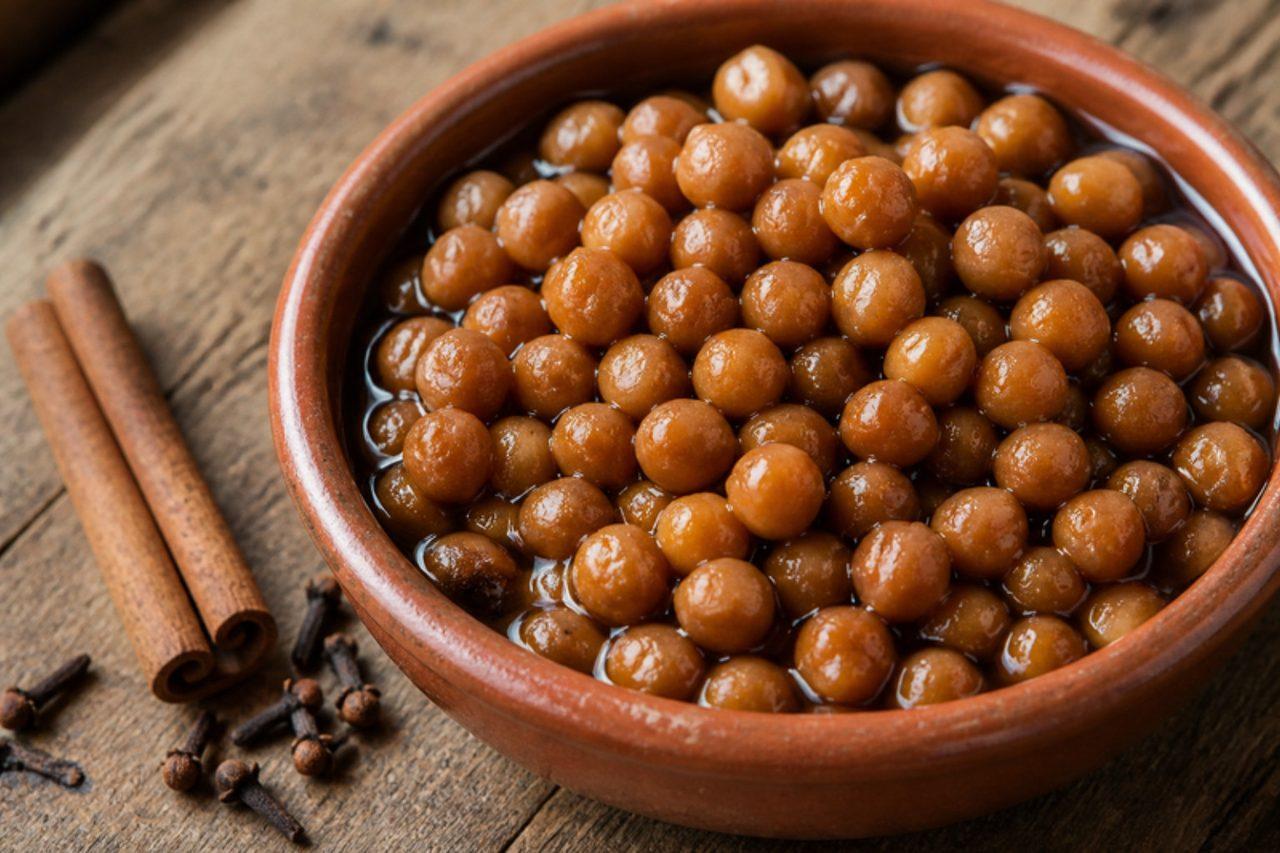
In Antigua Guatemala, where the Semana Santa processions walk over carpets of coloured sawdust, the kitchens fill with sweets in dark panela syrup, and chickpeas are among the first to be made. The peeled garbanzos are cooked tender and then simmered slowly in syrup with cinnamon, allspice and cloves until they turn mahogany and glossy, sweet right through but still holding their shape. They are eaten cold from small bowls, often beside sweet mango or fig preserves. Hurrying the syrup is the usual mistake: boil it hard and the chickpeas stay pale inside and the syrup tastes burnt. Chef's tip: rub off the chickpea skins after the first cooking; it takes ten minutes but lets the syrup soak in and gives a silky bite.

by KrazyBadal 0 views

Khatta magGreen moong in sour yogurt

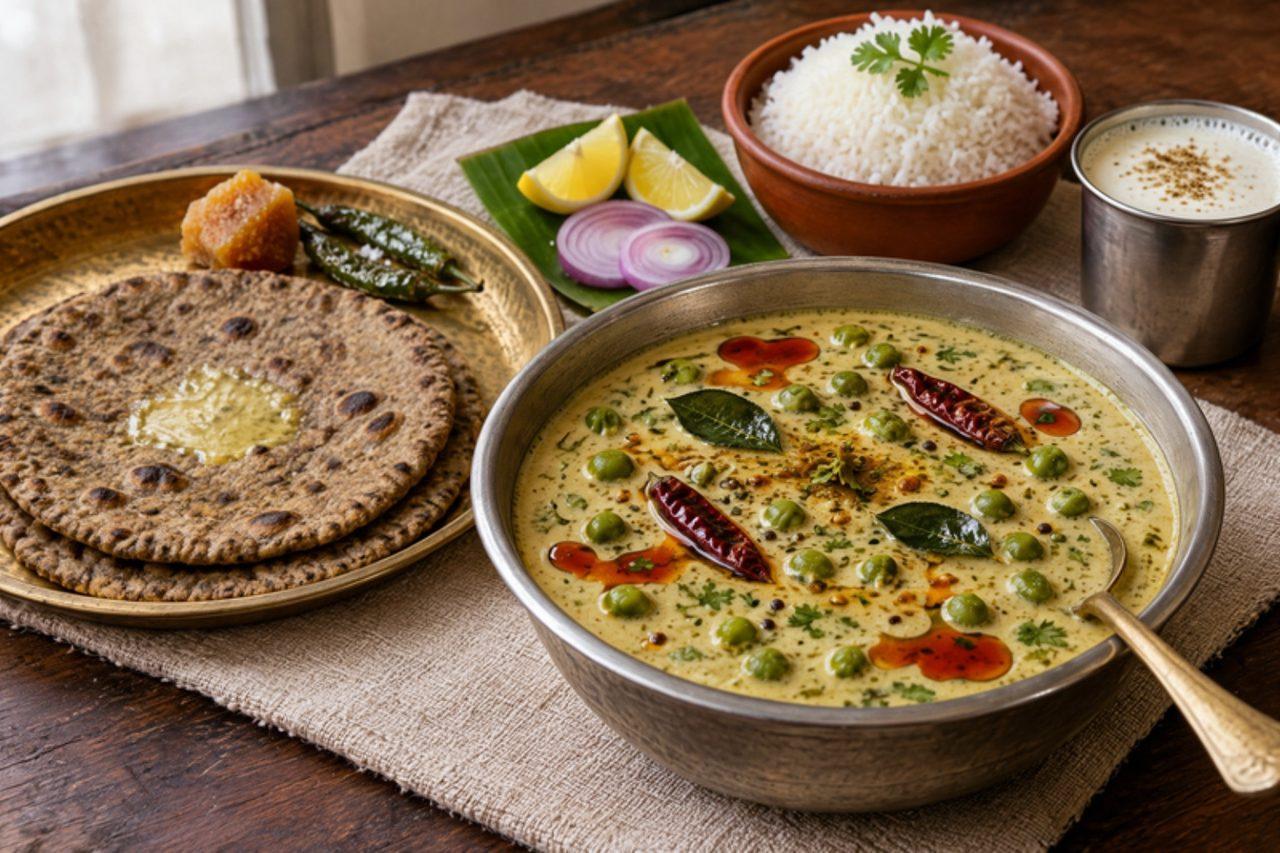
Khatta mag is weekday comfort across Gujarat, from Ahmedabad flats to Saurashtra farmhouses: whole green moong cooked soft and simmered in a tangy, kadhi-like gravy of yoghurt and gram flour with ginger, green chilli and a clove-and-cinnamon tempering. It is ladled over rice or eaten with bajra rotla, and many families cook it on Wednesdays, the day for moong. A little jaggery is optional. The usual mistake is pouring cold yoghurt into the hot pot without whisking it with gram flour first, which makes it split into curds. Slow-cooker: cook the soaked moong with 600 ml water on low for 5 hours, then stir in the yoghurt mix and cook on high for 30 minutes. Chef's tip: slightly sour, day-old yoghurt gives the best khatta flavour.

by KrazyBadal 0 views

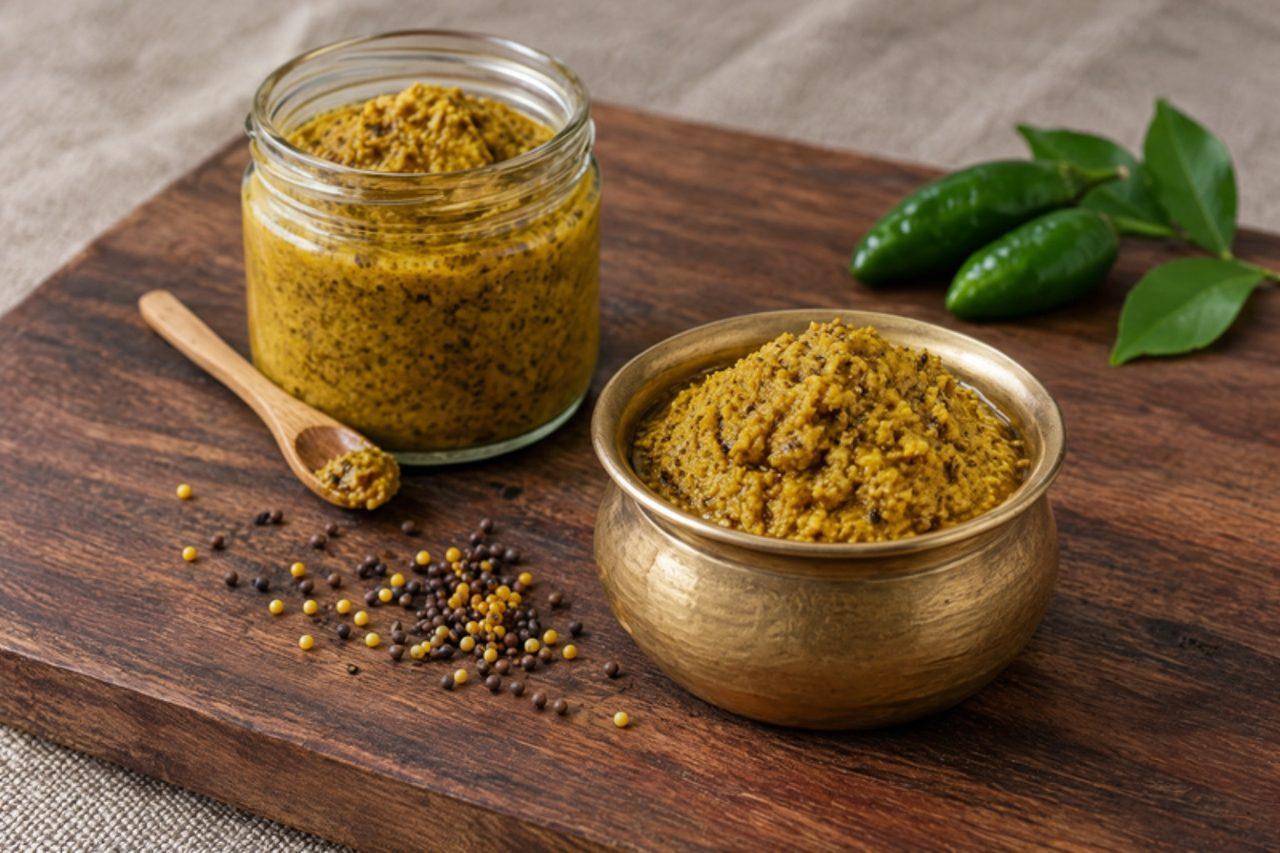
KharoliFermented mustard relish

Kharoli is an old Assamese relish from the villages of upper Assam: ground mustard seed is mixed with khar, the alkaline water filtered from burnt banana peel, packed into a jar and left to ferment until sharp and funky. A small spoon with mustard oil and green chilli is eaten with the first balls of rice, and families make it in the cooler months. The common mistake is using a damp jar or spoon, which lets mould in. Ferment at 20–28 °C for 4–6 days; it is ready when it smells sharply pungent and tangy. Throw it away if you see fuzzy mould, pink or black spots, or it smells rotten or putrid rather than sour. Chef's tip: if you have no banana-ash khar, a quarter teaspoon of bicarbonate of soda in the water gives a similar alkaline bite.

by KrazyBadal 0 views

LesuWheat and finger millet roti

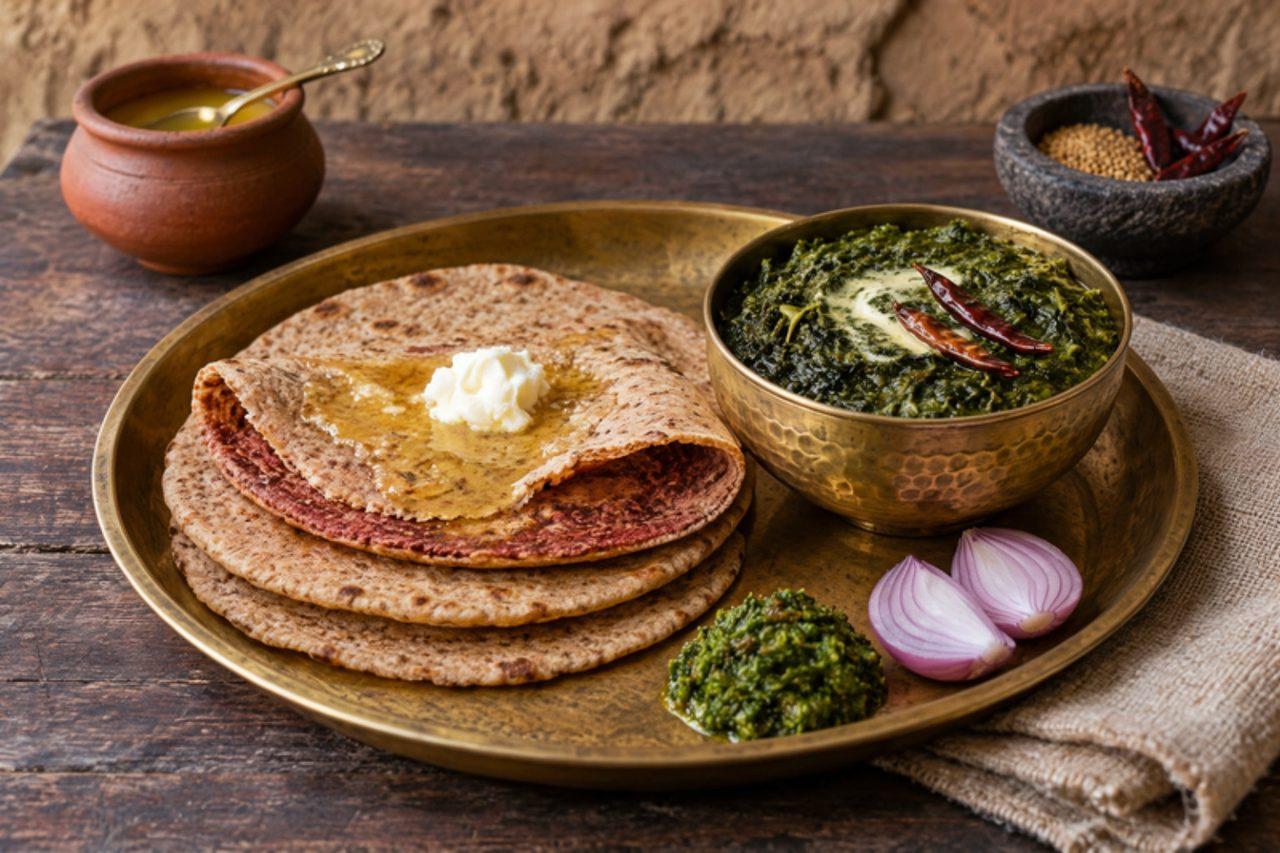
Lesu is a clever Garhwali farmhouse roti in which a small ball of mandua (finger-millet) dough is wrapped inside wheat dough and rolled out, so each bite has a soft wheat outside and a dark, earthy layer within. Families eat it for breakfast or dinner in winter with a big dollop of ghee, jaggery or a green saag. The millet adds minerals and a pleasant nutty taste. The common mistake is making the millet dough too dry, which cracks and pokes through the wheat when you roll. Chef's tip: knead the mandua dough with hot water and keep it as soft as the wheat dough, so the two roll out together.

by KrazyBadal 0 views

SwaleFried lentil-stuffed breads

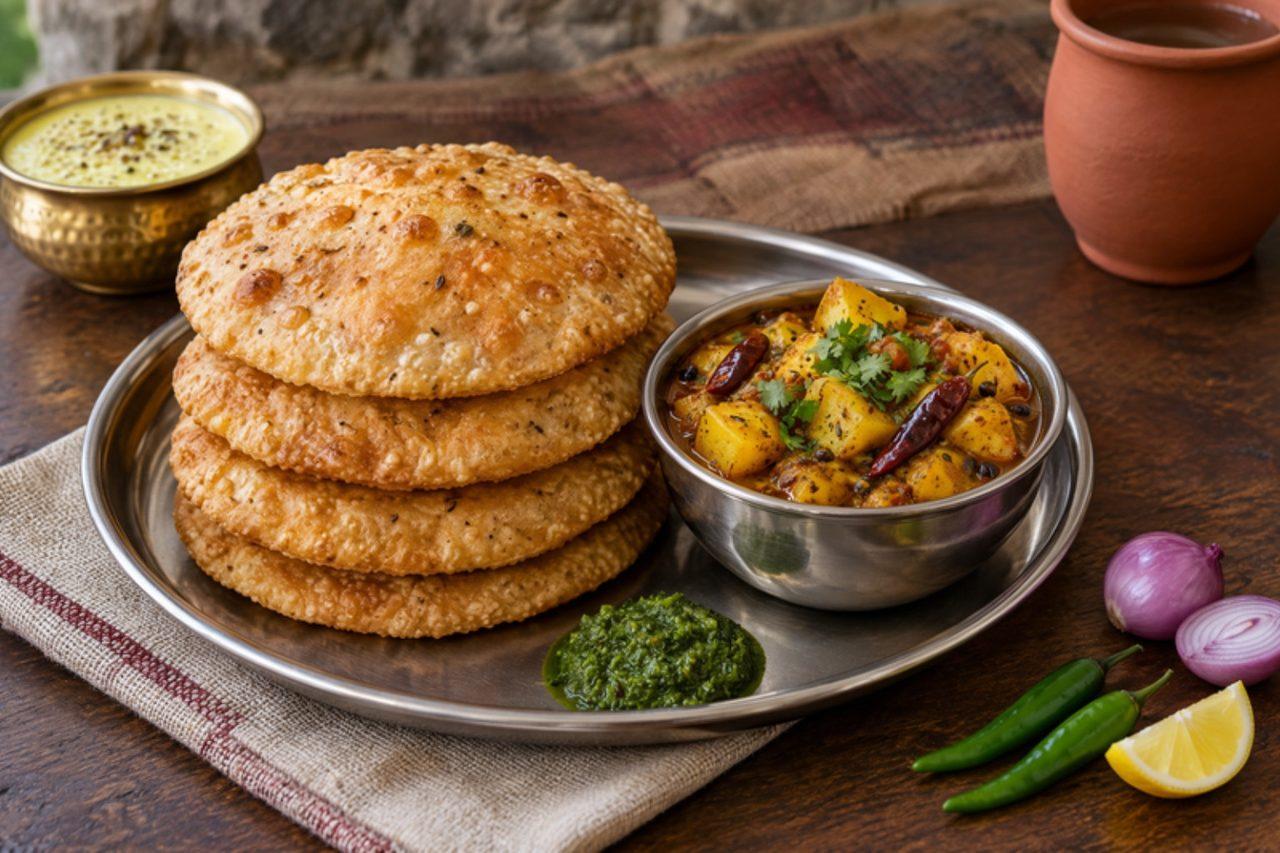
In Garhwal, swale are fried in huge batches for weddings, for the bride's send-off parcel and for festivals like Basant Panchami, then eaten warm or cold over the next couple of days. Soaked urad or gahat dal is ground with ginger and spices and sealed inside wholewheat dough, then fried until the breads puff and blister. They travel well and taste good with raita or a hill pickle. The common mistake is overfilling, which tears the dough and makes the oil spit. Chef's tip: roll them gently from the centre outwards with almost no dusting flour, so the edges seal and the swale puffs evenly.

by KrazyBadal 0 views

Mayai pasuaSplit eggs with kachumbari

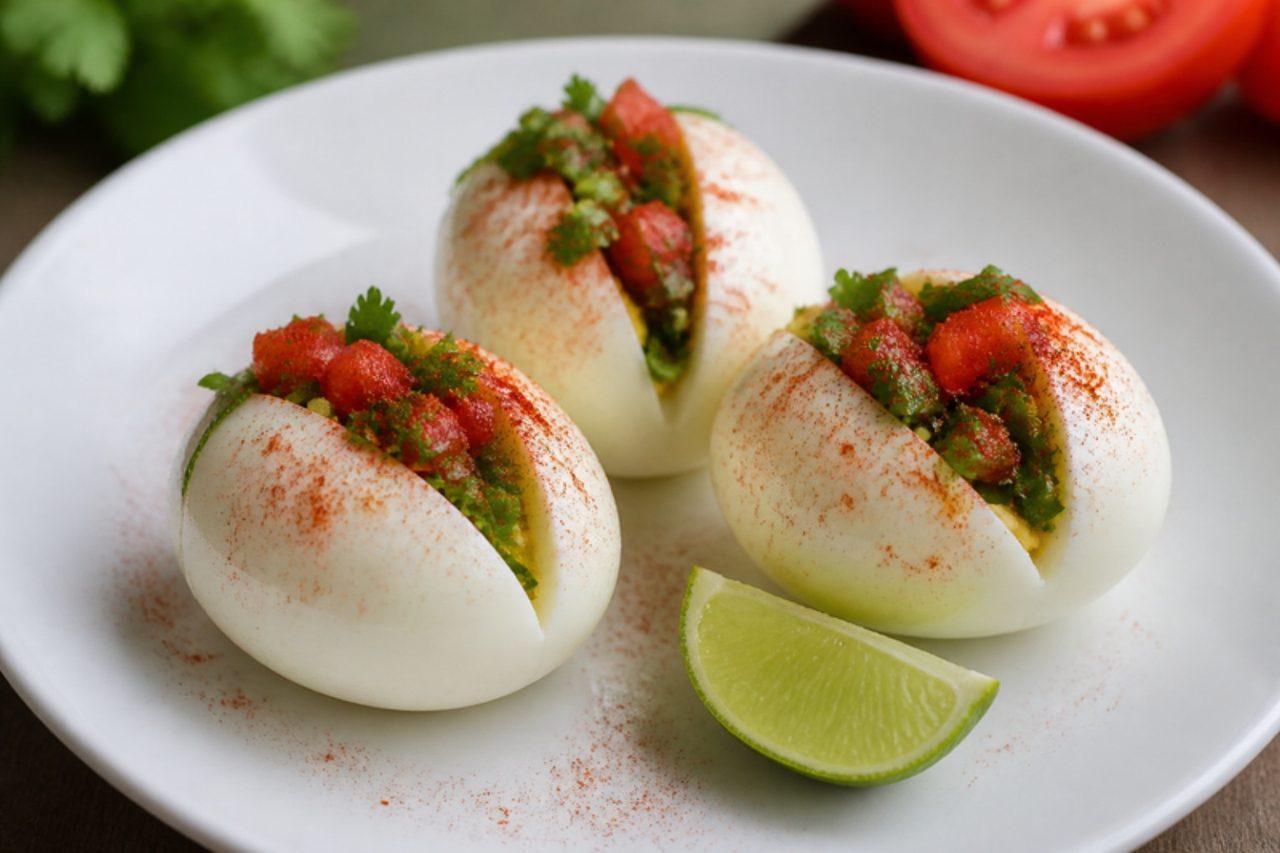
Glass-boxed carts outside Nairobi's bars and matatu stages sell mayai pasua into the evening: a vendor splits a hard-boiled egg with a knife, packs the gap with fresh kachumbari and shakes over salt and chilli. It is a quick, protein-heavy snack that tastes cool and sharp from the onion, tomato and lime against the soft yolk. Make a plateful for a party or a packed lunch, and serve with a dash of chilli sauce. The mistake to avoid is a soft or jammy yolk; for street style the eggs must be fully hard-boiled so they split cleanly. Chef's tip: salt the chopped onion with the lime juice for 5 minutes before adding the tomato; it softens the raw bite the way the vendors' pre-mixed kachumbari does.

by KrazyBadal 0 views

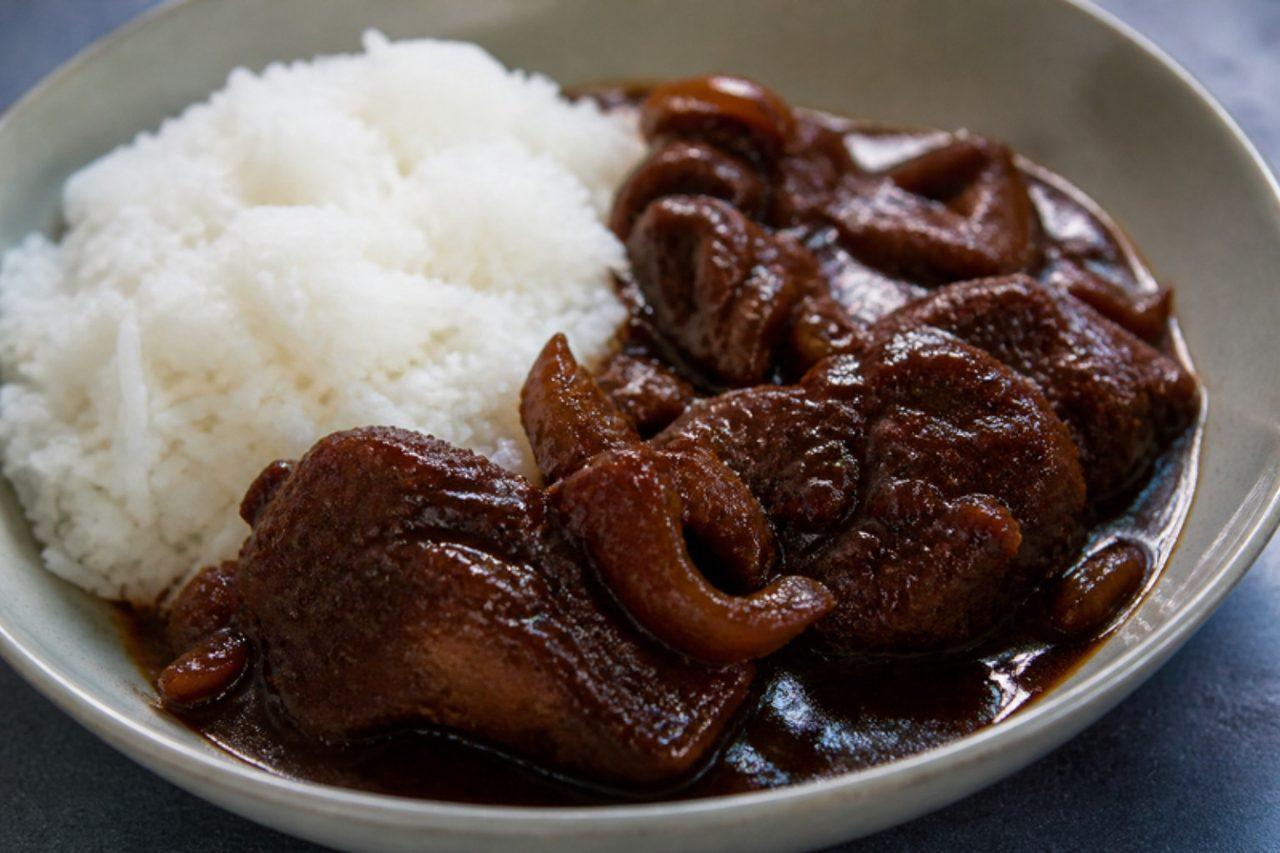
Khao kha mooBraised pork leg rice

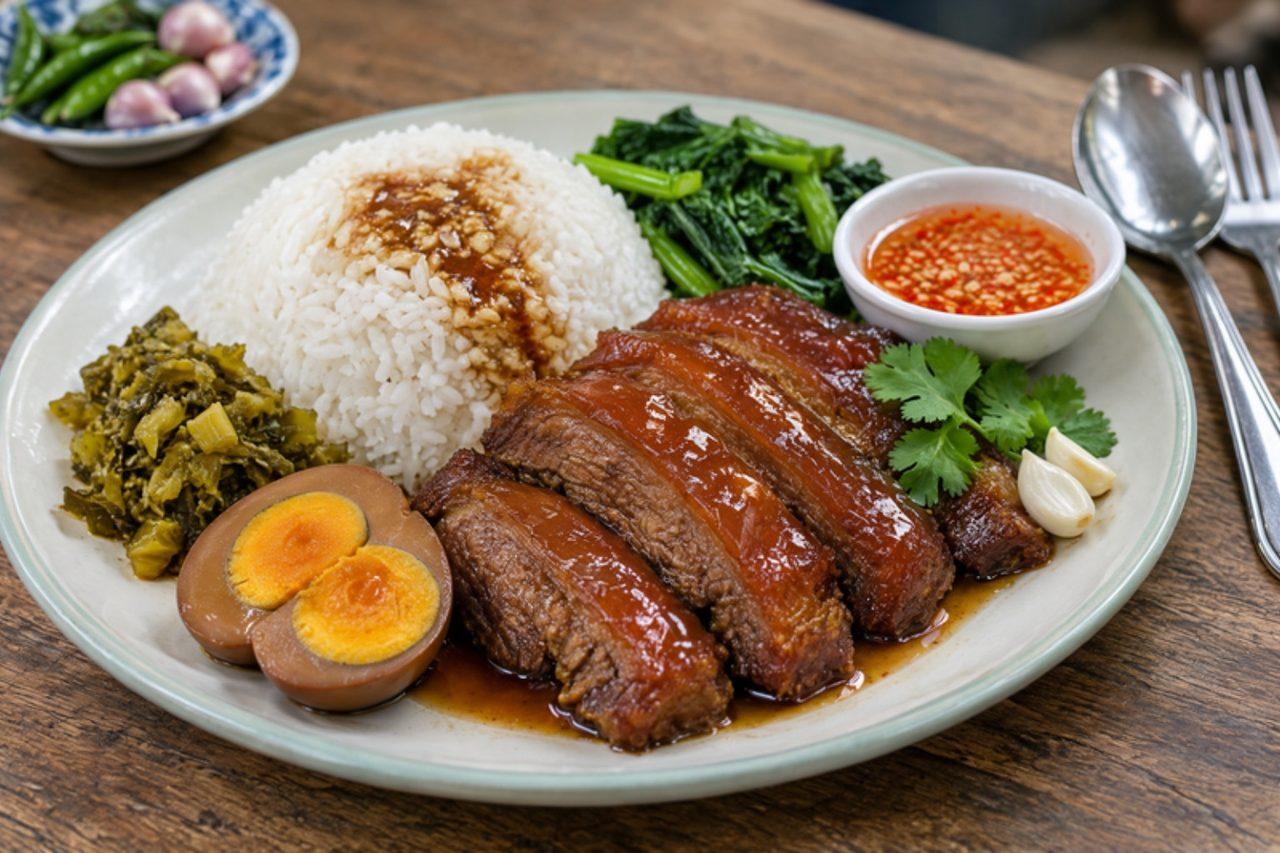
Khao kha moo is Bangkok's great one-plate lunch, and the shophouses along Charoen Krung Road in Bang Rak have been simmering pork leg in the same dark, star-anise-scented pots for decades. Fresh pork hock is braised in soy, palm sugar and five-spice until the skin turns glossy and gelatinous and the meat falls away in tender strands. It is sliced onto jasmine rice with a soy-stained boiled egg, pickled mustard greens, blanched Chinese kale and a fierce green chilli and garlic vinegar to cut the richness. Chef's tip: keep the braise at a lazy simmer; a hard boil tears the skin and turns the meat stringy.

185 minThaiMeat
by KrazyBadal 0 views

DrachenaBaked egg and milk custard

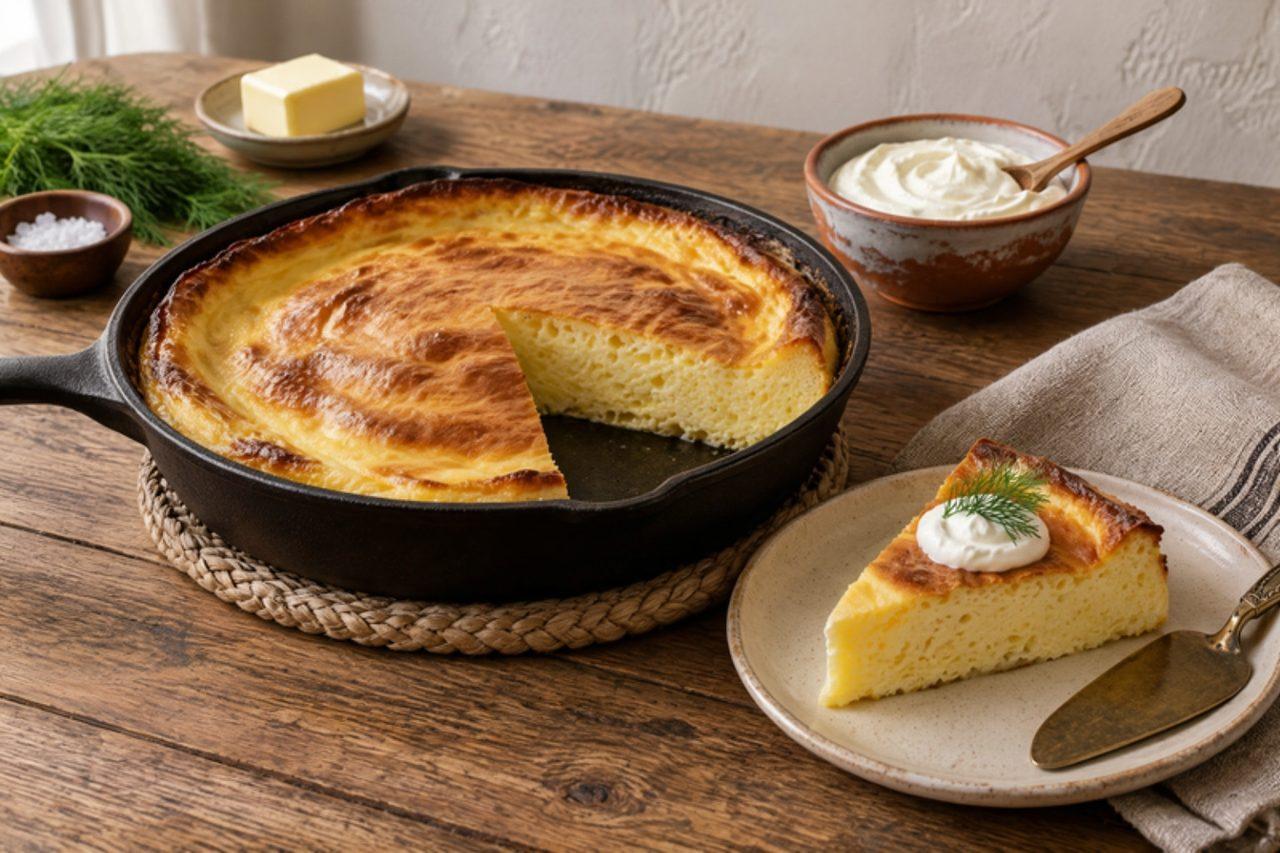
Drachena belongs to the old peasant cooking of northern Russia, from Arkhangelsk to Vologda, where it was baked in the cooling Russian stove on Sunday mornings. Eggs are whisked with milk, a little sour cream and flour, poured into a hot buttered pan and baked until puffed, golden and wobbly, somewhere between an omelette and a soufflé. It is eaten warm, plain or with sour cream. The common mistake is opening the oven early; the drachena collapses if it gets a draught before it is set. Chef's tip: heat the buttered dish in the oven before pouring in the batter, so it starts to set and rise from the bottom at once.

by KrazyBadal 0 views

GarnachesCrisp tortillas with beans and cheese

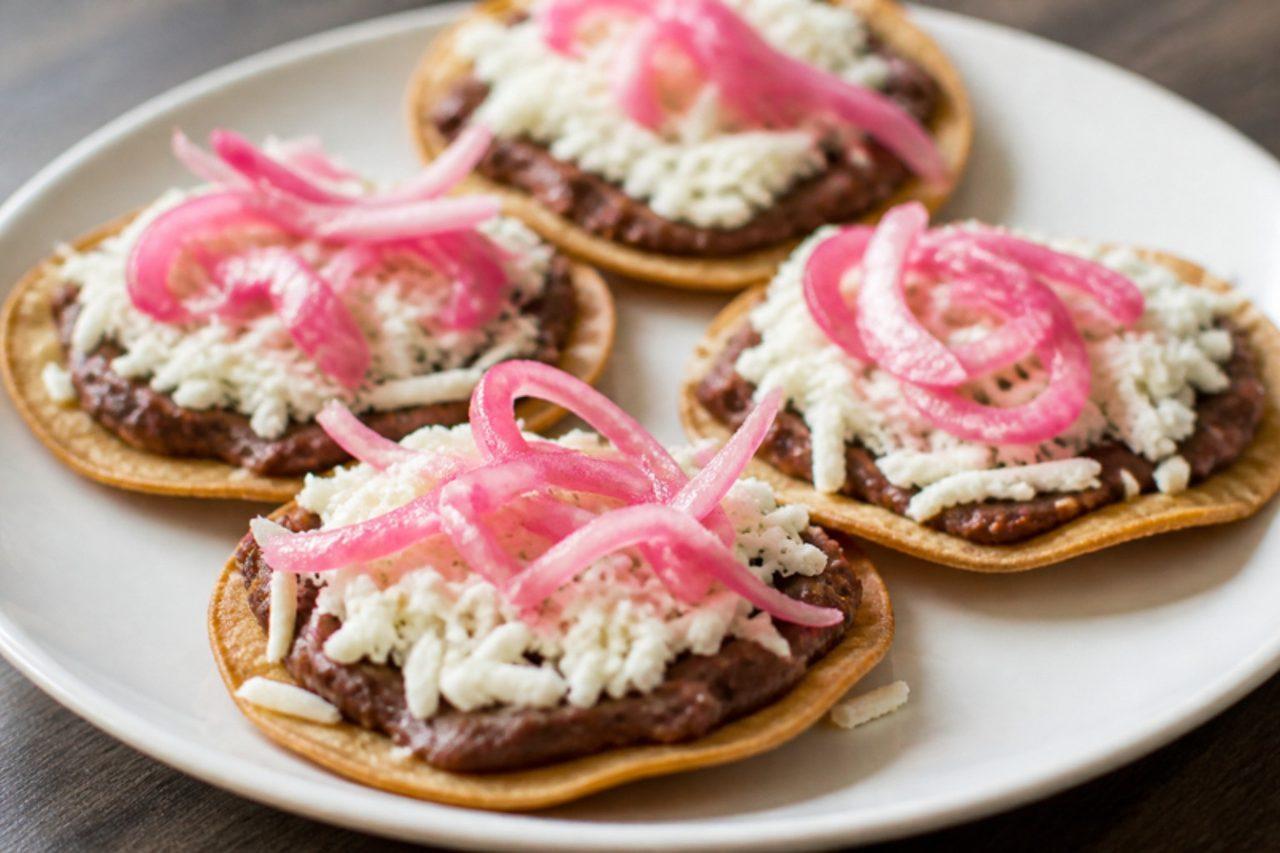
Belize City snack shops and Saturday-morning stalls sell garnaches by the half dozen, wrapped in paper: small corn tortillas fried until they crackle, spread with refried beans, showered with grated cheese and topped with a sharp pickle of onion and hot pepper. They are crunchy, salty and tangy, and gone in three bites. Belizeans like a round red Edam-style cheese, which is usually made with animal rennet, so use a vegetarian hard cheese if needed. The common mistake is frying in oil that is not hot enough, which gives greasy, bendy tortillas. Chef's tip: make the onion pickle a day ahead; it gets pinker and milder overnight.

by KrazyBadal 0 views

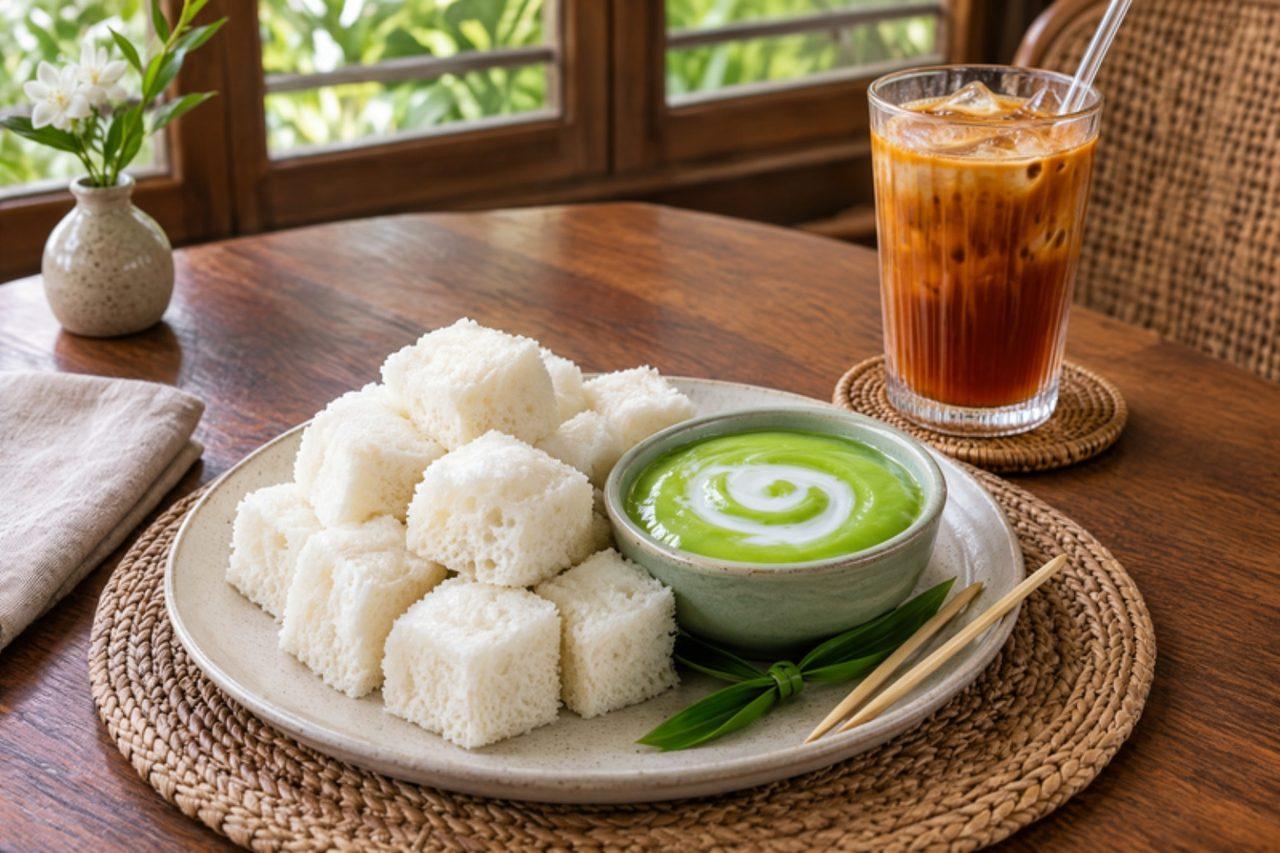
Khanom pang sangkhayaBread with pandan custard

In Bangkok, from the old Chinese coffee shops of Yaowarat to night markets, khanom pang sangkhaya is soft steamed or toasted bread dunked into a bowl of bright green pandan custard made with coconut milk and egg. It is eaten in the morning with patongko dough sticks and strong iced coffee. The mistake is cooking the custard over high heat; the egg scrambles and it turns grainy, so stir it slowly over a gentle flame. Chef's tip: blitz fresh pandan leaves with a splash of water and squeeze the juice through a cloth; it gives a colour and fragrance that essence can't match.

by KrazyBadal 0 views

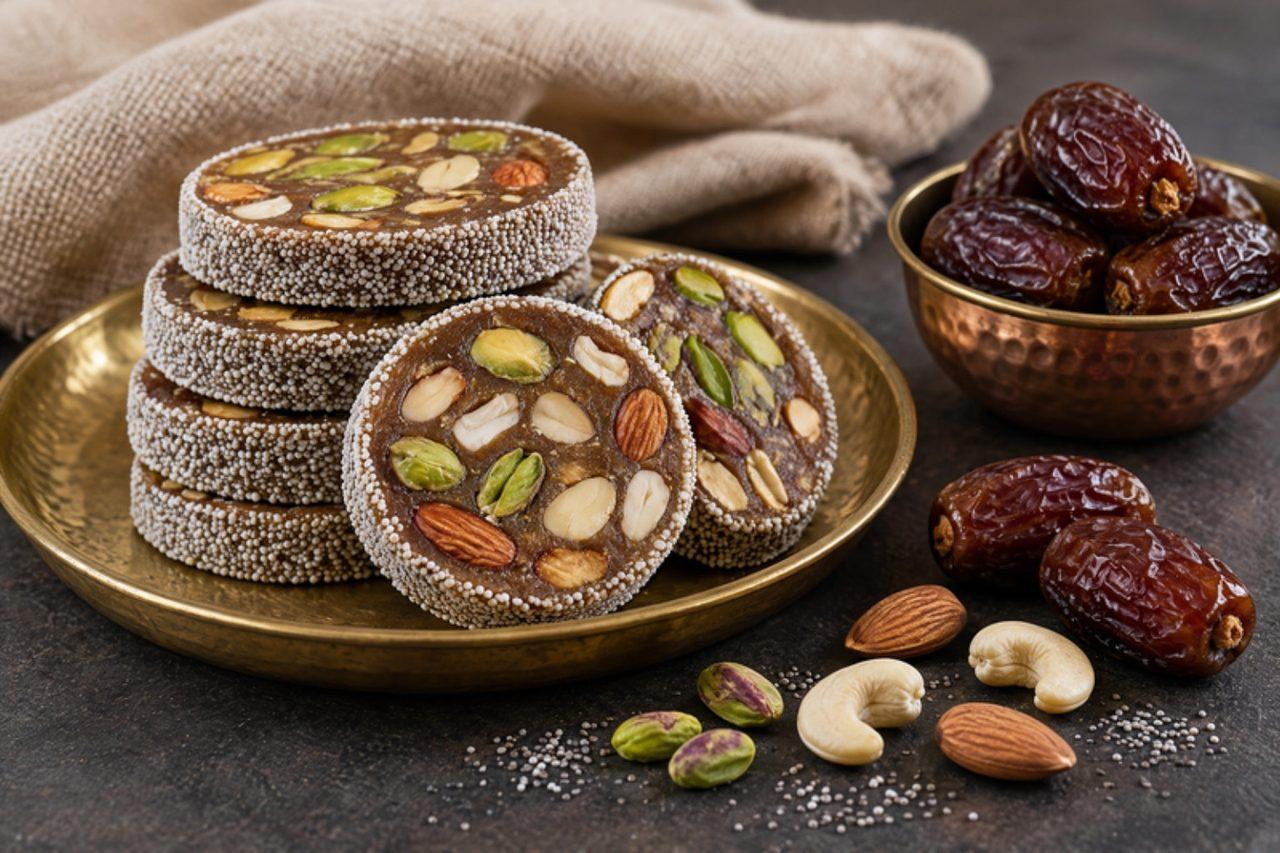
Khajur pakDate and nut fudge

Kutch grows some of India's best dates, and in Bhuj and Anjar homes khajur pak is the sweet made for Diwali boxes and for Ekadashi and other fast days, since it needs nothing but dates, ghee, nuts and coconut. The dates melt in warm ghee into a sticky paste, the nuts give crunch, and the log is rolled in poppy seeds and sliced into neat coins. The common mistake is cooking the dates too long, which dries them out so the log cracks when you slice it. Chef's tip: for a harder winter version, swap a third of the soft dates for chopped kharek (dry dates) soaked overnight in a little milk.

by KrazyBadal 0 views

KetwurstSausage in a hollowed roll

Ketwurst, from ketchup plus Wurst, was invented in 1977 in East Berlin as the GDR's own fast food, served from state-run snack counters around Alexanderplatz. A long roll was speared onto a heated metal spike to hollow and toast it at the same time, the hole was filled with a spicy ketchup and a hot boiled sausage, usually pork, was pushed inside. It vanished after reunification but is back at a few kiosks in Prenzlauer Berg and Friedrichshain, eaten on the go at lunchtime by Berliners who grew up with it. Chef's tip: heat the sausages in water just below a simmer; boiling hard splits the skins.

by KrazyBadal 0 views

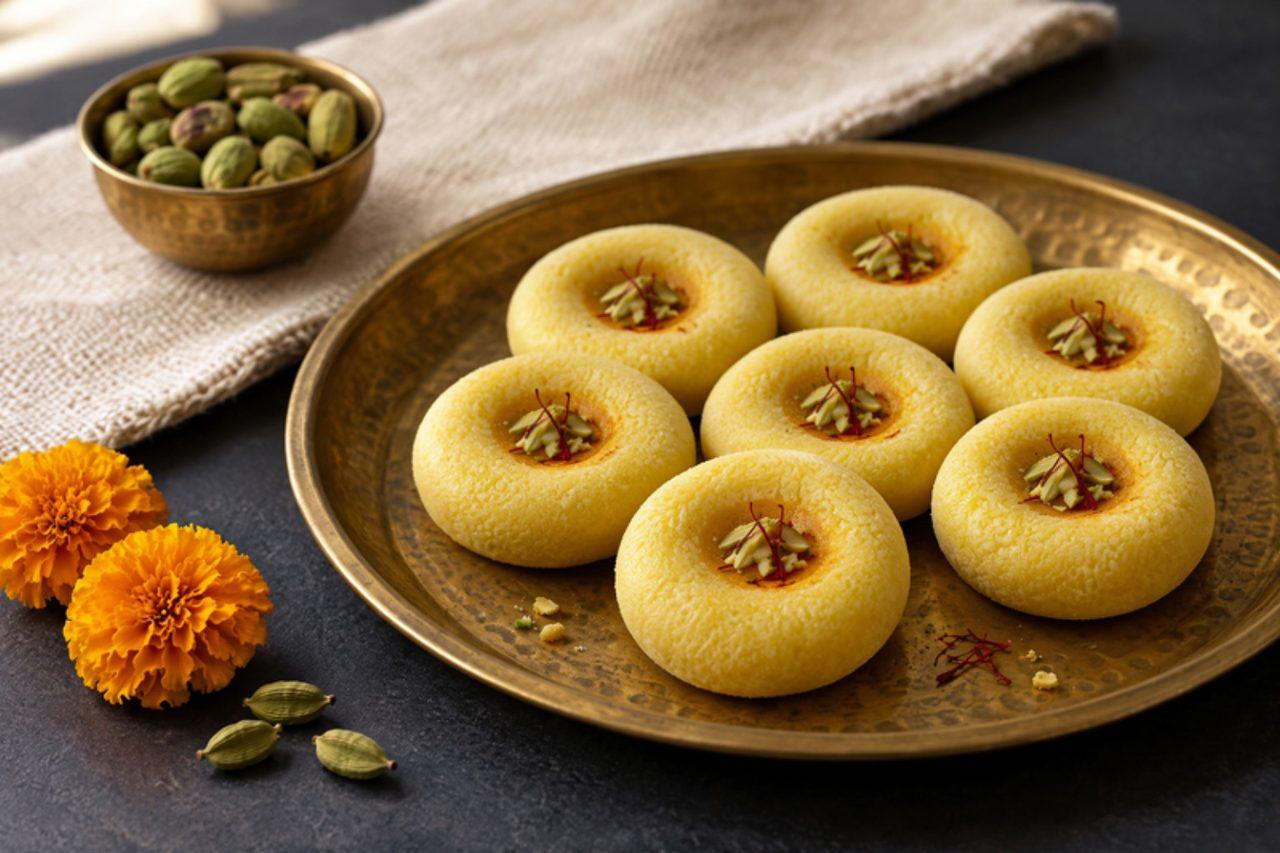
Kesar pendaSaffron milk pendas

In Ahmedabad, any good news, from exam results to a new home or a newborn, means a box of kesar penda passed around the office and the street. These are soft, creamy pendas of fresh mawa cooked briefly with sugar and plenty of saffron, so they stay pale gold and fudgy, quite unlike the browned pedas of Mathura or Dharwad. The common mistake is overcooking the mawa once the sugar goes in, which turns the pendas dry and cracked at the edges. Chef's tip: stop cooking as soon as a small piece rolls into a smooth ball between your palms; they firm up as they cool.

by KrazyBadal 0 views

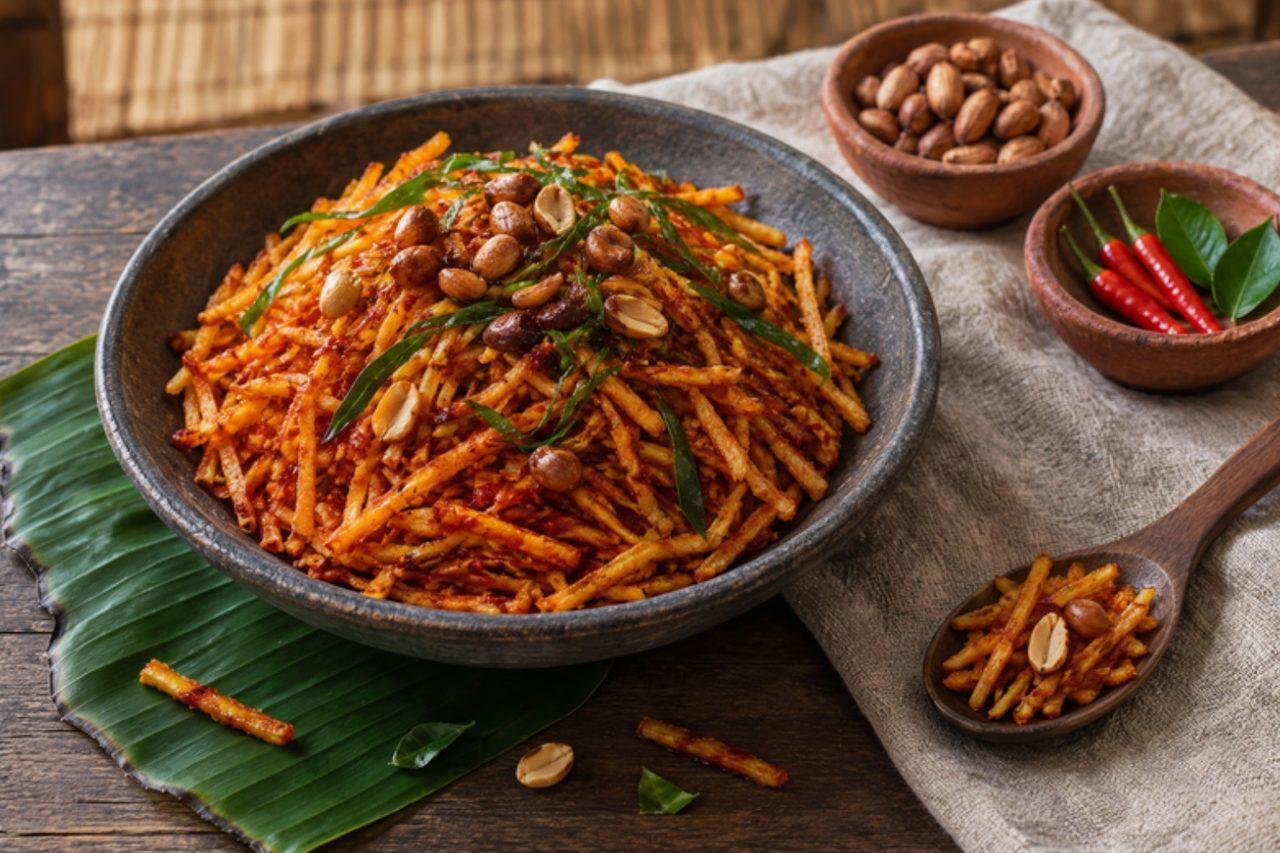
Kering kentangSweet and spicy potato matchsticks

Javanese households fry a big batch of kering kentang before Lebaran or a long journey, because these candied potato sticks stay crunchy in a jar for a week and make a plain bekal lunchbox of rice and egg feel special. They are sweet, hot and tangy all at once. The common mistake is frying wet potatoes all at once, which steams them; they must be soaked, dried thoroughly and fried in small batches until they rattle. Chef's tip: let the sugar glaze bubble until it threads from the spoon before adding the potatoes, so it coats them in a thin, glassy shell instead of making them soft.

by KrazyBadal 0 views

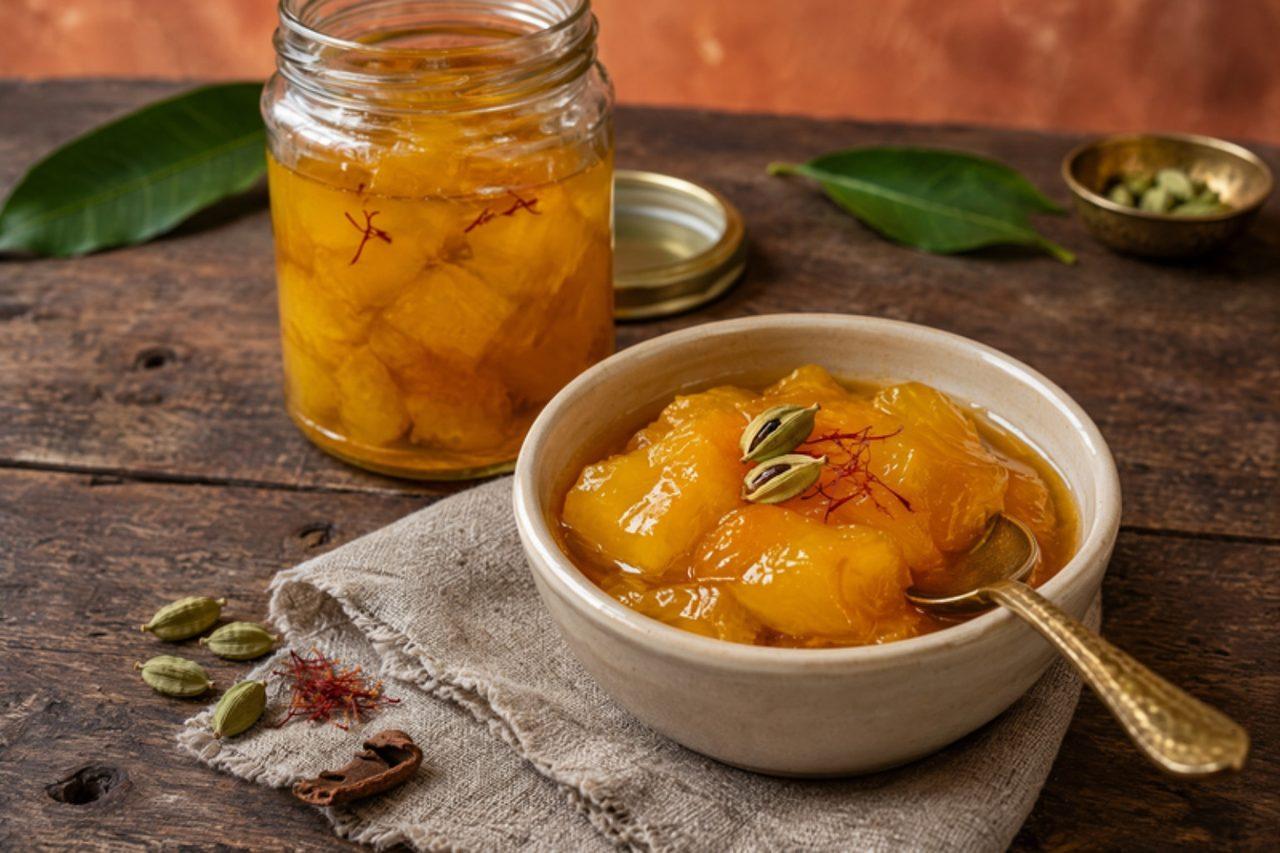
Keri no murabboSweet raw mango preserve

In Gujarat, when the summer stock of pickles goes up in May, murabbo is the gentle, sweet one that children are allowed to dip into freely. Pieces of firm raw mango (rajapuri or totapuri) are cooked slowly in sugar syrup until they turn translucent and glossy, then scented with saffron and cardamom. Unlike chhundo, which is grated and spiked with chilli, murabbo keeps the mango in distinct, tender-firm pieces in a clear, golden syrup; it tastes like candied fruit with a sour edge. Spread it on a warm thepla or rotli, serve it with khakhra at breakfast, or spoon a little beside a Gujarati thali. The common mistake is boiling the mango hard in the syrup, which breaks the pieces and clouds it; keep it at a gentle simmer. It is ready when the pieces look see-through at the edges and the syrup reaches one-string consistency (a cooled drop stretches into a single thread between finger and thumb). With this much sugar it keeps 6 months in a cool cupboard in a sterilised, dry jar, or longer in the fridge. Chef's tip: soak the cut mango in lightly salted water for 10 minutes first; it firms the pieces and stops browning.

by KrazyBadal 0 views

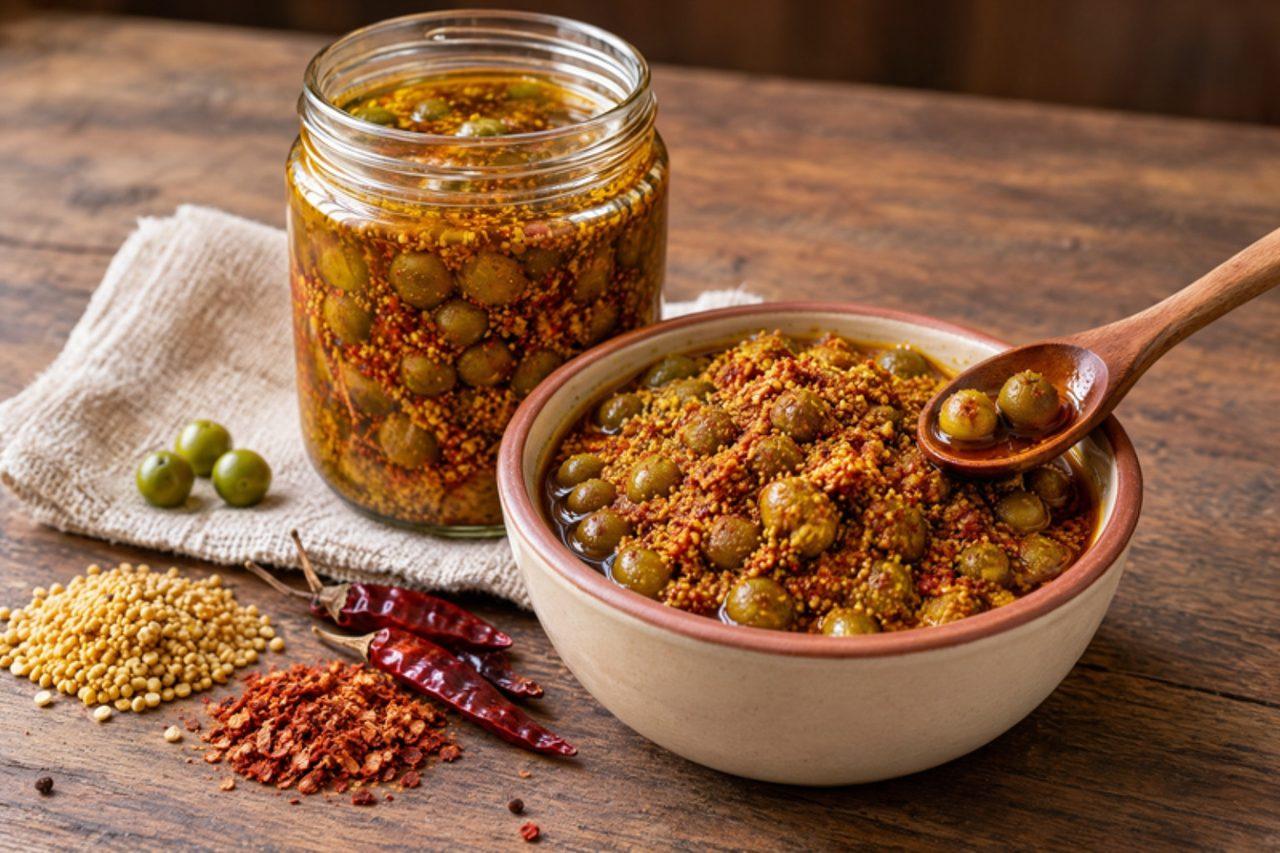
Kerda nu athanuDesert berry pickle

Ker is a leafless desert shrub that grows wild across Kutch and the Thar, and in April and May, before the monsoon, it is covered in small green berries that families pick by hand. Fresh ker are fiercely bitter, so they are soaked and boiled until the bitterness fades, then pickled with split mustard, split fenugreek, chilli and lemon juice and covered in oil. The berries are firm, pea-sized and slightly chewy, with a sour, earthy, caper-like flavour under the mustard heat. In Kutch the pickle goes with bajra rotlo and buttermilk, or is mixed into khichdi; across Rajasthan the same berries go into ker sangri. The common mistake is rushing the soaking: if the water is not changed several times the pickle stays harsh. Taste a berry: it should be pleasantly sour-bitter, like an olive, not acrid. It is ready to eat after 3–4 days, once the berries have absorbed the lemon. Boiled ker are low in acid, so the lemon matters and the pickle lives in the fridge, where it keeps up to 2 months. Abroad, use dried ker from Indian grocers (they swell back well), or, at a pinch, capers soaked to remove the salt. Chef's tip: add a few cubes of raw mango in season for extra sourness.

by KrazyBadal 0 views

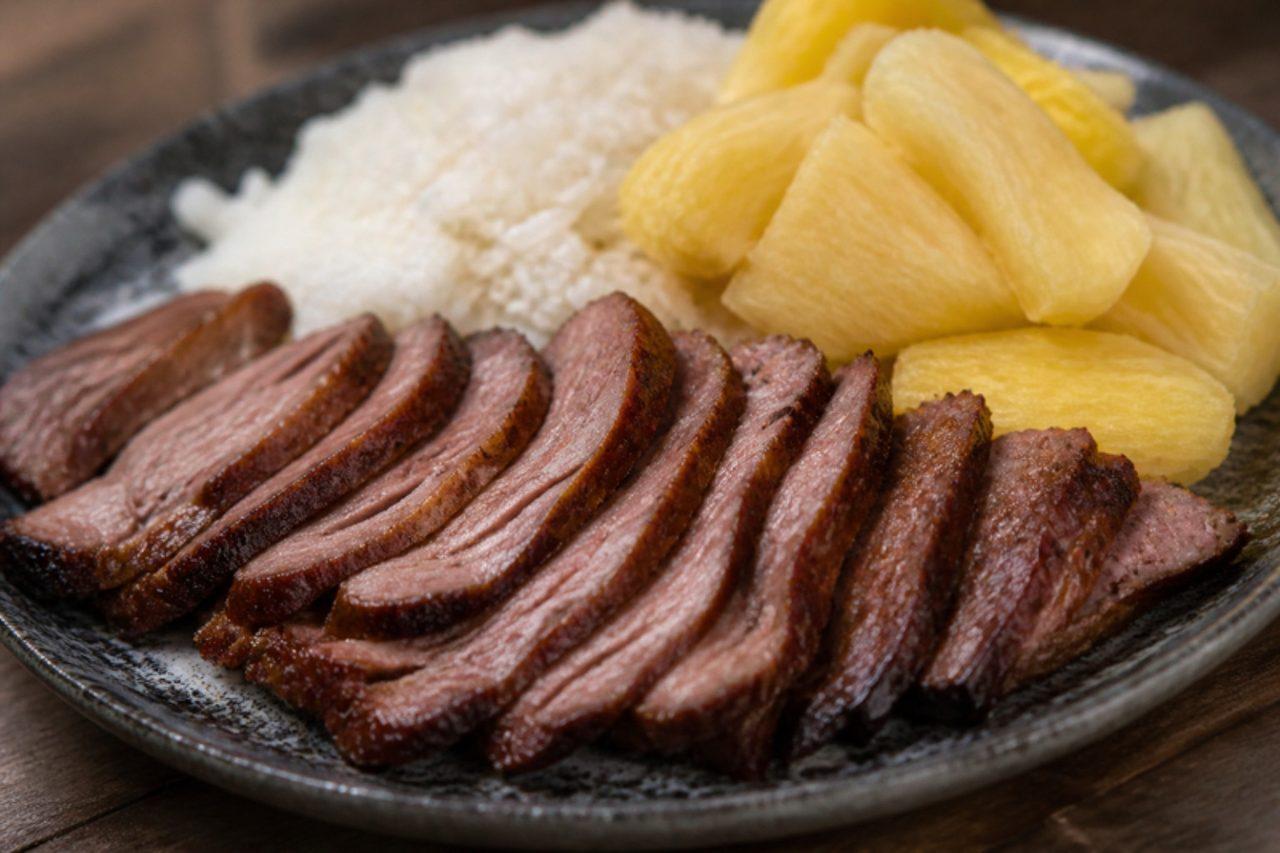
KeperíSlow-roast beef flank

Keperí is the cut Santa Cruz families save for Sundays and birthdays: a flat, well-marbled piece of beef from the flank, rubbed with garlic, cumin and salt, slow-cooked under cover until meltingly soft, then browned hard at the end. It comes to the table sliced across the grain with boiled yuca, rice and a fresh tomato salad. Beef flank or skirt in one piece is the closest cut outside Bolivia. The most common mistake is slicing along the grain, which makes even tender meat chewy. Chef's tip: let the marinade work overnight in the fridge, then cook the meat fat side up so it bastes itself.

200 minAndeanMeatGluten free
by KrazyBadal 0 views

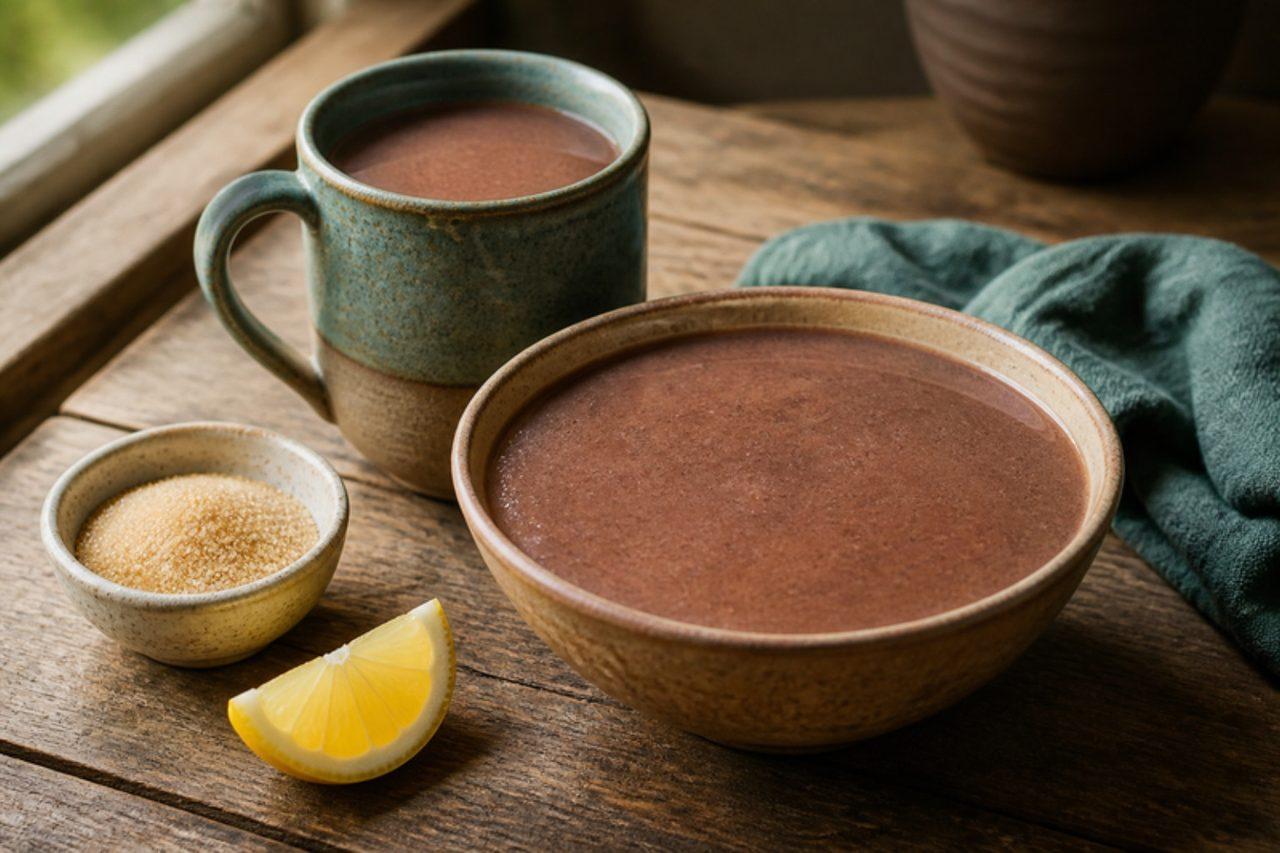
UjiFinger millet porridge

Mugs of brown uji are handed out at breakfast in Kenyan homes and schools, sold from steaming flasks at bus stages, and given to children and nursing mothers for strength. Finger millet flour (wimbi) makes a thin, drinkable porridge with a malty, slightly chocolatey taste; it is sweetened with sugar and soured with lemon, or left overnight to ferment for a deeper tang. Look for finger millet flour at African grocers or as ragi flour in Indian shops, and never tip it straight into boiling water, the mistake that gives lumps every time; always make a cold slurry first. Drink it hot in a mug, with mandazi or roasted groundnuts on the side. Chef's tip: for fermented uji, mix the slurry the night before and leave it covered on the counter; by morning it smells gently sour and needs only half the lemon.

by KrazyBadal 0 views

Smokie pasuaSausage with kachumbari

Glass-fronted carts on Nairobi corners, outside schools and matatu stages, keep a tray of smokies warm in water all day, and 'pasua' means the vendor splits one down the middle and packs it with kachumbari. Kenyan smokies are smoked sausages usually made from pork and beef, so check the pack if you avoid pork; beef-only and chicken versions are sold too. They come already cooked, and the job is to heat them through until piping hot, then pile in the cool, sharp tomato-onion salad and a squirt of chilli or tomato sauce for a snack that crunches, snaps and drips. Cutting all the way through is the common slip: the smokie falls apart and the filling spills. Chef's tip: salt the kachumbari onions for a few minutes and squeeze them before mixing, which tames their bite the way the street vendors' do.

by KrazyBadal 0 views

Nduma na viazi vitamuBoiled arrowroot and sweet potato

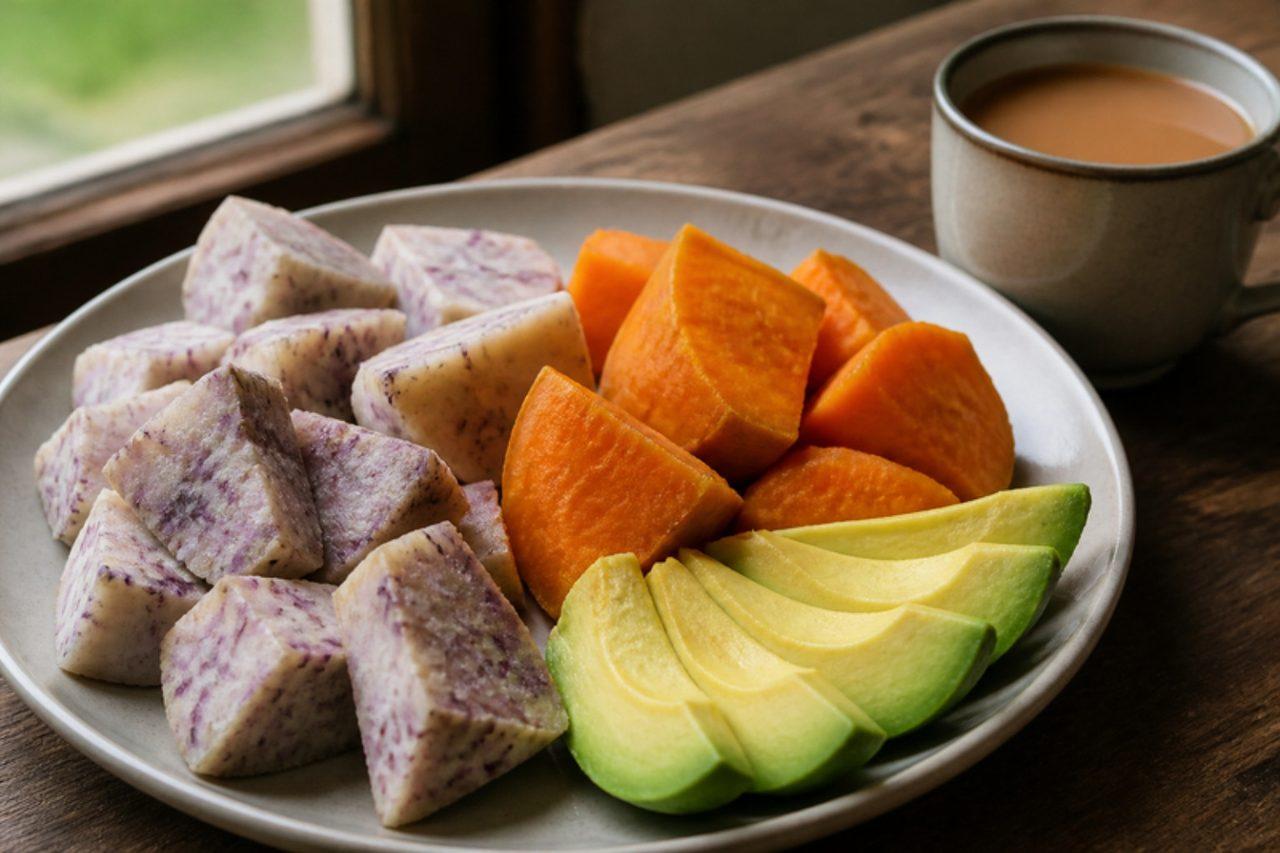
A plate of nduma and sweet potatoes with a mug of hot milky chai is the classic weekend breakfast in Kiambu and Murang'a homes, and farmers eat the same before a long day in the shamba. What Kenyans call arrowroot is taro, a starchy corm with a dense, nutty flesh that turns faintly purple and almost creamy when boiled; the sweet potatoes beside it are soft and honeyed, lovely with sliced avocado. Find taro (also called eddoes or dasheen) at African, Caribbean and Asian grocers. Raw taro irritates skin and mouth, so wear gloves to peel it and make sure it is boiled right through: undercooking is the one real mistake here and leaves an itchy, scratchy feeling in the throat. Chef's tip: cut taro and sweet potato into similar-sized pieces but add the sweet potato 10 minutes later, so both are done at once.

by KrazyBadal 0 views

NdenguGreen gram stew

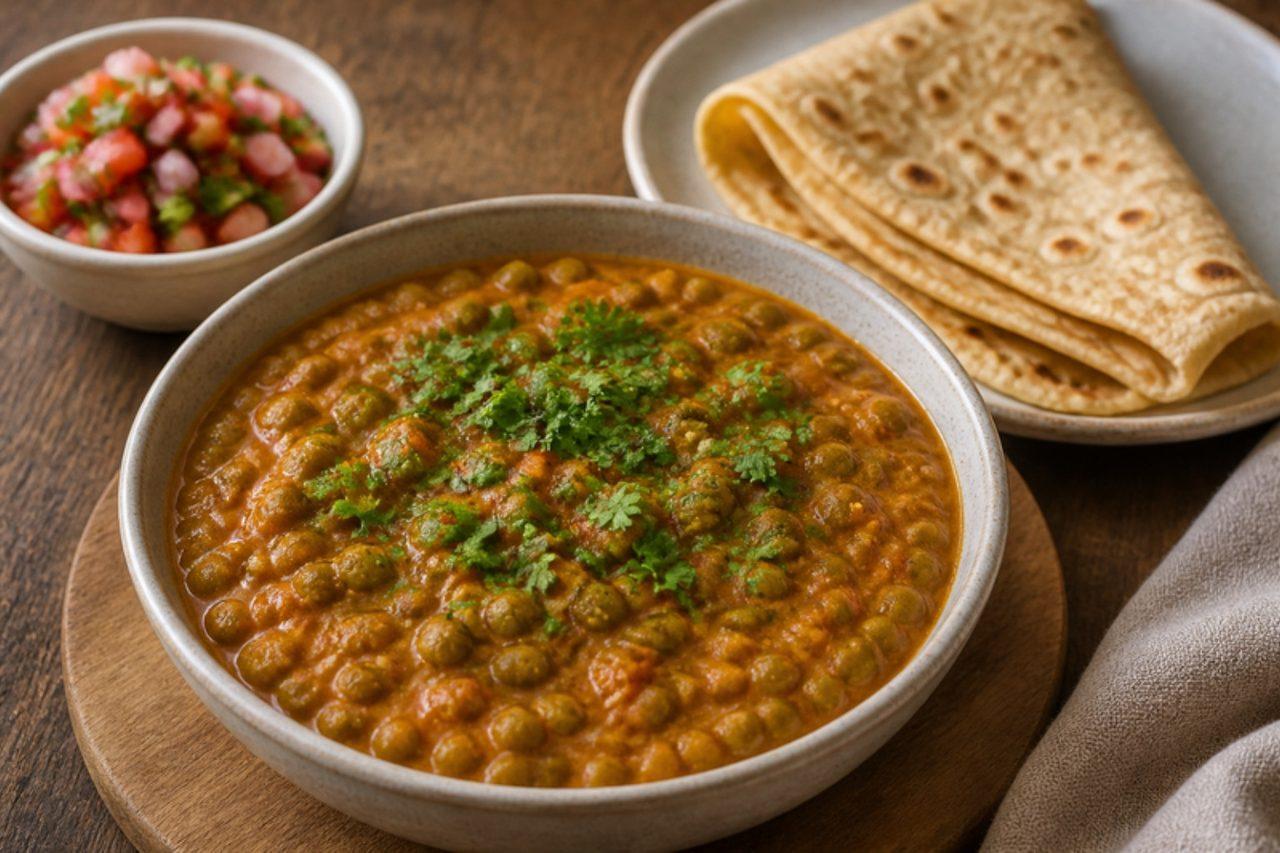
Lunchtime kibandas around Nairobi's Industrial Area ladle ndengu over rice or tear chapati into it, and office workers queue for it because it is cheap, filling and ready fast. Whole green grams (mung beans) are boiled until soft, then folded into an onion and tomato base with garlic, a little cumin and a splash of coconut milk, so the gravy is earthy, mellow and just thick enough to coat a spoon. Serve it with chapati, plain rice or ugali and a heap of kachumbari. The usual mistake is adding the tomatoes and salt before the grams are tender; acid and salt keep the skins tough, so cook the grams first. Chef's tip: mash a ladleful of the cooked grams against the pot before you add the coconut milk; it thickens the gravy without any flour.

by KrazyBadal 0 views

Nagpur saoji chickenSpicy chicken in dark coconut gravy

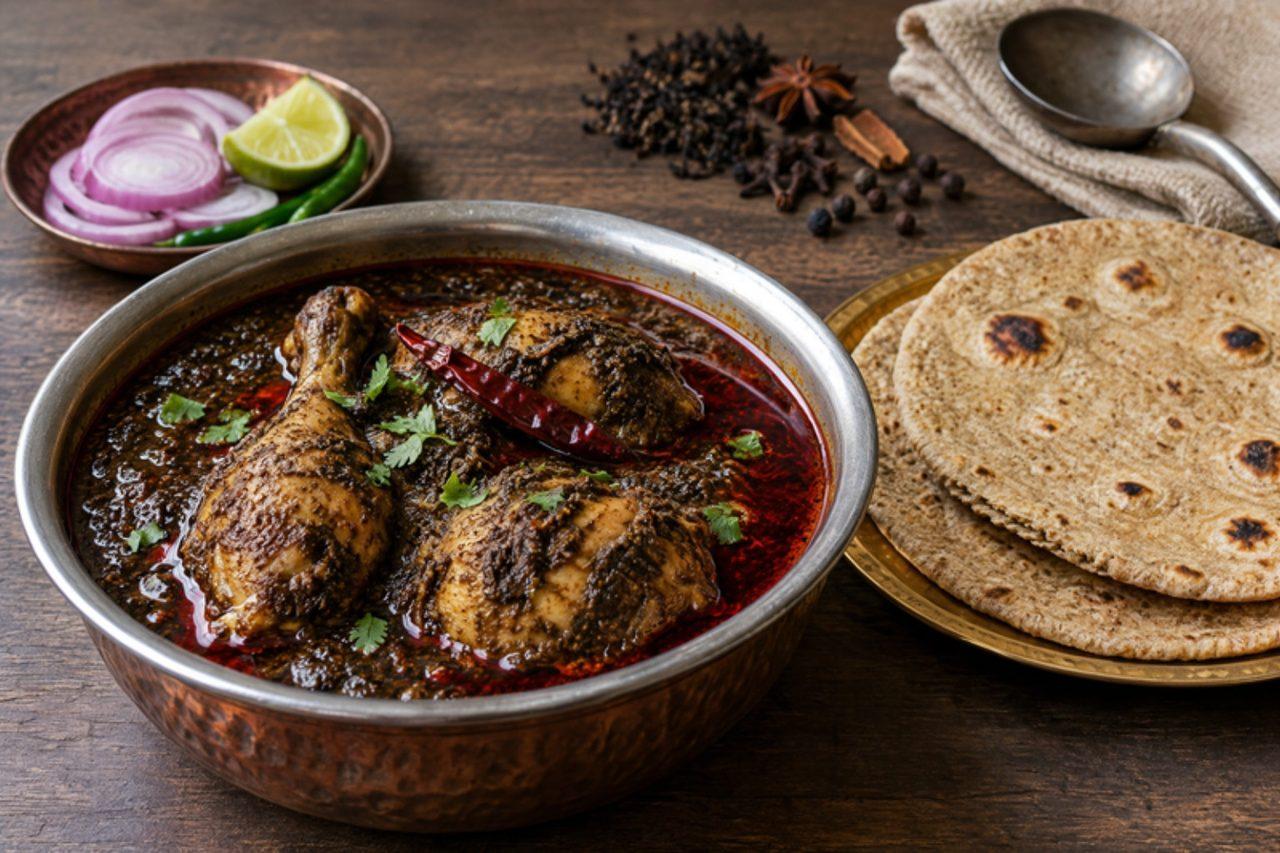
Saoji cooking comes from the Saoji (Halba Koshti) weaver community of Nagpur, and their small eateries are famous across Vidarbha for chicken and mutton curries so hot that diners keep plain rice and a glass of water close by. The gravy is dark, almost black, from slow-roasted dry coconut, poppy seeds, dried red chillies and whole spices, with a layer of red oil on top. It is eaten with bhakri or rotis, especially on weekends and winter evenings. The common mistake is roasting the masala on high heat, which makes it bitter; roast low and slow until deep brown. Chef's tip: marinate the chicken in the fridge for at least an hour, and cook until the thickest piece reaches 74 °C.

by KrazyBadal 0 views

MatumboFried tripe

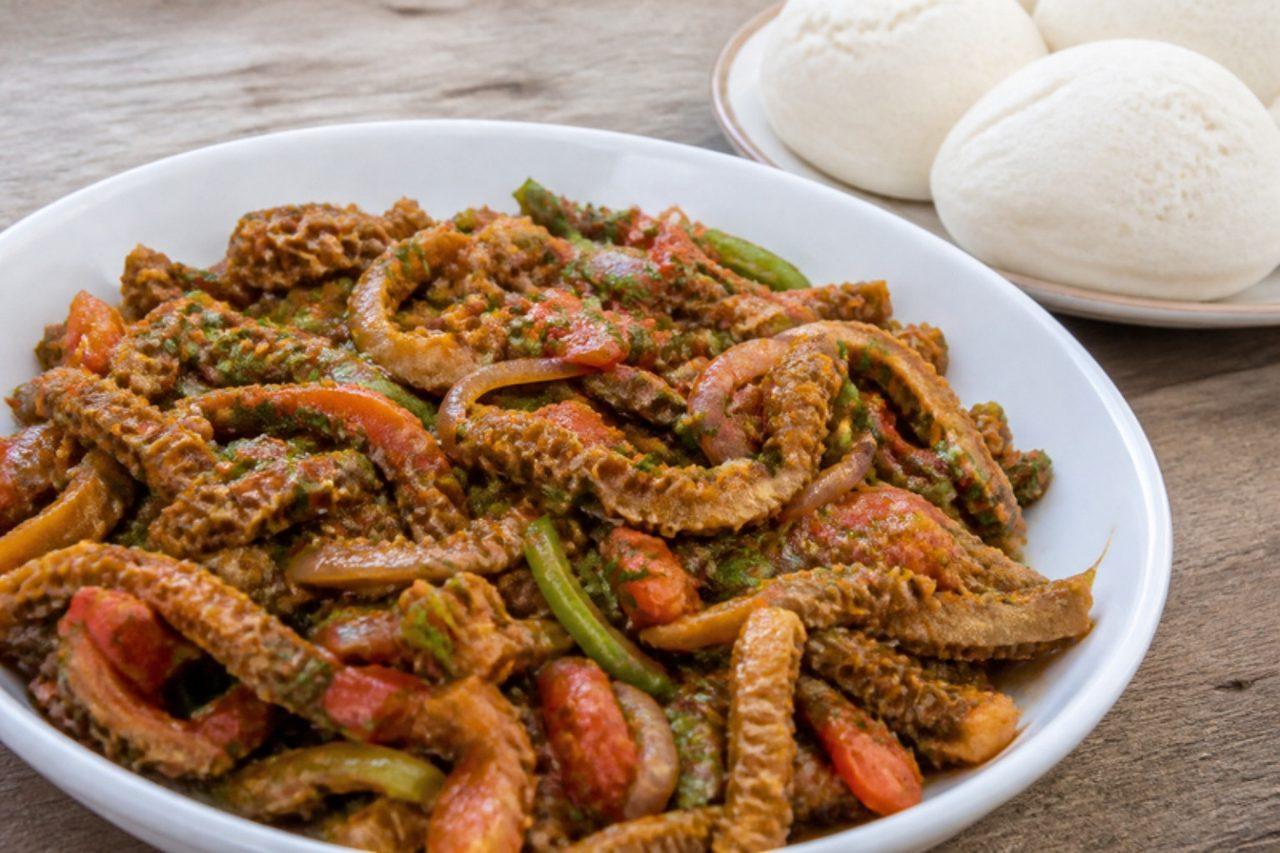
Nairobi's office workers and matatu crews know which roadside hoteli does the best matumbo, and they queue for it at lunchtime with a mound of ugali on the side. The tripe is boiled until it is soft but still has a gentle bounce, then cut into strips and fried hard with onion, tomato and green chilli so the edges catch and the sauce turns thick and peppery. Buy cleaned (dressed) beef tripe from a butcher: the white, honeycomb kind has already been scalded and scraped, which you should not attempt at home. Even cleaned tripe needs a thorough wash and a long simmer, and cutting it before it is tender is the usual mistake, because it then stays rubbery however long you fry it. Chef's tip: add a squeeze of lemon and a chopped onion to the boiling water; they freshen the smell in the kitchen and leave the tripe tasting clean.

by KrazyBadal 0 views

KabichiFried cabbage and carrot

Hardly a weekday supper in a Nairobi flat goes by without a pan of kabichi next to the ugali: it costs little, uses one cabbage from the corner duka and is on the table in twenty minutes. Thin ribbons of cabbage meet onion, grated carrot, tomato and green pepper in a hot pan, staying sweet with a little bite and soaking up just enough tomato to turn rosy. Pair it with ugali and ndengu or beans, or roll it into a chapati. Most cooks go wrong by covering the pan and letting the cabbage steam to a grey, sulphurous heap; keep the lid off and the heat up. Chef's tip: salt the cabbage only at the very end, because salt pulls out water and stops it frying.

by KrazyBadal 0 views

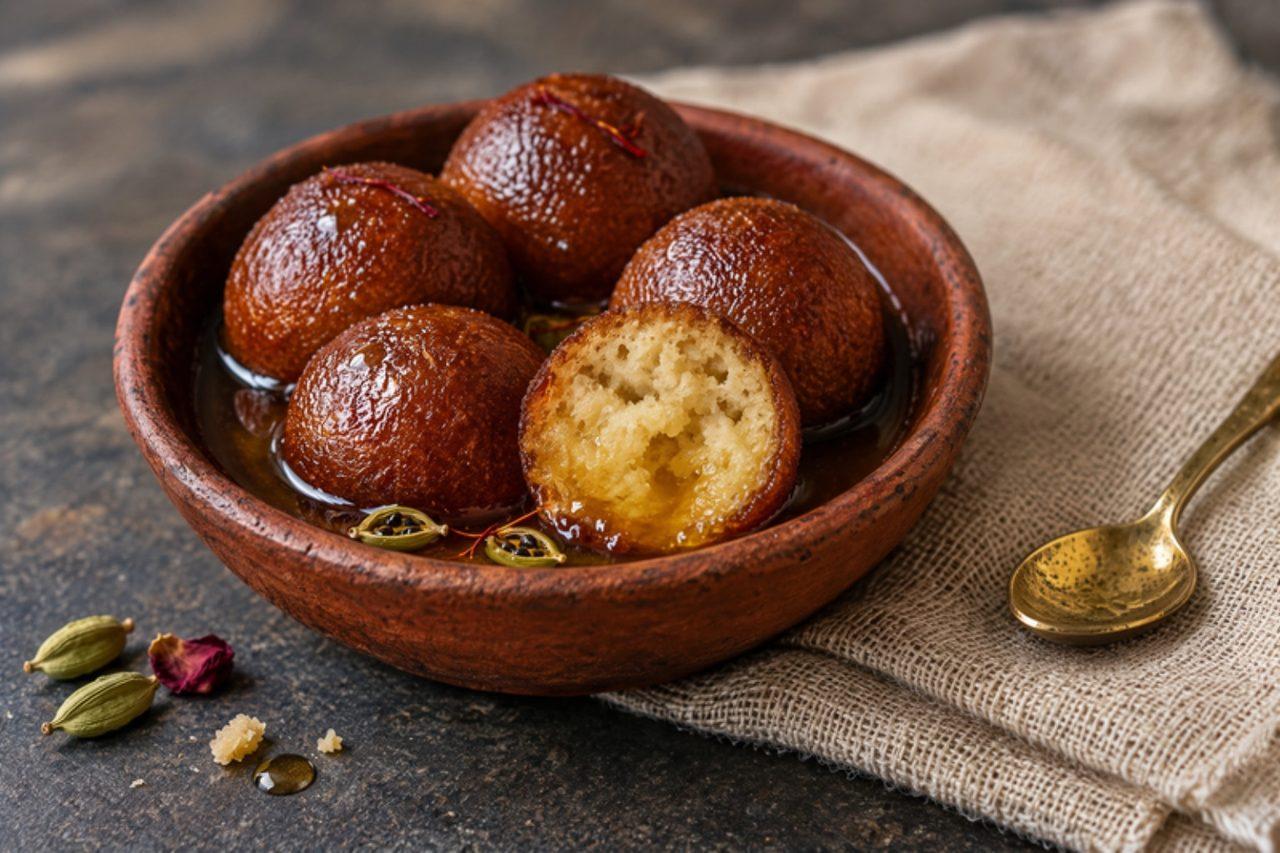
PantuaFried milk balls in syrup

Pantua is the Bengali answer to gulab jamun, but made with fresh chhena and a little semolina instead of only khoya, which gives a lighter, slightly grainy inside under a deep brown skin. It is the sweet of Jamai Sasthi, Bijoya visits and Sunday afternoons in Kolkata, often with a hidden cardamom seed or nugget of sugar at the centre. The common mistake is under-kneading the chhena: if the dough is crumbly the balls crack and drink oil. Knead until it feels smooth and leaves a film of fat on your palm. Chef's tip: let the syrup and the fried pantua both be warm, not boiling, when they meet, so the balls soak up syrup without collapsing.

by KrazyBadal 0 views

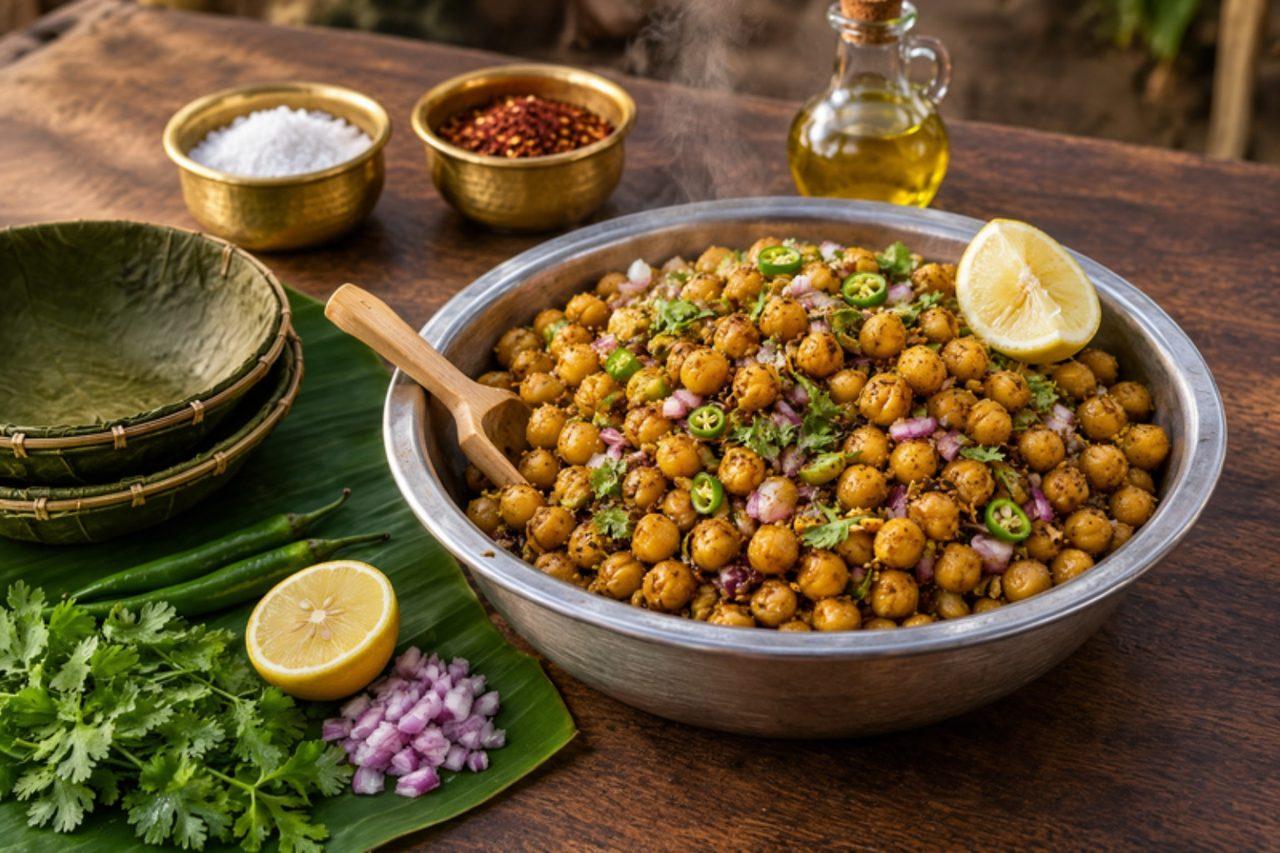
Kelli chanaSpiced chickpea snack

On Imphal evenings, kelli chana is sold from steaming pots at street stalls and outside markets: boiled chickpeas tossed while hot with raw onion, chilli, coriander and lemon, sometimes with a spoon of roasted chilli. It is a cheap, filling snack before dinner. The mistake is using under-cooked chickpeas, which stay hard; they should squash easily between finger and thumb. Chef's tip: toss the chickpeas while still hot so they soak up the lemon and salt.

by KrazyBadal 0 views

Pan con minutaFried fish sandwich

Minuta is what Cubans call a quick-fried fish fillet, cooked "in a minute" while you wait, and in a soft roll it becomes one of Havana's simplest street lunches. Look for it at kiosks along the Malecón near La Punta and in the fishing village of Cojímar, east of the city, where small boats bring in snapper. The fish is marinated briefly in lime and garlic, dipped in a light batter and fried until the crust crackles, then tucked into bread with sharp raw onion and another squeeze of lime. Chef's tip: keep the lime marinade short; after 15 minutes the acid starts to turn the fish chalky.

30 minCubanFish
by KrazyBadal 0 views

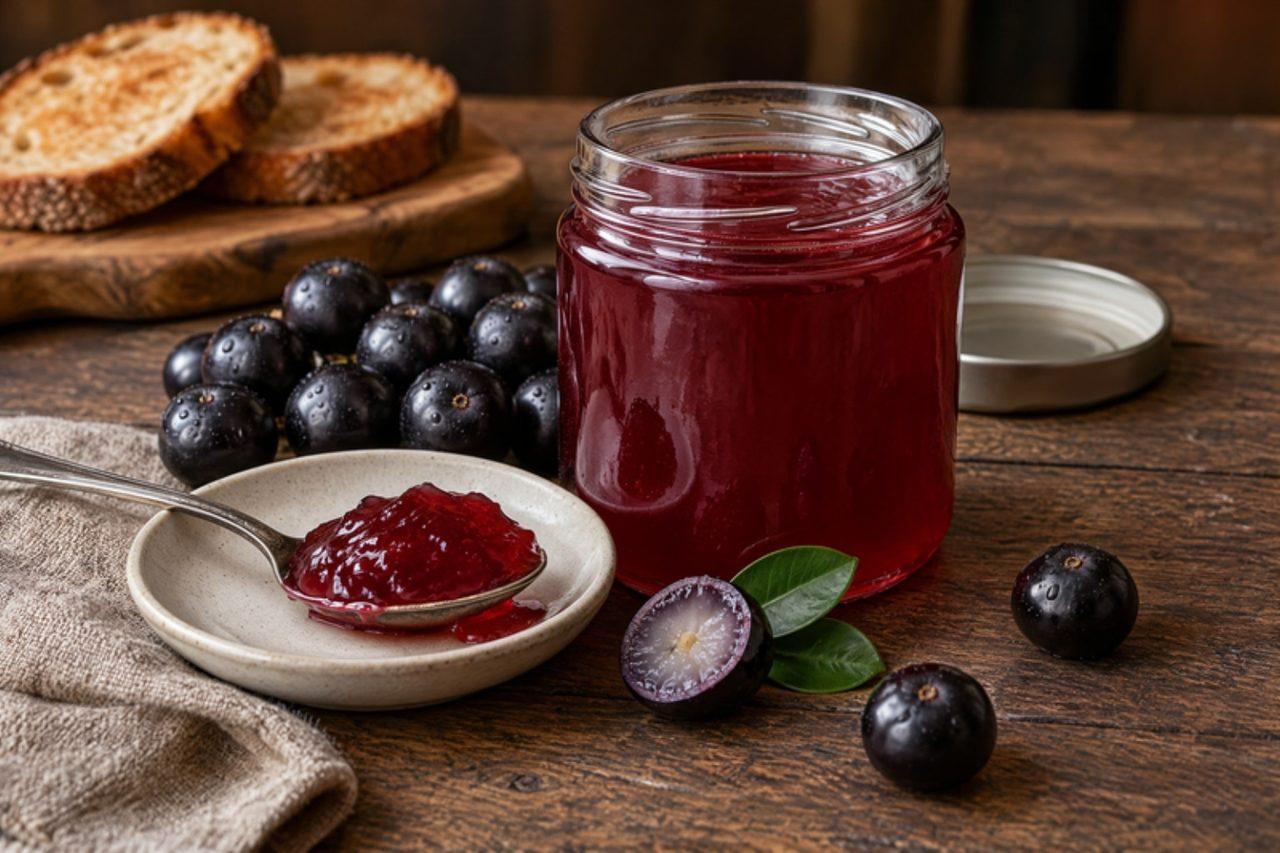
Geleia de jabuticabaJabuticaba jelly

Jabuticabas grow in clusters straight on the trunk of the tree, and in the Minas Gerais spring, from September to November, backyards from Sabará to the south of the state are suddenly covered in shiny black berries. The fruit starts to ferment two or three days after picking, so families turn the glut into jelly, liqueur and syrup; Sabará even celebrates the harvest with a festival. Boiling the berries whole draws colour, tannin and pectin out of the thick skins, so the jelly sets with no added pectin. It is deep ruby-purple, sweet and tart like a dark grape, with a faint astringent edge from the skins. Spread it on pão de queijo or toast, or serve it with fresh white cheese. Abroad, use Concord or other dark, slip-skin grapes, or muscadines. Common mistake: boiling past the setting point; the jelly darkens, turns gummy and the tannins taste bitter, so start testing early. It is ready at 104 °C, or when a drop on a frozen saucer wrinkles when pushed. Chef's tip: let the juice drip through the cloth without squeezing; pressing it makes the jelly cloudy.

by KrazyBadal 0 views

Kawa zbożowaRoasted grain coffee

In Polish kindergartens, school canteens and grandmothers' kitchens, kawa zbożowa is the breakfast "coffee" everyone can drink: a blend of roasted rye, barley, chicory and sometimes sugar beet that tastes toasty and malty with no caffeine at all. It is usually drunk milky and a little sweet alongside bread and butter. The common mistake is brewing ground grain coffee like espresso: it needs a few minutes of simmering to give up its flavour, or it tastes like weak tea. Chef's tip: let the pot stand off the heat for 2 minutes after simmering so the grounds sink, then pour gently and you won't need a filter at all.

by KrazyBadal 0 views

KatmiLacy fermented pancakes

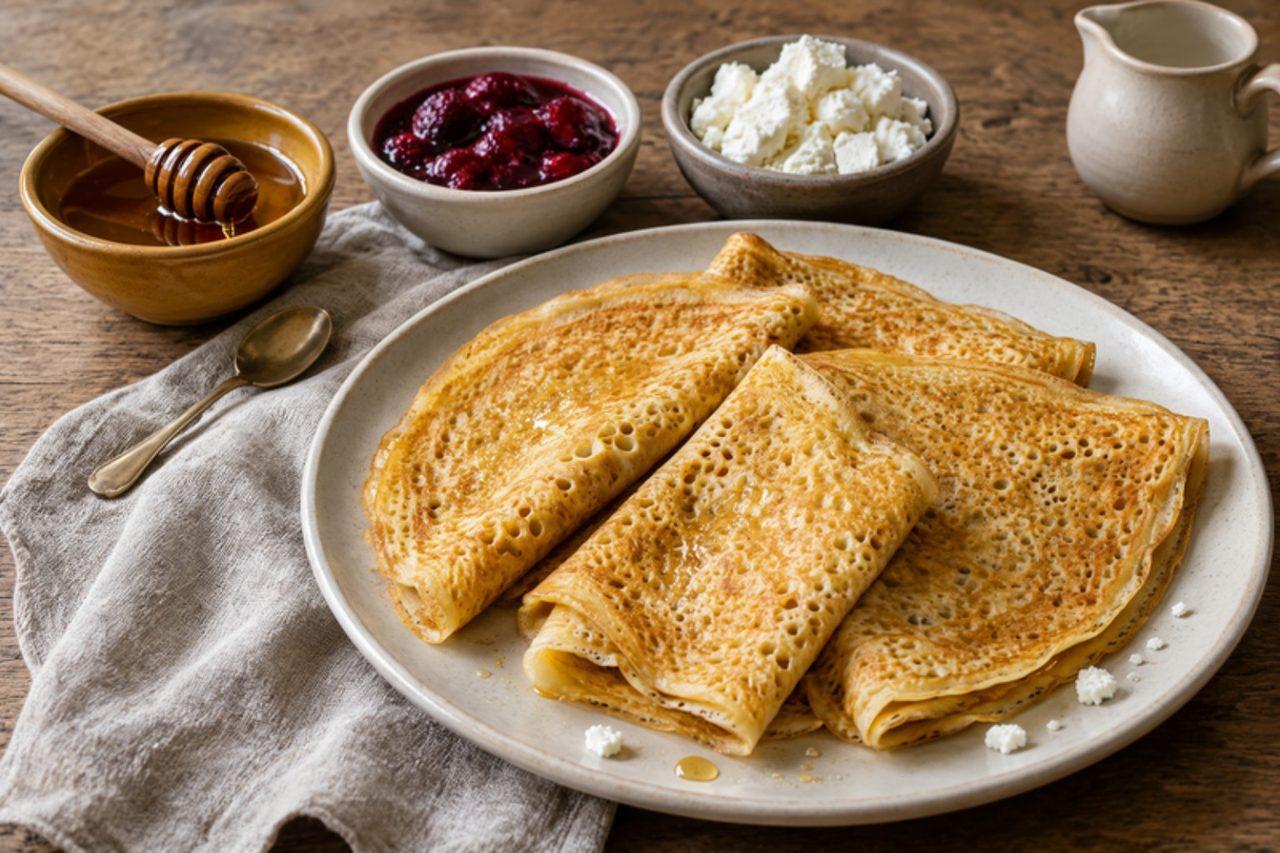
Katmi come from Thrace in southern Bulgaria, where they were once baked on a domed iron pan over the fire and served at fairs and family breakfasts. The batter is lightly fermented with yeast, so the thin pancakes come out full of holes and lacy, crisp at the edge and soft in the middle. They are folded and eaten with honey, jam or crumbled sirene. The common mistake is pouring batter into a pan that isn't hot enough, which gives pale, rubbery pancakes with no lace. Chef's tip: let the batter rest until bubbly, and pour it in a thin spiral from the centre outwards rather than swirling, for proper lacy edges.

by KrazyBadal 0 views

GenmaichaGreen tea with toasted rice

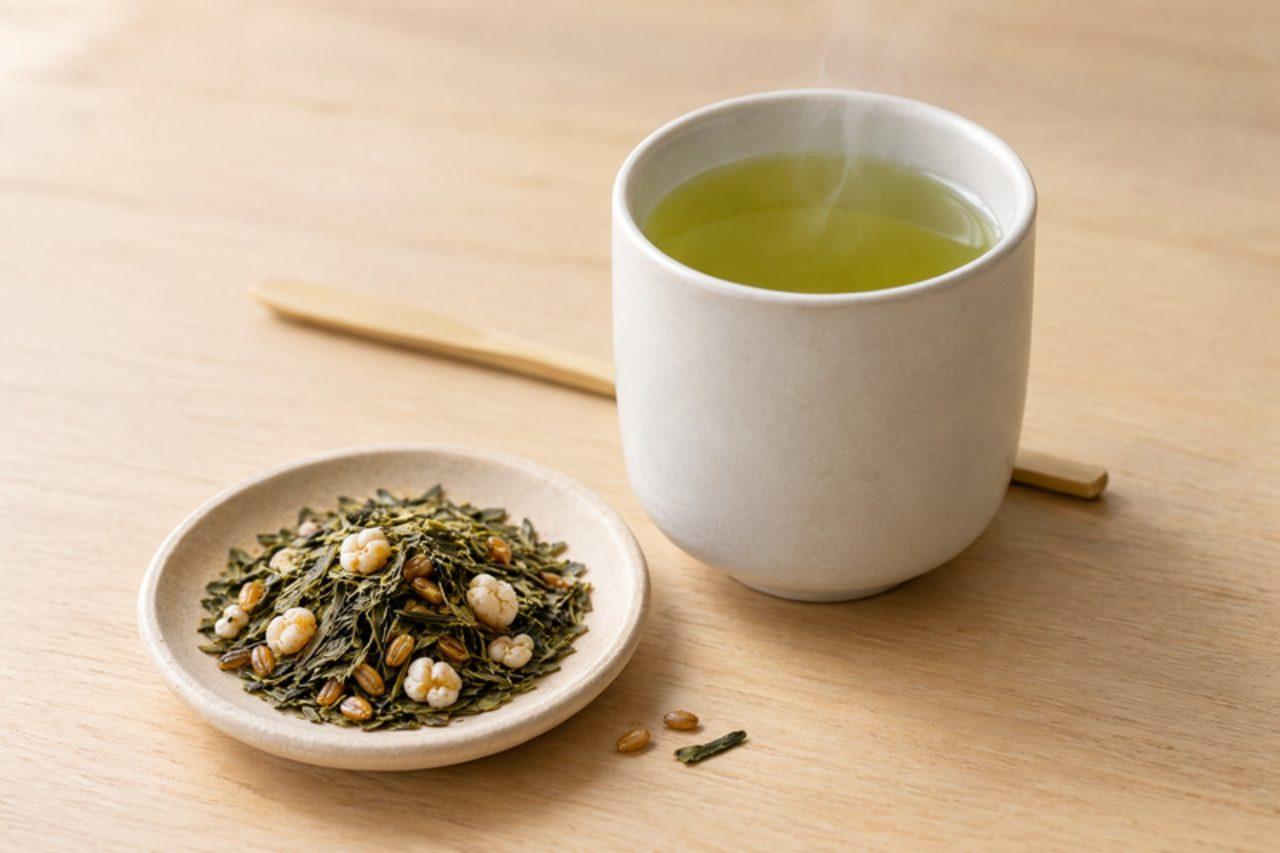
Genmaicha started as a thrifty Japanese blend: toasted rice stretched expensive tea leaves and made the pot go further. It is now loved for itself and turns up everywhere, from office kettles in Tokyo to the free tea at sushi counters and ramen shops, poured all through the meal because its gentle, roasted flavour does not fight with soy or fish. The rice gives a nutty, savoury, almost buttery taste; the green tea adds a light grassy edge. It has about half the caffeine of plain sencha, so many people drink it in the afternoon. The usual mistake is pouring boiling water straight onto it: the green leaves scald and the cup turns bitter while the rice flavour gets lost. Let the kettle sit for a minute or two so the water is around 80–85 °C, and steep for no more than a minute. It is ready when the liquor is pale yellow-green and clear, and the steam smells of popcorn and cut grass. Chef's tip: matcha-iri genmaicha, with powdered matcha dusted over the blend, gives a greener, fuller cup; use it the same way but stir the pot once before pouring.

by KrazyBadal 0 views

Bol renverséUpside-down rice bowl

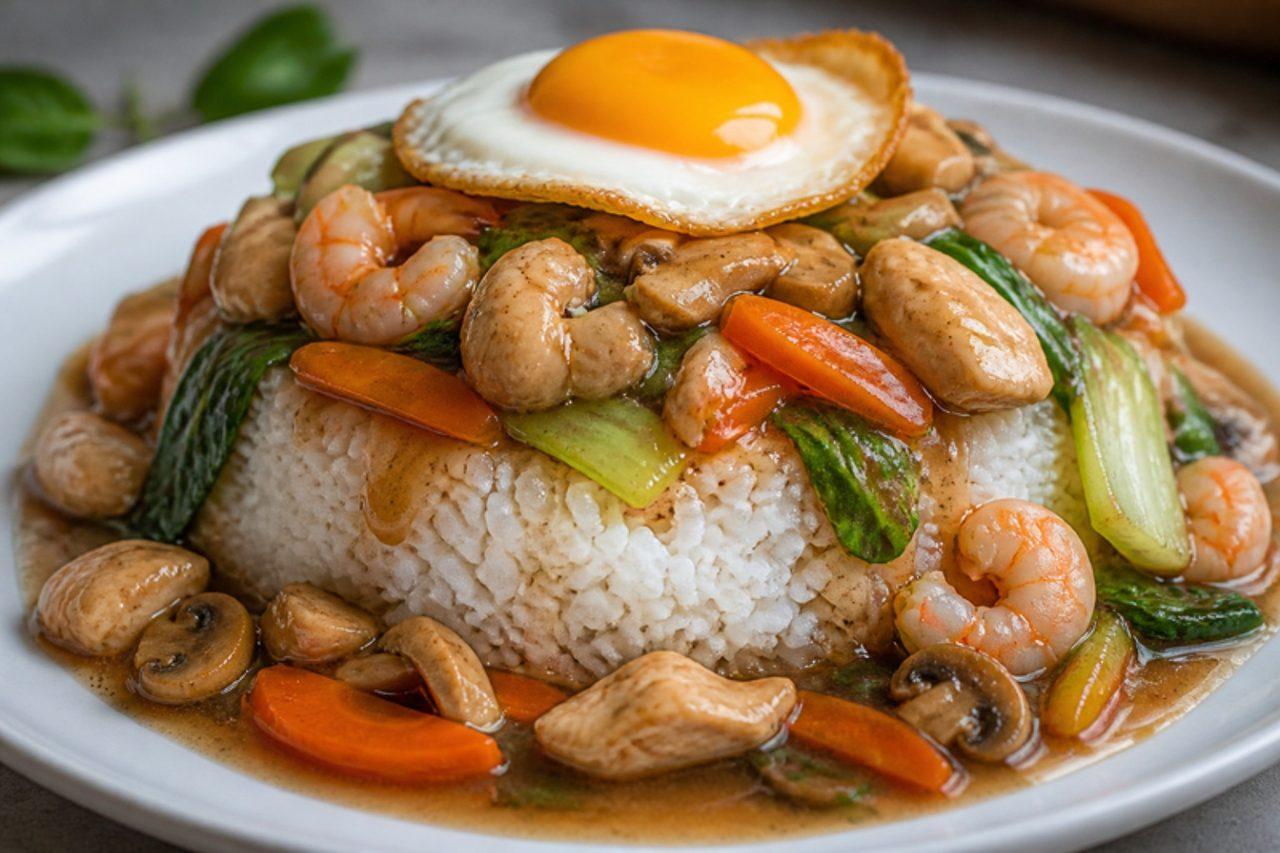
Order a bol renversé in a Port Louis canteen or a Grand Baie food court and it arrives as a neat dome of rice with a fried egg perched on top; break into it and a glossy stir-fry of chicken, prawns, mushrooms and Chinese leaves spills out. The trick is building it backwards in a bowl, egg first, then the stir-fry, then rice packed down, before flipping it onto a plate. The sauce should be thick enough to coat the vegetables but loose enough to soak into the rice. People often make the sauce too thin and the dome slides apart in a flood, so simmer it until it glazes the back of a spoon. Chef's tip: fry the eggs only until the whites are set and the edges are crisp, and lay them yolk-side down in the bowl so the yolk faces up and stays runny when you turn it out.

by KrazyBadal 0 views

Jamaican fish teaPeppery fish broth

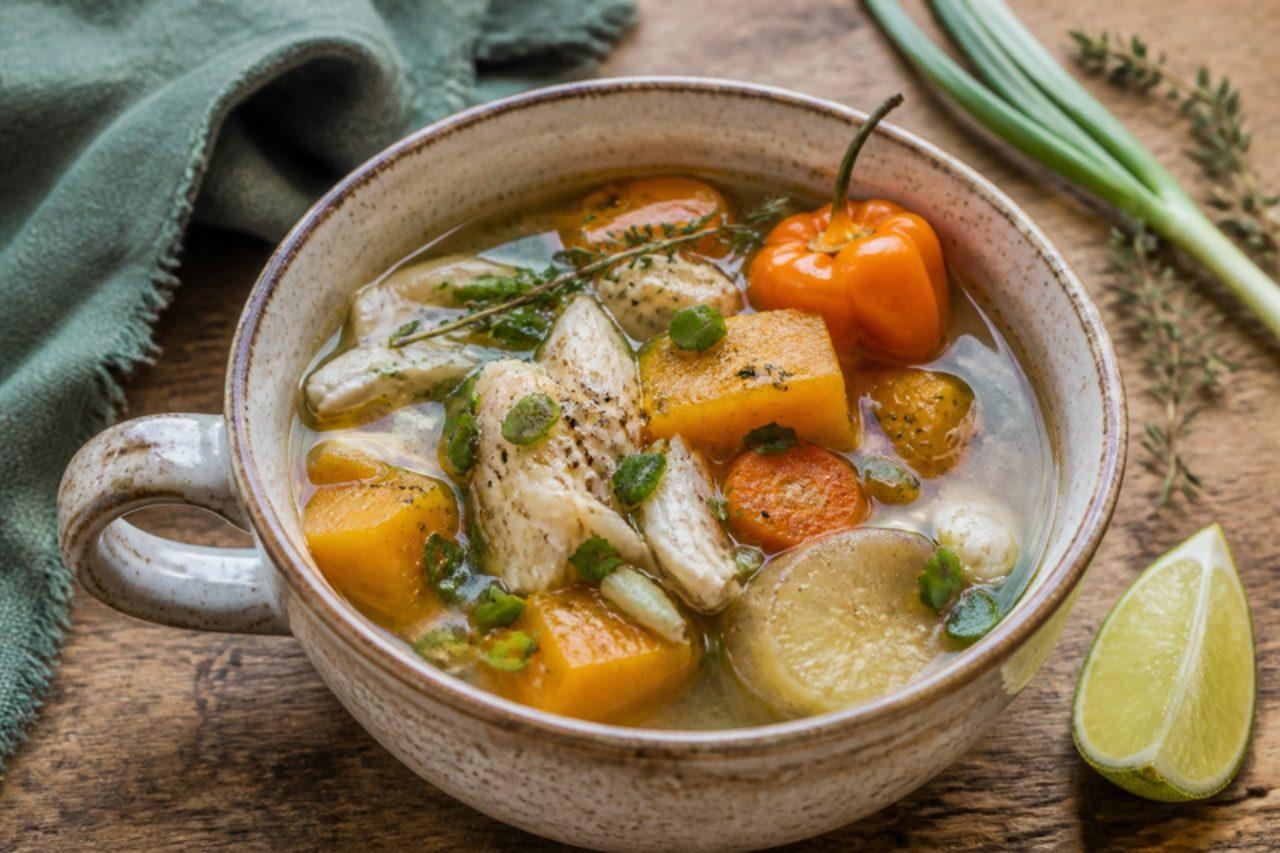
Fish tea is what Jamaicans along the coast from Kingston to Old Harbour sip from a cup when they feel run down, and it is ladled out at beach fish shacks and dances to steady late-night appetites. It is a thin, peppery broth made from fish heads and bones or cheap small fish, with green banana, pumpkin, thyme and a hint of scotch bonnet, light but full of flavour. The mistake to avoid is boiling it hard for a long time, which makes it cloudy and bitter; simmer gently and strain. Chef's tip: mash a few pieces of the soft pumpkin into the broth for body without any flour.

by KrazyBadal 0 views

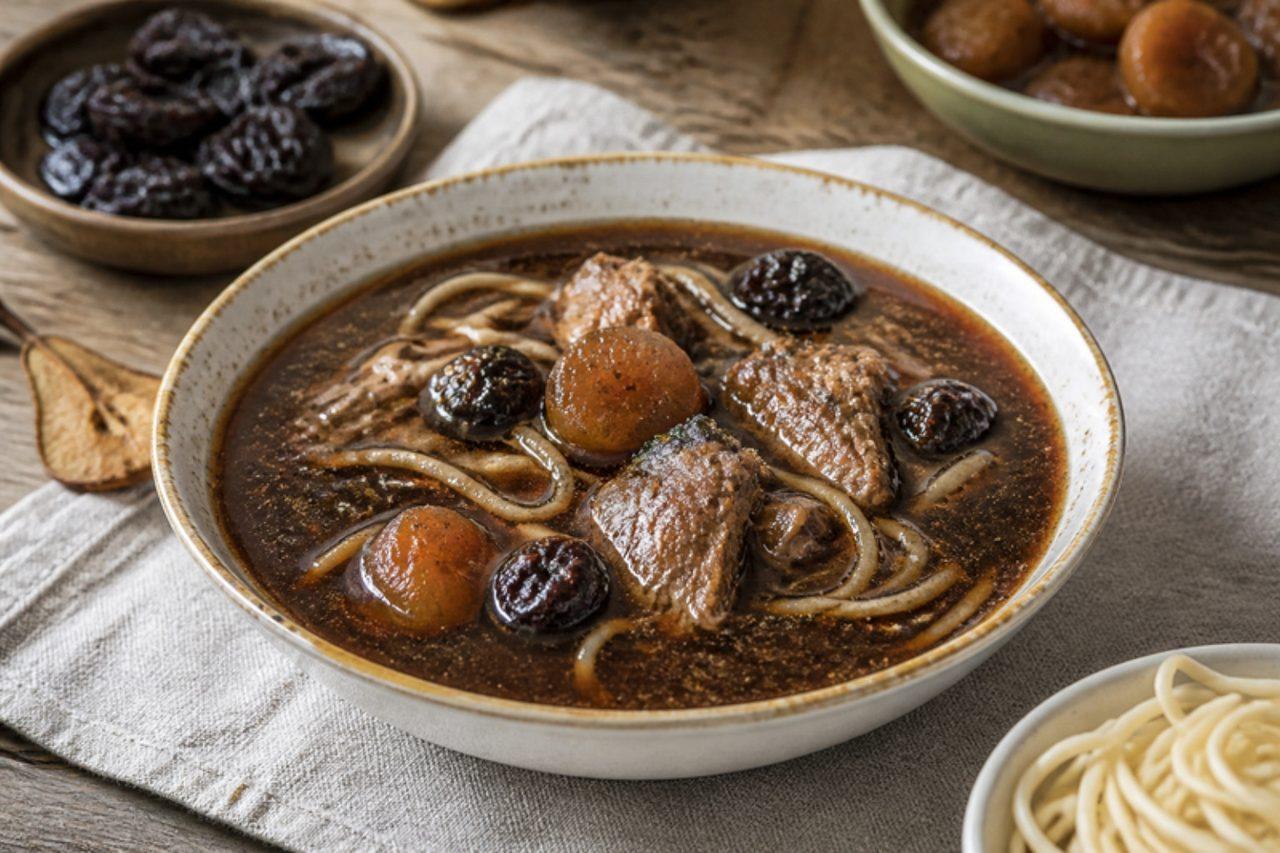
CzerninaSweet-sour duck blood soup

Few soups divide a Polish table like czernina, the dark, glossy duck broth of Greater Poland and Kashubia, tinted chocolate-brown with duck blood and sharpened with vinegar, then sweetened with dried plums, pears and apples. Farm families made it when a duck was killed in autumn, and in old Polish custom a suitor served czernina knew his proposal had been turned down. The taste is rich, sweet-sour and deeply savoury, with fine egg noodles to soak it up. Safety matters here: buy fresh duck blood from a butcher, already mixed with vinegar so it does not clot, keep it at fridge temperature and use it within a day. Undercooked blood is not for pregnant women, young children or anyone with a weakened immune system. People often let the soup boil hard after the blood goes in, and it turns grainy. Chef's tip: temper the blood with hot broth before stirring it into the pot, then heat gently to a steady simmer.

150 minPolishSoups
by KrazyBadal 0 views

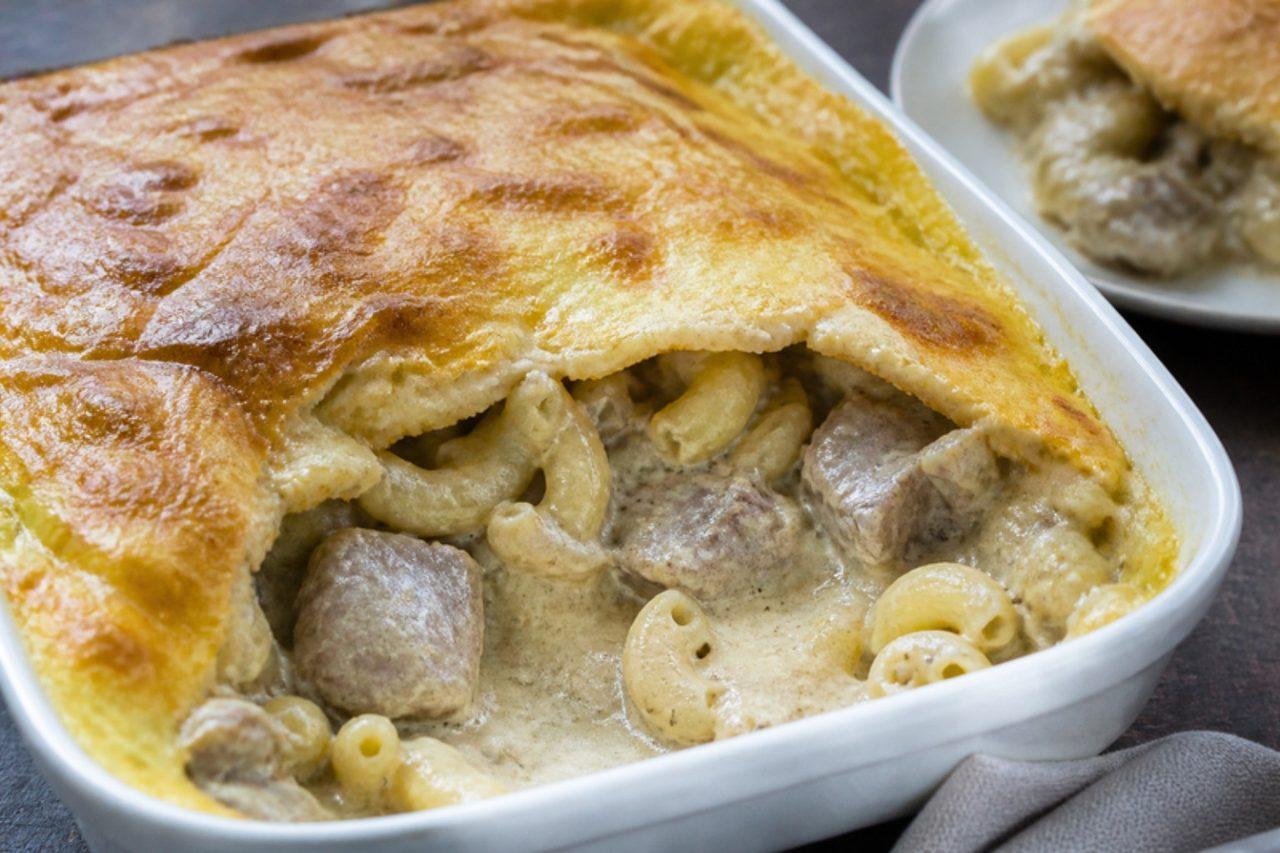
Dabba goshtMutton and macaroni bake

Only a Dawoodi Bohra kitchen would put macaroni into a mutton curry and bake it under a lid of egg, and dabba gosht is the triumphant result, made in Karachi for weddings, Eid and the big communal meals of Muharram. Boneless mutton is simmered until tender in a pale gravy of yogurt and ground cashew, mixed with soft elbow macaroni, poured into a dabba (a tin or deep dish), covered with whisked eggs and baked until golden on top. Inside it is creamy and mild with black pepper and cardamom; the crust is soft and set. The pitfall is overcooking the pasta before it goes in, because it keeps drinking sauce in the oven; boil it two minutes short. Chef's tip: keep the sauce looser than you think it should be when you assemble, as it thickens a lot under the egg.

by KrazyBadal 0 views

Daging smoorBeef braised in sweet soy

Daging smoor, from the Dutch 'smoren', to braise, is the Indo-Dutch version of Indonesian semur: beef braised for hours in kecap manis sweet soy sauce with onion, garlic, nutmeg, clove and a little tomato, until tender and coated in a dark, glossy, sweet-savoury sauce. It is a Sunday and rijsttafel dish in Indo-Dutch families in The Hague and is served with rice and atjar. A common mistake is a hard boil, which makes the meat tough and the sauce too salty as it reduces. Chef's tip: add the nutmeg at the start and a pinch more at the end, so its warmth runs through and the fresh aroma comes through on top.

170 minDutchCurries
by KrazyBadal 0 views

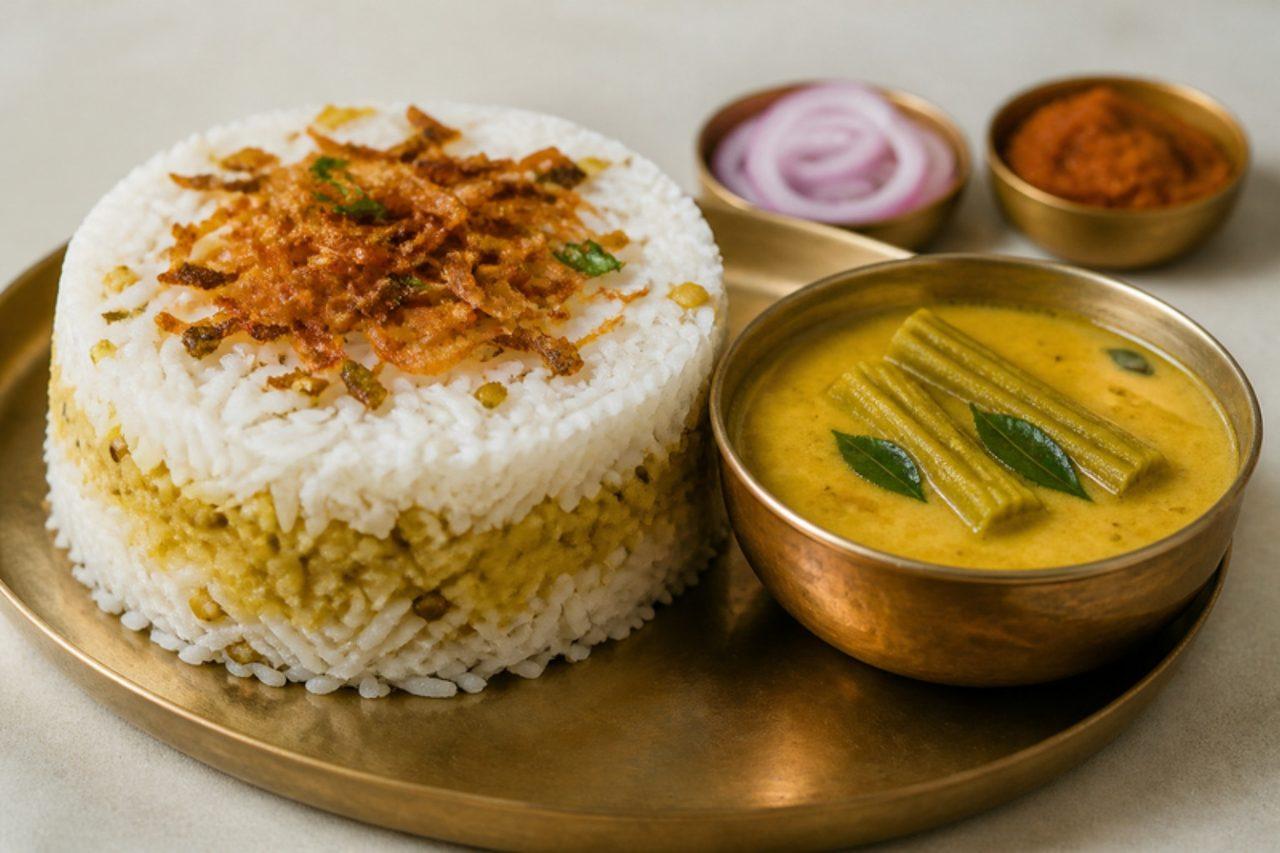
Dal chawal paliduLayered rice and dal

In the Dawoodi Bohra community of Karachi's Saddar and Kharadar, dal chawal palidu is the comfort meal of Sunday lunch and of the shared thaal at community gatherings, and nobody who grew up with it considers it complete without all three parts. Long-grain rice is layered with whole, separate grains of spiced toor dal and crisp fried onion, then steamed, while palidu, a thin, tangy curry made from the dal's own cooking water thickened with gram flour, tempered with mustard seed, curry leaves and garlic and studded with drumsticks, is poured over at the table. It is gentle, sour and deeply savoury. Overcooking the dal is the error to avoid, since it must stay in whole grains for the layers. Chef's tip: drain the toor dal as soon as it is tender and save every drop of the water, because that water is the base of the palidu.

by KrazyBadal 0 views

Dal goshtMutton and chickpea stew

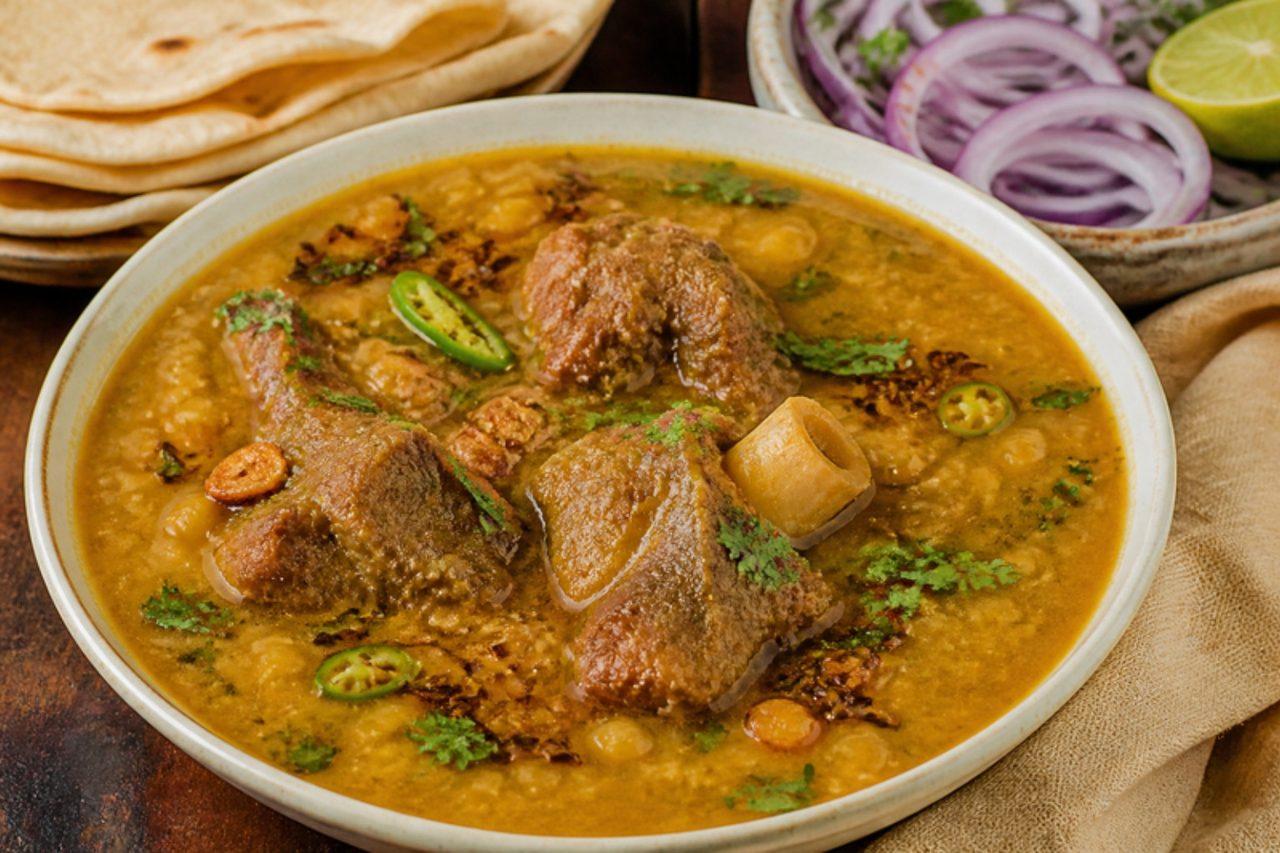
Stretching a kilo of mutton to feed a big family is an old Pakistani household skill, and dal gosht is its most loved result: chana dal cooked with the meat until the lentils melt into a thick, golden, peppery gravy that is half curry, half stew. It turns up for Friday lunch in Punjab and for everyday dinners in Karachi Urdu-speaking homes, eaten with hot chapati, rice and a sharp salad of onion and tomato. Done right, some dal stays whole while the rest thickens the gravy. A common slip is adding raw dal to the pot at the same time as the meat; dal cooks faster, so it collapses into paste before the mutton is tender. Chef's tip: finish with a tarka of ghee, cumin and fried garlic for a Sunday version, or leave it plain with oil for an everyday pot that stays dairy free.

by KrazyBadal 0 views

Dal pakwanFried bread with spiced chana dal

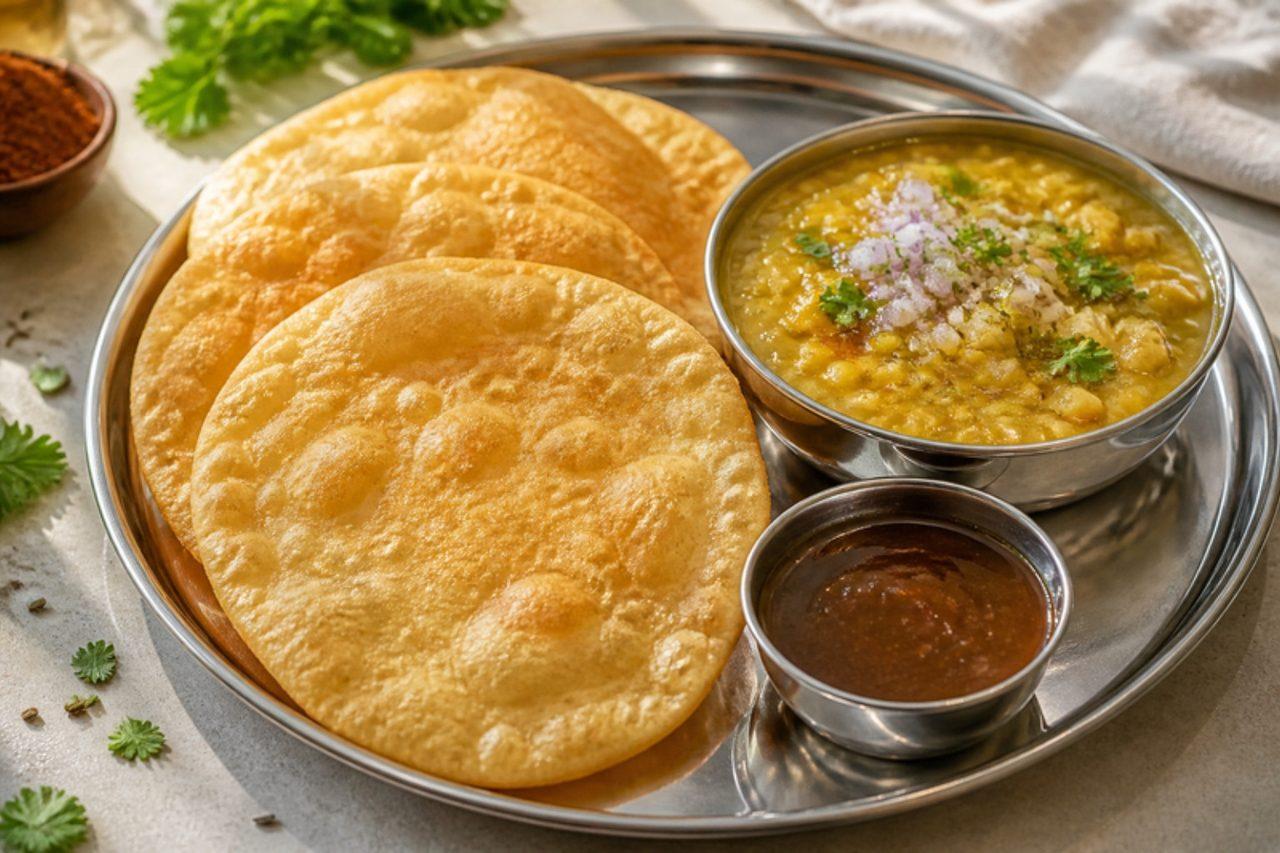
Sunday morning in Karachi's old Sindhi neighbourhoods, and in Hyderabad, means a queue at the dal pakwan stall, or a home kitchen hot with frying oil. Pakwan are crisp, bubbly discs of cumin and black-pepper dough, fried until they shatter like a cracker, and they are eaten broken into a bowl of soft, lightly spiced chana dal, then topped with sweet-sour tamarind chutney, raw onion and a dusting of chilli. The contrast of crunchy, soft, sweet and sharp is the whole point, so the parts are kept separate until the last moment. Thick pakwan are the most common disappointment: rolled too thick, they turn chewy instead of crisp. Chef's tip: roll each one as thin as you can and prick it all over with a fork before frying, so it puffs only a little and stays flat and crunchy.

by KrazyBadal 0 views

Dambun namaSpiced shredded beef floss

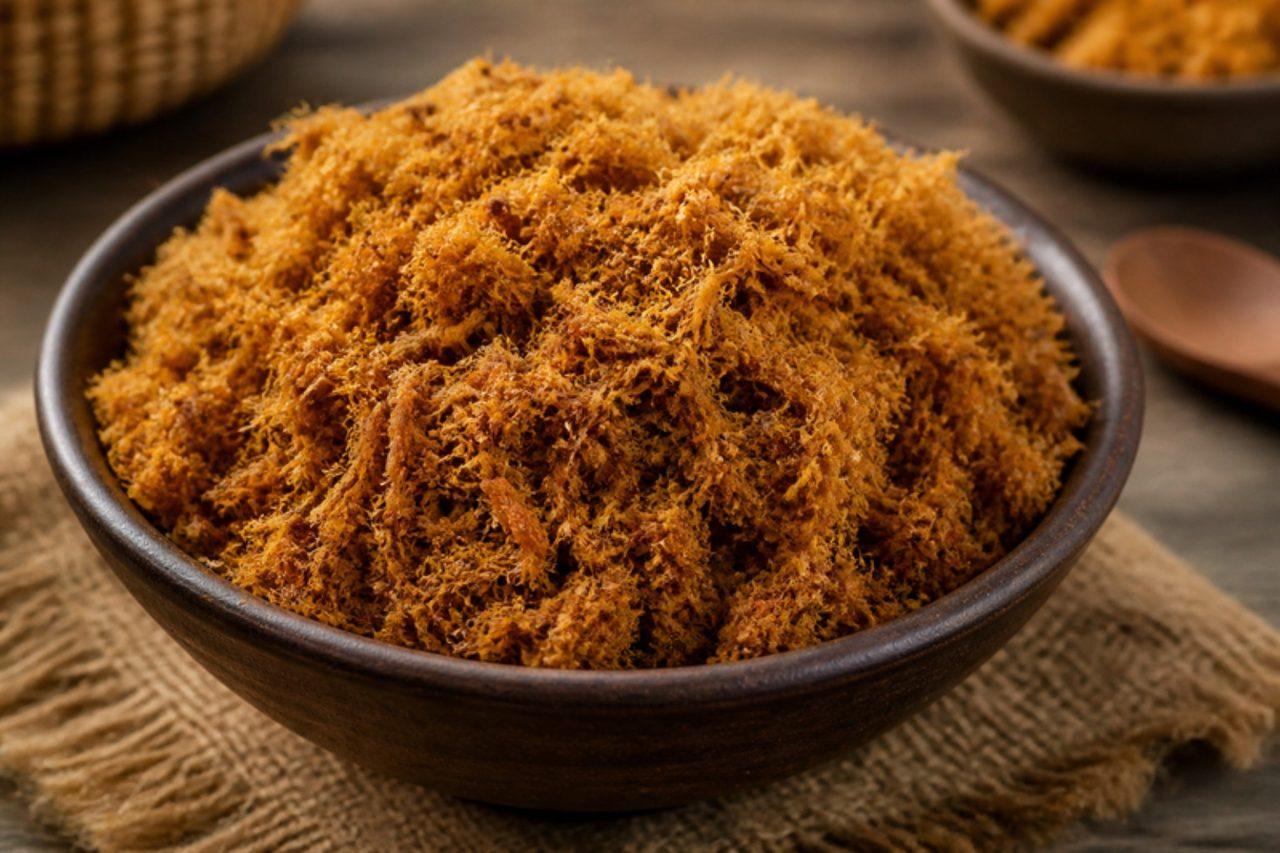
During Ramadan and Eid in Kano, Kaduna and Maiduguri, tins of dambun nama appear on every table: beef boiled tender with onion and ginger, pounded in a mortar until it falls into fine threads, then fried slowly with onion and spices until it is dry, fluffy and golden. It keeps well, which is why it was made before long journeys, and it is eaten as a snack, with rice or tucked into bread. The texture should be like soft wool, not crunchy crumbs. Because the meat is fully cooked before drying, it is safe; store it in the fridge. Chef's tip: let the boiled beef steam dry for ten minutes before pounding, as wet meat clumps in the pan instead of separating into threads, which is the usual mistake.

130 minNigerianMeatGluten free
by KrazyBadal 0 views

MeshabekLacy syrup-soaked fritters

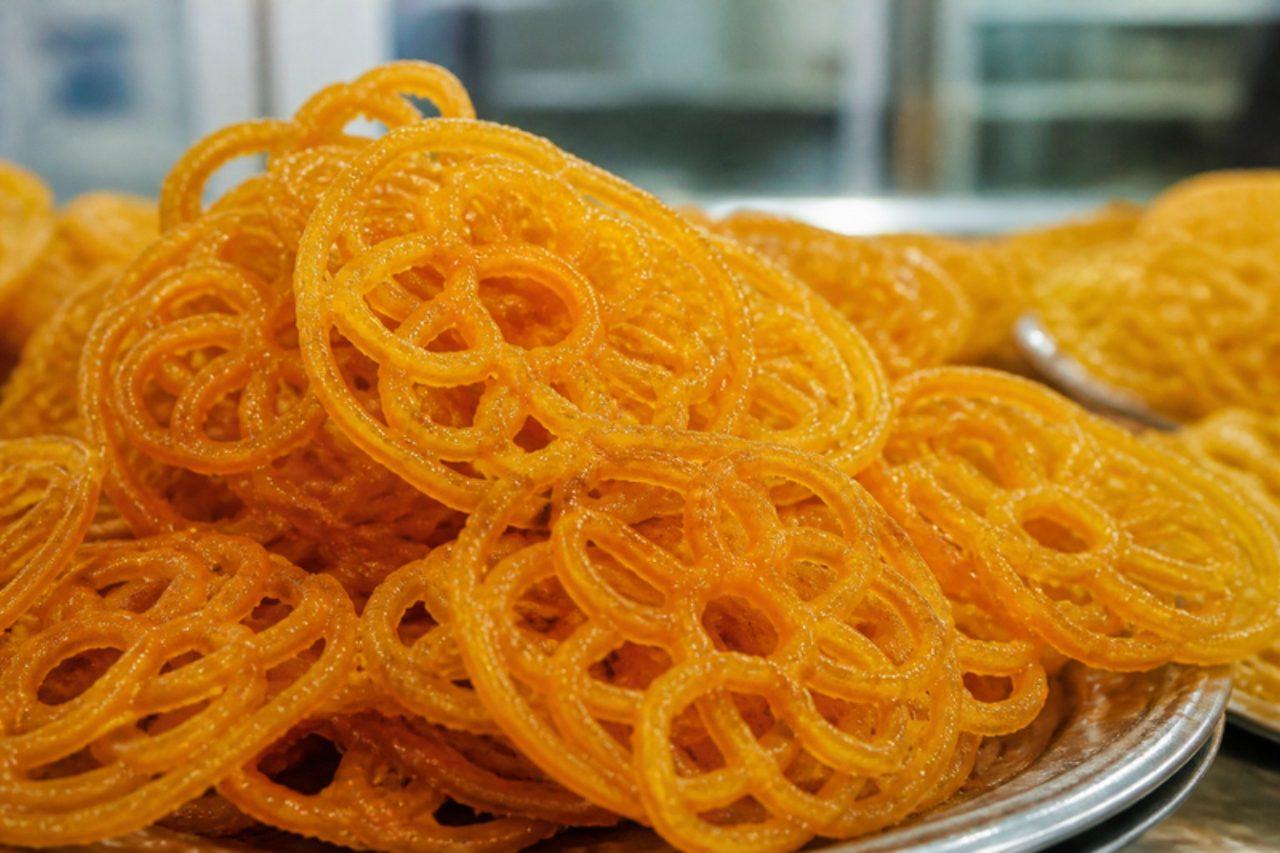
Damietta, the port city where the Nile meets the Mediterranean, is famous across Egypt for its sweet shops, and meshabek is one of their signatures: lattice wheels of fermented batter piped into hot oil and dunked in syrup. Fresh from the fryer they shatter like glass and drip with sugar; by the next day they soften into something chewy and just as good. Families buy them by the box for Ramadan evenings, visits and holidays. The batter needs an hour to ferment before frying. The common mistake is frying in oil that is not hot enough, which leaves them pale, soft and greasy, so test it first. Chef's tip: a squeeze bottle with a 4 to 5 mm opening gives the neatest, thinnest lines.

by KrazyBadal 0 views

DammsugareMarzipan cake-crumb rolls

The dammsugare, 'vacuum cleaner', got its name because Swedish bakeries invented it to use up crumbs and offcuts of cake swept up at the end of the day: the crumbs are mixed with butter, cocoa and flavouring, rolled into logs, wrapped in bright green marzipan and dipped in dark chocolate at both ends. Bakeries usually flavour the filling with punsch, a sweet arrack liqueur; this version uses vanilla and a little orange, and is alcohol-free. A common mistake is rolling the marzipan too thick, which makes it cloying. Chef's tip: roll the marzipan thin between sheets of baking paper and chill the filled logs before cutting.

by KrazyBadal 0 views

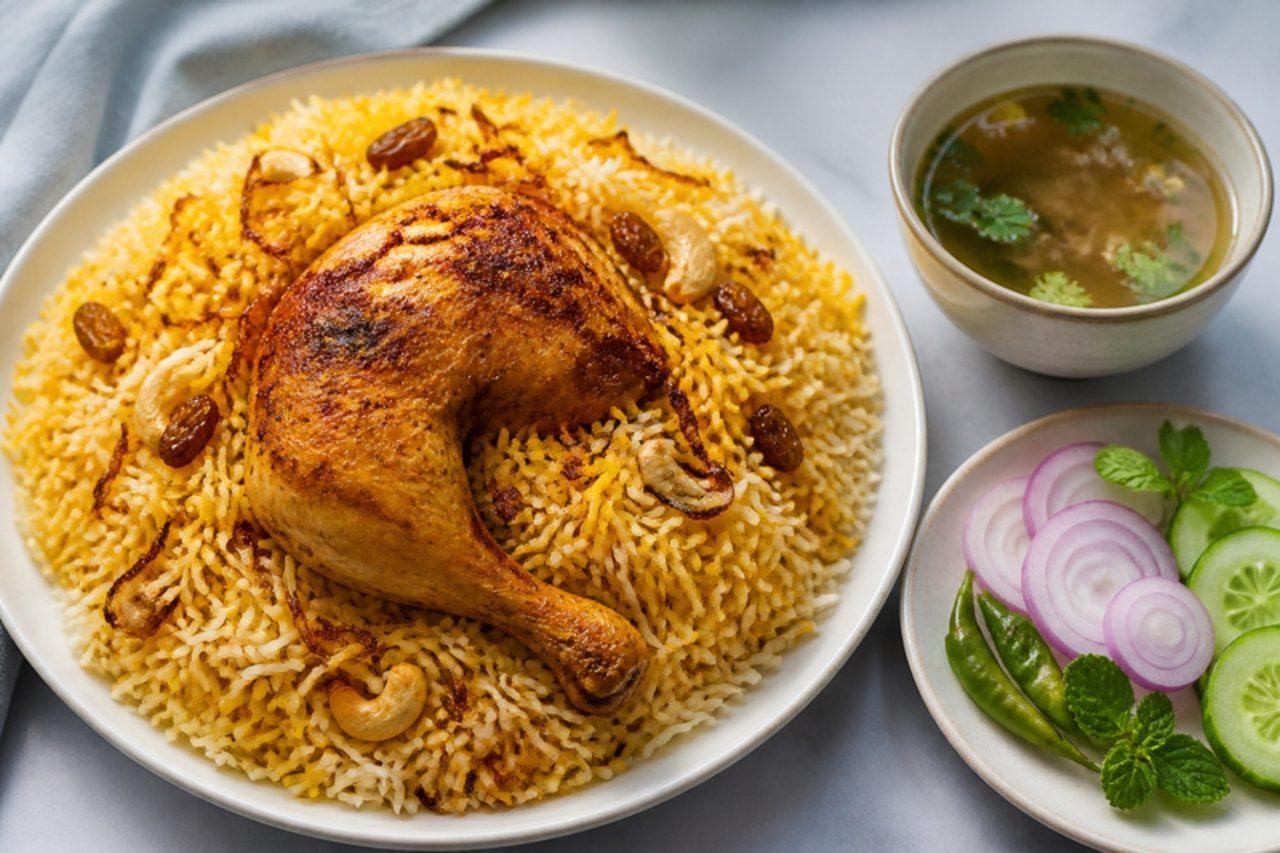
DanbaukChicken biryani

Weddings, birthday donations and the Friday lunch crowd after mosque prayers in downtown Yangon all call for danbauk, the Burmese take on biryani brought by the city's Indian-Muslim families. It is gentler than most South Asian versions: long grains scented with cardamom, cloves and butter, tender yoghurt-marinated chicken hidden underneath, and a crown of fried onions, plump raisins and golden cashews. Every plate comes with a bowl of sour onion, cucumber and green-chilli salad that cuts through the richness, and often a thin sour soup on the side. The usual slip is boiling the rice fully before layering; it then turns to mush during the slow steam, so pull it while each grain still has a chalky white core. Chef's tip: once the pot is sealed, leave the lid alone and dig in from the side at the table so every scoop brings up chicken and rice together.

by KrazyBadal 0 views

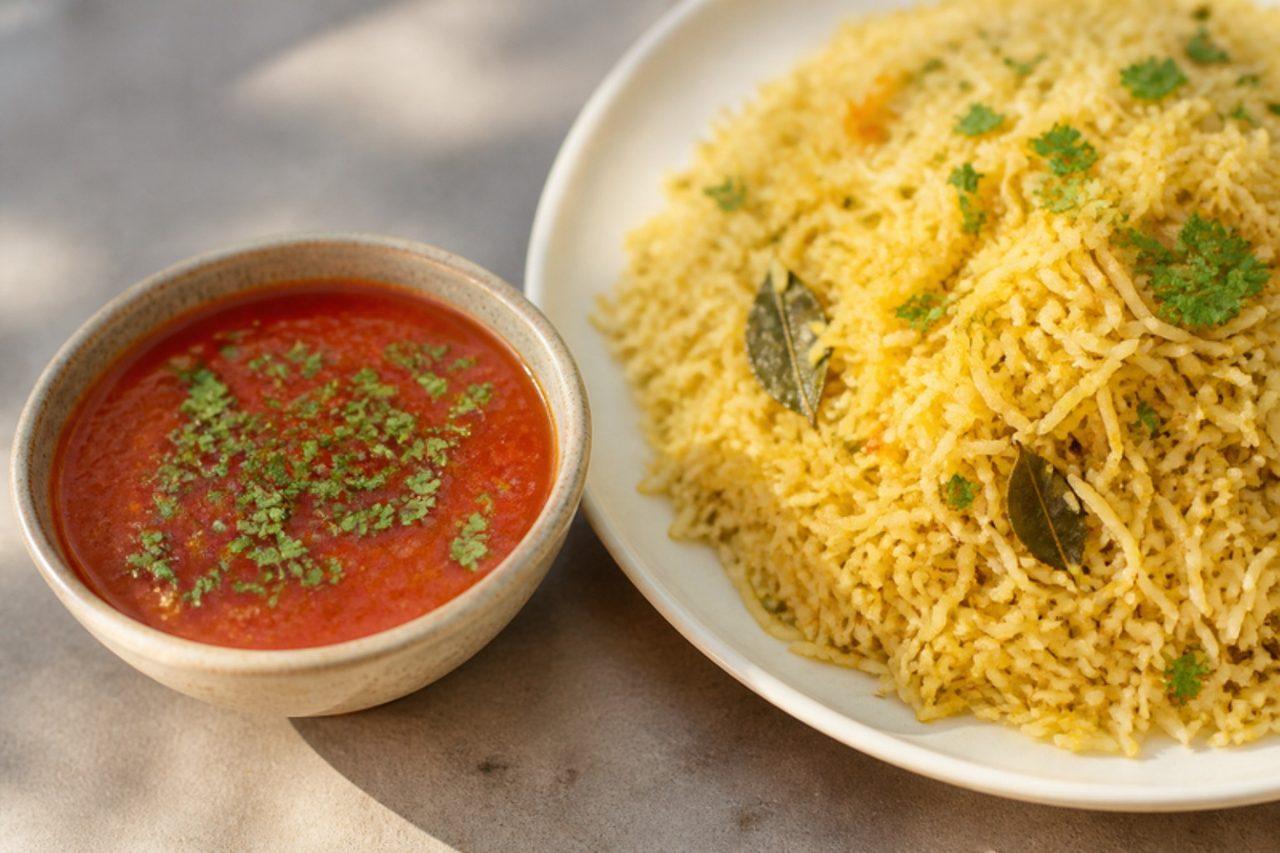
DaqqusTomato garlic chilli sauce

Spoon by spoon, daqqus goes over almost every plate of kabsa, mandi and machboos from Riyadh to Kuwait City: a thin, bright sauce of ripe tomato, lots of garlic and hot chilli that cuts through rich rice. Restaurants in Najd serve it in little bowls beside the rice tray, and some families make it raw, others cook it briefly as here, which mellows the garlic and deepens the colour. It should be pourable and tangy, not thick like ketchup. People often overcook it into a paste; keep it loose with a splash of water. It also works with grilled fish and eggs. Chef's tip: grate the tomatoes on a box grater and discard the skins for a silky sauce without blending.

by KrazyBadal 0 views

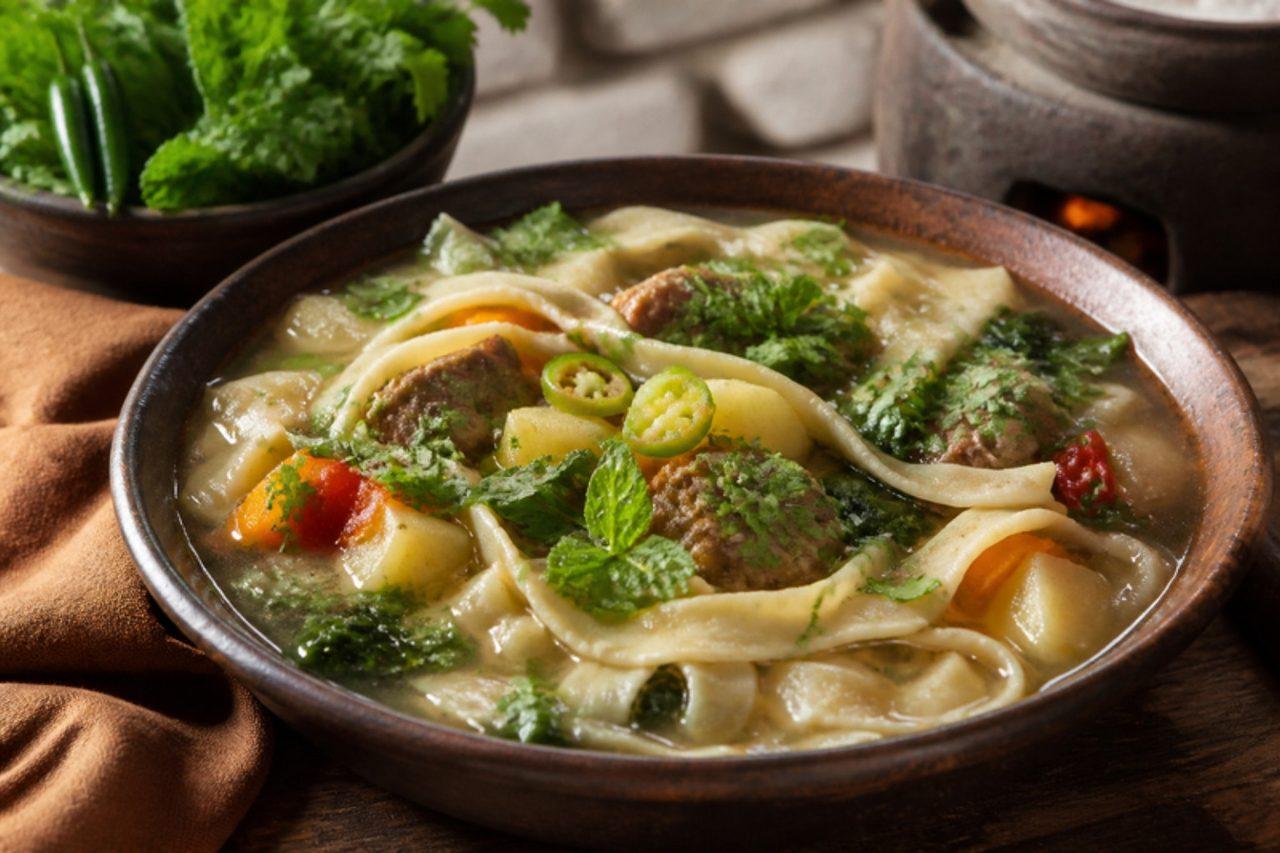
DaudoHand-cut noodle soup with mutton

Once snow closes the passes into Hunza and the apricot trees are bare, families gather around a pot of daudo: a mutton broth thick with short, hand-rolled wheat noodles, potatoes, carrots, spinach and plenty of fresh coriander and mint. It is everyday mountain food, eaten for supper from deep bowls and passed to anyone who comes in from the cold, sometimes with a spoonful of local apricot-kernel oil on top. The noodles are rough and chewy, the broth peppery and green with herbs. Adding the noodles too early leaves them swollen and the soup gluey, so keep them for the last few minutes. Chef's tip: for a vegetarian version, simmer the vegetables in a good vegetable stock and add a handful of chickpeas instead of the mutton.

by KrazyBadal 0 views

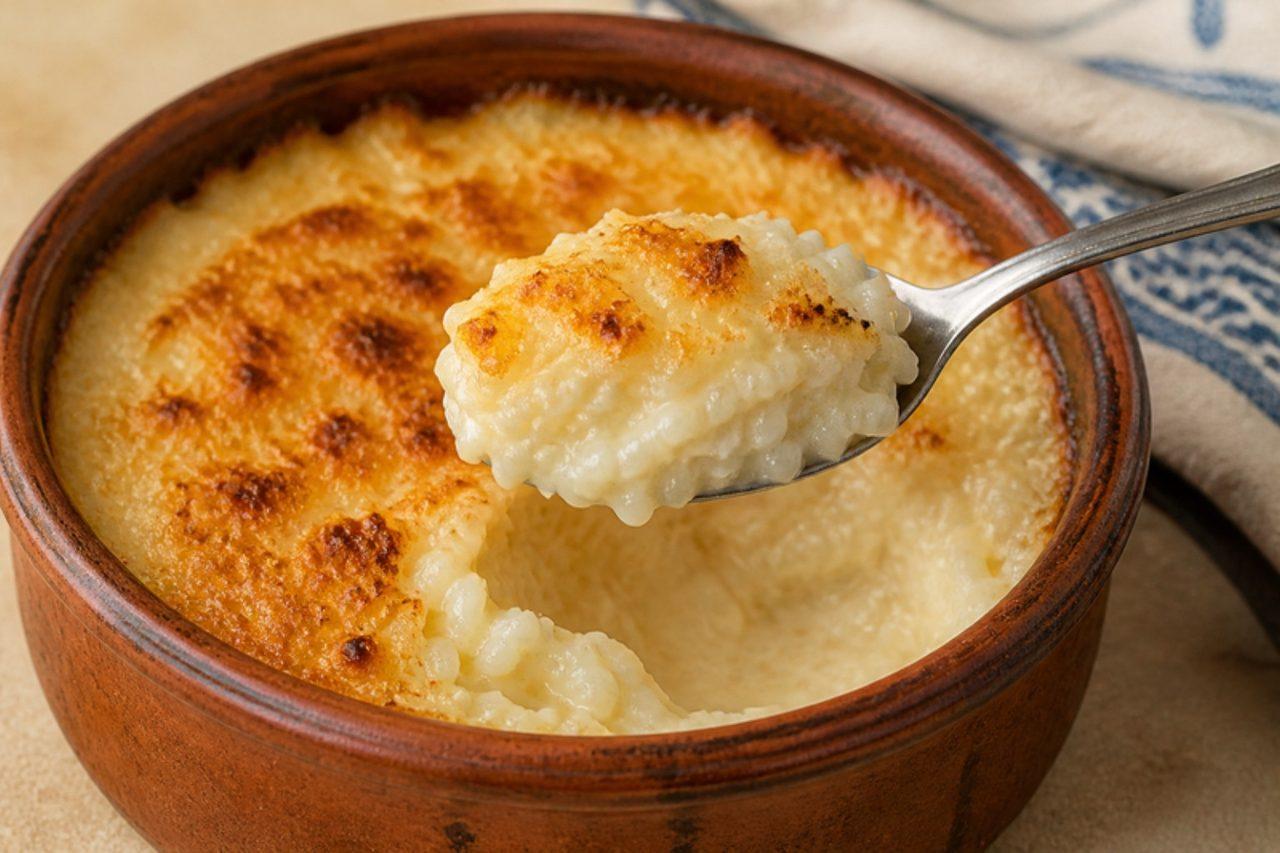
Roz me'ammarCreamy clay-pot baked rice

Village kitchens across the Nile Delta, from Menoufia to Sharqia, slide a clay pot of roz me'ammar into the bread oven for feasts, Fridays and Eid lunch. Short-grain rice bakes slowly in milk, cream and butter until it sets into a soft, rich block with a crisp, golden-brown crust on top that everyone fights over. In the Delta it usually comes with roast pigeon or duck; for a meat-free table it is just as good with a sharp salad, pickles and a dish of mish. Stirring it once it is in the oven is the mistake to avoid: it breaks the crust and makes the rice gluey. Chef's tip: use Egyptian or other round, short-grain rice; long-grain rice will not drink up the milk the same way.

by KrazyBadal 0 views

DemikátSheep's cheese soup over bread

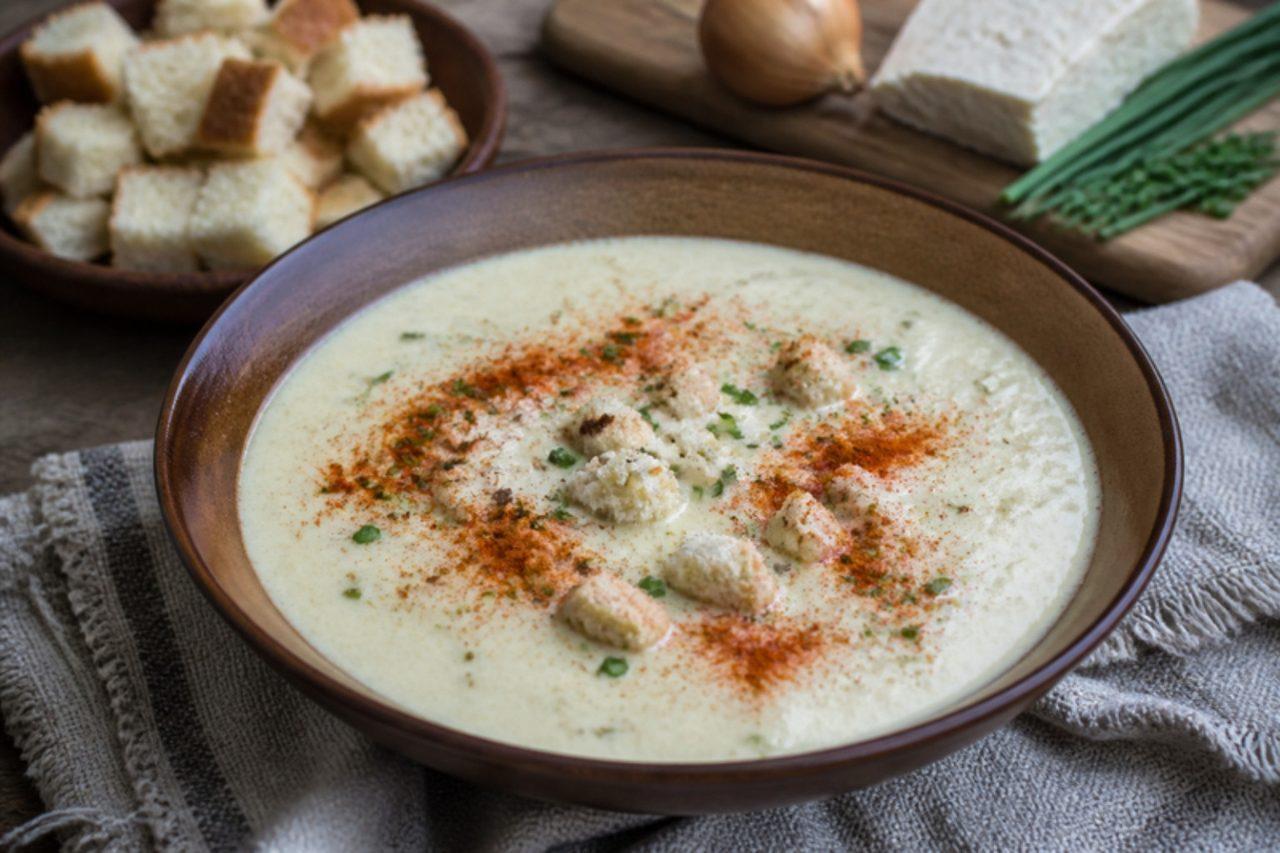
Shepherds in the hills of central Slovakia needed only a kettle of water, a lump of bryndza and a loaf of bread to make demikát, a soup that comes together in a quarter of an hour at the salaš, the summer sheep hut. The soft, salty sheep's cheese is mashed with fried onion, paprika and caraway, loosened with boiling water and poured over chunks of bread, then finished with heaps of chives. It is tangy, creamy and very warming. Bryndza is traditionally made with animal rennet and sometimes from raw milk, so for a vegetarian, safer bowl choose a pasteurised sheep's cheese made with vegetarian rennet (a soft feta-style cheese mashed with a little cream cheese works well). The usual slip is boiling the soup after the cheese goes in, which makes it grainy; just bring it to steaming. Chef's tip: use day-old rye bread, toasted, so it soaks up the broth without falling apart.

20 minCzechSoups
by KrazyBadal 0 views

DhidoBuckwheat flour porridge

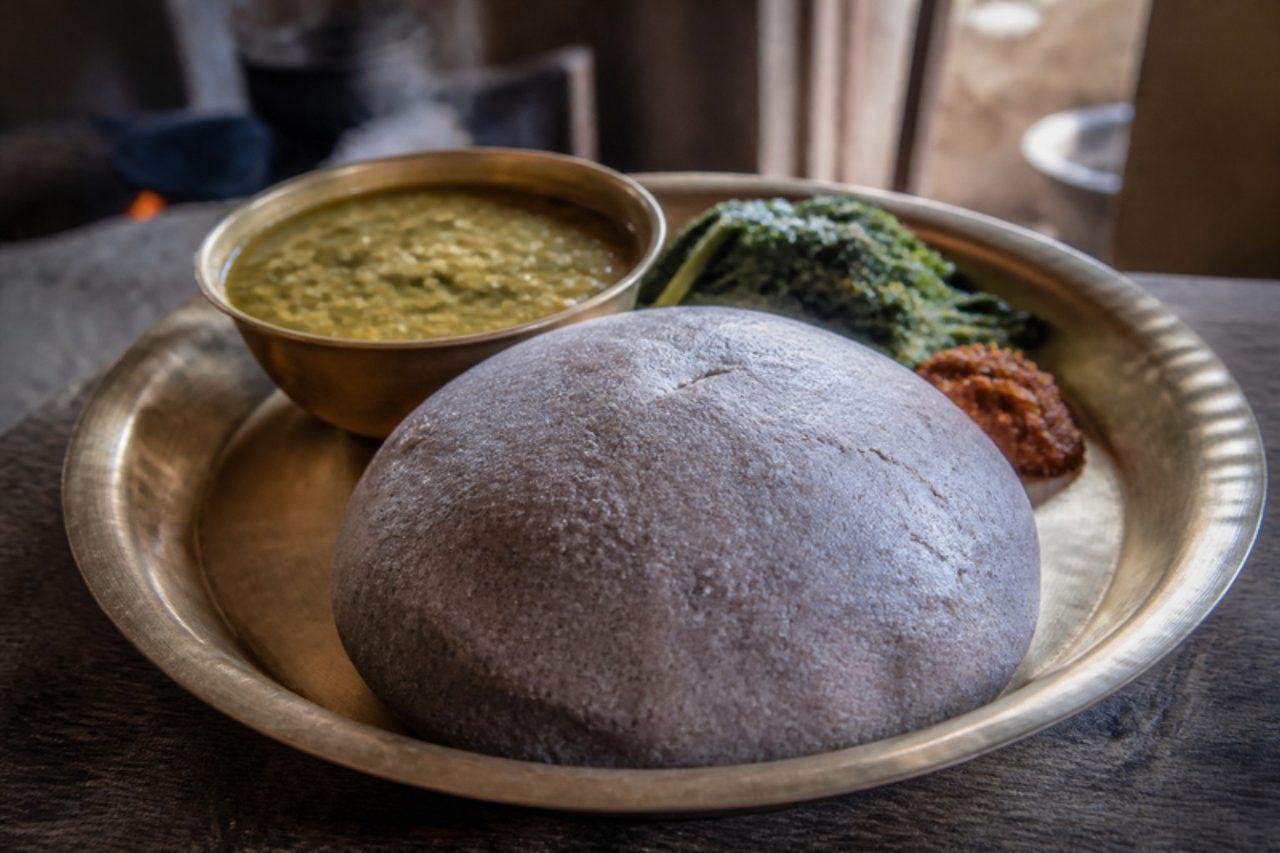
Before rice reached every corner of Nepal, dhido was what filled bellies in the high villages of Jumla, Dolpa, Mustang and the middle hills, and it is now enjoying a comeback in Kathmandu restaurants as a wholesome, gluten-free choice. Buckwheat or millet flour is rained into boiling water and stirred with a flat wooden paddle until it becomes a smooth, heavy, elastic mass, which is eaten with the fingers, pinched off and dipped into a sour vegetable soup, a bowl of lentils or a fiery tomato pickle. It has an earthy, slightly bitter flavour and a satisfying, sticky texture that is meant to be swallowed rather than chewed. Lumps are what ruin it most often, and they come from adding the flour too quickly. Chef's tip: add the flour in a thin stream with one hand while stirring hard with the other, and keep beating for a full 10 minutes once it is all in.

by KrazyBadal 0 views

DhikriSteamed rice flour dough shapes

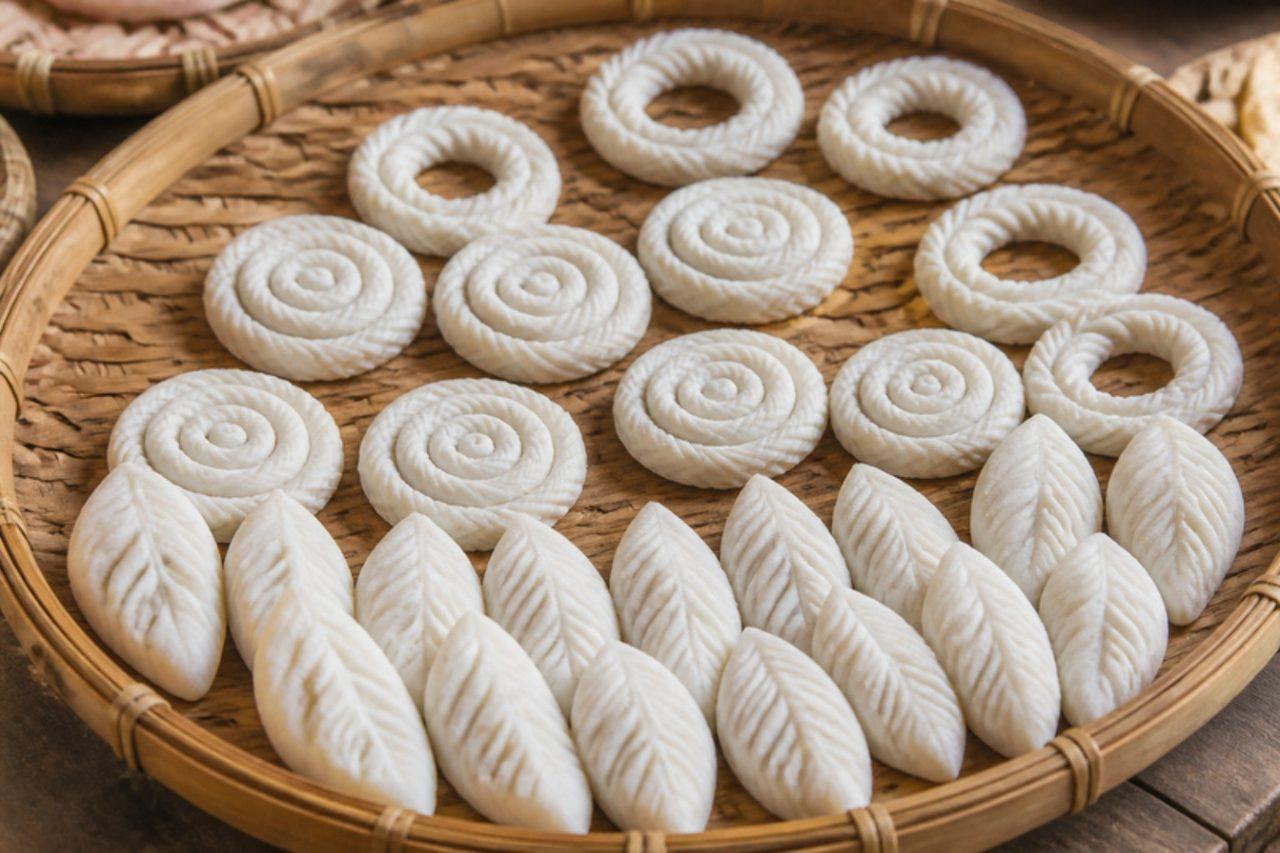
For Maghi, the Tharu new year in mid-January, and for Dashain and Atwari, families in Dang, Bardiya and Kailali sit together on the floor shaping dhikri, long pieces of rice-flour dough rolled and twisted into ropes, spirals, fish, birds and finger-marked ridges before they are steamed. The finished pieces are soft, smooth and chewy, with a clean, sweetish rice flavour that makes them a canvas for whatever is served alongside: a spicy tomato and sesame chutney, a lentil soup, a vegetable curry or, in many homes, a festive meat curry. Leftovers are sliced and fried the next day. The usual mistake is mixing the dough too dry, which cracks as you shape it and steams up hard. Chef's tip: keep the dough covered with a damp cloth while you shape, and dip your fingers in water if it starts to crack.

by KrazyBadal 0 views

DhodhaMilk, wheat and ghee fudge

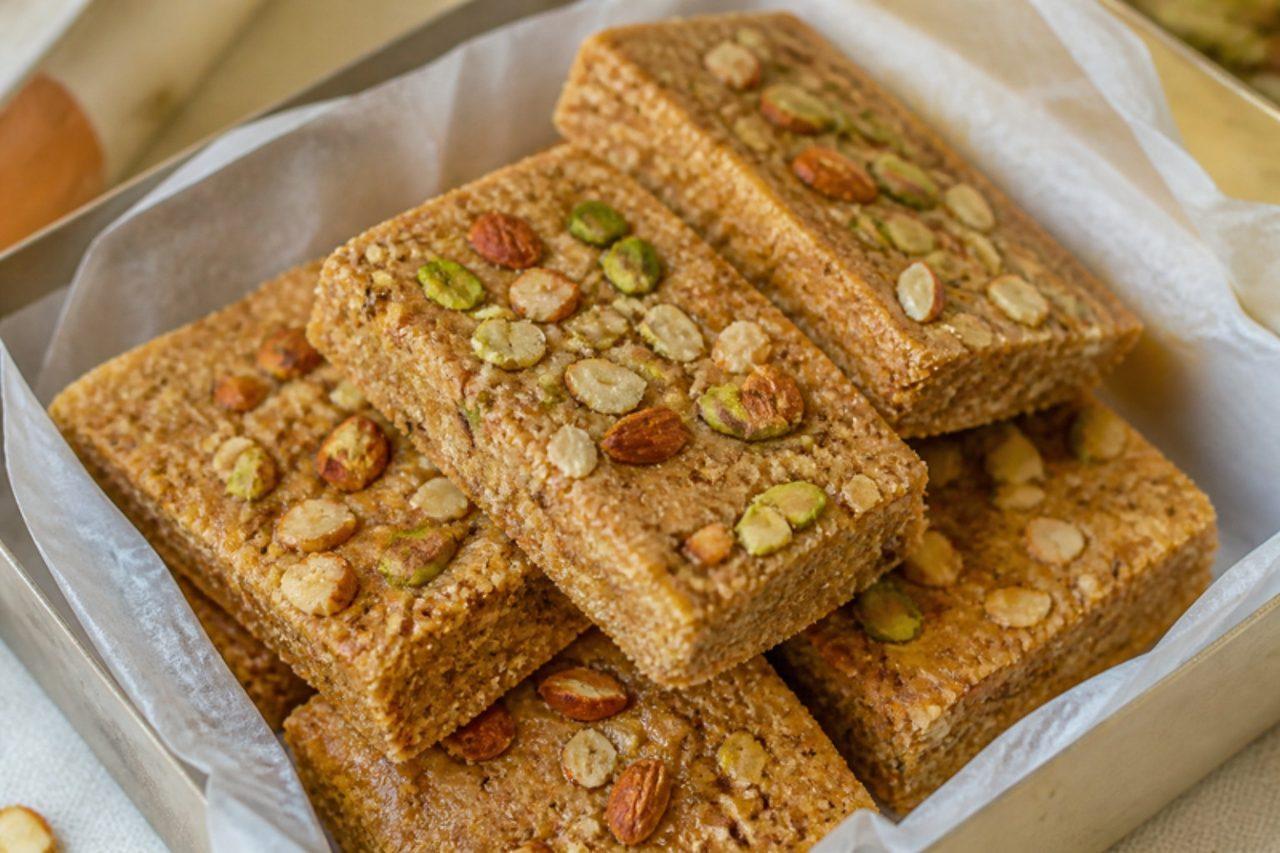
Every bus that stops in Khushab, on the road between Sargodha and the Salt Range, is met by boys carrying boxes of dhodha, the town's famous sweet and a standard gift for anyone visiting family in Punjab. It is lighter in colour and softer than habshi halwa, a moist, crumbly fudge of slowly reduced milk, a little wheat flour, ghee and sugar, packed with almonds, pistachios and walnuts and pressed into slabs about two fingers thick. The flavour is milky and nutty with a gentle caramel note, and it is sliced and eaten with tea, especially in the cold months. Where people slip up is under-reducing the milk, so the dhodha never firms and stays soft like a halwa. Chef's tip: keep stirring after you add the sugar until the mass leaves the sides of the pan cleanly and holds a ridge when you draw the spoon through it, then press it into the tin while still warm.

by KrazyBadal 0 views

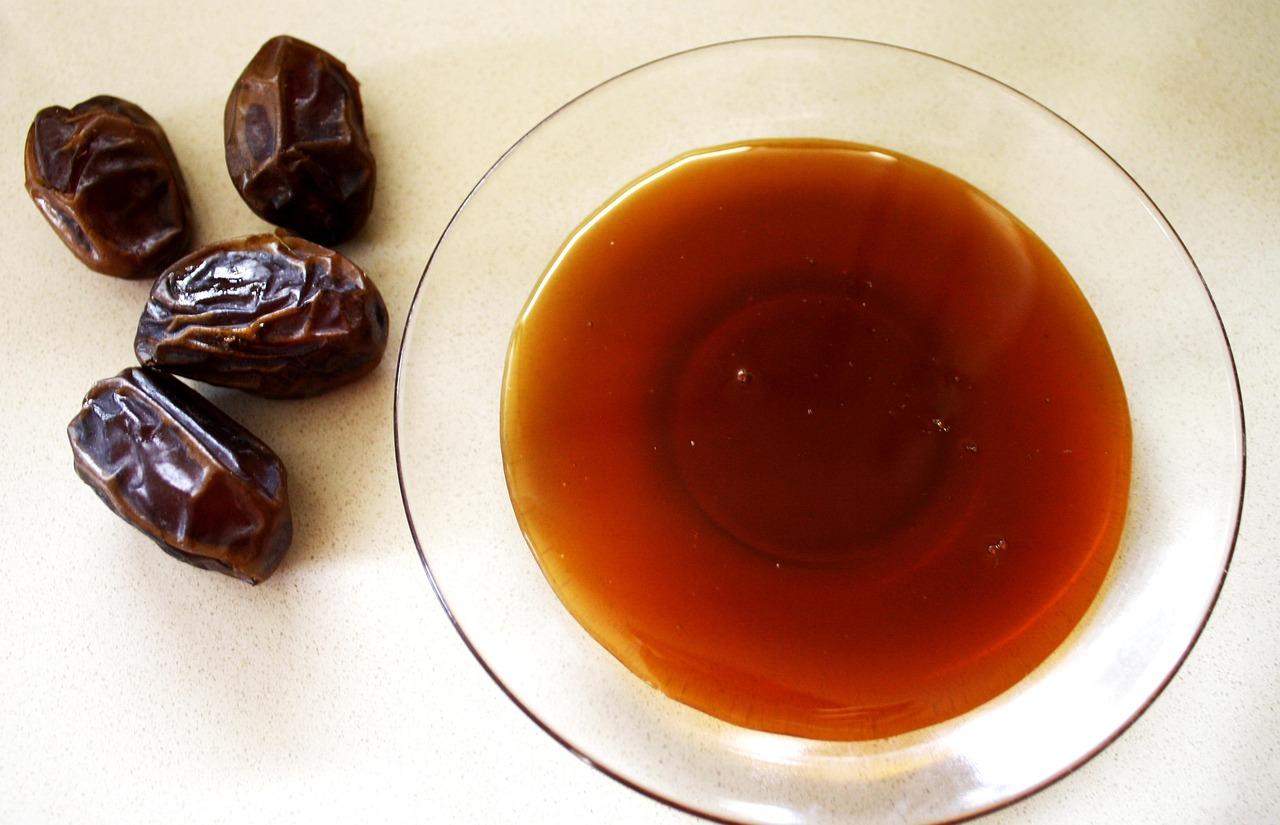
DibsDate syrup

Across the Gulf, from the date gardens of Al-Ahsa to the oases of Oman and the UAE, dibs is the dark, glossy syrup pressed and boiled from ripe dates, and it was the region's sweetener long before sugar was common. It tastes of toffee and dried fruit with a faint bitterness, and families pour it over chebab and khameer, mix it with tahini for dipping bread, and use it in sweets like luqaimat. Making it at home takes time but little effort, and a kilo of dates gives a jar that lasts for months in the fridge. The mistake is boiling the strained juice too hard at the end: it scorches and turns bitter. Chef's tip: squeeze the date pulp in the cloth when it is still warm; you get far more juice than from cold pulp.

by KrazyBadal 0 views

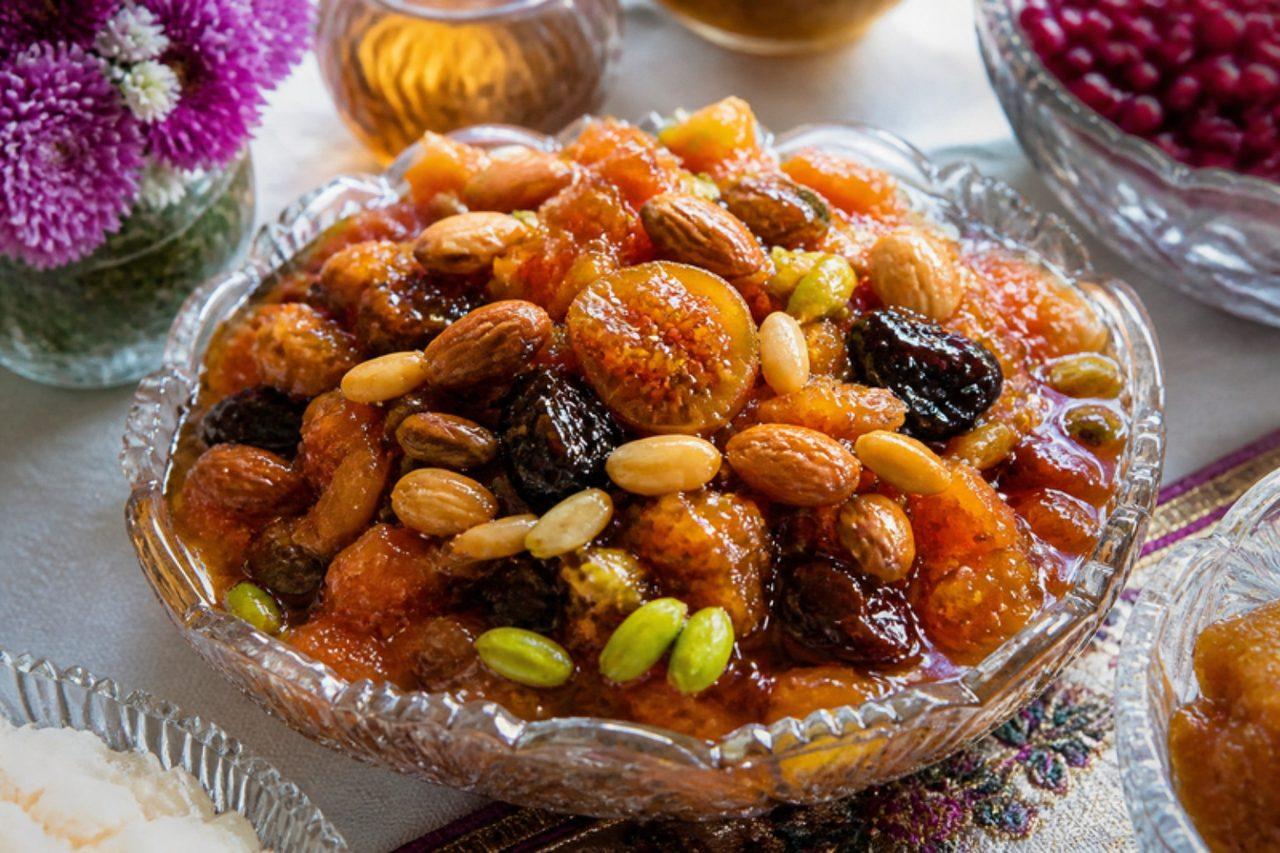
DibyazaApricot and date compote

No Eid table in Jeddah or Mecca is complete without a bowl of dibyaza, a thick, glossy compote that old Hejazi families make the night before the festival and serve at breakfast alongside cheese, olives and fresh bread. Sheets of dried apricot paste melt into a tangy orange syrup that wraps around soft dates, figs, prunes and crunchy nuts, so every spoonful is sweet, sour and jammy at once. Some households stir in fried onion for a savoury edge; this version keeps it to fruit and nuts. People often boil it hard and scorch the bottom, because apricot paste catches very easily. Keep the heat low and stir from the base. It keeps for a week in the fridge. Chef's tip: soak the apricot paste in hot water until completely soft before it goes near the heat; it then dissolves smooth instead of leaving rubbery shreds.

by KrazyBadal 0 views

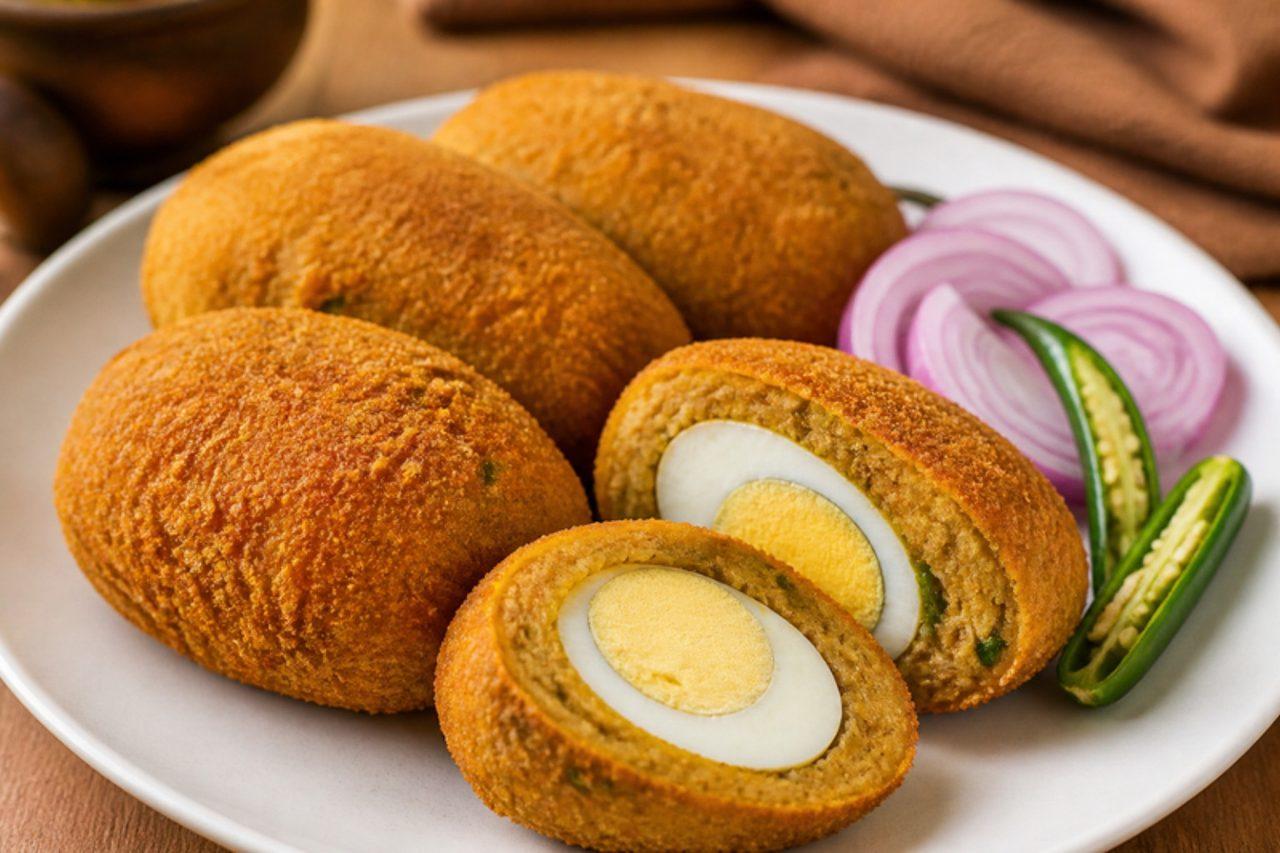
Dimer chopEgg-in-potato croquettes

Glass cabinets at Dhaka's sweet shops and snack counters, from New Market to Mirpur, always hold a row of dimer chop, oval golden-crumbed parcels that, when cut, reveal half a boiled egg nested inside a layer of spiced potato. They are bought for afternoon tea, birthday parties and school tiffin and eaten with kasundi mustard sauce, tomato ketchup and a little sliced onion and cucumber. Some versions mix minced meat into the potato; this one keeps it vegetarian, with garam masala, ginger and fried onion for depth. Soft-boiled eggs are a mistake here: they must be fully hard-boiled so the yolk is firm and the chop is safe and easy to wrap. Chef's tip: chill the crumbed chops for 15 minutes before frying so the coating stays put.

by KrazyBadal 0 views

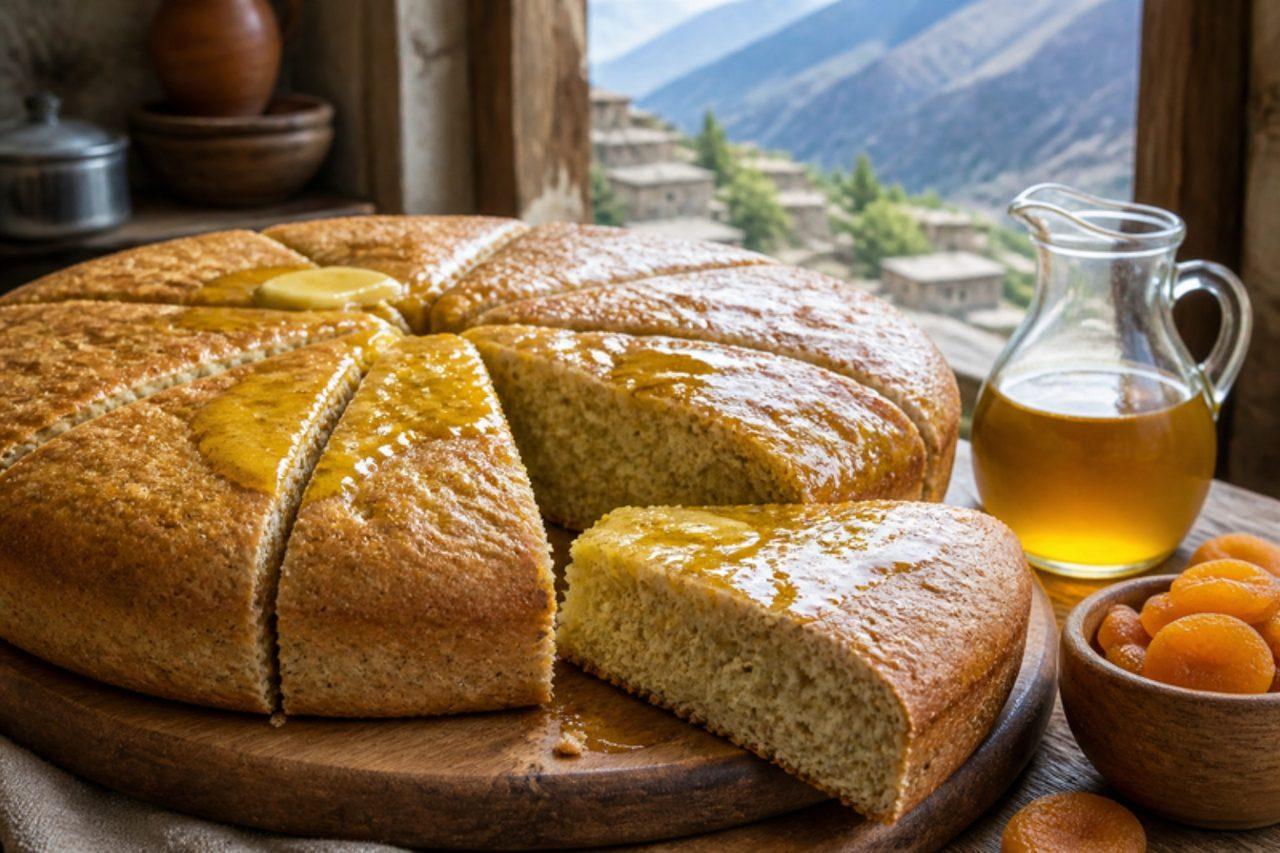
Diram fittiSprouted wheat bread with butter

High in the Hunza valley, diram is flour ground from wheat that has been soaked, sprouted and sun-dried, and it gives this thick, round bread a gentle natural sweetness and a faintly malty smell. Diram fitti is cooked slowly in a covered pan, then broken into rough pieces while still hot and drowned in melted butter and a little apricot-kernel oil, so it turns rich, soft and fragrant; in Karimabad and Altit it is made for guests, for festivals such as Ginani at harvest time and to feed someone through a hard winter. It is eaten with the hands, often with salty Hunza tea. Pale, raw centres are the common fault, so cook it slowly with the lid on. Chef's tip: sprouted wheat flour is sold in health-food shops; use only food-grade culinary apricot-kernel oil, or swap in walnut oil or more butter.

by KrazyBadal 0 views

DirkoshDried crisp injera

No Ethiopian kitchen throws injera away. Pieces that are past their best are torn up and dried in the sun, on the roof or on a tray by the fire until they snap like crackers, then kept in a sack or tin for weeks. This dirkosh is the backbone of quick meals on Wednesdays, Fridays and during the long Lent fast: a handful softened in a red onion and berbere sauce becomes fasting firfir in ten minutes, and travellers once carried it as food for the road. A low oven does the job at home in a few hours. Chef's tip: tear the injera into pieces no larger than a playing card; big sheets curl and stay leathery in the middle.

by KrazyBadal 0 views

DogramaTorn bread with lamb in broth

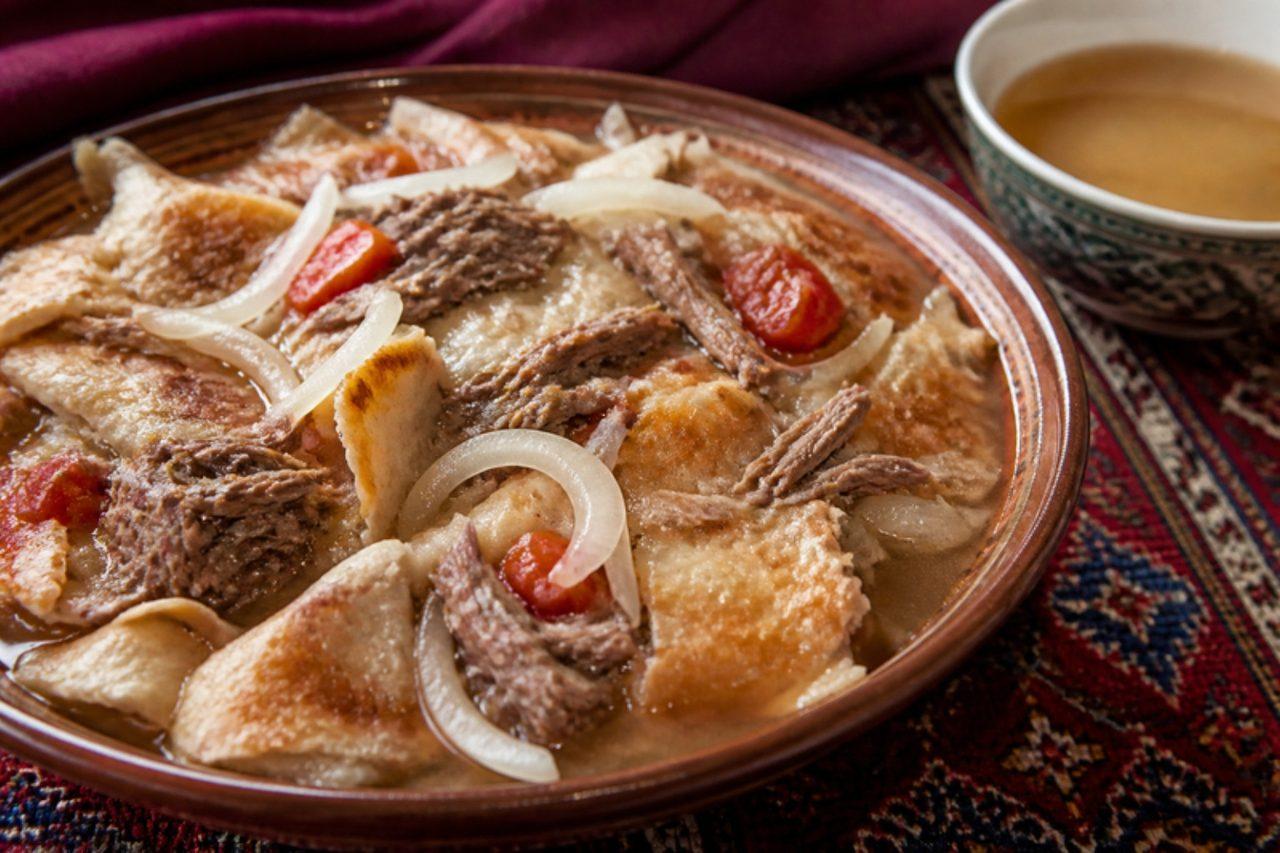
Dograma, from the Turkmen word for 'to chop', is the dish of Turkmen weddings and religious holidays, when families gather to tear fresh tamdyr bread into small pieces together. The bread is mixed with finely chopped boiled lamb or mutton, raw onion and tomato, then a rich, fatty broth is poured over and the bowl is eaten while hot. It is filling, simple and communal. A common mistake is using soft sliced bread, which turns to paste; dograma needs firm, chewy flatbread. Chef's tip: chop the meat and onion by hand very finely, and rub the onion with salt so it softens and mellows before mixing.

150 minTurkmenMeat
by KrazyBadal 0 views

Doi chiraFlattened rice with curd

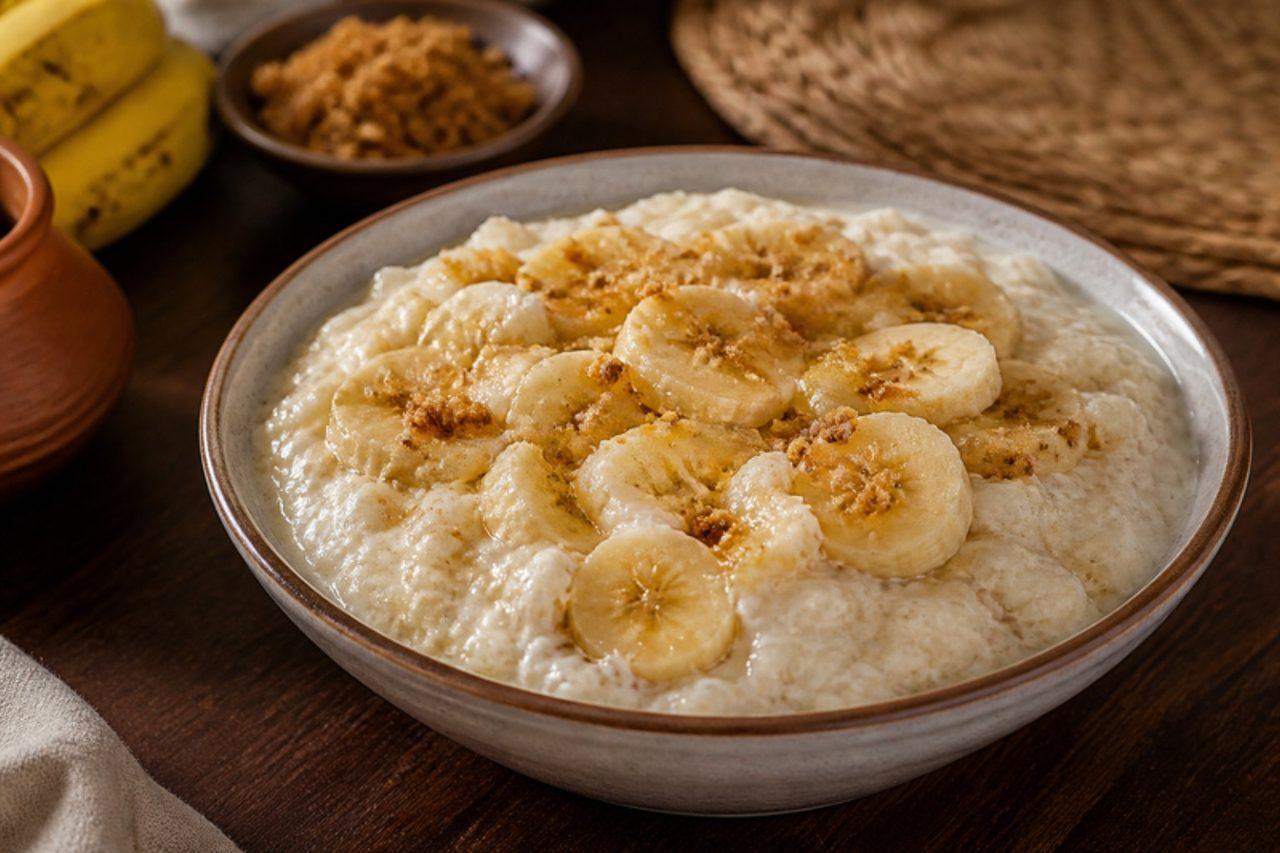
Nothing is cooked for doi chira, which is why it has been the breakfast of farmers and fishermen in Barisal for generations: flattened rice is rinsed, softened in thick, slightly sour curd and sweetened with jaggery or sugar, then mashed together with a ripe banana. The texture is soft and creamy with a little chew from the rice flakes, and the taste is cool, sweet and tangy. It is eaten on hot summer mornings, at village fairs and as part of the Pohela Boishakh spread, and it is a favourite of children and of anyone fasting who wants something gentle. The usual misstep is soaking the chira for too long, which turns it to paste; a quick rinse is all it needs before the curd does the rest. Chef's tip: use thick-cut chira, not the thin kind for frying, so the flakes hold their shape.

by KrazyBadal 2 views

Domashnia kovbasaGarlic pork sausage

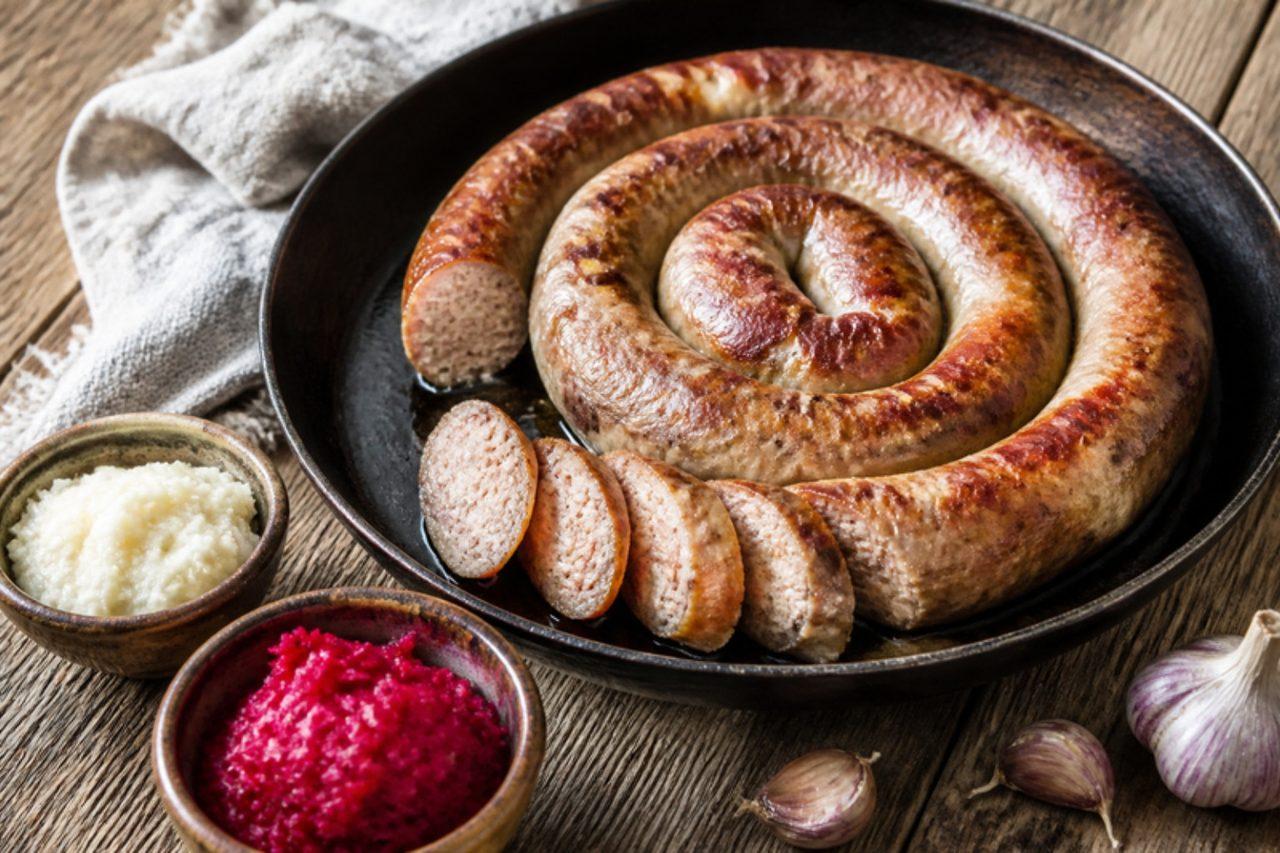
Across Galicia and the Carpathian villages, the smell of homemade pork sausage baking with garlic means Christmas or Easter is near; the coils go into the Easter basket to be blessed and come out sliced for the festive breakfast. Hand-cut pork shoulder and belly are mixed with lots of garlic, black pepper and allspice, stuffed loosely into natural casings, coiled and baked until the skin crackles and the juices run. It is juicy, coarse and garlicky, served hot with horseradish and beetroot or cold the next day. This is a fresh, cooked sausage, not a dried or cured one, so it must be cooked through and kept in the fridge. The usual mistake is stuffing the casing too tightly, so it bursts in the oven. Chef's tip: keep the meat and fat very cold while you cut and mix, ideally half-frozen; the fat stays in distinct pieces and the sausage stays juicy.

by KrazyBadal 0 views

Showing 90 of 9,592 recipes

Page 373 of 1,066