


Skip to content
Coq au vin
Featured recipe

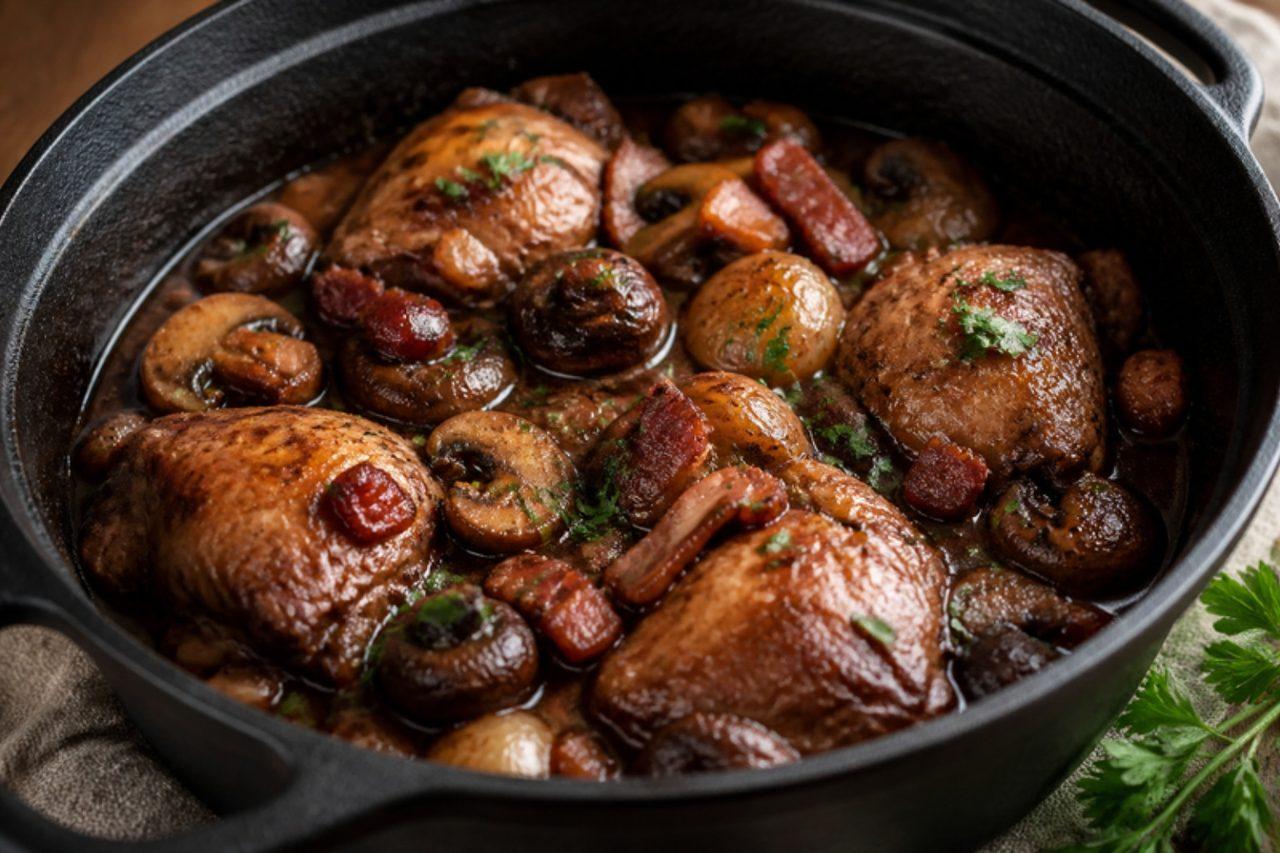
Coq au vin

Coq au vin comes from Burgundy, where farm cooks once used the local red wine to soften a tough old rooster for a long Sunday lunch. This version uses chicken thighs and legs, which stay juicy, and contains pork (smoked lardons). The wine cooks for over an hour, so most of the alcohol is driven off but not all of it; for an alcohol-free version use 500 ml chicken stock with 100 ml red grape juice and 1 tbsp red wine vinegar. Serve with buttery mashed potatoes or boiled potatoes and a crusty loaf. Chef's tip: marinate the chicken in the wine overnight in the fridge; it colours the meat deep purple and seasons it right through.

Read more 0 views

What to eat today?

Around the world

Today's trip: Persian

A new country every day, from every cuisine on the site.

Persian

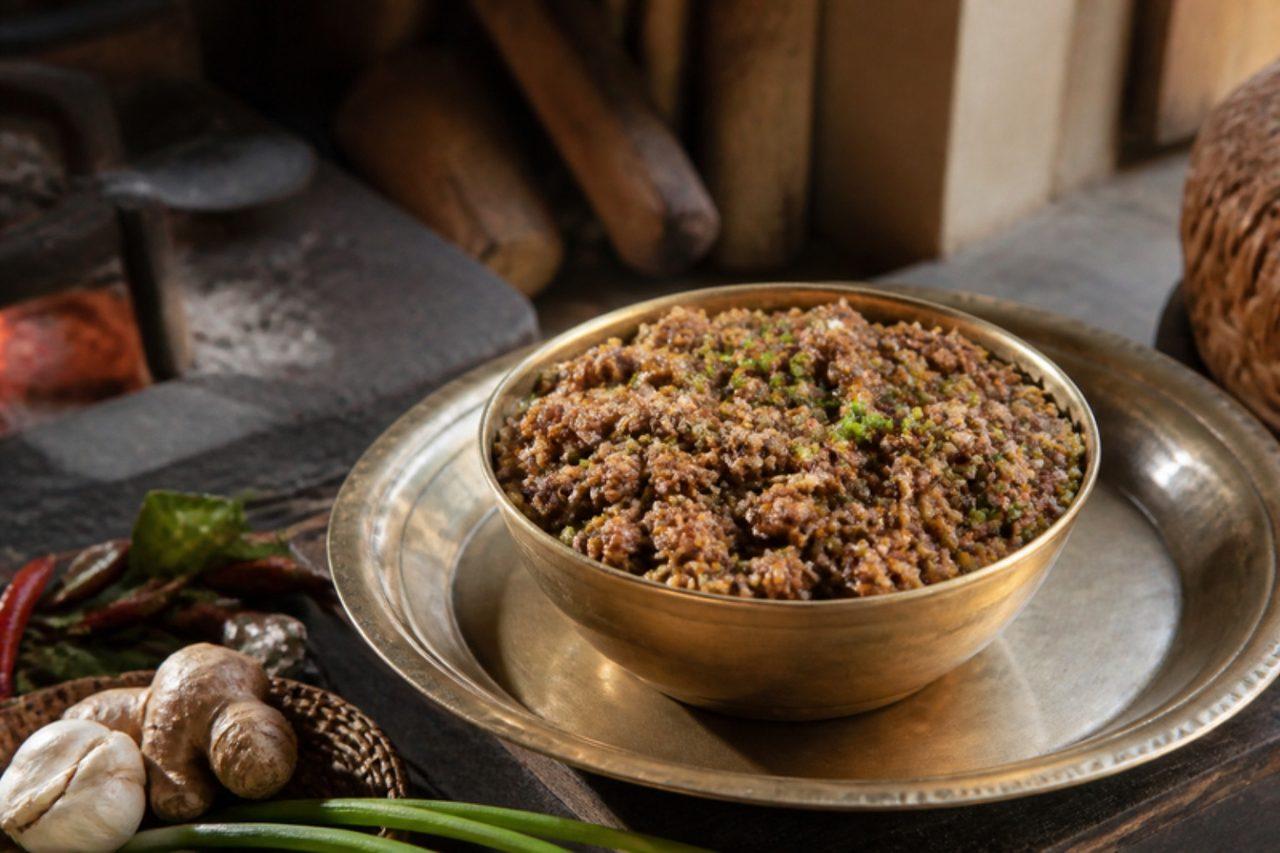
Homemade kashk

Fermented yogurt whey 90 minMore from Persian (131) →

This week's collection

Kid-friendly dinners
541 recipes · a new collection every Monday

Latest recipes

ZardaSweet saffron rice

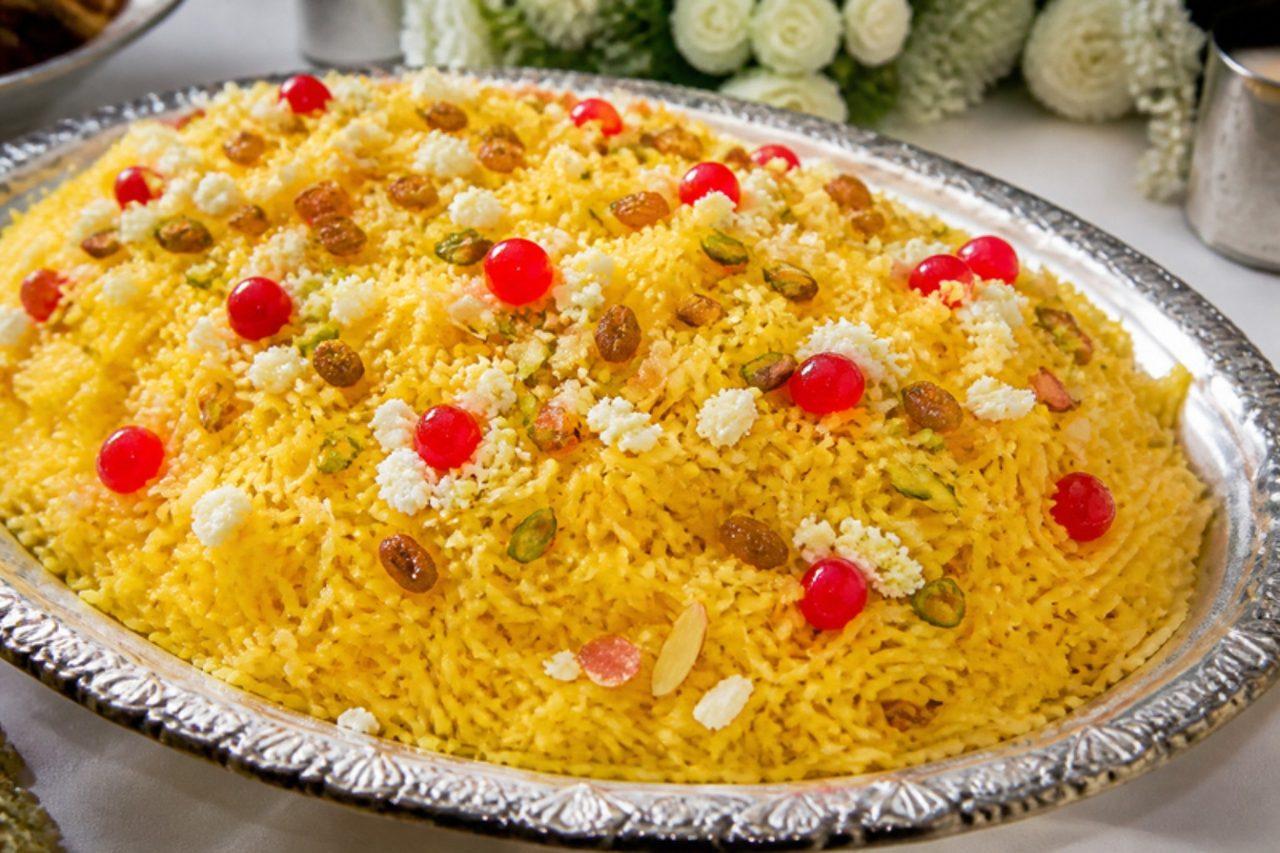
Its name comes from the Persian word for yellow, and at a Pakistani shaadi the great degh of zarda arrives after the biryani and korma, glowing gold and fragrant with cardamom, cloves and kewra. The grains should be long, separate and glossy with ghee, sweet but not syrupy, studded with almonds, pistachios, plump raisins and often a few cubes of crumbled khoya or glacé cherries. Families also cook a smaller pot for Eid, for a new baby or to send round to neighbours on a happy day, and it is eaten warm or at room temperature on its own. The classic error is boiling the rice all the way before adding the sugar; the sugar then melts into syrup and the over-soft grains break into mush. Chef's tip: boil the rice only until it is two-thirds cooked with a firm centre, because it finishes cooking in the sugar's own moisture during the dum.

by KrazyBadal 0 views

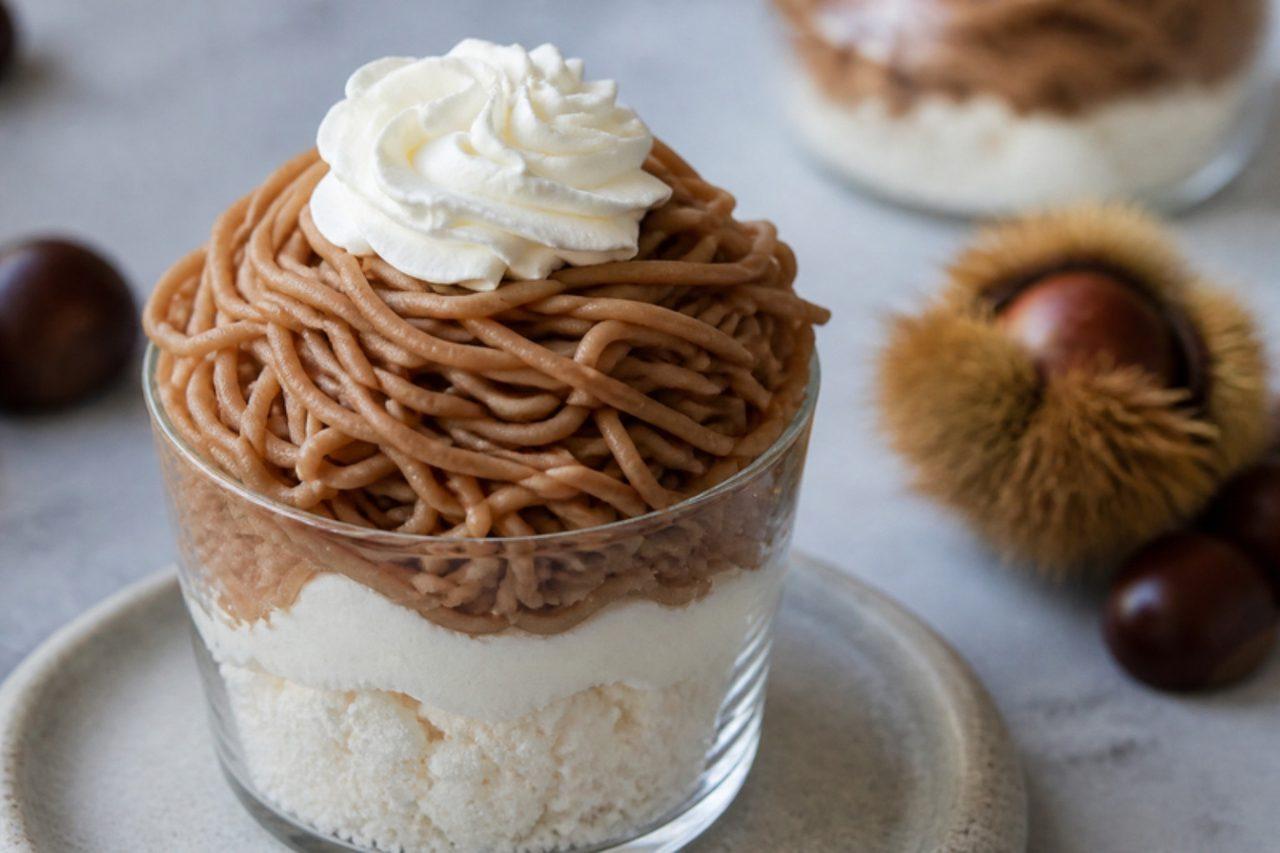
VermicellesChestnut purée with cream and meringue

Every autumn, Swiss cafés and supermarkets fill with vermicelles: sweetened chestnut purée pressed through a ricer into long brown strands like spaghetti, piled over whipped cream and crisp meringue. Chestnuts grow in the valleys of Ticino and Valais, and the dessert is so loved that it appears as cakes, tartlets and even ice cream from September to December. A common mistake is a purée that is too soft, which collapses instead of holding strands. Chef's tip: chill the purée well before pressing it, and use a potato ricer or a piping bag with a multi-hole 'vermicelles' nozzle.

by KrazyBadal 0 views

VětrníkCaramel cream choux bun

Ask anyone in Prague about the old-fashioned cukrárna and they will mention větrník, the "windmill": a big, puffed choux bun split and filled with two creams, a caramel one below and a light vanilla one above, under a shiny caramel icing. It is the cake people order with coffee on a Sunday afternoon, or buy in a paper box for a name day. Crisp shell, soft clouds of cream and a deep, buttery caramel flavour make it rich but not heavy. The usual slip is pulling the choux out too soon: it must be dark golden and feel light and dry, or it collapses as it cools. Both creams start from one custard, cooked until it bubbles so the eggs are fully set. Chef's tip: make the custard and caramel the day before; on the day you only bake and fill.

by KrazyBadal 0 views

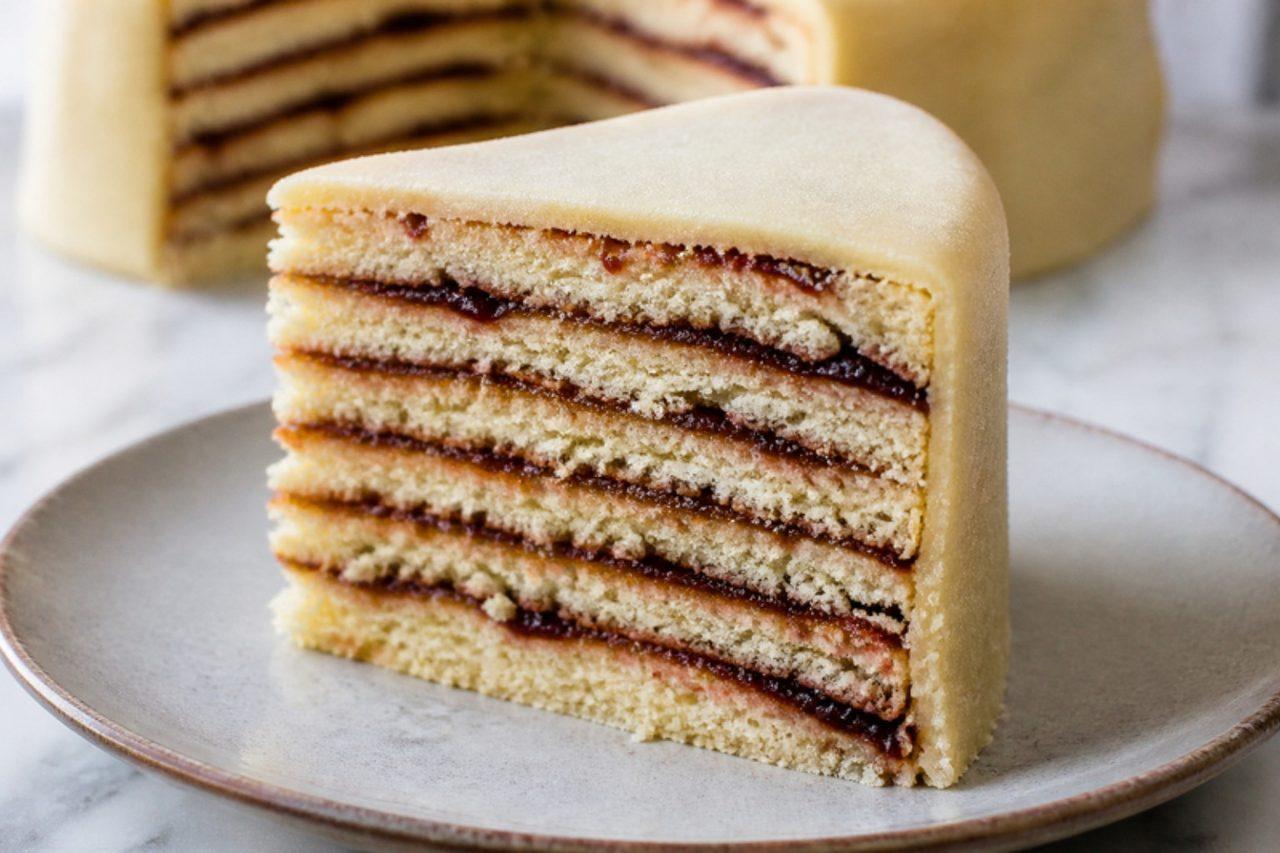
VínartertaLayered cardamom prune cake

Vínarterta, 'Vienna cake', is the Icelandic Christmas cake: six or seven thin layers of cardamom-scented biscuit dough sandwiched with thick prune jam spiced with cinnamon and cardamom, then left to mature for a few days before slicing into narrow strips. It is still baked by Icelandic families in Reykjavík and by the descendants of Icelanders in Manitoba, where it became a symbol of home. A common mistake is slicing it the same day; the layers are crisp until the jam softens them. Chef's tip: wrap it and leave it for 3 days in a cool place, so the biscuit softens into a fine cake.

by KrazyBadal 0 views

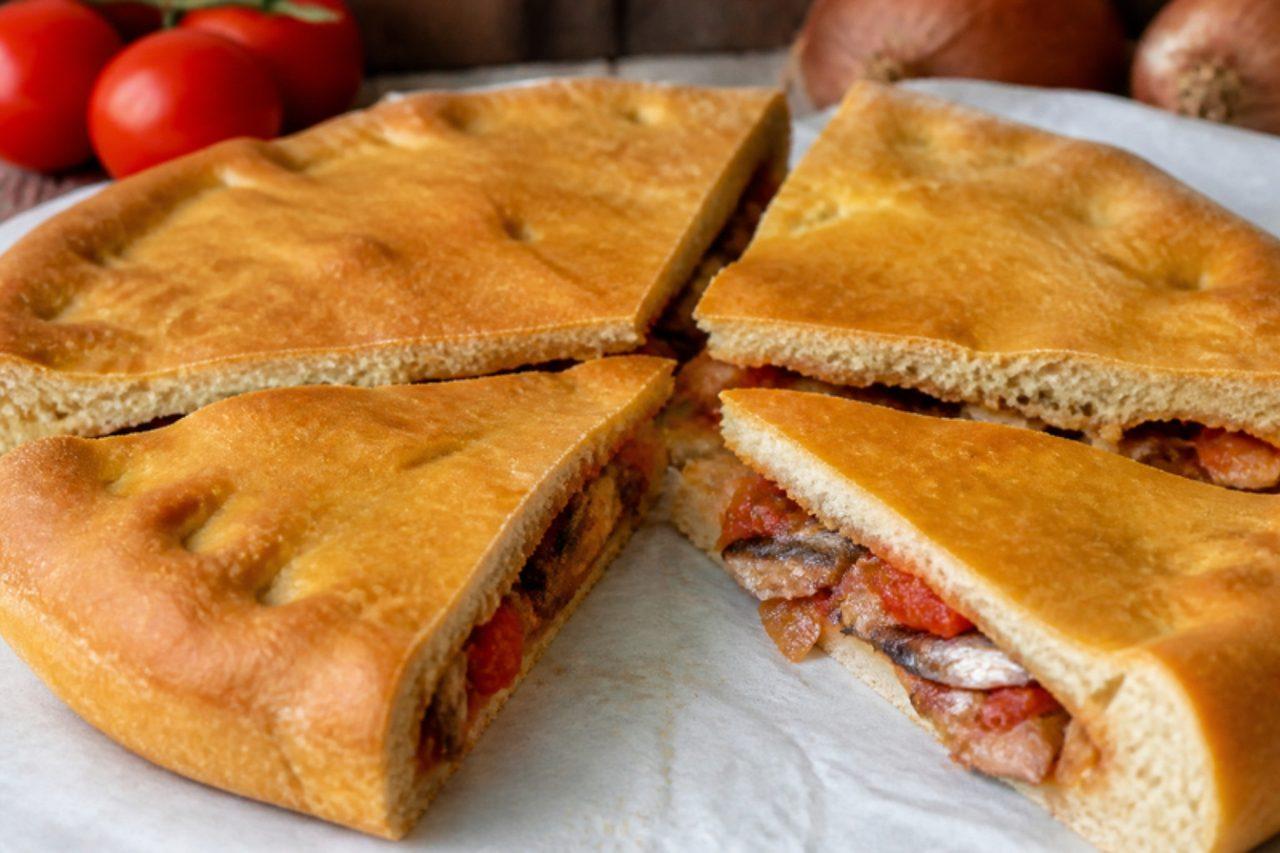
Viška pogačaAnchovy and onion bread pie

Vis, the most far-flung inhabited island of Croatia, has a fishing town, Komiža, that gave the world this pie: two thin layers of olive-oil bread dough wrapped around onions stewed until jammy with tomato, and fillets of salted anchovy or sardine. Fishermen took wedges of it to sea, and it still turns up at island festivals and in bakeries, eaten warm or at room temperature with a tomato salad. The salted fish is bought ready-cured from a good fishmonger and is baked inside the pie until piping hot. Where most people go wrong is a wet filling: the onions and tomato must cook down until thick and jammy, or the bottom crust goes soggy. Keep leftovers in the fridge and eat within 2 days. Chef's tip: soak the salted fillets in cold water for 15 minutes to take the harsh edge off the salt, and don't add any more salt to the filling.

120 minBalkanFish
by KrazyBadal 0 views

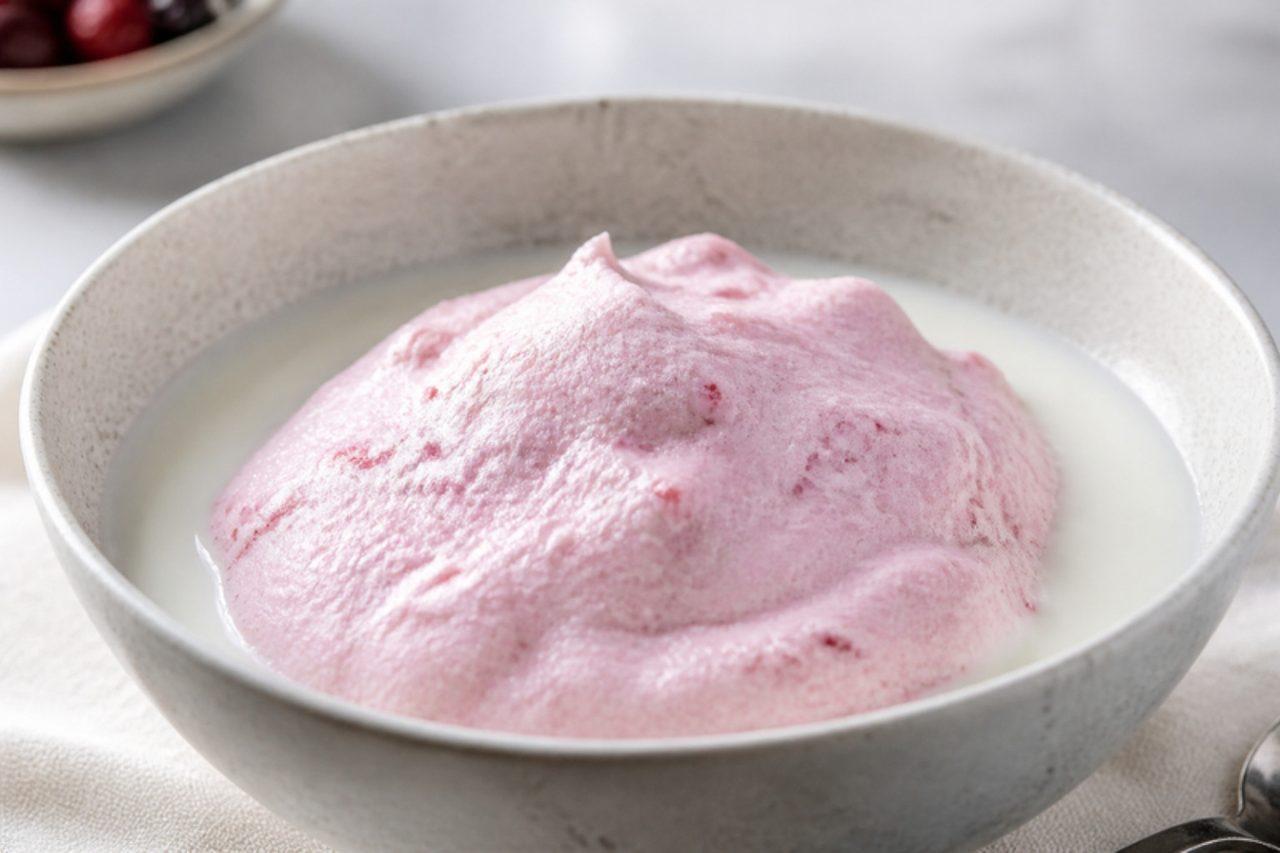
VispipuuroWhipped lingonberry semolina

Vispipuuro, 'whisked porridge', is a Finnish childhood favourite: semolina cooked in lingonberry juice and water with sugar, then cooled and whisked hard until it turns pale pink, light and fluffy like a mousse. It is eaten for breakfast, as a dessert at school, or as a snack, with cold milk poured around it. Cranberries or redcurrants work too. A common mistake is whisking it while still hot, which never lightens it. Chef's tip: cool the porridge in a sink of cold water, then whisk with an electric mixer for 10 minutes; it will double in volume. Serve with oat milk to keep it vegan.

by KrazyBadal 0 views

WachipaChicken and toasted rice

Among the Rai people of Khotang, Bhojpur and the eastern hills, wachipa is a dish of honour, cooked at Sakela and other festivals and for a returning family member: rice cooked together with finely chopped chicken, bones and all, and darkened with the ash of the bird's own feathers, which have been singed and ground. The ash gives a grey-black colour and a smoky, bitter edge that Rai elders say is the soul of the dish. Feather ash is not something we can recommend at home: shop-bought birds come without feathers, and burnt feathers are hard to make clean, gritty and not food-safe. This version gets a close smoky, toasty bitterness from rice that is dry-roasted until dark brown and ground, plus charred chicken skin. A common mistake is making it too wet; wachipa should be a sticky, moist rice, not a porridge. Chef's tip: chop the chicken by hand rather than buying mince, for the authentic coarse, chewy texture.

by KrazyBadal 0 views

WallenbergareVeal patties

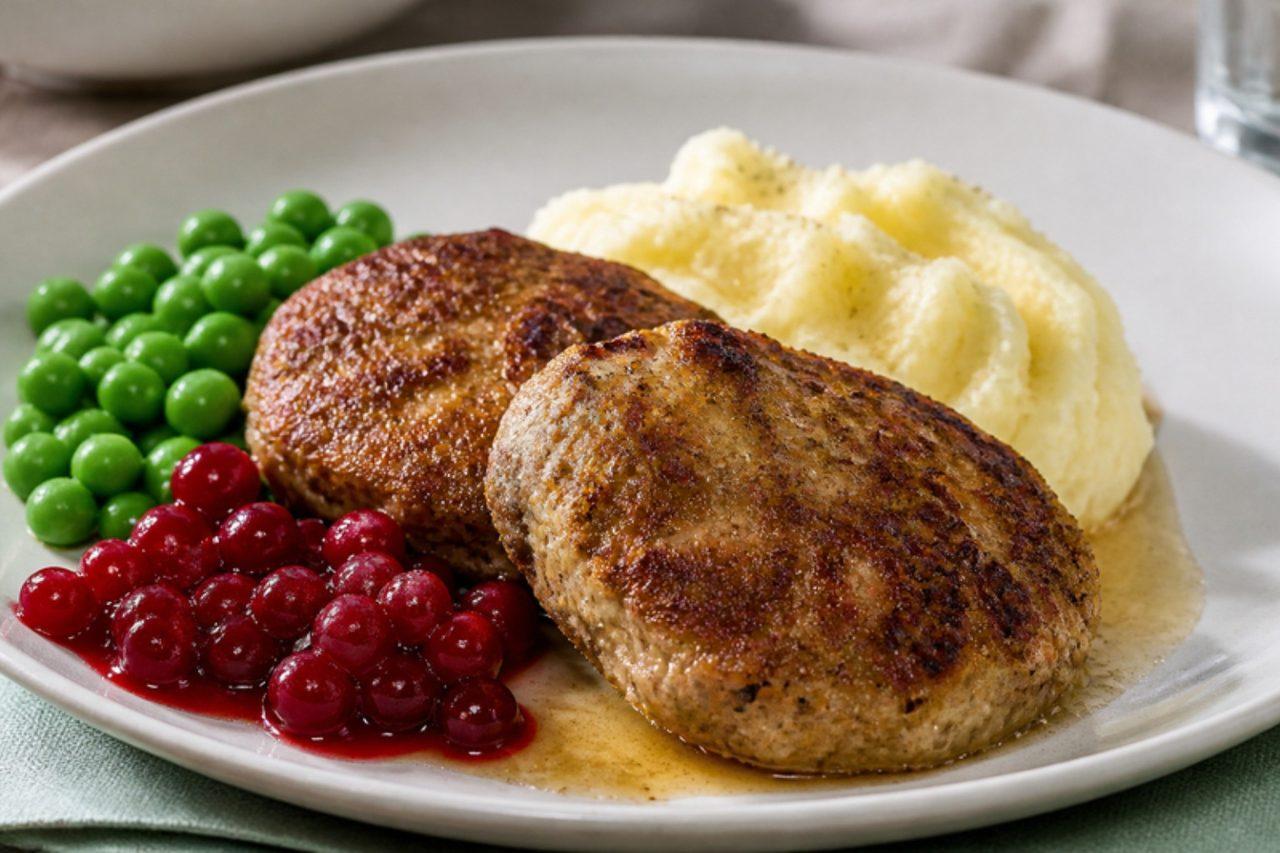
Wallenbergare are named after the Wallenberg banking family of Stockholm, and they are the city's grandest patty: finely ground veal mixed with egg yolks and cold cream into a soft, almost mousse-like paste, rolled in fresh breadcrumbs and fried gently in butter. They come with buttery mashed potato, green peas, melted butter and lingonberries, and Stockholm's old restaurants still serve them every day. A common mistake is overworking or warming the mix, which makes the patties dense and greasy. Chef's tip: keep everything ice-cold and work quickly, and fry over a medium-low heat so the crumb turns golden while the inside stays tender. Minced veal must reach 71 °C.

by KrazyBadal 0 views

Wambatu mojuFried aubergine pickle

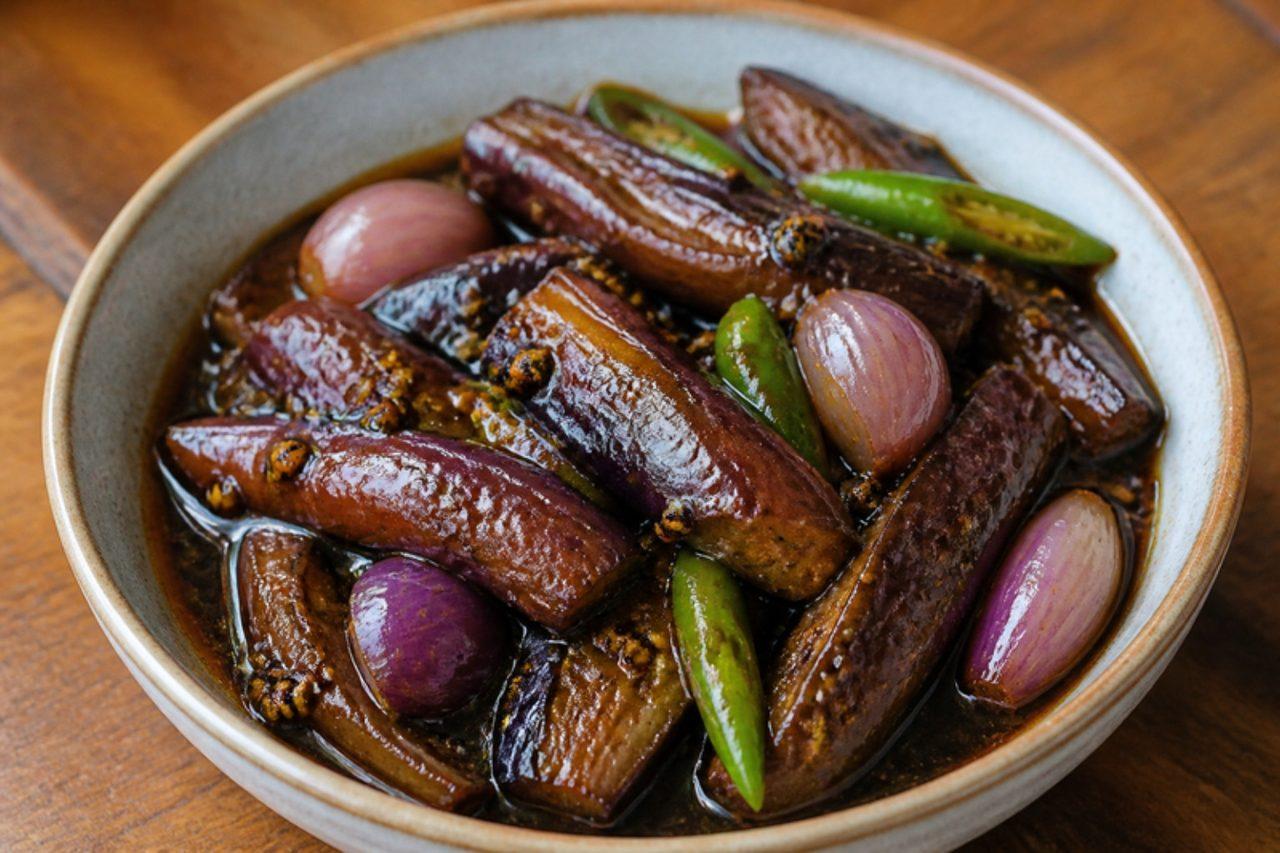
No wedding buffet or almsgiving lunch in the Colombo suburbs feels complete without a dish of wambatu moju, the dark, glossy aubergine pickle that people go back for long after the curries have run out. Strips of long purple aubergine are coloured with turmeric, fried until they shrink and turn deep gold, then tossed with whole shallots and green chillies in a hot, sweet-and-sour paste of ground mustard seed, vinegar and sugar. It is eaten in small spoonfuls with rice, and it tastes even better a day later, once the flavours have soaked in. The point that trips most cooks up is under-frying the aubergine: pale pieces soak up the vinegar like a sponge and go soggy, so fry until they are properly brown and slightly shrivelled. Chef's tip: grind the mustard seeds with some of the vinegar rather than buying ready-made mustard; the fresh paste gives the pickle its pleasant nose-tingling bite.

by KrazyBadal 0 views

WasawasaSteamed yam flour granules

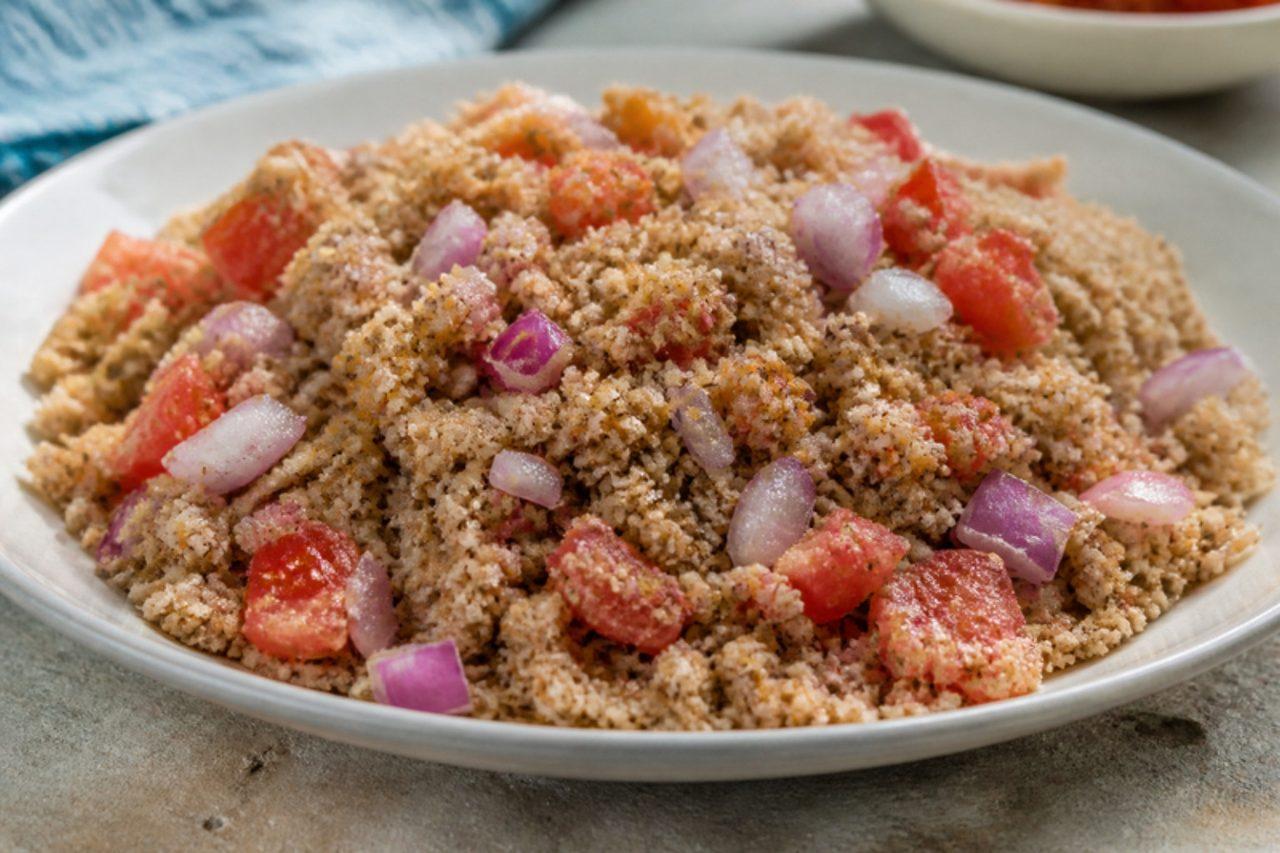
Yam is dried and milled in the Upper West Region around Wa, and wasawasa turns that dark, earthy powder into a quick staple: moistened, rubbed into small granules, steamed, then tossed with oil, ground pepper, raw onion and salt. The result is brown, chewy and savoury, rather like a rustic couscous, eaten for lunch or supper, often with a fresh tomato and pepper relish and sometimes fish. Shea butter is the traditional fat; groundnut oil is easier to find. Chef's tip: add the water slowly and stop when the powder feels like damp sand; the common mistake is making it too wet, which steams into a single solid lump.

by KrazyBadal 0 views

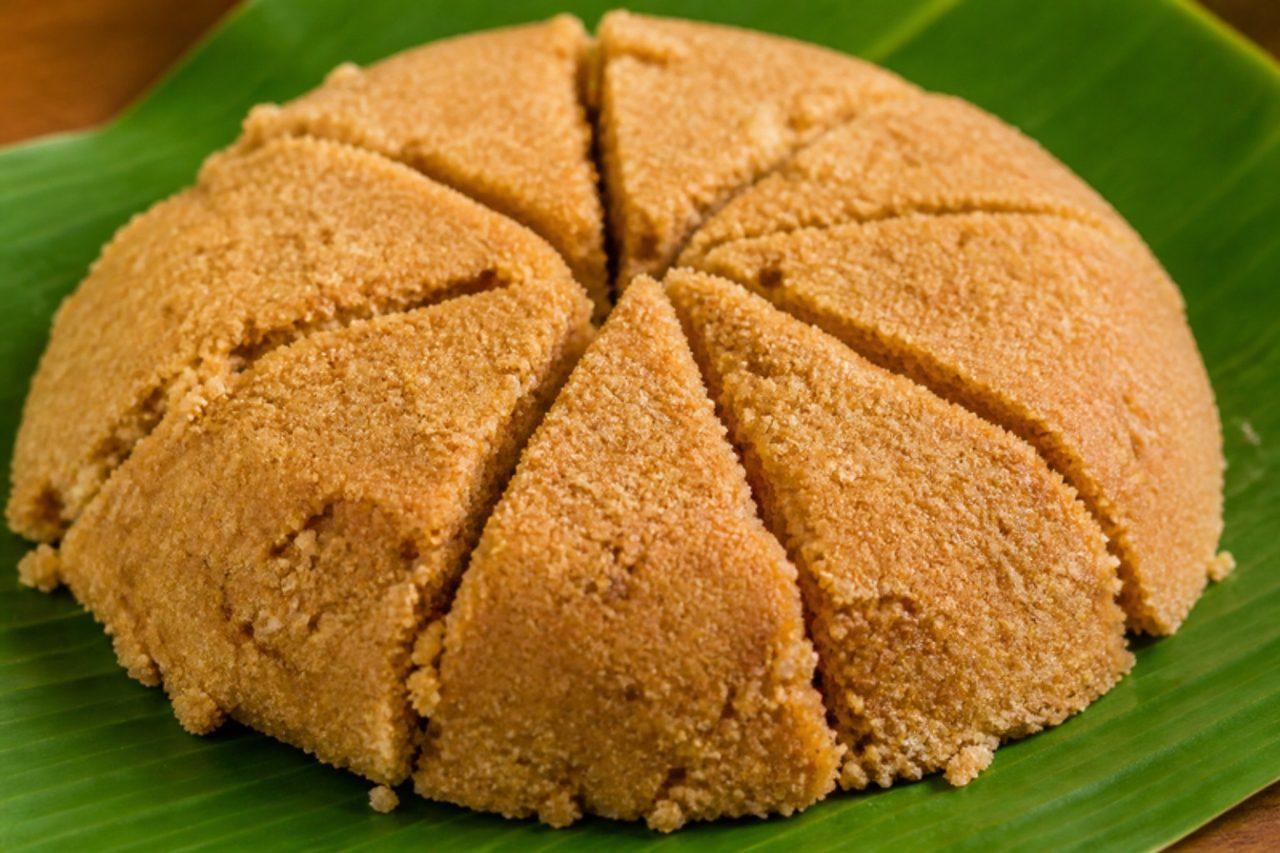
Weli thalapaRice flour and coconut sweet

Weli means sand, which perfectly describes the texture of this old-fashioned Sinhala sweet: soft, crumbly and slightly gritty on the tongue, packed with coconut and the dark, smoky sweetness of kithul jaggery. It is made in many southern and western homes for the Avurudu table and for pirith ceremonies, pressed into a tray and cut into squares or diamonds, and its simple ingredients make it a quick, frugal treat. Grated coconut is cooked in melted jaggery until it soaks up the syrup, then roasted rice flour is stirred in until the mixture clumps and leaves the pan. Overcooking at the end is a frequent slip, turning it hard and chewy instead of sandy, so take it off the heat as soon as it starts to come together. Chef's tip: roast the rice flour well in advance and let it cool; warm flour clumps and stops the sweet from getting that loose, sandy crumb.

by KrazyBadal 0 views

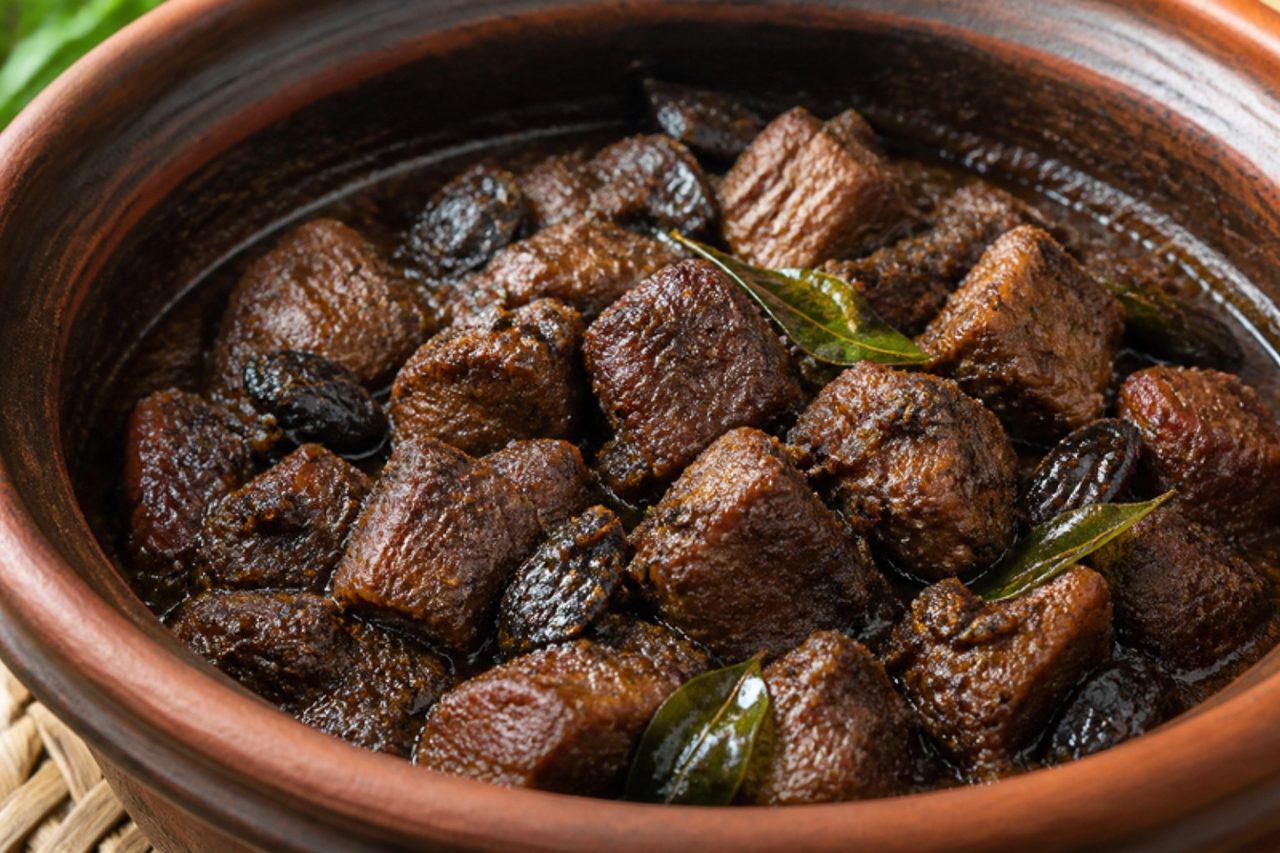
Wild boar curry (pork)Hill-country pork curry

This is a pork curry. In the villages around Kandy, Matale and the hill country, wal uru, wild boar, was once hunting-season meat, cooked over wood fires in clay pots with goraka, black pepper from the home garden and a dark roasted curry powder; today most cooks make it with pork shoulder, which works beautifully, and wild boar if you can find it from a licensed game supplier. The goraka gives a sour, slightly smoky edge that cuts through the richness of the fat, and the pepper builds a slow, warming heat rather than a sharp sting. Serve it with red rice, a pol sambol and a cooling cucumber salad. One error people make is cutting the pork too small, which dries it out during the long simmer. Chef's tip: cook it the day before; the gravy thickens and the pepper and goraka flavours deepen overnight in the fridge.

by KrazyBadal 0 views

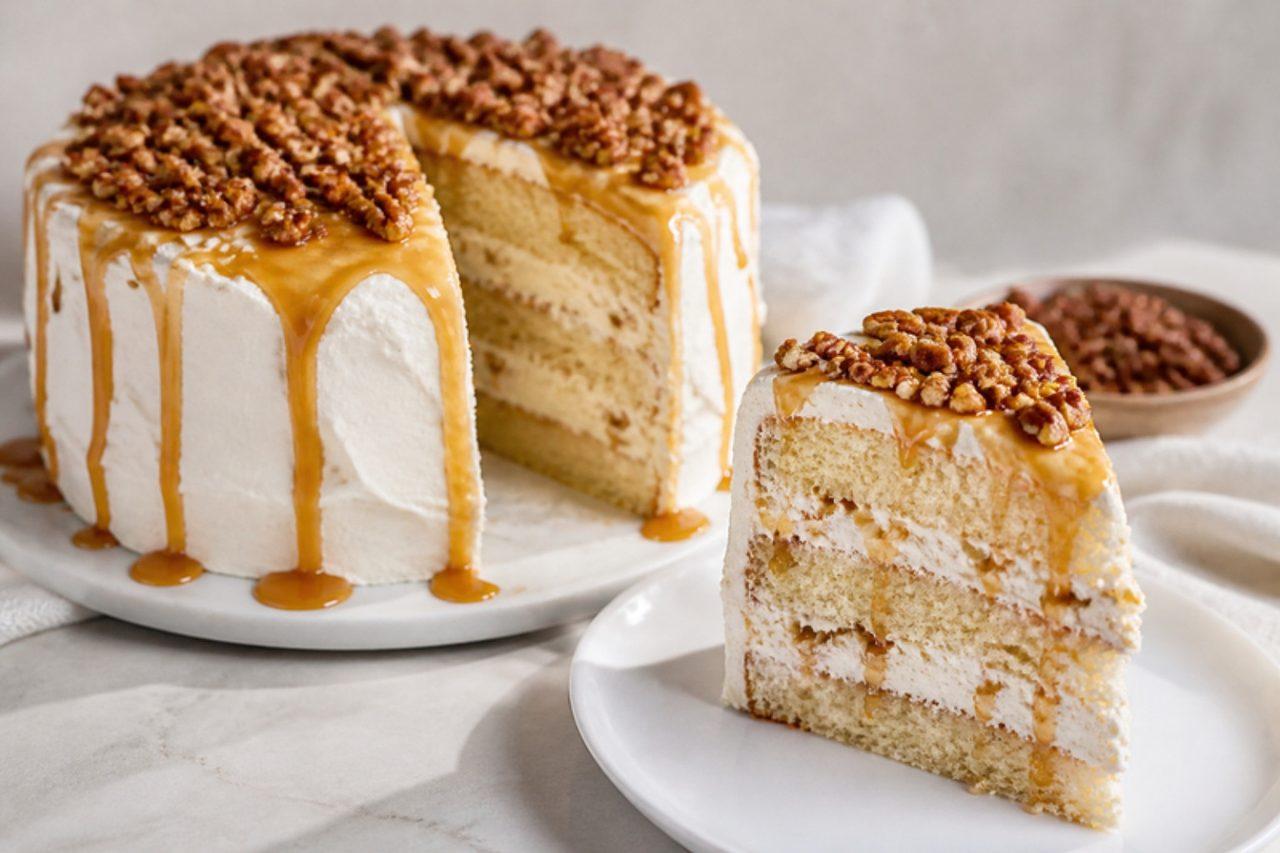
Schmoo tortePecan sponge with cream and caramel

Schmoo torte is Winnipeg's own celebration cake, served at bar mitzvahs, weddings and birthday parties in the city's Jewish community since the 1950s and now found in bakeries all over Manitoba. A light angel-style sponge made with ground pecans is split into layers, filled and covered with whipped cream, then drizzled with a warm butterscotch caramel and more nuts. It is a project but most of it can be done the day before. A common mistake is opening the oven too early; the egg-white sponge collapses. Chef's tip: cool the sponge upside down in its tin so it stays tall.

by KrazyBadal 0 views

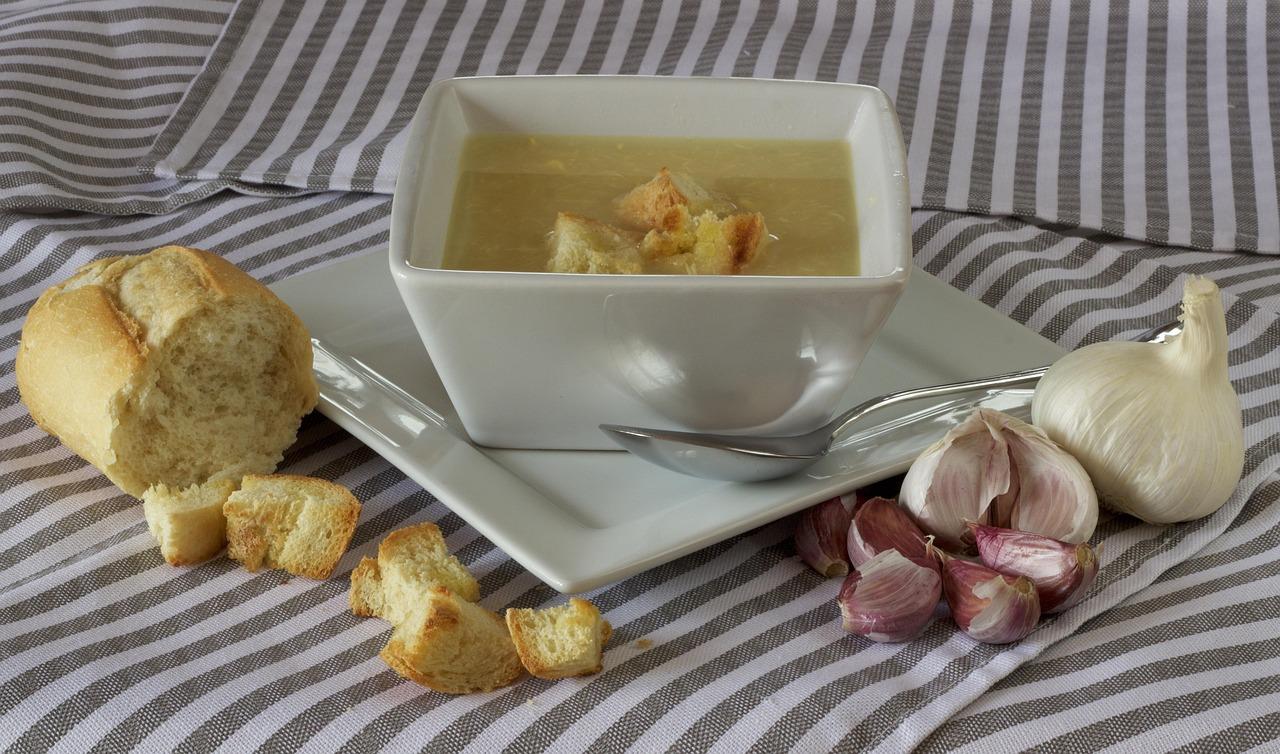
WodzionkaGarlic and rye bread soup

Miners' families in Upper Silesia made this from almost nothing: a few slices of yesterday's rye bread, a garlic clove, a knob of butter and boiling water poured straight into the bowl. Called brotzupa by some older Silesians, it still turns up in Zabrze and Ruda Śląska homes as a cheap, soothing supper, and newer versions use vegetable stock and add caraway or a fried onion. The bread softens into a rich, garlicky porridge with crisp-edged croutons on top. The usual slip is using fresh bread, which turns to slime; it has to be properly dry. Chef's tip: toast the cubes in butter first for a nuttier flavour and a little crunch.

by KrazyBadal 0 views

WuzetkaChocolate sponge with plum jam cream

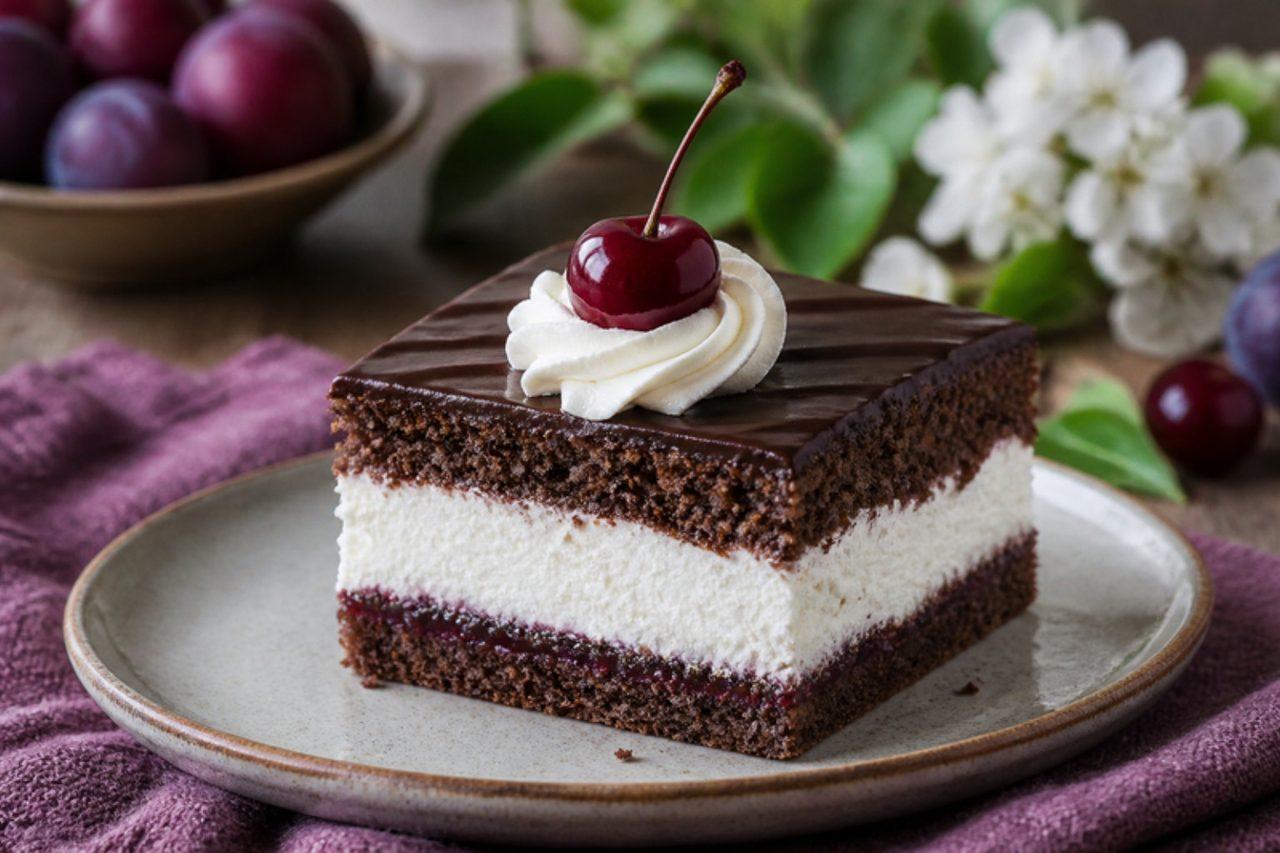
Warsaw's own cake took its name from the W-Z route, the east–west road rebuilt through the ruined city in 1949, and the cake shop beside it that sold the first slices. It is still the cream cake of the capital's patisseries: two dark cocoa sponges, a tart layer of plum jam, a thick band of whipped cream and a shiny chocolate glaze, topped with a swirl of cream. A common mistake is assembling while the sponge is warm, so the cream slumps and slides. Chef's tip: brush the sponge with a little cooled tea before adding the jam so the slices stay moist.

by KrazyBadal 0 views

KhingalPasta squares with lamb mince

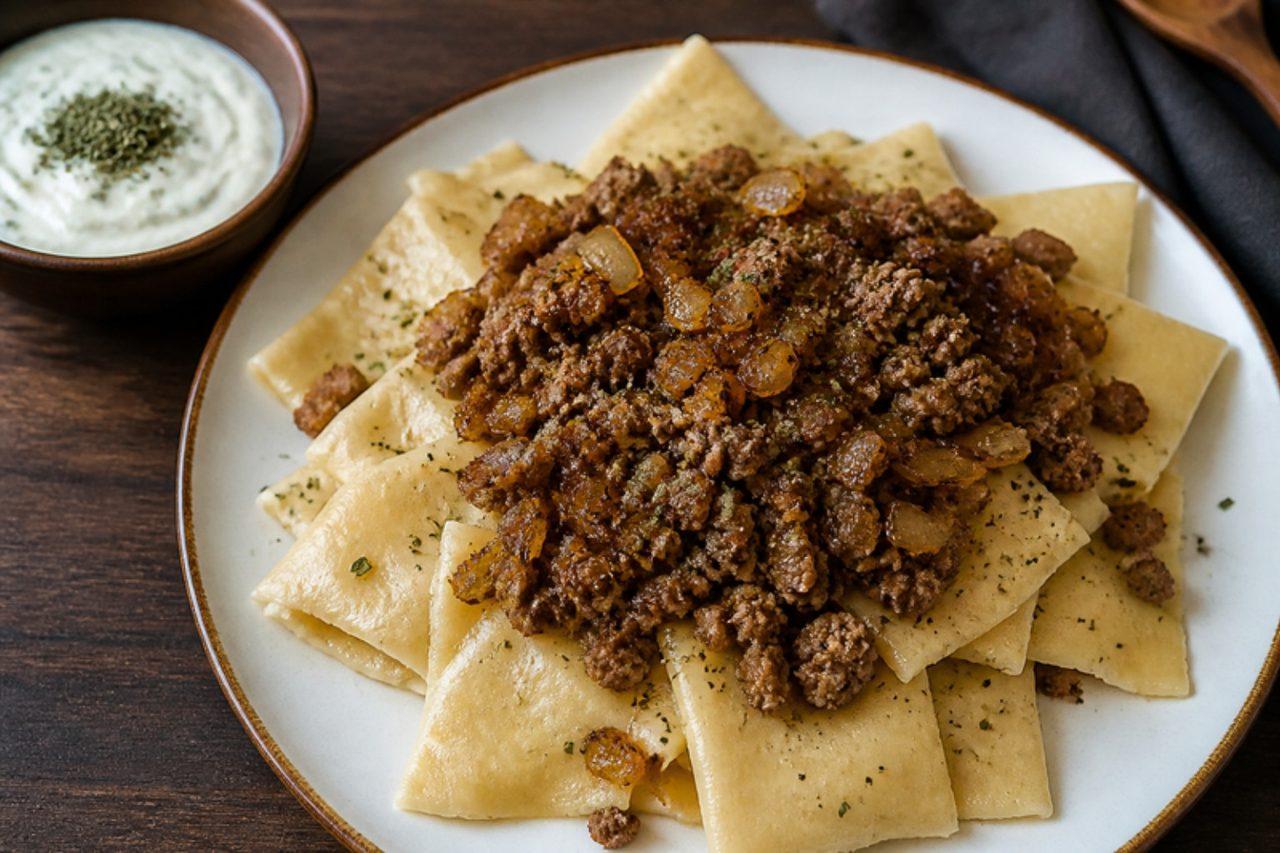
Khingal is Baku comfort food: squares or diamonds of thin homemade pasta boiled and layered with lamb mince fried with plenty of onion, then topped with garlicky yogurt and a sprinkle of sumac or dried mint. It is the dish Absheron grandmothers make for a crowd, rolling the dough on the big kitchen table. A common mistake is draining the pasta until dry; a little cooking water keeps the layers loose and silky. Chef's tip: fry the onion until deep brown before the mince goes in; that sweet, almost caramelised onion is what makes Baku khingal. Mince must reach 71 °C.

by KrazyBadal 0 views

YakeyakeSteamed grated cassava

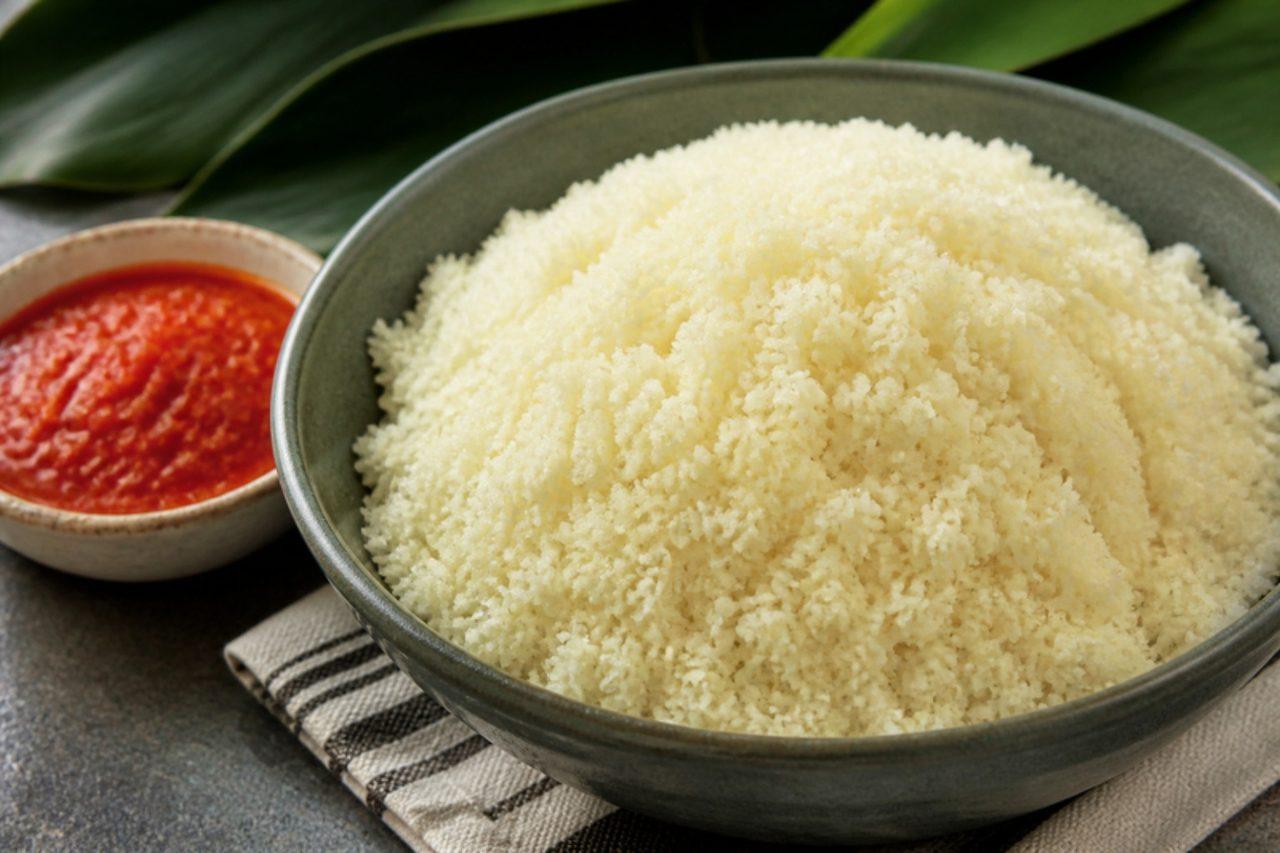
Yakeyake comes from the Volta Region, where grated cassava is pressed dry, broken into crumbs and steamed until it turns into a light, slightly chewy grain that looks like coarse couscous. It is pleasantly neutral, a little sweet, and in Ewe homes it is often eaten with fried fish and a hot tomato and pepper sauce; for a meat-free plate, serve it with that same pepper sauce, sliced avocado and fried ripe plantain. Fresh cassava must be cooked thoroughly and never eaten raw. Chef's tip: squeeze the grated cassava in a cloth until no more liquid comes out; wet cassava is the common mistake and steams into a gummy paste instead of separate crumbs.

by KrazyBadal 0 views

Yakhni pulaoMutton stock pulao

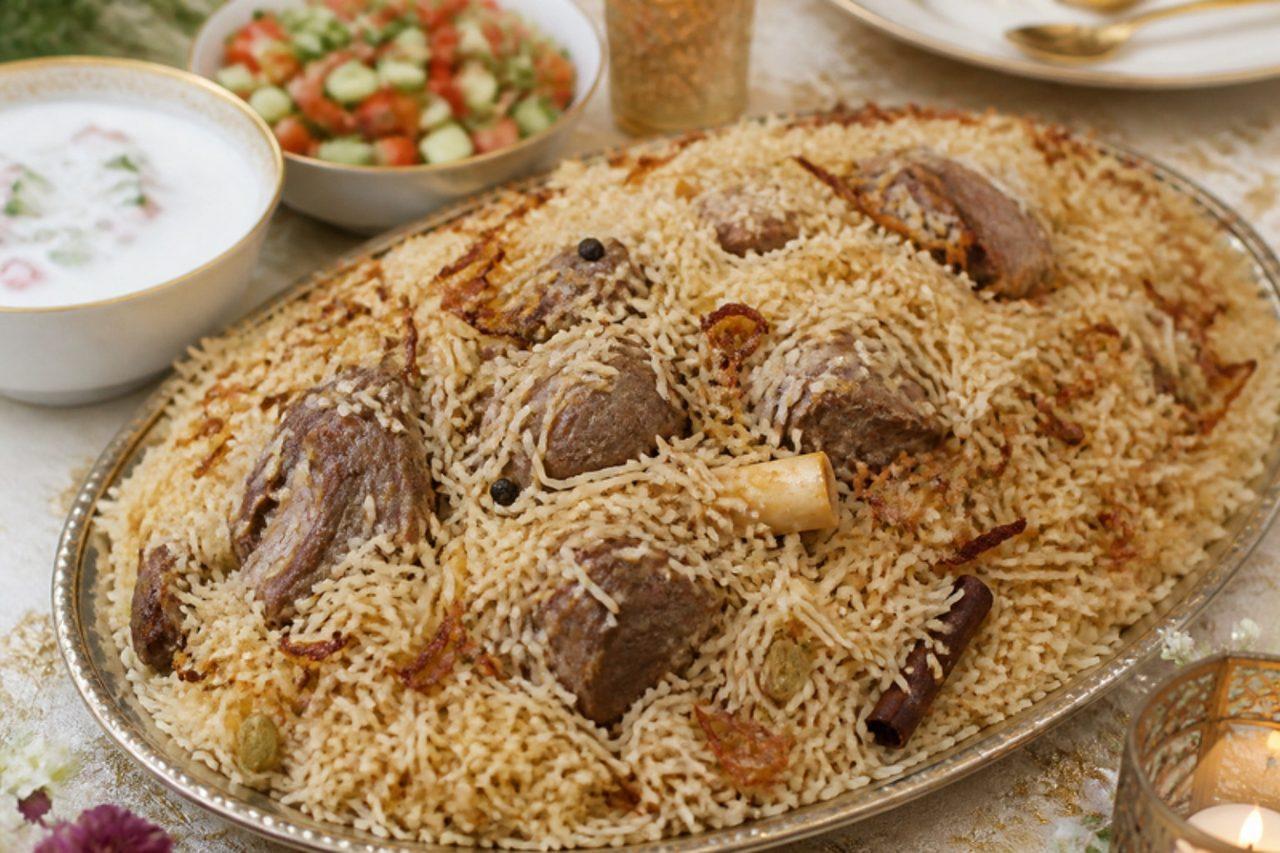
Where biryani shouts, yakhni pulao murmurs: basmati rice cooked in a clear, aromatic mutton stock (the yakhni) with fennel, coriander seed, garlic and whole spices, so every grain is light brown, separate and scented, with tender pieces of meat folded through. Many Pakistani families, especially in Peshawar, Rawalpindi and Karachi's older neighbourhoods, prefer it to biryani for Eid lunch and wedding dinners, and it comes with raita, kachumber salad and sometimes a shami kebab on the side. Its depth comes only from the stock, so that part cannot be rushed. Getting the liquid ratio wrong is what spoils it most often; measure the strained stock exactly rather than pouring it in by eye. Chef's tip: tie the fennel and coriander seeds in a muslin bag for the stock, so you can lift them out and keep the rice clean.

by KrazyBadal 0 views

MasoubMashed bread and banana with honey

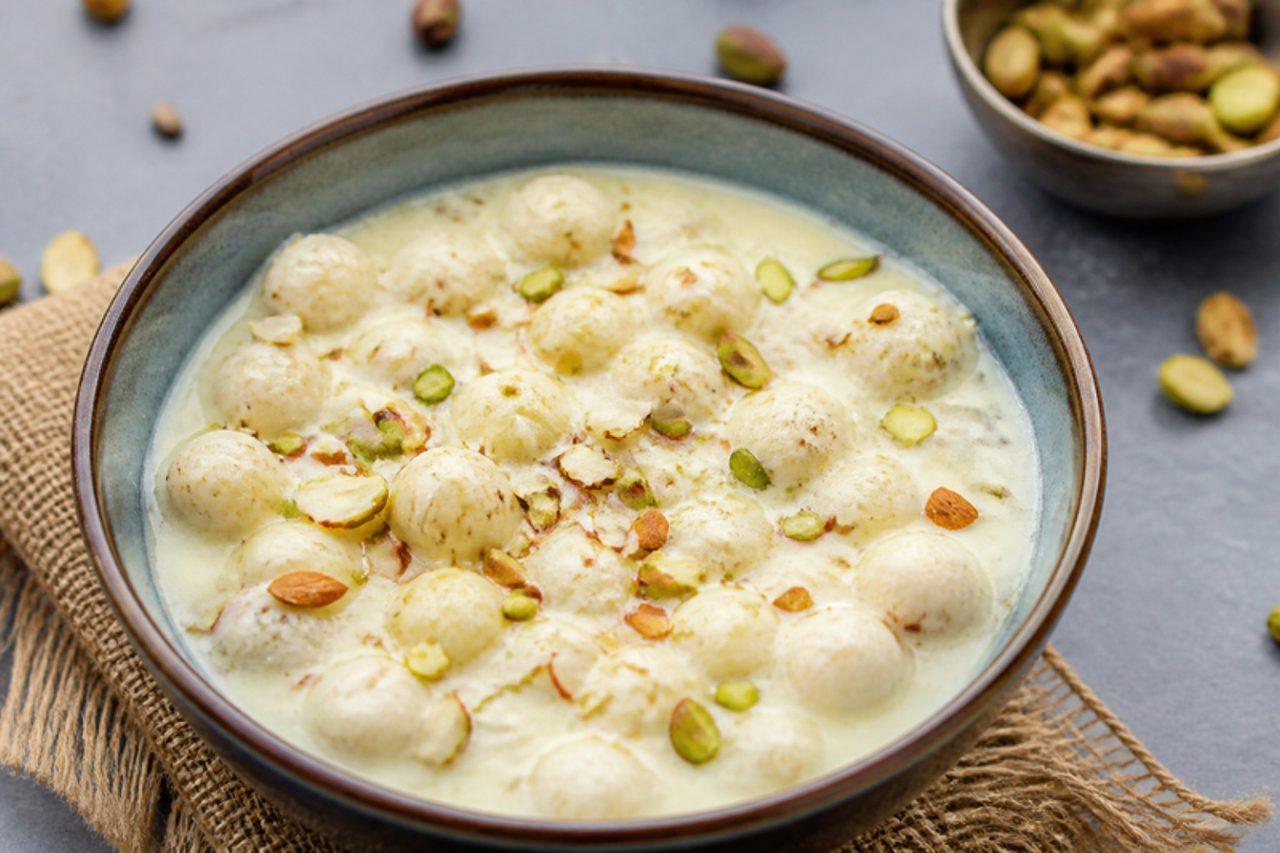
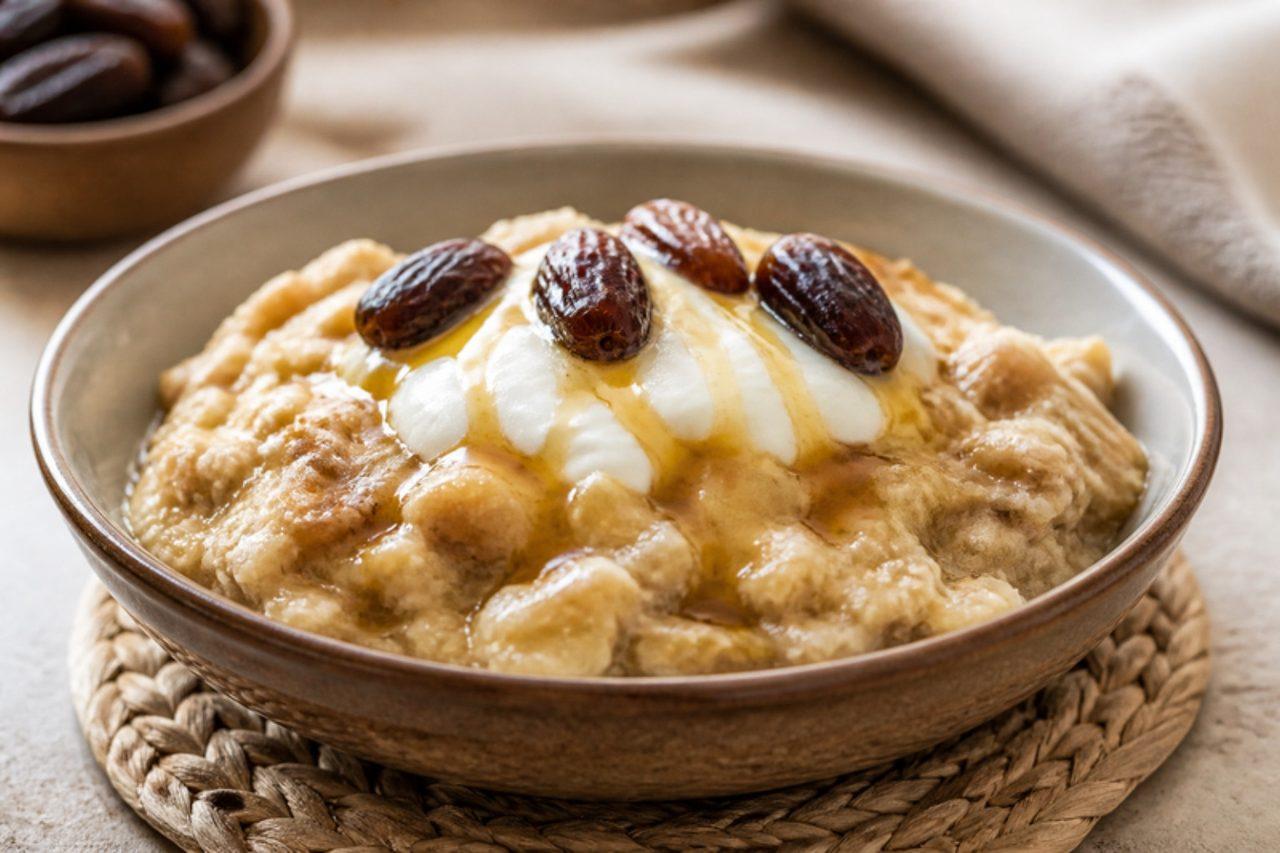
Masoub is a rich breakfast from Aden and the Tihama coast of Yemen, now just as loved in Saudi Arabia, where it is served in cafés on Friday mornings in big bowls. Torn flatbread is mashed with ripe bananas and ghee into a warm, sweet, slightly chewy pudding, then topped with thick cream, honey and sometimes dates or cheese. It is soft, sticky and very filling, a good use for bread that is a day old. The usual mistake is using bananas that are not ripe enough: they need brown-freckled skins to mash smoothly and give sweetness without much honey. Chef's tip: toast the bread pieces in the dry pan first until they are crisp at the edges; they take up the ghee better and give the mash a nutty taste.

by KrazyBadal 0 views

YangbenTree lichen curry

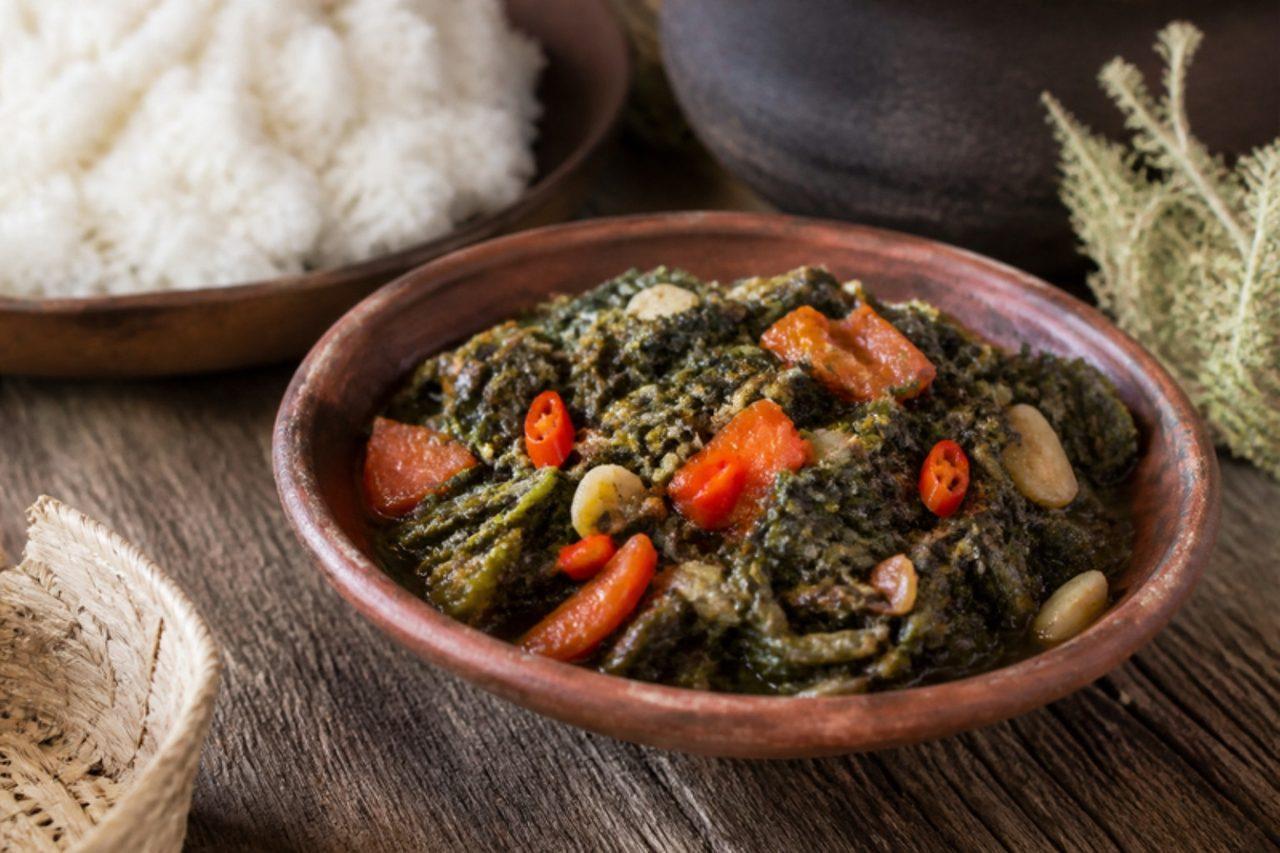
High in the forests of Taplejung, Panchthar and Ilam, Limbu families gather yangben, a pale grey-green lichen that grows on oak and rhododendron trunks, dry it in the sun and keep it for winter, when it becomes one of the most prized dishes of Limbu cooking. It is cleaned, soaked and boiled to remove its bitterness, then fried with mustard oil, onion, tomato, garlic, ginger and chilli, and finished with timur; at feasts it is very often cooked with fatty pork, which soaks up the flavour, but this meat-free version is common too. The texture is springy and chewy, the flavour earthy and smoky, and it is eaten with rice or millet dhido. Outside eastern Nepal yangben is hard to buy, so for a stand-in use dried wood-ear mushrooms, which give a similar bite. The most common fault is not washing the lichen enough, which leaves grit and bitterness. Chef's tip: boil the lichen twice in fresh water and rinse it until the water runs clear.

by KrazyBadal 0 views

Dominican yaniquequesFried dough discs

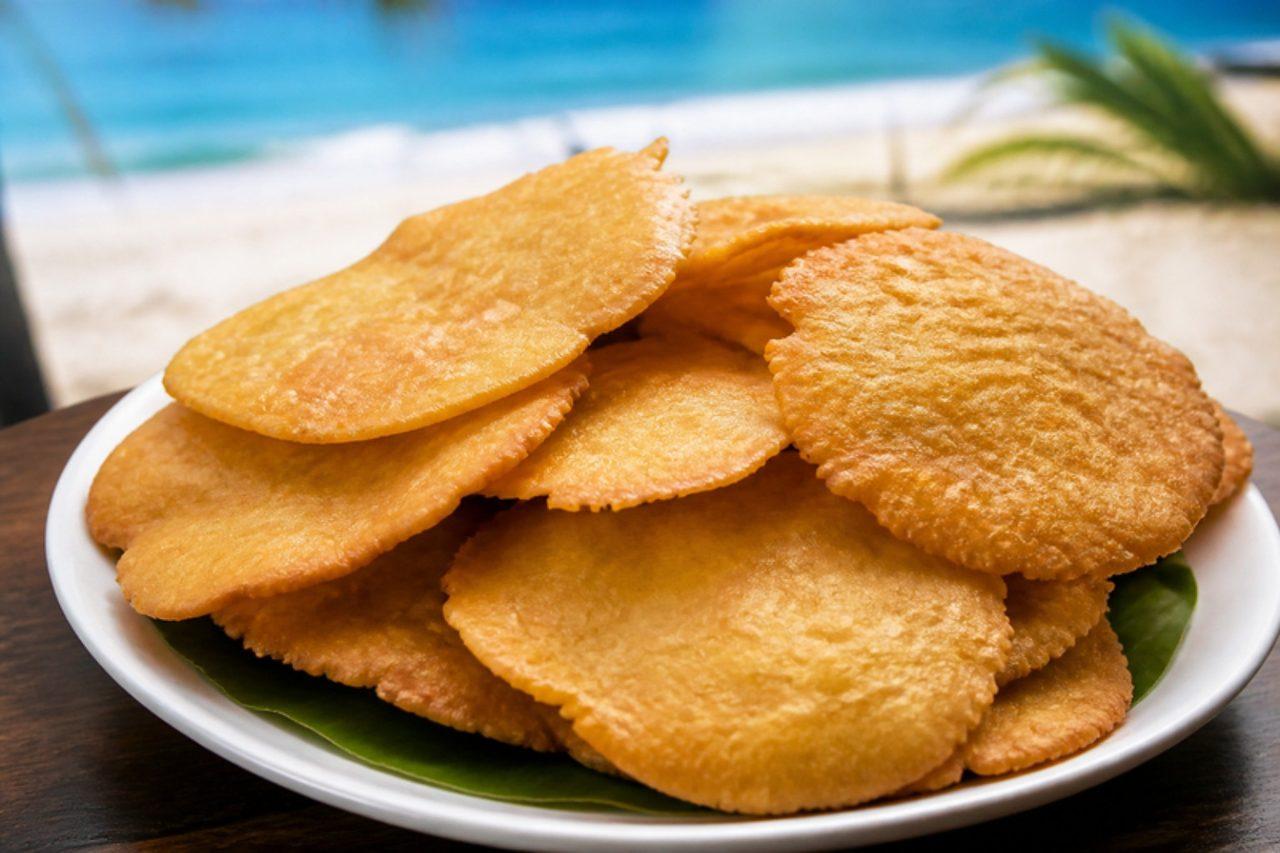
Boca Chica, just east of Santo Domingo, is where vendors walk the sand with trays of yaniqueques (the name comes from "johnny cakes"): wide, thin discs of dough fried until they puff, blister and crack like a cracker, sprinkled with salt or sugar and eaten with fried fish and a cold drink. The dough is just flour, baking powder, salt and water with a spoon of oil. The common mistake is rolling them too thick, which gives a bready fritter instead of a shatter-crisp one. Chef's tip: prick each disc a few times with a fork before frying so it blisters evenly instead of ballooning.

by KrazyBadal 1 views

YantykCheese and herb griddle pastries

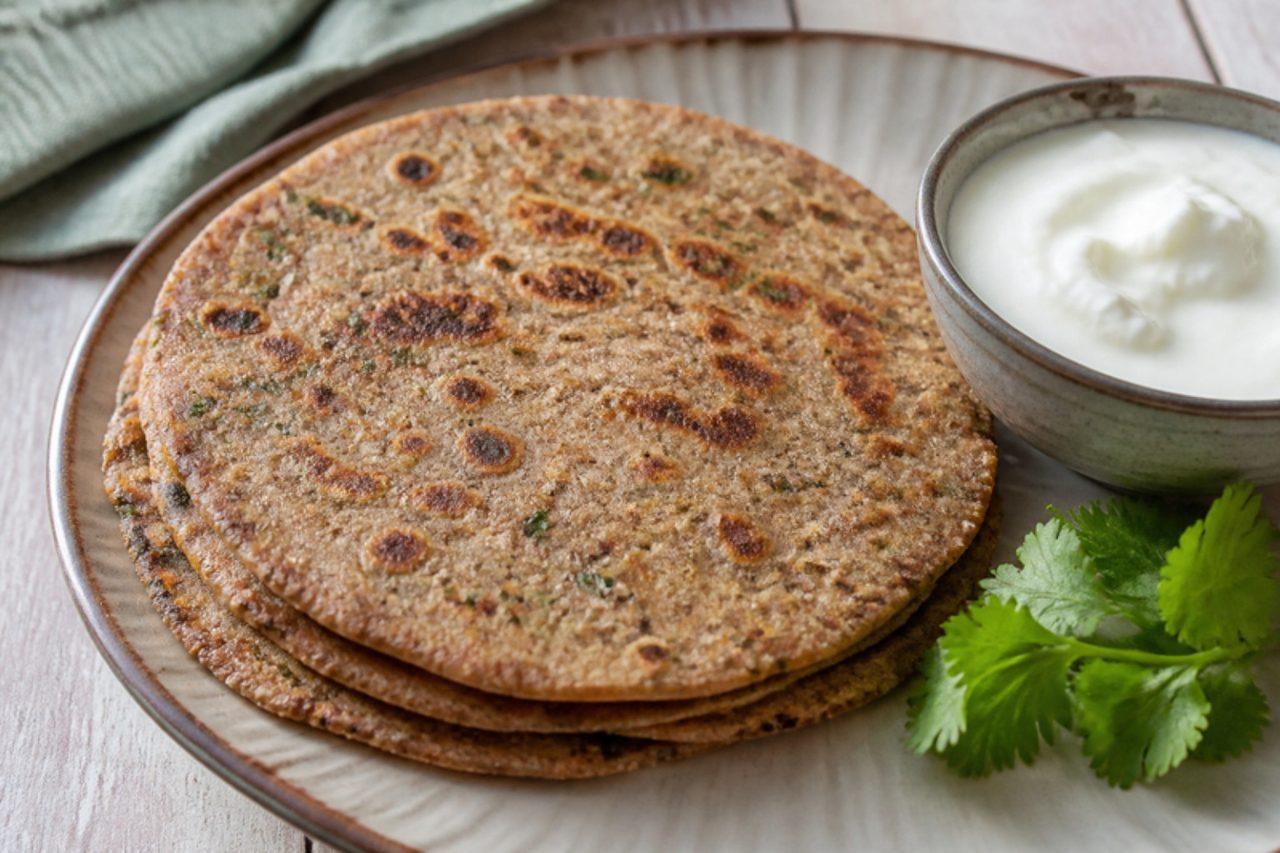
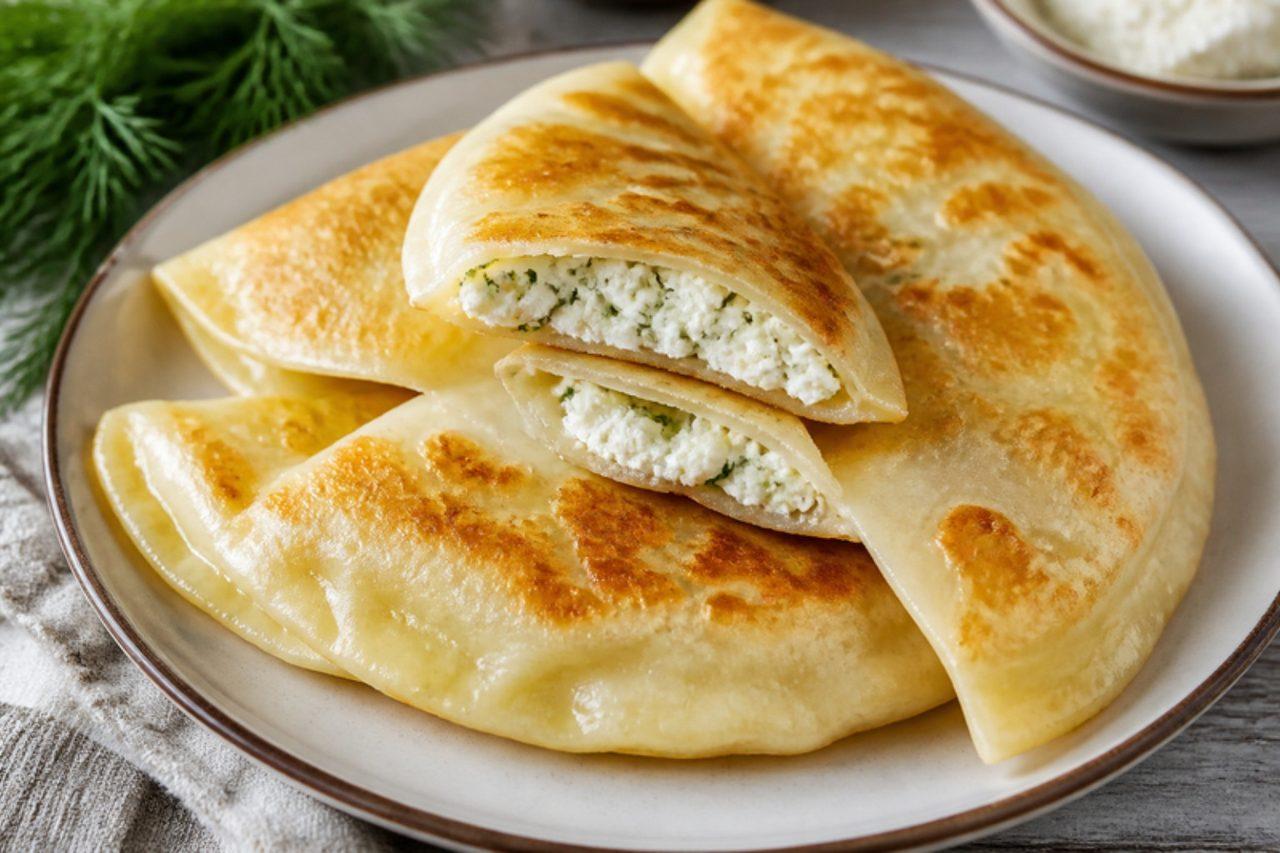
Crimean Tatar cafés from Bakhchysarai to the family-run places that opened in Kyiv and Kherson after 2014 make yantyk to order: a paper-thin unleavened dough folded over a filling, cooked on a dry hot griddle and brushed with butter as it comes off. Unlike chebureki, nothing is deep-fried, so the pastry is soft and blistered with charred spots and the cheese inside melts with dill and spring onion. They are eaten hot with sweet black tea or a glass of ayran. Brined white cheeses such as brynza and feta are often made with animal rennet; choose one labelled vegetarian. The common mistake is rolling the dough too thick, which gives a doughy, pale yantyk; it should be thin enough to see the board through. Chef's tip: stack the buttered yantyk on a plate and cover with a bowl for a minute, so the steam softens the pastry the way Crimean cooks like it.

by KrazyBadal 0 views

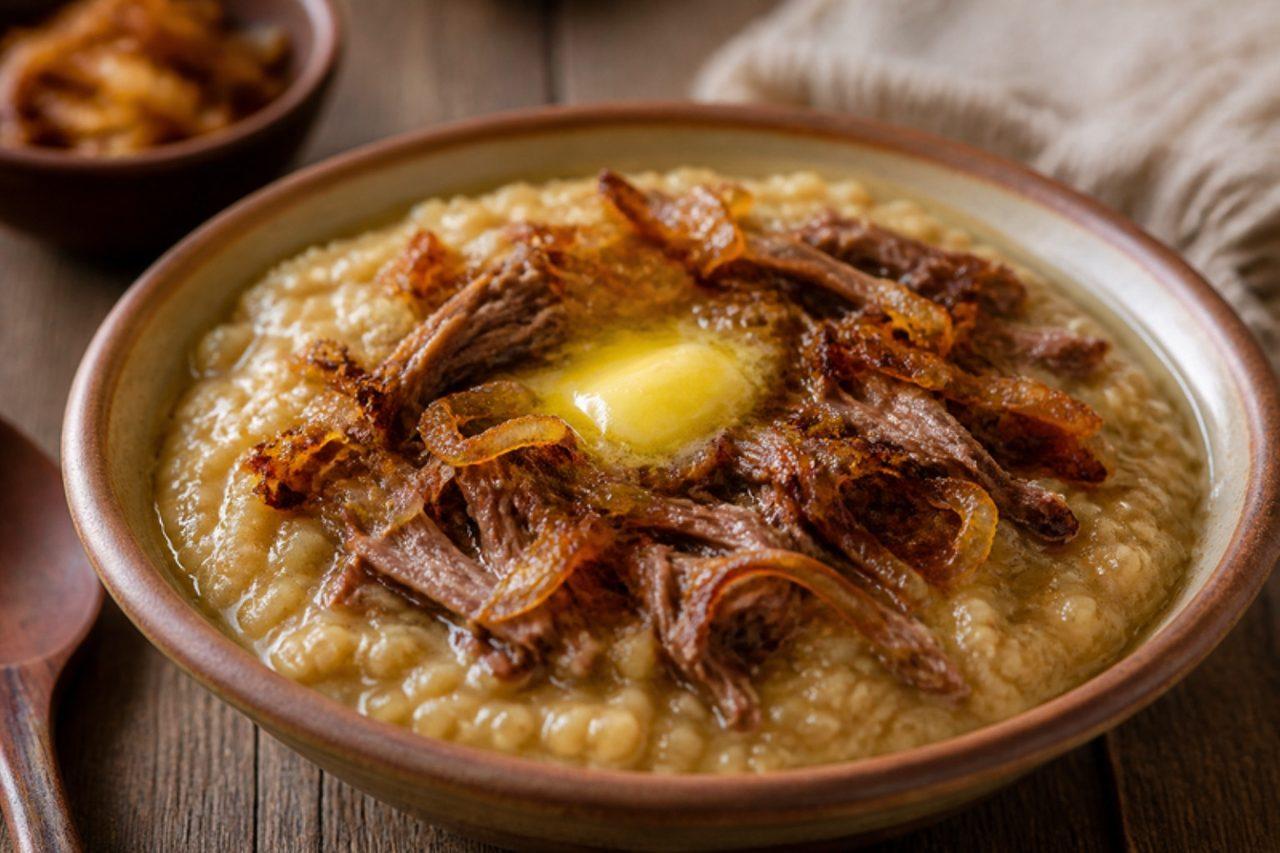
YarmaCracked wheat and lamb porridge

Yarma is a filling porridge of cracked wheat cooked slowly with lamb until the grains break down and the dish turns thick and creamy, a dish of Turkmen homes and of religious gatherings, when it is cooked in huge pots and shared out. It is seasoned simply with salt, pepper and onion fried in butter or fat poured over the top. A common mistake is not stirring enough, which lets the wheat catch on the bottom. Chef's tip: beat the yarma hard with a wooden spoon in the last 15 minutes, so the lamb shreds into the grain and it turns smooth and creamy.

by KrazyBadal 0 views

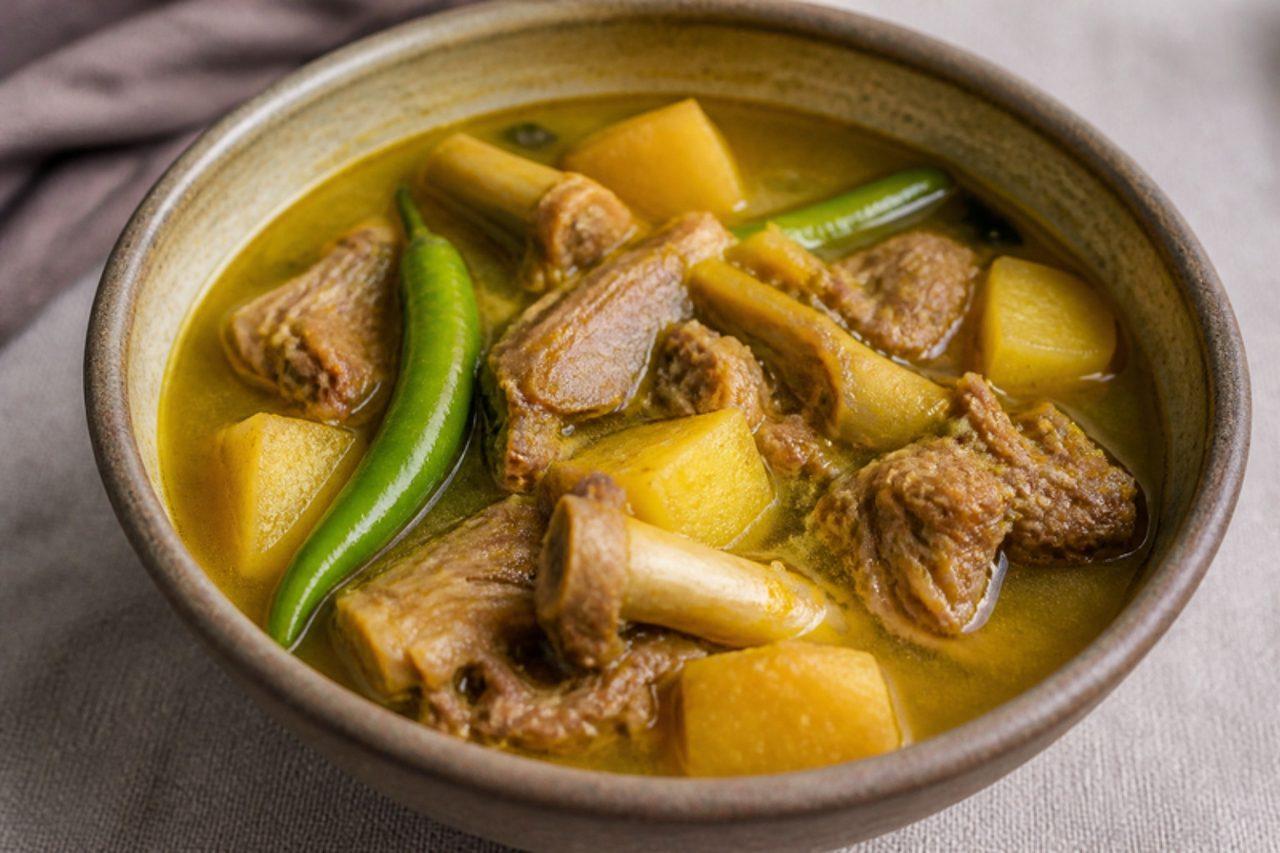
Ye-beg kikilLamb on the bone soup

On chilly highland mornings, Addis Ababa's small eateries ladle out bowls of ye-beg kikil: chunks of lamb on the bone simmered slowly with onion, garlic, ginger, turmeric and whole green chillies until the meat slips off and the broth turns golden. There is no berbere, so it is gentle and clean-tasting, a welcome change from the red wats, and people sip the broth on its own as a pick-me-up after a long night or an illness. It is eaten with injera or bread, often with a little awaze on the side for those who want more heat. The usual mistake is boiling it hard, which clouds the broth and toughens the meat; keep it at a lazy simmer. Chef's tip: skim the grey foam carefully in the first 10 minutes for a clear, bright soup.

by KrazyBadal 0 views

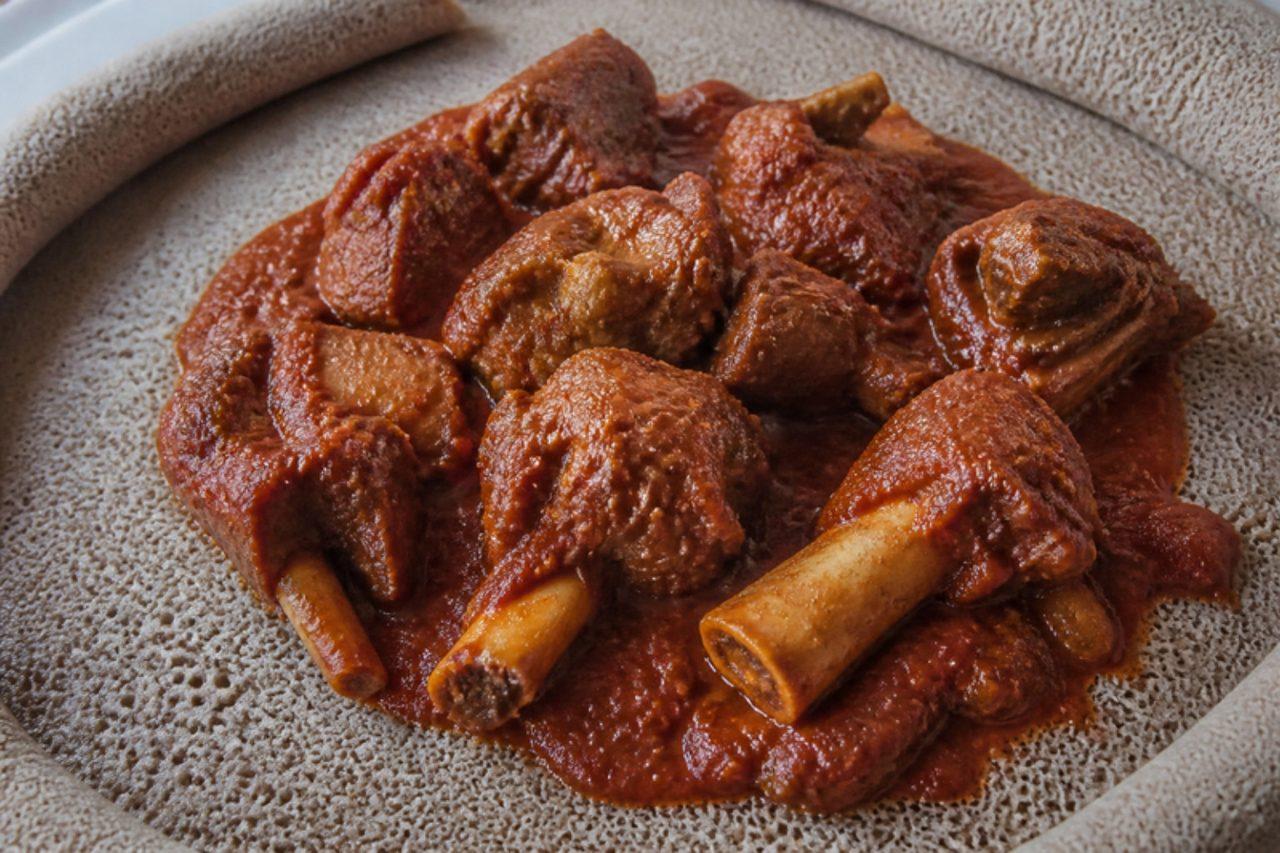
Ye-fyel watGoat in berbere stew

Goat is the everyday meat across Ethiopia's eastern lowlands, where herds do better than cattle in the dry heat, and a pot of ye-fyel wat marks holidays, Eid and the arrival of guests. The meat is cut small on the bone and cooked slowly in a dark, glossy sauce built on a mountain of onions and plenty of berbere, so it is spicy, deeply savoury and slightly sweet, with the faint gaminess of goat coming through. It is eaten from a shared platter of injera, often with a fresh salad of tomato and chilli on the side. This version is cooked in oil and is dairy free. The mistake to avoid is rushing the onions: if they are not cooked down for a good 20 minutes the sauce stays thin and sharp. Chef's tip: make it a day ahead; goat wat thickens and tastes even better after a night in the fridge.

by KrazyBadal 0 views

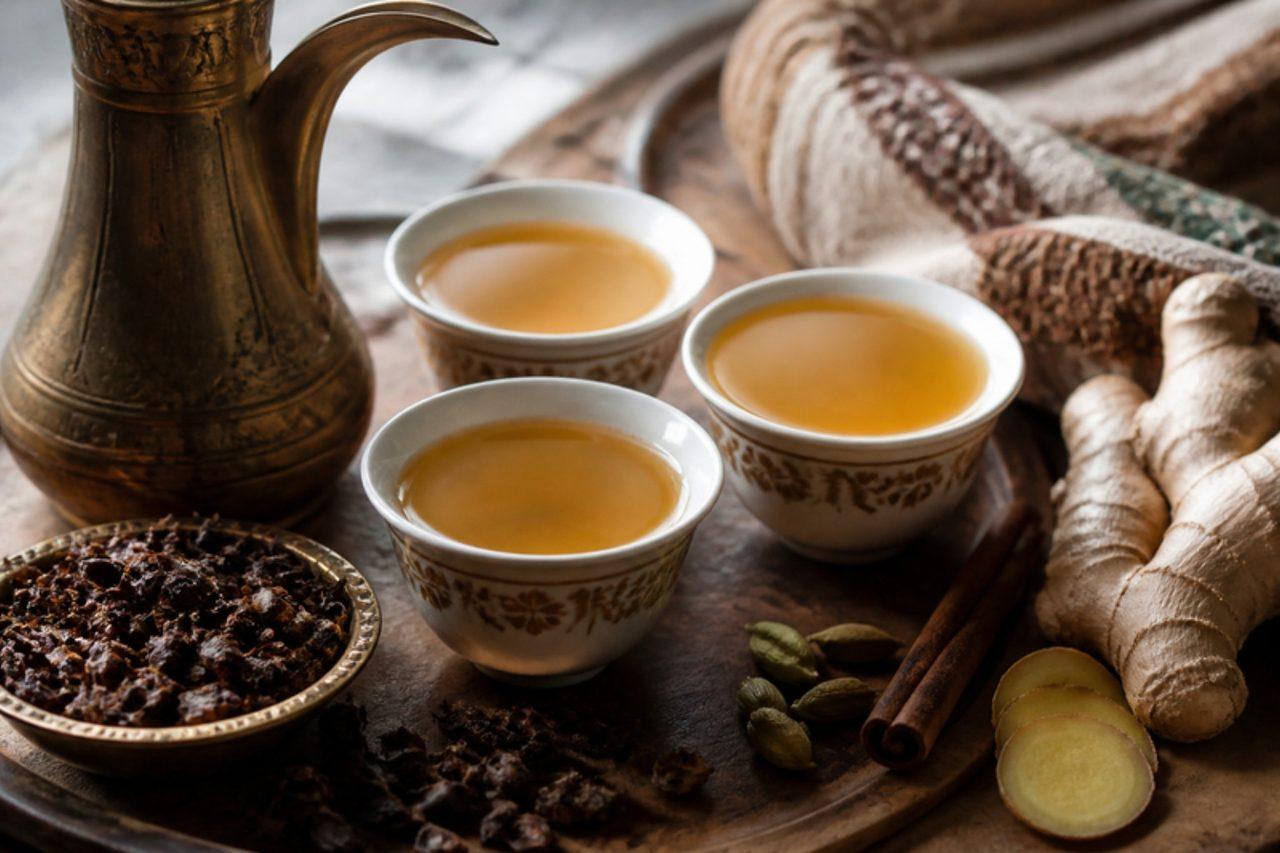
QishrSpiced coffee husk drink

In the highlands around Sana'a and in the coffee towns of Yemen, qishr is the everyday hot drink, brewed from the dried husks of the coffee cherry rather than the bean, with ginger and often cinnamon or cardamom. It is lighter and sweeter than coffee, amber in colour, with a fruity, tea-like taste and a warming bite of ginger, and it is poured all day for guests, after meals and during long afternoon visits. Serve it hot in small glasses or cups, with dates or bint al sahn. Boiling it for too long makes it bitter, so let it simmer briefly and then steep. Chef's tip: grate fresh ginger straight into the pot; it gives a brighter heat than the dried powder.

by KrazyBadal 0 views

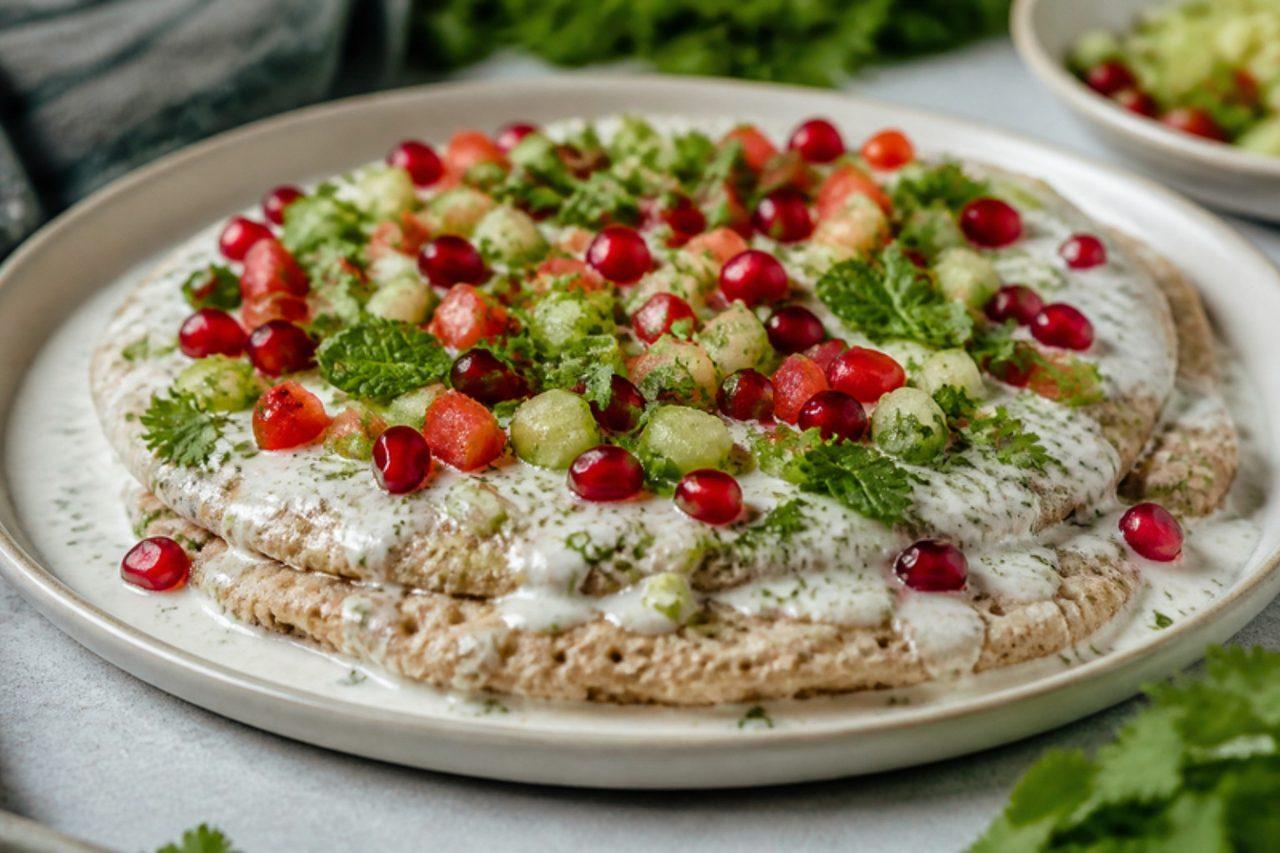
ShafootFlatbread in herby yogurt

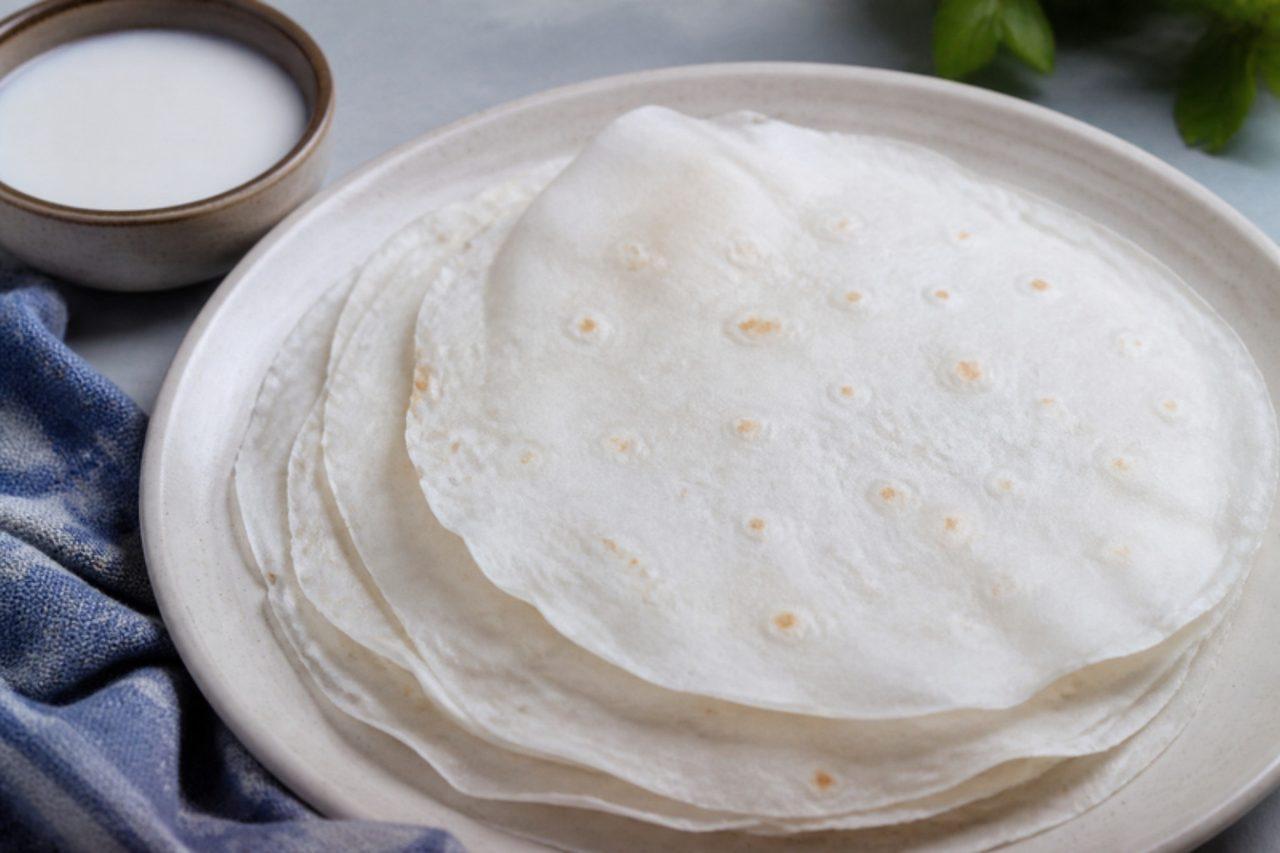
Shafoot is the cooling dish set out first on the iftar cloth in Sana'a during Ramadan, before the soups and the hot breads: torn lahoh, Yemen's thin, holey fermented pancake, soaked in garlicky, minty laban until it is soft and sour-fresh. It tastes a little like a cross between a yogurt dip and a bread salad, sharp with green chilli and fragrant with herbs. Make it just before eating and serve it in a wide dish with fresh herbs and chopped vegetables on top. The common mistake is leaving it to soak for too long, until the bread falls into a paste; ten minutes is enough. Chef's tip: if you can't find lahoh, very thin crumpets or spongy flatbreads such as injera take the laban the same way.

by KrazyBadal 0 views

Showing 27 of 7,888 recipes

Show more recipes

Page 376 of 877