

Skip to content
Cachuela
Featured recipe

Cachuela

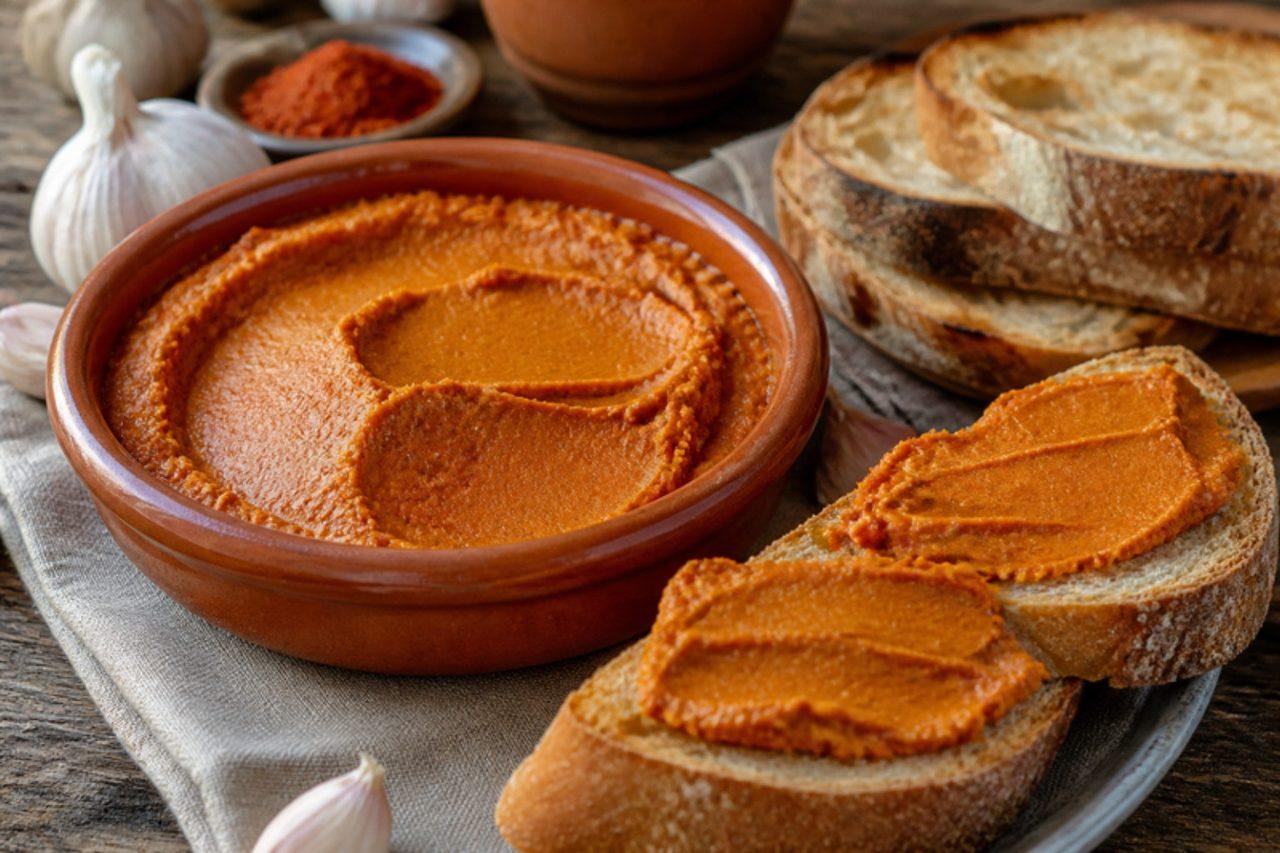
Cachuela belongs to the matanza, the winter pig slaughter that once filled every village in Extremadura with family and neighbours for several days. The fresh liver was cooked straight away with lard, onion, garlic and plenty of pimentón, then mashed into a coarse, spicy spread for breakfast on toast. People still make it in Badajoz and Cáceres homes through the cold months, and it keeps for a few days in the fridge. This contains pork (pork liver and pork lard). Chef's tip: cook the liver through but not a minute longer; overcooked liver turns grainy and bitter.

Read more 0 views
Can't decide?

What to eat today?

Spin the randomizer, search with what's already in your fridge, or browse recipes from our chefs.

Latest recipes

Dolmeh-ye beh

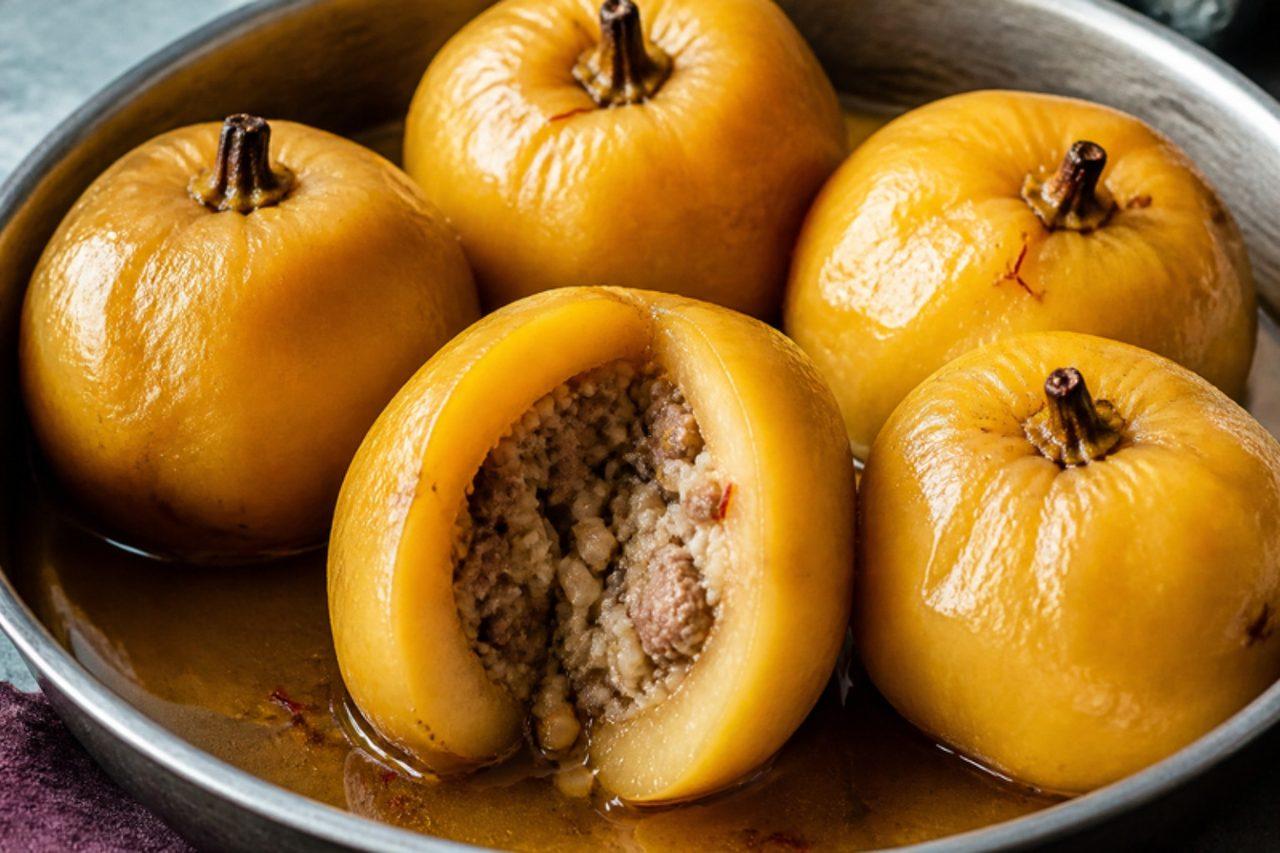
Dolmeh-ye beh is autumn food in Tabriz and across Iranian Azerbaijan, made in October and November when golden quinces pile up on market stalls. The quinces are hollowed and filled with lamb or beef mince, rice, yellow split peas and cinnamon, then baked in a syrup of sugar, vinegar and saffron until the fruit is soft enough to cut with a spoon and its flesh turns pink. Each person gets a whole quince with bread and yogurt on the side. A common mistake is cooking the shells for too long before stuffing; they should only soften slightly or they collapse in the oven. Chef's tip: rub the cut quinces with lemon at once, as they brown within minutes.

120 minPersianMeatGluten free
by KrazyBadal 0 views

Clootie dumpling

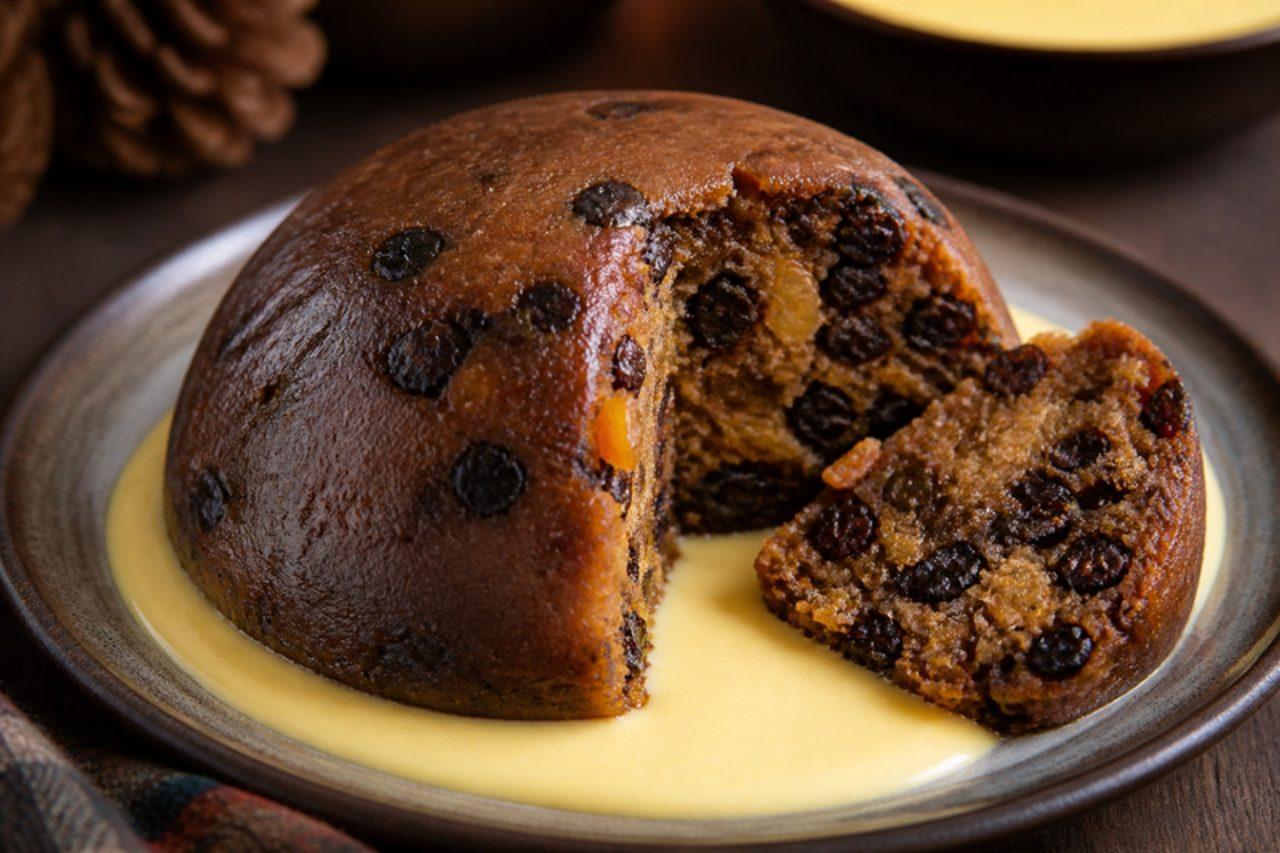
The clootie dumpling takes its name from the cloot, the cotton cloth it is boiled in, and it is the birthday and Hogmanay pudding of Scottish grannies from Fife to the Borders. It is a dense, dark, spiced fruit pudding with a sticky skin that forms when the floured cloth is dried in front of the oven. Leftover slices are fried for breakfast. Traditional recipes use beef suet; this one uses vegetable suet so it stays vegetarian. Chef's tip: dust the scalded cloth thickly with flour before filling it; that flour is what forms the famous skin.

by KrazyBadal 0 views

Bacon and cabbage

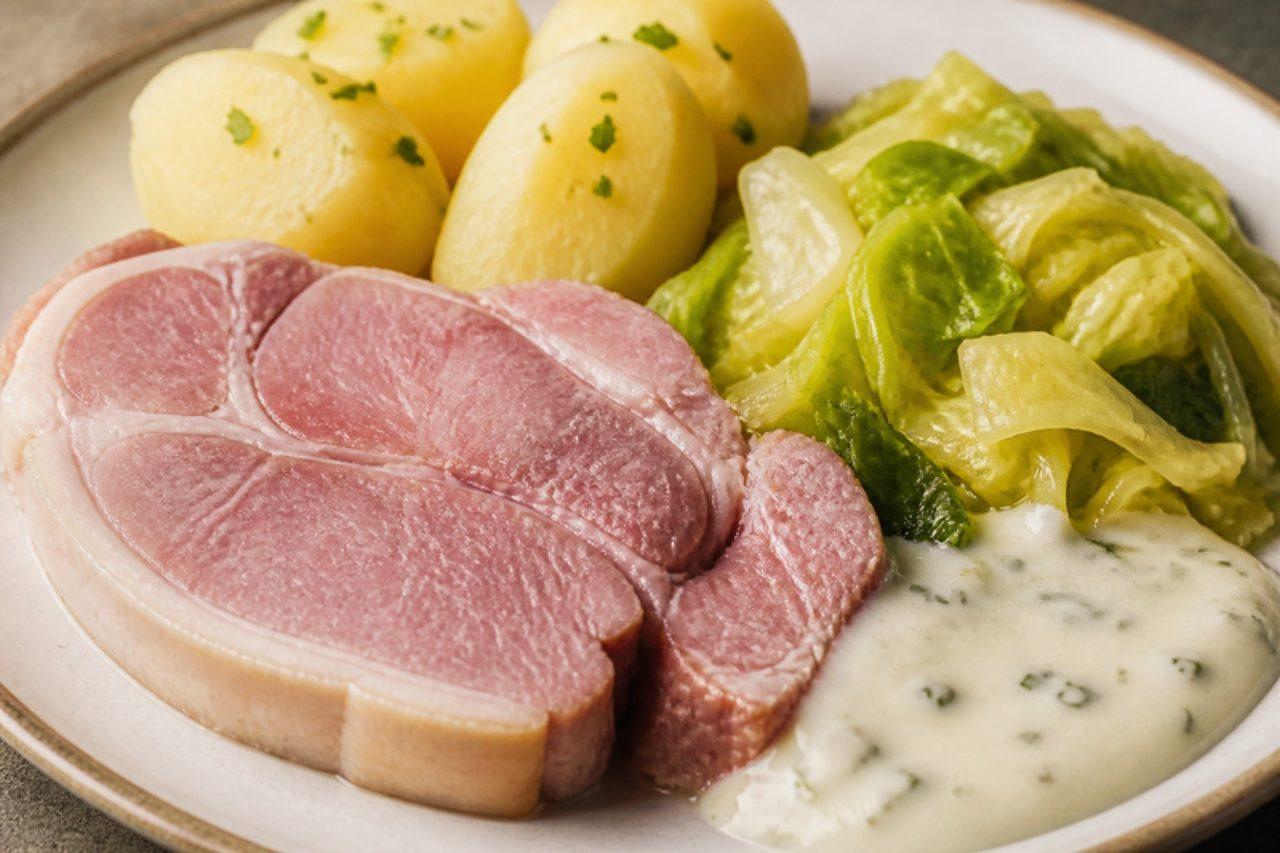
Bacon and cabbage is the Sunday dinner and the everyday dinner of rural Ireland, cooked in farmhouses from Tipperary to Mayo long before corned beef became the emigrants' version. A joint of cured pork, usually collar or loin bacon, is simmered gently, then the cabbage is cooked in the same salty, porky water, and both are served with floury potatoes and a white parsley sauce. Chef's tip: soak the bacon joint overnight in cold water if it is very salty; ask your butcher, as some cures are milder.

135 minIrishMeatGluten free
by KrazyBadal 0 views

Full Irish breakfast

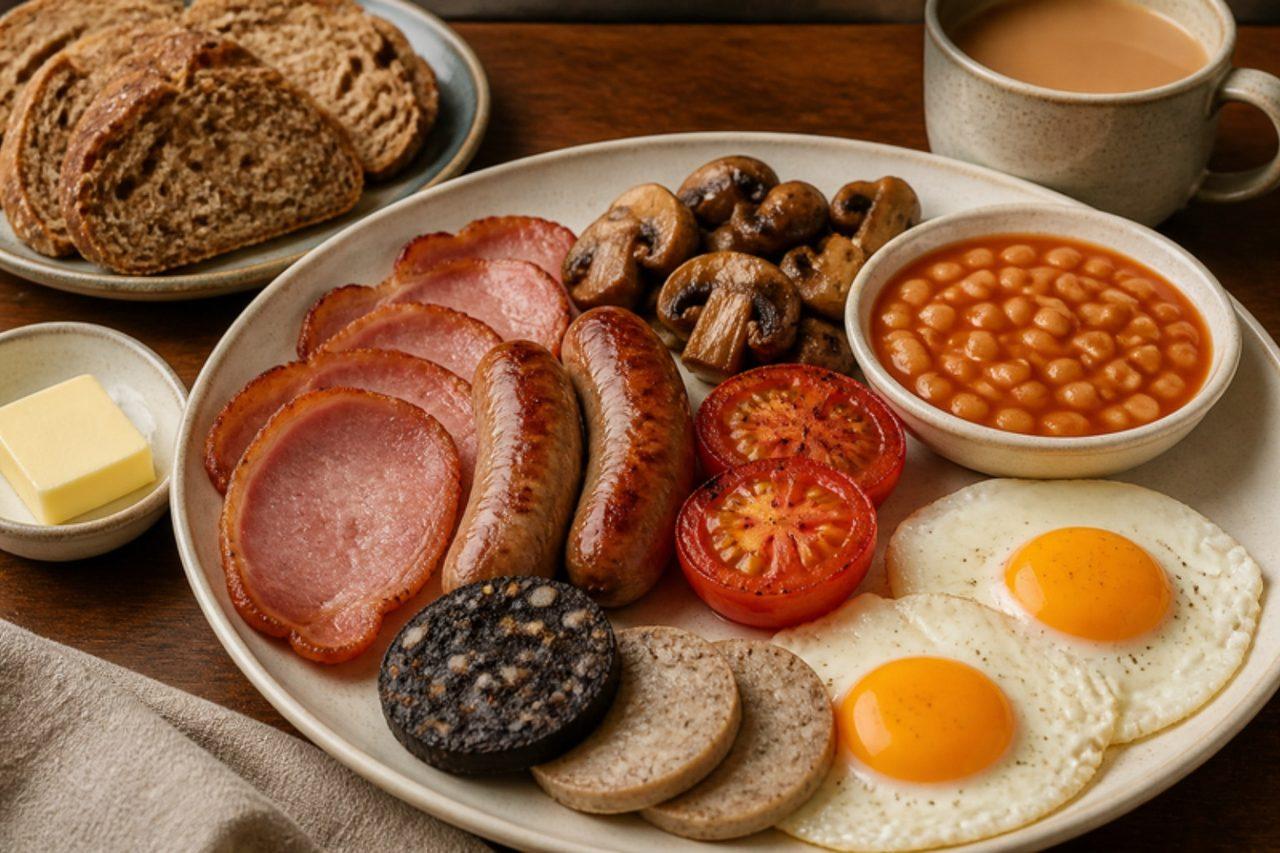
The full Irish, or simply 'the fry', is the big weekend breakfast served in B&Bs from Donegal to Kerry and in Dublin cafés before the match. It differs from the English breakfast in its back rashers, black and white pudding, and fried soda bread or potato bread to mop up. It contains pork: sausages, rashers and puddings. Chef's tip: cook in stages in one large pan and keep each item warm in a low oven, so everything reaches the plate hot together.

by KrazyBadal 0 views

Dublin lawyer

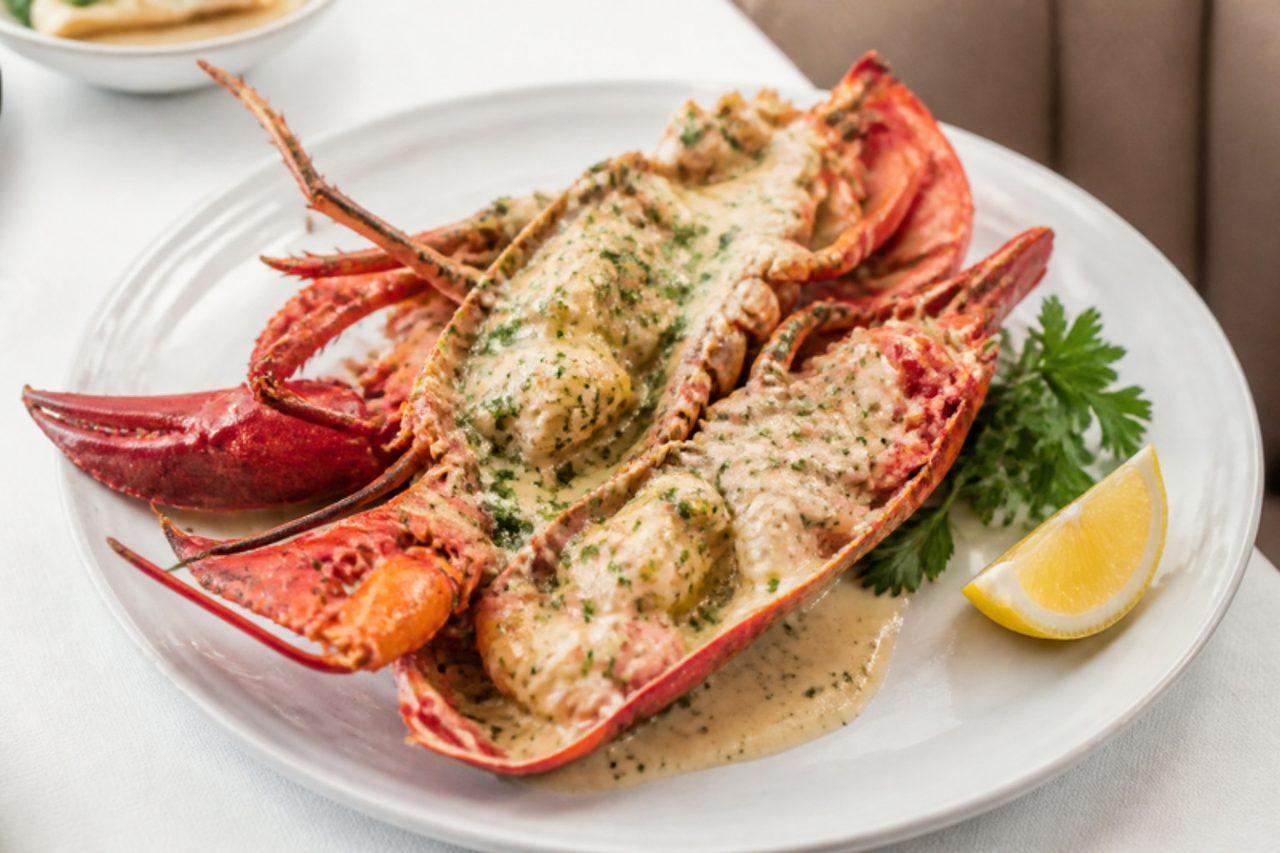
Dublin lawyer is an old Dublin restaurant dish, said to be named because lawyers were rich and fond of drink: lobster meat is cooked in butter, flamed with Irish whiskey and finished with cream, then served back in the shell. It is a special-occasion dish for anniversaries and birthdays. This recipe contains alcohol; for an alcohol-free version replace the whiskey with 2 tablespoons of apple juice and a squeeze of lemon. Chef's tip: buy cooked lobster from a fishmonger if you are unsure about preparing a live one, and add it to the sauce only to heat through.

50 minIrishFishGluten free
by KrazyBadal 0 views

Cork spiced beef

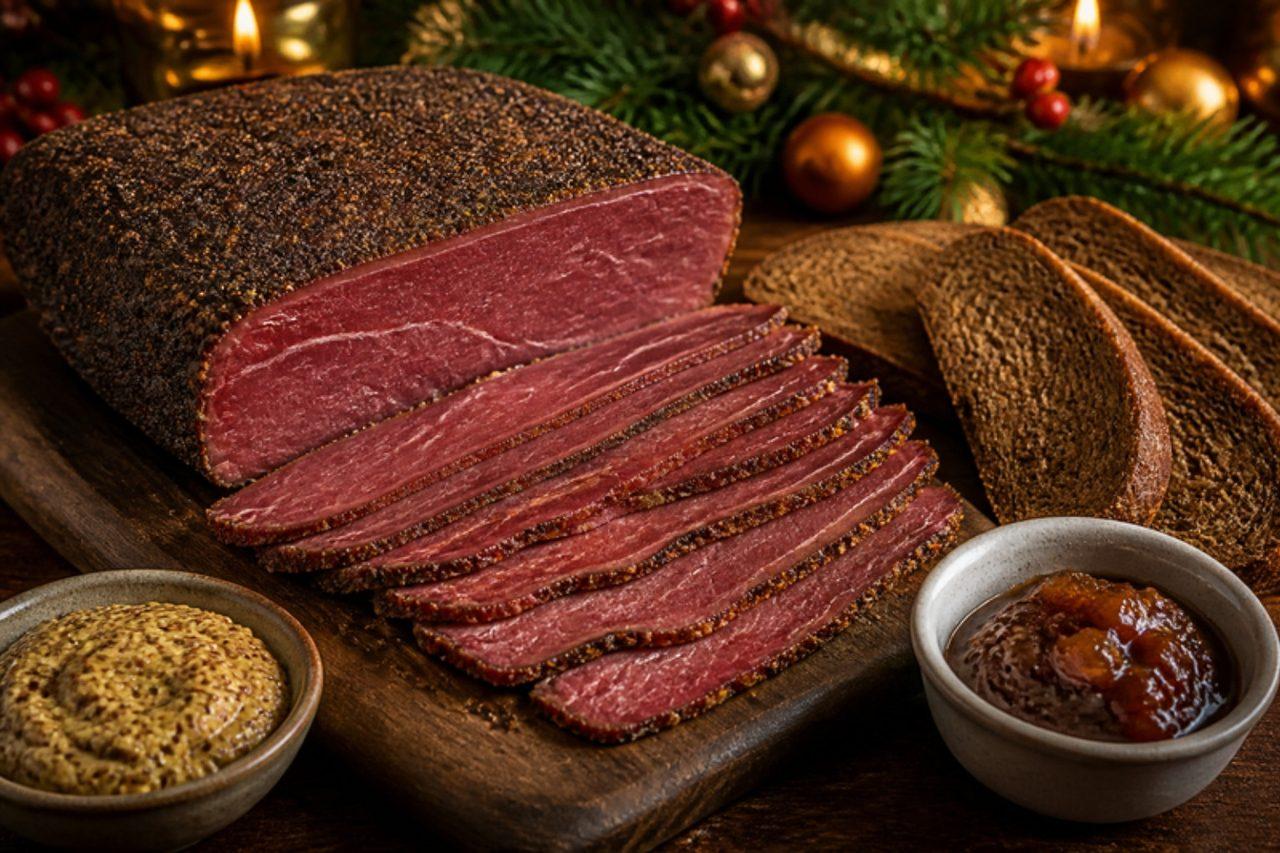
Spiced beef is the Christmas meat of Cork city, sold in the English Market in December and served cold in thin slices on St Stephen's Day with brown bread and chutney. A piece of brisket or silverside is rubbed with salt, brown sugar, allspice, cloves and juniper and turned in the fridge for a week, then simmered slowly and pressed. The meat comes out deep pink, tender and fragrant. Chef's tip: keep it in the fridge the whole week of curing and turn it every day so the cure reaches every side.

270 minIrishMeatGluten free
by KrazyBadal 0 views

Crubeens

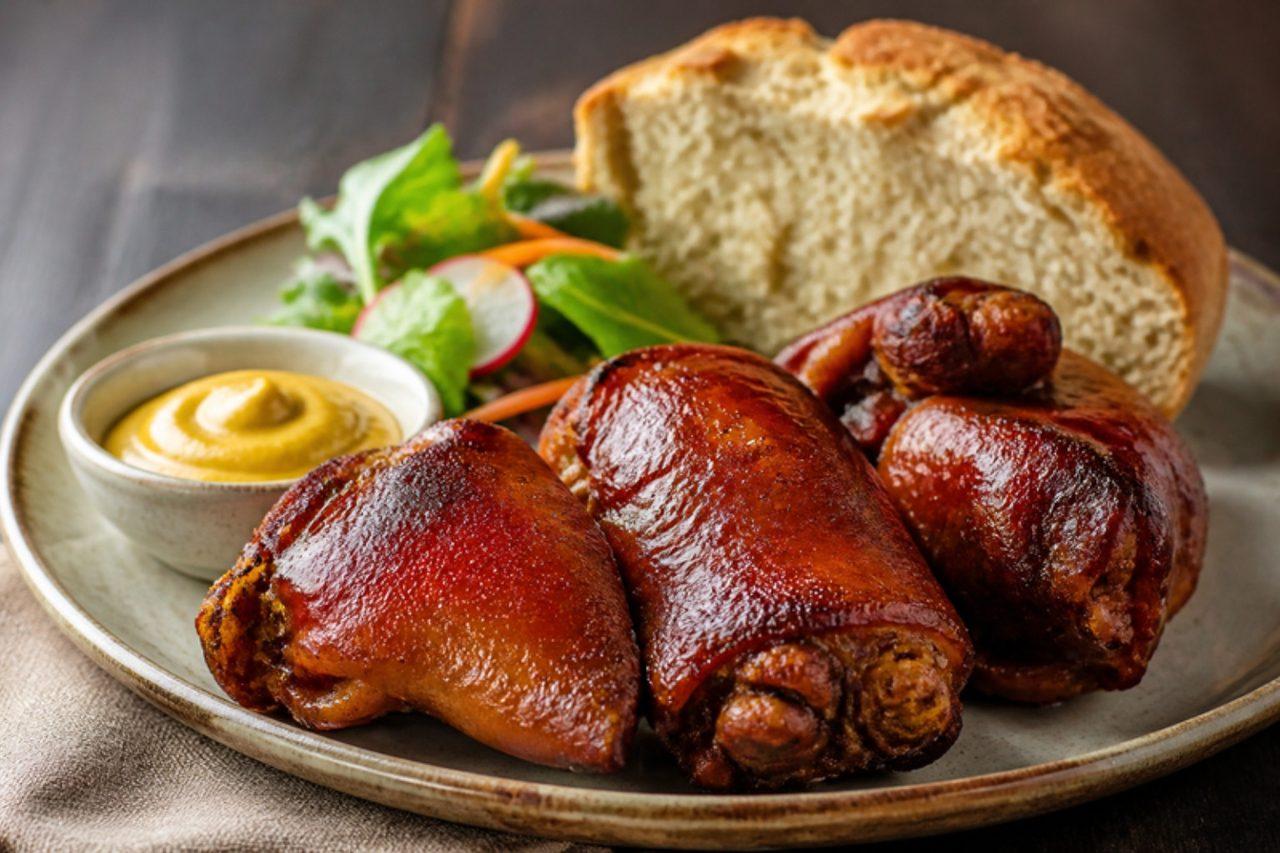
Crubeens are boiled pig's trotters, once sold hot from stalls at fairs and in Cork and Dublin pubs as a salty, sticky snack to go with a pint. They are pork, and very gelatinous: simmered for hours until the meat almost falls from the bone, then crisped in the oven with a mustard and breadcrumb coating, which is how many cooks finish them today. Eat them with your fingers, with brown bread and pickles. Chef's tip: ask your butcher for split, cleaned trotters, and singe off any stray hairs with a kitchen blowtorch before cooking.

220 minIrishMeat
by KrazyBadal 0 views

Kerry Dingle pies

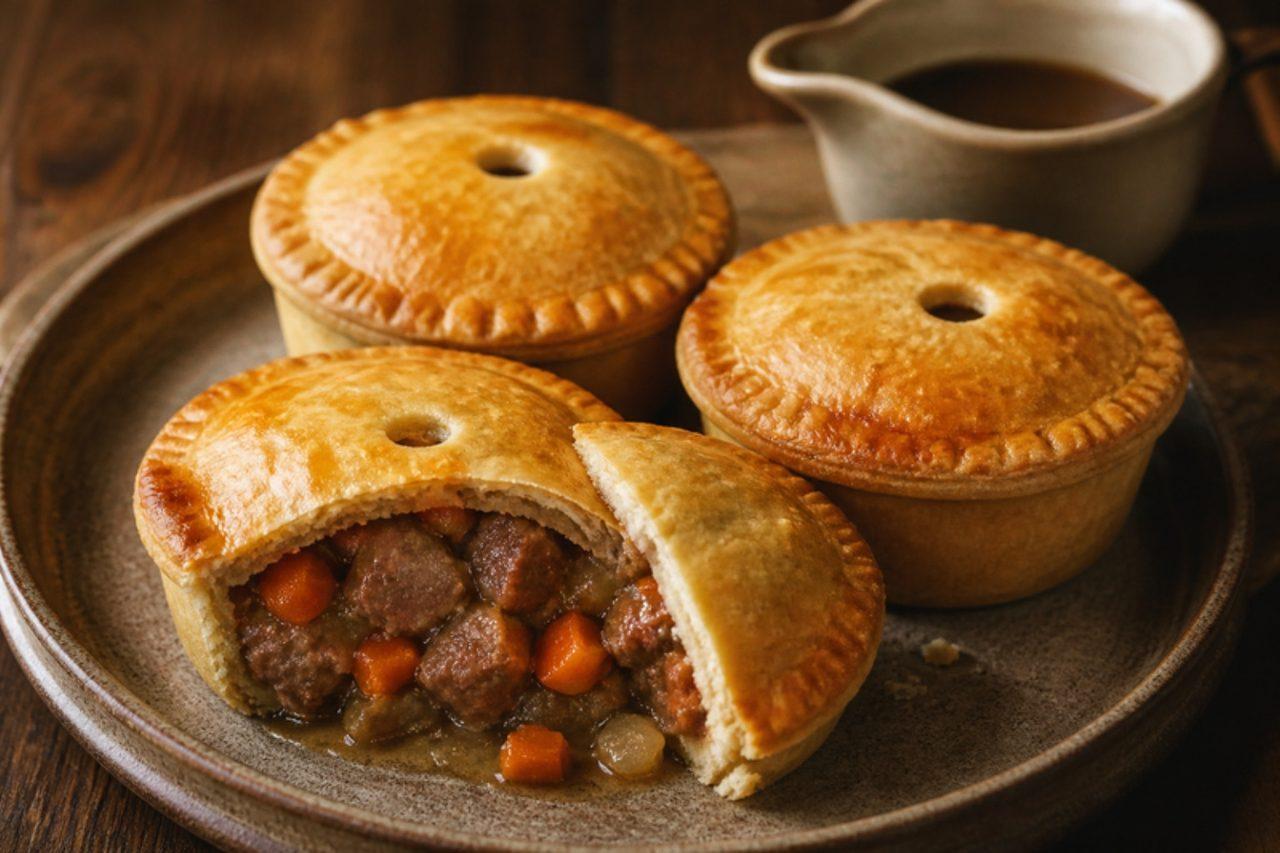
Dingle pies are small, round mutton pies made in west Kerry for the Puck Fair in Killorglin, for fishermen going to sea, and for farmers at the mart, often reheated in a bowl of the mutton broth. A firm hot-water-crust pastry holds a peppery filling of lamb or mutton, onion and carrot, so they travel well and are eaten by hand or with gravy. Chef's tip: shape the pastry while it is still warm; hot-water crust cracks and won't mould once it cools.

120 minIrishMeat
by KrazyBadal 0 views

Dublin Bay prawns in garlic butter

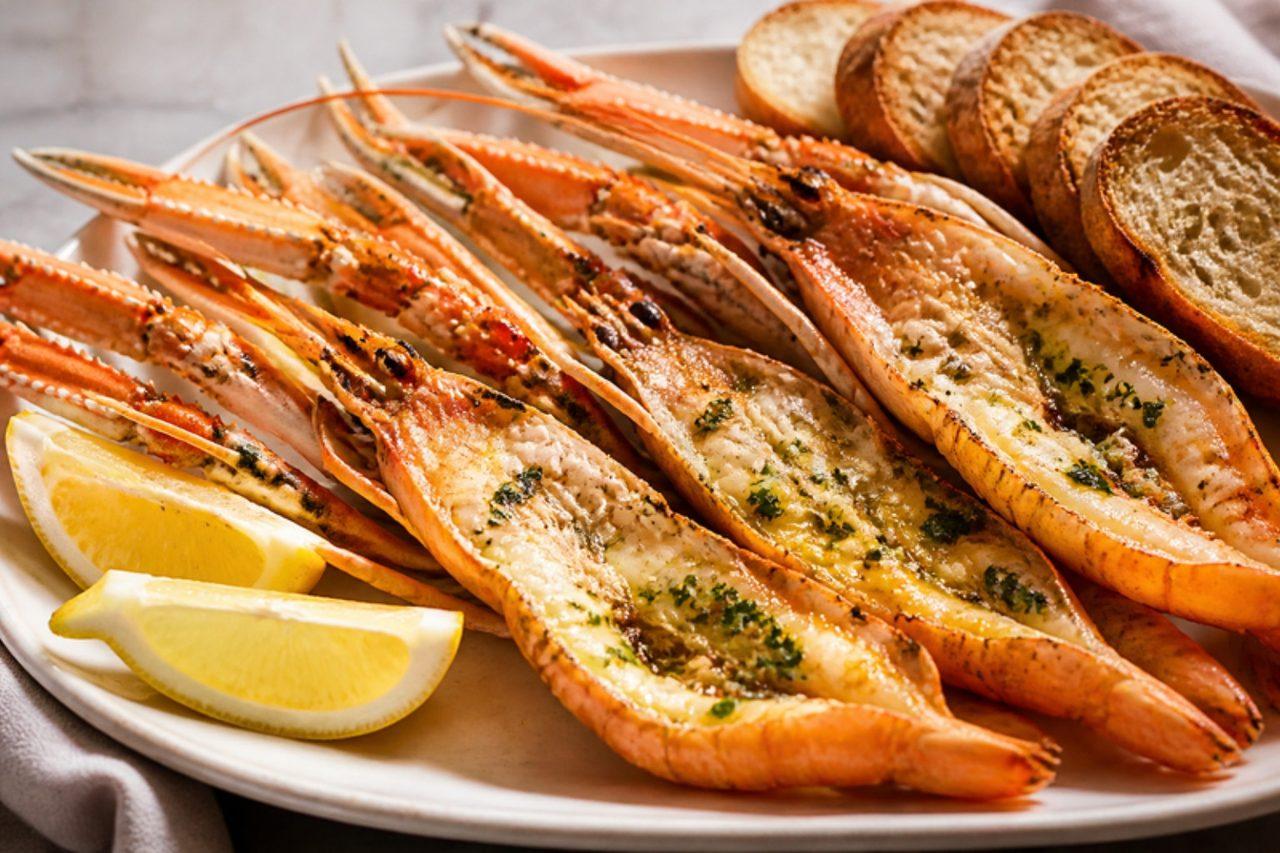
Dublin Bay prawns are not prawns at all but langoustines, the small orange lobsters landed at Howth and Clogherhead and once sold off the boats along the north Dublin coast. Seafood bars in Howth serve them split and grilled under a sizzling garlic, lemon and parsley butter, with brown bread to mop the plate. Chef's tip: they cook in minutes, so take them out as soon as the flesh turns from translucent to white.

25 minIrishFishGluten free
by KrazyBadal 0 views

Bantry Bay mussels in cider

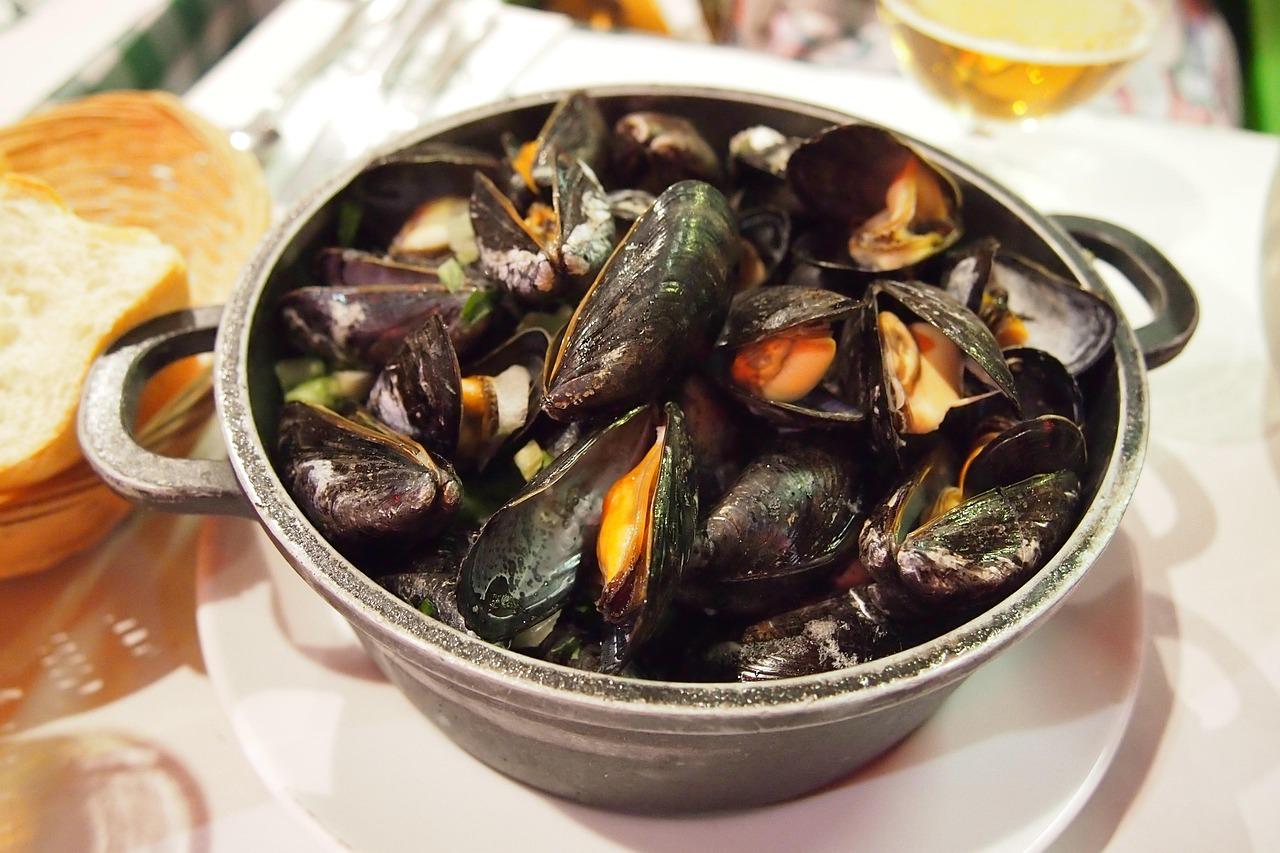
The sheltered waters of Bantry Bay in West Cork grow rope mussels that end up in pots in every harbour pub from Glengarriff to Kinsale. Here they are steamed in Irish dry cider with leek, garlic and thyme, then finished with a spoonful of cream, giving a sweet-sour, apple-scented broth for dipping brown bread. The cider contains alcohol, which mostly cooks off; for an alcohol-free version use cloudy apple juice with a teaspoon of cider vinegar. Chef's tip: the mussels must be alive when cooked, so check every one before they go in.

30 minIrishFishGluten free
by KrazyBadal 0 views

Welsh rarebit

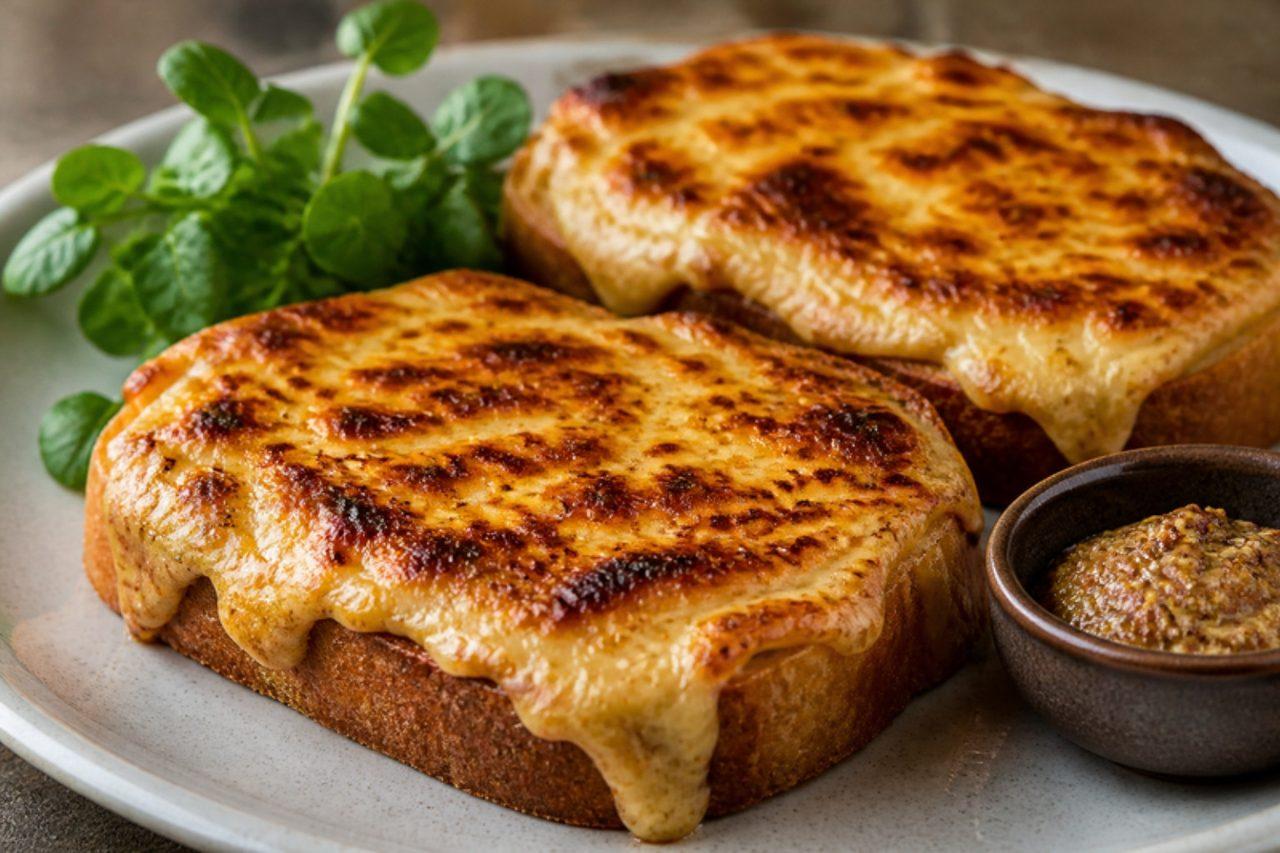
Welsh rarebit, caws pobi in Welsh, is far more than cheese on toast: a thick sauce of strong cheese, mustard, Worcestershire-style sauce and ale is spread on toast and grilled until bubbling and blistered. It has been a tavern supper in Wales and across Britain for three hundred years. The ale contains alcohol, so use milk for an alcohol-free version. Many traditional cheddars use animal rennet, and Worcestershire sauce usually contains anchovy, so choose a vegetarian cheese and a vegetarian brown sauce. Chef's tip: take the sauce off the heat as soon as the cheese melts; boiling makes it stringy and oily.

by KrazyBadal 0 views

Glamorgan sausages

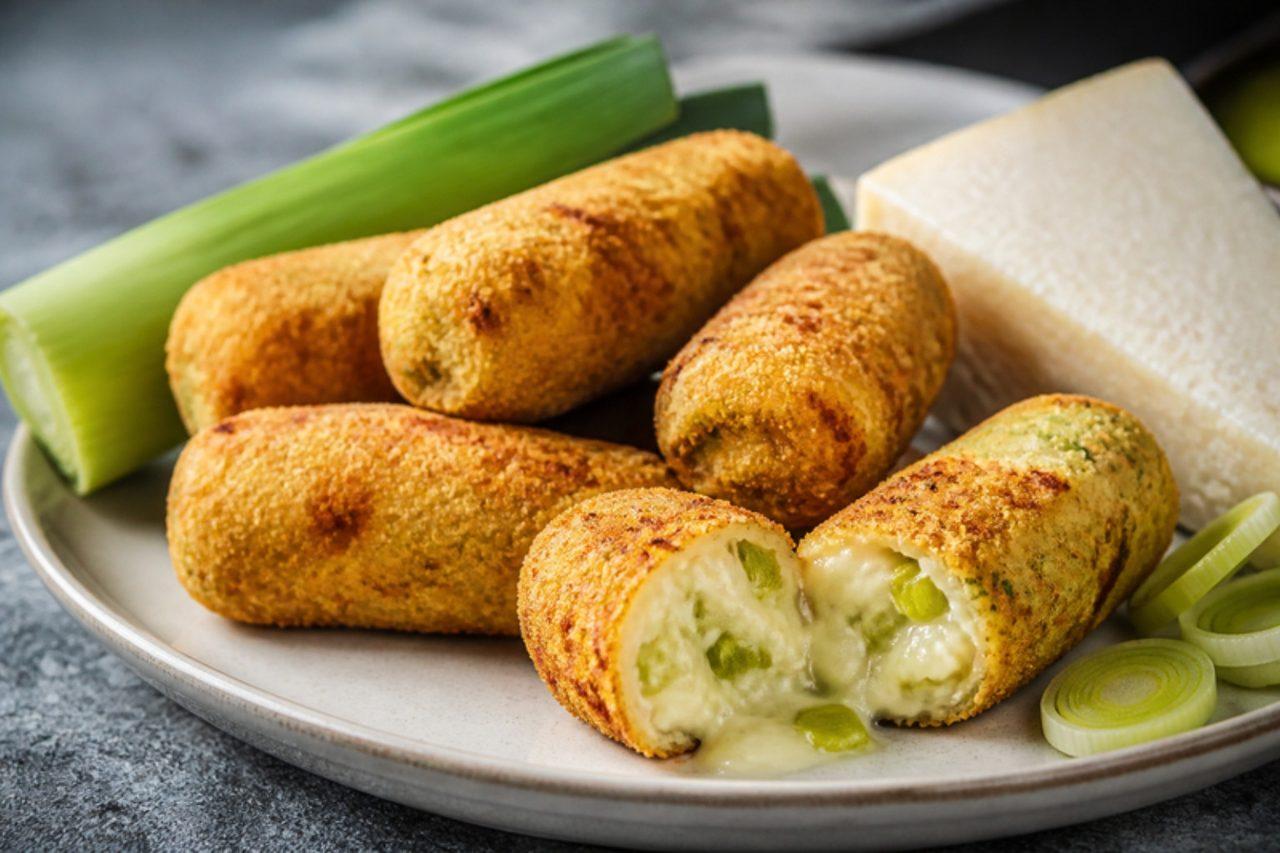
Glamorgan sausages, selsig Morgannwg, are a meat-free Welsh classic from the old county of Glamorgan in South Wales, made since at least the 1800s and praised by George Borrow on his tour of Wales. Crumbly Caerphilly cheese, leek and fresh breadcrumbs are bound with egg, rolled into sausages, crumbed and fried until crisp and golden. Traditional Caerphilly is often made with animal rennet; look for a vegetarian one. Chef's tip: chill the shaped sausages for 30 minutes before frying so they hold together.

by KrazyBadal 0 views

Anglesey eggs

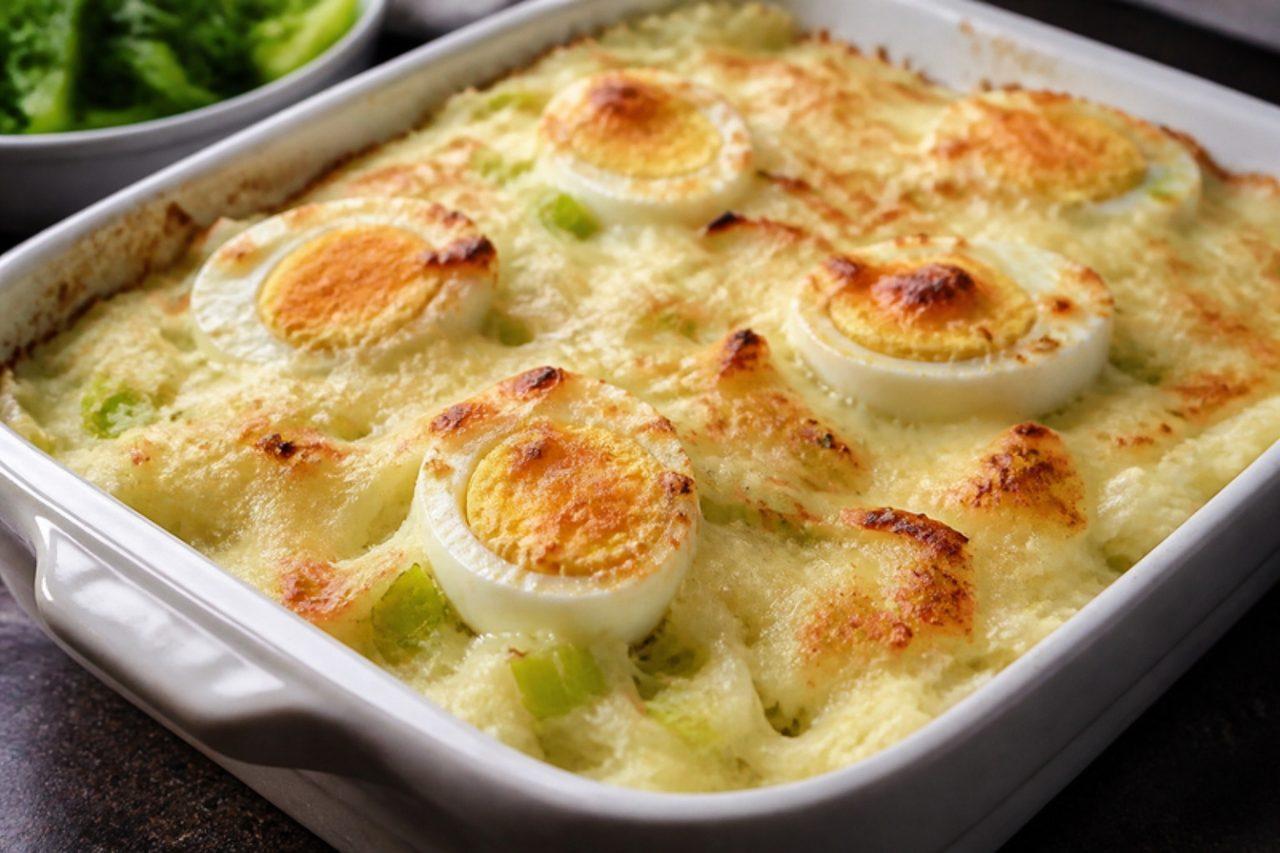
Anglesey eggs, wyau Ynys Môn, is a farmhouse supper from the island of Anglesey off North Wales: leeky mashed potato piped round halved hard-boiled eggs, covered with cheese sauce and baked until golden. It is cheap, filling and comforting, the kind of dish made on a wet weeknight with what the farm had. Use a vegetarian hard cheese, as traditional cheddar can contain animal rennet. Chef's tip: cool the boiled eggs in cold water straight away so the yolks stay yellow without a grey ring.

by KrazyBadal 0 views

Ulster potato farls

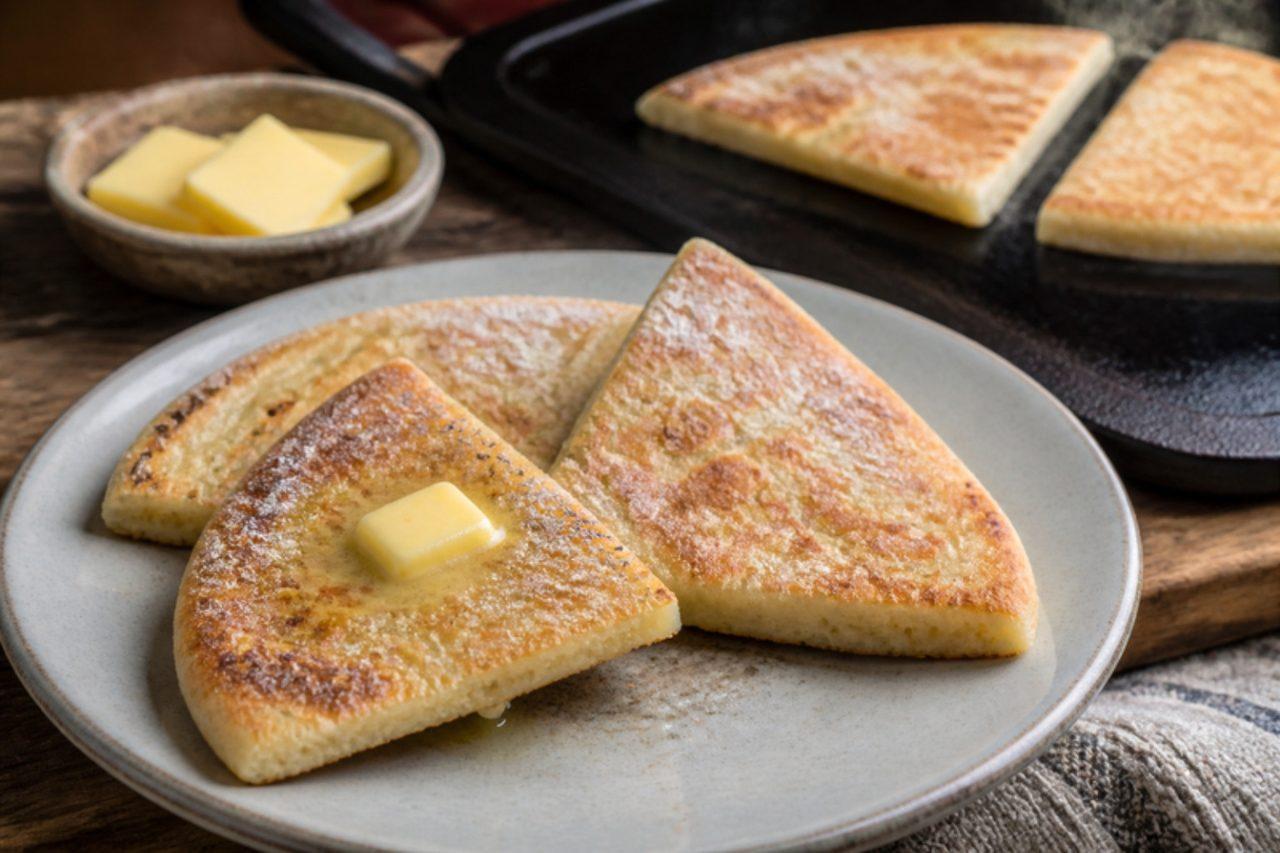
Potato bread, often just called fadge or tattie bread, is the soft, flat quarter-round that sits beside soda bread in every Ulster fry from Belfast to Derry. Warm mashed potato is worked with a little flour and butter, rolled into a round, cut into four farls and cooked on a dry griddle. It is thinner than a Scottish tattie scone and is always fried golden before serving. Chef's tip: use only enough flour to stop it sticking; the more potato, the better the farl.

by KrazyBadal 0 views

Soda farls

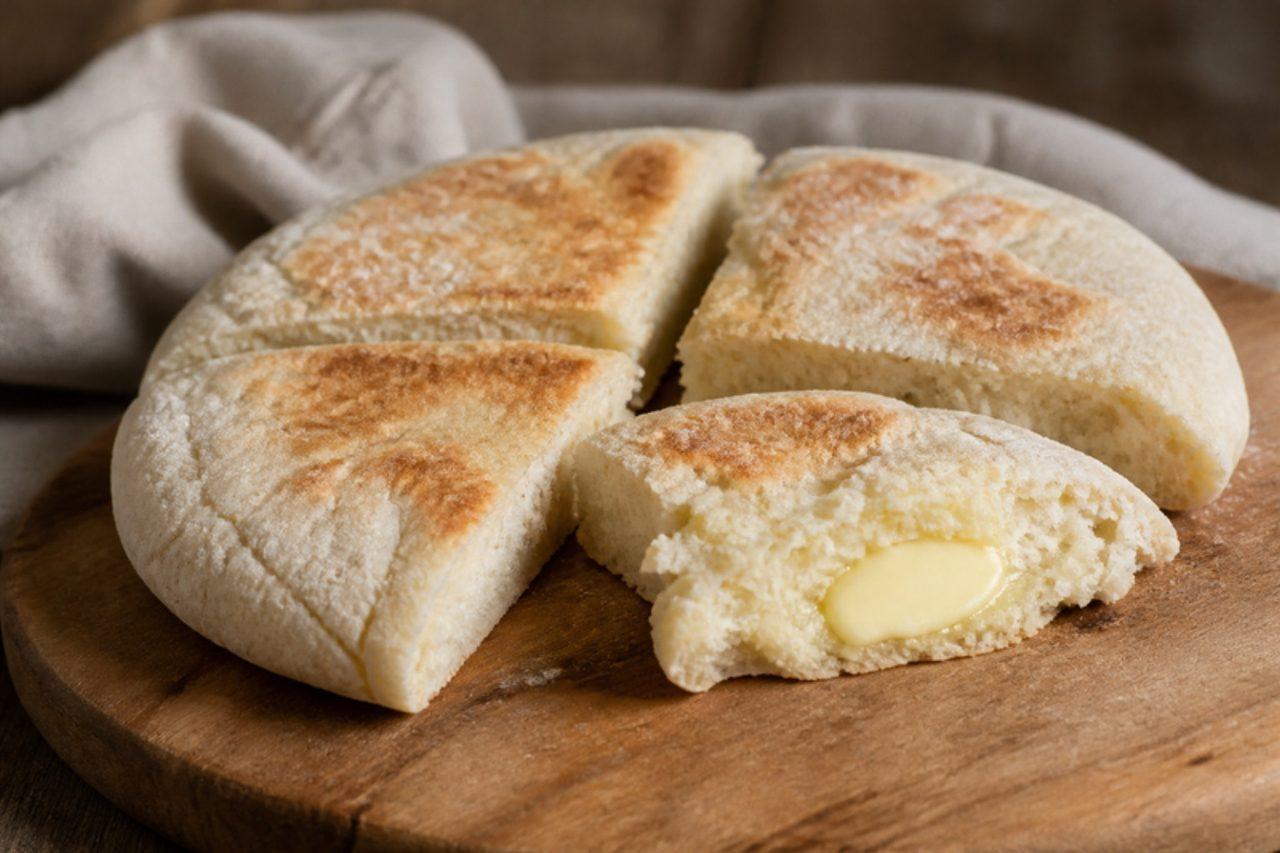
Soda farls are the griddle bread of Northern Ireland, cooked on a flat pan rather than baked, and split and fried in the Ulster fry or eaten warm with butter and jam. Plain flour, bicarbonate of soda and buttermilk make a quick, light dough that is shaped into a round and cut into four farls. Chef's tip: get the griddle hot before the dough is mixed; the soda starts working as soon as the buttermilk goes in.

by KrazyBadal 0 views

Ballycastle yellowman

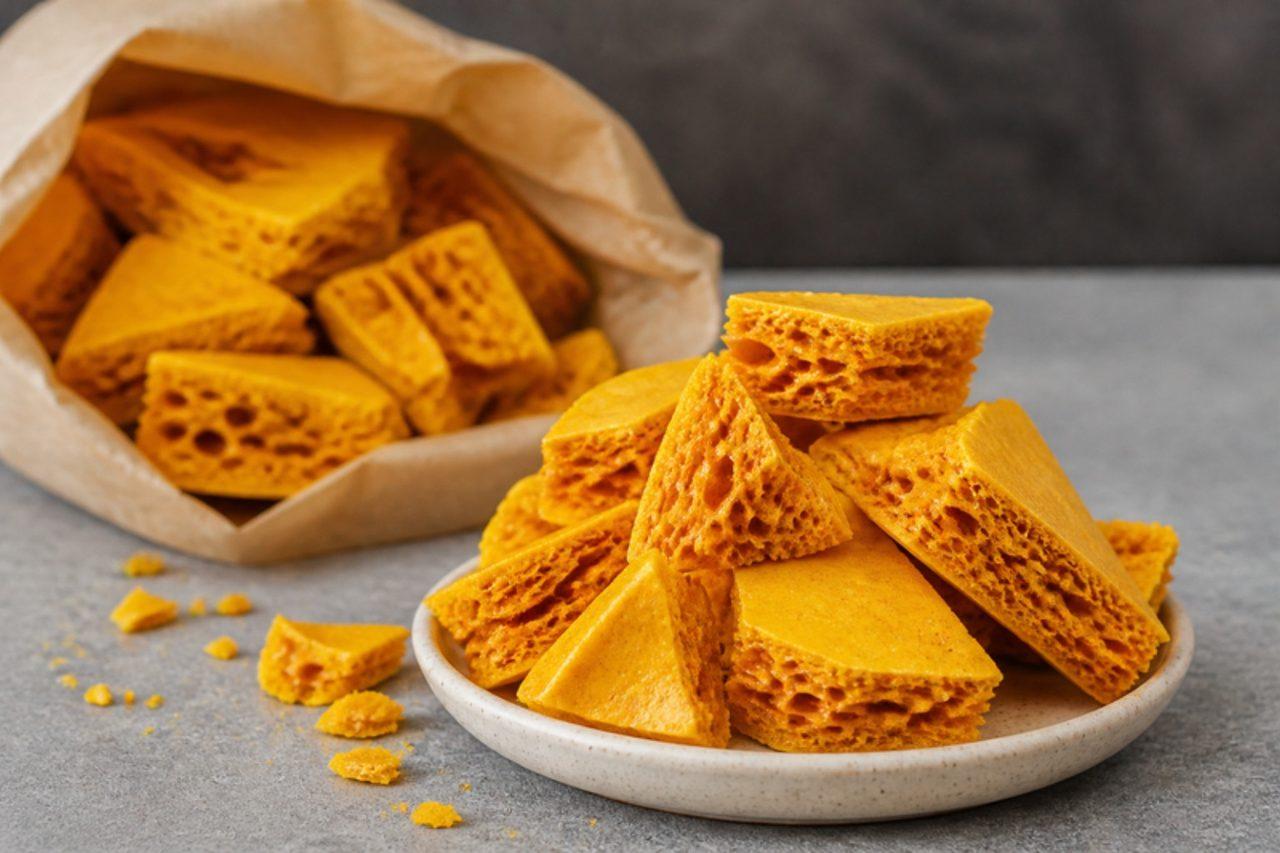
Yellowman is the bright yellow, brittle honeycomb toffee hacked from great slabs at the Ould Lammas Fair in Ballycastle, County Antrim, at the end of every August, often eaten with dulse. Golden syrup, sugar and butter are boiled to the hard-crack stage and then foamed with bicarbonate of soda into a crunchy, airy toffee. Chef's tip: have the tin and the soda ready before you start; once it reaches temperature you have seconds.

by KrazyBadal 0 views

Roast beef and gravy

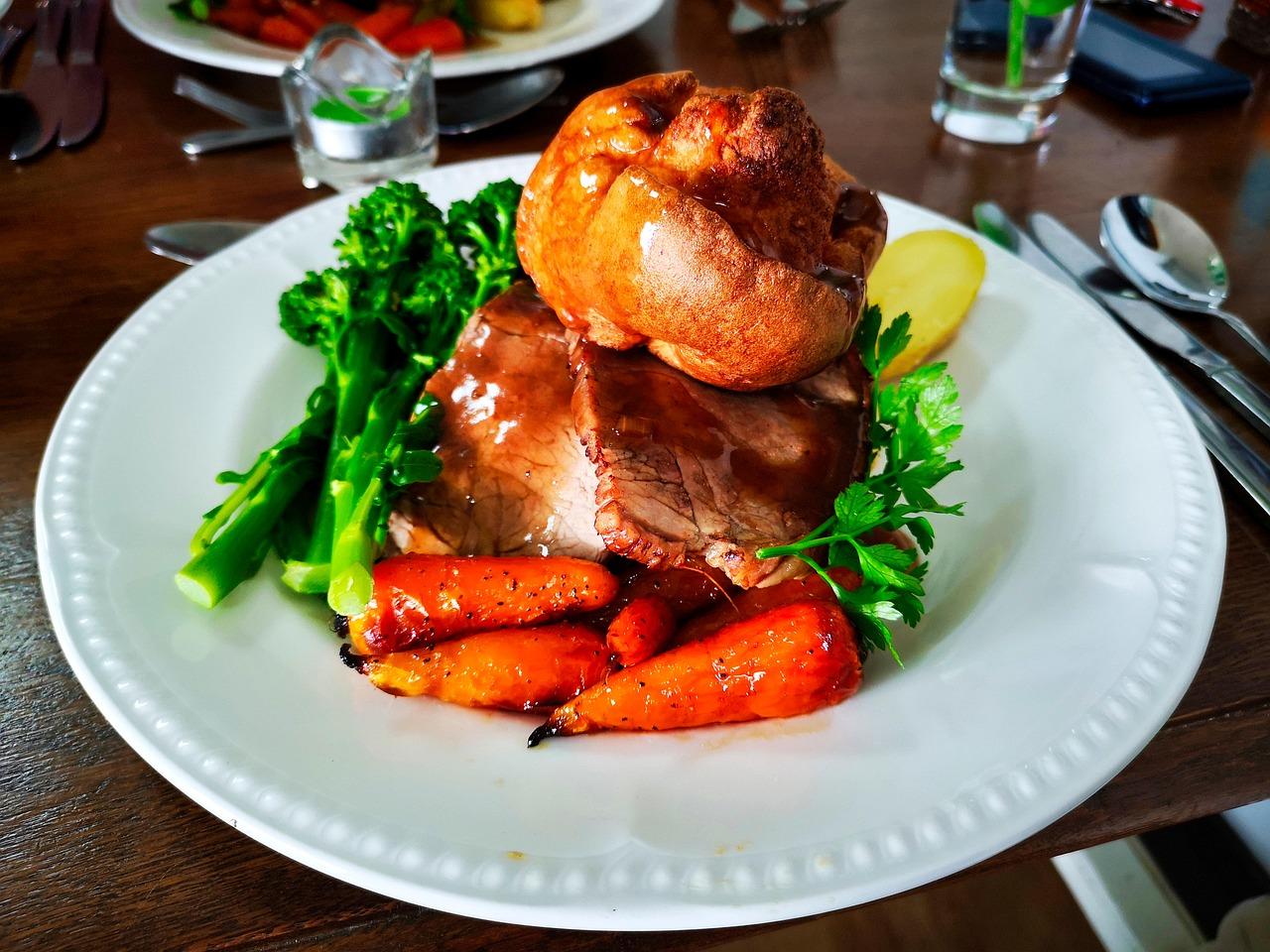
Roast beef is the heart of the English Sunday lunch, and in Yorkshire it comes with puddings, roast potatoes and a jug of gravy made from the pan juices. A beef joint is seared in a hot oven, then roasted more gently and rested so it slices juicy and pink, with crisp, well-seasoned edges. Serve with Yorkshire puddings, horseradish and greens. Chef's tip: rest the meat for at least 20 minutes under foil; carved straight away, its juices run all over the board.

110 minBritishMeat
by KrazyBadal 0 views

Liverpool scouse

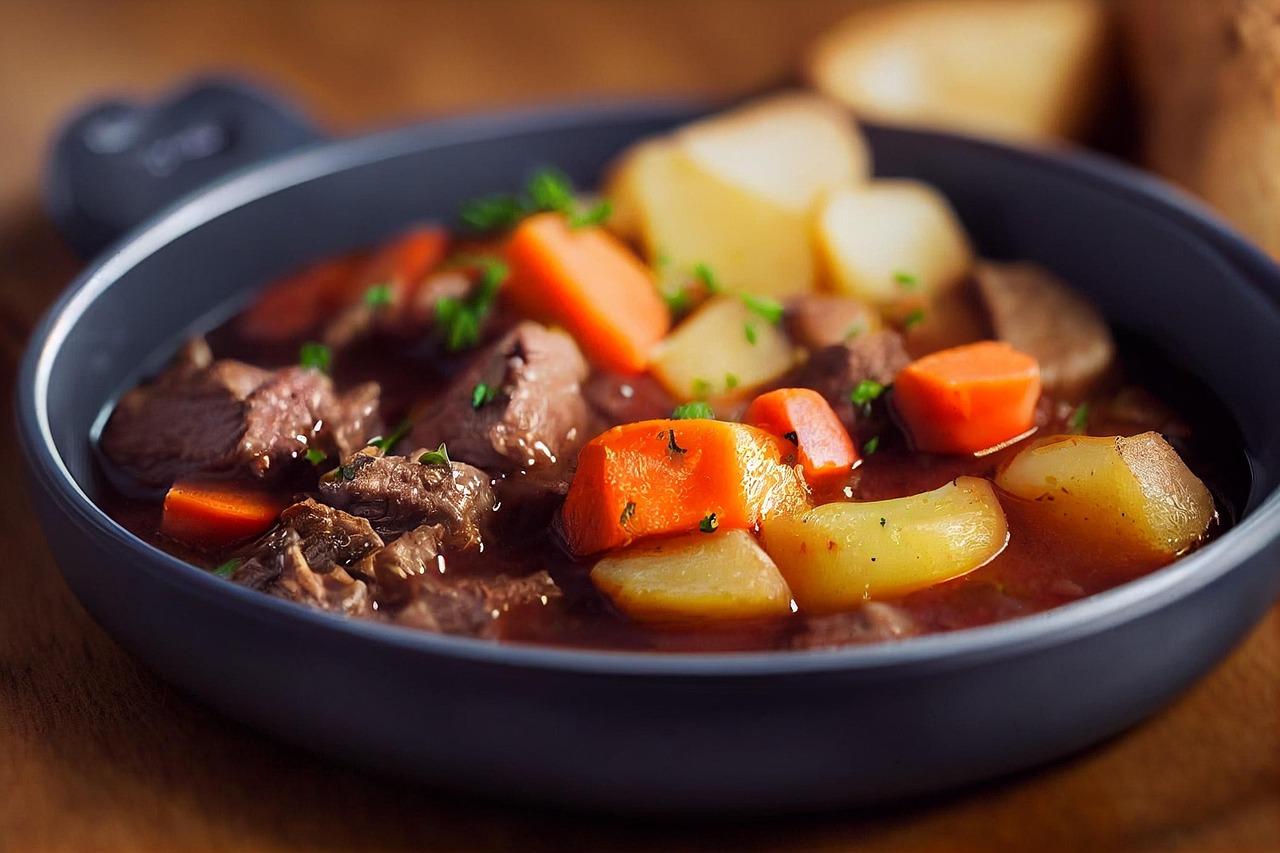
Scouse is so central to Liverpool that its people are named after it; the thick stew of meat, potatoes and onions was carried from the Baltic by sailors and cooked for dockers' families, and city restaurants still celebrate Global Scouse Day each February. Some of the potatoes cook down into the gravy, making it thick and hearty. Serve it with pickled red cabbage or beetroot and crusty bread. Chef's tip: cut half the potatoes small so they collapse and thicken the stew, and leave the rest in chunks.

170 minBritishMeat
by KrazyBadal 0 views

Showing 18 of 6,261 recipes

Show more recipes

Page 378 of 696