


Skip to content
Jamaican curry goat
Featured recipe

Jamaican curry goat

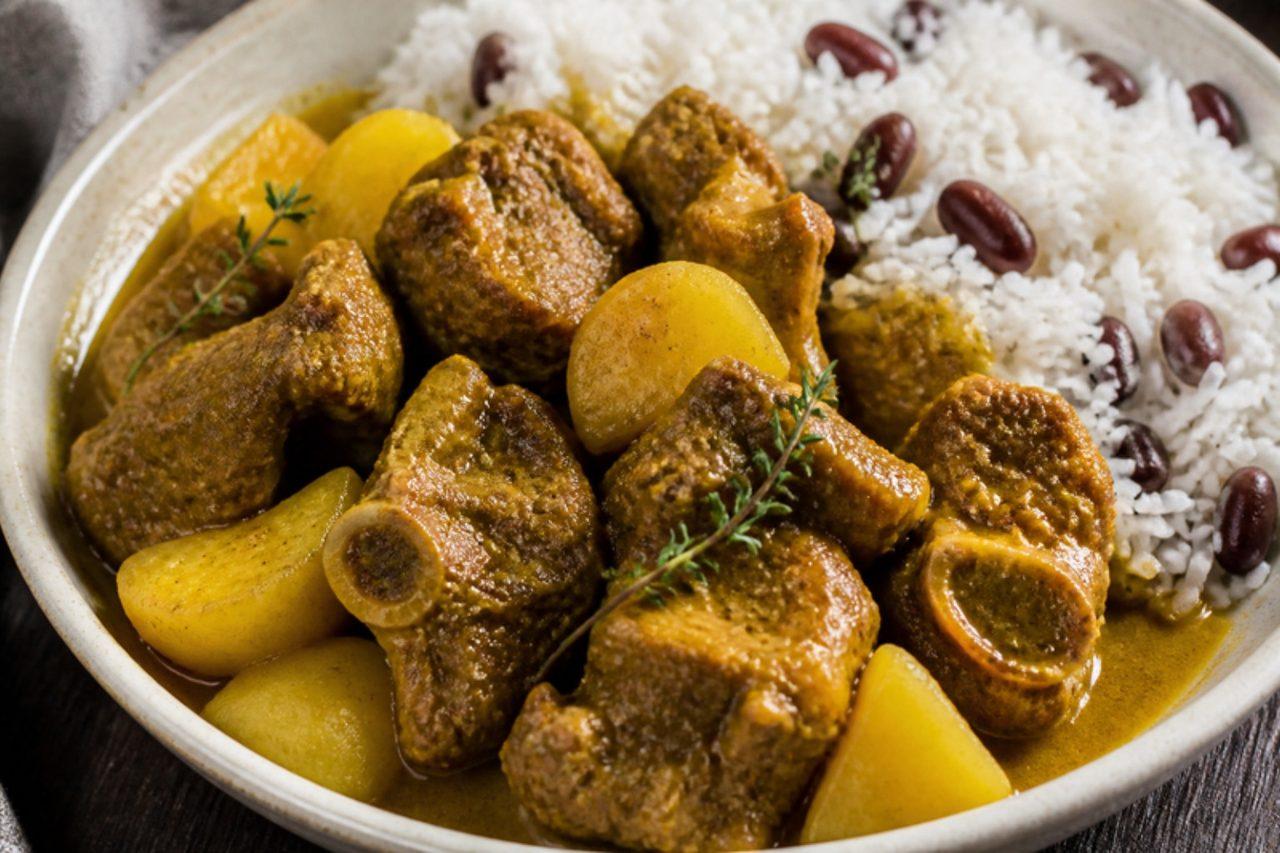
No Jamaican wedding, nine-night or big Sunday family lunch is complete without a pot of curry goat, often cooked outdoors in a huge pot by whoever has the steadiest hand with the seasoning. It came to the island with Indian indentured workers in the 1800s and became fully Jamaican with scotch bonnet, pimento and thyme. The bone-in pieces are seasoned overnight, browned with the curry powder until it darkens, then simmered for a couple of hours into a rich, brick-yellow gravy with soft potatoes that thicken it. Serve with white rice or rice and peas and a little fried plantain. If you can't find goat, bone-in mutton or lamb shoulder works the same way. Chef's tip: 'burn' the curry first; fry the curry powder in hot oil for a minute until it darkens and smells toasty before the meat goes in, and the gravy will never taste raw or chalky.

Read more 0 views

What to eat today?

Around the world

Today's trip: Persian

A new country every day, from every cuisine on the site.

Persian

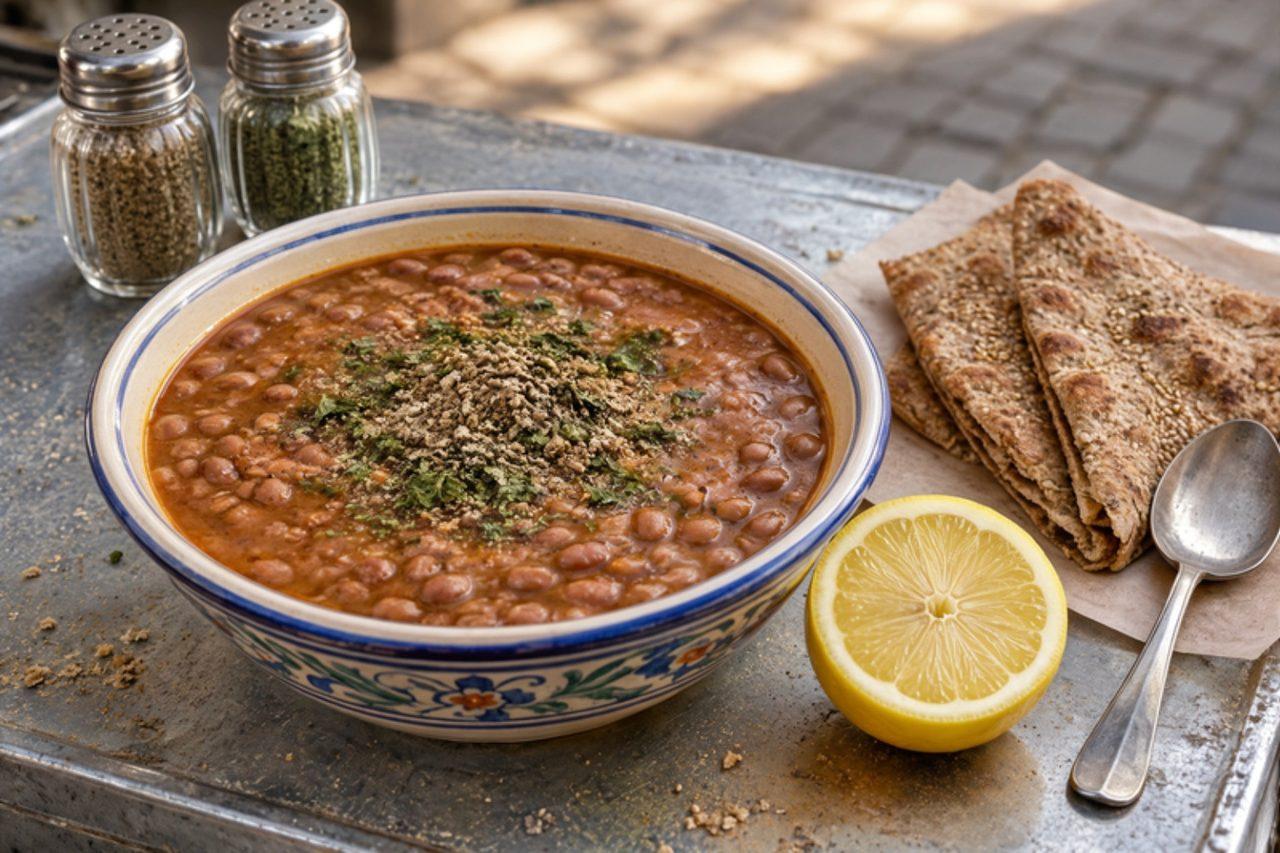
Lubia pokhte

Spiced pinto beans 120 minMore from Persian (131) →

This week's collection

Kid-friendly dinners
541 recipes · a new collection every Monday

Latest recipes

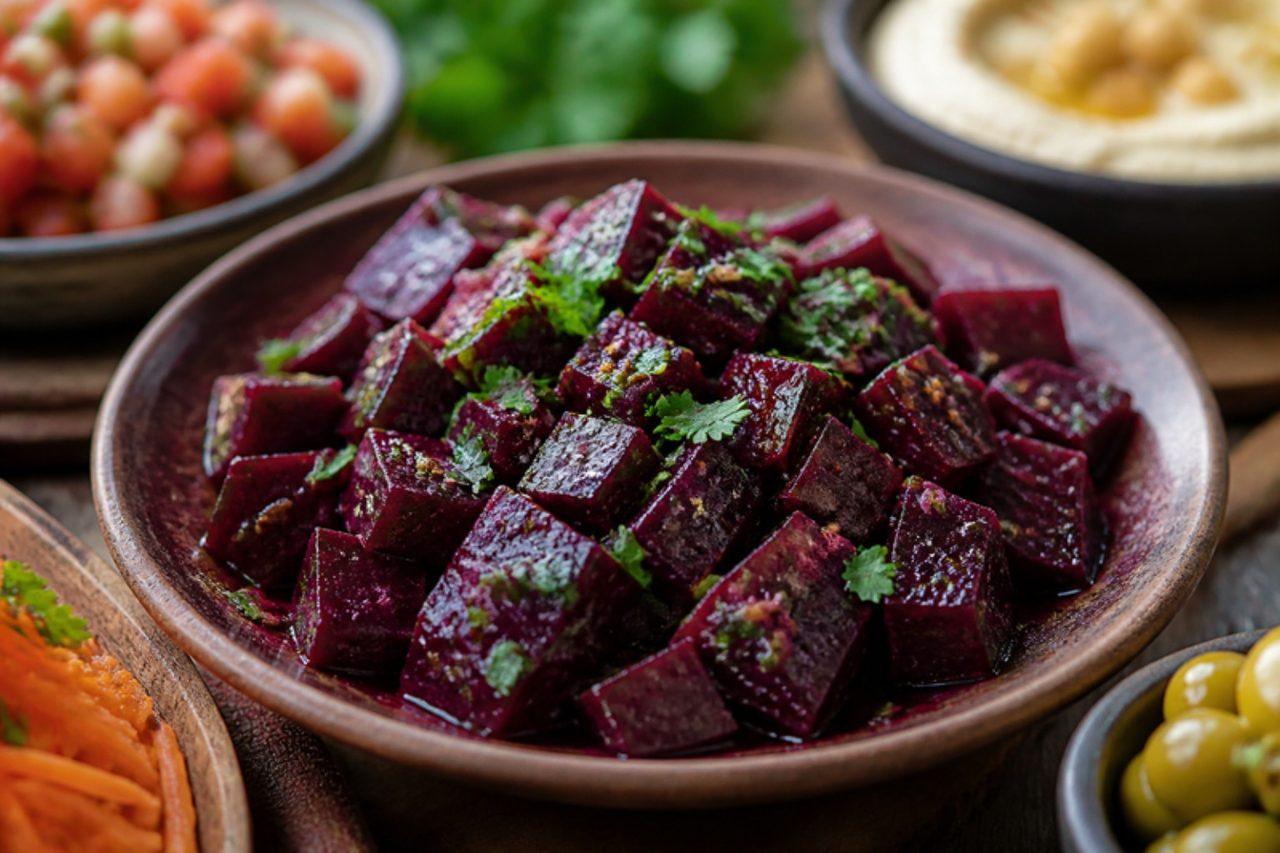
Moroccan beetroot salad

On a Rabat family table, the Friday couscous is often preceded by a spread of small cooked salads, and the jewel-red dish of beetroot cubes is always one of them. Boiled beetroot is cut into dice and dressed with cumin, a little sugar, olive oil and either vinegar for a sharp version or orange-flower water for a softer, perfumed one; some cooks use both. It is earthy, sweet and bright, and needs nothing more than parsley on top. Make it a few hours ahead so the beets soak up the dressing, and serve it cool with bread and other salads. Chef's tip: dress the beetroot while it is still slightly warm; it absorbs the dressing far better than cold beets do.

by KrazyBadal 0 views

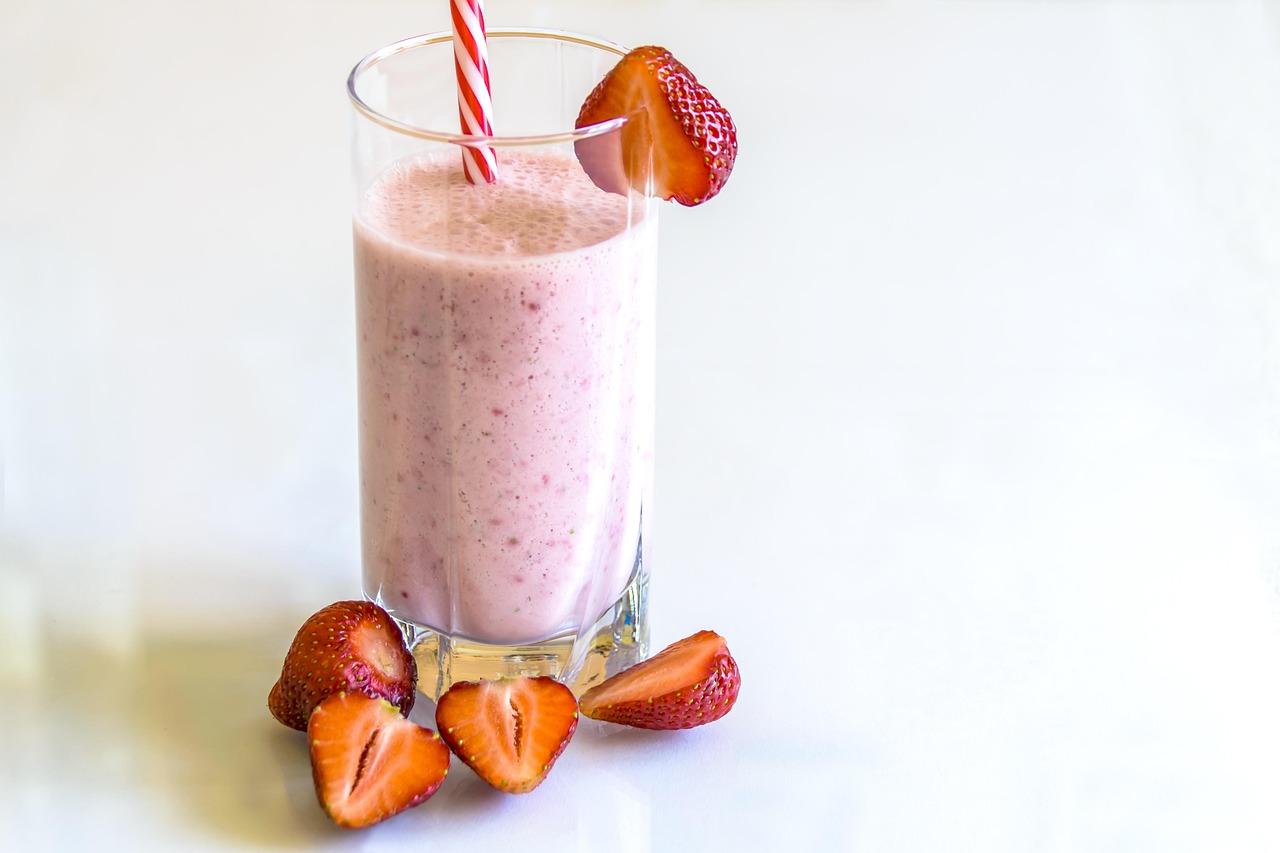
Agua de fresa cremosaCreamy strawberry drink

In Hidalgo, the pulque country north of Mexico City, the pulquerías serve curados: pulque blended with fruit, and the strawberry one is pink, thick and creamy. Home cooks and taquerías make this alcohol-free cousin for the whole family, a strawberry agua fresca blended with evaporated milk, so it is like a light milkshake that you drink with tacos on a hot afternoon. It contains no pulque or alcohol. Chef's tip: use the ripest, darkest strawberries you can find; pale ones give a thin, sour drink.

by KrazyBadal 0 views

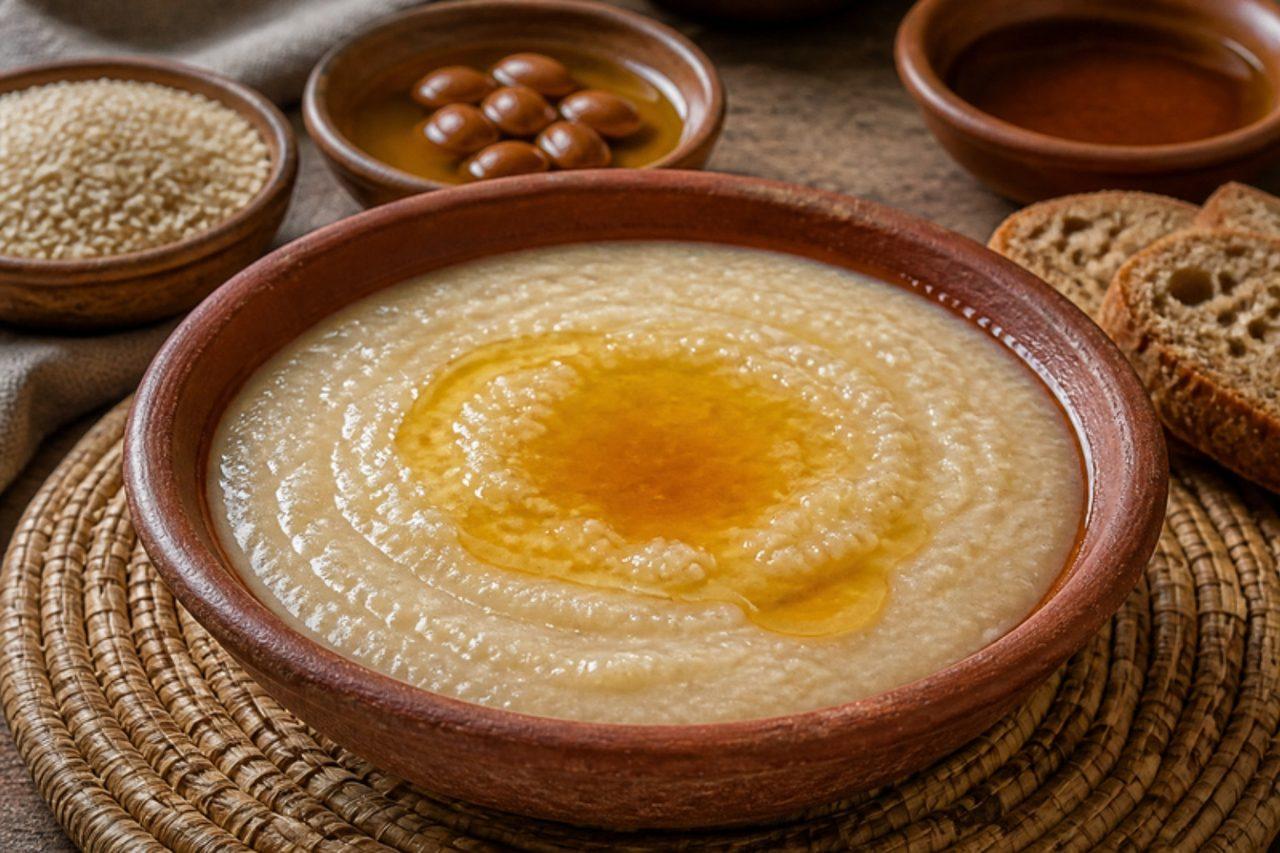
Tagoula (barley porridge with argan oil and honey)

Tagoula is mountain food from the Souss and the Atlas: coarse barley (or maize) cooked in salted water until it is thick enough to hold a shape, then turned into a shared dish, hollowed in the centre and filled with golden argan oil, honey and sometimes a spoon of smen. Families eat it for breakfast on cold days and it is a traditional dish for Yennayer, the Amazigh New Year in January. Everyone dips spoonfuls of the soft, nutty porridge into the pool of oil and honey, so each bite is sweet, savoury and rich at once. Outside Morocco, a roasted walnut oil is the closest stand-in for culinary argan oil. Chef's tip: pour the grits into boiling water in a thin stream while beating with a wooden spoon; dumping them in at once is the usual mistake and leaves lumps.

by KrazyBadal 0 views

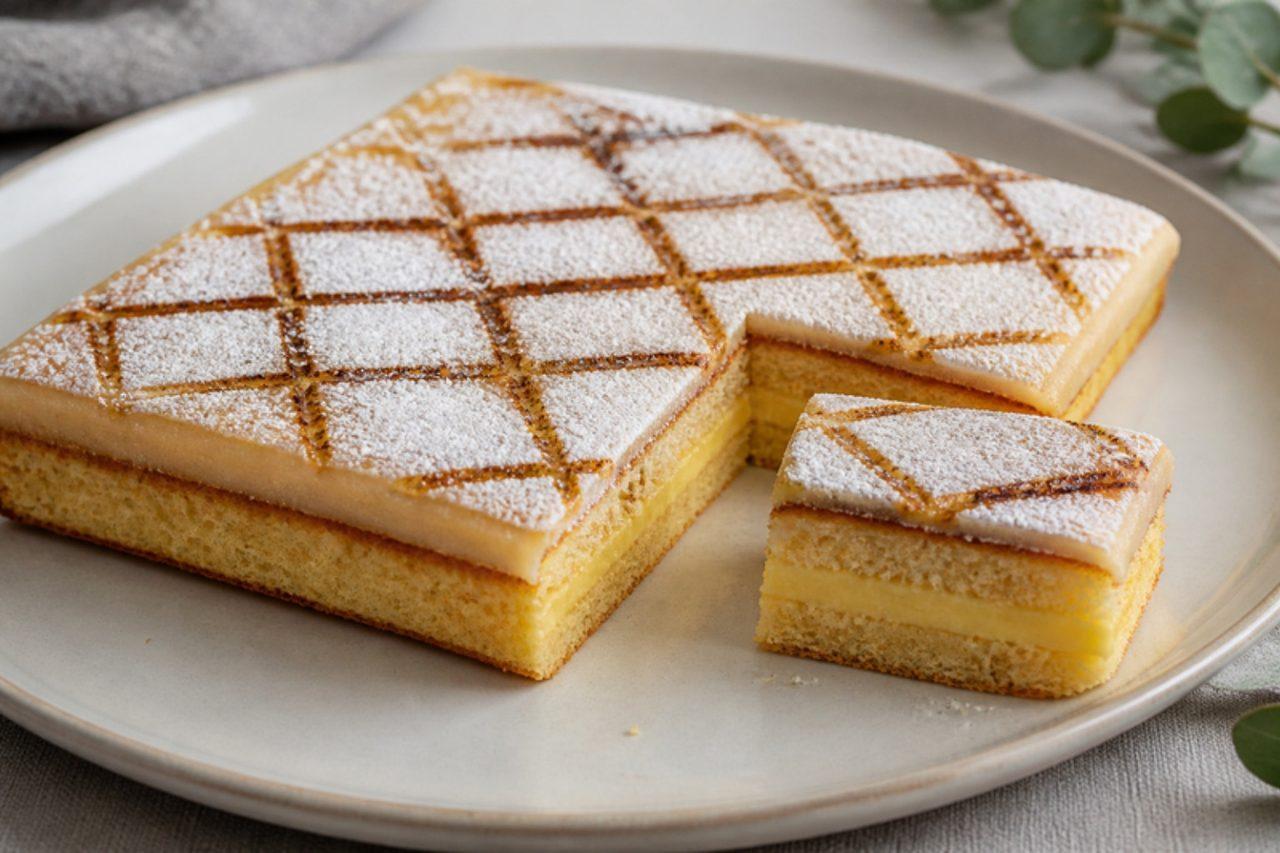
Ponche segoviano

Segovia's confiterías have sold ponche since the 1920s: layers of light sponge brushed with syrup, sandwiched with thick custard and wrapped in a thin coat of marzipan whose sugared top is branded into a diamond lattice with a hot iron. It is the cake for a family celebration, or the sweet finish after a roast suckling-pig lunch in the old town. The syrup is traditionally laced with liqueur; leave it out, or swap it for orange juice, for an alcohol-free cake. Chef's tip: let the custard cool and set completely before assembling, or the layers slide.

by KrazyBadal 0 views

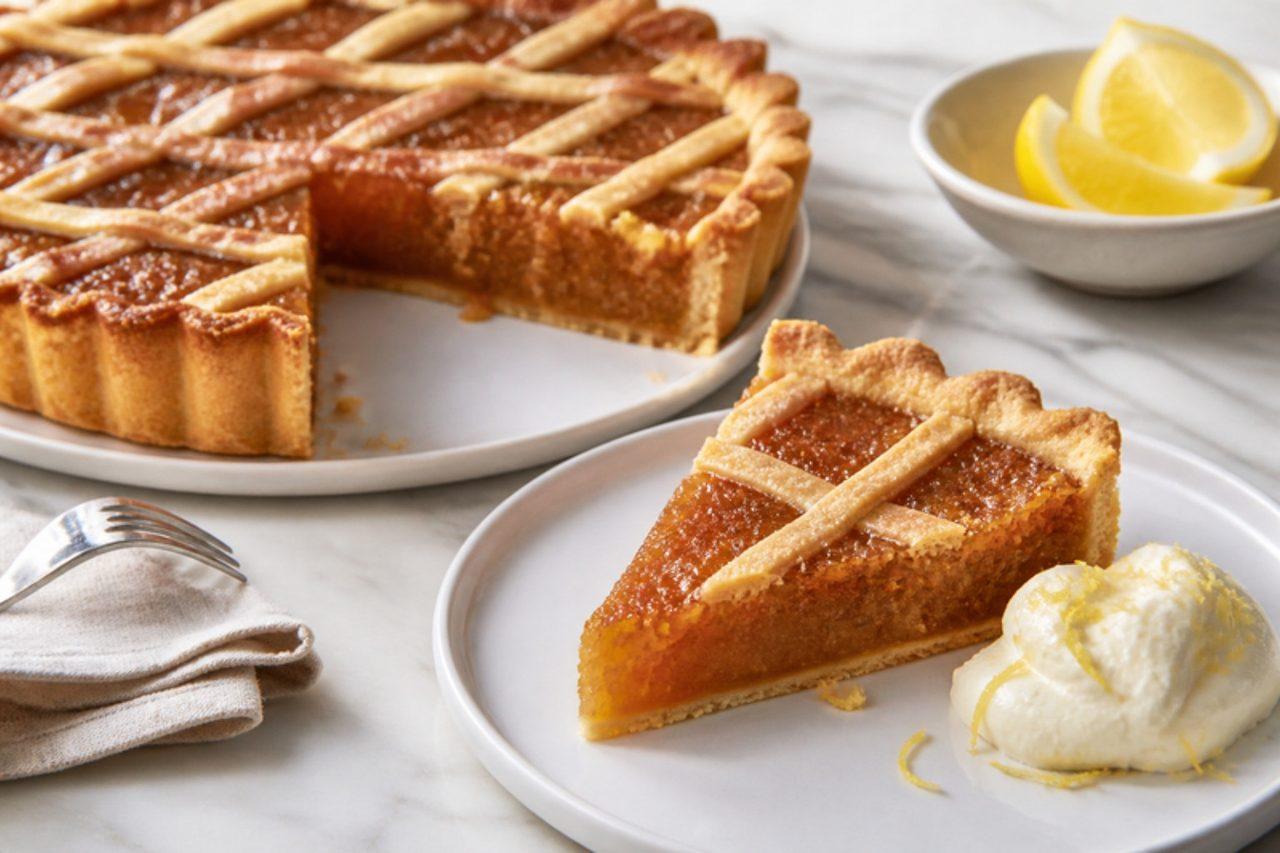
Treacle tart

Treacle tart is an old English nursery pudding, a favourite of Victorian kitchens and still served with clotted cream or custard in pubs and school canteens. Despite the name it's made with golden syrup thickened with fresh breadcrumbs, sharpened with lemon zest and juice, baked until chewy at the edges and soft in the middle. Chef's tip: warm the syrup before mixing so the breadcrumbs soak it up evenly.

by KrazyBadal 0 views

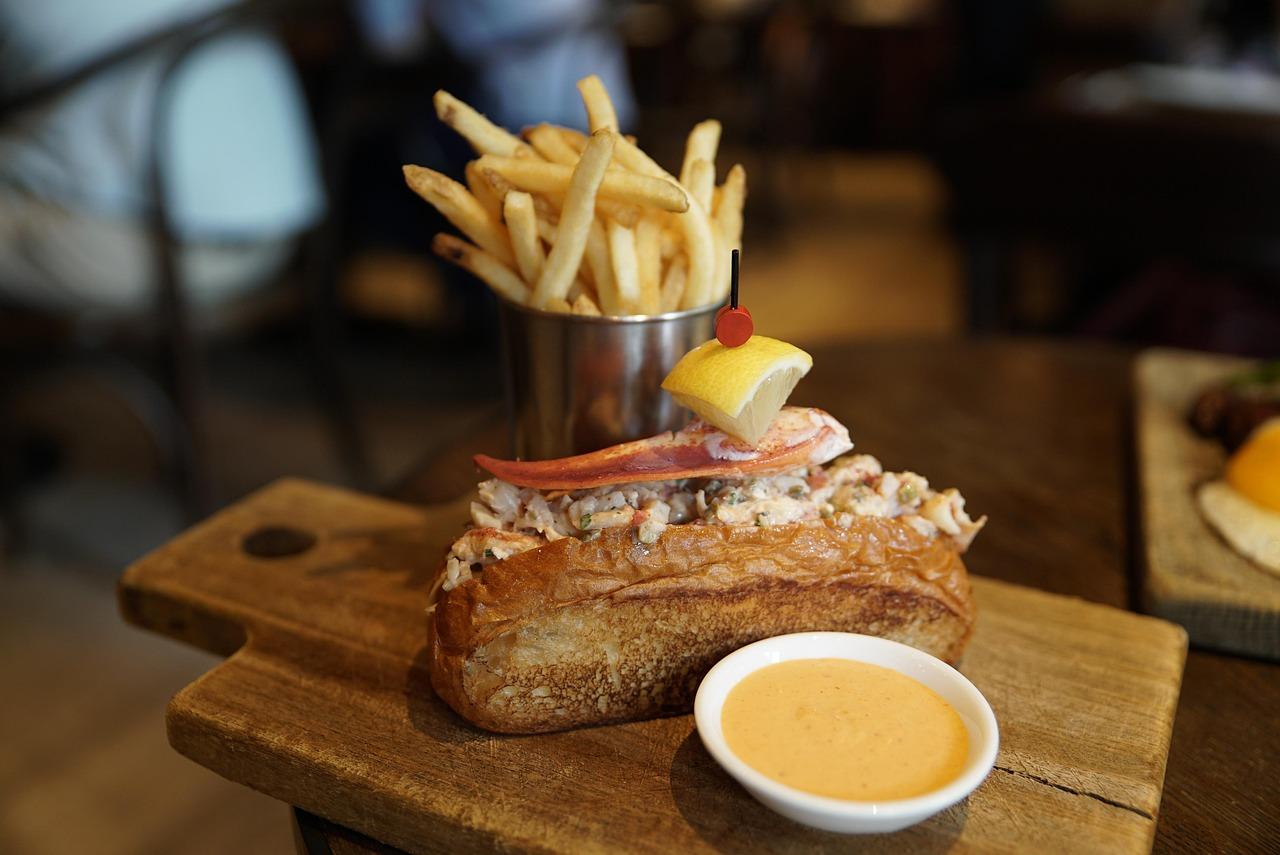
New England lobster roll

From Kittery to Bar Harbor, roadside lobster shacks on the Maine coast serve this every summer: big chunks of sweet lobster meat, barely dressed with mayonnaise, lemon and celery, piled into a hot-dog bun toasted in butter. Over the border in Connecticut they serve it warm with melted butter instead, and both camps think the other is wrong. Chef's tip: dress the lobster lightly, just enough to gloss it; the meat should be the star, not the mayonnaise.

by KrazyBadal 0 views

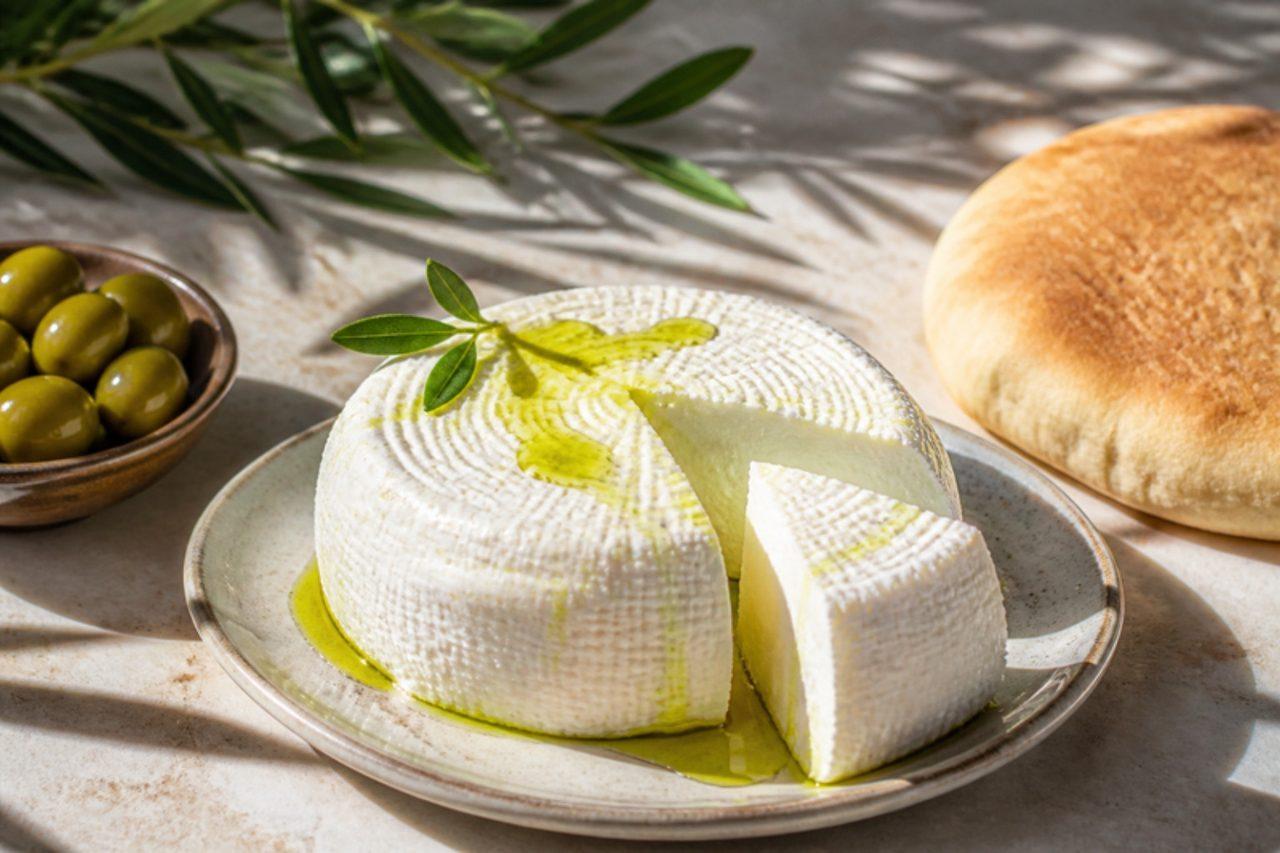
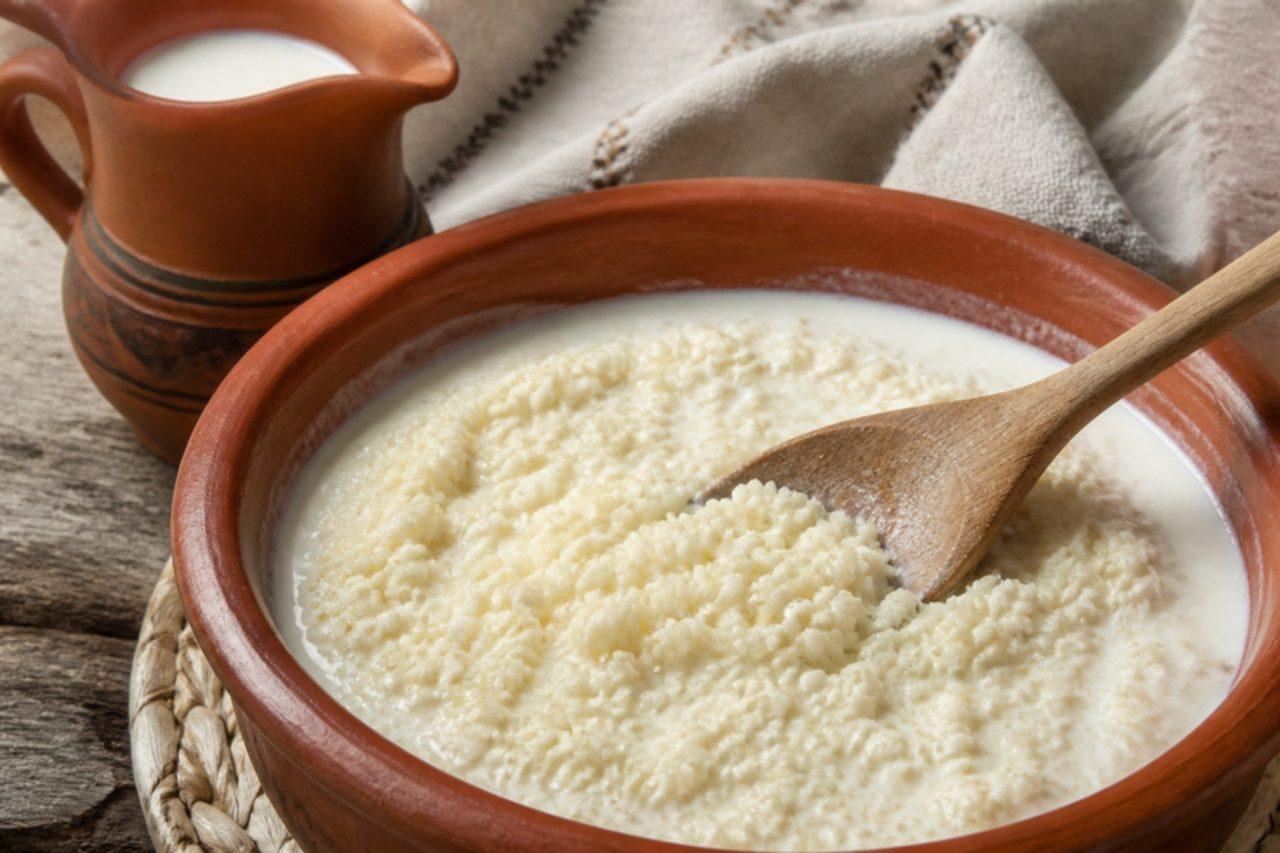
Jben (fresh Moroccan cheese)

On the road into Chefchaouen, women from the Rif villages sit with rounds of jben wrapped in palm leaves, a fresh, soft, lightly salted cheese with a clean, milky tang. Breakfast in the north often means a slab of it drizzled with olive oil, sprinkled with dried thyme or za'atar, with olives, honey and warm bread. Traditionally jben is curdled with animal rennet (sometimes with thistle or fig sap), so check if you buy it; this home version uses vegetarian (microbial) rennet and pasteurised milk, and is drained in the fridge. Hands-on time is about an hour; the curd then needs 1–2 hours to set and 4–6 hours to drain. Keep it chilled and eat it within 4 days. Chef's tip: avoid UHT and ultra-pasteurised milk, which will not set into a firm curd; ordinary pasteurised whole milk works well.

by KrazyBadal 0 views

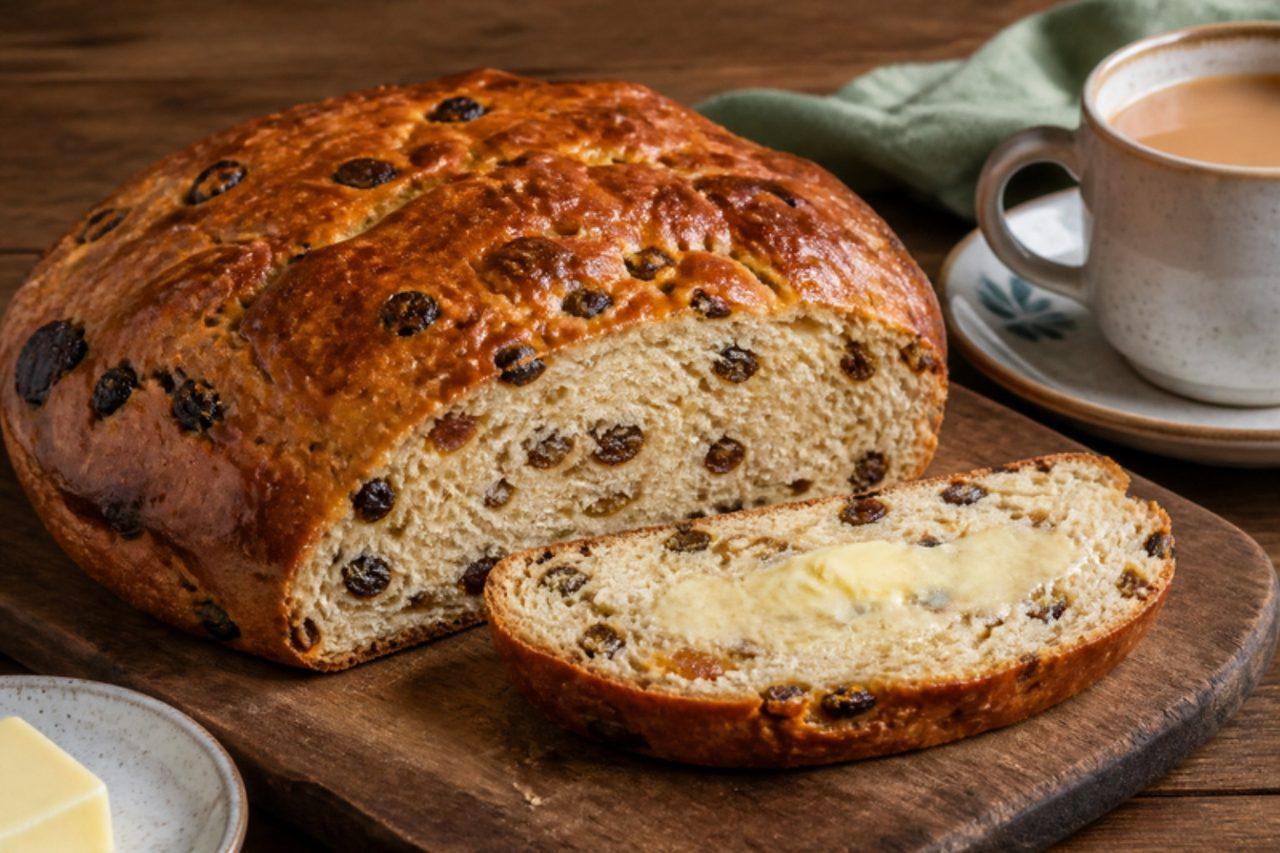
Selkirk bannockSultana yeasted loaf

The Selkirk bannock is a round, glossy fruit bread from the Border town of Selkirk, first baked in the 1850s and famously eaten by Queen Victoria at Abbotsford. Unlike a plain oat bannock it is a rich yeast dough that is mostly sultanas, sliced and buttered with afternoon tea. Chef's tip: work the sultanas in only after the dough has risen once, or they tear the gluten and the loaf won't lift.

by KrazyBadal 0 views

Saykouk (couscous in cold buttermilk)

On hot evenings in the villages of the Middle and High Atlas, supper is often nothing more than saykouk: steamed couscous, usually barley, cooled and then drowned in ice-cold lben, the tangy buttermilk left after churning butter. It is eaten with spoons from a big shared bowl and is wonderfully cooling, sour and creamy, with the grains soaking up the milk as you eat. Some families sweeten it with a little sugar, others keep it salty; both are right. This quick version uses instant couscous so it is ready in about 20 minutes. Don't pour the buttermilk over warm couscous: it should be fully cool, or the buttermilk splits and the dish loses its refreshing chill. Chef's tip: let the couscous cool completely before the buttermilk goes in, or it turns the buttermilk warm and slightly grainy.

by KrazyBadal 0 views

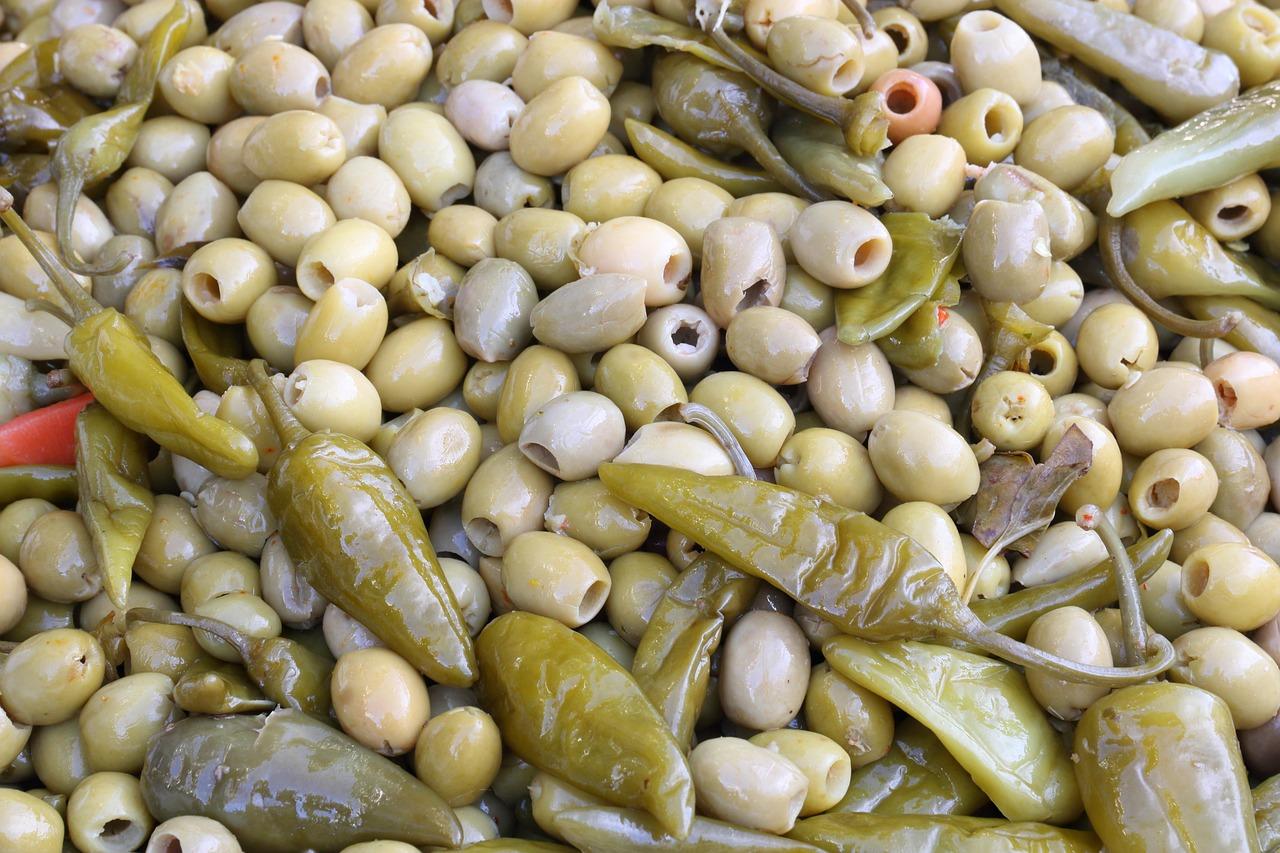
Moroccan marinated olives (zitoun mchermel)

Olive sellers in the Marrakech medina build tall pyramids of green, violet and black olives, and some of the most tempting bowls are the ones already dressed with chilli paste, garlic and preserved lemon. Making zitoun mchermel at home is simple: rinse good brined olives, then toss them with harissa, cumin, paprika, lemon rind, herbs and olive oil and give them a day in the fridge to soak up the flavours. They come to the table at almost every meal, next to bread and salads, and are perfect with mint tea or as a snack before dinner. Chef's tip: lightly crack each olive with the flat of a knife or the bottom of a glass so the marinade gets inside.

by KrazyBadal 0 views

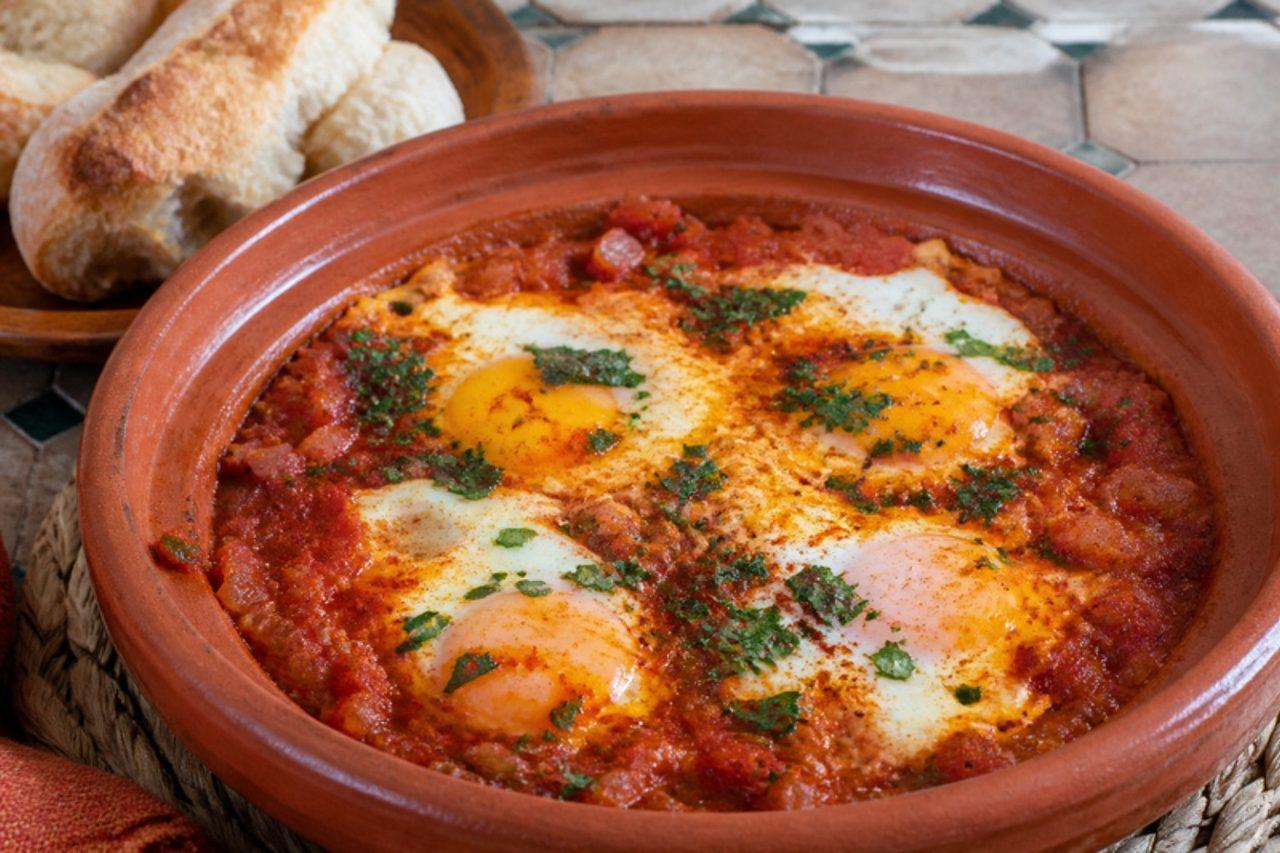
Berber omelette

Roadside cafés on the mountain passes of the High Atlas keep small clay tagines warming over charcoal, and the one most travellers order for breakfast or a quick lunch is the Berber omelette: eggs cracked over a bubbling base of tomato, onion, cumin and paprika, then covered until they just set. It arrives sizzling with olives and herbs on top and plenty of bread to wipe the dish clean, usually with a glass of mint tea. At home you can use a small tagine on a heat diffuser or a lidded frying pan. For anyone pregnant, very young, older or with a weak immune system, cook until the yolks are firm. Chef's tip: never put a clay tagine straight onto a high flame; use a diffuser and medium-low heat, or it can crack.

by KrazyBadal 0 views

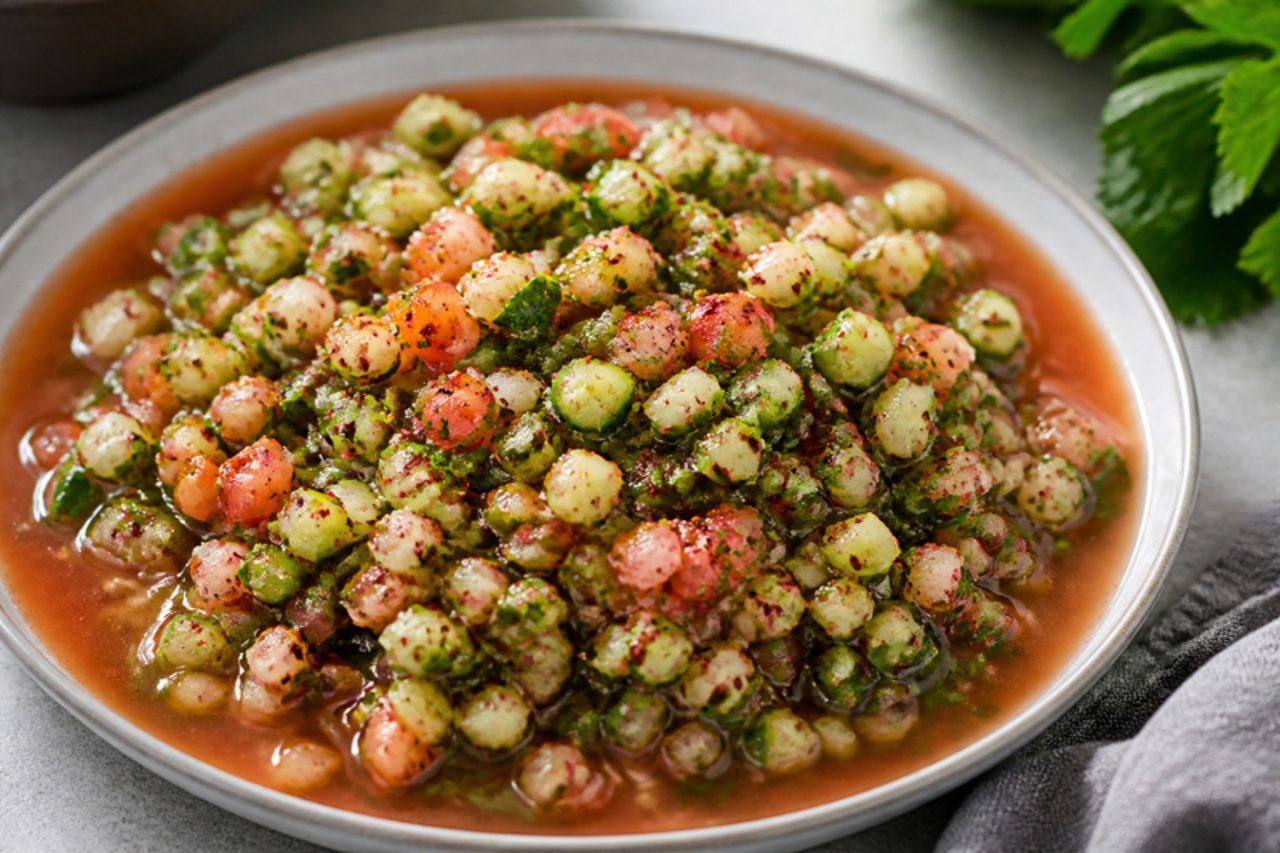
BostanaChopped tomato and cucumber salad

In Şanlıurfa a bowl of bostana goes on the table beside every summer meal of kebab, köfte or bulgur pilaf. Tomatoes, cucumbers, green peppers, onion and fistfuls of parsley and mint are chopped very small, seasoned with isot and drowned in lemon juice and a little water, so you spoon up the juices as well as the vegetables. It is meant to be cold, sour and refreshing in the city's fierce heat. Common mistake: making it hours ahead; the cucumber goes limp. Chef's tip: chill the bowl and add a couple of ice cubes just before serving, as Urfa grandmothers do.

by KrazyBadal 0 views

Axoa de veauMinced veal and pepper stew

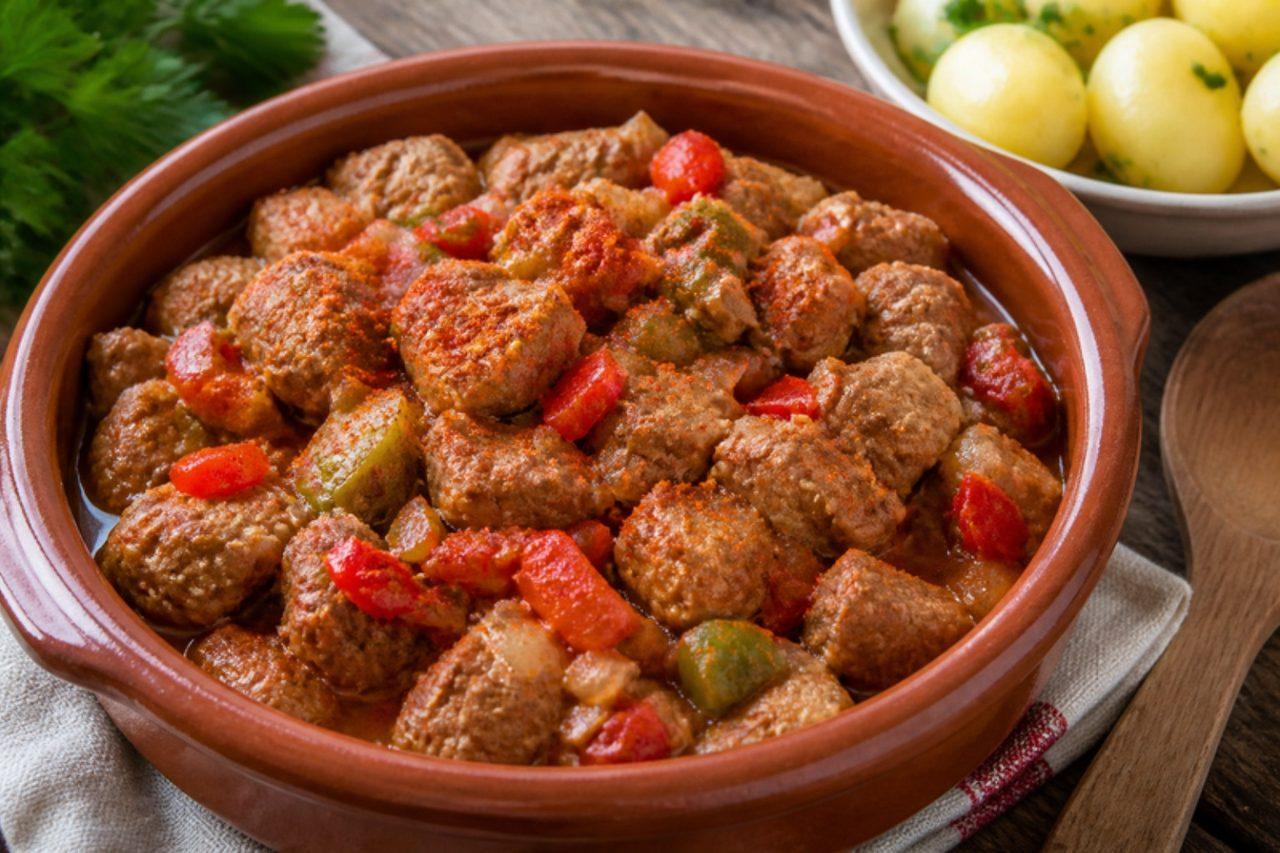
Axoa (say 'ash-o-a') comes from Espelette, the Basque village whose house fronts are hung with strings of drying red peppers every autumn, and it is still the dish of the October pepper fair and of market-day lunches in Cambo and Bayonne. Veal shoulder is cut into small dice, then stewed with onions, mild green peppers and a good spoonful of ground Espelette pepper, which brings warmth and a fruity, smoky perfume rather than real fire. The result is soft, juicy and brick-red at the edges, best spooned over boiled potatoes or with crusty bread. Chef's tip: stir most of the Espelette pepper in at the end of cooking; long simmering dulls its fragrance.

70 minFrenchMeatGluten free
by KrazyBadal 0 views

Irish porter cake

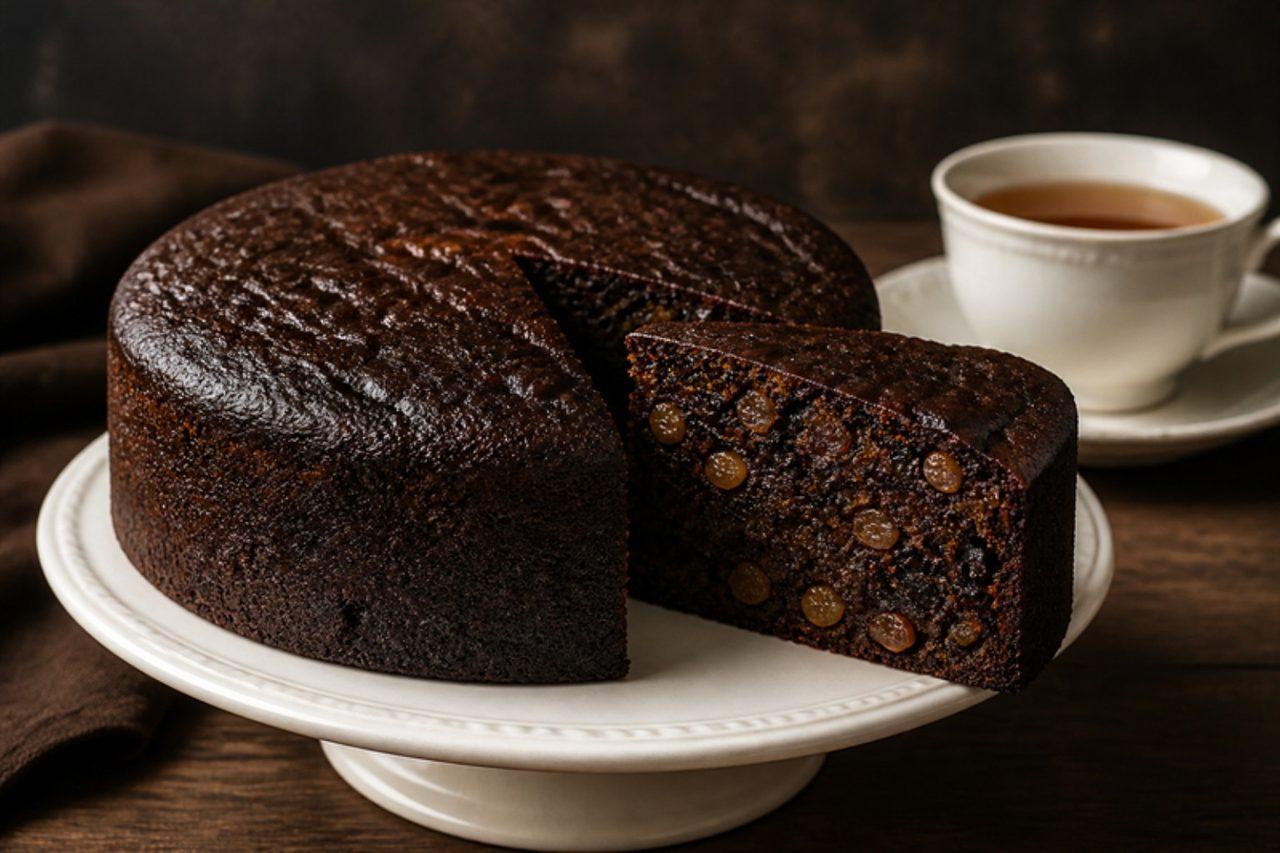
Porter cake is the Dublin fruit cake made with stout, the dark beer once drunk by the porters of Dublin's markets and docks; it is baked for Christmas, christenings and wakes across Leinster. The fruit is simmered in the stout, which gives the crumb a deep, malty, slightly bitter flavour and keeps it moist for weeks. This recipe contains alcohol: most of it cooks off, but for an alcohol-free version use strong black tea or alcohol-free stout. Chef's tip: wrap the cooled cake and leave it for 2–3 days before cutting; it slices better and tastes richer.

140 minIrishBaking
by KrazyBadal 0 views

Devon cream tea scones

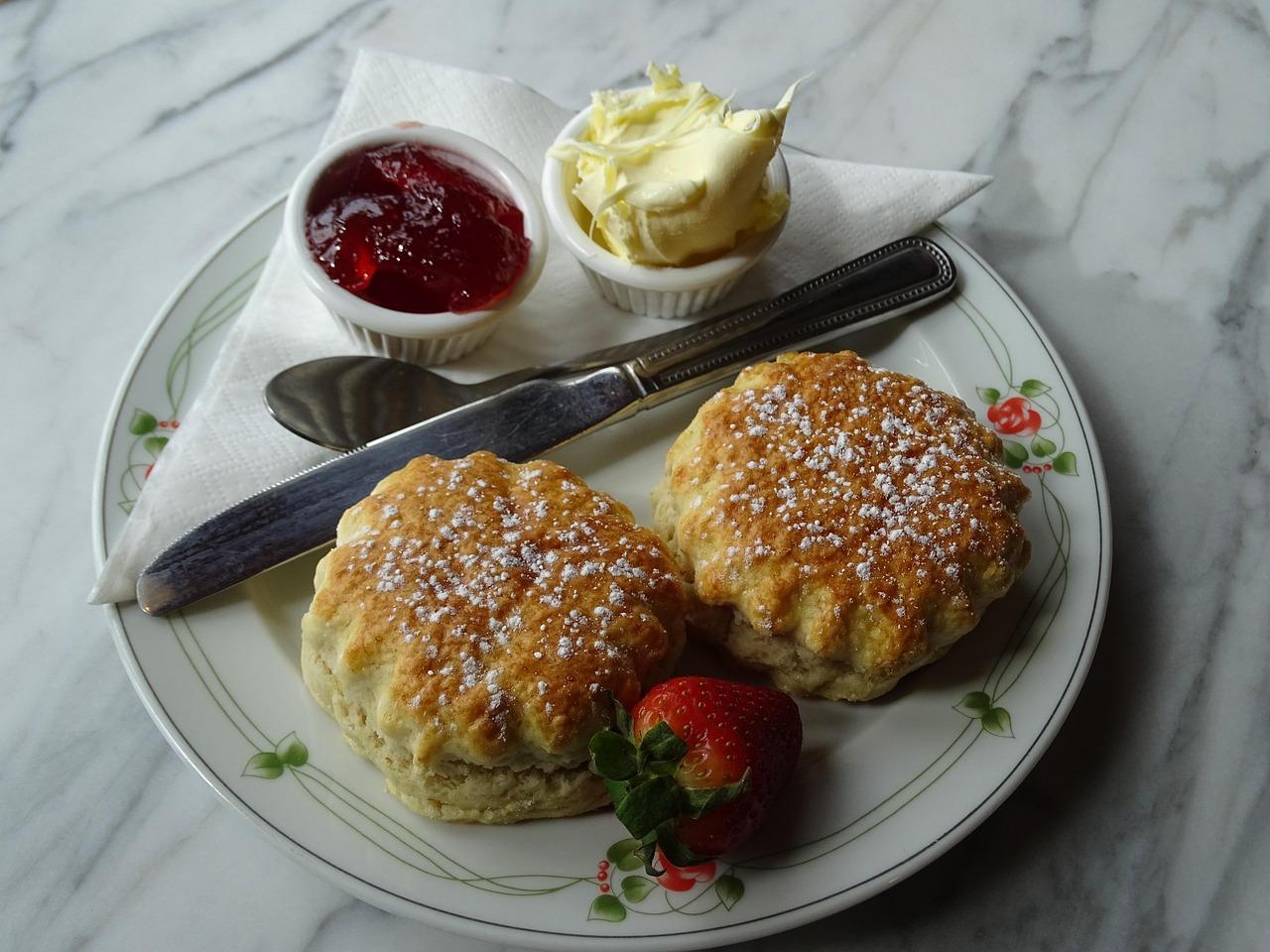
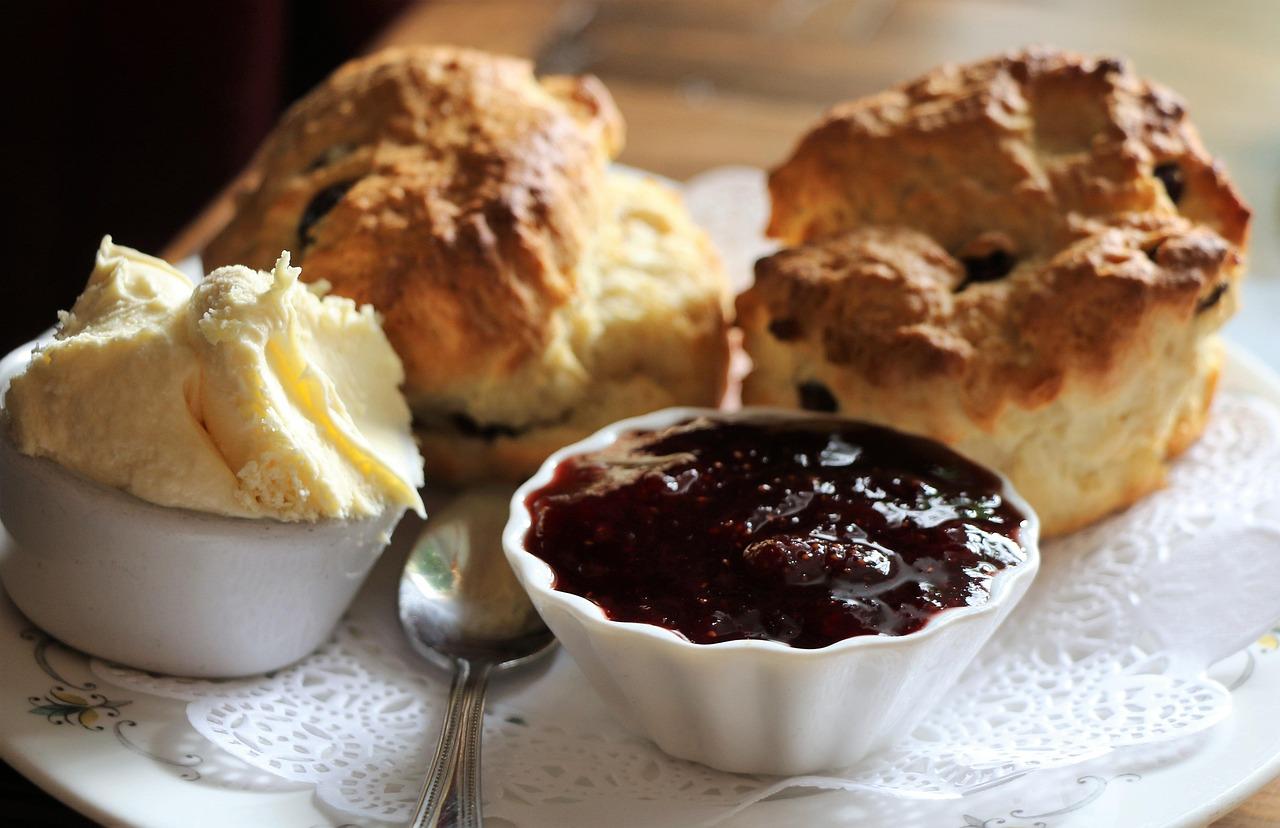
A cream tea is the West Country's afternoon treat: warm scones, clotted cream and strawberry jam with a pot of tea, served in tea gardens across Devon and Cornwall. In Devon the cream goes on first and the jam on top; in Cornwall it's the other way round, and the argument never ends. These scones are plain and light so the cream and jam shine. Chef's tip: cut straight down with the cutter and don't twist it, or the scones rise lopsided.

by KrazyBadal 0 views

AborrajadosFried cheese-stuffed plantain

Cali's bakeries and Sunday food stalls by the Pance river sell aborrajados all day: thick slices of very ripe plantain, fried soft, pressed around a slab of white cheese, sometimes with guava paste, then coated in a light batter and fried again until golden. The result is sweet, salty and gooey, a snack you eat with your hands alongside a glass of lulada or champús. Choose plantains with skins almost completely black; yellow ones are too starchy and never get sweet. Queso blanco or campesino is often set with animal rennet, so use a vegetarian mozzarella or similar. The usual mistake is batter that is too thick, giving a heavy, bready shell; it should coat like thin pancake batter. Chef's tip: chill the stuffed plantain parcels for 10 minutes before battering; they hold together much better in the oil.

by KrazyBadal 0 views

AbaráSteamed black-eyed pea parcels

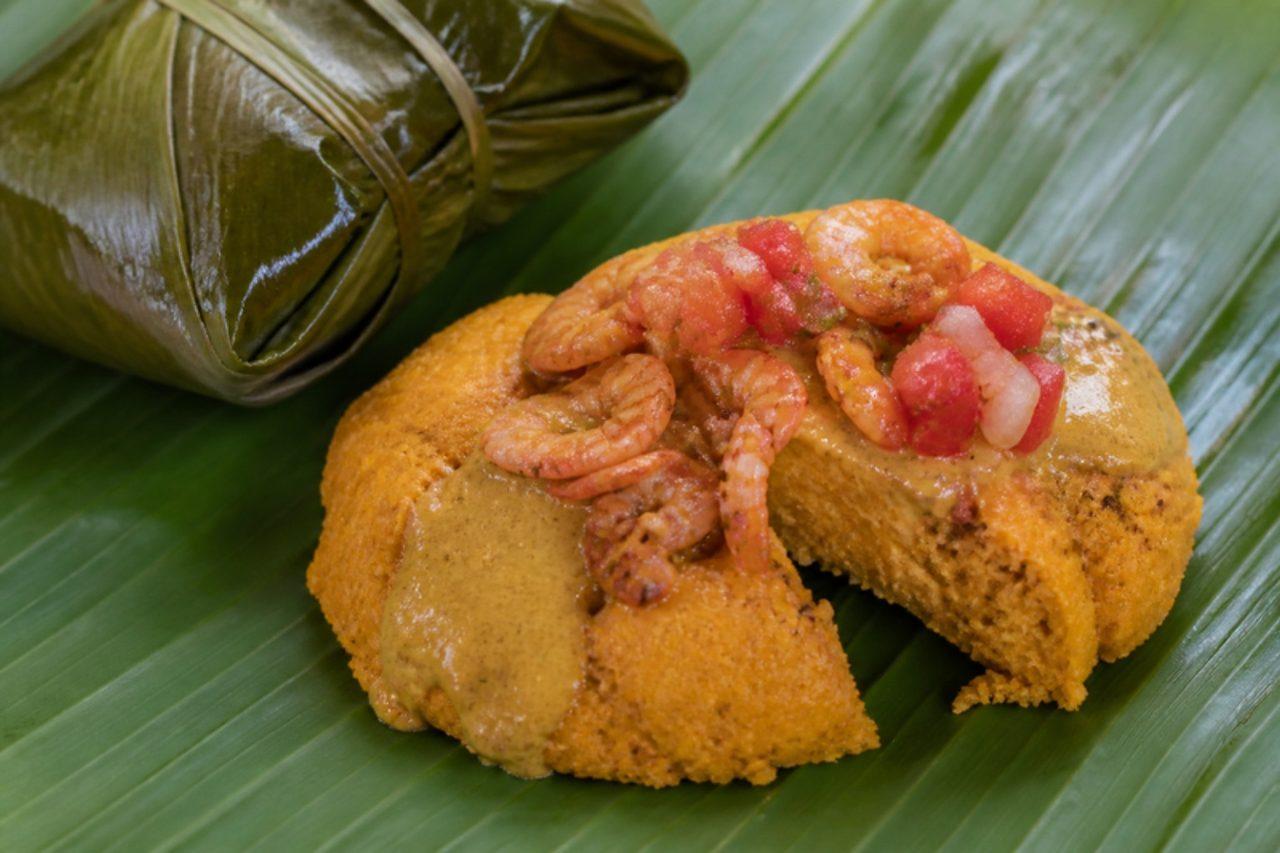
Abará is the steamed sister of acarajé, sold from the same wooden trays by the baianas in white lace who set up on the corners of Salvador's Pelourinho, Rio Vermelho and the Barra seafront. The batter is identical, black-eyed peas skinned and ground with onion and dried shrimp, but instead of hitting hot dendê it is wrapped in banana leaf and steamed, so it comes out soft, dense and sunset-orange, tasting of palm oil, sea and pulses. Baianas split it open and fill it with vatapá, caruru, vinagrete and a few whole shrimp; at home it is lovely with just a spoonful of pepper sauce. Plan ahead: the peas need soaking overnight. The usual mistake is leaving the skins on, which makes the parcels grey, gritty and heavy. For a vegetarian version, leave out the shrimp and add a pinch more salt. Chef's tip: beat the paste hard with a wooden spoon for a few minutes before wrapping; the air you work in is what keeps abará light rather than rubbery.

by KrazyBadal 0 views

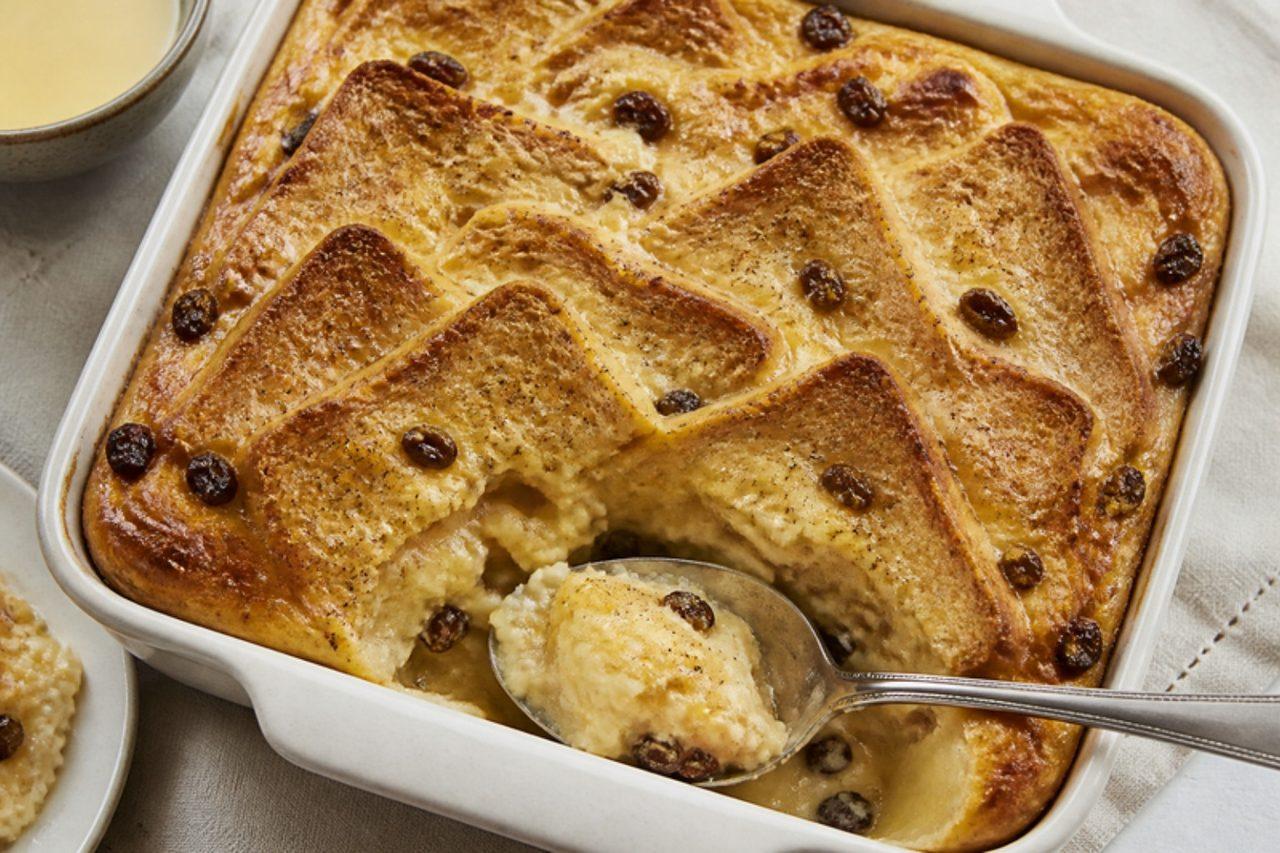
Bread and butter pudding

Bread and butter pudding was the thrifty English way of using up stale bread, and today it's a pub and Sunday-lunch pudding from the Cotswolds to London. Buttered slices of bread are layered with sultanas, soaked in a vanilla and nutmeg custard and baked until puffed with a crisp, sugary top and a soft, wobbly centre. Chef's tip: let the bread soak in the custard for 30 minutes before baking, so it's creamy all the way through.

by KrazyBadal 0 views

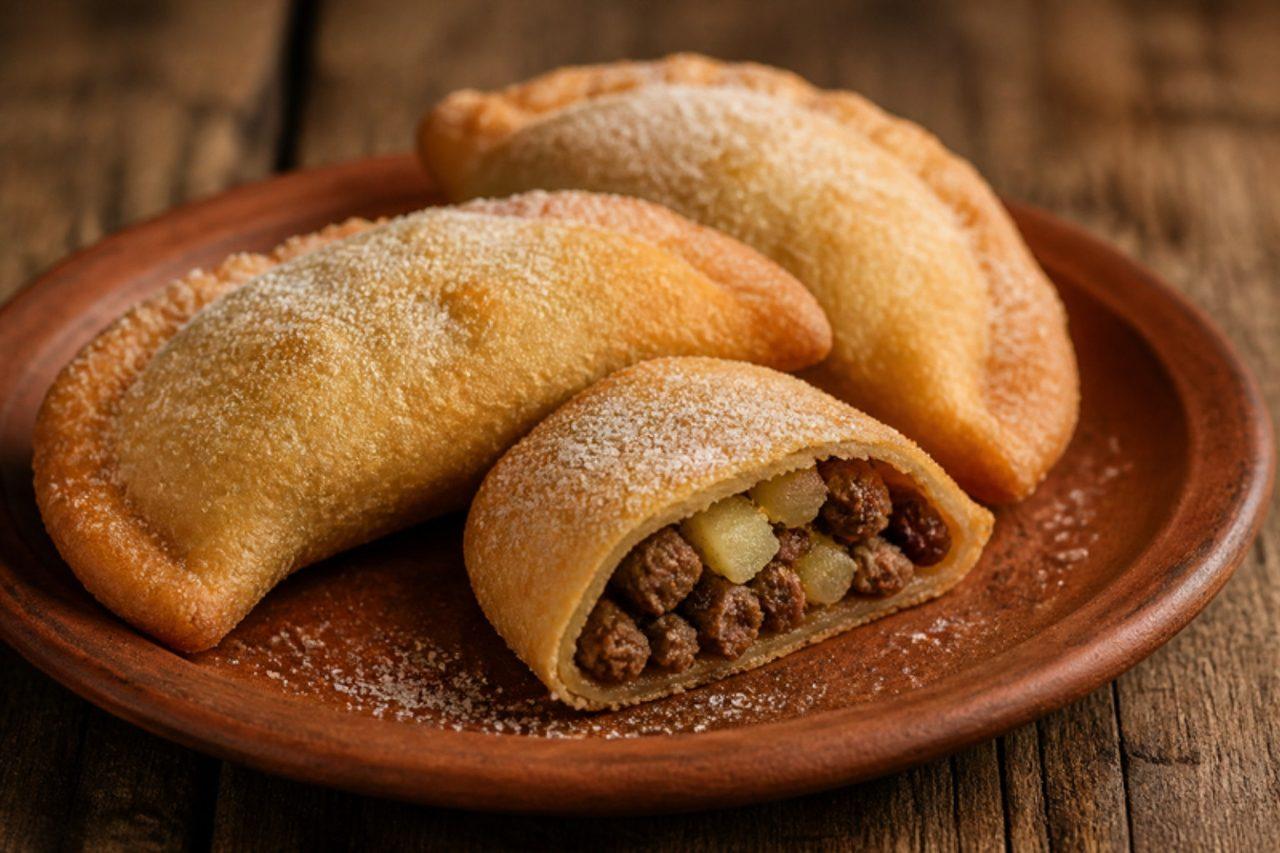
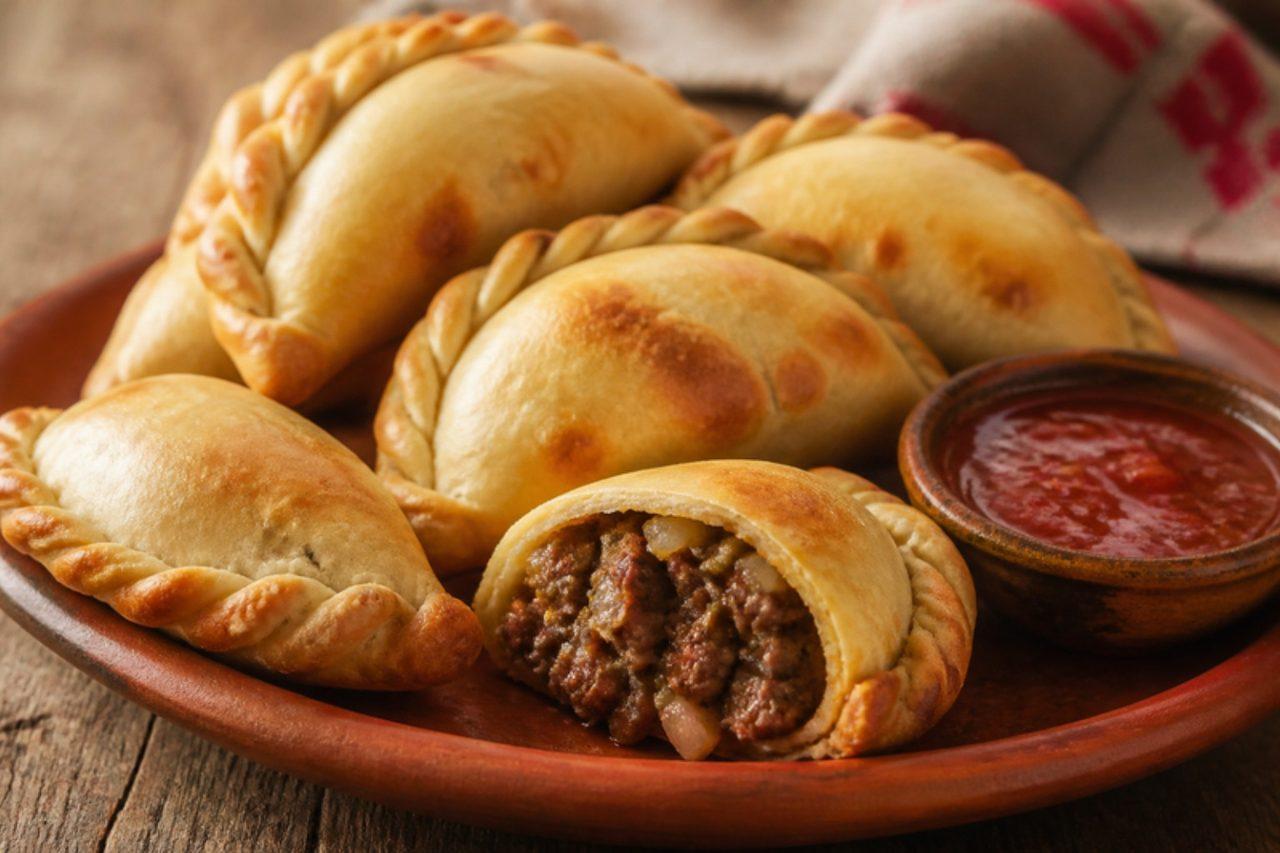
Empanadas cordobesas

Sweet and salty is the whole point here. Córdoba's empanadas hold a filling of beef, onion, a little potato, raisins and olives, and the moment they come out of the fryer they get a sprinkle of sugar that melts into the crackly crust. They turn up at birthday parties, school fundraisers and the patriotic holidays of 25 May and 9 July, often next to a bowl of locro. If the sugar on top sounds odd, try one: the contrast with the cumin and paprika is the local hallmark. The error that ruins them is frying in oil that isn't hot enough, which leaves them pale and greasy; keep it at 175 °C. Chef's tip: dust with sugar within seconds of draining, while the surface is still glistening, or it won't stick.

by KrazyBadal 0 views

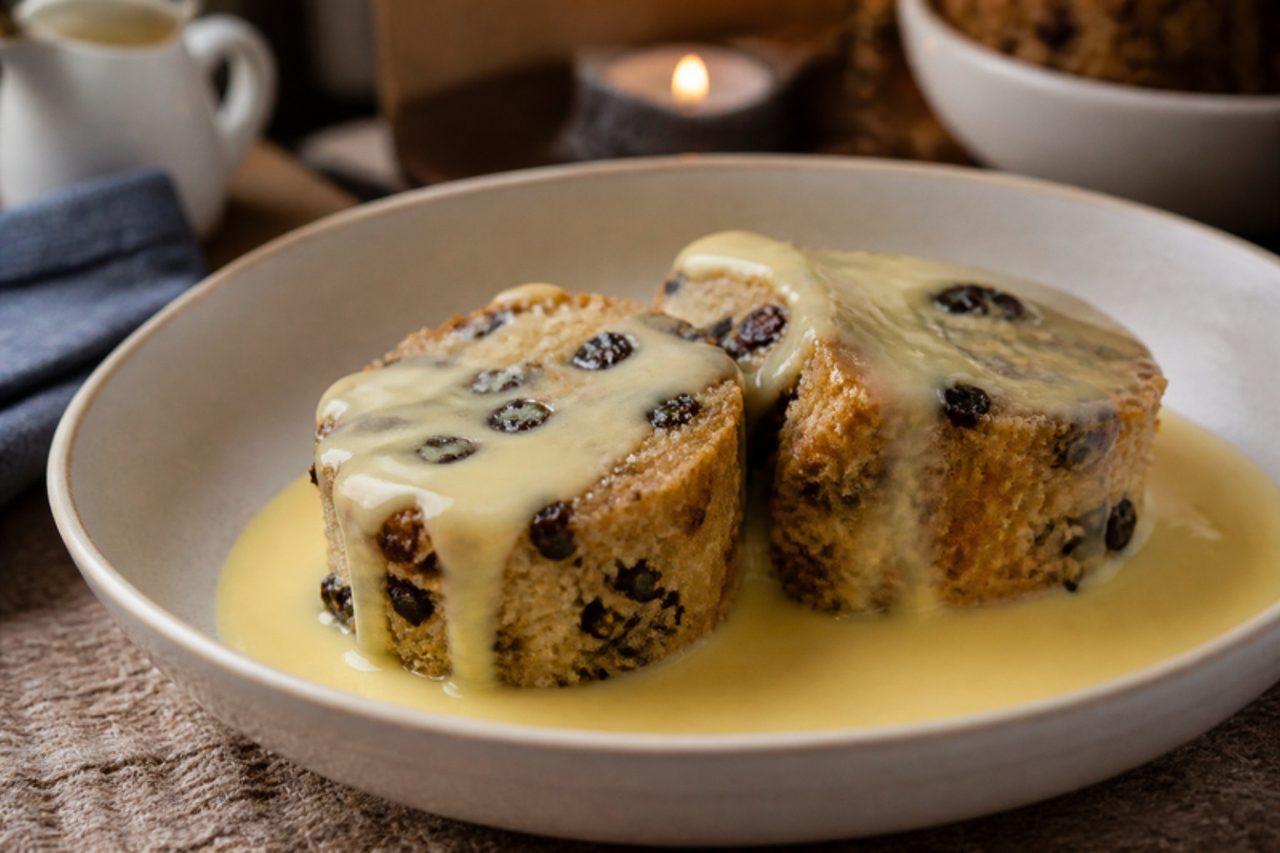
Spotted dick

Spotted dick is the steamed suet pudding of English school dinners and gentlemen's clubs in London, the 'spots' being the currants and 'dick' an old word for pudding. Suet makes it light and moist; this recipe uses vegetarian suet, so it is meat-free. It is rolled, wrapped and steamed, then served in thick slices with hot custard. Chef's tip: leave a pleat in the paper and foil so the pudding has room to swell.

by KrazyBadal 0 views

Empanadas de pescado

Along the coast of Santa Fe, especially during Lent and Holy Week, fishmongers' stalls and riverside kiosks sell fried empanadas filled with sábalo or surubí. The fish is poached, flaked and folded through soft onion and sweet pepper, then sealed in a thin oil-based dough and fried until blistered and crisp. Squeeze lemon over them and eat them warm, with a green salad or just a paper napkin. Any firm white fish works: hake, cod or a farmed catfish. The mistake people make most is skipping the bone check; river fish such as sábalo hide fine bones, so run your fingers through every flake. Chef's tip: keep the filling quite dry and cold before you fill the discs; extra liquid turns to steam in the hot oil and bursts the seams.

by KrazyBadal 0 views

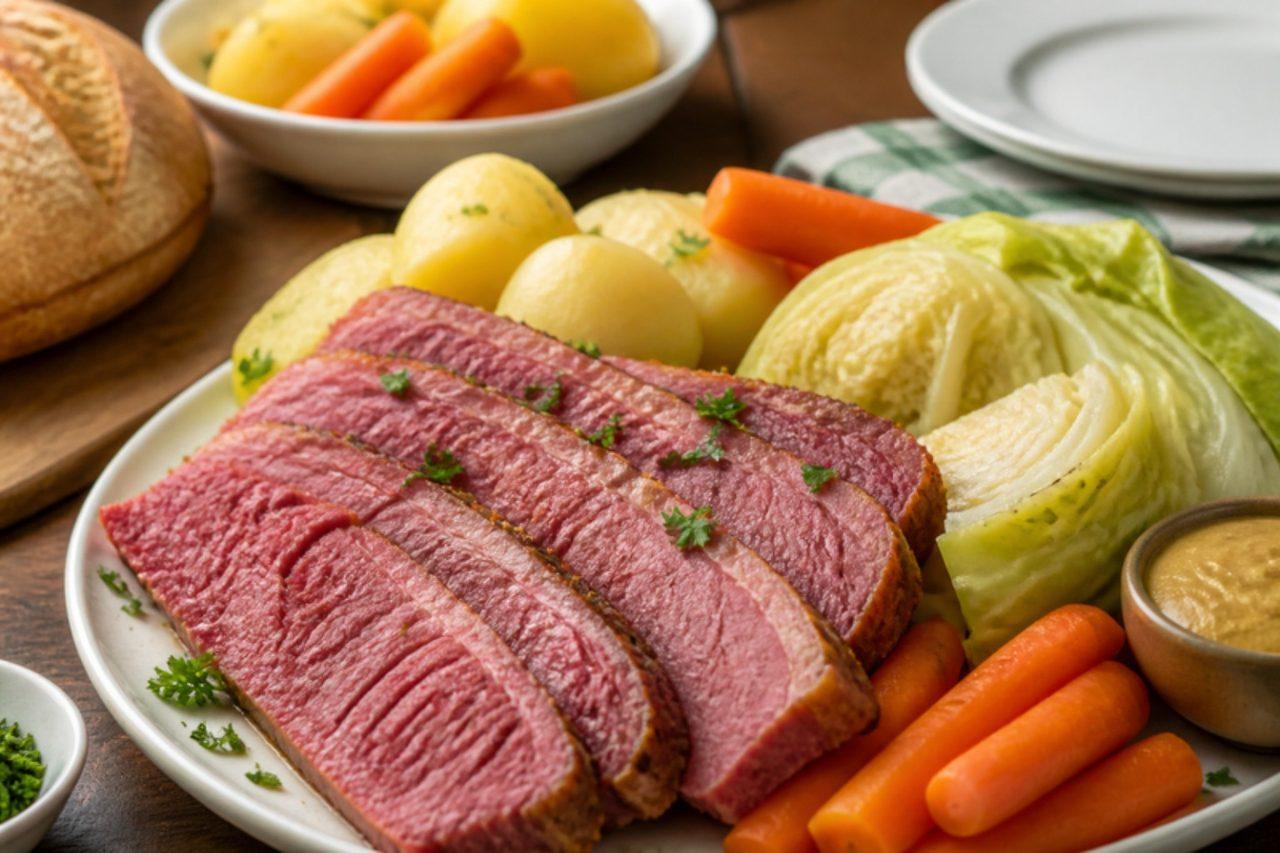
Corned beef and cabbage

In Boston, Irish families made corned beef the centre of St Patrick's Day, swapping the bacon joint of home for the cheaper brisket sold by Jewish butchers, and New Englanders still call the whole pot a boiled dinner. Salt-cured beef brisket is simmered for hours with spices, then potatoes, carrots and wedges of cabbage cook in the same broth. Serve with grainy mustard. Chef's tip: slice the beef across the grain, thinly; cut along the grain it looks stringy and chews tough.

230 minAmericanMeat
by KrazyBadal 0 views

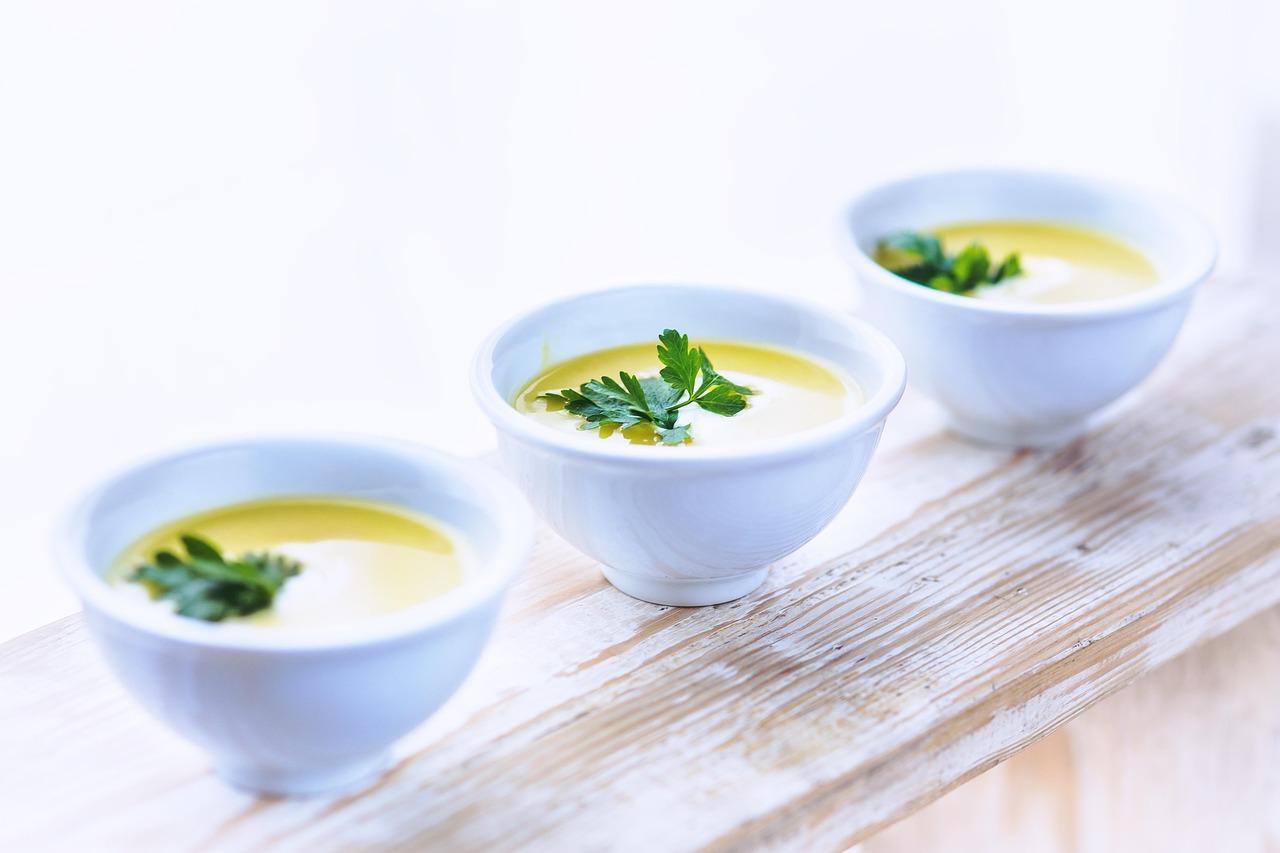
Irish potato soup

Potato soup is what Irish pubs and farmhouse kitchens set down on a wet afternoon from Kerry to Mayo, always with a heel of brown soda bread. Floury potatoes, onion and leek are sweated in butter and simmered in stock, then blended to a velvety, comforting soup with a gentle onion sweetness. A swirl of buttermilk and chives adds freshness. Chef's tip: sweat the leeks slowly without browning them; colour makes the soup taste bitter and turns it grey.

50 minIrishSoupsGluten free
by KrazyBadal 0 views

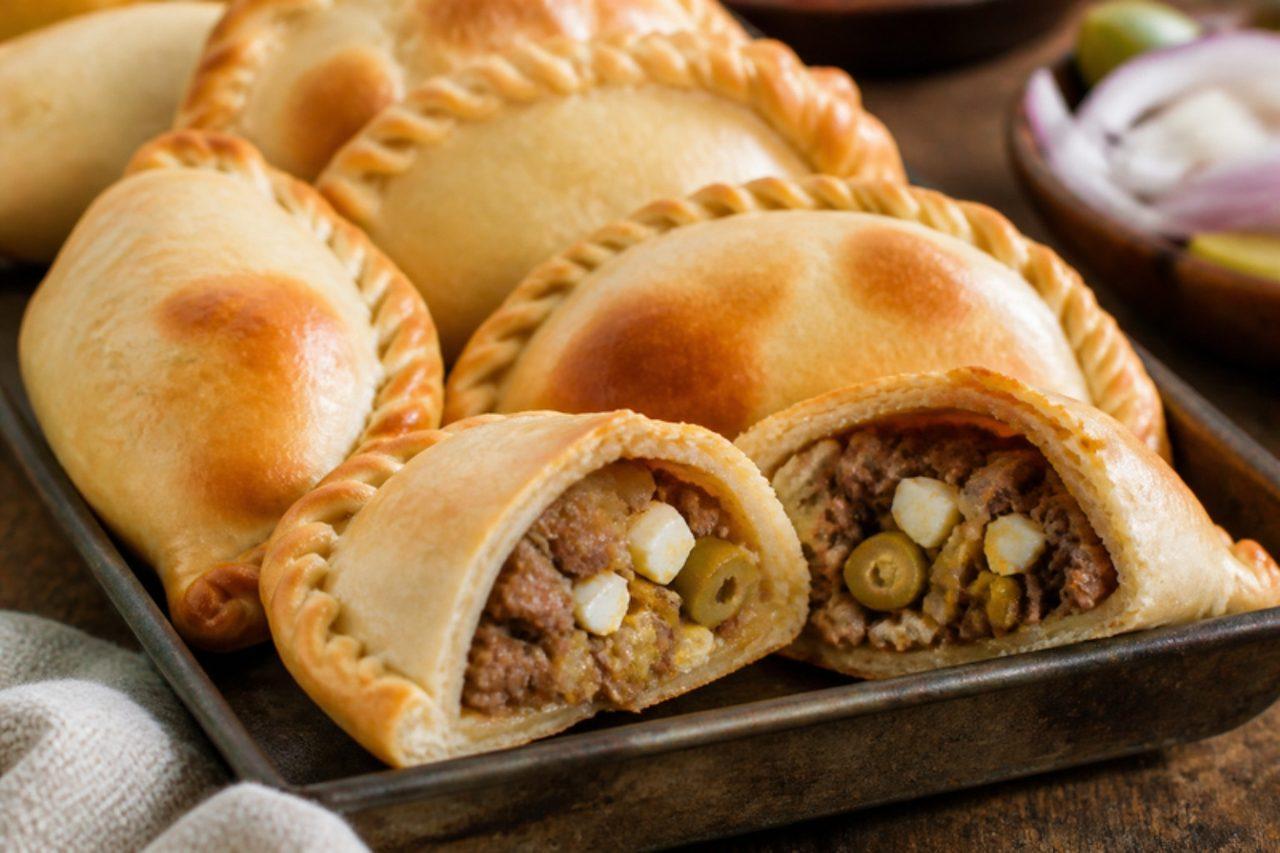
Empanadas mendocinas

Mendoza's empanadas are all about juice. The filling uses roughly as much onion as beef, cooked only briefly so it stays sweet and wet, then gets folded with hard-boiled egg and a whole green olive in every pastry; the dough is a tender one made with beef fat. They come out of wood ovens across the province for Sundays, family gatherings and the grape harvest, and are eaten by hand, leaning forward, with a tomato and onion salad on the side. The classic error is filling the dough while the meat is still warm: the fat melts, the pastry turns soggy and the seal splits in the oven. Cool the filling completely, ideally overnight. Chef's tip: cut the beef into small cubes with a knife instead of buying mince; it stays juicier and gives the bite a Mendoza cook expects.

by KrazyBadal 0 views

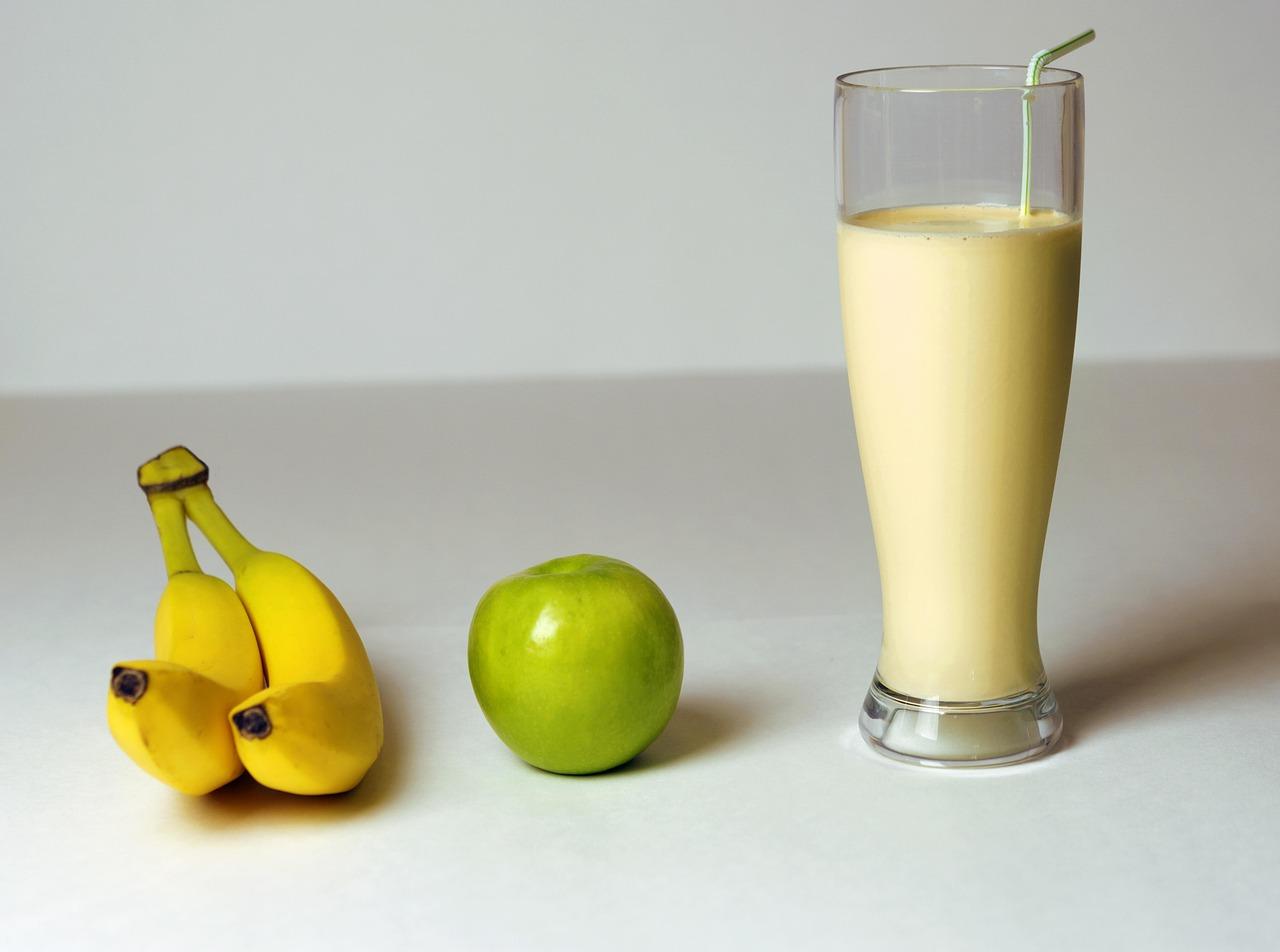
Licuado de bananaBanana milk shake

Order a licuado in any Argentine café or bar and you will get a tall glass of fruit blended with milk (con leche) or water (con agua), and banana with milk is the one nearly everyone grows up on. It is breakfast for teenagers in a hurry, a merienda with tostados, and the drink parents in Buenos Aires make when the fruit bowl has spotty bananas. It should be thick, cold and smooth, with a light froth, sweet mainly from ripe fruit. Using under-ripe bananas is the mistake: they taste chalky and need lots of sugar, so wait for brown freckles. Chef's tip: slice and freeze the bananas the night before and you can skip the ice; the shake comes out colder and thicker without being watered down.

by KrazyBadal 0 views

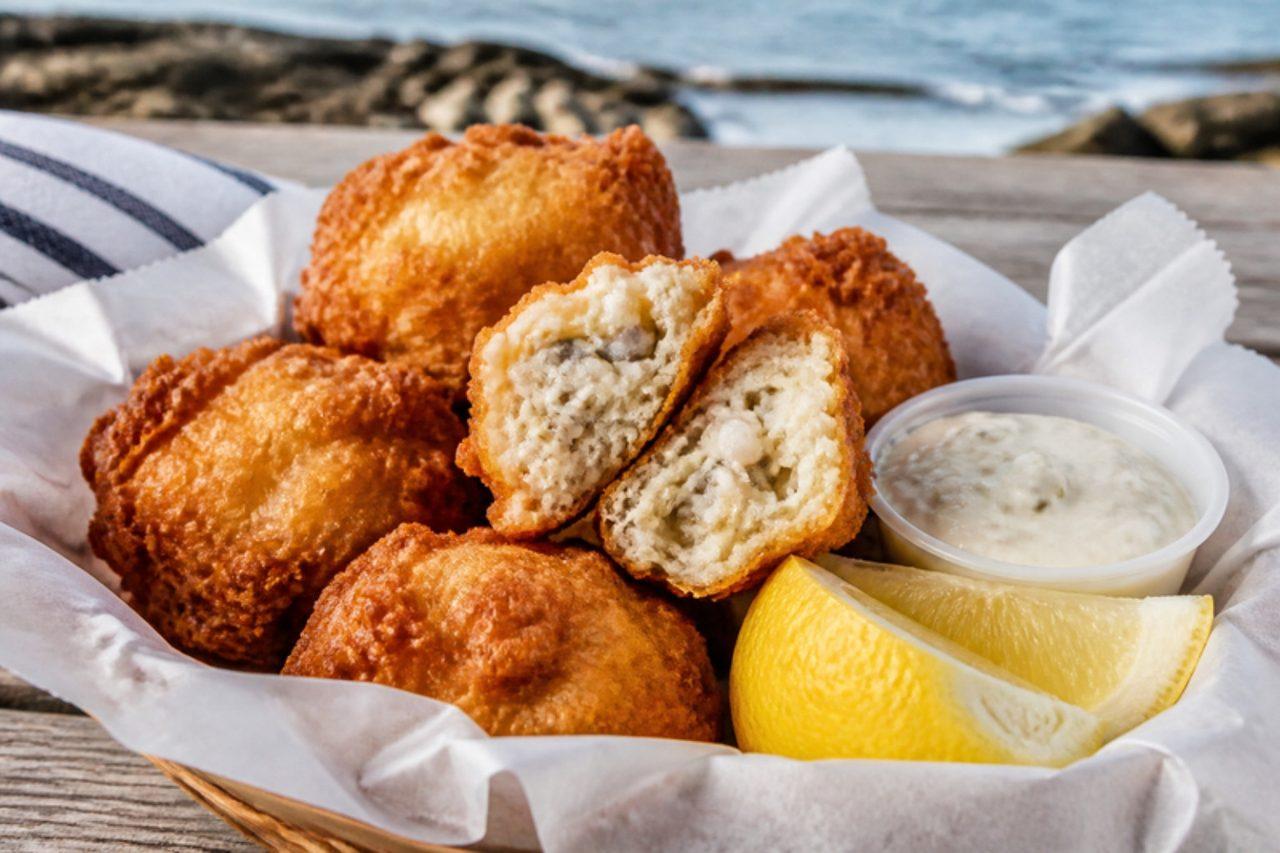
Rhode Island clam cakes

At beach shacks along Narragansett Bay and in Galilee, clam cakes are bought by the paper bag, half a dozen at a time, to dunk in a cup of clear clam chowder. They are not patties but craggy, golden fritters, crisp outside and soft inside, studded with chopped quahog clams. Chef's tip: use the clam juice as part of the liquid; it puts the sea flavour into every bite of batter.

by KrazyBadal 0 views

Irish buttermilk scones

Irish scones are the centre of afternoon tea in hotels and country houses from Galway to Wicklow, and the bake that every Irish cook makes from memory. Buttermilk makes them light and tender with a faint tang, and an egg wash gives the glossy golden top. Serve warm, split, with butter, raspberry jam and whipped cream. Chef's tip: press the cutter straight down without twisting; twisting seals the edges and stops them rising tall.

by KrazyBadal 0 views

Irish rhubarb tart

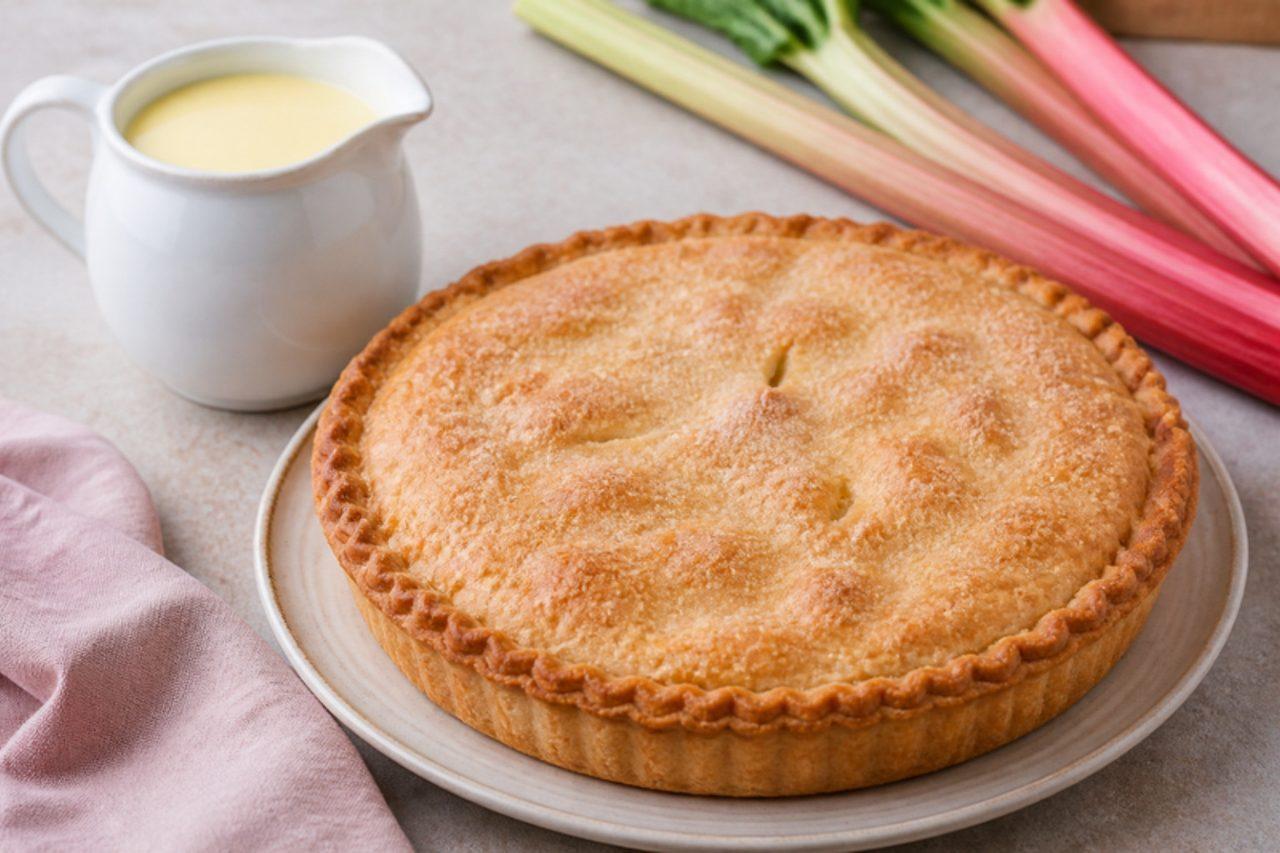
In April and May rhubarb crowns burst up in kitchen gardens all over Ireland, and the first of it goes into this plate tart, baked on an enamel plate in farmhouses from Cork to Donegal. The rhubarb is sweet-sour under a crisp, sugar-crusted lid of shortcrust. Serve warm with custard or a jug of cream. Chef's tip: sprinkle a spoonful of semolina or cornflour over the bottom pastry before adding the fruit; it soaks up the juice and stops a soggy base.

by KrazyBadal 0 views

Hawaiian Chantilly cake

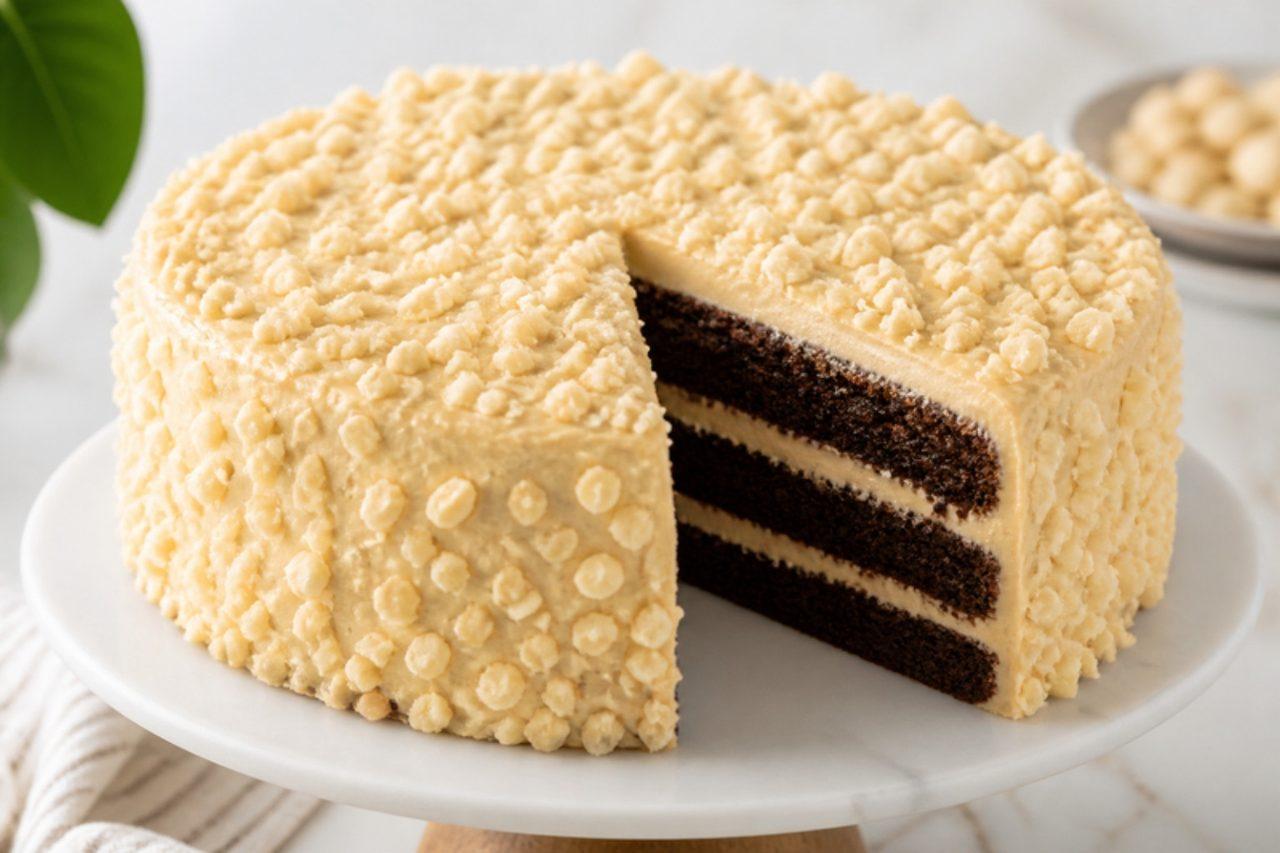
In Hawaii, Chantilly cake means a chocolate layer cake covered in a rich, caramel-coloured frosting made from evaporated milk, egg yolks and butter, not the whipped cream the name suggests. Honolulu bakeries have sold it for birthdays and graduations for decades, and it is very different from mainland cakes. Chef's tip: cook the frosting base slowly and stir constantly until it is as thick as pudding; if it is runny, the frosting will slide off the cake.

by KrazyBadal 0 views

Irish coffee

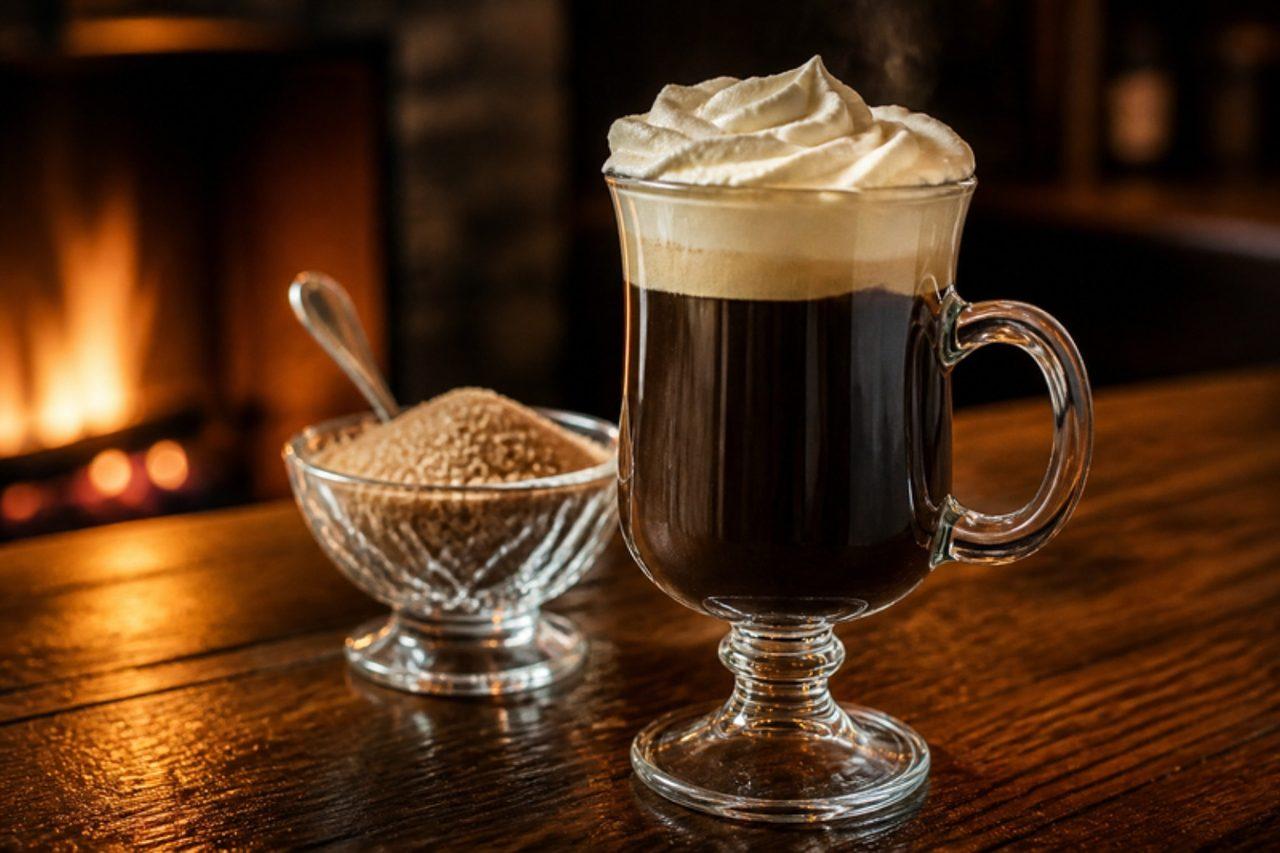
Irish coffee was first served in the 1940s at Foynes on the Shannon estuary, to cold passengers stepping off the flying boats from America, and it is now poured in hotel bars across Ireland after a long dinner. Hot black coffee is sweetened with brown sugar and laced with Irish whiskey, then topped with a layer of lightly whipped cream that you drink the coffee through. This drink contains alcohol; for an alcohol-free version, leave out the whiskey and add a few drops of vanilla. Chef's tip: whip the cream only until it just thickens, so it floats in a soft layer rather than sinking or sitting in stiff blobs.

by KrazyBadal 0 views

Sonoran hot dog

The Sonoran hot dog came north from Hermosillo in Mexico and is now the late-night street food of Tucson, Arizona, sold from carts and small stands called dogueros. A frankfurter is wrapped in bacon (pork) and griddled until crisp, then tucked into a soft, split-top bolillo roll with pinto beans, onion, tomato, mayonnaise, mustard and jalapeño salsa. Chef's tip: wind the bacon tightly in a spiral and start it seam-side down, so it sticks and doesn't unravel.

by KrazyBadal 0 views

Empanadas tucumanas

Tucumán takes its empanadas so seriously that the town of Famaillá holds a national empanada festival every September, and judges count the pleats. The local style is small and juicy, filled with beef cut by hand with a knife (never minced), lots of white onion and spring onion, cumin, paprika and hard-boiled egg, and the dough is made with beef fat. They are baked very hot, traditionally in a clay oven, until blistered, and eaten standing up at peñas, football matches or family lunches, a drop of lemon squeezed in. The beef filling must reach 71 °C; it cooks first in the pan and again in the oven. A dry filling is the mistake to avoid: cook the onion slowly and let the filling cool so the fat sets, which turns to juice in the oven. Chef's tip: chill the filling overnight if you can; cold filling is easier to spoon and the empanadas come out juicier.

by KrazyBadal 0 views

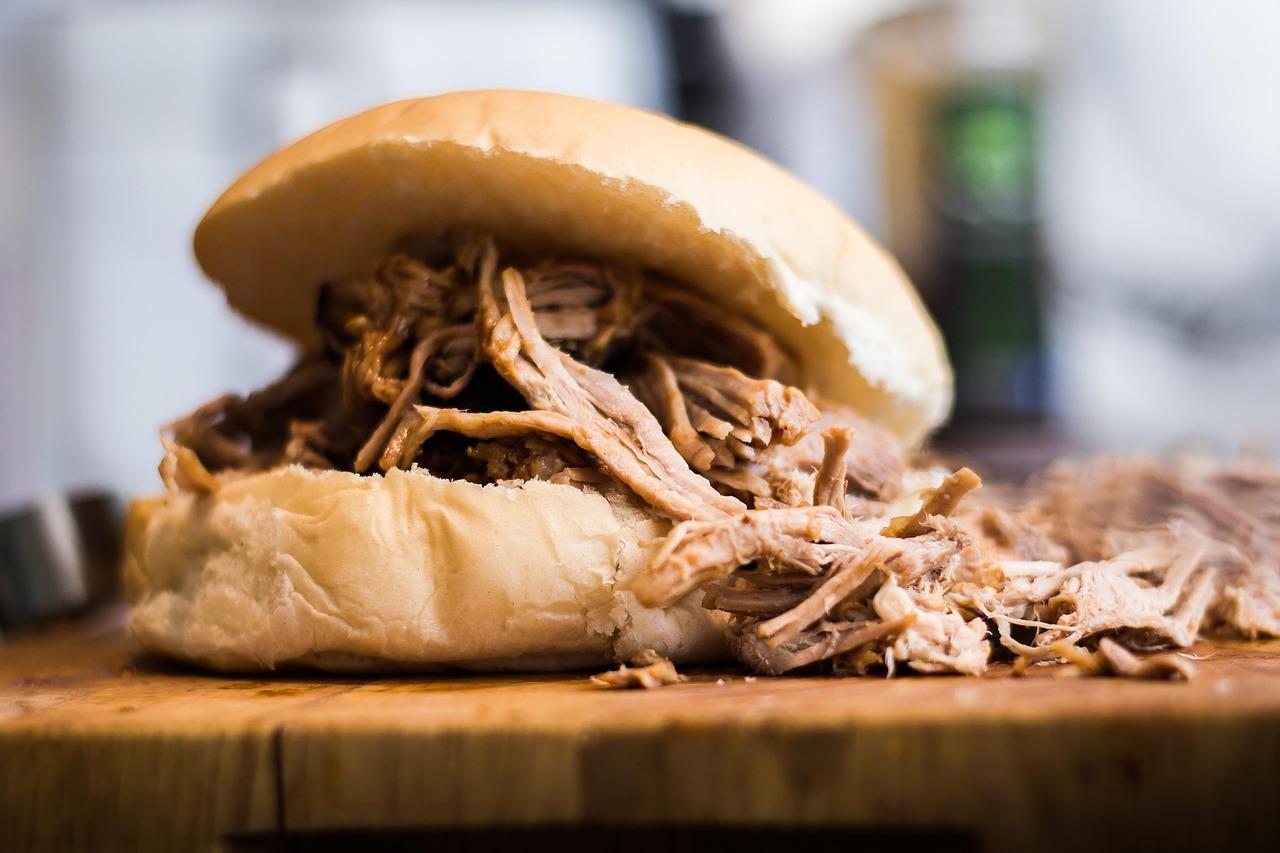
Eastern Carolina pulled pork

In eastern North Carolina barbecue means pork, slow-smoked whole hog or shoulder chopped and dressed with a thin sauce of cider vinegar, chilli flakes and pepper, with no tomato at all. It is served at pit-cooked joints around Ayden and Goldsboro with slaw and hushpuppies, and piled into soft buns at cookouts. This oven version slow-roasts a pork shoulder until it pulls apart. Chef's tip: dress the meat with the sauce while it's still warm, so it soaks right in.

440 minAmericanMeatGluten free
by KrazyBadal 0 views

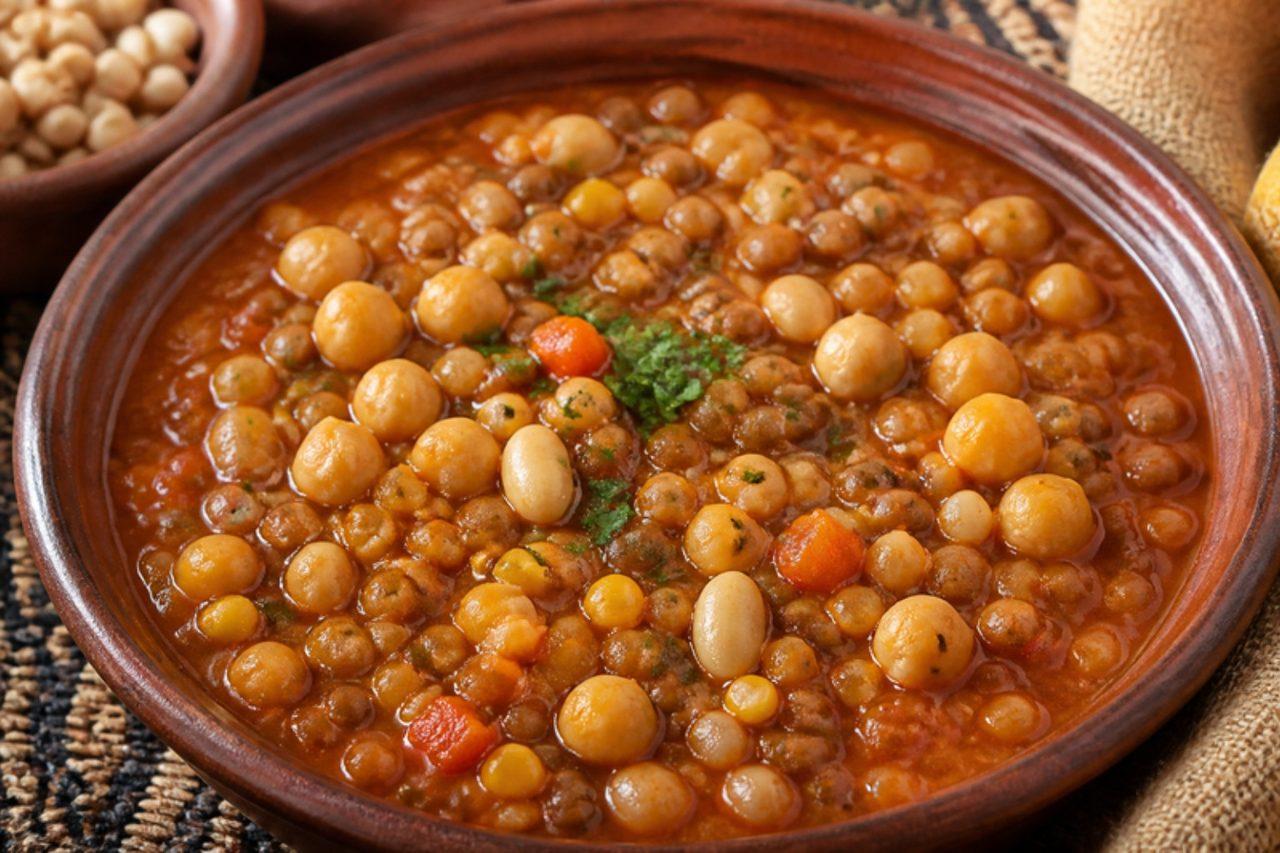
Ourkimen (Yennayer pulse and grain stew)

Ourkimen is cooked across the Souss and the Atlas for Yennayer, the Amazigh New Year on 12–13 January, when a pot of mixed dried beans, chickpeas, wheat berries and corn is simmered for hours to wish for a plentiful harvest. Many families add lamb's feet or dried meat; this is the meat-free version, made the way many cooks prepare it when meat is not on the table, and it is still deeply savoury from tomato, cumin, paprika and a good dose of olive oil. The grains turn chewy and the pulses creamy, and the stew is eaten hot from bowls with bread. Start the soaking the night before; the stew then needs about 3 1/2 hours of gentle simmering. People who have G6PD deficiency (favism) should leave out the dried broad beans and use more white beans. Chef's tip: stir from the bottom every 20 minutes in the last hour; as the stew thickens it catches easily.

by KrazyBadal 0 views

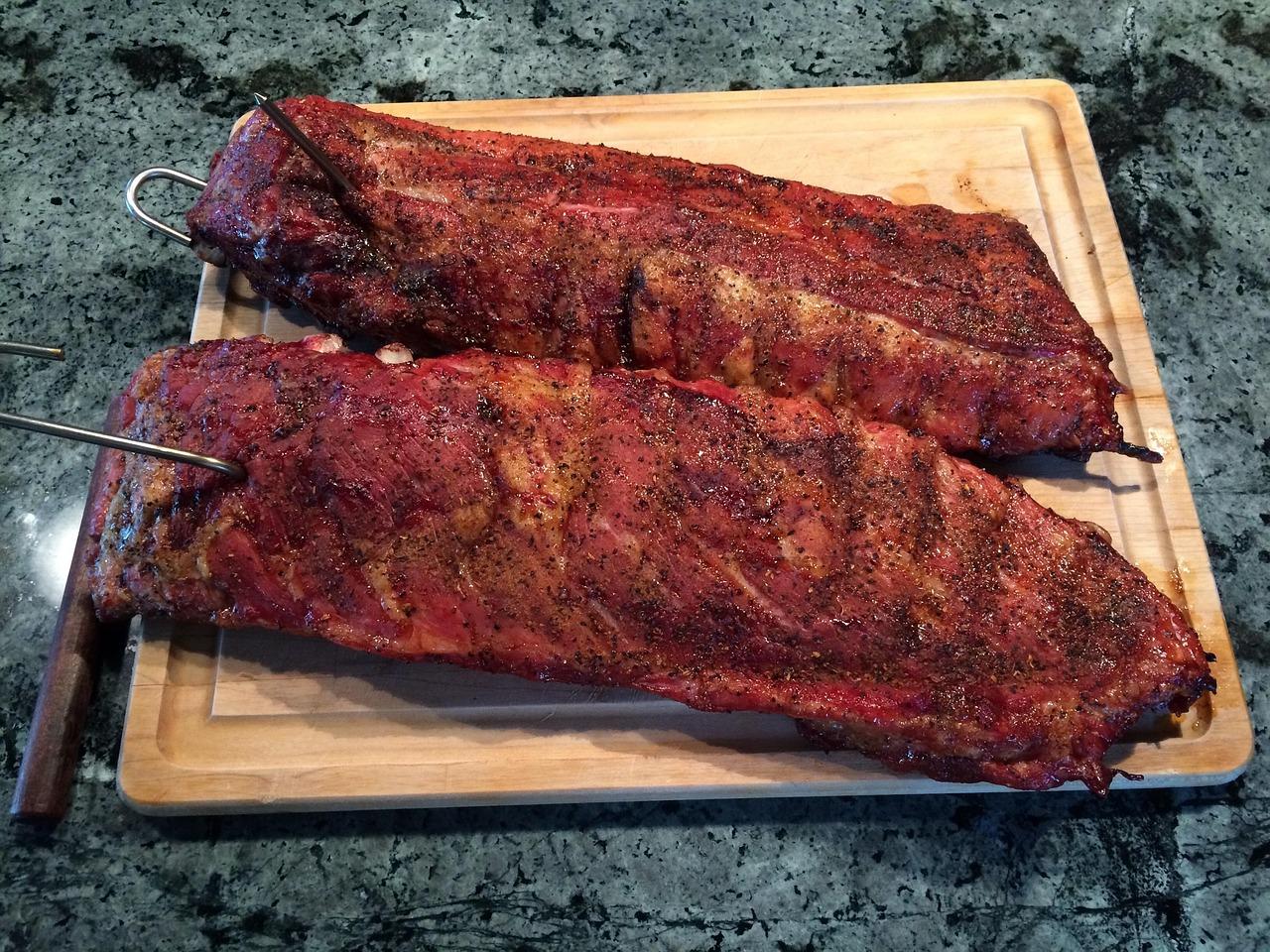
Memphis dry-rub ribs

Memphis is famous for pork ribs served 'dry': coated in a spice rub of paprika, garlic and chilli and slow-cooked until tender, then dusted with more rub instead of sauce. Basement rib joints downtown and the World Championship Barbecue Cooking Contest every May keep the style alive. This oven method gets close to the smoked version. Chef's tip: peel the papery membrane off the back of the ribs before rubbing; it blocks the seasoning and turns leathery.

230 minAmericanMeatGluten freeSpicy
by KrazyBadal 0 views

Amlou (almond, argan oil and honey spread)

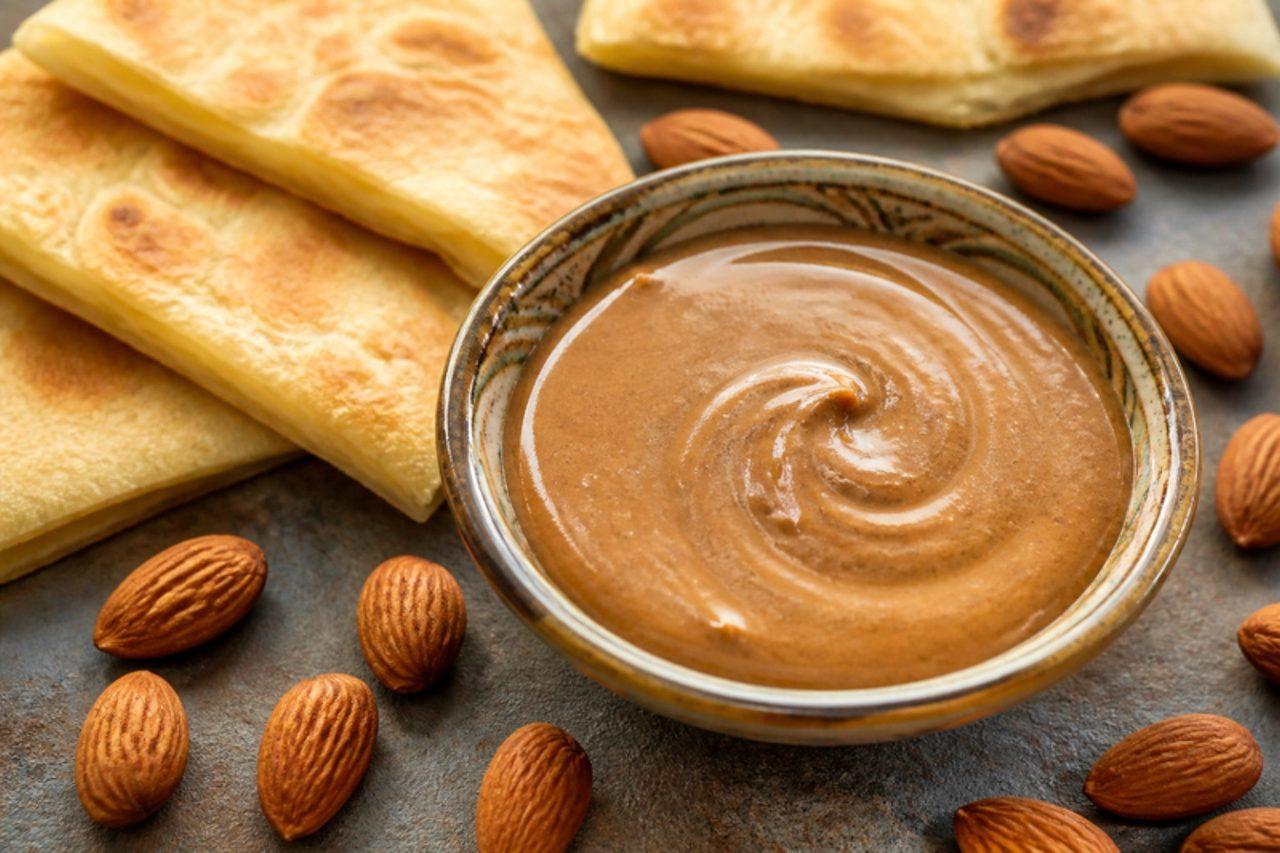
Between Essaouira and Agadir, where argan trees grow on the dry hills, breakfast is not complete without a bowl of amlou: roasted almonds ground to a paste with culinary argan oil and honey until it is pourable, nutty and sweet with a deep, toasty flavour. It is spread on warm bread, msemen or baghrir, eaten with tea, and taken by many as a quick source of energy on cold mornings. Culinary argan oil is made from roasted kernels and is not the same as cosmetic argan oil, which is unroasted; if you cannot find it, roasted walnut oil gives a similar result. Chef's tip: roast the almonds until they are golden right through to the centre; pale almonds give a flat-tasting amlou.

by KrazyBadal 0 views

Alabama white sauce chicken

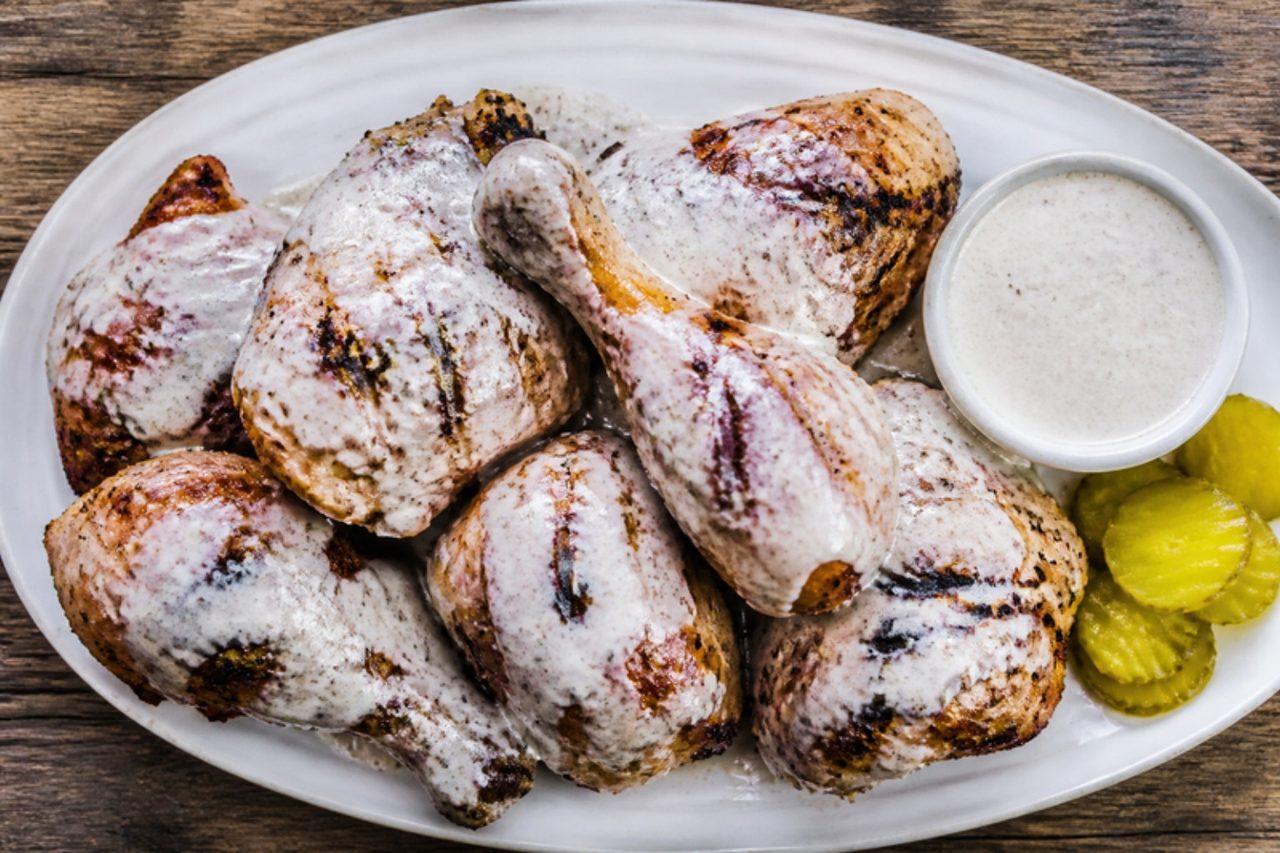
White barbecue sauce was created in 1925 at a barbecue pit in Decatur, north Alabama, and it is still what that corner of the state puts on smoked and grilled chicken: a peppery mixture of mayonnaise, cider vinegar and horseradish. The hot chicken is dunked in it straight off the grill, so the tangy sauce soaks into the crisp skin. Chef's tip: keep half the sauce separate before it touches raw-chicken brushes, for serving at the table.

by KrazyBadal 0 views

Palets bretonsSalted butter biscuits

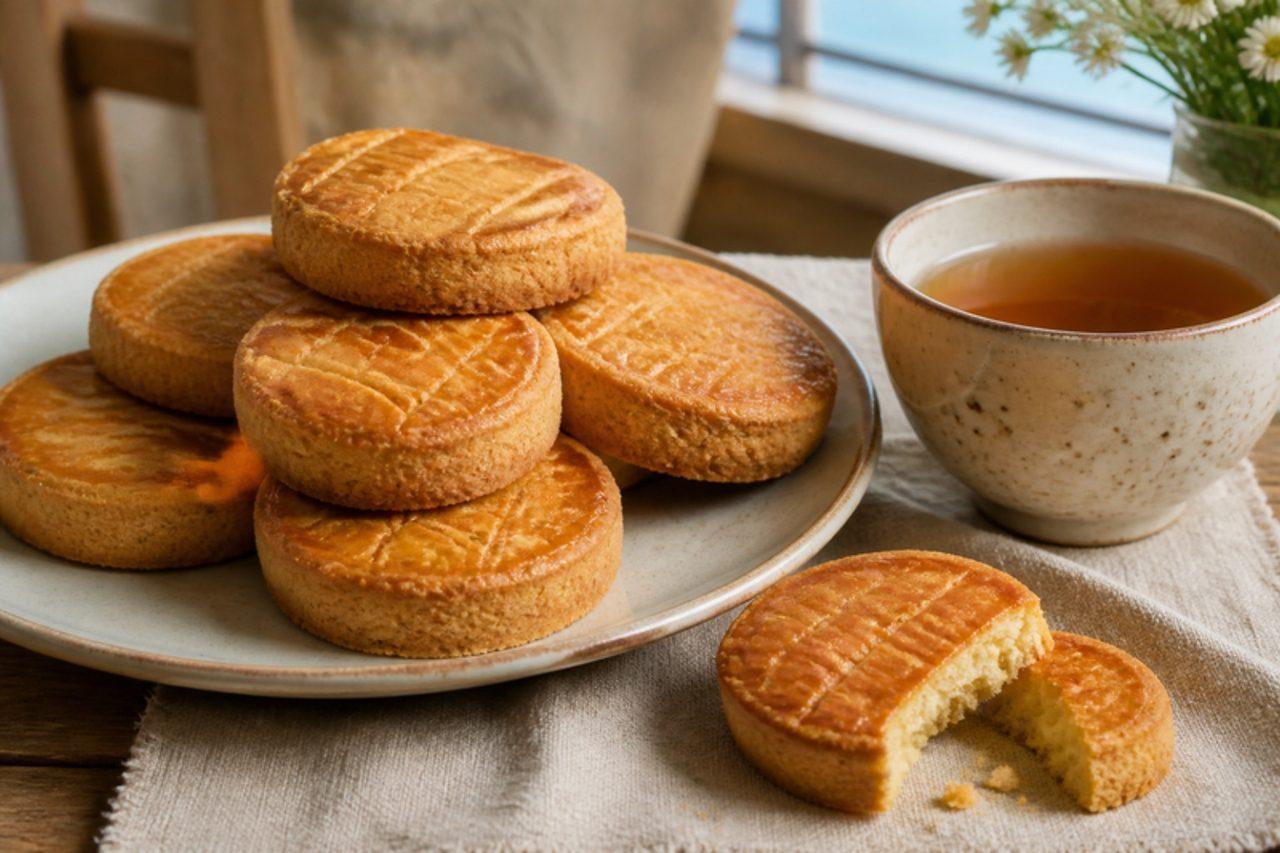
Palets are the thick cousin of the thin Breton galette biscuit: chunky rounds as wide as a small cookie and nearly a centimetre high, crisp on the outside and crumbly within, tasting strongly of salted butter. Bakeries in Pont-Aven and all along the Finistère coast sell them in tins, and Breton families serve them with coffee, with a bowl of cider-poached apples or crumbled over ice cream. Baking them in muffin tins or metal rings keeps their shape and straight edges. Chef's tip: use proper salted butter rather than adding salt to unsalted; the flavour is rounder and the dough handles better.

by KrazyBadal 0 views

Vermont maple cream pie

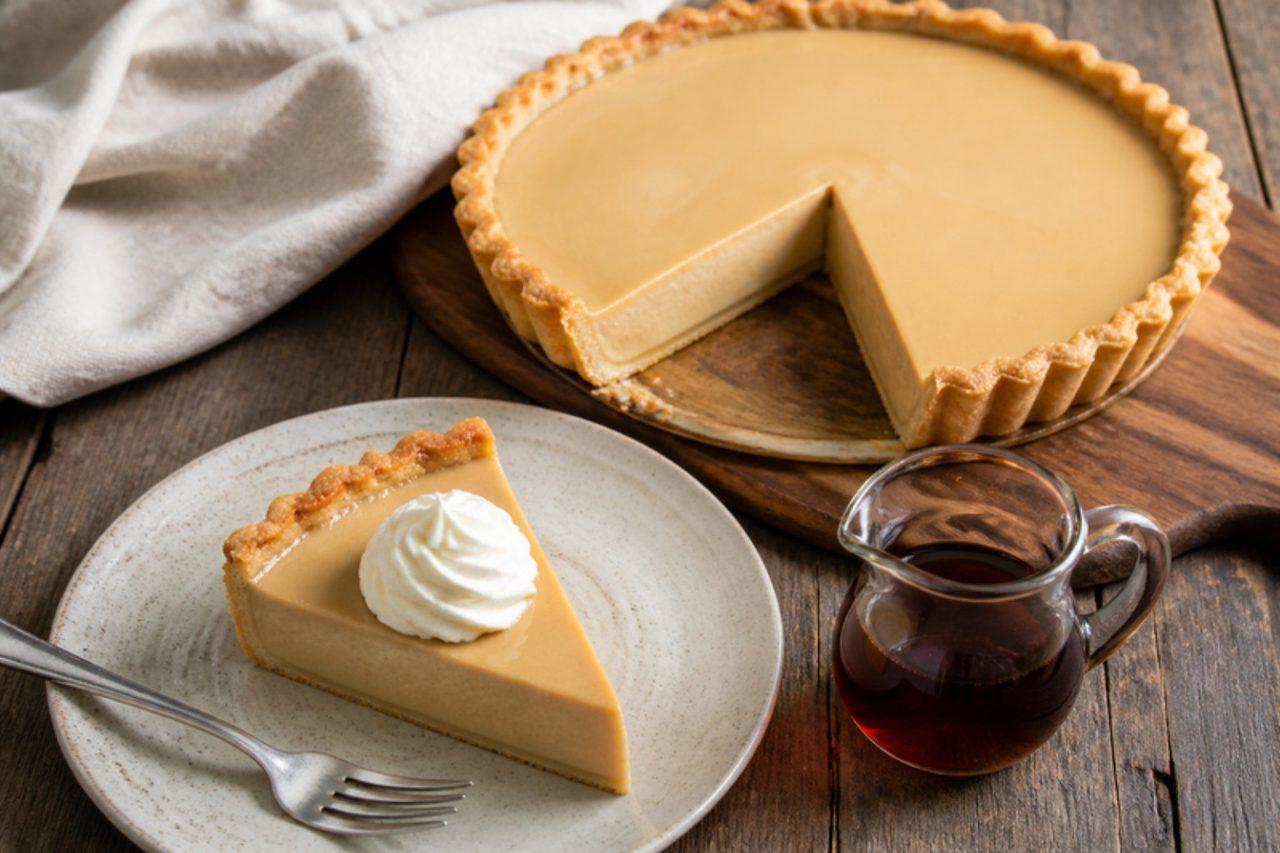
In March, when the sugarhouses of Vermont steam day and night boiling sap, diners and country stores sell this pale caramel-coloured pie made with the new season's syrup. The filling is a simple custard of maple syrup, cream and eggs, so the flavour is pure maple, deep and woody. Use dark, strong-tasting maple syrup, not pancake syrup. Chef's tip: bake until the edges are set but the middle still wobbles like jelly; it firms as it cools.

by KrazyBadal 0 views

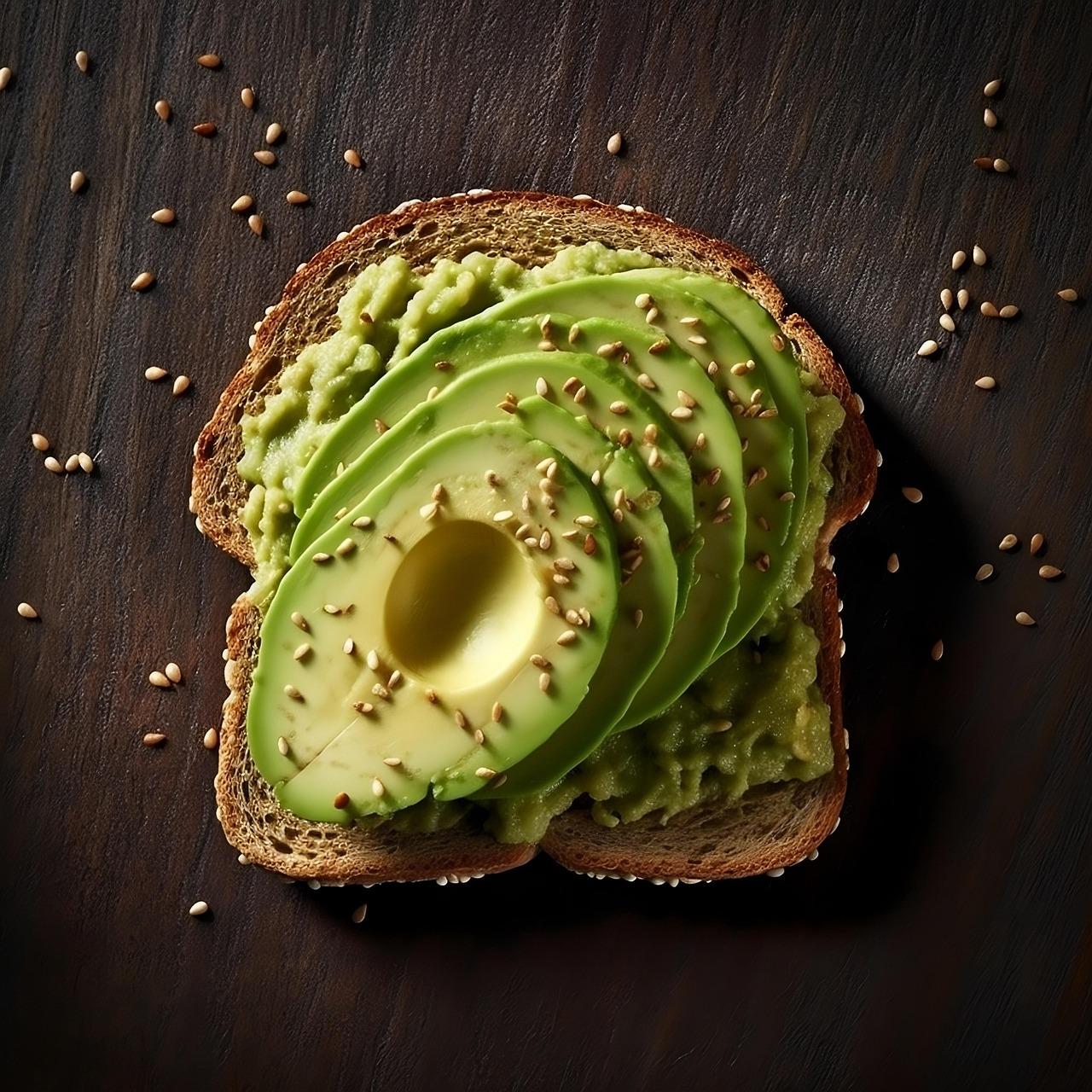
California avocado toast

Avocado toast took off in the cafés of Los Angeles and San Francisco, where California's Hass avocados are grown, and it is now the state's standard weekend brunch. The trick is simple ingredients done well: thick sourdough toasted hard, ripe avocado smashed with lemon and good salt, and something crunchy and sharp on top. Chef's tip: season the avocado more than you think, with salt and lemon; underseasoned avocado tastes flat.

by KrazyBadal 0 views

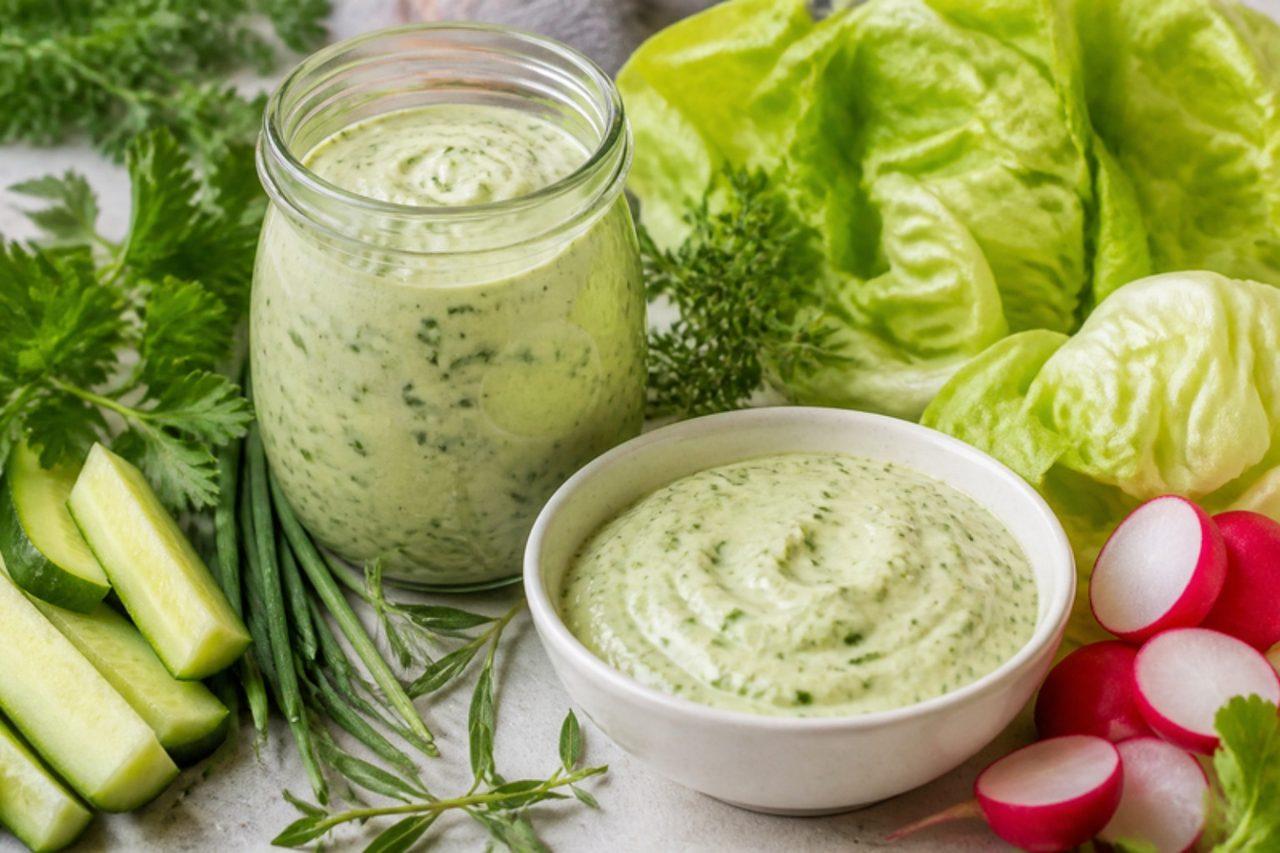
Green goddess dressing

Green goddess dressing was created at the Palace Hotel in San Francisco in the 1920s, named after a popular play, and it came back as the herb-packed dressing of California salad bars and grain bowls. It is pale green and creamy, full of tarragon, parsley and chives. The hotel's original used anchovies; this vegetarian version gets its savoury punch from capers. Use it on salads, as a dip for crudités or on roast vegetables. Chef's tip: blend the herbs with the lemon first, before the creamy ingredients, so they break down fully and turn the dressing bright green.

by KrazyBadal 0 views

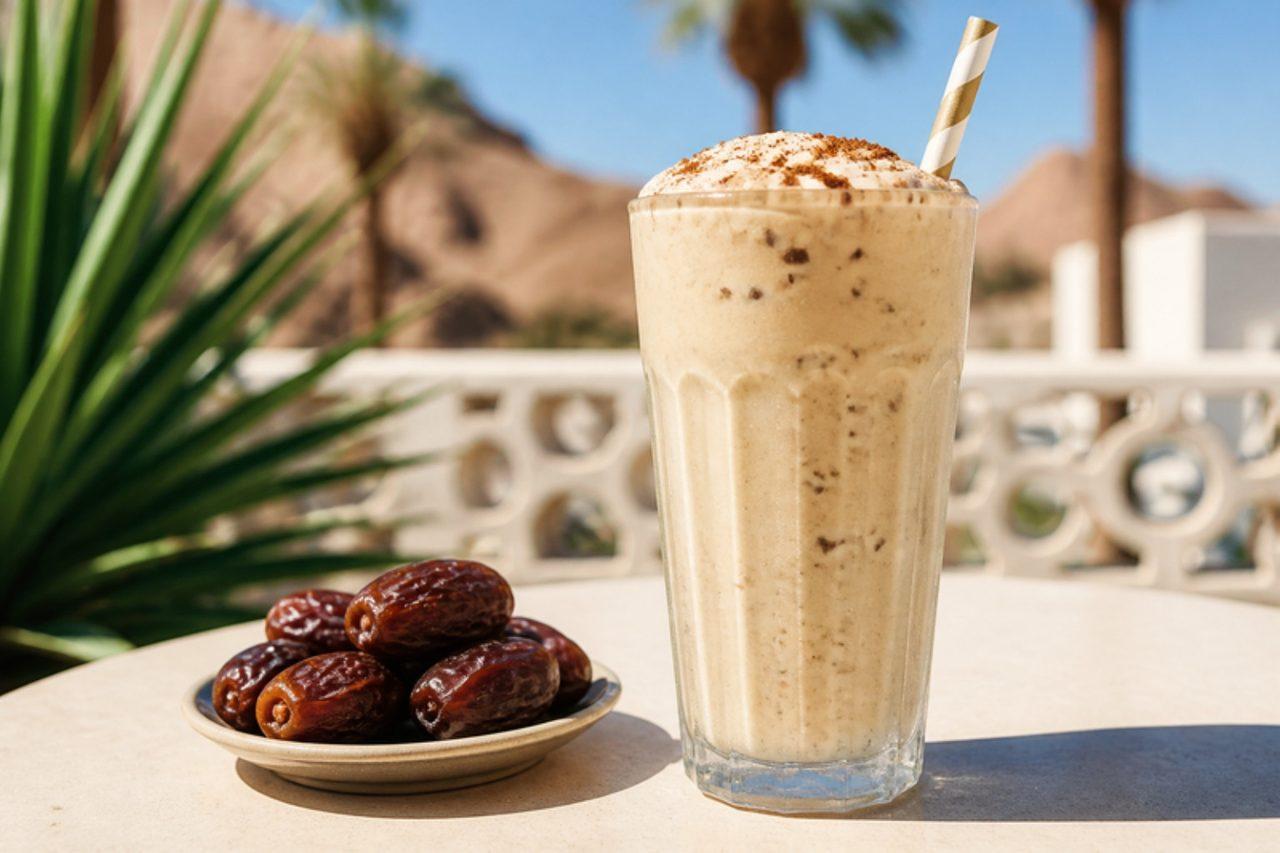
Palm Springs date shake

The Coachella Valley around Palm Springs and Indio grows most of America's dates, and roadside date farms along the desert highway have sold this shake to thirsty drivers since the 1930s. Soft Medjool dates are blended with vanilla ice cream and milk into a thick, caramel-flavoured shake. Chef's tip: soak the chopped dates in a little warm milk for 10 minutes first, so they blend completely smooth instead of leaving chewy bits in the straw.

by KrazyBadal 0 views

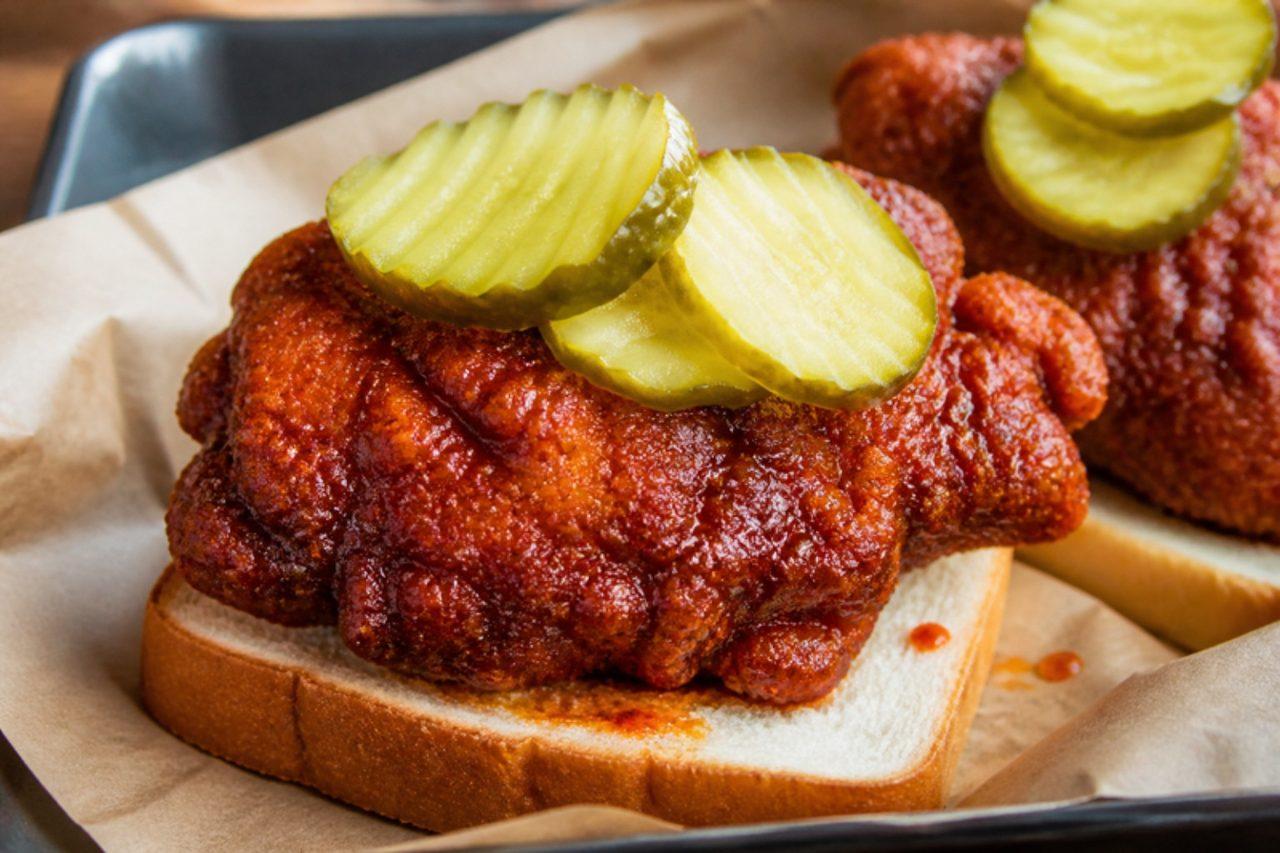
Nashville hot chicken

Hot chicken has been a Nashville institution since the 1930s and is eaten at late-night shacks and the city's summer hot-chicken festival: crisp buttermilk-brined fried chicken painted while hot with a paste of cayenne and brown sugar in hot oil, served on a slice of white bread with dill pickle chips to cool things down. Chef's tip: brine the chicken overnight in the fridge; it seasons the meat right through and keeps it juicy under all that heat.

by KrazyBadal 0 views

Gnocchi à la parisienneChoux dumplings in béchamel

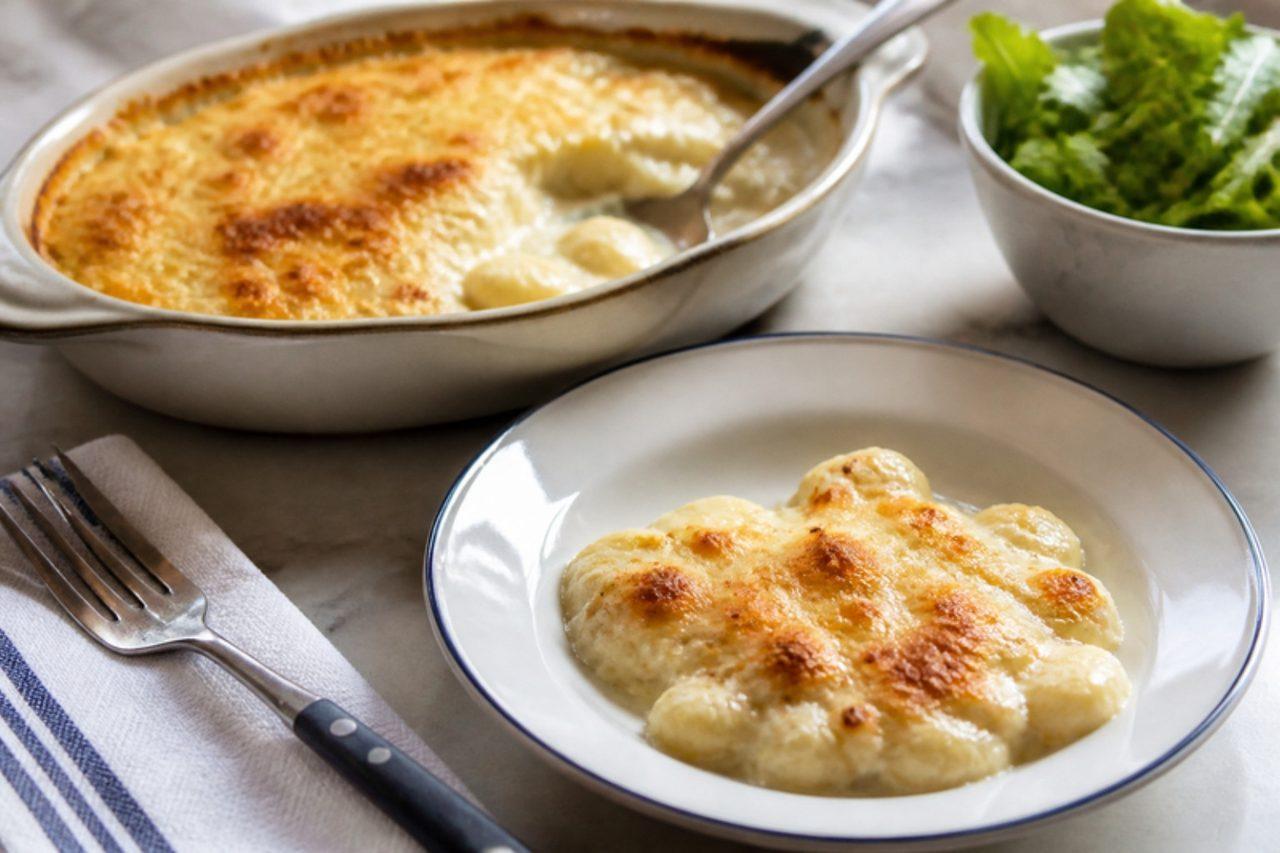
Unlike Italian potato gnocchi, the Paris version is made from choux paste flavoured with cheese and mustard, piped straight into simmering water and cut into little logs with a knife. The poached dumplings go into a dish with béchamel and more cheese and are baked until puffed and golden. It was a classic of old Parisian brasseries and grand-hotel kitchens and still turns up as a comforting supper or a side in bistros. Gruyère and Comté are traditionally made with animal rennet, so use a vegetarian mountain cheese. Chef's tip: dip the knife in hot water between cuts; the paste drops off cleanly instead of stretching into strings.

by KrazyBadal 0 views

Brown bread ice cream

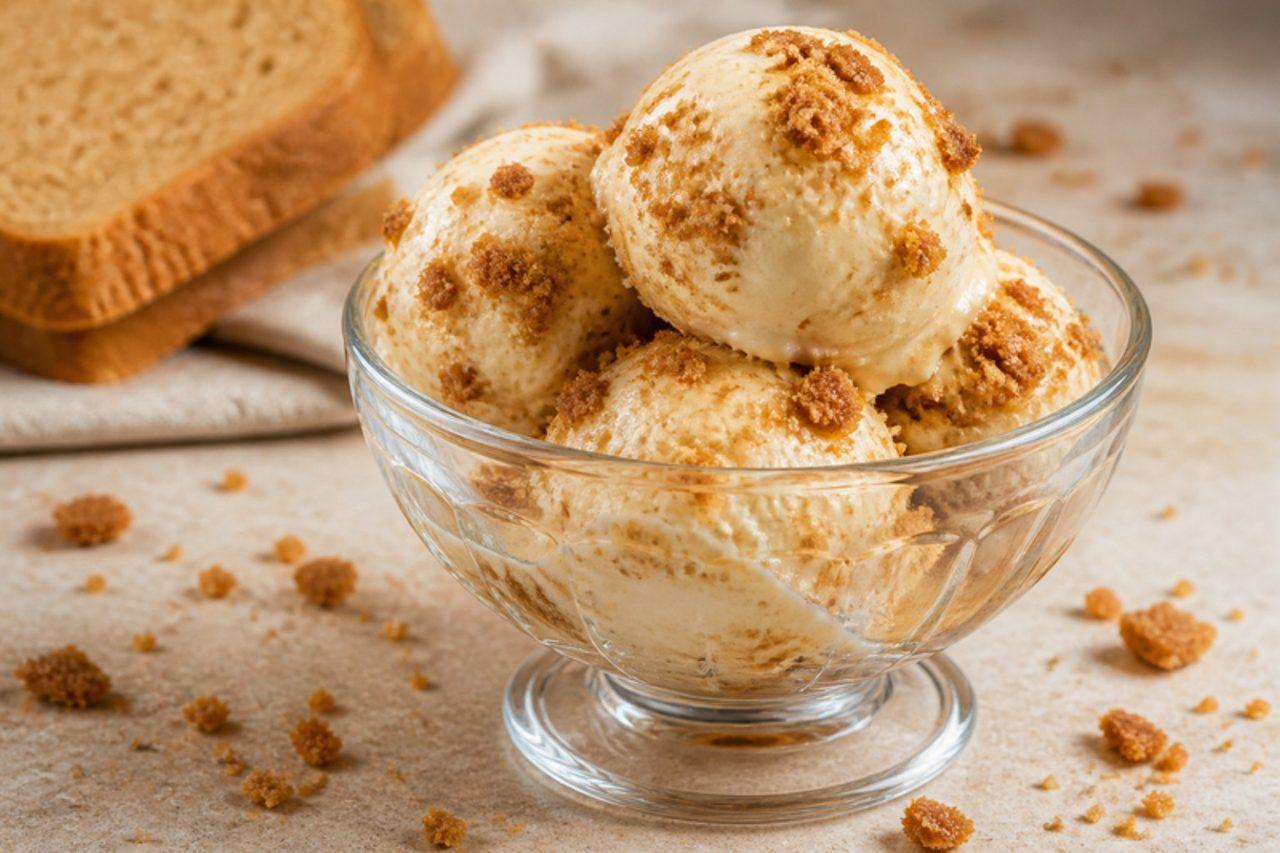
Brown bread ice cream has been a country-house dessert in Ireland since Victorian times and still turns up on menus in Kenmare, Kinsale and Dublin restaurants. Crumbs of brown soda bread are toasted with brown sugar until crisp and toffee-like, then folded through a rich vanilla ice cream, so it tastes of caramel and malty, nutty bread. This no-churn version needs no machine. Chef's tip: let the caramelised crumbs cool and break up completely before folding them in, or they sink and clump.

by KrazyBadal 0 views

Showing 45 of 7,888 recipes

Show more recipes

Page 393 of 877