


Skip to content
Madrouba
Featured recipe

Madrouba

Chicken and rice porridge

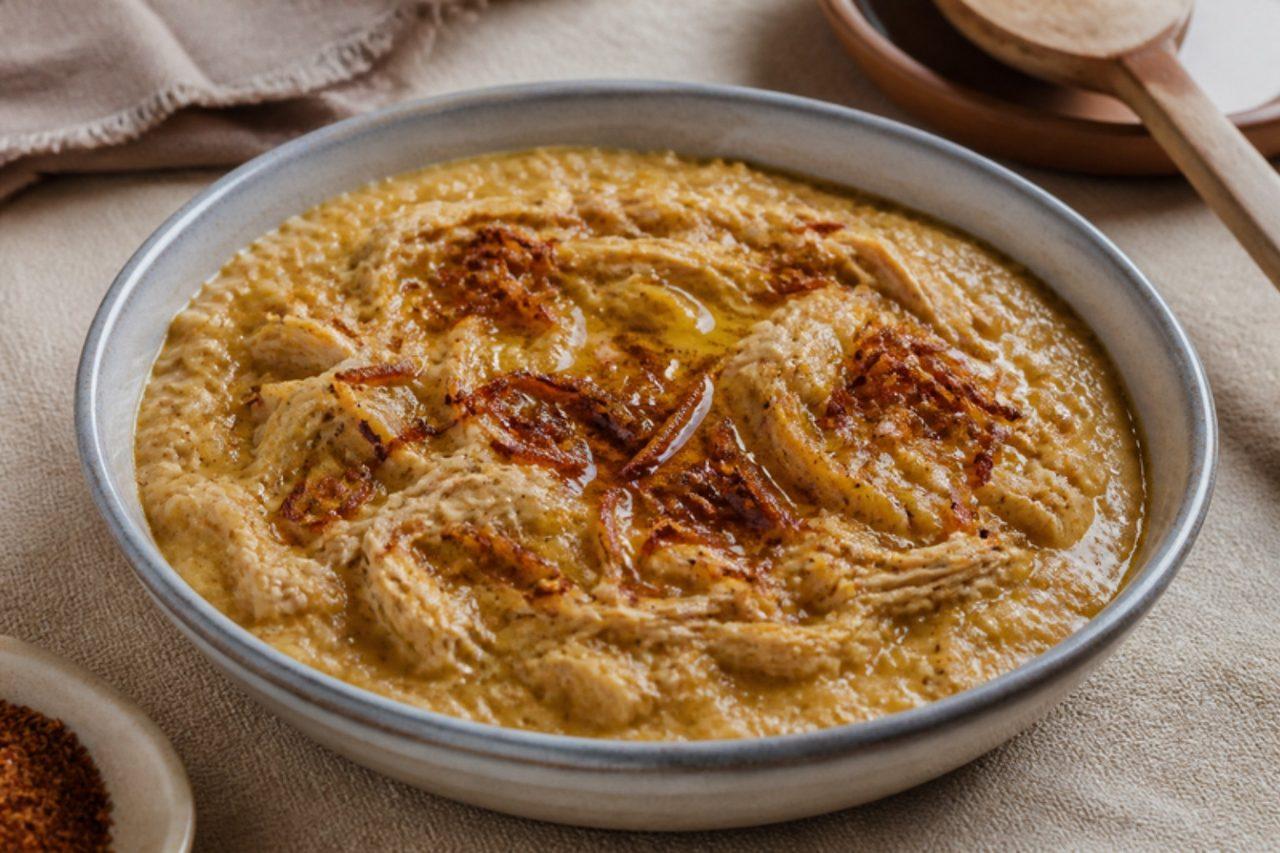
Madrouba means 'beaten', and in Doha and across Qatar and Oman it is a Ramadan favourite, cooked in big pots and beaten with a wooden spoon until the rice and chicken become one creamy porridge. It is soft and savoury, warmed by cumin, cardamom and black lime, and finished with a pool of ghee and sometimes crisp fried onion. Families eat it at iftar after dates and soup, or on cold evenings. The mistake is adding all the water at the start and walking away: the rice needs stirring so it breaks down evenly without catching. Chef's tip: use a whisk or a sturdy wooden spoon in the last 15 minutes and beat hard; the texture should be smooth with only tiny threads of chicken.

Read more 0 views

What to eat today?

Around the world

Today's trip: Paraguayan

A new country every day, from every cuisine on the site.

Paraguayan

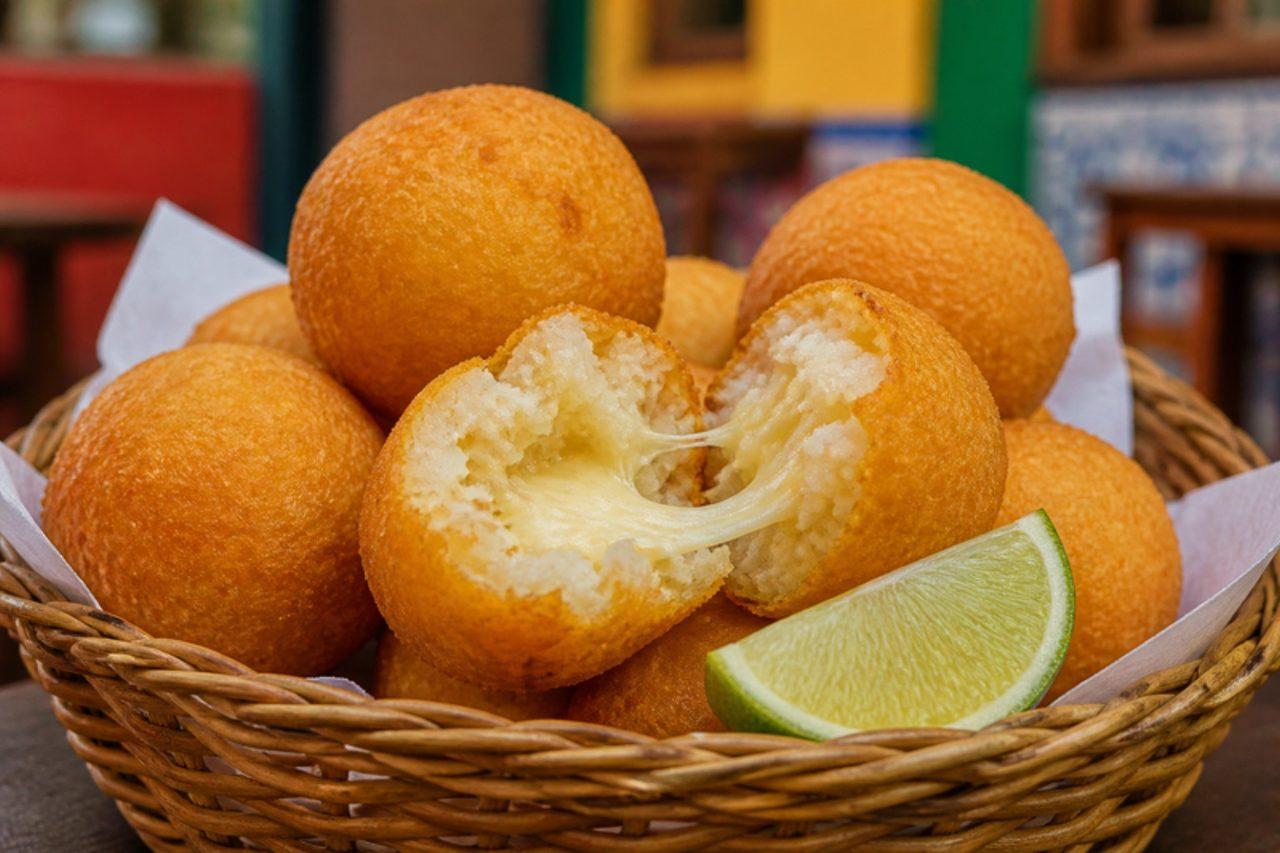
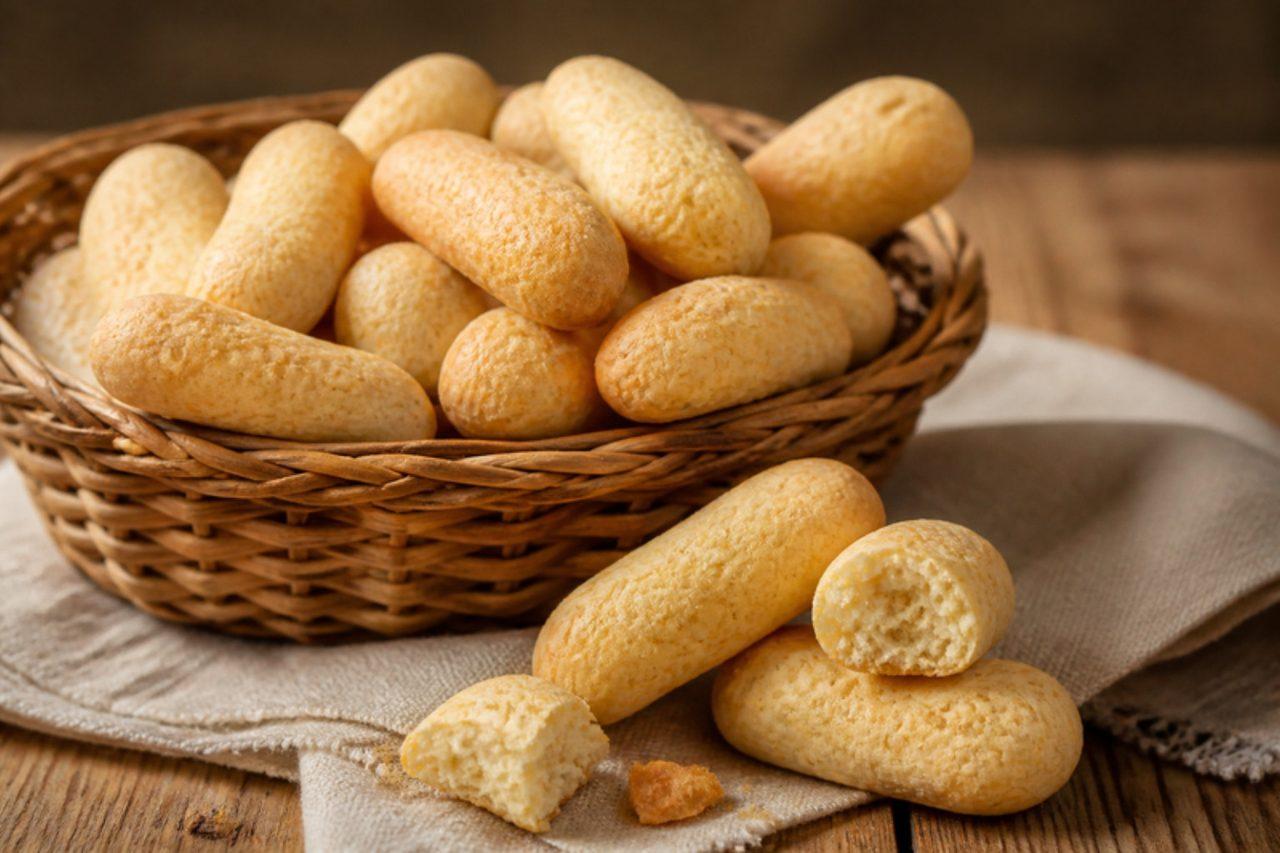
Chipa

Cheese bread rings 50 minMore from Paraguayan (27) →

This week's collection

Kid-friendly dinners
537 recipes · a new collection every Monday

Latest recipes

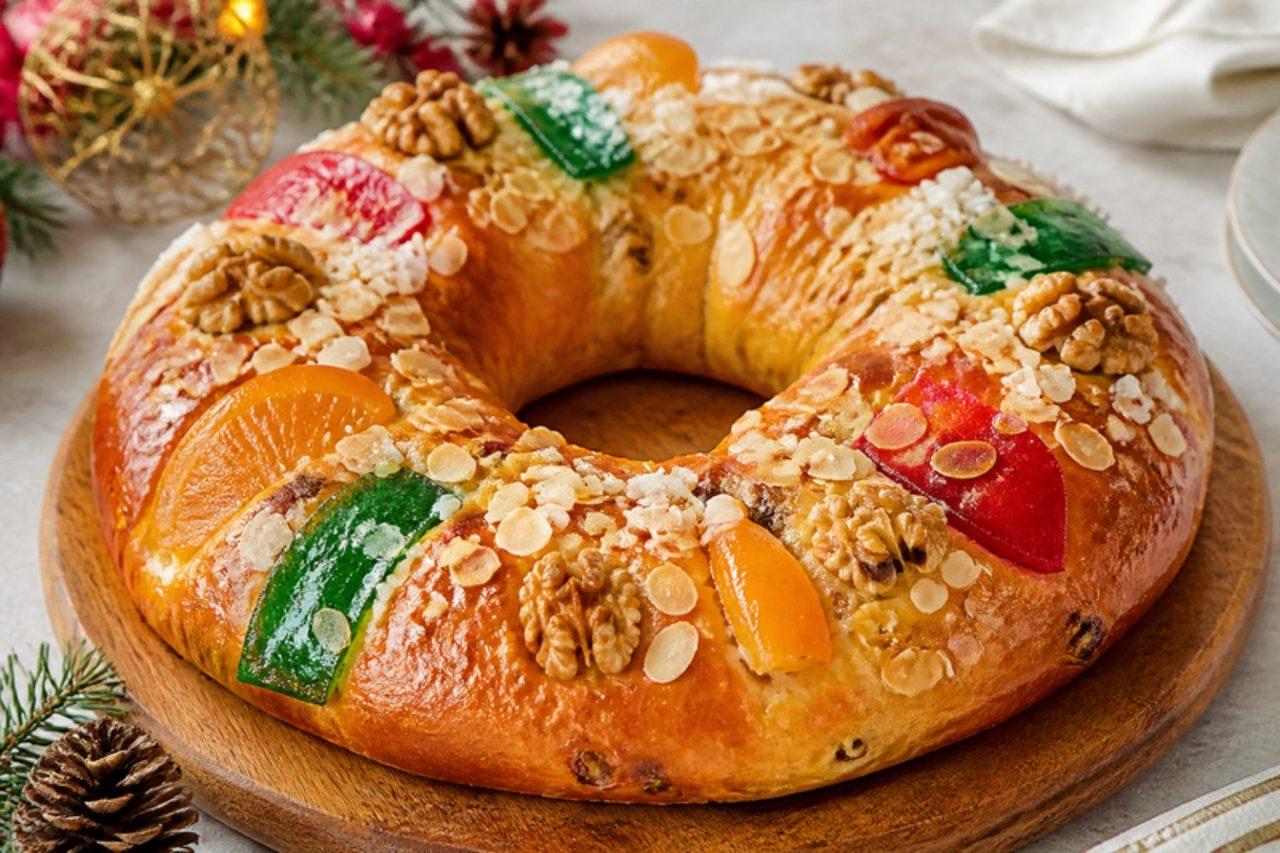
Bolo-reiCandied fruit and nut king cake

From early December to Twelfth Night every Lisbon pastelaria stacks its counter with these glossy rings, crowned with candied fruit and sugar, and families buy one for Christmas Eve and another for the Day of the Kings. A Lisbon confectioner brought the idea from France in the nineteenth century and it became the centre of the Portuguese Christmas table. Traditionally the raisins are soaked in port wine, which contains alcohol; orange juice works just as well. Old recipes hid a dried broad bean inside, and whoever found it bought next year's cake; we leave it out, as it is a choking hazard for children. Chef's tip: let the dough rise slowly in a cool place, even overnight in the fridge; the rich, buttery dough needs time to taste of anything.

by KrazyBadal 0 views

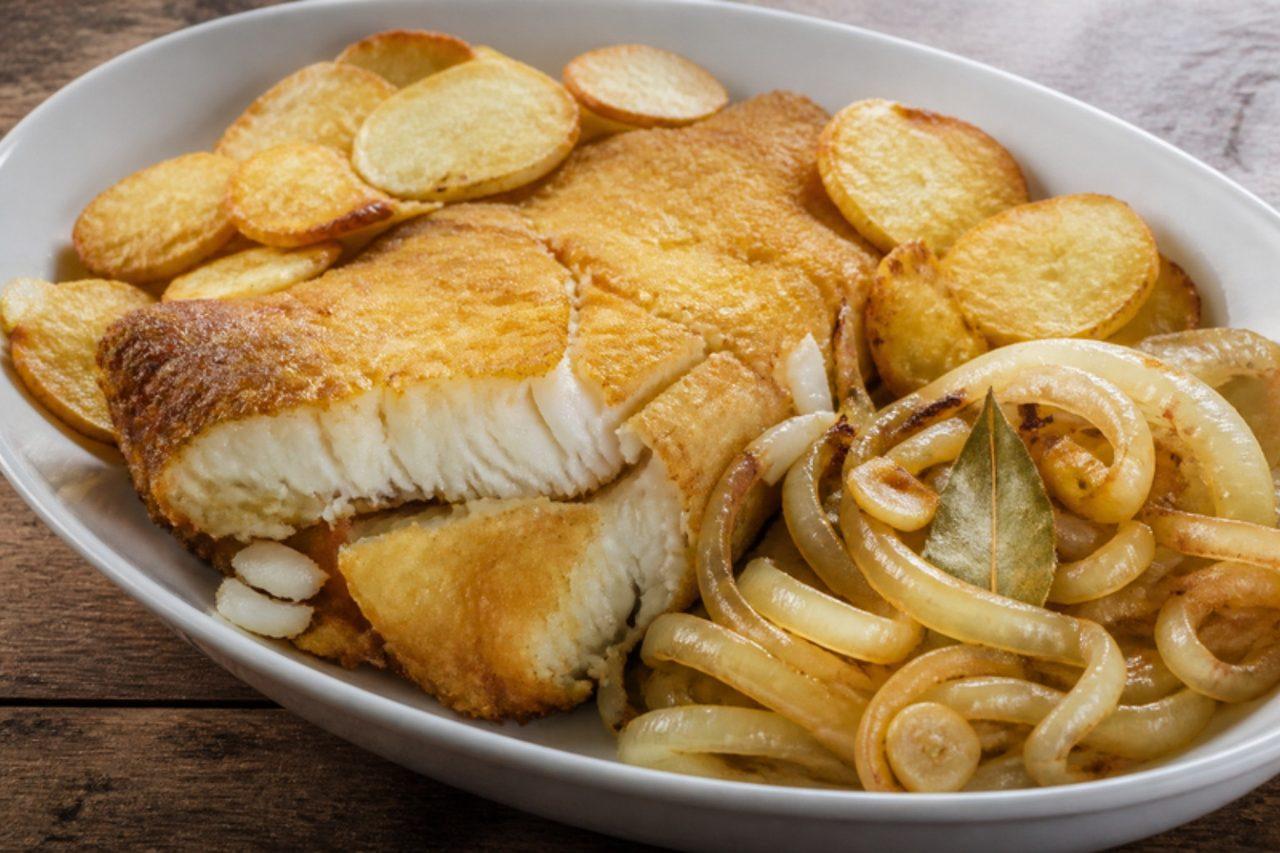
Bacalhau à minhotaFried salt cod with onions

Every Minho restaurant has its bacalhau à minhota on Fridays: a thick loin of salt cod, floured and fried in olive oil, served with crisp potato slices and a tangle of onions cooked in the same oil with garlic and paprika. It is plain, generous country food that relies on good fish. Start two days ahead, as the cod must soak in the fridge to lose its salt. A common mistake is skipping the taste test after soaking; fry a flake first, and soak longer if it is still very salty. Chef's tip: taste a flake of the soaked cod before cooking; if it is still too salty, give it another change of water.

by KrazyBadal 0 views

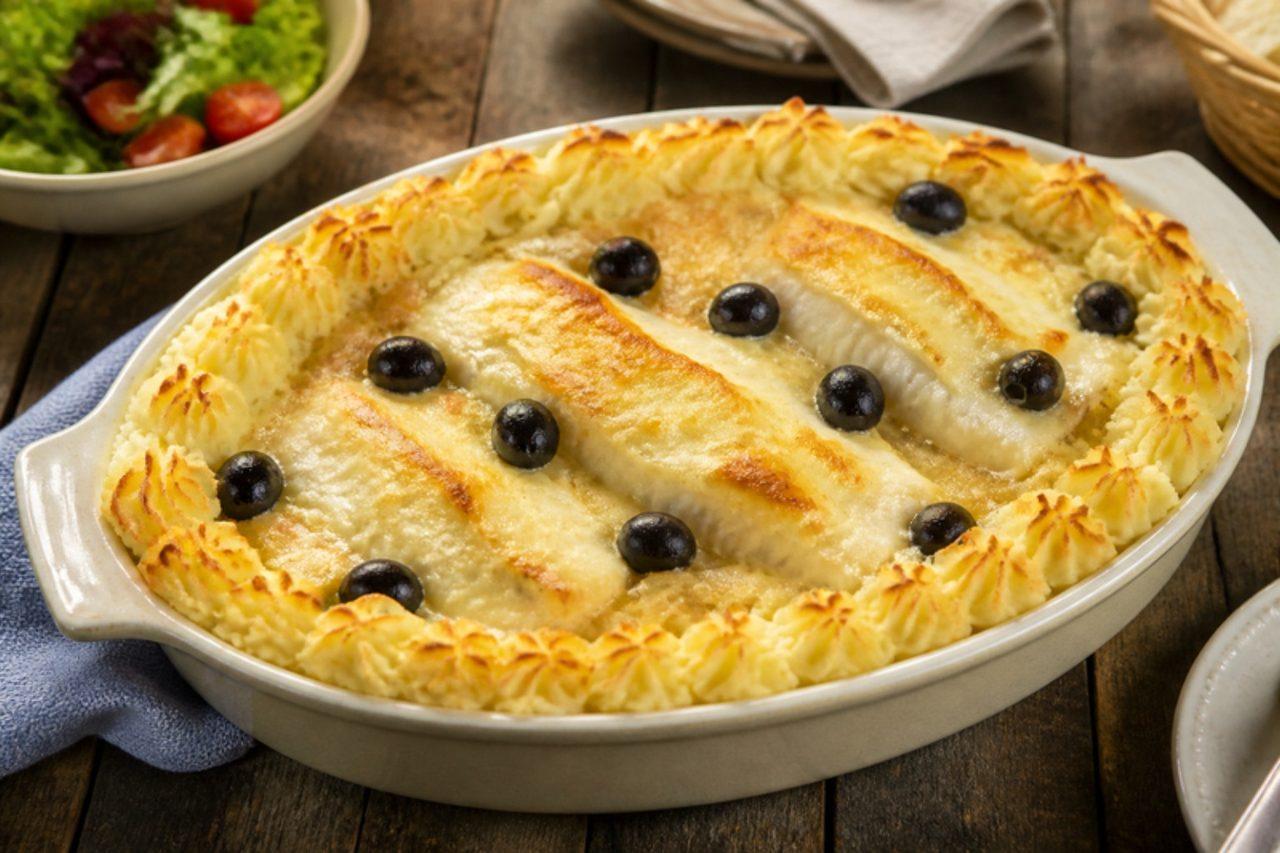
Bacalhau à Zé do PipoSalt cod with mayonnaise mash

Zé do Pipo was the nickname of a Porto tavern keeper in the 1960s whose cod won a national cooking competition, and the dish became a celebration plate in northern restaurants ever since. Thick cod loins sit on a bed of slow-cooked onions, are covered in mayonnaise and ringed with piped mashed potato, then baked until the top turns golden and blistered. Use a good shop-bought mayonnaise made with pasteurised egg; homemade mayonnaise with raw yolks is not for pregnant women, young children or anyone with a weakened immune system. A common mistake is a runny purée; the potato must be stiff enough to pipe, or it slumps under the mayonnaise. Chef's tip: pipe the mash while it is still warm, as cold mash cracks.

by KrazyBadal 0 views

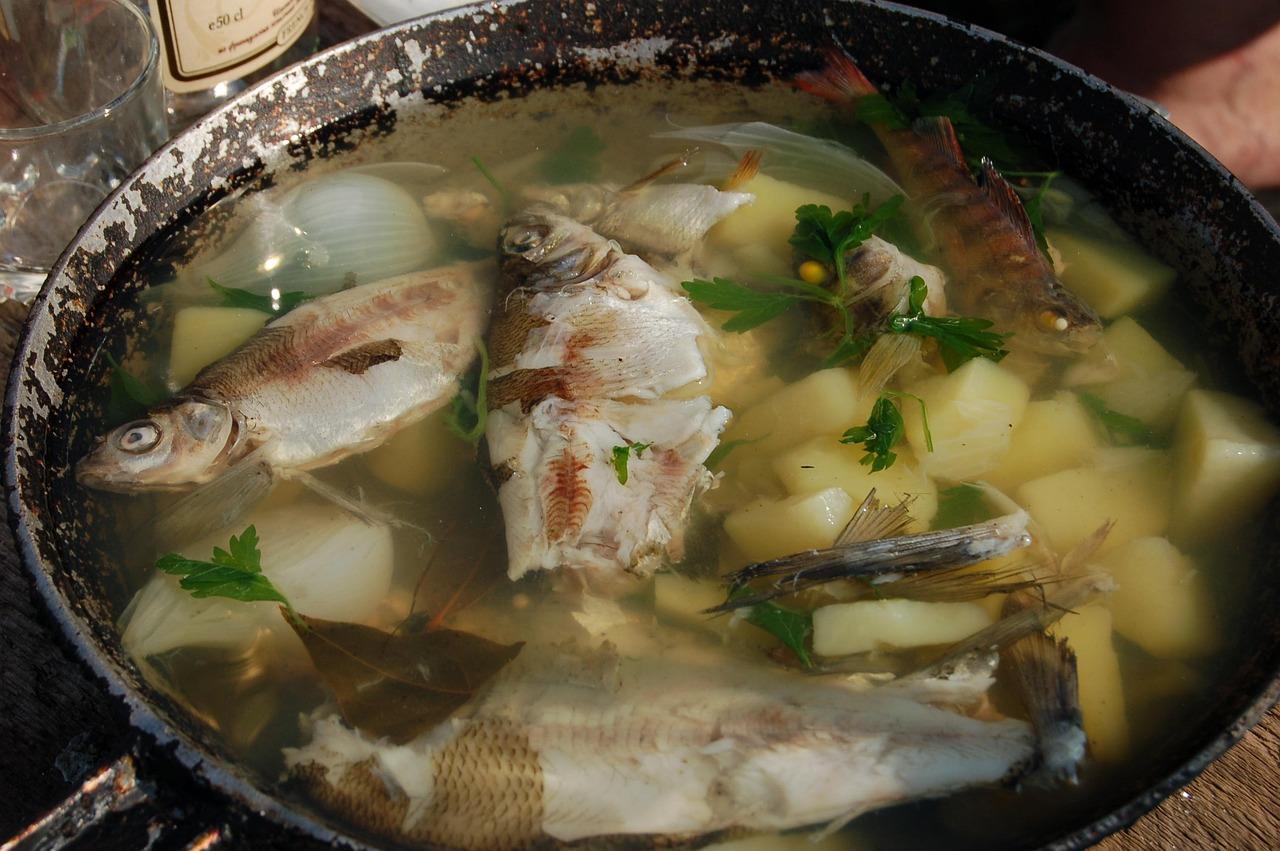
CotriadeFish and potato soup

Cotriade is the Breton answer to bouillabaisse, plainer and kinder on the purse, made in the ports of the south coast from Concarneau to Quiberon with whatever the boats could not sell. Chunks of several fish, both firm and oily, are poached with potatoes and onions in a thyme-scented broth, then served in two parts: the broth poured over toasted bread, and the fish and potatoes moistened with a sharp mustardy vinaigrette. The contrast of the soft, buttery broth and the bright dressing is the whole point. Serve it with good bread and salted butter. Chef's tip: add the firm fish first and the delicate ones last, so nothing falls to pieces in the pot.

by KrazyBadal 0 views

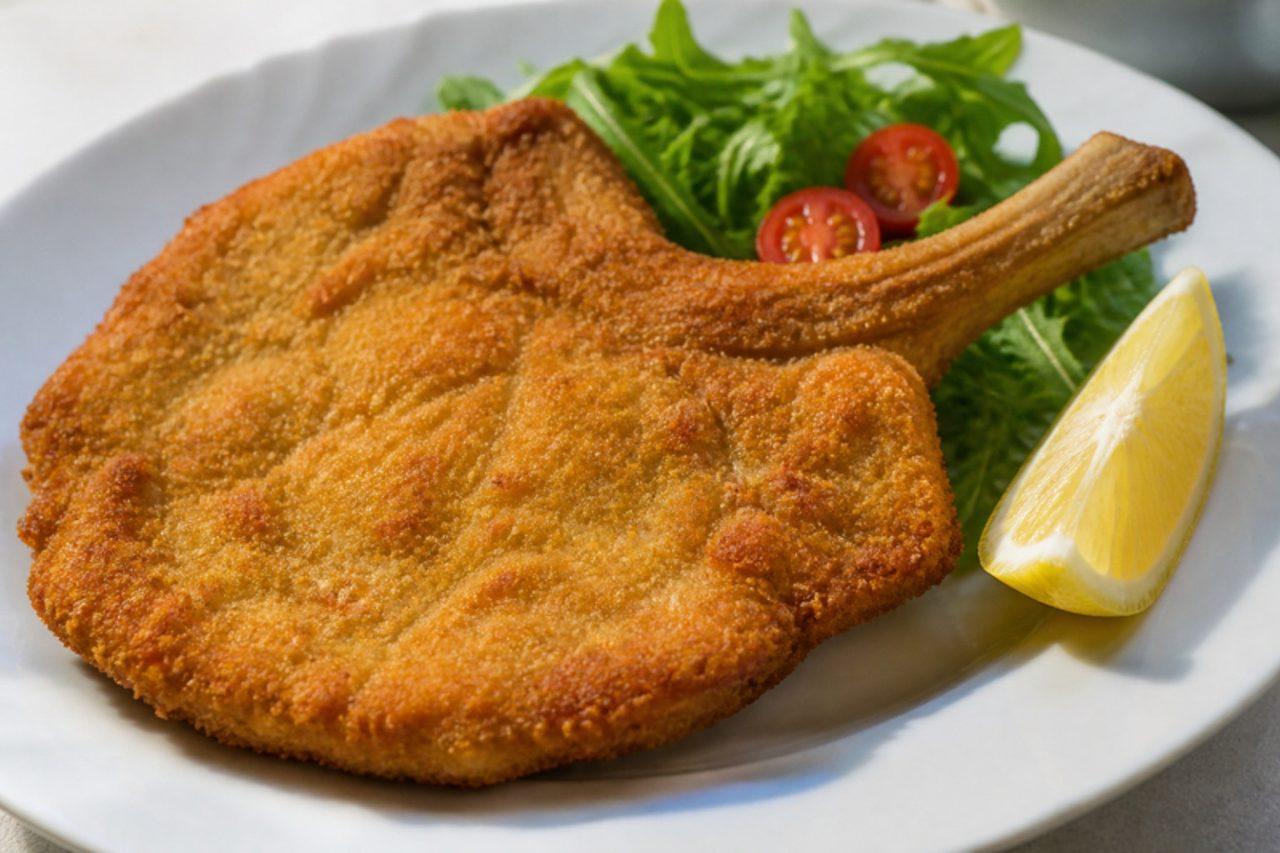
Cotoletta alla milaneseBreaded veal cutlet

The Milanese cotoletta is a thick, bone-in veal rib chop, dipped in egg and breadcrumbs and fried slowly in clarified butter until the crust is deep gold and the meat inside is still juicy and faintly pink. It is the standard Sunday and celebration dish in Milan's old trattorie, served with just a lemon wedge and perhaps a rocket and tomato salad or a few roast potatoes. Unlike the thin, beaten schnitzel, the true cotoletta keeps its bone and is only lightly flattened, so it stays tender. Chef's tip: clarify the butter yourself or use ghee; ordinary butter burns at frying heat and leaves bitter black specks on the crumb.

by KrazyBadal 0 views

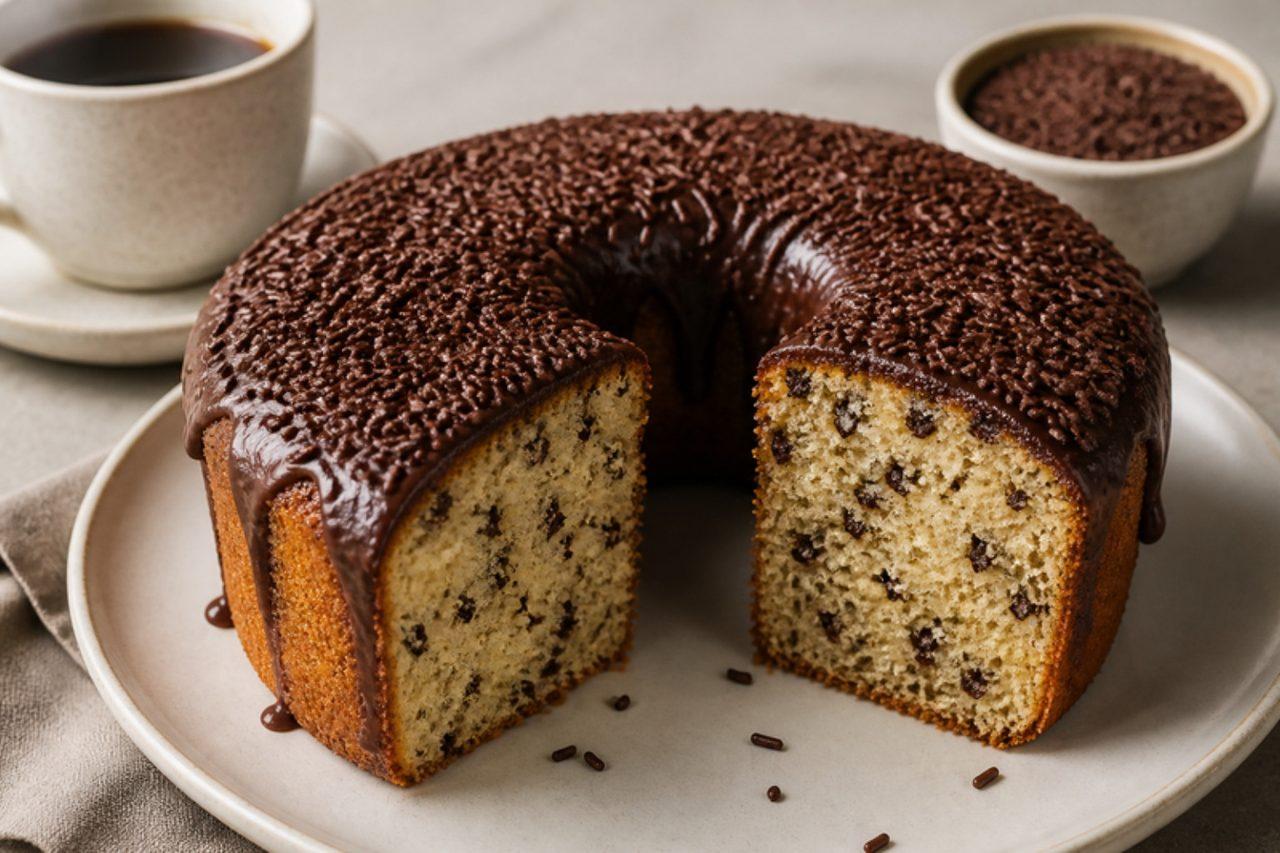
Bolo formigueiroVanilla sponge with chocolate sprinkles

Slice into a bolo formigueiro and the crumb is dotted with dark specks, like ants on a sandy anthill, which is where the name comes from. This is the cake a Brazilian kid would want at merenda time: a soft, buttery vanilla sponge with chocolate sprinkles (granulado) folded through, often finished with a simple chocolate glaze and more sprinkles on top. Padarias and lanchonetes from São Paulo to Belo Horizonte sell it by the slice with a coffee. The cake contains wheat flour, eggs and milk. People often stir the sprinkles into the batter at the start, so they melt and turn the cake muddy grey. Chef's tip: fold the sprinkles in last, with a light hand, and use the chocolate kind (not candy-coloured), which hold their shape in the oven.

by KrazyBadal 0 views

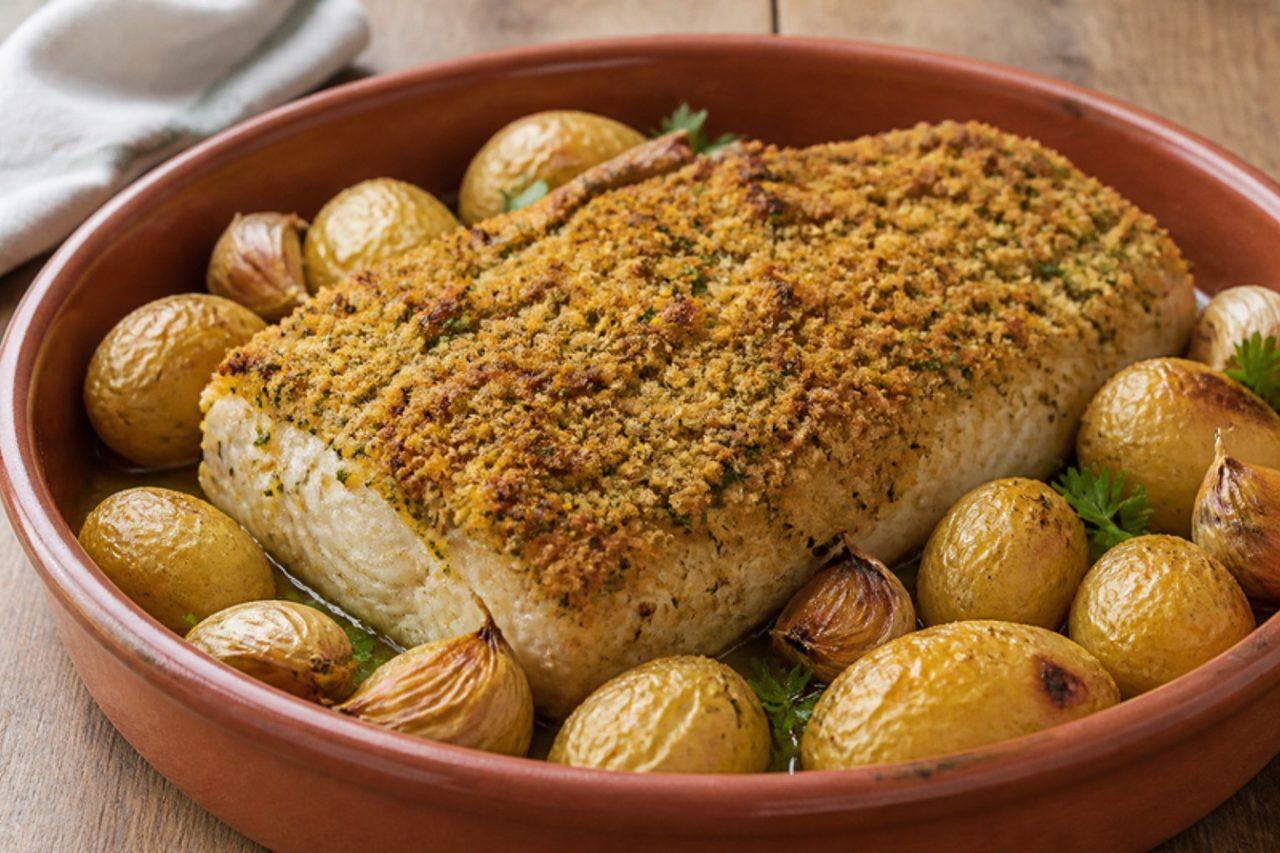
Bacalhau com broaSalt cod with cornbread crust

In central Portugal, where corn broa is the everyday bread, cooks crumble it over thick salt cod loins with garlic, parsley and olive oil, and the dish has become a favourite on restaurant menus from Coimbra to Leiria, especially for Christmas Eve and festive lunches. The crumb crust turns crunchy and golden while the cod stays moist and flaky underneath. It comes with punched potatoes and greens. Chef's tip: use broa that is a day or two old, as fresh crumb goes soggy instead of crisp.

by KrazyBadal 0 views

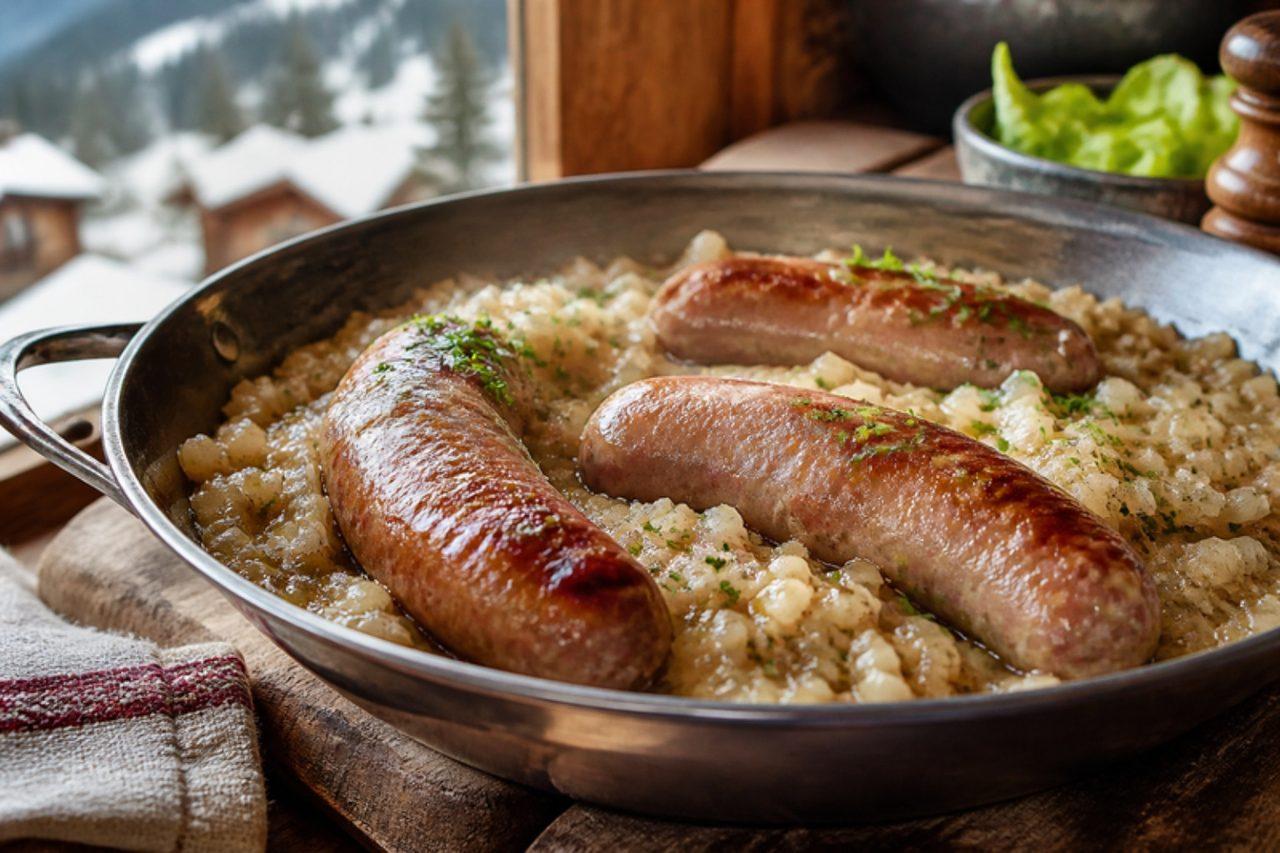
Diots au vin blancSausages braised in white wine

Diots are the small pork sausages of Savoie, sold in every butcher's from Chambéry to Annecy and eaten at ski-resort tables and village fêtes all winter. They are browned, then braised slowly with plenty of onions in dry Savoie white wine with a bay leaf, until the onions melt into a sweet, winey sauce around the plump sausages. The traditional partner is crozets, tiny square buckwheat or wheat pasta, or a soft polenta. The braise uses white wine; an alcohol-free version is in the notes. If you can't find diots, use any coarse, garlicky pork sausage. Chef's tip: brown the sausages slowly over a medium heat rather than fiercely, so the skins colour without bursting.

70 minFrenchMeat
by KrazyBadal 0 views

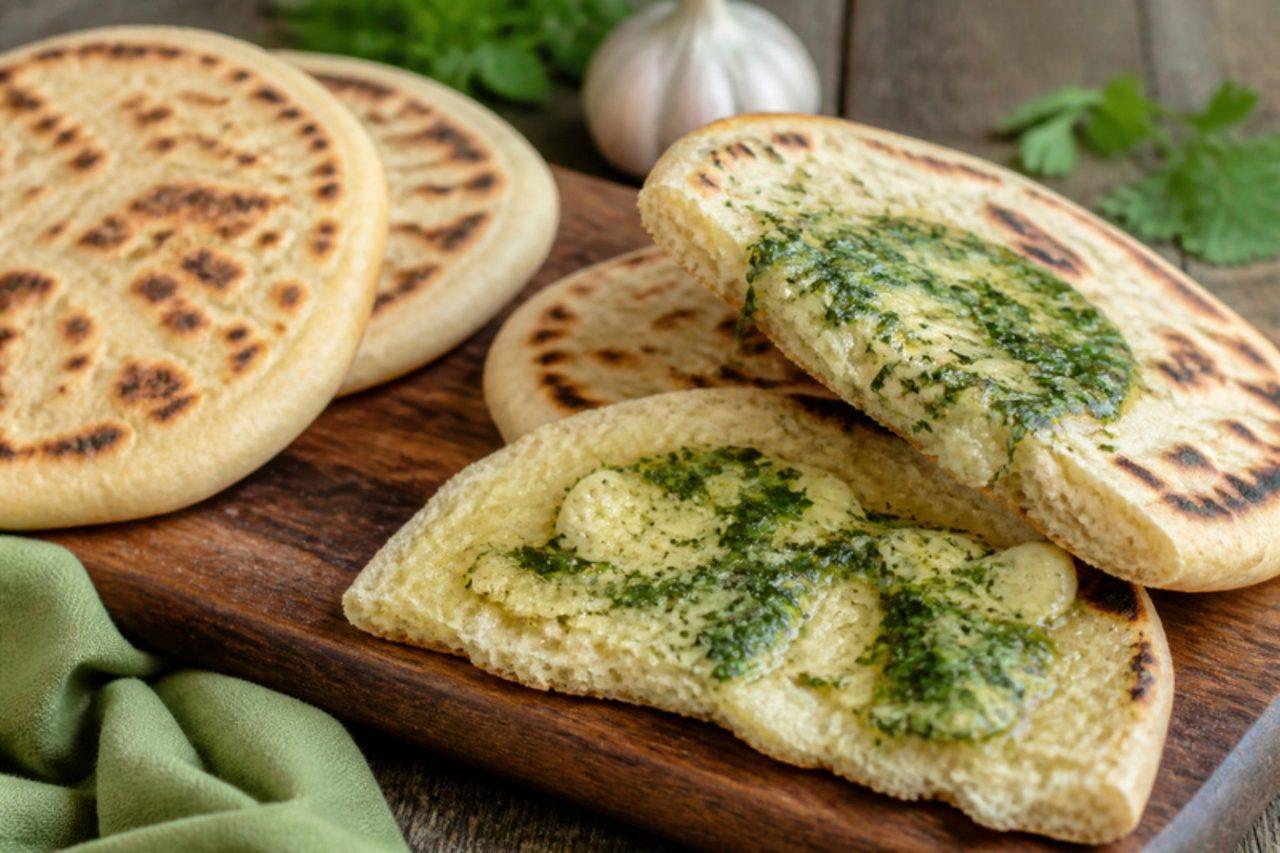
Bolo do cacoSweet potato flatbread with garlic butter

Every street stall at the Funchal flower festival and every village arraial on Madeira has a hot stone griddle going, turning out these flat, chewy rounds of bread made with sweet potato. They are split while hot, spread with garlic and parsley butter and eaten on their own, or stuffed with a skewer's worth of espetada. The name comes from the caco, the basalt slab they were first baked on, but a heavy frying pan does the job at home. Chef's tip: cook them low and slow; a hot pan burns the crust before the thick middle is done.

by KrazyBadal 0 views

Bolo de roloGuava paste roll cake

Cut a slice of bolo de rolo and you see a tight spiral of a dozen hair-thin layers, alternating pale butter sponge and dark red guava. It is Pernambuco's proudest cake, protected as a cultural heritage of the state, sold in Recife's bakeries and airport shops in long boxes and served at birthdays and with coffee in the afternoon. The batter is rich with butter and eggs, spread so thinly it bakes in minutes; each sheet is brushed with melted guava paste and rolled around the last. It takes patience rather than skill. The classic slip is spreading the batter too thick, which gives a fat swiss roll instead of fine stripes; you should almost see the paper through it. Chef's tip: roll each layer while it is still hot from the oven, on a clean cloth dusted with sugar, because the thin sponge cracks as soon as it cools.

by KrazyBadal 0 views

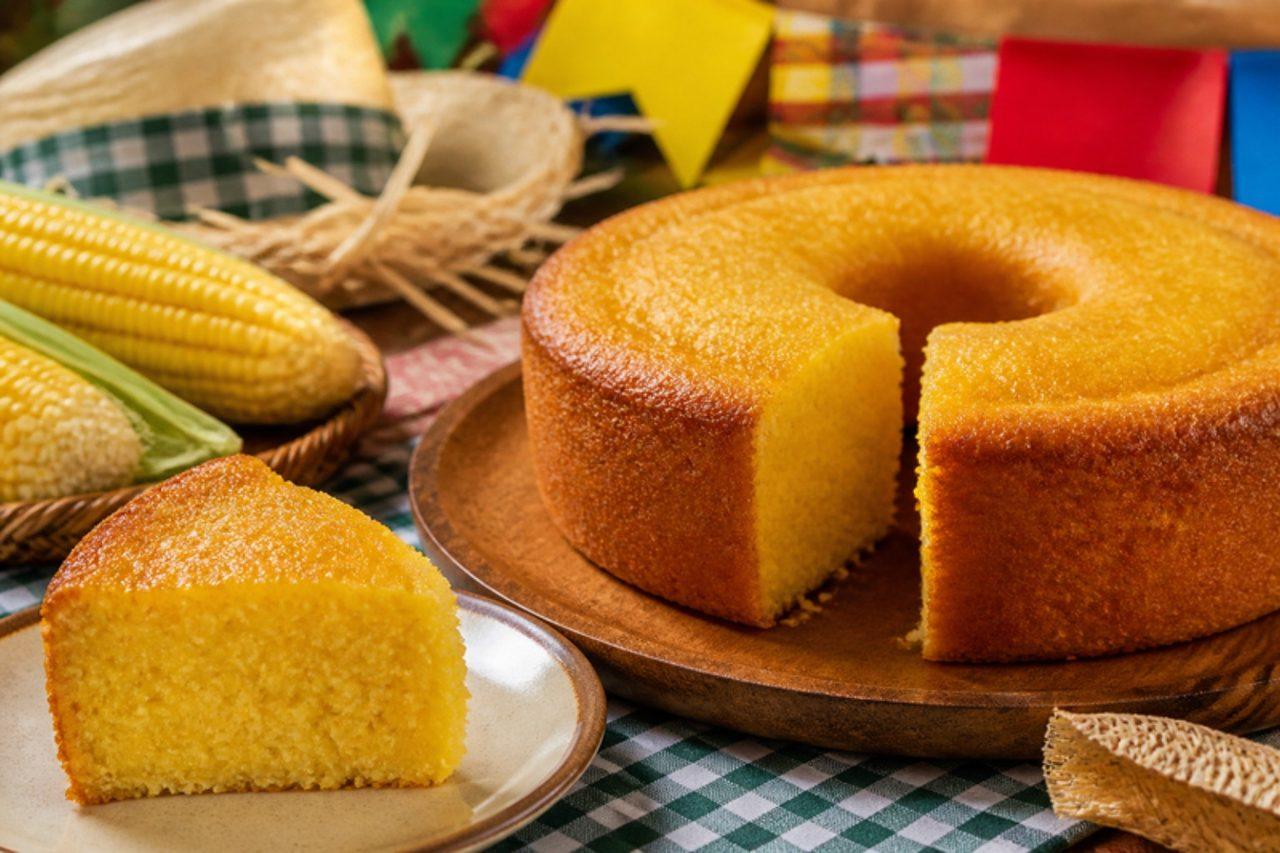
Bolo de milho verdeSweetcorn cake

Almost every Brazilian padaria keeps a tray of bolo de milho verde by the till, and in June it multiplies across festa junina stalls, sliced into squares and wrapped in napkins. Everything goes into a blender: sweetcorn kernels, eggs, milk, oil, sugar and a little fine cornmeal, so the cake comes out yellow, dense and moist, almost custardy in the middle, with real corn flavour. It is made without wheat flour, which keeps it gluten free as long as your baking powder is. Eat it with afternoon coffee or warm from the tin. Opening the oven early is where it usually goes wrong; this batter is heavy and sinks if the door opens before 35 minutes. Chef's tip: leave the cake in the tin for 20 minutes after baking; it finishes setting as it cools and comes out in clean slices.

by KrazyBadal 0 views

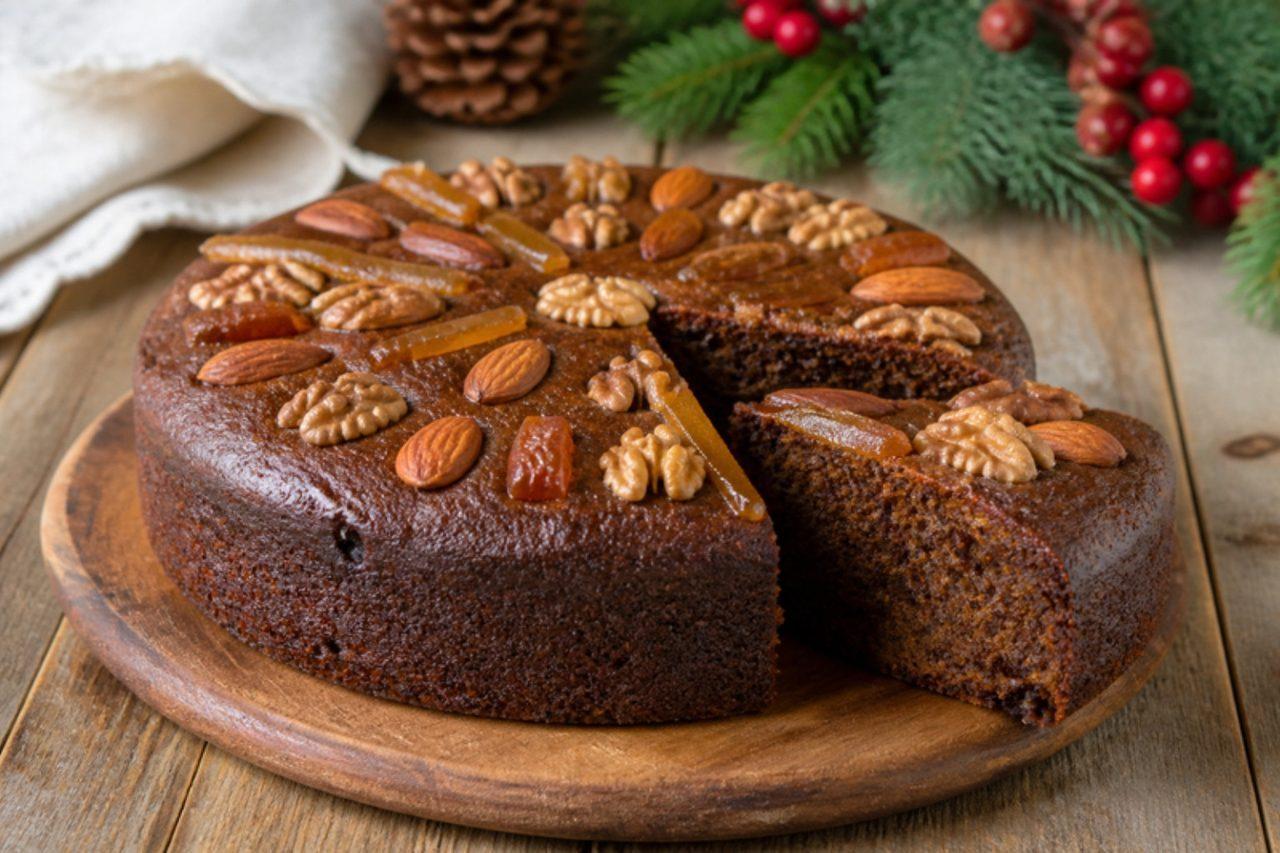
Bolo de mel da MadeiraSpiced molasses cake with nuts

Madeiran families bake bolo de mel on 8 December so it can mellow in time for Christmas, and a well-wrapped one is said to keep until the following year. It is dense, almost black and fragrant with cinnamon, clove and aniseed, sweetened with mel de cana, the island's sugarcane molasses, and studded with walnuts, almonds and candied peel. Tradition says it should be broken by hand, never cut with a knife. Many old recipes use some lard; this one uses butter only. Chef's tip: wrap it in foil and wait at least a week before eating; the spices and molasses soften and blend as it rests.

by KrazyBadal 0 views

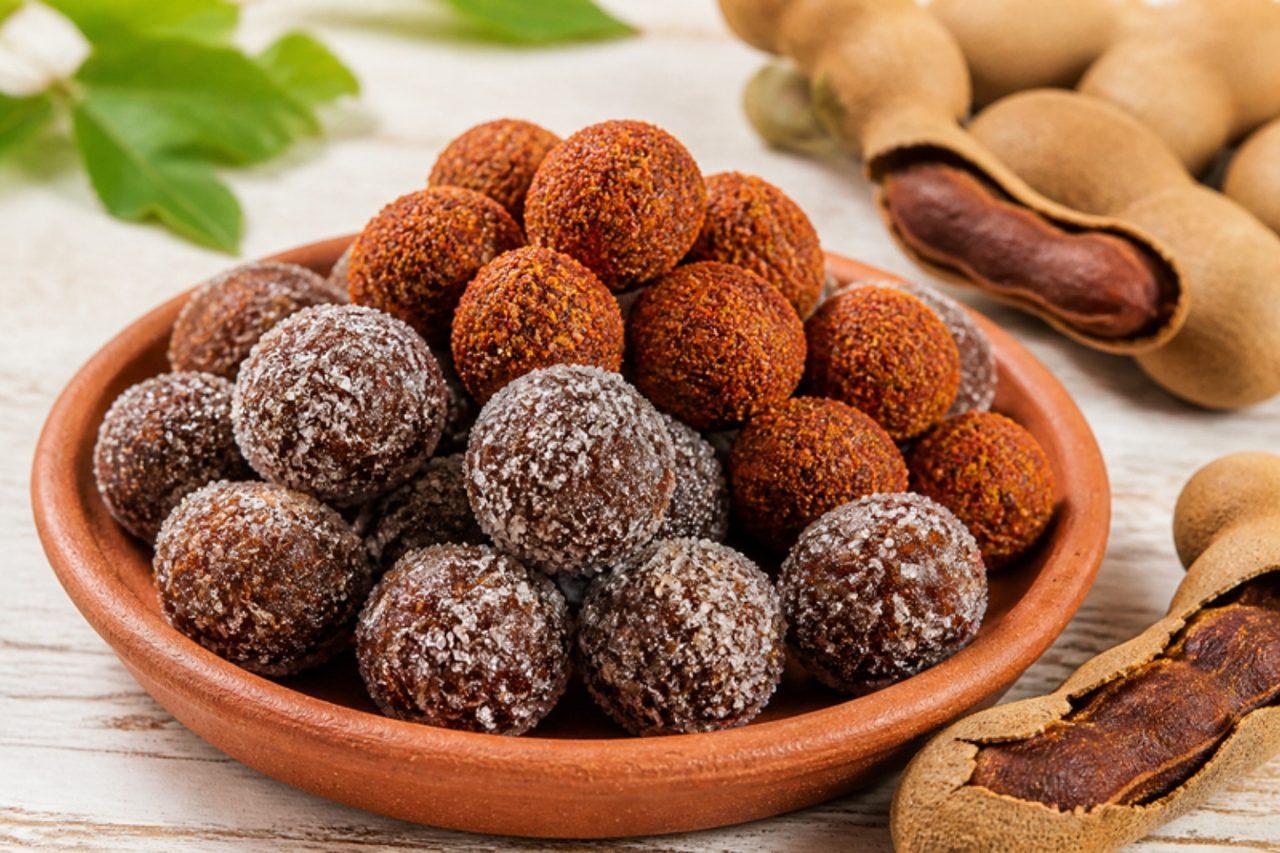
Dulce de tamarindoTamarind sugar sweets

Tamarind trees shade the coast of Guerrero, and around Acapulco and the Costa Chica the sticky pulp is cooked down with sugar into tangy little balls sold in paper twists at beaches, bus stations and corner shops. Children love the sharp sweet-sour pucker; adults buy the ones rolled in chilli and salt. They are naturally vegan and keep for weeks. Chef's tip: use blocks of seedy tamarind pulp from an Asian or Mexican grocer, not the thin concentrate in jars, which will not set.

by KrazyBadal 0 views

Baccalà mantecatoWhipped salt cod

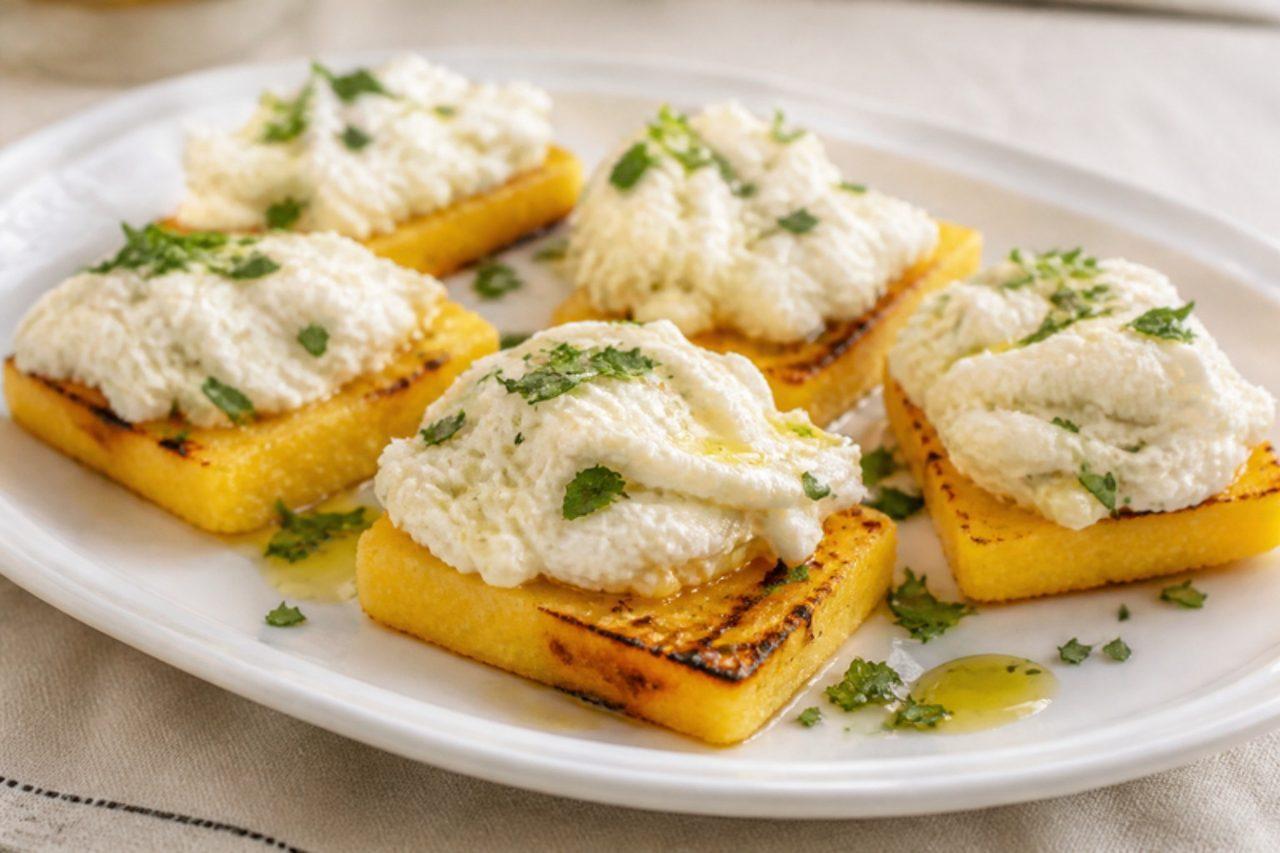
No cicchetti bar in Venice is without a bowl of baccalà mantecato: dried salt cod soaked, poached and beaten with olive oil until it turns pale, fluffy and spreadable, then piled on squares of grilled polenta or toasted bread to eat standing at the counter with a glass of something. It is mild, creamy and gently garlicky, despite containing no cream at all. Venetians traditionally use stockfish (air-dried cod), which is hard to find elsewhere, so this version uses salted cod, which is easier to buy and behaves the same way. The cod needs two days of soaking in the fridge, so start early. Chef's tip: beat the oil in a thin trickle, the way you would make mayonnaise; it is the slow addition that gives the light, creamy texture.

by KrazyBadal 0 views

Bolo de mandiocaGrated cassava and coconut cake

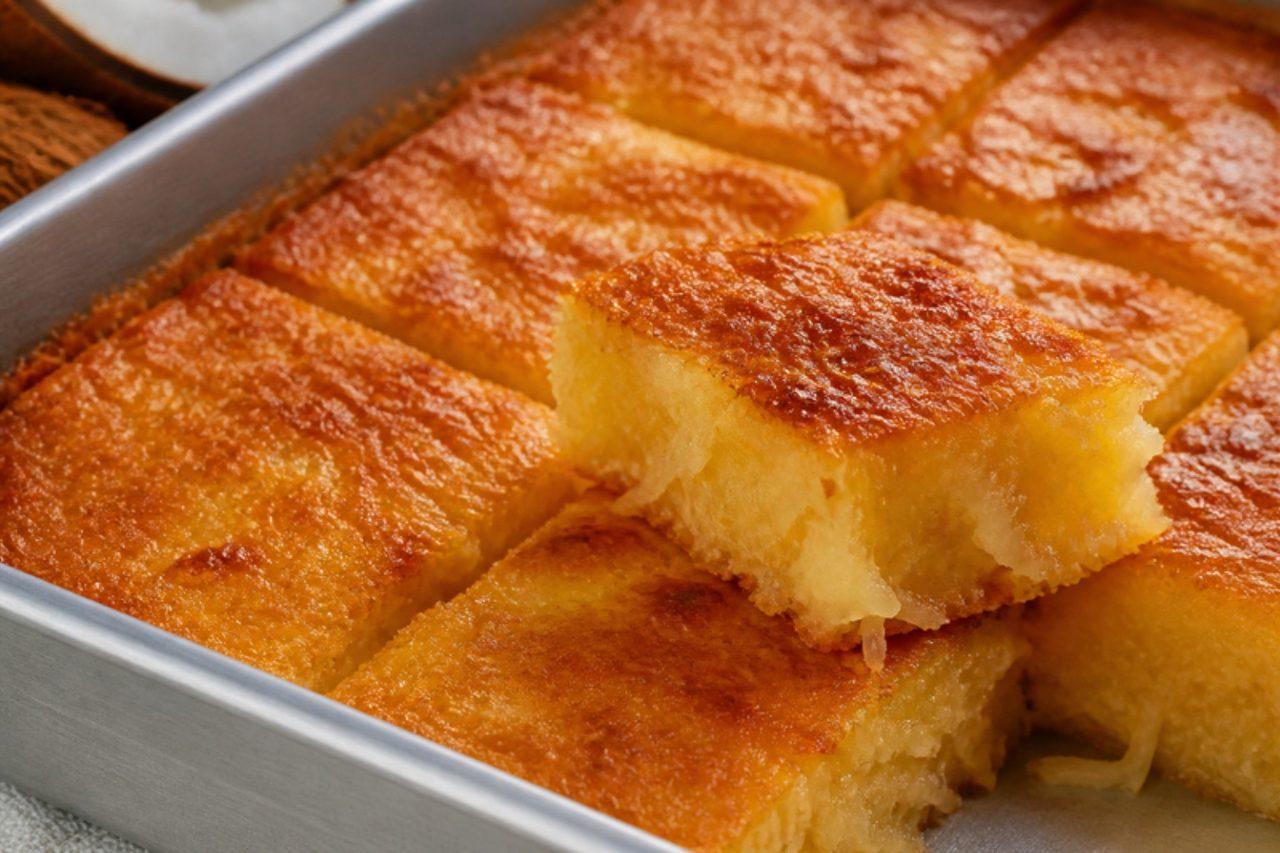
Grated raw cassava makes a cake unlike any flour cake: heavy, sticky and pudding-like, with a chewy golden crust and a moist, almost translucent middle. Bolo de mandioca (or bolo de aipim in Rio) is baked all over Brazil, sold by the slice at roadside stands in the interior of Bahia and Minas, and is a regular at June festivals next to the corn cakes. Coconut milk and grated coconut make it fragrant, butter makes it rich. Fresh cassava is sold in Latin, African and Caribbean shops; frozen peeled cassava is fine once thawed. Raw cassava must be fully cooked, and baking this long is enough. A classic error is blending in the fibrous core of the root, which leaves woody threads in the cake; cut it out first. Chef's tip: squeeze a little of the liquid out of the grated cassava in a cloth before mixing, and the cake gets a firmer, more cake-like texture without turning dry.

by KrazyBadal 0 views

AmbrosiaSweet milk and egg curds

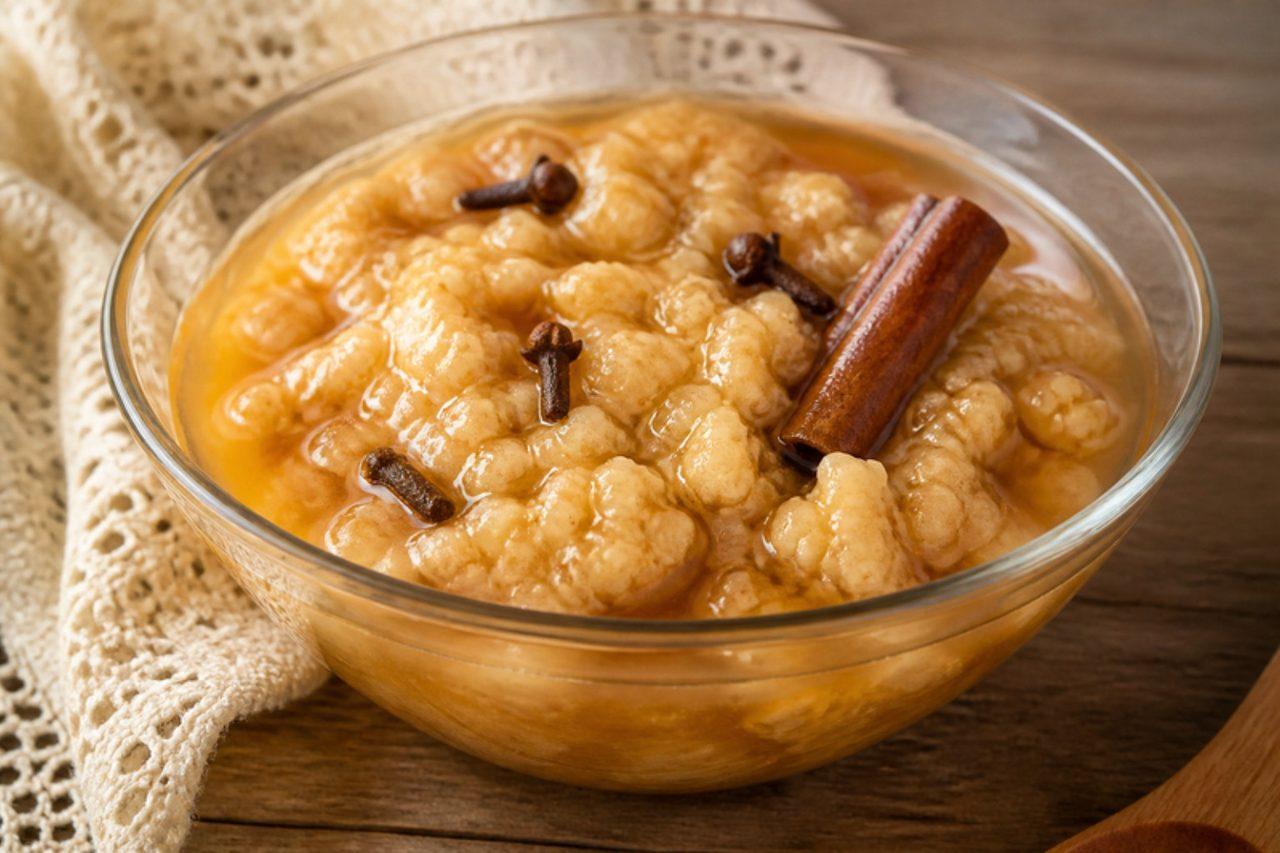
Found in glass jars at farm-shop counters in Minas Gerais and on the dessert tables of gaúcho family lunches, ambrosia is an old Portuguese-rooted sweet that turns milk, eggs and sugar into soft, golden curds bathed in a caramel-coloured syrup. The eggs are poured into the sweet milk and then left to set and simmer for an hour with clove and cinnamon, so the curds form large and tender rather than scrambled. Cold from the fridge it is creamy, eggy and fragrant, rather like a rustic crème caramel broken into pieces. Serve small bowls with a slice of fresh cheese or nothing at all. Where most people go wrong is stirring as soon as the eggs go in; that breaks the curd into grainy crumbs, so wait until it has set before moving it gently. Chef's tip: a squeeze of lemon juice into the milk before the eggs helps the curds form quickly and keeps them in large, tender clouds.

by KrazyBadal 0 views

Amêijoas à Bulhão PatoClams with garlic and coriander

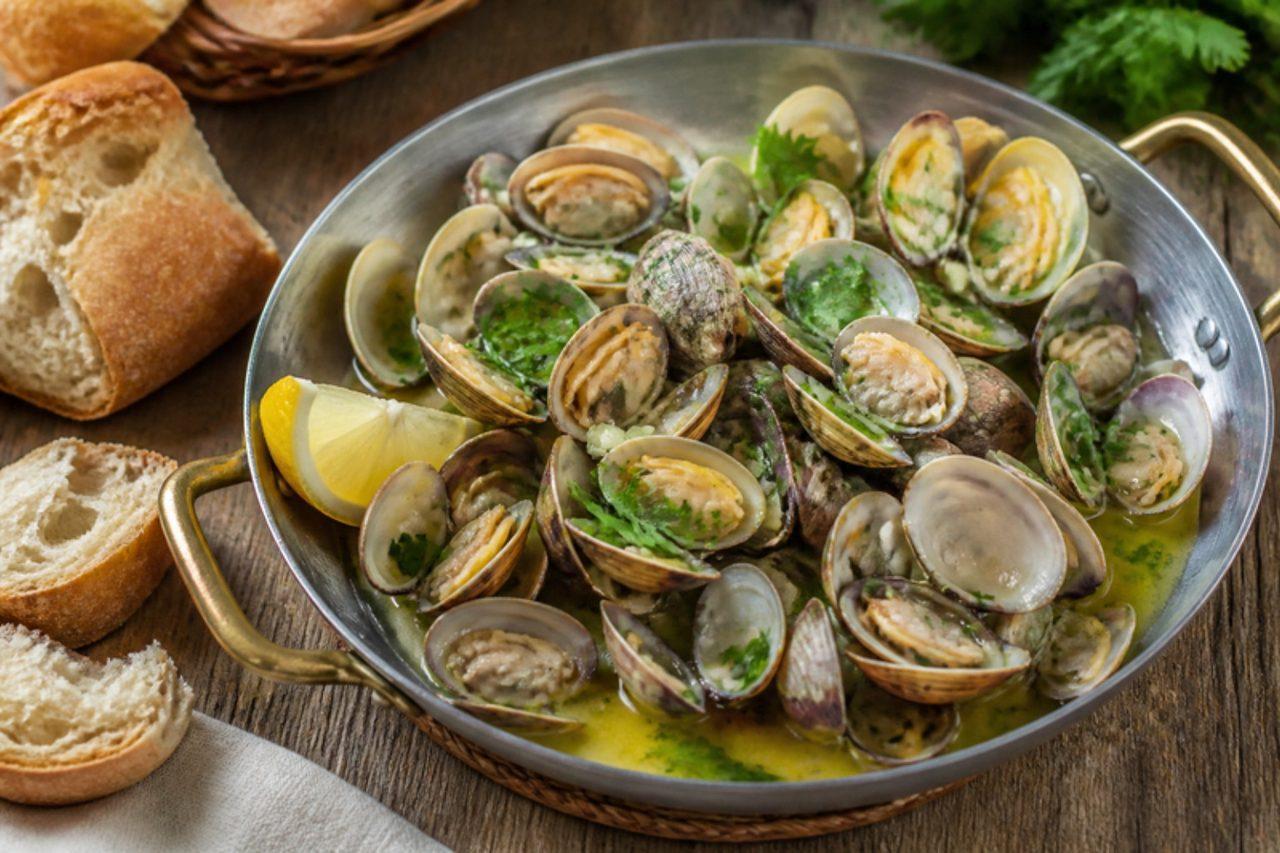
A Lisbon seafood beer hall wouldn't be one without a steaming bowl of these on every other table, with bread for the juices that pool in the bottom. The dish is named after the nineteenth-century poet Raimundo Bulhão Pato, a keen cook and hunter who is said to have loved it. It is only clams, olive oil, a lot of garlic, fresh coriander and lemon, so the shellfish must be lively and well cleaned. Many cooks add a splash of white wine, which contains alcohol; water or a little extra lemon juice works fine. Chef's tip: add the coriander at the very end, off the heat, so it stays bright and fragrant.

by KrazyBadal 0 views

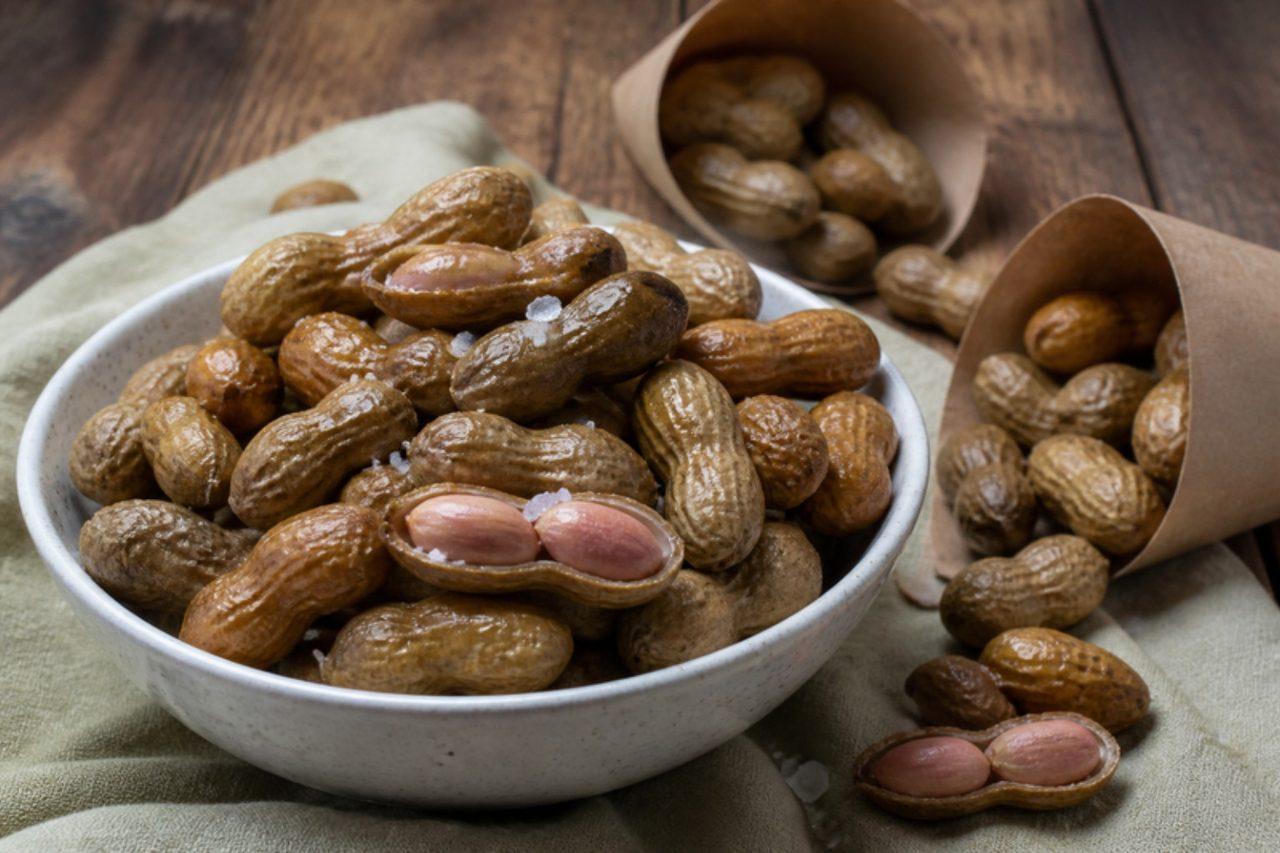
Amendoim cozidoBoiled peanuts

Steaming paper bags of boiled peanuts are sold in São João squares from Campina Grande to the interior of São Paulo, and families cook pots of them at home when the fresh peanut harvest comes in around June. Boiled in the shell in well-salted water, the peanuts turn soft, juicy and almost bean-like, with a savoury, slightly sweet taste quite different from roasted peanuts. You crack them open with your fingers and slurp the salty water out with the nut. You need raw peanuts in the shell, either fresh (green) or dried; roasted ones never soften. Under-salting is the beginner's slip: the shell blocks a lot of salt, so the water should taste like the sea. Chef's tip: let the peanuts sit in their cooking water for 30 minutes off the heat before draining, so the salt soaks through to the nut.

by KrazyBadal 0 views

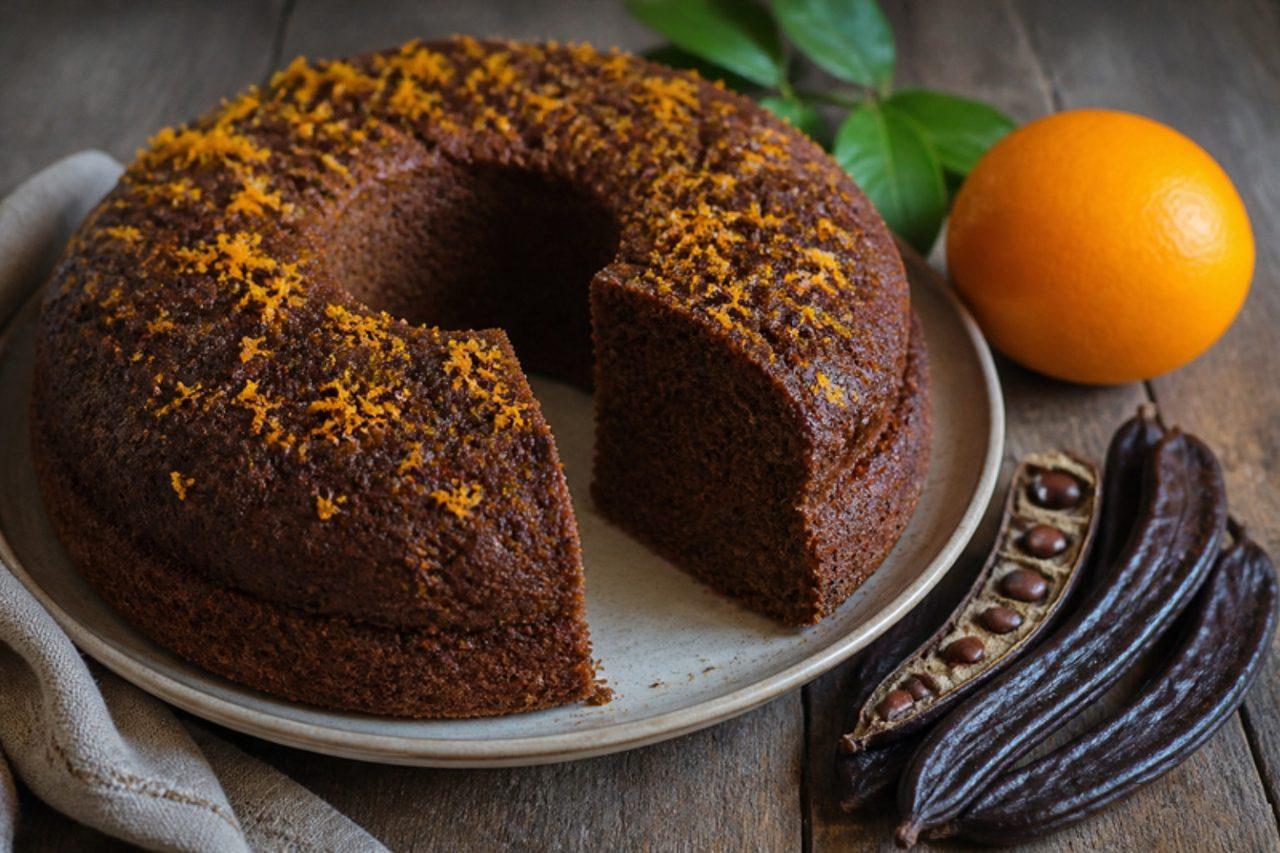
Bolo de alfarrobaCarob and orange cake

Carob trees grow all through the dry Barrocal hills behind the Algarve coast, and the toasted pods are ground into a sweet, cocoa-coloured flour that local bakers have used for generations. This cake, sold by the slice in cafés around Loulé and São Brás de Alportel, is made with olive oil and orange, so it stays moist for days. It has a gentle caramel, almost malty taste rather than a chocolate one. A common mistake is using too much carob; it is sweet and earthy and turns bitter when overdone, so stick to the amount given. Chef's tip: sieve the carob flour with the wheat flour, because it lumps easily and leaves dry pockets in the crumb.

by KrazyBadal 0 views

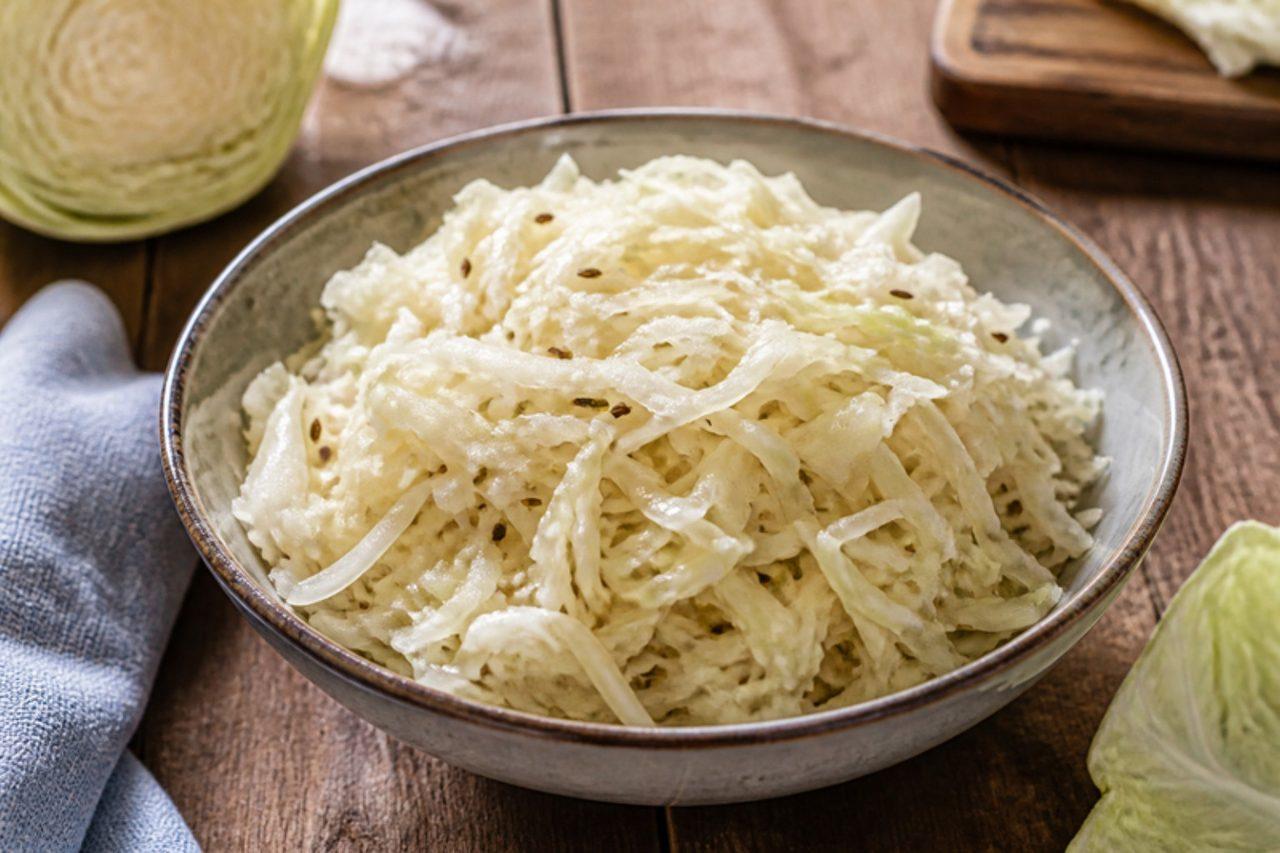
Bayerischer KrautsalatWarm-dressed cabbage salad

Every Bavarian inn serves this pale, glossy cabbage salad beside roast pork and dumplings, and it is just as good on its own at a summer barbecue. The white cabbage is shaved very finely, salted and kneaded, then dressed with hot vinegar, oil and caraway so it softens while keeping a crunch. Many cooks finish it with crisp bacon bits; this version leaves them out and is vegan. The common mistake is dressing it cold and serving it at once: it needs the warm dressing and at least half an hour to turn silky. Chef's tip: shave the cabbage as thin as paper; thick shreds never soak up the dressing properly.

by KrazyBadal 0 views

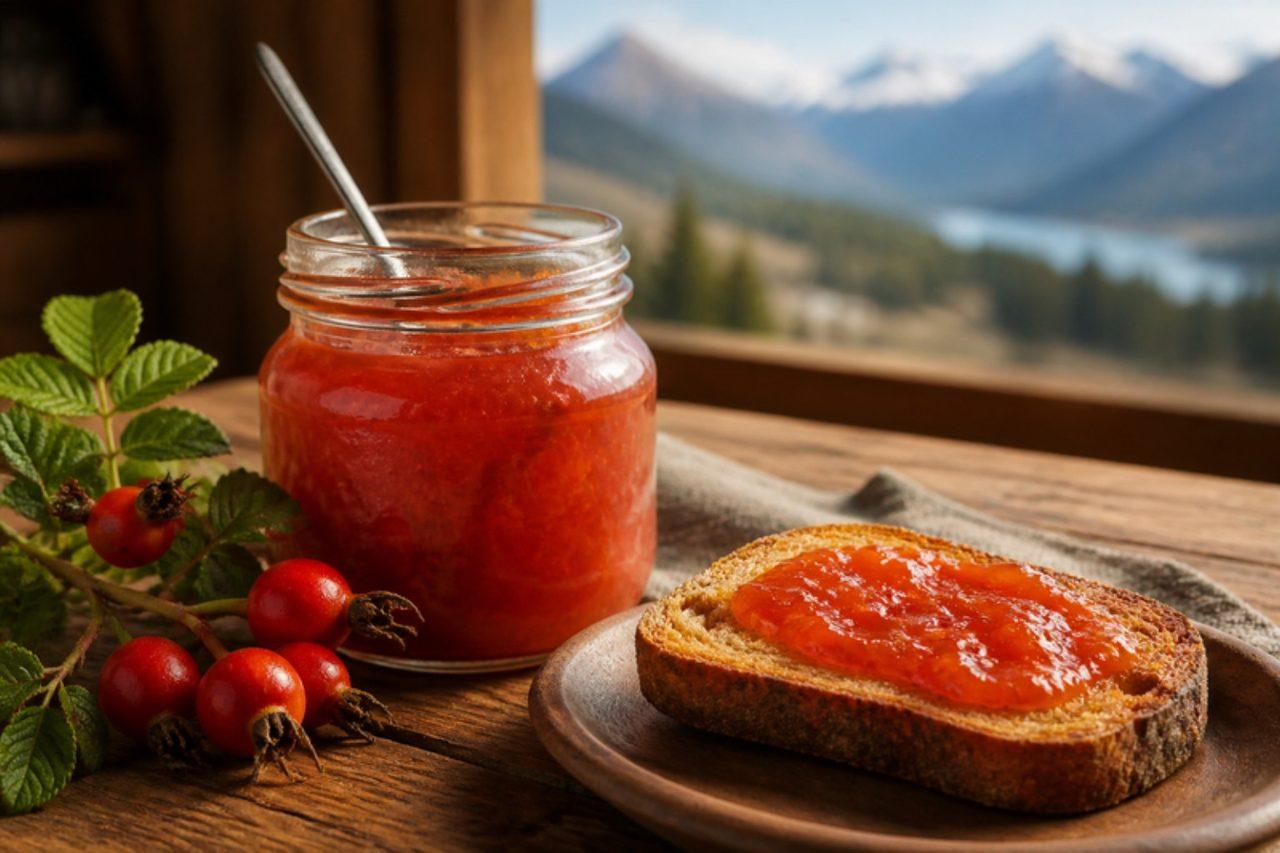
Dulce de rosa mosquetaRosehip jam

Every autumn, from March to May, families along the lakes around Bariloche and El Bolsón and up into Neuquén go out with buckets to strip the wild rose bushes that cover the hillsides, and the shops of the Andean towns fill with jars of this jam. Rosa mosqueta (rosehip) makes a smooth, coral-red preserve with a sharp, fruity, slightly floral flavour and a lot of vitamin C. It is spread on toast with butter, served with fresh cheese, or spooned into yoghurt. Rosehips are full of seeds wrapped in tiny irritating hairs, and not sieving them out properly is the error you will feel in your throat: pass the pulp through a fine sieve or food mill, and then once more. Buy rosehips from a foraging supplier or pick them away from roads, and only if you are sure of the plant. Chef's tip: pick after the first frosts, or freeze the hips overnight; the cold softens them and makes the pulp much easier to sieve.

by KrazyBadal 0 views

Bollo de yucaBoiled cassava bundles

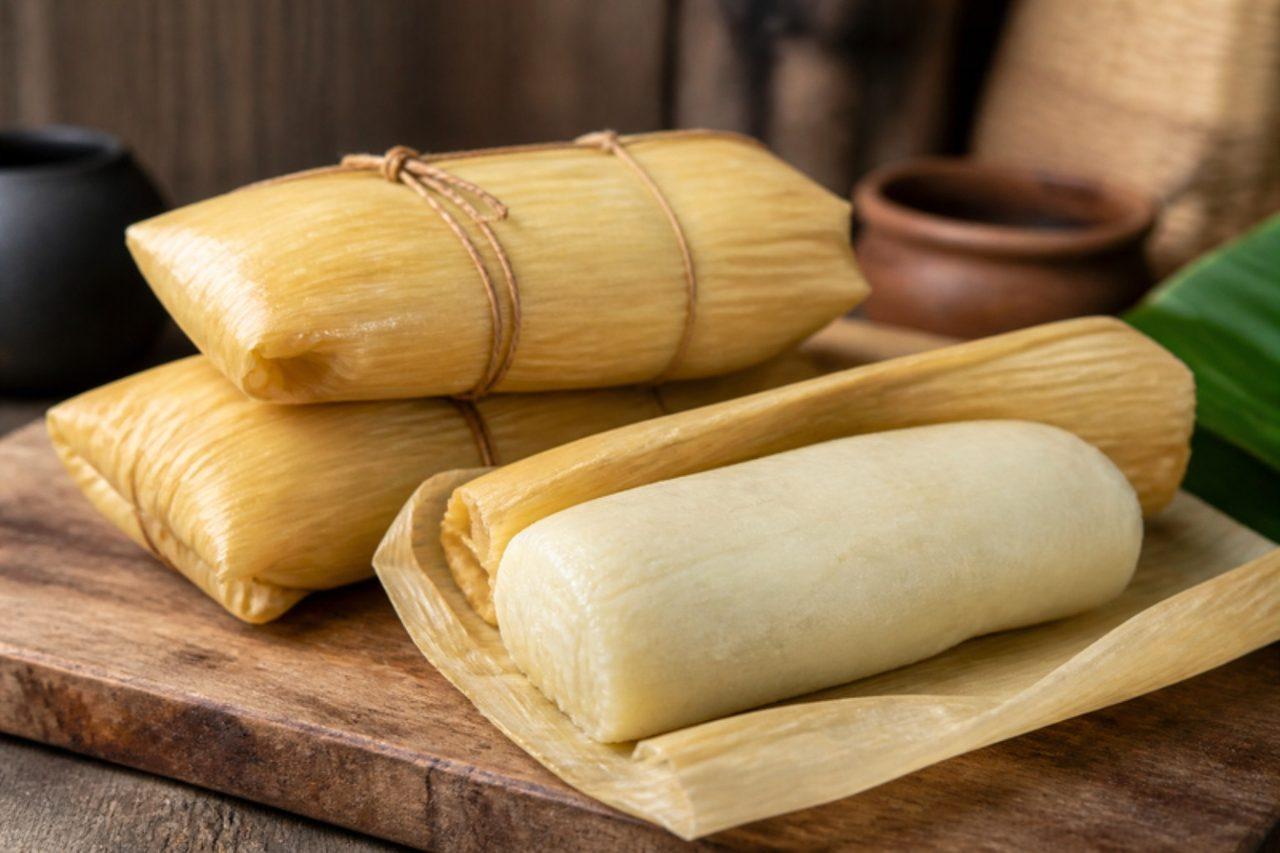
Along the Caribbean coast from Cartagena to Santa Marta, the bollo de yuca is a staple to set beside fried fish, a bowl of soup or a slice of fresh white cheese. Raw cassava is grated, kneaded with a little salt and sometimes a few anise seeds, then wrapped and boiled until it turns translucent and pleasantly chewy, with a mild, slightly sweet flavour. Market sellers stack them by the dozen, and they keep well, so many households buy enough for several days. Cassava must always be fully cooked and peeled down past the pink inner layer, since the raw root contains natural toxins that cooking removes. Squeezing the grated cassava too hard is the error that ruins it: bone-dry dough gives tough, rubbery bollos, so you only want to press out the loose juice. Frozen grated cassava from Latin or African shops works well. Chef's tip: wet your hands before rolling the logs, because the starch sticks to dry palms.

by KrazyBadal 0 views

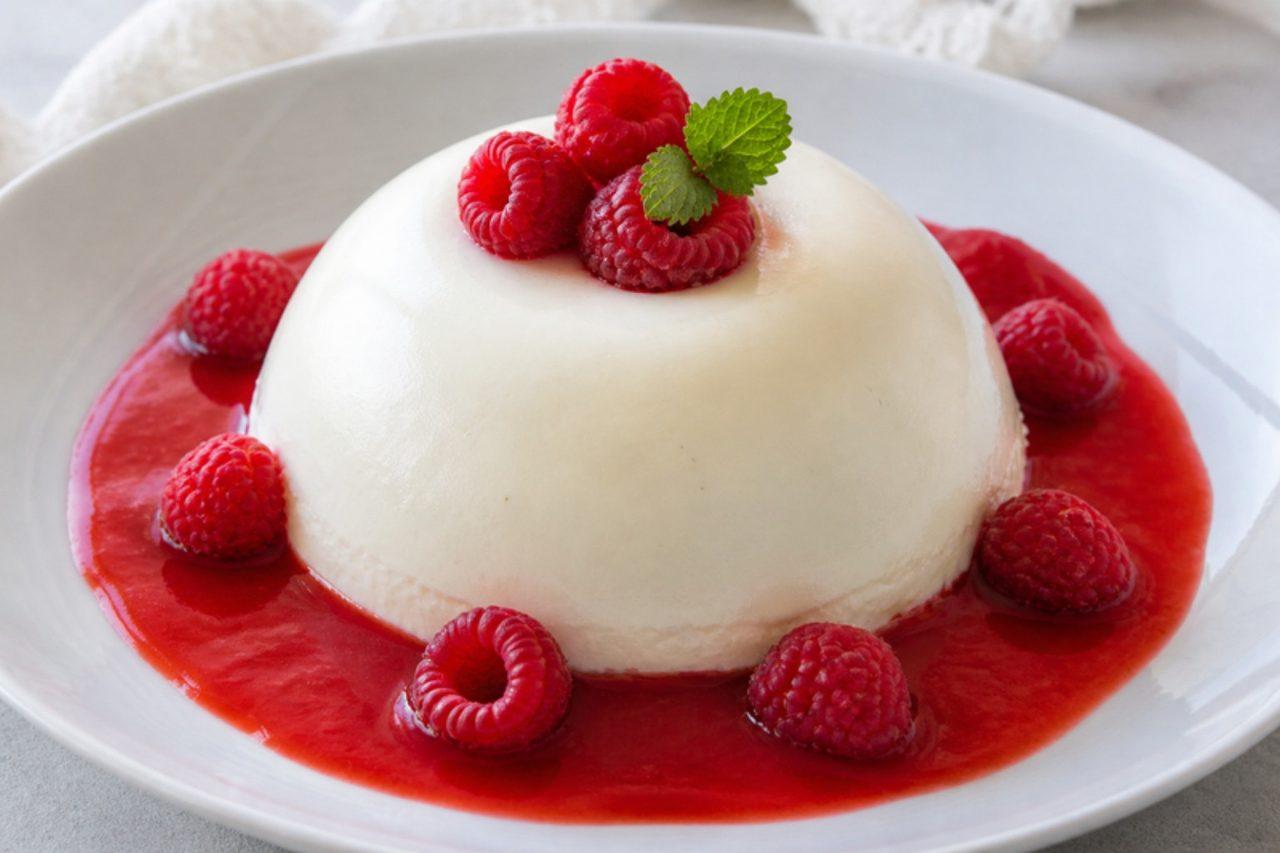
Bayerische CremeVanilla cream with raspberry sauce

Bayerische Creme is the light, wobbling vanilla cream that Munich coffee houses and Bavarian wedding buffets have served for generations: a cooked egg custard folded with whipped cream and set in moulds, then turned out onto a pool of berry sauce. It is traditionally set with gelatine, which is made from animal bones and skin; this version uses agar so it stays vegetarian. A common mistake with agar is adding it to a cool custard: it only sets after it has boiled, so it is simmered in milk first and then whisked into the warm custard. Chef's tip: fold in the cream when the custard has cooled to just warm and is starting to thicken, so the cream stays airy and doesn't melt into it.

by KrazyBadal 0 views

Bolinho de estudanteTapioca and coconut fried fingers

Baianas de acarajé sell these next to their black-eyed pea fritters, and the name, 'student's cake', comes from how cheap and filling they are for schoolchildren in Salvador. A dough of granulated tapioca soaked in hot milk and coconut milk with grated coconut is shaped into short fingers, fried until the outside shatters, and rolled while still warm in cinnamon sugar. Inside they stay chewy and moist, a little like a coconut doughnut. Eat them with afternoon coffee, or make a tray for a festa junina. A common error is frying before the tapioca has fully absorbed the liquid, which makes the fingers burst open in the oil; give the dough its full 30-minute rest. Chef's tip: keep a bowl of water by you and wet your hands while shaping, so the sticky dough rolls into smooth fingers that fry evenly.

by KrazyBadal 0 views

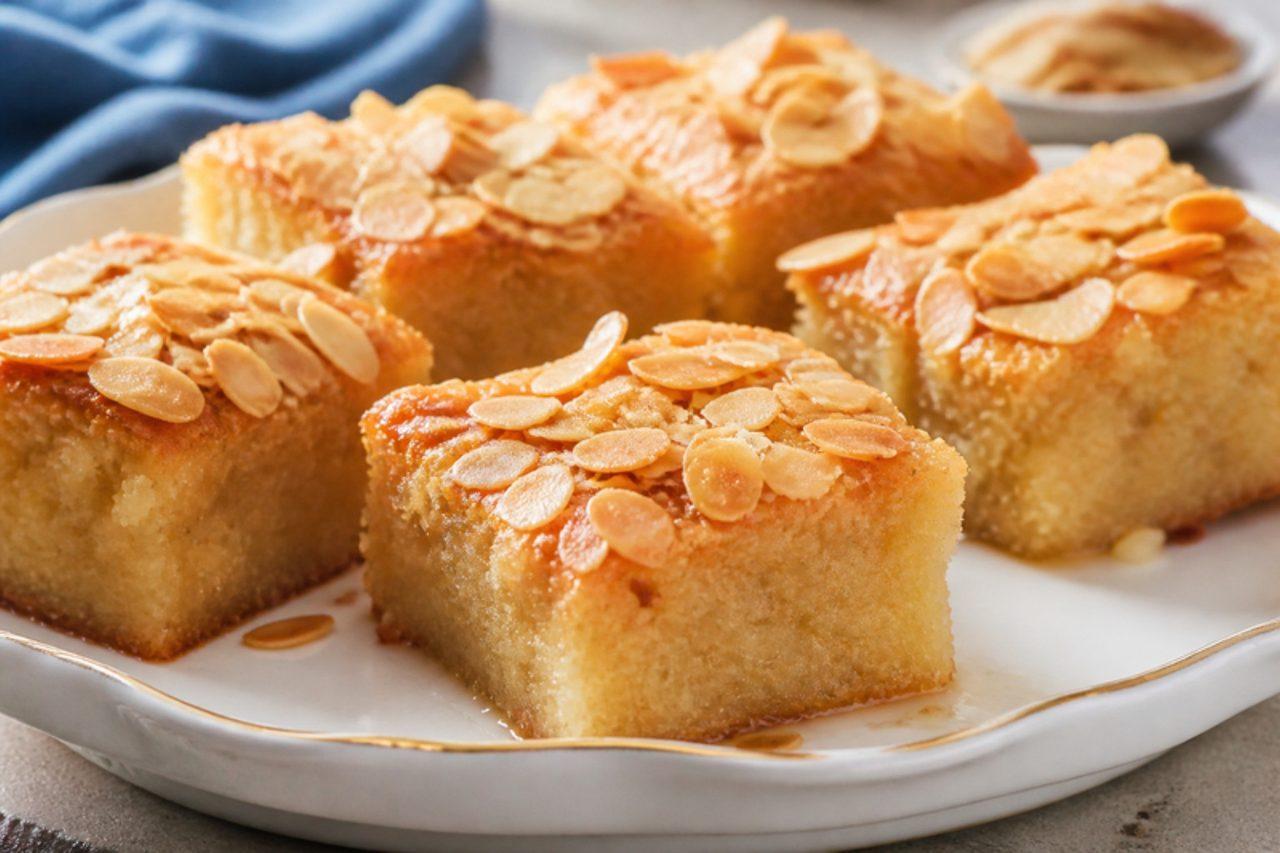
AmygdalopitaAlmond syrup cake

Kefalonia is almond country, and amygdalopita is what islanders bake for the feast of Agios Gerasimos in August and for guests all year round: a moist, flourless-leaning cake of ground almonds, eggs and breadcrumbs, soaked in light lemon syrup until it's dense and fragrant. Serve a small square with coffee or a spoon of thick yoghurt. Common mistake: grinding the almonds too long, so they turn oily and the cake heavy — pulse them until just sandy. Chef's tip: toast half the almonds before grinding for a deeper, nuttier flavour.

by KrazyBadal 0 views

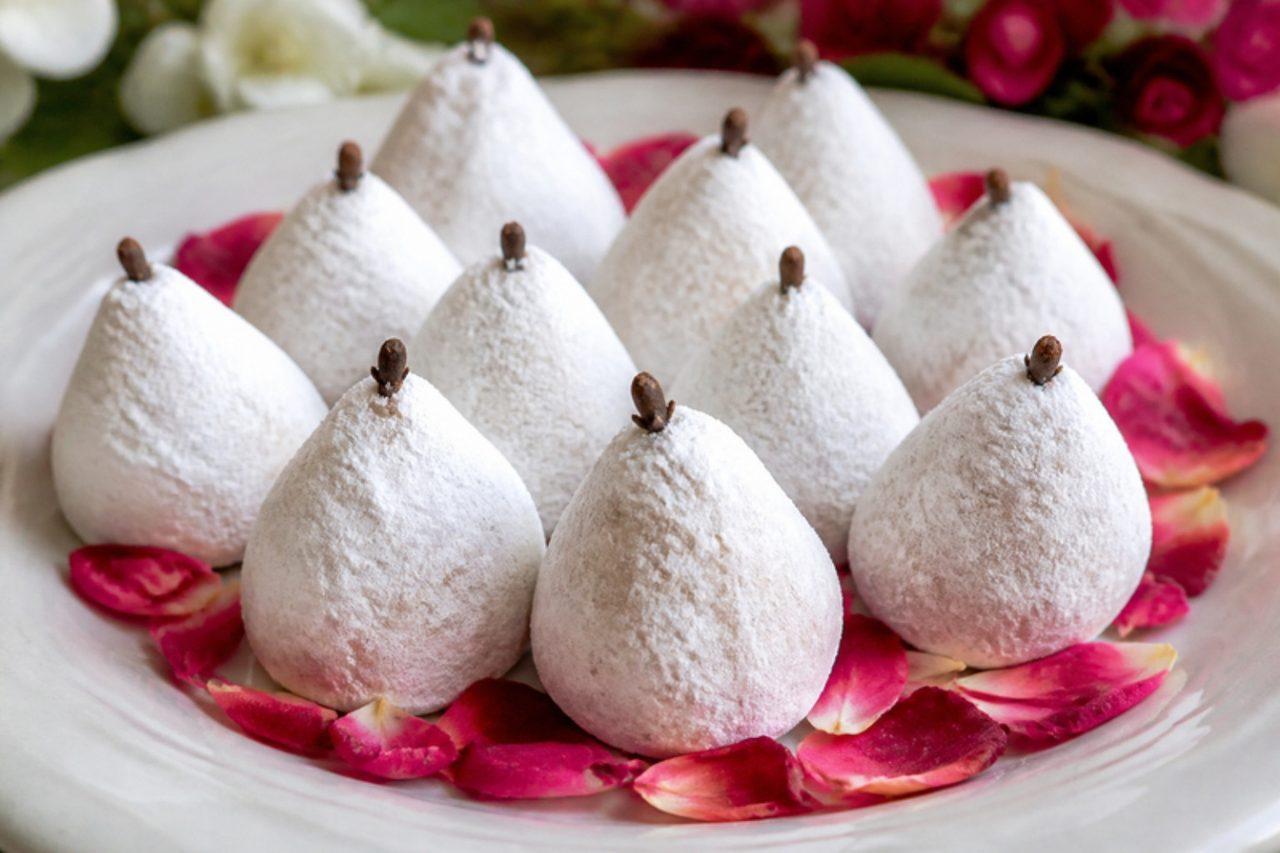
AmygdalotaAlmond sweets

Andros is famous for its almonds, and the island's amygdalota are handed round at weddings, baptisms and Easter: little pear-shaped sweets of ground almond and sugar, baked just long enough to set, then splashed with rosewater and buried in icing sugar. They are soft and chewy inside, perfumed and pure white, and they go with a small cup of Greek coffee. Common mistake: baking them until golden, which turns them dry and hard; they should stay pale. Chef's tip: grind the almonds with some of the sugar so they release less oil and the paste stays light.

by KrazyBadal 0 views

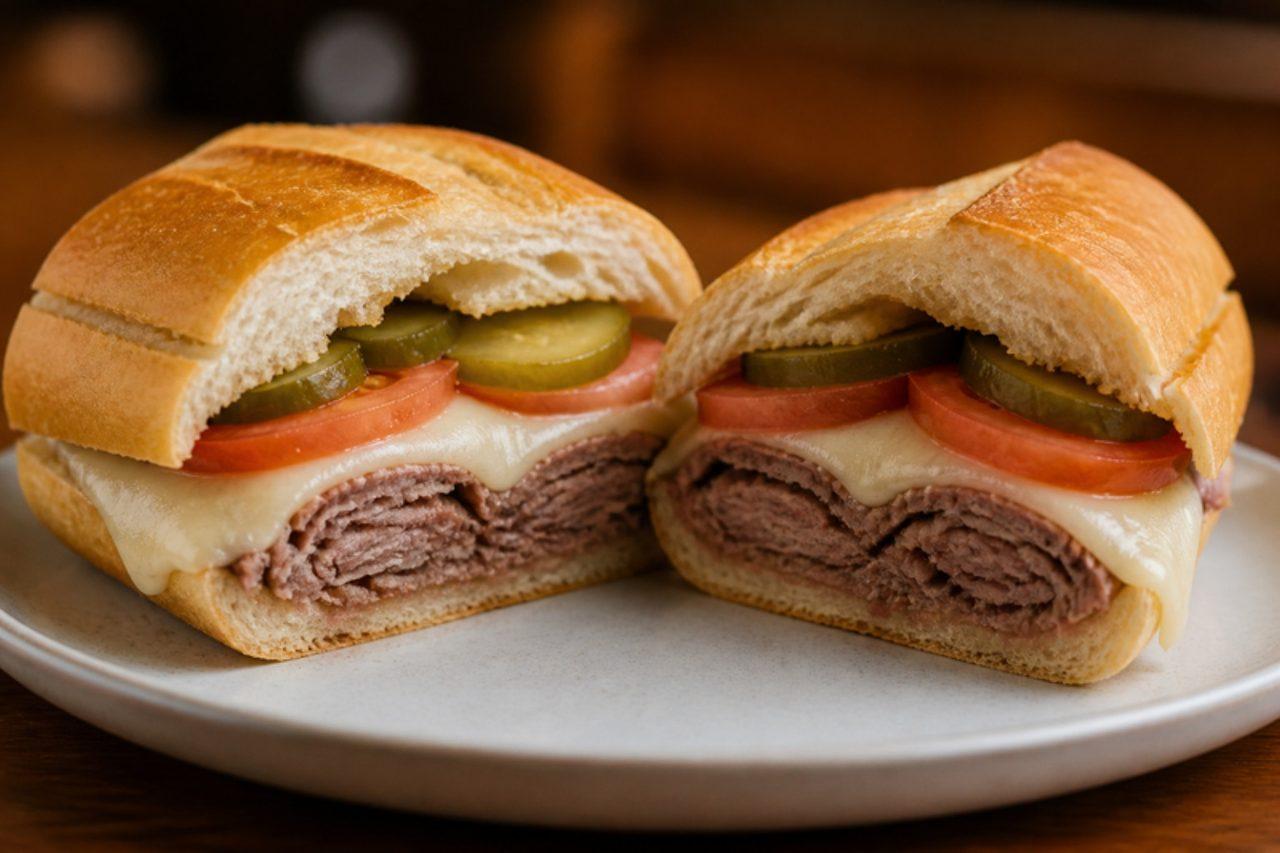
BauruRoast beef and cheese hot sandwich

Late-night students at Largo do Paissandu in São Paulo invented the Bauru in the 1930s, named after the nickname of the friend who ordered it, and the bar where it was born still makes it the original way. A French roll has its crumb pulled out so it is all crust, then it is stuffed with thin warm roast beef, a pool of cheese melted in a bain-marie until it stretches, slices of tomato and pickled cucumber, with a pinch of oregano. It is hot, tangy, juicy and stringy. Plenty of snack bars around the country use ham instead, but beef is the classic. The thing that ruins it is cheese melted straight in a dry pan, which goes oily; melting it slowly over water with a splash of milk keeps it smooth and elastic. Chef's tip: warm the roast beef in a little of its own juices or stock, just until hot, so it stays pink and tender.

by KrazyBadal 0 views

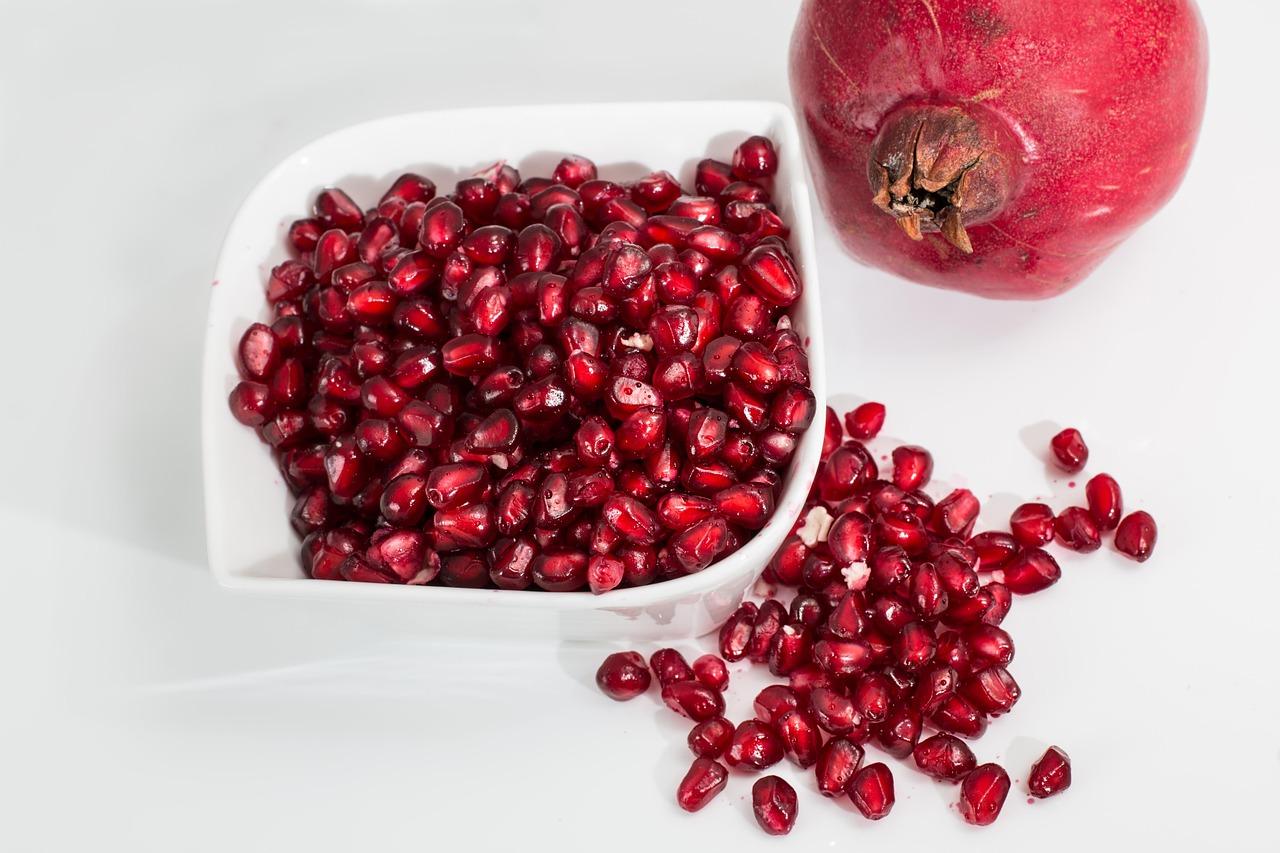
Anar ba golparPomegranate seeds with golpar

On Yalda night, the longest night of the year in late December, a bowl of jewel-red pomegranate seeds sits at the centre of the korsi in homes from Tehran to Shiraz, symbolising the dawn and the return of light. Many families sprinkle the seeds with golpar (ground Persian hogweed) and a little salt, which makes the sweet-sour fruit taste brighter and more savoury, almost like a salad. A common mistake is bashing the fruit too hard to free the seeds, which bursts them and leaves a puddle of juice. Chef's tip: seed the pomegranates under a bowl of water; the seeds sink, the white pith floats and the juice doesn't stain the kitchen.

by KrazyBadal 0 views

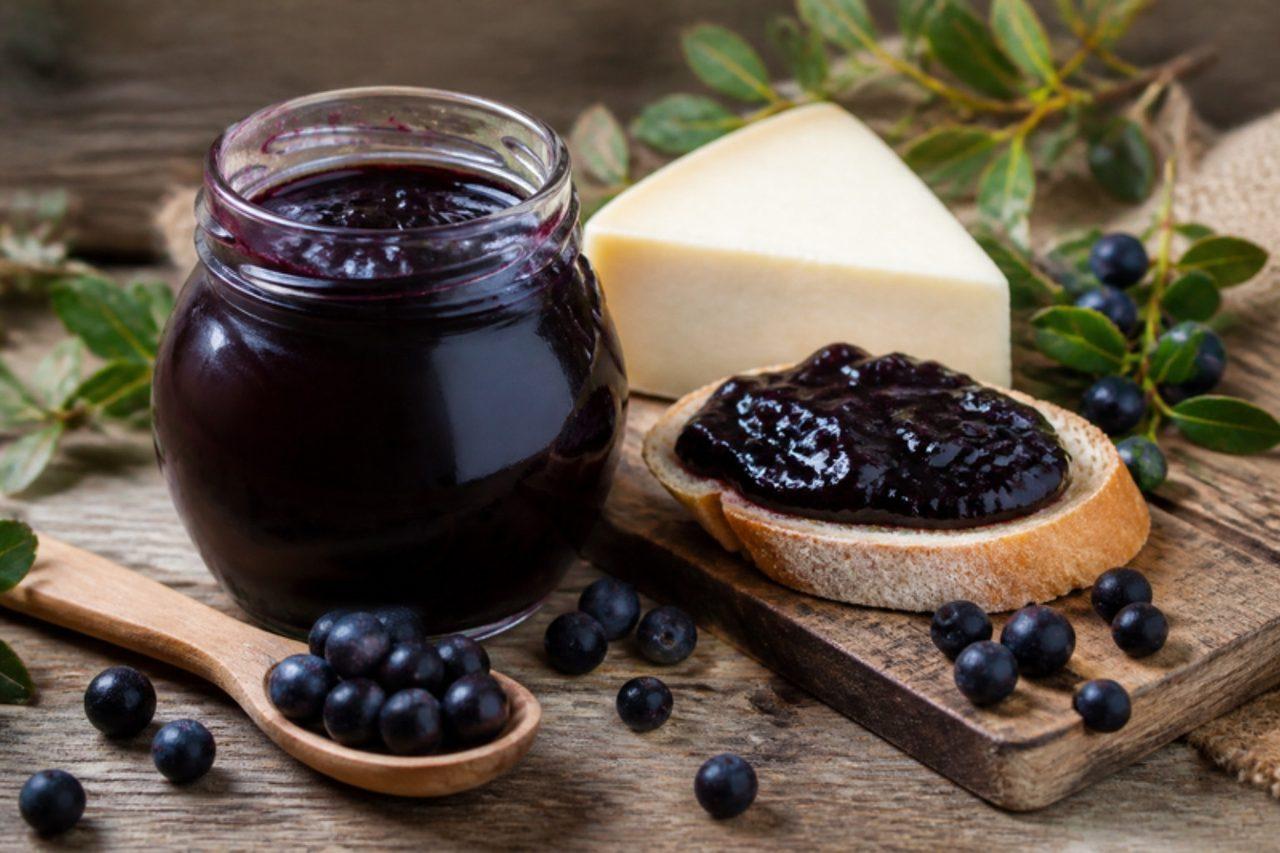
Dulce de calafateCalafate berry jam

Legend says whoever eats calafate will come back to Patagonia, and in El Calafate, the town on Lake Argentino named after the thorny bush, the small blue-black berries turn up in ice cream, sauces, and above all this jam. The fruit ripens in midsummer across Santa Cruz and Tierra del Fuego; it is tart and seedy, somewhere between a blueberry and a blackcurrant, and the jam is dark purple, glossy and gently spiced by the fruit itself. It goes on bread at breakfast, with a slab of cheese after dinner, or with pancakes. Outside Patagonia, frozen calafate is hard to find; blueberries with a handful of blackcurrants or barberries give a similar balance of sweet and sharp. Overcooking is the slip that turns it into a stiff, dull paste, because the berries are naturally high in pectin, so test early. Chef's tip: crush a third of the berries before cooking; you get a jam with body and some whole fruit to bite on.

by KrazyBadal 0 views

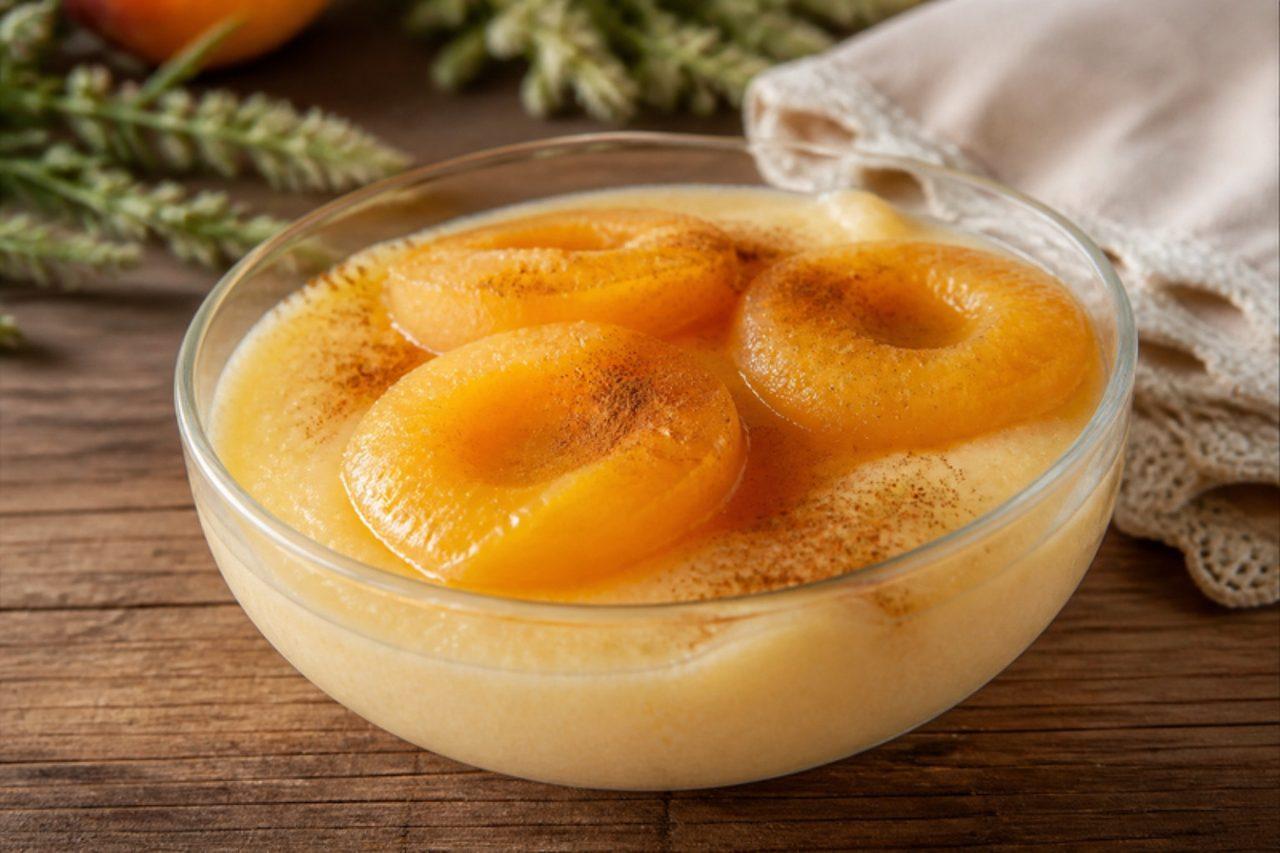
AnchiCorn semolina pudding with peaches

Sold in plastic cups from coolers at Salta's Mercado San Miguel and on village plazas at the end of a hot afternoon, anchi is a thin, sweet pudding of fine maize semolina cooked with water, sugar and plenty of lemon. It sets only softly, so it is half eaten and half drunk, cold and refreshing, often with slices of poached peach or a few rehydrated orejones (dried peaches) on top, and sometimes a dusting of cinnamon. There's no milk or egg in it, which is what keeps it light. Too much semolina is the easy error: anchi should pour slowly from the spoon when cold, not slice like polenta, so stick to the ratio and remember it thickens as it cools. Fine maize semolina is the Salta choice; fine wheat semolina works too. Chef's tip: add the lemon juice off the heat at the end; boiled lemon loses its fresh sharpness.

by KrazyBadal 0 views

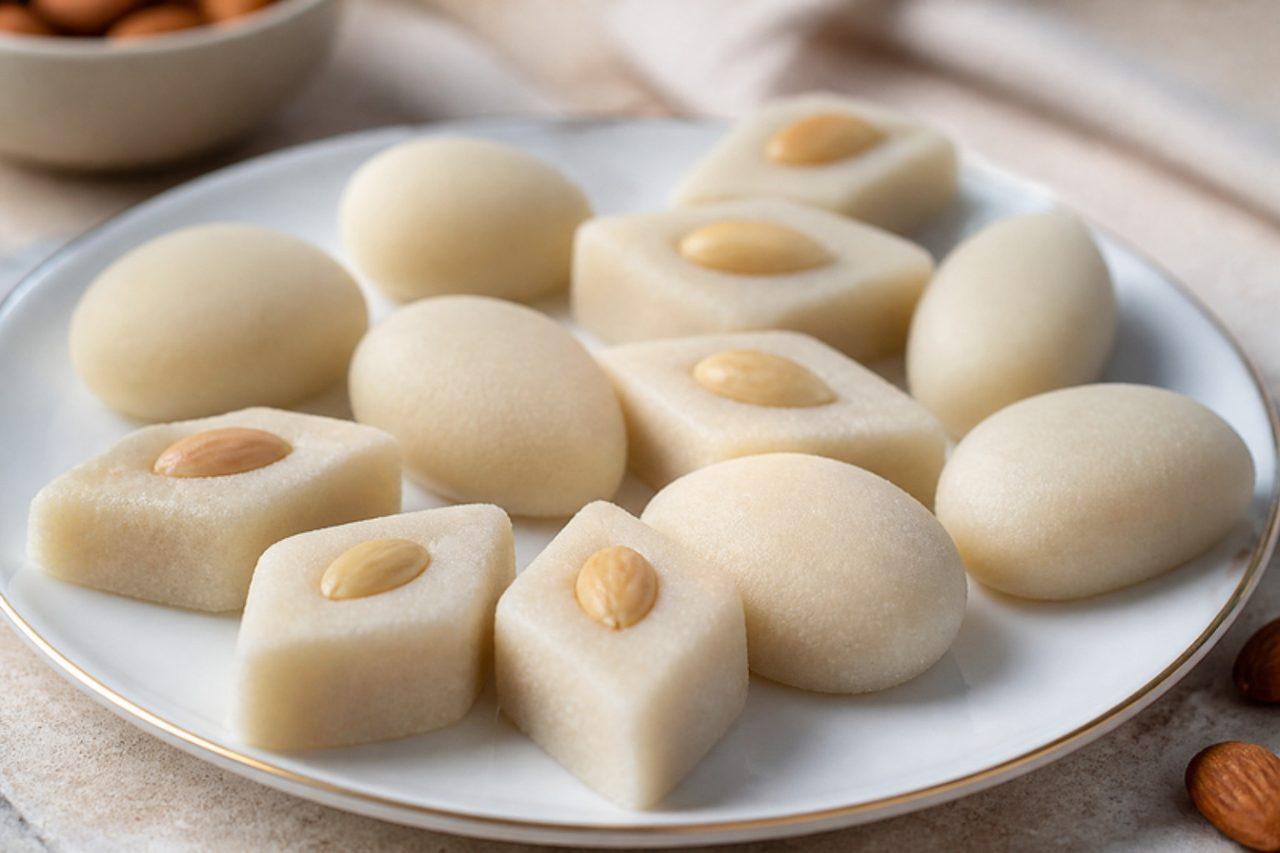
Badem ezmesiAlmond paste sweets

Edirne, on the Thracian border with Greece and Bulgaria, is famous for its badem ezmesi: pale, soft almond paste rolled into logs and sliced, or pressed into little shapes, sold beside the city's fruit-shaped soaps. It is less sugary than northern European marzipan, with blanched almonds ground fine and cooked briefly with syrup, so it stays moist and tastes of fresh nuts. It is served with Turkish coffee and given at bayram. Chef's tip: grind the almonds in short pulses with a spoonful of the sugar; long blending turns them oily and the paste goes greasy.

by KrazyBadal 0 views

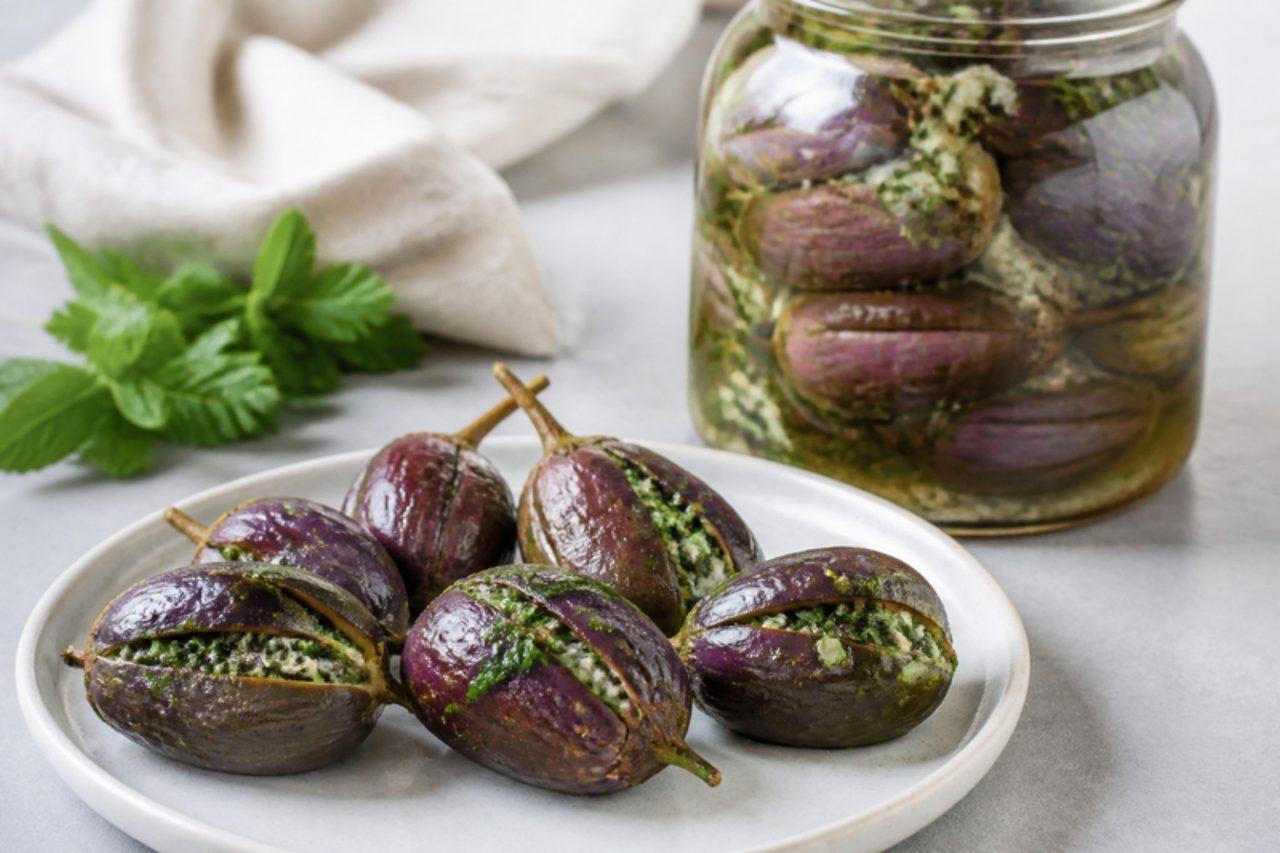
Stuffed baby aubergine torshiStuffed baby aubergine pickle

This is the showpiece of the torshi shelf, made in late summer in homes from Isfahan to Mashhad and brought out for guests in the cold months. Finger-length aubergines are steamed until just tender, slit along one side, filled with a paste of garlic, mint, parsley, coriander and chilli, then tied and sunk in vinegar. After a month each one is soft, tangy and stained with herbs; they are served whole beside rice, kabab or a bowl of ash. Chef's tip: steam rather than boil the aubergines, so they don't soak up water that later thins the vinegar.

by KrazyBadal 0 views

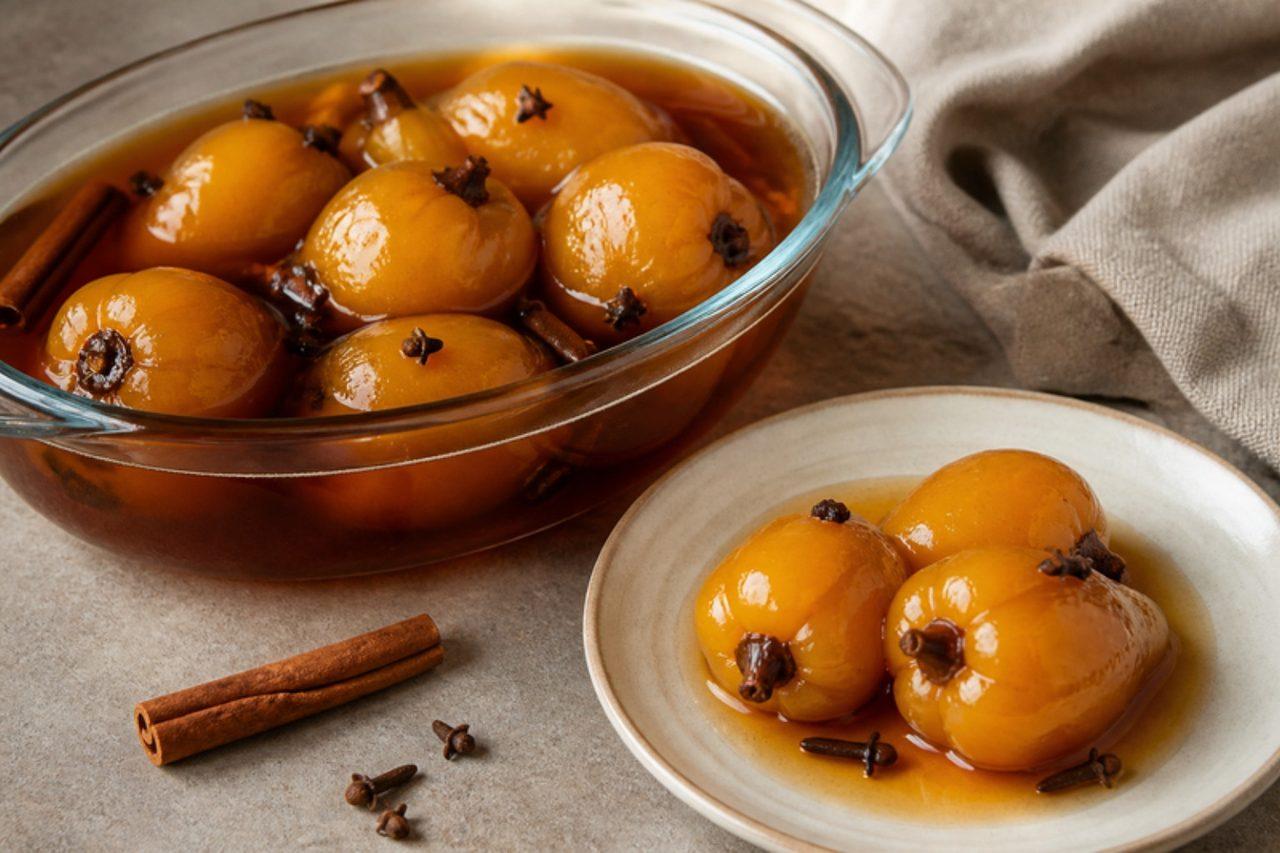
Doce de cajuCashew apples in clove syrup

Ceará grows more cashews than anywhere in Brazil, and in the season from September to December the soft, fragrant cashew apples are everywhere: pressed for juice, sold at roadside stalls and preserved whole in syrup like this. The fruit is pricked, squeezed of its astringent juice, blanched and then cooked slowly with sugar and cloves until it turns amber, glossy and tender with a chewy bite. Fortaleza families keep jars for Christmas and serve the fruit with a slice of white cheese or simply on a saucer with its syrup. Outside Brazil look for whole frozen cajus in Brazilian shops. Twist off and discard the grey nut before cooking: its raw shell holds a caustic oil and should not be cut, burnt or eaten at home. Skipping the squeezing and blanching is where it goes wrong; the sweet ends up rough and furry in the mouth. Chef's tip: let the fruit rest overnight in the syrup halfway through; it plumps up and soaks in the sugar evenly.

by KrazyBadal 0 views

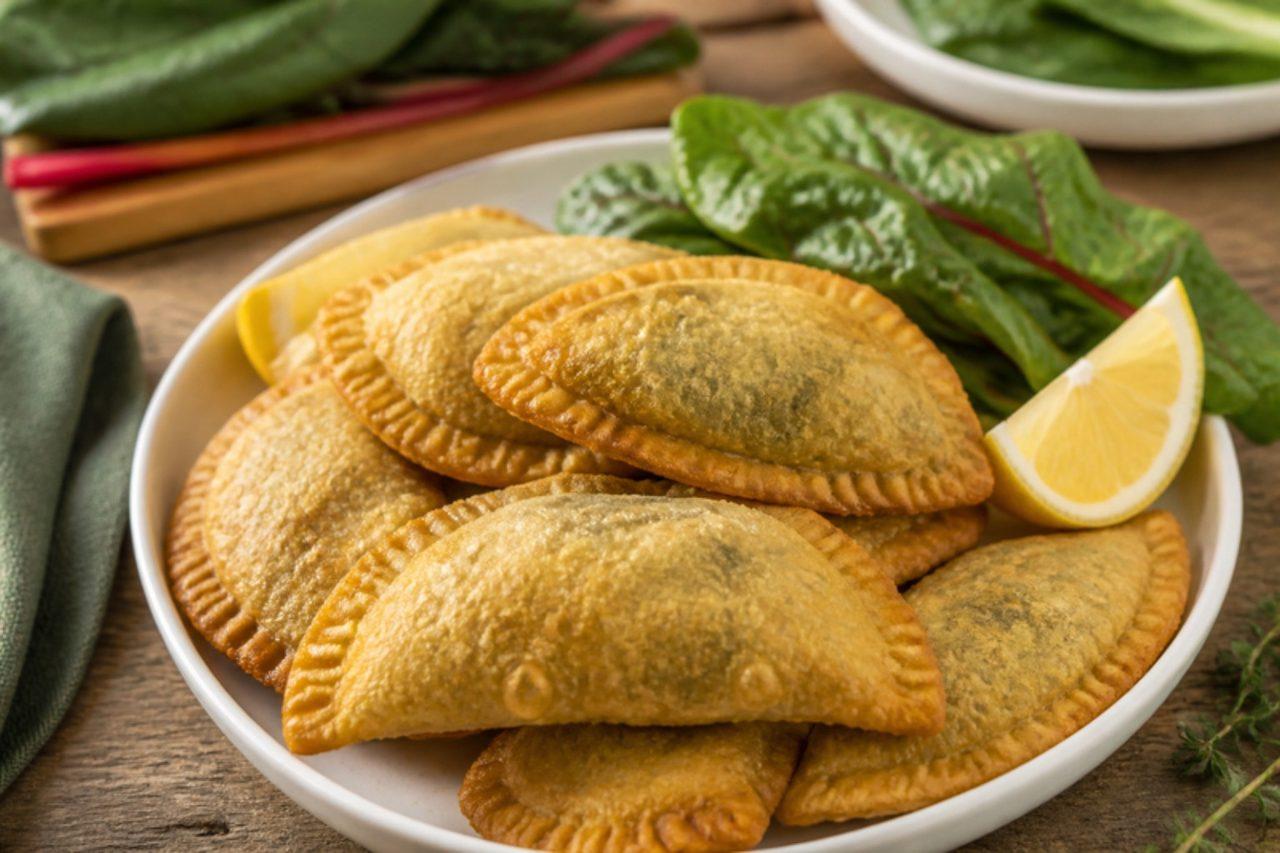
BarbajuansFried chard and ricotta pastries

Barbajuans are Monaco's national snack, little fried pastry pockets of chard, leek and ricotta that come out at every apéritif, and by the hundred on 19 November, the principality's National Day. The name is said to mean 'Uncle John' in the Monegasque dialect, after the cook who first made them. You will also find them in bakeries in Menton and along the Riviera towards Nice. Parmesan usually contains animal rennet; a vegetarian hard cheese works just as well. Chef's tip: roll the dough so thin you can almost see the worktop through it; thick pastry turns chewy instead of crisp.

by KrazyBadal 0 views

Bolinho de aipimCheese-stuffed cassava balls

Order a round of chope in a Rio boteco and a plate of these usually follows: golf-ball-sized fritters of mashed aipim (cassava) with a molten cheese centre, crisp and craggy outside, soft and stretchy within. Places like the bars of Tijuca and Botafogo fill them with everything from dried beef to shrimp, but cheese is the classic veggie order. The cassava dough needs no egg or flour to bind it, so they are naturally gluten free. Use a mozzarella or Minas cheese made with microbial rennet to keep them vegetarian. They go wrong when the cassava is mashed while wet: the balls soften and split in the oil. Drain it very well and let the steam escape. Chef's tip: chill the shaped balls for 30 minutes before frying, so the cheese stays inside and the crust sets before the centre melts.

by KrazyBadal 0 views

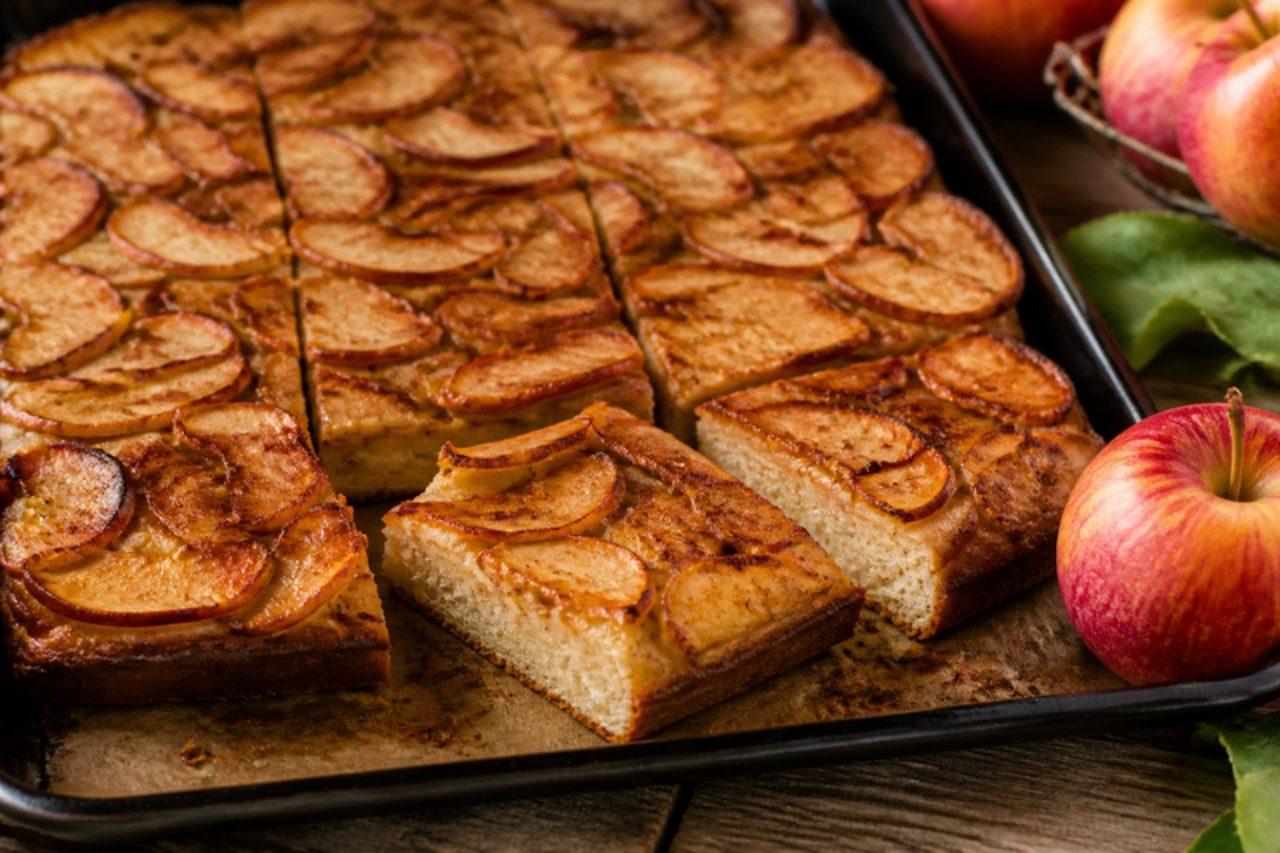
Boleima de maçãApple and cinnamon cake

In Portalegre, in the hills of the north Alentejo, boleima was born on baking day: a piece of the bread dough was set aside, enriched with olive oil, sugar and cinnamon, layered with sliced apples and baked in the cooling oven. It is not a delicate cake but a flat, moist, fragrant slab with caramelised edges, eaten at Christmas and at coffee time in autumn. It has no egg, butter or milk. A common mistake is slicing the apples thick, which leaves them hard while the dough is done; cut them thin. Chef's tip: give the dough a long, slow rise; that is where the bread-like flavour comes from.

by KrazyBadal 0 views

Bolas de fraileDulce de leche doughnuts

Friars' balls, to translate them literally, are a fixture of the Buenos Aires panadería counter among the facturas that porteños buy by the dozen on Sunday morning: soft, round yeast doughnuts, fried golden, rolled in sugar and split or piped with dulce de leche or crema pastelera. Children dive for them first. Inside they are light and fluffy, outside slightly crisp and sweet, and they are at their best within a few hours, with mate or coffee with milk. Oil that is too hot is the mistake: the outsides brown in seconds and the centres stay raw and doughy, so keep it at 170 °C and fry slowly. A thermometer helps a lot. Pastry cream is the other classic filling if you prefer it. Chef's tip: let the shaped balls rise on individual squares of baking paper and slide them into the oil on the paper; they keep their round shape and the paper peels off after a few seconds.

by KrazyBadal 0 views

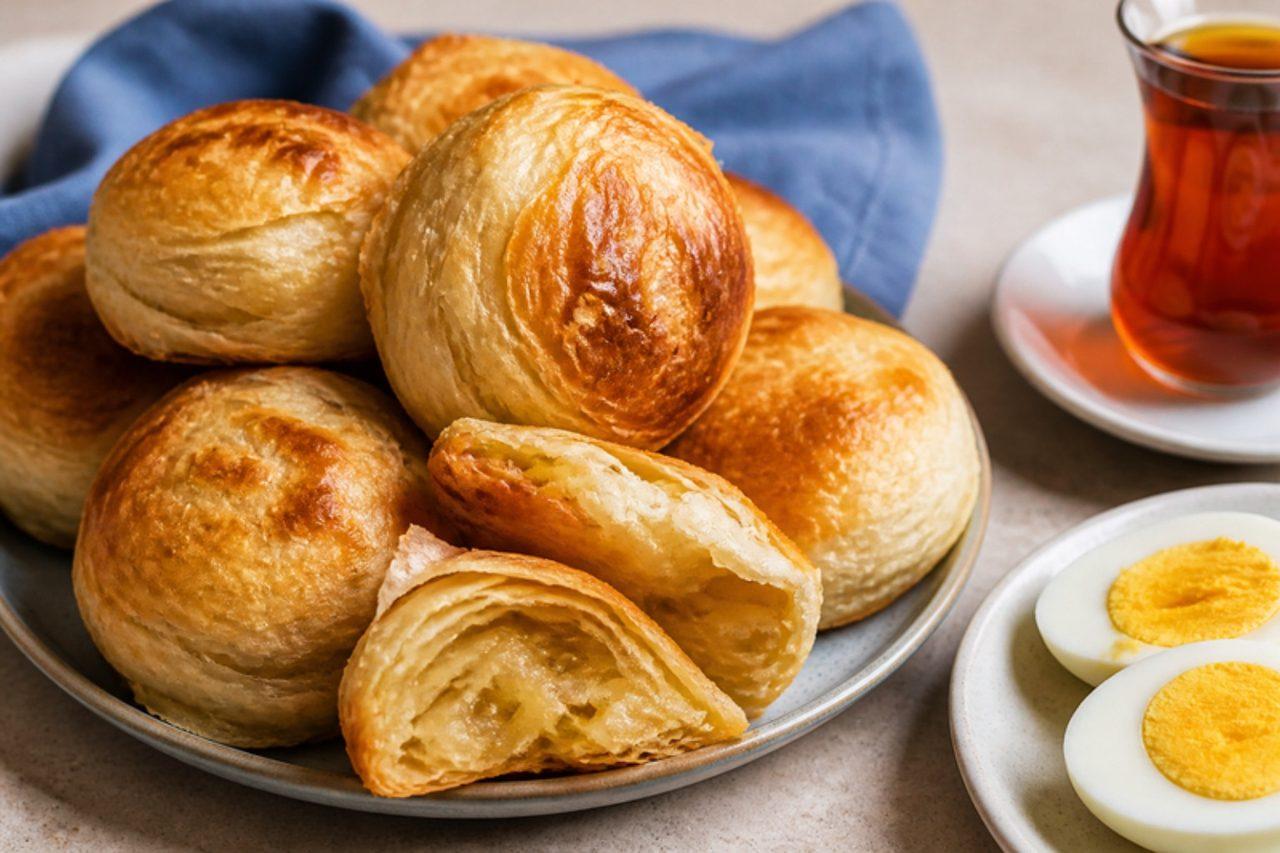
BoyozFlaky layered breakfast pastry

İzmir mornings begin at a boyoz stand in Alsancak or Kemeraltı: a small round pastry of paper-thin, oil-stretched dough, coiled into a snail and baked until the layers shatter, eaten beside a halved hard-boiled egg and a glass of tea. Sephardic Jews brought it to the city centuries ago, and İzmir has guarded it ever since. The dough itself is plain; the magic is in the long rest in oil and the stretching. Chef's tip: let the dough balls sit submerged in oil for a full two hours; they relax so completely that you can stretch them almost transparent without tearing.

by KrazyBadal 0 views

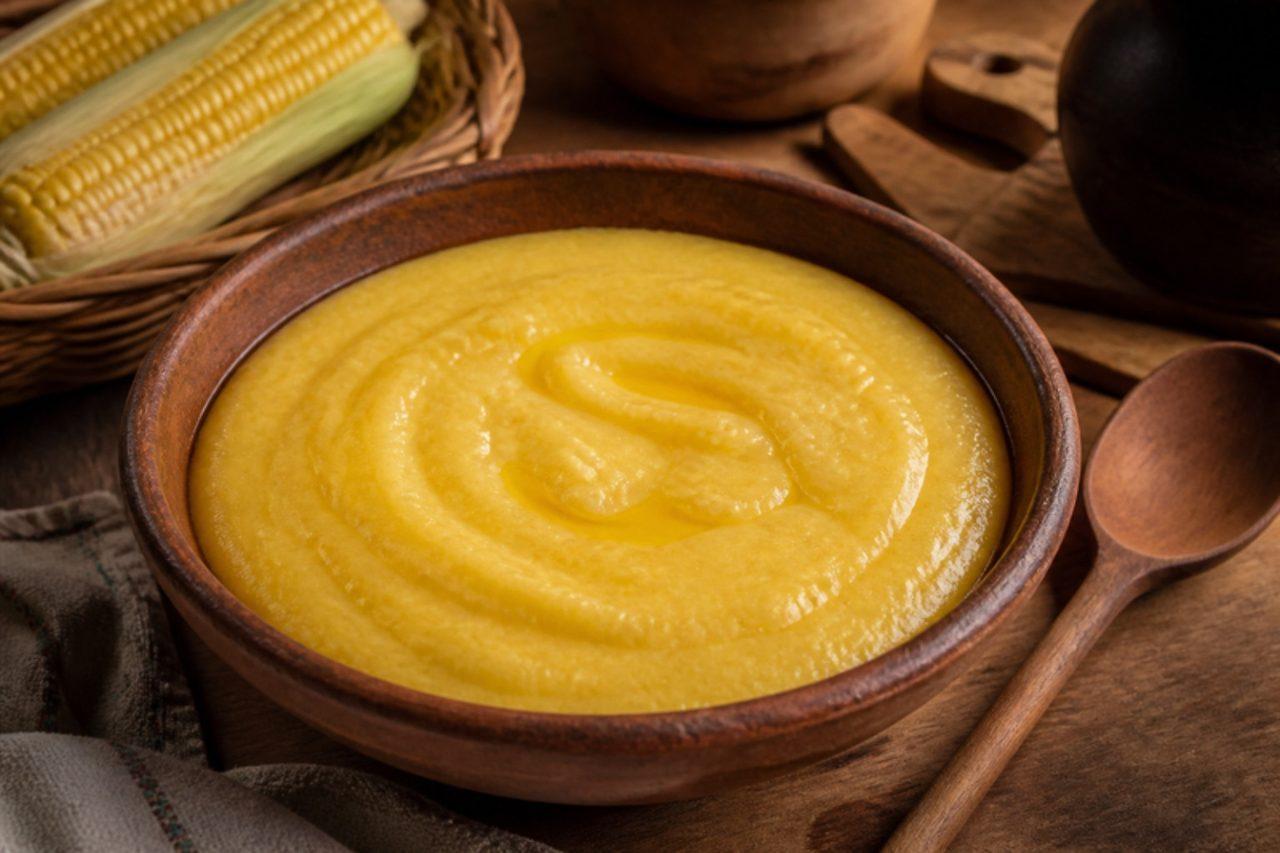
AnguSoft cornmeal mush

Angu is to a mineiro kitchen what bread is elsewhere: a pot of fine yellow fubá cooked with water into a smooth, soft mush, traditionally without salt, to sit under saucy dishes. In Minas Gerais and Rio it is spooned beside frango com quiabo, braised greens, mushroom ragouts and anything with a gravy, and the old roadside restaurants bring it in clay bowls. Plain angu tastes clean and gently sweet of corn, which is why it suits strongly seasoned food. The classic mistake is pouring dry cornmeal into boiling water, which creates lumps that never cook out; start it in cold water instead. Chef's tip: keep the heat low and give it the full 20 minutes even when it looks thick already; raw cornmeal tastes gritty and bitter, while cooked angu is silky and comes away from the sides of the pan.

by KrazyBadal 0 views

Bola de LamegoBread stuffed with ham and sausage

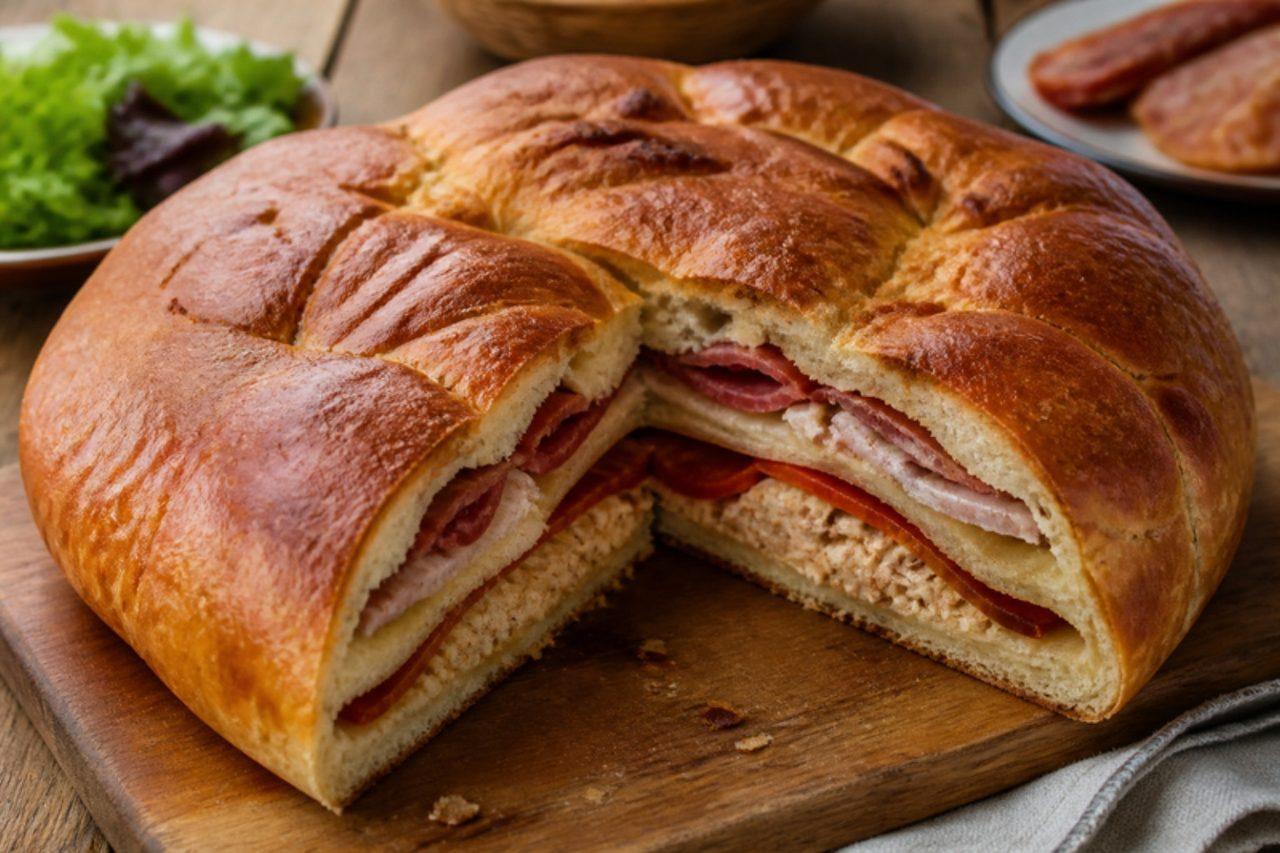
Lamego, the cathedral town above the Douro, is famous for its cured hams, and its bola is a bread baked with them inside: a soft, slightly rich yeasted dough layered with presunto, chouriço, salpicão and often chicken or veal. It is taken on picnics, to the pilgrimage of Nossa Senhora dos Remédios in September, and sold by the slice in local cafés. This contains pork (presunto and chouriço). Chef's tip: let the bola cool for an hour before slicing; the juices from the meats settle into the crumb.

by KrazyBadal 0 views

BoxtyPotato pancakes

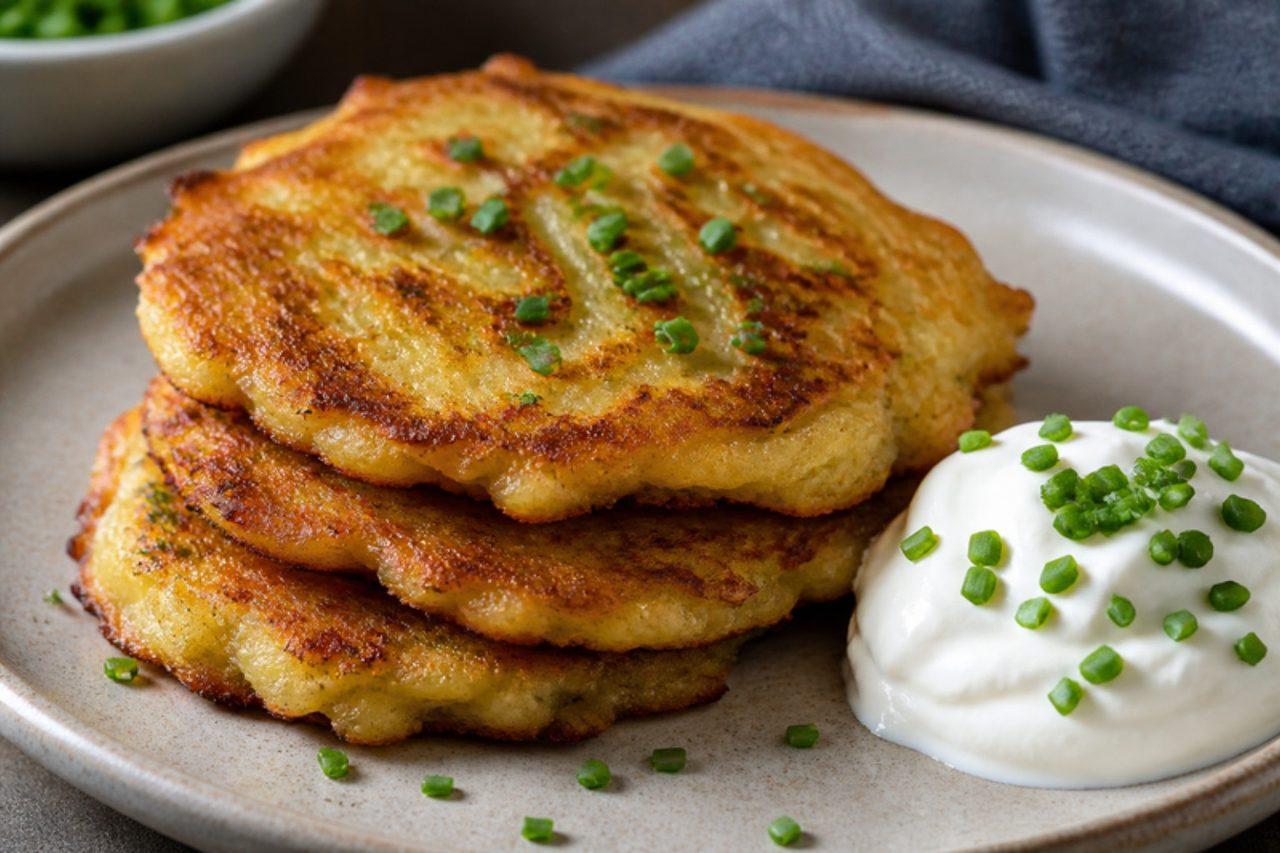
Boxty is the potato pancake of the north midlands, from Leitrim, Cavan and Fermanagh, remembered in the rhyme 'boxty on the griddle, boxty in the pan'. Raw grated potato is mixed with mashed potato, flour and buttermilk, then fried, giving a cake that is crisp and lacy outside and soft and slightly chewy inside. Eat it for breakfast with eggs and tomatoes, or wrapped round a creamy mushroom filling. Chef's tip: squeeze the grated potato hard in a cloth; wet potato gives soggy, grey boxty.

by KrazyBadal 0 views

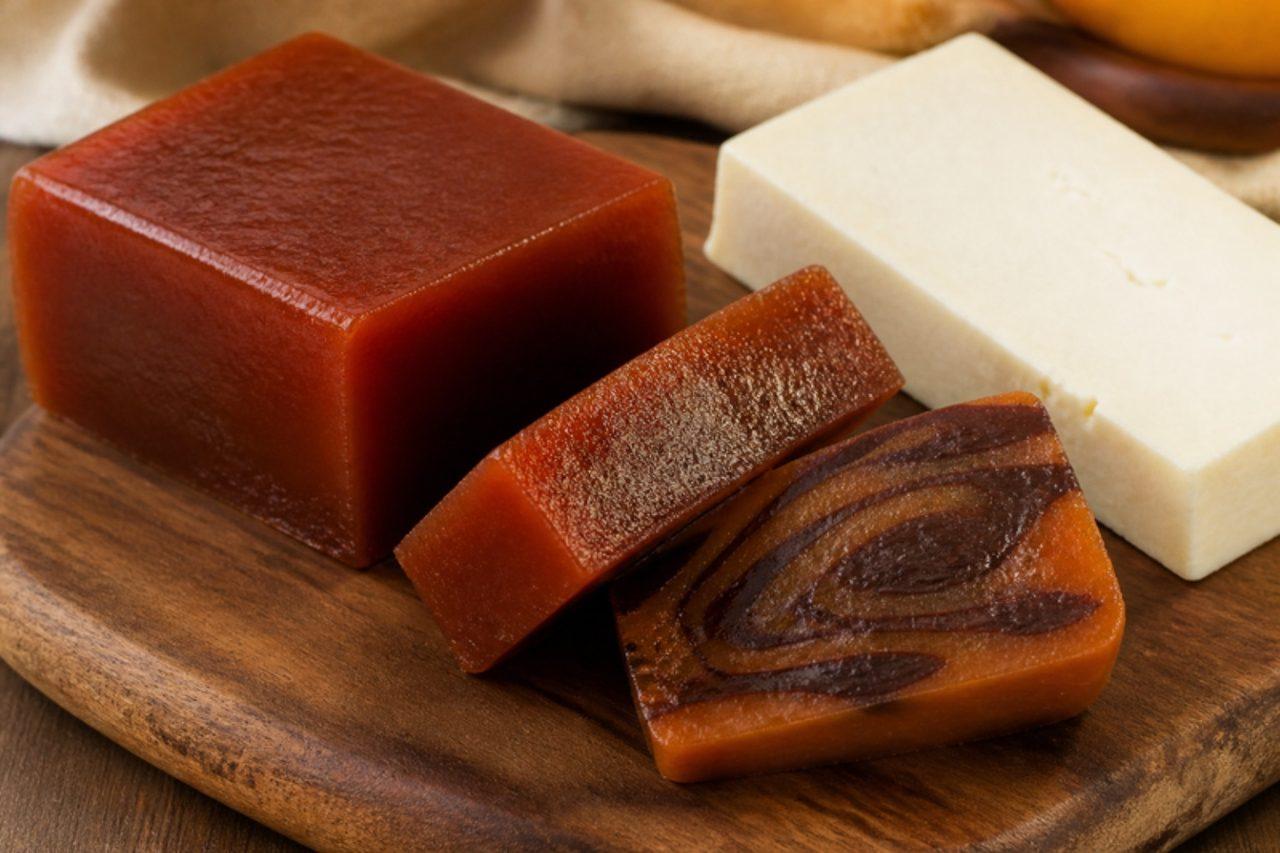
Bocadillo veleñoGuava and panela paste

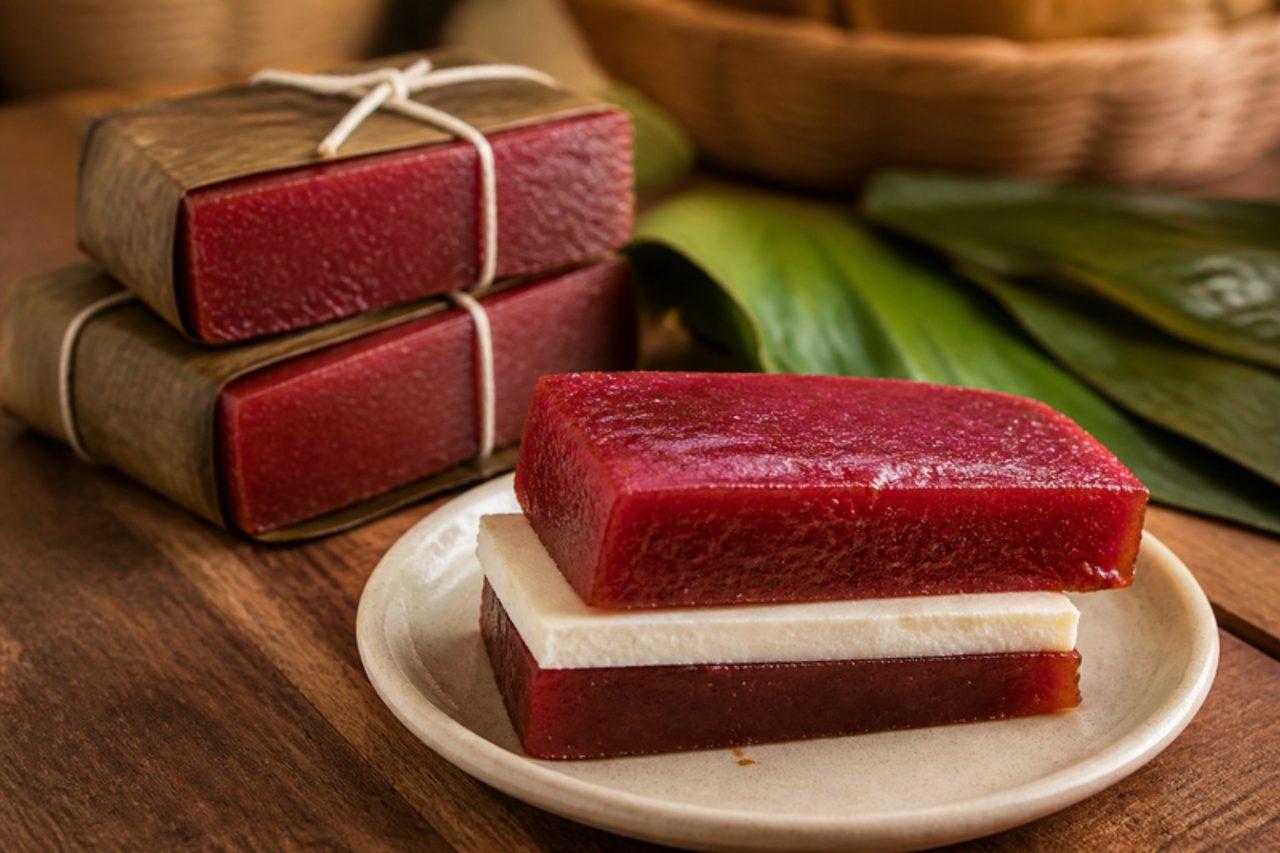
Vélez, a hill town in Santander, has given its name to Colombia's favourite sweet. Bocadillo veleño is guava pulp cooked down with panela and sugar until it sets into a firm, sliceable paste, deep red and fruity with a caramel edge, then cut into bars and wrapped in dried bijao leaves. It is the snack of bus journeys and school lunchboxes, and with a slice of fresh white cheese it becomes the classic pairing Colombians call a matrimonio. Plan for overnight setting. Stopping the cooking too early is the familiar mistake: the paste looks thick in the pan but stays soft and weeps once cool, so cook until it pulls away from the pan and a spoon drawn across the bottom leaves a clear track. Long sleeves are a good idea; it splutters. Bijao leaves are hard to find abroad; banana leaves or baking paper work. Chef's tip: use pink-fleshed guavas for colour, and add the lime early so the pectin sets firm.

by KrazyBadal 0 views

Ankara tavasıBraised lamb on orzo pilaf

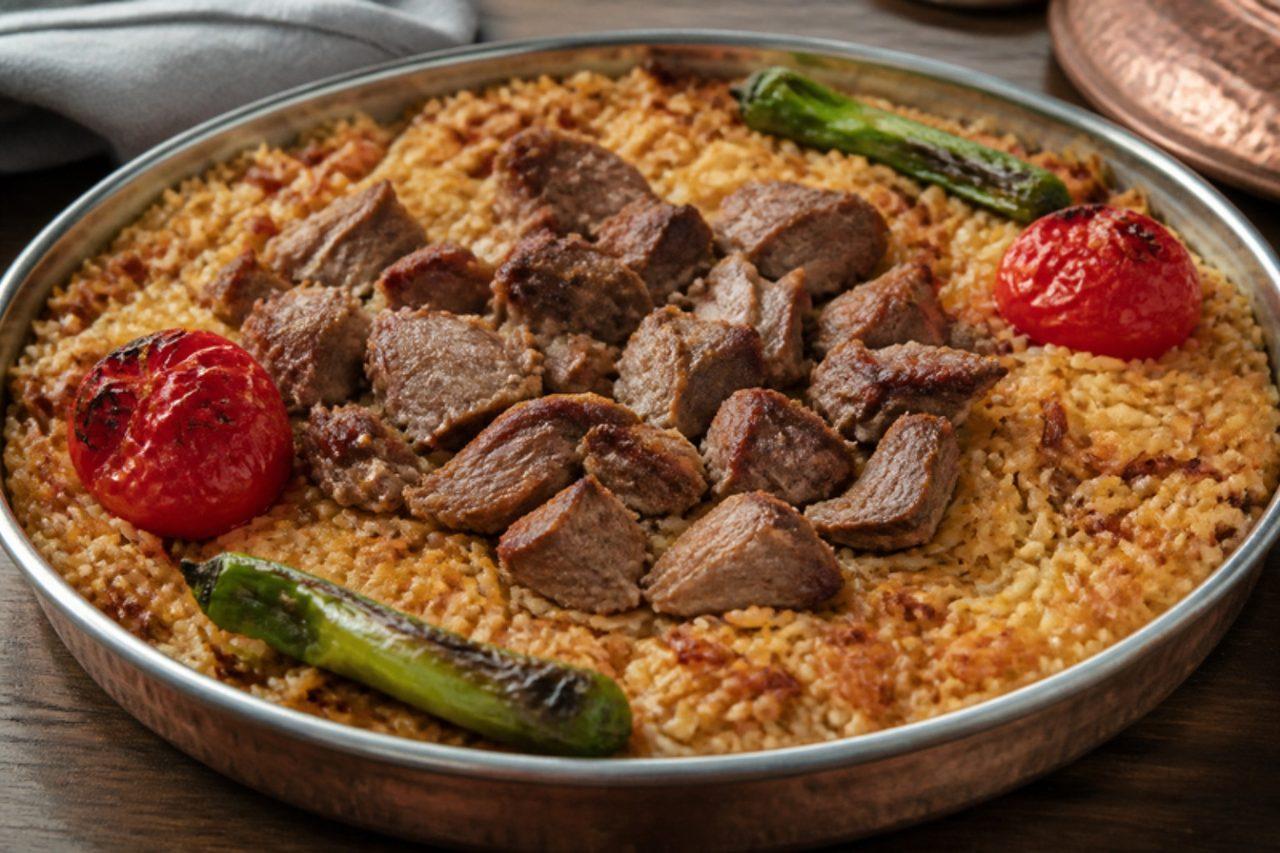
Ankara's signature dish is a tava, a baking pan, in which tender braised lamb is laid over a pilaf of rice and orzo and finished in the oven so the top grains go crisp and the meat juices soak right through. Old Ankara families serve it for guests and at festival lunches, with a bowl of cacık and pickles. Common mistake: using fully cooked pilaf, which dries out and turns hard in the oven; cook the rice only halfway. Chef's tip: save every spoon of the lamb's braising liquid; it's what flavours and finishes cooking the rice underneath.

150 minTurkishMeat
by KrazyBadal 0 views

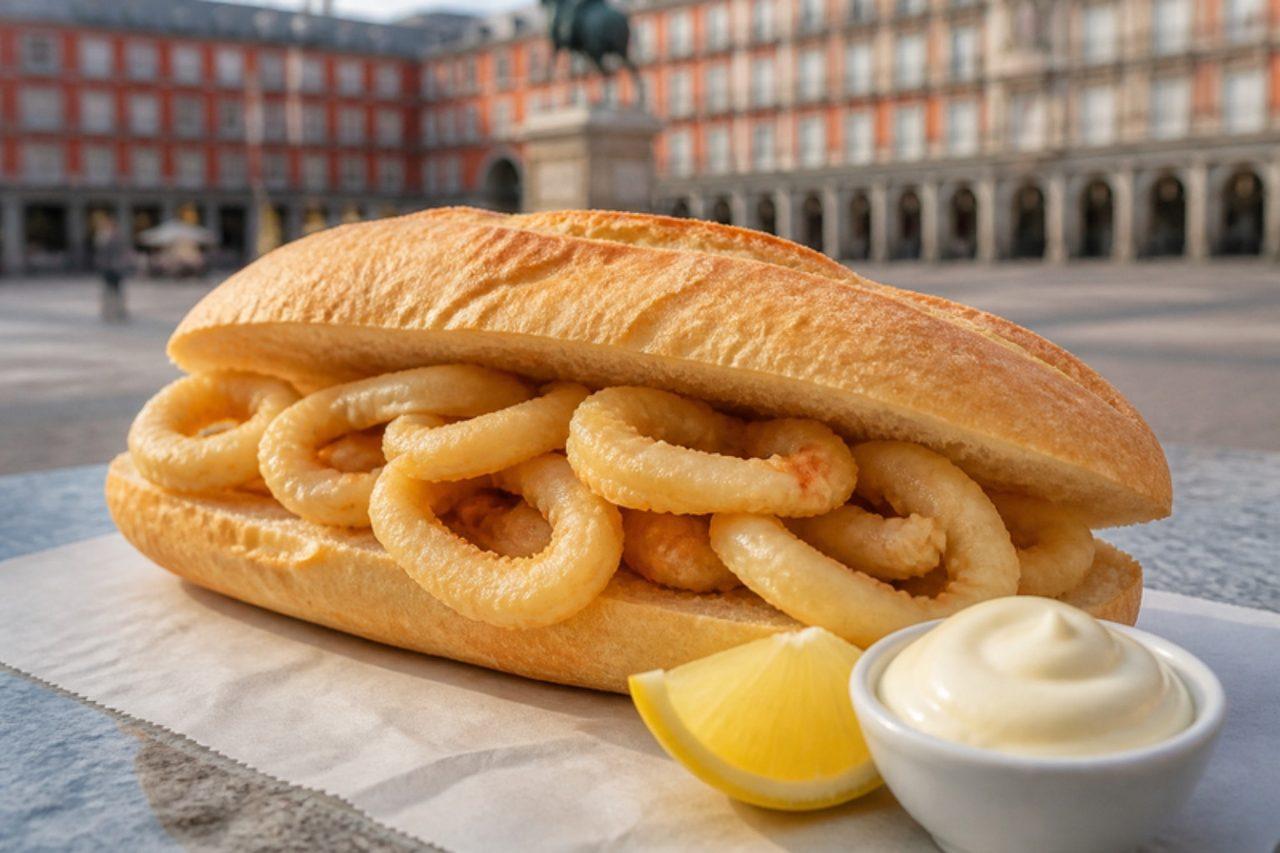
Bocadillo de calamaresFried squid sandwich

Madrid sits hundreds of kilometres from the sea, yet its most famous snack is a crusty roll stuffed with hot fried squid rings, eaten standing at the bars around the Plaza Mayor at any hour. Locals order one with a cold drink at the counter and squeeze over a little lemon; some add a smear of mayonnaise. Chef's tip: fry the squid in very hot oil and for barely a minute, so it stays tender inside a crisp coat.

by KrazyBadal 0 views

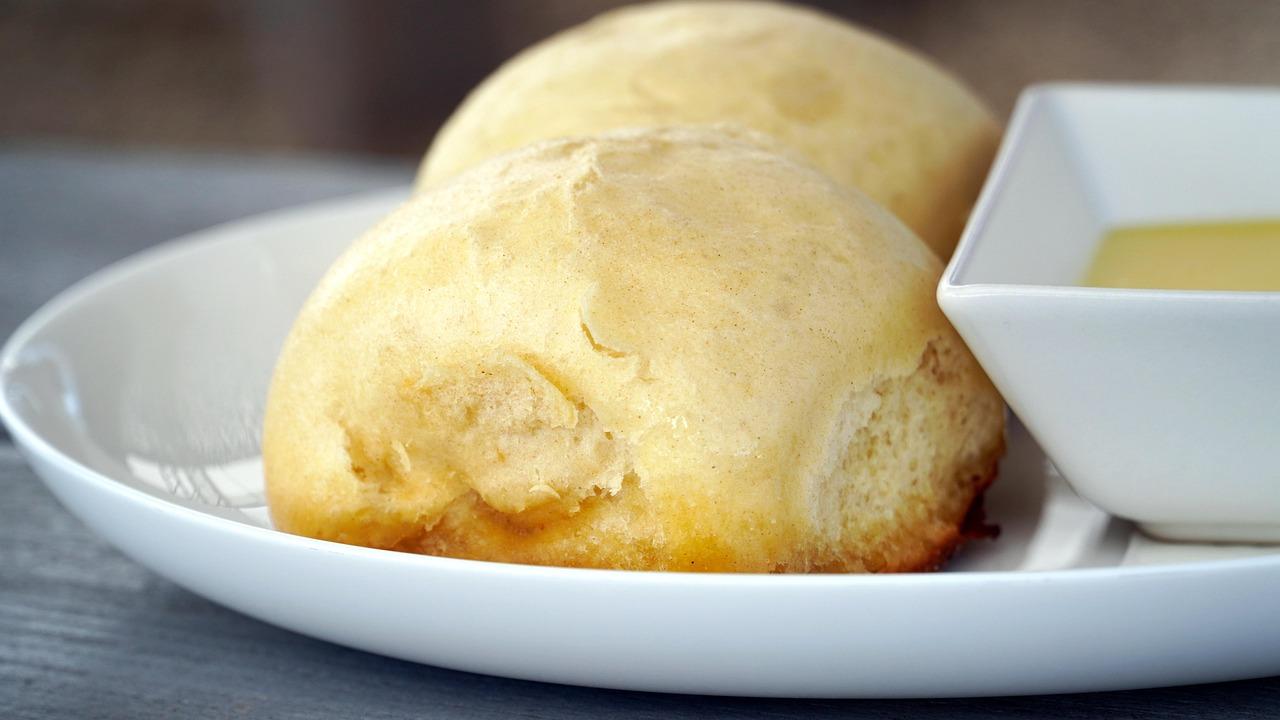
DampfnudelnSteamed yeast dumplings with vanilla sauce

Dampfnudeln are a Friday supper in Bavaria and the Palatinate, from the days when meatless Fridays meant a sweet main course. Soft yeast buns are packed into a heavy pan with milk, butter and a little sugar, the lid goes on, and they steam until fluffy on top while the liquid boils away and leaves a salty-sweet caramel crust underneath. They come to the table with warm vanilla sauce. The famous mistake is lifting the lid too early: the steam escapes and the buns collapse. Chef's tip: listen to the pan instead of looking; when the bubbling turns to a crackle, the crust is forming and you have about 3 minutes left.

by KrazyBadal 0 views

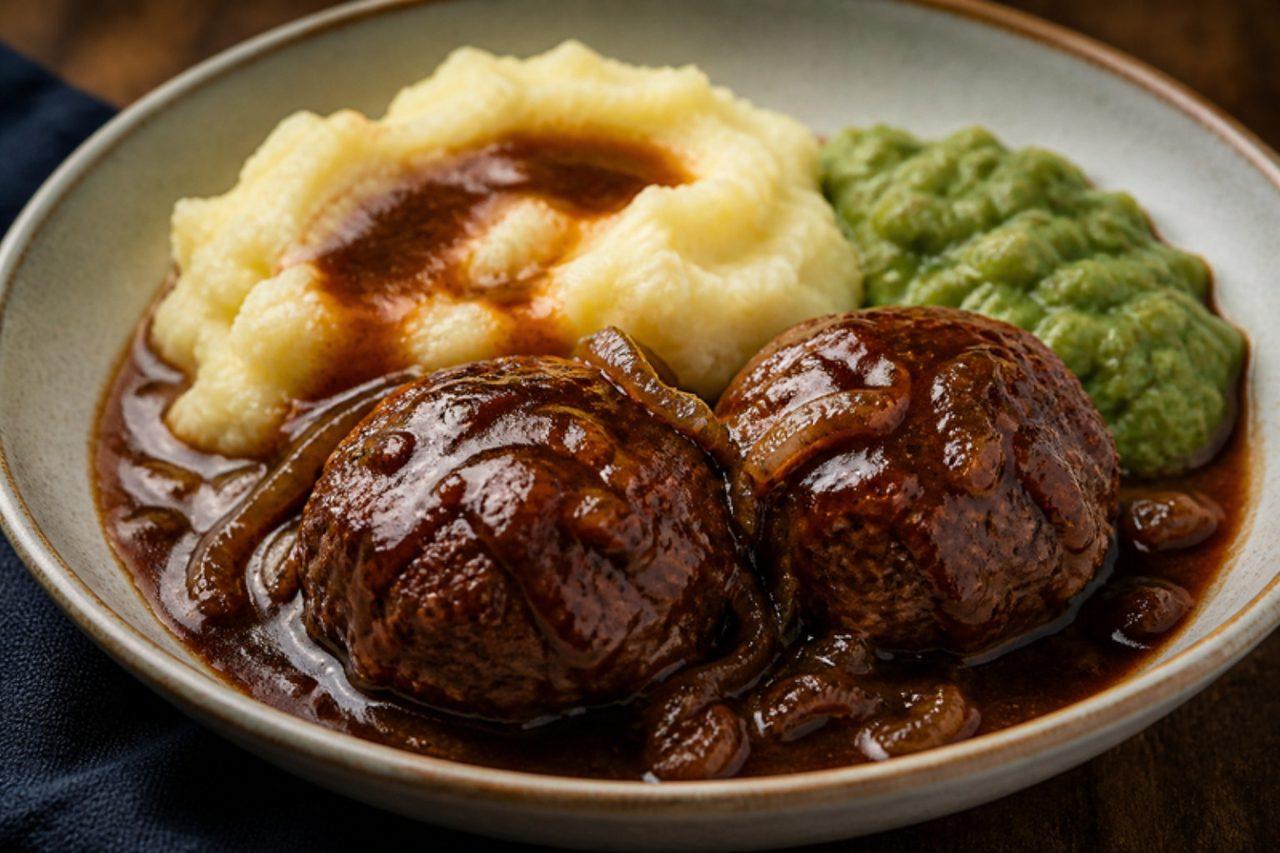
Black Country faggotsPork liver meatballs in gravy

Faggots are the thrifty meatballs of the Black Country, the industrial towns west of Birmingham, sold by butchers and served at chip shops with mushy peas and gravy. They are made from pork liver, pork belly and onion with breadcrumbs, sage and mace, and baked in a deep onion gravy. This is a pork dish. Chef's tip: wrap each faggot in caul fat if your butcher has it; it bastes them and holds them together.

by KrazyBadal 0 views

Dulce de batataSweet potato paste

Deep orange and firm enough to slice, dulce de batata is the sweet potato paste Argentines eat with cheese, bake into pastelitos and pasta frola, and pack into school lunch boxes; the classic commercial block often hides a ribbon of chocolate in the centre. Making it at home takes patience at the stove, but the result tastes of real roasted sweet potato and vanilla. Traditional recipes simply cook the purée down for a long time; some factory versions set it with gelatin. This one uses a little agar, a seaweed-based setting agent, so it is reliably firm and stays vegan. Choose pale-fleshed sweet potato (batata) if you can, which gives the classic colour and dense texture; orange-fleshed ones work but set softer. The usual problem is too little cooking, which gives a paste that weeps; it is ready when a spoon drawn through it leaves a clean line. Chef's tip: cover your hand with a tea towel while you stir, because the thick paste spits like lava.

by KrazyBadal 0 views

BaeckeoffeThree-meat and potato bake

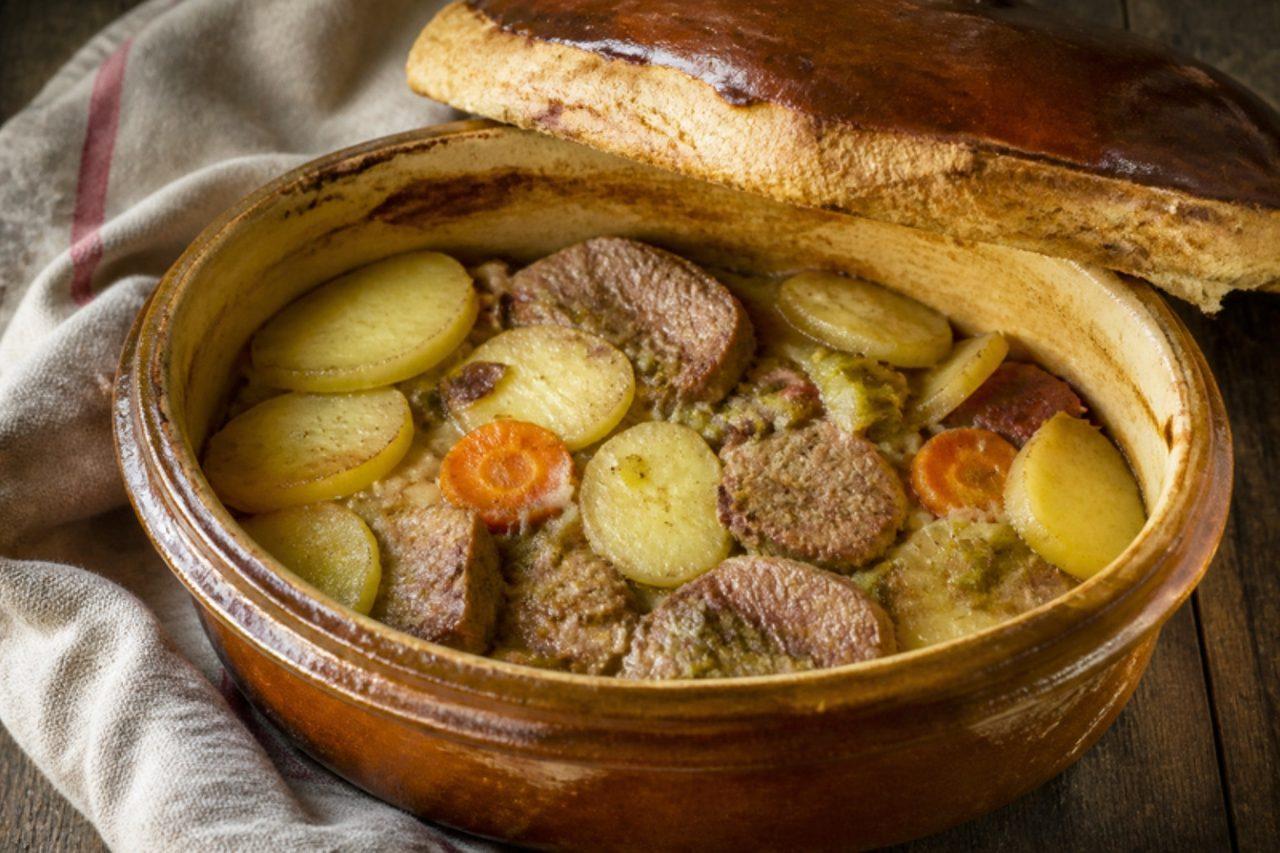
Baeckeoffe means "baker's oven" in Alsatian, and in villages around Strasbourg and Colmar the dish was once carried to the baker's dying oven on a Monday to cook slowly while the week's washing was done. Pork shoulder, lamb and beef are marinated overnight in dry Alsace white wine with onion, garlic and herbs, then layered with potatoes in a lidded earthenware dish whose rim is sealed with a strip of flour-and-water dough. After three hours the potatoes have drunk up the wine and meat juices and the three meats fall apart under a spoon. The dish uses wine, but an alcohol-free version with stock is given in the ingredient notes; serve it straight from the pot with a green salad. Chef's tip: break the dough seal at the table, because the burst of steam and the smell of wine and thyme are half the pleasure.

950 minFrenchMeat
by KrazyBadal 0 views

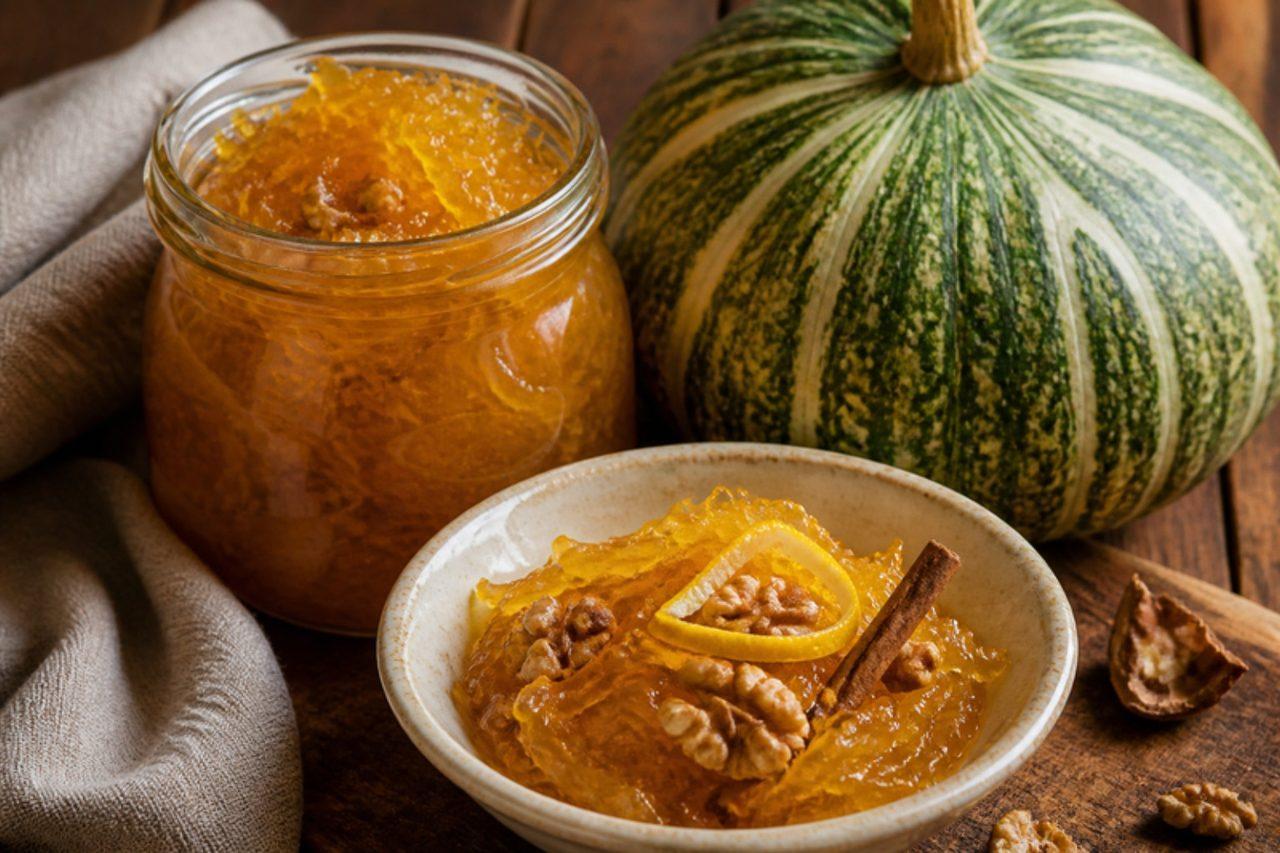
Dulce de alcayotaFig-leaf gourd preserve

Late autumn in San Juan and Mendoza, the huge striped alcayotas (fig-leaf gourds, Cucurbita ficifolia) are left to cure in the sun, then split open for this preserve: the white flesh separates into long strands like angel hair, which cook in syrup until golden, glossy and translucent, with walnuts and a hint of cinnamon and clove. It is spooned onto bread, eaten with fresh cheese, and used to fill empanadas and pastries. Look for alcayota at Latin American grocers (sometimes sold as chilacayote or cidra); spaghetti squash makes a respectable stand-in. Cooking the syrup too hard is the trap: it caramelises and turns the preserve dark and bitter, so keep it at a gentle bubble. For safe storage, jars must be sterilised and sealed hot. Chef's tip: rinse the cooked strands in cold water before they go into the syrup; it washes off the starch and keeps the threads separate and clear.

by KrazyBadal 0 views

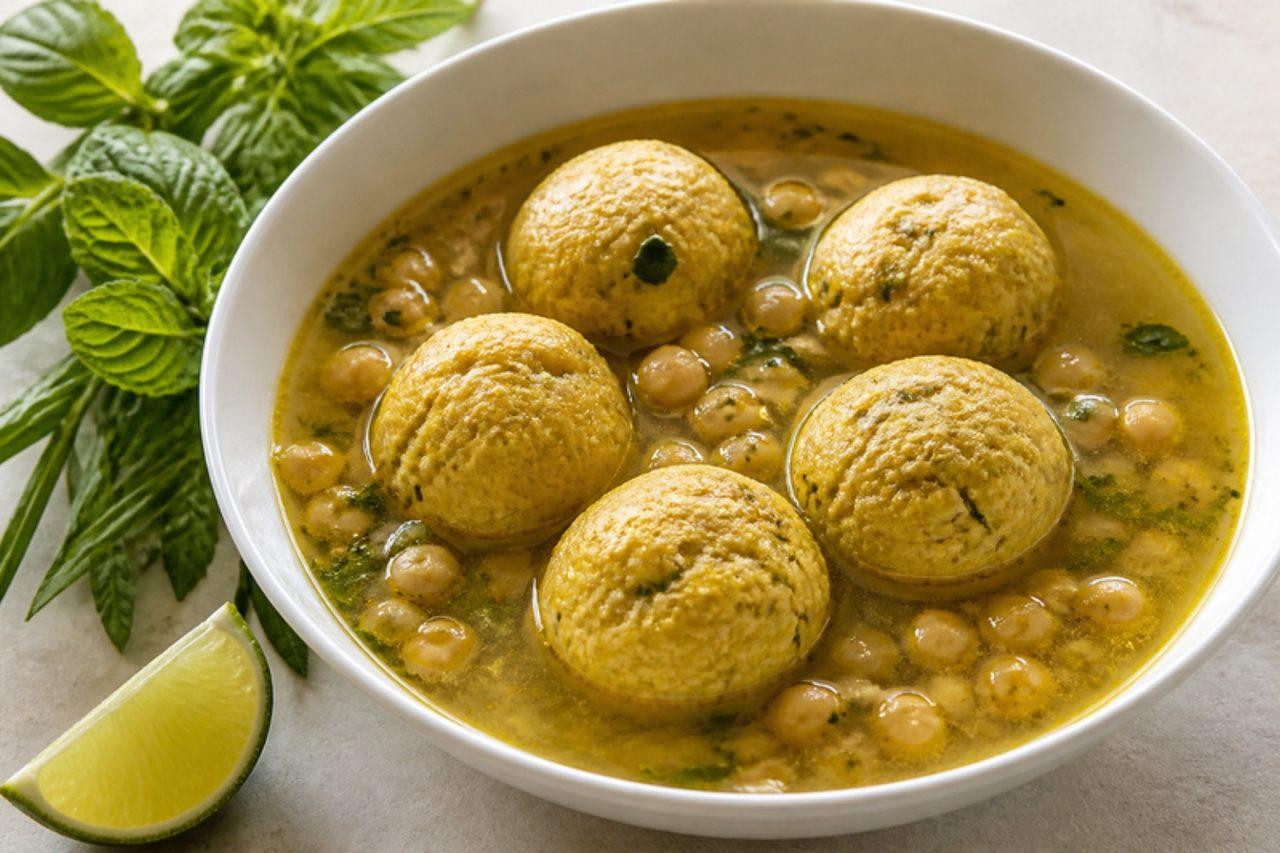
GondiChicken and chickpea-flour dumplings

Gondi is the Friday-night dish of Tehran's Persian Jewish families, served at the Shabbat table before the main course or as a light lunch after. Big, soft dumplings of minced chicken, grated onion and roasted chickpea flour, scented with cardamom, are poached in a clear turmeric broth with chickpeas, and each bowl gets one or two with plenty of broth, fresh herbs and flatbread. The texture should be tender and slightly crumbly, a little like a dense matzo ball. A common mistake is using raw chickpea flour; buy roasted chickpea flour (nokhodchi flour) or dry-toast plain gram flour first, or the dumplings taste raw. Chef's tip: chill the mixture for 30 minutes before shaping so the dumplings hold their shape in the broth.

by KrazyBadal 0 views

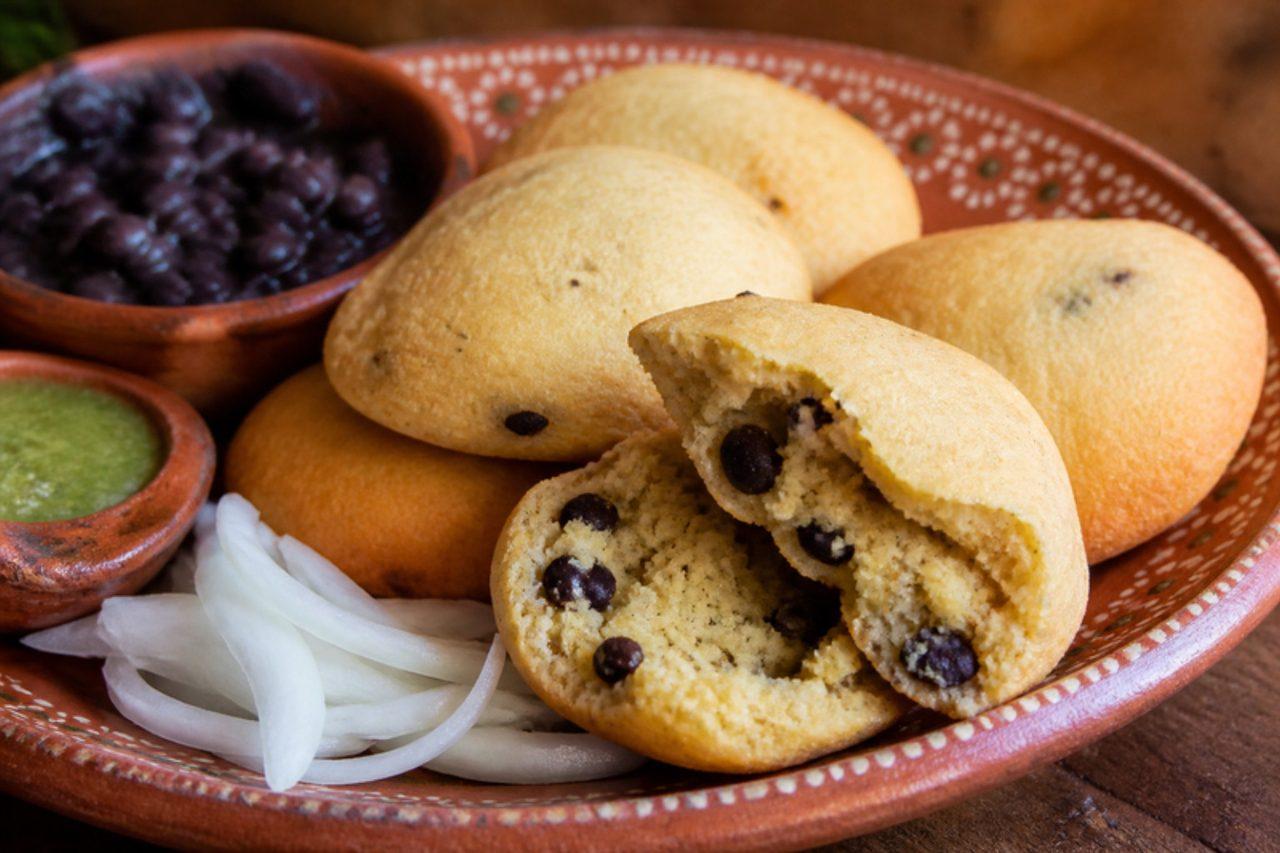
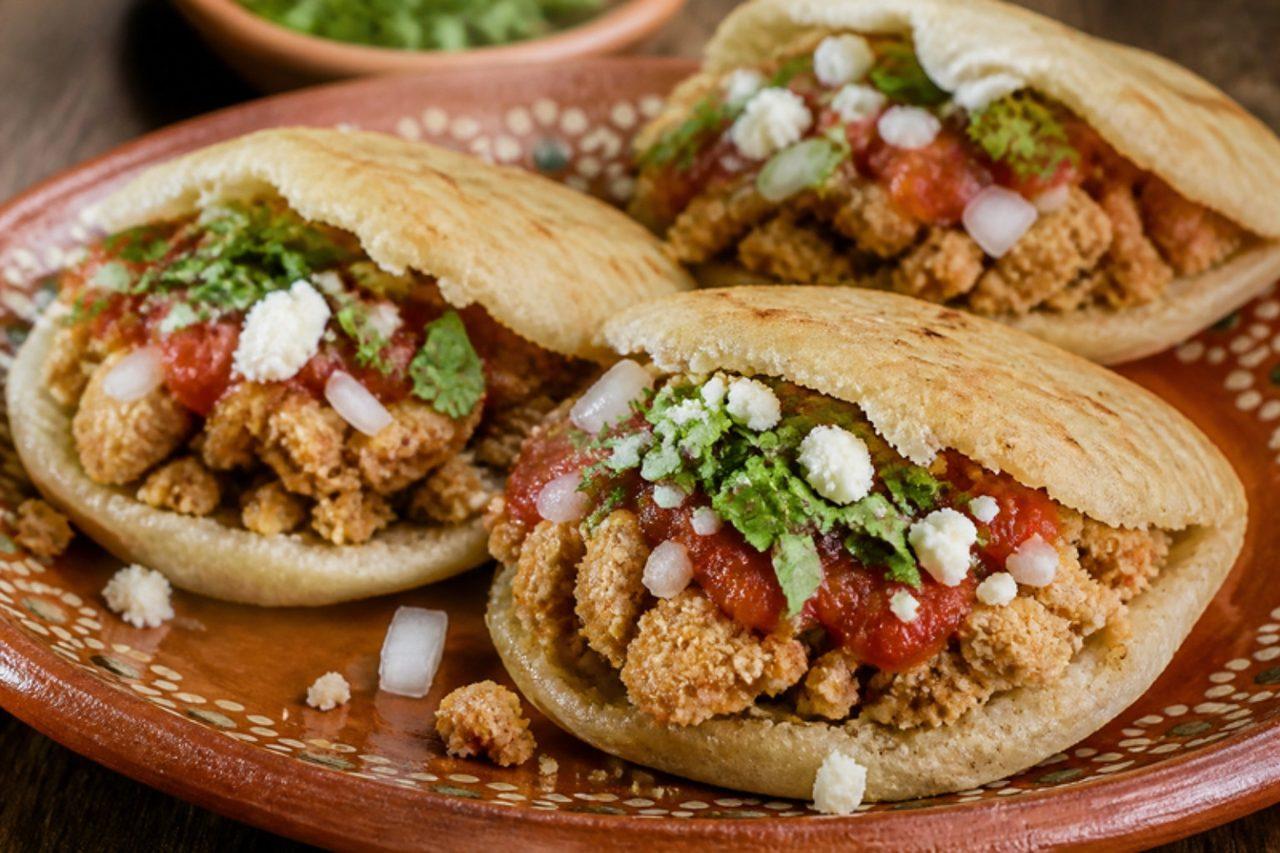
Gordas de frijol negroBlack bean masa cakes

In the Sotavento region of southern Veracruz, around Tlacotalpan and Los Tuxtlas, cooks knead well-fried black beans straight into the corn masa, so the little cakes come out speckled grey-black, then fry them until they puff up like balloons. Gordas de frijol are a supper snack from street stalls and fiesta tables, split and topped with salsa, chopped onion and, for a non-vegan version, a crumble of fresh cheese. Avocado leaf in the beans gives a faint aniseed note. Chef's tip: the beans must be very thick and cooled; warm, wet beans make a sticky dough that will not puff.

by KrazyBadal 0 views

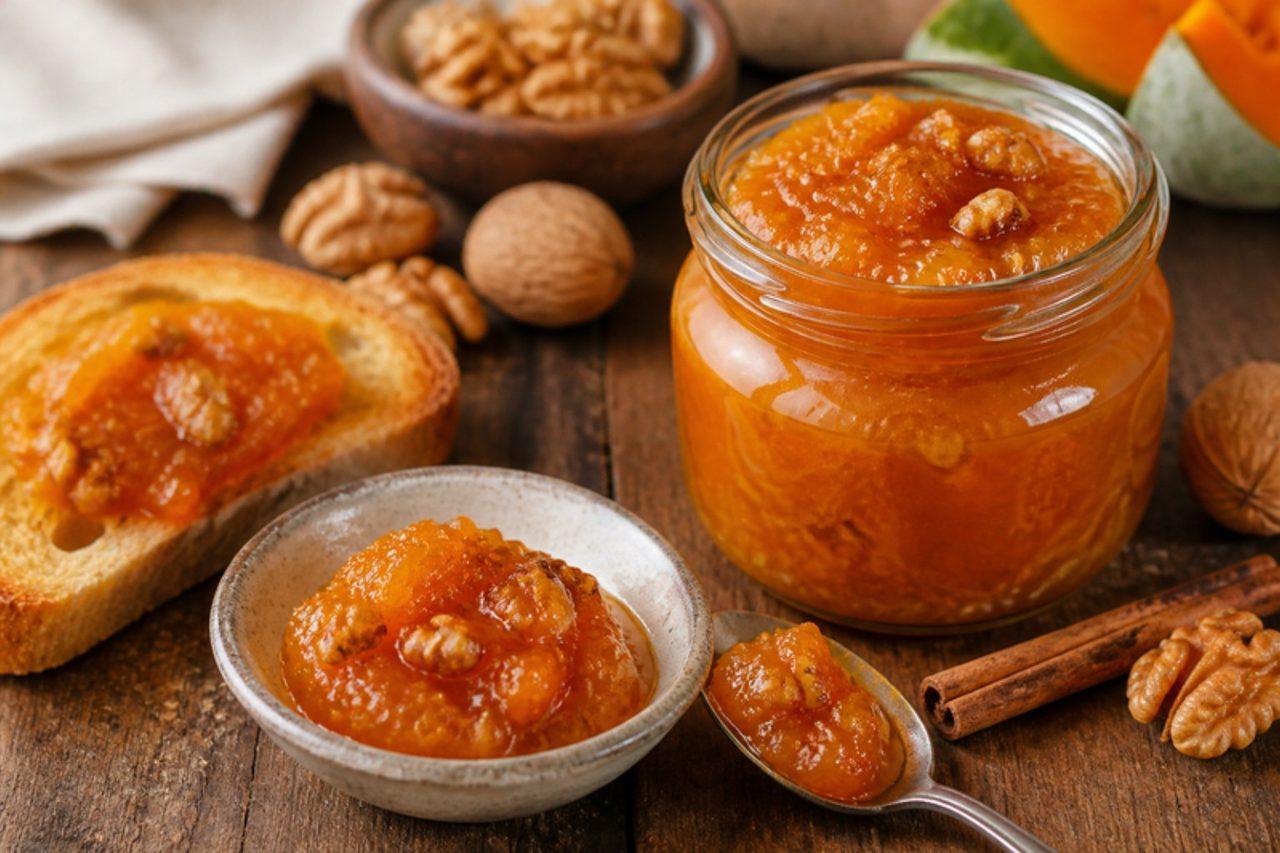
Doce de abóbora com nozesPumpkin and walnut jam

When the big squashes are harvested in late autumn in Trás-os-Montes, every pantry gets a row of these jars. The pumpkin cooks down with sugar, lemon peel and cinnamon to a thick amber jam, and toasted walnuts are stirred in at the end. Locals spoon it over fresh requeijão or a slice of sheep's cheese after dinner, or onto toast at breakfast. Chef's tip: salt the cut pumpkin with the sugar overnight; it releases its water so the jam cooks faster and keeps its colour.

by KrazyBadal 0 views

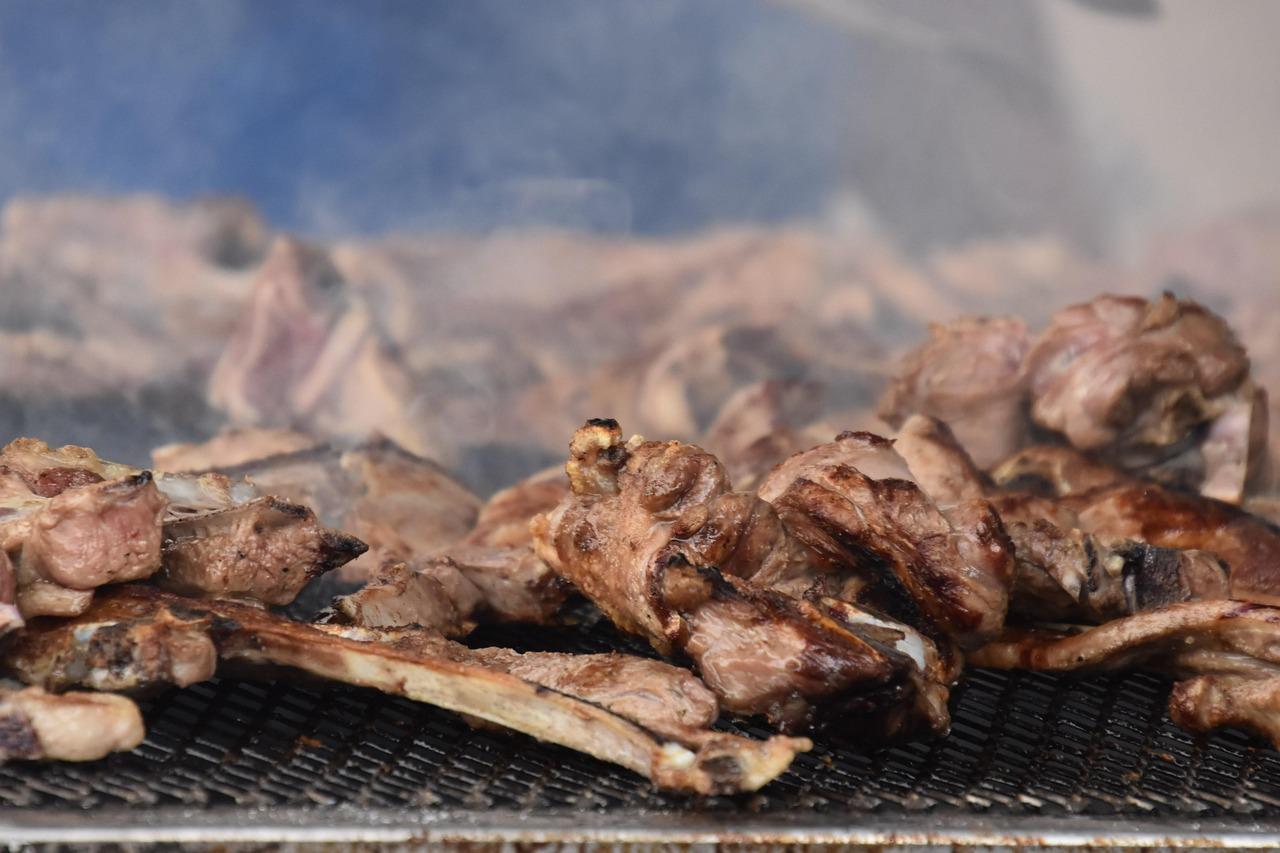
AntikristoSlow-roasted lamb

Antikristo means 'facing each other', and in the Psiloritis mountain villages above Anogeia it describes big pieces of lamb on long skewers set upright round a wood fire, turned now and then for four or five hours until the fat has dripped away and the meat is smoky and crisp. At village feasts and saint's-day fairs it is carved straight from the skewer onto paper with nothing more than salt and a squeeze of lemon. This home version roasts salted lamb shoulder and ribs slowly in the oven, then finishes them hot for crackling edges. Common mistake: adding herbs and marinades; the Cretan way is only coarse salt, so the lamb's own flavour comes through. Chef's tip: salt the meat the night before and leave it uncovered in the fridge so the surface dries and crisps.

255 minGreekMeatGluten free
by KrazyBadal 0 views

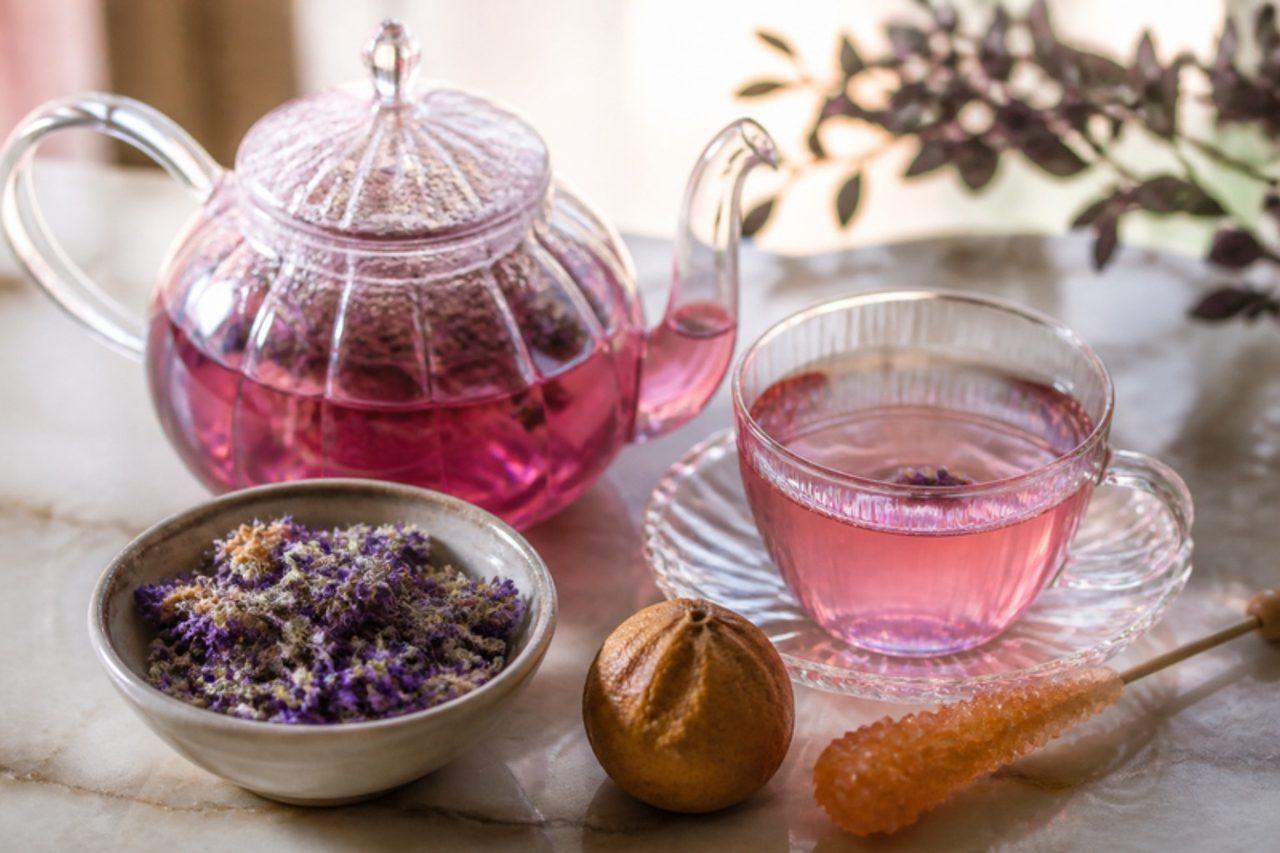
Gol gav zabanBorage flower tea

Gol gav zaban is the calming tea Iranians make on stressful evenings or when a cold is coming on, sold in bags of dried purple flowers by herbalists in the old bazaars of Tehran and Tabriz. Steeped in hot water it turns a dusky blue-brown, then flashes pink the moment lime juice goes in, which children love to watch. It is sipped with a stick of saffron nabat (rock sugar), sometimes with a few dried limes or a pinch of valerian. Persian borage contains small amounts of natural compounds that can strain the liver, so drink it only now and then, and avoid it if you are pregnant, breastfeeding or have liver problems. Chef's tip: steep below boiling and keep the pot covered so the gentle aroma doesn't escape.

by KrazyBadal 0 views

Gorditas de migajasMasa cakes with pork crackling

In Querétaro, gorditas de migajas are a breakfast and market favourite, cooked on wide griddles in the old town and in the street stalls of the Sierra Gorda. They are thick corn cakes filled with migajas, the crunchy crumbs of pork crackling left at the bottom of the carnitas or chicharrón vat, bound with asiento, the brown, savoury pork lard full of toasted bits. This is very much a pork dish; plain pork lard and finely crushed pork crackling make a good substitute if you can't find asiento. Split open while hot, they are filled with red salsa, onion, coriander and crumbled cheese. Chef's tip: cook them over a medium, not high, heat so the inside cooks through before the outside burns.

by KrazyBadal 0 views

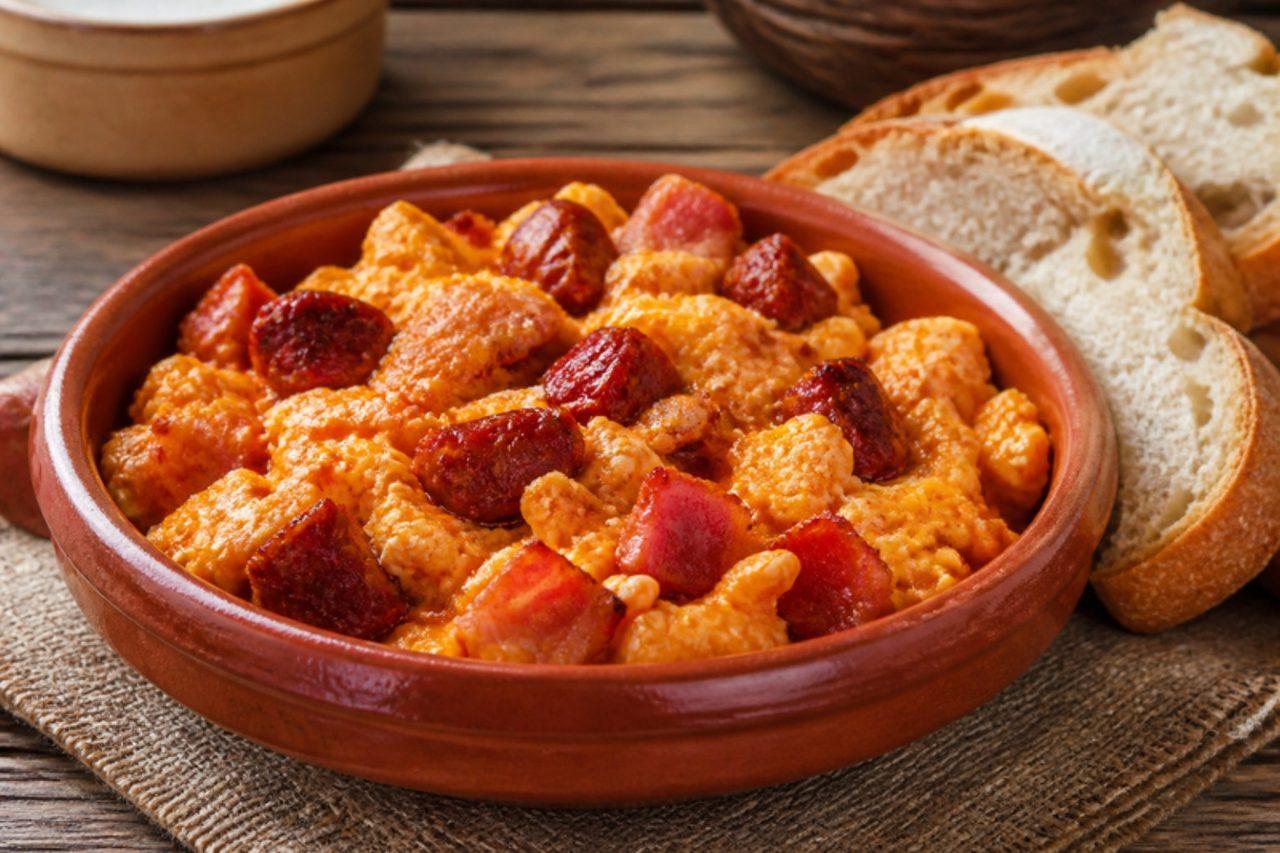
Duelos y quebrantosScrambled eggs with chorizo and bacon

Cervantes names this dish in the first lines of Don Quixote as the knight's Saturday supper, and in La Mancha it is still a quick, filling plate of soft eggs scrambled into fried chorizo and streaky bacon. It turns up for a late breakfast in roadside inns near Campo de Criptana, or for supper on a busy weeknight with bread and a salad. This contains pork (chorizo and bacon). Chef's tip: take the pan off the heat while the eggs still look slightly wet; they finish cooking on the plate.

by KrazyBadal 0 views

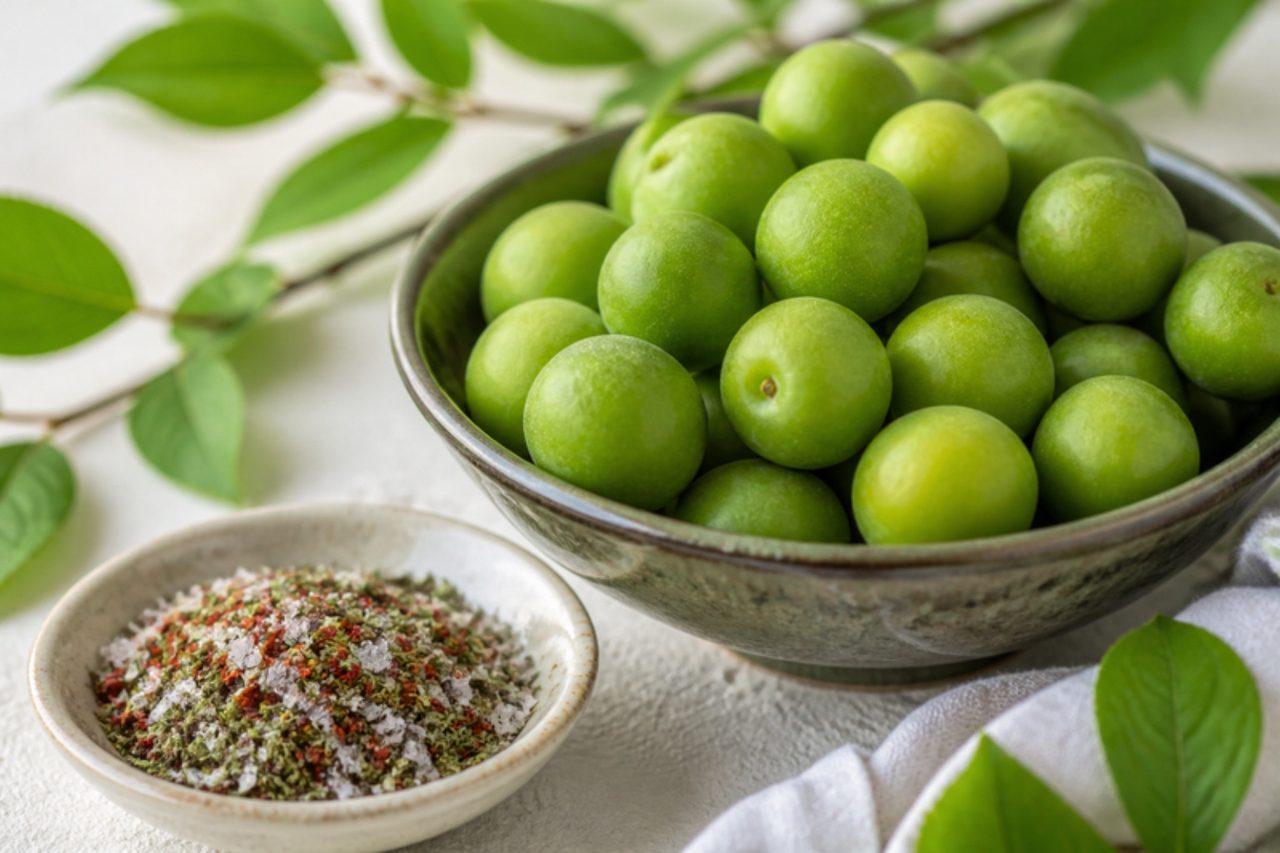
Gojeh sabz ba namakSour green plums with salt

In late March and April, just after Nowruz, the fruit stalls of Tehran and every small town fill with hard, bright green plums, and children walk home from school with paper bags of them and a twist of salt. The unripe plums are crunchy and mouth-puckeringly sour; a dip in salt, sometimes mixed with dried mint or chilli, makes them addictive. There is nothing to cook, only good fruit to choose. A common mistake is buying plums that have already softened and turned yellow; they lose the crunch that makes this snack. Chef's tip: chill the plums for an hour and wash them in cold water just before serving so they snap when you bite.

by KrazyBadal 0 views

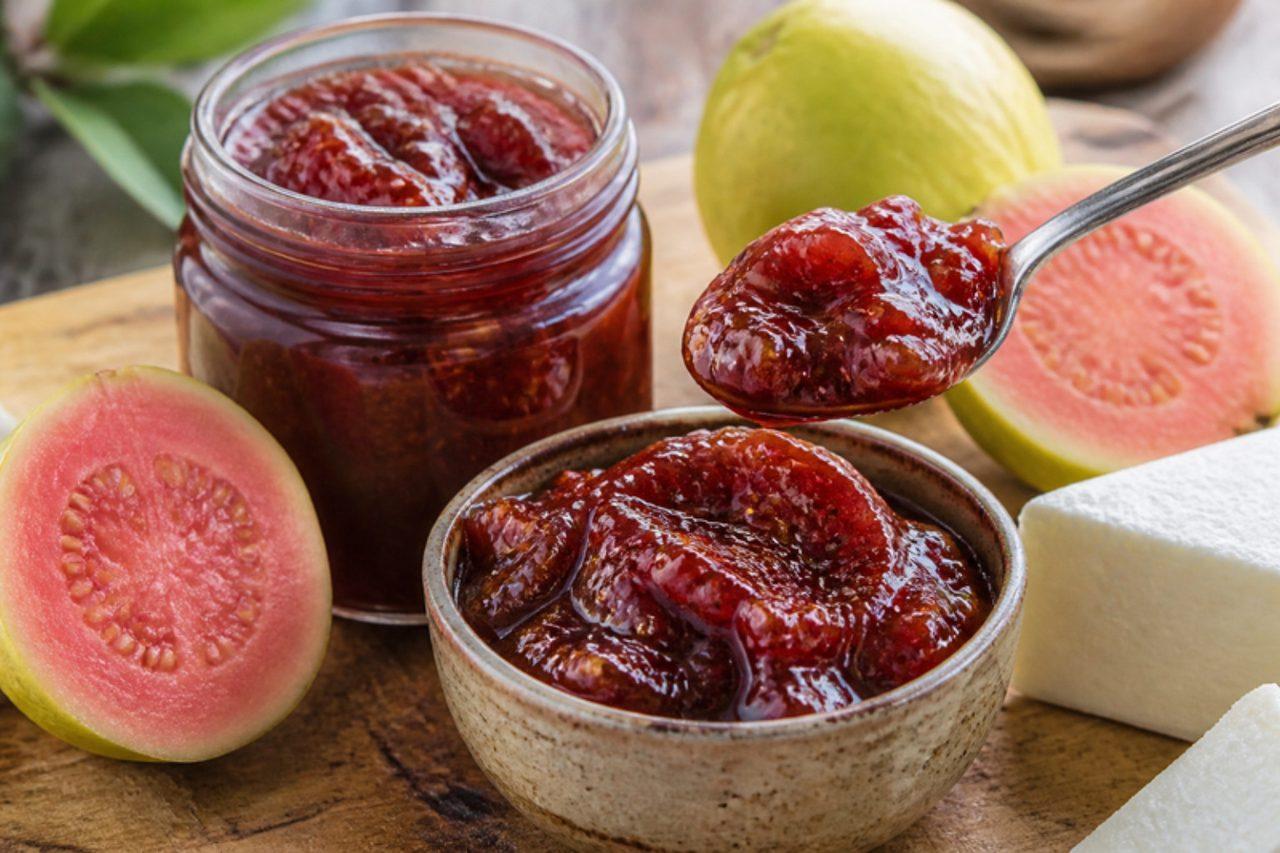
Goiabada cascãoGuava paste with skins

Ponte Nova and other towns in the Zona da Mata of Minas Gerais are famous for this rough, dark guava paste, stirred for hours in big copper pans over wood fires until it is almost brick red and firm enough to cut with a knife. 'Cascão' means it keeps chunks of the skin, so each slice is chewy and fruity rather than smooth. It is the guava in Romeu e Julieta, the filling for countless cakes, and a sweet in its own right after lunch. A heavy stainless-steel pan works at home. The big mistake is cooking over high heat to save time; the sugar catches and turns bitter long before the paste is set, so keep the heat moderate and stir constantly near the end. The paste spits fiercely, so use a long spoon and cover your arm. Chef's tip: test it by dropping a spoonful into a glass of cold water; when it stays in one firm piece, it is ready to pour.

by KrazyBadal 0 views

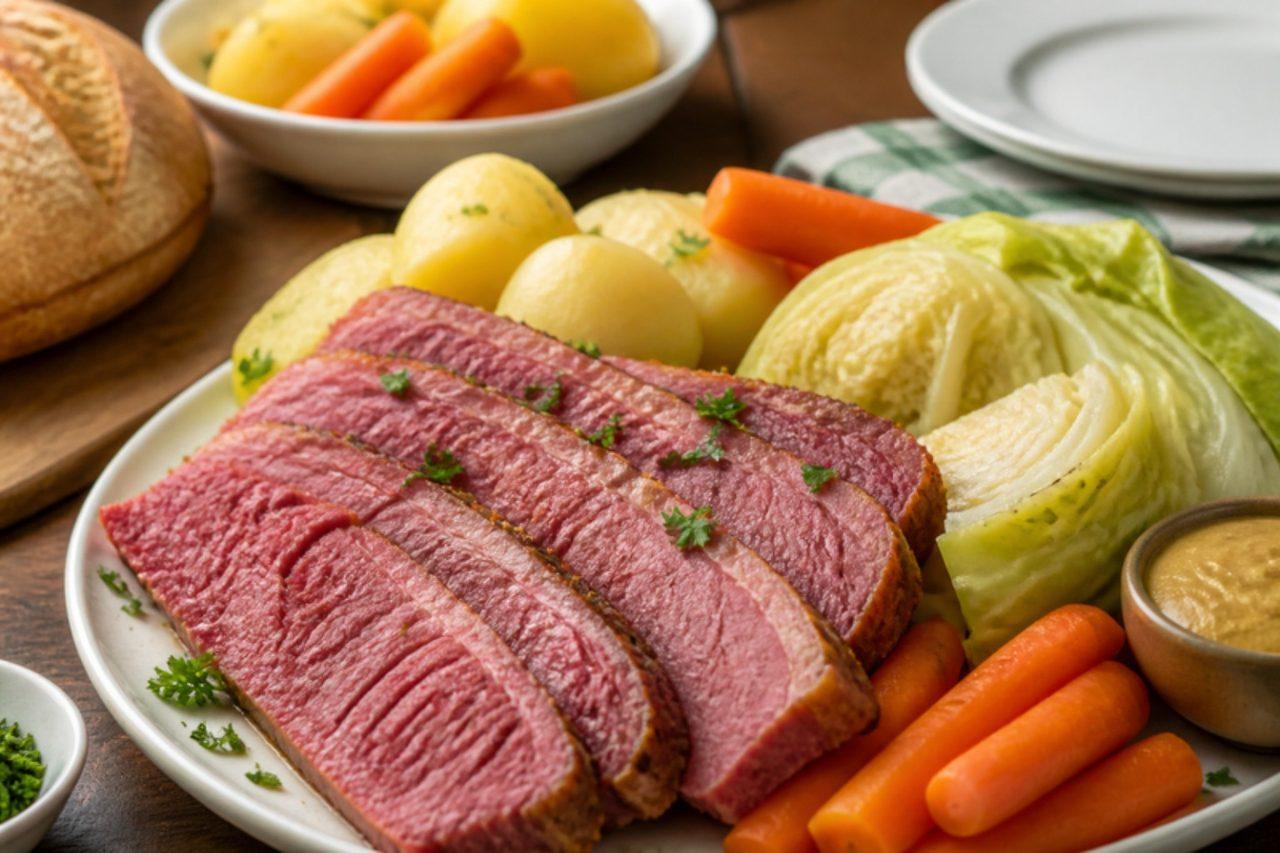
Corned beef and cabbage

In Boston, Irish families made corned beef the centre of St Patrick's Day, swapping the bacon joint of home for the cheaper brisket sold by Jewish butchers, and New Englanders still call the whole pot a boiled dinner. Salt-cured beef brisket is simmered for hours with spices, then potatoes, carrots and wedges of cabbage cook in the same broth. Serve with grainy mustard. Chef's tip: slice the beef across the grain, thinly; cut along the grain it looks stringy and chews tough.

230 minAmericanMeat
by KrazyBadal 0 views

Blanc-manger cocoCoconut dessert

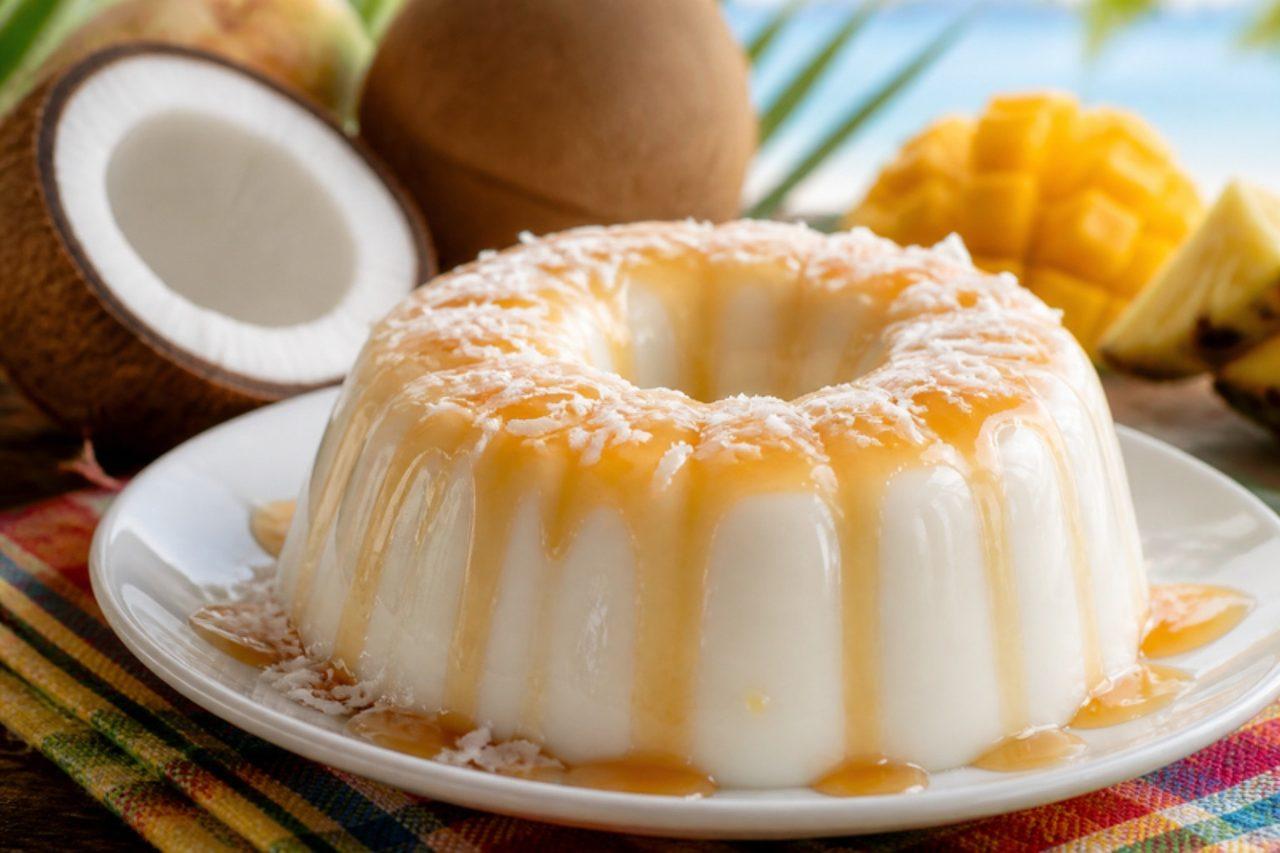
In Martinique, blanc-manger coco is the cool, wobbly dessert that closes a Christmas or Sunday family lunch: coconut milk and sweetened condensed milk scented with lime zest, cinnamon, vanilla and nutmeg, set and turned out of a mould. Many island cooks set it with gelatine, which is not vegetarian; this recipe uses agar-agar, a seaweed setting agent, so it is meat-free and holds well even in the heat. Serve it chilled with passion fruit or a guava coulis. Chef's tip: once the agar is in, keep the mixture boiling for 2 full minutes; agar only sets after it has been properly boiled.

by KrazyBadal 0 views

Gofio escaldadoToasted grain flour paste in broth

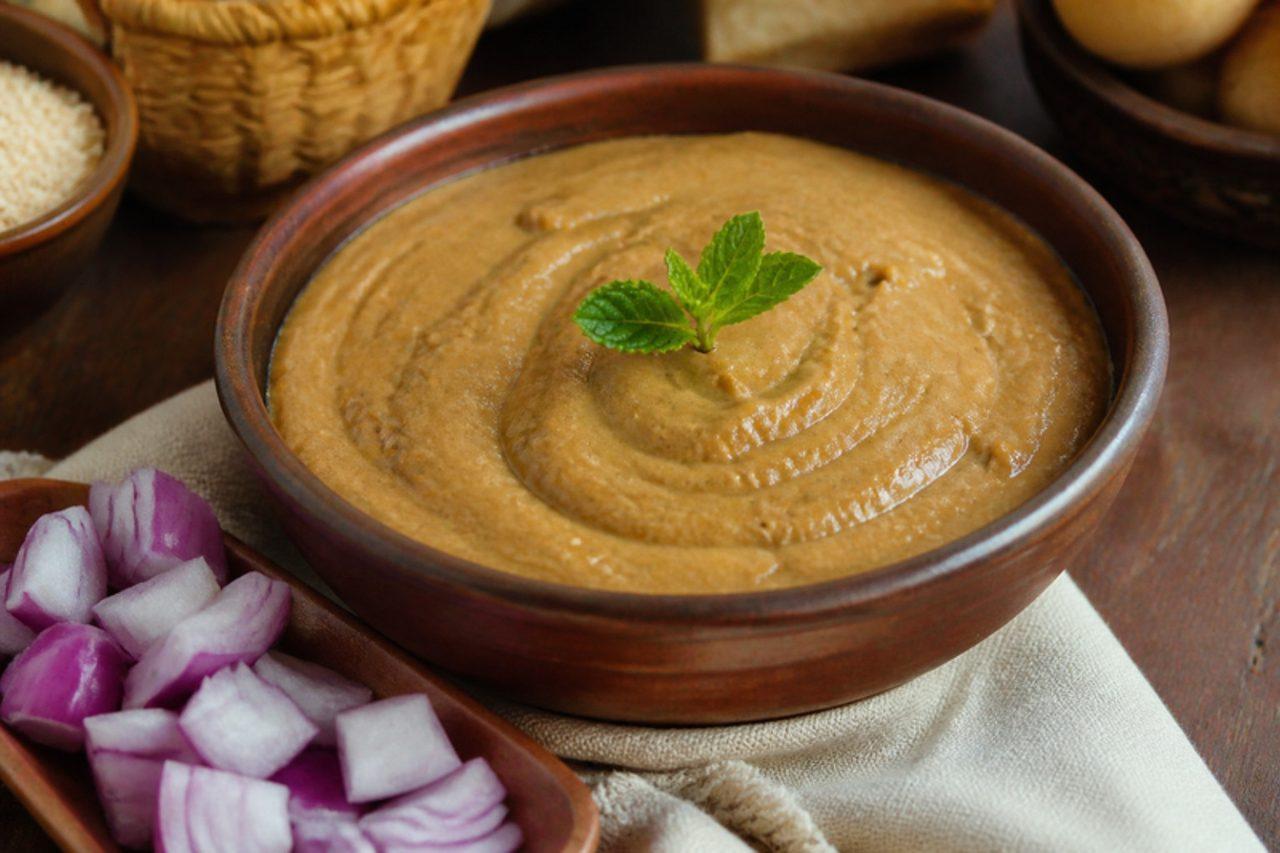
Gofio, flour ground from toasted maize or wheat, has fed the Canary Islands since before the Spanish arrived, and a bowl of escaldado is its simplest, most comforting form. Hot broth is beaten into the gofio until it turns into a soft, savoury paste flecked with mint, eaten by scooping it up on chunks of raw red onion. In fishing towns the broth is usually fish stock left from a sancocho; this version uses vegetable broth so it is vegan. Pure maize gofio is gluten free, but most blends contain wheat, so check the bag. Chef's tip: add the broth gradually while you beat, as dumping it in at once makes stubborn lumps.

by KrazyBadal 0 views

Gosh-e filFried elephant ear pastries

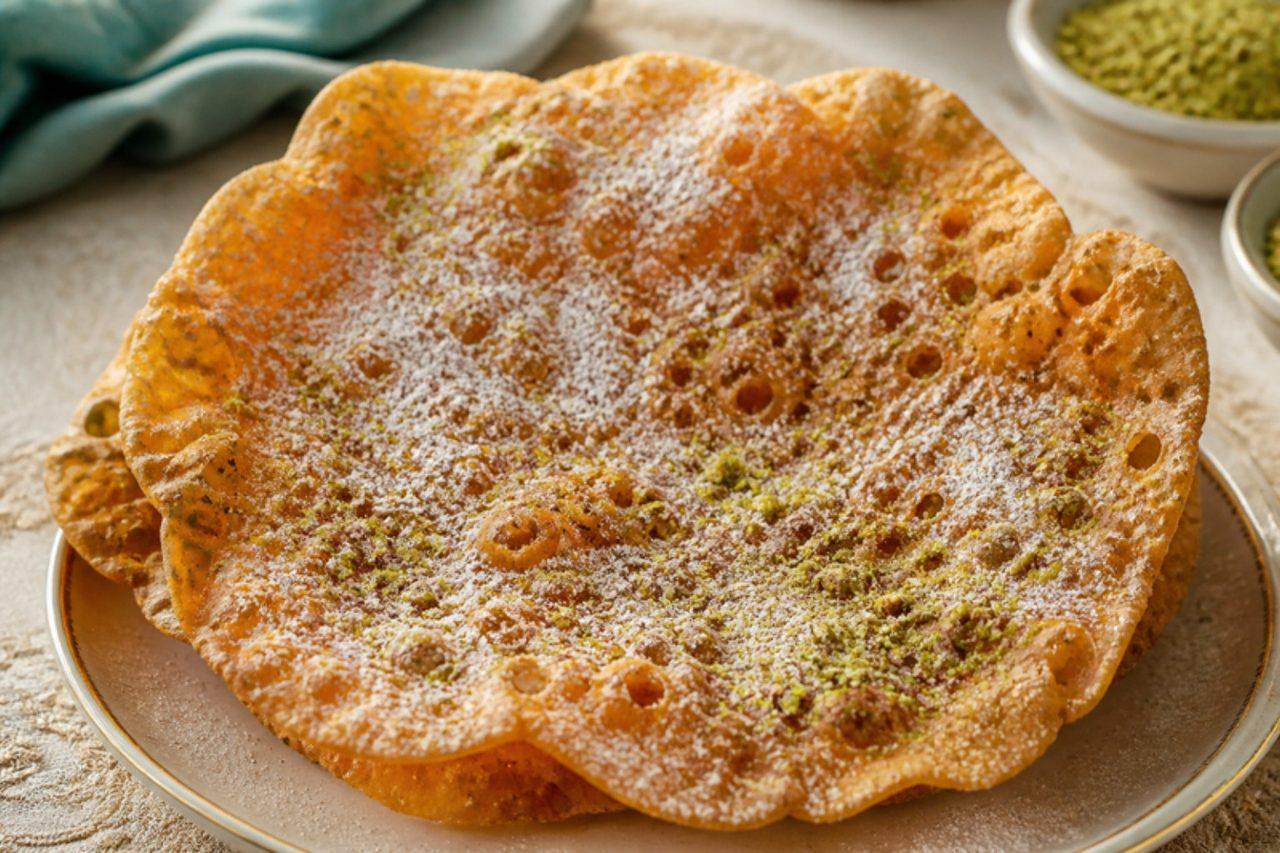
Gosh-e fil, elephant's ear, is the big, bubbly, paper-thin fried pastry sold from bakery windows in Tehran and Shiraz in the days before Nowruz, and made at home for Ramadan evenings. A soft egg and yogurt dough is rolled almost see-through, pinched into a fan shape and fried until it blisters, then showered with icing sugar, cardamom and ground pistachio. They are best the day they are made, with glasses of black tea. Chef's tip: rest the dough properly; relaxed dough rolls thin without shrinking back.

by KrazyBadal 0 views

GougèresCheese choux puffs

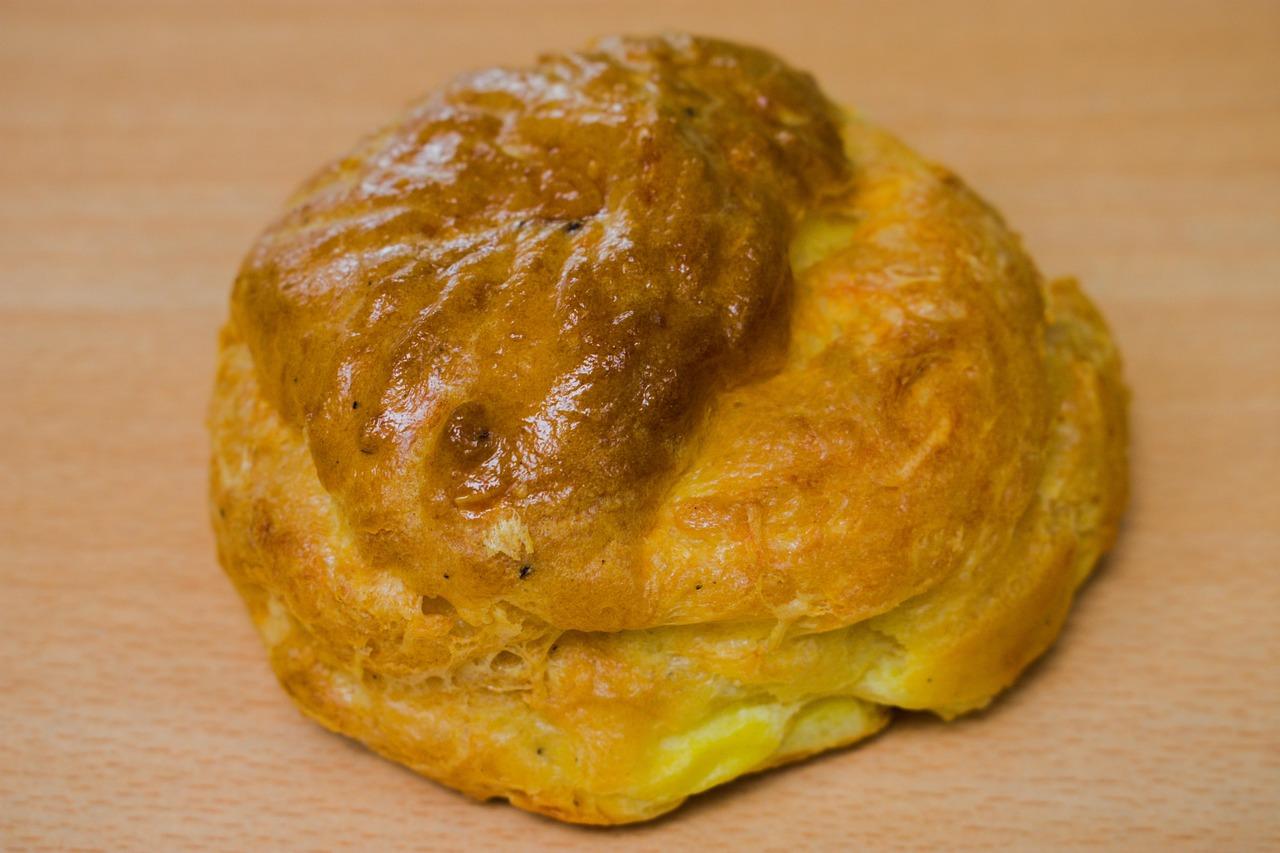
In the wine villages of Burgundy, around Beaune and Chablis, a basket of gougères lands on the table the moment guests sit down: small golden choux puffs, crisp outside and hollow and cheesy within. They are handed round at cellar tastings, christenings and Sunday aperitifs, and they are best eaten warm, within ten minutes of leaving the oven. The dough is the same as for profiteroles, but salted, peppered and beaten with grated Comté or Gruyère. Both cheeses are traditionally made with animal rennet, so use a vegetarian hard mountain-style cheese if you need to. Chef's tip: dry the dough on the heat until it leaves a thin film on the bottom of the pan; drier dough takes more egg and puffs higher.

by KrazyBadal 0 views

GourounopoulaSlow-roast pork shoulder with orange

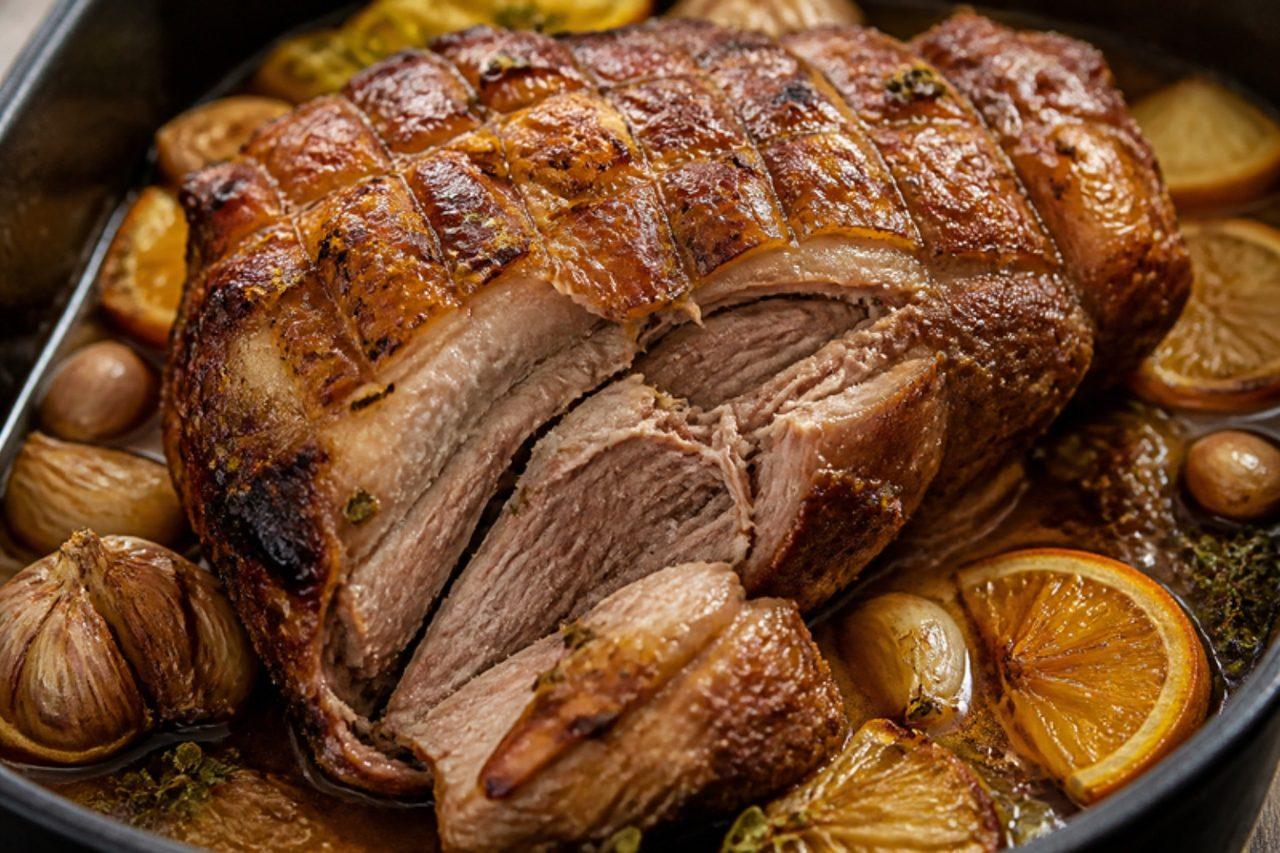
At the summer festivals of Messinia, whole young pigs are roasted overnight in bakers' wood ovens, then sold by the kilo at stalls with bread and pickled peppers. This home version uses a bone-in pork shoulder, rubbed with garlic, orange zest, oregano and chilli, left in the fridge overnight, and roasted low and slow until the meat pulls apart and the crackling shatters. Serve with lemon potatoes and a cabbage salad. Common mistake: wet skin — dry it well and salt it the night before, or it never crackles. Chef's tip: start covered at a low heat and finish uncovered at a high heat; that's how the meat stays juicy and the skin turns glassy.

290 minGreekMeatGluten free
by KrazyBadal 0 views

GoxuaLayered cream, sponge and custard dessert

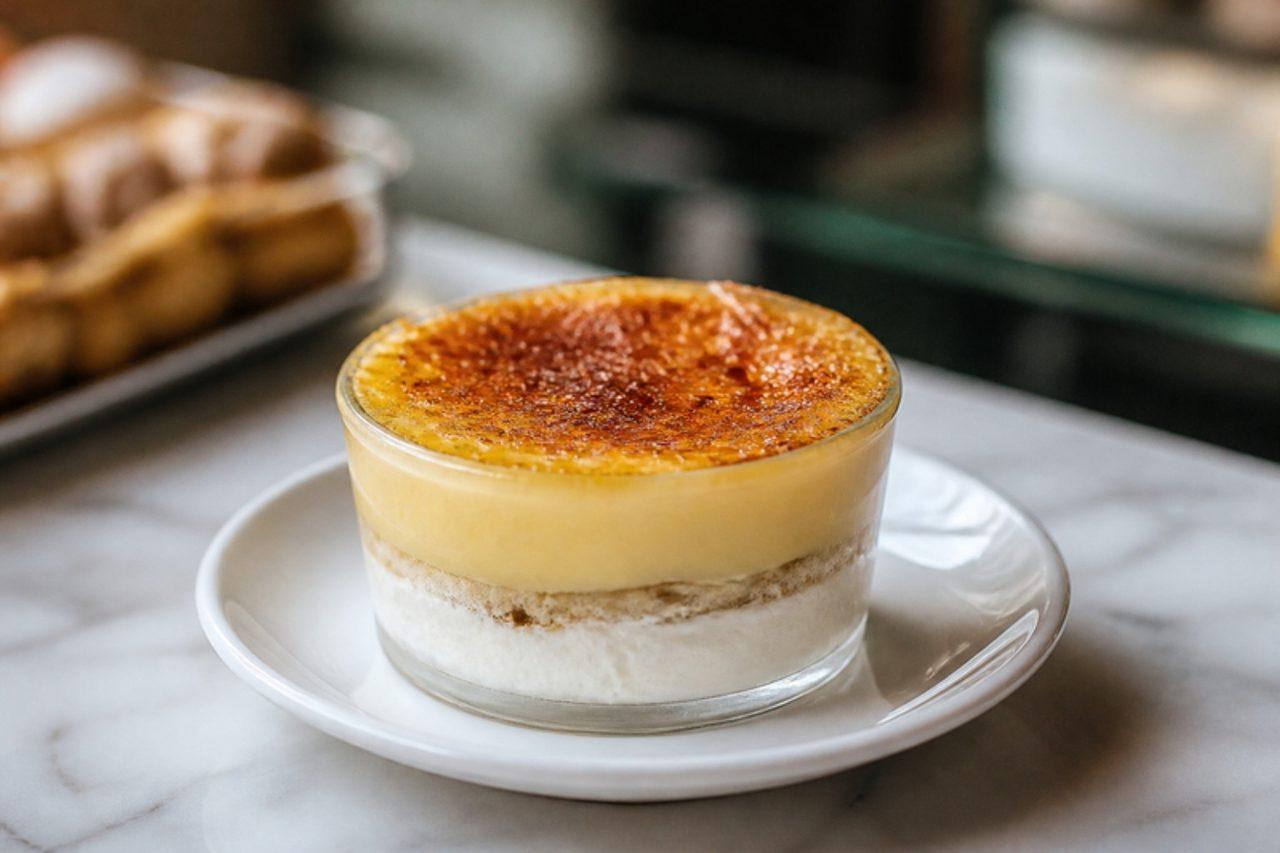
The name means 'sweet' or 'delicious' in Basque, and goxua was created in Vitoria-Gasteiz in the 1970s, where cafés still serve it in small glasses or terracotta pots. From the bottom up you get whipped cream, a disc of sponge soaked in syrup, thick vanilla pastry cream and a crackling layer of burnt sugar. It is a make-ahead dessert for a Sunday lunch, since the layers need to chill. A common mistake is spooning in custard that is still warm, which melts the cream into a puddle. Chef's tip: caramelise the top just before serving, so the sugar crust is still glassy when the spoon goes in.

by KrazyBadal 0 views

Chocolate egg cream

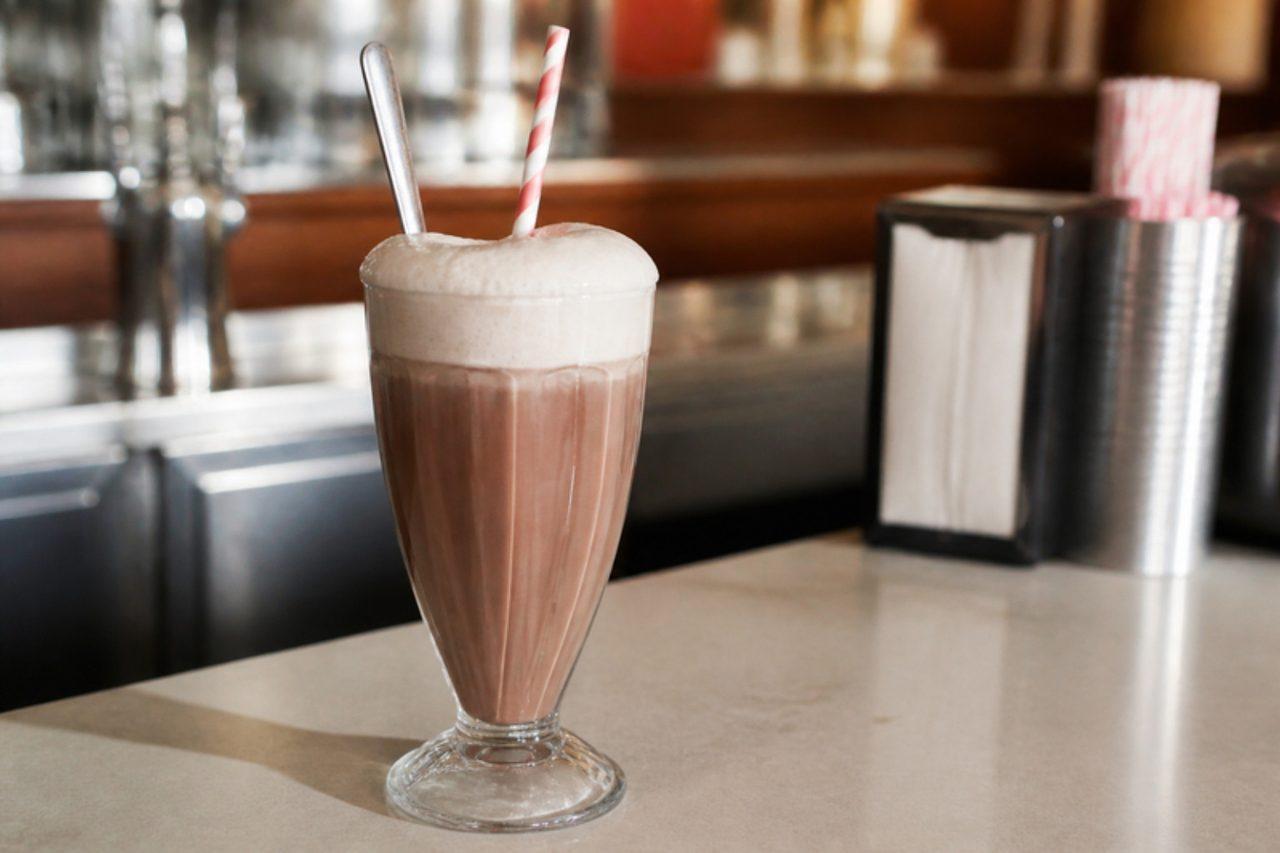
The egg cream contains neither egg nor cream: it is the old soda-fountain drink of Brooklyn and the Lower East Side, made of cold milk, chocolate syrup and a hard jet of seltzer that whips up a tall white foam. It was sold for pennies at candy stores and corner luncheonettes, and New Yorkers still argue about the right order to pour. Chef's tip: everything, glass included, must be ice-cold, or the foam collapses.

by KrazyBadal 0 views

GloriasPecan and goat milk caramels

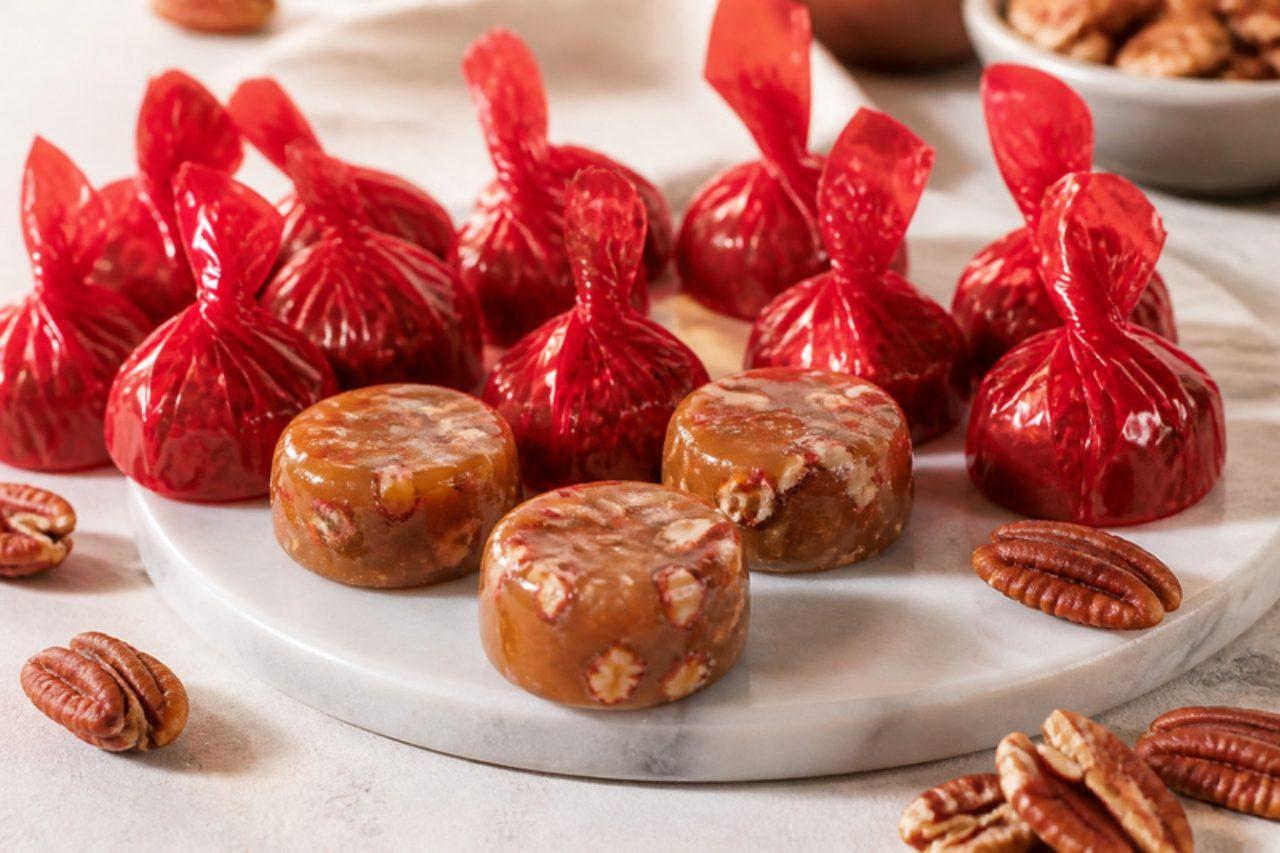
Linares, a small town in Nuevo León, is famous across Mexico for glorias: soft, chewy balls of goat's milk caramel packed with pecans, each wrapped in a twist of red cellophane. They are bought by the box at roadside sweet shops on the way to Monterrey and handed out at weddings and Christmas. Goat's milk gives them a gentle tang; a mix of goat's and cow's milk is milder. Chef's tip: the last ten minutes need constant stirring, as the caramel thickens and catches fast.

by KrazyBadal 0 views

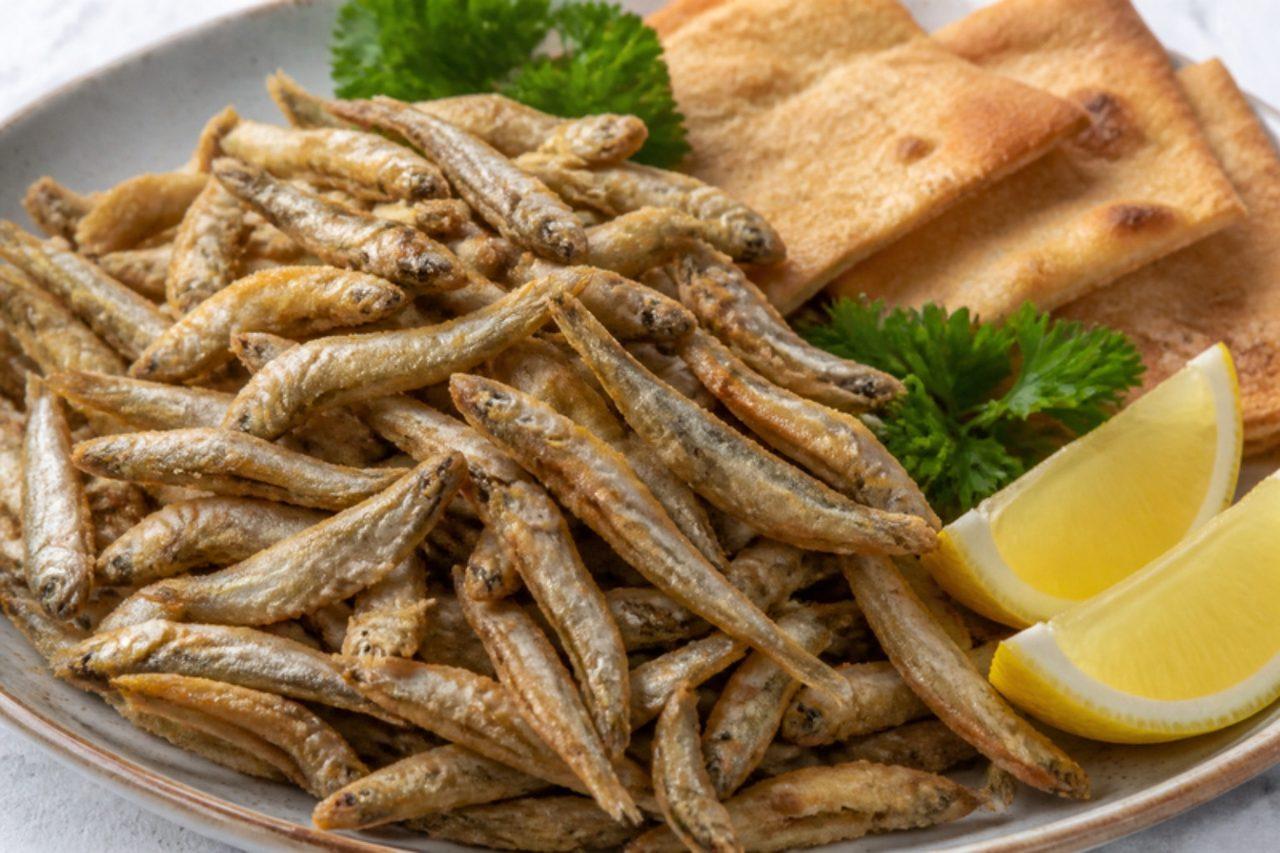
BizriFried whitebait

Fish restaurants on the harbours of Byblos, Batroun and Tyre bring bizri to the table within minutes of ordering: a heap of tiny whitebait, dusted in seasoned flour and fried so crisp you eat them whole, heads and all, with a squeeze of lemon. It is a mezze for sharing with fattoush, tahini sauce and fried pitta, usually while waiting for the bigger grilled fish. Buy the fish very fresh and keep it on ice until it goes into the pan. The common mistake is crowding the pan, which drops the oil temperature and leaves the fish greasy and soft. Chef's tip: toss the damp fish in flour in a sieve and shake off every bit of excess; a thin coating fries glassy-crisp.

by KrazyBadal 0 views

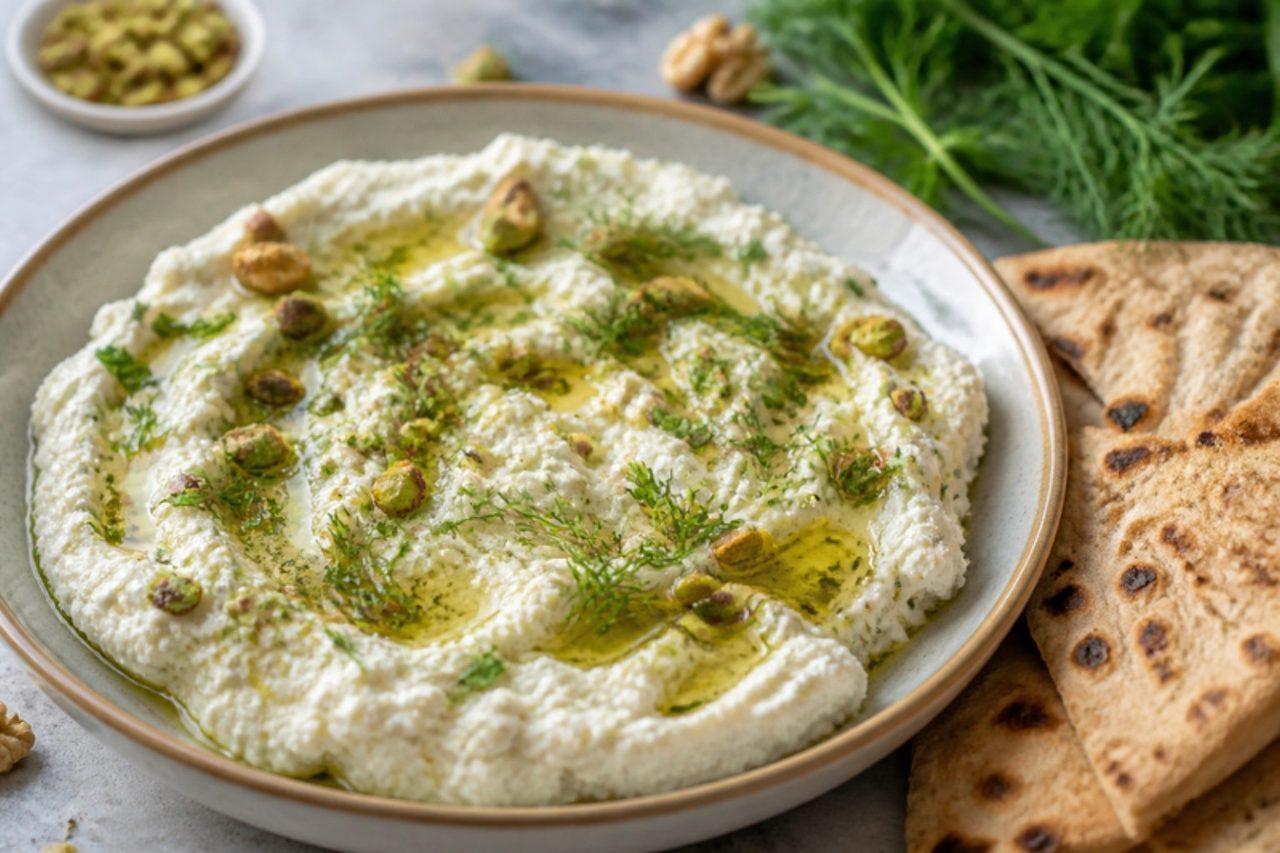
Girit ezmesiFeta, walnut and herb spread

Girit ezmesi takes its name from the Cretan Muslims who settled in Alaçatı and Çeşme a century ago, and it is still a fixture of every meze table in those whitewashed streets. Soft white cheese is mashed with olive oil, walnuts, garlic, plenty of herbs and a dusting of hot pepper into a rough, salty spread that begs for warm bread. Feta and beyaz peynir are often made with animal rennet, so choose a vegetarian one if you need to. Chef's tip: mash by hand with a fork rather than blending; it should stay textured, with visible pieces of walnut and herb.

by KrazyBadal 0 views

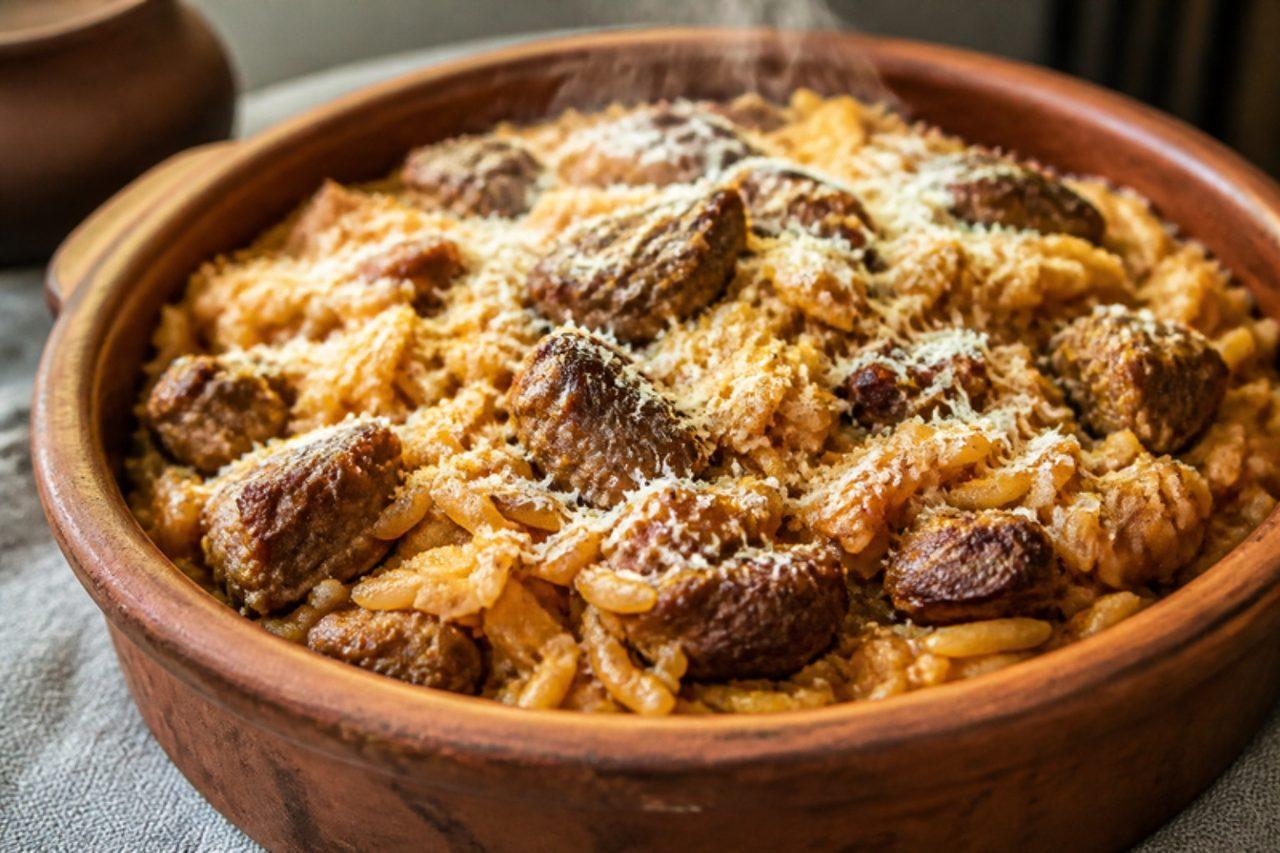
GiouvetsiBeef and orzo clay-pot bake

Giouvetsi takes its name from the glazed clay dish it is baked in, and in Greek homes it is the Sunday lunch that gets put in the oven before church: chunks of beef braised with tomato, cinnamon and allspice, then finished with kritharaki (orzo) that soaks up every drop of the sauce. It arrives at the table bubbling, with grated cheese melting on top. This version uses wine to deglaze, which is traditional; use extra stock for an alcohol-free dish. Common mistake: adding the orzo with too little liquid, so it bakes dry and sticks; it needs about four times its weight in hot stock. Chef's tip: stir the orzo halfway through baking so the top pieces don't harden.

170 minGreekMeat
by KrazyBadal 0 views

Bizcochos de achiraAchira starch cheese biscuits

Achira is a canna plant whose root gives a fine, silky starch, and in Huila and Tolima it becomes bizcochos: crunchy, cheesy little sticks and rings that dissolve on the tongue. They are sold in long plastic bags at roadside stands near Neiva, Altamira and the Magdalena valley, and they travel everywhere as a snack with coffee or a cold drink. Look for achira flour in Colombian shops; arrowroot powder is the nearest substitute, while tapioca starch gives a chewier result. The cheese is traditionally a dry, aged curd made with animal rennet, so pick a vegetarian hard cheese. The usual mistake is pulling them from the oven too early: they look done but go soft as they cool. Chef's tip: bake them right through until dry and only lightly coloured; they should snap cleanly once cold.

by KrazyBadal 0 views

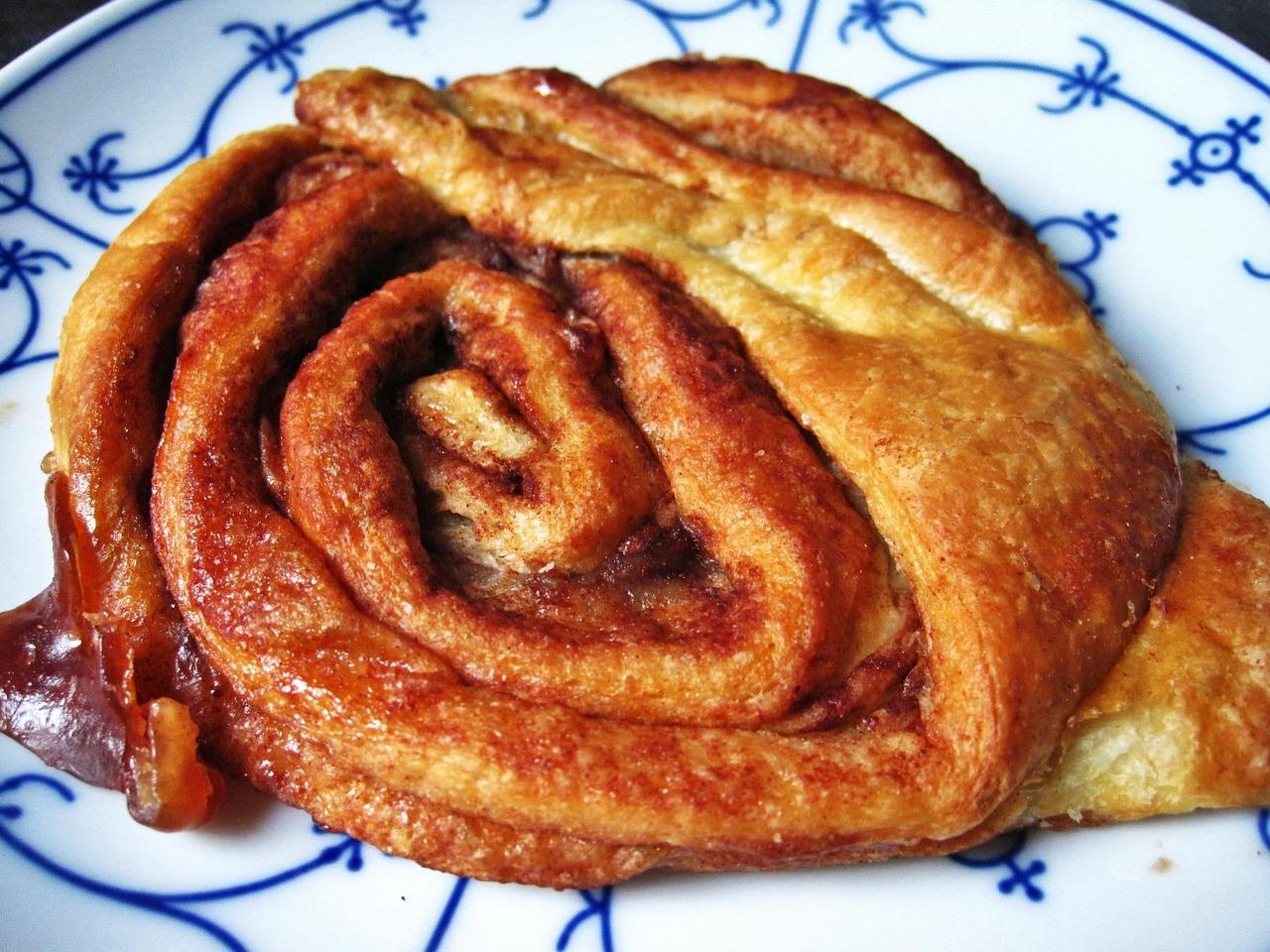
FranzbrötchenCinnamon butter pastries

No Hamburg bakery opens without a tray of Franzbrötchen: flaky, buttery yeast pastry rolled with cinnamon sugar, cut into pieces and pressed down hard in the middle with a wooden spoon handle so the spirals splay out into a squashed butterfly. The sugar caramelises underneath into a sticky, crunchy base. They are breakfast with coffee on the way to work and a Sunday treat at the harbour. The common mistake is letting the butter go soft while laminating: it oozes out and you get bread, not layers. Chef's tip: chill the dough between every fold, and press the shape down firmly before the final rise or it will spring back in the oven.

by KrazyBadal 0 views

Showing 72 of 7,762 recipes

Show more recipes

Page 412 of 863