


Skip to content
Mekelesha
Featured recipe

Mekelesha

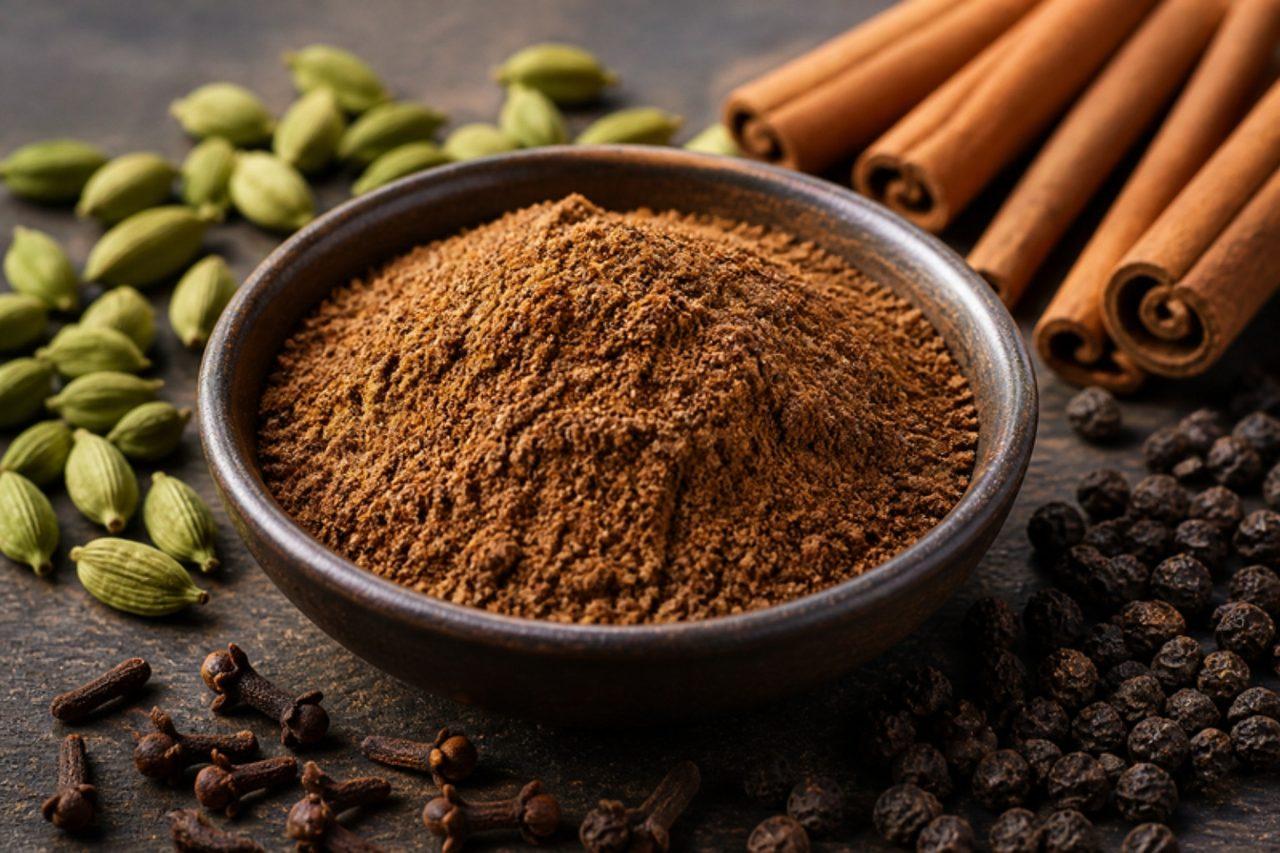
Berbere builds the heat and colour of a wat; mekelesha is what Ethiopian cooks add in the last few minutes to make it smell wonderful. It contains no chilli at all, only warm, aromatic spices: korerima (Ethiopian cardamom), cinnamon, cloves, black pepper and a little cumin and nutmeg, toasted and ground fine. A pinch goes into doro wat, key wat or misir wat just before serving, a little like garam masala in an Indian curry, and market spice sellers in Addis Ababa sell it in small twists of paper beside the berbere sacks. Korerima has a smoky, camphor-like note; if you cannot find it, mix green and black cardamom. The common mistake is adding it at the start of cooking, where long simmering dulls its perfume; stir it in at the end. Chef's tip: grind small batches and keep them in a dark jar, as the aroma fades after about two months.

Read more 0 views

What to eat today?

Around the world

Today's trip: Paraguayan

A new country every day, from every cuisine on the site.

This week's collection

Make-ahead meals
1963 recipes · a new collection every Monday

Latest recipes

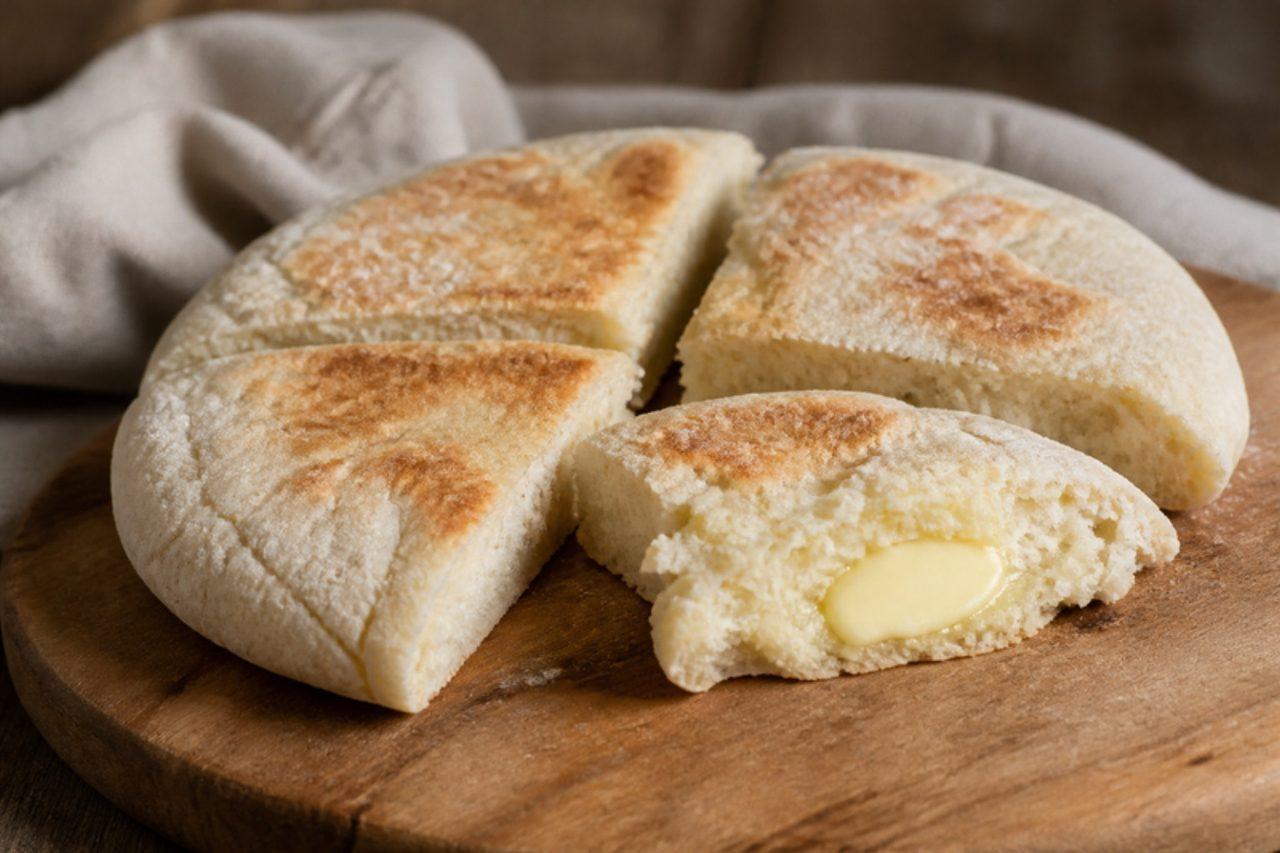
Soda farls

Soda farls are the griddle bread of Northern Ireland, cooked on a flat pan rather than baked, and split and fried in the Ulster fry or eaten warm with butter and jam. Plain flour, bicarbonate of soda and buttermilk make a quick, light dough that is shaped into a round and cut into four farls. Chef's tip: get the griddle hot before the dough is mixed; the soda starts working as soon as the buttermilk goes in.

by KrazyBadal 0 views

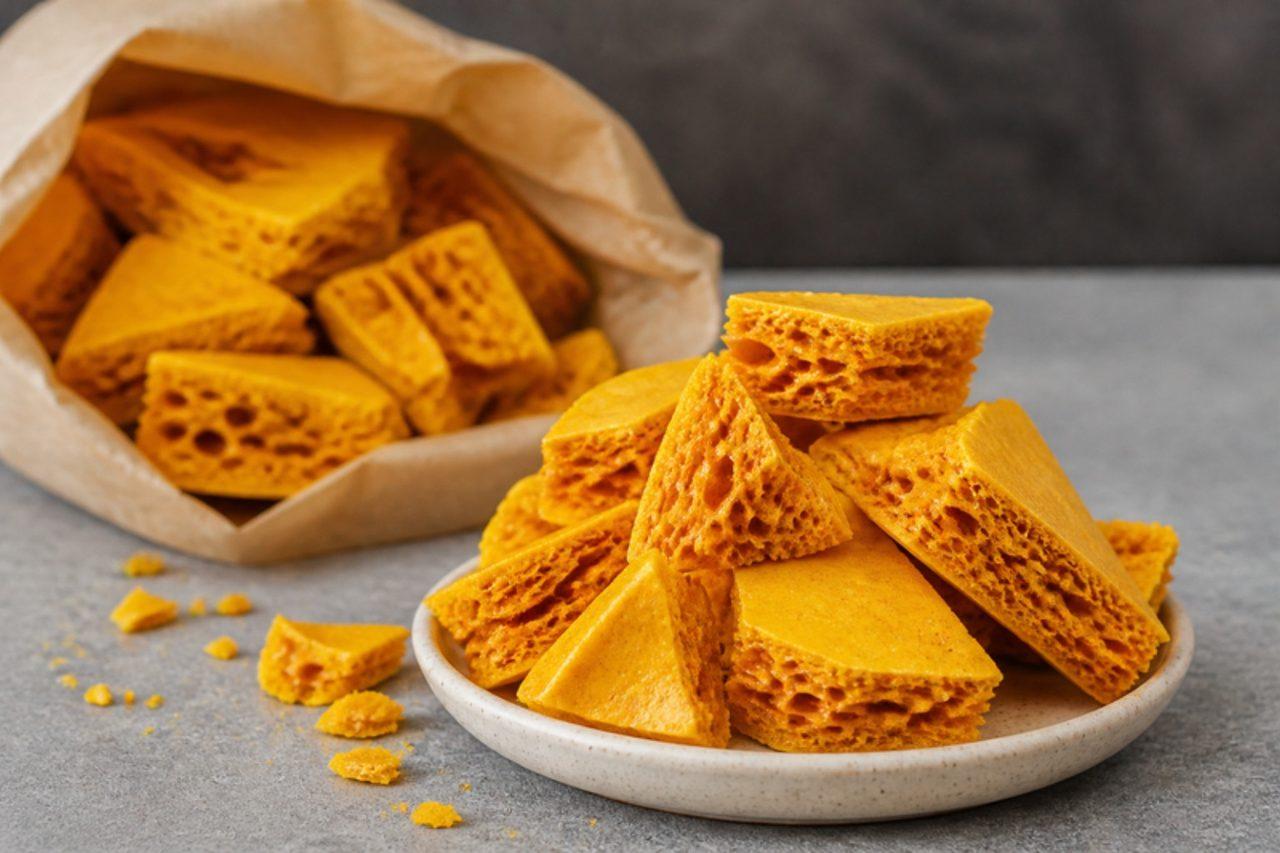
Ballycastle yellowman

Yellowman is the bright yellow, brittle honeycomb toffee hacked from great slabs at the Ould Lammas Fair in Ballycastle, County Antrim, at the end of every August, often eaten with dulse. Golden syrup, sugar and butter are boiled to the hard-crack stage and then foamed with bicarbonate of soda into a crunchy, airy toffee. Chef's tip: have the tin and the soda ready before you start; once it reaches temperature you have seconds.

by KrazyBadal 0 views

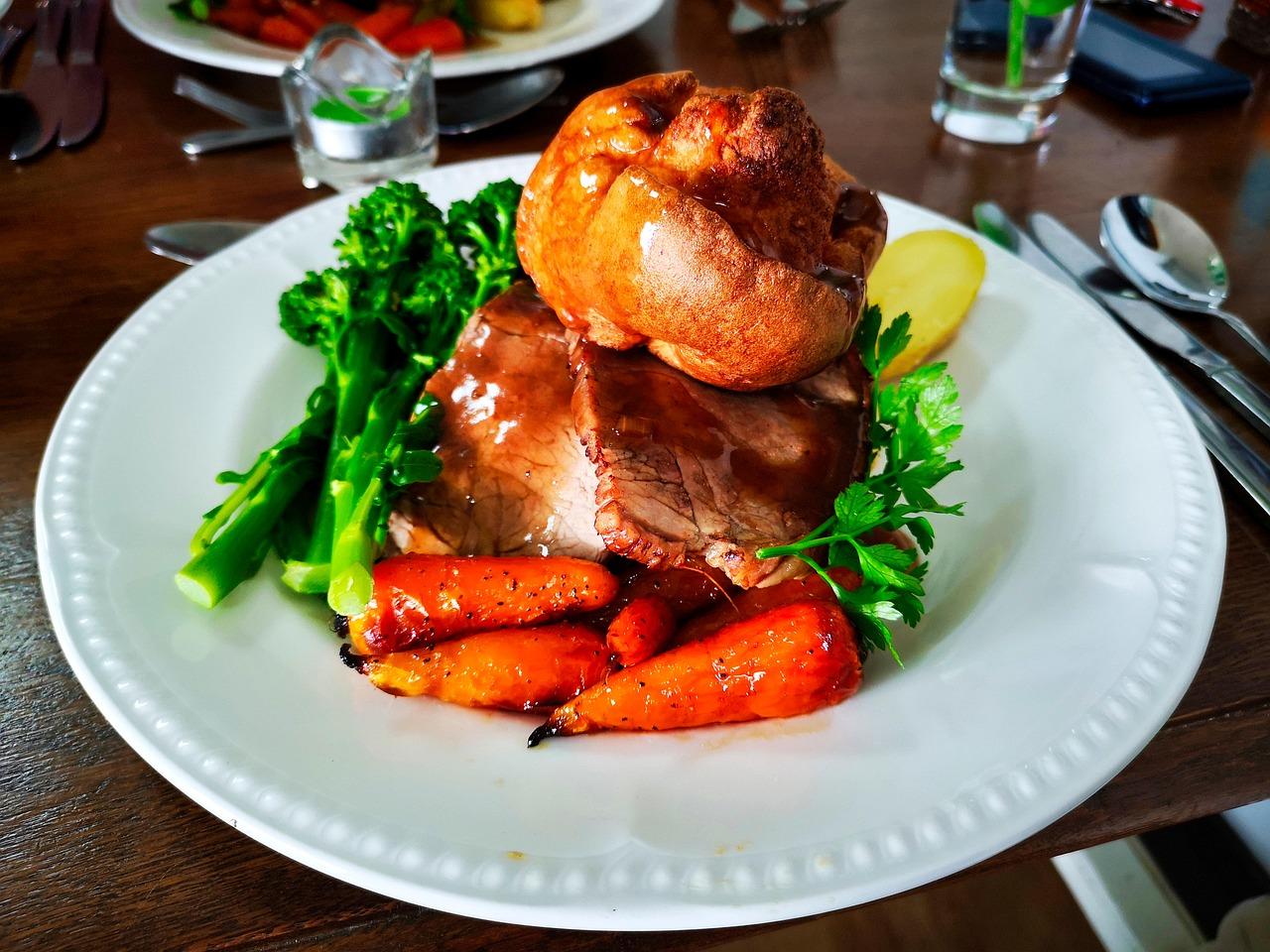
Roast beef and gravy

Roast beef is the heart of the English Sunday lunch, and in Yorkshire it comes with puddings, roast potatoes and a jug of gravy made from the pan juices. A beef joint is seared in a hot oven, then roasted more gently and rested so it slices juicy and pink, with crisp, well-seasoned edges. Serve with Yorkshire puddings, horseradish and greens. Chef's tip: rest the meat for at least 20 minutes under foil; carved straight away, its juices run all over the board.

110 minBritishMeat
by KrazyBadal 0 views

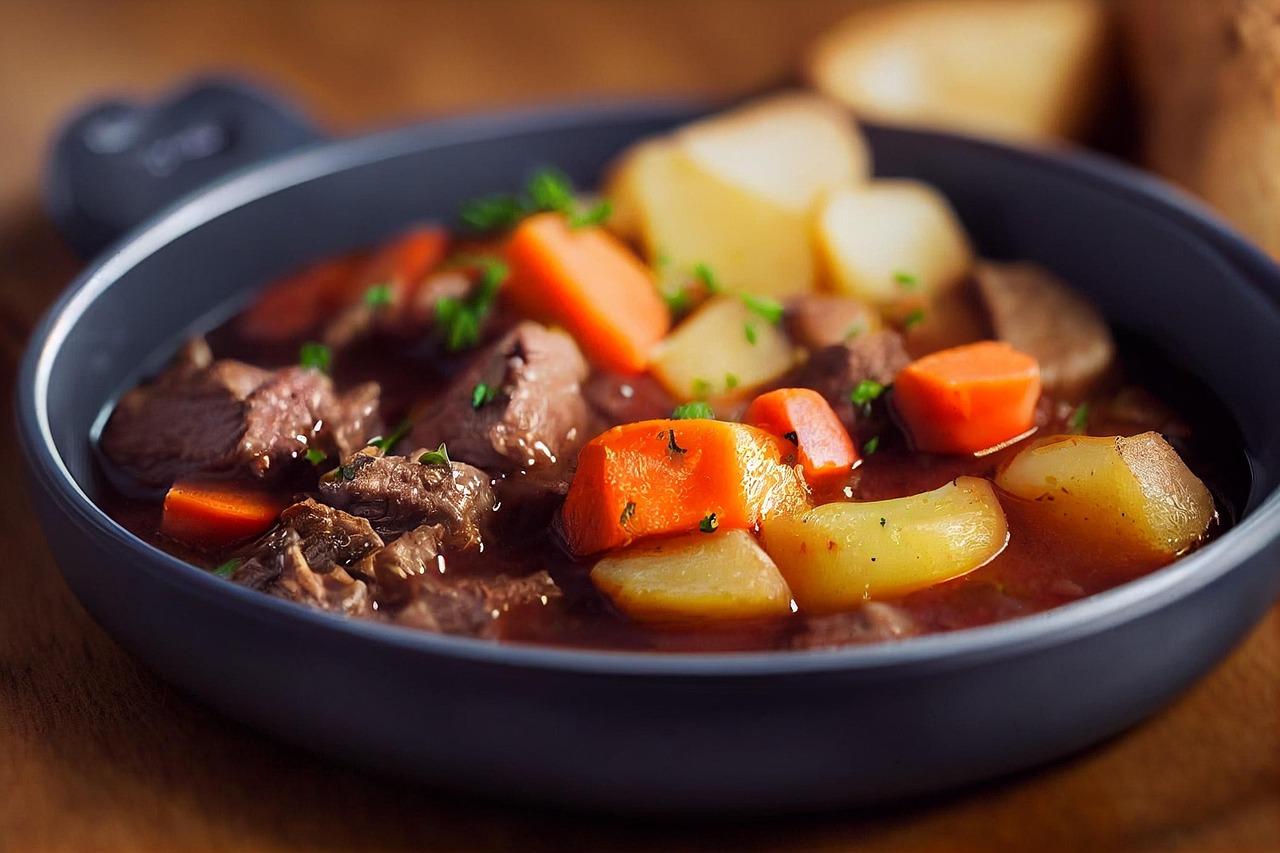
Liverpool scouse

Scouse is so central to Liverpool that its people are named after it; the thick stew of meat, potatoes and onions was carried from the Baltic by sailors and cooked for dockers' families, and city restaurants still celebrate Global Scouse Day each February. Some of the potatoes cook down into the gravy, making it thick and hearty. Serve it with pickled red cabbage or beetroot and crusty bread. Chef's tip: cut half the potatoes small so they collapse and thicken the stew, and leave the rest in chunks.

170 minBritishMeat
by KrazyBadal 0 views

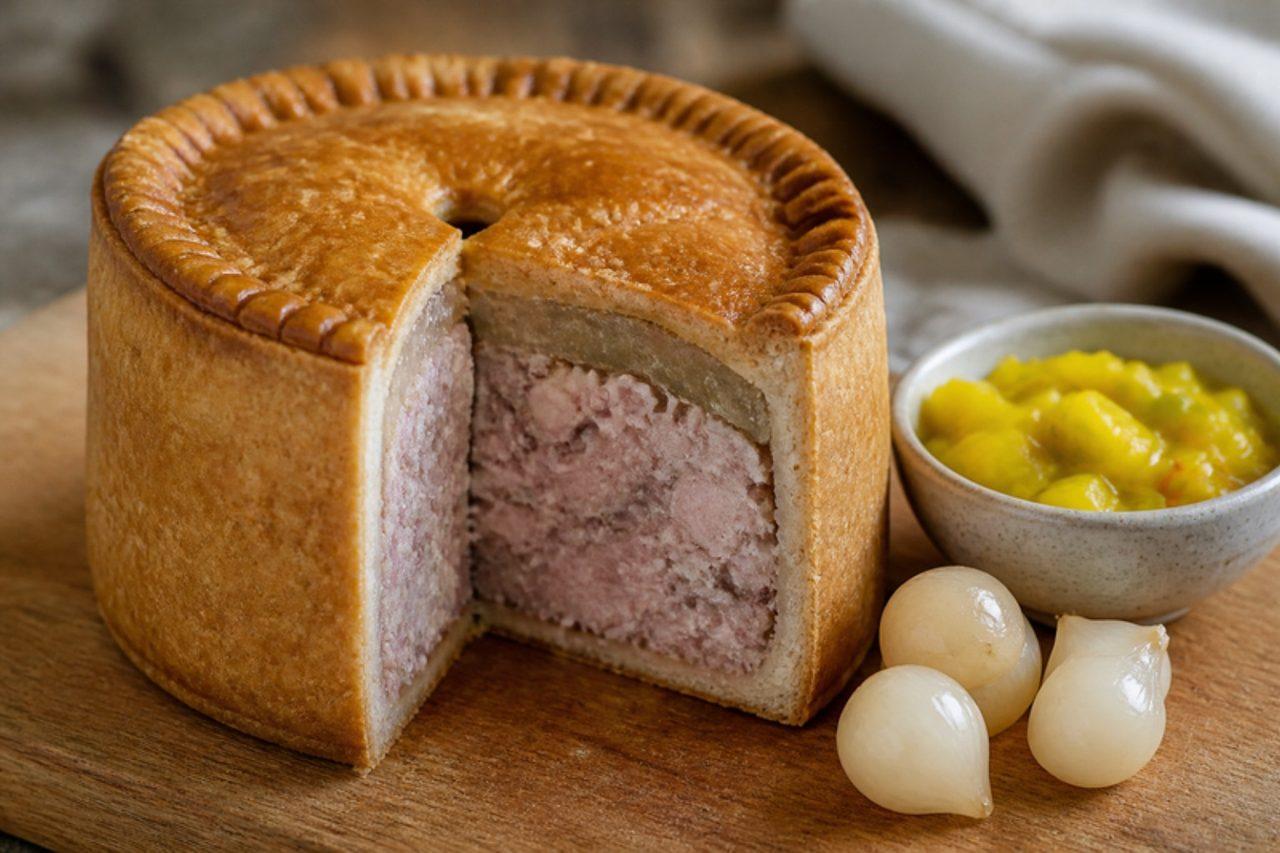
Raised pork pie

This is a raised pork pie in the style of Melton Mowbray in Leicestershire, the hunting town whose pies were carried in saddle bags; only pies made in the area may use the town's name, so this is our home version. Chopped, uncured pork shoulder and belly, peppered and spiced with mace, is packed into a crisp hot water crust made with lard, baked with bowed sides, then filled with a savoury jelly. Eat it cold with English mustard and pickle at picnics or on Boxing Day. Chef's tip: work the pastry while it is still warm; as it cools it cracks.

180 minBritishMeat
by KrazyBadal 0 views

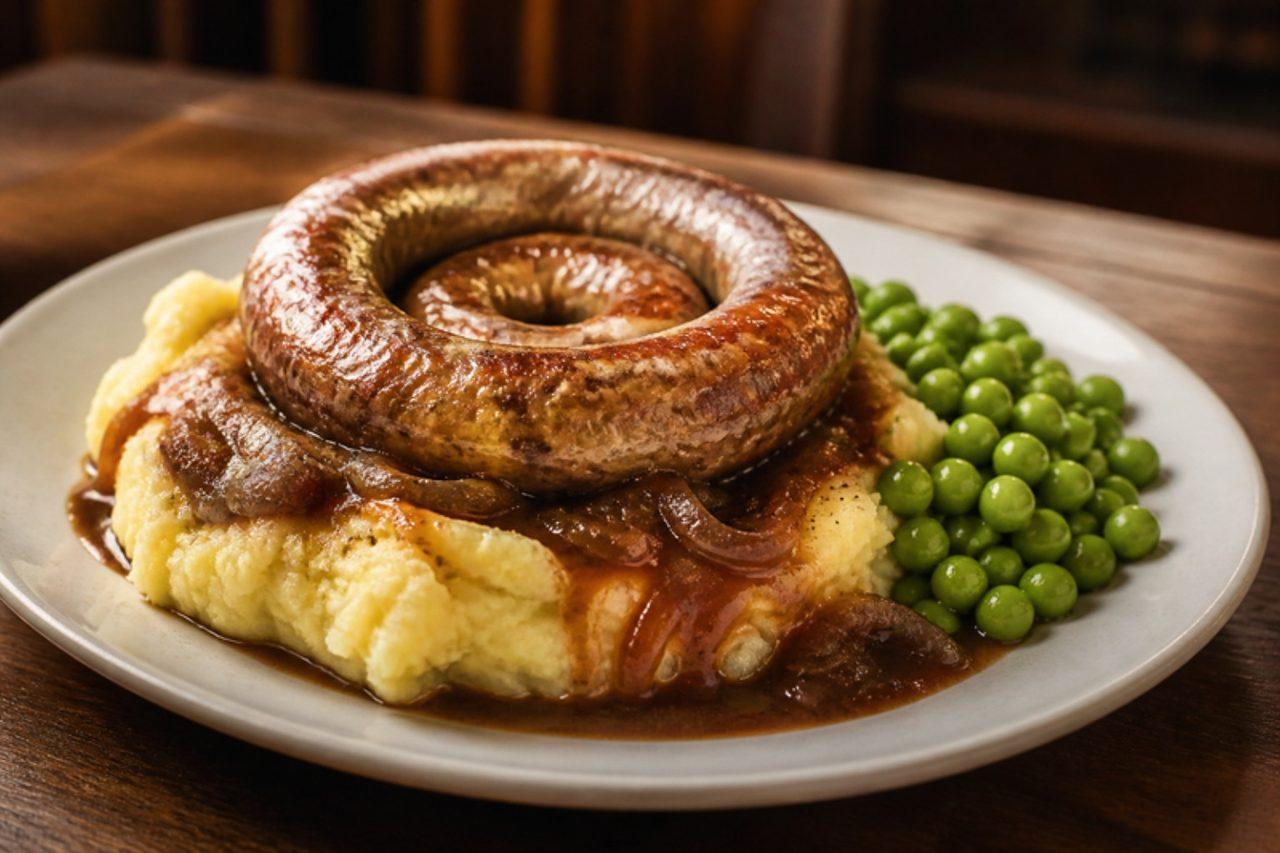
Cumberland sausage and mash

The Cumberland sausage is a long, unlinked coil of coarse, peppery pork sausage from the old county of Cumberland in the Lake District, cooked whole and cut at the table. With buttery mash and a slow onion gravy it's the pub and family supper of the North West. Chef's tip: cook the coil gently in the oven, held flat with skewers, so it doesn't split and stays juicy.

by KrazyBadal 0 views

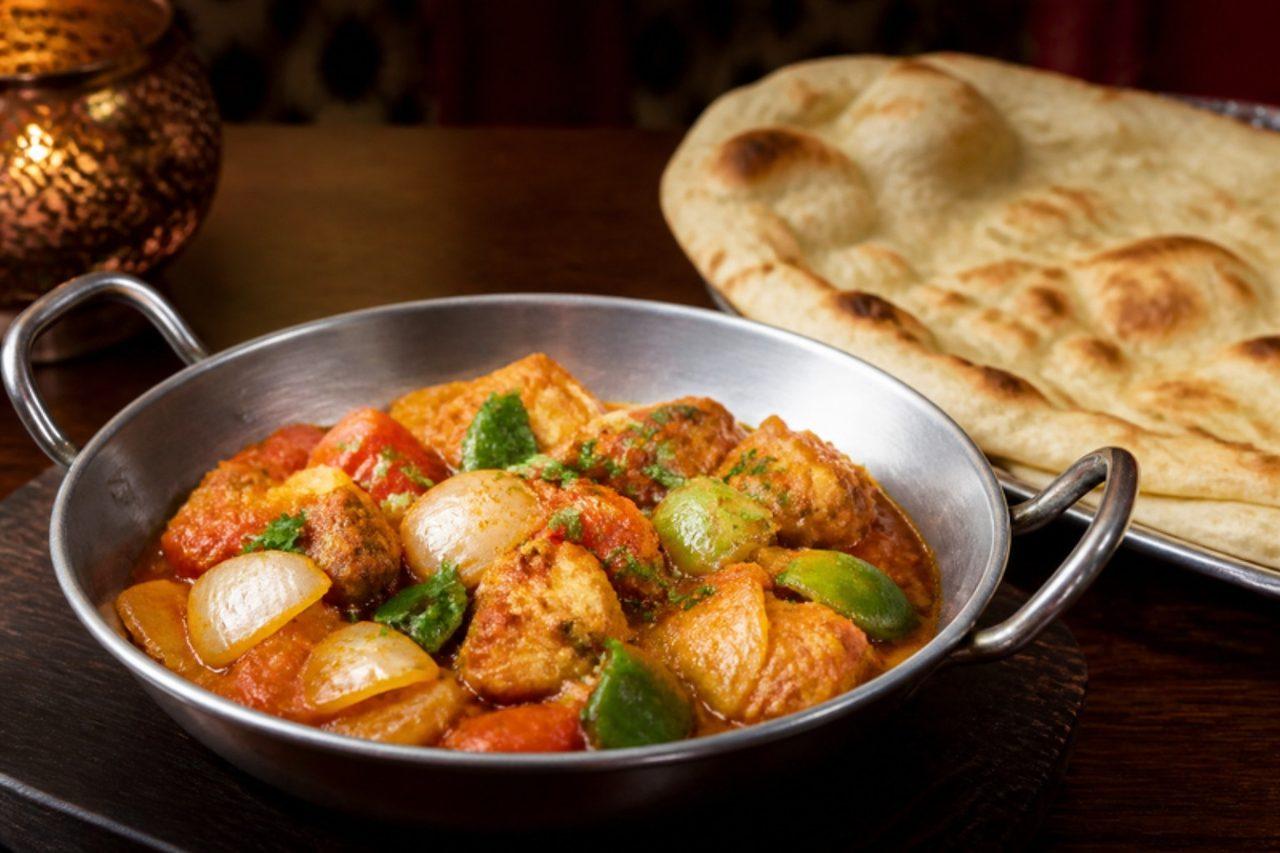
Birmingham chicken balti

The balti was born in the 1970s in the Pakistani and Kashmiri restaurants of Sparkbrook and Balsall Heath in Birmingham, an area still called the Balti Triangle. It is cooked fast in a thin steel bowl over fierce heat, so the sauce is reduced and the peppers keep some bite, and it is served sizzling in the same bowl and scooped up with a huge naan. Chef's tip: make the base sauce first and keep the final cook hot and quick; slow simmering turns it into a stew.

by KrazyBadal 0 views

Morecambe Bay potted shrimps

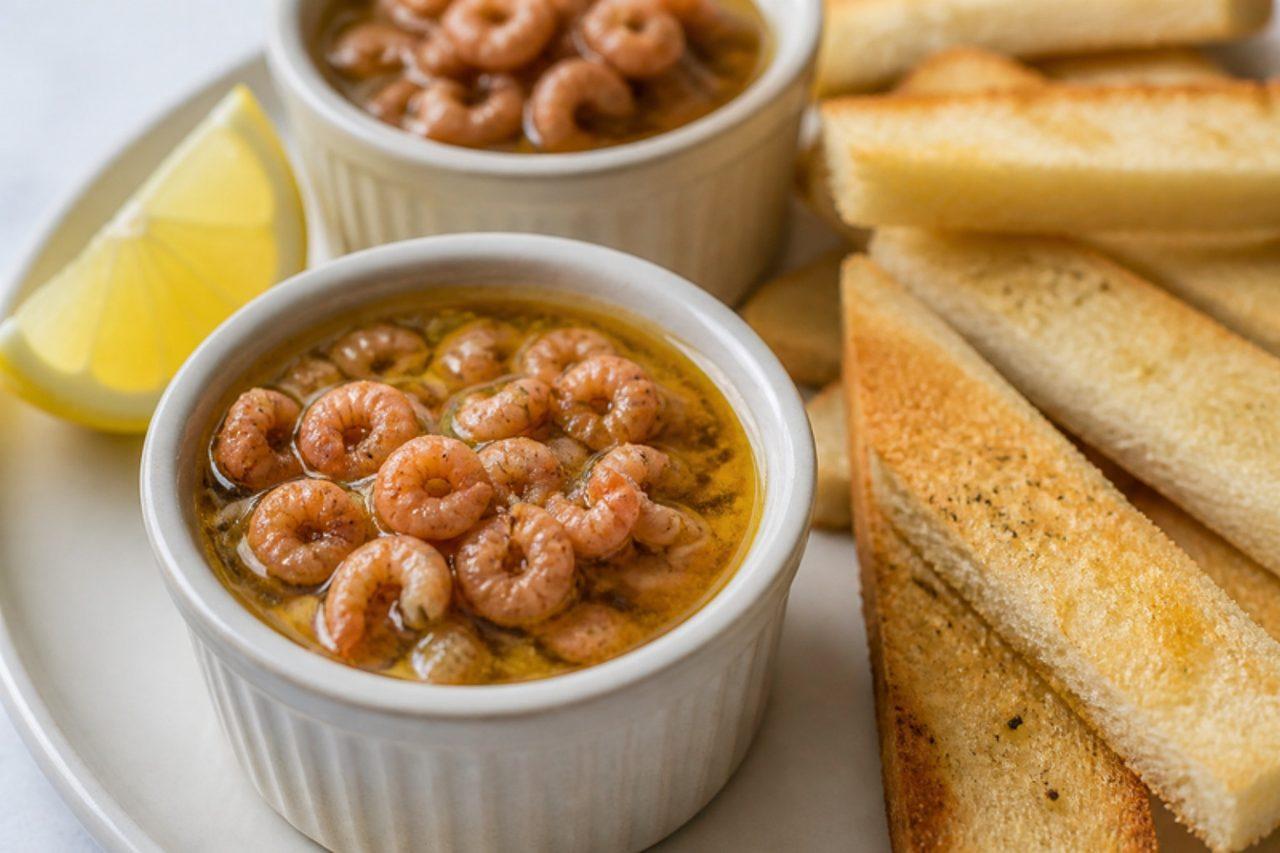
On the wide sands of Morecambe Bay in Lancashire, tiny brown shrimps have been caught by tractor and horse-drawn nets for centuries, boiled on the boats and picked by hand. Potted in butter flavoured with mace, nutmeg and cayenne, they are a classic English starter, served with hot toast so the butter melts. Buy shrimps ready cooked and peeled. Chef's tip: warm the shrimps in the butter only briefly; boiling them makes them tough and rubbery.

by KrazyBadal 0 views

Grilled kippers

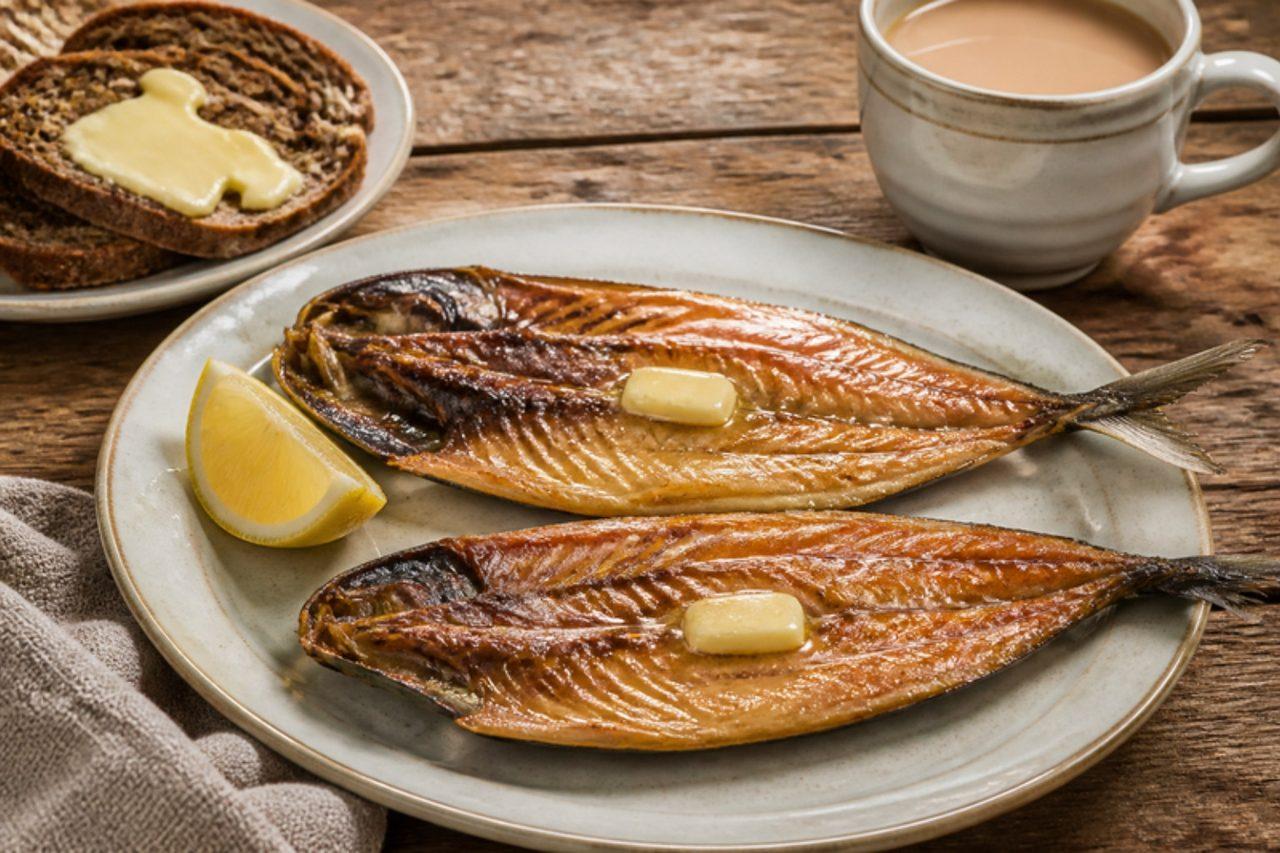
In the tiny harbour village of Craster on the Northumberland coast, herring have been split and oak-smoked in the same smokehouse for over a century, and kippers are the classic English breakfast fish in seaside hotels and on dining cars. A kipper is cold-smoked but not cooked, so it must be heated through; grilled with butter it turns rich, salty and smoky. Serve with brown bread and butter, a poached egg or a squeeze of lemon. Chef's tip: grill them skin-side up first so the skin crisps and the flesh stays juicy.

by KrazyBadal 0 views

Showing 9 of 7,762 recipes

Show more recipes

Page 406 of 863