


Skip to content
Mazondo
Featured recipe

Mazondo

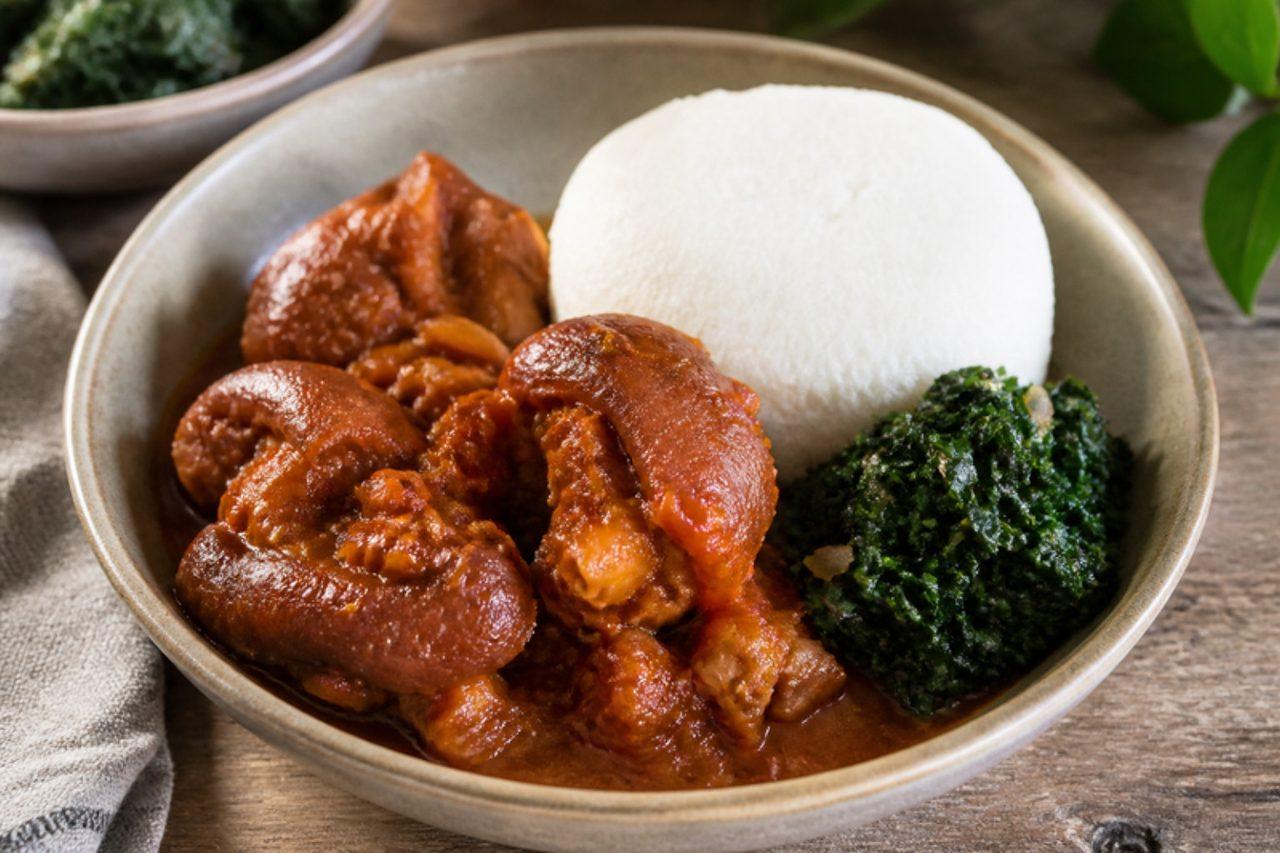
Braised cow trotters

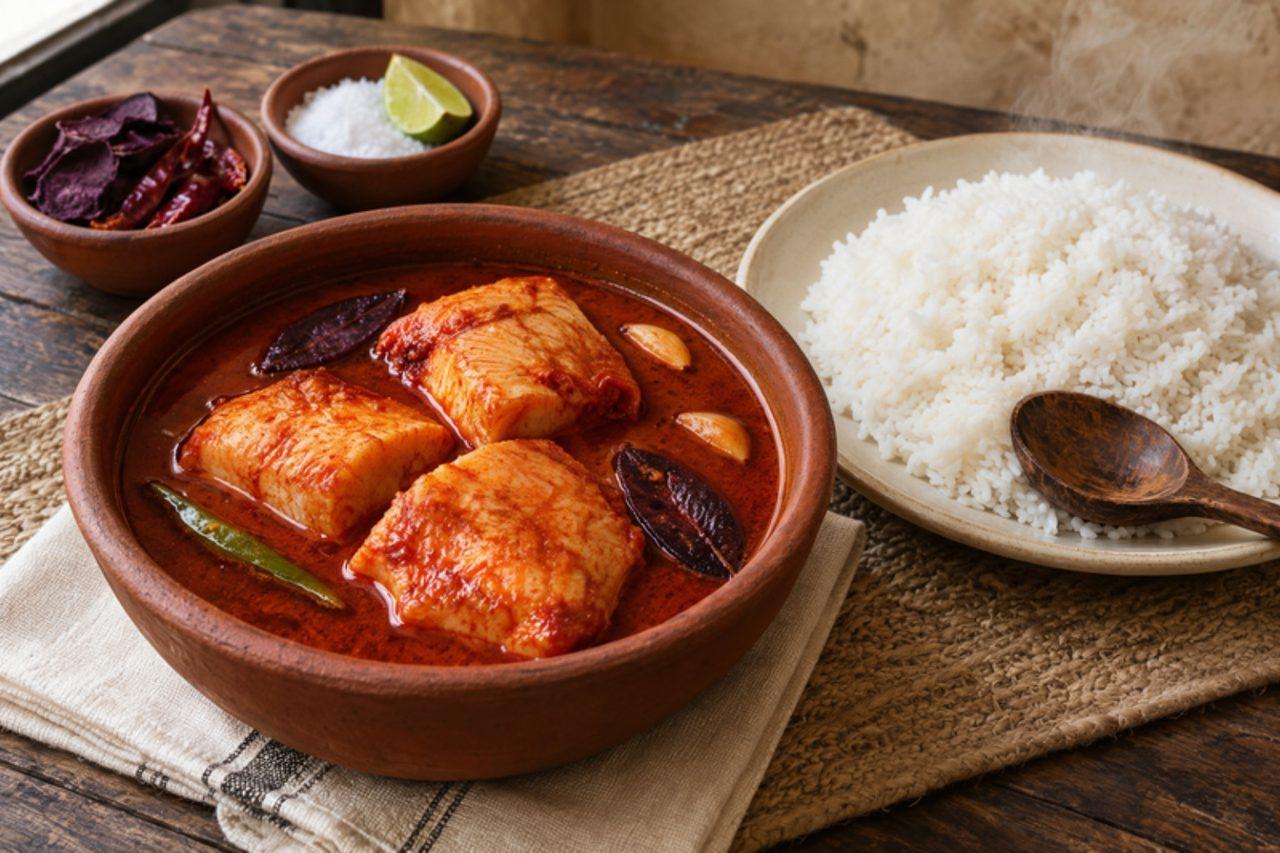
Mazondo is beer-hall and roadside-braai food in Chitungwiza and Harare's high-density suburbs, and a Saturday treat in homes where someone has the patience to tend the pot. Cow trotters are simmered for hours until the skin and tendons melt into a sticky, gelatinous gravy that coats the lips, then finished with onion, tomato and a little curry powder. It is rich and deeply savoury, eaten with the fingers and a mound of sadza to soak up the sauce. Buy the trotters already cleaned and cut by a butcher; the common mistake is rushing the simmer, which leaves them rubbery and tough instead of falling off the bone. Chef's tip: a pressure cooker cuts the simmer to about an hour, but finish with the lid off so the gravy reduces and turns glossy.

Read more 0 views

What to eat today?

Around the world

Today's trip: Paraguayan

A new country every day, from every cuisine on the site.

Paraguayan

Chipa

Cheese bread rings 50 minMore from Paraguayan (27) →

This week's collection

Kid-friendly dinners
537 recipes · a new collection every Monday

Latest recipes

CaranguejadaBoiled crabs in spiced coconut broth

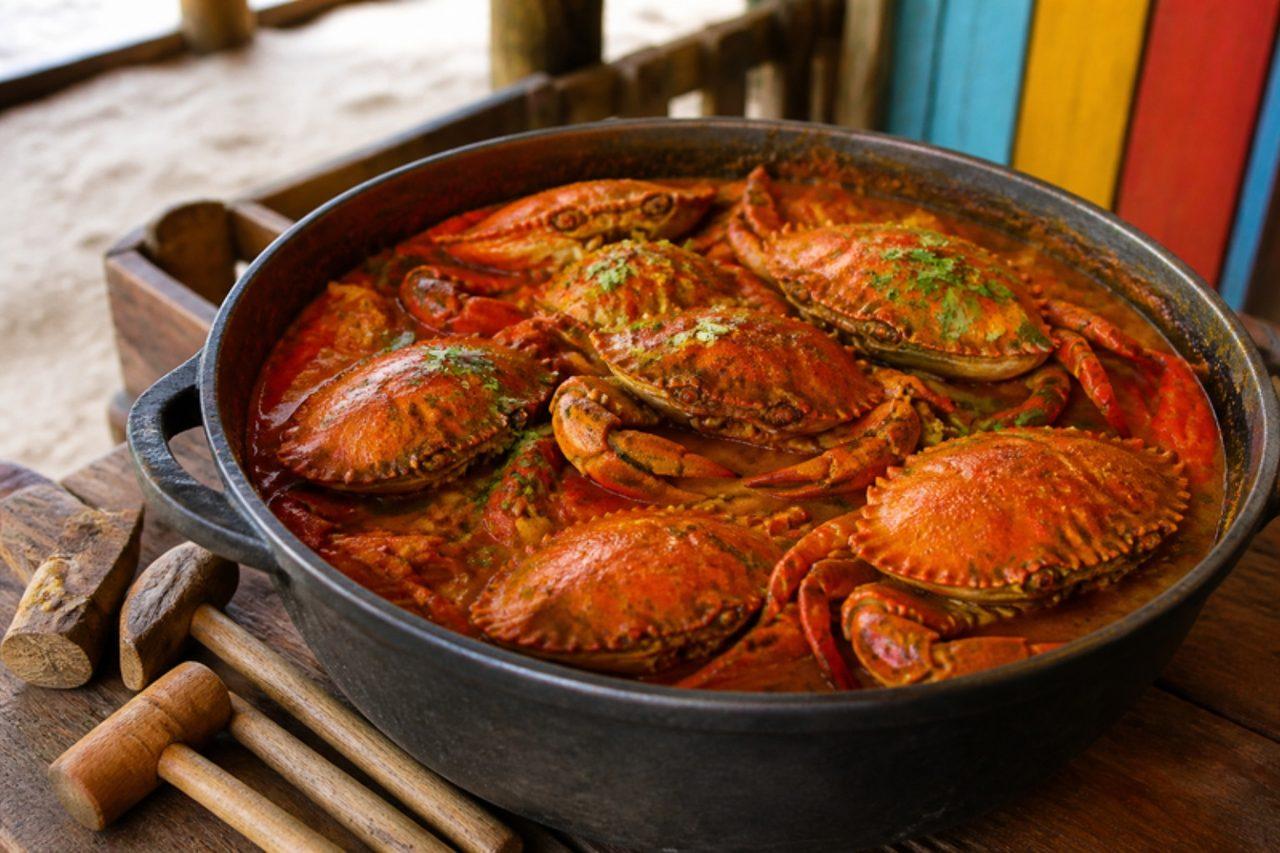
Thursday night is crab night in Fortaleza: the beach shacks along Praia do Futuro fill up for the quinta do caranguejo, and tables are covered in whole crabs, wooden mallets and bowls of broth. The crabs are boiled in a spiced broth of tomato, onion, peppers, coconut milk and plenty of coriander, then cracked open by hand, the sweet meat dipped back into the broth and eaten with pirão and lime. Mangrove crabs are used in Ceará; blue crabs or brown crabs work well elsewhere. Crabs must be alive and lively when you buy them, or bought frozen raw or ready-cooked from a fishmonger; never cook a raw crab that has died. The big mistake is under-salting the broth, which leaves the meat bland; it should taste like well-seasoned soup. Chef's tip: chill live crabs in the freezer for about an hour before cooking so they are completely still and insensible, then scrub them well.

by KrazyBadal 0 views

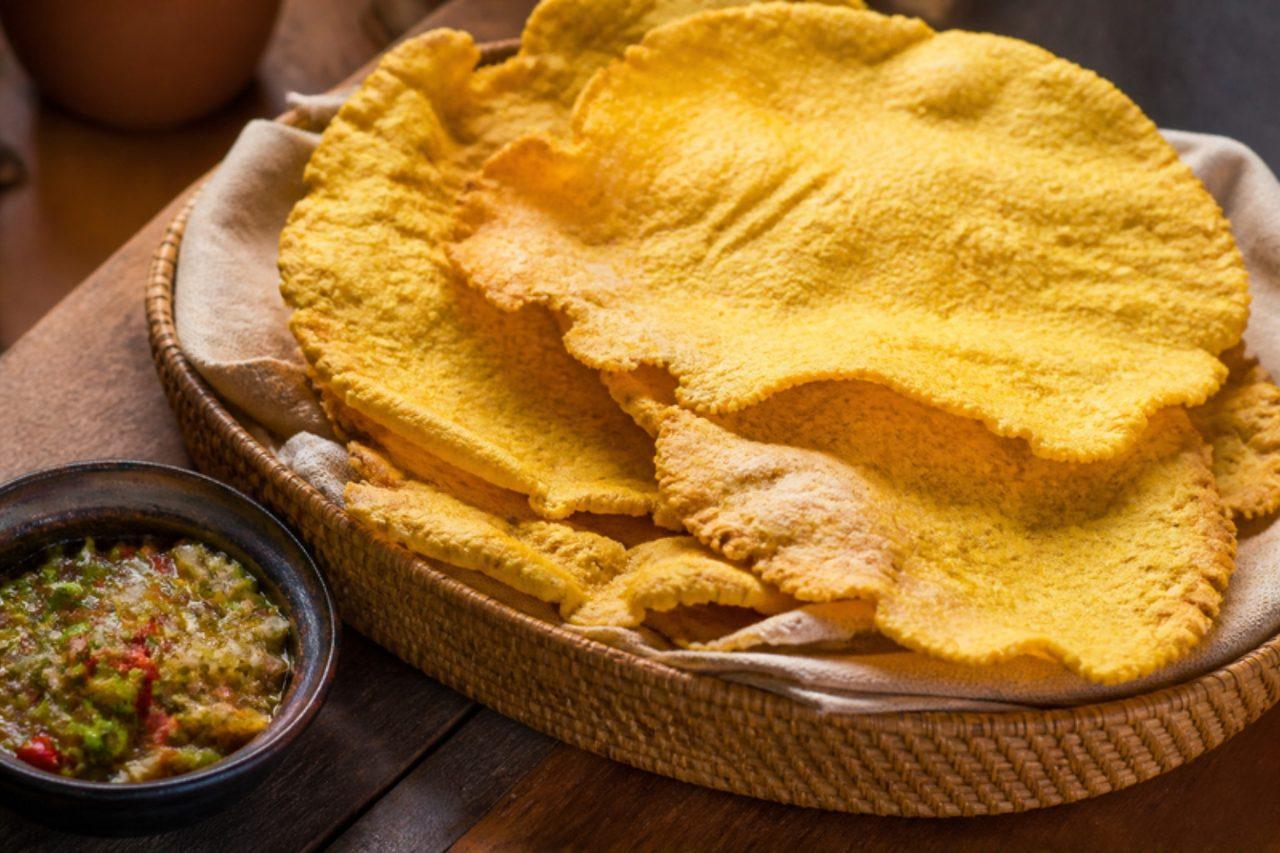
CarantantasCrisp fried corn crusts

Carantantas started as a thrifty by-product: the thin layer of corn dough that stuck to the bottom of the big pans in Popayán's masa kitchens, scraped off, dried and sold as golden shards. Today they are a cheap, crunchy snack sold in bags at Cauca markets, eaten with ají or broken into a sopa de carantantas. At home you can make them by spreading a thin layer of corn dough on a hot, dry pan, letting it toast into a crust, then frying or crisping the pieces. They taste of toasted corn, nutty and lightly salty, a little like the crunchy bits of a tortilla. Spreading the dough too thickly is where it goes wrong, giving leathery, chewy pieces instead of crisp ones; aim for a layer no thicker than a coin. Chef's tip: a non-stick or well-seasoned cast-iron pan lets the crust lift in large sheets; wait until the edges curl before scraping.

by KrazyBadal 0 views

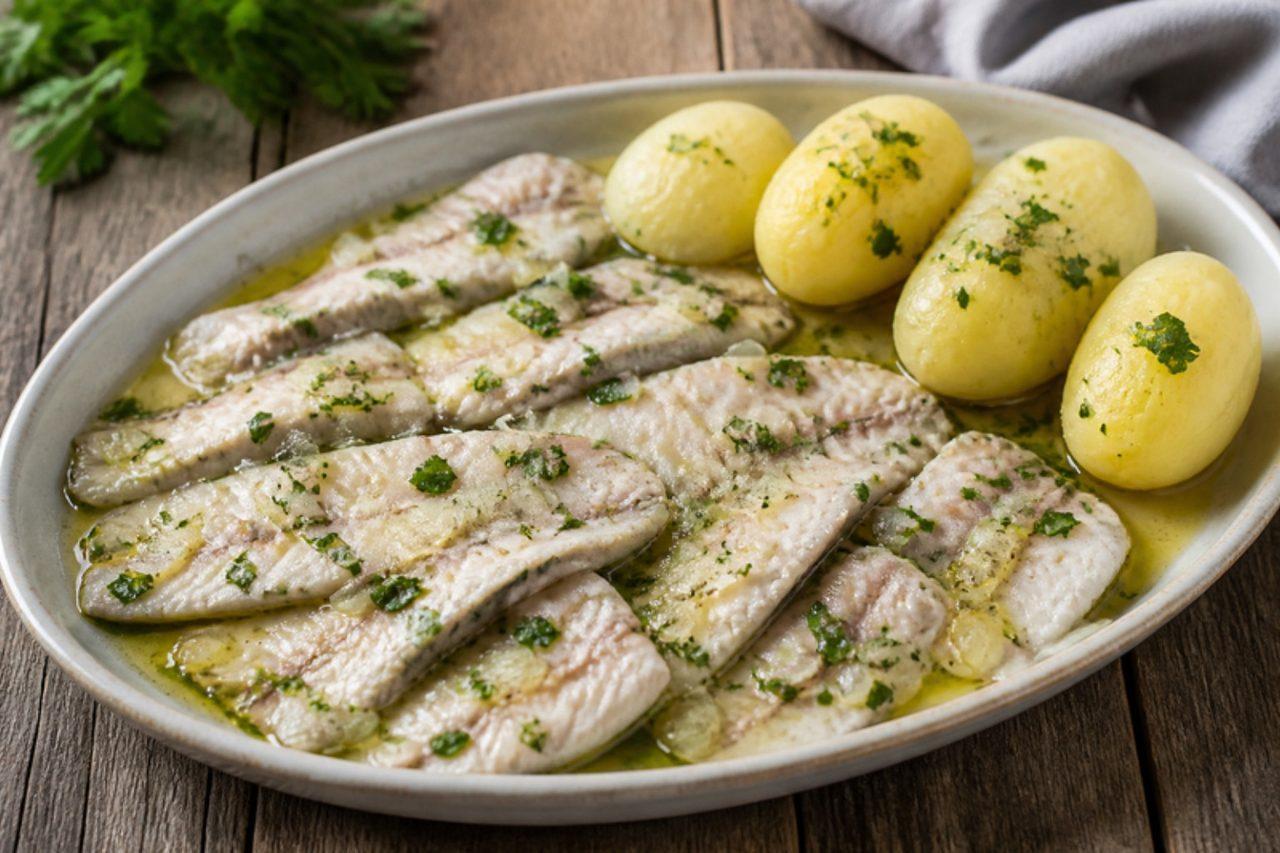
Carapaus alimadosPoached mackerel in garlic dressing

In Portimão and Olhão, when the boats came in loaded with small carapaus, cooks poached them, peeled away skin and bones, and soaked the fillets in olive oil, vinegar, garlic and onion. The dish is served cold, on summer days, with boiled potatoes or just bread, and it tastes better the day after. Mackerel or large sardines work if you can't find horse mackerel. Chef's tip: poach the fish gently, at a shiver rather than a boil, so the fillets stay whole when you lift them off the bone.

by KrazyBadal 0 views

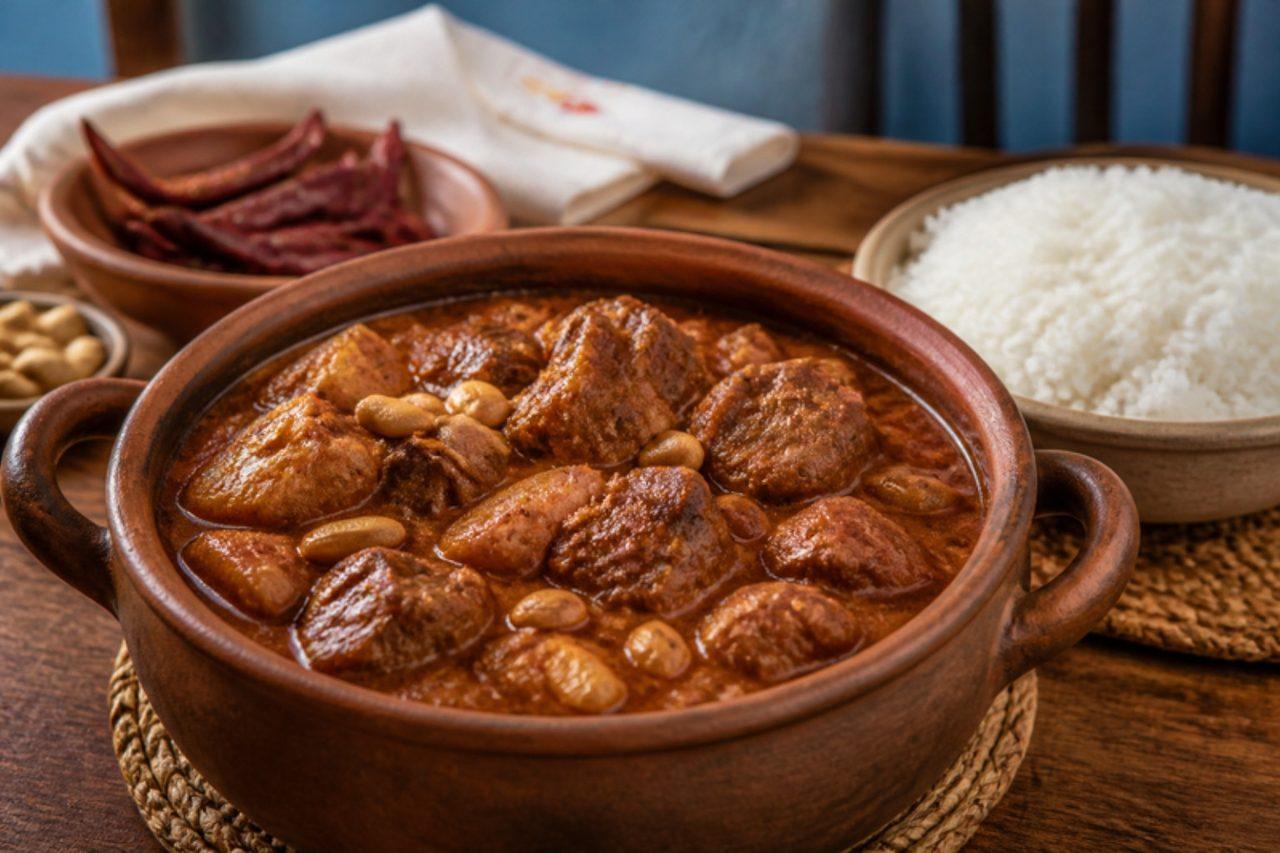
CarapulcraDried potato and pork stew

Older than Peru itself, carapulcra comes from the Afro-Peruvian kitchens of Chincha, south of Lima, where it is cooked in big pots for saints' days and family lunches and served next to a mound of sopa seca, a pairing locals call the 'matrimonio'. Pieces of papa seca, potato that has been boiled, sun-dried and broken into nuggets, are toasted and simmered with pork shoulder in a brick-red sauce of ají panca, garlic, cumin and ground peanuts, until the potato swells into chewy, savoury lumps and the sauce turns thick and nutty. Most people skip toasting the papa seca, and the stew tastes flat; the dry pan is where the flavour comes from. Chef's tip: stir often in the last half hour and add hot stock a ladle at a time; papa seca drinks liquid and catches on the base without warning.

by KrazyBadal 0 views

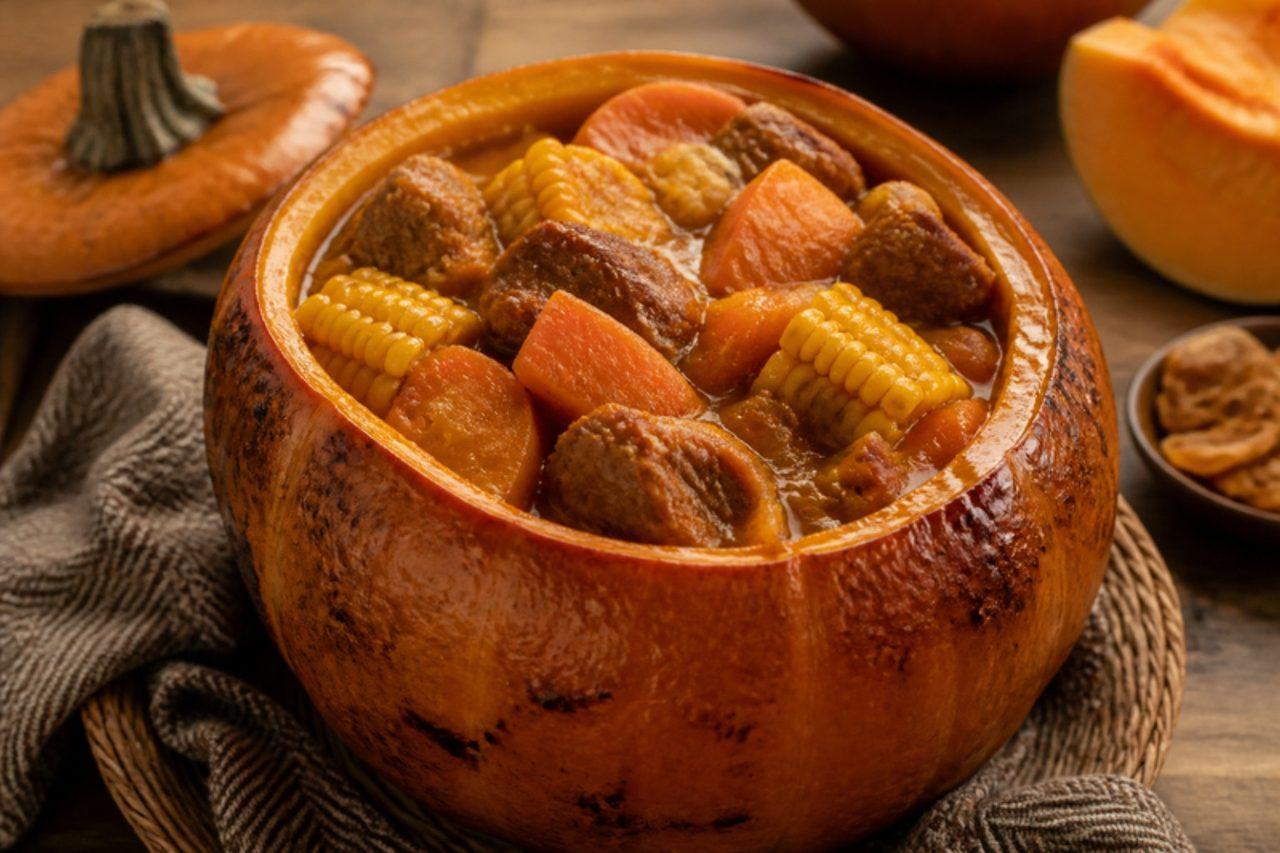
Carbonada en zapalloBeef stew in a pumpkin

Of all the dishes served for the 25 May and 9 July national holidays, carbonada criolla is the most theatrical when it arrives inside a whole roasted pumpkin, the lid lifted at the table to let out a cloud of steam. The stew comes from the Spanish-colonial interior and is beloved across Buenos Aires Province: cubes of beef braised with onion, tomato and pepper, then joined by corn, sweet potato, squash and dried peaches (or pears) that melt into a sweet-savoury sauce. Pieces of the pumpkin wall are scooped out with each serving. Beef stew cubes are cooked until tender, well past any pinkness. Overcooking the pumpkin is the common trap: it collapses when you pour in the stew, so roast it only until a knife meets slight resistance. Chef's tip: soak the dried peaches in a little hot water and add both the fruit and the soaking liquid; it gives the sauce its rounded sweetness without extra sugar.

by KrazyBadal 0 views

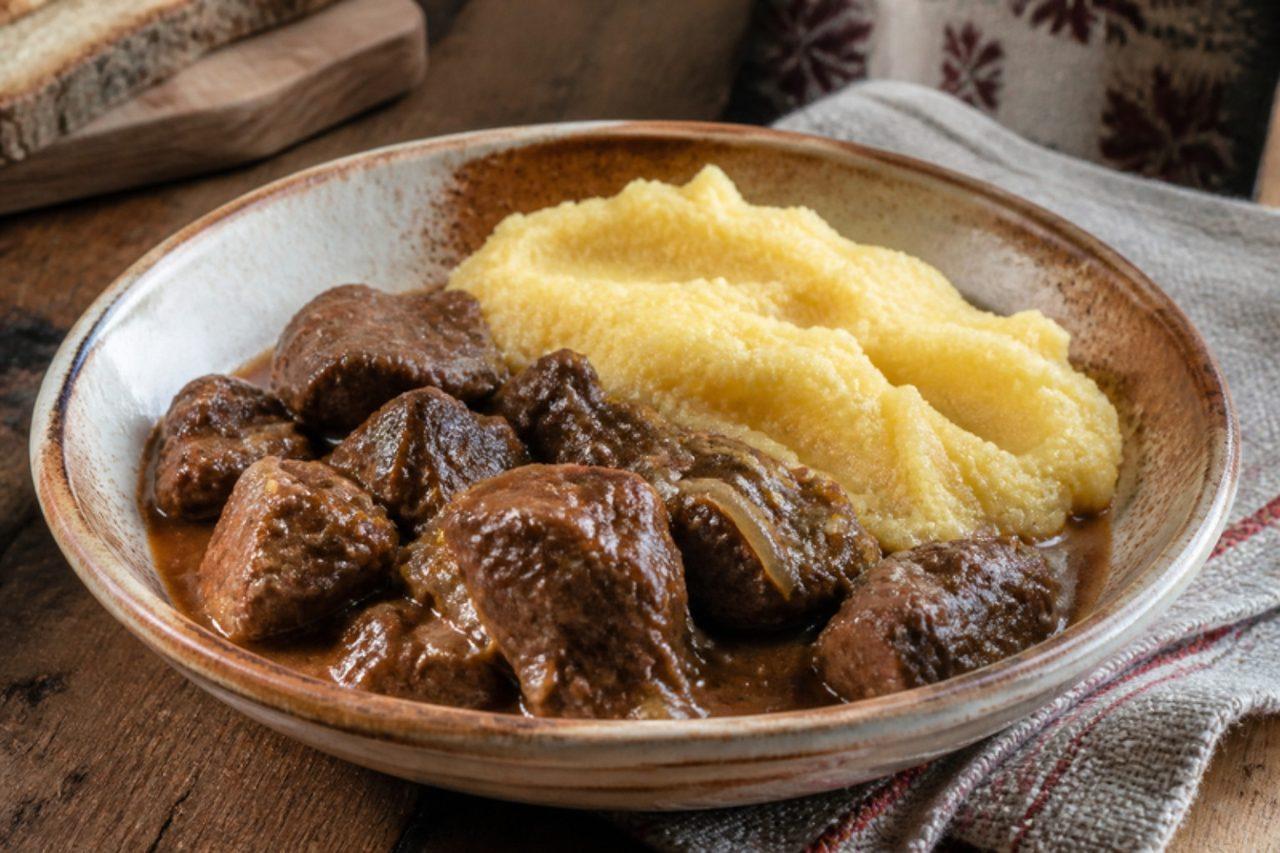
Carbonade valdostanaBeef stewed in red wine

High in the Alps of the Aosta Valley, carbonade was once made from beef preserved in salt over the winter; today mountain restaurants make it with fresh stewing beef and serve it in winter to skiers coming down from the slopes. Thin pieces of beef are browned, then simmered slowly with masses of onions, a whole bottle of red wine and cinnamon, cloves and nutmeg until the sauce turns dark, sweet and spicy and the meat falls apart. It is always spooned over soft polenta, ideally made with a little fontina stirred through. The dish uses red wine; for an alcohol-free version see the ingredient note. Chef's tip: slice the onions thin and give them the full time; they melt into the sauce and thicken it without any flour.

170 minItalianMeatGluten free
by KrazyBadal 0 views

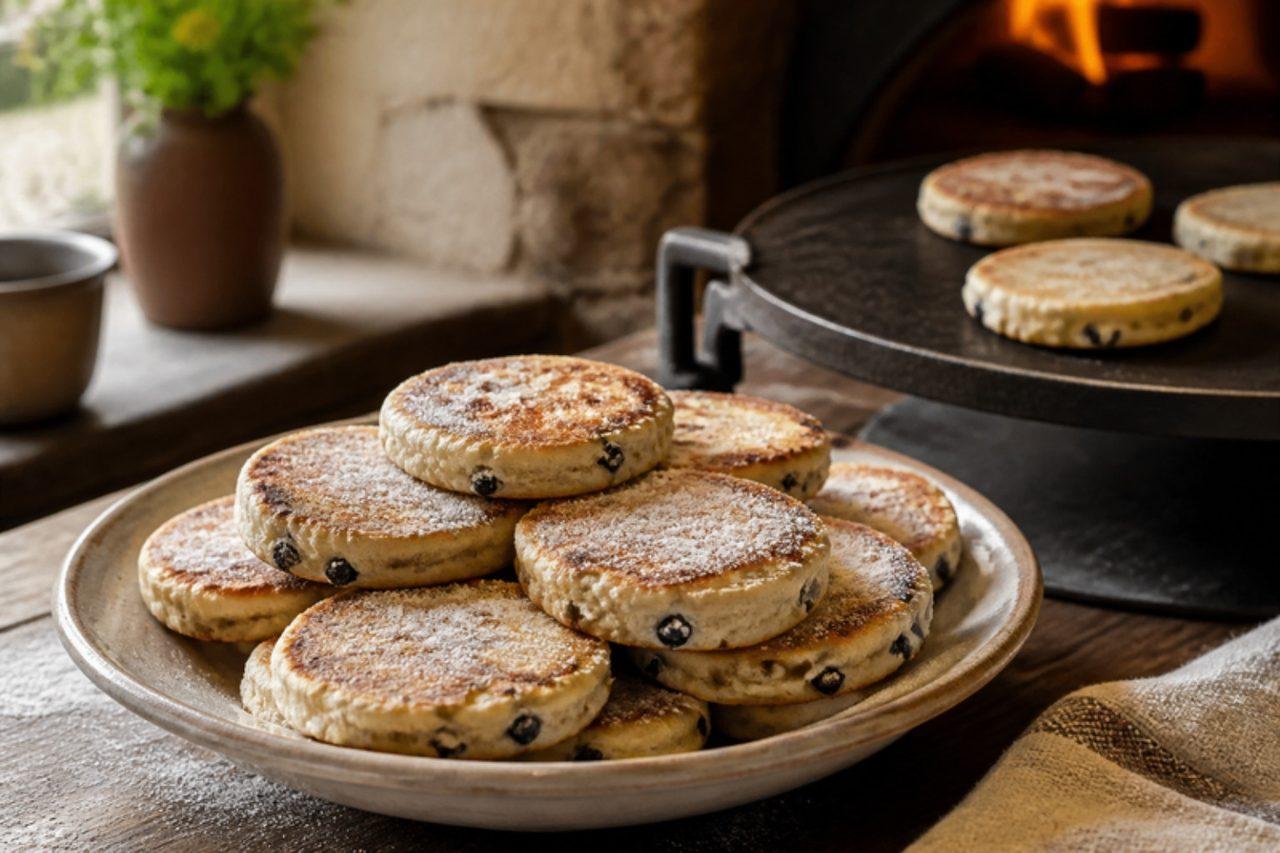
Welsh cakes

Welsh cakes, picau ar y maen or 'cakes on the stone', are cooked on a cast-iron bakestone in kitchens across Wales and sold warm at markets and rugby matches, and they are a must on St David's Day, 1 March. The dough is like a rich scone with currants and mixed spice, and they are dusted with sugar while hot. Chef's tip: keep the heat medium-low; they need time for the middle to cook before the outside darkens.

by KrazyBadal 0 views

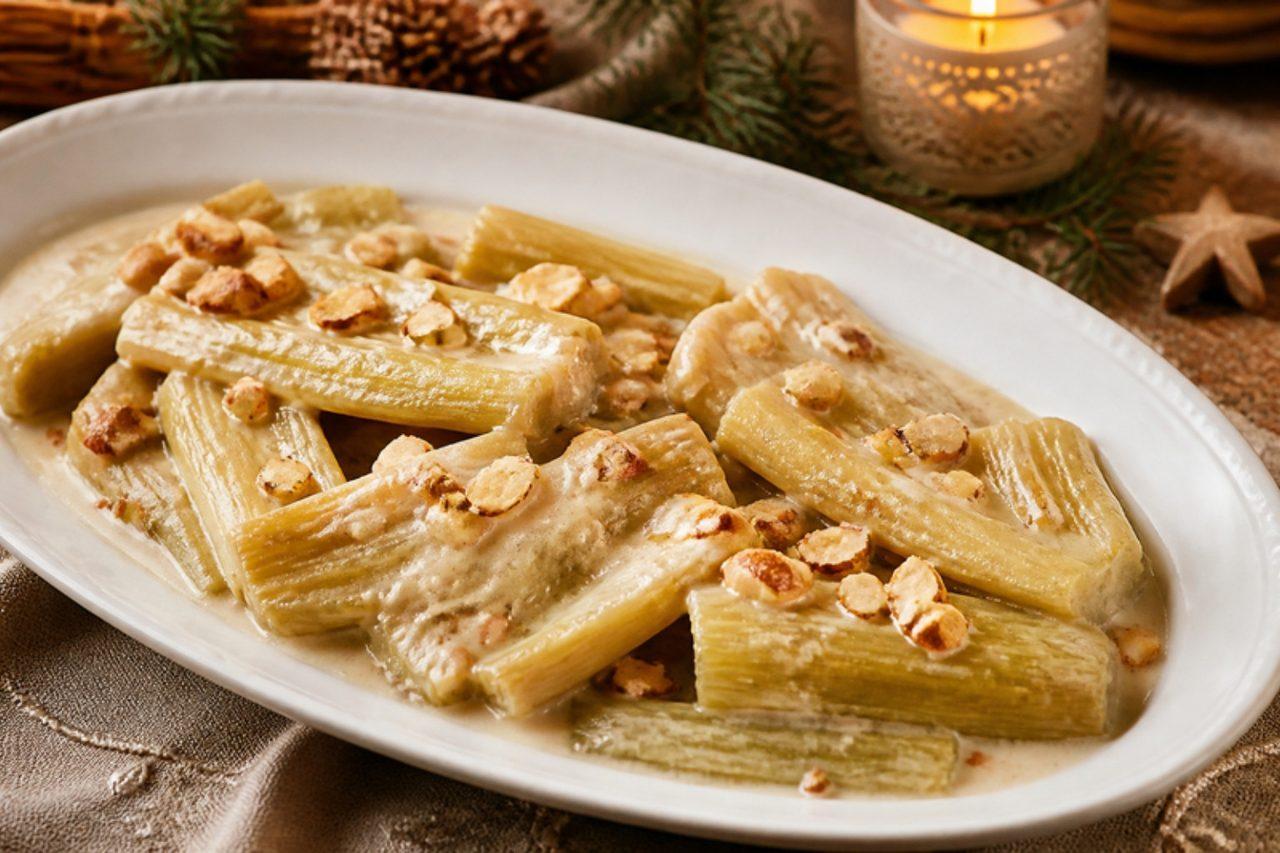
Cardo con almendrasCardoon in almond sauce

On Christmas Eve in Aragon and neighbouring Navarre, a dish of cardoon is as certain as turrón: the long, pale stalks are boiled until tender and served in a velvety sauce of ground almonds, garlic and the cooking water, often as the first course before fish or lamb. The flavour is like artichoke, gentle and slightly bitter, softened by the nutty sauce. It contains no animal products. A common mistake is leaving cut cardoon in the air; it blackens within minutes, so drop each piece into lemon water as you go. Ready-cleaned jars of cardoon are sold in Spain and work well if you skip the first two steps. Chef's tip: whisk a spoonful of flour into the cooking water; it keeps the stalks white and gives you a ready-thickened broth for the sauce.

by KrazyBadal 0 views

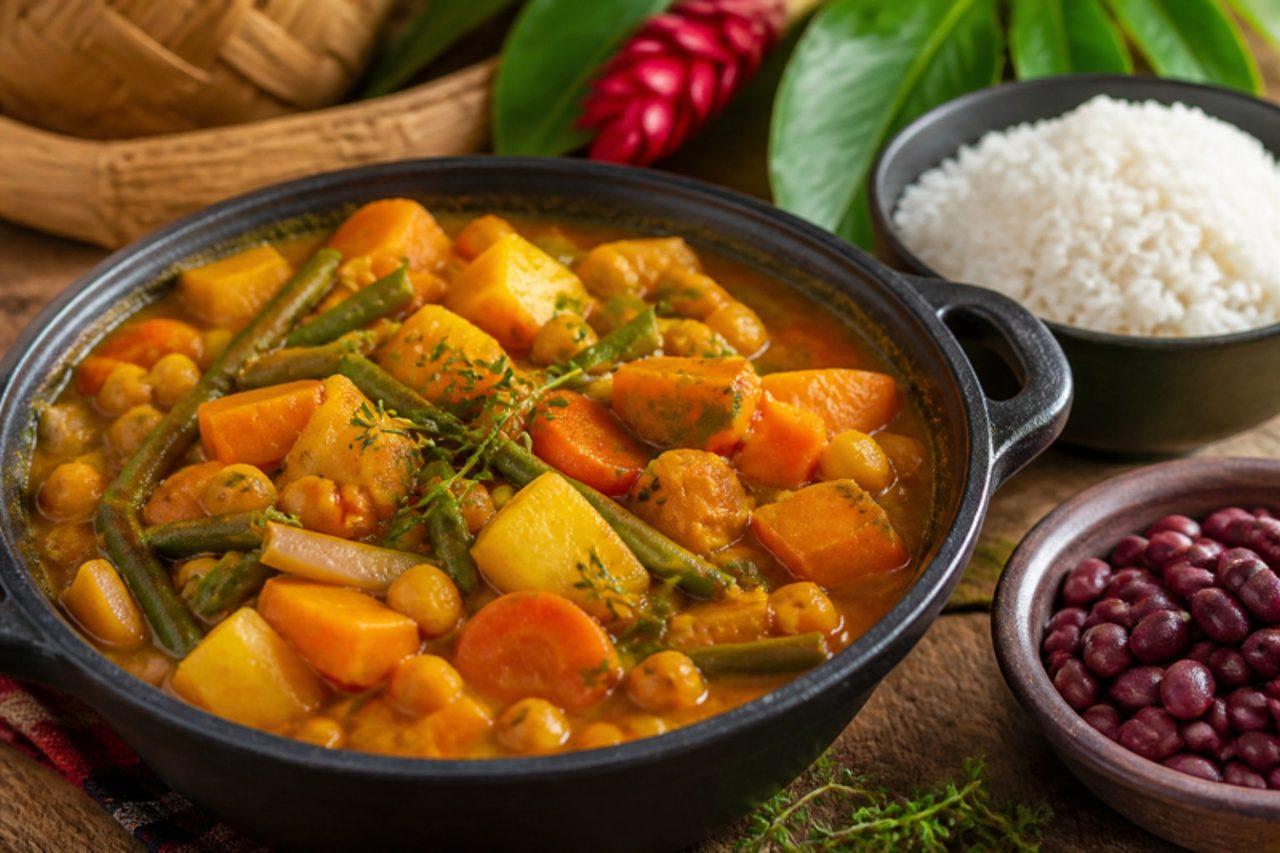
Cari de légumesVegetable curry

On Réunion, the French island in the Indian Ocean, cari is simply lunch: a pot of something gently spiced with onion, garlic, ginger, thyme and the island's turmeric, which locals call safran péi. It arrives at the table with white rice, a bowl of lentils from Cilaos or red beans, and a sharp tomato rougail, and this vegetable version uses chayote (chouchou) from the green Salazie valley, potatoes, carrots and green beans. The heat comes from the chilli in the rougail, not the cari itself, so it suits children too. Chef's tip: let the onions take real colour before the spices go in; that golden base gives a cari its depth.

by KrazyBadal 0 views

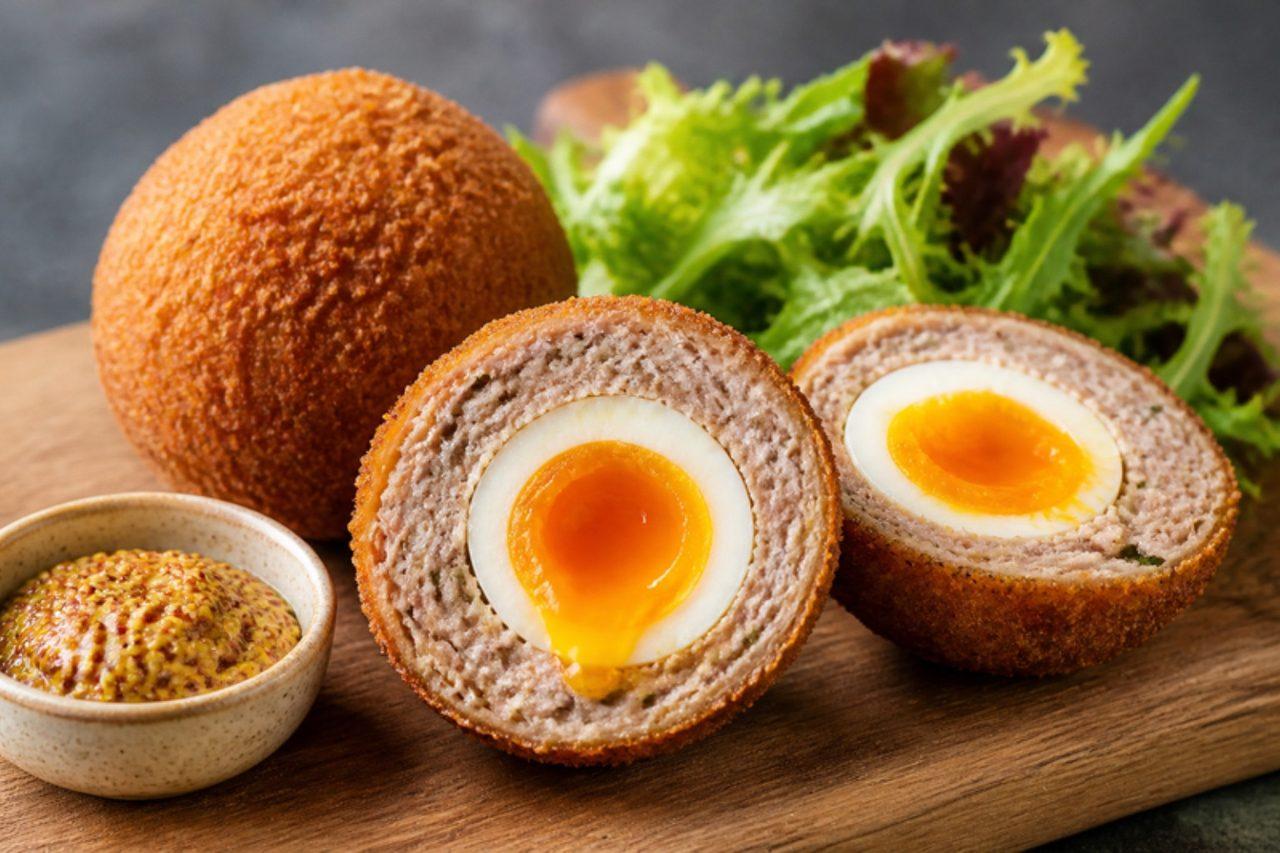
Scotch eggs

The Scotch egg was sold as a travelling snack by the London grocer Fortnum & Mason in the 1700s, and it is still the picnic and pub-counter favourite of England: a boiled egg wrapped in pork sausage meat, crumbed and fried. Modern pubs serve them with a runny yolk and a dollop of piccalilli or mustard. Chef's tip: boil the eggs for exactly 6½ minutes and plunge into iced water; that sets the white enough to peel but leaves the yolk soft.

by KrazyBadal 0 views

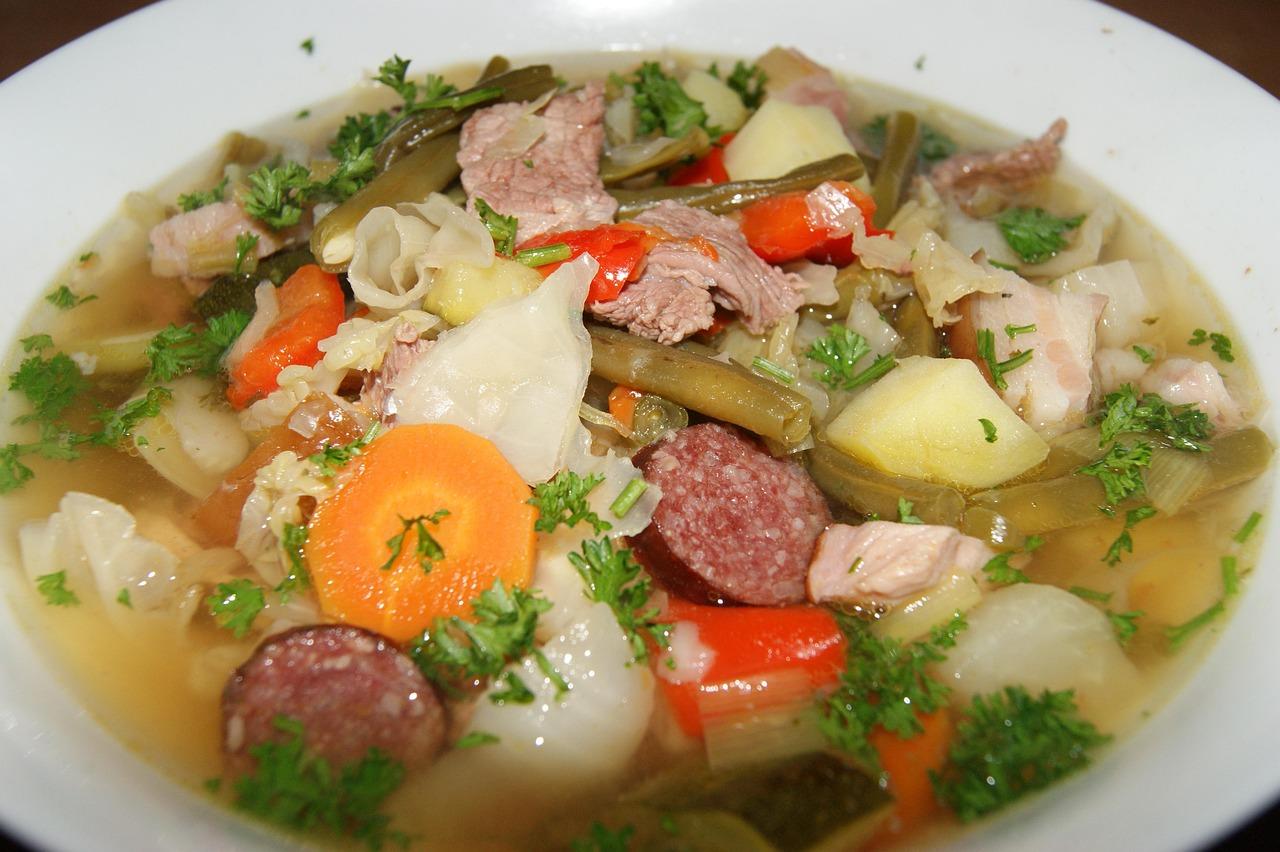
Potée auvergnatePork, cabbage and sausage pot

High in the Massif Central, potée auvergnate is what farmhouses put on the stove when the first frosts arrive: a pork dish of salt pork belly and smoked pork sausage simmered slowly with savoy cabbage, carrots, turnips and potatoes. The broth comes out clear, smoky and gently salty, and the vegetables soak up all that pork flavour while keeping their shape. In the Cantal it is served in two rounds, the broth poured over slices of toasted country bread first, then the meat and vegetables on a big platter with strong mustard and gherkins. Chef's tip: soak the salt pork first and taste the broth before you add any salt; between the belly and the sausage it rarely needs more.

180 minFrenchMeat
by KrazyBadal 0 views

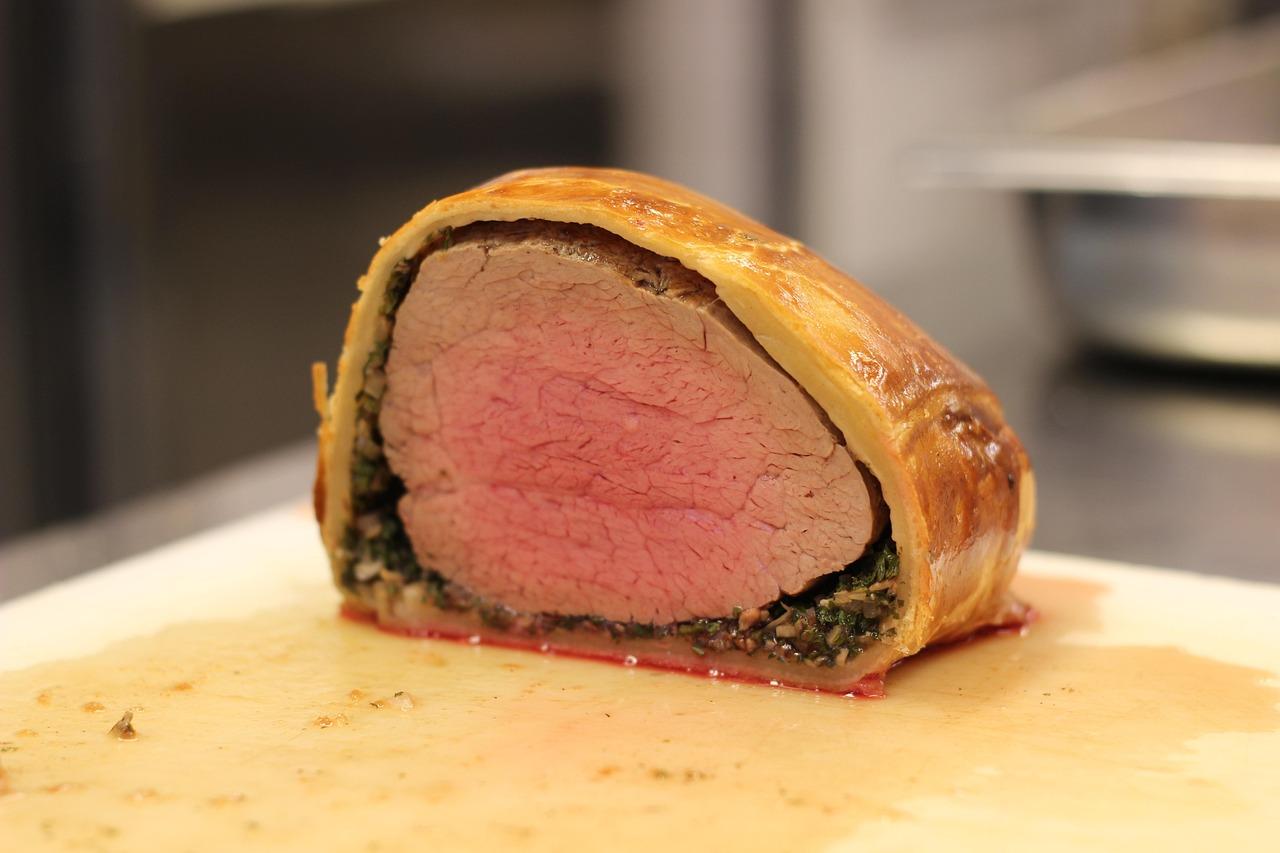
Beef Wellington

Beef Wellington is the grand centrepiece of British Christmas and celebration dinners, a whole beef fillet coated in finely chopped mushroom duxelles, wrapped in thin pancakes or ham and golden puff pastry, then sliced at the table to show a pink middle. It is linked, without much proof, to the Duke of Wellington. This version wraps the fillet in crêpes instead of the usual Parma ham. The duxelles is deglazed with a splash of white wine, which contains alcohol; use a little stock for an alcohol-free version. Chef's tip: chill the wrapped fillet before it goes in the pastry so everything stays tight and the base doesn't go soggy.

105 minBritishMeat
by KrazyBadal 0 views

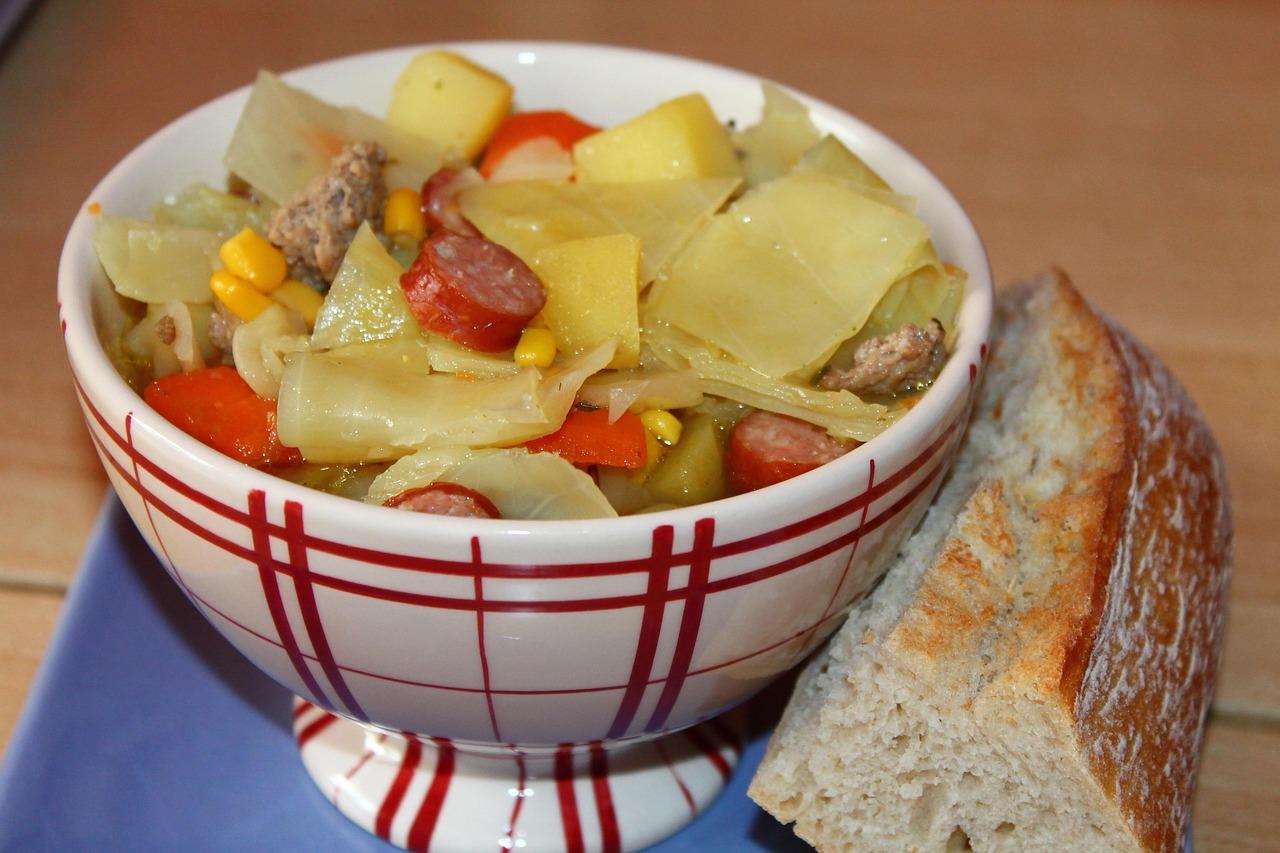
Potée lorraineSmoked pork and white bean pot

In Lorraine farmhouses around Nancy and the Vosges foothills, the potée simmered on the stove through winter and fed the household after a cold morning outside. It is a pork dish through and through: smoked pork shoulder, smoked belly and a garlic sausage gently poached with a whole green cabbage, carrots, turnips, leeks and white beans until the broth is smoky and the vegetables melt. The broth is ladled out first, sometimes over toasted bread, and the meat and vegetables follow with mustard and gherkins. Chef's tip: blanch the cabbage for five minutes before adding it to the pot, which takes away its sulphurous edge and keeps the broth sweet.

180 minFrenchMeat
by KrazyBadal 0 views

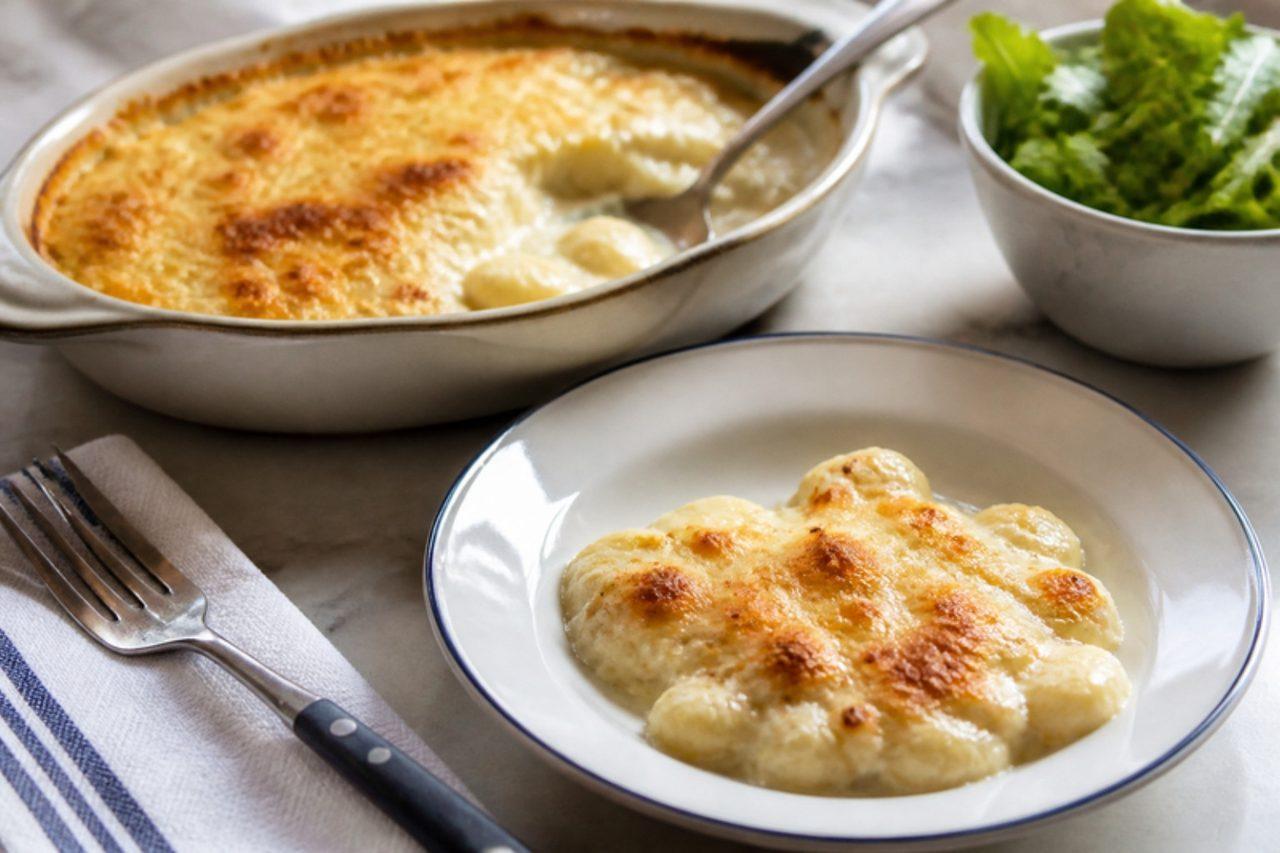
Gnocchi à la parisienneChoux dumplings in béchamel

Unlike Italian potato gnocchi, the Paris version is made from choux paste flavoured with cheese and mustard, piped straight into simmering water and cut into little logs with a knife. The poached dumplings go into a dish with béchamel and more cheese and are baked until puffed and golden. It was a classic of old Parisian brasseries and grand-hotel kitchens and still turns up as a comforting supper or a side in bistros. Gruyère and Comté are traditionally made with animal rennet, so use a vegetarian mountain cheese. Chef's tip: dip the knife in hot water between cuts; the paste drops off cleanly instead of stretching into strings.

by KrazyBadal 0 views

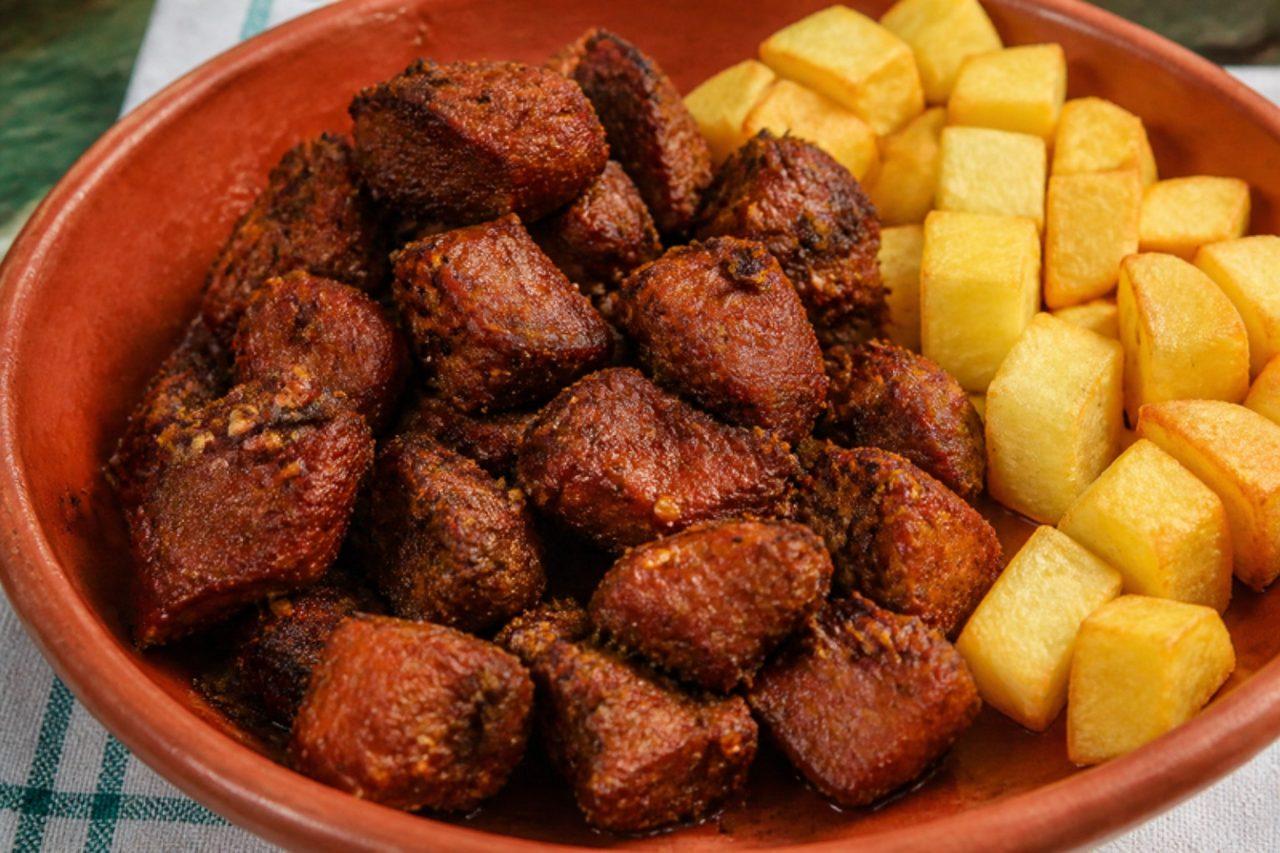
Carne de fiestaMarinated fried pork

The smell of carne de fiesta, cubes of pork sizzling in a huge pan, drifts over every romería and village saint's day in Tenerife and Gran Canaria, where it is sold piled into bread rolls or with chips. This contains pork. The meat sits for a day in a deep red marinade of garlic, paprika, thyme, oregano, vinegar and white wine before it is fried until crusty. The wine can be swapped for water with an extra spoon of vinegar for an alcohol-free version. Chef's tip: fry in batches with plenty of space, so the meat sizzles and caramelises instead of boiling in its own juices.

by KrazyBadal 0 views

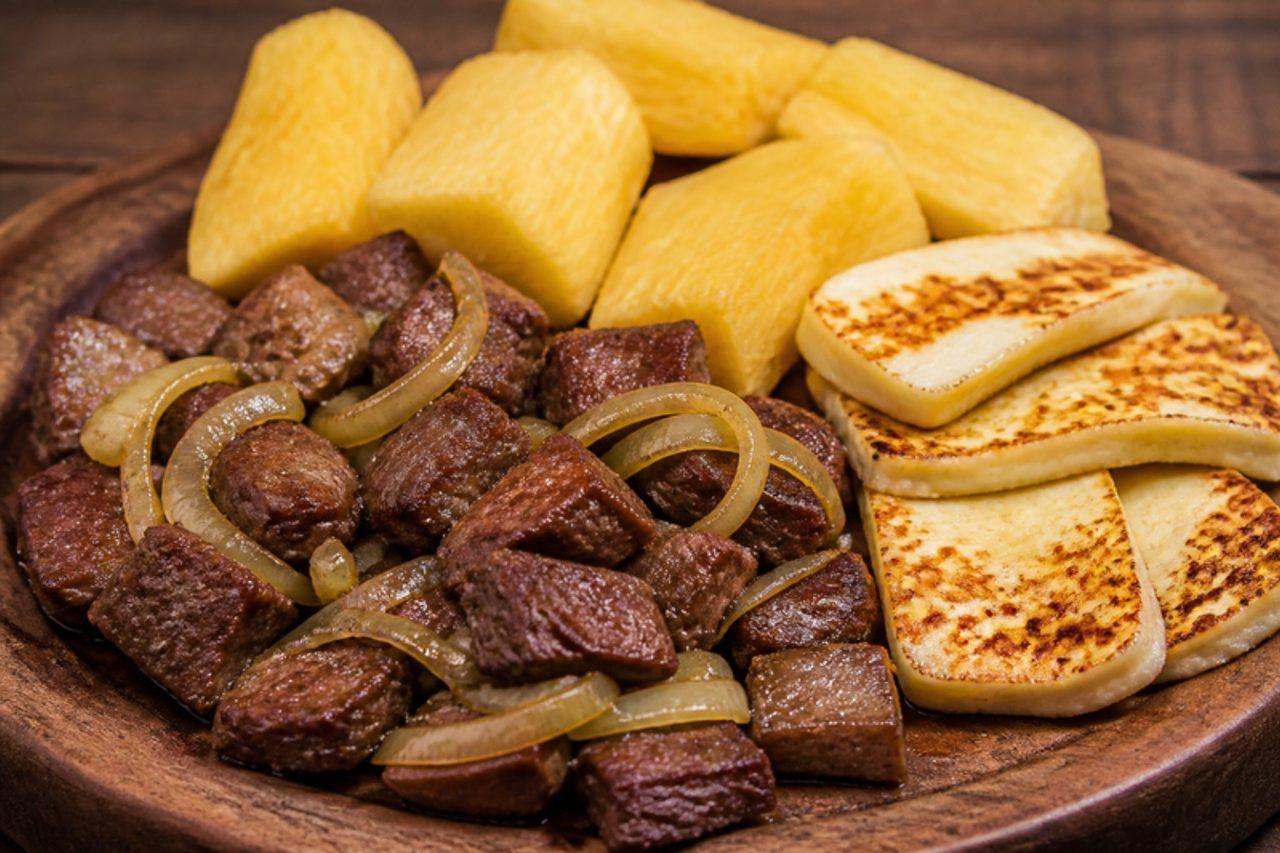
Carne de sol com macaxeiraSalted beef with cassava

Out in the sertão, beef was salted and hung in airy shade to cure, and the result, carne de sol, is now the pride of restaurants from Natal to Caruaru, where it arrives sizzling on an iron plate with boiled macaxeira (cassava) glossed in clarified butter, grilled squares of coalho cheese and a dish of feijão verde. The meat is firm, faintly salty and deeply beefy, the cassava soft and buttery, the cheese squeaky and browned. If you can't buy carne de sol from a Brazilian butcher, salt the beef yourself in the fridge for 24 hours (step 1), so allow an extra day. The mistake people make is frying the beef straight from the salt; a 30-minute soak in cold water keeps it pleasantly seasoned rather than harsh. The beef is cut into chunks and fried, so cook it to your taste: pink in the middle or well done are both fine for whole-muscle beef. Chef's tip: fry the beef in small batches in a really hot pan so it browns rather than stews in its own juice.

by KrazyBadal 0 views

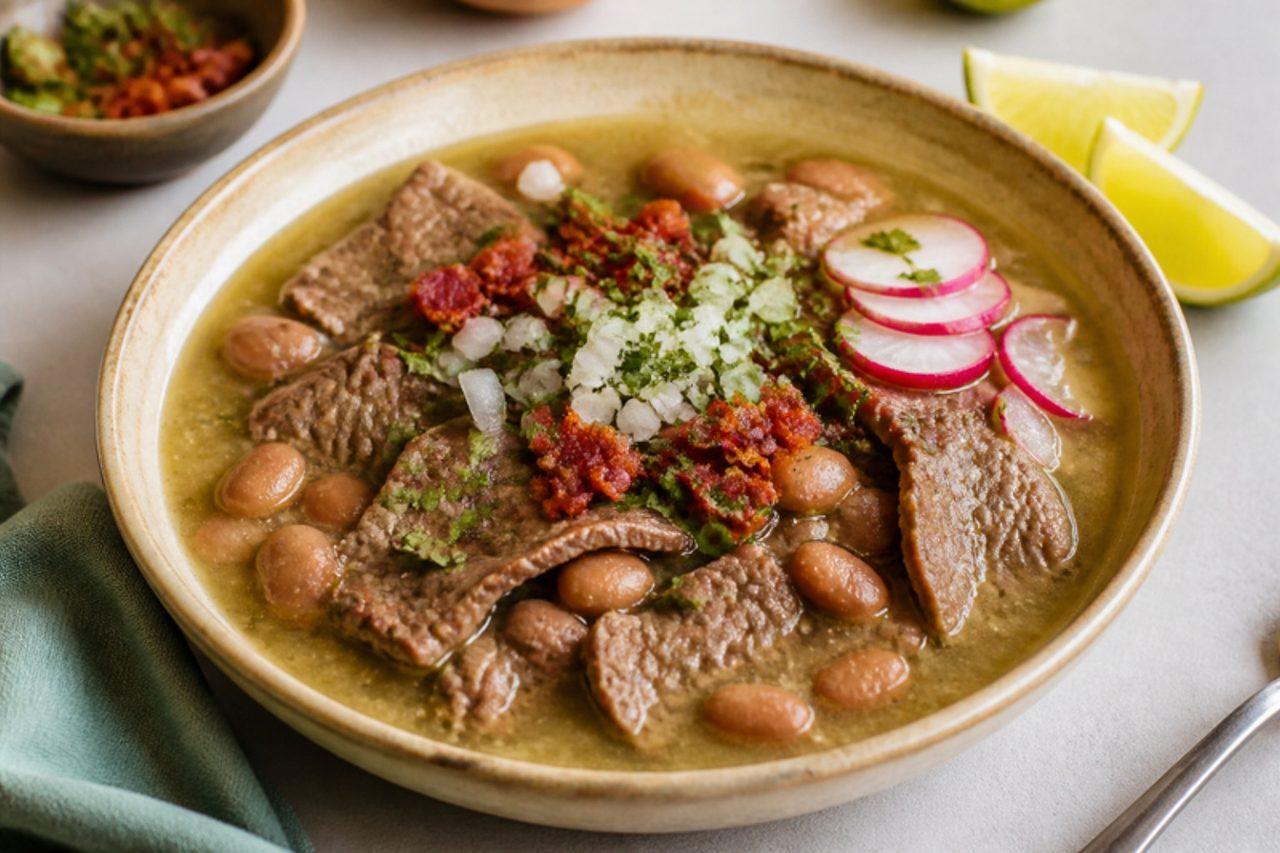
Carne en su jugoBeef in tomatillo broth

Carne en su jugo, 'meat in its juice', belongs to Guadalajara, where whole restaurants are devoted to it and families go for a big bowl at weekend lunchtime. Paper-thin slices of beef cook in a sharp, green broth of tomatillo, chilli and coriander, with soft pinto beans spooned in and crisp bacon scattered over, so it is also a pork dish. Each bowl is finished at the table with chopped onion, coriander, radishes and plenty of lime, and eaten with warm corn tortillas. Chef's tip: put the steak in the freezer for 30 minutes before slicing; firm meat is far easier to cut into the thin pieces the dish needs.

by KrazyBadal 0 views

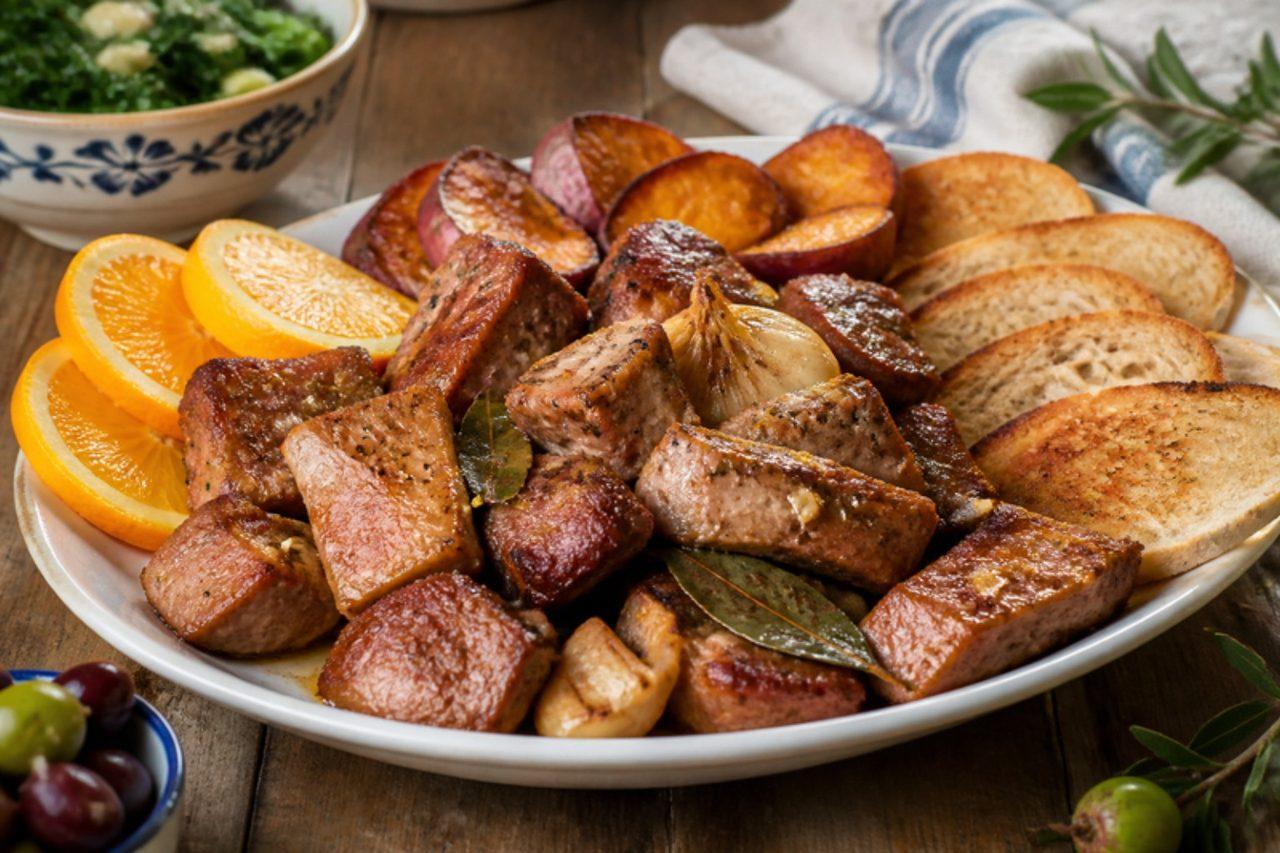
Carne de vinha d'alhosPork marinated in wine and garlic

No Madeiran Christmas is complete without carne de vinha d'alhos: chunks of pork soaked for days in wine, vinegar, garlic and bay, then simmered and fried until browned and tangy. Families start it after the December pig-killing, and the leftovers fill bread rolls for days. Portuguese sailors carried the idea to Goa, where it became vindaloo. This contains pork and uses white wine; for an alcohol-free version use 250 ml water instead of the wine, as many Madeiran households do. Chef's tip: fry thick slices of bread in the pan juices at the end; they are the cook's reward.

by KrazyBadal 0 views

CarnitasSlow-cooked pork

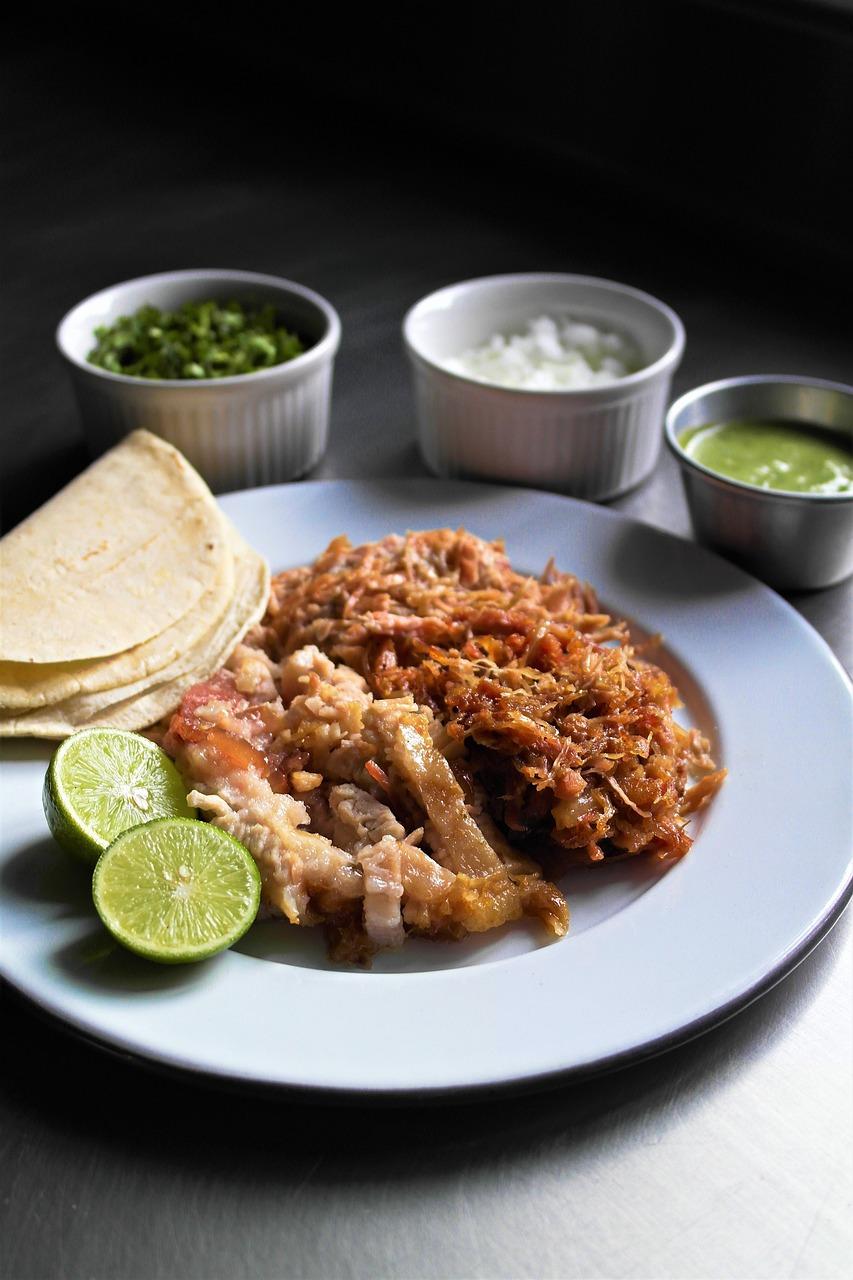
Quiroga, a lakeside town in Michoacán, is the capital of carnitas: on weekends the plaza fills with stalls simmering huge copper pots of pork, sold by the kilo with warm tortillas, salsa verde and lime. This pork dish uses shoulder cooked gently in its own fat and lard with orange and garlic, so it turns soft inside and then browns into crisp, golden edges at the end. Pile it into tacos with onion, coriander and salsa, or keep it for tortas ahogadas. Chef's tip: when the meat is tender, turn the heat up for the last 10–15 minutes and stir; this final fry in hot lard is what gives carnitas their crackly edges.

195 minMexicanMeatGluten free
by KrazyBadal 0 views

CartolaFried banana with cheese and cinnamon

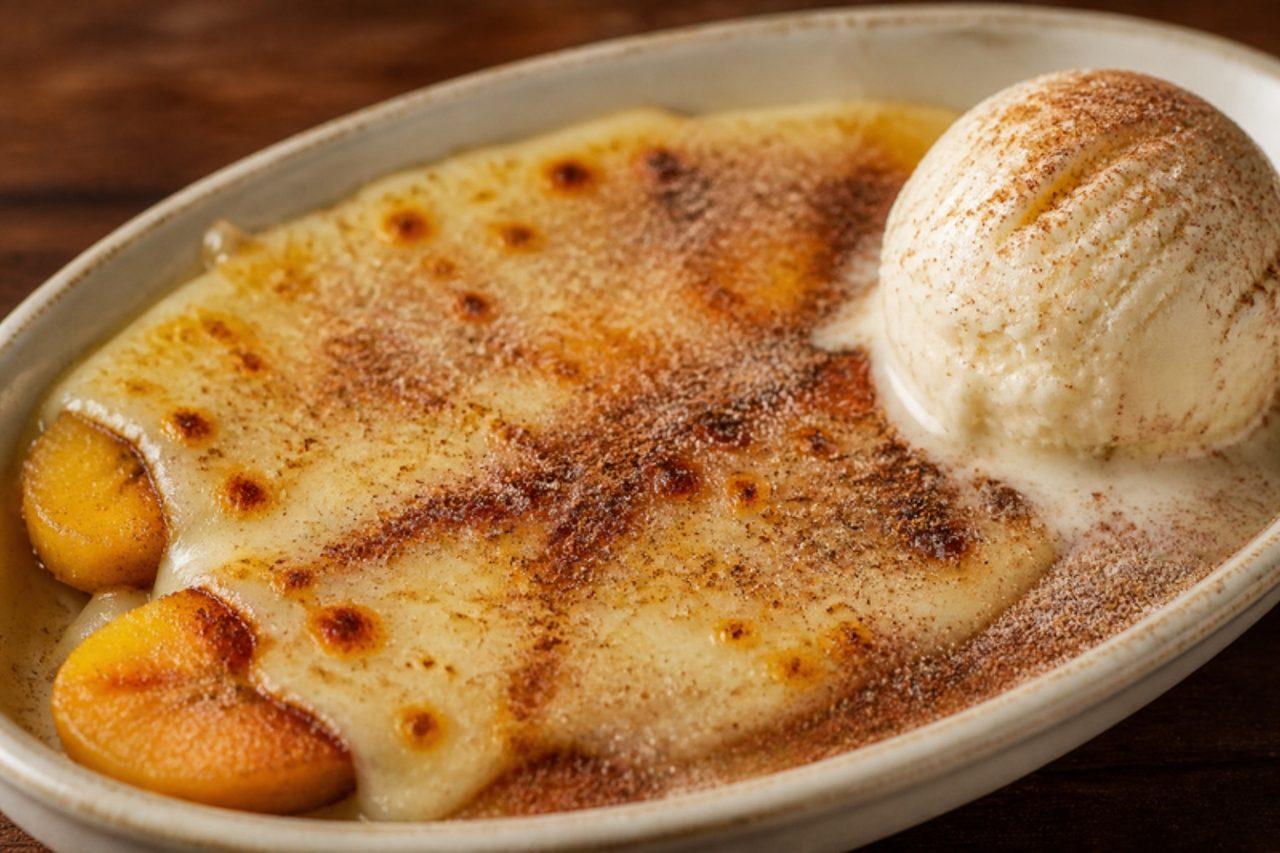
Sweet, salty and hot all at once, cartola ('top hat') is a Pernambuco dessert that sounds odd and tastes like it was always meant to be. Bananas are fried in butter until caramel-edged, covered with slices of coalho or queijo manteiga that melt into a blanket, then showered with cinnamon sugar. It turns up on Recife lunch menus, in hotel buffets and in home kitchens after Sunday lunch, and needs nothing else, though a scoop of vanilla ice cream is welcome. Bananas-prata or ripe plantains are used locally; firm, just-ripe bananas are the nearest swap. Coalho is often made with animal rennet, so choose a vegetarian version or a vegetarian halloumi. Avoid overripe fruit; it collapses in the pan and the cheese slides off. Chef's tip: finish under a hot grill for a minute so the cinnamon sugar bubbles into a thin, crackly crust.

by KrazyBadal 0 views

CaruruOkra and dried shrimp stew

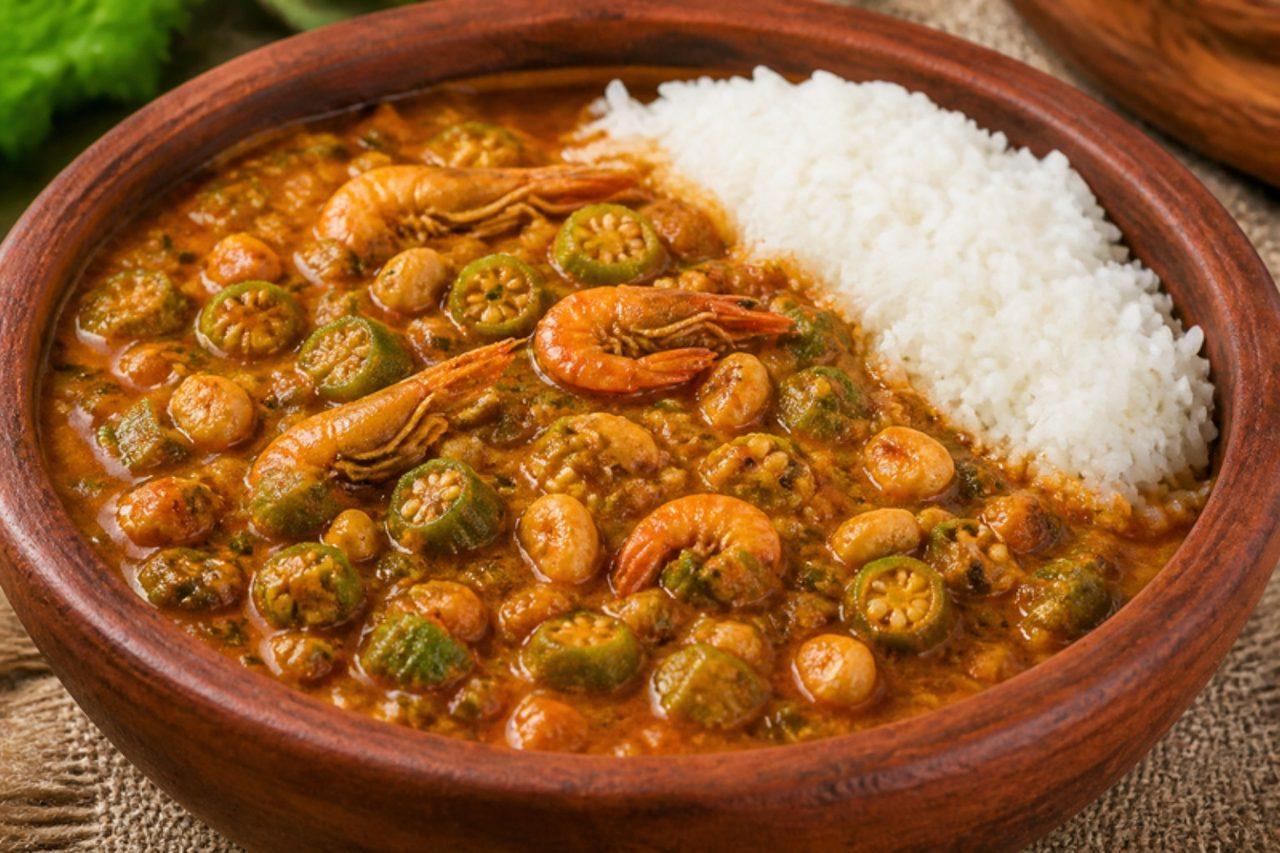
Every 27 September, homes across Salvador and the Recôncavo cook huge pots of caruru for the feast of Saints Cosmas and Damian, and children are fed first; the rest of the year it turns up at acarajé stalls and on Bahian Sunday tables next to vatapá, rice and xinxim. Okra is chopped very small and cooked down with a paste of dried shrimp, toasted cashews and peanuts, ginger and onion, then finished with dendê oil until it is thick, glossy and gently sticky, nutty and faintly of the sea. Serve it with white rice, farofa de dendê and acarajé or abará. Most people make the mistake of slicing the okra into big rounds; cut tiny it melts into the sauce instead of sitting in slimy chunks. For a vegetarian caruru, skip the shrimp and use 40 g more of each nut. Chef's tip: toast the cashews and peanuts in a dry pan until they smell of popcorn before grinding them; it makes the stew taste deeper and less green.

by KrazyBadal 0 views

CasadiellesWalnut-filled fried pastries

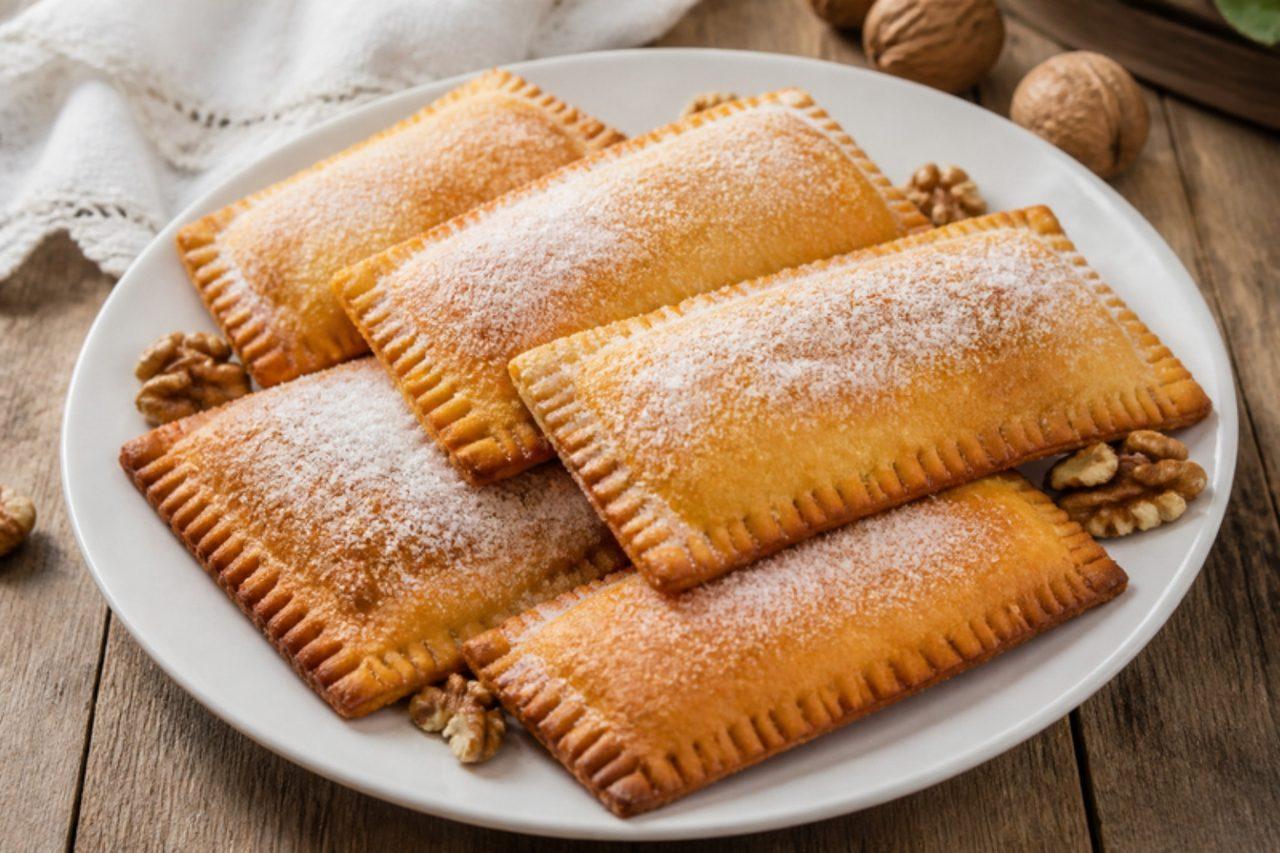
Look in the window of any confitería in Oviedo or Gijón and you will find casadielles, plump little pastry rolls stuffed with ground walnuts and sugar, fried until blistered and rolled in more sugar. Village bakers turn out trays of them for patron-saint fiestas and for Antroxu, and they keep for days in a tin. The traditional dough is moistened with dry white wine and the filling scented with anise liqueur; both are given alcohol-free swaps below. Chef's tip: roll the dough very thin, about 2 mm, because thick dough stays doughy inside before the outside browns.

by KrazyBadal 0 views

Palets bretonsSalted butter biscuits

Palets are the thick cousin of the thin Breton galette biscuit: chunky rounds as wide as a small cookie and nearly a centimetre high, crisp on the outside and crumbly within, tasting strongly of salted butter. Bakeries in Pont-Aven and all along the Finistère coast sell them in tins, and Breton families serve them with coffee, with a bowl of cider-poached apples or crumbled over ice cream. Baking them in muffin tins or metal rings keeps their shape and straight edges. Chef's tip: use proper salted butter rather than adding salt to unsalted; the flavour is rounder and the dough handles better.

by KrazyBadal 0 views

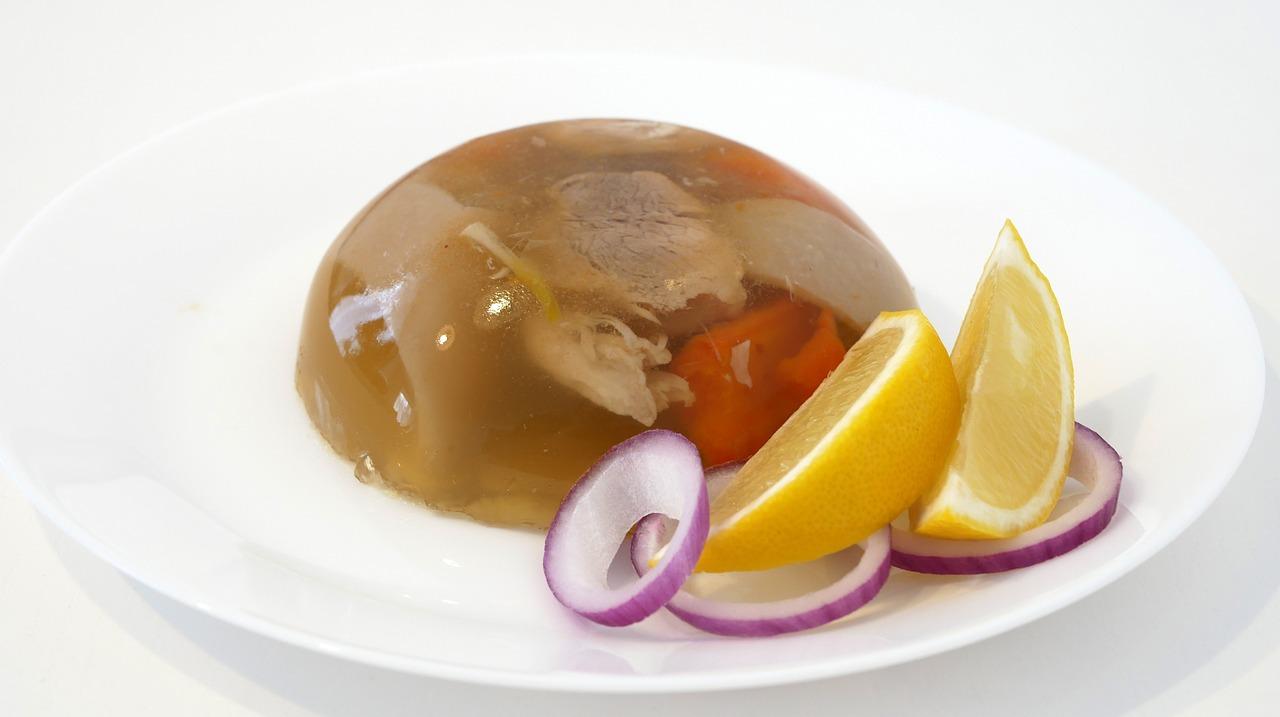
PotjevleeschJellied chicken, rabbit, pork and veal

Potjevleesch, Flemish for "little pot of meat", comes from French Flanders around Dunkirk, Bergues and Hazebrouck, where it fills the cold cabinets of every friterie and estaminet. Chunks of chicken, rabbit, pork and veal are layered with onion, garlic and herbs, covered with white wine and a little vinegar and baked slowly in a covered terrine; the juices are then set with gelatine so the meat is held in a clear, tangy jelly. It is eaten cold, sliced, with hot chips and a green salad, a contrast that the Nord loves. It contains pork and uses white wine; the notes give an alcohol-free option. If rabbit is hard to find, use more chicken thighs. Chef's tip: slice it straight from the fridge with a hot knife, so the jelly cuts cleanly.

930 minFrenchMeatGluten free
by KrazyBadal 0 views

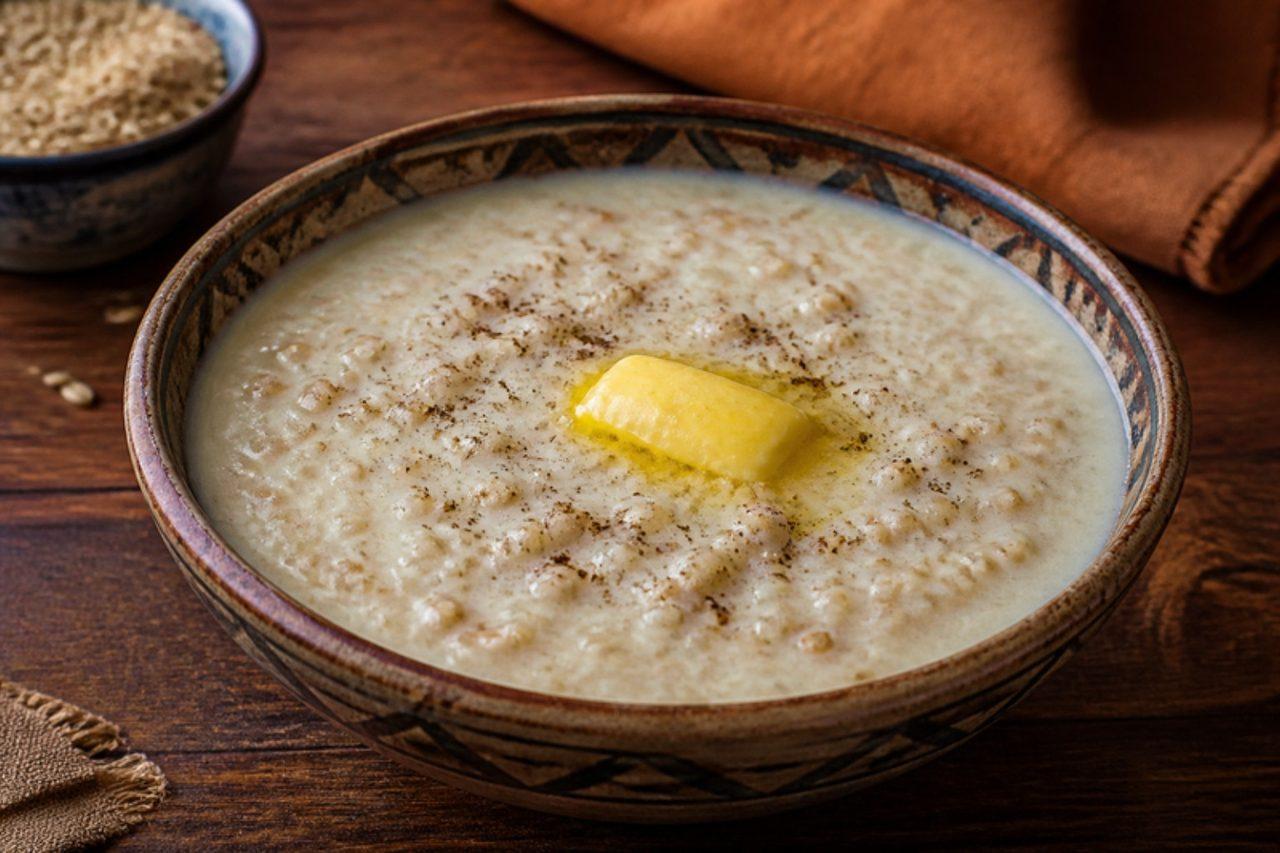
Hssoua belboula (barley soup with milk)

Few things are as soothing on a cold morning in Fez or Marrakech as a bowl of hssoua belboula, the pale, porridge-like soup of cracked barley cooked in water and then milk. Many families eat it for breakfast in winter or as a light supper, and it often appears on the Ramadan table too. It is mild and gently savoury, with a whisper of cumin and a knob of butter melting on top, and the barley grains stay soft but slightly chewy. Serve it piping hot with a little extra cumin to sprinkle, plus dates or bread on the side. A common slip is adding the milk too early and boiling hard, which catches on the bottom and scorches the soup. Chef's tip: rinse the barley grits in a sieve until the water runs almost clear; it washes away loose flour so the soup is creamy rather than gluey.

by KrazyBadal 0 views

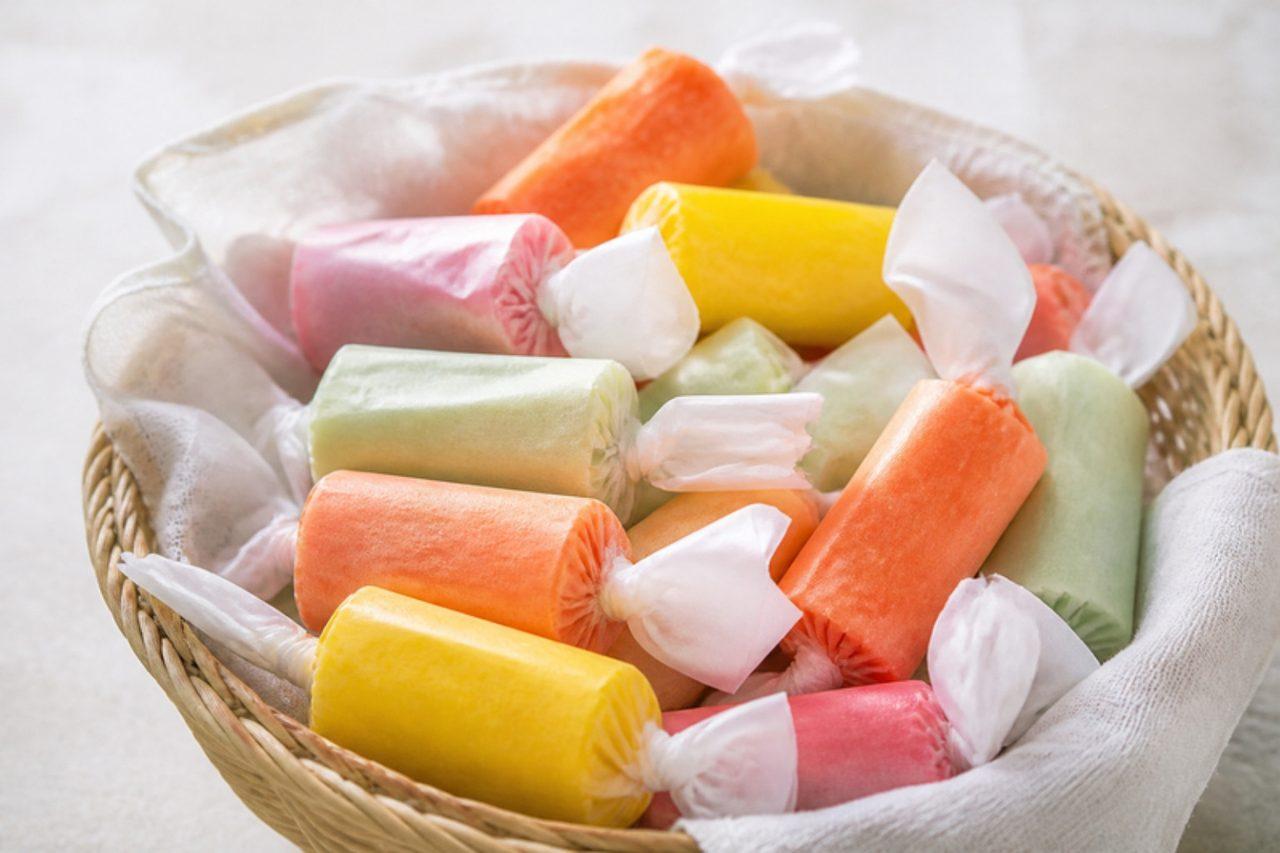
Camotes poblanosSweet potato candies

Camotes are the sweet Puebla is most famous for: finger-long rolls of sweet-potato fondant, flavoured with pineapple, lemon, strawberry or orange and wrapped individually in paper. Like tortitas de Santa Clara, they come from the city's convent kitchens, and you will find them at every candy shop on Puebla's Calle de los Dulces. The texture is soft and smooth, like a firm marzipan, and very sweet, so one or two is plenty. Chef's tip: sieve the cooked sweet potato while it is hot; fibres caught in the sieve are what would make the candy stringy.

by KrazyBadal 0 views

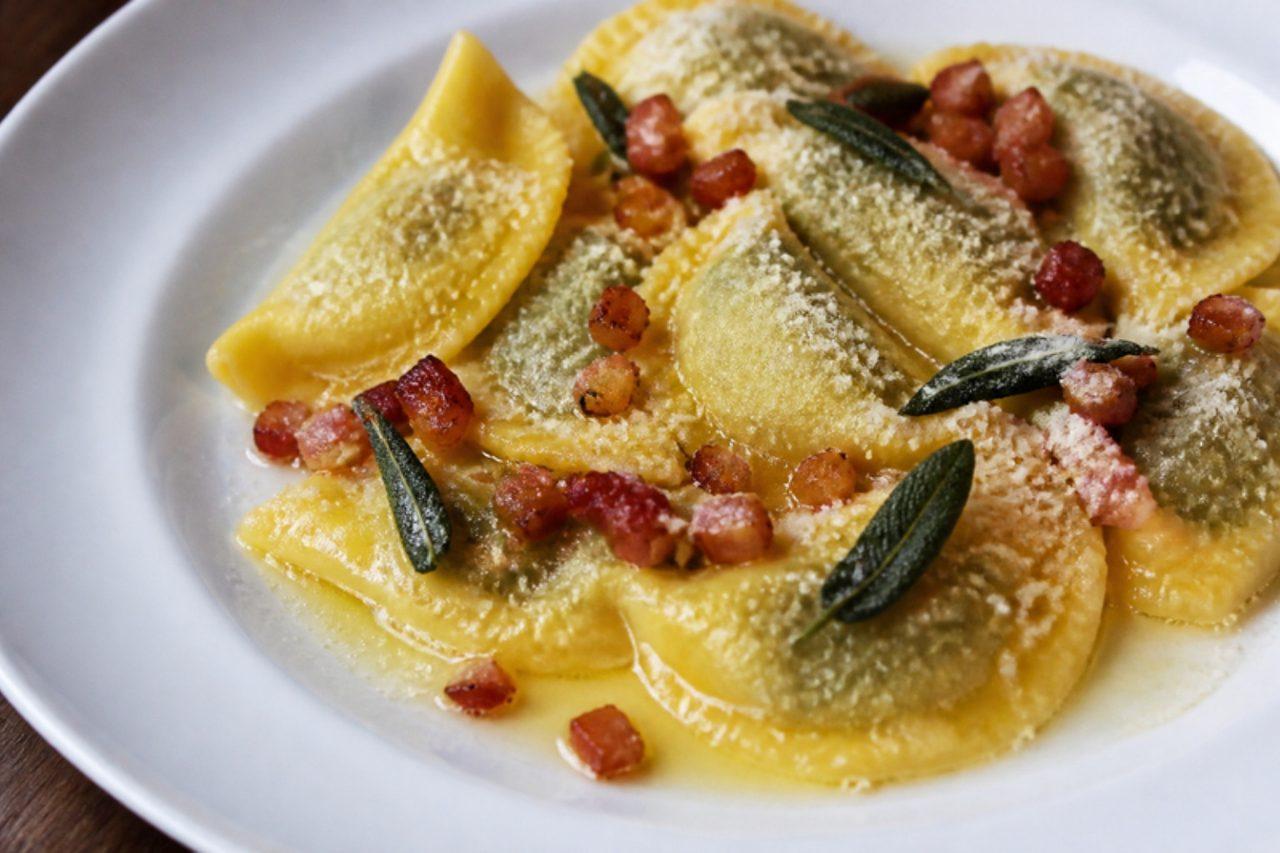
Casoncelli alla bergamascaFilled pasta in sage butter

Casoncelli (casonsei in Bergamo dialect) are the pride of the old upper town of Bergamo and of nearby Brescia, eaten at weddings, village festivals and Sunday lunch. The filling is a thrifty mix of pork sausage, leftover beef, breadcrumbs and grana, perfumed with a crushed amaretto biscuit, a few raisins and a little pear, so it tastes faintly sweet and savoury at once. The folded half-moons are pressed into a little saddle shape and served in plenty of butter with sage and crisp cubes of pancetta, which makes this a pork dish twice over. A green salad is all they need afterwards. Chef's tip: cook the sausage filling first and let it cool completely; warm filling makes the pasta soggy and hard to seal.

by KrazyBadal 0 views

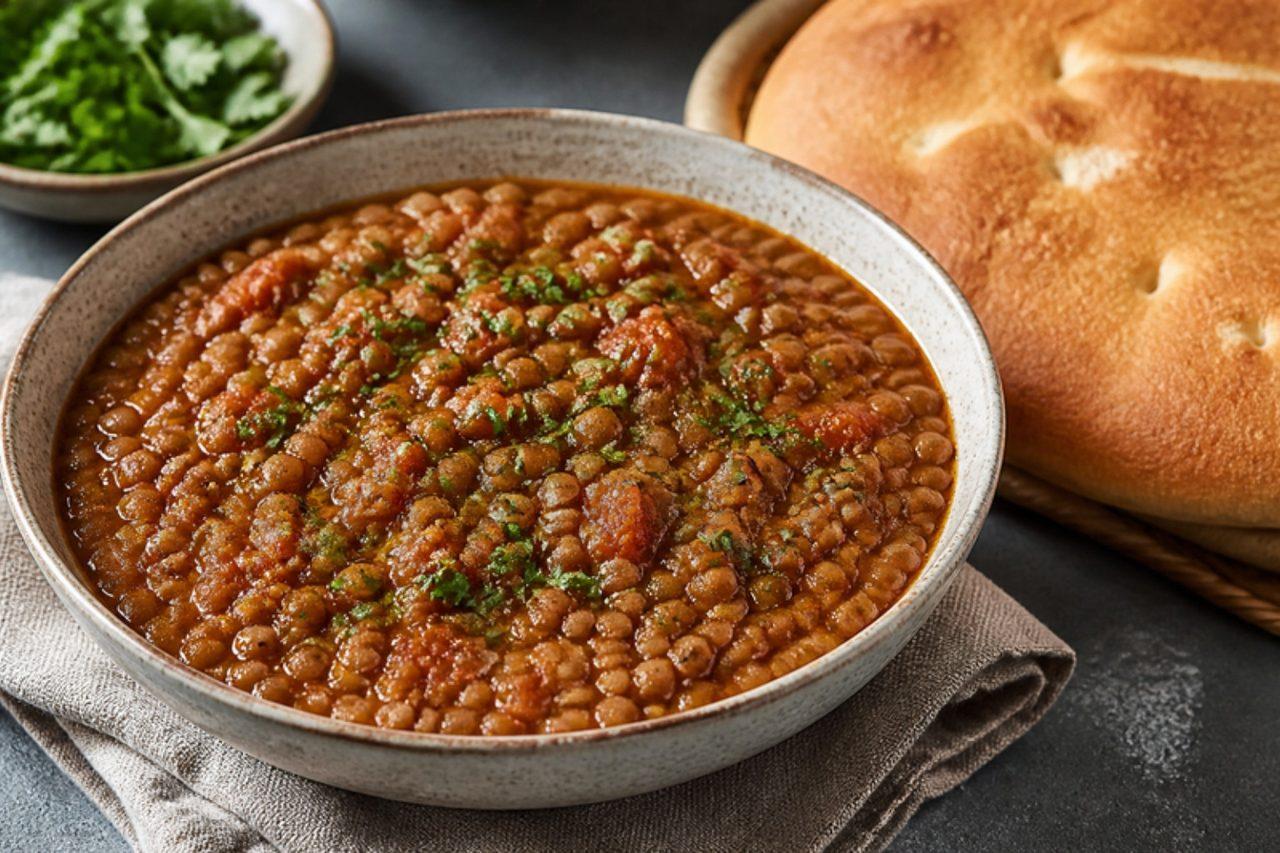
Moroccan lentils (aadess)

Cheap, filling and ready in under an hour, aadess turns up on home tables from Fez to Casablanca and in the clay bowls of small medina eateries that sell beans and lentils with bread to workers at lunchtime. The lentils stay whole but tender, sitting in a thick, brick-coloured sauce of grated tomato, garlic, cumin and paprika, finished with a generous slick of olive oil and fresh herbs. Scoop it up with crusty khobz; a dab of harissa or a few olives on the side is all it needs. Chef's tip: pick through the lentils on a plate before you rinse them, since small stones turn up even in good bags.

by KrazyBadal 0 views

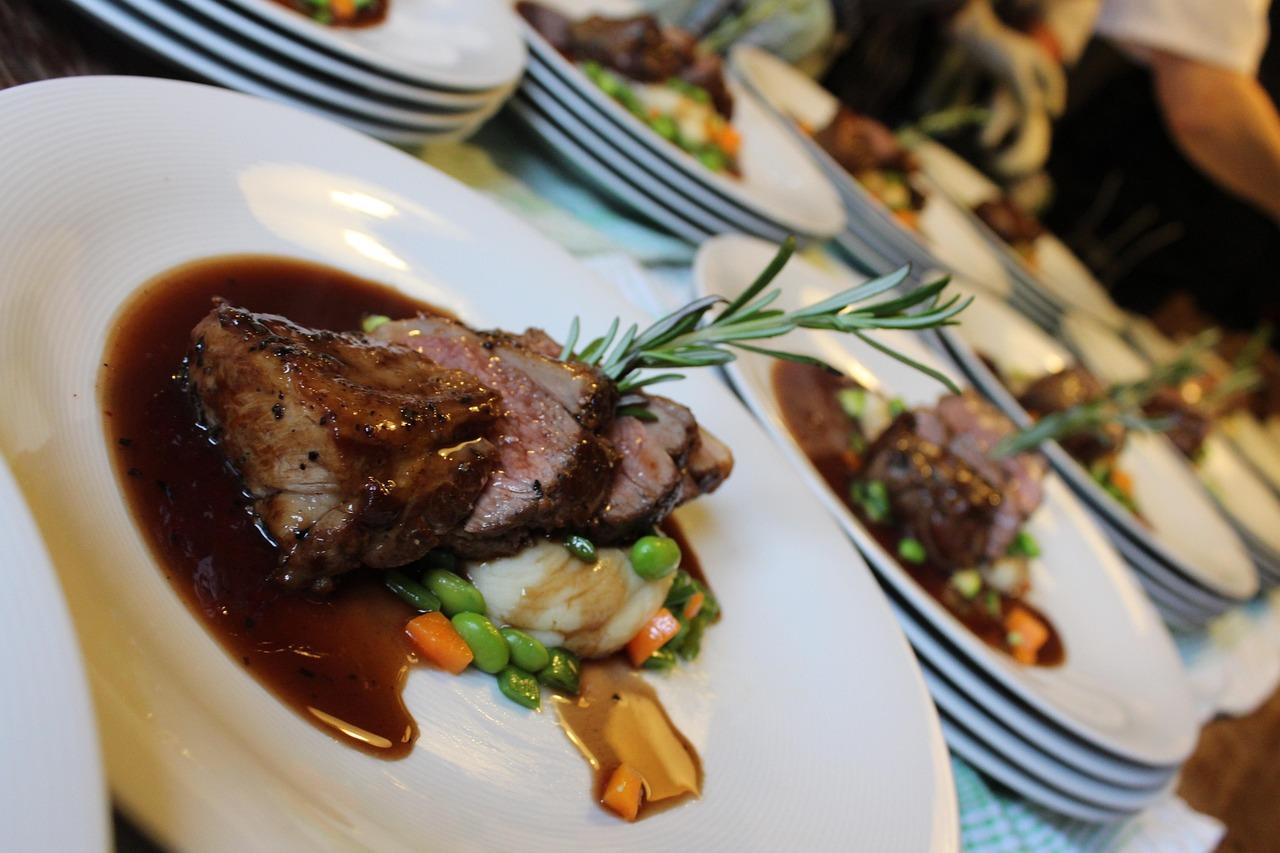
Roast lamb with mint sauce

Roast leg of lamb is the Easter Sunday lunch of England, when spring lamb from the South Downs and the West Country comes in, served with roast potatoes, spring greens and a jug of mint sauce. The sauce is the English twist: chopped garden mint steeped in vinegar and a little sugar, sharp enough to cut the richness of the meat. Chef's tip: make the mint sauce an hour ahead so the vinegar mellows and the mint flavour comes out.

120 minBritishMeatGluten free
by KrazyBadal 0 views

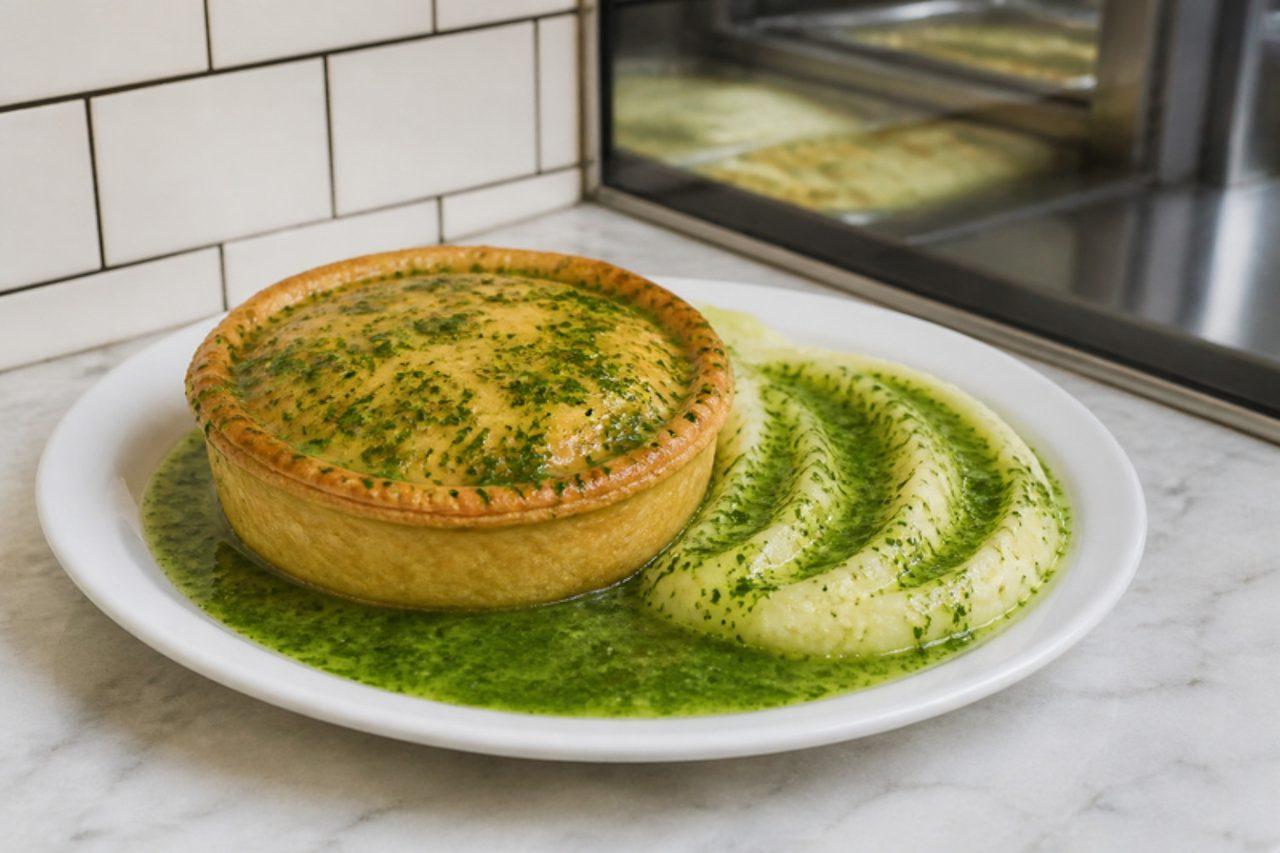
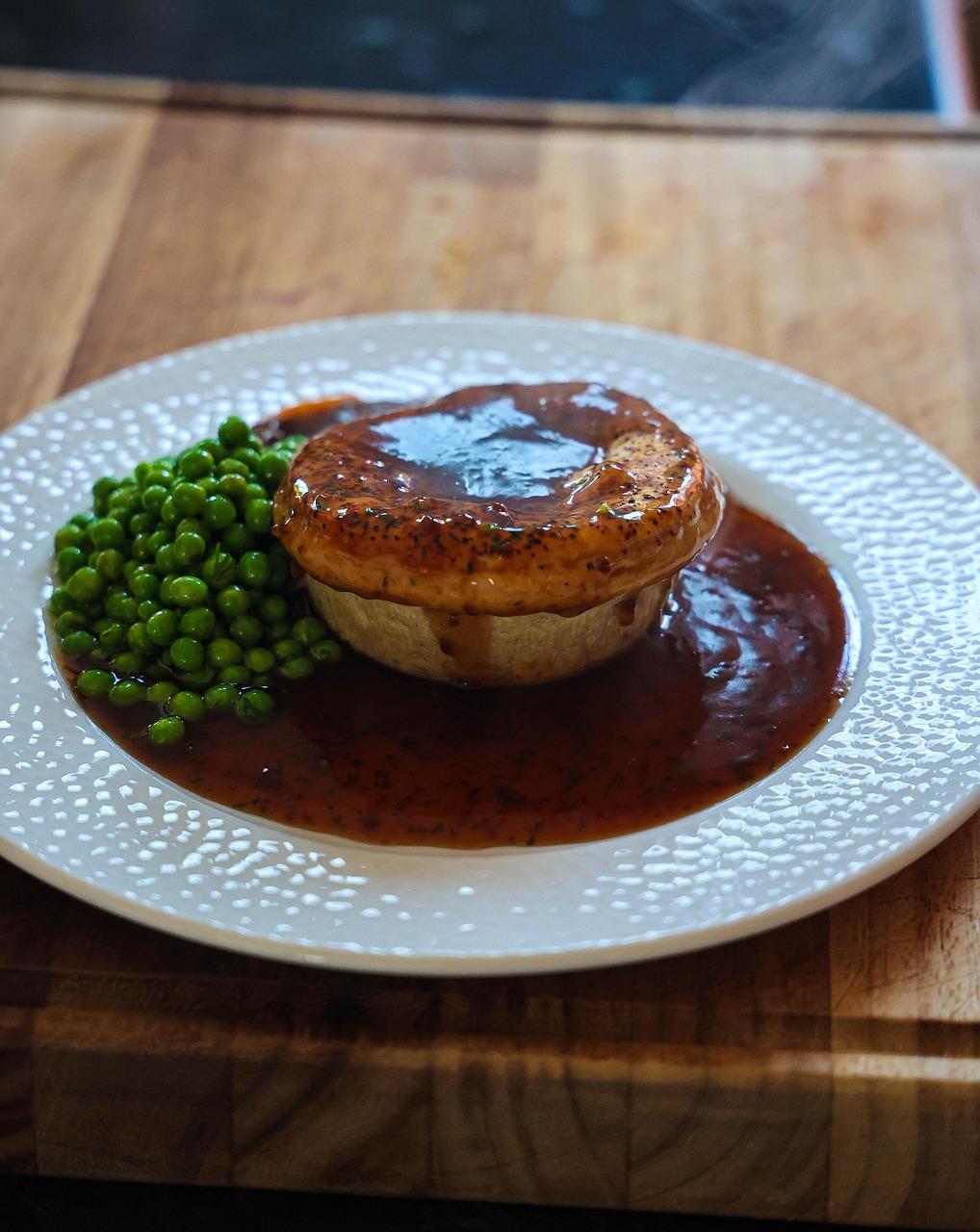
Pie and mash with liquor

Pie, mash and liquor is the working-class lunch of the East End of London, served in tiled pie shops from Bethnal Green to Walthamstow since the 1800s. Small minced beef pies with a soft suet-style base and a crisp puff lid sit next to a scoop of smooth mash, all flooded with liquor, a thin, bright green parsley sauce. Pie shops make the liquor with the stock from stewed eels; this version uses fish or vegetable stock. Locals add chilli vinegar. Chef's tip: keep the liquor thin and pourable, like single cream, not thick like gravy.

by KrazyBadal 0 views

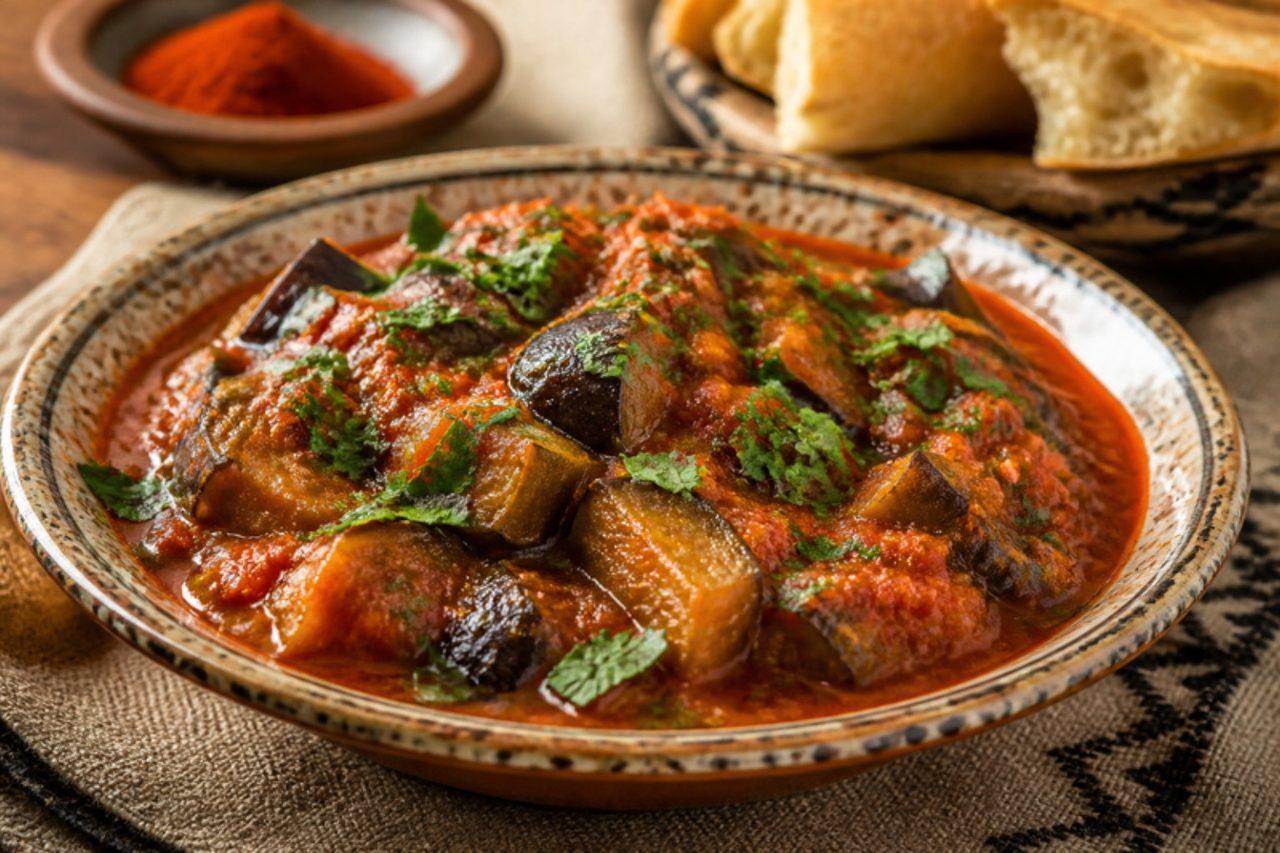
Mderbel (tangy aubergine relish)

Where zaalouk is a smoky mash, mderbel keeps its aubergine in soft, silky slices that have been fried first and then stewed down with garlic, sweet paprika, cumin and a sharp splash of vinegar. Old Fez families make it as one of the cooked salads that open a festive meal, and it keeps beautifully for a few days, so it is often made the day before. The flavour is rich from the oil, tangy, a little sweet and deeply garlicky; serve it at room temperature with bread, alongside other salads or next to grilled vegetables. The usual mistake is frying the aubergine in oil that isn't hot enough, so the slices drink it up and turn greasy. Chef's tip: salt the slices and leave them for 20 minutes, then pat them very dry; they drink far less oil and fry to a deep gold.

by KrazyBadal 0 views

Beef and ale pie

Beef and ale pie is the pub supper of Yorkshire and the Midlands, where brewing towns like Burton upon Trent made a dark ale gravy part of the region's cooking. Chuck steak is braised slowly in ale with onions and mushrooms until tender, then topped with flaky pastry. This recipe contains alcohol, most of which cooks off; for an alcohol-free pie use the same amount of beef stock with 1 tablespoon of malt vinegar and a teaspoon of brown sugar. Chef's tip: let the filling cool before topping, so the pastry stays crisp and puffy.

210 minBritishMeat
by KrazyBadal 0 views

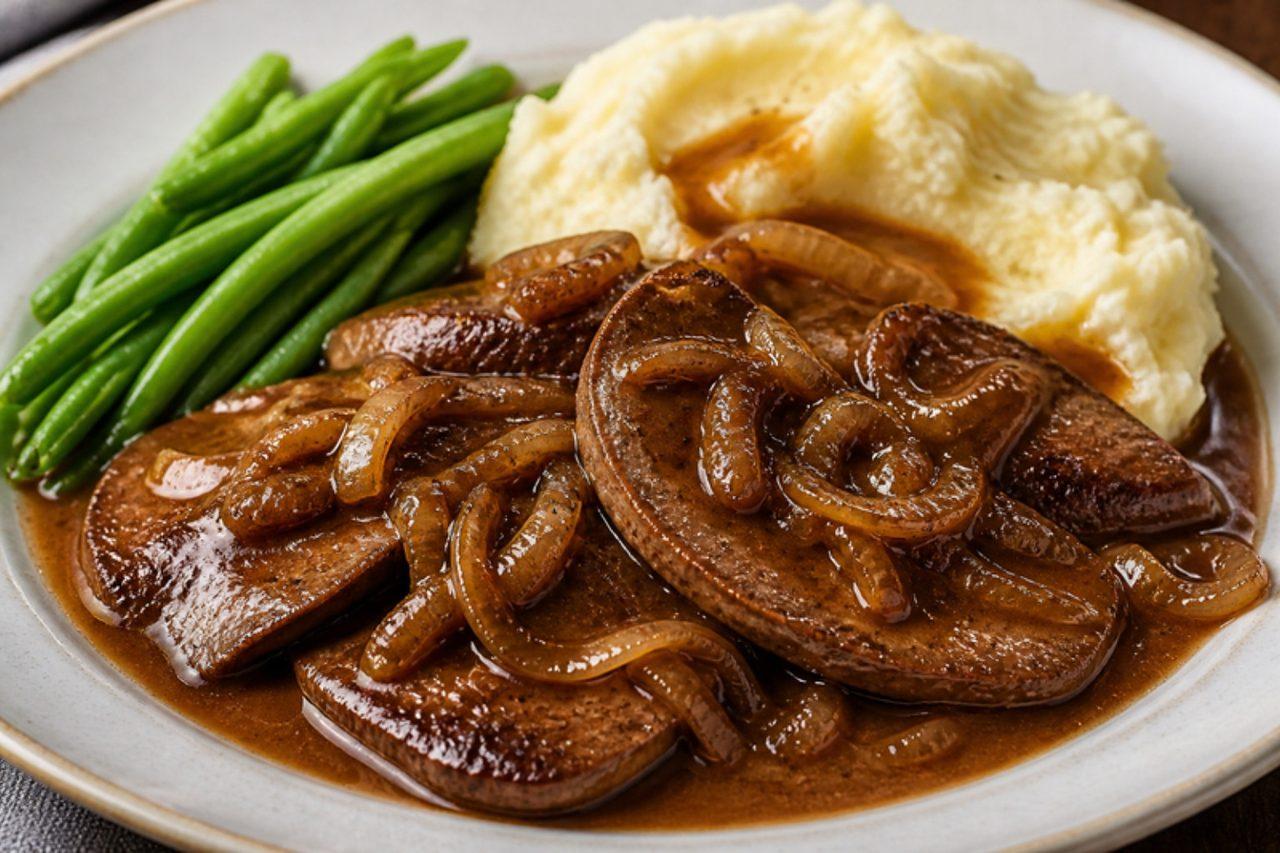
Liver and onions

Liver and onions is a café and works-canteen classic across the North and the Midlands, cheap, quick and full of iron, eaten with mash and a dollop of gravy. Thin slices of calf's or lamb's liver are fried briefly in butter after the onions have turned slow and sweet. Chef's tip: soak the liver in milk for 30 minutes if you find its flavour strong; it softens the taste.

by KrazyBadal 0 views

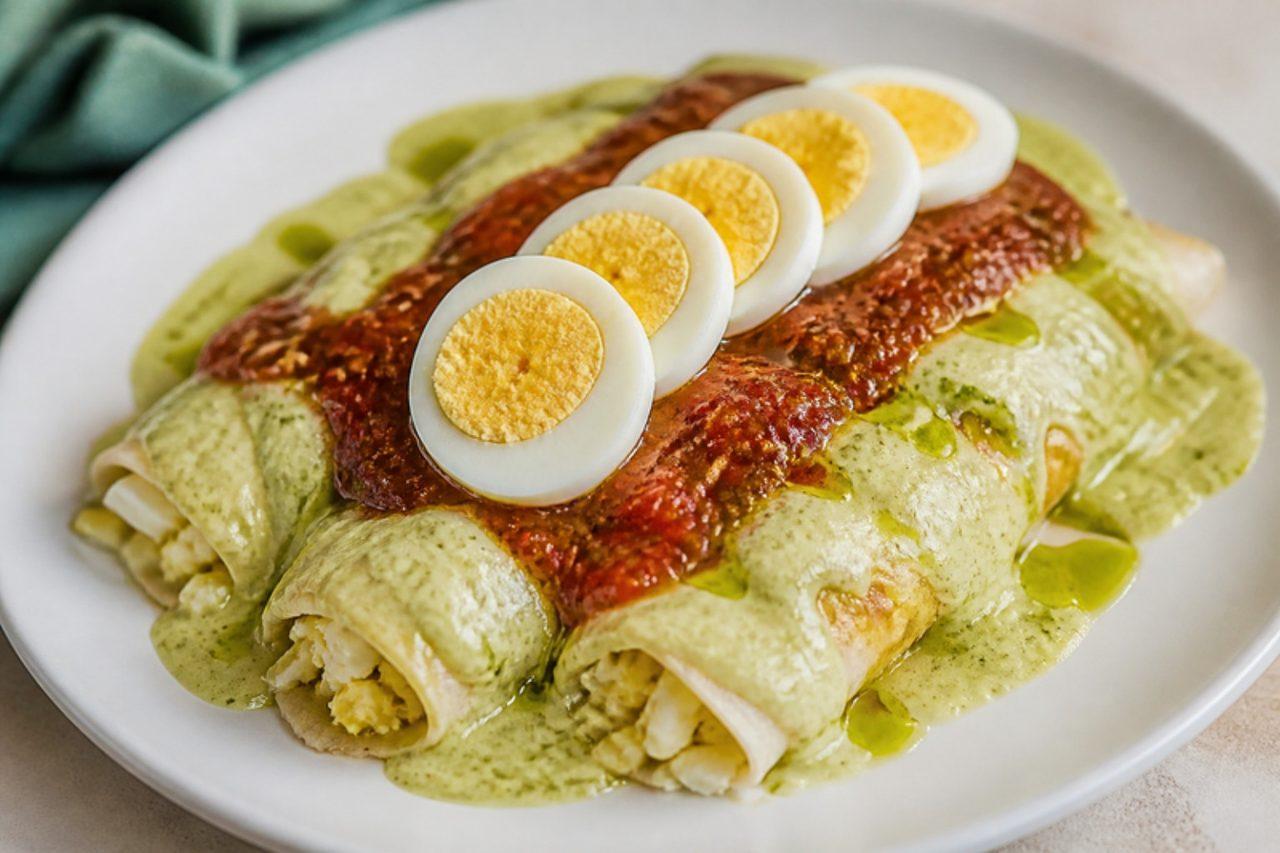
PapadzulesEgg tortillas in pumpkin seed sauce

Papadzules may be the oldest dish still eaten in the Yucatán: Maya cooks were rolling tortillas in ground squash seeds long before the Spanish brought chickens and their eggs. Today they are a lunch and Lent dish in Mérida, Valladolid and Campeche. Corn tortillas are dipped in a pale green sauce of toasted pumpkin seeds and epazote, rolled around chopped hard-boiled egg, then topped with a cooked habanero-tomato sauce and a few drops of green pumpkin-seed oil squeezed from the paste. The flavours are nutty, herbal and gently hot. Chef's tip: keep the seed sauce warm, never boiling; heat makes it split and turn grainy, and the oil that separates is meant to be drizzled on top, not stirred back in.

by KrazyBadal 0 views

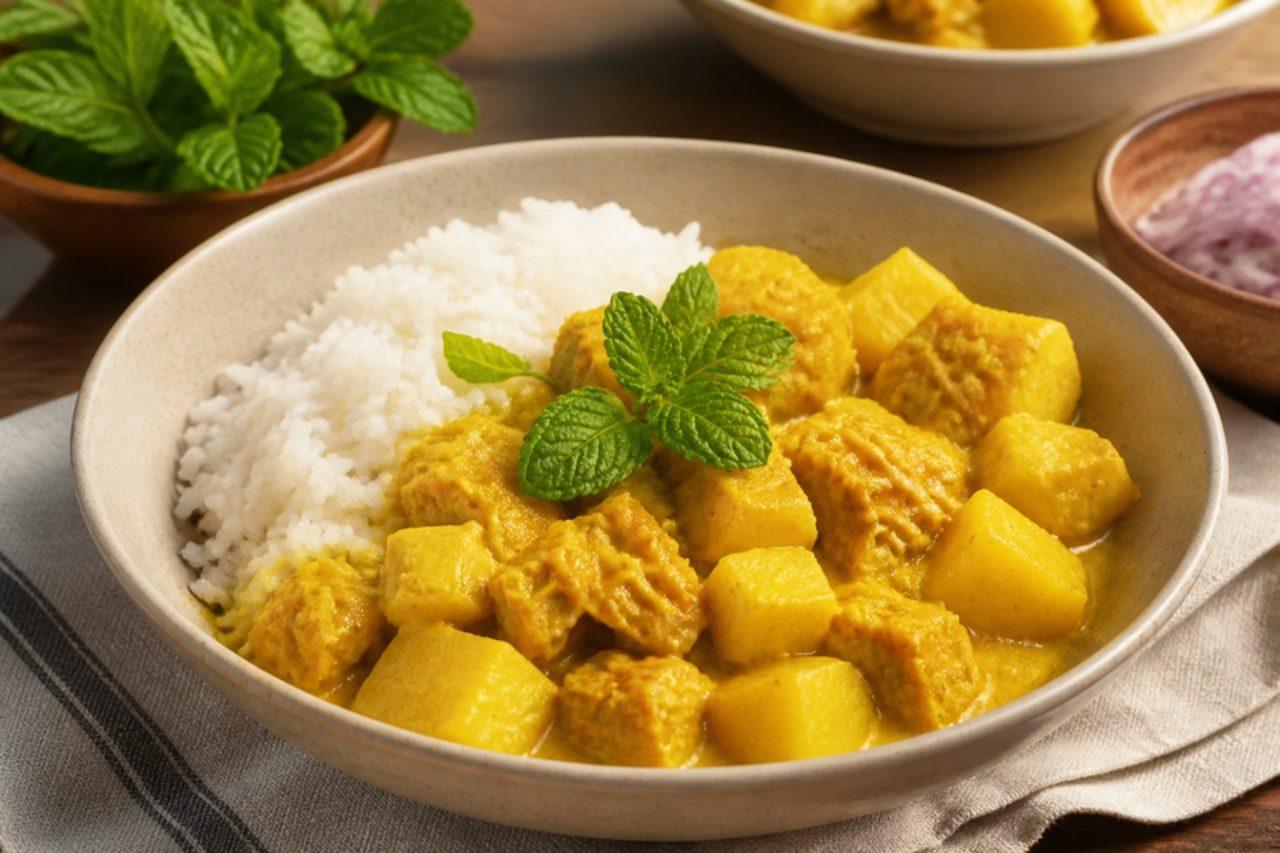
Cau cauTripe and potato stew

Cheap, filling and deeply loved, cau cau is a lunchtime staple at Lima's menú restaurants and market comedores, served with white rice. Pieces of honeycomb tripe are simmered until soft, then stewed with diced potato in a golden sauce of ají amarillo, garlic and turmeric, finished with a fistful of mint (hierbabuena) that freshens the richness. The texture is soft and slightly springy, the sauce mild, warm and herby. Buy tripe from a butcher or Latin, Asian or halal shop already cleaned and blanched (white honeycomb); it must be simmered until fully tender and cooked through. The common mistake is undercooking the tripe: if it squeaks between your teeth it needs longer. Chef's tip: cut the potatoes small and let some of them break up at the end; they thicken the sauce naturally.

by KrazyBadal 0 views

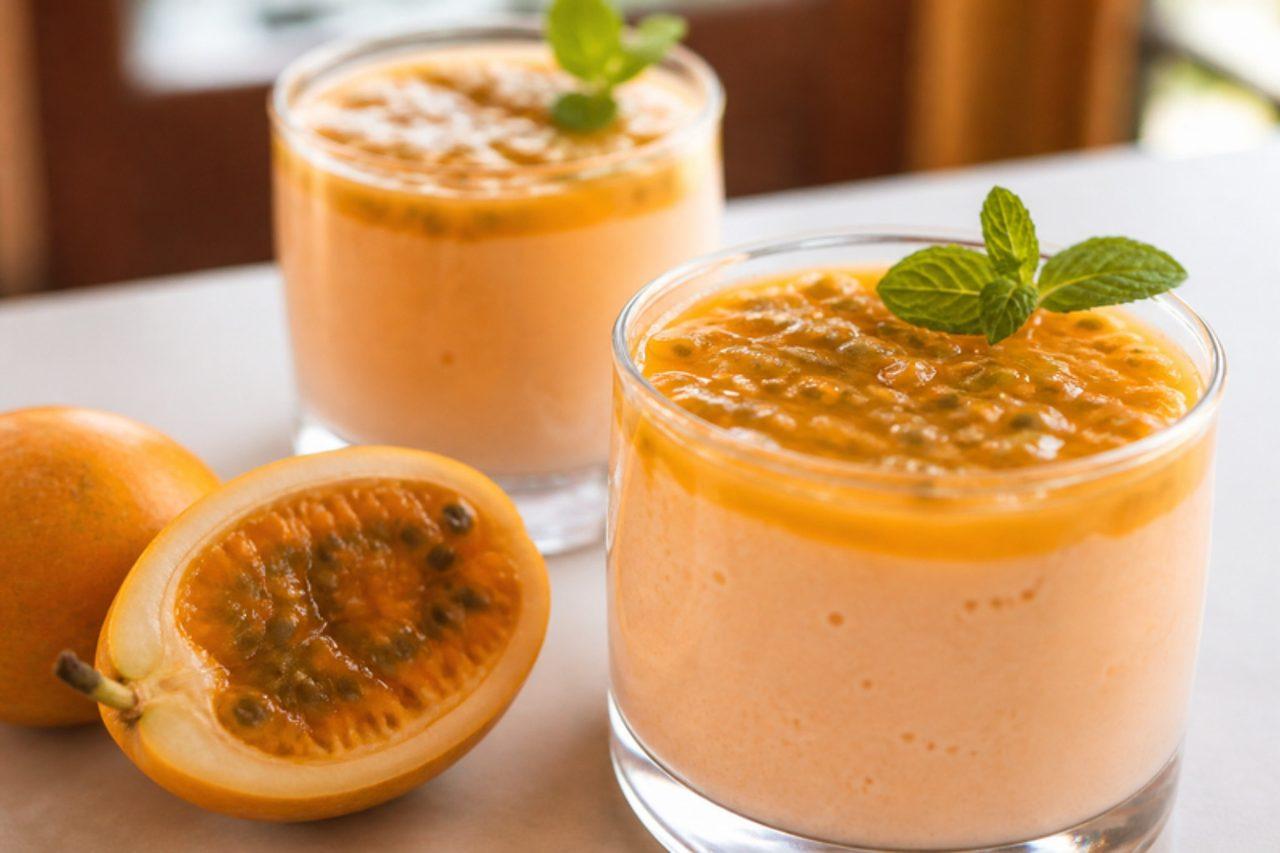
Esponjado de curubaBanana passionfruit mousse

Grandmothers' kitchens and old cafés of Bogotá and Boyacá have kept the esponjado alive: a pale, airy, sweet-sour mousse made with curuba, the long, soft-skinned banana passionfruit of the cold Andes, set with gelatin and sweetened with condensed milk. It is served chilled in glasses after Sunday lunch, light and tangy, perfumed like passionfruit but softer. Because it contains gelatin, it is not vegetarian; for a vegetarian version, set it with 2 tsp agar powder boiled for 2 minutes in the curuba juice. Older recipes fold in raw whipped egg whites; this one uses whipped cream instead, so there is no raw egg. The common problem is folding cream into gelatin that's too warm or too set: it should be cool and just thickening, like unbeaten egg white. Chef's tip: frozen curuba pulp is sold in Latin shops; if you can't find it, use passionfruit pulp with a squeeze of lime. Allow at least 4 hours for it to set.

by KrazyBadal 0 views

Showing 36 of 7,762 recipes

Show more recipes

Page 411 of 863