


Skip to content
Kosa bel bechamel
Featured recipe

Kosa bel bechamel

Courgette bake with béchamel

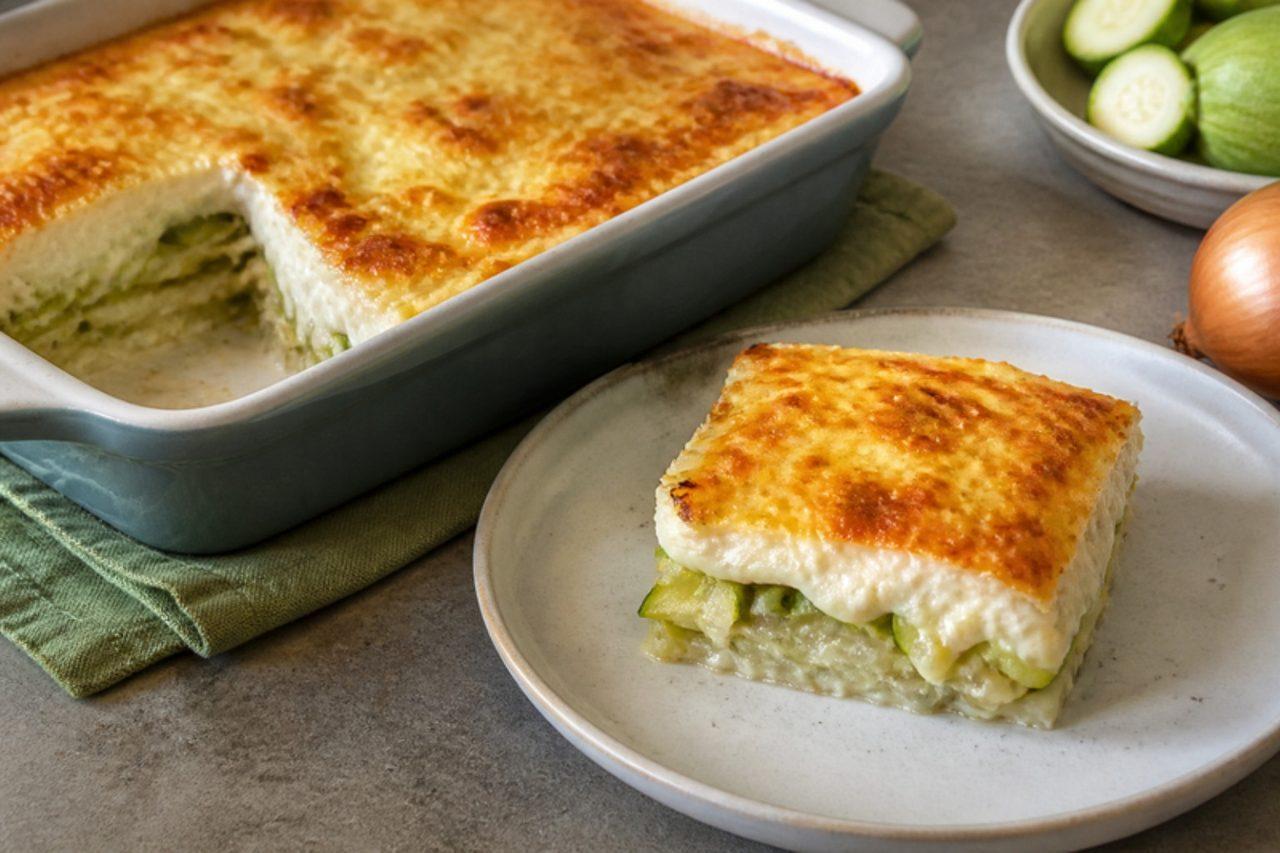
Cairene home cooks bake kosa bel bechamel in the same deep tray they use for macarona, and it turns up on Friday lunch tables and at family gatherings all year. Plenty of households layer the courgettes with spiced minced beef; this is the meat-free version, where soft, sweet courgette and onion sit under a deep blanket of nutmeg-scented white sauce that browns in patches on top. Spoon it out beside plain vermicelli rice, a baladi salad and a dish of pickles. The usual hard grating cheese, like most aged cheeses, is often made with animal rennet, so pick one labelled vegetarian. Chef's tip: let the bake stand for ten minutes before cutting, or the béchamel runs and the slices fall apart.

Read more 0 views

What to eat today?

Around the world

Today's trip: Paraguayan

A new country every day, from every cuisine on the site.

Paraguayan

Chipa

Cheese bread rings 50 minMore from Paraguayan (27) →

This week's collection

Kid-friendly dinners
537 recipes · a new collection every Monday

Latest recipes

Bayerische CremeVanilla cream with raspberry sauce

Bayerische Creme is the light, wobbling vanilla cream that Munich coffee houses and Bavarian wedding buffets have served for generations: a cooked egg custard folded with whipped cream and set in moulds, then turned out onto a pool of berry sauce. It is traditionally set with gelatine, which is made from animal bones and skin; this version uses agar so it stays vegetarian. A common mistake with agar is adding it to a cool custard: it only sets after it has boiled, so it is simmered in milk first and then whisked into the warm custard. Chef's tip: fold in the cream when the custard has cooled to just warm and is starting to thicken, so the cream stays airy and doesn't melt into it.

by KrazyBadal 0 views

Batatas al rescoldoEmber-roasted sweet potatoes

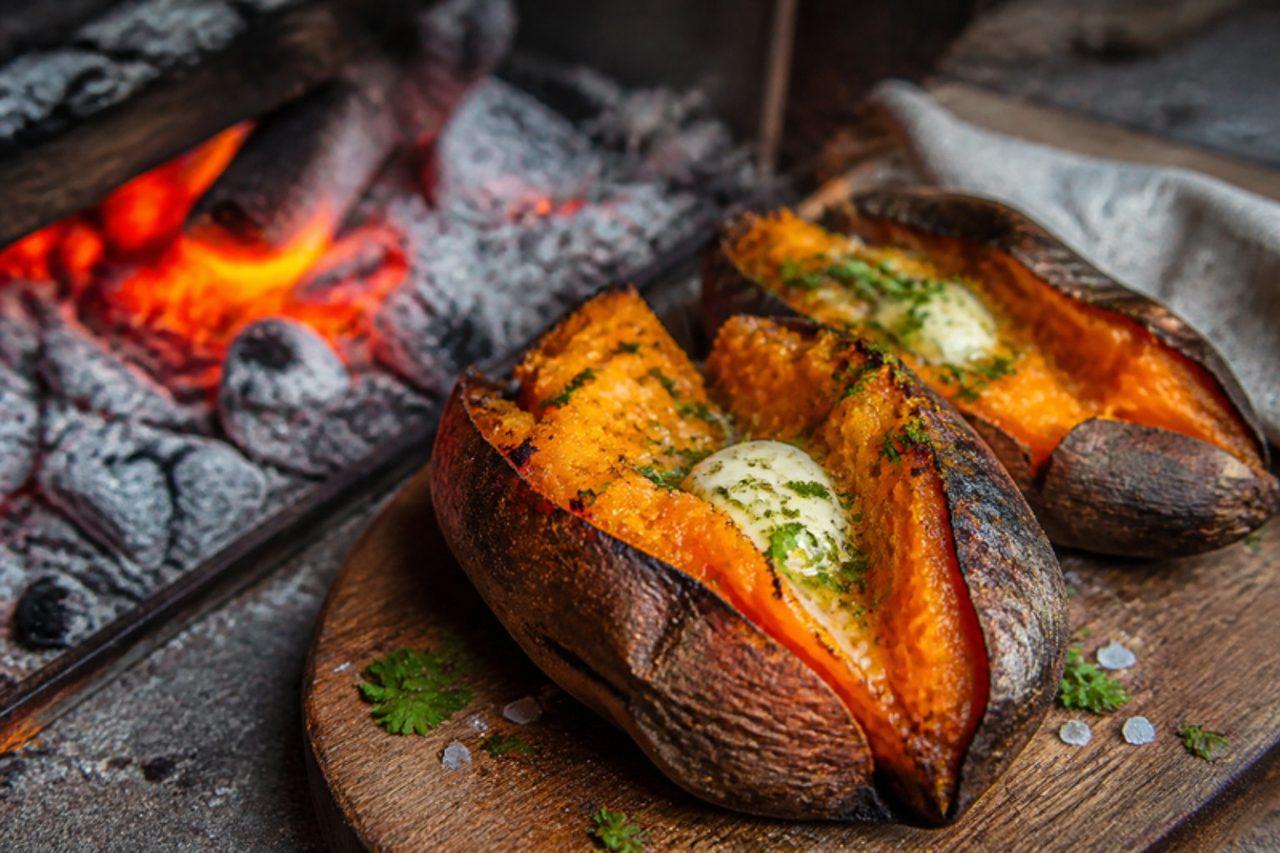
Long after the meat comes off, the fire of an Argentine asado still has work to do. Sweet potatoes pushed into the glowing embers (el rescoldo) at the start of the cook come out an hour later with charred, papery skins and flesh that is soft, sticky and almost caramelised, with a smoky edge. They are split open at the table, filled with butter and coarse salt and eaten as a side to the asado or as supper by the fire on a camping trip. Burying them in live flames is the trap: the skin blackens right through while the inside stays hard, so wait for a bed of settled embers and ash. Wrapping them in foil gives softer skins and less risk if you are new to it, and an oven at 200 °C does a fine job indoors. Chef's tip: choose sweet potatoes of the same thickness, around 250 g each, so they cook evenly together.

by KrazyBadal 0 views

BauruRoast beef and cheese hot sandwich

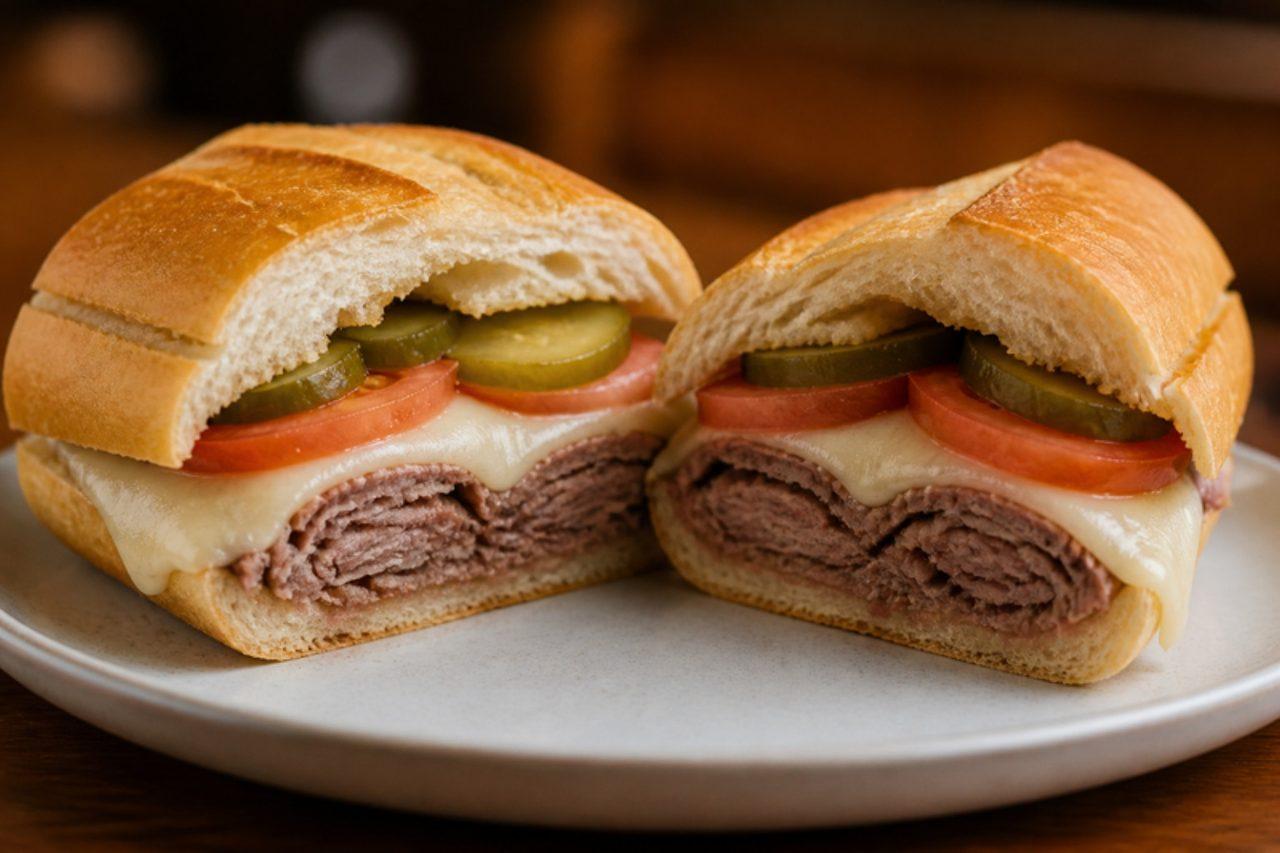
Late-night students at Largo do Paissandu in São Paulo invented the Bauru in the 1930s, named after the nickname of the friend who ordered it, and the bar where it was born still makes it the original way. A French roll has its crumb pulled out so it is all crust, then it is stuffed with thin warm roast beef, a pool of cheese melted in a bain-marie until it stretches, slices of tomato and pickled cucumber, with a pinch of oregano. It is hot, tangy, juicy and stringy. Plenty of snack bars around the country use ham instead, but beef is the classic. The thing that ruins it is cheese melted straight in a dry pan, which goes oily; melting it slowly over water with a splash of milk keeps it smooth and elastic. Chef's tip: warm the roast beef in a little of its own juices or stock, just until hot, so it stays pink and tender.

by KrazyBadal 0 views

Bocadillo veleñoGuava and panela paste

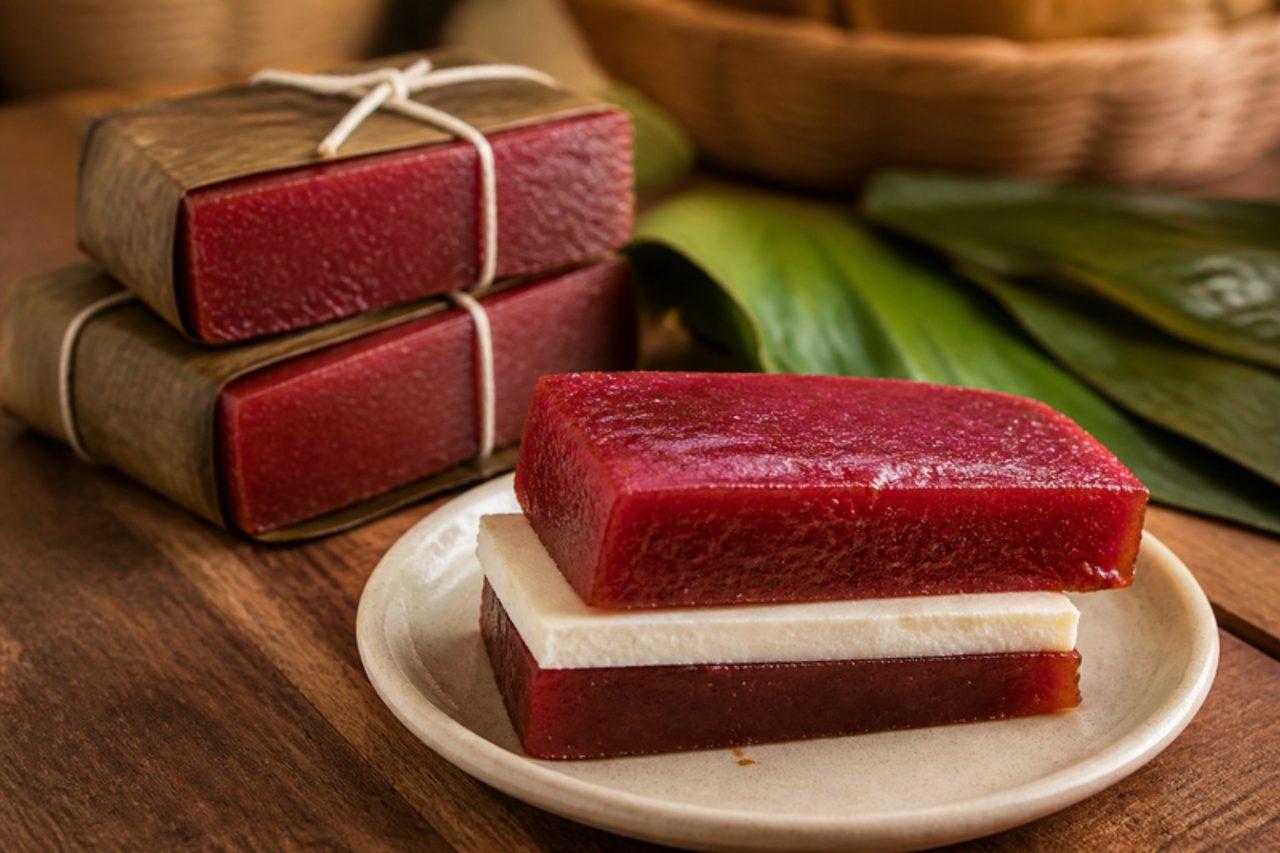
Vélez, a hill town in Santander, has given its name to Colombia's favourite sweet. Bocadillo veleño is guava pulp cooked down with panela and sugar until it sets into a firm, sliceable paste, deep red and fruity with a caramel edge, then cut into bars and wrapped in dried bijao leaves. It is the snack of bus journeys and school lunchboxes, and with a slice of fresh white cheese it becomes the classic pairing Colombians call a matrimonio. Plan for overnight setting. Stopping the cooking too early is the familiar mistake: the paste looks thick in the pan but stays soft and weeps once cool, so cook until it pulls away from the pan and a spoon drawn across the bottom leaves a clear track. Long sleeves are a good idea; it splutters. Bijao leaves are hard to find abroad; banana leaves or baking paper work. Chef's tip: use pink-fleshed guavas for colour, and add the lime early so the pectin sets firm.

by KrazyBadal 0 views

Pain d'épices de DijonHoney spice loaf

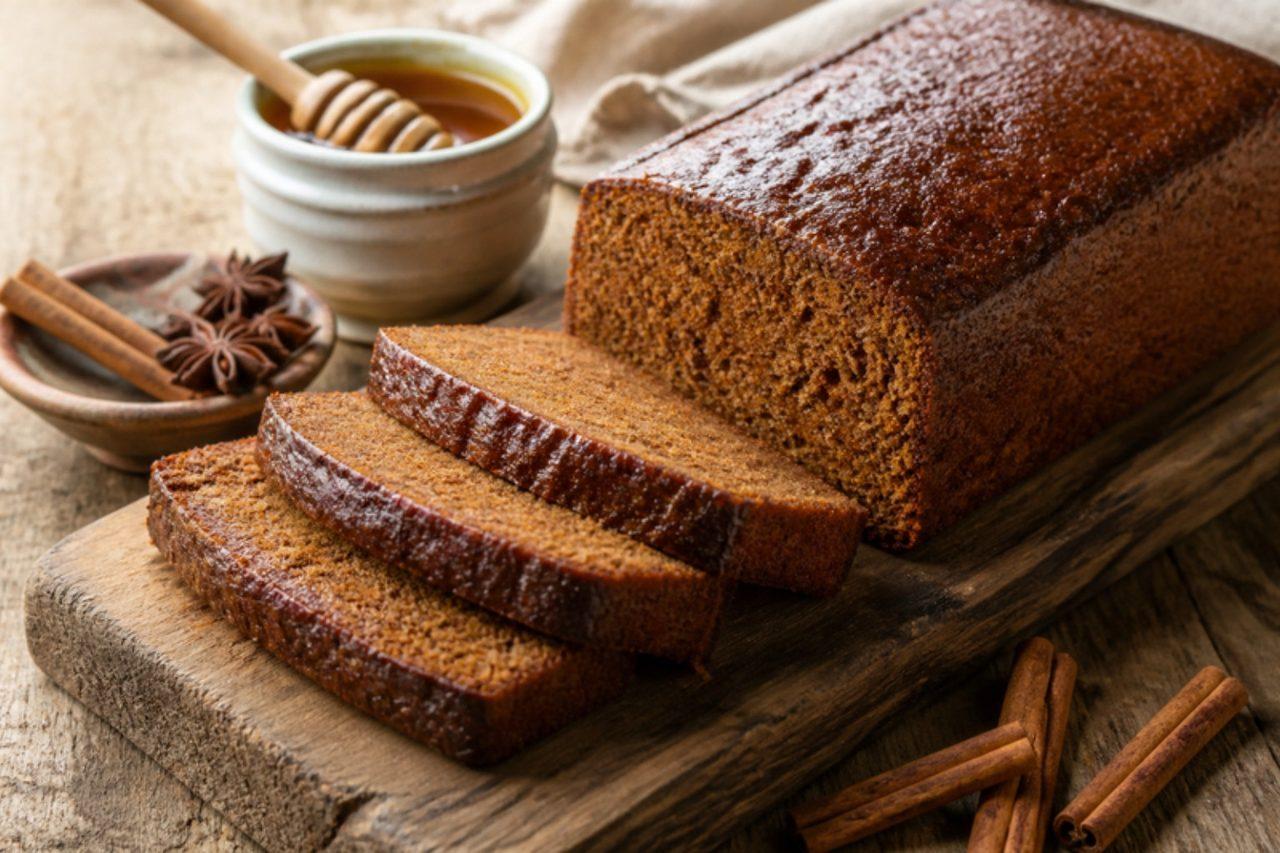
Dijon has been baking pain d'épices since the Middle Ages, and the shops near the old ducal palace still sell it by the slice, plain or glazed with orange. It is a dense, fragrant honey loaf, sold all year but eaten most in December, when Burgundian families toast slices for breakfast, spread them with butter, or serve them with cheese and pears. The Dijon style uses wheat flour and a whole egg, which makes it softer than the rye-flour loaves of Reims. Chef's tip: wrap it and wait a day before cutting; the crumb turns moist and the spices settle and deepen.

by KrazyBadal 0 views

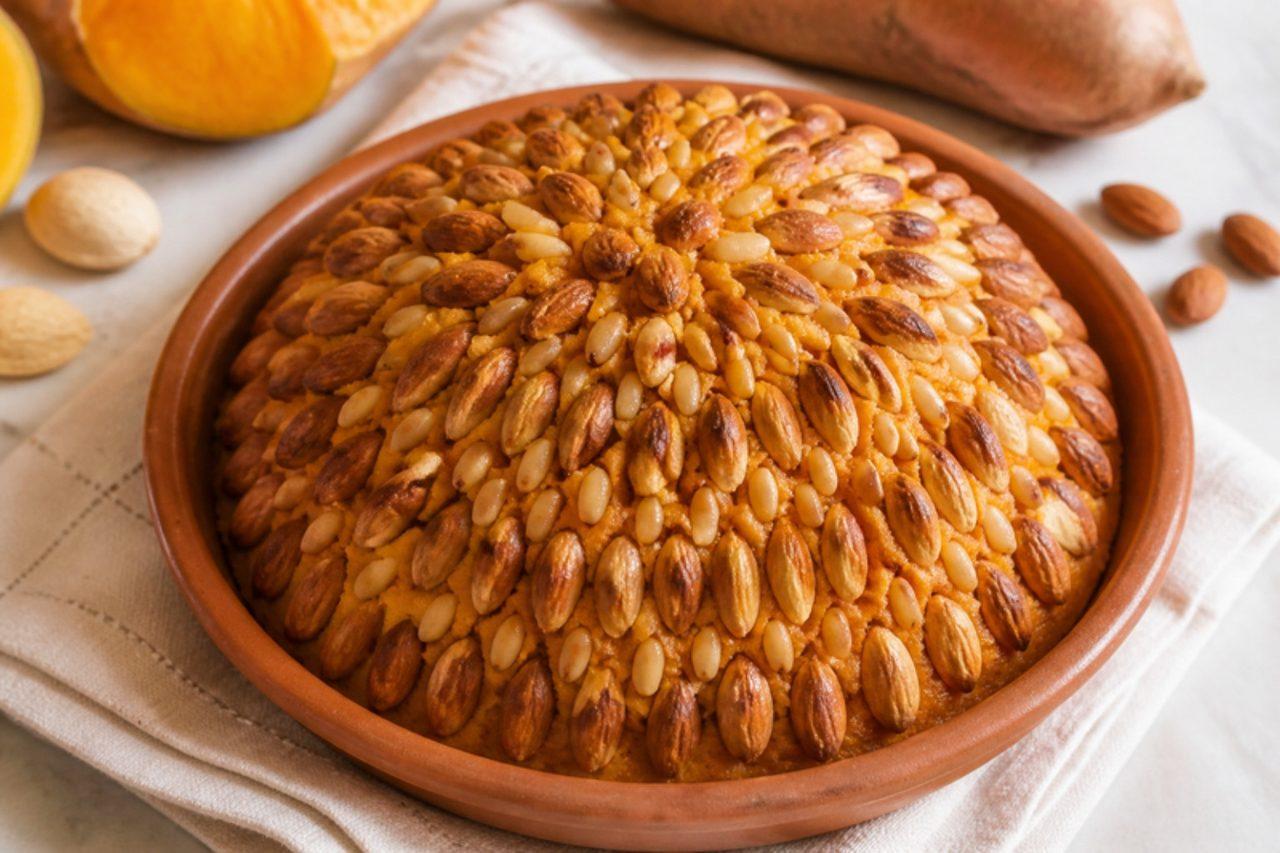
ArnadíPumpkin, sweet potato and almond sweet

In Xàtiva and the villages of La Costera, arnadí is made for Holy Week and given as a gift between neighbours, its golden peaks spiked with almonds and pine nuts like a little fortress. The recipe is a legacy of the region's Moorish centuries: roast pumpkin and sweet potato cooked down with sugar and ground almonds until thick, then shaped by hand in an earthenware dish and browned in the oven. Texture-wise it sits between a fudge and a very dense pudding, fragrant with lemon and cinnamon. A common mistake is using boiled pumpkin; it holds too much water and the arnadí never firms up. Chef's tip: roast the vegetables until the edges caramelise, then leave the purée to drain in a sieve overnight for the best, densest result.

by KrazyBadal 0 views

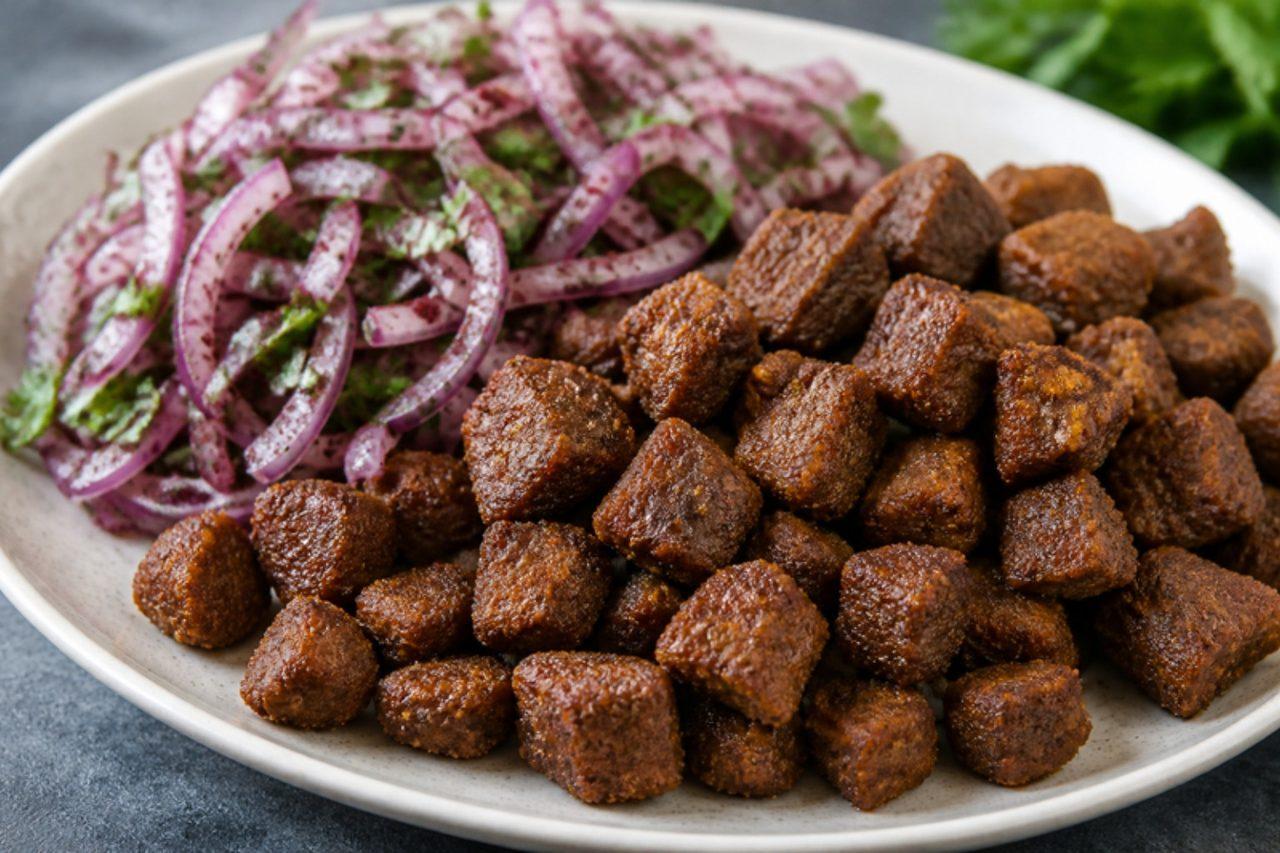
Arnavut ciğeriCrisp fried liver with sumac onions

No Istanbul meyhane table in Beyoğlu or Kumkapı is complete without a plate of Arnavut ciğeri: small cubes of lamb's liver dusted in paprika flour and flash-fried until crisp outside and just set within, piled on red onion, parsley and sumac. It is served hot among the cold meze, with toasted bread and a glass of something cold; ayran or şalgam work perfectly. Liver is quick to cook and quick to ruin. Chef's tip: shake off every bit of excess flour and fry in small batches in very hot oil, so the cubes crisp instantly instead of stewing.

by KrazyBadal 0 views

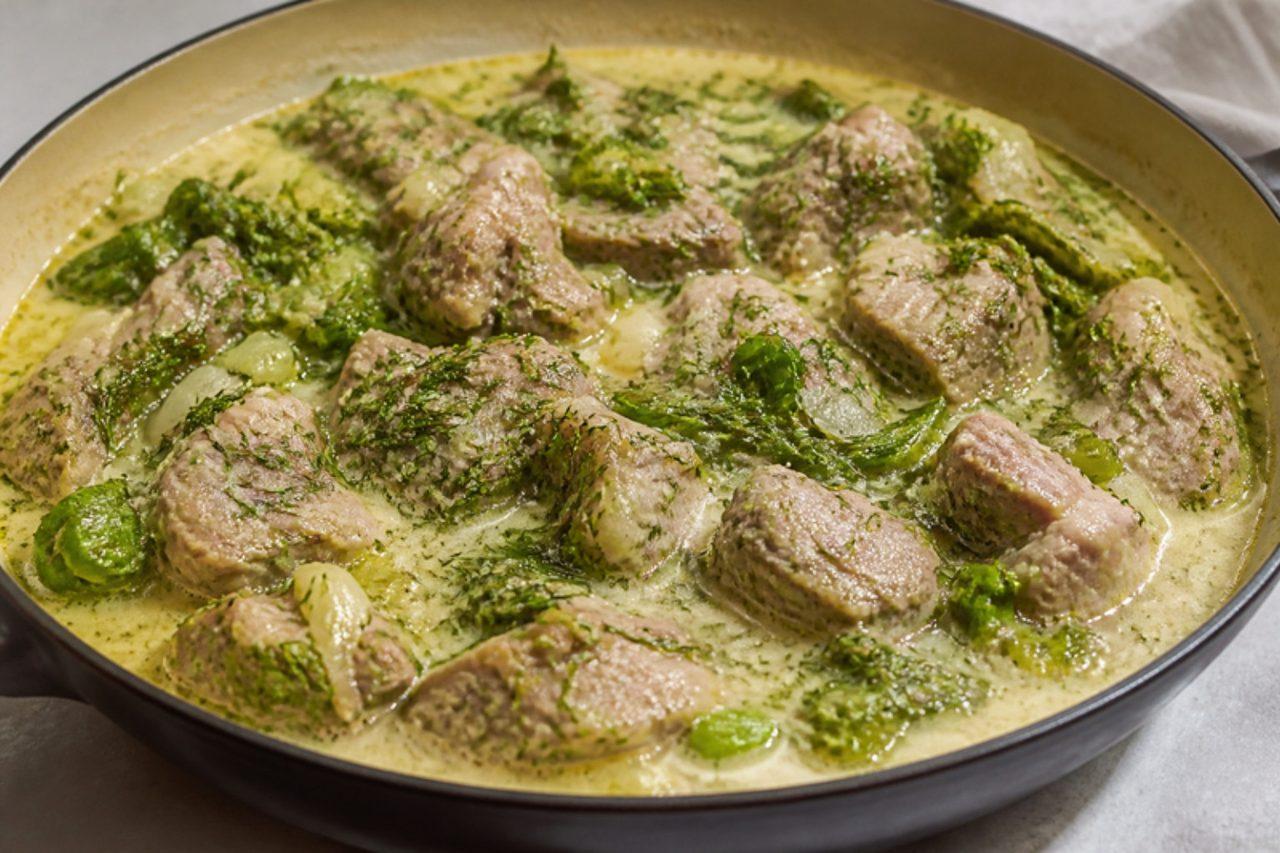
Arni fricasseeLamb and lettuce stew with egg-lemon

When cos lettuces and spring onions flood the markets around Easter, Greek cooks make arni fricassee: lamb braised slowly with mountains of greens and dill, then thickened at the last moment with avgolemono, the frothy egg and lemon sauce. The result is tender, tangy and fresh, a lighter alternative to the roast lamb of Easter Sunday, served with crusty bread to mop up the sauce. Common mistake: pouring the eggs straight into the bubbling pot, which scrambles them; temper them with hot broth first and keep the pot off the heat. Chef's tip: shake the pot to swirl the sauce in rather than stirring, so the lamb and greens stay whole.

125 minGreekMeatGluten free
by KrazyBadal 0 views

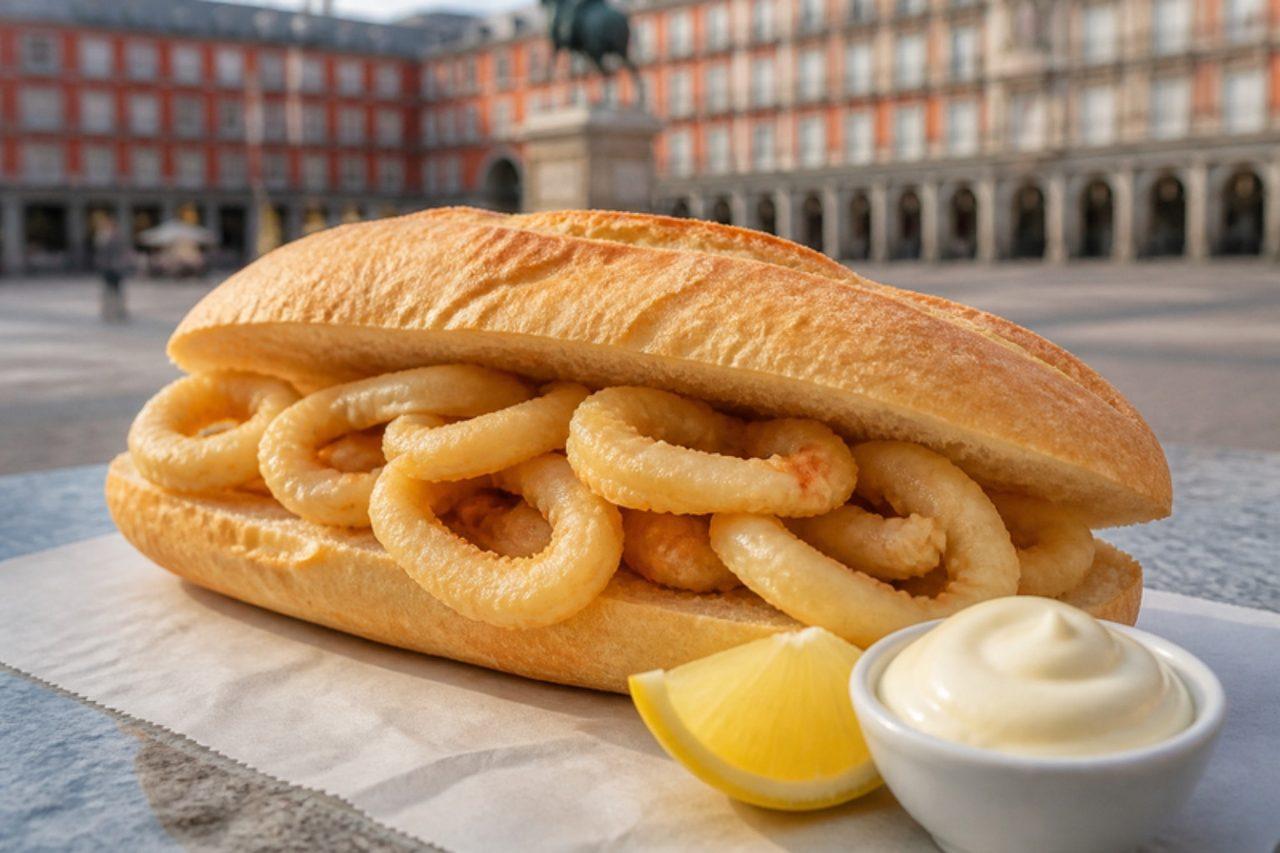
Bocadillo de calamaresFried squid sandwich

Madrid sits hundreds of kilometres from the sea, yet its most famous snack is a crusty roll stuffed with hot fried squid rings, eaten standing at the bars around the Plaza Mayor at any hour. Locals order one with a cold drink at the counter and squeeze over a little lemon; some add a smear of mayonnaise. Chef's tip: fry the squid in very hot oil and for barely a minute, so it stays tender inside a crisp coat.

by KrazyBadal 0 views

Blanc-manger cocoCoconut dessert

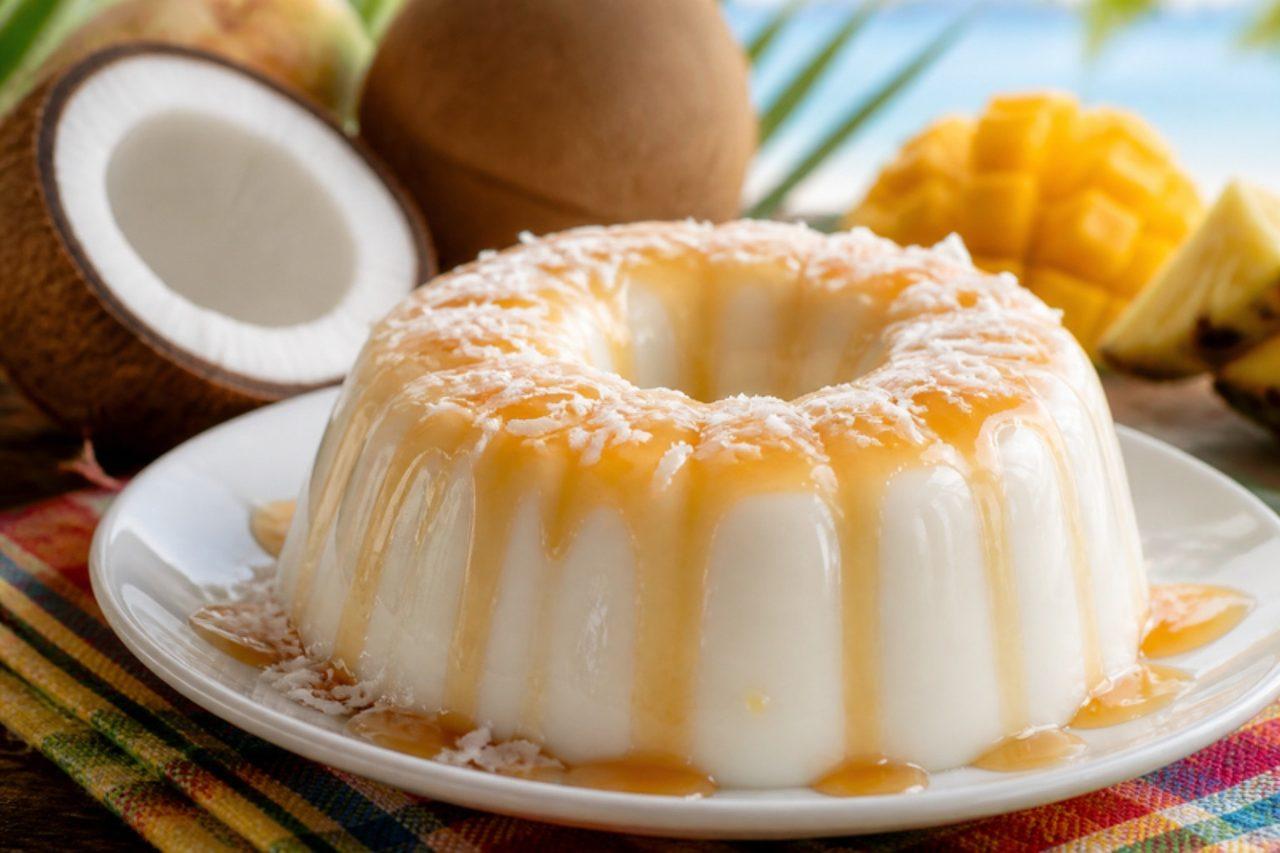
In Martinique, blanc-manger coco is the cool, wobbly dessert that closes a Christmas or Sunday family lunch: coconut milk and sweetened condensed milk scented with lime zest, cinnamon, vanilla and nutmeg, set and turned out of a mould. Many island cooks set it with gelatine, which is not vegetarian; this recipe uses agar-agar, a seaweed setting agent, so it is meat-free and holds well even in the heat. Serve it chilled with passion fruit or a guava coulis. Chef's tip: once the agar is in, keep the mixture boiling for 2 full minutes; agar only sets after it has been properly boiled.

by KrazyBadal 0 views

Arròs amb fesols i napsWhite bean and turnip rice stew

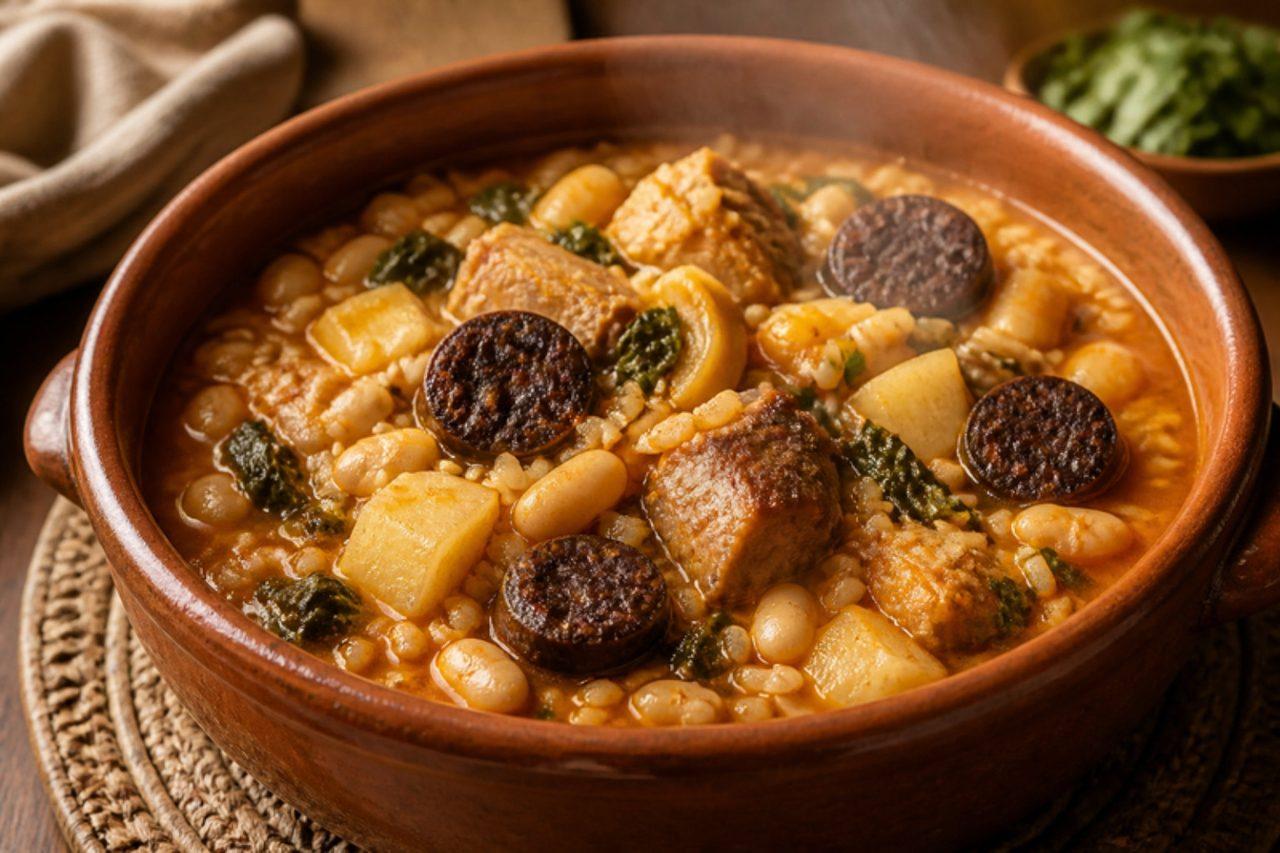
When the Valencian huerta turns cold in January, this brothy rice is what simmers on the stove for Sunday lunch: white beans, sweet turnips, chard and different cuts of pork cooked slowly with saffron, then rice added to the pot at the end, so it is a spoon dish rather than a dry paella. Each family has its own mix of meats; this version uses pork ribs, pork belly and onion morcilla. This contains pork (ribs, belly and black pudding). A common mistake is adding the rice too early; it should go in only once the beans are completely soft, and the pot should be served the moment it is done or the rice swells and drinks up the broth. Chef's tip: soak the beans with a pinch of bicarbonate of soda and start them in cold water; they cook more evenly and their skins stay on.

by KrazyBadal 0 views

Pão alentejanoSourdough country loaf

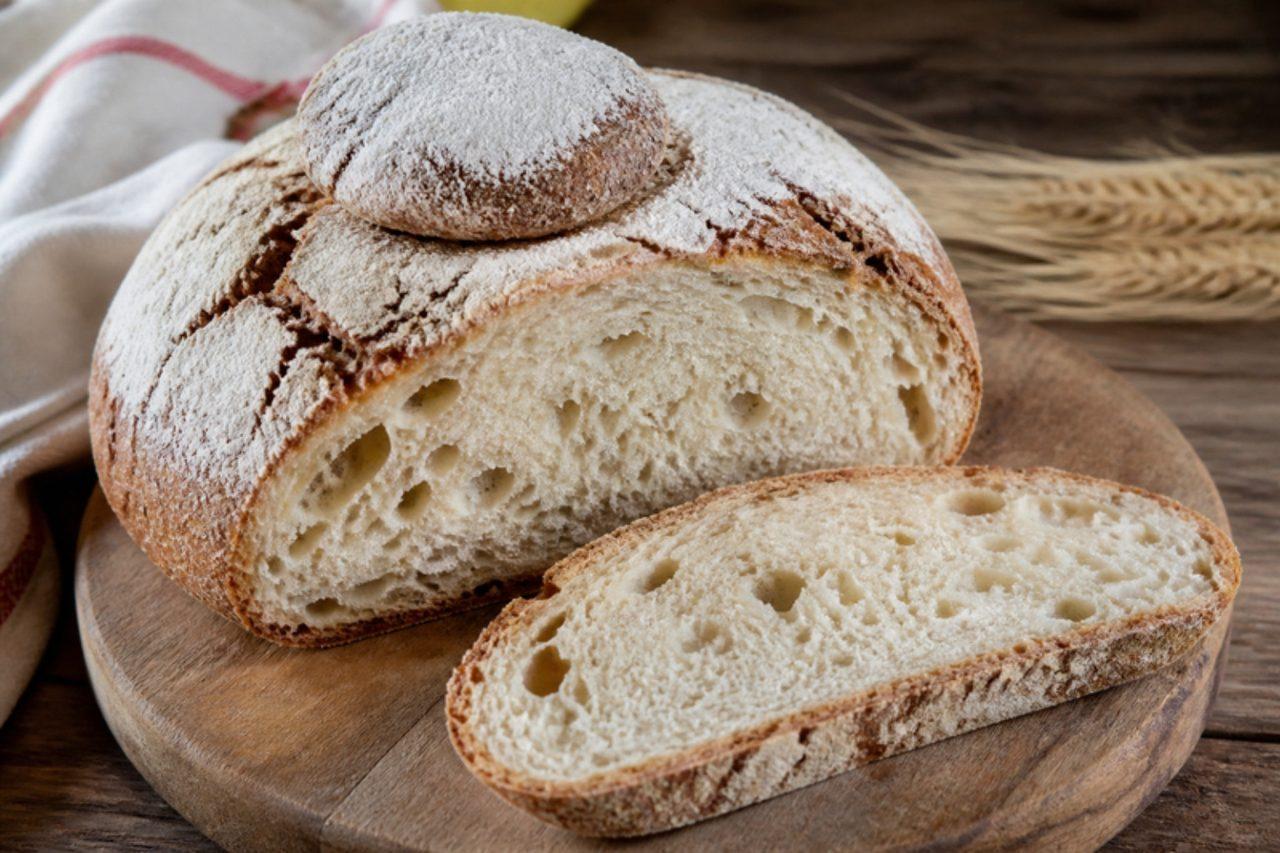
Almost every Alentejo meal leans on this bread: it is crumbled into açorda, laid under soups and stews, fried into migas and, fresh, eaten with olives and sheep's cheese. Village bakers make it with a sourdough starter, white wheat flour, water and salt, and give each round loaf a little knob of dough on top, called the cuco. The crumb should be dense, moist and chewy and the crust thick and crackling, so it lasts a week. You need an active starter that doubles within 6 hours of feeding. A common mistake is baking too pale; let the crust go a deep brown for flavour and keeping. Chef's tip: use a wetter dough than you think; it gives the open, moist crumb that keeps the bread soft for days.

by KrazyBadal 0 views

Arròs brutSoupy rice with chicken and pork

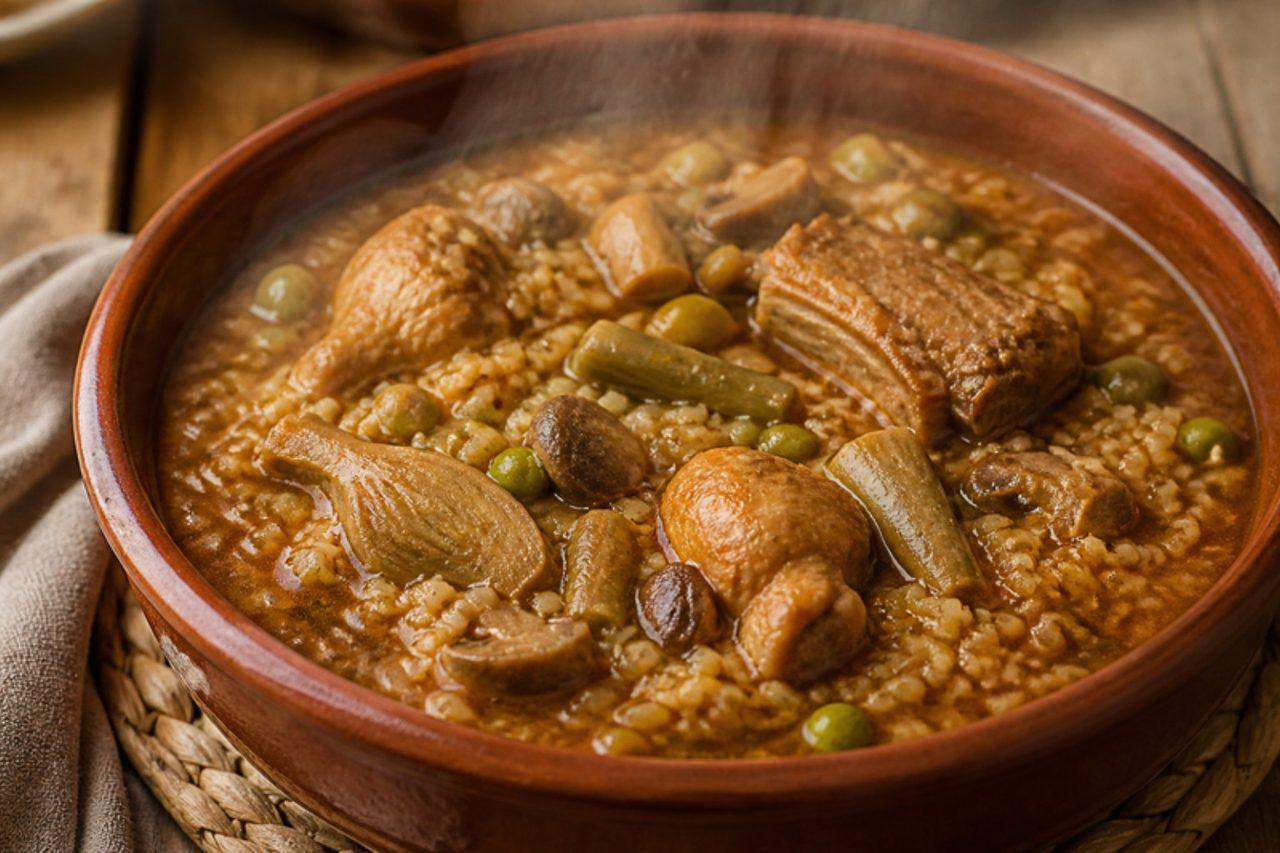
The 'dirty' in arròs brut is the colour the broth takes from cinnamon, cloves, nutmeg and saffron, a spice mix that goes back to the island's medieval kitchens. Inland Mallorca cooks it on autumn and winter Sundays and at hunting lunches, with chicken, pork ribs, rabbit or small game, plus mushrooms, artichoke, green beans and peas, and serves it soupy, eaten with a spoon. This contains pork (pork ribs). Chef's tip: toast the ground spices for only a few seconds in the oil, then add the tomato at once, because burnt cloves and cinnamon make the whole pot bitter.

by KrazyBadal 0 views

ArrosticiniGrilled lamb skewers

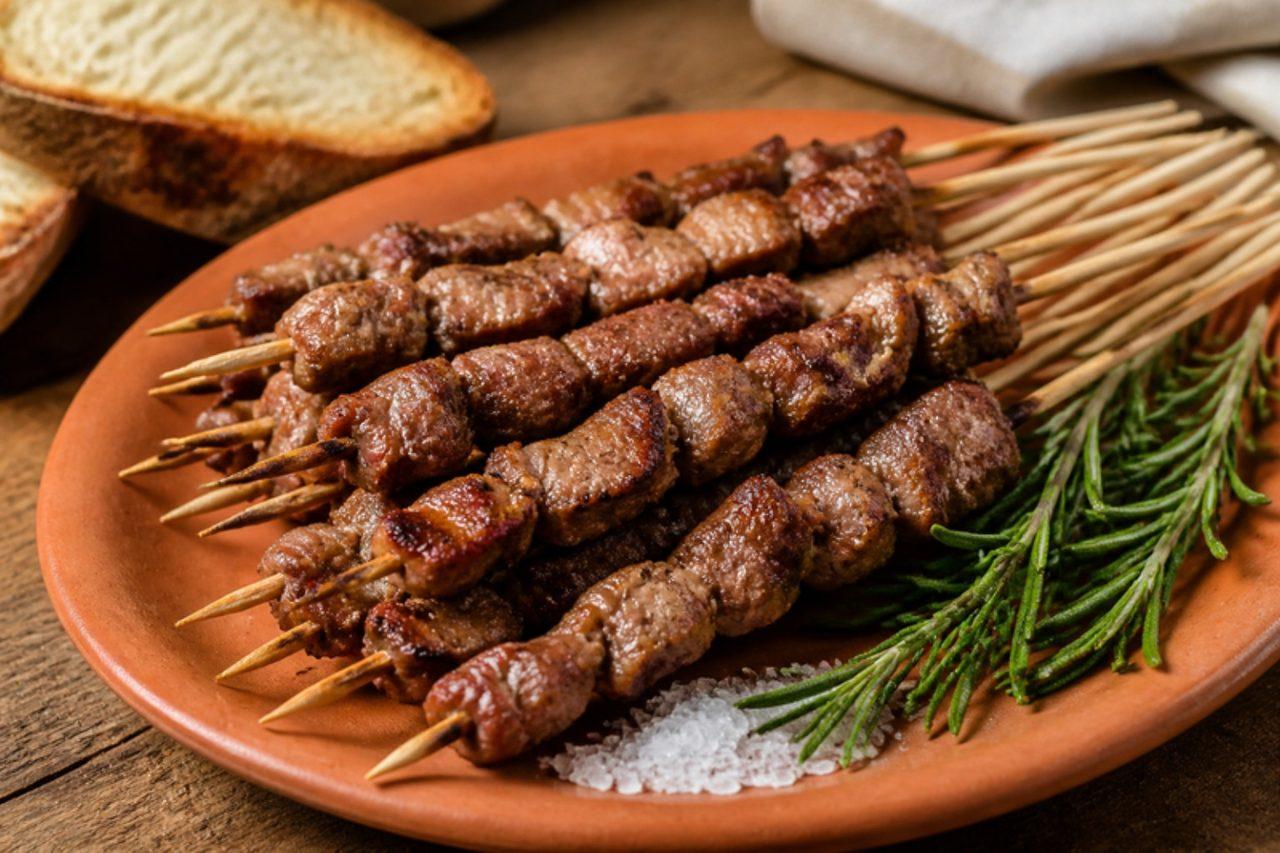
Drive through the hills of Abruzzo on a summer evening and you'll smell arrosticini: tiny cubes of sheep's meat threaded onto thin skewers and grilled by the dozen on a long, narrow charcoal brazier called a canala. Traditionally they're made with mutton from the region's flocks; lamb shoulder is easier to find and works beautifully. They are seasoned only with salt and olive oil, eaten straight off the stick by the handful, with bread drizzled in oil and a glass of something cold. A ridged grill pan works when you can't light charcoal. Chef's tip: leave a little fat on the meat and alternate fatty and lean pieces on each skewer, so they baste themselves as they cook.

by KrazyBadal 0 views

Arroz a bandaRice cooked in fish stock

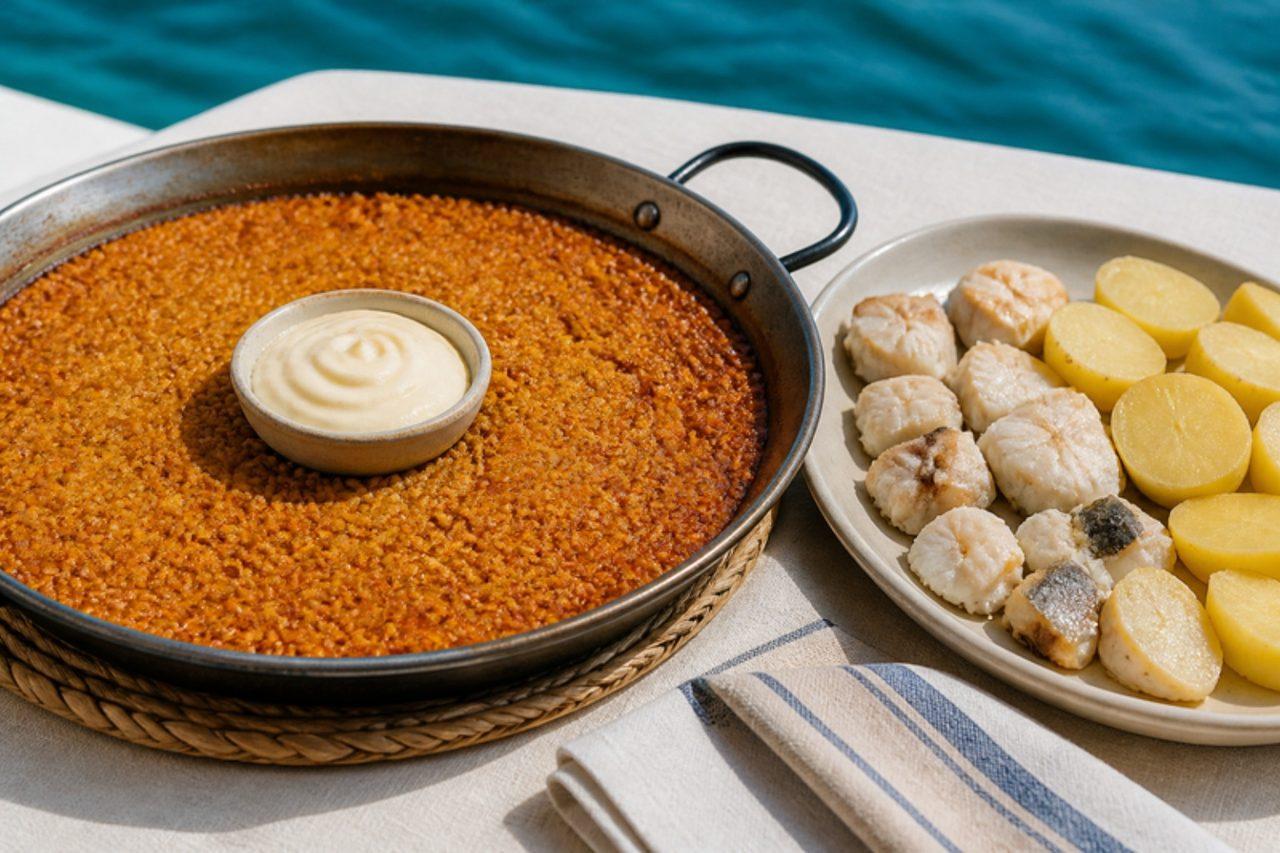
Along the Alicante coast, from Santa Pola to Dénia, arroz a banda began as a fishermen's meal: the small, bony fish that wouldn't sell were simmered into a deep, rust-coloured stock, rice was cooked in it, and the fish was eaten "a banda", on the side. Today the rice comes first, thin, golden and intensely savoury, with a spoonful of allioli, and the poached fish and potatoes follow. A common mistake is a weak stock; the rice tastes of nothing more than what it cooks in, so use plenty of fish and reduce it well. The allioli here uses pasteurised egg; raw-egg allioli is not for pregnant women, young children or anyone with a weakened immune system. Chef's tip: let the rice catch slightly on the base in the last minute to form socarrat, the toasty crust everyone fights over.

115 minSpanishFishGluten free
by KrazyBadal 0 views

Arroz à gregaRice with carrot, peas and raisins

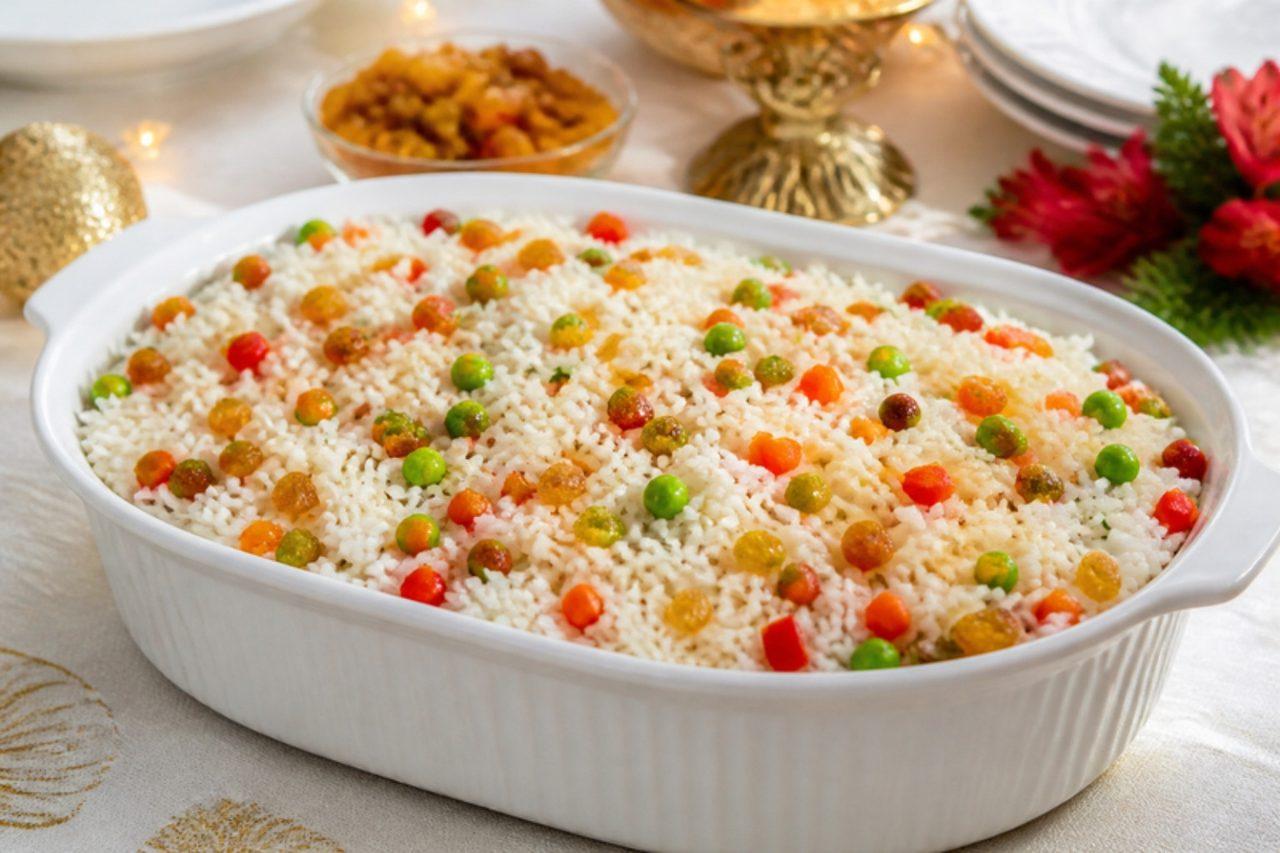
Nothing Greek about it: the name is pure Brazilian whimsy, and every carioca Christmas and New Year's Eve table has a big platter of this colourful rice next to the roast. Long-grain rice is cooked with onion and garlic and then tossed with diced carrot, peas, red pepper, raisins and spring onion, so each spoonful is savoury, a little sweet and full of colour. It also turns up at weekend lunches and as a side with grilled vegetables or bean dishes. Most people overload the pan and steam everything together, which turns the vegetables dull and soft. Cook the rice and the vegetables separately and fold them together at the end. Chef's tip: soak the raisins in a little hot water for 10 minutes; they plump up and don't pull moisture out of the rice.

by KrazyBadal 0 views

Bakaliaros skordaliaBattered salt cod with garlic dip

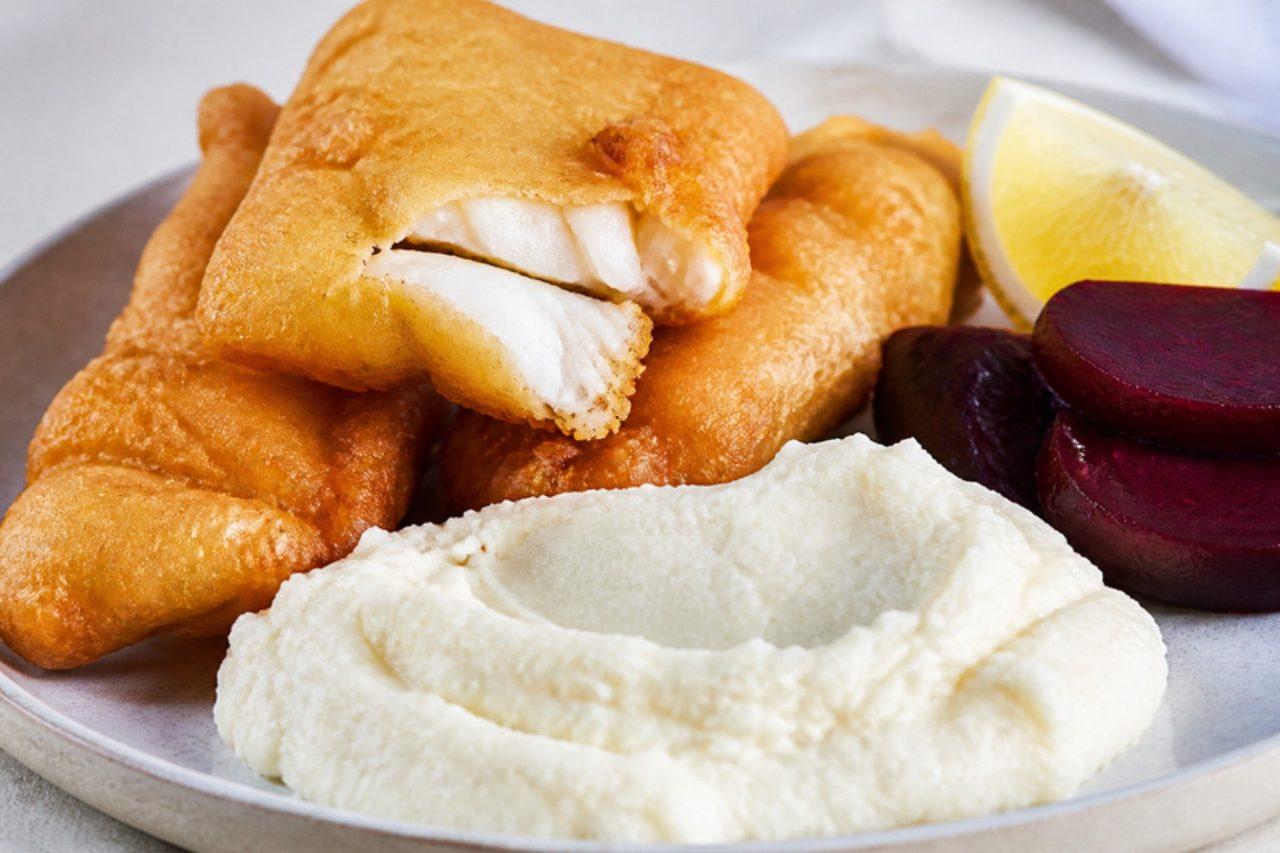
On 25 March, Greek Independence Day and the Annunciation, the Lenten fast is relaxed for fish, and families from Nafplio to Patras sit down to golden fritters of salt cod with a sharp, garlicky potato skordalia and a beetroot salad. Salt cod is soaked for a day or two to draw out the salt, then dipped in a light sparkling-water batter and fried until puffed and crackly. Common mistake: not soaking long enough — taste a flake; it should be pleasantly seasoned, not salty. Chef's tip: make the skordalia while the potatoes are hot, and pound or mash by hand; a blender turns it to glue.

75 minGreekFish
by KrazyBadal 0 views

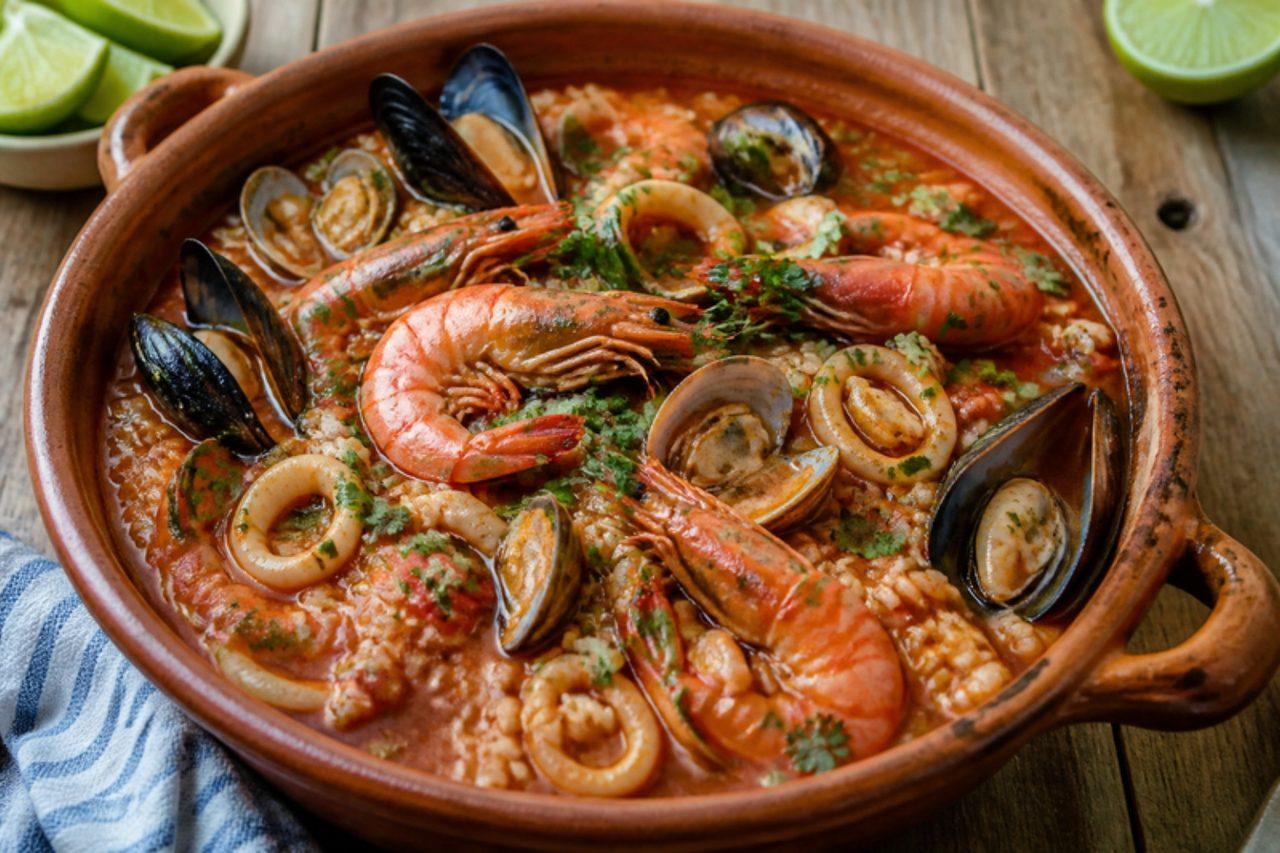
Arroz a la tumbadaSoupy seafood rice

Along the Veracruz coast, from Alvarado to the port itself, fishermen's families make arroz a la tumbada: a loose, soupy red rice cooked in tomato and fish stock and loaded with prawns, squid, clams and mussels. It sits between a paella and a seafood soup, eaten with a spoon at long Sunday lunches in beachside palapas, with lime wedges and hot sauce on the table. Epazote gives it its local scent; parsley with a pinch of oregano will do if you can't find it. Chef's tip: take it off the heat while it still looks too wet; the rice keeps drinking the broth on the way to the table.

by KrazyBadal 0 views

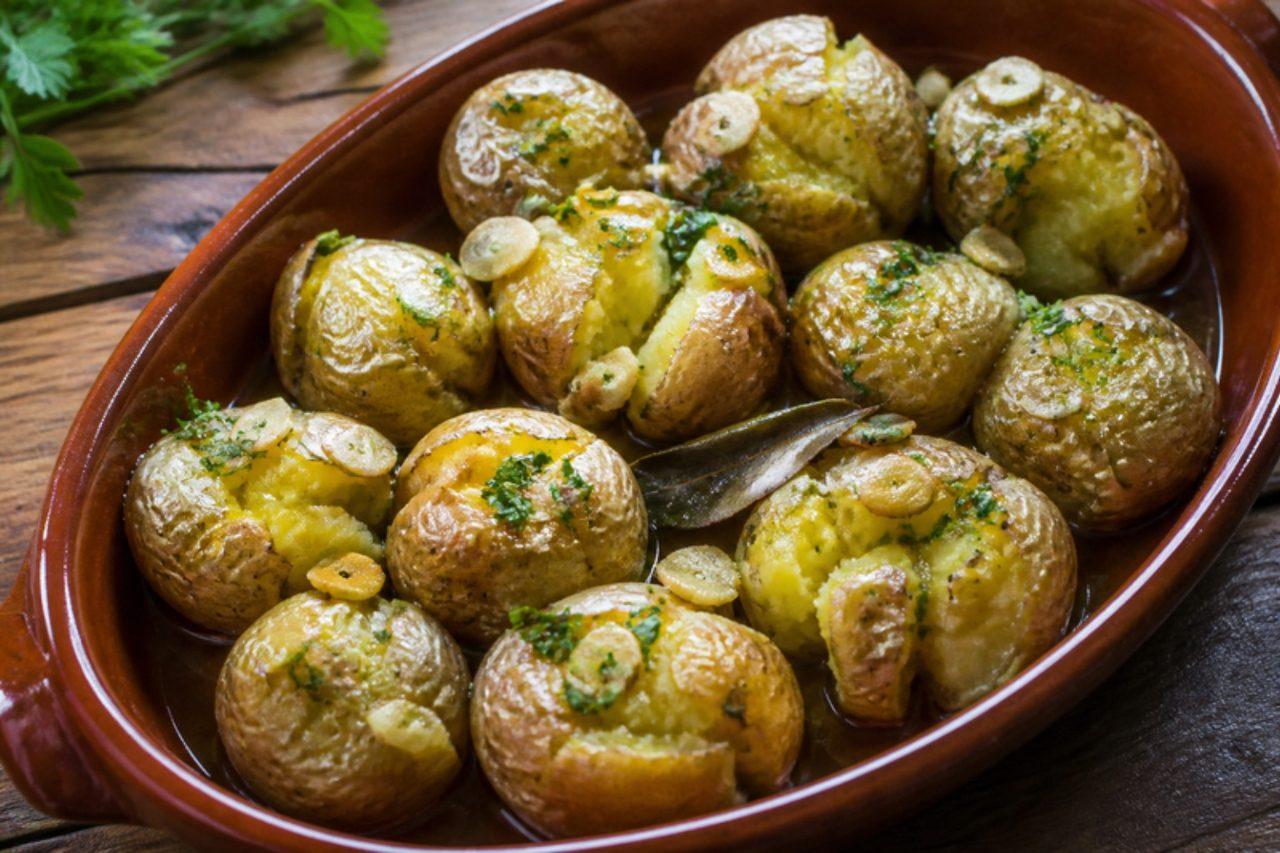
Batatas a murroPunched roast potatoes with garlic oil

Order bacalhau na brasa in a Minho tasca and it arrives with these: small potatoes roasted in their skins on a bed of coarse salt, given a sharp punch to split them, then soaked in hot olive oil and garlic. The skins go crisp and salty while the flesh turns fluffy and drinks up the oil. They are just as good next to grilled sardines in June or a roast chicken on Sunday. Chef's tip: pick potatoes the size of a hen's egg so they cook through before the skins burn.

by KrazyBadal 0 views

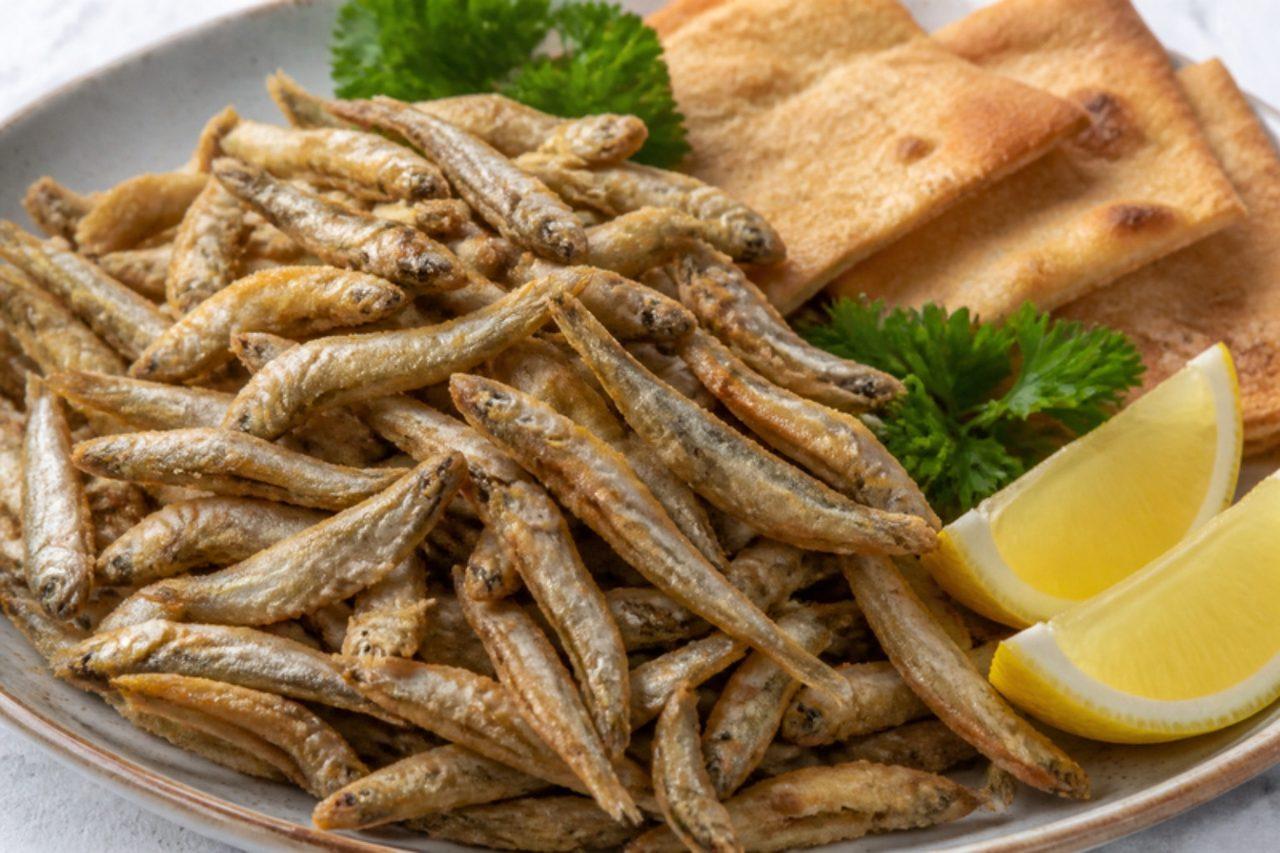
BizriFried whitebait

Fish restaurants on the harbours of Byblos, Batroun and Tyre bring bizri to the table within minutes of ordering: a heap of tiny whitebait, dusted in seasoned flour and fried so crisp you eat them whole, heads and all, with a squeeze of lemon. It is a mezze for sharing with fattoush, tahini sauce and fried pitta, usually while waiting for the bigger grilled fish. Buy the fish very fresh and keep it on ice until it goes into the pan. The common mistake is crowding the pan, which drops the oil temperature and leaves the fish greasy and soft. Chef's tip: toss the damp fish in flour in a sieve and shake off every bit of excess; a thin coating fries glassy-crisp.

by KrazyBadal 0 views

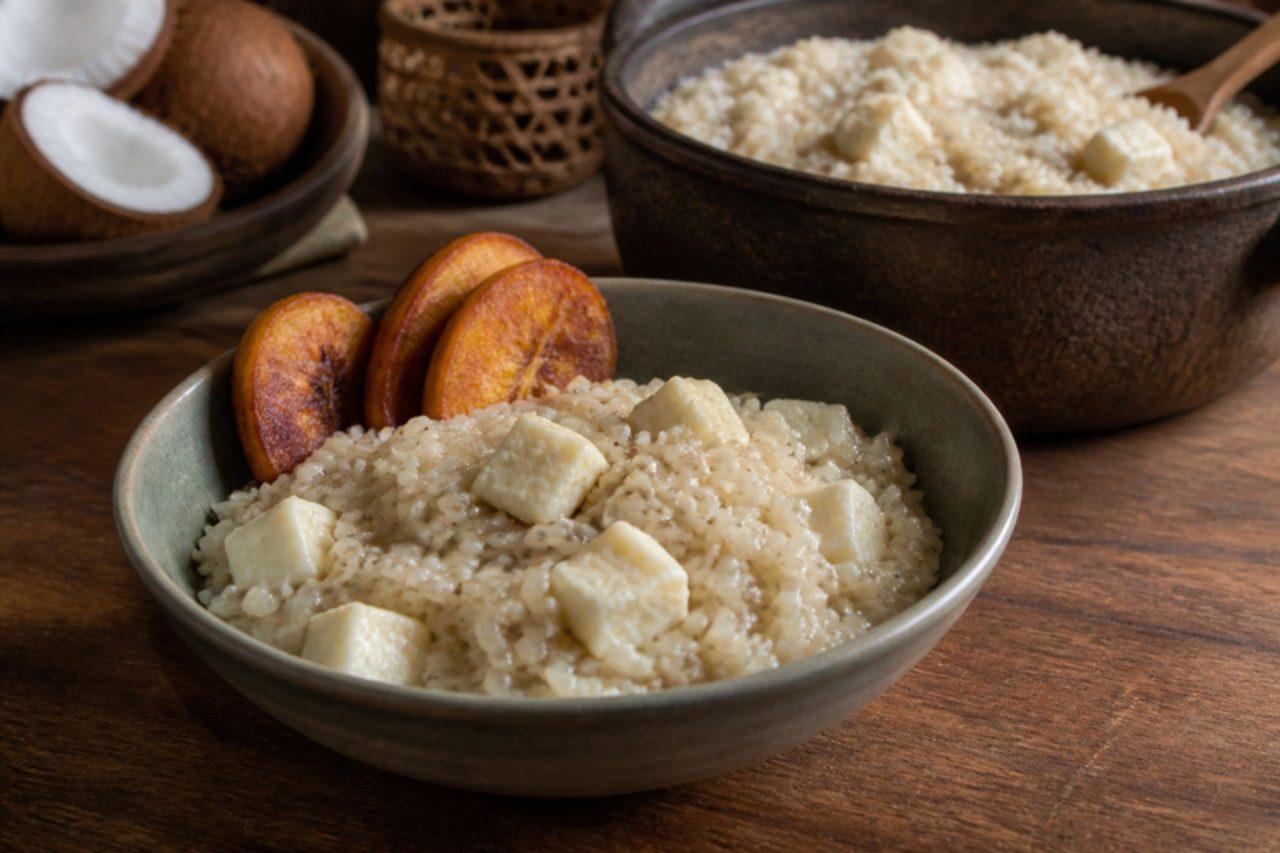
Arroz clavadoCoconut rice with cheese

From Quibdó and the river towns of the Chocó comes a rice dish built on coconut, where cubes of white cheese are pushed into the pot near the end and left to melt into sticky, golden pockets; clavado means nailed in. The coconut milk, ideally pressed from freshly grated coconut, gives the rice a creamy, gently sweet base, and the Pacific herbs of the azotea, the raised kitchen garden, add a sharp green note. It is a weekday lunch at home, eaten with fried plantain, avocado or alongside fried fish for those who eat it. White cheese in Colombia is usually set with animal rennet, so use a vegetarian (microbial-rennet) halloumi or mozzarella-style cheese if needed. Stirring after the cheese goes in is the slip that turns it to mush, so poke the cheese into the rice and then leave the lid on. Chef's tip: culantro (long-leaf coriander) from Asian or Caribbean shops is close to the Chocó herbs; use ordinary coriander stems if not.

by KrazyBadal 0 views

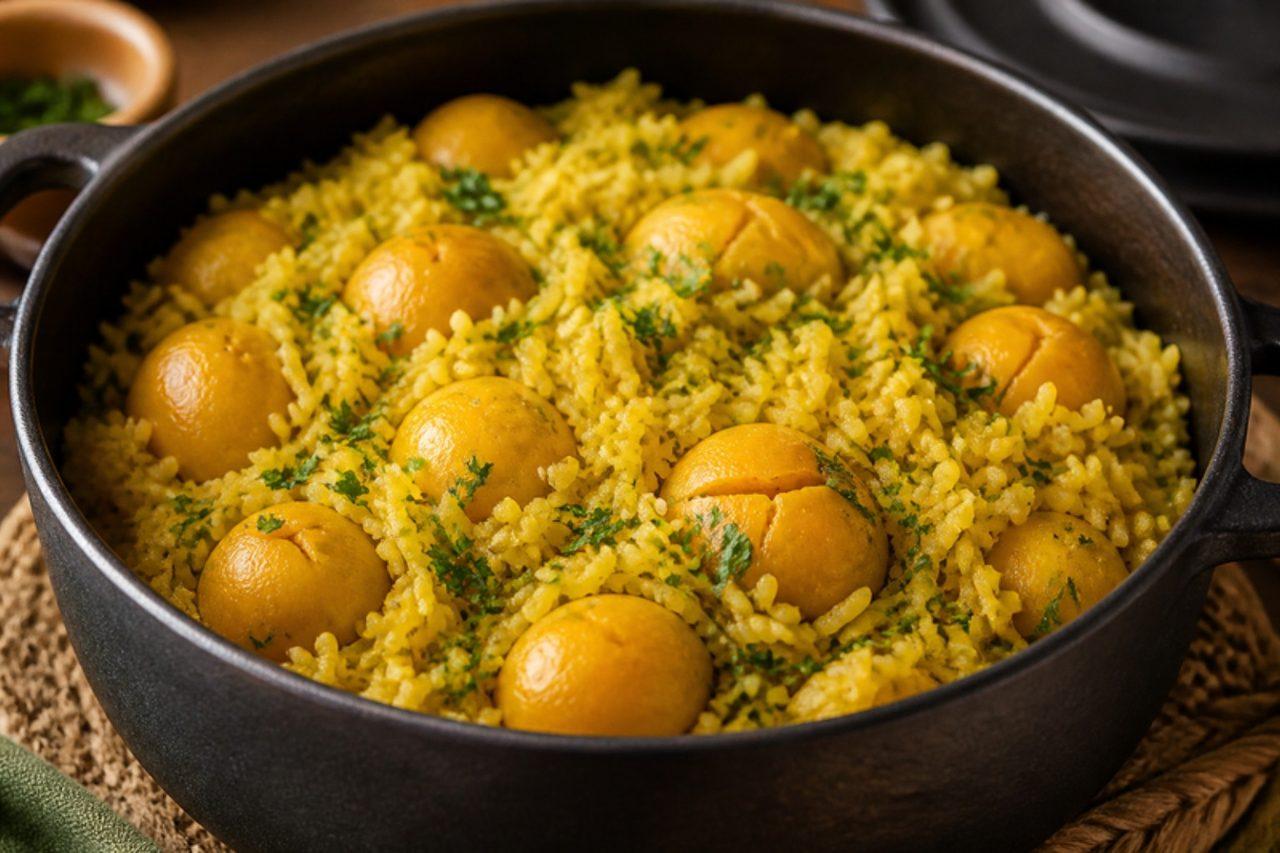
Arroz com pequiRice with pequi fruit

Pequi is the taste of the cerrado: a yellow-orange fruit with a powerful perfume, somewhere between cheese, apricot and petrol, that goianos love and newcomers need time to get used to. In Goiânia and around Brasília, rice cooked with pequi turns golden and absorbs that aroma; it is often made with chicken, but this meatless version is everyday food in the November-to-February season. Pequi is sold fresh in cerrado markets and frozen or jarred in brine in Brazilian shops elsewhere. Important: the stone inside the flesh is covered in fine, sharp spines. Never bite into a pequi; gnaw the flesh off gently with your teeth, and warn your guests. The usual slip is stirring the rice too much after the water goes in, which breaks the soft fruit apart. Chef's tip: fry the pequi in the oil first until it colours, because that flavoured oil is what tints and scents every grain.

by KrazyBadal 0 views

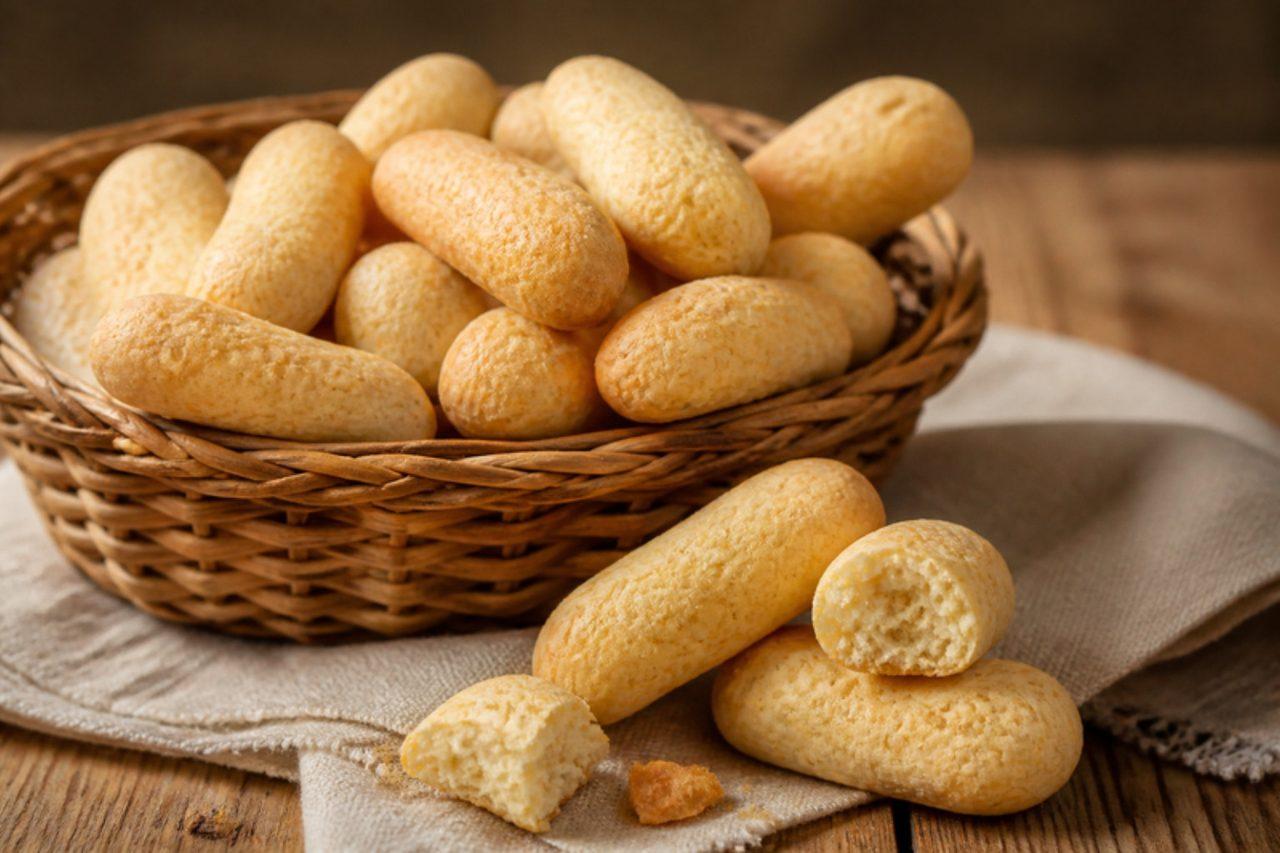
Bizcochos de achiraAchira starch cheese biscuits

Achira is a canna plant whose root gives a fine, silky starch, and in Huila and Tolima it becomes bizcochos: crunchy, cheesy little sticks and rings that dissolve on the tongue. They are sold in long plastic bags at roadside stands near Neiva, Altamira and the Magdalena valley, and they travel everywhere as a snack with coffee or a cold drink. Look for achira flour in Colombian shops; arrowroot powder is the nearest substitute, while tapioca starch gives a chewier result. The cheese is traditionally a dry, aged curd made with animal rennet, so pick a vegetarian hard cheese. The usual mistake is pulling them from the oven too early: they look done but go soft as they cool. Chef's tip: bake them right through until dry and only lightly coloured; they should snap cleanly once cold.

by KrazyBadal 0 views

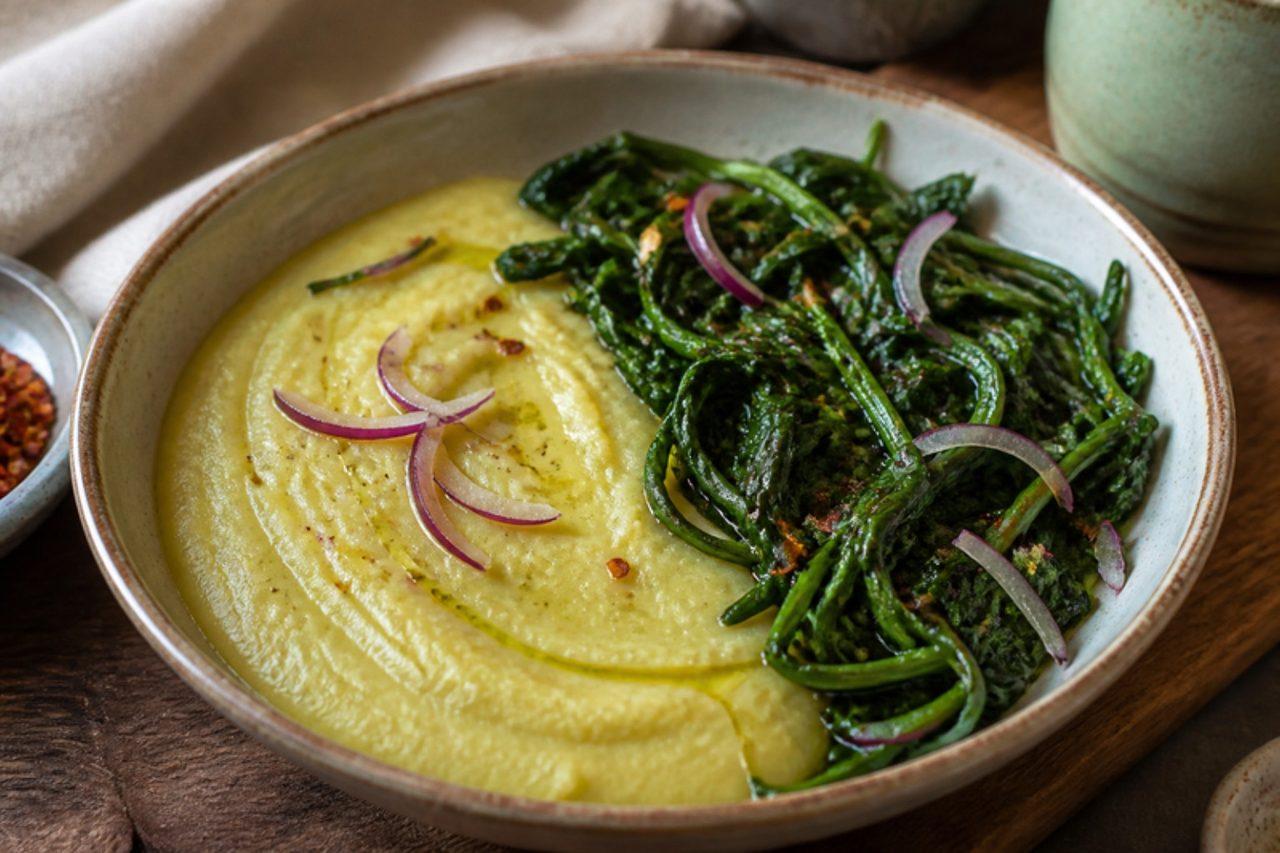
Fave e cicorieBroad bean purée with chicory

Few plates say Puglia as plainly as this one: a pale, velvety purée of dried broad beans beside a tangle of boiled wild chicory, the two joined by a stream of green olive oil. Families from the Murgia to the Salento cook it on winter weekdays and through Lent, and Bari trattorias still put it on the menu as the true taste of cucina povera. The beans are sweet and earthy, the greens bitter, and every forkful should carry a little of both. Chef's tip: buy dried broad beans that are already skinned and split; they cook to a cream on their own, with no sieving.

by KrazyBadal 0 views

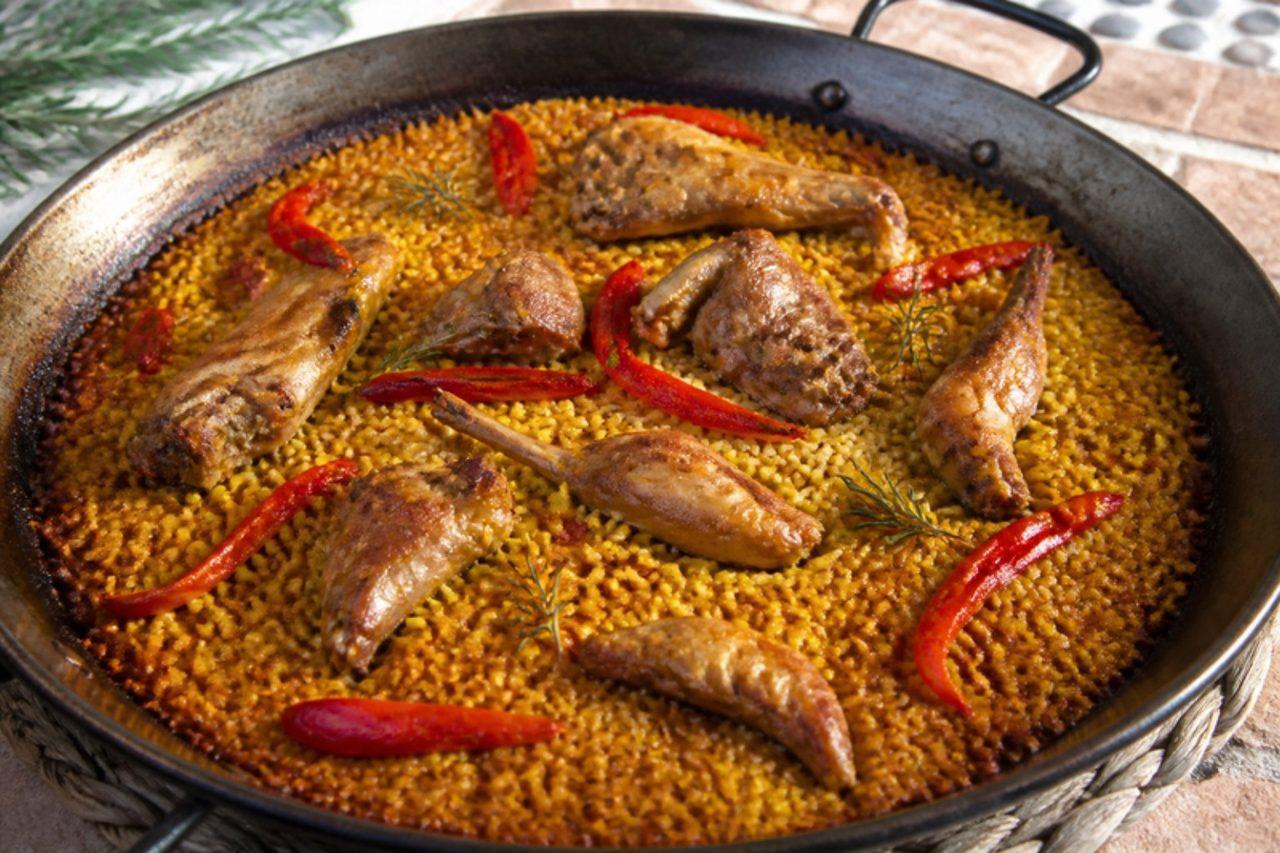
Arroz con conejoRabbit and rosemary rice

On Sundays in the Murcian countryside, rice with rabbit is cooked in a wide, flat pan over a fire of vine shoots, and the whole family eats straight from the edges. The rice is Calasparra, grown along the Segura river in the north of the region, and the flavour comes from rabbit browned slowly in olive oil, dried ñora pepper, saffron and a sprig of mountain rosemary laid on top at the end. Many cooks add snails too. Chef's tip: brown the rabbit really well, until golden and sticky, because that crust is where the flavour of the broth comes from.

by KrazyBadal 0 views

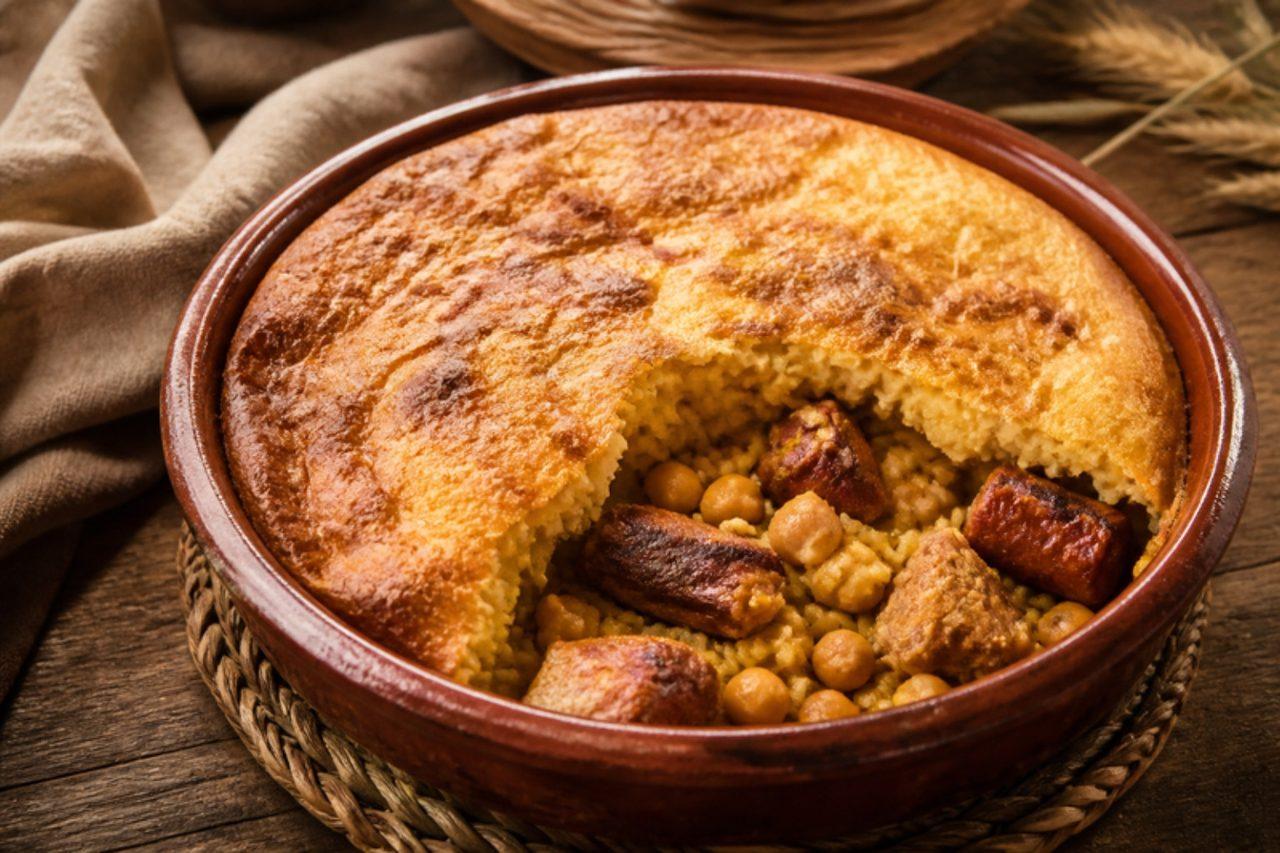
Arroz con costraOven-baked rice with chicken and sausage

Elche and Orihuela, in the south of Alicante, finish their Sunday rice in a way no other Spanish rice is finished: a thick layer of beaten egg is poured over the cooked rice, chicken, chickpeas and sausages, and the earthenware dish goes into a hot oven until the egg puffs into a golden lid. Families argue about whether the costra should be cracked at the table or cut into wedges. This contains pork (white sausages and morcilla). A common mistake is pouring the egg over rice that is still soupy; the egg sinks in and goes rubbery, so wait until the liquid has almost all gone. Chef's tip: bake it in a wide earthenware cazuela if you have one, which holds the heat and gives the crust its traditional dome.

by KrazyBadal 0 views

Bizcochitos de grasaSavoury beef fat biscuits

A paper bag of bizcochitos de grasa sits next to the mate gourd in kitchens, offices and roadside service stations across Argentina, from Buenos Aires to the Andes. These little rounds, a couple of bites each, are layered with beef fat, so they flake and crumble, salty and plain enough to eat by the dozen with bitter mate in the afternoon. The fat is rendered beef fat (grasa vacuna), so they are not vegetarian; ask your butcher for dripping or render suet yourself. A dough worked too warm is the mistake that robs them of their layers; the fat melts into it instead of staying in sheets. Chef's tip: chill the dough for 10 minutes between folds whenever it starts to feel greasy, and prick each round right through so it puffs in flakes rather than domes.

by KrazyBadal 0 views

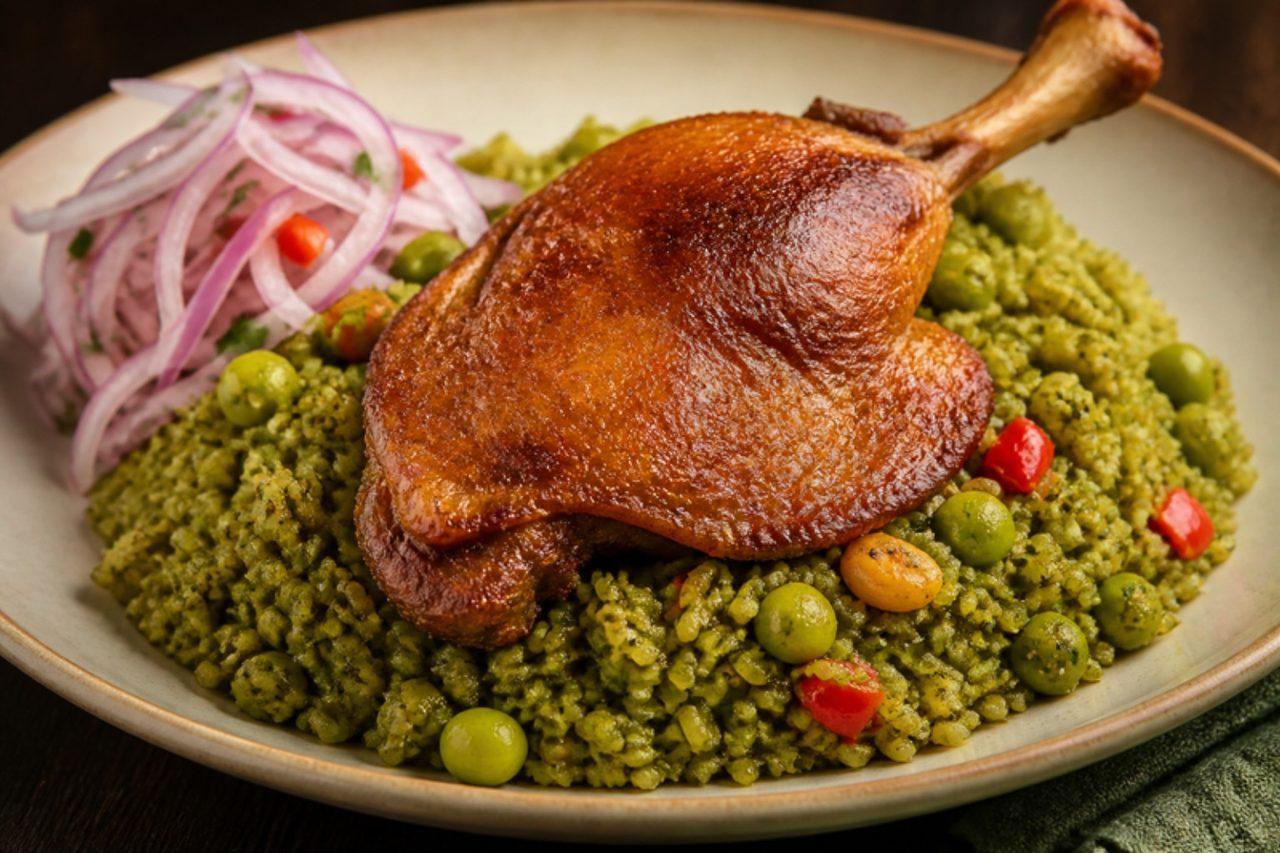
Arroz con patoDuck and coriander rice

Chiclayo and the northern coast claim arroz con pato as their own, and family lunches and big Sunday gatherings there often centre on a deep pot of it: duck legs browned and simmered in dark beer and a purée of coriander and spinach, then rice cooked in the same green, duck-rich liquid with peas, red pepper and ají amarillo. The rice is moist and loose, the duck tender with crisp edges, and it is served with salsa criolla and, often, papa a la huancaína. The beer contains alcohol, and not all of it cooks off; for an alcohol-free pot use alcohol-free beer or the stock swap in the ingredients. A common mistake is skipping the browning, which leaves flabby skin and a pale, fatty rice; render the duck slowly first and pour off excess fat. Chef's tip: let the cooked rice rest under the lid off the heat for 10 minutes before fluffing.

by KrazyBadal 0 views

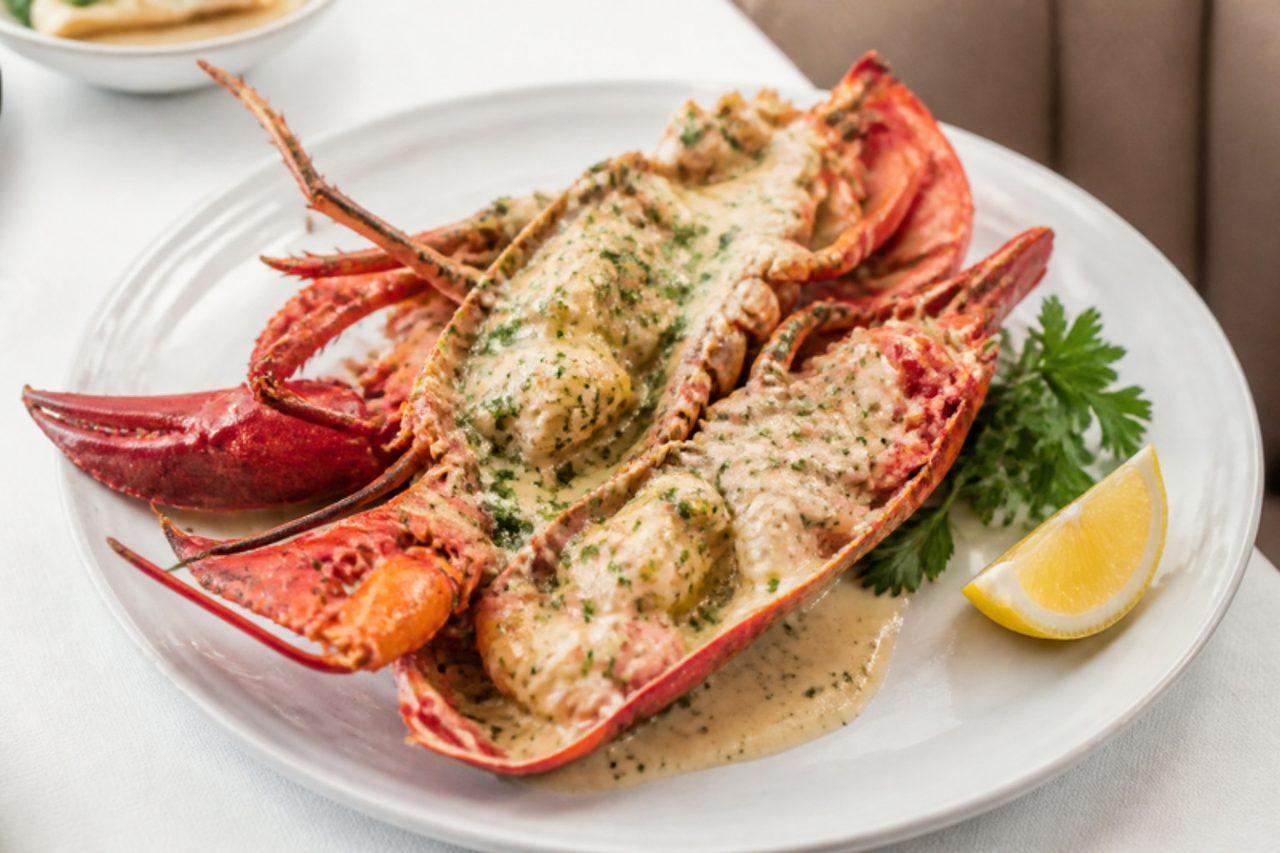
Dublin lawyerLobster in whiskey cream

Dublin lawyer is an old Dublin restaurant dish, said to be named because lawyers were rich and fond of drink: lobster meat is cooked in butter, flamed with Irish whiskey and finished with cream, then served back in the shell. It is a special-occasion dish for anniversaries and birthdays. This recipe contains alcohol; for an alcohol-free version replace the whiskey with 2 tablespoons of apple juice and a squeeze of lemon. Chef's tip: buy cooked lobster from a fishmonger if you are unsure about preparing a live one, and add it to the sauce only to heat through.

50 minIrishFishGluten free
by KrazyBadal 0 views

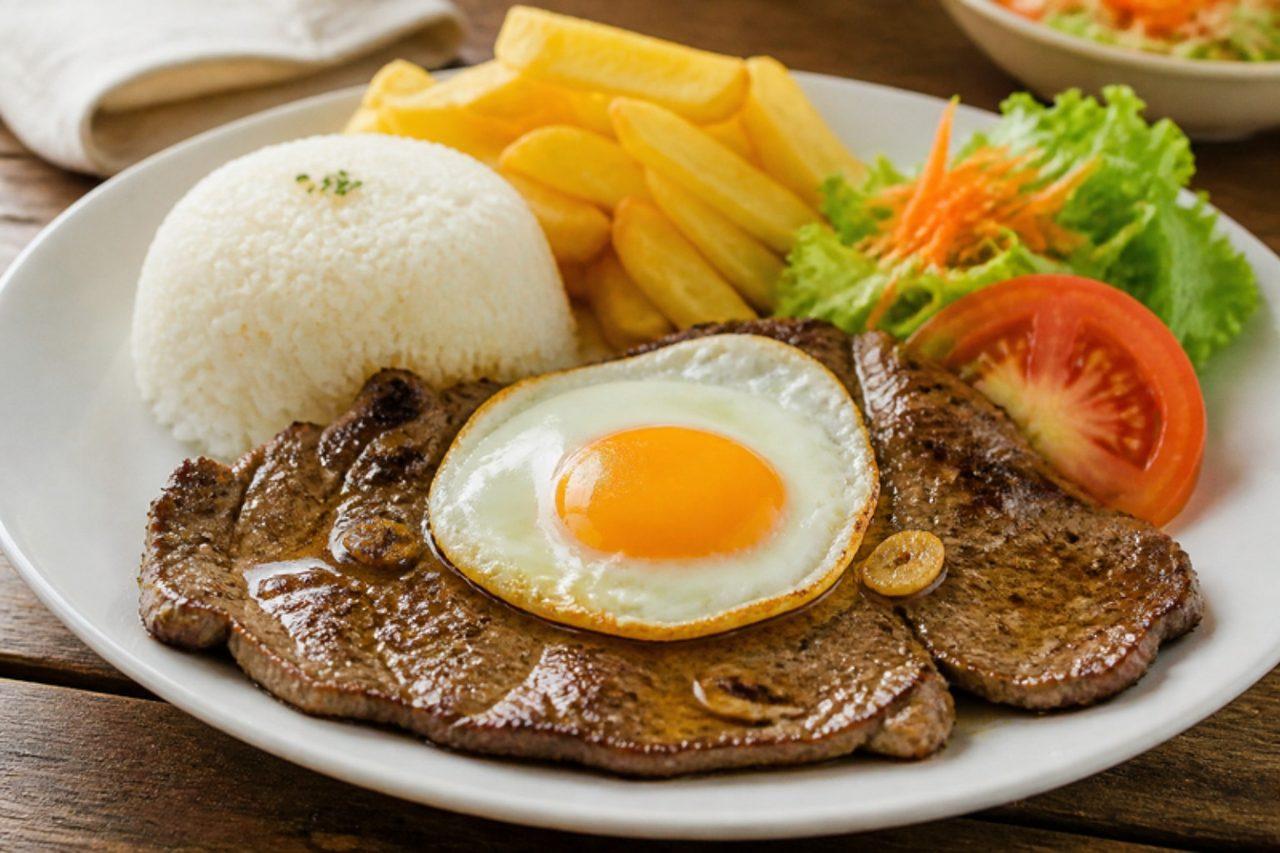
BitoqueSteak with fried egg and chips

Bitoque is the dish Portuguese office workers order when they can't decide: on every café lunch menu in Lisbon there is a thin steak in a garlicky pan sauce, a fried egg sliding over it, and chips, rice and a little salad heaped alongside. It is cheap, filling and quick, and a good one depends on a properly hot pan and a runny yolk that mixes into the sauce. Some cooks splash in beer; this version keeps it alcohol-free with stock. A common mistake is crowding the pan, which stews the steaks instead of searing them. Chef's tip: fry the eggs in the steak pan's garlicky fat so they pick up its flavour.

by KrazyBadal 0 views

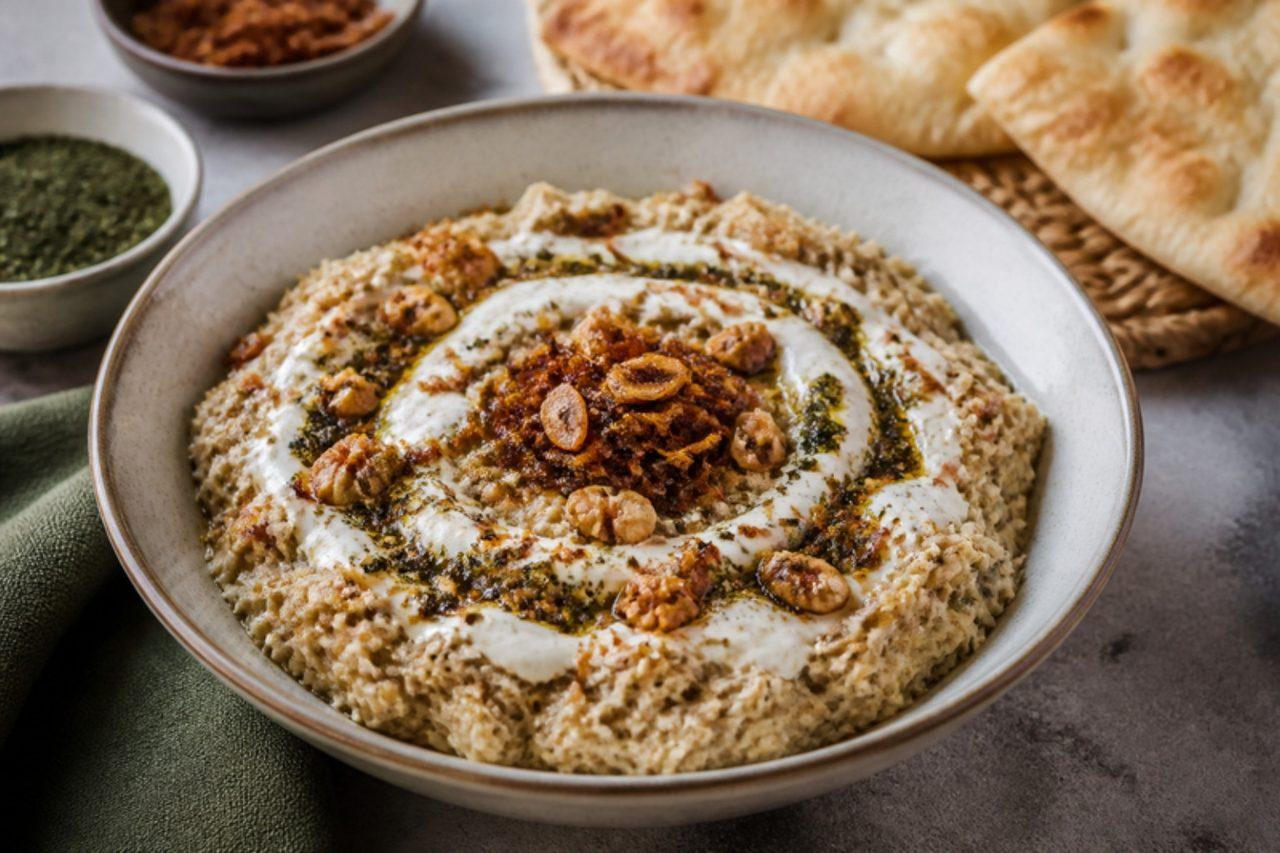
BozghormehPounded lamb and chickpeas with kashk

Bozghormeh is a dish of Kerman, the desert city in south-east Iran, cooked on winter weekends and for family gatherings. Lamb and chickpeas are simmered with turmeric until soft, then pounded together and finished with kashk (salty fermented whey), lots of fried onion and garlic and a dusting of dried mint; it is scooped up with flatbread rather than eaten with rice. The result is creamy, tangy and deeply savoury. A common mistake is boiling after the kashk goes in; it turns grainy, so add it at the end over a low heat. Chef's tip: if you can't find kashk, mix thick Greek yogurt with a pinch of salt and a squeeze of lemon; it's milder but close.

150 minPersianMeat
by KrazyBadal 0 views

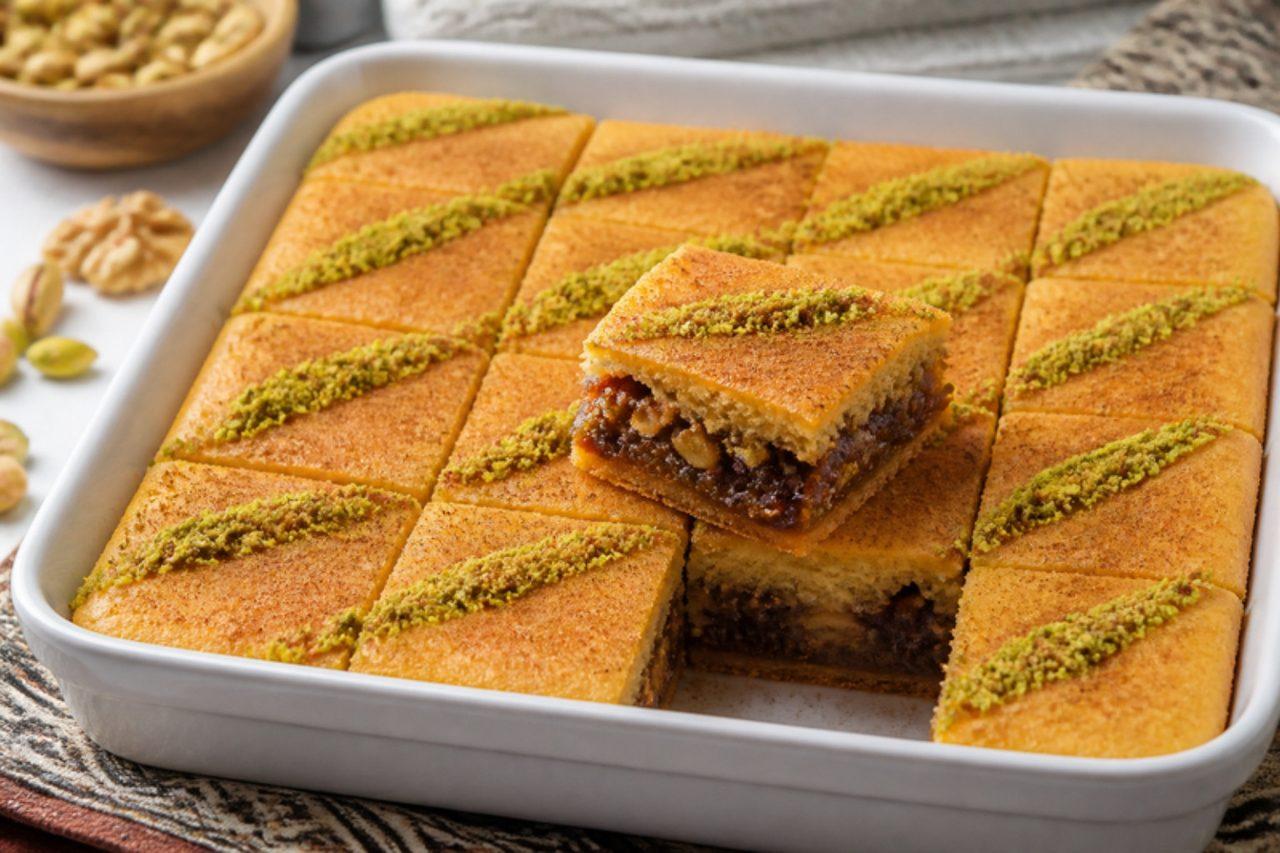
RanginakWalnut-stuffed dates with butter flour

Ranginak is the date sweet of the south, made in Shiraz, Bushehr and Kerman in late summer when the new dates arrive and served in squares with bitter tea, and also at mourning gatherings and Ramadan iftar. Soft dates are stuffed with walnuts, packed into a dish and covered with flour slowly toasted in butter until it smells of biscuits, then dusted with cinnamon and pistachio. A common mistake is toasting the flour on too high a heat: it scorches before it turns nutty, so stir it patiently over a low flame. Chef's tip: use soft, moist dates such as Kabkab or Medjool; dry dates go hard once the butter sets.

by KrazyBadal 0 views

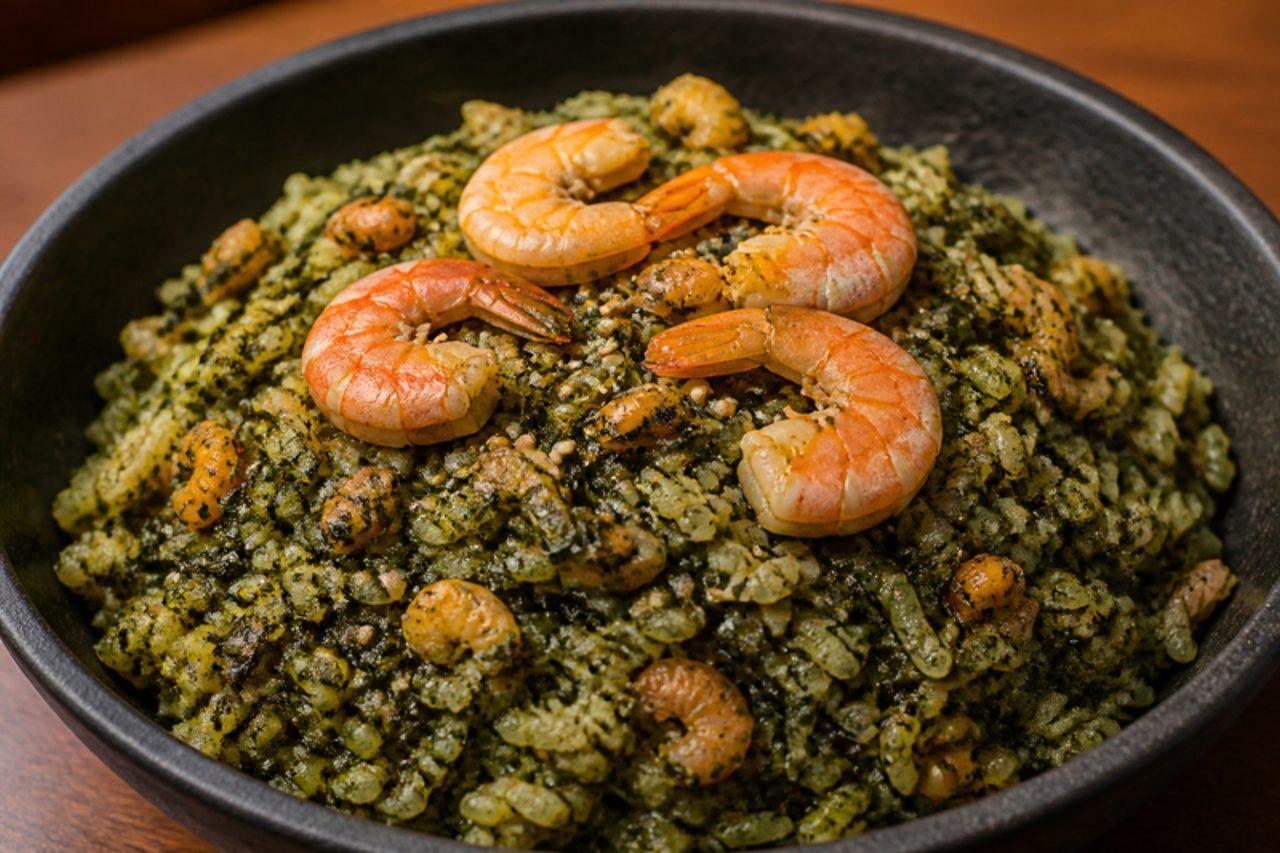
Arroz de cuxáRice with roselle leaves and shrimp

Green-flecked, sharp and nutty, arroz de cuxá is the signature rice of São Luís, served in Maranhão homes and seafood restaurants with fried fish, torta de camarão or a simple fried egg. The sourness comes from vinagreira, the leaves of the roselle hibiscus, cooked down into a thick cuxá sauce with dried shrimp, toasted sesame and a little cassava flour, then stirred into fluffy white rice. Roselle leaves are sold as gongura in Indian grocers and as sorrel leaves in Caribbean shops; spinach with lime juice is a mild stand-in. The common error is under-cooking the leaves, which leaves them stringy; they should collapse into a dark, soft purée. For a vegetarian version, leave out the shrimp and add a spoonful more sesame. Chef's tip: toast the sesame until it just turns gold and starts to pop, then grind it while warm so it releases its oil into the sauce.

by KrazyBadal 0 views

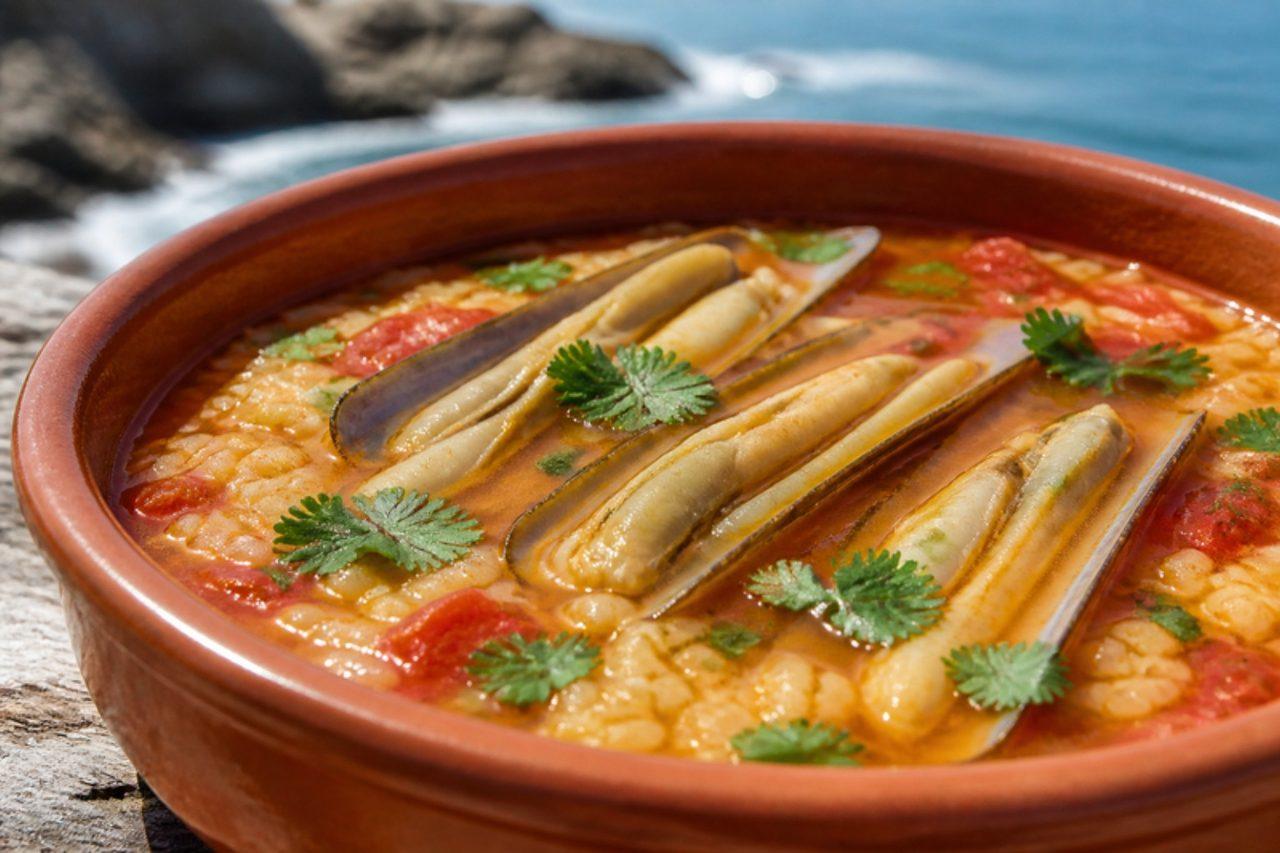
Arroz de lingueirãoRazor clam rice

When the tide drops on the Ria Formosa near Fuzeta, pickers dig razor clams from the mud, and by lunchtime the riverside tascas are serving them in this loose, brothy rice, called malandrinho because it should still ripple in the bowl. Tomato, garlic and a big handful of coriander carry the sweet, briny clam flavour. The recipe uses a little white wine; for an alcohol-free version use the same amount of water with a teaspoon of lemon juice. Chef's tip: add the razor clams for the last 2 minutes only, or they turn rubbery.

by KrazyBadal 0 views

Arroz de mariscoSoupy seafood rice

This is not paella. Portuguese arroz de marisco is wet and soupy, eaten with a spoon straight from the pot, and Lisbon families order a big one to share at seafood restaurants on a Sunday, waiting while it is made fresh. The rice simmers in a rich tomato and shellfish broth, then prawns, clams and mussels go in at the end so they stay tender. White wine is traditional and contains alcohol; use more stock instead. A common mistake is letting it stand: the rice keeps drinking the broth, so serve it the moment it is ready. Chef's tip: make the broth from the prawn heads and shells; it is where most of the flavour comes from.

by KrazyBadal 0 views

Arroz de pato à moda de BragaDuck rice with chouriço

In Braga, duck rice is moister than the crisp-topped versions elsewhere: the rice is cooked in a deep duck broth, layered with shredded meat and slices of chouriço, then given a short spell in a hot oven so the top just colours. It is a festive dish for christenings, weddings and Sunday lunches. This contains pork (chouriço and smoked bacon). Chef's tip: make the broth the day before and chill it, so you can lift off the duck fat and use a spoonful of it to fry the onion.

by KrazyBadal 0 views

Showing 36 of 7,762 recipes

Show more recipes

Page 414 of 863