
Skip to content
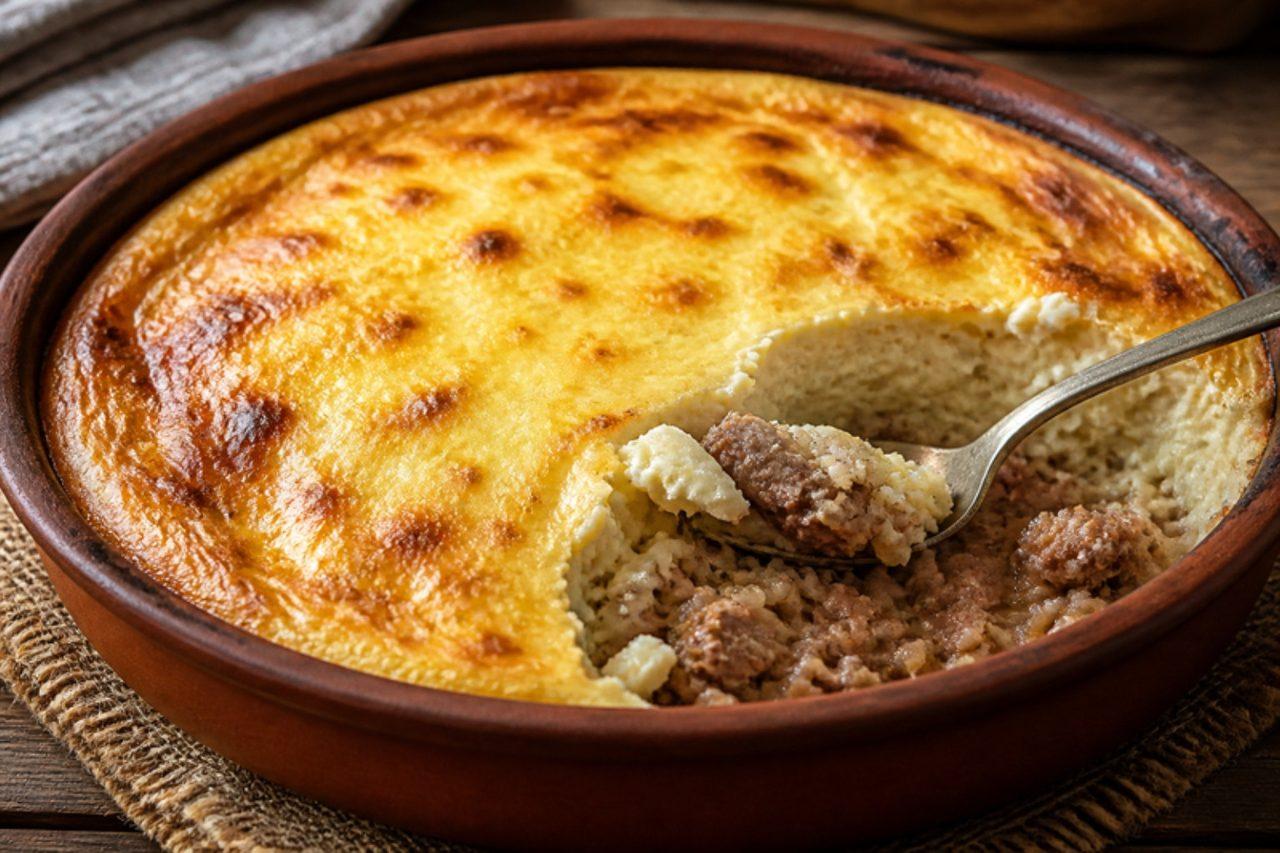
Tavë dheu
Featured recipe

Tavë dheu

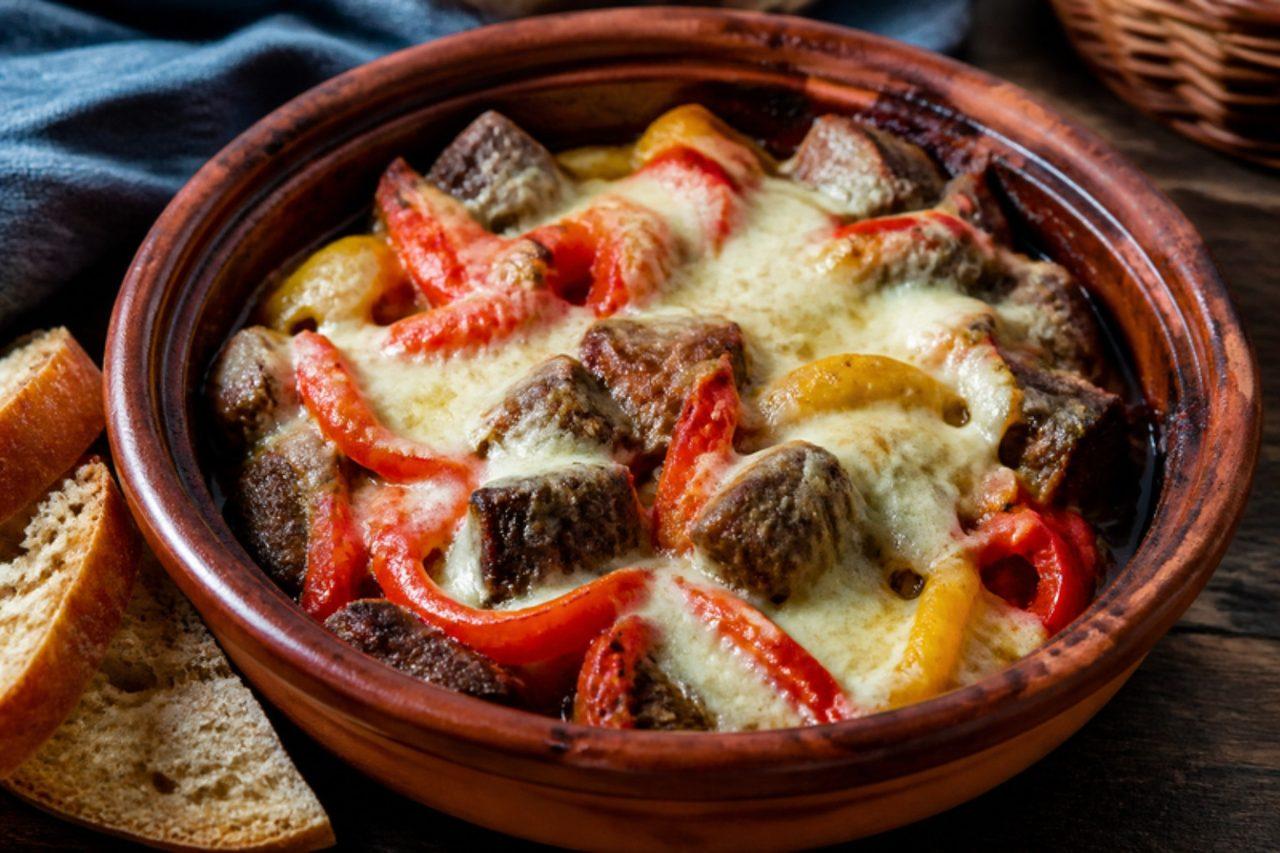
The name means 'earthenware dish', and in Tirana's traditional restaurants tavë dheu arrives bubbling in its clay pot: tender pieces of liver cooked with peppers, tomato and garlic, then baked under a creamy blanket of gjizë, the Albanian salted curd cheese, until it browns. It is rich and tangy, a classic hot meze and lunch dish in Albania, eaten with plenty of bread. A common mistake is frying the liver too long before baking, which makes it tough and grainy. Chef's tip: soak the liver in milk in the fridge for 30 minutes before cooking; it softens any bitterness.

Read more 0 views
Can't decide?

What to eat today?

Spin the randomizer, search with what's already in your fridge, or browse recipes from our chefs.

Latest recipes

Speculaas

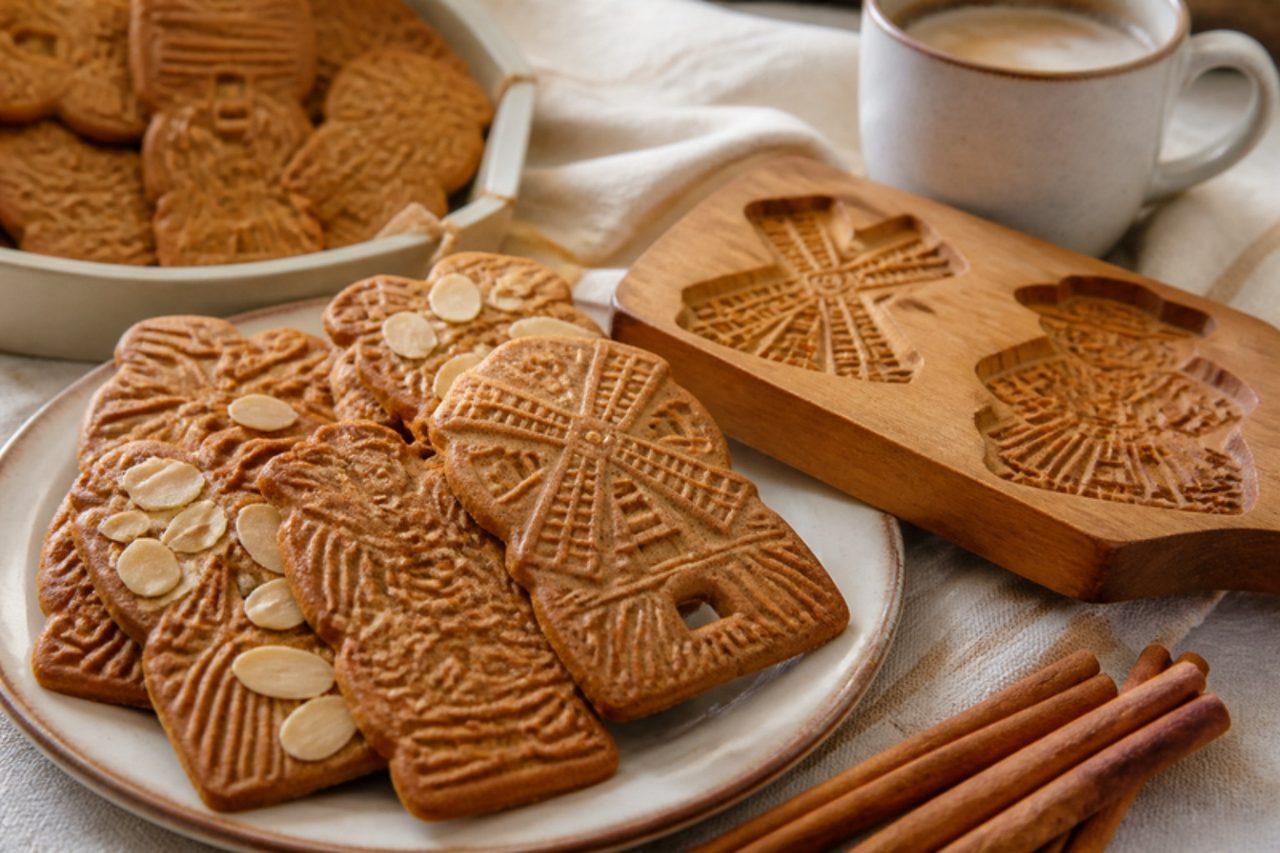
In the weeks before 5 December, Sinterklaas evening (pakjesavond), Dutch kitchens and bakeries fill with the smell of speculaas: thin, crisp, dark-brown biscuits heavy with cinnamon, clove, nutmeg, ginger, cardamom and a little white pepper. Traditionally they are pressed into carved wooden moulds shaped like windmills or Saint Nicholas himself; at home most people roll and cut them, scatter almonds on top and bake them crisp. Make your own spice mix (speculaaskruiden) once and you'll never buy it again. Chef's tip: let the dough rest overnight in the fridge; the spices bloom into the butter and the flavour is twice as deep the next day.

by KrazyBadal 0 views

Hagelslag toast

Ask anyone who grew up in the Netherlands what they ate before school and the answer is usually a boterham met hagelslag: a slice of soft bread, well buttered, and covered edge to edge in chocolate sprinkles. It is not a treat for special days but an ordinary Dutch breakfast and lunchbox filler, and the country gets through millions of kilos of hagelslag every year. There are milk and dark chocolate versions, plus vruchtenhagel (fruity pastel sprinkles) and anijshagel (aniseed sprinkles). Chef's tip: the butter is the glue, so spread it right to the crusts and press the sprinkles down gently with the flat of a knife before you lift the slice.

by KrazyBadal 0 views

Chicons au gratin

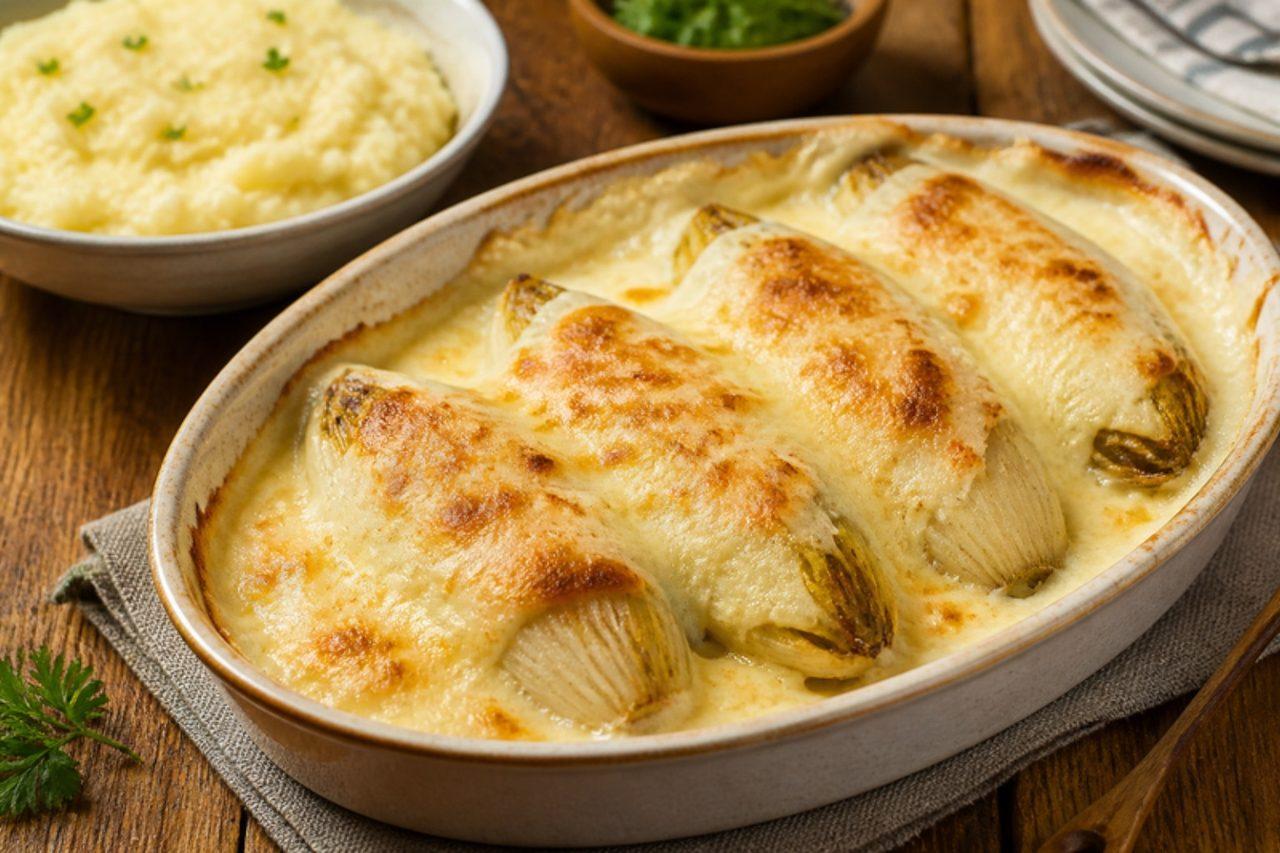
Chicons au gratin, or witloof in de oven in Flemish, is the winter Sunday dish of Belgian grandmothers: whole heads of Belgian endive braised until silky, then baked in a nutmeg-scented cheese sauce until bubbling and brown. Endive was first forced in the dark cellars around Brussels in the 1800s, and it is still grown in the fields of Flemish Brabant. Traditionally each chicon is rolled in a slice of cooked ham; this vegetarian version leaves the ham out and lets the gentle bitterness of the endive meet the sweetness of the cheese. Serve it with mashed potato or crusty bread. Chef's tip: squeeze the braised endives firmly in a clean towel before they go in the dish; they hold a lot of water, and skipping this turns the sauce thin and watery in the oven.

by KrazyBadal 0 views

Stoemp with leeks and spinach

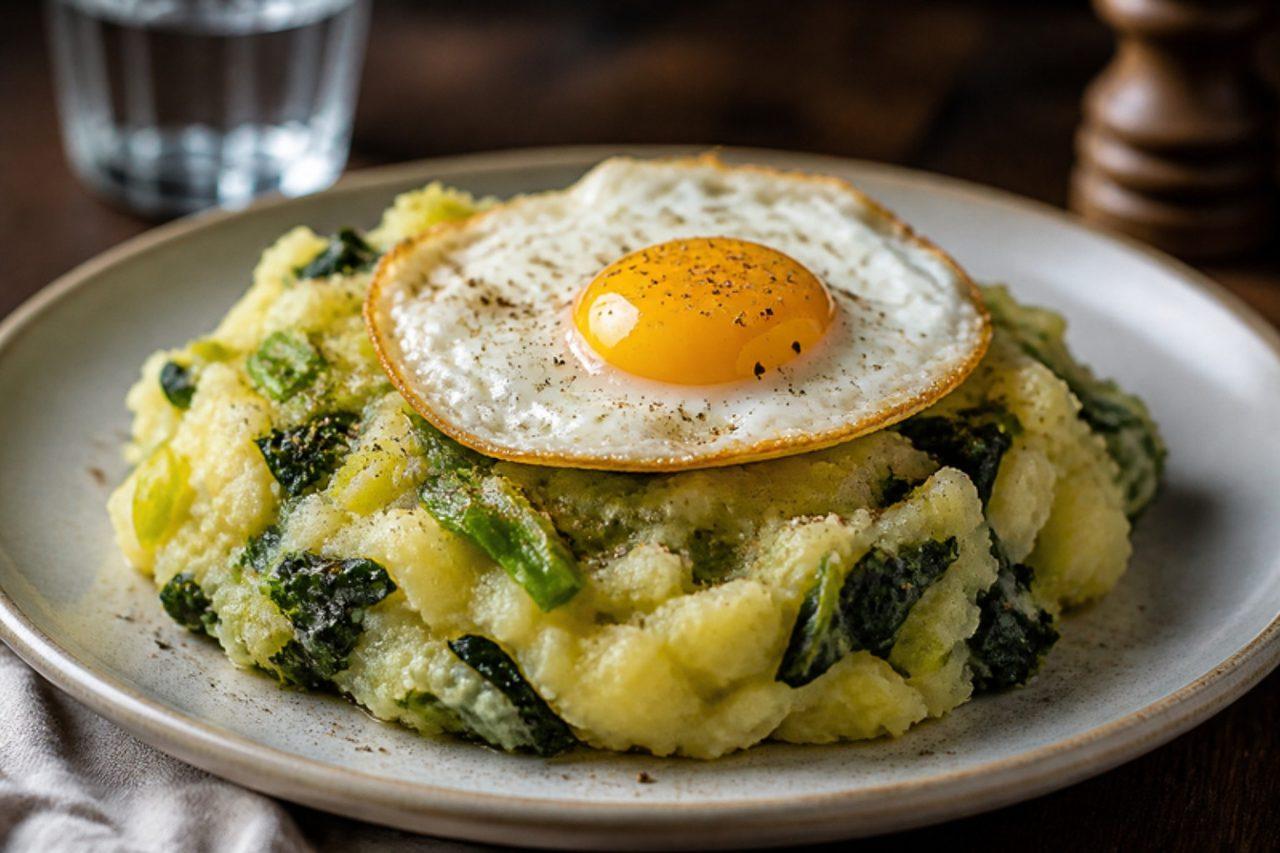
Stoemp (from the Brussels dialect word for 'to mash') is what Brussels brasseries such as those around the Marolles serve on cold days: potatoes crushed together with whatever vegetable is in season, rich with butter and nutmeg. Unlike Dutch stamppot, the vegetables are usually cooked separately and softened in butter first, which gives a sweeter, silkier mash. Leek and spinach is one of the most popular versions in Brussels, and a fried egg with a runny yolk on top turns it into supper. The meat versions come with sausages; this is meat-free. Chef's tip: cook the leeks slowly in butter until they almost melt; quick-fried leeks stay stringy and squeaky in the mash.

by KrazyBadal 0 views

Asperges à la flamande

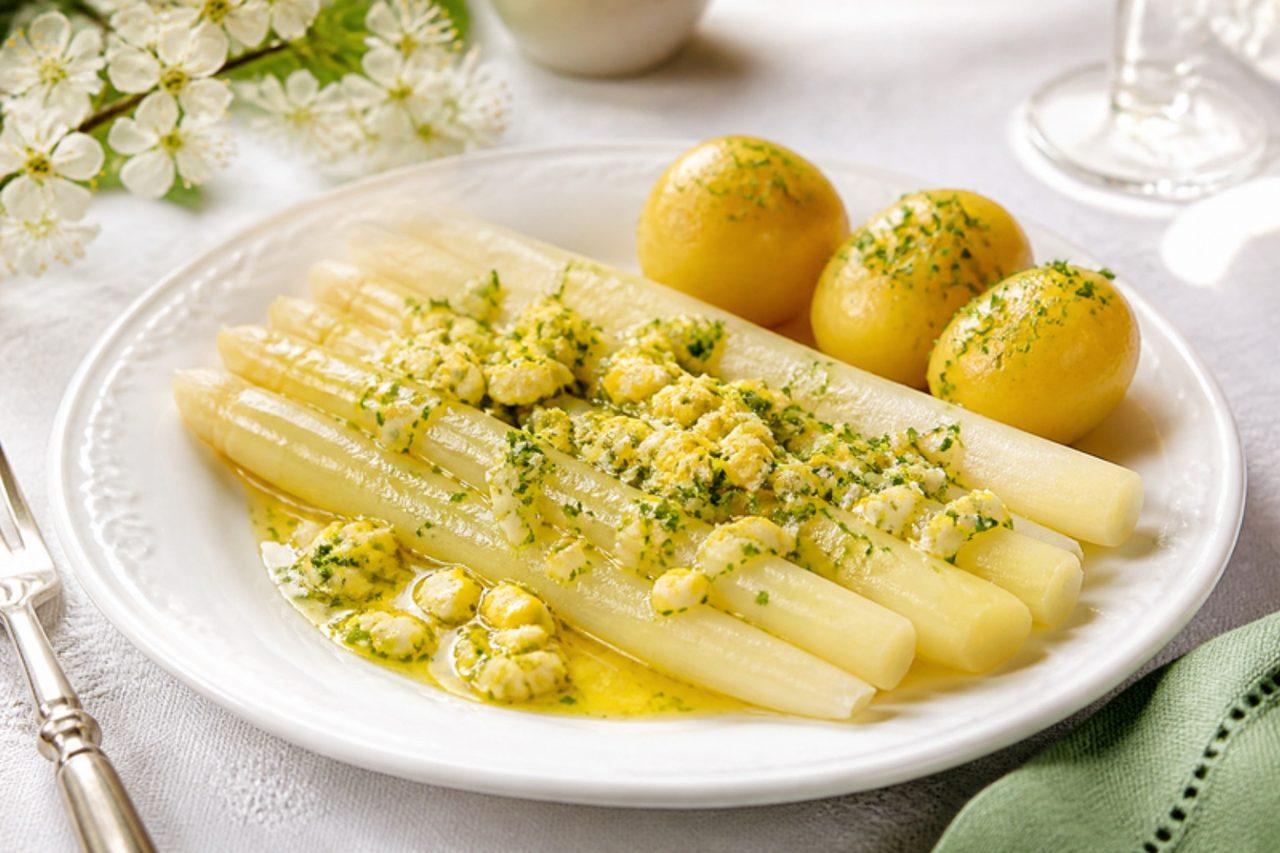
In May and June, white asparagus from Mechelen and the sandy fields around Limburg arrive in Belgian markets, and asperges à la flamande (asperges op Vlaamse wijze) is the way to eat them. The pale spears are peeled and cooked until tender, then covered with a warm sauce of melted butter, chopped hard-boiled egg, parsley and nutmeg that is half sauce and half garnish. It is served as a starter in Flemish restaurants all through the short asparagus season, sometimes with a slice of ham alongside; here it stays meat-free. Chef's tip: peel the spears from just below the tip all the way down with a swivel peeler; white asparagus has a thick, bitter skin, and missing even a strip leaves woody threads.

by KrazyBadal 0 views

Liège waffles

In Liège, in French-speaking Wallonia, the waffle is not a light batter but a rich yeasted dough studded with pearl sugar, eaten warm from a paper sleeve as you walk down the street. As it cooks in a deep-grid iron, the sugar nuggets melt and caramelise into a crackling, toffee-like crust, while the inside stays soft and chewy like brioche. Belgians eat them plain, any time of day, not loaded with cream (that is the lighter Brussels waffle). Chef's tip: knead the pearl sugar in only at the very end, after the dough has risen; if it goes in earlier, it dissolves and the waffles lose their crunch.

by KrazyBadal 0 views

Speculoos spread

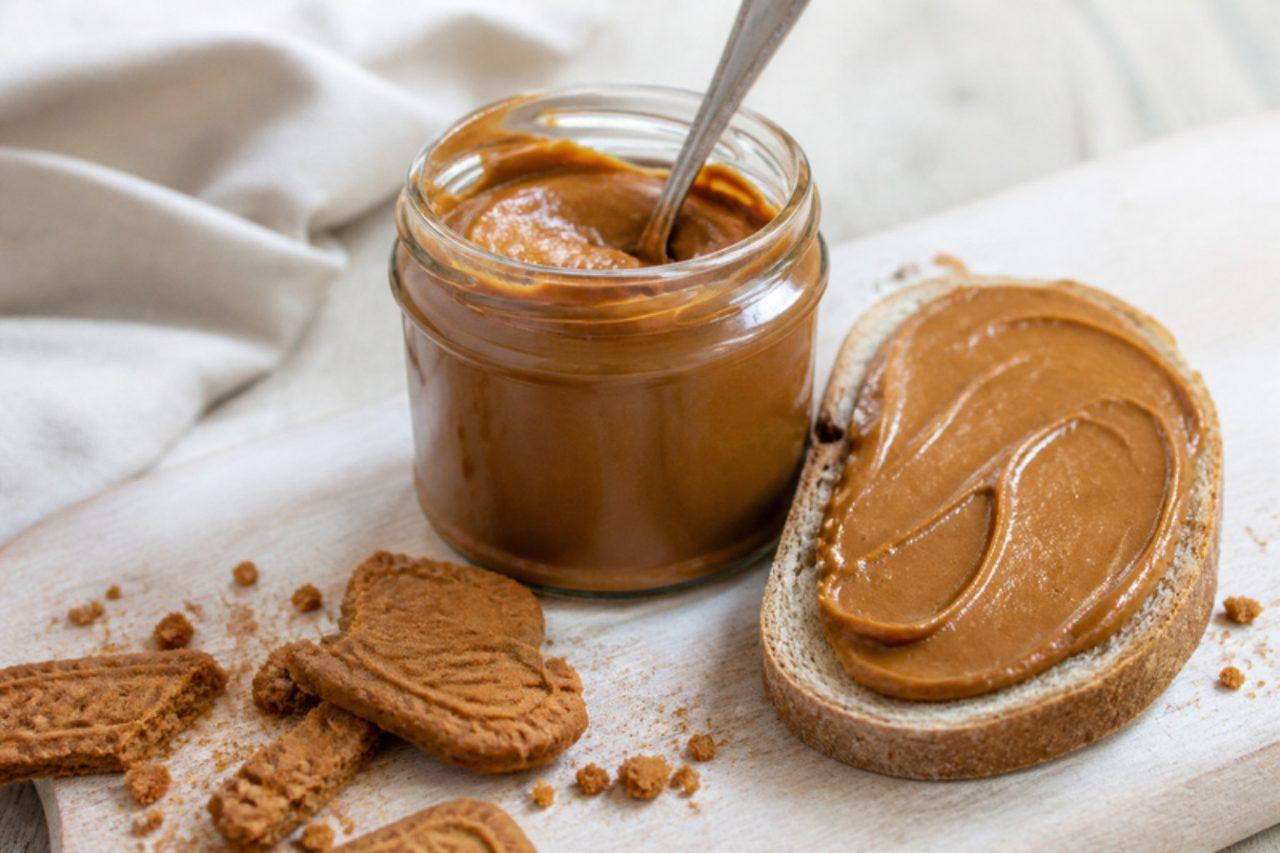
Speculoospasta, a sweet spread made from crushed spiced caramel biscuits, is a Flemish invention of the 2000s: a home cook took the idea to a Belgian TV contest for inventors, and within a few years it sat next to chocolate spread on breakfast tables across Belgium and the Netherlands. Belgians spread it thickly on bread or toast, stir it into yoghurt, or warm it to pour over ice cream. Homemade, it tastes more of cinnamon and caramel and less of sugar than shop jars. Chef's tip: blitz the biscuits to a powder as fine as flour before adding liquid; any grit left now stays gritty in the jar.

by KrazyBadal 0 views

Tarte au riz

In the province of Liège, and above all in the town of Verviers, no village fair (ducasse) or family celebration happens without tarte au riz, called rijsttaart in Flanders. A thin, soft yeast-dough crust holds a thick layer of rice cooked slowly in milk with vanilla and sugar, enriched with egg yolks and baked until the top is speckled brown. People buy whole tarts from the bakery for a birthday and eat them cold with coffee. Chef's tip: cook the rice until a spoon drawn through it leaves a clear path that closes slowly; a runny filling never sets in the oven, and the crust turns soggy.

by KrazyBadal 0 views

Cuberdons

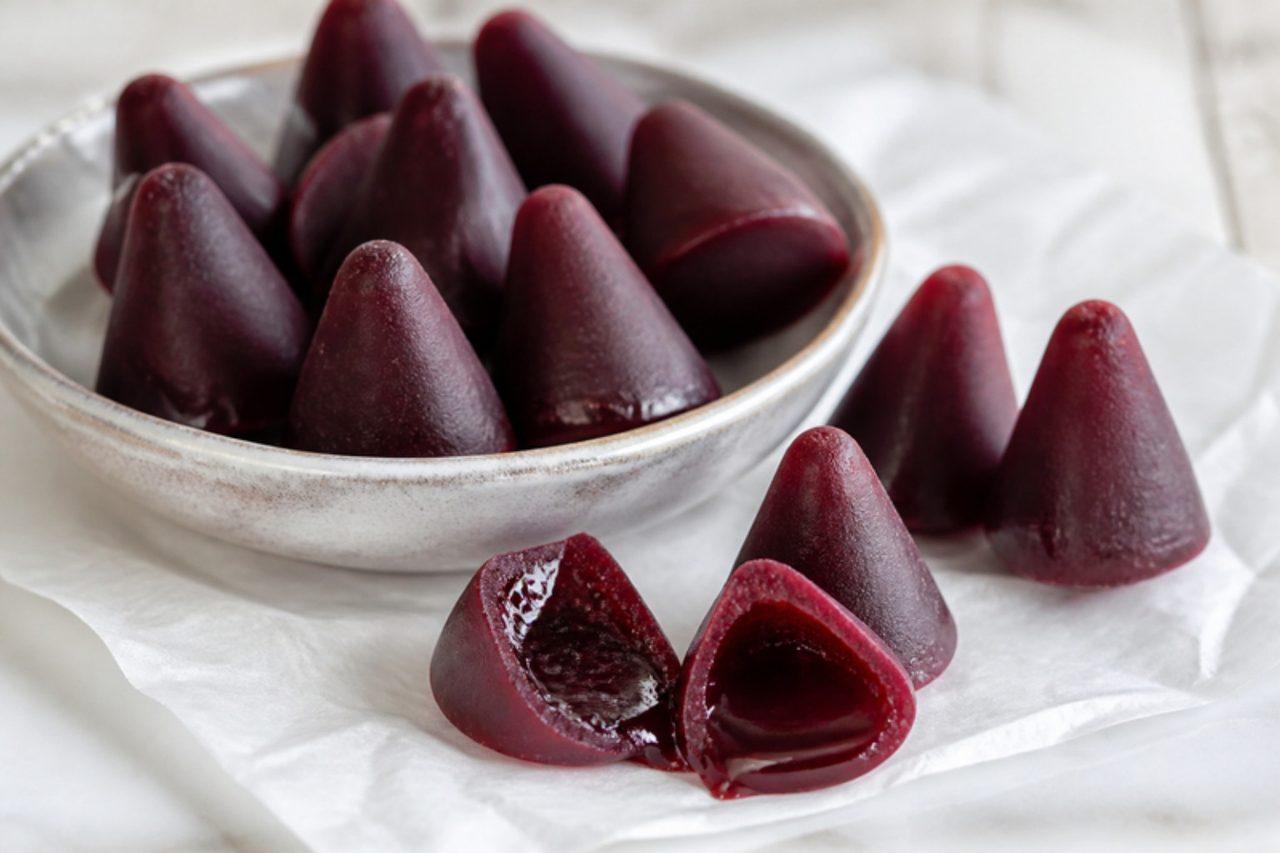
Cuberdons are the purple, cone-shaped sweets sold from handcarts on the Groentenmarkt in Ghent, where locals call them neuzekes, 'little noses'. A thin, firm sugar crust encloses a syrupy raspberry centre, and they only stay that way for about three weeks before the inside crystallises, which is why they have never become an export. They are made with gum arabic, not gelatine, so they suit vegetarians and vegans. Making them at home is a fun weekend project: the syrup is poured into cone-shaped hollows pressed into a tray of dry cornflour, which slowly draws moisture out and forms the crust. Chef's tip: use a sugar thermometer and be exact; just a few degrees too low and the cones never form a crust, a few too high and they set solid all the way through.

by KrazyBadal 0 views

Showing 9 of 6,261 recipes

Show more recipes

Page 414 of 696