


Skip to content
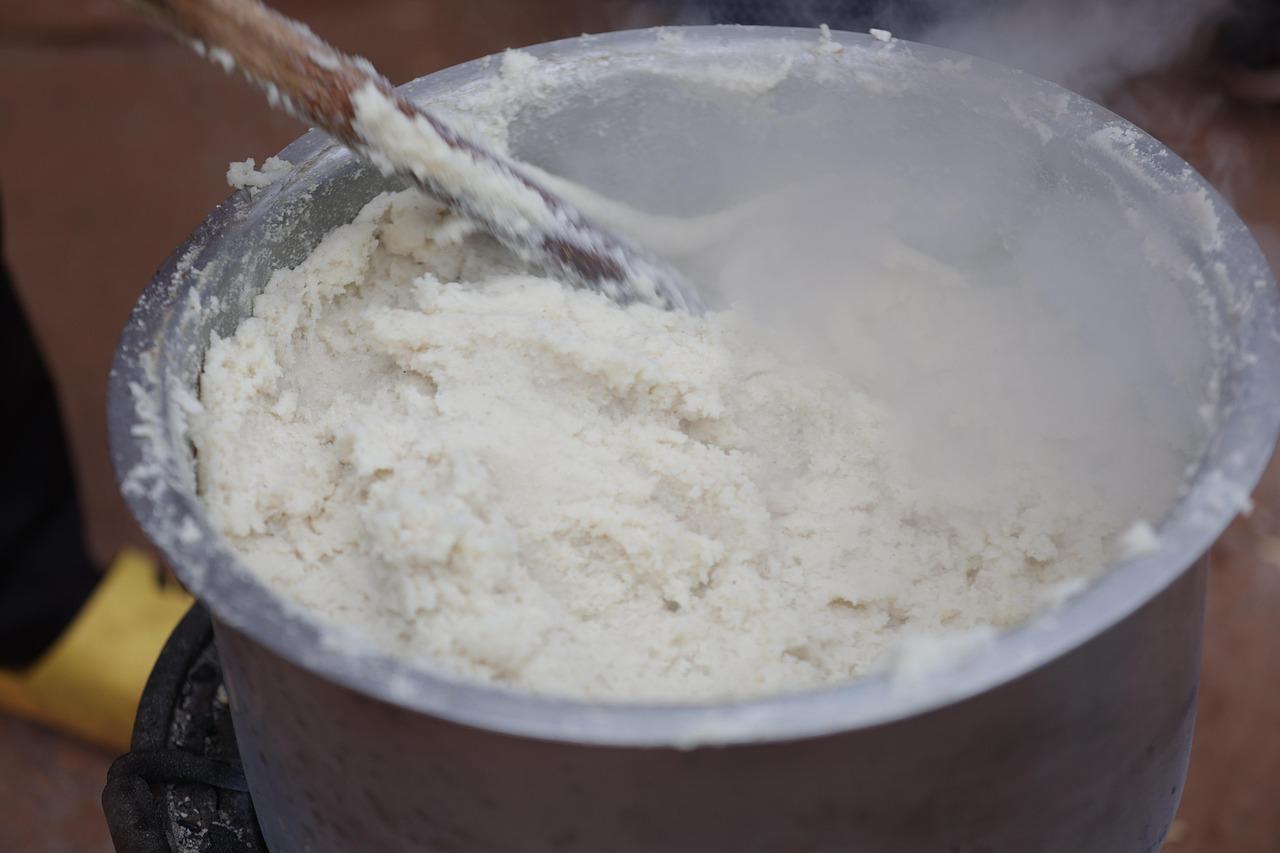
Masala ugali
Featured recipe

Masala ugali

Spiced maize meal porridge

Ugali, East Africa's staple of maize meal cooked into a stiff porridge, given a lift with toasted cumin, butter, fresh coriander and green chilli. Stir it hard and keep it soft. Serve hot with sukumawiki or any stew.

Read more 1 views

What to eat today?

Around the world

Today's trip: Persian

A new country every day, from every cuisine on the site.

Persian

Dizi

Lamb and chickpea stew 245 minMore from Persian (131) →

This week's collection

Kid-friendly dinners
537 recipes · a new collection every Monday

Latest recipes

CulurgionesPotato and pecorino dumplings

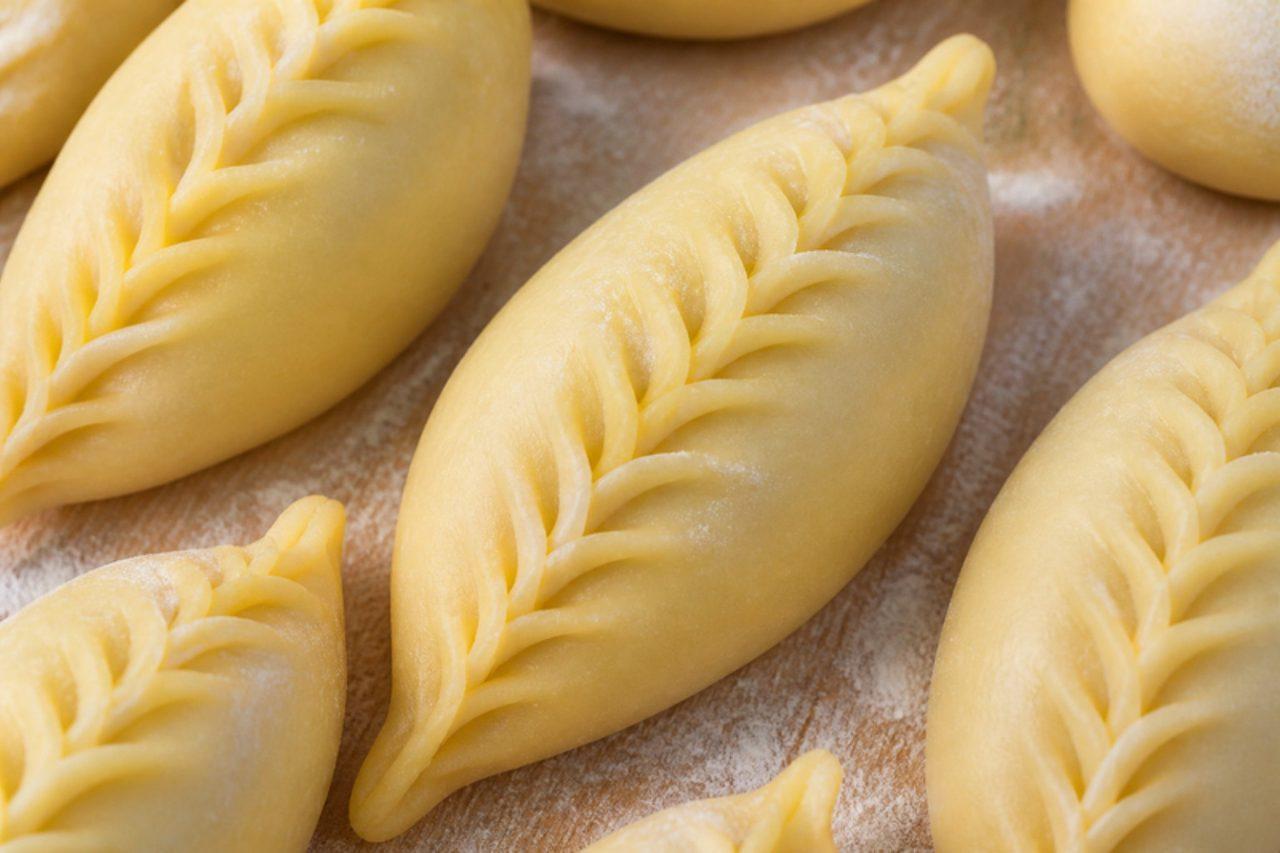
Culurgiones come from Ogliastra, on Sardinia's rugged eastern coast, where women seal each dumpling with a row of tiny pinches that look like an ear of wheat. Inside is a soft, warm filling of potato, aged pecorino, garlic and fresh mint. In villages such as Ulassai and Lanusei they are made for the end of the harvest and for 2 November, All Souls' Day, as a token of good luck and protection. Some families work a little lard into the dough; here it is olive oil. Chef's tip: chill the filling; firm, cold filling is far easier to pleat and won't tear the thin dough.

by KrazyBadal 0 views
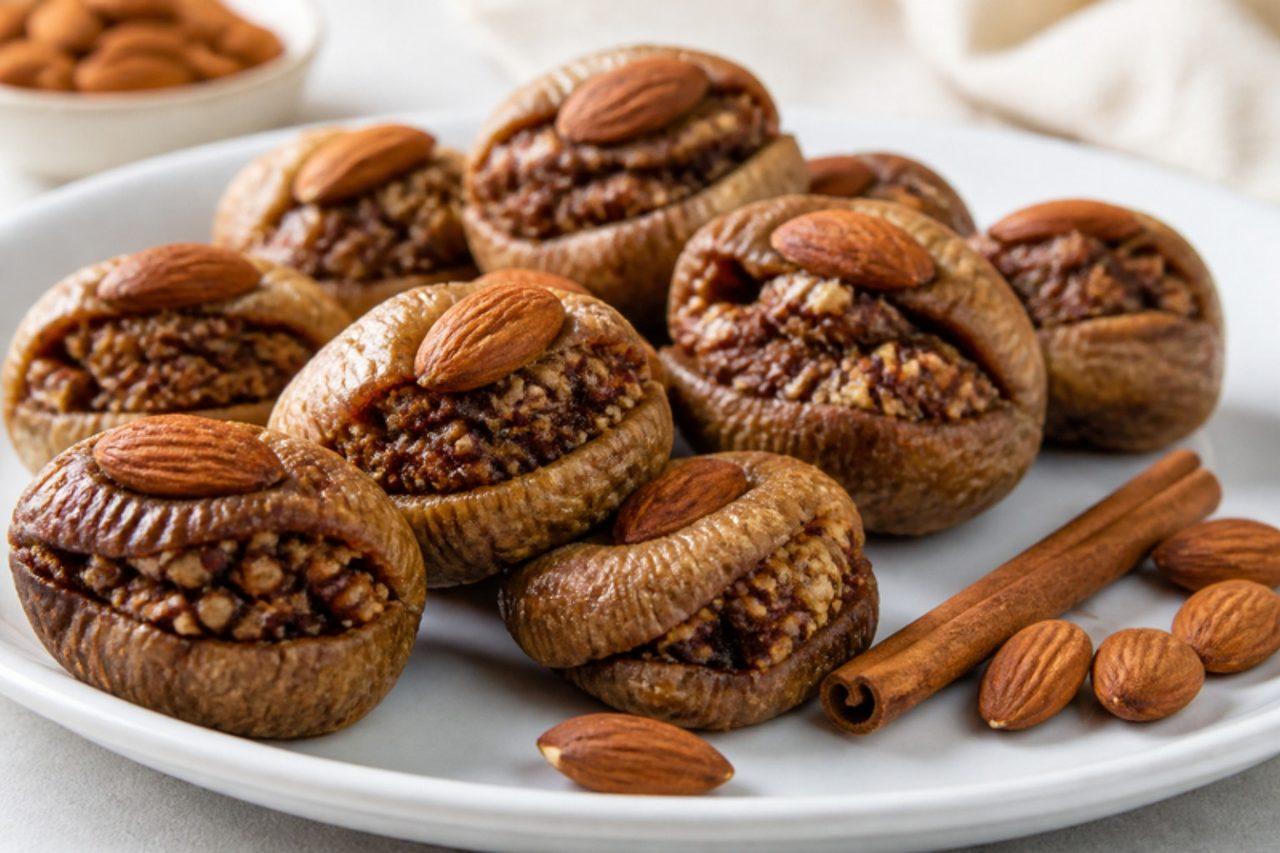
Figos cheiosAlmond-stuffed dried figs

In the Algarve, Christmas trays are never without figos cheios, sun-dried figs split open, packed with a paste of toasted almonds and cocoa, pressed together in pairs and baked until fragrant. They come from a time when every farm in the Barrocal dried its own figs on cane racks in August. They take half an hour to make and keep for weeks, so they make an easy edible present. Chef's tip: choose soft, plump dried figs; if yours are hard, steam them over simmering water for 5 minutes first.

by KrazyBadal 0 views

Halva-ye khormaDate halva

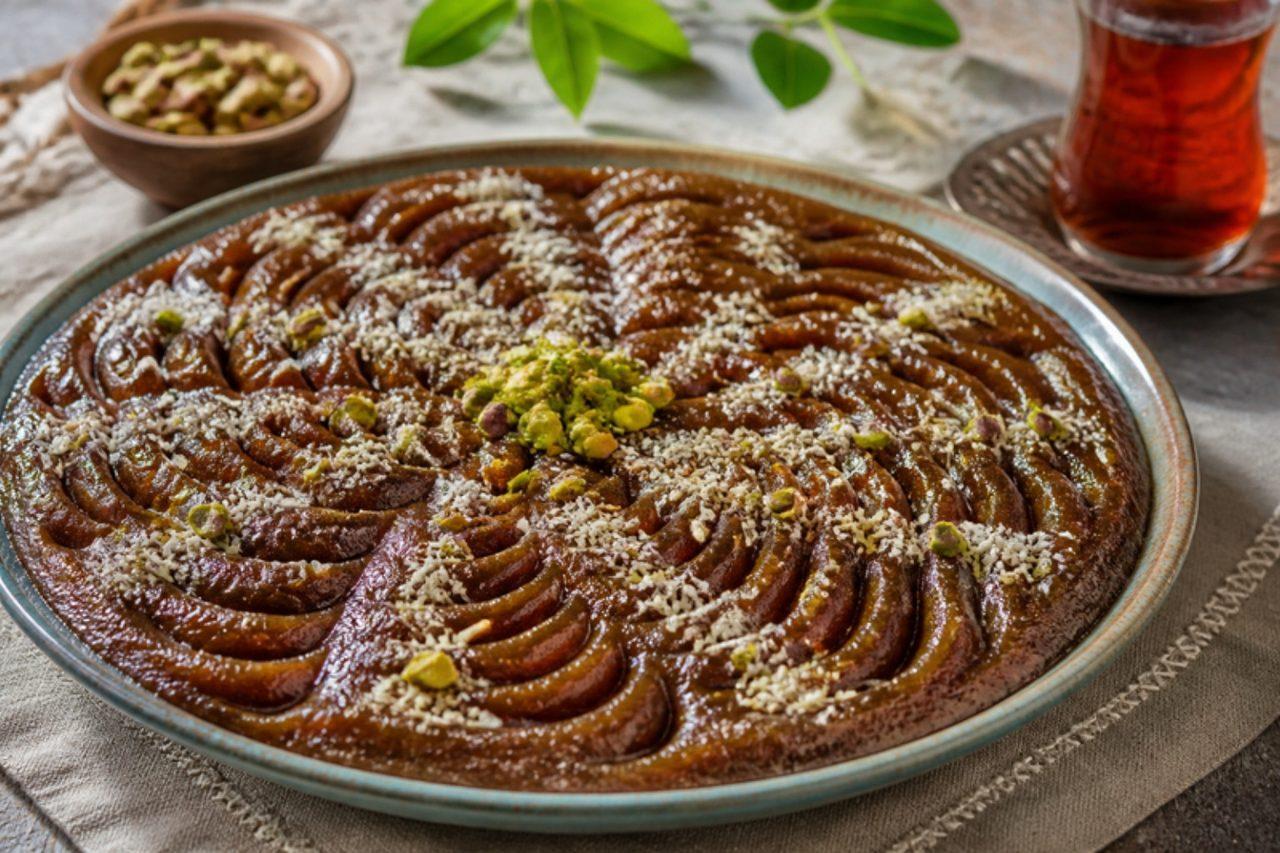
Along the Gulf coast, in Bushehr, Ahvaz and Abadan, halva-ye khorma is made from the year's soft dates and served at breakfast with bread, at funerals and on Thursday evenings in memory of the dead. Flour is toasted slowly until nutty, then beaten with warm date paste, saffron, cardamom and rosewater into a dense, glossy halva that is pressed into a dish and decorated. A common mistake is adding cold date paste to the hot flour, which seizes into lumps; warm the dates first. Chef's tip: keep stirring until the halva leaves the sides of the pan in one smooth ball, which means it will slice neatly once cool.

by KrazyBadal 0 views

Mazapán de ToledoAlmond marzipan figures

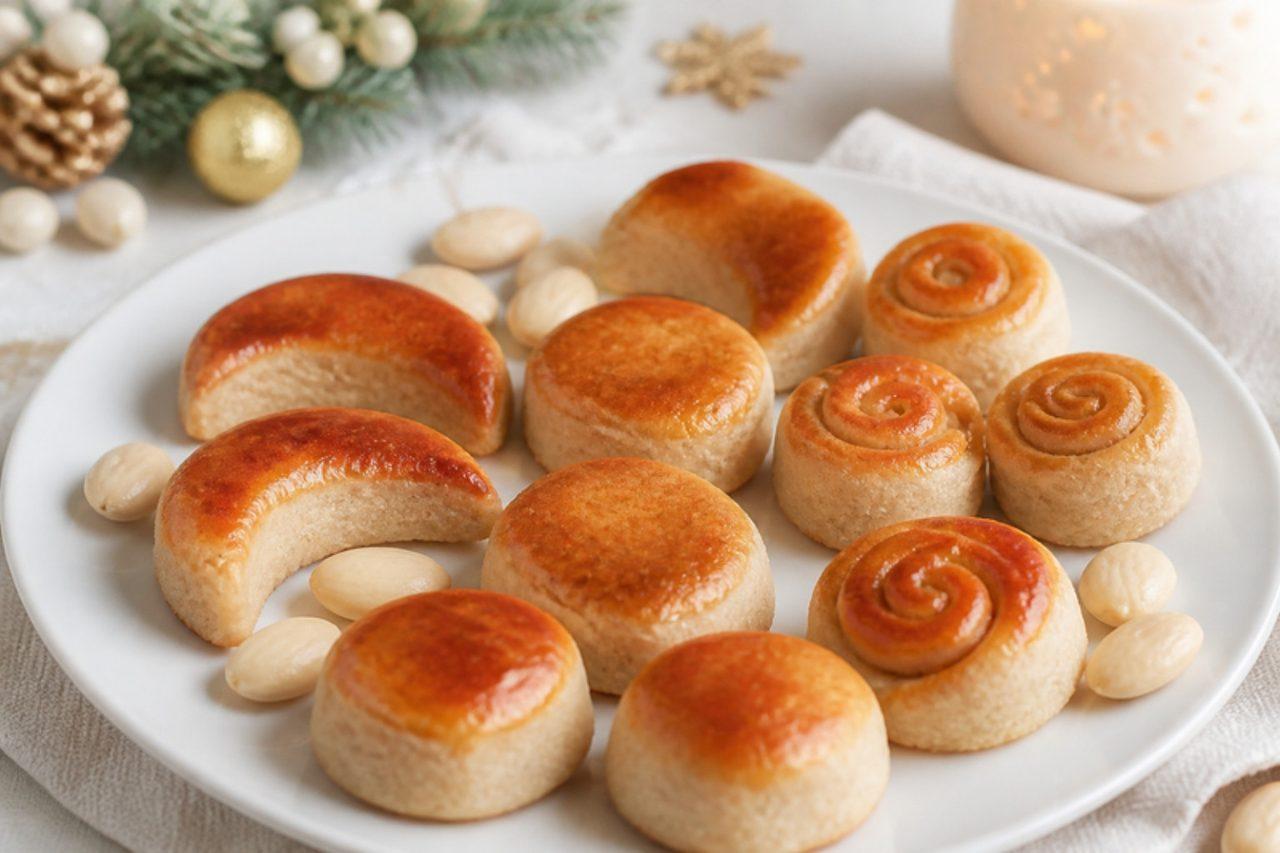
Toledo's convents have shaped marzipan for centuries, and in December the city's pastry shops fill their windows with coiled eels, half-moons and little figures, glazed golden and sold by weight for Christmas. Toledo's version is firm and almond-rich, with less sugar than many, and the best is made with Marcona almonds. Chef's tip: let the shaped pieces dry, uncovered, overnight before glazing; they hold their shape and the glaze sets glossy instead of soaking in.

by KrazyBadal 0 views

Gâteau bretonSalted butter cake

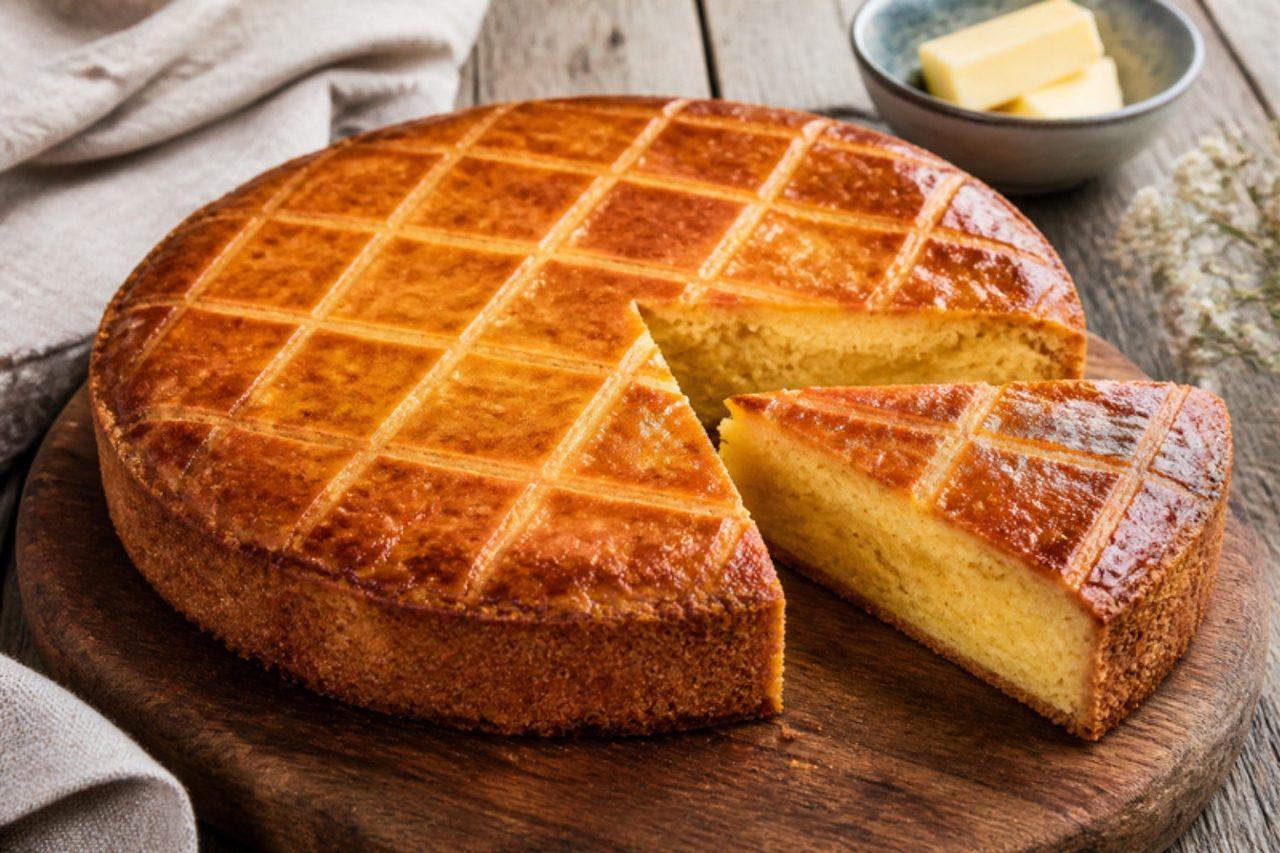
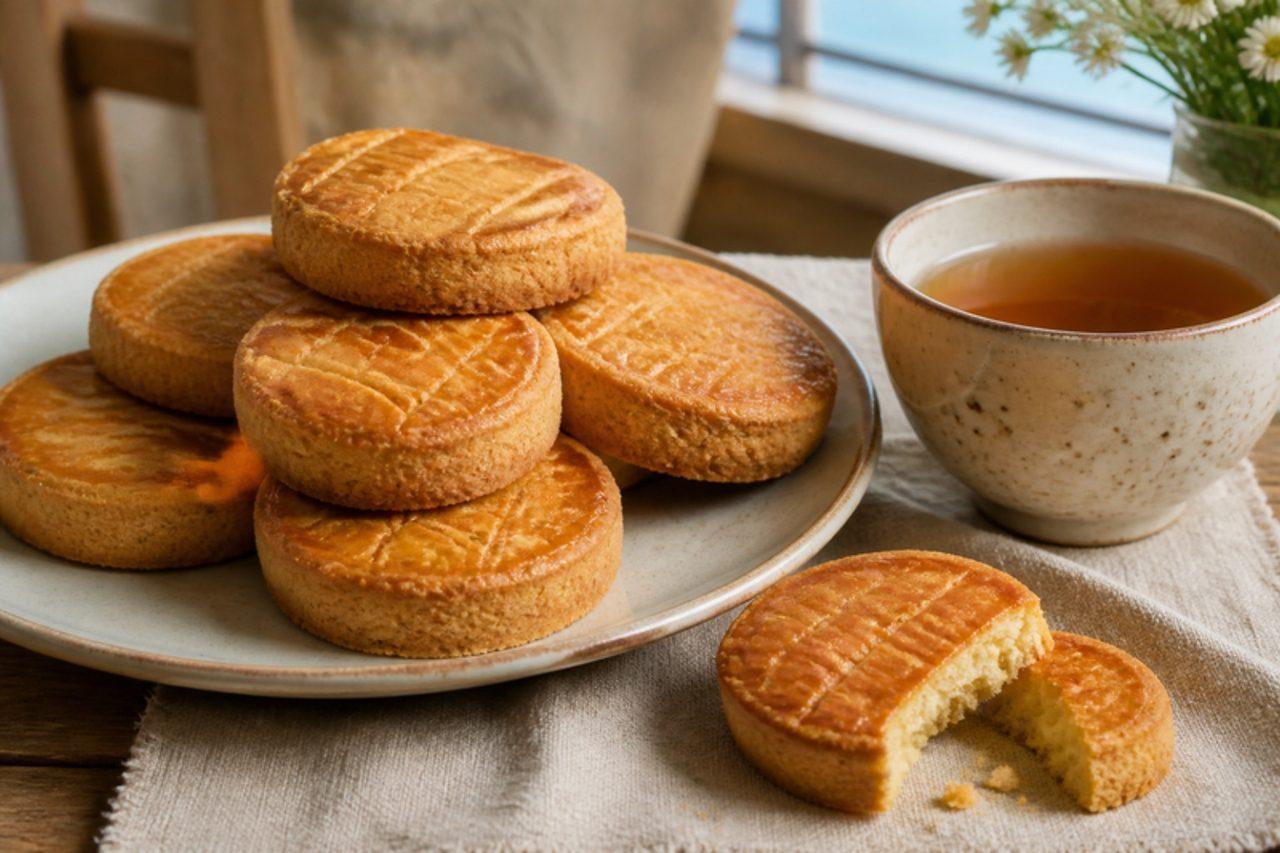
Somewhere between a shortbread and a cake, gâteau breton is the big round that Breton bakeries cut into wedges for the road, and families buy one for the weekend or a picnic at the coast near Concarneau or Lorient. It is made from almost as much salted butter as flour, with lots of egg yolks, and baked thick so the edges are crisp and the middle is dense, moist and fudgy. The top is glazed and marked with a criss-cross pattern using a fork. Plain is traditional; some bakers add a layer of prune purée in the middle. Chef's tip: chill the dough in the tin before baking; it holds its pattern and bakes up with a sharp, shiny crust.

by KrazyBadal 0 views

Chupe de camaronesPrawn chowder

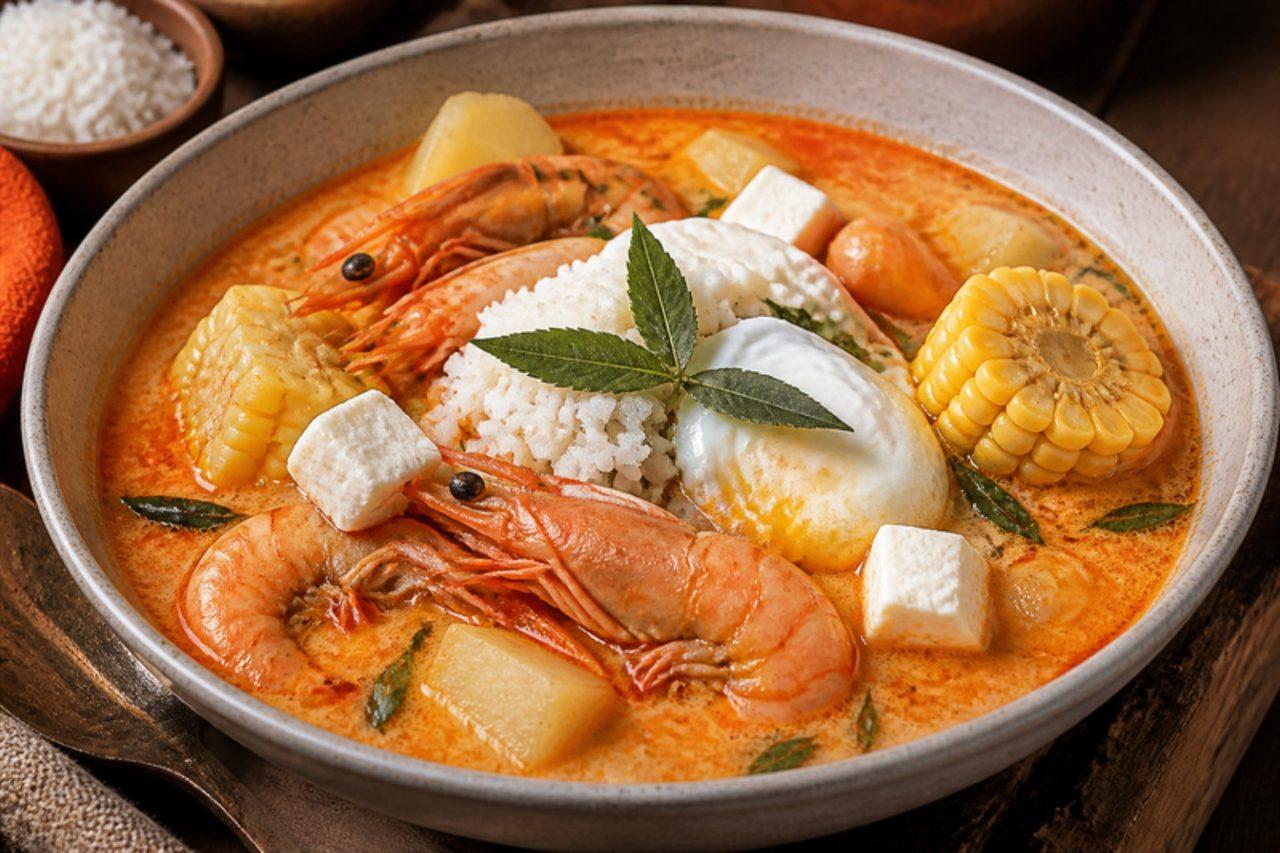
Arequipa's picanterías serve one chupe on each day of the week, and the prawn one, made with crayfish-like camarones from the Majes and Ocoña rivers, is the grandest, especially on Fridays in Lent. It is a big orange chowder: a broth made from the prawn shells and heads, coloured with ají panca, filled with potatoes, corn, broad beans and a little rice, then softened with evaporated milk and fresh cheese, with an egg poached in each bowl. Rich, sweet and gently spicy, it needs nothing but bread. Large shell-on prawns stand in well for river prawns. Many cooks boil the prawns from the start and they turn to rubber; add them at the end and cook only until pink and opaque. Chef's tip: fry the heads and shells in the oil first and press them hard; the orange fat that comes out is what gives chupe its colour and depth.

by KrazyBadal 0 views

Chuño phutiFreeze-dried potatoes with egg and cheese

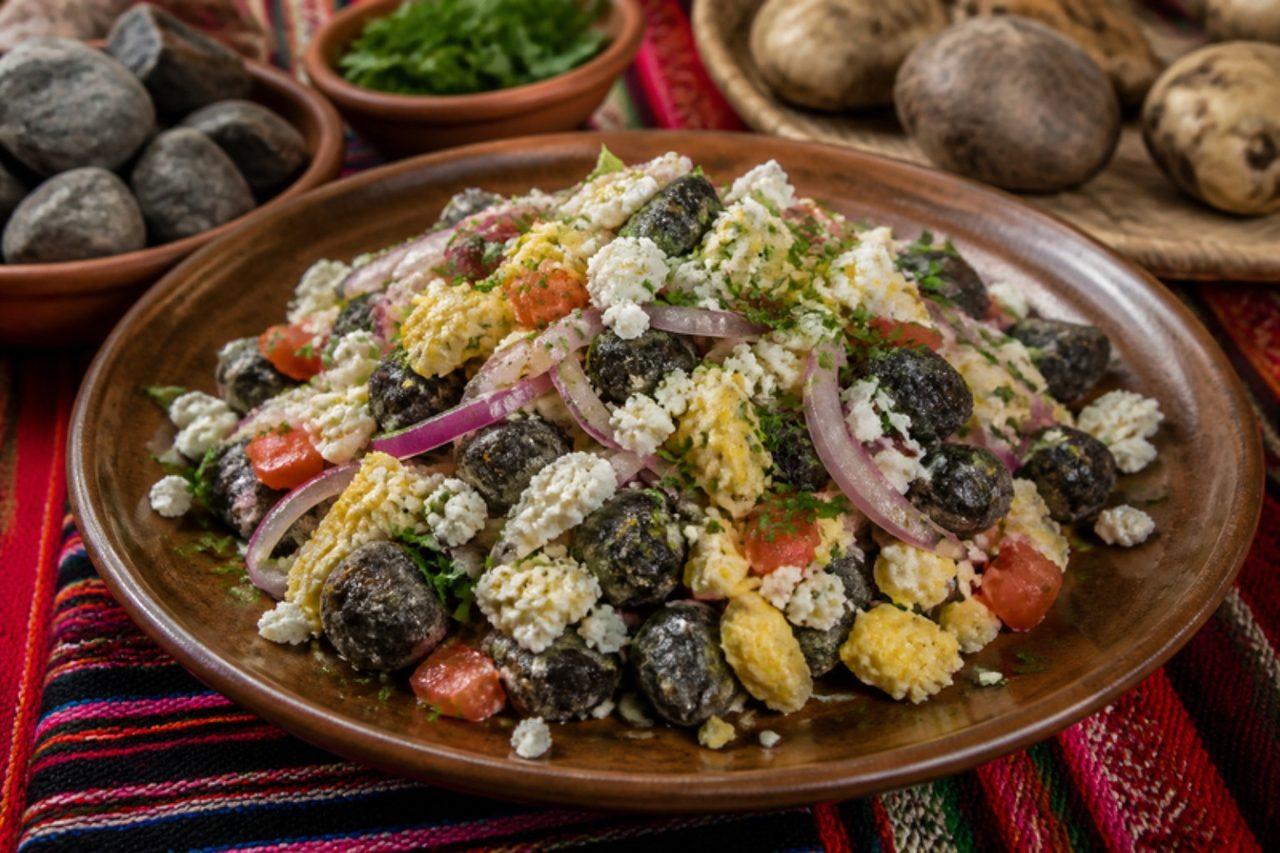
Chuño are potatoes freeze-dried the ancient way on the Altiplano: left out on frosty nights, trampled to squeeze out the water and dried in the high sun, so they keep for years. In Puno and across the border in Bolivia, they are soaked, crumbled and fried with onion, then scrambled with egg and fresh cheese to make phuti, a hearty breakfast or supper eaten with a hot tea. The texture is dense and slightly chewy, and the flavour earthy and a little tangy. Chuño is sold dried in Andean shops; it must soak overnight (ideally 24 hours, with the water changed) and then be peeled, which adds time before you start. The mistake is not soaking or rinsing enough: under-soaked chuño smells strong and stays hard in the middle. Serve with a fresh tomato salsa or uchucuta. Fresh cheese is usually made with animal rennet, so use a vegetarian one if needed. Chef's tip: squeeze the soaked chuño hard between your palms before crumbling; the drier it is, the better it fries.

by KrazyBadal 0 views

GermknödelSteamed plum jam dumpling

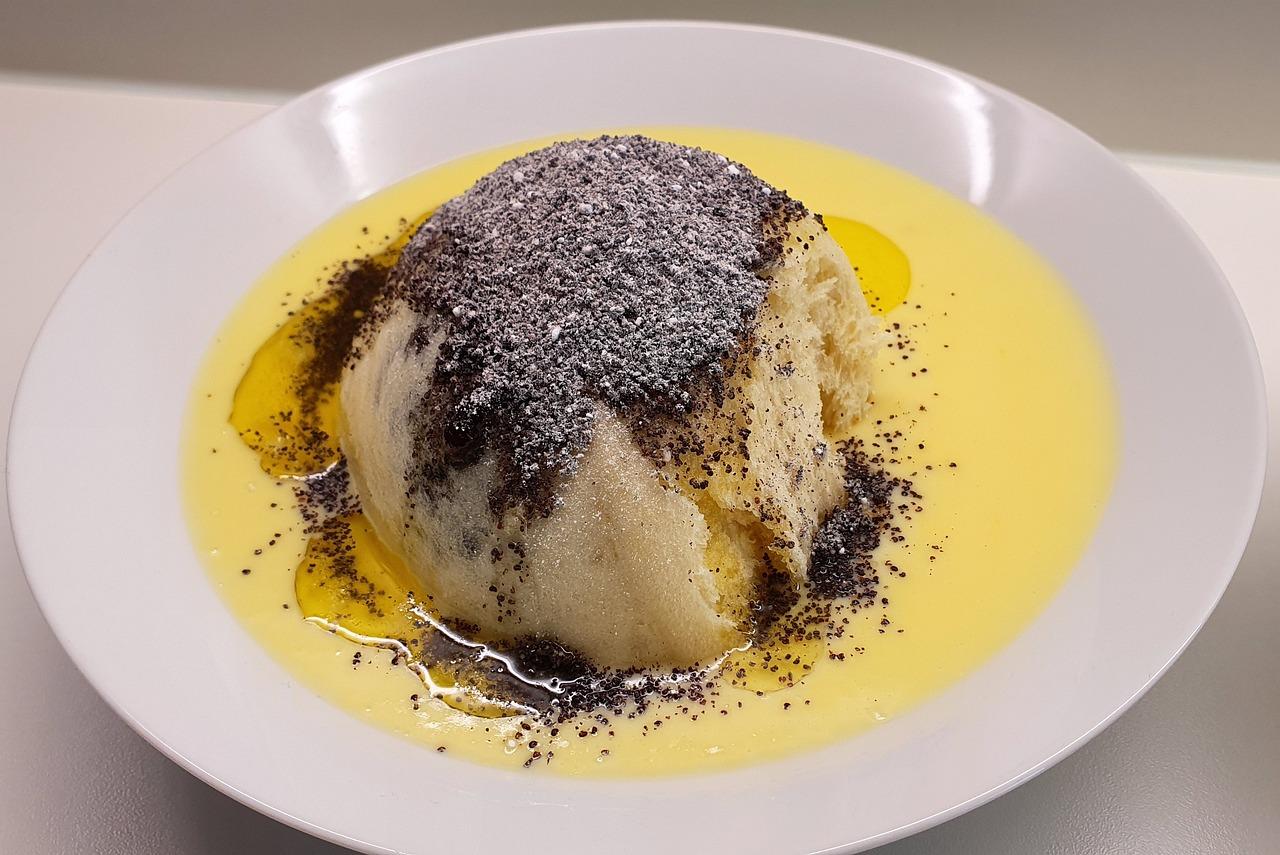
After a morning on the slopes, Austrians head into the mountain huts of Tyrol, Salzburg and Styria for one thing: a Germknödel the size of a fist, steamed until pillowy and split open to reveal dark plum butter. It comes drowned in melted butter, or in vanilla sauce, under a thick snow of ground poppy seeds and icing sugar, and it is eaten as a whole meal. The dough is soft and slightly sweet, and the powidl inside is tart and jammy. A common mistake is lifting the lid while they steam; the dumplings deflate and turn heavy. Chef's tip: seal each dumpling with the seam underneath and let them prove a second time on squares of baking paper, so you can move them without denting them.

by KrazyBadal 0 views

Ev eriştesiEgg noodles with walnuts

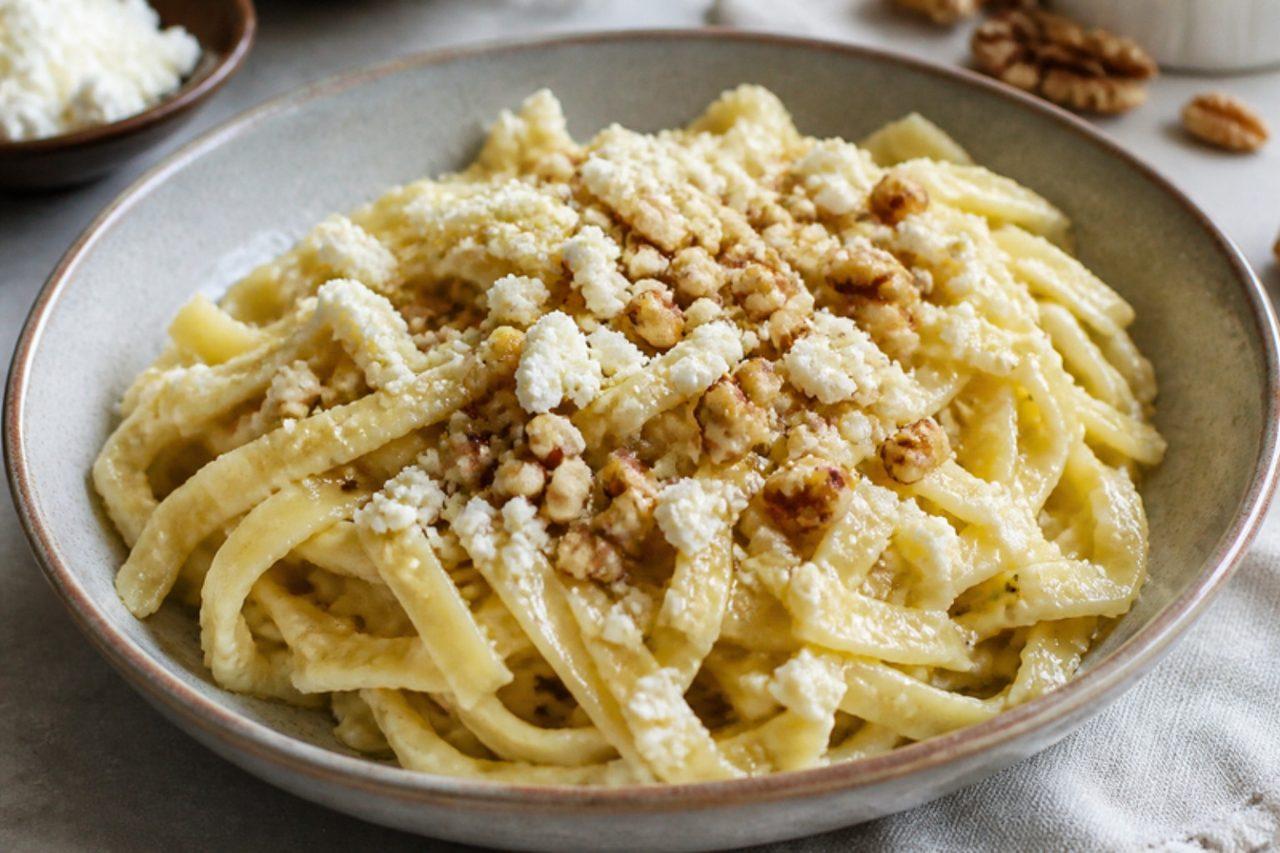
Late summer in Sivas, Tokat and Kayseri villages means erişte days, when neighbours roll out huge sheets of egg dough, cut them into ribbons and dry them on cloths to last the winter. Freshly cut, they cook in minutes and are tossed with browned butter, toasted walnuts and crumbled white cheese, a simple dish that tastes of the farm. Common mistake: cutting the noodles before the rolled sheet has dried a little, so they stick into a clump; let it sit 15–20 minutes until leathery. Feta-style white cheese is often made with animal rennet; use a vegetarian one if needed. Chef's tip: toast a few raw noodles in the butter until golden before the boiled ones go in; they add a lovely crunch.

by KrazyBadal 0 views

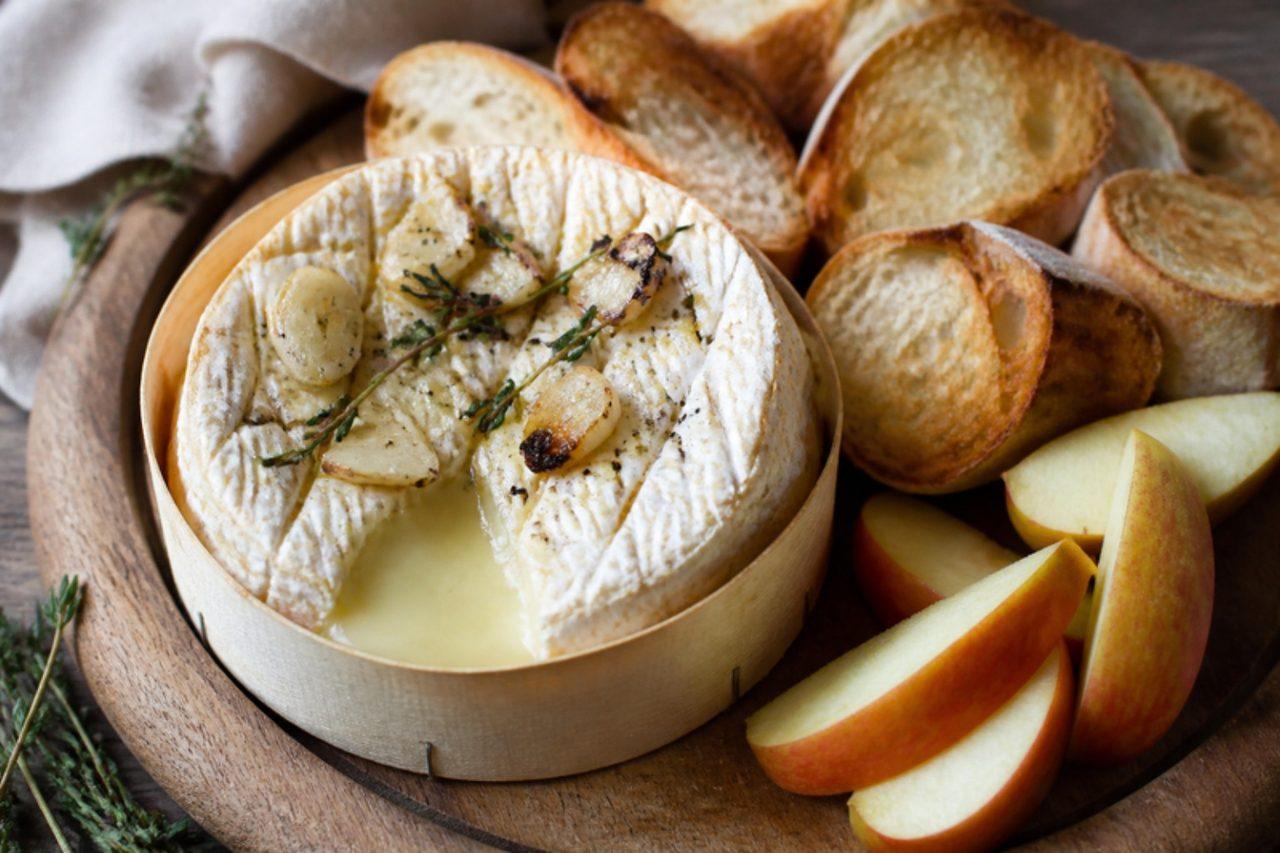
Camembert baked in its box

Normandy dairy farmers have always known that a Camembert just past its best is perfect for the oven, and baked Camembert is now what friends share on cold evenings across the region, from Caen to the Pays d'Auge, with crusty bread, apple slices and boiled potatoes for dipping. The cheese stays in its wooden box, gets scored, studded with garlic and thyme and baked until the inside is liquid under a just-holding rind. It is ready in 20 minutes and makes a light supper with a salad. Real Camembert de Normandie is made with animal rennet; for a vegetarian version use a vegetarian Camembert-style cheese. Chef's tip: take off any plastic wrapping and tie the box with kitchen string if it is stapled; cheap boxes can split in the heat.

by KrazyBadal 0 views

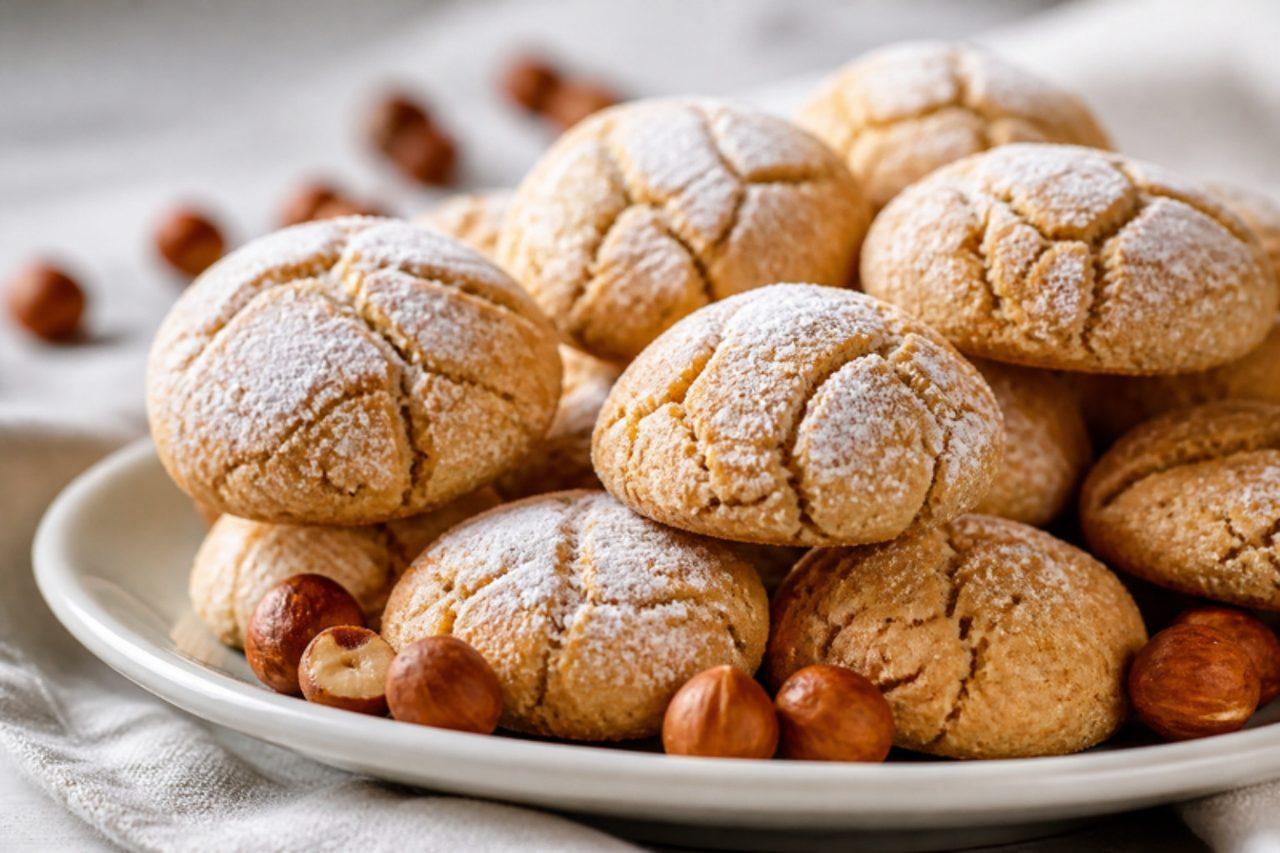
Carajitos del profesorCrisp hazelnut biscuits

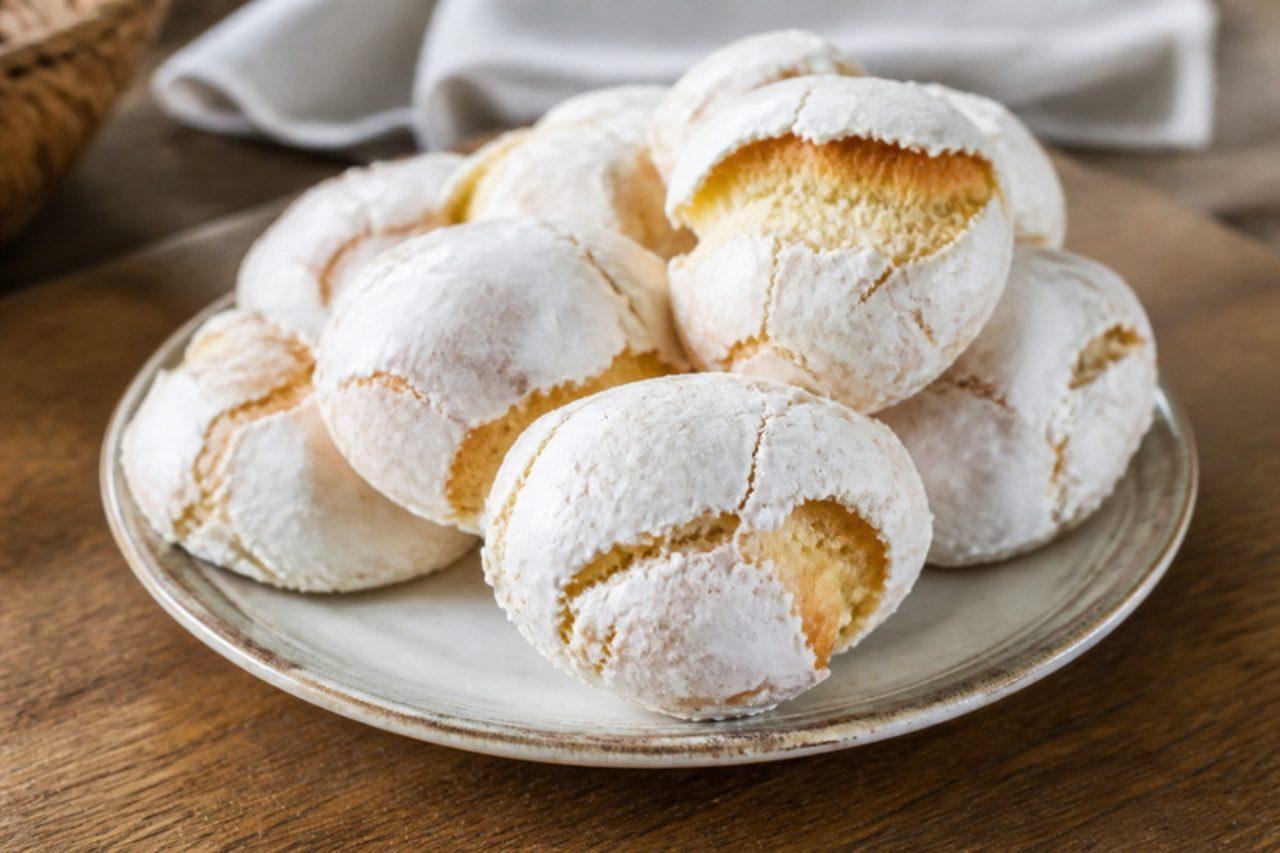
Salas, a small town on the old pilgrim road through western Asturias, is known for these cracked, chewy mounds of toasted hazelnut and sugar. Local lore says they were first baked for a teacher at the town's school, and the pastry shops still sell them by the bag to travellers and to families heading home from Sunday market. They need only three ingredients and no flour, so they suit anyone avoiding gluten. Chef's tip: toast the hazelnuts until they smell like praline before grinding them; it is what gives the biscuits their deep flavour.

by KrazyBadal 0 views

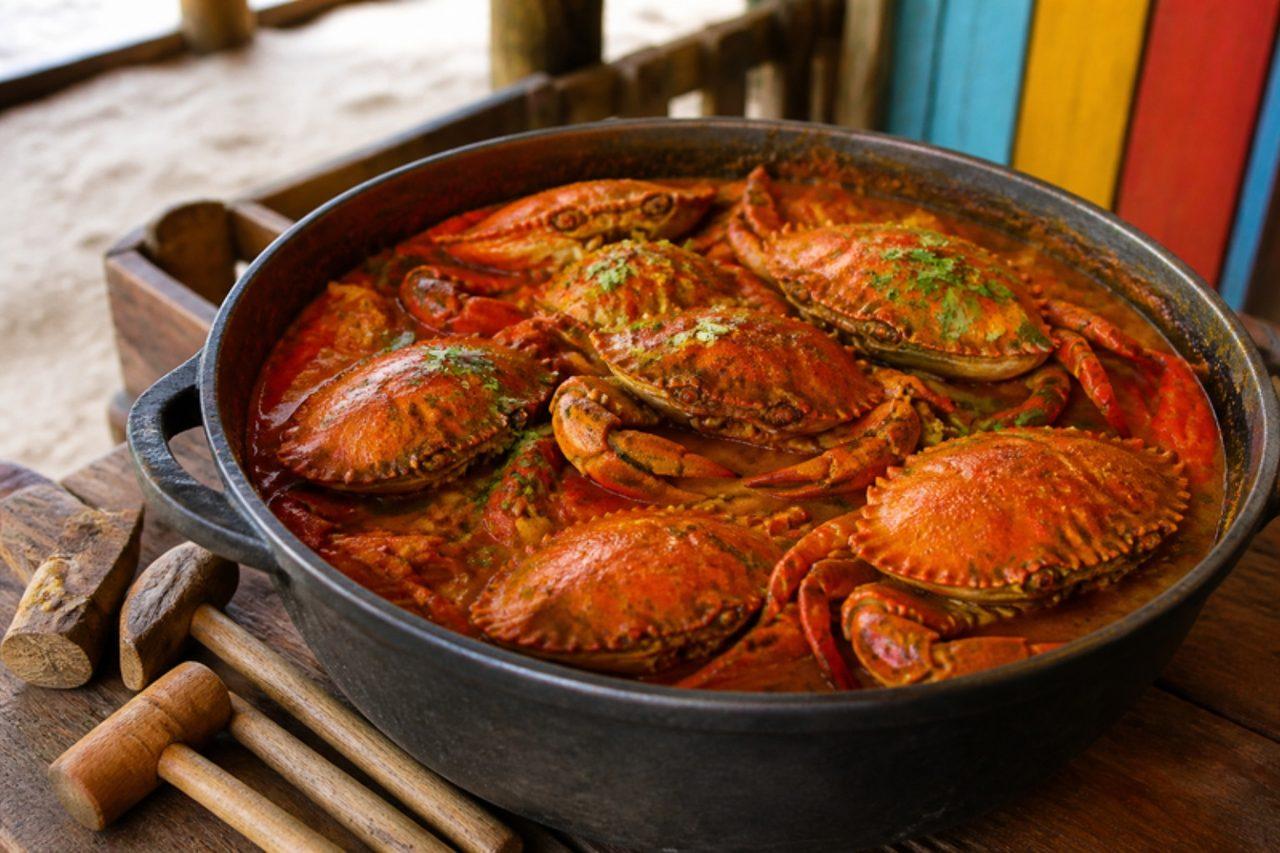
CaranguejadaBoiled crabs in spiced coconut broth

Thursday night is crab night in Fortaleza: the beach shacks along Praia do Futuro fill up for the quinta do caranguejo, and tables are covered in whole crabs, wooden mallets and bowls of broth. The crabs are boiled in a spiced broth of tomato, onion, peppers, coconut milk and plenty of coriander, then cracked open by hand, the sweet meat dipped back into the broth and eaten with pirão and lime. Mangrove crabs are used in Ceará; blue crabs or brown crabs work well elsewhere. Crabs must be alive and lively when you buy them, or bought frozen raw or ready-cooked from a fishmonger; never cook a raw crab that has died. The big mistake is under-salting the broth, which leaves the meat bland; it should taste like well-seasoned soup. Chef's tip: chill live crabs in the freezer for about an hour before cooking so they are completely still and insensible, then scrub them well.

by KrazyBadal 0 views

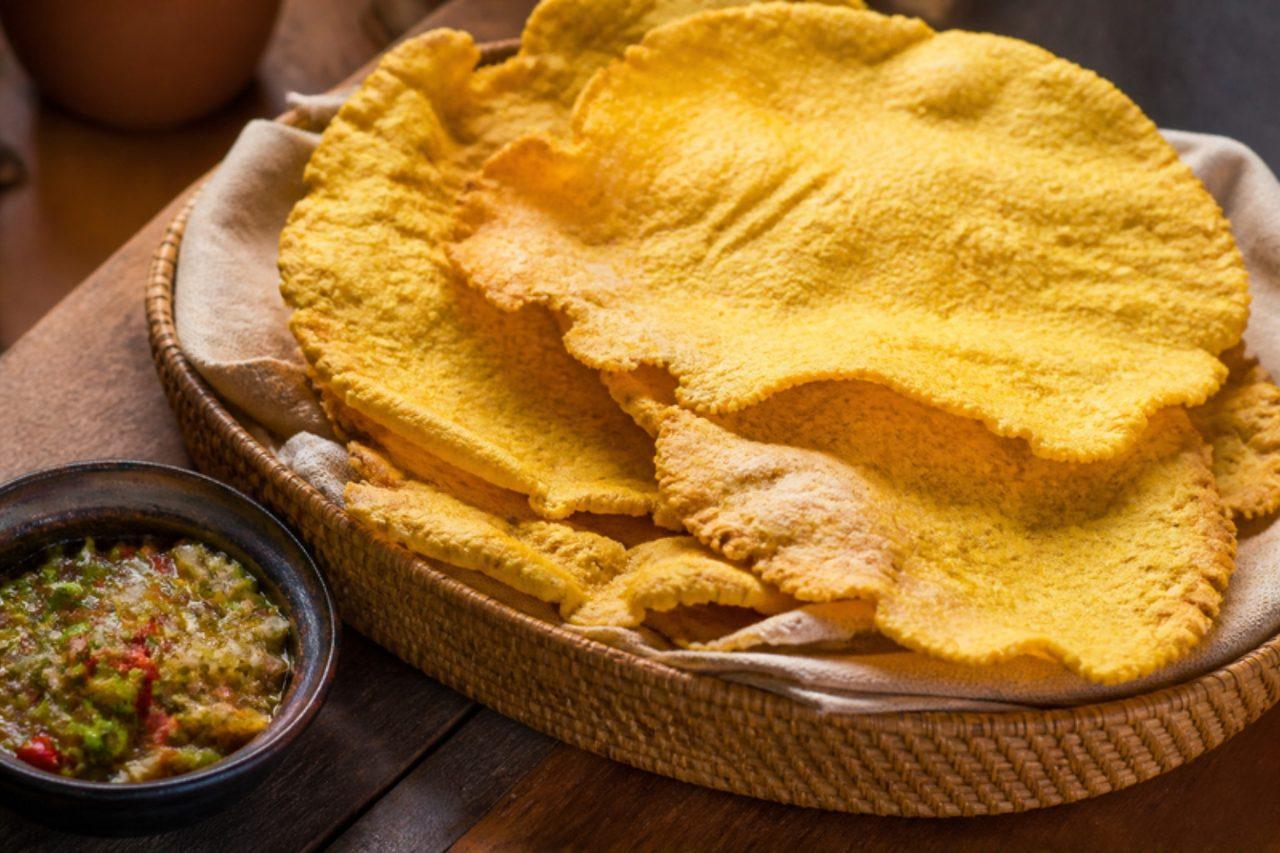
CarantantasCrisp fried corn crusts

Carantantas started as a thrifty by-product: the thin layer of corn dough that stuck to the bottom of the big pans in Popayán's masa kitchens, scraped off, dried and sold as golden shards. Today they are a cheap, crunchy snack sold in bags at Cauca markets, eaten with ají or broken into a sopa de carantantas. At home you can make them by spreading a thin layer of corn dough on a hot, dry pan, letting it toast into a crust, then frying or crisping the pieces. They taste of toasted corn, nutty and lightly salty, a little like the crunchy bits of a tortilla. Spreading the dough too thickly is where it goes wrong, giving leathery, chewy pieces instead of crisp ones; aim for a layer no thicker than a coin. Chef's tip: a non-stick or well-seasoned cast-iron pan lets the crust lift in large sheets; wait until the edges curl before scraping.

by KrazyBadal 0 views

Carapaus alimadosPoached mackerel in garlic dressing

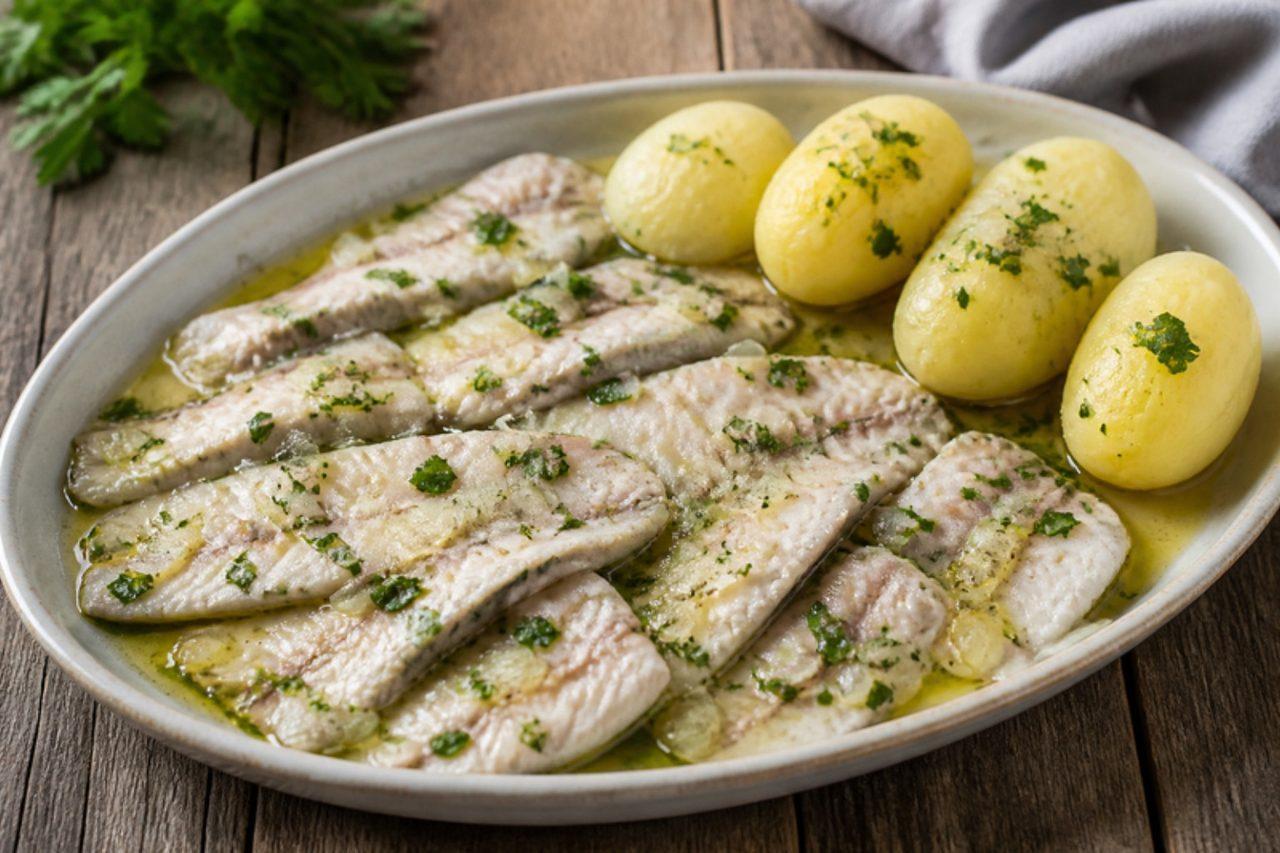
In Portimão and Olhão, when the boats came in loaded with small carapaus, cooks poached them, peeled away skin and bones, and soaked the fillets in olive oil, vinegar, garlic and onion. The dish is served cold, on summer days, with boiled potatoes or just bread, and it tastes better the day after. Mackerel or large sardines work if you can't find horse mackerel. Chef's tip: poach the fish gently, at a shiver rather than a boil, so the fillets stay whole when you lift them off the bone.

by KrazyBadal 0 views

CarapulcraDried potato and pork stew

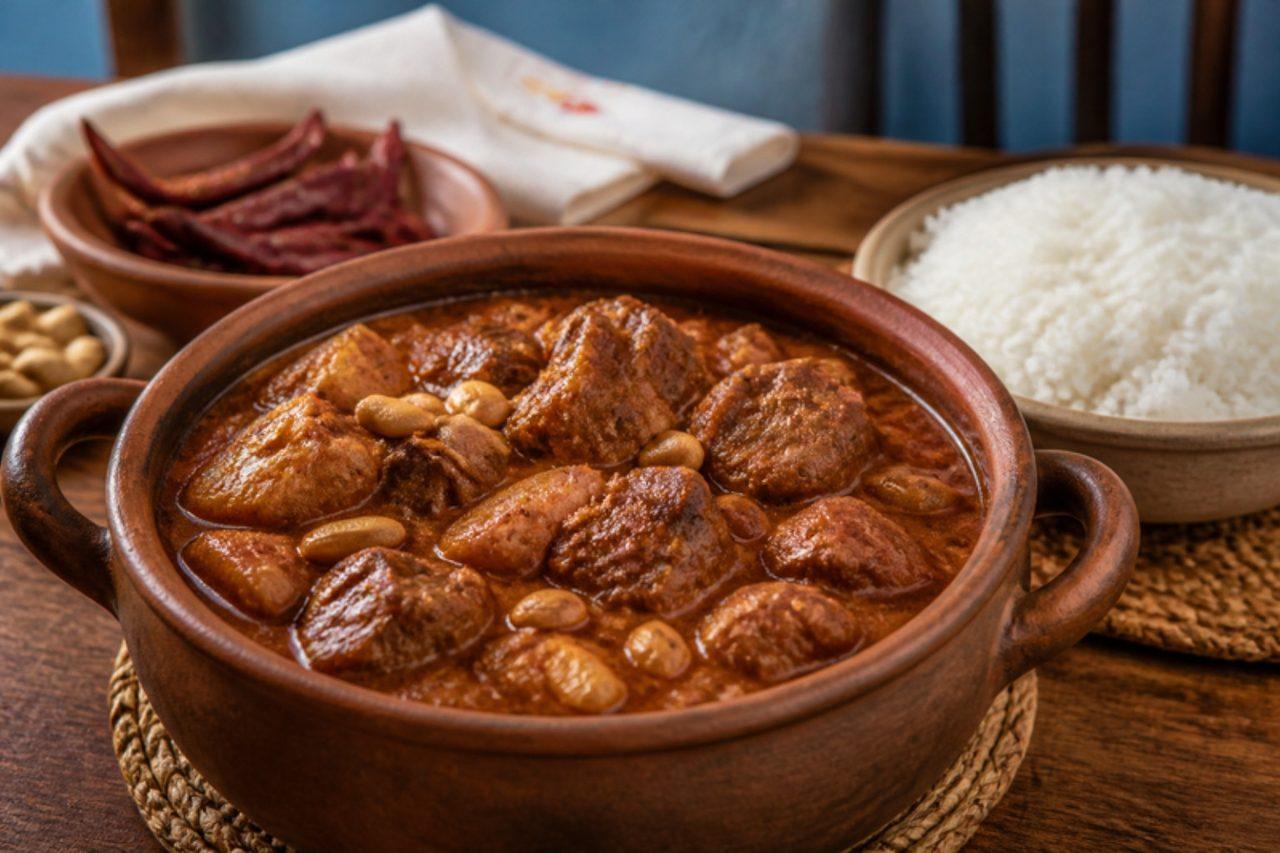
Older than Peru itself, carapulcra comes from the Afro-Peruvian kitchens of Chincha, south of Lima, where it is cooked in big pots for saints' days and family lunches and served next to a mound of sopa seca, a pairing locals call the 'matrimonio'. Pieces of papa seca, potato that has been boiled, sun-dried and broken into nuggets, are toasted and simmered with pork shoulder in a brick-red sauce of ají panca, garlic, cumin and ground peanuts, until the potato swells into chewy, savoury lumps and the sauce turns thick and nutty. Most people skip toasting the papa seca, and the stew tastes flat; the dry pan is where the flavour comes from. Chef's tip: stir often in the last half hour and add hot stock a ladle at a time; papa seca drinks liquid and catches on the base without warning.

by KrazyBadal 0 views

Carbonada en zapalloBeef stew in a pumpkin

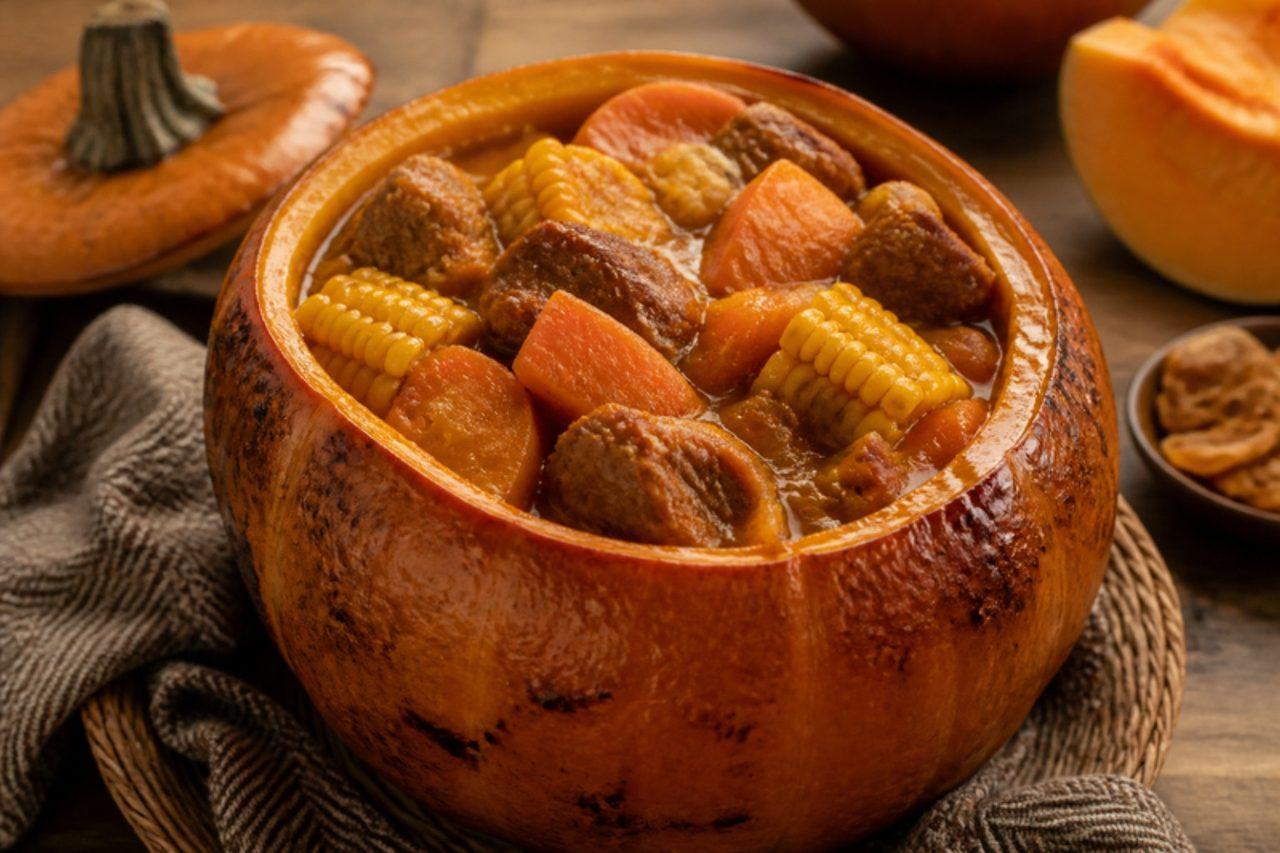
Of all the dishes served for the 25 May and 9 July national holidays, carbonada criolla is the most theatrical when it arrives inside a whole roasted pumpkin, the lid lifted at the table to let out a cloud of steam. The stew comes from the Spanish-colonial interior and is beloved across Buenos Aires Province: cubes of beef braised with onion, tomato and pepper, then joined by corn, sweet potato, squash and dried peaches (or pears) that melt into a sweet-savoury sauce. Pieces of the pumpkin wall are scooped out with each serving. Beef stew cubes are cooked until tender, well past any pinkness. Overcooking the pumpkin is the common trap: it collapses when you pour in the stew, so roast it only until a knife meets slight resistance. Chef's tip: soak the dried peaches in a little hot water and add both the fruit and the soaking liquid; it gives the sauce its rounded sweetness without extra sugar.

by KrazyBadal 0 views

Carbonade valdostanaBeef stewed in red wine

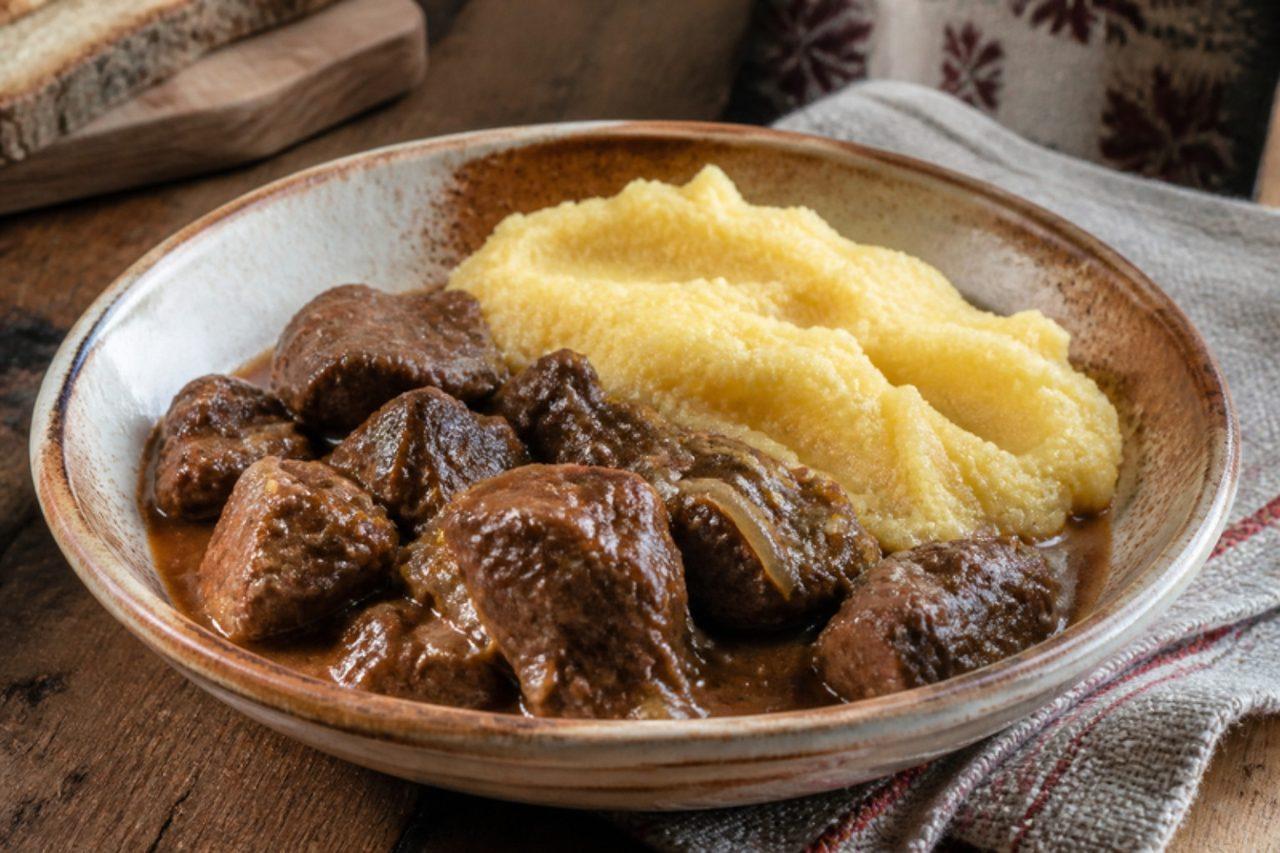
High in the Alps of the Aosta Valley, carbonade was once made from beef preserved in salt over the winter; today mountain restaurants make it with fresh stewing beef and serve it in winter to skiers coming down from the slopes. Thin pieces of beef are browned, then simmered slowly with masses of onions, a whole bottle of red wine and cinnamon, cloves and nutmeg until the sauce turns dark, sweet and spicy and the meat falls apart. It is always spooned over soft polenta, ideally made with a little fontina stirred through. The dish uses red wine; for an alcohol-free version see the ingredient note. Chef's tip: slice the onions thin and give them the full time; they melt into the sauce and thicken it without any flour.

170 minItalianMeatGluten free
by KrazyBadal 0 views

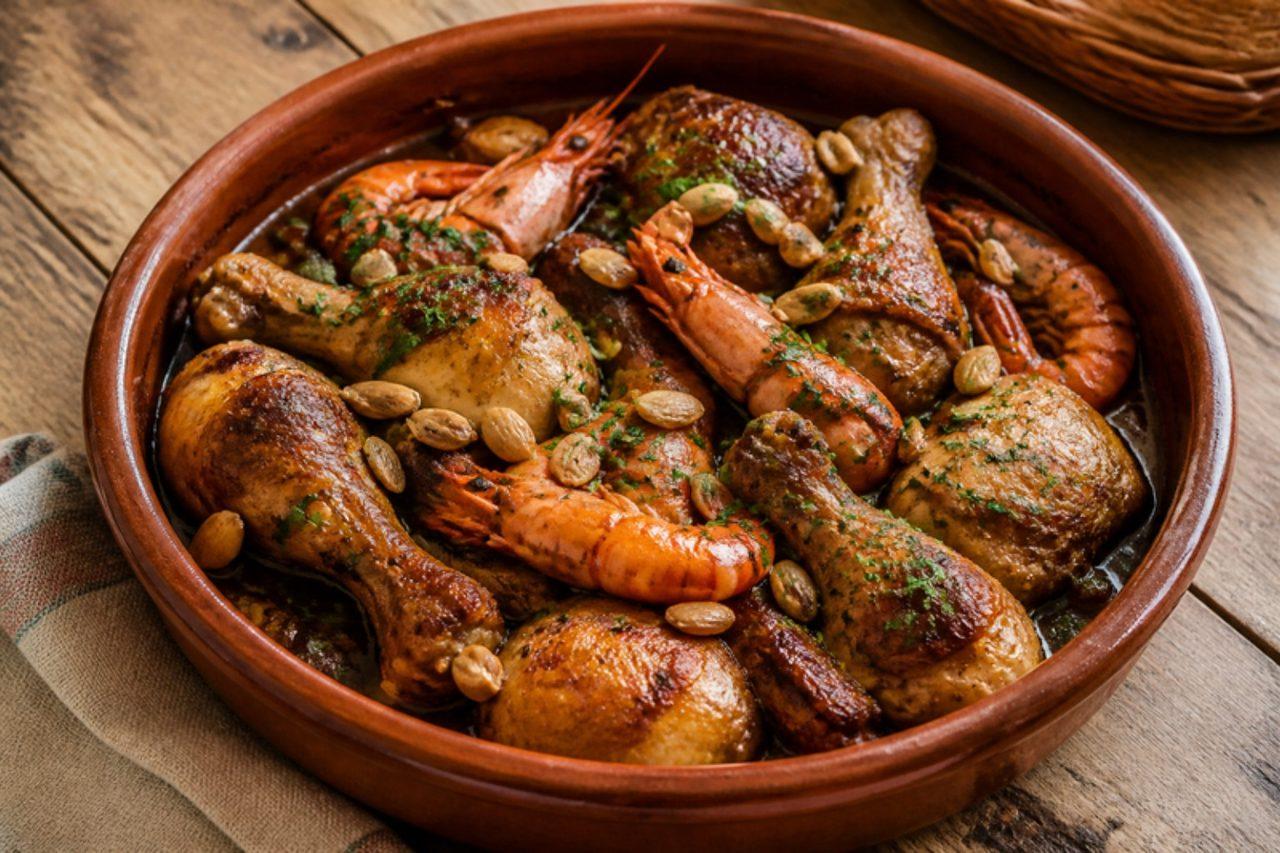
Mar i muntanyaChicken and prawn casserole

Sea and mountain: the cooks of the Empordà, between the Pyrenees and the Costa Brava, have long put chicken and seafood in one pot, and this version with prawns is the one most families make for a celebration lunch. The sauce is a dark sofrito finished with a picada of almonds, hazelnuts, garlic and a little dark chocolate, which adds depth rather than sweetness. It uses wine; the alcohol-free option is in the ingredient list. Chef's tip: cook the prawns only briefly at the start and return them at the end, so they stay juicy while the chicken braises.

by KrazyBadal 0 views

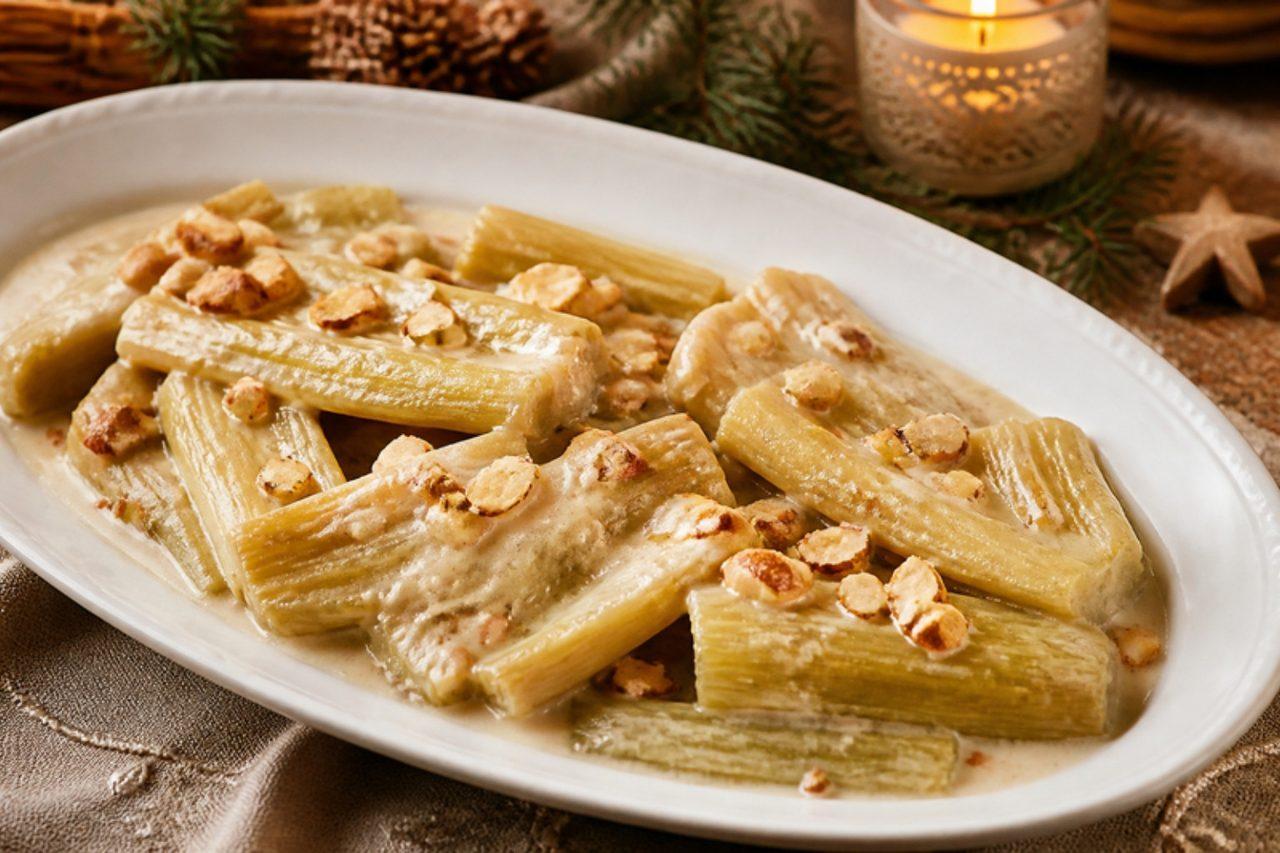
Cardo con almendrasCardoon in almond sauce

On Christmas Eve in Aragon and neighbouring Navarre, a dish of cardoon is as certain as turrón: the long, pale stalks are boiled until tender and served in a velvety sauce of ground almonds, garlic and the cooking water, often as the first course before fish or lamb. The flavour is like artichoke, gentle and slightly bitter, softened by the nutty sauce. It contains no animal products. A common mistake is leaving cut cardoon in the air; it blackens within minutes, so drop each piece into lemon water as you go. Ready-cleaned jars of cardoon are sold in Spain and work well if you skip the first two steps. Chef's tip: whisk a spoonful of flour into the cooking water; it keeps the stalks white and gives you a ready-thickened broth for the sauce.

by KrazyBadal 0 views

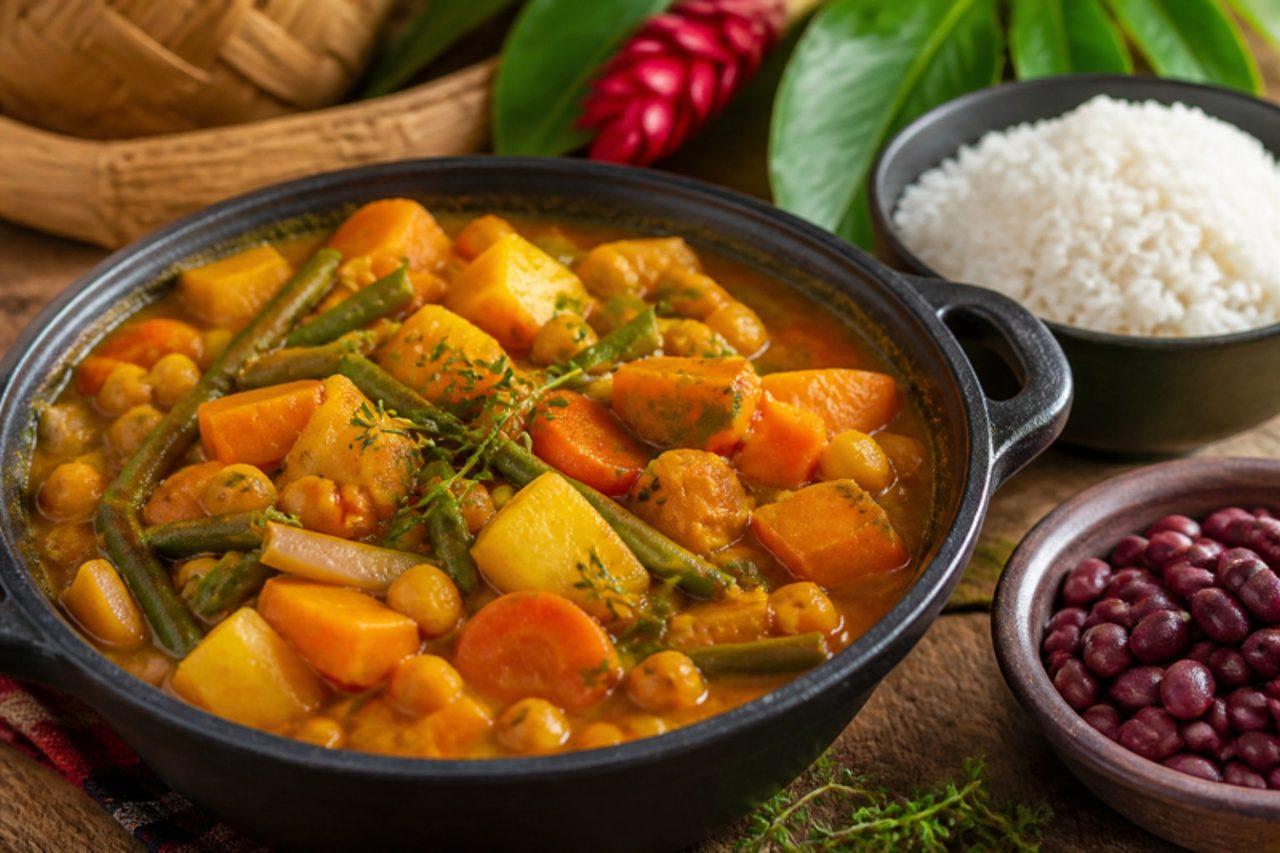
Cari de légumesVegetable curry

On Réunion, the French island in the Indian Ocean, cari is simply lunch: a pot of something gently spiced with onion, garlic, ginger, thyme and the island's turmeric, which locals call safran péi. It arrives at the table with white rice, a bowl of lentils from Cilaos or red beans, and a sharp tomato rougail, and this vegetable version uses chayote (chouchou) from the green Salazie valley, potatoes, carrots and green beans. The heat comes from the chilli in the rougail, not the cari itself, so it suits children too. Chef's tip: let the onions take real colour before the spices go in; that golden base gives a cari its depth.

by KrazyBadal 0 views

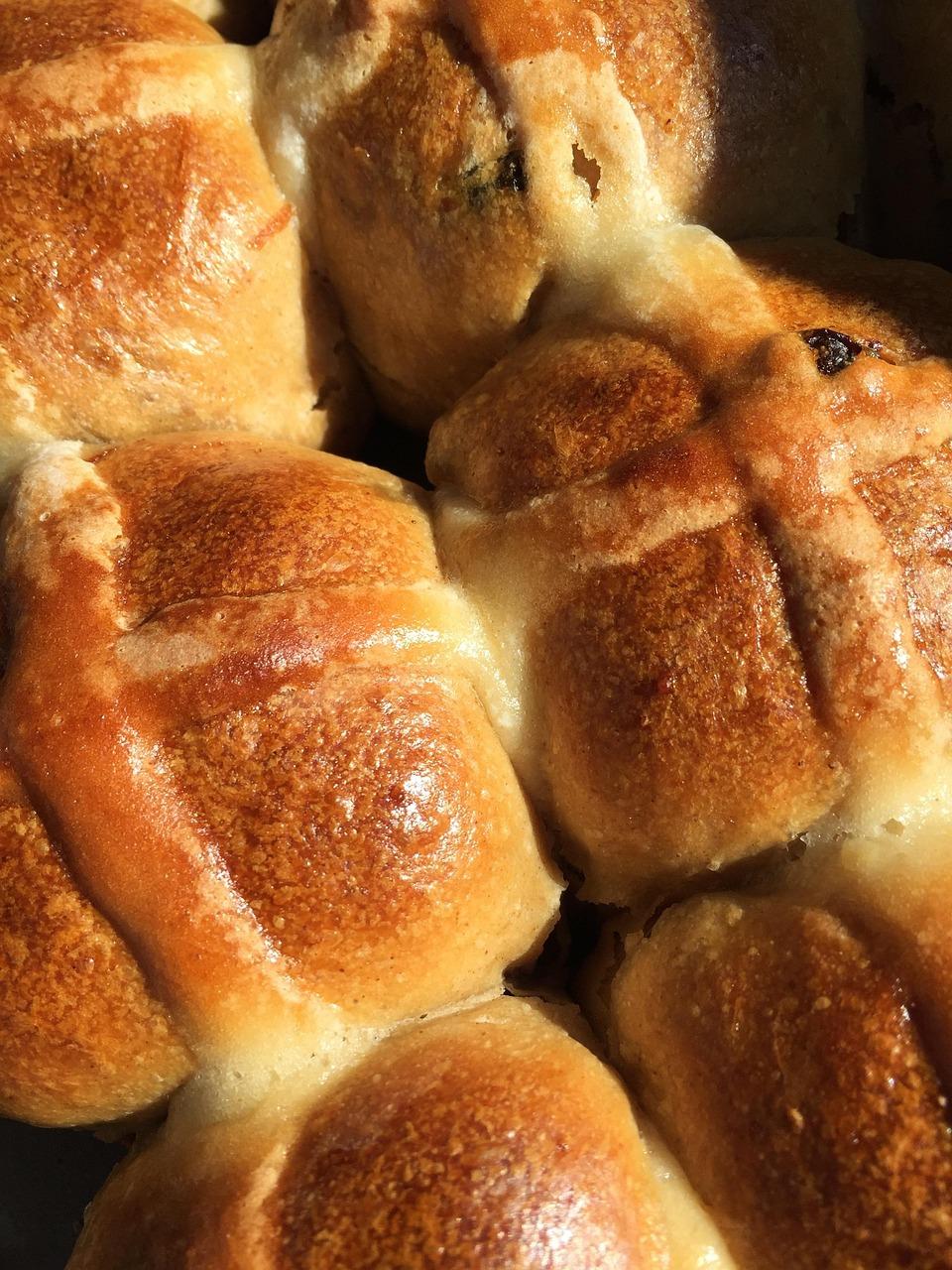
Hot cross buns

Hot cross buns are eaten toasted with butter on Good Friday across England, and London bakeries have sold them for centuries to the old street cry 'one a penny, two a penny'. The soft, spiced dough is full of currants and orange peel, and the cross on top is piped from a simple flour paste before baking. Chef's tip: let the dough rise somewhere really warm; spiced, fruited dough is slow and needs patience.

by KrazyBadal 0 views

Rosquillas de San IsidroAniseed doughnut rings

Every 15 May, crowds head to the Pradera de San Isidro on Madrid's southern edge for the patron saint's festival, and stalls sell rosquillas by the dozen: plain "tontas" (silly ones) and iced "listas" (clever ones). Many families now bake them at home that week. Old recipes ice the listas with raw egg white; this one uses a lemon and icing-sugar glaze, which is safer and sets just as white. Chef's tip: oil your hands to shape the rings; the dough is soft and sticky by design.

by KrazyBadal 0 views

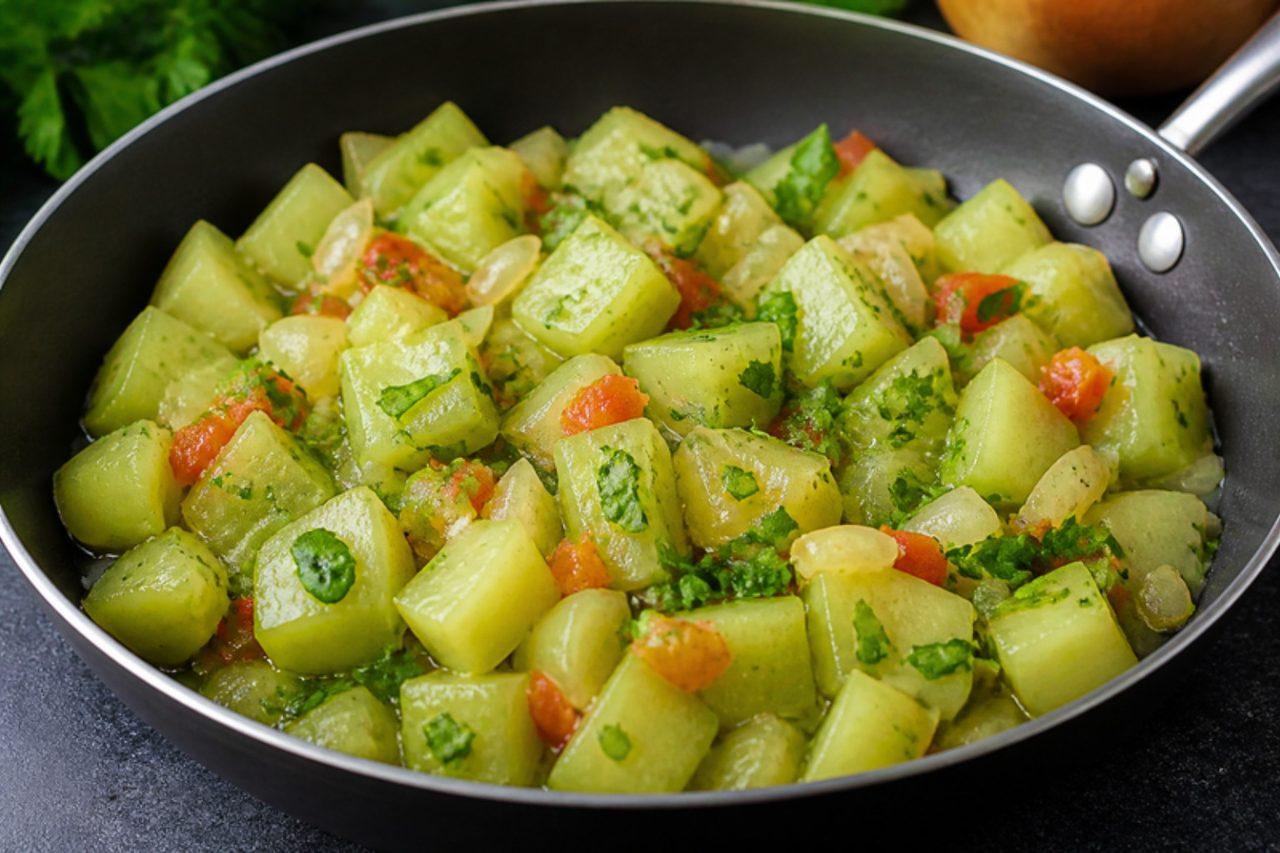
Chuchu refogadoSautéed chayote

Chayote is so cheap and common in Minas Gerais that Brazilians joke it tastes of nothing; this everyday refogado proves the point wrong. Peeled and diced, it is softened in garlic, onion and a little tomato with its own juices until it turns tender, pale green and silky, picking up all the flavour of the base. It is the side you find at every self-service lunch in Belo Horizonte, alongside rice, beans and couve, and works with grilled tofu, eggs or a bean stew. Adding water is the most common error: chuchu releases plenty of liquid, and extra water makes it bland and soupy. Chef's tip: rub a little oil on your hands, or wear gloves, before peeling; the cut fruit releases a sticky sap that leaves your skin tight and dry.

by KrazyBadal 0 views

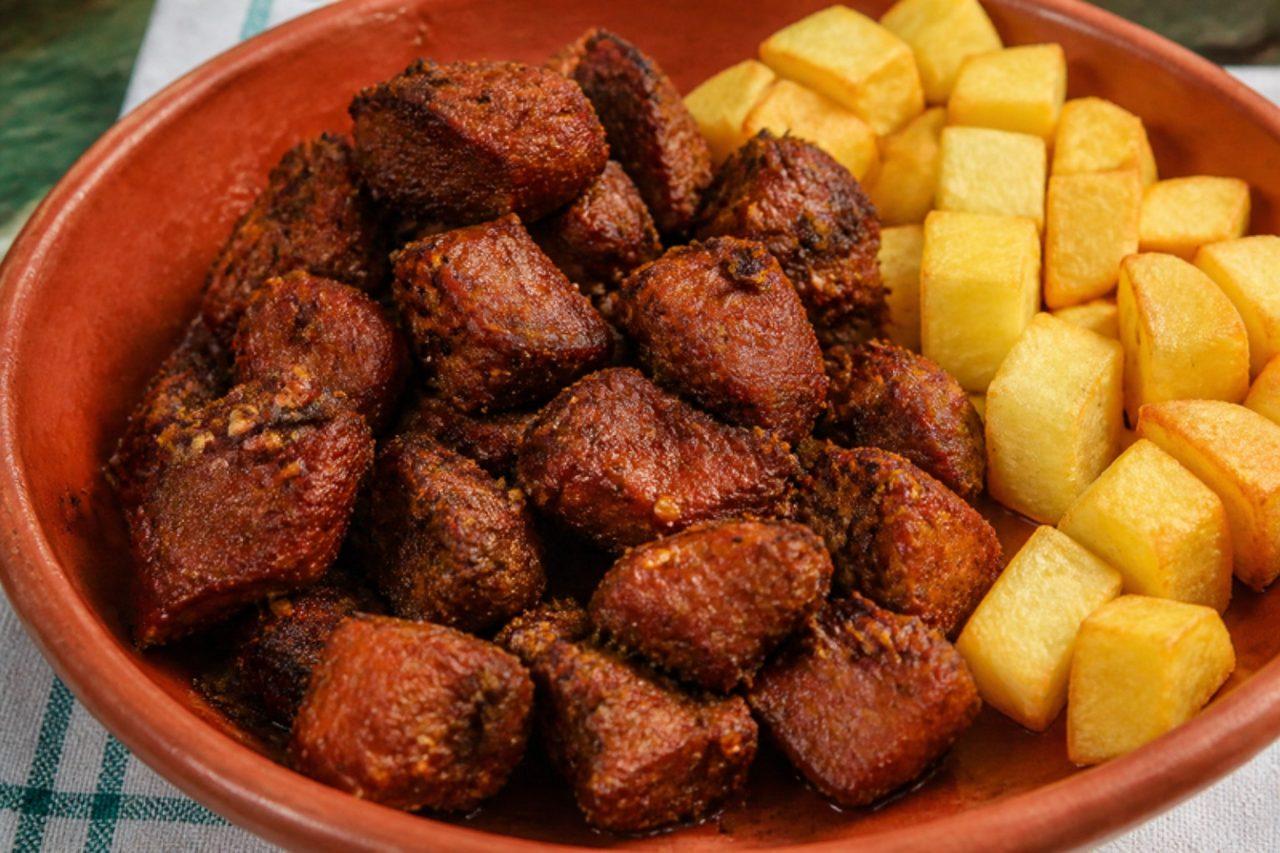
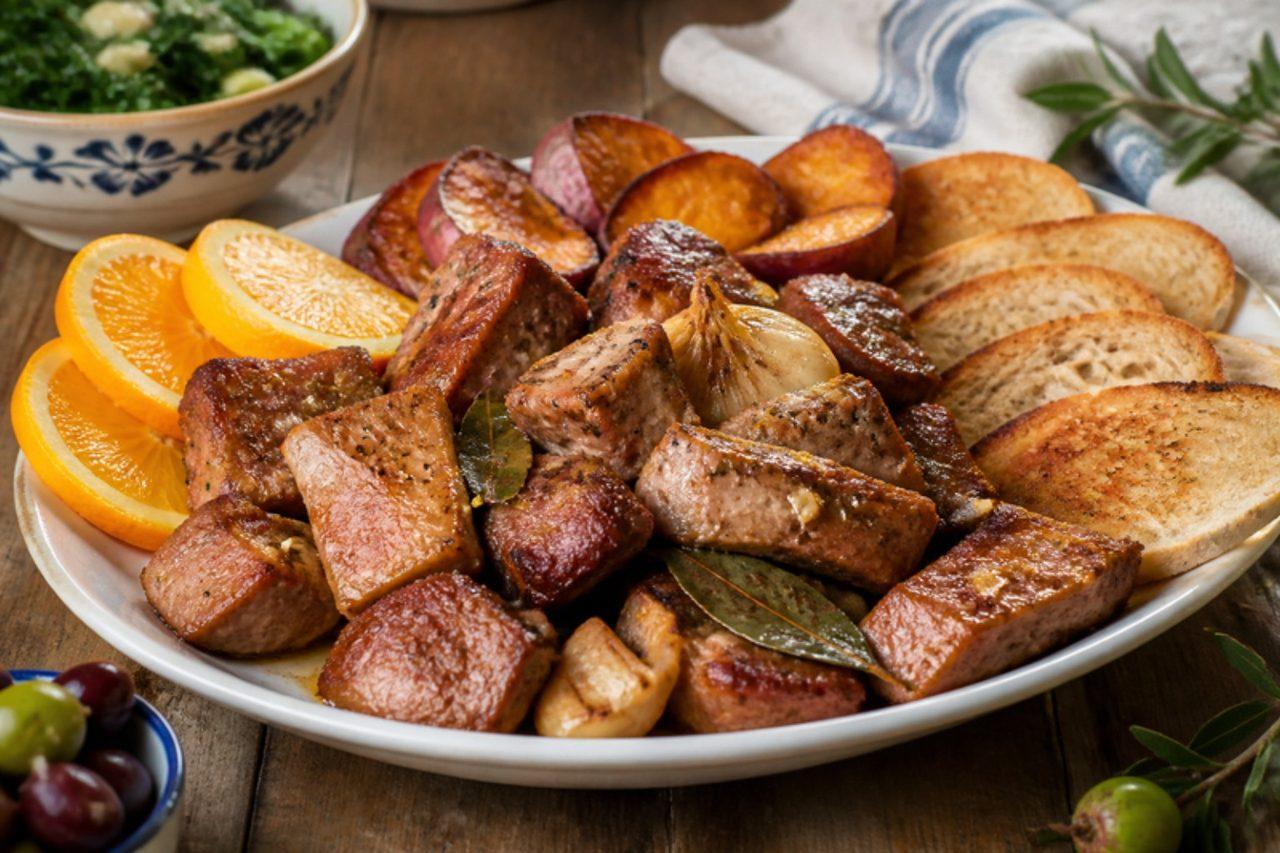
Carne de fiestaMarinated fried pork

The smell of carne de fiesta, cubes of pork sizzling in a huge pan, drifts over every romería and village saint's day in Tenerife and Gran Canaria, where it is sold piled into bread rolls or with chips. This contains pork. The meat sits for a day in a deep red marinade of garlic, paprika, thyme, oregano, vinegar and white wine before it is fried until crusty. The wine can be swapped for water with an extra spoon of vinegar for an alcohol-free version. Chef's tip: fry in batches with plenty of space, so the meat sizzles and caramelises instead of boiling in its own juices.

by KrazyBadal 0 views

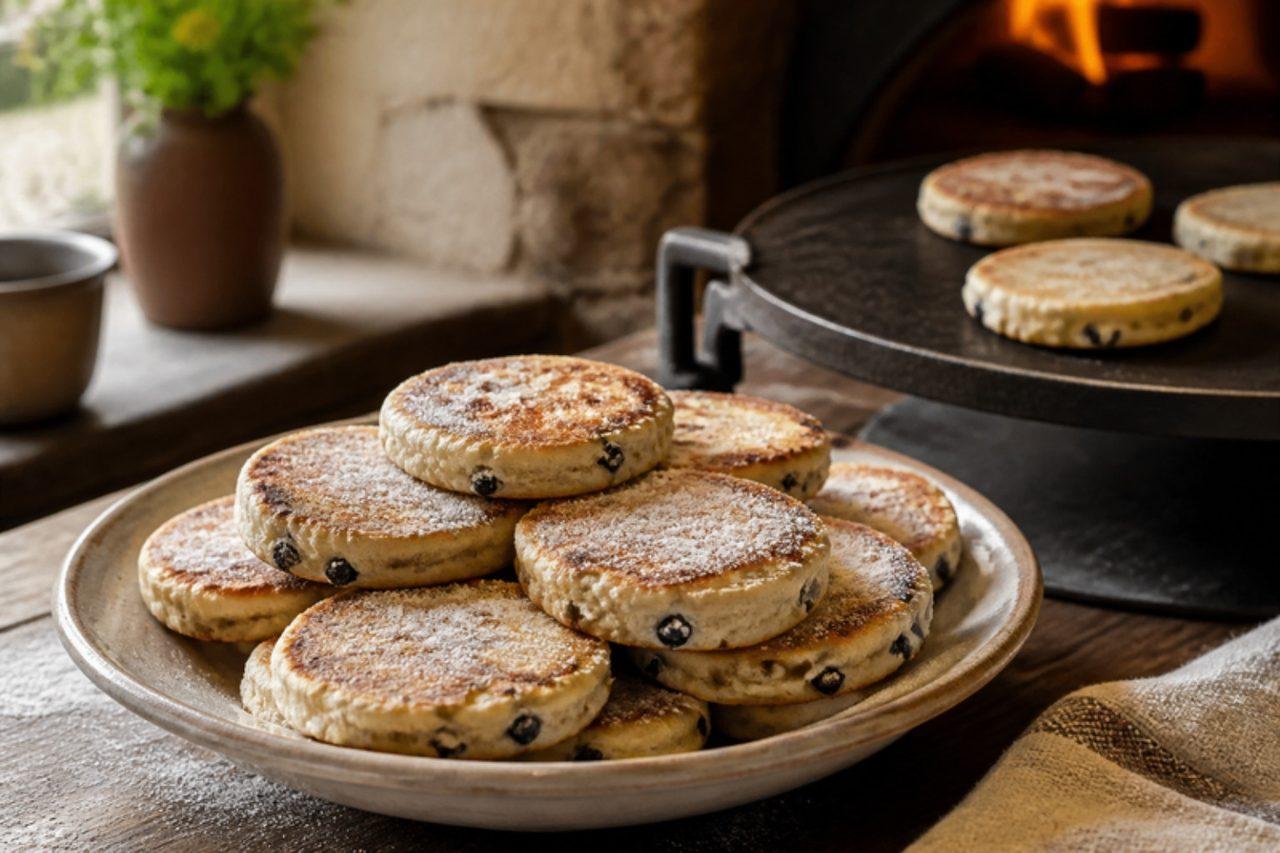
Welsh cakes

Welsh cakes, picau ar y maen or 'cakes on the stone', are cooked on a cast-iron bakestone in kitchens across Wales and sold warm at markets and rugby matches, and they are a must on St David's Day, 1 March. The dough is like a rich scone with currants and mixed spice, and they are dusted with sugar while hot. Chef's tip: keep the heat medium-low; they need time for the middle to cook before the outside darkens.

by KrazyBadal 0 views

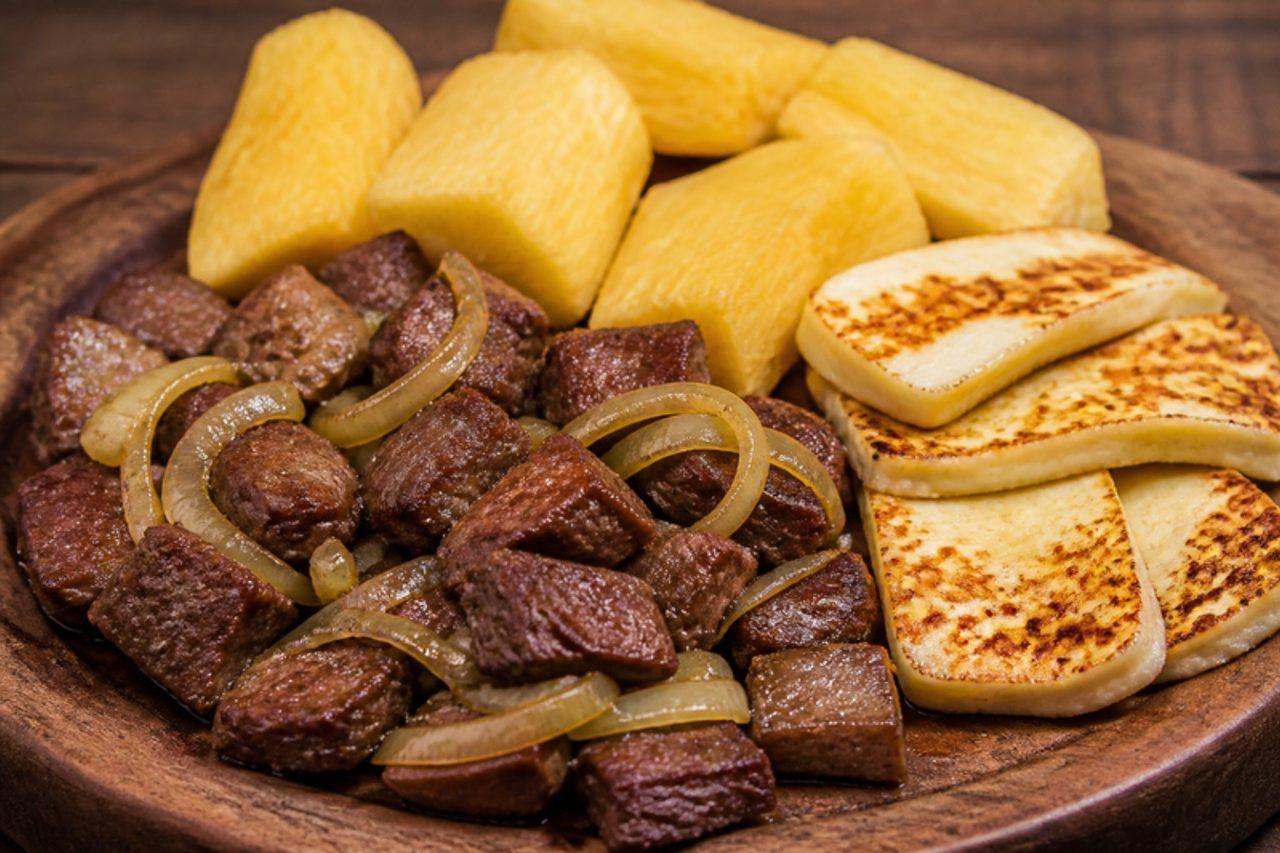
Carne de sol com macaxeiraSalted beef with cassava

Out in the sertão, beef was salted and hung in airy shade to cure, and the result, carne de sol, is now the pride of restaurants from Natal to Caruaru, where it arrives sizzling on an iron plate with boiled macaxeira (cassava) glossed in clarified butter, grilled squares of coalho cheese and a dish of feijão verde. The meat is firm, faintly salty and deeply beefy, the cassava soft and buttery, the cheese squeaky and browned. If you can't buy carne de sol from a Brazilian butcher, salt the beef yourself in the fridge for 24 hours (step 1), so allow an extra day. The mistake people make is frying the beef straight from the salt; a 30-minute soak in cold water keeps it pleasantly seasoned rather than harsh. The beef is cut into chunks and fried, so cook it to your taste: pink in the middle or well done are both fine for whole-muscle beef. Chef's tip: fry the beef in small batches in a really hot pan so it browns rather than stews in its own juice.

by KrazyBadal 0 views

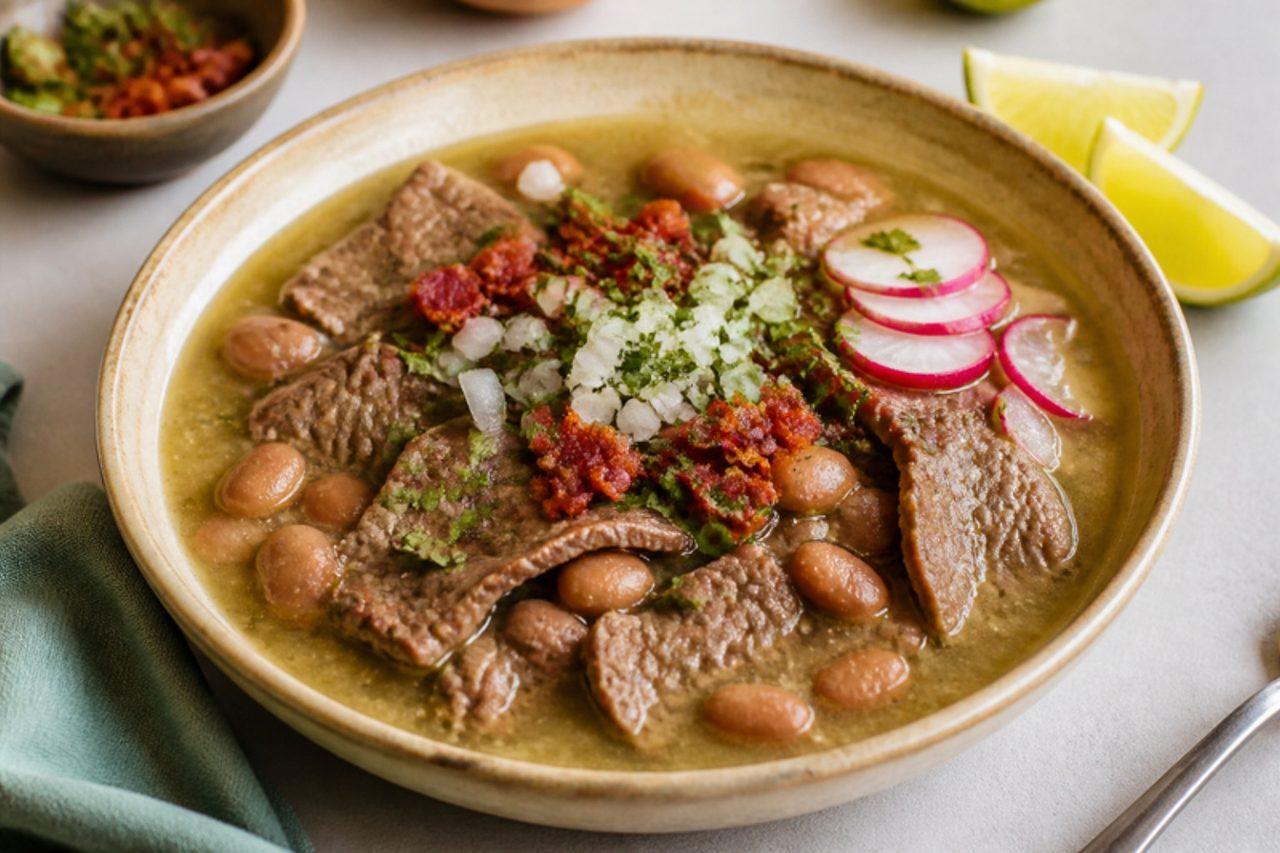
Carne en su jugoBeef in tomatillo broth

Carne en su jugo, 'meat in its juice', belongs to Guadalajara, where whole restaurants are devoted to it and families go for a big bowl at weekend lunchtime. Paper-thin slices of beef cook in a sharp, green broth of tomatillo, chilli and coriander, with soft pinto beans spooned in and crisp bacon scattered over, so it is also a pork dish. Each bowl is finished at the table with chopped onion, coriander, radishes and plenty of lime, and eaten with warm corn tortillas. Chef's tip: put the steak in the freezer for 30 minutes before slicing; firm meat is far easier to cut into the thin pieces the dish needs.

by KrazyBadal 0 views

Carne de vinha d'alhosPork marinated in wine and garlic

No Madeiran Christmas is complete without carne de vinha d'alhos: chunks of pork soaked for days in wine, vinegar, garlic and bay, then simmered and fried until browned and tangy. Families start it after the December pig-killing, and the leftovers fill bread rolls for days. Portuguese sailors carried the idea to Goa, where it became vindaloo. This contains pork and uses white wine; for an alcohol-free version use 250 ml water instead of the wine, as many Madeiran households do. Chef's tip: fry thick slices of bread in the pan juices at the end; they are the cook's reward.

by KrazyBadal 0 views

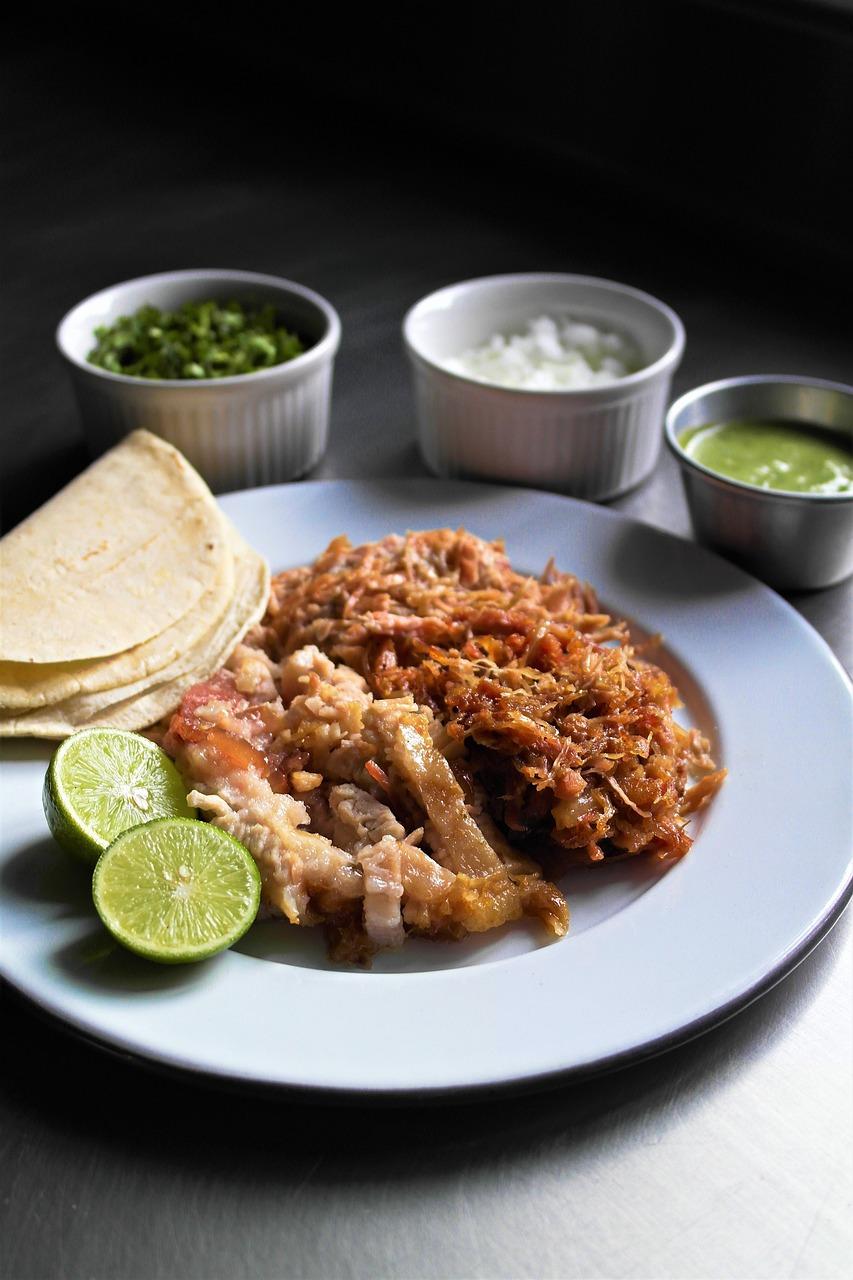
CarnitasSlow-cooked pork

Quiroga, a lakeside town in Michoacán, is the capital of carnitas: on weekends the plaza fills with stalls simmering huge copper pots of pork, sold by the kilo with warm tortillas, salsa verde and lime. This pork dish uses shoulder cooked gently in its own fat and lard with orange and garlic, so it turns soft inside and then browns into crisp, golden edges at the end. Pile it into tacos with onion, coriander and salsa, or keep it for tortas ahogadas. Chef's tip: when the meat is tender, turn the heat up for the last 10–15 minutes and stir; this final fry in hot lard is what gives carnitas their crackly edges.

195 minMexicanMeatGluten free
by KrazyBadal 0 views

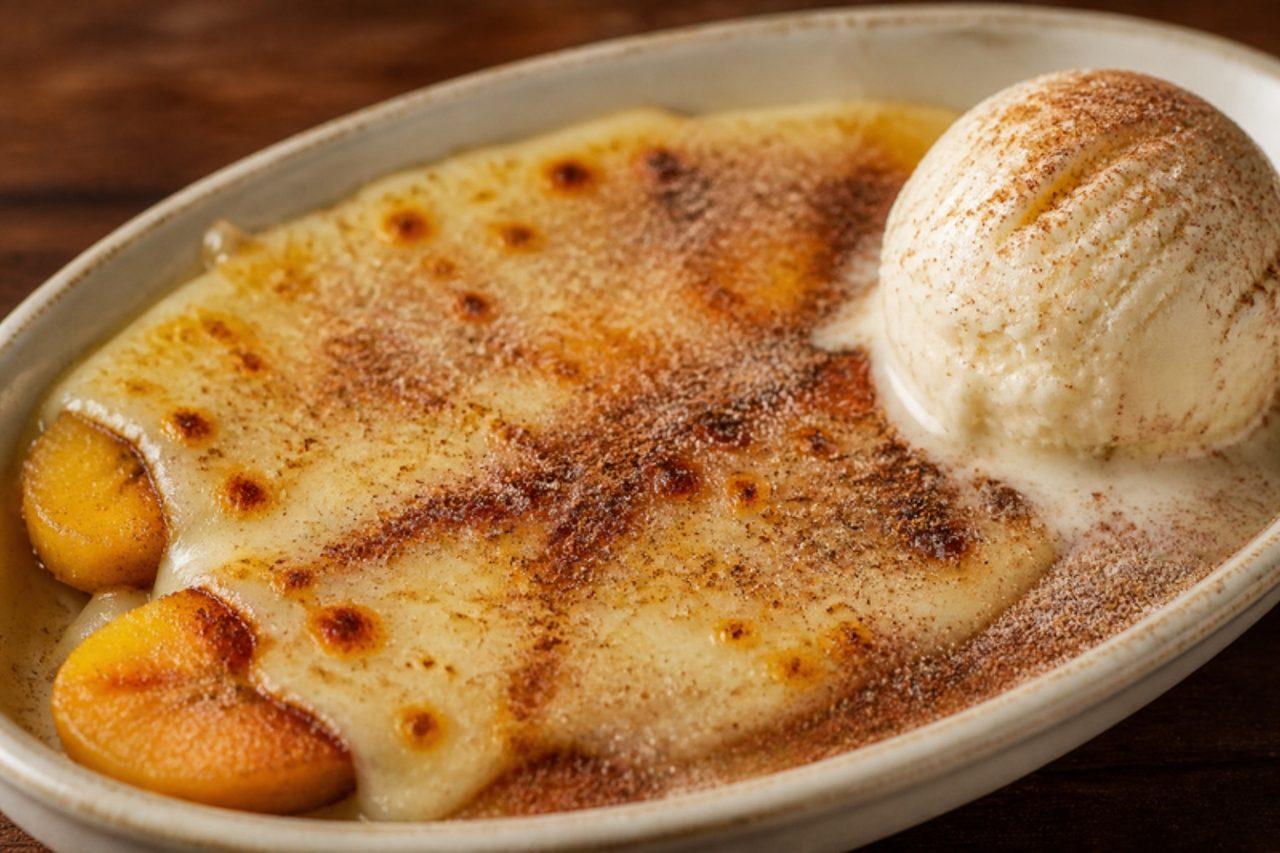
CartolaFried banana with cheese and cinnamon

Sweet, salty and hot all at once, cartola ('top hat') is a Pernambuco dessert that sounds odd and tastes like it was always meant to be. Bananas are fried in butter until caramel-edged, covered with slices of coalho or queijo manteiga that melt into a blanket, then showered with cinnamon sugar. It turns up on Recife lunch menus, in hotel buffets and in home kitchens after Sunday lunch, and needs nothing else, though a scoop of vanilla ice cream is welcome. Bananas-prata or ripe plantains are used locally; firm, just-ripe bananas are the nearest swap. Coalho is often made with animal rennet, so choose a vegetarian version or a vegetarian halloumi. Avoid overripe fruit; it collapses in the pan and the cheese slides off. Chef's tip: finish under a hot grill for a minute so the cinnamon sugar bubbles into a thin, crackly crust.

by KrazyBadal 0 views

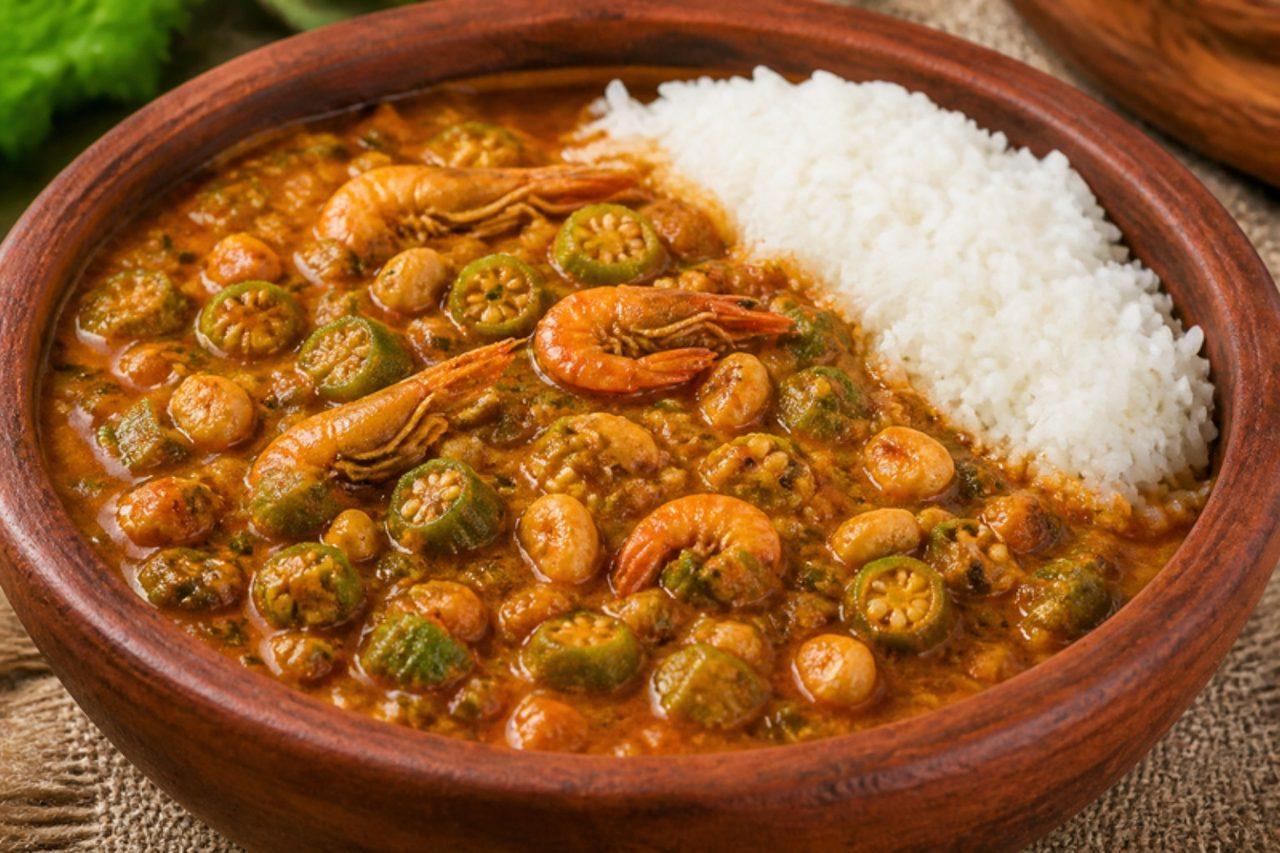
CaruruOkra and dried shrimp stew

Every 27 September, homes across Salvador and the Recôncavo cook huge pots of caruru for the feast of Saints Cosmas and Damian, and children are fed first; the rest of the year it turns up at acarajé stalls and on Bahian Sunday tables next to vatapá, rice and xinxim. Okra is chopped very small and cooked down with a paste of dried shrimp, toasted cashews and peanuts, ginger and onion, then finished with dendê oil until it is thick, glossy and gently sticky, nutty and faintly of the sea. Serve it with white rice, farofa de dendê and acarajé or abará. Most people make the mistake of slicing the okra into big rounds; cut tiny it melts into the sauce instead of sitting in slimy chunks. For a vegetarian caruru, skip the shrimp and use 40 g more of each nut. Chef's tip: toast the cashews and peanuts in a dry pan until they smell of popcorn before grinding them; it makes the stew taste deeper and less green.

by KrazyBadal 0 views

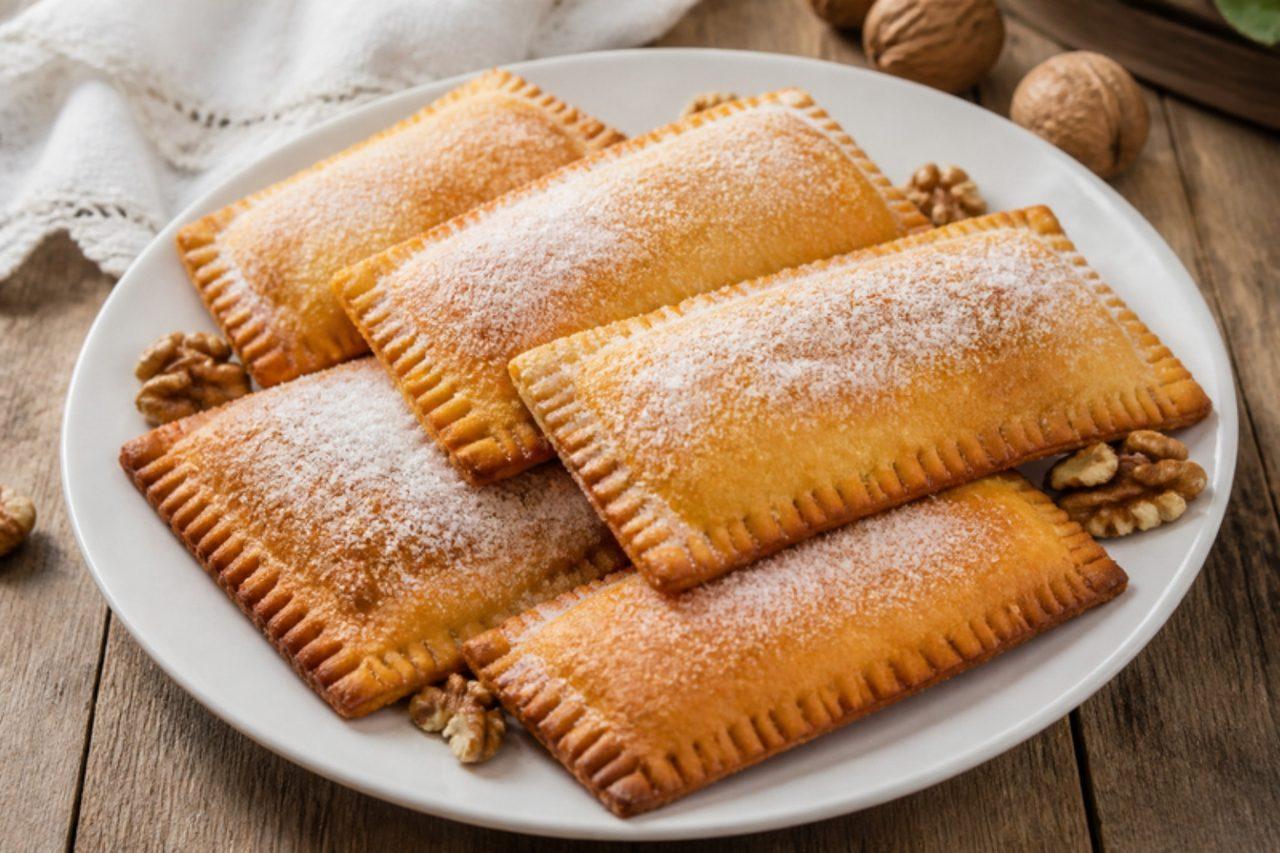
CasadiellesWalnut-filled fried pastries

Look in the window of any confitería in Oviedo or Gijón and you will find casadielles, plump little pastry rolls stuffed with ground walnuts and sugar, fried until blistered and rolled in more sugar. Village bakers turn out trays of them for patron-saint fiestas and for Antroxu, and they keep for days in a tin. The traditional dough is moistened with dry white wine and the filling scented with anise liqueur; both are given alcohol-free swaps below. Chef's tip: roll the dough very thin, about 2 mm, because thick dough stays doughy inside before the outside browns.

by KrazyBadal 0 views

Chelsea buns

The Chelsea bun was the speciality of the Old Chelsea Bun House in London in the 1700s, where crowds queued on Good Friday; today the coiled, sticky bun is a bakery classic across England. A soft dough is spread with butter, brown sugar, currants and spice, rolled up, sliced and baked snugly in a tin so the buns rise into each other and come out square-sided. Chef's tip: pack the slices tightly; it is the squeeze that gives them their shape and soft edges.

by KrazyBadal 0 views

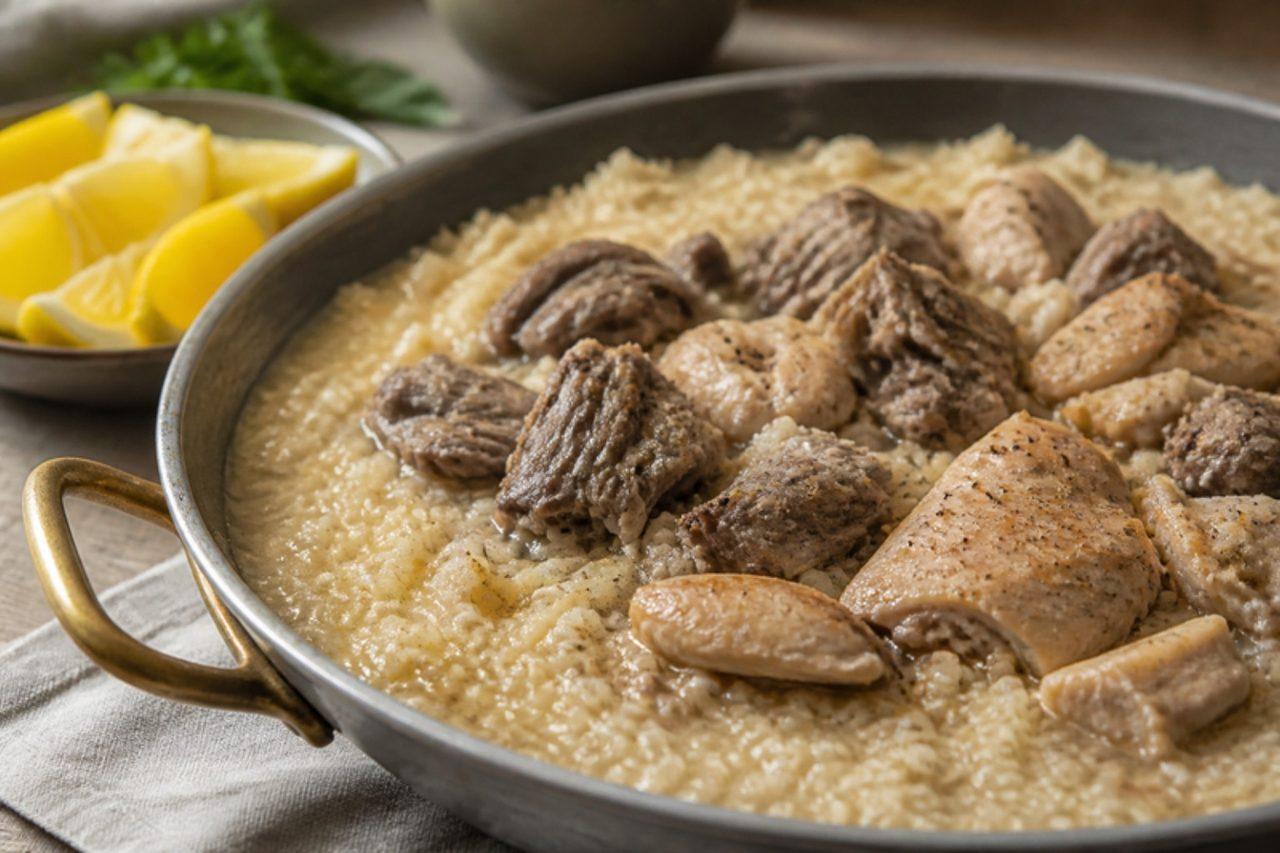
GamopilafoRice cooked in lamb broth

No Cretan wedding is complete without gamopilafo, stirred by the men of the village in huge cauldrons over wood fires from early morning. The meat is simmered for hours to make a deep, golden broth, the rice is cooked in it until creamy and almost soupy, and the whole pot is finished with butter and lemon; the boiled meat is served on the side. At home it makes a generous Sunday lunch for a crowd. Common mistake: cooking the rice to a dry, fluffy pilaf; it should be loose and spoonable, like a thick risotto. Chef's tip: skim the broth carefully in the first 20 minutes and never let it boil hard, so it stays clear and sweet instead of cloudy.

170 minGreekMeatGluten free
by KrazyBadal 0 views

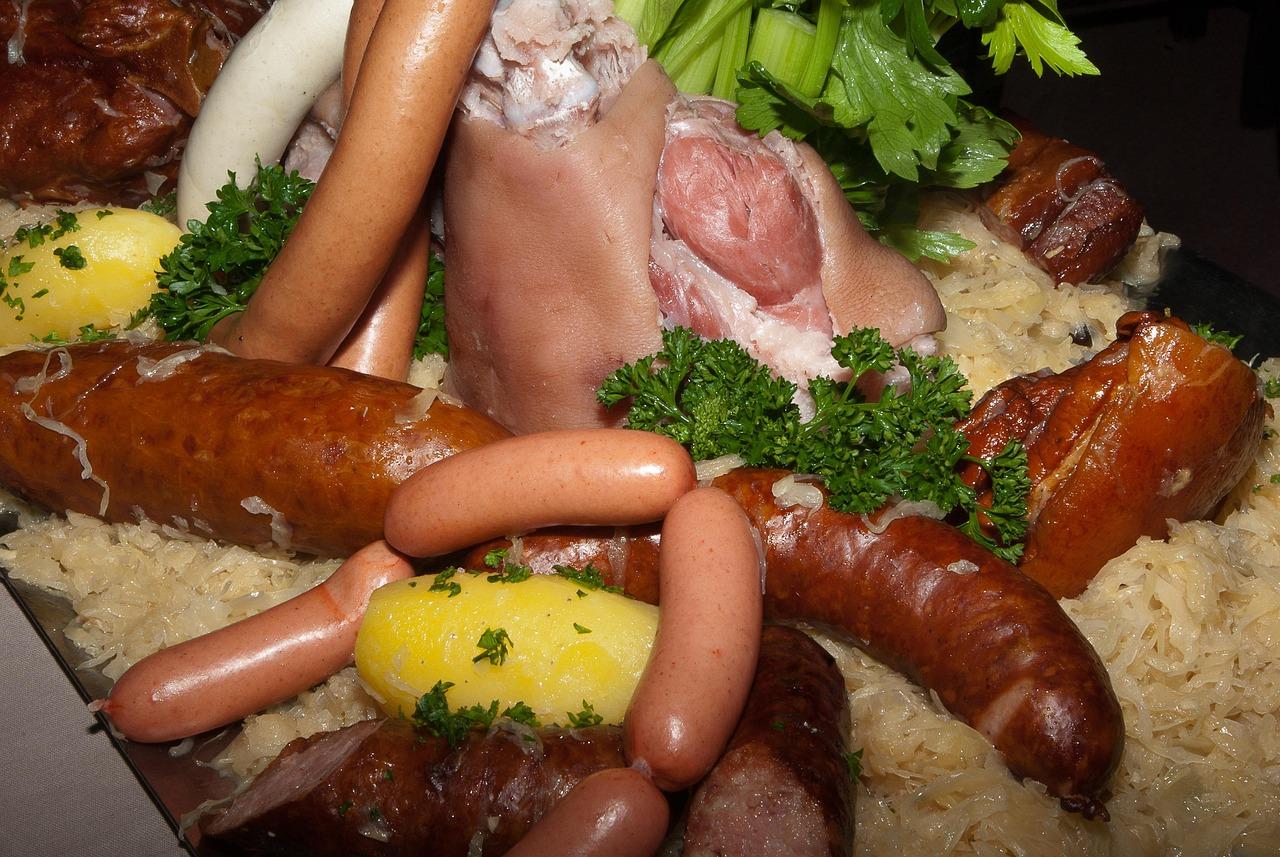
Choucroute garnieSauerkraut with smoked pork and sausages

From the winstubs of Strasbourg to the brasseries near Paris's Gare de l'Est, choucroute garnie is the dish that announces autumn, when the new season's sauerkraut arrives. It is a pork feast: smoked pork belly and smoked pork loin braised on a bed of sauerkraut softened with white wine, juniper and onion, then crowned with Strasbourg and smoked sausages and boiled potatoes. The cabbage turns mellow and silky rather than sharp, and soaks up the smoky fat. The braise uses dry white wine; the ingredient notes give an alcohol-free swap. Serve it with strong Dijon mustard and a little horseradish on the side. Chef's tip: rinse the sauerkraut only once and squeeze it well, so it keeps a little tang but doesn't make the whole dish sour.

130 minFrenchMeat
by KrazyBadal 0 views

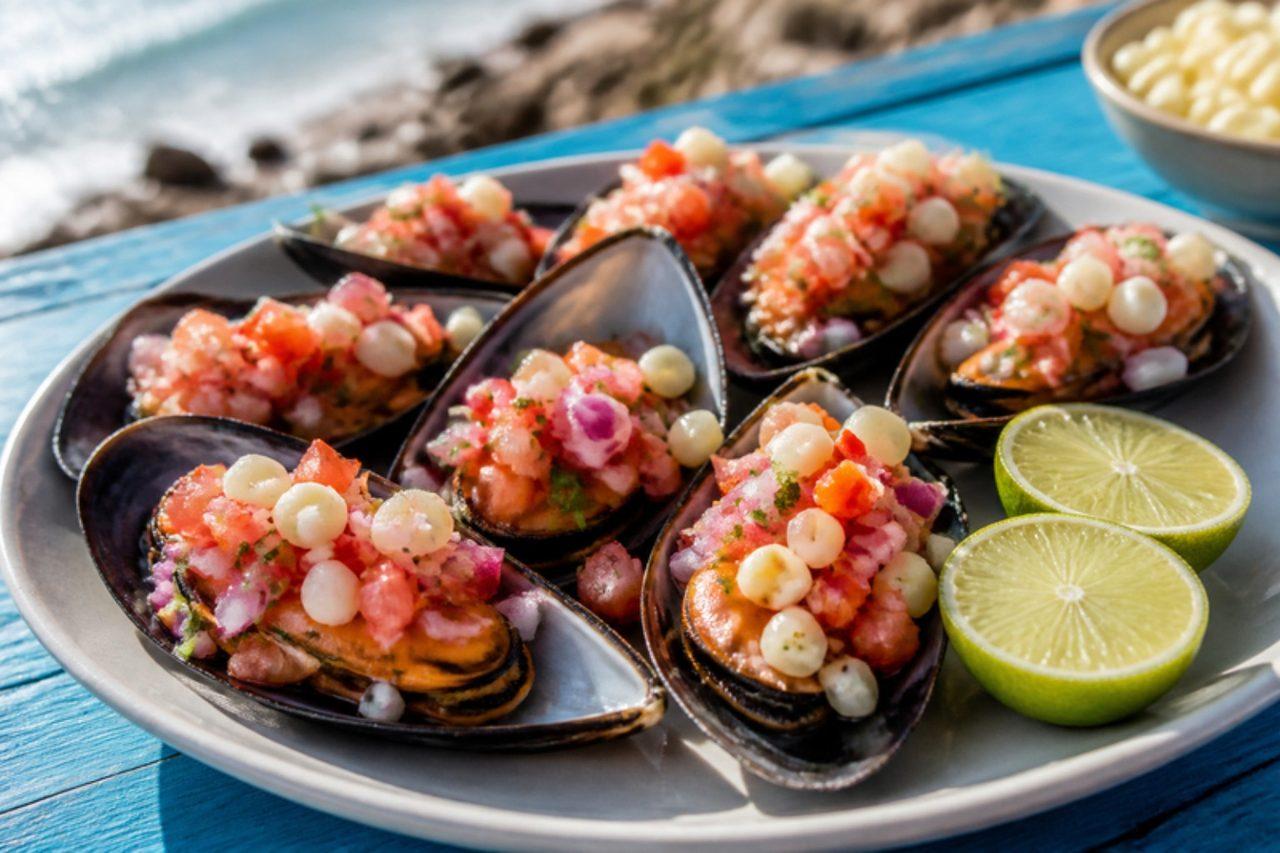
Choros a la chalacaCold mussels with corn salsa

Named for the people of Callao, Lima's port, choros a la chalaca are what you order with friends at a seafront cevichería on a hot afternoon: steamed mussels, chilled, each on its half shell under a bright, wet salsa of red onion, tomato, Andean corn, rocoto and lime. Cool, sweet, briny and sharp, they are eaten with your fingers in two bites, often before a ceviche or a jalea. Here the mussels are fully steamed open first, so nothing is served raw. People often overcook them while waiting for the last stubborn shells, which leaves the rest rubbery; lift them out as soon as each one opens. Chef's tip: dress the salsa no more than 15 minutes ahead, and spoon a little of the juice onto every mussel; that juice is the whole point of the dish.

by KrazyBadal 0 views

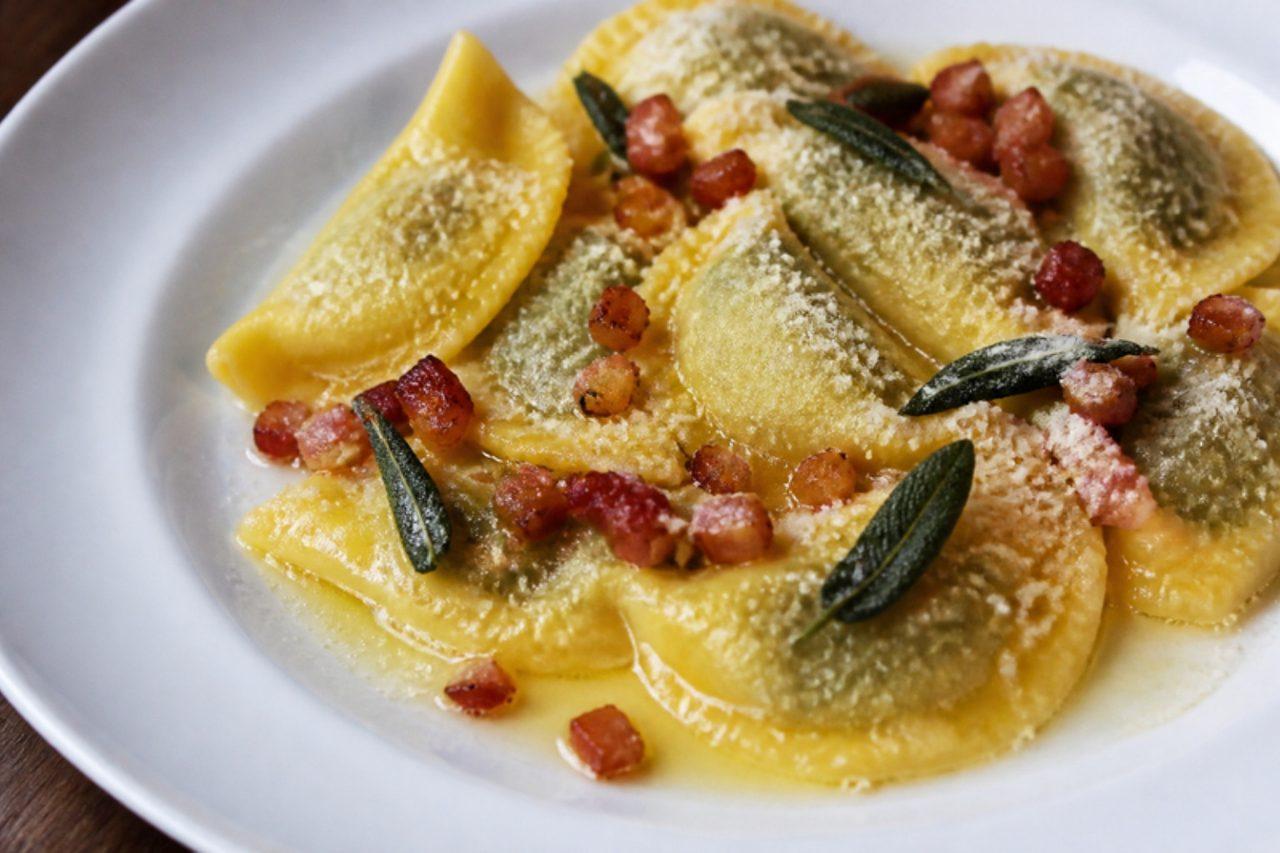
Casoncelli alla bergamascaFilled pasta in sage butter

Casoncelli (casonsei in Bergamo dialect) are the pride of the old upper town of Bergamo and of nearby Brescia, eaten at weddings, village festivals and Sunday lunch. The filling is a thrifty mix of pork sausage, leftover beef, breadcrumbs and grana, perfumed with a crushed amaretto biscuit, a few raisins and a little pear, so it tastes faintly sweet and savoury at once. The folded half-moons are pressed into a little saddle shape and served in plenty of butter with sage and crisp cubes of pancetta, which makes this a pork dish twice over. A green salad is all they need afterwards. Chef's tip: cook the sausage filling first and let it cool completely; warm filling makes the pasta soggy and hard to seal.

by KrazyBadal 0 views

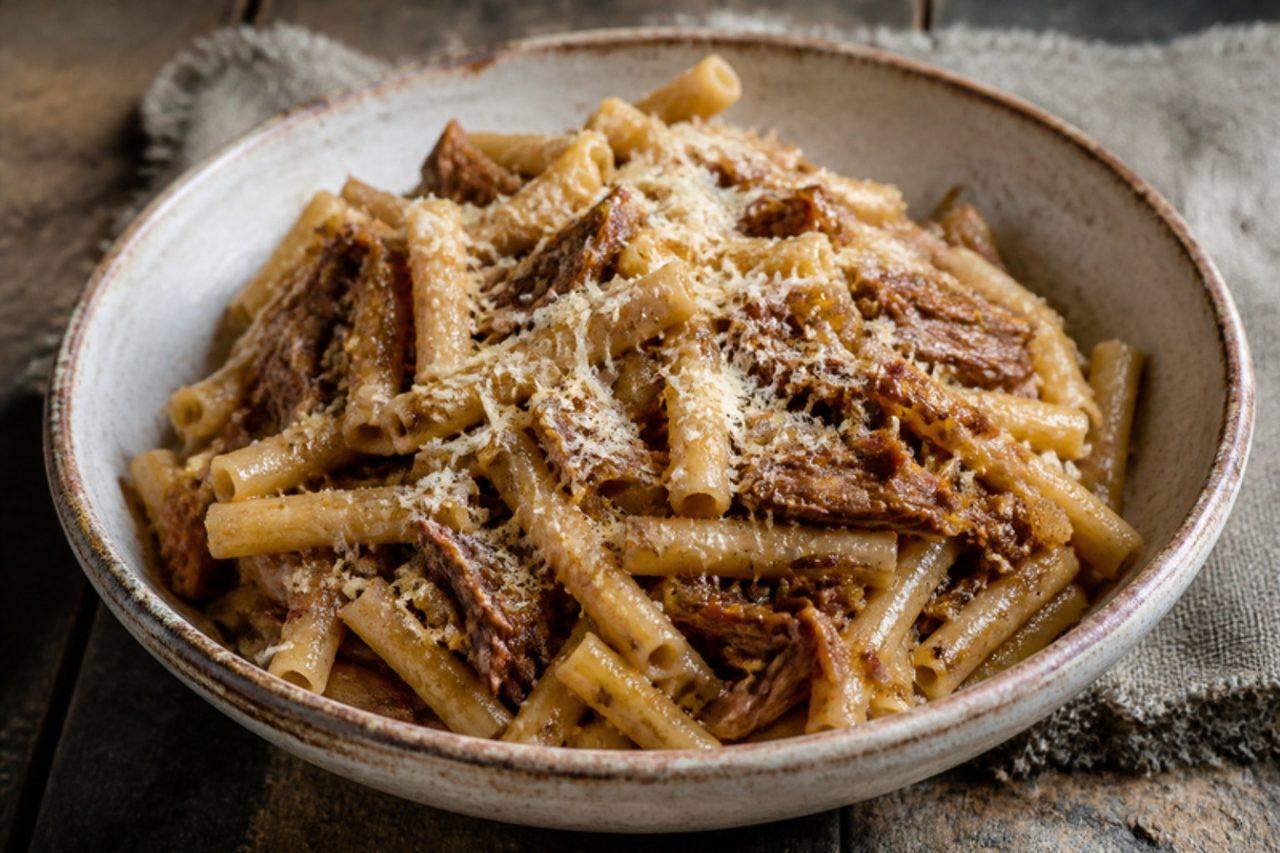
Genovese napoletanaSlow-cooked beef and onion sauce

Despite its name, the genovese is pure Naples, a Sunday lunch dish as treasured there as ragù. Kilos of onions are cooked very slowly with a piece of beef until they melt into a sweet, amber, almost jammy sauce that is tossed with long ziti broken by hand; the beef is then sliced and eaten as the second course. White wine goes in once the onions have collapsed (an alcohol-free swap is in the ingredients). A grating of parmigiano or pecorino is all it needs. Some Neapolitan cooks start it with a little pancetta (cured pork), which is optional here. Chef's tip: slice the onions thinly and evenly, and keep the heat so low that they never fry; they should stew in their own juices and the fat of the meat for hours.

by KrazyBadal 0 views

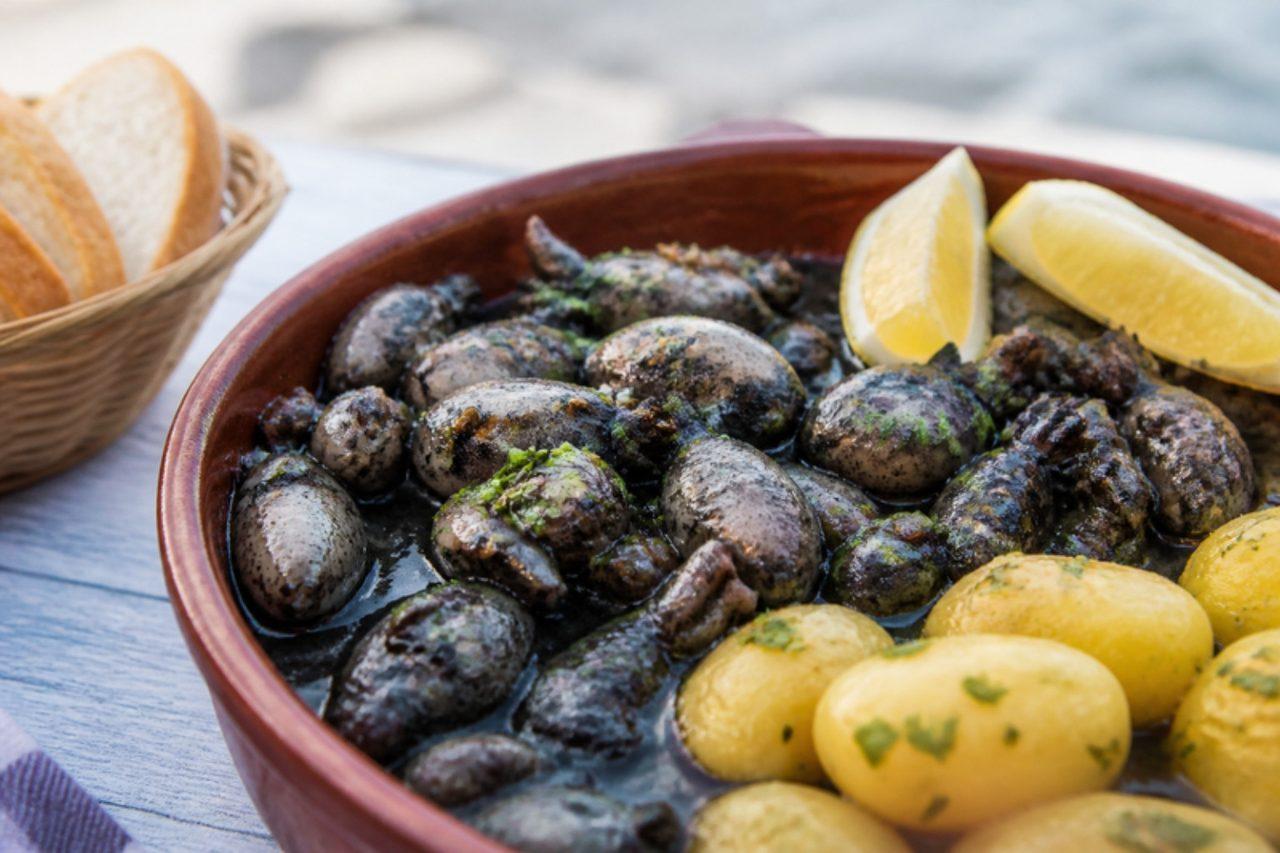
Choquinhos com tintaBaby cuttlefish in ink

Setúbal claims fried cuttlefish, but the Algarve has its own treasure: choquinhos, cuttlefish no bigger than a thumb, sautéed whole in garlicky olive oil until their ink turns the pan glossy black. Seafood bars in Olhão and Faro serve them in small clay dishes, to be eaten with toothpicks and bread for mopping. The recipe uses a splash of white wine; use water with a squeeze of lemon instead for an alcohol-free version. Chef's tip: cook in a very hot pan in two batches, so the cuttlefish sizzle rather than stew.

by KrazyBadal 0 views

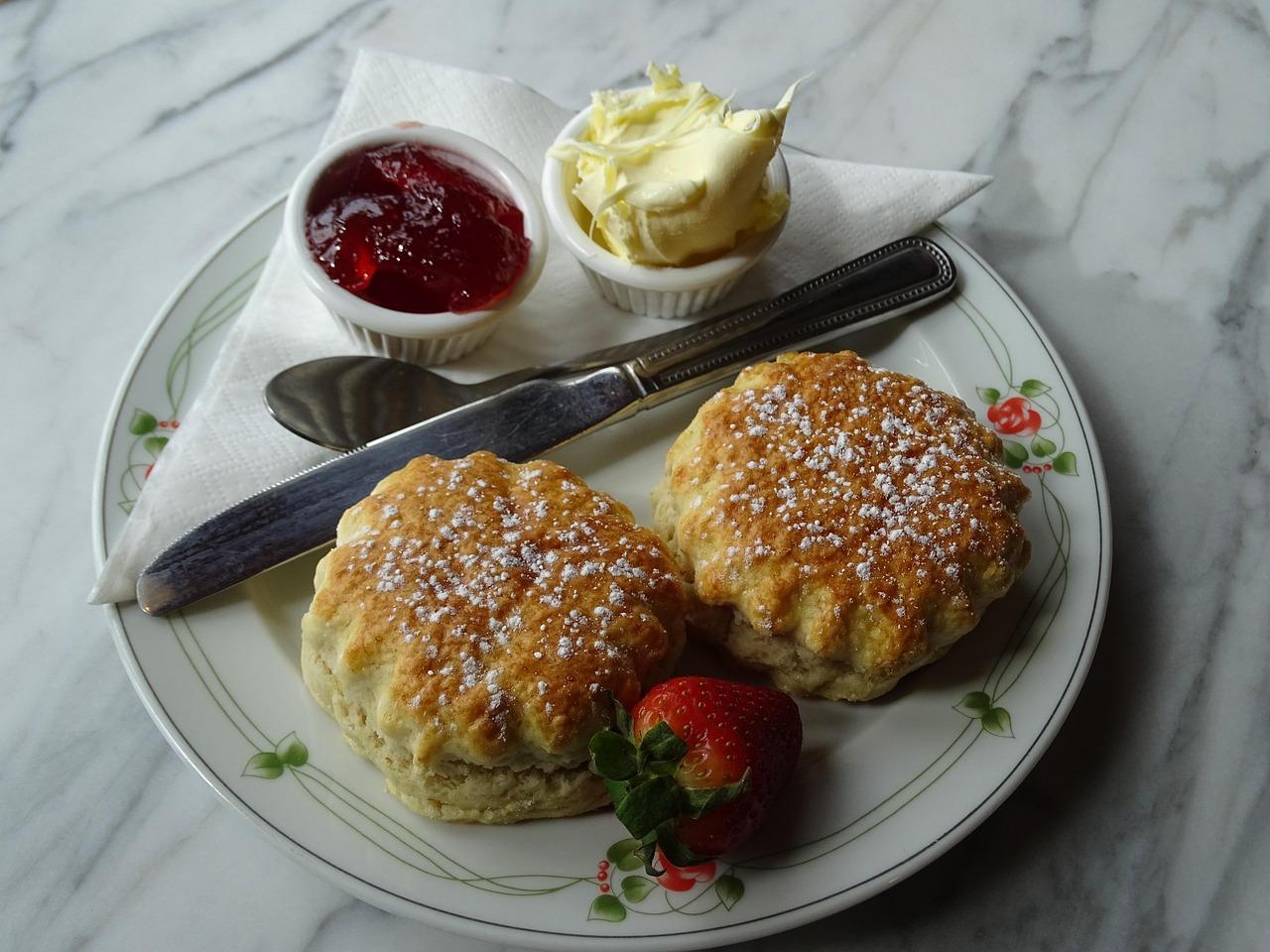
Devon cream tea scones

A cream tea is the West Country's afternoon treat: warm scones, clotted cream and strawberry jam with a pot of tea, served in tea gardens across Devon and Cornwall. In Devon the cream goes on first and the jam on top; in Cornwall it's the other way round, and the argument never ends. These scones are plain and light so the cream and jam shine. Chef's tip: cut straight down with the cutter and don't twist it, or the scones rise lopsided.

by KrazyBadal 0 views

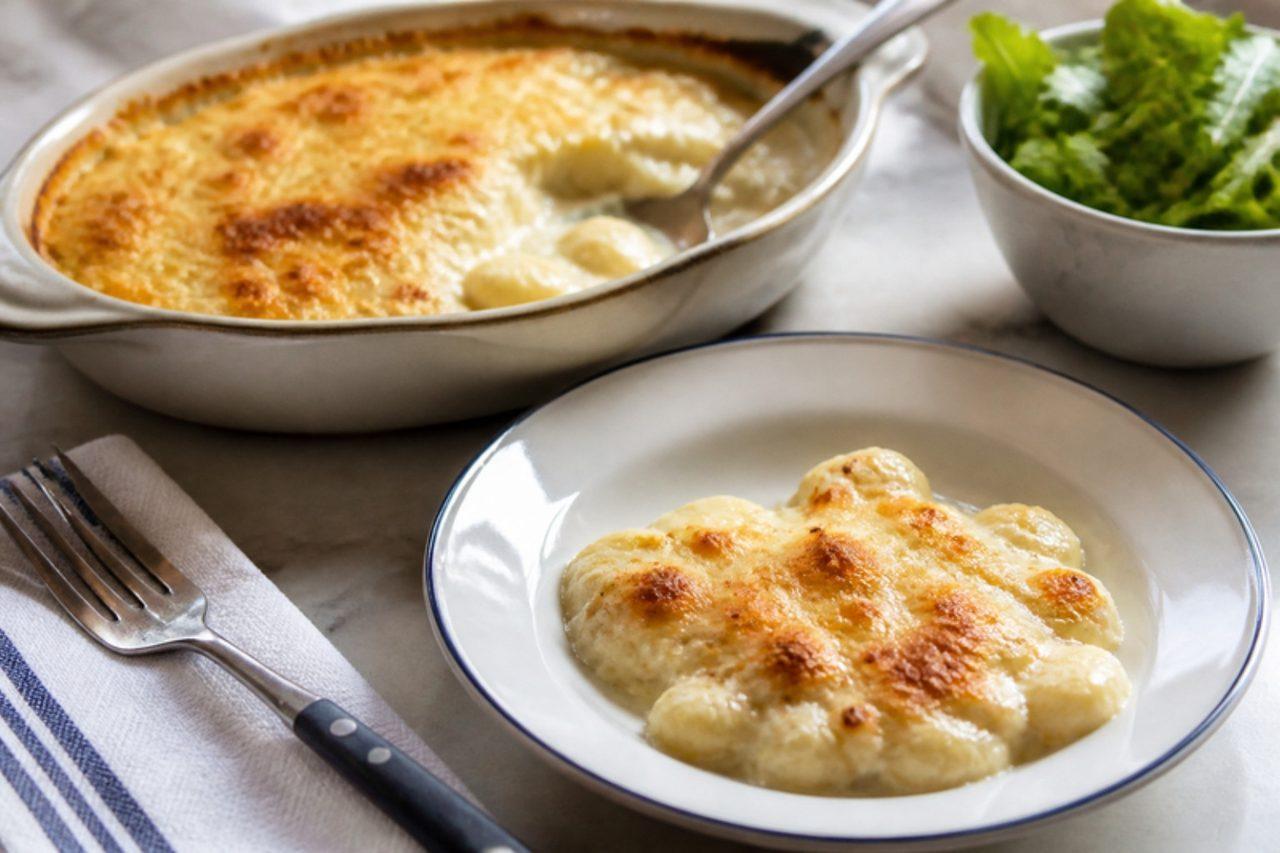
Gnocchi à la parisienneChoux dumplings in béchamel

Unlike Italian potato gnocchi, the Paris version is made from choux paste flavoured with cheese and mustard, piped straight into simmering water and cut into little logs with a knife. The poached dumplings go into a dish with béchamel and more cheese and are baked until puffed and golden. It was a classic of old Parisian brasseries and grand-hotel kitchens and still turns up as a comforting supper or a side in bistros. Gruyère and Comté are traditionally made with animal rennet, so use a vegetarian mountain cheese. Chef's tip: dip the knife in hot water between cuts; the paste drops off cleanly instead of stretching into strings.

by KrazyBadal 0 views

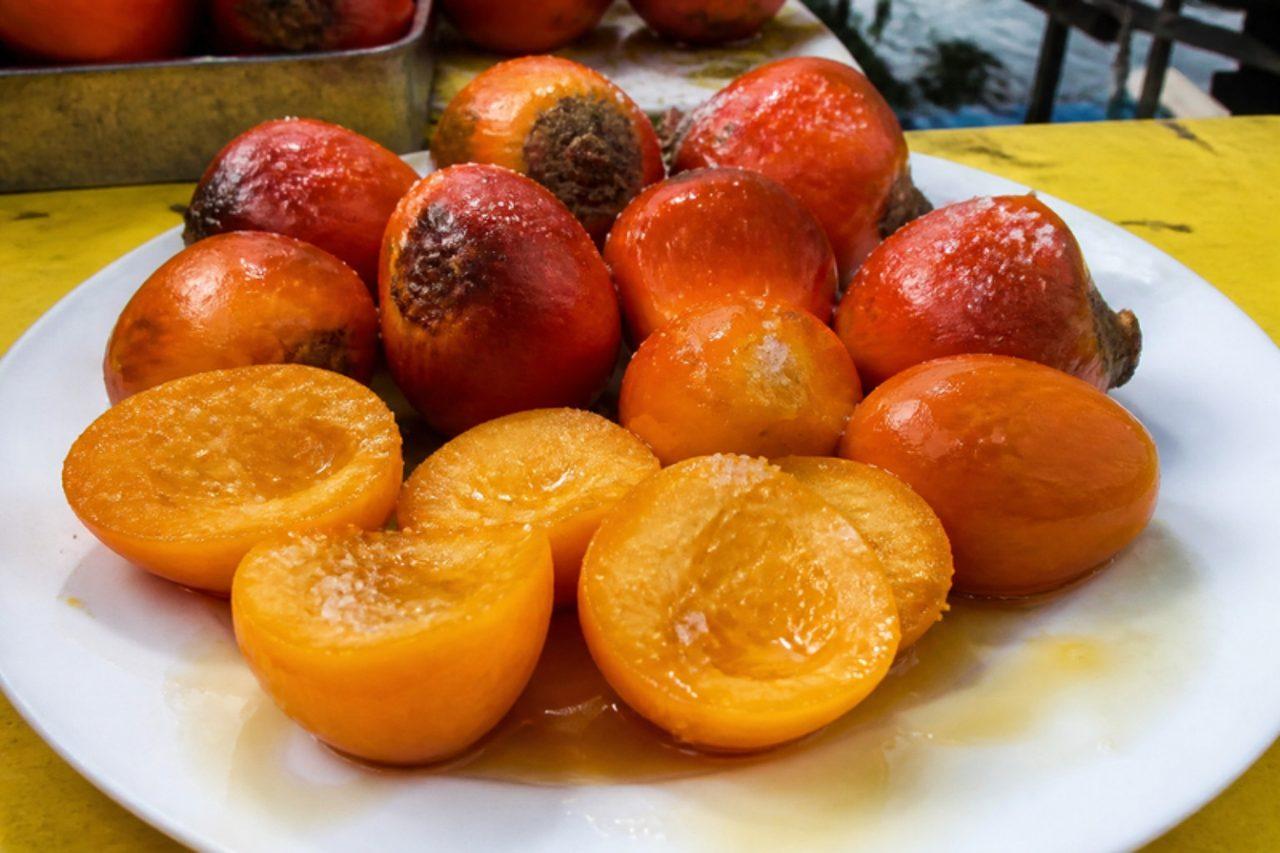
ChontaduroBoiled peach-palm fruit

Street vendors in Cali, Buenaventura and Tumaco push carts piled with bright orange and red chontaduro, peeled to order and sprinkled with salt, then drizzled with honey. The fruit of the peach palm, it has a dense, floury flesh somewhere between roasted chestnut, squash and boiled egg yolk, and a savoury-sweet flavour that people from the Pacific coast swear by as an energy food. At home, the fruit must be cooked, as raw peach palm is unpleasant and irritating to the throat. Fresh fruit appears in Latin American shops in season; frozen or jarred cooked chontaduro is easier to find and only needs warming. Undercooking is the common slip: the flesh stays fibrous and scratchy, so keep boiling until it crumbles easily. This is vegetarian but not vegan because of the honey; panela syrup is a vegan swap. Chef's tip: cut the fruit in half and remove the stone before salting, so the seasoning reaches the warm flesh.

by KrazyBadal 0 views

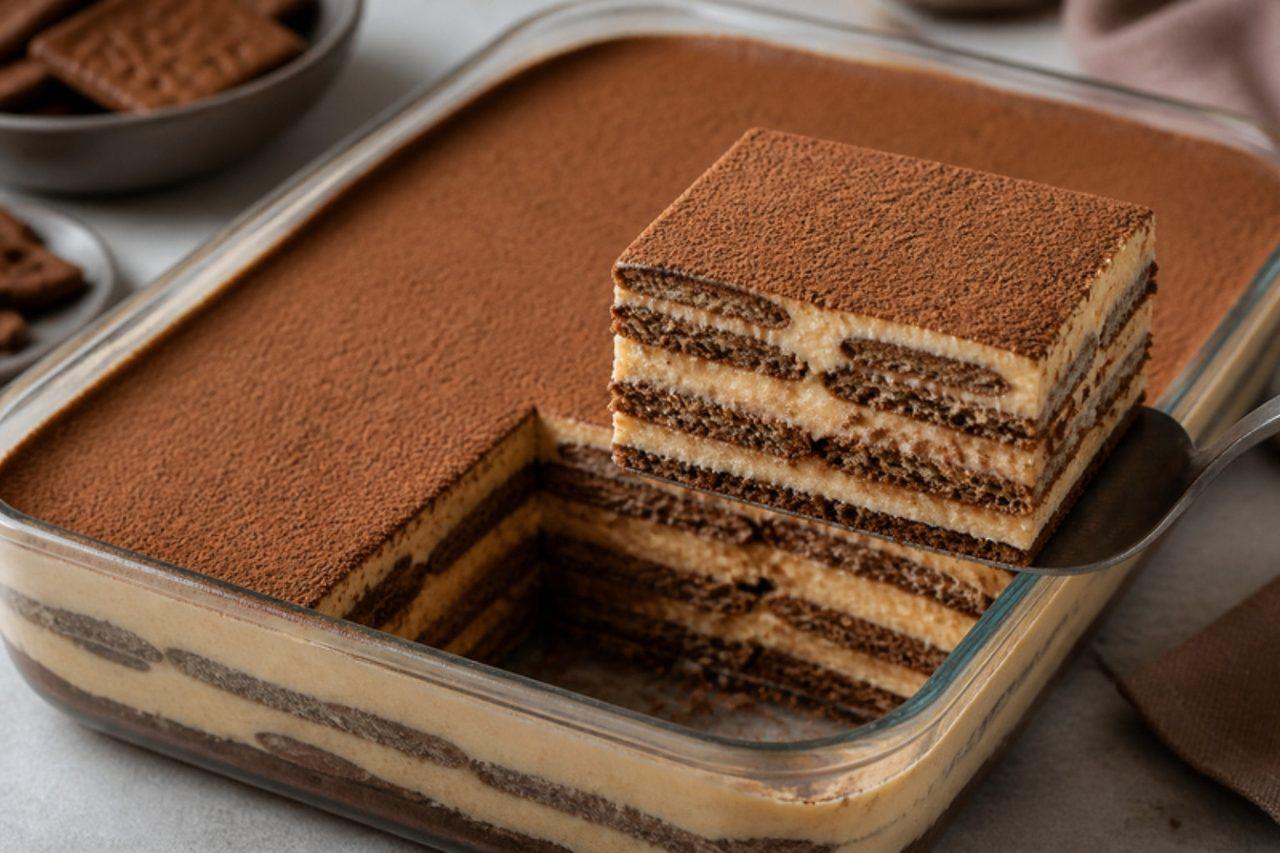
ChocotortaNo-bake chocolate biscuit cake

Born in 1980s Buenos Aires as an advertising idea and adopted by the whole country, chocotorta is the cake children ask for at every birthday and the easiest dessert in the Argentine repertoire. Chocolate biscuits are dipped briefly in milk (adults often use coffee), layered with a cream of dulce de leche beaten with cream cheese, and left overnight until the biscuits turn soft and cake-like. It is rich, sweet and a little tangy, and slices cleanly straight from the fridge. Any plain crisp chocolate biscuit works; rectangular ones make the neatest layers. The mistake to avoid is soaking the biscuits too long: a one-second dip is plenty, or they collapse into mush before you can lay them down. Chef's tip: assemble it a day ahead in a loaf tin lined with cling film; overnight chilling is what turns it from biscuits and cream into cake.

by KrazyBadal 0 views

Chocolate santafereñoHot chocolate with cheese

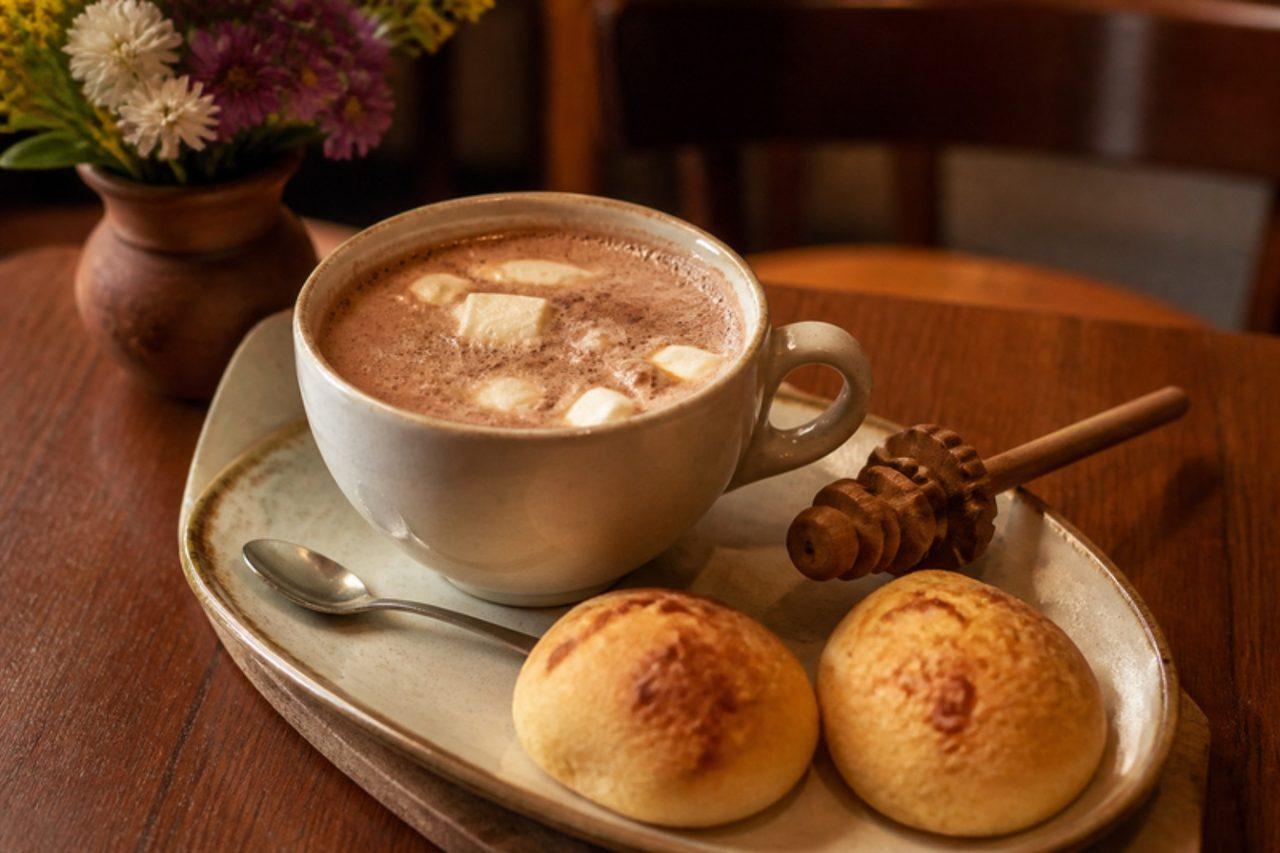
Old Bogotá, once Santafé, built an afternoon ritual around hot chocolate. In the café-restaurants of La Candelaria it comes in a big cup, frothed with a wooden molinillo, with a plate of white cheese, almojábanas and buttered bread on the side. The surprise for visitors is the cheese: cubes go straight into the hot chocolate, softening into stretchy strings that are fished out with a spoon, a salty contrast to the sweet, spiced drink. Colombian table chocolate comes in bars already sweetened and often flavoured with cinnamon and clove; dark chocolate plus sugar and spice is a fair swap. The usual cheese, queso campesino or doble crema, is normally set with animal rennet, so choose a vegetarian (microbial-rennet) mozzarella-style cheese. Boiling the chocolate hard is the misstep that makes it grainy and scorched; keep it at a gentle simmer. Chef's tip: no molinillo? Whisk briskly with a balloon whisk or a milk frother until there's a thick foam.

by KrazyBadal 0 views

Cau cauTripe and potato stew

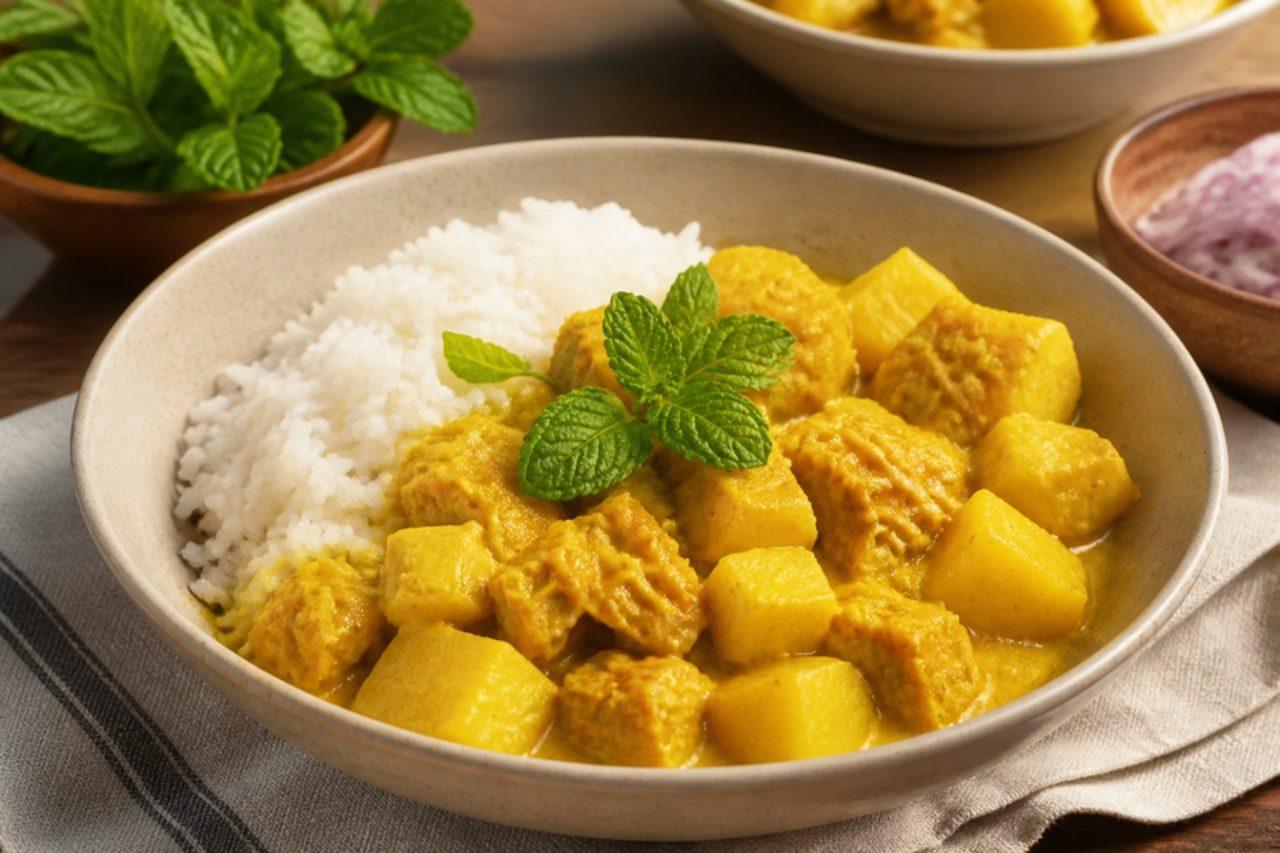
Cheap, filling and deeply loved, cau cau is a lunchtime staple at Lima's menú restaurants and market comedores, served with white rice. Pieces of honeycomb tripe are simmered until soft, then stewed with diced potato in a golden sauce of ají amarillo, garlic and turmeric, finished with a fistful of mint (hierbabuena) that freshens the richness. The texture is soft and slightly springy, the sauce mild, warm and herby. Buy tripe from a butcher or Latin, Asian or halal shop already cleaned and blanched (white honeycomb); it must be simmered until fully tender and cooked through. The common mistake is undercooking the tripe: if it squeaks between your teeth it needs longer. Chef's tip: cut the potatoes small and let some of them break up at the end; they thicken the sauce naturally.

by KrazyBadal 0 views

Choco fritoFried cuttlefish with chips

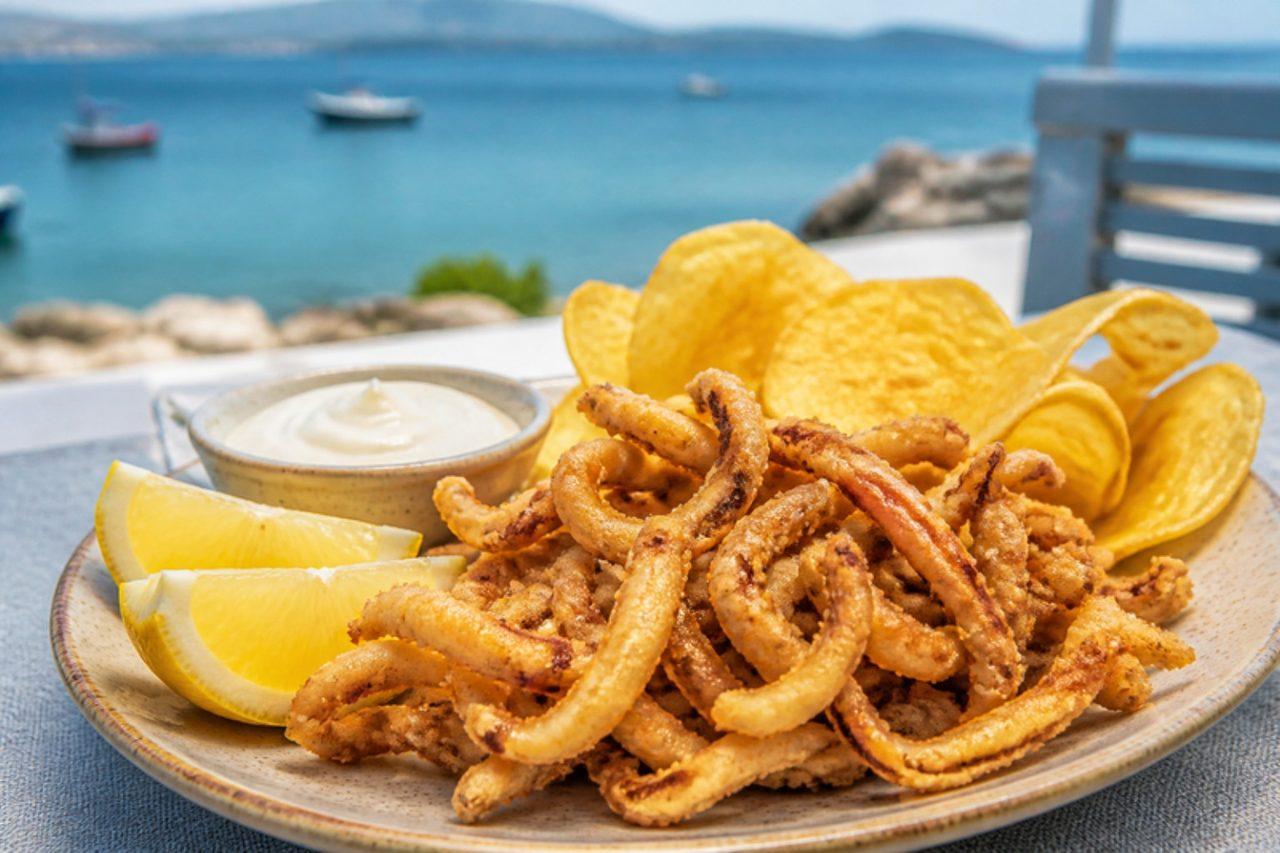
Across the river from Lisbon, the fishing port of Setúbal claims choco frito as its own, and there are whole streets of grill-houses serving it with chips, salad and lemon. Thick strips of cuttlefish are marinated in garlic, lemon and a little white wine, floured and fried until golden and tender. The wine contains alcohol; extra lemon juice with a splash of water does the job. A common mistake is frying too long: cuttlefish goes from tender to rubbery in a minute or two. Chef's tip: score the inside of the cuttlefish in a fine crisscross before cutting it into strips, so it stays tender and grips the flour.

by KrazyBadal 0 views

Palets bretonsSalted butter biscuits

Palets are the thick cousin of the thin Breton galette biscuit: chunky rounds as wide as a small cookie and nearly a centimetre high, crisp on the outside and crumbly within, tasting strongly of salted butter. Bakeries in Pont-Aven and all along the Finistère coast sell them in tins, and Breton families serve them with coffee, with a bowl of cider-poached apples or crumbled over ice cream. Baking them in muffin tins or metal rings keeps their shape and straight edges. Chef's tip: use proper salted butter rather than adding salt to unsalted; the flavour is rounder and the dough handles better.

by KrazyBadal 0 views

Cavacas de ResendeGlazed hollow egg biscuits

Resende, a town of cherry orchards above the Douro, has made cavacas for centuries, and stalls at its fairs and the Festa de São Pedro sell them by the bag. They are a curious and lovely thing: a simple batter of eggs, flour and oil puffs up in the oven into a hollow, crisp shell, which is then brushed with a boiled sugar glaze that dries brilliant white. A common mistake is opening the oven early, which makes the puffed biscuits sink before their crust sets. Chef's tip: keep the oven door shut for the first 20 minutes, because opening it early makes the cavacas collapse.

by KrazyBadal 0 views

CayeyeGreen banana mash with cheese

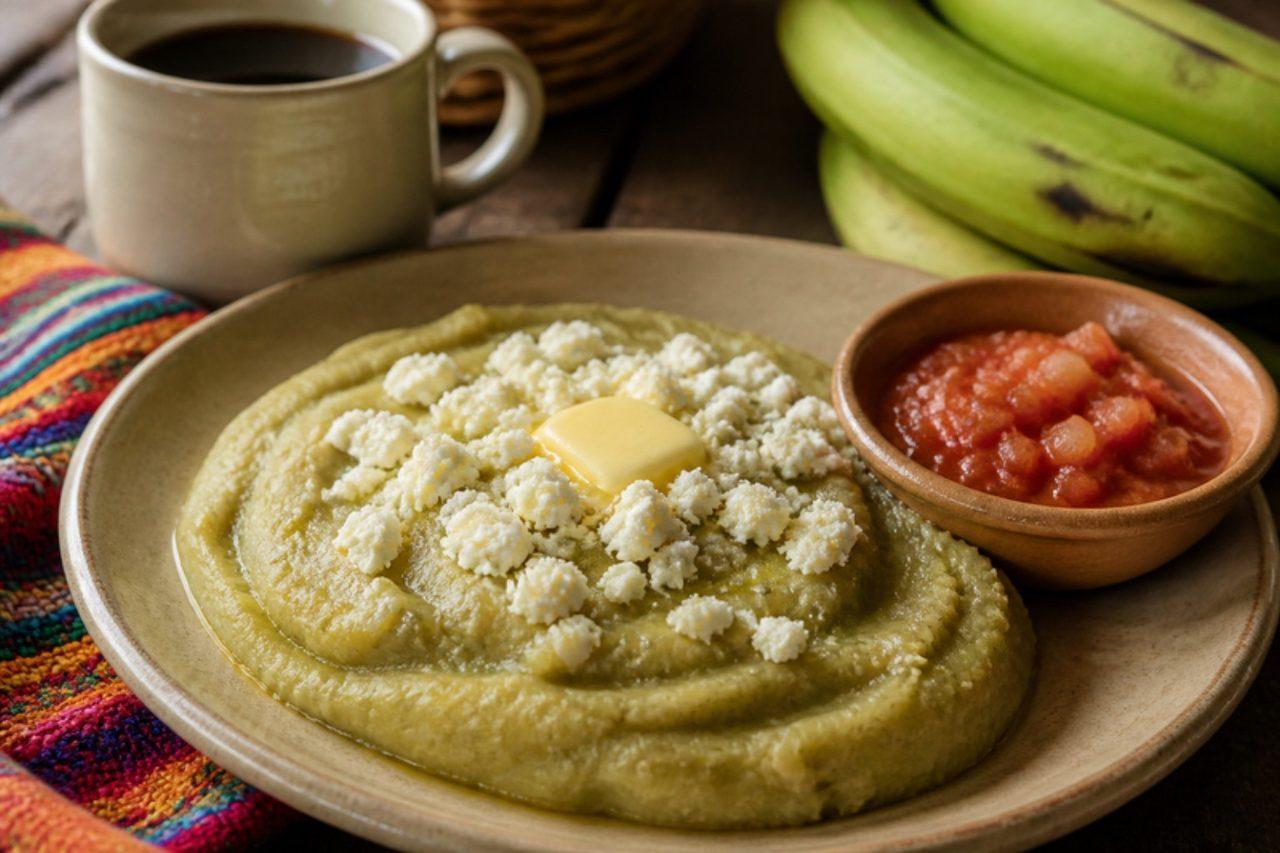
Ask anyone from Santa Marta or Ciénaga what they ate growing up and cayeye will come up quickly. Unripe green bananas, the small cooking kind rather than plantains, are boiled and mashed with butter and grated salty cheese into a soft, slightly sticky purée, then topped with hogao, the tomato and spring onion sauce of Colombian kitchens. Breakfast is its moment, often with a fried egg or a slice of fried cheese and a strong black coffee, and it is filling enough to last until lunch. The cheese on the coast is queso costeño; a firm feta-style cheese works, and since both are usually set with animal rennet, look for a vegetarian microbial-rennet version. Mashing the bananas once they have cooled is the misstep to avoid, because they set into a gluey lump; mash them straight from the pot with a splash of the hot cooking water. Chef's tip: rub your hands with oil before peeling green bananas, as the sap stains skin and boards.

by KrazyBadal 0 views

Cazón en adoboMarinated fried dogfish

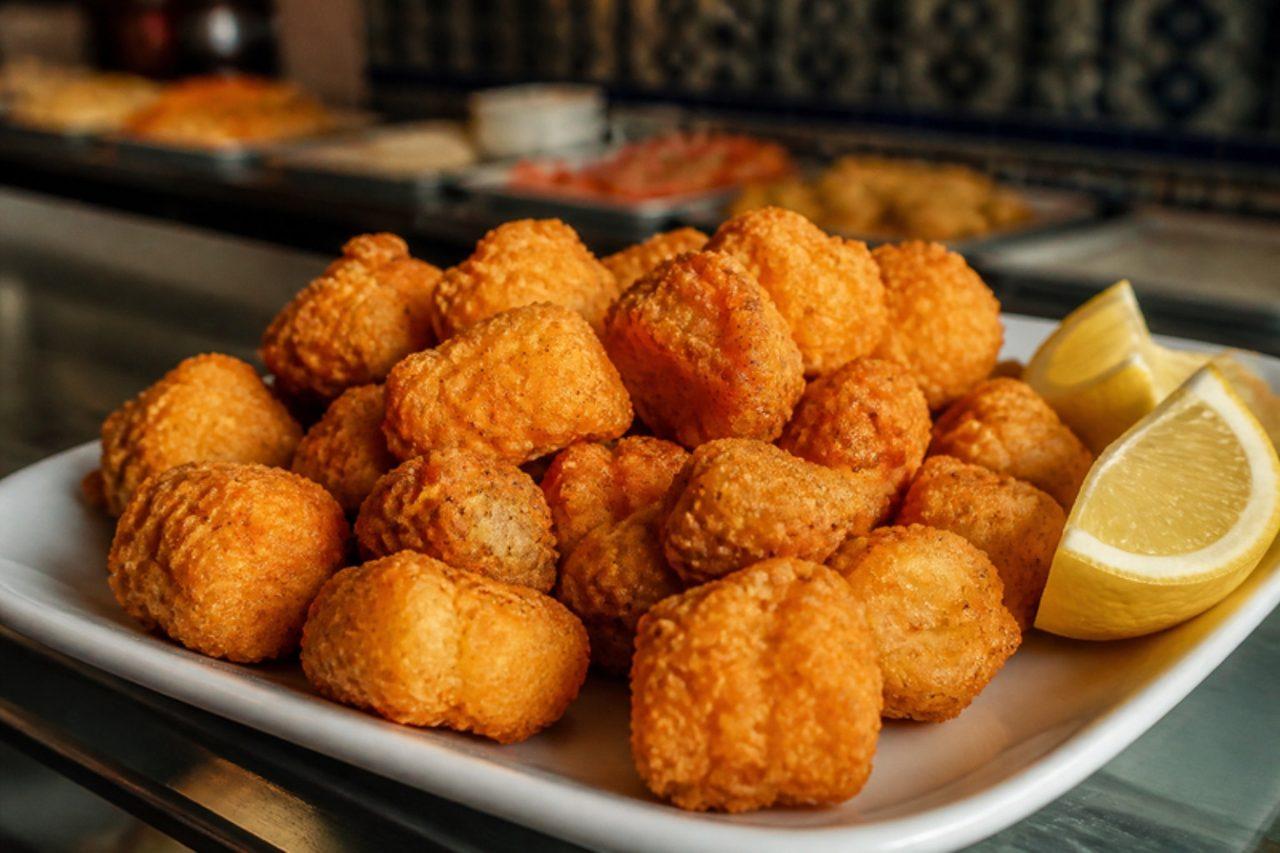
In Cádiz, the tapa that sells out first in the fried-fish shops around La Viña is cazón en adobo: bite-sized cubes of dogfish soaked overnight in a sharp marinade of vinegar, garlic, cumin, oregano and paprika, then floured and fried. The marinade seasons the fish right through and gives it a tang that needs no sauce. If you cannot find dogfish, monkfish or any firm white fish works. A common mistake is a short marinade; the fish needs at least 8 hours in the fridge, for the vinegar and cumin to soak in. Chef's tip: marinate for at least 8 hours but no more than 24; past that, the vinegar starts to firm and 'cook' the fish and it goes dry.

by KrazyBadal 0 views

Cazuela de cabritoKid goat stew

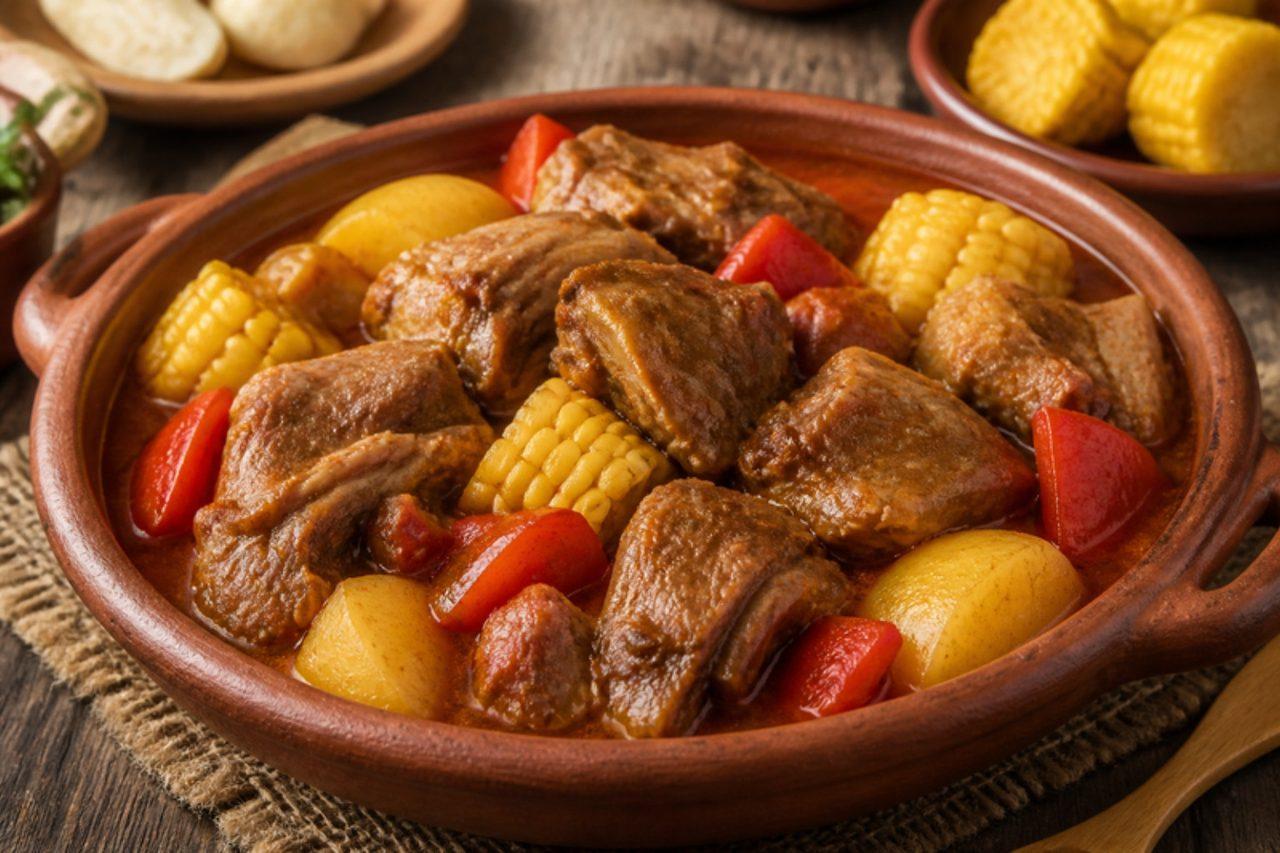
Up in the Calchaquí valleys of Salta, where goats graze between the vineyards and the cardón cactus, cabrito ends up in a heavy clay cazuela on Sunday or feast days. The meat simmers with onion, red pepper, cumin and ají molido until it slides off the bone, and the potatoes and thick rounds of corn on the cob drink up a brick-red, gently spiced broth. Bring it to the table in the pot with bread or a simple tomato and onion salad. Kid goat can be ordered from halal butchers and some farm shops; lamb shoulder works too. People often boil it hard to save time, which squeezes the lean meat dry and stringy; it wants the barest simmer. Chef's tip: brown the pieces in two or three batches so they colour properly instead of stewing in their own juices; that browning is where most of the flavour comes from.

by KrazyBadal 0 views

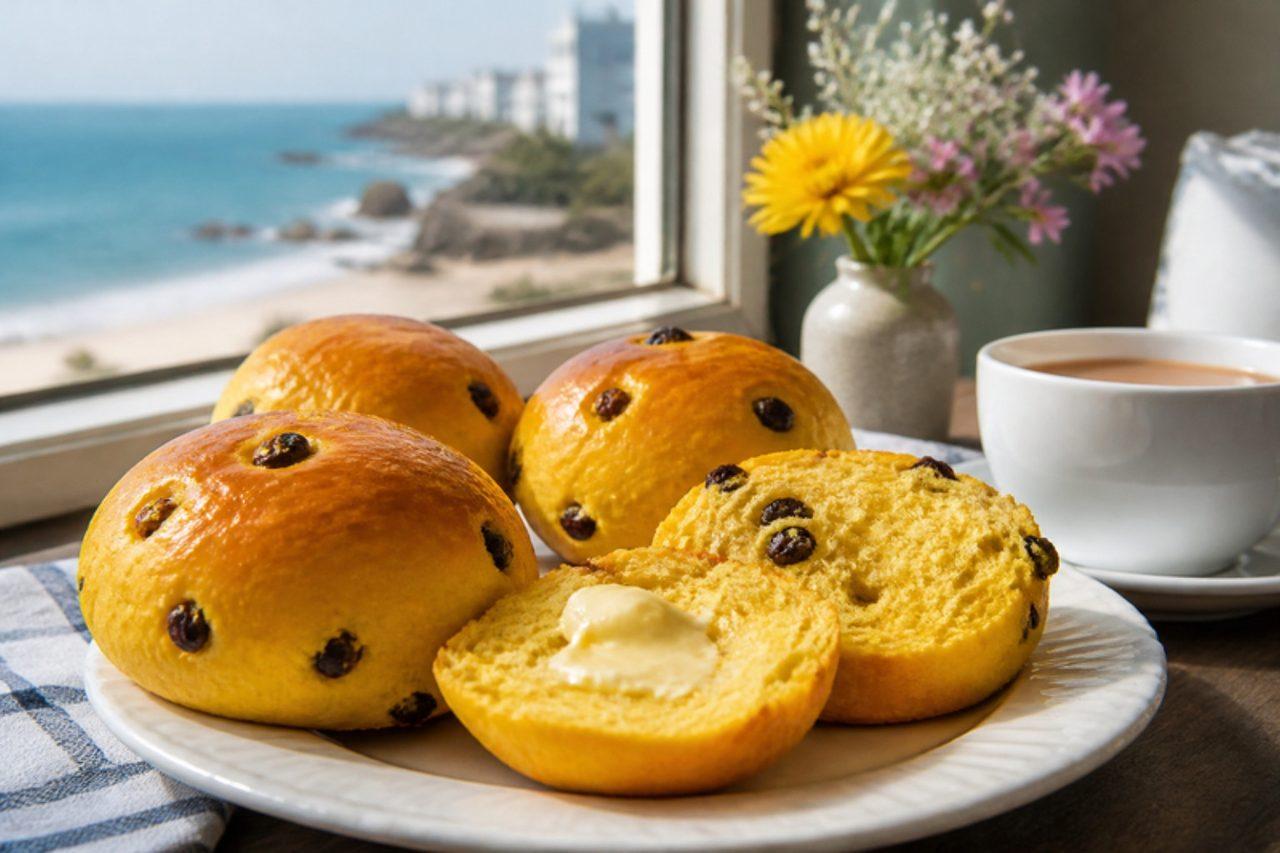
Cornish saffron buns

Saffron buns, called 'tea treats' in parts of Cornwall, were handed out at Sunday school outings and chapel tea treats, and they still glow yellow in bakery windows from Penzance to Truro. A pinch of saffron steeped in warm milk colours a soft, enriched dough studded with currants and peel, so they taste gently floral and fruity. Eat them split and spread with butter or clotted cream. Chef's tip: steep the saffron overnight for the deepest colour and flavour.

by KrazyBadal 0 views

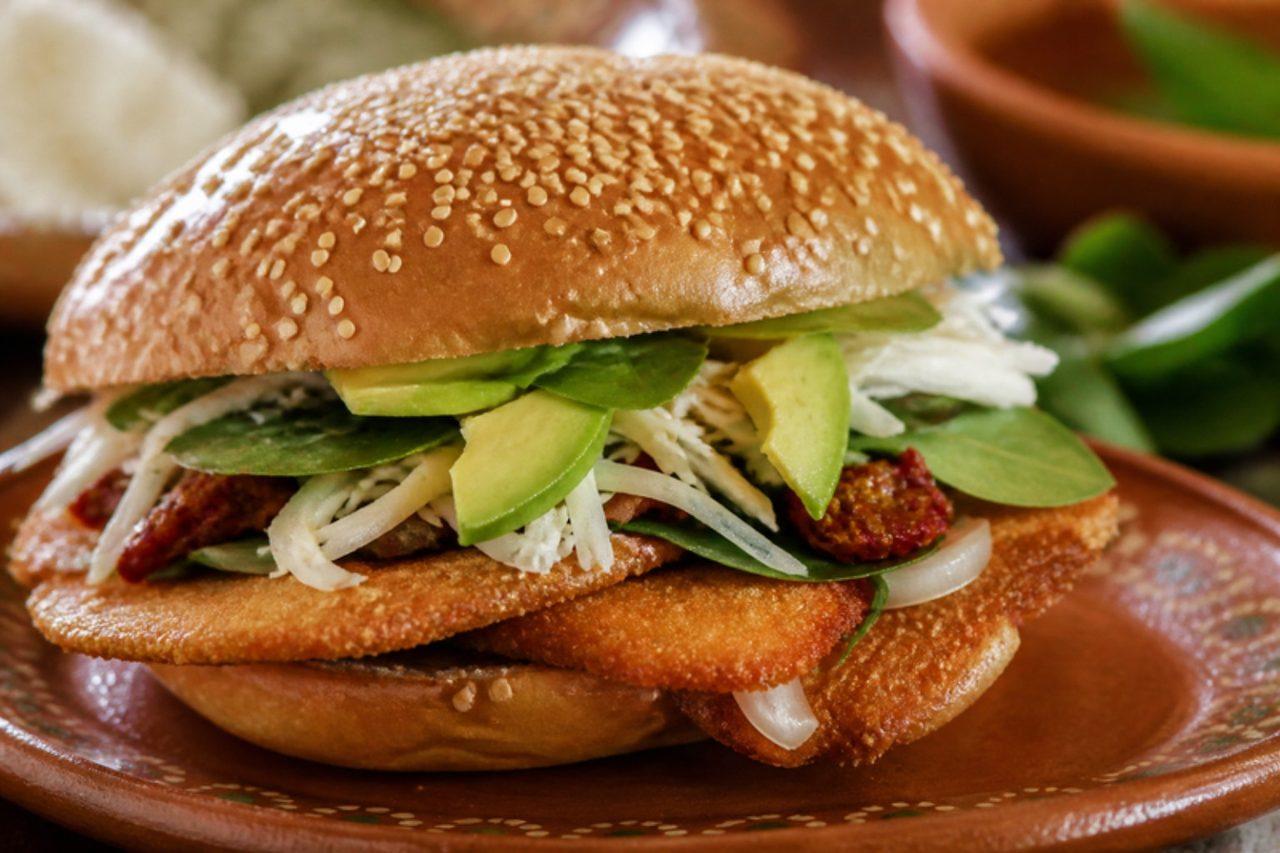
Cemita poblanaPork milanesa sandwich

Puebla's markets have whole aisles of cemita stalls, where a domed, sesame-crusted roll is split and piled with a thin, crisp milanesa, sliced avocado, a nest of stringy quesillo, smoky chipotle in adobo and leaves of pápalo, a pungent herb that tastes somewhere between rocket and coriander. This version uses pork loin for the milanesa, the most common choice alongside beef; thin beef steak works the same way. Pápalo is rarely sold outside Mexico, so coriander stands in for it here. It is a meal in itself, eaten with both hands at midday. Chef's tip: pull the quesillo into fine strands rather than slicing it, so it melts into the warm cutlet and holds the sandwich together.

by KrazyBadal 0 views

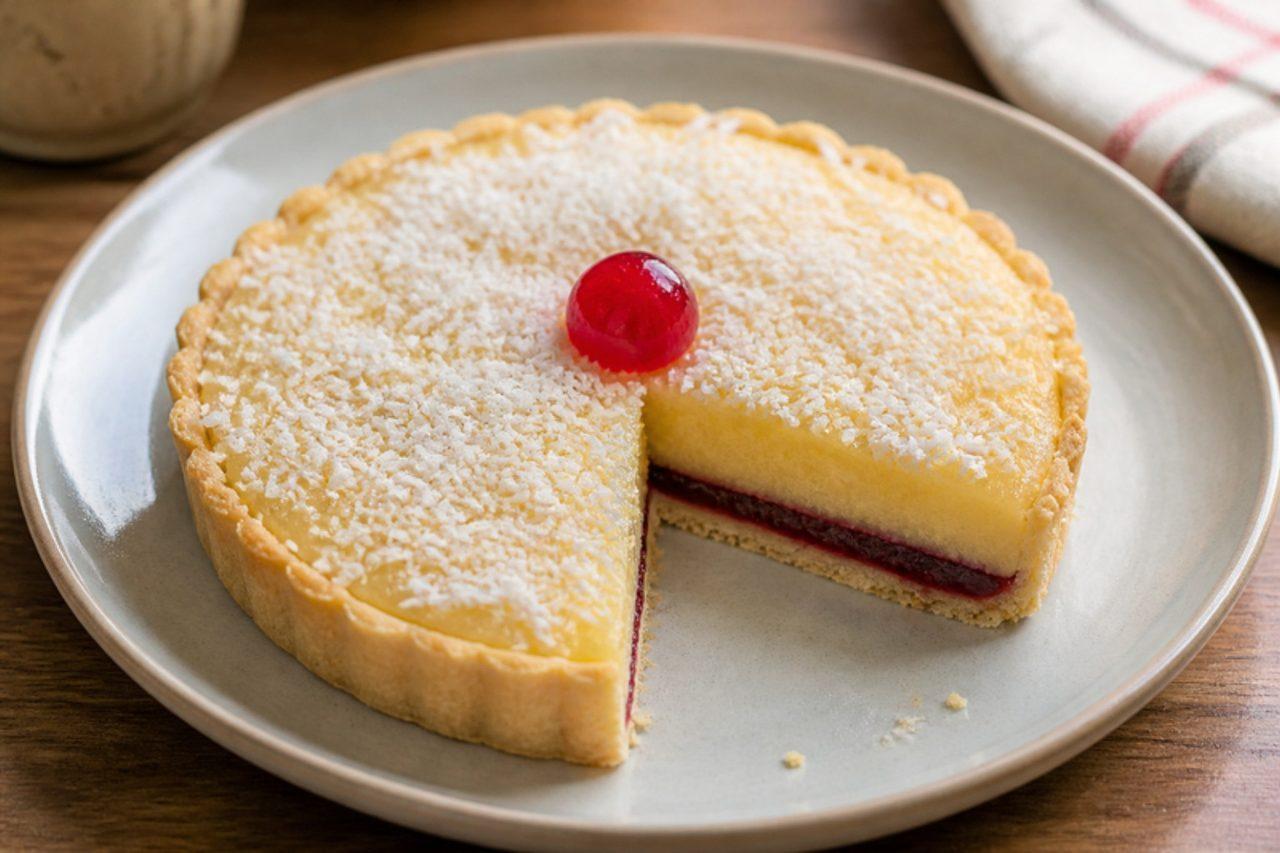
Manchester tart

Manchester tart is the school-dinner pudding generations of Mancunians remember: a shortcrust case spread with raspberry jam, filled with thick, cold vanilla custard and covered in desiccated coconut, sometimes with a glacé cherry on top. It is a nostalgic Northern bake for birthdays and school reunions. Chef's tip: make the custard really thick and cool it a little before pouring, so it sets in clean slices.

by KrazyBadal 0 views

Showing 54 of 7,762 recipes

Show more recipes

Page 416 of 863