Skip to content
Suqaar
Featured recipe

Suqaar

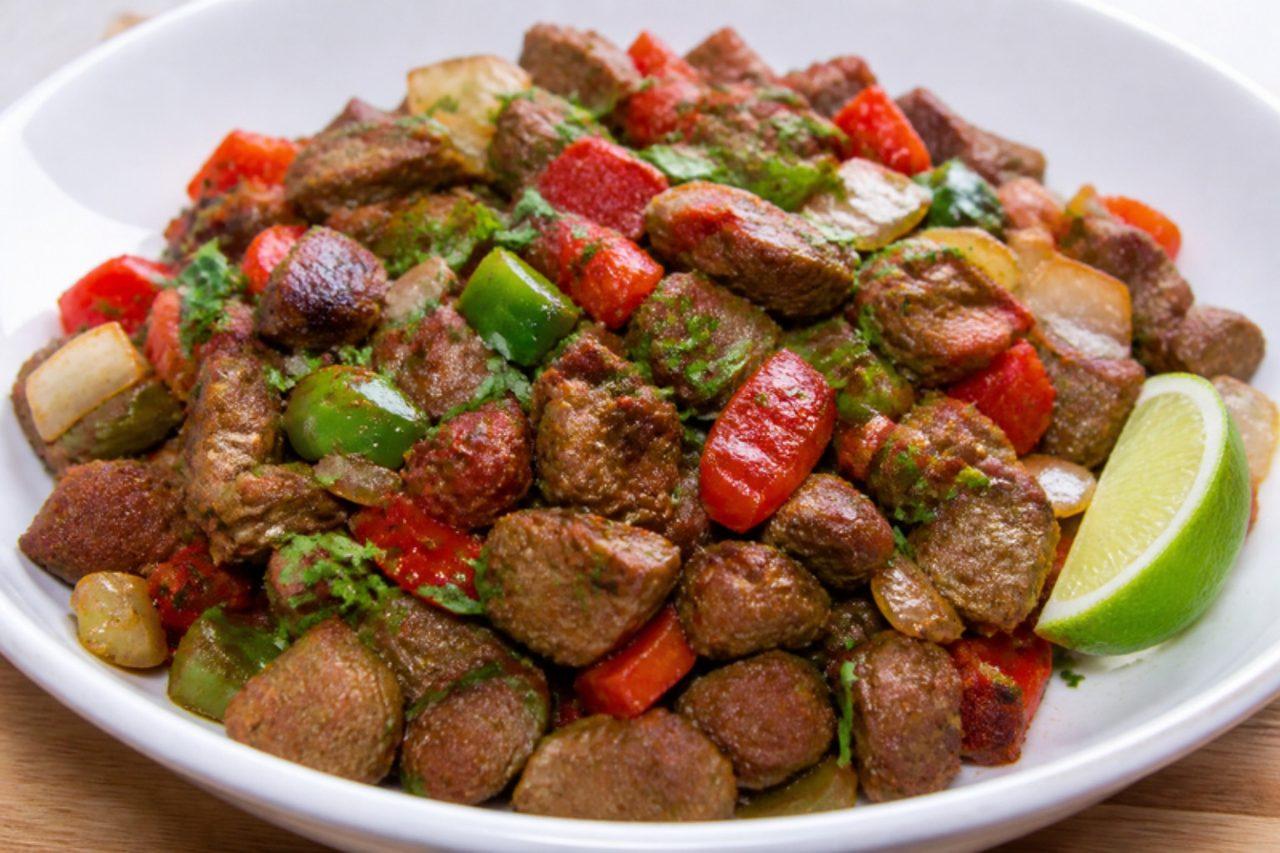
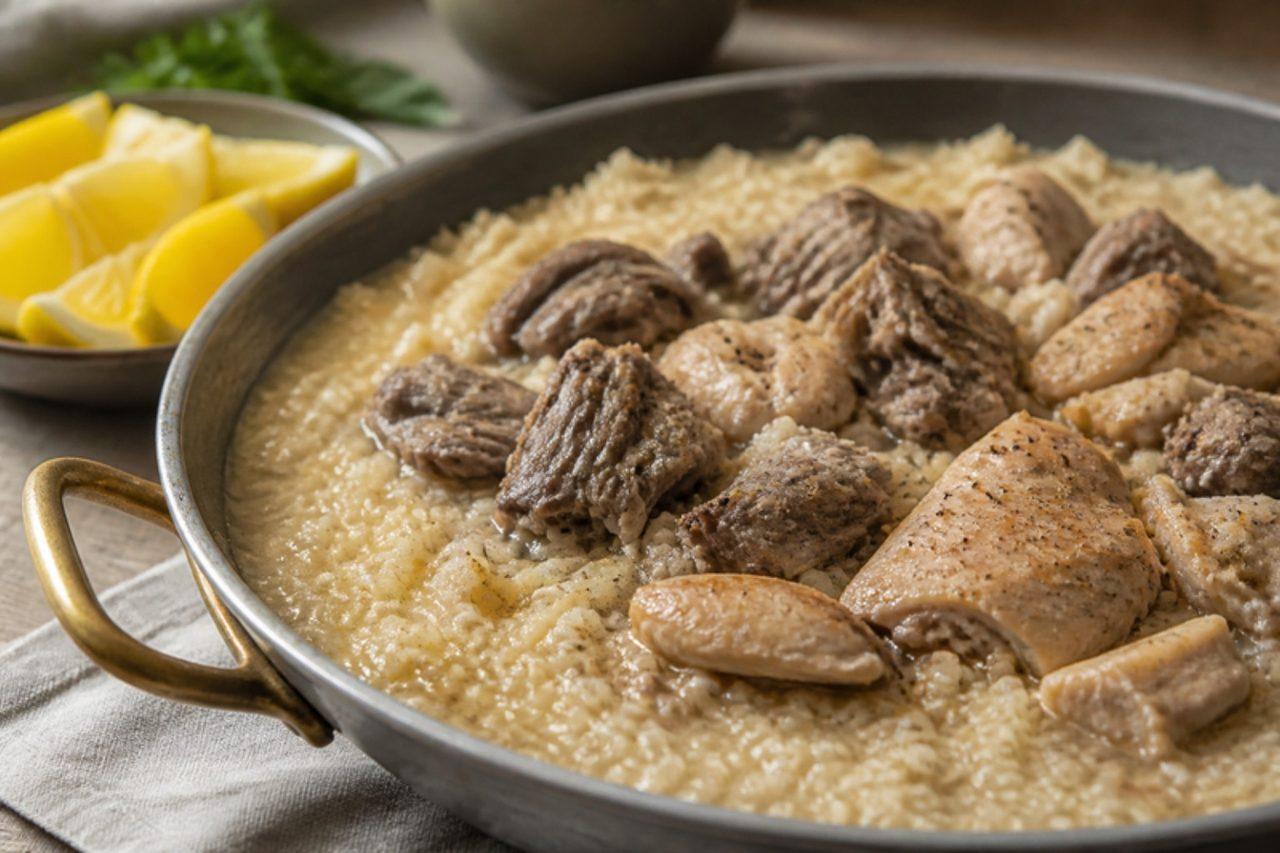
Suqaar is the quick beef dish found everywhere from Mogadishu tea shops to Somali cafés in Minneapolis and London: small cubes of beef or lamb browned with onion, peppers and garlic, seasoned with xawaash, the house spice mix of cumin, coriander, cardamom, cinnamon and turmeric. Somalis eat it for breakfast with canjeero (spongy flatbread) or for lunch with rice or pasta. The mistake is cutting the beef in big chunks, which go chewy; cut it into small 1–2 cm cubes so it cooks fast and stays tender. Chef's tip: add a squeeze of lime and a handful of coriander just before serving.

Read more 0 views
Can't decide?

What to eat today?

Spin the randomizer, search with what's already in your fridge, or browse recipes from our chefs.

Latest recipes

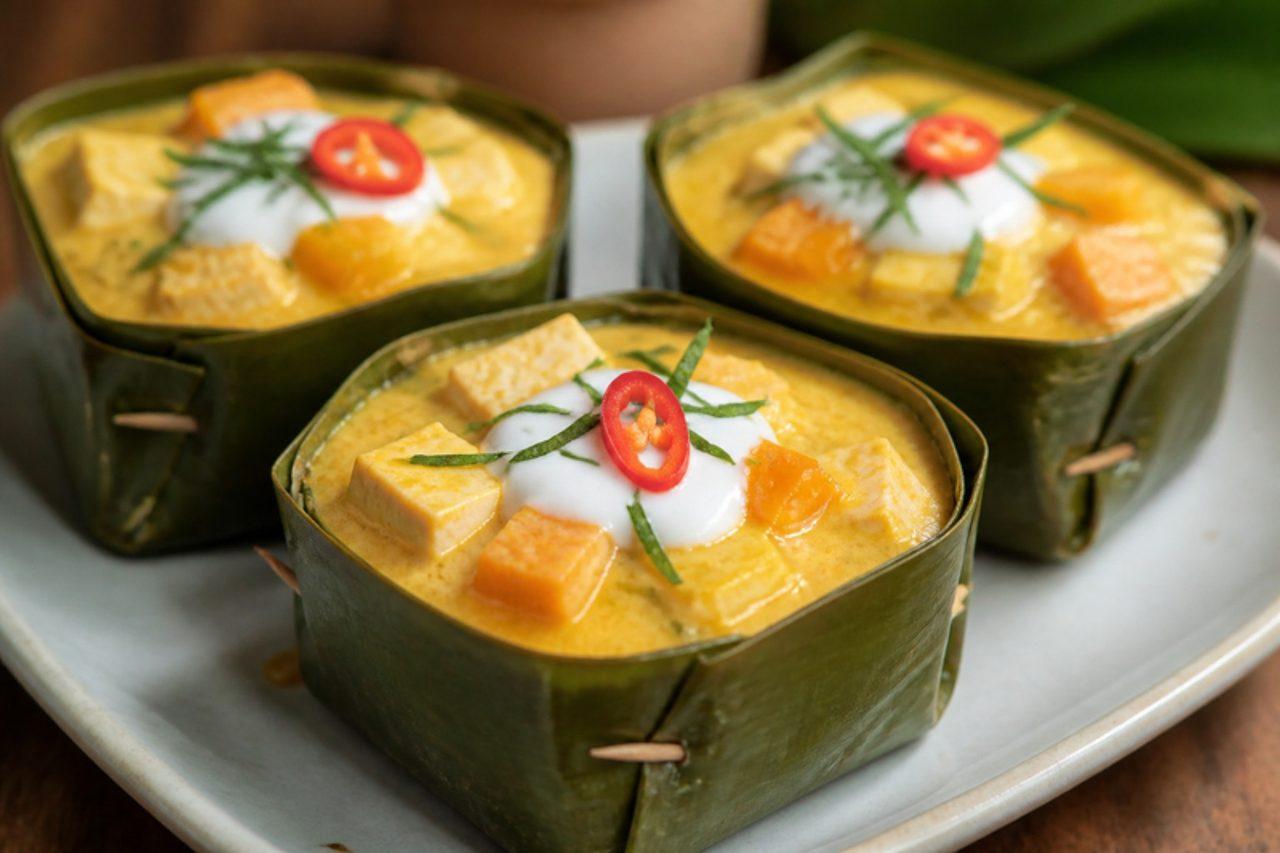
Tofu and pumpkin amok

Amok is the dish Cambodians proudly serve to visitors, especially around Siem Reap and the Tonlé Sap, where it is traditionally made with freshwater fish. This home version keeps everything that makes it amok, the fragrant kroeung, thick coconut cream and a beaten egg that sets it into a soft, spoonable custard, but fills the banana-leaf cups with firm tofu and sweet pumpkin instead. Noni leaves (slok ngor) usually line the cups; young spinach gives the same green layer. Serve it with plain jasmine rice for a special dinner. Chef's tip: stir the custard in one direction only while you mix the coconut cream and egg; Cambodian cooks say this keeps it silky, and it also stops air bubbles that leave holes once steamed.

by KrazyBadal 0 views

Nom banh chok with green curry broth

Before seven in the morning, women carrying baskets on shoulder poles sell nom banh chok across Cambodia; around Siem Reap there is even a lane of stalls near the temples known for it. Soft, slippery rice noodles are piled into a bowl, ladled with a pale green broth of kroeung and coconut milk, then buried under shredded banana blossom, cucumber, beansprouts, long beans and handfuls of herbs. The market version thickens the broth with pounded fish; here pumpkin and creamy white beans give it the same body. Chef's tip: be generous with the raw vegetables and herbs; the dish is meant to be more garden than noodle, and the cool crunch is what balances the warm broth.

by KrazyBadal 0 views

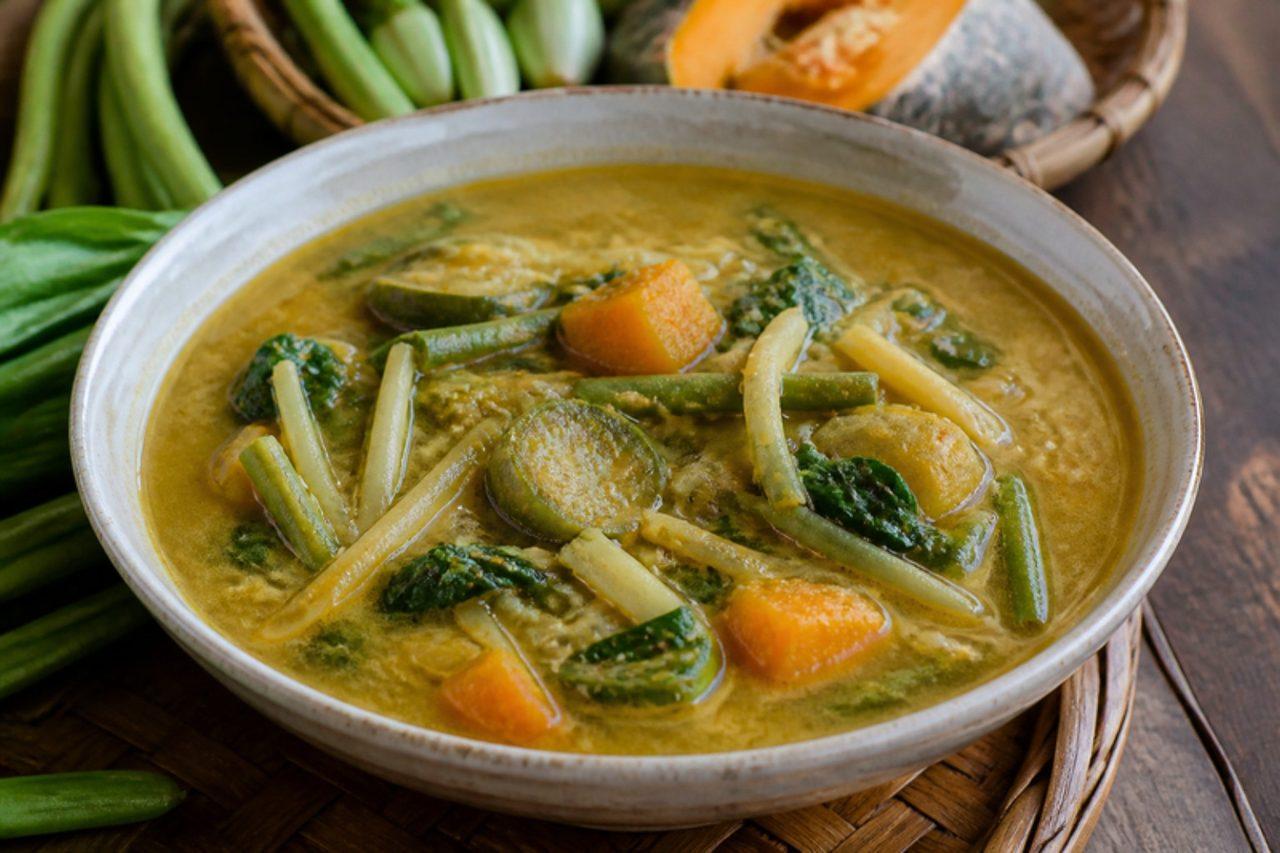
Vegetable samlor korko

Samlor korko is called the national soup of Cambodia, cooked in villages from Battambang to Kampot and eaten at lunch with a bowl of rice. Its name means 'stirring soup', because the cook stands over the pot moving the vegetables as they go in one by one: green papaya, pumpkin, aubergine, long beans and leafy greens, all in a thin, herb-scented broth thickened with a spoonful of ground toasted rice. Prahok usually gives it its funk; fermented soybean paste and a little soy give depth here, and the soup stays light and full of vegetables. Chef's tip: toast the rice slowly until it is the colour of a hazelnut shell; that nutty smell is the backbone of the soup.

by KrazyBadal 0 views

Nom krok

Nom krok are a street snack you hear before you see: the hiss of batter hitting a charcoal-heated cast-iron pan full of small round hollows, outside markets and schools across Phnom Penh in the late afternoon. Each little cake has a lacy, crunchy rice-flour shell and a molten top of salted coconut cream with spring onion, and two halves are pressed together to eat hot from a banana leaf. A Danish aebleskiver or Japanese takoyaki pan works perfectly at home. Chef's tip: let the pan get properly hot before the first batter goes in, about 4 minutes on a medium-high heat; a cool pan makes pale, sticky cakes that won't come out cleanly.

by KrazyBadal 0 views

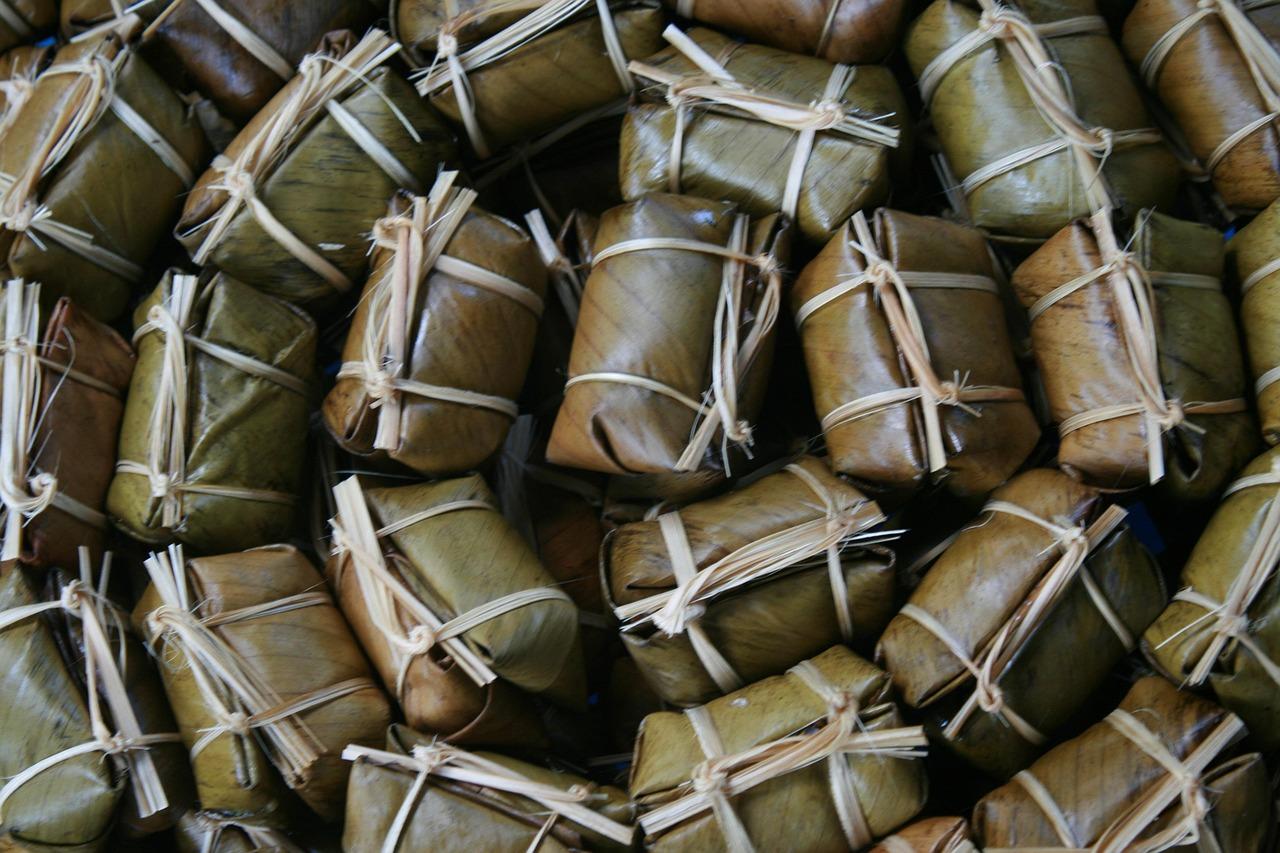
Num ansom chek

Num ansom chek are wrapped by the dozen in April for Khmer New Year and again in autumn for Pchum Ben, when families carry them to the pagoda as offerings. A ripe banana is hidden inside a jacket of glutinous rice that has been seasoned with coconut milk and dotted with black beans, then the whole thing is rolled tightly in banana leaf and boiled until the rice turns sticky and the banana goes jammy and blush-pink. Unwrapped, they're eaten at room temperature or sliced and grilled the next morning. Chef's tip: use bananas that are fully yellow with a few brown freckles; green ones stay chalky and the pink colour never comes.

by KrazyBadal 0 views

Sangkhya lapov

Sangkhya lapov is the showpiece of a Cambodian dessert stall: a squat green pumpkin, hollowed out, filled with an egg, coconut and palm sugar custard and steamed whole, then cut into wedges so every slice shows a band of orange flesh around a creamy caramel-coloured centre. In Phnom Penh it is sold by the slice at night markets and made at home for weddings and Pchum Ben. A small kabocha of about 1 kg is ideal. Chef's tip: cool it completely, ideally overnight in the fridge, before slicing; warm custard is soft and slumps out of the pumpkin.

by KrazyBadal 0 views

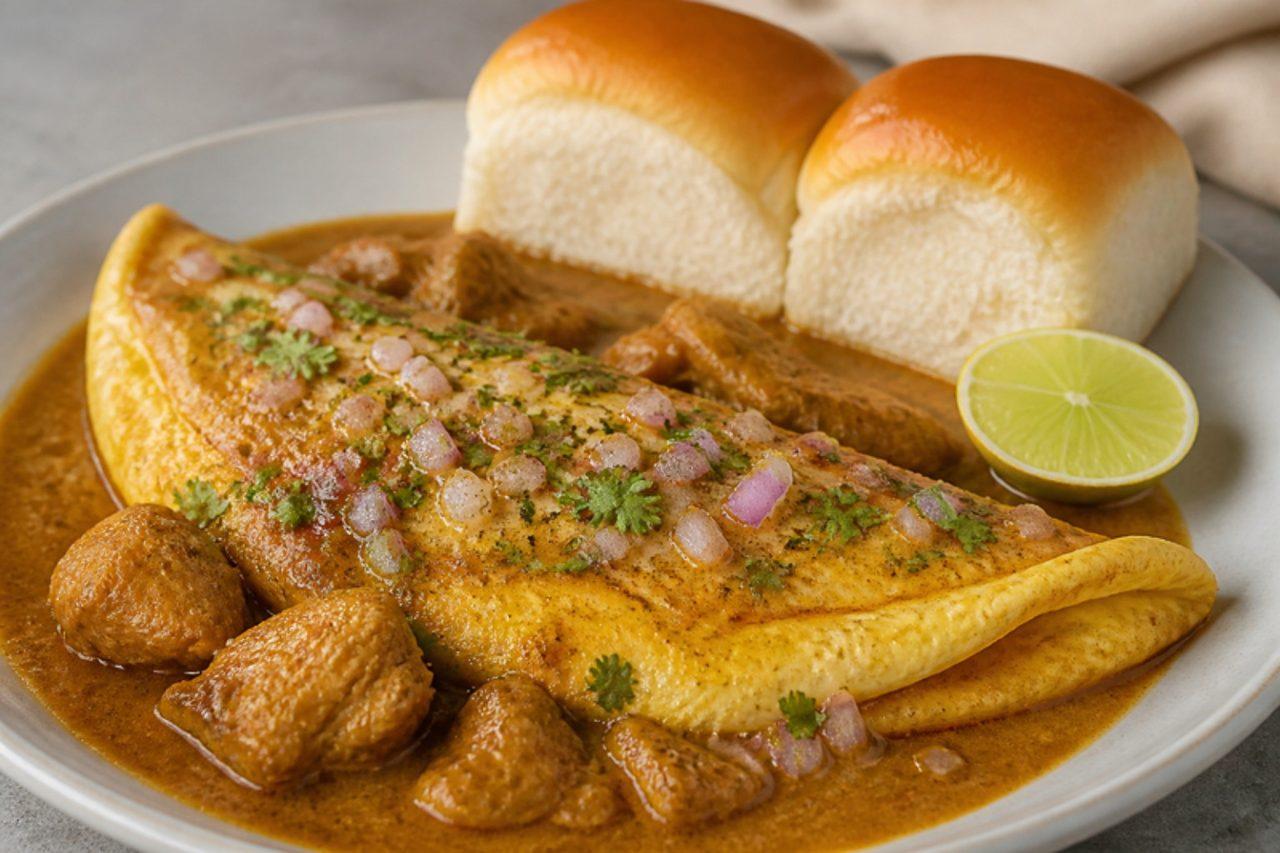
Goan ros omelette

After dark in Panjim, Mapusa and Margao, roadside carts fry omelettes to order and ladle over them a thin, spicy chicken gravy called ros, meaning juice. It is late-night food, eaten standing up, mopped with soft Goan pao. The ros is a loose chicken xacuti, rich with roasted coconut, poppy seeds and star anise. Chef's tip: keep the gravy soupy; it should flood the omelette and soak into the bread, not sit on top like a stew.

by KrazyBadal 0 views

Mushroom or lam

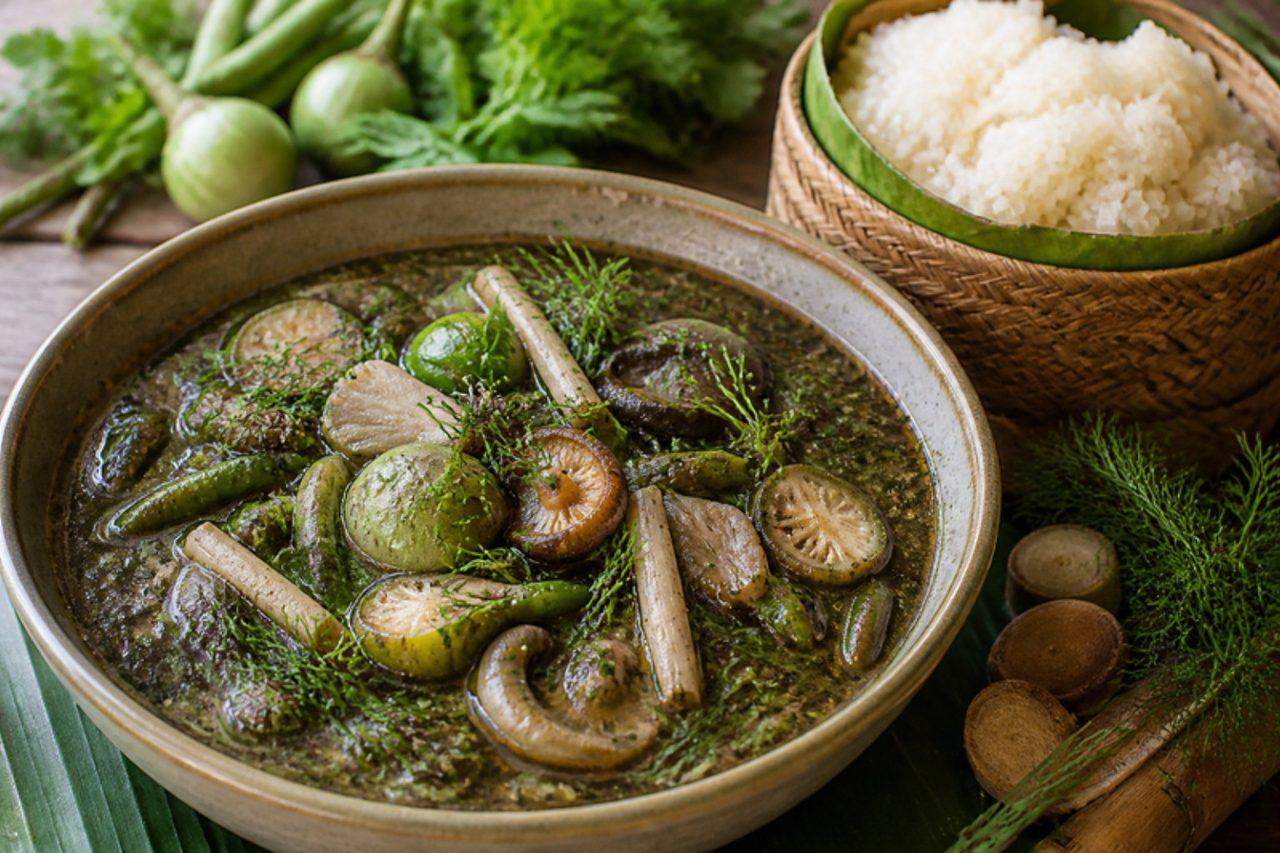
Or lam belongs to Luang Prabang, the old royal town on the Mekong, where it is cooked for long family lunches and served at almost every restaurant that makes local food. It is a thick, rustic stew of aubergine, long beans, mushrooms and greens, thickened with a little sticky rice and flavoured with sakhan, a peppery wood that numbs the lips like Sichuan pepper, plus heaps of dill and lemongrass. The usual dried buffalo skin and meat are swapped for two kinds of mushroom here. Eat it with sticky rice and a jeow. Chef's tip: if you can't find sakhan, a few lightly crushed Sichuan peppercorns give the same tingle; add them early so the tingle spreads through the broth.

by KrazyBadal 0 views

Jeow mak len

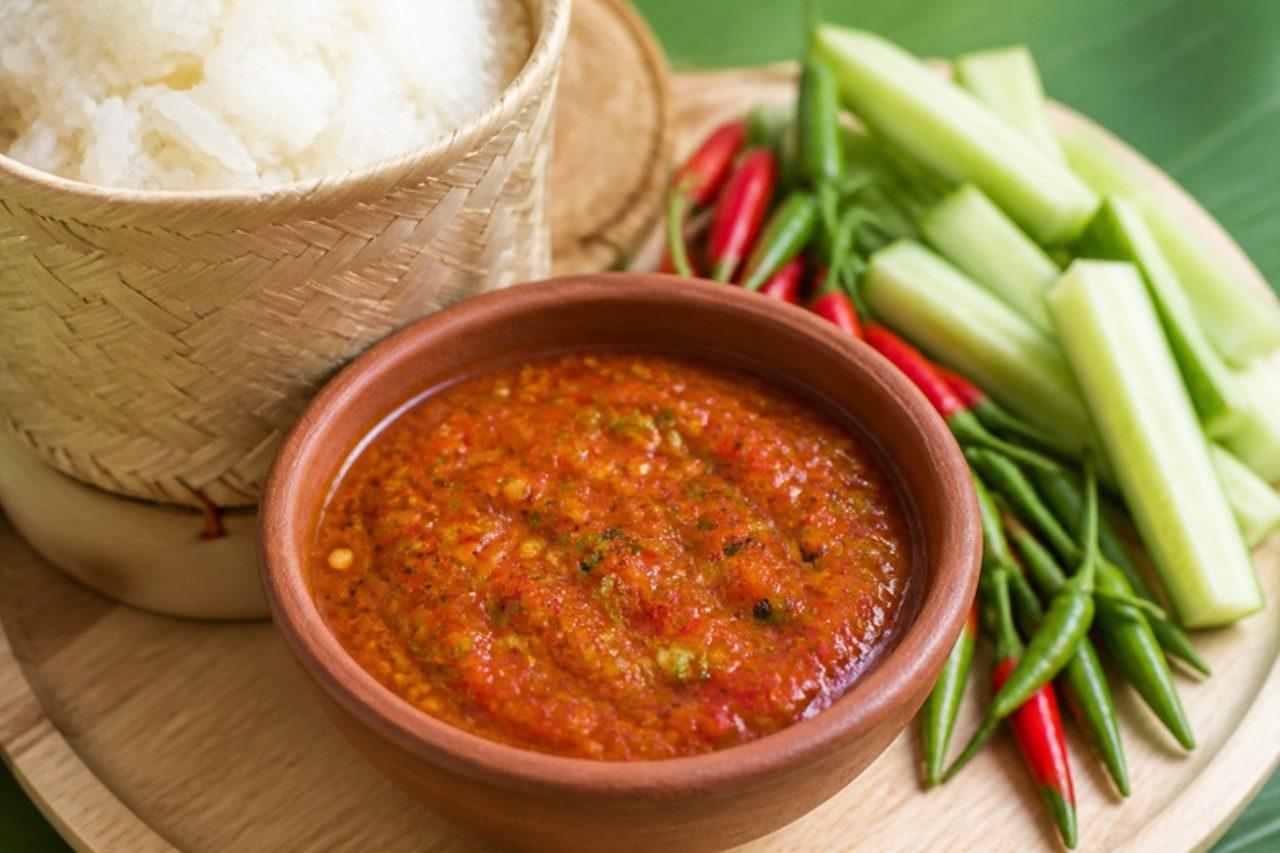
No Lao meal is complete without a jeow, a pounded dip eaten by pinching a ball of sticky rice and dragging it through. Jeow mak len, made from tomatoes charred over the coals until their skins split, is the everyday one from Vientiane to the villages of the north, smoky, garlicky and as hot as you dare. It's served alongside grilled vegetables, raw cucumber and long beans, and keeps well for a few days. Chef's tip: grill everything until it is genuinely blackened in patches; the burnt bits are the flavour, so don't peel all the skin away.

by KrazyBadal 0 views

Showing 9 of 4,484 recipes

Show more recipes

Page 417 of 499