


Skip to content
Filet américain
Featured recipe

Filet américain

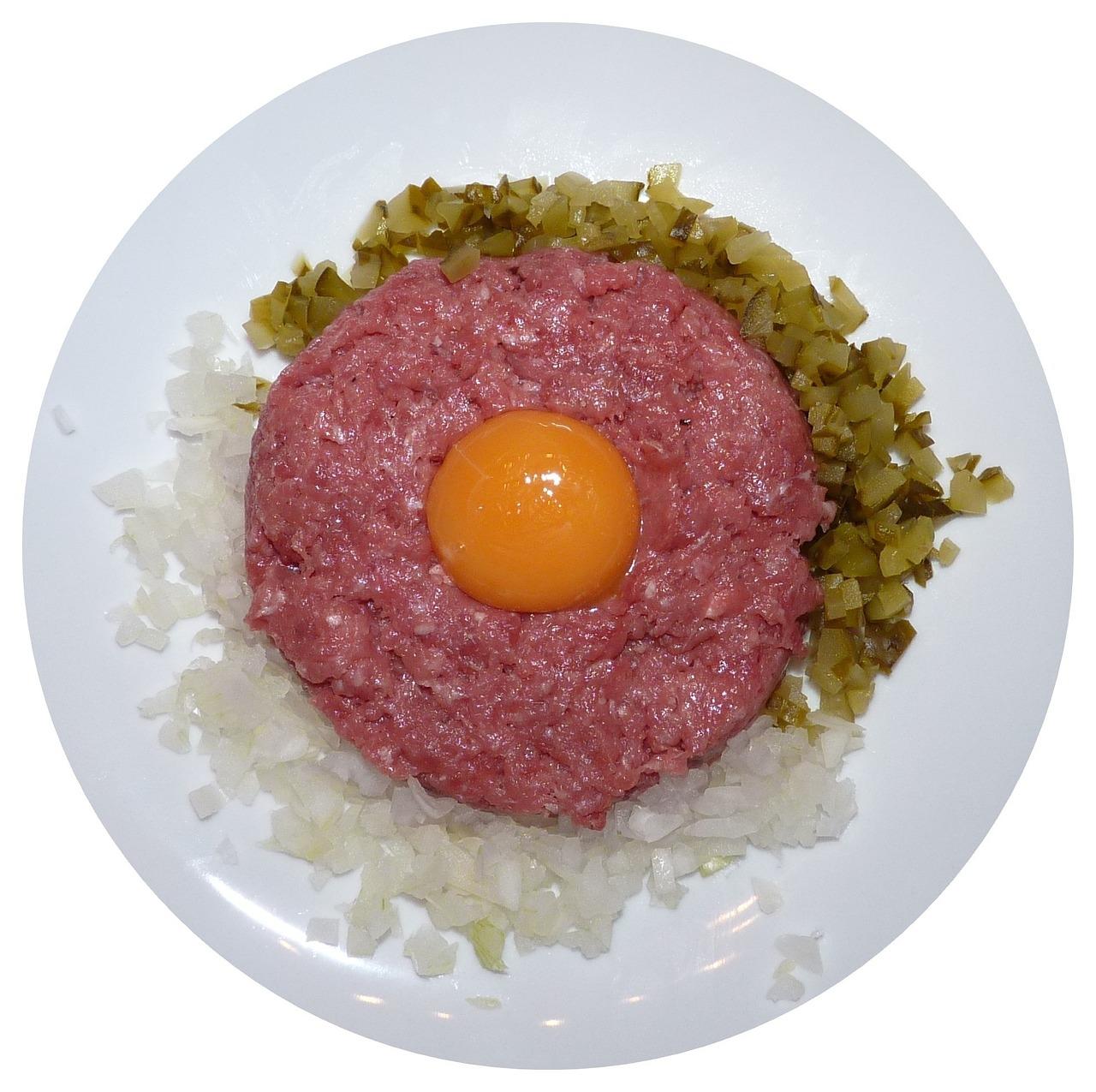
Raw minced steak spread

Despite its name, filet américain is a Belgian classic, served in Brussels brasseries with a mound of fries, or spread on a baguette as the famous 'broodje américain': very fresh lean beef, finely minced and mixed with mayonnaise, mustard, capers, chopped onion, parsley and a dash of Worcestershire sauce and Tabasco, so it is creamy and tangy. The beef is eaten raw, so it is not for pregnant women, young children or anyone with a weakened immune system. Buy a whole piece of the freshest steak from a trusted butcher, trim it and mince it yourself just before serving; never use ready-minced beef. A common mistake is preparing it in advance; make it and eat it at once. Chef's tip: chill the meat and the bowl well and mix with a fork, not a processor, so it stays loose. Use shop-bought mayonnaise, which is made with pasteurised egg.

Read more 0 views

What to eat today?

Around the world

Today's trip: Paraguayan

A new country every day, from every cuisine on the site.

Paraguayan

Chipa

Cheese bread rings 50 minMore from Paraguayan (27) →

This week's collection

Kid-friendly dinners
537 recipes · a new collection every Monday

Latest recipes

Teesside chicken parmo

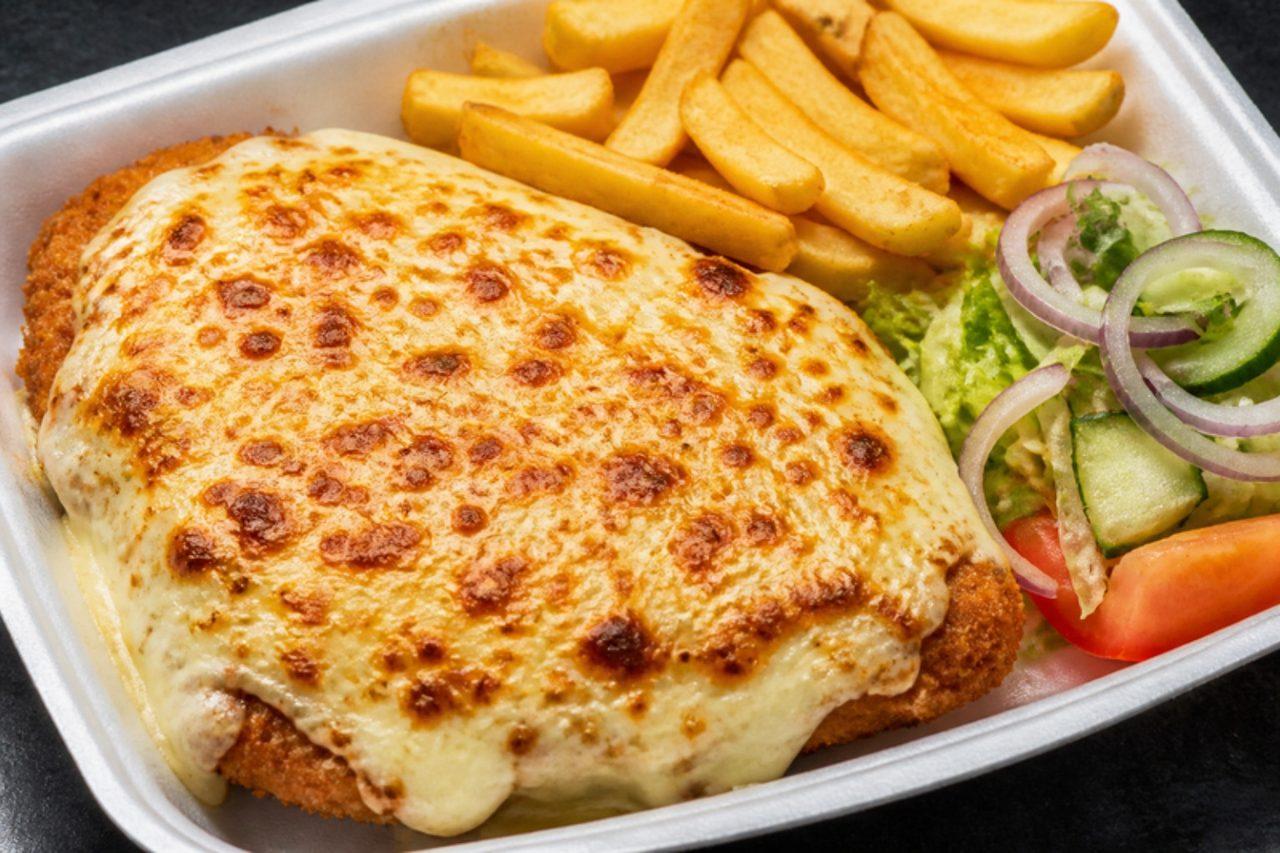
The parmo is Middlesbrough's own takeaway dish, said to have been created by an American soldier who settled on Teesside after the Second World War, and it's sold in boxes with chips across the town on a Friday night. A flattened, breaded chicken breast is fried, then covered with white sauce and a thick layer of cheese and grilled until bubbling. Chef's tip: bash the chicken to an even 1 cm, so it cooks through before the crumb burns.

by KrazyBadal 0 views

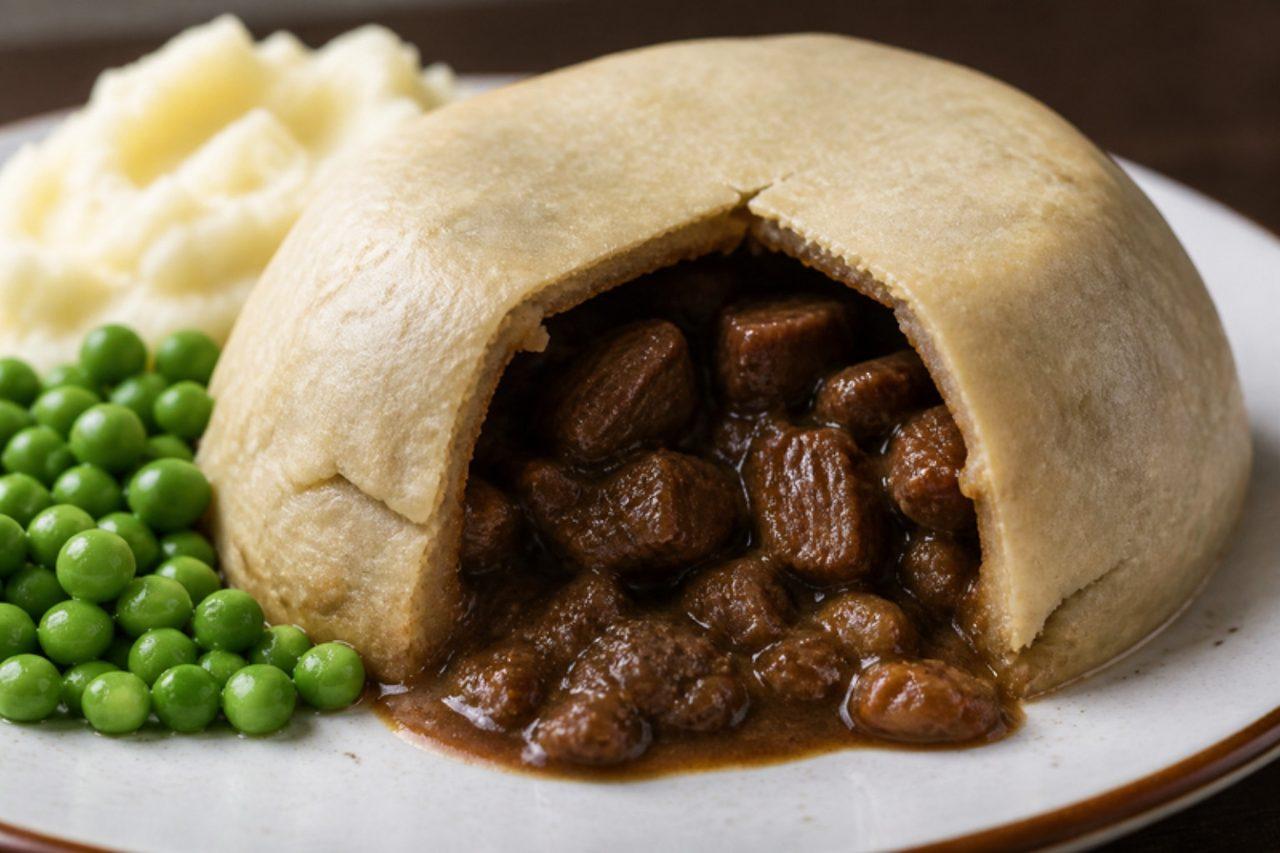
Steak and kidney pudding

Steak and kidney pudding is the steamed suet pie of old English chop houses and Northern family kitchens, the kind of dish that filled up mill workers through Lancashire winters. Beef and lamb's kidney in rich gravy are sealed in a basin lined with suet pastry and steamed for hours until the crust is soft and the filling falls apart. Chef's tip: cook the filling first; it gives tender meat and a crust that isn't soggy.

340 minBritishMeat
by KrazyBadal 0 views

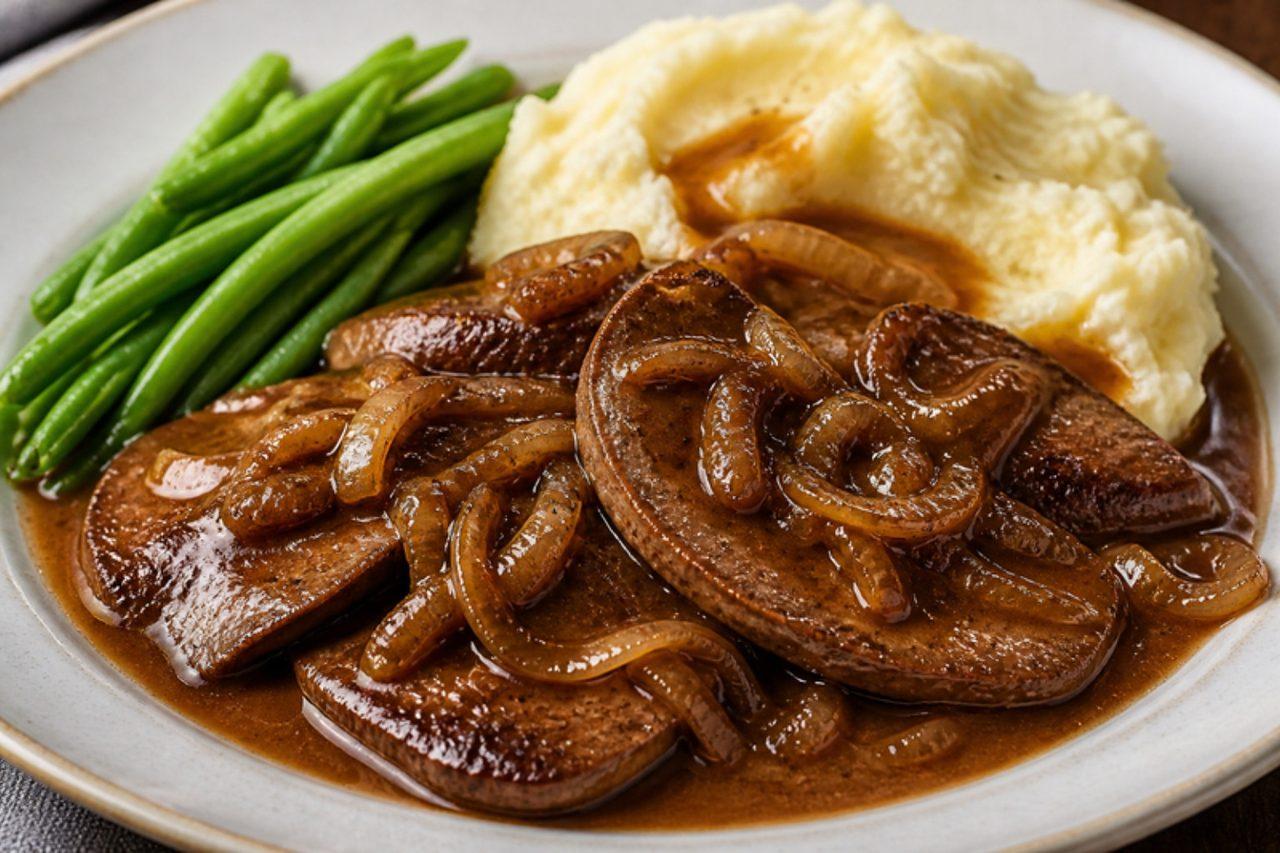
Liver and onions

Liver and onions is a café and works-canteen classic across the North and the Midlands, cheap, quick and full of iron, eaten with mash and a dollop of gravy. Thin slices of calf's or lamb's liver are fried briefly in butter after the onions have turned slow and sweet. Chef's tip: soak the liver in milk for 30 minutes if you find its flavour strong; it softens the taste.

by KrazyBadal 0 views

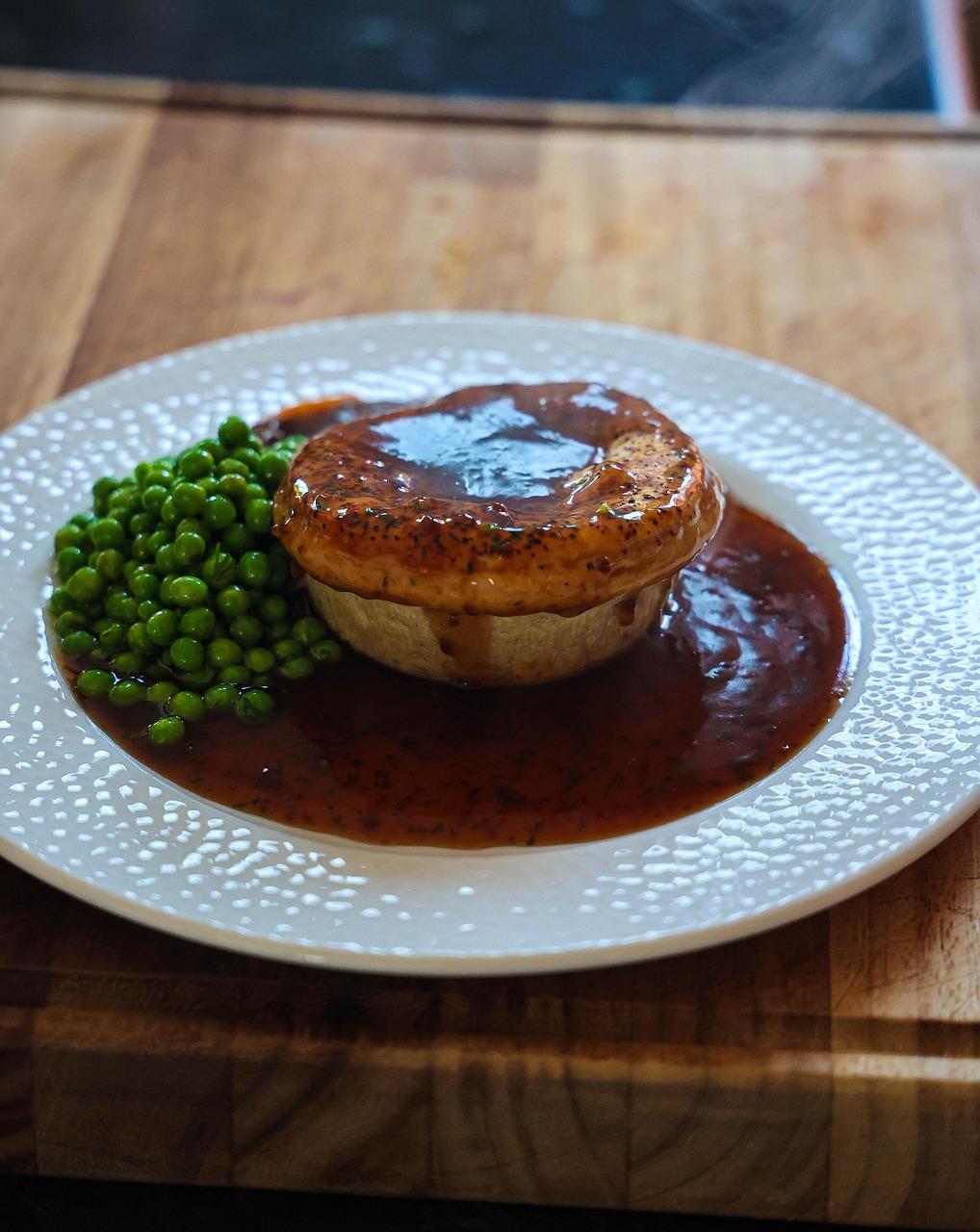
Beef and ale pie

Beef and ale pie is the pub supper of Yorkshire and the Midlands, where brewing towns like Burton upon Trent made a dark ale gravy part of the region's cooking. Chuck steak is braised slowly in ale with onions and mushrooms until tender, then topped with flaky pastry. This recipe contains alcohol, most of which cooks off; for an alcohol-free pie use the same amount of beef stock with 1 tablespoon of malt vinegar and a teaspoon of brown sugar. Chef's tip: let the filling cool before topping, so the pastry stays crisp and puffy.

210 minBritishMeat
by KrazyBadal 0 views

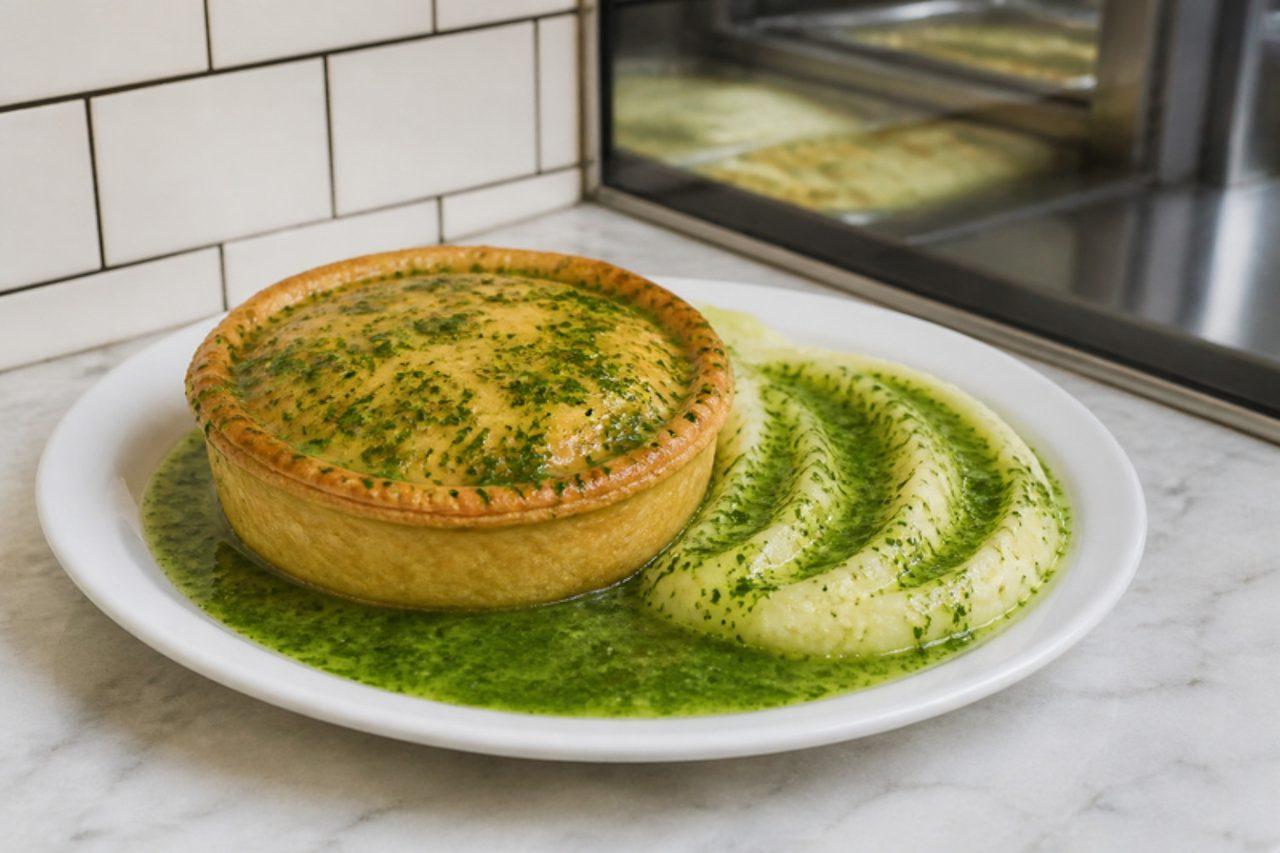
Pie and mash with liquor

Pie, mash and liquor is the working-class lunch of the East End of London, served in tiled pie shops from Bethnal Green to Walthamstow since the 1800s. Small minced beef pies with a soft suet-style base and a crisp puff lid sit next to a scoop of smooth mash, all flooded with liquor, a thin, bright green parsley sauce. Pie shops make the liquor with the stock from stewed eels; this version uses fish or vegetable stock. Locals add chilli vinegar. Chef's tip: keep the liquor thin and pourable, like single cream, not thick like gravy.

by KrazyBadal 0 views

Roast lamb with mint sauce

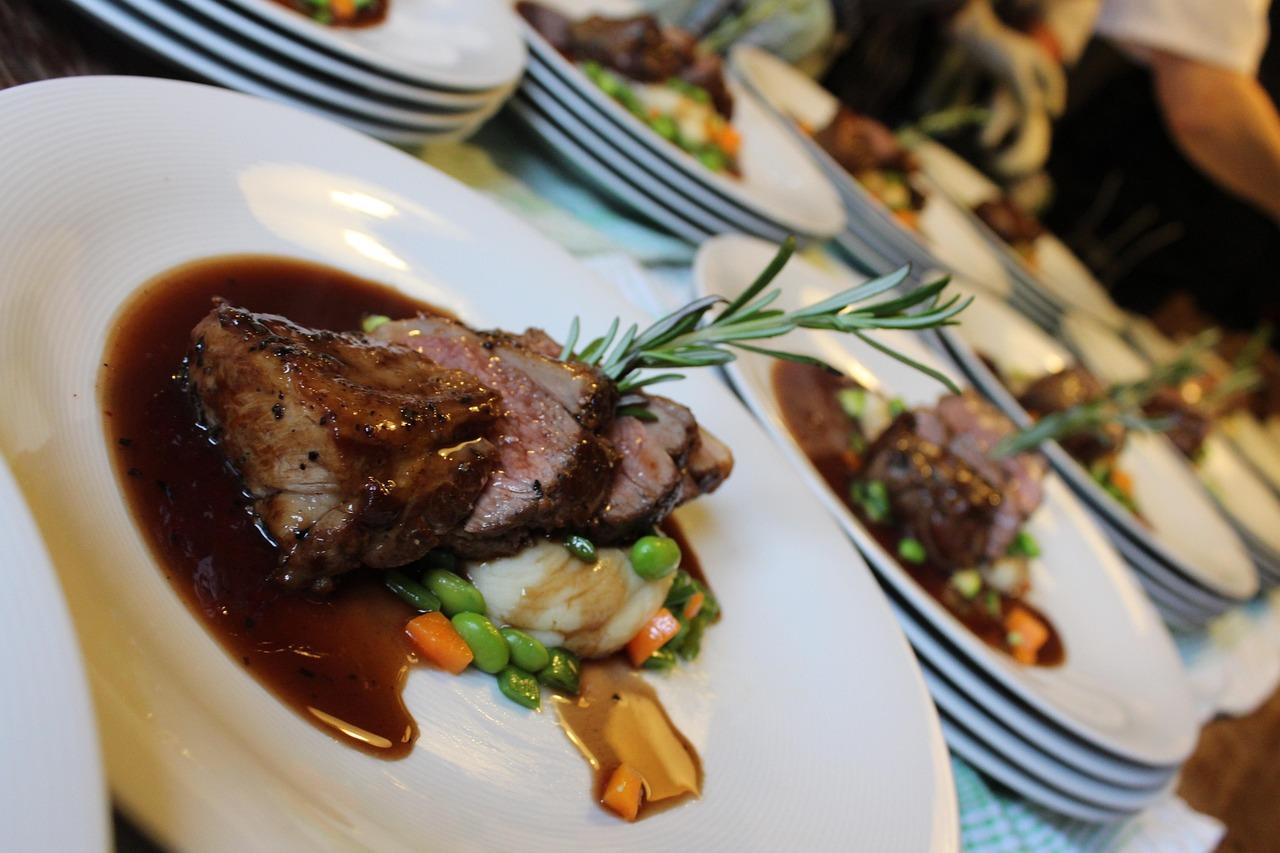
Roast leg of lamb is the Easter Sunday lunch of England, when spring lamb from the South Downs and the West Country comes in, served with roast potatoes, spring greens and a jug of mint sauce. The sauce is the English twist: chopped garden mint steeped in vinegar and a little sugar, sharp enough to cut the richness of the meat. Chef's tip: make the mint sauce an hour ahead so the vinegar mellows and the mint flavour comes out.

120 minBritishMeatGluten free
by KrazyBadal 0 views

Beef Wellington

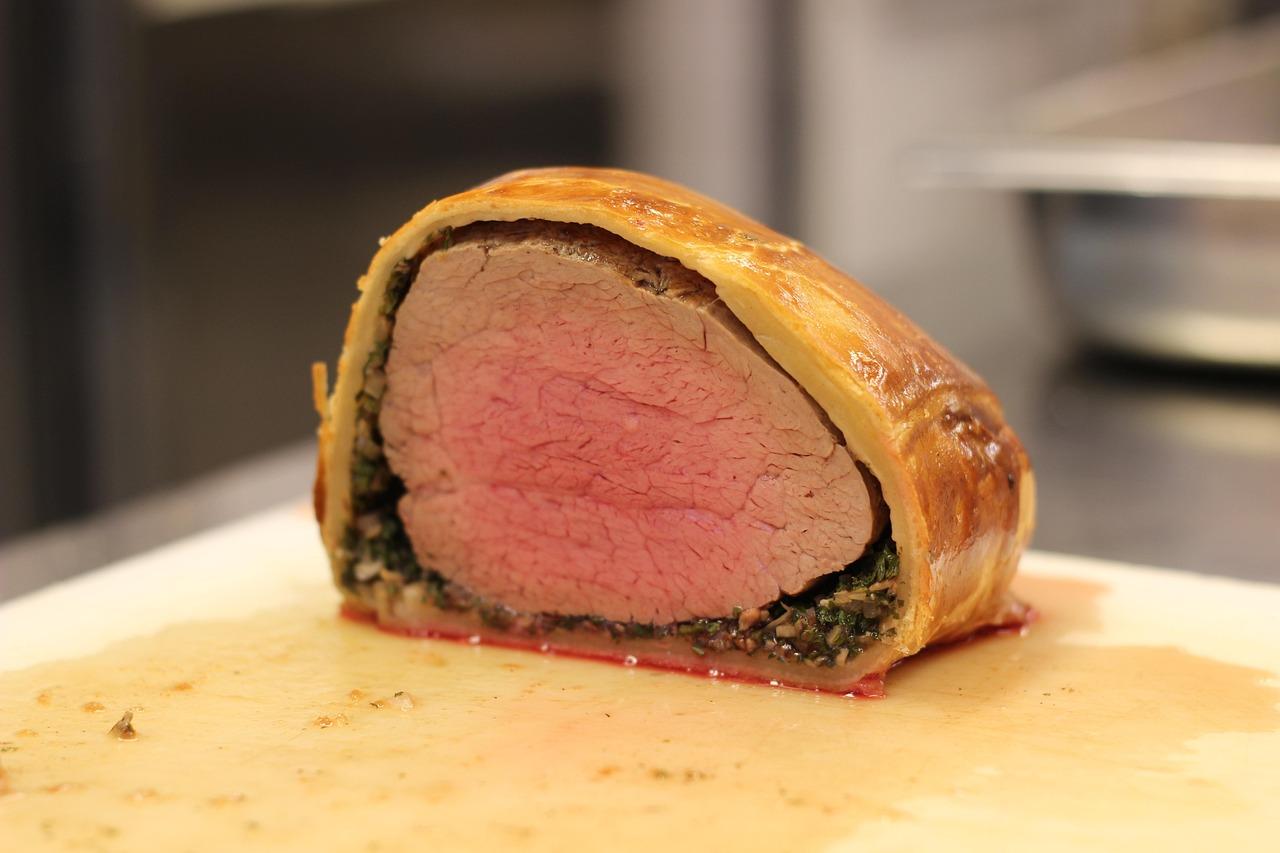
Beef Wellington is the grand centrepiece of British Christmas and celebration dinners, a whole beef fillet coated in finely chopped mushroom duxelles, wrapped in thin pancakes or ham and golden puff pastry, then sliced at the table to show a pink middle. It is linked, without much proof, to the Duke of Wellington. This version wraps the fillet in crêpes instead of the usual Parma ham. The duxelles is deglazed with a splash of white wine, which contains alcohol; use a little stock for an alcohol-free version. Chef's tip: chill the wrapped fillet before it goes in the pastry so everything stays tight and the base doesn't go soggy.

105 minBritishMeat
by KrazyBadal 0 views

Scotch eggs

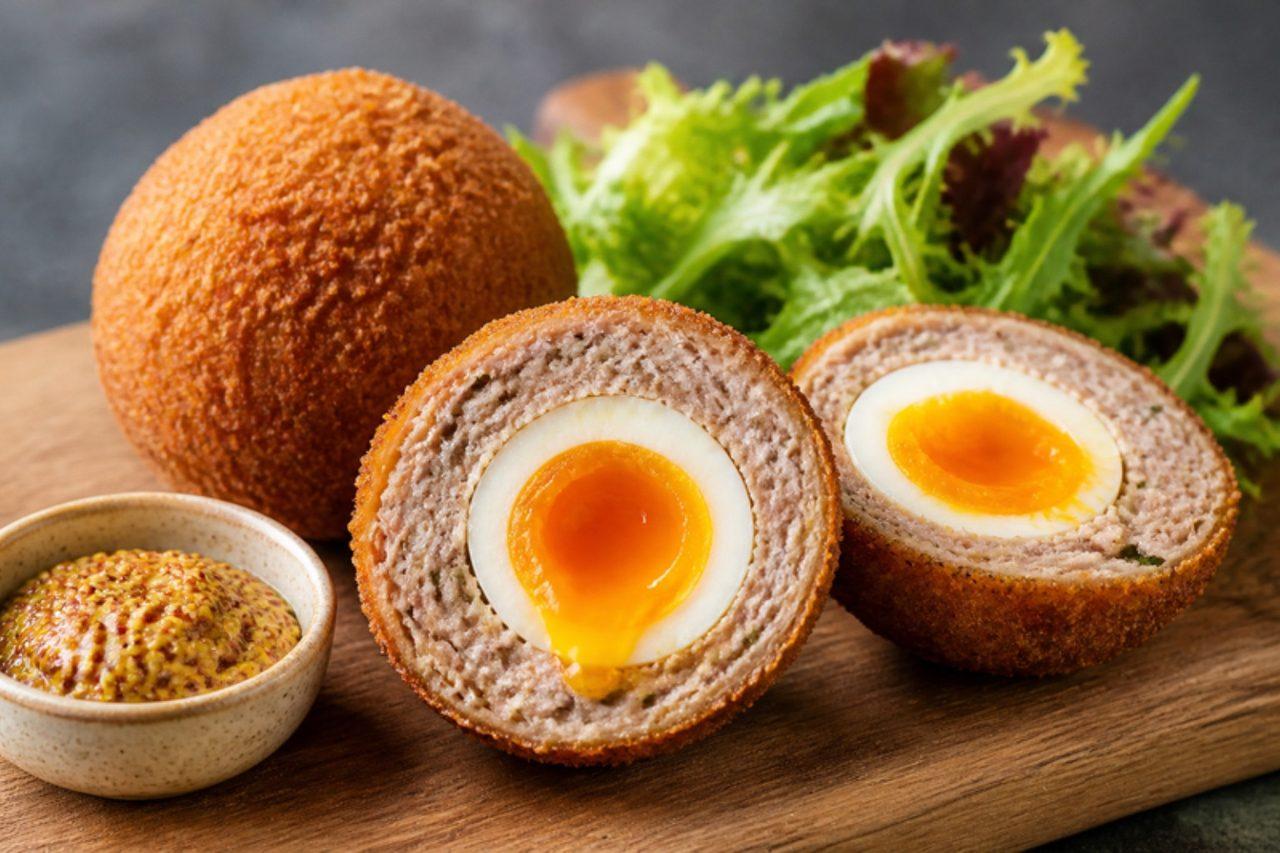
The Scotch egg was sold as a travelling snack by the London grocer Fortnum & Mason in the 1700s, and it is still the picnic and pub-counter favourite of England: a boiled egg wrapped in pork sausage meat, crumbed and fried. Modern pubs serve them with a runny yolk and a dollop of piccalilli or mustard. Chef's tip: boil the eggs for exactly 6½ minutes and plunge into iced water; that sets the white enough to peel but leaves the yolk soft.

by KrazyBadal 0 views

Coronation chicken

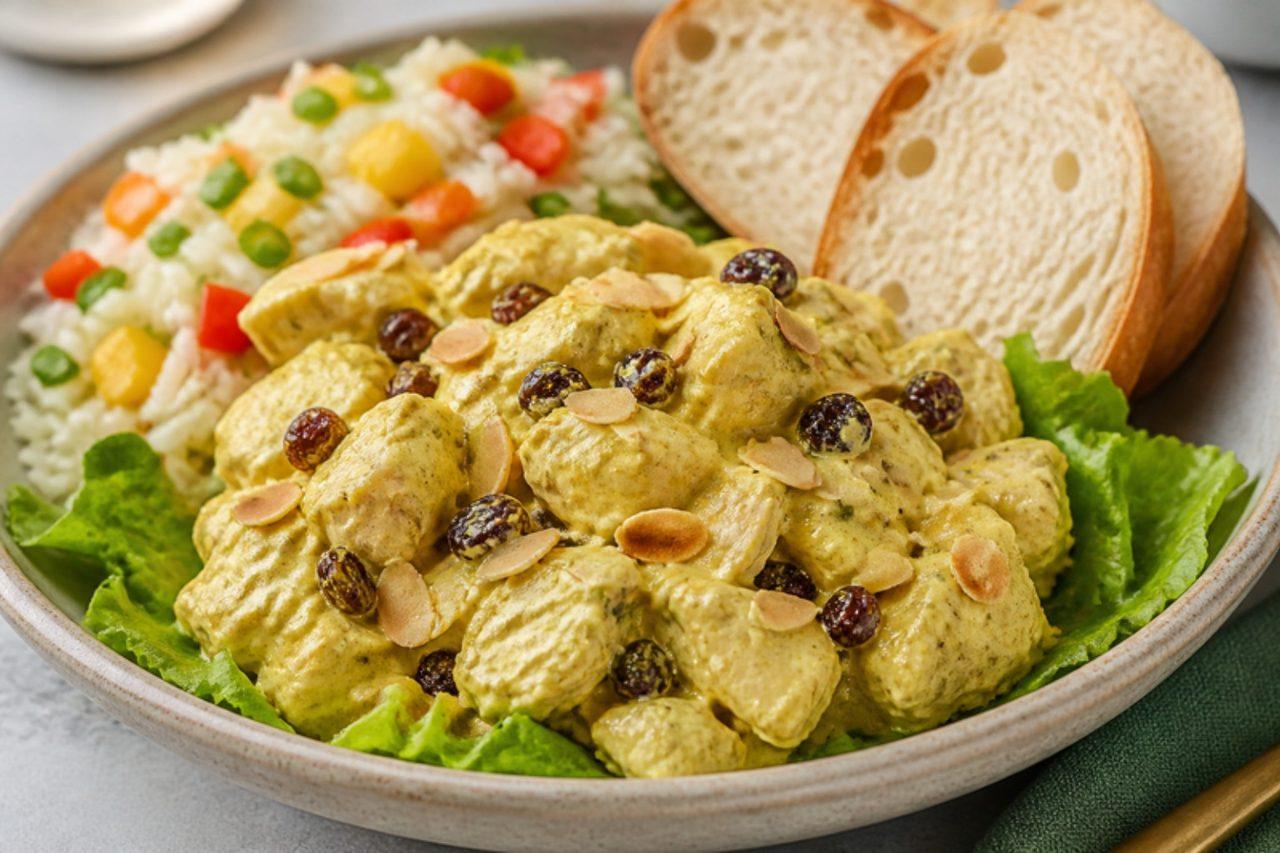
Coronation chicken was invented for the banquet of Queen Elizabeth II's coronation in 1953 by the Cordon Bleu school in London, and it became the filling of choice for jacket potatoes, wedding buffets and garden party sandwiches across England. Poached chicken is folded through a creamy, mildly spiced sauce of mayonnaise, curry paste, apricot and yoghurt. Chef's tip: poach the chicken very gently and cool it in its liquid so it stays juicy.

by KrazyBadal 0 views

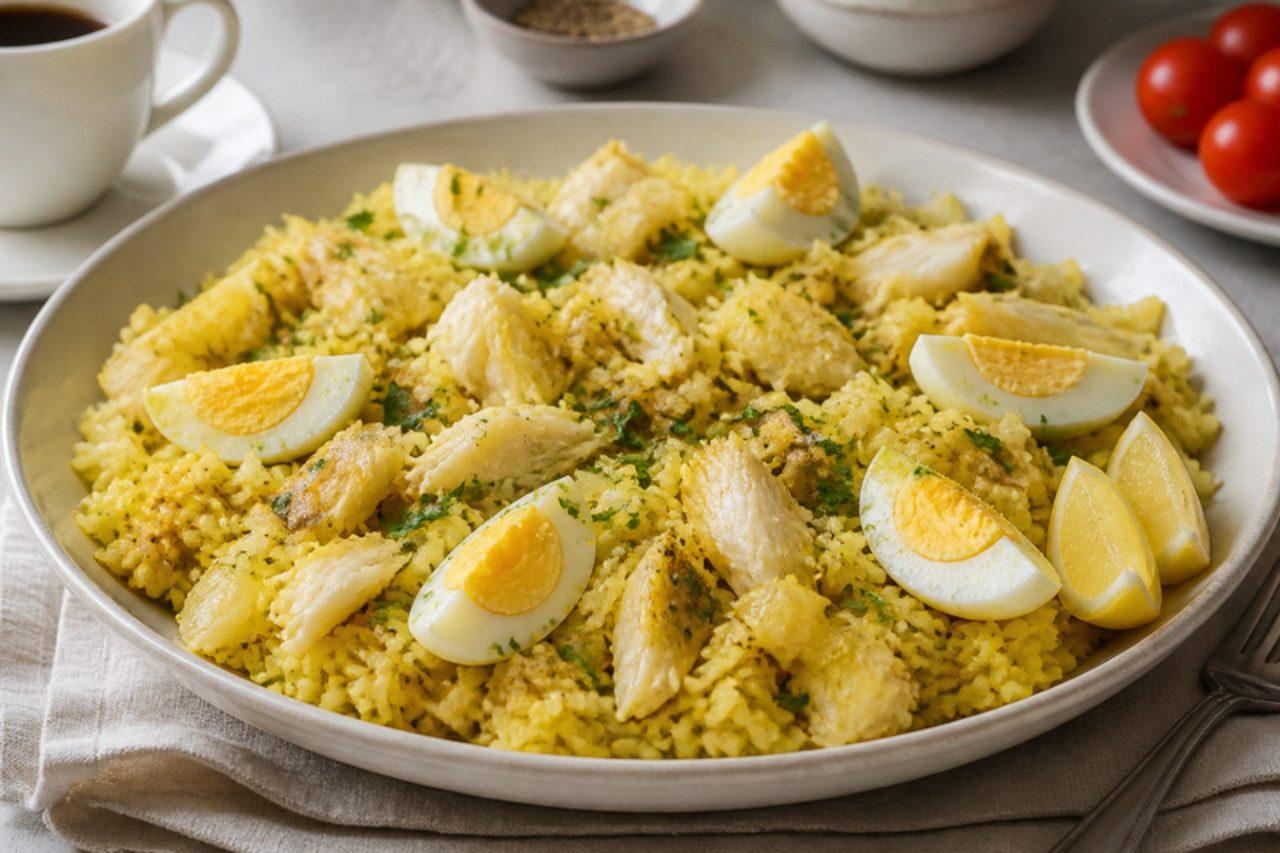
Kedgeree

Kedgeree came to Britain with families returning from colonial India, who adapted khichri into a breakfast of buttery curried rice, flaked smoked haddock and boiled eggs; it was served from silver dishes at Victorian country house breakfasts and is now a weekend brunch. It is gently spiced, smoky and soft. Chef's tip: poach the haddock in the milk you then use for nothing else, and cook the rice in the poaching water for more smoky flavour.

by KrazyBadal 0 views

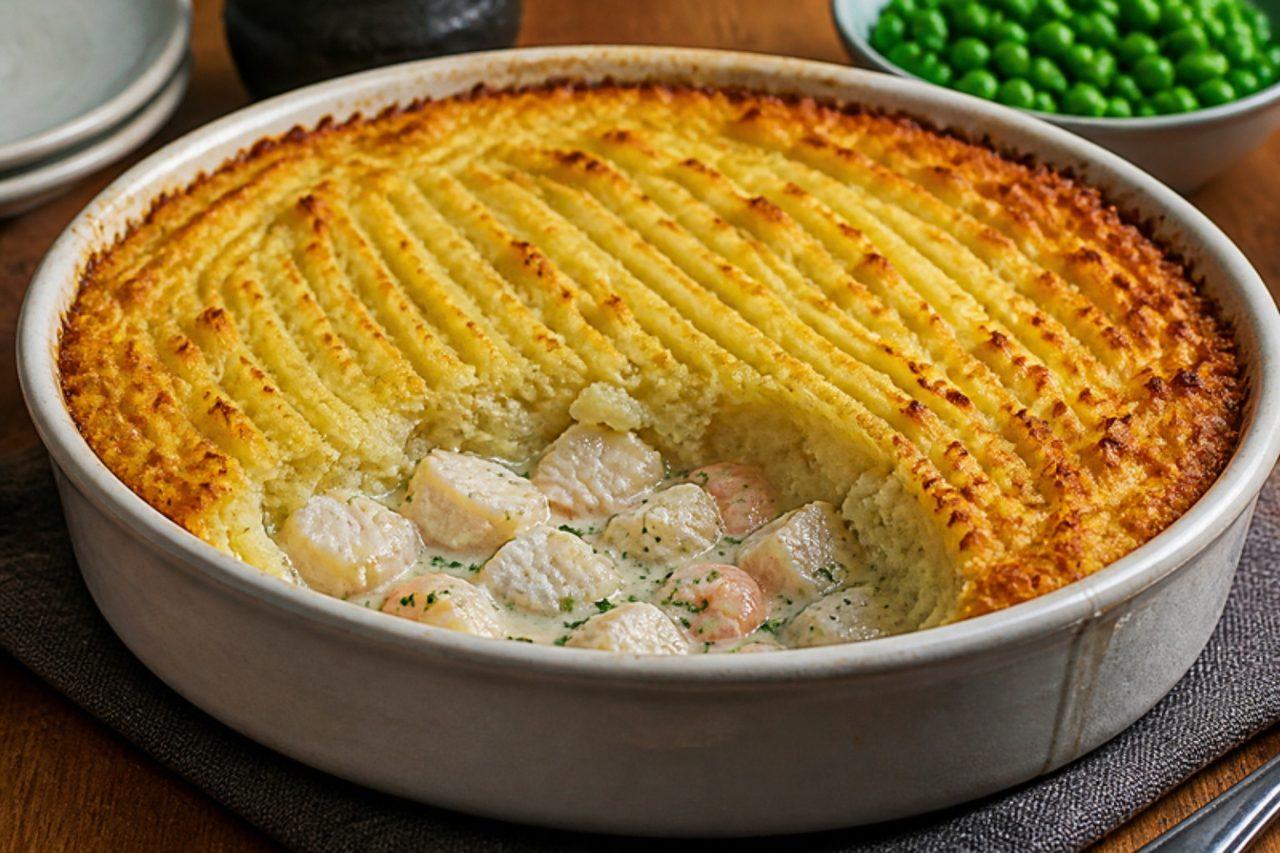
English fish pie

Fish pie is a Friday supper and a family favourite from the Kent coast to Devon, where fishmongers sell a ready-cut 'fish pie mix' for it. Chunks of white fish, smoked haddock and prawns are baked in a creamy parsley sauce under a thick crust of buttery mash, so it is mild, comforting and very filling. Chef's tip: don't pre-cook the fish; it finishes in the oven and stays in big, juicy flakes.

by KrazyBadal 0 views

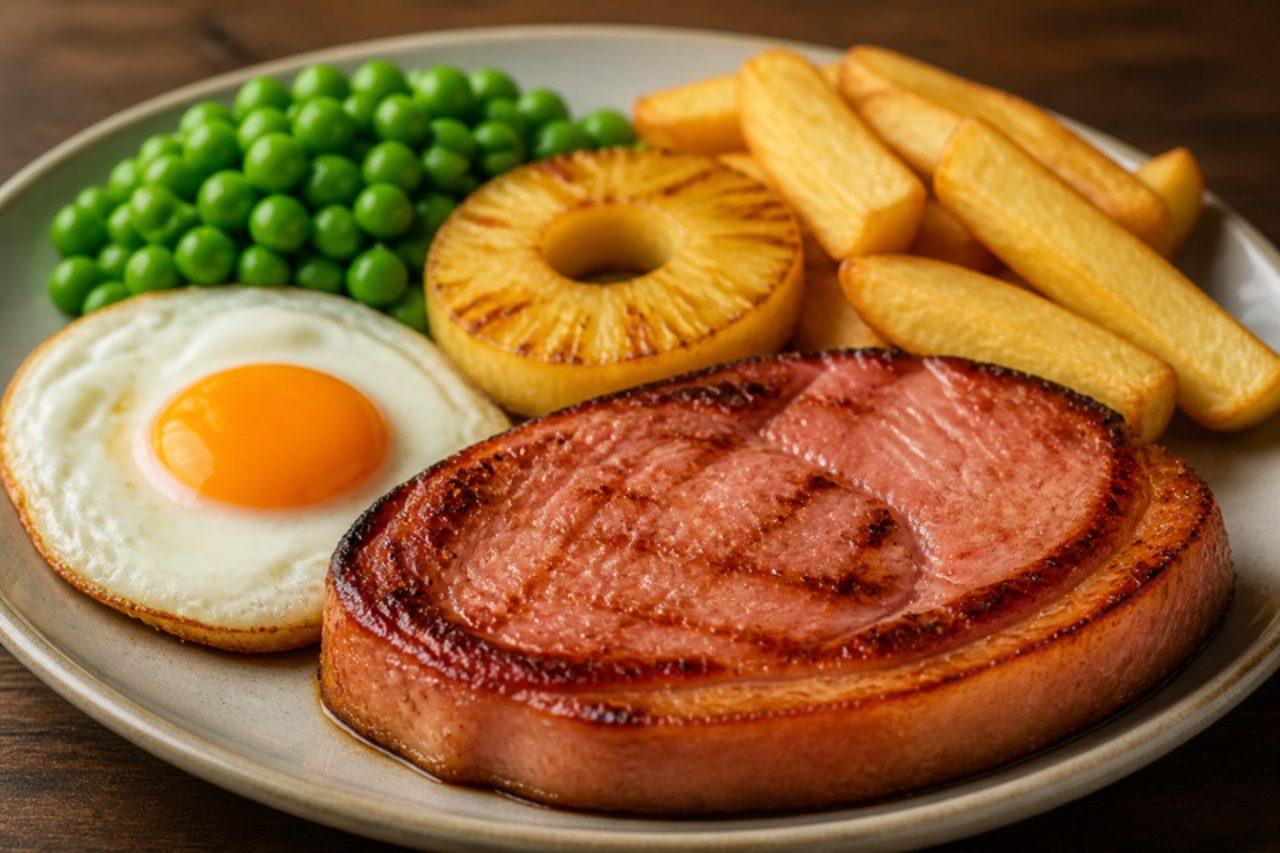
Gammon, egg and chips

Gammon, egg and chips is the great English pub and transport-café dinner, on the menu from roadside diners on the A1 to Devon seaside pubs. A thick steak of cured pork gammon is grilled until the fat crisps, then topped with a fried egg or a ring of pineapple (or both), next to chunky chips and peas. Chef's tip: snip the fat around the edge every 2 cm before cooking so the steak stays flat.

by KrazyBadal 0 views

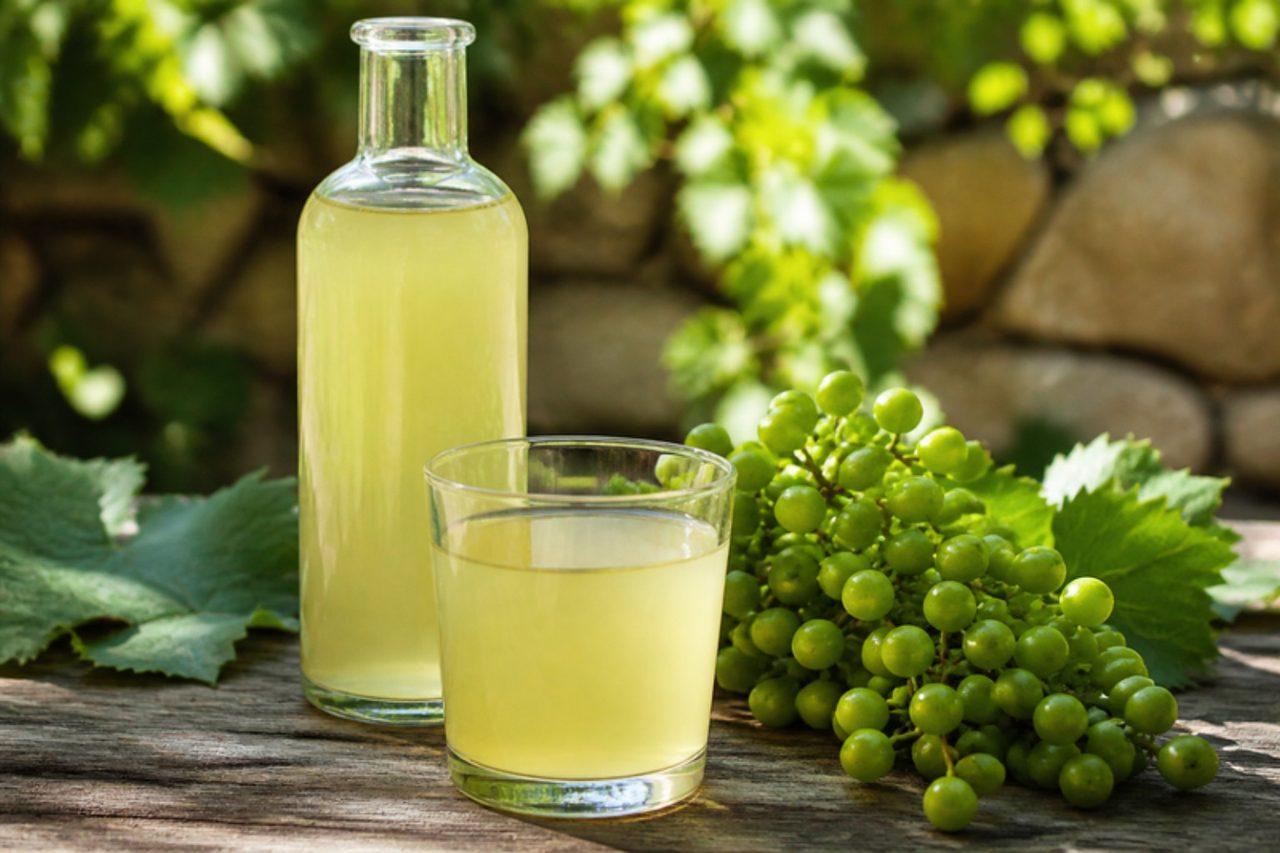
Abghooreh (verjuice)

In early summer, families across Shiraz and the vineyards of Fars thin their vines and press the hard green grapes into abghooreh, a sharp, clean sour juice stored in bottles for the whole year. It sours khoresh, brightens salad shirazi and is splashed over kebabs and rice in place of lemon. The grapes must be truly unripe, hard and mouth-puckering; once they soften the juice turns sweet. A common mistake is skipping the boil and salt, which lets the juice ferment in the bottle. Chef's tip: let the boiled juice settle overnight and pour it off the sediment for a clear, bright abghooreh.

by KrazyBadal 0 views

Fish finger sandwich

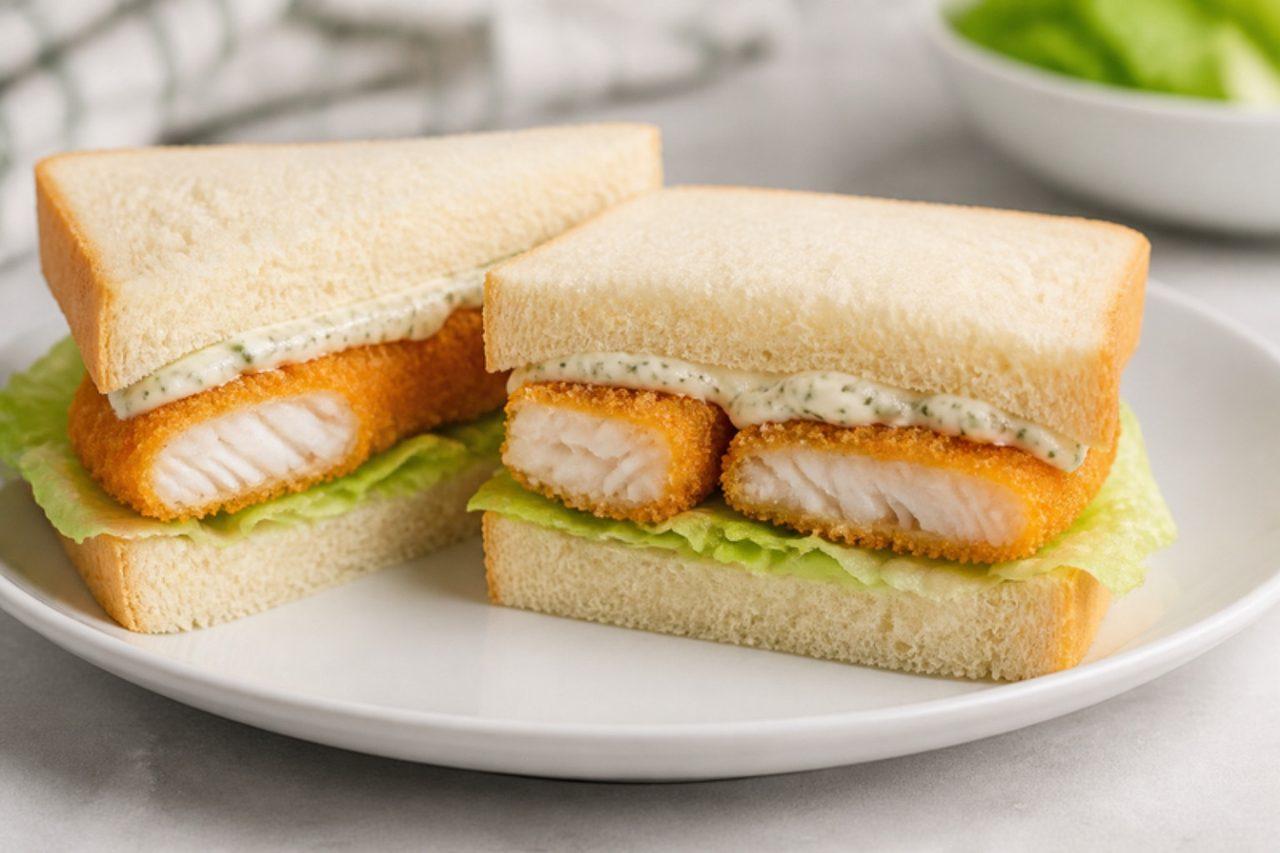
The fish finger sandwich is a beach-café and pub-lunch classic around the English coast from Whitstable to Brighton, and the ultimate home comfort food for anyone who grew up in Britain. Here the fingers are made from fresh cod in crunchy crumbs, piled into buttered white bread with tartare sauce and crisp lettuce. Chef's tip: cut the fish into even fingers so they all cook in the same time.

by KrazyBadal 0 views

Chicken and leek pie

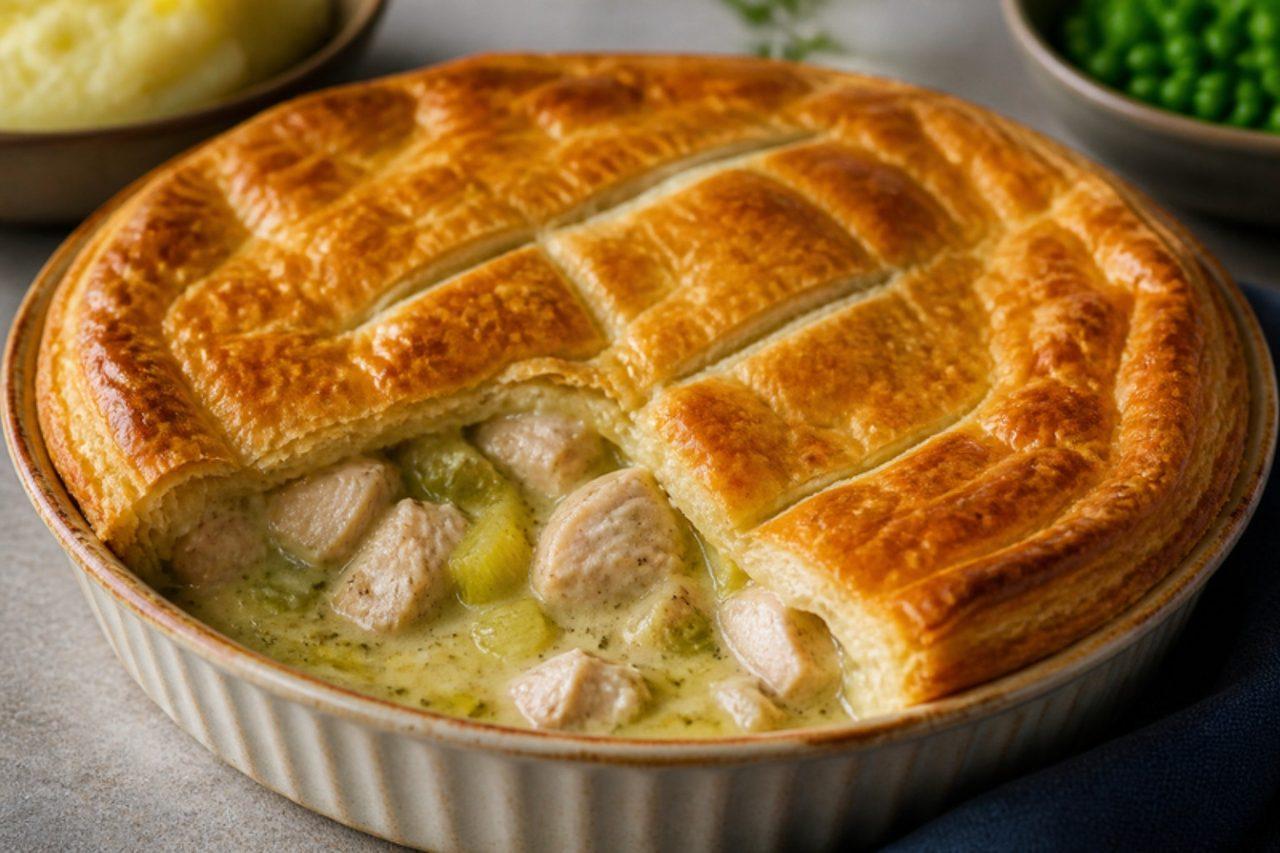
Chicken and leek pie is the Sunday-night and pub supper of southern England, made with leftover roast chicken or fresh thighs simmered in a creamy sauce with soft leeks and a little tarragon, then topped with buttery puff pastry. It is gentle, savoury and best with mash and greens. Chef's tip: let the filling cool before the pastry goes on, or the lid will sink and stay raw underneath.

by KrazyBadal 0 views

Cornish crab sandwich

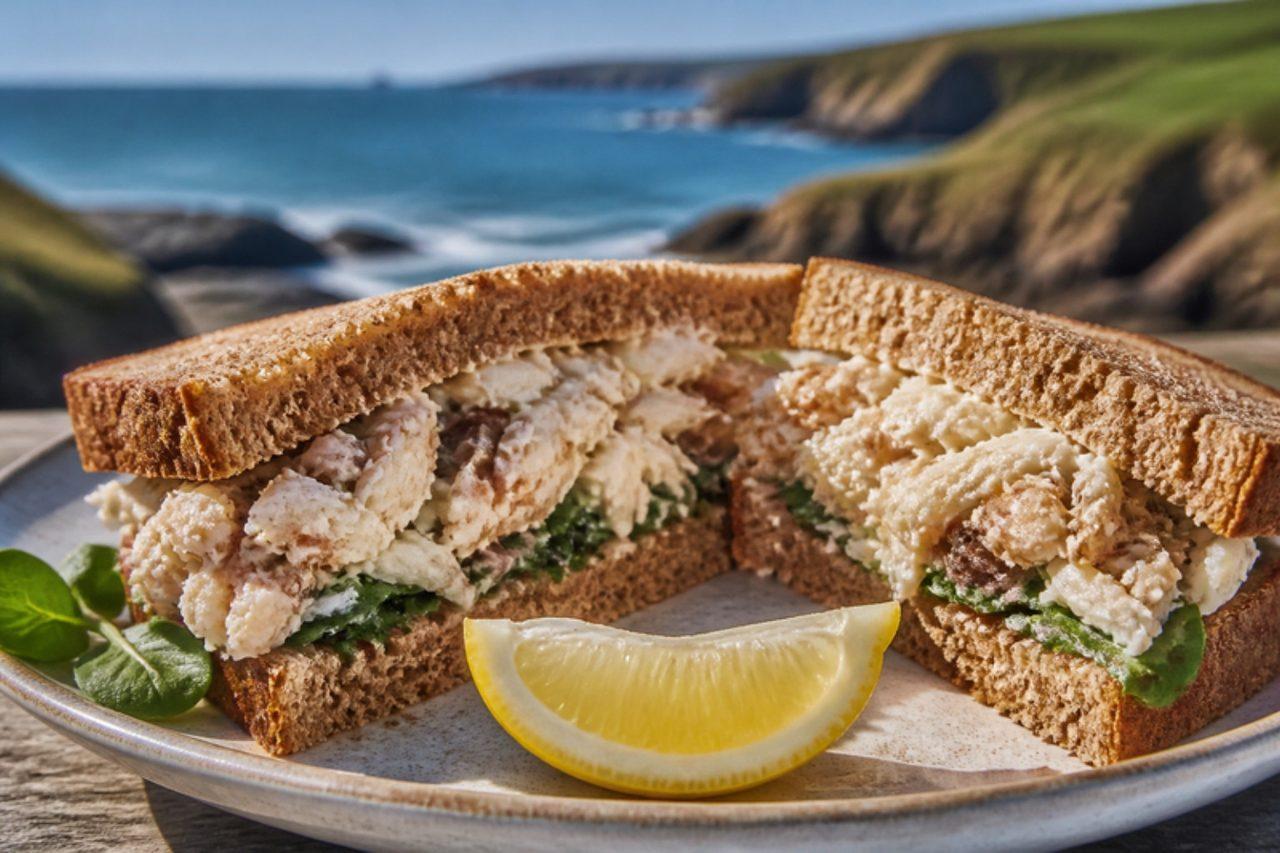
In Newlyn, Padstow and St Ives, harbourside kiosks sell crab sandwiches made with the morning's catch: sweet white claw meat and rich brown body meat on buttered brown bread with a little lemony mayonnaise. It is a summer lunch for eating on the harbour wall. Buy fresh, cooked and picked crab from a fishmonger, keep it in the fridge and use it the same day. Chef's tip: keep the white and brown meat separate and use both; the brown meat gives the flavour.

by KrazyBadal 0 views

Haggis, neeps and tatties

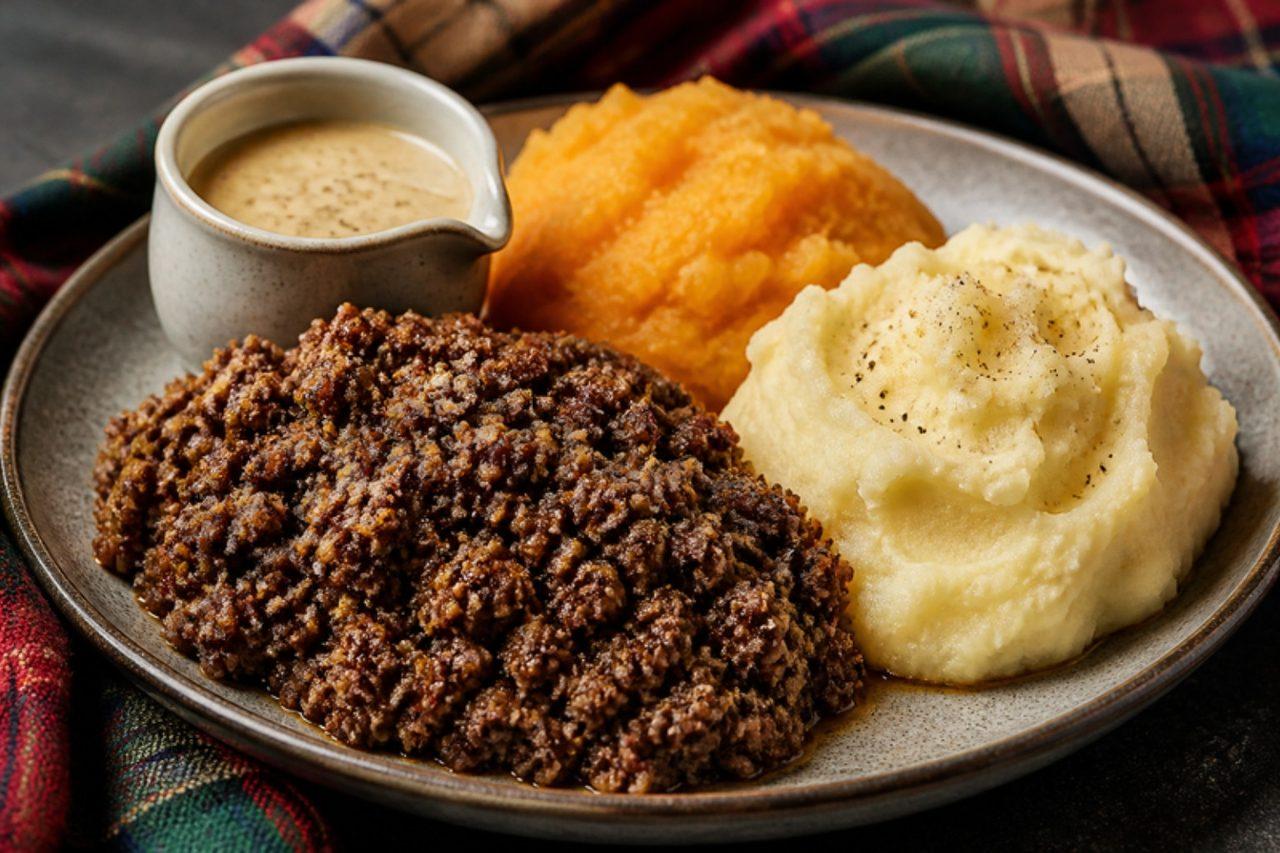
Haggis, neeps and tatties is the centre of every Burns Supper on 25 January, when the haggis is piped in, addressed with Robert Burns's poem and cut open with a flourish. Haggis is a peppery, oaty pudding of minced lamb's offal, onion and spice; nearly everyone in Scotland buys it from a butcher, then simply heats it and serves it with mashed swede (neeps) and potatoes (tatties). The cream sauce has a splash of whisky, which contains alcohol; leave it out and add a teaspoon of mustard for an alcohol-free sauce. Chef's tip: wrap the haggis tightly in foil before it goes in the water so the casing doesn't burst.

by KrazyBadal 0 views

Scotch pies

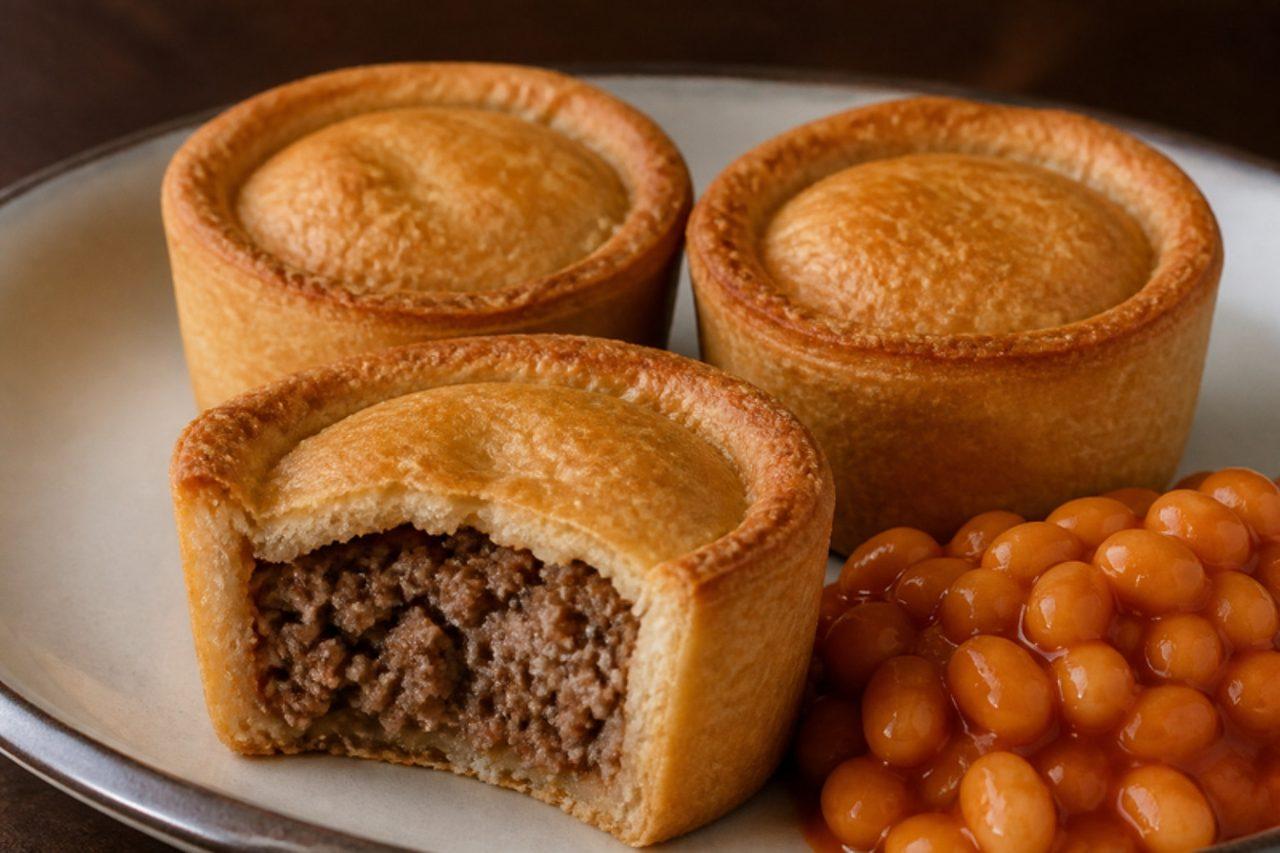
The Scotch pie is the straight-sided, double-crust mutton pie eaten at half time on football terraces and bought from butchers' counters in every Scottish town, with an open rim at the top for adding gravy, beans or mash. The pastry is a hot water crust made with lard (an animal fat) and the filling is peppery minced mutton or lamb. Chef's tip: shape the pastry while it is still warm; cold hot-water pastry cracks.

by KrazyBadal 0 views

Scottish stovies

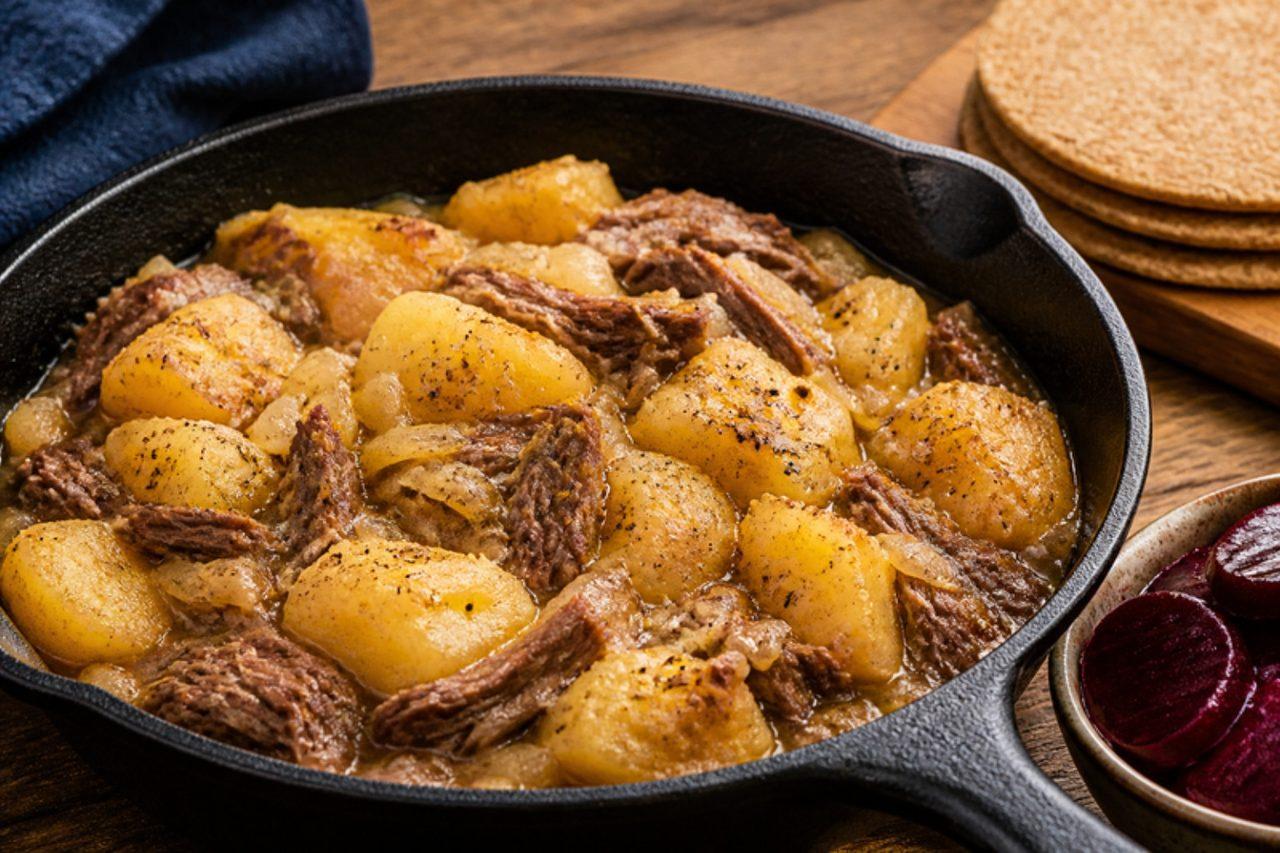
Stovies, from the Scots word for stewing on the stove, is the Monday dish made from Sunday's roast all over Scotland, and the ceilidh and wedding supper served late in the evening with oatcakes and beetroot. Potatoes and onions are cooked slowly in beef dripping with the leftover meat and its jelly until some potatoes collapse into a thick, savoury mash and some stay in chunks. Chef's tip: don't stir too often; let the bottom catch a little, as those brown bits are the best part.

by KrazyBadal 0 views

Mince and tatties

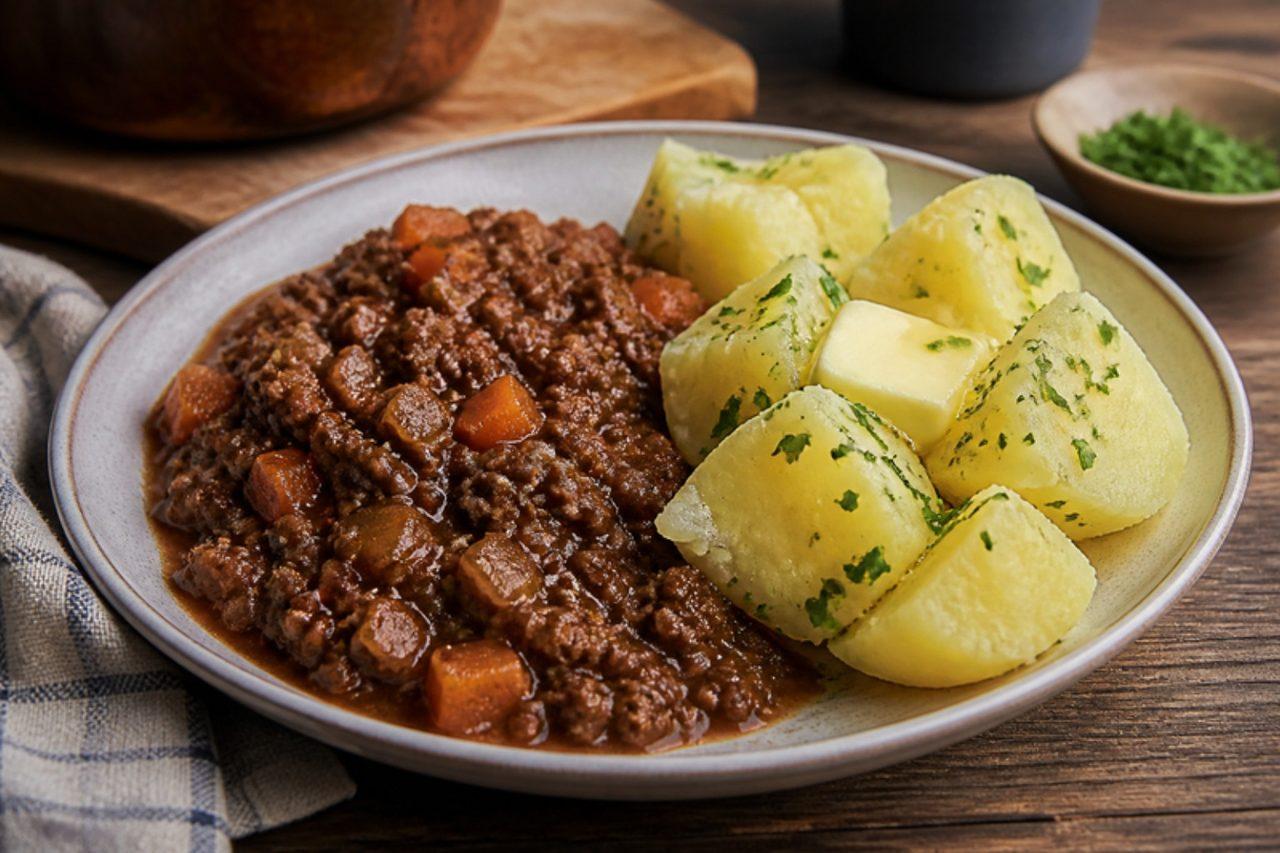
Mince and tatties is the weekday tea of Scottish homes and school canteens, so familiar that 'mince' is Scots slang for nonsense. Beef mince is browned and simmered with onion, carrot and a little oatmeal to thicken, then served with plain boiled or mashed potatoes and often peas. Chef's tip: brown the mince in batches until it crackles and turns properly brown; grey mince gives a flat flavour.

by KrazyBadal 0 views

Devilled kidneys

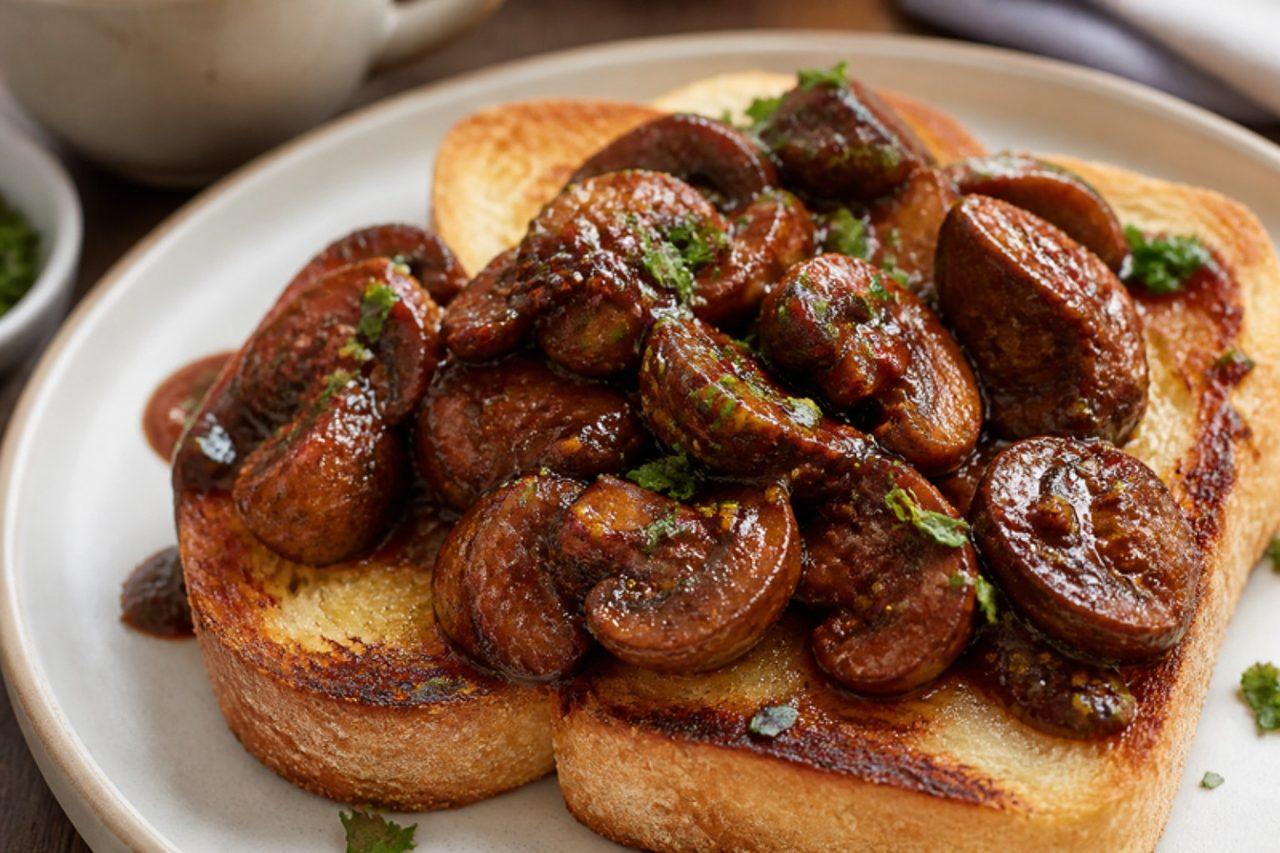
Devilled kidneys were a Victorian gentlemen's club breakfast in London and on country house sideboards, and they have come back on the menus of British chop houses as a brunch dish. Lamb's kidneys are dusted with flour, mustard powder and cayenne, fried quickly and finished in a peppery sauce, then piled on hot buttered toast. Chef's tip: snip out the white core from each kidney; it is tough and has a strong taste.

by KrazyBadal 0 views

Penclawdd cockles and laverbread

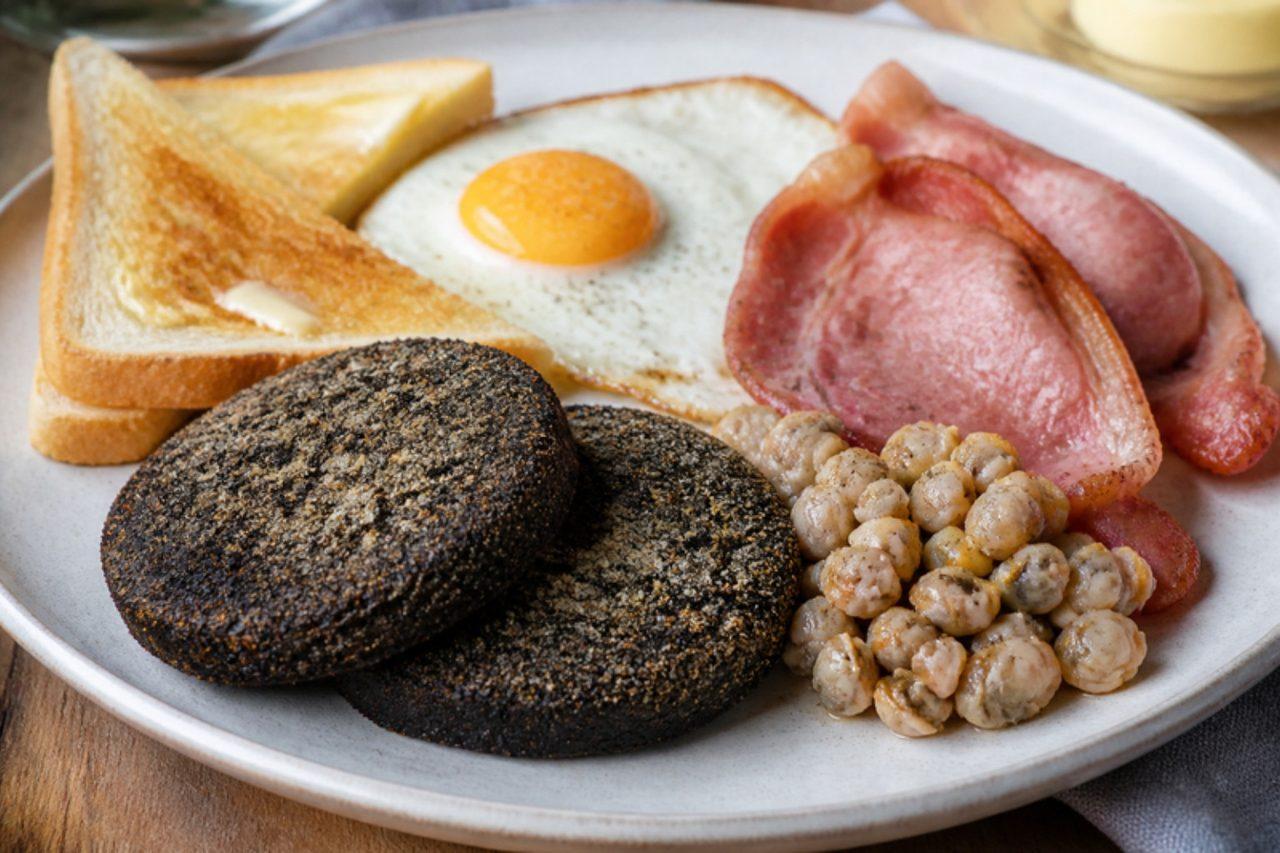
On the Gower peninsula near Swansea, the cocklewomen of Penclawdd have raked cockles from the estuary sands for centuries, and Swansea market still sells them beside laverbread, a dark purée of laver seaweed. Together with smoked bacon (pork) they make the traditional South Wales breakfast: laverbread rolled in oatmeal and fried into little cakes, cockles tossed in the bacon fat with pepper and vinegar. Chef's tip: soak live cockles in salted water so they spit out their sand before cooking.

by KrazyBadal 0 views

Belfast pastie supper

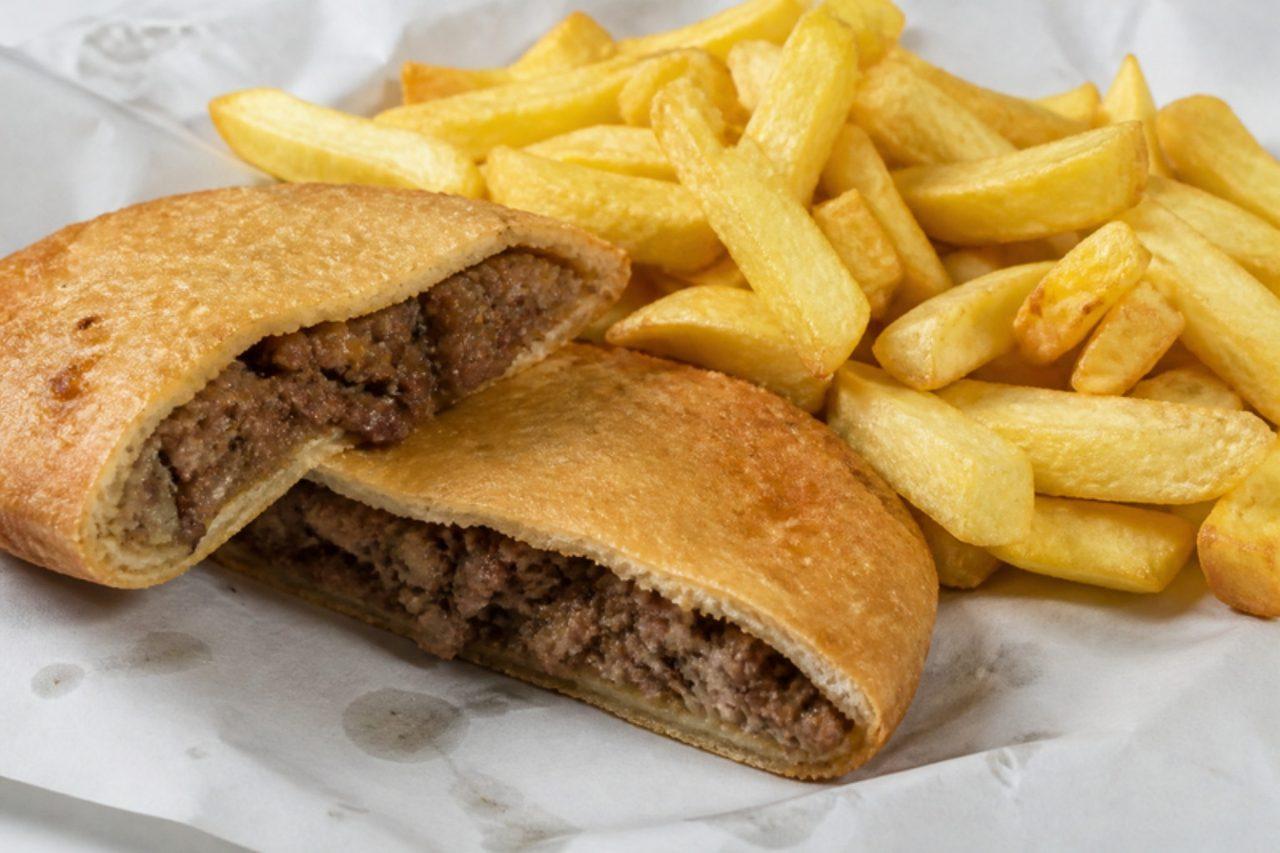
Despite the name, a Belfast pastie has no pastry: it is a round patty of seasoned pork mince, onion and potato, dipped in batter and deep-fried, and served as a 'pastie supper' with chips in chip shops across Northern Ireland. It is crisp outside and soft and peppery within, and is eaten with salt, vinegar and gravy. Chef's tip: chill the patties until firm before battering so they keep their shape in the fryer.

by KrazyBadal 0 views

Irish brown soda bread

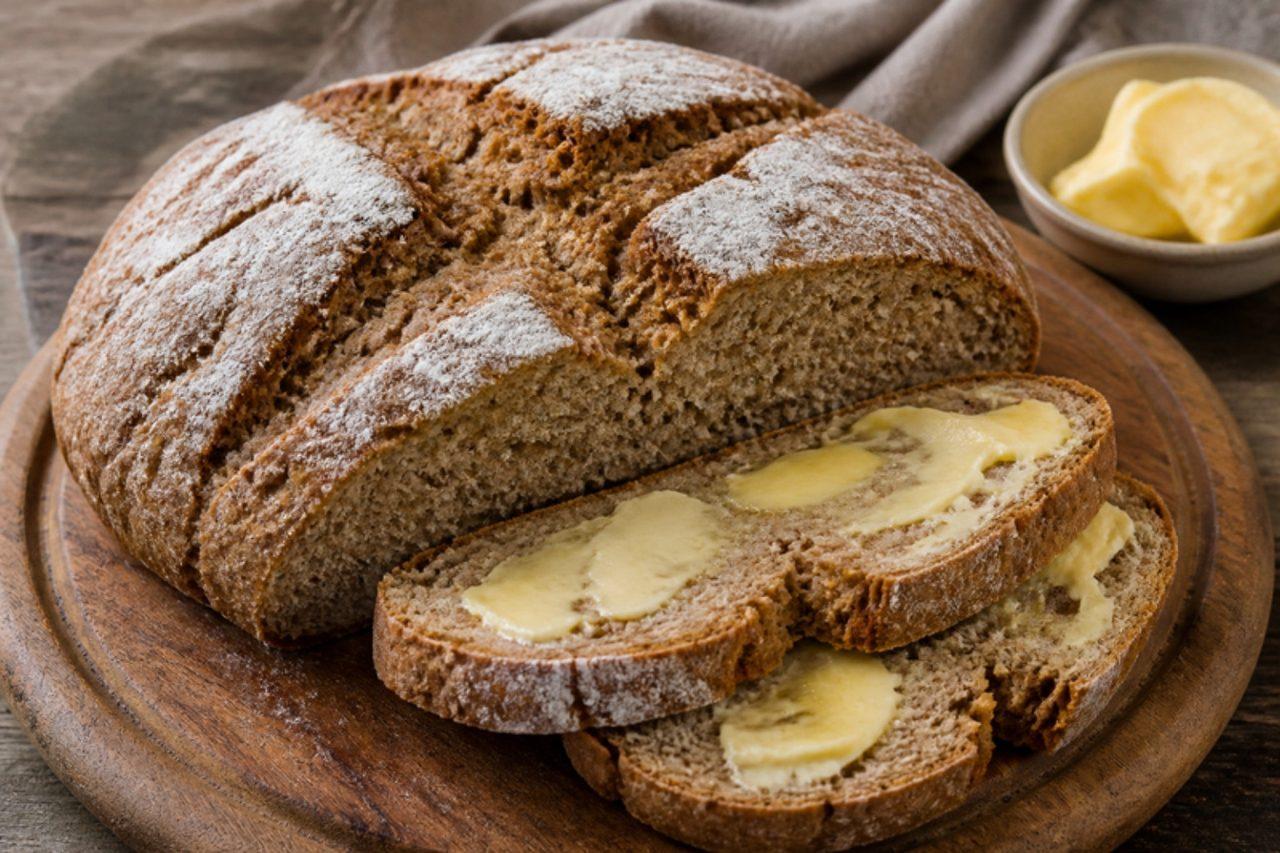
Brown soda bread is on every Irish table, from the Aran Islands to Wexford, sliced thickly at breakfast and served beside soup or smoked salmon in pubs. It is raised with bicarbonate of soda and sour buttermilk instead of yeast, so it is mixed and in the oven in ten minutes, with a nutty, coarse crumb and a hard crust. Chef's tip: mix with a light hand only until it comes together; kneading makes soda bread tough and heavy.

by KrazyBadal 0 views

Scottish venison casserole

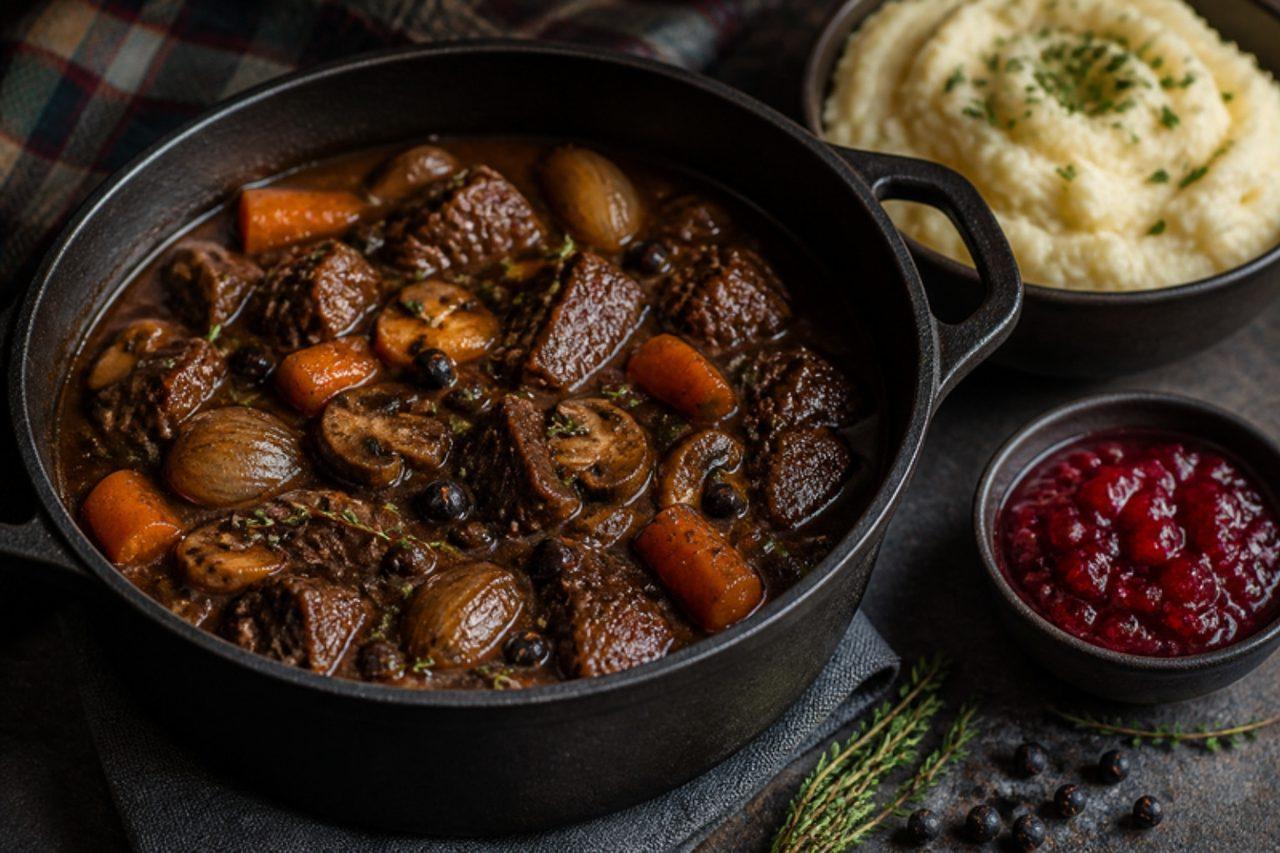
Venison from red deer on the Highland estates is cooked in autumn and winter when the stalking season brings it to Scottish butchers, and a slow casserole is the warming way to eat the cheaper cuts. Shoulder is braised with red wine, juniper berries and a spoon of redcurrant jelly until tender and dark. The wine contains alcohol; for an alcohol-free version use extra stock with a tablespoon of balsamic vinegar. Chef's tip: venison is very lean, so cook it at a bare simmer; boiling makes it dry and stringy.

175 minBritishMeat
by KrazyBadal 0 views

Balmoral chicken

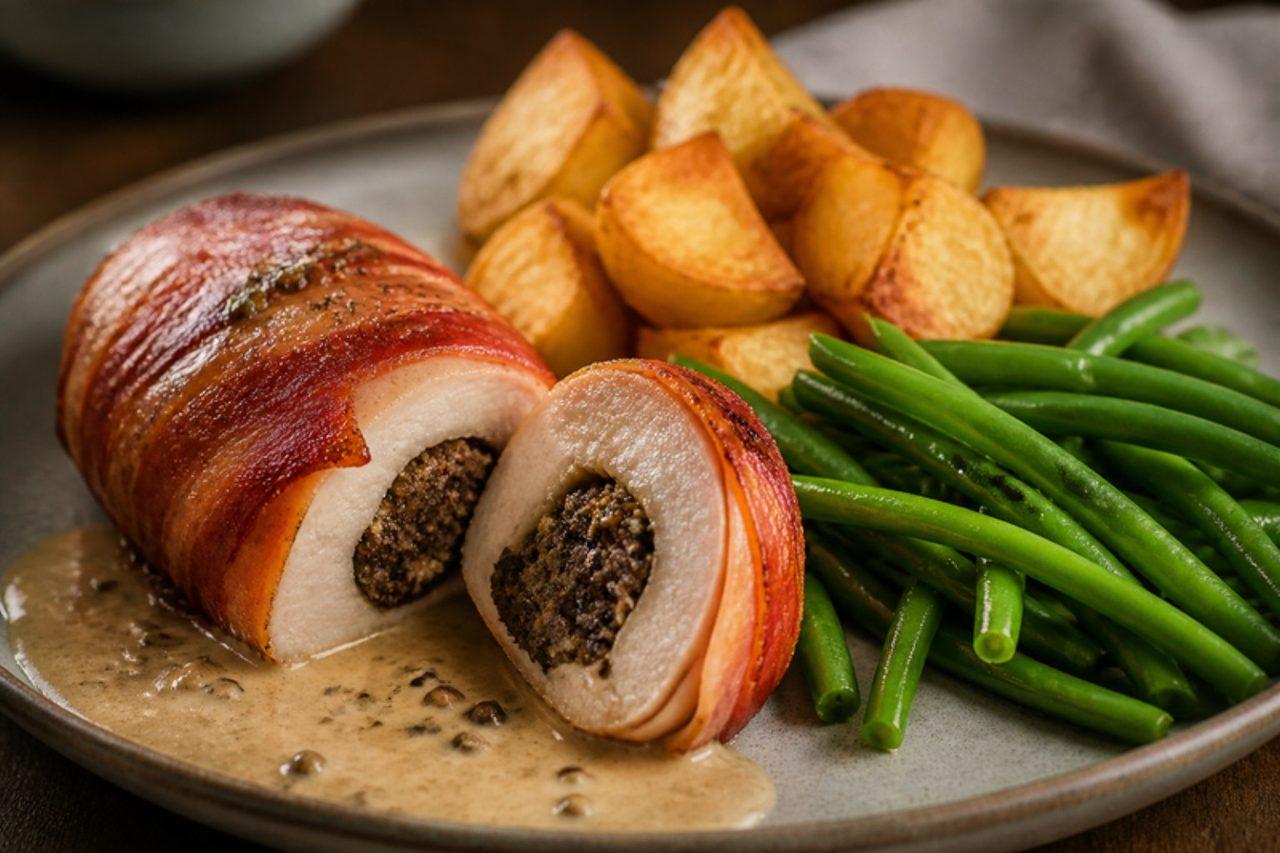
Balmoral chicken, named after the royal castle on Deeside, is the Scottish hotel and wedding-dinner dish of chicken breast stuffed with haggis, wrapped in smoked streaky bacon (pork) and roasted, usually with a whisky cream sauce. This version uses a peppercorn cream sauce with no alcohol. Chef's tip: make a deep pocket rather than butterflying the breast, so the haggis stays inside as it cooks.

by KrazyBadal 0 views

Irish apple cake

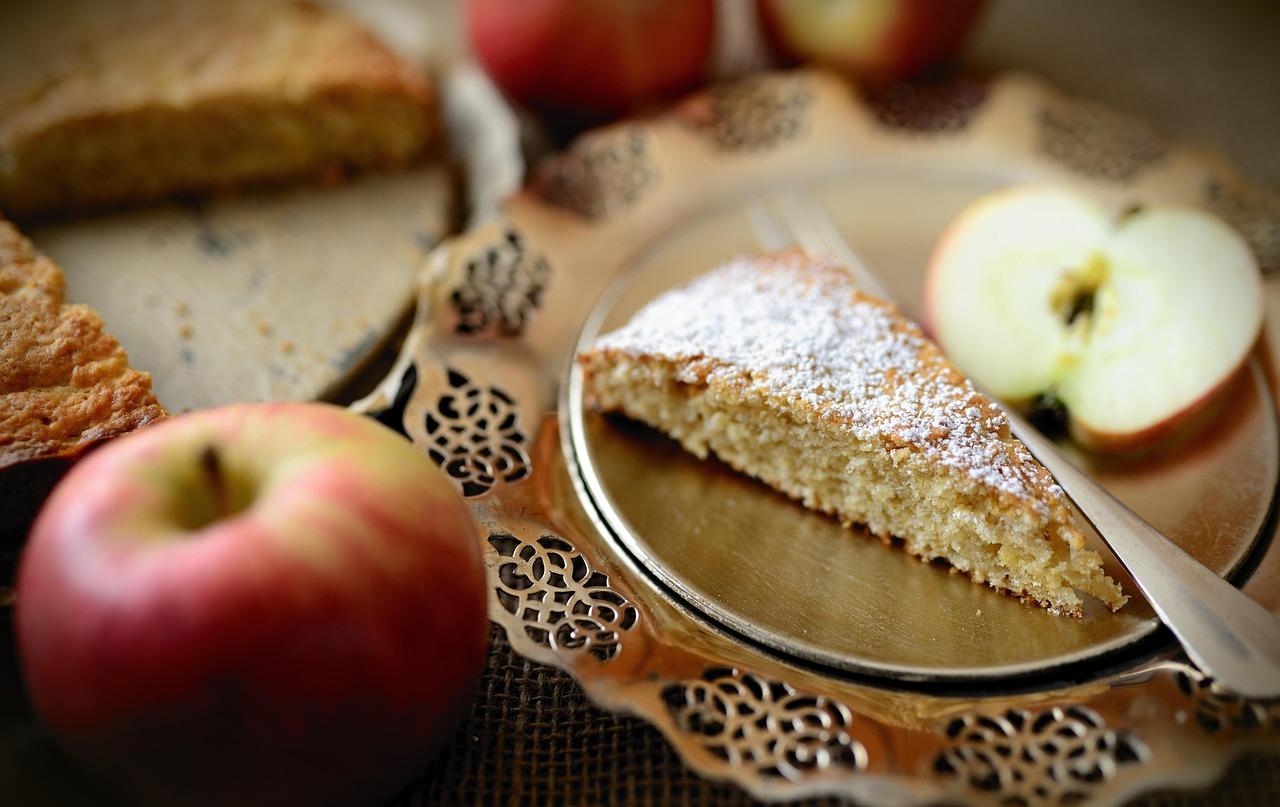
Every Irish county has its apple cake, but it is especially loved in Armagh's orchard country and in Kerry, baked in late September when the Bramleys come in. Sharp cooking apples bake into soft, tart pockets in a buttery sponge, under a crunchy sugar and cinnamon crumb. Serve warm with custard or softly whipped cream. Chef's tip: toss the apple slices in lemon juice and sugar only at the last minute, or they release water into the batter.

by KrazyBadal 0 views

Showing 27 of 7,762 recipes

Show more recipes

Page 416 of 863