


Skip to content
Tiyula itum
Featured recipe

Tiyula itum

Black beef soup

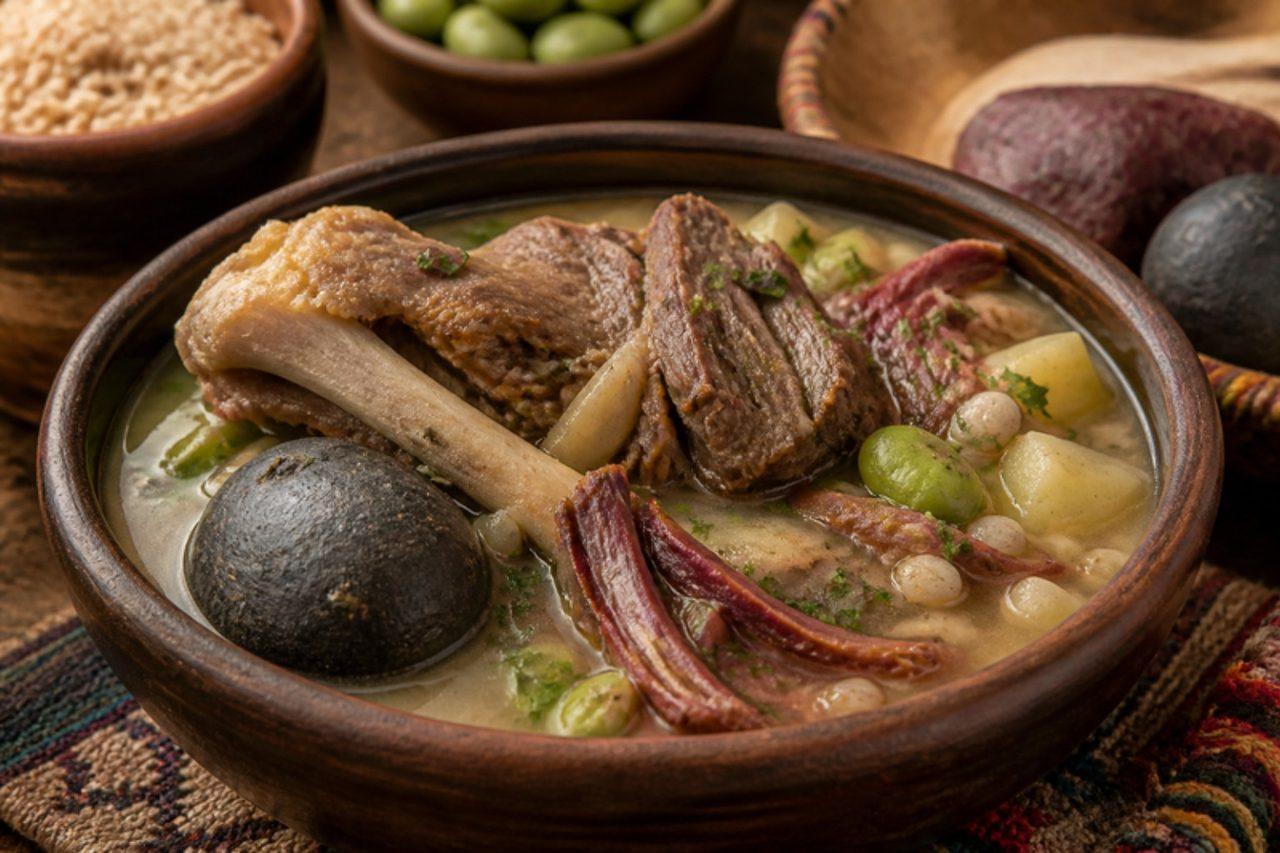
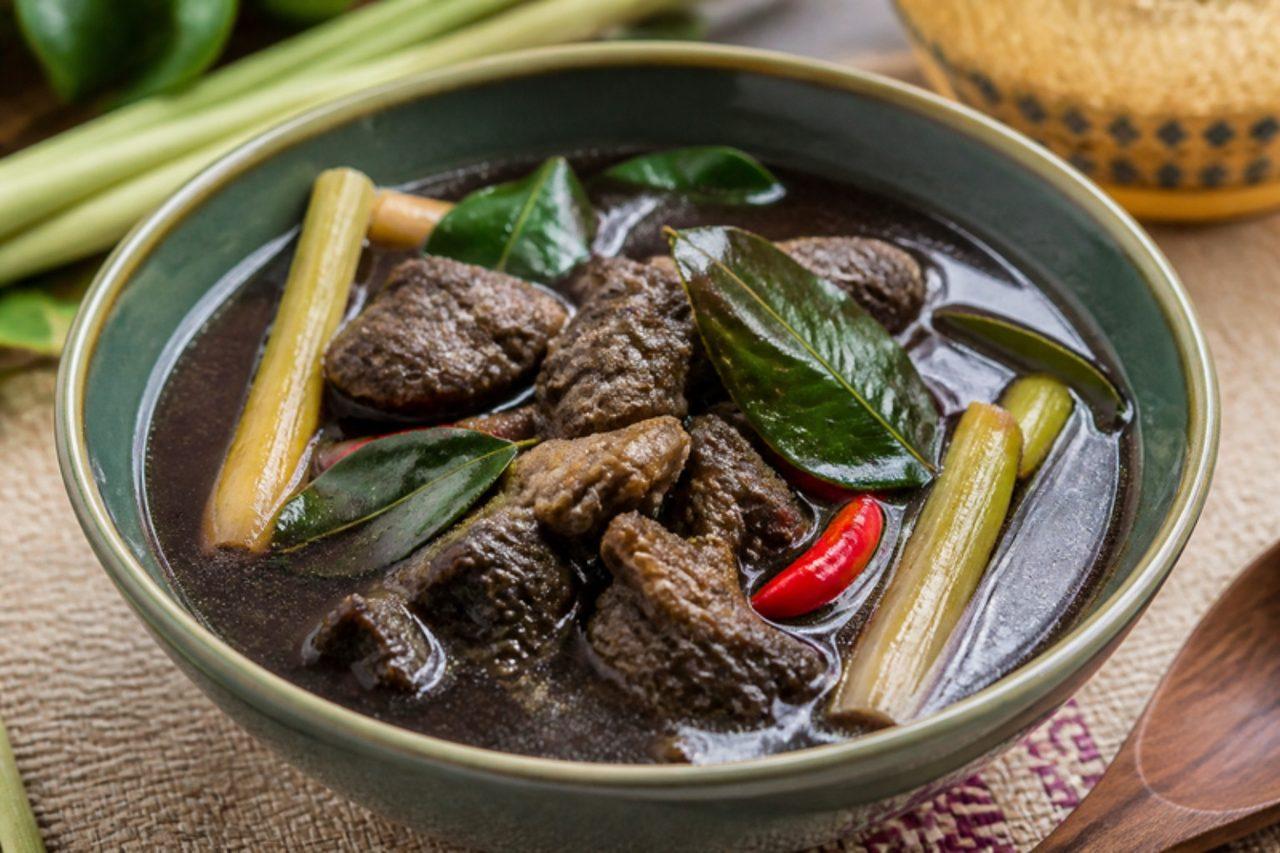
Tiyula itum, 'black soup', is the pride of the Tausug people of Sulu in the far south of the Philippines, cooked for weddings, Eid celebrations and when guests come home. Beef (it is a halal, pork-free dish) is simmered with ginger, lemongrass and turmeric, then darkened with pamapa itum, a paste of grated coconut toasted until almost black and pounded with spices. The broth looks dramatic but tastes smoky, earthy and gently peppery, with heat from chillies. Serve it with plain rice. Chef's tip: toast the coconut slowly, stirring all the time, until it is very dark brown but not ashy; burnt-to-ash coconut tastes bitter and ruins the soup.

Read more 2 views

What to eat today?

Around the world

Today's trip: Persian

A new country every day, from every cuisine on the site.

This week's collection

Kid-friendly dinners
537 recipes · a new collection every Monday

Latest recipes

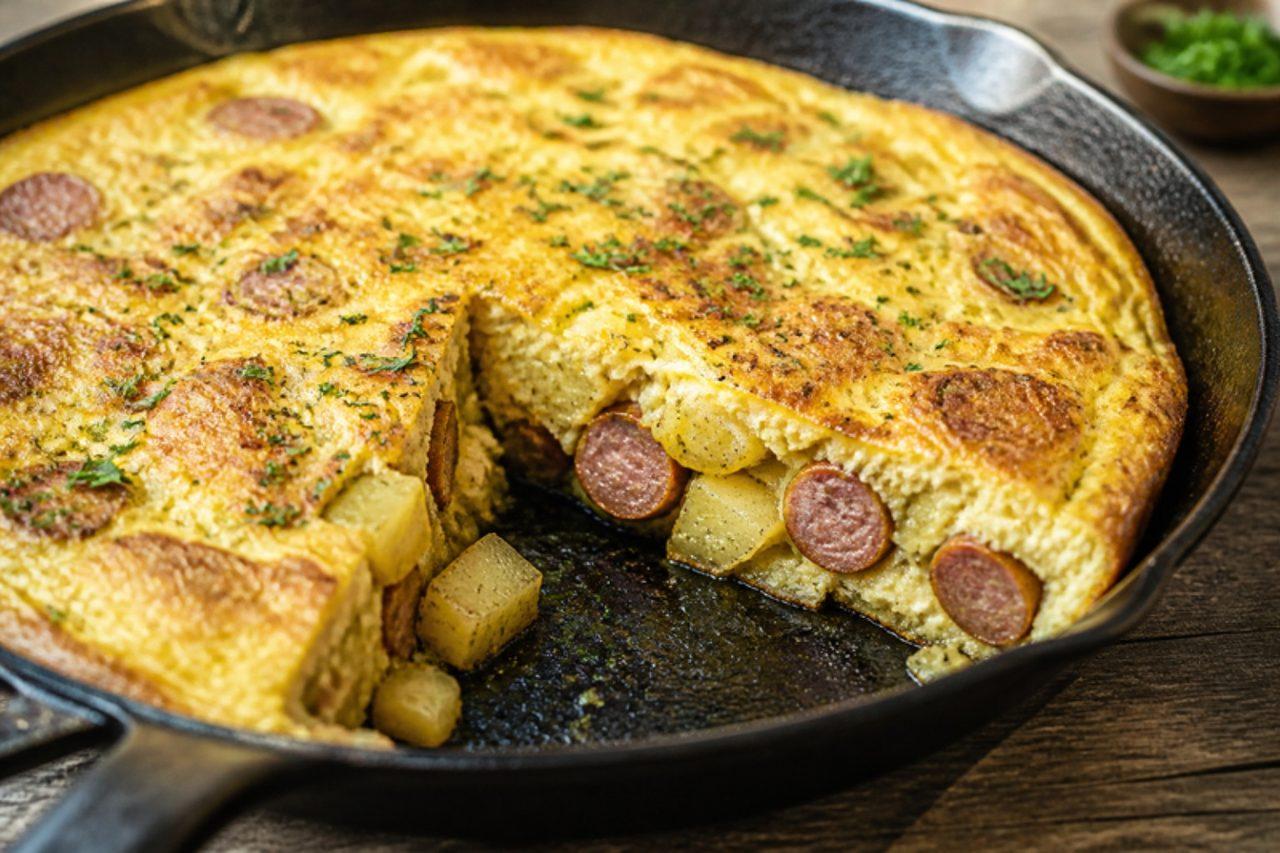
FroutaliaOmelette with potatoes and sausage

On Andros and Tinos, froutalia is the thick, golden omelette farm families ate after a morning in the fields: potatoes and local pork sausage fried in a deep pan, then bound with eggs and a little cheese and cooked until set right through. It is cut in wedges like a Spanish tortilla and eaten hot or cold, with bread and a tomato and cucumber salad, at any time of day. On the island it is made with louza or a smoked pork sausage seasoned with fennel; any good coarse pork sausage works. Common mistake: adding the eggs while the potatoes are still hard; they never soften once the eggs set. Chef's tip: flip it onto a plate halfway so both sides brown evenly.

by KrazyBadal 0 views

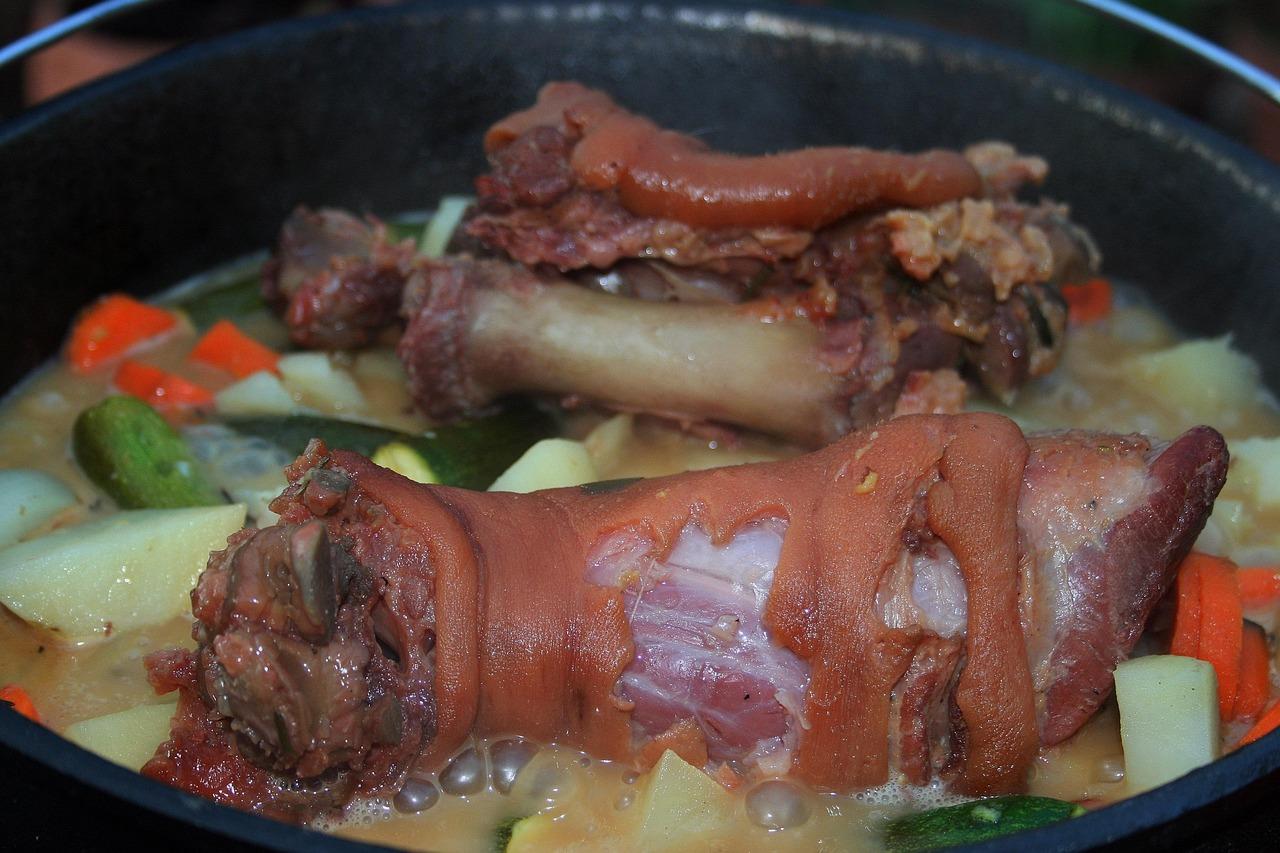
EisbeinCured pork knuckle

Eisbein is old Berlin pub food, the cured pork knuckle served in Kneipen across the city with a mound of yellow pease pudding (Erbspüree) and sauerkraut, and it is especially popular in the cold months. Unlike the Bavarian roast Haxe, this pork knuckle is pickled in brine by the butcher and then simmered slowly, so the meat turns pink, tender and gently salty and the rind stays soft. Order a cured ("gepökelt") knuckle from a German or Polish butcher. Chef's tip: soak the knuckle in cold water for a few hours first if your butcher's cure is strong; taste a little of the simmering water after 30 minutes and change it if it is very salty.

180 minGermanMeatGluten free
by KrazyBadal 0 views

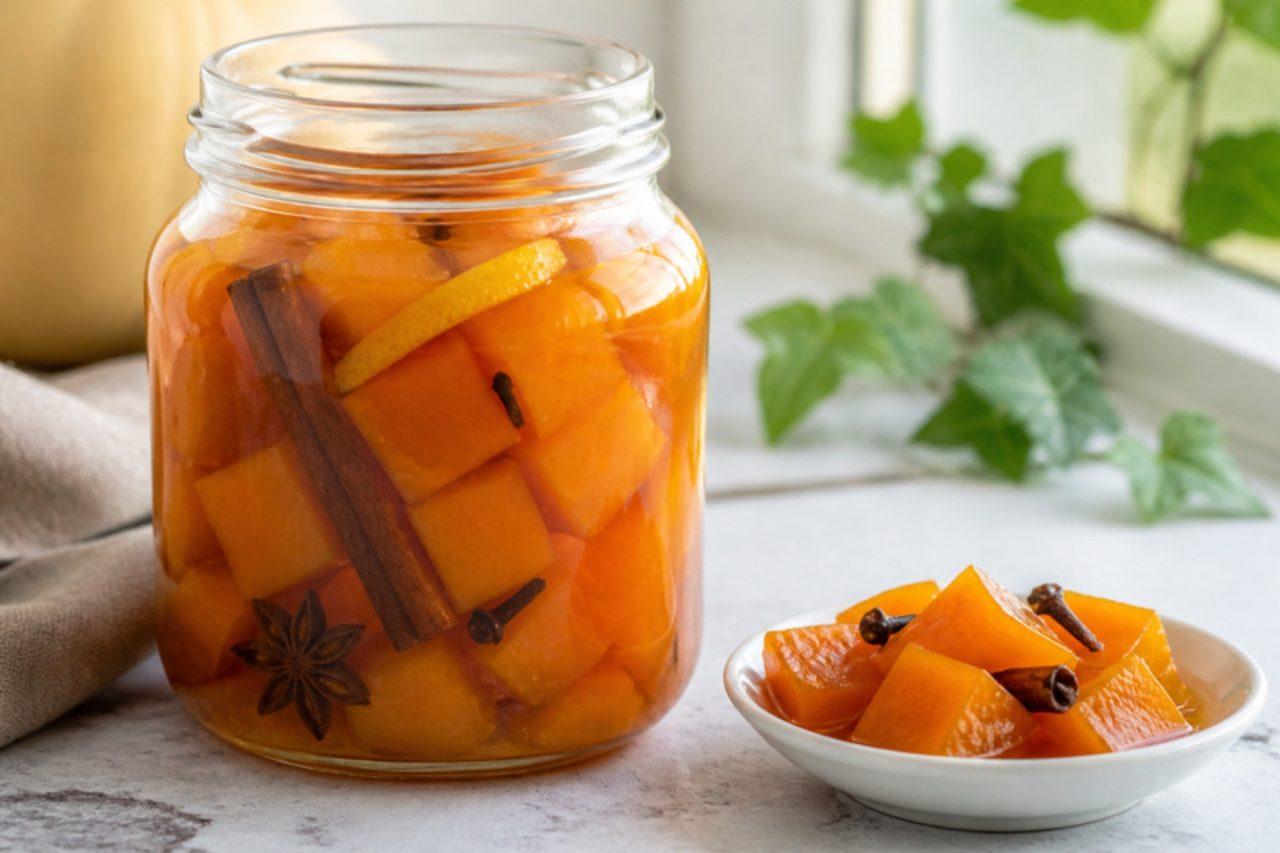
Sweet-sour pickled pumpkin

When the pumpkin harvest peaks in October, from the Rhineland to Saxony, German kitchens turn the firm orange flesh into Süß-sauer eingelegter Kürbis, golden cubes preserved in sweet spiced vinegar. Through the winter they come out of the cellar to sit beside roast dinners, game, cheese boards and cold cuts, or a simple plate of potatoes and quark. Cinnamon, cloves, ginger and a little lemon peel make them taste of Christmas. The mistake is using a watery carving pumpkin, which falls apart; choose a dense one such as Hokkaido or butternut. Chef's tip: steep the raw cubes in the cold vinegar overnight before cooking; it firms them so they stay in neat, glassy cubes.

by KrazyBadal 0 views

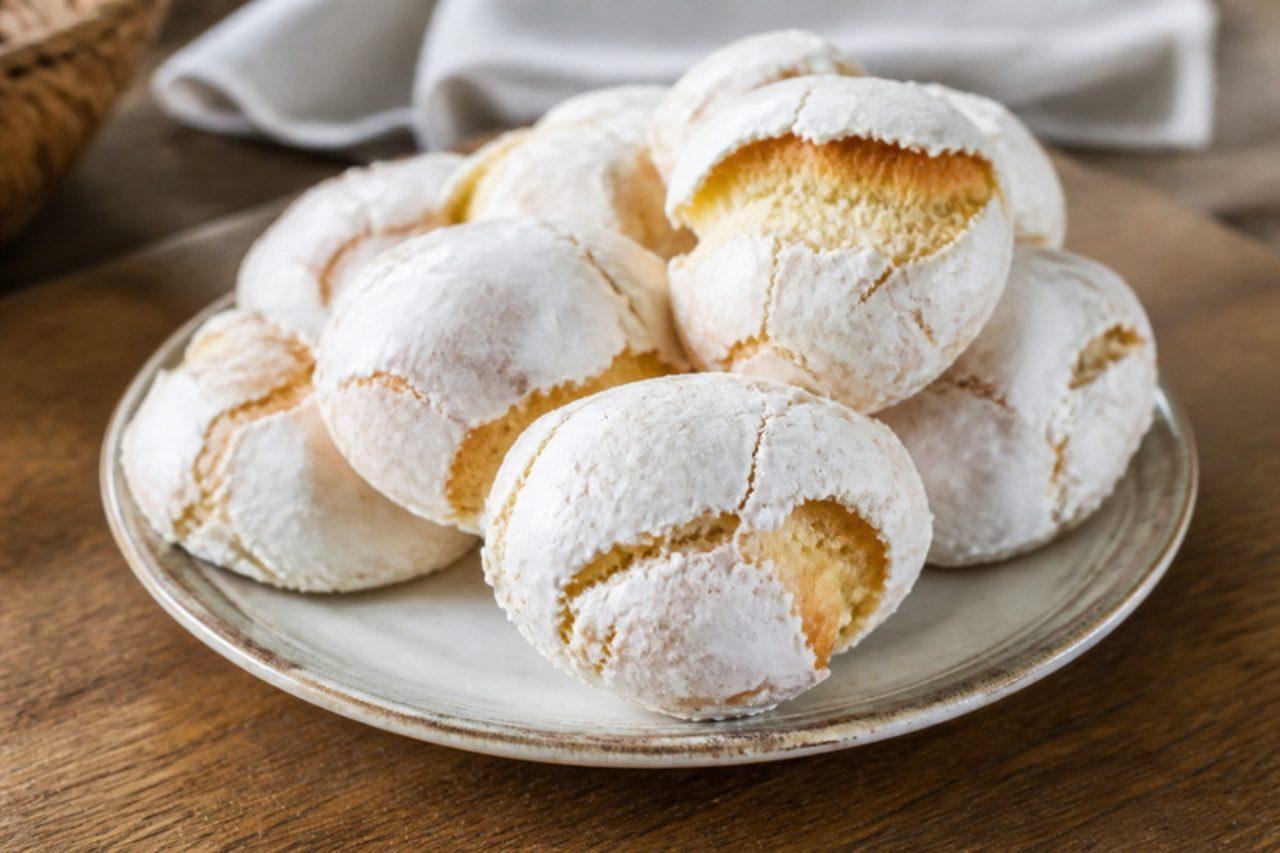
Cavacas de ResendeGlazed hollow egg biscuits

Resende, a town of cherry orchards above the Douro, has made cavacas for centuries, and stalls at its fairs and the Festa de São Pedro sell them by the bag. They are a curious and lovely thing: a simple batter of eggs, flour and oil puffs up in the oven into a hollow, crisp shell, which is then brushed with a boiled sugar glaze that dries brilliant white. A common mistake is opening the oven early, which makes the puffed biscuits sink before their crust sets. Chef's tip: keep the oven door shut for the first 20 minutes, because opening it early makes the cavacas collapse.

by KrazyBadal 0 views

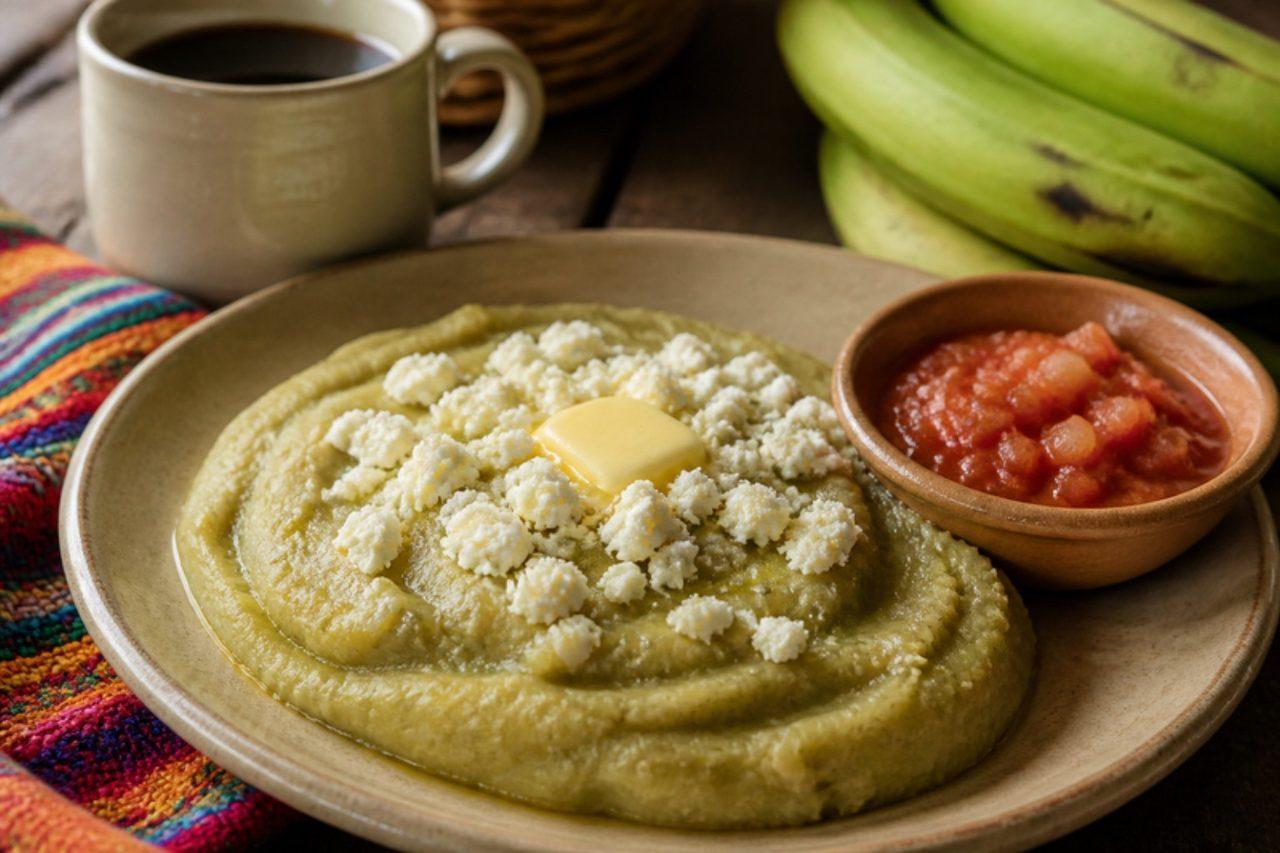
CayeyeGreen banana mash with cheese

Ask anyone from Santa Marta or Ciénaga what they ate growing up and cayeye will come up quickly. Unripe green bananas, the small cooking kind rather than plantains, are boiled and mashed with butter and grated salty cheese into a soft, slightly sticky purée, then topped with hogao, the tomato and spring onion sauce of Colombian kitchens. Breakfast is its moment, often with a fried egg or a slice of fried cheese and a strong black coffee, and it is filling enough to last until lunch. The cheese on the coast is queso costeño; a firm feta-style cheese works, and since both are usually set with animal rennet, look for a vegetarian microbial-rennet version. Mashing the bananas once they have cooled is the misstep to avoid, because they set into a gluey lump; mash them straight from the pot with a splash of the hot cooking water. Chef's tip: rub your hands with oil before peeling green bananas, as the sap stains skin and boards.

by KrazyBadal 0 views

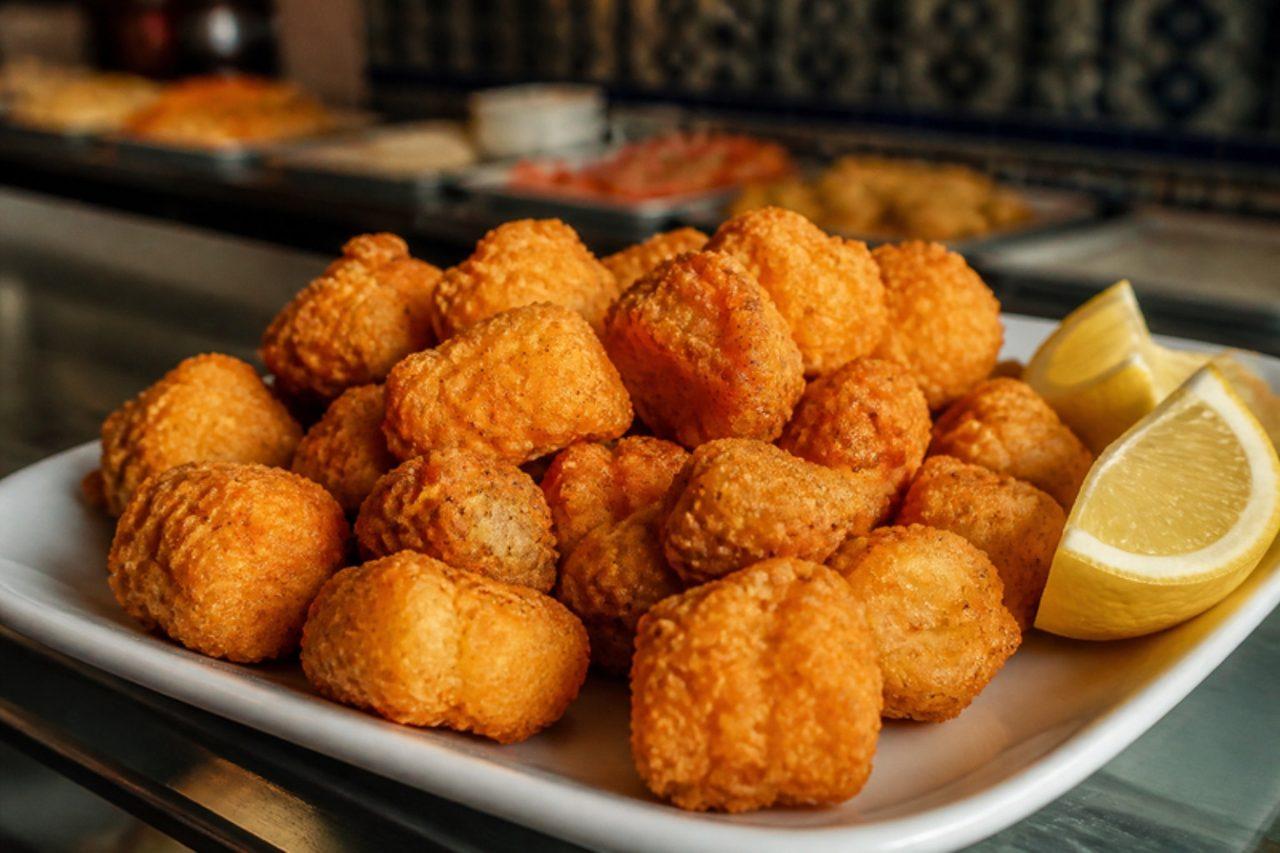
Cazón en adoboMarinated fried dogfish

In Cádiz, the tapa that sells out first in the fried-fish shops around La Viña is cazón en adobo: bite-sized cubes of dogfish soaked overnight in a sharp marinade of vinegar, garlic, cumin, oregano and paprika, then floured and fried. The marinade seasons the fish right through and gives it a tang that needs no sauce. If you cannot find dogfish, monkfish or any firm white fish works. A common mistake is a short marinade; the fish needs at least 8 hours in the fridge, for the vinegar and cumin to soak in. Chef's tip: marinate for at least 8 hours but no more than 24; past that, the vinegar starts to firm and 'cook' the fish and it goes dry.

by KrazyBadal 0 views

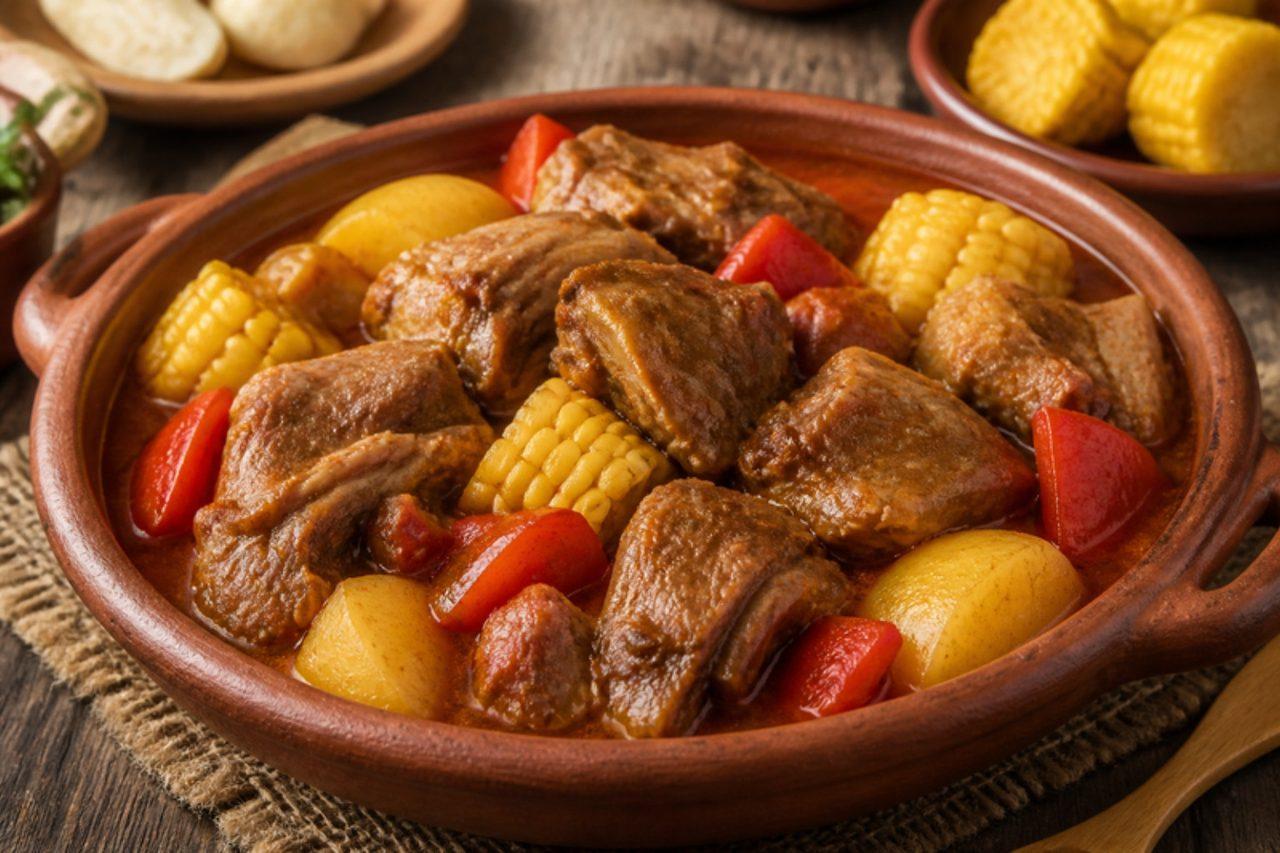
Cazuela de cabritoKid goat stew

Up in the Calchaquí valleys of Salta, where goats graze between the vineyards and the cardón cactus, cabrito ends up in a heavy clay cazuela on Sunday or feast days. The meat simmers with onion, red pepper, cumin and ají molido until it slides off the bone, and the potatoes and thick rounds of corn on the cob drink up a brick-red, gently spiced broth. Bring it to the table in the pot with bread or a simple tomato and onion salad. Kid goat can be ordered from halal butchers and some farm shops; lamb shoulder works too. People often boil it hard to save time, which squeezes the lean meat dry and stringy; it wants the barest simmer. Chef's tip: brown the pieces in two or three batches so they colour properly instead of stewing in their own juices; that browning is where most of the flavour comes from.

by KrazyBadal 0 views

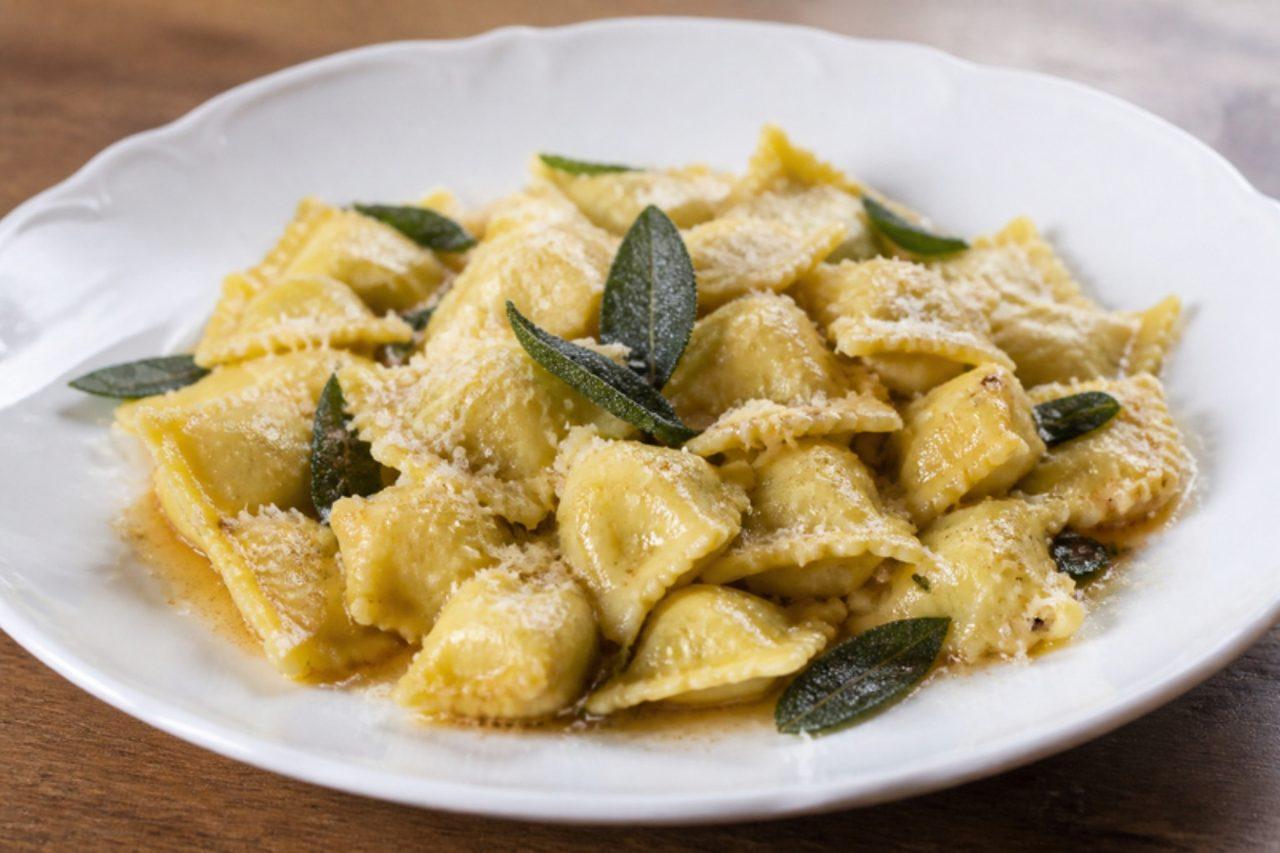
Agnolotti del plinSmall pinched meat pasta parcels

In the Langhe and Monferrato hills of Piedmont, agnolotti del plin are the Sunday and feast-day pasta, made from whatever roast was left from the day before and pinched shut with a quick twist of the fingers (plin means pinch in dialect). Each parcel is barely a mouthful of thin egg pasta around a savoury filling of roast veal, pork shoulder and beef with a little cabbage, egg and parmigiano, so this is a pork dish as well as a veal one. In the trattorie of Alba they arrive either glossed with butter and sage or simply dressed in the reduced roasting juices, sometimes with no plate at all, served in a napkin. They want nothing alongside except a green salad afterwards. Chef's tip: keep the filling quite firm and the blobs small, no bigger than a hazelnut, or the pasta will not seal tightly around them.

by KrazyBadal 0 views

Cemita poblanaPork milanesa sandwich

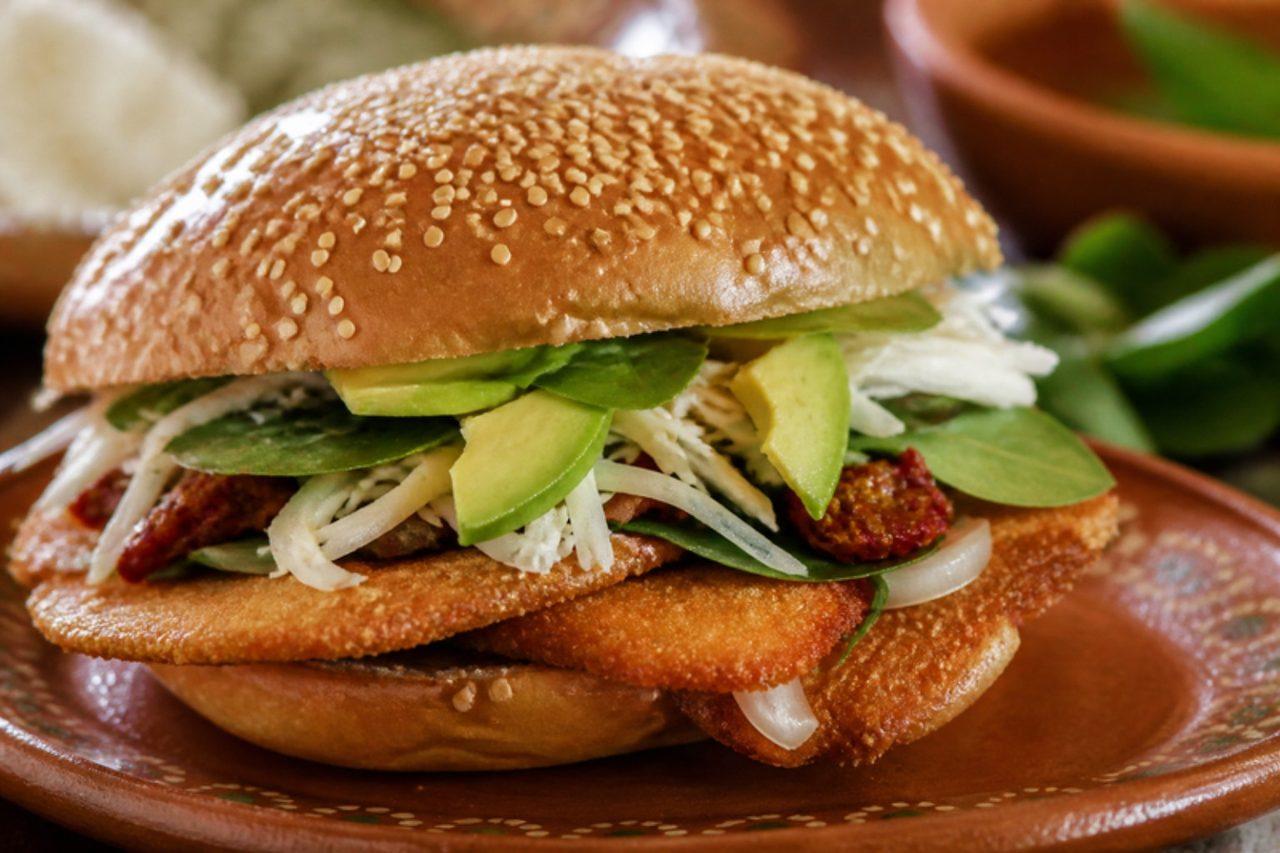
Puebla's markets have whole aisles of cemita stalls, where a domed, sesame-crusted roll is split and piled with a thin, crisp milanesa, sliced avocado, a nest of stringy quesillo, smoky chipotle in adobo and leaves of pápalo, a pungent herb that tastes somewhere between rocket and coriander. This version uses pork loin for the milanesa, the most common choice alongside beef; thin beef steak works the same way. Pápalo is rarely sold outside Mexico, so coriander stands in for it here. It is a meal in itself, eaten with both hands at midday. Chef's tip: pull the quesillo into fine strands rather than slicing it, so it melts into the warm cutlet and holds the sandwich together.

by KrazyBadal 0 views

Westphalian pumpernickel

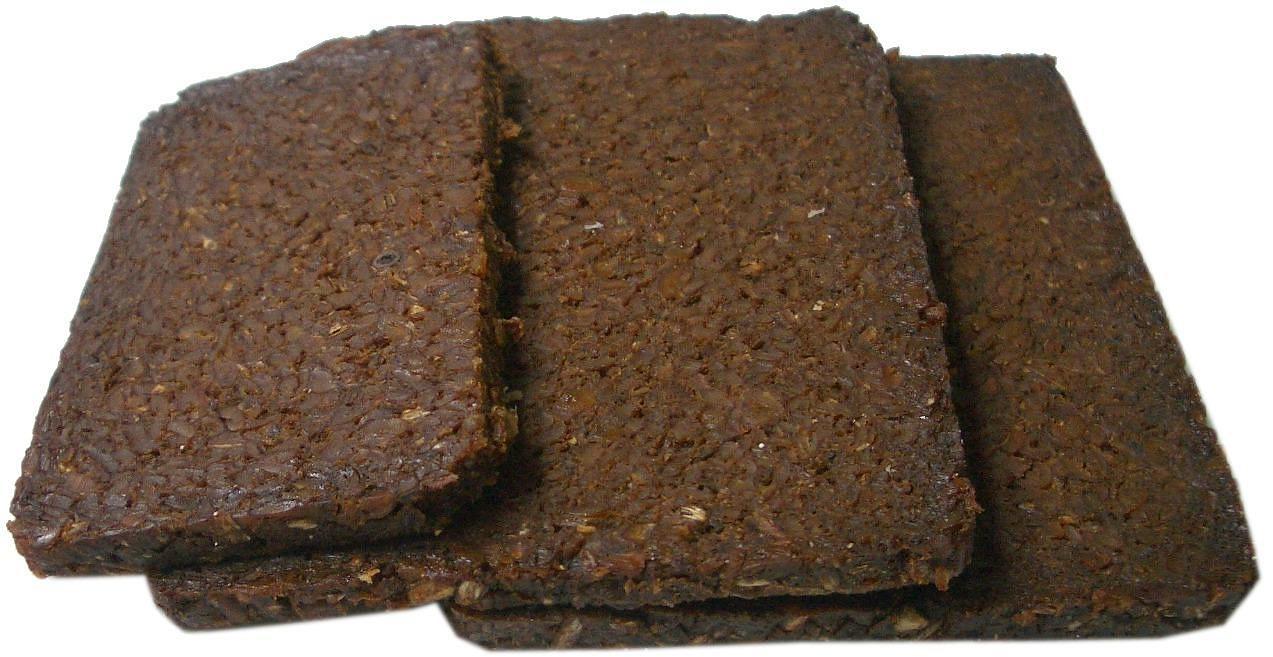
Real pumpernickel comes from Westphalia, where bakers in towns like Soest once left loaves in the cooling bread oven overnight, and it is still sliced paper-thin for breakfast with butter, quark and radishes or with a sharp cheese. There is no colouring and no molasses here: the near-black colour and the malty sweetness come only from cracked rye cooked for many hours in steam at a low heat. The crumb is moist, dense and slightly sticky, and the loaf keeps for over a week wrapped in cloth. A common mistake is slicing it on the day it comes out of the tin; it needs a full day to settle or it tears into gummy crumbs. Chef's tip: wrap the tin tightly in two layers of foil and stand it in a roasting tray of hot water, because a dry loaf turns hard instead of dark and sweet.

by KrazyBadal 0 views

Centolla gratinadaBaked king crab with cheese

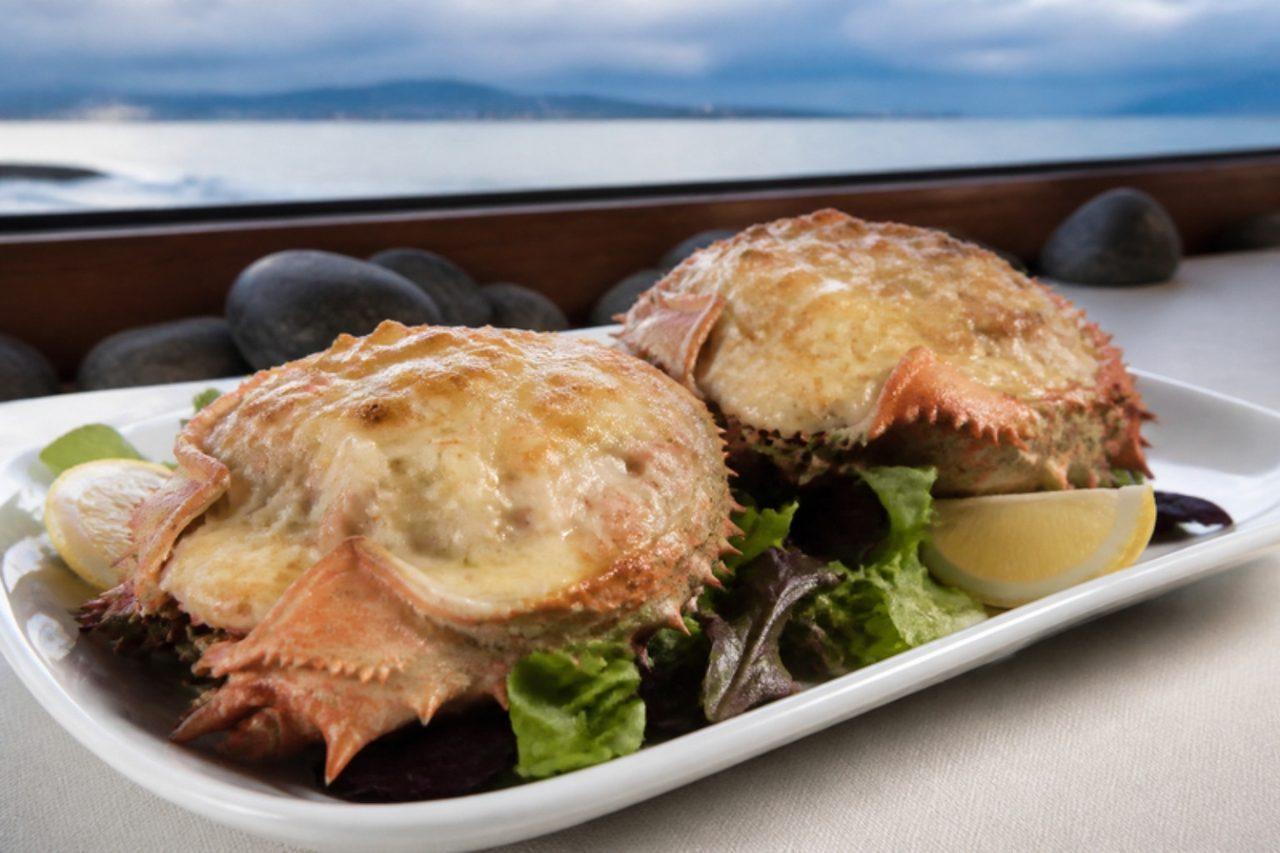
Centolla, the southern king crab hauled from the cold waters of the Beagle Channel, is Ushuaia's pride, and seafood restaurants along the harbour serve it gratinada: sweet chunks of leg meat in a light white sauce, crowned with cheese and browned under a fierce grill. It is rich, so serve it in small dishes as a starter with lemon and a green salad, plus crusty bread for anyone who can eat gluten. Buy cooked, frozen king crab legs or meat and thaw them in the fridge overnight; if you ever cook crab yourself, it must be alive when it goes into the pot. A frequent mistake is a sauce so thick and cheesy that the delicate crab disappears; keep it pourable and the cheese thin. Chef's tip: fold the crab in gently at the end, in big pieces, and let the oven only heat it; it is already cooked and turns stringy if it boils.

by KrazyBadal 0 views

FrixuelosThin crêpes with sugar or honey

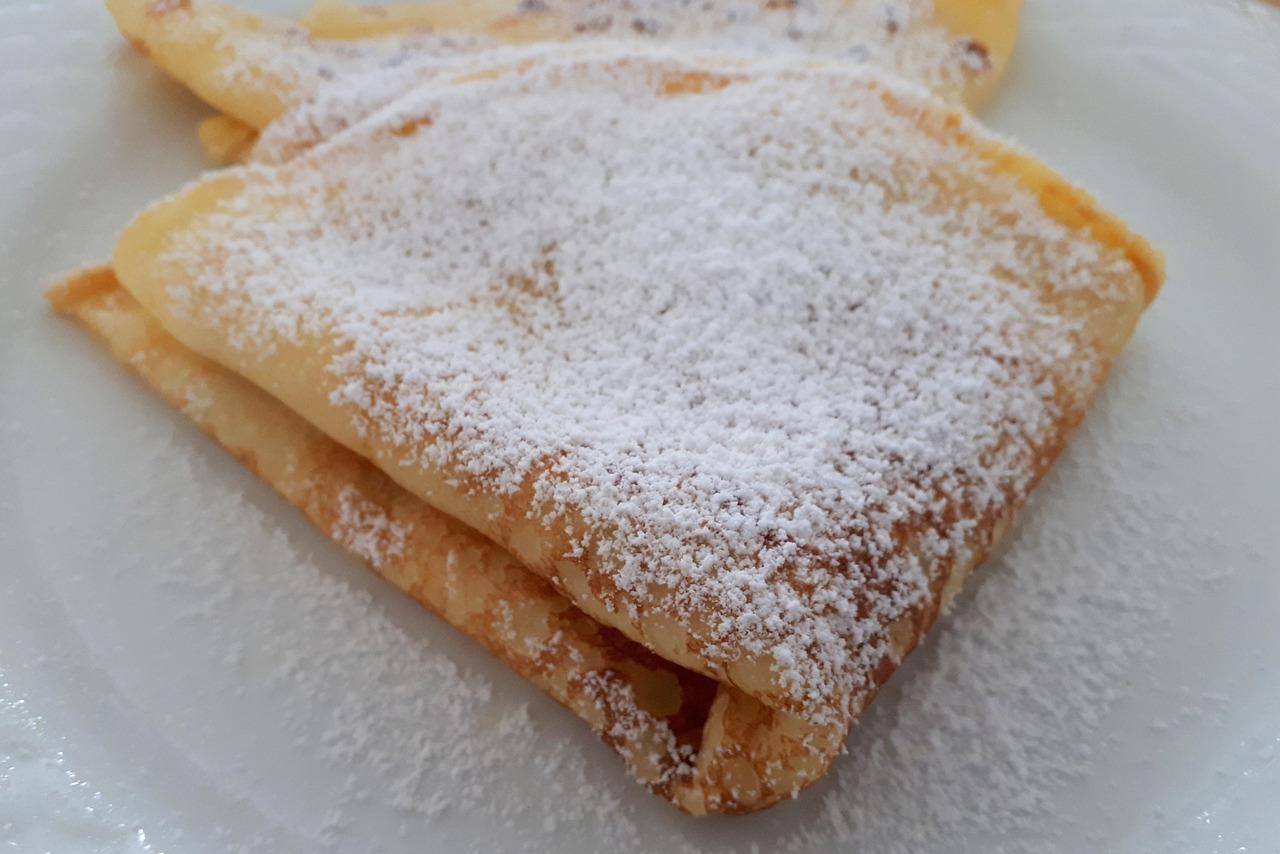
When Antroxu, the Asturian Carnival, comes round in February, kitchens from Avilés to the Oriente villages fill with the smell of butter and batter, and plates of frixuelos stack up for anyone who calls in. They are thinner and lighter than a pancake, flavoured with lemon zest, and are rolled or folded while warm with a dusting of sugar, a drizzle of honey or a spoon of rice-pudding cream. Grandmothers also make them on cold Sunday afternoons, so they are hardly kept for Carnival alone. Chef's tip: rest the batter for at least 30 minutes so the flour softens and the frixuelos turn out lacy and tender instead of rubbery.

by KrazyBadal 0 views

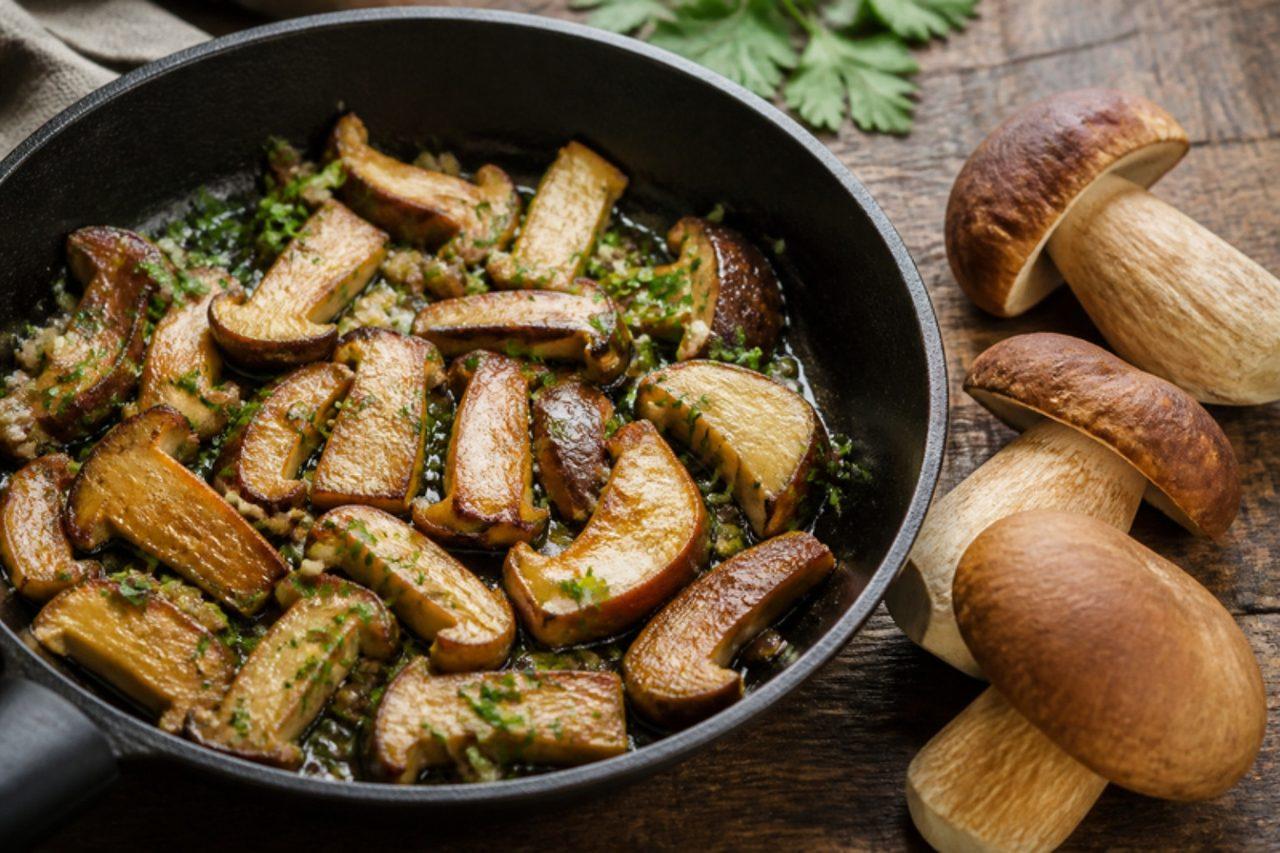
Cèpes à la bordelaisePorcini with garlic and parsley

In autumn, when cèpes push up through the pine forests of the Landes and the oak woods of the Gironde, Bordeaux families fry them the local way: thick slices browned hard in a hot pan, then tossed with shallot, garlic and plenty of parsley. They come to the table as a side for Sunday lunch, piled on toast for a starter, or beside an omelette for supper. Many cooks use duck fat; this version uses olive oil, so it is vegan. Out of season, use chestnut mushrooms with a few soaked dried porcini for flavour. Chef's tip: wipe the cèpes with a damp cloth instead of washing them; wet mushrooms steam instead of browning.

by KrazyBadal 0 views

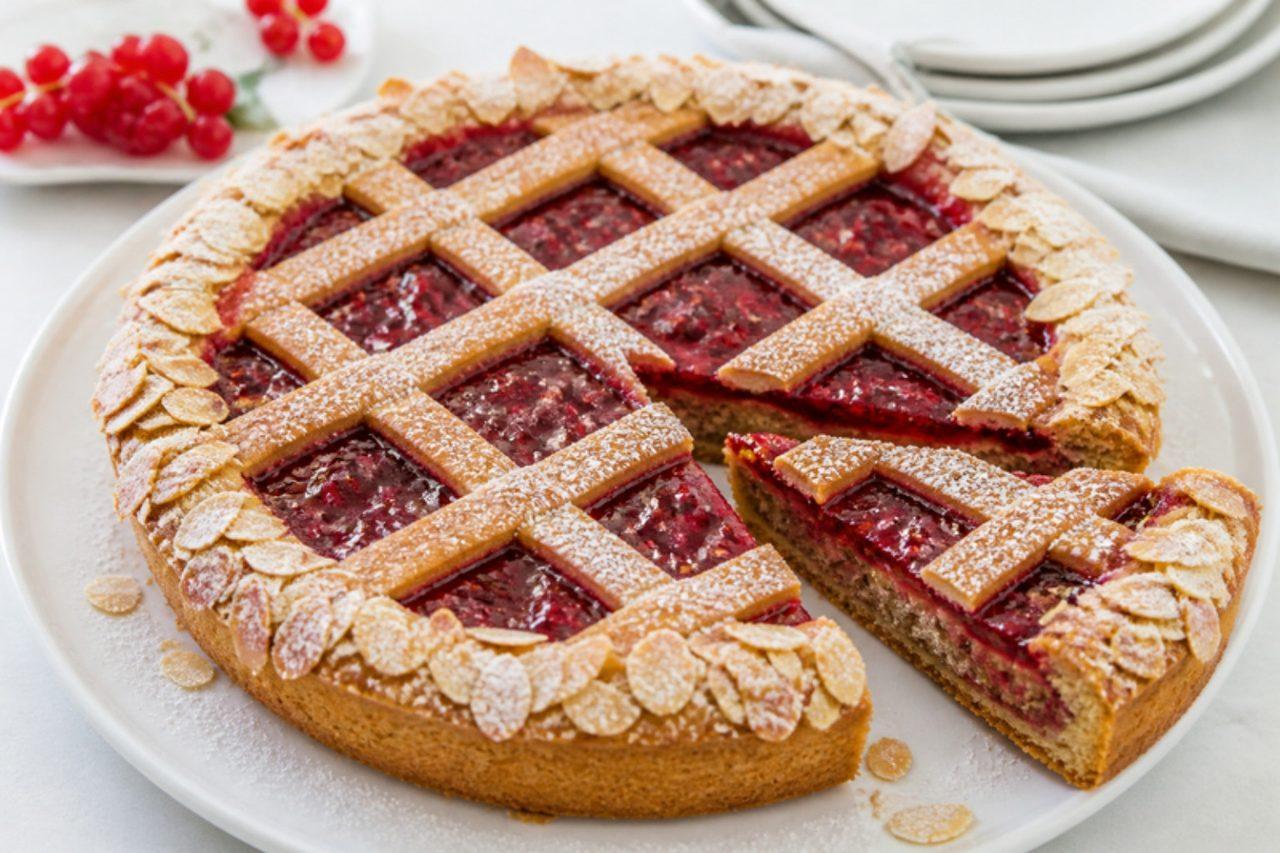
Linzer Torte

Linz, the Danube city in Upper Austria, has baked this tart for centuries, and it still fills bakery windows there all year, with extra demand in Advent. It is closer to a soft, crumbly nut biscuit than a pastry: ground hazelnuts, butter, cinnamon and cloves are pressed into the tin, filled with tart redcurrant jam and topped with a lattice. Serve a thin slice with coffee or tea. A common mistake is eating it on the day it is baked; it is much better after two or three days, when the jam soaks into the crumb. Chef's tip: chill the lattice strips on a tray before lifting them on, and they will not tear.

by KrazyBadal 0 views

Sachertorte

This dense, dark chocolate torte is Vienna's most famous cake, eaten in coffee houses all over the city with a cup of Melange and, always, a cloud of unsweetened whipped cream on the side. The sponge is made with melted chocolate and whisked egg whites, so it is fine-crumbed and slightly dry by design; a thin layer of sharp apricot jam runs through the middle and over the top, under a shiny, snappy chocolate glaze. A common mistake is pouring the glaze too hot or too cold; too hot and it runs off thin, too cold and it sets dull and lumpy. It is a cake for birthdays and Sunday visits, and it keeps well for days. Chef's tip: bake it the day before and let it rest overnight wrapped; it cuts far more neatly and the crumb softens.

by KrazyBadal 0 views

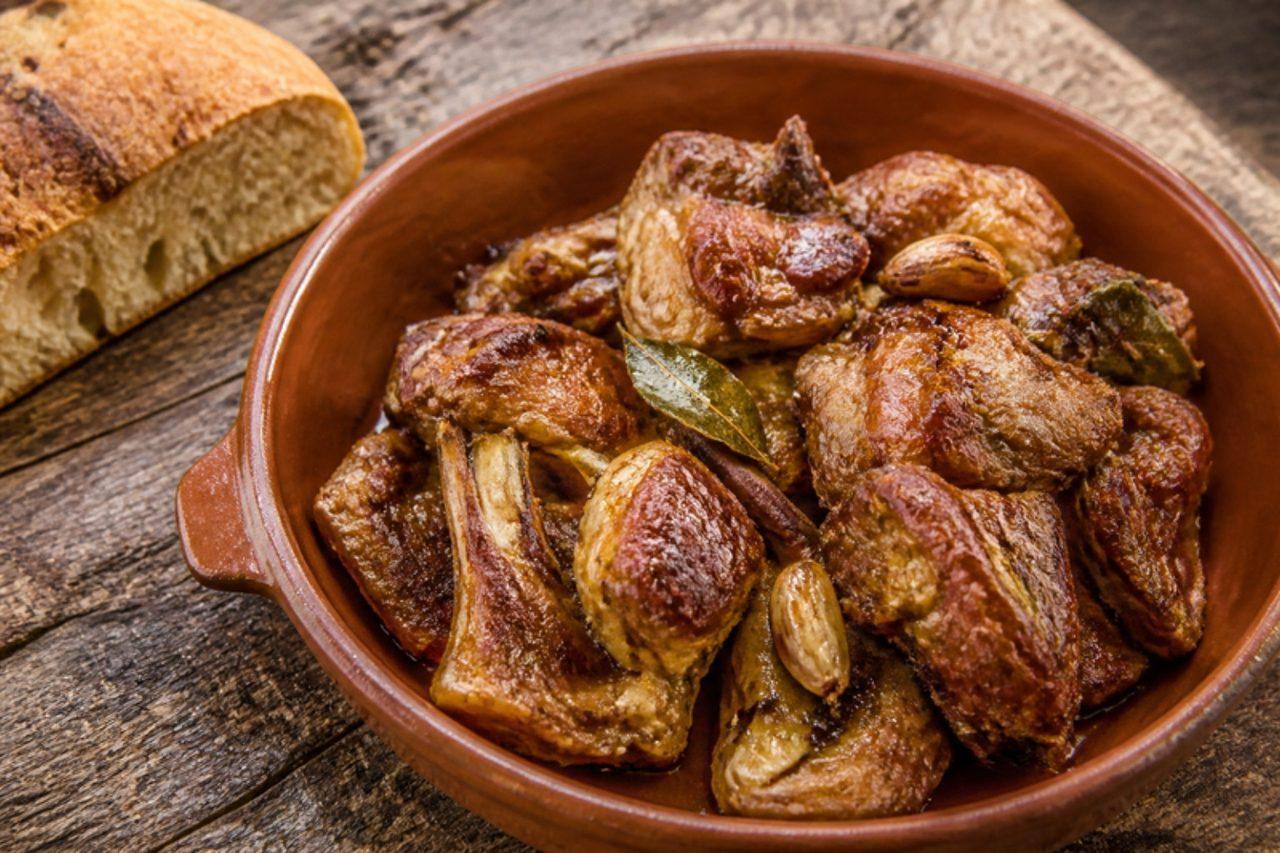
Frite extremeñoFried lamb with garlic and paprika

Frite is the simpler, drier cousin of caldereta and is especially loved around the sheep country of the Sierra de Gata and the Cáceres plains. Small pieces of lamb are fried in olive oil with lots of garlic, then cooked with bay, pimentón and a splash of vinegar until tender and coated in a dark red, clinging sauce. It is the dish people cook outdoors at the spring romerías and eat with bread straight from the pan. Chef's tip: ask the butcher to chop the lamb small, bones and all, so every piece gets crisp edges.

by KrazyBadal 0 views

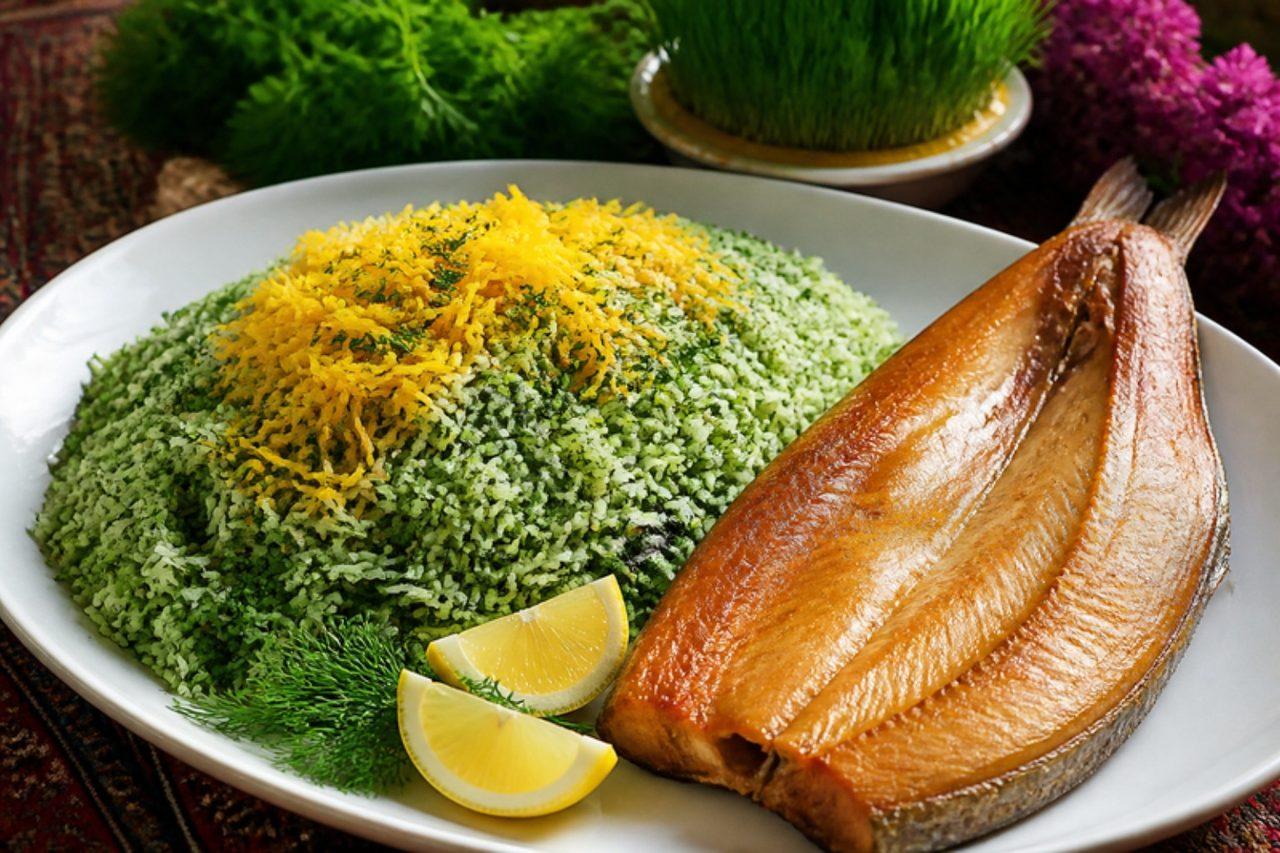
Mahi doodi with sabzi polo

On the first day of the Persian new year, from Rasht to Tehran, the classic lunch is sabzi polo, a green herb rice, with fish, and on the Caspian side that fish is often golden hot-smoked white fish (mahi doodi). Fresh herbs stand for spring and the fish for life, so the plate is full of meaning as well as flavour. Most cooks buy the smoked fish ready made and simply warm it with a little garlic and saffron butter, which is what this recipe does; the rice is steamed with dill, parsley, coriander and chives until it forms a crisp tahdig. Hot-smoked fish is already cooked; heat it until piping hot, at least 70 °C in the middle. A common mistake is warming the fish dry in a hot oven, which makes it tough and salty; wrap it with a splash of water so it steams. Chef's tip: soak the smoked fish in warm water for 10 minutes first to draw out some of the salt.

by KrazyBadal 0 views

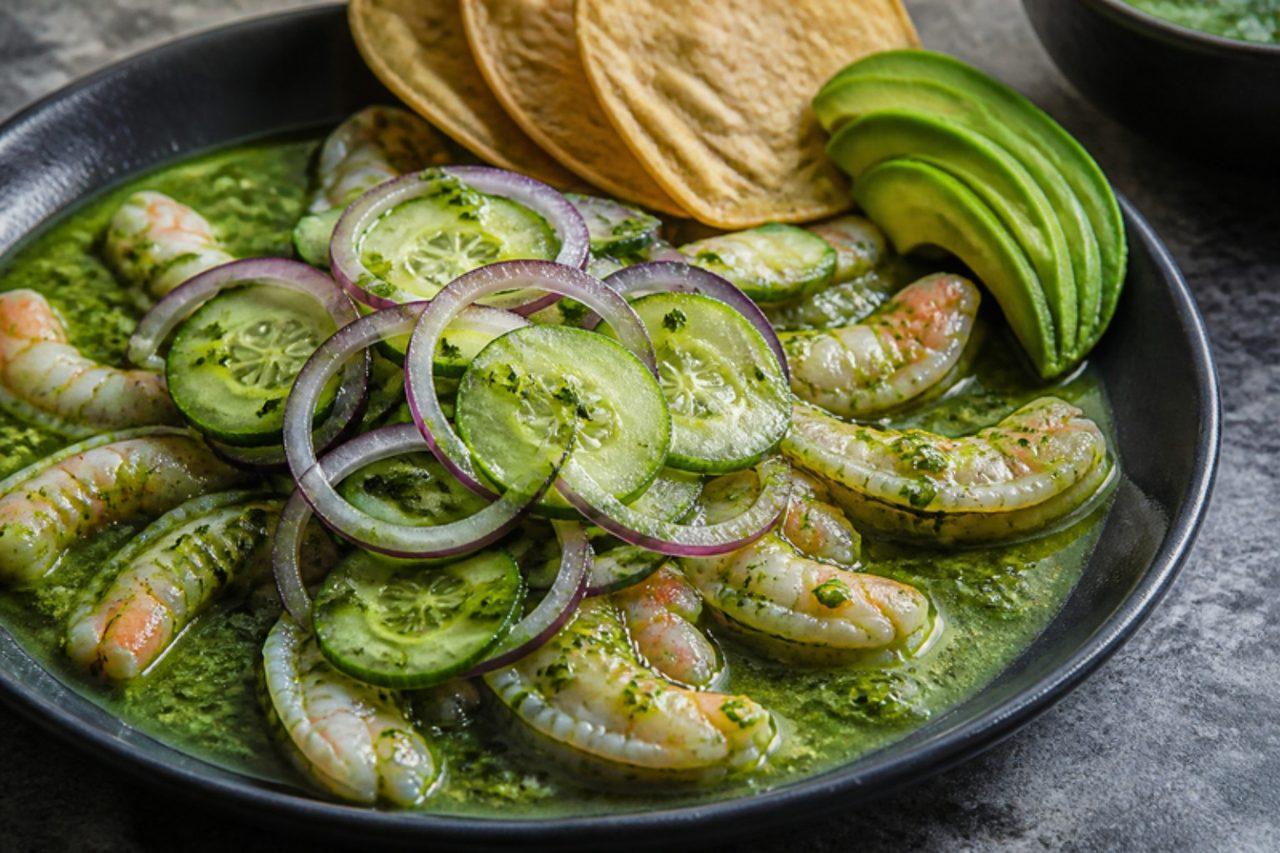
AguachilePrawns in lime and chilli water

Along the Sinaloa coast, from Mazatlán to Culiacán, aguachile is the cold plate that starts a long seafood lunch at the beachside palapas, eaten straight from a stone molcajete with tostadas and a cold drink. The classic version is raw prawns cured only in lime, and that raw version is the risky one: lime juice does not kill bacteria or parasites the way heat does. This safer version poaches the prawns for a minute or two until just pink and opaque, chills them and then dresses them, so you keep the snap and the fierce, grassy chilli heat. Even so, treat any cold seafood dish with care: the raw classic is not for pregnant women, young children or anyone with a weakened immune system. Serve with crisp corn tostadas and slices of avocado. Chef's tip: blend the chilli water with ice-cold water and pour it on at the last minute, so it stays vivid green and the prawns stay crisp.

by KrazyBadal 0 views

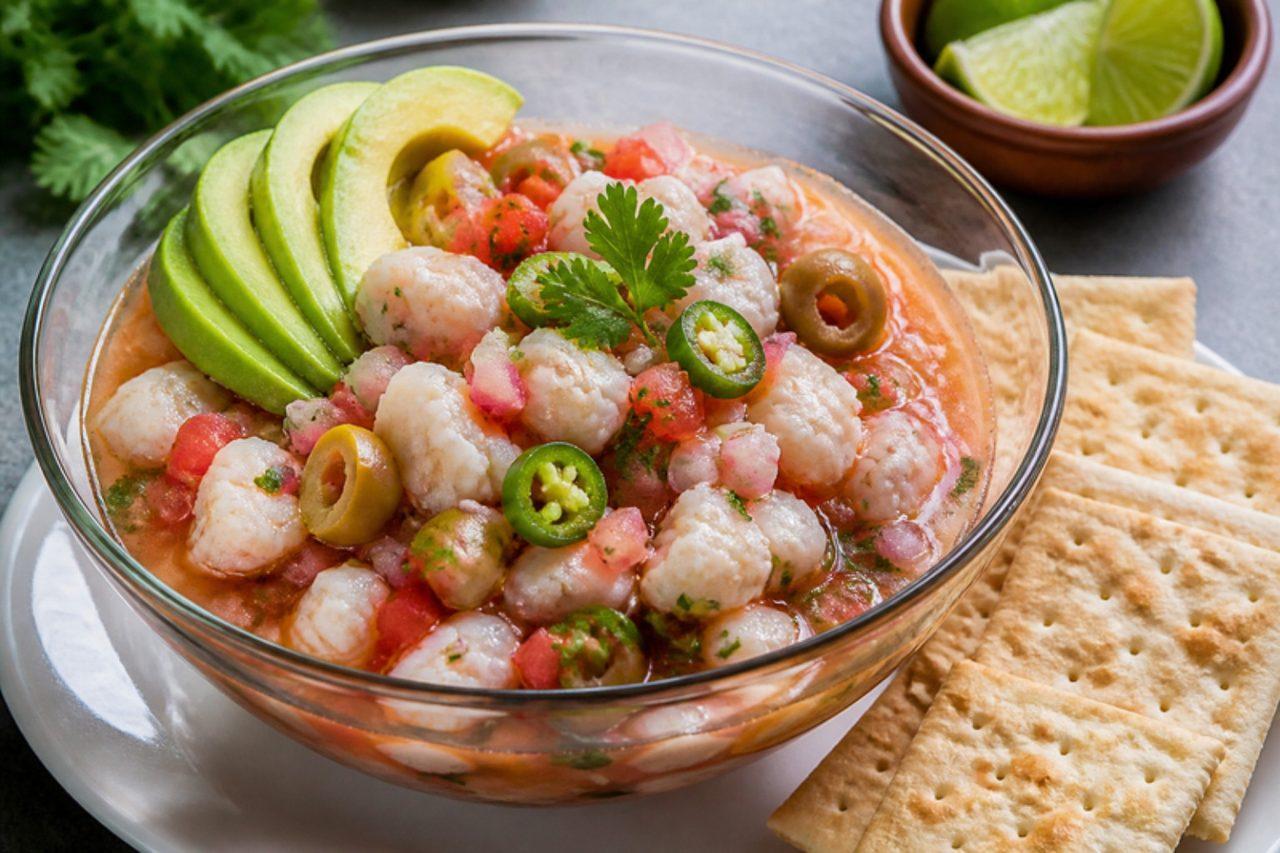
Ceviche acapulqueñoLime-marinated fish with tomato and orange

On the beaches of Acapulco, vendors sell ceviche in tall glasses with saltine crackers and tostadas: small cubes of white fish in lime with tomato, onion, green olives, chilli, a sweet streak of ketchup and fresh orange juice, eaten cold on a hot afternoon. The classic version is raw fish 'cooked' only by lime, which does not kill bacteria or parasites, so that version is not for pregnant women, young children or anyone with a weakened immune system. This safer recipe gently poaches the fish until just opaque, then chills it and dresses it in the same tangy, sweet-sharp mixture, so it keeps the firm, fresh texture. Serve with tostadas, crackers and slices of avocado. Chef's tip: dice the vegetables very small and the same size as the fish, so every spoonful has a bit of everything.

by KrazyBadal 0 views

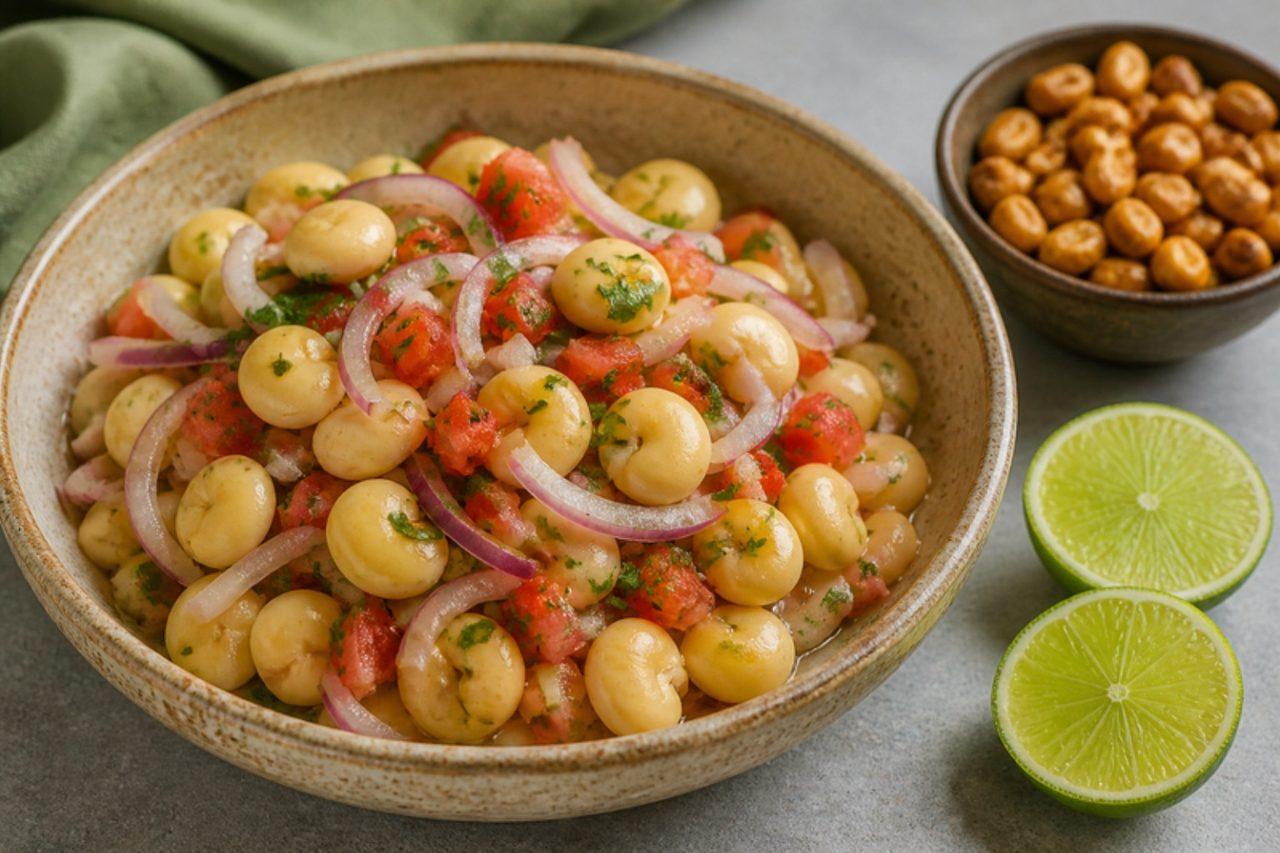
Ceviche de chochoLupin bean ceviche

Chocho, or tarwi, is the Andean lupin bean, a protein-packed legume grown high around Huaraz, Cajamarca and Puno, and street carts in the highlands sell it in plastic cups dressed like a ceviche: lime, red onion, tomato, coriander and a little ají, sometimes with toasted corn for crunch. It is fresh, sour and pleasantly firm, a vegan stand-in for fish ceviche that works as a starter or a light lunch. Food safety matters here: raw or bitter lupins contain toxic alkaloids and must never be eaten as they are. Use only ready-debittered, cooked chochos, sold in jars, vacuum packs or chilled tubs in Latin shops; if they taste bitter, rinse and soak them longer or throw them away. Lupin is also a common allergen and may affect people allergic to peanuts. The usual mistake is to drown everything in lime and leave it, which makes the onion limp; mix the dressing just before serving. Chef's tip: squeeze the limes gently by hand rather than with a press, so the juice doesn't turn bitter.

by KrazyBadal 0 views

AguajinaAguaje palm fruit drink

Aguaje is the scaly, chestnut-red fruit of the moriche palm that grows in the flooded forests around Iquitos, and its orange flesh ends up in ice lollies, ice cream and, above all, aguajina, the cold drink sold in plastic cups at every corner and in Belén market. The taste is unusual and loved locally: tangy, a little like apricot and carrot, with a rich, slightly oily body. Fresh aguaje must be softened in warm water for an hour before its thin layer of pulp can be scraped off; outside Peru, frozen aguaje pulp from Latin American shops is the realistic choice and gives a good result. A common slip is adding all the sugar before tasting: the pulp's sourness varies from pack to pack, so sweeten at the end. Serve very cold with lunch or on a hot afternoon. Chef's tip: blend the pulp with only part of the water first, so it breaks down fully, then stir in the rest.

by KrazyBadal 0 views

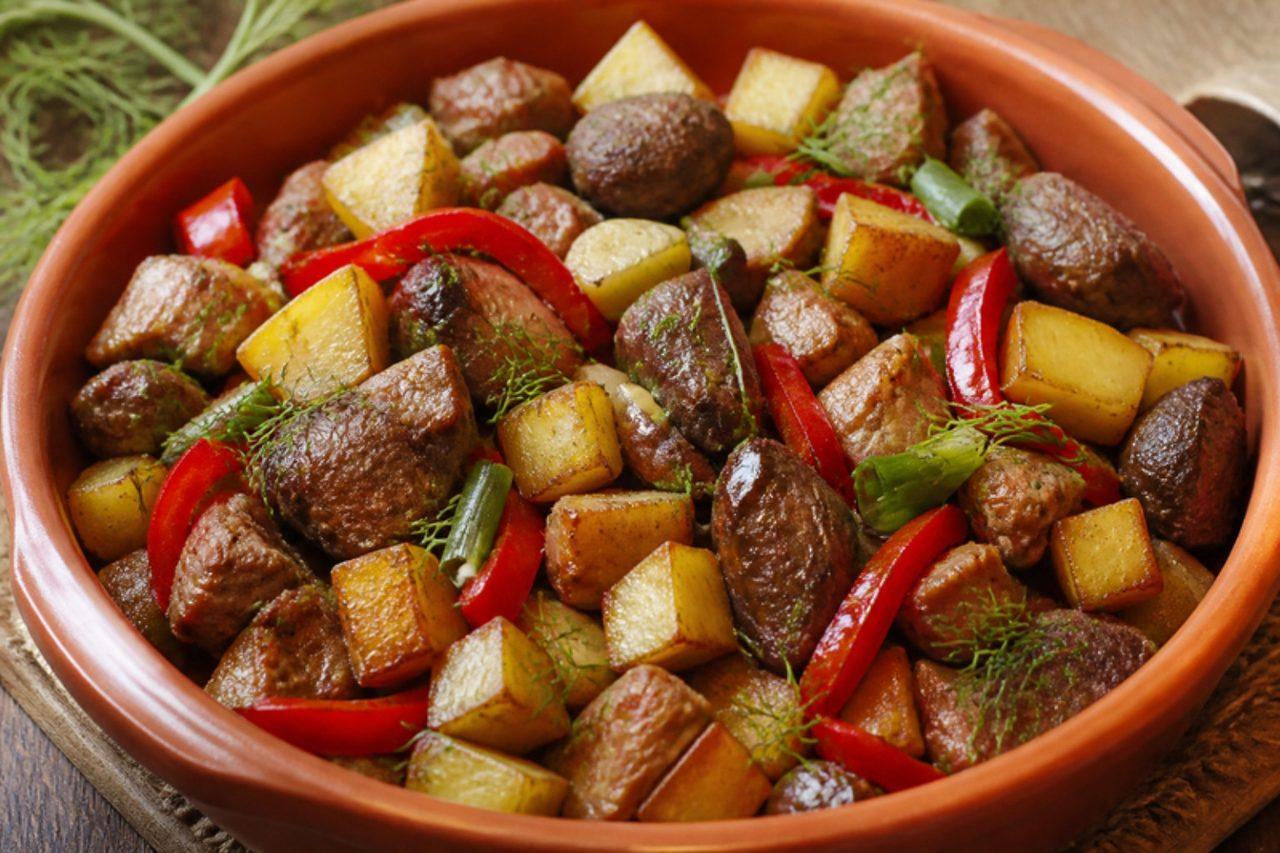
Frit mallorquíLamb, liver and potato fry-up

Frit is the hearty dish of Mallorcan country festivals and pig-killing days, and the version made at Easter uses young lamb: diced meat and liver fried with tiny cubes of potato, red pepper, spring onion and wild fennel, all in one big pan. Bars in Inca and Sóller serve it as a tapa on market mornings. This recipe uses lamb shoulder and lamb's liver; the pork version, frit de porc, follows the same method. Chef's tip: fry the potatoes, peppers and meat separately and combine them at the end, or the potatoes stew and lose their crisp edges.

by KrazyBadal 0 views

FriselleTwice-baked bread with tomato

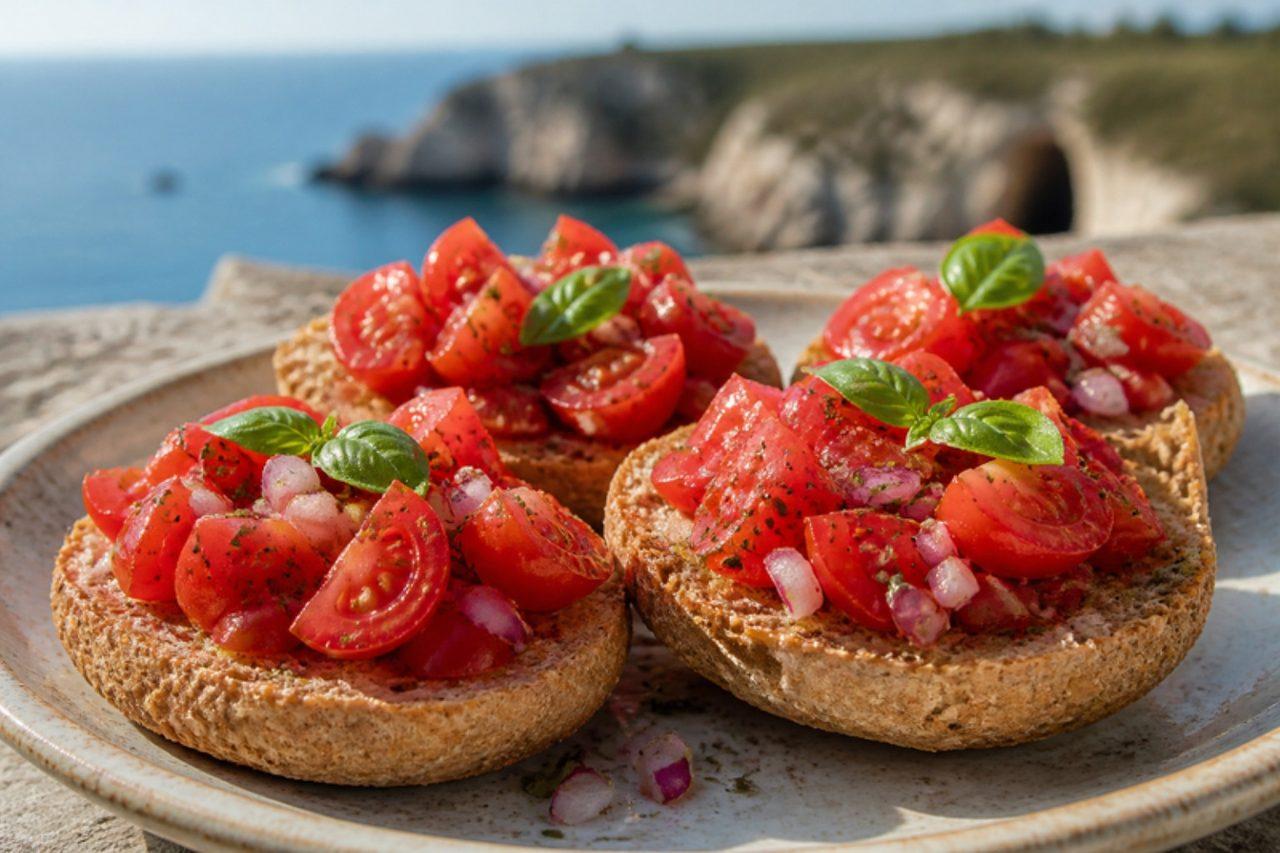
Friselle are rings of bread split in half and baked a second time until rock hard, so they kept for months on fishing boats and in farmhouses across the Salento. To eat them you dip them briefly in cold water, then pile on crushed ripe tomatoes, oregano and plenty of olive oil; the bread softens just enough while keeping a crunch in the middle. On August evenings in Lecce and along the coast they are the easiest supper there is. Every Puglian bakery sells them and Italian delis stock them, so this recipe uses bought friselle, made from wheat or the darker, nuttier barley. Chef's tip: dip, don't soak; a few seconds is enough, and the tomato juice finishes the job.

by KrazyBadal 0 views

FriesentortePuff pastry torte with plum butter

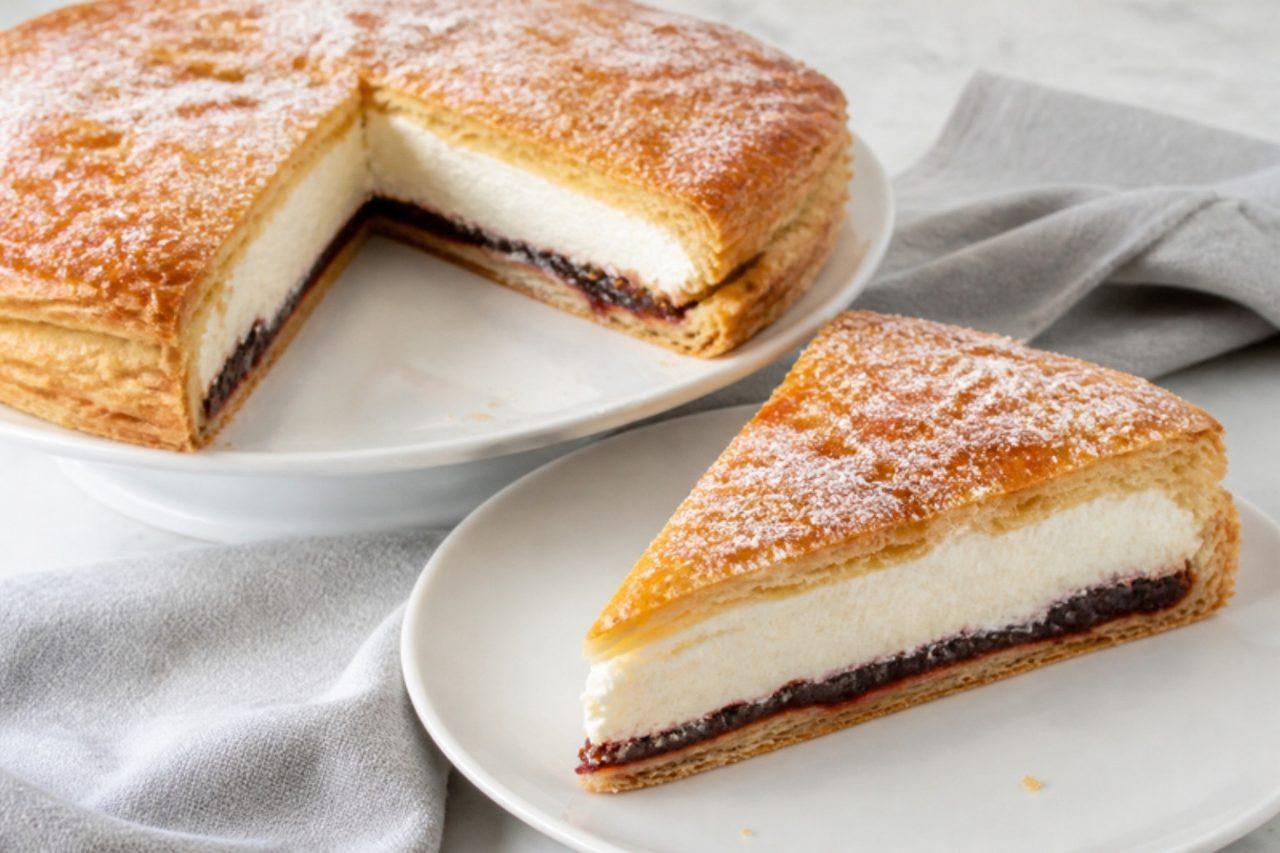
On the coasts of East and North Frisia, from Norden to the island of Föhr, Friesentorte is what the tea room serves after a windy walk on the dykes, usually with a pot of strong black tea taken with rock sugar and cream. Three crisp rounds of puff pastry are layered with dark plum butter (Pflaumenmus) and a thick band of whipped cream; the top layer is cut into wedges before baking and glazed with sugar, so every slice gets its own shiny lid. Some versions add rum to the plums; this one is alcohol-free. A common mistake is assembling it hours ahead, which turns the pastry soft. Chef's tip: assemble no more than an hour before serving and keep it cold; the contrast of crackly pastry and cream is the whole point.

by KrazyBadal 0 views

FricandóBraised veal with mushrooms

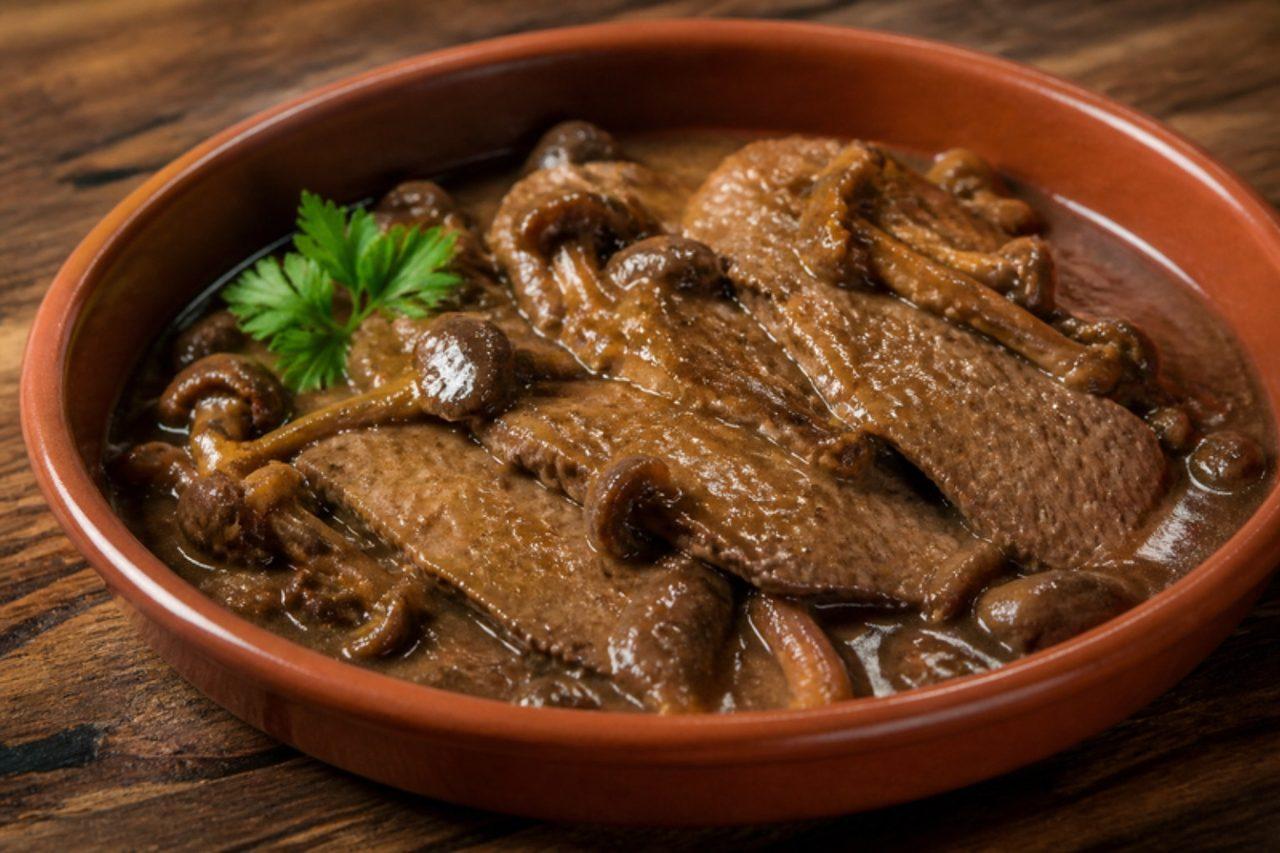
Fricandó is the dish that Barcelona grandmothers cook for a family Sunday or a saint's day: thin slices of veal, floured and browned, then braised slowly in a dark sofrito with dried moixernons, the spring St George's mushroom, and finished with a picada of almonds and hazelnuts. It is better reheated the next day. Dried porcini or mixed wild mushrooms work if you cannot find moixernons. The recipe uses wine; the alcohol-free option is in the ingredient list. Chef's tip: cook the onions until truly dark, almost jammy; that deep brown sofrito is where the sauce gets its colour and sweetness.

130 minSpanishMeat
by KrazyBadal 0 views

Frejol coladoSweet black bean paste

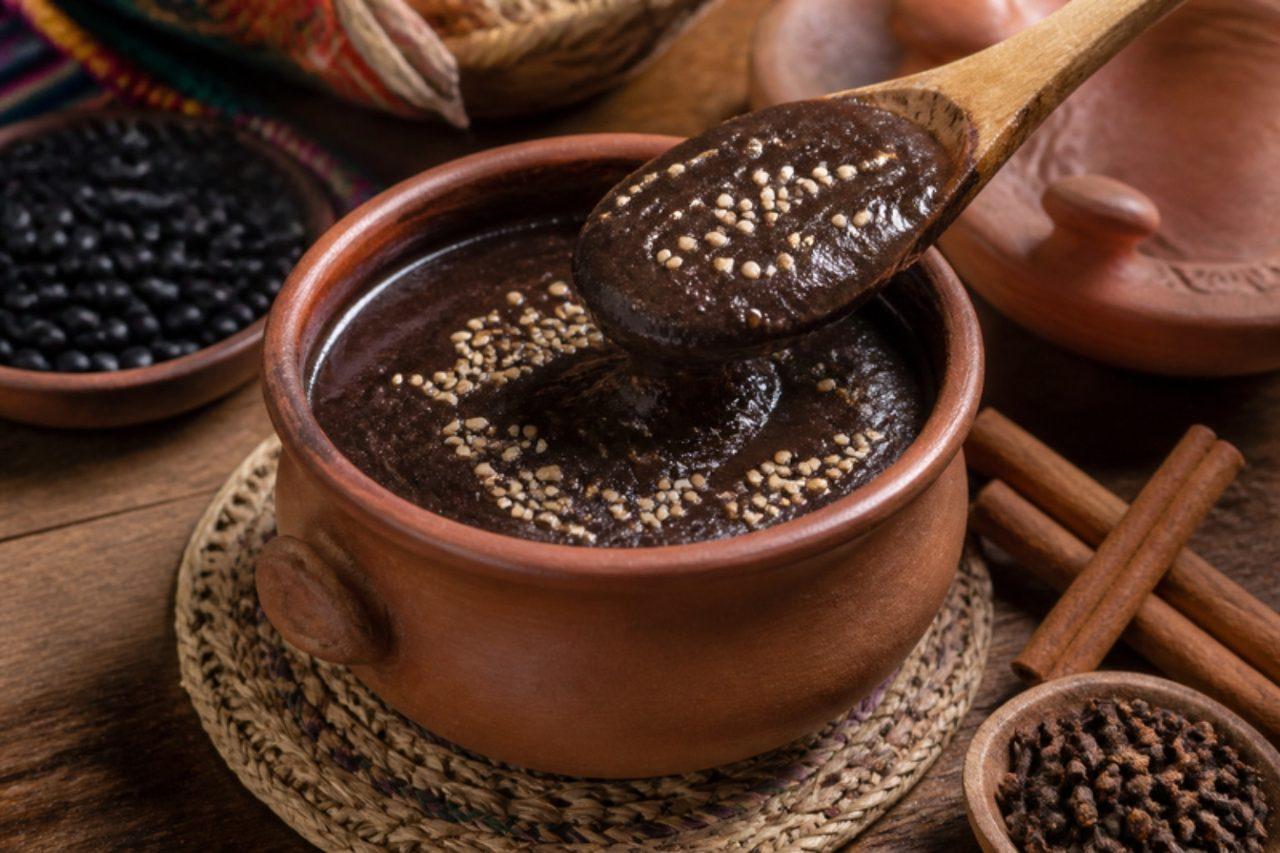
Chincha, south of Lima, is the heart of Afro-Peruvian culture, and its signature sweet is frejol colado: black beans cooked, pushed through a sieve (colado means strained) and then stirred for a long time with sugar and spices until the paste is dark, glossy and thick enough to stand a spoon in. It is traditionally served in little gourd bowls called potos, sprinkled with toasted sesame, and sold in Chincha's square and at festivals in El Carmen. The taste is deep and molasses-like, with clove and cinnamon, and nobody guesses it's beans. The beans need an overnight soak, which isn't counted in the time. Most people give up stirring too early; under-cooked frejol colado is runny and tastes of beans, so keep going until it pulls away from the pan in one mass. Some cooks add milk; this version is dairy free. Chef's tip: use a wide, heavy pan and a long wooden spoon, and wear an oven glove, because the thick paste spits as it reduces.

by KrazyBadal 0 views

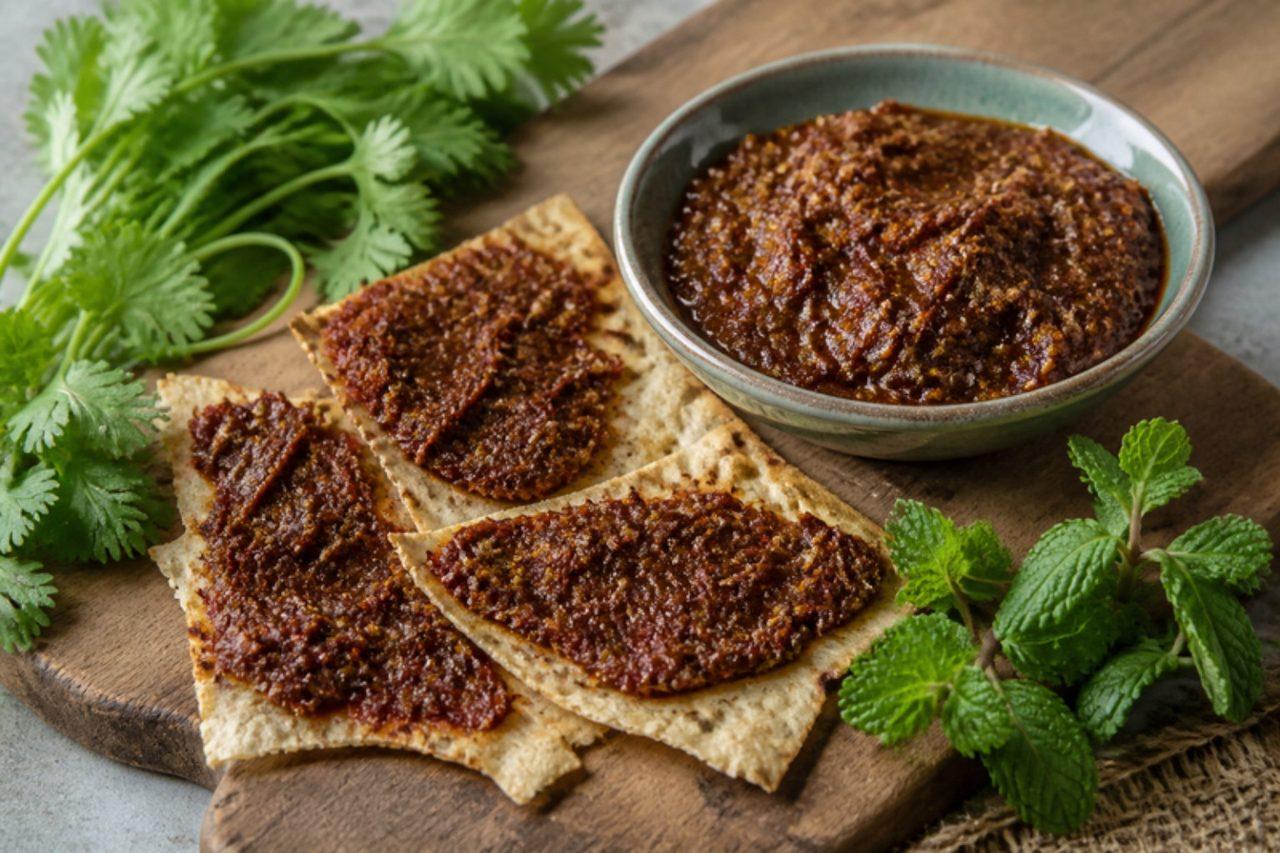
Mahyaveh-style anchovy and spice spread

In Bandar Abbas, Lar and the villages of Hormozgan, mahyaveh is a dark, pungent sauce made by leaving tiny fish with salt, mustard seed and spices to ferment in the sun for weeks; it is smeared on hot flatbread for breakfast or with eggs. That open-air fermentation is hard to control safely at home, so this version gets the same deep, salty flavour from ready-cured anchovy fillets blended with toasted mustard seed, cumin, coriander seed, fennel and a little vinegar, and it lives in the fridge from the start. It is still a cured-fish product: not for pregnant women, young children or anyone with a weakened immune system. A common mistake is spreading it thickly like a pâté; it is a seasoning, so a thin smear is enough. Chef's tip: toast the spices until the mustard seeds just start to pop, which takes the raw bitterness out and gives the spread its roasted edge.

by KrazyBadal 0 views

Chairo puneñoLamb, chuño and wheat soup

High on the Altiplano, where nights freeze even in summer, chairo is the soup that gets Puno's market workers and farmers through the day. It is thick and brothy at once: lamb on the bone and a little charqui (dried meat) simmered with crushed chuño, peeled wheat, broad beans, potatoes and squash, scented with cumin, oregano and huacatay or mint. Expect a deep, meaty, slightly smoky bowl with lots of chew. Soak the chuño and the wheat overnight. A common error is adding the potatoes with the meat, so they dissolve before the lamb is tender; they go in for the last 25 minutes. Chef's tip: crush the soaked chuño into small pieces by hand; they thicken the broth as it cooks.

by KrazyBadal 0 views

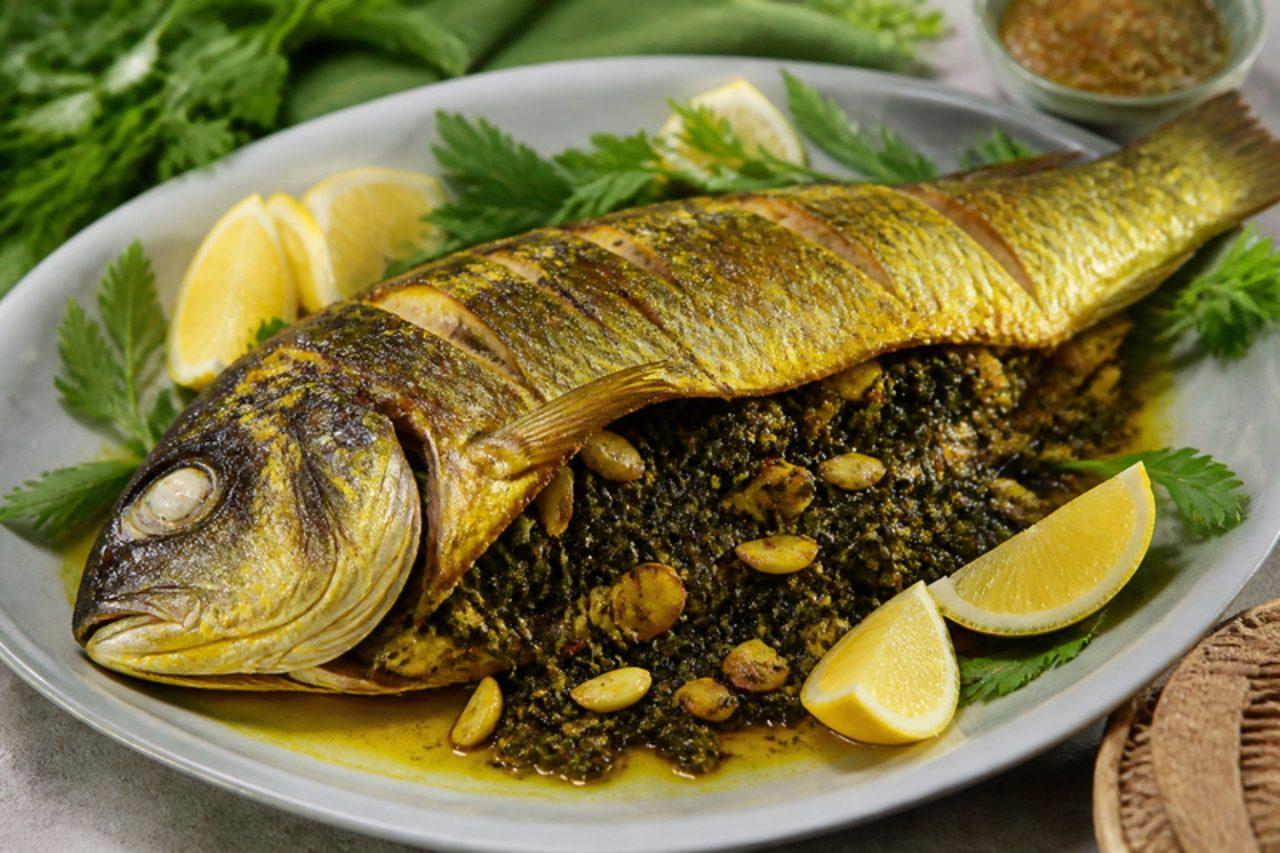
Mahi sobour stuffed with herbs and tamarind

Each spring the shad (sobour) swims up the Karun and Arvand rivers, and in Ahvaz and Khorramshahr the season is marked by whole fish split open, packed with a sour paste of herbs, garlic and tamarind and cooked over coals or in a hot oven. The rich, oily flesh is a perfect match for the sharp filling. Shad is very bony, so most home cooks outside Khuzestan use sea bass, sea bream or mackerel, which take the same filling beautifully. A common mistake is overfilling the fish so it bursts open and the stuffing burns; pack it firmly but leave a finger's width at the edges. Chef's tip: cut three shallow slashes in each side and rub a little filling into them, so the sourness reaches the whole fish.

by KrazyBadal 0 views

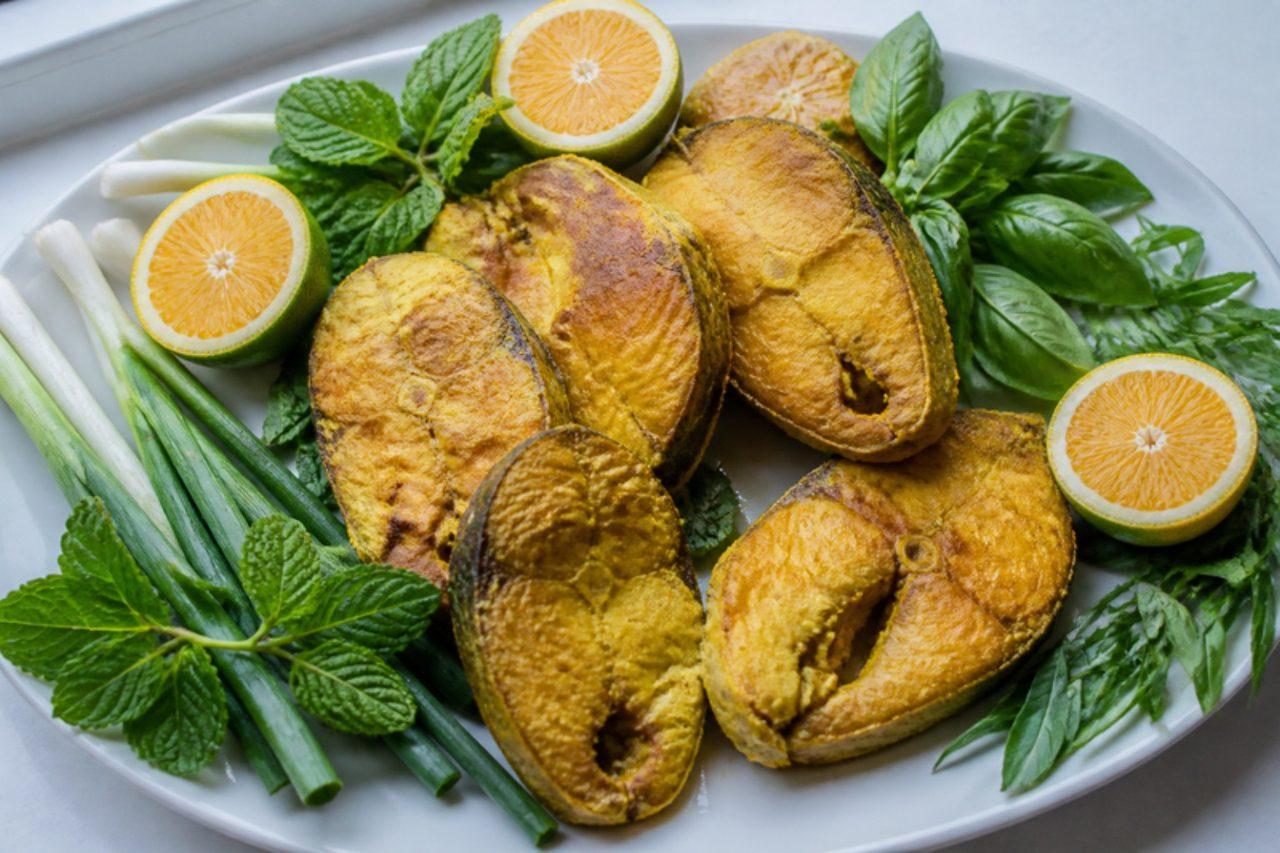
Fried mahi sefid with bitter orange

Along the Caspian shore from Bandar Anzali to Babolsar, the silvery kutum (mahi sefid) arrives in late winter, and families fry thick steaks of it for weekday lunches and for the Nowruz table. The coating is nothing more than flour, turmeric, salt and pepper, so the sweet, firm flesh does the talking; it comes to the table with wedges of bitter orange (narenj), rice and a plate of fresh herbs. Any firm white fish with skin works if you can't find kutum: sea bass, hake or cod steaks. A common mistake is crowding the pan, which drops the oil temperature and leaves the crust pale and greasy. Chef's tip: dry the fish properly and flour it only at the last moment, so the turmeric crust fries to a crisp golden shell instead of turning pasty.

by KrazyBadal 0 views

Mousse de cupuaçu

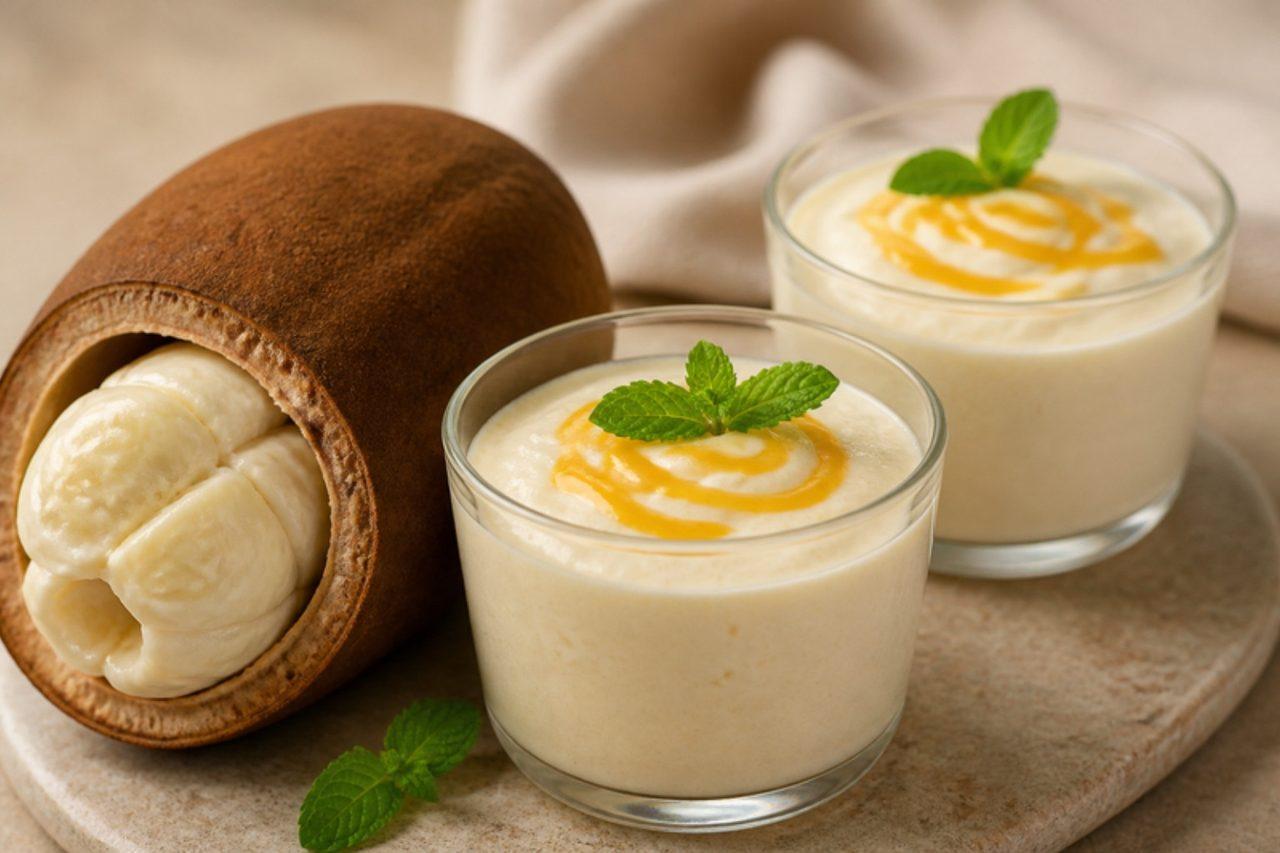
Cupuaçu, a cousin of cacao with a velvety white pulp, smells of pineapple, banana and chocolate at once and is one of the great flavours of Pará. Belém's ice-cream parlours and lunch restaurants turn it into this light, sharp-sweet mousse, and home cooks make it the night before a birthday or Sunday lunch because it is just whipped and chilled. Condensed milk and cream soften the fruit's sourness; a spoon of cupuaçu syrup on top adds colour and bite. Outside Brazil, buy frozen unsweetened cupuaçu pulp from Brazilian or Latin shops. Many cooks blend the cream with everything else, which leaves the mousse runny; whip it separately and fold it in. Chef's tip: thaw the pulp in the fridge rather than in hot water, so it keeps its perfume, and chill the mousse for at least 4 hours.

by KrazyBadal 0 views

Golab (home-distilled rosewater)

Every May the valleys around Kashan and Qamsar fill with pickers gathering Damask roses at dawn for golabgiri, the rose-water festival, when copper stills bubble in village courtyards. Golab is the backbone of Persian sweets, sharbat and rice, and a small batch can be made at home with a stockpot, an upturned lid and a bowl of ice. You need fragrant roses that have never been sprayed: florist roses are not safe to use in food. A common mistake is boiling hard, which cooks the petals and gives a grassy, dull water; the pot should only simmer. Chef's tip: pick the roses early in the morning, when their scent is strongest, and distil the same day.

by KrazyBadal 0 views

Fregola con arselleToasted pasta pearls with clams

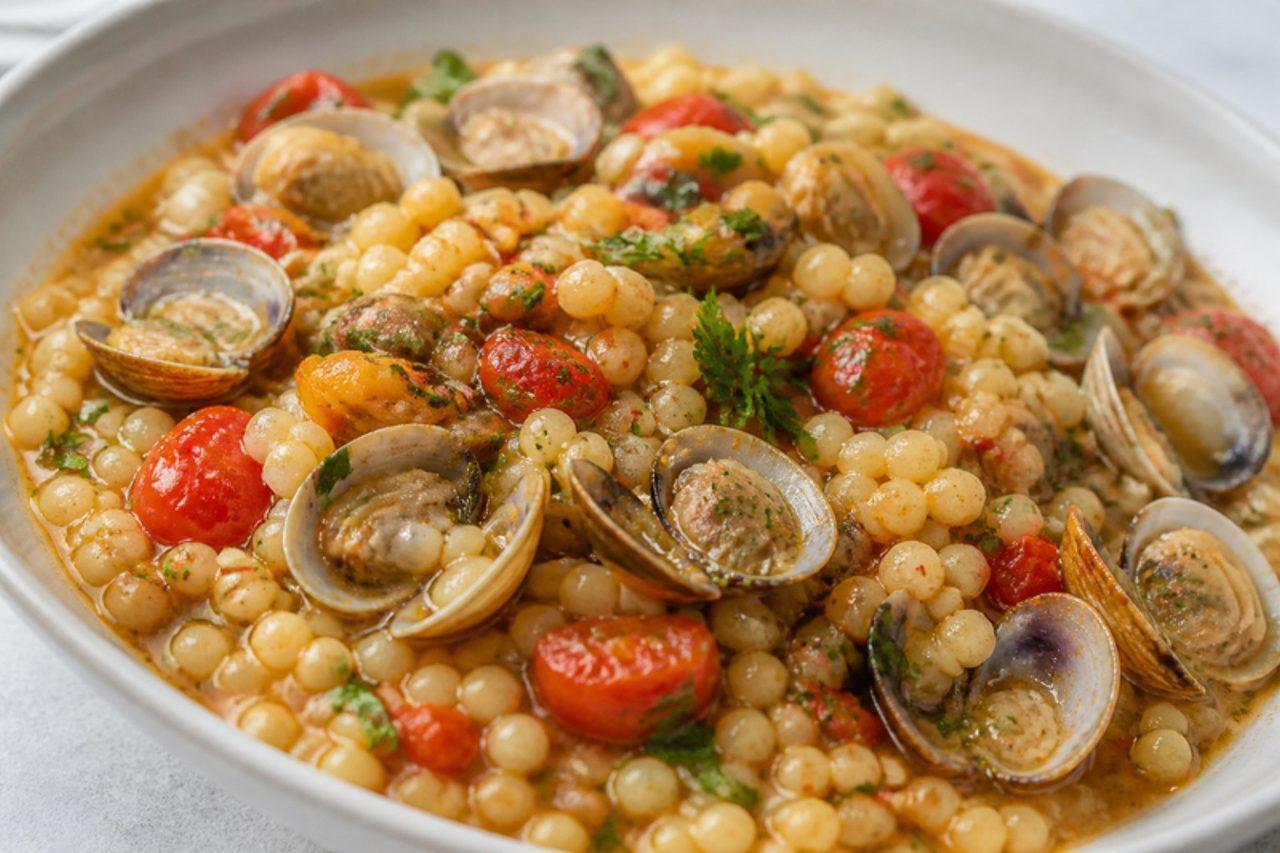
Along the Poetto, Cagliari's long city beach, arselle are small clams once raked from the sand, and fregola con arselle is the dish every seaside trattoria in the city serves. Fregola is a Sardinian semolina pasta rolled into rough little beads and toasted, so it has a nutty taste and a slightly chewy bite; here it simmers like risotto in the clams' own juice with tomato, garlic and parsley until loose and soupy. Eat it with a spoon, straight away. Any small clams work if you can't find arselle. Chef's tip: toss the fregola in a dry pan for a couple of minutes before cooking; it deepens the toasted flavour.

by KrazyBadal 0 views

Lighvan-style brined cheese

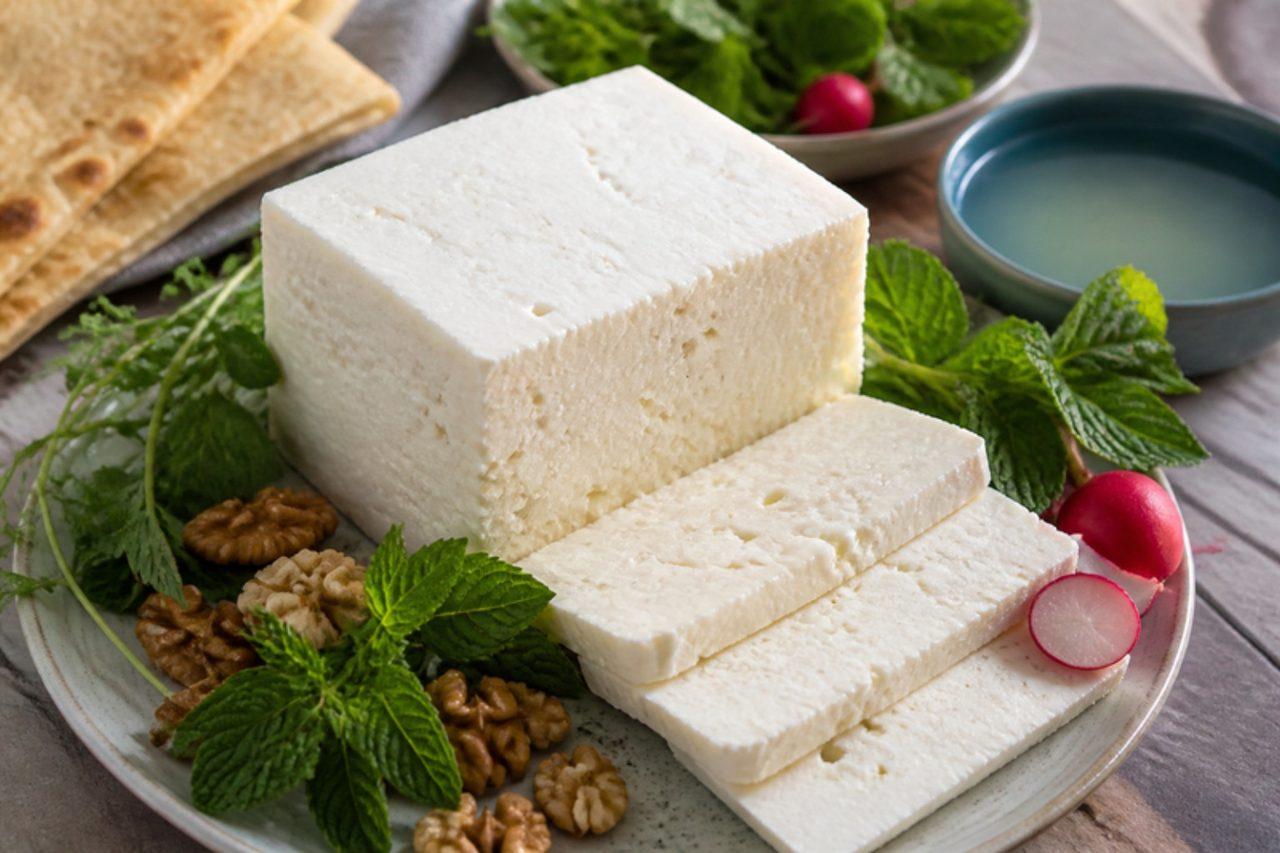
The village of Lighvan, on the slopes of Mount Sahand south of Tabriz, gives its name to Iran's most loved breakfast cheese: a white, holey, tangy sheep's milk cheese matured in brine, traditionally in goatskins or tins in mountain caves. Across Azerbaijan province it is eaten every morning with warm bread, walnuts, fresh herbs and sweet tea. This home version uses pasteurised sheep's milk (or a mix with goat's milk) so it is safe to make in your kitchen. Village Lighvan is set with animal rennet; use a vegetarian (microbial) rennet to keep it vegetarian. The commonest mistake is cutting the curd before it gives a clean break, which loses yield and makes a crumbly cheese. Chef's tip: let the cheese firm in the fridge for a full week in the brine; it develops its classic tang and little holes as it matures.

1500 minPersianBasicsGluten free
by KrazyBadal 0 views

Freekeh bil djajChicken with smoked green wheat

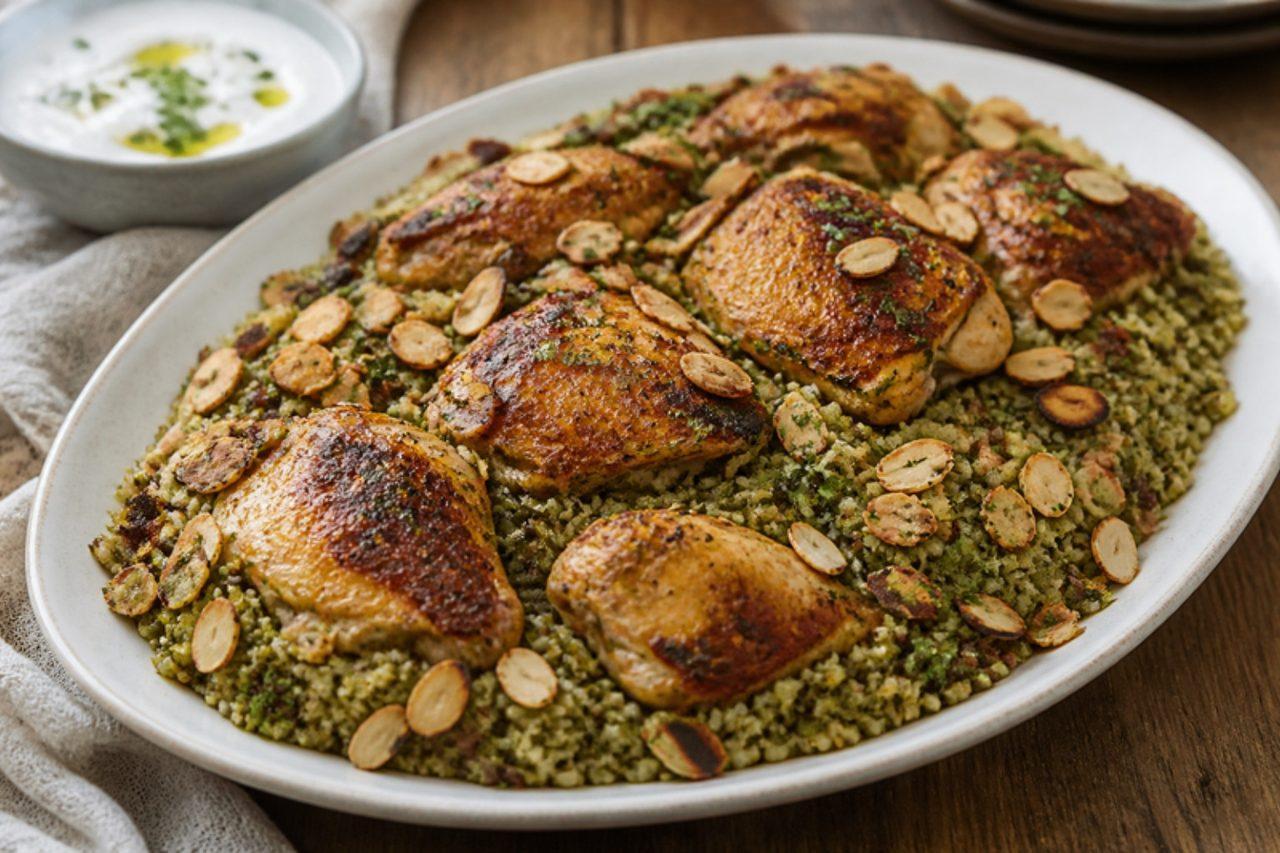
Freekeh — young green wheat harvested and roasted over fire in the fields of Hauran and the Syrian countryside — has a smoky, nutty taste that makes this dish special. Chicken is poached with whole spices, and its broth is used to cook the freekeh into a fluffy pilaf, then everything is topped with the browned chicken and toasted almonds. It is a dish for Sunday gatherings and Eid, served with yoghurt and cucumber. Common mistake: not picking over the freekeh; it often has tiny stones and husks, so spread it on a tray and check. Chef's tip: brown the poached chicken in butter or under the grill before serving for colour and crisp skin.

by KrazyBadal 0 views

Irish white pudding patties

White pudding is the pale partner to black pudding on the Irish breakfast plate, made in butchers' shops from West Cork to Sligo with pork, pork fat, oatmeal, onion and a secret blend of spices. Making it at home in casings is fiddly, so this version shapes the same mix into patties to fry for the full Irish or a breakfast roll. Chef's tip: toast the oats in a dry pan first; it gives the nutty flavour that good shop-bought white pudding has.

by KrazyBadal 0 views

Showing 36 of 7,762 recipes

Show more recipes

Page 419 of 863