


Skip to content
Sugar syrup
Featured recipe

Sugar syrup

Sugar syrup (chashni) is the base of many Indian sweets, and recipes ask for it at different stages. A light syrup is for soaking sweets and sweetening drinks. One-thread and two-thread syrups are boiled longer so the sweet sets. You can make it with milk instead of water for some sweets.

Read more 1 views

What to eat today?

Around the world

Today's trip: Persian

A new country every day, from every cuisine on the site.

Persian

Nazkhatoon

Smoky aubergine with pomegranate 40 minMore from Persian (131) →

This week's collection

Kid-friendly dinners
578 recipes · a new collection every Monday

Latest recipes

Empanadas mendocinas

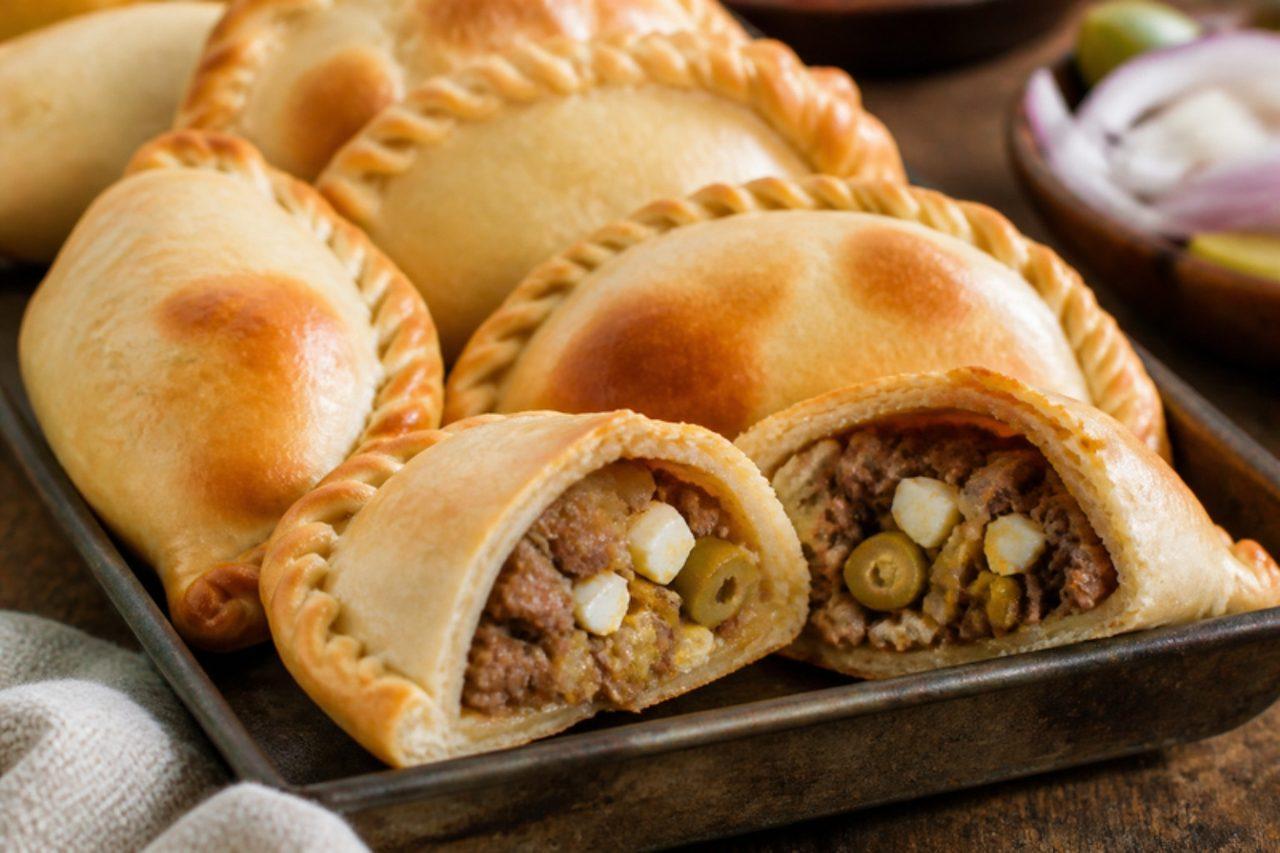
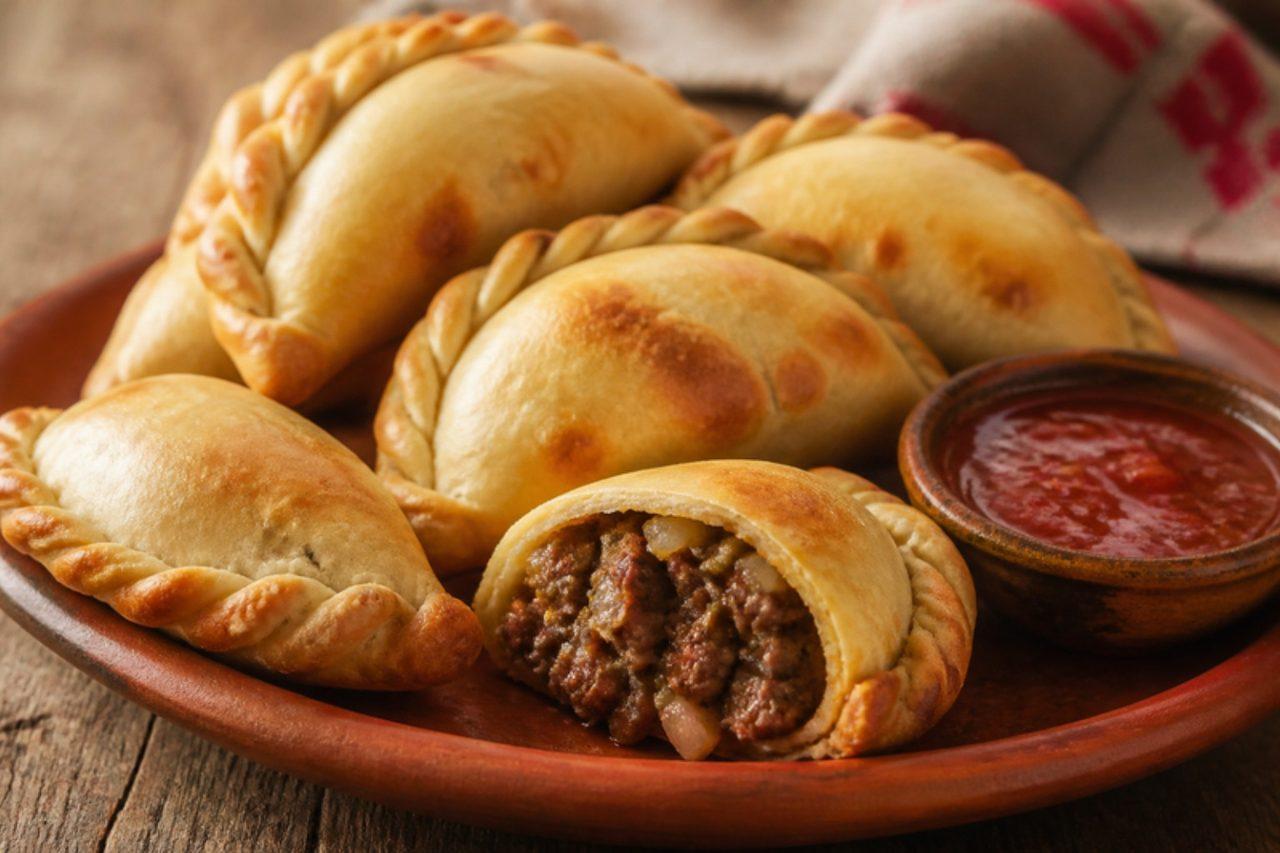
Mendoza's empanadas are all about juice. The filling uses roughly as much onion as beef, cooked only briefly so it stays sweet and wet, then gets folded with hard-boiled egg and a whole green olive in every pastry; the dough is a tender one made with beef fat. They come out of wood ovens across the province for Sundays, family gatherings and the grape harvest, and are eaten by hand, leaning forward, with a tomato and onion salad on the side. The classic error is filling the dough while the meat is still warm: the fat melts, the pastry turns soggy and the seal splits in the oven. Cool the filling completely, ideally overnight. Chef's tip: cut the beef into small cubes with a knife instead of buying mince; it stays juicier and gives the bite a Mendoza cook expects.

by KrazyBadal 0 views

Burritos de chile coloradoRed chilli beef burritos

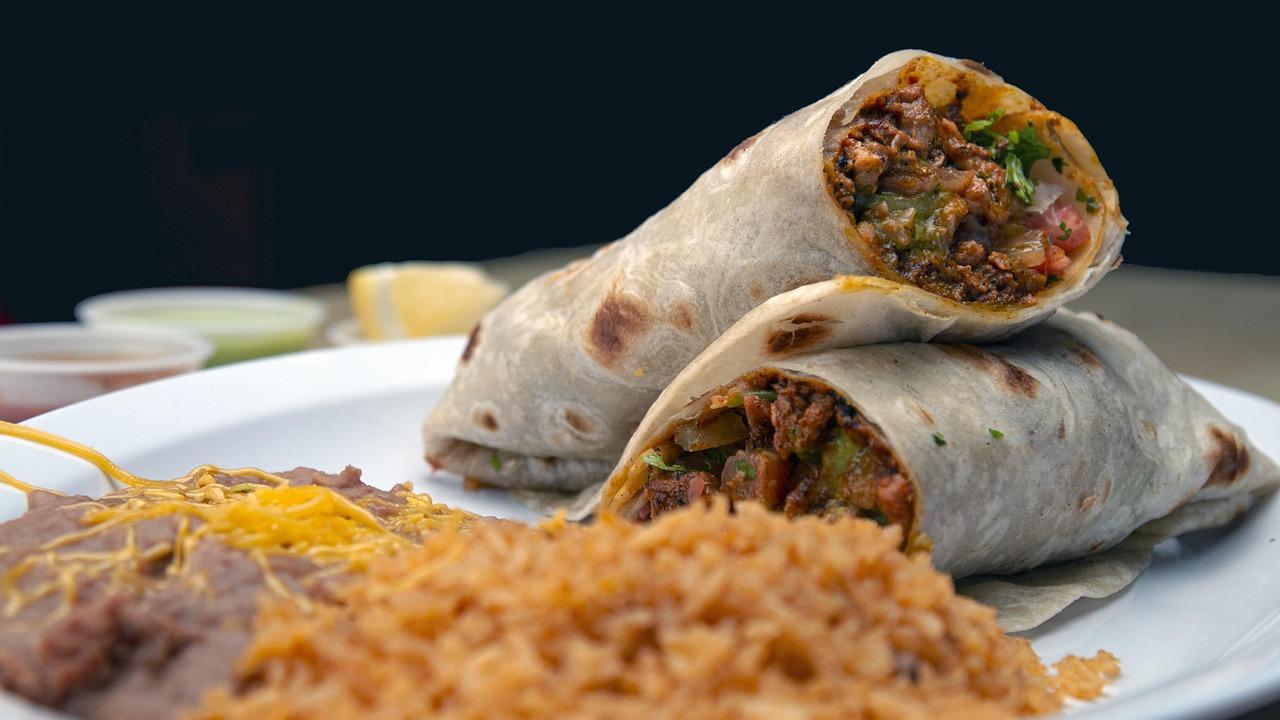
Ciudad Juárez is where the burrito as most of the world knows it began, but the ones sold from Juárez street stands and lunch counters are slim: a thin flour tortilla rolled tightly around a single filling, eaten two or three at a time. Chile colorado, beef braised in a smooth red sauce of dried chillies, is the favourite, earthy and mildly hot, with the meat soft enough to pull apart. Serve them with nothing but a little extra sauce and some pickled jalapeños. Chef's tip: keep the stew thick, like a paste that coats the meat, or the tortillas turn soggy before you can roll them.

by KrazyBadal 0 views

Licuado de bananaBanana milk shake

Order a licuado in any Argentine café or bar and you will get a tall glass of fruit blended with milk (con leche) or water (con agua), and banana with milk is the one nearly everyone grows up on. It is breakfast for teenagers in a hurry, a merienda with tostados, and the drink parents in Buenos Aires make when the fruit bowl has spotty bananas. It should be thick, cold and smooth, with a light froth, sweet mainly from ripe fruit. Using under-ripe bananas is the mistake: they taste chalky and need lots of sugar, so wait for brown freckles. Chef's tip: slice and freeze the bananas the night before and you can skip the ice; the shake comes out colder and thicker without being watered down.

by KrazyBadal 0 views

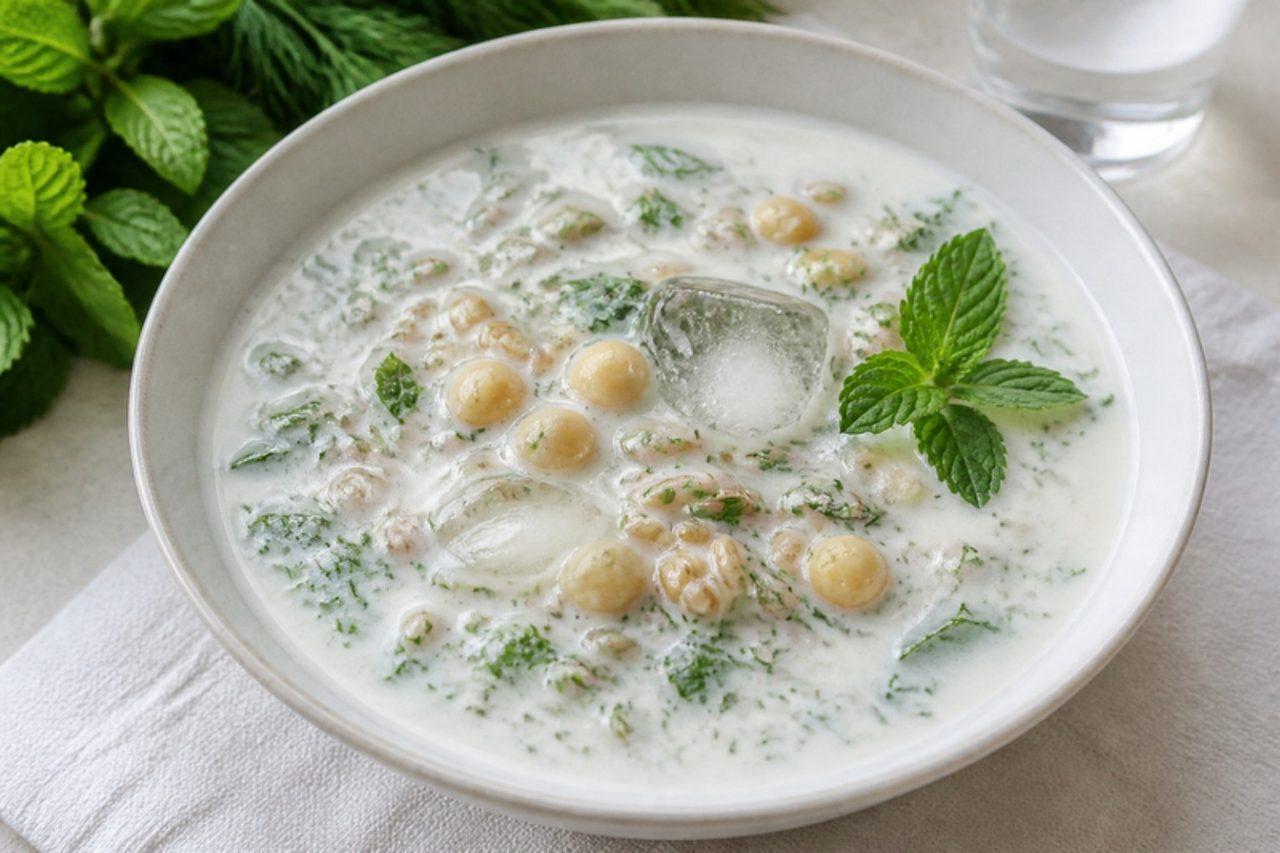
Ayran aşıChilled yoghurt and wheat soup

When the summer heat hits the eastern plateau around Erzurum, Erzincan and Sivas, families switch from hot soups to ayran aşı, a cold soup of thinned yoghurt with cooked whole wheat, chickpeas and handfuls of mint, dill and purslane or cucumber. It's ladled from a big bowl at lunch with flatbread, and it's as refreshing as a drink but filling as a meal. Common mistake: adding the grains while still hot, which makes the yoghurt split and turn sour-tasting; cool them completely first. Chef's tip: make it a few hours before serving and chill; the wheat soaks up the yoghurt and the herbs perfume the whole bowl.

by KrazyBadal 0 views

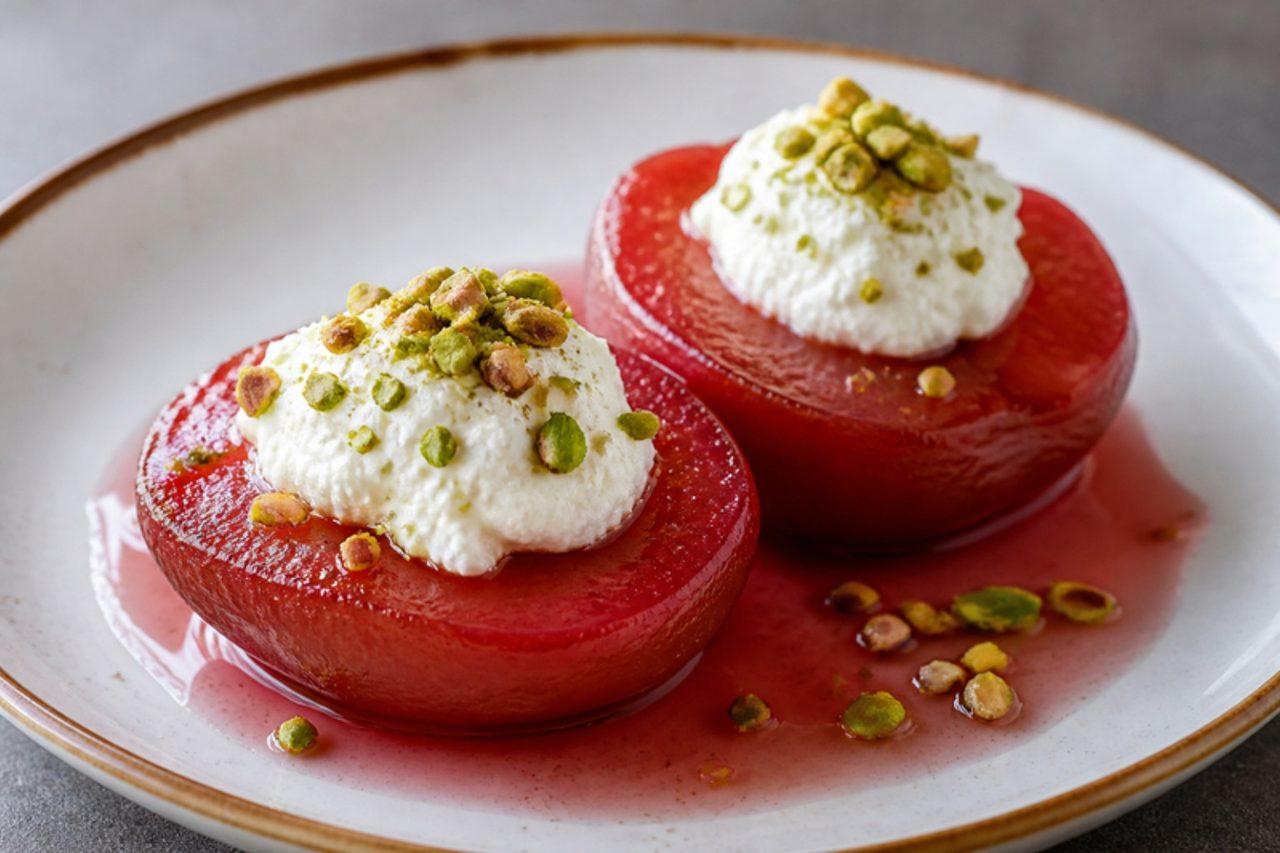
Ayva tatlısıPoached quince with clotted cream

In autumn the market stalls of Ankara and Kayseri are piled with knobbly yellow quinces, and the best-loved thing to make with them is ayva tatlısı: halves poached slowly in syrup with their own seeds and a few cloves until they turn translucent and a deep garnet colour. Each half is filled with thick kaymak or clotted cream and topped with pistachio. Common mistake: rushing it on a high heat; the red colour only comes with long, gentle cooking. Chef's tip: tie the cores and seeds in a little muslin bag and cook them with the fruit; their natural pectin and tannins give the syrup body and that ruby glow.

by KrazyBadal 0 views

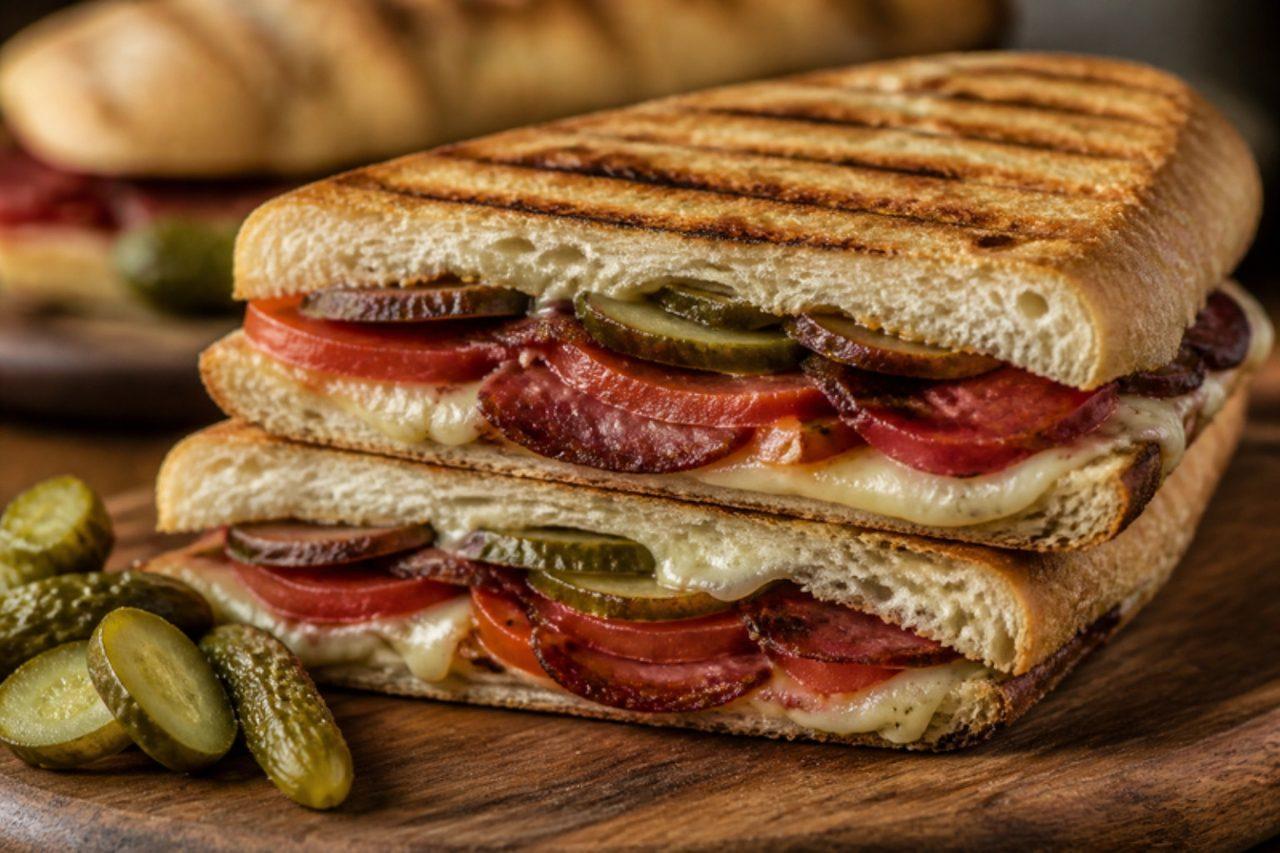
Ayvalık tostuSausage, cheese and pickle toastie

Ayvalık, the olive-oil town on the north Aegean, turned the humble cheese toastie into a feast: a long, soft loaf split and stuffed with kaşar, beef sucuk, beef salami, tomatoes and pickles, pressed hot, then opened up again to be piled with ketchup, mayonnaise and Russian salad. It is eaten for breakfast or as a late snack after a swim. This one has beef sausage and salami, so check the label if you avoid pork. Chef's tip: press it twice, once with the cheese and meats, then again after opening it to add the cold toppings, so the bread stays crisp.

by KrazyBadal 0 views

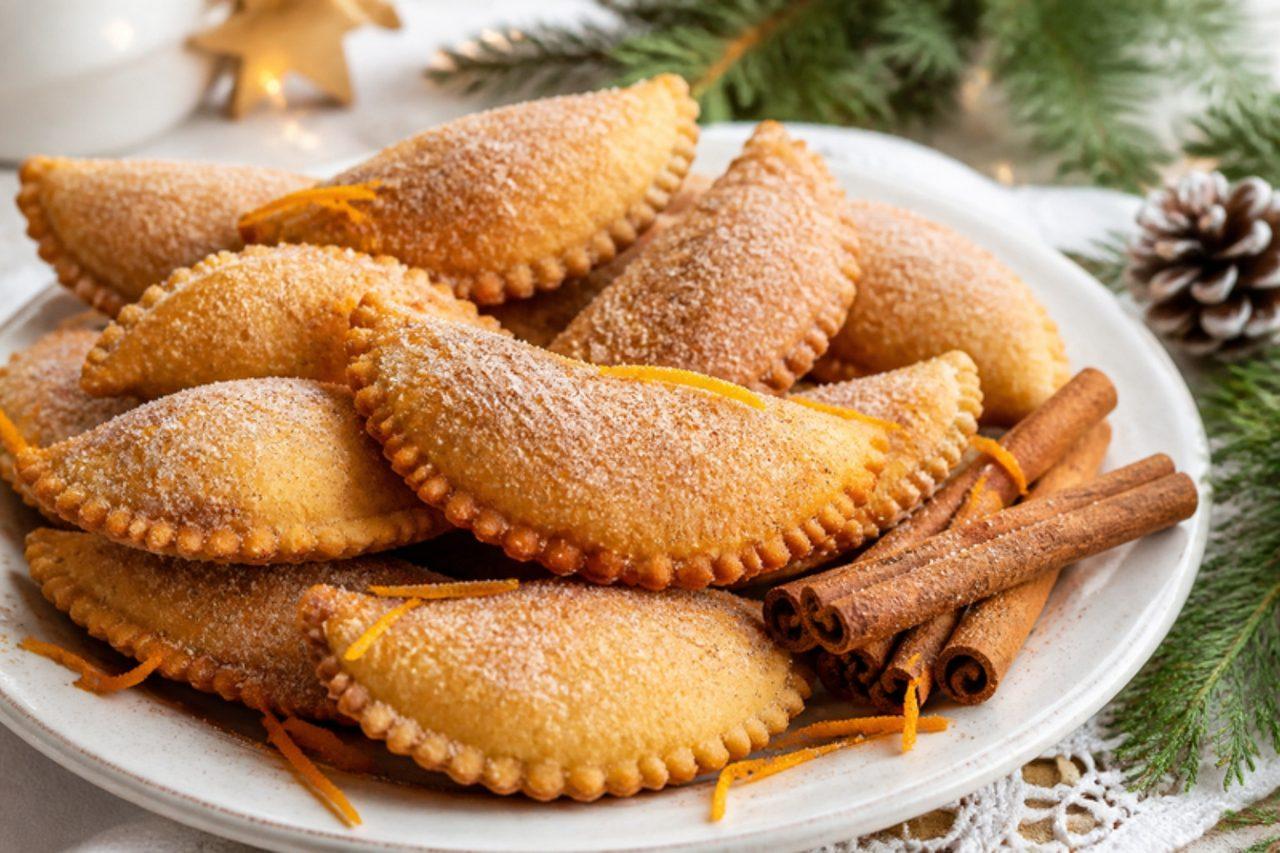
Azevias de grãoSweet chickpea fried pastries

Come December, Alentejo kitchens fill with the smell of these: thin, crisp pastries folded around a sweet chickpea paste flavoured with orange and cinnamon, fried until blistered and rolled in cinnamon sugar. Families make them by the hundred and share them with neighbours over Christmas. Many recipes add a splash of aguardente, a grape spirit containing alcohol, to the dough for crispness; it is optional here, and orange juice alone works. This version contains no egg or dairy. A common mistake is rolling the dough too thick; it should be thin enough to see light through, so it bubbles and crisps. Chef's tip: make the filling the day before; cold, firm filling is far easier to wrap.

by KrazyBadal 0 views

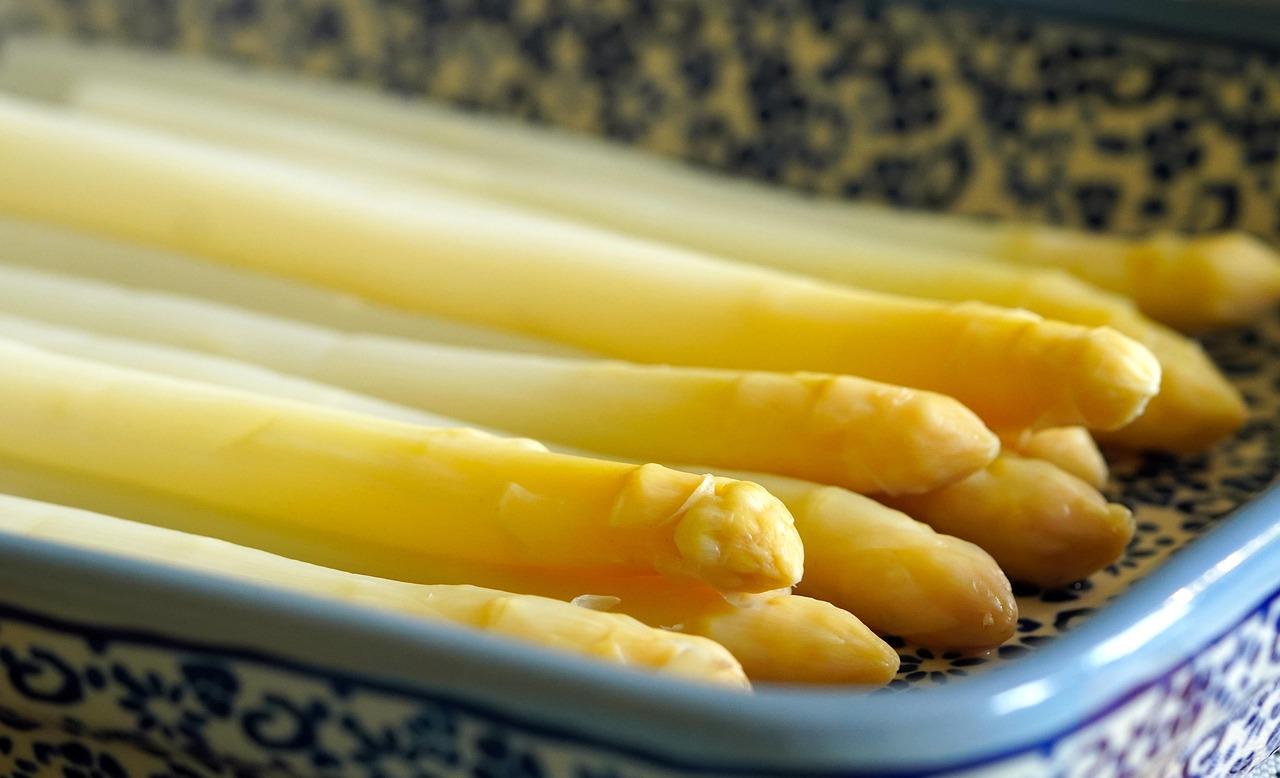
Espárragos de Navarra con vinagretaWhite asparagus with vinaigrette

White asparagus grows under mounded earth in the sandy fields along the Ebro and its tributaries, and the Espárrago de Navarra label covers the spears picked there from April to June. In spring, restaurants from Pamplona to Tudela serve them freshly boiled, still warm or just cool, as a starter on their own or with a sharp vinaigrette full of finely diced peppers and egg. The rest of the year the jarred ones are a pantry staple. Chef's tip: add a teaspoon of sugar to the cooking water; it softens the faint bitterness of the stems.

by KrazyBadal 0 views

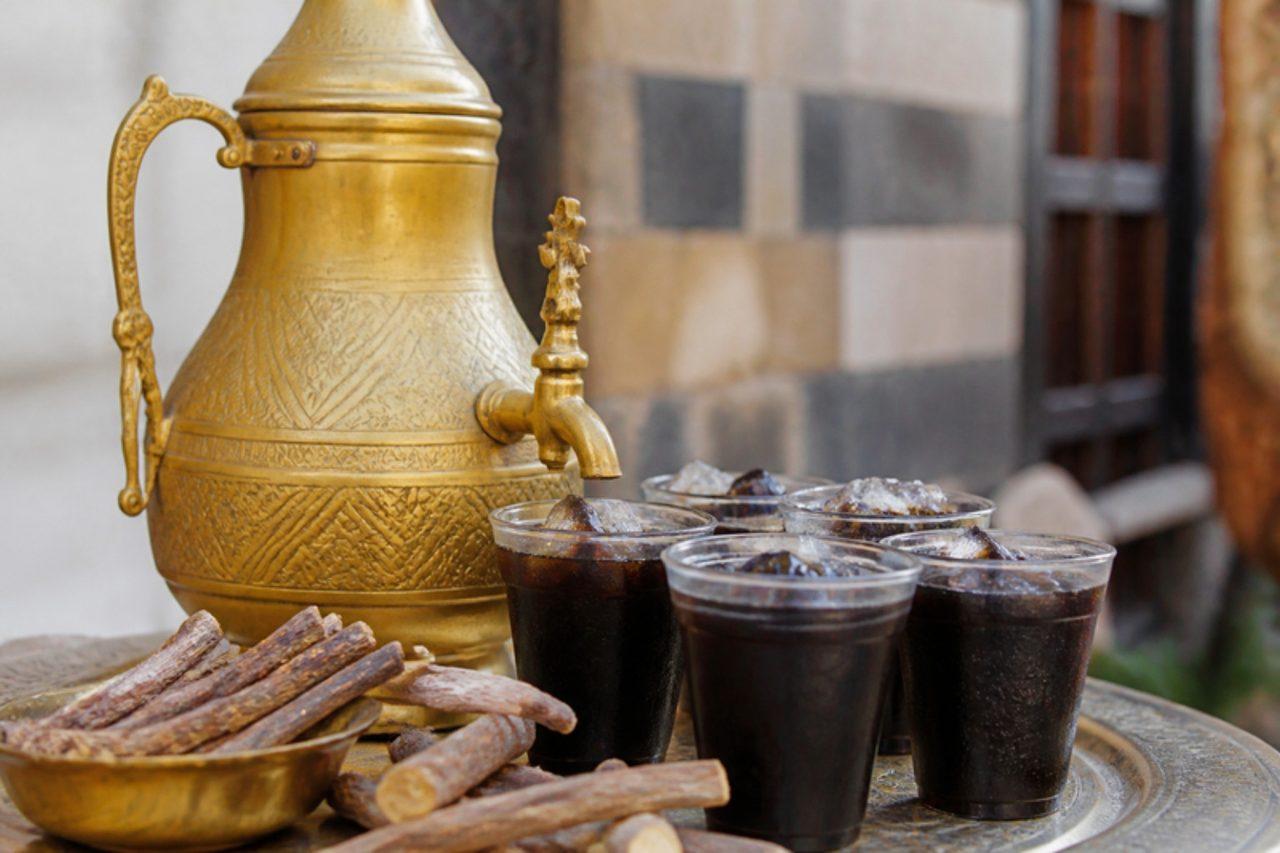
Erk sousLiquorice root drink

In the lanes of old Damascus and Aleppo, the erk sous seller is heard before he is seen, clacking brass cups as he walks with a great curved jug strapped to his back. His drink is liquorice root, slowly dripped through with cold water, dark, earthy, faintly bitter and naturally sweet, poured with a flourish over the shoulder during Ramadan iftars and hot afternoons. At home a sieve and a cloth do the job. The mistake people make is pouring boiling water over the root, which pulls out harsh bitterness; cold water and patience give a smooth, foamy drink. Liquorice root raises blood pressure if you drink a lot of it, so keep to a glass or two a day and skip it if you are pregnant or have high blood pressure. Chef's tip: a pinch of bicarbonate of soda in the damp root gives the drink its traditional thick, frothy head.

by KrazyBadal 0 views

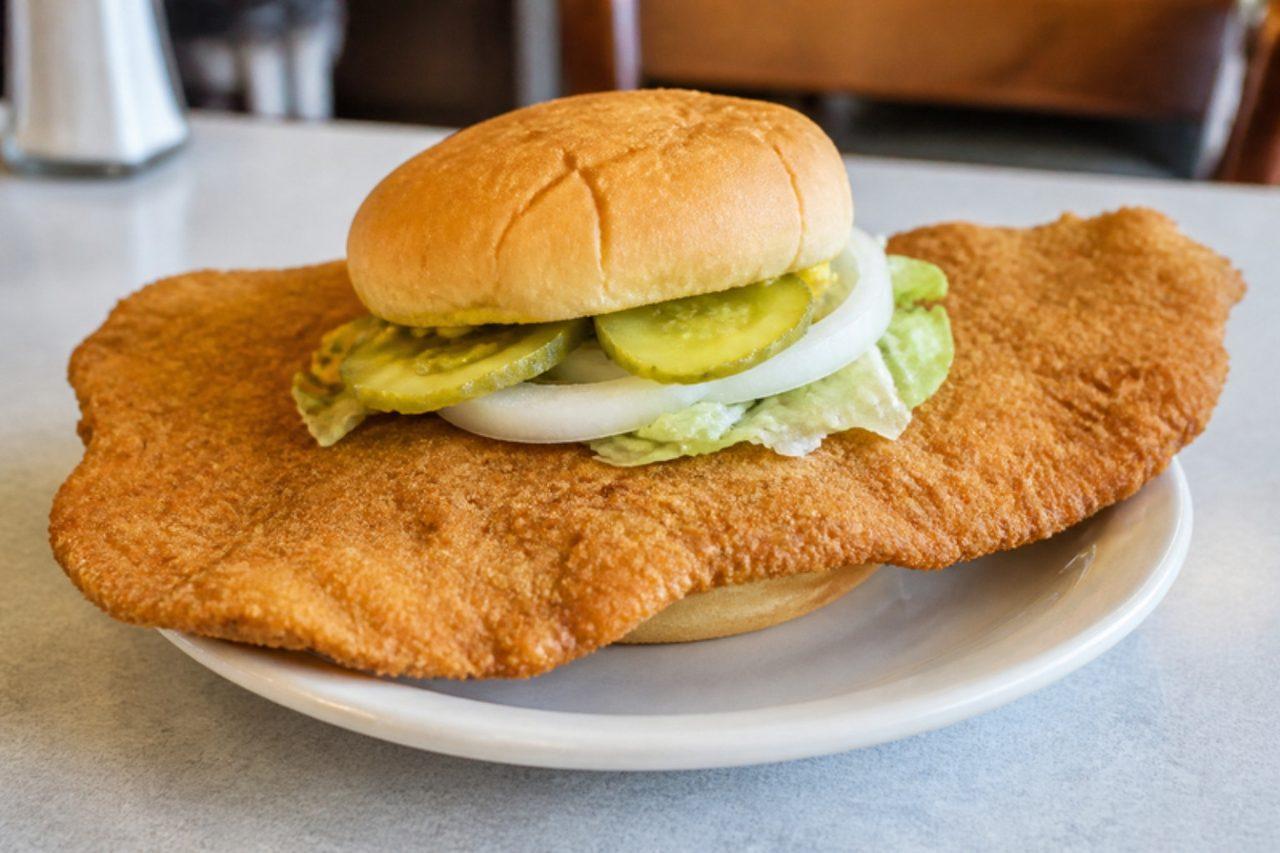
Breaded pork tenderloin sandwich

The breaded pork tenderloin sandwich is the pride of small-town diners in Indiana and Iowa: a pork cutlet pounded so thin and wide that the crisp, golden edges stick out far beyond the bun. It came from the German schnitzel tradition of the farming towns, and people drive miles to compare them. It's dressed simply with mustard, pickles, onion and lettuce. Chef's tip: pound the pork evenly to 5 mm; thin pork cooks through in the time it takes the crumb to turn golden.

by KrazyBadal 0 views

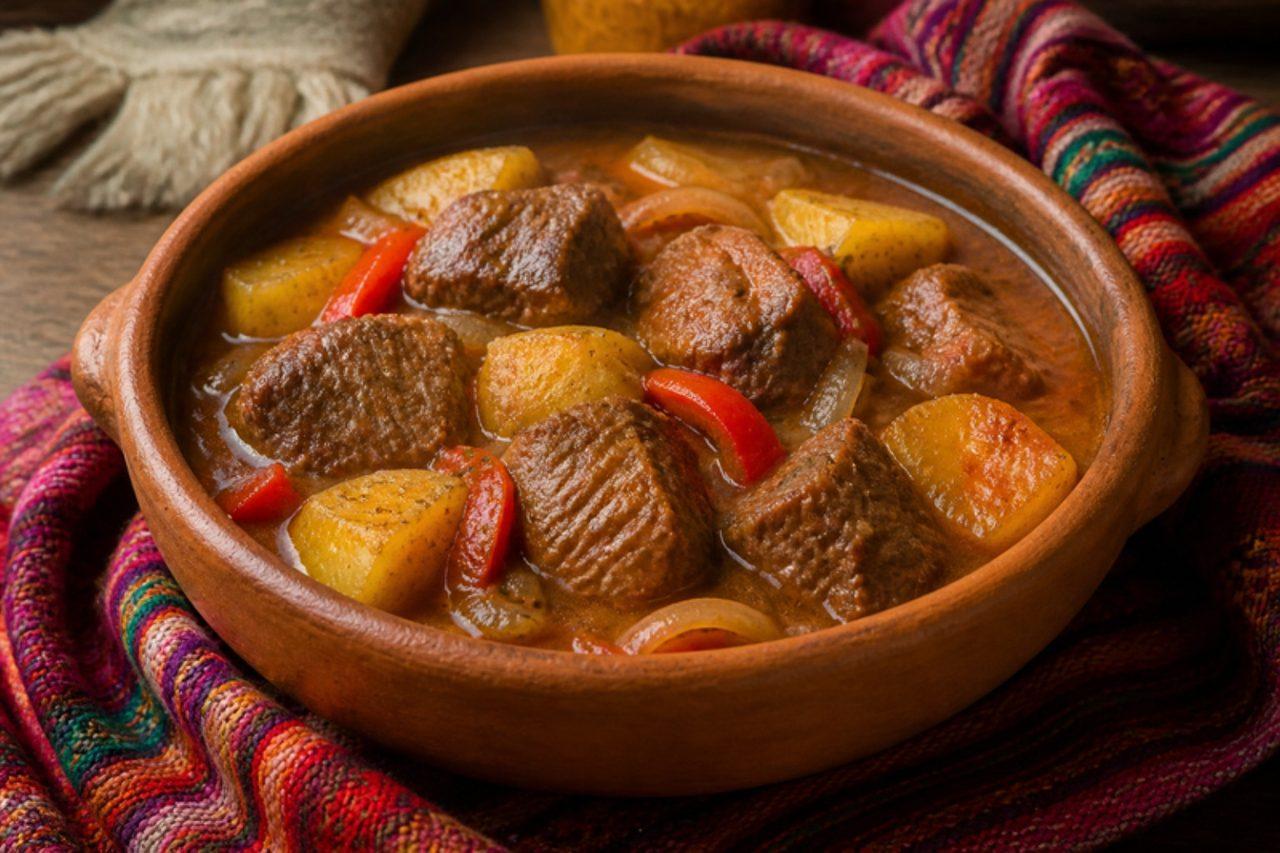
Estofado de llamaBraised llama stew

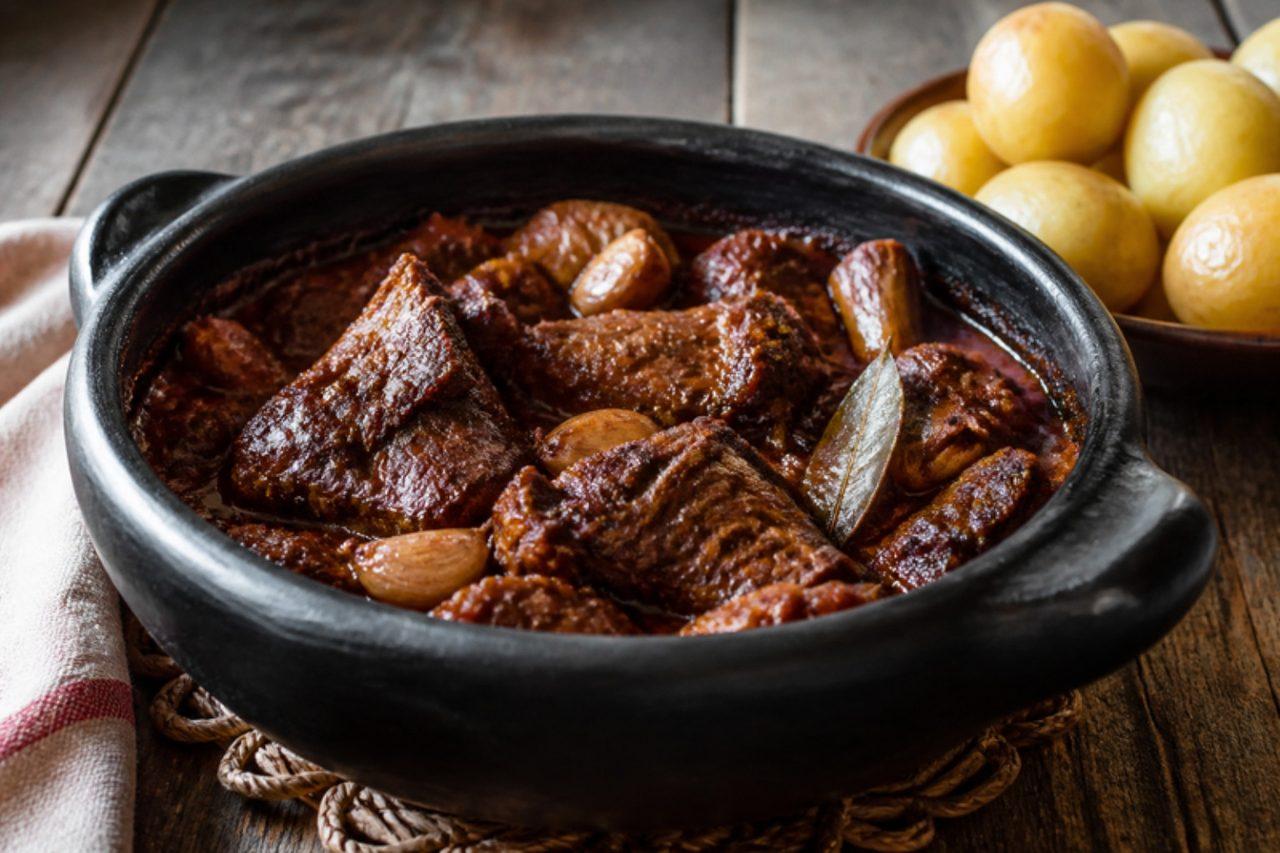
Llama herds have grazed the Puna of Jujuy for thousands of years, and in Purmamarca, Tilcara and Humahuaca restaurants now proudly serve their meat to visitors, most often as a slow estofado. The meat is very lean, dark red and mild, a little like venison, and it is braised with onion, red pepper, tomato, cumin, ají molido and a sprig of muña or oregano until tender, then served with Andean potatoes, quinoa or rice. Outside the Andes, llama is sold by a few specialist game and alpaca farms; lean venison or beef topside are the closest substitutes. Treat it like beef and braise it until fork-tender. Because the meat has almost no fat, the common mistake is cooking it at a rolling boil, which makes it dry and stringy: keep the heat low and the lid on. Chef's tip: dust the meat lightly with a little cornflour before browning; it protects the lean pieces and thickens the sauce without making it heavy.

by KrazyBadal 0 views

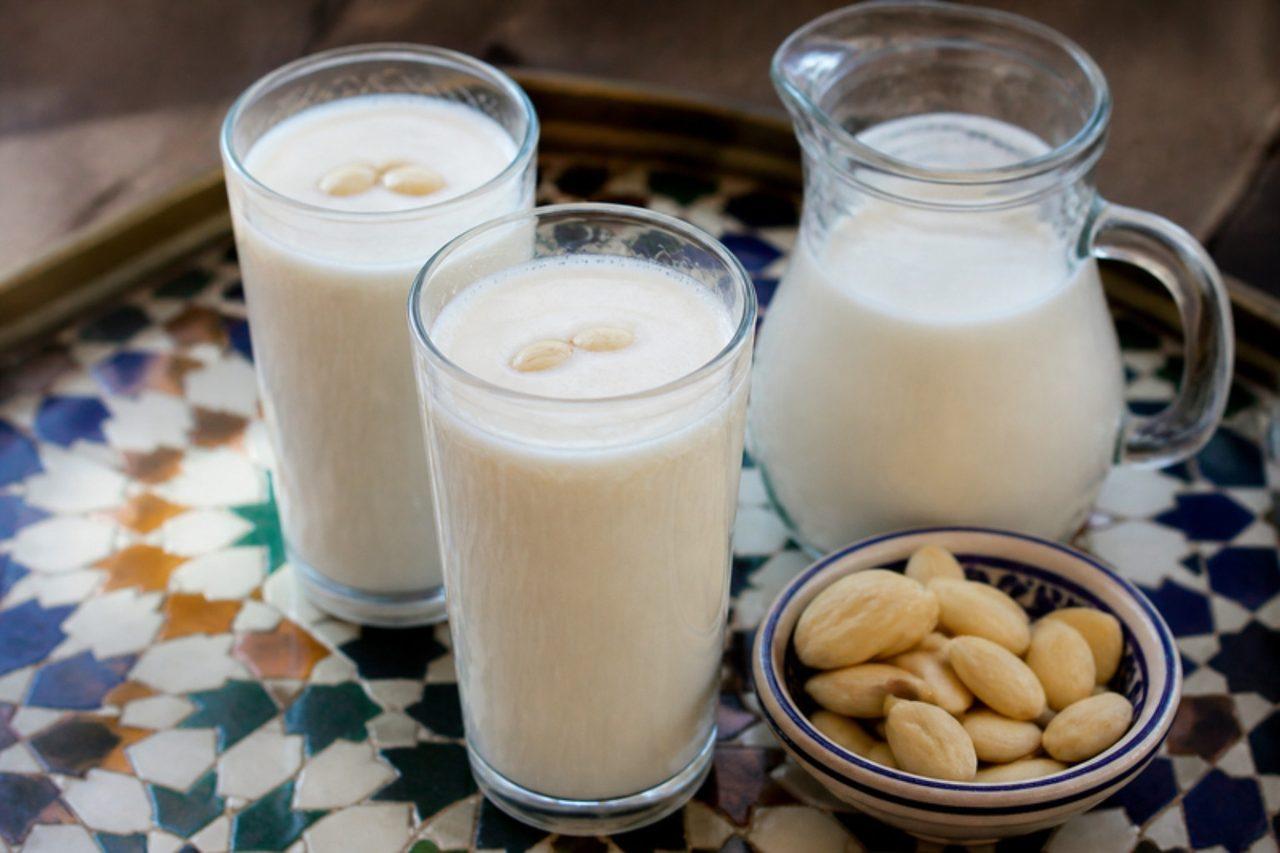
Moroccan almond milk (sharbat louz)

At Moroccan weddings and engagement parties, silver trays of tall glasses filled with sharbat louz are passed among the guests: chilled milk blended smooth with blanched almonds, sugar and a perfume of orange-flower water. It is also a favourite summer drink at home and is often offered to break the fast in Ramadan. The taste is creamy, delicate and nutty, a world away from carton almond milk, since it is real dairy milk enriched with almonds. Serve it very cold, on its own or with sweets. A common mistake is skipping the straining, which leaves a gritty drink instead of a smooth, silky one. Chef's tip: blend the almonds with the sugar and a little milk first, into a fine paste, before adding the rest; that way it ends up silky rather than gritty. Not for anyone with a nut allergy.

by KrazyBadal 0 views

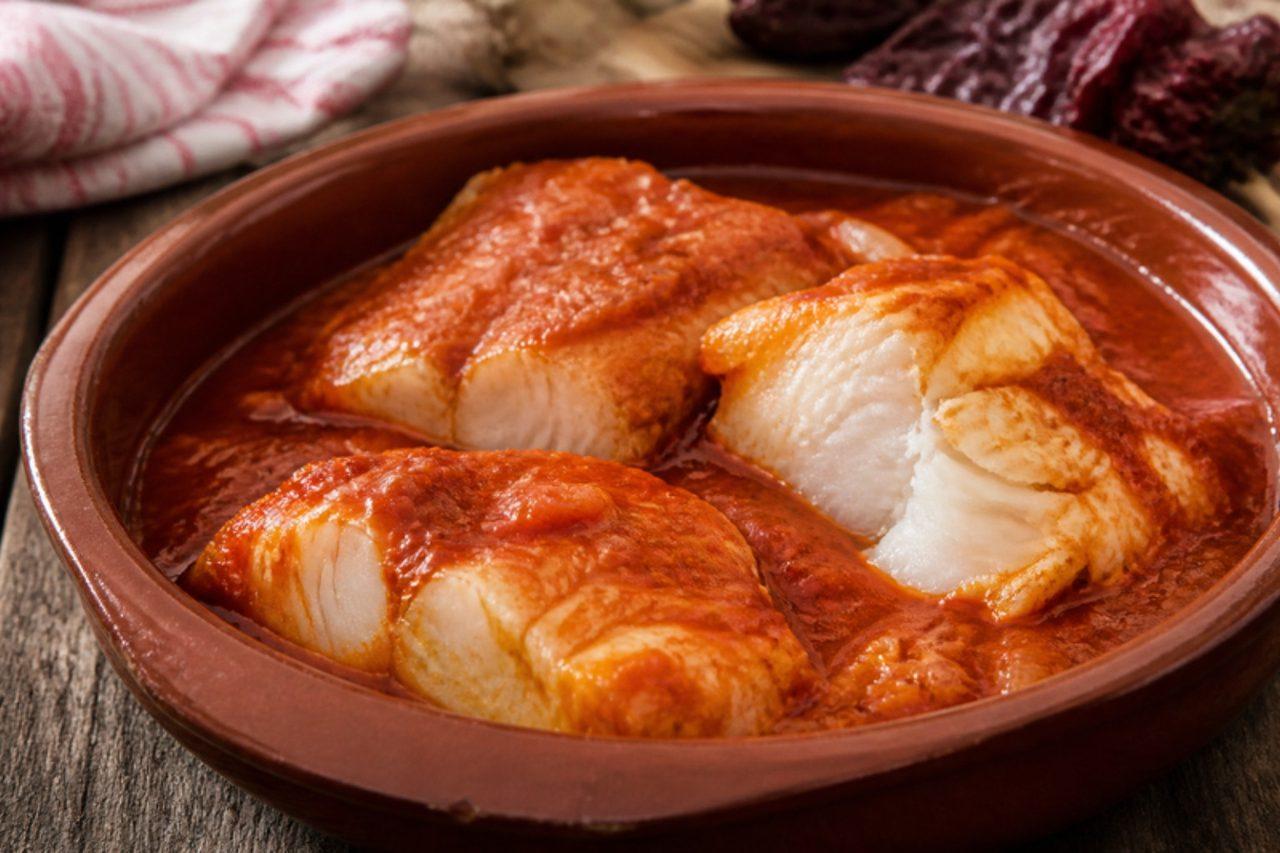
Bacalao a la vizcaínaSalt cod in red pepper sauce

Bilbao's great salt cod dish shows up every Lent and on Good Friday, and in the city's old taverns its sauce is judged as fiercely as the fish. The sauce is made only from onions cooked for a long time and the flesh of dried choricero peppers, with no tomato, which gives it its deep red colour and gentle sweetness. Salt cod needs 36–48 hours of soaking in the fridge, so start two days ahead. A common mistake is hurrying the onions: they need at least 40 minutes on a low heat to turn soft and sweet. Chef's tip: taste a flake of the soaked cod before cooking, and if it's still salty, soak it a few hours more.

105 minSpanishFishGluten free
by KrazyBadal 0 views

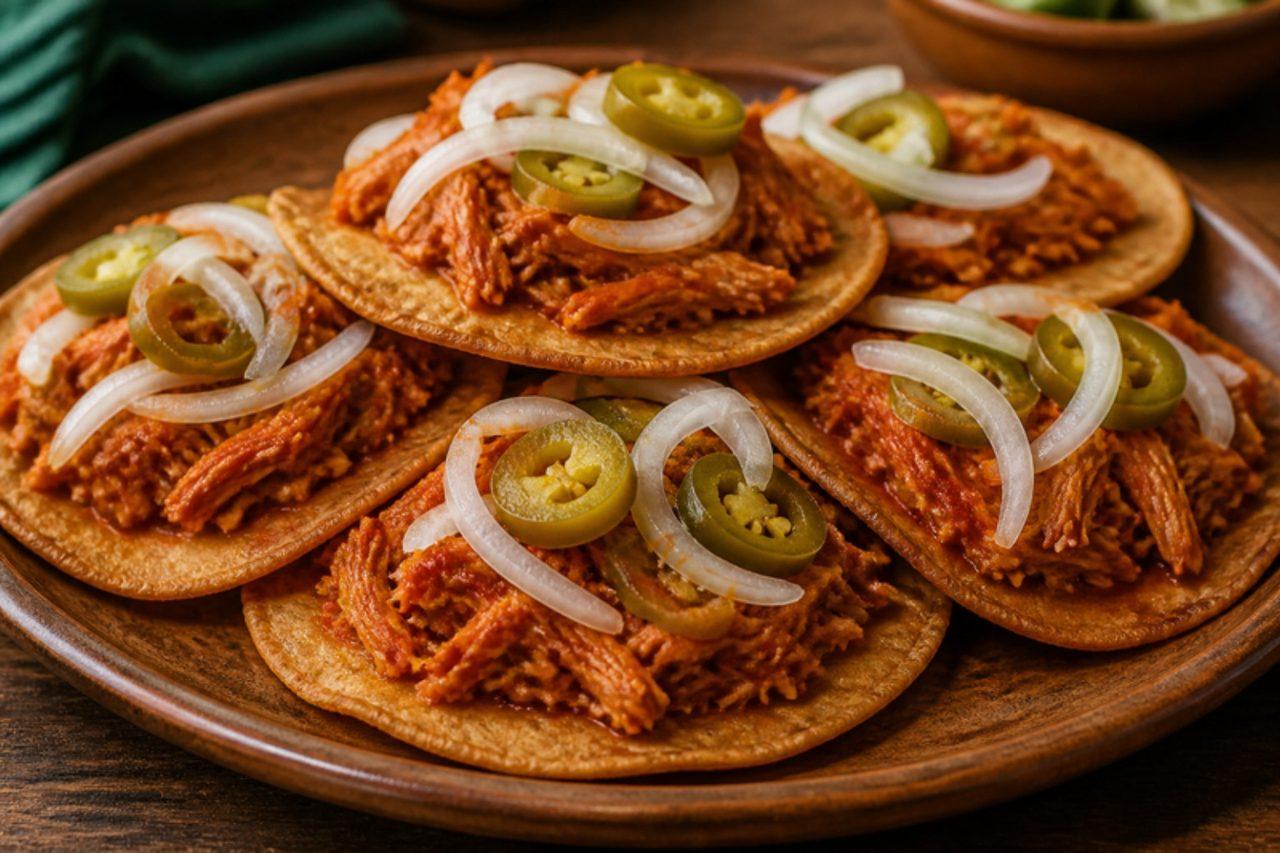
Chalupas de ChilpancingoFried tortillas with chipotle chicken

Chalupas are Chilpancingo's favourite evening snack: in the capital of Guerrero they are sold by the plateful at cenadurías and street stands, often alongside pozole. Small, thick corn tortillas are fried until crisp at the rim but still a little soft in the middle, then heaped with chicken shredded into a smoky chipotle-tomato sauce and finished with sliced onion, a slice of pickled jalapeño and a crumble of cheese for those who like it. Expect to eat five or six each, with a cold agua fresca. The sauce is traditionally fried in pork lard, but vegetable oil is fine. Chef's tip: press a thumb into the edge of each tortilla while it is still warm to make a low rim; it holds the topping and gives the chalupa its little boat shape.

by KrazyBadal 0 views

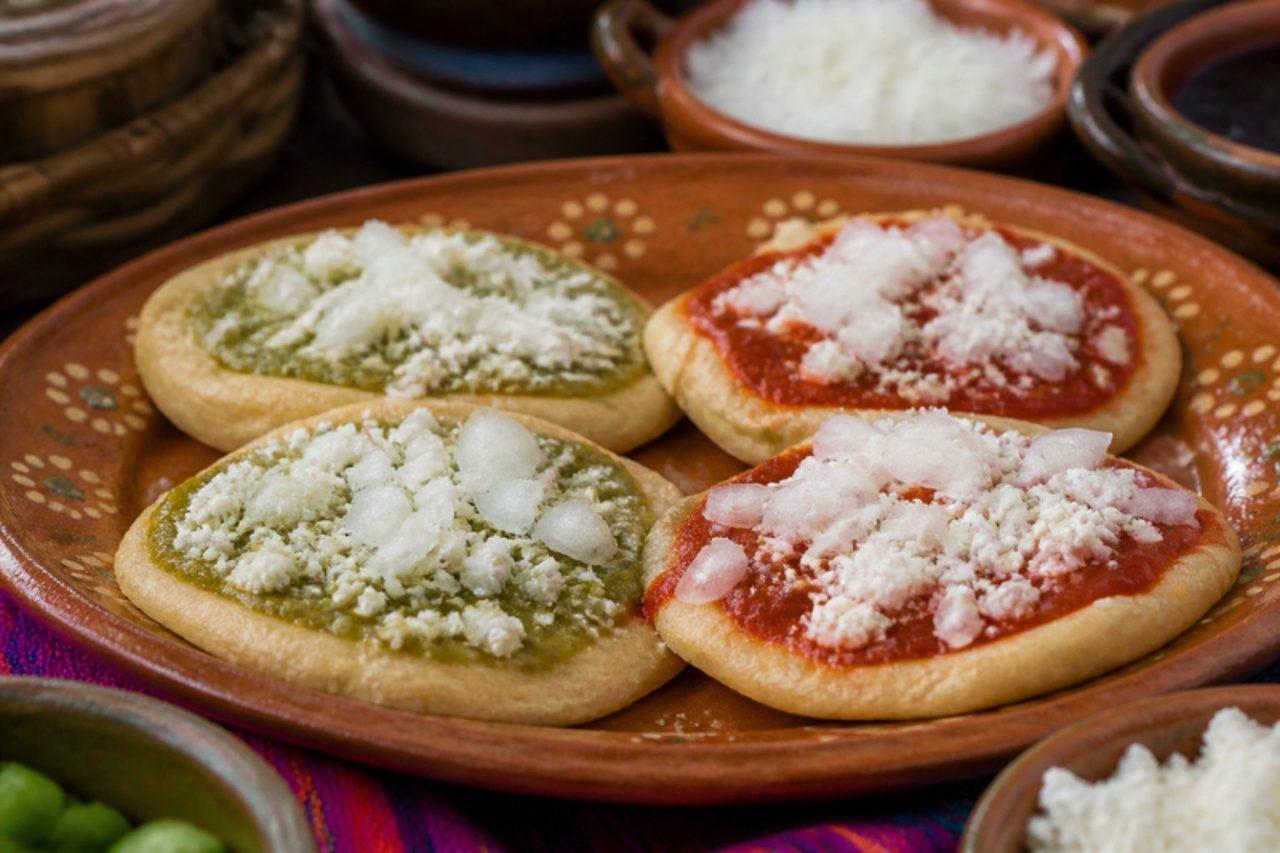
Chalupas poblanasFried tortillas with salsa

On Sunday evenings in the old centre of Puebla, around the Barrio de San Francisco and the Paseo Bravo, stalls fry stacks of small, thin tortillas in shallow oil and paint them half red and half green with salsa. These are chalupas poblanas, sold by the half dozen on paper plates and eaten in a few bites. The Puebla version is usually topped with shredded pork; ours keeps the salsas, onion and cheese, which are the real flavour, and adds a few beans. The edges should be crisp, the middle still a little soft from the salsa. Cheese like queso fresco is often made with animal rennet, so use a vegetarian fresh cheese if you prefer. Chef's tip: spoon the salsa on while the tortilla is still in the pan so it sizzles and soaks in.

by KrazyBadal 0 views

Bacalhau à Gomes de SáBaked salt cod and potatoes

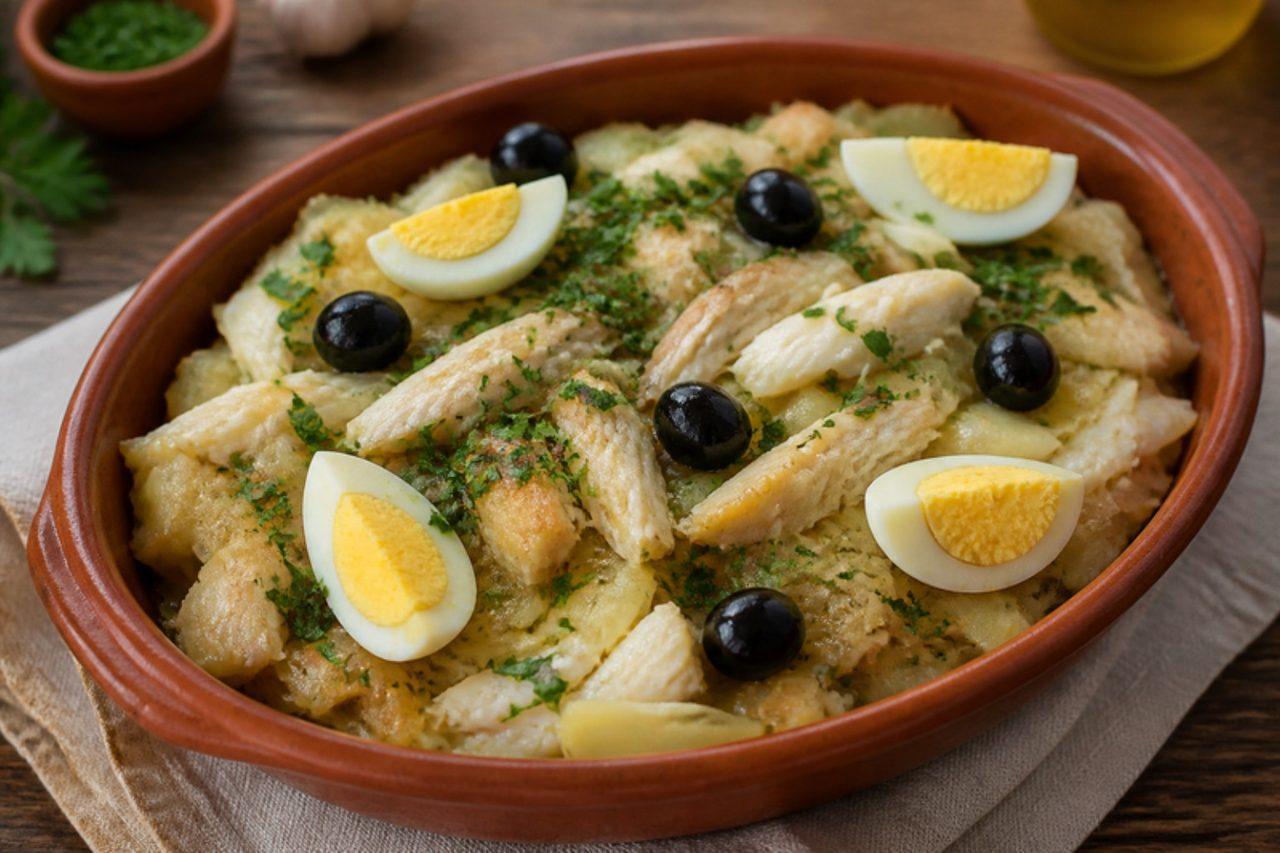
Named after the Porto cod merchant who is said to have created it in the late nineteenth century, this is the city's most loved salt cod dish and a fixture of Christmas Eve and family gatherings across the north. Cod is soaked, warmed in milk, flaked and baked with sliced potatoes and plenty of onions softened in olive oil, then crowned with hard-boiled eggs and black olives. Chef's tip: steep the cod in hot milk rather than boiling it, so the flakes stay moist and come apart in big, glossy pieces.

by KrazyBadal 0 views

Bacalhau à minhotaFried salt cod with onions

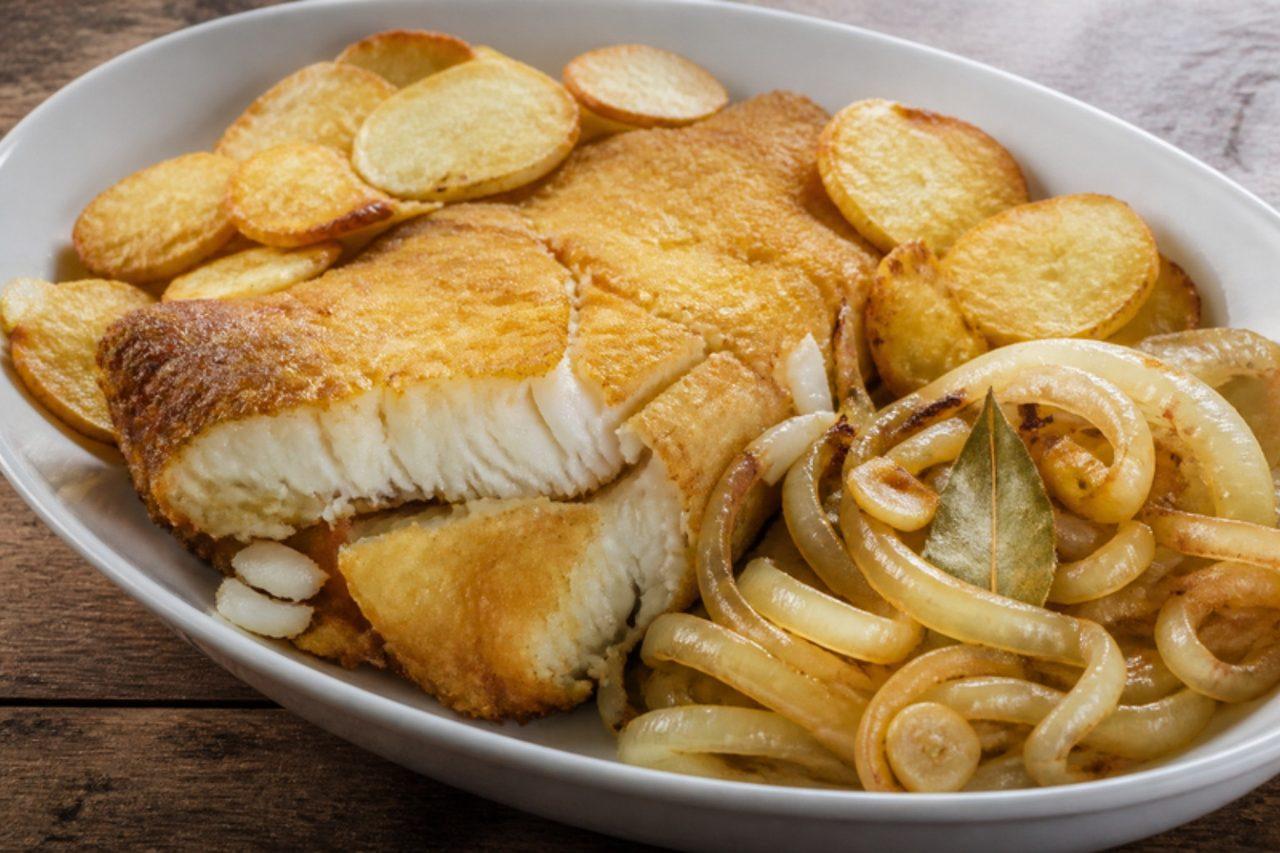
Every Minho restaurant has its bacalhau à minhota on Fridays: a thick loin of salt cod, floured and fried in olive oil, served with crisp potato slices and a tangle of onions cooked in the same oil with garlic and paprika. It is plain, generous country food that relies on good fish. Start two days ahead, as the cod must soak in the fridge to lose its salt. A common mistake is skipping the taste test after soaking; fry a flake first, and soak longer if it is still very salty. Chef's tip: taste a flake of the soaked cod before cooking; if it is still too salty, give it another change of water.

by KrazyBadal 0 views

Bacalhau à Zé do PipoSalt cod with mayonnaise mash

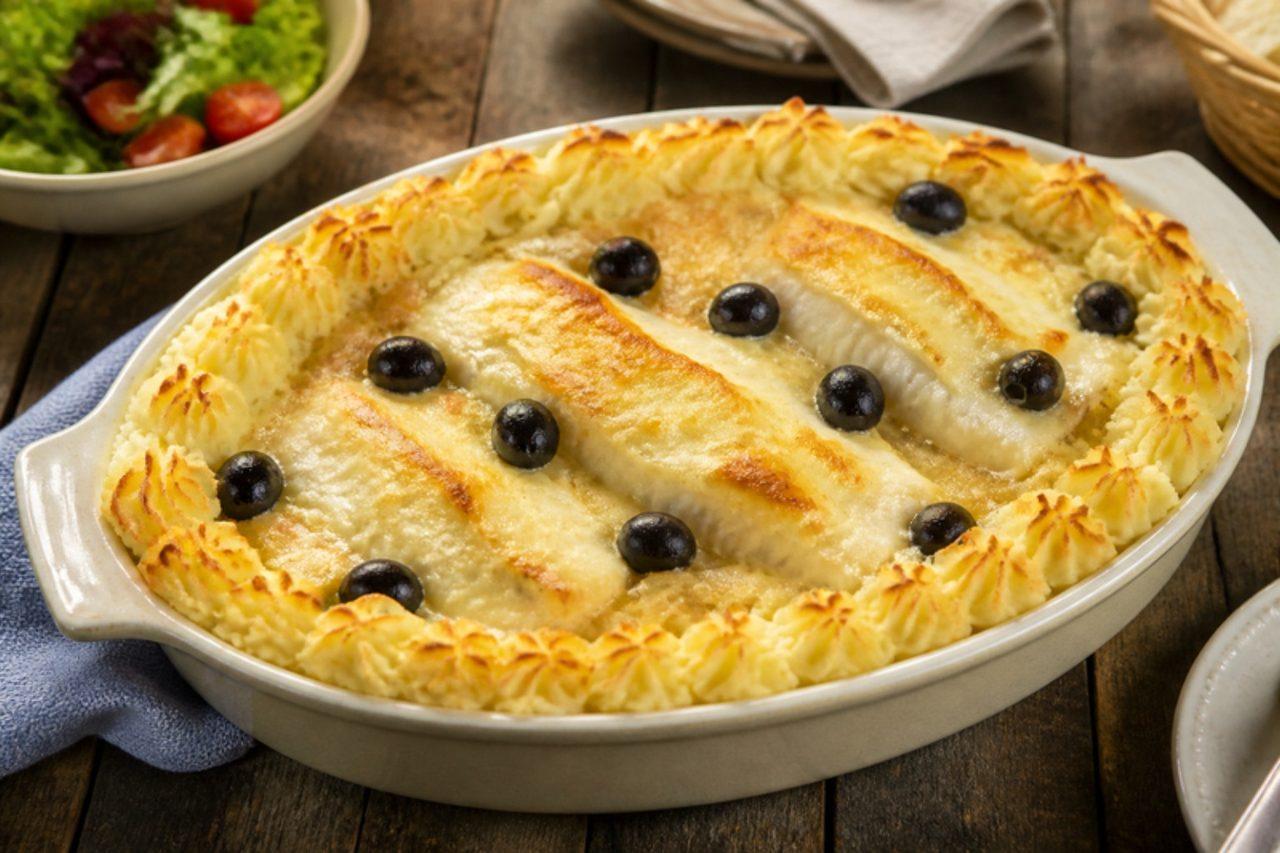
Zé do Pipo was the nickname of a Porto tavern keeper in the 1960s whose cod won a national cooking competition, and the dish became a celebration plate in northern restaurants ever since. Thick cod loins sit on a bed of slow-cooked onions, are covered in mayonnaise and ringed with piped mashed potato, then baked until the top turns golden and blistered. Use a good shop-bought mayonnaise made with pasteurised egg; homemade mayonnaise with raw yolks is not for pregnant women, young children or anyone with a weakened immune system. A common mistake is a runny purée; the potato must be stiff enough to pipe, or it slumps under the mayonnaise. Chef's tip: pipe the mash while it is still warm, as cold mash cracks.

by KrazyBadal 0 views

Bacalhau com broaSalt cod with cornbread crust

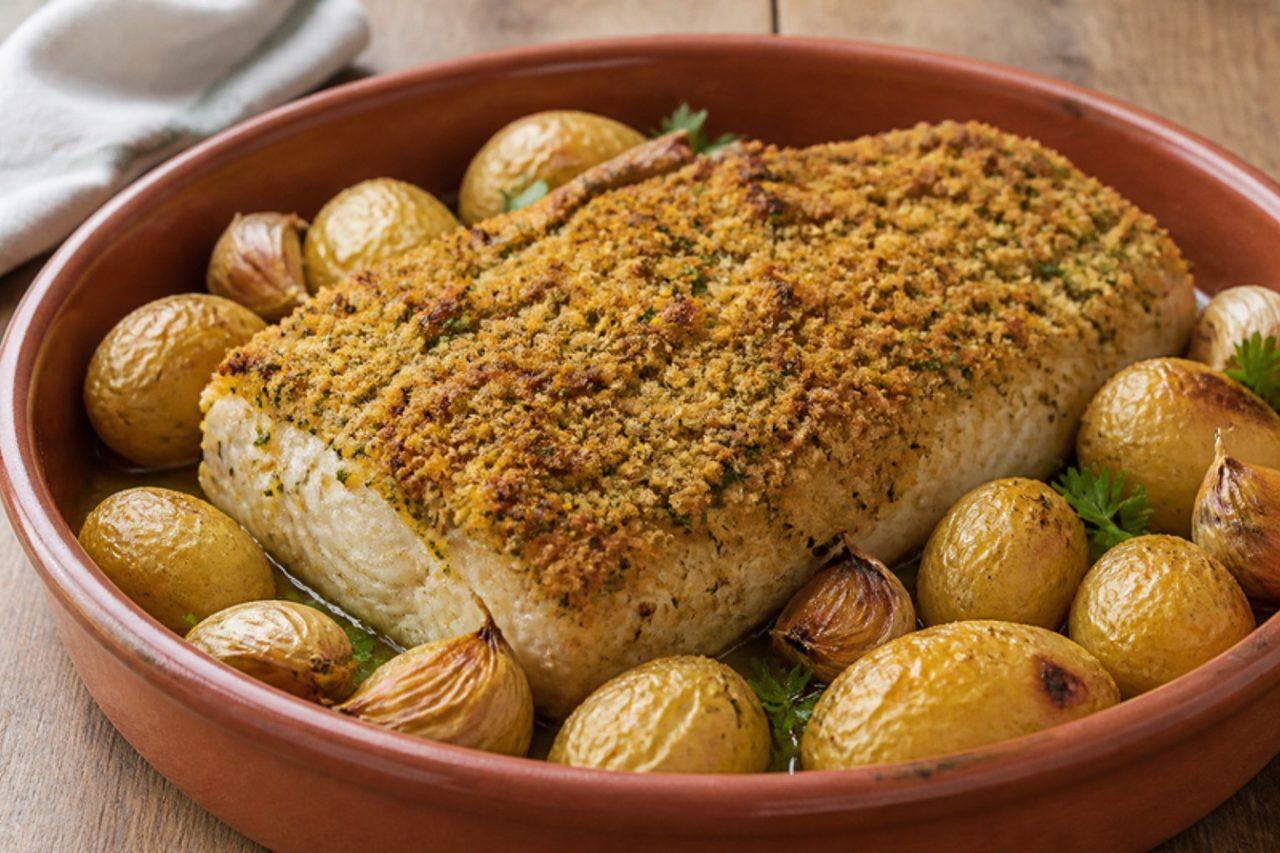
In central Portugal, where corn broa is the everyday bread, cooks crumble it over thick salt cod loins with garlic, parsley and olive oil, and the dish has become a favourite on restaurant menus from Coimbra to Leiria, especially for Christmas Eve and festive lunches. The crumb crust turns crunchy and golden while the cod stays moist and flaky underneath. It comes with punched potatoes and greens. Chef's tip: use broa that is a day or two old, as fresh crumb goes soggy instead of crisp.

by KrazyBadal 0 views

Empanadas tucumanas

Tucumán takes its empanadas so seriously that the town of Famaillá holds a national empanada festival every September, and judges count the pleats. The local style is small and juicy, filled with beef cut by hand with a knife (never minced), lots of white onion and spring onion, cumin, paprika and hard-boiled egg, and the dough is made with beef fat. They are baked very hot, traditionally in a clay oven, until blistered, and eaten standing up at peñas, football matches or family lunches, a drop of lemon squeezed in. The beef filling must reach 71 °C; it cooks first in the pan and again in the oven. A dry filling is the mistake to avoid: cook the onion slowly and let the filling cool so the fat sets, which turns to juice in the oven. Chef's tip: chill the filling overnight if you can; cold filling is easier to spoon and the empanadas come out juicier.

by KrazyBadal 0 views

Baccalà mantecatoWhipped salt cod

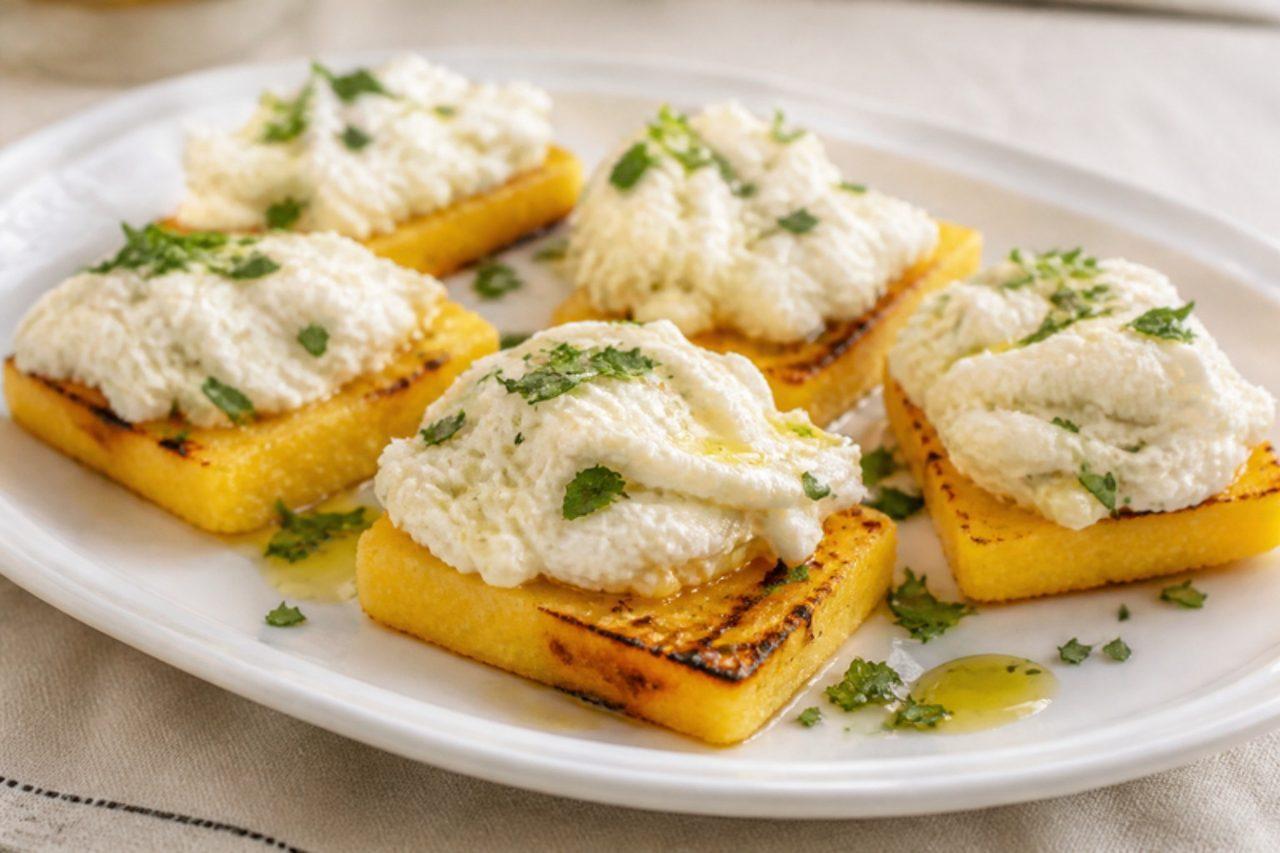
No cicchetti bar in Venice is without a bowl of baccalà mantecato: dried salt cod soaked, poached and beaten with olive oil until it turns pale, fluffy and spreadable, then piled on squares of grilled polenta or toasted bread to eat standing at the counter with a glass of something. It is mild, creamy and gently garlicky, despite containing no cream at all. Venetians traditionally use stockfish (air-dried cod), which is hard to find elsewhere, so this version uses salted cod, which is easier to buy and behaves the same way. The cod needs two days of soaking in the fridge, so start early. Chef's tip: beat the oil in a thin trickle, the way you would make mayonnaise; it is the slow addition that gives the light, creamy texture.

by KrazyBadal 0 views

Bunyols de l'EmpordàAnise fritters

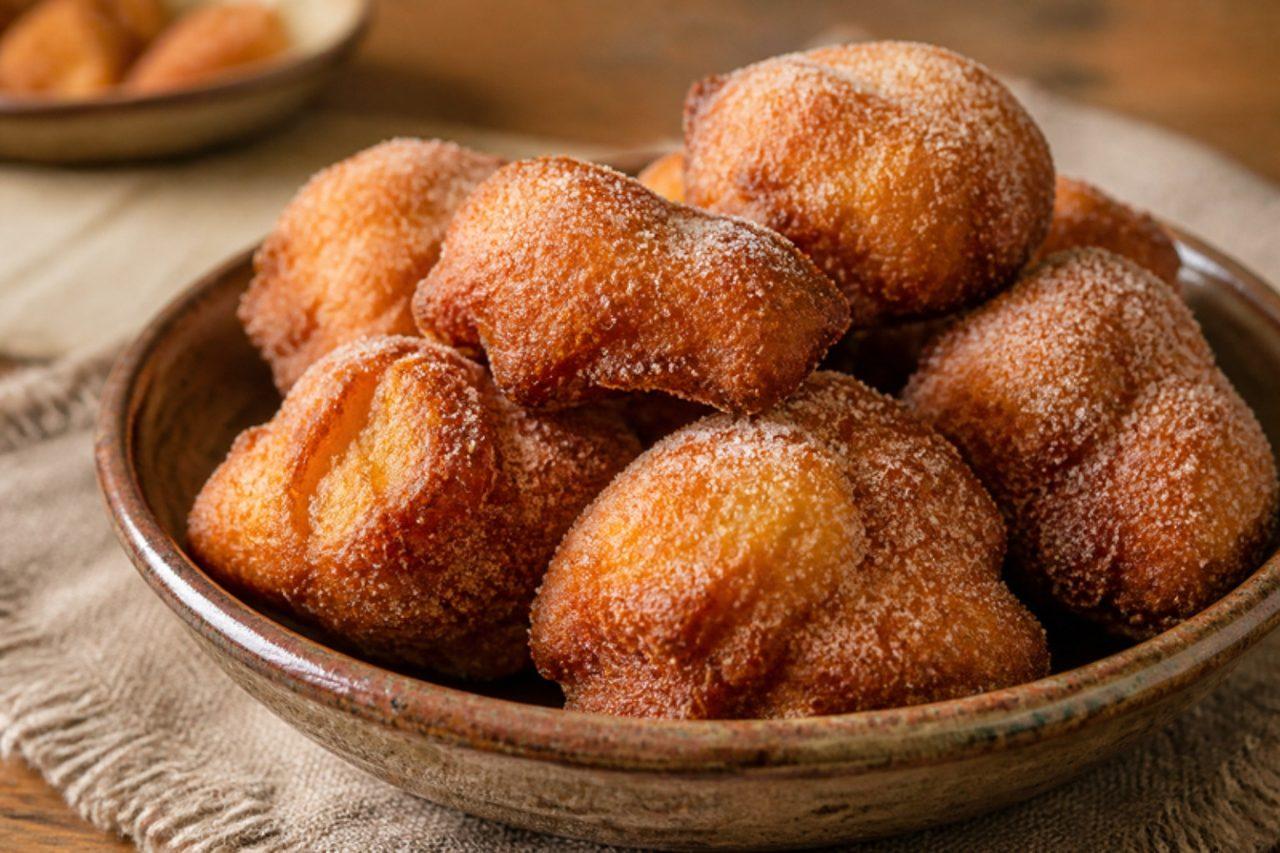
During Lent, bakeries and grandmothers across the Empordà in Girona fry bunyols: light, irregular rings of enriched yeast dough flavoured with anise and lemon, dusted with sugar while hot. Families make them together, poking a hole in each ball with wet fingers as it goes into the oil. The dough traditionally takes a splash of anise liqueur; the alcohol-free option, milk infused with aniseed, is in the ingredient list. Chef's tip: keep a bowl of water by the pan and wet your fingers before shaping each one; the dough then stretches cleanly instead of sticking.

by KrazyBadal 0 views

Buñuelos de calabazaPumpkin doughnuts

When the Fallas bonfires go up in Valencia each March, every other street corner has a stall frying bunyols de carabassa: rough, ring-shaped pumpkin doughnuts pulled from the oil by the dozen and eaten standing up, usually with a cup of thick hot chocolate. The dough is little more than yeasted flour and cooked pumpkin, which keeps the inside soft and faintly orange and the outside crisp and blistered. They contain no egg, milk or butter, so they are suitable for vegans. A common mistake is adding flour until the dough feels like bread dough; it should be sticky and slack, almost a thick batter, or the doughnuts come out heavy. Chef's tip: keep a bowl of water beside the pan and wet your hands before shaping each one; the dough then slides off your fingers into the oil instead of clinging to them.

by KrazyBadal 0 views

Estocaficada (stockfish niçois)Dried cod stew with tomato

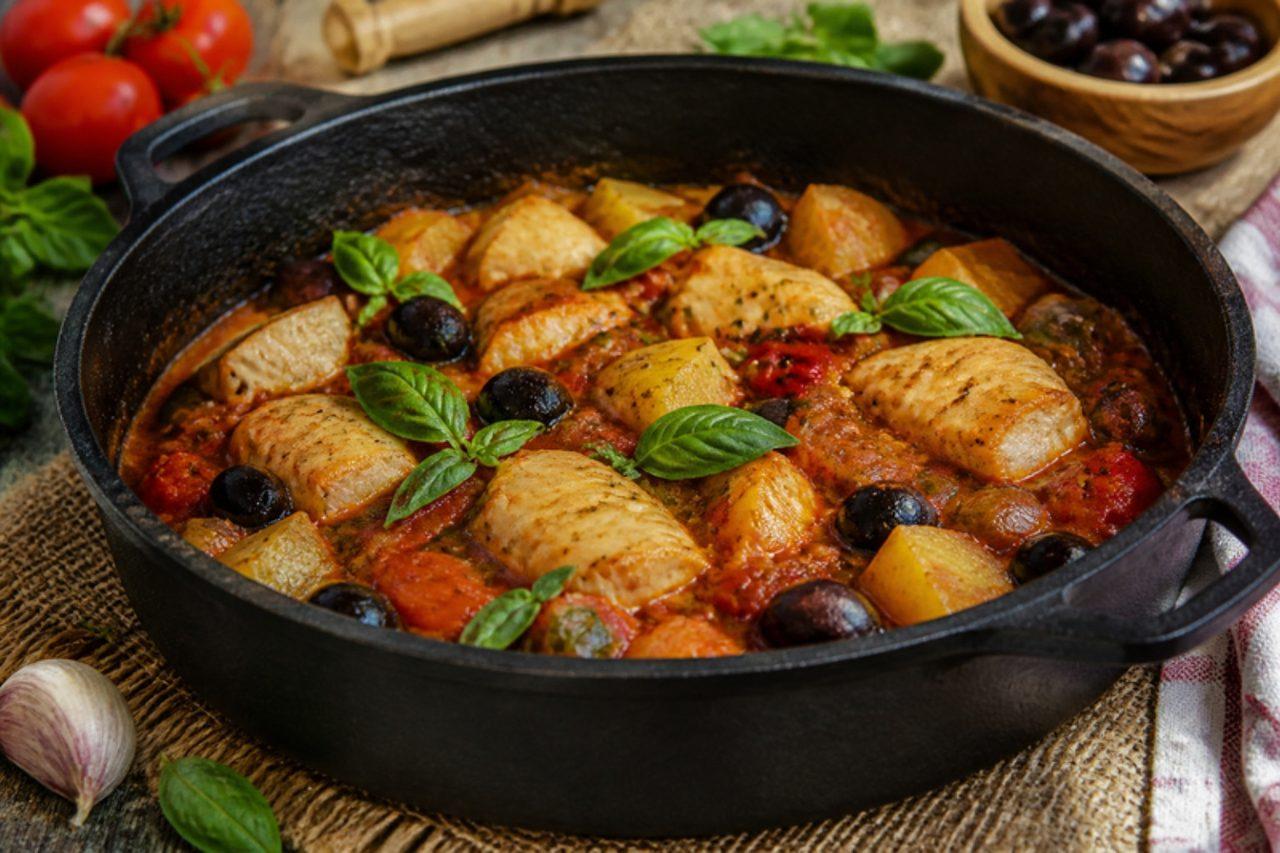
Estocaficada is the old winter dish of Nice's port and old town, where Norwegian stockfish arrived in exchange for olive oil and wine centuries ago; it is still cooked for family Friday lunches and at the city's food festivals. Air-dried cod is rehydrated and stewed slowly with tomatoes, onions, peppers, black olives and potatoes, giving a rich, rust-red stew with a deep, almost meaty flavour. True stockfish is hard to find outside specialist shops and needs 4–5 days of soaking, so this recipe uses salt cod, which is easier and gives a gentler result; the note explains both. Serve in deep plates with crusty bread for the sauce. Chef's tip: add the cod at the end and keep it at a gentle simmer so it stays in juicy flakes rather than turning rubbery.

105 minFrenchFishGluten free
by KrazyBadal 0 views

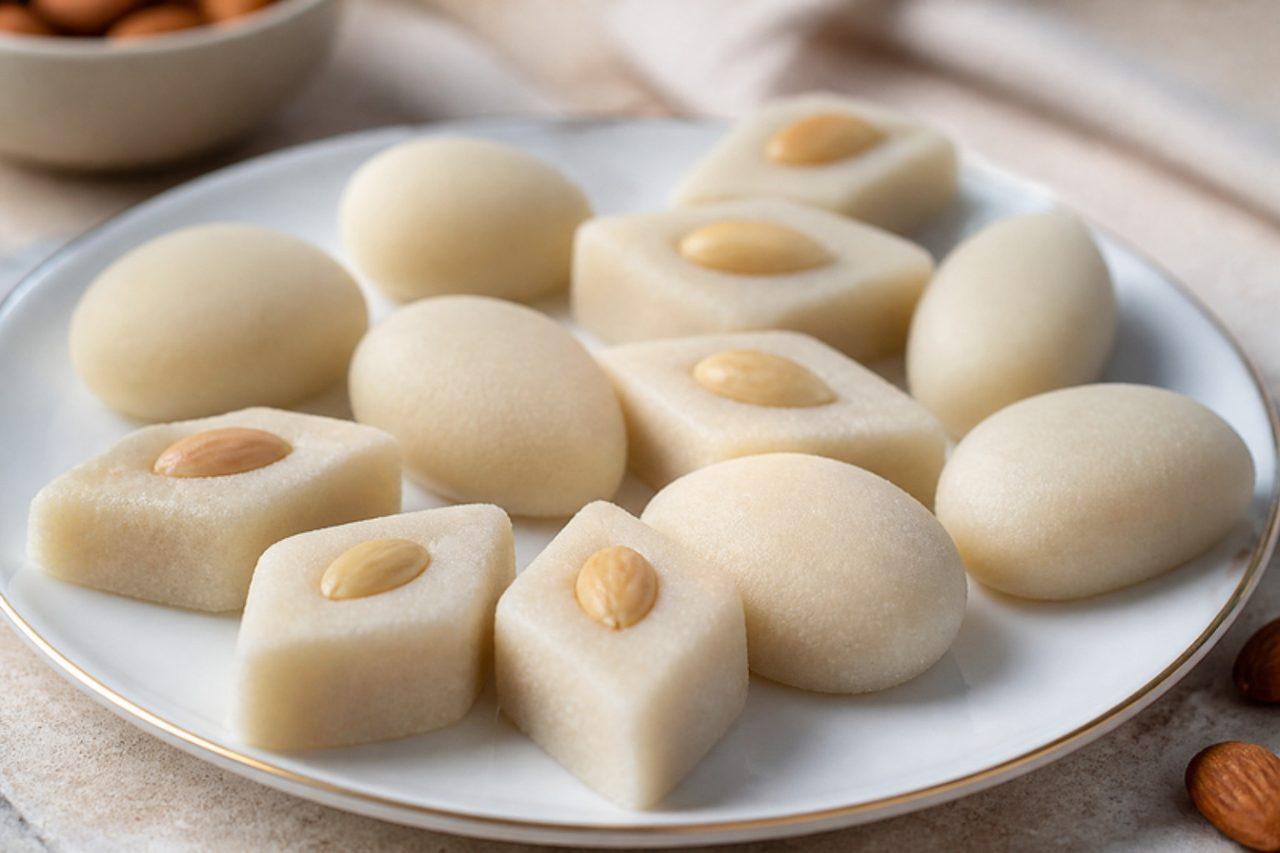
Badem ezmesiAlmond paste sweets

Edirne, on the Thracian border with Greece and Bulgaria, is famous for its badem ezmesi: pale, soft almond paste rolled into logs and sliced, or pressed into little shapes, sold beside the city's fruit-shaped soaps. It is less sugary than northern European marzipan, with blanched almonds ground fine and cooked briefly with syrup, so it stays moist and tastes of fresh nuts. It is served with Turkish coffee and given at bayram. Chef's tip: grind the almonds in short pulses with a spoonful of the sugar; long blending turns them oily and the paste goes greasy.

by KrazyBadal 0 views

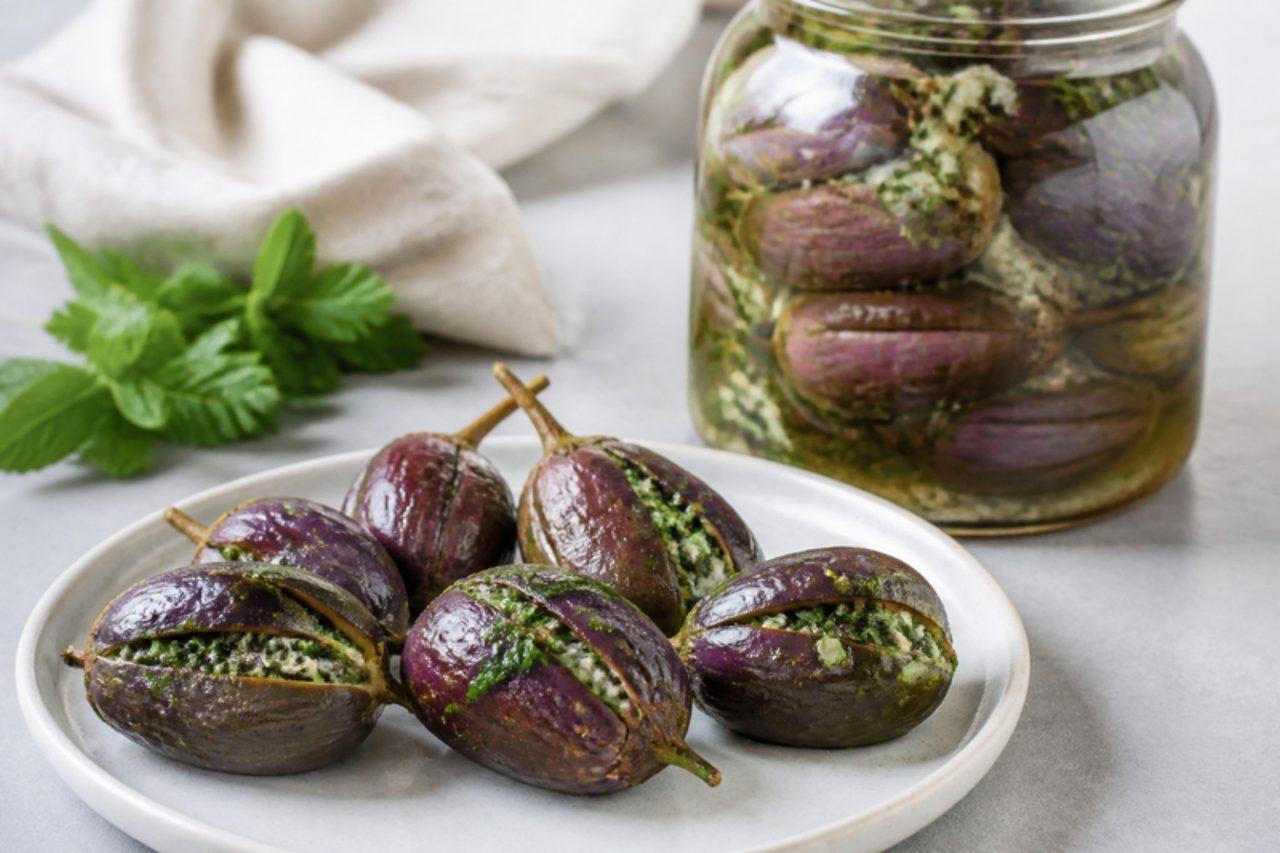
Stuffed baby aubergine torshiStuffed baby aubergine pickle

This is the showpiece of the torshi shelf, made in late summer in homes from Isfahan to Mashhad and brought out for guests in the cold months. Finger-length aubergines are steamed until just tender, slit along one side, filled with a paste of garlic, mint, parsley, coriander and chilli, then tied and sunk in vinegar. After a month each one is soft, tangy and stained with herbs; they are served whole beside rice, kabab or a bowl of ash. Chef's tip: steam rather than boil the aubergines, so they don't soak up water that later thins the vinegar.

by KrazyBadal 0 views

Crumpets

Crumpets are the spongy, holey griddle cakes that Londoners and the whole of England toast on winter afternoons, soaked in melting butter. A loose yeasted batter is lifted with a little bicarbonate, poured into rings on a griddle and cooked gently on one side only, so bubbles rise and set into the famous holes. Chef's tip: grease the rings generously and keep the heat low; the top must set before the bottom burns.

by KrazyBadal 0 views

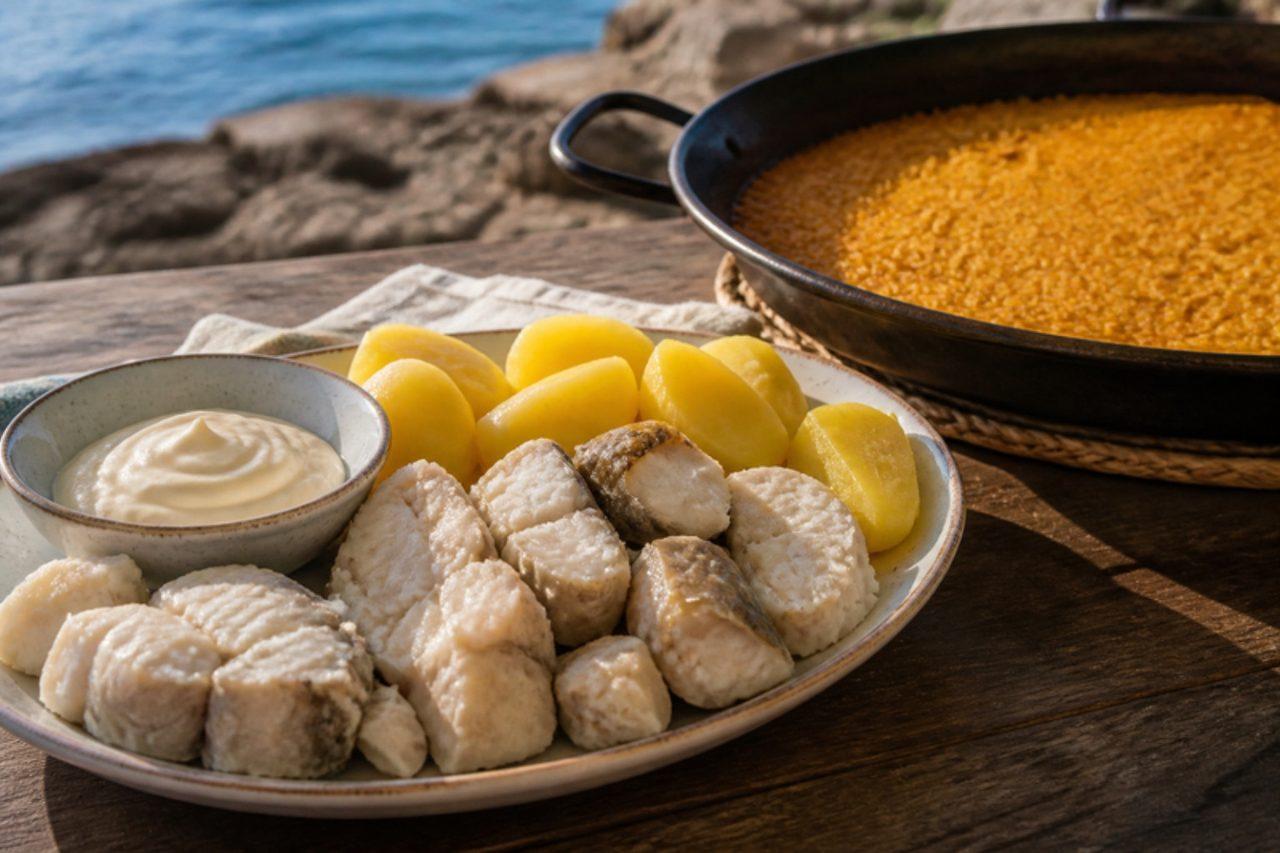
Bullit de peixFish and potatoes in saffron broth

Bullit de peix is Ibiza's two-course fishermen's lunch, still served at the beach restaurants of Cala Mastella and the fishing ports on long Sundays. First comes rockfish such as grouper, scorpionfish and John Dory, simmered with potatoes in a saffron broth and eaten with allioli; then the same broth cooks a second course, arròs a banda, rice served on its own. Use firm white fish that holds together. Chef's tip: keep the pot at a bare simmer once the fish goes in, so the pieces stay whole for the platter.

by KrazyBadal 0 views

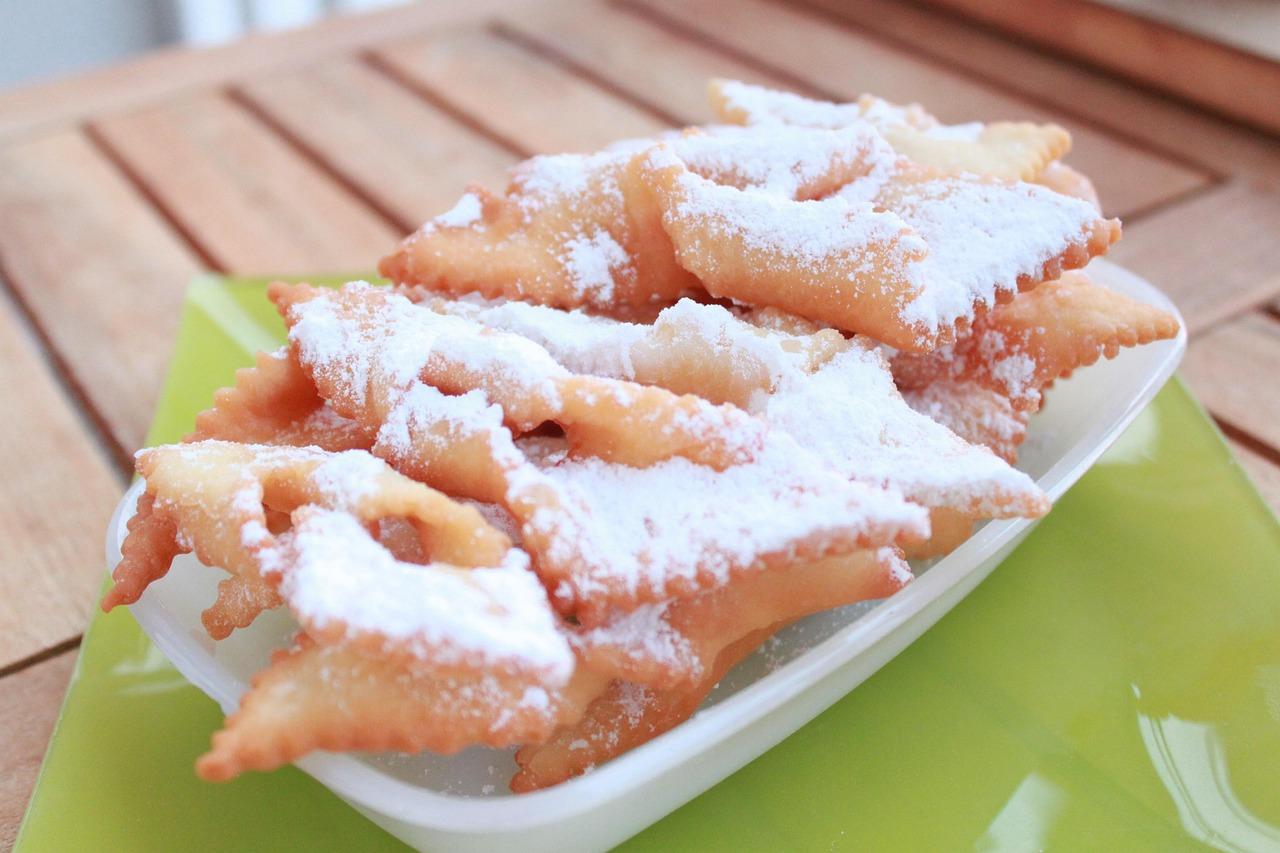
Bugnes lyonnaisesFried carnival pastries

When Carnival comes round in February, bakeries across Lyon pile their windows with bugnes, thin twisted ribbons of dough fried until they blister and then buried in icing sugar. Lyon's are the crisp, shattering kind (in Saint-Étienne they are puffier), and children eat them by the paper bagful through Mardi Gras. Some families add a spoonful of rum to the dough; this version uses orange flower water and lemon, so it is alcohol-free. Chef's tip: roll the dough so thin you can almost see the worktop through it; thick bugnes turn bready instead of crackly.

by KrazyBadal 0 views

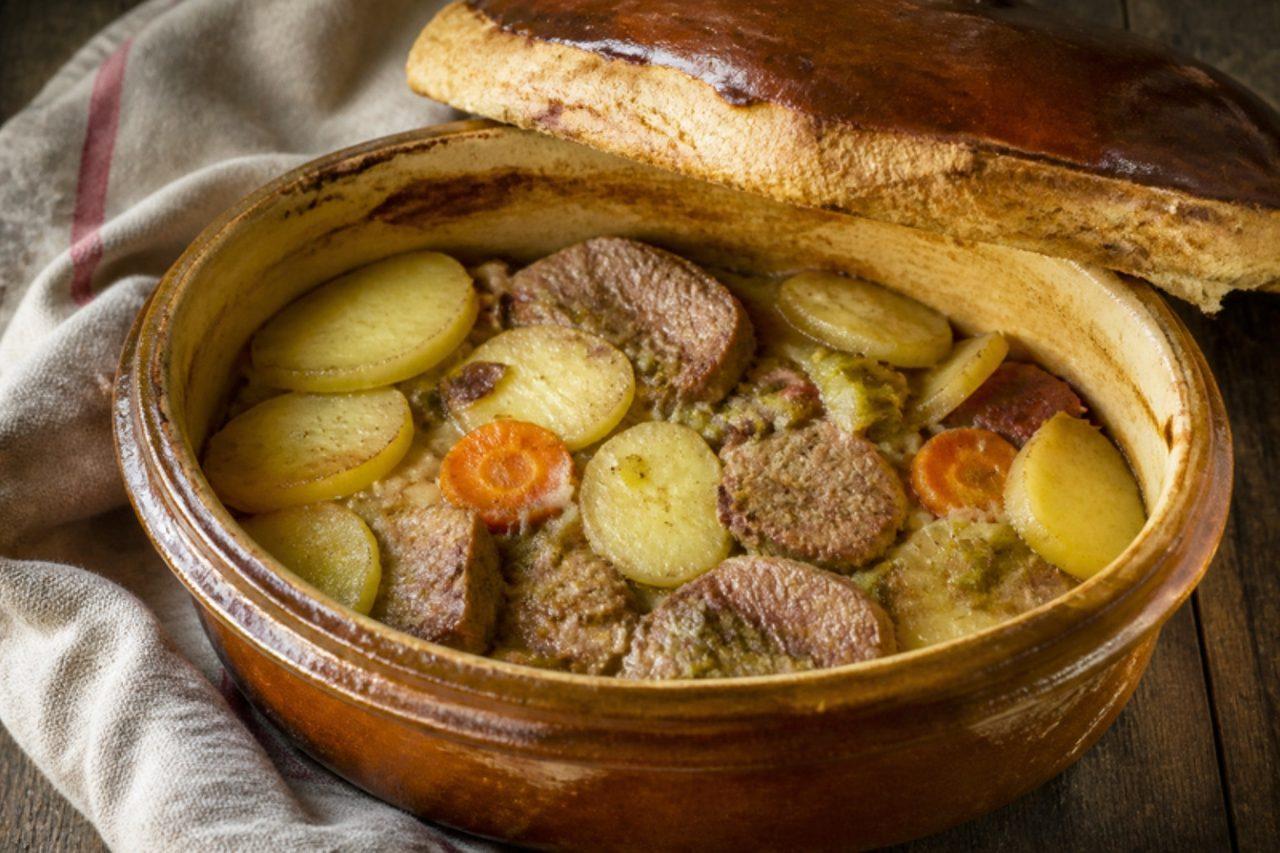
BaeckeoffeThree-meat and potato bake

Baeckeoffe means "baker's oven" in Alsatian, and in villages around Strasbourg and Colmar the dish was once carried to the baker's dying oven on a Monday to cook slowly while the week's washing was done. Pork shoulder, lamb and beef are marinated overnight in dry Alsace white wine with onion, garlic and herbs, then layered with potatoes in a lidded earthenware dish whose rim is sealed with a strip of flour-and-water dough. After three hours the potatoes have drunk up the wine and meat juices and the three meats fall apart under a spoon. The dish uses wine, but an alcohol-free version with stock is given in the ingredient notes; serve it straight from the pot with a green salad. Chef's tip: break the dough seal at the table, because the burst of steam and the smell of wine and thyme are half the pleasure.

950 minFrenchMeat
by KrazyBadal 0 views

Mince pies

Mince pies are handed round with mulled drinks at every English Christmas gathering, from carol services to office parties, and children leave one out for Father Christmas. The mincemeat once held meat; this home-made version is all fruit, apple and spice, with vegetarian suet, and brandy is optional, so it can be alcohol-free. Chef's tip: make the mincemeat a week ahead so the flavours mellow; it keeps for months.

by KrazyBadal 0 views

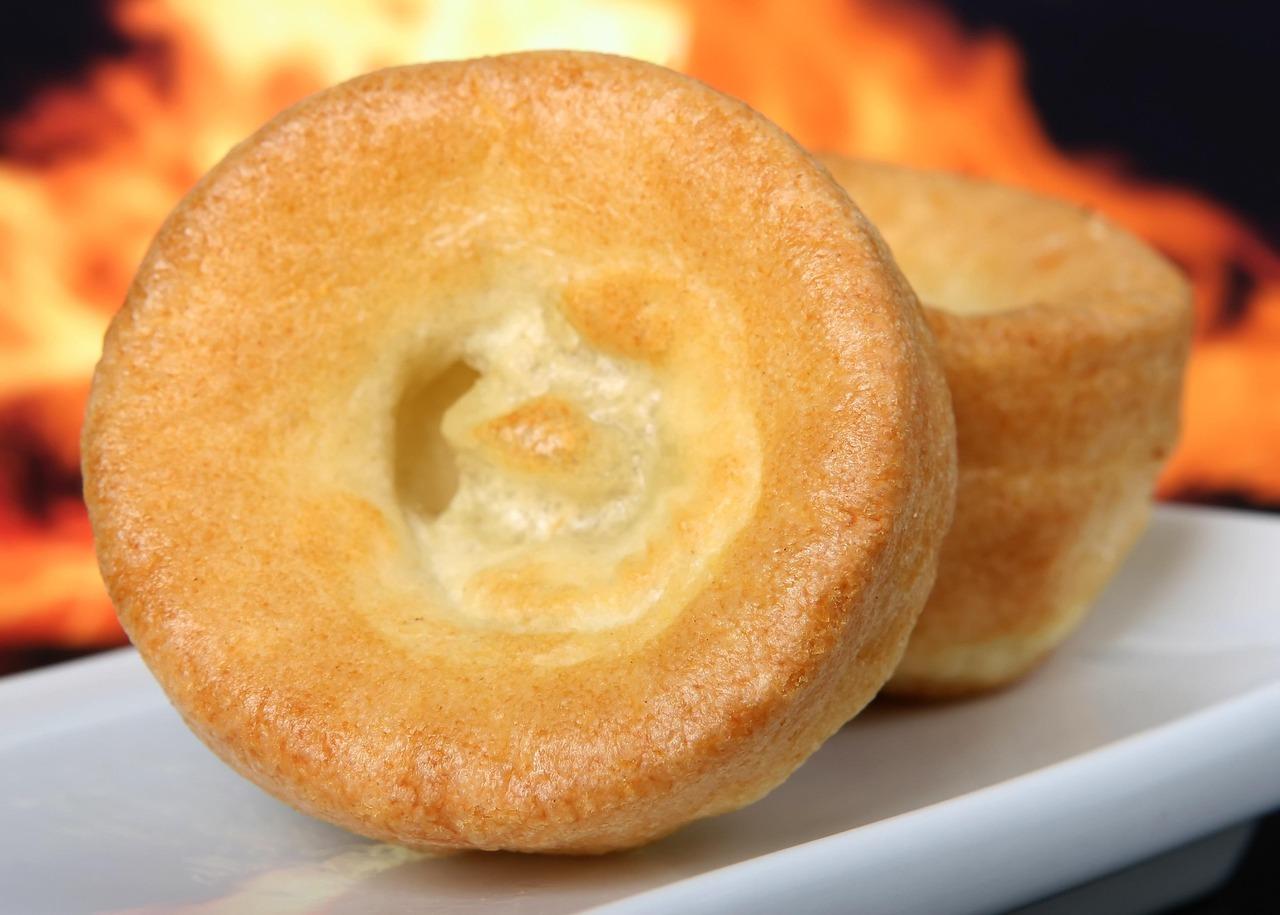
Yorkshire puddings

In Yorkshire the pudding was once served first, on its own with gravy, to fill people up before the meat; today these puffed, crisp-edged cups sit beside the roast at Sunday lunch all over England. The batter is nothing but eggs, flour and milk, and the trick is in the heat: smoking-hot fat in the tin and a hot oven. Serve with onion gravy for a vegetarian roast. Chef's tip: rest the batter for at least 30 minutes, which helps the puddings rise tall and even.

by KrazyBadal 1 views

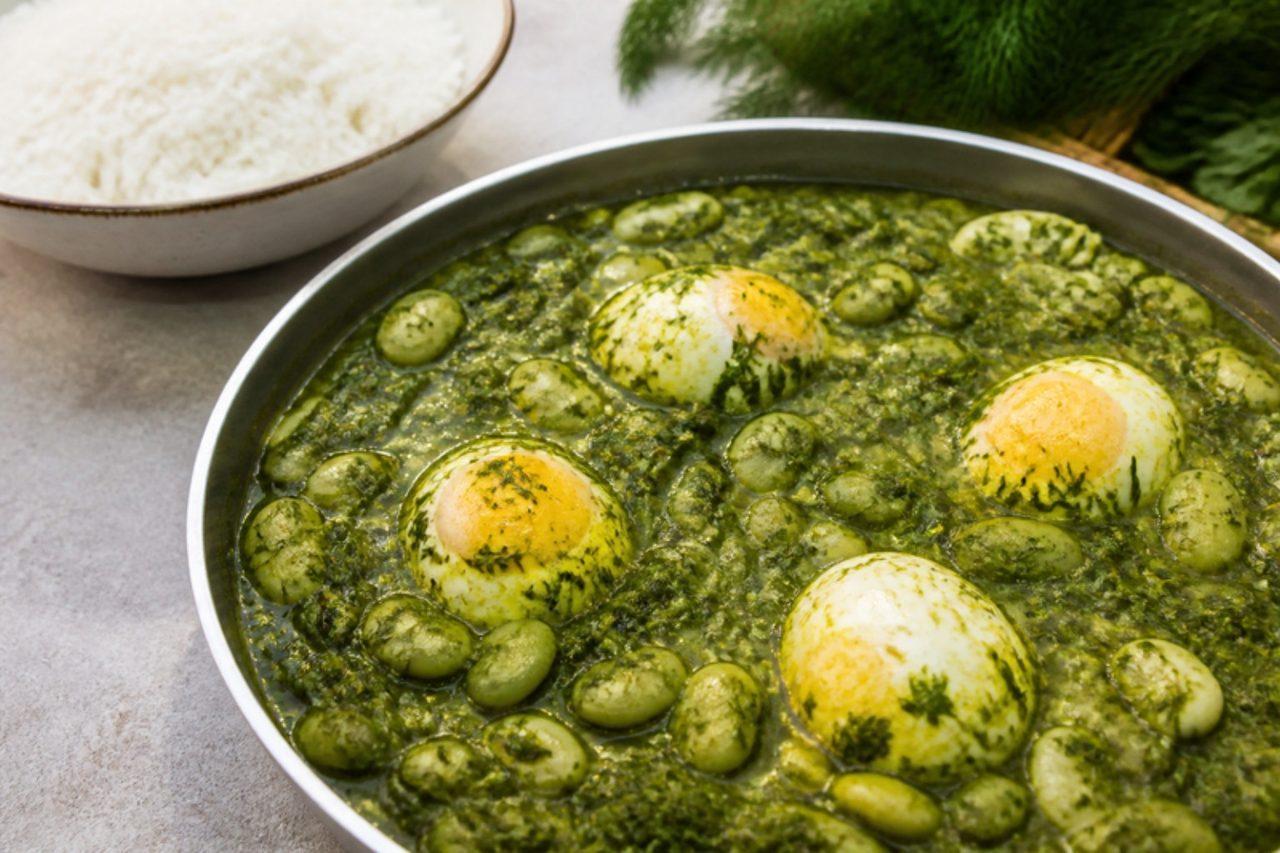
Baghala ghatoghDill and broad bean stew

In Rasht and the villages of Gilan, baghala ghatogh is cooked in late spring when the slender local broad beans called pach baghala are in the markets, and later in the year with frozen ones. The beans are simmered in their thin skins with a great deal of garlic and dill, then eggs are cracked on top and left to set softly, and the whole pan is eaten with plain kateh rice and a few pickled garlic cloves. It is humble, green and fragrant. A common mistake is stirring the eggs right in, which turns the stew grey; leave them whole so the yolks stay just runny. Chef's tip: cook the dill in butter or oil before the water goes in; it blooms and tastes far deeper than dill added at the end.

by KrazyBadal 0 views

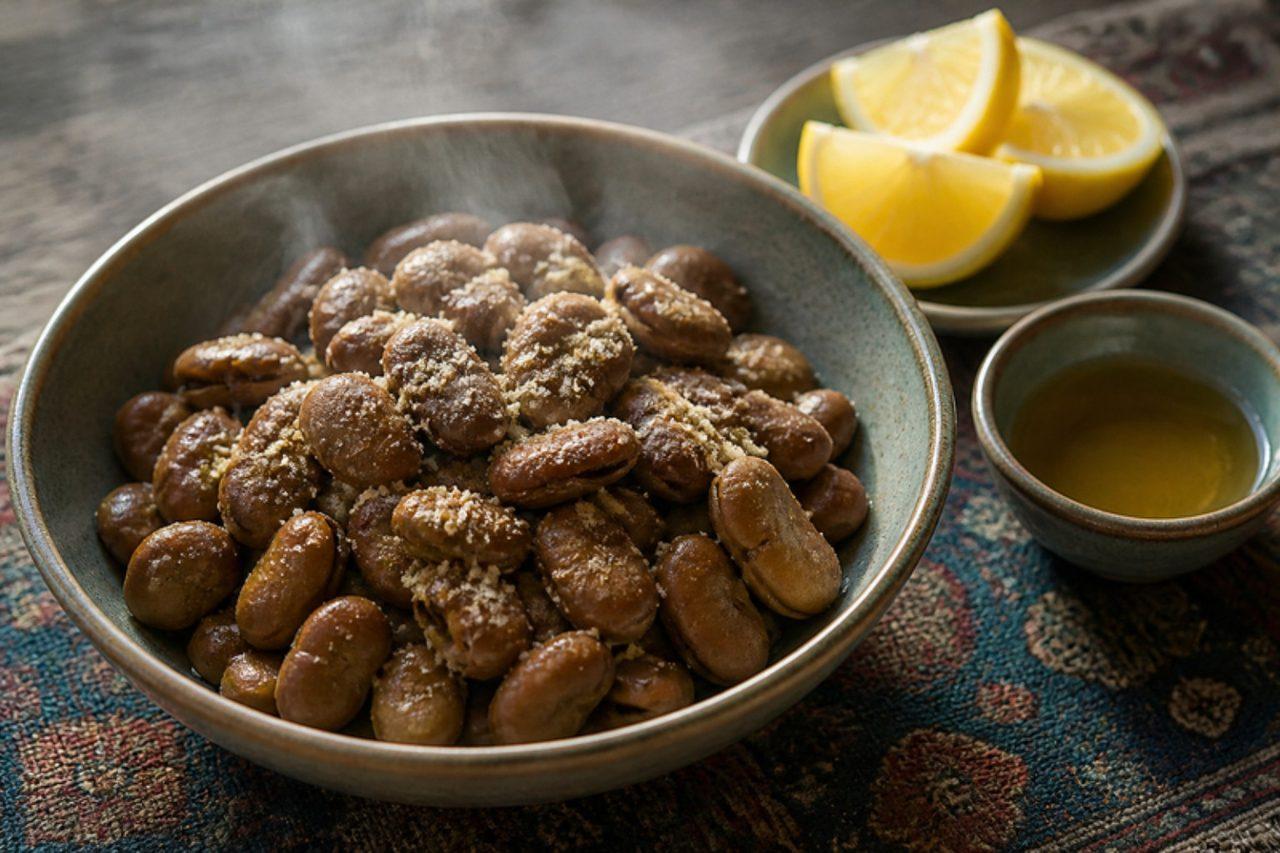
Baghali pokhteBoiled broad beans with vinegar

When autumn rain sets in over Rasht, and through the winter on Tehran street corners, sellers ladle steaming broad beans in their skins from giant pots into paper cones. The beans are soaked overnight and boiled slowly until creamy, then each bowlful is sprinkled with sharp golpar (ground Persian hogweed seed), salt and a splash of vinegar. You pinch the beans out of their skins as you eat. A common mistake is salting the cooking water early, which keeps the skins tough. Chef's tip: golpar is strong and smells a little like celery and citrus; start with a light dusting and add more at the table.

by KrazyBadal 0 views

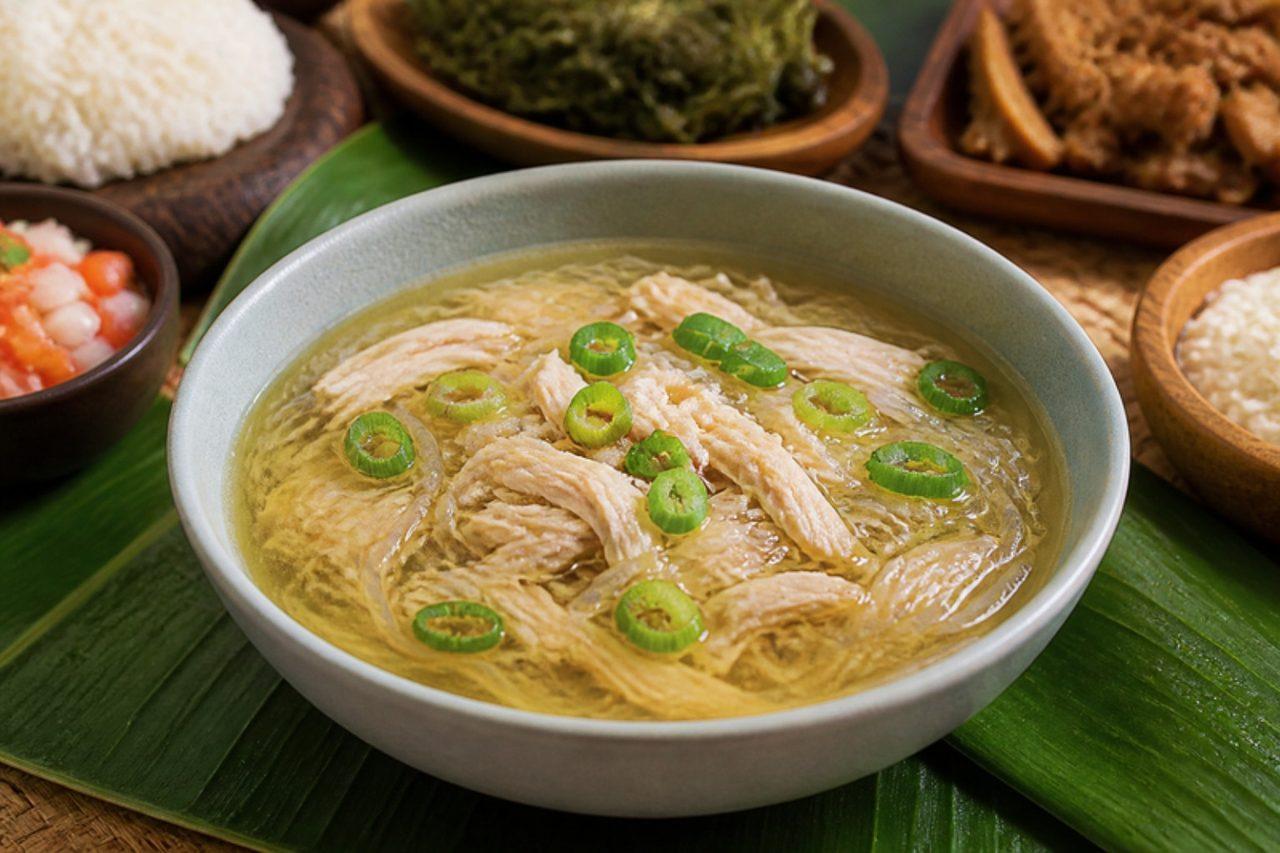
Chicken long rice

Despite its name there is no rice in it: chicken long rice is a gingery chicken broth with bean thread noodles, brought to Hawaii by Chinese plantation workers and now a fixture at every lūʻau and baby's first-birthday party alongside kalua pig and poi. The glassy noodles soak up the broth until it is almost a stew. Chef's tip: soak the noodles and cut them into short lengths before they go into the pot, or you get one long, tangled clump.

by KrazyBadal 0 views

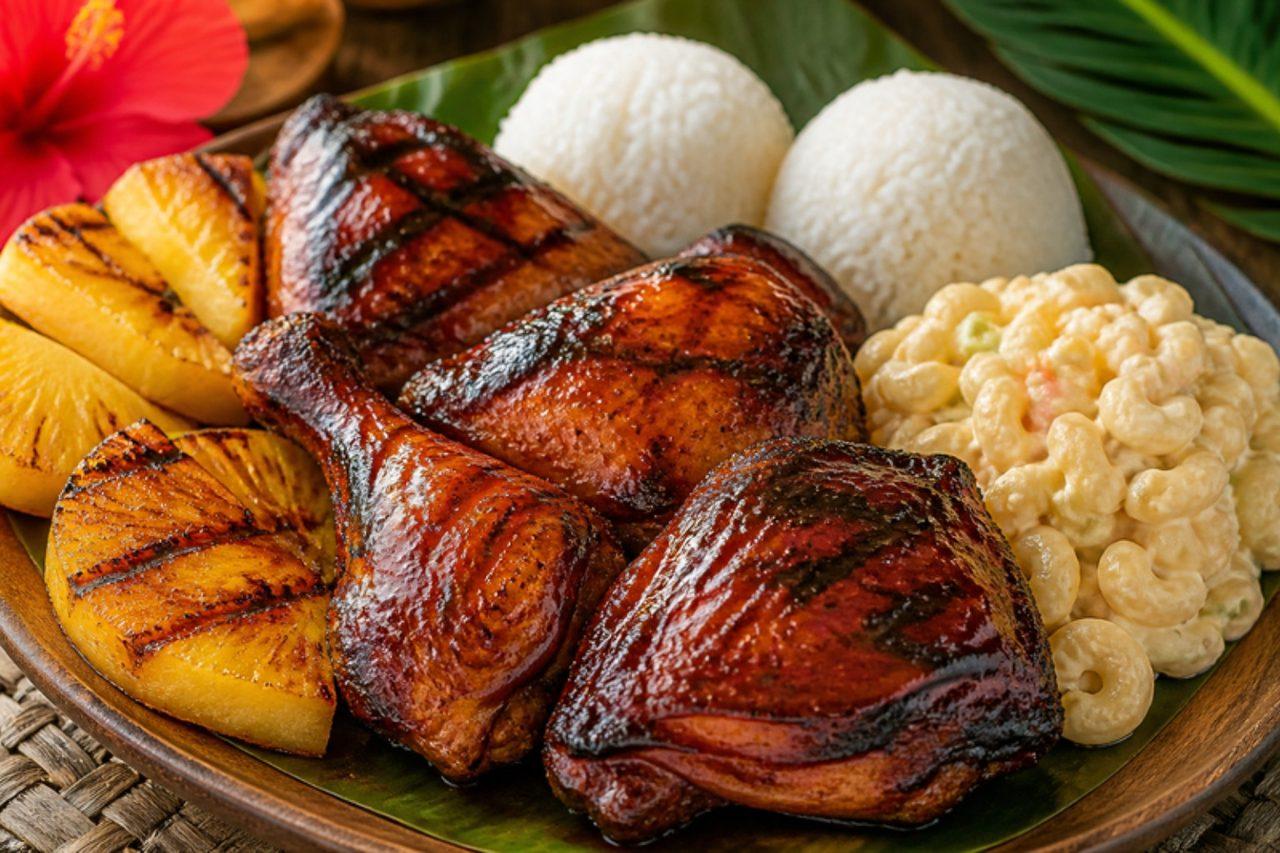
Huli huli chicken

Huli means turn in Hawaiian, and this chicken was named in the 1950s when a farmer on Oʻahu grilled it between two racks and flipped it over the fire; today you smell it from roadside fundraiser stands and North Shore weekend grills. Chicken is marinated in soy sauce, pineapple juice, ginger and brown sugar, then grilled and basted until sticky and charred. Chef's tip: boil the leftover marinade before basting with it, so it is safe and turns into a glaze.

by KrazyBadal 0 views

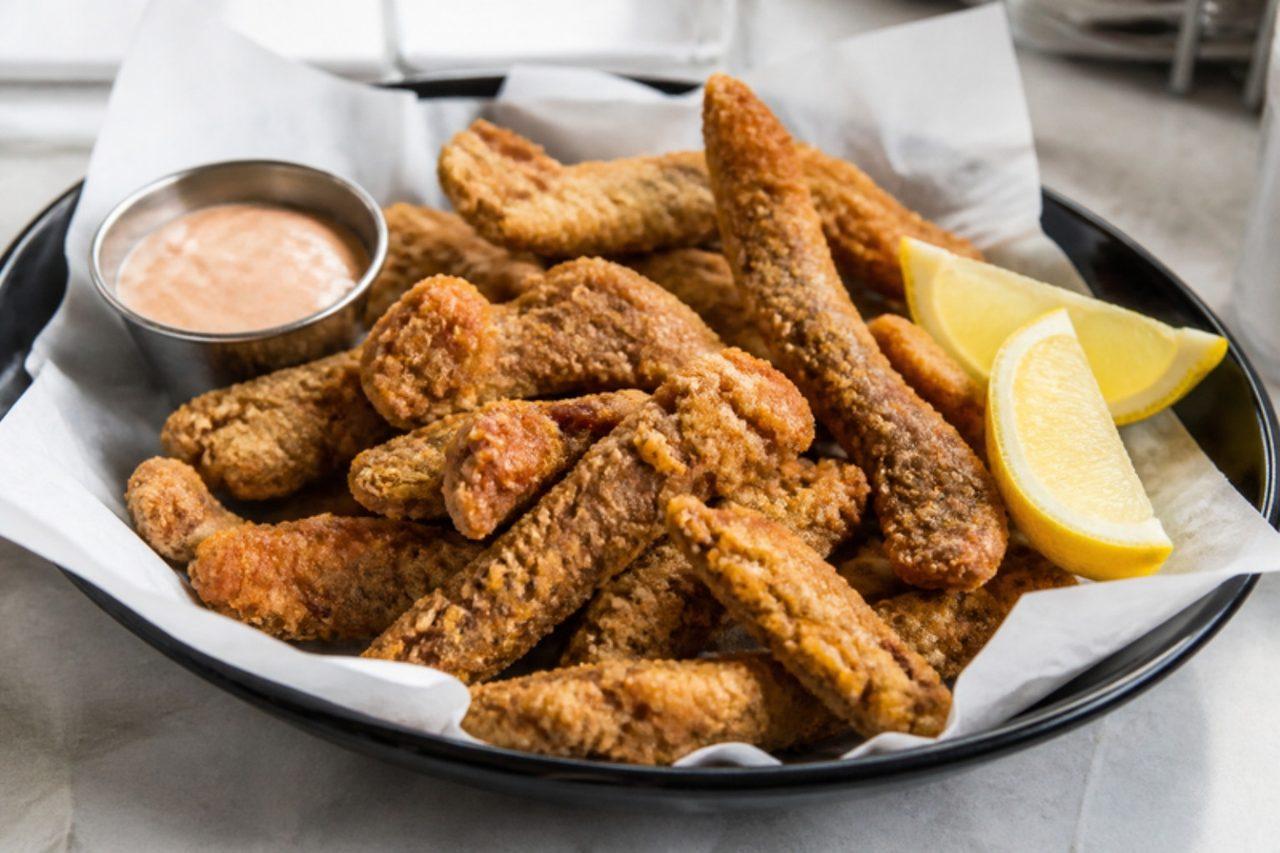
Idaho finger steaks

Finger steaks are Idaho's diner and drive-in speciality, said to have been invented by a butcher in Boise in the 1950s who battered the trimmings of steaks and fried them. Strips of tender sirloin are dipped in a light, peppery batter and deep-fried until crisp, then eaten with chips and pink fry sauce at the county fair. Chef's tip: cut the beef into even strips about 1.5 cm thick so they cook to tender in the 2 minutes it takes the batter to brown.

by KrazyBadal 0 views

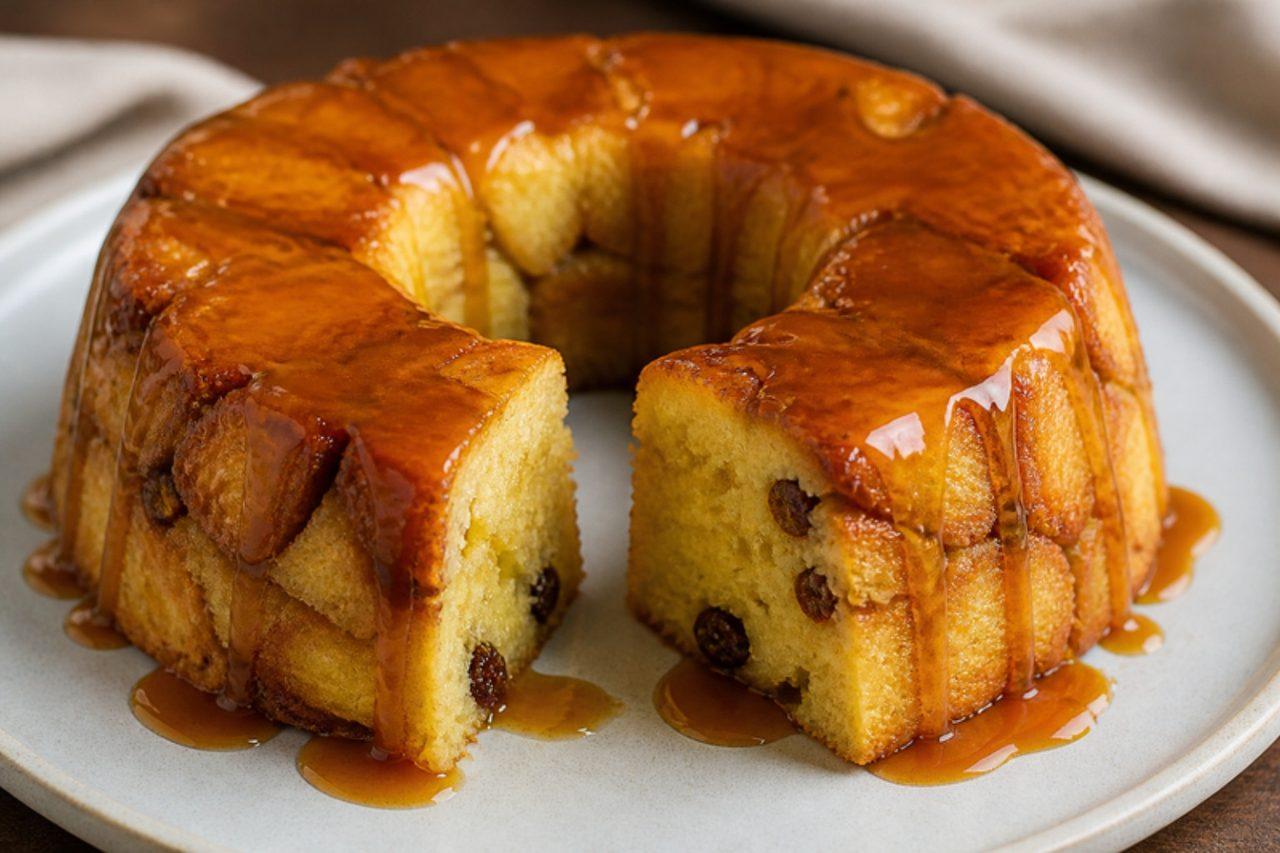
Budín de panBread pudding

Thrifty Argentine kitchens never throw away stale bread: it becomes budín de pan, soaked in sweet milk and eggs, poured into a caramel-lined ring mould and baked in a water bath until it sets into something between a flan and a pudding. Bodegones in Buenos Aires and neighbourhood bakeries serve it in fat wedges, cold, with a spoonful of dulce de leche or whipped cream, the amber caramel running down the sides. The texture should be smooth and dense with only faint traces of bread, studded with plump raisins. The mistake to avoid is skipping the blending or soaking: chunks of dry bread turn into wet sponges and the pudding splits into layers. Chef's tip: let it cool and chill overnight in the mould before turning it out; a warm budín breaks when unmoulded and the caramel won't have melted into a sauce.

by KrazyBadal 0 views

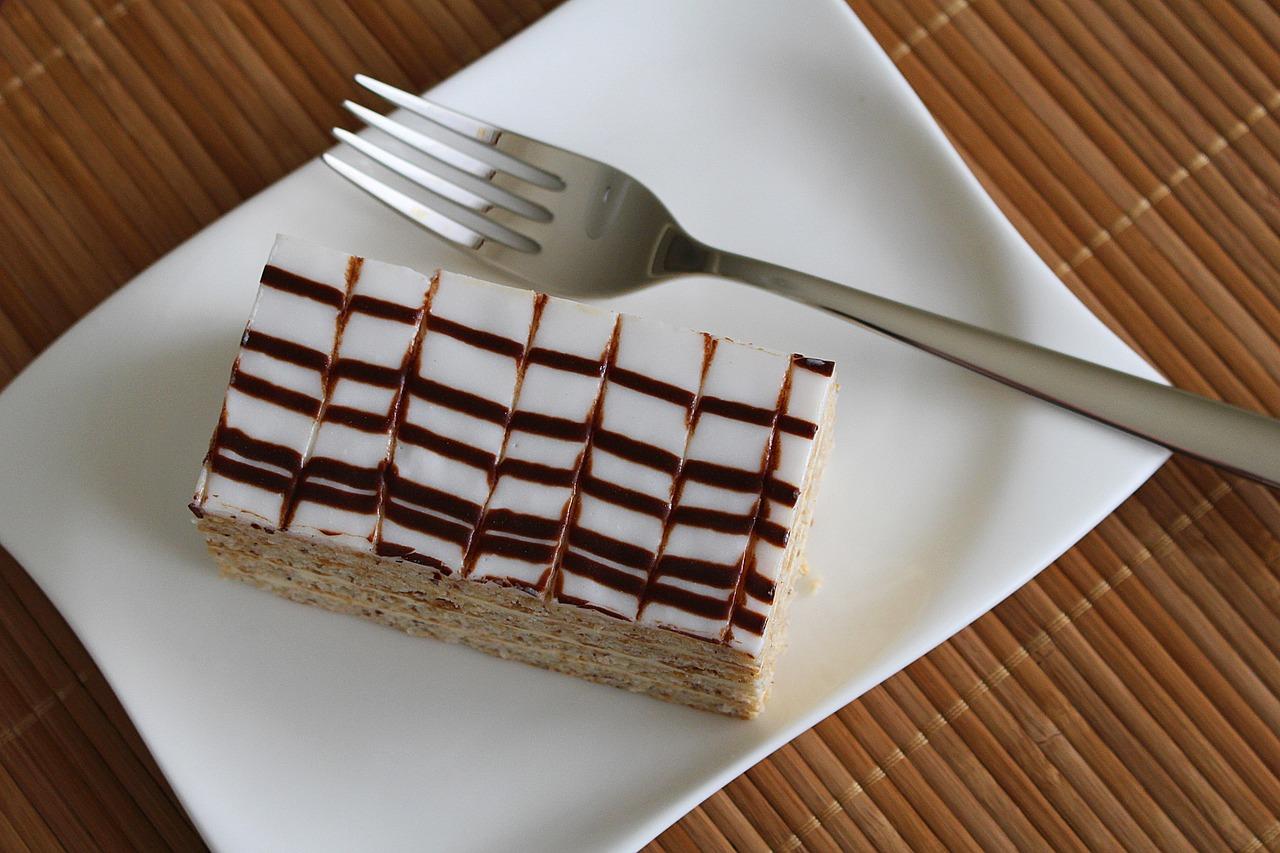
EsterházytorteAlmond meringue layer cake

Named after a Hungarian noble family and claimed by both Budapest and Vienna, this torte is a showpiece of Viennese pastry shops, where it sits in the glass counter beside richer chocolate cakes. Five or six crisp-chewy almond meringue layers are stacked with a vanilla custard buttercream, then topped with white icing and the famous feathered chocolate lines. It has no flour at all, so it suits gluten-free guests. A common mistake is baking the layers too pale; they should be light golden, or they go soft and sticky in the cream. Chef's tip: draw the circles on baking paper first and spread the meringue to the line with a palette knife, so every layer matches.

by KrazyBadal 0 views

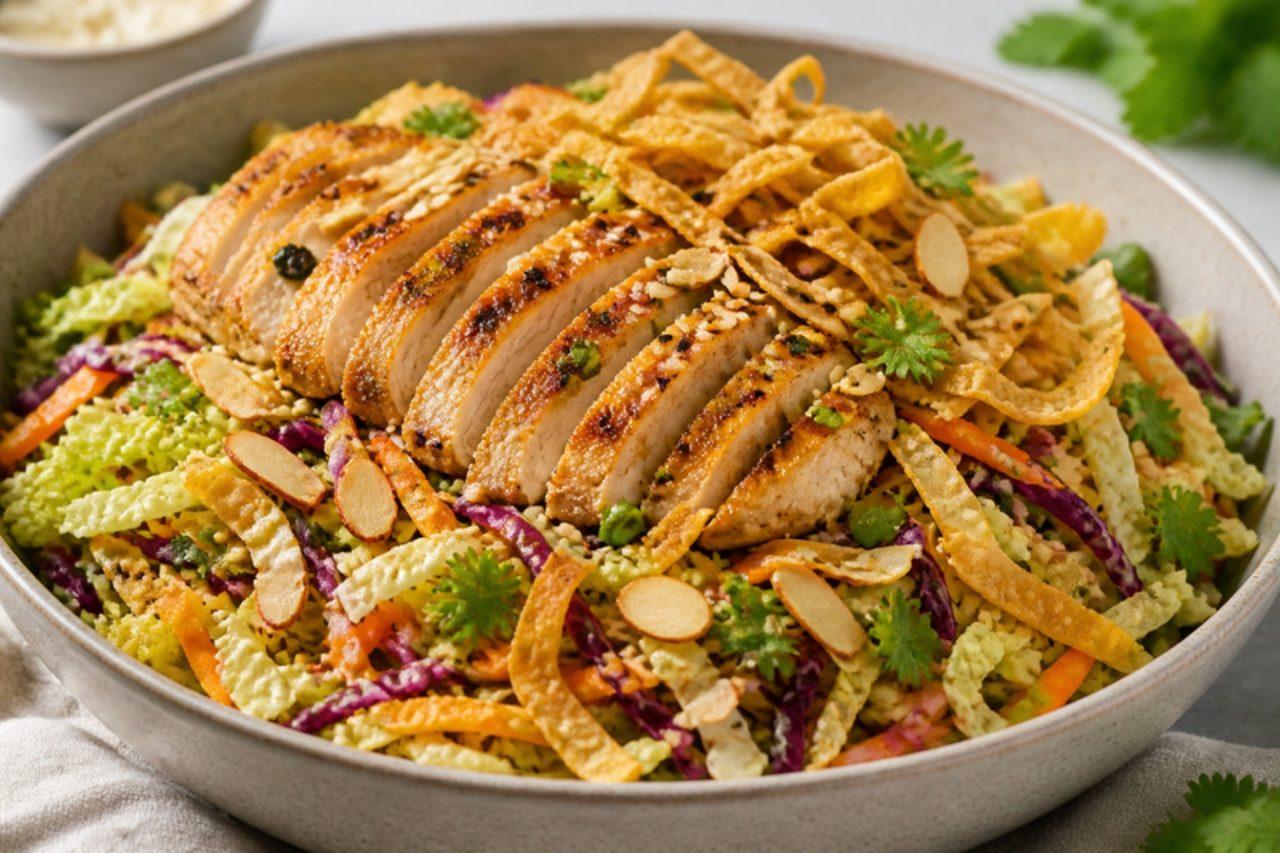
Chinese chicken salad

Chinese chicken salad is not from China but from 1960s and 70s California, popularised by a Chinese-American restaurant in Beverly Hills and by Hollywood lunch spots, then copied by every Los Angeles café. Shredded chicken, cabbage, carrots and spring onions are tossed in a sweet sesame-ginger dressing and topped with crisp fried wonton strips, toasted almonds and mandarin segments. Chef's tip: add the crunchy toppings at the last moment, or they go soft in minutes.

by KrazyBadal 0 views

Navajo tacos

Navajo tacos, also called Indian tacos, are what the queues are for at powwows, state fairs and roadside stands across the Navajo Nation and the Four Corners. A freshly fried, crisp-edged fry bread is piled with beef and pinto bean chili, shredded lettuce, tomato, onion and cheese, and eaten with a knife and fork. Chef's tip: make the chili first and fry the bread last, so it is still crisp when the toppings go on.

by KrazyBadal 0 views

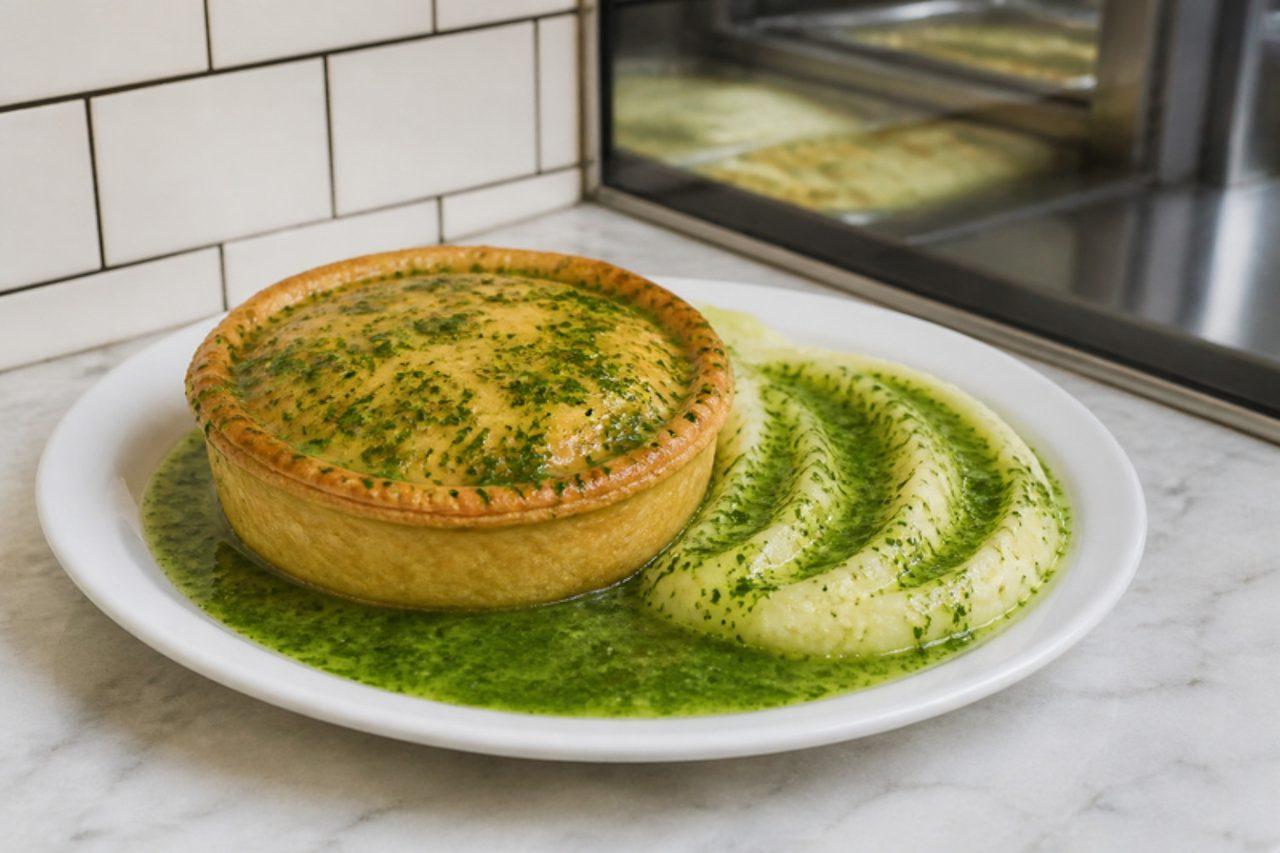
Pie and mash with liquor

Pie, mash and liquor is the working-class lunch of the East End of London, served in tiled pie shops from Bethnal Green to Walthamstow since the 1800s. Small minced beef pies with a soft suet-style base and a crisp puff lid sit next to a scoop of smooth mash, all flooded with liquor, a thin, bright green parsley sauce. Pie shops make the liquor with the stock from stewed eels; this version uses fish or vegetable stock. Locals add chilli vinegar. Chef's tip: keep the liquor thin and pourable, like single cream, not thick like gravy.

by KrazyBadal 0 views

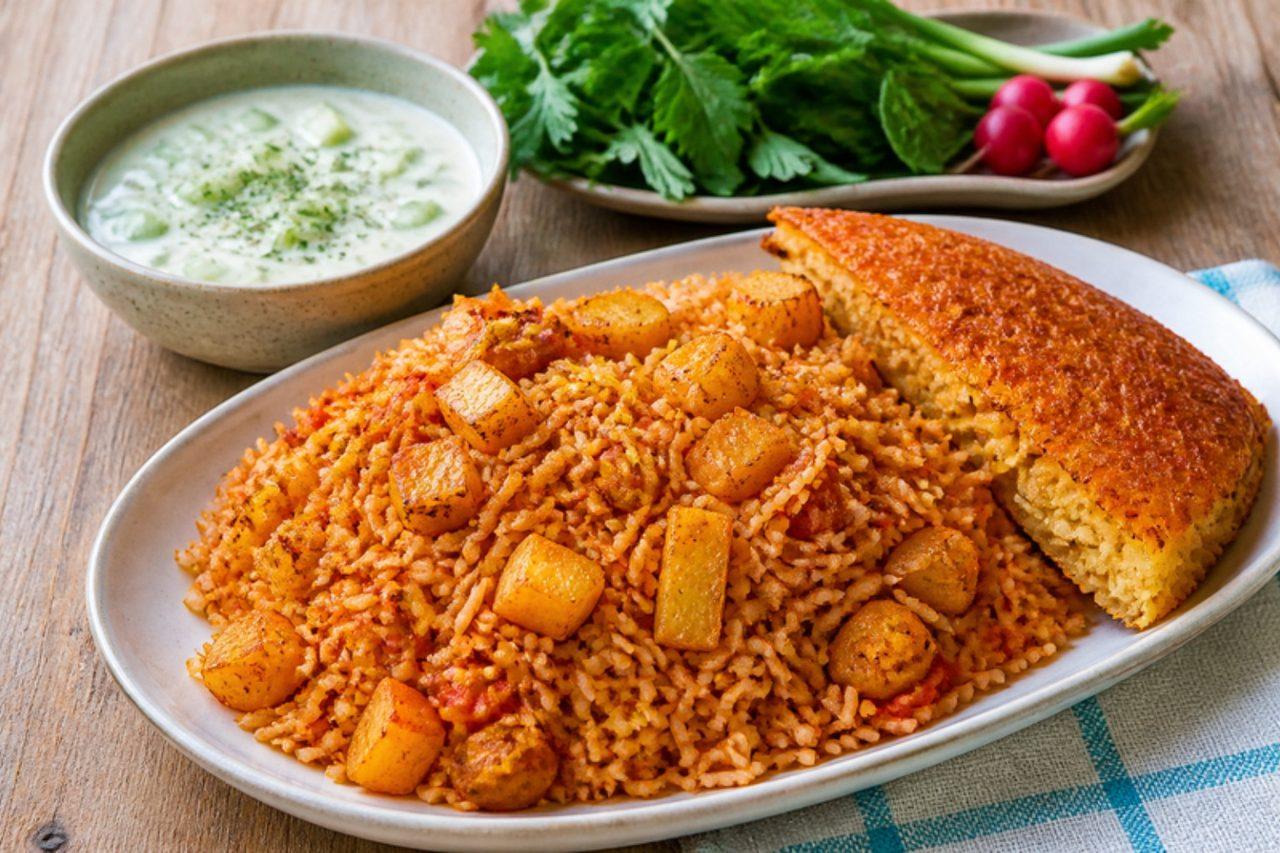
Estamboli poloTomato rice with potatoes

In Tehran flats, estamboli polo is the weeknight rice that turns up when the fridge holds little more than tomatoes and potatoes, and children ask for it by name. Basmati is par-boiled, then layered back into the pot with a turmeric-and-tomato sauce and cubes of fried potato, and steamed under a cloth-wrapped lid until each grain is separate and orange-tinged. The bottom turns into a golden, crunchy tahdig that everyone fights over. Serve it with mast-o khiar, a plate of fresh herbs and torshi. A common mistake is stirring the tomato sauce through boiling rice, which makes it sticky; layer it instead and let the steam do the work. Chef's tip: lay thin potato slices on the base of the pot for the tahdig; they crisp evenly and lift out in one piece.

by KrazyBadal 0 views

Brodetto all'anconetanaTomato fish stew

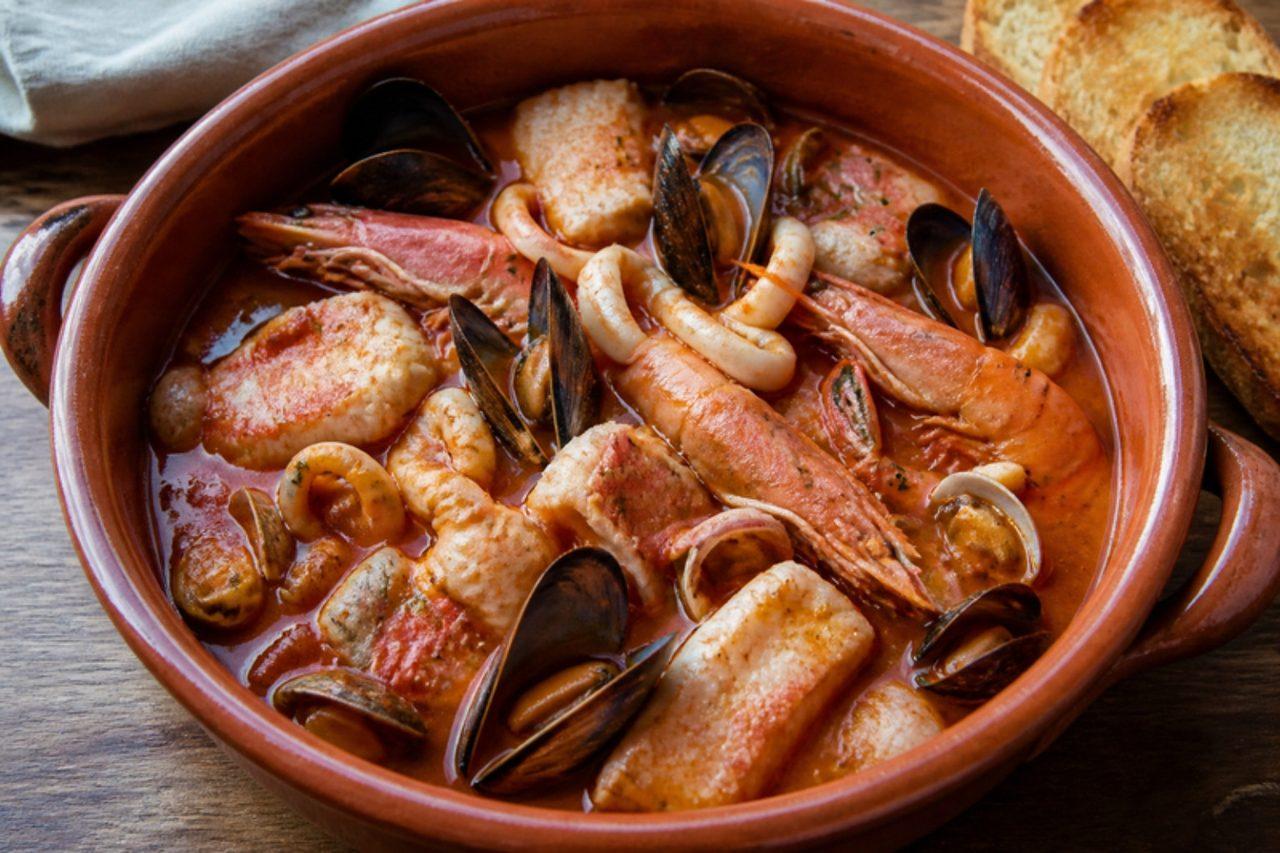
Fishermen in Ancona made brodetto from the unsold catch, and the city's harbour restaurants still serve it as a festive dish, traditionally with many kinds of fish: scorpionfish, gurnard, monkfish, cuttlefish, mussels and clams among them. Unlike the saffron brodetto further south at Porto Recanati, this one is red, built on tomato, garlic and a sharp splash of vinegar, and every piece of fish keeps its shape in a thick, peppery sauce. It comes to the table in the pot and is spooned over slices of toasted bread rubbed with garlic. Use whatever firm white fish your fishmonger has; the more variety, the better. Chef's tip: layer the fish by cooking time, firm and bony pieces at the bottom, delicate fillets on top, and shake the pot rather than stirring.

by KrazyBadal 0 views

Broas de melSpiced molasses biscuits

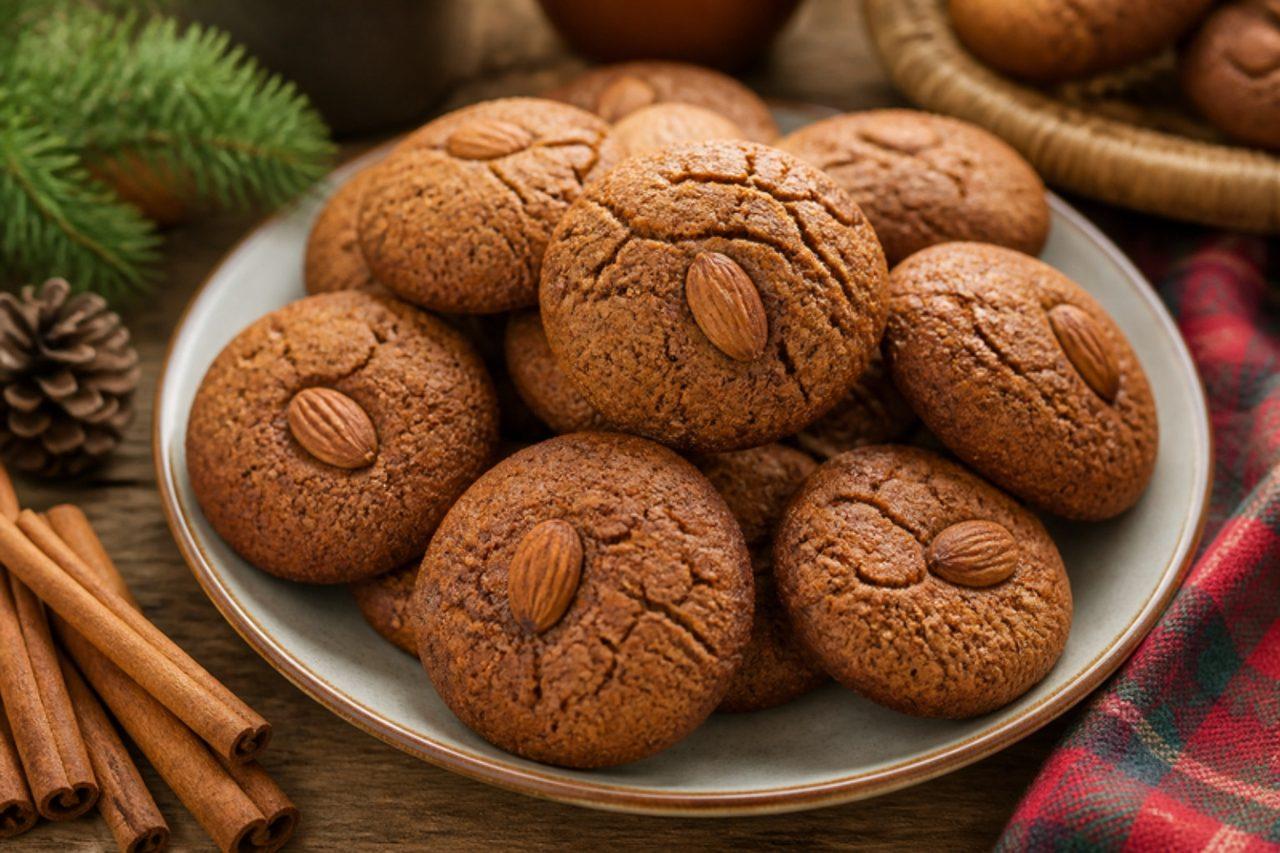
Alongside bolo de mel, every Madeiran Christmas table has a tin of broas de mel: small, round, dark biscuits made with the same sugarcane molasses and spices, crisp at the edge and slightly chewy inside. Children are given them when they go door to door on the Missas do Parto mornings before Christmas, and they are good dunked in coffee or tea. Chef's tip: chill the dough for half an hour before shaping; molasses dough is sticky when warm.

by KrazyBadal 0 views

Meskouta (Moroccan orange cake)

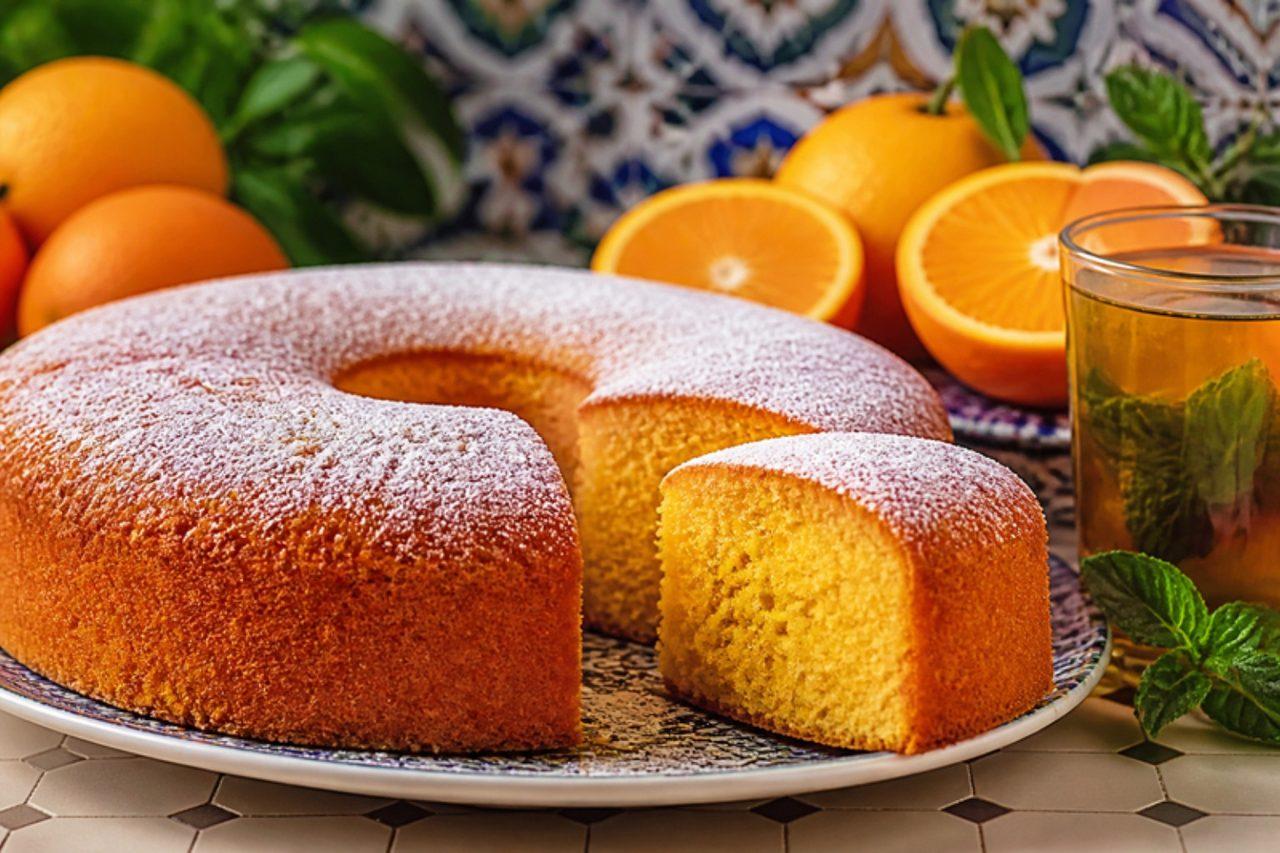
Every Moroccan home cook seems to have a meskouta recipe, the light, fluffy sponge that is baked in a ring tin and set out for afternoon tea, unexpected guests or a children's snack. This one is flavoured with fresh orange juice and zest; many families make a yogurt version instead, using the yogurt pot to measure everything, and that variation is in the steps. The crumb is airy and moist, not too sweet, and it pairs perfectly with mint tea or a glass of milk. No mixer is strictly needed, but it helps. Chef's tip: beat the eggs and sugar for a full 5 minutes until pale and tripled in volume; under-whipped eggs, the usual mistake, make a dense, flat meskouta.

by KrazyBadal 0 views

Broa de milhoCorn and rye bread

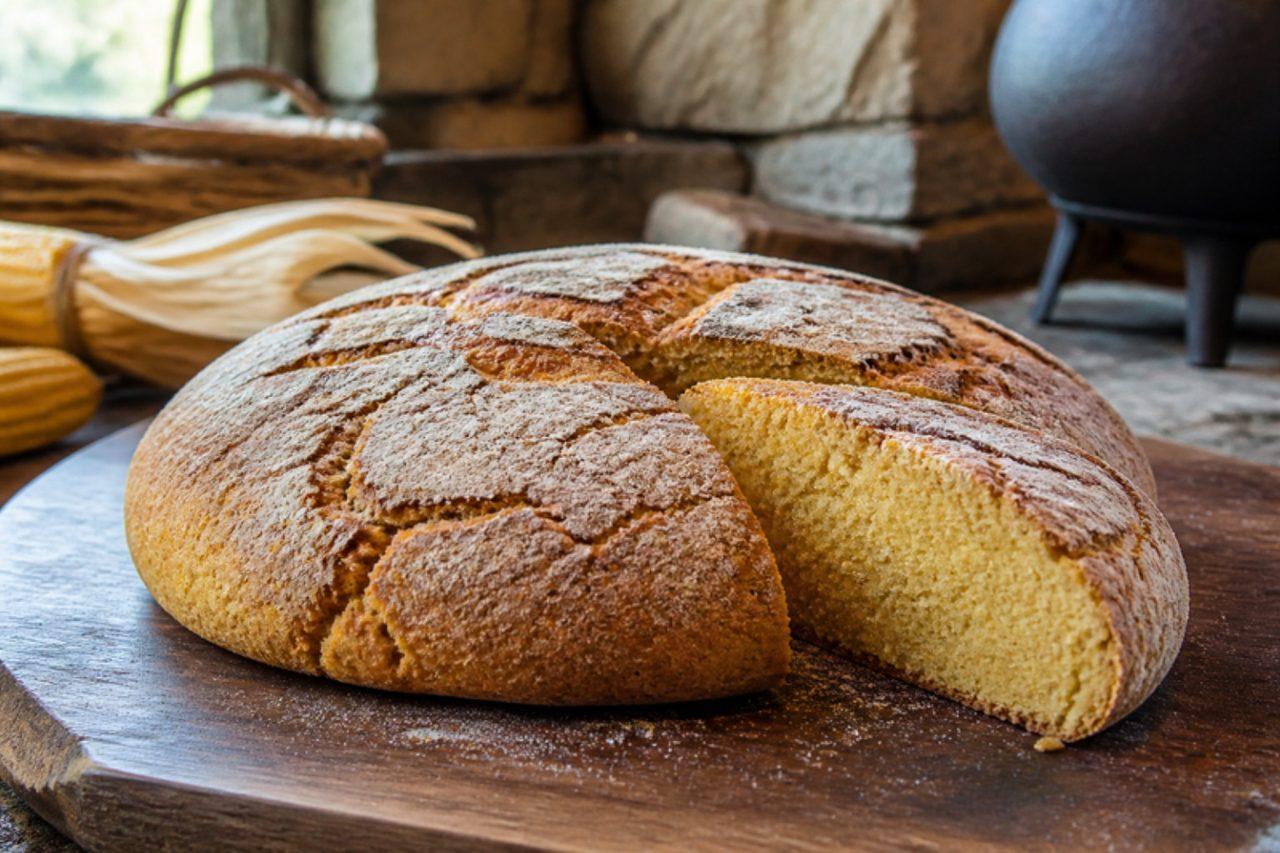
Across the green hills of the Minho, broa was once baked weekly in a wood oven shared by the village, and a wedge of it still sits beside every bowl of caldo verde and every plate of grilled sardines. The crumb is yellow, close and slightly sweet from the maize, with a thick crust that splits as it bakes. Scalding the cornmeal with boiling water first is what gives it that moist, almost cake-like bite. A common mistake is slicing the loaf hot, while the crumb is still gummy; let it cool for at least an hour. Chef's tip: leave the loaf on a rack for at least two hours before slicing, because cutting it hot leaves the inside gummy.

by KrazyBadal 0 views

Ktefa (milk pastilla)

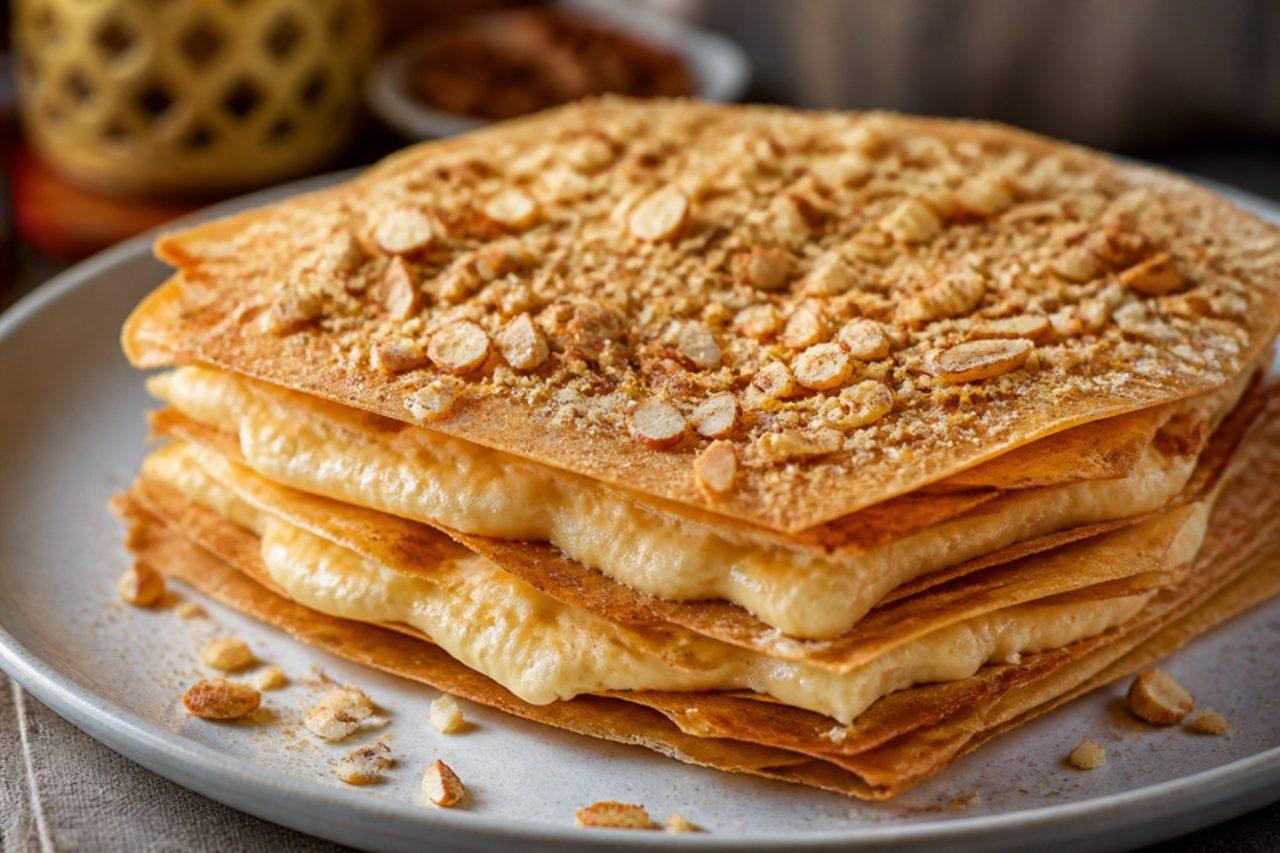
Ktefa, also known as pastilla au lait, is the grand finale of many weddings and family feasts in Fez and Rabat: shattering layers of fried warqa piled up with a light orange-blossom milk custard and a sweet, cinnamon-scented crumble of toasted almonds, assembled at the very last moment so every bite crackles. It is served in wedges or straight from the platter. Filo fried in rounds makes an easy home version, and everything can be prepared ahead except the final assembly. The custard is cooked until it bubbles, so the eggs are fully cooked. Don't assemble ktefa ahead of time: once the custard sits on the crisp layers they go soggy within minutes. Chef's tip: assemble only when you are ready to serve; if it sits for more than 15 minutes, the custard softens the crisp layers, the most common way ktefa goes wrong.

by KrazyBadal 0 views

Almond briouats

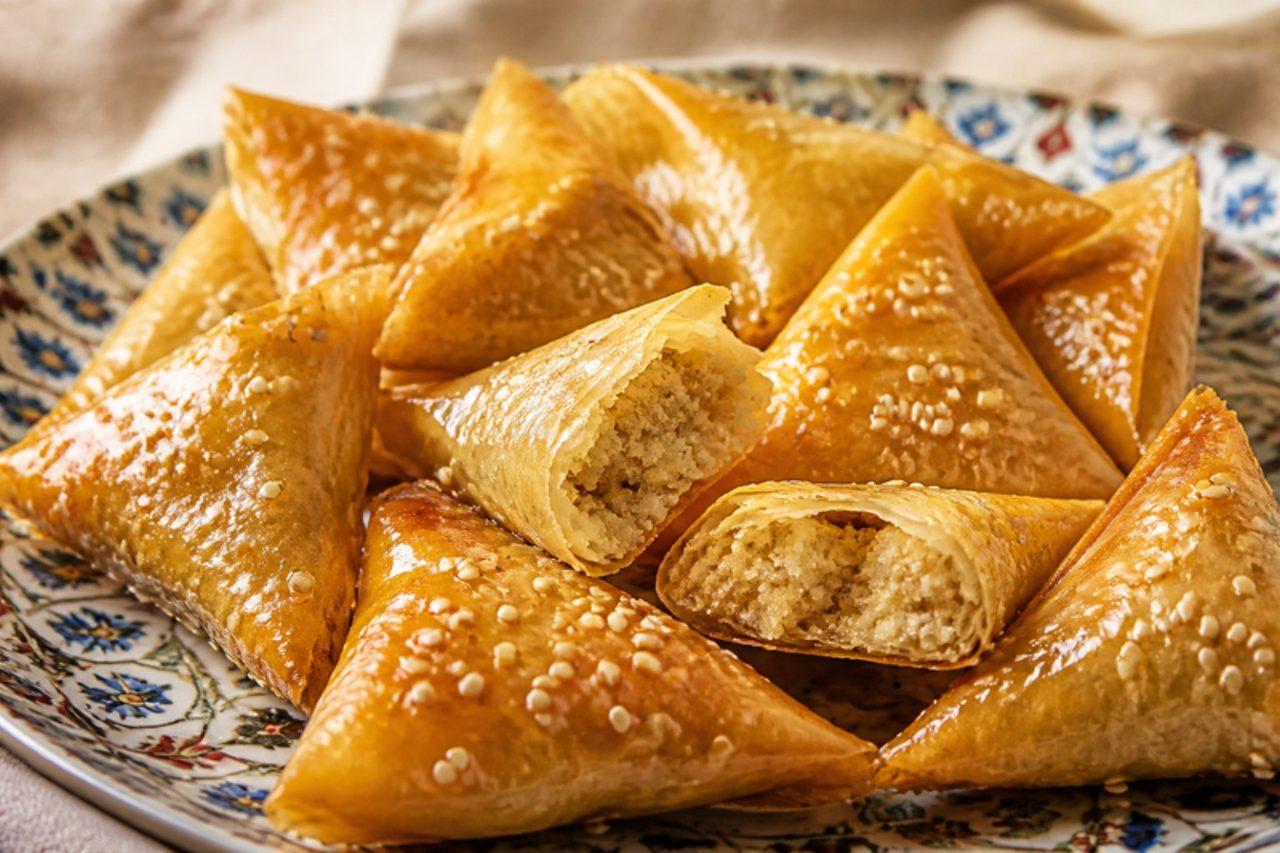
Ramadan evenings, weddings and Eid all call for a tray of sticky almond briouats: small triangles of warqa or filo wrapped around almond paste scented with orange-flower water and cinnamon, fried until golden and then plunged into warm honey. They are crisp at first bite, then soft and chewy as the honey seeps in, finished with a few sesame seeds. Served with mint tea, they sit happily next to chebakia and sellou on the iftar table. Filo works well in place of warqa. Chef's tip: dip the briouats in honey that is warm but not boiling, for about 2 minutes; leave them longer, the common mistake, and they turn soggy.

by KrazyBadal 0 views

Diots au vin blancSausages braised in white wine

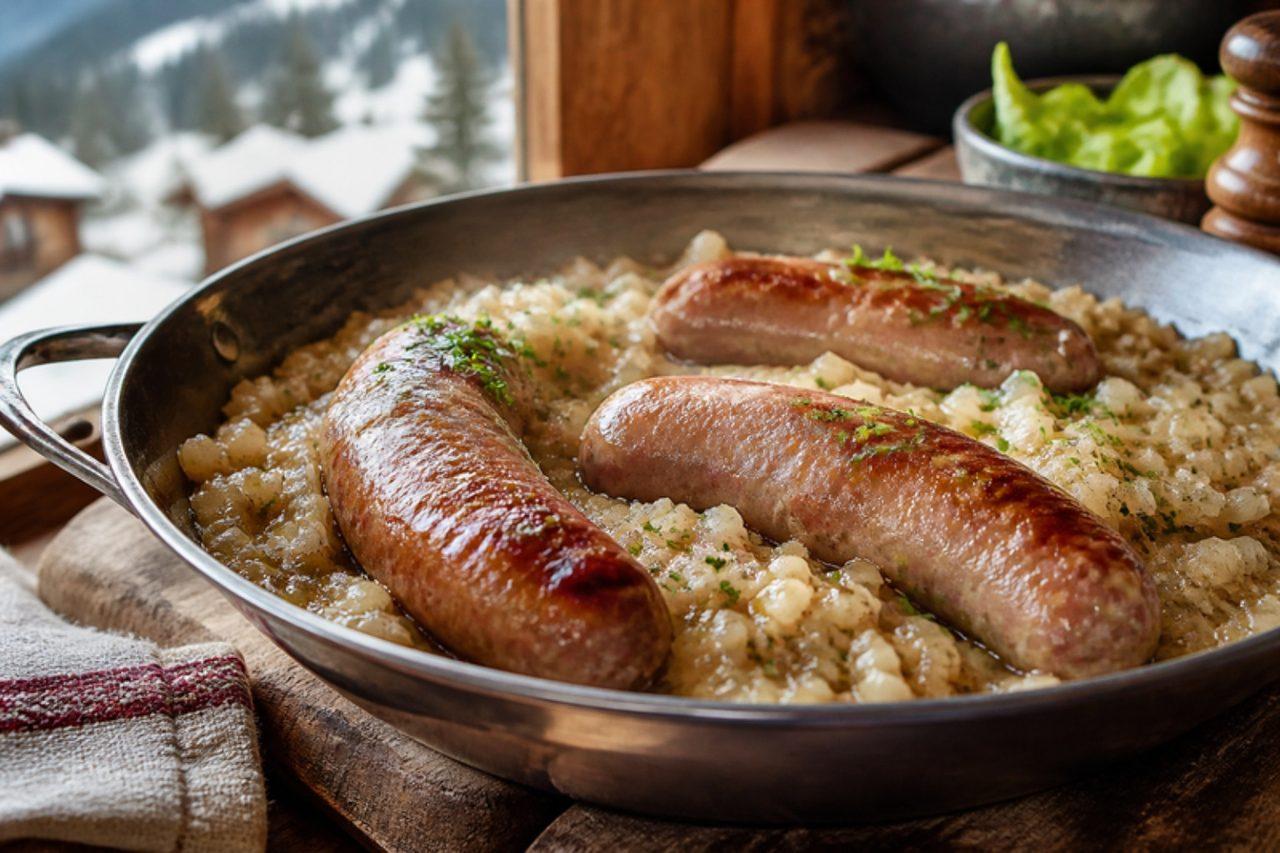
Diots are the small pork sausages of Savoie, sold in every butcher's from Chambéry to Annecy and eaten at ski-resort tables and village fêtes all winter. They are browned, then braised slowly with plenty of onions in dry Savoie white wine with a bay leaf, until the onions melt into a sweet, winey sauce around the plump sausages. The traditional partner is crozets, tiny square buckwheat or wheat pasta, or a soft polenta. The braise uses white wine; an alcohol-free version is in the notes. If you can't find diots, use any coarse, garlicky pork sausage. Chef's tip: brown the sausages slowly over a medium heat rather than fiercely, so the skins colour without bursting.

70 minFrenchMeat
by KrazyBadal 0 views

Broa de fubáFennel cornmeal buns

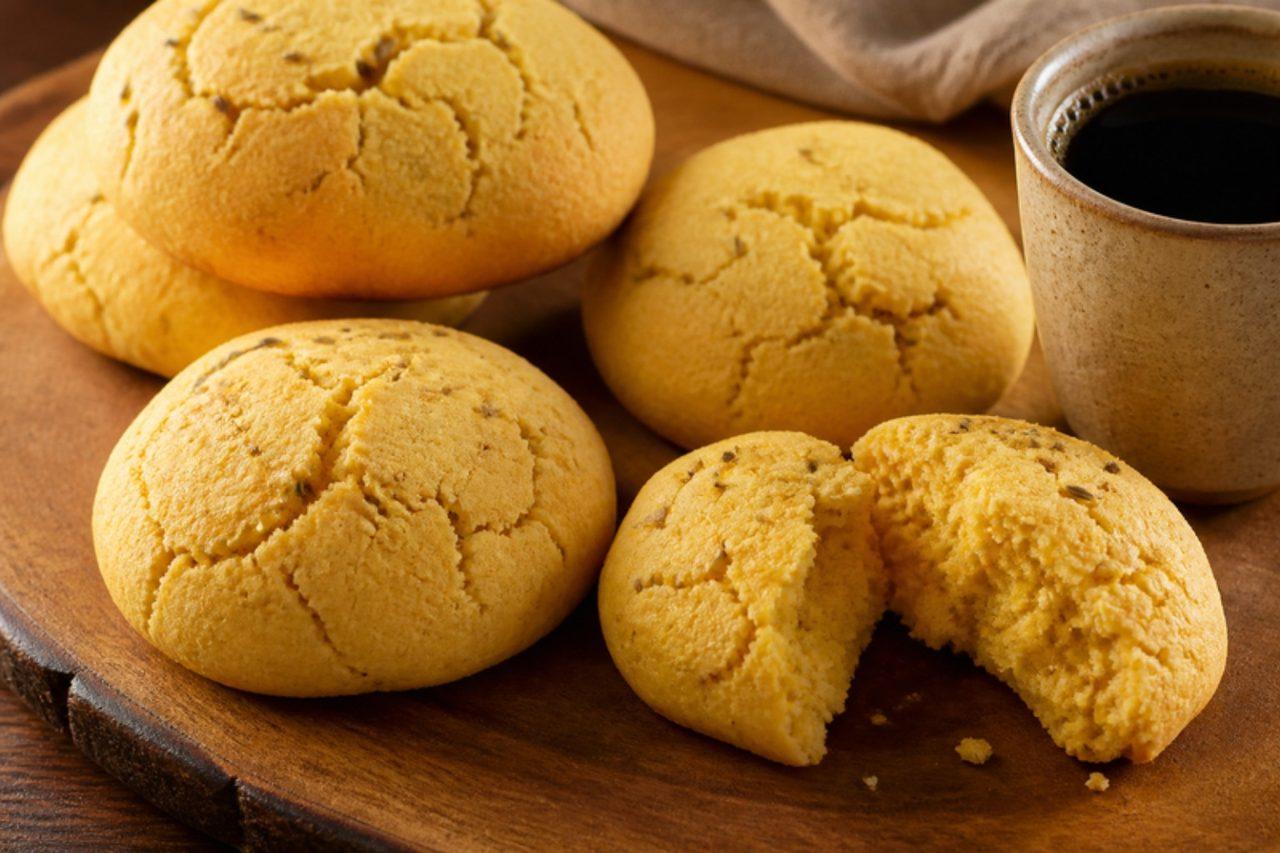
Afternoon coffee on a Minas Gerais farm almost always includes broa: craggy little cornmeal buns, golden and crusty outside, soft and slightly crumbly within, with the faint aniseed note of fennel seed. They are made by first cooking fubá with milk, butter and sugar into a thick porridge, then beating in eggs, flour and baking powder, so the crumb stays moist for days. Padarias in Belo Horizonte and the old mining towns sell them by the dozen. Serve them warm, split and buttered, with strong coffee or café com leite. Underbaking is where most batches fail; pale broas are gummy, so wait for a deep golden crust and a cracked top. Chef's tip: dip your hands in fubá rather than flour when shaping, so the buns get the rough, sandy crust they are known for.

by KrazyBadal 0 views

ChanfanaGoat braised in red wine

Chanfana belongs to the hill towns south of Coimbra, Miranda do Corvo and Lousã above all, where older goats were once cooked for village feasts in black clay pots sealed and left overnight in the bread oven. The meat braises in red wine with garlic, paprika, bay and cloves until it falls apart in a dark, rich sauce. It is a weekend and festival dish, served with boiled potatoes. The dish is cooked in red wine and not all of the alcohol cooks off; for an alcohol-free version use the substitute in the ingredient note. Chef's tip: marinate it for a full day; the long soak both flavours and tenderises the goat.

by KrazyBadal 0 views

Mhancha (almond snake pastry)

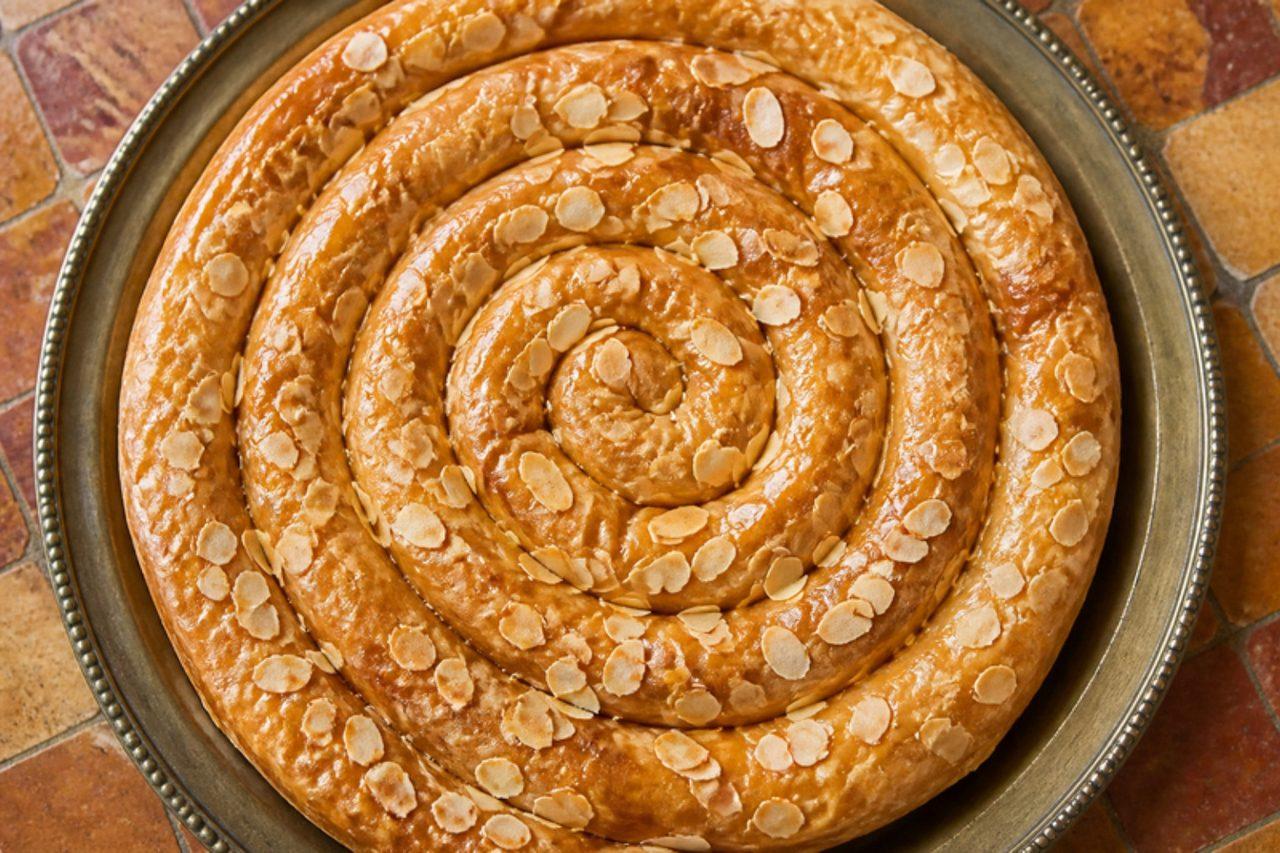
M'hancha means 'the snake', and that is exactly what this festive Fez pastry looks like: a long tube of paper-thin warqa or filo filled with orange-blossom almond paste and coiled into a spiral, then baked until golden and brushed with warm honey. It is brought out whole for guests and family celebrations and cut into wedges at the table with mint tea. The pastry shatters, the filling is soft and fragrant with cinnamon, and the honey glaze makes it shine. Filo stands in well for warqa; most shop filo is made without butter, but check the label. Most people go wrong by letting the filo dry out while they roll; keep the sheets under a damp cloth so the long rolls don't crack when coiled. Chef's tip: roll the filling loosely in the pastry and coil it gently; packed too tightly, the snake cracks as you curl it.

by KrazyBadal 0 views

ChampMashed potato with spring onion

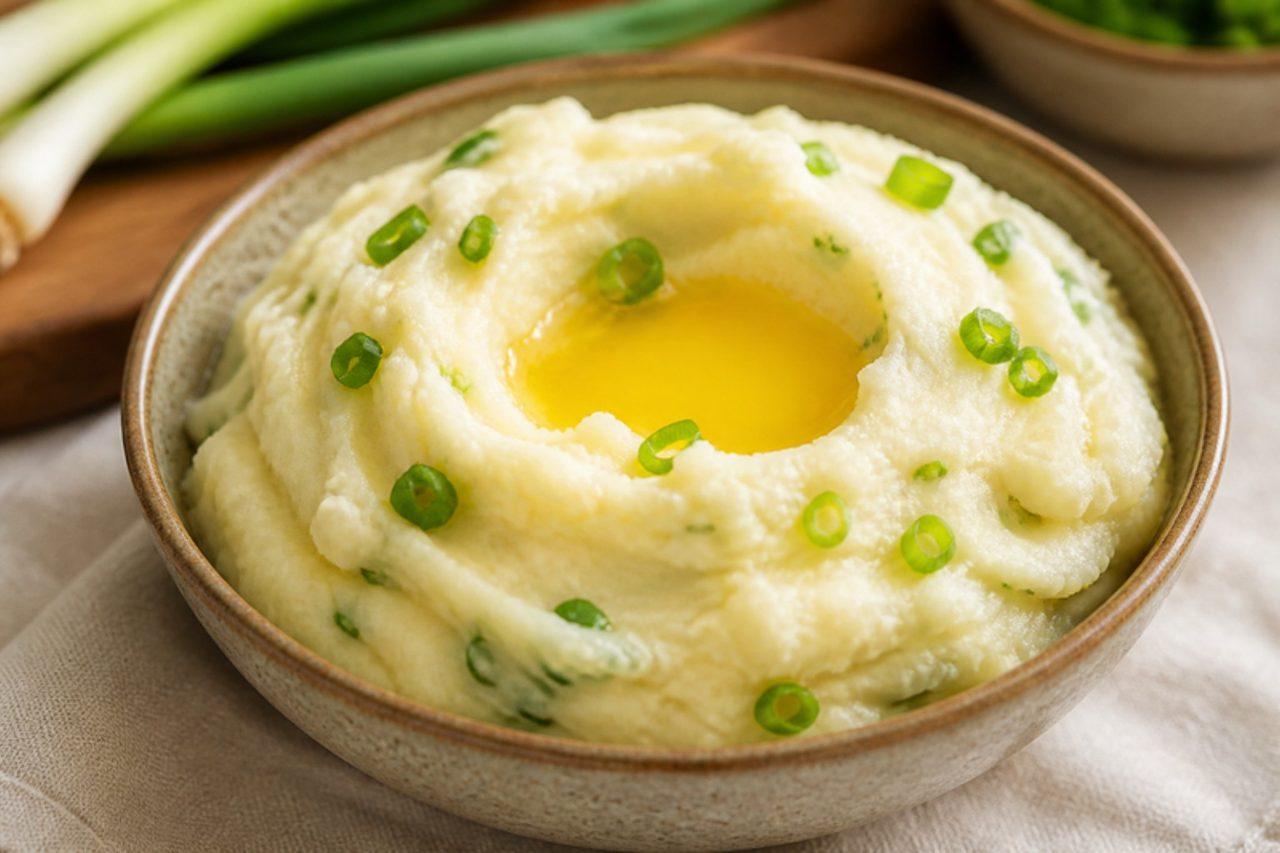
Champ is the creamy mashed potato of Ulster, eaten in farmhouse kitchens from Tyrone to Monaghan, and once pounded in a big pot with a wooden beetle for the whole family. Scallions are steeped in hot milk, then beaten into floury potatoes with salt, pepper and butter, so it is soft, green-flecked and gently oniony. Serve in a mound with a pool of butter in the centre, next to sausages or a pie. Chef's tip: dip each forkful into the butter well, as is done at home; don't stir the butter through.

35 minIrishSidesGluten free
by KrazyBadal 0 views

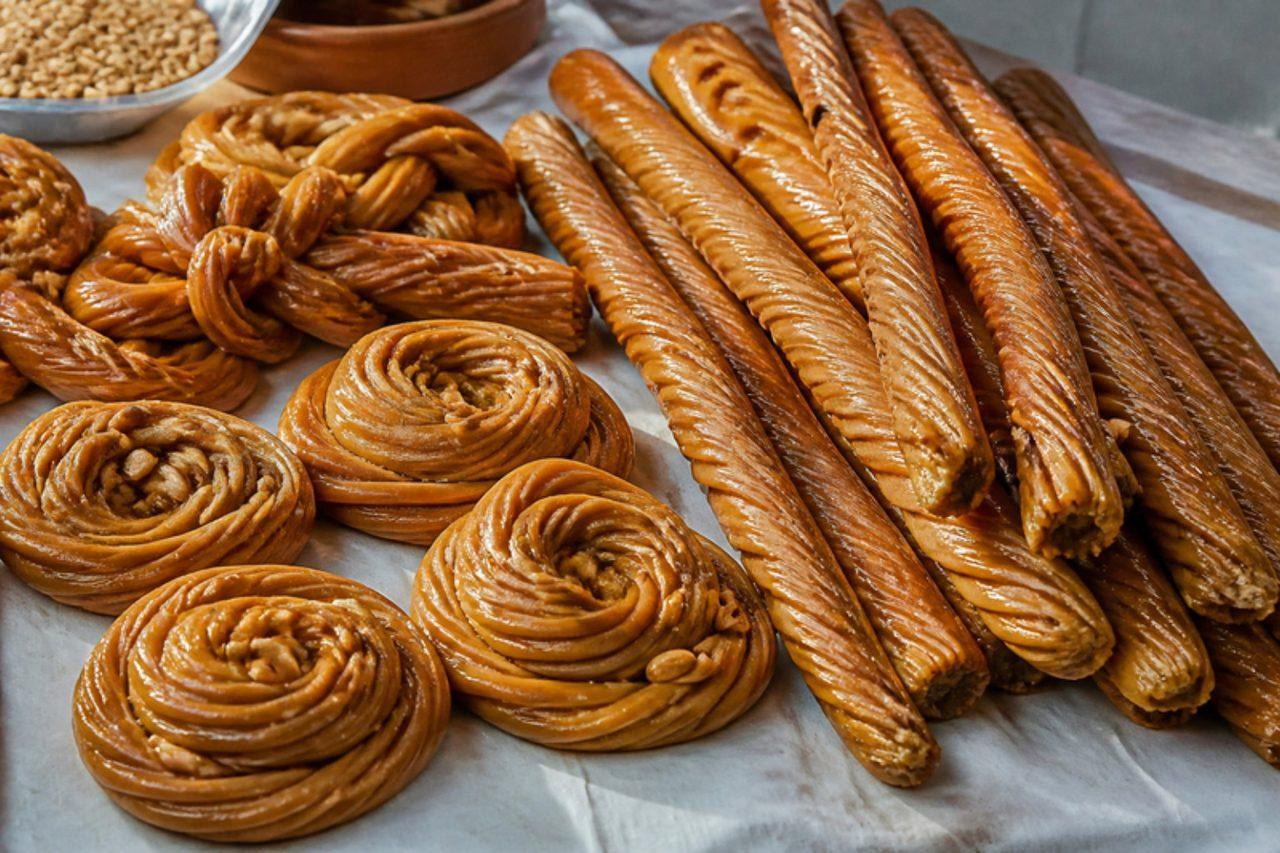
DiplesFried pastry rolls in honey

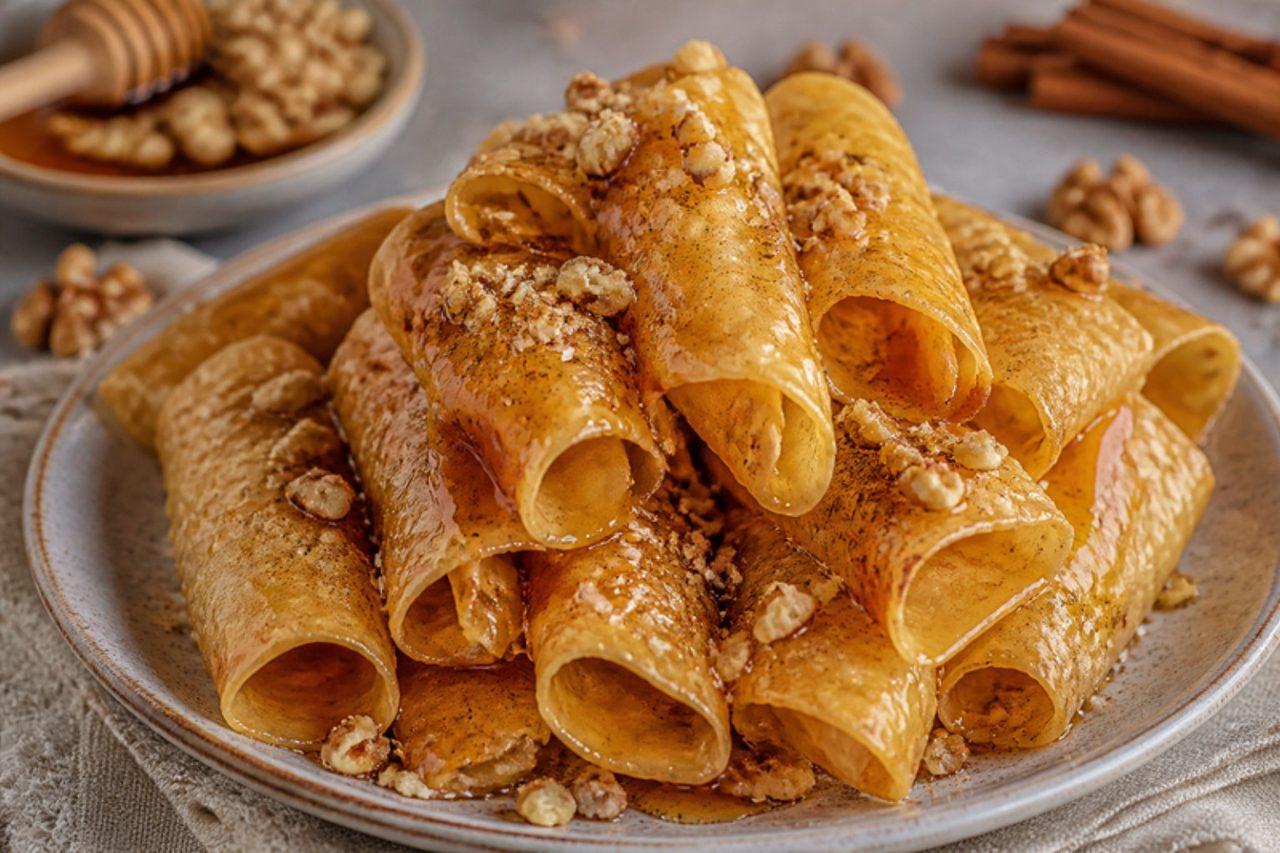
In the tower villages of the Mani, no wedding, christening or New Year passes without trays of diples: paper-thin egg dough fried in a rolling twist, so each strip curls into a crisp, bubbled scroll, then drenched in warm thyme honey and showered with walnuts and cinnamon. They shatter when you bite and stay crunchy for days in a tin. Common mistake: rolling the dough too thick, which gives chewy, oily diples — you should almost see your hand through it. Chef's tip: hold the end of each strip in the oil with two forks and roll it as it puffs; the first few are practice, so don't worry about shape.

by KrazyBadal 0 views

BrezenknödelPretzel dumplings

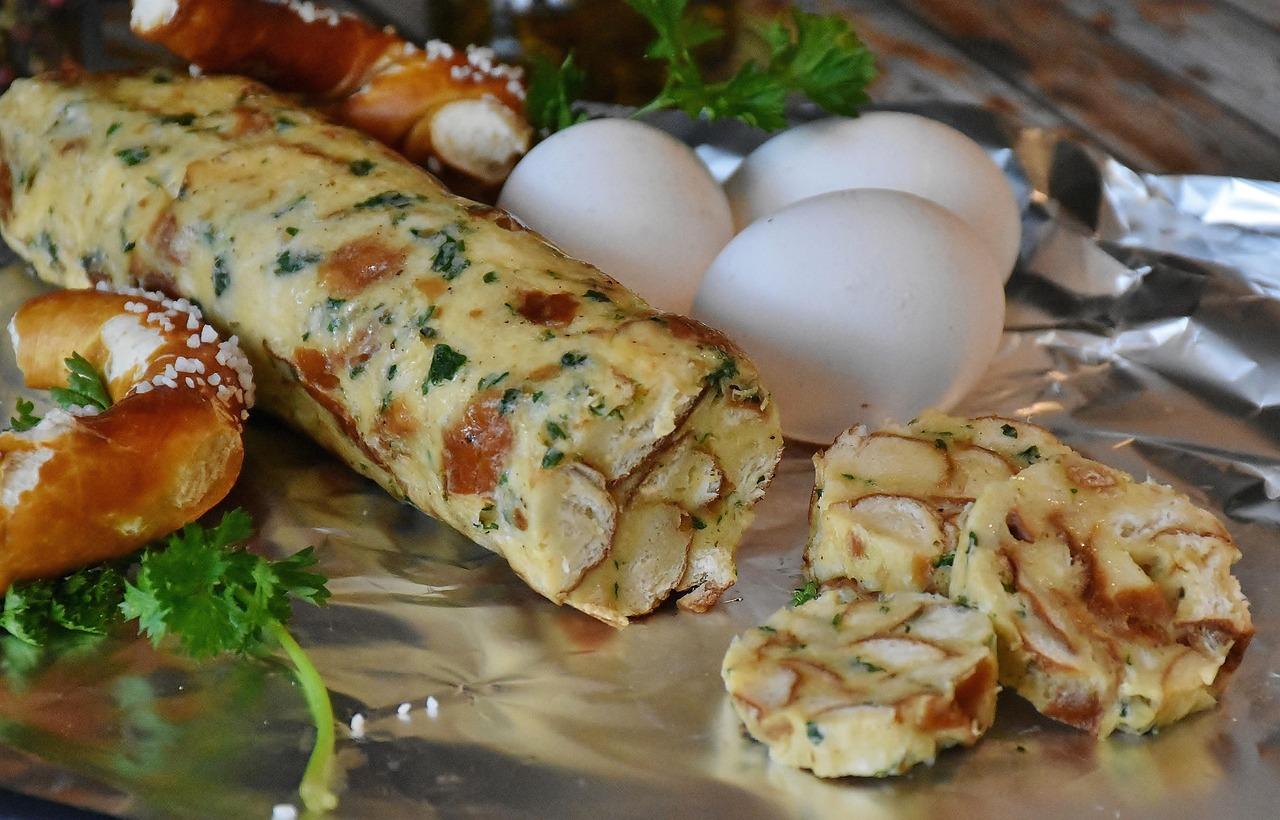
Brezenknödel are what thrifty Munich kitchens make from yesterday's pretzels: the cubes soak in warm milk with egg, onion and parsley, then are shaped into dumplings with a faintly salty, malty crust flavour running through them. They are served on Sundays in place of bread dumplings, alongside a creamy mushroom sauce or a pile of red cabbage, and leftovers are sliced and fried the next morning. The big mistake is adding too much milk: the mixture should hold when squeezed, not drip. Chef's tip: pick off most of the coarse salt before cubing the pretzels, otherwise the dumplings end up far too salty.

by KrazyBadal 0 views

Bakaliaros skordaliaBattered salt cod with garlic dip

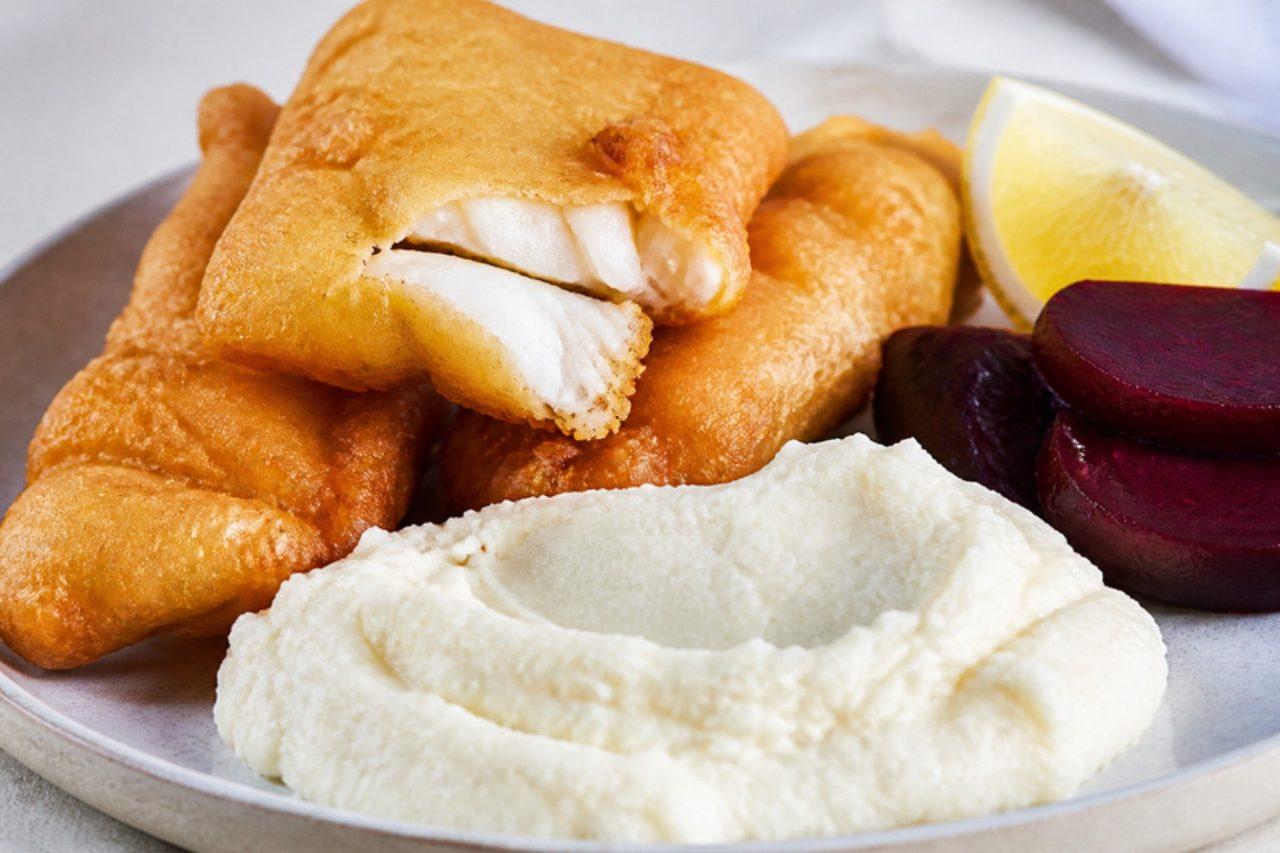
On 25 March, Greek Independence Day and the Annunciation, the Lenten fast is relaxed for fish, and families from Nafplio to Patras sit down to golden fritters of salt cod with a sharp, garlicky potato skordalia and a beetroot salad. Salt cod is soaked for a day or two to draw out the salt, then dipped in a light sparkling-water batter and fried until puffed and crackly. Common mistake: not soaking long enough — taste a flake; it should be pleasantly seasoned, not salty. Chef's tip: make the skordalia while the potatoes are hot, and pound or mash by hand; a blender turns it to glue.

75 minGreekFish
by KrazyBadal 0 views

Dulce de tamarindoTamarind sugar sweets

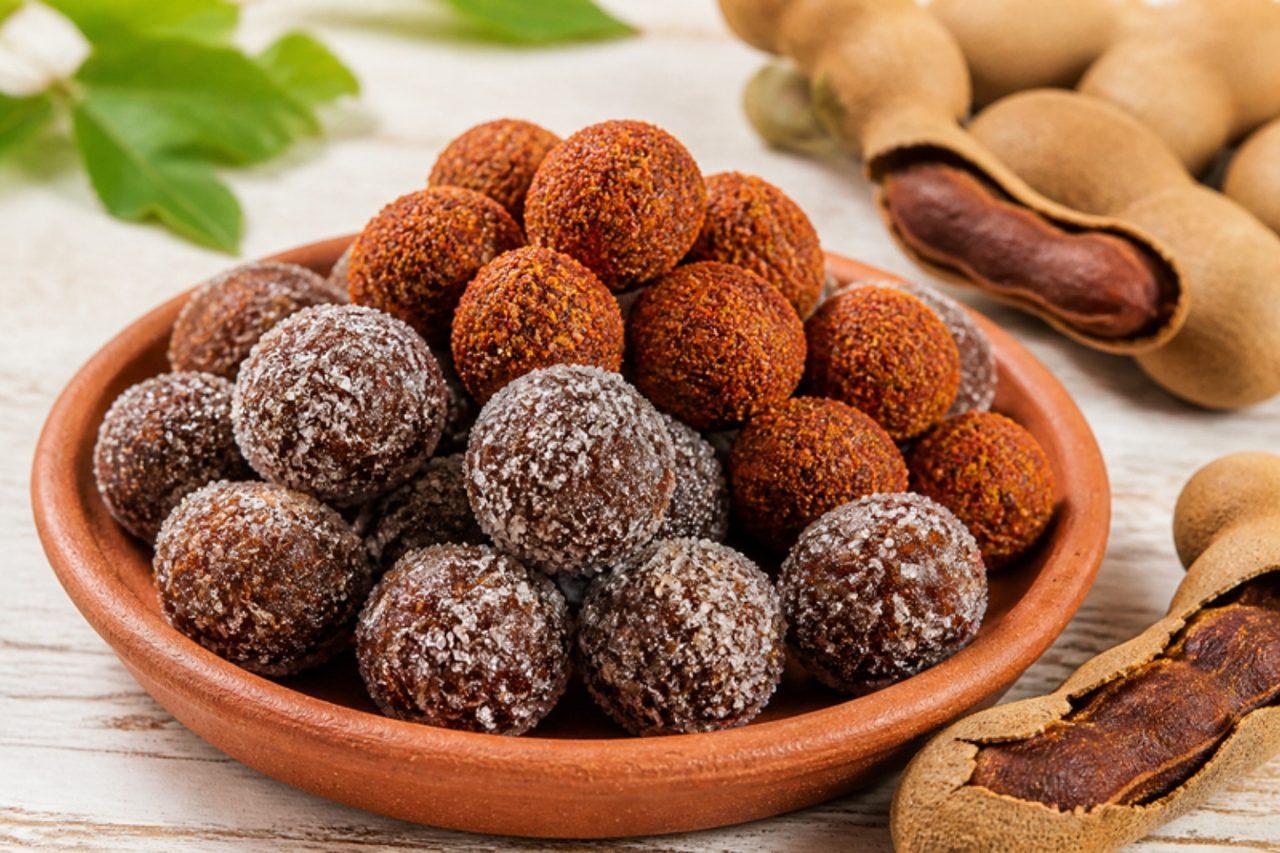
Tamarind trees shade the coast of Guerrero, and around Acapulco and the Costa Chica the sticky pulp is cooked down with sugar into tangy little balls sold in paper twists at beaches, bus stations and corner shops. Children love the sharp sweet-sour pucker; adults buy the ones rolled in chilli and salt. They are naturally vegan and keep for weeks. Chef's tip: use blocks of seedy tamarind pulp from an Asian or Mexican grocer, not the thin concentrate in jars, which will not set.

by KrazyBadal 0 views

Chaniotiko bourekiCourgette, potato and cheese bake

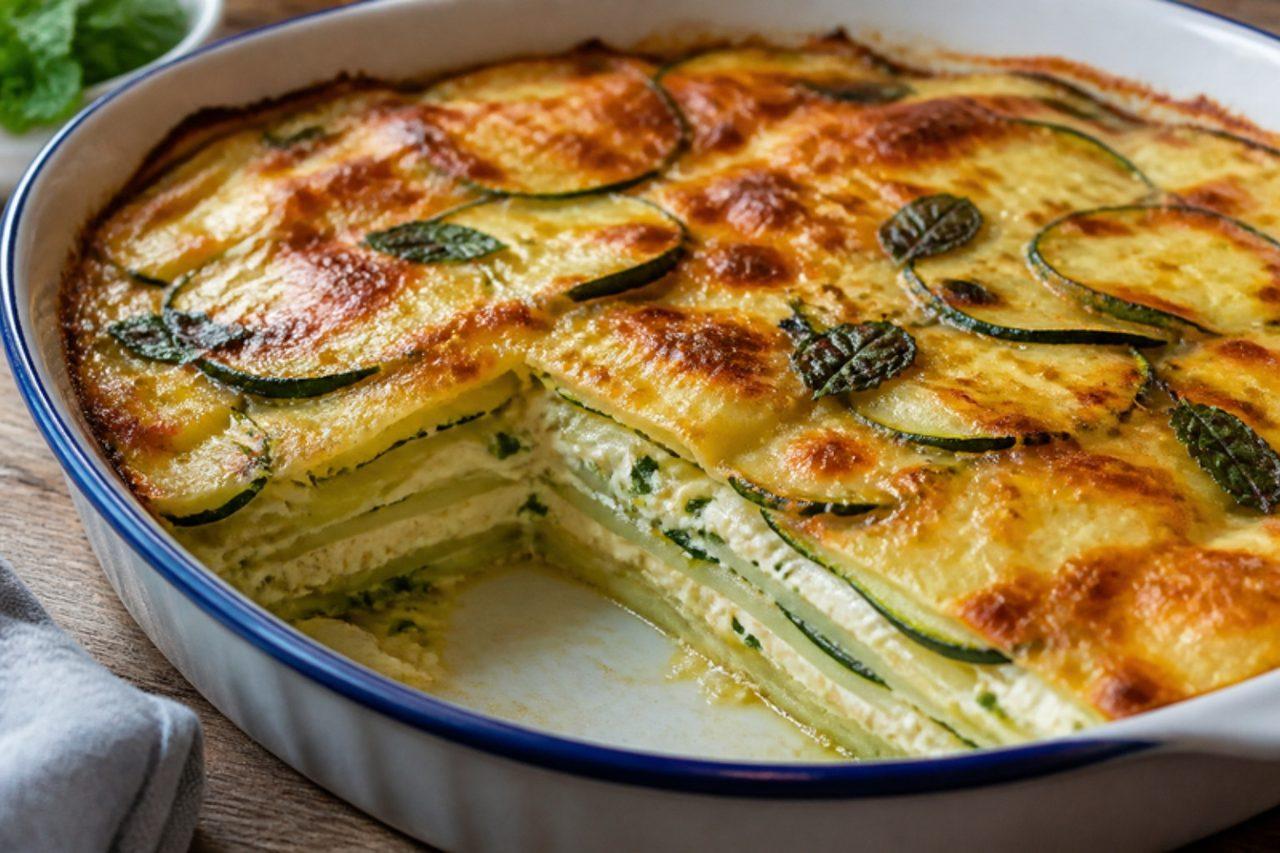
In Chania, western Crete, boureki is what happens to the courgette glut in July: thin slices of courgette and potato layered with crumbled soft cheese, mint and plenty of olive oil, then baked slowly until the top is golden and the inside is meltingly soft. Families bake a big tin for Sunday and eat it warm or at room temperature over the next two days with bread, olives and a tomato salad. The traditional cheese is fresh mizithra plus a little graviera; graviera is made with animal rennet, so use a vegetarian hard cheese if that matters to you. Common mistake: skipping the salting of the courgettes, which leaves a pool of water in the tin. Chef's tip: slice the potatoes paper-thin, no thicker than 3 mm, so they cook through in the same time as the courgettes.

by KrazyBadal 0 views

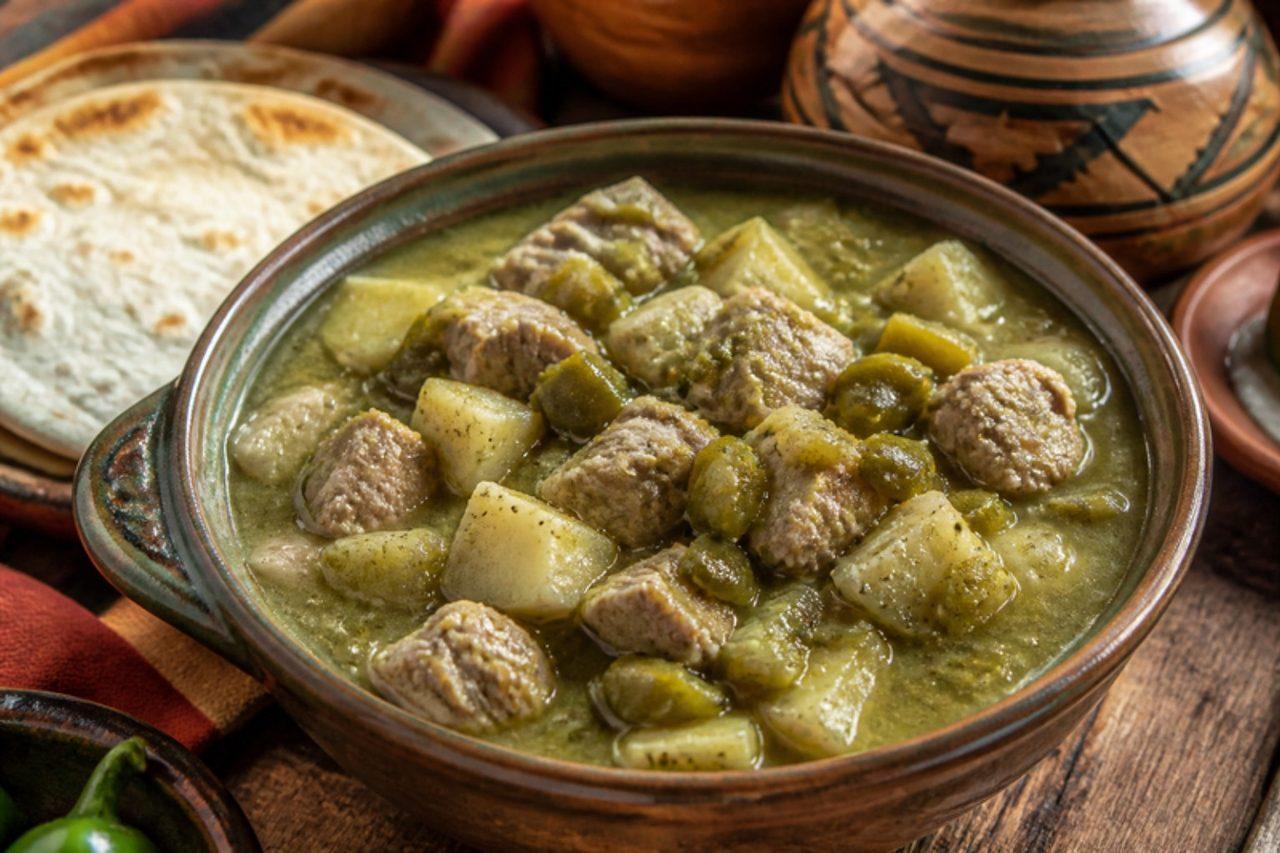
New Mexico green chile stew

When the Hatch chile harvest comes in each September, the smell of roasting green chiles fills supermarket car parks across New Mexico, and green chile stew becomes the dish of football Fridays and cold Santa Fe nights. It is a brothy stew of pork shoulder, potatoes and plenty of roasted, peeled green chile, served with a warm tortilla. Chef's tip: roast the chiles until the skins blister black all over, then sweat them in a covered bowl; the skins slip off easily.

120 minAmericanMeatGluten freeSpicy
by KrazyBadal 0 views

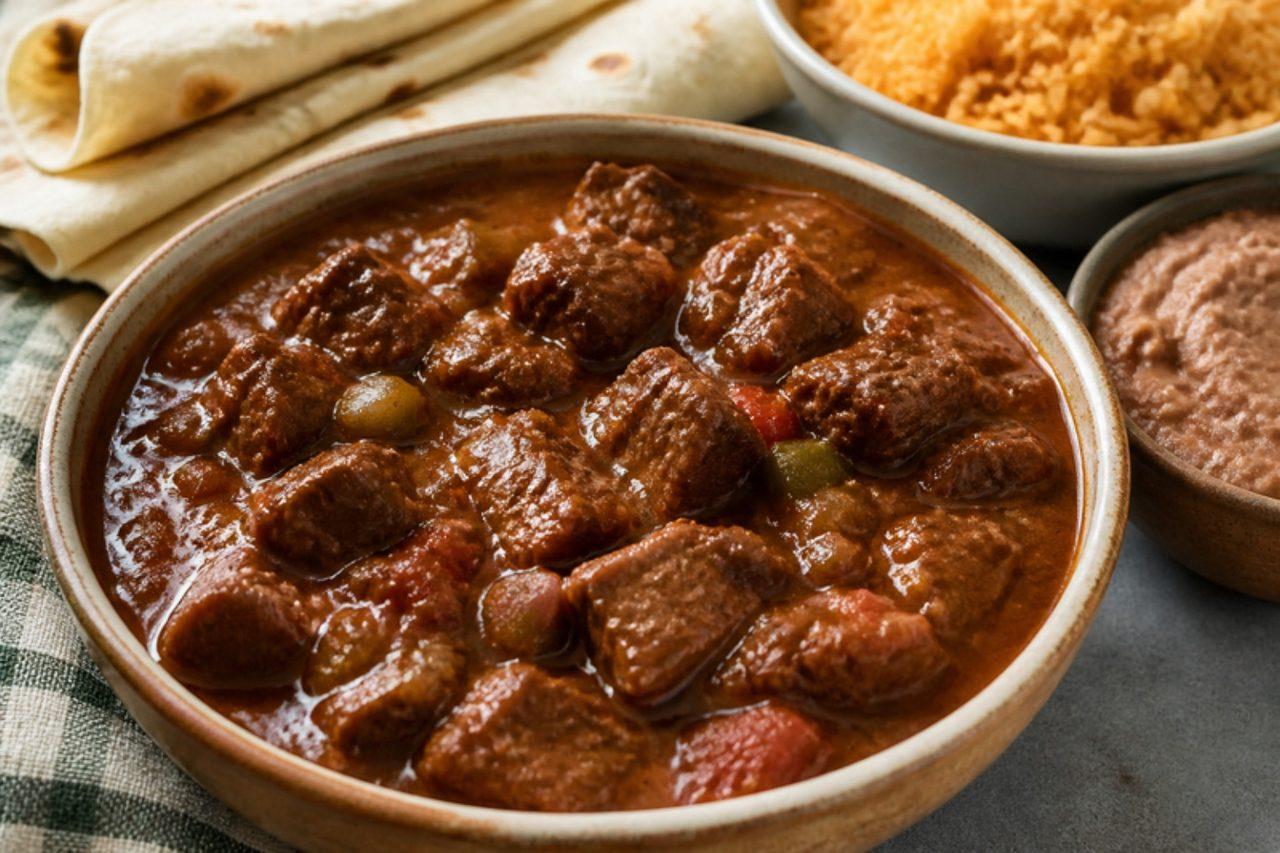
Texas carne guisada

Carne guisada is the South Texas comfort stew of the Rio Grande Valley and Corpus Christi, ladled into fresh flour tortillas for breakfast tacos or eaten from a plate with rice and refried beans. Cubes of beef chuck are browned and slowly stewed with onion, pepper, garlic and cumin in a thick, peppery brown gravy. Chef's tip: dust the beef with flour as it browns; it thickens the gravy just enough to cling to a tortilla.

135 minAmericanMeat
by KrazyBadal 0 views

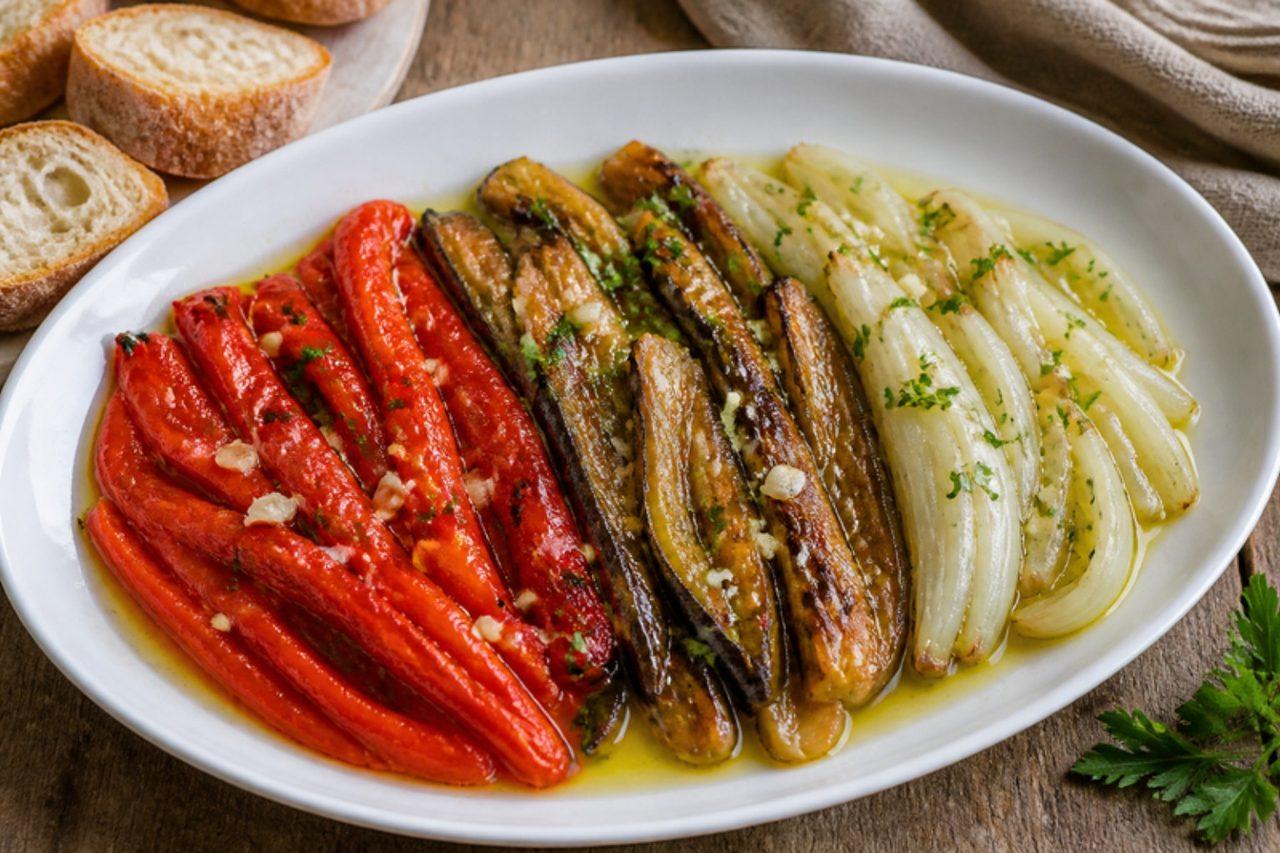
EscalivadaRoasted aubergine, pepper and onion

The name comes from the Catalan escalivar, to cook in the embers, and in country masies across Catalonia the vegetables still go straight into the dying fire after a Sunday grill. Aubergines, red peppers and onions char black outside and turn smoky and soft within, then are peeled, torn into strips and dressed with nothing but olive oil, salt and a little garlic. Serve it warm or at room temperature with bread, beside grilled meat, or on toast. Chef's tip: wrap the roasted vegetables in a cloth or put them in a covered bowl for 15 minutes; the steam lifts the skins clean off.

by KrazyBadal 0 views

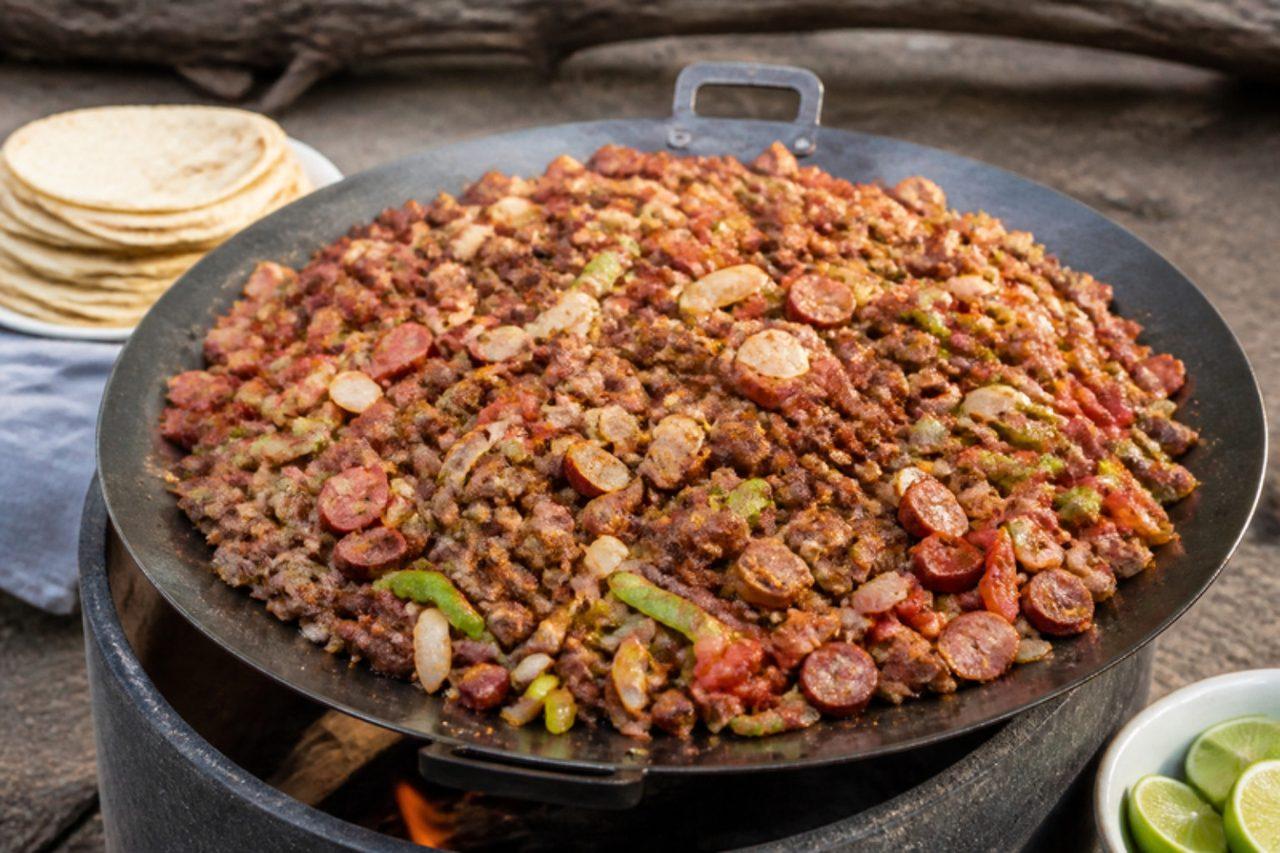
Discada norteñaMixed-meat skillet with peppers and onions

In Chihuahua and across the northern ranchlands, discada is party food: a worn-out plough disc is set over a wood fire and filled, one by one, with bacon, pork chorizo, beef, ham and sausages, then peppers, onions and tomatoes, while everyone stands around with tortillas. It is a big, smoky, pork-heavy dish, made with pork bacon, pork chorizo and ham, and many cooks splash in beer near the end, for which stock is a fine alcohol-free swap. At home, a large wok or your widest heavy skillet does the job. Serve it straight from the pan with corn tortillas, salsa and lime. Chef's tip: add the meats in order, fattiest first, so each one browns in the fat of the last.

by KrazyBadal 0 views

Djaj mahshiRoast chicken stuffed with spiced rice

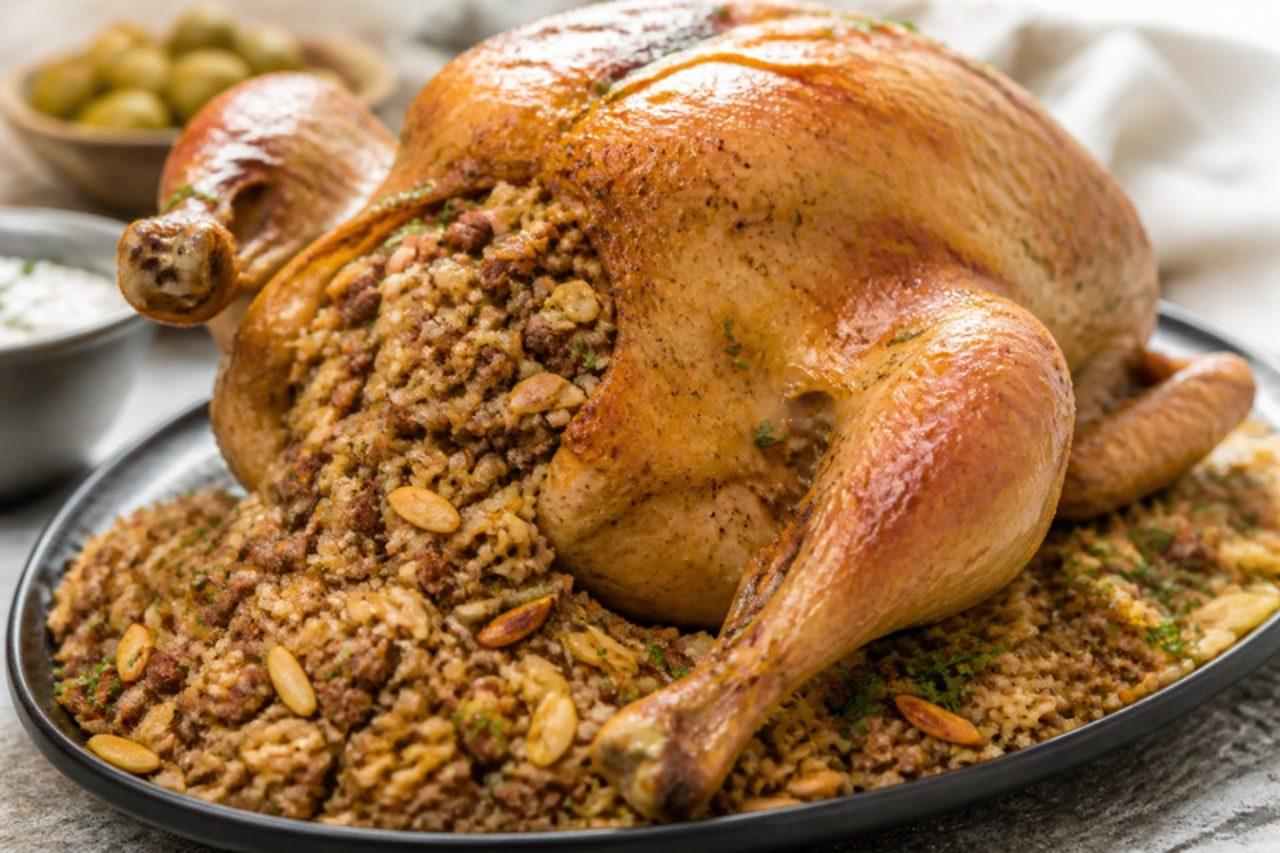
For Eid, Christmas or a wedding lunch in Palestine, a whole chicken stuffed with spiced rice is the centrepiece: the rice cooked with a little minced lamb, seven-spice and cardamom, packed into the bird and roasted until the skin is lacquered brown, then piled on a platter under handfuls of fried almonds and pine nuts. Serve with yoghurt and a chopped salad. Common mistake: packing the cavity tightly with raw rice, which leaves the centre undercooked; part-cook the rice first and stuff loosely. Chef's tip: simmer the chicken briefly in spiced water before roasting, as many Palestinian cooks do; it seasons the meat and keeps it moist.

by KrazyBadal 0 views

San Antonio puffy tacos

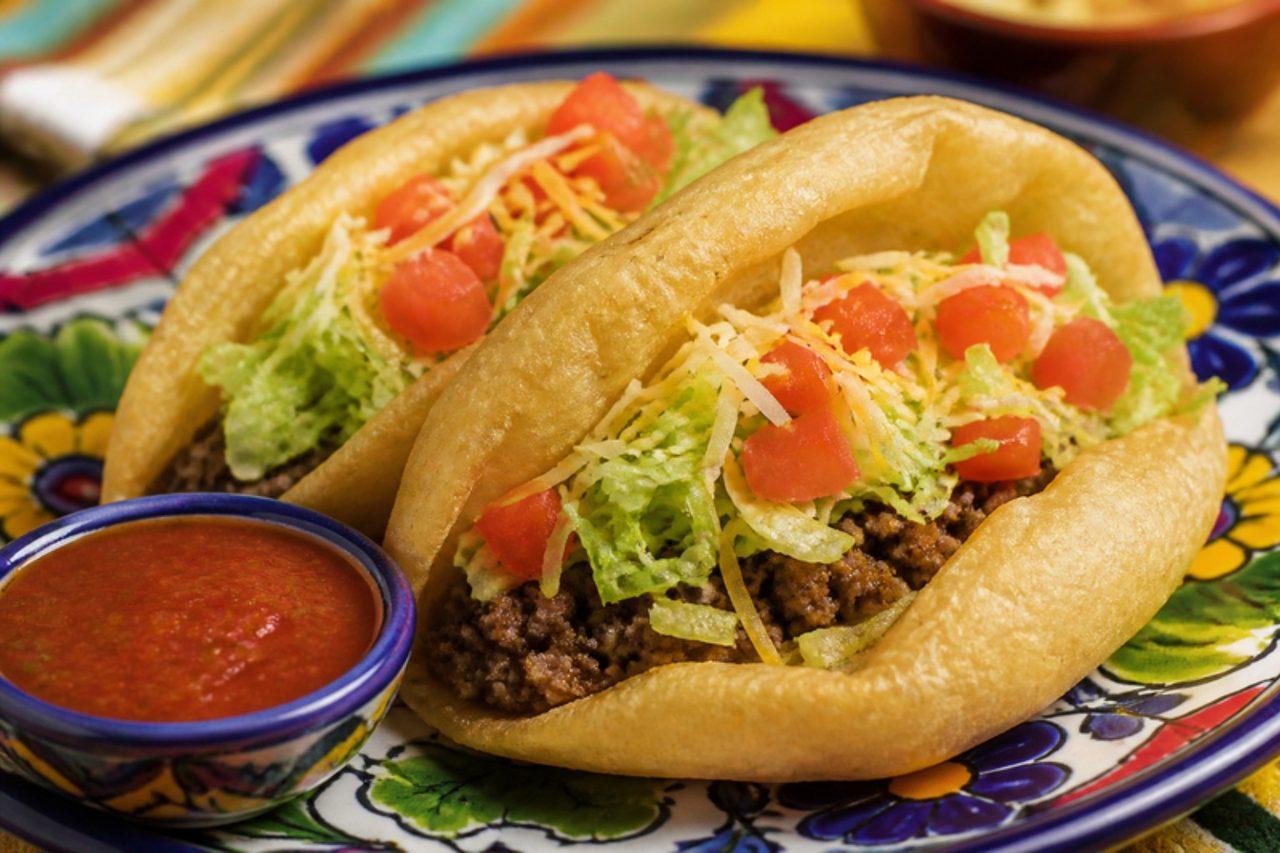
The puffy taco is San Antonio's own: a ball of fresh corn masa pressed flat and dropped into hot oil, where it puffs into a light, crisp, hollow shell, then shaped into a U and filled with seasoned beef mince, lettuce and tomato. Family-run Tex-Mex restaurants on the West Side have served them since the 1950s, and the city's baseball team even has a puffy taco mascot. Chef's tip: as soon as the dough puffs, press a spatula into the middle to make the fold, before it sets.

by KrazyBadal 0 views

Tatws pum munudBacon and potato stew

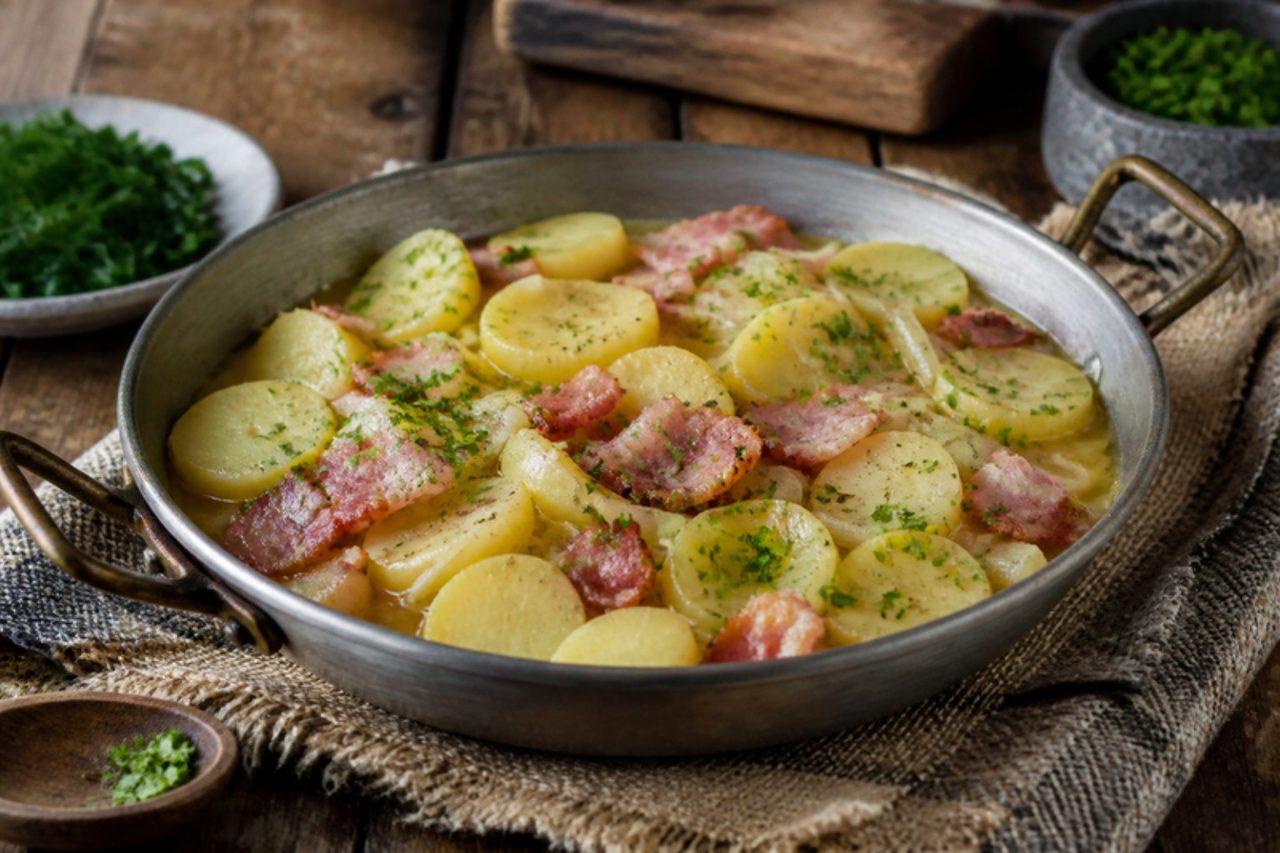
Tatws pum munud means 'five-minute potatoes' in Welsh, a joke, since it takes half an hour, but it was the quick, cheap one-pot supper of North Wales quarry and farm families. Sliced potatoes and onions are simmered on a bed of smoked bacon (pork) in stock until the potatoes are soft and the bottom layer catches and turns golden. Chef's tip: don't stir; shake the pan instead so the layers stay intact and the bottom crisps.

by KrazyBadal 0 views

Dulce de rosa mosquetaRosehip jam

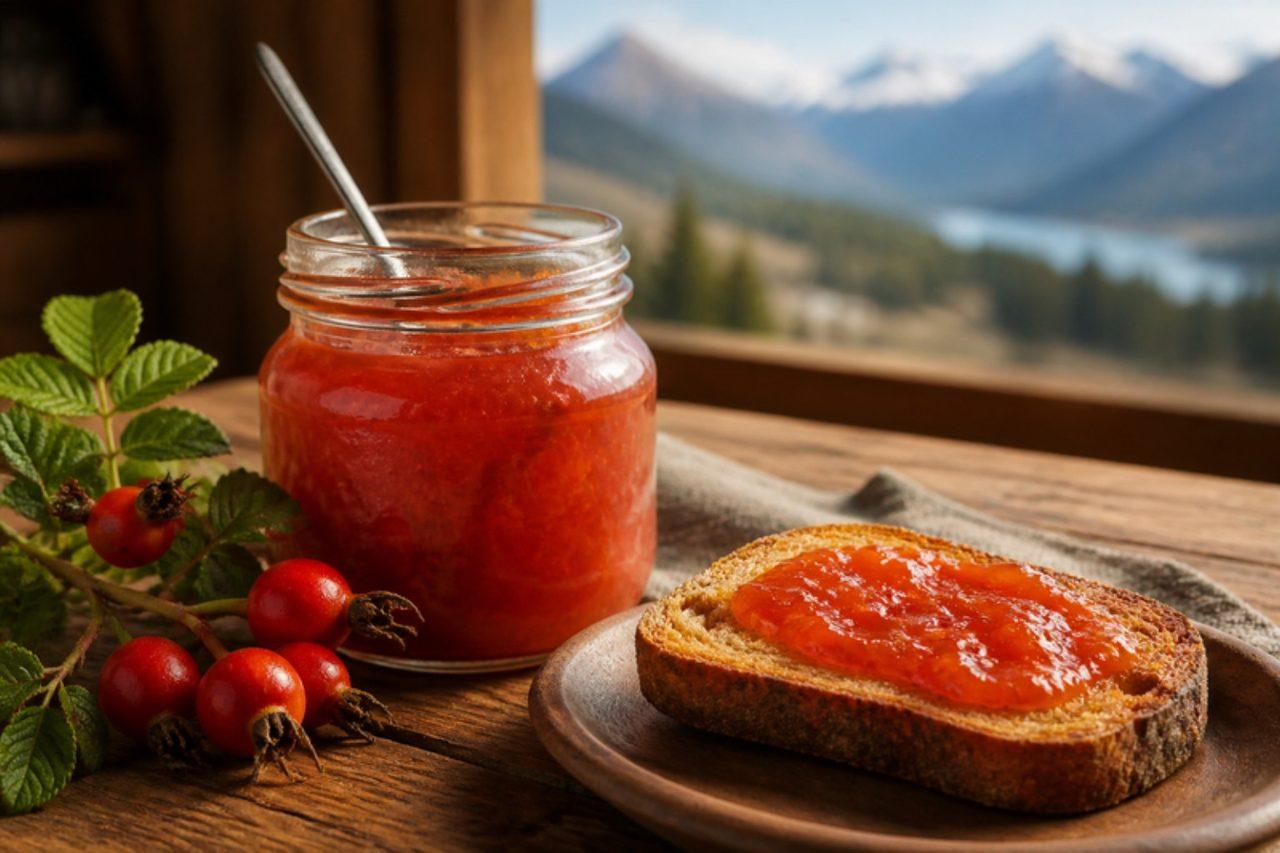
Every autumn, from March to May, families along the lakes around Bariloche and El Bolsón and up into Neuquén go out with buckets to strip the wild rose bushes that cover the hillsides, and the shops of the Andean towns fill with jars of this jam. Rosa mosqueta (rosehip) makes a smooth, coral-red preserve with a sharp, fruity, slightly floral flavour and a lot of vitamin C. It is spread on toast with butter, served with fresh cheese, or spooned into yoghurt. Rosehips are full of seeds wrapped in tiny irritating hairs, and not sieving them out properly is the error you will feel in your throat: pass the pulp through a fine sieve or food mill, and then once more. Buy rosehips from a foraging supplier or pick them away from roads, and only if you are sure of the plant. Chef's tip: pick after the first frosts, or freeze the hips overnight; the cold softens them and makes the pulp much easier to sieve.

by KrazyBadal 0 views

ChapoPlantain and milk drink

Breakfast stalls in Iquitos and the riverside towns of Loreto pour chapo into glasses from big steaming pots before the heat of the day sets in, and by afternoon the same drink is sold chilled. It is made from plantains left until their skins are black, simmered with cinnamon and cloves until soft, then blended smooth and loosened with milk. The result is thick, naturally sweet and gently spiced, somewhere between a smoothie and a thin custard, and children love it. Some families make it with water only; evaporated milk is the common addition in town. The mistake is using plantains that are still yellow-green: they taste starchy and the drink turns grey and gluey, so wait until the skins are mostly black and the fruit gives when pressed. Serve hot with bread or a tamal, or cold over ice. Chef's tip: strain it through a sieve after blending for a silky drink, and thin it with water if it thickens as it cools.

by KrazyBadal 0 views

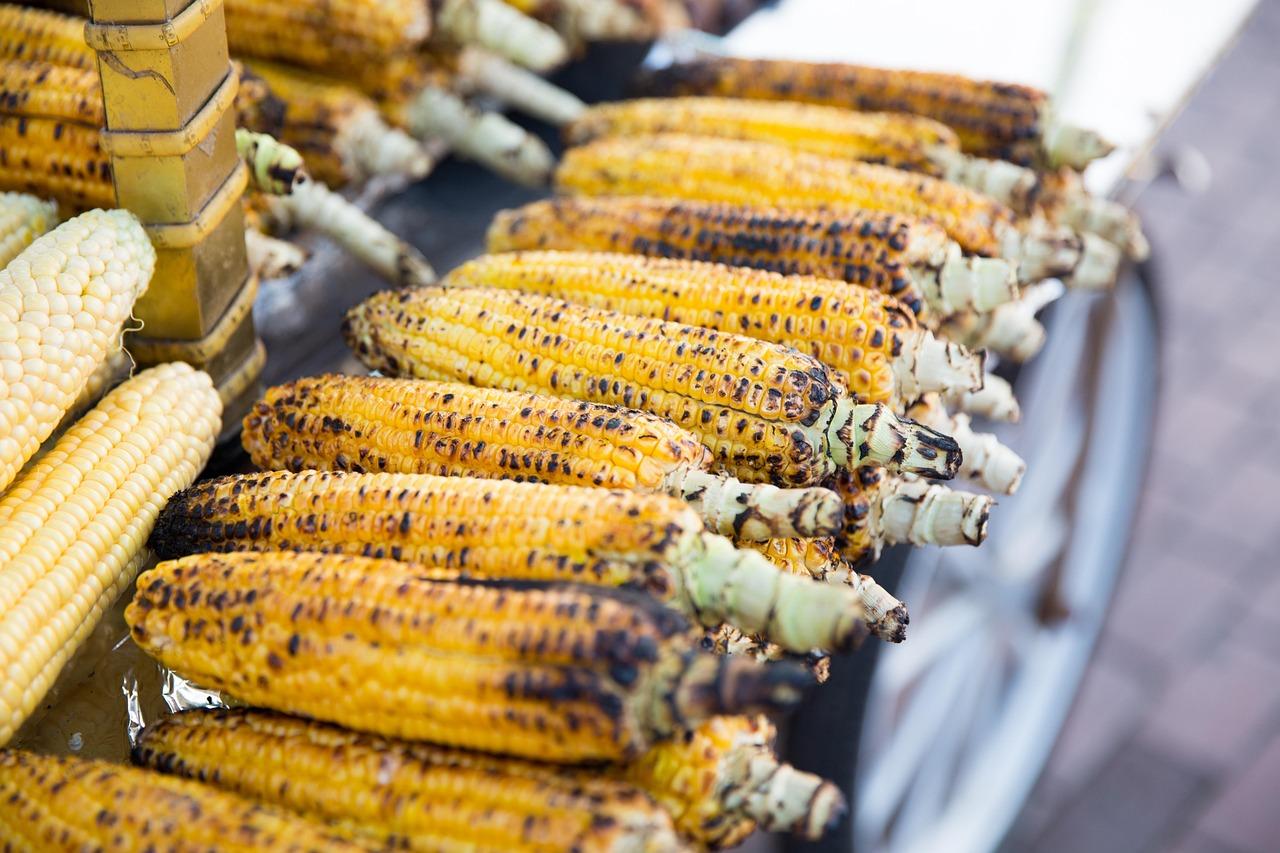
BalalCharcoal-grilled corn

Walk up the stepped lanes of Darband in the north of Tehran on a summer night and the air is smoky with balal: corn cobs fanned over charcoal until blistered, then dunked straight into a bucket of salty water so they hiss and steam. The quick dip seasons every kernel and softens the charred skin, so the corn is smoky, juicy and salty all at once. It is eaten standing up, between a walk and a cup of tea. The mistake people make is grilling over flames rather than glowing coals, which blackens the outside before the kernels are cooked. Chef's tip: keep the salted water warm by the grill so the corn doesn't cool down when you dip it.

by KrazyBadal 0 views

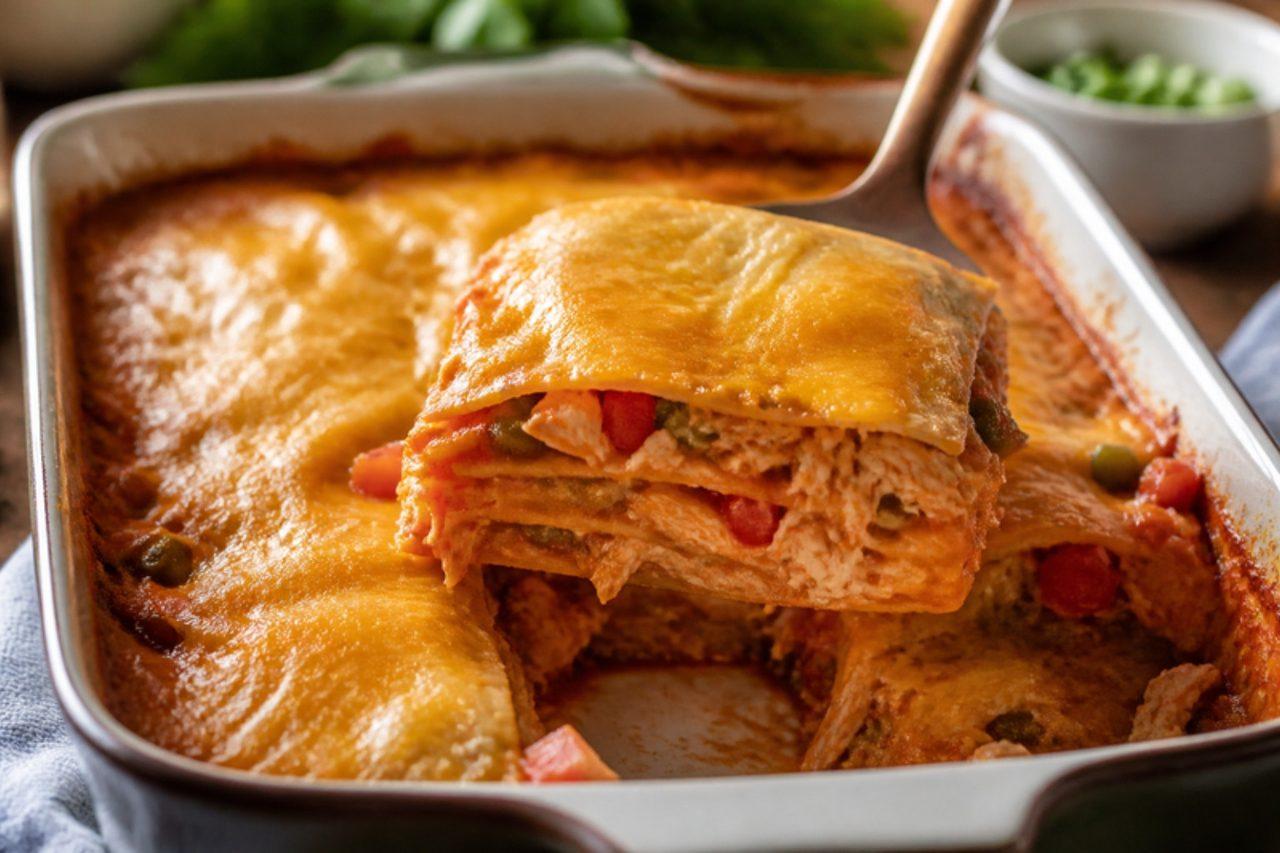
King Ranch chicken

King Ranch chicken is the layered casserole every Texan has eaten at a potluck, baby shower or after a funeral, named, without any proof, after the famous ranch in South Texas. Corn tortillas are layered like lasagne with shredded chicken, peppers, tinned tomatoes with green chiles, a creamy sauce and lots of cheese. This version makes the sauce from scratch instead of tinned soup. Chef's tip: lightly fry or toast the tortillas first so the layers hold up instead of turning to mush.

by KrazyBadal 0 views

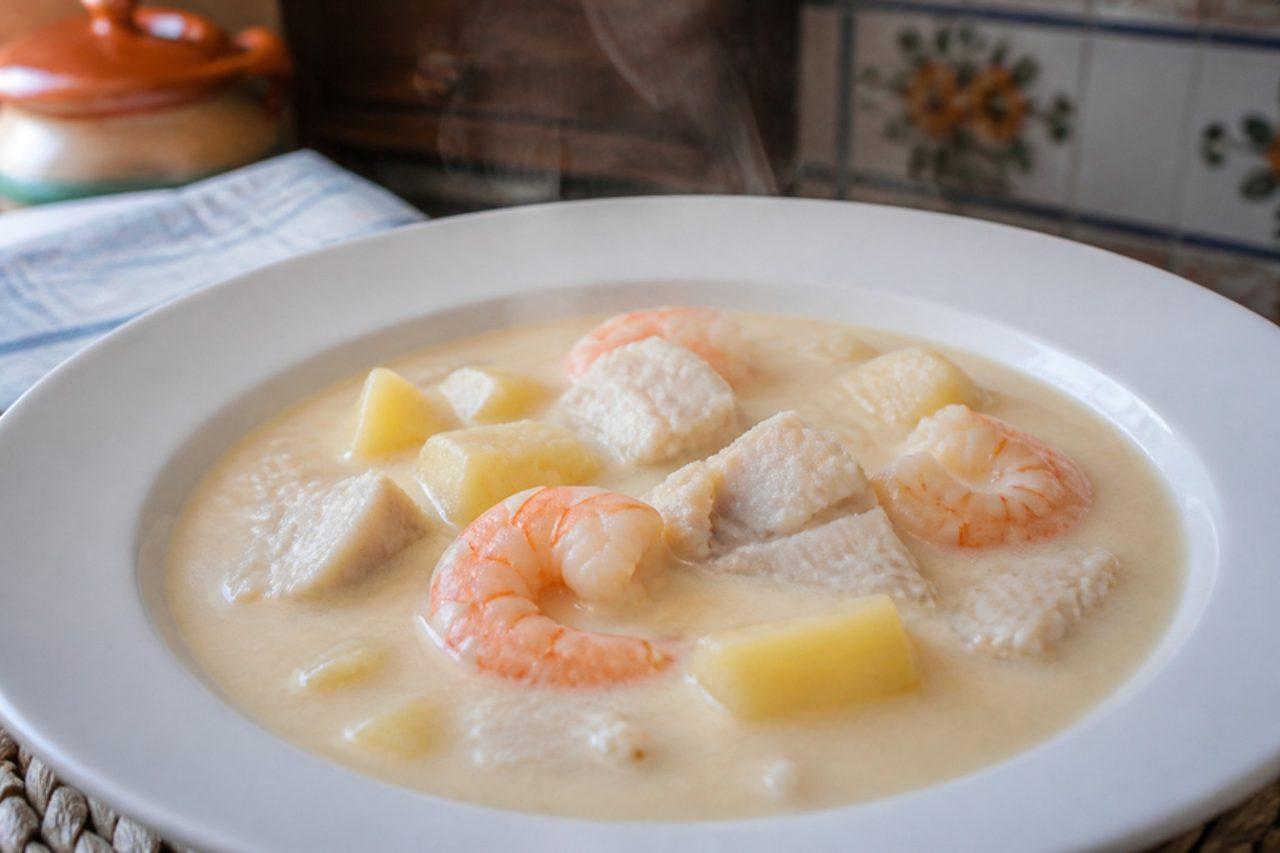
Gazpachuelo malagueñoHot fish soup with mayonnaise

Málaga's fishermen once made gazpachuelo on the beach with whatever the nets brought in, and today it is a winter comfort soup in the city's homes and old-style taverns: a clear broth with potatoes, hake and prawns, slowly poured over a homemade mayonnaise until it turns pale and creamy. Done right it is silky, lemony and light. The eggs in the mayonnaise must be heated through properly, so this method brings the soup to 72 °C at the end without boiling it. Chef's tip: add the broth to the mayonnaise, never the other way round, and at first only a ladle at a time.

by KrazyBadal 0 views

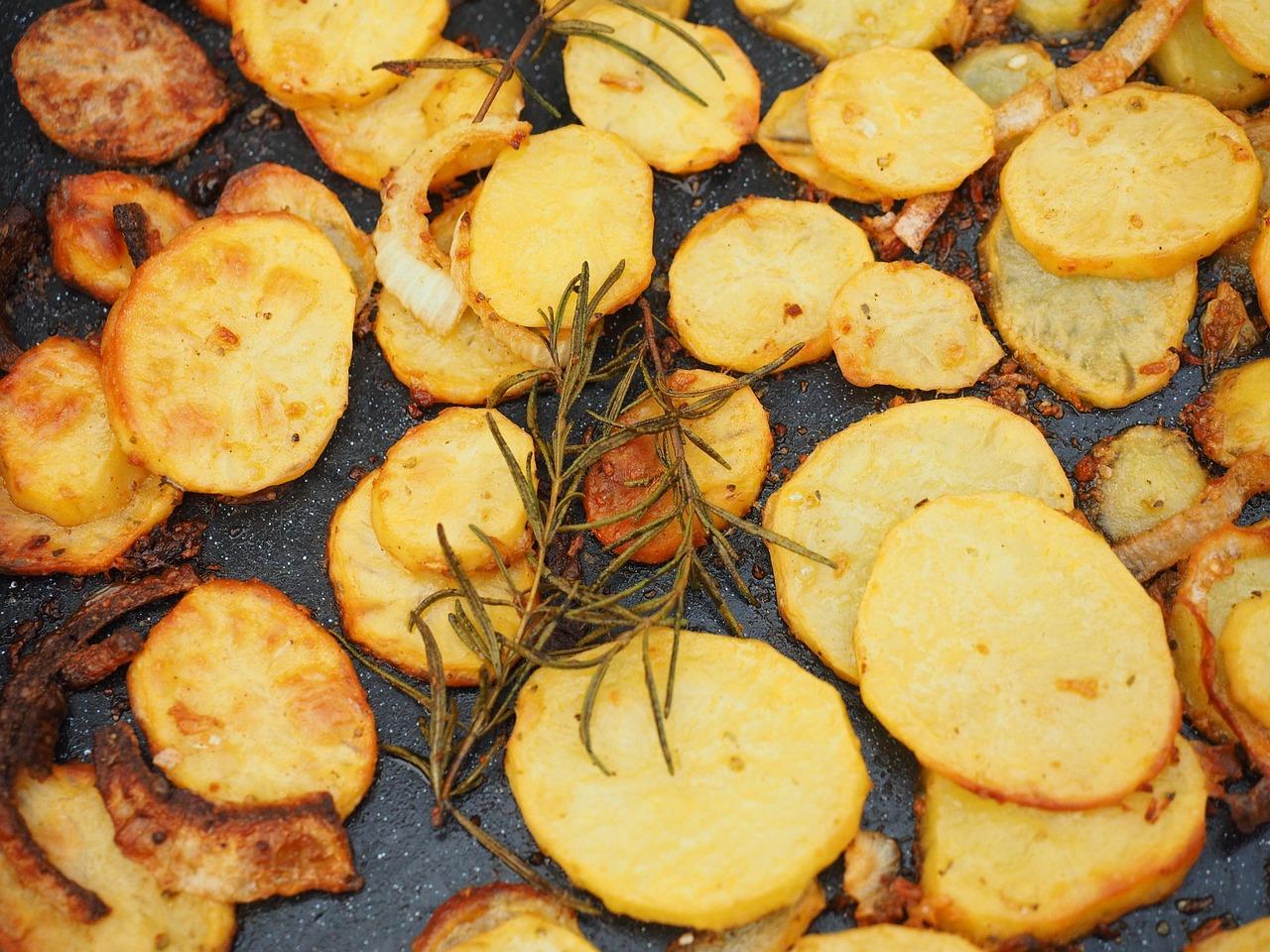
BratkartoffelnFried potatoes with onion

Bratkartoffeln are the potatoes of every German pub and home kitchen, from Hamburg to Munich: yesterday's boiled potatoes sliced and fried slowly in a heavy pan until the edges are crisp and brown, then tossed with onion. They come with fried eggs, pickled herring, Sülze or a green salad, and many cooks add bacon cubes; this version stays vegetarian with butter, onion and marjoram. The mistake everyone makes is stirring too often and crowding the pan: the slices steam instead of crisping. Chef's tip: use waxy potatoes boiled in their skins the day before; cold, firm slices hold their shape and brown far better than fresh ones.

by KrazyBadal 0 views

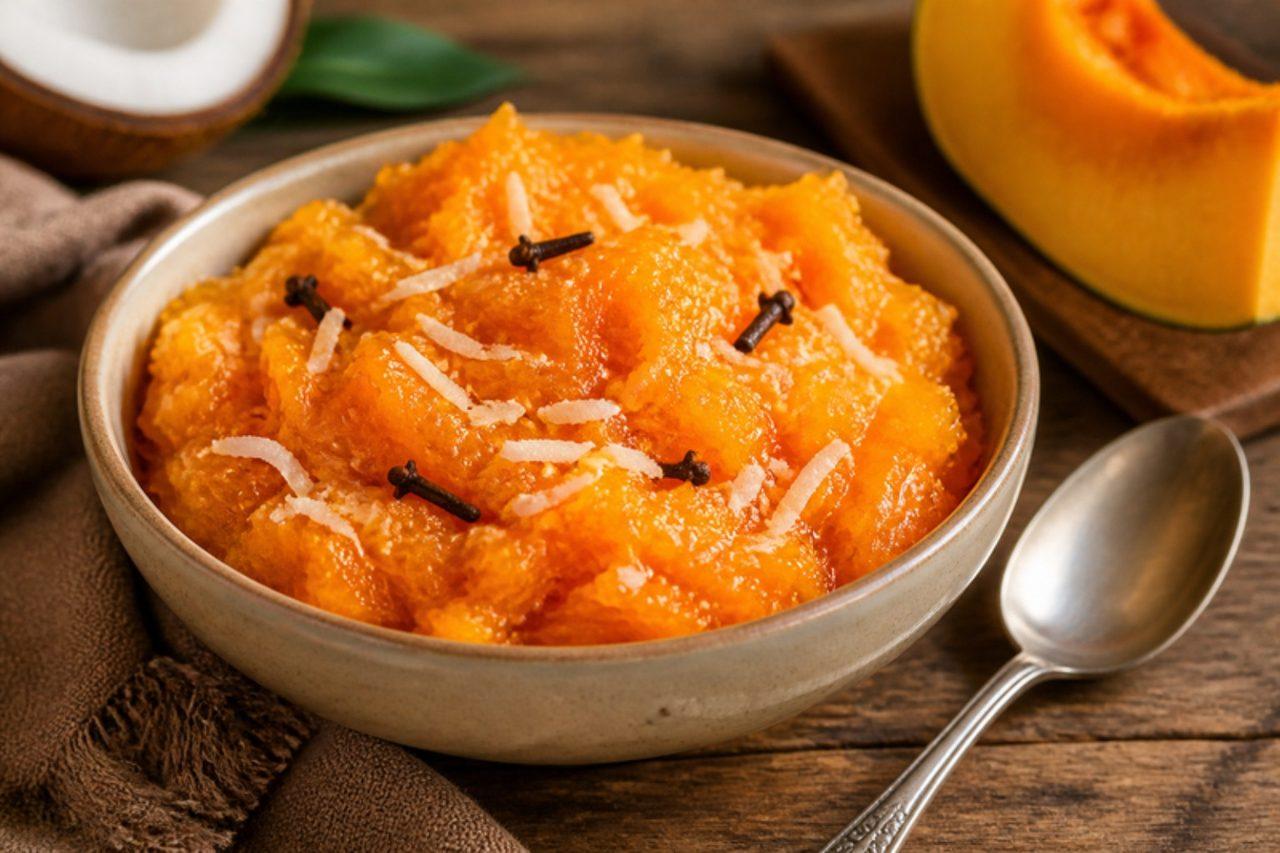
Doce de abóbora com cocoPumpkin and coconut sweet

Mineiro farm kitchens and the June festivals of the interior both lean on doce de abóbora, a deep orange spoon sweet of pumpkin cooked with sugar and cloves until thick, here finished with fresh grated coconut. It is eaten cold, by the spoonful from little bowls, or with a slice of fresh white cheese, the Brazilian way of pairing sweet and salty (pick a microbial-rennet cheese if you are vegetarian). The flavour is caramel-sweet and spiced, with the soft chew of coconut. Use a dry, dense pumpkin such as kabocha or butternut; watery pumpkins take forever to reduce. Adding the sugar before the pumpkin softens is a common misstep; the sugar firms the pieces and they never break down. Chef's tip: stop cooking when you see the base of the pan for a second as you drag the spoon through, as the sweet thickens further as it cools.

by KrazyBadal 0 views

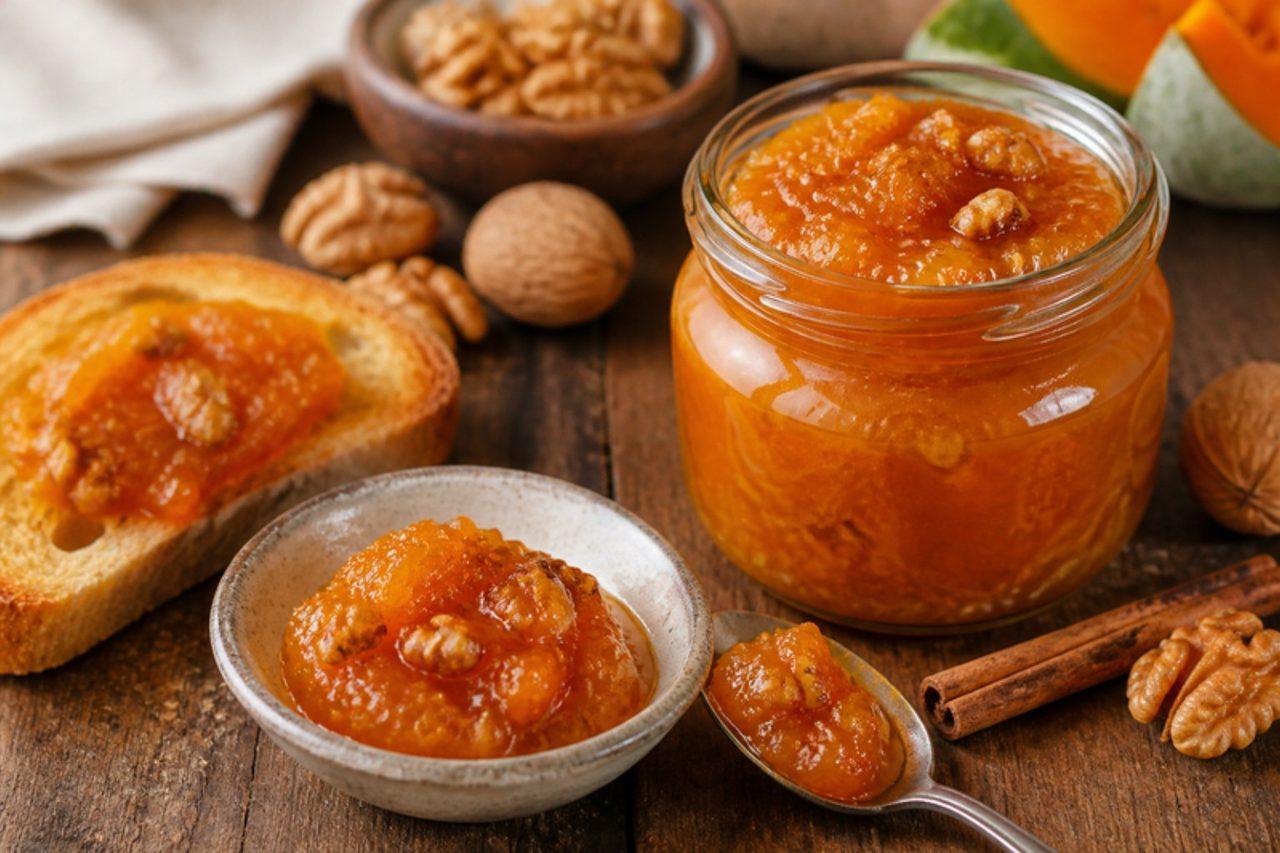
Doce de abóbora com nozesPumpkin and walnut jam

When the big squashes are harvested in late autumn in Trás-os-Montes, every pantry gets a row of these jars. The pumpkin cooks down with sugar, lemon peel and cinnamon to a thick amber jam, and toasted walnuts are stirred in at the end. Locals spoon it over fresh requeijão or a slice of sheep's cheese after dinner, or onto toast at breakfast. Chef's tip: salt the cut pumpkin with the sugar overnight; it releases its water so the jam cooks faster and keeps its colour.

by KrazyBadal 0 views

CharamuscasTwisted piloncillo taffy

Around Day of the Dead in Guanajuato city, sweet sellers display charamuscas pulled and shaped into skulls, mummies (a nod to the town's famous museum) and simple twists, glossy amber and wrapped in cellophane. The everyday ones are rope-like spirals of pulled piloncillo, chewy then brittle, with a deep molasses taste. Pulling the hot sugar is a two-person job and great fun with older children; younger ones should watch. Chef's tip: wear clean rubber kitchen gloves rubbed with oil; you can handle the sugar sooner and much more comfortably.

by KrazyBadal 0 views

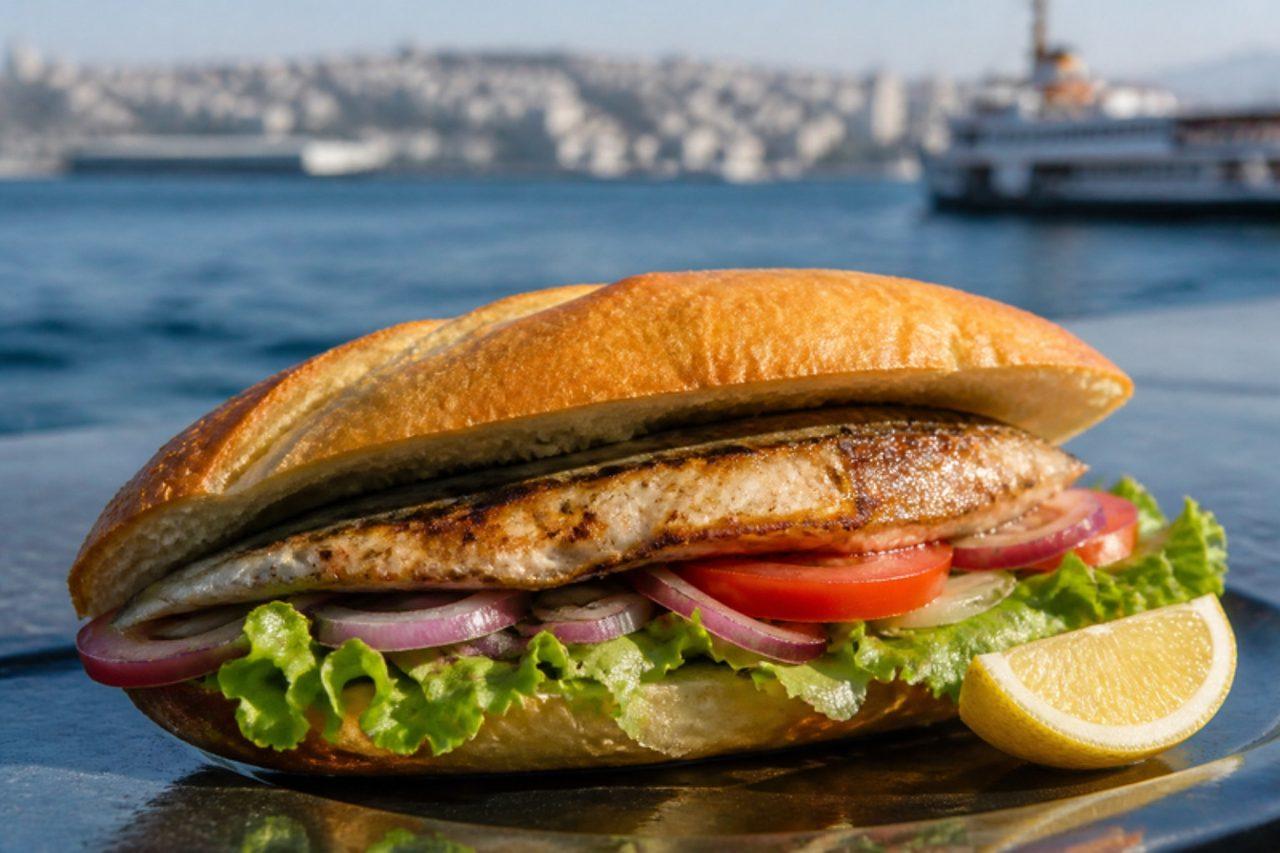
Balık ekmekGrilled mackerel sandwich

At Eminönü, by the Galata Bridge, boats rocking at the quay grill mackerel fillets over charcoal and pass them up in half a loaf with raw onion, lettuce and a squeeze of lemon; you eat it on a low stool with a cup of pickle juice. It is the simplest fish sandwich imaginable and depends entirely on fresh, oily fish and a hot pan. Serve with turşu (pickles) and a salgam or ayran. Chef's tip: grill the fillets skin side down for most of the cooking time; the skin crisps and protects the soft flesh so it doesn't stick and tear.

by KrazyBadal 0 views

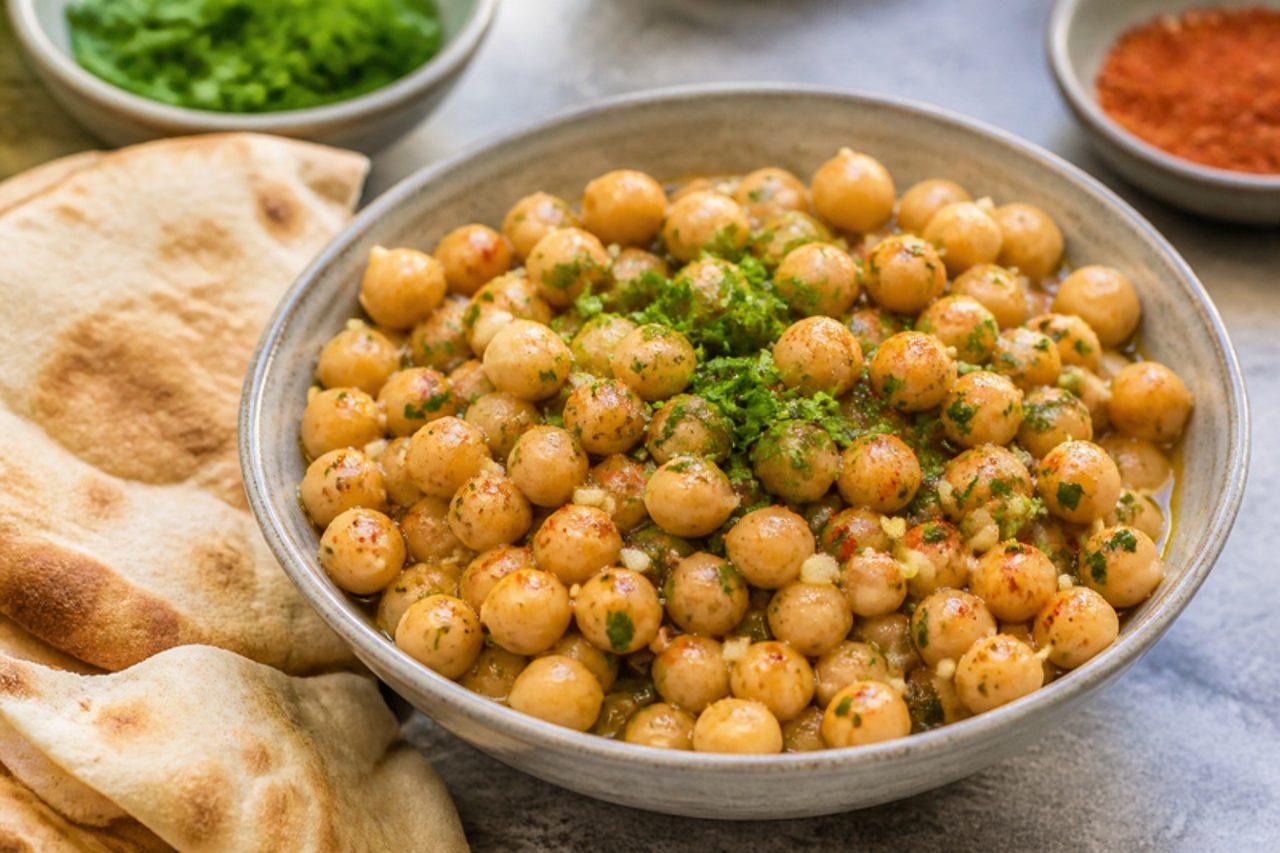
BalilaWarm chickpeas with garlic and lemon

On winter mornings in Damascus, handcarts with steaming pots of chickpeas park outside schools and offices, and vendors ladle balila into paper cups with a squeeze of lemon and a shake of cumin. In Beirut it is a mezze dish and a light Sunday breakfast, served warm in a shallow bowl with pine nuts and parsley and bread on the side. It is simply chickpeas, cooked until creamy inside, dressed while hot so they soak up the garlic and oil. The usual mistake is dressing cold chickpeas from the fridge; they stay waxy and the flavours sit on the surface. Chef's tip: keep a ladle of the hot cooking water and add it to the dressing; it turns the oil and lemon into a light, clinging sauce.

by KrazyBadal 0 views

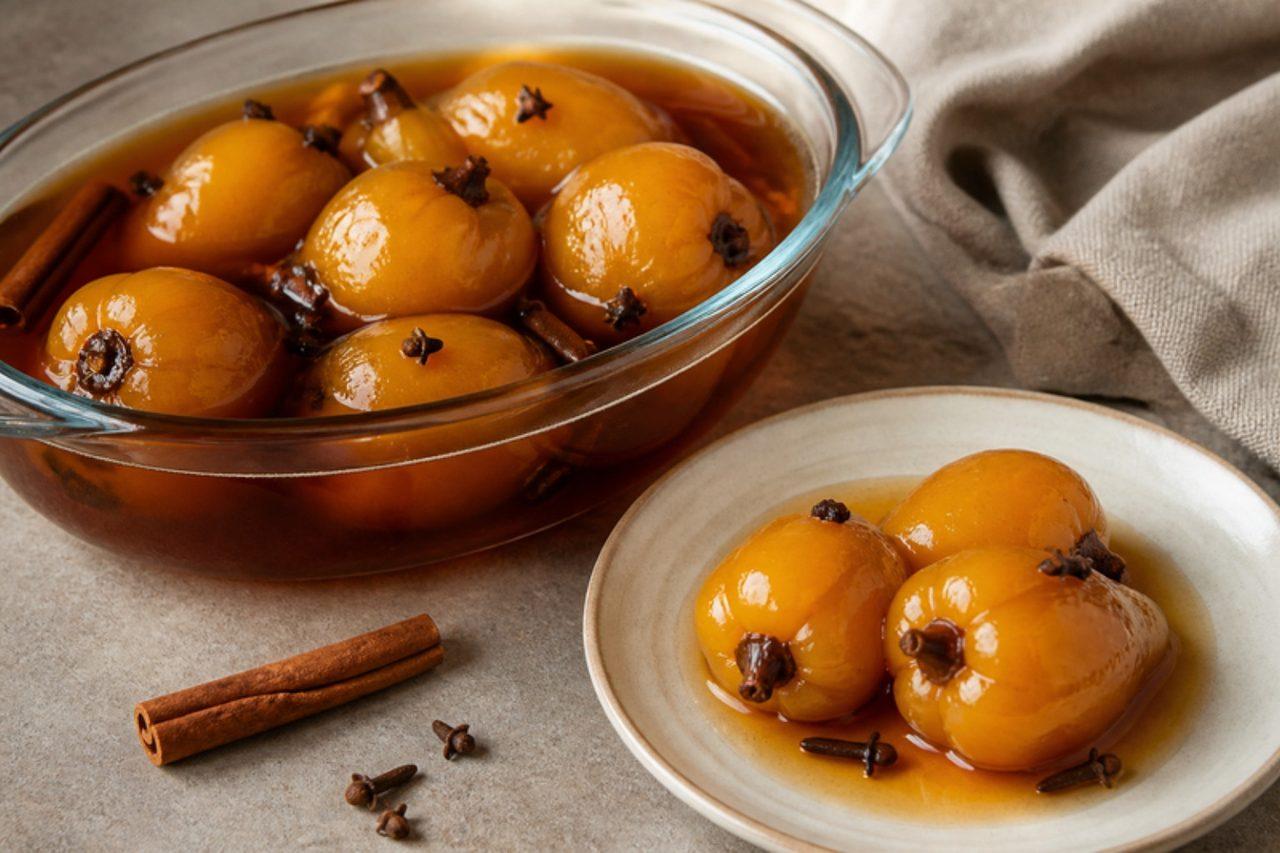
Doce de cajuCashew apples in clove syrup

Ceará grows more cashews than anywhere in Brazil, and in the season from September to December the soft, fragrant cashew apples are everywhere: pressed for juice, sold at roadside stalls and preserved whole in syrup like this. The fruit is pricked, squeezed of its astringent juice, blanched and then cooked slowly with sugar and cloves until it turns amber, glossy and tender with a chewy bite. Fortaleza families keep jars for Christmas and serve the fruit with a slice of white cheese or simply on a saucer with its syrup. Outside Brazil look for whole frozen cajus in Brazilian shops. Twist off and discard the grey nut before cooking: its raw shell holds a caustic oil and should not be cut, burnt or eaten at home. Skipping the squeezing and blanching is where it goes wrong; the sweet ends up rough and furry in the mouth. Chef's tip: let the fruit rest overnight in the syrup halfway through; it plumps up and soaks in the sugar evenly.

by KrazyBadal 0 views

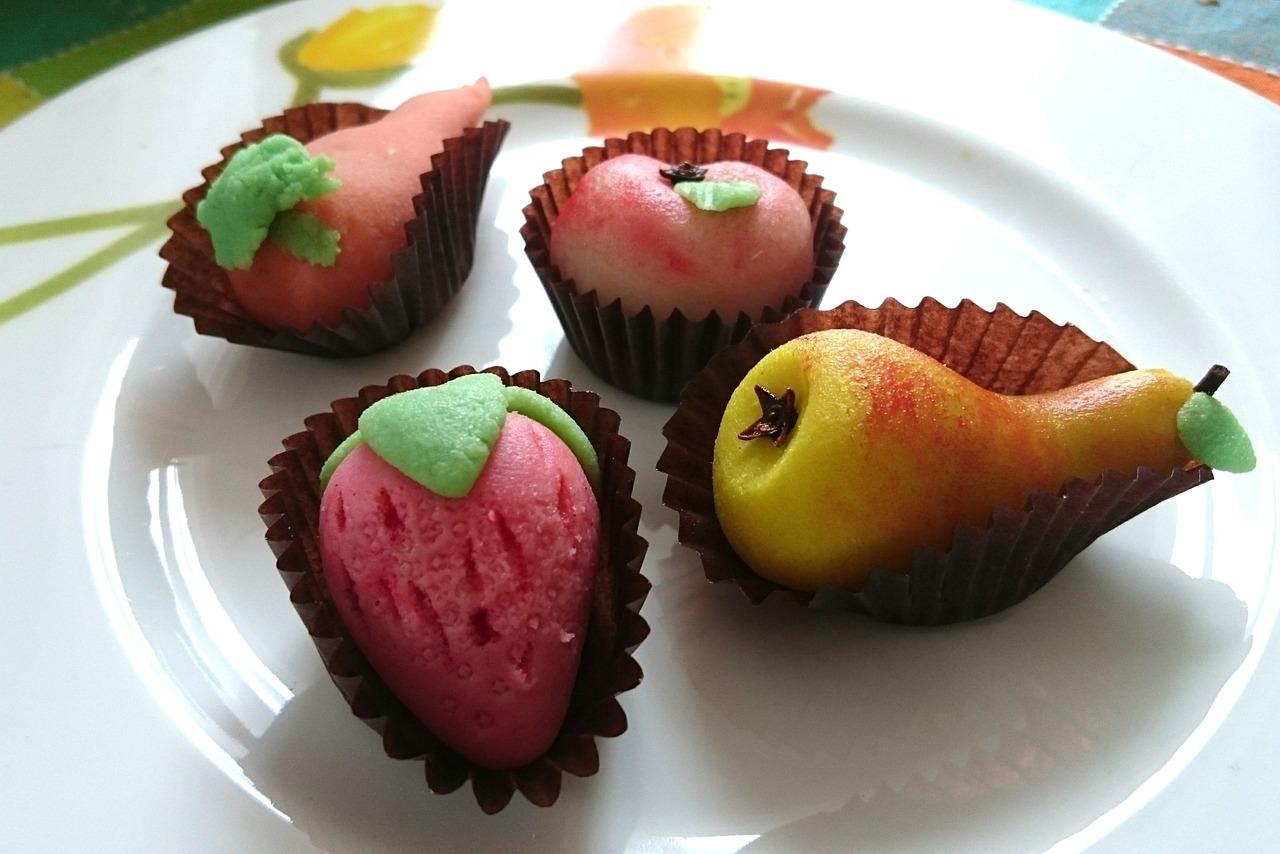
Doces finos do AlgarveMarzipan fruits with egg-yolk cream

Tiny pears, oranges, strawberries and even fish, all made of almond paste and painted by hand: these are the sweets Algarve families order for Christmas, Easter and weddings, and that every January market in Loulé shows off. Inside each one sits a spoonful of doce de ovos, the sunny yolk cream found all over Portuguese convent baking. The almond paste here is cooked in syrup, which makes it smooth and easy to model. Chef's tip: dust your hands and the work surface with icing sugar, never flour, or the shapes go chalky.

by KrazyBadal 0 views

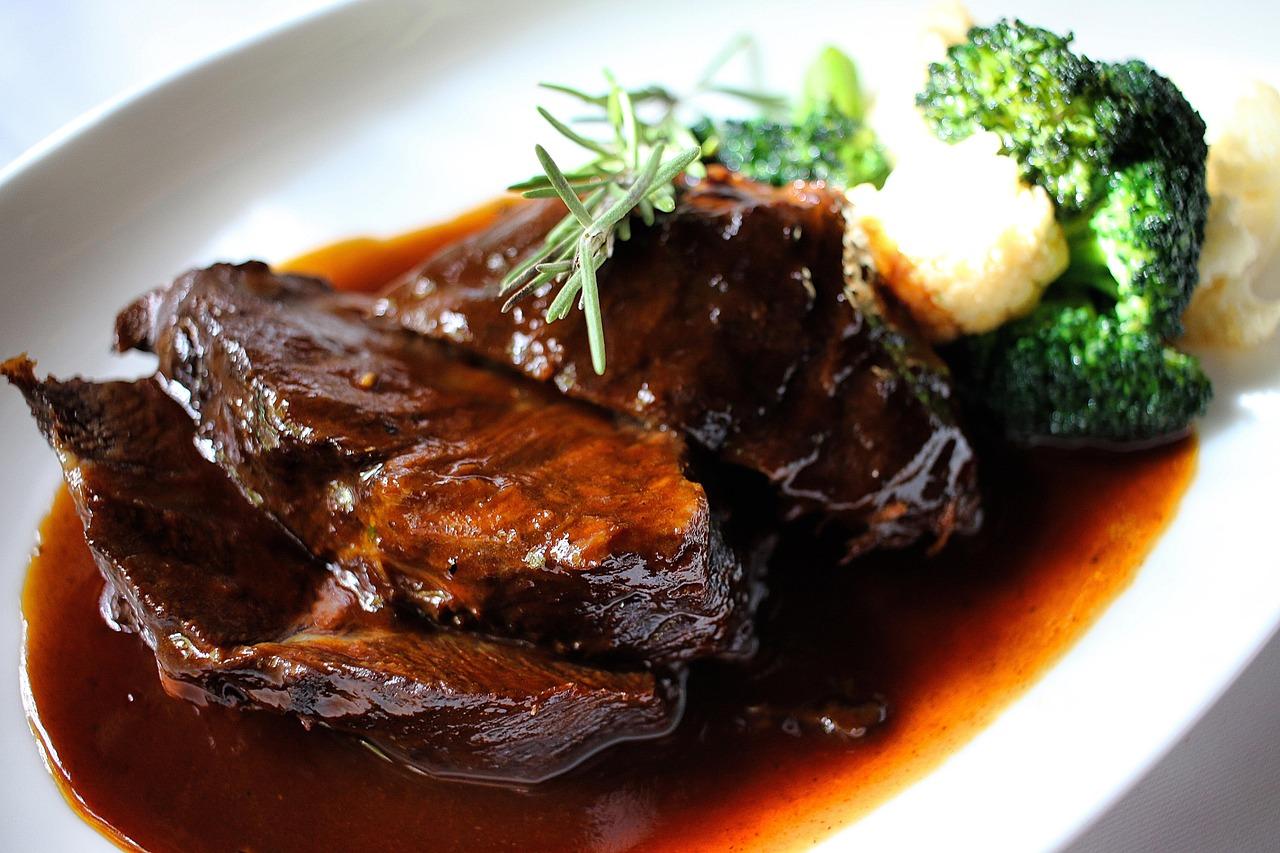
Brasato al BaroloBeef braised in red wine

Brasato al Barolo is the winter centrepiece of the Langhe, the hills around Alba where Barolo is made, served for Christmas lunch and long autumn Sundays after the truffle fairs. A whole piece of beef is marinated overnight in red wine with vegetables and spices, then braised for hours until it can be cut with a spoon; the vegetables are blended into a dark, velvety sauce. The dish uses a whole bottle of red wine, and Barolo-style nebbiolo is traditional, but any full-bodied dry red works; an alcohol-free version with stock, grape juice and vinegar is given in the ingredient note. Serve thick slices with soft polenta or buttery mashed potato. Chef's tip: braise it a day ahead, chill it in its sauce and slice it cold; it cuts neatly, and the flavour deepens overnight.

230 minItalianMeatGluten free
by KrazyBadal 0 views

DöppekuchenGrated potato bake with bacon

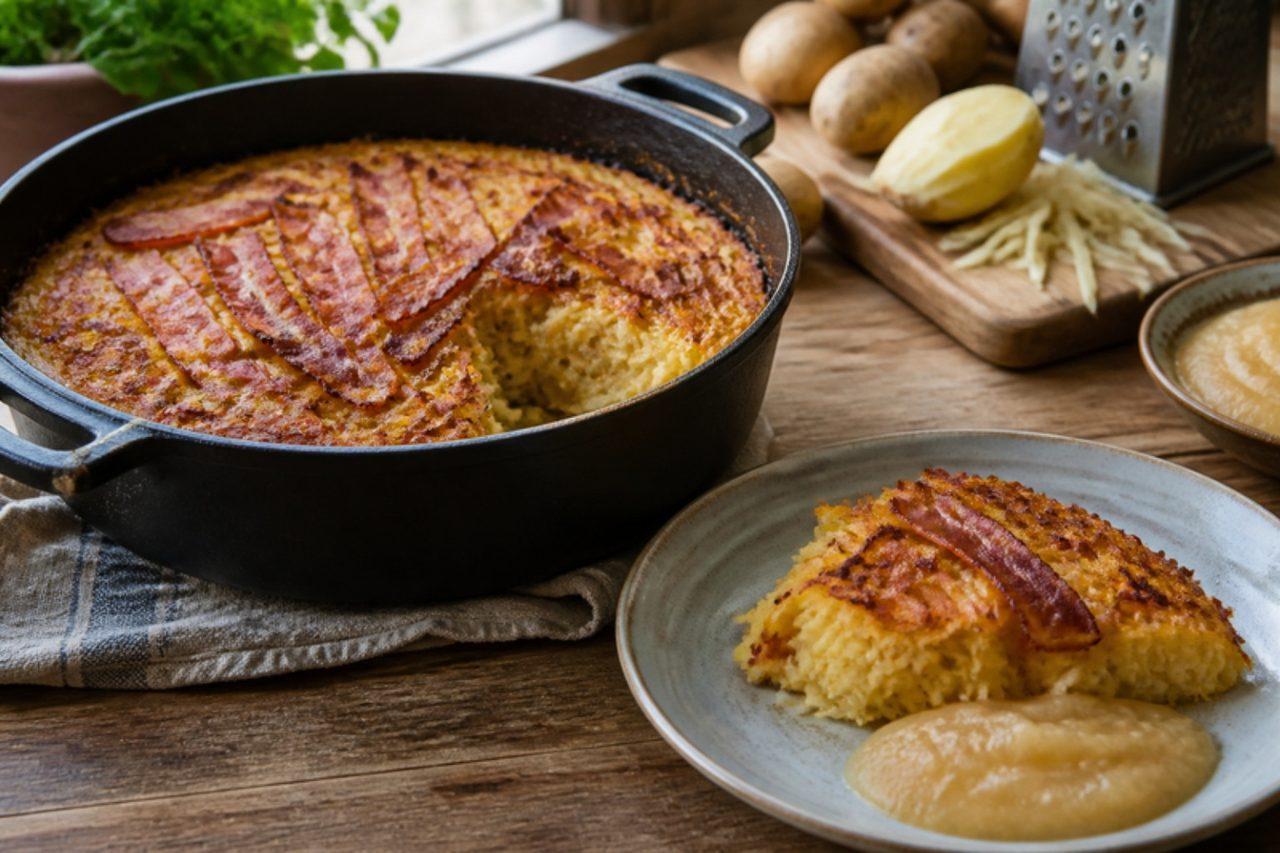
Döppekuchen (also Dippekuchen or Knüles) is the Rhineland and Westerwald answer to a cold November evening, traditionally baked on St Martin's Day and at village fairs. Raw grated potatoes, onion, egg and smoked bacon are baked slowly in a cast-iron pot, the Döppe, until the outside is a thick dark-brown crust and the inside is soft and steamy. It is eaten with apple sauce and a green salad. For a meat-free pot, bake it with extra onions and two sliced leeks instead of the bacon. Chef's tip: squeeze the grated potato really dry; the less water, the crisper the crust.

180 minGermanMeatGluten free
by KrazyBadal 0 views

Showing 81 of 8,120 recipes

Show more recipes

Page 428 of 903