Skip to content
Masala khakhra
Featured recipe

Masala khakhra

Crisp roasted wheat crackers

Khakhra are thin chapaties roasted slowly on a griddle until they turn crisp, like a cracker. This masala version adds gram flour, fresh fenugreek, turmeric and chilli to the wheat dough. They are a light Gujarati breakfast or tea-time snack, and lovely with pickle, chutney or a smear of butter. You can also make them in a roti maker.

Read more 2 views

What to eat today?

Around the world

Today's trip: Persian

A new country every day, from every cuisine on the site.

Persian

Ash-e doogh

Yogurt soup with rice and chickpeas 60 minMore from Persian (131) →

This week's collection

Kid-friendly dinners
537 recipes · a new collection every Monday

Latest recipes

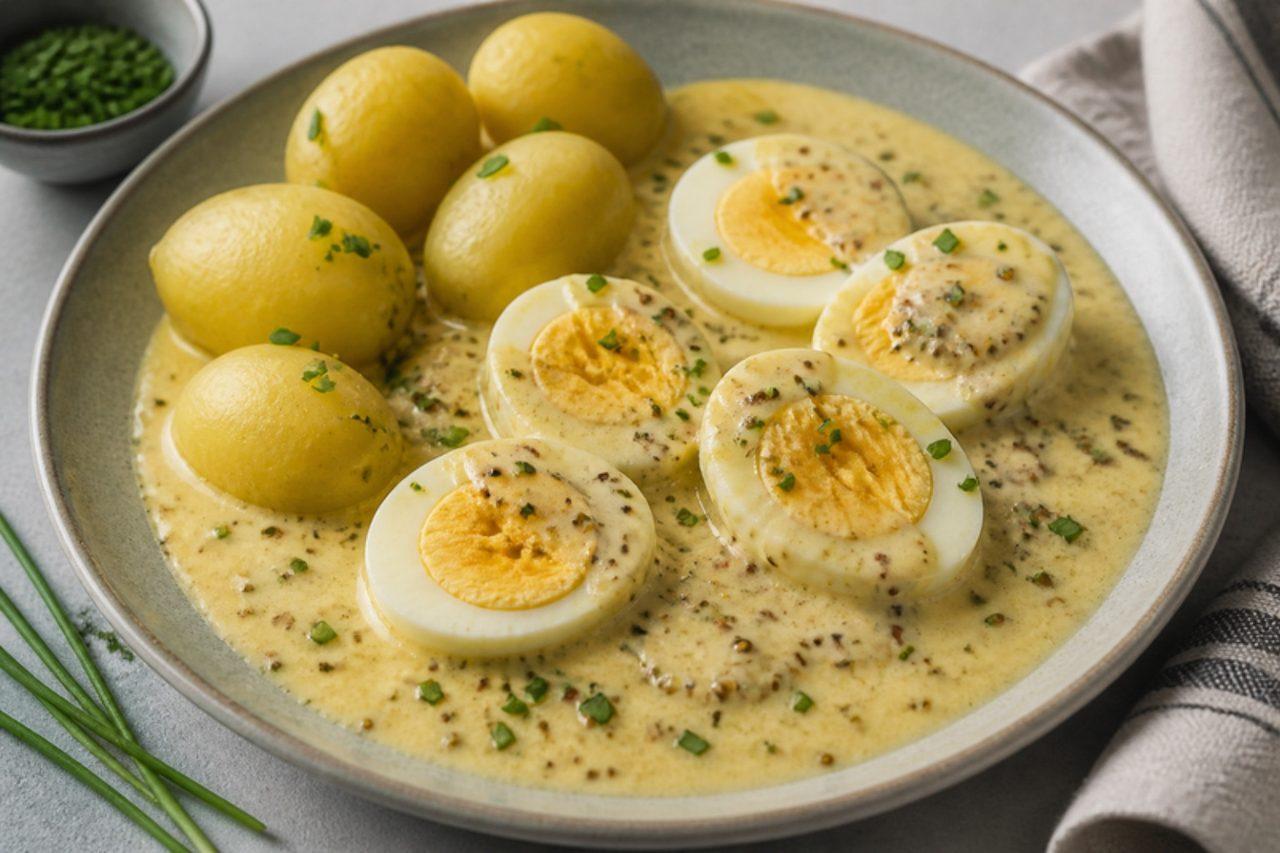
SenfeierEggs in mustard sauce

Senfeier is a dish many people who grew up in Berlin, Saxony or anywhere in the old East remember from school canteens and Friday suppers: halved hard-boiled eggs in a smooth, pale mustard sauce, with boiled or mashed potatoes to soak it up. It is cheap, fast and comforting, and the sauce is a simple butter-and-flour roux loosened with stock and milk, then sharpened with two kinds of mustard. A common mistake is boiling the sauce hard after the mustard goes in, which makes it taste flat and grainy; add it off the heat. Chef's tip: a spoon of the gherkin pickling liquid at the end lifts the whole sauce.

by KrazyBadal 0 views

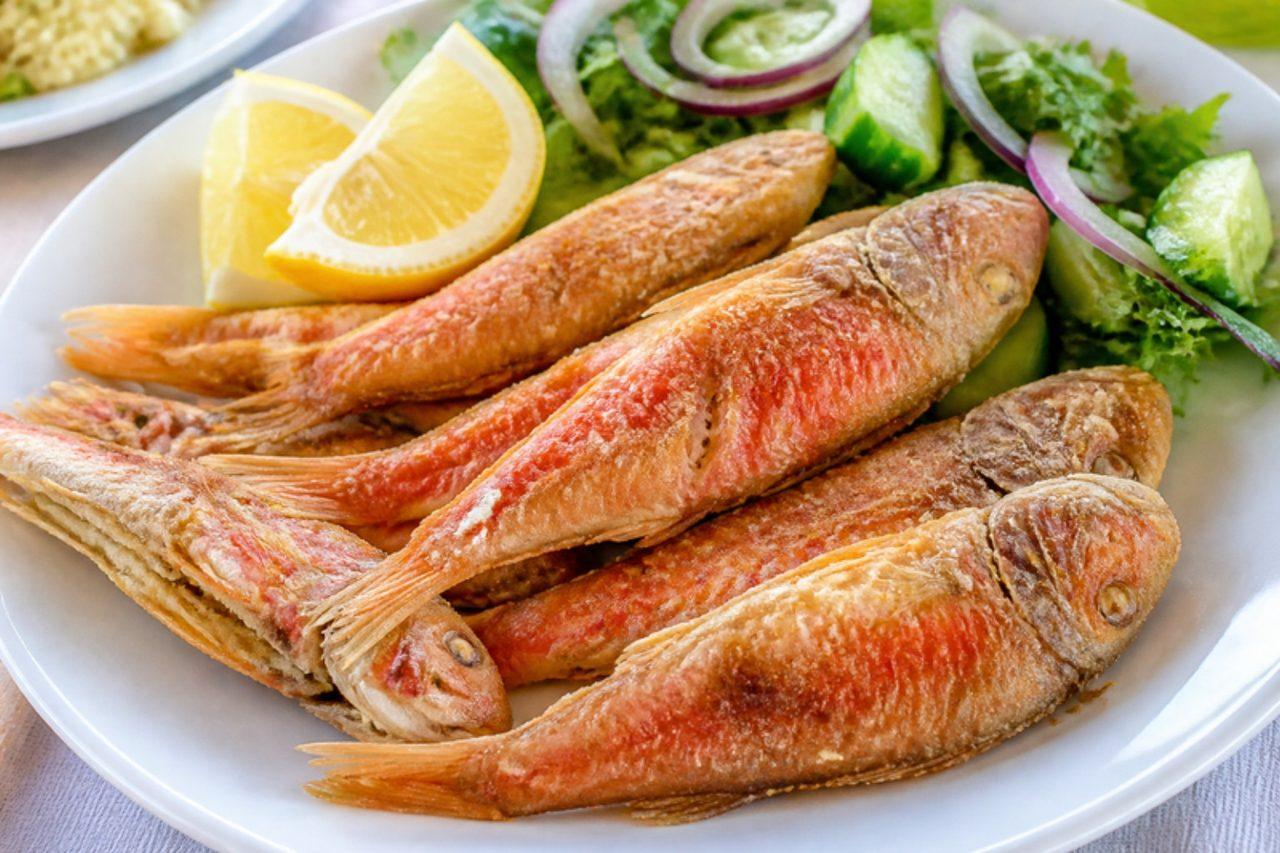
Barbounia tiganitaFried red mullet

In summer, harbour tavernas from Naxos to Paros fry small red mullet whole, dusted in flour and crackling in olive oil, and bring them to the table with lemon, a horiatiki salad and bread. The skin turns crisp and rosy-gold while the flesh stays sweet and delicate, and islanders eat the little ones bones and all. Common mistake: crowding the pan, which drops the oil temperature so the fish soaks up oil and goes soggy. Chef's tip: ask the fishmonger to scale and gut the mullet but leave the heads on; they hold the fish together and are the tastiest part for many Greeks.

25 minGreekFish
by KrazyBadal 0 views

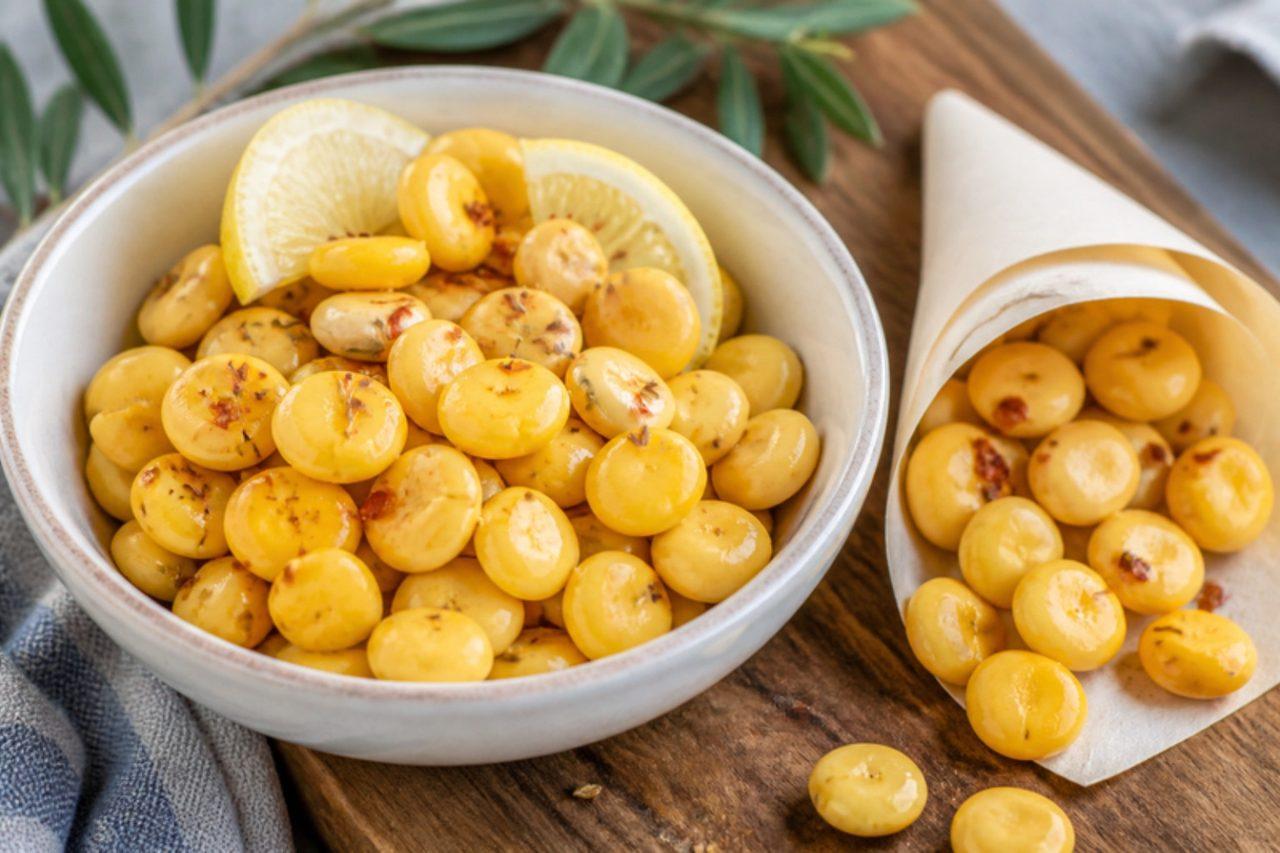
TurmusBrined lupini beans

Strolling the Beirut Corniche or a Sunday market in Amman, you will pass carts selling turmus: plump golden lupini beans kept in salted water, scooped into paper cones and eaten by nicking the skin with your teeth and popping out the bean. They are also a fixture on mezze tables and a fasting snack for Lent. Dried lupins are naturally very bitter and must be soaked for days to wash those compounds out; never eat them while they still taste bitter, and if you are allergic to peanuts, check with a doctor first as lupin allergy is linked. A jar of ready-debittered lupini, drained and seasoned, is a quick shortcut. The common mistake is salting the beans before they are fully sweet, which seals the bitterness in. Chef's tip: finish with lemon, cumin and a little chilli just before serving; the salty brine keeps them, the dressing makes them moreish.

by KrazyBadal 0 views

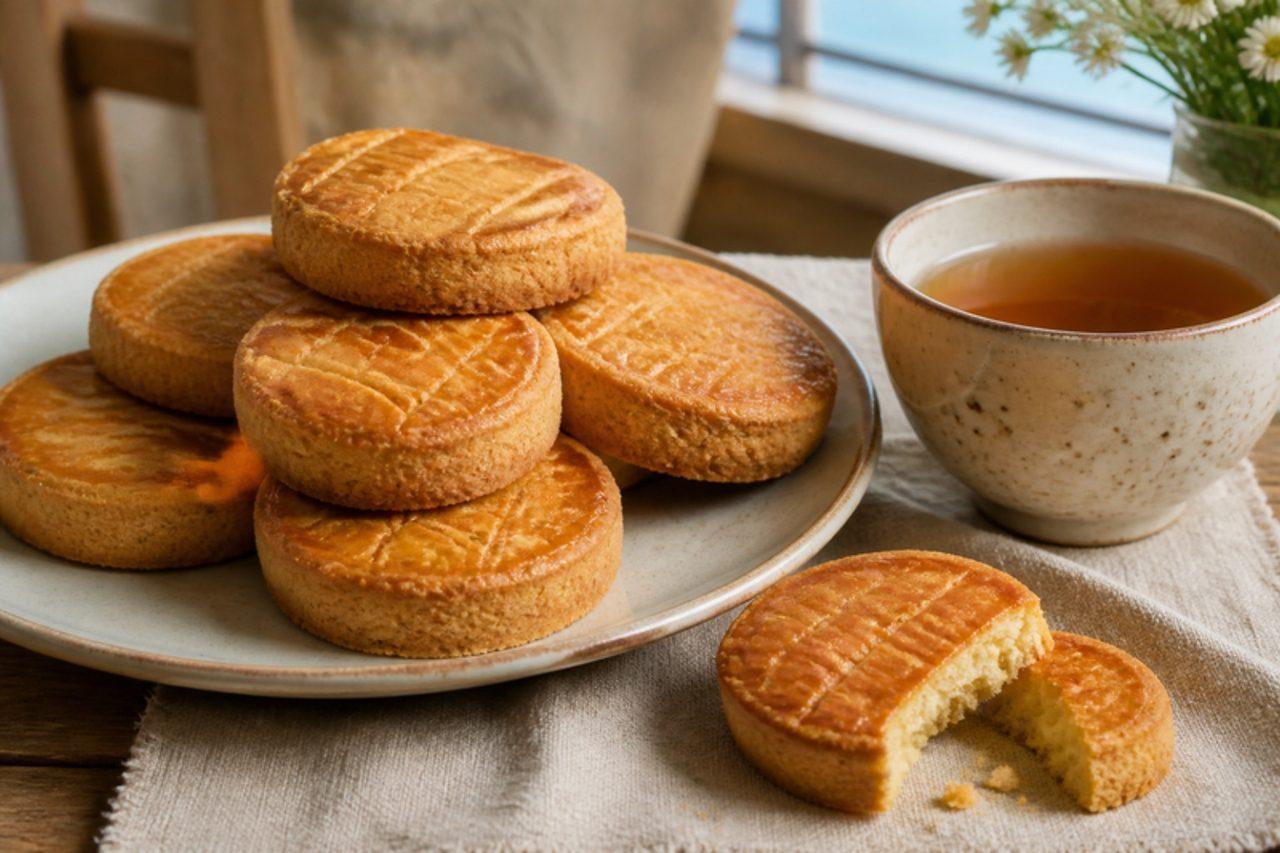
Palets bretonsSalted butter biscuits

Palets are the thick cousin of the thin Breton galette biscuit: chunky rounds as wide as a small cookie and nearly a centimetre high, crisp on the outside and crumbly within, tasting strongly of salted butter. Bakeries in Pont-Aven and all along the Finistère coast sell them in tins, and Breton families serve them with coffee, with a bowl of cider-poached apples or crumbled over ice cream. Baking them in muffin tins or metal rings keeps their shape and straight edges. Chef's tip: use proper salted butter rather than adding salt to unsalted; the flavour is rounder and the dough handles better.

by KrazyBadal 0 views

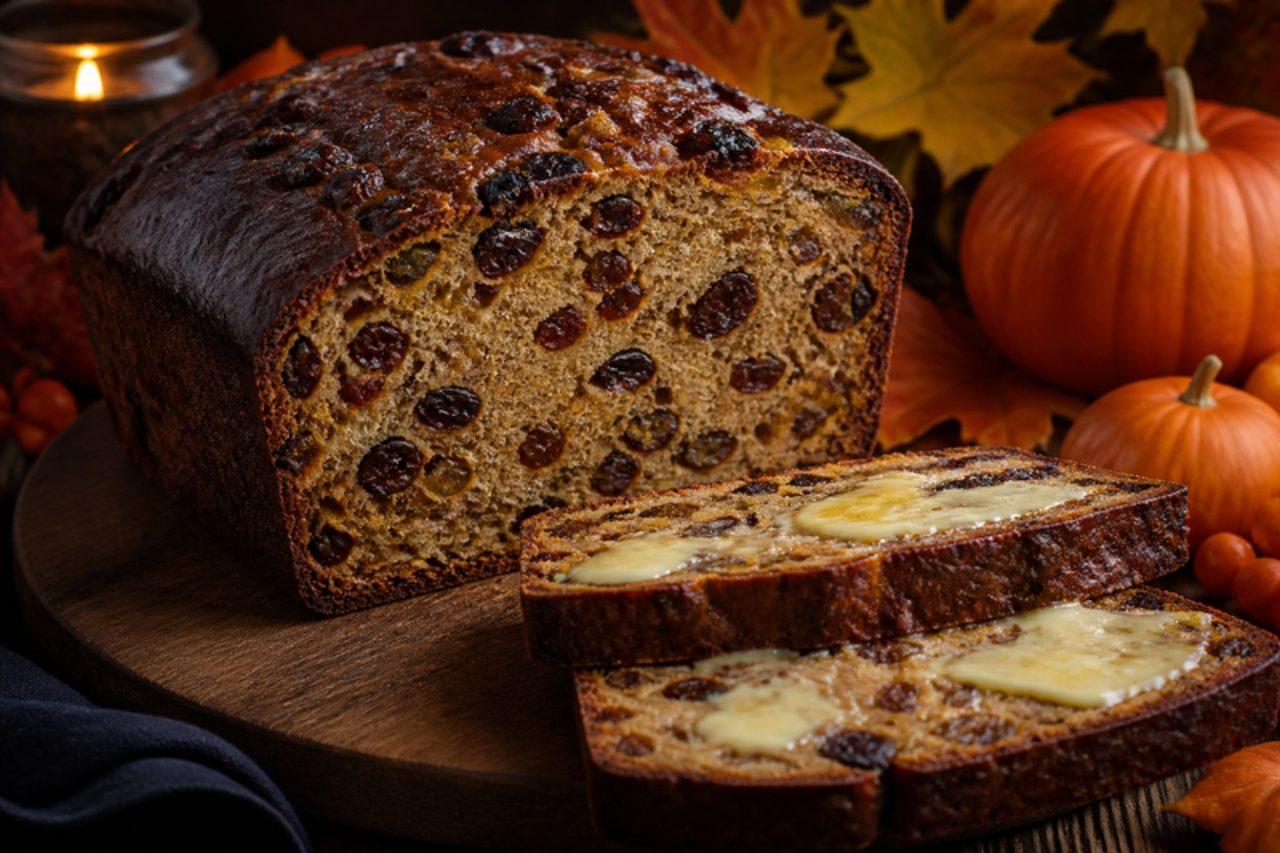
BarmbrackTea-soaked fruit loaf

Barmbrack is the speckled fruit loaf eaten in Ireland at Halloween, when a ring wrapped in baking paper is baked inside, and whoever finds it is said to marry within the year. This is the quick tea brack version made all over Connacht and Munster, with the dried fruit soaked overnight in strong tea so the loaf is dark, moist and fragrant with mixed spice. Serve sliced and buttered with a cup of tea. Chef's tip: soak the fruit for a full night; short soaking gives dry, chewy fruit.

by KrazyBadal 0 views

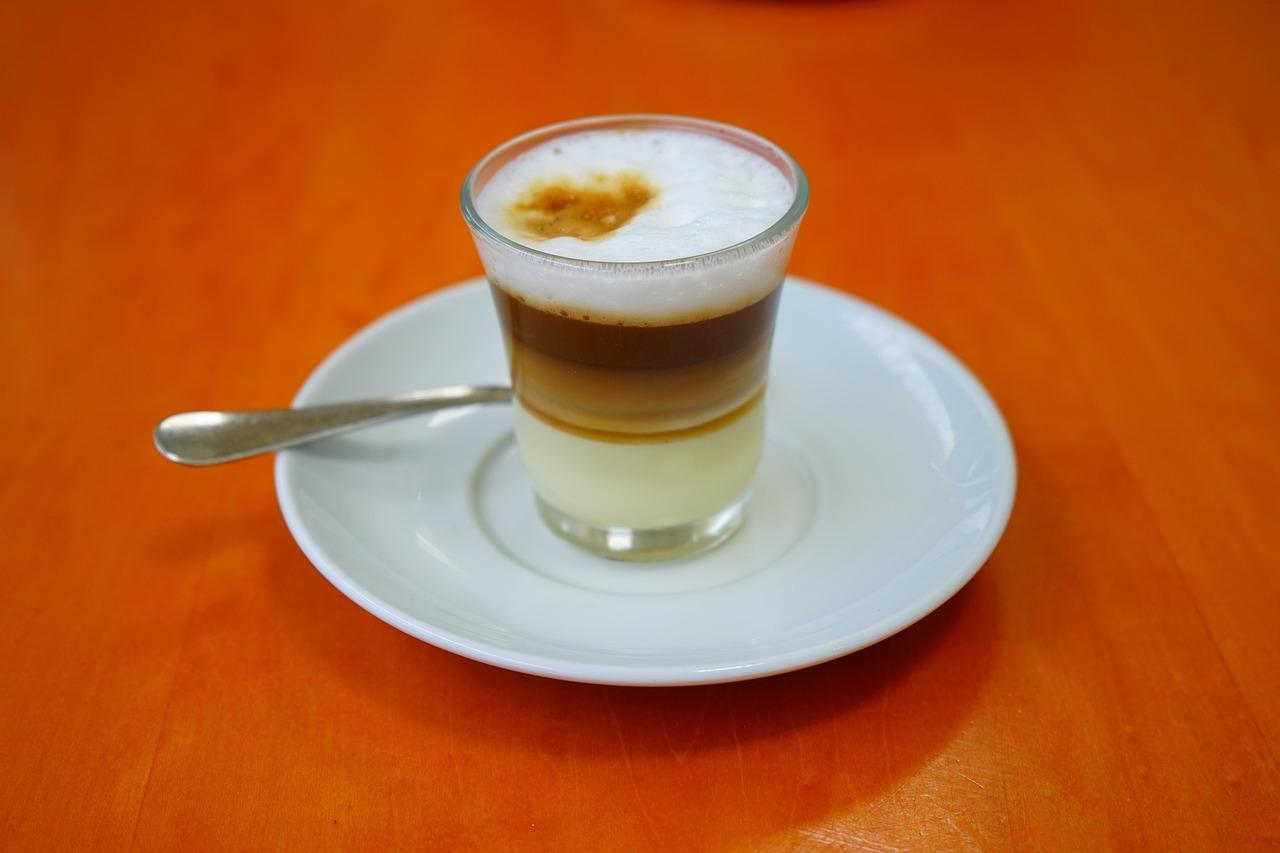
BarraquitoLayered coffee with condensed milk

Order a barraquito in any café in Santa Cruz de Tenerife or La Laguna and it comes in a small glass showing neat stripes: sweet condensed milk at the bottom, then espresso, then foamed milk, perfumed with lemon peel and cinnamon. The bar classic adds a measure of a vanilla-citrus Spanish liqueur between the layers, which makes it contain alcohol; this recipe leaves it optional, and without it the drink is often called a zaperoco or barraquito sin licor. Chef's tip: pour each layer slowly over the back of a spoon, so the layers sit on top of each other instead of mixing.

by KrazyBadal 0 views

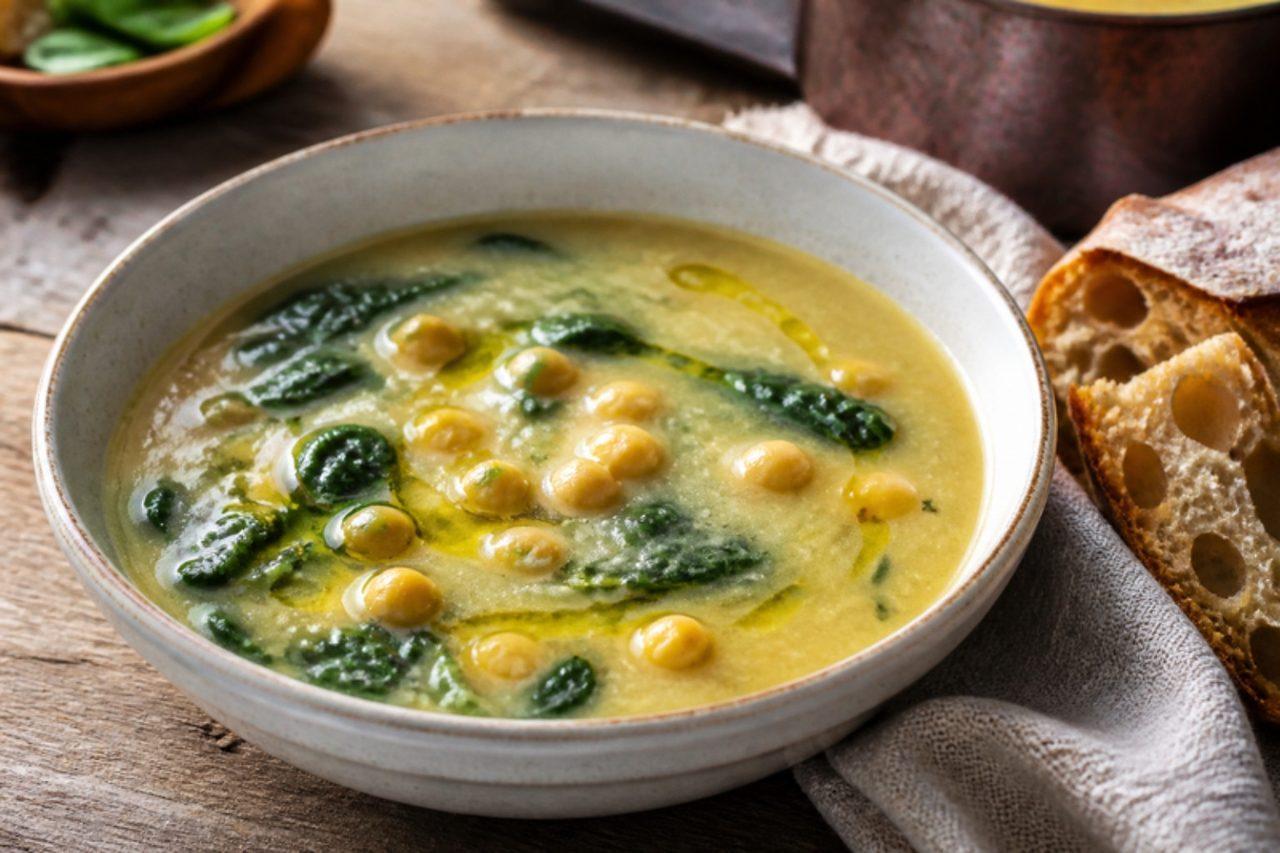
Sopa de grão com espinafresChickpea and spinach soup

This is everyday food in the villages of the Beira interior, where chickpeas are a winter store-cupboard standby and a big pot of soup starts most lunches and suppers. Part of the chickpeas are blended with potato and onion for a creamy base, the rest left whole, and fresh spinach is stirred in at the end. It is filling, cheap and ready in under an hour. A common mistake is boiling the spinach in the soup for too long; add it at the end and cook it only until it wilts. Chef's tip: add the spinach only at the last minute, as long cooking turns it grey and bitter.

by KrazyBadal 0 views

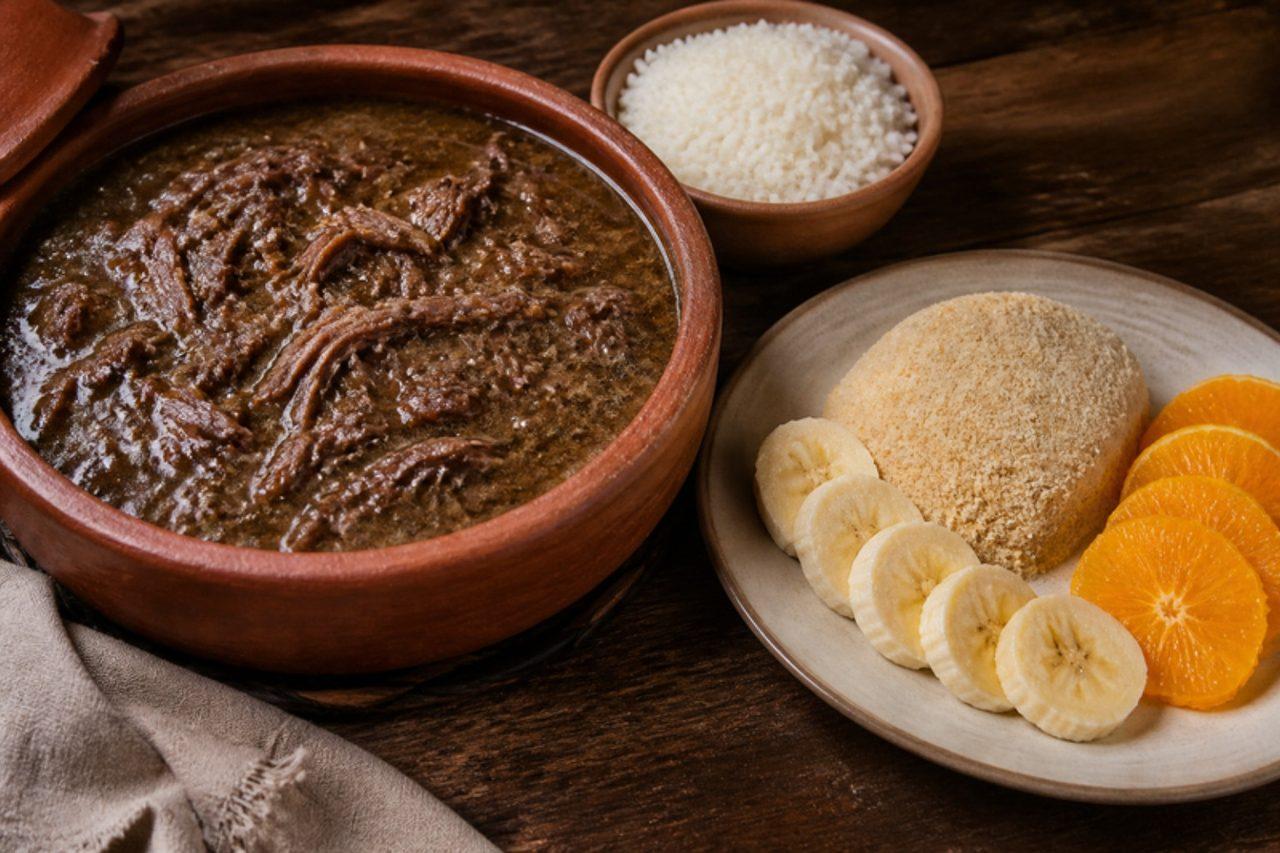
BarreadoSlow-cooked beef in clay pot

Morretes and Antonina, the little colonial towns at the foot of Paraná's Serra do Mar, are famous for barreado: beef layered with smoked bacon, onion, garlic, cumin and bay in a clay pot, sealed with a paste of cassava flour and water, and cooked for many hours until it falls into soft, dark strands in a rich broth. It was a Carnival dish, left on the fire so revellers could eat without cooking, and today the restaurants along the Rio Nhundiaquara serve it every day. This recipe contains pork, in the bacon that gives the broth its smokiness. At the table you put cassava flour on your plate, ladle over hot broth and stir it into a soft pirão, then add the meat and slices of banana. The common mistake is opening the pot to check, which lets the steam out and toughens the meat; trust the seal and the oven. A heavy cast-iron casserole works if you have no clay pot. Chef's tip: use two cuts, a lean one and a gelatinous one like shin, for broth with real body.

by KrazyBadal 0 views

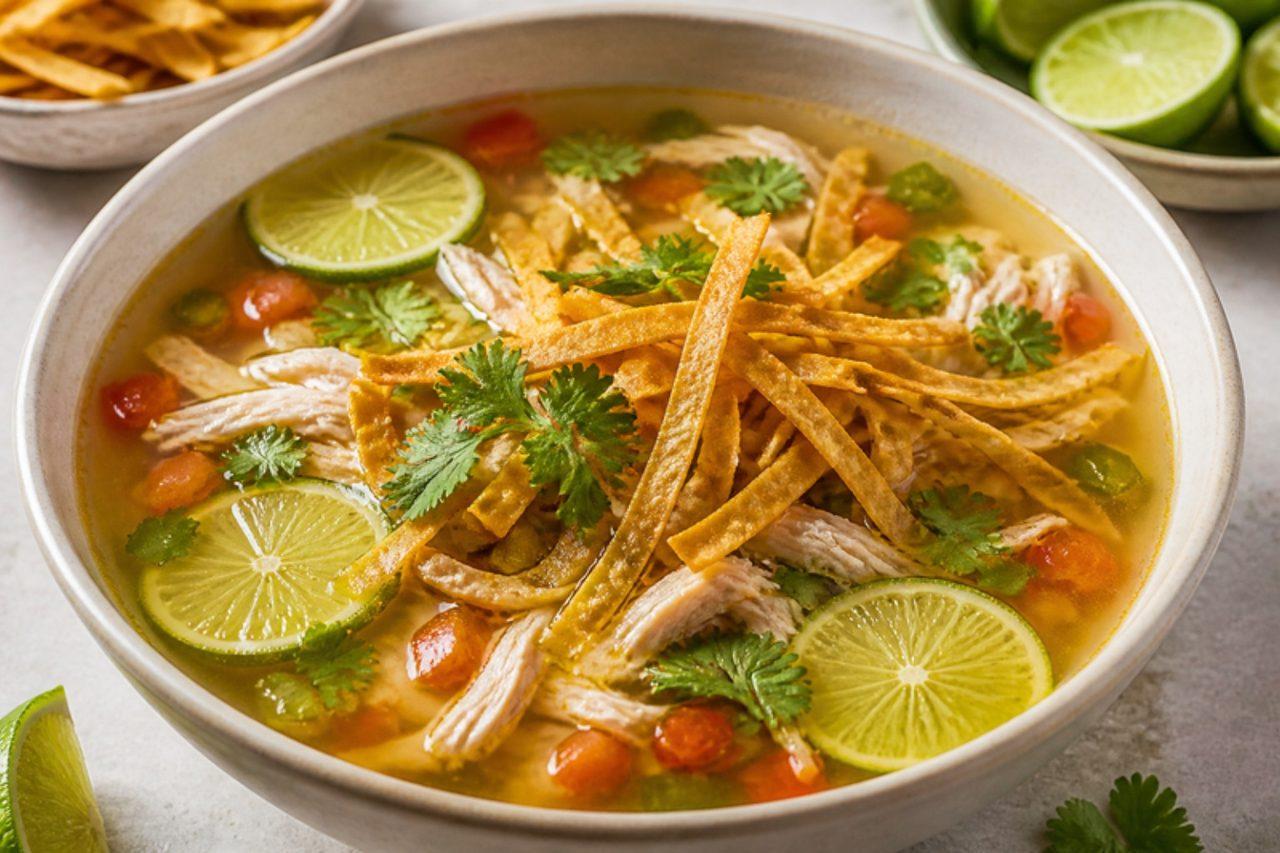
Sopa de limaLime and chicken soup

Sopa de lima is the soup Mérida is proud of: a clear, golden chicken broth lightly spiced with oregano, allspice and clove, sharpened with a sofrito of tomato and green pepper and perfumed by the lima, a fragrant, mild Yucatán citrus. Restaurants around the main square serve it at lunch with a heap of crisp fried tortilla strips that soften as you eat. Lima is almost impossible to buy elsewhere, so this version uses ordinary lime plus a little orange or grapefruit juice to mimic its floral, less sour taste. Serve with extra lime slices and a fiery habanero salsa on the side. Chef's tip: fry the tortilla strips just before serving and add them at the table, so they still crunch.

by KrazyBadal 0 views

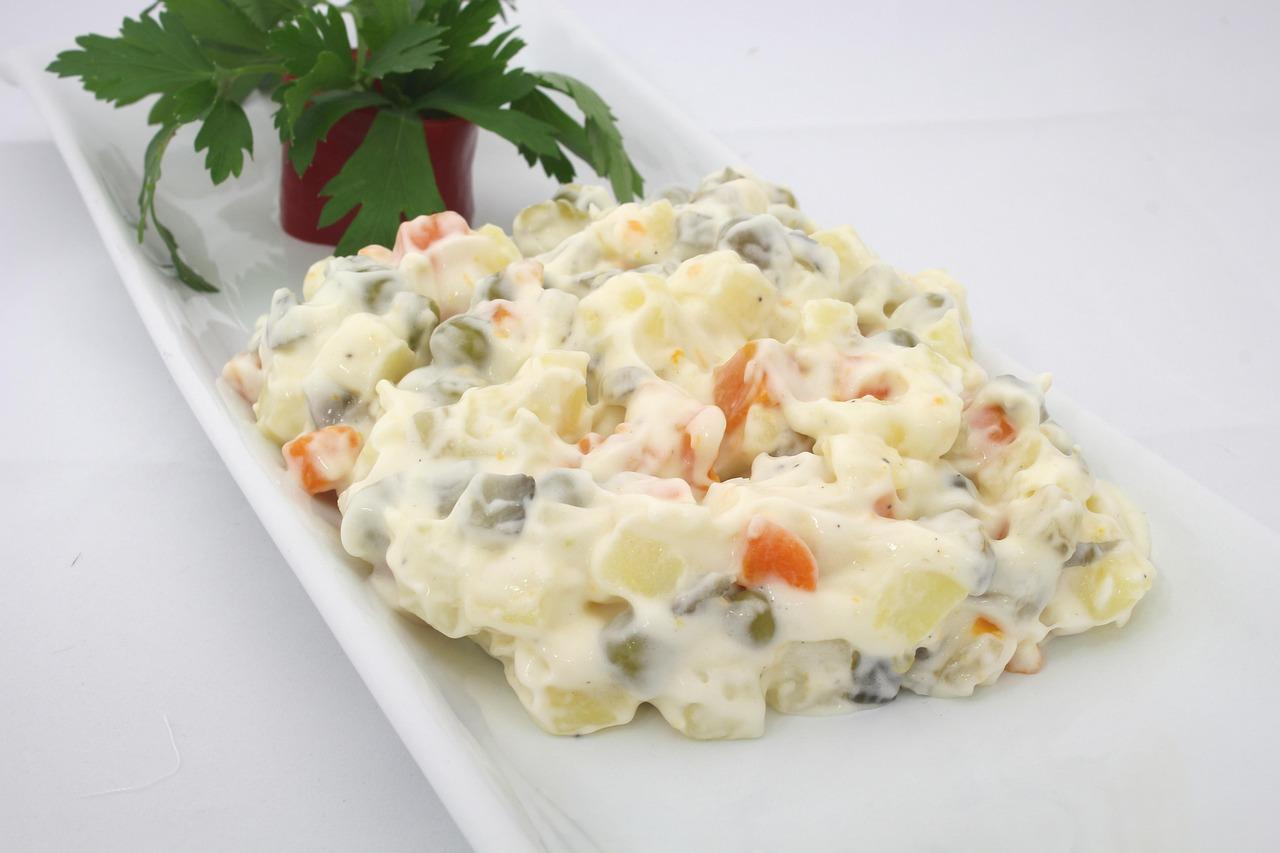
Salada de maionesePotato, carrot and pea mayonnaise salad

Sunday lunch in Rio, a birthday churrasco, the Christmas Eve table: wherever Brazilian families gather, a bowl of salada de maionese is there. Potatoes and carrots are cooked in small cubes, mixed with peas, chopped hard-boiled egg, a squeeze of lime and plenty of mayonnaise, then chilled until cold and creamy. Some homes add diced green apple or olives; the soft potato and sweet carrot with the tangy dressing are the heart of it. Serve it with rice, farofa and anything grilled. Dressing the potatoes while still hot is the usual misstep: the mayonnaise splits and turns oily, so let them cool first. Keep it in the fridge and don't leave it out in the heat for more than two hours. Chef's tip: toss the warm potatoes with the lime juice and salt only, so they absorb the seasoning before the mayonnaise goes on.

by KrazyBadal 0 views

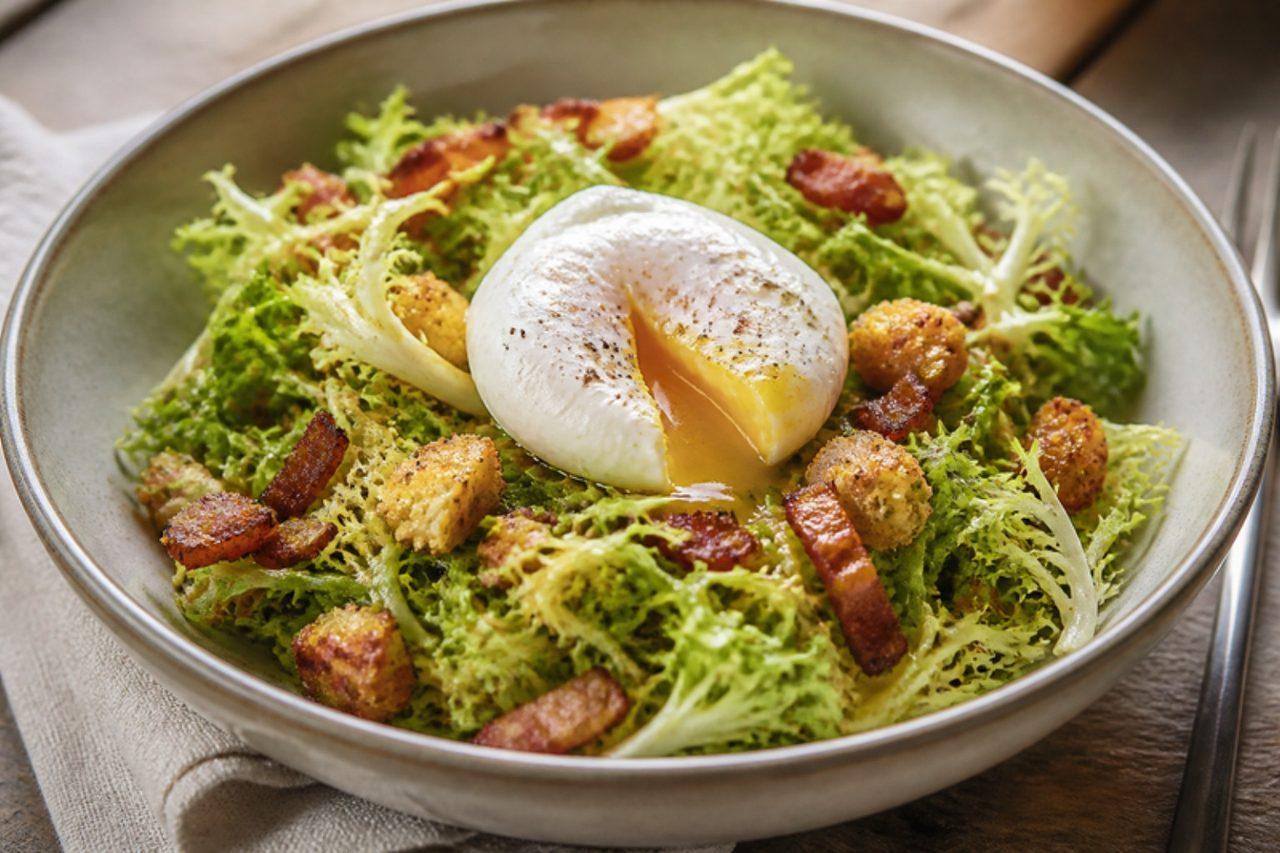
Salade lyonnaiseFrisée, bacon and poached egg salad

Every bouchon in Lyon, the small checked-tablecloth restaurants of the old town and the Presqu'île, puts salade lyonnaise on its menu as a starter or light lunch. Bitter, crunchy frisée is tossed with a sharp mustard vinaigrette, then topped with hot smoked pork lardons, garlicky croutons and a poached egg whose yolk spills into the leaves and turns the dressing creamy. It's the meeting of hot and cold, soft and crisp that makes it work. The egg is served runny, so use pasteurised eggs for pregnant women, young children, older people or anyone with a weakened immune system, or cook the egg until set. Chef's tip: deglaze the lardon pan with the vinegar and pour it warm over the leaves so they wilt very slightly.

by KrazyBadal 0 views

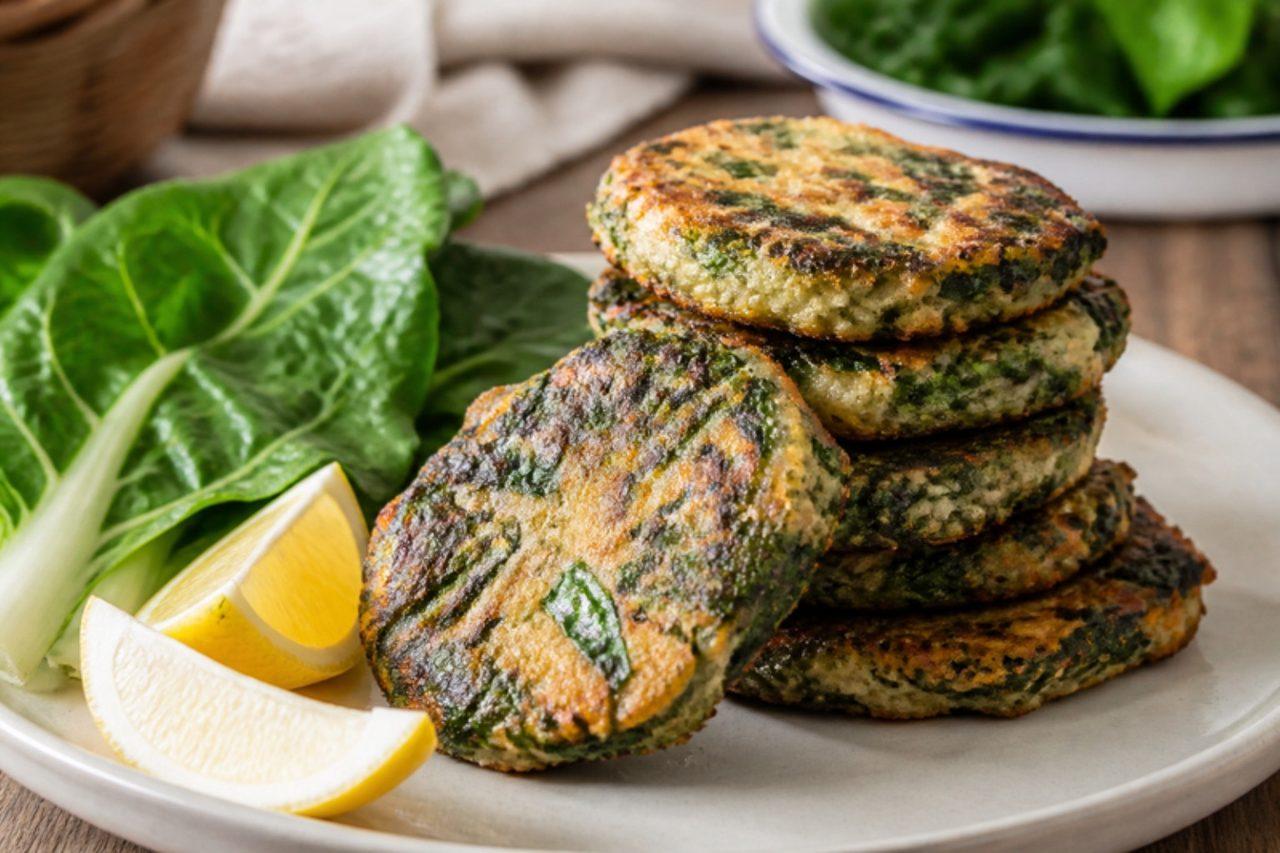
Torrejas de acelgaSwiss chard fritters

When a bunch of acelga (Swiss chard) is the cheapest thing at the verdulería, Buenos Aires home cooks turn it into torrejas: thin fritters of chopped chard bound with egg, a little flour, garlic and grated cheese, fried in shallow oil until the edges lace up and crisp. They are weekday food, eaten hot from the pan with a squeeze of lemon and a salad, or cold the next day in a sandwich, and children who won't touch greens tend to eat them. Inside they stay tender and green, outside nutty and golden. Wet chard is what ruins them: water left in the leaves makes the batter thin and the fritters spit and fall apart, so wring the blanched chard really dry. Grated hard cheese is often made with animal rennet; pick a vegetarian hard cheese if needed. Chef's tip: fry one small torreja first to check the seasoning and thickness, then adjust with a spoon of flour or a splash of milk.

by KrazyBadal 0 views

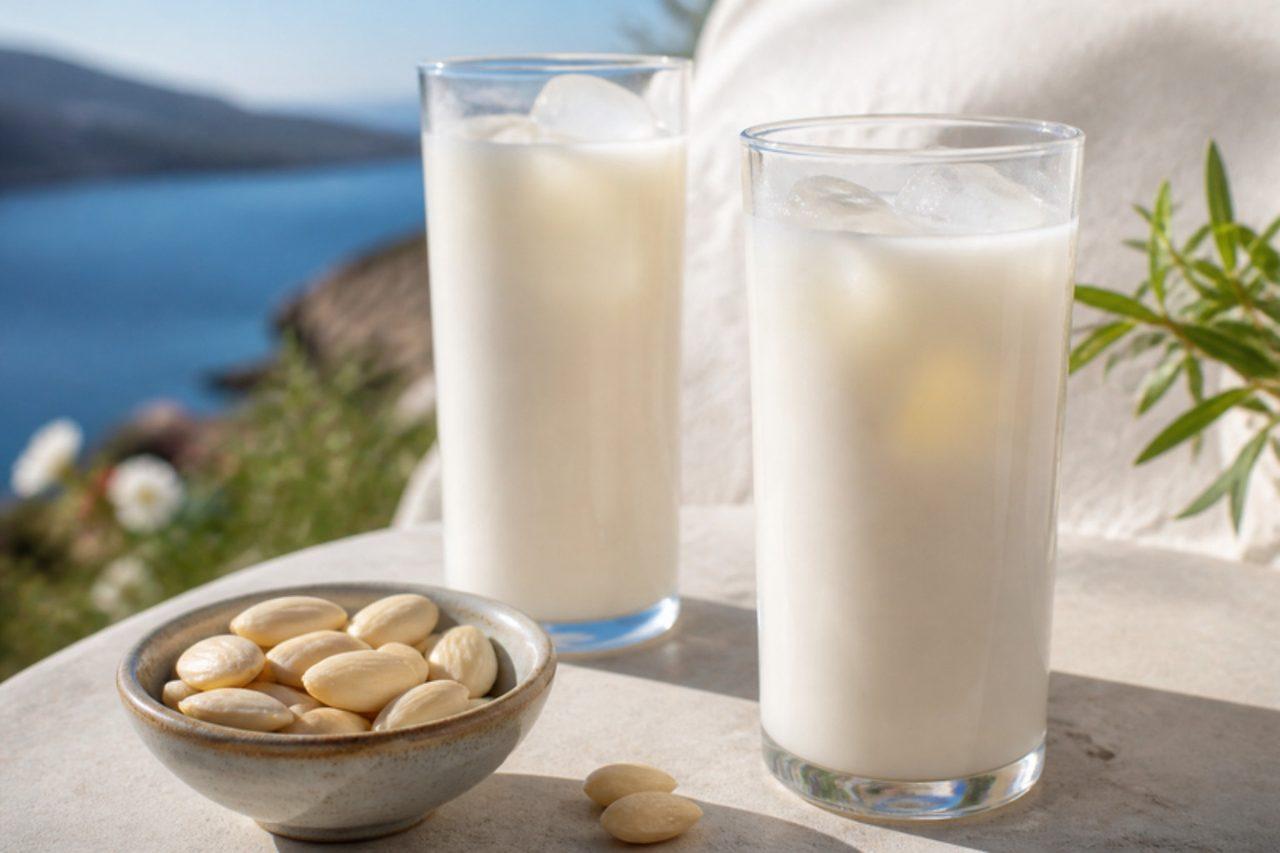
SoumadaAlmond syrup drink

On Crete and several Aegean islands, a glass of cloudy-white soumada is offered to guests at weddings and on hot summer afternoons. It begins as a thick almond syrup kept in the fridge, which is stirred into iced water to make a cool, gently sweet drink that tastes of marzipan and orange blossom. Some islanders add a few bitter almonds for an edge; they are not safe to eat in quantity, so this version uses a drop of almond extract instead. Common mistake: boiling the syrup hard after the almond milk goes in, which makes it cloudy and grainy rather than smooth. Chef's tip: squeeze the almond pulp in a muslin bag with real force; the last drops are the richest.

by KrazyBadal 0 views

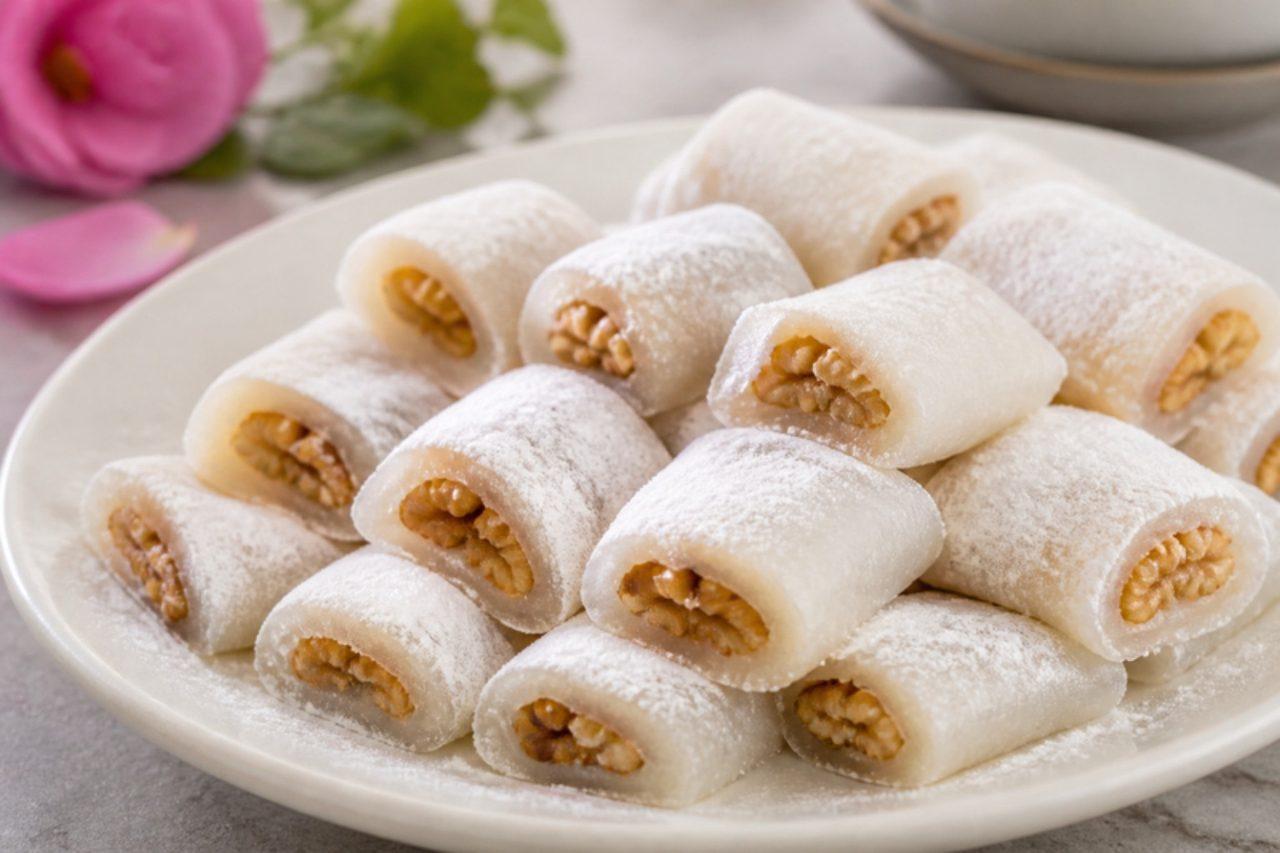
BasloghRosewater starch sweet with walnuts

Baslogh is one of the soft confections that fill the sweet shops of Tabriz's covered bazaar, especially before Nowruz and at Ramadan: a pale, wobbly slab of starch cooked in rose-scented syrup, studded with walnuts, cut into squares and dusted so it does not stick. It is related to Turkish lokum but softer and less sweet, eaten with tea in the afternoon. A common mistake is stopping the cooking too early; undercooked baslogh never sets and weeps syrup. Chef's tip: cook until the paste turns translucent and pulls away from the pan in one mass, which takes longer than you expect.

by KrazyBadal 0 views

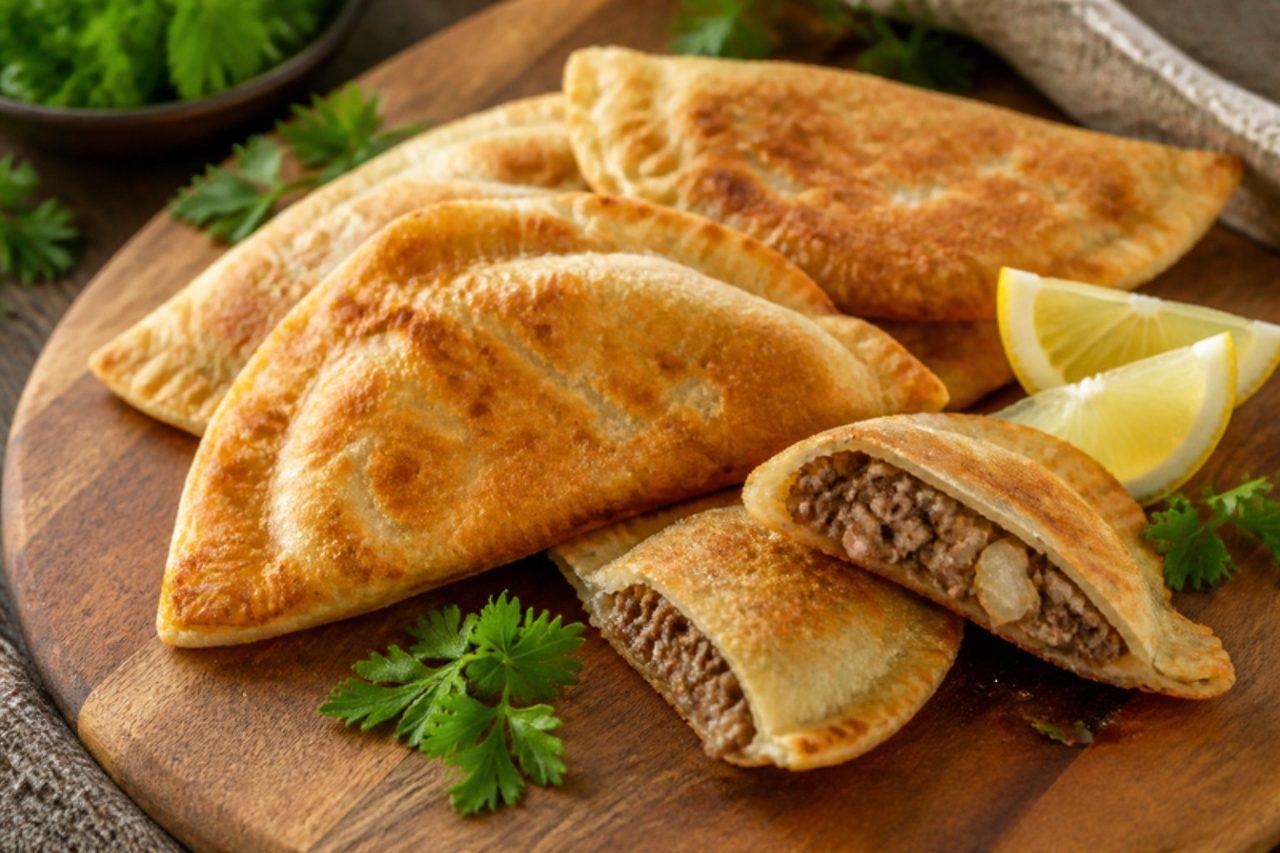
SembusekSpiced mince flatbread pies

Mardin's stone bakeries fill their ovens with sembusek on weekend mornings: thin rounds of dough folded over a filling of minced meat, onion, parsley and pepper paste, sealed into half-moons and baked until crisp and freckled. Families make big batches for picnics and Ramadan, and eat them warm with ayran or a glass of tea. The meat goes in raw and cooks inside the pastry, so roll the dough thin enough to cook through. Common mistake: a wet filling that makes the base soggy; squeeze the grated onion hard. Chef's tip: brush the tops with a little water and butter as they come out of the oven so they soften just enough to fold over a bite of salad.

by KrazyBadal 0 views

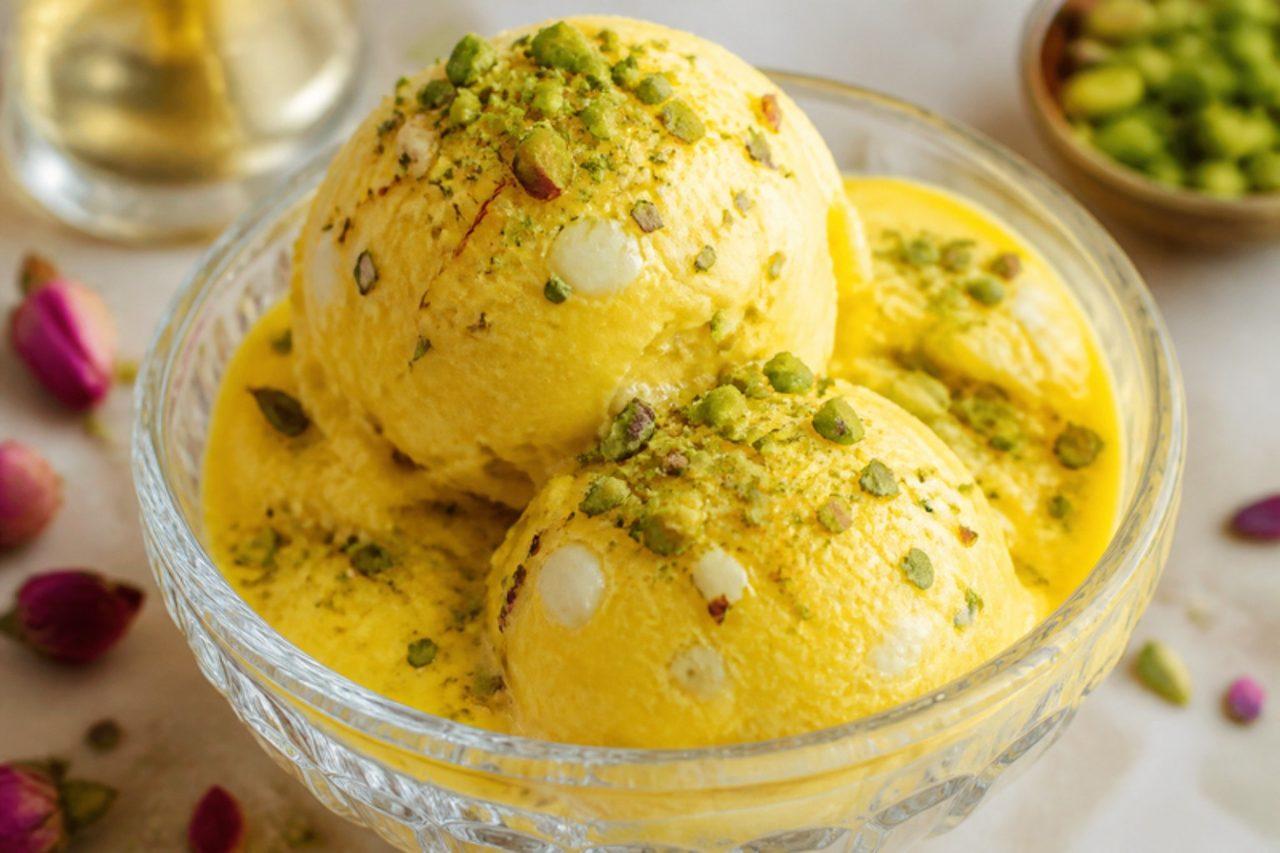
Bastani sonnatiSaffron rosewater ice cream

On summer evenings in Tehran, queues form outside old ice-cream shops for bastani sonnati, scooped between two thin wafers or into a glass beside faloodeh. The custard is rich with egg yolks and coloured deep gold with saffron, perfumed with rosewater and studded with pistachios and little shards of frozen cream that melt on the tongue. This home version uses an ice-cream machine or a fork-and-freezer method. Chef's tip: freeze the cream chips in a thin sheet the day before, so they are hard enough to stay as separate shards when folded in.

by KrazyBadal 0 views

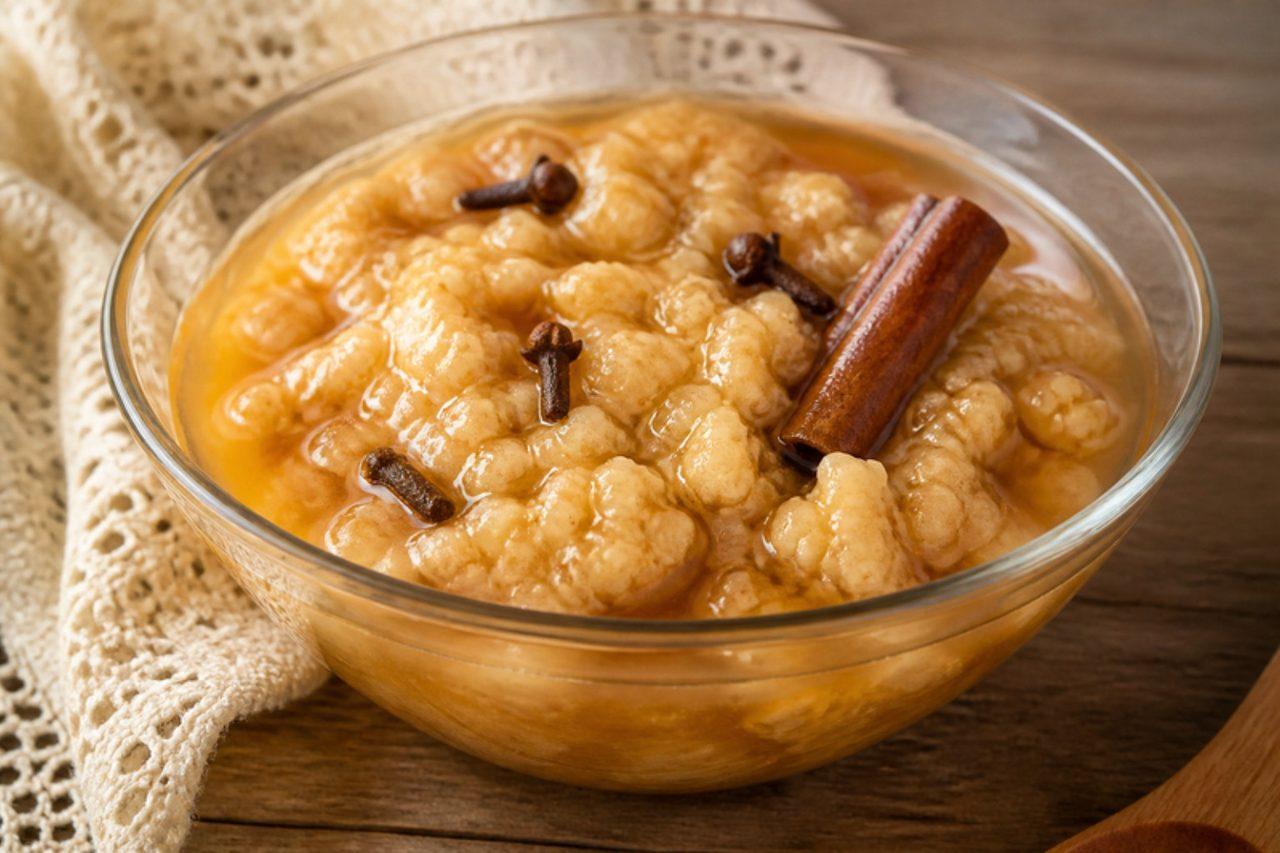
AmbrosiaSweet milk and egg curds

Found in glass jars at farm-shop counters in Minas Gerais and on the dessert tables of gaúcho family lunches, ambrosia is an old Portuguese-rooted sweet that turns milk, eggs and sugar into soft, golden curds bathed in a caramel-coloured syrup. The eggs are poured into the sweet milk and then left to set and simmer for an hour with clove and cinnamon, so the curds form large and tender rather than scrambled. Cold from the fridge it is creamy, eggy and fragrant, rather like a rustic crème caramel broken into pieces. Serve small bowls with a slice of fresh cheese or nothing at all. Where most people go wrong is stirring as soon as the eggs go in; that breaks the curd into grainy crumbs, so wait until it has set before moving it gently. Chef's tip: a squeeze of lemon juice into the milk before the eggs helps the curds form quickly and keeps them in large, tender clouds.

by KrazyBadal 0 views

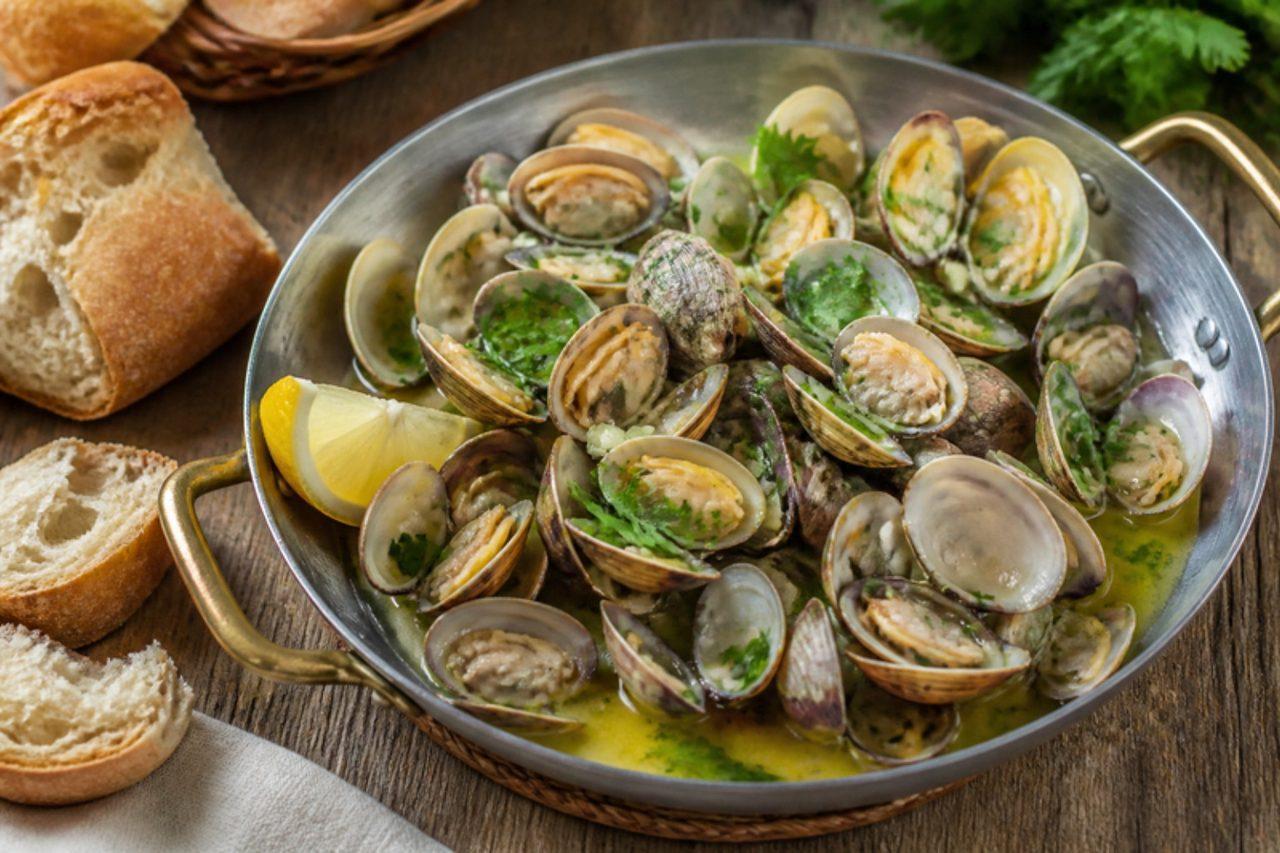
Amêijoas à Bulhão PatoClams with garlic and coriander

A Lisbon seafood beer hall wouldn't be one without a steaming bowl of these on every other table, with bread for the juices that pool in the bottom. The dish is named after the nineteenth-century poet Raimundo Bulhão Pato, a keen cook and hunter who is said to have loved it. It is only clams, olive oil, a lot of garlic, fresh coriander and lemon, so the shellfish must be lively and well cleaned. Many cooks add a splash of white wine, which contains alcohol; water or a little extra lemon juice works fine. Chef's tip: add the coriander at the very end, off the heat, so it stays bright and fragrant.

by KrazyBadal 0 views

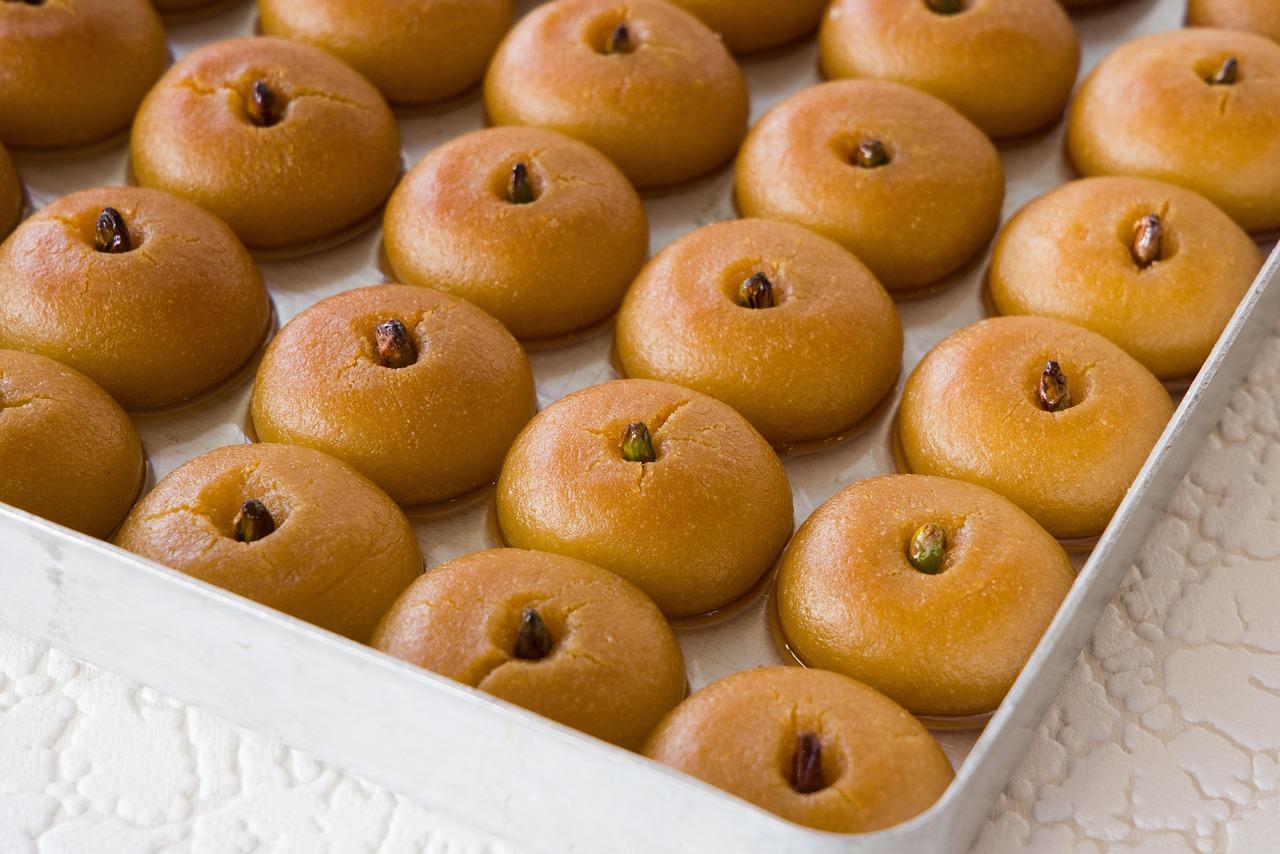
ŞekerpareSemolina almond cookies in syrup

Şekerpare is the cookie that every Turkish household bakes for bayram visits, when trays are passed to relatives and neighbours along with coffee and cologne for the hands. Soft, buttery rounds of semolina dough are each topped with an almond, baked until golden and then soaked in syrup until they are tender all the way through but still hold their shape. They keep for days and taste better on the second. Common mistake: cold syrup on cold cookies, which never soaks in; one of them must be hot. Chef's tip: bake until the bases are properly golden; pale cookies turn mushy when they meet the syrup.

by KrazyBadal 0 views

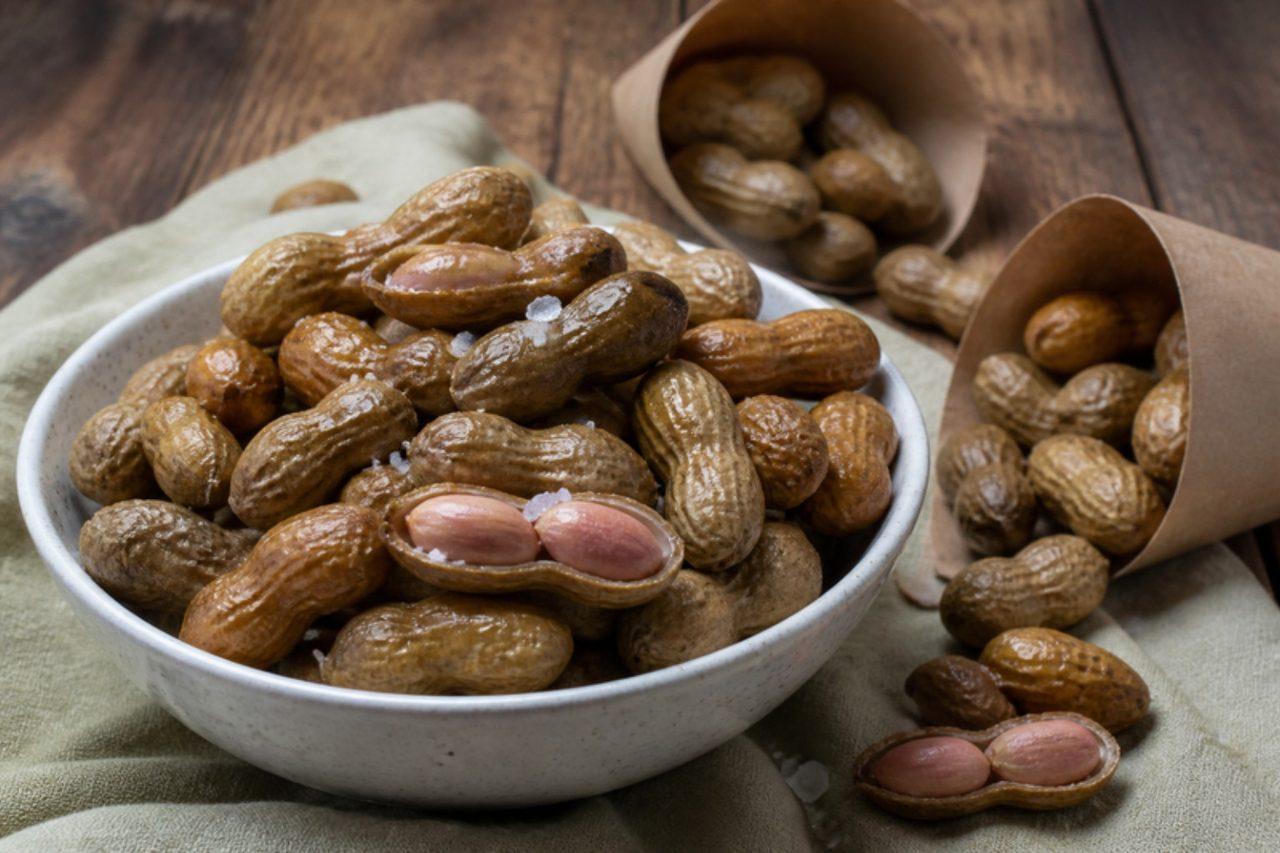
Amendoim cozidoBoiled peanuts

Steaming paper bags of boiled peanuts are sold in São João squares from Campina Grande to the interior of São Paulo, and families cook pots of them at home when the fresh peanut harvest comes in around June. Boiled in the shell in well-salted water, the peanuts turn soft, juicy and almost bean-like, with a savoury, slightly sweet taste quite different from roasted peanuts. You crack them open with your fingers and slurp the salty water out with the nut. You need raw peanuts in the shell, either fresh (green) or dried; roasted ones never soften. Under-salting is the beginner's slip: the shell blocks a lot of salt, so the water should taste like the sea. Chef's tip: let the peanuts sit in their cooking water for 30 minutes off the heat before draining, so the salt soaks through to the nut.

by KrazyBadal 0 views

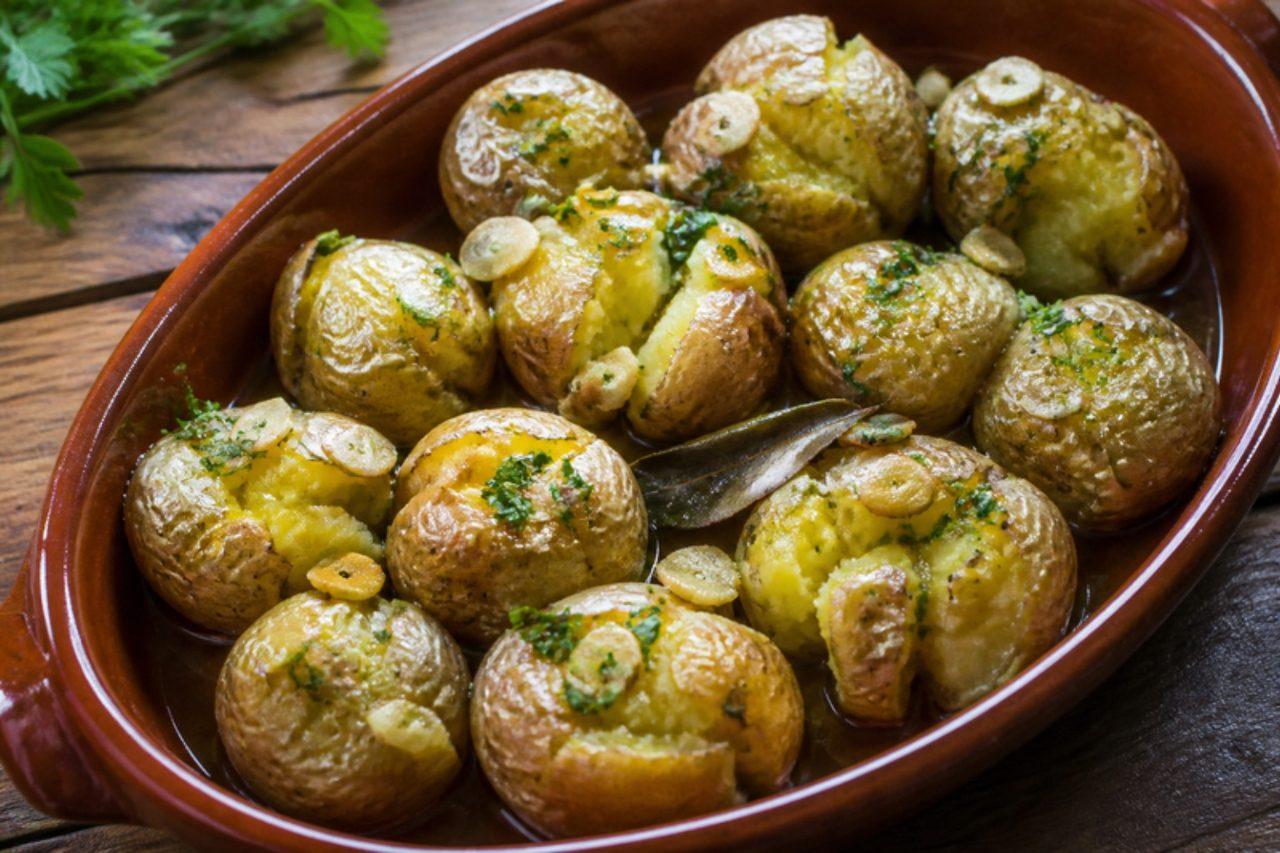
Batatas a murroPunched roast potatoes with garlic oil

Order bacalhau na brasa in a Minho tasca and it arrives with these: small potatoes roasted in their skins on a bed of coarse salt, given a sharp punch to split them, then soaked in hot olive oil and garlic. The skins go crisp and salty while the flesh turns fluffy and drinks up the oil. They are just as good next to grilled sardines in June or a roast chicken on Sunday. Chef's tip: pick potatoes the size of a hen's egg so they cook through before the skins burn.

by KrazyBadal 0 views

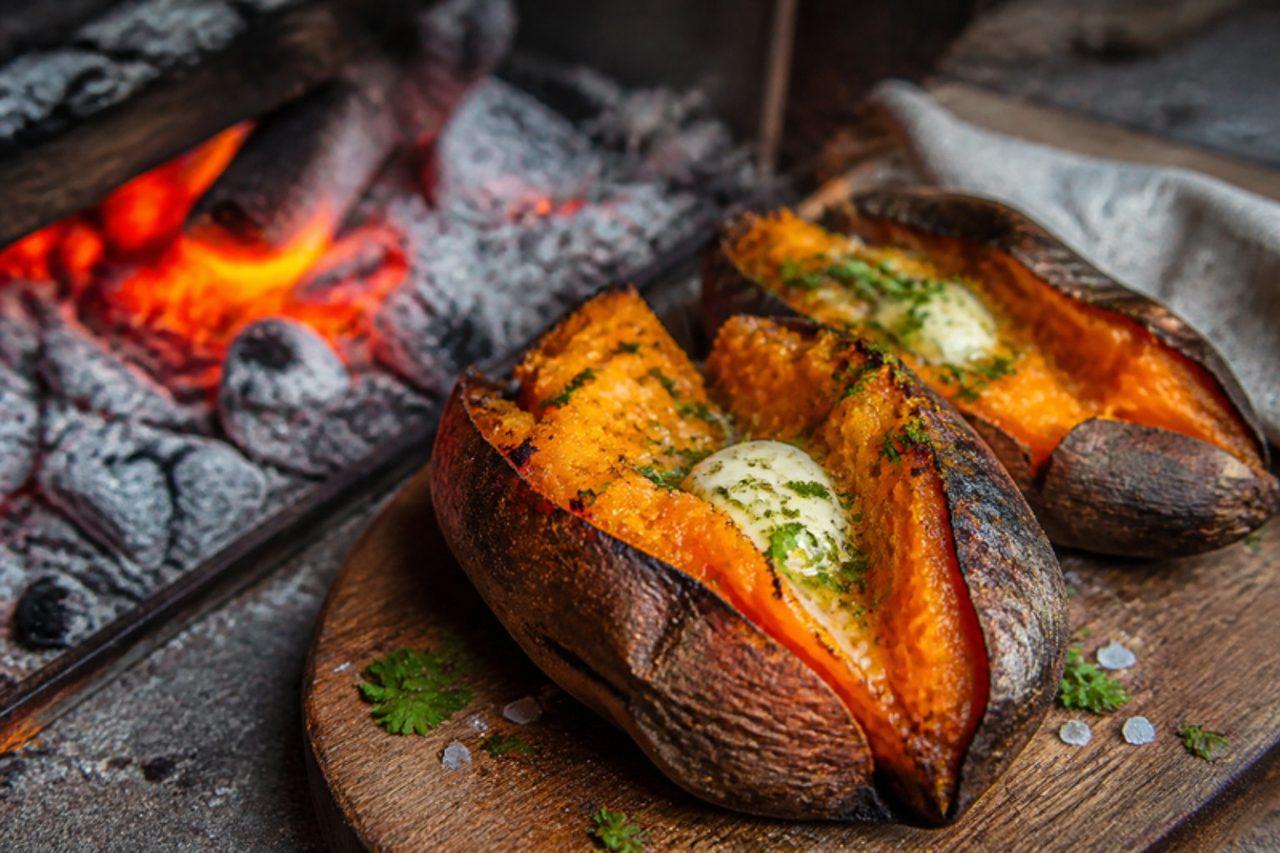
Batatas al rescoldoEmber-roasted sweet potatoes

Long after the meat comes off, the fire of an Argentine asado still has work to do. Sweet potatoes pushed into the glowing embers (el rescoldo) at the start of the cook come out an hour later with charred, papery skins and flesh that is soft, sticky and almost caramelised, with a smoky edge. They are split open at the table, filled with butter and coarse salt and eaten as a side to the asado or as supper by the fire on a camping trip. Burying them in live flames is the trap: the skin blackens right through while the inside stays hard, so wait for a bed of settled embers and ash. Wrapping them in foil gives softer skins and less risk if you are new to it, and an oven at 200 °C does a fine job indoors. Chef's tip: choose sweet potatoes of the same thickness, around 250 g each, so they cook evenly together.

by KrazyBadal 0 views

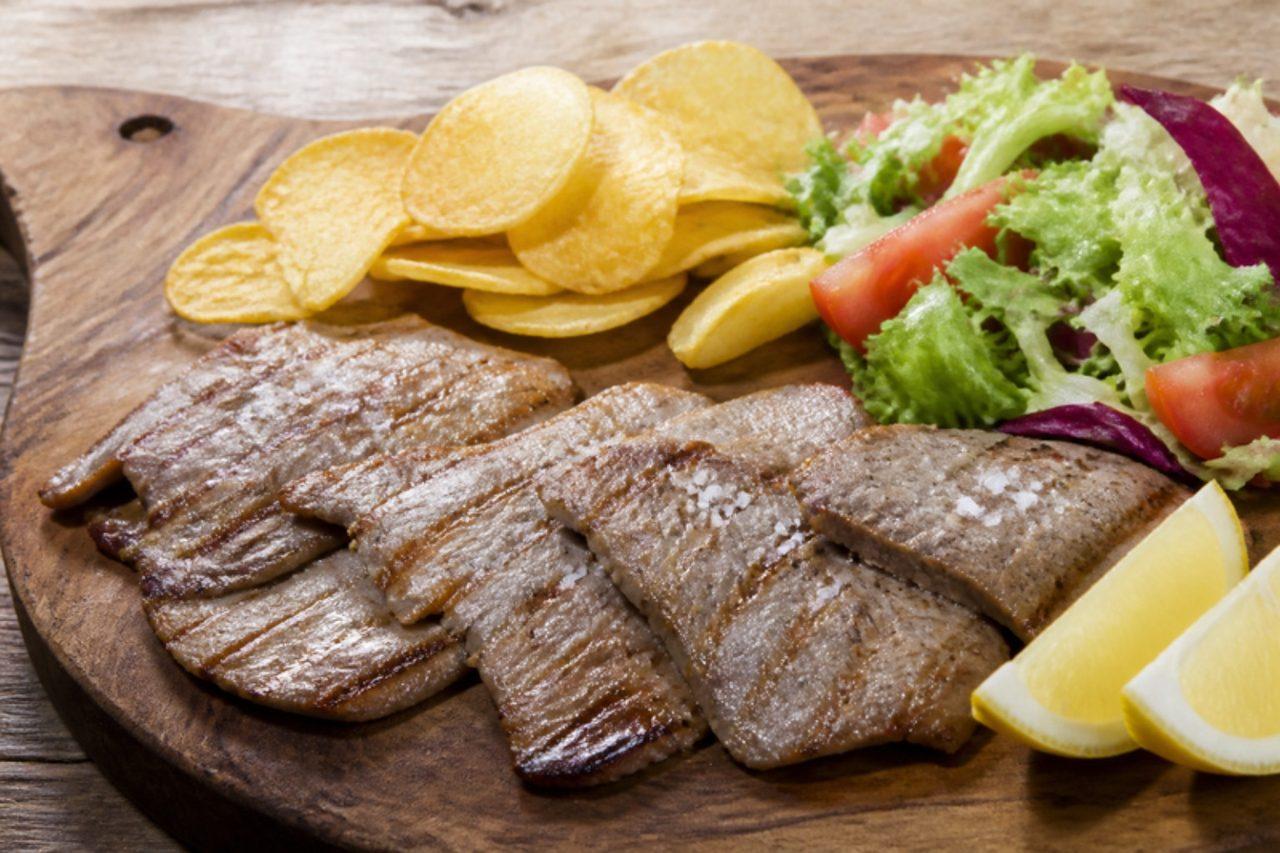
Secretos de porco pretoGrilled black pork

The secreto is a thin, marbled cut hidden between the shoulder fat and the loin of the Alentejo black pig, the free-ranging breed that fattens on acorns under the cork oaks. Butchers once kept it for themselves; now it is on every Alentejo grill menu, served with fried potatoes, migas or a salad of orange and onion. This contains pork. It needs only salt, garlic and a hot grill, since the fat inside bastes it as it cooks. A common mistake is moving the meat around: leave it on the grill so it builds a crisp, browned crust. Chef's tip: let the meat come to room temperature for 20 minutes before cooking, so it browns evenly and stays juicy.

by KrazyBadal 0 views

Seco de chabeloPlantain mash with dried beef

Piura's picanterías, near the dry northern border, serve this rough, savoury mash at lunch: green plantains, roasted or boiled and pounded, mixed with fried strips of carne seca (salted dried beef) and a quick sofrito of onion, tomato and ají amarillo. It is dense, salty and smoky, with the plantain's starchy sweetness, and is eaten with salsa criolla and fried ripe plantain or chifles (plantain crisps). The legend says it was invented for a soldier called Chabelo in the War of the Pacific. Use carne seca or cecina from Latin shops, or unseasoned beef jerky. Pounding the plantains smooth is the classic mistake: chabelo should be lumpy and rustic. Chef's tip: soak the dried beef in warm water for 30 minutes and taste a piece; if it's still very salty, change the water and soak again.

by KrazyBadal 0 views

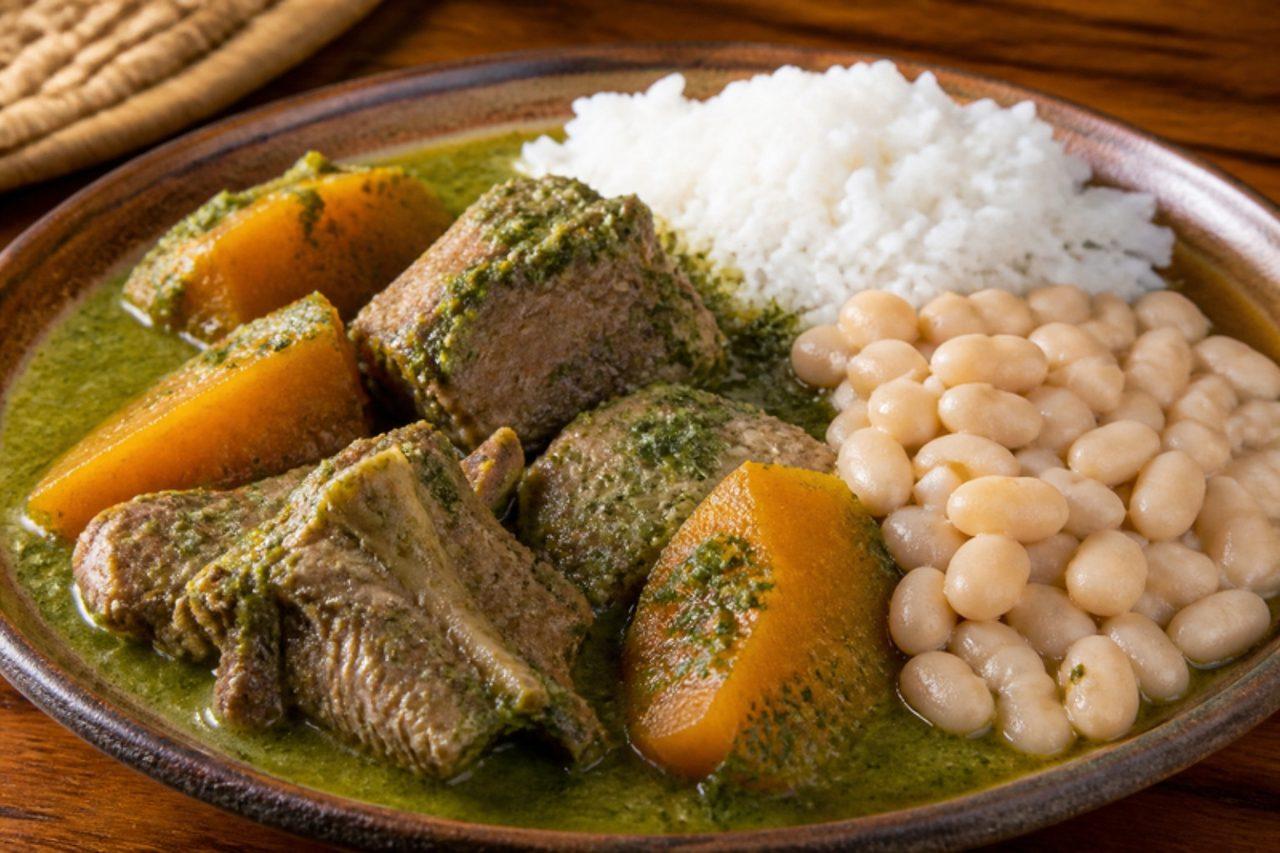
Seco de cabritoBraised kid goat with coriander

Ask anyone in Chiclayo or Lambayeque for the north's great Sunday dish and seco de cabrito comes up first: young goat, marinated in garlic and vinegar, then braised slowly in a deep green sauce of blended coriander, ají amarillo and chicha de jora, with grated loche, the local aromatic squash. The meat turns tender and the sauce is herby, sour and warm. It comes to the table with white rice and frejoles (stewed canary beans) and a sharp salsa criolla. Chicha de jora is a fermented maize beer and contains alcohol; the alcohol-free swap in the ingredients keeps the tang. Lamb shoulder stands in well for kid. People often blend the coriander with the stems discarded, but the stems carry the most flavour, so use the whole bunch. Chef's tip: add half the coriander at the start and half 10 minutes before the end, so the sauce stays bright green.

by KrazyBadal 0 views

Scottish tabletButter fudge

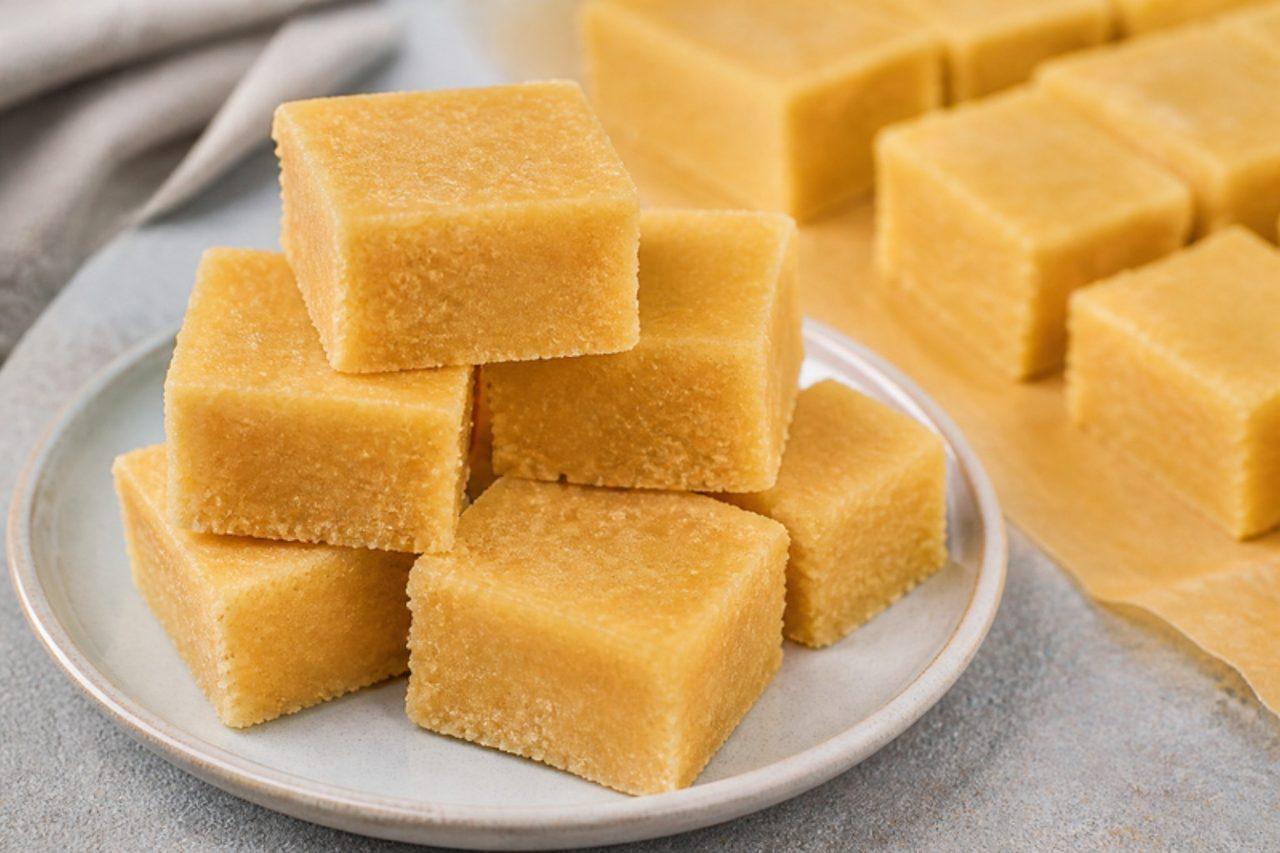
Tablet is harder and grainier than fudge, a sugary square sold at every church fête, Highland games and corner shop in Scotland and taken home in paper bags by visitors. Sugar, butter, milk and condensed milk are boiled to the soft-ball stage and beaten until they crystallise, giving that crumbly, melting snap. Chef's tip: beat it hard off the heat until it loses its gloss and drags on the spoon; stop too early and you have soft fudge.

by KrazyBadal 0 views

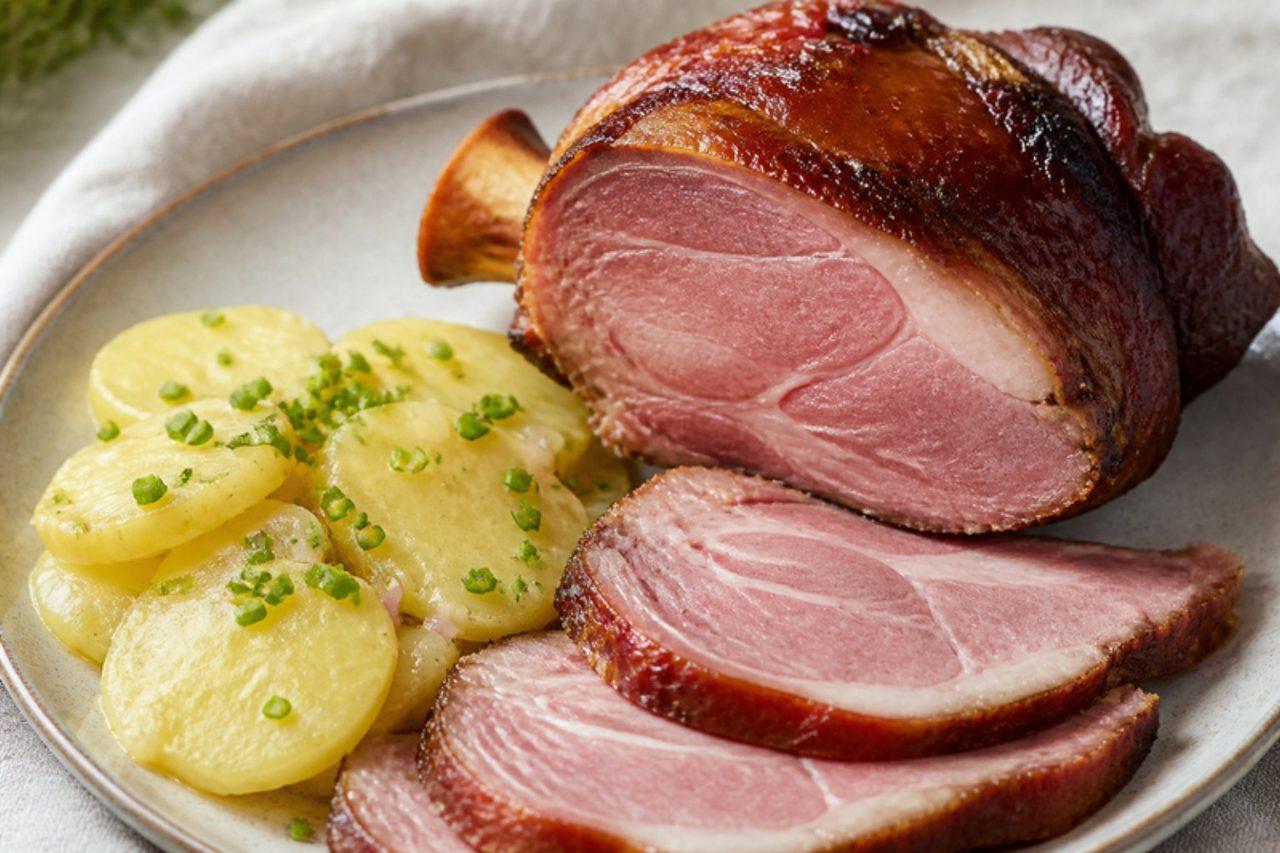
SchweinshaxeRoast pork knuckle

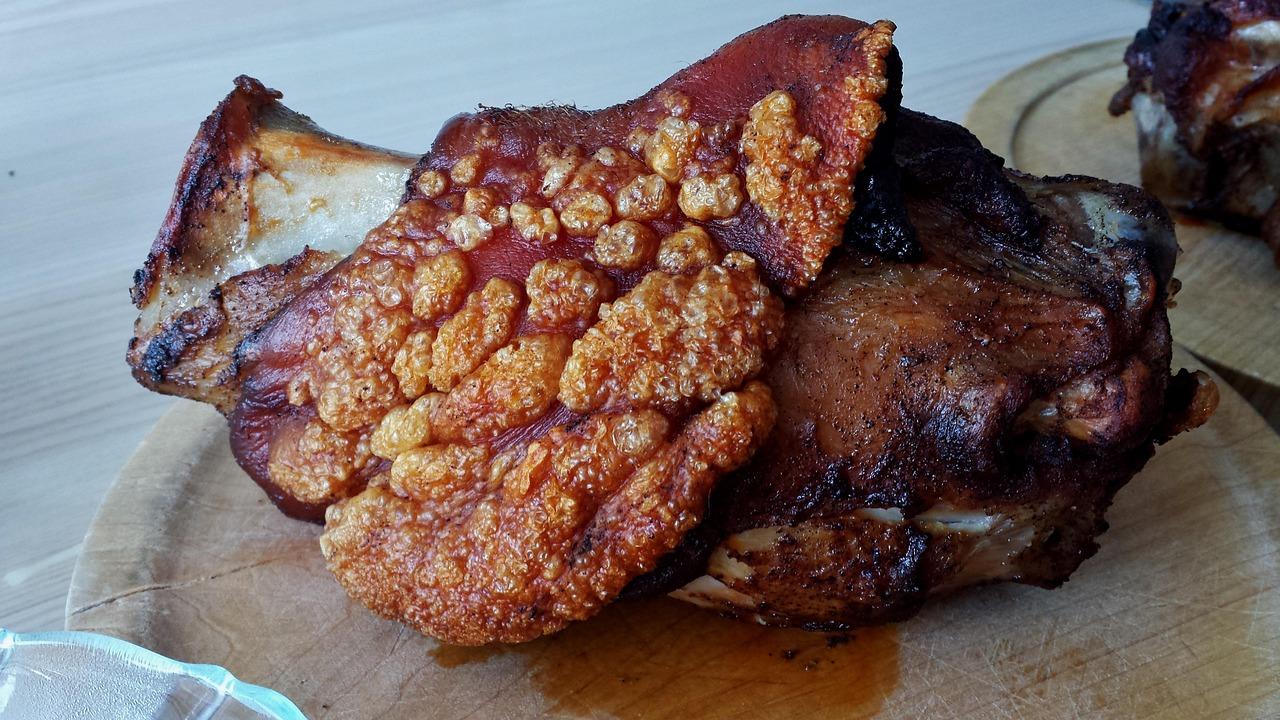
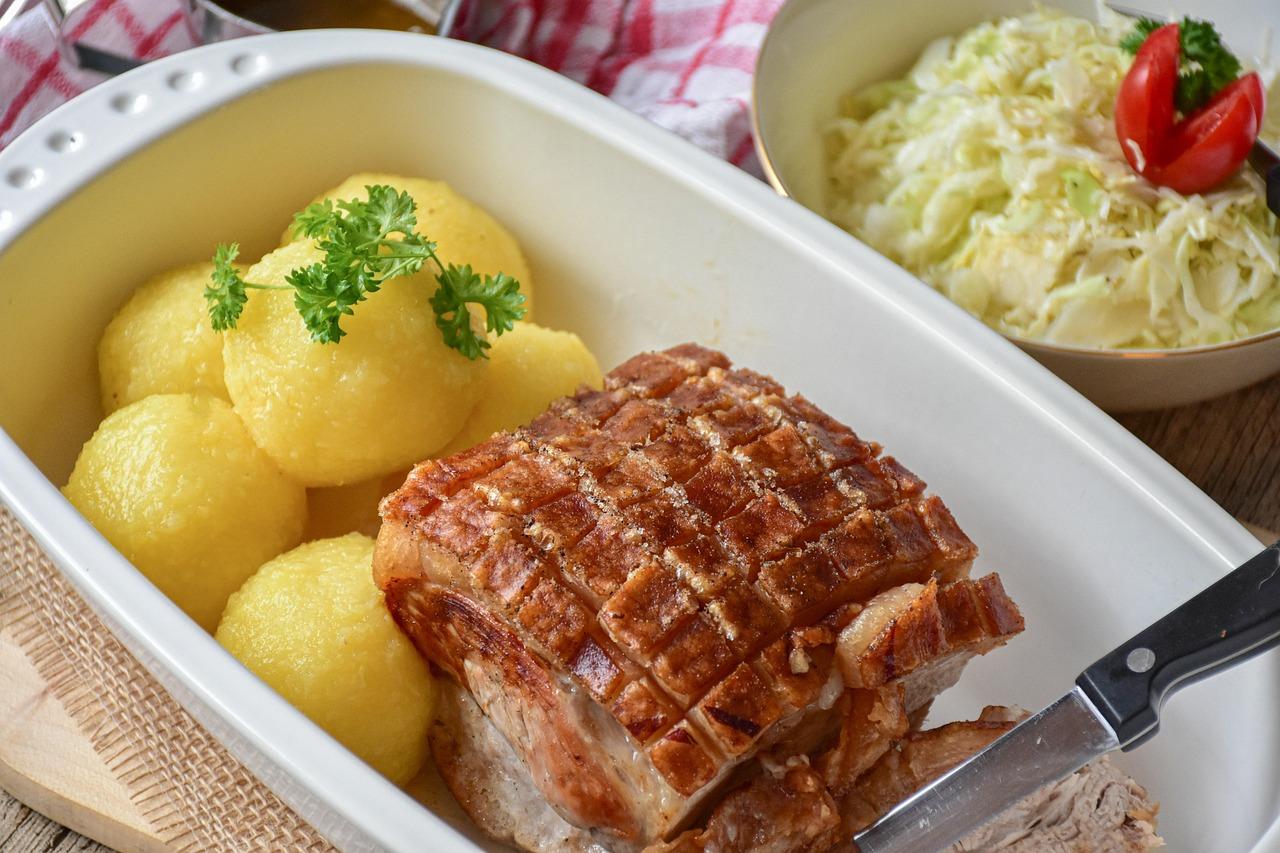
In Munich beer halls and Upper Bavarian village inns, a Schweinshaxe arrives as a whole roast pork knuckle, crackling glassy on the outside and the meat falling off the bone, usually with a potato dumpling and a spoon of sauerkraut. At home it is a weekend dish for cold months: the fresh (not cured) pork hocks are simmered first, then roasted hard so the skin puffs. Ask the butcher for hind knuckles, which carry more meat than front ones. Chef's tip: dry the simmered skin with kitchen paper and leave it uncovered for 20 minutes before roasting; dry skin is the secret to crackling that shatters.

190 minGermanMeatGluten free
by KrazyBadal 0 views

BatzinaCourgette and feta cornmeal pie

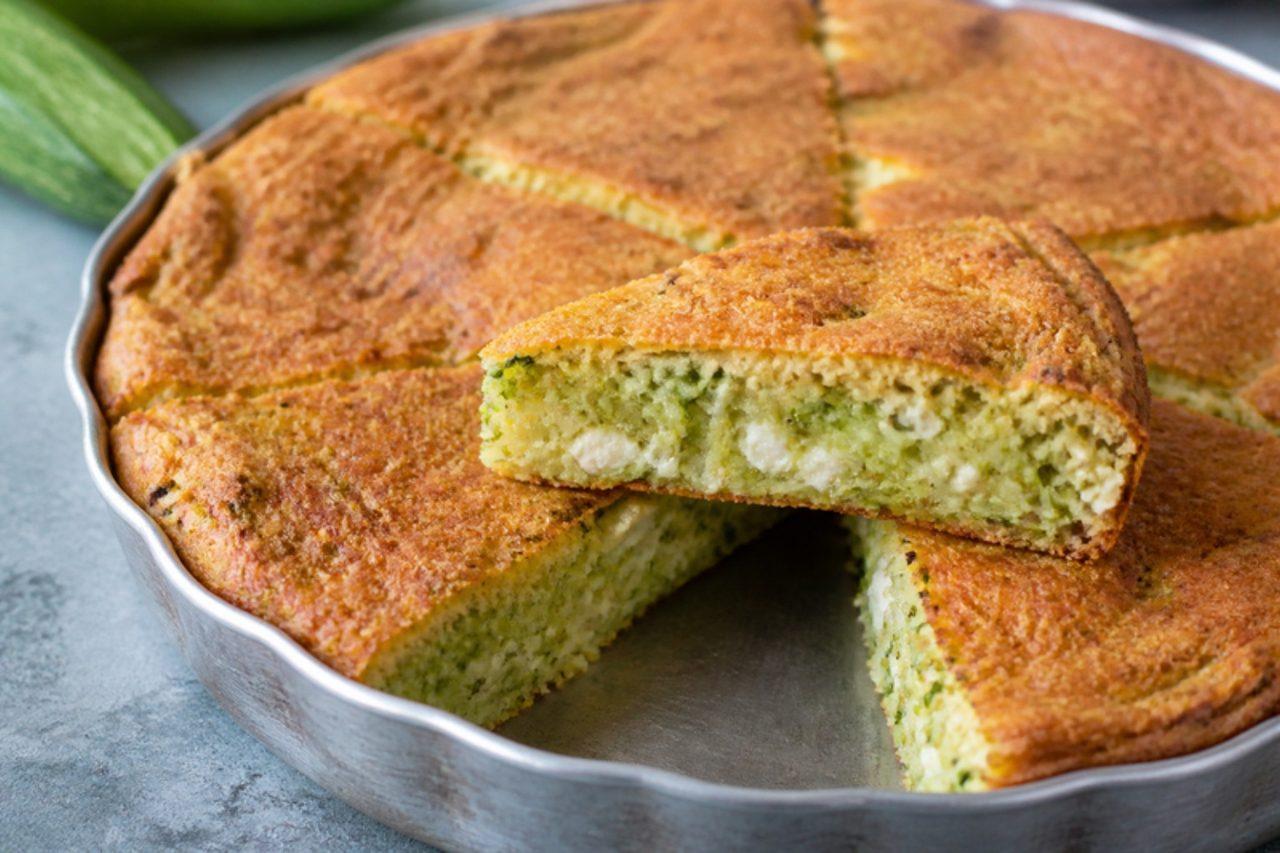
Batzina is the lazy pie of Thessaly and the Pelion villages, the one you make in summer when courgettes are taking over the garden and nobody wants to roll filo. Grated courgette and feta are mixed with a thin batter of flour, cornmeal, milk and eggs, poured into an oiled tin and baked until the top is cracked and golden and the inside soft and savoury, like a crustless quiche. It travels well to the beach. Feta is usually made with animal rennet; choose a vegetarian feta-style cheese if needed. Common mistake: skipping the squeezing — watery courgettes make a soggy pie. Chef's tip: sprinkle cornmeal over the oiled tin before pouring in; it gives a crisp base.

by KrazyBadal 0 views

BauernbrotFarmhouse rye and wheat sourdough

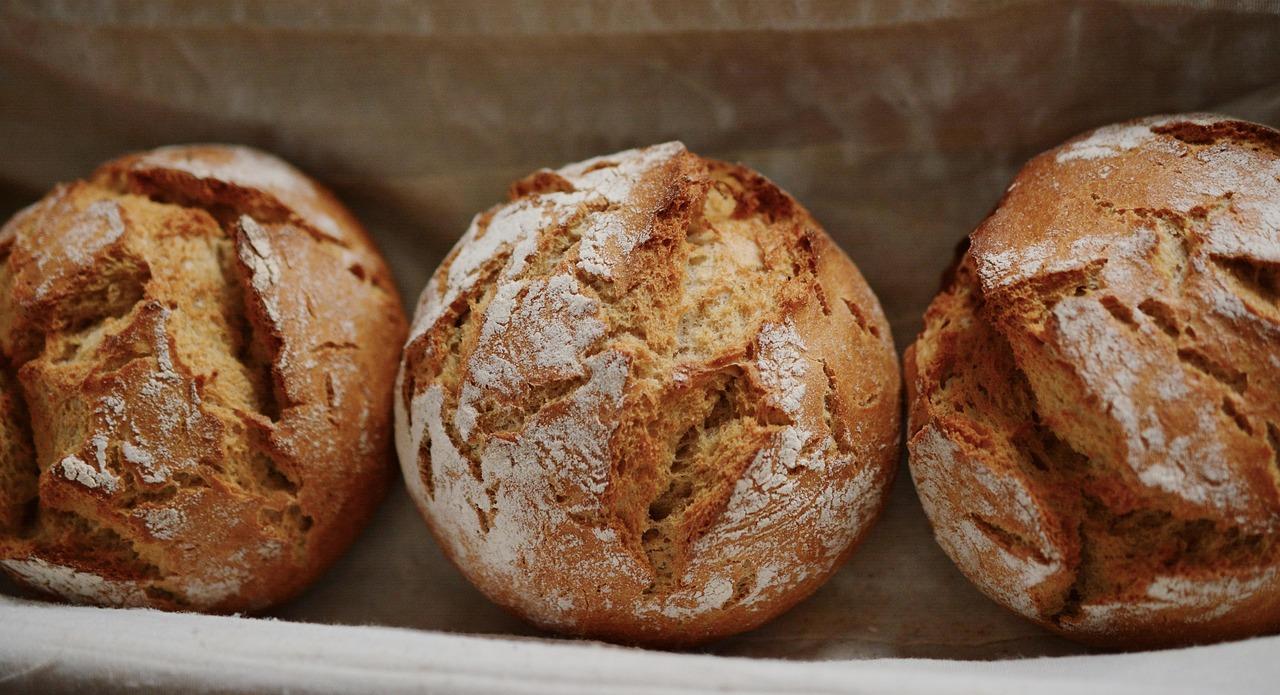
Bauernbrot, the farmer's loaf, is the everyday bread of village bakeries from the Black Forest to Lower Saxony, carried home in a paper bag every Saturday and eaten all week for Abendbrot, the cold evening meal of bread, cheese and pickles. It mixes rye and wheat roughly half and half, so the crumb is moist and tangy but still springy, under a thick, crackled crust dusted with flour. The flavour deepens over two or three days. A common mistake is baking at too low a heat, which gives a pale, soft crust; the oven should be properly hot at the start. Chef's tip: prove the loaf upside down in a floured basket or bowl lined with a floured cloth, so the top cracks into the classic crazy-paving pattern when you tip it out.

by KrazyBadal 0 views

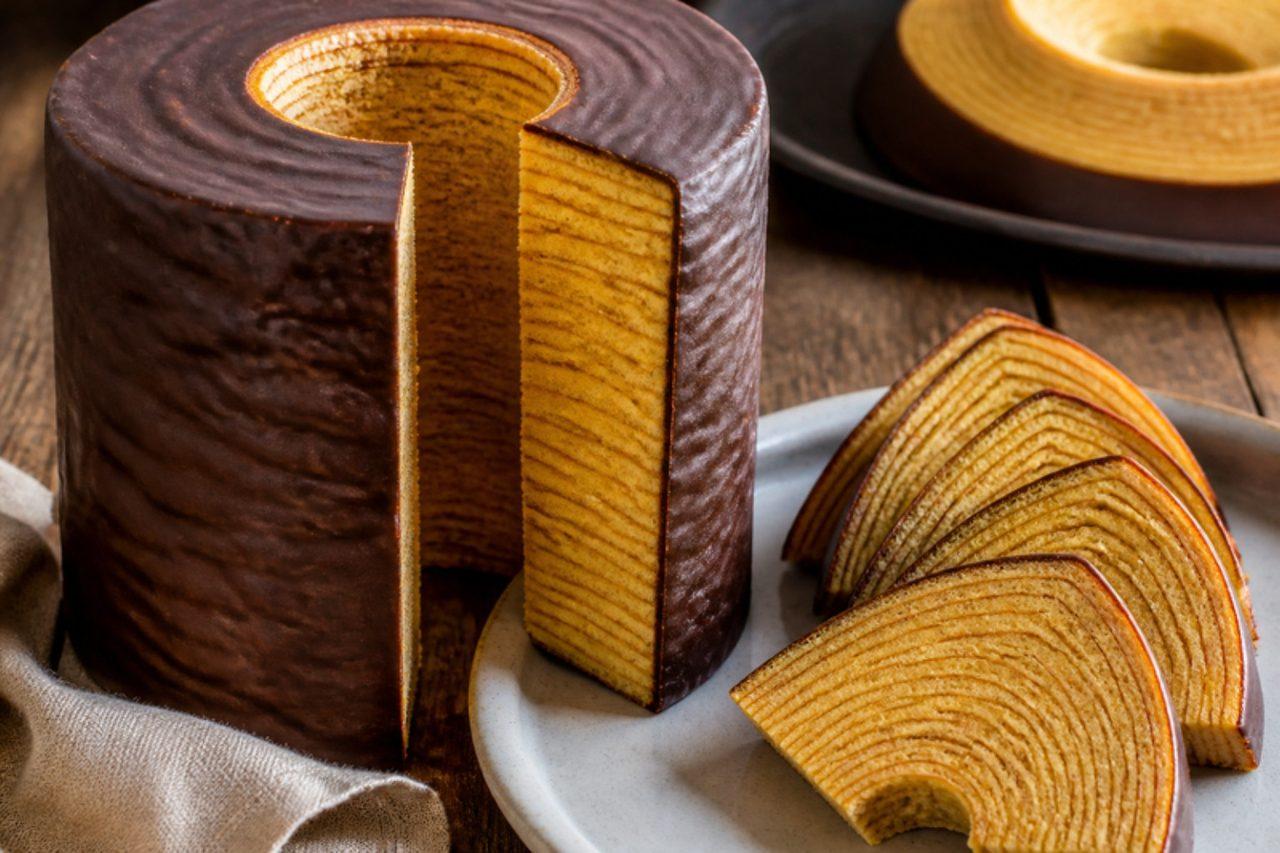
BaumkuchenLayered tree cake

Baumkuchen is the king of German cakes, and the little town of Salzwedel in Saxony-Anhalt has baked it on a turning spit over an open flame for two centuries; in December, Baumkuchenspitzen, chocolate-dipped triangles of it, fill the shelves before Christmas. Without a spit you can build it at home in a tin under the grill, one thin layer at a time, and each slice shows the golden rings of a tree. The mistake people make is spreading the batter too thickly, which gives fewer, stodgy layers that cook unevenly; aim for 2 tablespoons at a time. Chef's tip: stand by the oven; each layer turns from pale to burnt within a minute once it browns.

110 minGermanBaking
by KrazyBadal 0 views

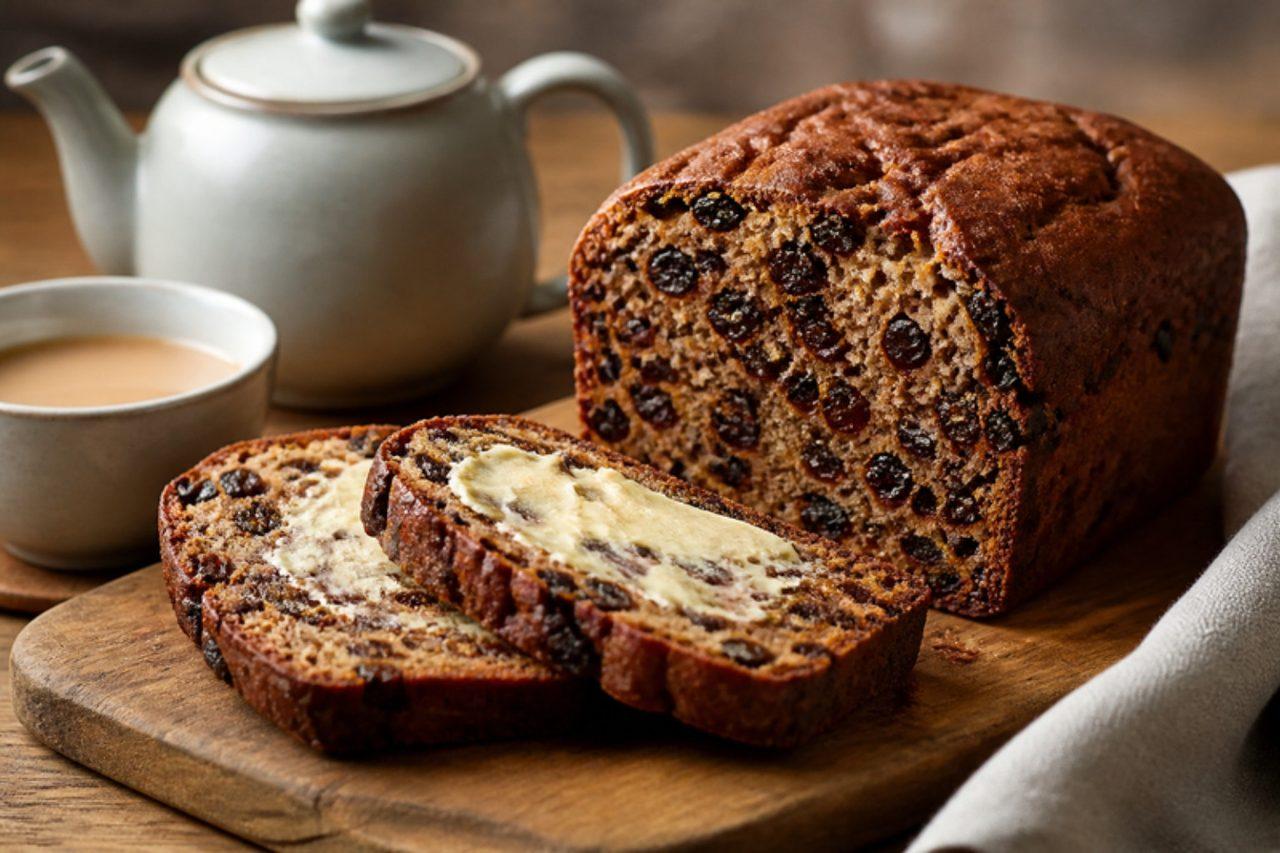
Bara brithTea-soaked fruit loaf

Bara brith means 'speckled bread', and this is the fruit loaf of Welsh farmhouses and tea rooms from Snowdonia to the Gower. Dried fruit is soaked overnight in strong black tea, then mixed with sugar, egg, flour and spice, so it is moist, dark and keeps well without any butter in the mix. Slice it thickly and spread with salted Welsh butter. Chef's tip: wrap it and wait a day before cutting; it gets stickier and slices cleaner.

by KrazyBadal 0 views

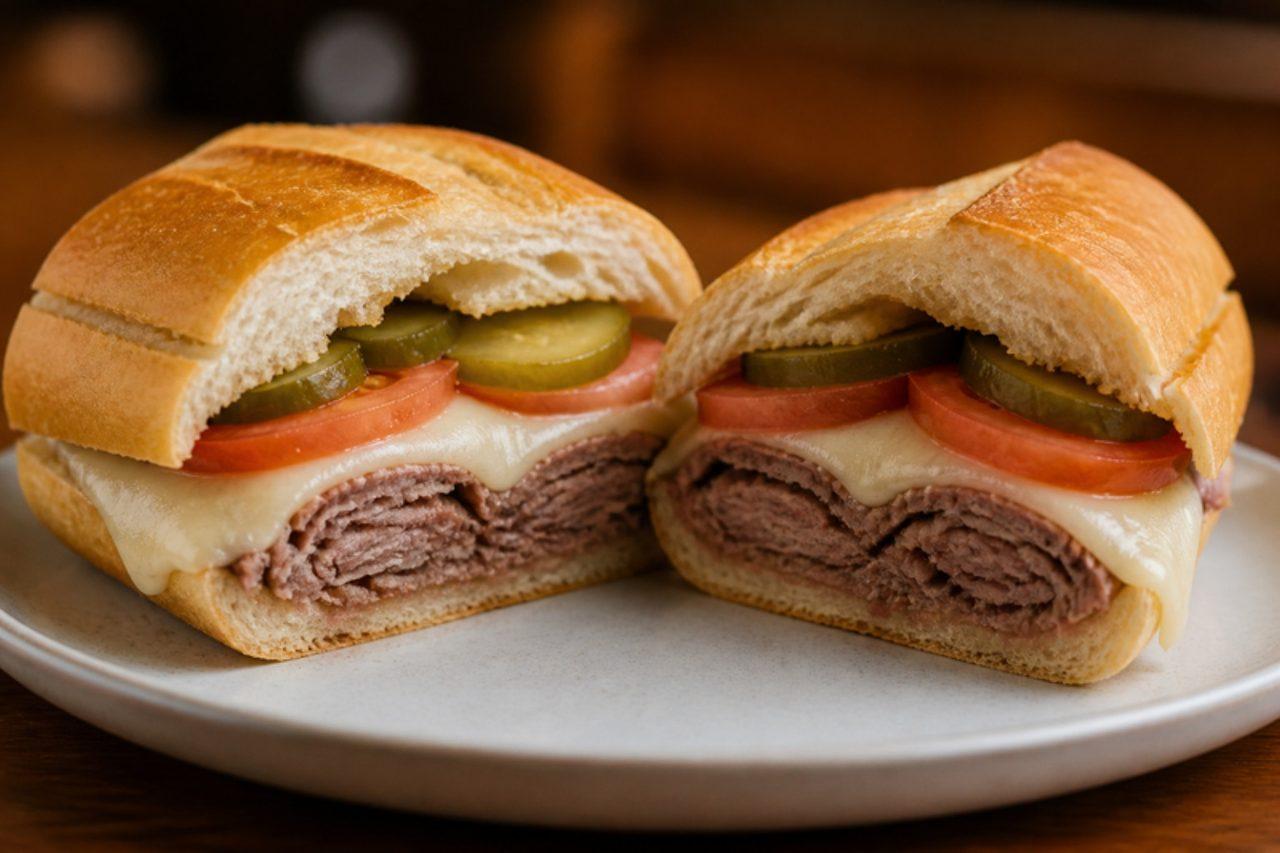
BauruRoast beef and cheese hot sandwich

Late-night students at Largo do Paissandu in São Paulo invented the Bauru in the 1930s, named after the nickname of the friend who ordered it, and the bar where it was born still makes it the original way. A French roll has its crumb pulled out so it is all crust, then it is stuffed with thin warm roast beef, a pool of cheese melted in a bain-marie until it stretches, slices of tomato and pickled cucumber, with a pinch of oregano. It is hot, tangy, juicy and stringy. Plenty of snack bars around the country use ham instead, but beef is the classic. The thing that ruins it is cheese melted straight in a dry pan, which goes oily; melting it slowly over water with a splash of milk keeps it smooth and elastic. Chef's tip: warm the roast beef in a little of its own juices or stock, just until hot, so it stays pink and tender.

by KrazyBadal 0 views

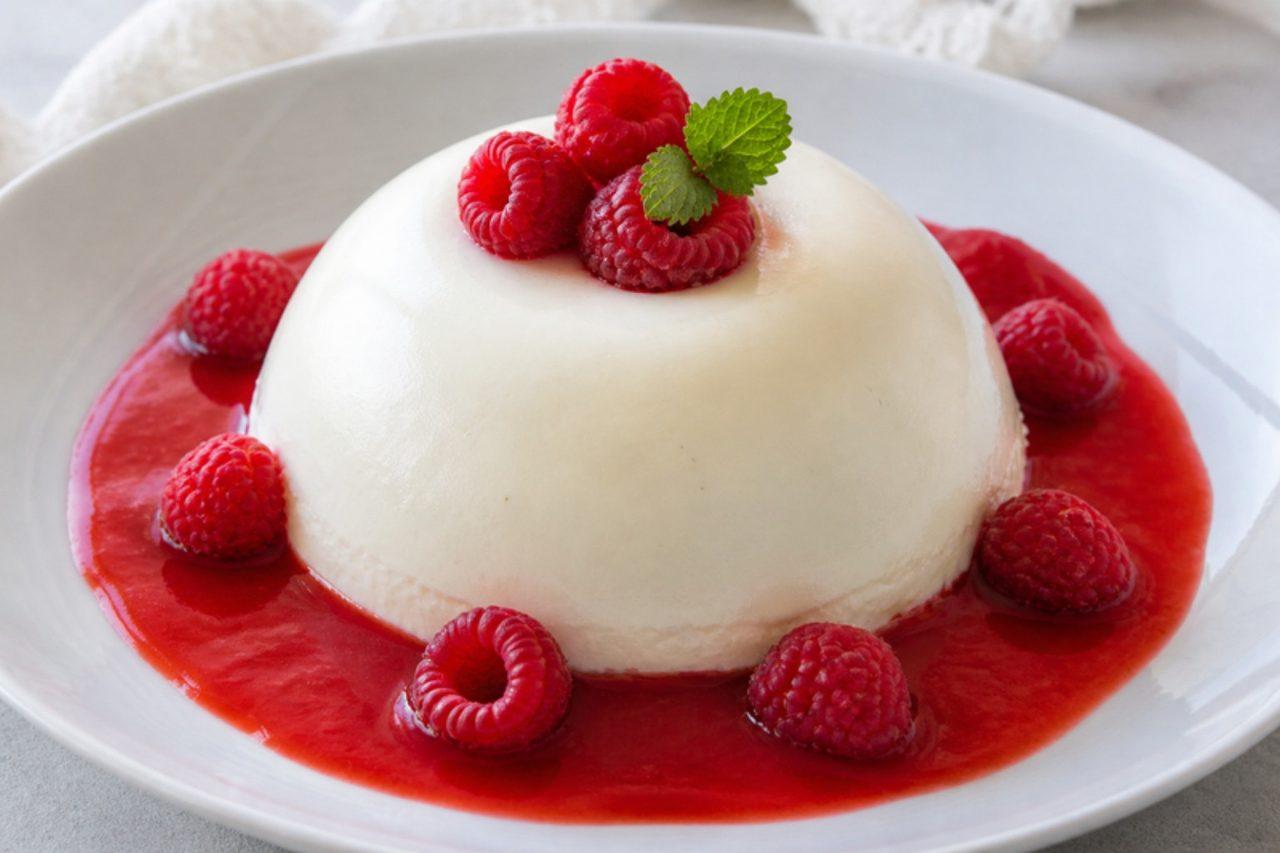
Bayerische CremeVanilla cream with raspberry sauce

Bayerische Creme is the light, wobbling vanilla cream that Munich coffee houses and Bavarian wedding buffets have served for generations: a cooked egg custard folded with whipped cream and set in moulds, then turned out onto a pool of berry sauce. It is traditionally set with gelatine, which is made from animal bones and skin; this version uses agar so it stays vegetarian. A common mistake with agar is adding it to a cool custard: it only sets after it has boiled, so it is simmered in milk first and then whisked into the warm custard. Chef's tip: fold in the cream when the custard has cooled to just warm and is starting to thicken, so the cream stays airy and doesn't melt into it.

by KrazyBadal 0 views

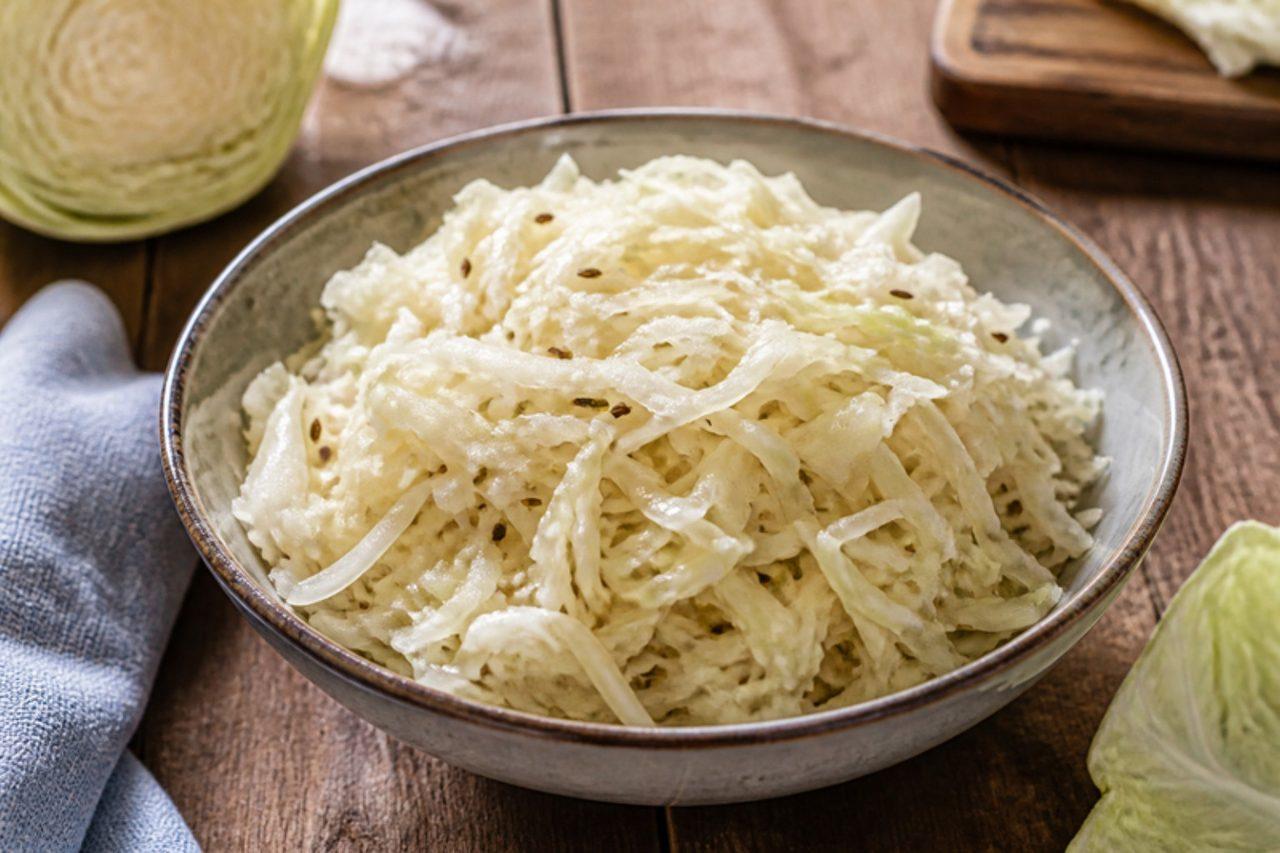
Bayerischer KrautsalatWarm-dressed cabbage salad

Every Bavarian inn serves this pale, glossy cabbage salad beside roast pork and dumplings, and it is just as good on its own at a summer barbecue. The white cabbage is shaved very finely, salted and kneaded, then dressed with hot vinegar, oil and caraway so it softens while keeping a crunch. Many cooks finish it with crisp bacon bits; this version leaves them out and is vegan. The common mistake is dressing it cold and serving it at once: it needs the warm dressing and at least half an hour to turn silky. Chef's tip: shave the cabbage as thin as paper; thick shreds never soak up the dressing properly.

by KrazyBadal 0 views

Fouace aveyronnaiseOrange blossom brioche crown

Every village fête in the Aveyron, the old province of Rouergue, has a baker selling fouace: a big golden brioche ring scented with orange flower water and topped with crunchy sugar, carried home in a paper bag to be torn up at breakfast or after Sunday lunch. Laguiole and Rodez bakeries are famous for it, and families bake one for Easter, weddings and christenings. It is softer and less buttery than a Paris brioche, with a light, cottony crumb. Chef's tip: let the shaped crown rise until it is puffy and a fingertip leaves a dent that springs back slowly; underproved fouace tears in the oven.

240 minFrenchBaking
by KrazyBadal 0 views

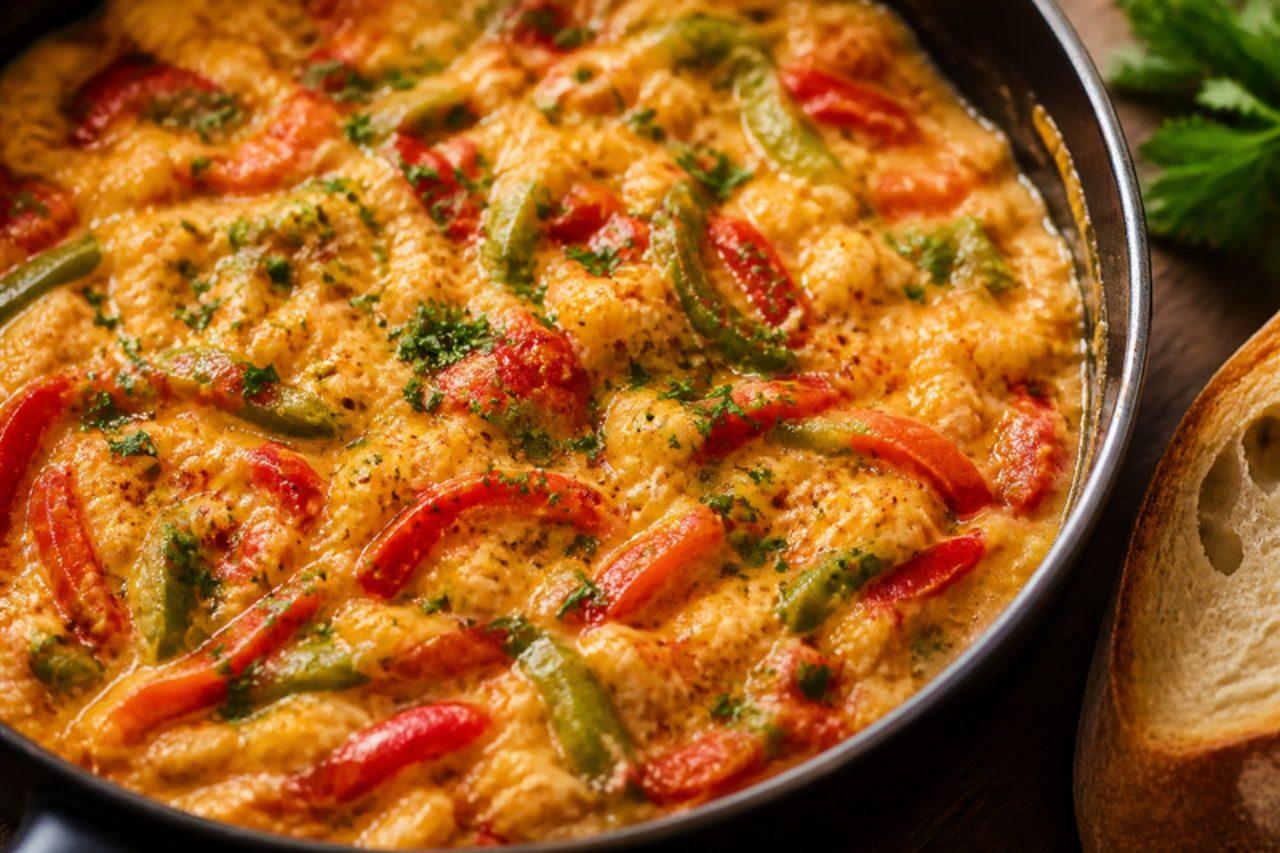
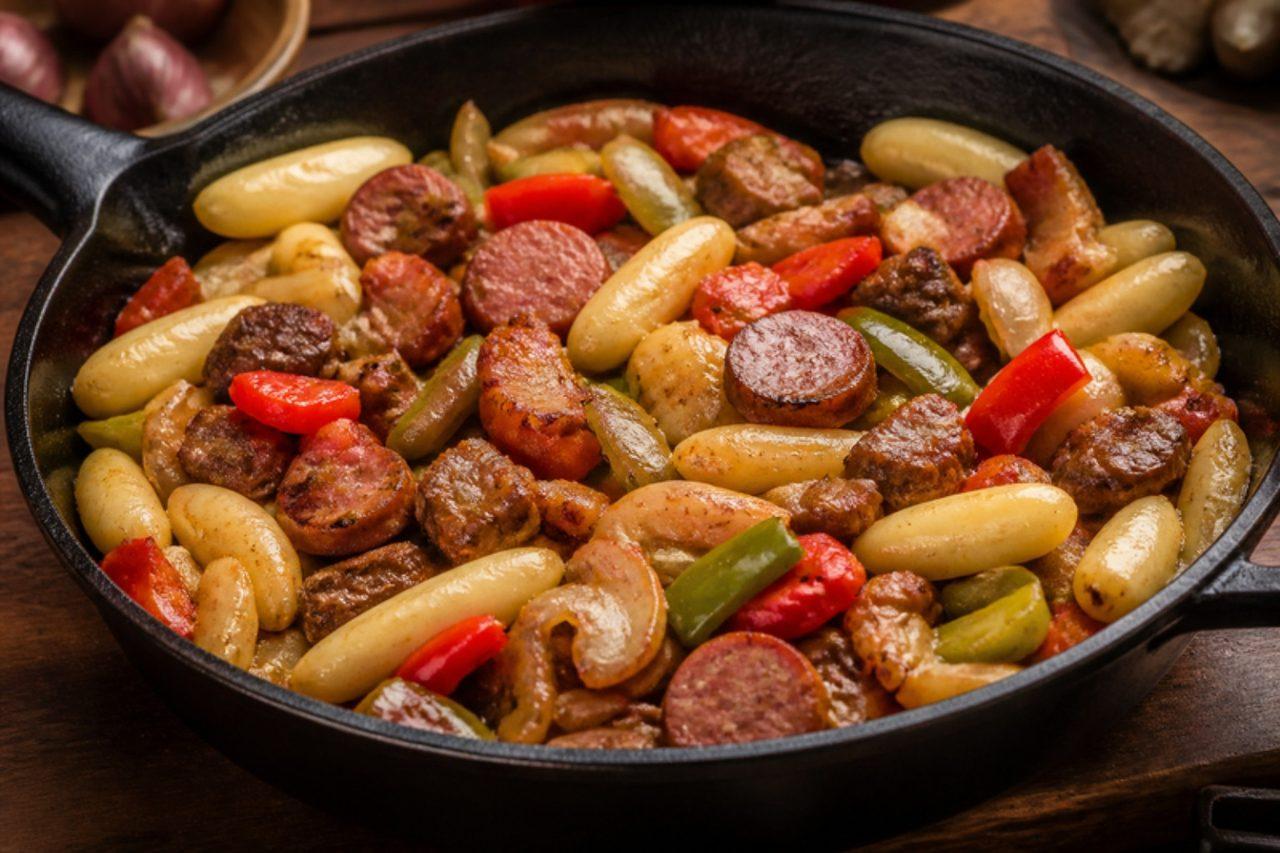
PiperadePepper and tomato stew

Red, white and green, the colours of the Basque flag, sit in one pan in piperade, the summer dish of Bayonne, Espelette and the villages of the French Basque Country. Green peppers, onions and ripe tomatoes are stewed in olive oil until soft and sweet, then warmed with the region's mild, fruity Espelette pepper. Basque families eat it at lunch with crusty bread, spooned beside rice, or with eggs softly scrambled into it; restaurants often add a slice of Bayonne ham, which this version leaves out. Chef's tip: cook it slowly and let the liquid reduce; a good piperade is jammy, not watery.

by KrazyBadal 0 views

BazlamaPuffy griddle flatbread

Drive through the villages around Konya or Sivas and you'll see bazlama cooking on a domed sac over a fire: thick rounds of yeasted dough that puff up like pillows and come off freckled brown. A heavy frying pan does the job at home. Warm bazlama is torn and dunked into soups, spread with butter and honey for breakfast, or folded round grilled köfte. Common mistake: rolling the dough too thin; it should be about 1 cm, or it turns into a cracker. Chef's tip: a spoon of yoghurt in the dough keeps the bread soft for a day, and covering the cooked rounds with a cloth traps steam so they stay tender.

by KrazyBadal 0 views

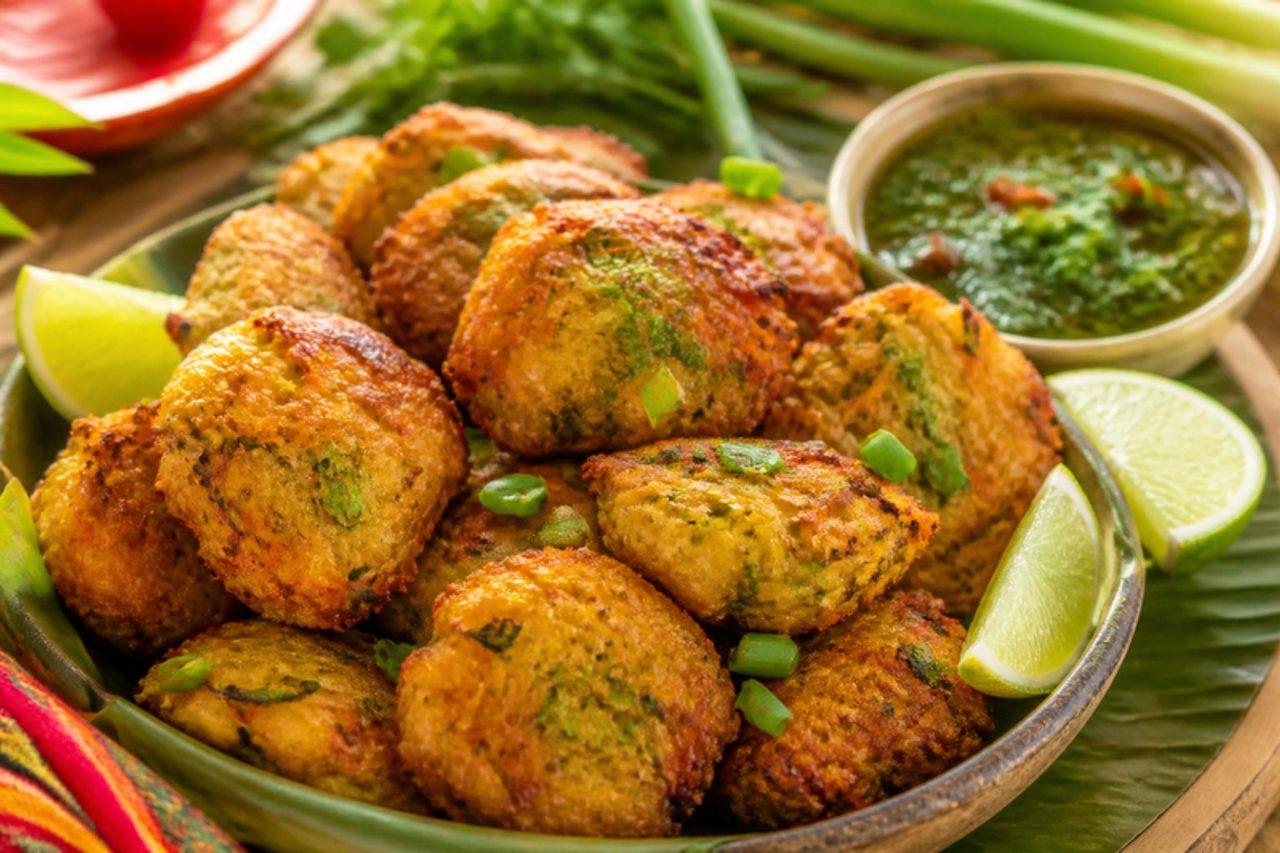
Accras de légumesVegetable fritters

Accras are the first thing on the table at a Sunday lunch, a christening or a Christmas réveillon in Martinique and Guadeloupe, and they are sold by the paper bag from roadside stalls and beach shacks. The best-known version is made with salt cod; this is the vegetable one, with grated carrot and courgette, spring onion, garlic, parsley and a little Scotch bonnet in a light batter. They puff up in the oil and should be crisp outside and soft inside. Serve them hot with sauce chien and lime. Chef's tip: rest the batter for half an hour; it thickens and the fritters puff up much better.

by KrazyBadal 0 views

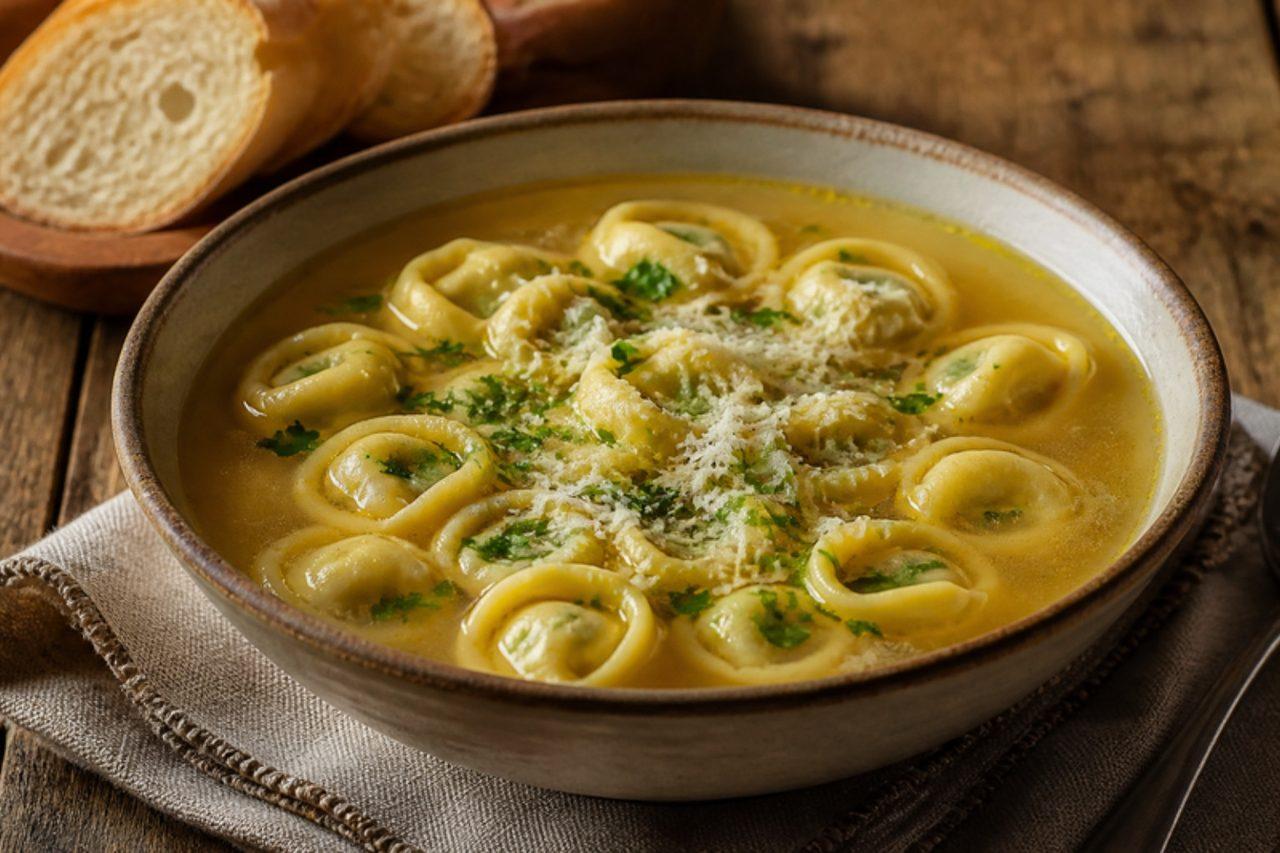
Sopa de capelettiMeat pasta in chicken broth

Winter nights in Bento Gonçalves, Caxias do Sul and the wine valleys of the Serra Gaúcha call for sopa de capeletti, the Italian immigrants' soup that is still served at the start of every big Sunday lunch at galeterias and family tables. Small hats of fresh egg pasta, filled with chicken, Parmesan and nutmeg, are cooked in a clear, golden, deeply savoury chicken broth and finished with more grated cheese. It is light but nourishing, and the broth should taste concentrated enough to stand on its own. The trap people fall into is boiling the broth hard, which turns it cloudy and greasy; keep it at a lazy simmer. You can freeze the shaped capeletti on a floured tray and cook them from frozen. Chef's tip: roll the dough until you can just see the shadow of your hand through it; thick capeletti turn stodgy in the soup.

by KrazyBadal 0 views

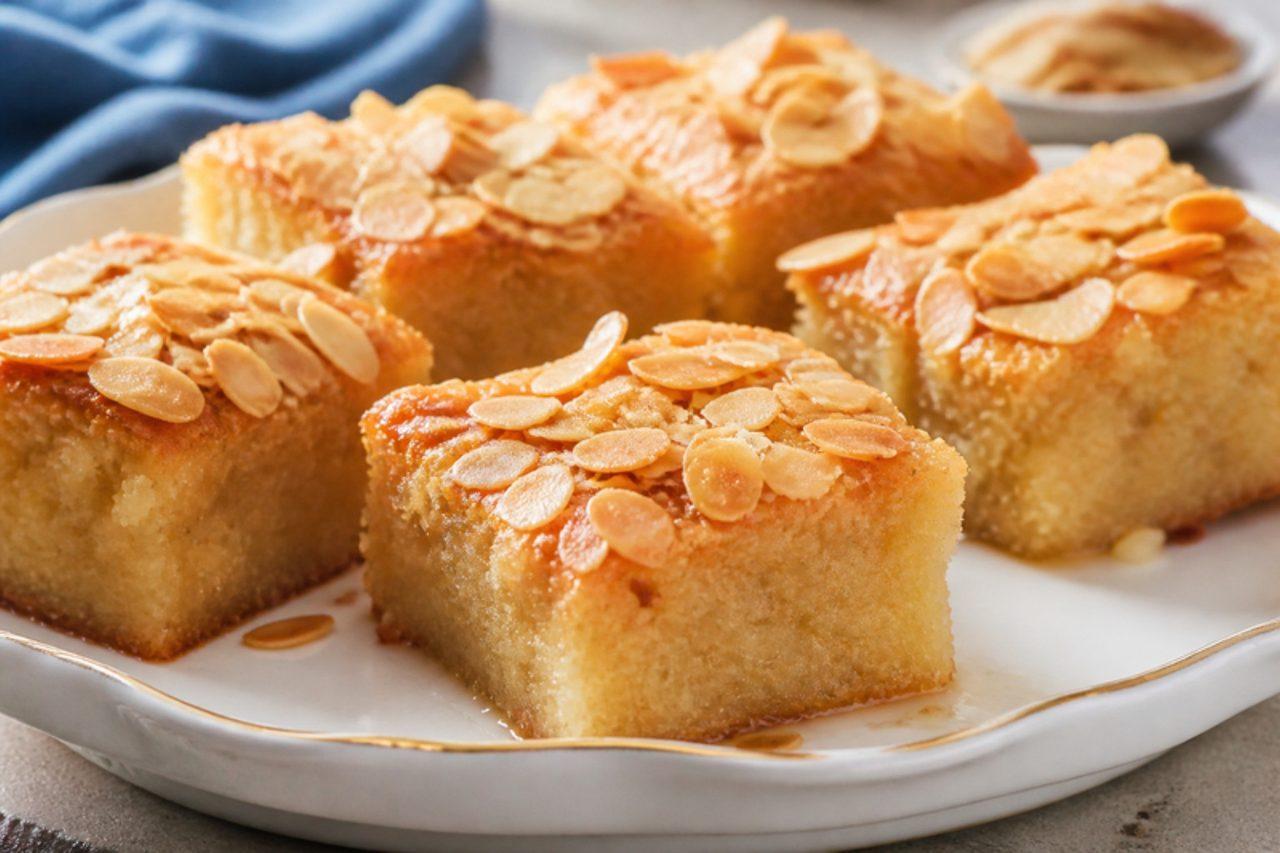
AmygdalopitaAlmond syrup cake

Kefalonia is almond country, and amygdalopita is what islanders bake for the feast of Agios Gerasimos in August and for guests all year round: a moist, flourless-leaning cake of ground almonds, eggs and breadcrumbs, soaked in light lemon syrup until it's dense and fragrant. Serve a small square with coffee or a spoon of thick yoghurt. Common mistake: grinding the almonds too long, so they turn oily and the cake heavy — pulse them until just sandy. Chef's tip: toast half the almonds before grinding for a deeper, nuttier flavour.

by KrazyBadal 0 views

Bedfordshire clangerMeat and jam suet roll

The Bedfordshire clanger is a long suet-crust roll that held a whole working lunch for farm labourers and the lace and straw-hat workers of Bedfordshire: savoury pork and potato at one end and sweet jam or apple at the other, marked by slashes so you knew which end to start with. Bakeries in Luton and Bedford still sell them. Chef's tip: build a pastry wall between the two fillings so the jam doesn't run into the meat.

by KrazyBadal 0 views

AmygdalotaAlmond sweets

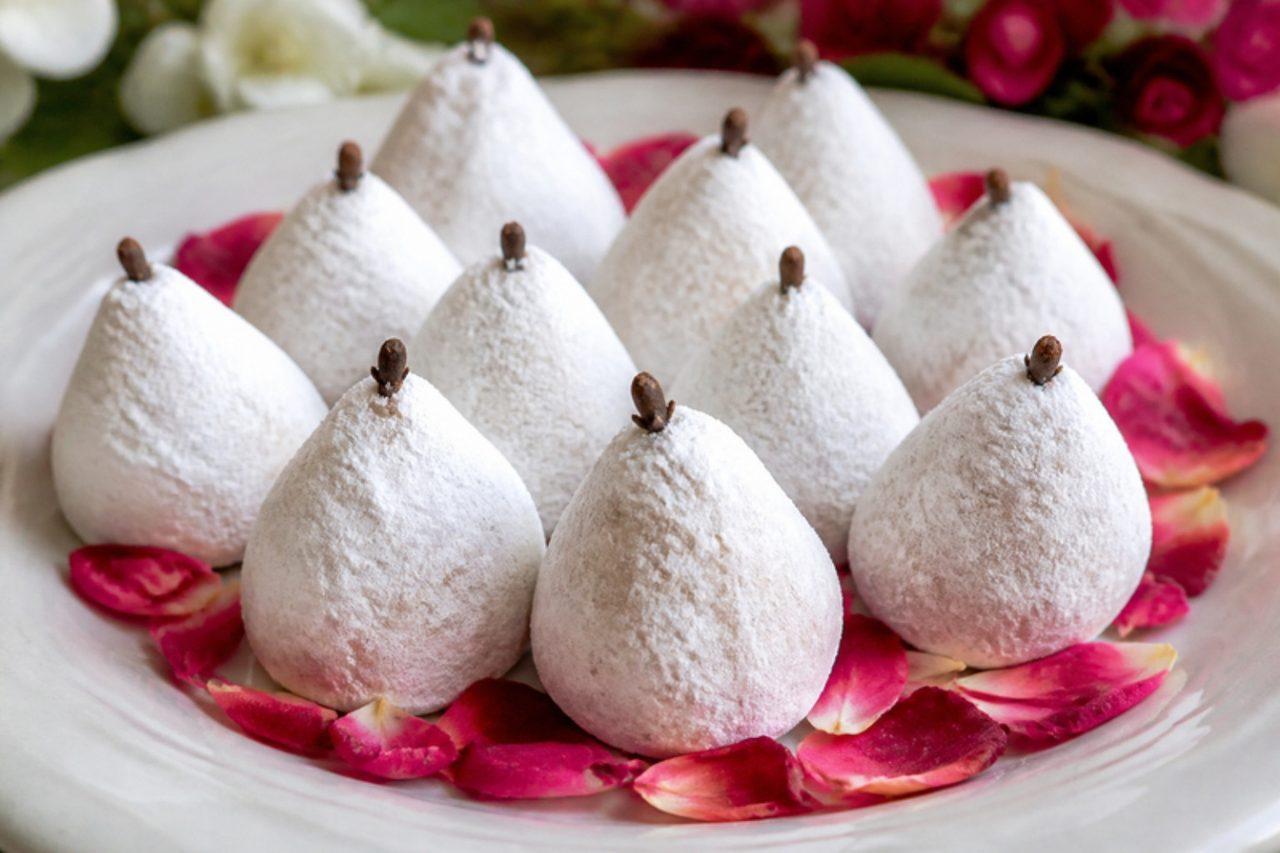
Andros is famous for its almonds, and the island's amygdalota are handed round at weddings, baptisms and Easter: little pear-shaped sweets of ground almond and sugar, baked just long enough to set, then splashed with rosewater and buried in icing sugar. They are soft and chewy inside, perfumed and pure white, and they go with a small cup of Greek coffee. Common mistake: baking them until golden, which turns them dry and hard; they should stay pale. Chef's tip: grind the almonds with some of the sugar so they release less oil and the paste stays light.

by KrazyBadal 0 views

Sopa de caçãoDogfish soup with bread

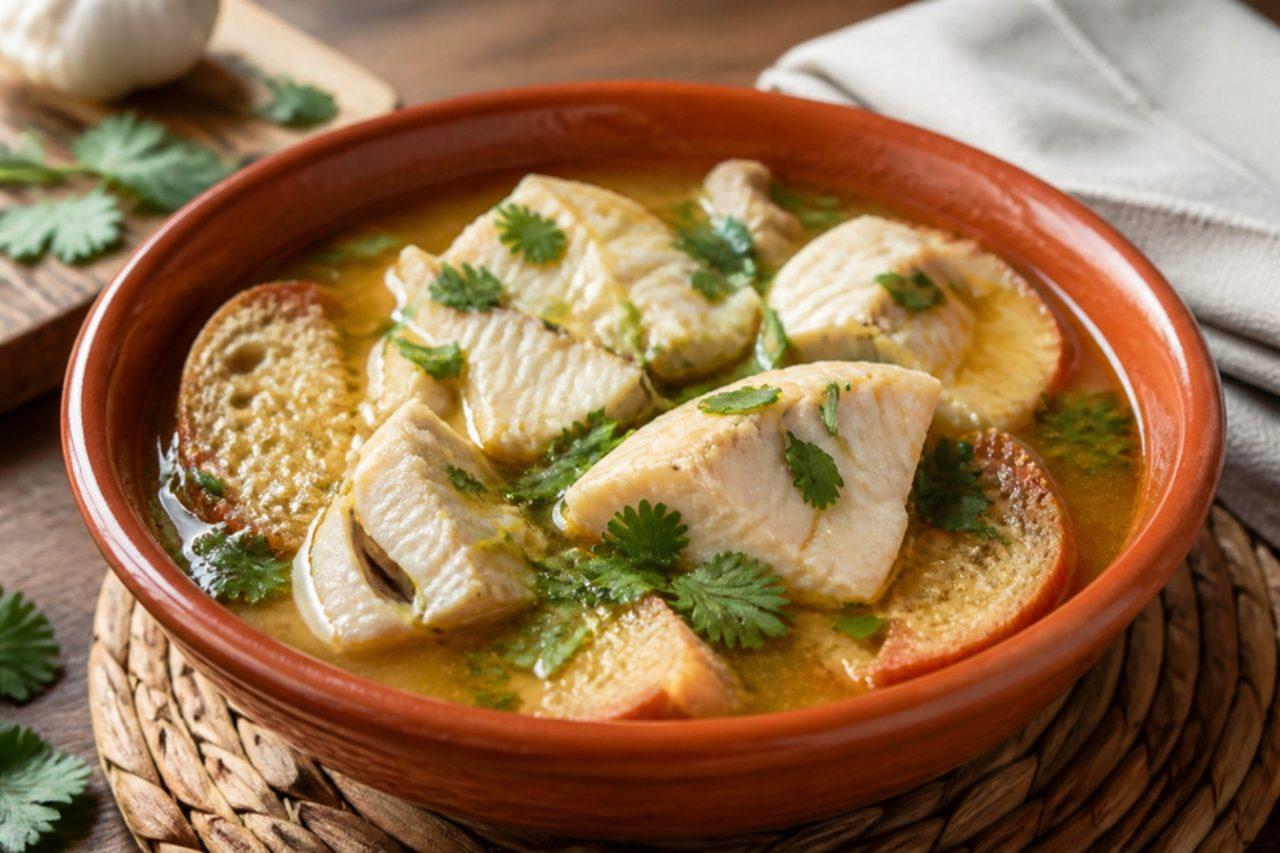
Far from the sea, the Alentejo still has a fish soup it calls its own: firm dogfish simmered in a broth heavy with garlic and fresh coriander, thickened slightly with flour and sharpened with vinegar, then poured over bread. Families make it on Fridays and in Lent, and some village restaurants serve it every week. Dogfish and other small sharks are overfished in many waters; buy it only from a certified source, or use monkfish, a firm and sustainable white fish. A common mistake is boiling the fish hard, which makes it stringy; let it poach gently. Chef's tip: add the vinegar only at the very end, off the heat, so its sharpness stays fresh.

by KrazyBadal 0 views

SchweinebratenRoast pork with crackling

Schweinebraten is the Sunday roast of Bavaria, the dish a Munich family sits down to after church and the one every village inn chalks up on its board. This is pork shoulder with its rind still on, roasted on a bed of onion, carrot and celeriac while the rind blisters into crackling, and the gravy is built from the roasting juices and a bottle of dark beer. The beer contains alcohol; most cooks off but not all, so use alcohol-free dark beer, or the same amount of beef stock with 1 tsp dark molasses, for a gravy without it. Serve with bread or potato dumplings and warm cabbage salad. Chef's tip: score the rind through to the fat but not into the meat, or juices leak up and the crackling turns leathery.

190 minGermanMeat
by KrazyBadal 0 views

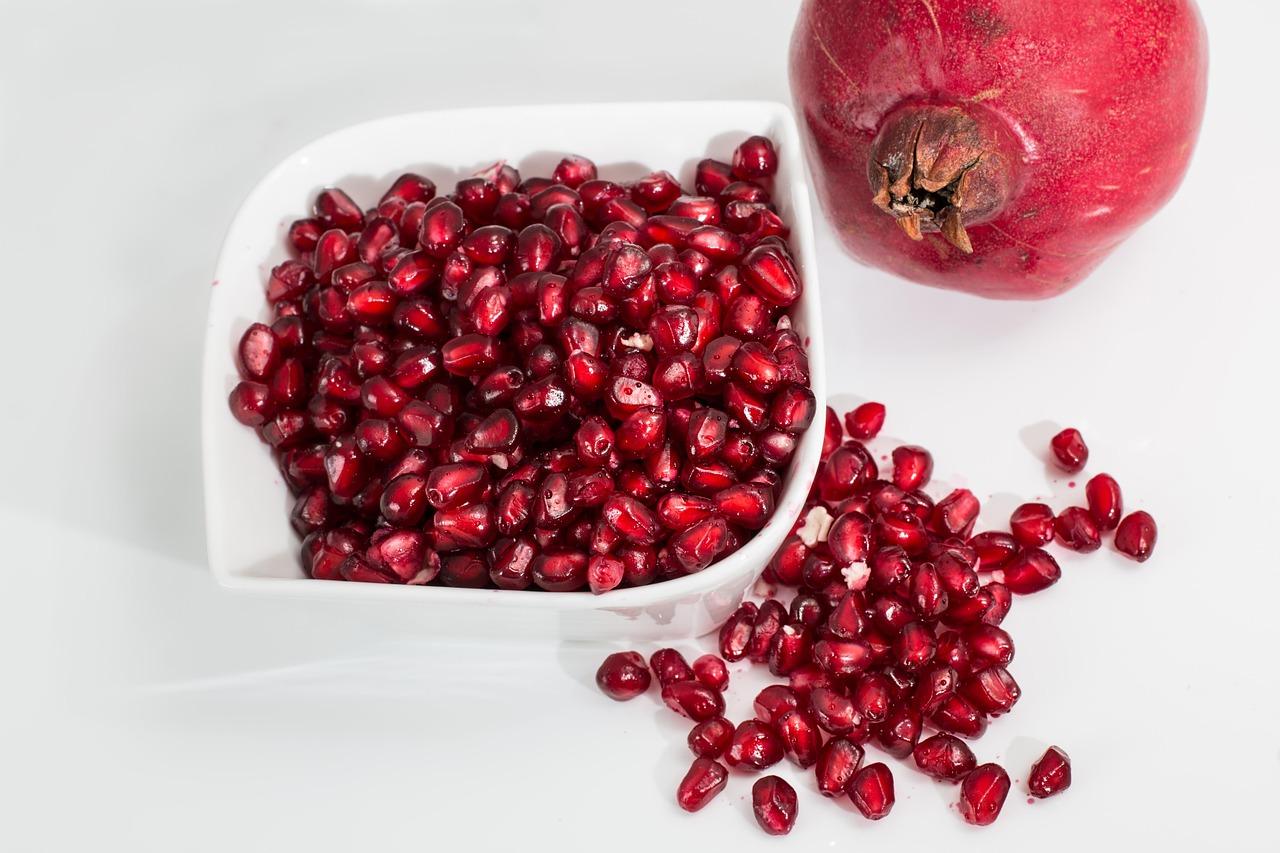
Anar ba golparPomegranate seeds with golpar

On Yalda night, the longest night of the year in late December, a bowl of jewel-red pomegranate seeds sits at the centre of the korsi in homes from Tehran to Shiraz, symbolising the dawn and the return of light. Many families sprinkle the seeds with golpar (ground Persian hogweed) and a little salt, which makes the sweet-sour fruit taste brighter and more savoury, almost like a salad. A common mistake is bashing the fruit too hard to free the seeds, which bursts them and leaves a puddle of juice. Chef's tip: seed the pomegranates under a bowl of water; the seeds sink, the white pith floats and the juice doesn't stain the kitchen.

by KrazyBadal 0 views

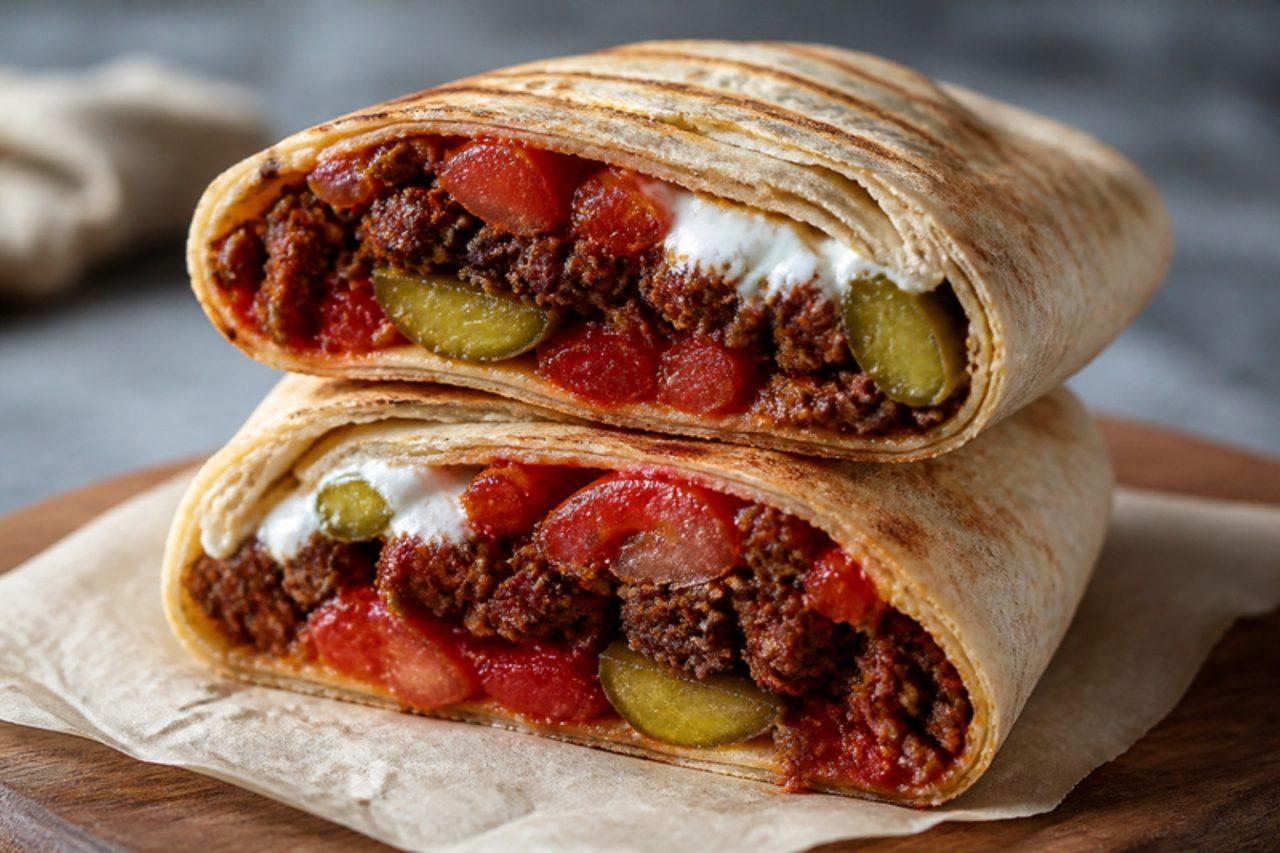
SujukSpicy sausage and tomato wrap

Late-night sandwich counters in Bourj Hammoud, Beirut's Armenian quarter, fry sujuk on a flat-top until it crackles, toss in tomatoes and wrap the lot in thin bread with toum and pickles. Ready-made sujuk is usually dried and cured; this home version is a fresh, uncured beef sausage mix seasoned with garlic, cumin, sumac and Aleppo pepper and shaped into skinless fingers, so it cooks quickly and safely. It is just as good at breakfast with fried eggs. The common mistake is frying on a high heat from the start, which burns the spices before the meat cooks through. Chef's tip: chill the shaped sausages for 30 minutes first; they hold together and brown better.

by KrazyBadal 0 views

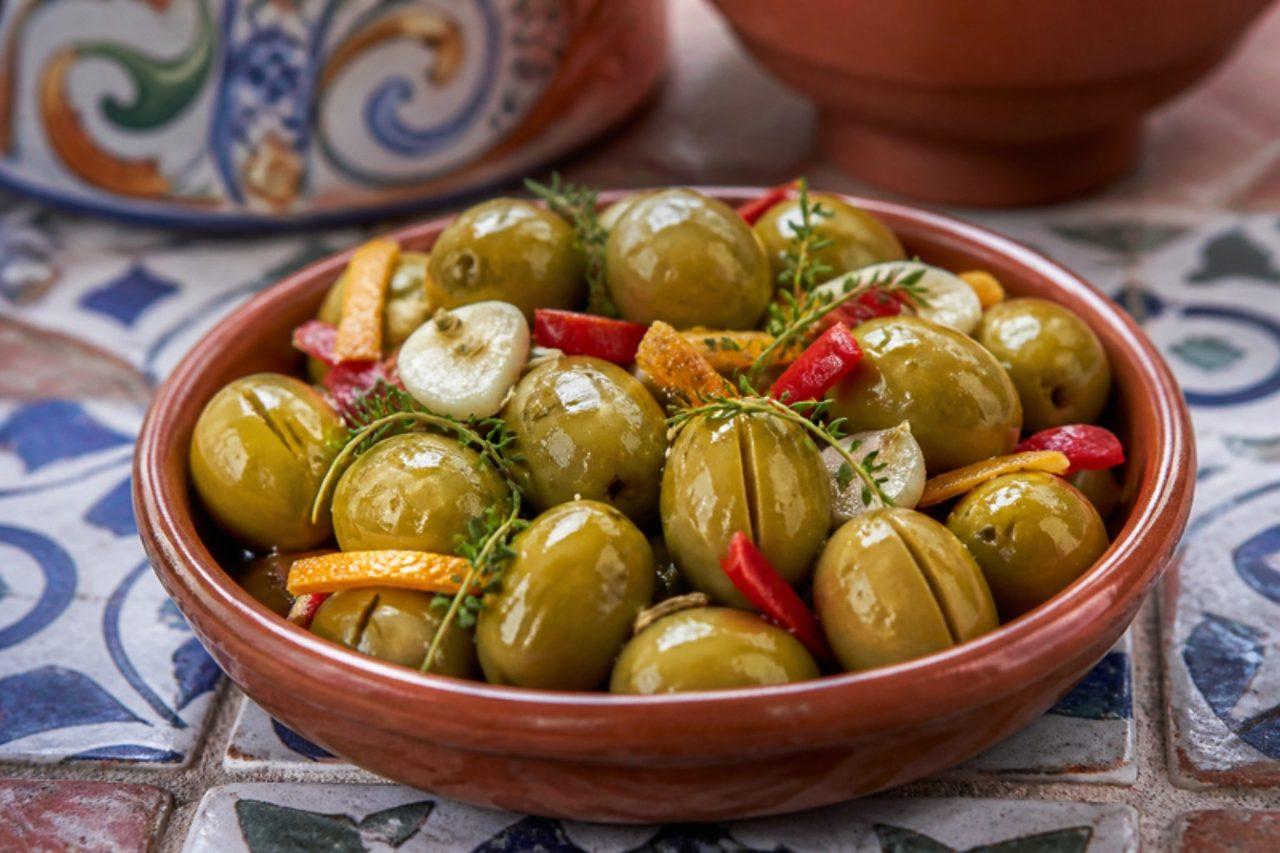
Aceitunas aliñadasGreen olives with garlic and thyme

Before any tapa reaches the bar in Seville, a little dish of aliñadas usually does: cracked green manzanilla or gordal olives steeped in brine with garlic, wild thyme, fennel and a strip of orange peel. Markets like Triana sell them by the scoop, but they are simple to dress at home from plain olives in brine. Give them two days; the herbs need time to get into the flesh. A common mistake is serving them after a day; they need at least two days in the brine for the garlic and herbs to reach the stone. Chef's tip: crack each olive with the flat of a knife until it just splits; a crushed olive goes soft and cloudy in the jar.

by KrazyBadal 0 views

Schwäbische SeelenSpelt caraway rolls

Seelen, meaning 'souls', are the long, pale spelt rolls of Upper Swabia, around Biberach and Ravensburg, said to have first been baked for All Souls' Day. Today they are an everyday bakery item, eaten split with butter or alongside a bowl of soup, and they turn up at every Swabian beer garden. The dough is very wet, so the rolls are pulled into shape rather than rolled, giving an open, chewy crumb under a thin crust crusted with salt and caraway. A common mistake is adding extra flour to make the dough easier to handle, which turns them into ordinary bread rolls. Chef's tip: keep a bowl of cold water beside you and wet your hands before every piece; the dough won't stick and you can stretch each soul straight onto the tray.

by KrazyBadal 0 views

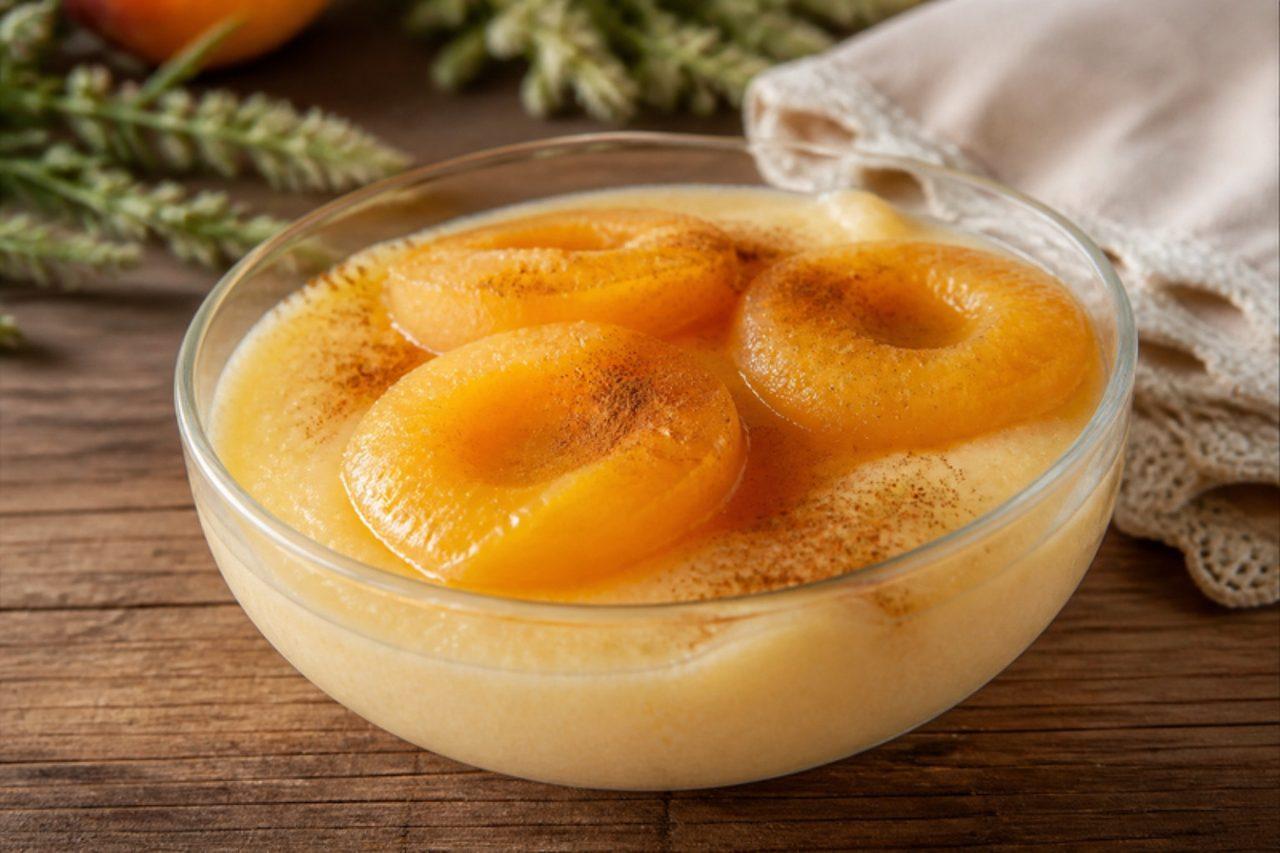
AnchiCorn semolina pudding with peaches

Sold in plastic cups from coolers at Salta's Mercado San Miguel and on village plazas at the end of a hot afternoon, anchi is a thin, sweet pudding of fine maize semolina cooked with water, sugar and plenty of lemon. It sets only softly, so it is half eaten and half drunk, cold and refreshing, often with slices of poached peach or a few rehydrated orejones (dried peaches) on top, and sometimes a dusting of cinnamon. There's no milk or egg in it, which is what keeps it light. Too much semolina is the easy error: anchi should pour slowly from the spoon when cold, not slice like polenta, so stick to the ratio and remember it thickens as it cools. Fine maize semolina is the Salta choice; fine wheat semolina works too. Chef's tip: add the lemon juice off the heat at the end; boiled lemon loses its fresh sharpness.

by KrazyBadal 0 views

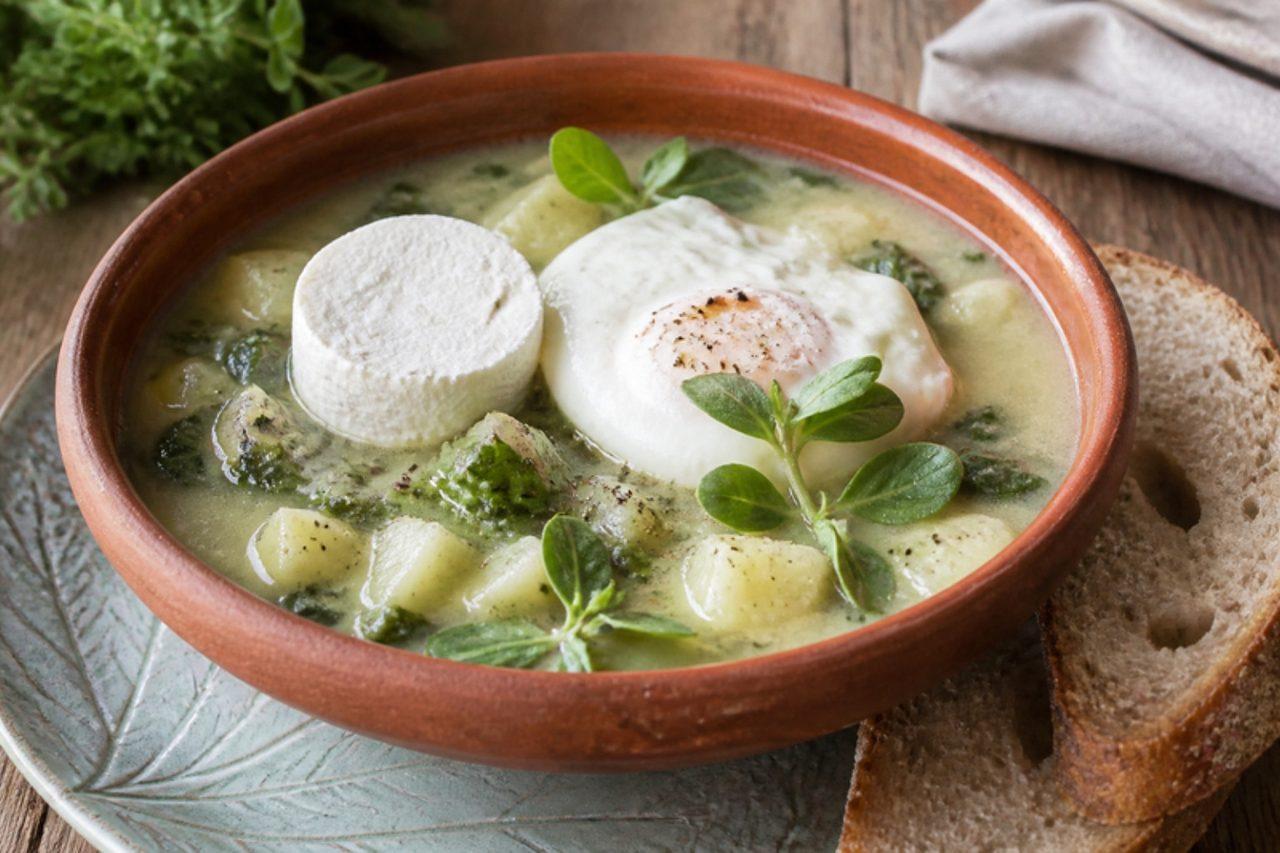
Sopa de beldroegasPurslane and potato soup

Purslane grows wild between the rows of Alentejo vegetable gardens in summer, and country cooks pick it for this lemony, slightly peppery soup: potatoes and purslane simmered with garlic and olive oil, then finished with eggs poached in the broth and slices of fresh goat's cheese that soften in the heat. It is served over bread, as so many Alentejo soups are. The fresh cheese is usually made with animal rennet; choose a soft goat's cheese or ricotta made with vegetarian rennet if you need to. If you can't find purslane, watercress or spinach make a fair stand-in. Chef's tip: add the cheese only in the last minute, so it warms and softens but doesn't melt away.

by KrazyBadal 0 views

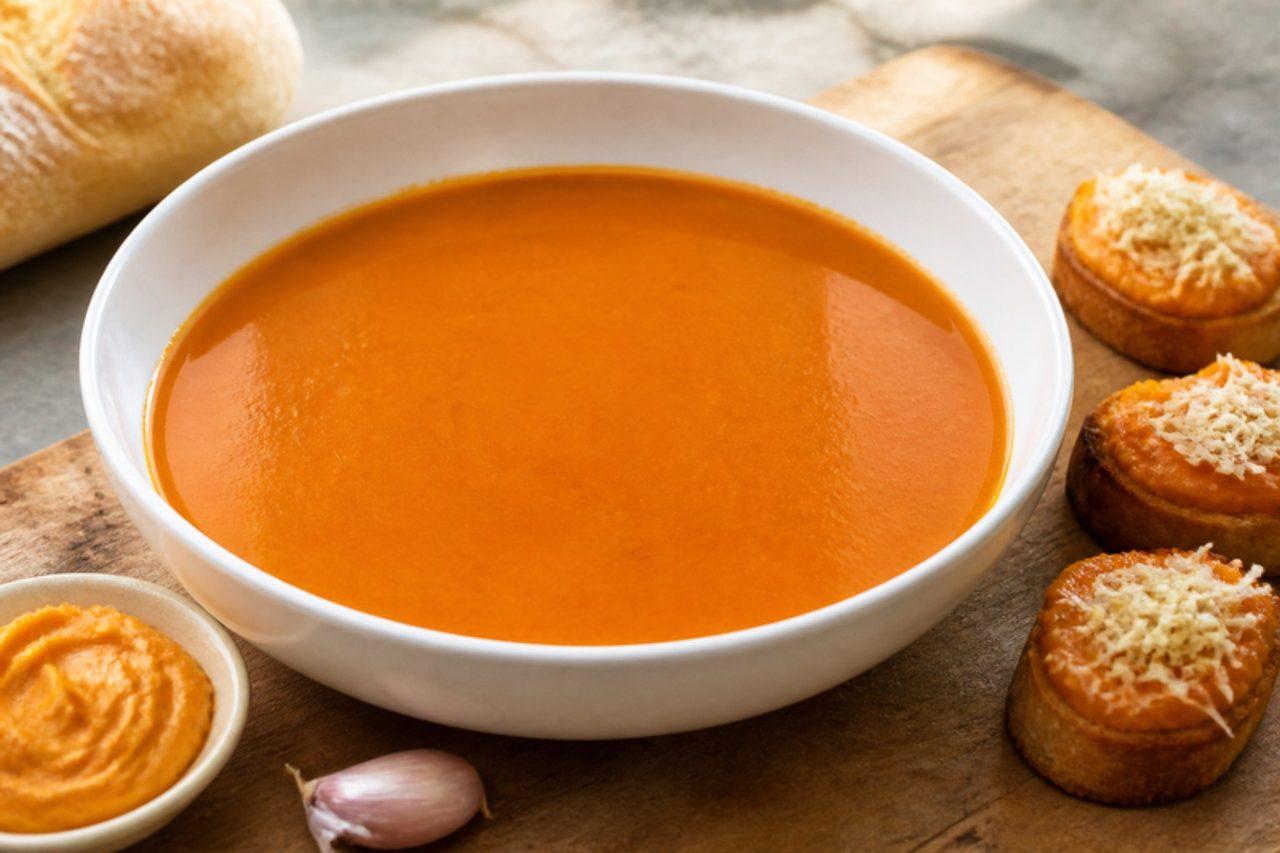
Soupe de poissons with rouilleFish soup with rouille

Not to be confused with bouillabaisse, where whole pieces of fish are served, soupe de poissons is the smooth, rust-coloured soup made all along the coast from Marseille to Sète from small rockfish too bony to eat any other way. The fish are fried with fennel, tomato, garlic and saffron, simmered and then pressed through a food mill, giving a velvety soup tasting deeply of the sea. In harbourside restaurants it arrives with a tray of toasted croutons, a pot of fiery garlic rouille and grated cheese, and everyone builds their own bowl. This rouille is thickened with potato and bread, with no raw egg. Chef's tip: press the cooked fish hard through the mill or sieve; the flavour is in the pulp, not just the liquid.

100 minFrenchSoups
by KrazyBadal 0 views

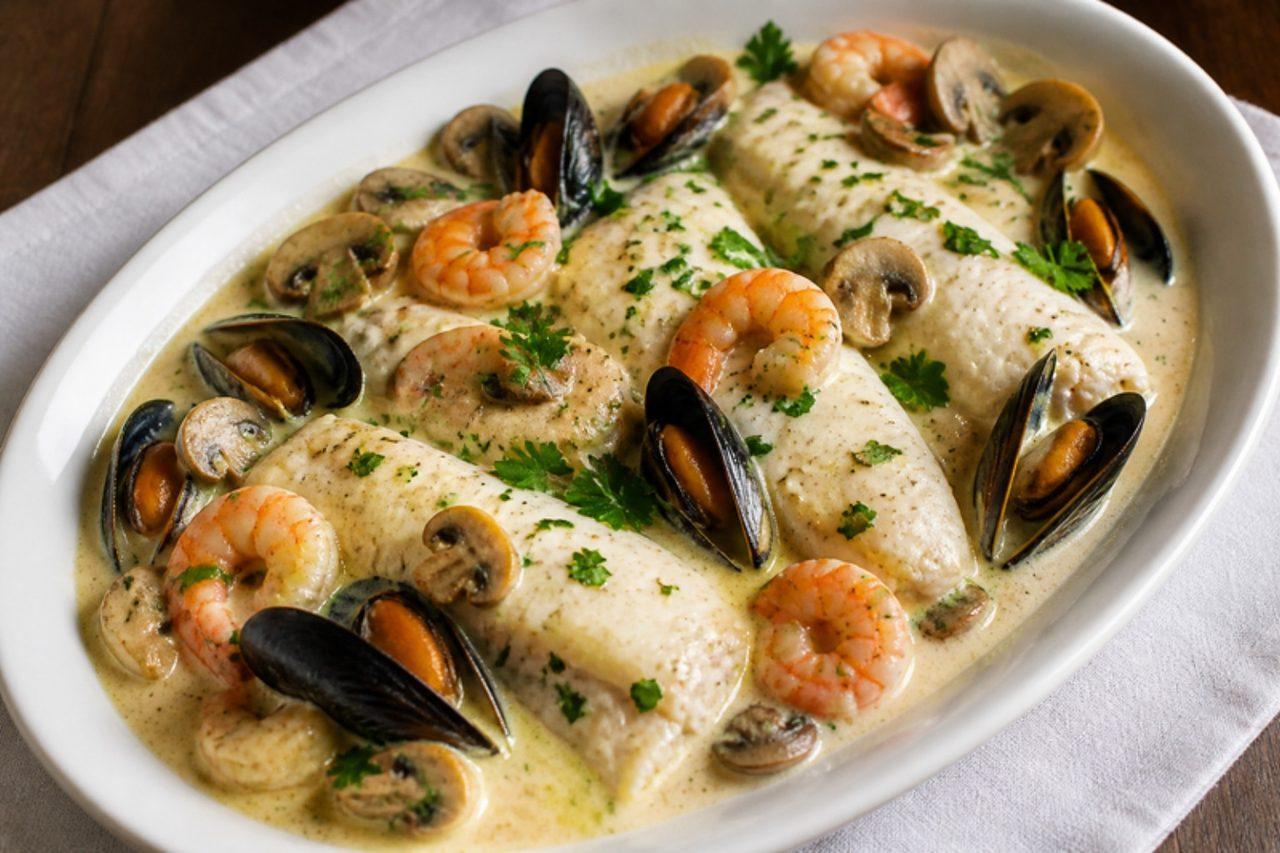
Sole normandeSole with mussels in cider cream

Sole normande was born in the fish restaurants of the Normandy coast, from Dieppe to Honfleur, where the catch, the local cream and cider met on one plate; Paris chefs later made it a grand-restaurant classic. Folded sole fillets are gently poached in cider and fish stock, then served under a silky, ivory cream sauce made from the poaching liquid and mussel juices, with mussels, pink prawns and button mushrooms around them. It is delicate and rich, best with plain boiled potatoes or rice to soak up the sauce. It uses dry cider or white wine; the notes give an alcohol-free option. Chef's tip: plaice or lemon sole fillets work perfectly well and cost far less than Dover sole.

55 minFrenchFishGluten free
by KrazyBadal 0 views

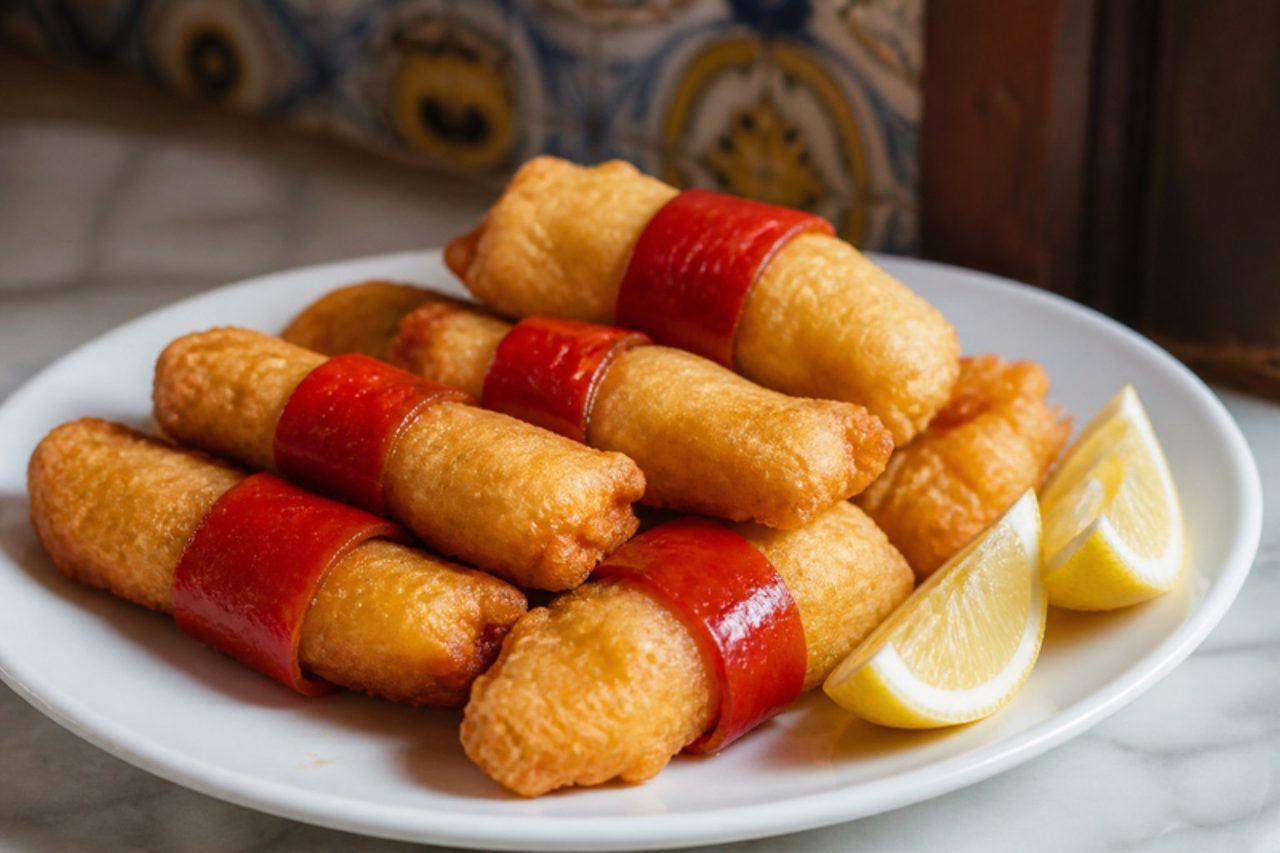
Soldaditos de PavíaBattered salt cod fingers

Madrid's old taverns near Puerta del Sol have fried these golden fingers of salt cod for well over a century, and they are still eaten standing at the bar with a small glass of something cold. Legend says the orange-red strip of pepper recalls the uniforms of soldiers in a Pavía regiment. The cod is soaked for two days to remove the salt, then fried until hot through, so it is fully cooked. Chef's tip: use cold sparkling water in the batter for a lighter, crunchier coat.

by KrazyBadal 0 views

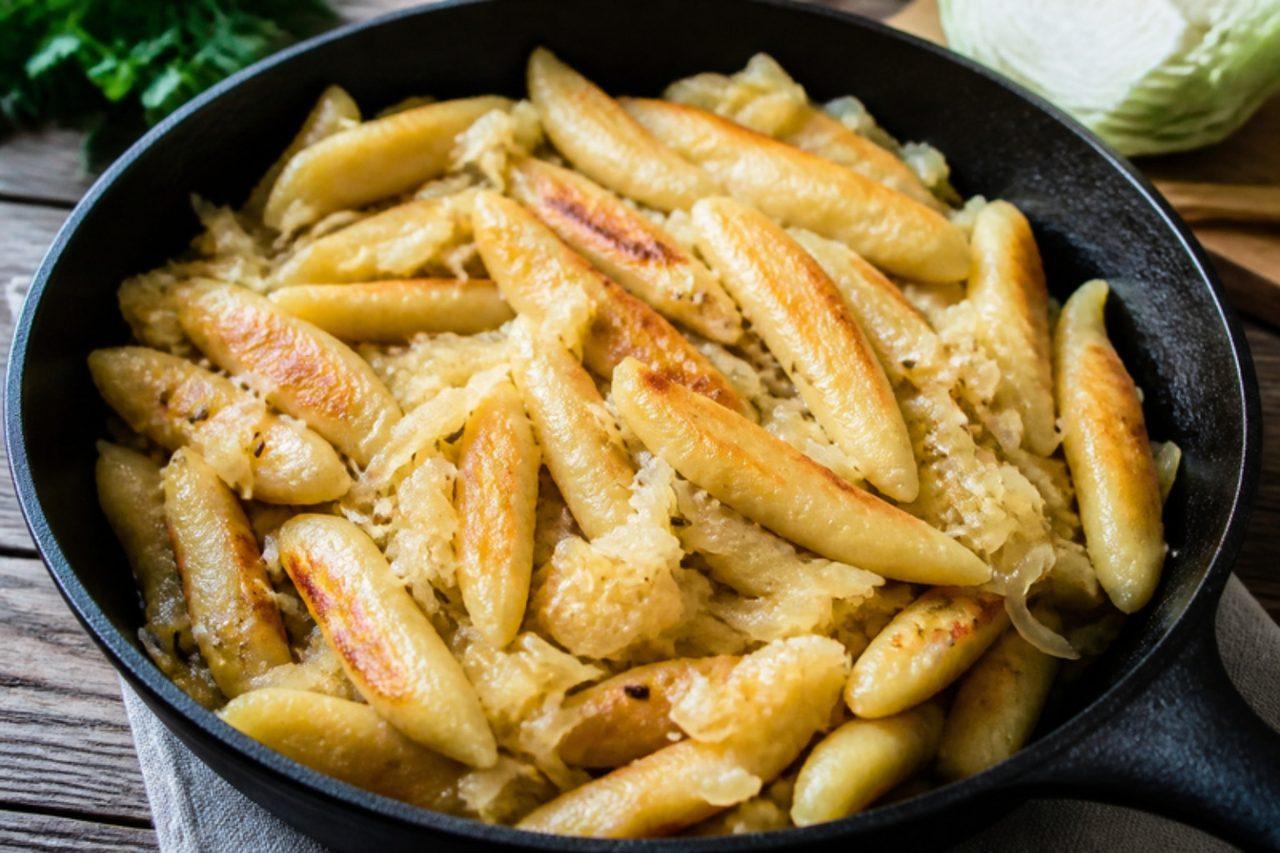
SchupfnudelnPotato noodles with sauerkraut

Schupfnudeln are thick little potato noodles, rolled between the palms into pointed fingers, that turn up at every Christmas market and village festival in Baden-Württemberg, fried in a huge pan with sauerkraut. At home they are a winter supper on their own or a side for roasts. The dough is the same family as gnocchi, but the noodles are boiled first and then fried until browned on the outside. A common mistake is using freshly boiled hot potatoes and too much flour: they need to be cold and dry, so plan to cook them the day before. Chef's tip: rinse the sauerkraut only if it is very sharp; otherwise its tang is what balances the butter.

by KrazyBadal 0 views

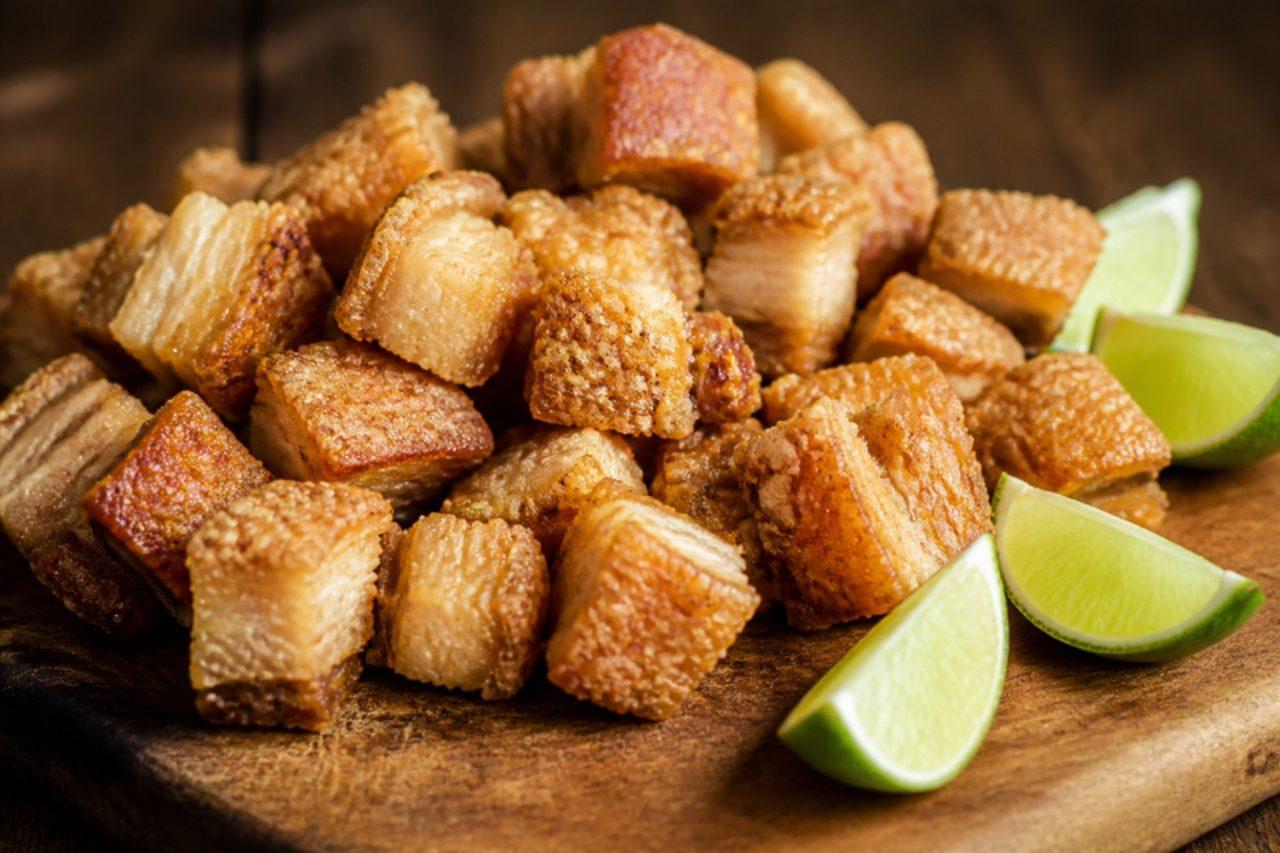
TorresmoPork crackling

Every boteco in Minas Gerais keeps a tray of torresmo by the counter: chunks of pork belly with the skin on, fried so slowly the fat melts out, then blasted in hot fat until the skin bursts into crackling bubbles. Done right, each piece has a shatteringly crisp, blistered top, a layer of soft fat and a strip of juicy meat. Mineiros eat it as a snack with lime and with feijão tropeiro, tutu or couve at lunch. The classic error is frying wet skin in very hot fat at once, which gives hard, glassy skin and dangerous spitting; dry it well and fry it twice. Use a deep, heavy pot, never fill it more than a third with fat, and keep children away from it. Chef's tip: after the first slow fry, let the pieces cool completely, even overnight in the fridge; the drier the skin, the bigger the puff.

by KrazyBadal 0 views

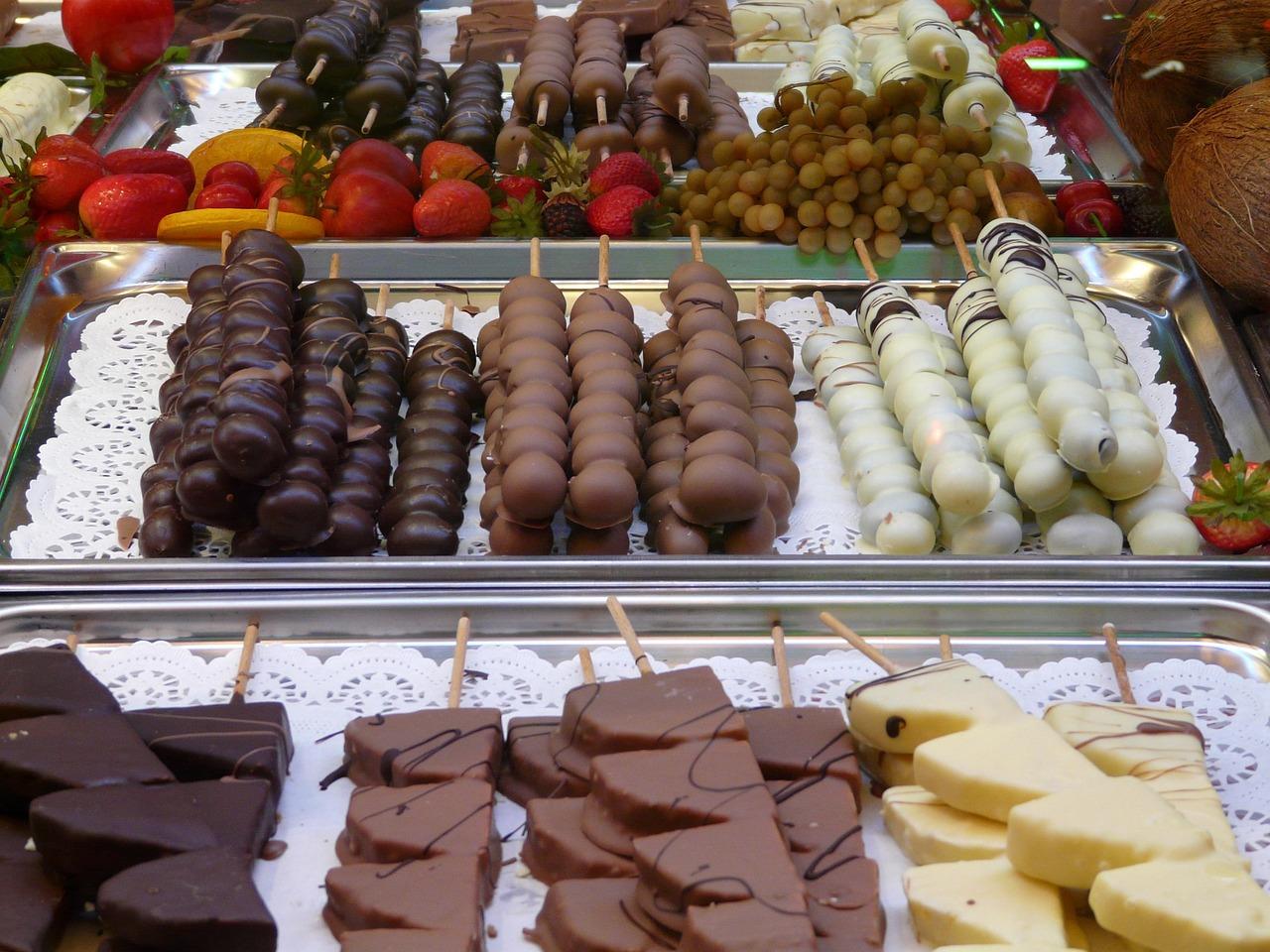
SchokofrüchteChocolate-dipped fruit skewers

Schokofrüchte stalls glow under strings of lights at almost every German Christmas market, from Stuttgart to Hamburg, with rows of strawberries, grapes and banana chunks on wooden skewers dipped in dark, milk and white chocolate. Children choose with their noses pressed to the glass, and at home they are a fun job for small hands. The usual mistake is dipping wet fruit: even a drop of water makes chocolate seize into a grainy lump and stops it sticking. Chef's tip: melt the chocolate gently and let it cool to just warm before dipping; it then clings in a neat, thin shell and sets glossy. Many chocolates contain milk, so check the label if you need it dairy free.

by KrazyBadal 0 views

SchmalzkuchenFried dough pillows with icing sugar

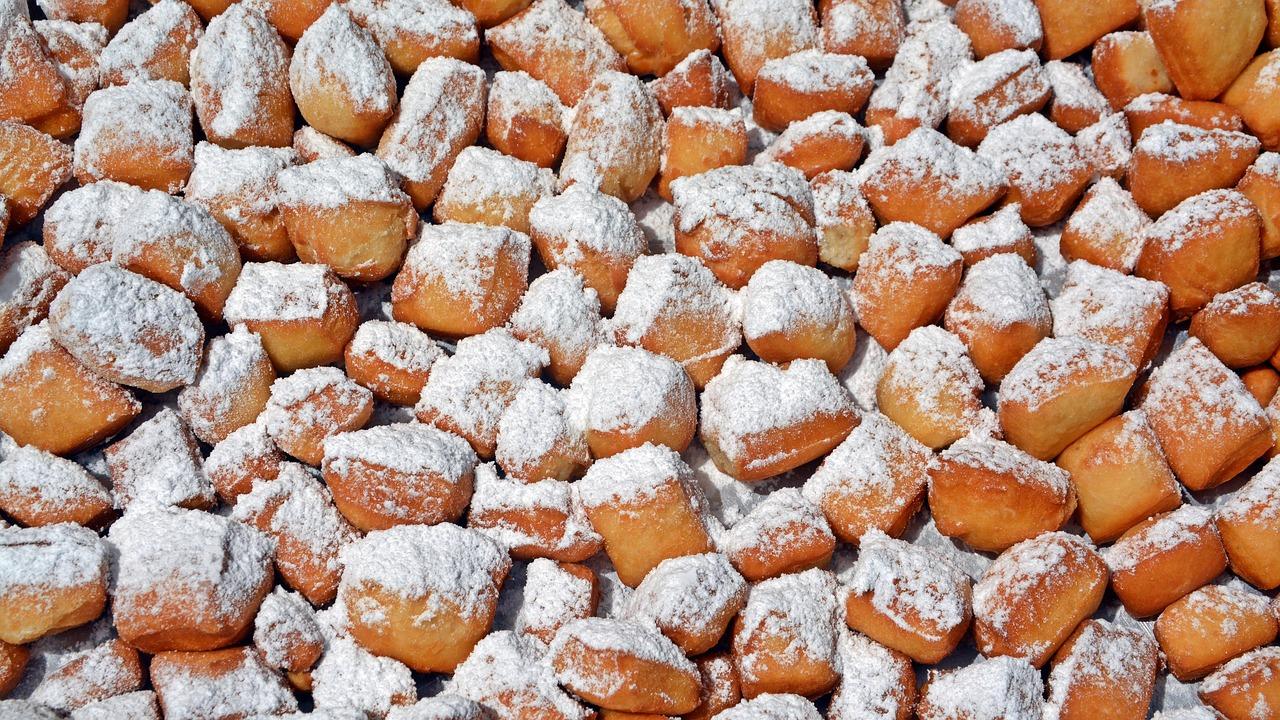
Schmalzkuchen are the paper bag of tiny golden diamonds sold at fairs and Christmas markets across northern and eastern Germany, from Hamburg's Dom fair to the markets of Berlin and Leipzig. Despite the name they are now fried in vegetable oil, so this version is vegetarian. The quick quark-and-baking-powder dough puffs up into soft, slightly crisp cushions that you shake in icing sugar while warm. A common mistake is frying at too low a heat: the dough soaks up oil and turns heavy instead of puffing. Chef's tip: cut the dough into small 3 cm diamonds; bigger pieces brown outside before the middle has cooked through.

by KrazyBadal 0 views

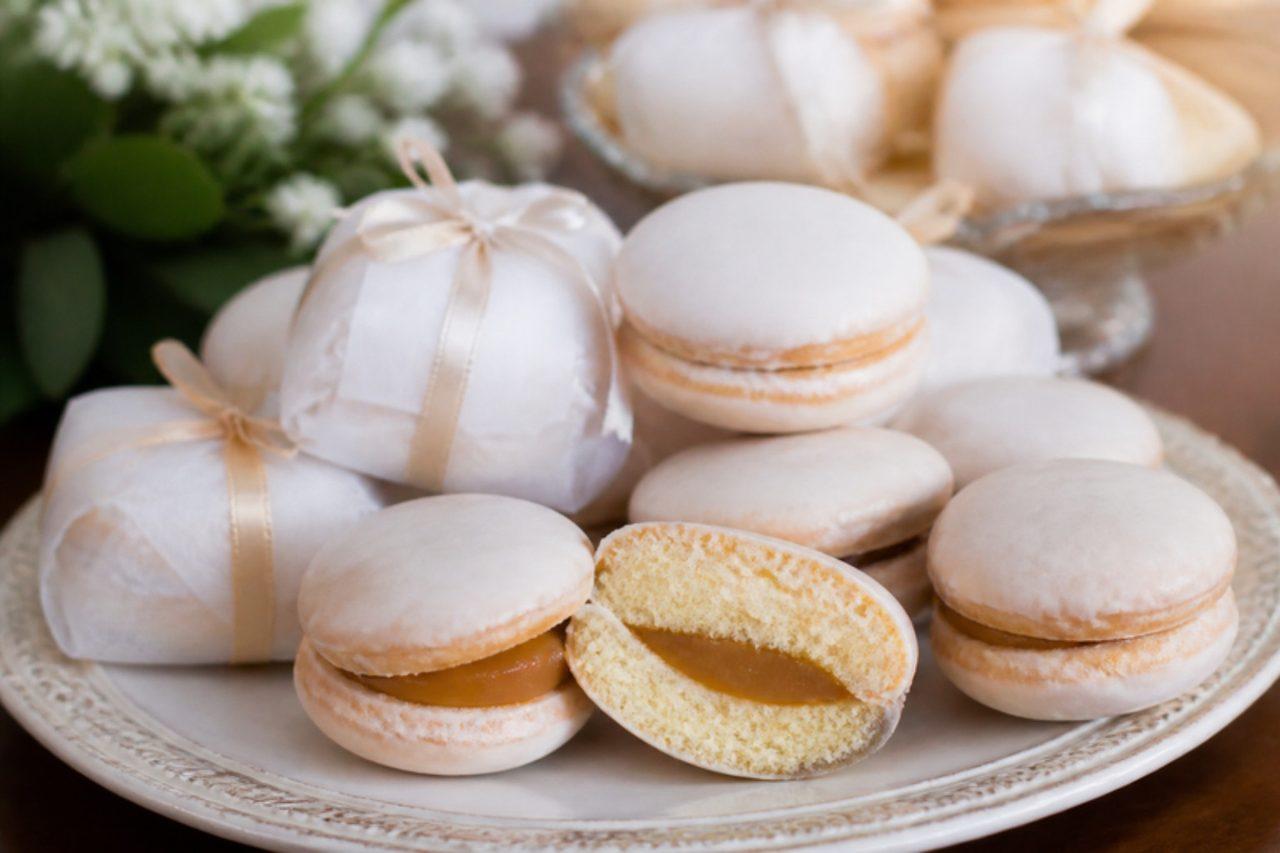
Bem-casadoSponge discs with caramel filling

Guests leaving a Brazilian wedding are handed a bem-casado, 'well married', wrapped in crepe paper and tied with ribbon, as a wish for the couple's happiness. The sweet is said to have taken its modern shape in Campos dos Goytacazes, in the north of Rio de Janeiro state, where confectioners still make it by the thousand. Two thin, airy sponge rounds hold a layer of doce de leite and are dipped in a thin sugar glaze that sets matt white and slightly crisp, so the inside stays soft for days. Doce de leite is sold in jars in Latin shops; use a thick, spoonable one. Over-baking the discs is where most batches fail: they turn dry and crack when sandwiched. Chef's tip: pipe the batter in small rounds and pull them from the oven as soon as they spring back and the edges barely colour; pale is right.

by KrazyBadal 0 views

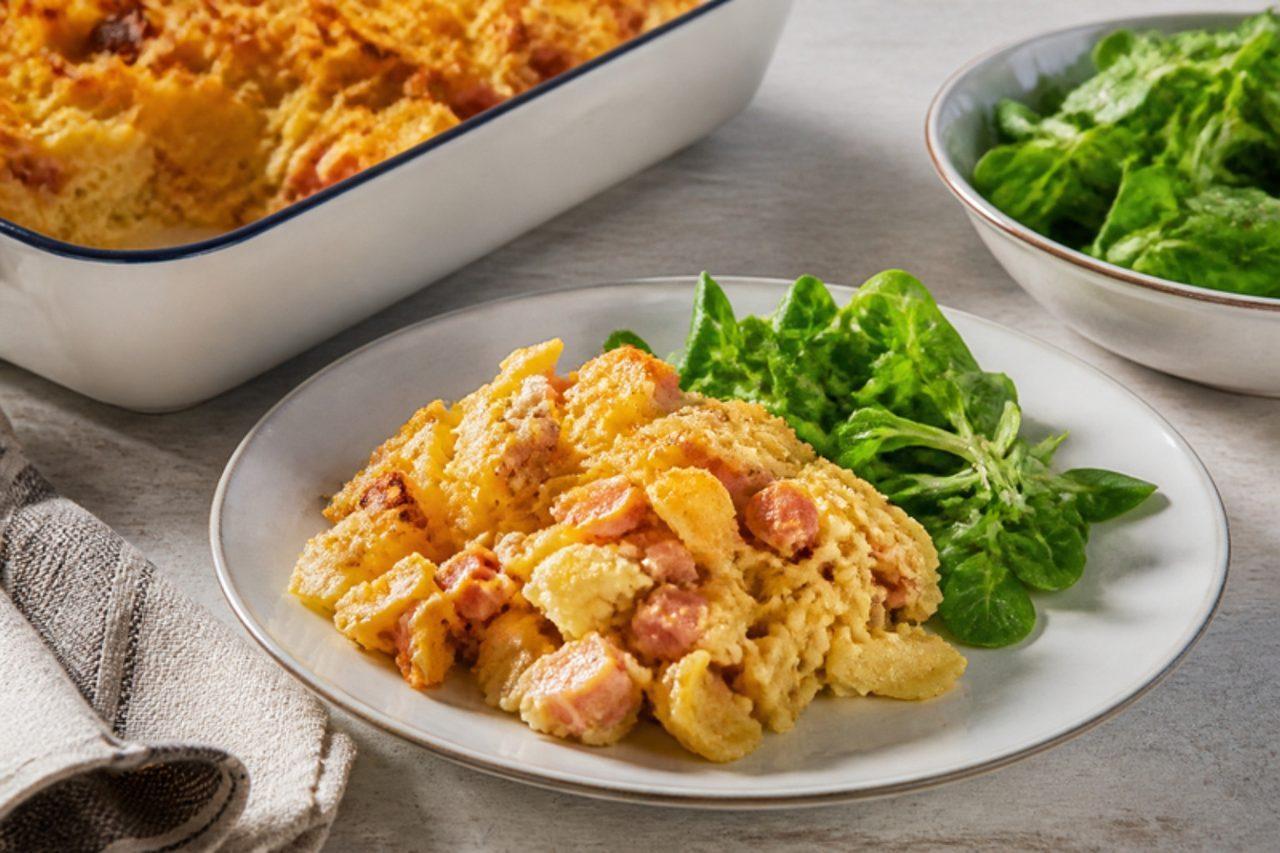
SchinkenfleckerlBaked pasta squares with ham

Schinkenfleckerl is the comfort bake of Viennese homes and school canteens, a simple dish that came to Vienna from Bohemian cooks in the days of the old empire. Small pasta squares are folded into a mix of butter, egg yolks, sour cream and diced cooked ham, lightened with whisked egg whites and baked until the top is golden and the edges crunchy. Swap the ham, which is pork, for 250 g fried mushrooms for a vegetarian version. Chef's tip: cook the pasta a minute short and rinse it cold, so it does not go soft in the oven.

by KrazyBadal 0 views

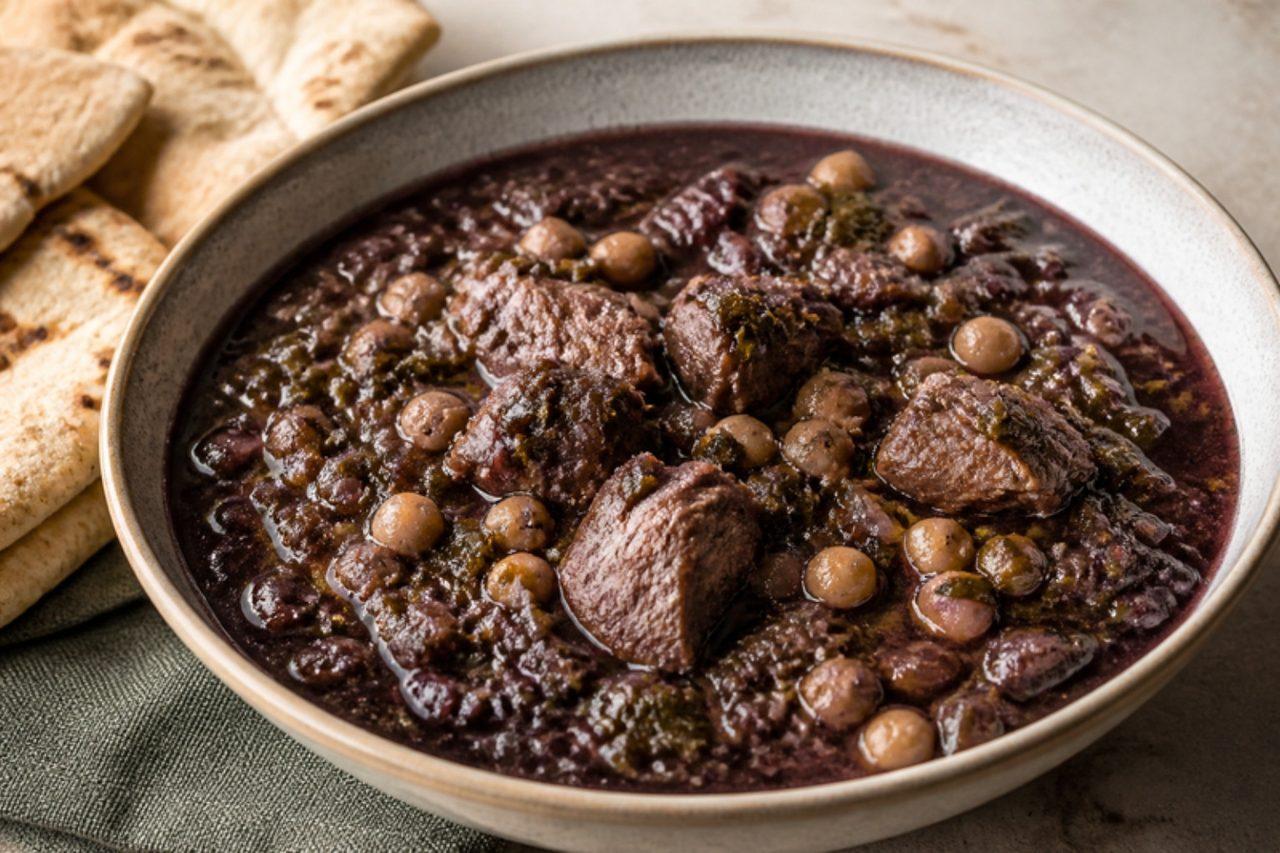
SumaghiyyehSumac, chard and lamb stew

Sumaghiyyeh is Gaza's festive dish, cooked in big pots for Eid al-Fitr and eaten cold the next days with bread: chunks of lamb and chickpeas in a thick, purple-brown sauce of sumac, chard, tahini, garlic, dill and chilli. It tastes sour, nutty and herby all at once and is served at room temperature, sealed under a film of olive oil. Common mistake: using ground sumac straight into the pot, which leaves it gritty; soak the sumac and use the strained liquid. Chef's tip: make it a day ahead; the sauce sets and the flavours deepen, just as Gazan families serve it.

by KrazyBadal 0 views

SchäufeleCured smoked pork shoulder

In Baden, Schäufele ("little shovel") is the bone-in pork shoulder blade, cured and lightly smoked by the butcher, and it belongs on New Year's Eve and family get-togethers. It is gently simmered so the meat stays juicy and rosy from the cure, then sliced thick and served with a warm potato salad dressed with broth and vinegar. Ask a German butcher for a ready-cured Schäufele, or use a cured and smoked pork shoulder joint. Chef's tip: keep the water barely trembling; a rolling boil tightens the meat and squeezes out its juices.

145 minGermanMeatGluten free
by KrazyBadal 0 views

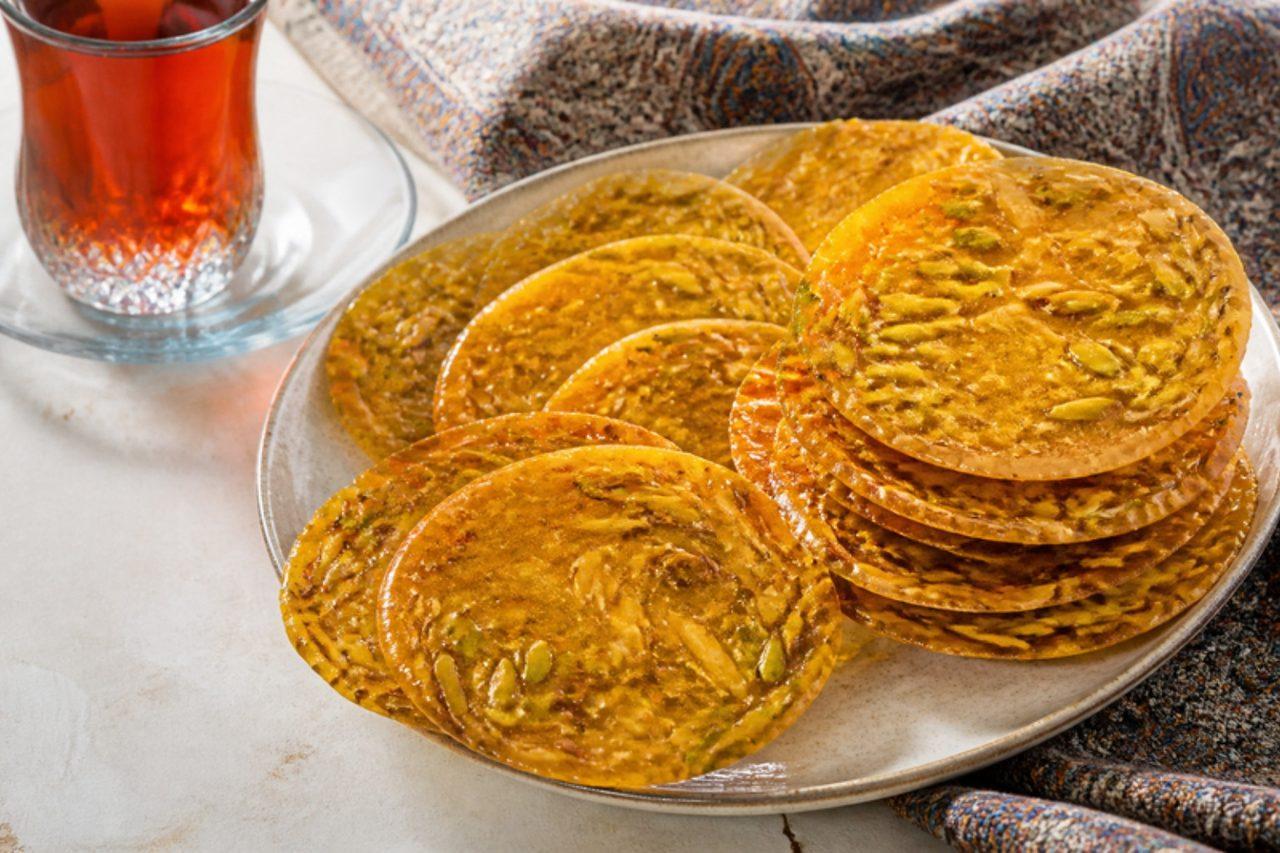
SohanSaffron pistachio brittle

Pilgrims leaving the shrine city of Qom carry home round tins of sohan, and boxes of it are passed around at Nowruz visits all over Iran. It is a buttery, snapping brittle flavoured with saffron, cardamom and rosewater, built on sprouted wheat flour, which gives a gentle malty sweetness, and studded with slivered pistachios and almonds. Each disc shatters and then melts. Chef's tip: have every nut and flavouring measured beside the stove before you start; the last stage moves fast and the sugar won't wait.

by KrazyBadal 0 views

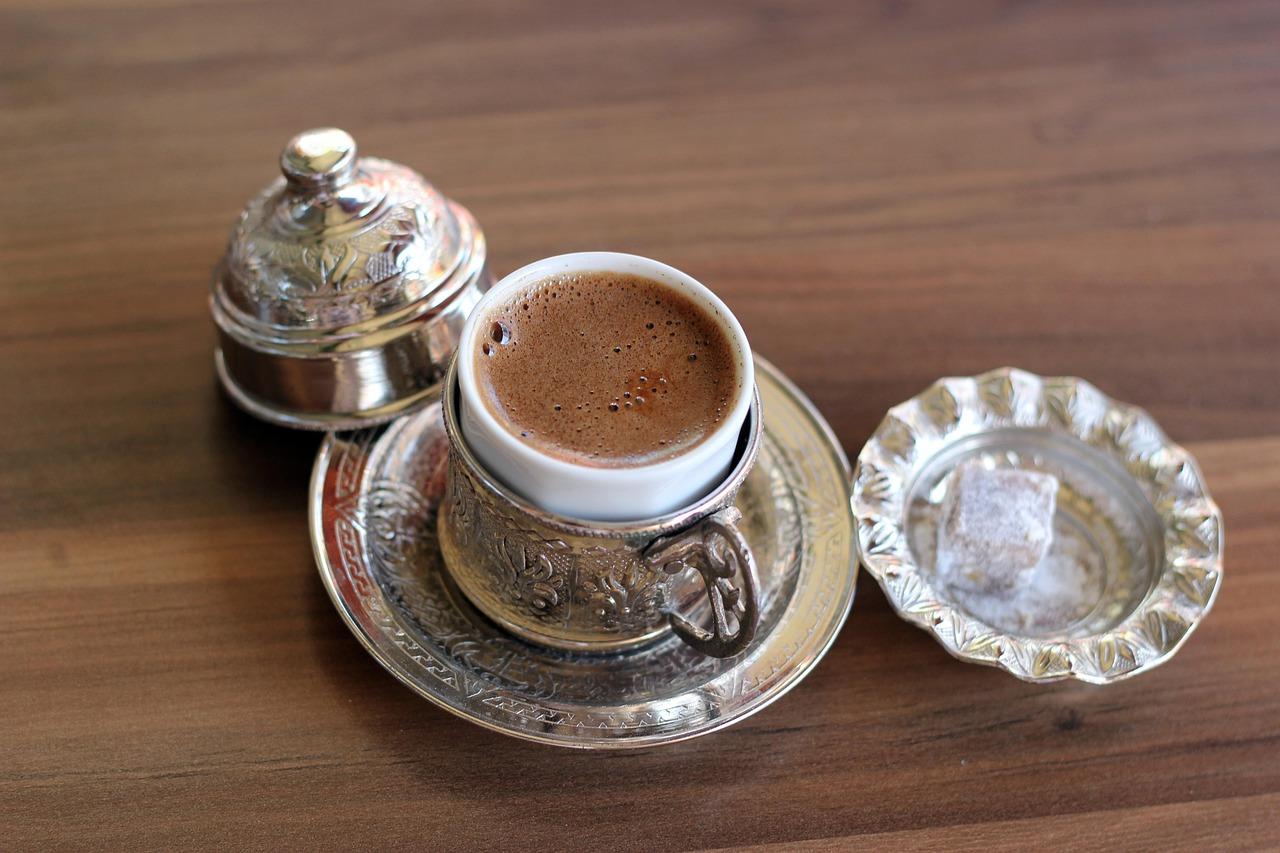
Türk kahvesiTurkish coffee

A cup of Türk kahvesi is how Turks welcome guests, end a long meal and, in the old custom, test a suitor: the prospective bride makes his cup and may slip salt into it. Powder-fine coffee is brewed slowly with cold water and sugar to taste in a small long-handled pot (cezve), until a thick foam rises, then poured unfiltered so the grounds settle in the cup. Serve with a glass of water first and a piece of lokum. Order it sade (plain), orta (medium) or şekerli (sweet) and add the sugar before brewing, never after. The usual mistake is letting it boil, which collapses the foam and makes it bitter. Chef's tip: use cold water and a low heat; the slower it rises, the thicker the foam.

by KrazyBadal 0 views

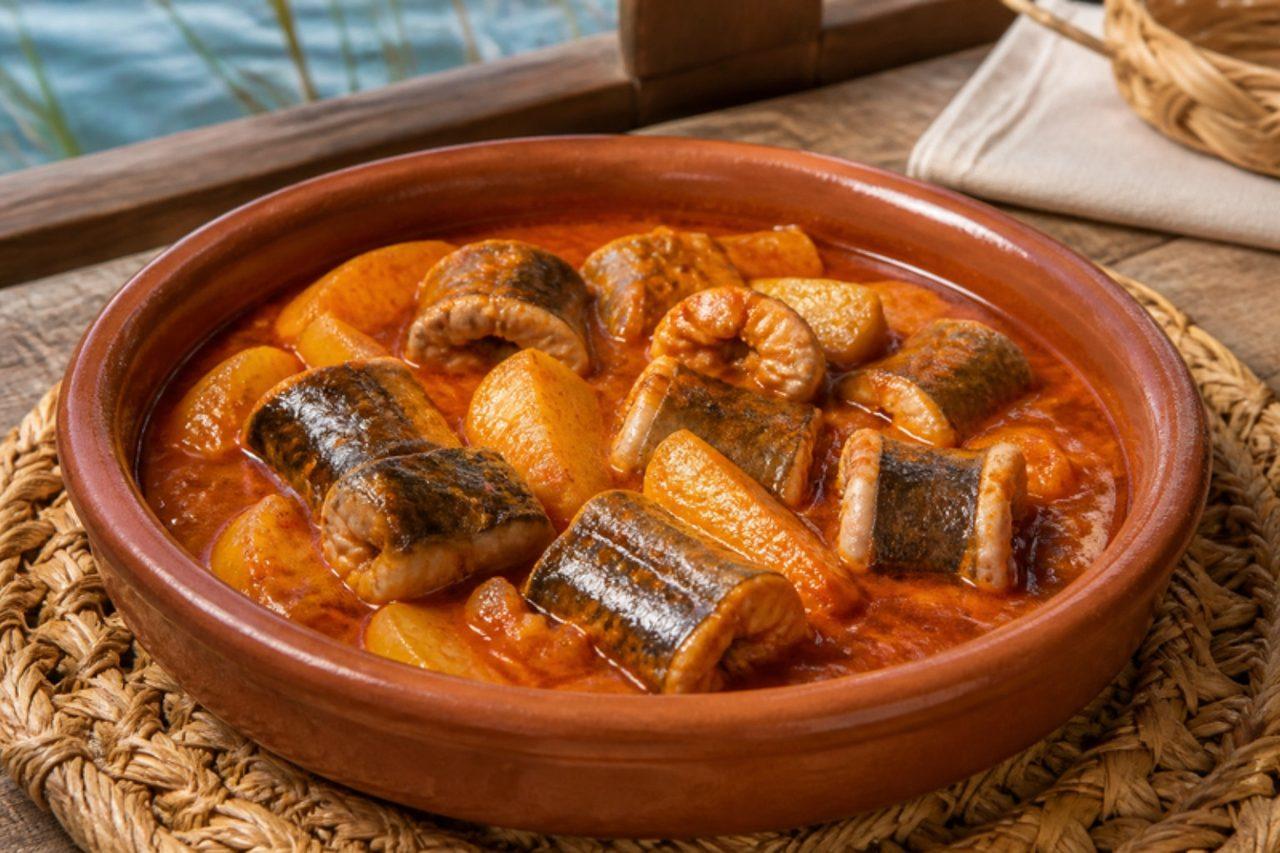
All i pebreEel and potato paprika stew

In El Palmar and the other villages around the Albufera lagoon south of Valencia, the restaurants that are famous for paella serve something older first: all i pebre, "garlic and pepper", a brick-red stew of lagoon eel and potatoes thickened with a pounded almond and fried-bread picada. It is rich, garlicky and gently hot, eaten with bread to mop up the sauce. Ask your fishmonger to skin and cut the eel, and handle it with gloves: raw eel blood is irritating, though harmless once cooked. If you can't find eel, monkfish or hake works well. A common mistake is letting the paprika burn; it turns bitter in seconds, so add it off the heat. Chef's tip: break the potatoes with a knife instead of cutting cleanly; the rough edges release starch and thicken the sauce.

by KrazyBadal 1 views

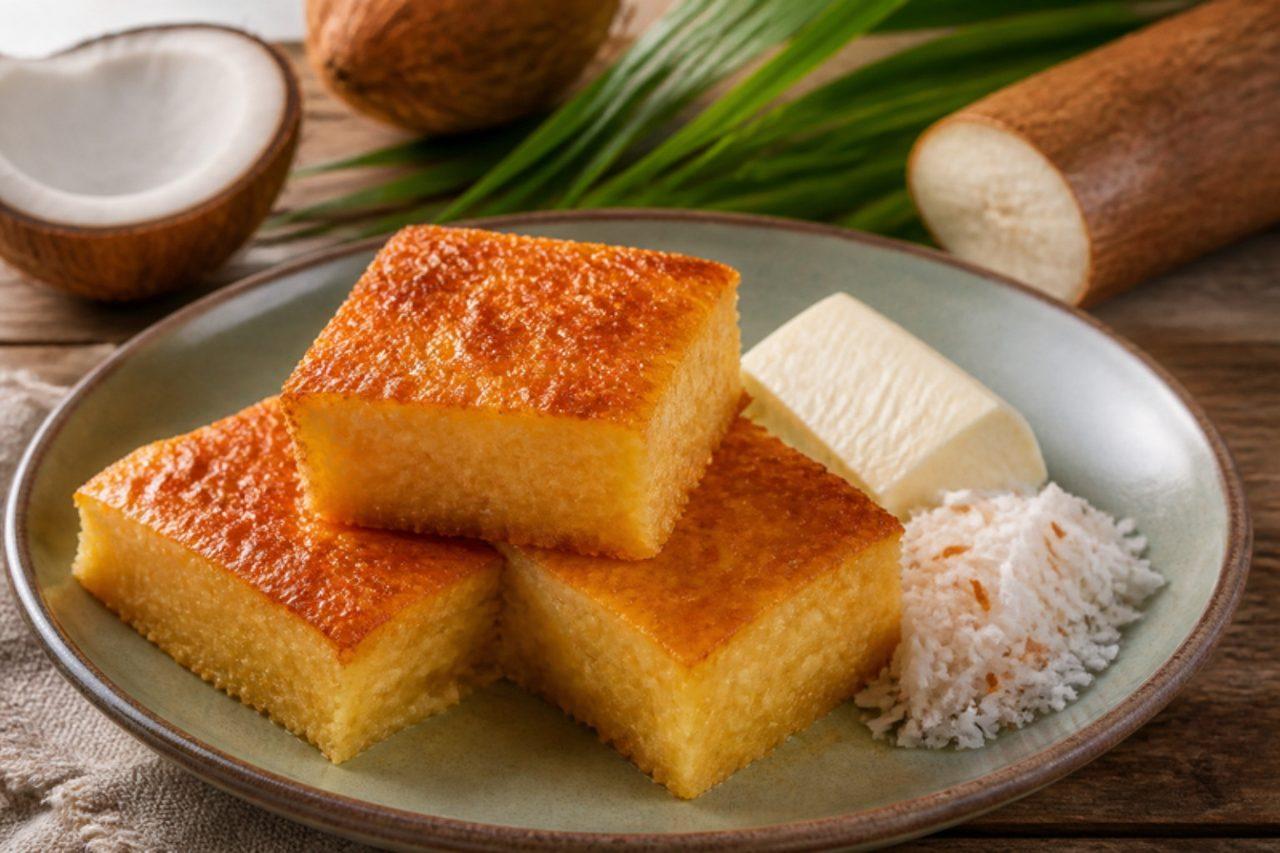
EnyucadoCassava coconut cake

Bakeries and street vendors in Cartagena, Barranquilla and Montería sell enyucado by the square, wrapped in paper, as an afternoon sweet with coffee. It is a dense, moist cassava cake held together by coconut milk, sweetened with sugar, scented with aniseed and given a salty edge by grated white cheese; the top bakes to a golden, slightly chewy crust while the middle stays soft and pudding-like. It is also a fixture at birthday and holiday tables along the coast. Queso costeño is the cheese used; a firm feta-style one is the nearest swap, and as both are usually set with animal rennet, choose a vegetarian (microbial-rennet) cheese. People most often go wrong by cutting it warm: the starch needs at least an hour to set, otherwise the slices are gummy and fall apart. Frozen grated cassava from Latin or African shops saves a lot of work. Chef's tip: squeeze the grated cassava lightly so the cake sets well but stays moist.

by KrazyBadal 0 views

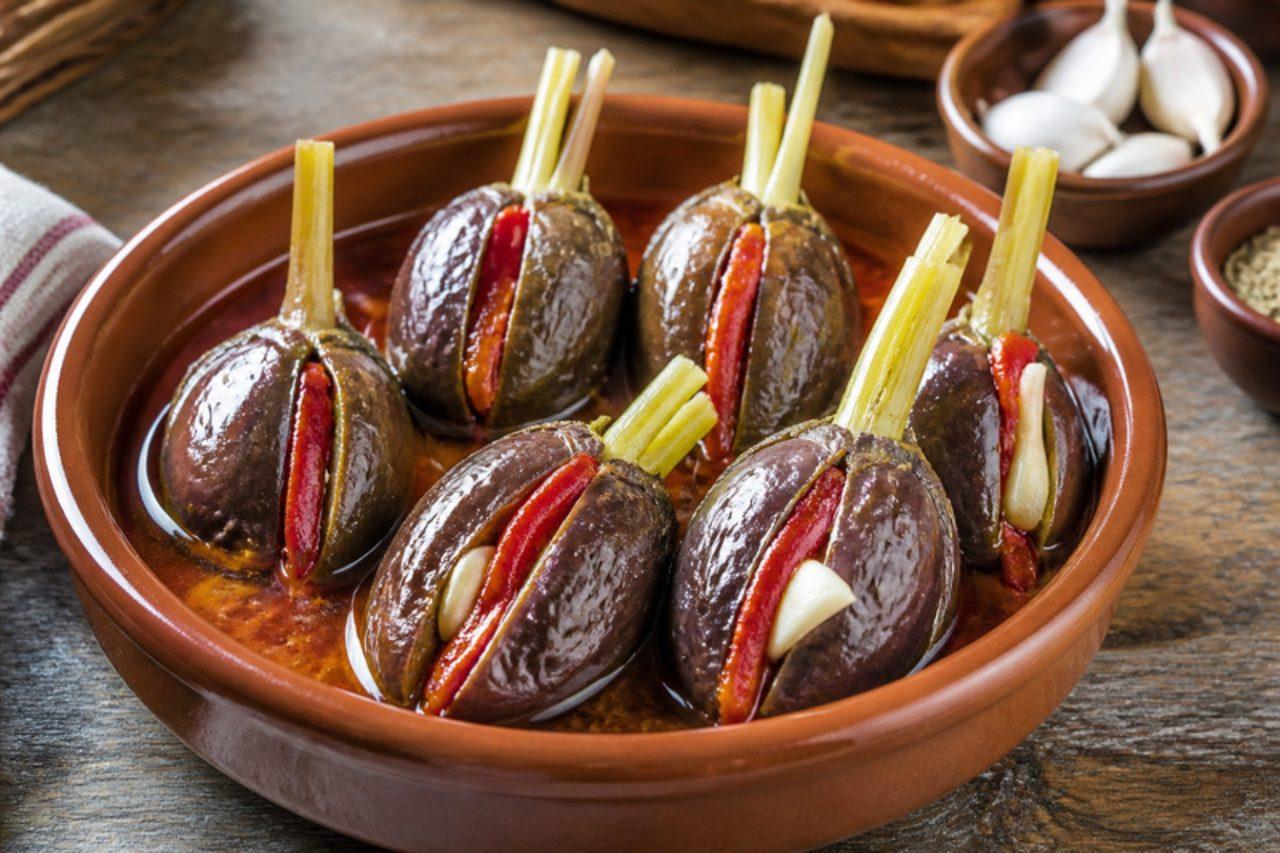
Berenjenas de AlmagroPickled baby aubergines

In the arcaded Plaza Mayor of Almagro, in the province of Ciudad Real, shops sell these little aubergines from barrels, each one split, stuffed with a strip of red pepper and pinned with a fennel stalk. They are eaten as a tapa with a cold drink, or bought by the jar during the town's summer theatre festival. The tangy dressing of vinegar, cumin, garlic and paprika soaks in over a few days in the fridge. Chef's tip: use the smallest, firmest aubergines you can find, no bigger than an egg; large ones go mushy.

by KrazyBadal 0 views

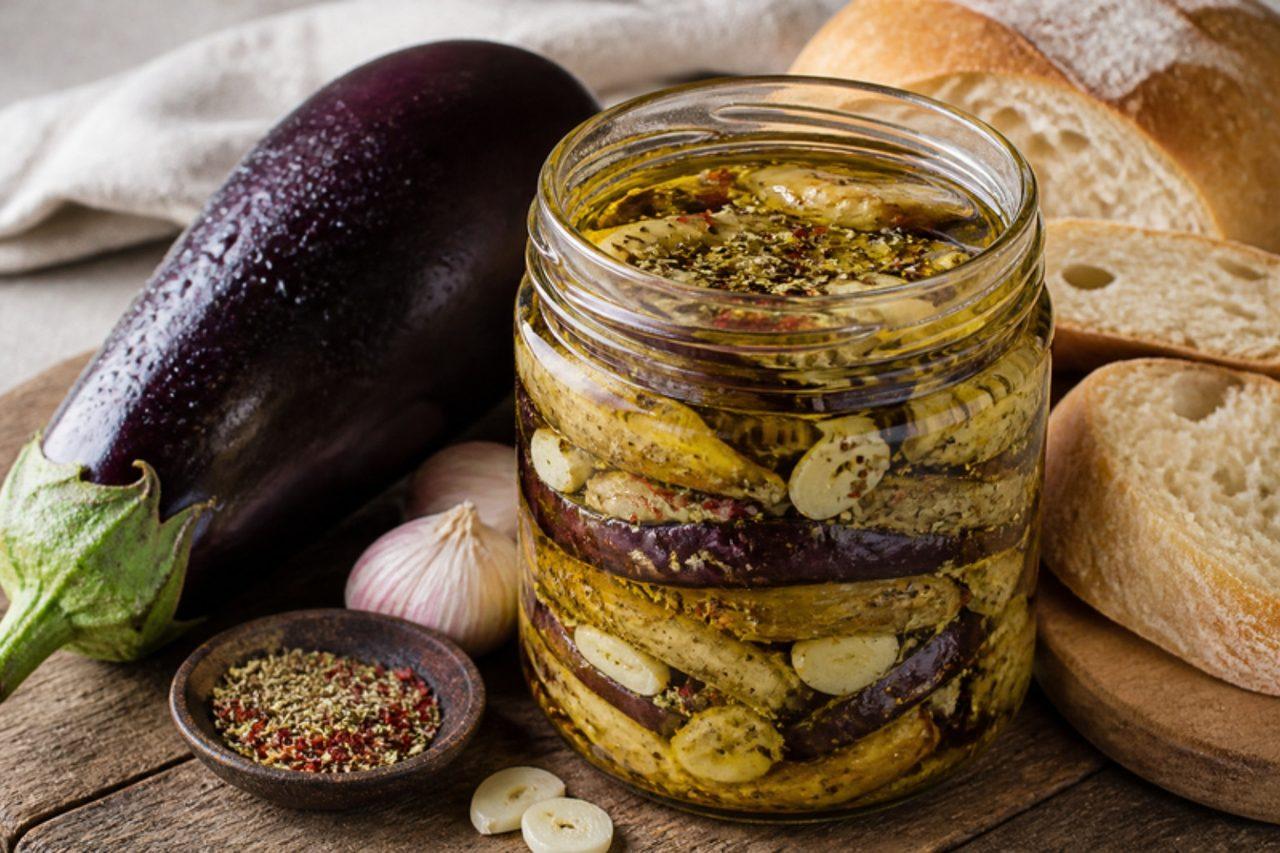
Berenjenas en escabechePickled aubergine in oil

Jars of these marinated aubergines sit in every Argentine grandmother's fridge, a legacy of Italian and Spanish immigrants, and they come out for the picada before the asado, alongside salami, cheese and bread, or to fill a sandwich. Strips of aubergine are salted, blanched briefly in vinegar and water, then layered with garlic, chilli flakes, oregano and plenty of oil. They turn soft, silky and sharp, with a slow heat from the chilli. Overboiling is the error: the strips should be just tender after 2–3 minutes, or they turn to mush in the jar. Allow 2 hours for salting before you start and a day in the fridge before eating. Garlic kept in oil can carry botulism, so keep the jar refrigerated and eat it within two weeks. Chef's tip: press the drained aubergine hard between tea towels before jarring; the drier the strips, the longer they stay firm.

by KrazyBadal 0 views

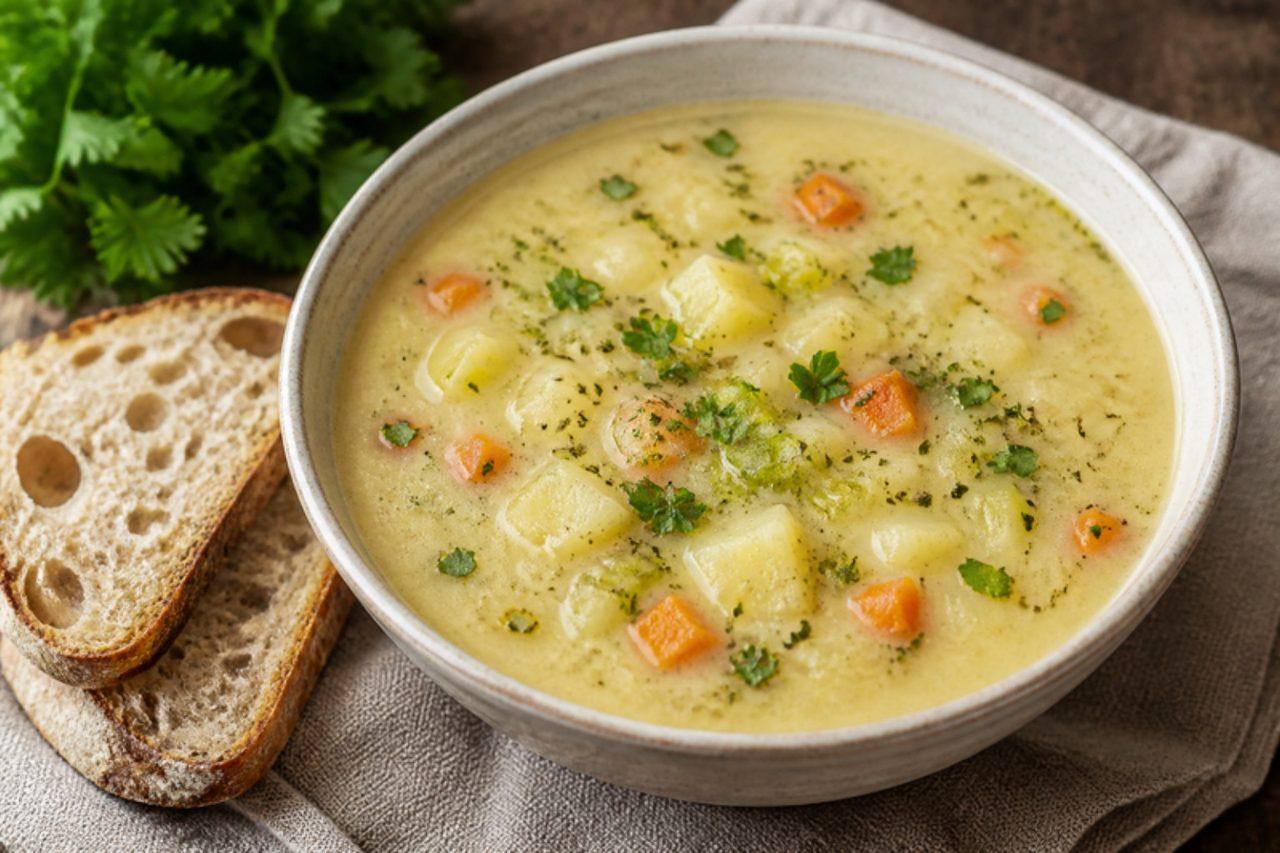
Berliner KartoffelsuppePotato and root vegetable soup

This is the soup of Berlin's cheap lunch counters and winter kitchens: potatoes and the 'Suppengrün' bundle of carrot, celeriac, leek and parsley root, simmered thick and seasoned with plenty of marjoram. In Berlin it usually comes with a sliced Wiener sausage floating on top; this vegetarian version is finished instead with crisp fried onions and croutons, which give the same savoury contrast. A common mistake is using waxy potatoes, which never thicken the soup; you want floury ones that collapse. Chef's tip: rub the dried marjoram between your palms as it goes in, which wakes up its sweet, piney scent.

by KrazyBadal 0 views

Berliner PfannkuchenJam-filled doughnuts

In Berlin a Pfannkuchen is not a pancake but a round, sugar-dusted yeast doughnut with a pale ring around its middle and a squirt of jam inside; most of Germany calls them Berliner. Bakeries pile them up for New Year's Eve and for Carnival in February, and the old joke is to slip one filled with mustard into the batch. Good ones are light and springy, never greasy. A common mistake is frying in oil that is too hot, which browns the outside before the middle cooks; keep it at 170 °C. Chef's tip: let the shaped dough rise uncovered for the last 10 minutes so a thin skin forms; that is what gives the classic white band round the middle.

by KrazyBadal 0 views

Entrevero de pinhãoPine nut and mixed meat stir-fry

In the cold highlands of Santa Catarina, Lages throws a Festa do Pinhão every winter, and the star is entrevero: a huge pan of beef, pork loin, pork sausage and bacon fried with onions, peppers, tomato and pinhão, the large, starchy seeds of the Araucaria pine. The name means a jumble, and that is what it is, cooked in stages on a wide pan over the fire and eaten straight away. Pinhão tastes like a cross between a chestnut and a potato; vacuum-packed cooked chestnuts are the best stand-in. There is plenty of pork here, so cook every strip through. The pitfall is throwing everything in at once, which stews the meat; add each meat in turn so it browns. Chef's tip: cook the pinhão in a pressure cooker, then peel it while still warm, when the shell and the bitter inner skin come off easily.

by KrazyBadal 0 views

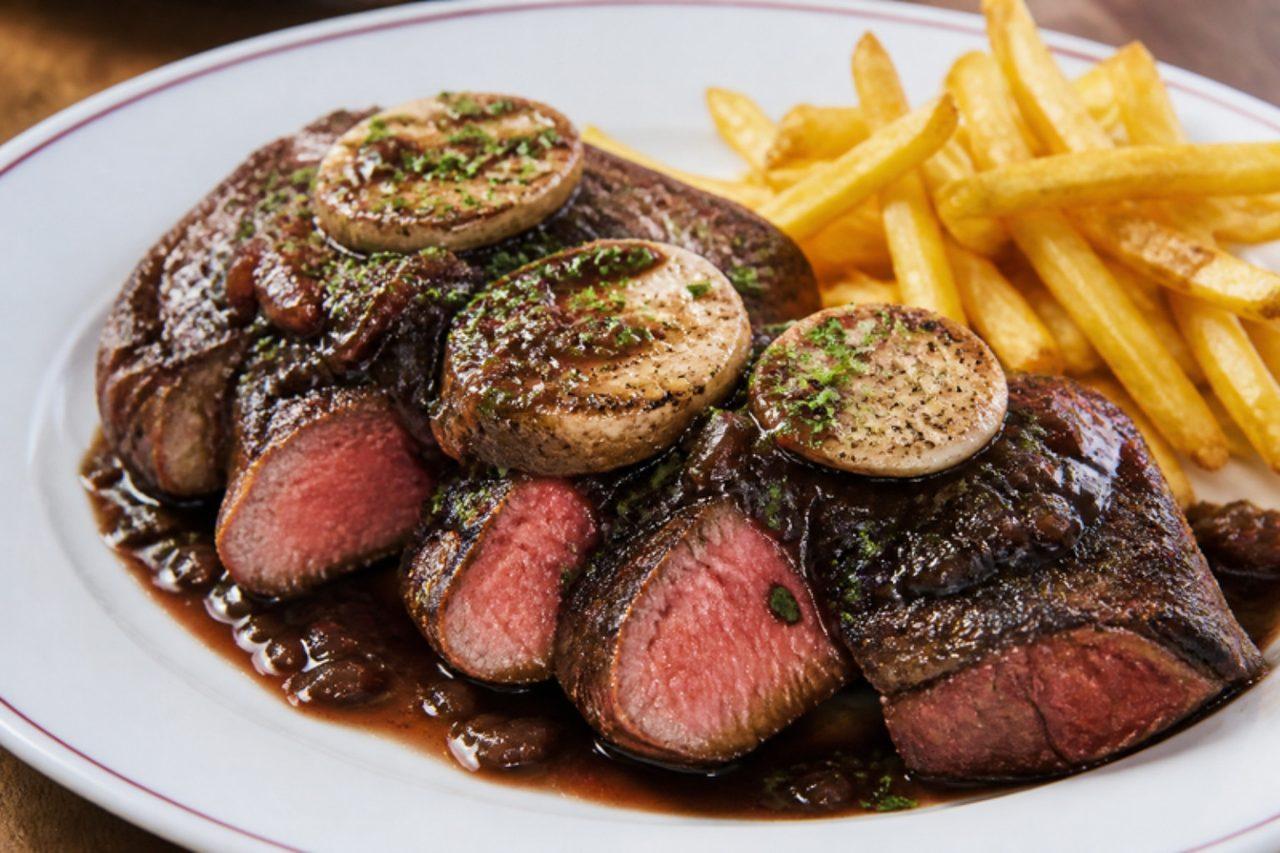
Entrecôte bordelaiseRib steak in red wine sauce

Bordeaux's brasseries, from the quays of the Garonne to the old Chartrons wine-merchant quarter, still grill entrecôte over vine cuttings and serve it with sauce bordelaise: shallots, thyme and red wine reduced to a syrup, then enriched with stock and cold butter. Poached bone marrow, folded in at the end, is the old-school touch and well worth trying. The sauce is glossy, deep and a little sweet against the well-browned, juicy steak. The sauce uses red wine; the ingredient note gives an alcohol-free version. Serve with frites or sautéed potatoes and a crisp green salad. Chef's tip: let the steaks sit out of the fridge for 30 minutes before cooking so the centre cooks evenly.

50 minFrenchMeat
by KrazyBadal 0 views

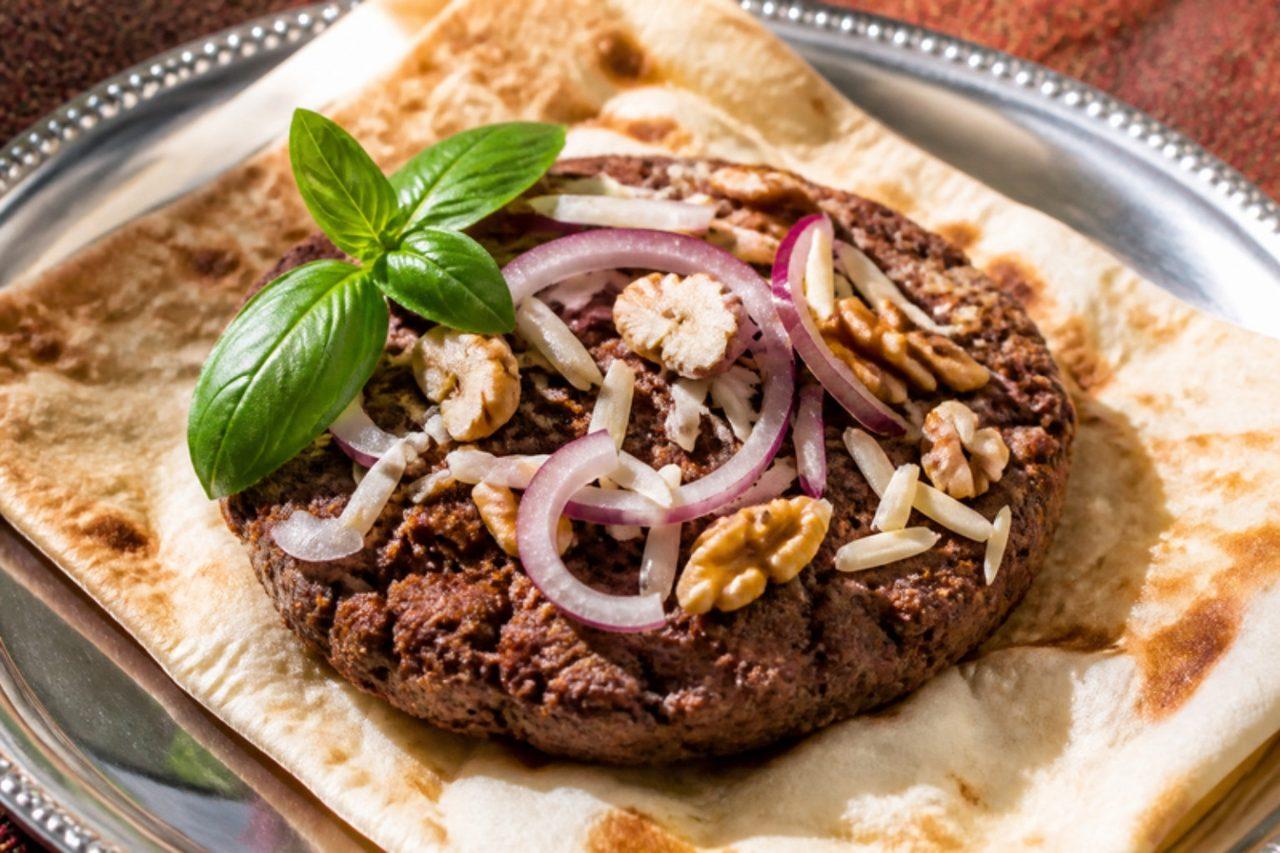
BeryaniSpiced lamb on flatbread with basil

Beryani is Isfahan's signature lunch, eaten in old bazaar eateries near Naqsh-e Jahan Square for more than a century, and nothing like the rice biryanis of South Asia. Lamb shoulder and, traditionally, lamb lung are simmered, minced, seasoned with cinnamon and fried on a small round pan with the fat from the pot, then turned out onto soft sangak or taftoon bread and eaten with fresh basil, raw onion and walnuts. Lung is hard to buy outside Iran, so this home version uses lamb shoulder and a little lamb mince for the same soft texture. A common mistake is draining away the cooking fat; Isfahanis spoon it over the bread for flavour, so keep it. Chef's tip: press the meat into a small frying pan to make a neat round patty, the way the bazaar cooks do.

120 minPersianMeat
by KrazyBadal 0 views

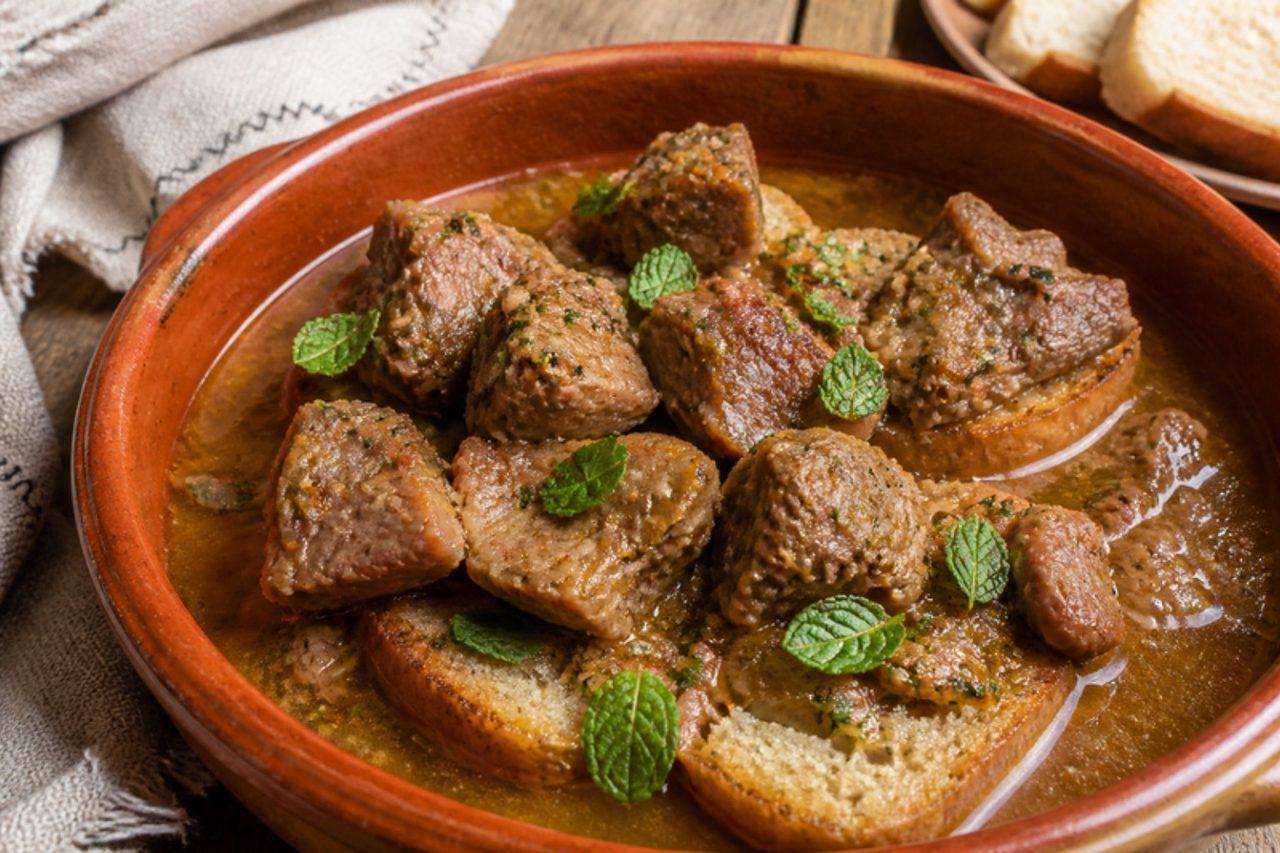
Ensopado de borregoLamb stew over bread

Ensopado means soaked, and the bread is the point: Alentejo shepherds' lamb is stewed with garlic, onion, paprika and a little white wine until it falls off the bone, then the rich broth is ladled over slices of country bread in deep plates. It is Easter food in the region, when the spring lambs are ready, and a dish for long Sunday lunches. The wine contains alcohol; use extra stock with a spoonful of vinegar if you prefer. A common mistake is using lean leg meat, which turns dry; shoulder or neck stays juicy. Chef's tip: marinate the lamb overnight in the fridge with the garlic and paprika; the flavour goes right through.

by KrazyBadal 0 views

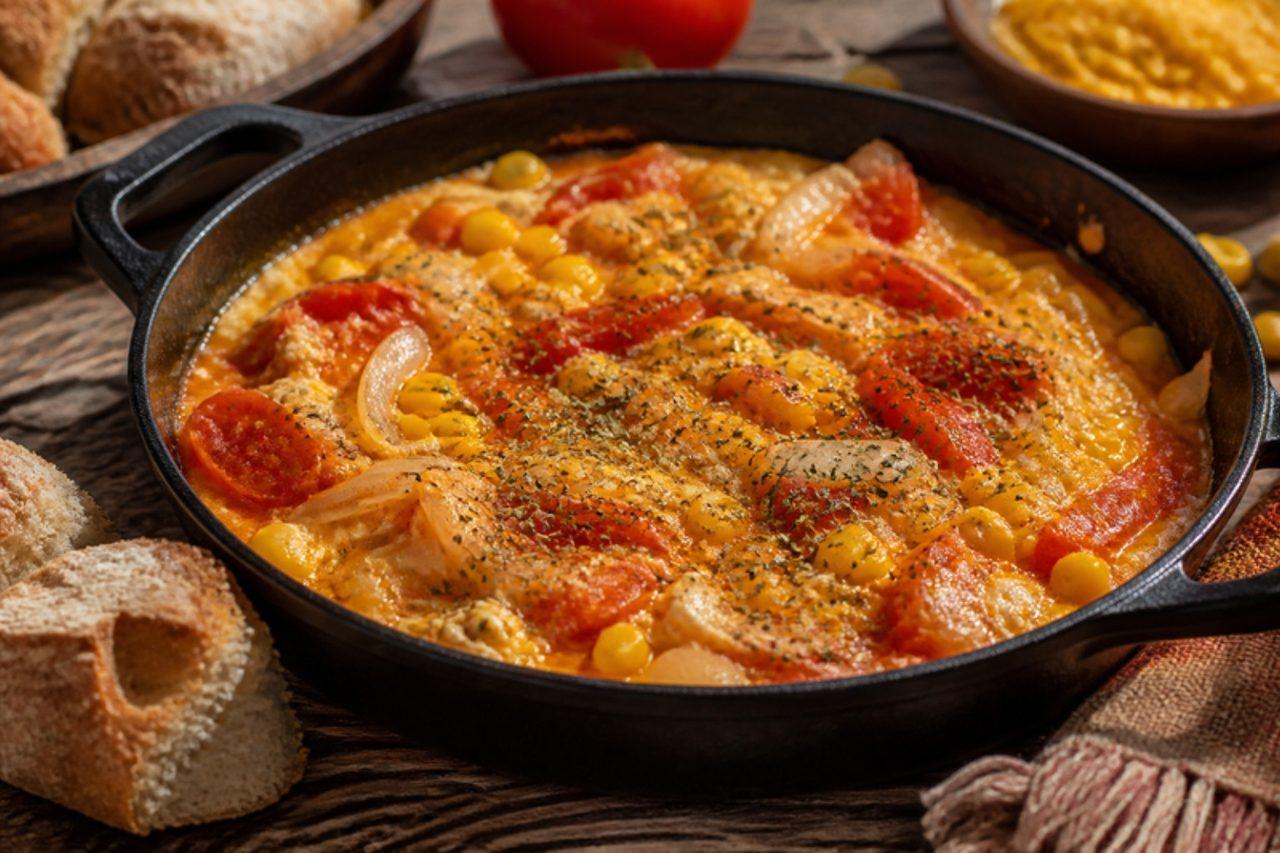
TomaticánTomato, corn and egg stew

Mendoza's irrigated orchards and fincas drown in tomatoes in February, and tomaticán is the old Cuyo answer to the glut: a quick pan stew of onion, chopped ripe tomato and fresh sweetcorn, seasoned with oregano and a little ají, with beaten egg stirred through at the end until it sets in soft curds. It is a farmhouse lunch and a cheap supper, eaten with crusty bread to mop the juice, and some cooks add diced potato to stretch it. The flavour is bright and sweet-sour, the texture loose and juicy. People often add the egg to a pan full of liquid and end up with egg soup; cook the tomatoes down until the juices are jammy first. Bread for dipping is traditional, so pick a gluten-free loaf if you need it. Chef's tip: stir the egg in off the heat and let the pan's heat set it; you want soft, creamy ribbons, not a dry scramble.

by KrazyBadal 0 views

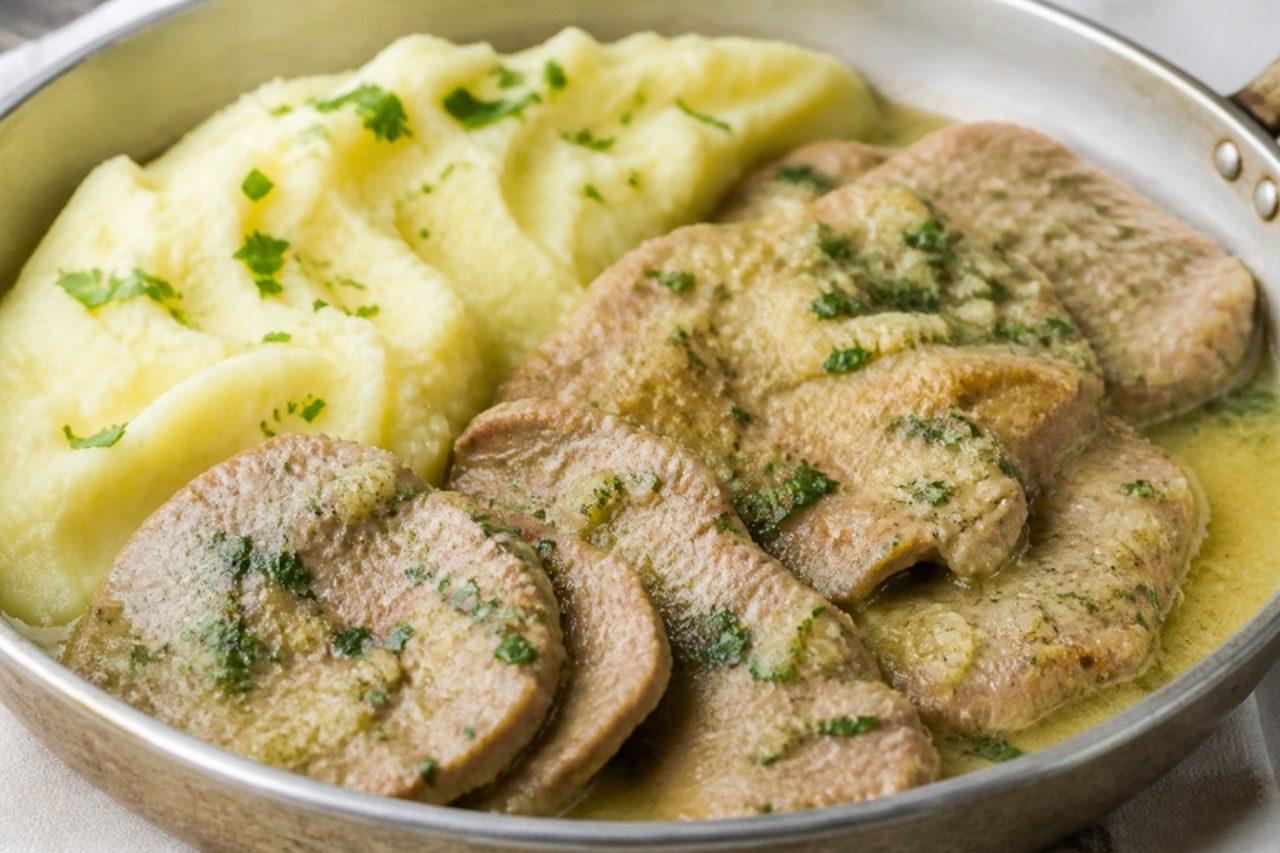
SofritoVeal in garlic and vinegar sauce

Not to be confused with the Spanish base sauce, Corfu's sofrito is a dish of thinly sliced veal or young beef, floured and browned, then gently simmered in a sharp, pale sauce of garlic, vinegar and parsley until tender. Corfiot tavernas serve it with creamy mashed potato or rice to soak up the garlicky juices, especially on Sundays and name days. Some cooks add white wine; this version uses only vinegar and stock, so it's alcohol-free. Common mistake: letting the garlic brown, which makes the sauce bitter — it should stay pale. Chef's tip: flatten the slices with a rolling pin so they cook evenly and soak up the sauce.

75 minGreekMeat
by KrazyBadal 0 views

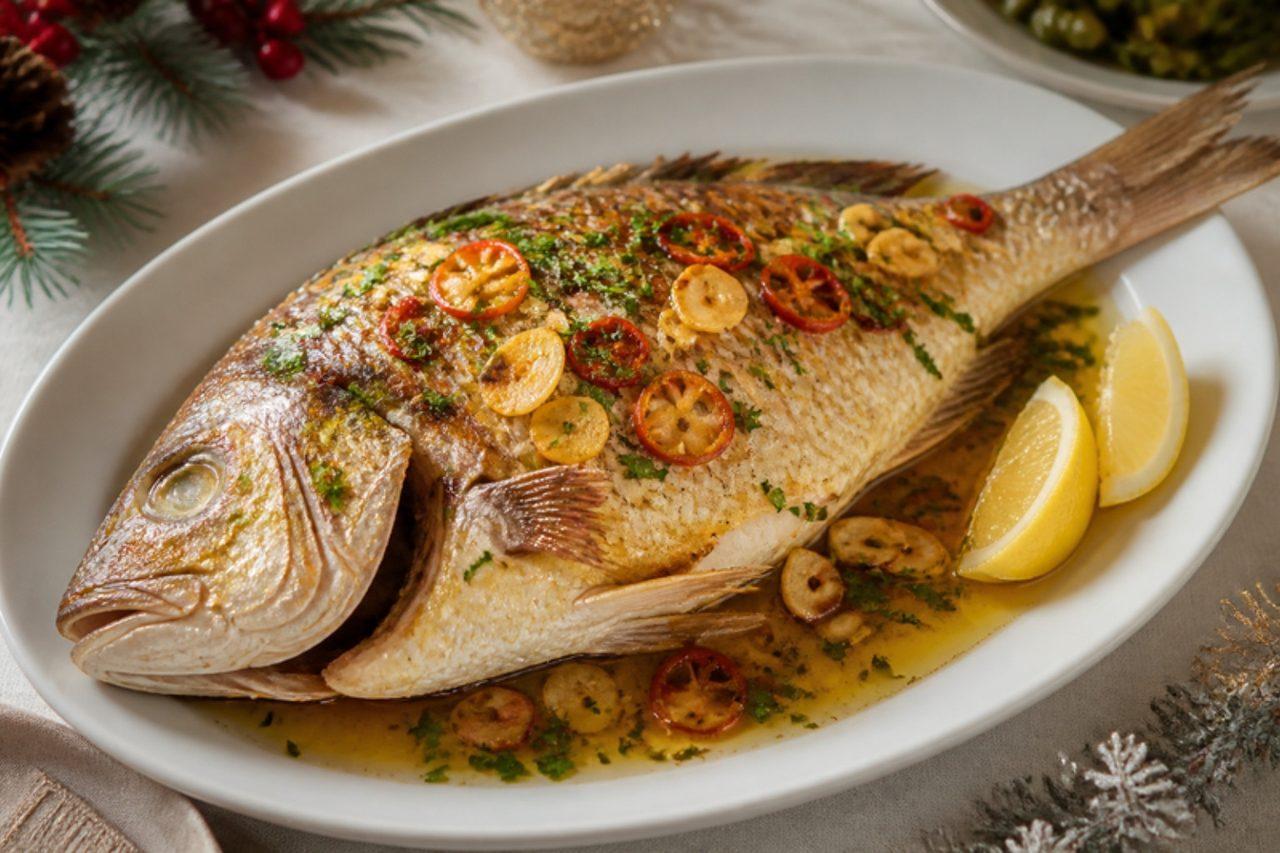
Besugo a la donostiarraSea bream with garlic vinegar dressing

For many San Sebastián families, Christmas Eve dinner isn't complete without a whole sea bream, roasted or grilled and finished with a refrito: hot olive oil with sliced garlic, dried chilli and a splash of vinegar poured over at the table. The traditional fish is red sea bream (besugo), but gilt-head bream works well. A common mistake is letting the garlic go dark brown, which makes the dressing bitter; take it off when it is pale gold. Chef's tip: cut a few slashes into the thick part of the fish so it cooks evenly and the dressing soaks in.

by KrazyBadal 0 views

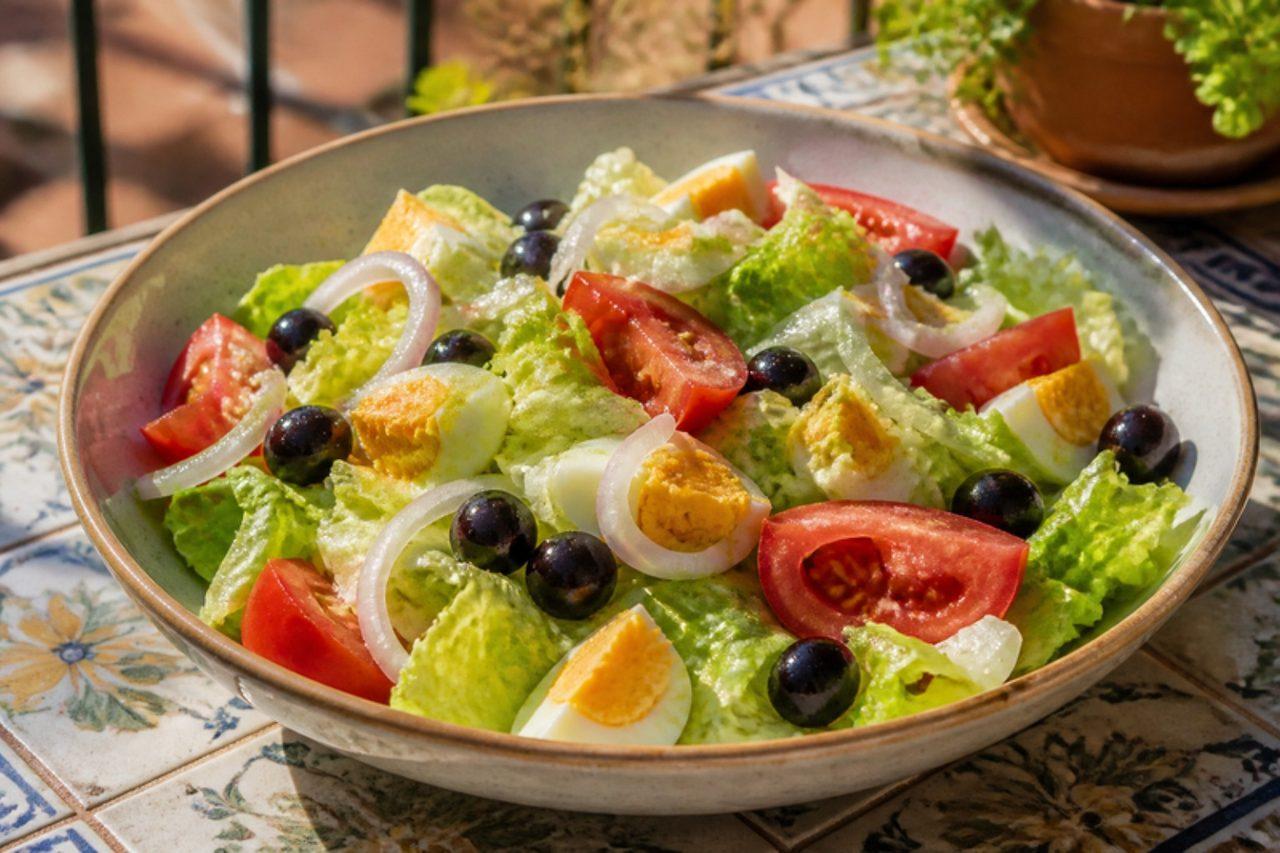
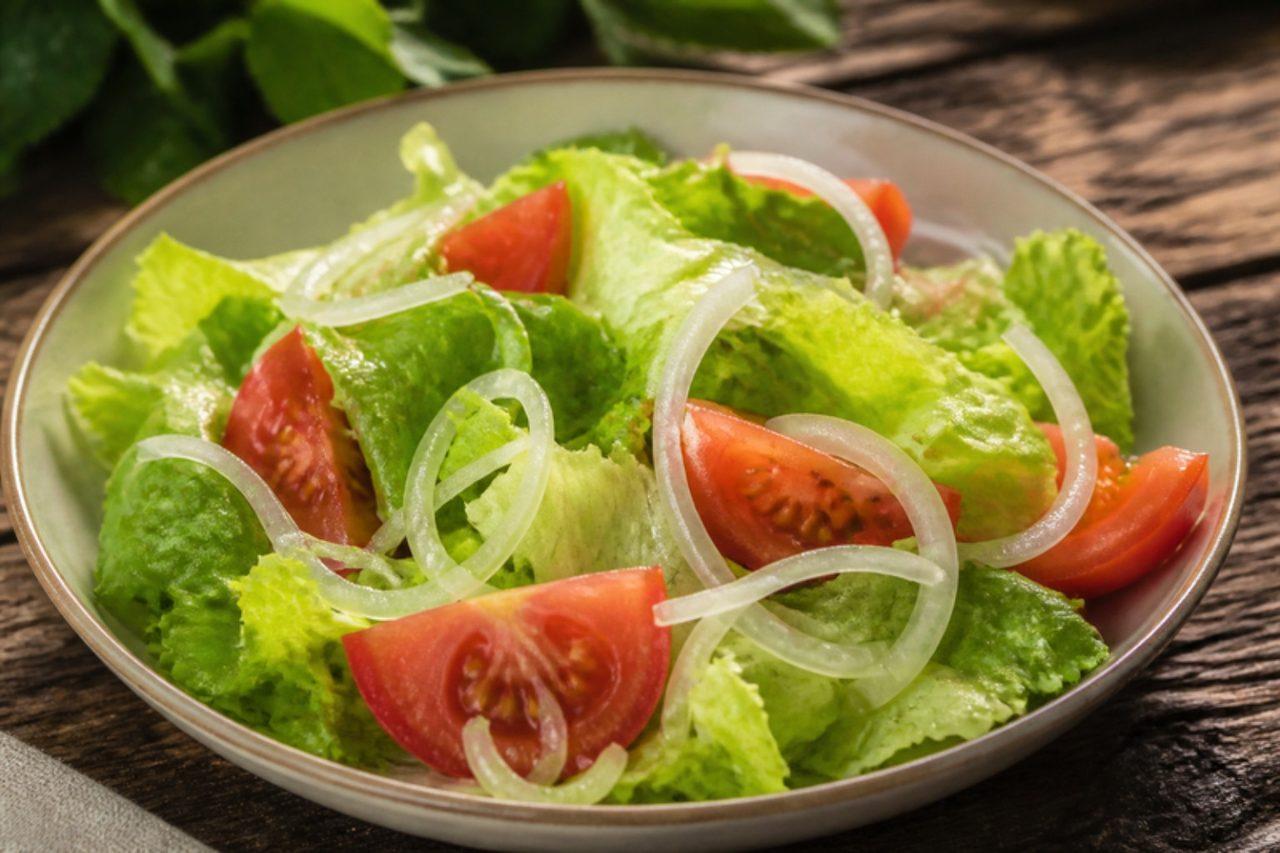
Ensalada valencianaLettuce, tomato and onion salad

Before the paella pan reaches the table at a Valencian Sunday lunch, a big shared bowl of ensalada valenciana goes round: crisp lettuce, thick wedges of summer tomato, sweet onion and black olives, dressed at the table with olive oil, a little vinegar and salt. Restaurants in the Huerta often add hard-boiled egg and tinned tuna; here the tuna is left out and the egg is optional, so without it the salad is vegan. A common mistake is dressing it in advance; the salt pulls water from the tomatoes and the lettuce goes limp within minutes. Chef's tip: soak the onion slices in iced water for 10 minutes, which takes the sharp edge off and keeps them crunchy.

by KrazyBadal 0 views

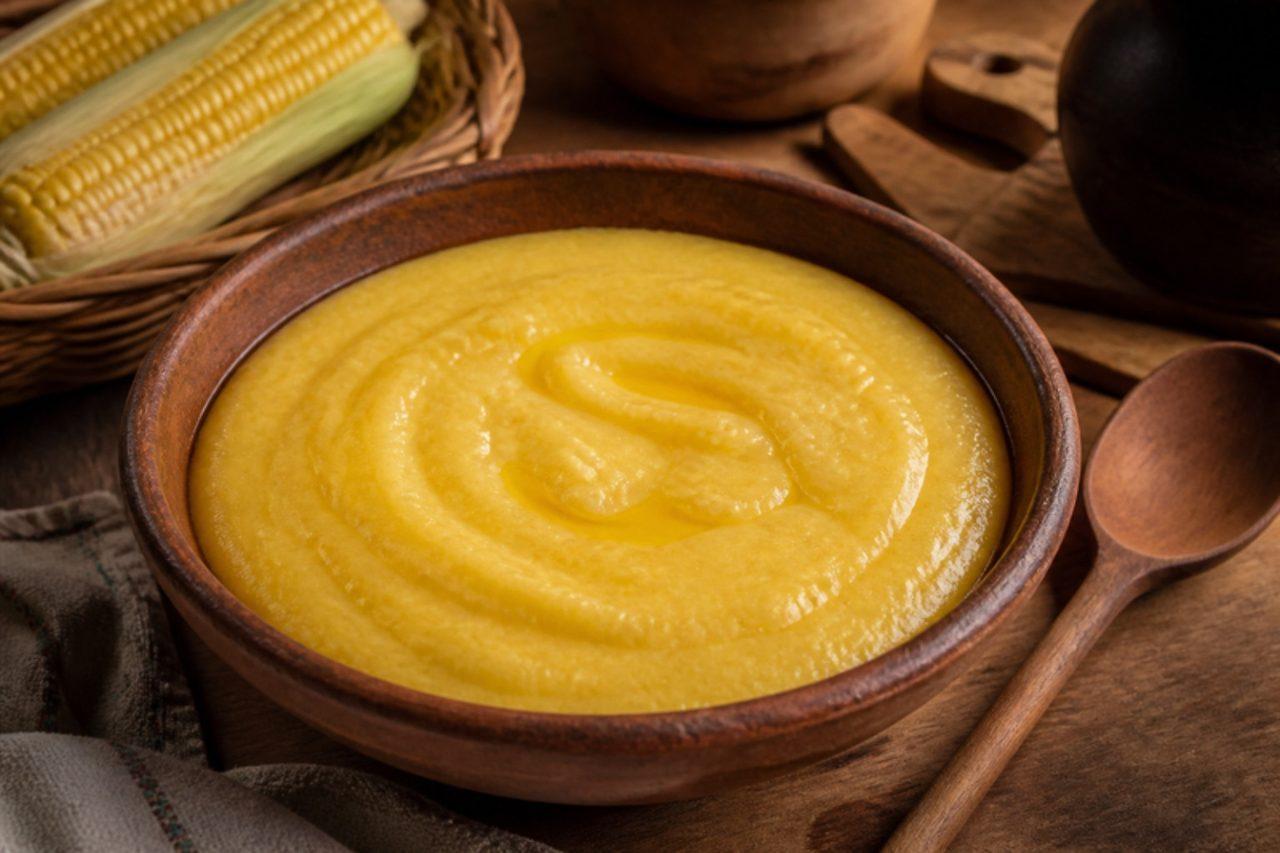
AnguSoft cornmeal mush

Angu is to a mineiro kitchen what bread is elsewhere: a pot of fine yellow fubá cooked with water into a smooth, soft mush, traditionally without salt, to sit under saucy dishes. In Minas Gerais and Rio it is spooned beside frango com quiabo, braised greens, mushroom ragouts and anything with a gravy, and the old roadside restaurants bring it in clay bowls. Plain angu tastes clean and gently sweet of corn, which is why it suits strongly seasoned food. The classic mistake is pouring dry cornmeal into boiling water, which creates lumps that never cook out; start it in cold water instead. Chef's tip: keep the heat low and give it the full 20 minutes even when it looks thick already; raw cornmeal tastes gritty and bitter, while cooked angu is silky and comes away from the sides of the pan.

by KrazyBadal 0 views

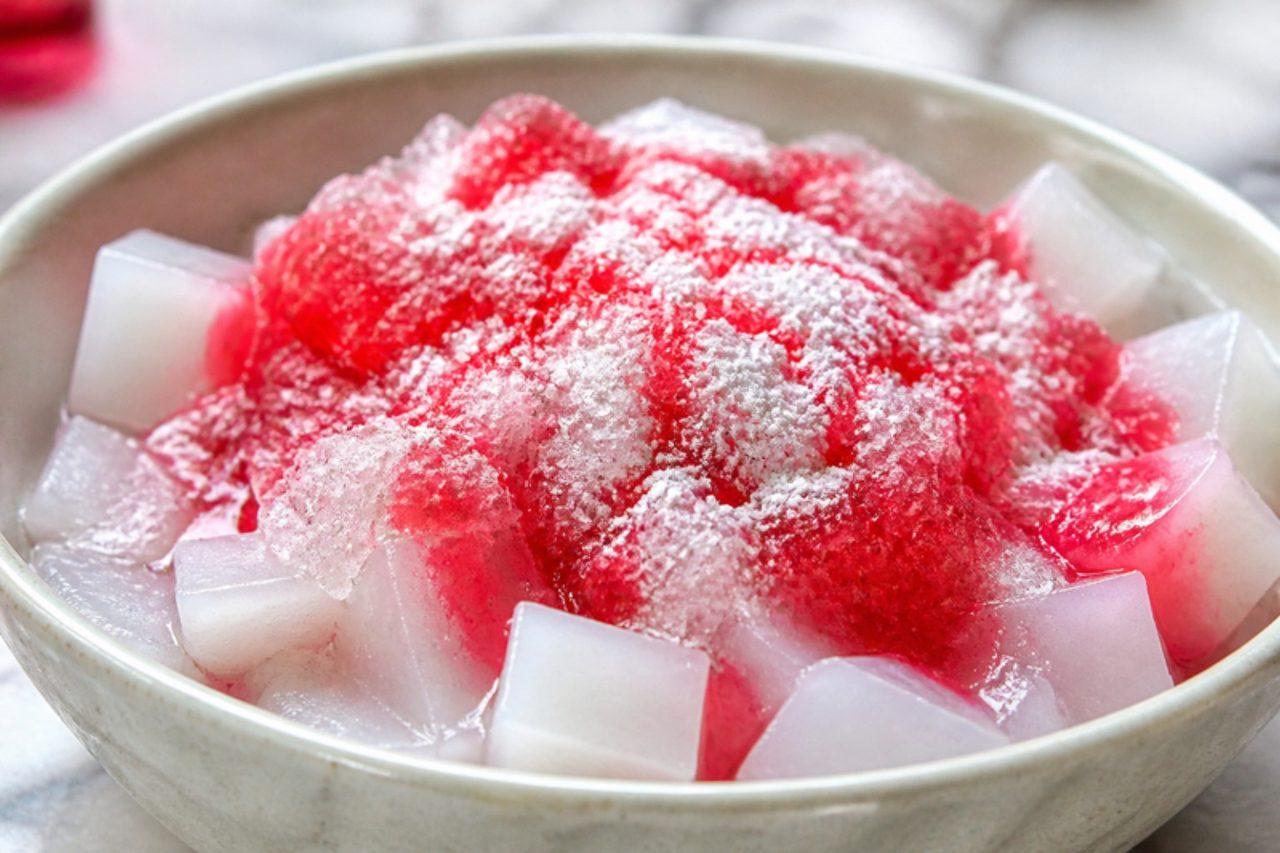
Bici biciRosewater starch jelly with ice

When Adana's July heat pushes past 40 °C, handcarts on every corner serve bici bici: cubes of wobbly starch jelly piled with shaved ice, splashed with rose syrup and dusted with icing sugar. Children eat it in the shade of the clock tower; grown-ups claim it is the only thing that works in that heat. The jelly is just cornflour, water and a little sugar, set and cut into cubes. The usual mistake is undercooking it, which leaves a cloudy, floury jelly that won't hold a cut. Chef's tip: freeze water in a shallow tray and scrape it with a fork for snowy ice if you have no ice shaver.

by KrazyBadal 0 views

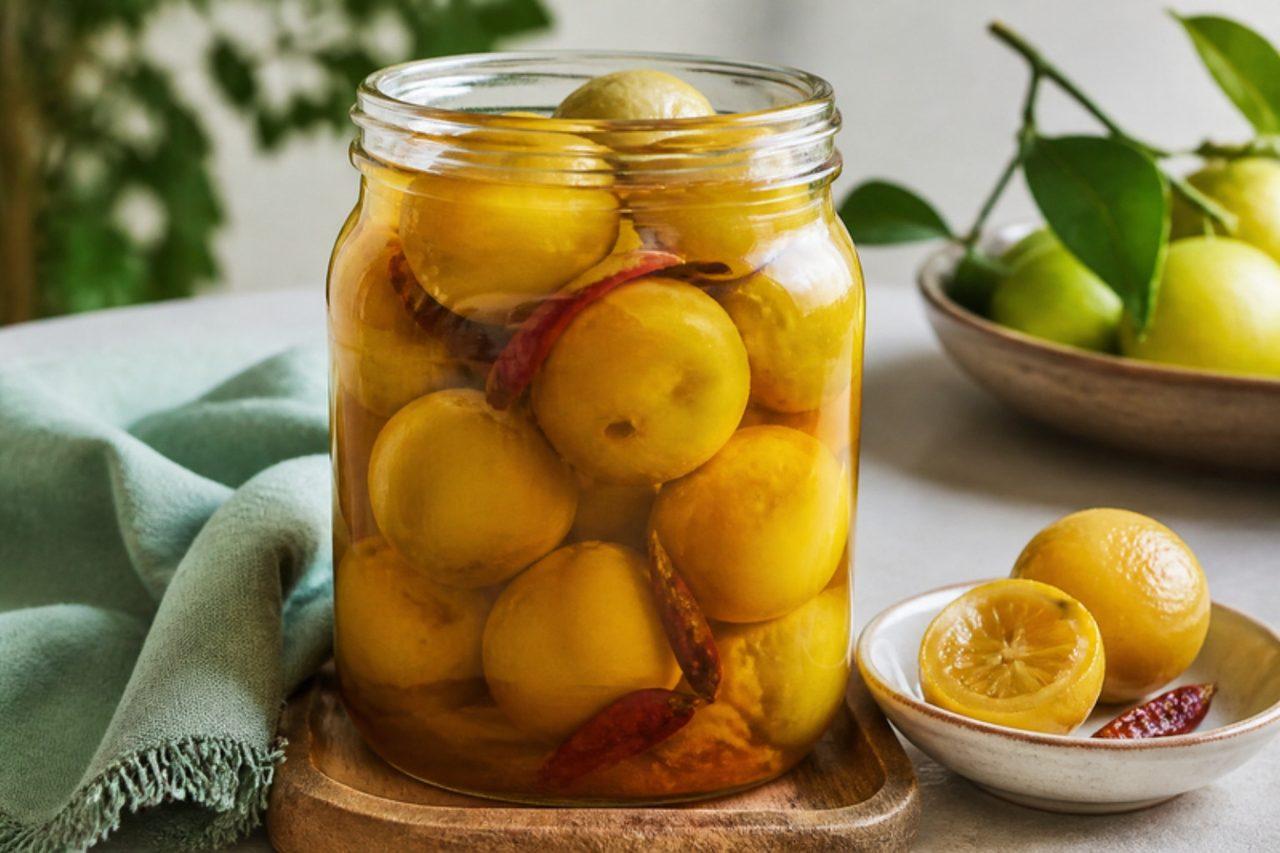
Torshi limooSalt-pickled limes

In Shiraz and down towards the Gulf ports, small thin-skinned limes are packed into jars with salt and more lime juice, then forgotten on a sunny shelf until the peel softens and turns translucent. The result is sour, salty and faintly bitter, and a little goes a long way: a sliver alongside fish and rice in Bushehr, chopped into a salad, or mashed into a stew. It is related to the Gulf habit of drying limes, but stays soft and juicy. Chef's tip: choose small, thin-skinned limes; thick-skinned ones stay bitter and tough however long you wait.

by KrazyBadal 0 views

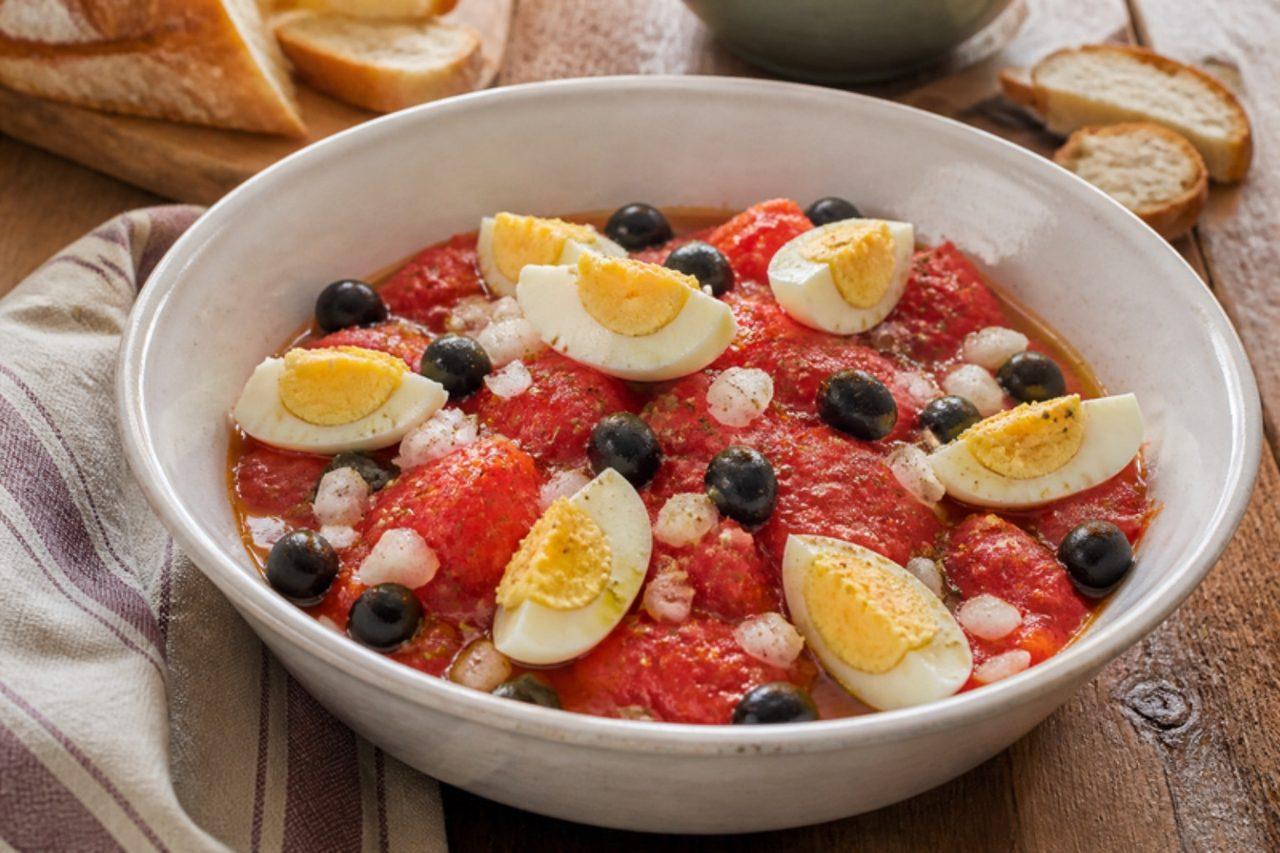
Ensalada murcianaTomato, onion, olive and egg salad

This is Murcia's summer salad, and it surprises visitors because it is built on tinned peeled tomatoes rather than fresh ones. Murcia has long been a canning region, and the sweet, soft preserved tomatoes give a juicy base that is mopped up with bread in bars and on terraces from the city to the Mar Menor. Black olives, onion and hard-boiled egg go on top; bars very often add tinned tuna, which this vegetarian version leaves out. Chef's tip: dress it at least 20 minutes before serving so the onion softens in the tomato juice.

by KrazyBadal 0 views

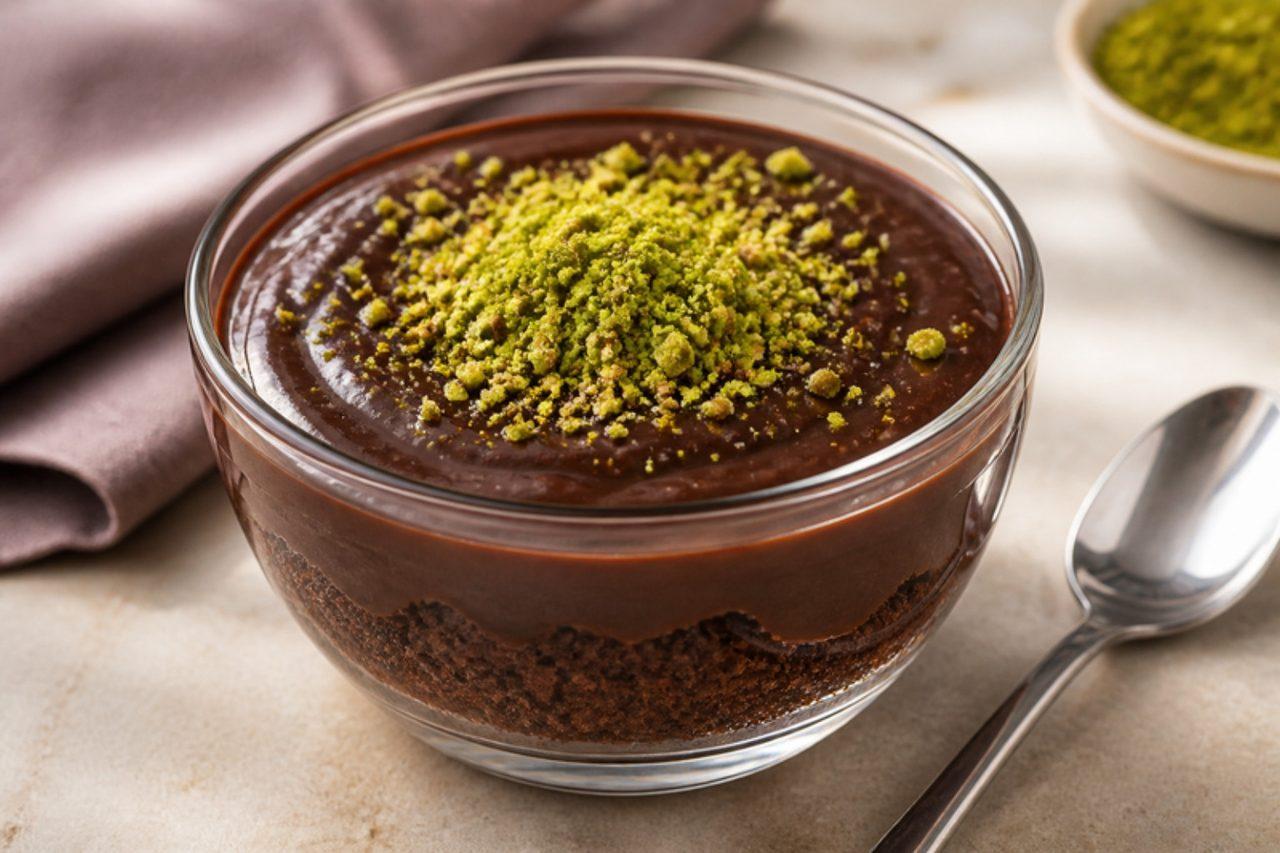
SupangleChocolate pudding on sponge

Supangle is the chocolate pudding of Turkish pudding shops and school canteens, a favourite of children from Istanbul to Ankara: a thick, dark cocoa custard set in a bowl, traditionally with a piece of sponge cake or biscuit hidden at the bottom to soak up the edges. Served cold with grated chocolate or pistachios on top, it is rich but not heavy. Use proper dark chocolate as well as cocoa for depth. Common mistake: adding the chocolate before the pudding has thickened; it can seize and turn grainy. Chef's tip: whisk the butter in at the very end, off the heat, for a glossy, almost shiny surface.

by KrazyBadal 0 views

Ensalada mixtaLettuce, tomato and onion salad

Simplicity is the whole idea of the ensalada mixta, the salad that comes with almost every order at a parrilla and sits beside the meat at every family asado: crisp lettuce, ripe tomato and thinly sliced onion, dressed at the table with oil, vinegar and salt from the cruets. There's no mustard, no sugar, no herbs, so the quality of the tomatoes and the crunch of the lettuce carry it. It is cool, sharp and refreshing, and cuts through grilled meat, provoleta and fries. The usual blunder is dressing it too early: the salt pulls water from the tomato and the lettuce goes limp in minutes, so toss it just before it goes to the table. Round butterhead lettuce (criolla) is the classic, but any crisp lettuce works. Chef's tip: soak the sliced onion in iced water for 10 minutes and drain; it stays crunchy but loses its harsh edge.

by KrazyBadal 0 views

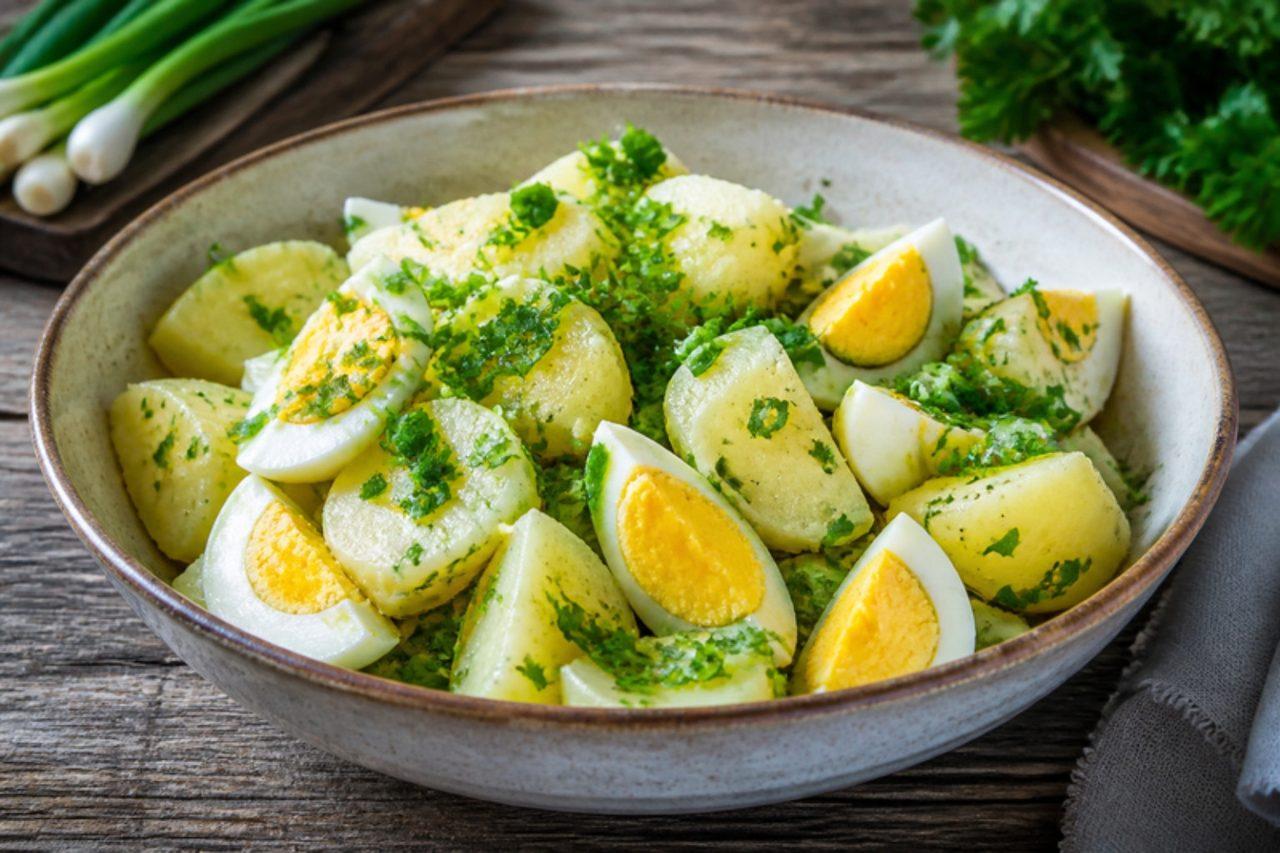
Ensalada de papa y huevoPotato and egg salad

Sunday asados in Argentina tend to come with two salads: the green ensalada mixta and this one, chunks of boiled potato and hard-boiled egg dressed while warm with oil, vinegar, salt and plenty of parsley. Some households stir in mayonnaise, which takes it close to ensalada rusa, but the oil-and-vinegar version is lighter and lets the potatoes taste of themselves. It is mild, soft and slightly tangy, and good at room temperature, which is why it suits an outdoor lunch that goes on for hours. Dressing cold potatoes is the error that leaves the salad bland: warm potatoes soak up the vinegar and oil, cold ones don't. Choose waxy potatoes that hold their shape, and cook the eggs fully for 10 minutes. Chef's tip: sprinkle the vinegar on the hot potatoes first and wait five minutes before adding the oil; the potatoes absorb the acid and the salad tastes seasoned all the way through.

by KrazyBadal 0 views

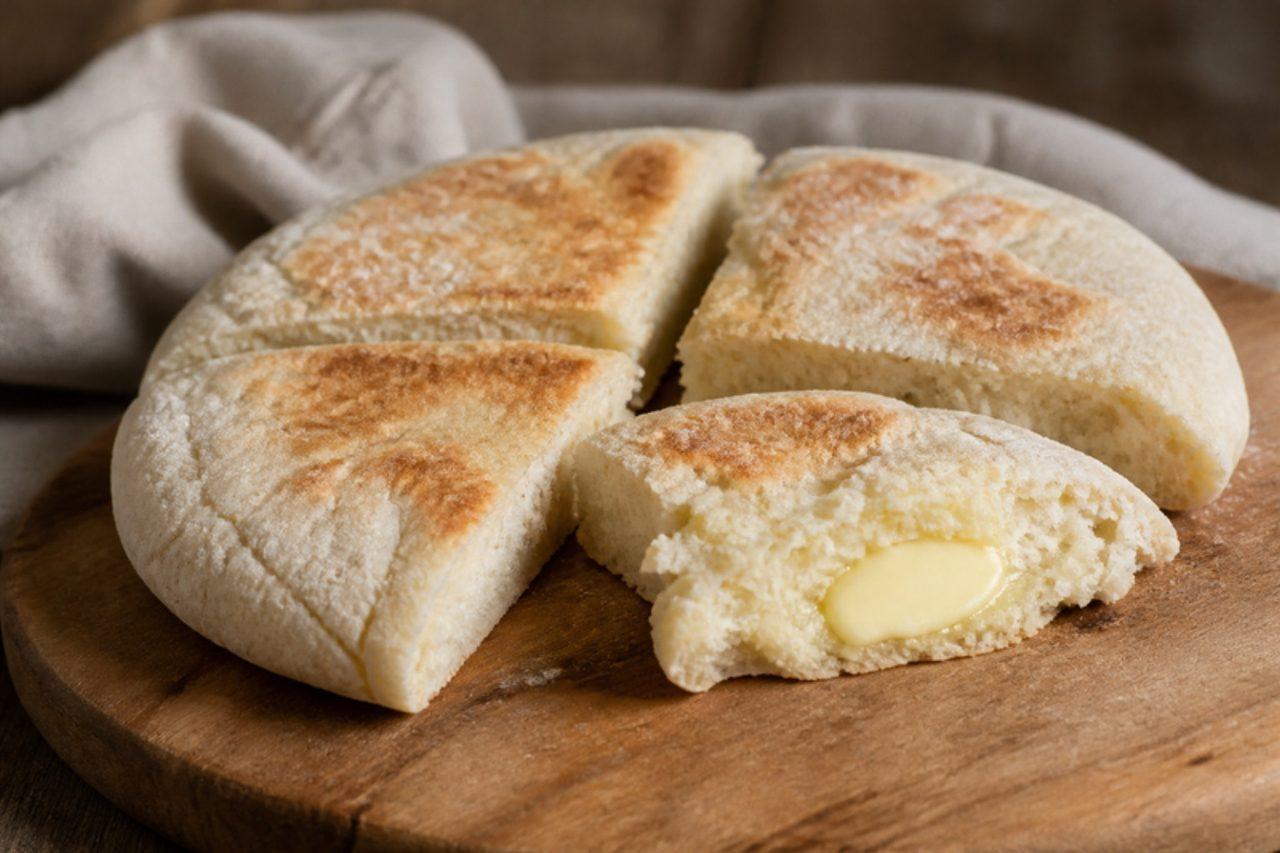
Soda farlsGriddled soda bread

Soda farls are the griddle bread of Northern Ireland, cooked on a flat pan rather than baked, and split and fried in the Ulster fry or eaten warm with butter and jam. Plain flour, bicarbonate of soda and buttermilk make a quick, light dough that is shaped into a round and cut into four farls. Chef's tip: get the griddle hot before the dough is mixed; the soda starts working as soon as the buttermilk goes in.

by KrazyBadal 0 views

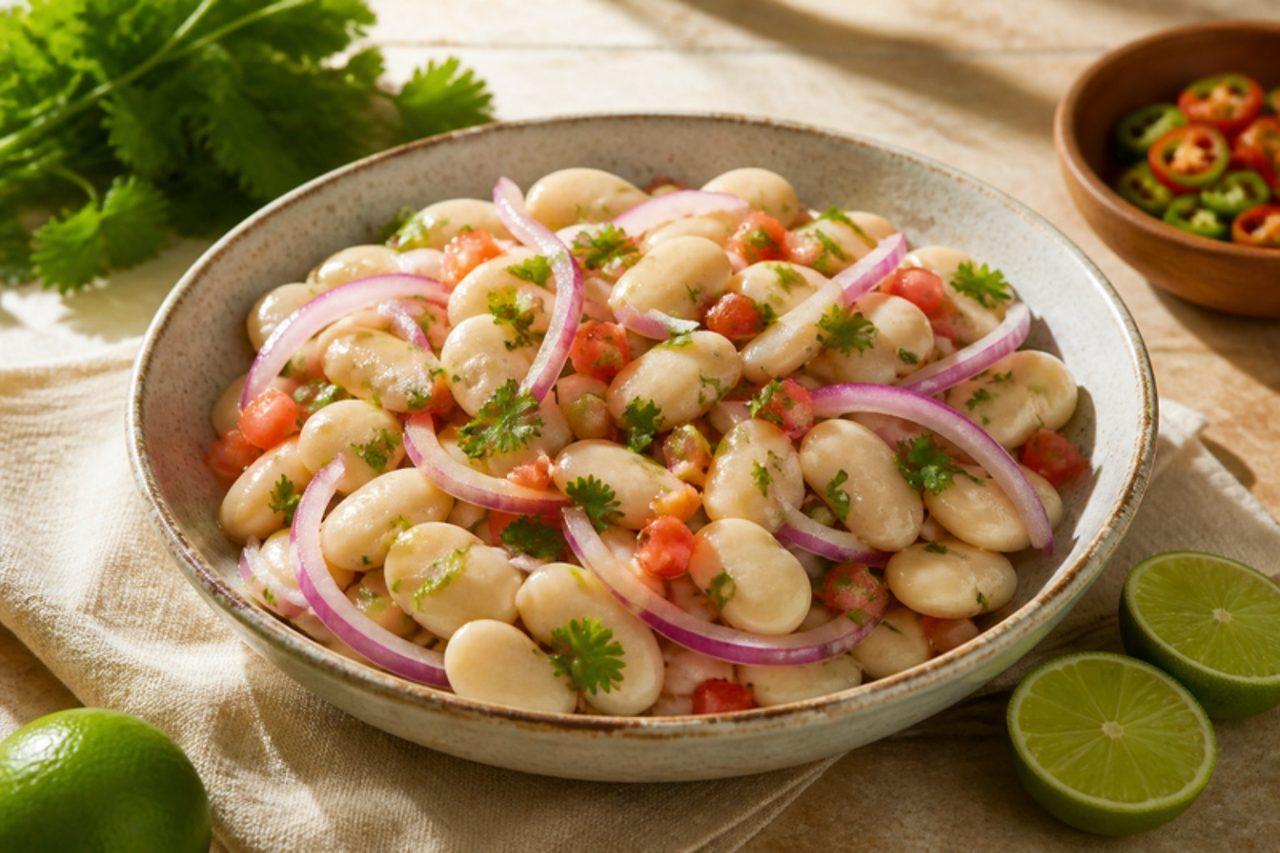
Ensalada de pallaresLima bean and red onion salad

Around Ica, on Peru's southern desert coast, pallares grow in irrigated valleys and dry into fat, flat beans the size of a thumbnail; the region holds them in high regard and sells them by the sack at the Ica market. Cooked until creamy and dressed while warm, they become a filling salad that sits on the table beside fried fish, rice or a plate of boiled sweet potato, and it works as a light lunch on its own. The onion is cut the Peruvian way, in fine half-moons, rinsed so it stays crisp without biting, and the ají limo gives a fruity heat that you can turn up or down. A frequent slip is dressing the beans straight from the fridge: they stay chalky and the lime slides off instead of soaking in. Using dried beans adds an overnight soak; good jarred or canned large lima beans make it a 20-minute dish. Chef's tip: dress the beans while they are still warm with half the lime and salt, then add the onion, tomato and the rest of the lime just before serving.

by KrazyBadal 0 views

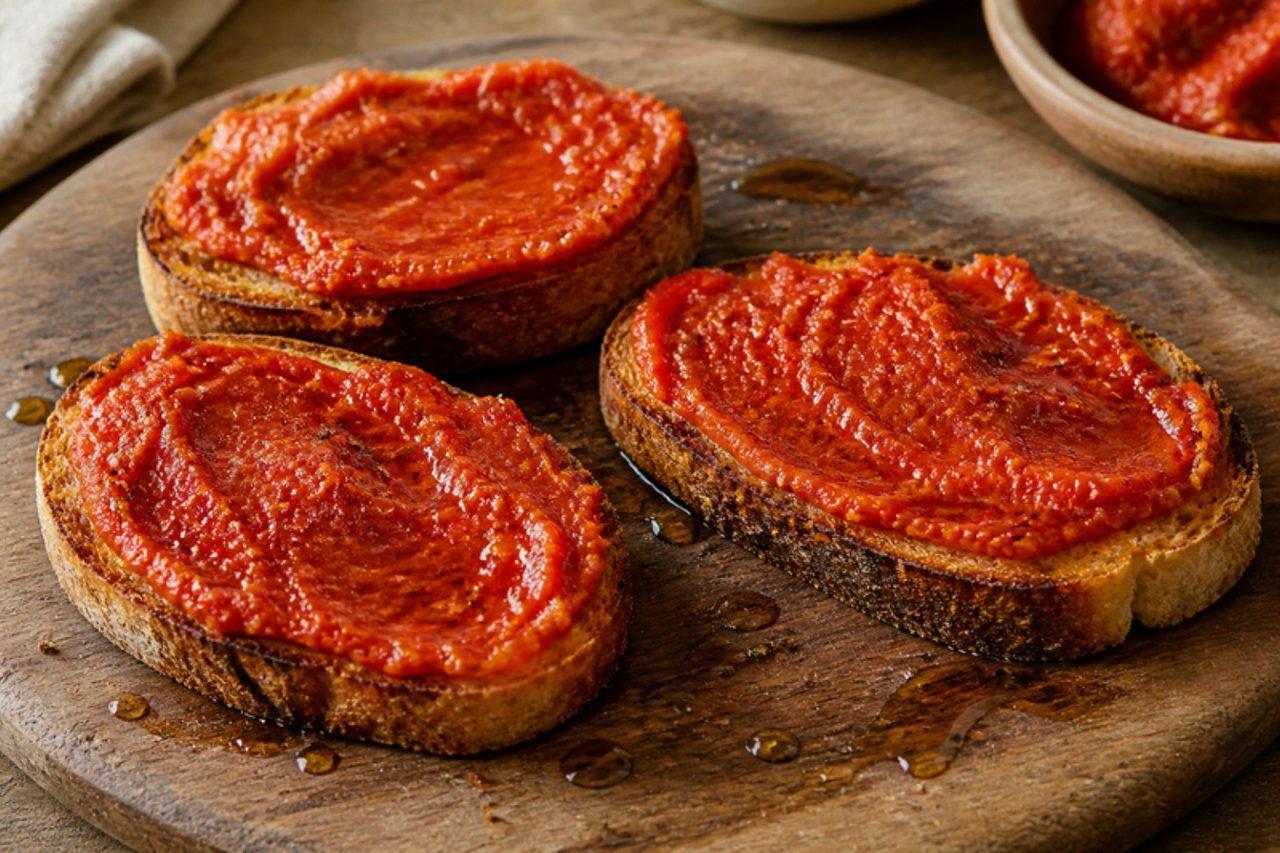
Sobrassada amb melToasted bread with sausage and honey

Sweet and salty sobrassada toast is the snack Mallorcan bars put out with a cold drink, and it often closes a winter meal at home. Sobrassada is the island's soft, spreadable cured sausage of pork and paprika. This contains pork. Spread on country bread, warmed until it melts and sizzles, and finished with a thread of honey, it takes five minutes. Sobrassada is a raw cured meat, so eaten unheated it is not for pregnant women, young children or anyone with a weakened immune system; this recipe grills it until piping hot. Chef's tip: spread it thinly right to the edges, so it crisps instead of pooling in the middle.

by KrazyBadal 0 views

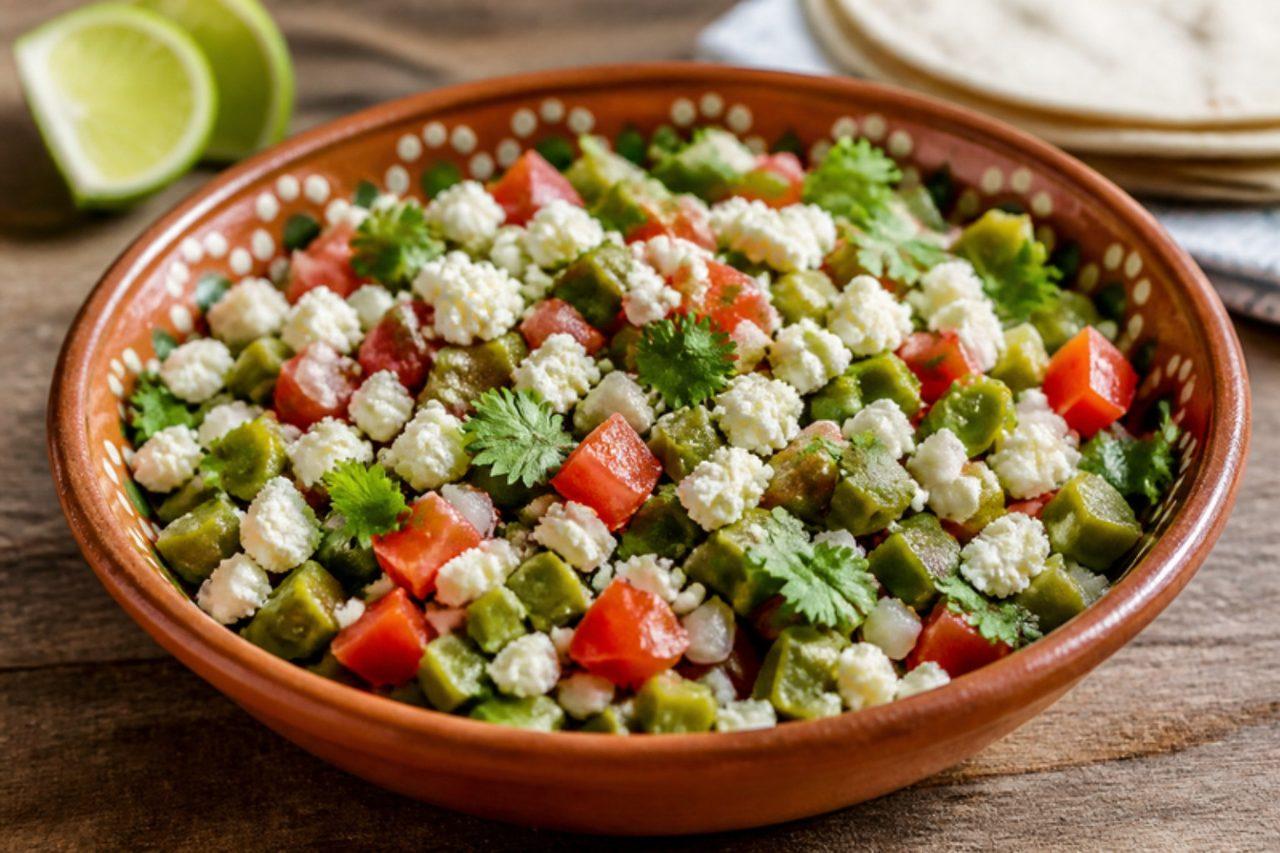
Ensalada de nopalesCactus salad

In the markets of Milpa Alta, south of Mexico City, the nopal growers sell paddles already scraped of their thorns, stacked in towers, and the salad they become is on the side of every comida corrida in the region. Cooked cactus tastes a little like green beans with a lemony edge; dressed with tomato, white onion, chilli, coriander and lime, it is cool and crisp, and the crumbled cheese softens the sharpness. Serve it with rice and beans, inside tacos, or on a tostada. Chef's tip: cook the nopales with a few onion slices and a pinch of bicarbonate of soda; they keep their bright colour and the slime washes away faster.

by KrazyBadal 0 views

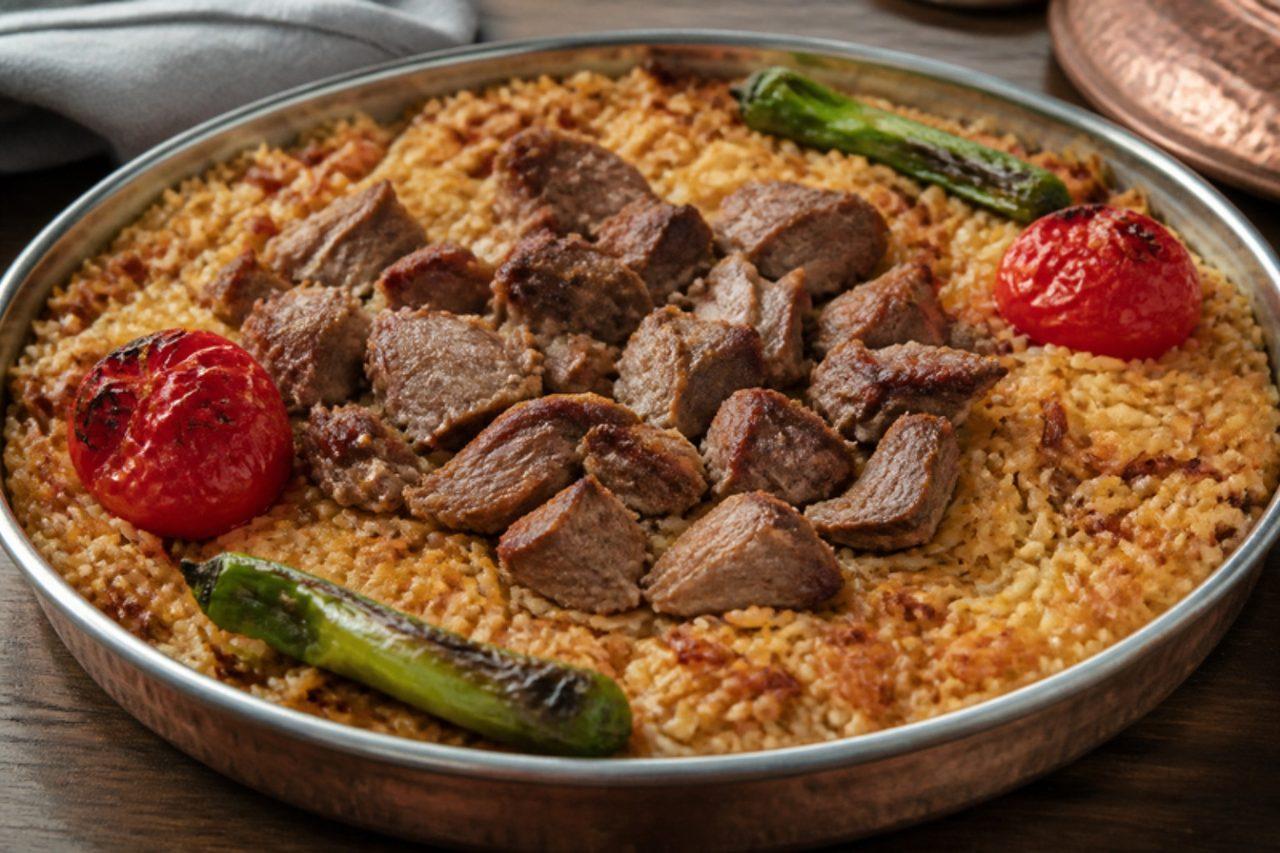
Ankara tavasıBraised lamb on orzo pilaf

Ankara's signature dish is a tava, a baking pan, in which tender braised lamb is laid over a pilaf of rice and orzo and finished in the oven so the top grains go crisp and the meat juices soak right through. Old Ankara families serve it for guests and at festival lunches, with a bowl of cacık and pickles. Common mistake: using fully cooked pilaf, which dries out and turns hard in the oven; cook the rice only halfway. Chef's tip: save every spoon of the lamb's braising liquid; it's what flavours and finishes cooking the rice underneath.

150 minTurkishMeat
by KrazyBadal 0 views

Ensalada de chontaPalm heart salad

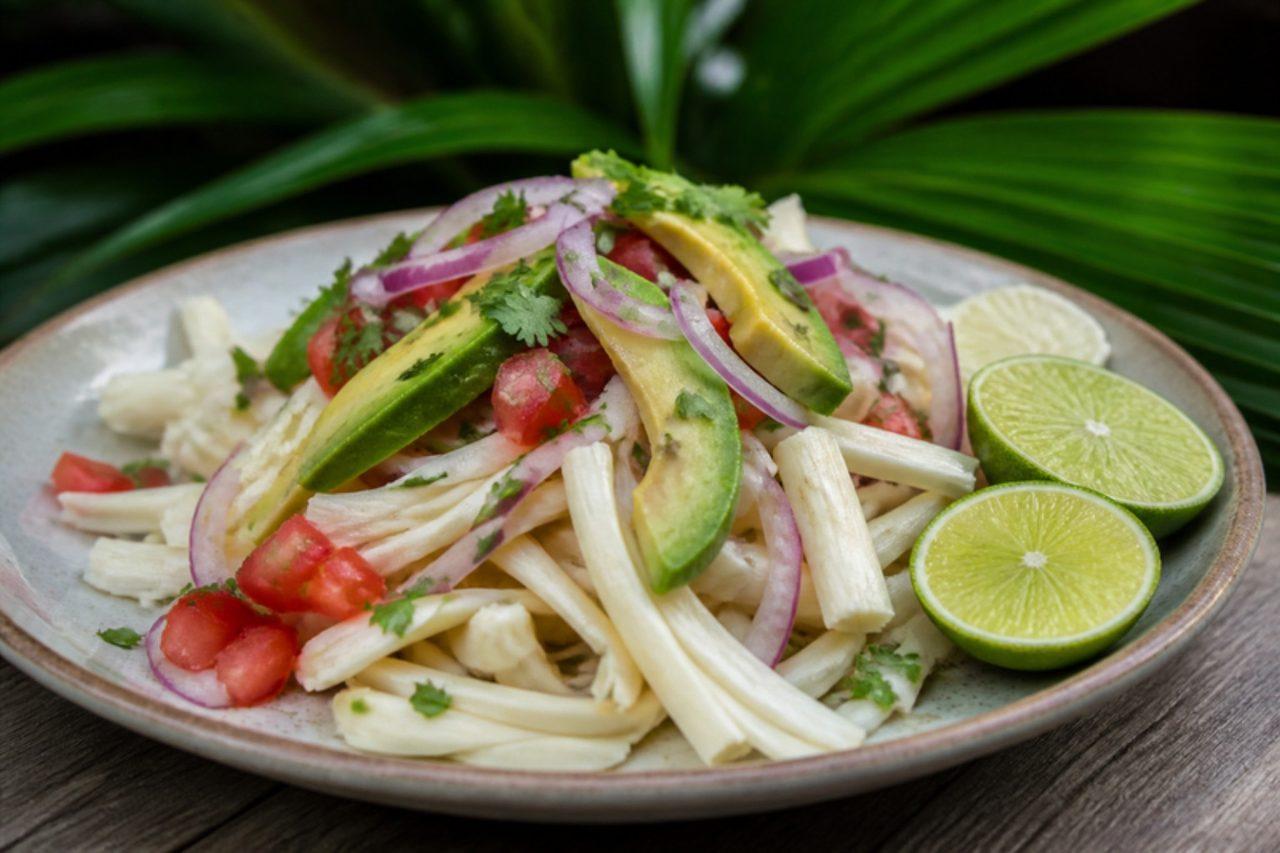
Iquitos restaurants and the riverside cafés of the Peruvian Amazon serve ensalada de chonta as a cool counterpoint to grilled fish and juanes: long, pale ribbons of fresh palm heart, crisp and faintly sweet, tossed with tomato, avocado, red onion and lots of lime. At Belén market you can watch sellers shave the chonta into curls with a big knife. Outside the Amazon, fresh palm heart is hard to find, but good jarred hearts of palm cut into thin strips work well, and the salad becomes a ten-minute job. It's crunchy, juicy and sharp, perfect with rice and beans or any fried snack. Where most people go wrong is adding the avocado and salt early, so the salad turns soupy and grey; dress it at the last moment. Chef's tip: slice the palm hearts lengthwise on a mandoline or with a peeler for thin, curling ribbons that look like the Iquitos original.

by KrazyBadal 0 views

Showing 90 of 7,762 recipes

Page 430 of 863