


Skip to content
Tavuk pilav
Featured recipe

Tavuk pilav

Chicken and chickpea rice

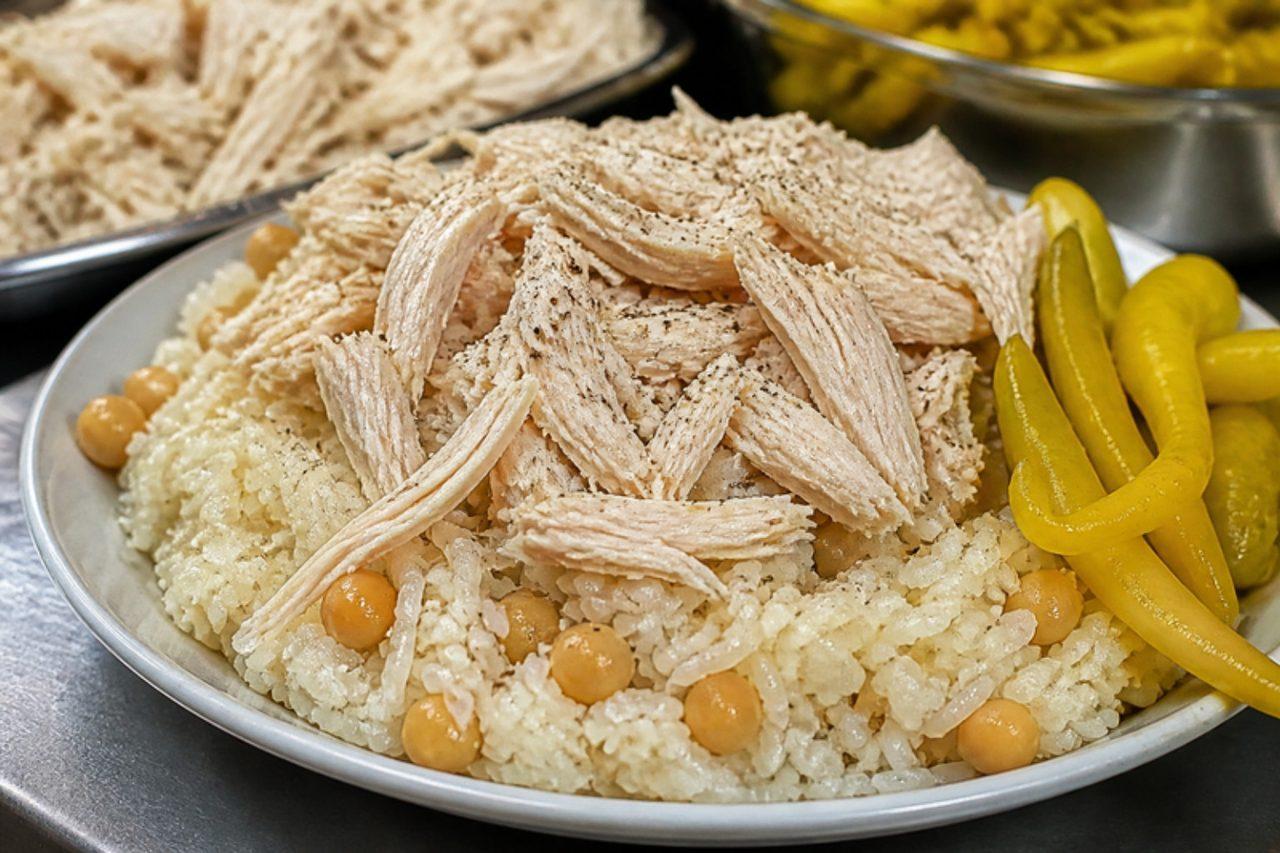
Glass-fronted carts parked outside Istanbul's ferry piers and office blocks sell tavuk pilav from early morning: rice cooked in rich chicken stock with butter and chickpeas, heaped into a dish and topped with shredded chicken, black pepper and a pickled pepper on the side. Workers eat it standing up with a glass of ayran. At home it is just as easy and makes a whole chicken go a long way. Common mistake: stirring the rice while it steams; it breaks and turns sticky. Chef's tip: wash the rice until the water runs clear and soak it in warm salted water for 30 minutes; every grain stays separate and glossy.

Read more 0 views

What to eat today?

Around the world

Today's trip: Paraguayan

A new country every day, from every cuisine on the site.

Paraguayan

Kosereva

Candied bitter orange peel 180 minMore from Paraguayan (27) →

This week's collection

Kid-friendly dinners
537 recipes · a new collection every Monday

Latest recipes

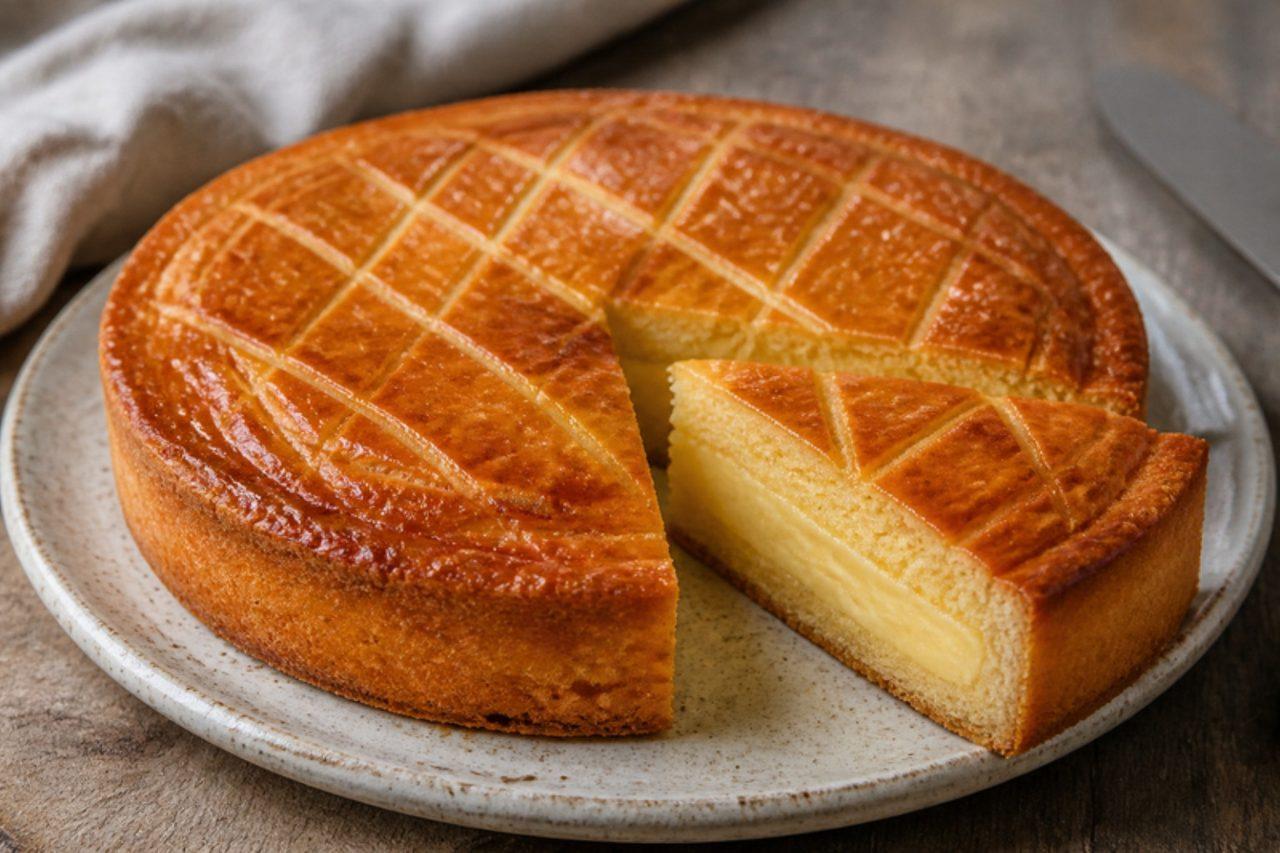
Gâteau basqueCream-filled butter cake

Cambo-les-Bains and the inland villages of the Labourd claim the gâteau basque, and bakeries across the Basque Country sell it in two versions, filled with black cherry jam from Itxassou or with thick pastry cream, marked with a criss-cross or a Basque cross on top. Families buy one for Sunday lunch and cut it at room temperature with coffee. Its crust is halfway between shortbread and cake, golden and crumbly, wrapped round a soft vanilla centre. Some bakers flavour the cream with rum; this one uses vanilla and almond extract and is alcohol-free. For the cherry version, swap the cream for 300 g thick black cherry jam. Chef's tip: chill the dough well before rolling; it is soft and buttery and tears when warm.

105 minFrenchBaking
by KrazyBadal 0 views

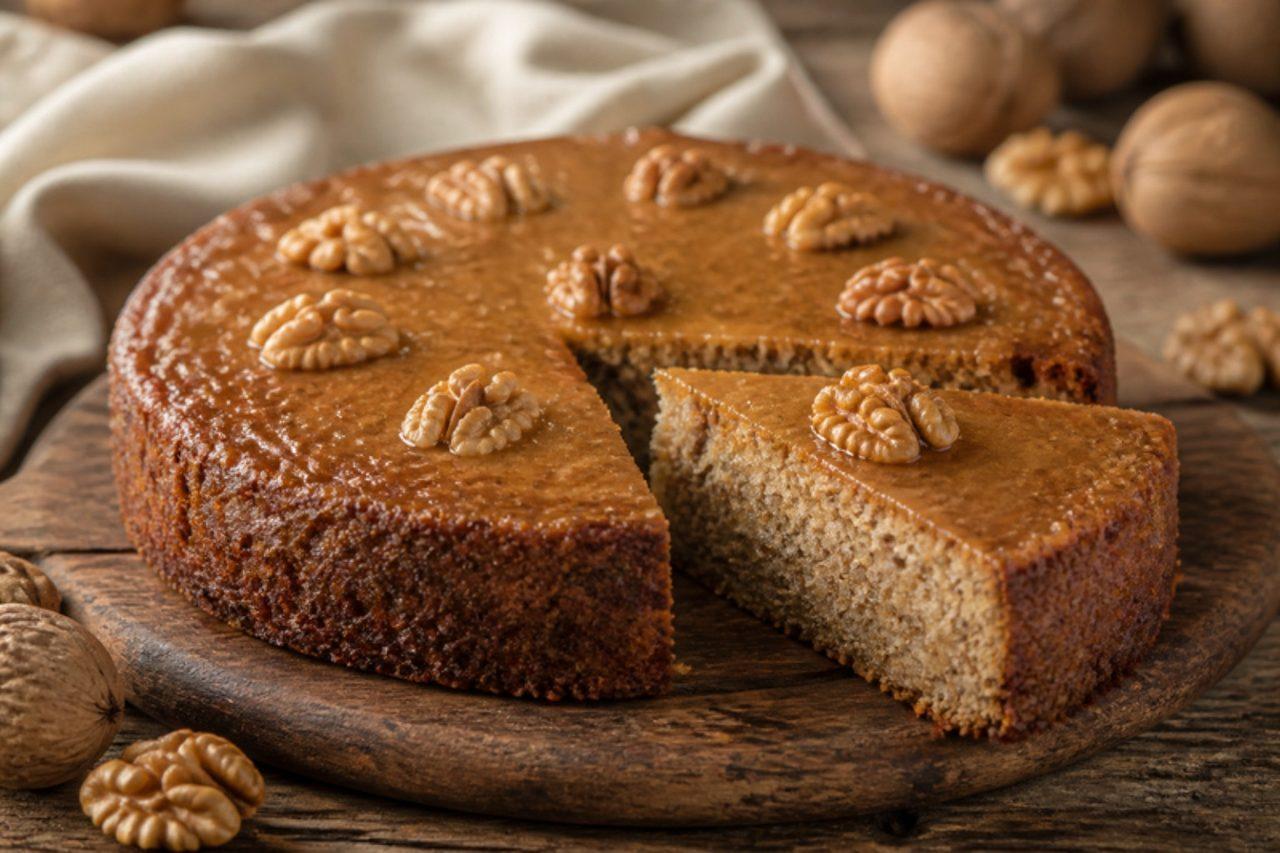
Gâteau aux noix du PérigordWalnut cake

Walnut orchards line the Dordogne valley around Sarlat and Périgueux, and after the autumn harvest every farmhouse and market bakery turns the new nuts into this dense, moist cake. It is sold by the slice at Sarlat's Saturday market and eaten in the afternoon with coffee or a glass of walnut-leaf syrup and water, or after Sunday lunch with a spoon of crème fraîche. Ground walnuts replace most of the flour, so it is nutty, slightly bitter and very tender. Chef's tip: toast the walnuts first for 6 minutes; it softens the bitterness of the skins and deepens the flavour.

by KrazyBadal 0 views

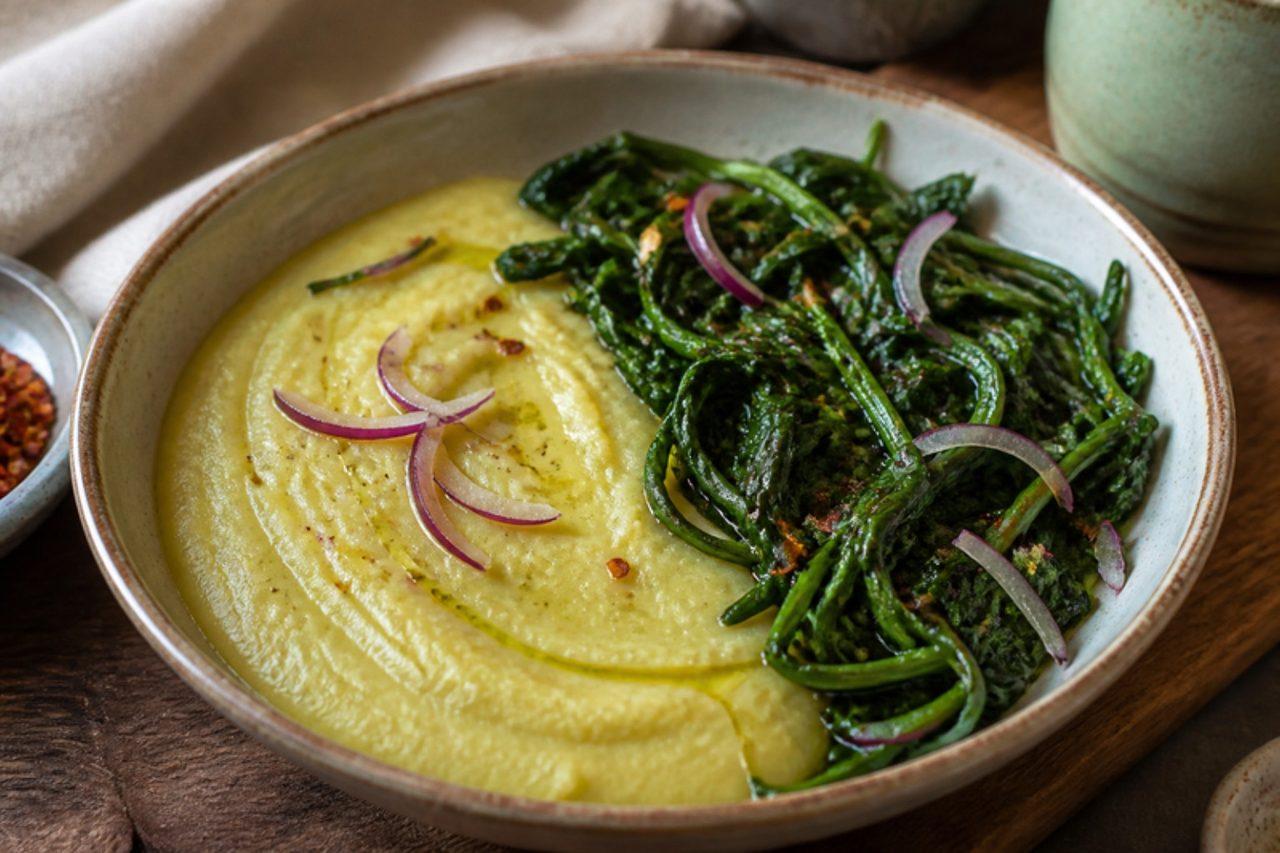
Fave e cicorieBroad bean purée with chicory

Few plates say Puglia as plainly as this one: a pale, velvety purée of dried broad beans beside a tangle of boiled wild chicory, the two joined by a stream of green olive oil. Families from the Murgia to the Salento cook it on winter weekdays and through Lent, and Bari trattorias still put it on the menu as the true taste of cucina povera. The beans are sweet and earthy, the greens bitter, and every forkful should carry a little of both. Chef's tip: buy dried broad beans that are already skinned and split; they cook to a cream on their own, with no sieving.

by KrazyBadal 0 views

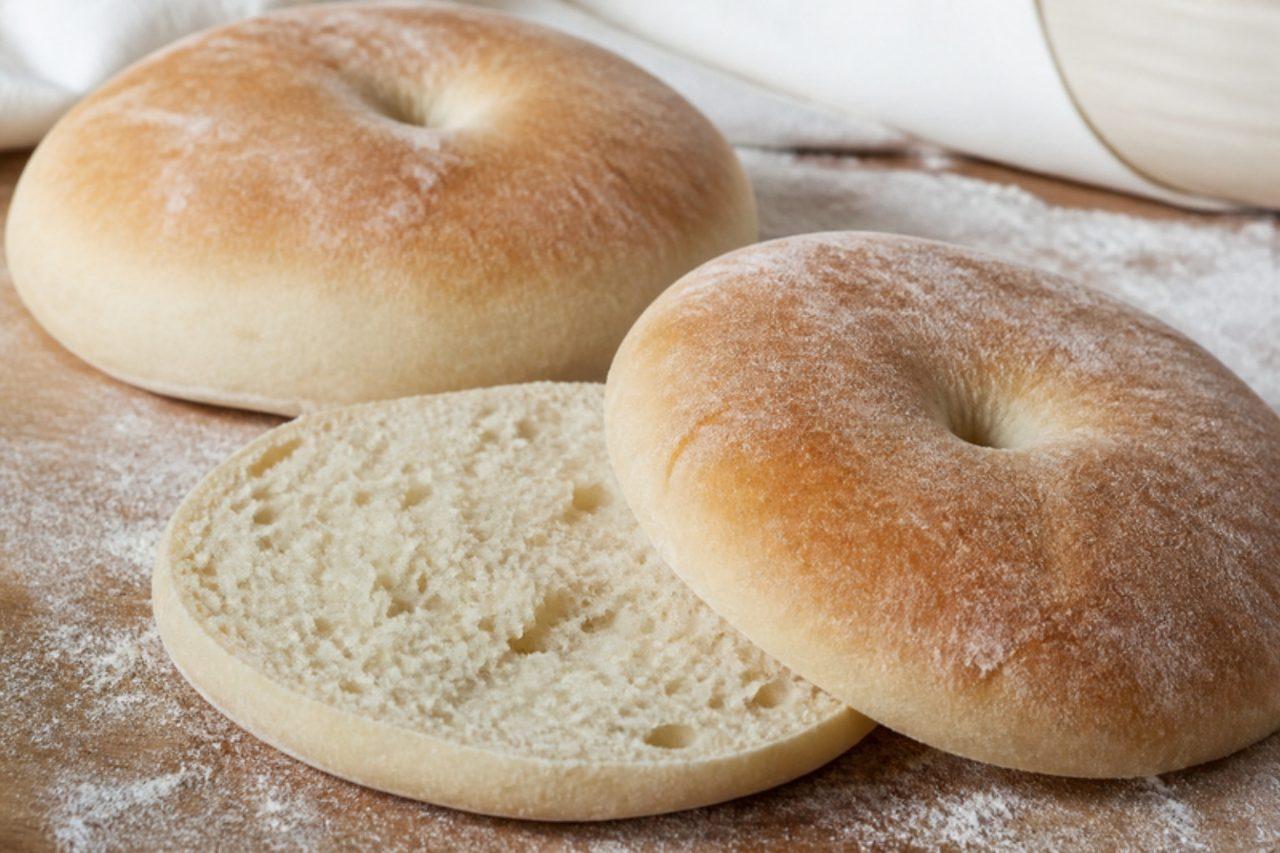
Newcastle stottie cake

The stottie is the big flat round loaf of Tyneside and County Durham, with a dimple pressed in the middle and a dense, chewy crumb; bakers in Newcastle split them and stuff them with pease pudding, cheese or a bacon filling. Its name is said to come from 'stotting', or bouncing, because it is heavy enough to bounce off the floor. Chef's tip: bake it low in the oven so the bottom gets a deep golden colour while the top stays pale.

by KrazyBadal 0 views

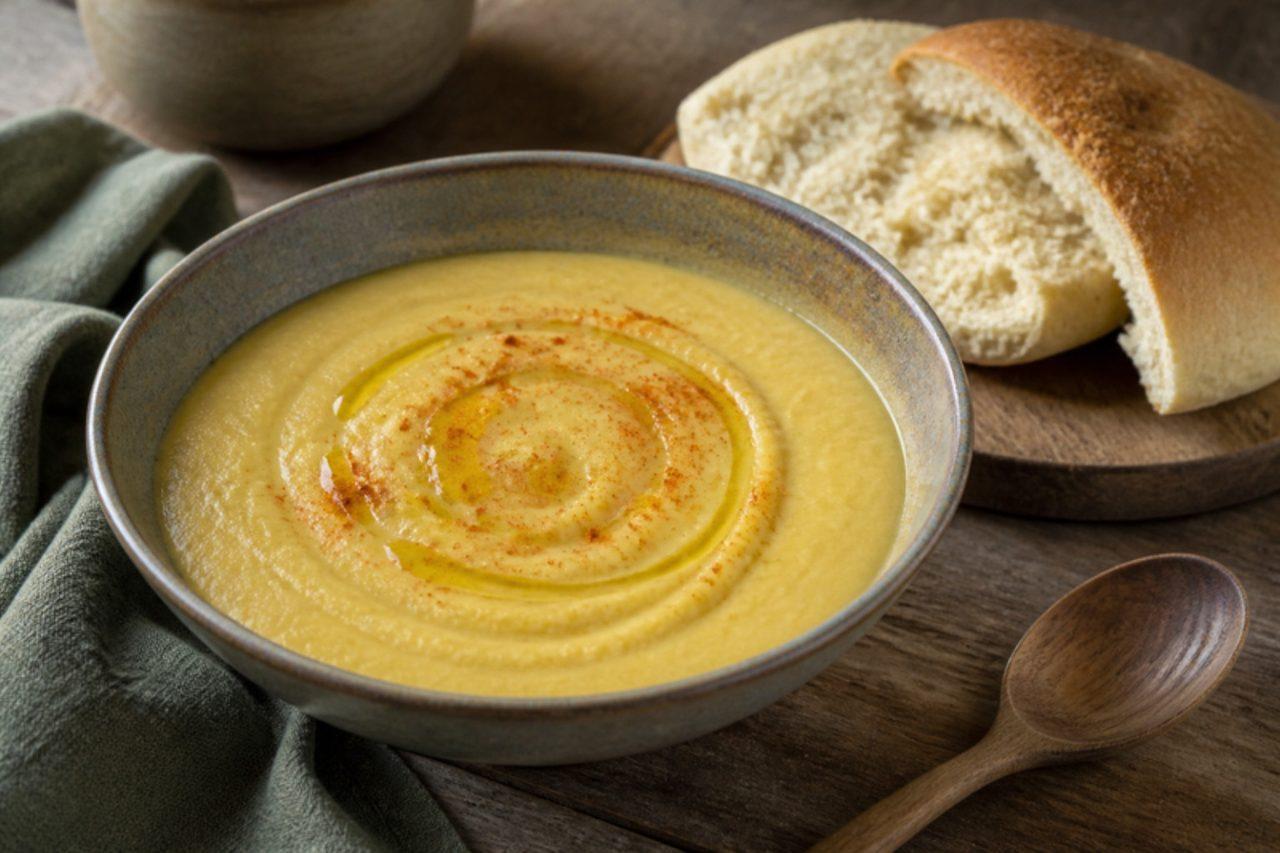
Pease pudding

Pease pudding is the thick yellow split pea spread of Newcastle and the North East, eaten in a stottie cake with ham or simply with buttered bread, and the 'pease pudding hot, pease pudding cold' of the nursery rhyme. It was traditionally boiled in a cloth beside a ham; this plant-based version is simmered with onion, bay and a little smoked paprika for the savoury depth. Chef's tip: soak the split peas overnight; unsoaked peas take hours and cook unevenly.

100 minBritishSidesVeganGluten free
by KrazyBadal 0 views

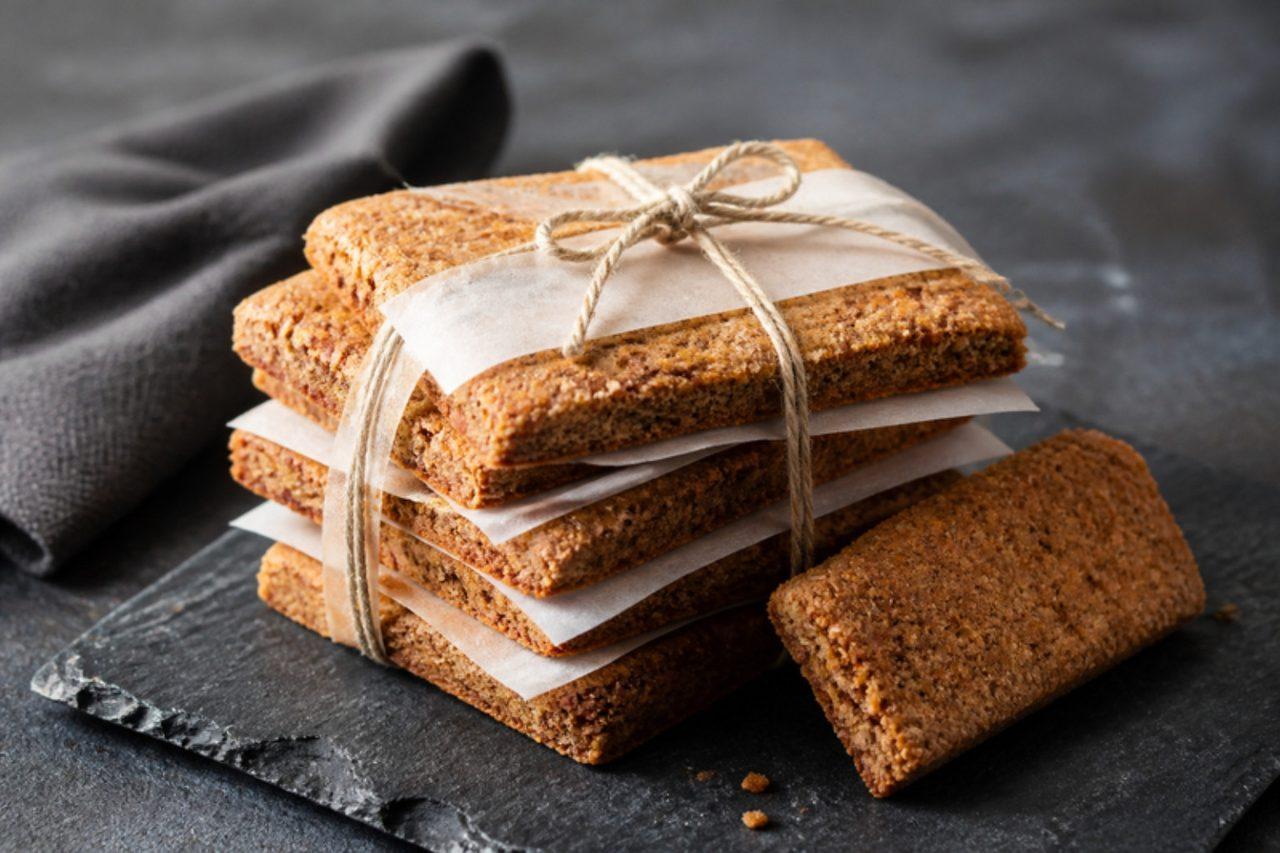
Grasmere-style gingerbread

The village of Grasmere in the Lake District has sold its own gingerbread since the 1850s, a cross between shortbread and a biscuit with a crumbly top and chewy base, wrapped in paper for walkers and visitors to Wordsworth's grave. The real recipe is a closely kept secret; this is our home version, made with oatmeal, brown sugar and plenty of ground ginger. Chef's tip: press only the bottom half of the crumb mixture firmly and scatter the rest loosely on top, which gives the two textures.

by KrazyBadal 0 views

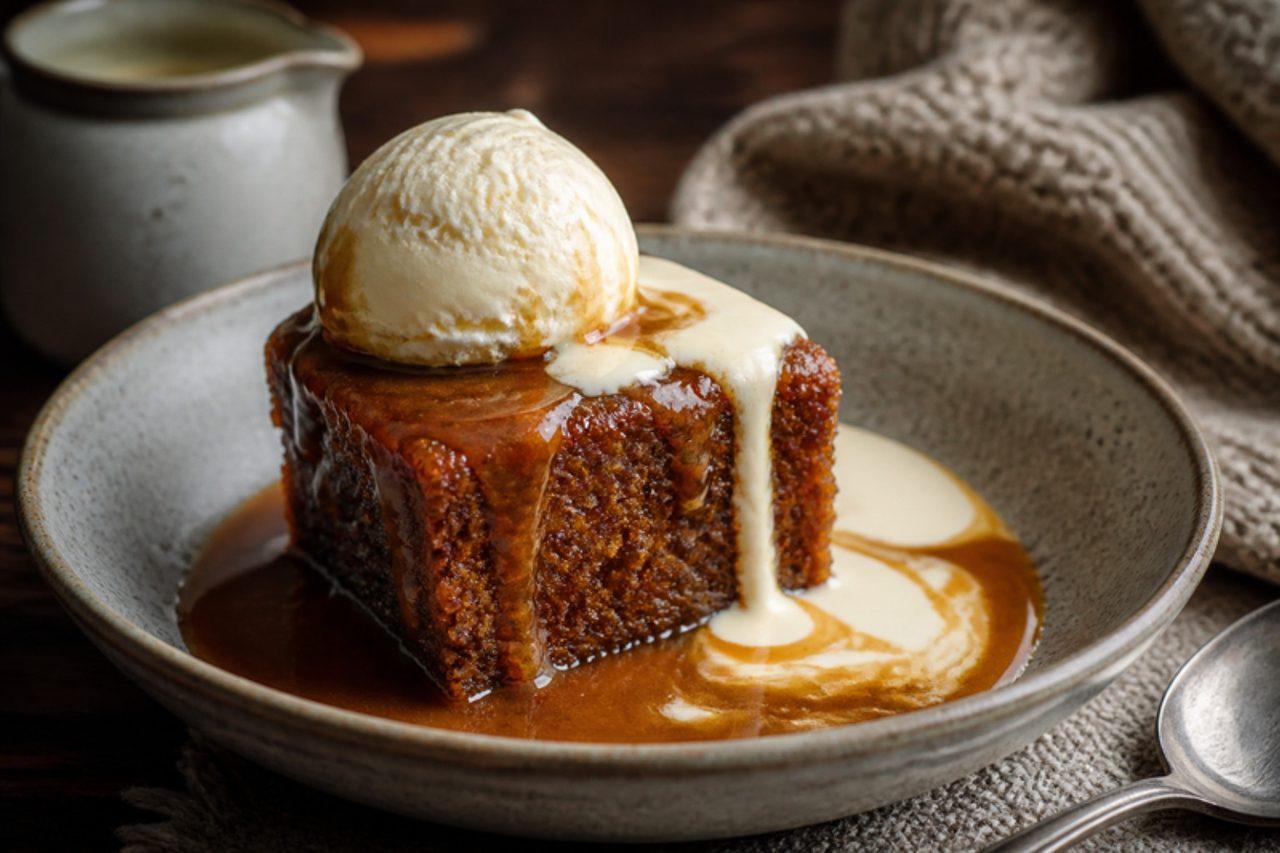
Sticky toffee pudding

Sticky toffee pudding was made famous by a country hotel and a village shop in the Lake District, and Cumbria still claims it, though it now ends Sunday lunch in pubs across Britain. A soft, dark sponge made with soaked dates is soaked in a buttery brown-sugar sauce and served with more sauce, plus cream, custard or vanilla ice cream. Chef's tip: poke holes in the hot sponge and pour on a third of the sauce, so it soaks right in.

by KrazyBadal 0 views

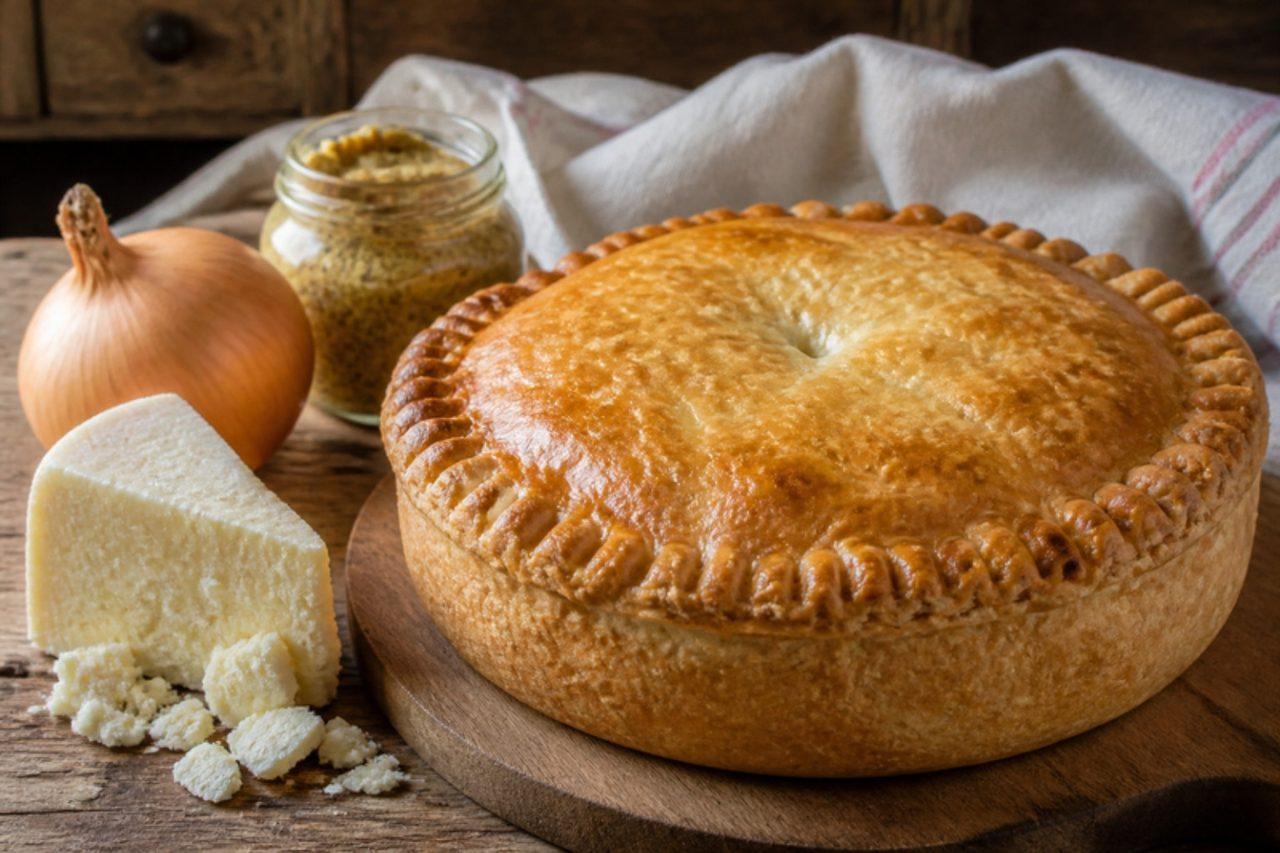
Lancashire cheese and onion pie

This is the pie of the Lancashire chippy and the Bolton market stall, a vegetarian staple of the North West long before the word was common. Sliced onions and potato are softened, then mixed with plenty of crumbly Lancashire cheese and baked in shortcrust until the filling is creamy and tangy. Traditional Lancashire is usually made with animal rennet, so choose a vegetarian Lancashire or a vegetarian crumbly cheese. Serve with mushy peas or beans. Chef's tip: let the onions cool before mixing in the cheese, or it melts into oil before the pie is baked.

by KrazyBadal 0 views

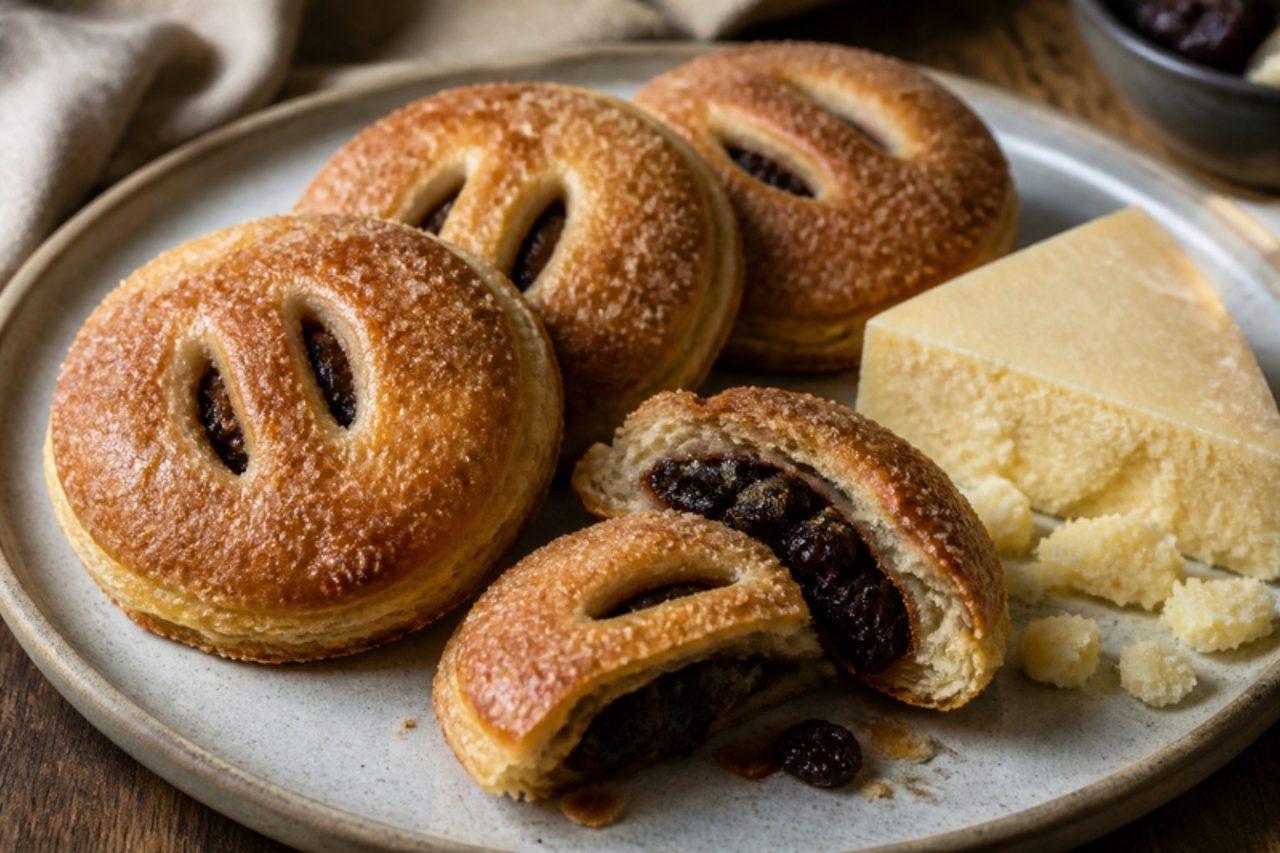
Eccles cakes

From the town of Eccles near Manchester, these flat pastry cakes are filled with butter-soaked currants and peel, slashed three times on top and baked until sugary and crackly. Lancashire people eat them with a slice of crumbly Lancashire cheese, the sweet and salty pairing locals swear by. Chef's tip: chill the filled cakes for 20 minutes before baking, so the pastry stays flaky and the filling doesn't leak.

by KrazyBadal 0 views

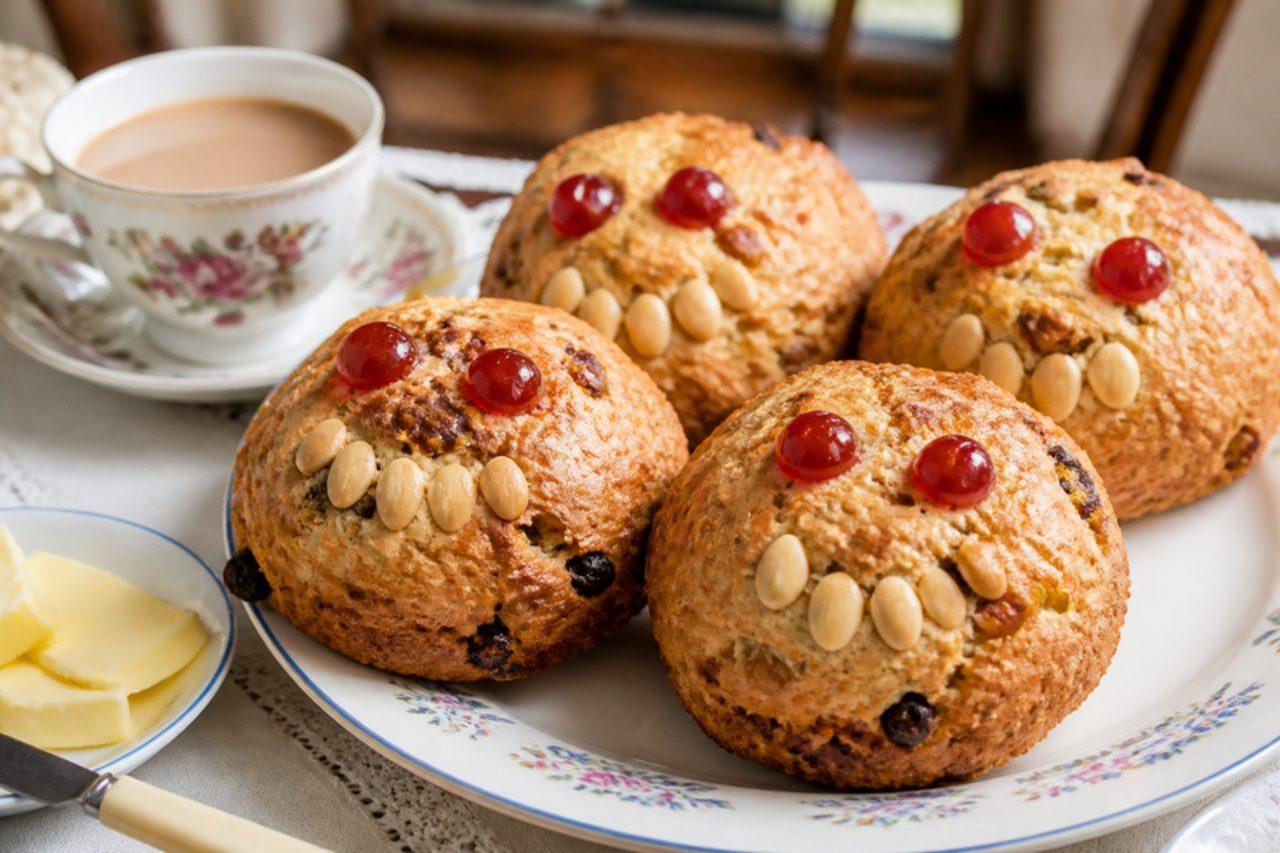
Yorkshire fat rascals

Fat rascals are big, rough, fruit-studded cakes from the North York Moors, halfway between a scone and a rock cake, and the famous Harrogate tea rooms made them a visitor's treat. Each one gets a face of glacé cherries and blanched almonds before baking. Eat them warm, split and buttered, with a pot of tea. Chef's tip: work the dough as little as possible, just until it holds; overmixed rascals bake up tough.

by KrazyBadal 0 views

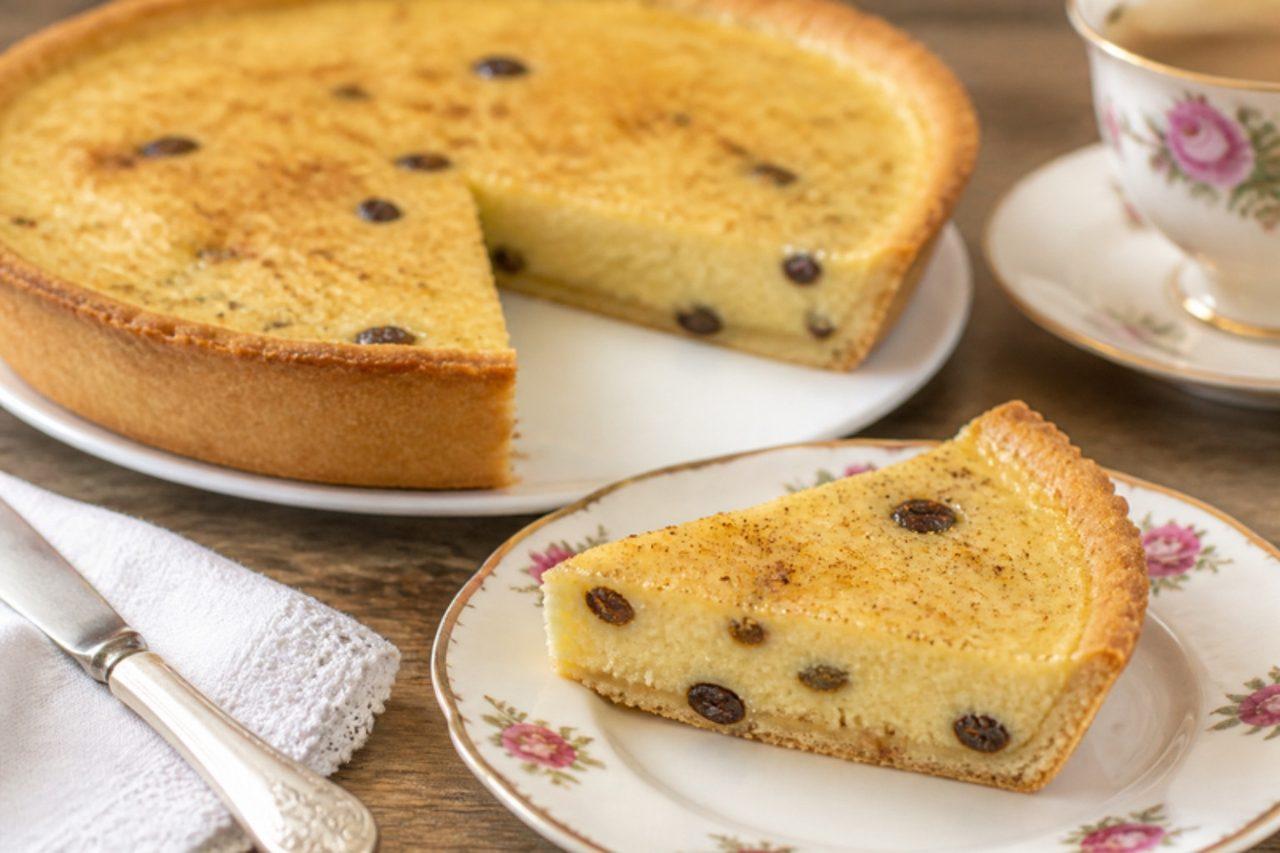
Yorkshire curd tart

Curd tart is the Yorkshire tea-shop tart that was made at Whitsuntide, when farms had more milk than they could drink and turned it into fresh curds. The filling of curd cheese, eggs, currants and a good pinch of allspice is set in shortcrust, so it is creamy, slightly grainy and lightly spiced, a cousin of cheesecake. Market cafés from York to Ripon still sell it by the slice. Chef's tip: use proper curd cheese or well-drained ricotta; soft cream cheese makes it heavy and smooth instead of crumbly.

by KrazyBadal 0 views

Christmas pudding

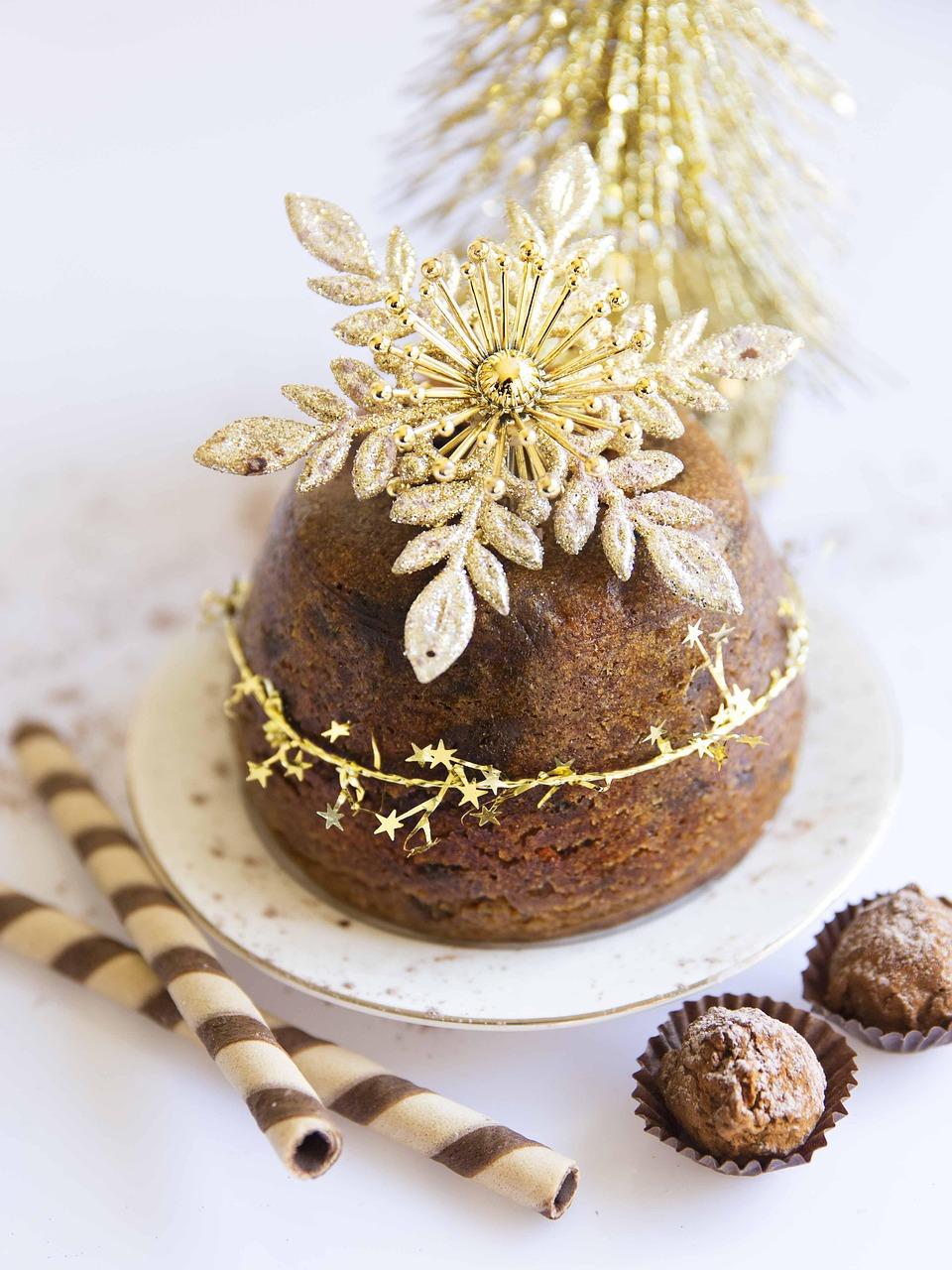
The Christmas pudding is the dark, fruit-packed pudding that ends Christmas dinner in English homes, traditionally mixed on Stir-up Sunday in late November when every family member stirs and makes a wish. This one uses vegetarian suet and is soaked with brandy or stout, so it contains alcohol; for an alcohol-free pudding use the same amount of strong black tea or orange juice. It is set alight at the table with warmed brandy (skip that for alcohol-free) and served with brandy butter or custard. Chef's tip: steam it again for 2 hours on the day; the second steaming darkens and enriches it.

by KrazyBadal 0 views

Piccalilli

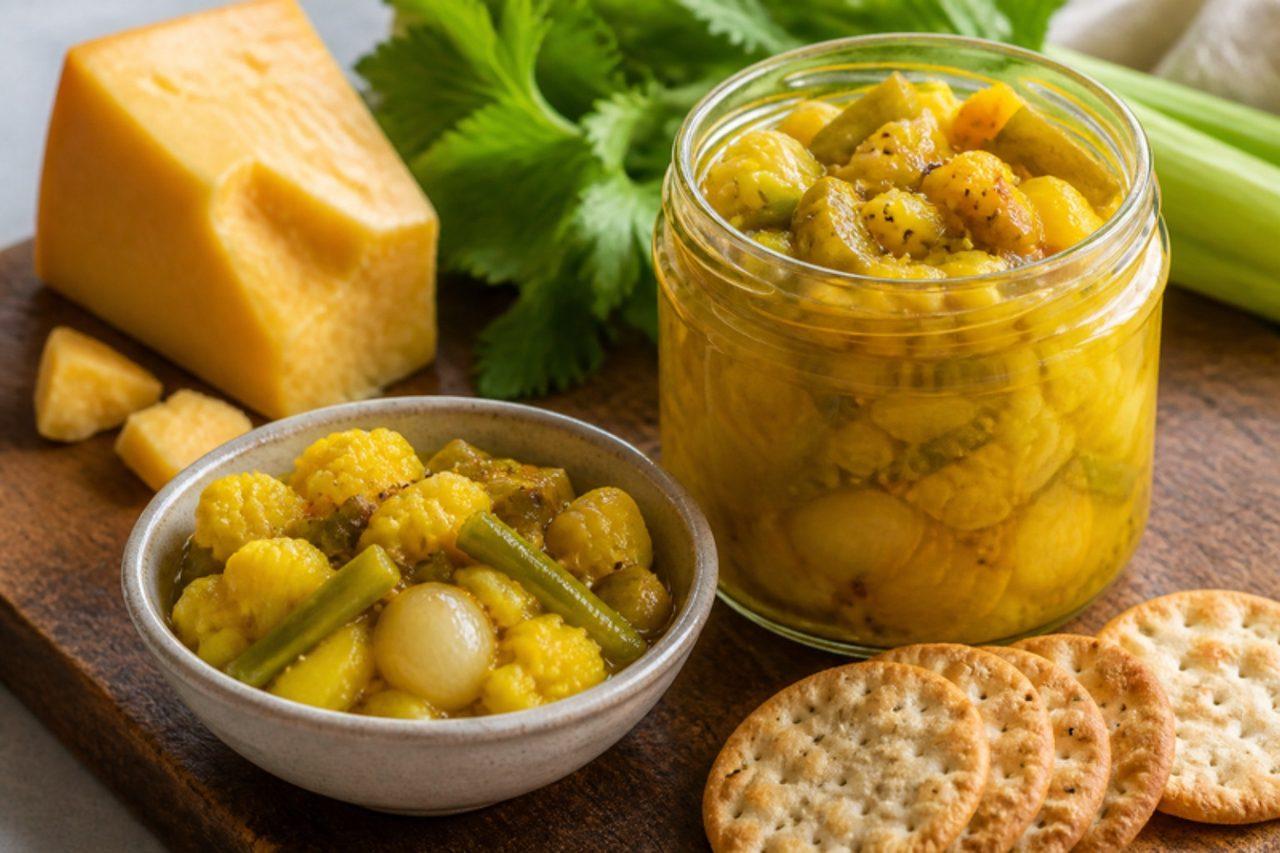
Piccalilli is the bright yellow pickle of the English ploughman's lunch, the Boxing Day cold cuts and the cheese board, and it has been made in farmhouse kitchens since the 18th century, when Indian pickles inspired it. Crunchy cauliflower, beans and onions are salted, then folded into a sweet, sharp sauce of mustard, turmeric and vinegar. Chef's tip: salt the vegetables overnight; it draws out water and keeps them crunchy for months.

by KrazyBadal 0 views

Codornices en hoja de parraQuail in vine leaves

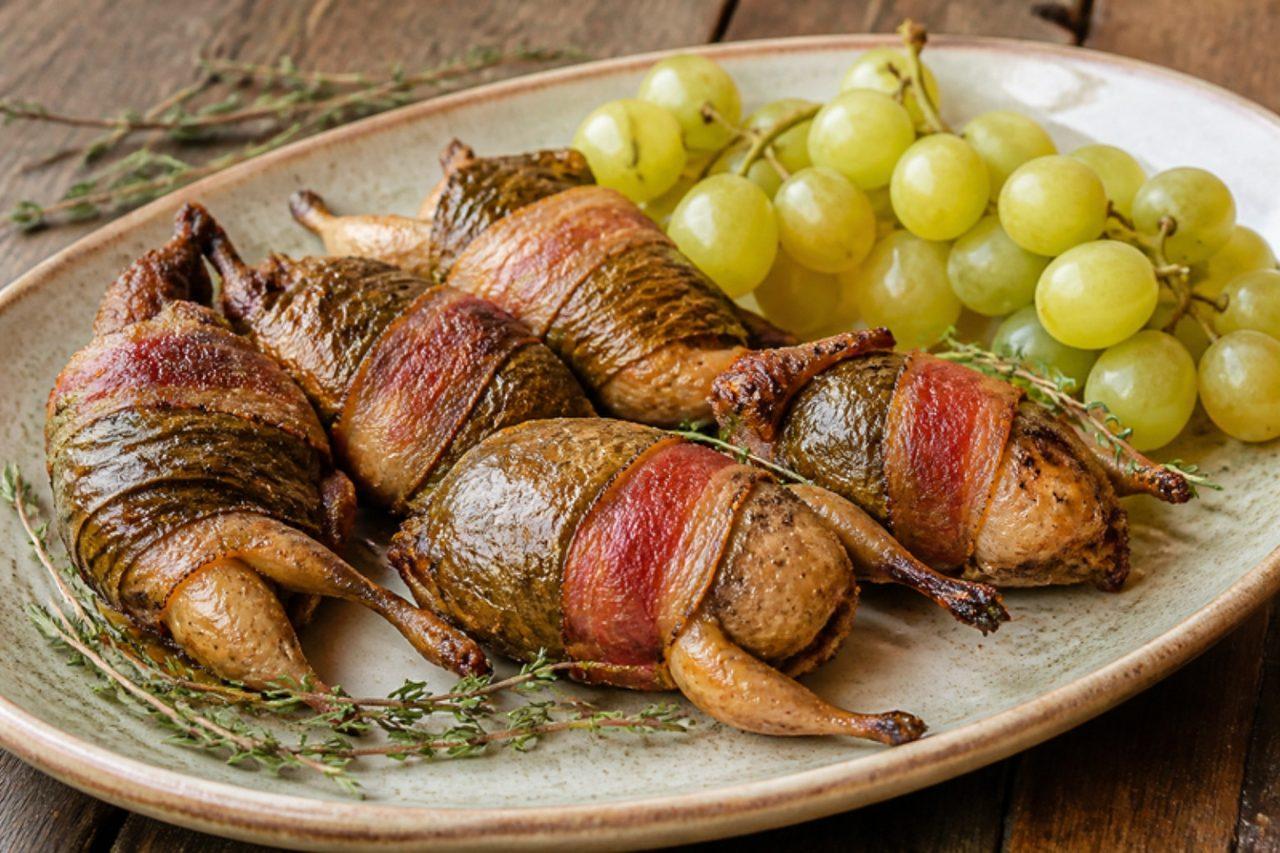
When the grapes are picked in the vineyards of Olite and the Ribera in September, quail are fat from the stubble fields and the vines still have their leaves, so Navarrese cooks bring the two together. Each bird is wrapped in a vine leaf and a strip of bacon and roasted fast; the leaf keeps the lean meat moist and adds a gentle, lemony tang. This contains pork (streaky bacon). Serve with fried potatoes or bread and, in season, a bunch of grapes. Chef's tip: taste before salting, because brined vine leaves and bacon already bring plenty.

by KrazyBadal 0 views

Saimin

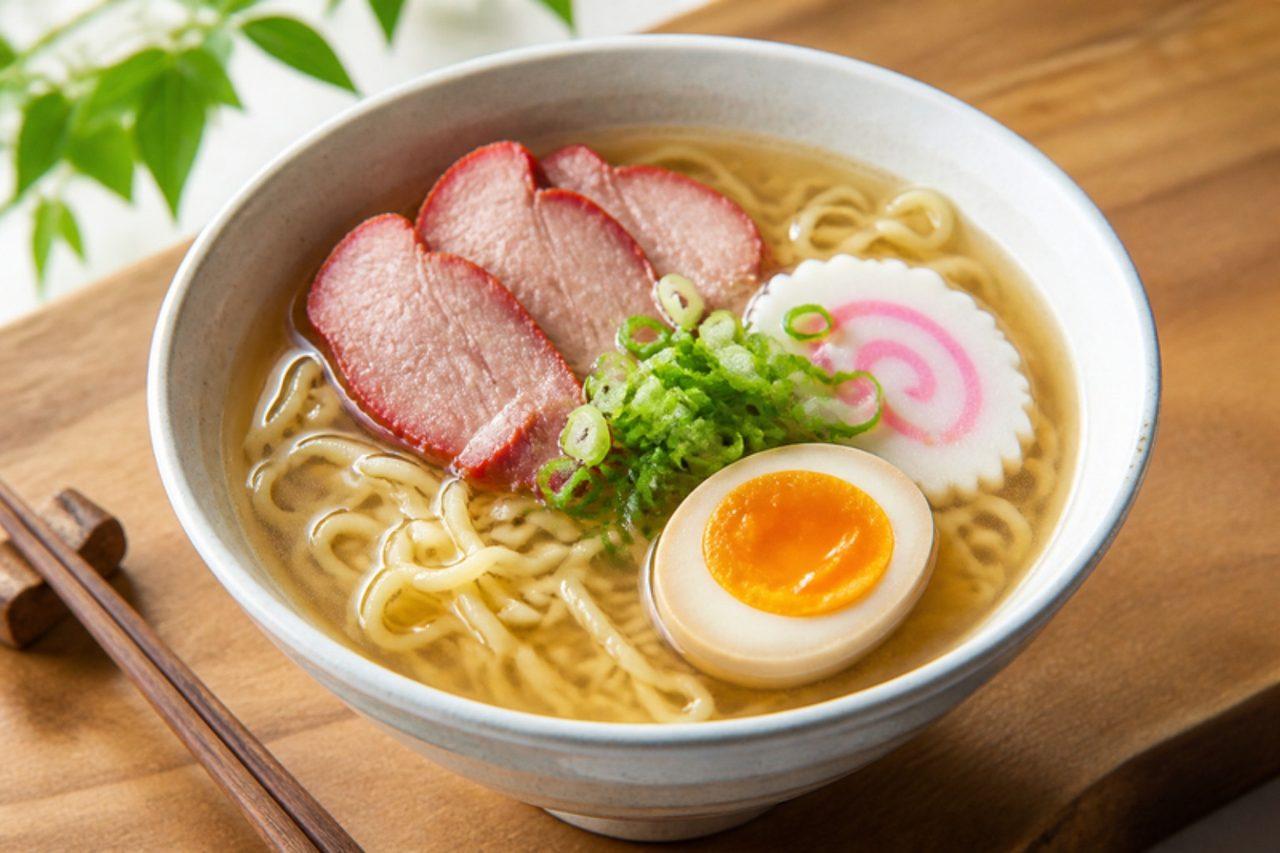
Saimin was born in the sugar plantation camps of Hawaii, where Chinese, Japanese and Filipino workers shared pots and combined their noodle soups into one, and it is still sold everywhere from old Kauaʻi diners to the snack bars at Little League games. Springy wheat noodles sit in a clear dashi and shrimp broth, topped with sliced char siu (roast pork), pink fish cake, egg and spring onion. Chef's tip: cook the noodles separately and rinse them, so their starch doesn't cloud the clear broth.

by KrazyBadal 0 views

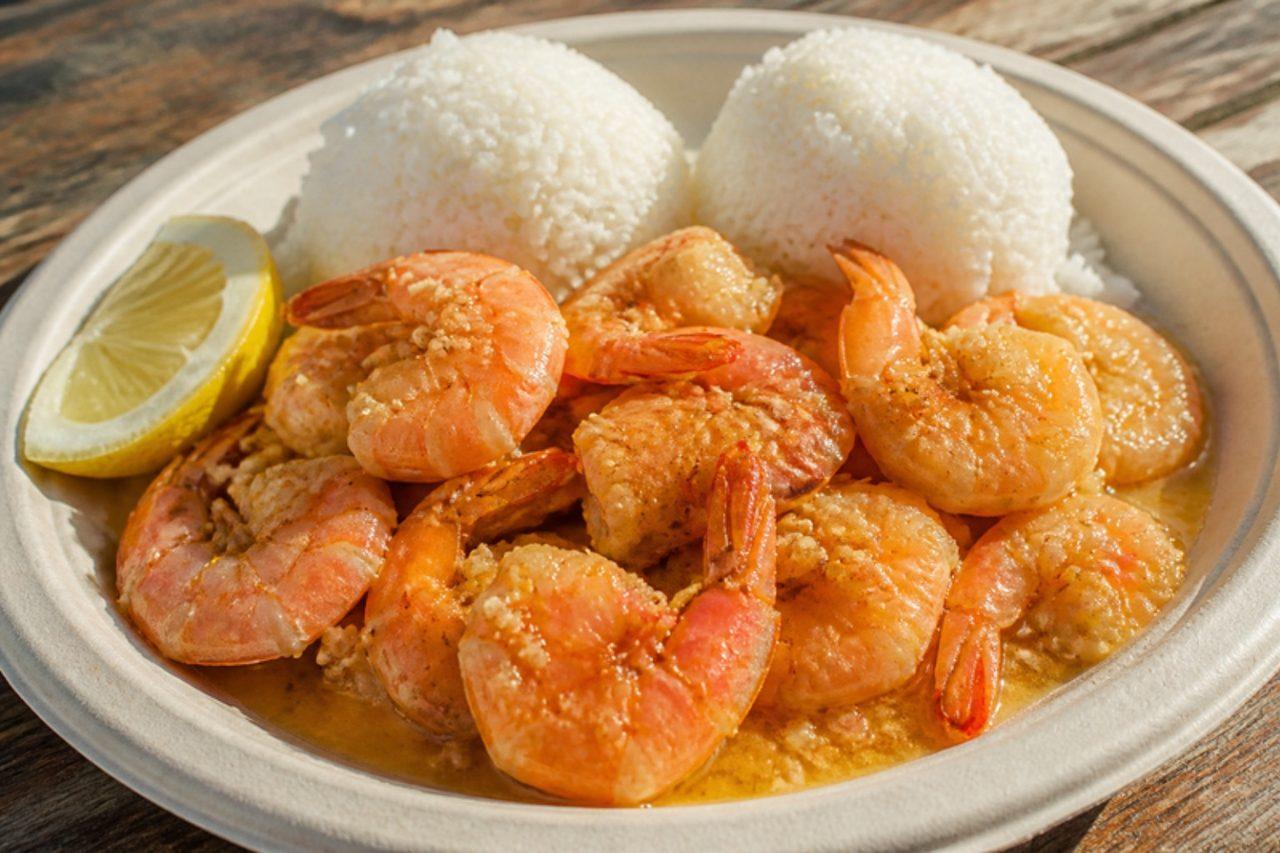
North Shore garlic shrimp

The shrimp trucks parked along Kamehameha Highway in Kahuku, on Oʻahu's North Shore, serve this on paper plates to surfers and day-trippers: shell-on prawns from the local farms fried in a heap of garlic and butter until the shells are crisp enough to eat, with two scoops of rice and lemon. Chef's tip: dust the prawns in a little cornflour before frying; it helps the garlic butter cling and the shells crisp.

by KrazyBadal 0 views

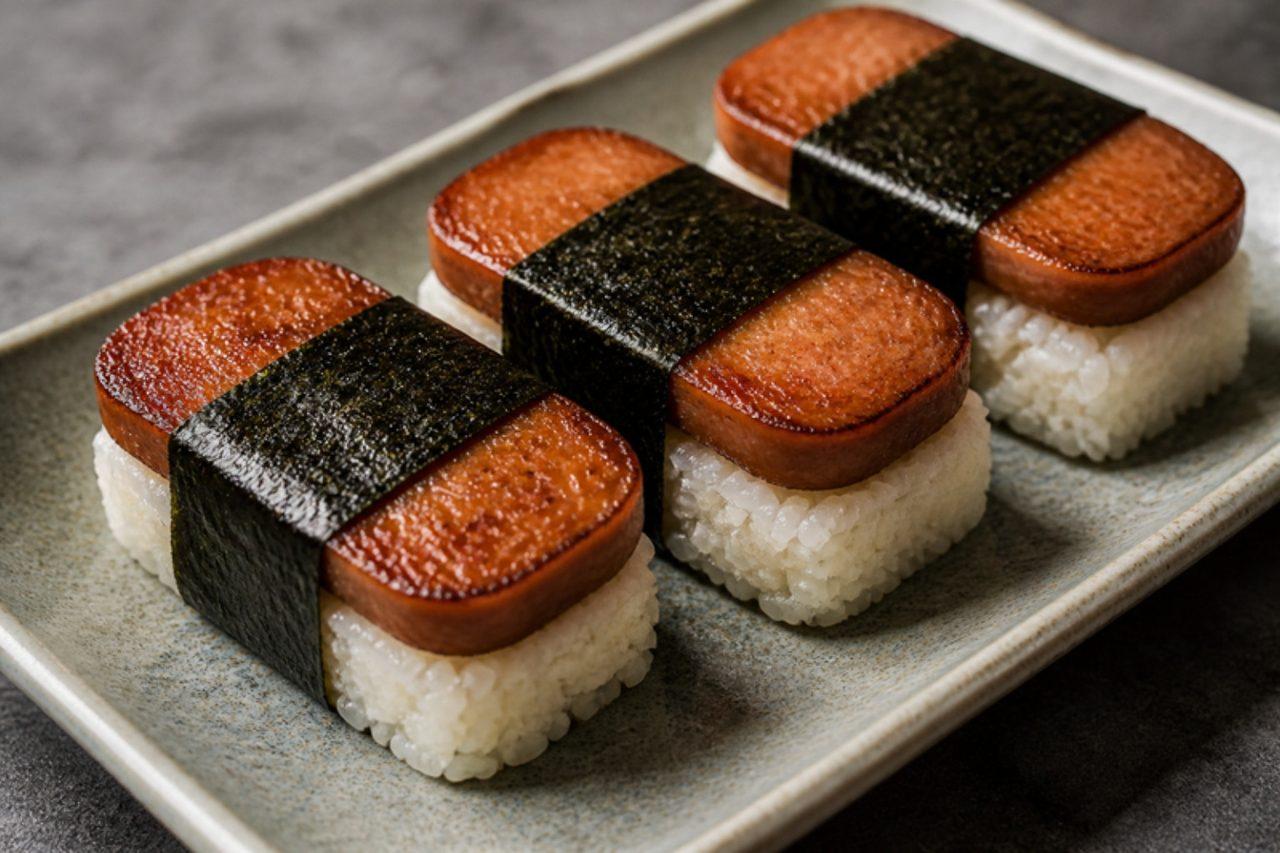
Luncheon meat musubi

Musubi is Hawaii's favourite grab-and-go snack, sold wrapped in cling film by the till in every convenience store from Honolulu to Hilo and packed for beach days and school lunches. A slice of tinned pork luncheon meat is fried in a sweet soy glaze, set on a block of rice and belted with a strip of nori, a Japanese rice-ball idea adapted after the Second World War. Chef's tip: wet the mould and your hands so the rice doesn't stick, and press firmly so the block holds.

by KrazyBadal 0 views

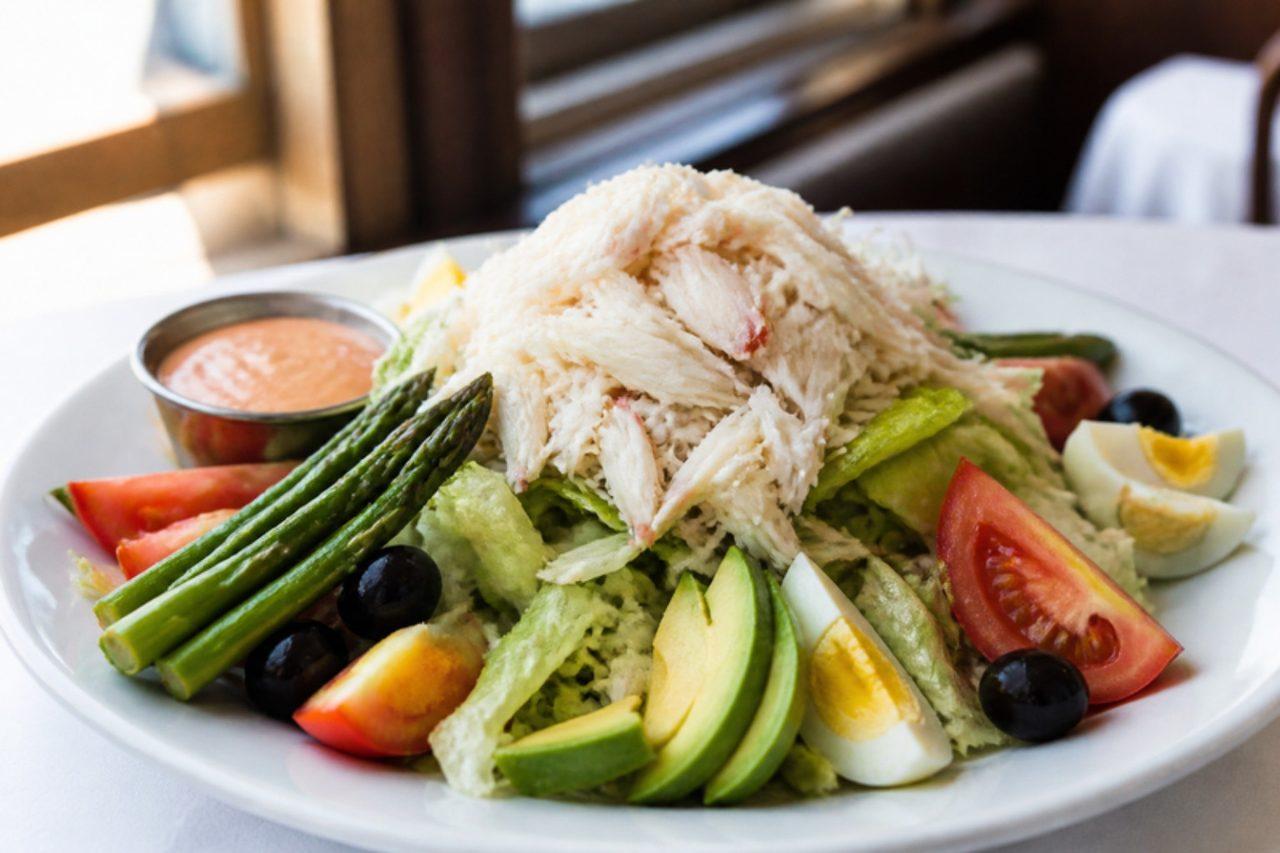
Crab Louie

Crab Louie was on the menus of San Francisco's grand hotels and wharf restaurants by the early 1900s and is still a winter lunch when Dungeness crab is in season. Sweet crab meat is heaped on crisp lettuce with hard-boiled eggs, tomato, asparagus and avocado, and covered with a creamy, tangy pink dressing. Chef's tip: keep the crab in big pieces and add the dressing at the table, so the salad stays crisp.

by KrazyBadal 0 views

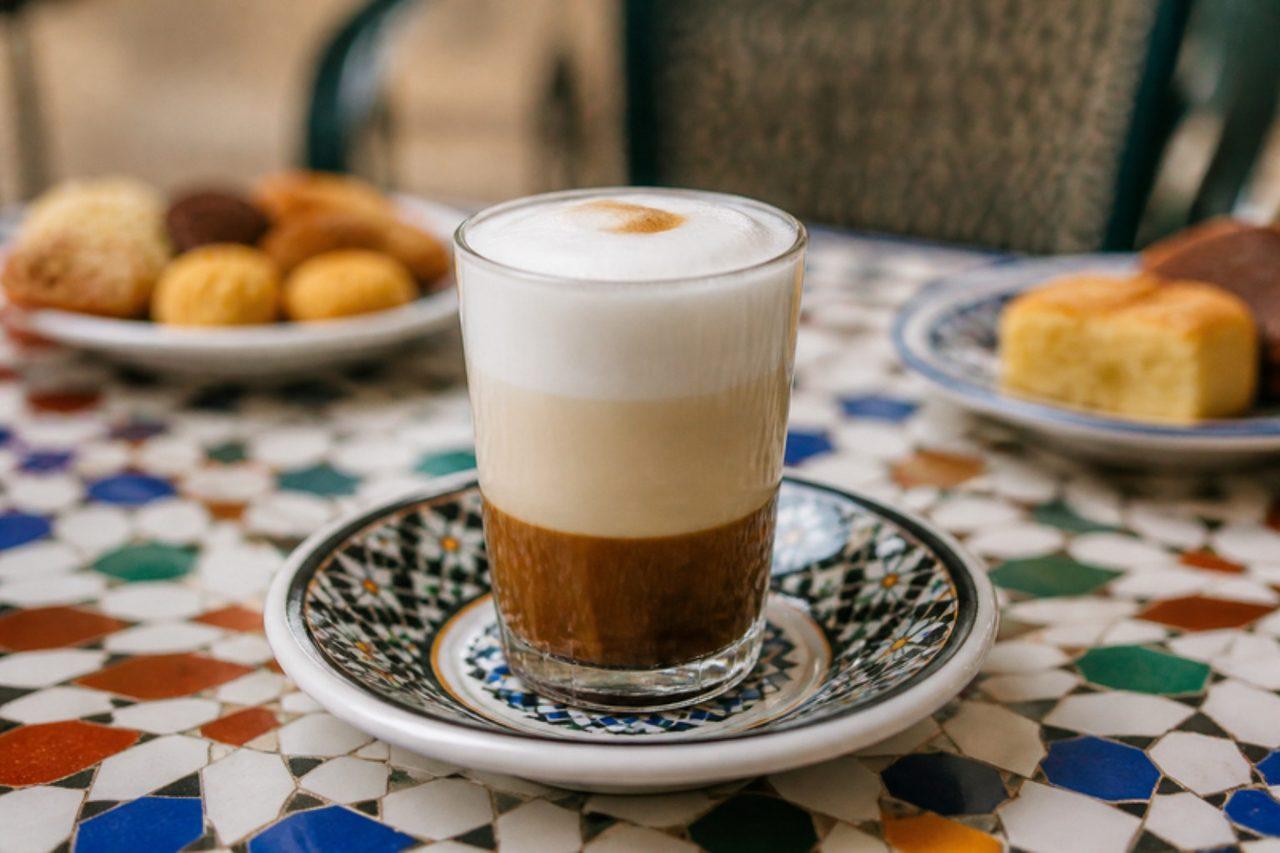
Nous-nous (half-half coffee)

Sit down at a café terrace in Casablanca, Rabat or Marrakech and order a 'nous-nous' (from 'nus', half) and you will get a small glass of half espresso, half steamed milk, often layered so the coffee floats in a dark band over the pale milk with a cap of foam. It is the default morning and afternoon coffee for many Moroccans, sipped slowly while watching the street, usually with a sugar lump or two on the saucer. It is smaller and stronger than a latte and milkier than a macchiato. A moka pot works fine at home if you have no espresso machine. Chef's tip: heat the milk only to 60–65 °C, hot to the touch but not scalding; boiled milk loses its sweetness and the foam collapses, a common mistake.

by KrazyBadal 0 views

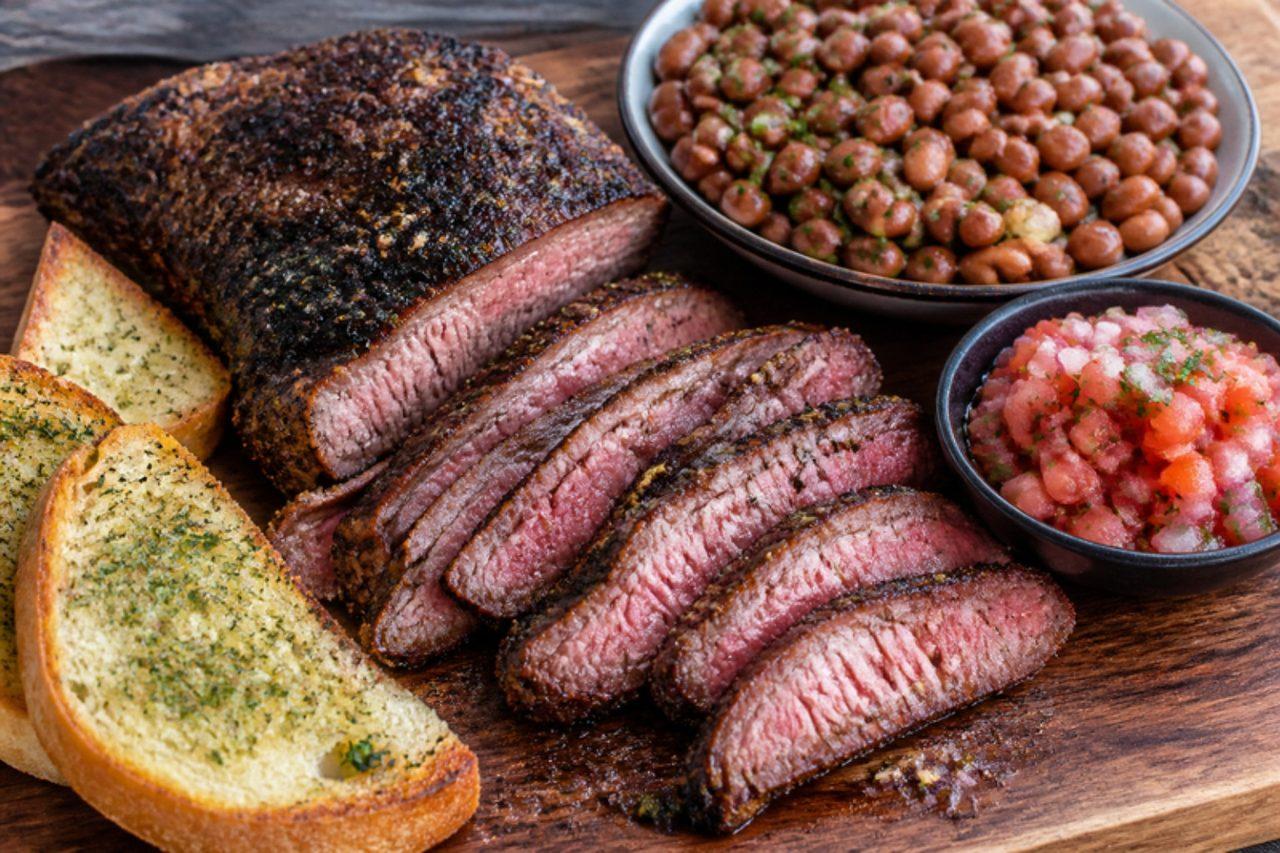
Santa Maria tri-tip

In the Santa Maria Valley on California's Central Coast, ranchers' barbecues over red oak fires gave the state its own style: a triangular tri-tip roast of beef rubbed simply with salt, pepper and garlic, grilled until crusty, then sliced thin. It comes with pinquito beans, salsa and garlic bread at fundraisers and Saturday roadside barbecues. Chef's tip: tri-tip's grain changes direction in the middle, so cut the roast in two where the grain turns and slice each piece across its own grain.

by KrazyBadal 0 views

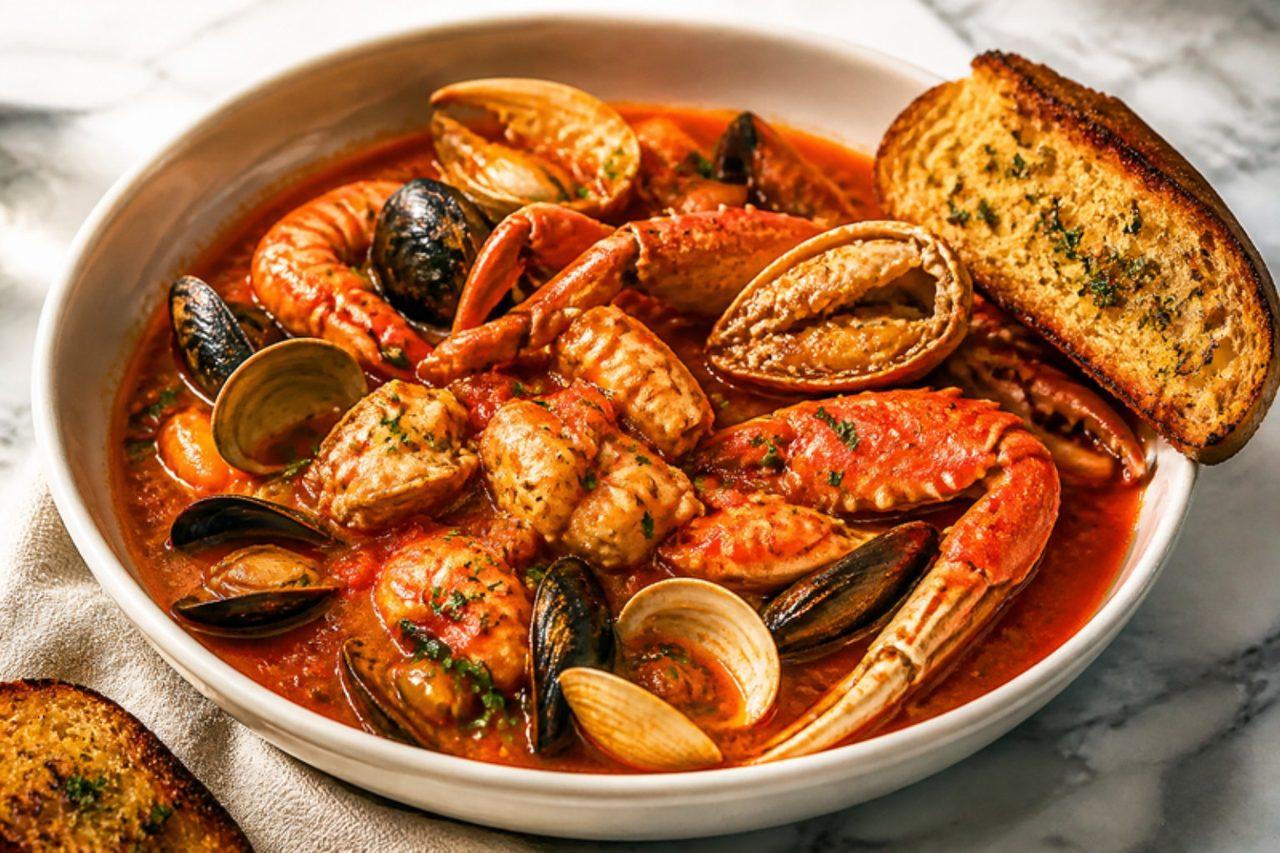
San Francisco cioppino

Cioppino was cooked by Italian and Portuguese fishermen in San Francisco's North Beach in the late 1800s from whatever was left of the day's catch, and it is now the big, messy, bib-wearing dinner of Fisherman's Wharf, especially in Dungeness crab season from November. The broth is tomato, garlic, herbs and white wine; for an alcohol-free version, use extra fish stock with a tablespoon of white wine vinegar. Serve with sourdough to mop it up. Chef's tip: add the seafood in stages, slowest-cooking first, so nothing turns rubbery.

by KrazyBadal 0 views

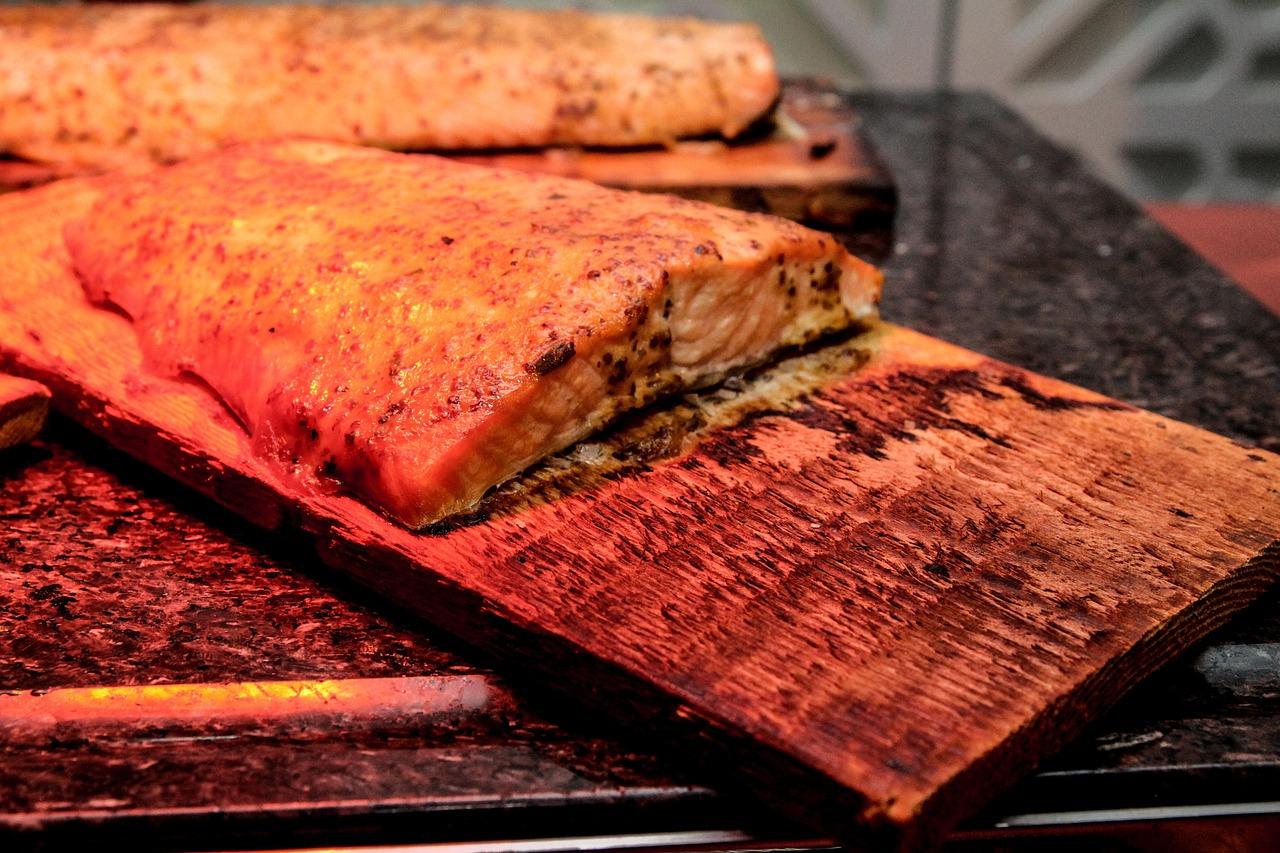
Cedar-plank salmon

Cooking salmon on cedar comes from the Coast Salish peoples of Puget Sound, who roasted split salmon on wooden stakes beside the fire, and today a cedar board on the grill is the backyard summer supper from Seattle to Portland. The soaked plank smoulders and steams, giving the fish a gentle, woody smokiness, here with a brown sugar and mustard glaze. Chef's tip: soak the plank for at least an hour, weighted under water, so it smokes rather than burns.

by KrazyBadal 0 views

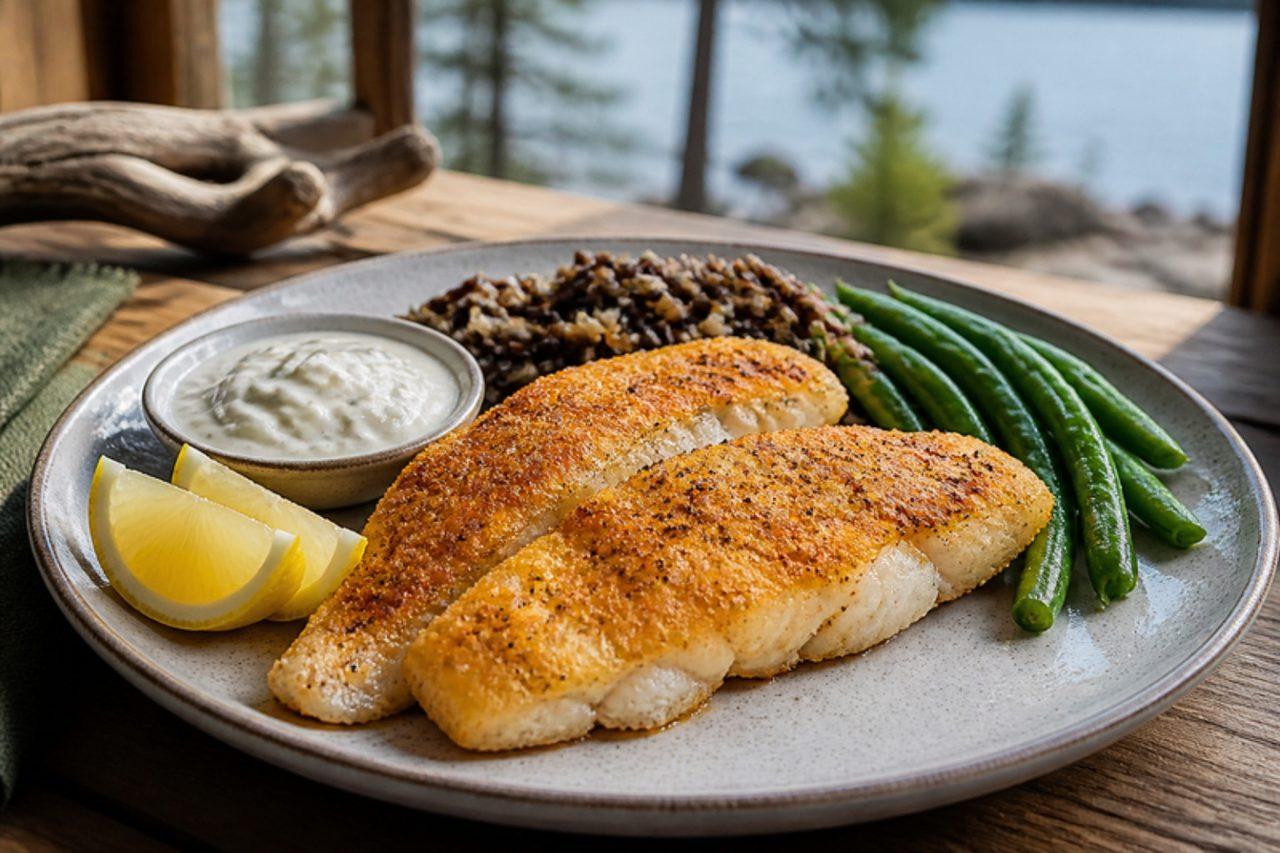
Minnesota pan-fried walleye

Walleye is Minnesota's state fish, pulled through the ice of its northern lakes in winter and fried at the cabin the same evening; restaurants from Duluth to Lake of the Woods sell walleye sandwiches and shore lunches. The mild, sweet white fillets are coated in crushed crackers or a light seasoned flour and pan-fried in butter until golden. Perch, pike-perch or haddock work too. Chef's tip: fry skin-side down first and don't move the fish for 3 minutes; that is how the crust sets.

by KrazyBadal 0 views

Salada de feijão-fradinhoBlack-eyed pea salad

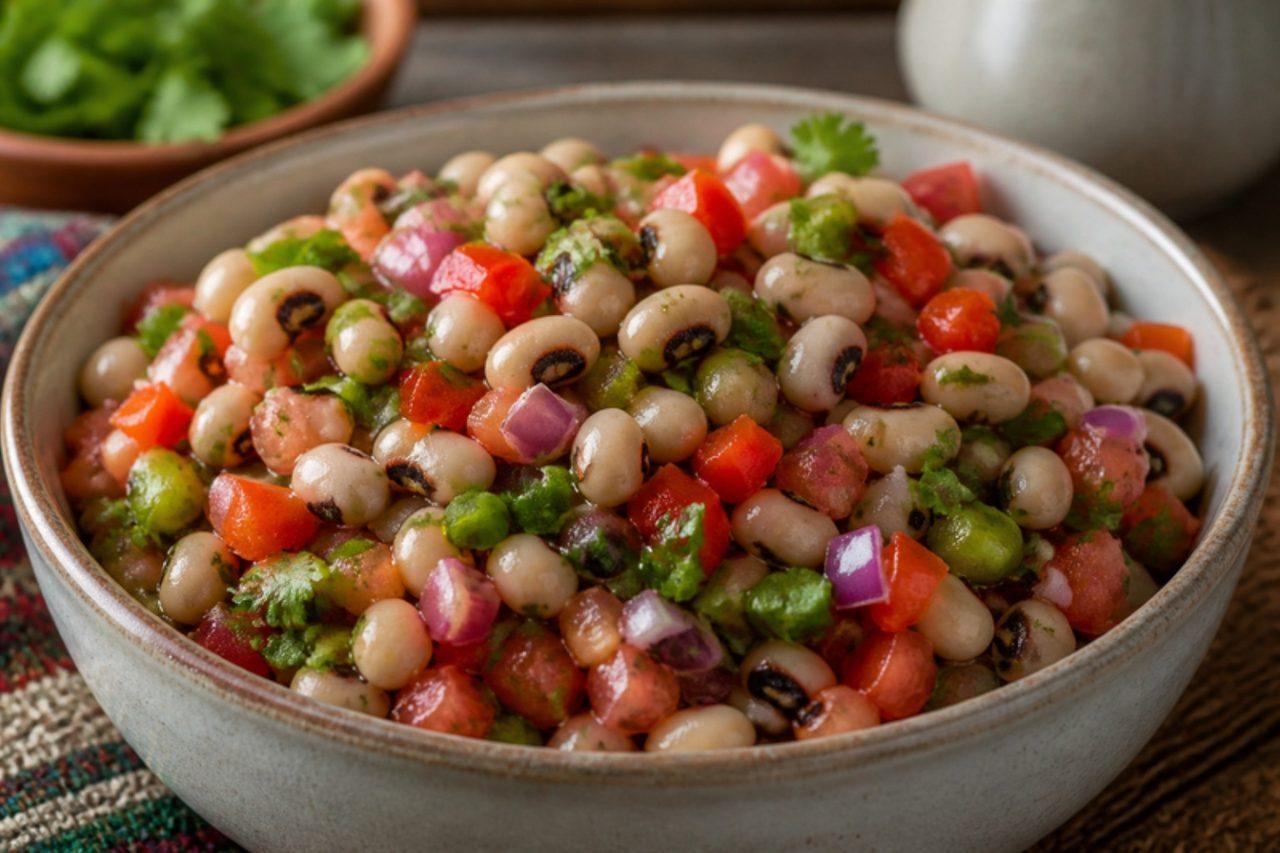
Black-eyed peas are the bean of Bahia, ground for acarajé and abará and simmered whole for the caruru feasts of late September. Cooked until just tender and dressed while warm, they also make this bright salad that appears on Salvador's por-quilo lunch buffets and next to grilled food at weekend gatherings. Tomato, red onion, two kinds of pepper, coriander and plenty of lime give it crunch and sharpness, and the peas stay creamy inside. It goes with rice and grilled vegetables, or stands alone as a light lunch. Soak the dried peas for at least 4 hours or overnight before you start. The trap to avoid is boiling the peas hard until the skins split; they turn to mush when tossed. Chef's tip: dress the peas while they are still warm with the lime, oil and salt only, then add the raw vegetables once they are cool so everything stays crisp.

by KrazyBadal 0 views

Kansas City burnt ends

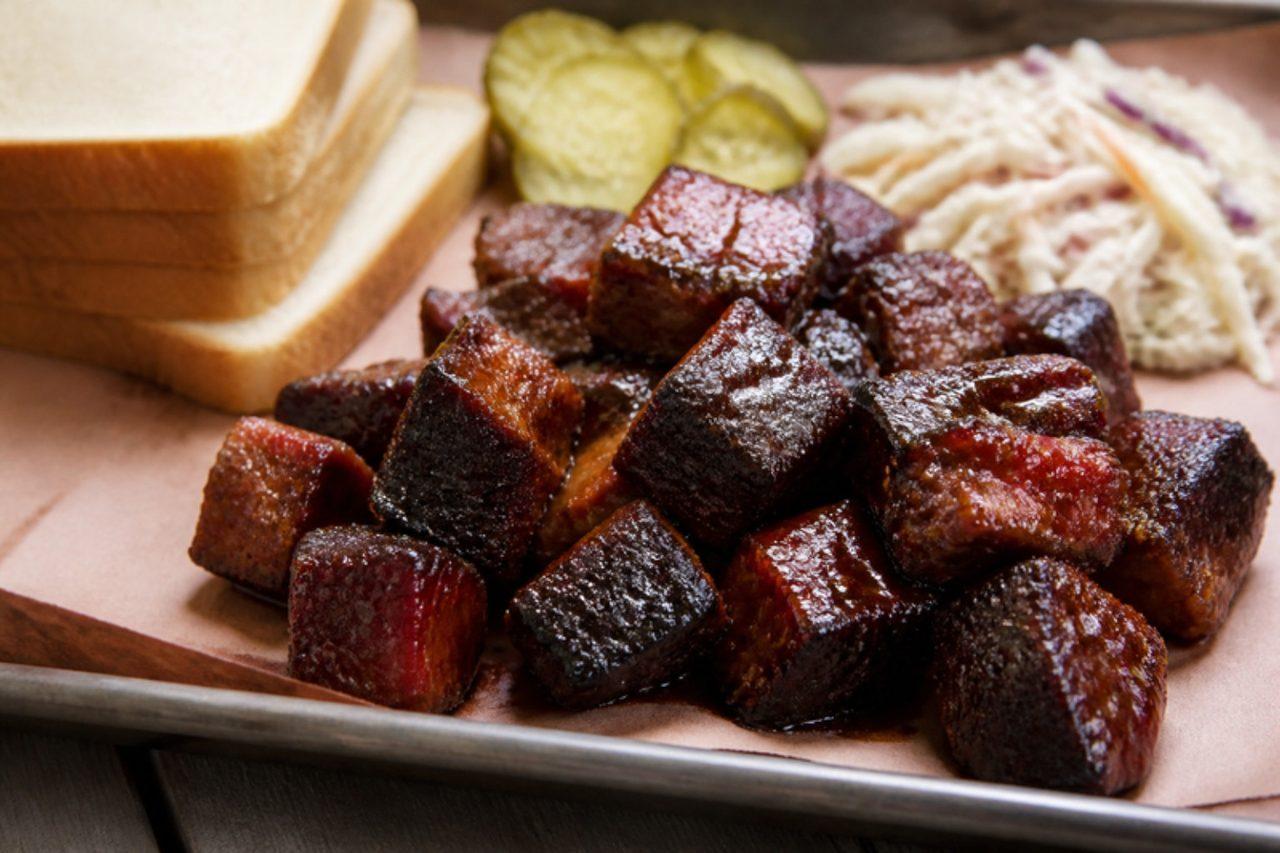
Burnt ends were once the charred trimmings that Kansas City barbecue joints handed out free at the counter; today they are the most prized thing on the menu. The fatty point end of a beef brisket is smoked low and slow until tender, cubed, tossed in sweet, tangy Kansas City sauce and smoked again until sticky and caramelised. They're eaten on white bread with pickles and beans. Chef's tip: wait for the brisket to probe tender, like pushing into soft butter, before cubing; temperature is only a guide.

630 minAmericanMeat
by KrazyBadal 0 views

Wisconsin Friday fish fry

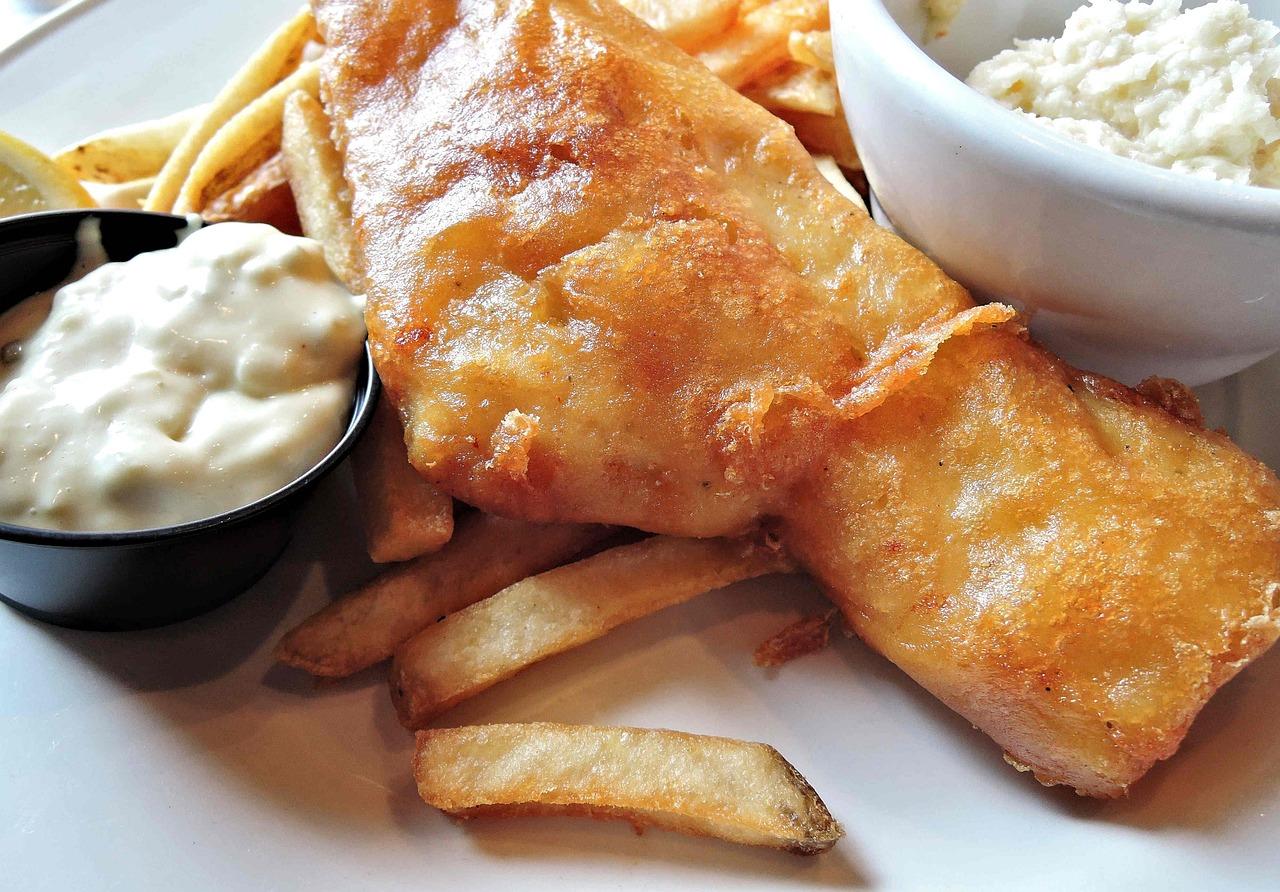
Every Friday night in Wisconsin, supper clubs, taverns and church halls hold a fish fry, a Catholic Lenten tradition that became a year-round social event. Beer-battered cod, perch or bluegill is fried crisp and served with rye bread, coleslaw, tartare sauce and a lemon wedge. Many taverns use lager in the batter; it contains alcohol, which mostly cooks off, so for an alcohol-free version use sparkling water, which gives the same light, crisp coat. Chef's tip: dust the fish in flour before it goes in the batter, so the batter clings instead of sliding off.

by KrazyBadal 0 views

Door County fish boil

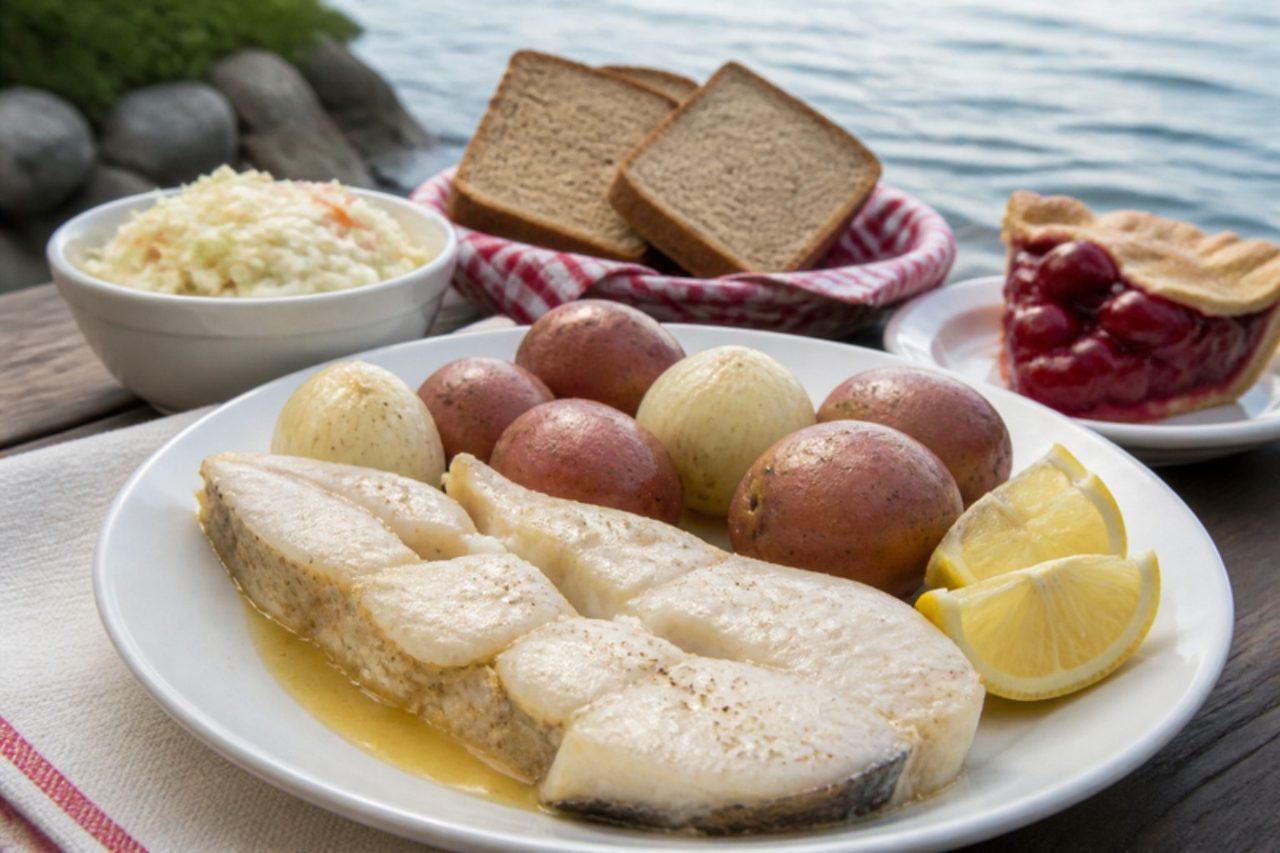
On the Door County peninsula of Wisconsin, Scandinavian fishermen cooked their catch in a cauldron over a wood fire, and summer 'fish boils' are still a show for visitors: when the fish is done, the boil master throws kerosene on the fire and the pot boils over, carrying off the fish oils. At home, a big pot and a skimmer do the same job. Lake whitefish, potatoes and onions are boiled in very salty water and served with melted butter, lemon and, for dessert, cherry pie. Chef's tip: the salt is high, so don't cut back; it raises the boiling point and seasons the fish without making it salty.

by KrazyBadal 0 views

Minneapolis Juicy Lucy

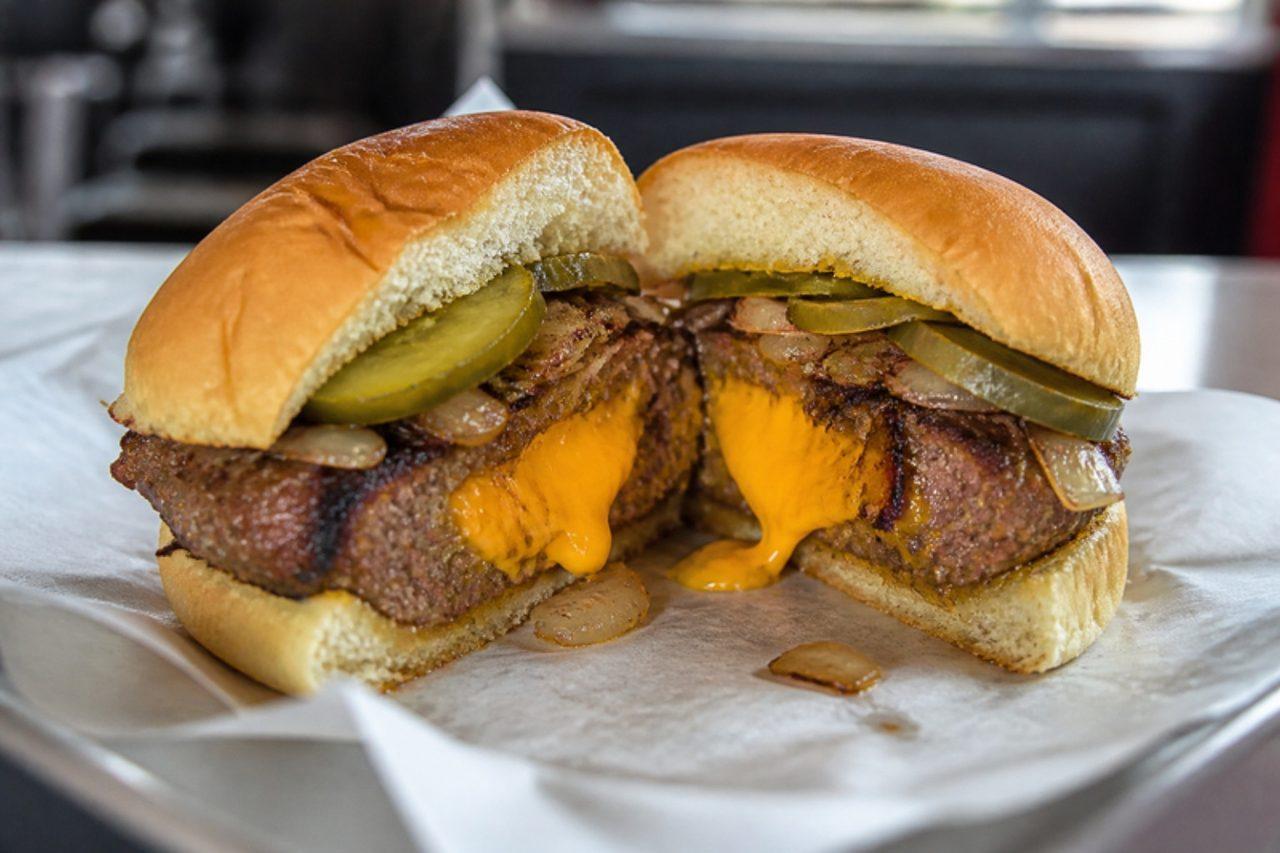
Two bars in south Minneapolis both claim to have invented the Juicy Lucy in the 1950s, and the city still argues about it over beers. Instead of cheese on top, the cheese is sealed inside the beef patty, so it melts into a molten pocket that spurts when you bite. It is served simply, with fried onions and pickles. Chef's tip: warn everyone to wait a minute before biting; the cheese inside is scalding hot.

by KrazyBadal 0 views

Breaded pork tenderloin sandwich

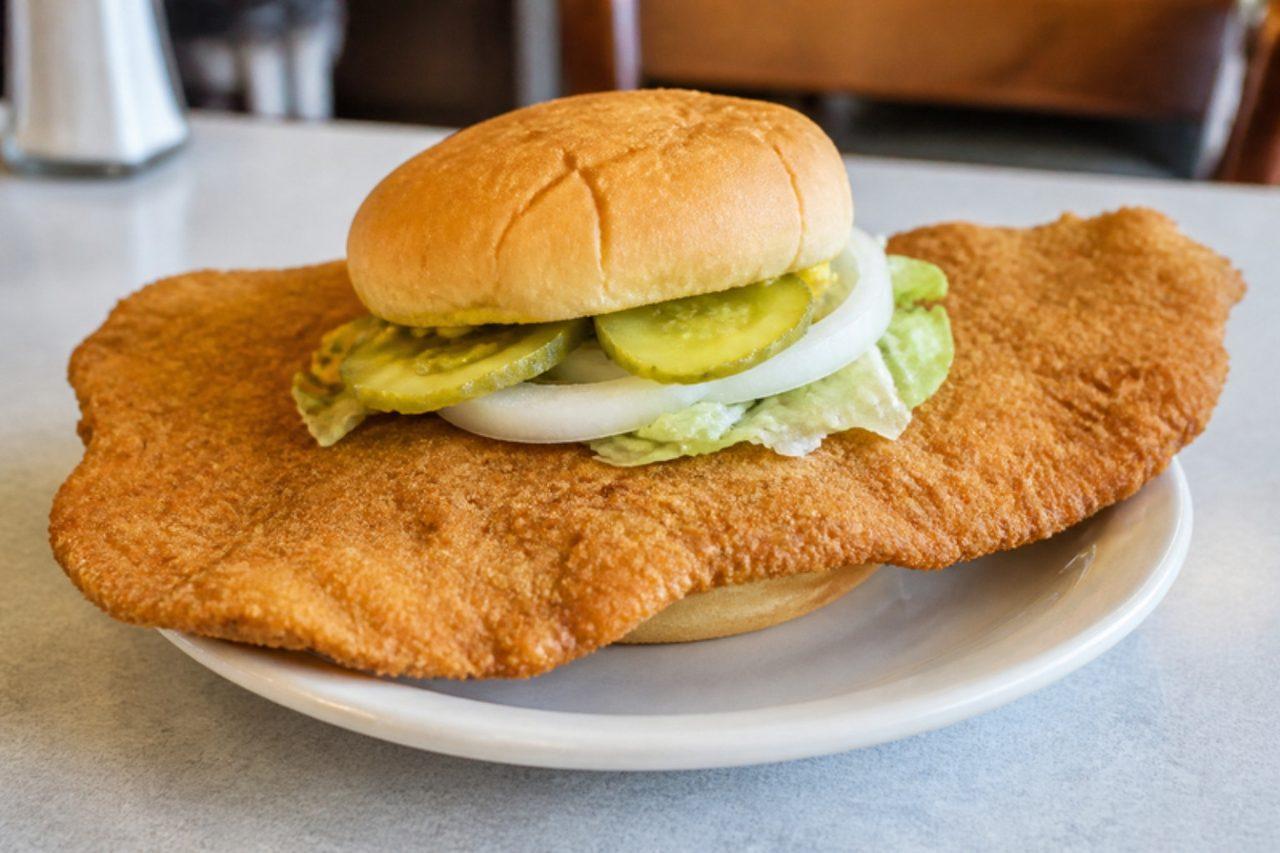
The breaded pork tenderloin sandwich is the pride of small-town diners in Indiana and Iowa: a pork cutlet pounded so thin and wide that the crisp, golden edges stick out far beyond the bun. It came from the German schnitzel tradition of the farming towns, and people drive miles to compare them. It's dressed simply with mustard, pickles, onion and lettuce. Chef's tip: pound the pork evenly to 5 mm; thin pork cooks through in the time it takes the crumb to turn golden.

by KrazyBadal 0 views

Moroccan almond milk (sharbat louz)
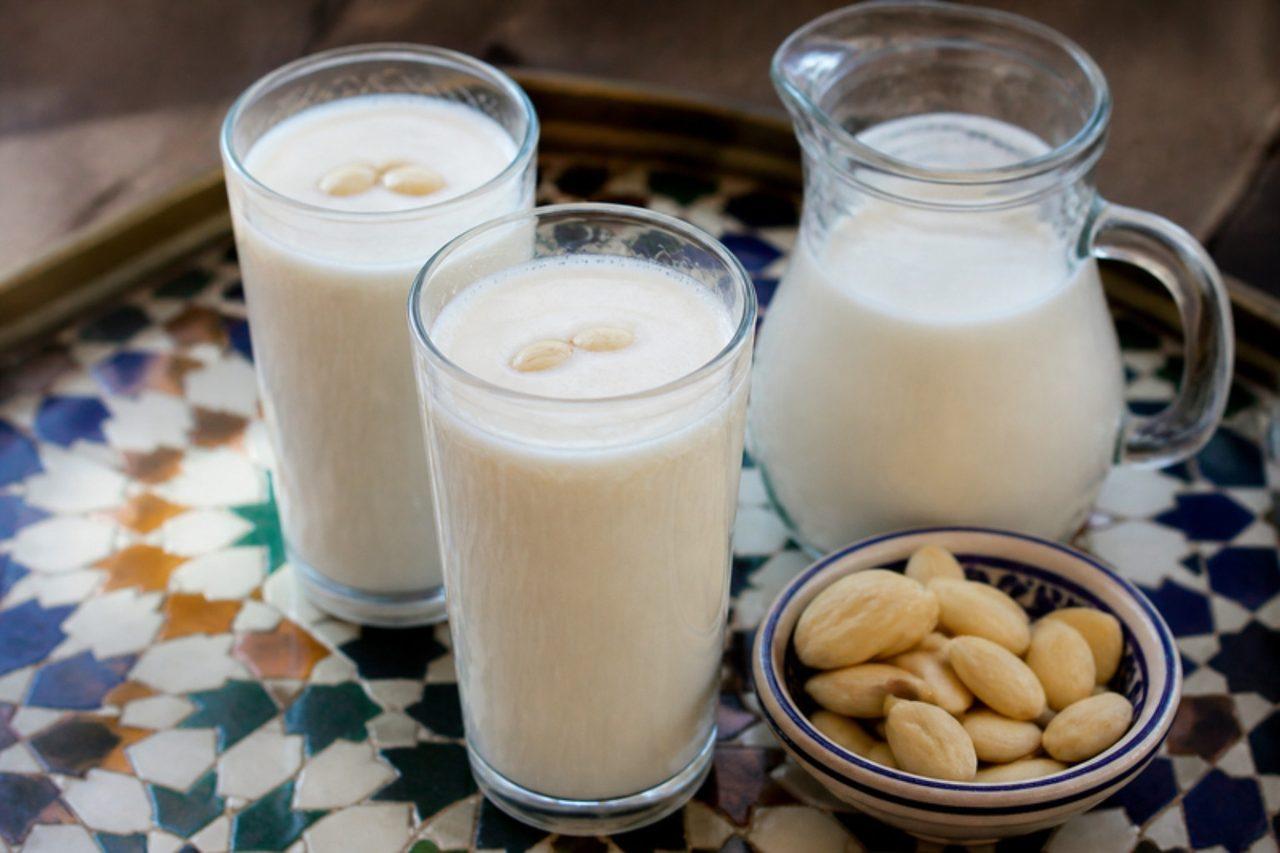
At Moroccan weddings and engagement parties, silver trays of tall glasses filled with sharbat louz are passed among the guests: chilled milk blended smooth with blanched almonds, sugar and a perfume of orange-flower water. It is also a favourite summer drink at home and is often offered to break the fast in Ramadan. The taste is creamy, delicate and nutty, a world away from carton almond milk, since it is real dairy milk enriched with almonds. Serve it very cold, on its own or with sweets. A common mistake is skipping the straining, which leaves a gritty drink instead of a smooth, silky one. Chef's tip: blend the almonds with the sugar and a little milk first, into a fine paste, before adding the rest; that way it ends up silky rather than gritty. Not for anyone with a nut allergy.
by KrazyBadal 0 views

Crumpets

Crumpets are the spongy, holey griddle cakes that Londoners and the whole of England toast on winter afternoons, soaked in melting butter. A loose yeasted batter is lifted with a little bicarbonate, poured into rings on a griddle and cooked gently on one side only, so bubbles rise and set into the famous holes. Chef's tip: grease the rings generously and keep the heat low; the top must set before the bottom burns.

by KrazyBadal 0 views

Mince pies

Mince pies are handed round with mulled drinks at every English Christmas gathering, from carol services to office parties, and children leave one out for Father Christmas. The mincemeat once held meat; this home-made version is all fruit, apple and spice, with vegetarian suet, and brandy is optional, so it can be alcohol-free. Chef's tip: make the mincemeat a week ahead so the flavours mellow; it keeps for months.

by KrazyBadal 0 views

Yorkshire puddings

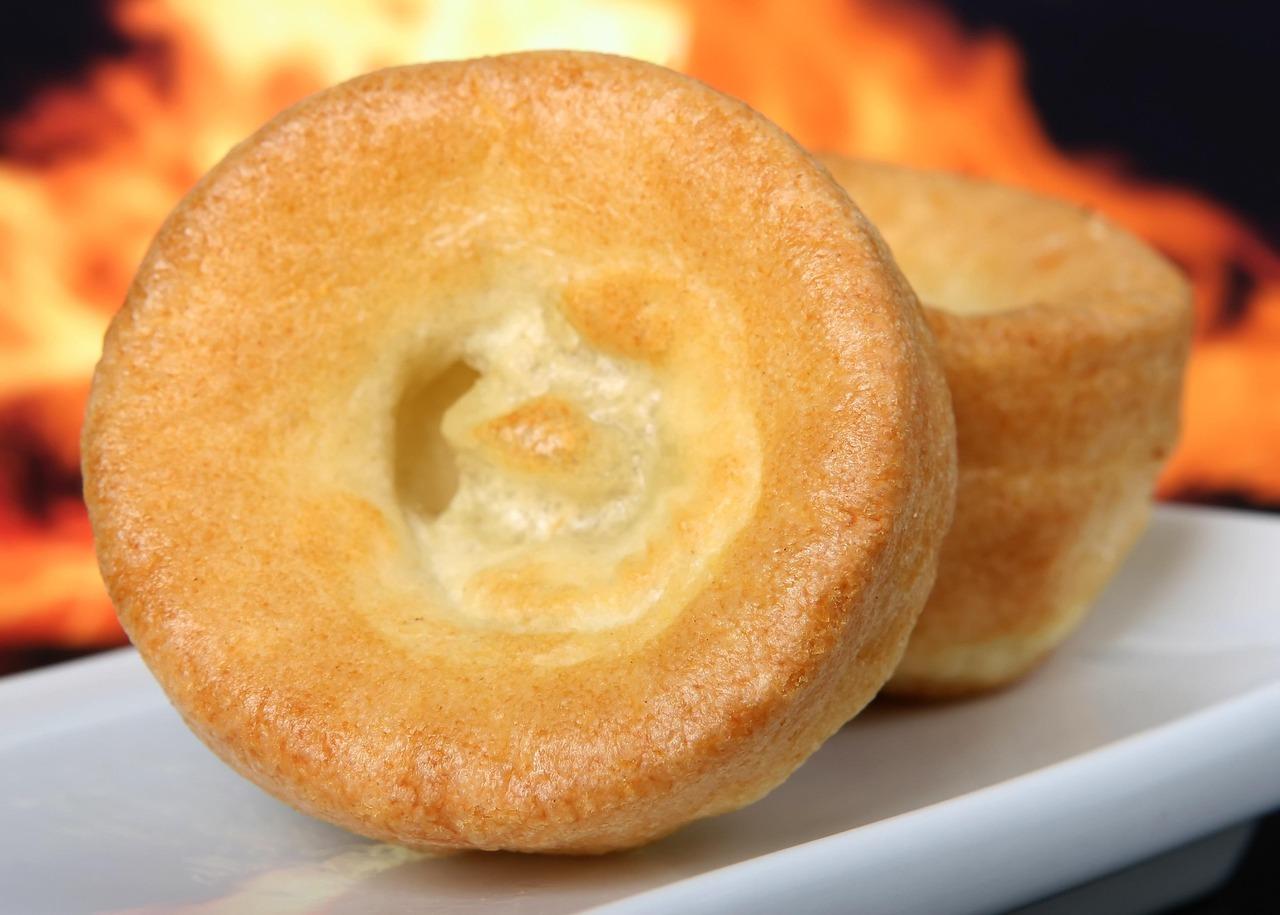
In Yorkshire the pudding was once served first, on its own with gravy, to fill people up before the meat; today these puffed, crisp-edged cups sit beside the roast at Sunday lunch all over England. The batter is nothing but eggs, flour and milk, and the trick is in the heat: smoking-hot fat in the tin and a hot oven. Serve with onion gravy for a vegetarian roast. Chef's tip: rest the batter for at least 30 minutes, which helps the puddings rise tall and even.

by KrazyBadal 0 views

Chicken long rice

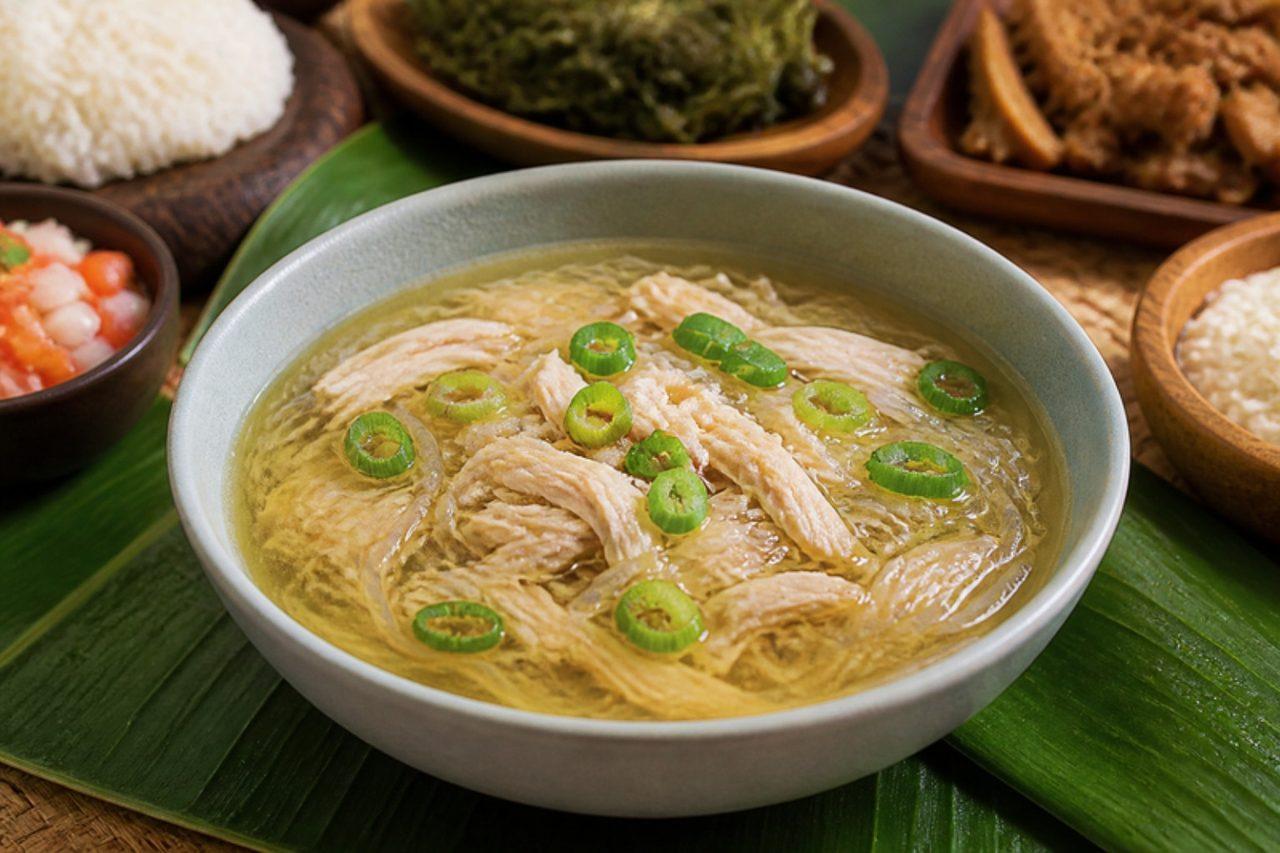
Despite its name there is no rice in it: chicken long rice is a gingery chicken broth with bean thread noodles, brought to Hawaii by Chinese plantation workers and now a fixture at every lūʻau and baby's first-birthday party alongside kalua pig and poi. The glassy noodles soak up the broth until it is almost a stew. Chef's tip: soak the noodles and cut them into short lengths before they go into the pot, or you get one long, tangled clump.

by KrazyBadal 0 views

Huli huli chicken

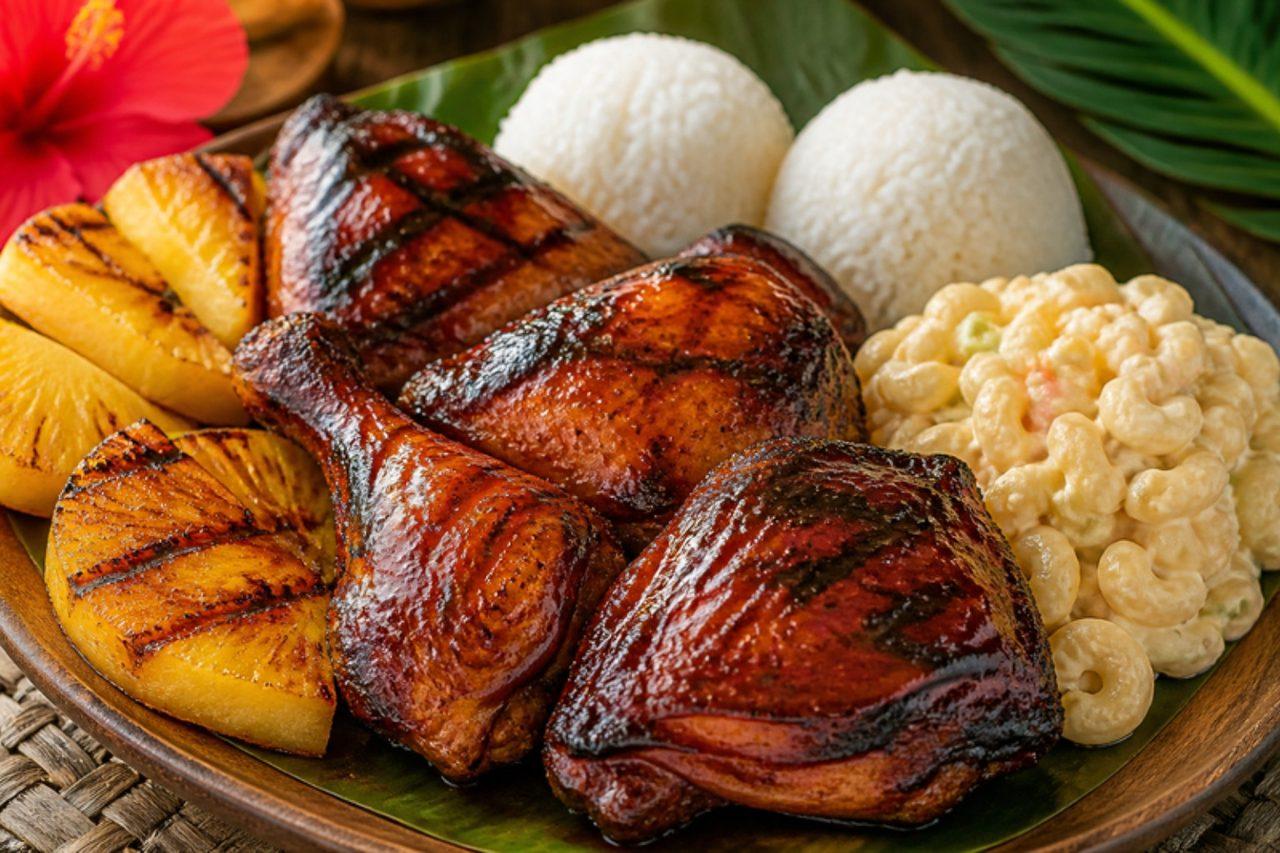
Huli means turn in Hawaiian, and this chicken was named in the 1950s when a farmer on Oʻahu grilled it between two racks and flipped it over the fire; today you smell it from roadside fundraiser stands and North Shore weekend grills. Chicken is marinated in soy sauce, pineapple juice, ginger and brown sugar, then grilled and basted until sticky and charred. Chef's tip: boil the leftover marinade before basting with it, so it is safe and turns into a glaze.

by KrazyBadal 0 views

Idaho finger steaks

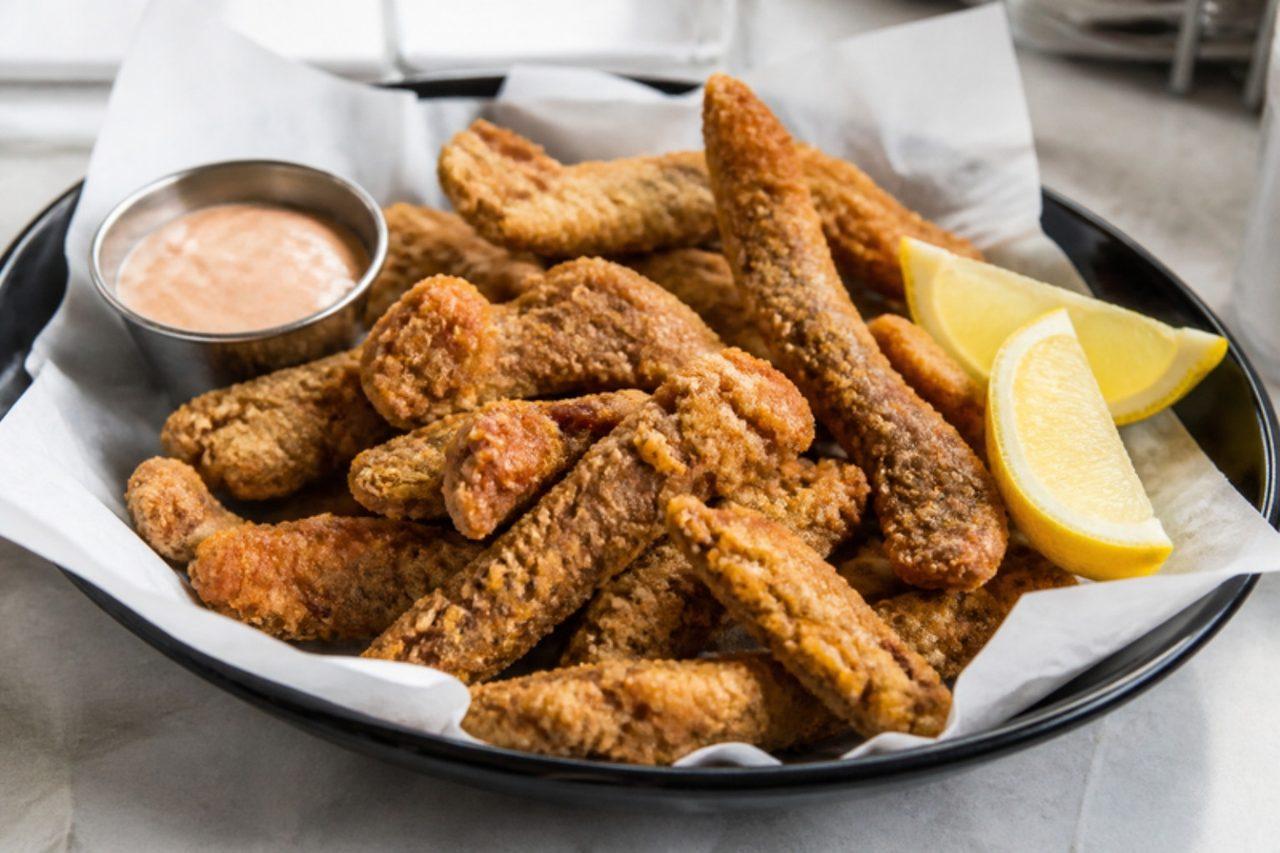
Finger steaks are Idaho's diner and drive-in speciality, said to have been invented by a butcher in Boise in the 1950s who battered the trimmings of steaks and fried them. Strips of tender sirloin are dipped in a light, peppery batter and deep-fried until crisp, then eaten with chips and pink fry sauce at the county fair. Chef's tip: cut the beef into even strips about 1.5 cm thick so they cook to tender in the 2 minutes it takes the batter to brown.

by KrazyBadal 0 views

Showing 36 of 7,762 recipes

Show more recipes

Page 426 of 863