Skip to content
Khlii
Featured recipe

Khlii

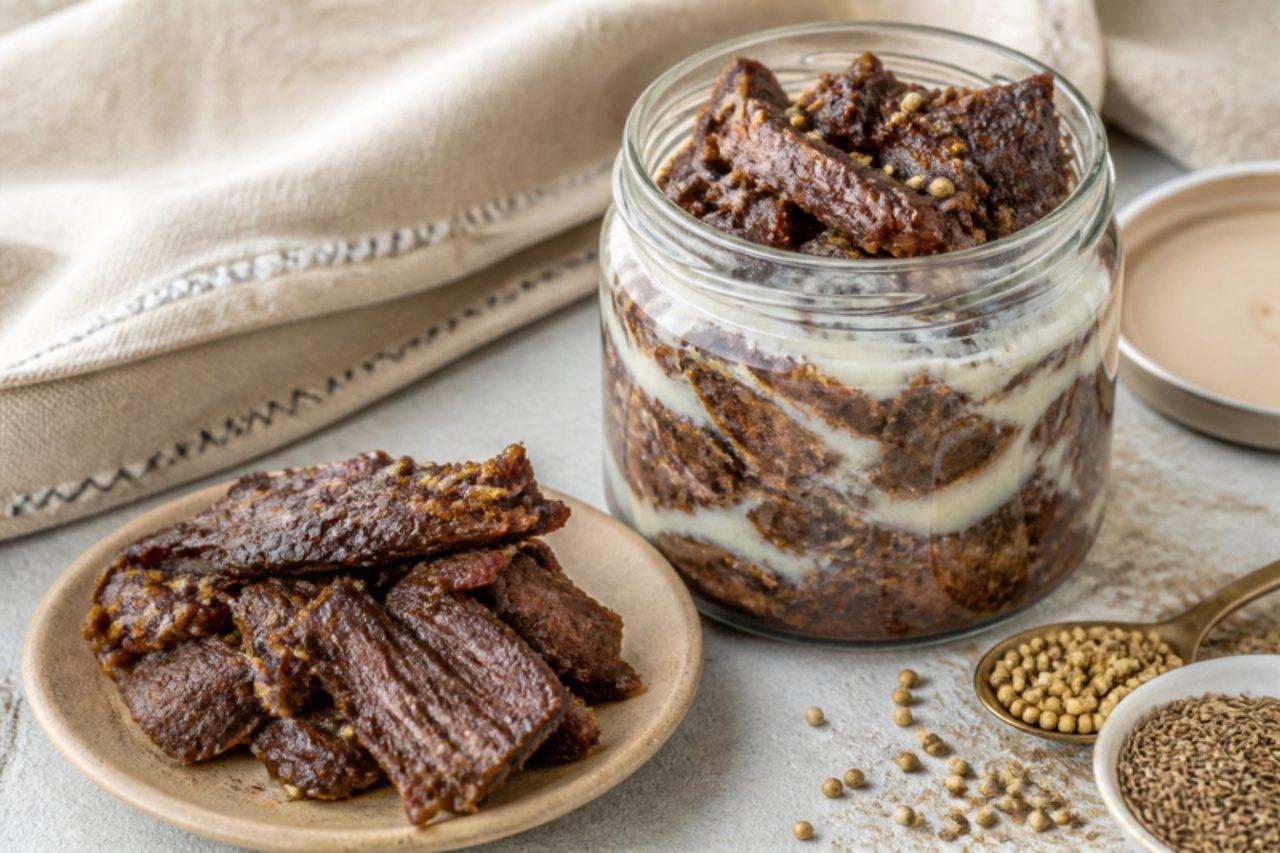
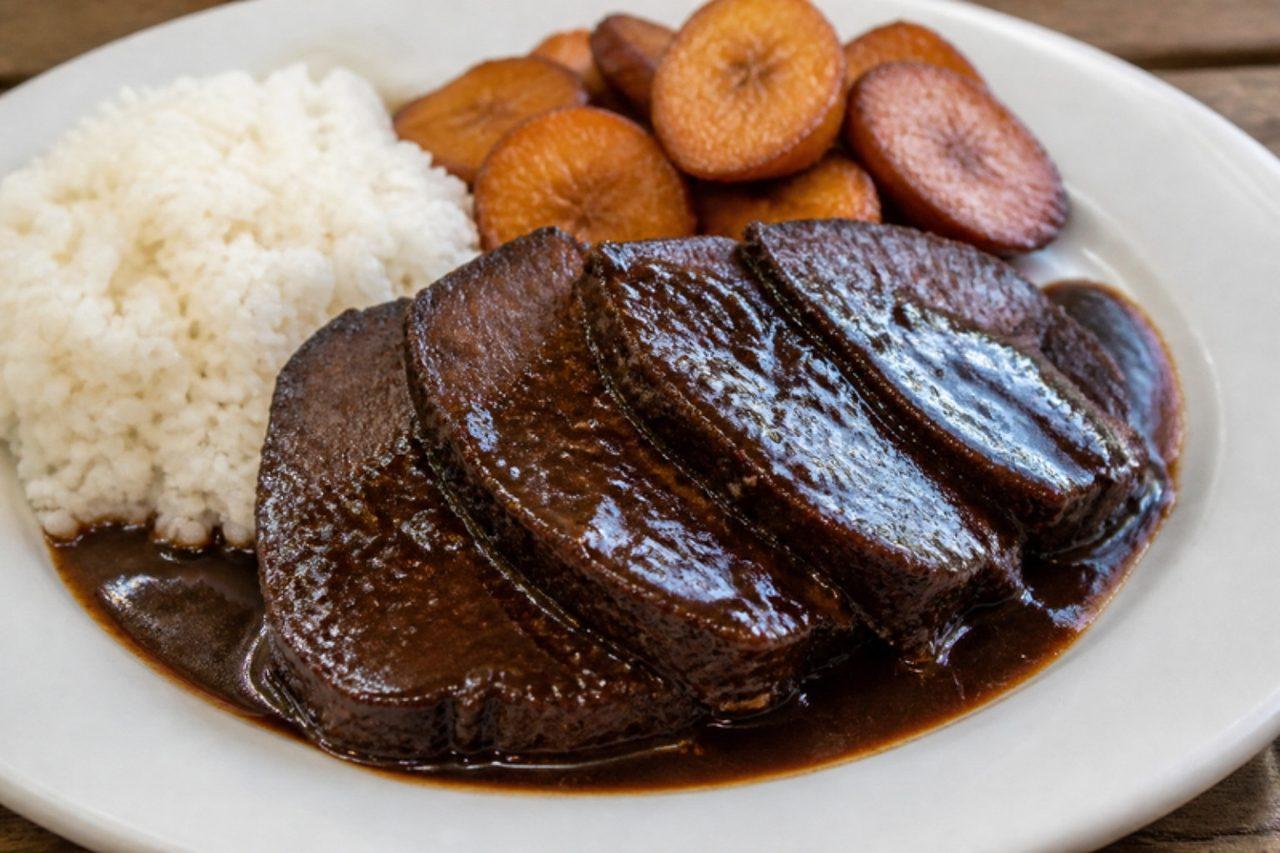
Once made in late summer from the Eid al-Adha meat, khlii was marinated, hung on rooftop lines in the Fez medina sun, then simmered in beef fat and olive oil and packed into earthenware jars for the year. It is deeply savoury and chewy, scented with coriander seed, cumin and garlic, and the fat it sits in is as prized as the meat, for frying eggs, enriching lentils or folding into couscous. This home version swaps the rooftop for the fridge and a low oven: the meat marinates for 24 hours in the fridge, dries for about 6 hours at a temperature that takes it well above 71 °C, then confits for about 90 minutes and goes back into the fridge, where it keeps for up to a month under its fat. Because it is a home-preserved meat, it is not for pregnant women, young children or anyone with a weakened immune system. Chef's tip: slice the beef with the grain into long strips no thicker than your little finger; thicker strips stay wet inside and spoil.

Read more 0 views
Can't decide?

What to eat today?

Spin the randomizer, search with what's already in your fridge, or browse recipes from our chefs.

Latest recipes

Cheese and heart of palm pastel

Pastel is the taste of the São Paulo street market: big rectangles of thin dough fried to order until they blister and puff, eaten hot from paper with a glass of caldo de cana (sugar-cane juice). Cheese and palmito (heart of palm) are two of the most popular meat-free fillings. Chef's tip: add a spoon of cachaça (or vodka) to the dough and fry in properly hot oil. The alcohol evaporates fast and makes the crust puff into the light, bubbly blisters that market pastel is famous for.

by KrazyBadal 0 views

Açaí bowl

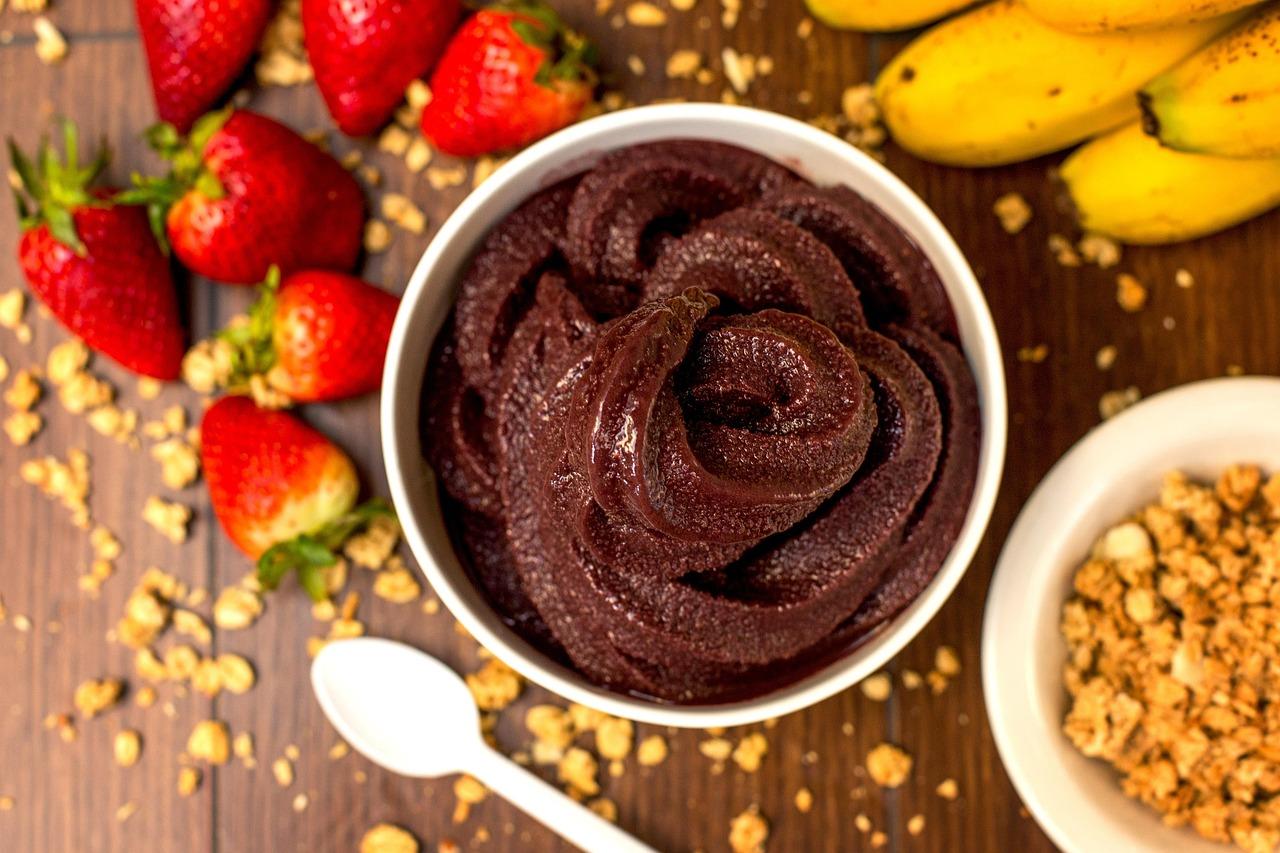
Açaí is a deep purple palm berry from Pará, in the Amazon, where people in Belém eat it as a thick, unsweetened purée with manioc meal alongside savoury food. The sweet, frozen açaí na tigela ('açaí in a bowl') was born on the beaches of Rio de Janeiro and became a Brazilian breakfast and post-surf favourite: thick as soft-serve ice cream, topped with crunchy granola, banana and strawberries. Chef's tip: use as little liquid as possible and blend in short pulses, scraping down the sides. Real açaí na tigela is spooned, not drunk; too much juice turns it into a smoothie.

by KrazyBadal 0 views

Brigadeiro

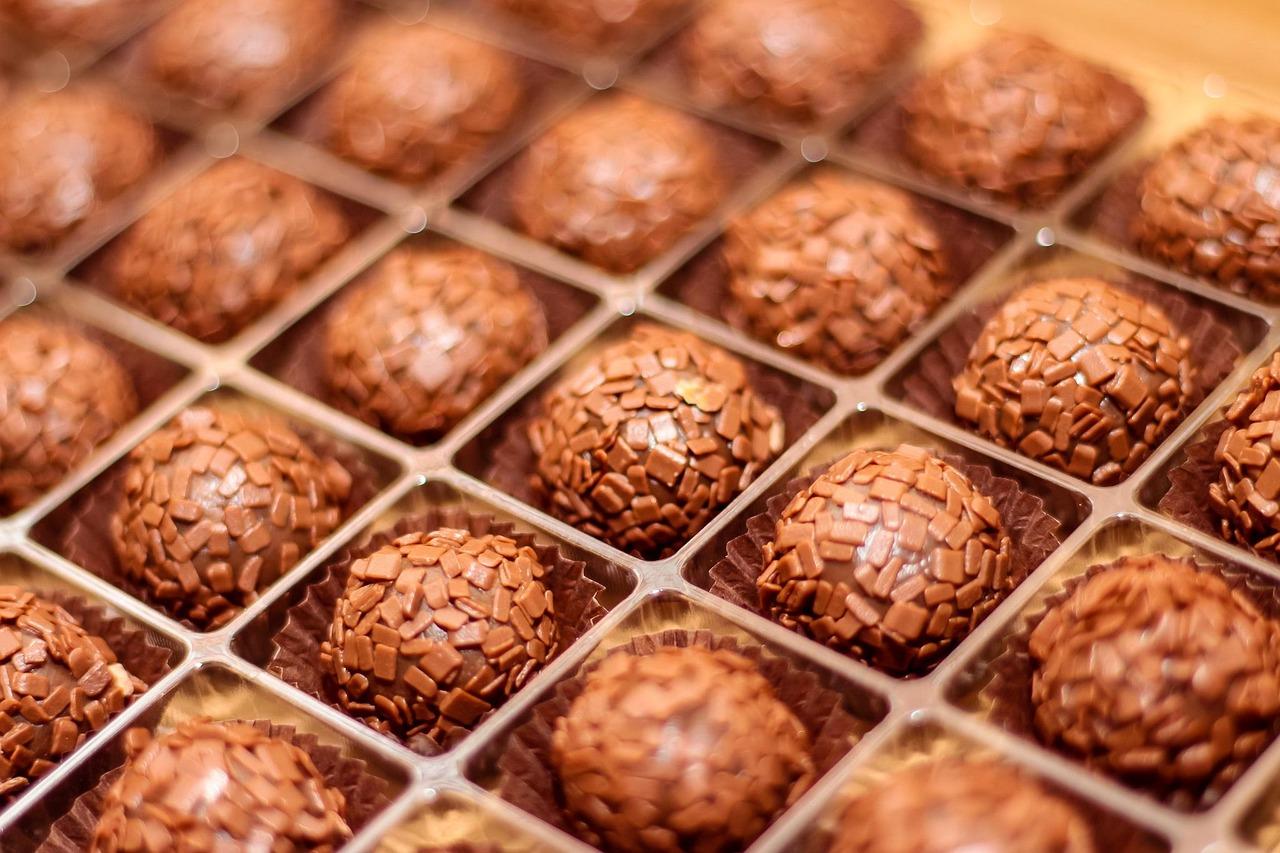
Brigadeiro is Brazil's favourite sweet: no birthday party anywhere in the country is complete without trays of them in little paper cases. Condensed milk, cocoa and butter are stirred in a pan until thick, then rolled into soft, fudgy balls and coated in chocolate sprinkles. It's said to be named after Brigadeiro Eduardo Gomes, an air force officer who ran for president in 1945. Chef's tip: learn the ponto (the doneness point). Tilt the pan and drag your spatula through the mixture: when it slides as one mass and you can see the pan base for 2–3 seconds before it closes up, it's ready. Undercooked brigadeiros won't hold a shape; overcooked ones turn chewy.

by KrazyBadal 0 views

Beijinho

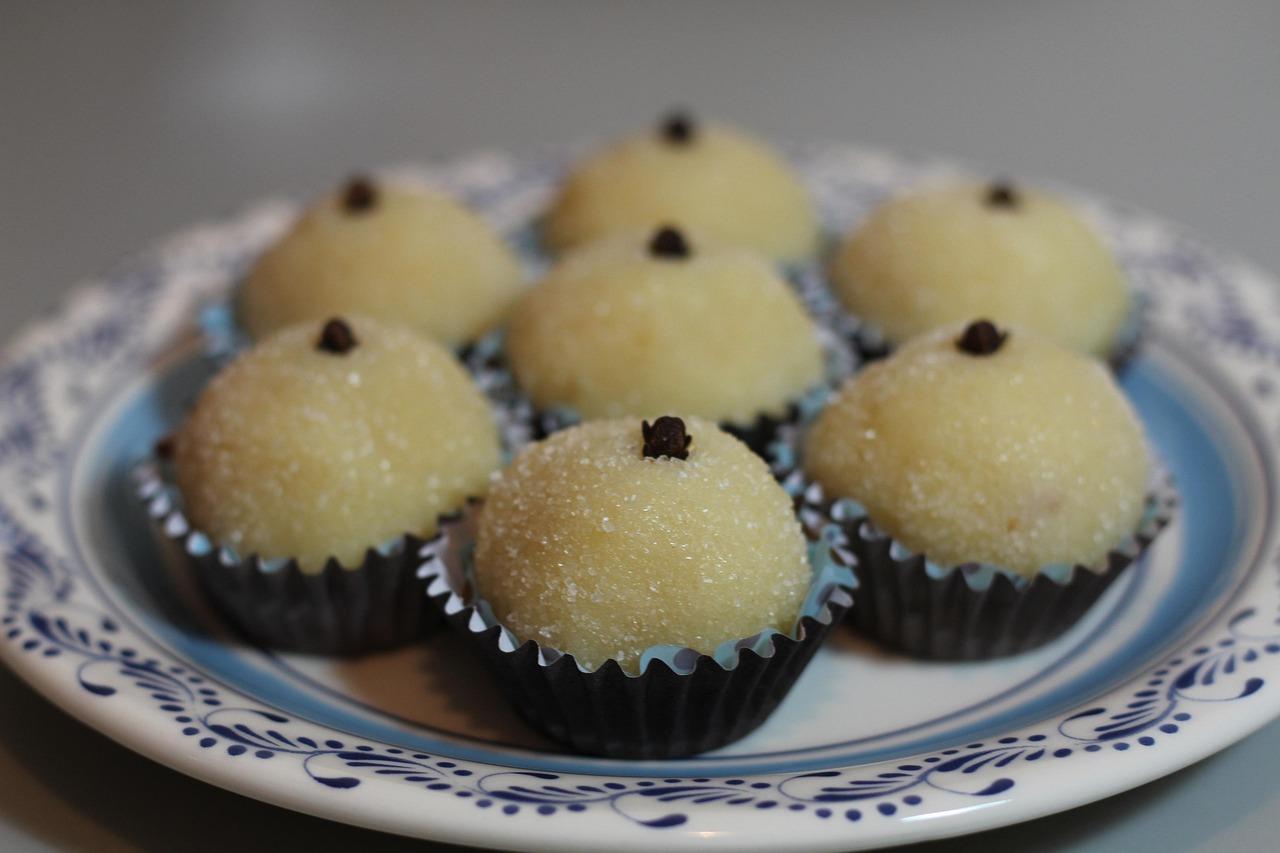
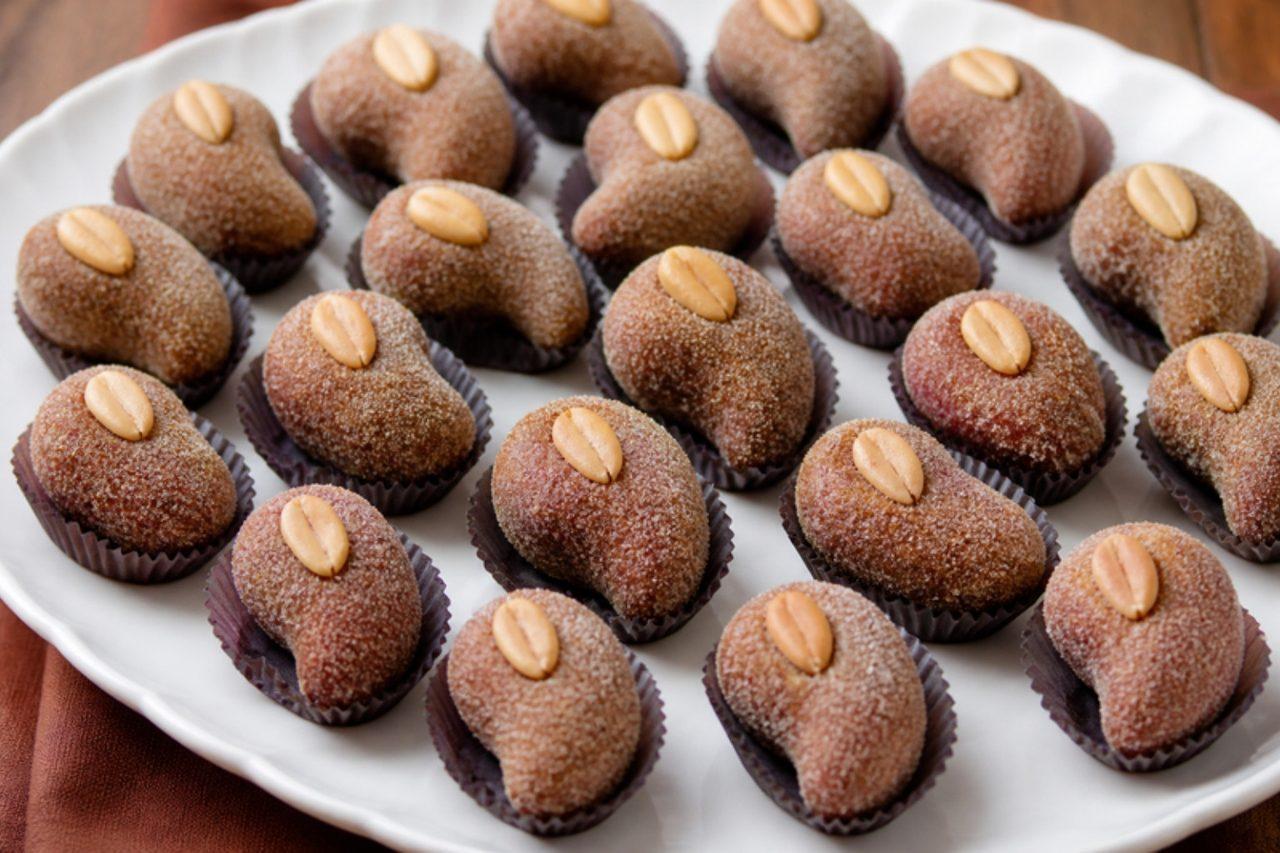
Beijinho ('little kiss') is the white twin of brigadeiro, and the two always appear side by side at Brazilian birthday parties all over the country. Condensed milk is cooked with butter and coconut until thick, then rolled into small balls, coated in sugar or coconut and topped with a single clove. Chef's tip: don't skip the clove. It's the signature of a proper beijinho, giving a little warm, spicy perfume that balances all that sweetness (it's for decoration and aroma; take it out before eating).

by KrazyBadal 0 views

Pudim de leite condensado

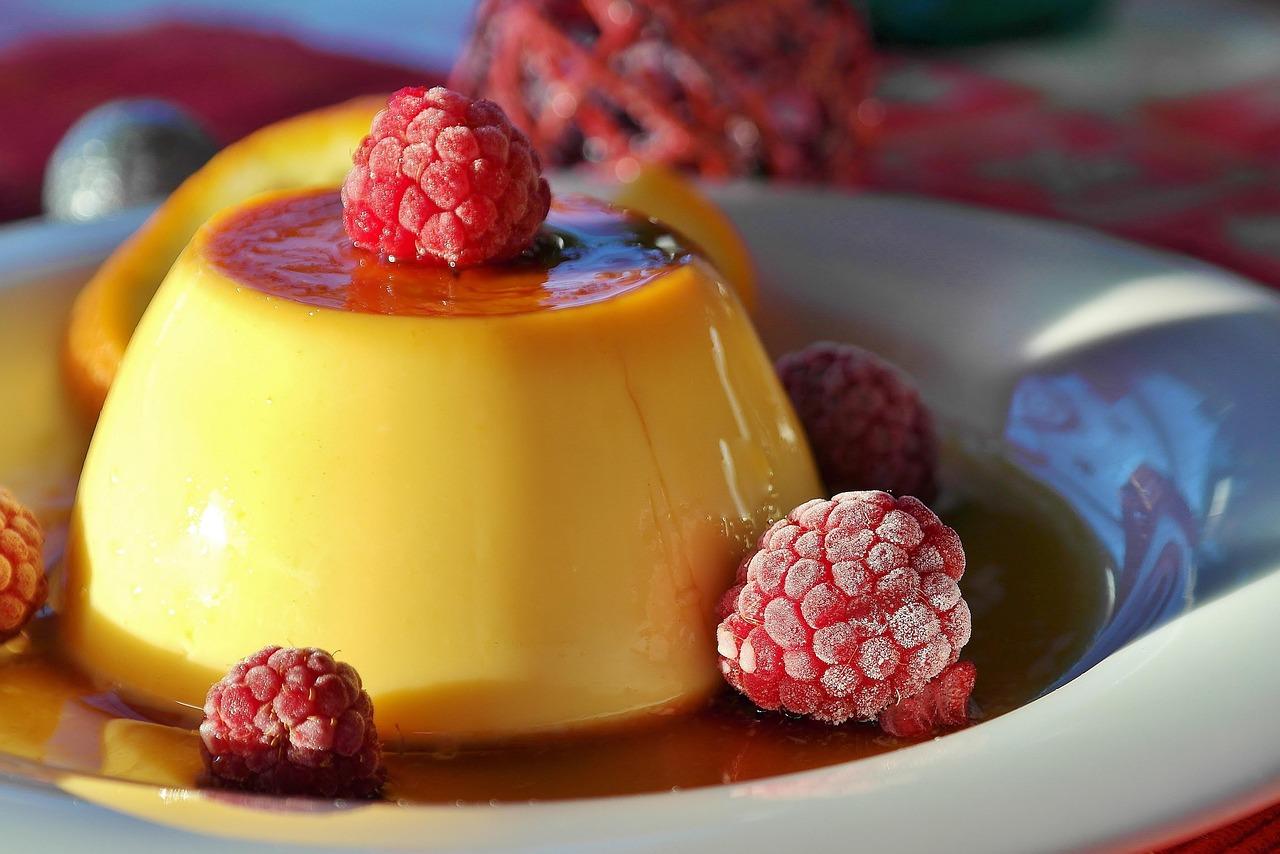
Pudim de leite condensado is the dessert of Brazilian Sunday lunch, served in every home and por-quilo restaurant from north to south. It's richer and denser than a French crème caramel: condensed milk, milk and eggs baked in a water bath in a ring tin, then turned out under a glossy layer of dark caramel. Chef's tip: bake it gently in a water bath and keep the water just below a simmer. Too much heat makes the bubbles that leave the pudim full of little holes; Brazilians prize a smooth, silky pudim lisinho.

by KrazyBadal 0 views

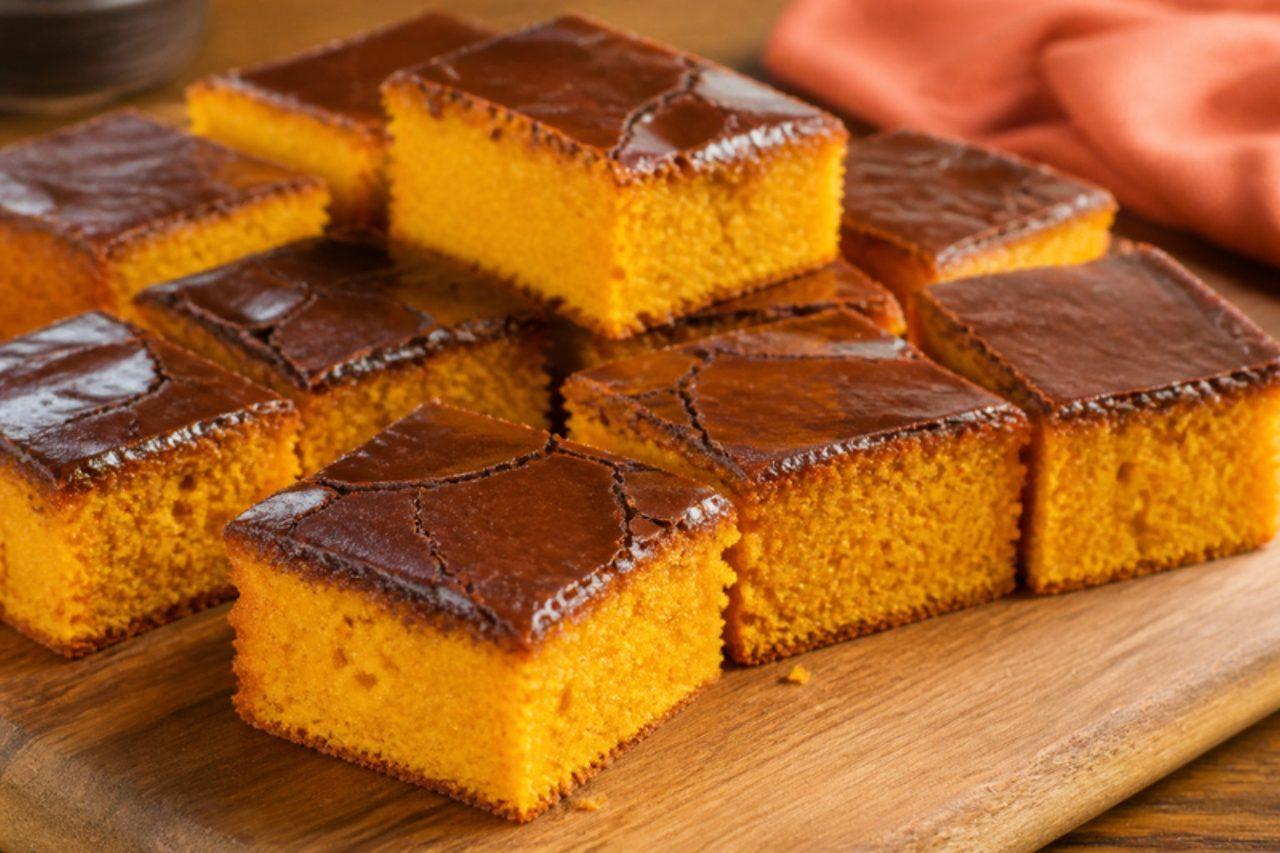
Bolo de cenoura com cobertura de chocolate

Bolo de cenoura is the most loved homemade cake in Brazil, served with coffee at the afternoon lanche all over the country. It's nothing like the spiced, nutty carrot cake of the UK and US: raw carrots are blended smooth with eggs and oil, giving a bright orange, light and moist sponge, finished with a thick chocolate topping that sets with a thin crust. Chef's tip: blend the carrots with the eggs and oil until completely smooth, with no visible bits, and pour the chocolate topping over while the cake is still warm. The topping soaks in a little and sets with the shiny, crackly casquinha (crust) Brazilians love.

by KrazyBadal 0 views

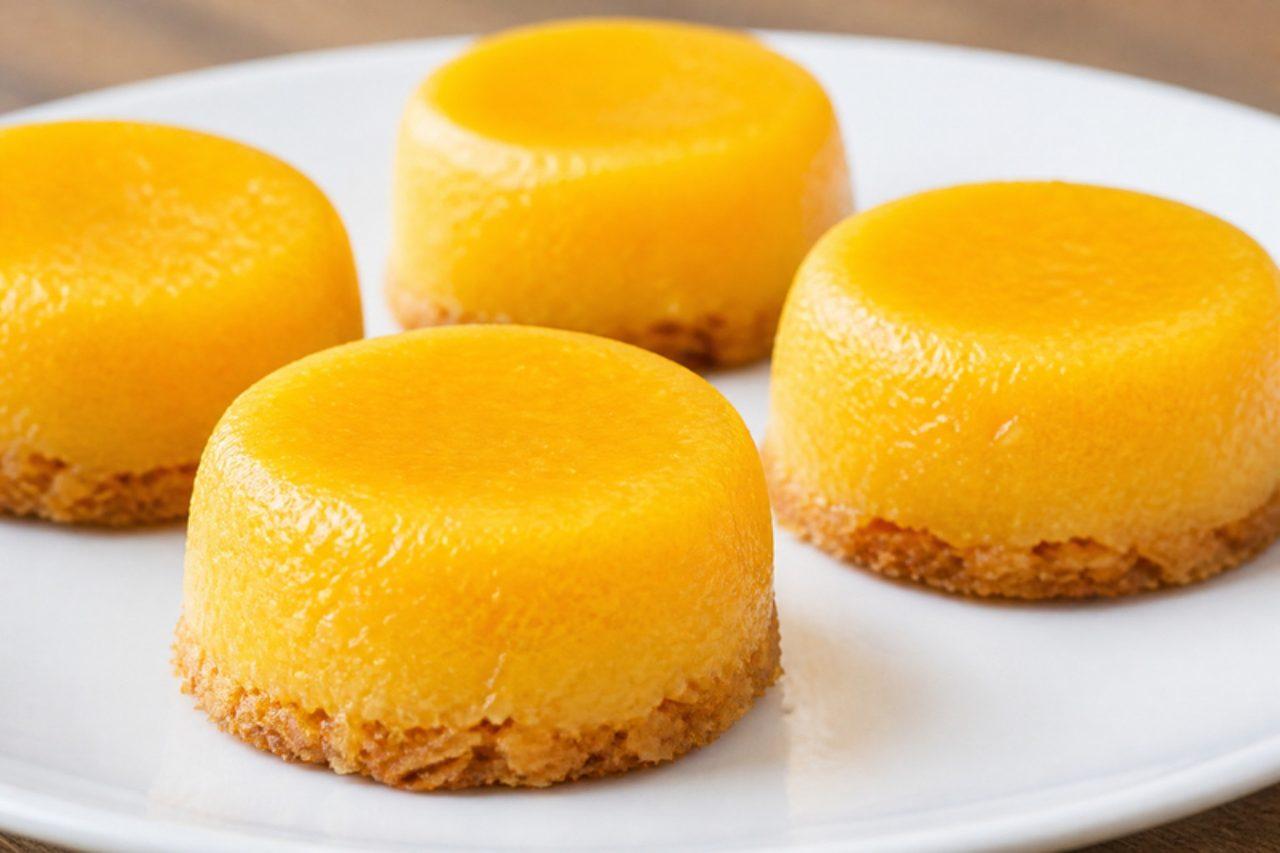
Quindim

Quindim is a jewel of Bahian sweets: small, shiny, intensely yellow custards made from egg yolks, sugar and grated coconut. It goes back to Portugal's convent sweets, rich in yolks, which cooks in colonial Bahia combined with the coconut of the Brazilian coast. When baked, the coconut sinks to form a chewy base and the yolks set into a silky, translucent top that becomes the shining crown when unmoulded. Chef's tip: strain the yolks so there are no traces of white or the chalazae (the stringy bits). Egg white makes quindim pale and rubbery instead of glossy, deep gold and smooth.

by KrazyBadal 0 views

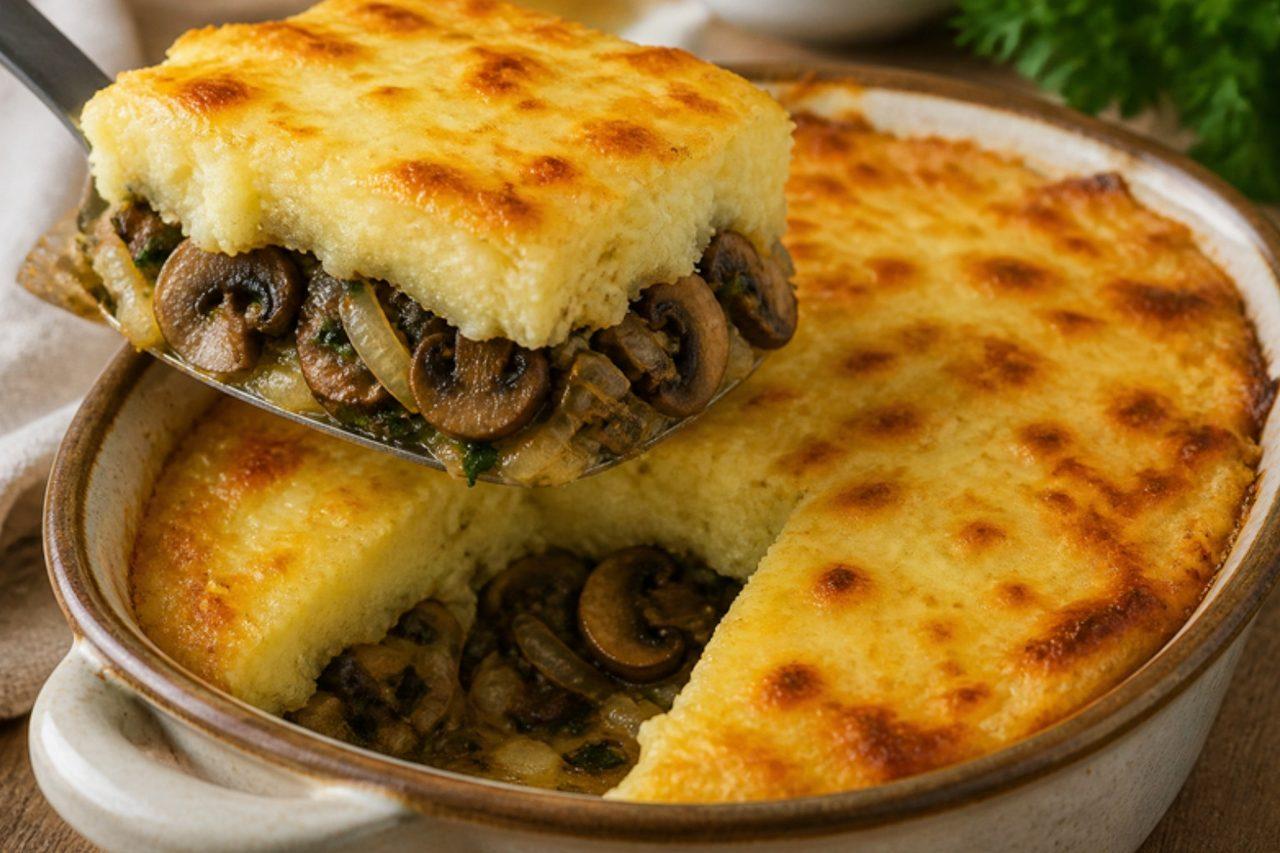
Mushroom and cassava escondidinho

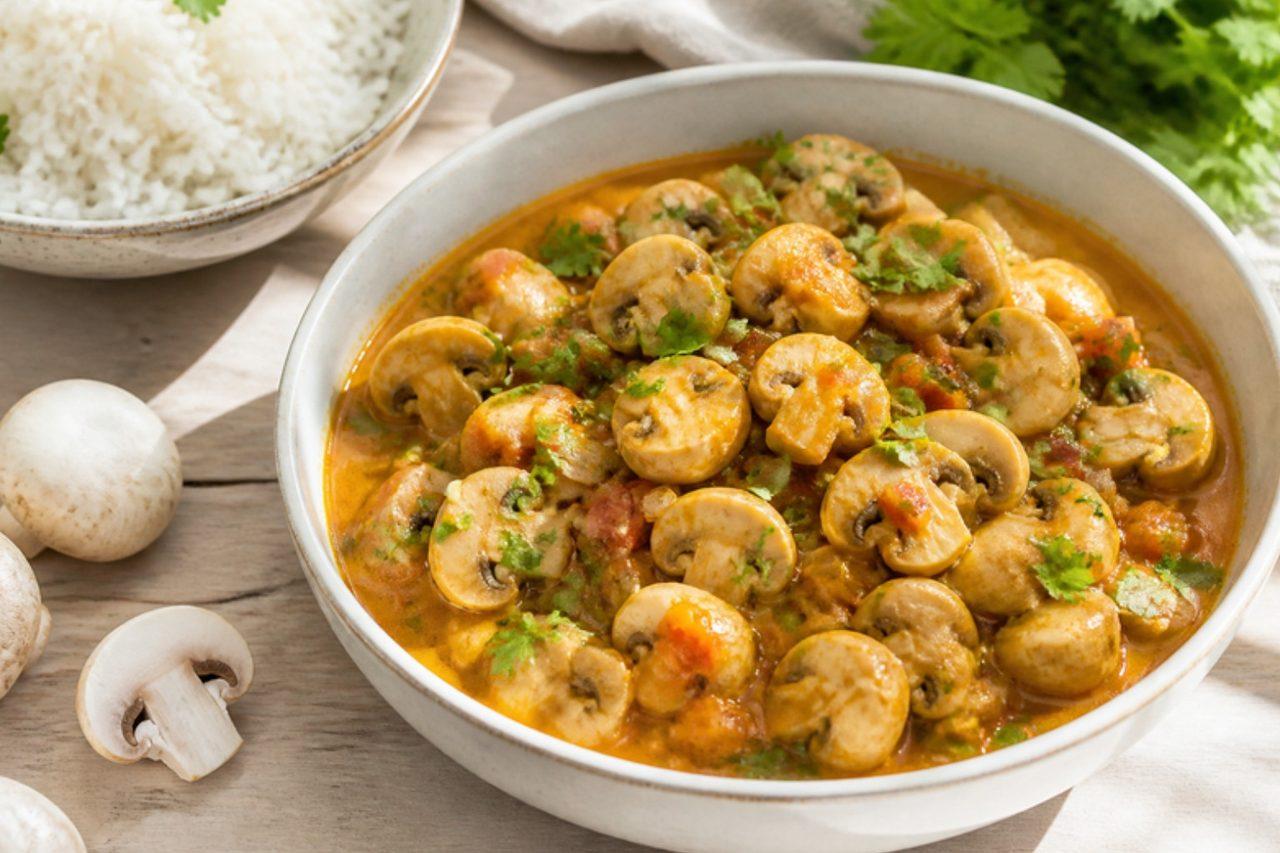
Escondidinho ('little hidden one') is a homely baked dish from the Northeast: a savoury filling hidden under a layer of creamy mashed cassava (mandioca or aipim), topped with cheese and baked until golden. The classic is made with carne de sol, the Northeast's sun-dried beef; this vegetarian escondidinho uses mushrooms browned hard with onion, tomato and smoked paprika for the same savoury depth. Serve it with a green salad or couve à mineira. Chef's tip: mash the cassava while it's piping hot and remove the woody core first. Cold cassava turns gluey, and the stringy core spoils the silky texture.

by KrazyBadal 0 views

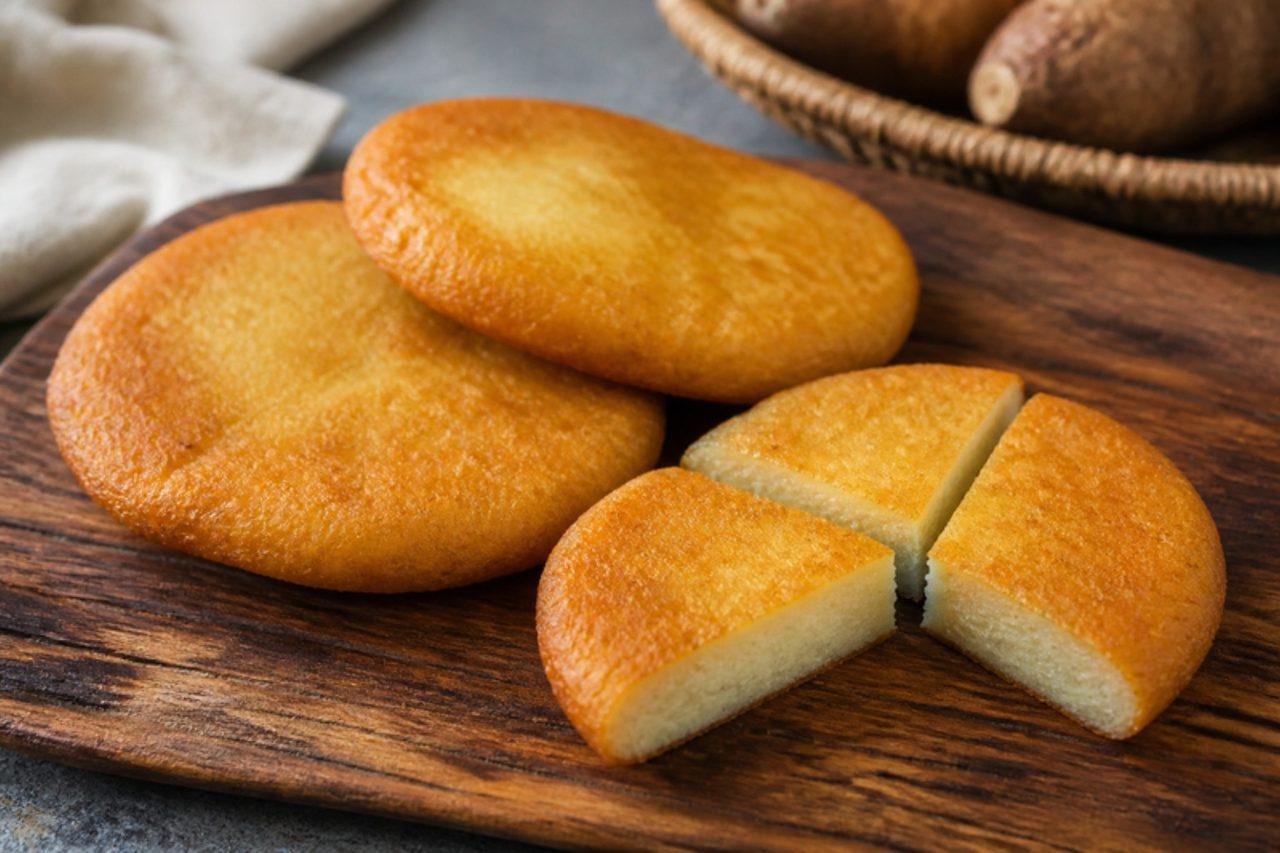
Bammy

Bammy is one of Jamaica's oldest foods, a flatbread of grated cassava handed down from the Taíno people and still made by family producers in St Elizabeth, especially around Treasure Beach and the south coast. The cassava is grated, squeezed dry and pressed into firm rounds that keep for days. Before eating, they're soaked in coconut milk and fried, so they turn crisp outside and soft and chewy within, with a gentle nutty flavour. Serve with steamed callaloo, Ital stew or escovitch vegetables. Chef's tip: squeeze the grated cassava really, truly dry in a cloth, wringing it hard. Wet cassava steams into a gummy cake instead of setting into a firm bammy.

by KrazyBadal 0 views

Showing 9 of 4,484 recipes

Show more recipes

Page 424 of 499