


Skip to content
Kimchi fried rice
Featured recipe

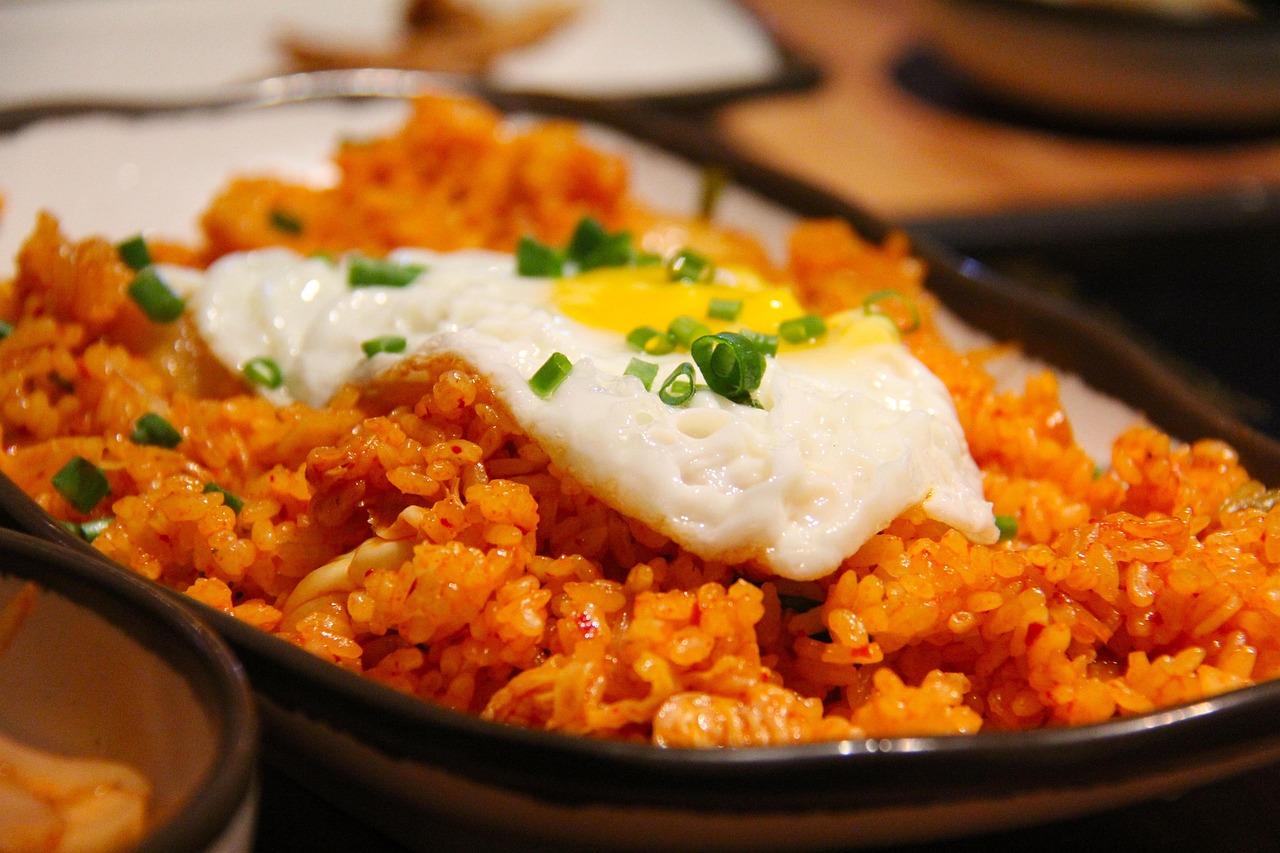
Kimchi fried rice

Kimchi fried rice (김치볶음밥, kimchi bokkeumbap) is the dish Korean households all over the country make when the kimchi has turned sour and there is leftover rice in the fridge. The kimchi and its juice are fried first so they caramelise, then the rice is tossed through until every grain is red, tangy and a little smoky. A fried egg with a runny yolk on top makes it a meal. Use well-fermented vegetarian kimchi, such as the baechu kimchi in this collection; many shop-bought kimchis contain fish sauce or shrimp, so check the label. Chef's tip: the kimchi must be properly sour, at least two or three weeks old. Fresh kimchi makes a flat, watery fried rice; fry it until it catches slightly before the rice goes in.

Read more 0 views

What to eat today?

Around the world

Today's trip: Persian

A new country every day, from every cuisine on the site.

Persian

Nazkhatoon

Smoky aubergine with pomegranate 40 minMore from Persian (131) →

This week's collection

Kid-friendly dinners
578 recipes · a new collection every Monday

Latest recipes

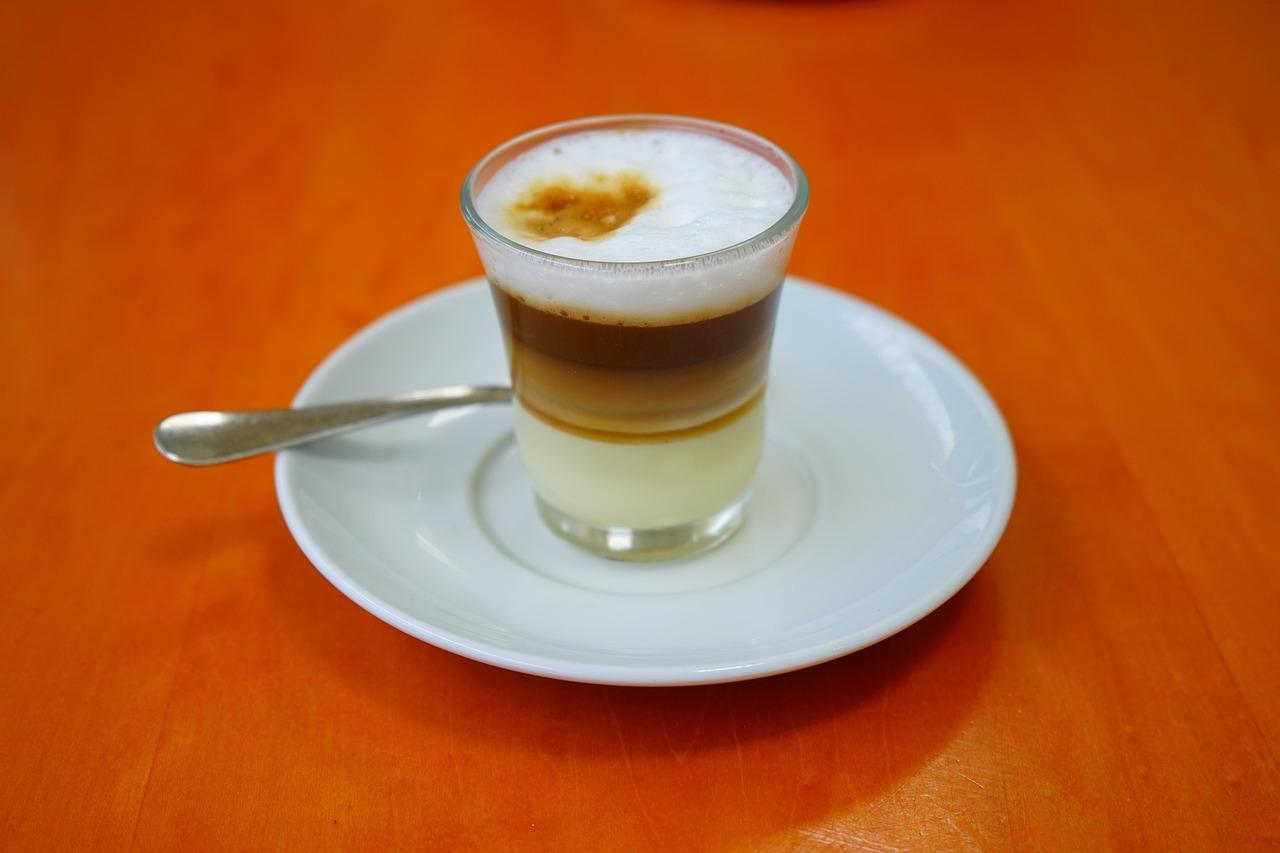
BarraquitoLayered coffee with condensed milk

Order a barraquito in any café in Santa Cruz de Tenerife or La Laguna and it comes in a small glass showing neat stripes: sweet condensed milk at the bottom, then espresso, then foamed milk, perfumed with lemon peel and cinnamon. The bar classic adds a measure of a vanilla-citrus Spanish liqueur between the layers, which makes it contain alcohol; this recipe leaves it optional, and without it the drink is often called a zaperoco or barraquito sin licor. Chef's tip: pour each layer slowly over the back of a spoon, so the layers sit on top of each other instead of mixing.

by KrazyBadal 0 views
BarreadoSlow-cooked beef in clay pot

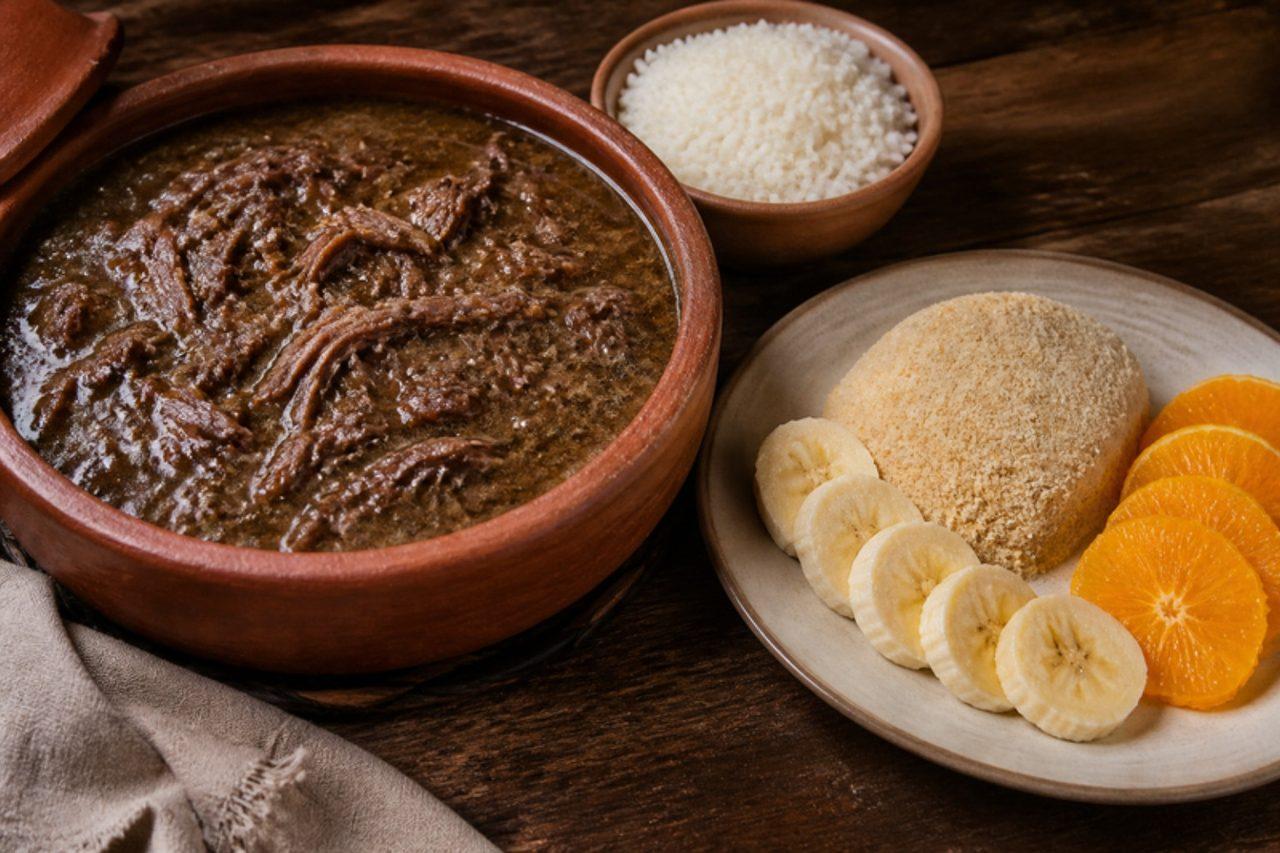
Morretes and Antonina, the little colonial towns at the foot of Paraná's Serra do Mar, are famous for barreado: beef layered with smoked bacon, onion, garlic, cumin and bay in a clay pot, sealed with a paste of cassava flour and water, and cooked for many hours until it falls into soft, dark strands in a rich broth. It was a Carnival dish, left on the fire so revellers could eat without cooking, and today the restaurants along the Rio Nhundiaquara serve it every day. This recipe contains pork, in the bacon that gives the broth its smokiness. At the table you put cassava flour on your plate, ladle over hot broth and stir it into a soft pirão, then add the meat and slices of banana. The common mistake is opening the pot to check, which lets the steam out and toughens the meat; trust the seal and the oven. A heavy cast-iron casserole works if you have no clay pot. Chef's tip: use two cuts, a lean one and a gelatinous one like shin, for broth with real body.

by KrazyBadal 0 views

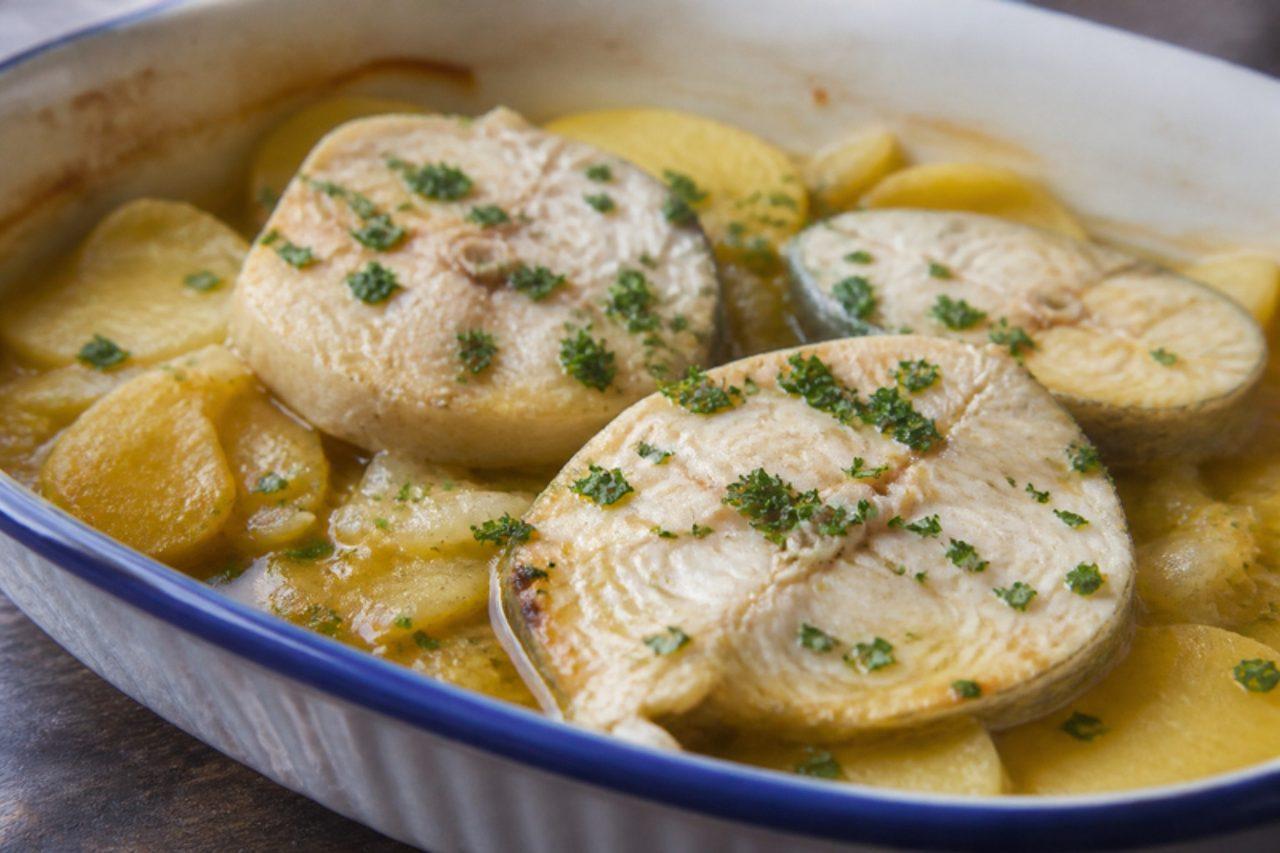
Merluza a la sidraHake baked in cider

Asturias has two great loves at table, the fish landed at ports like Cudillero and Avilés and the cider pressed from its orchards, and merluza a la sidra brings them together. Families cook it for Sunday lunch, the hake settled on a bed of soft onion and potato with cider poured over, until the sauce turns sweet-sharp. The cider is alcoholic; cloudy apple juice with a little cider vinegar makes a good alcohol-free swap. Chef's tip: add the hake only when the potatoes are nearly tender, so the fish stays juicy.

by KrazyBadal 0 views

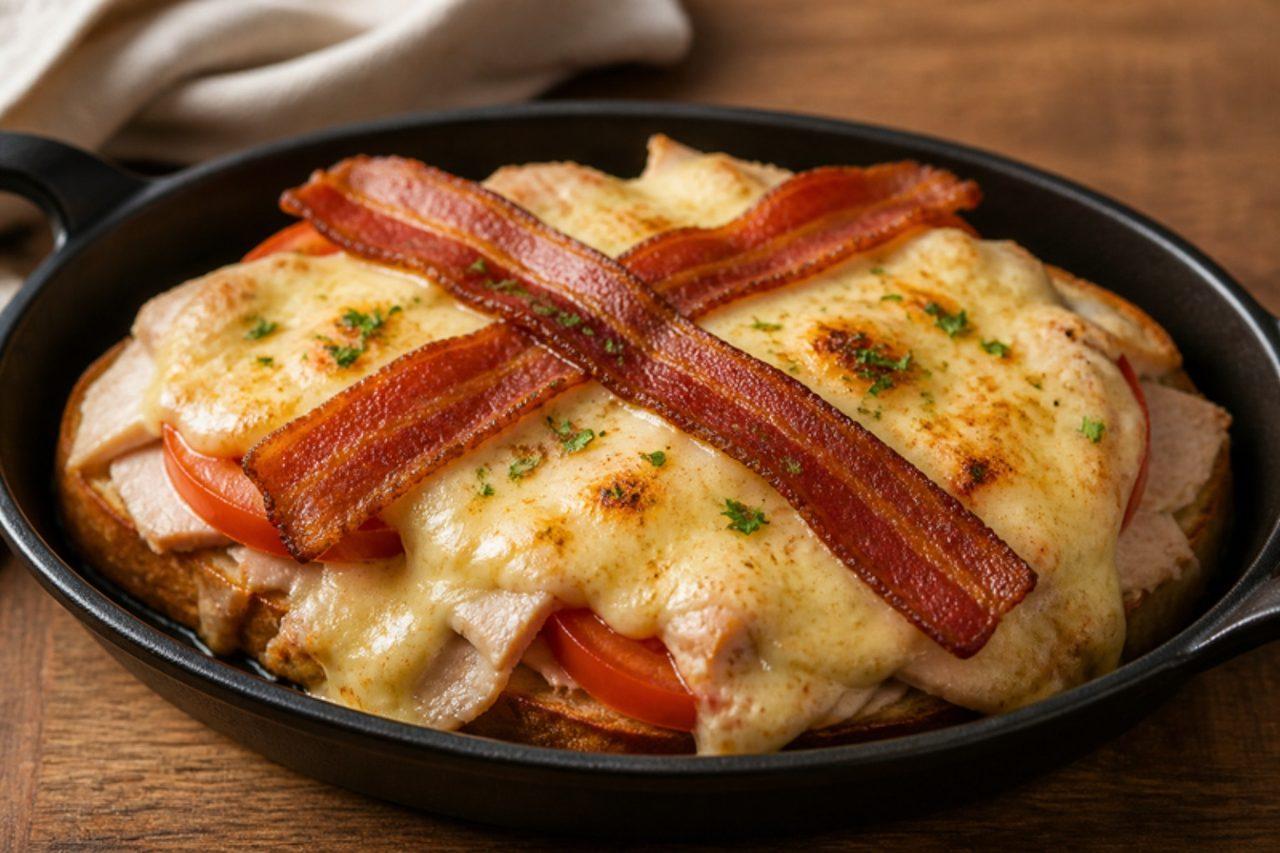
Kentucky hot brown

The hot brown was invented in 1926 at the Brown Hotel in Louisville, Kentucky, as a late-night dish for dancers, and it is still ordered there and all over the city on Derby weekend. Thick slices of roast turkey on toast are covered in a rich Mornay sauce and grilled until bubbling, then topped with tomato and crisp smoked bacon (pork). Eat it with a knife and fork. Chef's tip: use leftover roast turkey breast carved thickly; thin deli slices dry out under the grill.

by KrazyBadal 0 views

Country captain

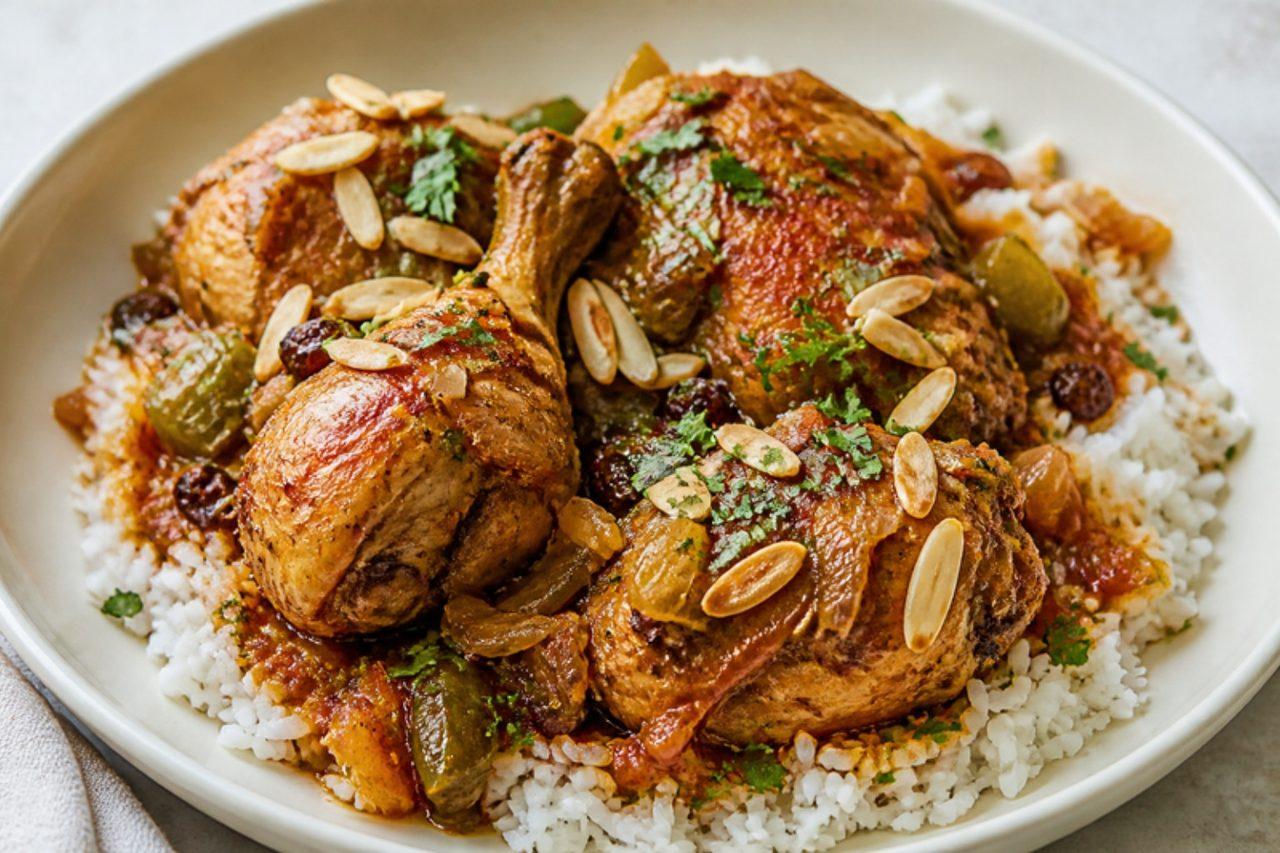
Country captain is the curried chicken of Savannah and coastal Georgia, said to have arrived with sea captains in the spice trade from India, and it is still served at Georgia Junior League luncheons and holiday buffets. Browned chicken is braised in a mild curry and tomato sauce with peppers, then finished with currants and toasted almonds, and served over white rice. Chef's tip: toast the curry powder in the fat for a full minute; raw curry powder tastes dusty.

by KrazyBadal 0 views

Pennsylvania Dutch chicken pot pie

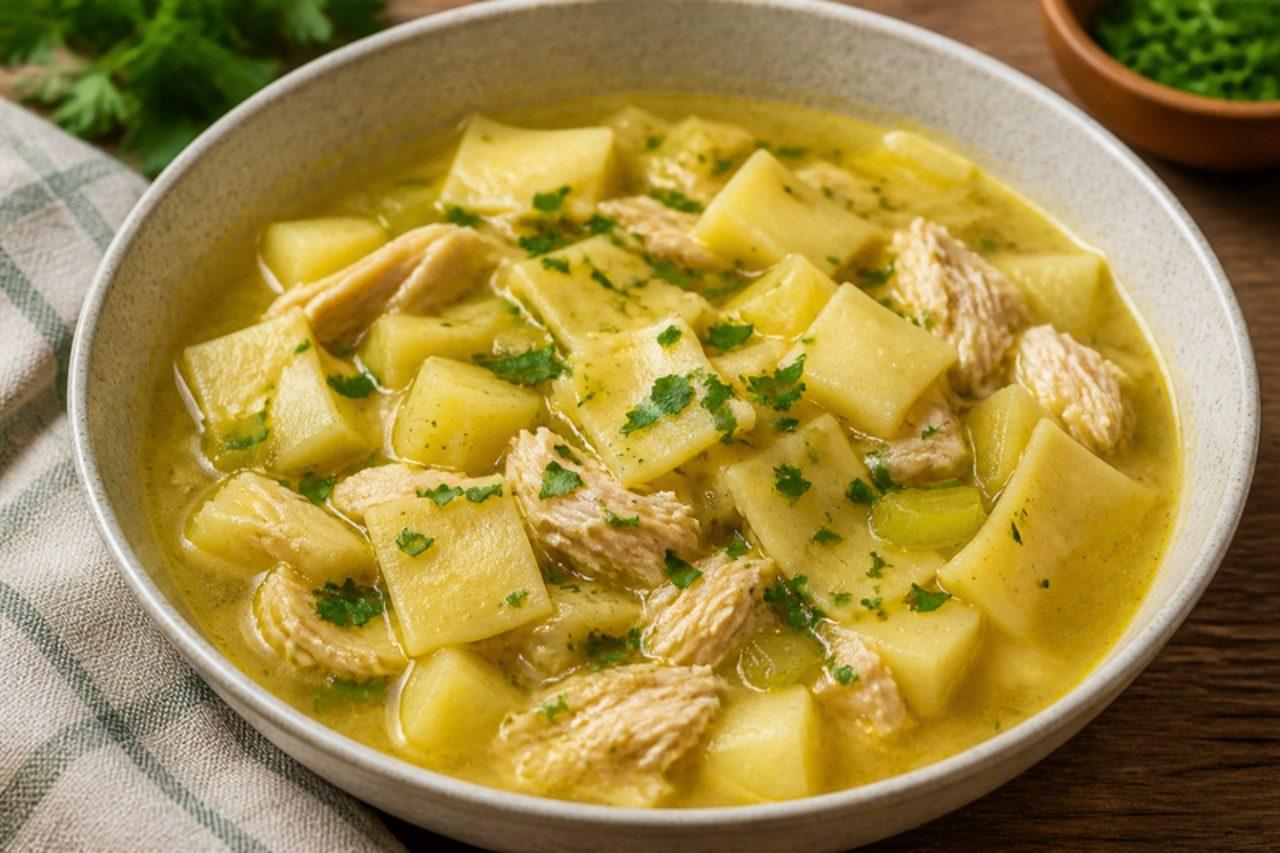
In Lancaster County a pot pie is not a pie at all: bott boi is a thick chicken stew with potatoes, celery and saffron in which big squares of rolled egg dough are boiled like noodles, served at firehouse suppers and Amish and Mennonite family dinners. It is soft, comforting and golden. Chef's tip: drop the dough squares in one at a time into a rolling boil so they don't stick together in a lump.

by KrazyBadal 0 views

Scrapple

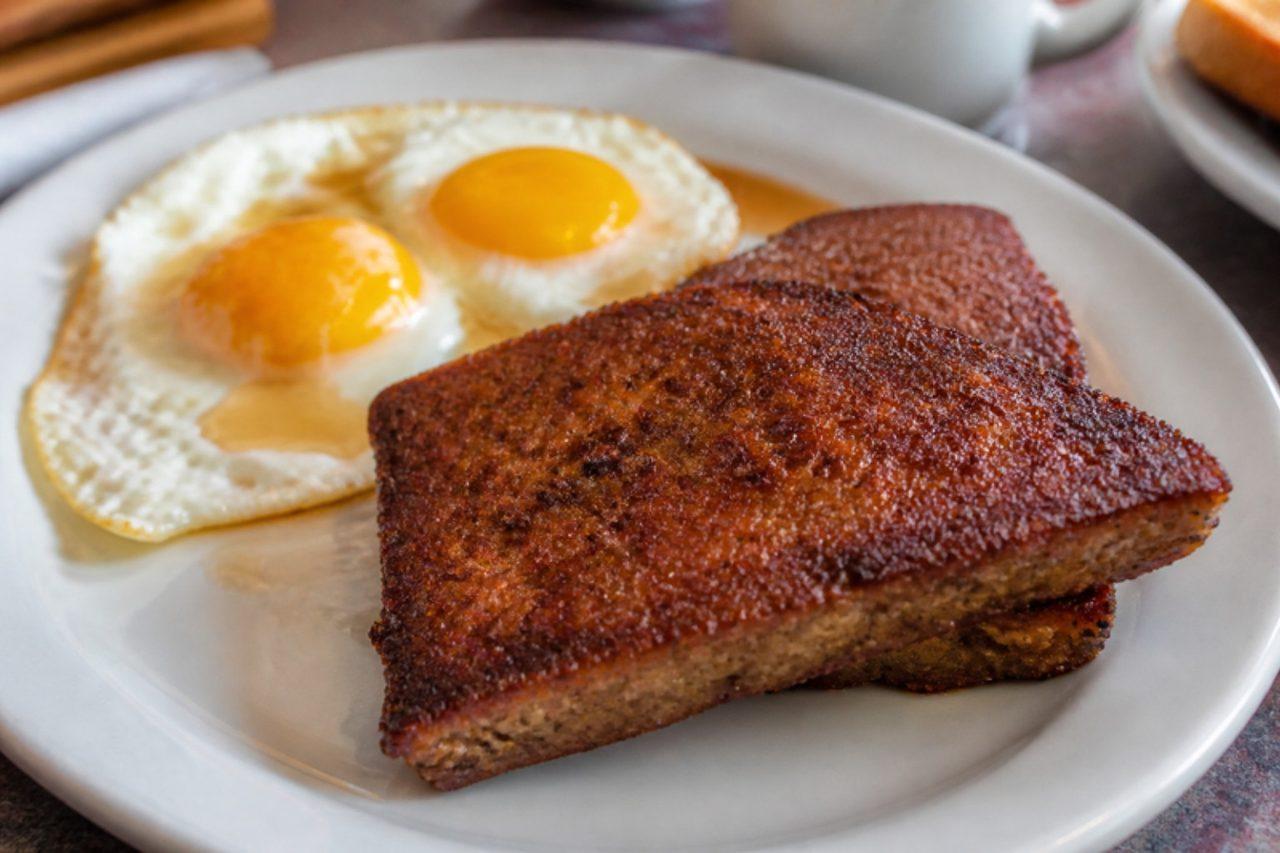
Scrapple is the thrifty breakfast meat of Pennsylvania Dutch farm country and the Delaware Valley, made at pig-killing time from pork trimmings simmered and set with cornmeal and buckwheat into a loaf. Slices are fried until crisp and brown outside and soft within, and eaten with eggs, apple butter or maple syrup at Lancaster County diners. This home version uses pork shoulder and a little liver. Chef's tip: slice it 1 cm thick and leave it alone in the pan until a dark crust forms; it sticks if you move it early.

by KrazyBadal 0 views

BasloghRosewater starch sweet with walnuts

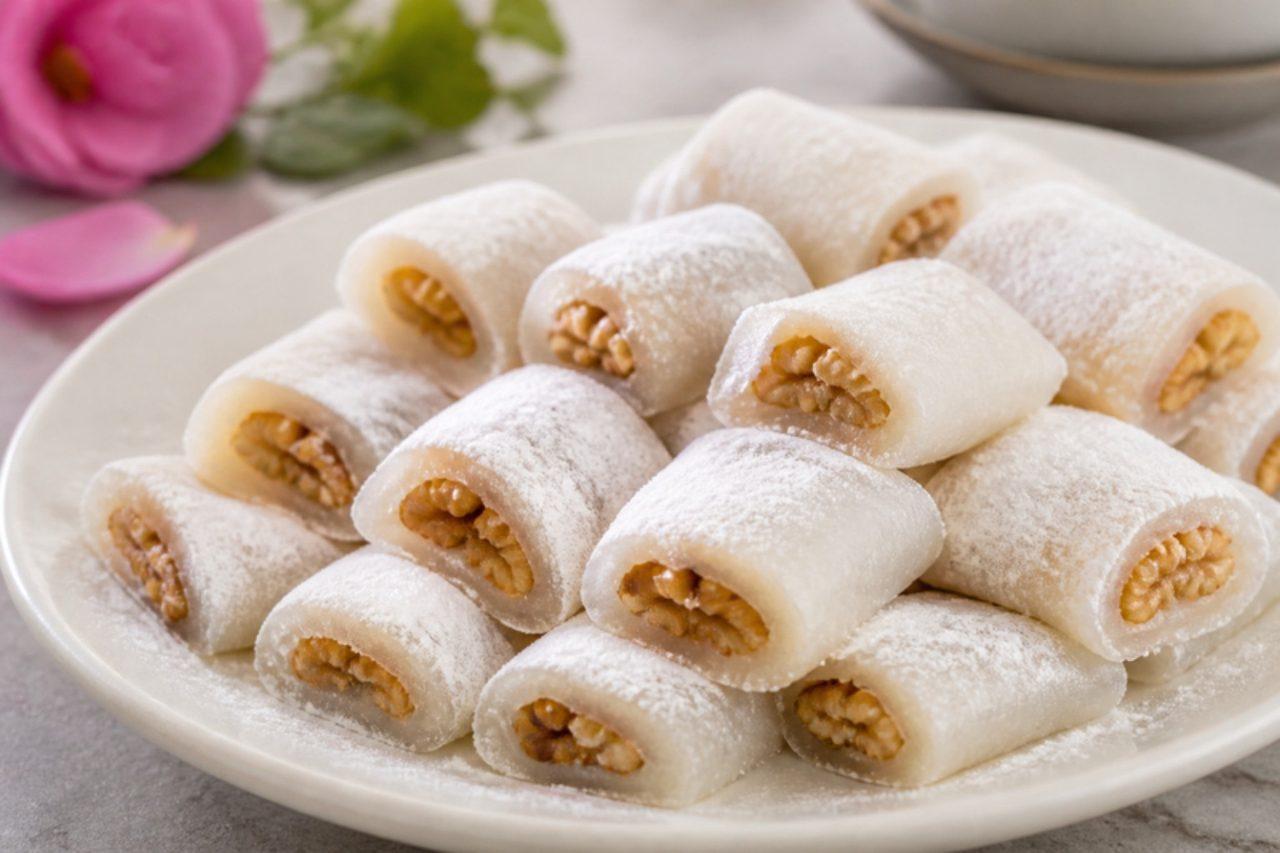
Baslogh is one of the soft confections that fill the sweet shops of Tabriz's covered bazaar, especially before Nowruz and at Ramadan: a pale, wobbly slab of starch cooked in rose-scented syrup, studded with walnuts, cut into squares and dusted so it does not stick. It is related to Turkish lokum but softer and less sweet, eaten with tea in the afternoon. A common mistake is stopping the cooking too early; undercooked baslogh never sets and weeps syrup. Chef's tip: cook until the paste turns translucent and pulls away from the pan in one mass, which takes longer than you expect.

by KrazyBadal 0 views

Café de ollaSpiced clay-pot coffee

In ranch kitchens and roadside fondas across central Mexico, coffee is not dripped but boiled in a tall clay pot (olla de barro) with a cone of piloncillo and a stick of soft Mexican cinnamon, then strained into clay mugs. It is sweet, spiced and earthy, and is served with pan dulce at breakfast, on cold evenings, and to visitors on Day of the Dead. A saucepan works fine if you have no olla. Chef's tip: turn the heat off before adding the coffee and let it steep rather than boil, or it turns bitter.

by KrazyBadal 0 views

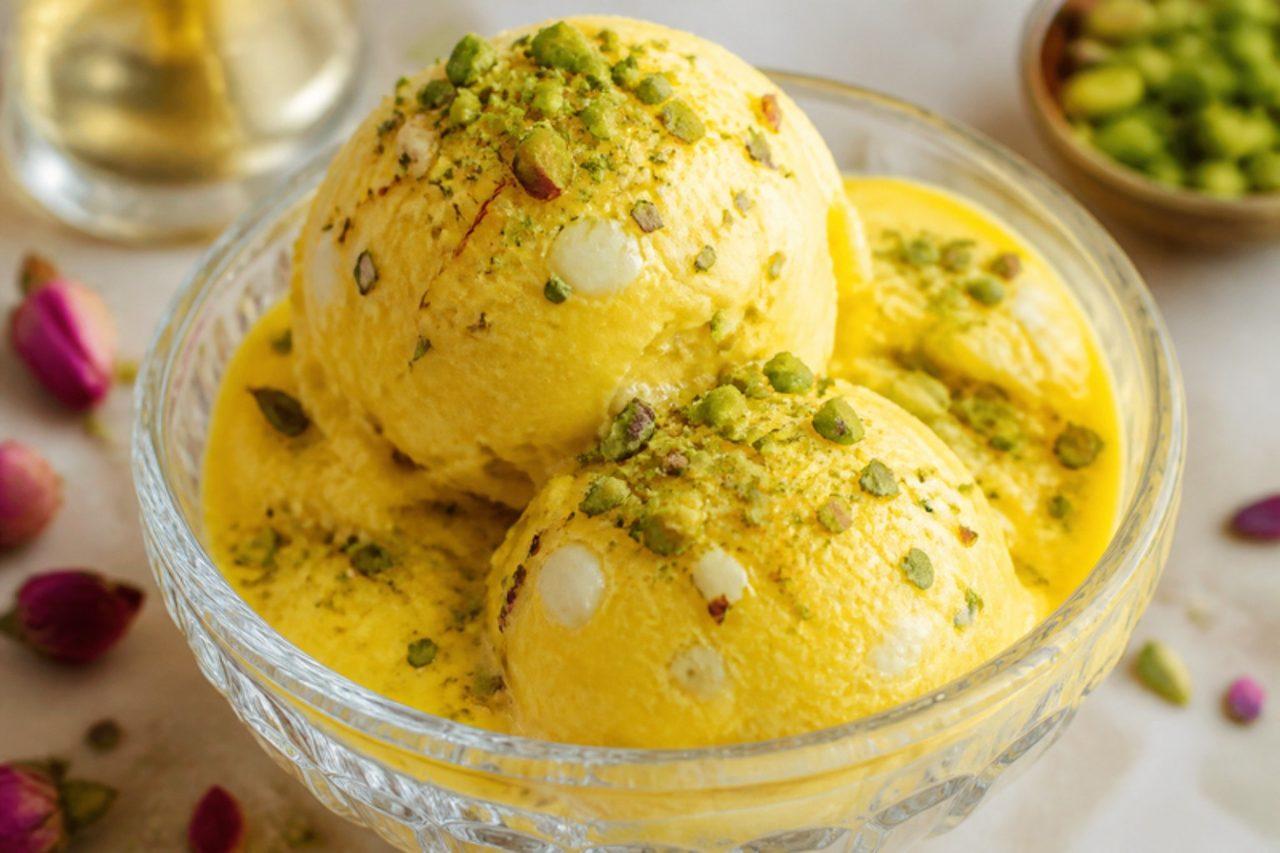
Bastani sonnatiSaffron rosewater ice cream

On summer evenings in Tehran, queues form outside old ice-cream shops for bastani sonnati, scooped between two thin wafers or into a glass beside faloodeh. The custard is rich with egg yolks and coloured deep gold with saffron, perfumed with rosewater and studded with pistachios and little shards of frozen cream that melt on the tongue. This home version uses an ice-cream machine or a fork-and-freezer method. Chef's tip: freeze the cream chips in a thin sheet the day before, so they are hard enough to stay as separate shards when folded in.

by KrazyBadal 0 views

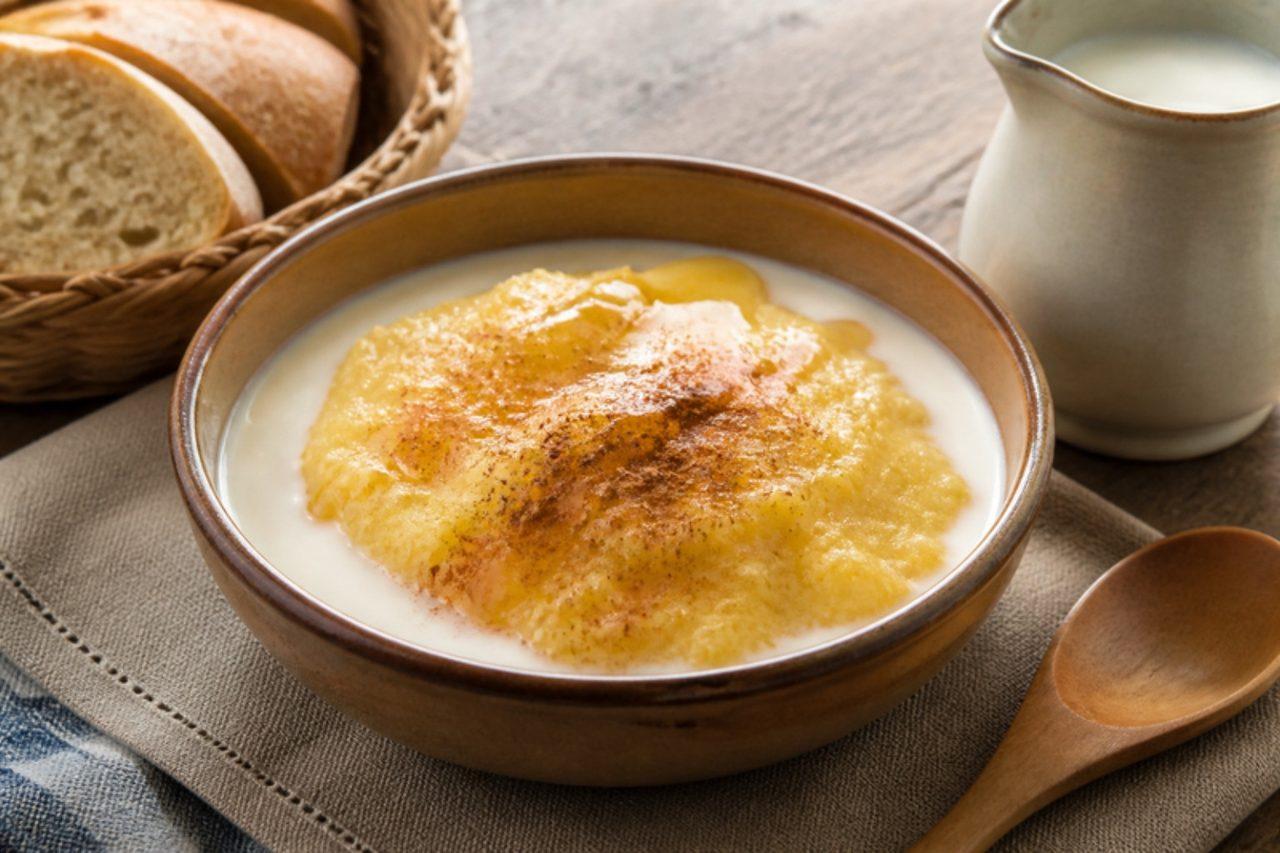
FariñesCornmeal porridge with honey

Fariñes, or farrapes in some valleys, fed Asturian farming families through the winter: a pot of maize meal stirred over the fire, eaten for breakfast or as a light supper with cold milk poured over the hot porridge. Today it is comfort food again, offered at rural guesthouses in the Oriente and made at home when the weather turns. The contrast of warm, soft porridge and cold milk is the whole point. Chef's tip: whisk the cornmeal into cold water before it heats so it never forms lumps.
by KrazyBadal 0 views

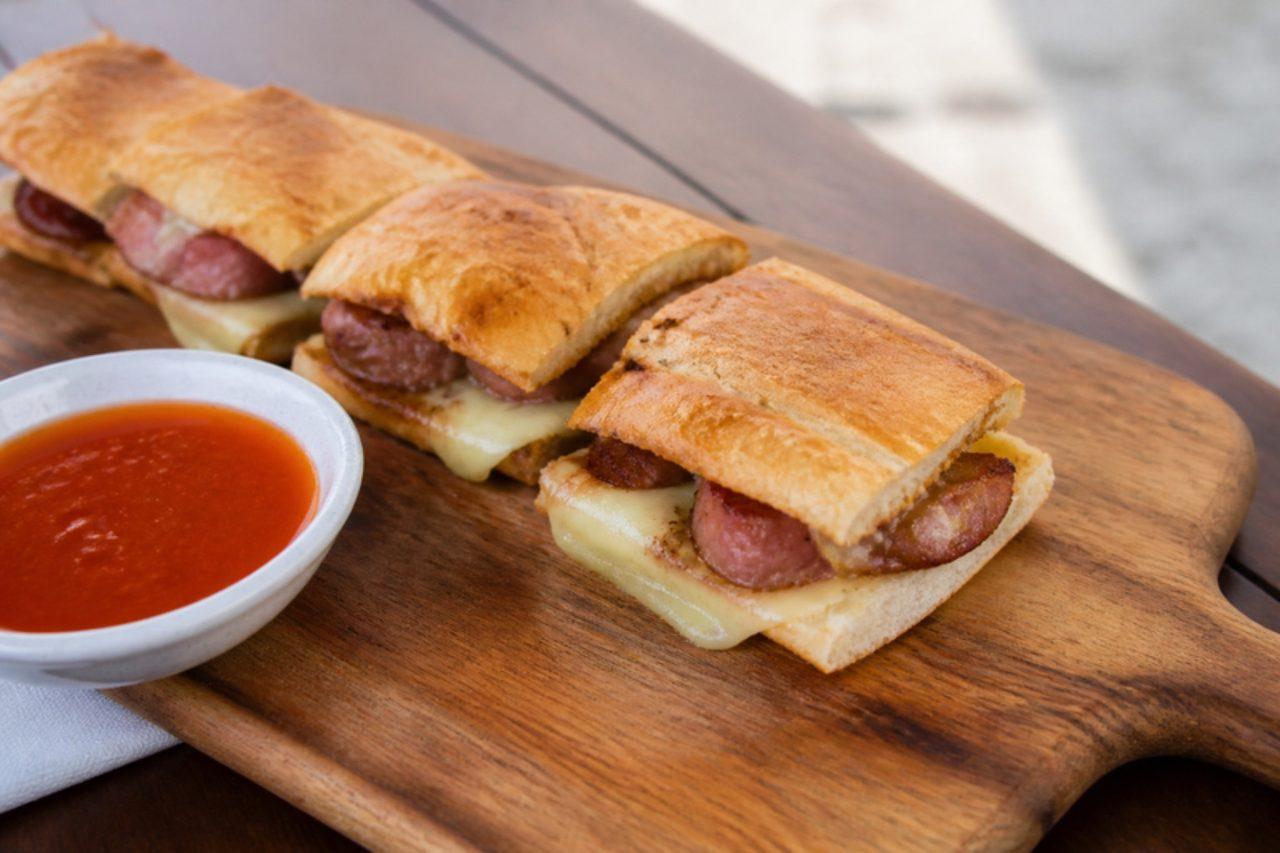
CachorrinhoCheese and sausage pressed sandwich

This is Porto's late-night snack, born in the bars around the Praça dos Poveiros in the 1960s and still eaten standing at the counter after a football match. A thin sausage goes into a slim roll with cheese, the whole thing is toasted flat in a press until it shatters, then cut into bite-sized pieces and doused in a hot, tangy sauce. This contains pork (pork frankfurters). Chef's tip: brush the outside of the bread with butter before pressing, so it goes evenly golden and crisp.

by KrazyBadal 0 views

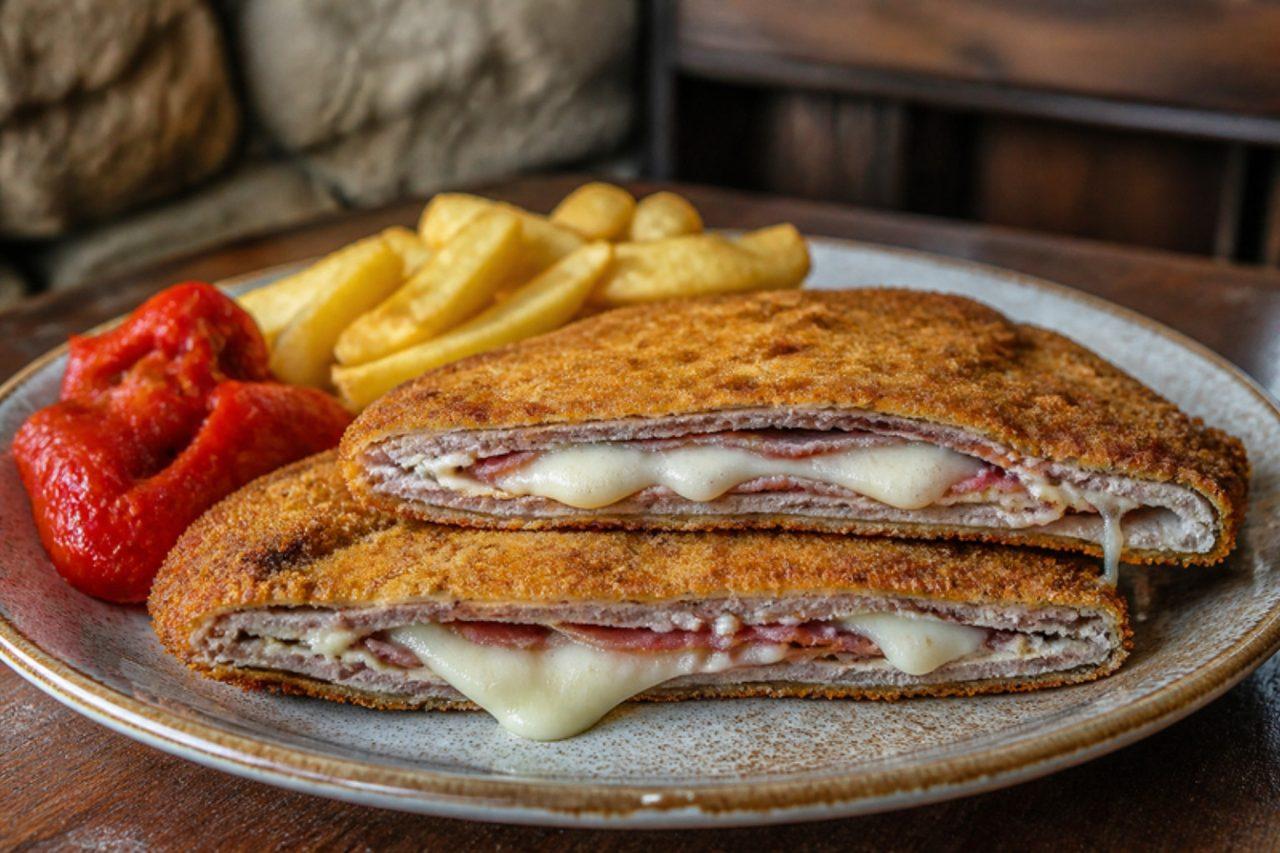
CachopoBreaded veal with ham and cheese

Asturias takes cachopo so seriously that Oviedo holds an annual contest for the best one, and some restaurants serve versions big enough to hang off the plate. At home it is a Friday-night or Sunday treat: two thin veal steaks enclosing serrano ham and a good melting cheese, breaded and fried, then cut at the table so the cheese oozes. This contains pork (serrano ham). Serve with chips and roasted green peppers. Chef's tip: chill the assembled cachopo for 20 minutes before frying so the crumb sets and the edges stay sealed.
by KrazyBadal 0 views

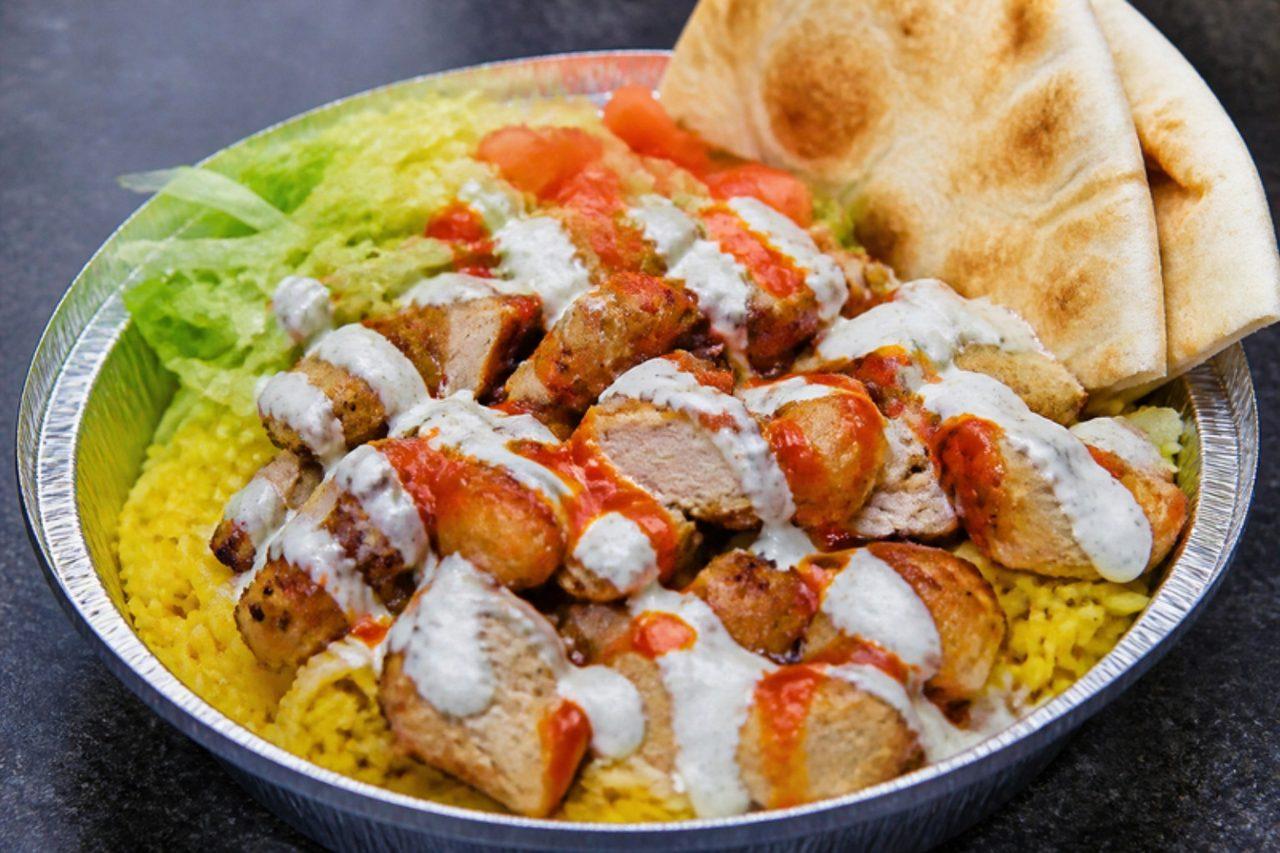
Halal cart chicken over rice

From the silver carts on Midtown corners, often run by Egyptian and Afghan cooks, comes New York's favourite cheap late-night meal: chopped spiced chicken thighs on turmeric rice with shredded lettuce, a tangy white sauce and a fiery red chilli sauce. Office workers and taxi drivers queue for it at 2 a.m. Chef's tip: marinate the chicken in the fridge overnight; the lemon and spices soak right in.

by KrazyBadal 0 views

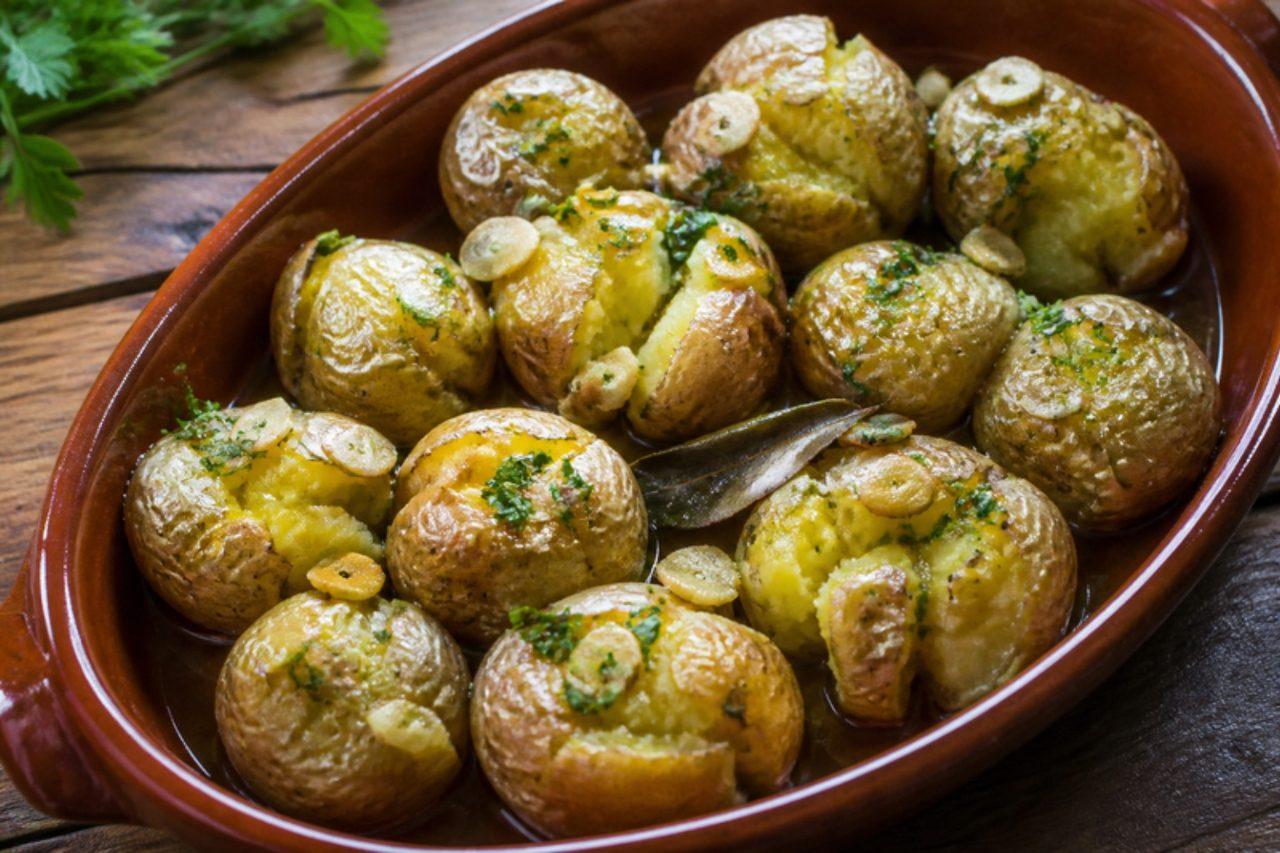
Batatas a murroPunched roast potatoes with garlic oil

Order bacalhau na brasa in a Minho tasca and it arrives with these: small potatoes roasted in their skins on a bed of coarse salt, given a sharp punch to split them, then soaked in hot olive oil and garlic. The skins go crisp and salty while the flesh turns fluffy and drinks up the oil. They are just as good next to grilled sardines in June or a roast chicken on Sunday. Chef's tip: pick potatoes the size of a hen's egg so they cook through before the skins burn.

by KrazyBadal 0 views

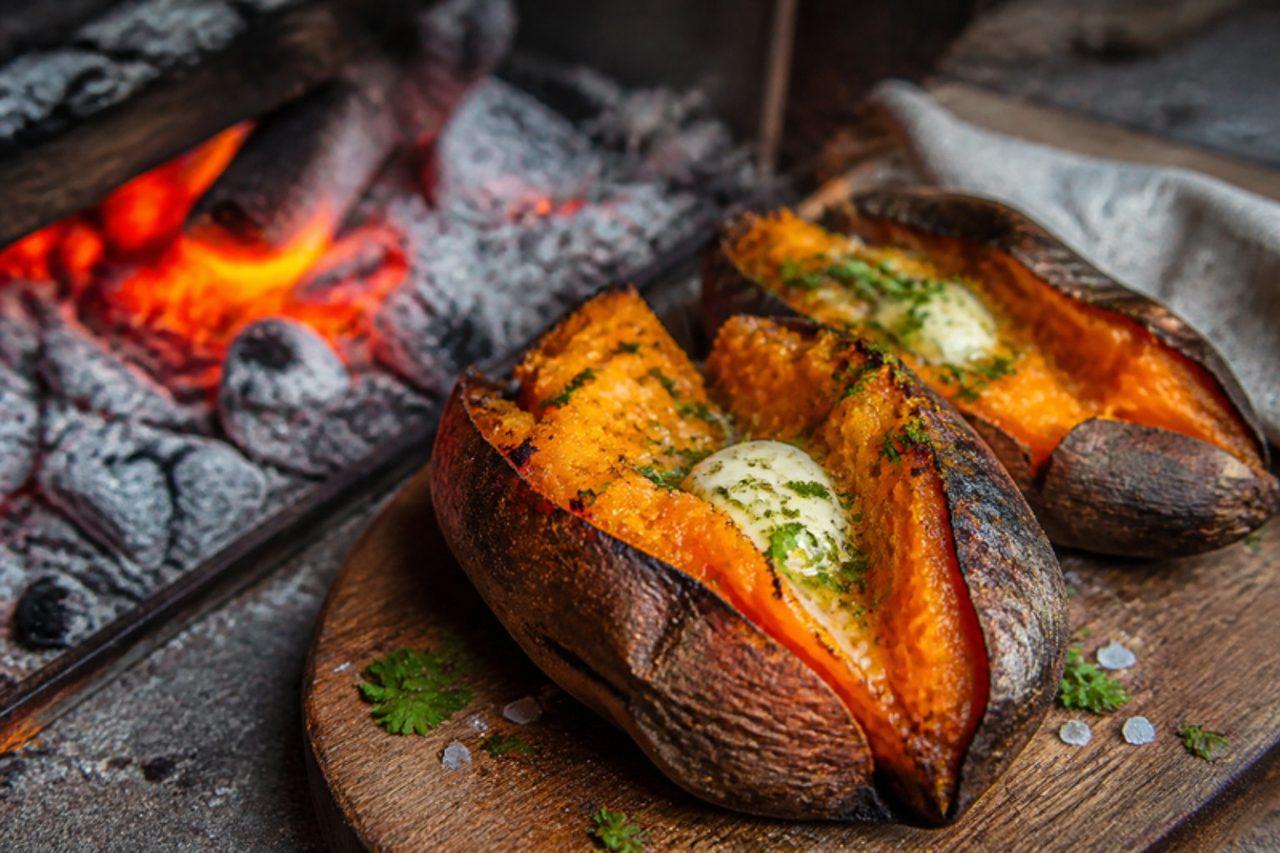
Batatas al rescoldoEmber-roasted sweet potatoes

Long after the meat comes off, the fire of an Argentine asado still has work to do. Sweet potatoes pushed into the glowing embers (el rescoldo) at the start of the cook come out an hour later with charred, papery skins and flesh that is soft, sticky and almost caramelised, with a smoky edge. They are split open at the table, filled with butter and coarse salt and eaten as a side to the asado or as supper by the fire on a camping trip. Burying them in live flames is the trap: the skin blackens right through while the inside stays hard, so wait for a bed of settled embers and ash. Wrapping them in foil gives softer skins and less risk if you are new to it, and an oven at 200 °C does a fine job indoors. Chef's tip: choose sweet potatoes of the same thickness, around 250 g each, so they cook evenly together.

by KrazyBadal 0 views

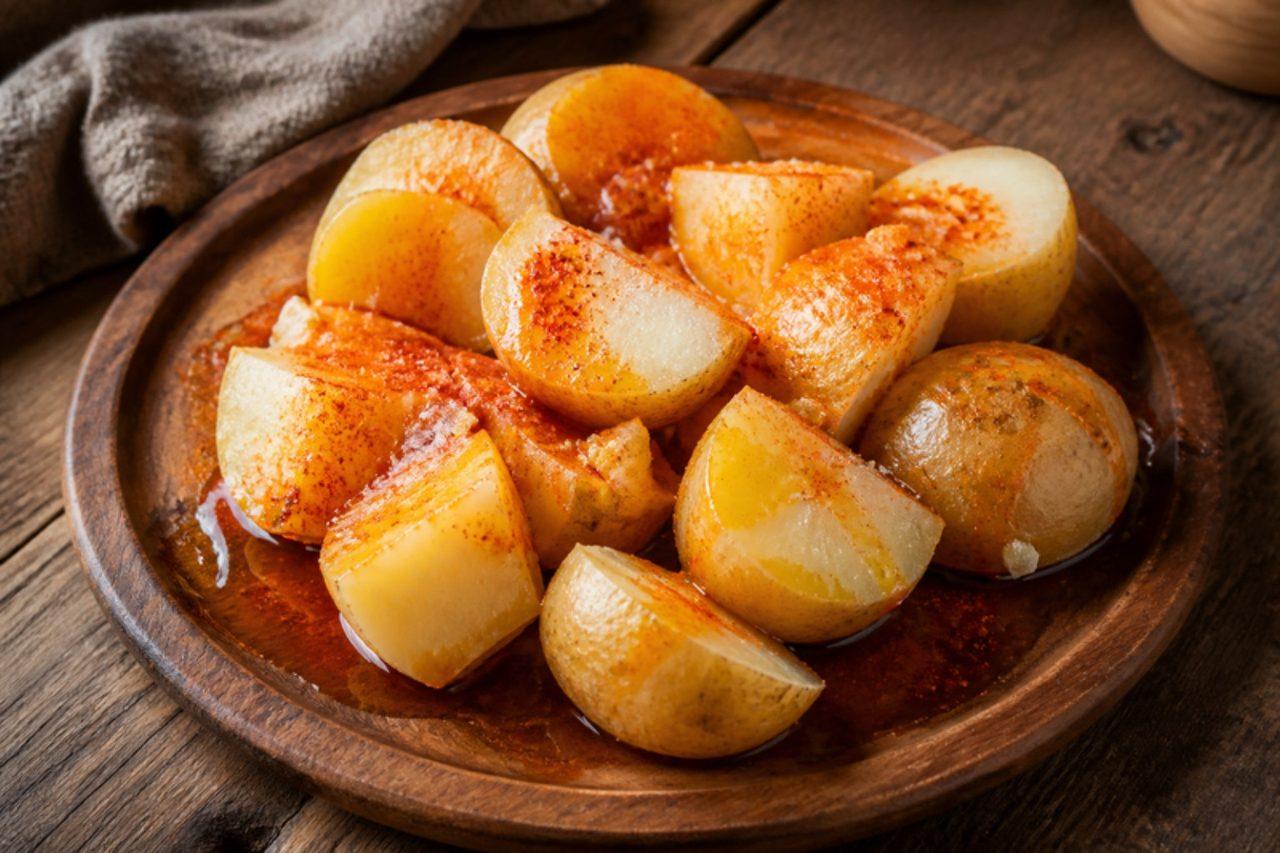
CachelosBoiled potatoes with paprika oil

At Galician fairs, and above all at O Carballiño's octopus festival every August, octopus is served on wooden plates with cachelos: potatoes boiled in their skins, cut into chunks and splashed with olive oil, coarse salt and paprika. They are just as good on their own, as a side for grilled fish or meat. A common mistake is adding paprika to sizzling oil, where it burns in seconds and turns bitter; warm the oil, take it off the heat, then stir it in. Chef's tip: boil the potatoes with a bay leaf and plenty of salt, and leave the skins on, so they stay whole and full of flavour.

by KrazyBadal 0 views

CachangaThin fried bread

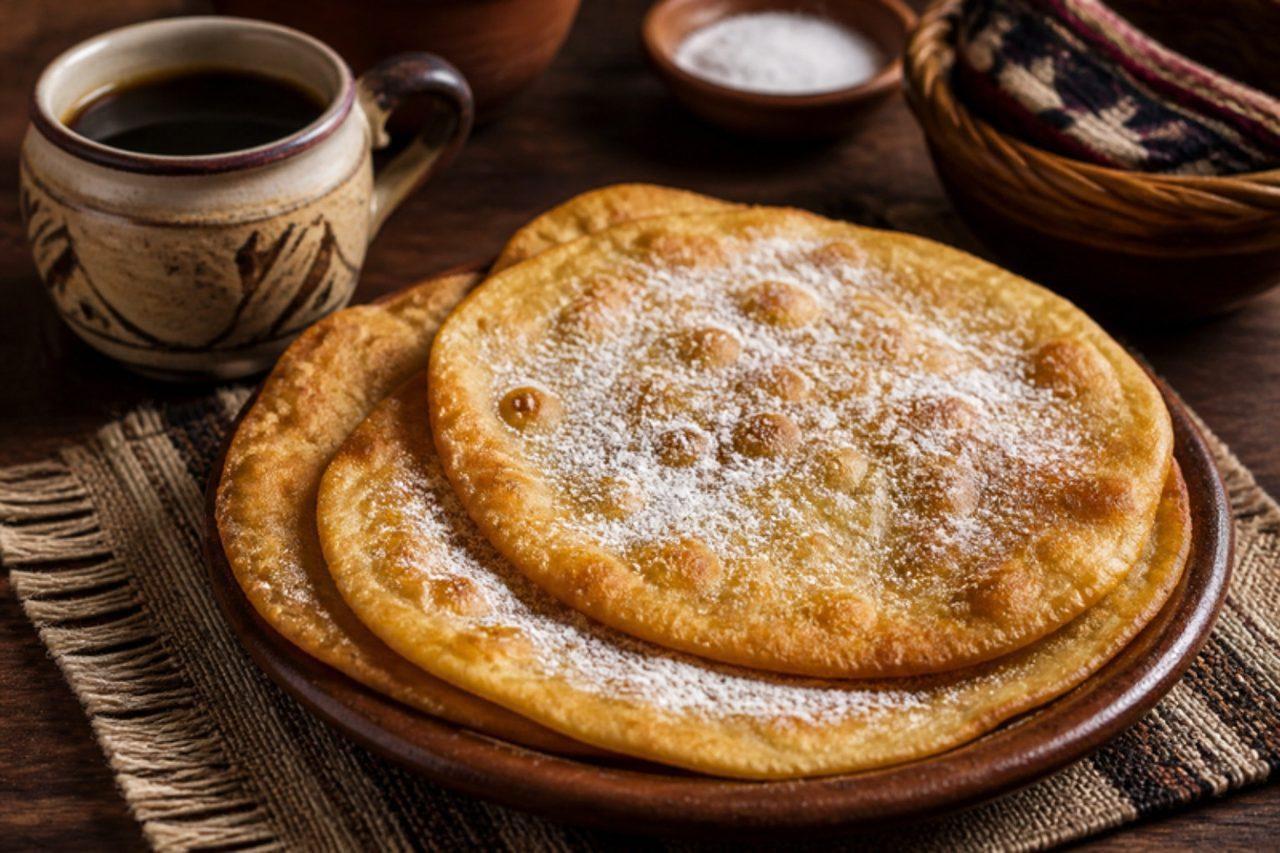
On cold mornings at markets in Puno, Juliaca and Arequipa, women stretch rounds of dough over their knuckles and drop them into big pans of hot oil, and cachangas come out puffed, blistered and golden, to be dusted with sugar and eaten with a cup of coffee, hot chocolate or api. The bread is thin, chewy in the middle and crisp at the edges, a cousin of the sopaipilla. Some cooks leave them plain and eat them with cheese. The commonest problem is oil that isn't hot enough: the dough soaks up fat and turns heavy instead of puffing. Keep it at 180 °C and fry one at a time. The dough uses butter and milk, so it is vegetarian but not vegan; swap both for oil and water if needed. Chef's tip: rest the dough for 20 minutes before rolling so it stretches thin without springing back.

by KrazyBadal 0 views

Cacciucco alla livorneseSpicy mixed fish stew

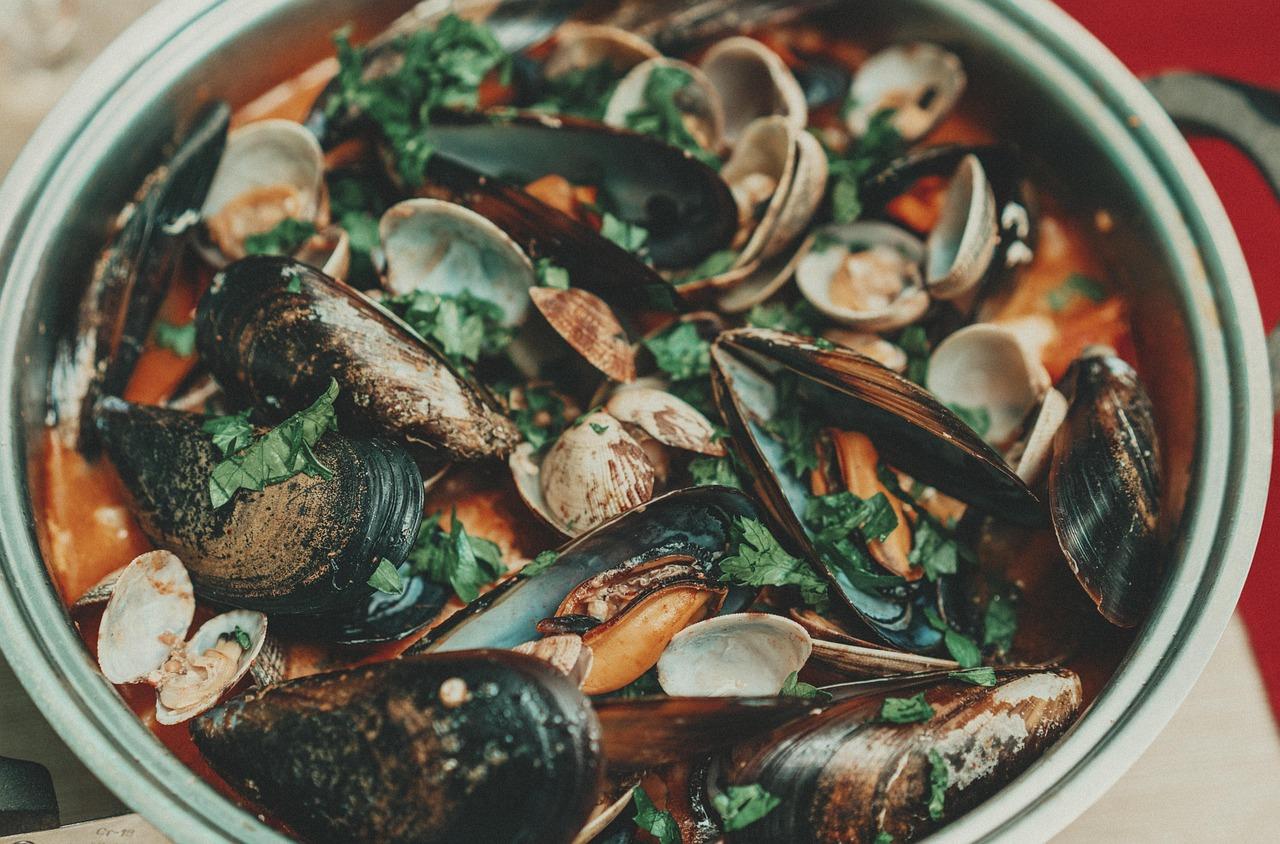
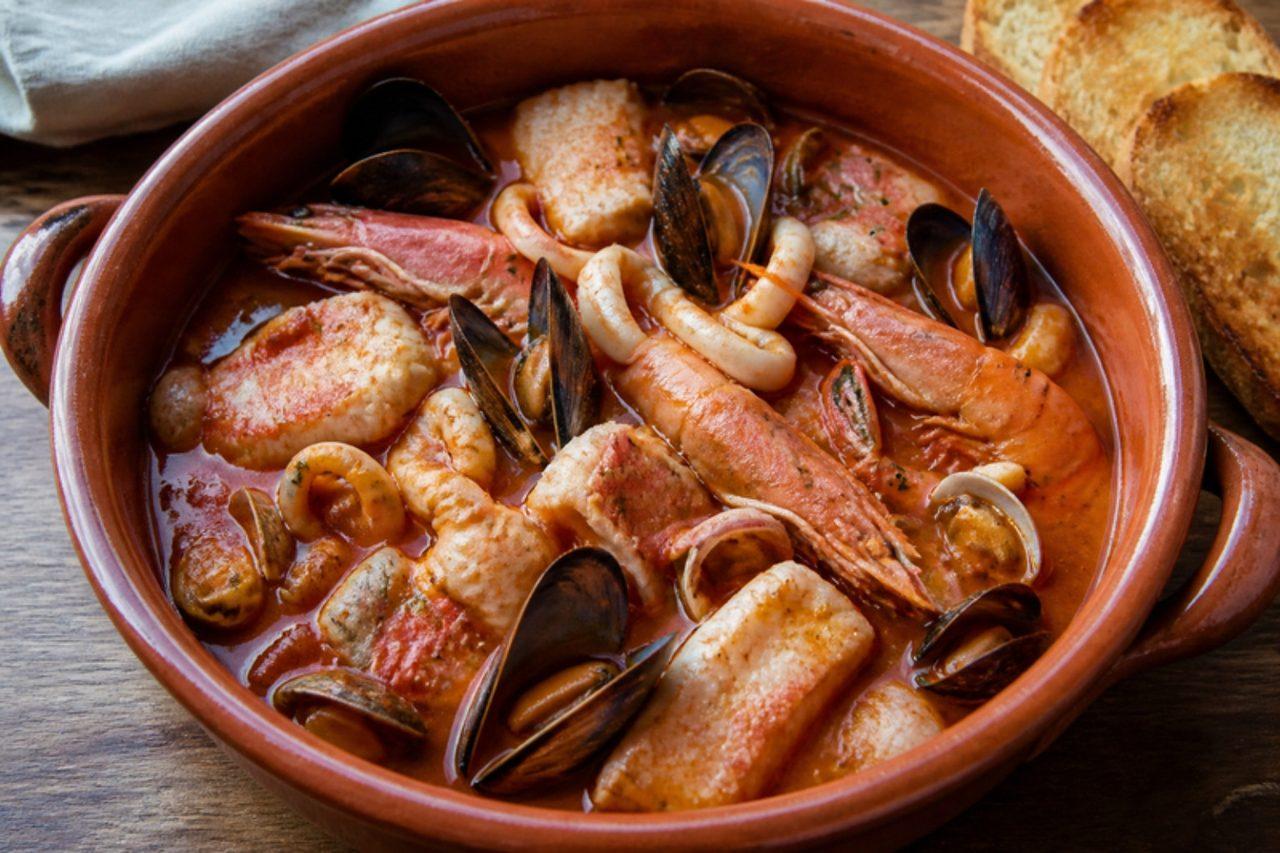
Cacciucco is the great fish stew of Livorno, the port city on the Tuscan coast, where it is said to need at least five kinds of seafood, one for each C in its name. Fishermen once made it with the unsold catch; today the harbour trattorie ladle it, thick and fiery with chilli, over slices of toasted bread rubbed with garlic. This version uses firm white fish, squid, mussels, clams and prawns cooked in tomato and red wine; the wine is traditional, and the note gives an alcohol-free option. Serve it as a whole meal, with more garlic toast on the side. Chef's tip: add the seafood in stages, from the firmest to the most delicate, so nothing turns rubbery.

by KrazyBadal 0 views

Cabrito al pastorSlow-roasted young goat

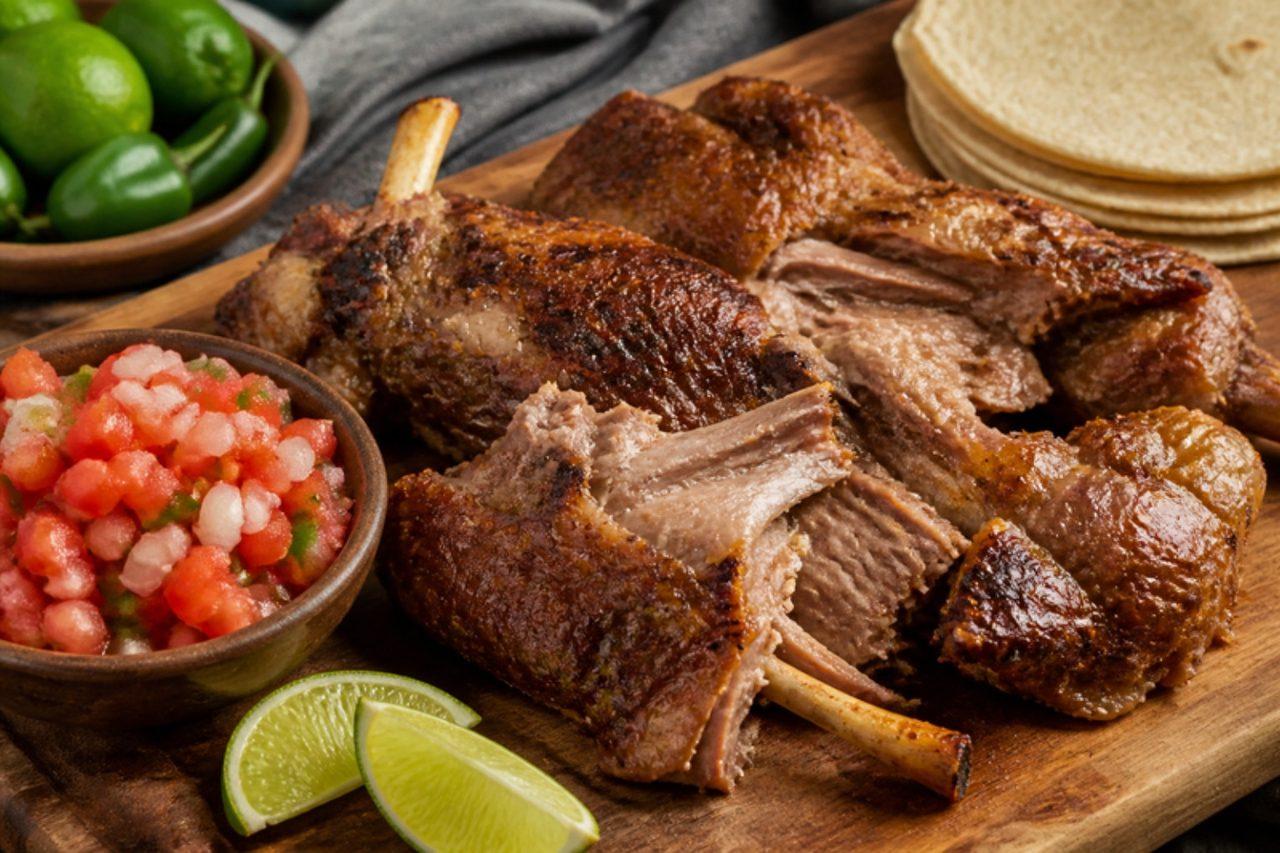
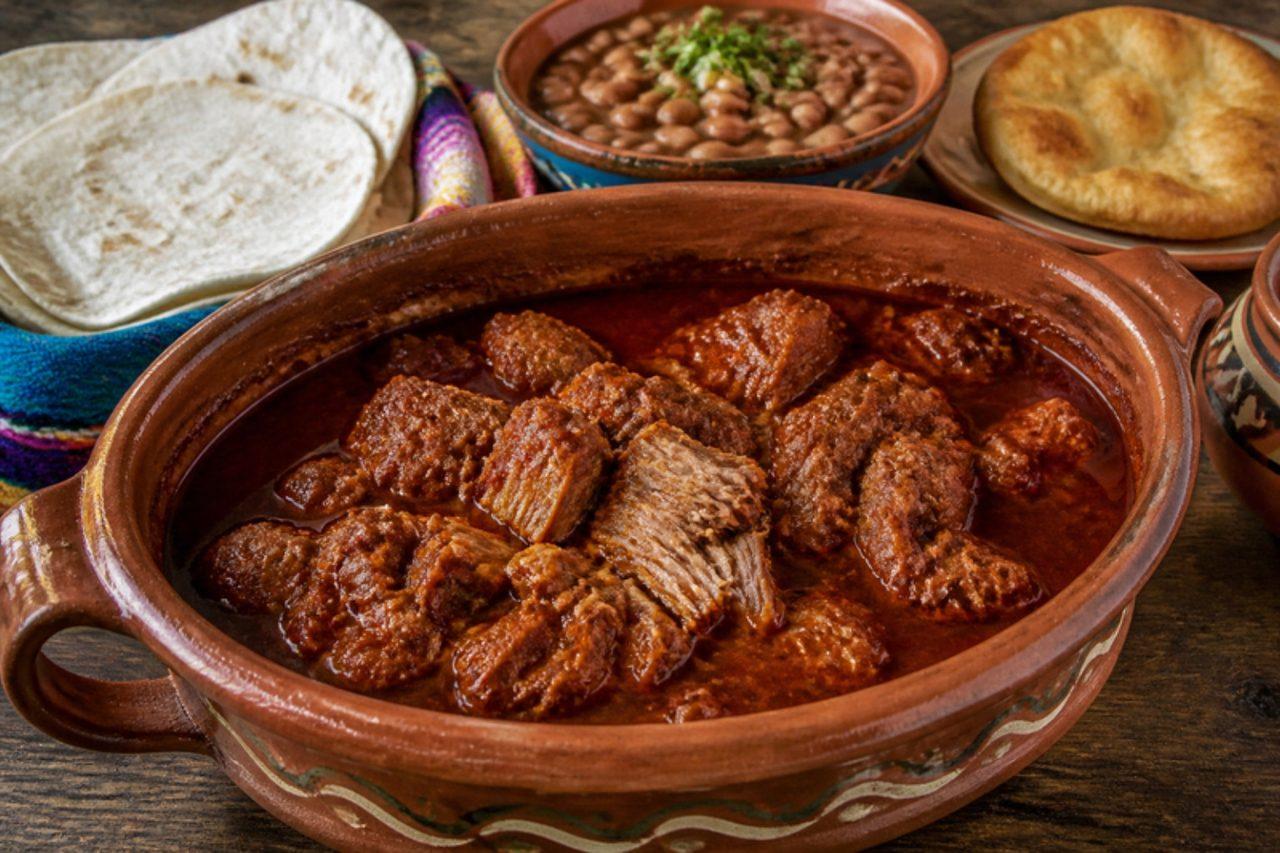
Monterrey is the capital of cabrito: young milk-fed goat spread on a stake and roasted slowly beside glowing wood embers, the speciality of the city's big grill restaurants and of weekend family feasts in Nuevo León. The meat is pale, delicate and juicy with crackly, salty skin, and it comes with salsa, flour tortillas, guacamole and a bowl of frijoles charros. Kid goat is hard to find, so this home-oven version also works with a bone-in lamb shoulder, which is a little fattier but just as good; ask a halal or specialist butcher for goat. Chef's tip: roast it covered and low first, then uncover and blast it at the end; starting at high heat is what dries out lean goat.

240 minMexicanMeatGluten free
by KrazyBadal 0 views

Farçon savoyardBaked potato pudding with prunes

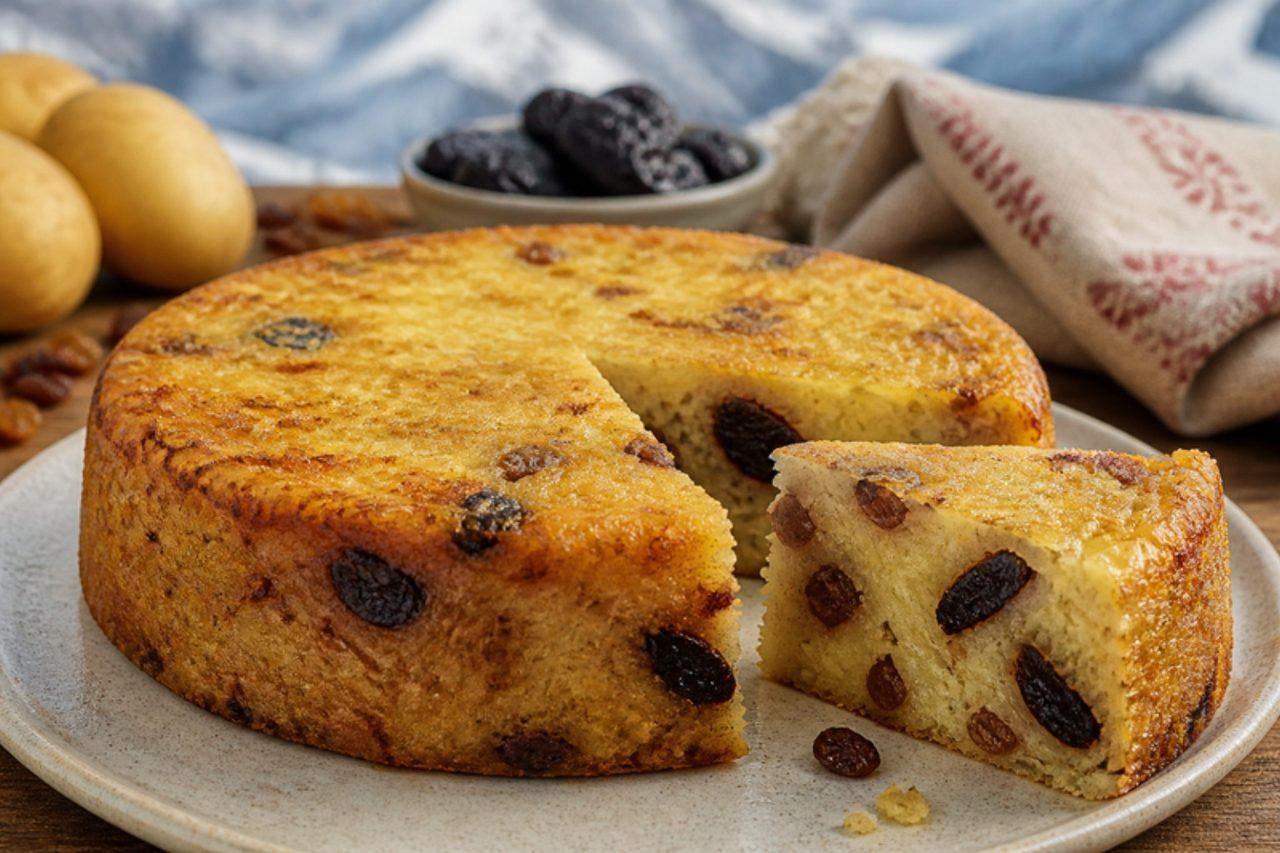
In the Savoyard valleys, especially around Albertville and the Val d'Arly, farçon was the Sunday dish left to cook slowly while the family was at Mass: grated potatoes mixed with eggs, cream, prunes and raisins, set in a tall mould and cooked for hours in a water bath. The result is a sliceable, sweet-and-savoury cake, soft and golden, served with a green salad or as a side at a winter feast. Traditionally the mould is lined with bacon; this version uses a buttered mould instead, so it is vegetarian. Chef's tip: let it rest for 15 minutes in the mould before turning it out; it firms up and slices cleanly.

145 minFrenchSidesGluten free
by KrazyBadal 0 views

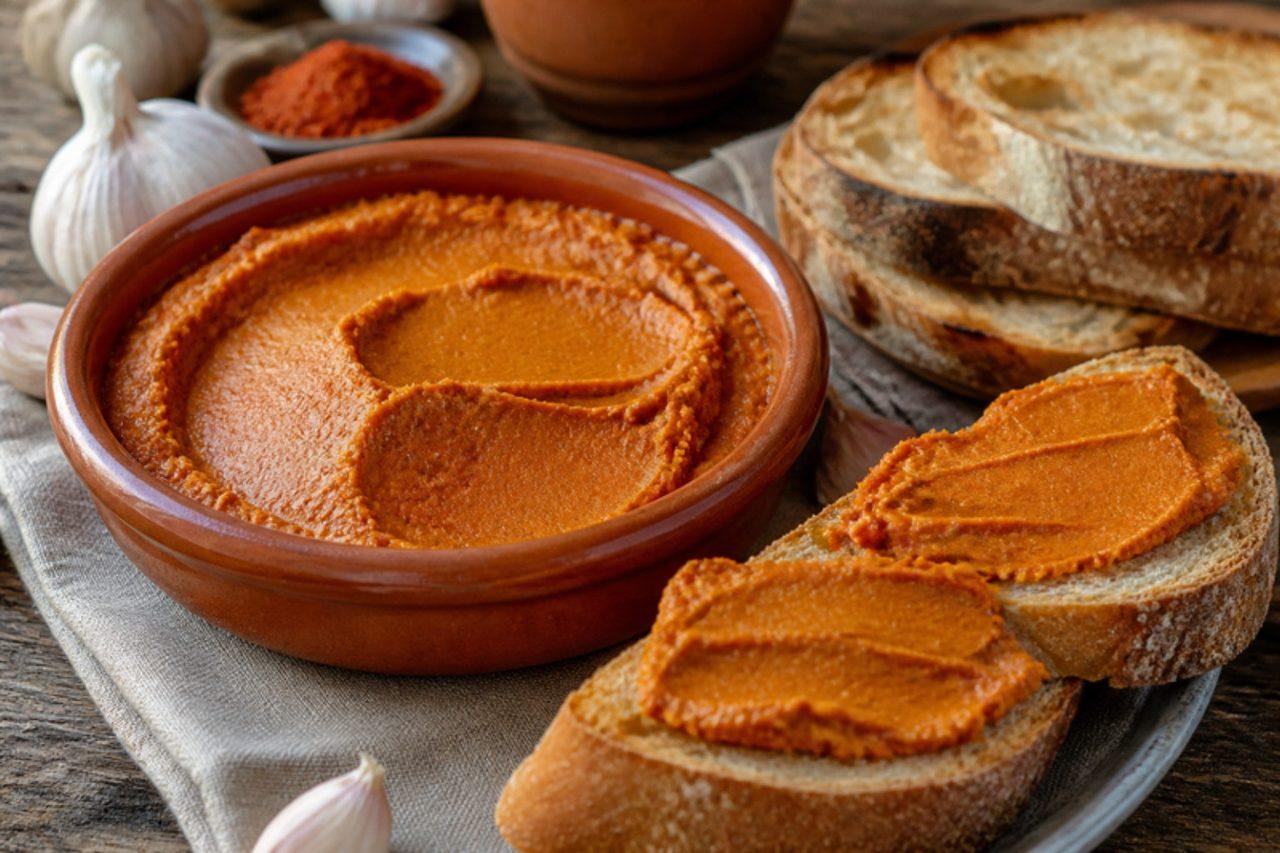
CachuelaSpiced pork liver spread

Cachuela belongs to the matanza, the winter pig slaughter that once filled every village in Extremadura with family and neighbours for several days. The fresh liver was cooked straight away with lard, onion, garlic and plenty of pimentón, then mashed into a coarse, spicy spread for breakfast on toast. People still make it in Badajoz and Cáceres homes through the cold months, and it keeps for a few days in the fridge. This contains pork (pork liver and pork lard). Chef's tip: cook the liver through but not a minute longer; overcooked liver turns grainy and bitter.

by KrazyBadal 0 views

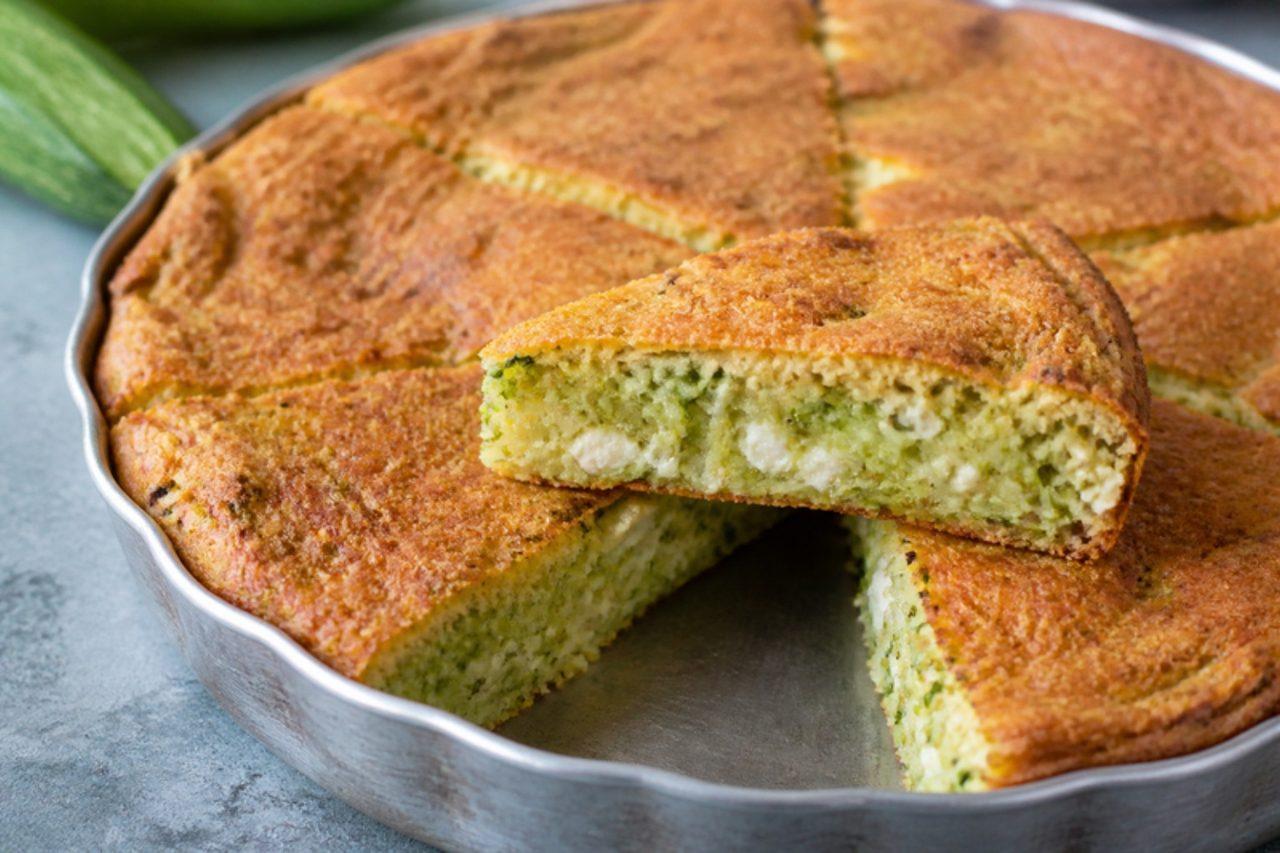
BatzinaCourgette and feta cornmeal pie

Batzina is the lazy pie of Thessaly and the Pelion villages, the one you make in summer when courgettes are taking over the garden and nobody wants to roll filo. Grated courgette and feta are mixed with a thin batter of flour, cornmeal, milk and eggs, poured into an oiled tin and baked until the top is cracked and golden and the inside soft and savoury, like a crustless quiche. It travels well to the beach. Feta is usually made with animal rennet; choose a vegetarian feta-style cheese if needed. Common mistake: skipping the squeezing — watery courgettes make a soggy pie. Chef's tip: sprinkle cornmeal over the oiled tin before pouring in; it gives a crisp base.

by KrazyBadal 0 views

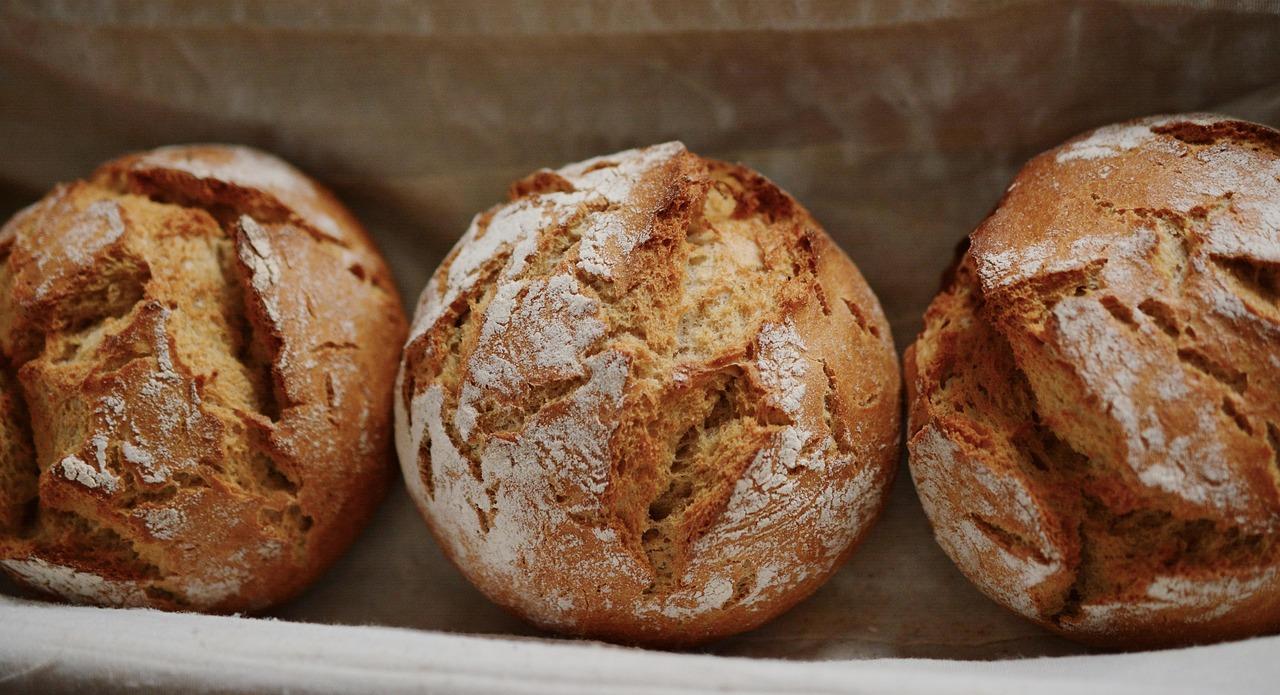
BauernbrotFarmhouse rye and wheat sourdough

Bauernbrot, the farmer's loaf, is the everyday bread of village bakeries from the Black Forest to Lower Saxony, carried home in a paper bag every Saturday and eaten all week for Abendbrot, the cold evening meal of bread, cheese and pickles. It mixes rye and wheat roughly half and half, so the crumb is moist and tangy but still springy, under a thick, crackled crust dusted with flour. The flavour deepens over two or three days. A common mistake is baking at too low a heat, which gives a pale, soft crust; the oven should be properly hot at the start. Chef's tip: prove the loaf upside down in a floured basket or bowl lined with a floured cloth, so the top cracks into the classic crazy-paving pattern when you tip it out.

by KrazyBadal 0 views

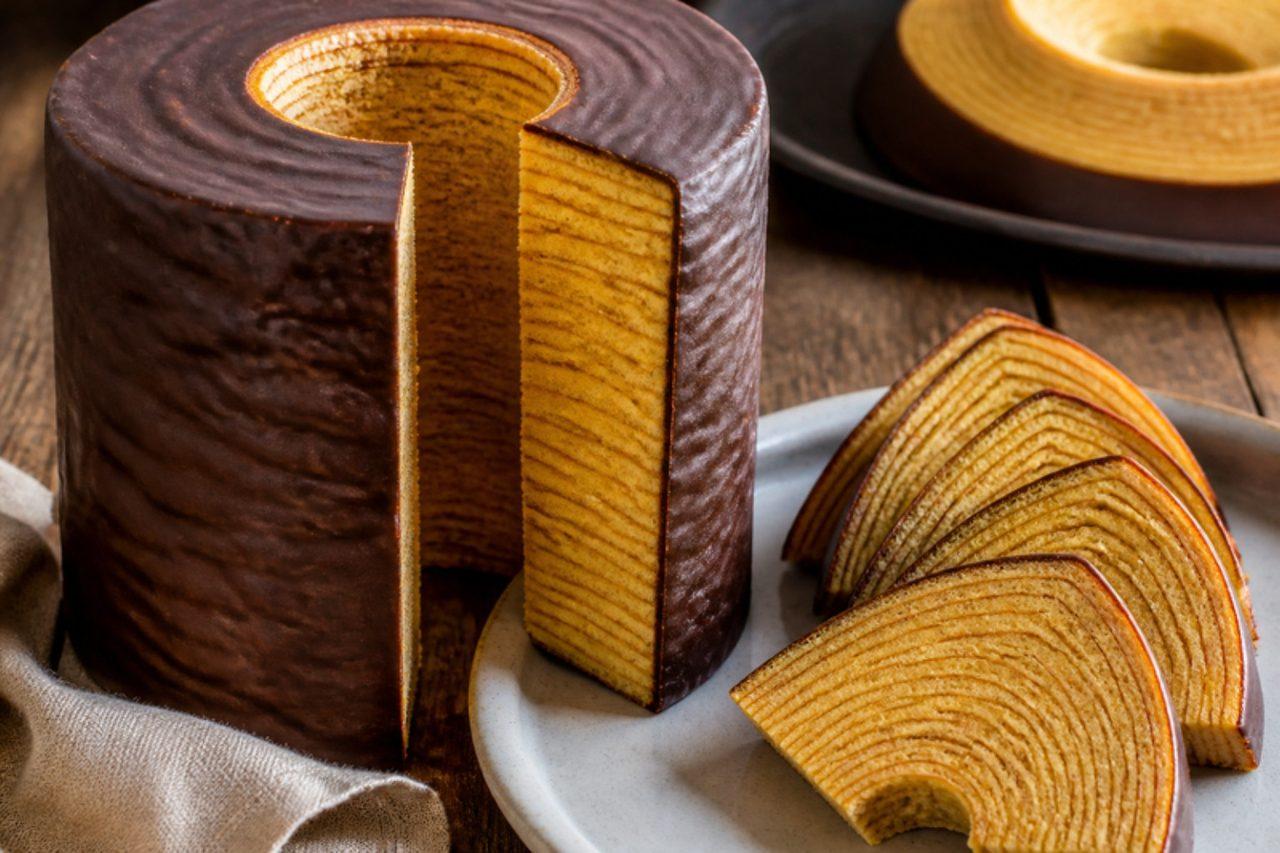
BaumkuchenLayered tree cake

Baumkuchen is the king of German cakes, and the little town of Salzwedel in Saxony-Anhalt has baked it on a turning spit over an open flame for two centuries; in December, Baumkuchenspitzen, chocolate-dipped triangles of it, fill the shelves before Christmas. Without a spit you can build it at home in a tin under the grill, one thin layer at a time, and each slice shows the golden rings of a tree. The mistake people make is spreading the batter too thickly, which gives fewer, stodgy layers that cook unevenly; aim for 2 tablespoons at a time. Chef's tip: stand by the oven; each layer turns from pale to burnt within a minute once it browns.

110 minGermanBaking
by KrazyBadal 0 views

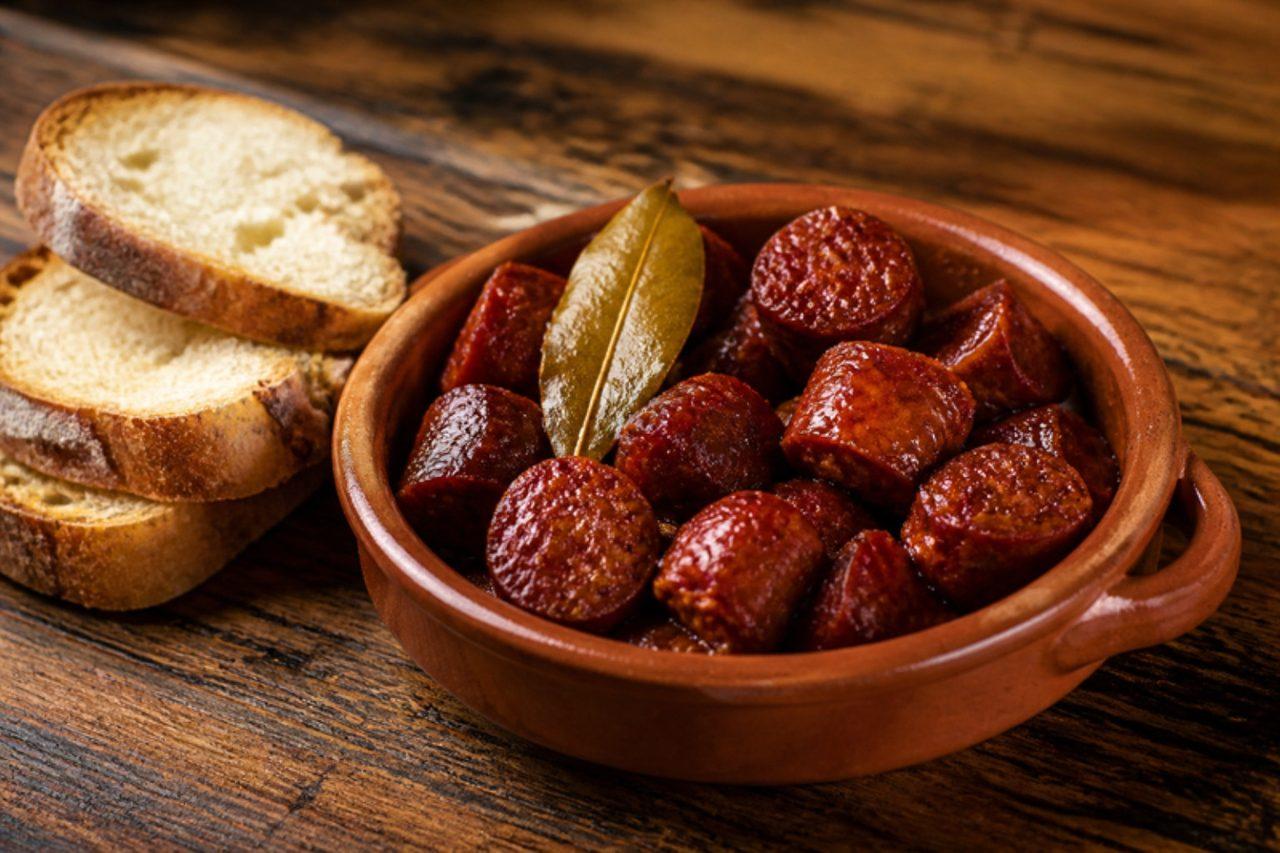
Chorizo a la sidraChorizo in cider

No sidrería in Oviedo's Calle Gascona is without a clay dish of chorizo bubbling in cider, served with bread to mop up the paprika-red juices. It takes minutes, is cheap, and is the first thing ordered while the waiter pours cider from shoulder height. This contains pork (chorizo) and uses dry Asturian cider, which is alcoholic; for an alcohol-free version use cloudy apple juice with a splash of cider vinegar, as noted below. Chef's tip: prick the chorizo all over first so it releases fat into the cider and drinks the cider back in.

by KrazyBadal 0 views

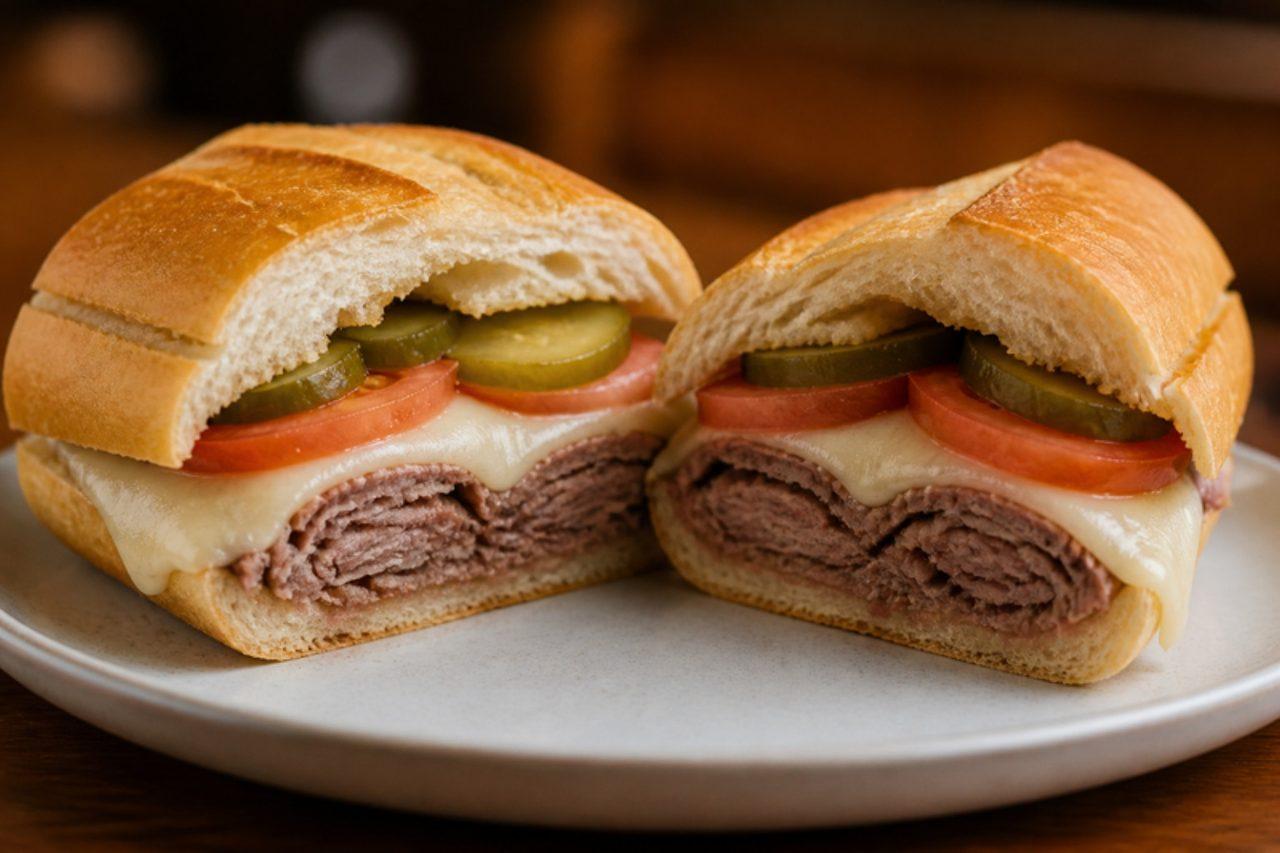
BauruRoast beef and cheese hot sandwich

Late-night students at Largo do Paissandu in São Paulo invented the Bauru in the 1930s, named after the nickname of the friend who ordered it, and the bar where it was born still makes it the original way. A French roll has its crumb pulled out so it is all crust, then it is stuffed with thin warm roast beef, a pool of cheese melted in a bain-marie until it stretches, slices of tomato and pickled cucumber, with a pinch of oregano. It is hot, tangy, juicy and stringy. Plenty of snack bars around the country use ham instead, but beef is the classic. The thing that ruins it is cheese melted straight in a dry pan, which goes oily; melting it slowly over water with a splash of milk keeps it smooth and elastic. Chef's tip: warm the roast beef in a little of its own juices or stock, just until hot, so it stays pink and tender.

by KrazyBadal 0 views

Bayerische CremeVanilla cream with raspberry sauce

Bayerische Creme is the light, wobbling vanilla cream that Munich coffee houses and Bavarian wedding buffets have served for generations: a cooked egg custard folded with whipped cream and set in moulds, then turned out onto a pool of berry sauce. It is traditionally set with gelatine, which is made from animal bones and skin; this version uses agar so it stays vegetarian. A common mistake with agar is adding it to a cool custard: it only sets after it has boiled, so it is simmered in milk first and then whisked into the warm custard. Chef's tip: fold in the cream when the custard has cooled to just warm and is starting to thicken, so the cream stays airy and doesn't melt into it.

by KrazyBadal 0 views

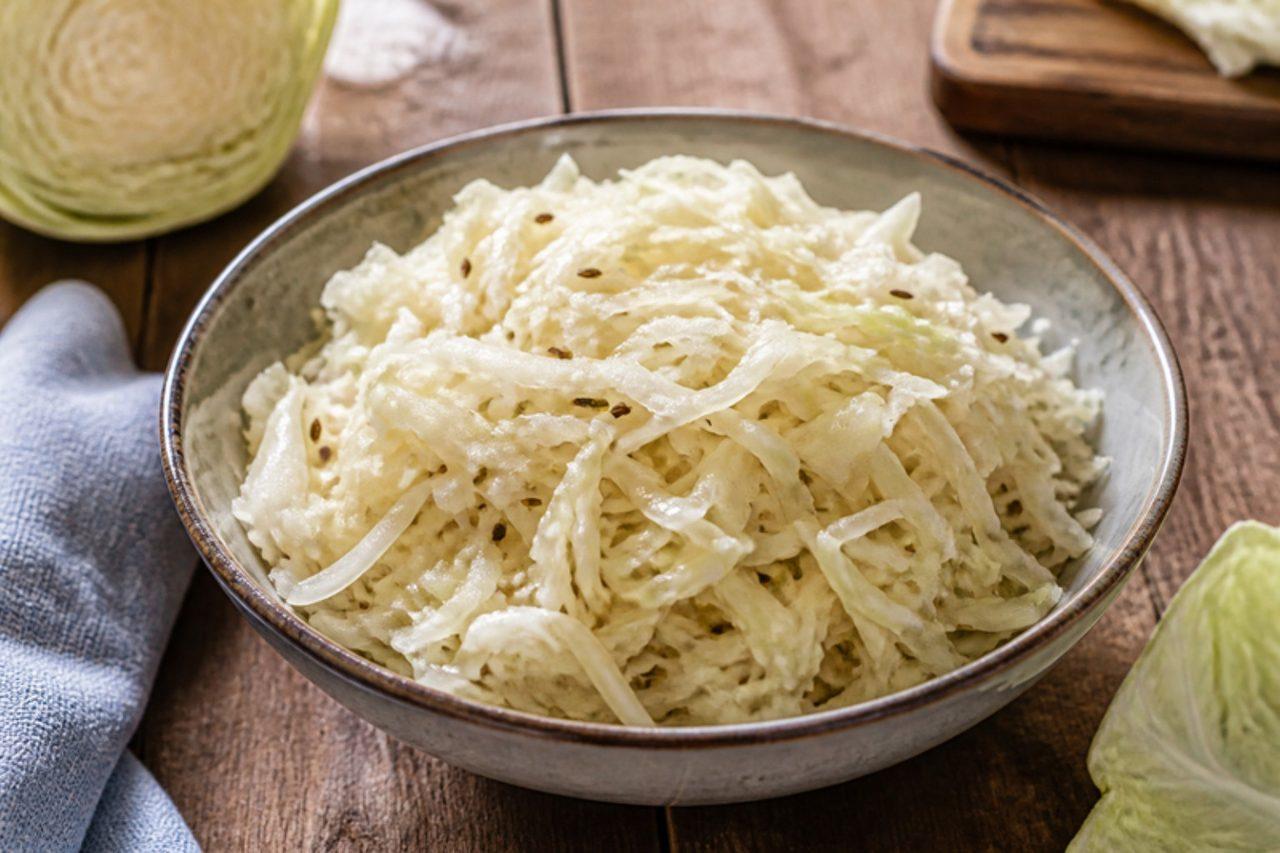
Bayerischer KrautsalatWarm-dressed cabbage salad

Every Bavarian inn serves this pale, glossy cabbage salad beside roast pork and dumplings, and it is just as good on its own at a summer barbecue. The white cabbage is shaved very finely, salted and kneaded, then dressed with hot vinegar, oil and caraway so it softens while keeping a crunch. Many cooks finish it with crisp bacon bits; this version leaves them out and is vegan. The common mistake is dressing it cold and serving it at once: it needs the warm dressing and at least half an hour to turn silky. Chef's tip: shave the cabbage as thin as paper; thick shreds never soak up the dressing properly.

by KrazyBadal 0 views

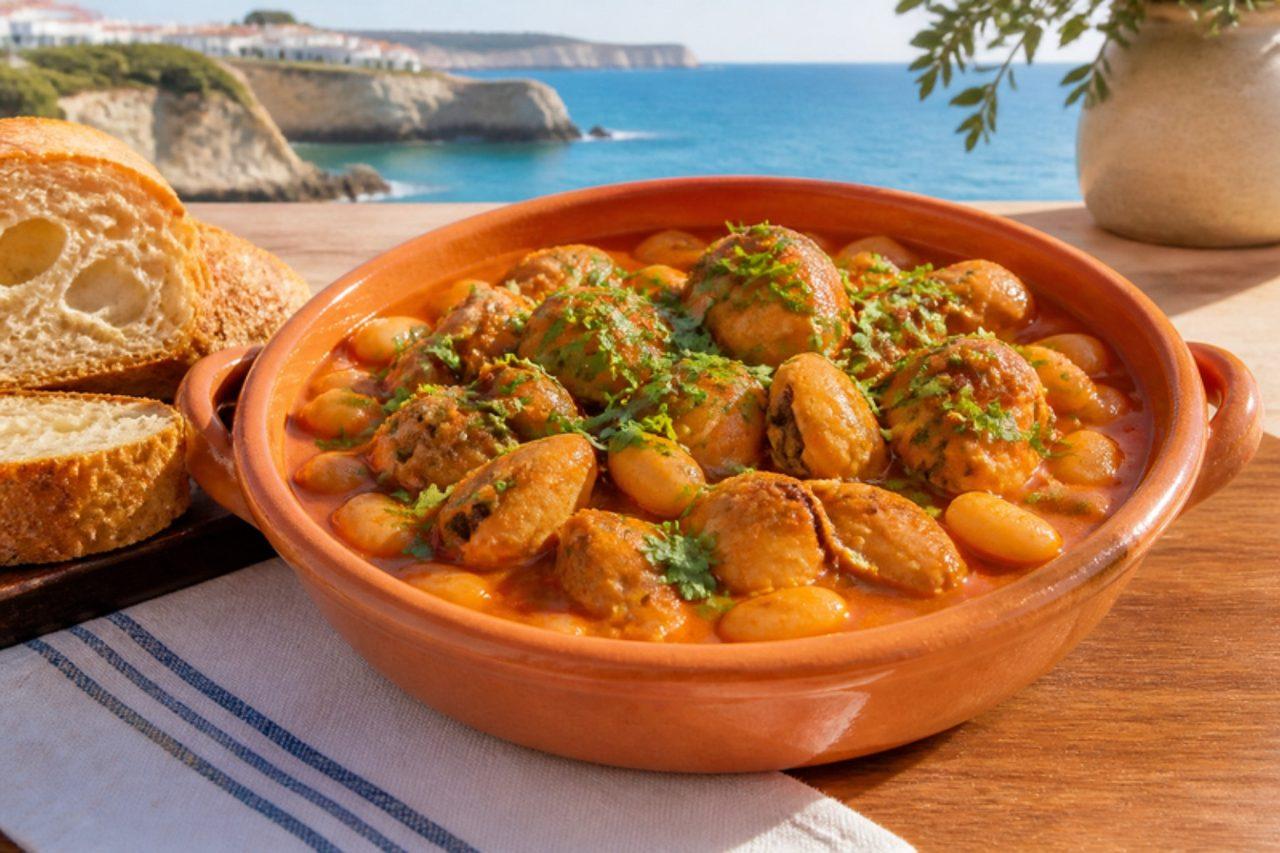
Feijoada de búziosWhelk and butter bean stew

On the western Algarve coast around Sagres and Aljezur, whelks gathered from the rocks go into a thick, tomatoey bean stew that is the seaside cousin of the meat feijoada. It is winter food, served steaming from big pots at local festivals and in family kitchens, with rice on the side. This contains pork (chouriço); leave it out and add an extra teaspoon of smoked paprika if you prefer. Chef's tip: cook the whelks separately first so you can slice them and control their texture.

by KrazyBadal 0 views

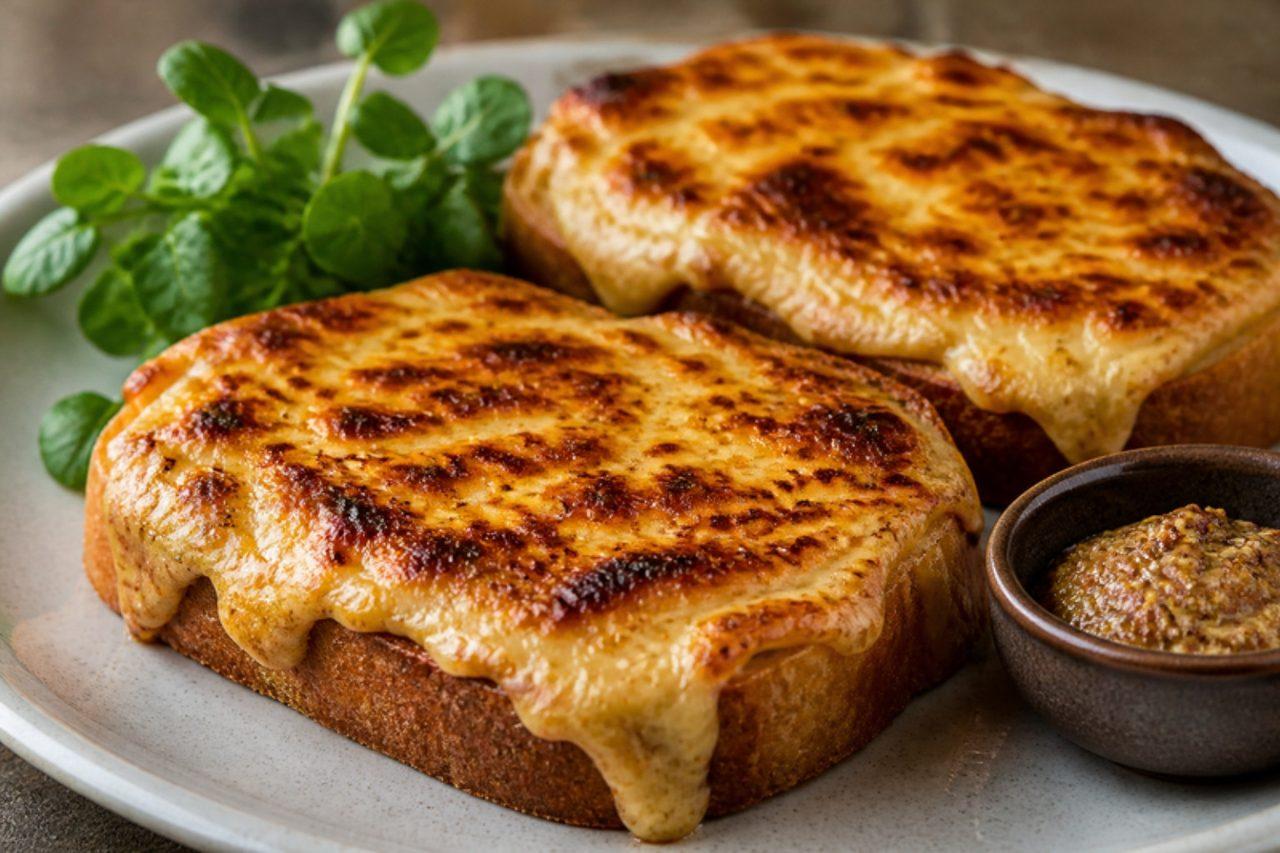
Welsh rarebit

Welsh rarebit, caws pobi in Welsh, is far more than cheese on toast: a thick sauce of strong cheese, mustard, Worcestershire-style sauce and ale is spread on toast and grilled until bubbling and blistered. It has been a tavern supper in Wales and across Britain for three hundred years. The ale contains alcohol, so use milk for an alcohol-free version. Many traditional cheddars use animal rennet, and Worcestershire sauce usually contains anchovy, so choose a vegetarian cheese and a vegetarian brown sauce. Chef's tip: take the sauce off the heat as soon as the cheese melts; boiling makes it stringy and oily.

by KrazyBadal 0 views

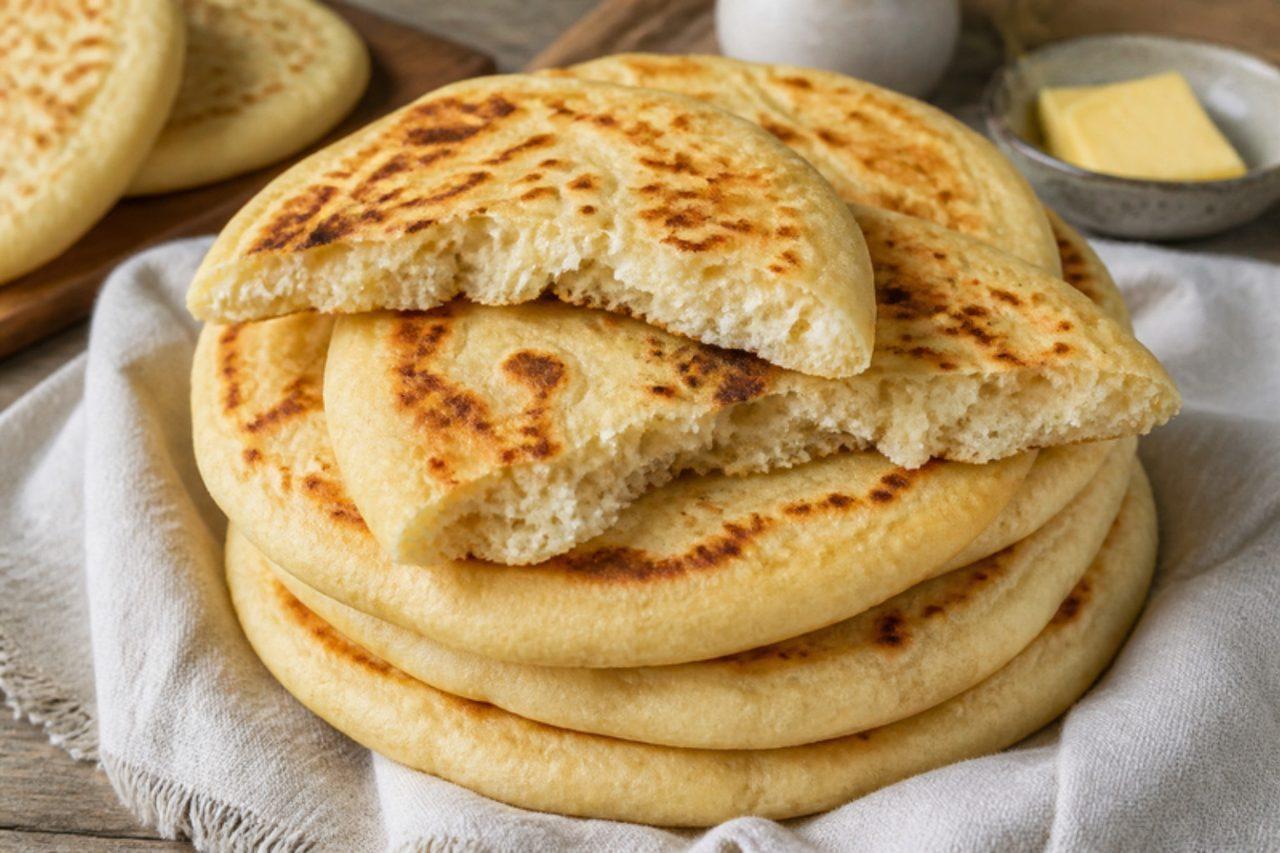
BazlamaPuffy griddle flatbread

Drive through the villages around Konya or Sivas and you'll see bazlama cooking on a domed sac over a fire: thick rounds of yeasted dough that puff up like pillows and come off freckled brown. A heavy frying pan does the job at home. Warm bazlama is torn and dunked into soups, spread with butter and honey for breakfast, or folded round grilled köfte. Common mistake: rolling the dough too thin; it should be about 1 cm, or it turns into a cracker. Chef's tip: a spoon of yoghurt in the dough keeps the bread soft for a day, and covering the cooked rounds with a cloth traps steam so they stay tender.

by KrazyBadal 0 views

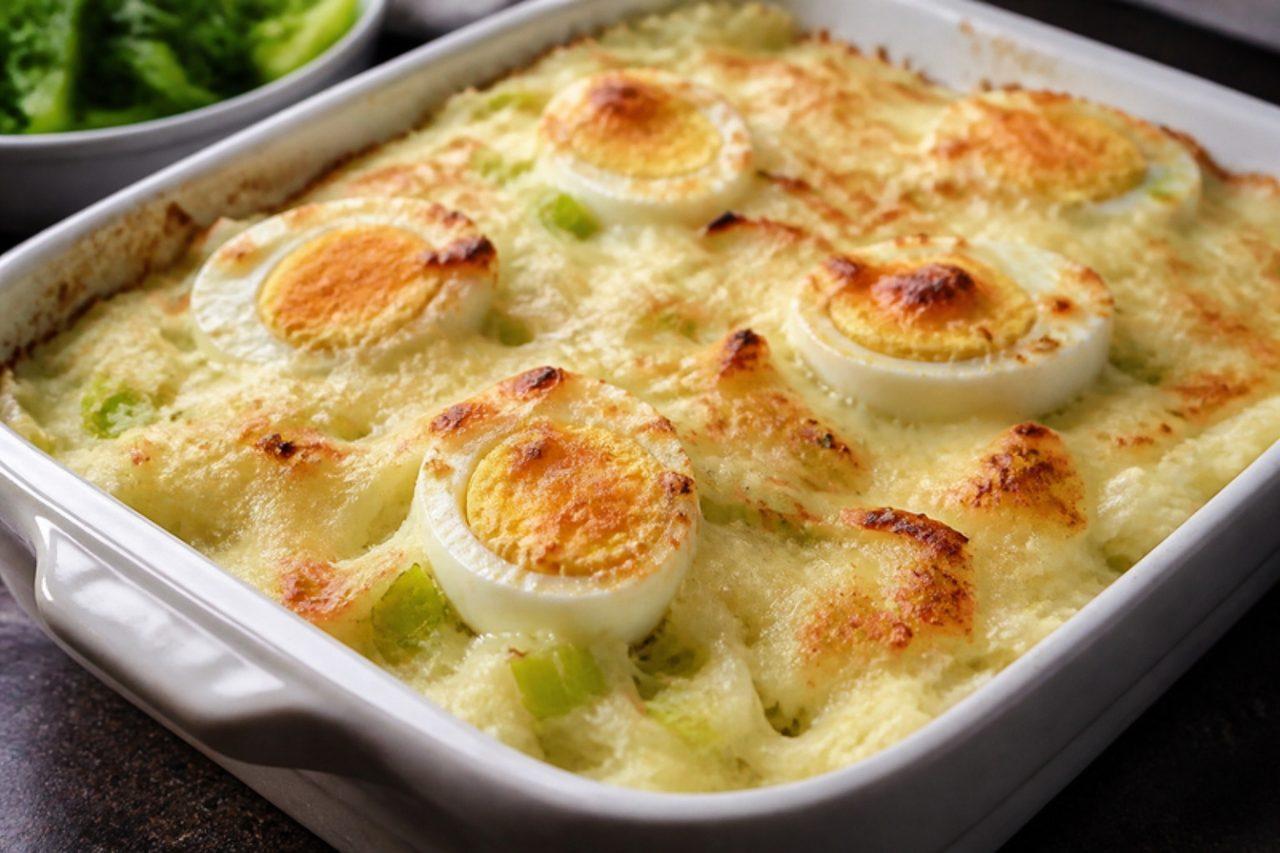
Anglesey eggs

Anglesey eggs, wyau Ynys Môn, is a farmhouse supper from the island of Anglesey off North Wales: leeky mashed potato piped round halved hard-boiled eggs, covered with cheese sauce and baked until golden. It is cheap, filling and comforting, the kind of dish made on a wet weeknight with what the farm had. Use a vegetarian hard cheese, as traditional cheddar can contain animal rennet. Chef's tip: cool the boiled eggs in cold water straight away so the yolks stay yellow without a grey ring.

by KrazyBadal 0 views

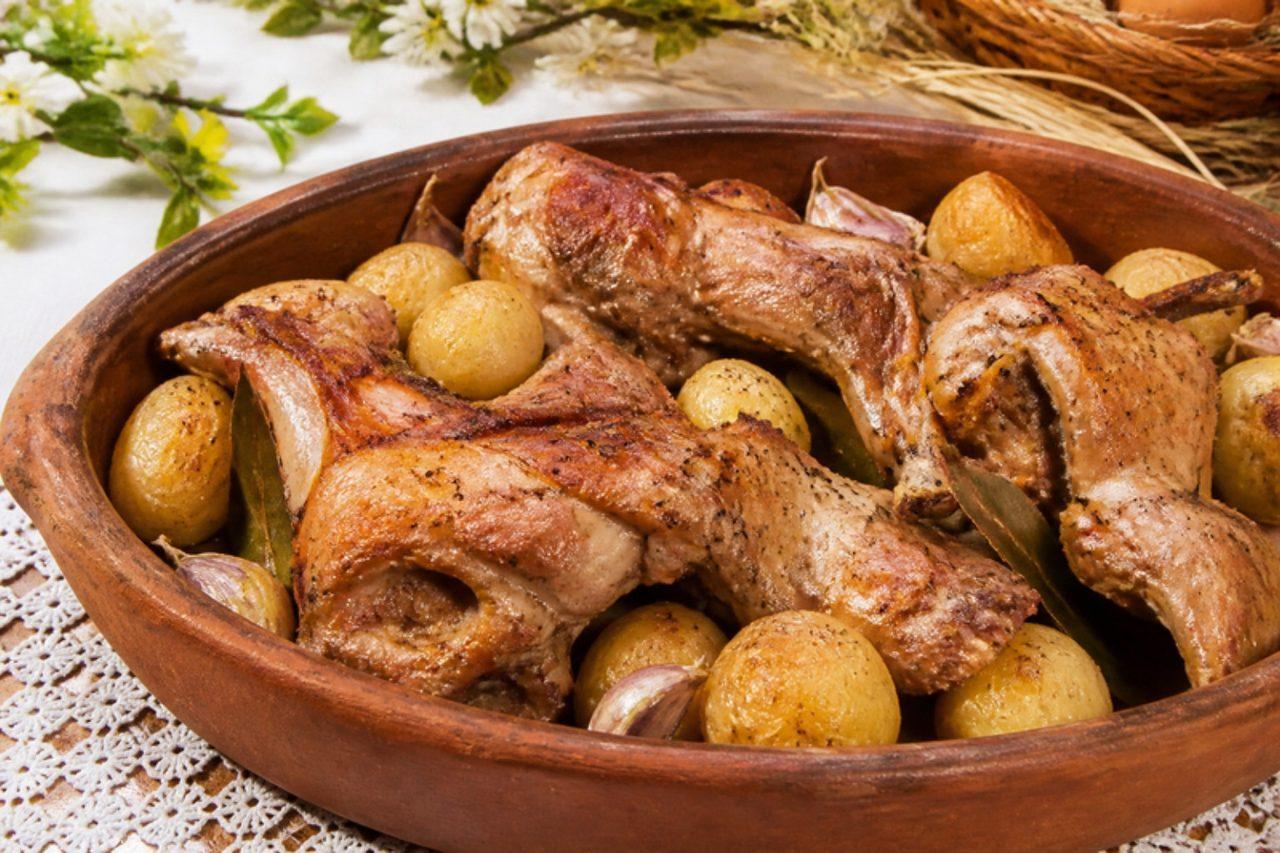
Cabrito assado à minhotaRoast kid with potatoes

Easter Sunday in the Minho means cabrito: young goat rubbed with garlic, paprika and lard, soaked overnight in white wine and roasted until the meat falls from the bone. Families in Arcos de Valdevez and Monção serve it with roast potatoes and a tray of rice baked in the meat juices. This contains pork (lard and smoked bacon) and uses wine; an alcohol-free option is in the ingredient note. Chef's tip: baste every 20 minutes, as kid is lean and dries out quickly without it.

by KrazyBadal 0 views

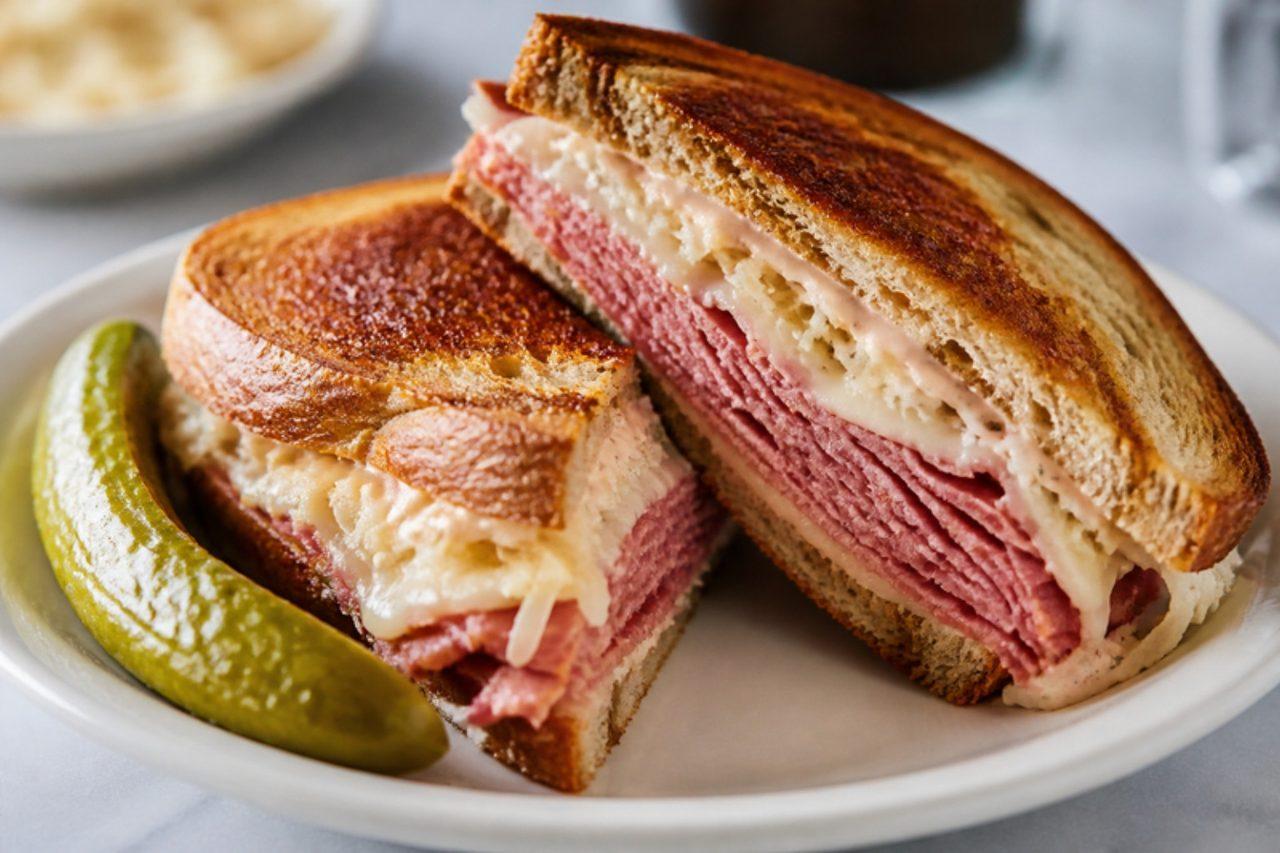
Reuben sandwich

The Reuben is a New York deli classic, claimed by both a Manhattan delicatessen and a poker game in Omaha, and now on every Jewish-style deli menu in the city: rye bread layered with thin corned beef, sauerkraut, Swiss cheese and Russian dressing, then fried in butter until the cheese melts. It is a big, salty, tangy lunch. Chef's tip: squeeze the sauerkraut hard in your fist; wet kraut makes soggy toast.

by KrazyBadal 0 views

Bedfordshire clangerMeat and jam suet roll

The Bedfordshire clanger is a long suet-crust roll that held a whole working lunch for farm labourers and the lace and straw-hat workers of Bedfordshire: savoury pork and potato at one end and sweet jam or apple at the other, marked by slashes so you knew which end to start with. Bakeries in Luton and Bedford still sell them. Chef's tip: build a pastry wall between the two fillings so the jam doesn't run into the meat.

by KrazyBadal 0 views

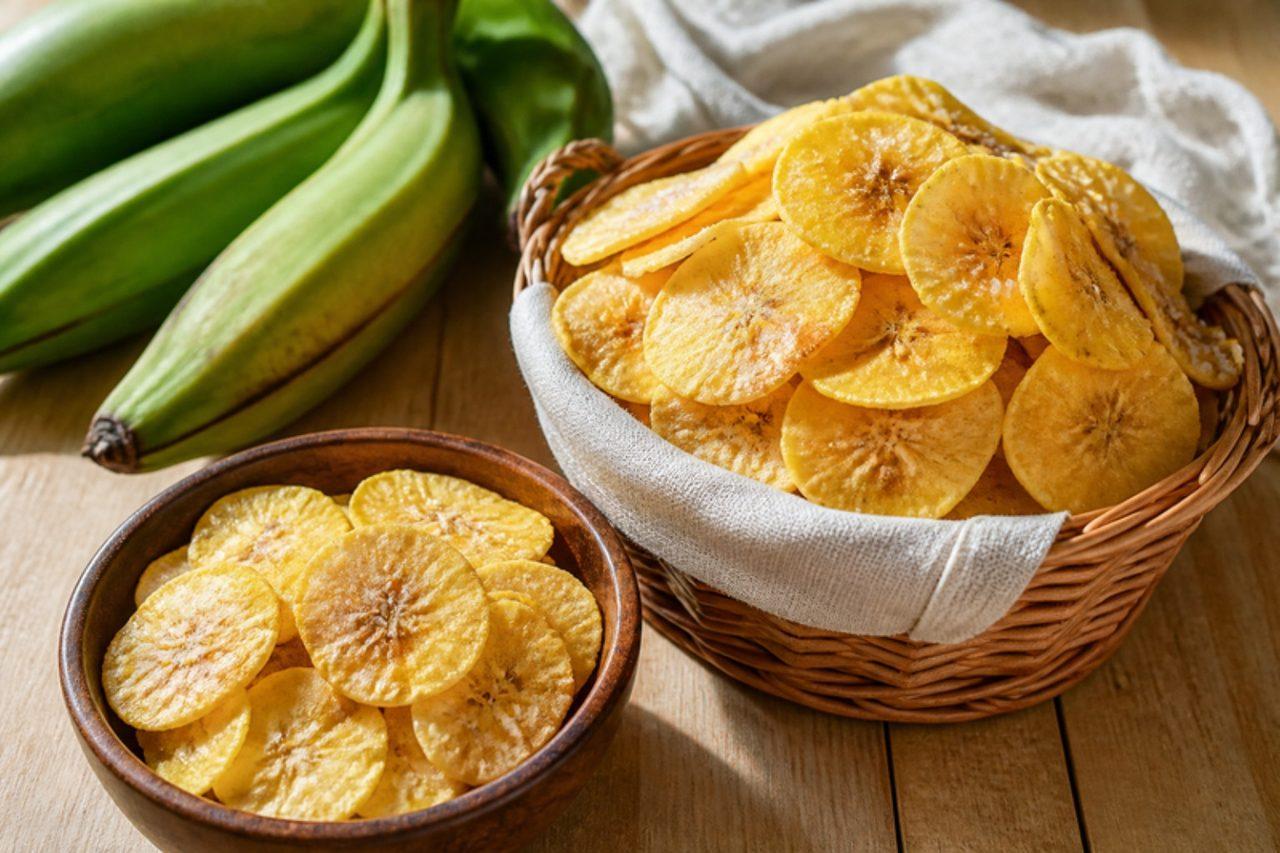
ChiflesPlantain chips

Bags of chifles hang from every shop door in Piura and Sullana, and on the northern coast they come alongside almost everything: ceviche, seco, a cold drink at the beach. They are green plantains sliced paper-thin, lengthwise or in rounds, fried until glassy and crisp, then salted. The flavour is starchy and lightly nutty, the crunch is louder than a potato crisp, and they keep for days in a tin. Getting the slices even is what matters most: thick and thin slices fry at different speeds, and the thick ones end up leathery while the thin ones burn, so use a mandoline set to 1–2 mm. Use firm, fully green plantains; any yellow means sugar, which browns too fast. Chef's tip: soak the slices in salted water for 10 minutes, then dry them completely before frying; they crisp more evenly and stay pale gold.

by KrazyBadal 0 views

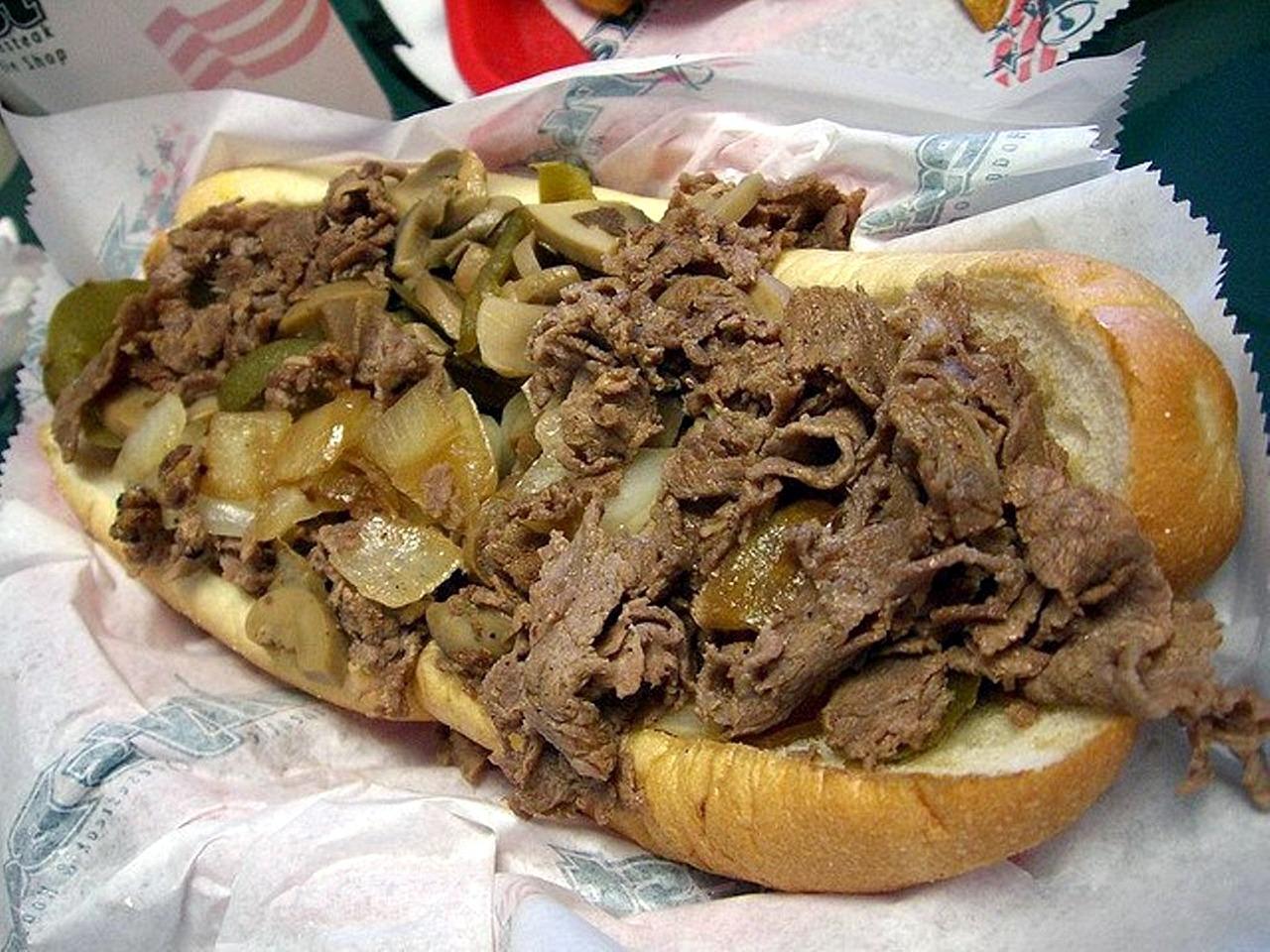
Philly cheesesteak

The cheesesteak was born in South Philadelphia in the 1930s, and the rival stands on Passyunk Avenue still keep the city arguing over whether it should come with melted cheese sauce, provolone or American cheese, and 'wit' or 'witout' fried onions. Paper-thin ribeye is chopped on a hot griddle, cheese is melted over it and the lot is scooped into a soft, crusty hoagie roll. Chef's tip: freeze the beef for 40 minutes before slicing; it firms up so you can cut it almost see-through.

by KrazyBadal 0 views

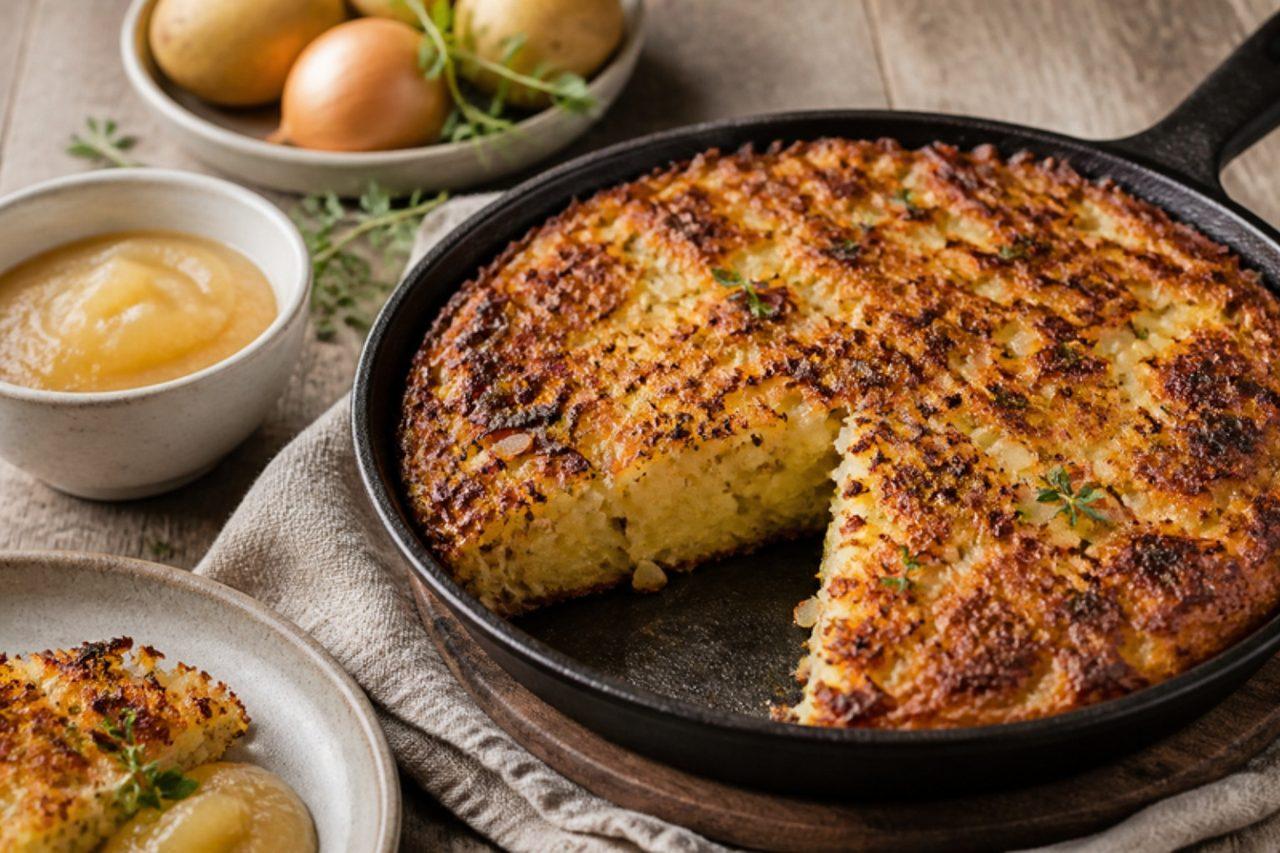
ButtermilchgetzenButtermilk and onion potato bake

Getzen is the potato dish of the Erzgebirge, the Ore Mountains on Saxony's border with Bohemia, where miners' families lived on potatoes, linseed oil and buttermilk. Grated raw potato and mashed cooked potato are mixed with buttermilk, onion and a little egg, then baked in a hot, well-greased pan until the base and edges form a thick brown crust while the middle stays soft and slightly tangy. It is eaten hot, cut in wedges, with apple sauce or a dark berry compote, and often with a glass of cold buttermilk. A common mistake is a cool oven, which gives a pale, soggy bake. Chef's tip: heat the fat in the tin in the oven before you pour in the mixture so the crust starts forming at once.

by KrazyBadal 0 views

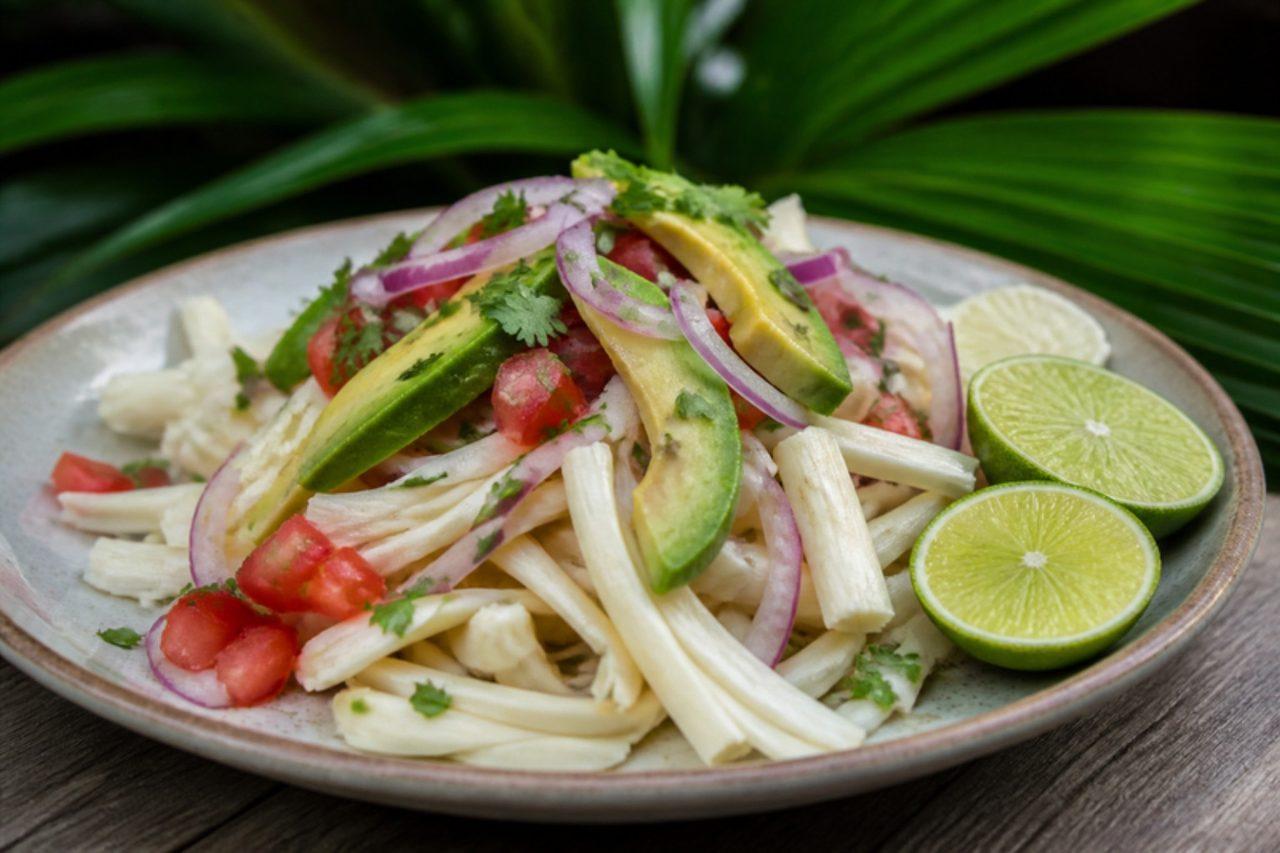
Ensalada de chontaPalm heart salad

Iquitos restaurants and the riverside cafés of the Peruvian Amazon serve ensalada de chonta as a cool counterpoint to grilled fish and juanes: long, pale ribbons of fresh palm heart, crisp and faintly sweet, tossed with tomato, avocado, red onion and lots of lime. At Belén market you can watch sellers shave the chonta into curls with a big knife. Outside the Amazon, fresh palm heart is hard to find, but good jarred hearts of palm cut into thin strips work well, and the salad becomes a ten-minute job. It's crunchy, juicy and sharp, perfect with rice and beans or any fried snack. Where most people go wrong is adding the avocado and salt early, so the salad turns soupy and grey; dress it at the last moment. Chef's tip: slice the palm hearts lengthwise on a mandoline or with a peeler for thin, curling ribbons that look like the Iquitos original.

by KrazyBadal 0 views

ButterkuchenButter and almond yeast cake

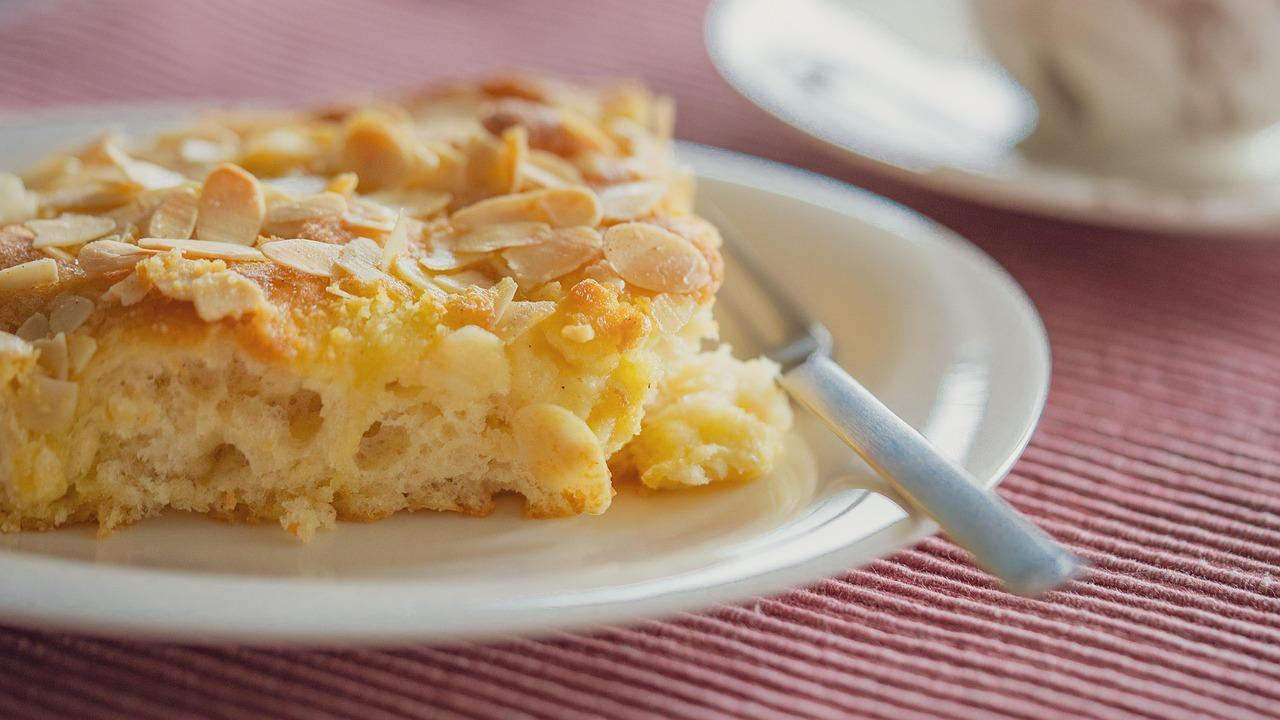
Butterkuchen is the cake of northern German celebrations: in Lower Saxony, Bremen and Holstein it is baked on huge trays for funerals, weddings and christenings, which is why it is also called Freudenkuchen, joy cake. A thin, soft yeast base is dimpled all over with your fingertips, the holes filled with butter, then the whole thing showered with sugar and flaked almonds. In the oven the butter and sugar melt into little caramel pools. A common mistake is making the dimples too shallow, so the butter just runs off; press right down to the tray. Chef's tip: as soon as the cake comes out, spoon a few tablespoons of cream over it; it soaks in and keeps the base tender for two days.

110 minGermanBaking
by KrazyBadal 0 views

Maryland crab soup

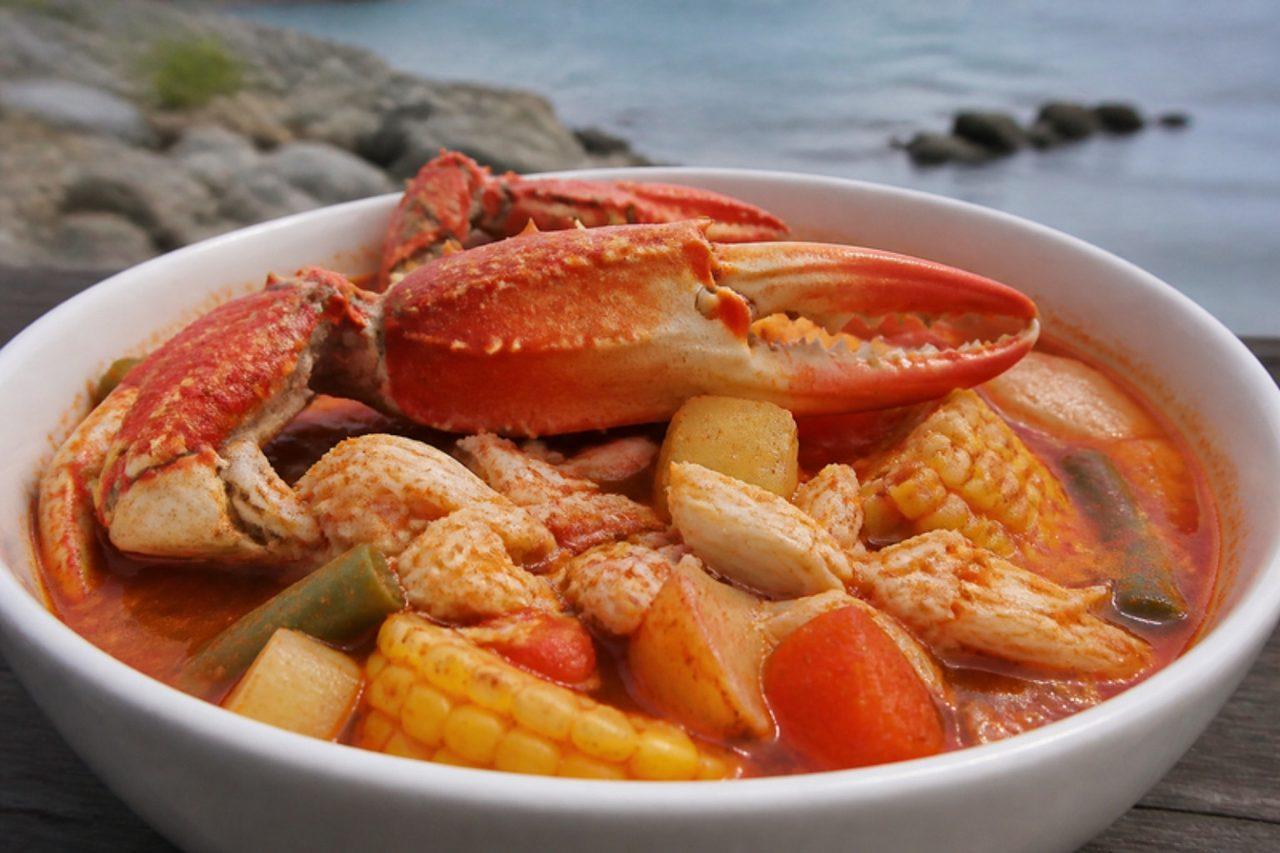
Maryland crab soup is the red, vegetable-packed soup of Baltimore crab houses and Eastern Shore church fundraisers, simmered in a beef broth with tomatoes, corn, beans and lots of crab seasoning, with blue crab meat stirred in at the end. Locals eat a cup before a tray of steamed crabs. Chef's tip: let the vegetables cook fully before the crab goes in; crab meat only needs warming, and stirring too much shreds it.

by KrazyBadal 0 views

Butifarra soledeñaSmall boiled beef and pork sausages

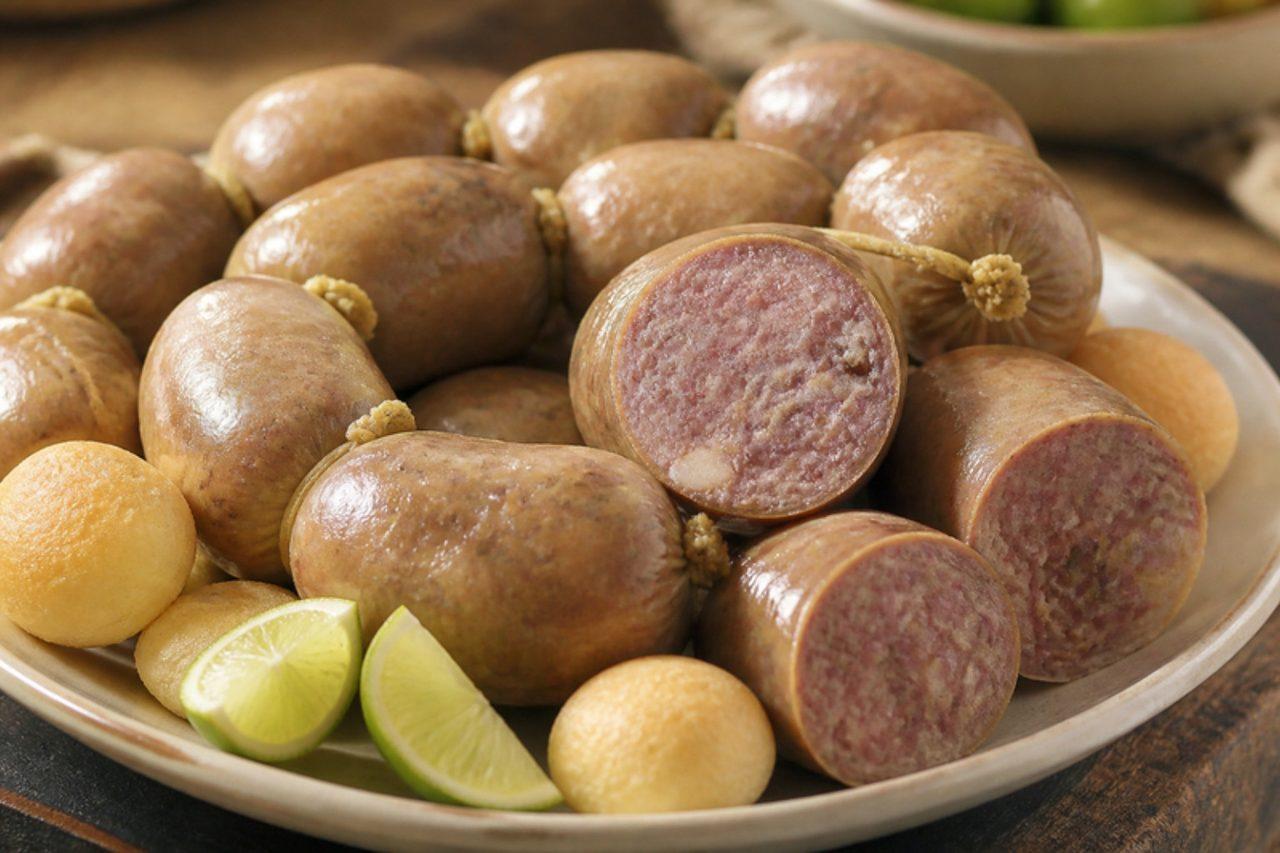
Around Barranquilla, the street call of 'butifarra, butifarra' comes from vendors pushing carts out of Soledad, the town that made these little sausages famous; there's even a festival for them every July. They are small, round links of beef and pork seasoned with nothing more than salt and plenty of black pepper, boiled rather than grilled, so they stay tender, juicy and pale. Sellers squeeze lime over them and hand them out with a bollo de yuca, a firm steamed cassava roll. They are simple, peppery and a little sour from the lime. Using lean meat is the usual mistake: without the pork fat they turn dry and grainy. Chef's tip: tie the links into small, round balls about 4 cm across and boil them gently; a rolling boil splits the casings.

by KrazyBadal 0 views

Feijoada à transmontanaRed beans with smoked sausages

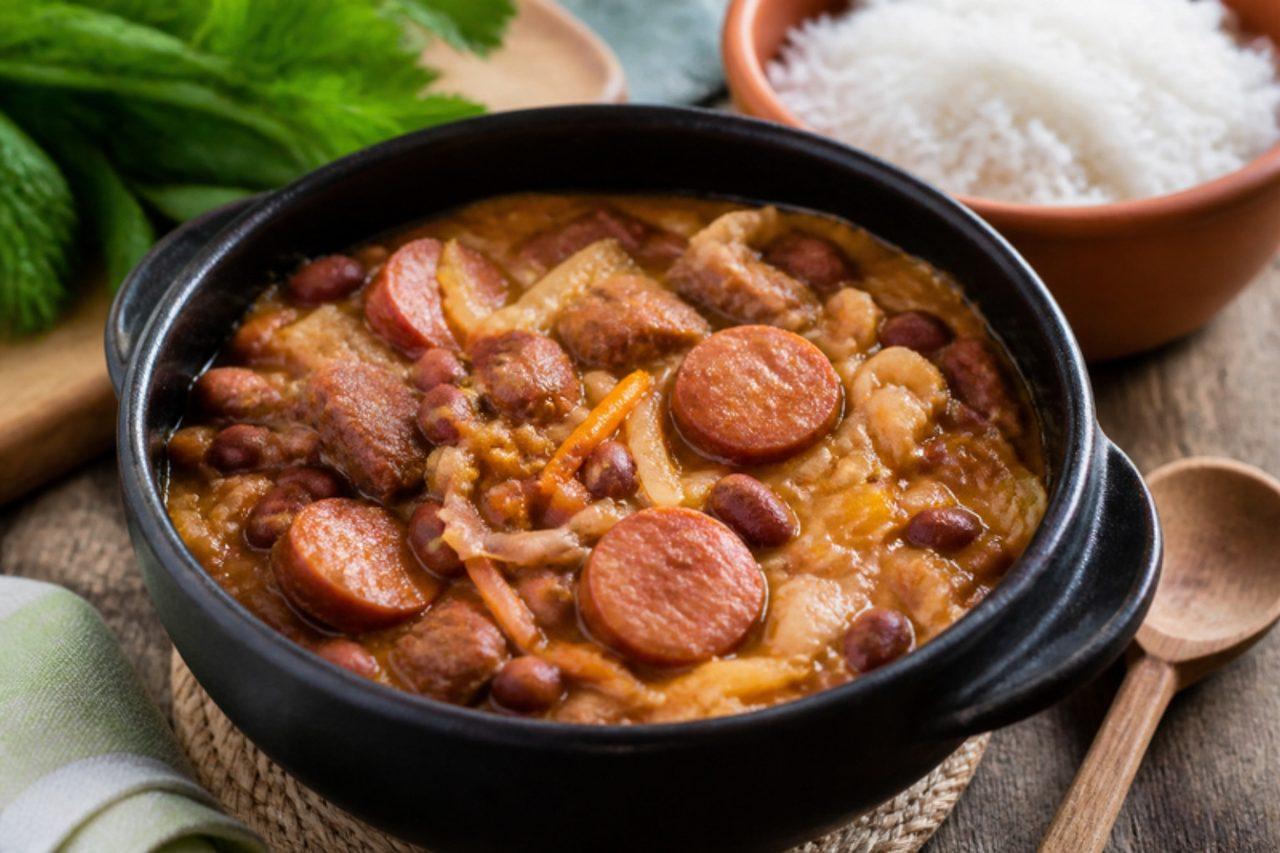
In Trás-os-Montes the cold months were the months of the fumeiro, the smoking of sausages, and this bean stew was where those sausages ended up. Unlike the Brazilian black-bean feijoada, the transmontana version uses red or white beans, with pig's ear and trotter for body, chouriço and salpicão for smoke, and carrots and cabbage cooked in at the end. It is served for Sunday lunch in Chaves and Bragança with plain rice. This contains pork (ear, trotter, belly and smoked sausages). Chef's tip: cook the beans separately in their own water first, so the cured meats do not stop them softening.

by KrazyBadal 0 views

Roast beef and gravy

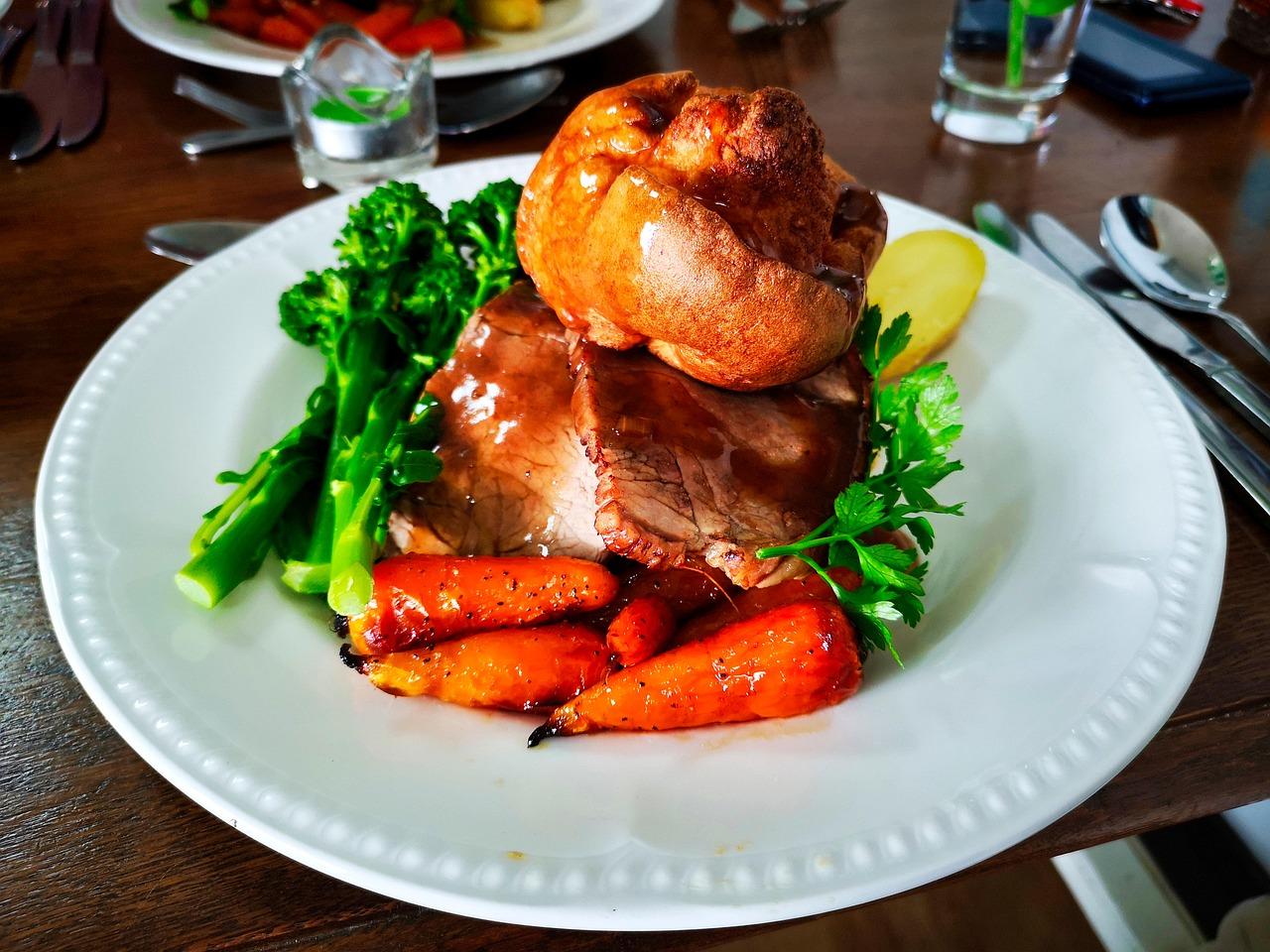
Roast beef is the heart of the English Sunday lunch, and in Yorkshire it comes with puddings, roast potatoes and a jug of gravy made from the pan juices. A beef joint is seared in a hot oven, then roasted more gently and rested so it slices juicy and pink, with crisp, well-seasoned edges. Serve with Yorkshire puddings, horseradish and greens. Chef's tip: rest the meat for at least 20 minutes under foil; carved straight away, its juices run all over the board.

110 minBritishMeat
by KrazyBadal 0 views

Biscuits and sausage gravy

Biscuits and gravy is the working breakfast of the rural South and Appalachia, served at truck stops in Tennessee and diners in the Virginia mountains: fresh biscuits split open and smothered in a thick white 'sawmill' gravy made from crumbled pork sausage, its fat, flour, milk and plenty of black pepper. Chef's tip: don't drain the sausage fat; it is what thickens and flavours the gravy.

by KrazyBadal 0 views

Maryland crab cakes

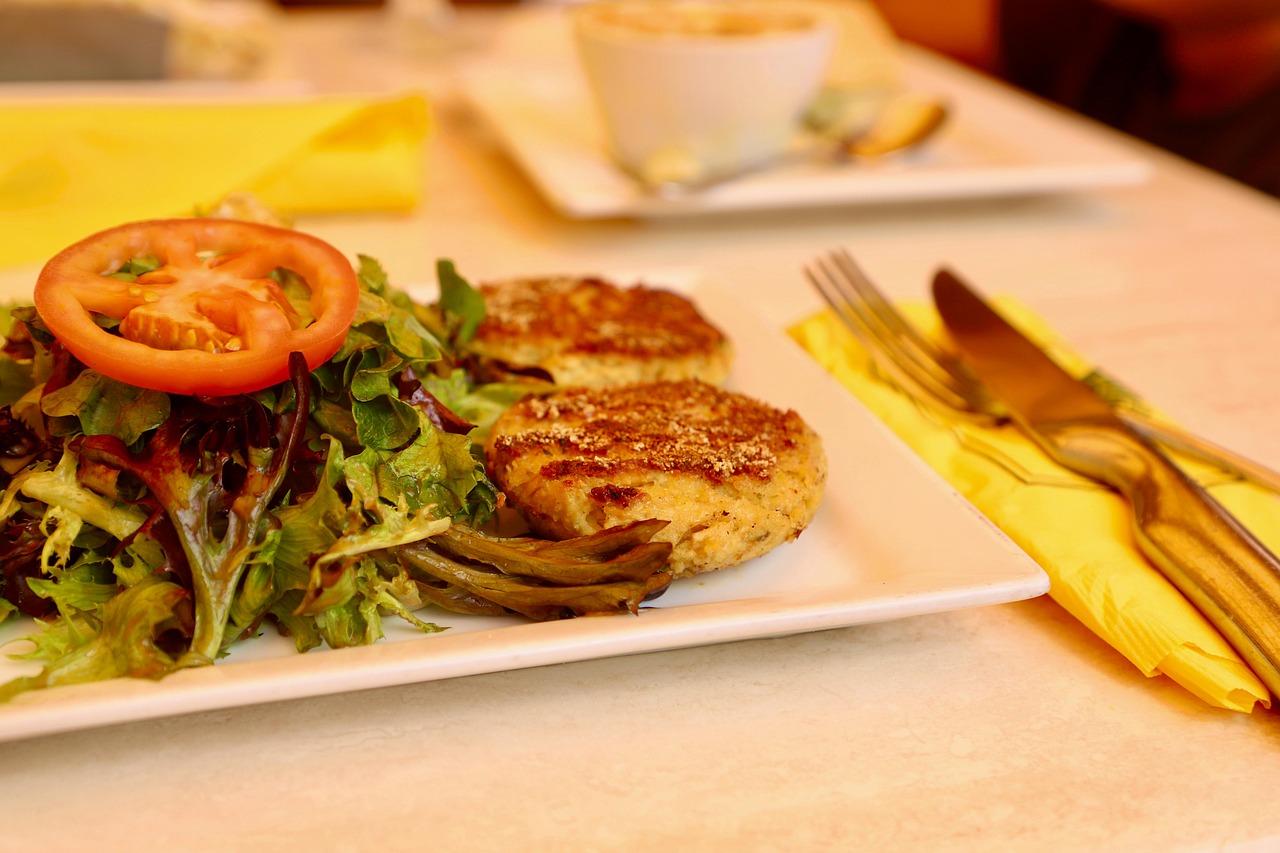
Around Chesapeake Bay, from Baltimore's crab houses to the docks of the Eastern Shore, a proper crab cake is judged by how little holds it together: sweet lump blue crab, a spoon of mayonnaise and mustard, a little seasoning and just enough crumbs to bind. They are eaten as a platter with coleslaw or in a soft roll with tartare sauce through the summer crab season. Chef's tip: chill the shaped cakes for an hour; it firms them so they don't fall apart in the pan.

by KrazyBadal 0 views

Chile con queso norteñoRoasted chilli with melted cheese

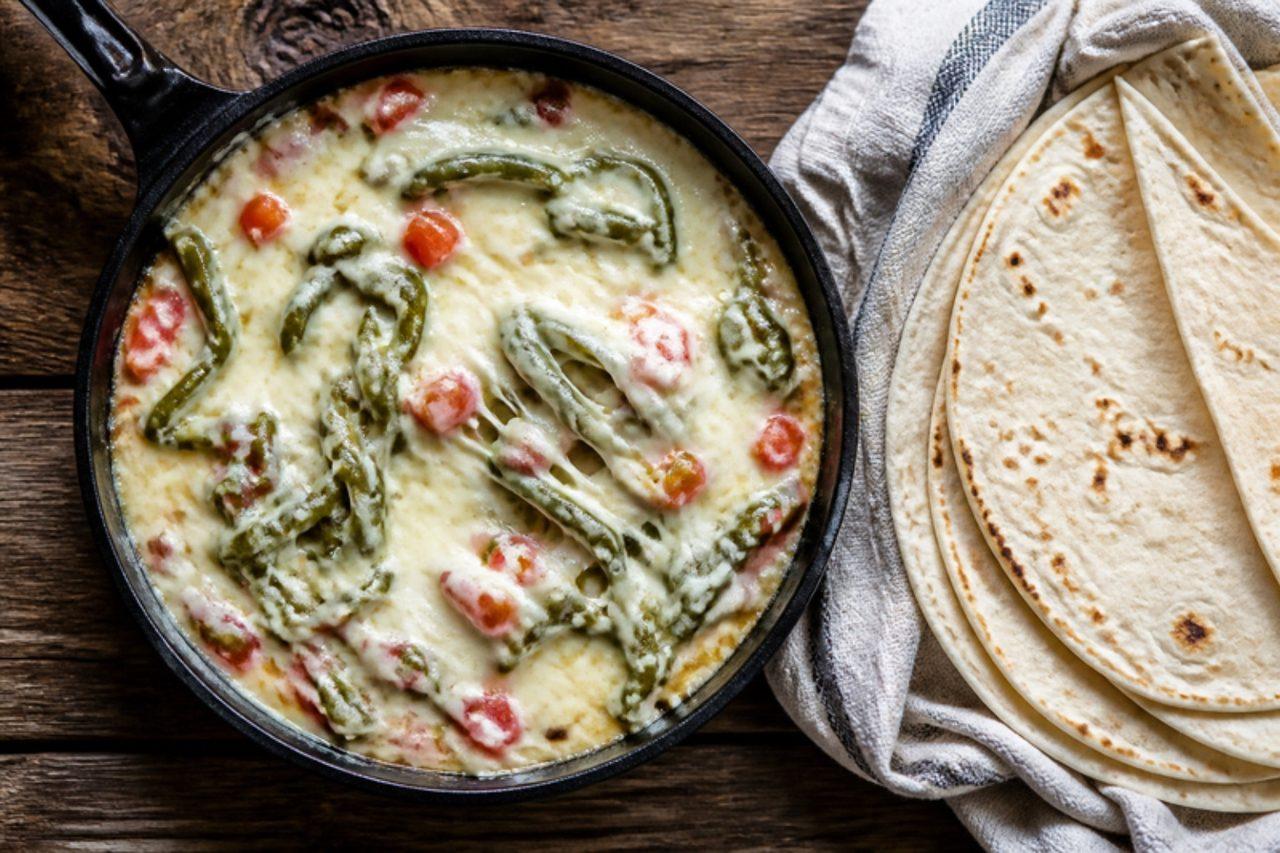
In Ciudad Chihuahua and the farming towns of the Sierra, chile con queso is not the runny orange dip of Texas bars but a skillet of roasted long green chillies, onion and tomato with mild Chihuahua cheese melted through it, scooped up with flour tortillas at a carne-asada Sunday or eaten as a main with beans. Chihuahua cheese, also called queso menonita after the Mennonite farmers who make it, is like a mild, buttery cheddar. Chef's tip: steam the roasted chillies in a covered bowl; the skins then slide off in one go.

by KrazyBadal 0 views

Burritos de chile coloradoRed chilli beef burritos

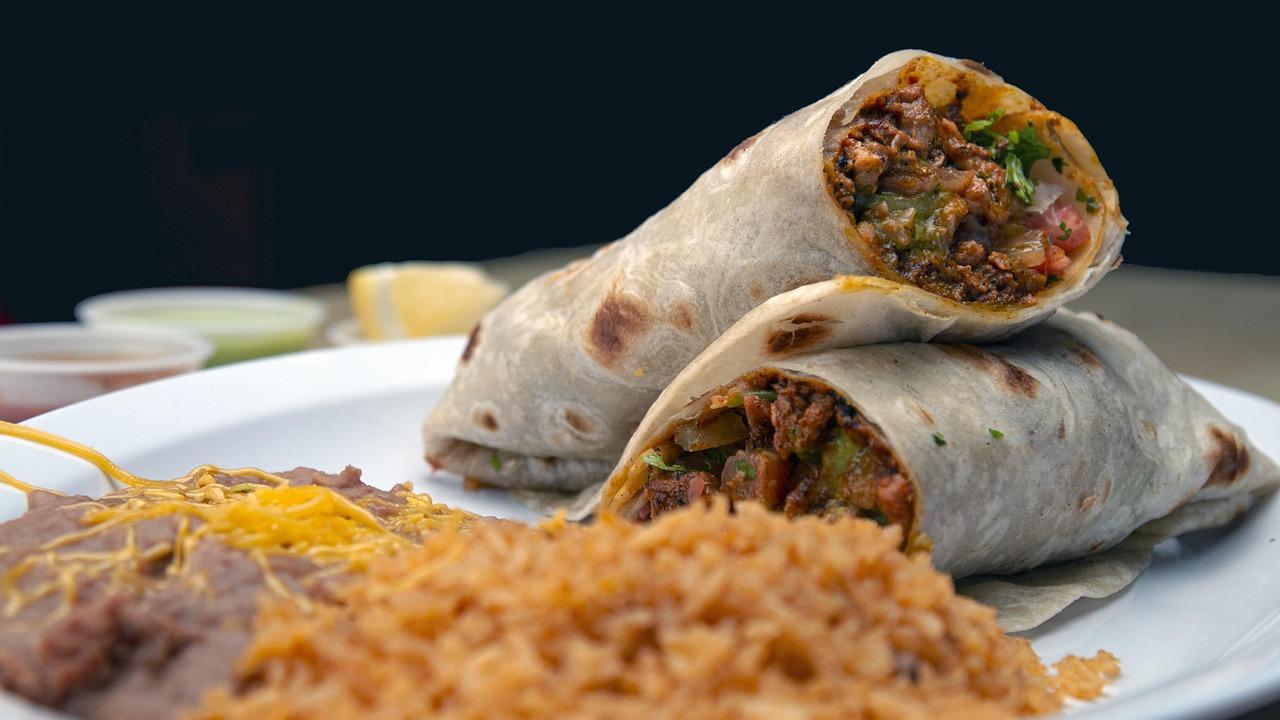
Ciudad Juárez is where the burrito as most of the world knows it began, but the ones sold from Juárez street stands and lunch counters are slim: a thin flour tortilla rolled tightly around a single filling, eaten two or three at a time. Chile colorado, beef braised in a smooth red sauce of dried chillies, is the favourite, earthy and mildly hot, with the meat soft enough to pull apart. Serve them with nothing but a little extra sauce and some pickled jalapeños. Chef's tip: keep the stew thick, like a paste that coats the meat, or the tortillas turn soggy before you can roll them.

by KrazyBadal 0 views

Feijão tropeiroBeans with cassava flour and bacon

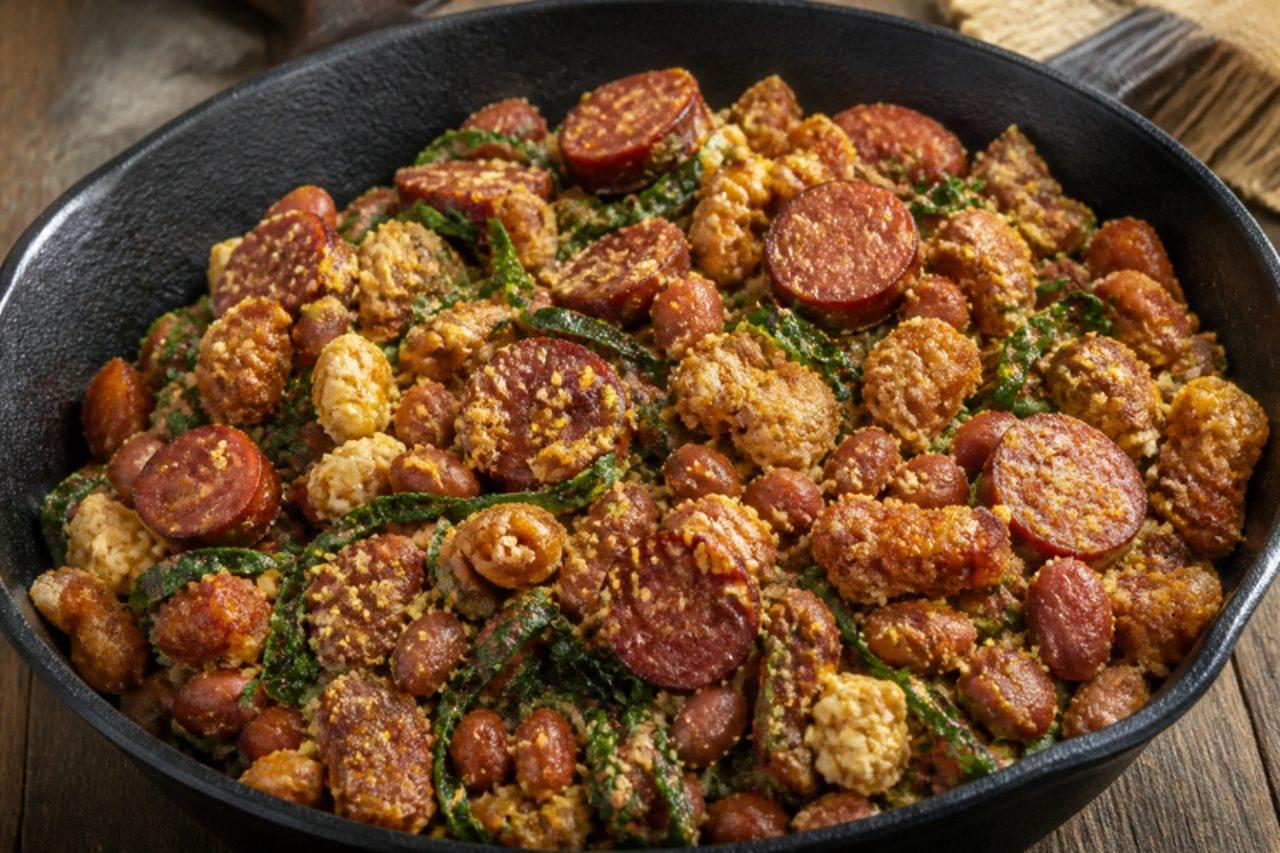
Mule drivers, the tropeiros, crossed Minas Gerais with sacks of beans, cassava flour and pork, and their trail food has become the state's pride: you will find feijão tropeiro at every comida mineira restaurant, at football grounds in Belo Horizonte and on Sunday tables, with rice, couve, torresmo and a grilled pork chop. The beans are cooked just tender, drained, and tossed in bacon and sausage fat with onions, scrambled egg, cassava flour and shredded collards, so the dish is moist but loose, smoky and very savoury. This is a pork dish: smoked bacon and pork sausage give it its flavour. If you start from dried beans, soak them overnight. The usual mistake is overcooking the beans; mushy beans turn the farofa into paste. For a vegetarian version, skip the meats and use butter and an extra egg. Chef's tip: add the farinha off the heat a handful at a time and stop when it looks moist and fluffy, not dry.

by KrazyBadal 0 views

Bunyols de l'EmpordàAnise fritters

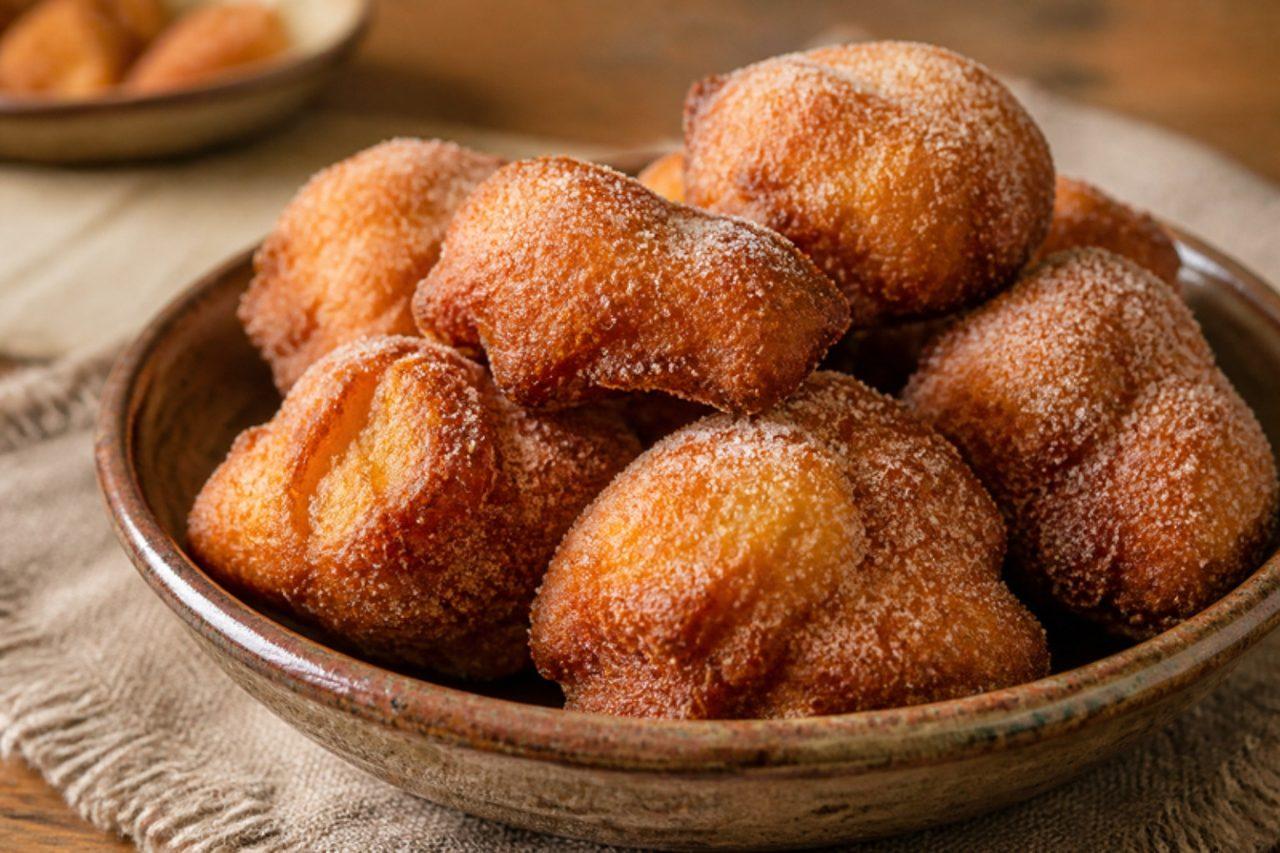
During Lent, bakeries and grandmothers across the Empordà in Girona fry bunyols: light, irregular rings of enriched yeast dough flavoured with anise and lemon, dusted with sugar while hot. Families make them together, poking a hole in each ball with wet fingers as it goes into the oil. The dough traditionally takes a splash of anise liqueur; the alcohol-free option, milk infused with aniseed, is in the ingredient list. Chef's tip: keep a bowl of water by the pan and wet your fingers before shaping each one; the dough then stretches cleanly instead of sticking.

by KrazyBadal 0 views

Buñuelos de calabazaPumpkin doughnuts

When the Fallas bonfires go up in Valencia each March, every other street corner has a stall frying bunyols de carabassa: rough, ring-shaped pumpkin doughnuts pulled from the oil by the dozen and eaten standing up, usually with a cup of thick hot chocolate. The dough is little more than yeasted flour and cooked pumpkin, which keeps the inside soft and faintly orange and the outside crisp and blistered. They contain no egg, milk or butter, so they are suitable for vegans. A common mistake is adding flour until the dough feels like bread dough; it should be sticky and slack, almost a thick batter, or the doughnuts come out heavy. Chef's tip: keep a bowl of water beside the pan and wet your hands before shaping each one; the dough then slides off your fingers into the oil instead of clinging to them.

by KrazyBadal 0 views

Favas guisadas com chouriçoBroad beans with chouriço

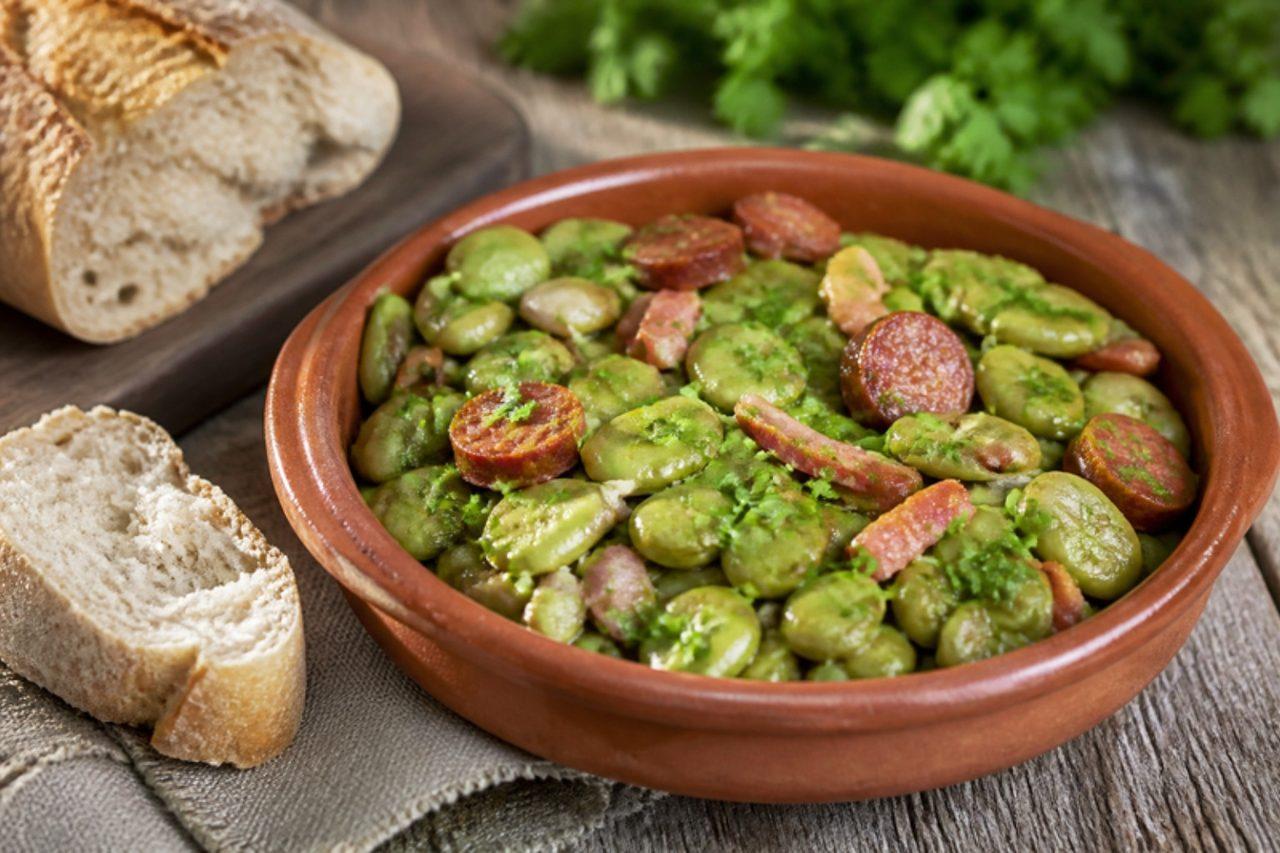
When broad beans come in across the Alentejo in April and May, this is the dish that announces them: young beans stewed with chouriço and a little cured pork belly, garlic, onion and a big handful of coriander, until the beans are soft and the sauce is red with paprika fat. It is a weekday lunch with bread, or with a poached egg on top. This contains pork (chouriço and bacon). Frozen broad beans work well out of season. A common mistake is boiling the beans until they turn grey and mealy; stop when they are tender and still green. Chef's tip: a spoonful of vinegar at the end brightens the rich, fatty sauce.

by KrazyBadal 0 views

Bem-casadoSponge discs with caramel filling

Guests leaving a Brazilian wedding are handed a bem-casado, 'well married', wrapped in crepe paper and tied with ribbon, as a wish for the couple's happiness. The sweet is said to have taken its modern shape in Campos dos Goytacazes, in the north of Rio de Janeiro state, where confectioners still make it by the thousand. Two thin, airy sponge rounds hold a layer of doce de leite and are dipped in a thin sugar glaze that sets matt white and slightly crisp, so the inside stays soft for days. Doce de leite is sold in jars in Latin shops; use a thick, spoonable one. Over-baking the discs is where most batches fail: they turn dry and crack when sandwiched. Chef's tip: pipe the batter in small rounds and pull them from the oven as soon as they spring back and the edges barely colour; pale is right.

by KrazyBadal 0 views

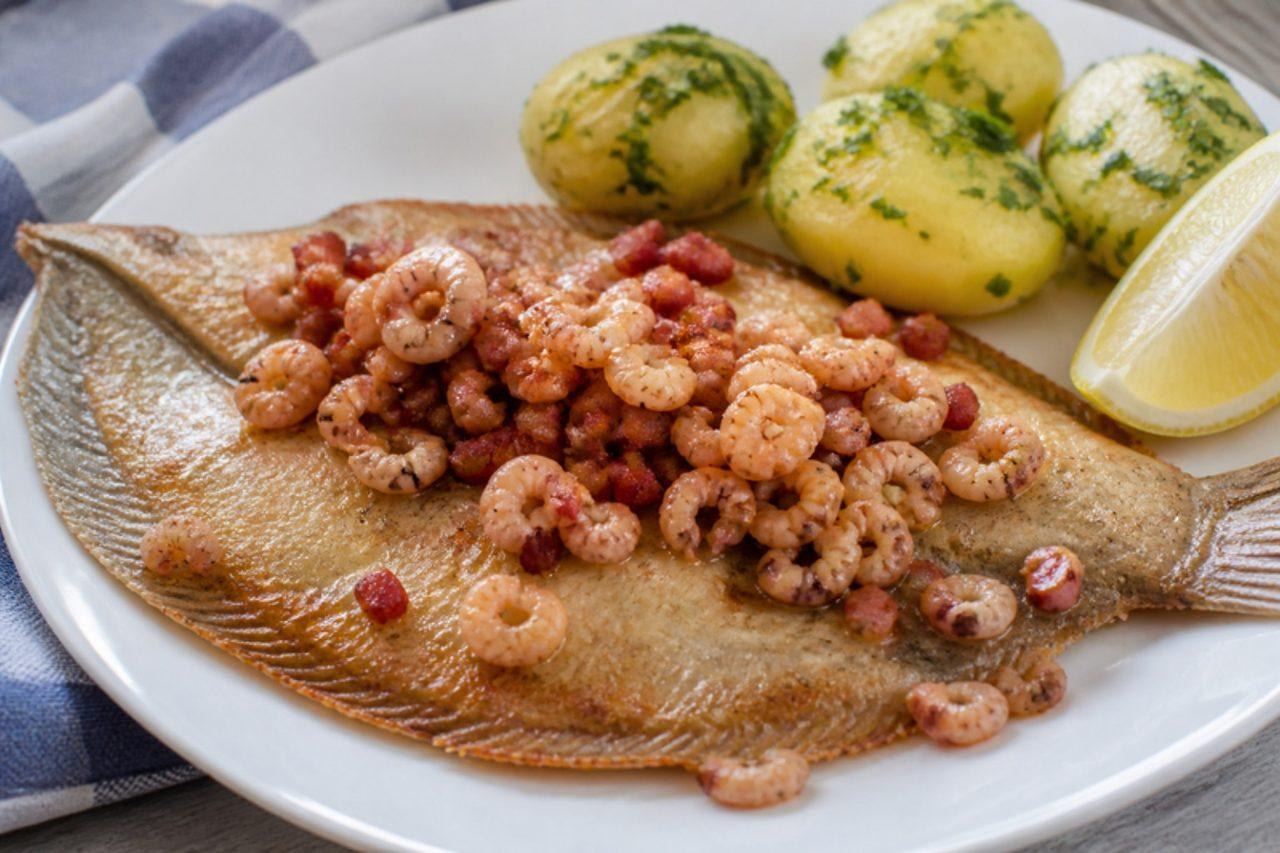
Finkenwerder ScholleFried plaice with bacon and shrimps

Finkenwerder was a fishing village on an Elbe island, and the way its fishermen cooked plaice is now Hamburg's signature fish dish, eaten from May to autumn when plaice is plump. A whole fish is dusted and fried in butter, then covered with crisp cubes of smoked pork belly bacon and a handful of tiny brown North Sea shrimps warmed in the same pan, and served with parsley potatoes and cucumber salad. The bacon is pork; leave it out and add capers for a pork-free plate. Chef's tip: score the dark skin side lightly twice so the fish stays flat in the pan and cooks evenly to the bone.

40 minGermanFishGluten free
by KrazyBadal 0 views

Bullit de peixFish and potatoes in saffron broth

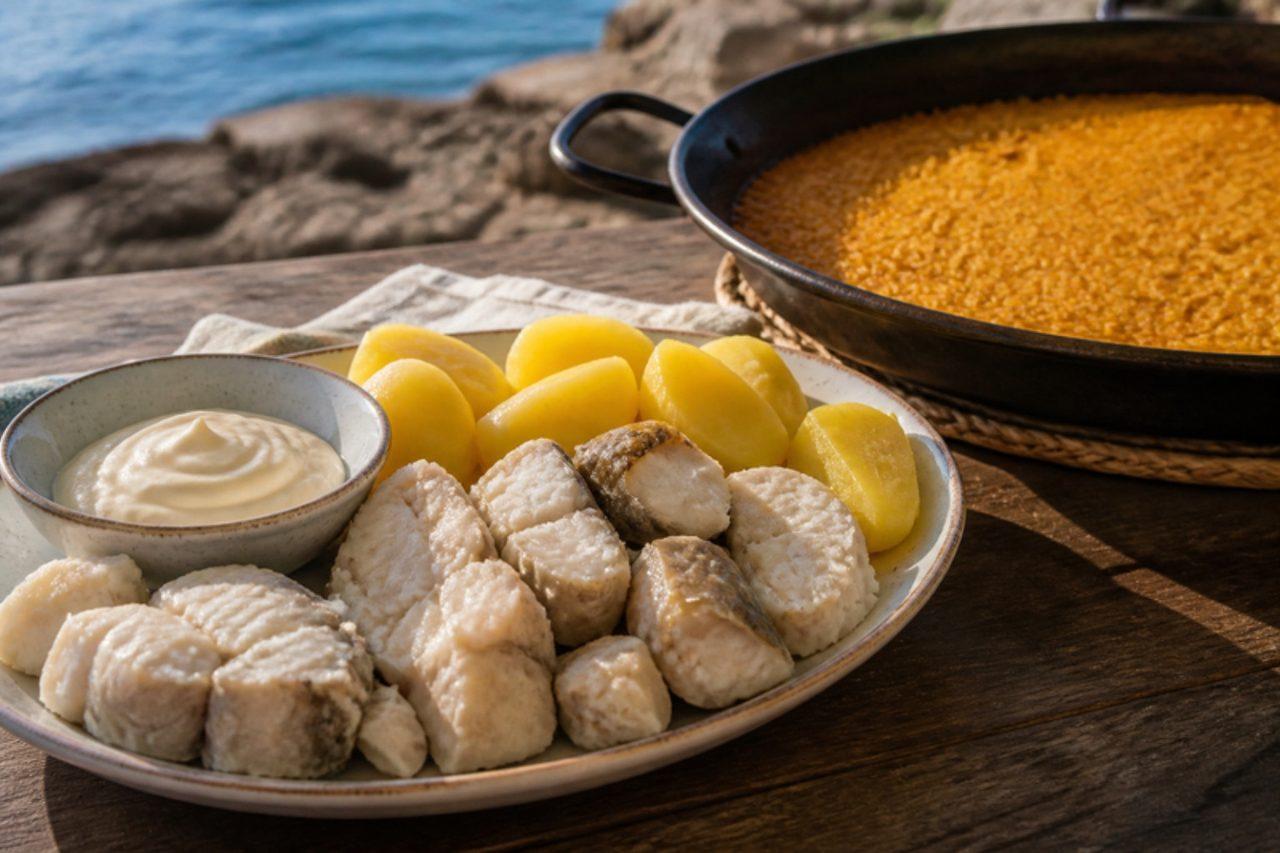
Bullit de peix is Ibiza's two-course fishermen's lunch, still served at the beach restaurants of Cala Mastella and the fishing ports on long Sundays. First comes rockfish such as grouper, scorpionfish and John Dory, simmered with potatoes in a saffron broth and eaten with allioli; then the same broth cooks a second course, arròs a banda, rice served on its own. Use firm white fish that holds together. Chef's tip: keep the pot at a bare simmer once the fish goes in, so the pieces stay whole for the platter.

by KrazyBadal 0 views

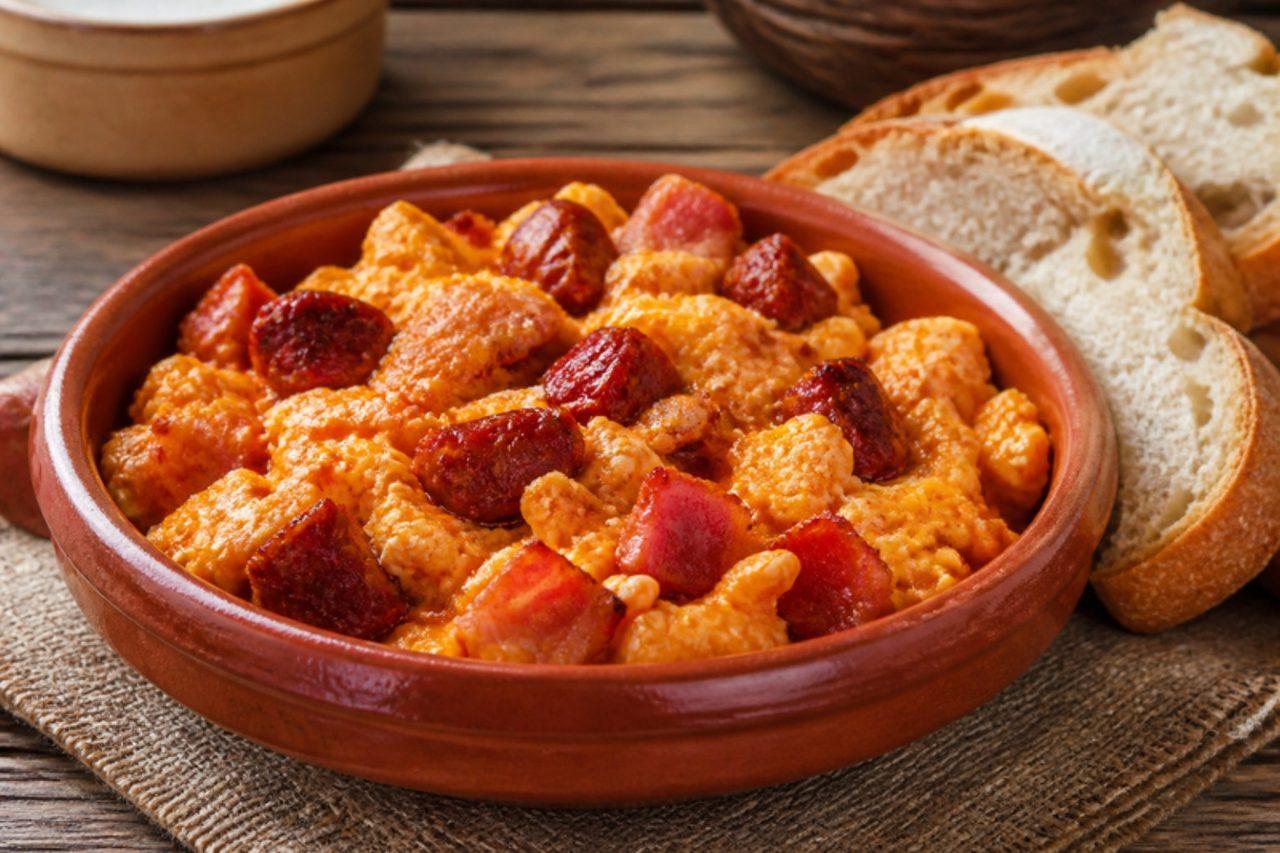
Duelos y quebrantosScrambled eggs with chorizo and bacon

Cervantes names this dish in the first lines of Don Quixote as the knight's Saturday supper, and in La Mancha it is still a quick, filling plate of soft eggs scrambled into fried chorizo and streaky bacon. It turns up for a late breakfast in roadside inns near Campo de Criptana, or for supper on a busy weeknight with bread and a salad. This contains pork (chorizo and bacon). Chef's tip: take the pan off the heat while the eggs still look slightly wet; they finish cooking on the plate.

by KrazyBadal 0 views

Dulce de alcayotaFig-leaf gourd preserve

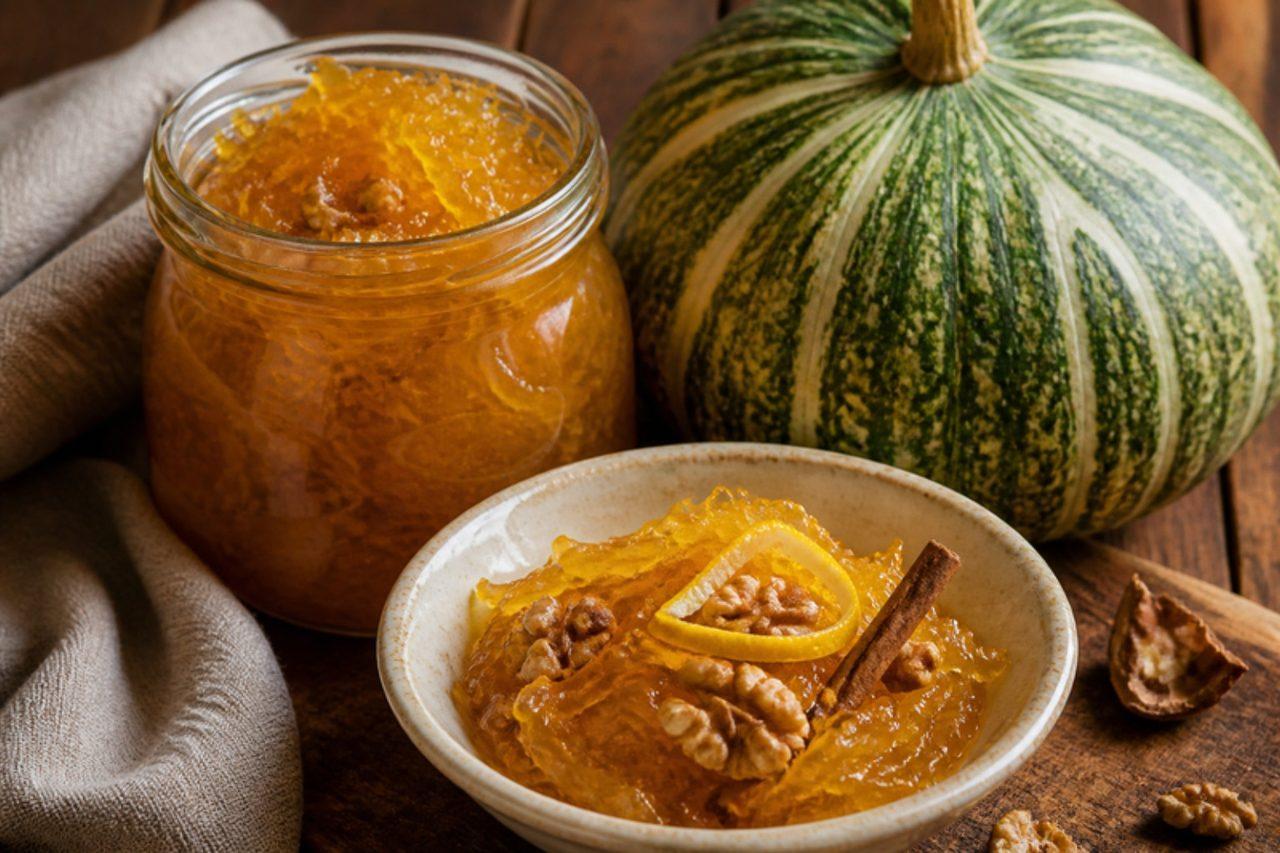
Late autumn in San Juan and Mendoza, the huge striped alcayotas (fig-leaf gourds, Cucurbita ficifolia) are left to cure in the sun, then split open for this preserve: the white flesh separates into long strands like angel hair, which cook in syrup until golden, glossy and translucent, with walnuts and a hint of cinnamon and clove. It is spooned onto bread, eaten with fresh cheese, and used to fill empanadas and pastries. Look for alcayota at Latin American grocers (sometimes sold as chilacayote or cidra); spaghetti squash makes a respectable stand-in. Cooking the syrup too hard is the trap: it caramelises and turns the preserve dark and bitter, so keep it at a gentle bubble. For safe storage, jars must be sterilised and sealed hot. Chef's tip: rinse the cooked strands in cold water before they go into the syrup; it washes off the starch and keeps the threads separate and clear.

by KrazyBadal 0 views

Dulce de batataSweet potato paste

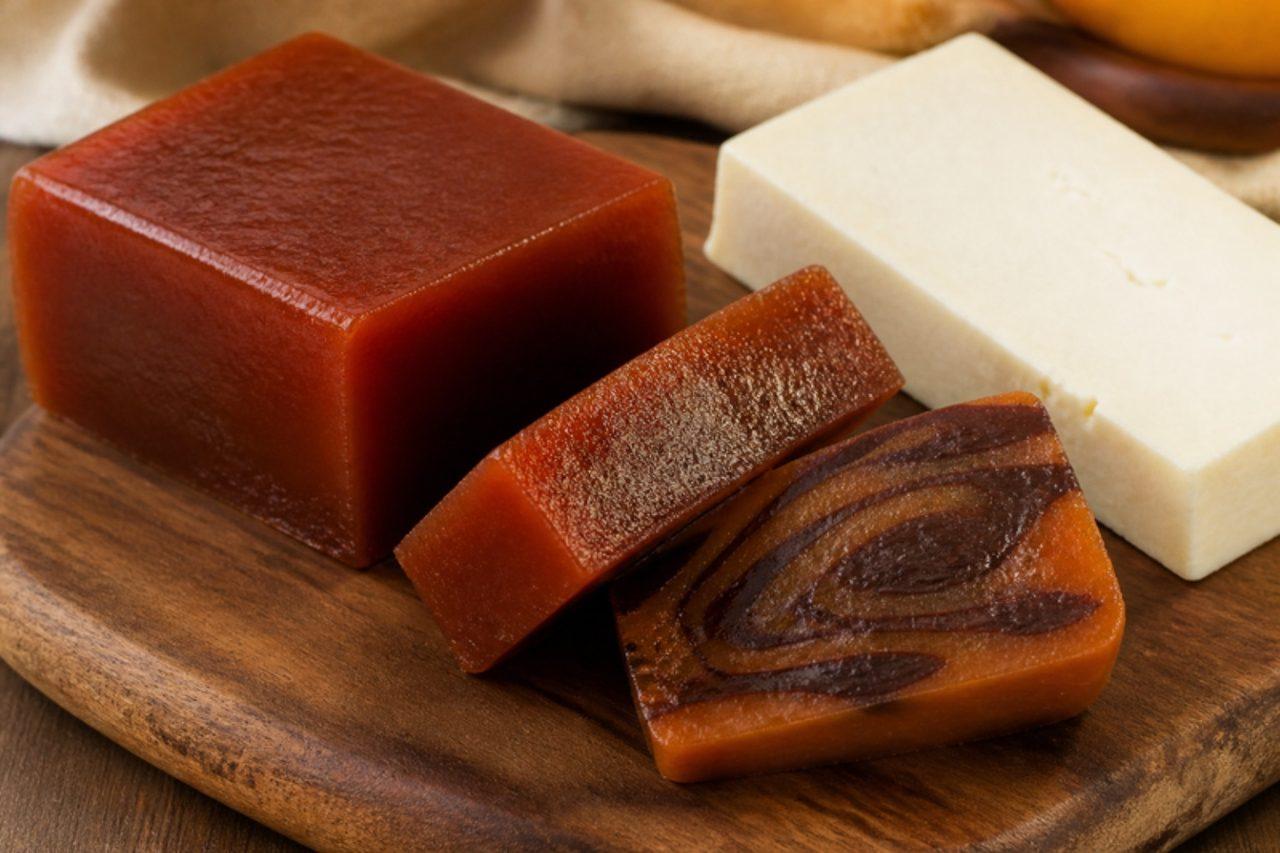
Deep orange and firm enough to slice, dulce de batata is the sweet potato paste Argentines eat with cheese, bake into pastelitos and pasta frola, and pack into school lunch boxes; the classic commercial block often hides a ribbon of chocolate in the centre. Making it at home takes patience at the stove, but the result tastes of real roasted sweet potato and vanilla. Traditional recipes simply cook the purée down for a long time; some factory versions set it with gelatin. This one uses a little agar, a seaweed-based setting agent, so it is reliably firm and stays vegan. Choose pale-fleshed sweet potato (batata) if you can, which gives the classic colour and dense texture; orange-fleshed ones work but set softer. The usual problem is too little cooking, which gives a paste that weeps; it is ready when a spoon drawn through it leaves a clean line. Chef's tip: cover your hand with a tea towel while you stir, because the thick paste spits like lava.

by KrazyBadal 0 views

Manhattan clam chowder

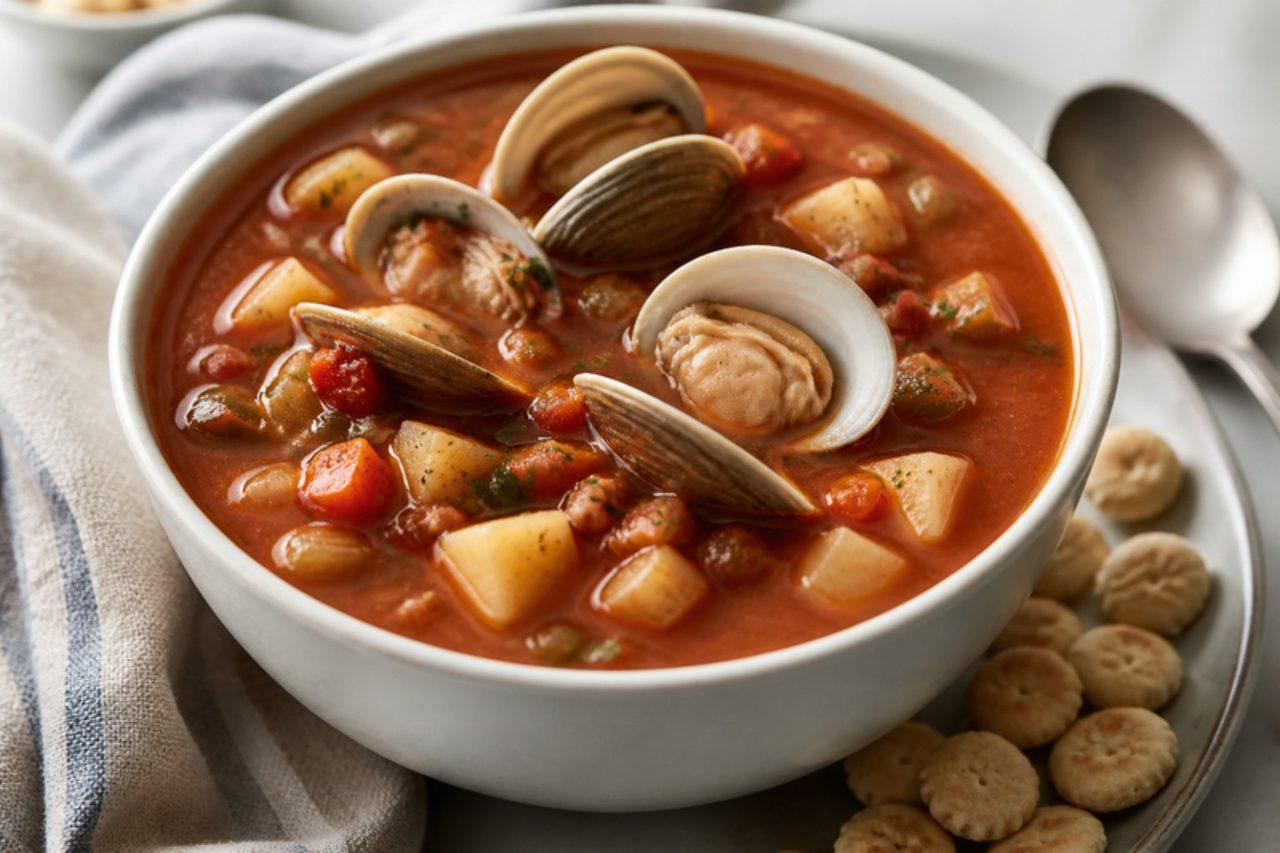
Manhattan clam chowder swaps New England's cream for tomatoes, a style that grew up in the Portuguese and Italian fish restaurants of New York and Coney Island and is still ladled out in Fulton Street lunch counters. It is a brothy red soup with clams, potato, carrot, celery and a little bacon (pork), lighter than the white kind and peppery with thyme. Chef's tip: add the chopped clams only for the last few minutes; long boiling turns them to rubber.

by KrazyBadal 0 views

Dulce de calafateCalafate berry jam

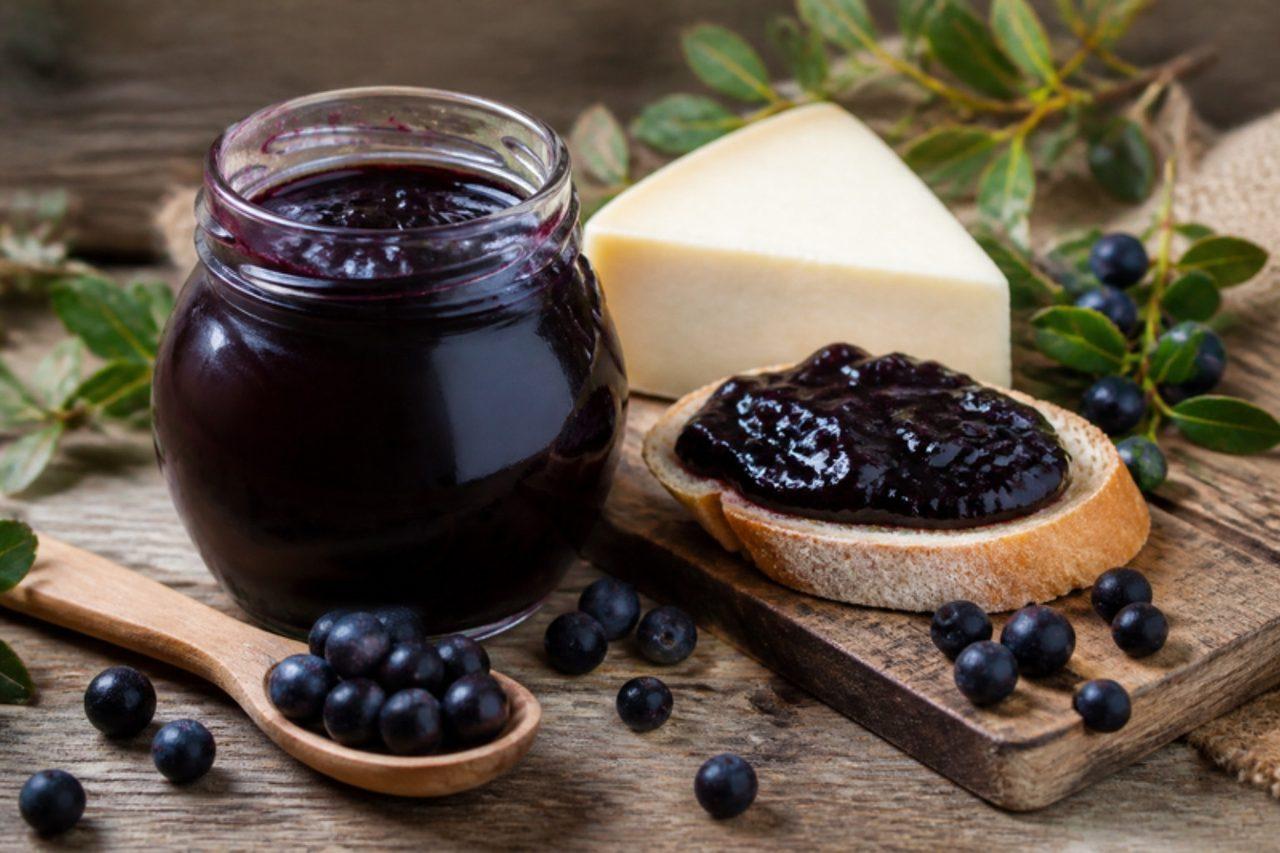
Legend says whoever eats calafate will come back to Patagonia, and in El Calafate, the town on Lake Argentino named after the thorny bush, the small blue-black berries turn up in ice cream, sauces, and above all this jam. The fruit ripens in midsummer across Santa Cruz and Tierra del Fuego; it is tart and seedy, somewhere between a blueberry and a blackcurrant, and the jam is dark purple, glossy and gently spiced by the fruit itself. It goes on bread at breakfast, with a slab of cheese after dinner, or with pancakes. Outside Patagonia, frozen calafate is hard to find; blueberries with a handful of blackcurrants or barberries give a similar balance of sweet and sharp. Overcooking is the slip that turns it into a stiff, dull paste, because the berries are naturally high in pectin, so test early. Chef's tip: crush a third of the berries before cooking; you get a jam with body and some whole fruit to bite on.

by KrazyBadal 0 views

Bugnes lyonnaisesFried carnival pastries

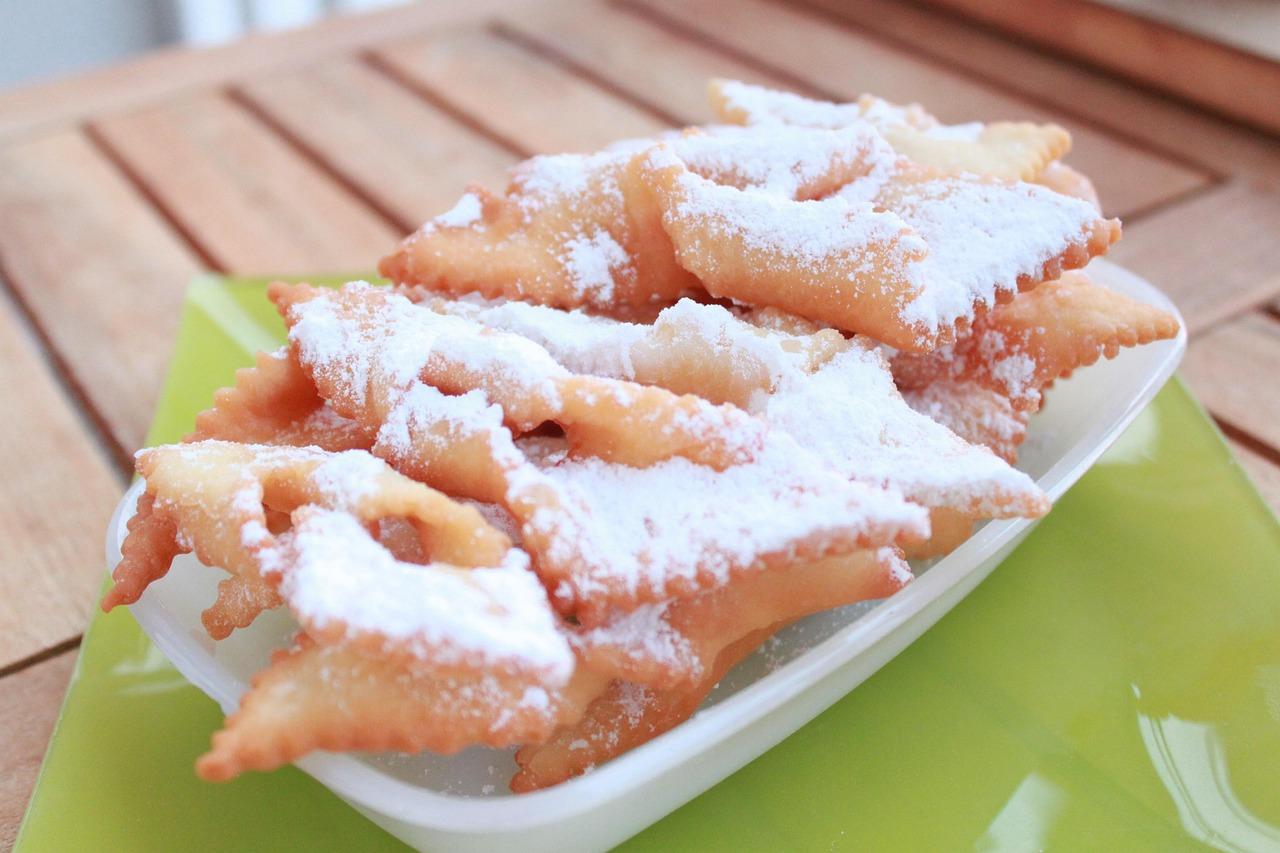
When Carnival comes round in February, bakeries across Lyon pile their windows with bugnes, thin twisted ribbons of dough fried until they blister and then buried in icing sugar. Lyon's are the crisp, shattering kind (in Saint-Étienne they are puffier), and children eat them by the paper bagful through Mardi Gras. Some families add a spoonful of rum to the dough; this version uses orange flower water and lemon, so it is alcohol-free. Chef's tip: roll the dough so thin you can almost see the worktop through it; thick bugnes turn bready instead of crackly.

by KrazyBadal 0 views

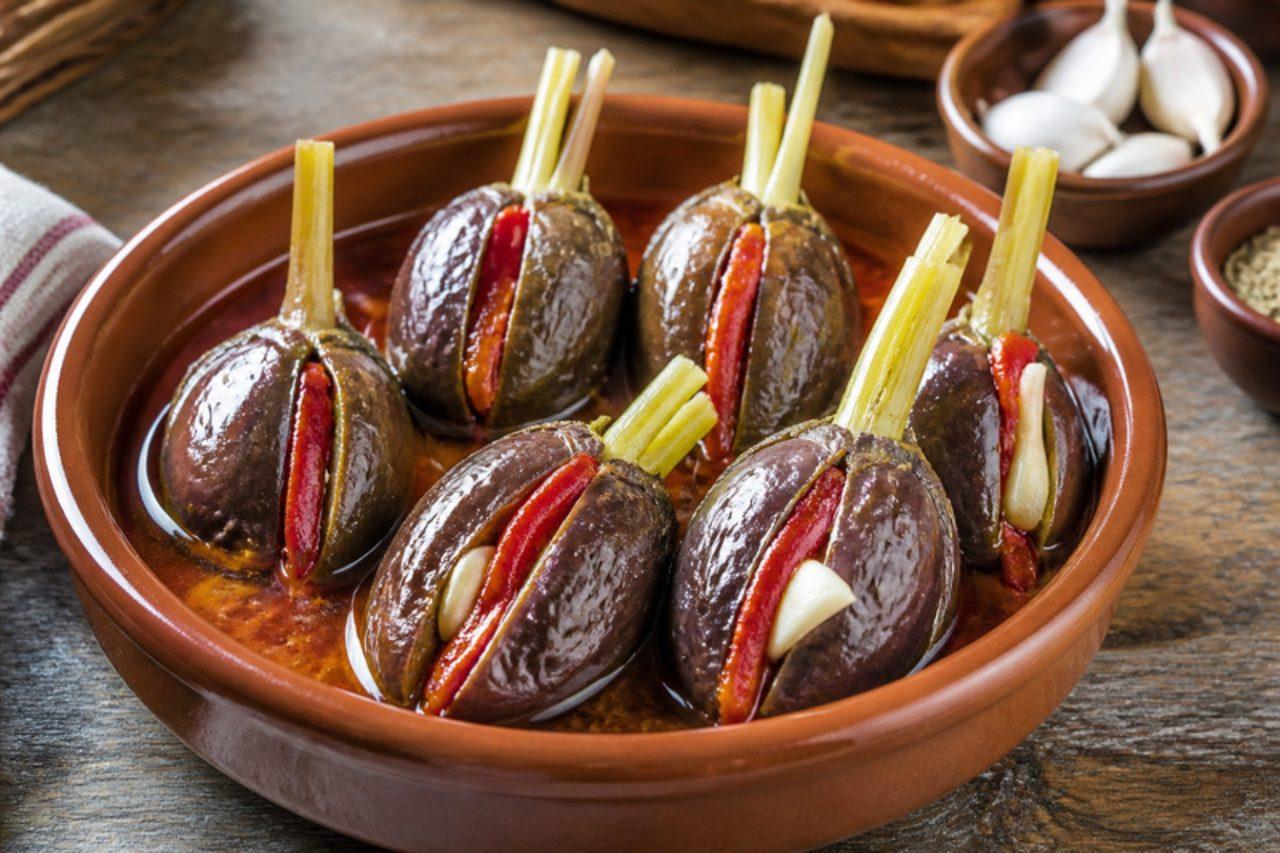
Berenjenas de AlmagroPickled baby aubergines

In the arcaded Plaza Mayor of Almagro, in the province of Ciudad Real, shops sell these little aubergines from barrels, each one split, stuffed with a strip of red pepper and pinned with a fennel stalk. They are eaten as a tapa with a cold drink, or bought by the jar during the town's summer theatre festival. The tangy dressing of vinegar, cumin, garlic and paprika soaks in over a few days in the fridge. Chef's tip: use the smallest, firmest aubergines you can find, no bigger than an egg; large ones go mushy.

by KrazyBadal 0 views

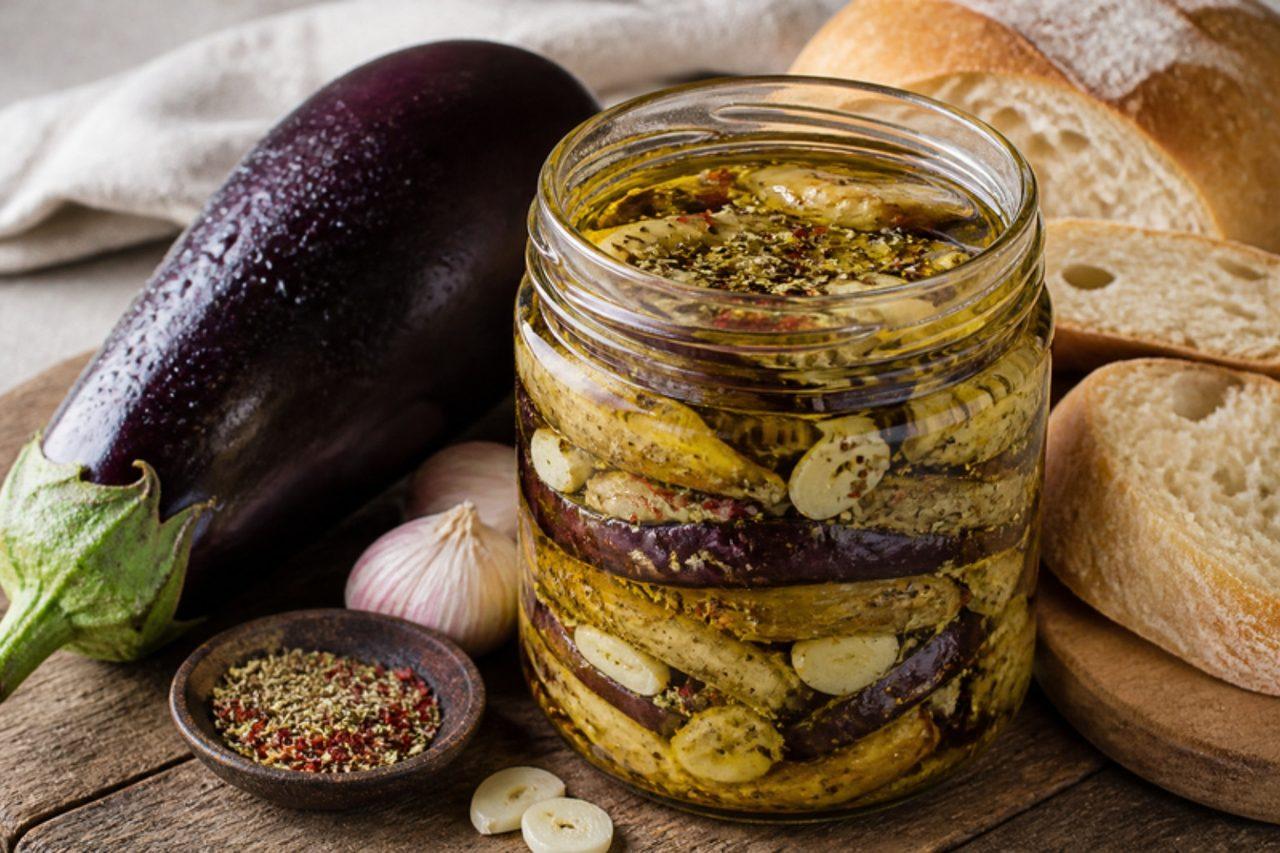
Berenjenas en escabechePickled aubergine in oil

Jars of these marinated aubergines sit in every Argentine grandmother's fridge, a legacy of Italian and Spanish immigrants, and they come out for the picada before the asado, alongside salami, cheese and bread, or to fill a sandwich. Strips of aubergine are salted, blanched briefly in vinegar and water, then layered with garlic, chilli flakes, oregano and plenty of oil. They turn soft, silky and sharp, with a slow heat from the chilli. Overboiling is the error: the strips should be just tender after 2–3 minutes, or they turn to mush in the jar. Allow 2 hours for salting before you start and a day in the fridge before eating. Garlic kept in oil can carry botulism, so keep the jar refrigerated and eat it within two weeks. Chef's tip: press the drained aubergine hard between tea towels before jarring; the drier the strips, the longer they stay firm.

by KrazyBadal 0 views

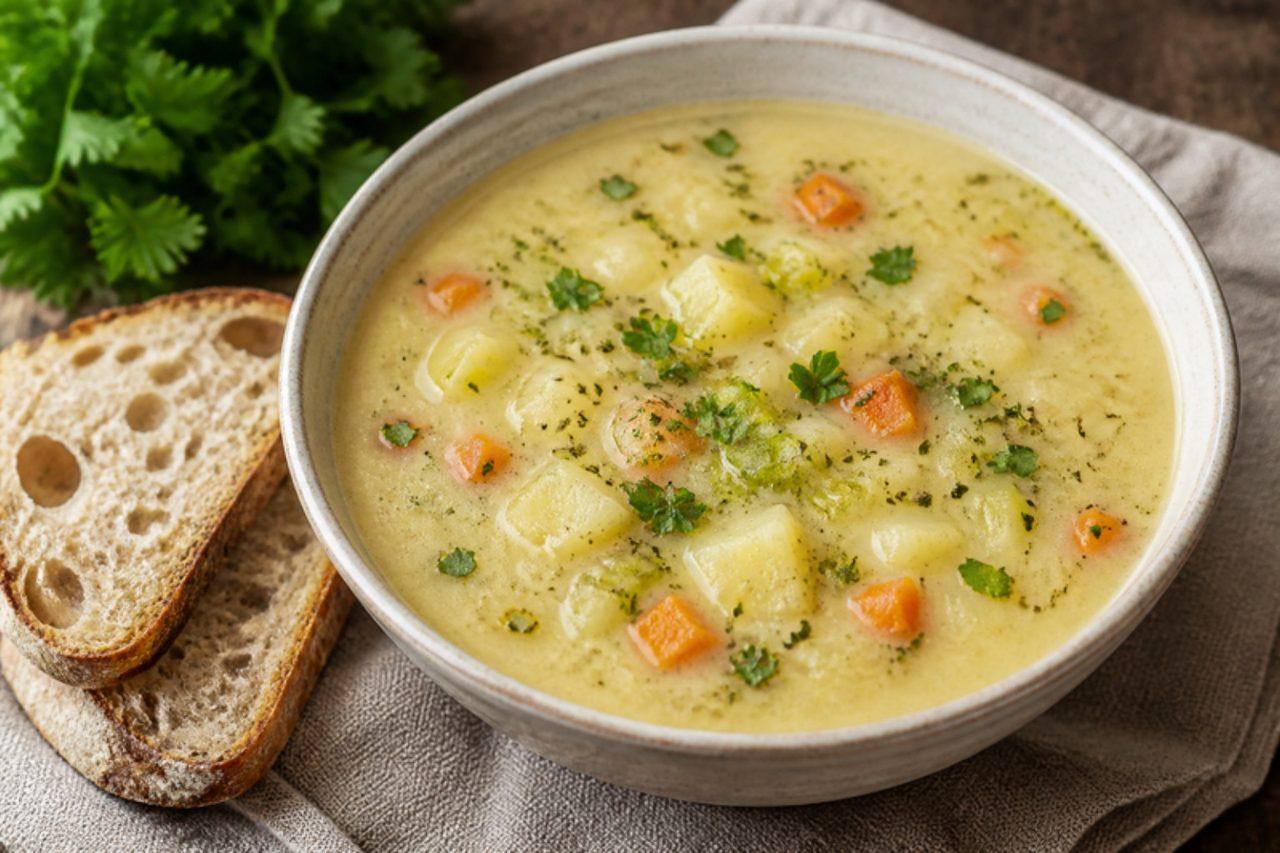
Berliner KartoffelsuppePotato and root vegetable soup

This is the soup of Berlin's cheap lunch counters and winter kitchens: potatoes and the 'Suppengrün' bundle of carrot, celeriac, leek and parsley root, simmered thick and seasoned with plenty of marjoram. In Berlin it usually comes with a sliced Wiener sausage floating on top; this vegetarian version is finished instead with crisp fried onions and croutons, which give the same savoury contrast. A common mistake is using waxy potatoes, which never thicken the soup; you want floury ones that collapse. Chef's tip: rub the dried marjoram between your palms as it goes in, which wakes up its sweet, piney scent.

by KrazyBadal 0 views

Berliner PfannkuchenJam-filled doughnuts

In Berlin a Pfannkuchen is not a pancake but a round, sugar-dusted yeast doughnut with a pale ring around its middle and a squirt of jam inside; most of Germany calls them Berliner. Bakeries pile them up for New Year's Eve and for Carnival in February, and the old joke is to slip one filled with mustard into the batch. Good ones are light and springy, never greasy. A common mistake is frying in oil that is too hot, which browns the outside before the middle cooks; keep it at 170 °C. Chef's tip: let the shaped dough rise uncovered for the last 10 minutes so a thin skin forms; that is what gives the classic white band round the middle.

by KrazyBadal 0 views

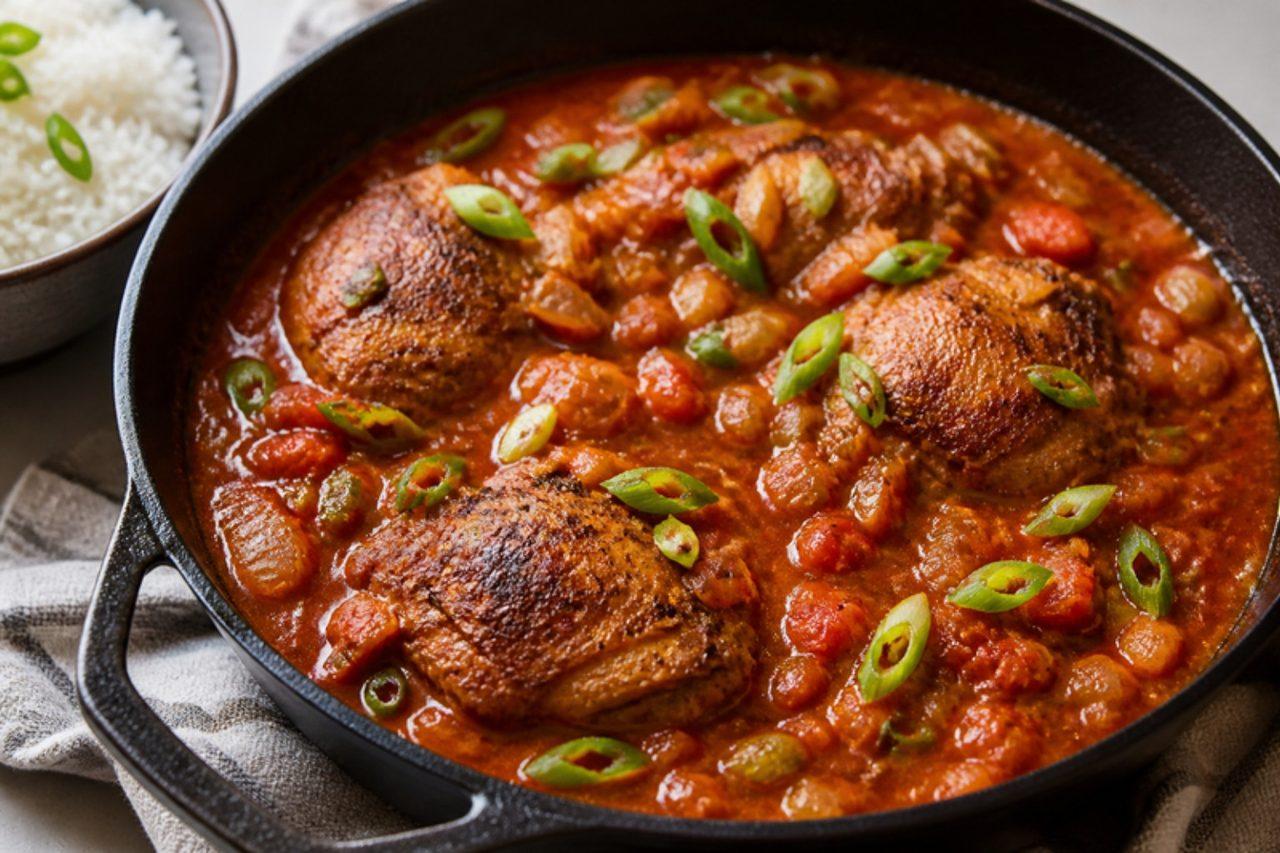
Chicken sauce piquante

Sauce piquante is the fiery tomato-and-roux braise of the Cajun parishes, cooked in big black pots for family reunions and the Raceland sauce piquante festival, with chicken, rabbit, alligator or turtle. This chicken version simmers until falling off the bone in a sauce sharp with chilli, vinegar and plenty of black pepper. Serve over rice. Chef's tip: let it sit for 20 minutes off the heat before serving; the heat and sharpness mellow and blend.

by KrazyBadal 0 views

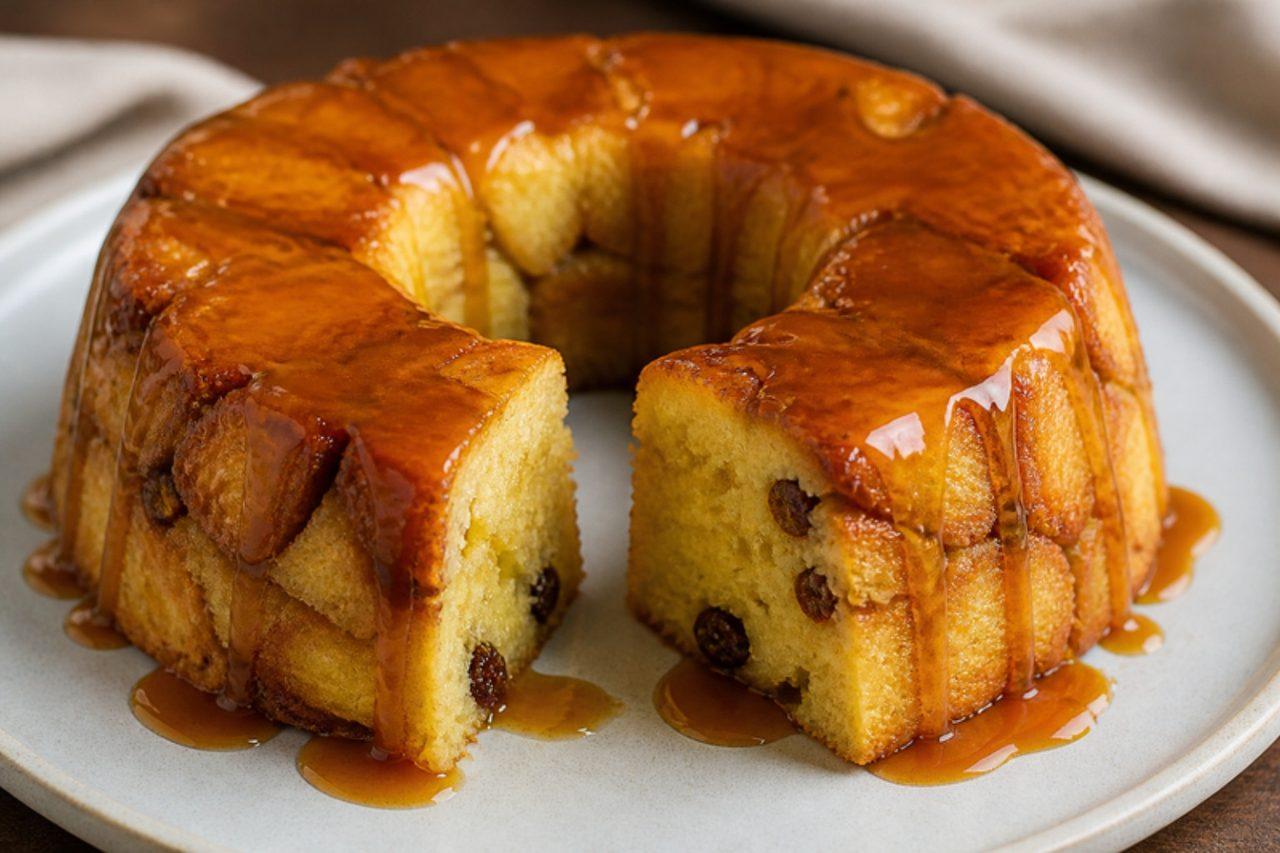
Budín de panBread pudding

Thrifty Argentine kitchens never throw away stale bread: it becomes budín de pan, soaked in sweet milk and eggs, poured into a caramel-lined ring mould and baked in a water bath until it sets into something between a flan and a pudding. Bodegones in Buenos Aires and neighbourhood bakeries serve it in fat wedges, cold, with a spoonful of dulce de leche or whipped cream, the amber caramel running down the sides. The texture should be smooth and dense with only faint traces of bread, studded with plump raisins. The mistake to avoid is skipping the blending or soaking: chunks of dry bread turn into wet sponges and the pudding splits into layers. Chef's tip: let it cool and chill overnight in the mould before turning it out; a warm budín breaks when unmoulded and the caramel won't have melted into a sauce.

by KrazyBadal 0 views

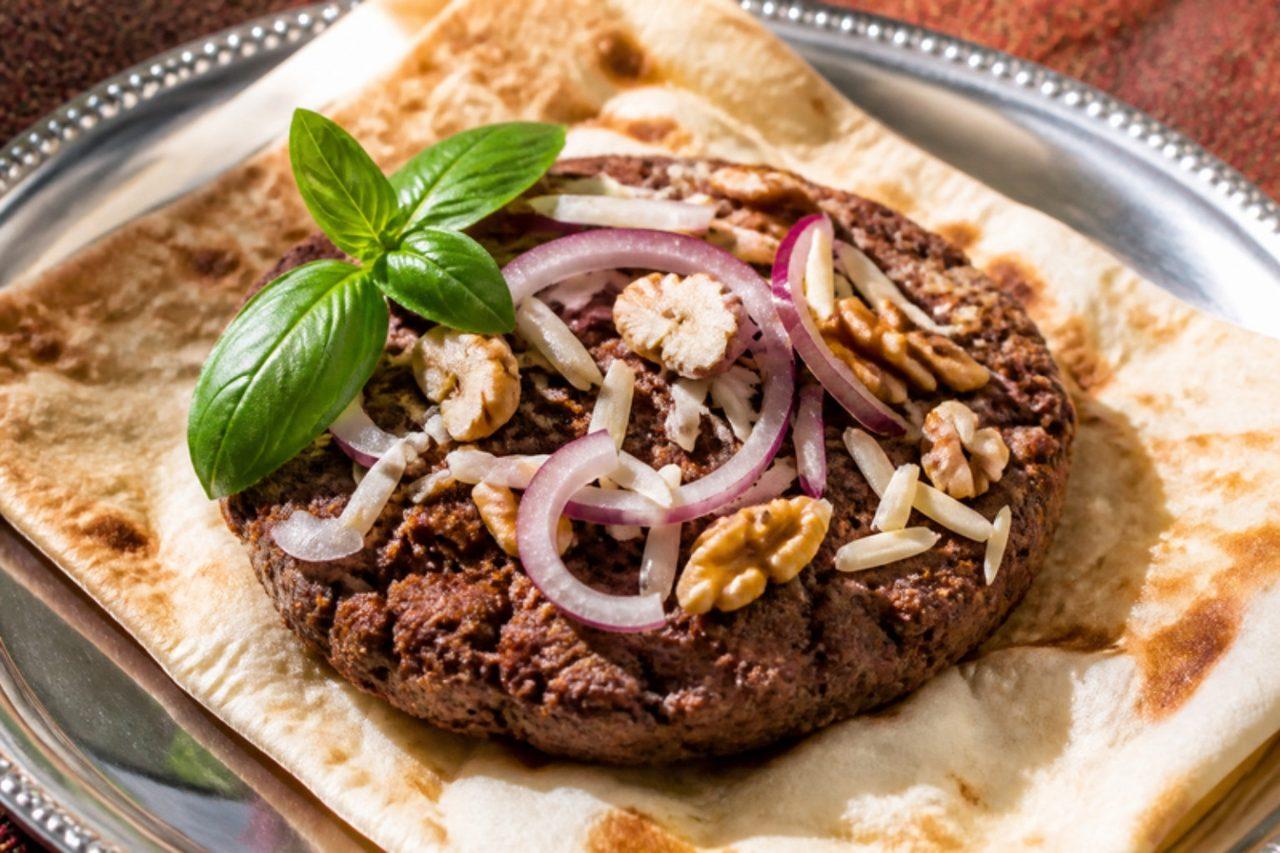
BeryaniSpiced lamb on flatbread with basil

Beryani is Isfahan's signature lunch, eaten in old bazaar eateries near Naqsh-e Jahan Square for more than a century, and nothing like the rice biryanis of South Asia. Lamb shoulder and, traditionally, lamb lung are simmered, minced, seasoned with cinnamon and fried on a small round pan with the fat from the pot, then turned out onto soft sangak or taftoon bread and eaten with fresh basil, raw onion and walnuts. Lung is hard to buy outside Iran, so this home version uses lamb shoulder and a little lamb mince for the same soft texture. A common mistake is draining away the cooking fat; Isfahanis spoon it over the bread for flavour, so keep it. Chef's tip: press the meat into a small frying pan to make a neat round patty, the way the bazaar cooks do.

120 minPersianMeat
by KrazyBadal 0 views

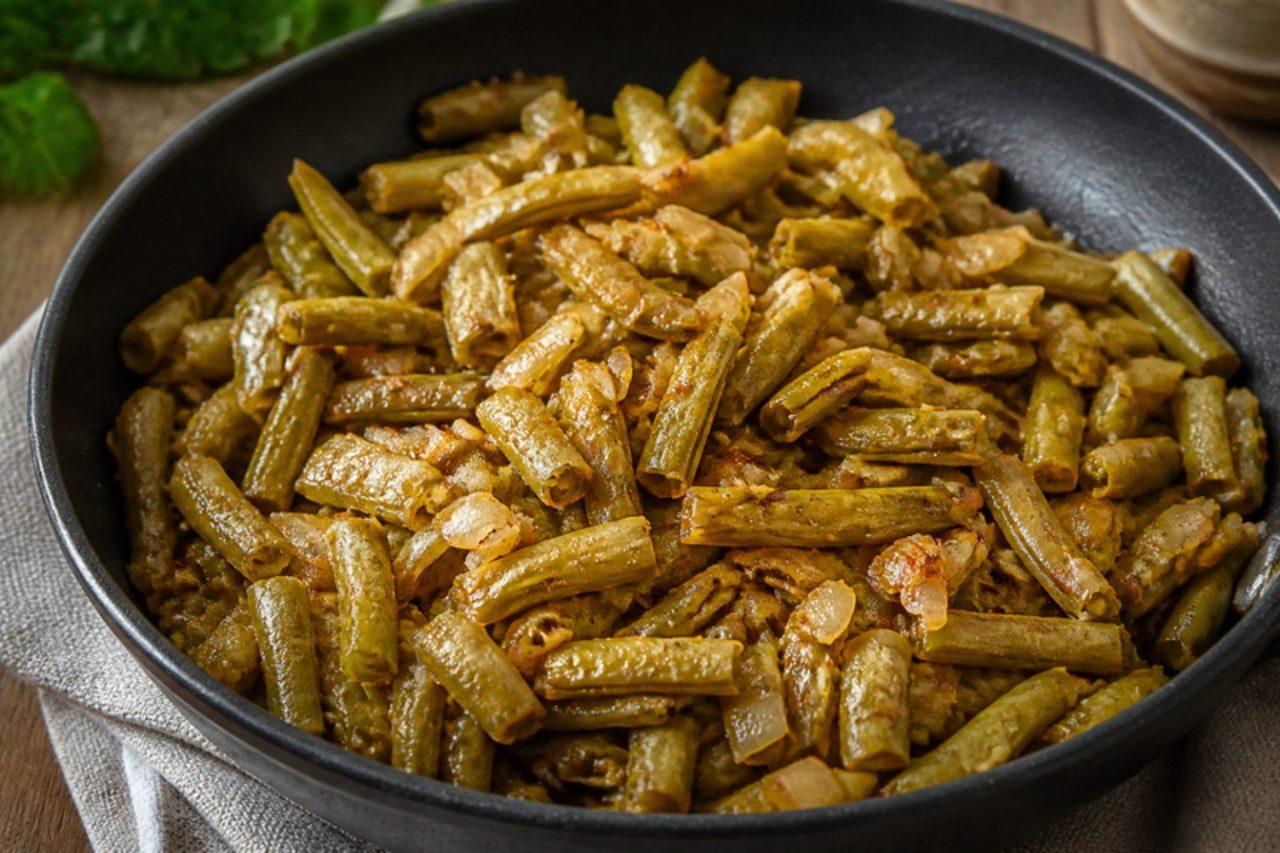
Fasulye turşusu kavurmasıFried pickled green beans

Every autumn, Black Sea households pack crocks with green beans and brine, and through the winter those sour, soft beans are fried with onion and a little butter or oil into one of the region's most loved side dishes. Kavurma means fried, and the beans take on golden edges while keeping their tangy bite; a beaten egg sometimes goes in at the end. Eat it with cornbread, rice pilaf or a bowl of fried anchovies. Common mistake: frying the beans straight from the jar; they spit and taste harshly sour. Chef's tip: soak them in fresh water for half an hour first, tasting as you go, until they are pleasantly sour rather than puckering.

by KrazyBadal 0 views

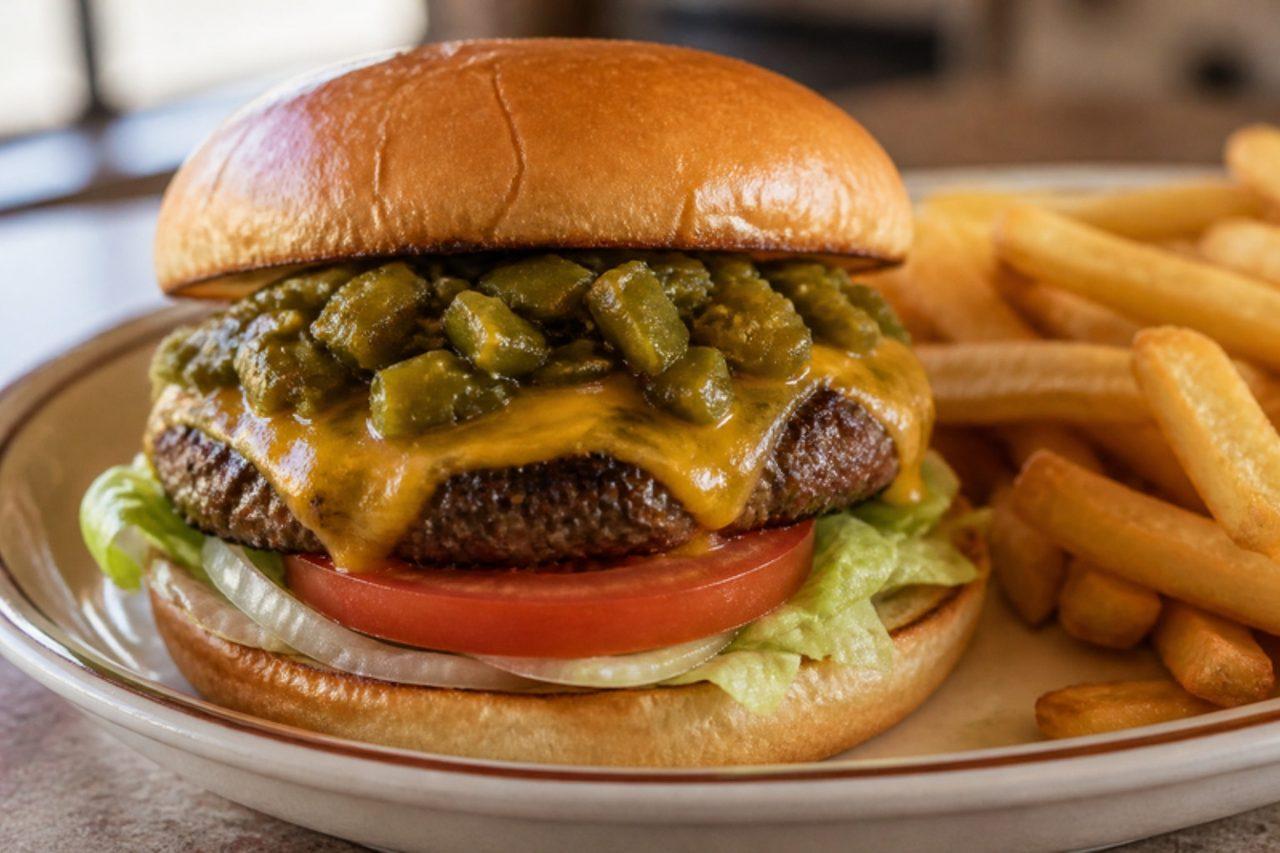
Green chile cheeseburger

The green chile cheeseburger is the pride of New Mexico, with an official trail of roadside diners and bars from San Antonio, New Mexico, to Santa Fe competing for the best one. A juicy beef patty is topped with melted American or cheddar cheese and a heap of roasted, chopped green chile, which adds smoky heat that cuts through the richness. Chef's tip: put the chile on before the cheese and let the cheese melt over it, so it holds the chile in place.

by KrazyBadal 0 views

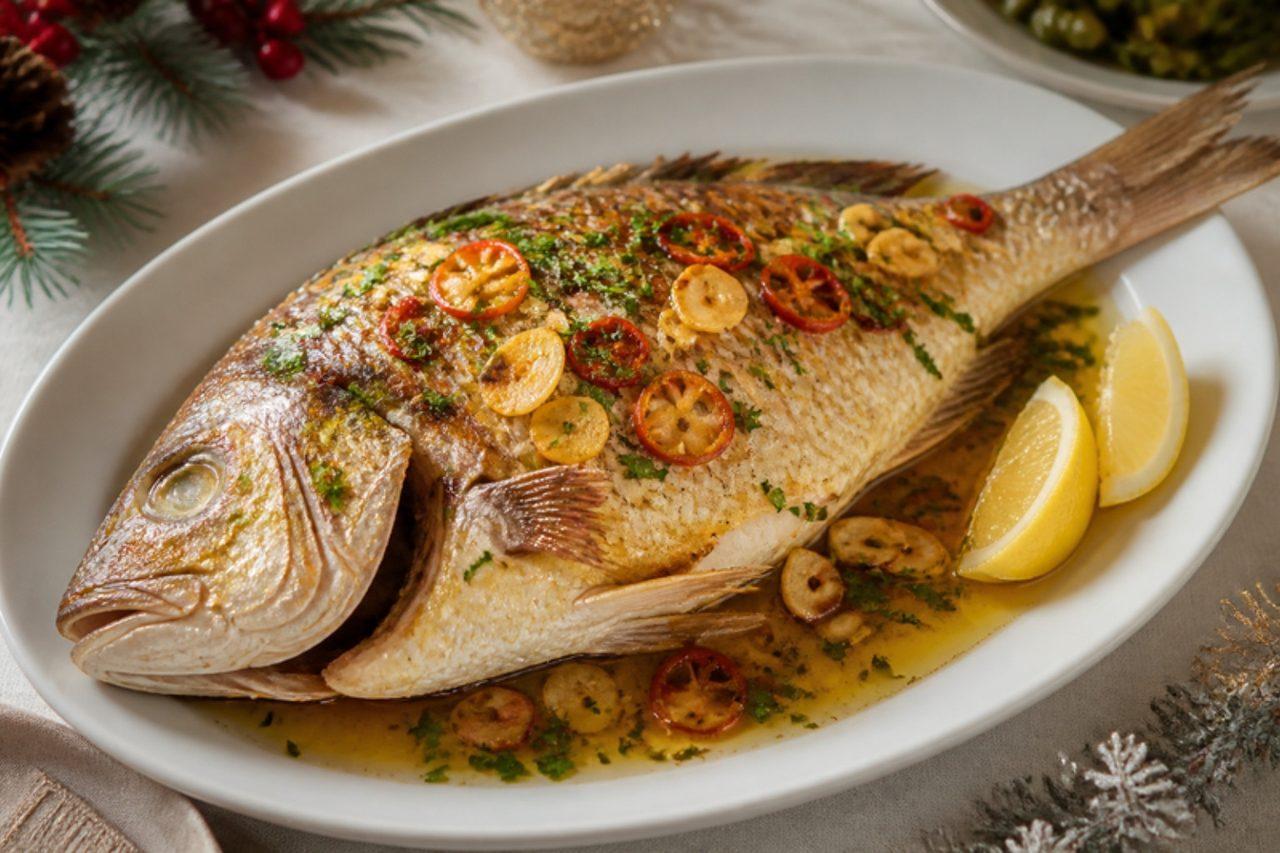
Besugo a la donostiarraSea bream with garlic vinegar dressing

For many San Sebastián families, Christmas Eve dinner isn't complete without a whole sea bream, roasted or grilled and finished with a refrito: hot olive oil with sliced garlic, dried chilli and a splash of vinegar poured over at the table. The traditional fish is red sea bream (besugo), but gilt-head bream works well. A common mistake is letting the garlic go dark brown, which makes the dressing bitter; take it off when it is pale gold. Chef's tip: cut a few slashes into the thick part of the fish so it cooks evenly and the dressing soaks in.

by KrazyBadal 0 views

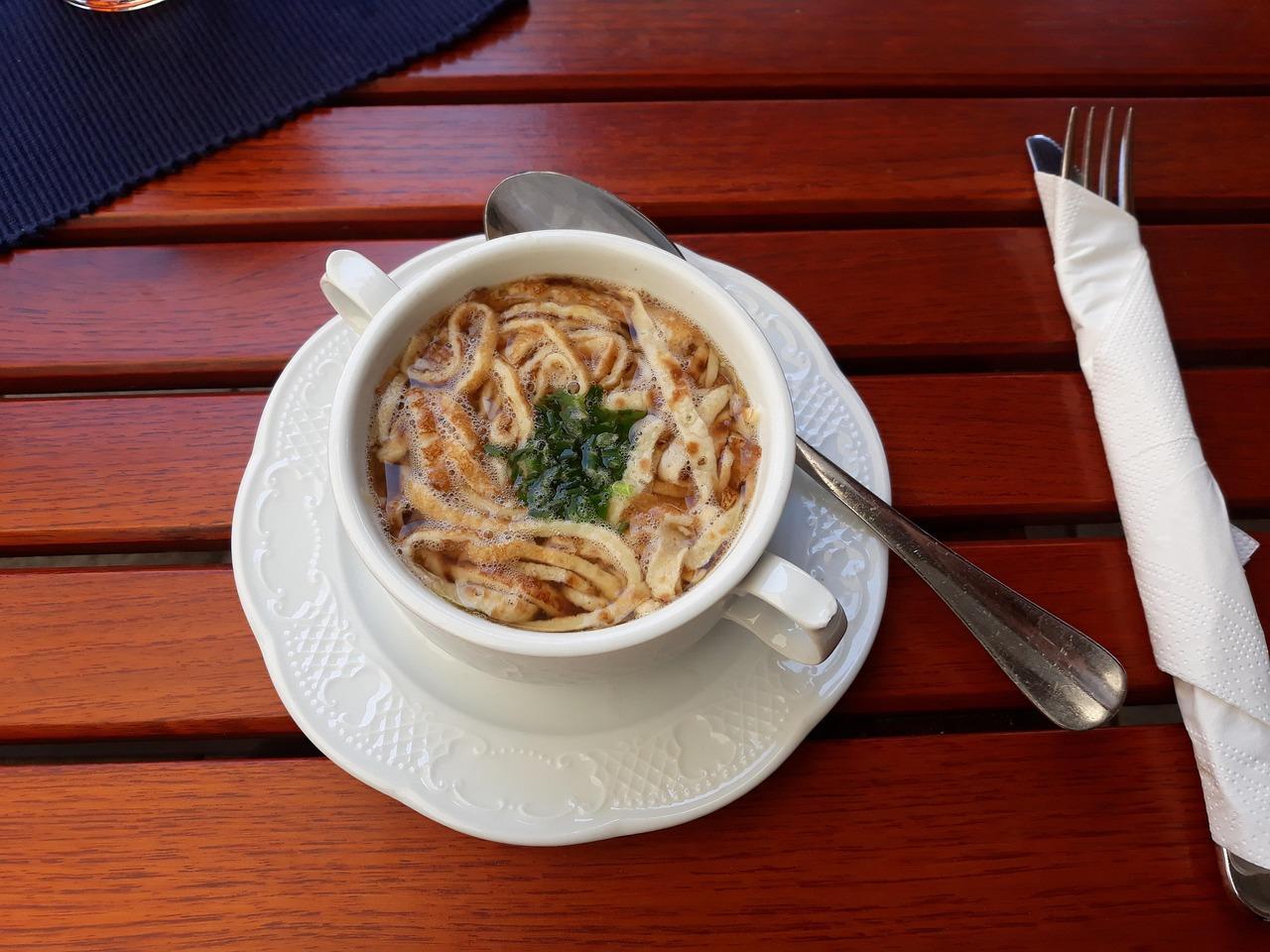
FlädlesuppeBeef broth with pancake strips

In Swabia, Flädlesuppe opens Sunday lunch, wedding dinners and many a Stuttgart inn meal: a clear, golden beef broth with thin ribbons of pancake, the Flädle, and a scatter of chives. The broth is simmered slowly from beef shin and a bone, and the pancakes are cooked, rolled up and sliced like noodles. For a vegetarian version, make the same pancakes and serve them in a strong vegetable broth with browned onion. Chef's tip: never let the broth boil hard; a lazy simmer keeps it clear instead of cloudy.

170 minGermanSoups
by KrazyBadal 0 views

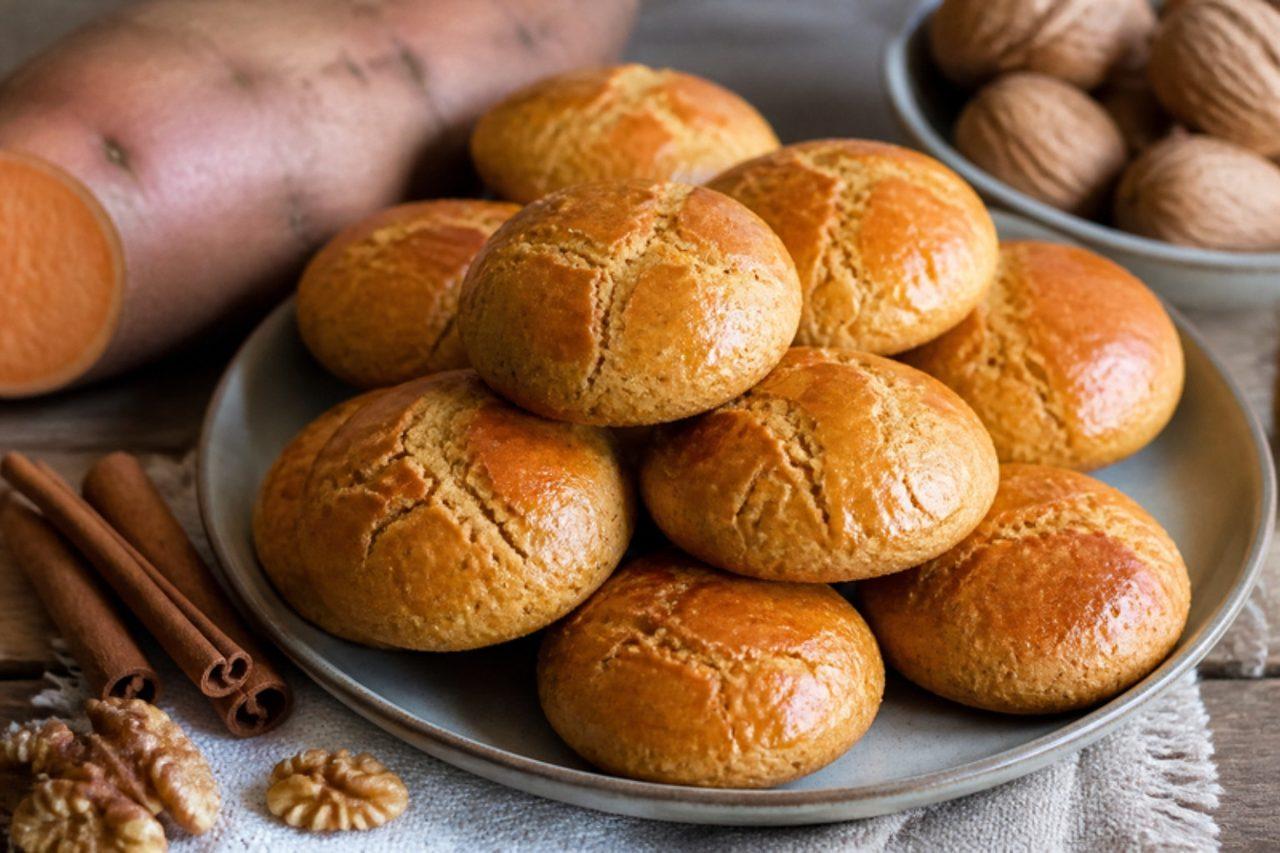
Broas de batata-doceSweet potato spiced cookies

Every December, kitchens across the Beiras fill with the smell of these broas: soft, cakey cookies made with mashed sweet potato, flour, olive oil and honey, spiced with cinnamon and fennel seed and glazed with egg yolk. Families bake big batches to share with neighbours and keep in tins over the holidays. They are only lightly sweet, with a tender crumb and a shiny top. Chef's tip: dry the cooked sweet potato in the pan for a minute before mashing, as watery mash makes a sticky dough that spreads.

by KrazyBadal 0 views

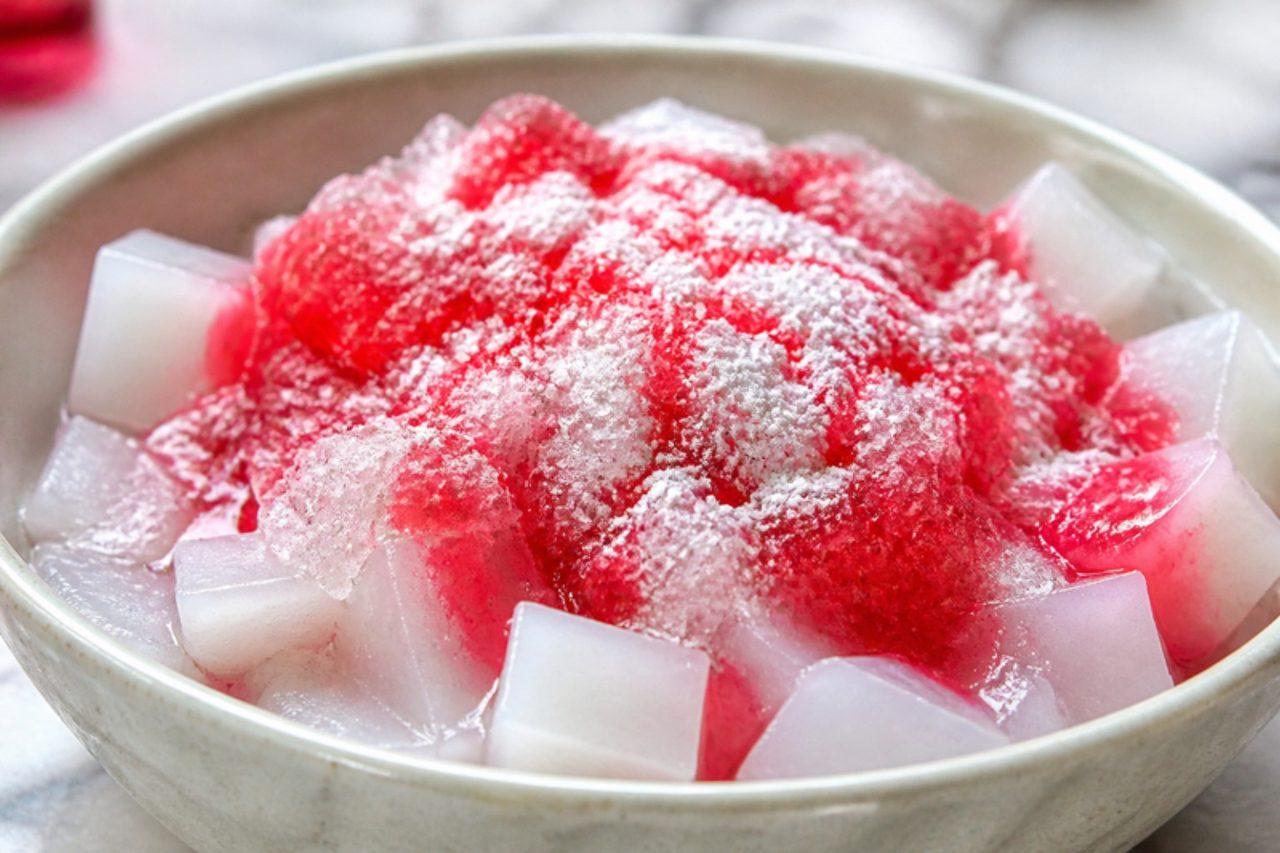
Bici biciRosewater starch jelly with ice

When Adana's July heat pushes past 40 °C, handcarts on every corner serve bici bici: cubes of wobbly starch jelly piled with shaved ice, splashed with rose syrup and dusted with icing sugar. Children eat it in the shade of the clock tower; grown-ups claim it is the only thing that works in that heat. The jelly is just cornflour, water and a little sugar, set and cut into cubes. The usual mistake is undercooking it, which leaves a cloudy, floury jelly that won't hold a cut. Chef's tip: freeze water in a shallow tray and scrape it with a fork for snowy ice if you have no ice shaver.

by KrazyBadal 0 views

Brodetto all'anconetanaTomato fish stew

Fishermen in Ancona made brodetto from the unsold catch, and the city's harbour restaurants still serve it as a festive dish, traditionally with many kinds of fish: scorpionfish, gurnard, monkfish, cuttlefish, mussels and clams among them. Unlike the saffron brodetto further south at Porto Recanati, this one is red, built on tomato, garlic and a sharp splash of vinegar, and every piece of fish keeps its shape in a thick, peppery sauce. It comes to the table in the pot and is spooned over slices of toasted bread rubbed with garlic. Use whatever firm white fish your fishmonger has; the more variety, the better. Chef's tip: layer the fish by cooking time, firm and bony pieces at the bottom, delicate fillets on top, and shake the pot rather than stirring.

by KrazyBadal 0 views

Broas de melSpiced molasses biscuits

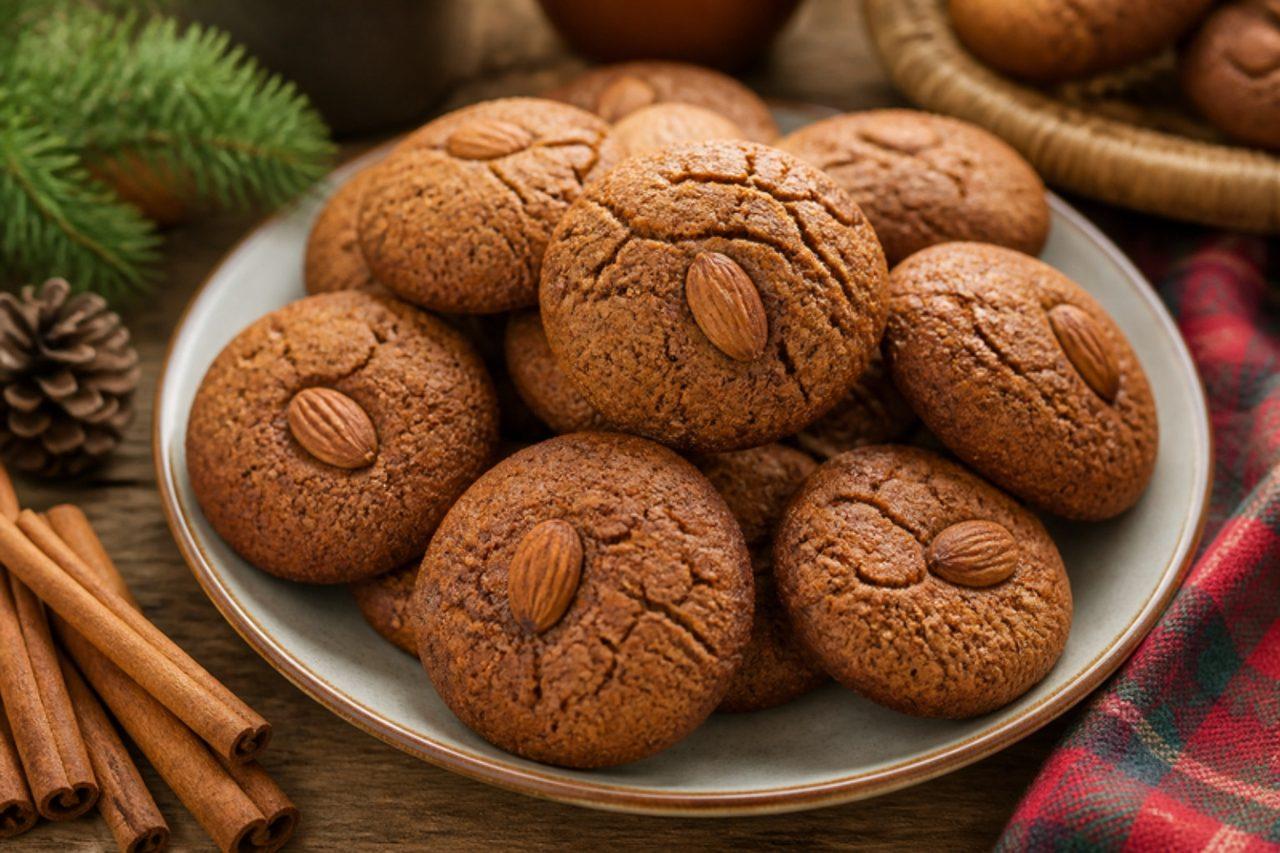
Alongside bolo de mel, every Madeiran Christmas table has a tin of broas de mel: small, round, dark biscuits made with the same sugarcane molasses and spices, crisp at the edge and slightly chewy inside. Children are given them when they go door to door on the Missas do Parto mornings before Christmas, and they are good dunked in coffee or tea. Chef's tip: chill the dough for half an hour before shaping; molasses dough is sticky when warm.

by KrazyBadal 0 views

Dulce de rosa mosquetaRosehip jam

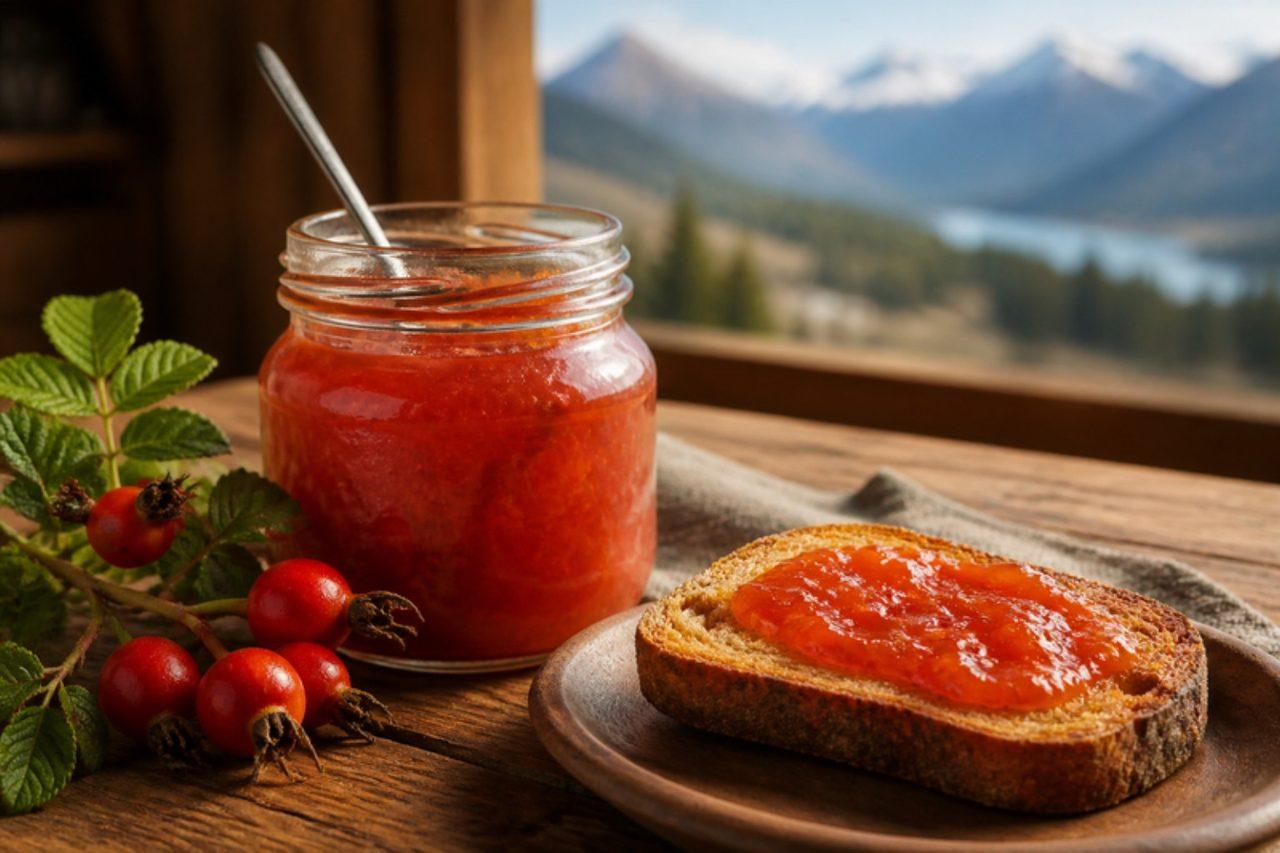
Every autumn, from March to May, families along the lakes around Bariloche and El Bolsón and up into Neuquén go out with buckets to strip the wild rose bushes that cover the hillsides, and the shops of the Andean towns fill with jars of this jam. Rosa mosqueta (rosehip) makes a smooth, coral-red preserve with a sharp, fruity, slightly floral flavour and a lot of vitamin C. It is spread on toast with butter, served with fresh cheese, or spooned into yoghurt. Rosehips are full of seeds wrapped in tiny irritating hairs, and not sieving them out properly is the error you will feel in your throat: pass the pulp through a fine sieve or food mill, and then once more. Buy rosehips from a foraging supplier or pick them away from roads, and only if you are sure of the plant. Chef's tip: pick after the first frosts, or freeze the hips overnight; the cold softens them and makes the pulp much easier to sieve.

by KrazyBadal 0 views

Broa de milhoCorn and rye bread

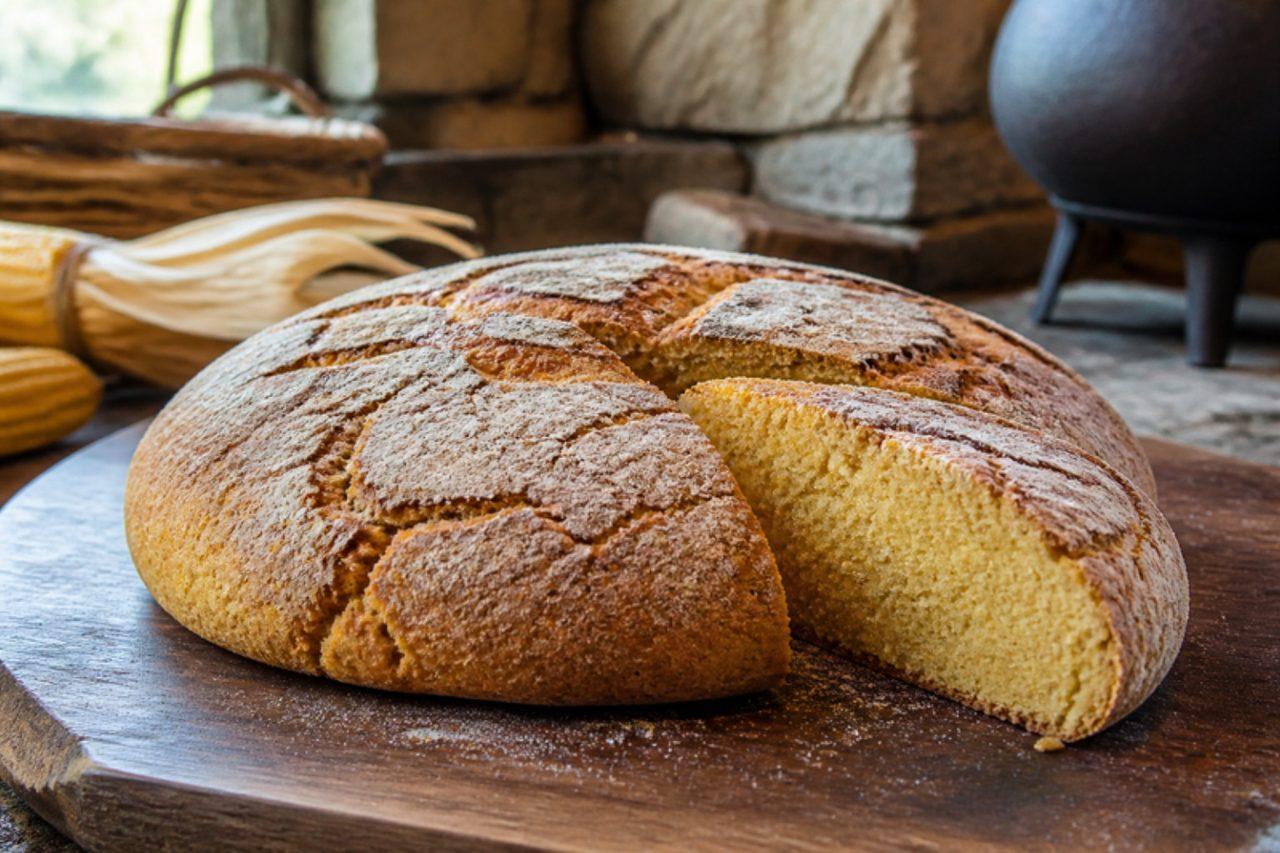
Across the green hills of the Minho, broa was once baked weekly in a wood oven shared by the village, and a wedge of it still sits beside every bowl of caldo verde and every plate of grilled sardines. The crumb is yellow, close and slightly sweet from the maize, with a thick crust that splits as it bakes. Scalding the cornmeal with boiling water first is what gives it that moist, almost cake-like bite. A common mistake is slicing the loaf hot, while the crumb is still gummy; let it cool for at least an hour. Chef's tip: leave the loaf on a rack for at least two hours before slicing, because cutting it hot leaves the inside gummy.

by KrazyBadal 0 views

Broa de fubáFennel cornmeal buns

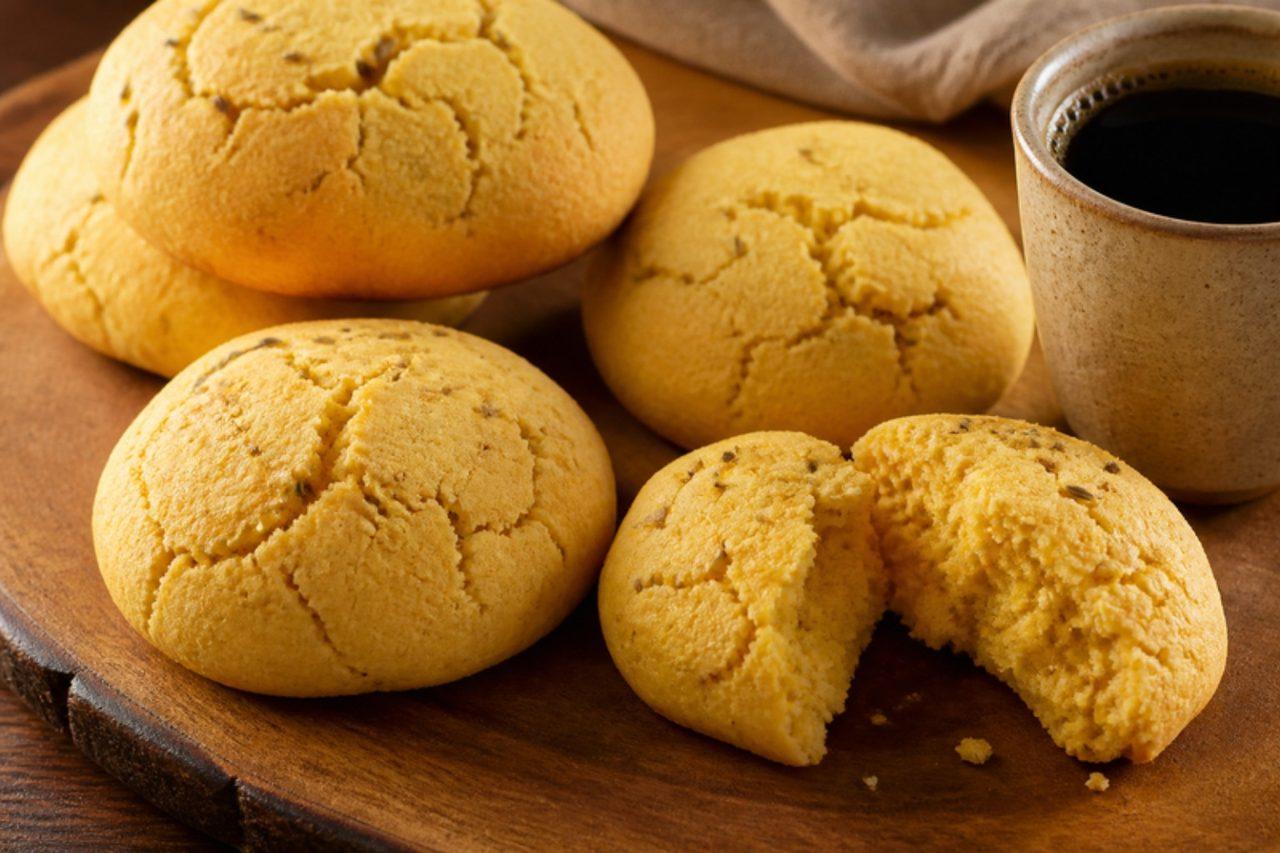
Afternoon coffee on a Minas Gerais farm almost always includes broa: craggy little cornmeal buns, golden and crusty outside, soft and slightly crumbly within, with the faint aniseed note of fennel seed. They are made by first cooking fubá with milk, butter and sugar into a thick porridge, then beating in eggs, flour and baking powder, so the crumb stays moist for days. Padarias in Belo Horizonte and the old mining towns sell them by the dozen. Serve them warm, split and buttered, with strong coffee or café com leite. Underbaking is where most batches fail; pale broas are gummy, so wait for a deep golden crust and a cracked top. Chef's tip: dip your hands in fubá rather than flour when shaping, so the buns get the rough, sandy crust they are known for.

by KrazyBadal 0 views

New Mexico carne adovada

Carne adovada is the slow-braised red chile pork of northern New Mexico, a speciality of Chimayó and the Española Valley, eaten in burritos, with eggs for breakfast or with sopaipillas on the side. Pork shoulder marinates overnight in a smooth sauce of dried red chile pods, garlic and oregano, then bakes until it falls into soft shreds stained deep red. Chef's tip: marinate it overnight in the fridge; the chile works into the meat and makes it extra tender.

200 minAmericanMeatGluten freeSpicy
by KrazyBadal 0 views

Dulce de tamarindoTamarind sugar sweets

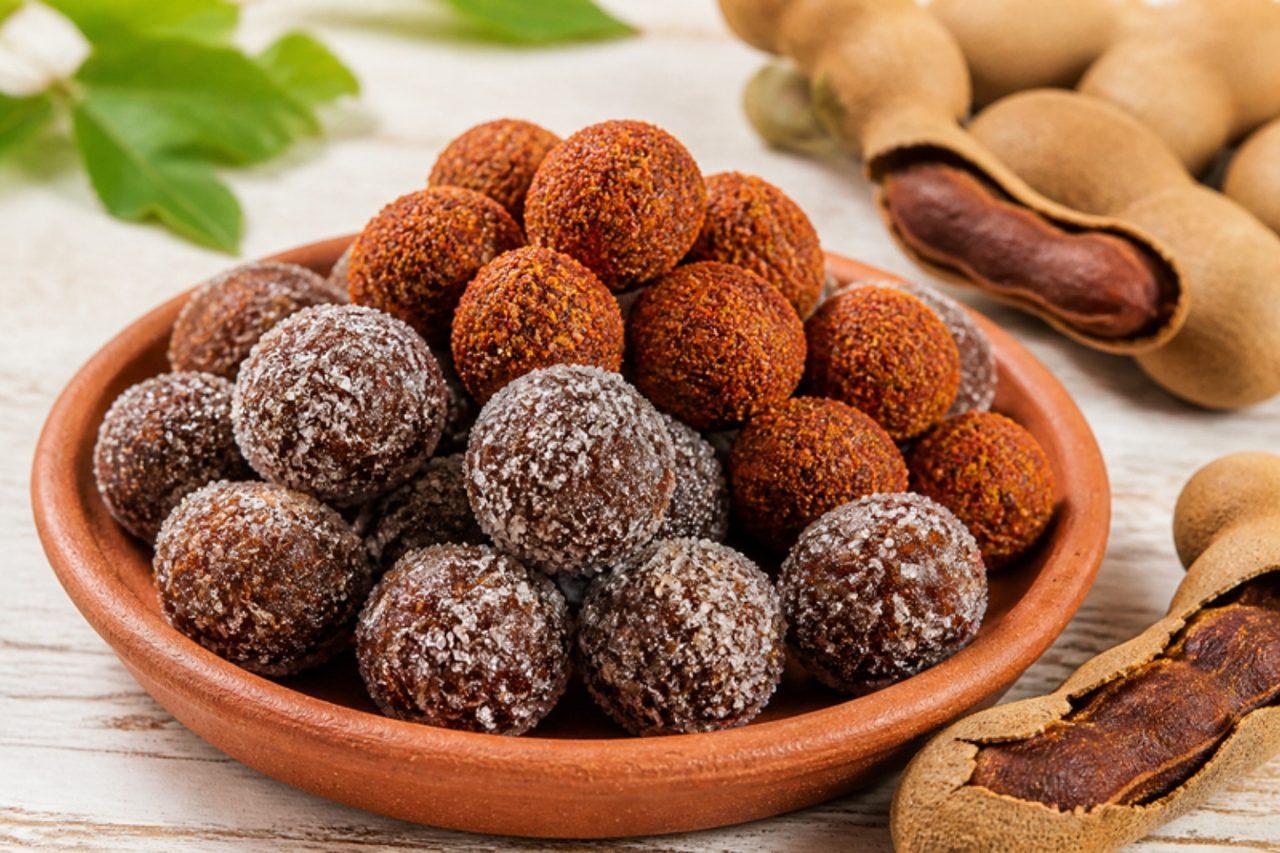
Tamarind trees shade the coast of Guerrero, and around Acapulco and the Costa Chica the sticky pulp is cooked down with sugar into tangy little balls sold in paper twists at beaches, bus stations and corner shops. Children love the sharp sweet-sour pucker; adults buy the ones rolled in chilli and salt. They are naturally vegan and keep for weeks. Chef's tip: use blocks of seedy tamarind pulp from an Asian or Mexican grocer, not the thin concentrate in jars, which will not set.

by KrazyBadal 0 views

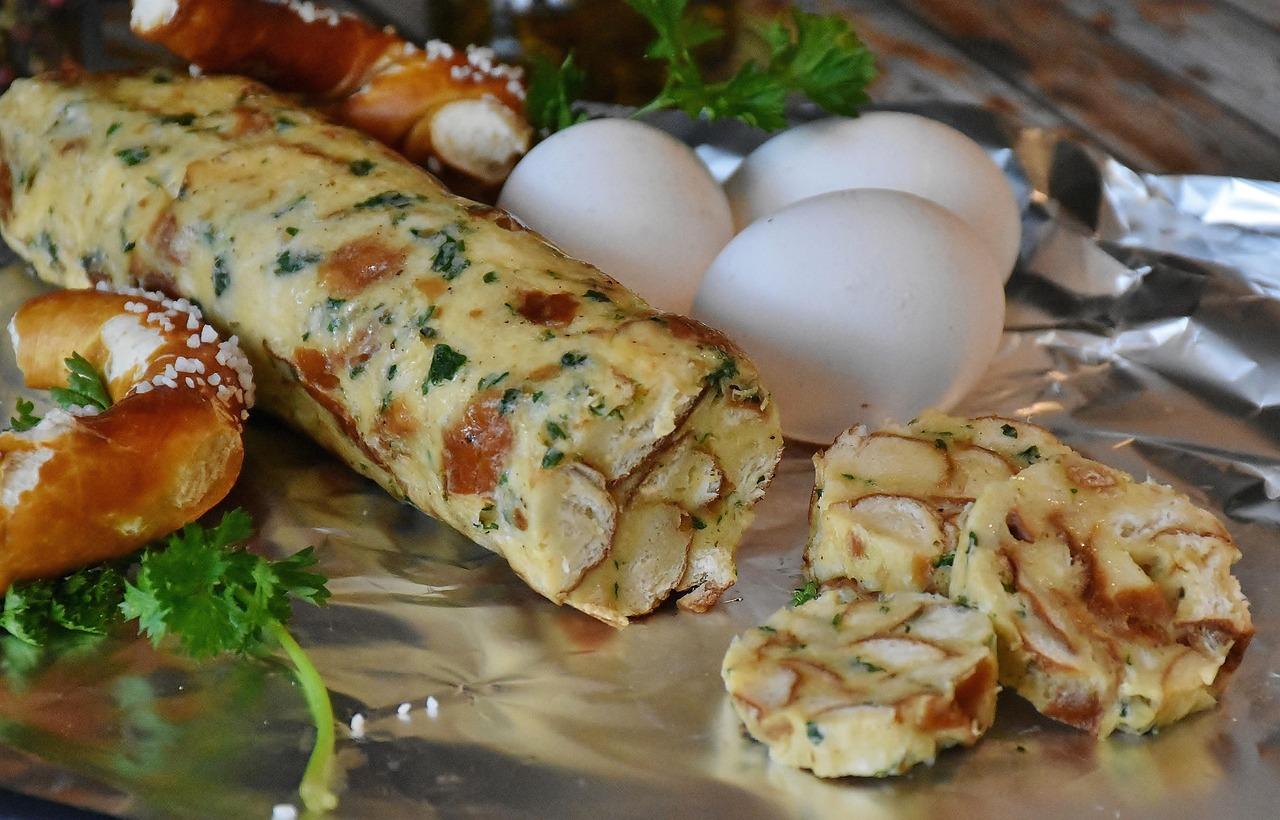
BrezenknödelPretzel dumplings

Brezenknödel are what thrifty Munich kitchens make from yesterday's pretzels: the cubes soak in warm milk with egg, onion and parsley, then are shaped into dumplings with a faintly salty, malty crust flavour running through them. They are served on Sundays in place of bread dumplings, alongside a creamy mushroom sauce or a pile of red cabbage, and leftovers are sliced and fried the next morning. The big mistake is adding too much milk: the mixture should hold when squeezed, not drip. Chef's tip: pick off most of the coarse salt before cubing the pretzels, otherwise the dumplings end up far too salty.

by KrazyBadal 0 views

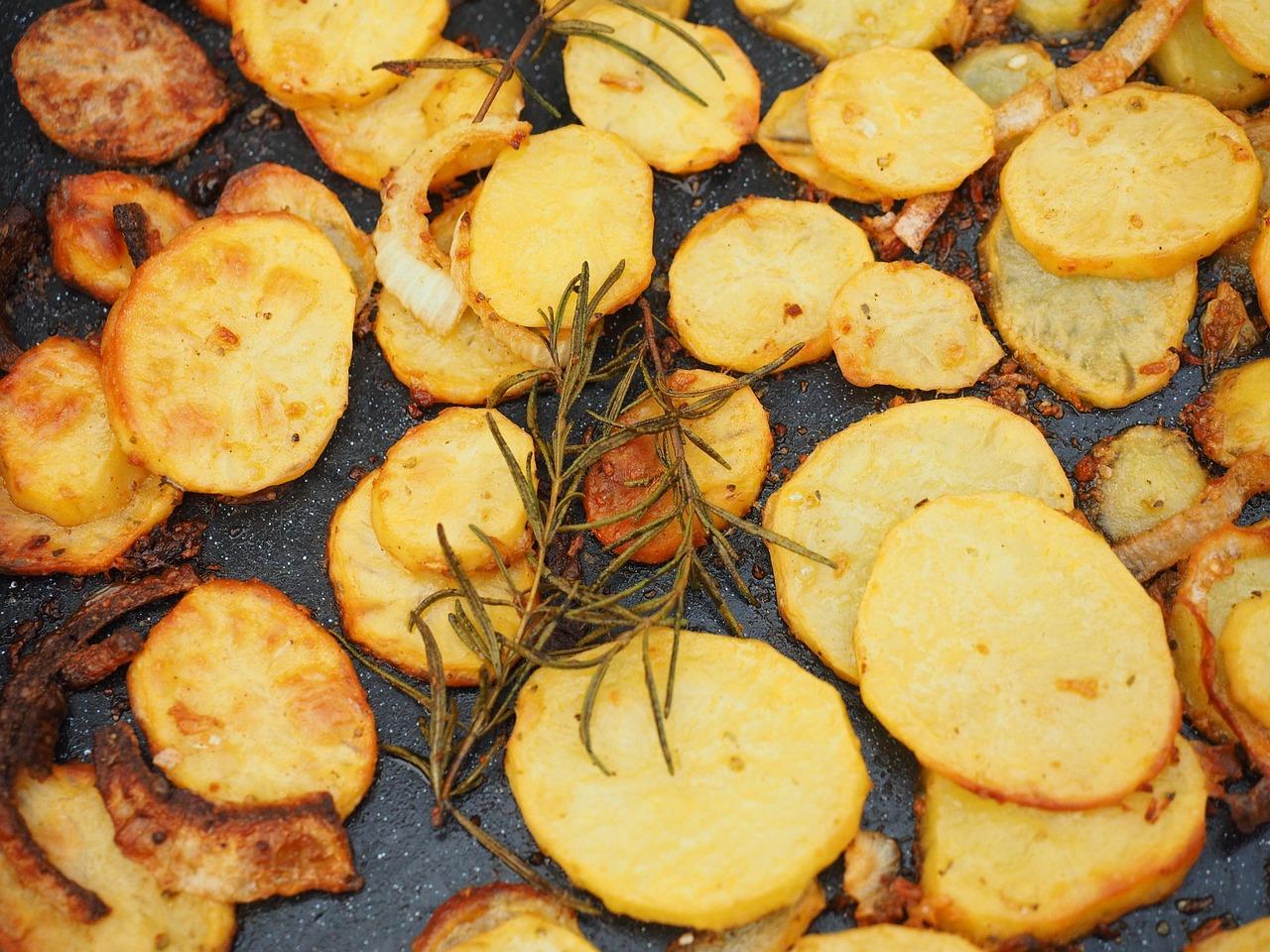
BratkartoffelnFried potatoes with onion

Bratkartoffeln are the potatoes of every German pub and home kitchen, from Hamburg to Munich: yesterday's boiled potatoes sliced and fried slowly in a heavy pan until the edges are crisp and brown, then tossed with onion. They come with fried eggs, pickled herring, Sülze or a green salad, and many cooks add bacon cubes; this version stays vegetarian with butter, onion and marjoram. The mistake everyone makes is stirring too often and crowding the pan: the slices steam instead of crisping. Chef's tip: use waxy potatoes boiled in their skins the day before; cold, firm slices hold their shape and brown far better than fresh ones.

by KrazyBadal 0 views

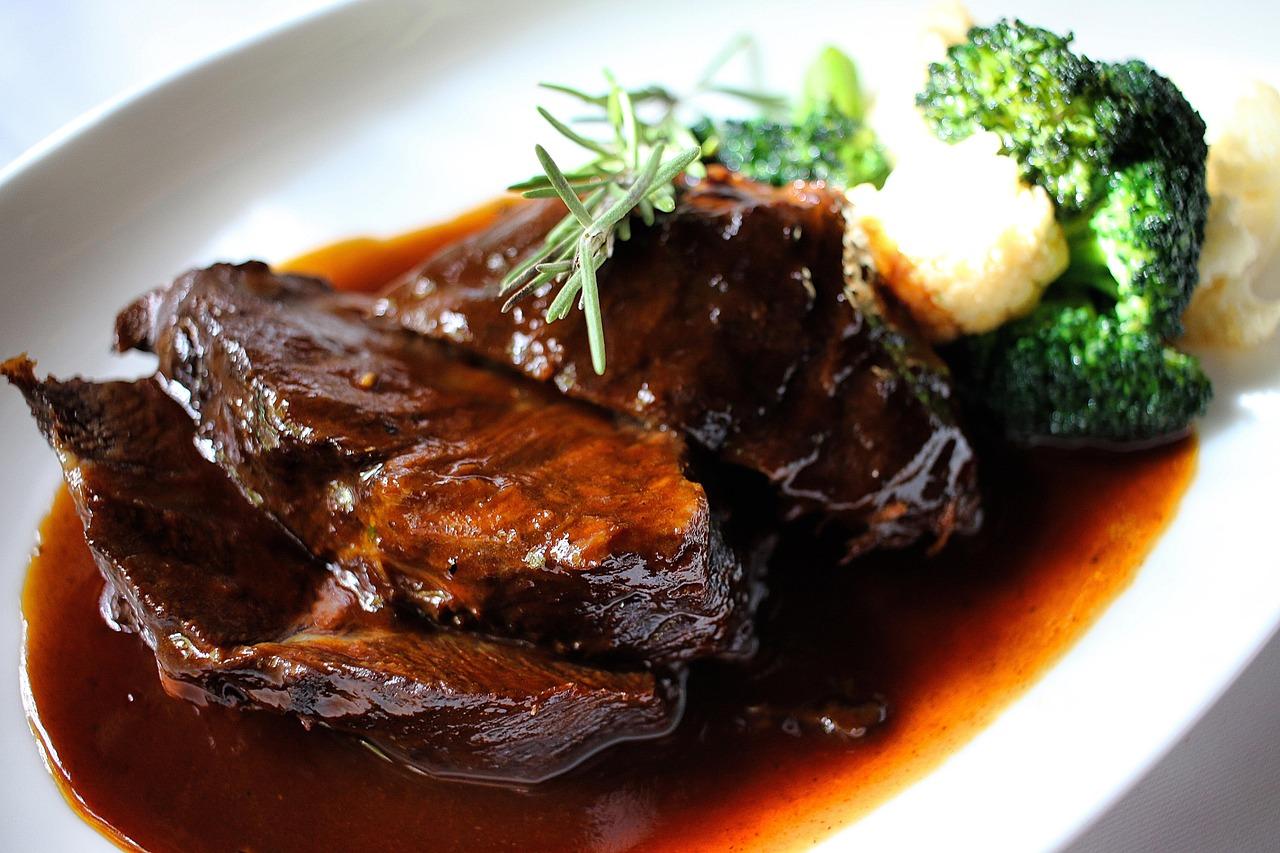
Brasato al BaroloBeef braised in red wine

Brasato al Barolo is the winter centrepiece of the Langhe, the hills around Alba where Barolo is made, served for Christmas lunch and long autumn Sundays after the truffle fairs. A whole piece of beef is marinated overnight in red wine with vegetables and spices, then braised for hours until it can be cut with a spoon; the vegetables are blended into a dark, velvety sauce. The dish uses a whole bottle of red wine, and Barolo-style nebbiolo is traditional, but any full-bodied dry red works; an alcohol-free version with stock, grape juice and vinegar is given in the ingredient note. Serve thick slices with soft polenta or buttery mashed potato. Chef's tip: braise it a day ahead, chill it in its sauce and slice it cold; it cuts neatly, and the flavour deepens overnight.

230 minItalianMeatGluten free
by KrazyBadal 0 views

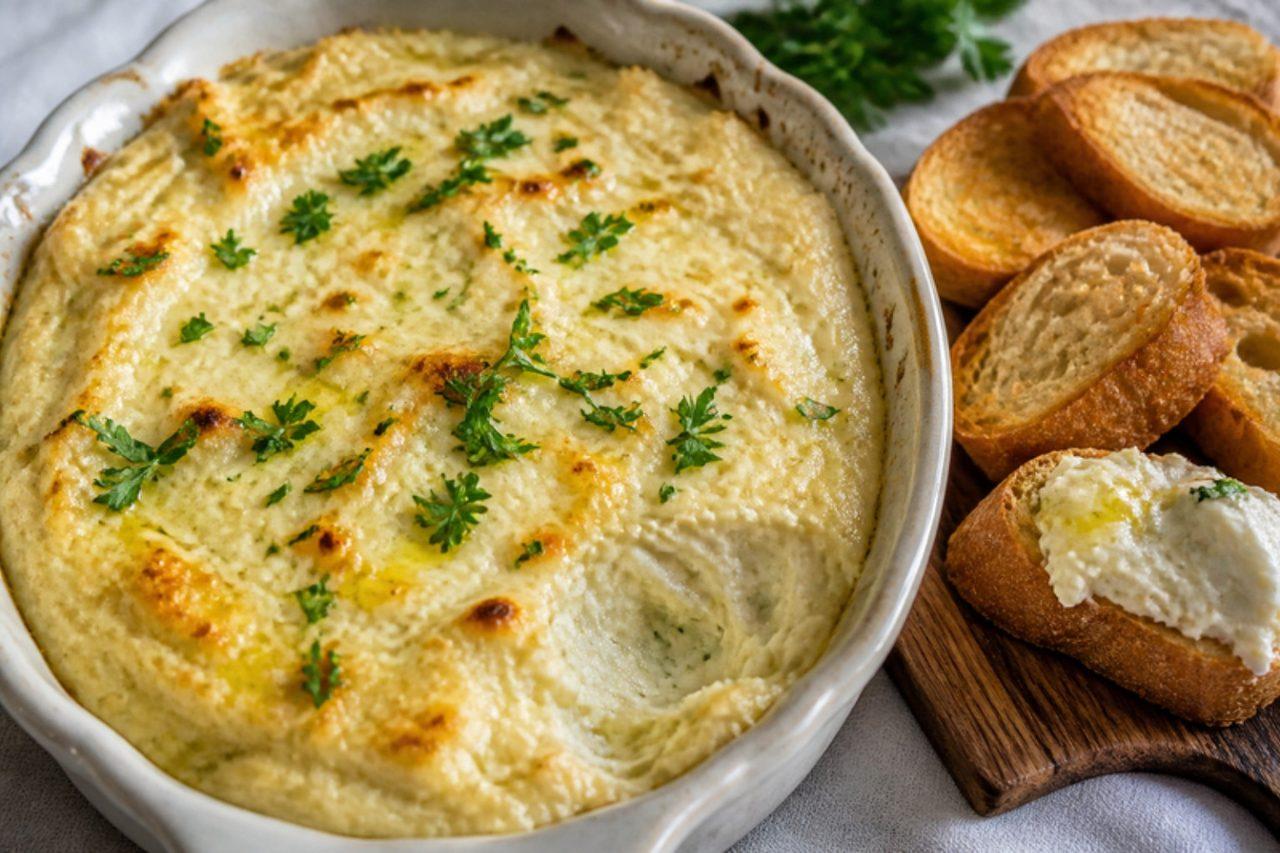
Brandade de morueWhipped salt cod with garlic

Brandade is Nîmes' great Lenten dish, served on Fridays, on Christmas Eve and as a spread on toast in the bars around the Roman arena during the ferias. Salt cod is poached, then beaten with warm olive oil and milk until it turns into a pale, fluffy, garlicky cream with a gentle salty depth. Nîmes purists make it with fish, oil and milk only; many cooks elsewhere fold in a little mashed potato for a softer texture, which is optional here. The cod needs 24–36 hours of soaking in the fridge first, so plan ahead. Spread it on toasted bread, or bake it in a dish until golden and serve with a green salad. Chef's tip: keep both the oil and the milk warm as you beat them in, so the brandade stays smooth and never splits.

65 minFrenchFish
by KrazyBadal 0 views

FartonsSweet glazed buns for dipping

In Alboraya, just north of Valencia, the horchaterías that serve cold tiger-nut horchata in summer put a plate of fartons beside every glass: long, slim, soft buns with a shiny sugar glaze, designed to be dunked and to soak up the milky drink without falling apart. The dough is enriched with egg, milk and sunflower oil rather than butter, which gives them their light, cottony crumb. They are just as good with coffee or cold milk. A common mistake is rushing the second rise; under-proved fartons stay tight and bready instead of airy. Chef's tip: roll each strip a little thinner than you think, about as thick as your finger, because they almost double in the oven.

by KrazyBadal 0 views

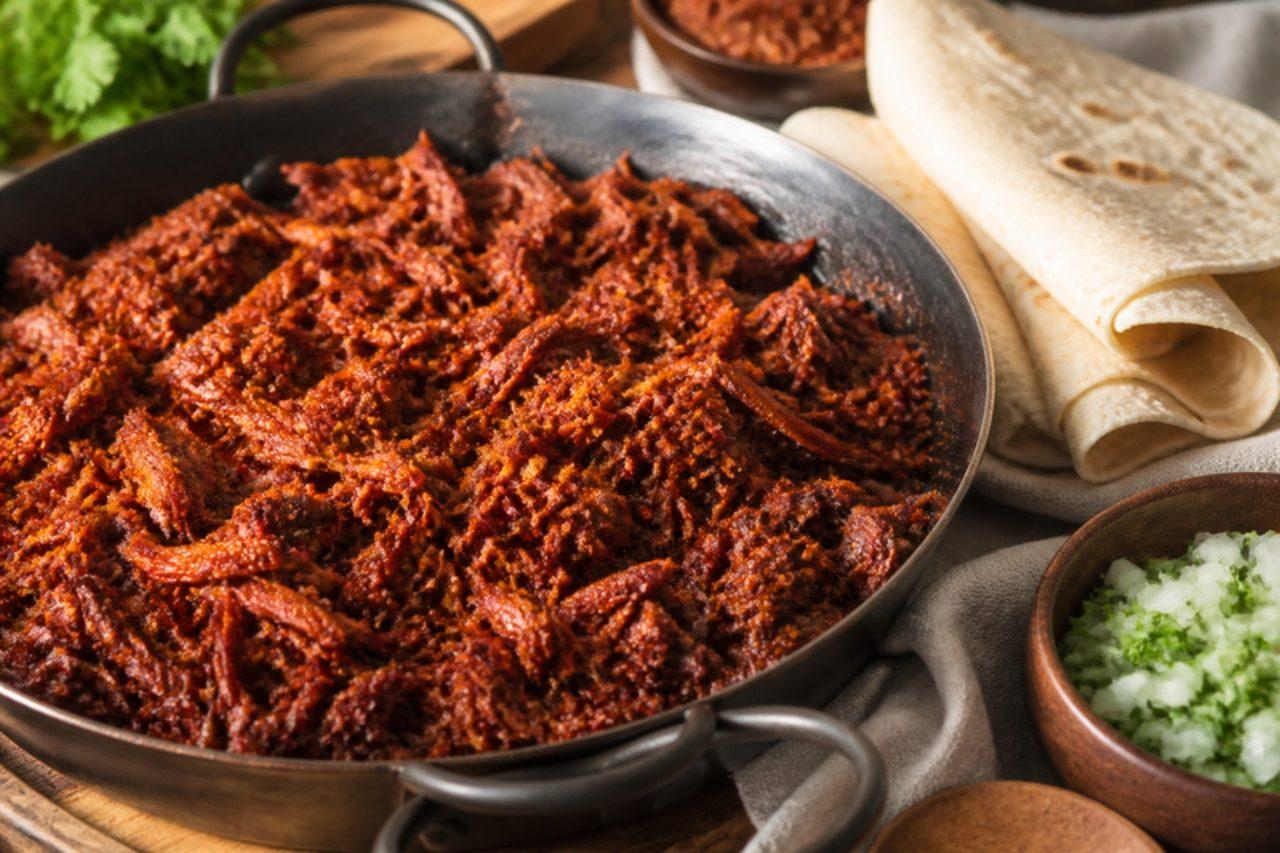
ChilorioShredded pork in chilli paste

Chilorio is Sinaloa's great pork dish: pork shoulder simmered until it falls apart, shredded and then fried in pork lard with a vinegary paste of ancho and guajillo chillies until almost dry and deeply brick-red. Ranch cooks around Culiacán made it to keep, and it is still packed into jars and sold in markets across the north. It is rich, tangy and gently spicy rather than fiery, and it fills flour tortillas for burritos, tops scrambled eggs at breakfast or goes into tortas with refried beans. Chef's tip: fry the shredded pork in the lard for a few minutes before the chilli goes in, so the edges crisp and the paste clings instead of stewing.

175 minMexicanMeatGluten free
by KrazyBadal 0 views

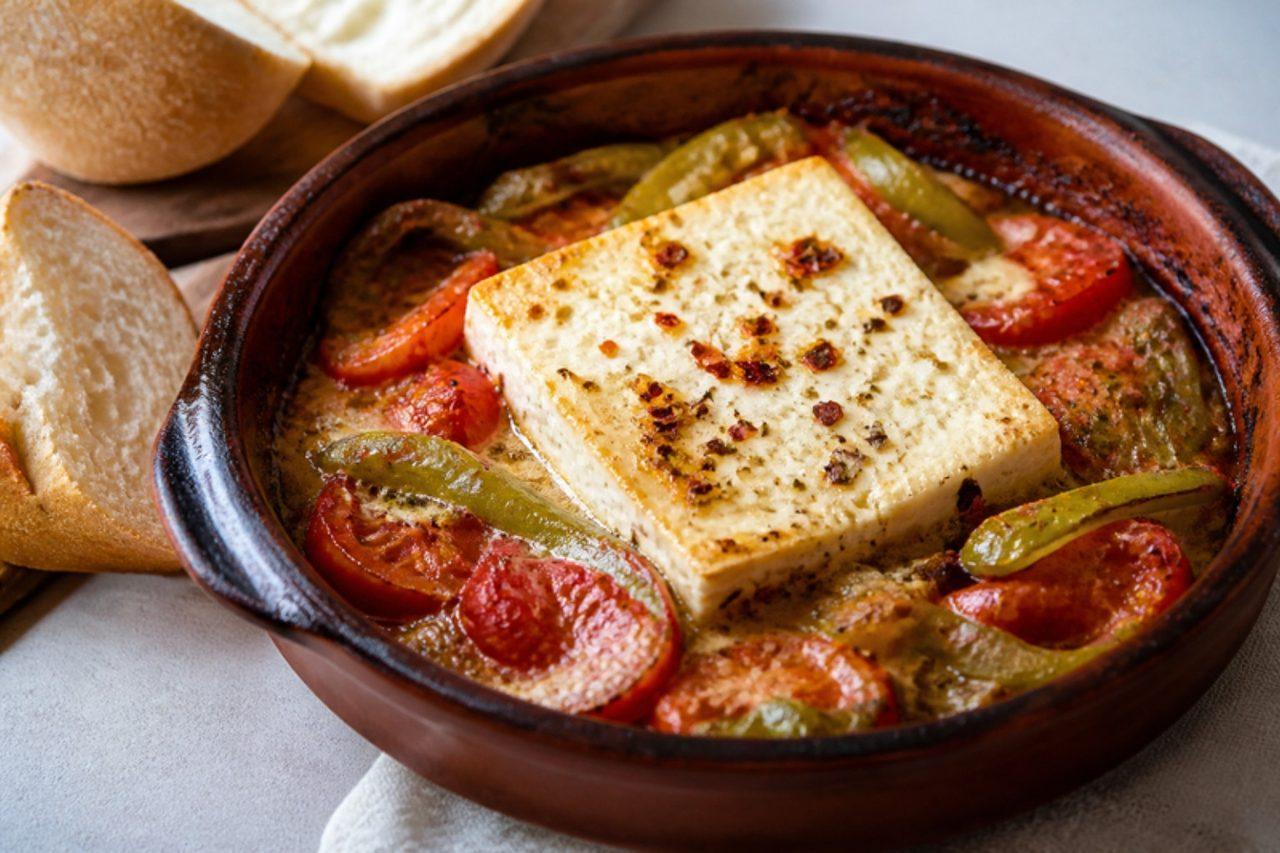
BouyiourdiBaked feta with tomato and chilli

Order a round of tsipouro in a Thessaloniki taverna and a little clay dish of bouyiourdi often arrives with it, still spitting from the oven. A slab of feta is buried under tomato, sweet and hot peppers, oregano and olive oil and baked until the cheese slumps and the edges catch. You scoop it straight from the dish with crusty bread. There's no alcohol in the dish itself; serve it with sparkling water and lemon instead of tsipouro if you like. Feta is usually made with animal rennet; a vegetarian feta-style cheese works well. Common mistake: using a big dish — the sauce spreads thin and burns, so pick one the cheese nearly fills. Chef's tip: wrap the dish in foil for the first 10 minutes so the feta turns creamy before the top browns.

by KrazyBadal 0 views

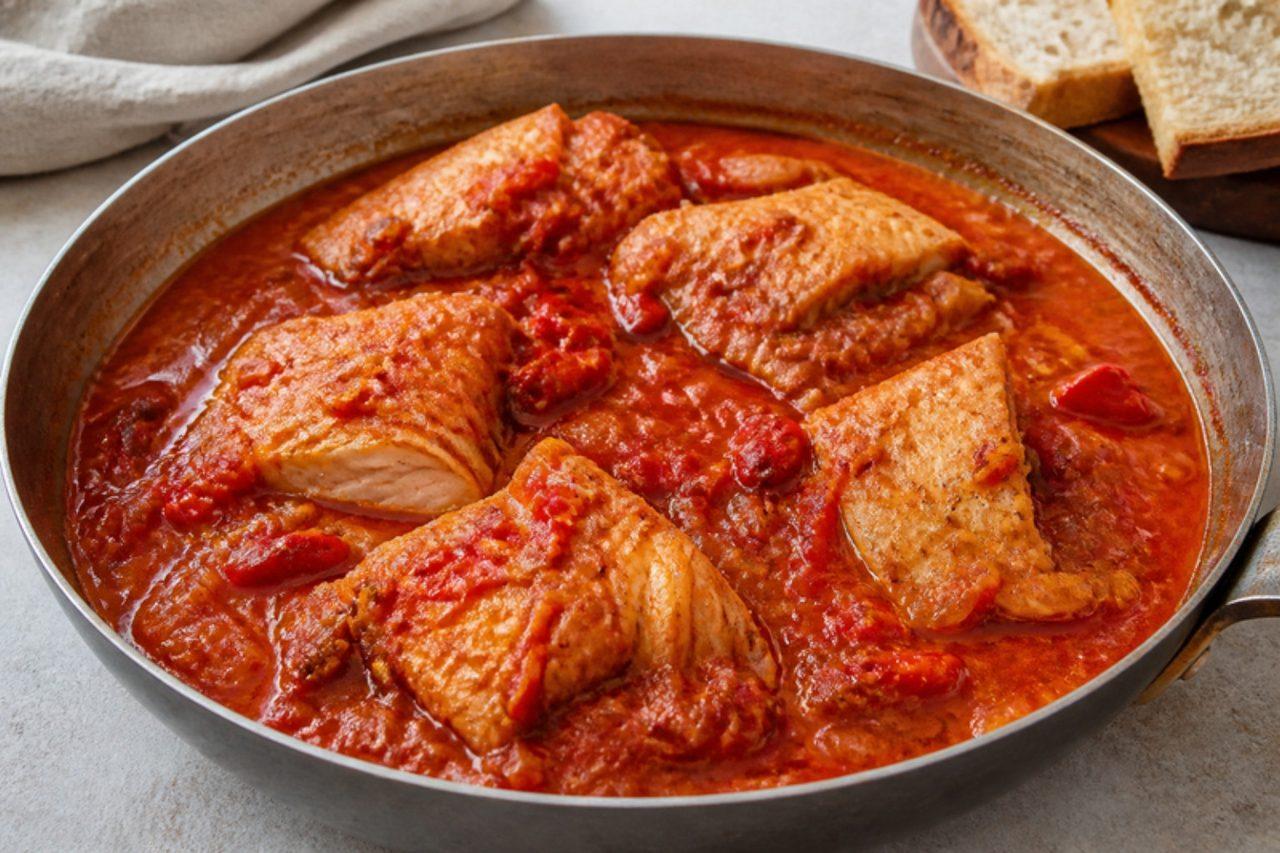
BourdetoSpicy red pepper fish stew

Bourdeto, from the Venetian 'brodetto', is the fishermen's dish of Corfu: chunks of firm white fish (scorpion fish in the tavernas of Kassiopi and Paleokastritsa) poached in a fierce sauce of onions, olive oil, a little tomato and a lot of hot red pepper. It's eaten with bread for the oily, scarlet juices and a cool salad alongside. Common mistake: stirring once the fish is in, which breaks it up — shake the pan instead. Chef's tip: use fish on the bone, cut into steaks; the bones give the sauce body and the flesh stays moist.

50 minGreekFishGluten freeSpicy
by KrazyBadal 0 views

Showing 90 of 8,120 recipes

Page 439 of 903