


Skip to content
Zha cai
Featured recipe

Zha cai

Pickled mustard stem

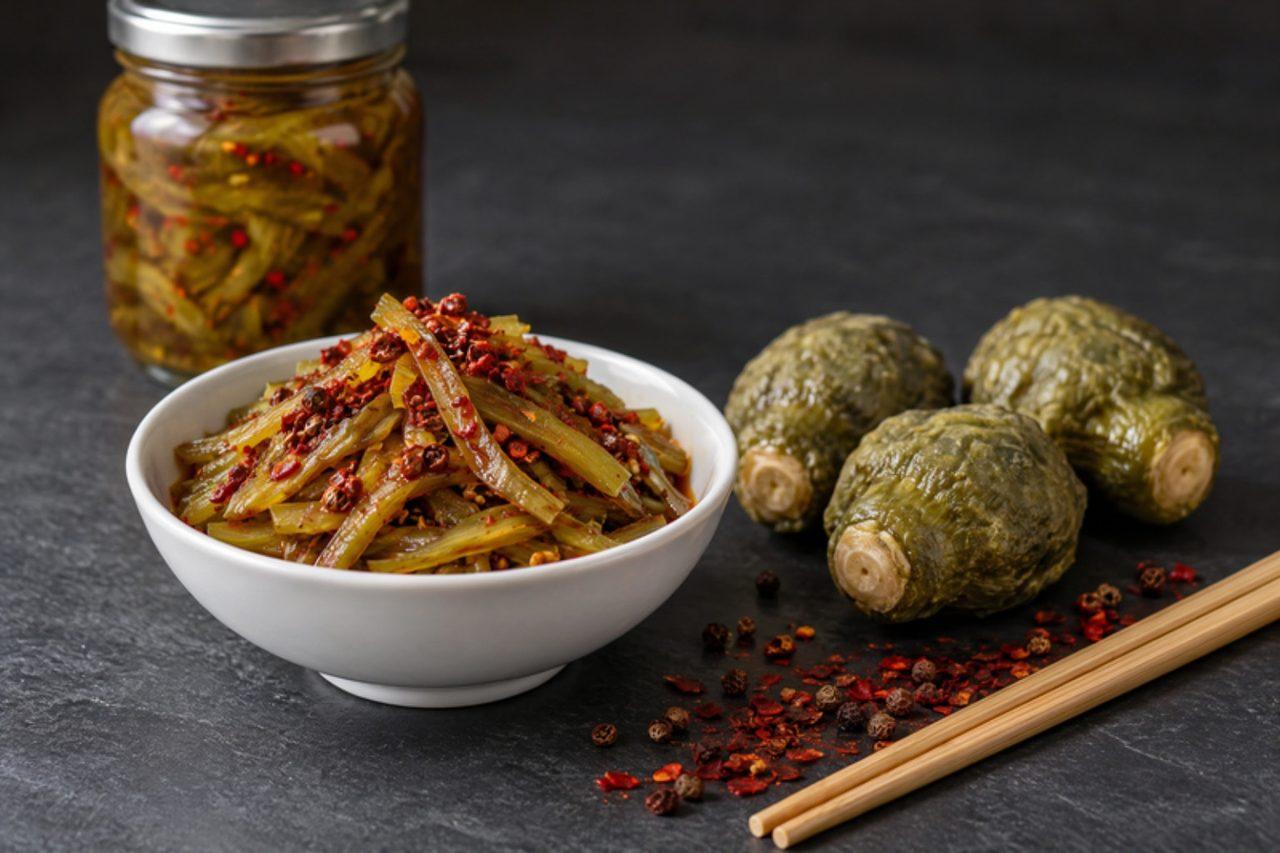
Every winter along the Yangtze at Fuling, below Chongqing, the knobbly stem tubers of a mustard plant are strung on bamboo racks to dry in the river wind, then salted, pressed and cured in great pottery jars. That is zha cai, literally pressed vegetable, and a little dish of its shreds sits beside a bowl of rice congee at breakfast across China, or gets tossed into pork noodle soup. The taste is salty, sour-savoury and gently numbing from Sichuan pepper, with a dense, squeaky crunch. Fresh zha cai tubers are rare abroad; kohlrabi has the same texture and works very well. Common mistake: not pressing out enough water between the two saltings, which leaves it limp and diluted. It is ready after about 2 weeks in the fridge, when the pieces have turned translucent at the edges and taste rounded rather than raw. Salt here is high, about 12% of the dried weight in total, so it keeps 3 months in the fridge with a clean dry spoon; discard if fuzzy mould, slime or a rotten smell appears. Chef's tip: soak slices for 10 minutes before cooking if you find them too salty; that is how Chongqing cooks do it.

Read more 0 views

What to eat today?

Around the world

Today's trip: Persian

A new country every day, from every cuisine on the site.

Persian

Dizi

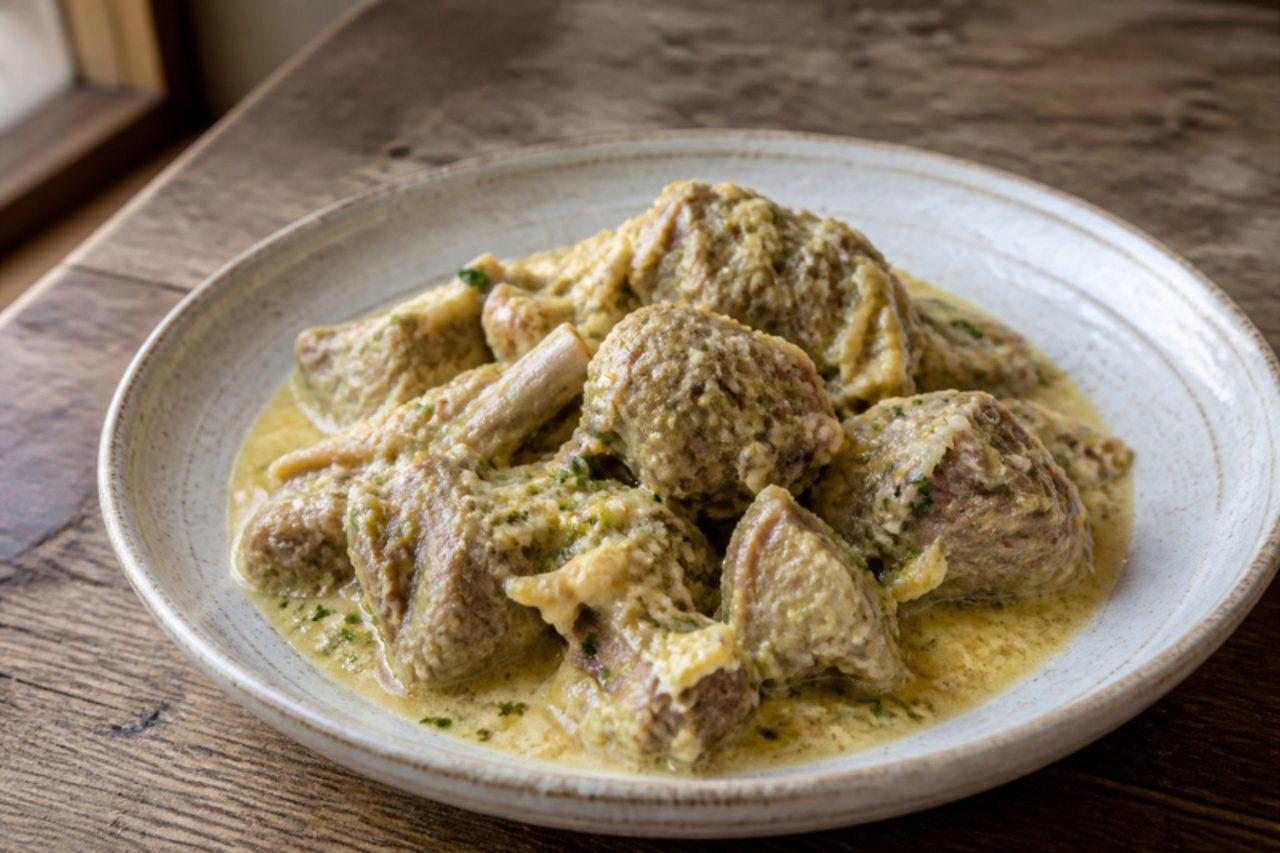
Lamb and chickpea stew 245 minMore from Persian (131) →

This week's collection

Kid-friendly dinners
578 recipes · a new collection every Monday

Coming up

All occasions →

Latest recipes

Chaniotiko bourekiCourgette, potato and cheese bake

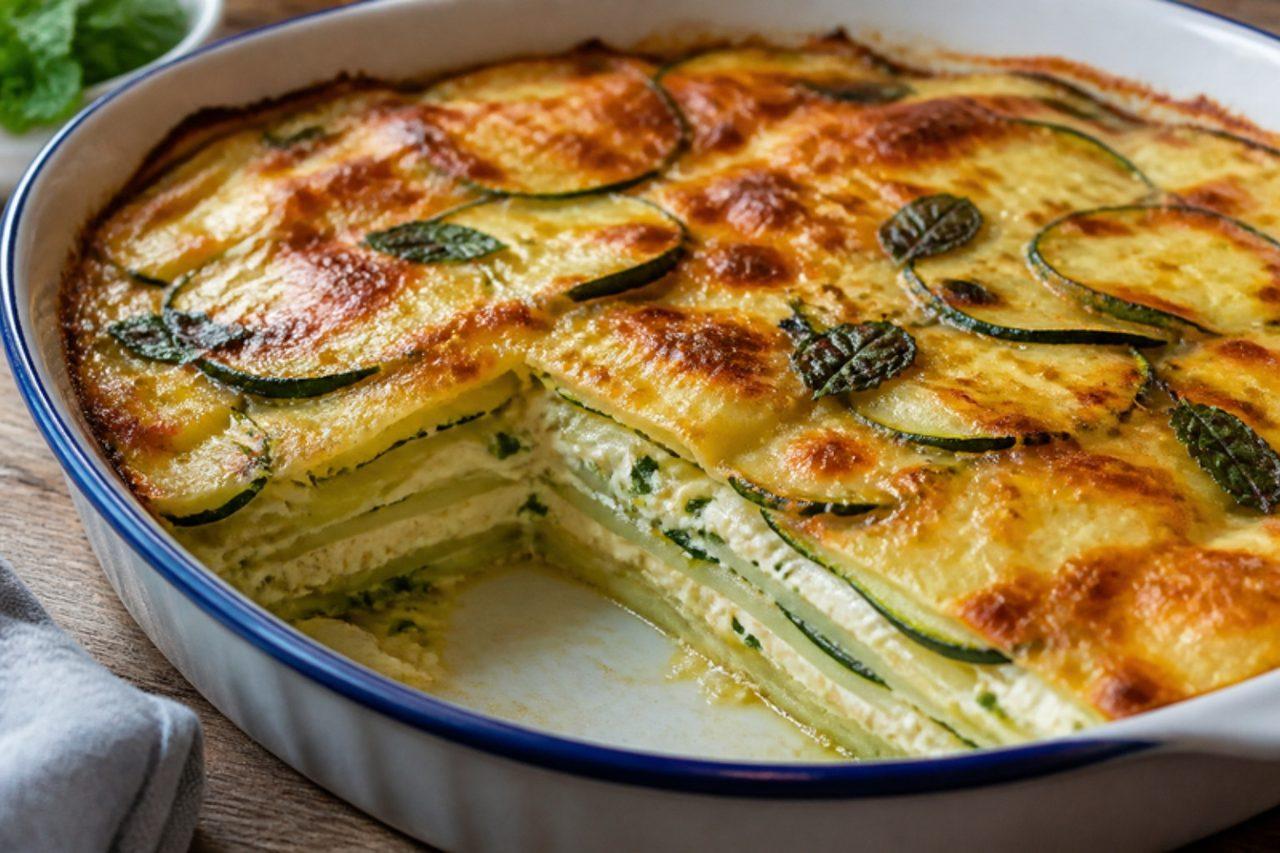
In Chania, western Crete, boureki is what happens to the courgette glut in July: thin slices of courgette and potato layered with crumbled soft cheese, mint and plenty of olive oil, then baked slowly until the top is golden and the inside is meltingly soft. Families bake a big tin for Sunday and eat it warm or at room temperature over the next two days with bread, olives and a tomato salad. The traditional cheese is fresh mizithra plus a little graviera; graviera is made with animal rennet, so use a vegetarian hard cheese if that matters to you. Common mistake: skipping the salting of the courgettes, which leaves a pool of water in the tin. Chef's tip: slice the potatoes paper-thin, no thicker than 3 mm, so they cook through in the same time as the courgettes.

by KrazyBadal 0 views

Chicago-style hot dog

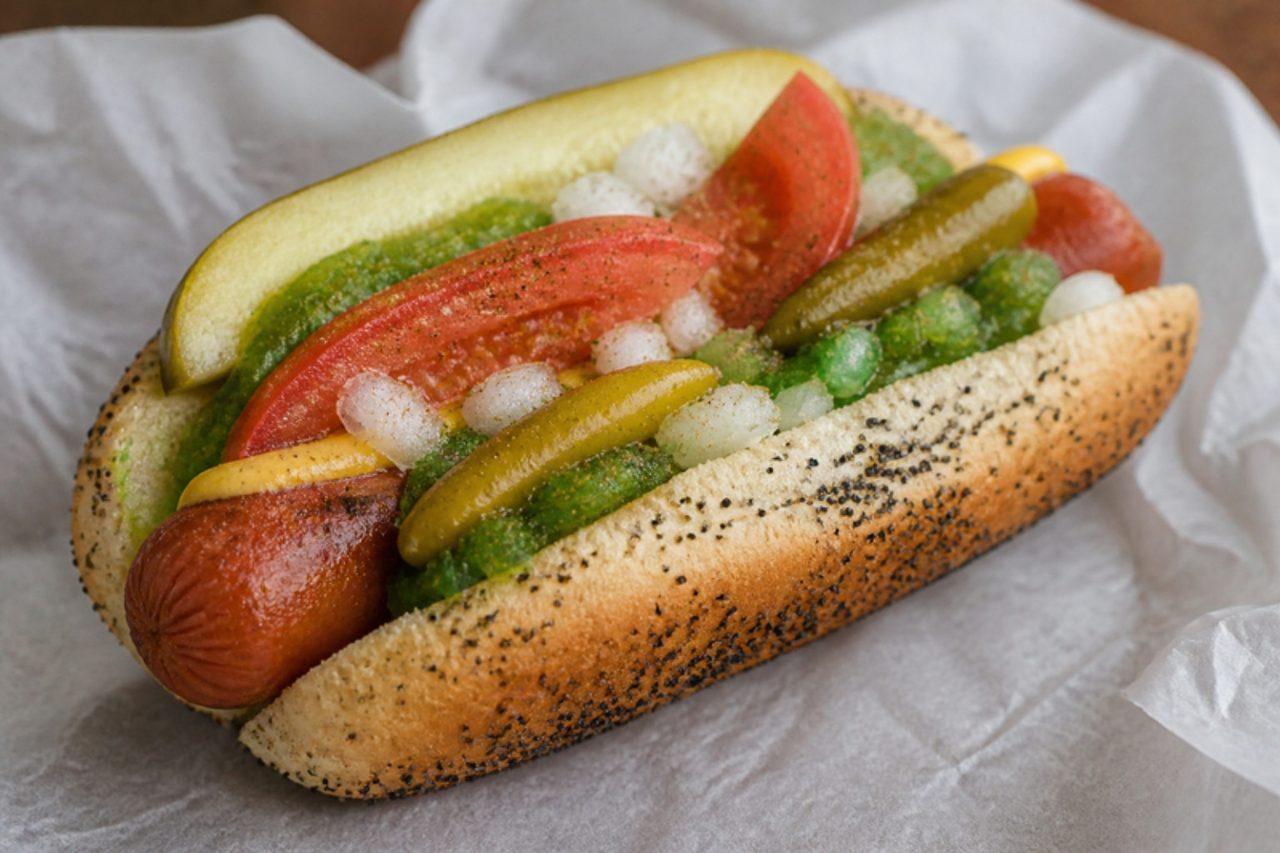
A Chicago dog is one of the city's proudest foods, sold from hot dog stands across the city and outside Wrigley Field: an all-beef frankfurter in a steamed poppy seed bun, 'dragged through the garden' with yellow mustard, bright green relish, onion, tomato, a pickle spear, pickled sport peppers and celery salt. Chicagoans have one firm rule: never ketchup. Chef's tip: steam the buns instead of toasting them, so they are soft and warm and hold everything together.

by KrazyBadal 0 views

Chicago Italian beef

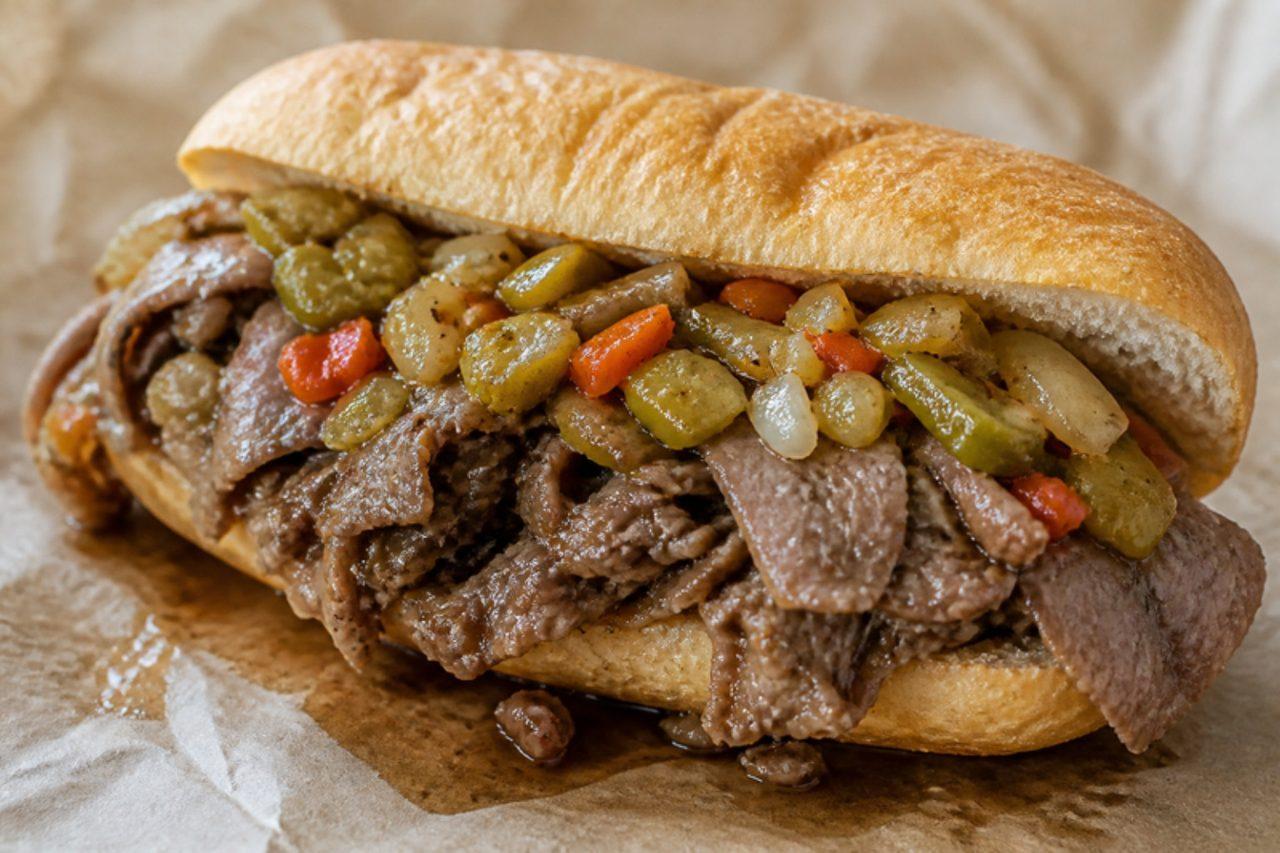
Italian beef was born at Italian-American weddings and family stands on Chicago's West Side in the 1930s, when cooks sliced roast beef paper-thin so a little meat could feed a crowd. The slices are soaked in a garlicky, oregano-spiced jus and piled into a crusty roll with hot giardiniera or sweet peppers; order it 'dipped' and the whole sandwich gets a dunk in the jus. Chef's tip: chill the roast overnight before slicing; cold beef slices far thinner, and thinness is everything here.

175 minAmericanMeat
by KrazyBadal 0 views

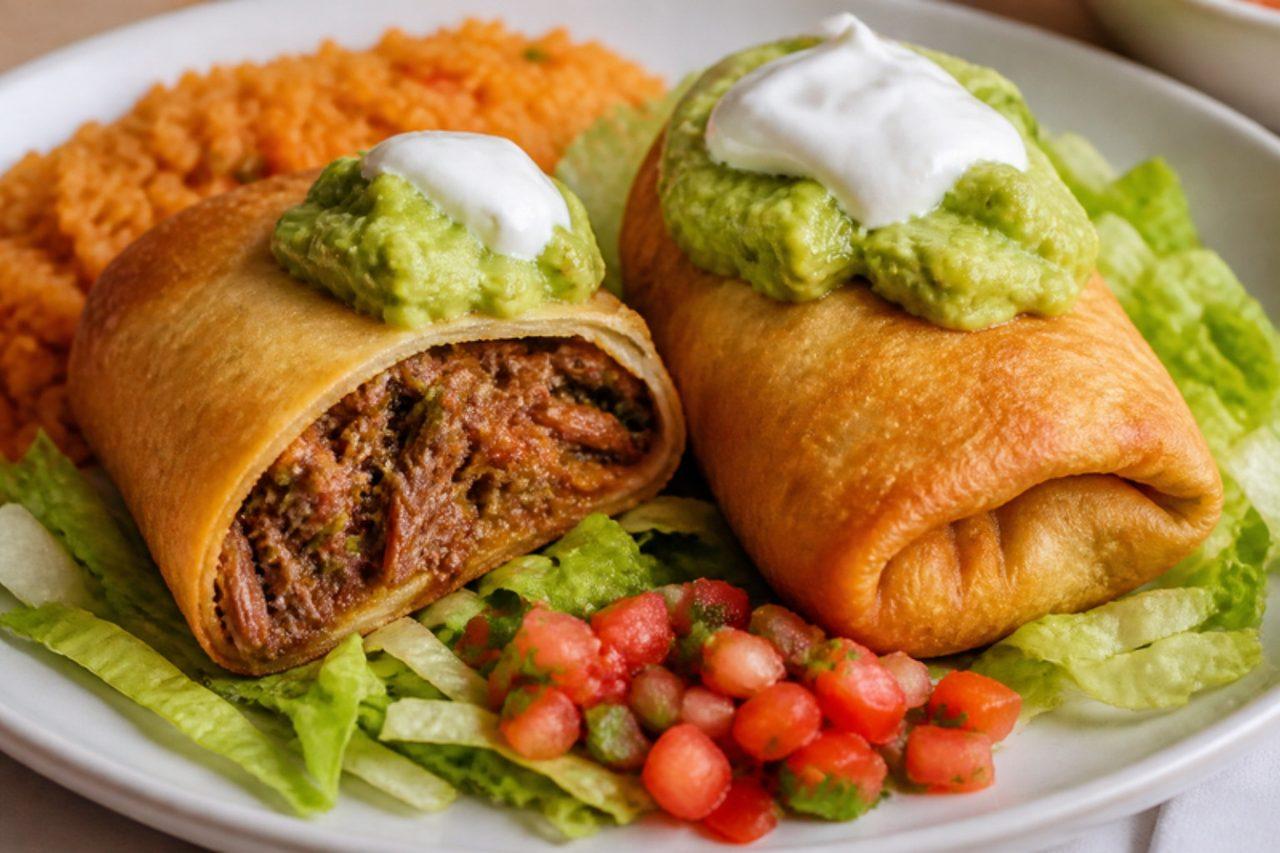
Arizona chimichangas

Tucson and Phoenix both claim to have invented the chimichanga, and the story told in Tucson is of a cook who dropped a burrito into the fryer by accident and swore in Spanish. It is now a staple of Arizona Mexican diners: a flour tortilla wrapped around shredded beef and beans, fried golden and crisp, then topped with guacamole and soured cream. Chef's tip: roll the burrito tightly and fry it seam-side down first so it seals and doesn't open in the oil.

170 minAmericanMeat
by KrazyBadal 0 views

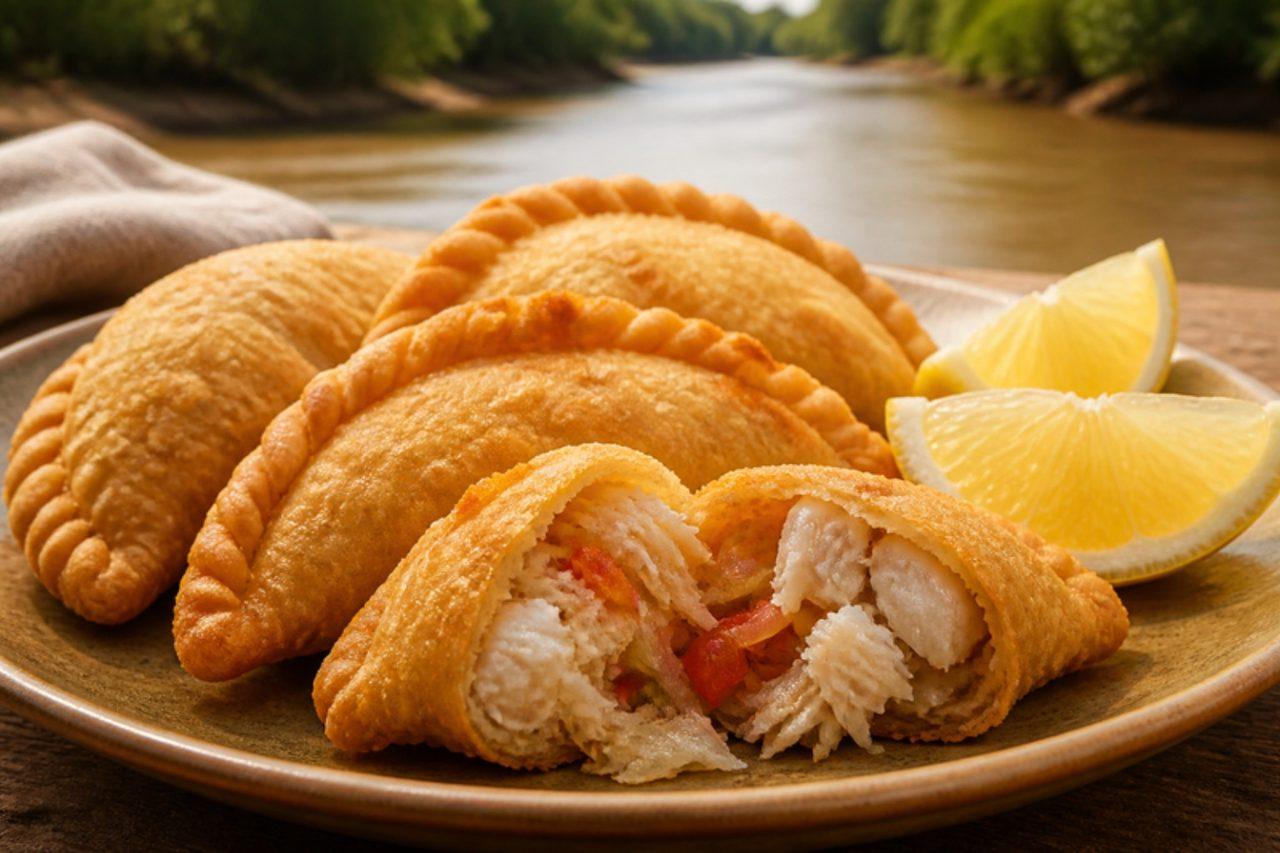
Empanadas de pescado

Along the coast of Santa Fe, especially during Lent and Holy Week, fishmongers' stalls and riverside kiosks sell fried empanadas filled with sábalo or surubí. The fish is poached, flaked and folded through soft onion and sweet pepper, then sealed in a thin oil-based dough and fried until blistered and crisp. Squeeze lemon over them and eat them warm, with a green salad or just a paper napkin. Any firm white fish works: hake, cod or a farmed catfish. The mistake people make most is skipping the bone check; river fish such as sábalo hide fine bones, so run your fingers through every flake. Chef's tip: keep the filling quite dry and cold before you fill the discs; extra liquid turns to steam in the hot oil and bursts the seams.

by KrazyBadal 0 views

ChapoPlantain and milk drink

Breakfast stalls in Iquitos and the riverside towns of Loreto pour chapo into glasses from big steaming pots before the heat of the day sets in, and by afternoon the same drink is sold chilled. It is made from plantains left until their skins are black, simmered with cinnamon and cloves until soft, then blended smooth and loosened with milk. The result is thick, naturally sweet and gently spiced, somewhere between a smoothie and a thin custard, and children love it. Some families make it with water only; evaporated milk is the common addition in town. The mistake is using plantains that are still yellow-green: they taste starchy and the drink turns grey and gluey, so wait until the skins are mostly black and the fruit gives when pressed. Serve hot with bread or a tamal, or cold over ice. Chef's tip: strain it through a sieve after blending for a silky drink, and thin it with water if it thickens as it cools.

by KrazyBadal 0 views

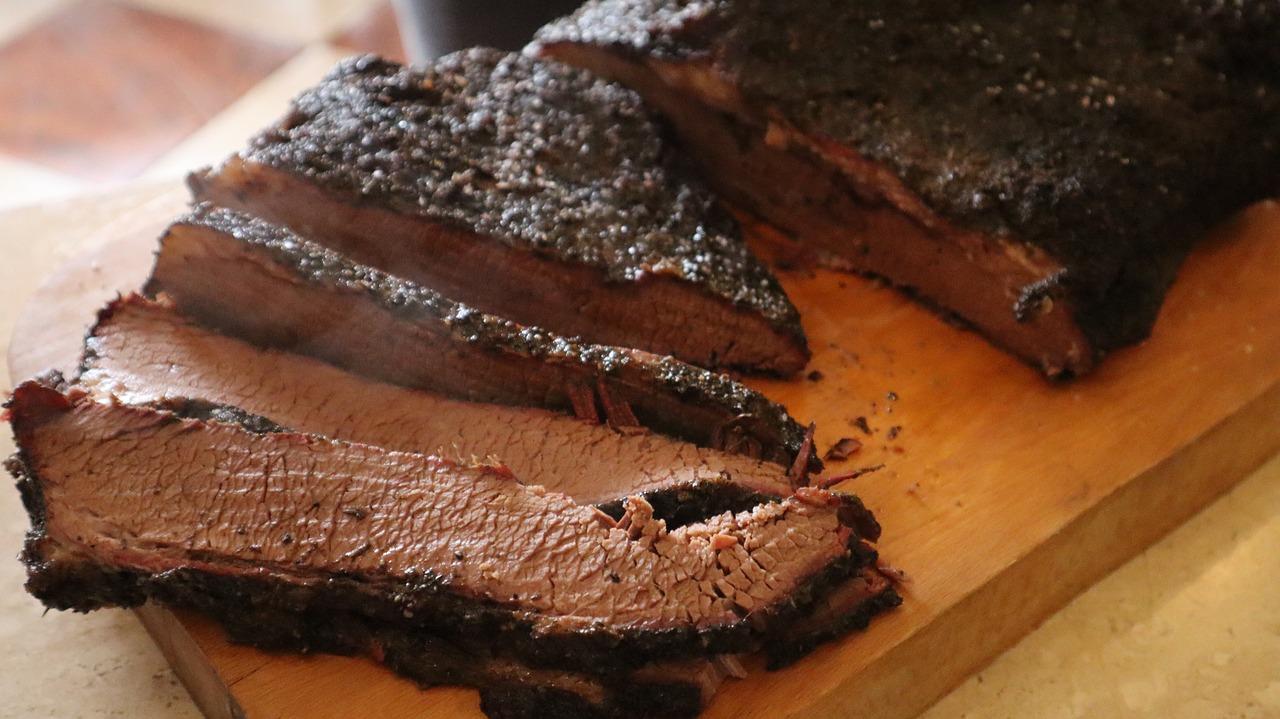
Texas smoked brisket

In the barbecue towns of central Texas, Lockhart, Luling and Taylor, brisket is smoked over post oak for half a day with nothing on it but coarse salt and black pepper, then sliced on butcher paper and sold by the pound with white bread, pickles and onion. The fatty point and the leaner flat both turn meltingly tender under a black, peppery bark. Chef's tip: cook to feel, not just time: it is ready when a probe slides into the thickest part like going into soft butter, usually around 95 °C inside.

750 minAmericanMeat
by KrazyBadal 0 views

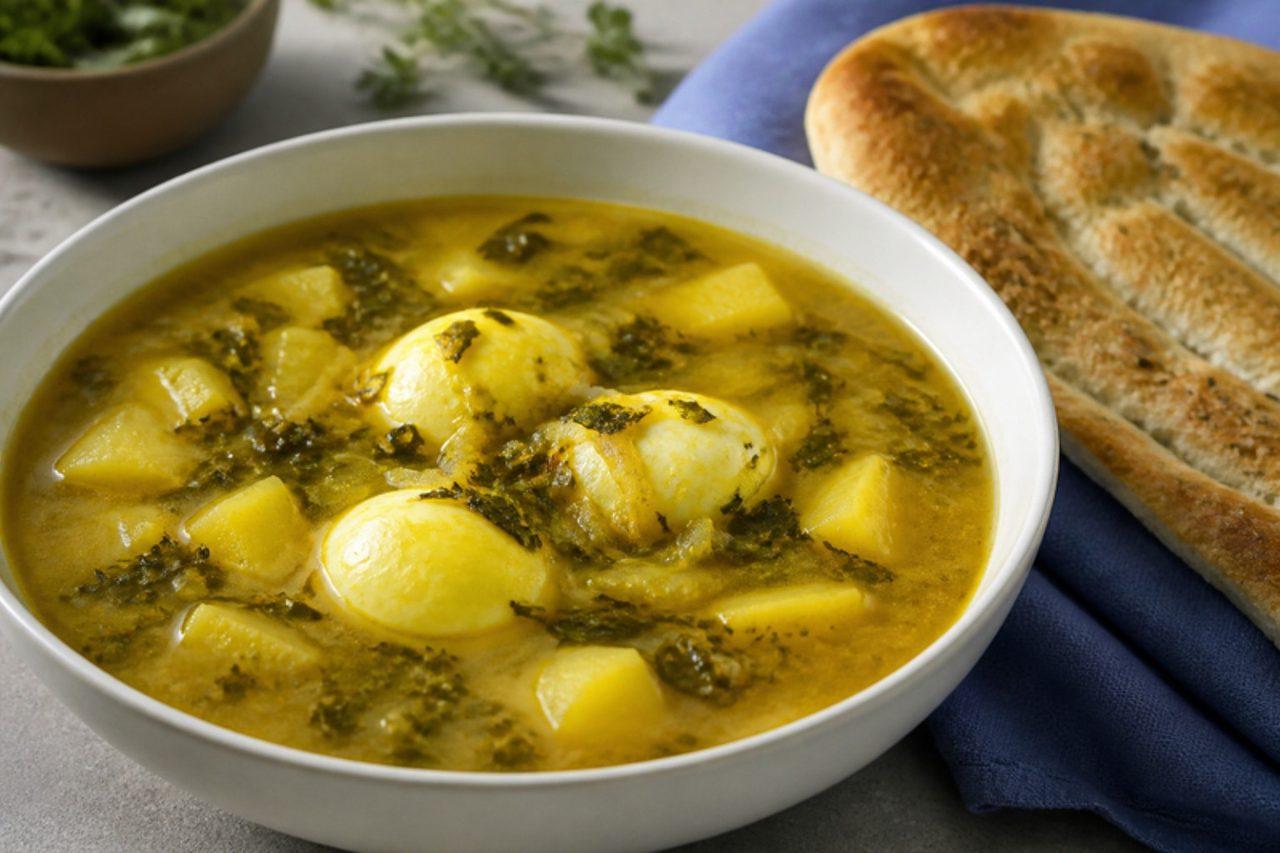
EshkenehOnion, fenugreek and egg soup

Eshkeneh is the soup of the cold north-west, cooked in Tabriz kitchens on winter evenings when there is little in the house but onions, eggs and dried fenugreek. The onions are fried very slowly until sweet and brown, a spoon of flour and turmeric thickens the broth, and eggs are dropped in to poach at the end; a little sour from lemon or dried sour cherries balances it. Azerbaijani families crumble barbari or lavash into their bowls so the bread soaks up the broth. A common mistake is rushing the onions, which leaves the soup thin and harsh rather than mellow and golden. Chef's tip: add the dried fenugreek with the flour, not before, because it scorches quickly and turns bitter.

by KrazyBadal 0 views

Empanadas mendocinas

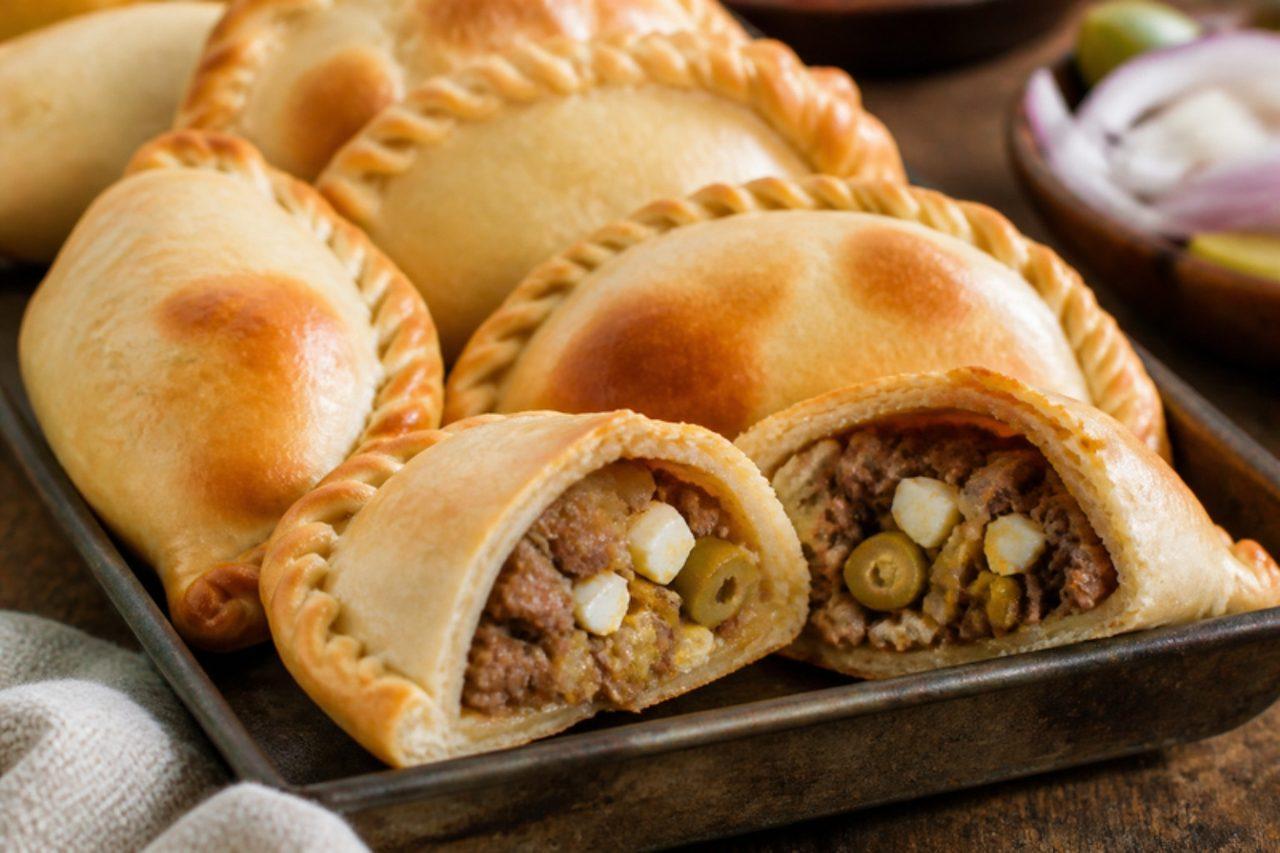
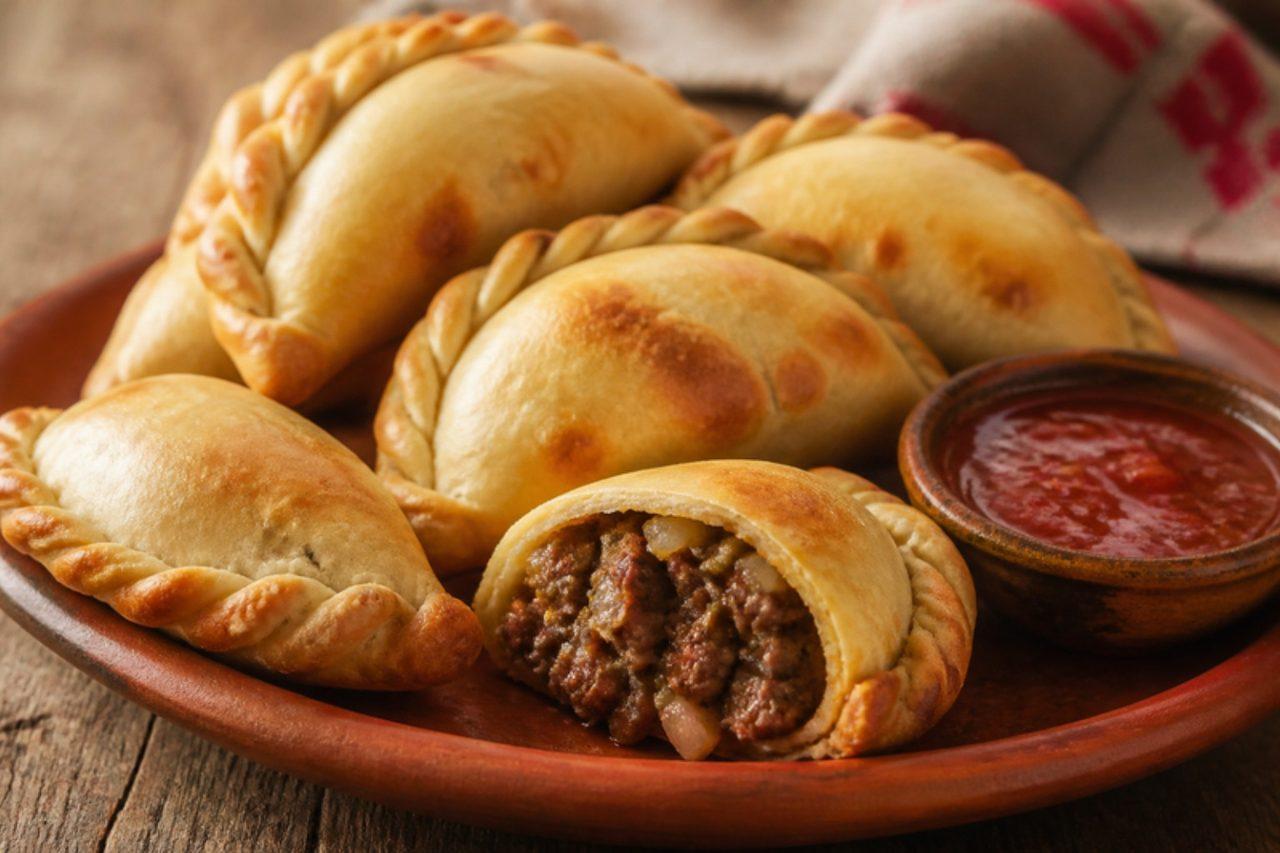
Mendoza's empanadas are all about juice. The filling uses roughly as much onion as beef, cooked only briefly so it stays sweet and wet, then gets folded with hard-boiled egg and a whole green olive in every pastry; the dough is a tender one made with beef fat. They come out of wood ovens across the province for Sundays, family gatherings and the grape harvest, and are eaten by hand, leaning forward, with a tomato and onion salad on the side. The classic error is filling the dough while the meat is still warm: the fat melts, the pastry turns soggy and the seal splits in the oven. Cool the filling completely, ideally overnight. Chef's tip: cut the beef into small cubes with a knife instead of buying mince; it stays juicier and gives the bite a Mendoza cook expects.

by KrazyBadal 0 views

Bolos lêvedosSweet griddle muffins

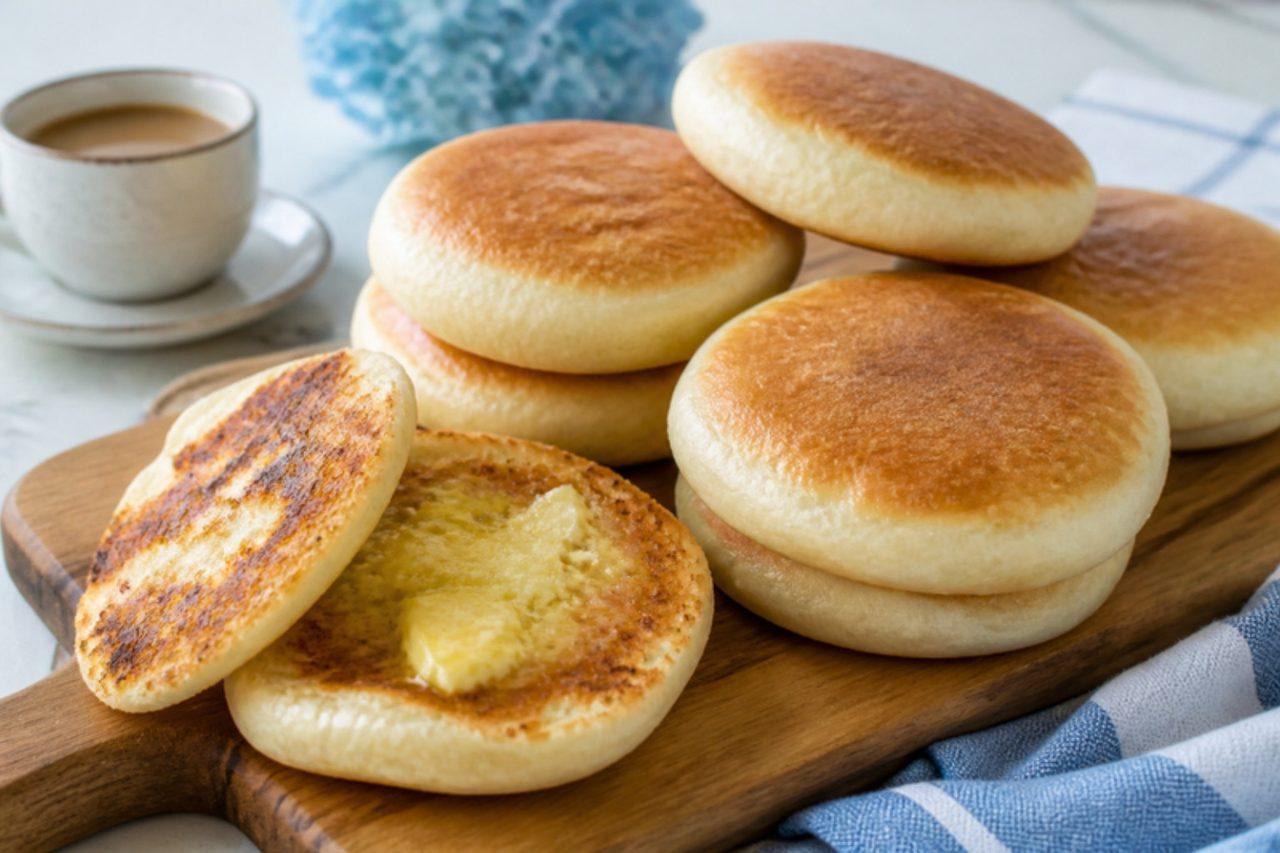
In the steamy valley of Furnas, on São Miguel, bakers have been cooking these slightly sweet, lemon-scented muffins on flat griddles for generations, and visitors queue for them warm on the way to the hot springs. Thick, soft and pale with golden tops and bottoms, they are split and toasted for breakfast with butter, or used as buns for a sandwich. Chef's tip: the dough is very soft and sticky, so use oiled hands rather than more flour when shaping, or they turn dense.

by KrazyBadal 0 views

CharamuscasTwisted piloncillo taffy

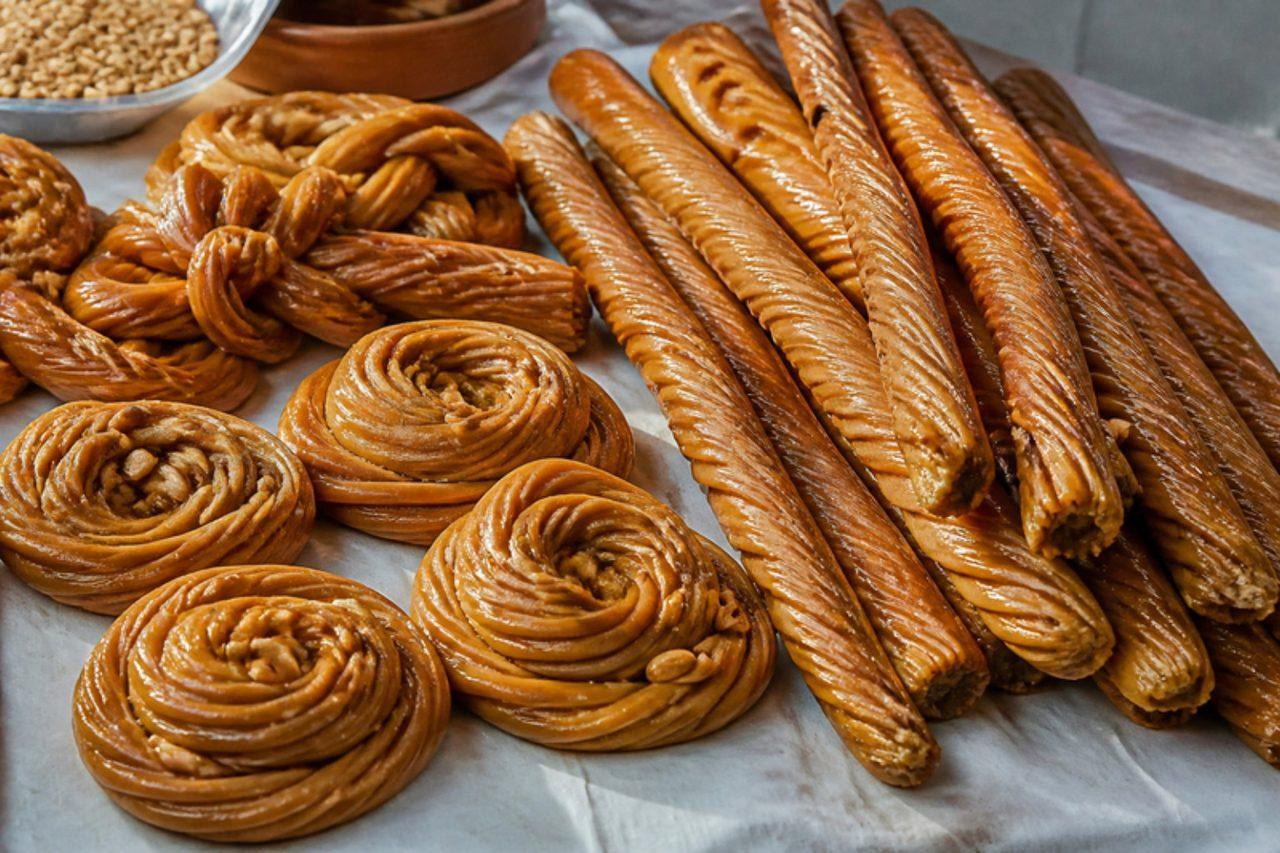
Around Day of the Dead in Guanajuato city, sweet sellers display charamuscas pulled and shaped into skulls, mummies (a nod to the town's famous museum) and simple twists, glossy amber and wrapped in cellophane. The everyday ones are rope-like spirals of pulled piloncillo, chewy then brittle, with a deep molasses taste. Pulling the hot sugar is a two-person job and great fun with older children; younger ones should watch. Chef's tip: wear clean rubber kitchen gloves rubbed with oil; you can handle the sugar sooner and much more comfortably.

by KrazyBadal 0 views

Charleston benne wafersSesame cookies

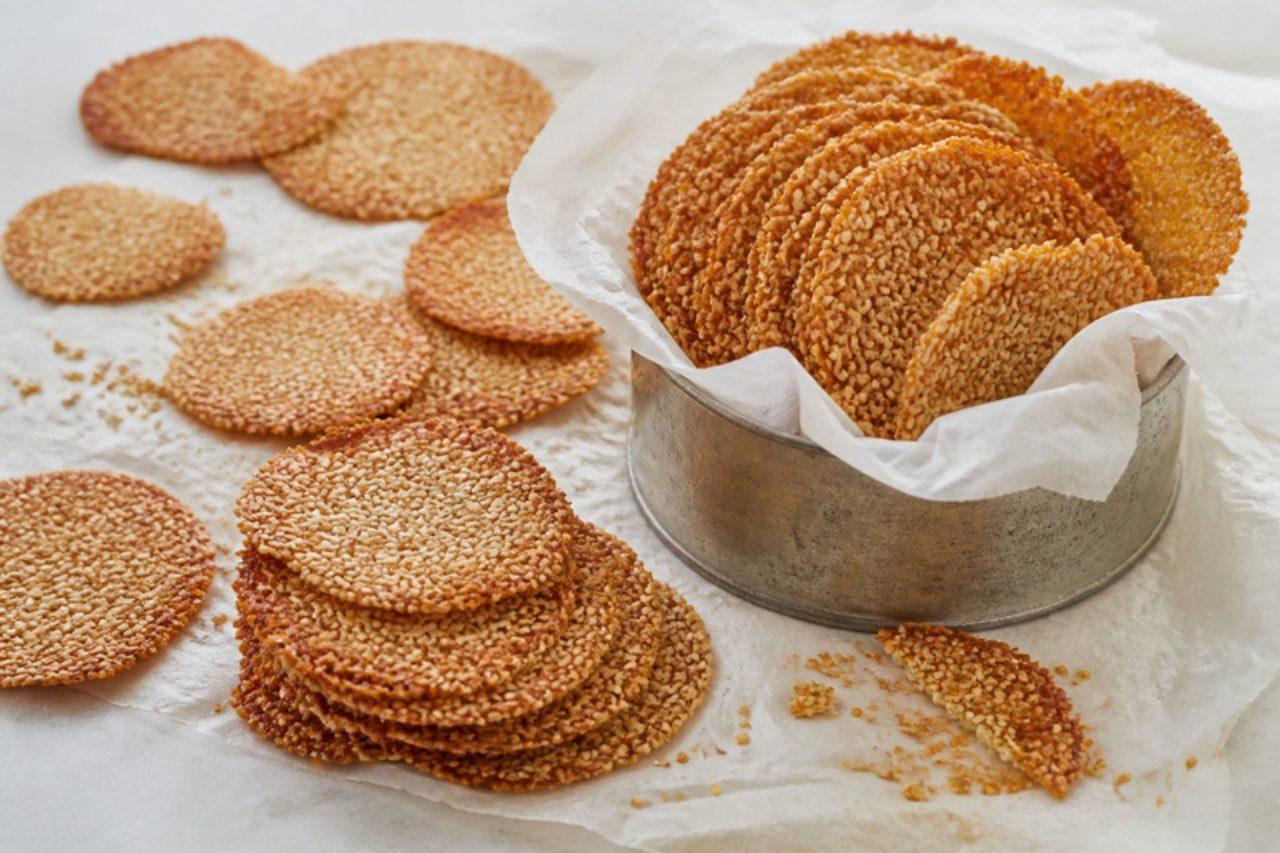
Benne is the West African word for sesame, brought to the Carolina Lowcountry by enslaved people, and these paper-thin, toasty wafers are the cookie Charleston is known for, sold in tins in the old city market. Toasted sesame seeds are folded into a buttery brown-sugar batter that spreads into lacy, crisp discs. Chef's tip: toast the seeds until they are honey-coloured; pale seeds taste of very little.

by KrazyBadal 0 views

Licuado de bananaBanana milk shake

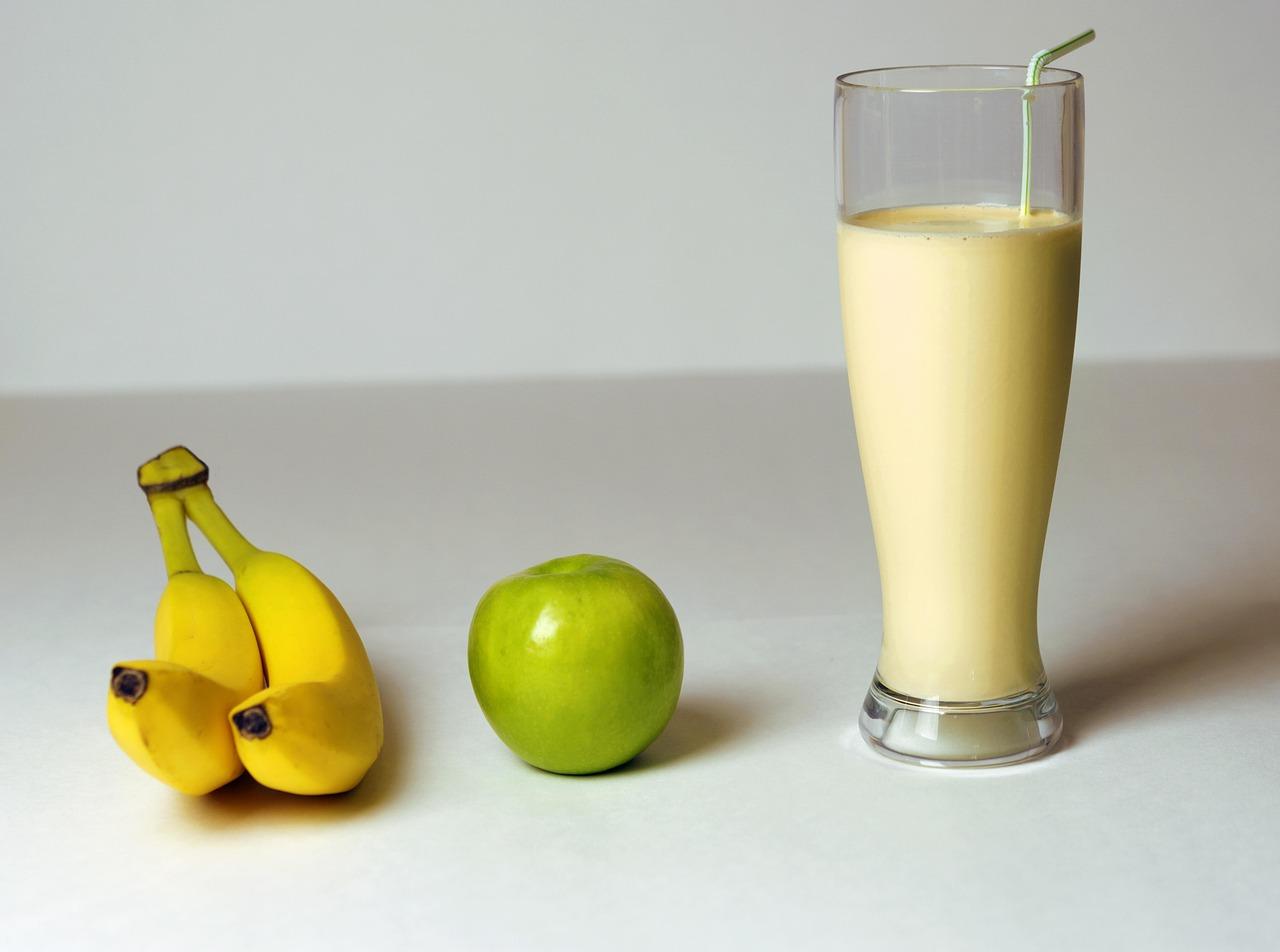
Order a licuado in any Argentine café or bar and you will get a tall glass of fruit blended with milk (con leche) or water (con agua), and banana with milk is the one nearly everyone grows up on. It is breakfast for teenagers in a hurry, a merienda with tostados, and the drink parents in Buenos Aires make when the fruit bowl has spotty bananas. It should be thick, cold and smooth, with a light froth, sweet mainly from ripe fruit. Using under-ripe bananas is the mistake: they taste chalky and need lots of sugar, so wait for brown freckles. Chef's tip: slice and freeze the bananas the night before and you can skip the ice; the shake comes out colder and thicker without being watered down.

by KrazyBadal 0 views

Fabes con almejasWhite beans with clams

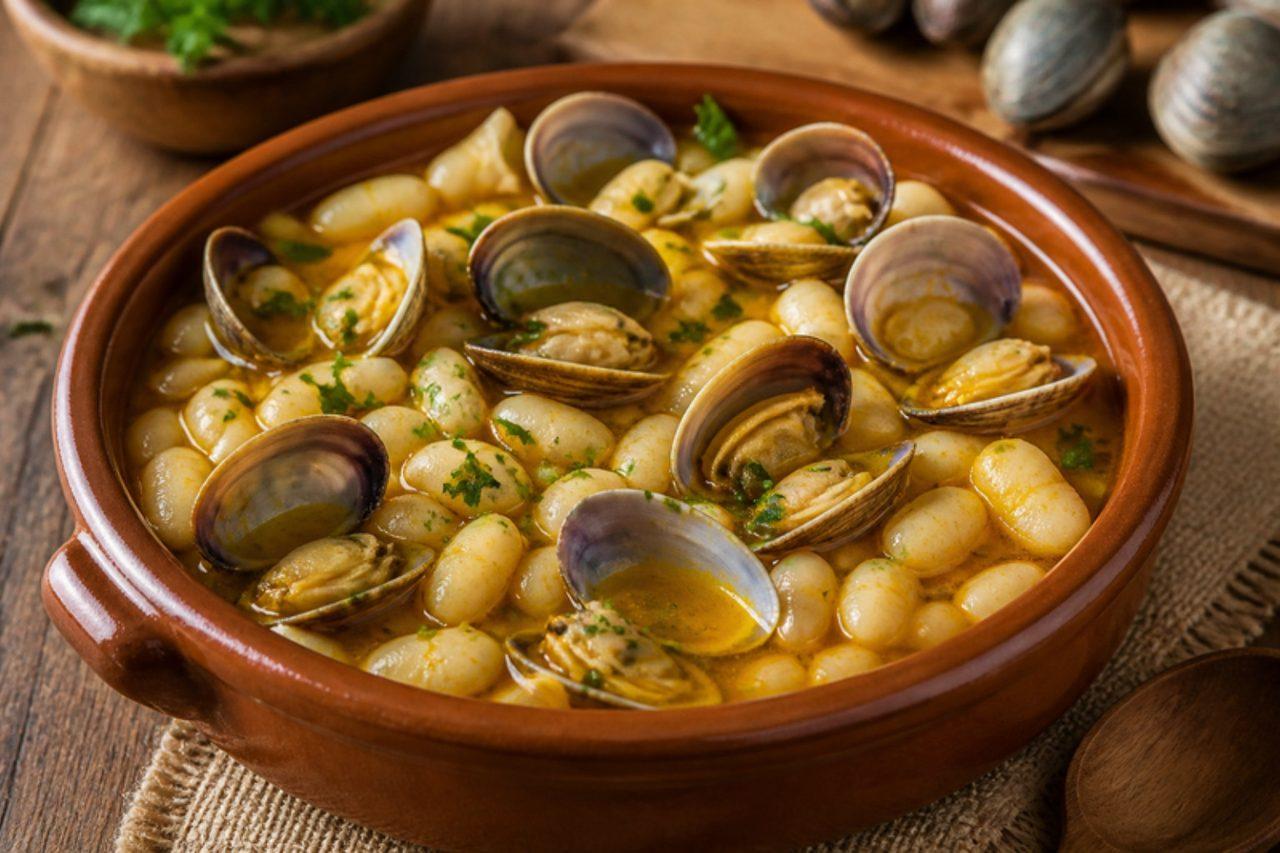
Along the coast, from Lastres to Ribadesella, fabes are cooked not with sausage but with clams, in a pale, saffron-tinted broth that tastes of the sea. It is a dish for a long weekend lunch in a seaside restaurant, eaten slowly with a spoon and bread. The broth uses a glass of dry white wine; an alcohol-free swap is given. Chef's tip: "scare" the beans by adding a splash of cold water whenever the pot boils up during cooking; it keeps the skins whole and the insides creamy.

175 minSpanishFishGluten free
by KrazyBadal 0 views

Bolo Souza LeãoCassava and coconut cake

Named after a sugar-planter family of nineteenth-century Pernambuco, this cake is closer to a set pudding than a sponge: fresh grated cassava, coconut milk, a clove-scented syrup, butter and a generous number of egg yolks, baked slowly in a water bath until glossy and firm. In Recife it is a centrepiece at weddings, christenings and Christmas, sliced thin and eaten at room temperature with coffee. The texture is smooth, slightly sticky and very rich, so a small piece is enough. Use only sweet cassava (aipim/macaxeira) and bake it fully; cassava must never be eaten raw. The mistake people make is not squeezing the grated cassava dry, which leaves the cake watery and grey in the centre. Chef's tip: strain the batter through a fine sieve before baking; it removes the fibres and gives that silky, flan-like slice.

by KrazyBadal 0 views

Empanadas tucumanas

Tucumán takes its empanadas so seriously that the town of Famaillá holds a national empanada festival every September, and judges count the pleats. The local style is small and juicy, filled with beef cut by hand with a knife (never minced), lots of white onion and spring onion, cumin, paprika and hard-boiled egg, and the dough is made with beef fat. They are baked very hot, traditionally in a clay oven, until blistered, and eaten standing up at peñas, football matches or family lunches, a drop of lemon squeezed in. The beef filling must reach 71 °C; it cooks first in the pan and again in the oven. A dry filling is the mistake to avoid: cook the onion slowly and let the filling cool so the fat sets, which turns to juice in the oven. Chef's tip: chill the filling overnight if you can; cold filling is easier to spoon and the empanadas come out juicier.

by KrazyBadal 0 views

BarazekSesame and pistachio cookies

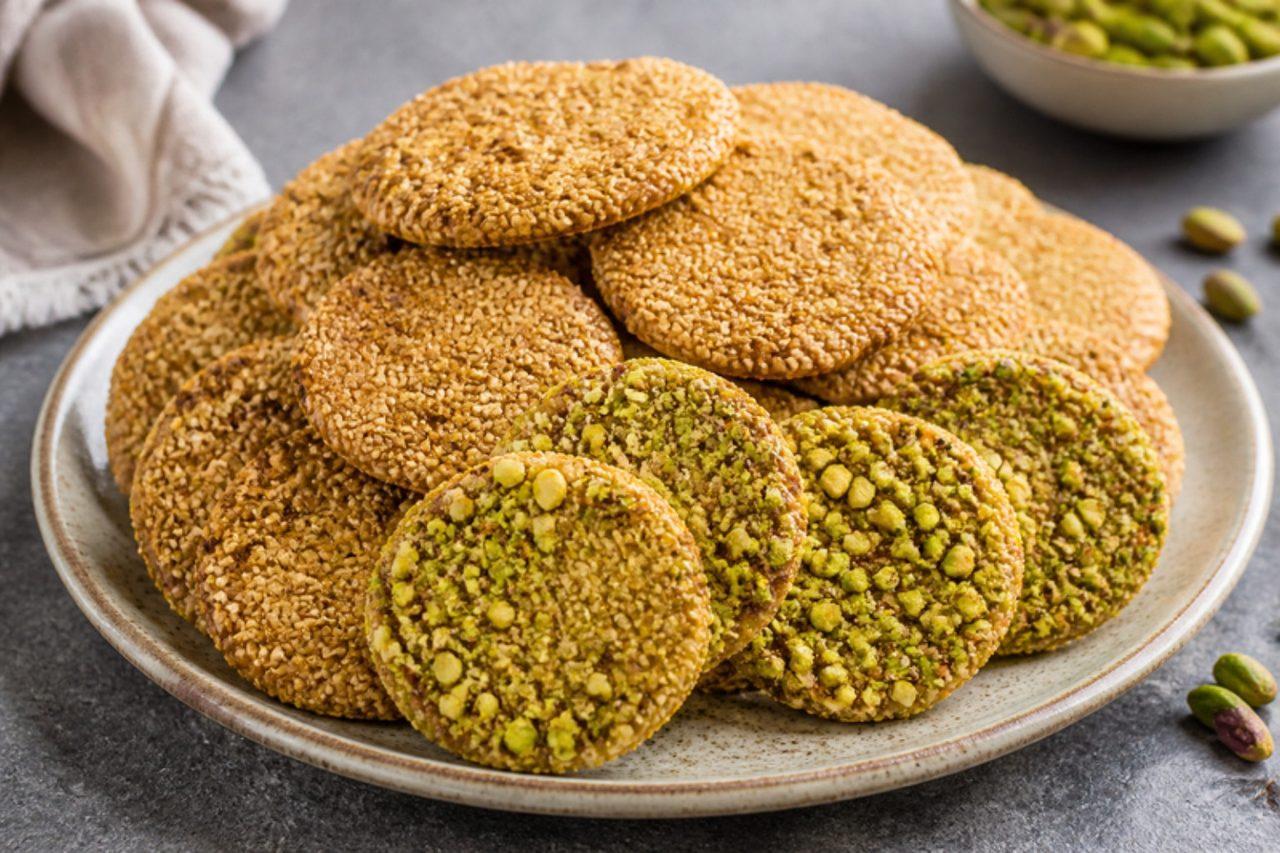
Barazek are the cookies Damascene families bring out for Eid and to go with an afternoon glass of tea: thin, crisp and buttery, with a glassy crust of sesame seeds held on with honey on top and a scattering of chopped pistachios pressed into the bottom. They are made by the tin-load in Damascus sweet shops and keep for weeks. Common mistake: using untoasted sesame — they should be lightly toasted before going on, or the cookies taste raw. Chef's tip: dip the sesame side into the honey syrup and then the seeds, not the other way round; you get an even, shiny layer that bakes to amber.

by KrazyBadal 0 views

Shrimp rémoulade

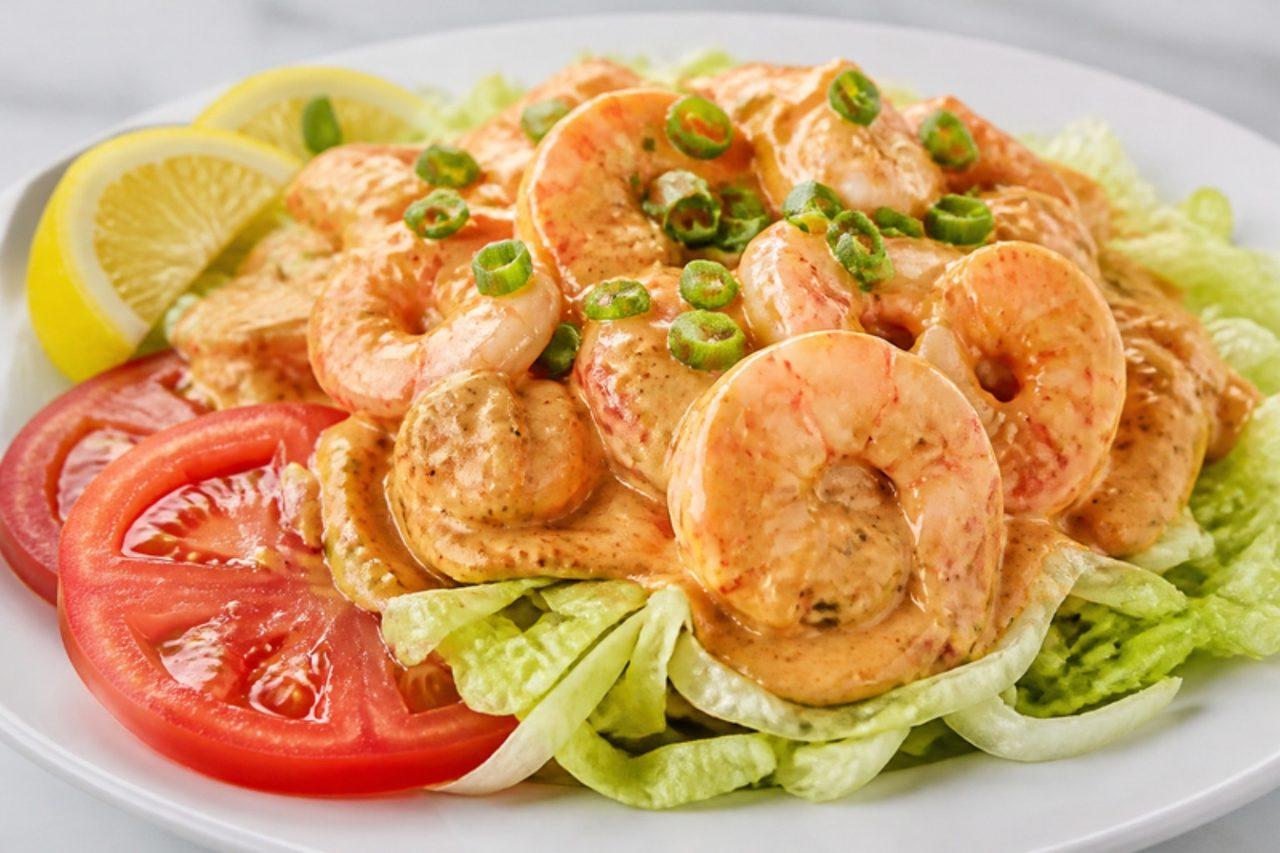
New Orleans rémoulade is not the pale French sauce but a brick-red, punchy mix of Creole mustard, paprika, horseradish and the trinity, and in the grand old Creole restaurants it is served as a cold starter over boiled Gulf prawns and shredded lettuce, especially in the summer heat. Chef's tip: make the sauce the day before so the flavours marry; it tastes raw and harsh straight after mixing.

by KrazyBadal 0 views

BarbajuansFried chard and ricotta pastries

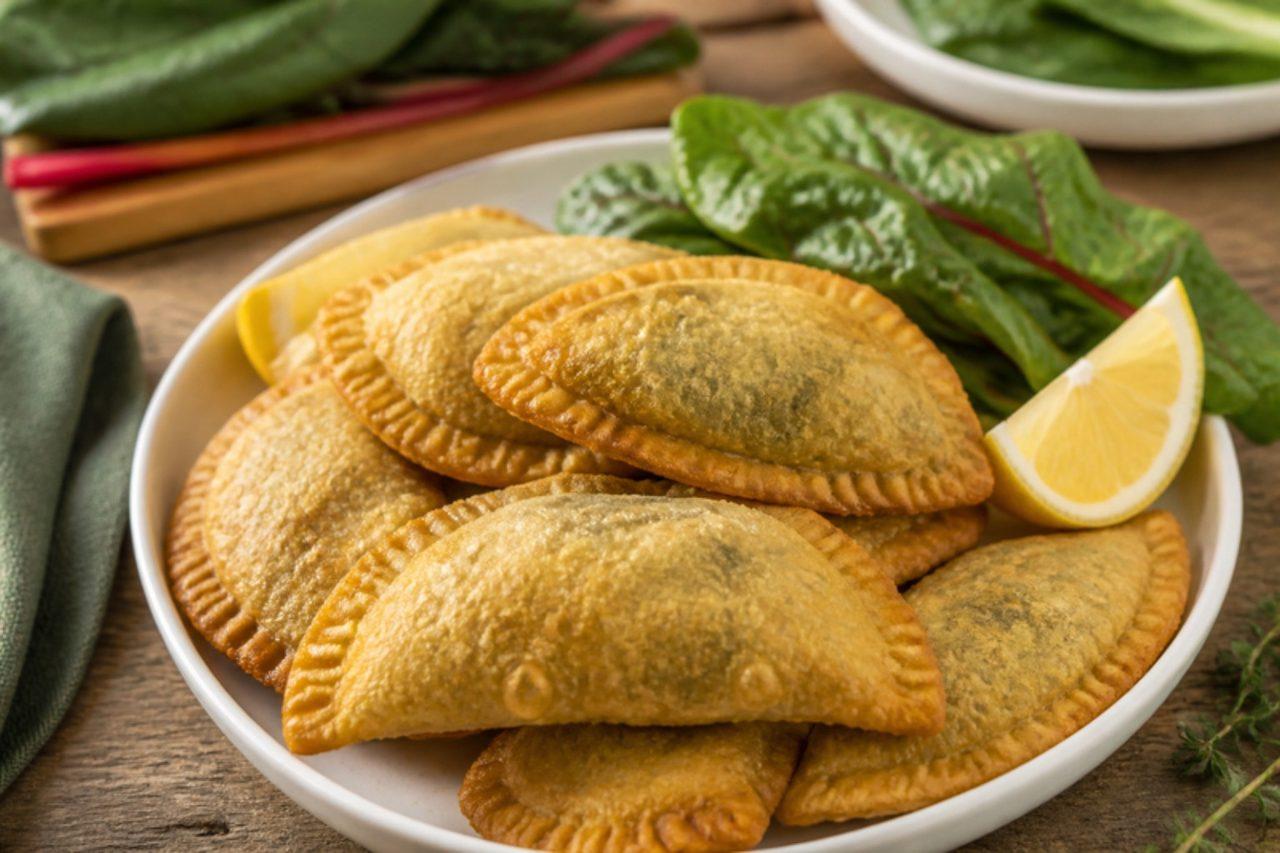
Barbajuans are Monaco's national snack, little fried pastry pockets of chard, leek and ricotta that come out at every apéritif, and by the hundred on 19 November, the principality's National Day. The name is said to mean 'Uncle John' in the Monegasque dialect, after the cook who first made them. You will also find them in bakeries in Menton and along the Riviera towards Nice. Parmesan usually contains animal rennet; a vegetarian hard cheese works just as well. Chef's tip: roll the dough so thin you can almost see the worktop through it; thick pastry turns chewy instead of crisp.

by KrazyBadal 0 views

Bolo-reiCandied fruit and nut king cake

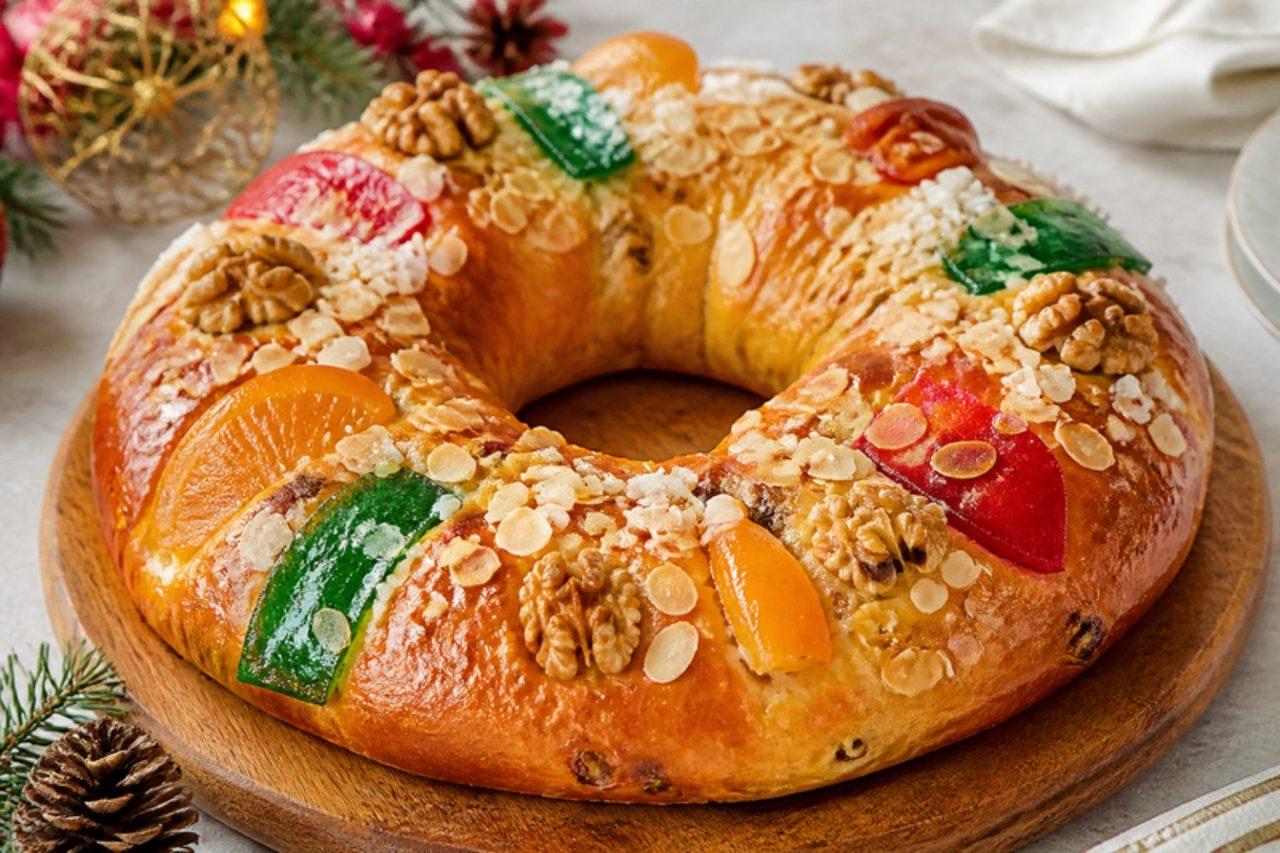
From early December to Twelfth Night every Lisbon pastelaria stacks its counter with these glossy rings, crowned with candied fruit and sugar, and families buy one for Christmas Eve and another for the Day of the Kings. A Lisbon confectioner brought the idea from France in the nineteenth century and it became the centre of the Portuguese Christmas table. Traditionally the raisins are soaked in port wine, which contains alcohol; orange juice works just as well. Old recipes hid a dried broad bean inside, and whoever found it bought next year's cake; we leave it out, as it is a choking hazard for children. Chef's tip: let the dough rise slowly in a cool place, even overnight in the fridge; the rich, buttery dough needs time to taste of anything.

by KrazyBadal 0 views

Barbounia tiganitaFried red mullet

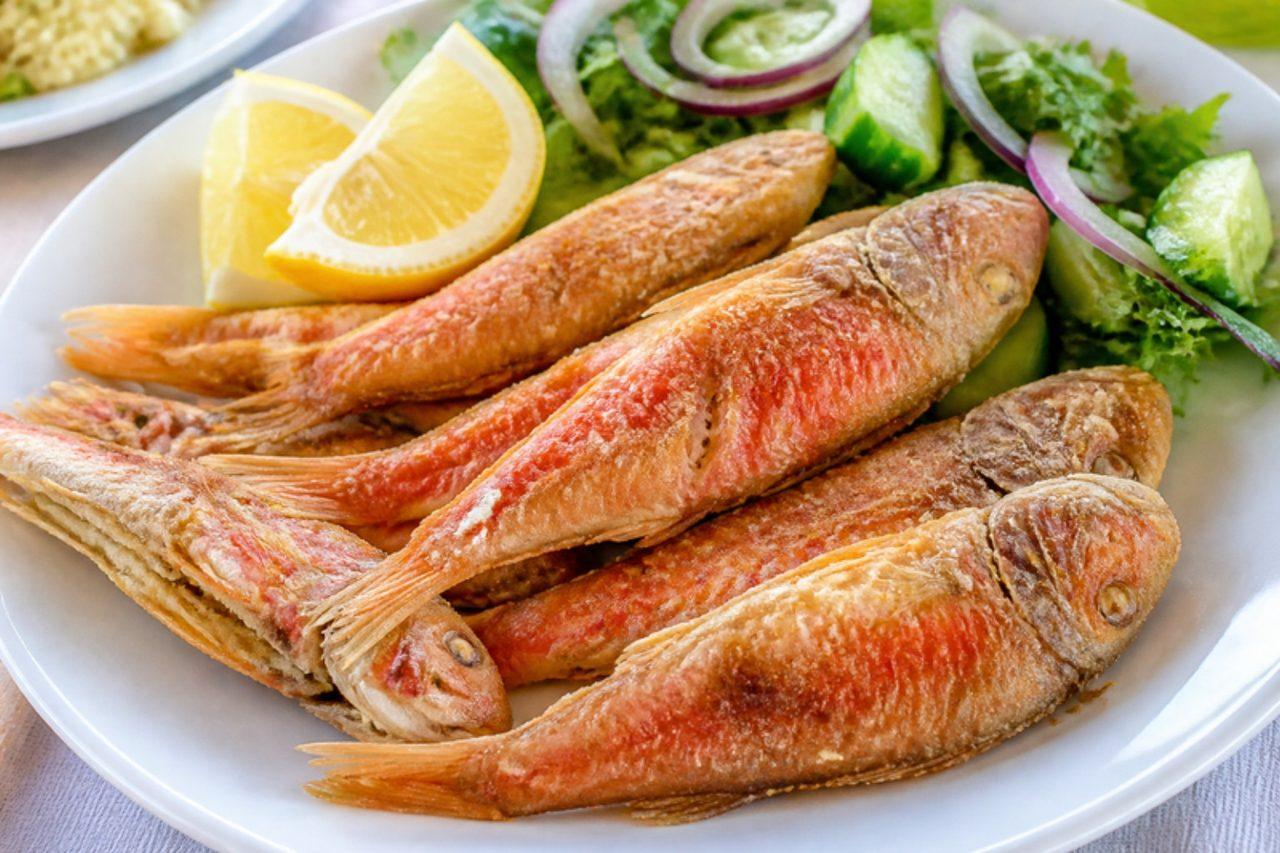
In summer, harbour tavernas from Naxos to Paros fry small red mullet whole, dusted in flour and crackling in olive oil, and bring them to the table with lemon, a horiatiki salad and bread. The skin turns crisp and rosy-gold while the flesh stays sweet and delicate, and islanders eat the little ones bones and all. Common mistake: crowding the pan, which drops the oil temperature so the fish soaks up oil and goes soggy. Chef's tip: ask the fishmonger to scale and gut the mullet but leave the heads on; they hold the fish together and are the tastiest part for many Greeks.

25 minGreekFish
by KrazyBadal 0 views

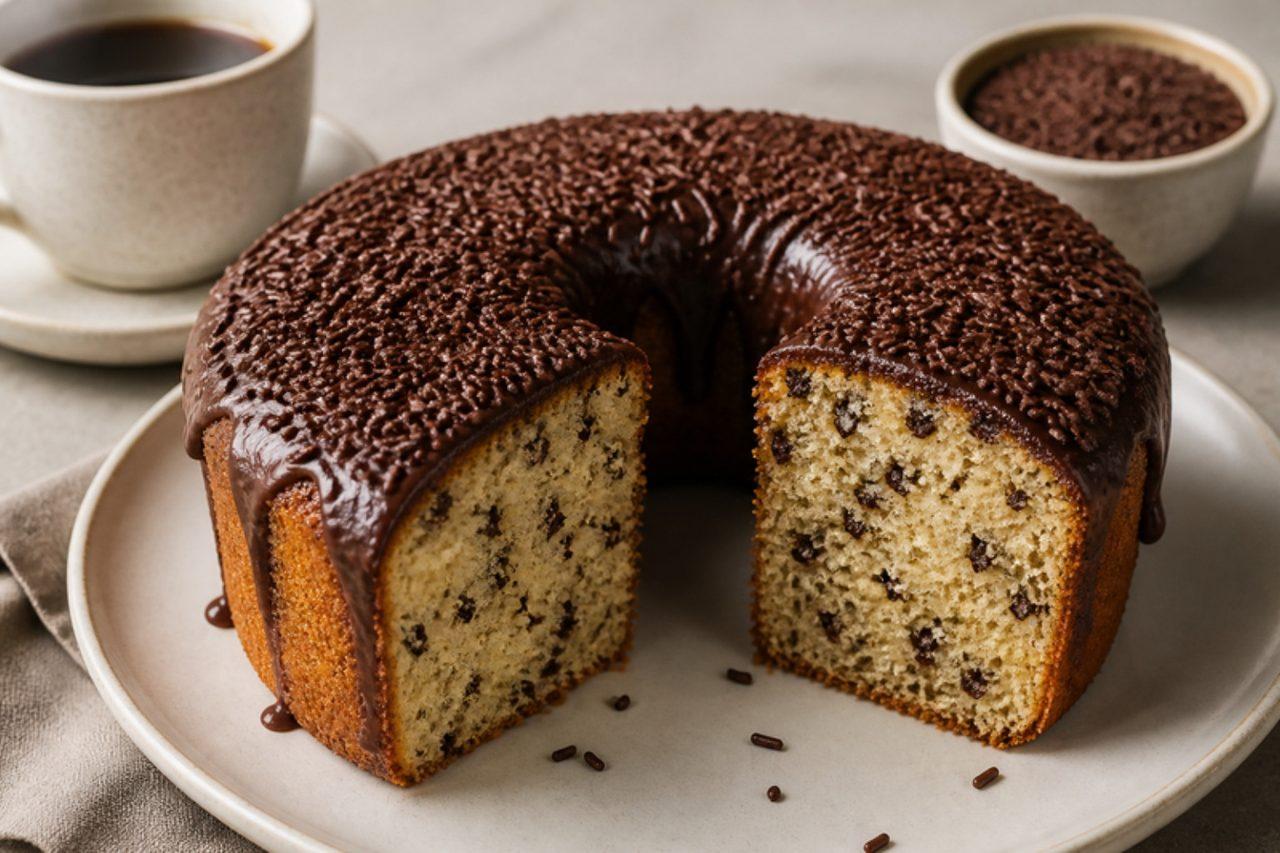
Bolo formigueiroVanilla sponge with chocolate sprinkles

Slice into a bolo formigueiro and the crumb is dotted with dark specks, like ants on a sandy anthill, which is where the name comes from. This is the cake a Brazilian kid would want at merenda time: a soft, buttery vanilla sponge with chocolate sprinkles (granulado) folded through, often finished with a simple chocolate glaze and more sprinkles on top. Padarias and lanchonetes from São Paulo to Belo Horizonte sell it by the slice with a coffee. The cake contains wheat flour, eggs and milk. People often stir the sprinkles into the batter at the start, so they melt and turn the cake muddy grey. Chef's tip: fold the sprinkles in last, with a light hand, and use the chocolate kind (not candy-coloured), which hold their shape in the oven.

by KrazyBadal 0 views

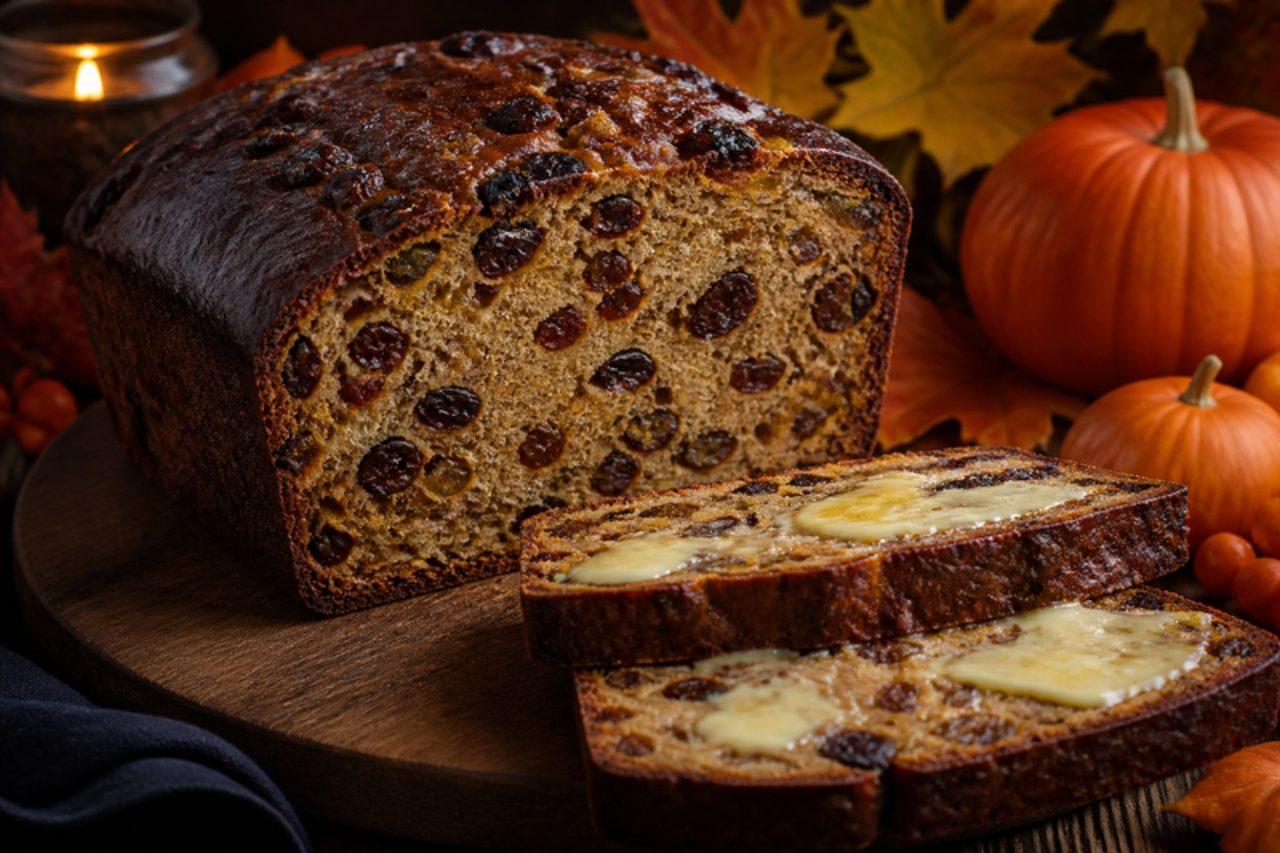
BarmbrackTea-soaked fruit loaf

Barmbrack is the speckled fruit loaf eaten in Ireland at Halloween, when a ring wrapped in baking paper is baked inside, and whoever finds it is said to marry within the year. This is the quick tea brack version made all over Connacht and Munster, with the dried fruit soaked overnight in strong tea so the loaf is dark, moist and fragrant with mixed spice. Serve sliced and buttered with a cup of tea. Chef's tip: soak the fruit for a full night; short soaking gives dry, chewy fruit.

by KrazyBadal 0 views

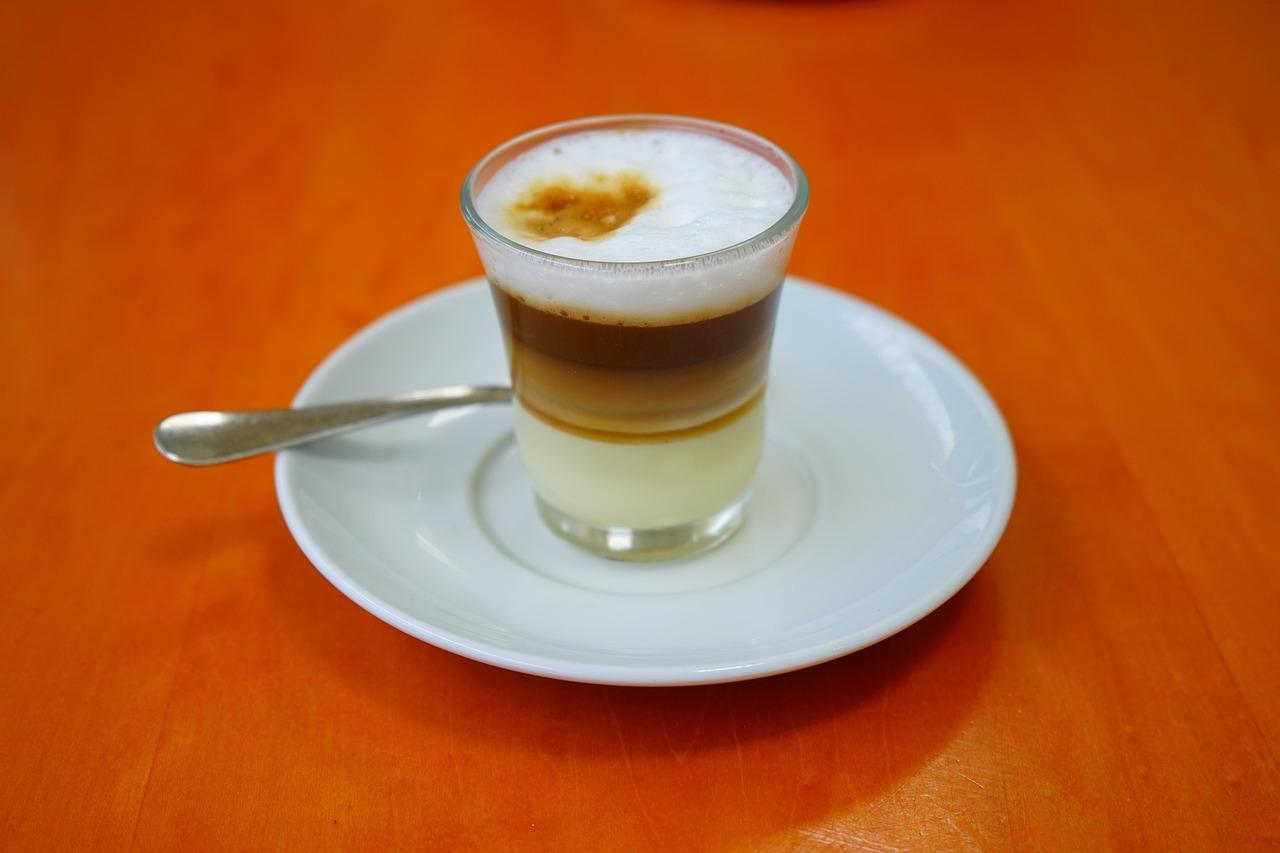
BarraquitoLayered coffee with condensed milk

Order a barraquito in any café in Santa Cruz de Tenerife or La Laguna and it comes in a small glass showing neat stripes: sweet condensed milk at the bottom, then espresso, then foamed milk, perfumed with lemon peel and cinnamon. The bar classic adds a measure of a vanilla-citrus Spanish liqueur between the layers, which makes it contain alcohol; this recipe leaves it optional, and without it the drink is often called a zaperoco or barraquito sin licor. Chef's tip: pour each layer slowly over the back of a spoon, so the layers sit on top of each other instead of mixing.

by KrazyBadal 0 views

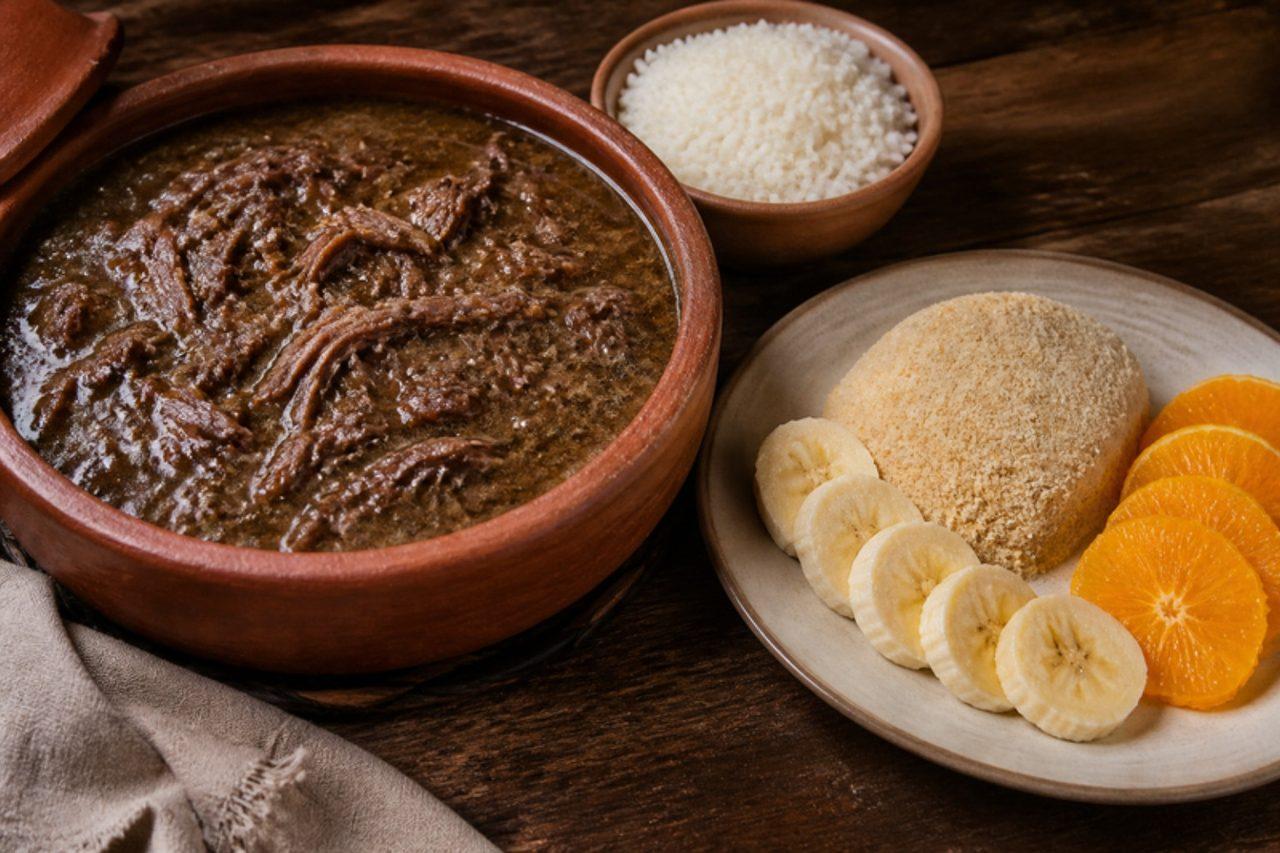
BarreadoSlow-cooked beef in clay pot

Morretes and Antonina, the little colonial towns at the foot of Paraná's Serra do Mar, are famous for barreado: beef layered with smoked bacon, onion, garlic, cumin and bay in a clay pot, sealed with a paste of cassava flour and water, and cooked for many hours until it falls into soft, dark strands in a rich broth. It was a Carnival dish, left on the fire so revellers could eat without cooking, and today the restaurants along the Rio Nhundiaquara serve it every day. This recipe contains pork, in the bacon that gives the broth its smokiness. At the table you put cassava flour on your plate, ladle over hot broth and stir it into a soft pirão, then add the meat and slices of banana. The common mistake is opening the pot to check, which lets the steam out and toughens the meat; trust the seal and the oven. A heavy cast-iron casserole works if you have no clay pot. Chef's tip: use two cuts, a lean one and a gelatinous one like shin, for broth with real body.

by KrazyBadal 0 views

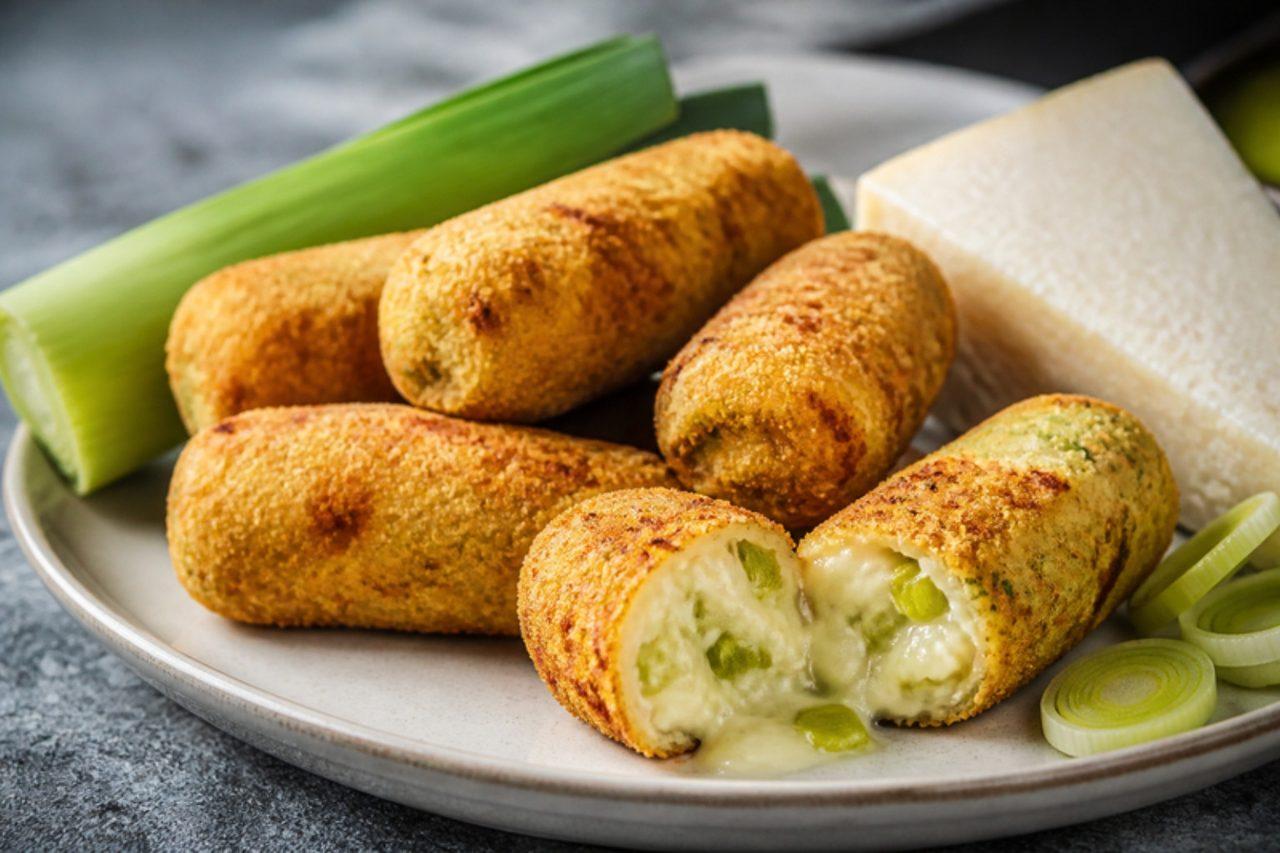
Glamorgan sausages

Glamorgan sausages, selsig Morgannwg, are a meat-free Welsh classic from the old county of Glamorgan in South Wales, made since at least the 1800s and praised by George Borrow on his tour of Wales. Crumbly Caerphilly cheese, leek and fresh breadcrumbs are bound with egg, rolled into sausages, crumbed and fried until crisp and golden. Traditional Caerphilly is often made with animal rennet; look for a vegetarian one. Chef's tip: chill the shaped sausages for 30 minutes before frying so they hold together.

by KrazyBadal 0 views

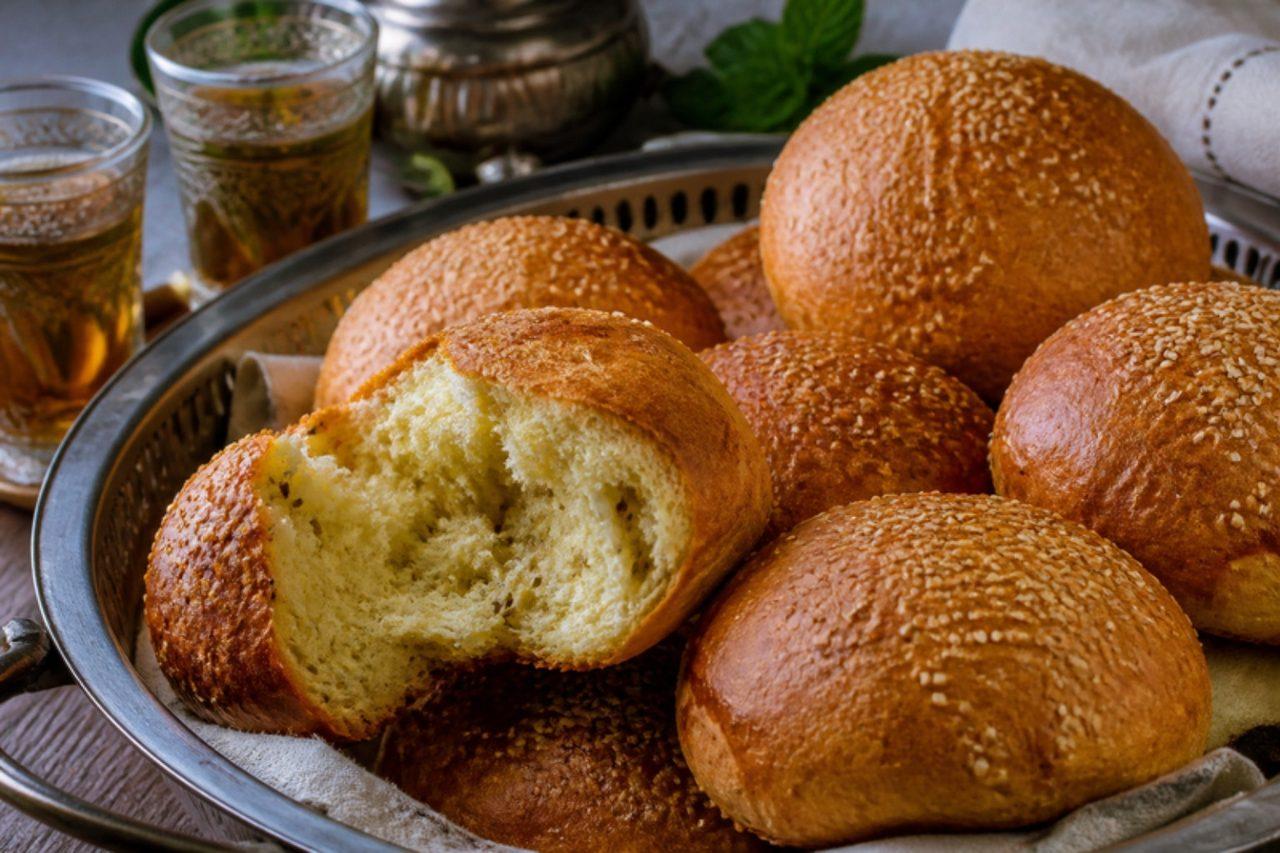
Krachel (aniseed and sesame brioche buns)

Moroccan bakeries pile their windows with krachel, round, glossy buns of enriched dough perfumed with aniseed, toasted sesame and orange-flower water, and families bake them at home for breakfast, for guests and for feast days. They are soft and pillowy, lightly sweet, with a distinctive liquorice-like scent from the anise and a nutty crunch of sesame on top. Eat them warm with butter and jam, dipped into milky coffee, or with mint tea in the afternoon. The dough needs two rises, about 1 1/2 hours in all. Don't rush the rise: under-proved krachel bake dense and tight instead of soft and fluffy. Chef's tip: lightly toast the aniseed and sesame in a dry pan before adding them to the dough; it doubles their fragrance.

by KrazyBadal 0 views

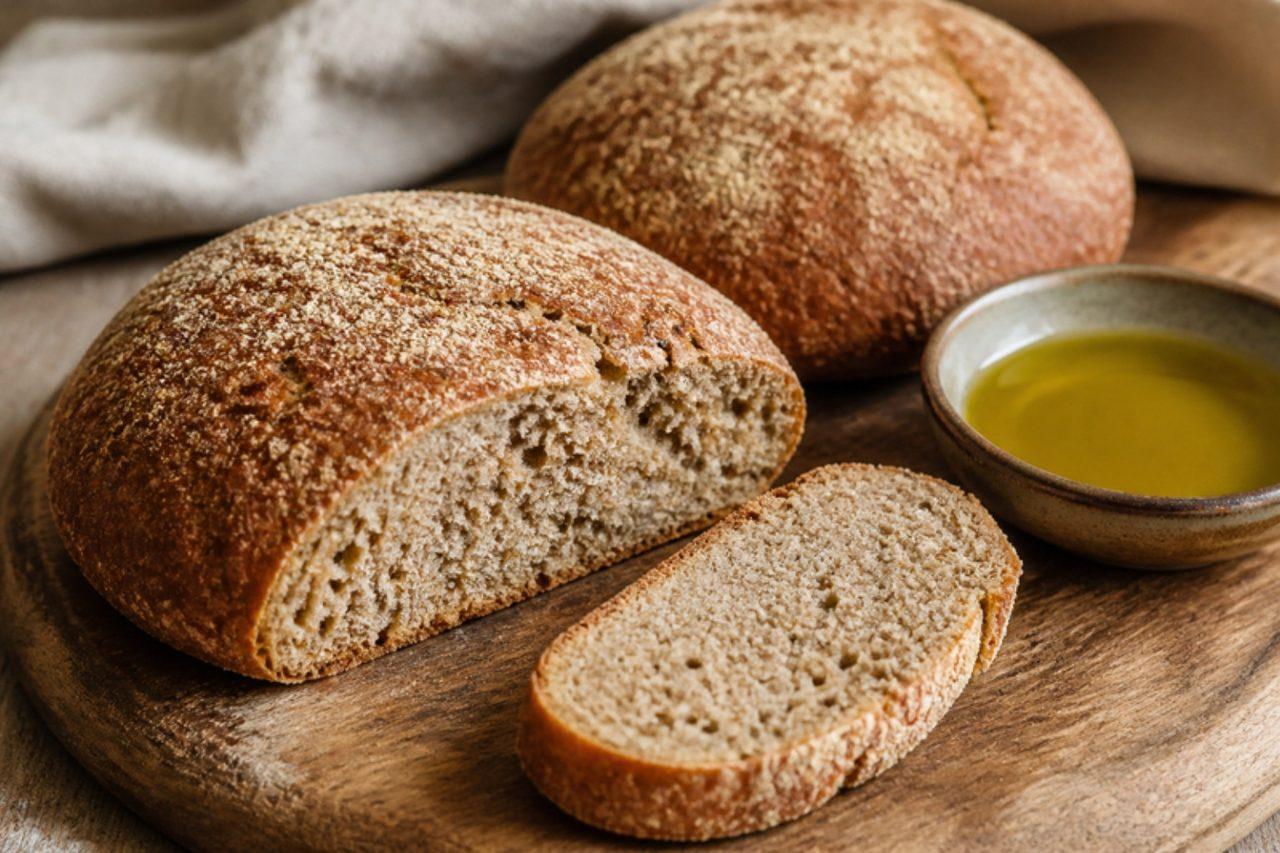
Moroccan barley bread (khobz chair)

Before white flour became cheap, barley bread was everyday food in much of rural Morocco, from the Rif to the Atlas, and khobz chair is still baked at home and sold in markets by people who love its dense, slightly sweet, nutty crumb. Barley has very little gluten, so the loaves are flat-domed rather than tall, with a crust dusted in barley grits or semolina. Tear it while warm and dip it in olive oil, eat it with bissara, lentils or olives, or spread it with honey and butter at breakfast. A little white flour helps it rise; allow about 1 1/2 hours for rising. Chef's tip: do not keep adding flour to make it less sticky; barley dough is meant to feel tacky, and extra flour, the common mistake, makes a dry, crumbly loaf.

by KrazyBadal 0 views

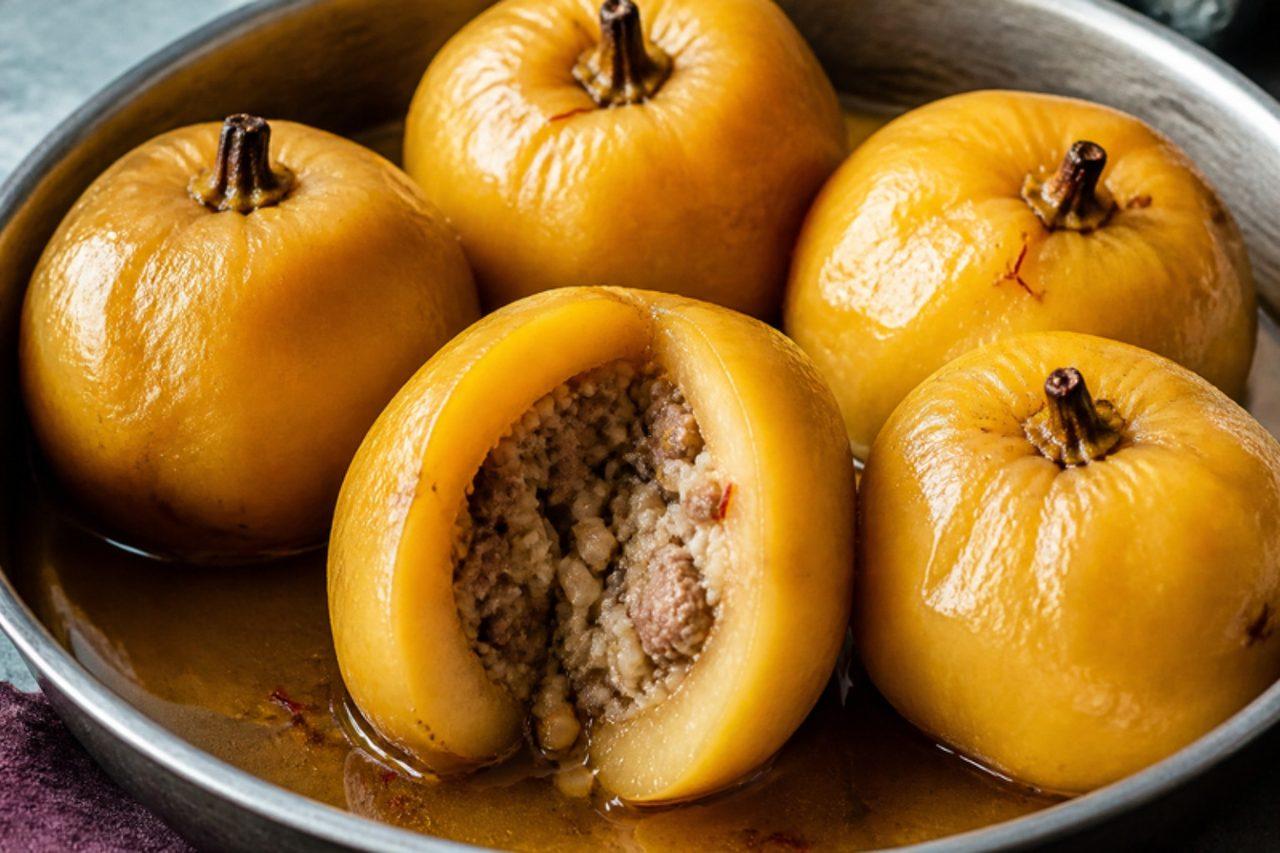
Dolmeh-ye behStuffed quinces in sweet-sour syrup

Dolmeh-ye beh is autumn food in Tabriz and across Iranian Azerbaijan, made in October and November when golden quinces pile up on market stalls. The quinces are hollowed and filled with lamb or beef mince, rice, yellow split peas and cinnamon, then baked in a syrup of sugar, vinegar and saffron until the fruit is soft enough to cut with a spoon and its flesh turns pink. Each person gets a whole quince with bread and yogurt on the side. A common mistake is cooking the shells for too long before stuffing; they should only soften slightly or they collapse in the oven. Chef's tip: rub the cut quinces with lemon at once, as they brown within minutes.

120 minPersianMeatGluten free
by KrazyBadal 0 views

ChampignonpfanneGarlic mushrooms with sour cream sauce

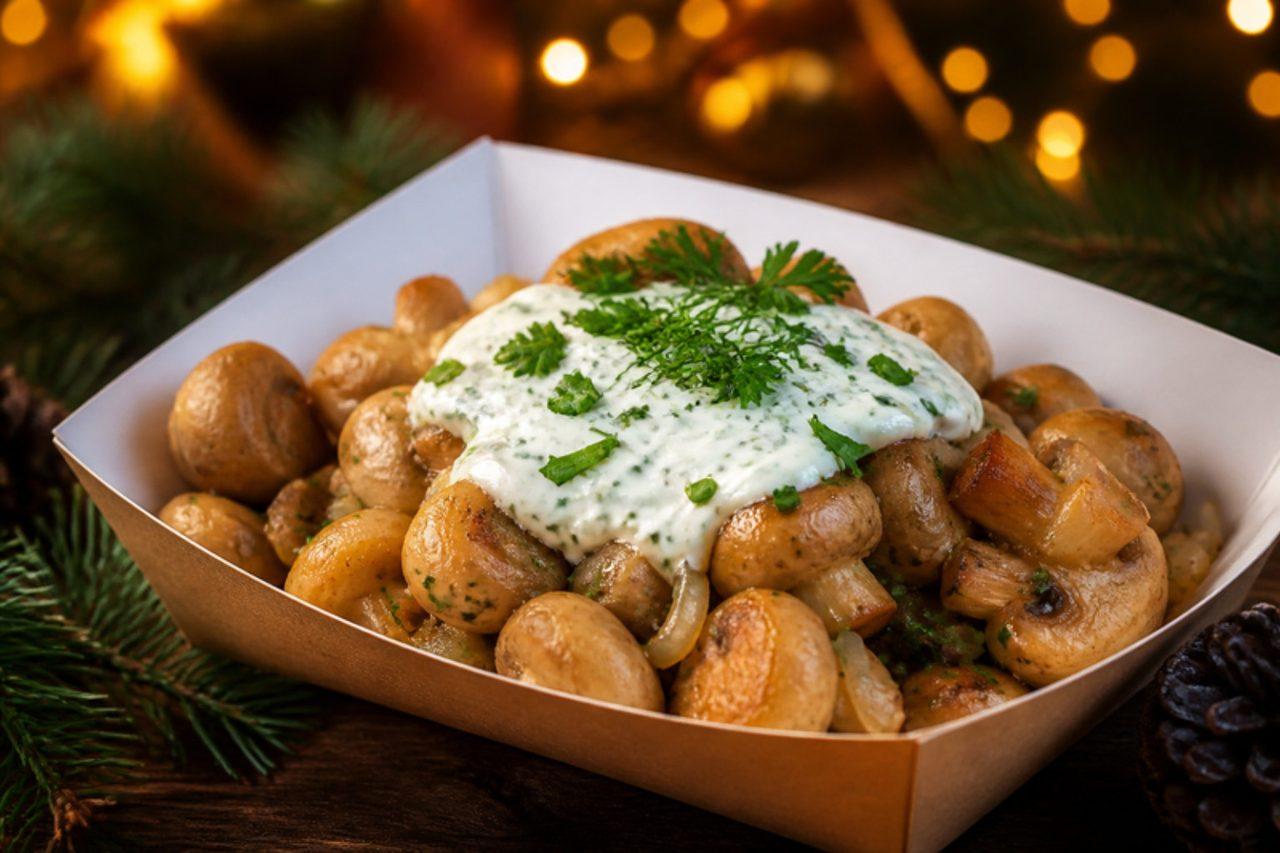
Walk through any German Weihnachtsmarkt, from Cologne's cathedral square to Nuremberg's Hauptmarkt, and you will smell the Champignonpfanne before you see it: a huge flat pan of button mushrooms frying with onion and garlic, scooped into paper boats and topped with a cool herb sauce. It is the market's favourite meat-free snack on a cold December evening, and it takes twenty minutes at home. Serve it with crusty bread or as a side to potato pancakes. The common mistake is piling every mushroom into the pan at once, which makes them stew grey in their own water instead of browning. Chef's tip: salt the mushrooms only once they have coloured; salt added early draws out the liquid and stops the browning.

by KrazyBadal 0 views

Seafood gumbo

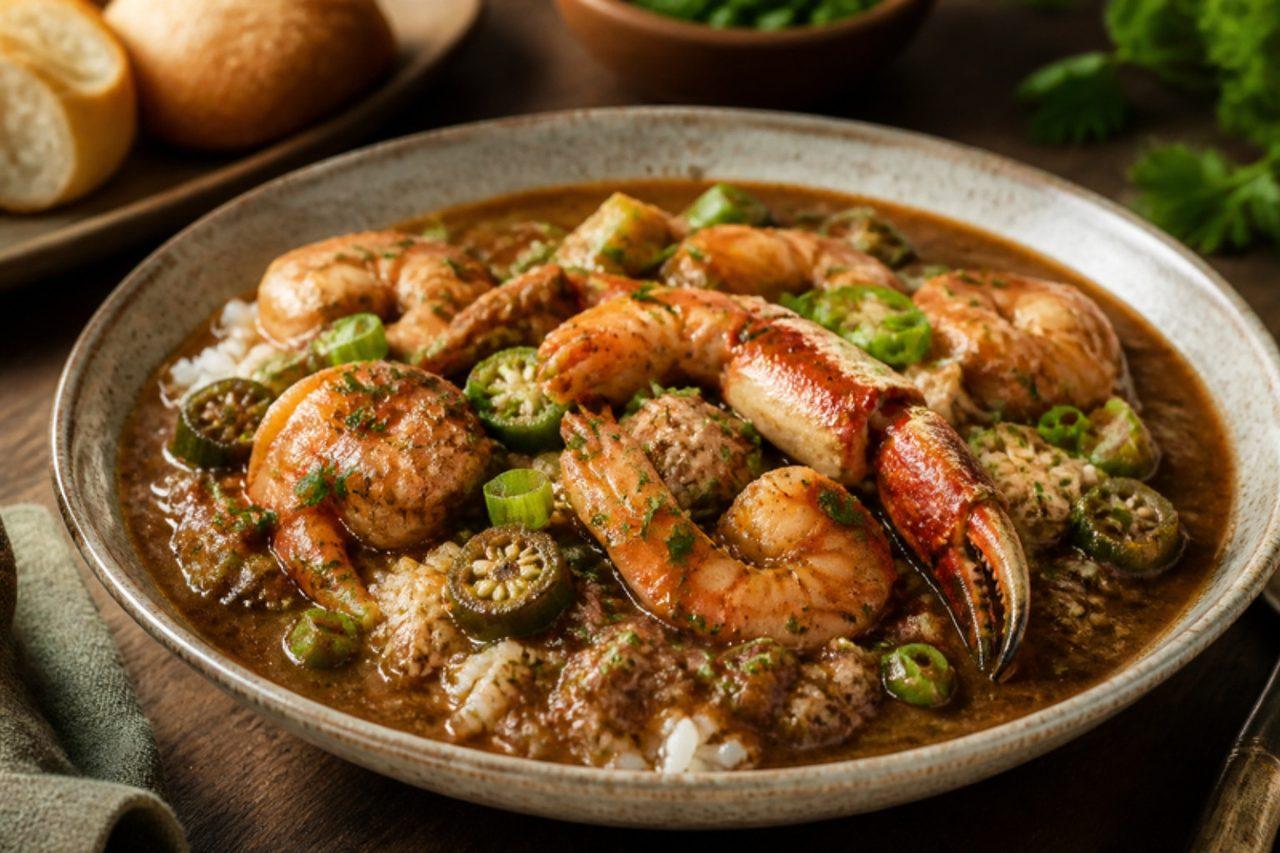
Seafood gumbo is the New Orleans Creole style, made in coastal kitchens from the French Quarter to the bayou towns of Plaquemines Parish, with a medium-brown roux, tomato and sliced okra to thicken it, and as much Gulf prawn, crab and oyster as the market offers. It is a Friday, Lent and Christmas Eve dish. Serve over rice with a dash of hot sauce. Chef's tip: make a quick stock from the prawn shells; it carries the sea flavour through the whole pot.

130 minAmericanFish
by KrazyBadal 0 views

BasloghRosewater starch sweet with walnuts

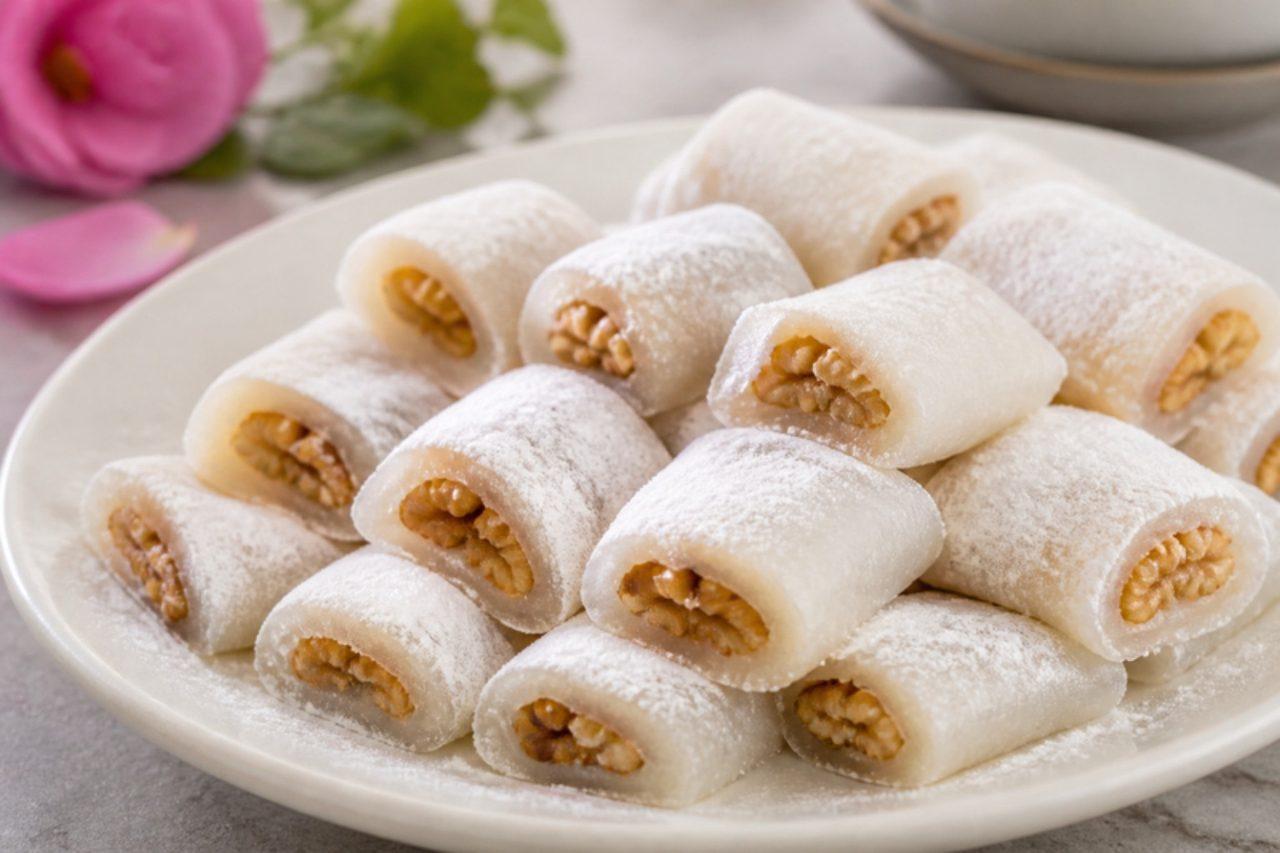
Baslogh is one of the soft confections that fill the sweet shops of Tabriz's covered bazaar, especially before Nowruz and at Ramadan: a pale, wobbly slab of starch cooked in rose-scented syrup, studded with walnuts, cut into squares and dusted so it does not stick. It is related to Turkish lokum but softer and less sweet, eaten with tea in the afternoon. A common mistake is stopping the cooking too early; undercooked baslogh never sets and weeps syrup. Chef's tip: cook until the paste turns translucent and pulls away from the pan in one mass, which takes longer than you expect.

by KrazyBadal 0 views

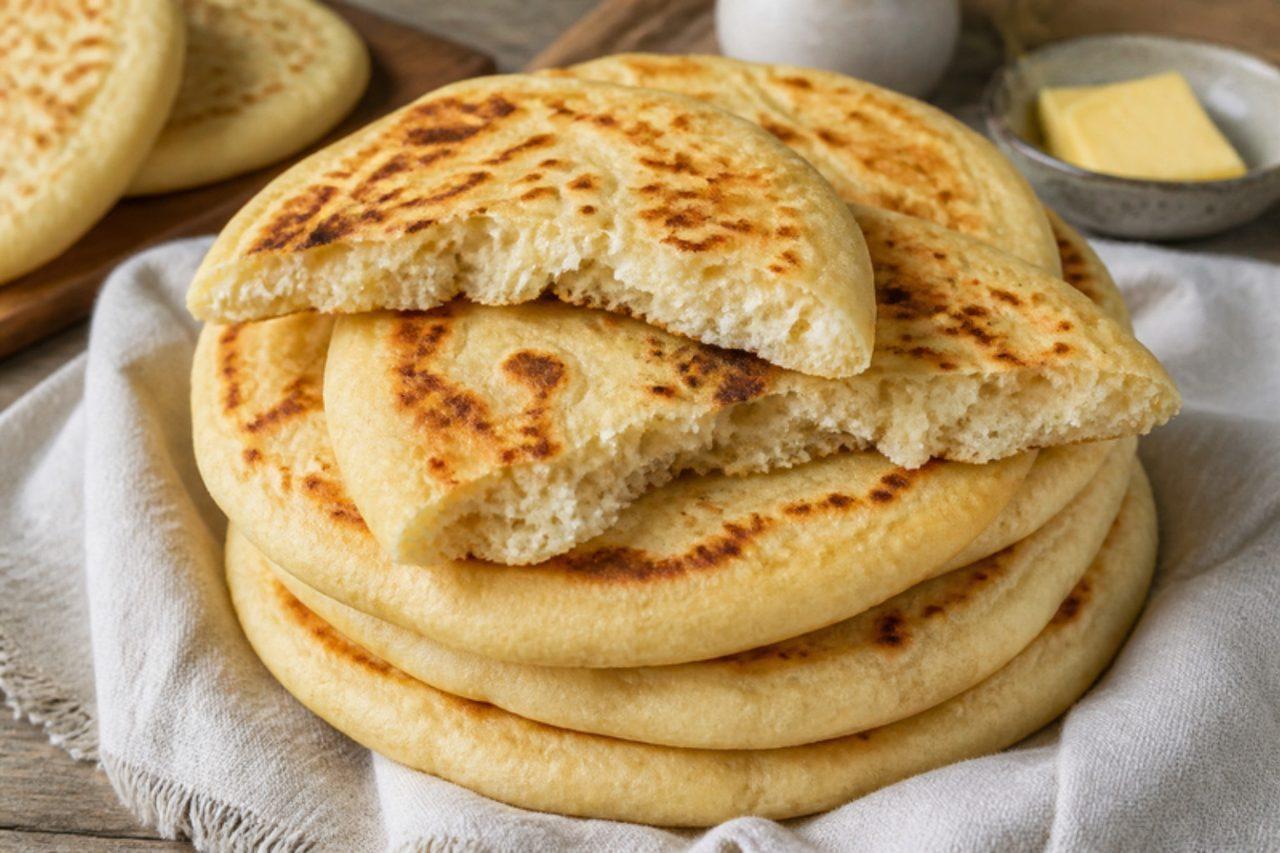
Bolo do cacoSweet potato flatbread with garlic butter

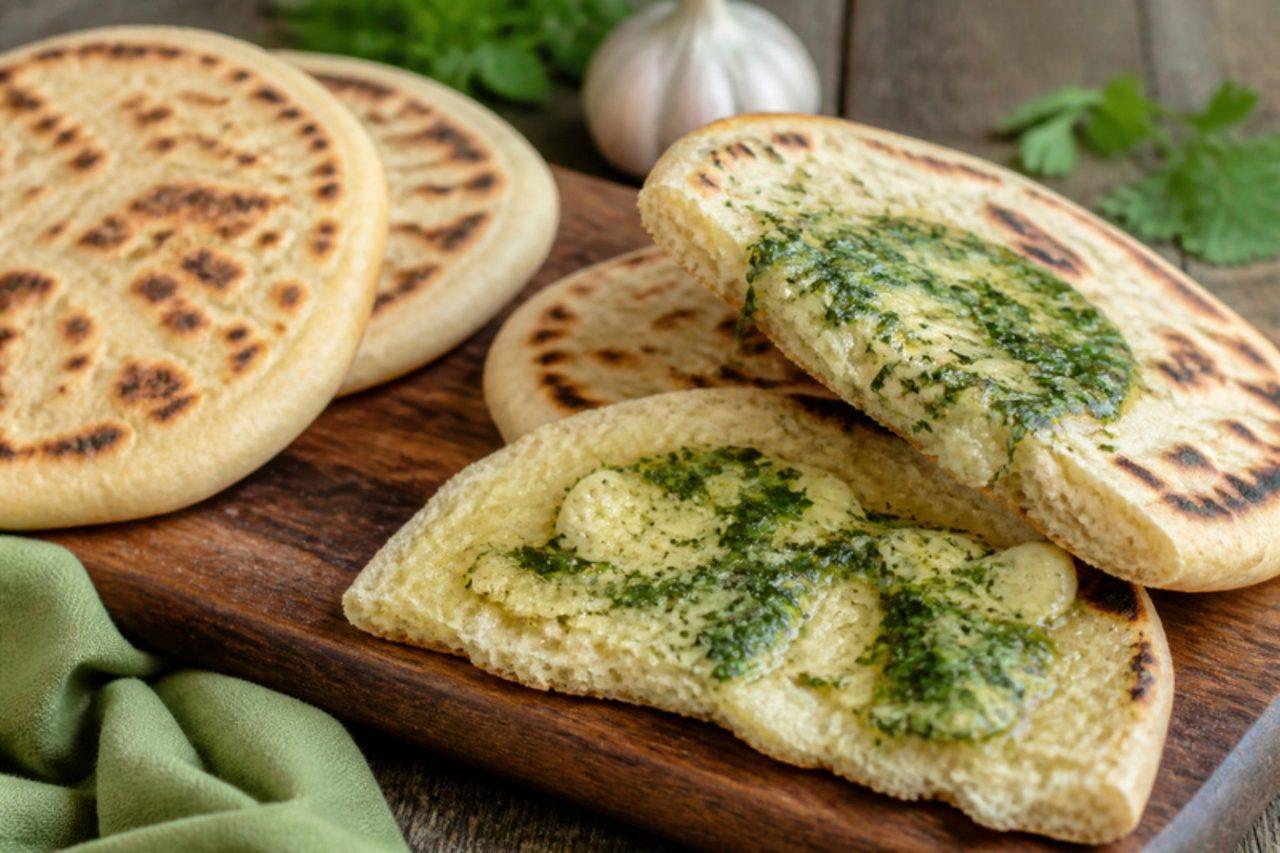
Every street stall at the Funchal flower festival and every village arraial on Madeira has a hot stone griddle going, turning out these flat, chewy rounds of bread made with sweet potato. They are split while hot, spread with garlic and parsley butter and eaten on their own, or stuffed with a skewer's worth of espetada. The name comes from the caco, the basalt slab they were first baked on, but a heavy frying pan does the job at home. Chef's tip: cook them low and slow; a hot pan burns the crust before the thick middle is done.

by KrazyBadal 0 views

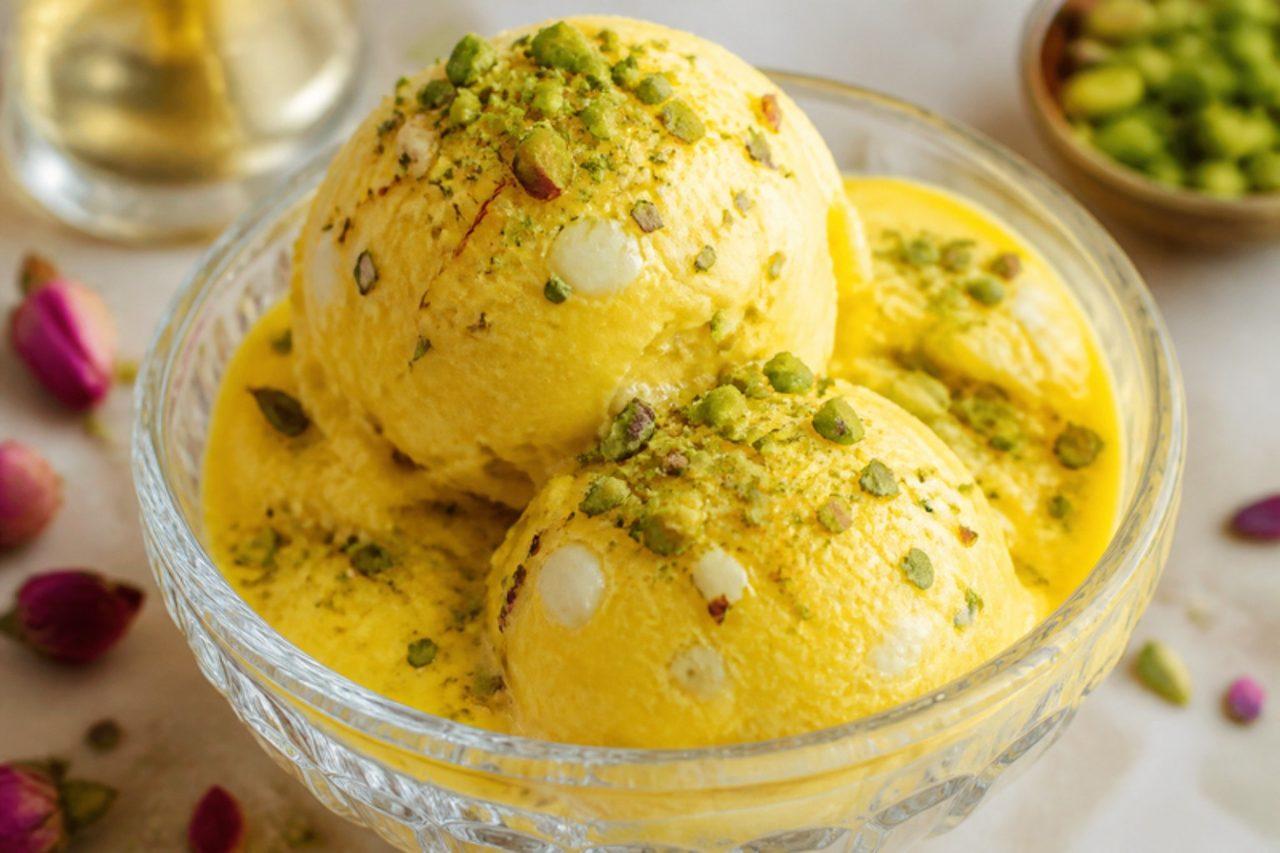
Bastani sonnatiSaffron rosewater ice cream

On summer evenings in Tehran, queues form outside old ice-cream shops for bastani sonnati, scooped between two thin wafers or into a glass beside faloodeh. The custard is rich with egg yolks and coloured deep gold with saffron, perfumed with rosewater and studded with pistachios and little shards of frozen cream that melt on the tongue. This home version uses an ice-cream machine or a fork-and-freezer method. Chef's tip: freeze the cream chips in a thin sheet the day before, so they are hard enough to stay as separate shards when folded in.

by KrazyBadal 0 views

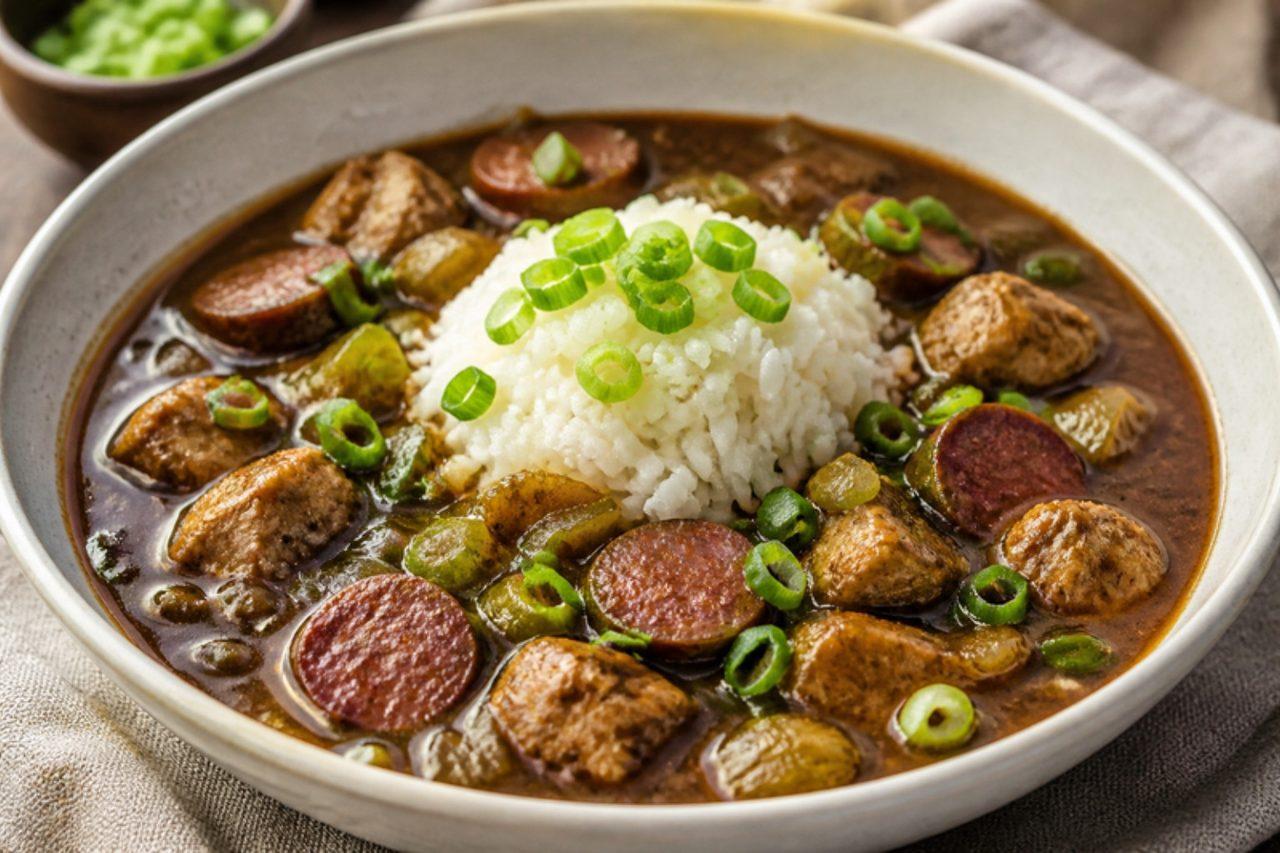
Chicken and andouille gumbo

In the prairie towns of Acadiana around Lafayette and Eunice, a pot of chicken and andouille gumbo goes on the stove for Sunday dinners, Mardi Gras runs and cold winter evenings. It starts with a roux of flour and oil stirred until the colour of dark chocolate, then the holy trinity of onion, celery and pepper, chicken thighs and andouille, a spicy smoked pork sausage. Serve in bowls over rice with potato salad on the side, as many Cajun families do. Chef's tip: never stop stirring the roux and keep the heat medium; a single black fleck means it has burnt and must be thrown out.

by KrazyBadal 0 views

West Virginia pepperoni rolls

Pepperoni rolls were first baked for Italian immigrant coal miners in Fairmont, West Virginia, in the 1920s as a lunch that needed no refrigeration down the mine, and they are now sold in every petrol station and school canteen in the state. Soft, slightly sweet bread is rolled around sticks of cured pork-and-beef pepperoni, whose spicy oil seeps into the dough as it bakes. Chef's tip: use sticks of pepperoni rather than slices, which is the original Fairmont way and keeps the bread from going greasy.

by KrazyBadal 0 views

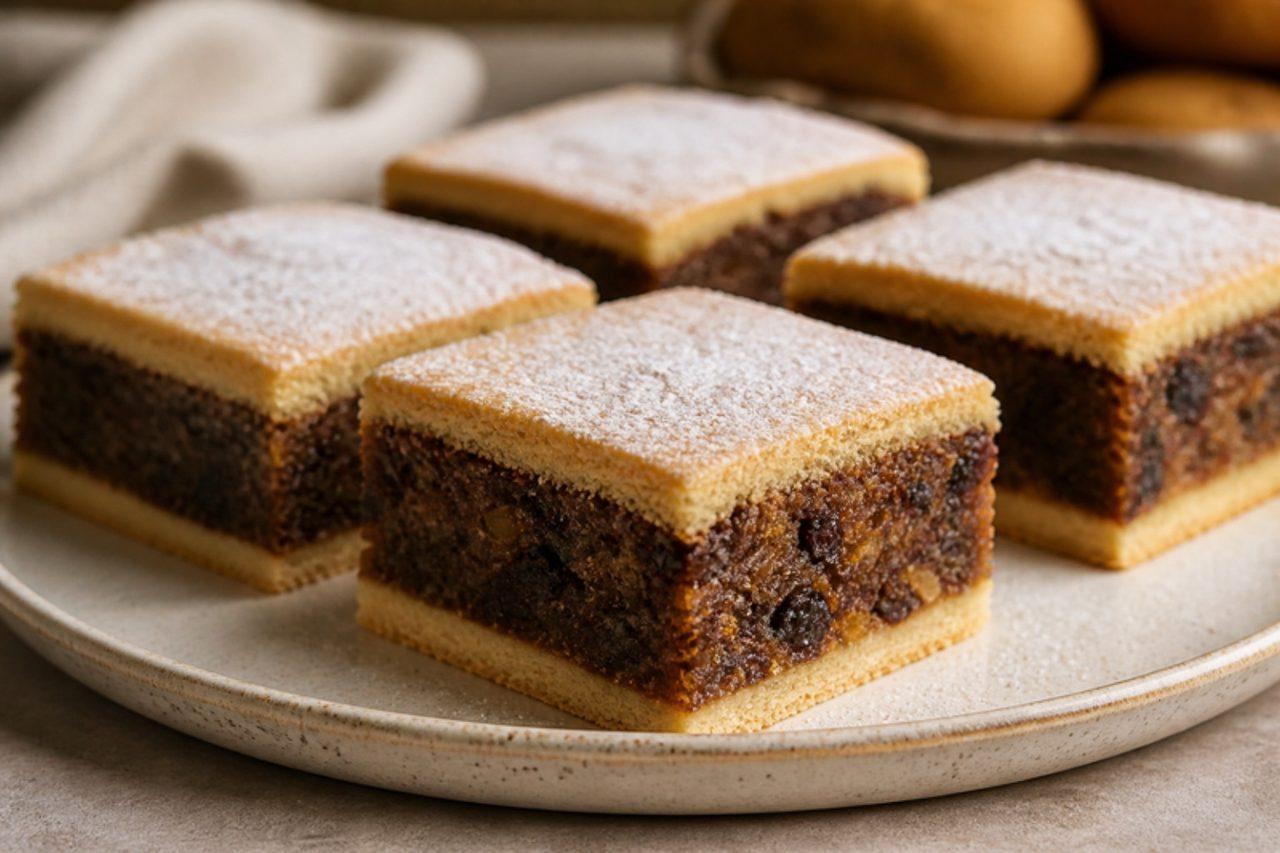
Dublin gur cakeSpiced fruit and pastry slice

Gur cake was the cheapest treat in Dublin bakeries, made from the day's leftover bread and cake soaked with tea, dried fruit and spice and baked between two sheets of pastry. It gave its name to the 'gurriers', the kids who mitched school and bought slices for a ha'penny, and you still find it in the bakeries of the inner city, where it is also called Chester cake. It is dense, sticky and spiced. Chef's tip: let the filling soak for a good half hour so the bread breaks down completely into a smooth paste.

by KrazyBadal 0 views

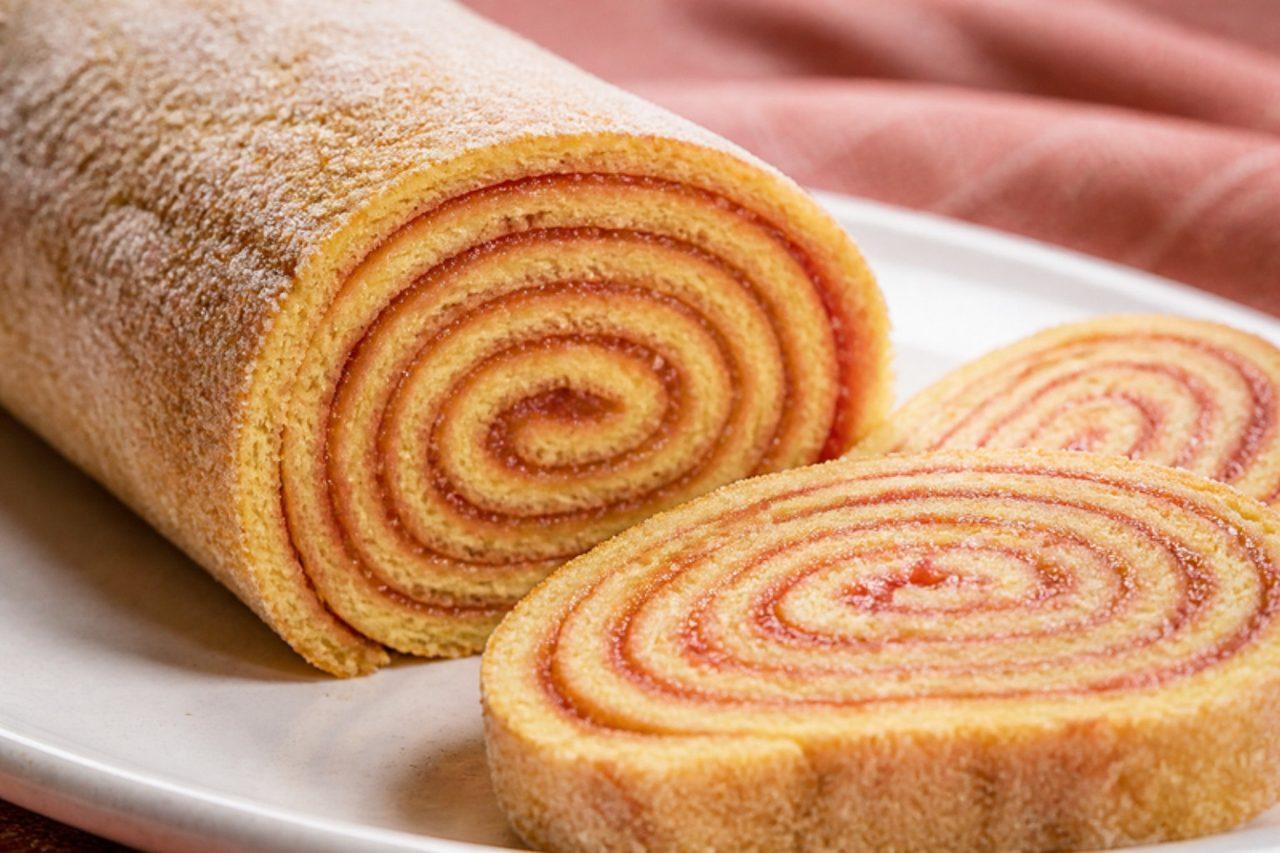
Bolo de roloGuava paste roll cake

Cut a slice of bolo de rolo and you see a tight spiral of a dozen hair-thin layers, alternating pale butter sponge and dark red guava. It is Pernambuco's proudest cake, protected as a cultural heritage of the state, sold in Recife's bakeries and airport shops in long boxes and served at birthdays and with coffee in the afternoon. The batter is rich with butter and eggs, spread so thinly it bakes in minutes; each sheet is brushed with melted guava paste and rolled around the last. It takes patience rather than skill. The classic slip is spreading the batter too thick, which gives a fat swiss roll instead of fine stripes; you should almost see the paper through it. Chef's tip: roll each layer while it is still hot from the oven, on a clean cloth dusted with sugar, because the thin sponge cracks as soon as it cools.

by KrazyBadal 0 views

Maakouda (potato fritters)

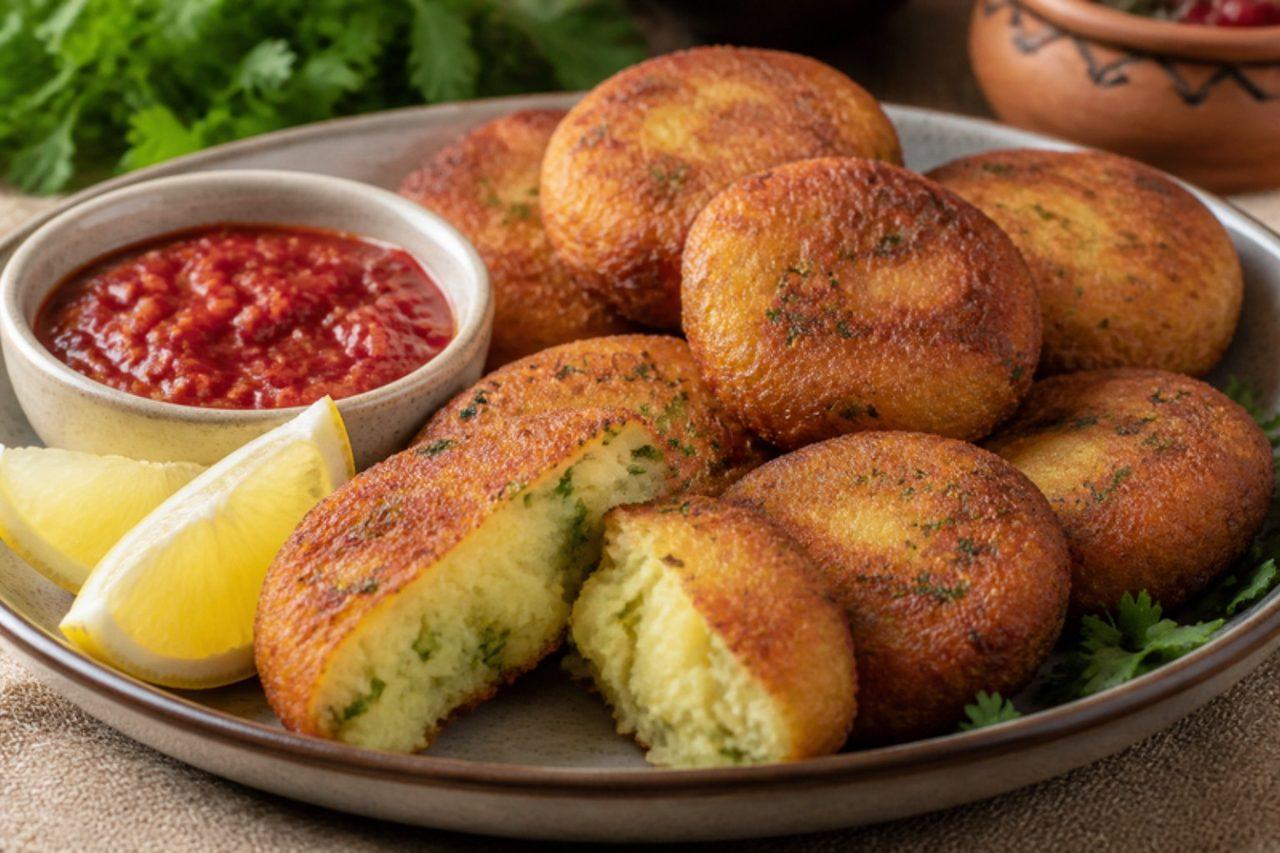
Few street snacks are as loved in Morocco as maakouda, golden patties of mashed potato seasoned with garlic, cumin, turmeric and plenty of parsley and coriander, dipped in beaten egg and fried until crisp outside and fluffy inside. At sandwich stalls in Casablanca, Rabat and Tangier they are split into half a baguette or a round of khobz with harissa, chopped tomato and onion, and in Ramadan they appear on the iftar table beside harira. At home they make a great lunch with a salad. Chef's tip: cook the potatoes in their skins, then peel and mash them while hot and leave the mash to steam dry for 10 minutes; dry mash holds together, while wet mash, the classic mistake, falls apart in the pan.

by KrazyBadal 0 views

Batatas a murroPunched roast potatoes with garlic oil

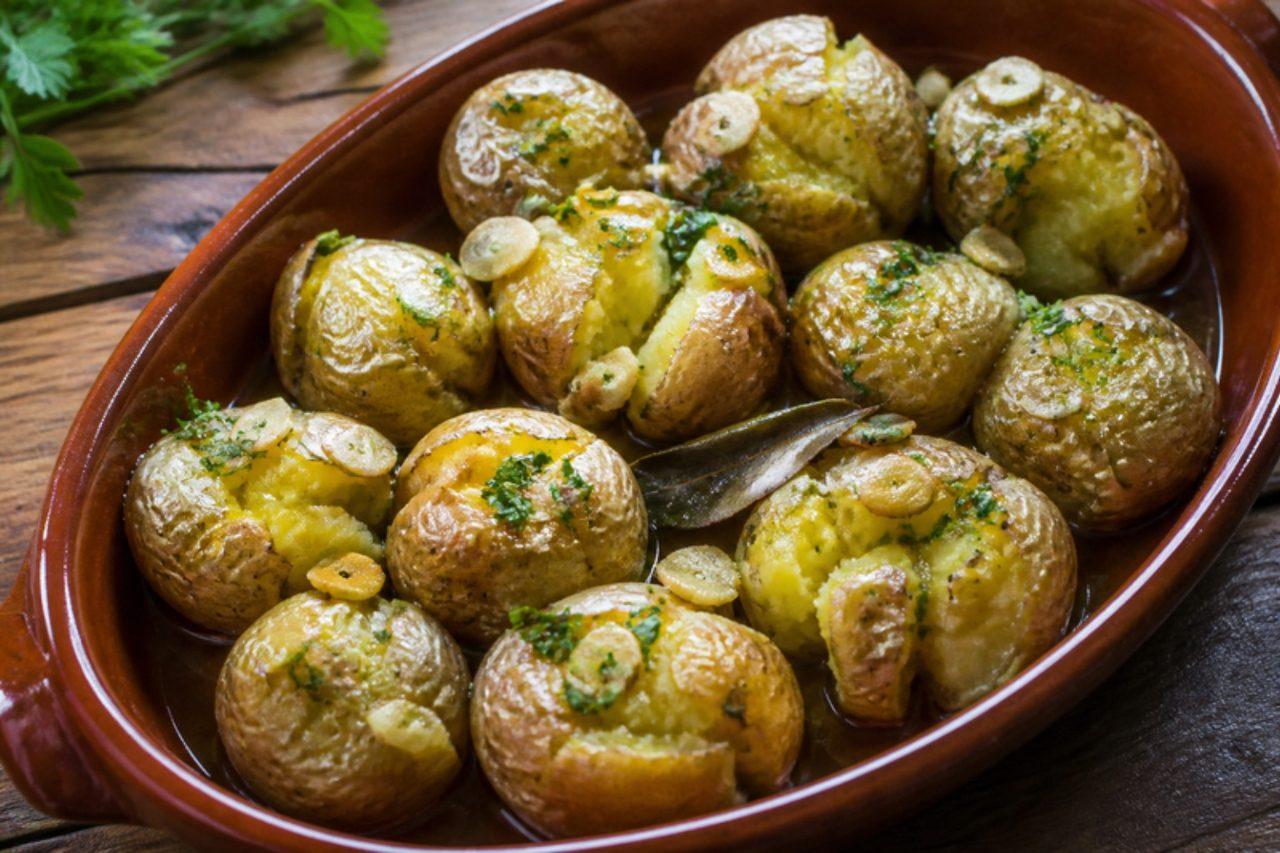
Order bacalhau na brasa in a Minho tasca and it arrives with these: small potatoes roasted in their skins on a bed of coarse salt, given a sharp punch to split them, then soaked in hot olive oil and garlic. The skins go crisp and salty while the flesh turns fluffy and drinks up the oil. They are just as good next to grilled sardines in June or a roast chicken on Sunday. Chef's tip: pick potatoes the size of a hen's egg so they cook through before the skins burn.

by KrazyBadal 0 views

Batatas al rescoldoEmber-roasted sweet potatoes

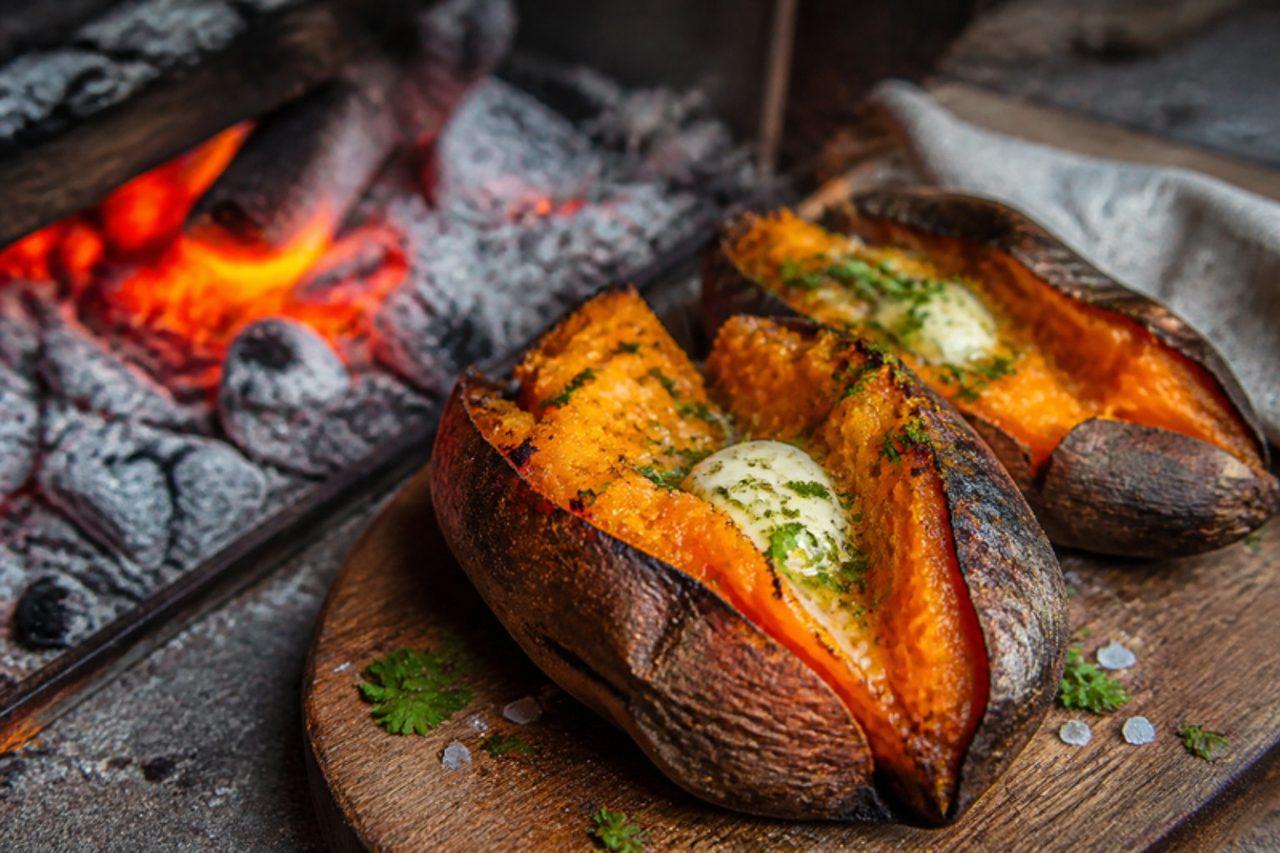
Long after the meat comes off, the fire of an Argentine asado still has work to do. Sweet potatoes pushed into the glowing embers (el rescoldo) at the start of the cook come out an hour later with charred, papery skins and flesh that is soft, sticky and almost caramelised, with a smoky edge. They are split open at the table, filled with butter and coarse salt and eaten as a side to the asado or as supper by the fire on a camping trip. Burying them in live flames is the trap: the skin blackens right through while the inside stays hard, so wait for a bed of settled embers and ash. Wrapping them in foil gives softer skins and less risk if you are new to it, and an oven at 200 °C does a fine job indoors. Chef's tip: choose sweet potatoes of the same thickness, around 250 g each, so they cook evenly together.

by KrazyBadal 0 views

Bolo de milho verdeSweetcorn cake

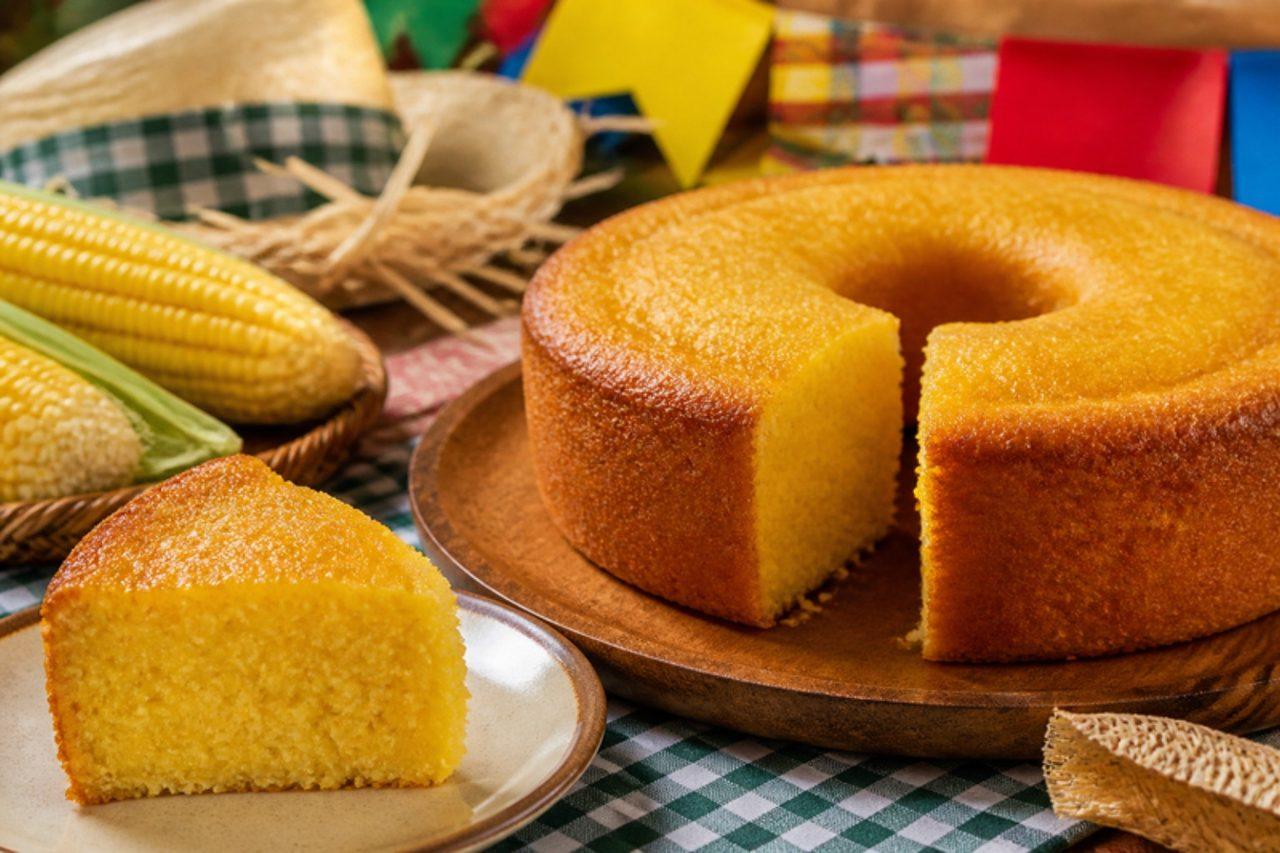
Almost every Brazilian padaria keeps a tray of bolo de milho verde by the till, and in June it multiplies across festa junina stalls, sliced into squares and wrapped in napkins. Everything goes into a blender: sweetcorn kernels, eggs, milk, oil, sugar and a little fine cornmeal, so the cake comes out yellow, dense and moist, almost custardy in the middle, with real corn flavour. It is made without wheat flour, which keeps it gluten free as long as your baking powder is. Eat it with afternoon coffee or warm from the tin. Opening the oven early is where it usually goes wrong; this batter is heavy and sinks if the door opens before 35 minutes. Chef's tip: leave the cake in the tin for 20 minutes after baking; it finishes setting as it cools and comes out in clean slices.

by KrazyBadal 0 views

Bolo de mel da MadeiraSpiced molasses cake with nuts

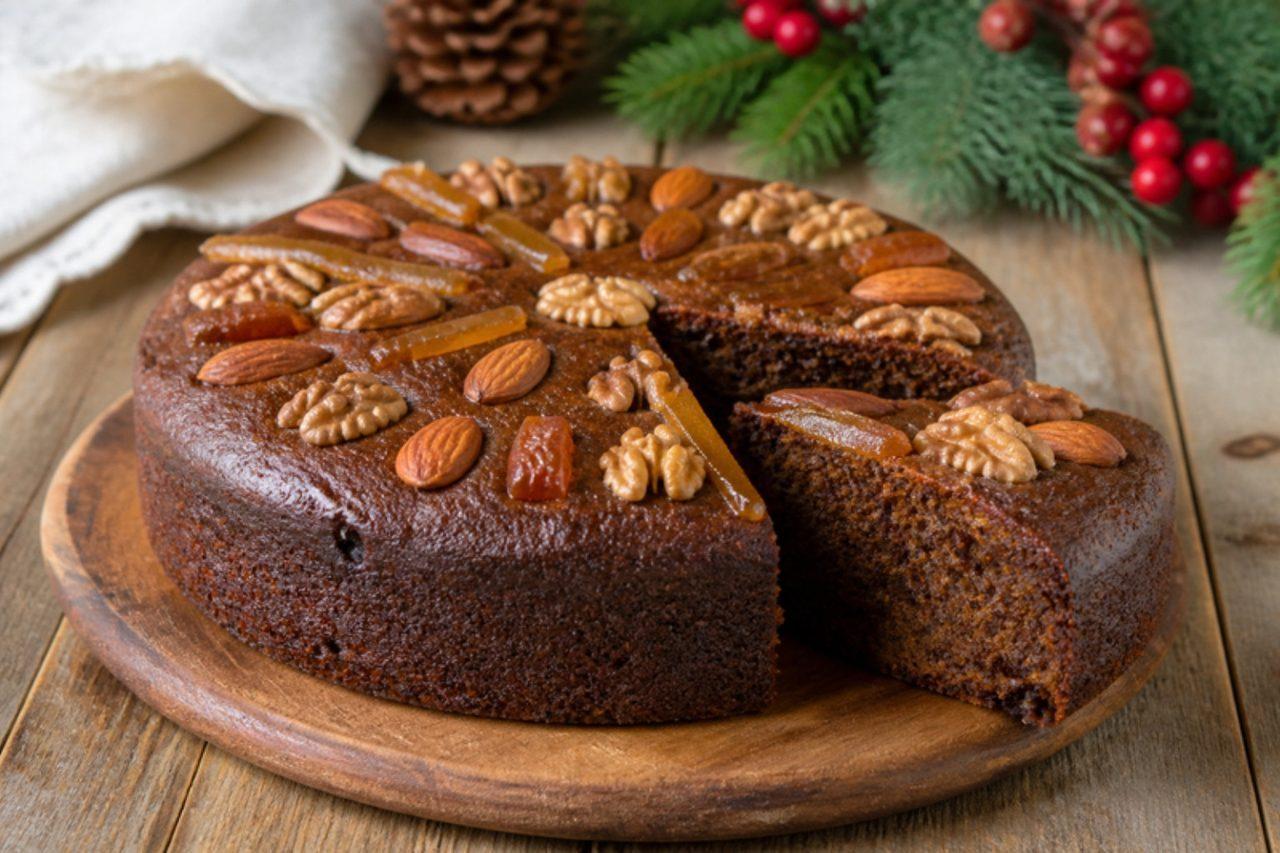
Madeiran families bake bolo de mel on 8 December so it can mellow in time for Christmas, and a well-wrapped one is said to keep until the following year. It is dense, almost black and fragrant with cinnamon, clove and aniseed, sweetened with mel de cana, the island's sugarcane molasses, and studded with walnuts, almonds and candied peel. Tradition says it should be broken by hand, never cut with a knife. Many old recipes use some lard; this one uses butter only. Chef's tip: wrap it in foil and wait at least a week before eating; the spices and molasses soften and blend as it rests.

by KrazyBadal 0 views

Bolo de mandiocaGrated cassava and coconut cake

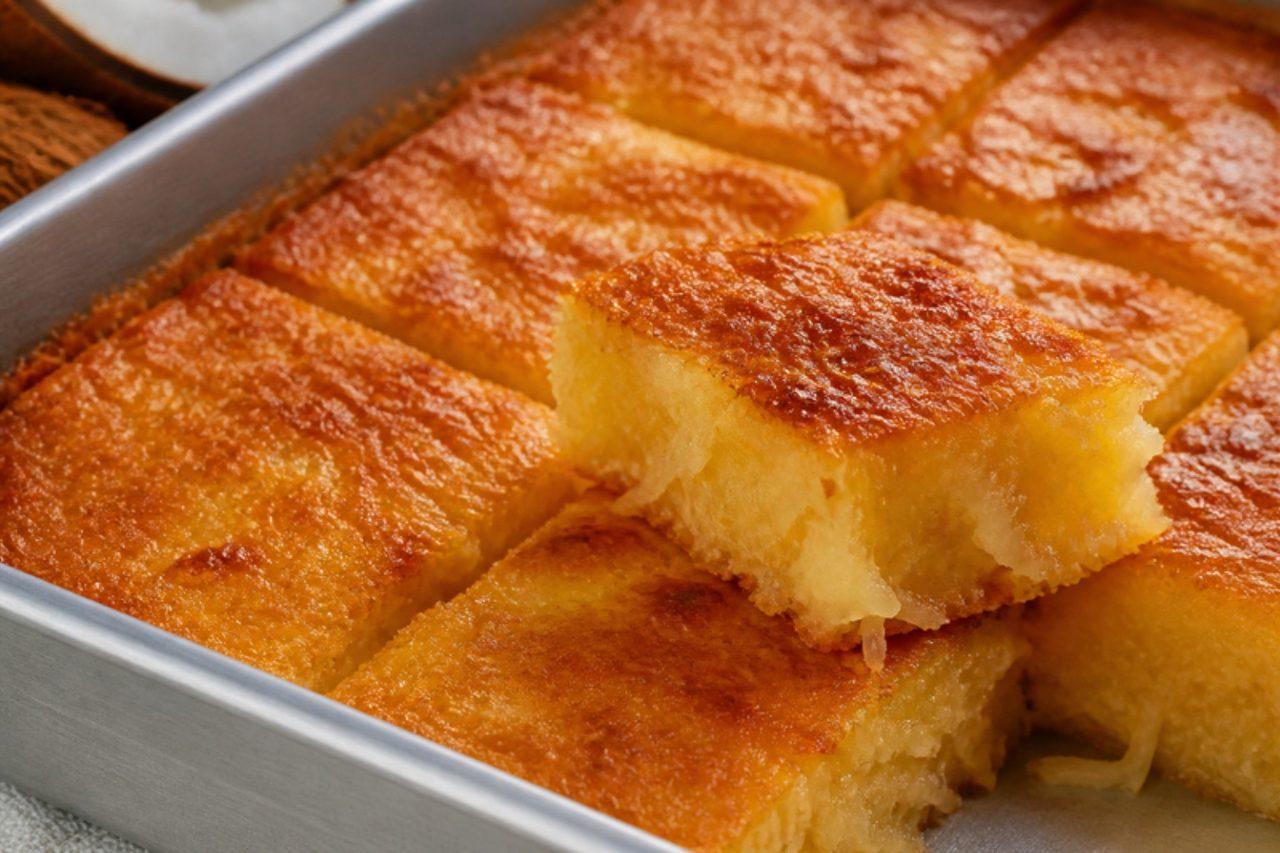
Grated raw cassava makes a cake unlike any flour cake: heavy, sticky and pudding-like, with a chewy golden crust and a moist, almost translucent middle. Bolo de mandioca (or bolo de aipim in Rio) is baked all over Brazil, sold by the slice at roadside stands in the interior of Bahia and Minas, and is a regular at June festivals next to the corn cakes. Coconut milk and grated coconut make it fragrant, butter makes it rich. Fresh cassava is sold in Latin, African and Caribbean shops; frozen peeled cassava is fine once thawed. Raw cassava must be fully cooked, and baking this long is enough. A classic error is blending in the fibrous core of the root, which leaves woody threads in the cake; cut it out first. Chef's tip: squeeze a little of the liquid out of the grated cassava in a cloth before mixing, and the cake gets a firmer, more cake-like texture without turning dry.

by KrazyBadal 0 views

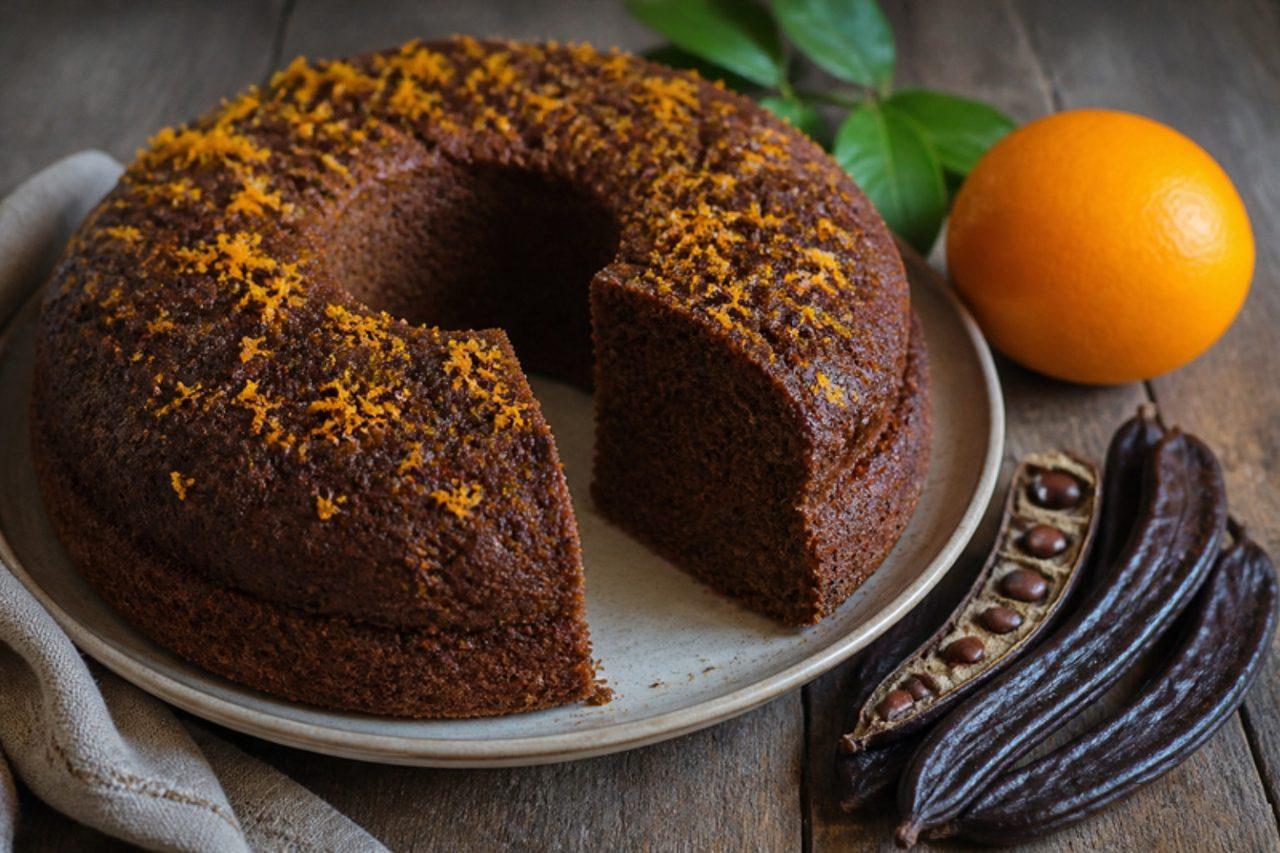
Bolo de alfarrobaCarob and orange cake

Carob trees grow all through the dry Barrocal hills behind the Algarve coast, and the toasted pods are ground into a sweet, cocoa-coloured flour that local bakers have used for generations. This cake, sold by the slice in cafés around Loulé and São Brás de Alportel, is made with olive oil and orange, so it stays moist for days. It has a gentle caramel, almost malty taste rather than a chocolate one. A common mistake is using too much carob; it is sweet and earthy and turns bitter when overdone, so stick to the amount given. Chef's tip: sieve the carob flour with the wheat flour, because it lumps easily and leaves dry pockets in the crumb.

by KrazyBadal 0 views

Hoppin' John

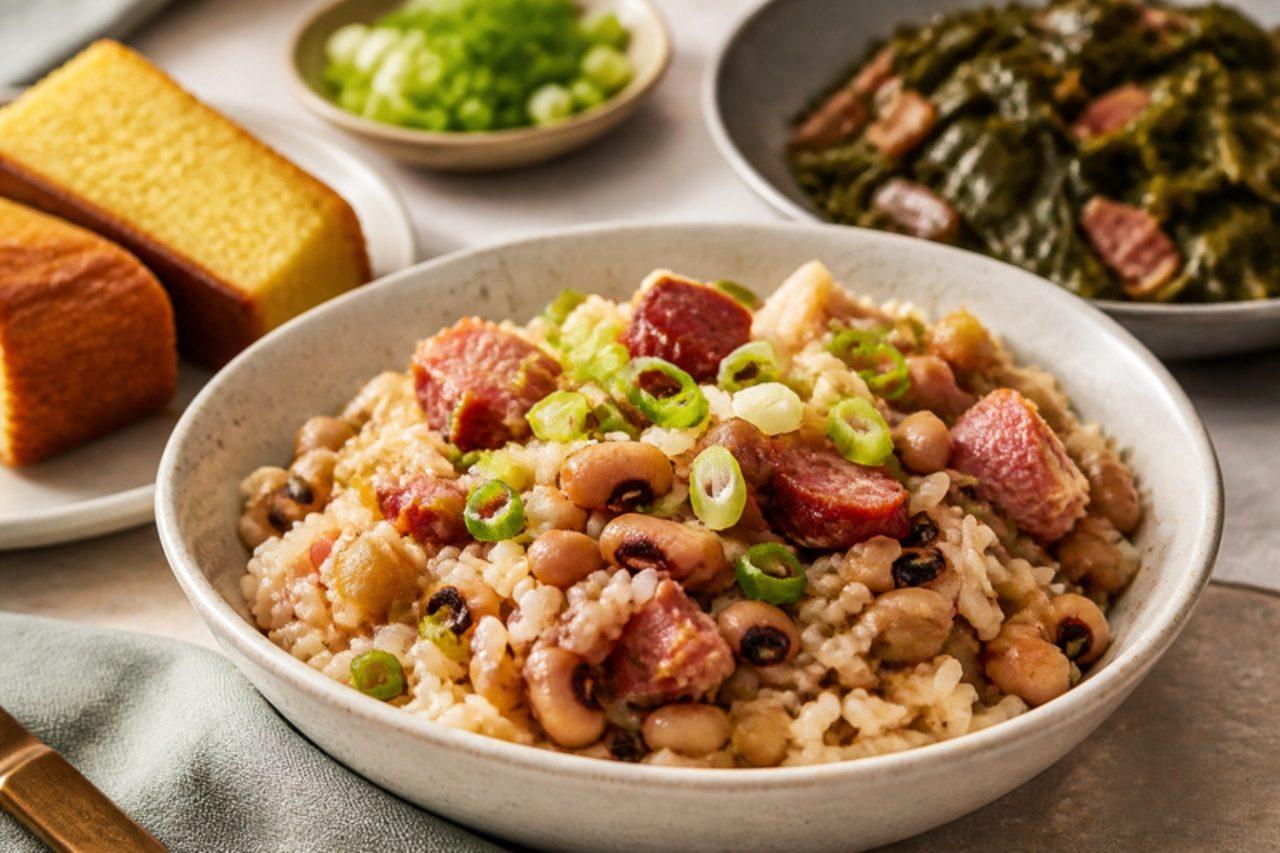
Hoppin' John is eaten on New Year's Day across the South for luck, with collard greens for money and cornbread for gold, and its roots run back to the rice plantations of the South Carolina Lowcountry and the West African cooks who worked them. Black-eyed peas are simmered with smoked pork (here a ham hock and bacon), then cooked with rice so every grain takes on the smoky broth. Chef's tip: cook the rice in the bean liquor, not water; that is where all the flavour is.

by KrazyBadal 0 views

Bollo de yucaBoiled cassava bundles

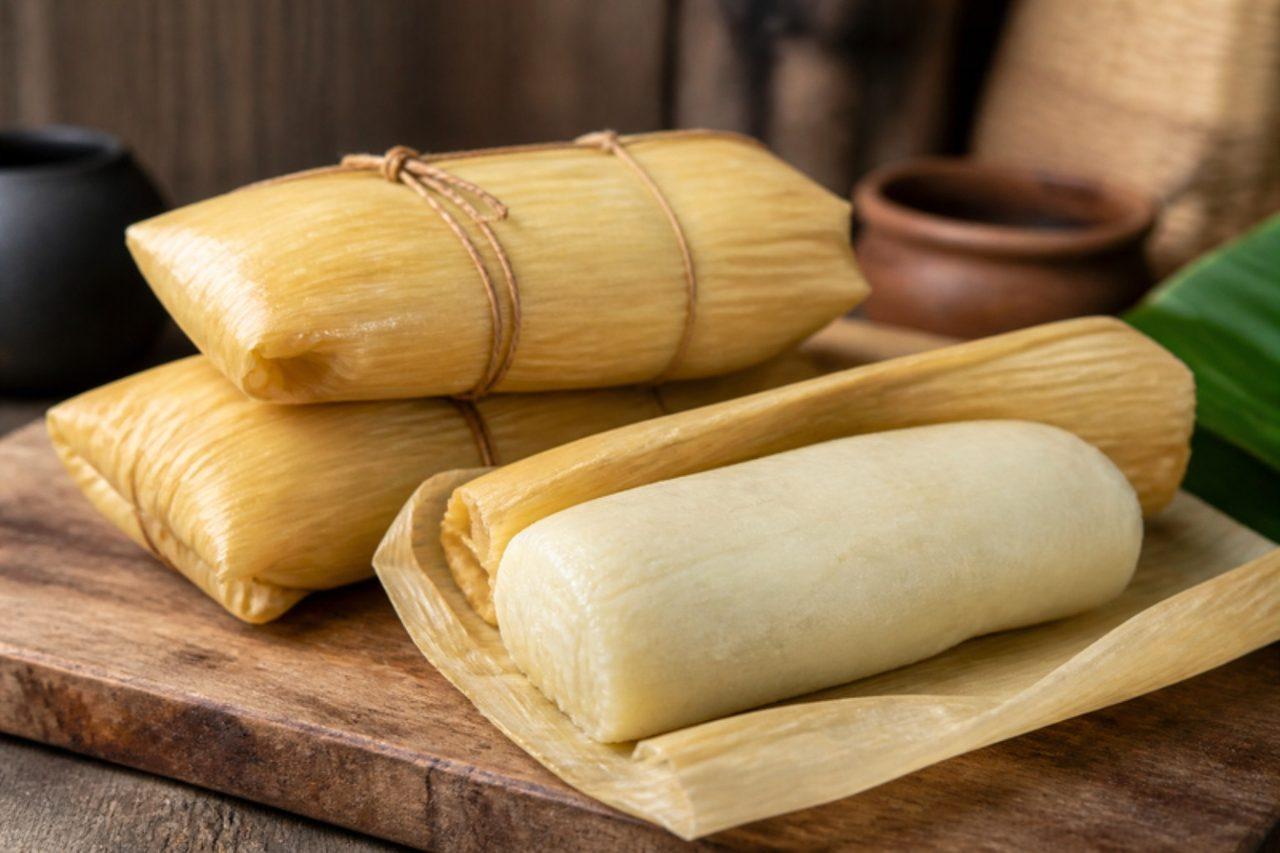
Along the Caribbean coast from Cartagena to Santa Marta, the bollo de yuca is a staple to set beside fried fish, a bowl of soup or a slice of fresh white cheese. Raw cassava is grated, kneaded with a little salt and sometimes a few anise seeds, then wrapped and boiled until it turns translucent and pleasantly chewy, with a mild, slightly sweet flavour. Market sellers stack them by the dozen, and they keep well, so many households buy enough for several days. Cassava must always be fully cooked and peeled down past the pink inner layer, since the raw root contains natural toxins that cooking removes. Squeezing the grated cassava too hard is the error that ruins it: bone-dry dough gives tough, rubbery bollos, so you only want to press out the loose juice. Frozen grated cassava from Latin or African shops works well. Chef's tip: wet your hands before rolling the logs, because the starch sticks to dry palms.

by KrazyBadal 0 views

BatzinaCourgette and feta cornmeal pie

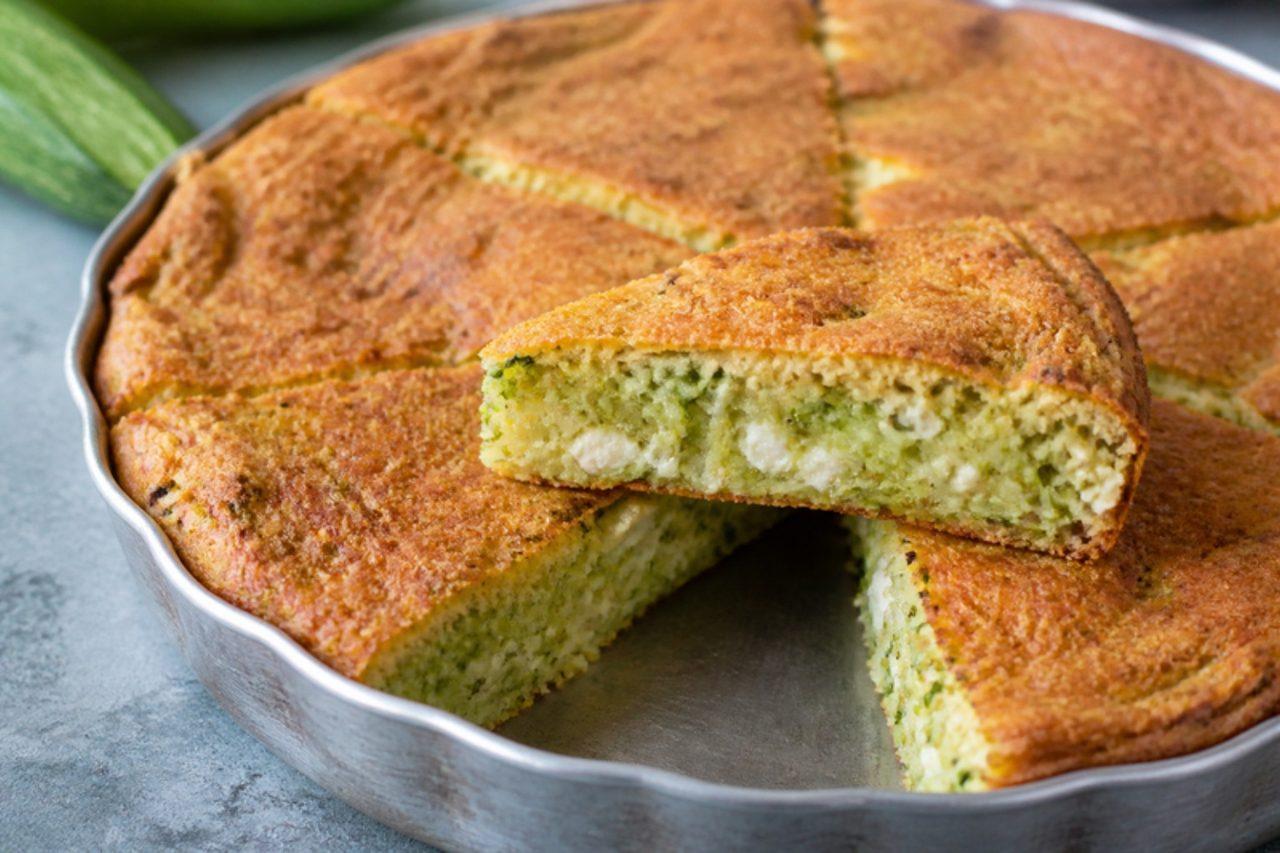
Batzina is the lazy pie of Thessaly and the Pelion villages, the one you make in summer when courgettes are taking over the garden and nobody wants to roll filo. Grated courgette and feta are mixed with a thin batter of flour, cornmeal, milk and eggs, poured into an oiled tin and baked until the top is cracked and golden and the inside soft and savoury, like a crustless quiche. It travels well to the beach. Feta is usually made with animal rennet; choose a vegetarian feta-style cheese if needed. Common mistake: skipping the squeezing — watery courgettes make a soggy pie. Chef's tip: sprinkle cornmeal over the oiled tin before pouring in; it gives a crisp base.

by KrazyBadal 0 views

BauernbrotFarmhouse rye and wheat sourdough

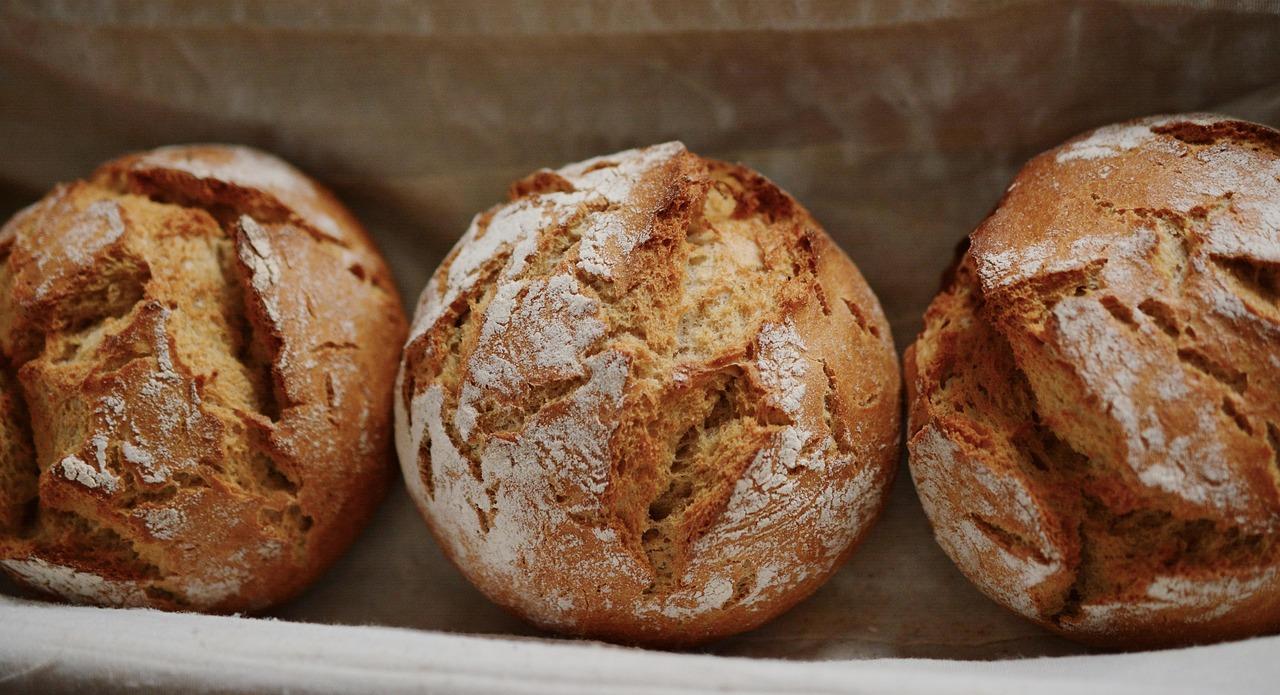
Bauernbrot, the farmer's loaf, is the everyday bread of village bakeries from the Black Forest to Lower Saxony, carried home in a paper bag every Saturday and eaten all week for Abendbrot, the cold evening meal of bread, cheese and pickles. It mixes rye and wheat roughly half and half, so the crumb is moist and tangy but still springy, under a thick, crackled crust dusted with flour. The flavour deepens over two or three days. A common mistake is baking at too low a heat, which gives a pale, soft crust; the oven should be properly hot at the start. Chef's tip: prove the loaf upside down in a floured basket or bowl lined with a floured cloth, so the top cracks into the classic crazy-paving pattern when you tip it out.

by KrazyBadal 0 views

BaumkuchenLayered tree cake

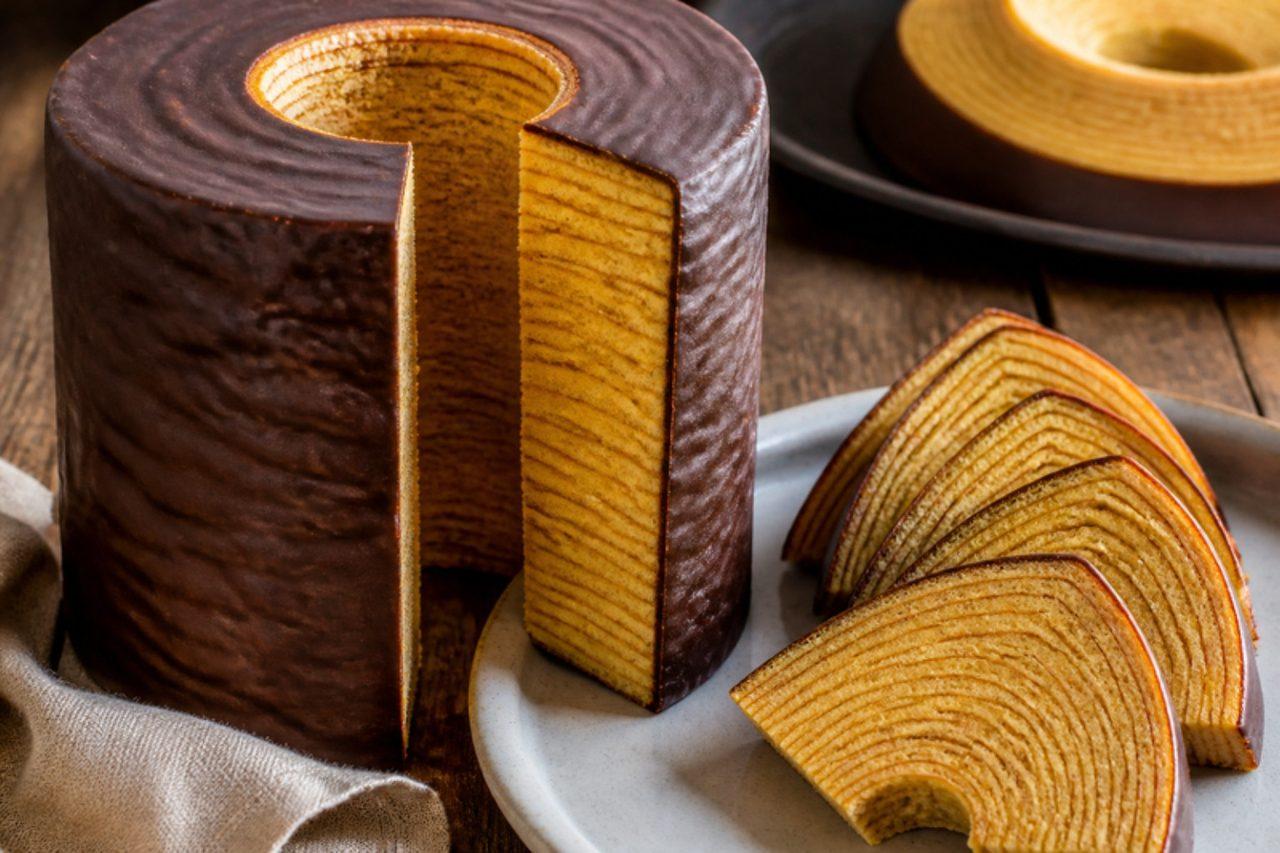
Baumkuchen is the king of German cakes, and the little town of Salzwedel in Saxony-Anhalt has baked it on a turning spit over an open flame for two centuries; in December, Baumkuchenspitzen, chocolate-dipped triangles of it, fill the shelves before Christmas. Without a spit you can build it at home in a tin under the grill, one thin layer at a time, and each slice shows the golden rings of a tree. The mistake people make is spreading the batter too thickly, which gives fewer, stodgy layers that cook unevenly; aim for 2 tablespoons at a time. Chef's tip: stand by the oven; each layer turns from pale to burnt within a minute once it browns.

110 minGermanBaking
by KrazyBadal 0 views

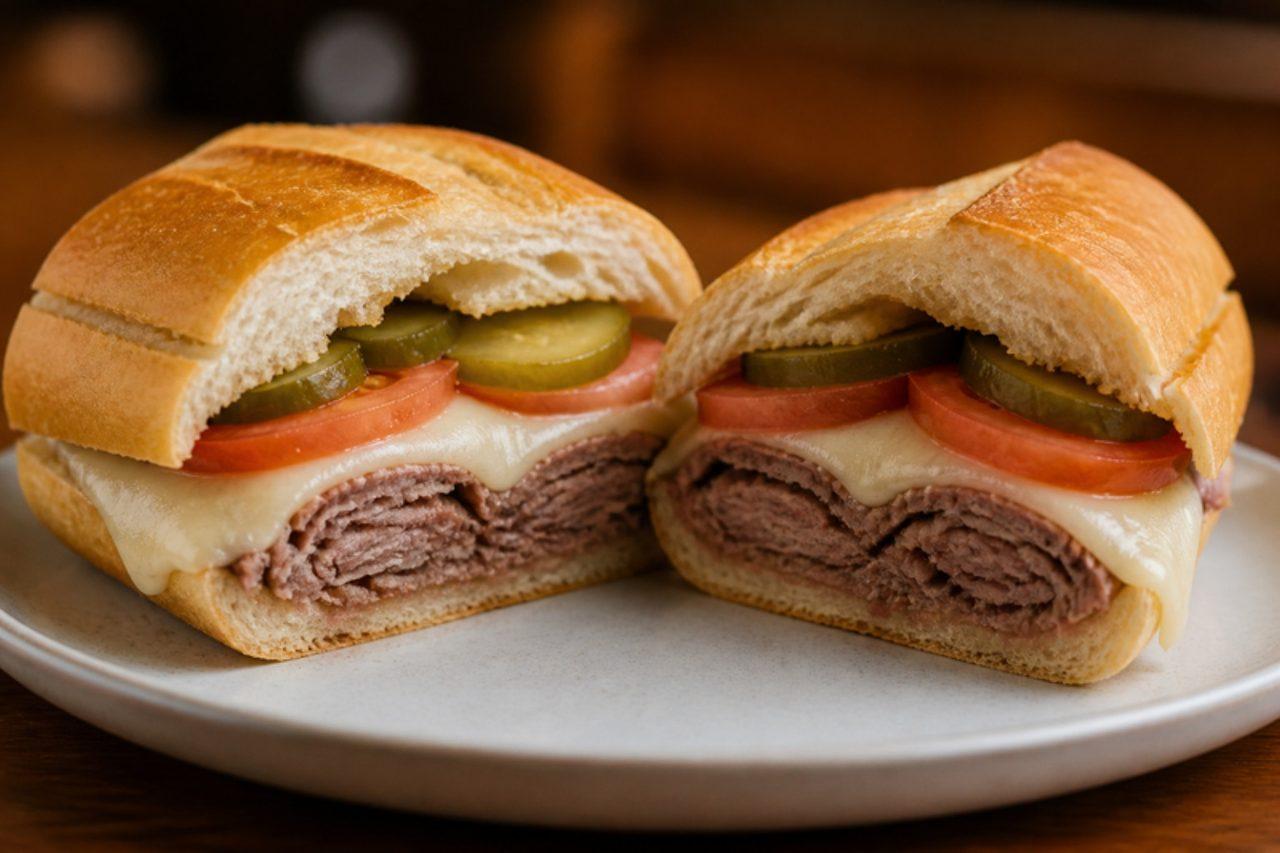
BauruRoast beef and cheese hot sandwich

Late-night students at Largo do Paissandu in São Paulo invented the Bauru in the 1930s, named after the nickname of the friend who ordered it, and the bar where it was born still makes it the original way. A French roll has its crumb pulled out so it is all crust, then it is stuffed with thin warm roast beef, a pool of cheese melted in a bain-marie until it stretches, slices of tomato and pickled cucumber, with a pinch of oregano. It is hot, tangy, juicy and stringy. Plenty of snack bars around the country use ham instead, but beef is the classic. The thing that ruins it is cheese melted straight in a dry pan, which goes oily; melting it slowly over water with a splash of milk keeps it smooth and elastic. Chef's tip: warm the roast beef in a little of its own juices or stock, just until hot, so it stays pink and tender.

by KrazyBadal 0 views

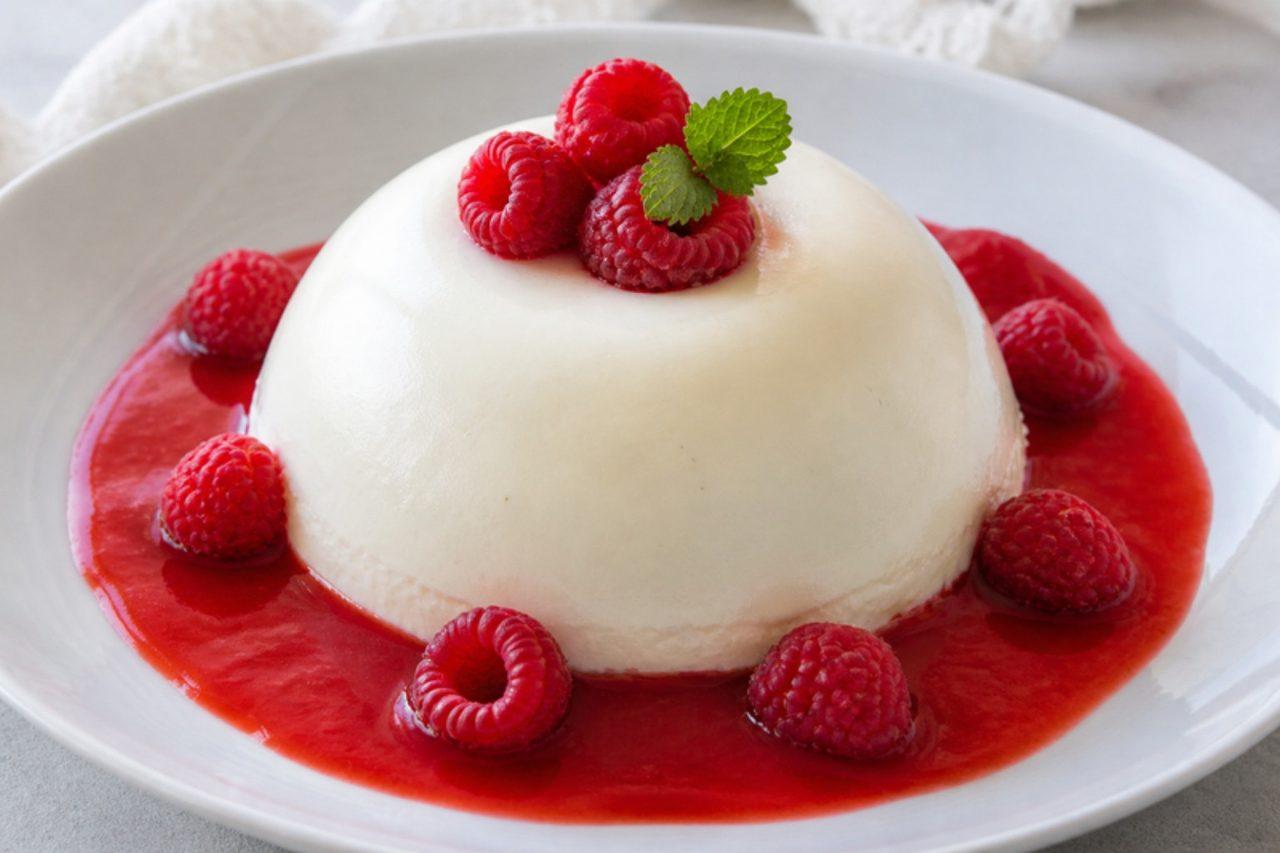
Bayerische CremeVanilla cream with raspberry sauce

Bayerische Creme is the light, wobbling vanilla cream that Munich coffee houses and Bavarian wedding buffets have served for generations: a cooked egg custard folded with whipped cream and set in moulds, then turned out onto a pool of berry sauce. It is traditionally set with gelatine, which is made from animal bones and skin; this version uses agar so it stays vegetarian. A common mistake with agar is adding it to a cool custard: it only sets after it has boiled, so it is simmered in milk first and then whisked into the warm custard. Chef's tip: fold in the cream when the custard has cooled to just warm and is starting to thicken, so the cream stays airy and doesn't melt into it.

by KrazyBadal 0 views

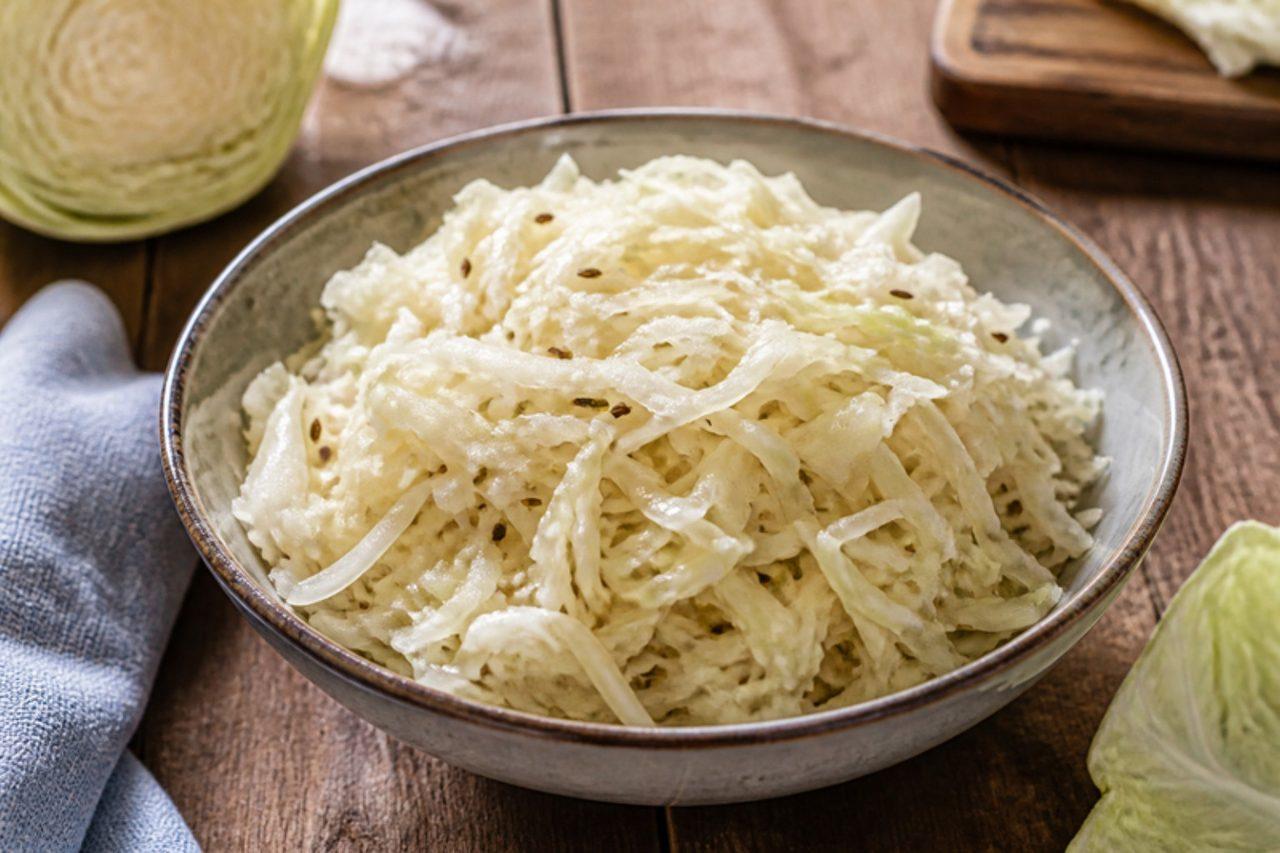
Bayerischer KrautsalatWarm-dressed cabbage salad

Every Bavarian inn serves this pale, glossy cabbage salad beside roast pork and dumplings, and it is just as good on its own at a summer barbecue. The white cabbage is shaved very finely, salted and kneaded, then dressed with hot vinegar, oil and caraway so it softens while keeping a crunch. Many cooks finish it with crisp bacon bits; this version leaves them out and is vegan. The common mistake is dressing it cold and serving it at once: it needs the warm dressing and at least half an hour to turn silky. Chef's tip: shave the cabbage as thin as paper; thick shreds never soak up the dressing properly.

by KrazyBadal 0 views

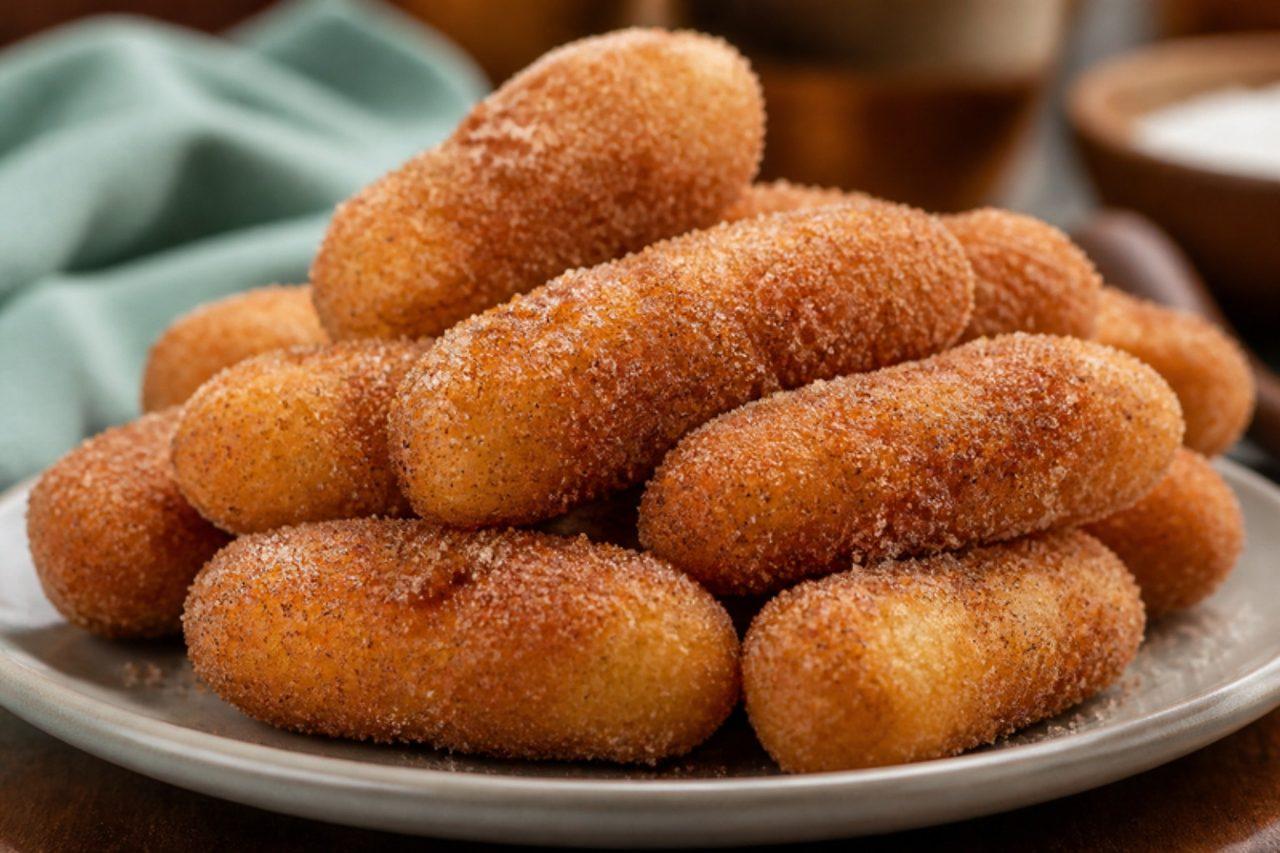
Bolinho de estudanteTapioca and coconut fried fingers

Baianas de acarajé sell these next to their black-eyed pea fritters, and the name, 'student's cake', comes from how cheap and filling they are for schoolchildren in Salvador. A dough of granulated tapioca soaked in hot milk and coconut milk with grated coconut is shaped into short fingers, fried until the outside shatters, and rolled while still warm in cinnamon sugar. Inside they stay chewy and moist, a little like a coconut doughnut. Eat them with afternoon coffee, or make a tray for a festa junina. A common error is frying before the tapioca has fully absorbed the liquid, which makes the fingers burst open in the oil; give the dough its full 30-minute rest. Chef's tip: keep a bowl of water by you and wet your hands while shaping, so the sticky dough rolls into smooth fingers that fry evenly.

by KrazyBadal 0 views

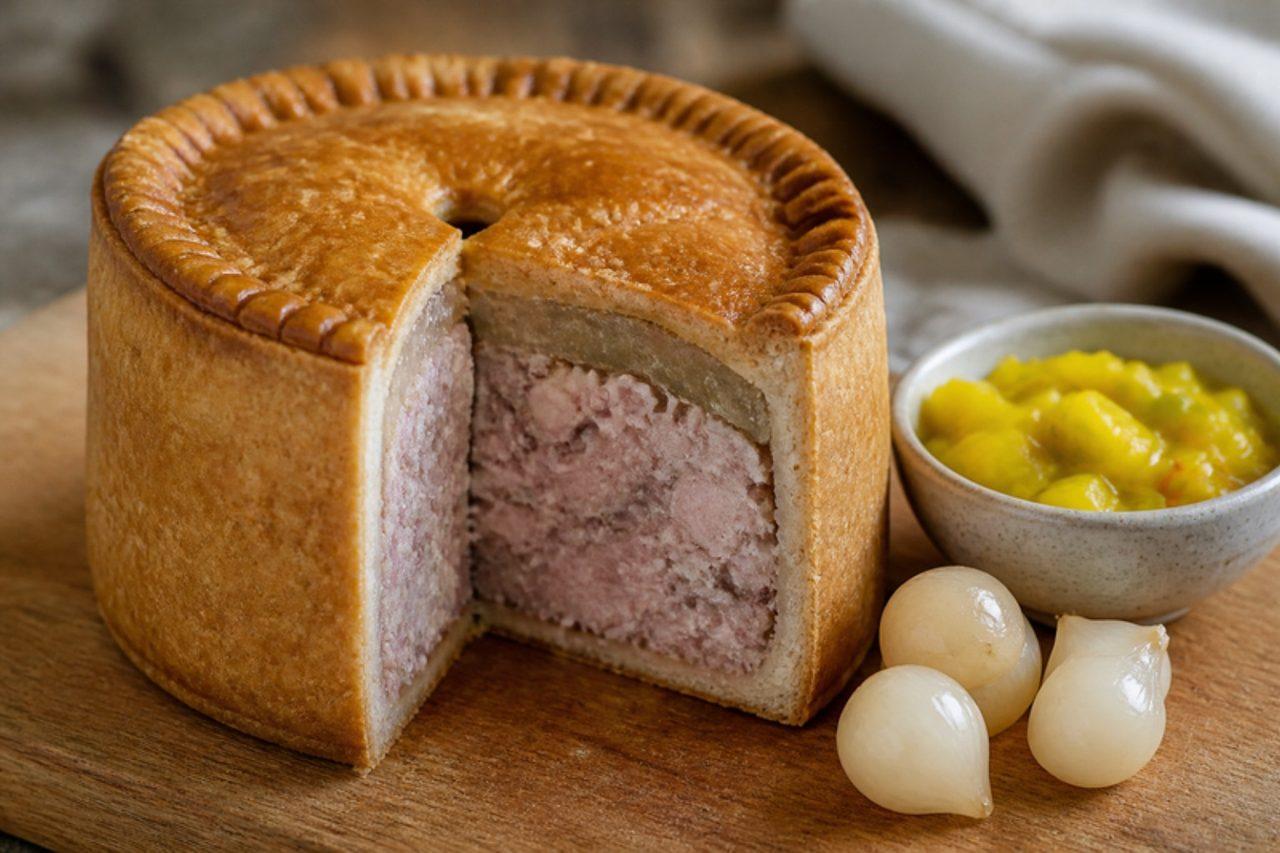
Raised pork pie

This is a raised pork pie in the style of Melton Mowbray in Leicestershire, the hunting town whose pies were carried in saddle bags; only pies made in the area may use the town's name, so this is our home version. Chopped, uncured pork shoulder and belly, peppered and spiced with mace, is packed into a crisp hot water crust made with lard, baked with bowed sides, then filled with a savoury jelly. Eat it cold with English mustard and pickle at picnics or on Boxing Day. Chef's tip: work the pastry while it is still warm; as it cools it cracks.

180 minBritishMeat
by KrazyBadal 0 views

BazlamaPuffy griddle flatbread

Drive through the villages around Konya or Sivas and you'll see bazlama cooking on a domed sac over a fire: thick rounds of yeasted dough that puff up like pillows and come off freckled brown. A heavy frying pan does the job at home. Warm bazlama is torn and dunked into soups, spread with butter and honey for breakfast, or folded round grilled köfte. Common mistake: rolling the dough too thin; it should be about 1 cm, or it turns into a cracker. Chef's tip: a spoon of yoghurt in the dough keeps the bread soft for a day, and covering the cooked rounds with a cloth traps steam so they stay tender.

by KrazyBadal 0 views

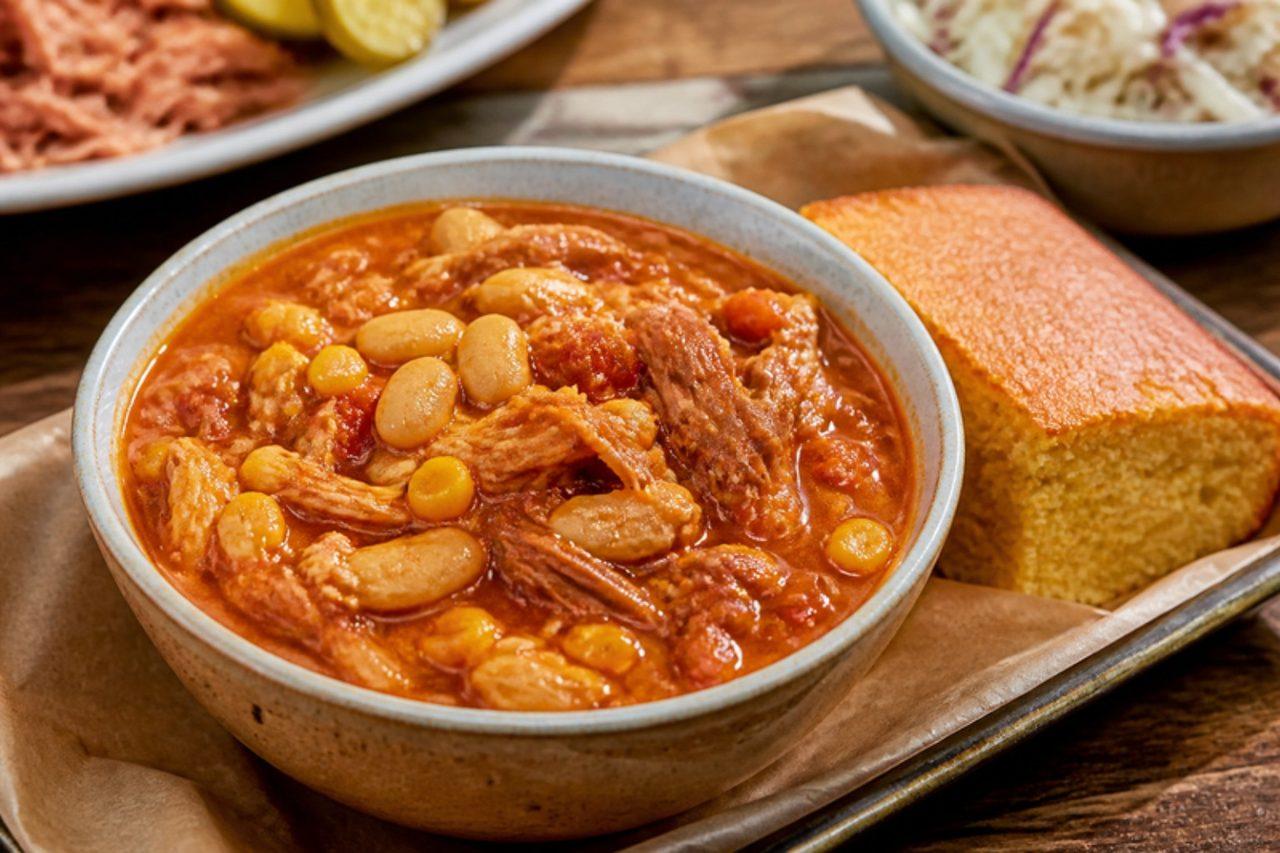
Brunswick stew

Virginia and Georgia both claim Brunswick stew, and it is still cooked in huge iron kettles for fire-station fundraisers and served beside barbecue all over the two states. It is a thick, tangy tomato stew of shredded pork and chicken with lima beans and sweetcorn, sharpened with vinegar and Worcestershire sauce. Leftover smoked pork shoulder makes it even better. Chef's tip: simmer it long enough that the meat and vegetables break down a little and the stew turns thick enough to stand a spoon in.

100 minAmericanMeat
by KrazyBadal 0 views

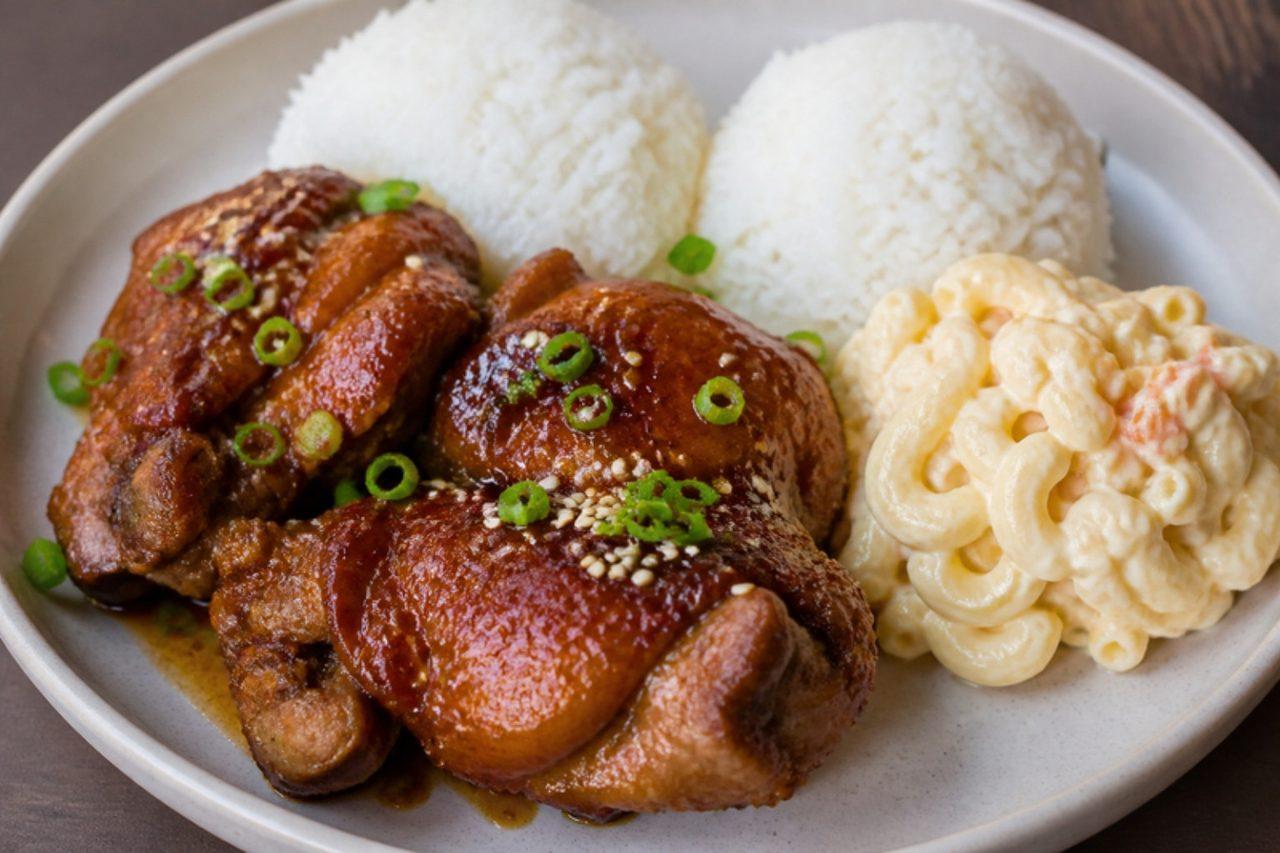
Shoyu chicken

Shoyu chicken is the home-cooked comfort of Hawaii's plantation families, a Japanese-influenced braise of chicken thighs in soy sauce (shoyu), sugar, ginger and garlic, and a staple of the plate lunch: two scoops of rice, a scoop of macaroni salad and chicken with plenty of sauce. Chef's tip: simmer uncovered at the end and spoon the sauce over until it turns glossy and coats the chicken.

by KrazyBadal 0 views

Ahi poke

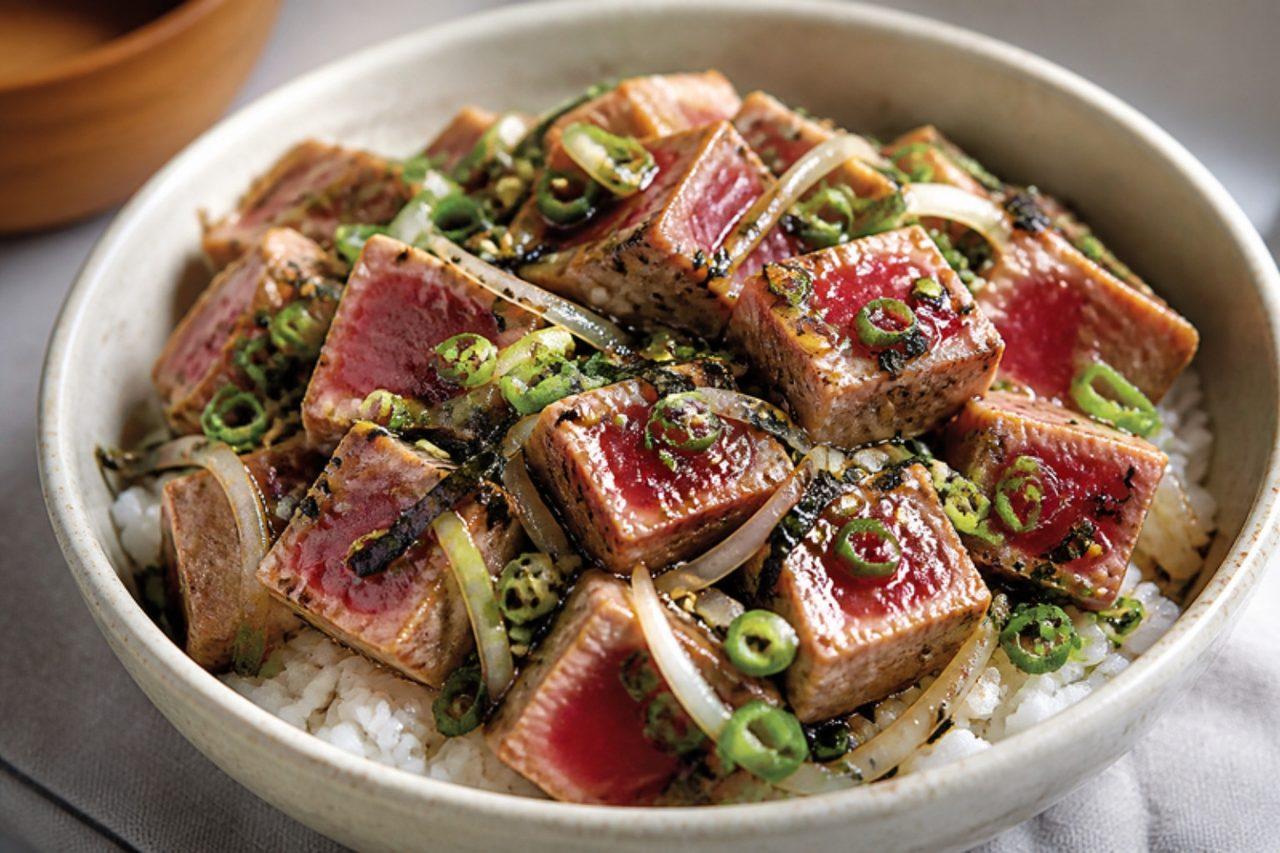
Poke, from the Hawaiian word for cut into pieces, began as fishermen's snack of raw reef fish with sea salt, seaweed and roasted kukui nut, and is now sold by the pound from the deli counters of every Hawaiian supermarket, eaten over rice as a quick lunch or with drinks after work. This shoyu ahi style dresses cubes of yellowfin tuna in soy sauce, sesame oil, sweet onion and chilli. Traditional poke is raw fish, which is not for pregnant women, young children or anyone with a weakened immune system, so this version quickly sears the cubes until cooked through. Chef's tip: dress the tuna just before eating; the soy sauce draws out moisture and turns it soft if it sits for hours.

by KrazyBadal 0 views

Bedfordshire clangerMeat and jam suet roll

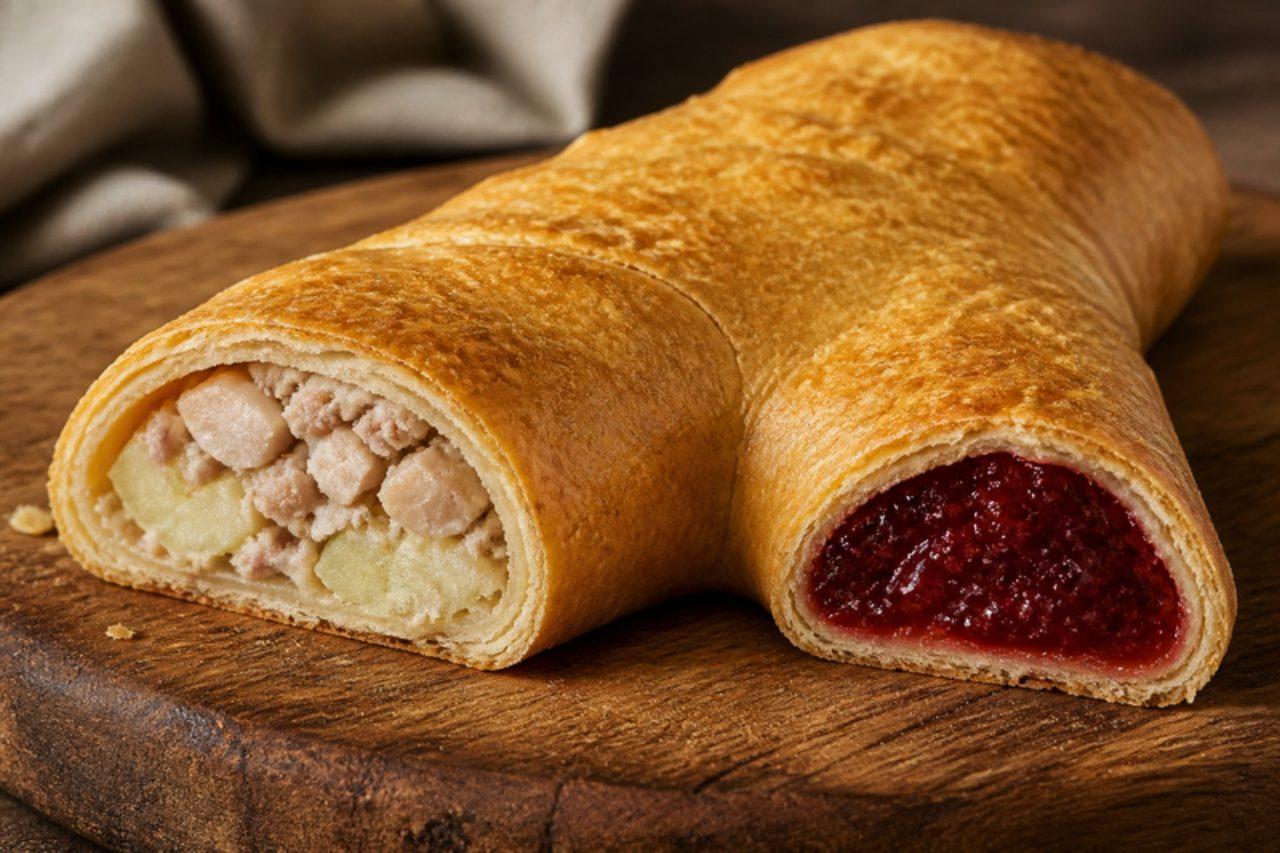
The Bedfordshire clanger is a long suet-crust roll that held a whole working lunch for farm labourers and the lace and straw-hat workers of Bedfordshire: savoury pork and potato at one end and sweet jam or apple at the other, marked by slashes so you knew which end to start with. Bakeries in Luton and Bedford still sell them. Chef's tip: build a pastry wall between the two fillings so the jam doesn't run into the meat.

by KrazyBadal 0 views

New Orleans muffuletta

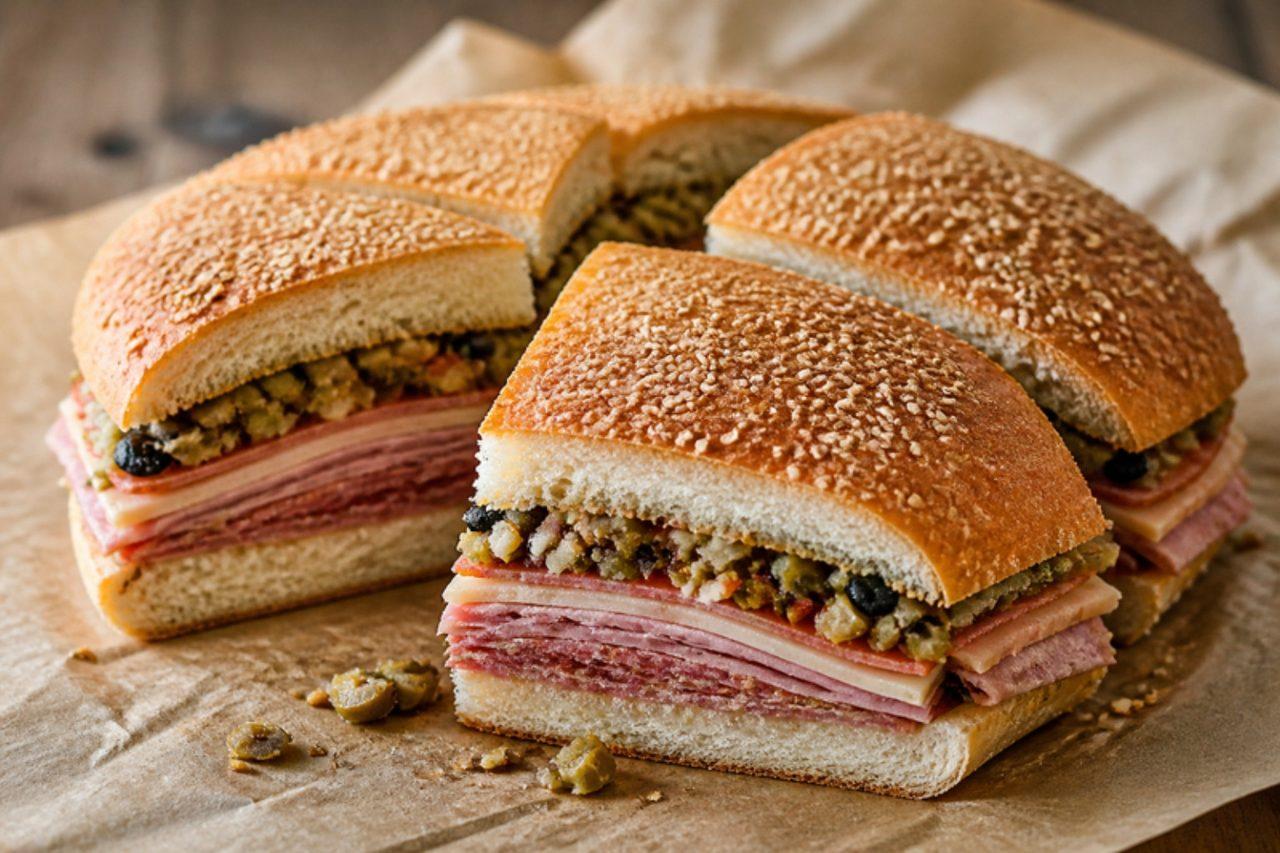
The muffuletta was first made by Sicilian grocers on Decatur Street in New Orleans in the early 1900s for dock workers' lunches, and it is still sold whole or in quarters to take to the levee or a Saints game. A big round sesame loaf is filled with layers of ham, salami, mortadella (all pork) and provolone and soaked with a chunky olive salad. Provolone is traditionally made with animal rennet. Chef's tip: press the sandwich under a weight for an hour so the oil soaks into the bread.

by KrazyBadal 0 views

Oysters Rockefeller

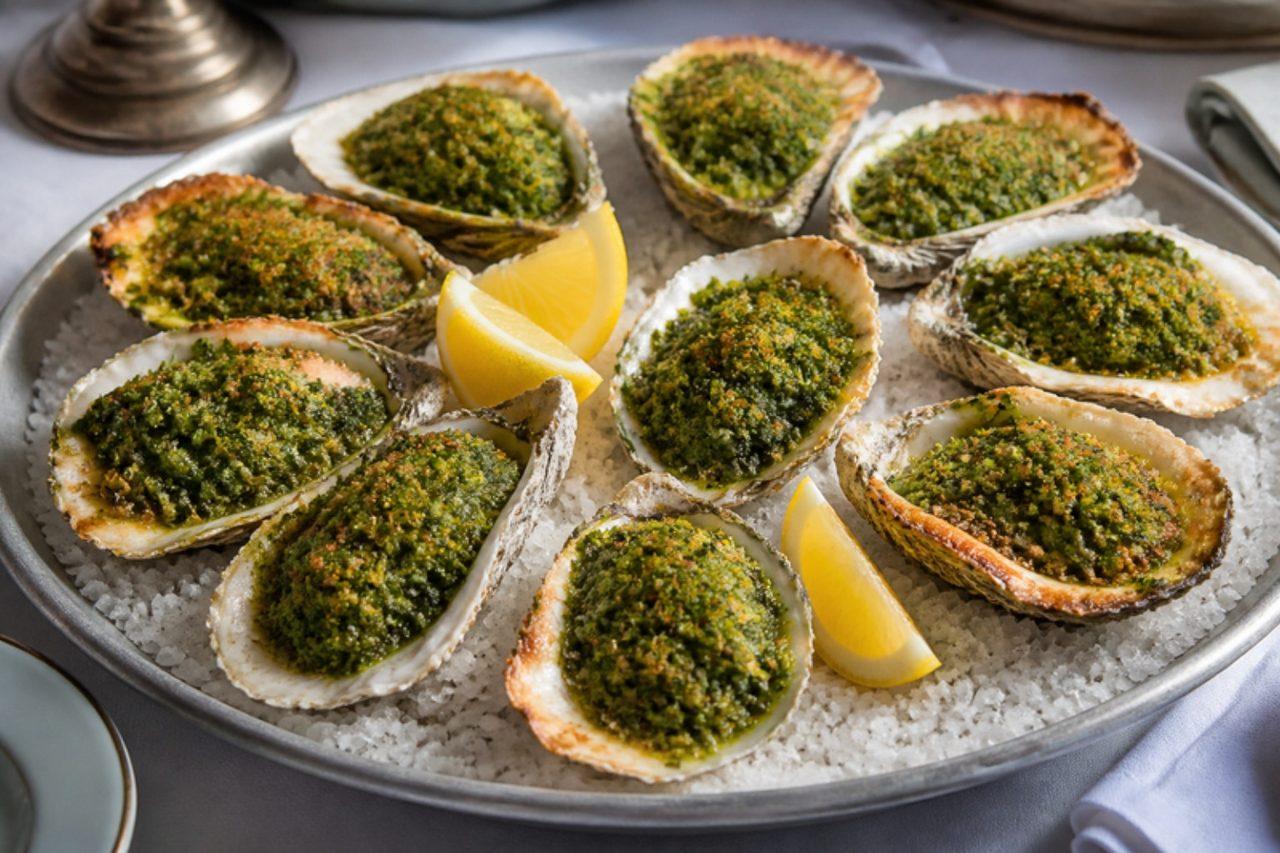
Oysters Rockefeller were created at Antoine's in the French Quarter in 1889 and named after the richest man in America because the sauce was so rich; the restaurant has never shared its exact recipe. Live Gulf oysters on the half shell are covered with a bright green butter of herbs and greens and baked until bubbling, a classic starter at New Orleans celebration dinners. This version uses a dash of anise-flavoured liqueur, which is traditional; it can be replaced with a pinch of ground fennel seed for an alcohol-free version. Chef's tip: bed the shells on coarse salt so they sit level and the juices don't spill.

by KrazyBadal 0 views

Bolinho de aipimCheese-stuffed cassava balls

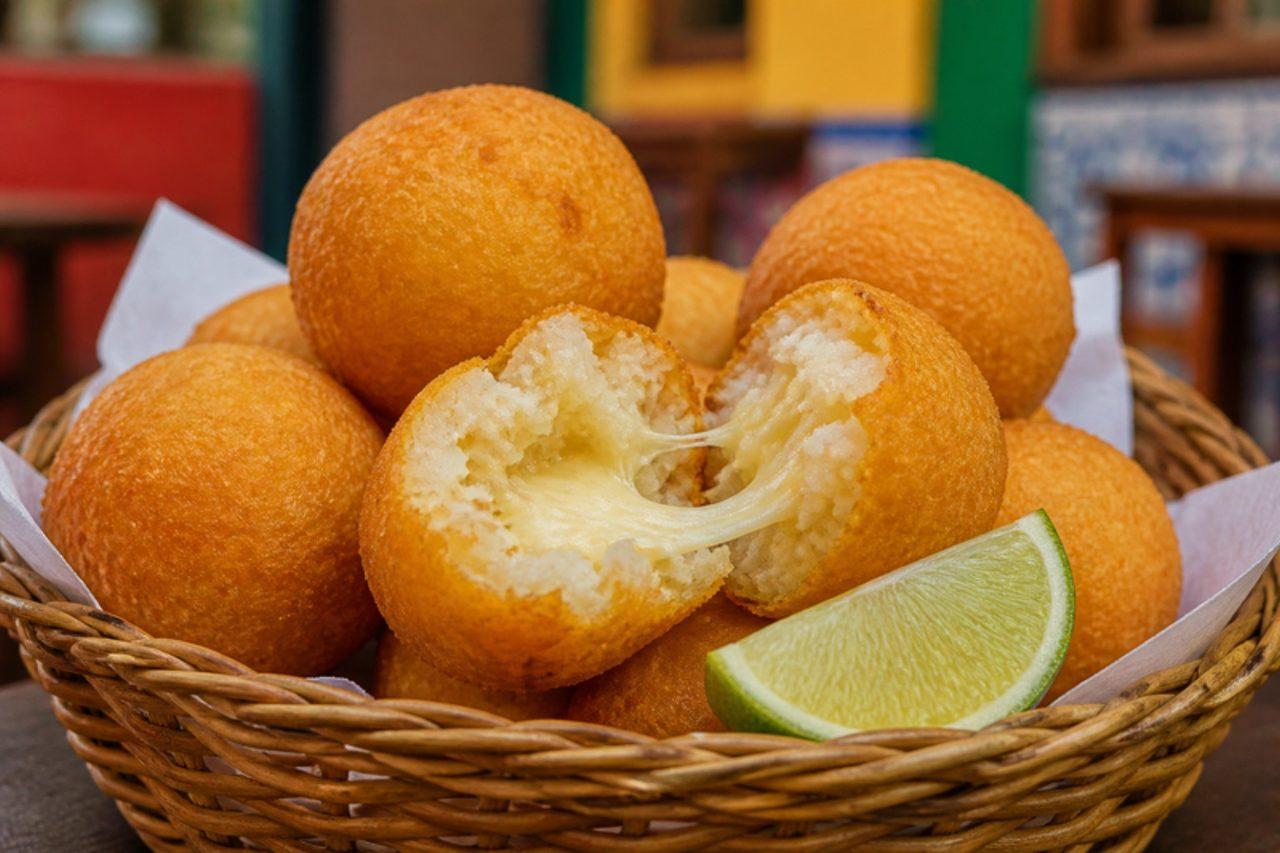
Order a round of chope in a Rio boteco and a plate of these usually follows: golf-ball-sized fritters of mashed aipim (cassava) with a molten cheese centre, crisp and craggy outside, soft and stretchy within. Places like the bars of Tijuca and Botafogo fill them with everything from dried beef to shrimp, but cheese is the classic veggie order. The cassava dough needs no egg or flour to bind it, so they are naturally gluten free. Use a mozzarella or Minas cheese made with microbial rennet to keep them vegetarian. They go wrong when the cassava is mashed while wet: the balls soften and split in the oil. Drain it very well and let the steam escape. Chef's tip: chill the shaped balls for 30 minutes before frying, so the cheese stays inside and the crust sets before the centre melts.

by KrazyBadal 0 views

Redfish courtbouillon

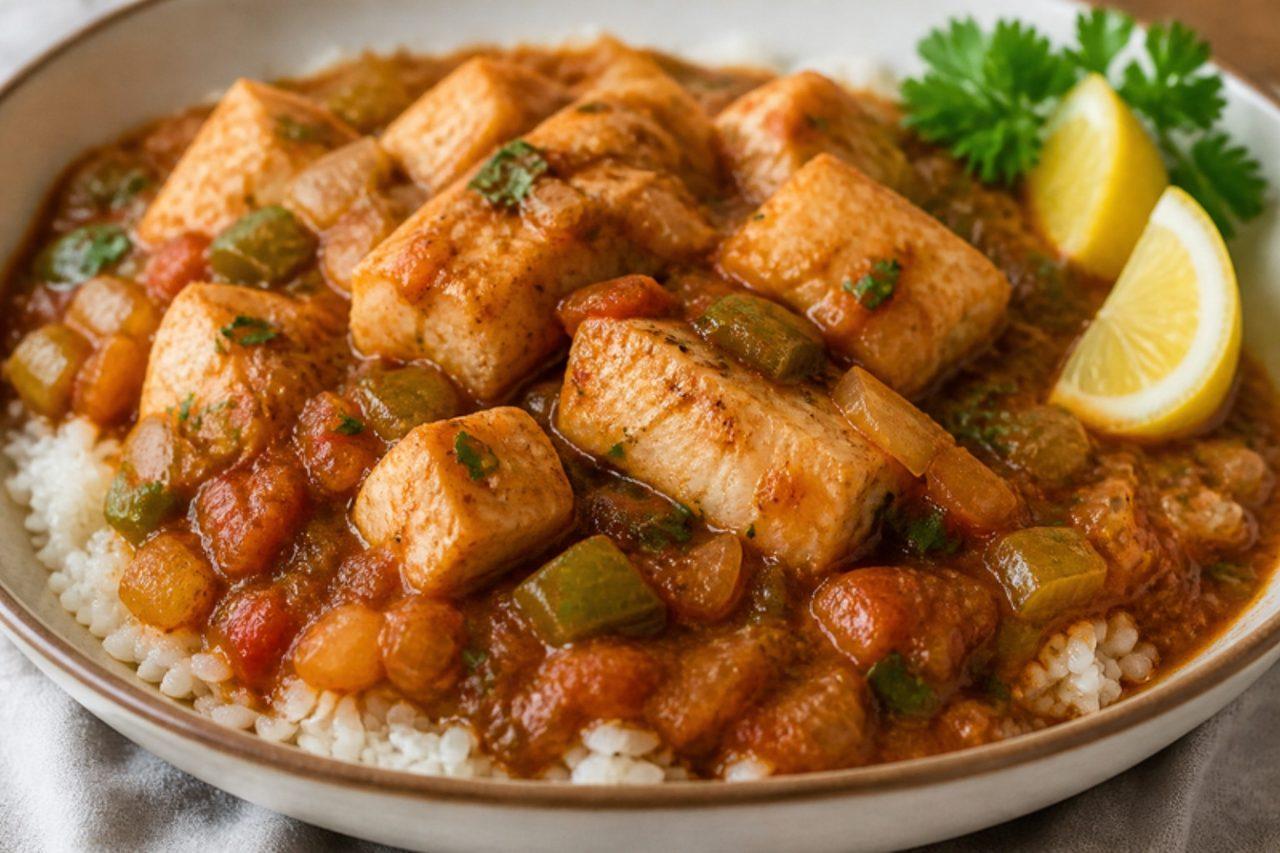
In Cajun country, courtbouillon (say 'coo-boo-yon') is not the French poaching broth but a thick, spicy red stew of firm fish, made in the fishing communities of Vermilion Bay and the Atchafalaya Basin after a good day's catch of redfish or catfish. It is built on a roux and tomatoes and finished with lemon and spring onions, then served over rice. Chef's tip: lay the fish on top of the sauce and spoon it over rather than stirring, so the pieces stay whole.

by KrazyBadal 0 views

Dom RodrigosEgg-thread and almond sweets

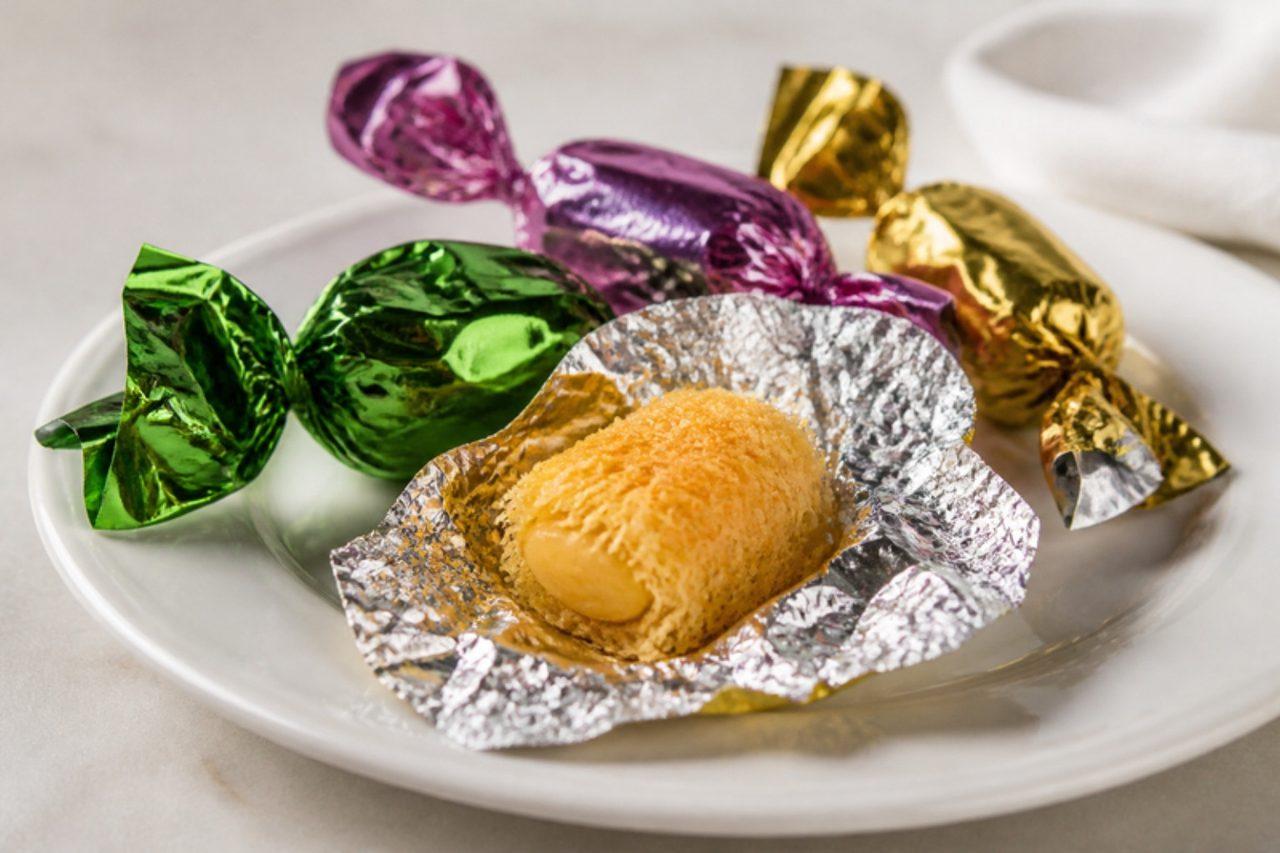
Walk past any pastelaria in Lagos or Portimão and you will see little twists of bright foil piled in the window: each one hides a nest of golden egg threads bound with an almond and yolk cream, scented with cinnamon. They are eaten after Sunday lunch with a bica, bought by the half dozen to take home, and set out at Algarve weddings and christenings. The work is in the egg threads, drizzled into boiling syrup, but once you have the rhythm it goes quickly. Chef's tip: sieve the yolks twice, because any trace of white or the chalaza blocks the funnel and makes the threads break.

by KrazyBadal 0 views

Grillades and grits

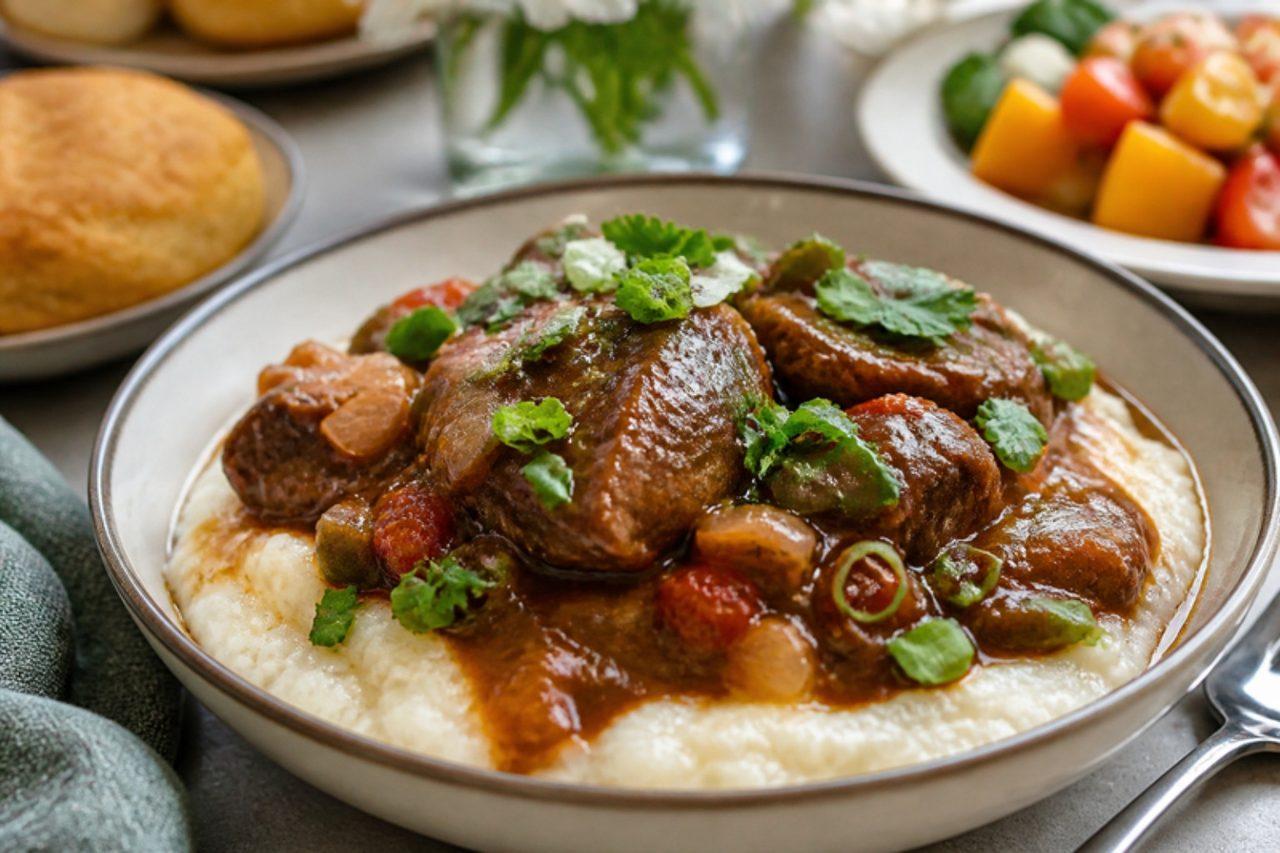
Grillades and grits is the long-standing New Orleans brunch for Sunday mornings, Mardi Gras day and Jazz Fest weekends: thin medallions of beef pounded, browned and braised in a rich brown Creole gravy with tomato and the trinity, then spooned over buttery grits. Chef's tip: pound the meat thin and braise it low and slow until a fork slides in easily; rushing it leaves the beef chewy.

125 minAmericanMeatGluten free
by KrazyBadal 0 views

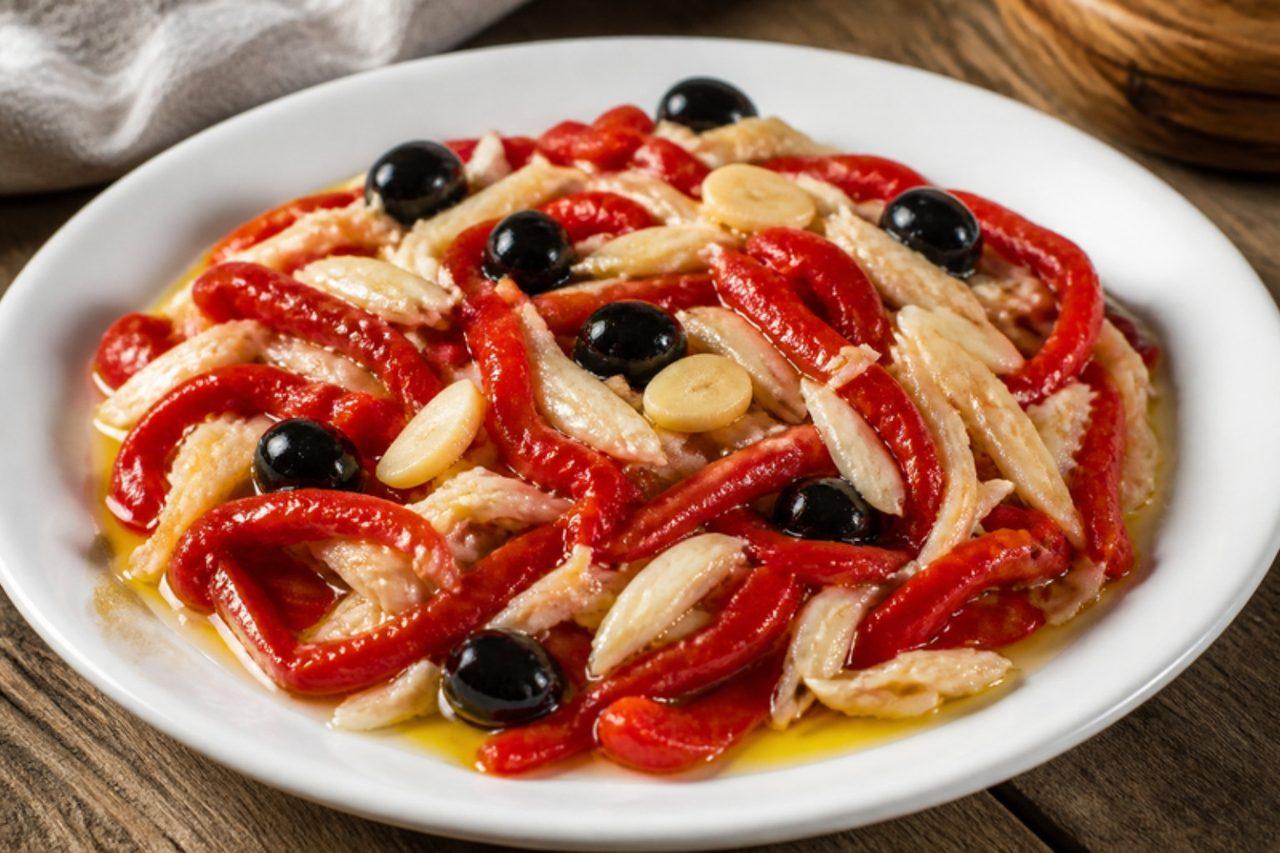
EsgarraetRoast pepper and salt cod salad

Esgarraet means "torn", and that is the whole technique: red peppers are roasted until soft and sweet, then pulled into strips by hand and layered with shredded salt cod, garlic and plenty of olive oil. Valencia's bars put it out as a tapa with crusty bread, and families make a big dish of it to pick at before a summer paella. Traditionally the cod is only desalted, not cooked, which means it is raw cured fish. That version is not for pregnant women, young children or anyone with a weakened immune system; this recipe gently poaches the cod first, which keeps it tender and makes it safe for everyone. A common mistake is rinsing the roast peppers under the tap to peel them; you wash away the sweet juices. Chef's tip: make it a day ahead; the peppers and cod drink up the garlicky oil overnight.

by KrazyBadal 0 views

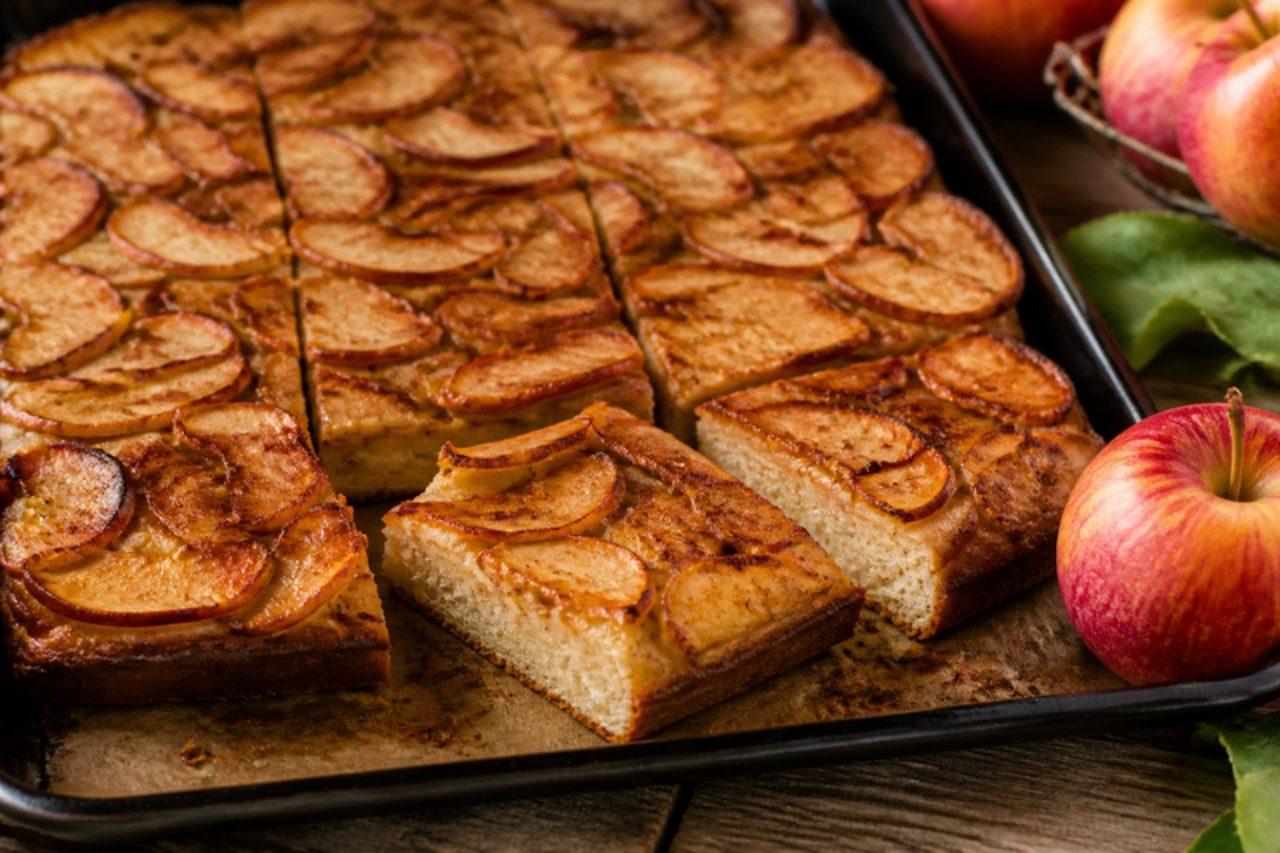
Boleima de maçãApple and cinnamon cake

In Portalegre, in the hills of the north Alentejo, boleima was born on baking day: a piece of the bread dough was set aside, enriched with olive oil, sugar and cinnamon, layered with sliced apples and baked in the cooling oven. It is not a delicate cake but a flat, moist, fragrant slab with caramelised edges, eaten at Christmas and at coffee time in autumn. It has no egg, butter or milk. A common mistake is slicing the apples thick, which leaves them hard while the dough is done; cut them thin. Chef's tip: give the dough a long, slow rise; that is where the bread-like flavour comes from.

by KrazyBadal 0 views

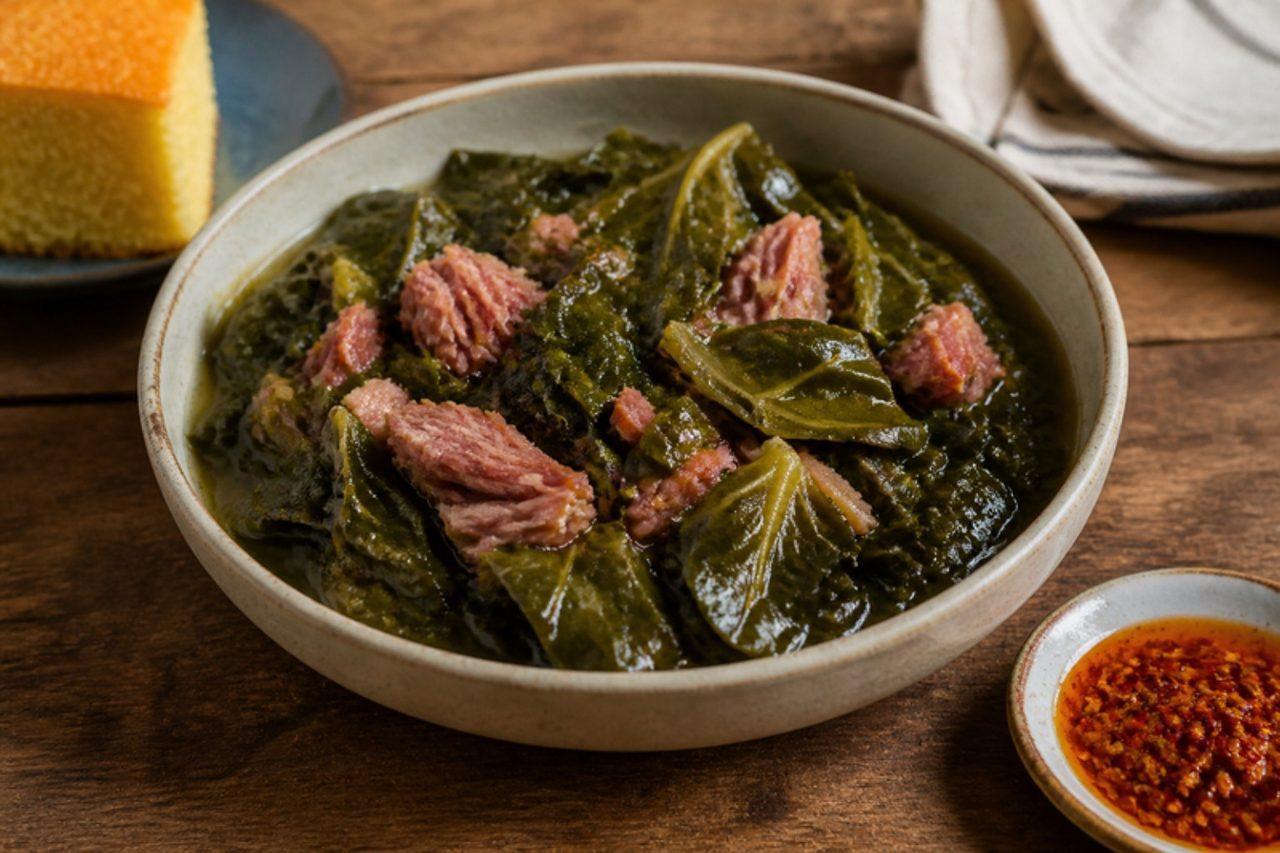
Southern collard greens with smoked ham hock

Collard greens simmered low and slow with smoked pork are at the heart of African American soul food and of Southern Sunday dinners and New Year's tables from Alabama to Virginia. The tough leaves melt into silky, savoury greens, and the cooking liquid, the 'pot likker', is so good it is sopped up with cornbread. Chef's tip: strip out the thick stems and wash the leaves in three changes of water; grit is the commonest complaint.

by KrazyBadal 0 views

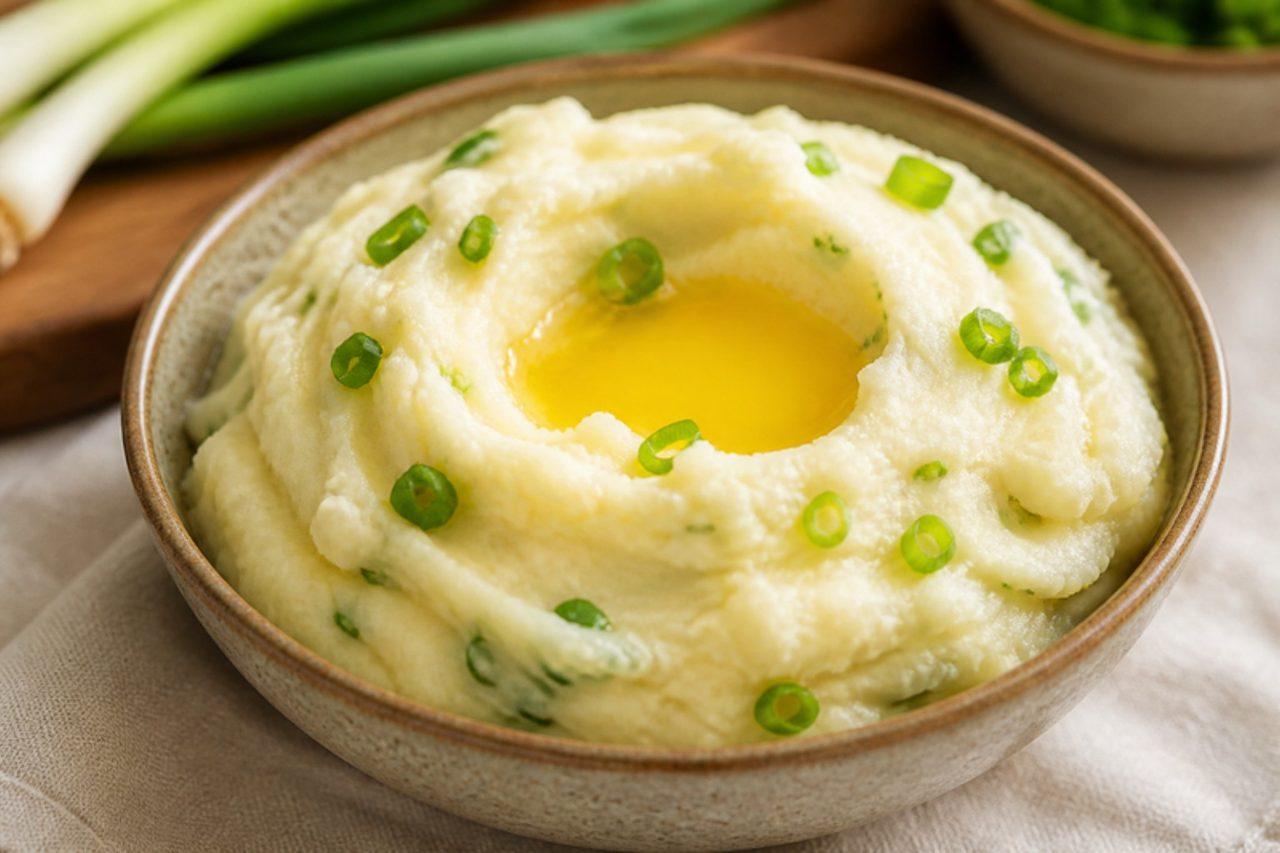
ChampMashed potato with spring onion

Champ is the creamy mashed potato of Ulster, eaten in farmhouse kitchens from Tyrone to Monaghan, and once pounded in a big pot with a wooden beetle for the whole family. Scallions are steeped in hot milk, then beaten into floury potatoes with salt, pepper and butter, so it is soft, green-flecked and gently oniony. Serve in a mound with a pool of butter in the centre, next to sausages or a pie. Chef's tip: dip each forkful into the butter well, as is done at home; don't stir the butter through.

35 minIrishSidesGluten free
by KrazyBadal 0 views

Caldeirada galegaWhite fish and potato stew

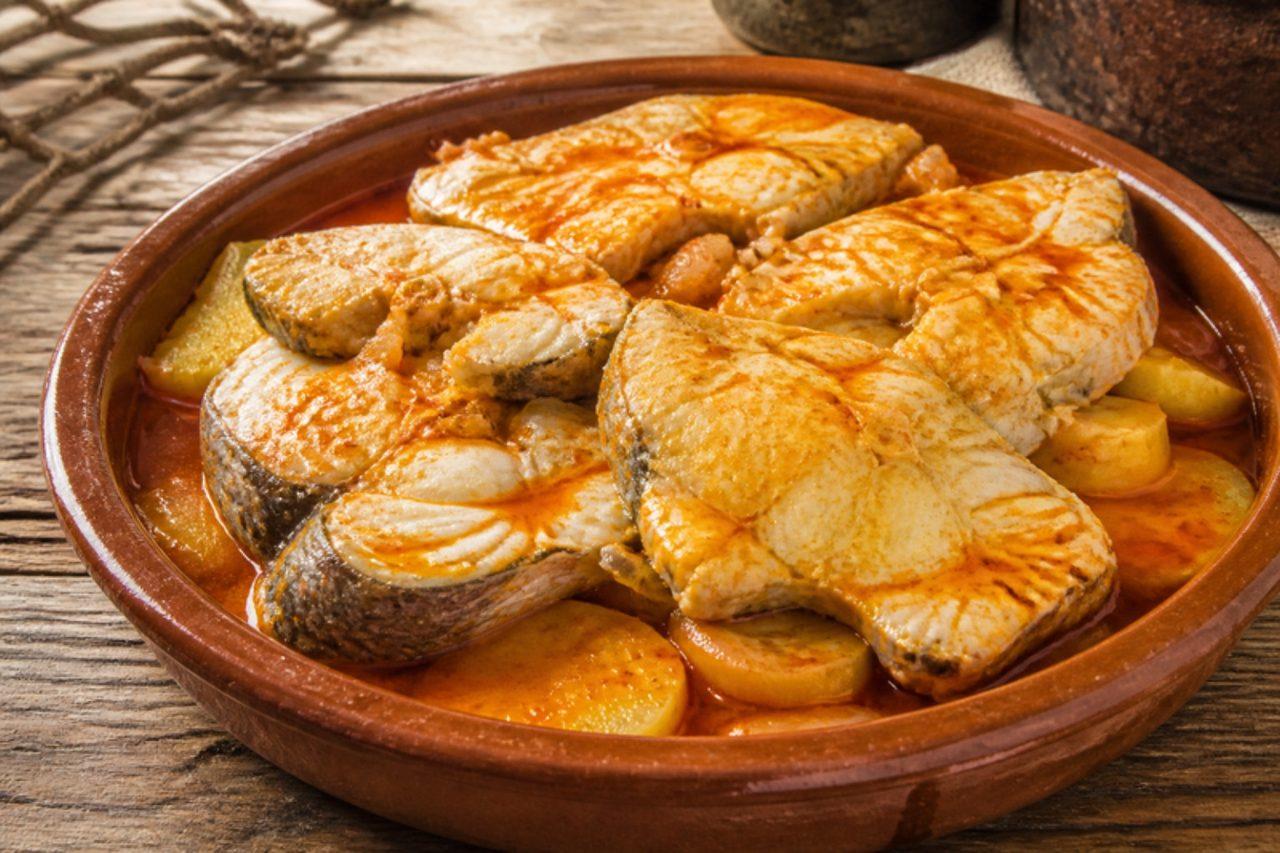
In fishing towns like Ribeira, Bueu and Muxía, caldeirada was the fishermen's way of cooking whatever the boat brought in, and it is still served at seaside restaurants and at the July fiestas of the Virgen del Carmen, patron of sailors. Unlike merluza á galega, it uses several kinds of fish, such as monkfish, ray, conger or hake, layered with potatoes and onion and cooked in very little water, then finished with plenty of ajada. A common mistake is stirring the pot, which breaks the fish into flakes; shake it gently instead. Chef's tip: put the firmest fish at the bottom and the most delicate on top, so everything finishes cooking together.

by KrazyBadal 0 views

Tatws pum munudBacon and potato stew

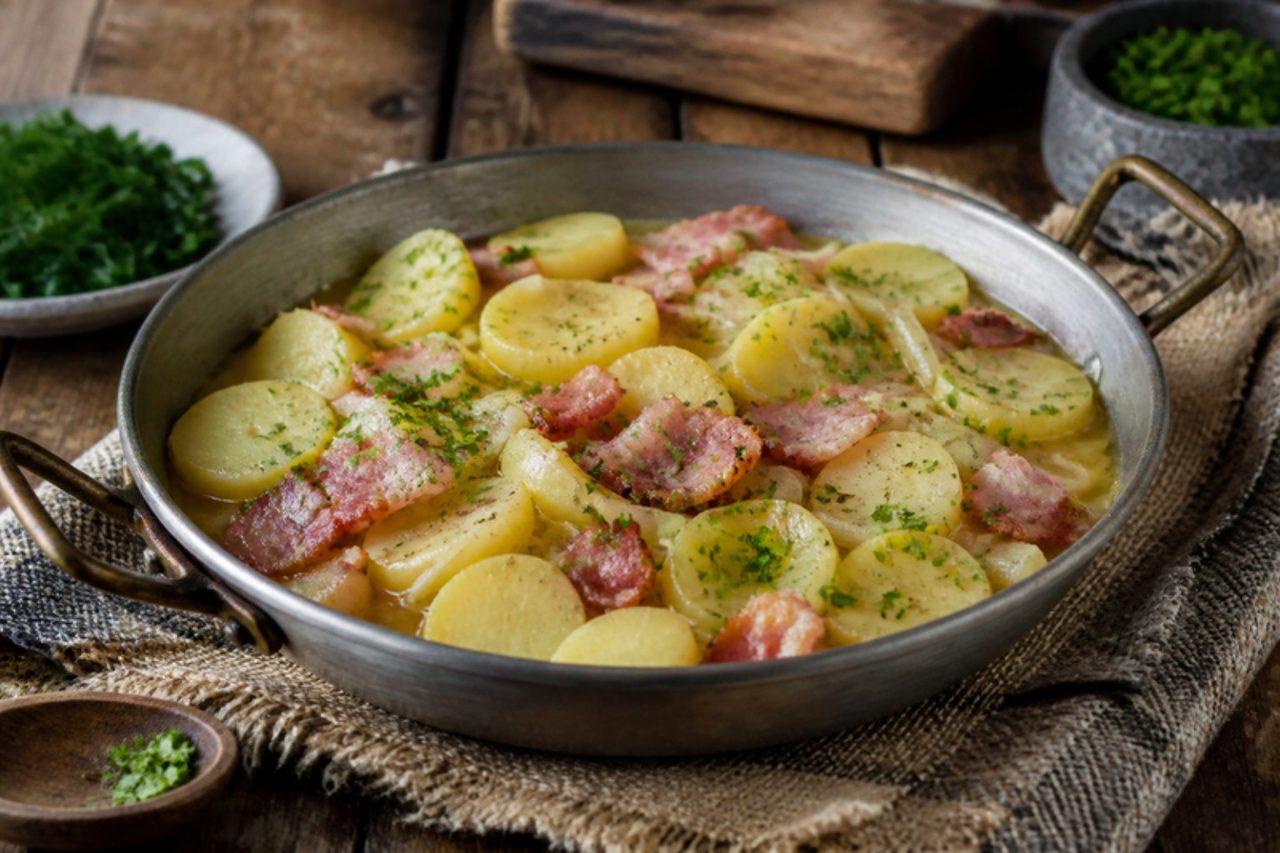
Tatws pum munud means 'five-minute potatoes' in Welsh, a joke, since it takes half an hour, but it was the quick, cheap one-pot supper of North Wales quarry and farm families. Sliced potatoes and onions are simmered on a bed of smoked bacon (pork) in stock until the potatoes are soft and the bottom layer catches and turns golden. Chef's tip: don't stir; shake the pan instead so the layers stay intact and the bottom crisps.

by KrazyBadal 0 views

Bolas de fraileDulce de leche doughnuts

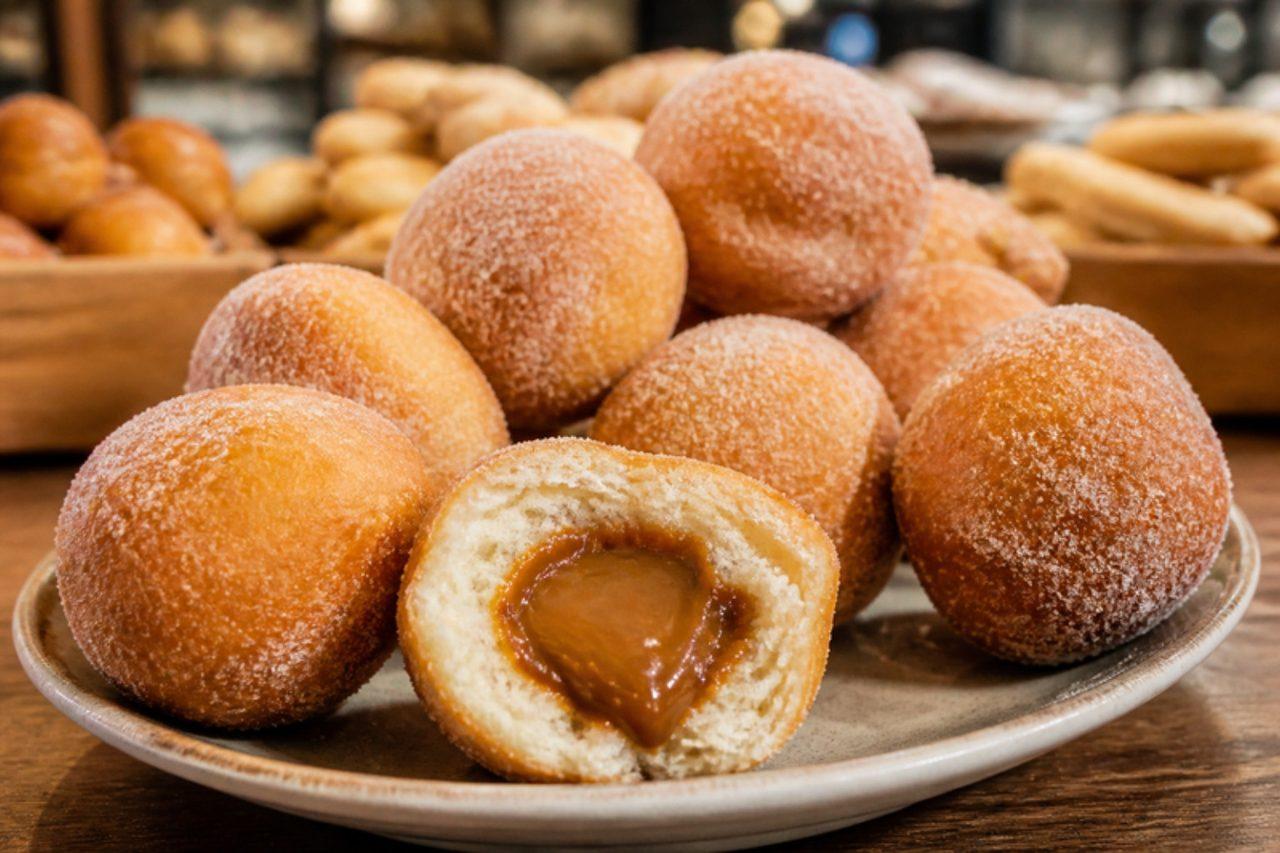
Friars' balls, to translate them literally, are a fixture of the Buenos Aires panadería counter among the facturas that porteños buy by the dozen on Sunday morning: soft, round yeast doughnuts, fried golden, rolled in sugar and split or piped with dulce de leche or crema pastelera. Children dive for them first. Inside they are light and fluffy, outside slightly crisp and sweet, and they are at their best within a few hours, with mate or coffee with milk. Oil that is too hot is the mistake: the outsides brown in seconds and the centres stay raw and doughy, so keep it at 170 °C and fry slowly. A thermometer helps a lot. Pastry cream is the other classic filling if you prefer it. Chef's tip: let the shaped balls rise on individual squares of baking paper and slide them into the oil on the paper; they keep their round shape and the paper peels off after a few seconds.

by KrazyBadal 0 views

Bola de LamegoBread stuffed with ham and sausage

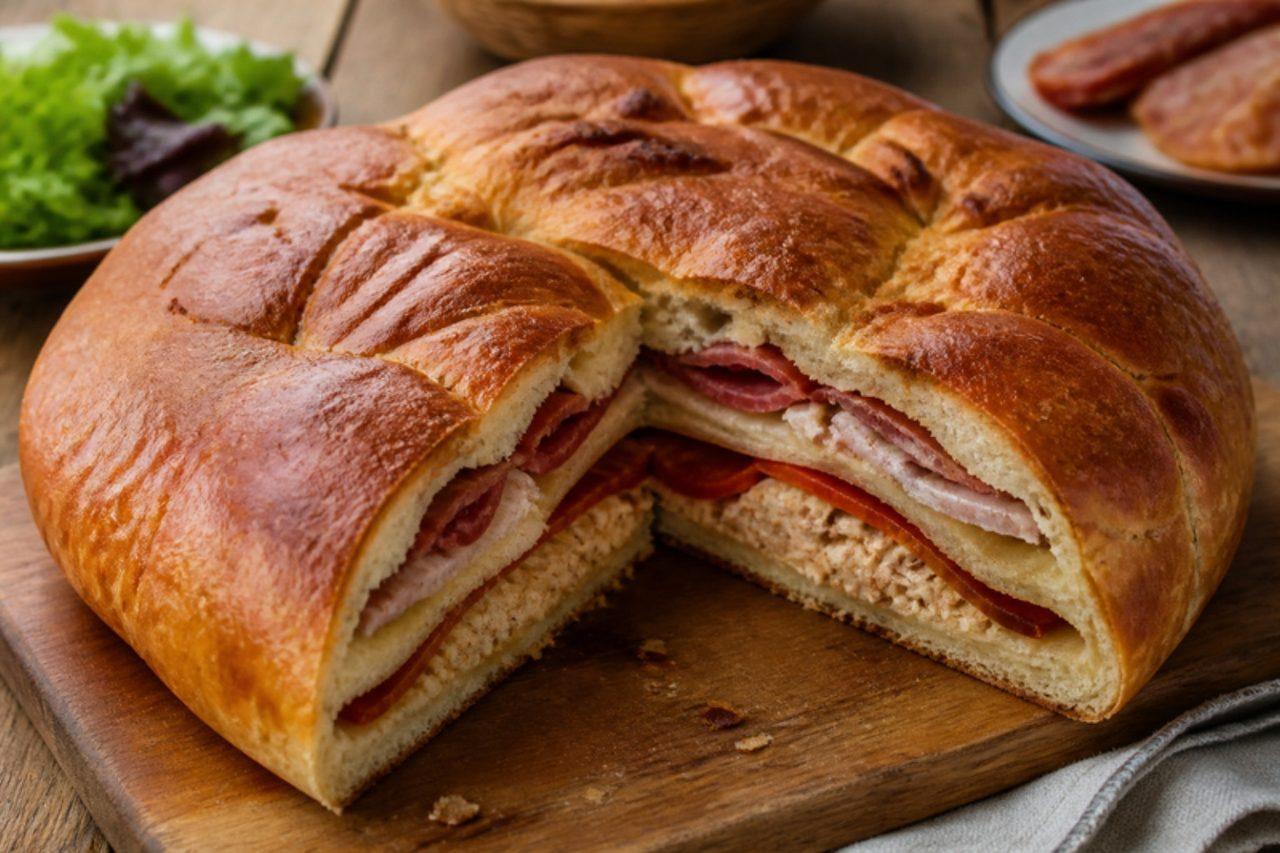
Lamego, the cathedral town above the Douro, is famous for its cured hams, and its bola is a bread baked with them inside: a soft, slightly rich yeasted dough layered with presunto, chouriço, salpicão and often chicken or veal. It is taken on picnics, to the pilgrimage of Nossa Senhora dos Remédios in September, and sold by the slice in local cafés. This contains pork (presunto and chouriço). Chef's tip: let the bola cool for an hour before slicing; the juices from the meats settle into the crumb.

by KrazyBadal 0 views

Bocadillo veleñoGuava and panela paste

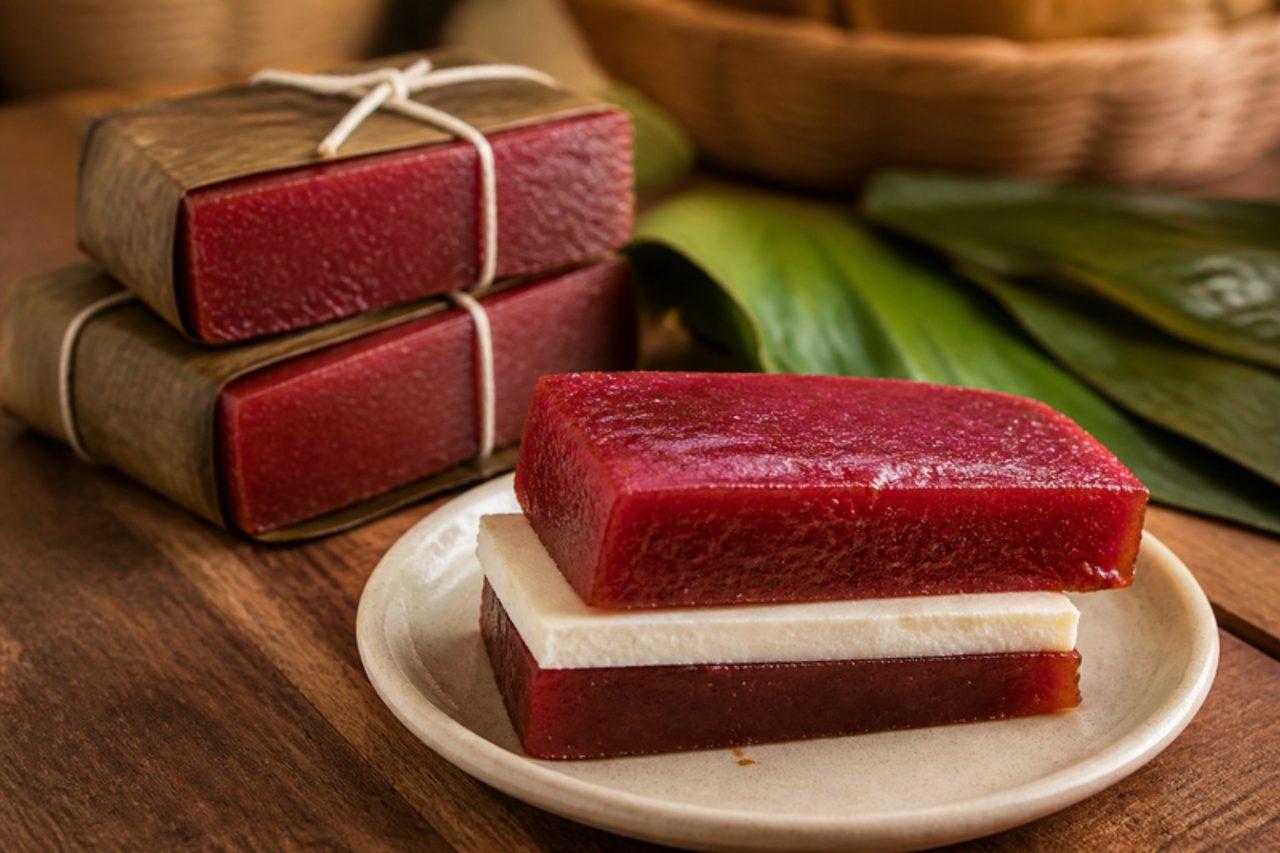
Vélez, a hill town in Santander, has given its name to Colombia's favourite sweet. Bocadillo veleño is guava pulp cooked down with panela and sugar until it sets into a firm, sliceable paste, deep red and fruity with a caramel edge, then cut into bars and wrapped in dried bijao leaves. It is the snack of bus journeys and school lunchboxes, and with a slice of fresh white cheese it becomes the classic pairing Colombians call a matrimonio. Plan for overnight setting. Stopping the cooking too early is the familiar mistake: the paste looks thick in the pan but stays soft and weeps once cool, so cook until it pulls away from the pan and a spoon drawn across the bottom leaves a clear track. Long sleeves are a good idea; it splutters. Bijao leaves are hard to find abroad; banana leaves or baking paper work. Chef's tip: use pink-fleshed guavas for colour, and add the lime early so the pectin sets firm.

by KrazyBadal 0 views

Bocadillo de calamaresFried squid sandwich

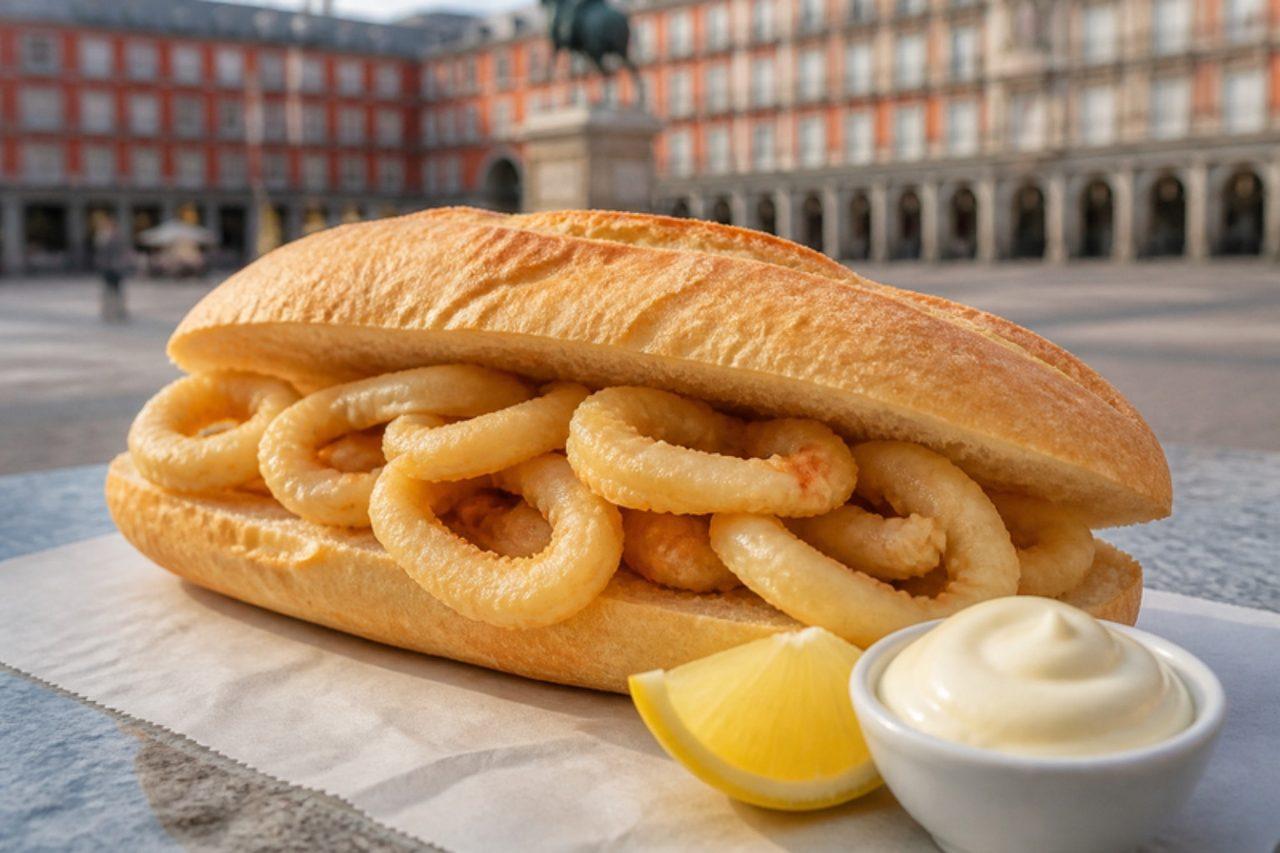
Madrid sits hundreds of kilometres from the sea, yet its most famous snack is a crusty roll stuffed with hot fried squid rings, eaten standing at the bars around the Plaza Mayor at any hour. Locals order one with a cold drink at the counter and squeeze over a little lemon; some add a smear of mayonnaise. Chef's tip: fry the squid in very hot oil and for barely a minute, so it stays tender inside a crisp coat.

by KrazyBadal 0 views

EscribanoCrushed potato salad with rocoto

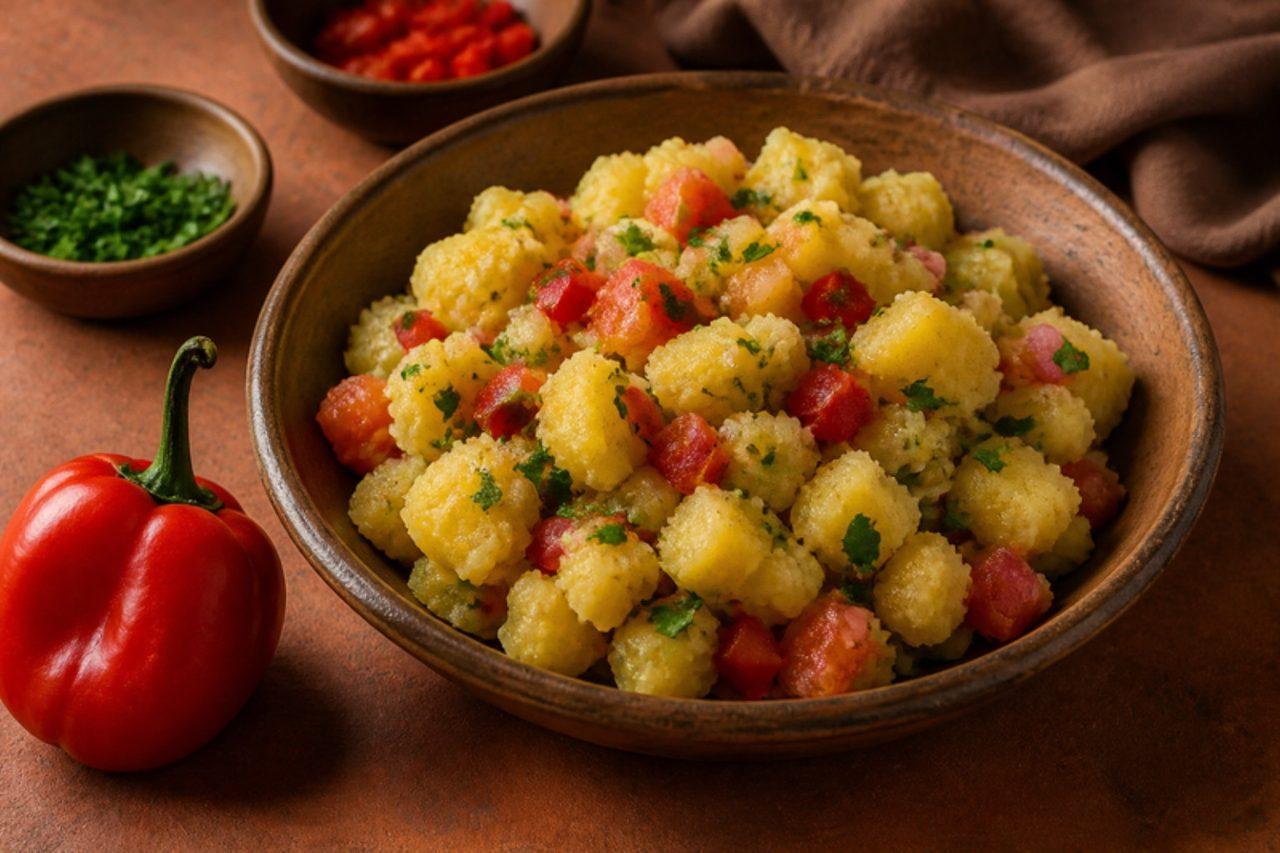
Mid-morning in Arequipa's traditional picanterías, before the big plates come out, regulars order escribano: a bowl of warm yellow potato crushed with a fork and drenched in rocoto, ripe tomato, vinegar and oil. Local lore says it was a snack for the court clerks (escribanos) who worked nearby, and it is still eaten as a sharp, spicy wake-up with a glass of chicha or a soft drink. The texture should be rough and juicy, somewhere between a salad and a mash, with the red chilli bright against the potato. Don't purée it: overworked potato goes gluey and loses the chunks that hold the dressing. Rocoto is fiercely hot, so start with half and taste. Serve it alone with crusty bread, or beside fried cheese or grilled vegetables. Chef's tip: dress the potatoes the moment they are drained and peeled, while they are steaming, so they drink in the vinegar.

by KrazyBadal 0 views

Bem-casadoSponge discs with caramel filling

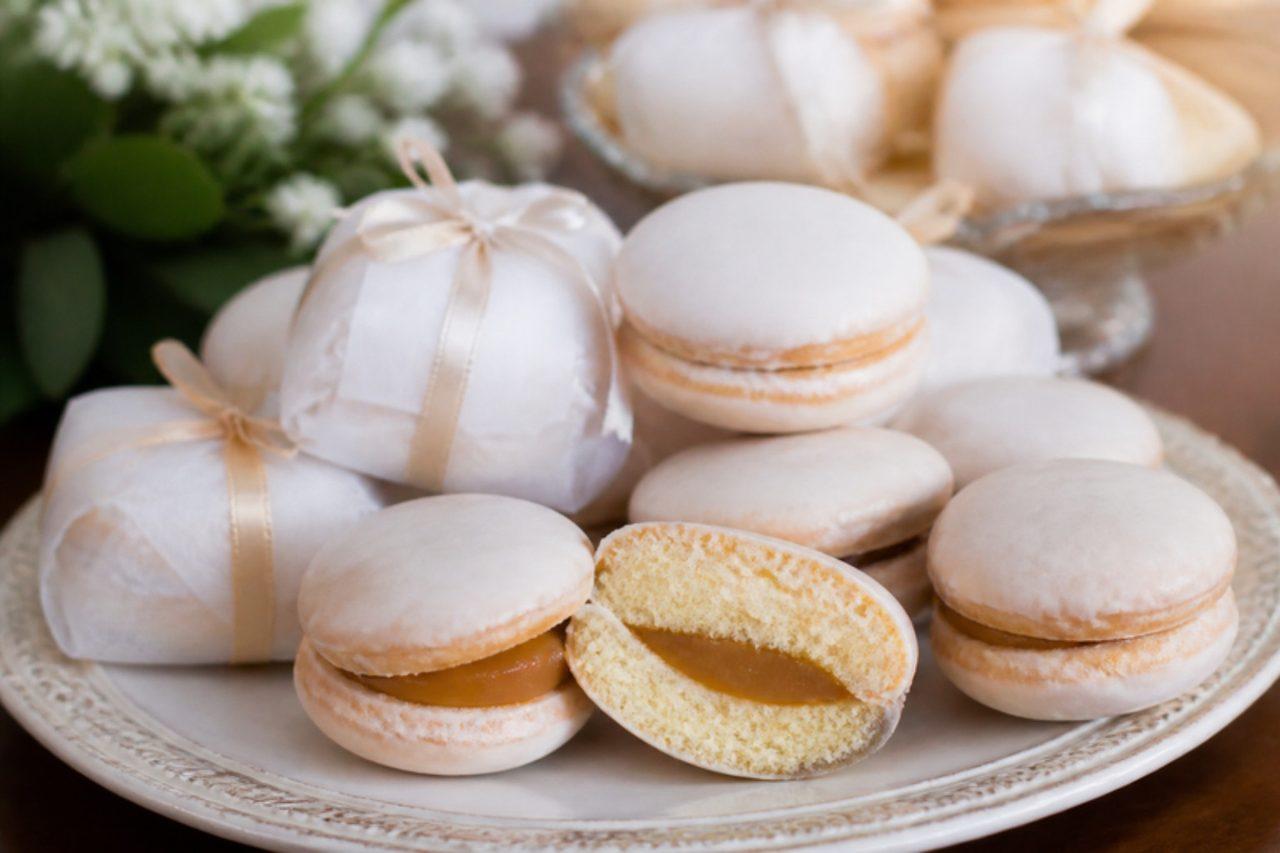
Guests leaving a Brazilian wedding are handed a bem-casado, 'well married', wrapped in crepe paper and tied with ribbon, as a wish for the couple's happiness. The sweet is said to have taken its modern shape in Campos dos Goytacazes, in the north of Rio de Janeiro state, where confectioners still make it by the thousand. Two thin, airy sponge rounds hold a layer of doce de leite and are dipped in a thin sugar glaze that sets matt white and slightly crisp, so the inside stays soft for days. Doce de leite is sold in jars in Latin shops; use a thick, spoonable one. Over-baking the discs is where most batches fail: they turn dry and crack when sandwiched. Chef's tip: pipe the batter in small rounds and pull them from the oven as soon as they spring back and the edges barely colour; pale is right.

by KrazyBadal 0 views

Blanc-manger cocoCoconut dessert

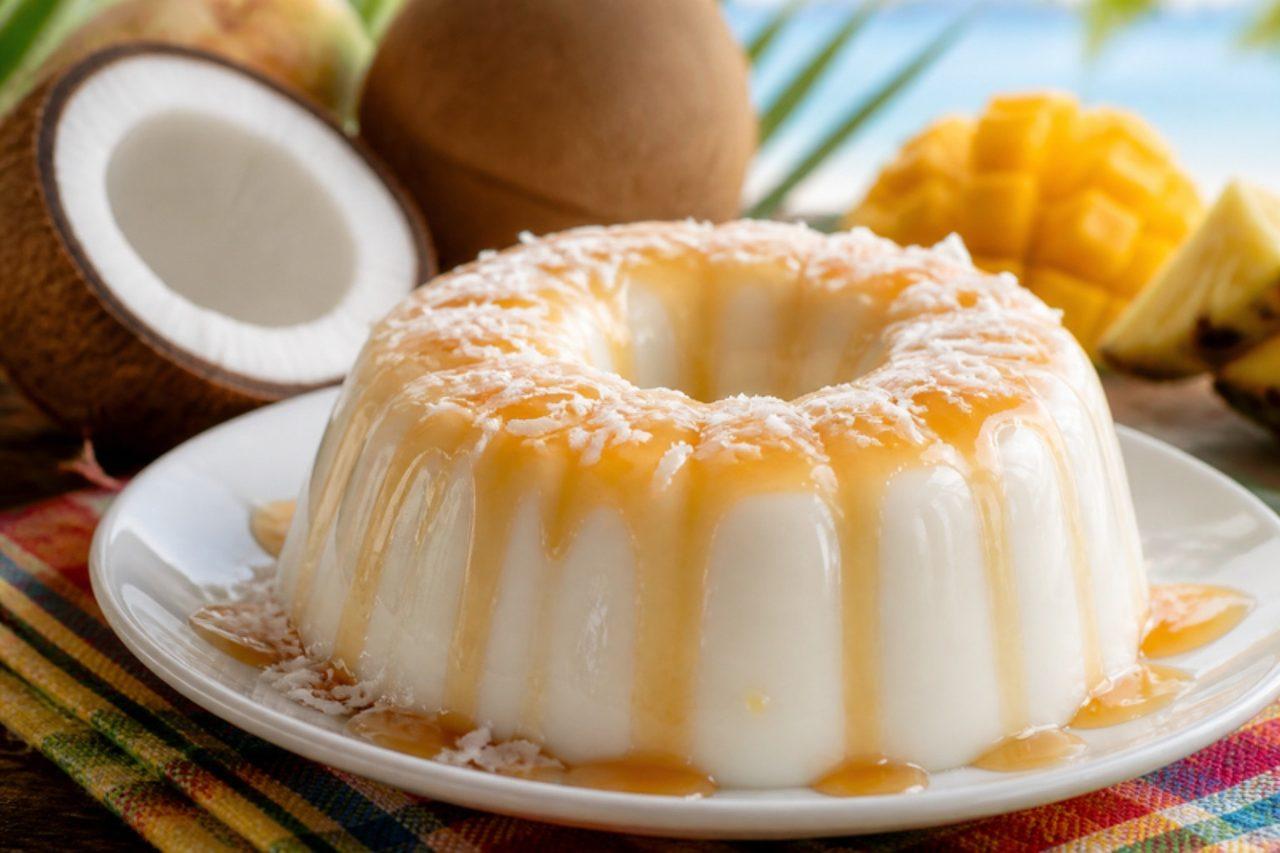
In Martinique, blanc-manger coco is the cool, wobbly dessert that closes a Christmas or Sunday family lunch: coconut milk and sweetened condensed milk scented with lime zest, cinnamon, vanilla and nutmeg, set and turned out of a mould. Many island cooks set it with gelatine, which is not vegetarian; this recipe uses agar-agar, a seaweed setting agent, so it is meat-free and holds well even in the heat. Serve it chilled with passion fruit or a guava coulis. Chef's tip: once the agar is in, keep the mixture boiling for 2 full minutes; agar only sets after it has been properly boiled.

by KrazyBadal 0 views

Southern chicken and dumplings

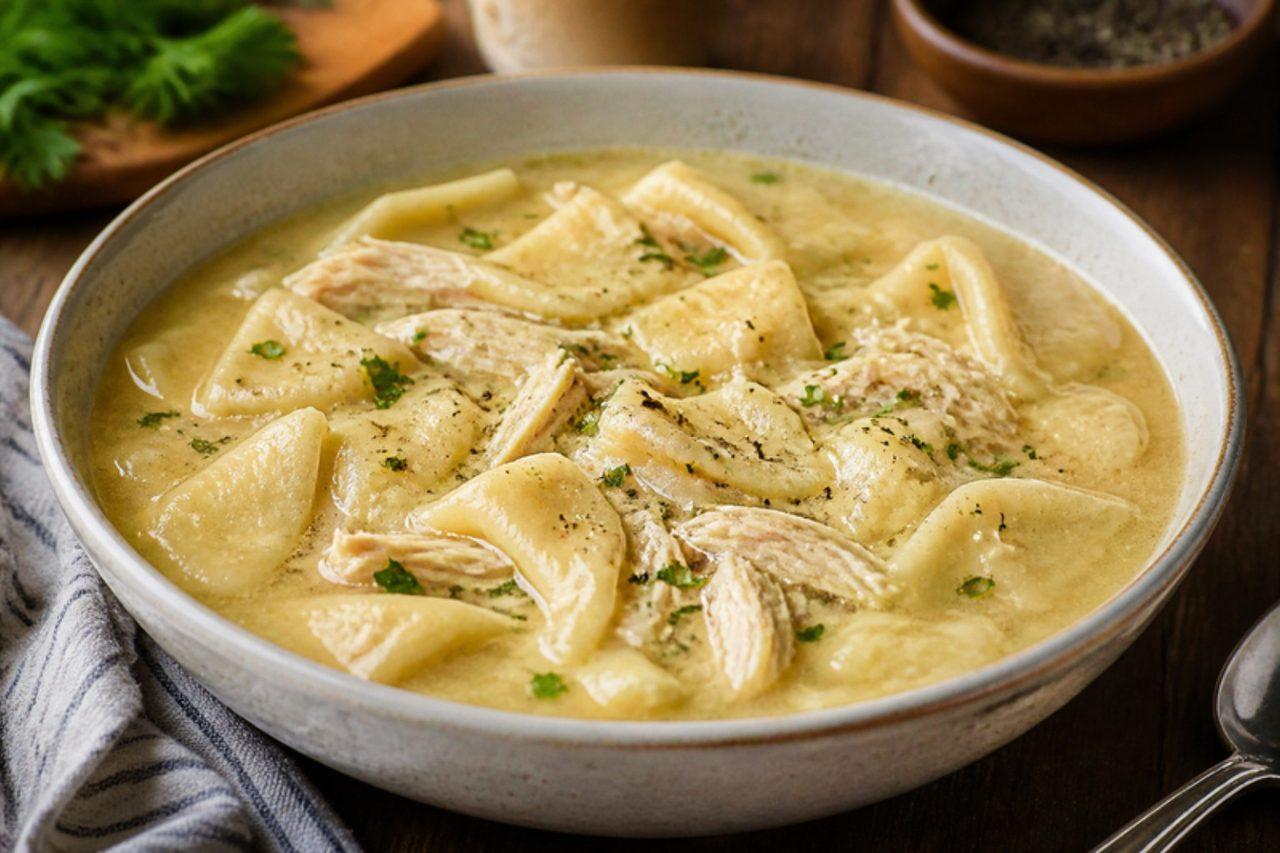
Chicken and dumplings is the Sunday dinner and sick-day comfort of Mississippi, Tennessee and the Carolinas: a whole bird simmered into broth, shredded, and cooked with thin, rolled strips of dough that thicken the pot as they simmer, so it ends up halfway between soup and stew. Chef's tip: roll the dumplings thin, about 3 mm; thick ones stay doughy in the middle.

by KrazyBadal 0 views

BizriFried whitebait

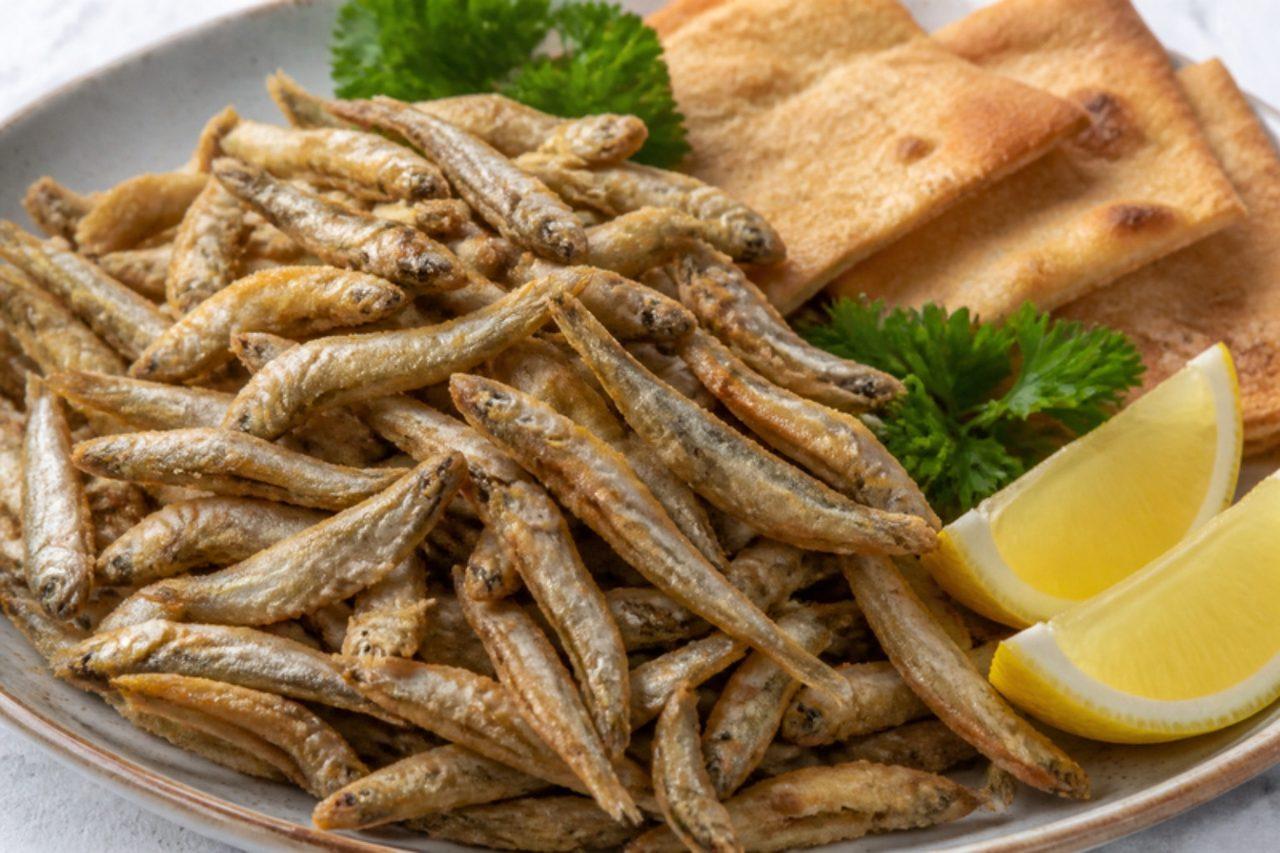
Fish restaurants on the harbours of Byblos, Batroun and Tyre bring bizri to the table within minutes of ordering: a heap of tiny whitebait, dusted in seasoned flour and fried so crisp you eat them whole, heads and all, with a squeeze of lemon. It is a mezze for sharing with fattoush, tahini sauce and fried pitta, usually while waiting for the bigger grilled fish. Buy the fish very fresh and keep it on ice until it goes into the pan. The common mistake is crowding the pan, which drops the oil temperature and leaves the fish greasy and soft. Chef's tip: toss the damp fish in flour in a sieve and shake off every bit of excess; a thin coating fries glassy-crisp.

by KrazyBadal 0 views

Showing 81 of 8,120 recipes

Show more recipes

Page 440 of 903