
Skip to content
Cannoli
Featured recipe

Cannoli

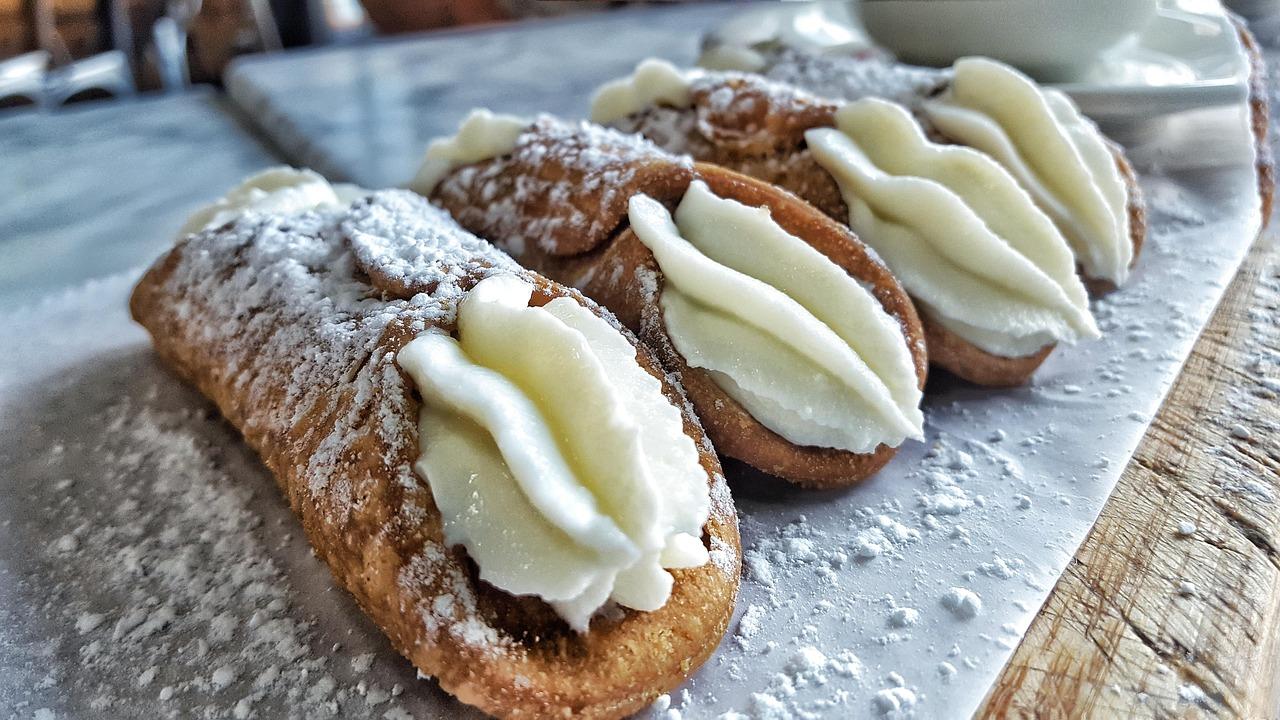
Cannoli were once a Carnival treat in Palermo; now Sicilian pastry shops fill them all year, piping the sweet sheep's-milk ricotta cream into the crisp, bubbly shells only when you order, so they never go soft. The ends are dipped in chopped pistachios, candied orange or chocolate chips. Traditional shells are fried with lard; this version uses butter in the dough and sunflower oil to fry. You need metal cannoli tubes. Chef's tip: drain the ricotta overnight and push it through a sieve; it makes a silky cream that holds its shape instead of a runny, grainy filling.

Read more 0 views
Can't decide?

What to eat today?

Spin the randomizer, search with what's already in your fridge, or browse recipes from our chefs.

Latest recipes

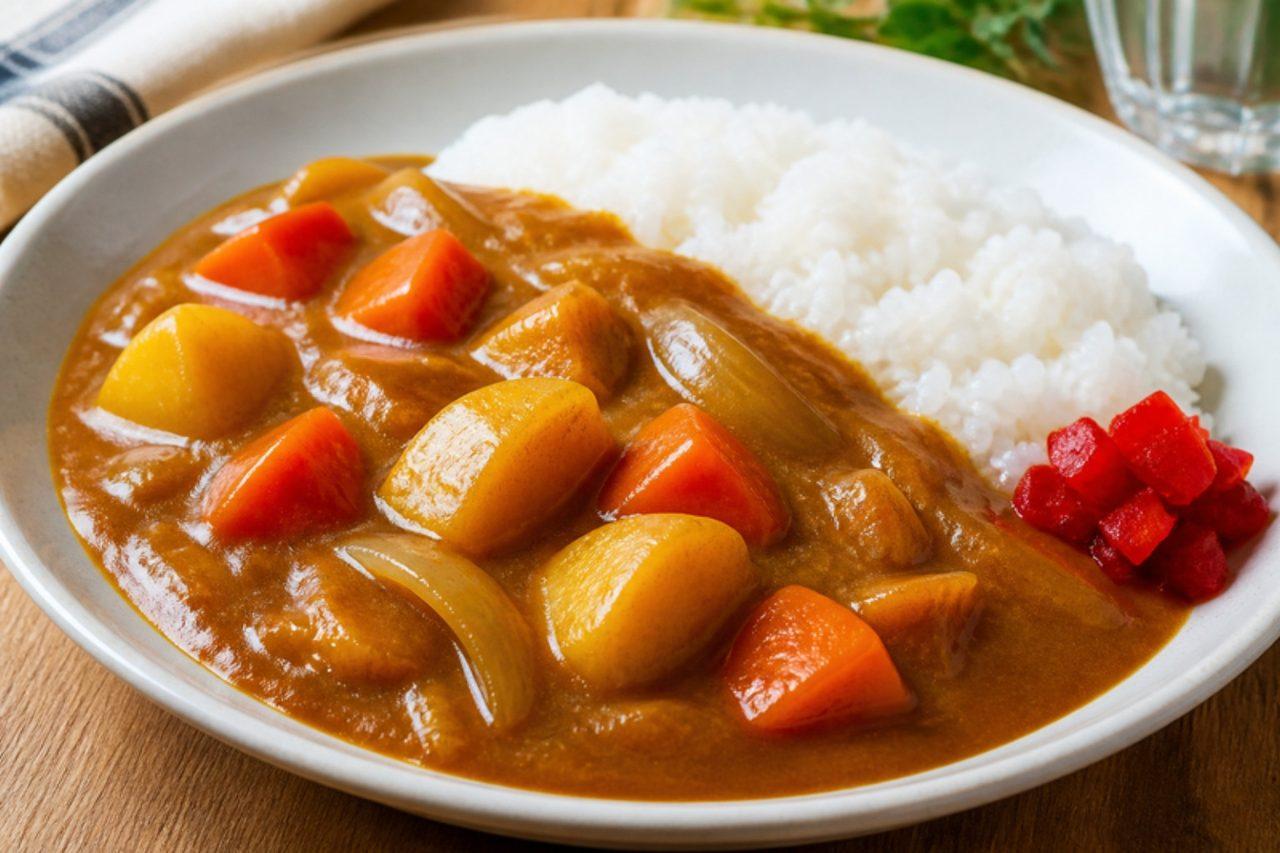
Japanese curry rice

Japanese curry rice (カレーライス) arrived in Japan from Britain via the navy in the late 1800s and is now a national comfort food, cooked in homes from Hokkaido to Okinawa. It is nothing like an Indian curry: the sauce is thick, glossy and mild, made with a roux of butter, flour and curry powder, and sweetened with grated apple. This vegetarian version is packed with potato, carrot, onion and mushrooms. It tastes even better the next day, and children love it. Chef's tip: take the onions all the way to a deep golden brown before anything else goes in. Japanese home cooks swear by this step, as the caramelised onion gives the curry its rounded sweetness.

by KrazyBadal 0 views

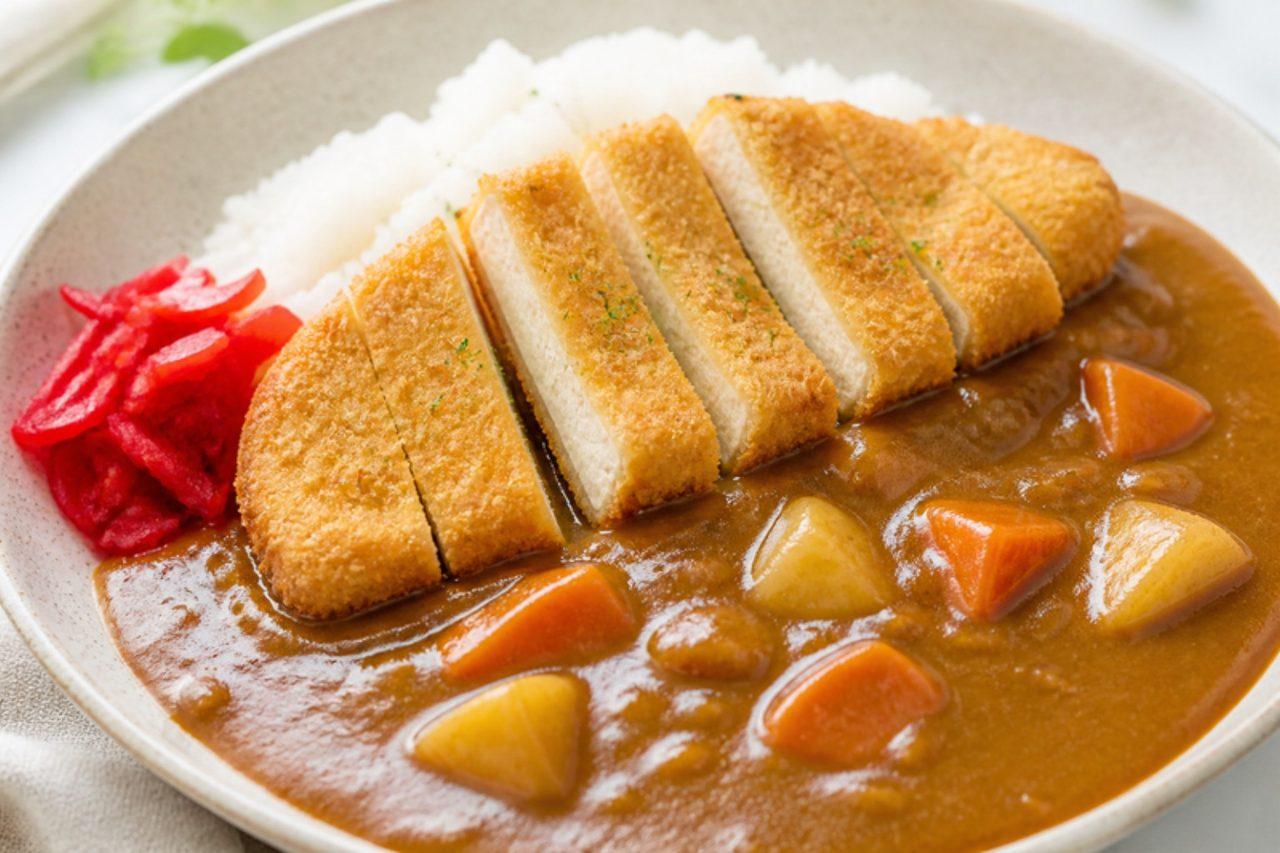
Tofu katsu curry

Katsu curry (カツカレー) is a favourite in canteens and curry houses across Japan, first served in Tokyo's Ginza in the 1940s. A crunchy breaded cutlet is sliced and laid over rice, then half of it is smothered in thick, mild curry sauce, so you get crisp and saucy bites. Here firm tofu replaces the pork. It is a little more work than plain curry rice, but children love it. Chef's tip: fry the katsu at the last minute and pour the curry over only half of it, so you always keep some crunch; Japanese curry houses serve it exactly this way.

by KrazyBadal 0 views

Yaki onigiri

Yaki onigiri (焼きおにぎり) are rice balls grilled until they form a crisp, toasty crust, then brushed with soy sauce glaze. They are eaten all over Japan, at izakaya, at barbecues and from the freezer section, as a snack or with miso soup. The inside stays soft and steamy while the outside crackles. Best eaten hot, straight from the pan. Chef's tip: let the shaped rice balls dry for 10 minutes before they go in the pan. A drier surface forms a better crust and won't stick, and the glaze goes on only at the end so it doesn't burn.

by KrazyBadal 0 views

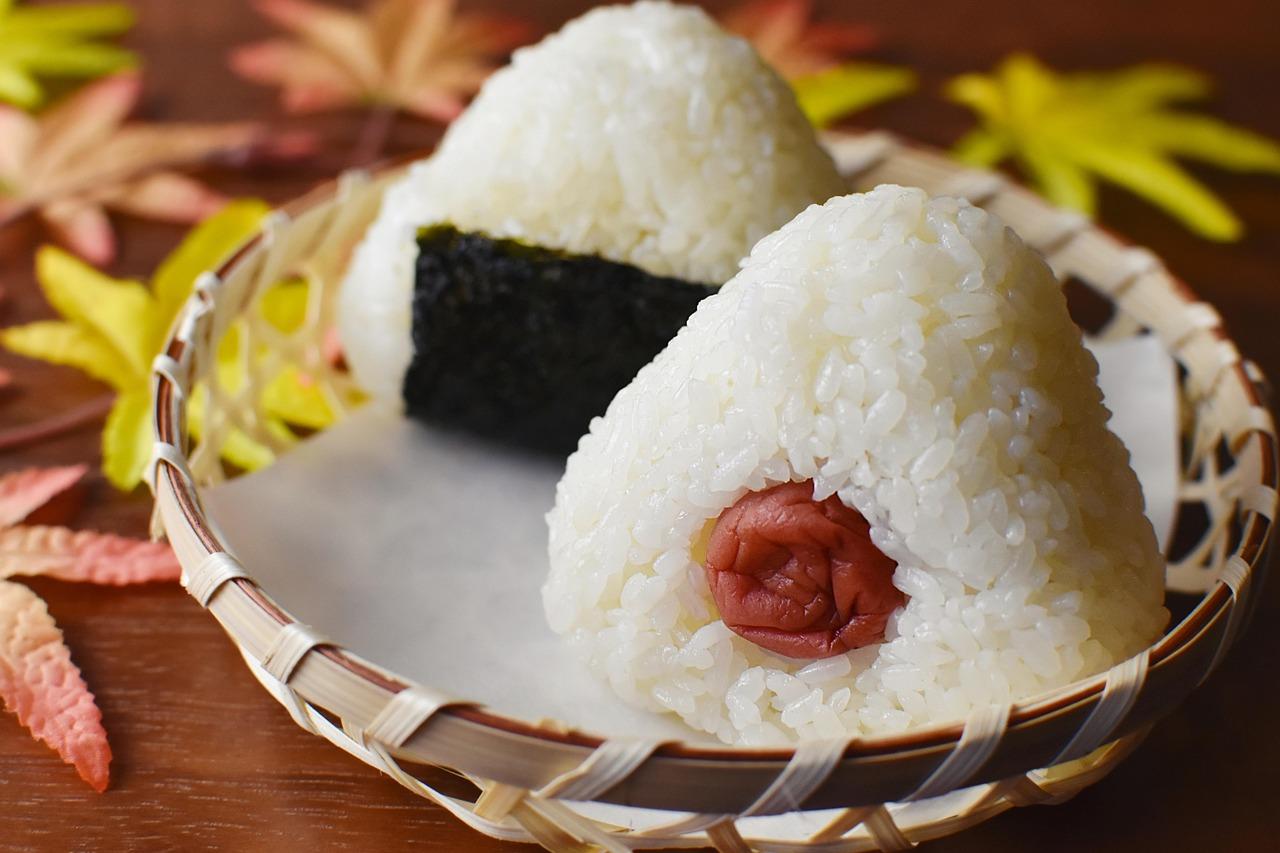
Vegetable onigiri

Onigiri (おにぎり) are Japan's everyday lunchbox and picnic food, sold in every convenience store from Tokyo to Kyushu. Warm rice is pressed around a salty or savoury filling and wrapped in a strip of crisp nori. This recipe gives three vegetarian fillings: sour umeboshi (pickled plum), sweet-salty simmered kombu, and a soy-glazed mushroom and carrot mix. Children love helping to shape them, and they keep well for a packed lunch. Chef's tip: use freshly cooked, still-warm rice and salt your hands, not the rice. The grains stick together only while warm, and the salt on the outside seasons every bite the way a Japanese mother would.

by KrazyBadal 0 views

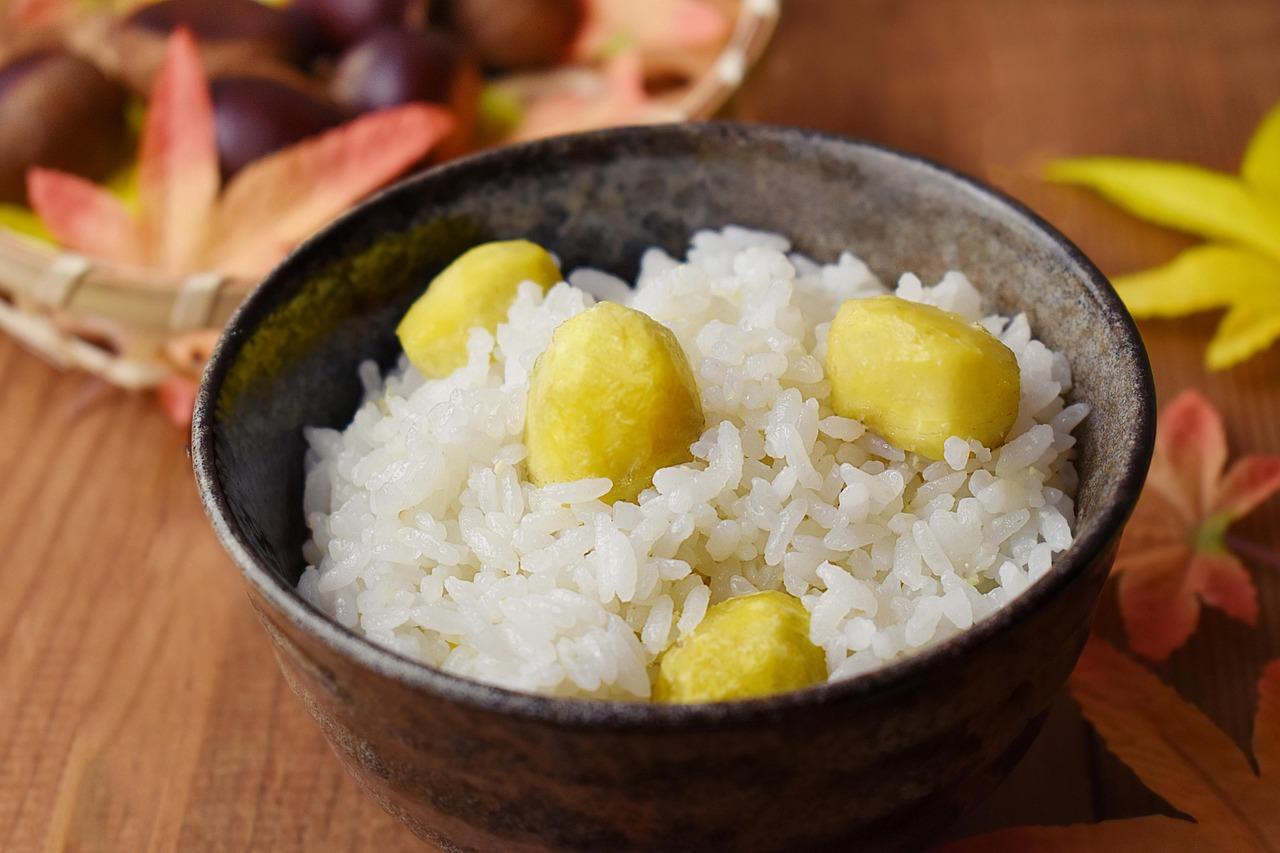
Takikomi gohan

Takikomi gohan (炊き込みご飯) is mixed rice cooked in one pot with seasonal vegetables and a savoury broth, made in homes across Japan, especially in autumn when mushrooms and chestnuts are in season. Every grain soaks up the soy, mirin and mushroom flavour, and the bottom forms a prized toasty crust (okoge). This vegetarian version uses a kombu and shiitake dashi. Serve it with miso soup and pickles, or pack it into onigiri the next day. Chef's tip: never stir once the vegetables are on top, and don't lift the lid while it cooks. The heavy vegetables would sink and the rice cook unevenly; leaving it alone also gives you the toasty okoge crust at the bottom.

by KrazyBadal 0 views

Omurice

Omurice (オムライス) is a yōshoku dish, Western-style Japanese food, said to have been invented at a Tokyo restaurant around 1900. Tangy ketchup fried rice is wrapped in a thin, soft omelette and topped with more ketchup. Chicken is usual inside; this vegetarian version uses mushrooms, sweetcorn, peas and onion. A favourite with children, and on the table in half an hour. Chef's tip: pull the pan off the heat while the top of the omelette is still a little runny; it finishes cooking from the heat of the rice, and stays soft and silky as in a Tokyo yōshoku diner.

by KrazyBadal 0 views

Matcha latte

Matcha (抹茶) is finely ground green tea from Uji, near Kyoto, the heart of Japanese tea-growing for centuries. A matcha latte (抹茶ラテ) is the café version: the powder is whisked to a smooth, frothy shot, then topped up with steamed milk and lightly sweetened. It tastes grassy, creamy and gently bitter. Use any milk you like; oat milk froths especially well. Chef's tip: keep the water at about 80°C. Boiling water scorches matcha and makes it bitter; let the kettle stand for 2–3 minutes after boiling before you pour.

by KrazyBadal 0 views

Dorayaki

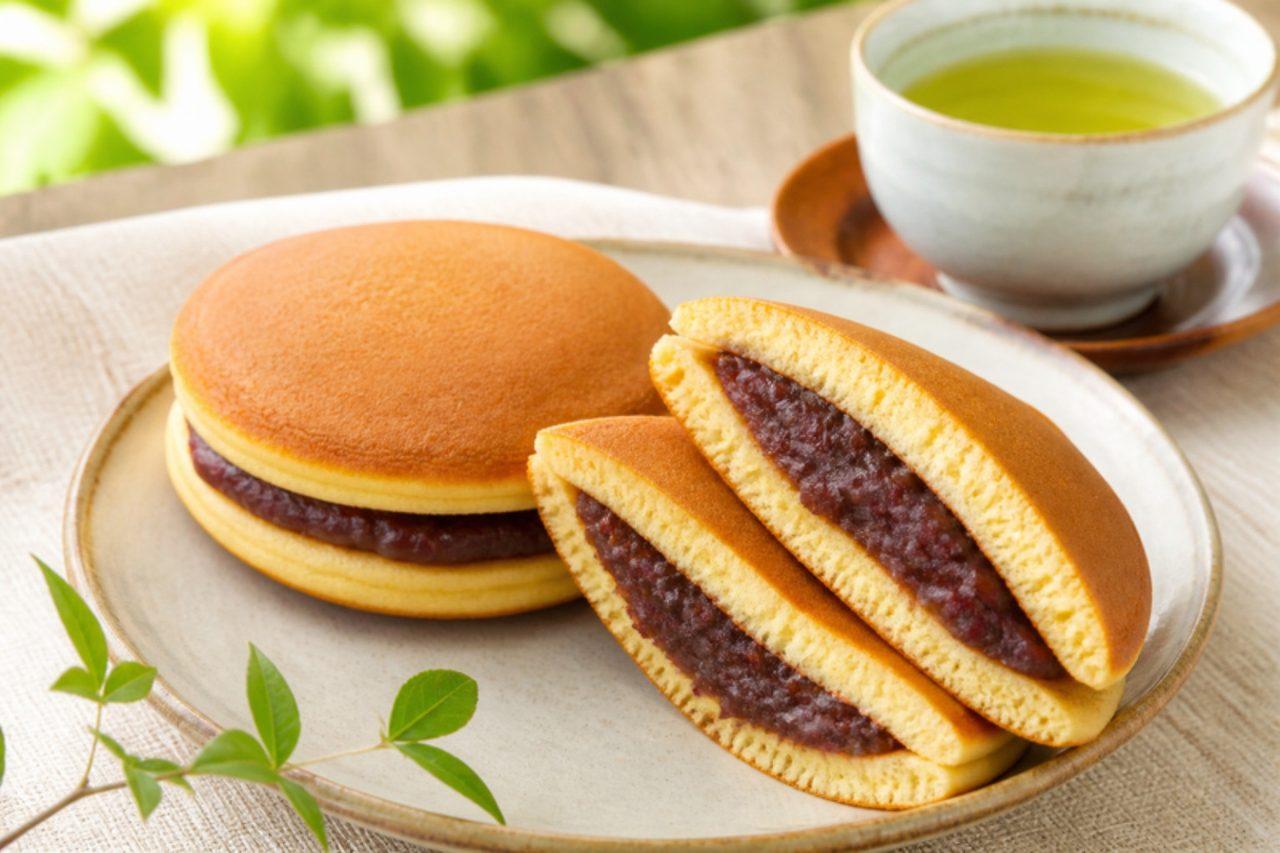
Dorayaki (どら焼き) are two small, golden honey pancakes pressed around a thick layer of sweet red bean paste (anko). They were first sold in their modern form by a Tokyo sweet shop in the early 1900s, and are now in every Japanese bakery and convenience store. The pancakes are soft, moist and slightly springy, with a deep brown, even surface. A good afternoon treat with green tea, and children love them. Chef's tip: wipe the pan almost dry of oil and keep the heat low. That's how Japanese sweet shops get the smooth, evenly brown 'gong' surface (dora means gong); too much oil gives a blotchy, spotted pancake.

by KrazyBadal 0 views

Matcha mochi

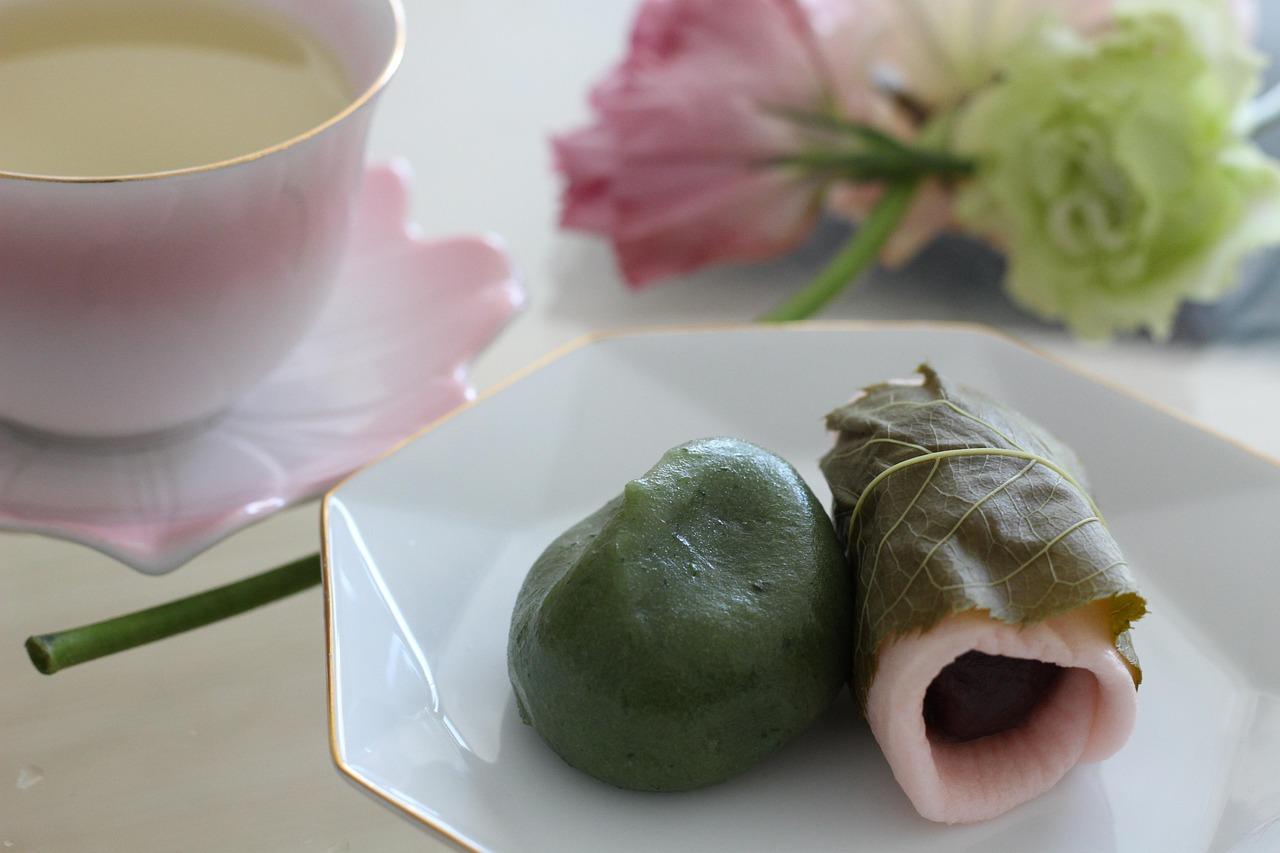
Mochi (もち) are soft, chewy rice cakes made from glutinous rice flour, and Kyoto's confectioners have long flavoured them with matcha from nearby Uji. This quick home version cooks the dough in the microwave rather than pounding steamed rice. Each little green ball is wrapped around a centre of sweet red bean paste and dusted with cornflour. They are best eaten the day they are made, while still soft. Chef's tip: work while the dough is still warm, and keep your hands and the tray well dusted with starch. Warm mochi stretches easily around the filling; once it cools it tears and won't seal.

by KrazyBadal 0 views

Showing 9 of 4,484 recipes

Show more recipes

Page 433 of 499