


Skip to content
Vitamin salad
Featured recipe

Vitamin salad

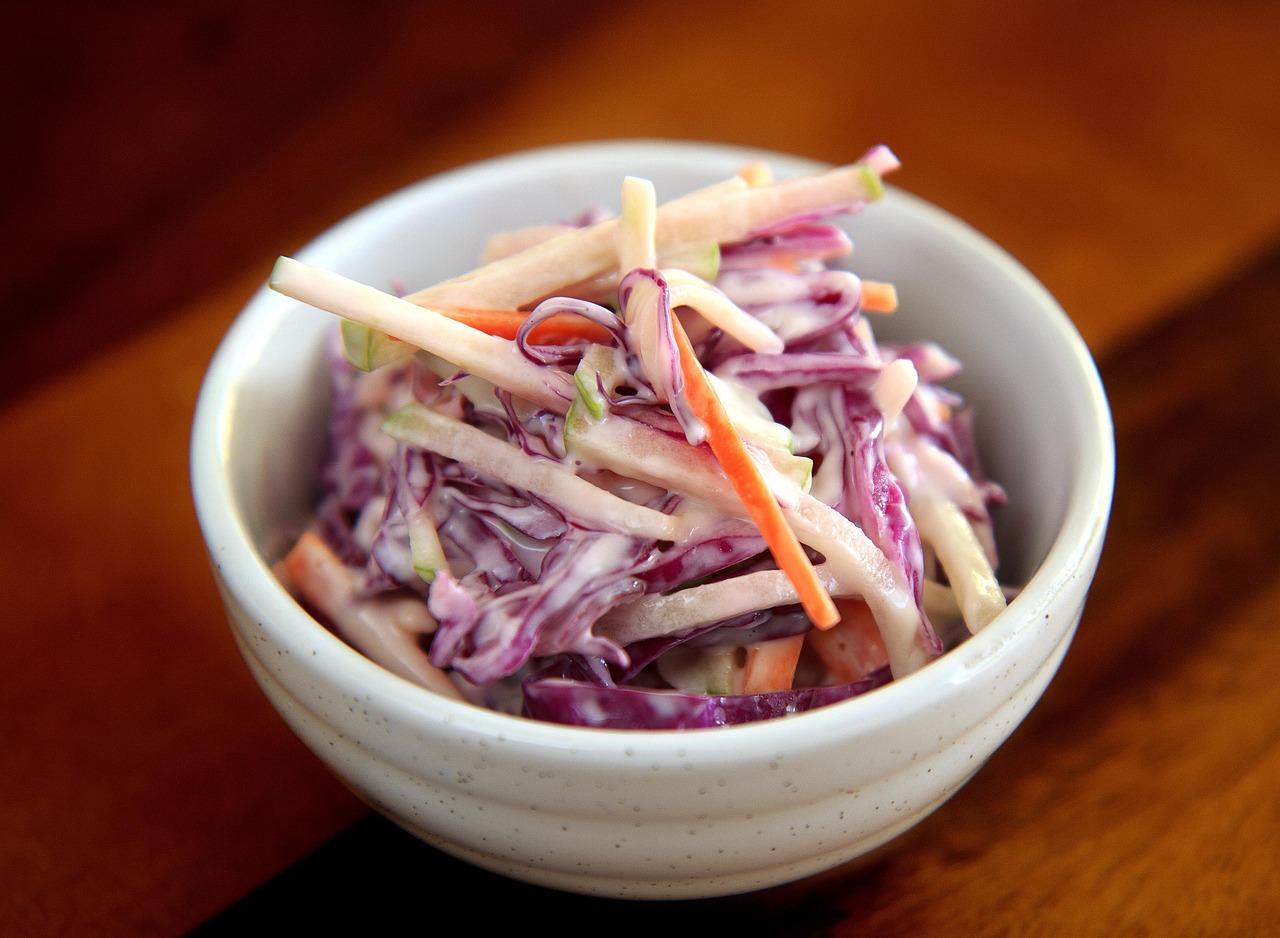
"Vitamin" salad was the bright spot on every Soviet stolovaya tray, scooped from a steel tray beside the cutlets and buckwheat, and it is still how many Russians start a light lunch. Fresh white cabbage, carrot and green apple are rubbed with salt and sugar, then dressed simply with sunflower oil and vinegar, so it tastes crisp, juicy and sweet-sour. It goes with almost anything hot and is a good way to use half a cabbage. A common mistake is skipping the squeeze: crushing the cabbage with salt for a minute or two softens it and draws out juice that becomes part of the dressing. Grate the apple last so it does not brown. Chef's tip: unrefined, toasted-seed sunflower oil gives the true canteen flavour; a splash goes a long way.

Read more 0 views

What to eat today?

Around the world

Today's trip: Paraguayan

A new country every day, from every cuisine on the site.

Paraguayan

Chipa

Cheese bread rings 50 minMore from Paraguayan (27) →

This week's collection

Kid-friendly dinners
537 recipes · a new collection every Monday

Latest recipes

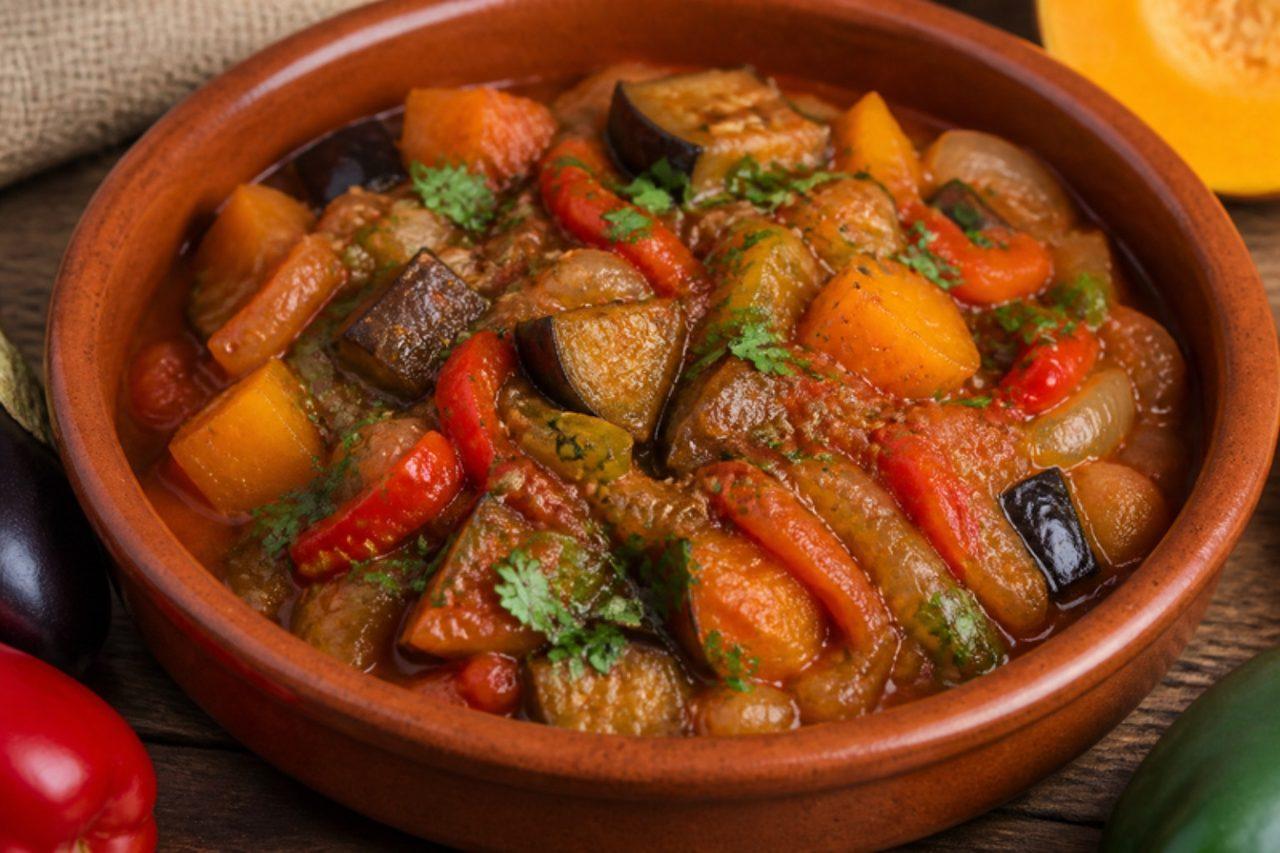
AlboroníaAubergine, pumpkin and pepper stew

Alboronía is one of the oldest dishes in Andalusia; its name comes from the Arabic of al-Andalus, and cooks in Córdoba, Jaén and the villages of the Sierra Morena still make it in late summer, when aubergines, peppers and the first pumpkins share the market stalls. The vegetables cook down slowly with cumin, paprika and a little vinegar until they melt together into something between a stew and a jam-like sauté. Eat it warm with bread, or cold the next day as a tapa. A common mistake is stirring the pumpkin too often, which mashes it into the sauce instead of leaving soft chunks. Chef's tip: let the pumpkin go in only after the onion and peppers are soft, so it holds a few pieces among the purée instead of disappearing.

by KrazyBadal 0 views
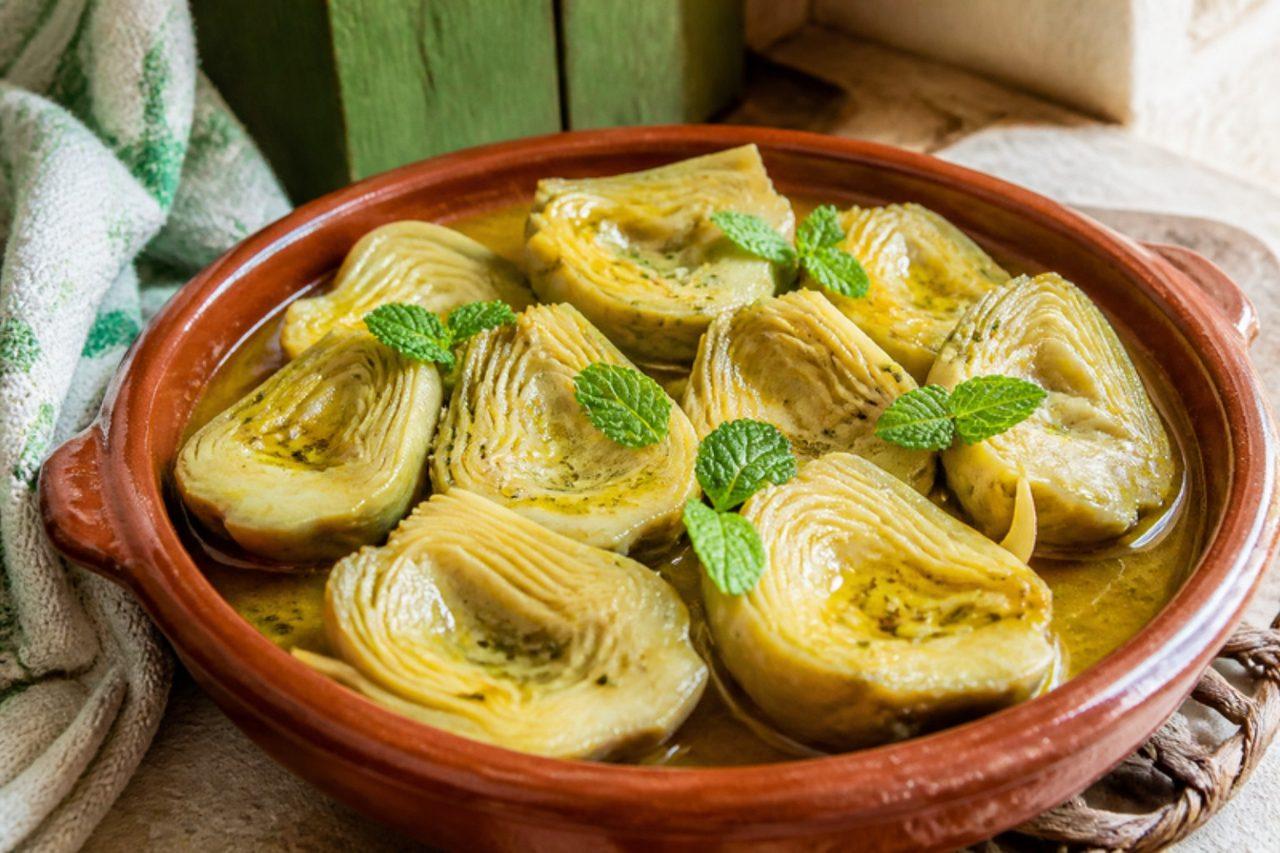
Alcachofas a la montillanaArtichokes braised in wine with mint

Montilla, south of Córdoba, makes a pale, dry wine from sun-dried Pedro Ximénez grapes, and in late winter and spring its kitchens braise young artichokes in it with a little saffron and fresh mint. Many cooks add cubes of cured ham; this version leaves it out and lets the artichokes, wine and mint carry the dish. It uses wine; the alcohol-free option is in the ingredient list. Serve it as a starter, or as a main with bread and a fried egg. A common mistake is trimming the artichokes without dropping them straight into lemon water, so they turn black before they reach the pan. Chef's tip: drop each trimmed artichoke straight into lemon water, because cut artichokes blacken within a minute in the air.

by KrazyBadal 0 views

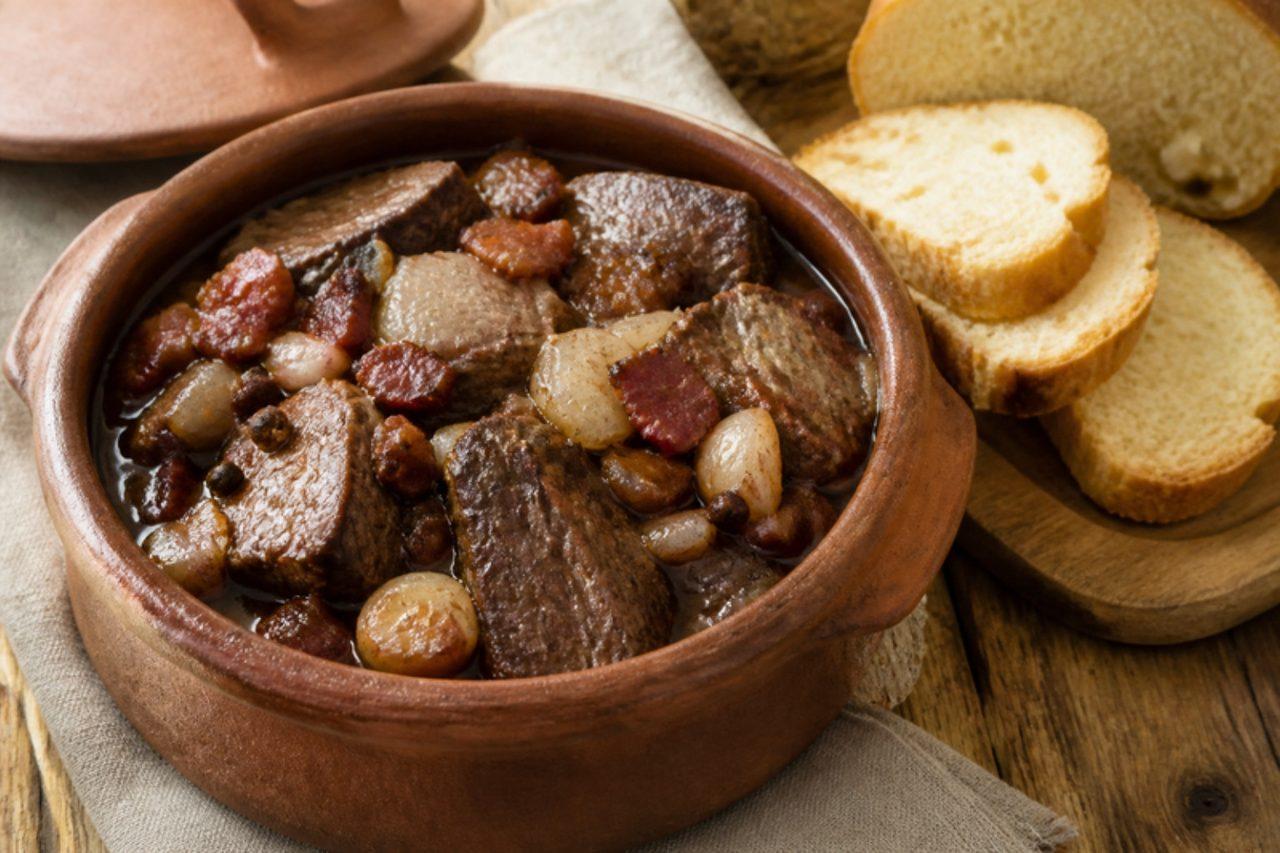
Alcatra da TerceiraBeef pot roast in wine

Alcatra is the feast dish of Terceira, cooked for the Holy Spirit festivals of spring and summer in unglazed clay pots that go into the bread oven after the loaves come out. Big pieces of beef braise for hours in wine with onions, bacon, allspice and bay, until the meat falls apart and the sauce turns dark and spiced. It is served with slices of massa sovada to soak up every drop. This contains pork (streaky bacon) and uses red wine; for an alcohol-free version, use the same amount of beef stock with 2 tablespoons of red wine vinegar. Chef's tip: crush the allspice just before using; whole berries give the sauce its warm, clove-like scent.

by KrazyBadal 0 views

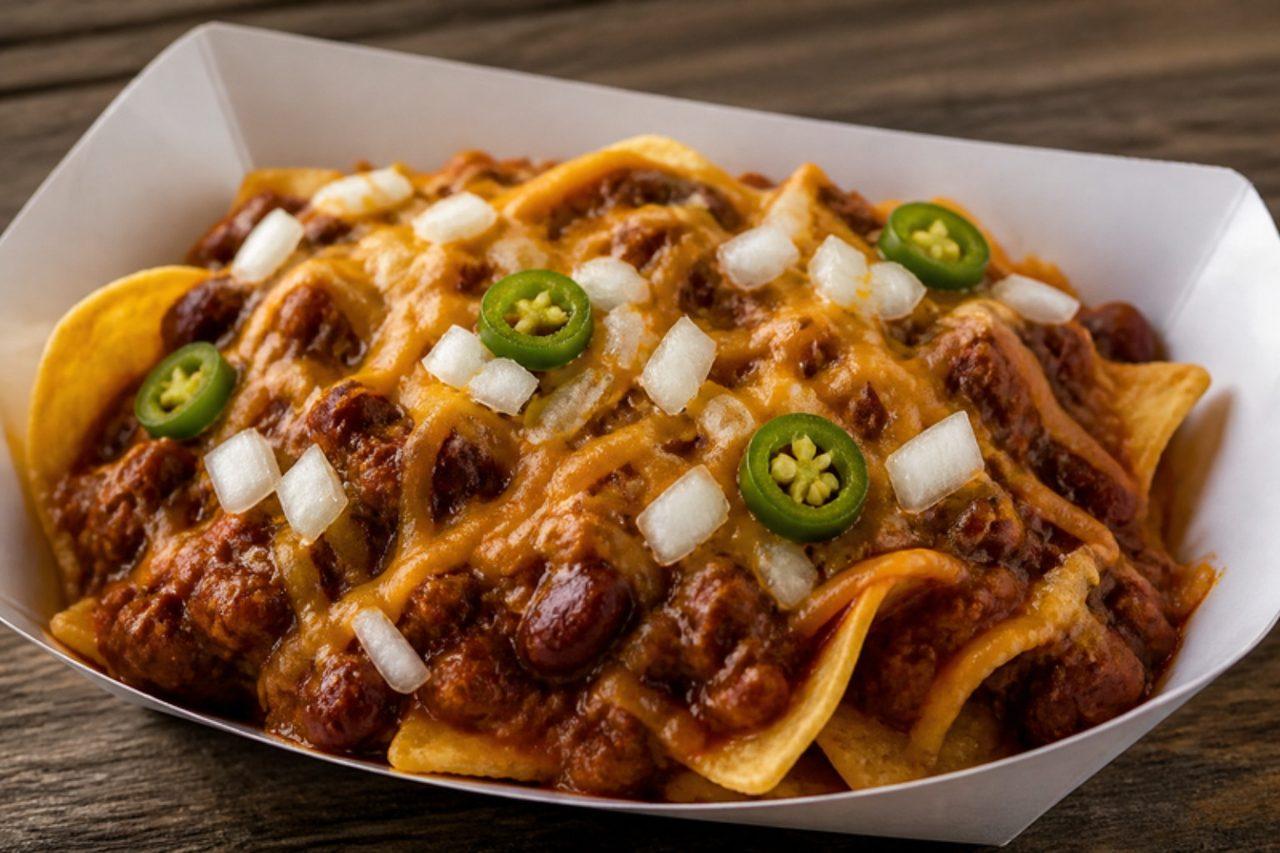
Texas chili pie

Chili pie is Friday-night-lights food across Texas, sold at high-school football concession stands, rodeos and the State Fair in Dallas: a heap of crunchy corn chips smothered in hot beef chili, grated cheese and raw onion, sometimes served right in the split chip packet. Making the chili from scratch turns it into a proper meal. Chef's tip: add the chili just before eating, because the chips should still crunch under the sauce.

by KrazyBadal 0 views

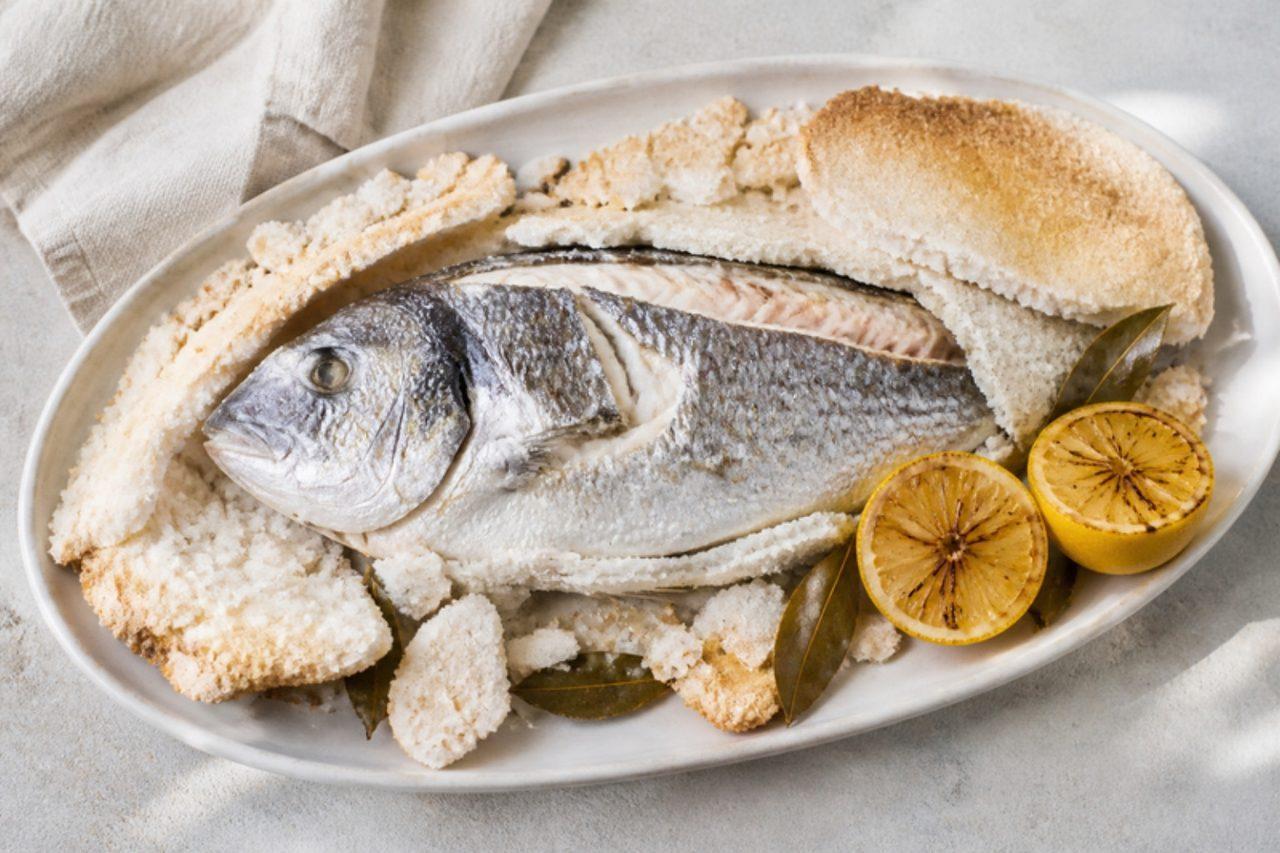
Dorada a la salSalt-baked sea bream

Around the salt flats of San Pedro del Pinatar, at the northern tip of the Mar Menor, baking fish under a crust of coarse salt is the obvious way to cook a fresh bream, and lagoon-side restaurants crack the crust open at the table for long summer lunches. The salt hardens into a shell that steams the fish in its own juices, so the flesh is moist and lightly seasoned rather than salty. Serve it with a drizzle of good olive oil, boiled potatoes or allioli. Chef's tip: leave the scales on; they stop the salt from reaching the flesh and make the skin peel away cleanly.

by KrazyBadal 0 views

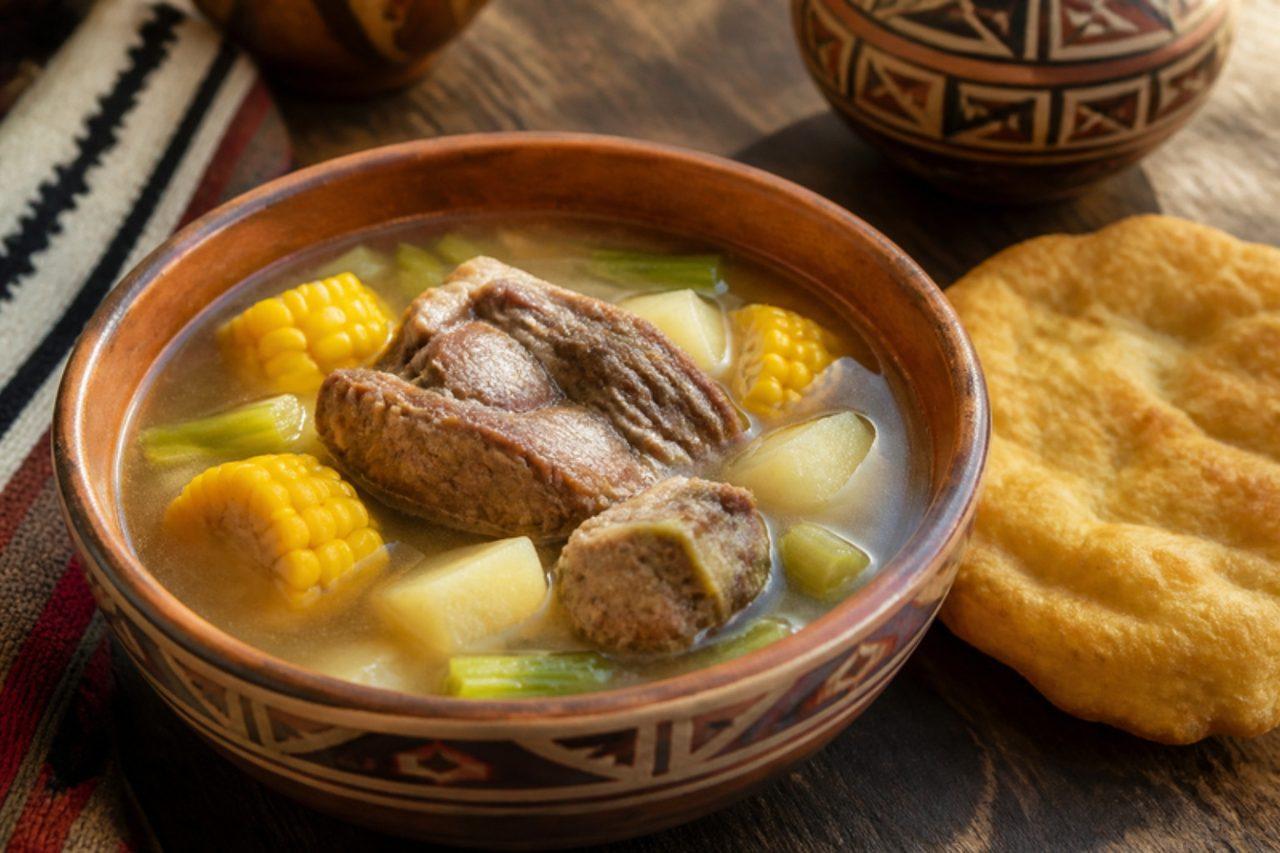
Navajo mutton stew

Mutton stew is the everyday and ceremonial dish of the Navajo (Diné) Nation, where sheep have been raised on the high desert since the 1600s; it simmers on wood stoves in hogans and is served at the Navajo Nation Fair in Window Rock with fry bread or blue corn bread. It is a plain, honest stew of bone-in mutton, potatoes, corn, onion and a little green chile. Lamb shoulder can be used, and cooks a little faster. Chef's tip: keep it at a lazy simmer and skim the fat as it rises; mutton fat is strong-tasting.

170 minAmericanMeatGluten free
by KrazyBadal 0 views

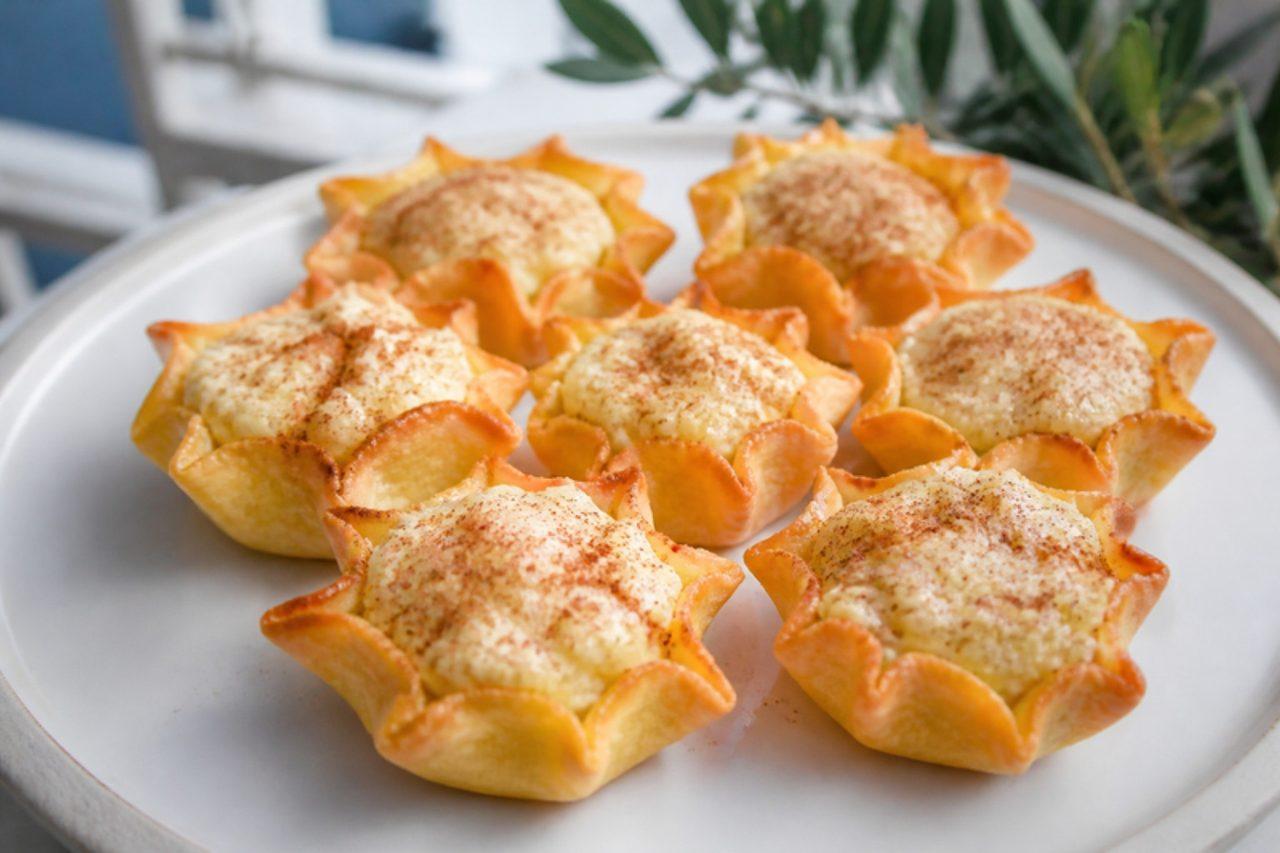
MelitiniaSweet cheese cups with mastic

Santorini's Easter sweet is melitinia: small, thin pastry cups pinched around a soft filling of fresh cheese, sugar and mastic, baked until the tops crack and turn golden. Islanders bake trays of them on Holy Saturday and offer them on Easter Sunday with coffee, and their resinous, piney mastic perfume sets them apart from cheese pastries elsewhere in Greece. Fresh mizithra is the island cheese; ricotta, usually rennet-free, is a good substitute. Common mistake: grinding mastic on its own, which makes it gum up; always crush it with a spoon of sugar. Chef's tip: roll the pastry very thin, about 2 mm, so it bakes crisp around the creamy filling.

by KrazyBadal 0 views

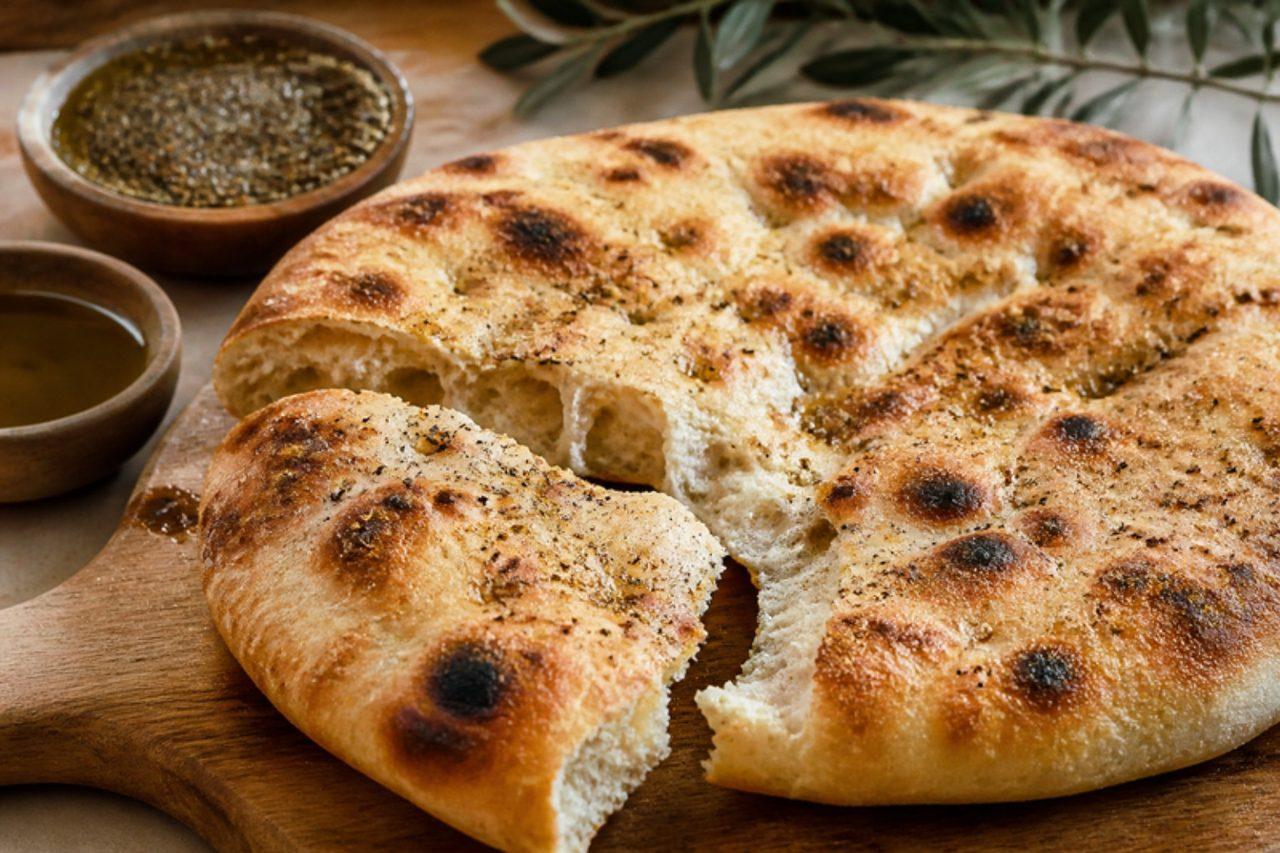
Khubz taboonDimpled flatbread

In Palestinian villages the taboon is a small clay oven lined with hot pebbles, and the bread baked on them comes out round, chewy and pocked with dimples where the stones pressed in. Women still bake it at dawn in the Galilee and around Nablus, and it is the bread that wraps musakhan, gets dipped in olive oil and za'atar, and is torn for breakfast with labneh. At home, a tray of clean pebbles or a very hot baking steel gets you close. Common mistake: rolling it too thin, which makes a cracker; it should be about 1 cm thick. Chef's tip: a little wholemeal flour and an overnight rest in the fridge give the nutty, slightly sour taste of village bread.

by KrazyBadal 0 views

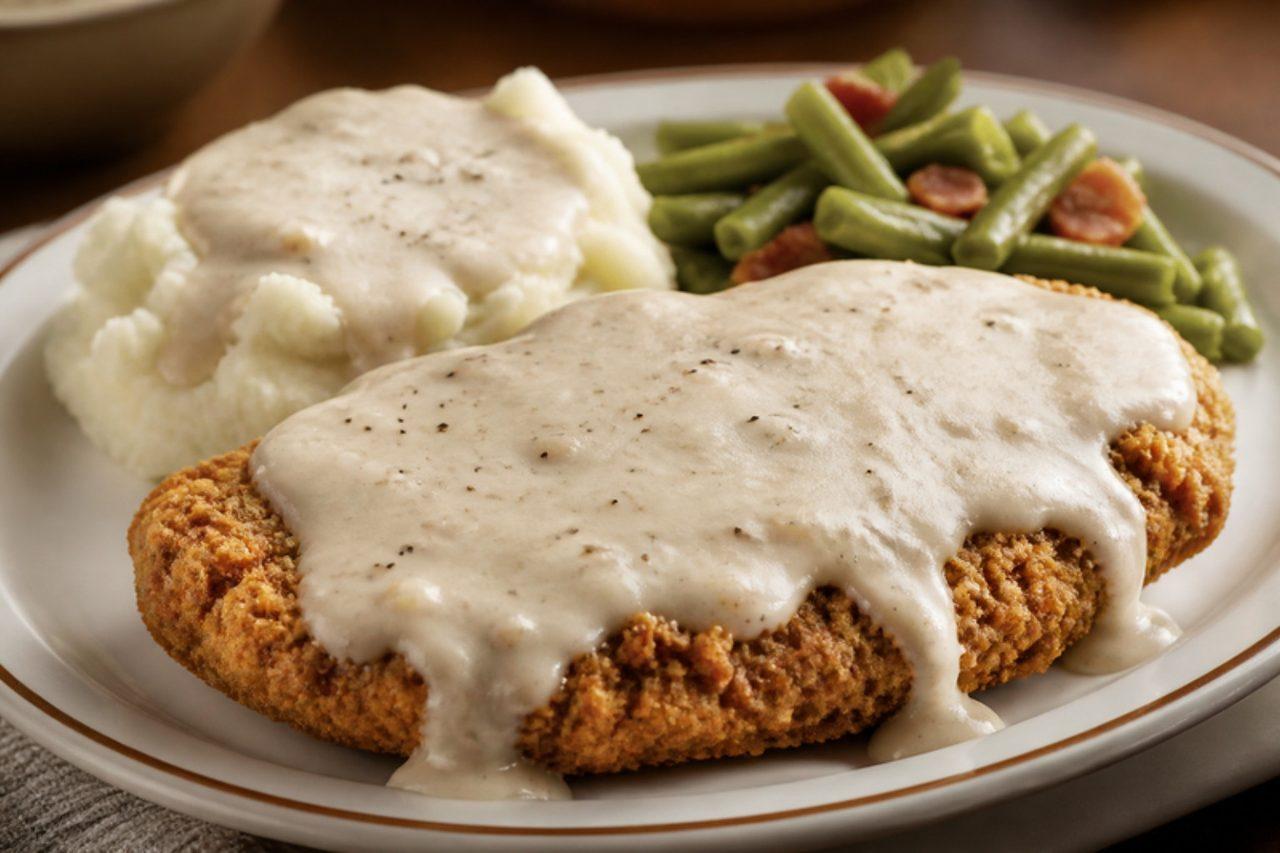
Chicken-fried steak

Chicken-fried steak is Texas's unofficial state dish, served in truck stops, small-town cafés and Sunday after-church lunches across the Hill Country: a tenderised beef steak breaded and fried like fried chicken, smothered in white cream gravy with lots of black pepper, next to mashed potatoes. It came from German and Austrian settlers' schnitzel. Chef's tip: double-dip in seasoned flour, buttermilk and flour again for the craggy, crunchy crust.

by KrazyBadal 0 views

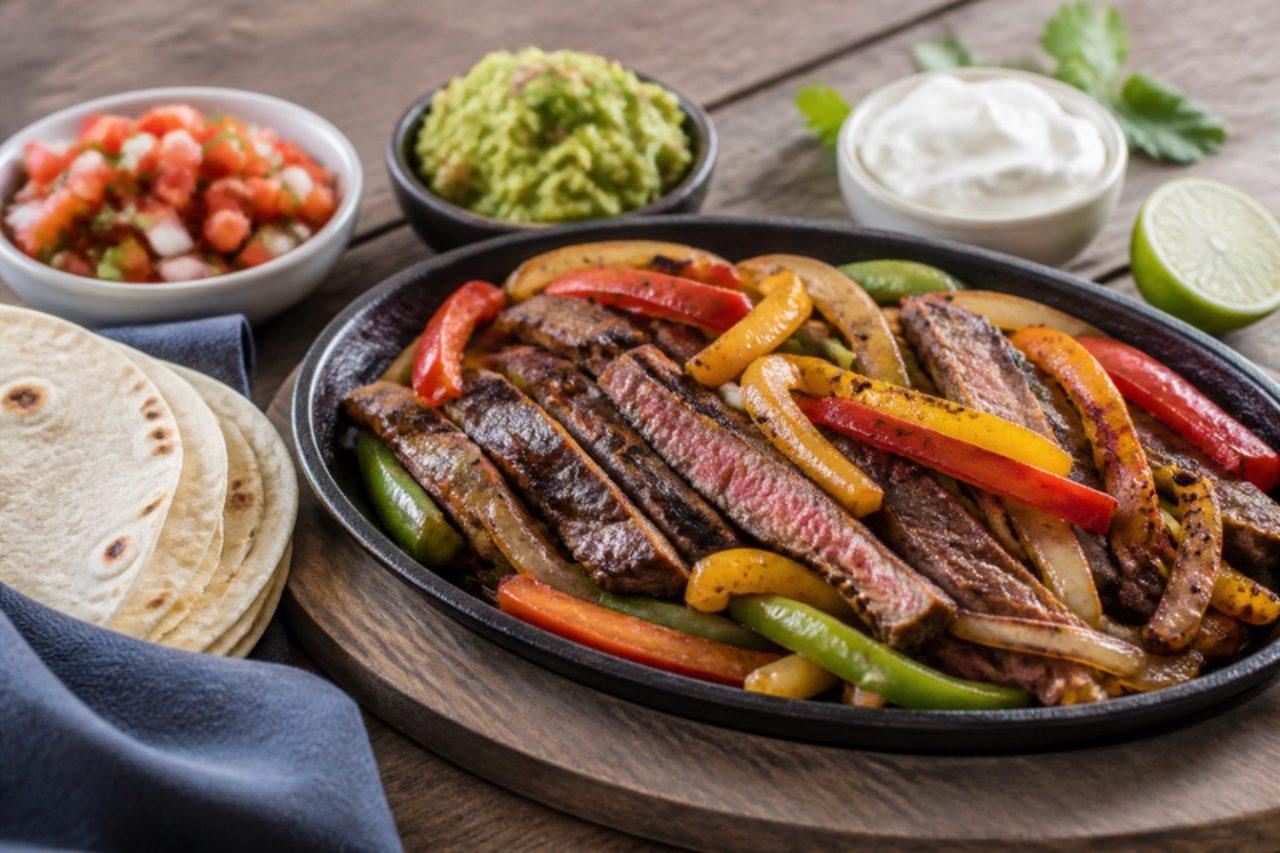
Tex-Mex beef fajitas

Fajitas started with the vaqueros of the Rio Grande Valley, who were paid partly in the tough skirt steak, and they became a Tex-Mex restaurant hit in Houston and Austin in the 1970s, carried to the table on a hissing iron platter. The steak is marinated in lime, garlic and cumin, seared very hot and sliced thinly against the grain, then wrapped in flour tortillas with charred peppers and onions. Chef's tip: slice across the grain; with skirt steak that one detail decides whether it is tender or chewy.

by KrazyBadal 0 views

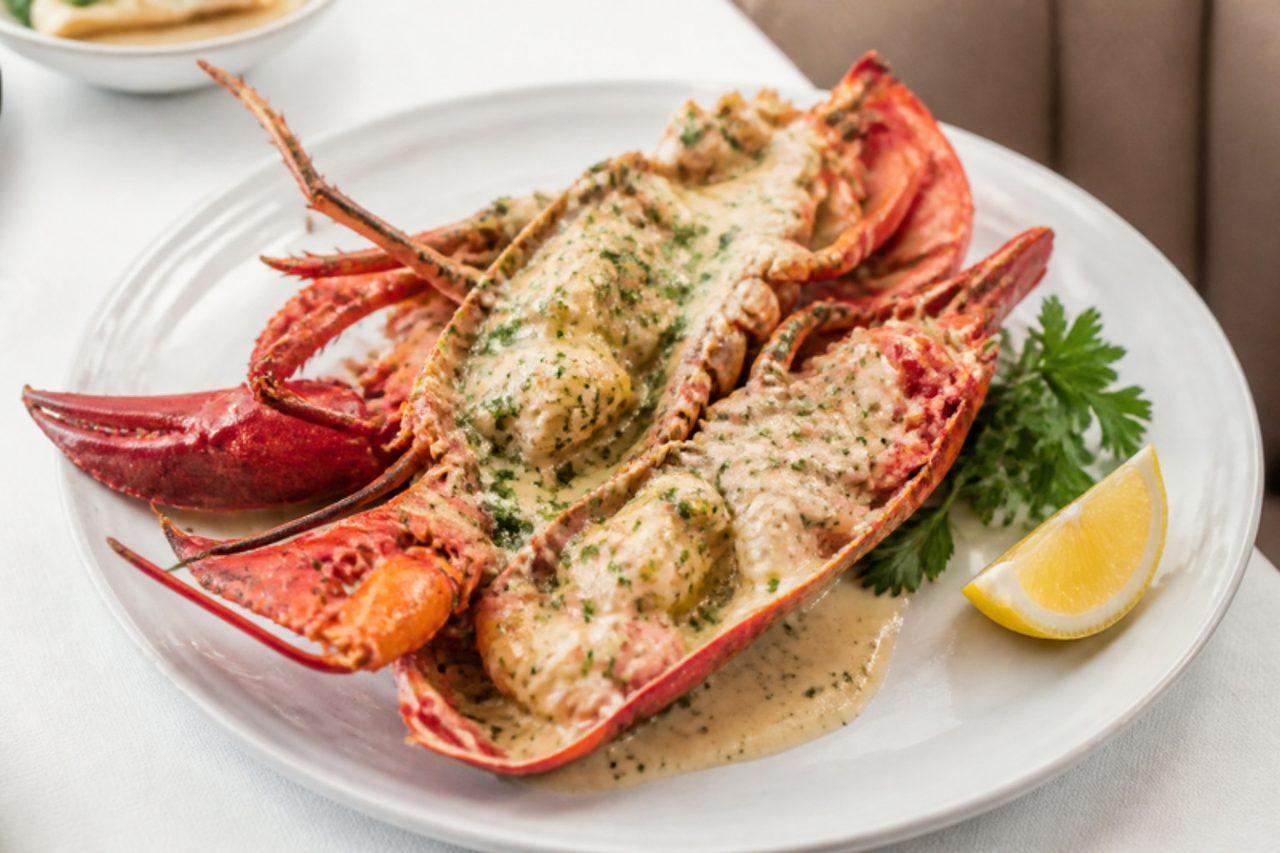
Dublin lawyerLobster in whiskey cream

Dublin lawyer is an old Dublin restaurant dish, said to be named because lawyers were rich and fond of drink: lobster meat is cooked in butter, flamed with Irish whiskey and finished with cream, then served back in the shell. It is a special-occasion dish for anniversaries and birthdays. This recipe contains alcohol; for an alcohol-free version replace the whiskey with 2 tablespoons of apple juice and a squeeze of lemon. Chef's tip: buy cooked lobster from a fishmonger if you are unsure about preparing a live one, and add it to the sauce only to heat through.

50 minIrishFishGluten free
by KrazyBadal 0 views

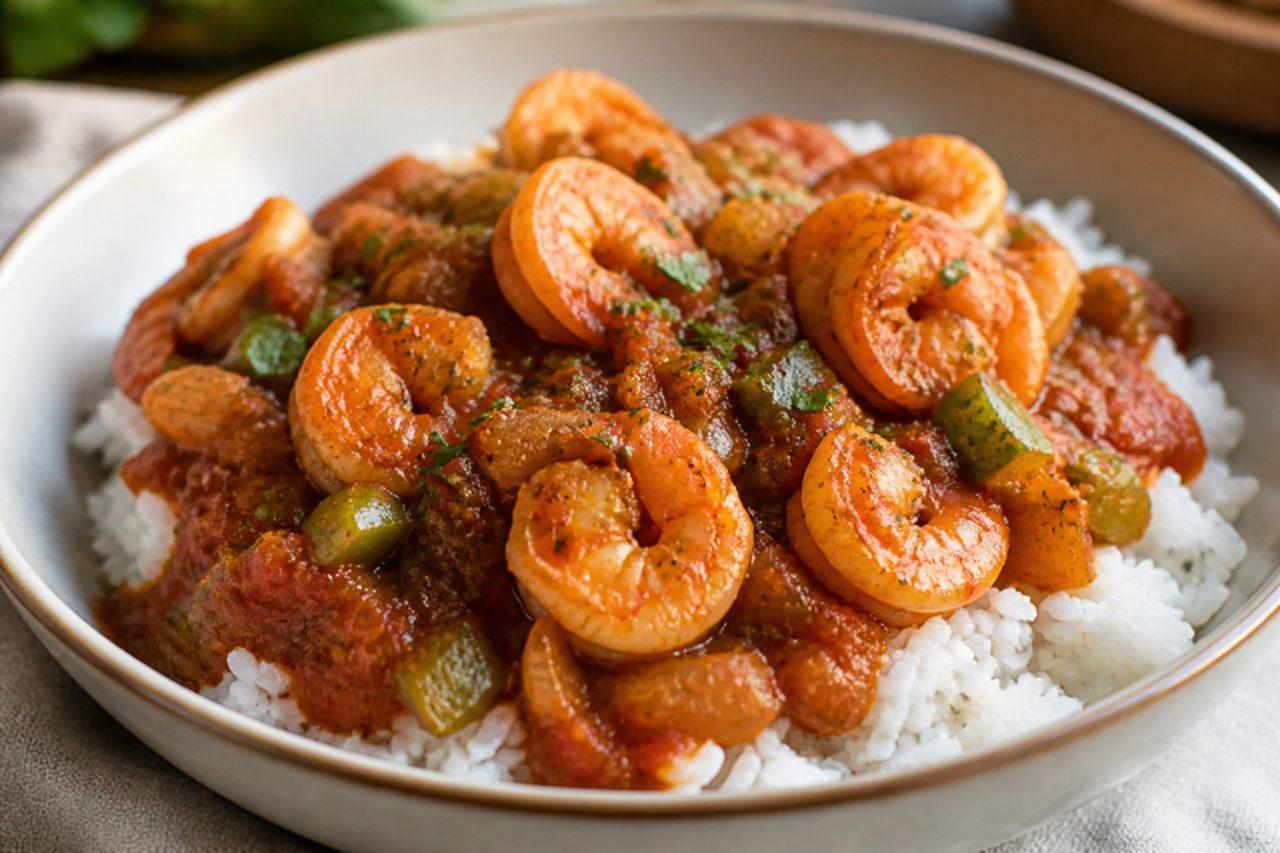
Shrimp Creole

Shrimp Creole is the tomato-red weeknight dish of New Orleans homes and old Creole lunch counters, quite different from the brown, roux-based Cajun stews of the countryside. Gulf prawns simmer briefly in a sauce of tomato, the trinity, garlic, bay and hot sauce, and the dish is spooned over fluffy rice. Chef's tip: simmer the sauce until it is thick before the prawns go in, because they release water as they cook.

by KrazyBadal 0 views

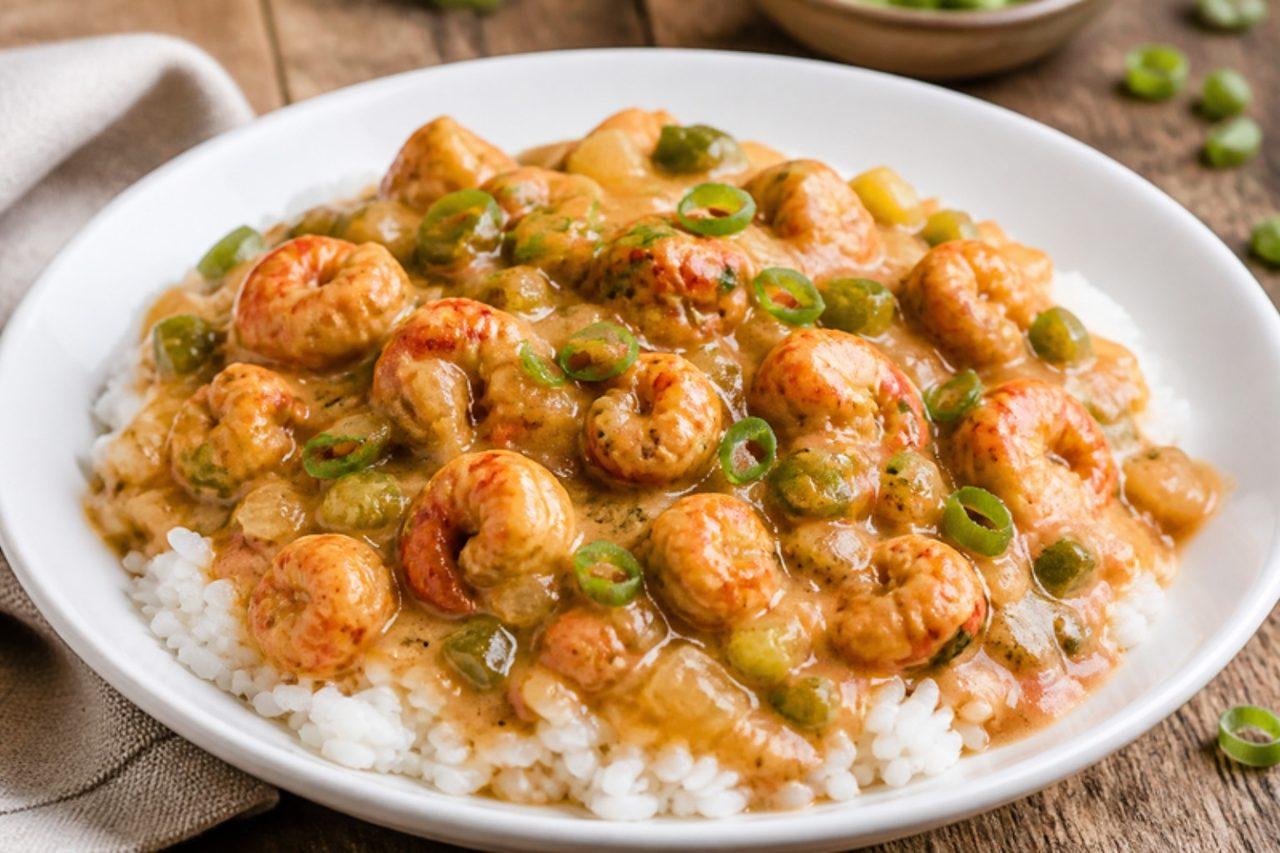
Crawfish étouffée

Étouffée means 'smothered', and in Breaux Bridge, which calls itself the crawfish capital of the world, this is what happens to the spring crawfish catch from February to May. Peeled tails are simmered in a butter-based light roux with the trinity, garlic and cayenne until the sauce is glossy and orange with crawfish fat. Serve over white rice. Peeled frozen crawfish tails or raw prawns work well outside Louisiana. Chef's tip: keep any yellow crawfish fat in the pack; it gives the sauce its richness and colour.

by KrazyBadal 0 views

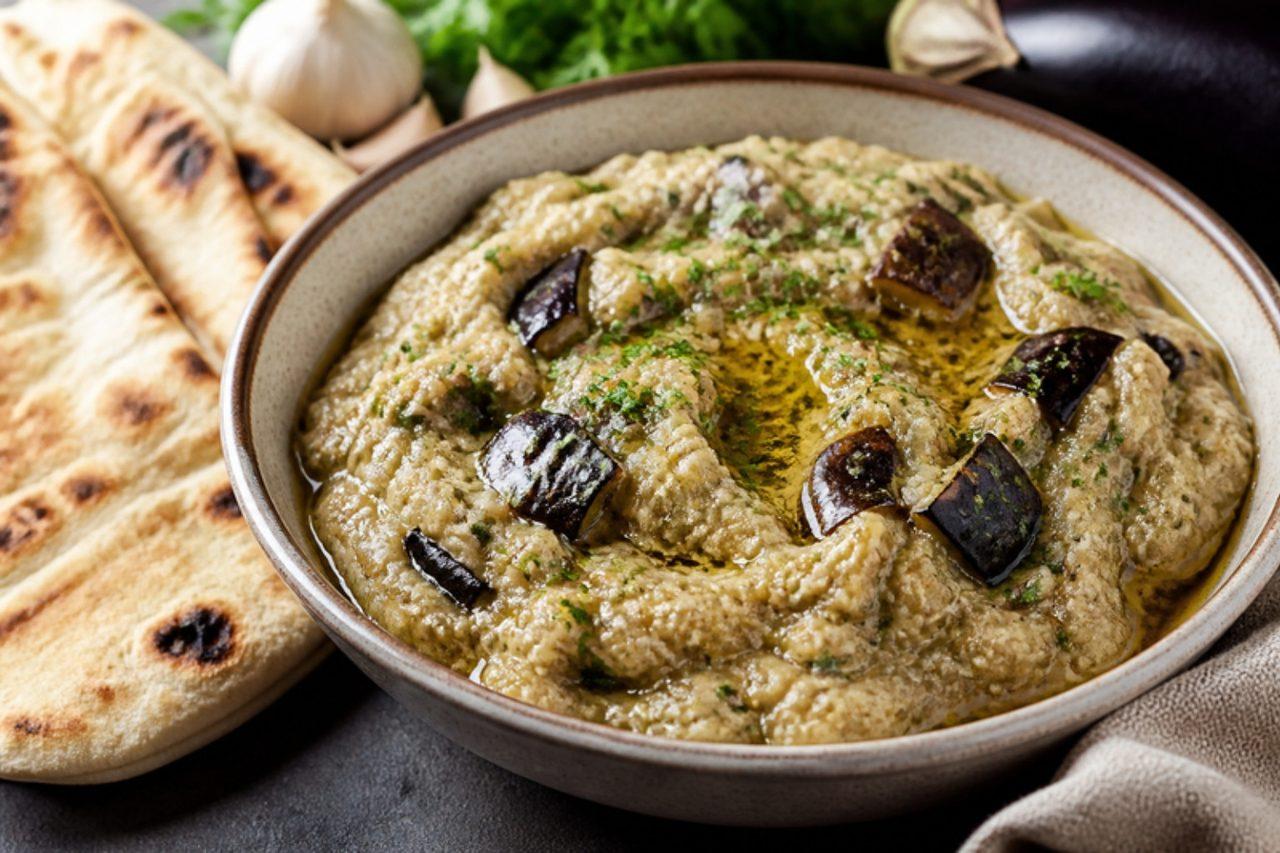
MelitzanosalataSmoky aubergine dip

Every Greek taverna puts melitzanosalata on the meze table, especially in summer when aubergines are charred over the same coals as the souvlaki. Unlike Levantine dips it has no tahini: the smoky flesh is chopped with a knife, not puréed, and sharpened with red wine vinegar, raw garlic, parsley and plenty of fruity olive oil, so it stays rough-textured and bright. Serve with warm pitta, grilled bread or alongside fried fish. Common mistake: leaving the bitter juices in; drain the cooked flesh in a sieve for 10 minutes. Chef's tip: char the aubergines directly on a gas flame or barbecue until they collapse; the oven alone will not give the smoky taste.

by KrazyBadal 0 views

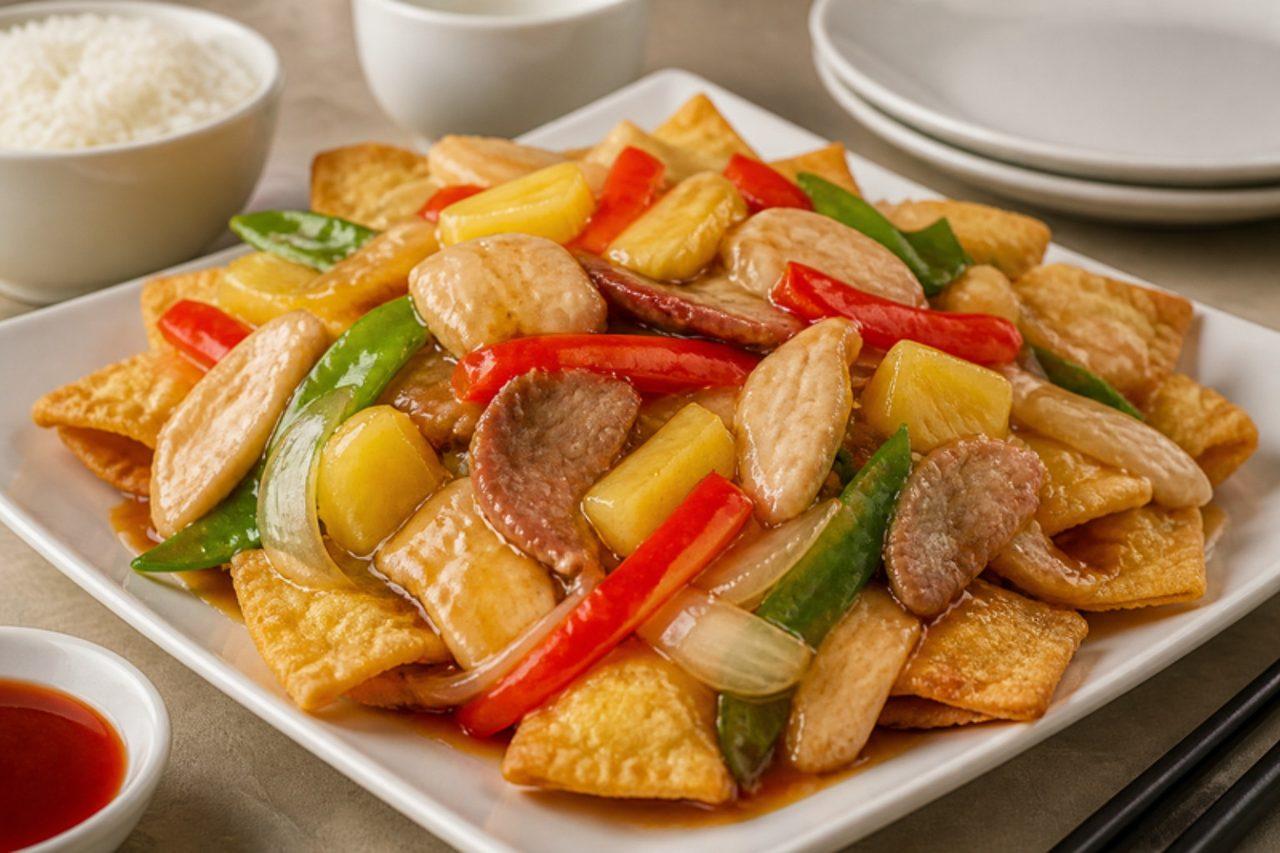
Kam lu wantánFried wontons in sweet-sour sauce

Brought to the table as a sharing platter at big chifa lunches in Lima, kam lu wantán is a gleeful mix of textures: golden fried wontons filled with ginger-spiked pork, smothered in a bright, sweet-and-sour sauce full of sliced chicken, pork, pineapple, peppers, carrot, snow peas and bok choy. The wontons shatter at the edges and soften where the sauce soaks in, so eat it fast. It works as a starter for a crowd or a main with rice. The mistake to avoid is making the sauce too thick and gloopy; it should flow over the wontons, not sit on them like jam. Chef's tip: fry the wontons at the last minute and pour the sauce over at the table so the crunch survives.

by KrazyBadal 0 views

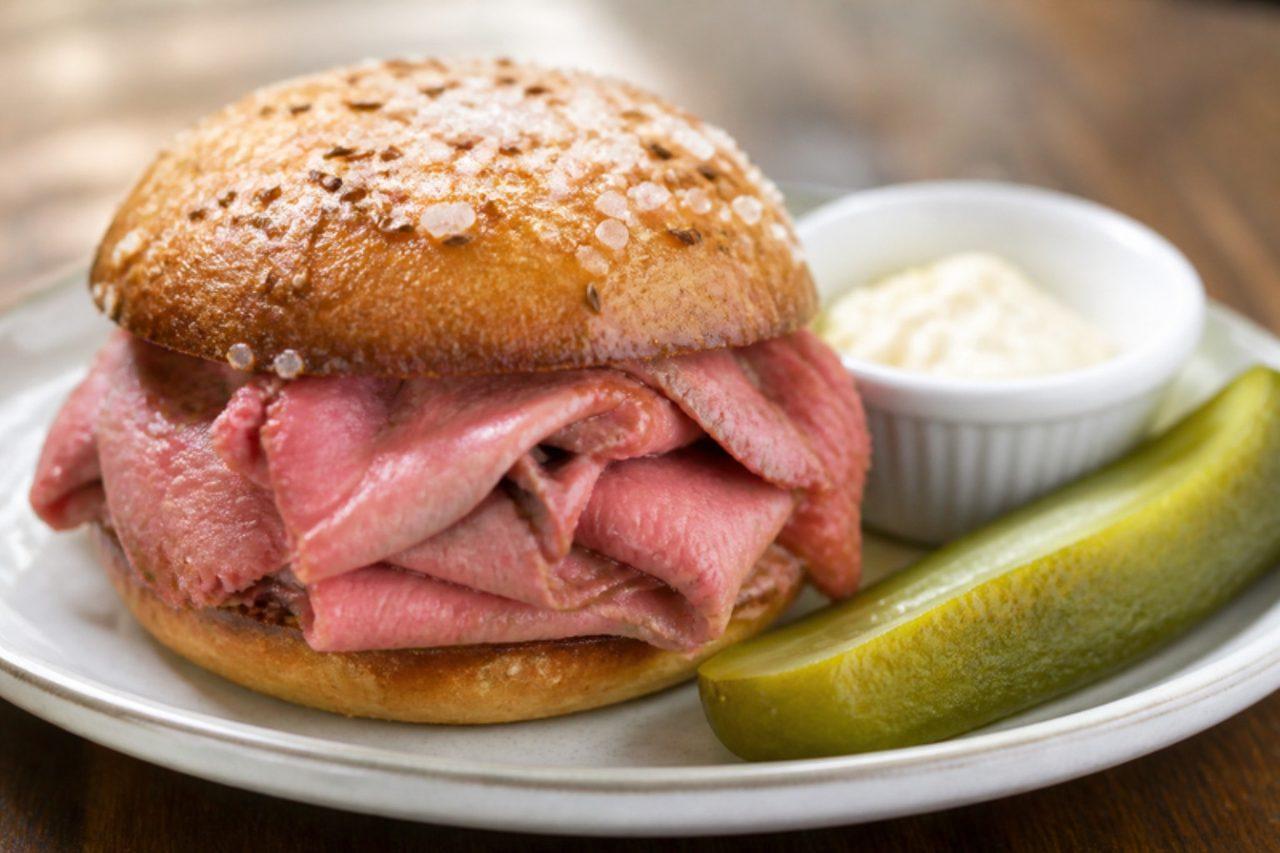
Beef on weck

Ask in a Buffalo tavern and many people will say this, not the wing, is the city's real sandwich: thin slices of rare roast beef dipped in its juices, piled on a kummelweck roll crusted with coarse salt and caraway seeds, with sharp horseradish on the side. German bakers in western New York brought the roll in the nineteenth century. Chef's tip: dip the top of the roll in the beef juices just before serving, so it softens but the salt crust stays crunchy.

120 minAmericanMeat
by KrazyBadal 0 views

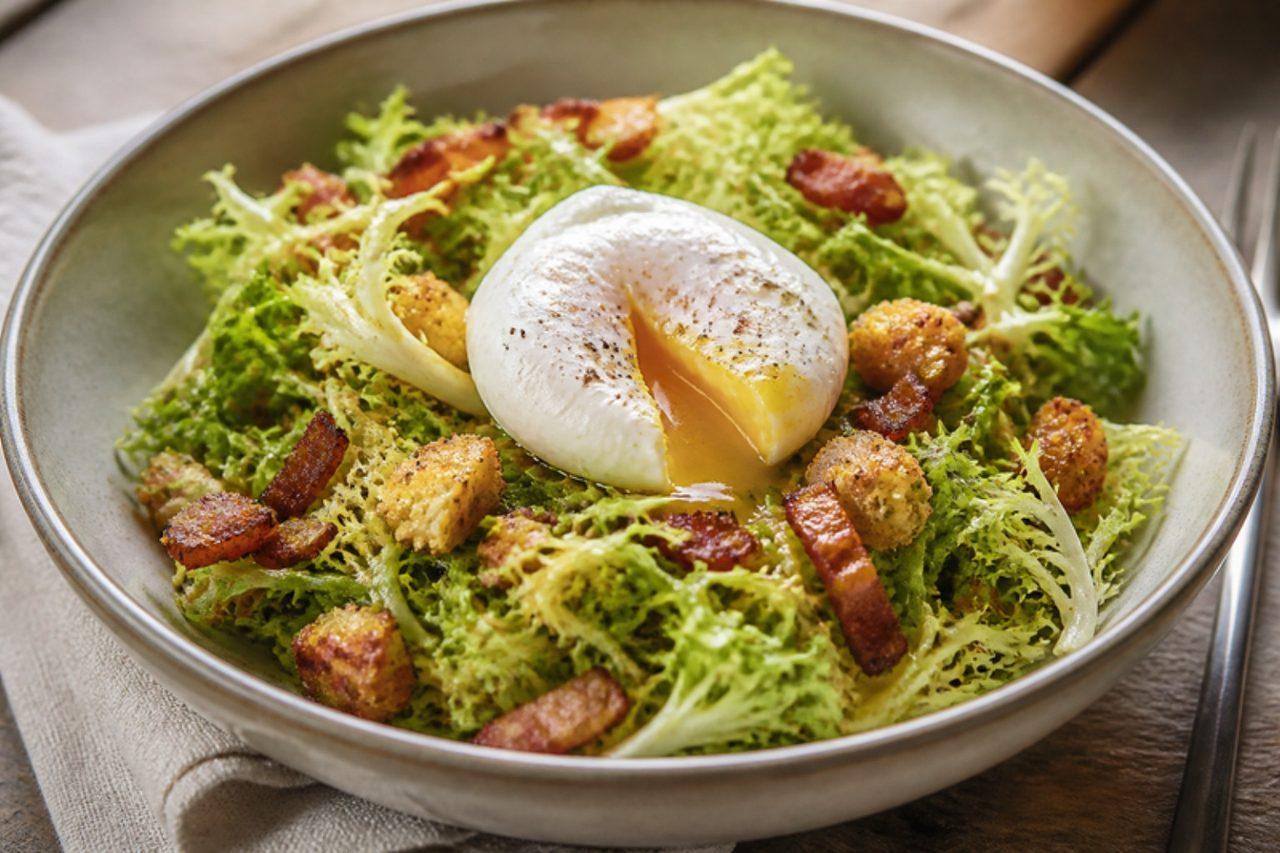
Salade lyonnaiseFrisée, bacon and poached egg salad

Every bouchon in Lyon, the small checked-tablecloth restaurants of the old town and the Presqu'île, puts salade lyonnaise on its menu as a starter or light lunch. Bitter, crunchy frisée is tossed with a sharp mustard vinaigrette, then topped with hot smoked pork lardons, garlicky croutons and a poached egg whose yolk spills into the leaves and turns the dressing creamy. It's the meeting of hot and cold, soft and crisp that makes it work. The egg is served runny, so use pasteurised eggs for pregnant women, young children, older people or anyone with a weakened immune system, or cook the egg until set. Chef's tip: deglaze the lardon pan with the vinegar and pour it warm over the leaves so they wilt very slightly.

by KrazyBadal 0 views

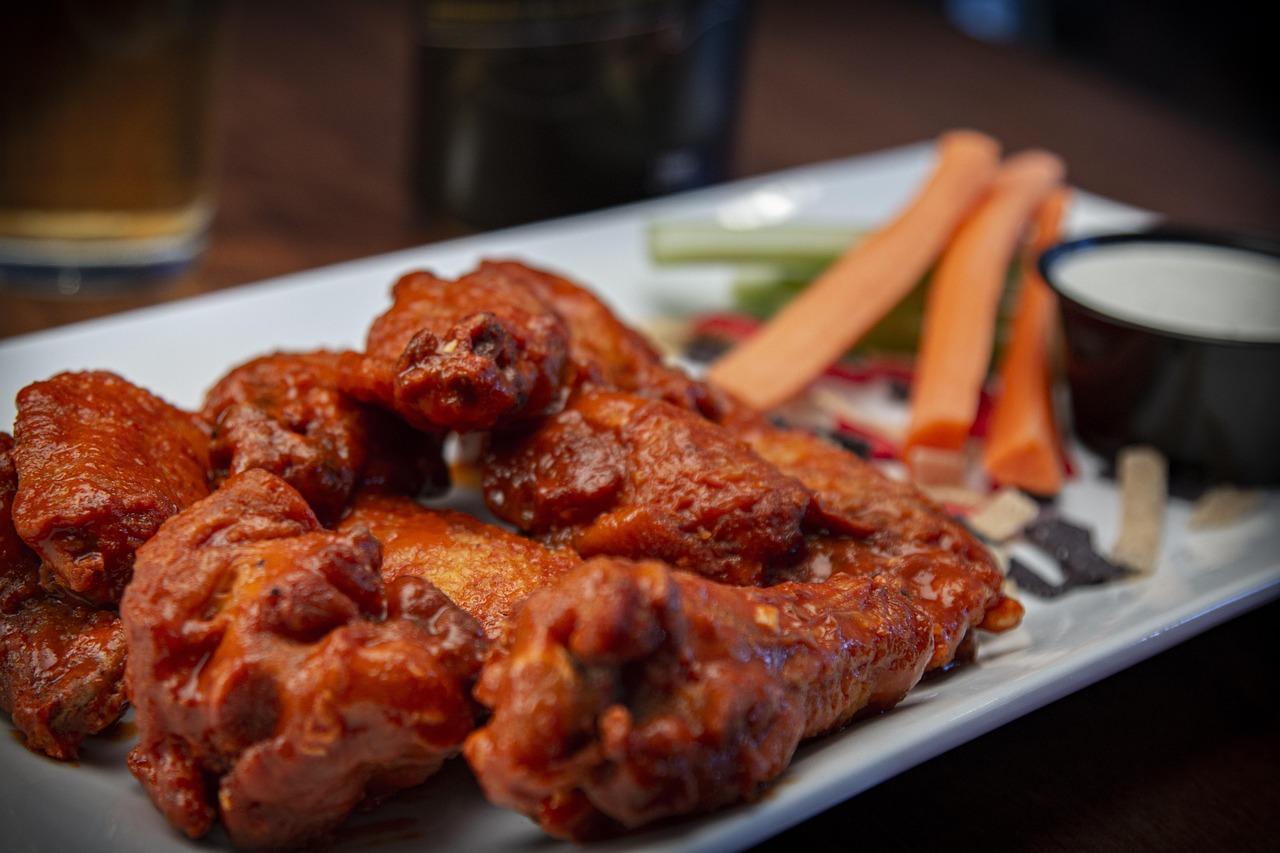
Buffalo chicken wings

Buffalo wings were first tossed in hot sauce and butter at a bar in Buffalo, New York, in 1964 and are now the snack of every American football Sunday. The wings are cooked until the skin is crisp, then coated in a glossy, vinegary chilli-butter sauce and served with celery sticks and a cooling blue cheese dip. This oven version skips the deep fryer. Chef's tip: dry the wings well and toss them with baking powder; it draws out moisture and blisters the skin almost like frying.

by KrazyBadal 0 views

KumisFermented milk drink

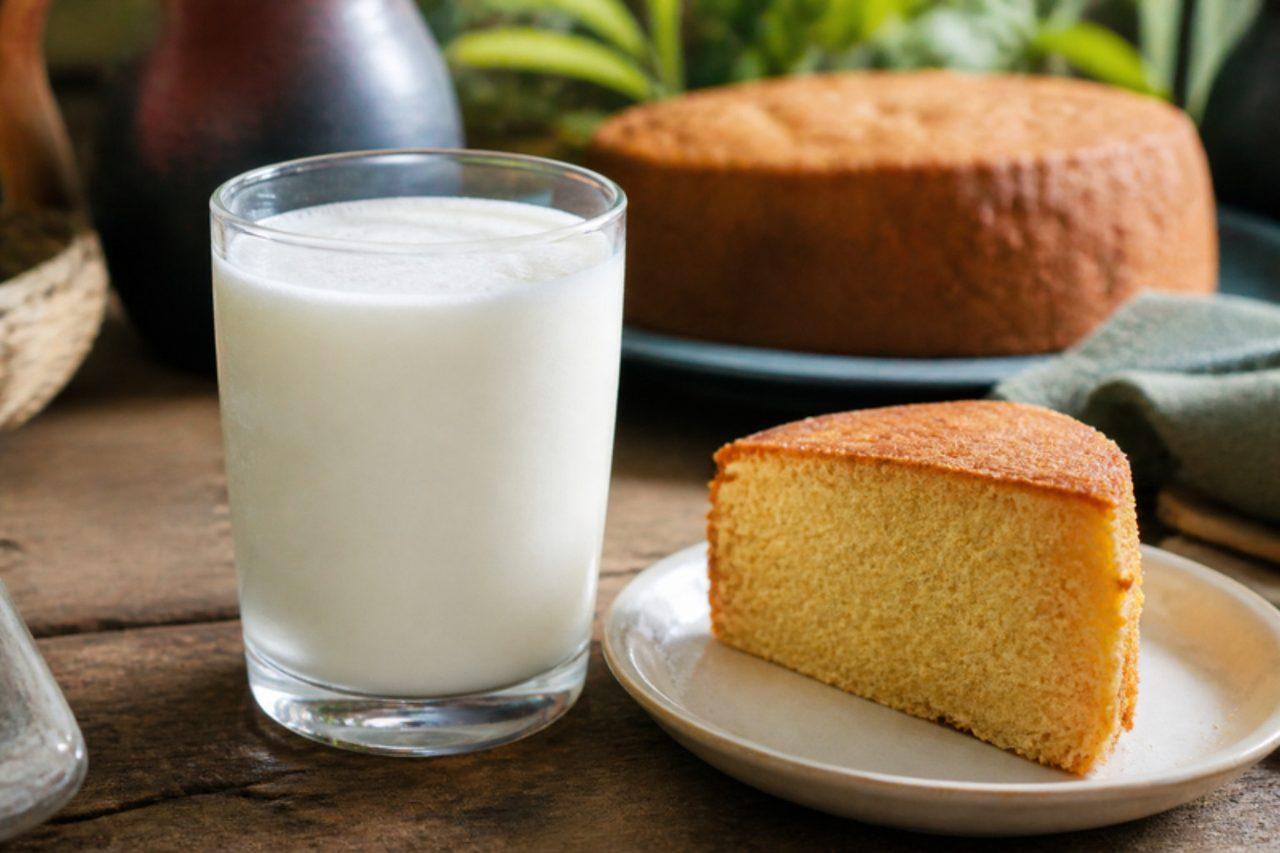
Kumis in Colombia is a thick, sweetened fermented milk, nothing like the Central Asian mare's-milk drink of the same name. Bakeries and cafeterias sell it chilled in glasses with a slice of plain sponge cake, the classic kumis con ponqué, and many families still make it at home. It is cool, tangy and creamy, somewhere between drinking yogurt and buttermilk. Use only pasteurised milk, heat it first, and work with very clean equipment: wash jars and spoons in hot soapy water and scald them with boiling water. The milk ferments at room temperature (20–28 °C, out of direct sun) for 12–24 hours, then goes into the fridge; never leave it out longer. Discard any batch with mould, pink or orange patches, or a rotten rather than sour smell. Adding the starter to milk that is still too hot is the common slip, as heat kills the cultures and nothing sets. Chef's tip: add the sugar after fermenting, then chill well before serving.

by KrazyBadal 0 views

Philadelphia roast pork sandwich

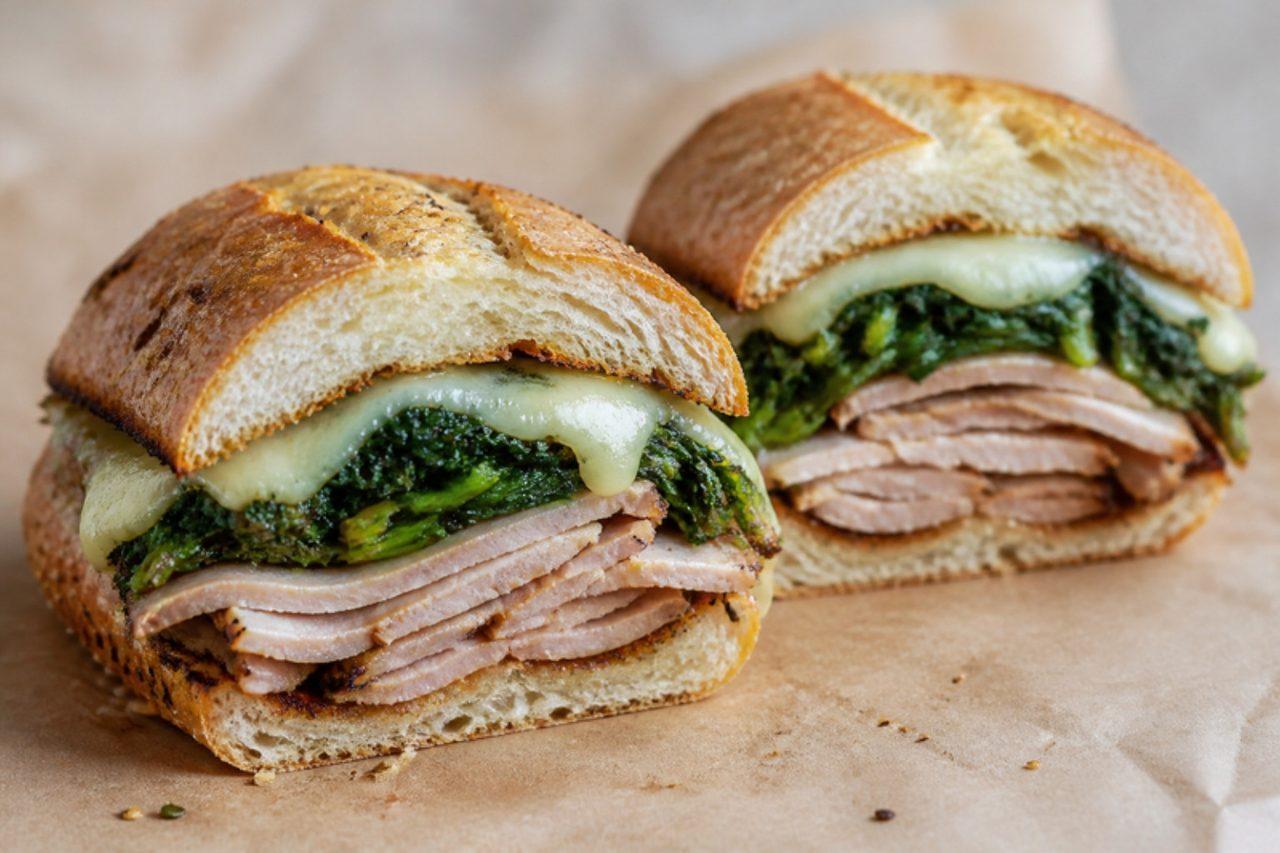
Many Philadelphians quietly prefer this to the cheesesteak: thinly sliced roast pork shoulder soaked in its garlic and herb juices, with bitter sautéed broccoli rabe and sharp provolone in a seeded Italian roll. It comes from the Italian markets of South Philly and the stalls of the Reading Terminal Market, where it is lunch for market workers. Chef's tip: slice the pork very thin and dunk it back in the hot juices; that soaking is what makes the sandwich.

230 minAmericanMeat
by KrazyBadal 0 views

Kentucky hot brown

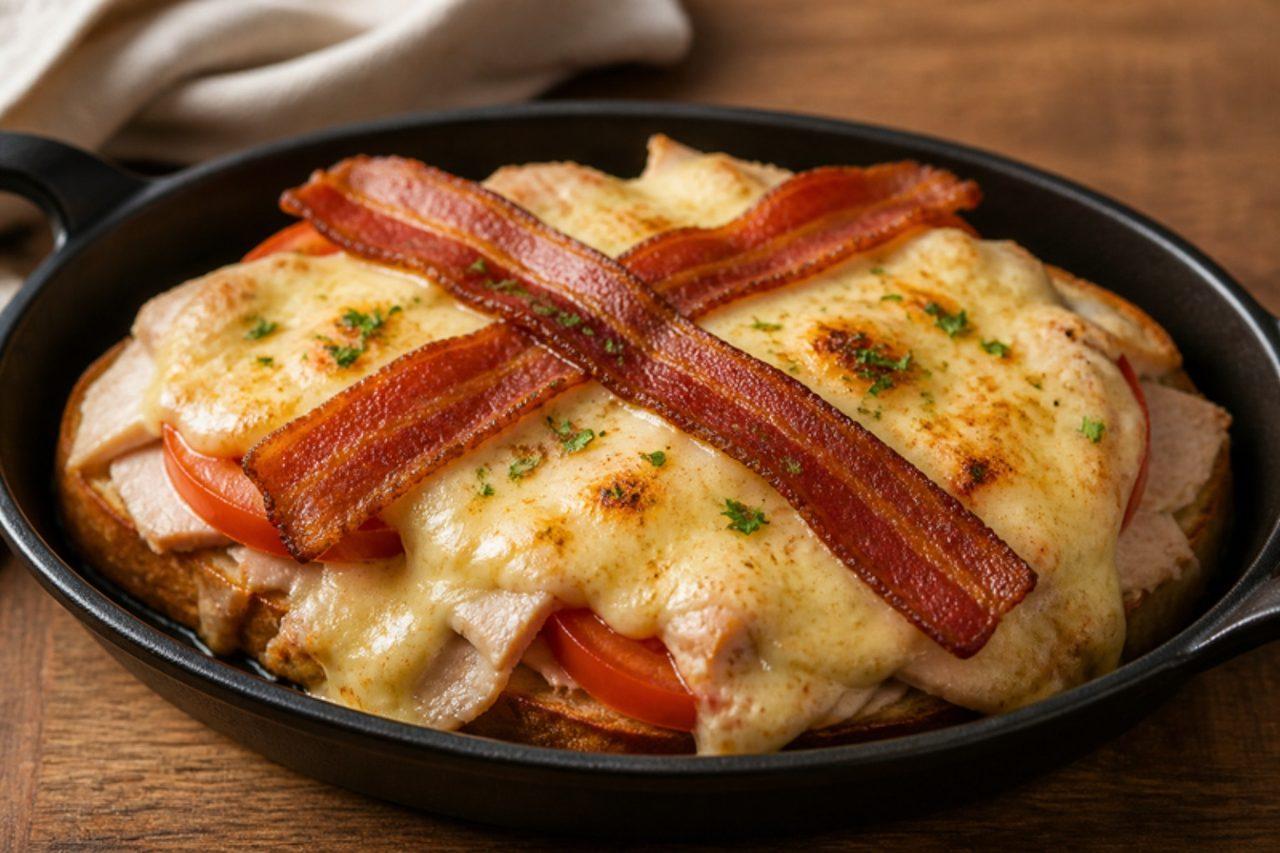
The hot brown was invented in 1926 at the Brown Hotel in Louisville, Kentucky, as a late-night dish for dancers, and it is still ordered there and all over the city on Derby weekend. Thick slices of roast turkey on toast are covered in a rich Mornay sauce and grilled until bubbling, then topped with tomato and crisp smoked bacon (pork). Eat it with a knife and fork. Chef's tip: use leftover roast turkey breast carved thickly; thin deli slices dry out under the grill.

by KrazyBadal 0 views

Country captain

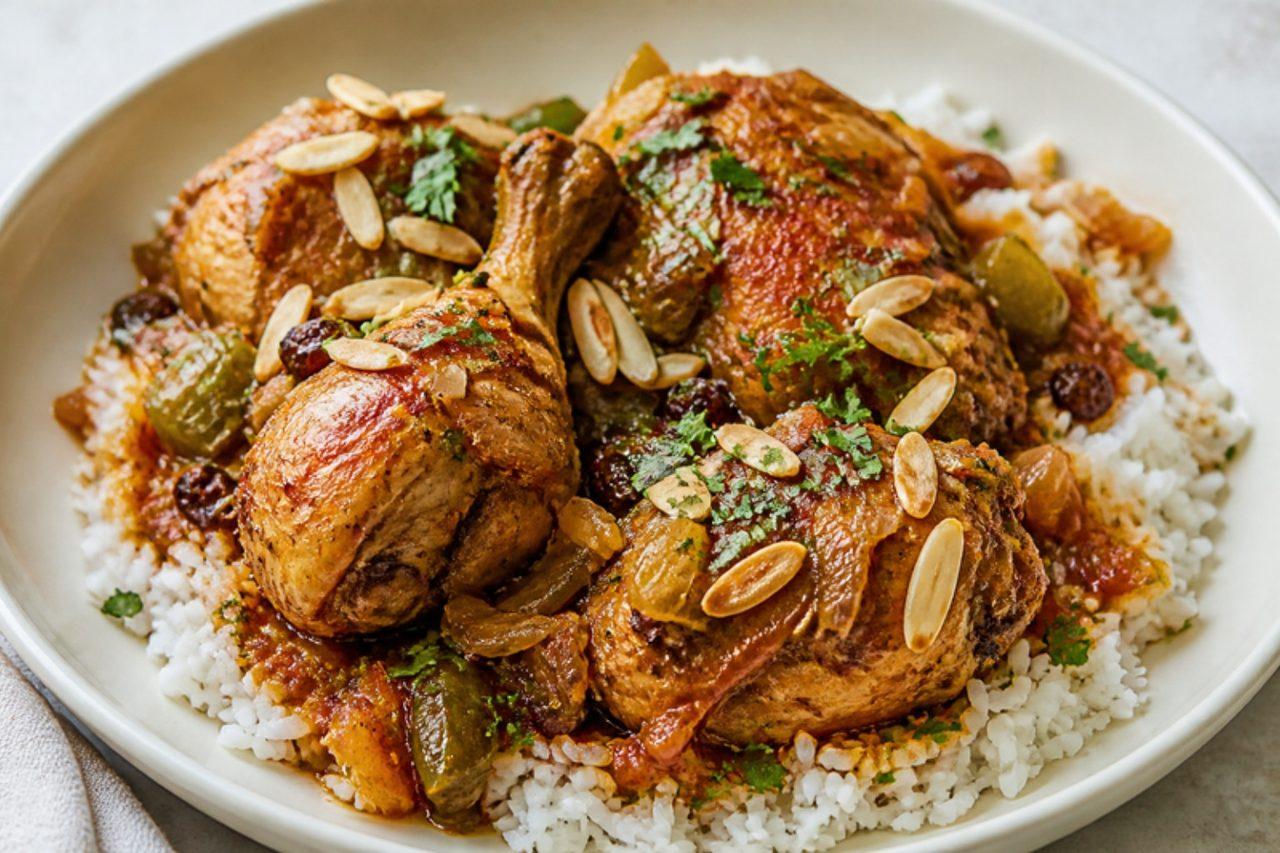
Country captain is the curried chicken of Savannah and coastal Georgia, said to have arrived with sea captains in the spice trade from India, and it is still served at Georgia Junior League luncheons and holiday buffets. Browned chicken is braised in a mild curry and tomato sauce with peppers, then finished with currants and toasted almonds, and served over white rice. Chef's tip: toast the curry powder in the fat for a full minute; raw curry powder tastes dusty.

by KrazyBadal 0 views

Pennsylvania Dutch chicken pot pie

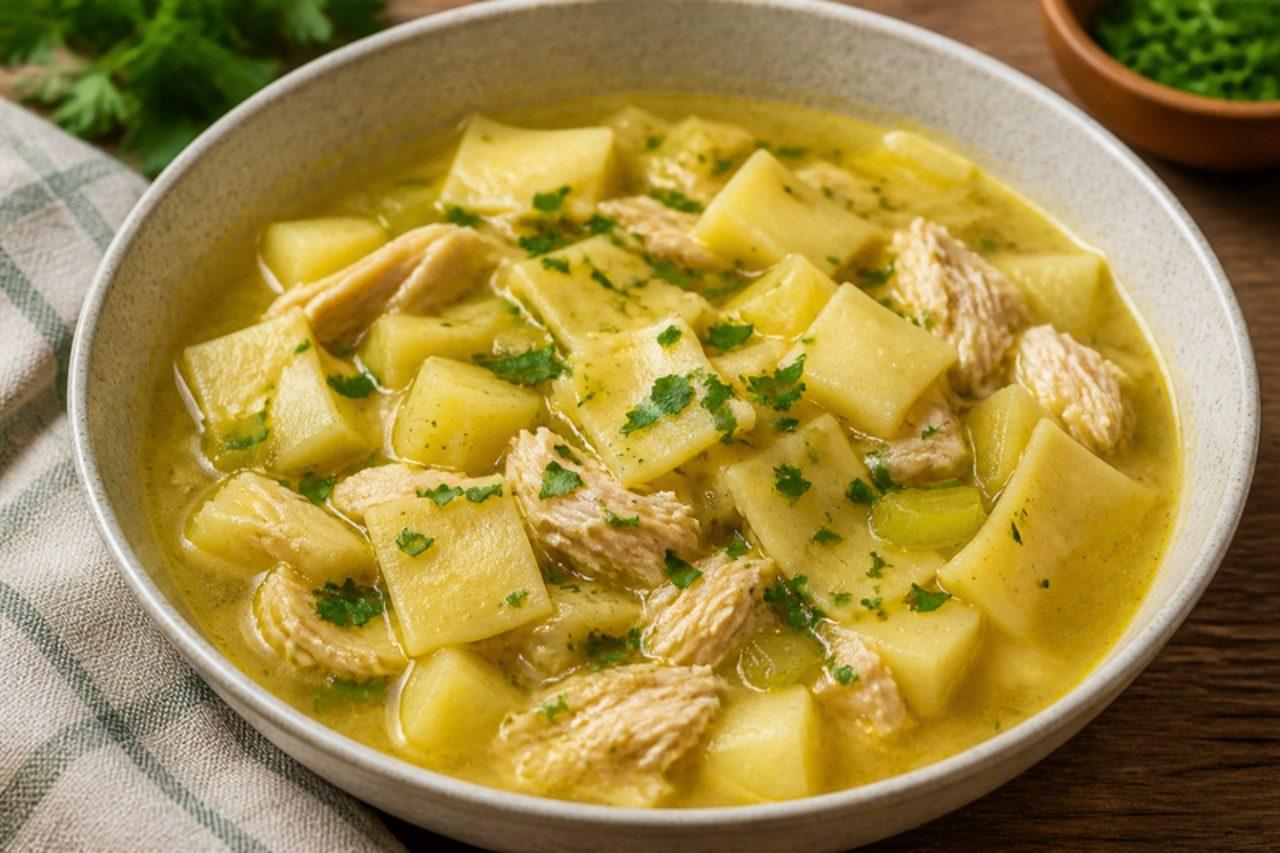
In Lancaster County a pot pie is not a pie at all: bott boi is a thick chicken stew with potatoes, celery and saffron in which big squares of rolled egg dough are boiled like noodles, served at firehouse suppers and Amish and Mennonite family dinners. It is soft, comforting and golden. Chef's tip: drop the dough squares in one at a time into a rolling boil so they don't stick together in a lump.

by KrazyBadal 0 views

Scrapple

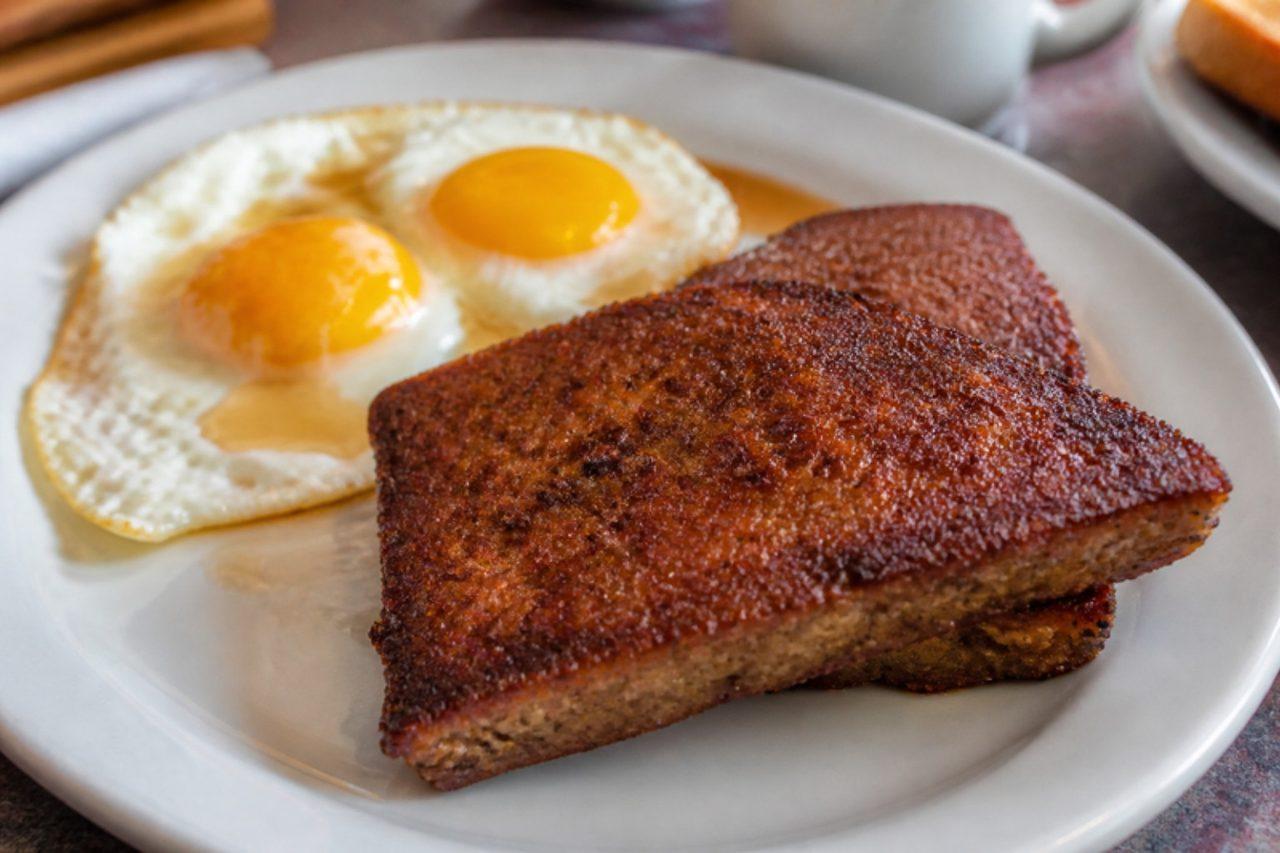
Scrapple is the thrifty breakfast meat of Pennsylvania Dutch farm country and the Delaware Valley, made at pig-killing time from pork trimmings simmered and set with cornmeal and buckwheat into a loaf. Slices are fried until crisp and brown outside and soft within, and eaten with eggs, apple butter or maple syrup at Lancaster County diners. This home version uses pork shoulder and a little liver. Chef's tip: slice it 1 cm thick and leave it alone in the pan until a dark crust forms; it sticks if you move it early.

by KrazyBadal 0 views

Halal cart chicken over rice

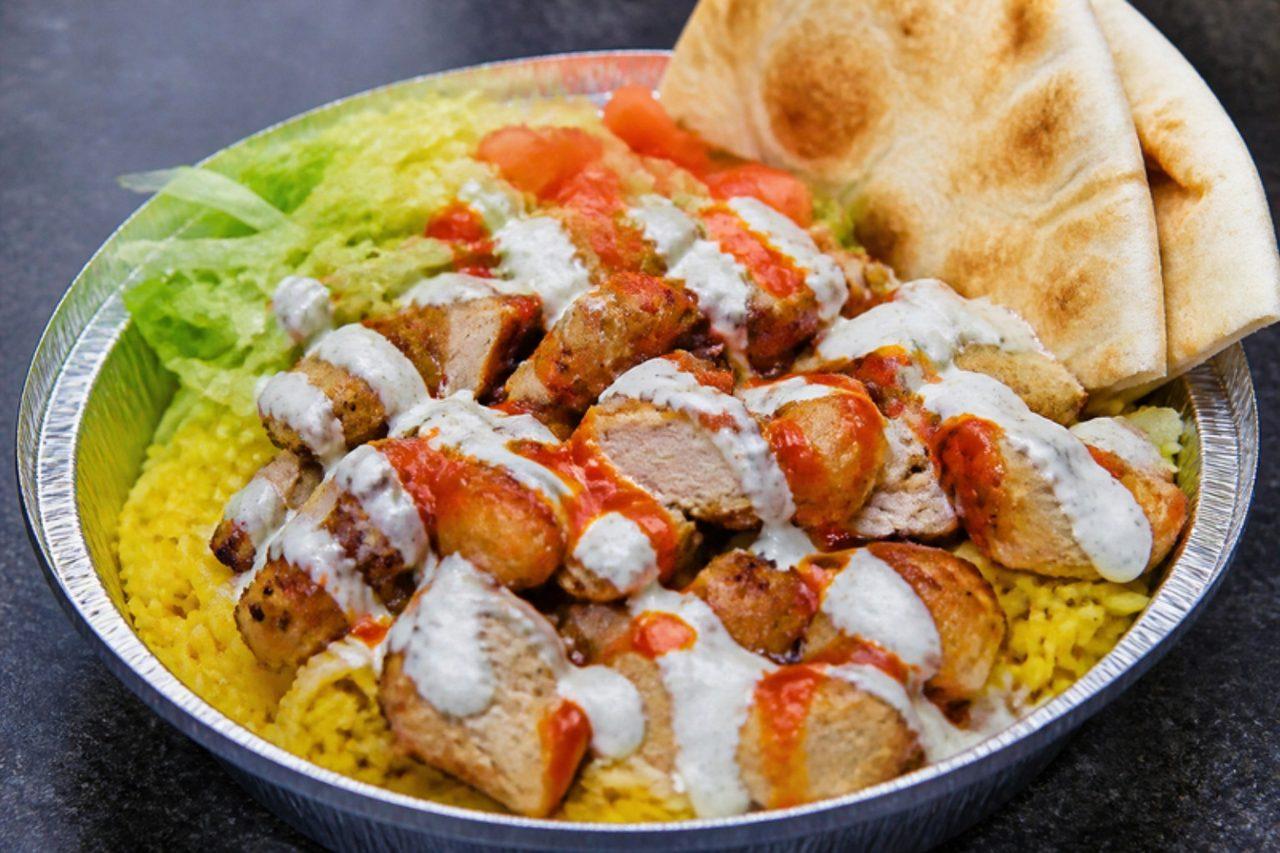
From the silver carts on Midtown corners, often run by Egyptian and Afghan cooks, comes New York's favourite cheap late-night meal: chopped spiced chicken thighs on turmeric rice with shredded lettuce, a tangy white sauce and a fiery red chilli sauce. Office workers and taxi drivers queue for it at 2 a.m. Chef's tip: marinate the chicken in the fridge overnight; the lemon and spices soak right in.

by KrazyBadal 0 views

Reuben sandwich

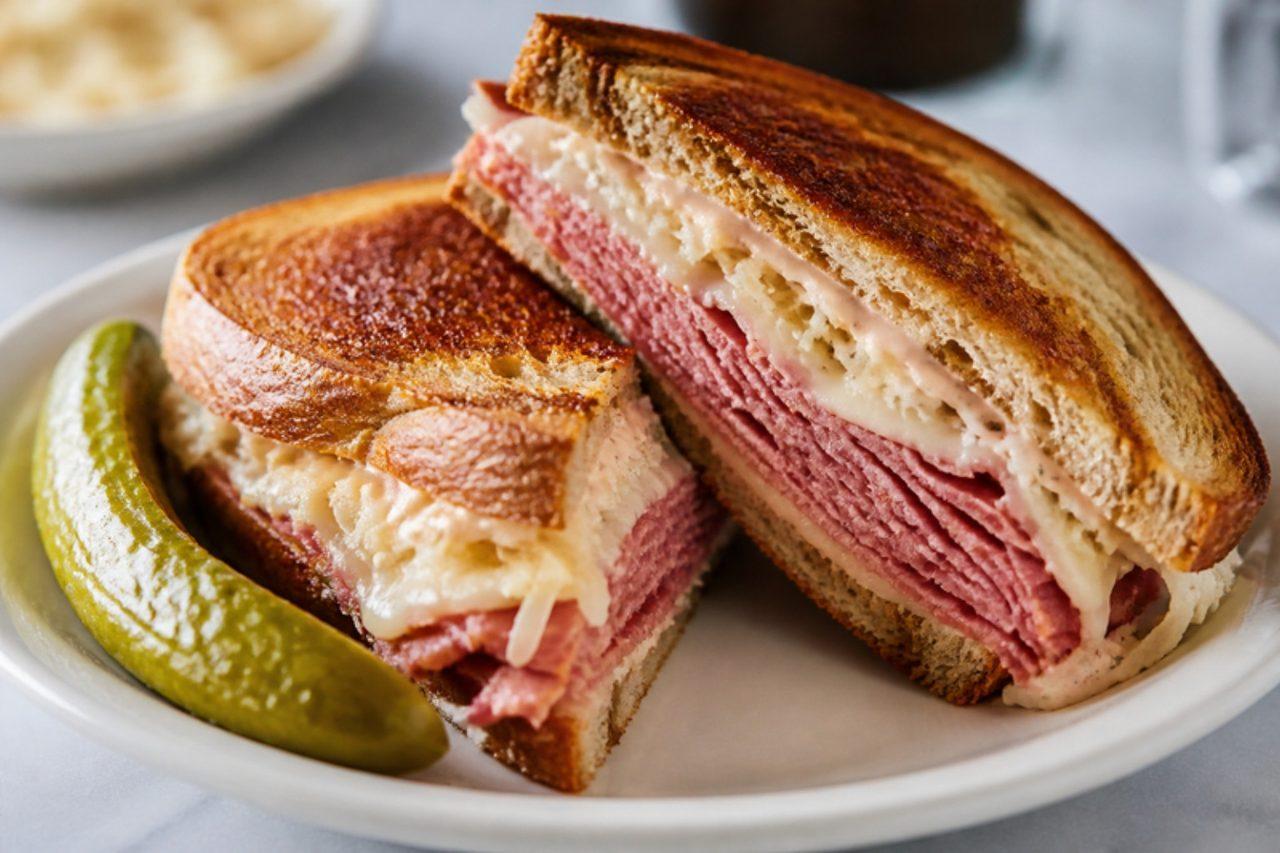
The Reuben is a New York deli classic, claimed by both a Manhattan delicatessen and a poker game in Omaha, and now on every Jewish-style deli menu in the city: rye bread layered with thin corned beef, sauerkraut, Swiss cheese and Russian dressing, then fried in butter until the cheese melts. It is a big, salty, tangy lunch. Chef's tip: squeeze the sauerkraut hard in your fist; wet kraut makes soggy toast.

by KrazyBadal 0 views

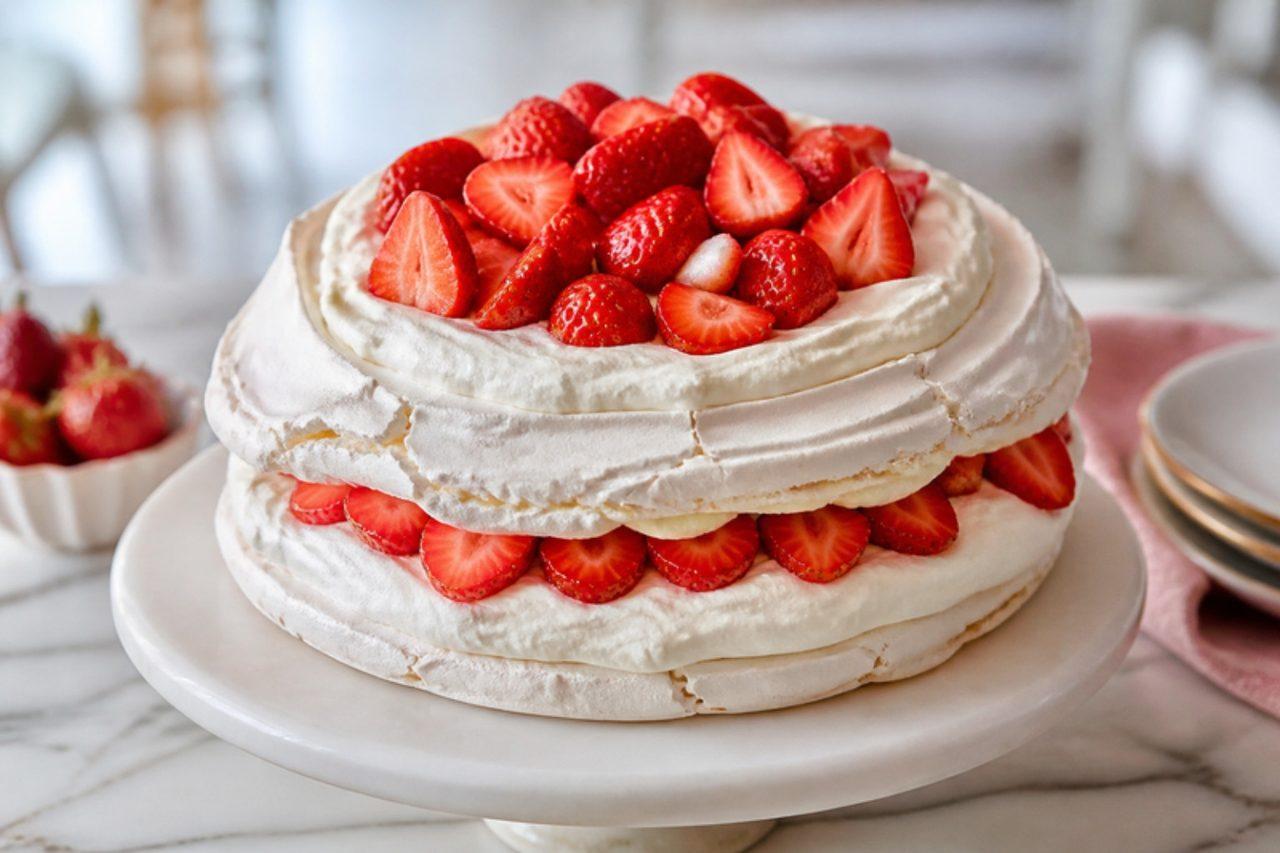
MerengónMeringue with cream and strawberries

Weekend drives out of Bogotá often end at a roadside sweet shop with a slice of merengón: two discs of crisp, chalky meringue sandwiched and piled with whipped cream and fruit. Strawberry is the classic in the highlands, while on the Caribbean coast soursop (guanábana) is just as popular. Think of it as Colombia's answer to pavlova, crunchier and sweeter, assembled shortly before eating so the meringue cracks under the spoon. The meringue needs a long, slow bake and a slow cool in the oven, so plan ahead. Humidity and undissolved sugar are the main enemies: if the sugar is not fully beaten in, the meringue weeps sticky syrup, so rub a little between your fingers and keep whisking until it feels smooth. For a soursop version, swap the strawberries for 300 g thawed soursop pulp, folded into half the cream. Chef's tip: assemble no more than an hour before serving, or the cream softens the meringue.

by KrazyBadal 0 views

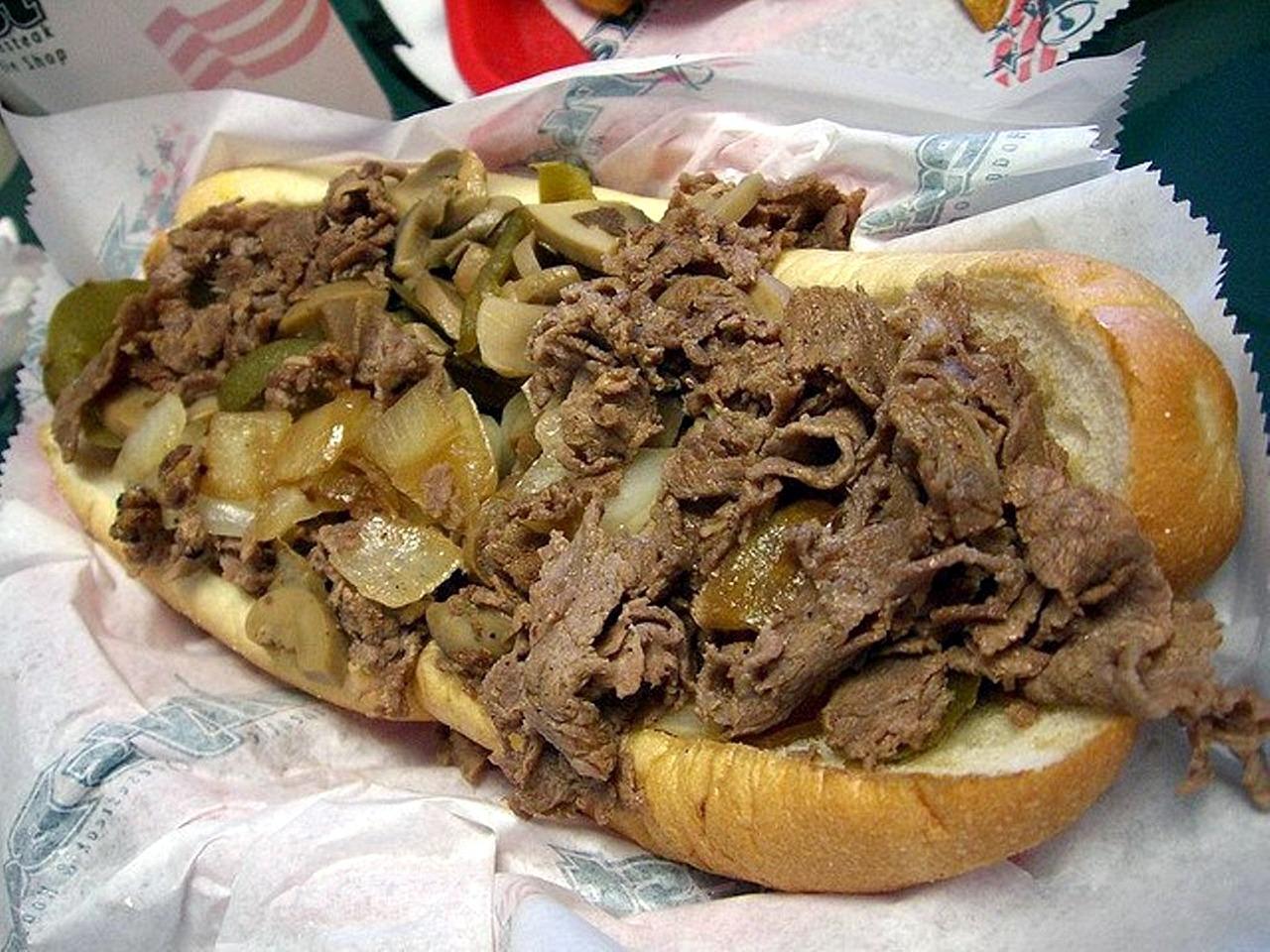
Philly cheesesteak

The cheesesteak was born in South Philadelphia in the 1930s, and the rival stands on Passyunk Avenue still keep the city arguing over whether it should come with melted cheese sauce, provolone or American cheese, and 'wit' or 'witout' fried onions. Paper-thin ribeye is chopped on a hot griddle, cheese is melted over it and the lot is scooped into a soft, crusty hoagie roll. Chef's tip: freeze the beef for 40 minutes before slicing; it firms up so you can cut it almost see-through.

by KrazyBadal 0 views

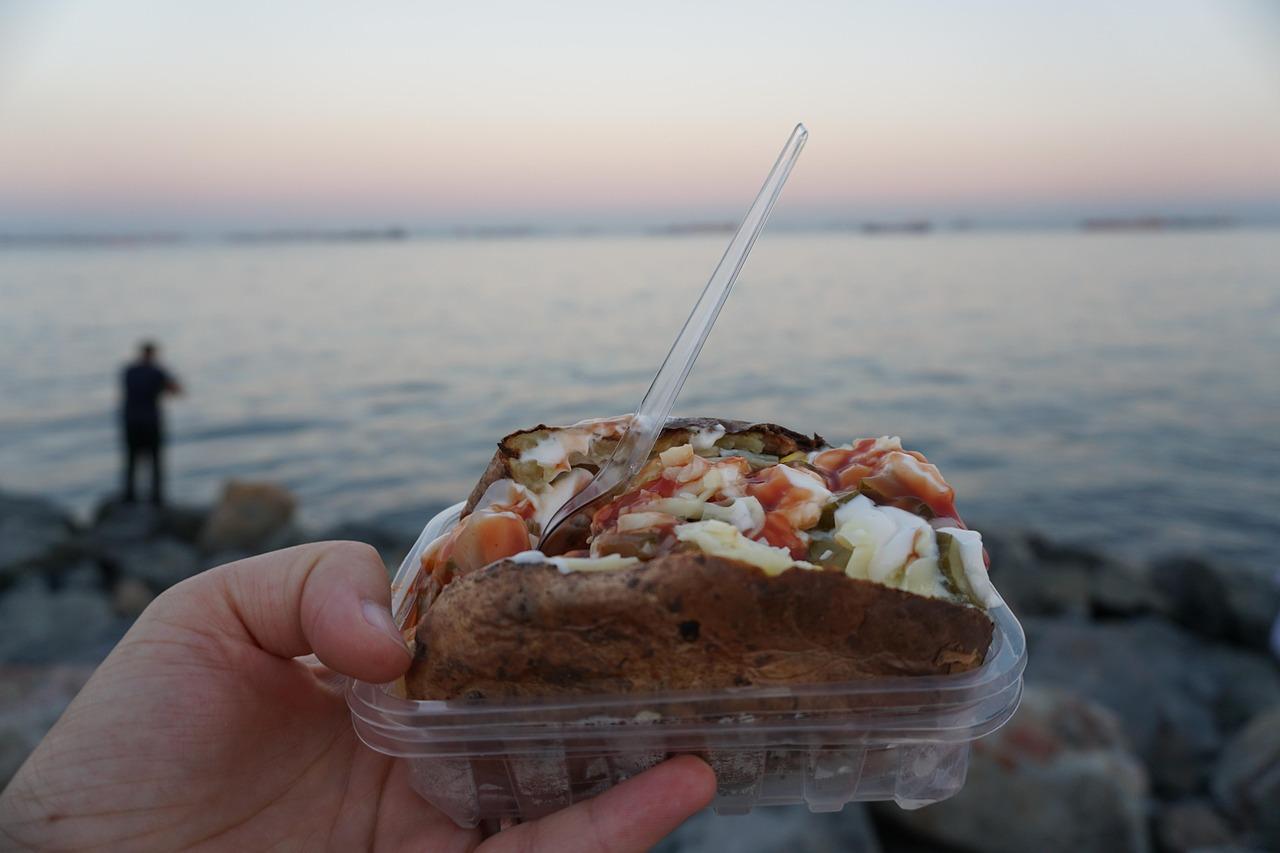
KumpirLoaded baked potato

On a warm evening in Ortaköy, under the Bosphorus Bridge, the kumpir stalls line up with trays of toppings and queues of students waiting for a potato the size of a fist and a half. The vendor splits it, beats butter and grated kaşar into the hot flesh right in the skin until it turns stretchy, then piles on whatever you point at: corn, olives, pickles, peppers, Russian salad. At home it makes a filling supper that everyone builds for themselves. Kaşar is usually made with animal rennet, so pick a vegetarian mild melting cheese if that matters to you. Chef's tip: bake the potatoes on a bed of coarse salt; the skins dry and crisp while the inside goes floury, which is what lets the cheese melt into it.

by KrazyBadal 0 views

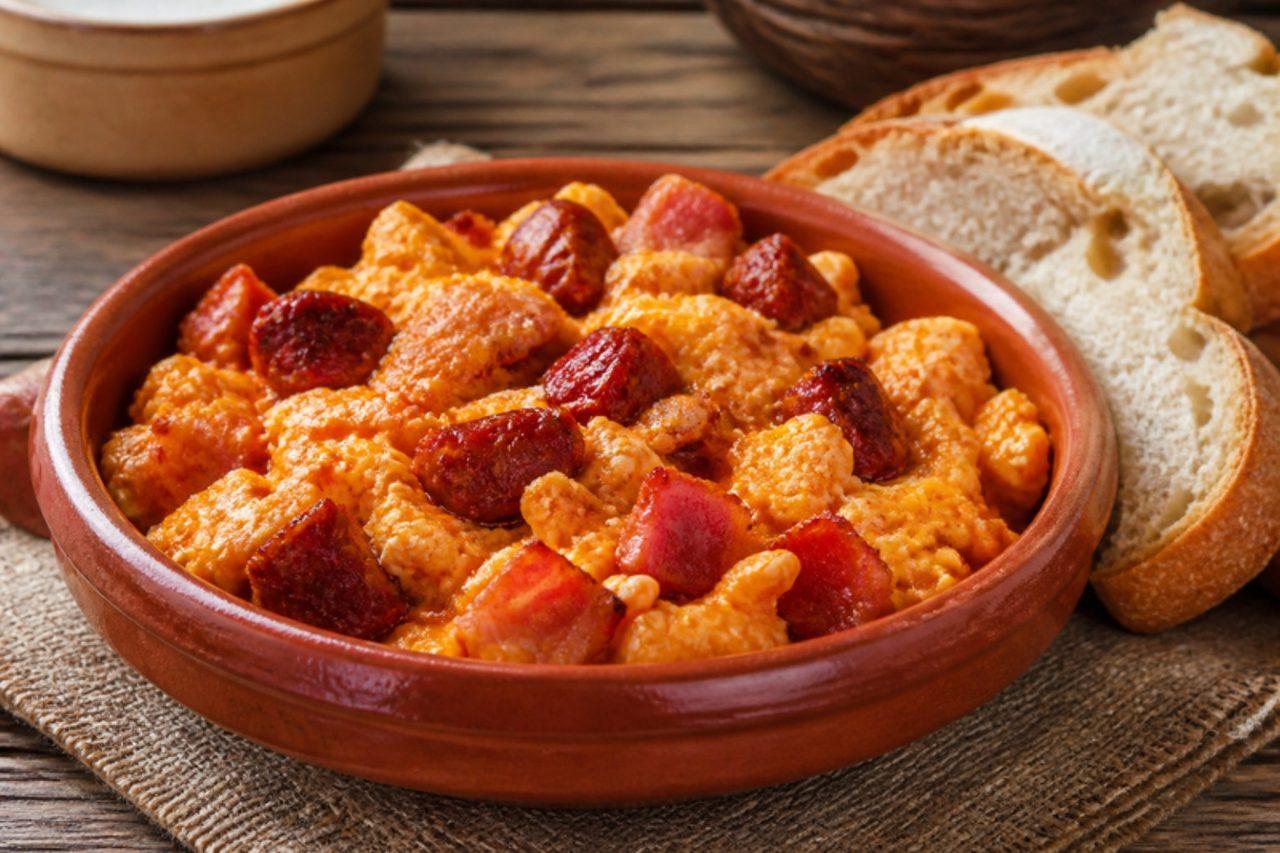
Duelos y quebrantosScrambled eggs with chorizo and bacon

Cervantes names this dish in the first lines of Don Quixote as the knight's Saturday supper, and in La Mancha it is still a quick, filling plate of soft eggs scrambled into fried chorizo and streaky bacon. It turns up for a late breakfast in roadside inns near Campo de Criptana, or for supper on a busy weeknight with bread and a salad. This contains pork (chorizo and bacon). Chef's tip: take the pan off the heat while the eggs still look slightly wet; they finish cooking on the plate.

by KrazyBadal 0 views

Dulce de alcayotaFig-leaf gourd preserve

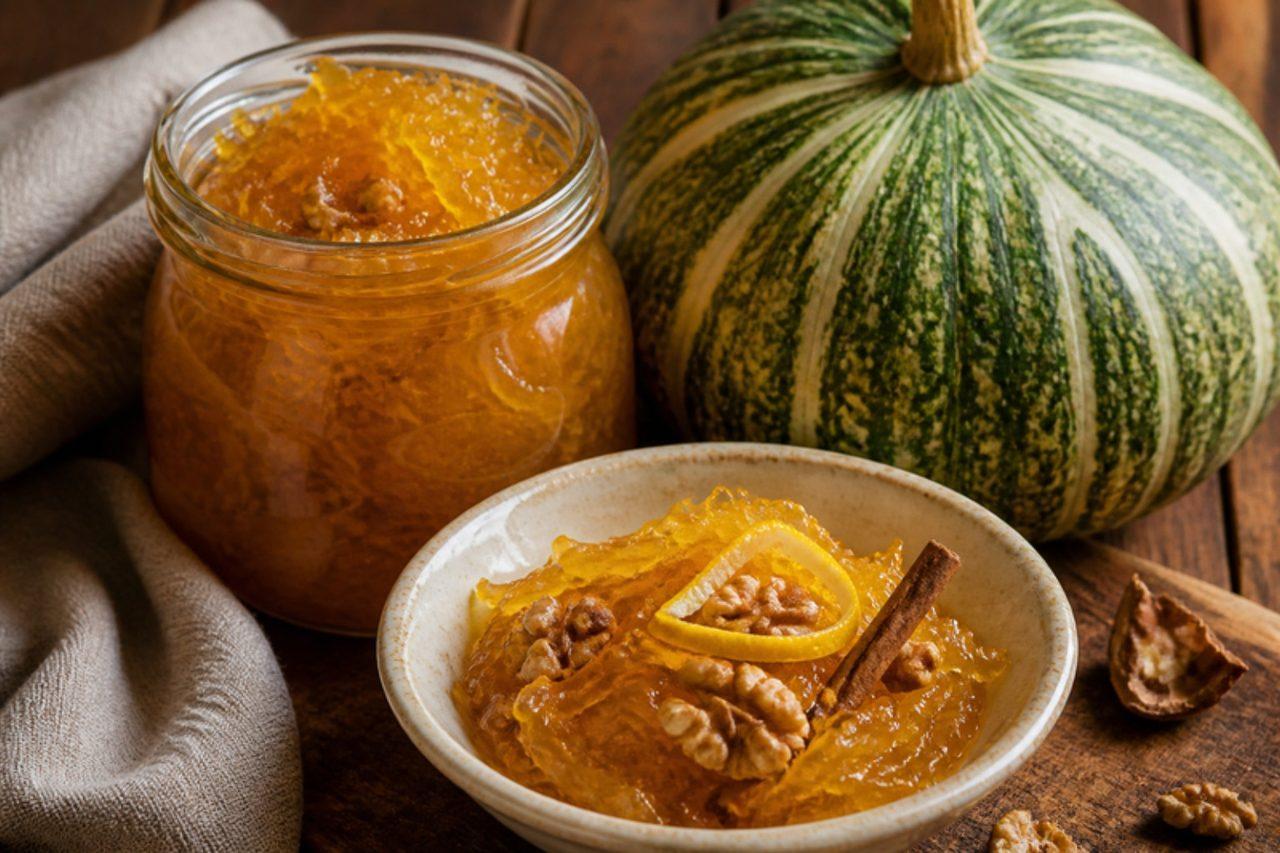
Late autumn in San Juan and Mendoza, the huge striped alcayotas (fig-leaf gourds, Cucurbita ficifolia) are left to cure in the sun, then split open for this preserve: the white flesh separates into long strands like angel hair, which cook in syrup until golden, glossy and translucent, with walnuts and a hint of cinnamon and clove. It is spooned onto bread, eaten with fresh cheese, and used to fill empanadas and pastries. Look for alcayota at Latin American grocers (sometimes sold as chilacayote or cidra); spaghetti squash makes a respectable stand-in. Cooking the syrup too hard is the trap: it caramelises and turns the preserve dark and bitter, so keep it at a gentle bubble. For safe storage, jars must be sterilised and sealed hot. Chef's tip: rinse the cooked strands in cold water before they go into the syrup; it washes off the starch and keeps the threads separate and clear.

by KrazyBadal 0 views

Dulce de batataSweet potato paste

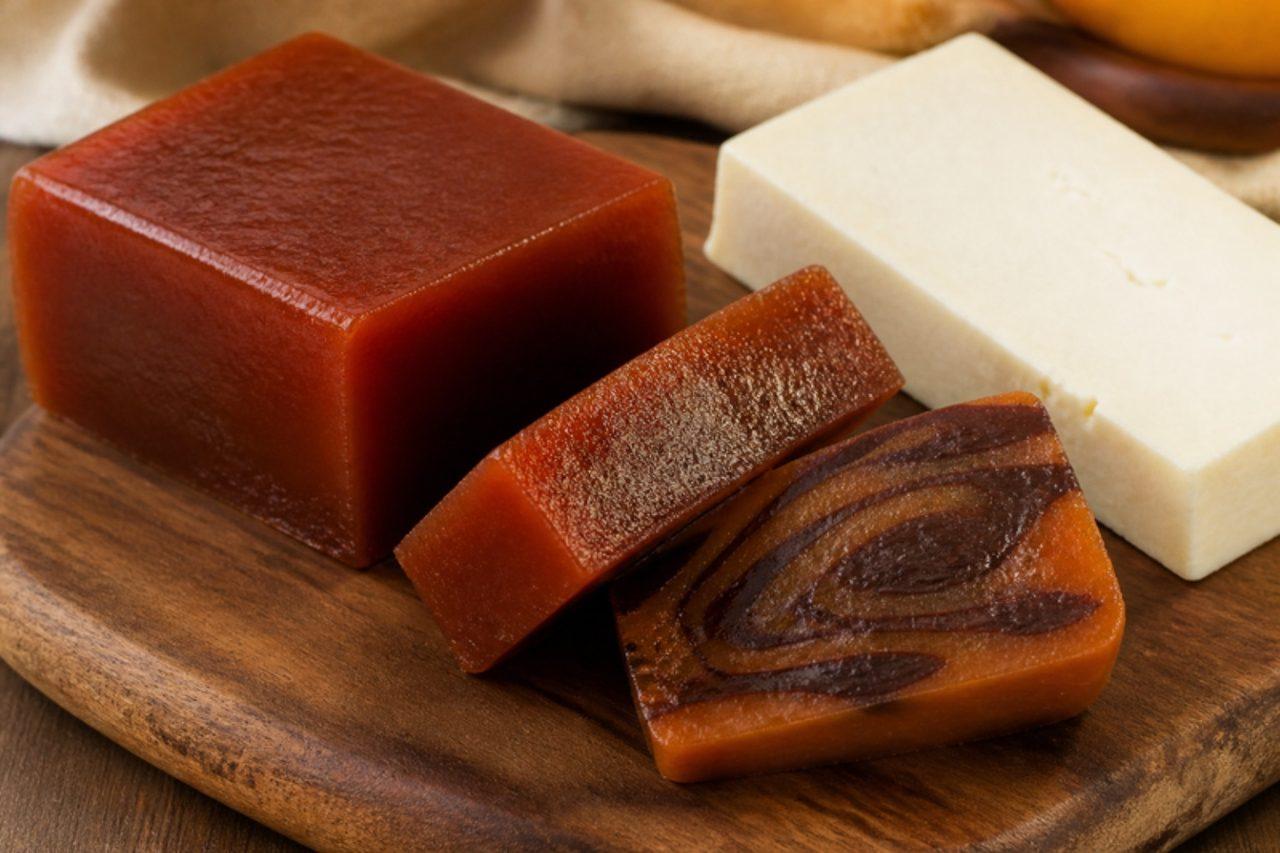
Deep orange and firm enough to slice, dulce de batata is the sweet potato paste Argentines eat with cheese, bake into pastelitos and pasta frola, and pack into school lunch boxes; the classic commercial block often hides a ribbon of chocolate in the centre. Making it at home takes patience at the stove, but the result tastes of real roasted sweet potato and vanilla. Traditional recipes simply cook the purée down for a long time; some factory versions set it with gelatin. This one uses a little agar, a seaweed-based setting agent, so it is reliably firm and stays vegan. Choose pale-fleshed sweet potato (batata) if you can, which gives the classic colour and dense texture; orange-fleshed ones work but set softer. The usual problem is too little cooking, which gives a paste that weeps; it is ready when a spoon drawn through it leaves a clean line. Chef's tip: cover your hand with a tea towel while you stir, because the thick paste spits like lava.

by KrazyBadal 0 views

Dulce de calafateCalafate berry jam

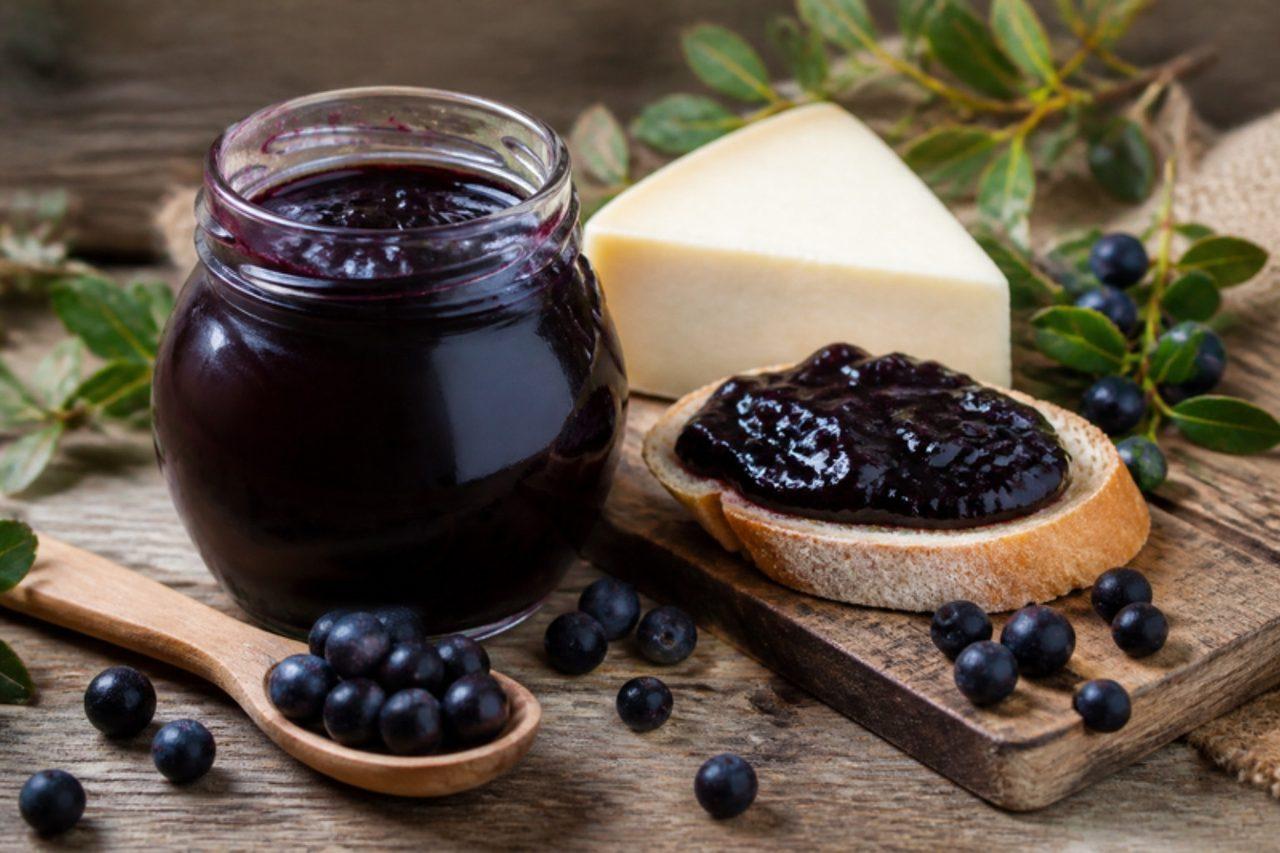
Legend says whoever eats calafate will come back to Patagonia, and in El Calafate, the town on Lake Argentino named after the thorny bush, the small blue-black berries turn up in ice cream, sauces, and above all this jam. The fruit ripens in midsummer across Santa Cruz and Tierra del Fuego; it is tart and seedy, somewhere between a blueberry and a blackcurrant, and the jam is dark purple, glossy and gently spiced by the fruit itself. It goes on bread at breakfast, with a slab of cheese after dinner, or with pancakes. Outside Patagonia, frozen calafate is hard to find; blueberries with a handful of blackcurrants or barberries give a similar balance of sweet and sharp. Overcooking is the slip that turns it into a stiff, dull paste, because the berries are naturally high in pectin, so test early. Chef's tip: crush a third of the berries before cooking; you get a jam with body and some whole fruit to bite on.

by KrazyBadal 0 views

Kadınbudu köfteFried rice and mince patties

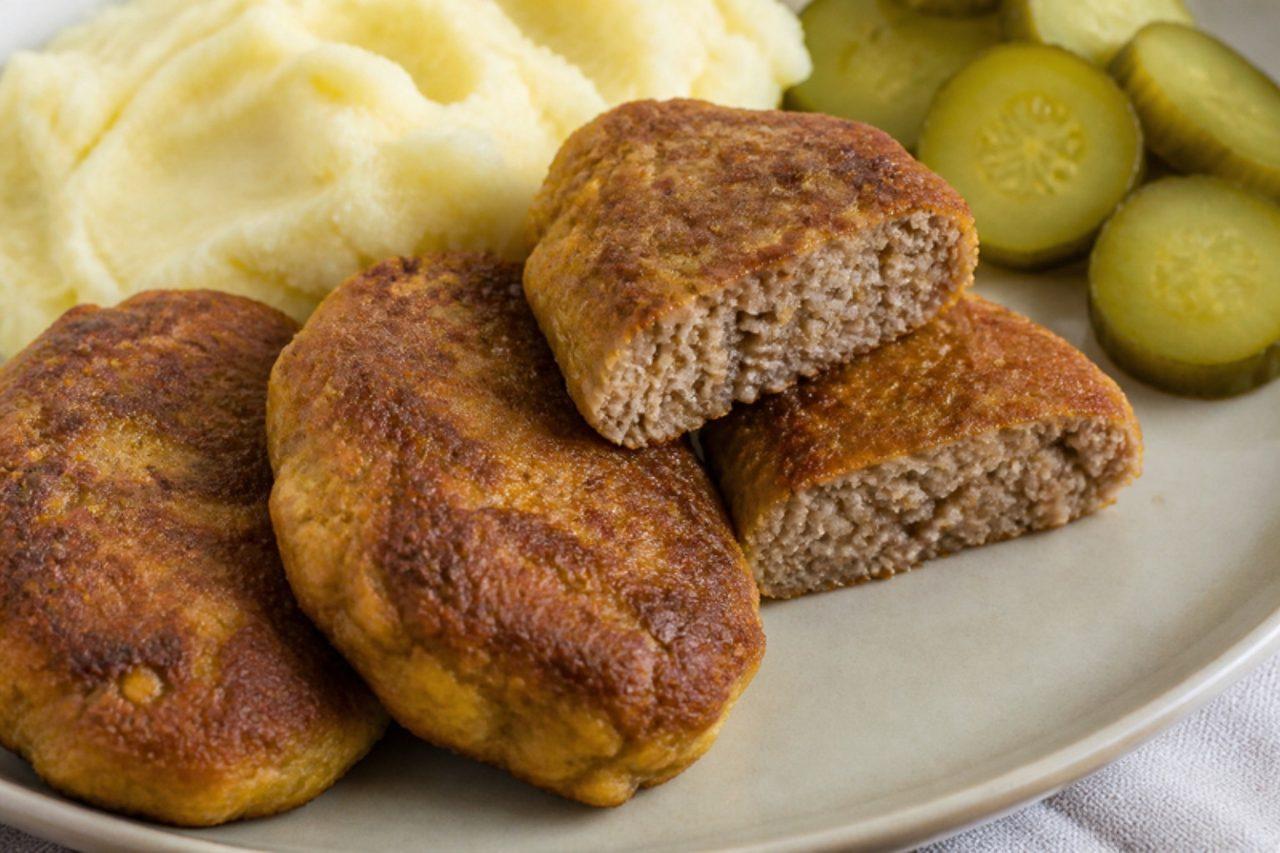
The name means 'lady's thigh', a playful Ottoman-era compliment to their plump, tender shape, and these köfte still appear in Istanbul home kitchens and old lokantas for Friday lunch. Half the meat is cooked with onion first, then mixed with raw mince, rice and herbs, so the köfte are unusually soft and moist. They are dipped in egg and fried golden, and served with a simple tomato salad and pilaf or mashed potato. Chef's tip: the rice must be fully cooked and cooled before mixing, or the köfte crack and fall apart in the pan.

by KrazyBadal 0 views

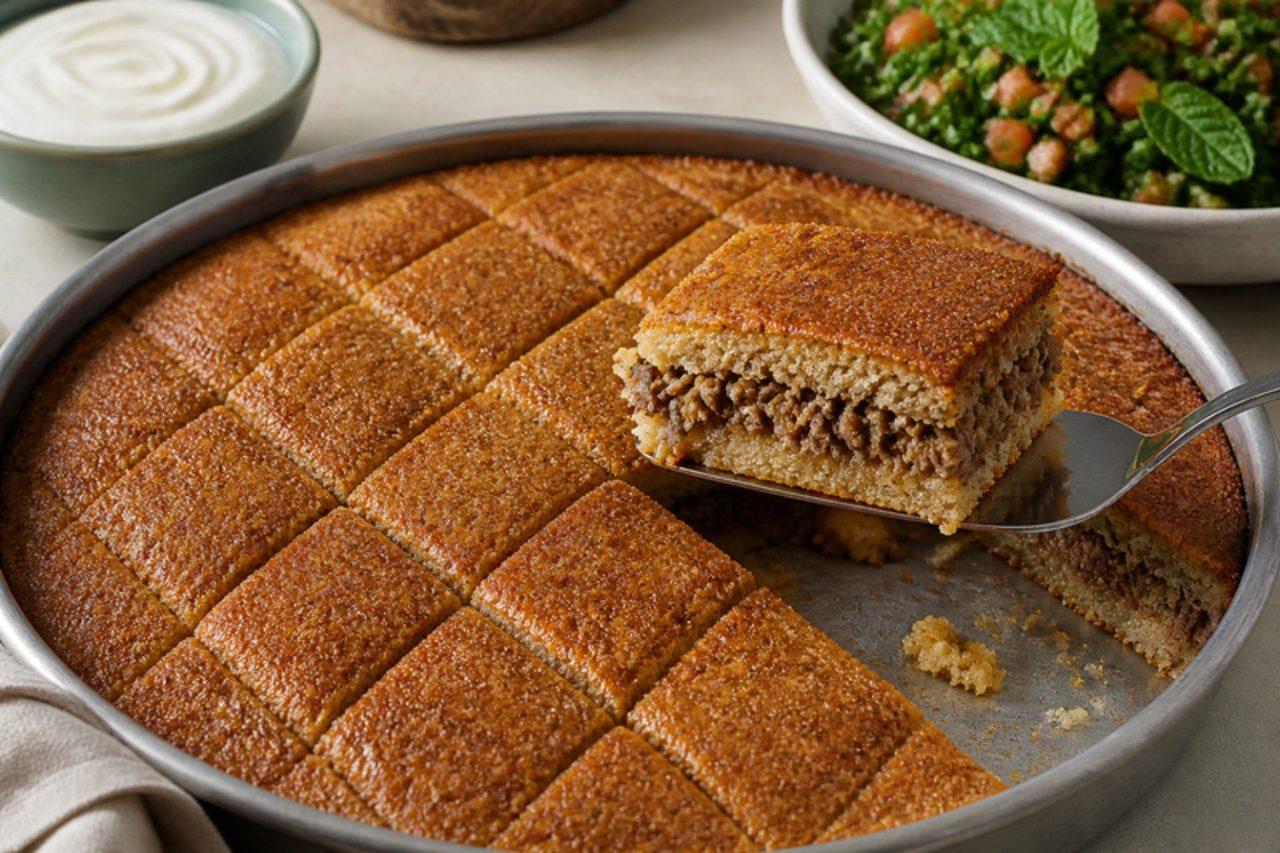
Kibbeh bil saniehBaked tray kibbeh

When a Lebanese family is expecting a crowd for Sunday lunch, out comes the round tray of kibbeh bil sanieh, cut into diamonds before baking so everyone can lift a neat piece. Two layers of lamb and fine bulgur kneaded with onion and spices sandwich a filling of minced lamb fried with onions and toasted pine nuts; the top bakes crisp and brown while the inside stays moist. Serve it warm or at room temperature with yoghurt, cucumber salad or fattoush. Common mistake: using coarse bulgur, which won't bind; you need fine bulgur (number 1). Chef's tip: dip your hands in iced water while you press the top layer — it smooths the surface and stops the mixture sticking.

by KrazyBadal 0 views

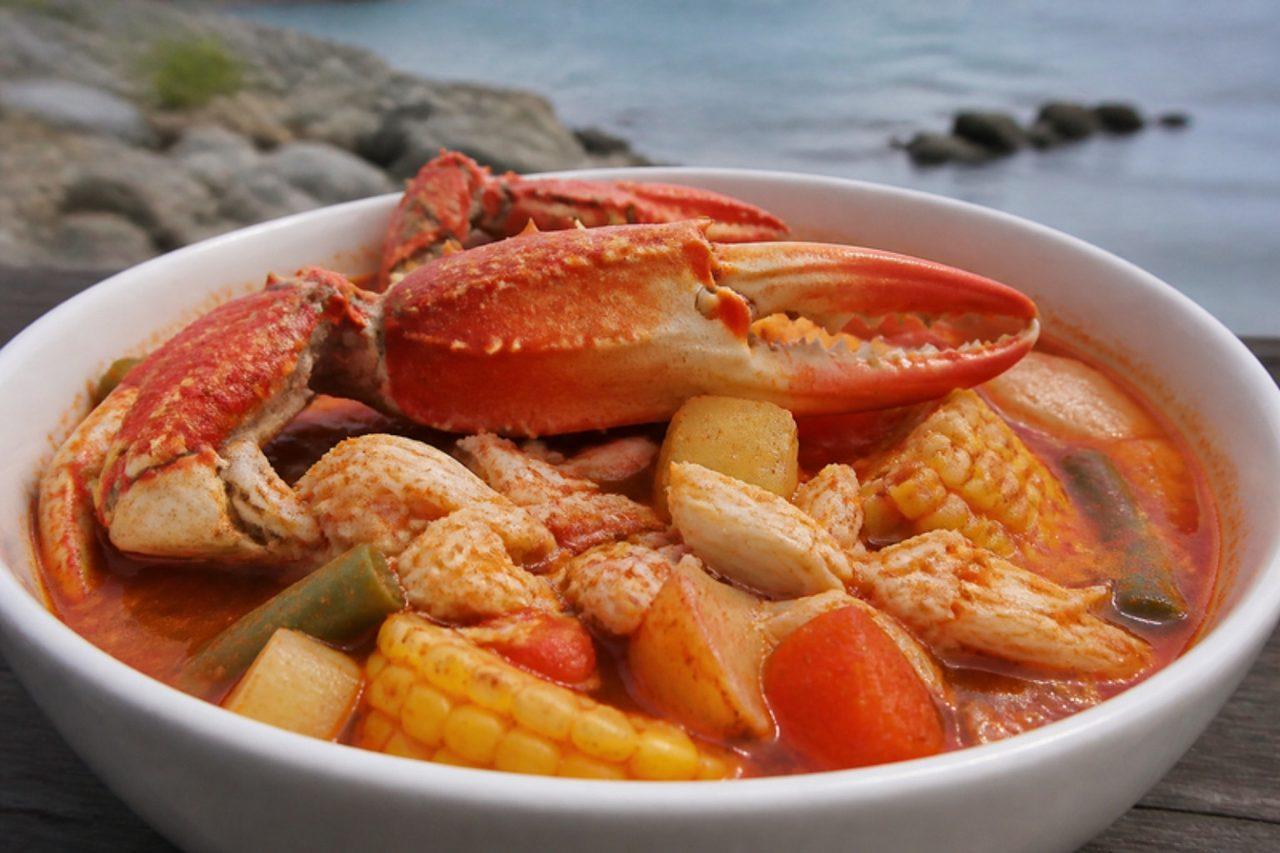
Maryland crab soup

Maryland crab soup is the red, vegetable-packed soup of Baltimore crab houses and Eastern Shore church fundraisers, simmered in a beef broth with tomatoes, corn, beans and lots of crab seasoning, with blue crab meat stirred in at the end. Locals eat a cup before a tray of steamed crabs. Chef's tip: let the vegetables cook fully before the crab goes in; crab meat only needs warming, and stirring too much shreds it.

by KrazyBadal 0 views

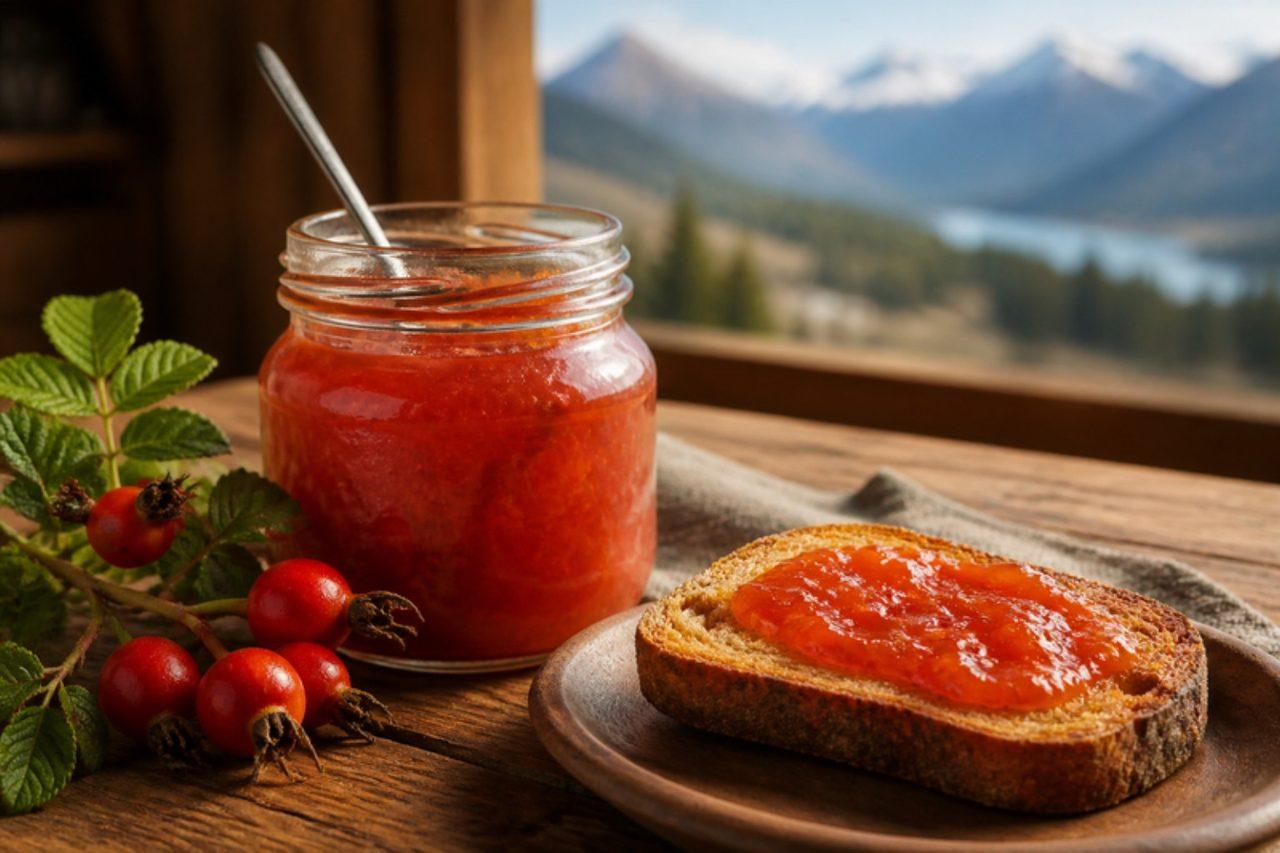
Dulce de rosa mosquetaRosehip jam

Every autumn, from March to May, families along the lakes around Bariloche and El Bolsón and up into Neuquén go out with buckets to strip the wild rose bushes that cover the hillsides, and the shops of the Andean towns fill with jars of this jam. Rosa mosqueta (rosehip) makes a smooth, coral-red preserve with a sharp, fruity, slightly floral flavour and a lot of vitamin C. It is spread on toast with butter, served with fresh cheese, or spooned into yoghurt. Rosehips are full of seeds wrapped in tiny irritating hairs, and not sieving them out properly is the error you will feel in your throat: pass the pulp through a fine sieve or food mill, and then once more. Buy rosehips from a foraging supplier or pick them away from roads, and only if you are sure of the plant. Chef's tip: pick after the first frosts, or freeze the hips overnight; the cold softens them and makes the pulp much easier to sieve.

by KrazyBadal 0 views

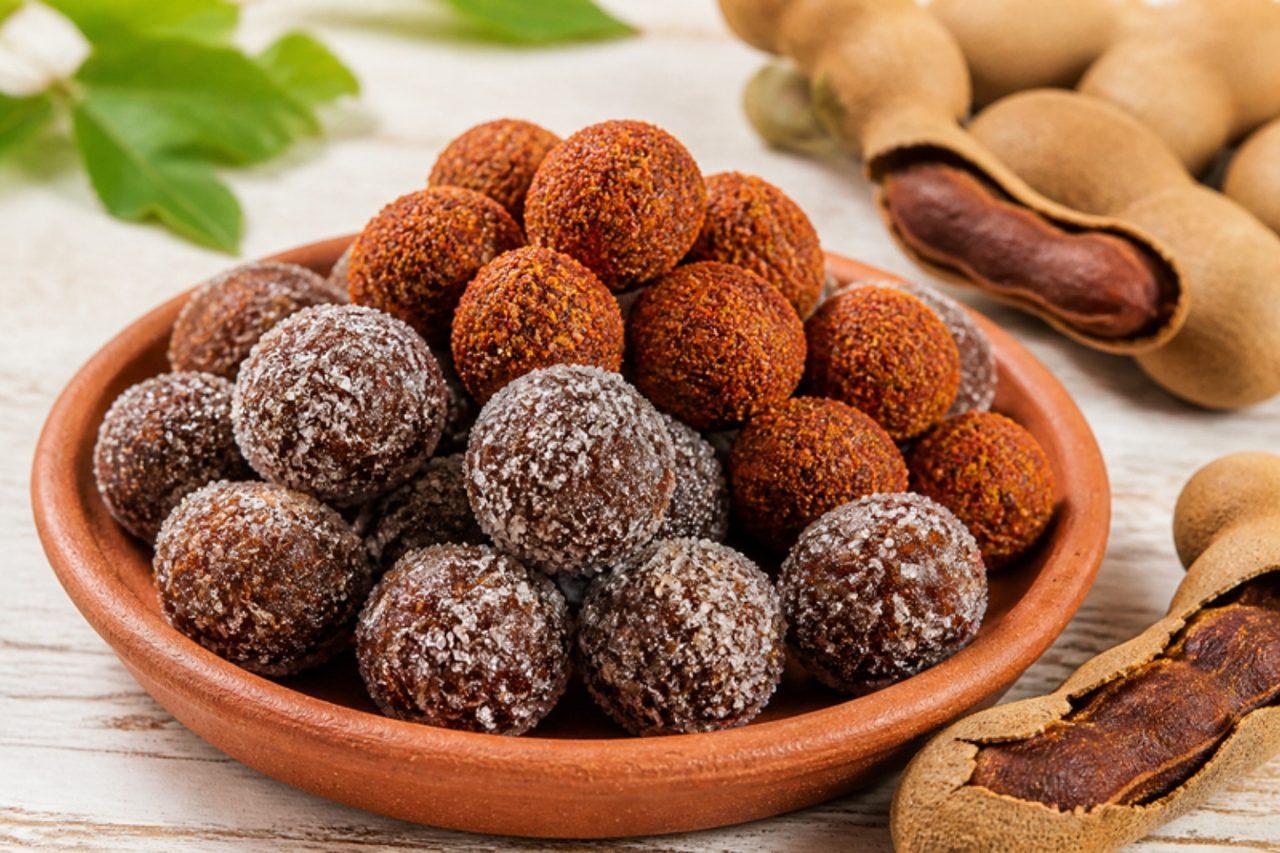
Dulce de tamarindoTamarind sugar sweets

Tamarind trees shade the coast of Guerrero, and around Acapulco and the Costa Chica the sticky pulp is cooked down with sugar into tangy little balls sold in paper twists at beaches, bus stations and corner shops. Children love the sharp sweet-sour pucker; adults buy the ones rolled in chilli and salt. They are naturally vegan and keep for weeks. Chef's tip: use blocks of seedy tamarind pulp from an Asian or Mexican grocer, not the thin concentrate in jars, which will not set.

by KrazyBadal 0 views

Maryland crab cakes

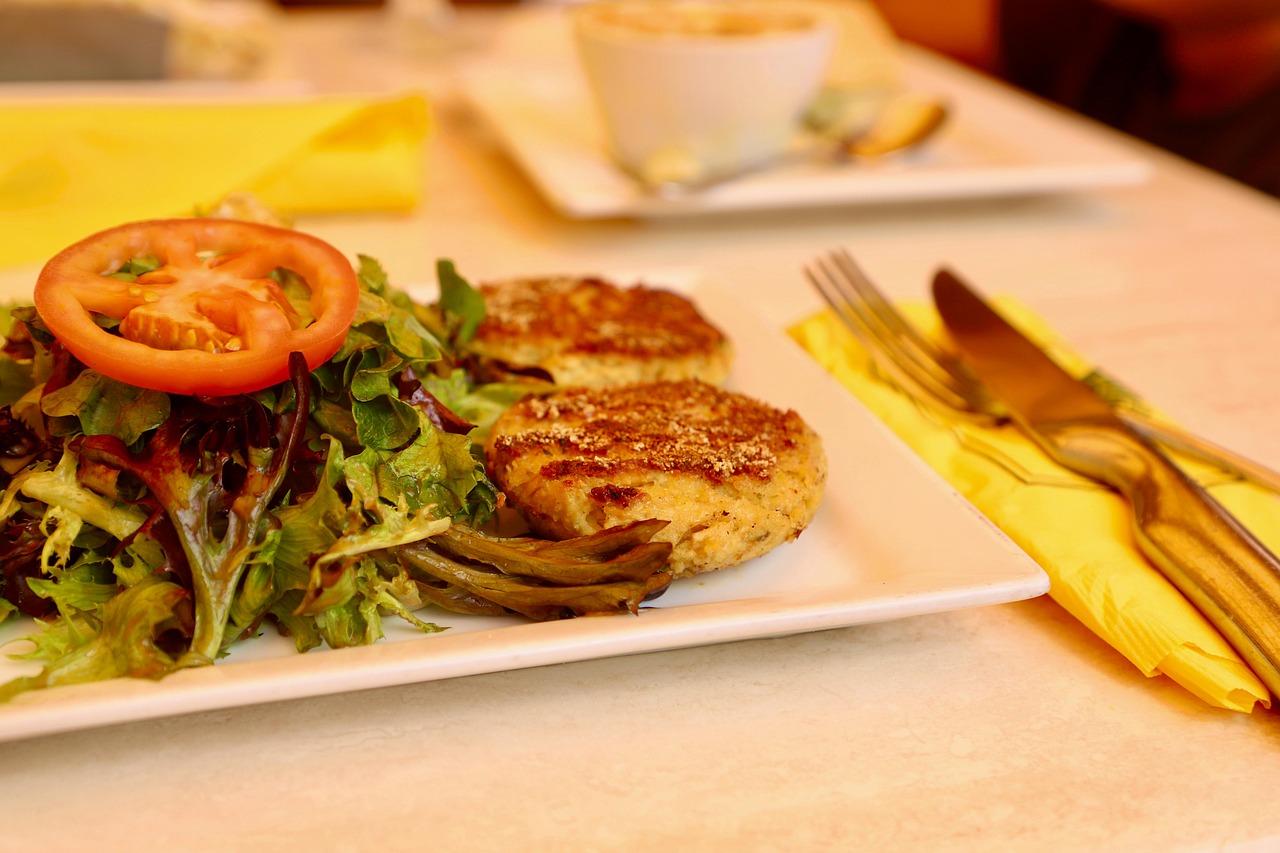
Around Chesapeake Bay, from Baltimore's crab houses to the docks of the Eastern Shore, a proper crab cake is judged by how little holds it together: sweet lump blue crab, a spoon of mayonnaise and mustard, a little seasoning and just enough crumbs to bind. They are eaten as a platter with coleslaw or in a soft roll with tartare sauce through the summer crab season. Chef's tip: chill the shaped cakes for an hour; it firms them so they don't fall apart in the pan.

by KrazyBadal 0 views

KumruSausage and cheese sesame sandwich

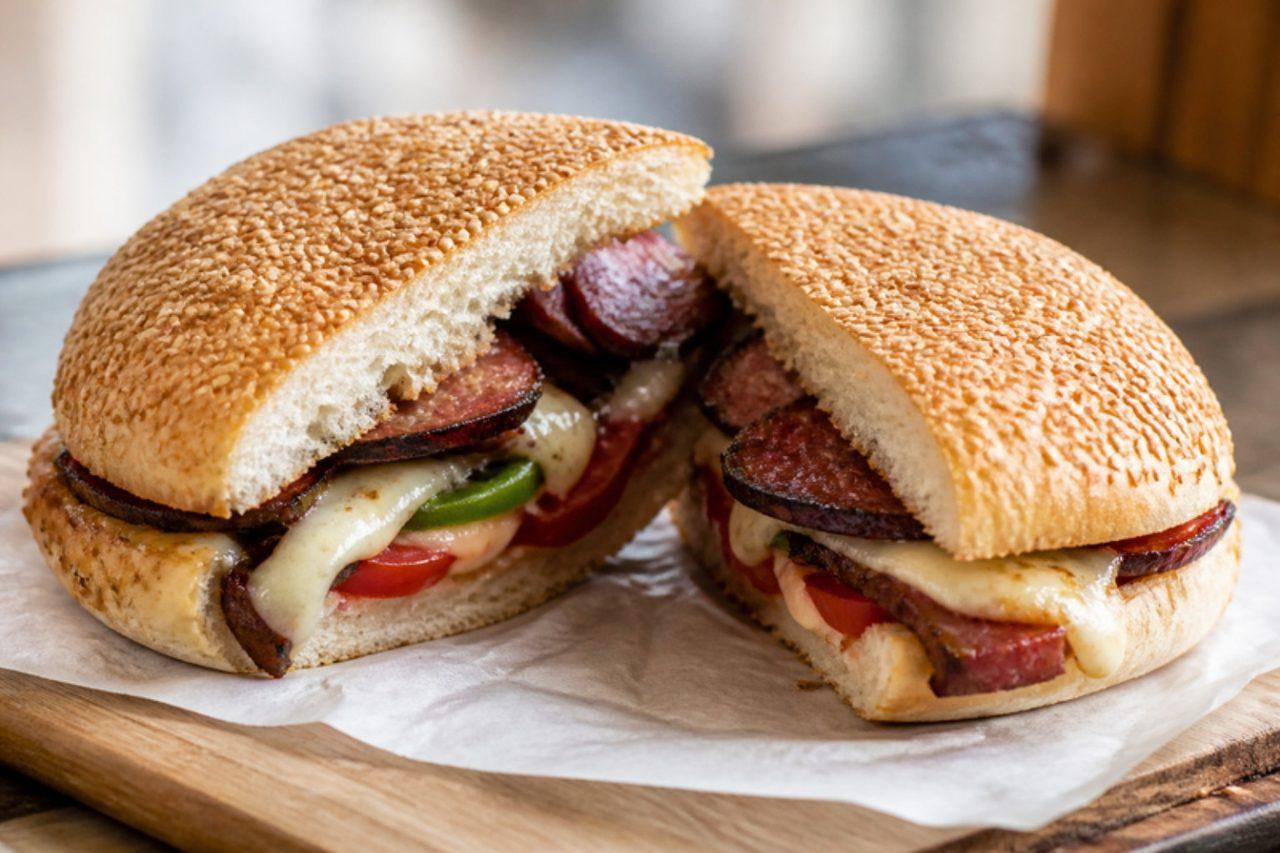
The kumru takes its name from the dove-shaped sesame roll baked in İzmir and is the city's favourite beach snack, especially at the stands of Çeşme. The roll is filled with slices of beef sucuk (spicy Turkish sausage), melting kaşar, tomato and green pepper, then pressed flat in a hot sandwich press until the crust crackles. Eat it with an ayran in the shade. Chef's tip: fry the sucuk slices briefly first so they release their red, spicy fat into the bread before you press it.

by KrazyBadal 0 views

Manhattan clam chowder

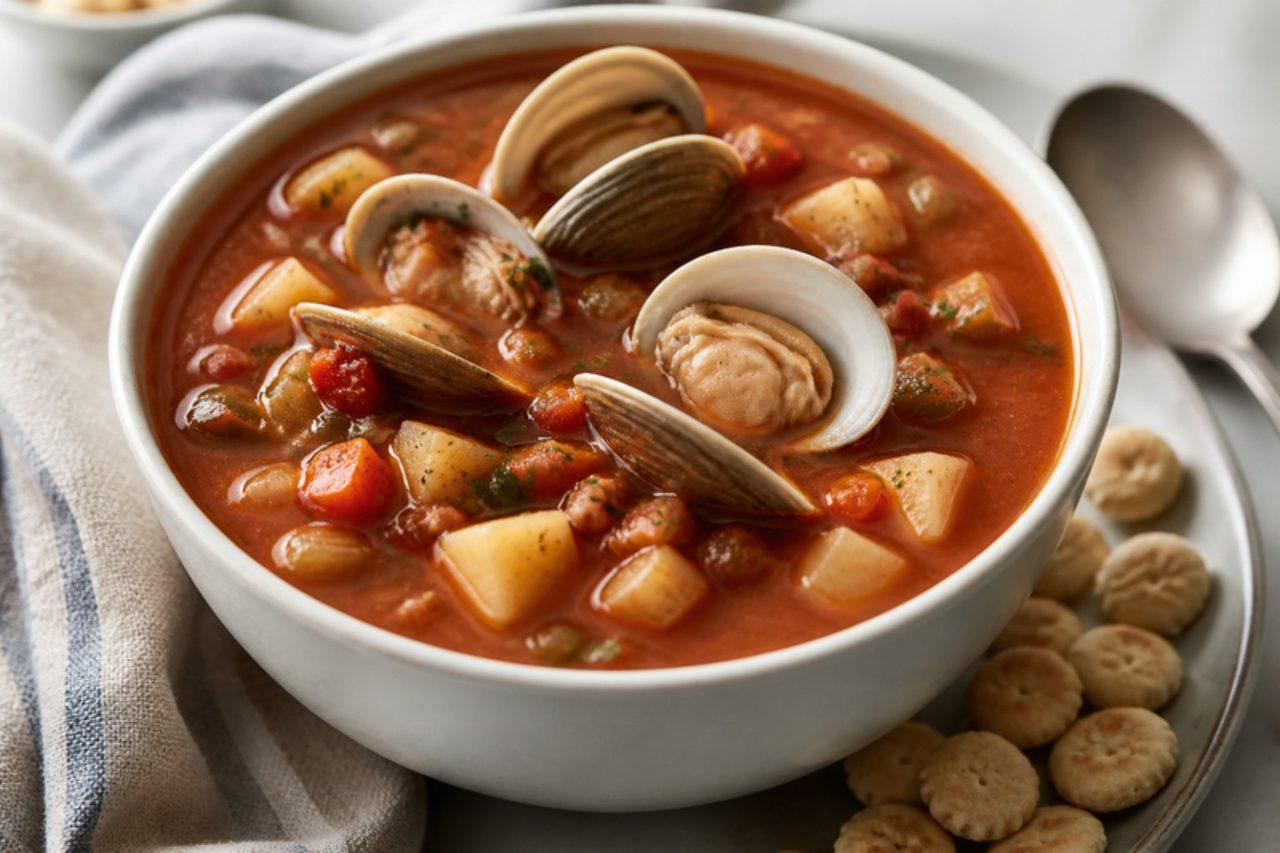
Manhattan clam chowder swaps New England's cream for tomatoes, a style that grew up in the Portuguese and Italian fish restaurants of New York and Coney Island and is still ladled out in Fulton Street lunch counters. It is a brothy red soup with clams, potato, carrot, celery and a little bacon (pork), lighter than the white kind and peppery with thyme. Chef's tip: add the chopped clams only for the last few minutes; long boiling turns them to rubber.

by KrazyBadal 0 views

Kibbeh labaniehKibbeh in garlic yoghurt sauce

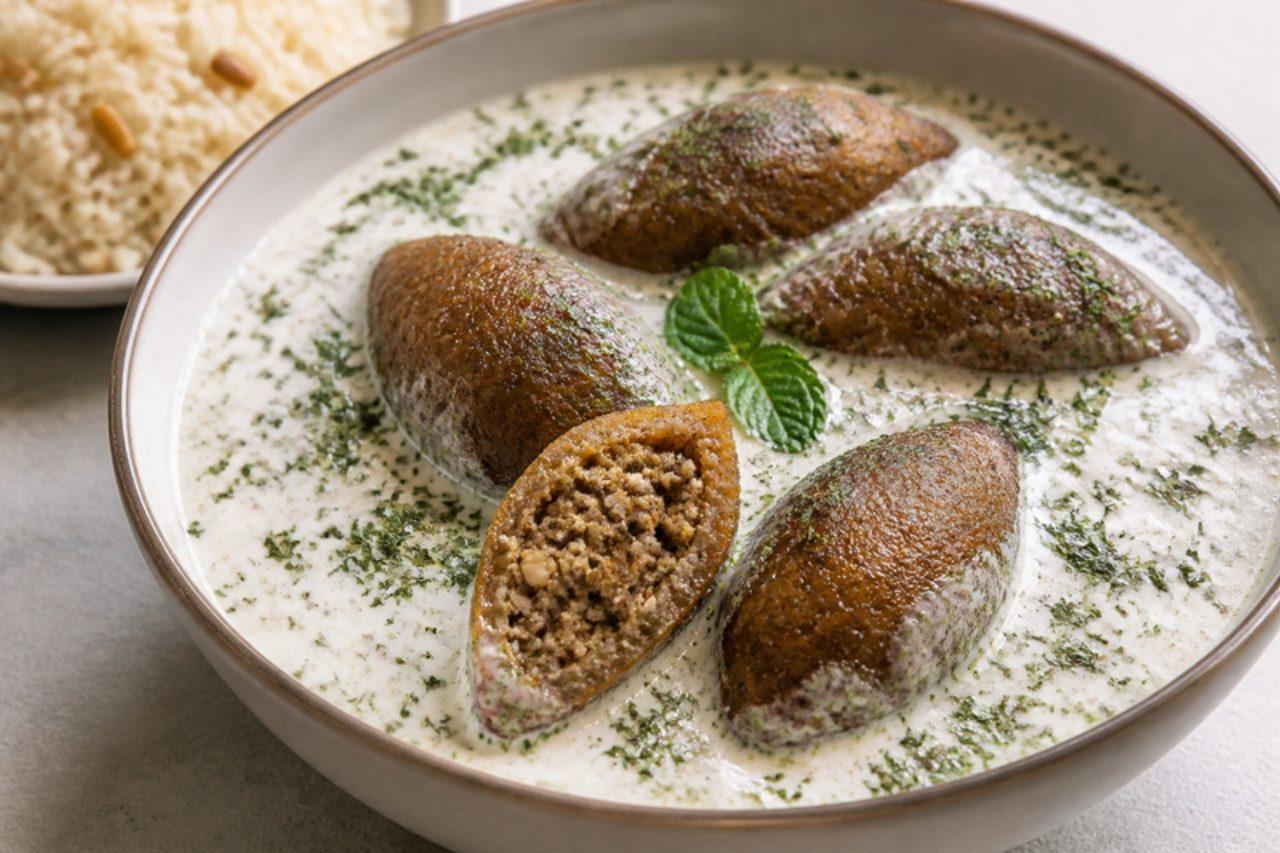
In Lebanese homes, kibbeh labanieh is the dish that turns a batch of stuffed kibbeh into a comforting winter supper: the little torpedo-shaped shells of bulgur and lamb, filled with spiced mince and pine nuts, are poached in a silky yoghurt sauce scented with garlic and dried mint. It is eaten hot, ladled over vermicelli rice. The yoghurt has to be stabilised with cornflour and stirred in one direction while it heats, or it splits. Common mistake: letting the sauce boil hard before it has thickened; it curdles instantly. Chef's tip: make the kibbeh balls a day ahead and freeze them on a tray — they hold their shape better in the sauce.

by KrazyBadal 0 views

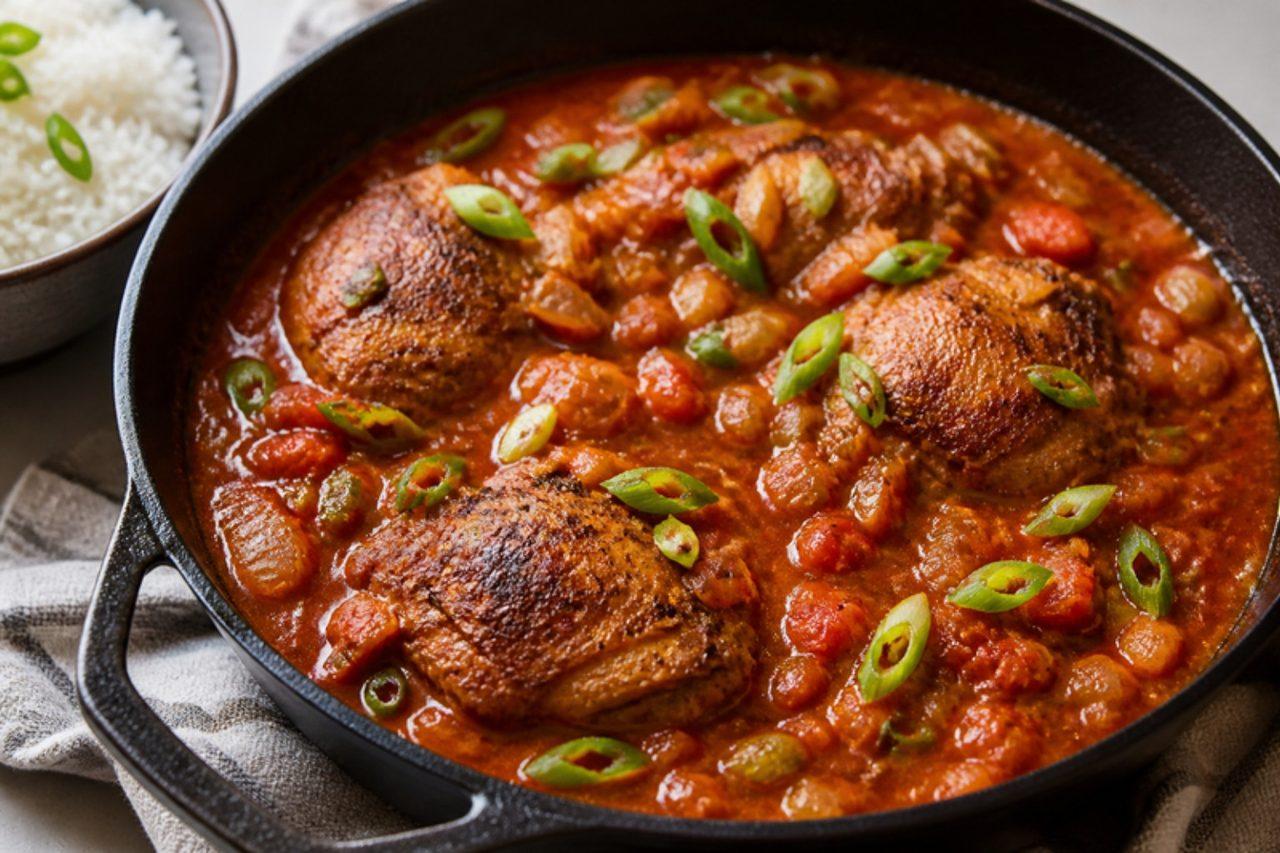
Chicken sauce piquante

Sauce piquante is the fiery tomato-and-roux braise of the Cajun parishes, cooked in big black pots for family reunions and the Raceland sauce piquante festival, with chicken, rabbit, alligator or turtle. This chicken version simmers until falling off the bone in a sauce sharp with chilli, vinegar and plenty of black pepper. Serve over rice. Chef's tip: let it sit for 20 minutes off the heat before serving; the heat and sharpness mellow and blend.

by KrazyBadal 0 views

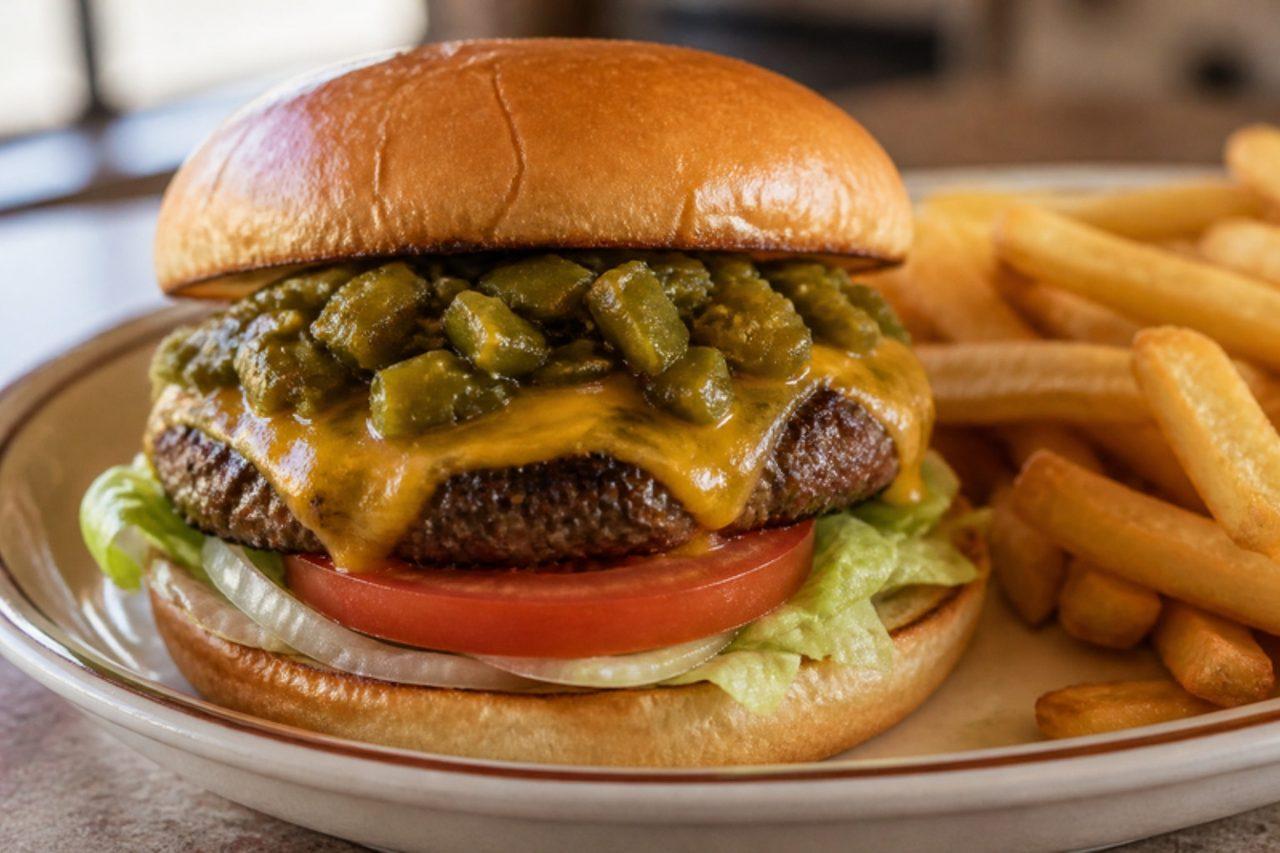
Green chile cheeseburger

The green chile cheeseburger is the pride of New Mexico, with an official trail of roadside diners and bars from San Antonio, New Mexico, to Santa Fe competing for the best one. A juicy beef patty is topped with melted American or cheddar cheese and a heap of roasted, chopped green chile, which adds smoky heat that cuts through the richness. Chef's tip: put the chile on before the cheese and let the cheese melt over it, so it holds the chile in place.

by KrazyBadal 0 views

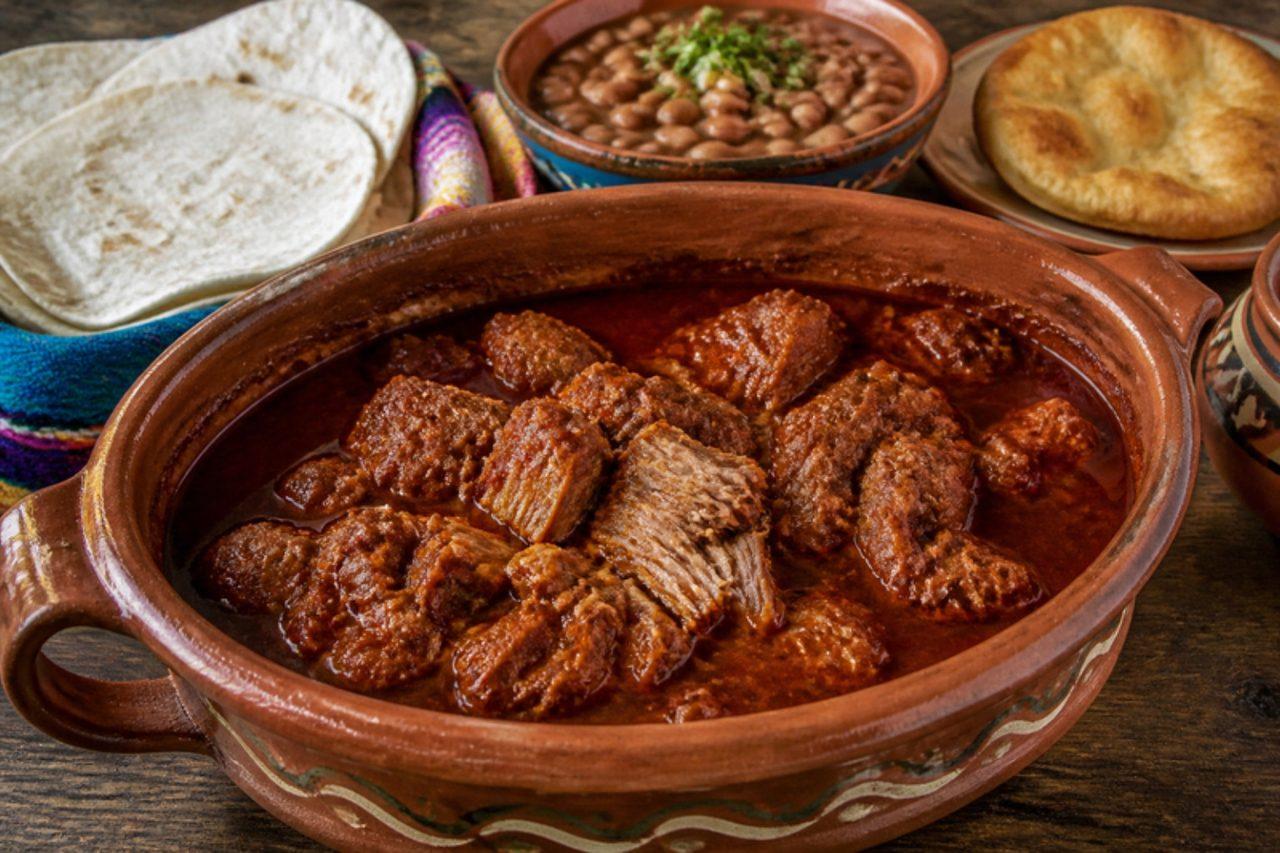
New Mexico carne adovada

Carne adovada is the slow-braised red chile pork of northern New Mexico, a speciality of Chimayó and the Española Valley, eaten in burritos, with eggs for breakfast or with sopaipillas on the side. Pork shoulder marinates overnight in a smooth sauce of dried red chile pods, garlic and oregano, then bakes until it falls into soft shreds stained deep red. Chef's tip: marinate it overnight in the fridge; the chile works into the meat and makes it extra tender.

200 minAmericanMeatGluten freeSpicy
by KrazyBadal 0 views

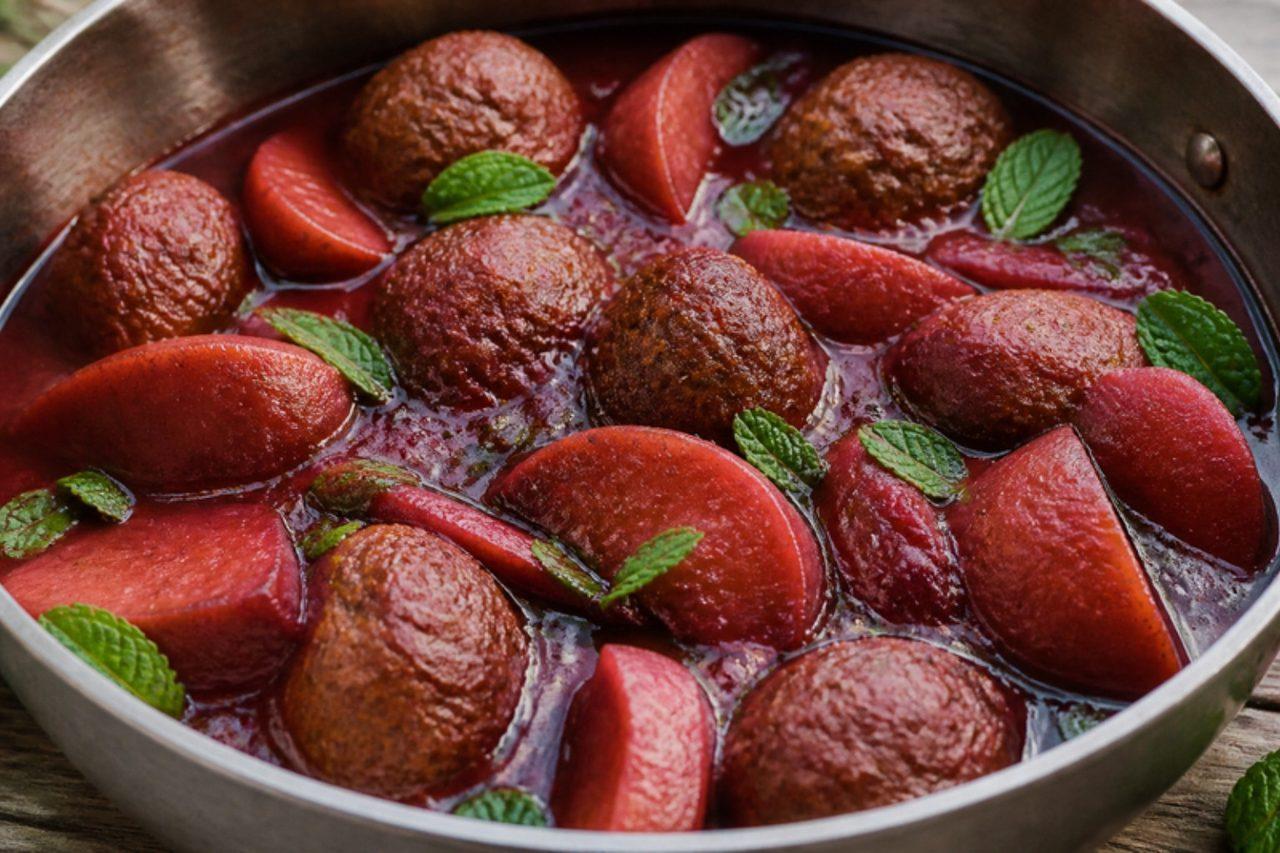
Kibbeh safarjaliehKibbeh with quince in pomegranate sauce

Aleppo is known as the city of a hundred kibbehs, and kibbeh safarjalieh is its autumn showpiece, made when quinces turn golden in the markets. Stuffed kibbeh are simmered with chunks of quince and a little lamb in a sauce sharpened with pomegranate molasses and lemon and scented with dried mint. The fruit softens and blushes pink, and the sauce is sweet, sour and fragrant all at once. Serve with plain rice or bread. Common mistake: cutting the quince too early; it browns fast, so drop each piece into lemon water as you go. Chef's tip: leave the quince skin on — it holds the pieces together and helps colour the sauce.

110 minSyrianMeat
by KrazyBadal 0 views

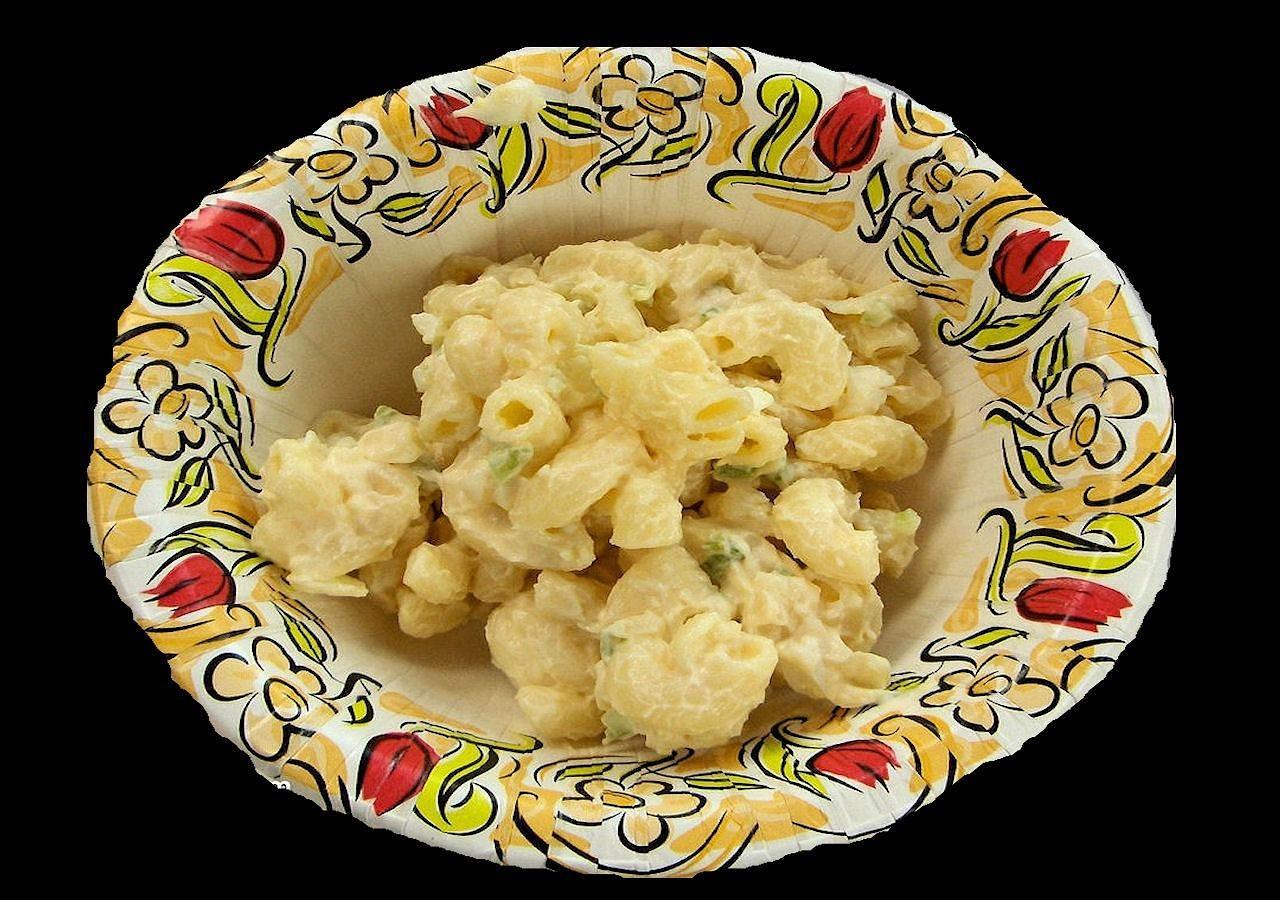
Hawaiian macaroni salad

Every Hawaiian plate lunch, from drive-ins in Hilo to the lunch wagons of Honolulu, comes with two scoops of rice and one of this soft, creamy macaroni salad. It is simpler than American pasta salads: overcooked elbow macaroni soaked in vinegar while hot, then folded with lots of mayonnaise, a little milk and grated carrot. Chef's tip: cook the pasta past al dente, a few minutes longer than the packet says; plate-lunch mac is meant to be soft so it soaks up the dressing.

by KrazyBadal 0 views

Hawaiian shave ice

Shave ice came to Hawaii with Japanese plantation workers, and on hot afternoons on Oahu's North Shore families still queue at roadside stands for a towering, soft cone of ice soaked in rainbow syrups. The ice is shaved so fine it is like fresh snow and soaks up the syrup instead of letting it run to the bottom. Without a shaver, freeze ice in a block and scrape it with a fork. Chef's tip: let the ice block sit out for 5 minutes before shaving; slightly tempered ice gives fluffier flakes.

by KrazyBadal 0 views

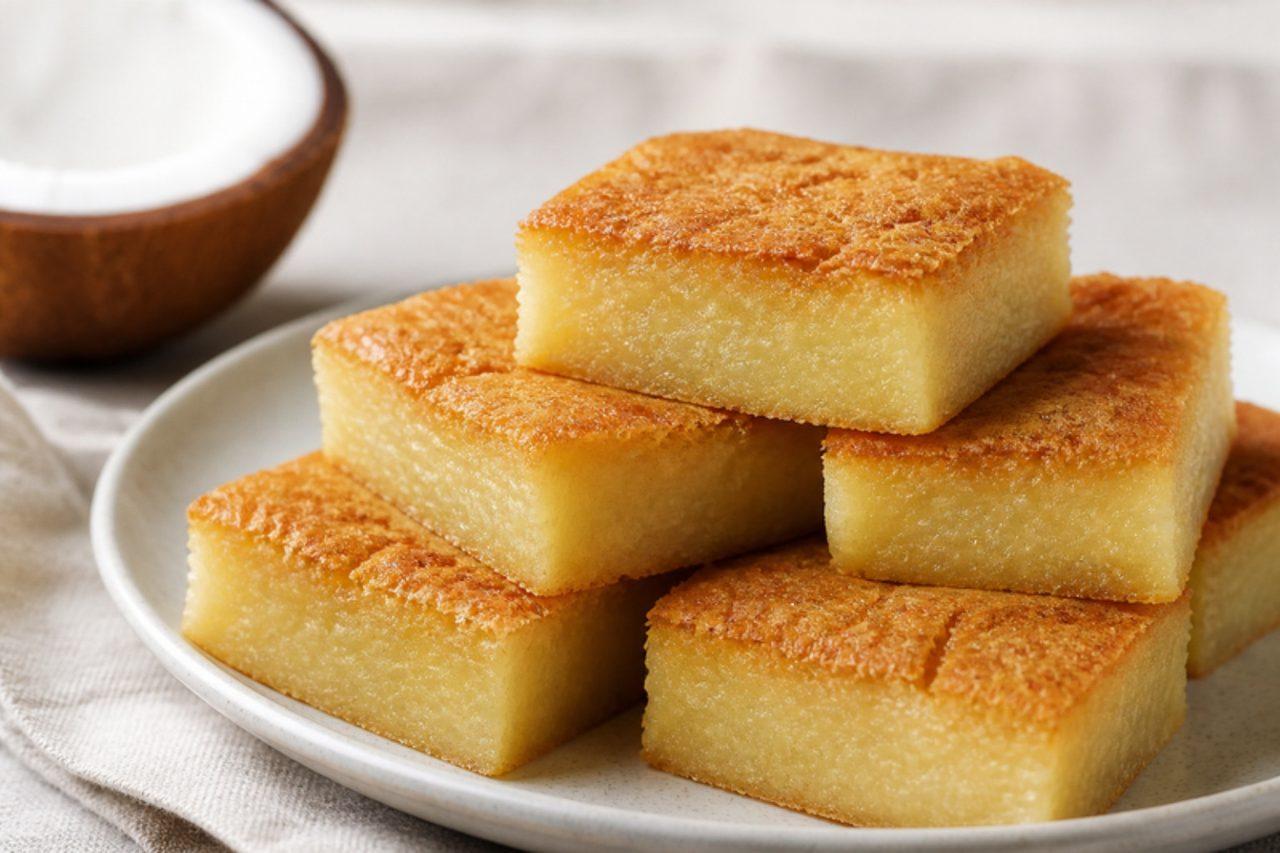
Hawaiian butter mochi

Butter mochi is the sweet of Hawaii's potlucks, school fundraisers and family parties, a local mix of Japanese mochi and the islands' coconut. Glutinous rice flour is baked with coconut milk, evaporated milk, butter and eggs into a golden, chewy cake with crisp edges and a soft, bouncy middle. Chef's tip: cut it with a plastic knife once fully cooled; a metal knife drags and sticks.

by KrazyBadal 0 views

Hawaiian malasadas

Malasadas came to Hawaii with Portuguese workers from Madeira and the Azores in the 1870s, and on Malasada Day, the Tuesday before Lent, bakeries in Honolulu have queues round the block. They are eggy, airy yeast doughnuts with no hole, fried golden and rolled in sugar while hot; some are filled with haupia or custard. Chef's tip: the dough is very soft and sticky, so oil your hands rather than adding more flour, or the malasadas turn heavy.

by KrazyBadal 0 views

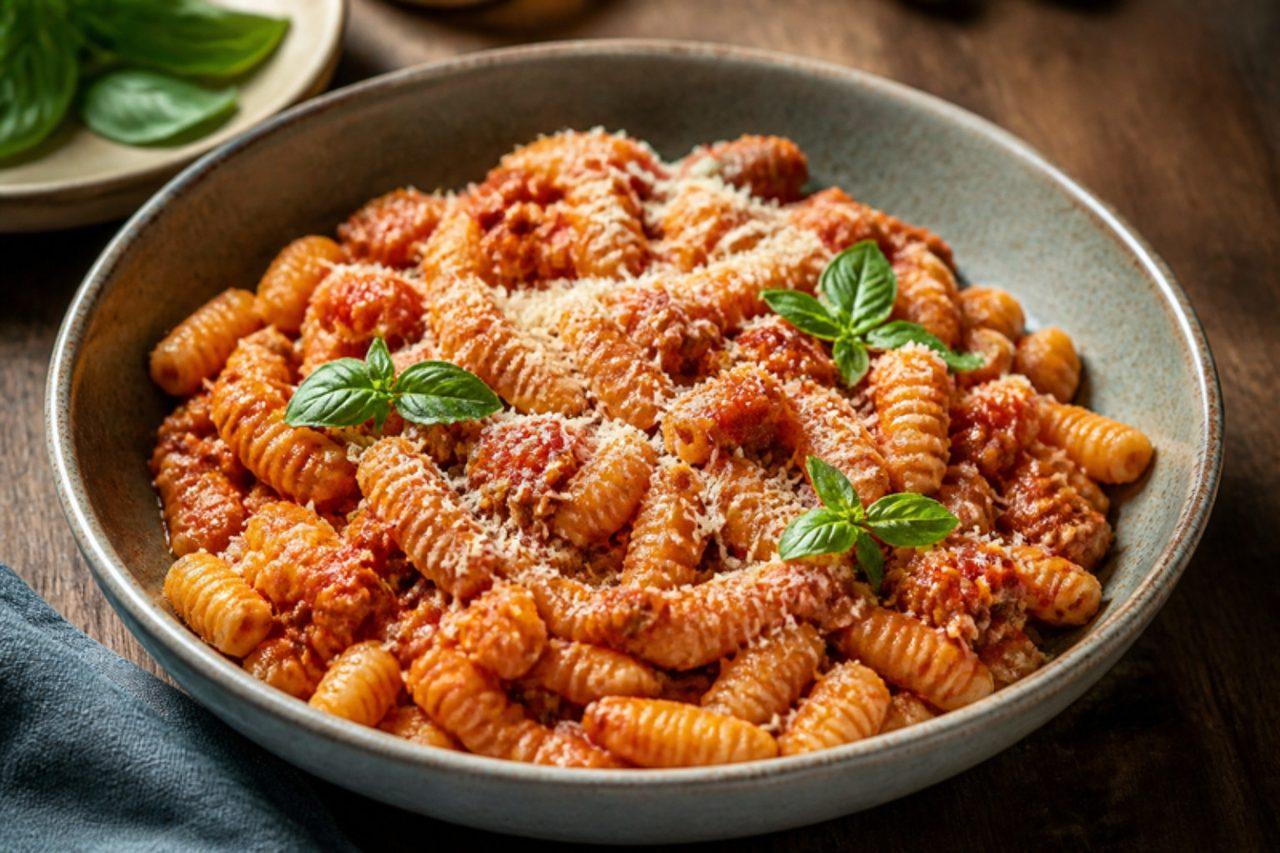
Malloreddus alla campidaneseSaffron gnocchetti with sausage

Malloreddus, small ridged shells of semolina pasta coloured with saffron, are Sardinia's festive pasta, and on the plain of Campidano, north of Cagliari, they're served at weddings, saints' days and Sunday lunch with this sauce. It's a pork dish: crumbled fennel pork sausage is browned, then simmered with tomato until rich, and the little ridged shells catch every bit of it. A shower of sharp pecorino sardo finishes it. Dried malloreddus (sometimes sold as gnocchetti sardi) are easy to find; homemade ones are a lovely weekend project. Chef's tip: steep the saffron in a spoonful of hot water before adding it to the sauce; the colour and perfume spread evenly instead of staying in threads.

by KrazyBadal 0 views

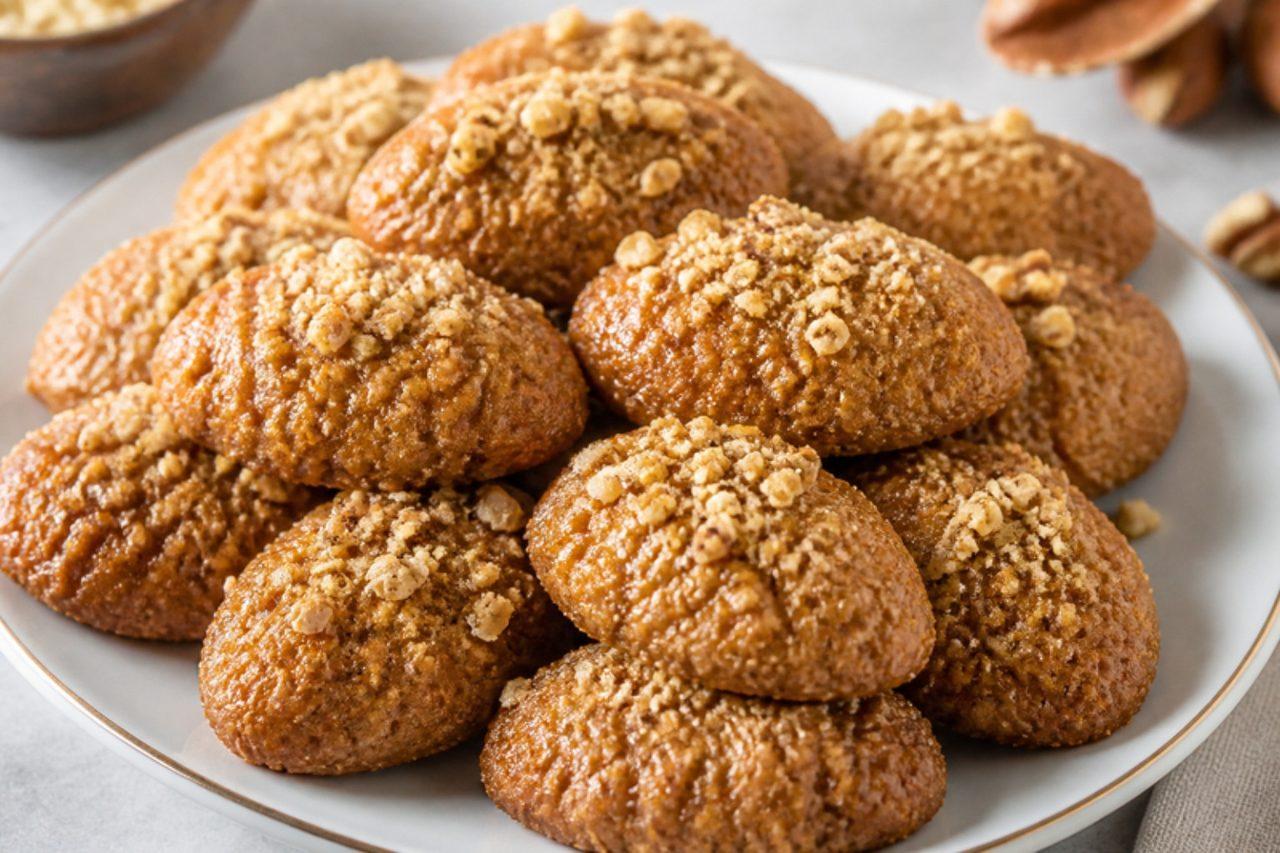
MelomakaronaHoney-dipped spice cookies

From early December, bakeries and kitchens all over Greece fill tins with melomakarona, the oval cookies that sit beside kourabiedes on every Christmas table and get handed to visitors with coffee. The dough is made with olive oil and orange juice rather than butter, scented with cinnamon and clove, then baked and plunged into warm honey syrup so the inside turns soft and sticky while the edges stay crisp. Common mistake: dipping hot cookies into hot syrup, which turns them to mush; one of the two must be cool. Chef's tip: mix the dough only until it comes together; overworking it squeezes out the oil and the cookies bake hard and greasy.

by KrazyBadal 0 views

MelopitaHoney and fresh cheese pie

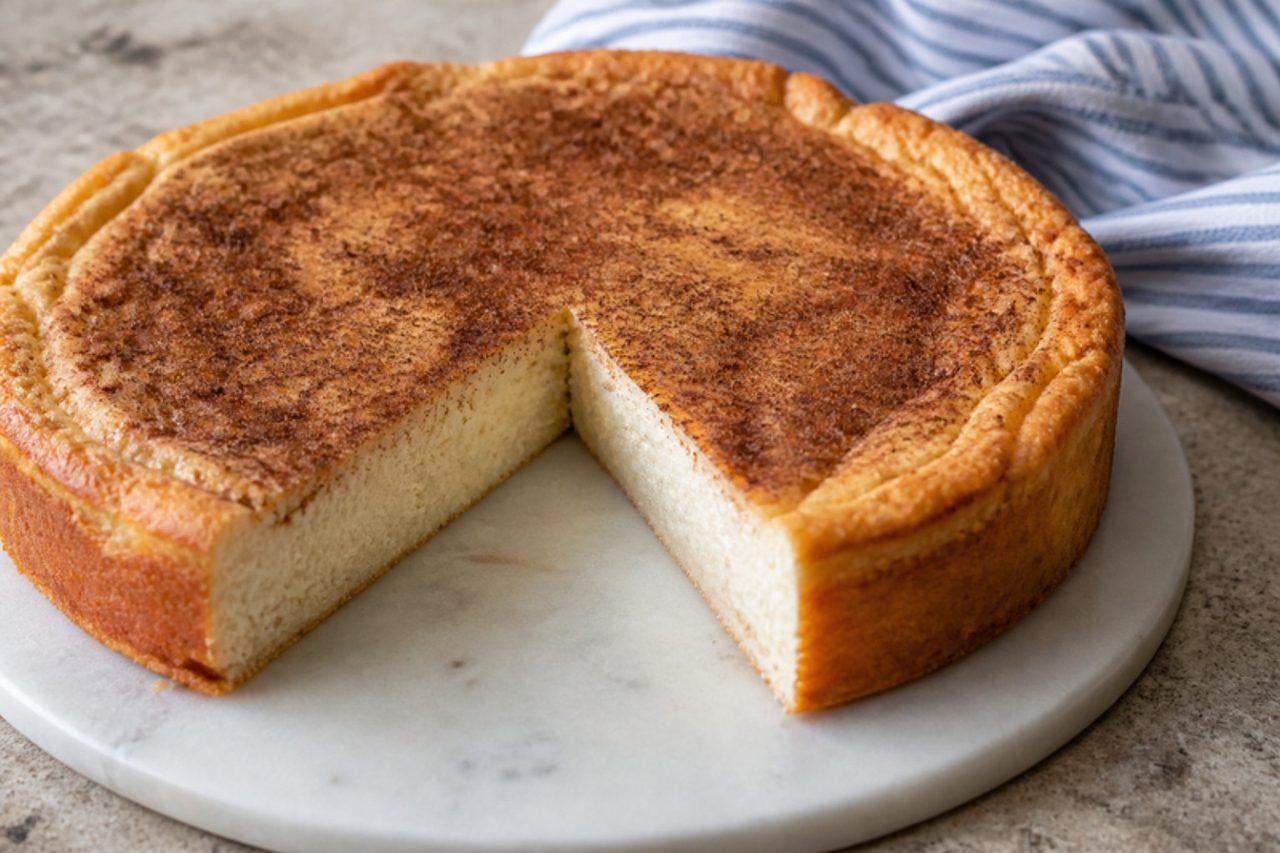
On Sifnos, the Easter table always has a melopita, a crustless pie of fresh cheese, eggs and thyme honey baked until just set and dusted heavily with cinnamon. It is lighter than a cheesecake, gently sweet and floral from the honey, and tastes best a day after baking, cut into squares with coffee. The island cheese is fresh mizithra; ricotta works well and is usually made without animal rennet. Common mistake: baking it too hot, which makes it puff up and crack, then sink and weep. Chef's tip: let it cool slowly in the switched-off oven with the door ajar for a smooth, silky set.

by KrazyBadal 0 views

Massa sovadaSweet lemon bread

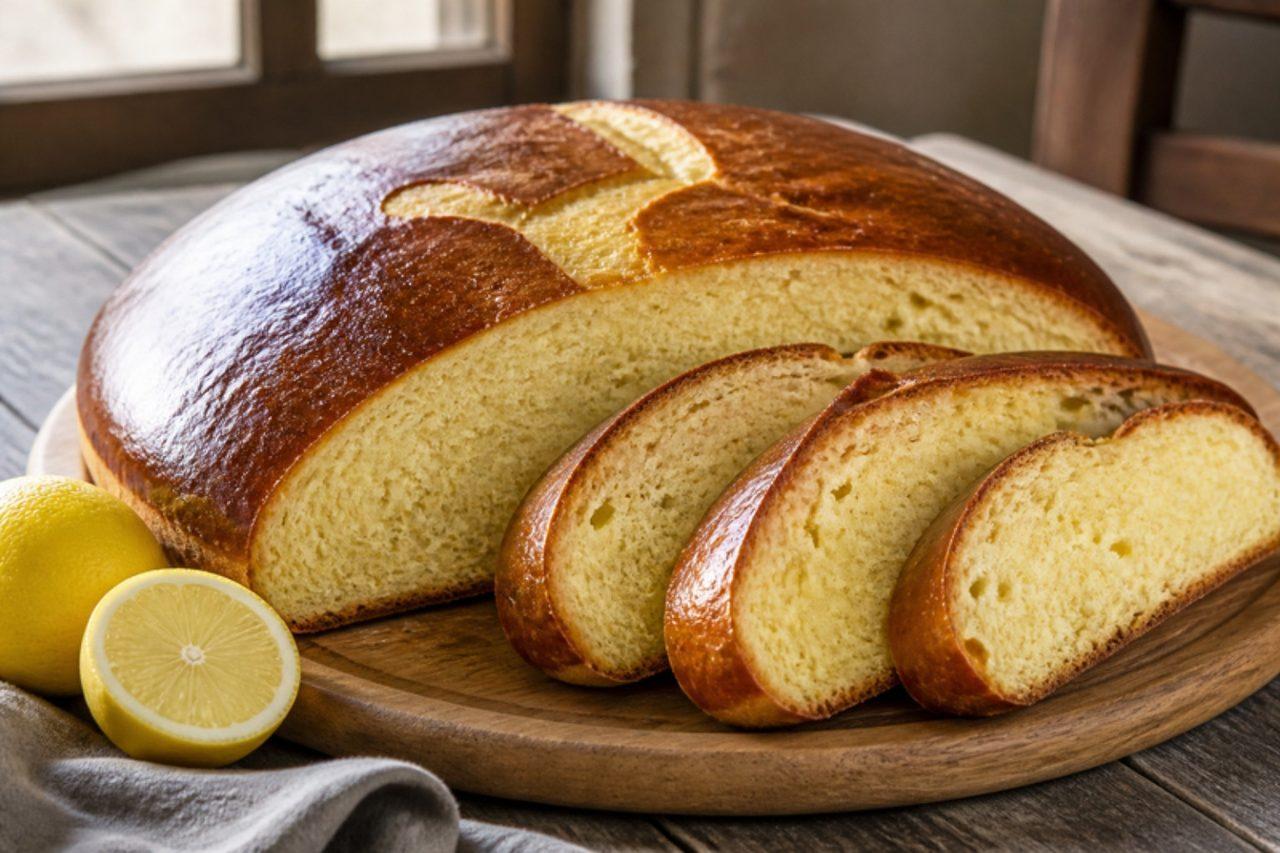
Sovar means to knead hard, and Azorean women once kneaded this rich bread dough for an hour by hand before Easter and the Holy Spirit feasts of early summer, when loaves are blessed and shared with the whole parish. The crumb is soft, golden and feathery, with a tight, dark shiny crust. Slices are eaten plain with coffee, toasted with butter, or used to soak up the juices of alcatra on Terceira. A common mistake is baking before the loaf has doubled, which gives a dense, cakey crumb. Chef's tip: give it a slow, full rise, which is what gives the bread its fine, cotton-soft crumb.

by KrazyBadal 0 views

Ohio Shaker lemon pie

The Shaker communities of Ohio and Kentucky wasted nothing, so they sliced whole lemons, peel and all, and left them overnight in sugar until the rind turned soft and syrupy. Baked with eggs between two crusts, the filling is like a bright, chunky marmalade custard, sweet, sour and faintly bitter. Shaker villages and Ohio bakeries still make it for spring. Chef's tip: slice the lemons paper-thin, ideally on a mandoline; thick slices stay chewy and bitter.

by KrazyBadal 0 views

Iowa scalloped corn

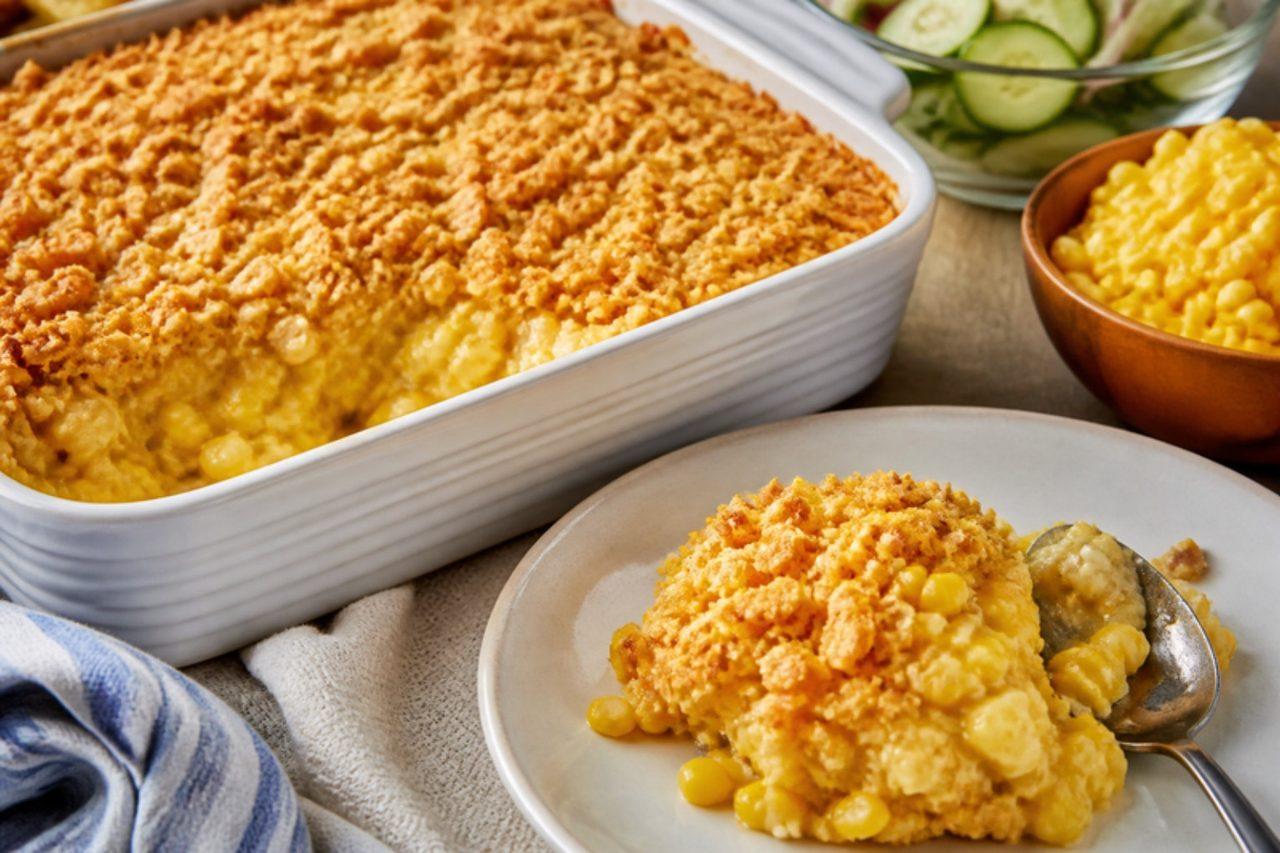
In Iowa, scalloped corn is the dish everyone brings to the Thanksgiving table, the church potluck and the Sunday dinner after a funeral. Sweetcorn kernels and creamed corn are baked with milk, eggs and buttery crushed crackers into a soft, spoonable pudding with a golden, crunchy top. Chef's tip: save a third of the crackers for the top and mix them with melted butter so they crisp instead of going soggy.

by KrazyBadal 0 views

Kig ha farzBeef and pork with buckwheat pudding

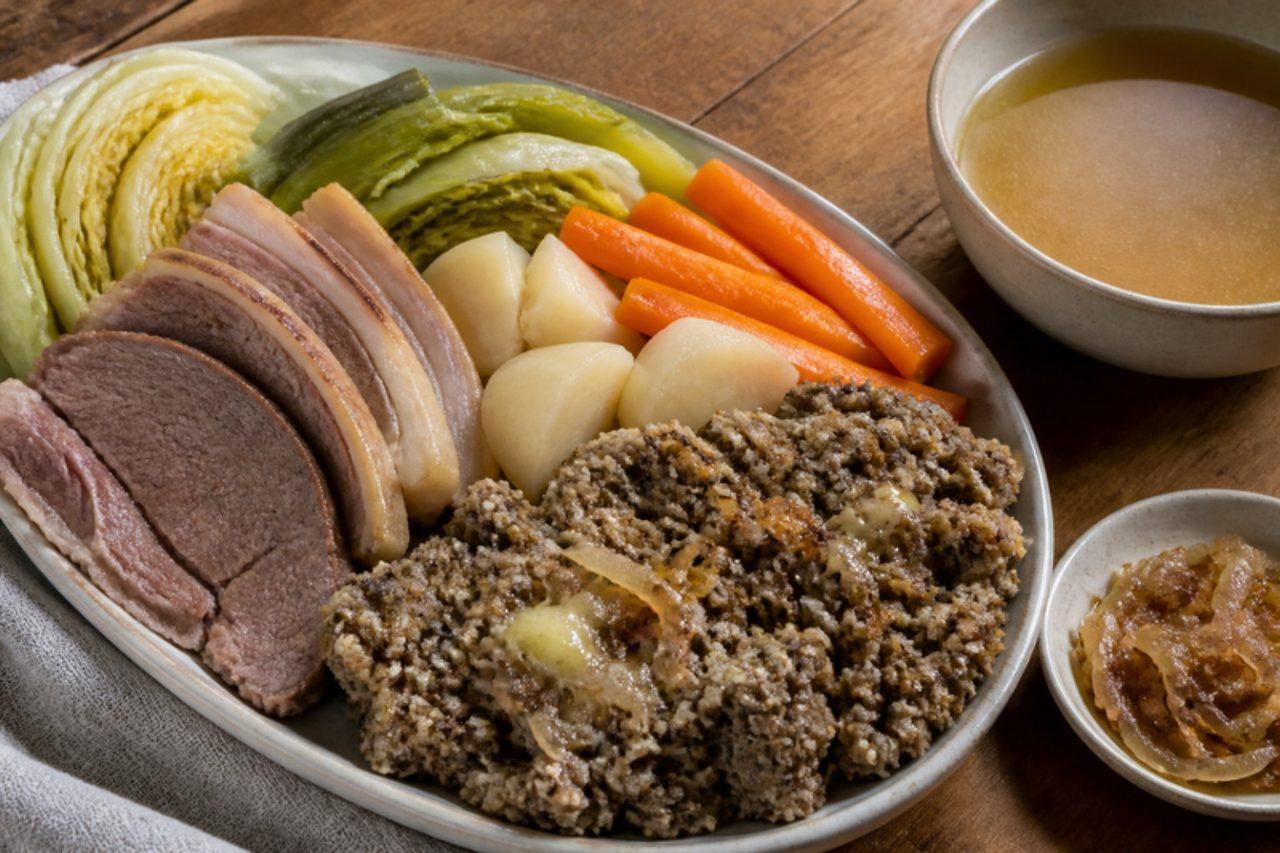
Kig ha farz, "meat and stuffing" in Breton, belongs to the Léon country of north Finistère, where it is still the big shared dish of village fêtes, rugby-club dinners and family gatherings. Beef shin and salt pork belly simmer for hours with cabbage, carrots, leeks and turnips, and in the same pot sits a cotton bag of buckwheat batter that cooks into a dense, nutty pudding. The pudding is crumbled and served with the meats and vegetables, often with lipig, a sauce of shallots melted in butter. Chef's tip: tie the cloth bag loosely, leaving room for the batter to double, or the pudding turns heavy and rubbery.

250 minFrenchMeat
by KrazyBadal 0 views

Country ham with red-eye gravy

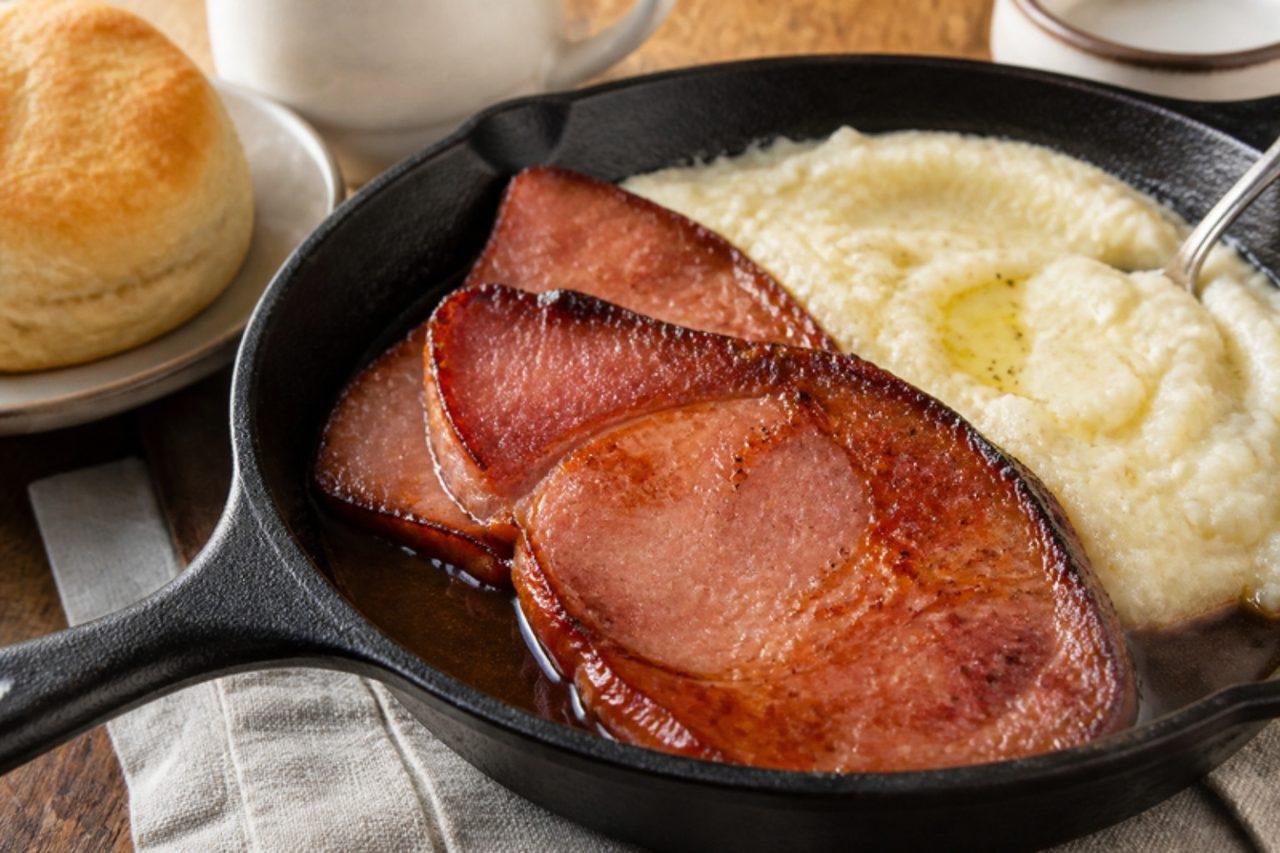
Salt-cured, aged country ham is a pride of Kentucky, Tennessee and Virginia smokehouses, and on mountain breakfast tables it is pan-fried in thin slices, then the pan is deglazed with black coffee to make red-eye gravy, thin, salty and bitter-sweet, spooned over the ham, grits or biscuits. This is pork, and very salty, so the slices are soaked first. Chef's tip: soak the ham in water or milk for 30 minutes if your country ham is very salty, then pat dry.

by KrazyBadal 0 views

Ege ot böreğiWild greens hand pies

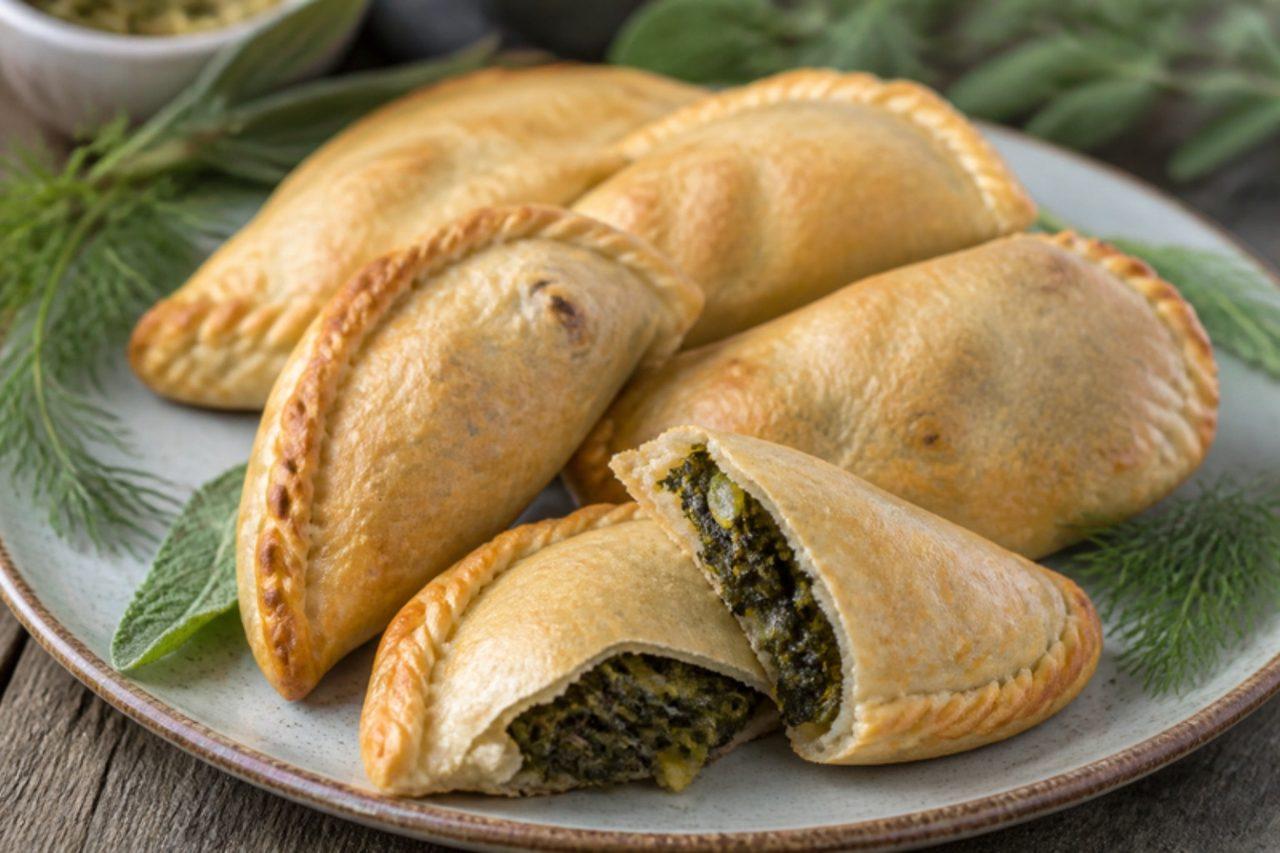
In spring, Aegean women around Urla and Ayvalık forage for wild greens (radika, mallow, wild fennel, chard and sorrel) and fold them into little half-moon pies, fried or baked, for the Hıdırellez spring festival and village picnics. Spinach and chard with lots of dill and mint make a good shop-bought substitute. They are herby, a little sour, and lovely warm or cold with yoghurt. Chef's tip: wilt and squeeze the greens thoroughly; any water left in the filling turns the pastry soggy and makes it burst.

by KrazyBadal 0 views

Rhubarb custard pie

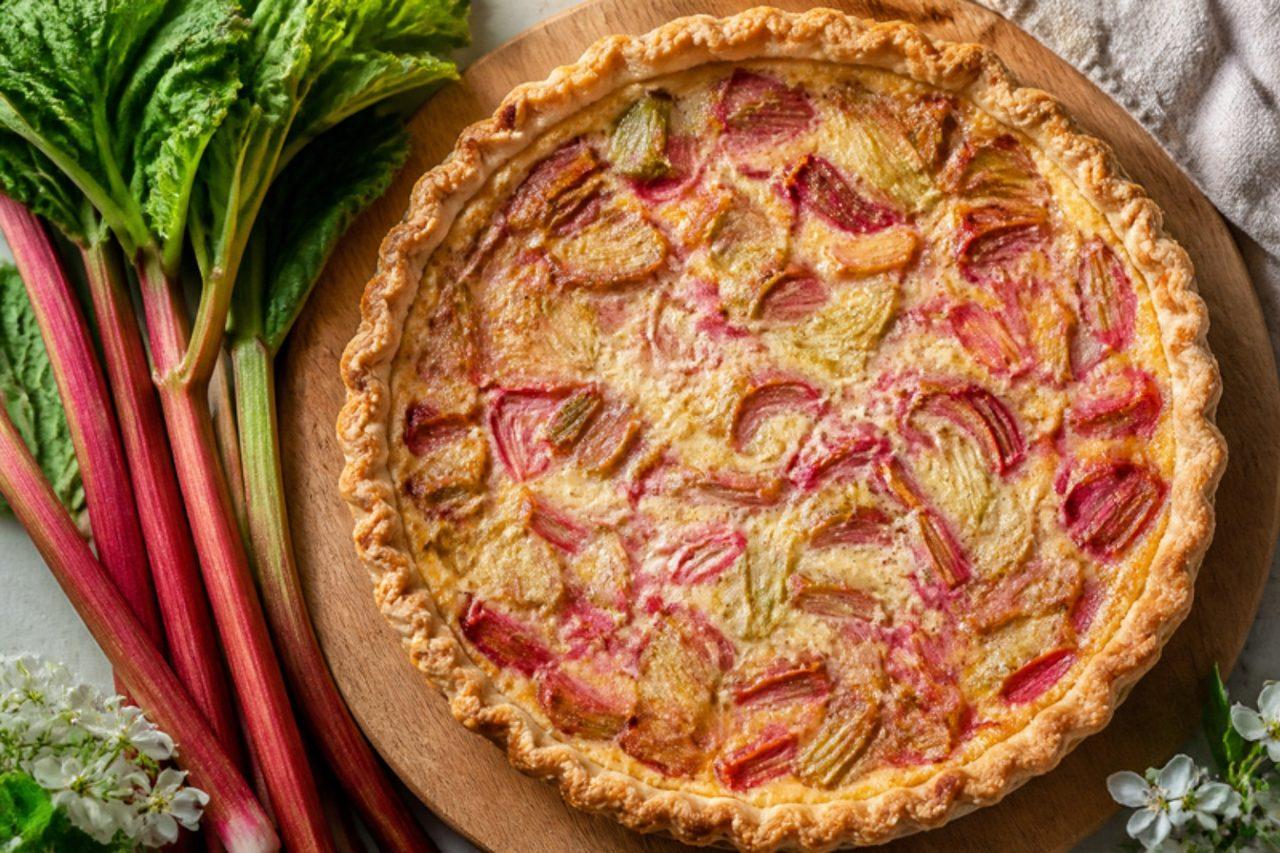
Farm wives across Minnesota, Iowa and the Dakotas called rhubarb 'pie plant', because the first stalks in May went straight into this pie after a long winter without fresh fruit. Chopped rhubarb is baked in a sweet egg custard, so each slice is soft, creamy and tart at the same time. It turns up at Memorial Day picnics and church bake sales. Chef's tip: toss the rhubarb with the sugar and flour and let it sit 10 minutes before adding the eggs; it starts drawing out juice and the custard sets more evenly.

by KrazyBadal 0 views

Jugo de tomate de árbolTamarillo juice

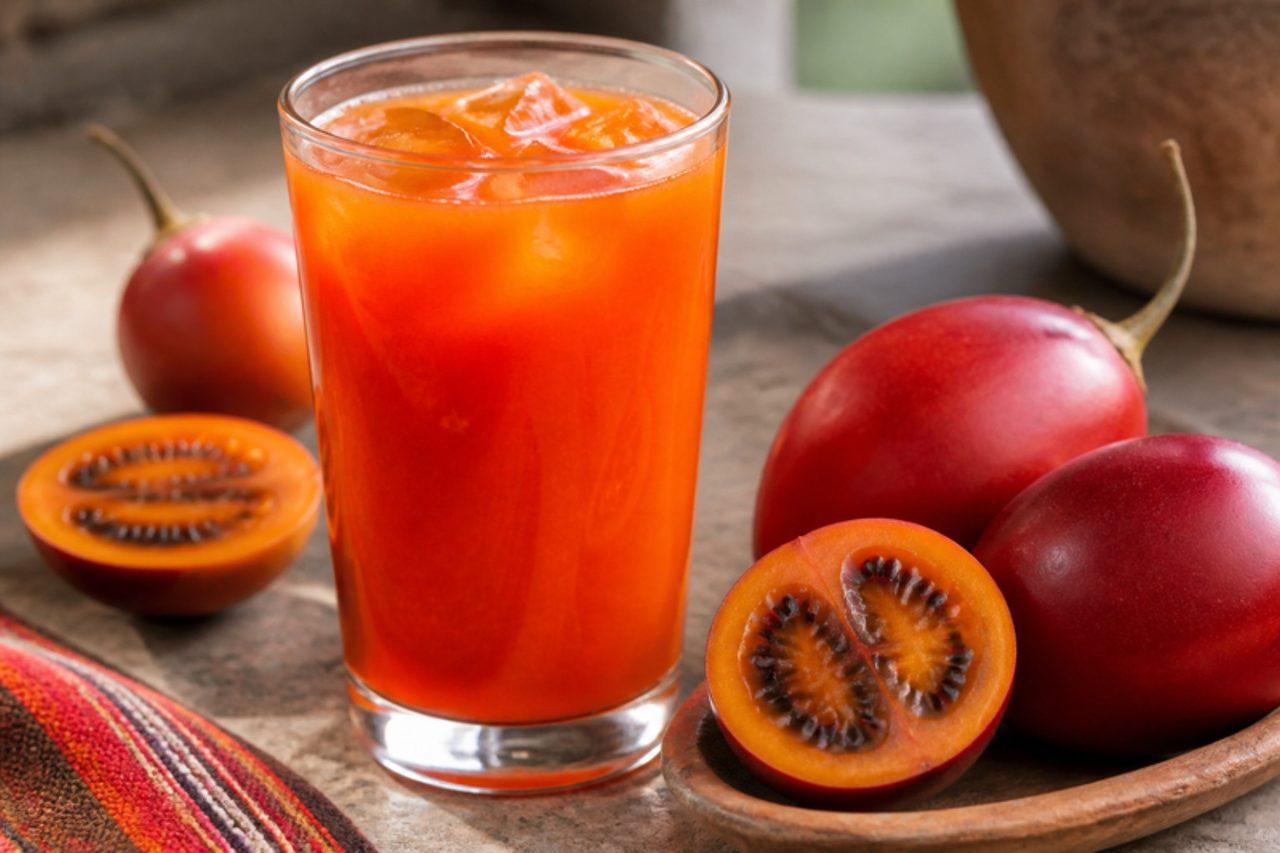
Tomate de árbol, the tree tomato or tamarillo, is everywhere in Andean Colombia: in market piles, in ají and above all in juice. Blended with water and sugar, it makes a tangy, deep orange drink with a flavour between passion fruit, tomato and apricot, and it turns up at lunch counters and family tables with almost every meal. Many people blend it with milk instead of water for a creamier glass; this version keeps it vegan. Blending the fruit with its skin is the most common misstep, as the peel is bitter and astringent; a quick blanch makes it slip off easily. Look for tamarillos in good greengrocers, or frozen pulp in Latin shops. Chef's tip: blend only briefly so you do not crush the small seeds, then strain; it stays bright and clean-tasting.

by KrazyBadal 0 views

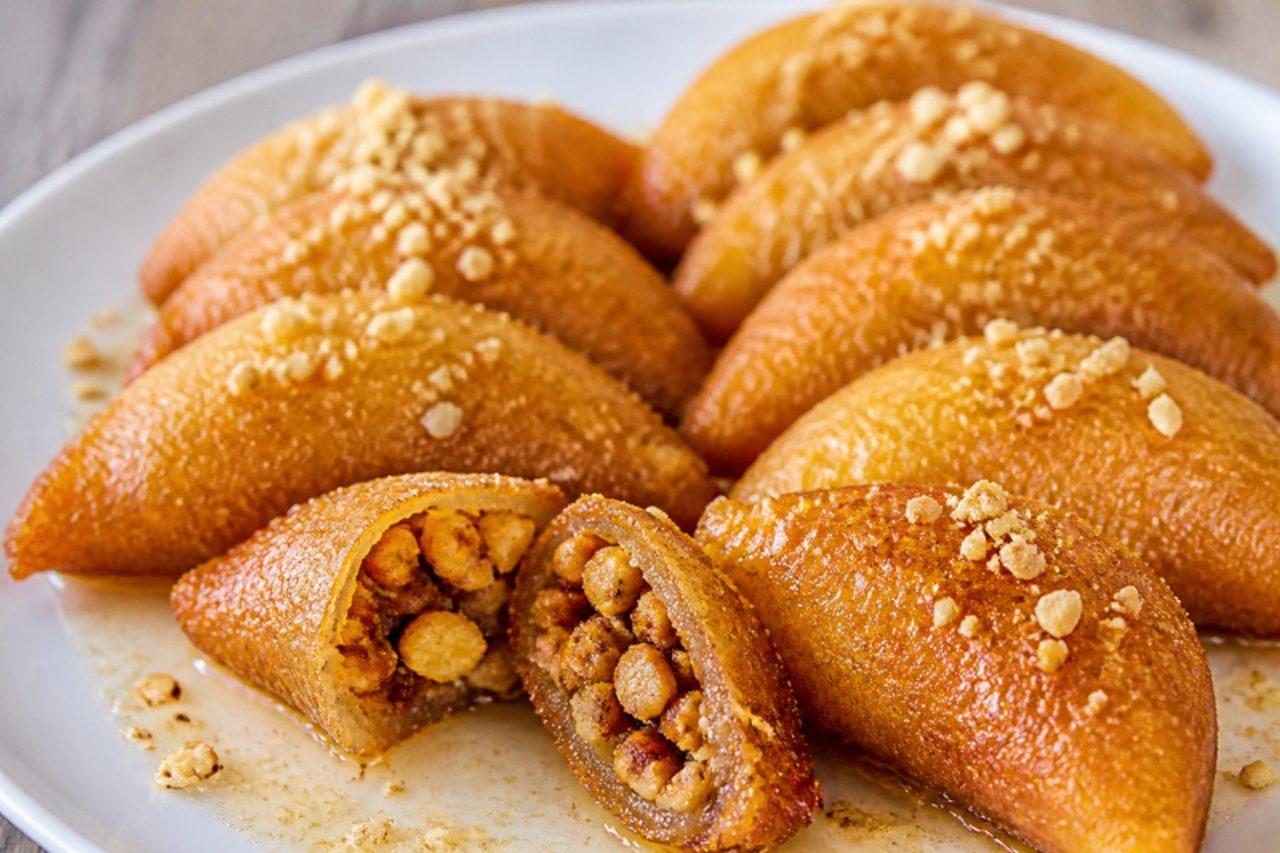
Kadayıf dolmasıWalnut pancakes in syrup

In Erzurum, kadayıf means not shredded pastry but small, spongy pancakes cooked on one side only. For kadayıf dolması they're filled with walnuts, folded into half-moons, fried golden and plunged into syrup, and they are the city's pride on festival days and at weddings. The outside is crisp and syrupy, the inside soft and nutty. Common mistake: cooking the pancakes on both sides; the uncooked, bubbly top is what sticks the edges together. Chef's tip: the syrup must be cold and the dolma hot straight from the oil, so they absorb syrup without going soggy.

by KrazyBadal 0 views

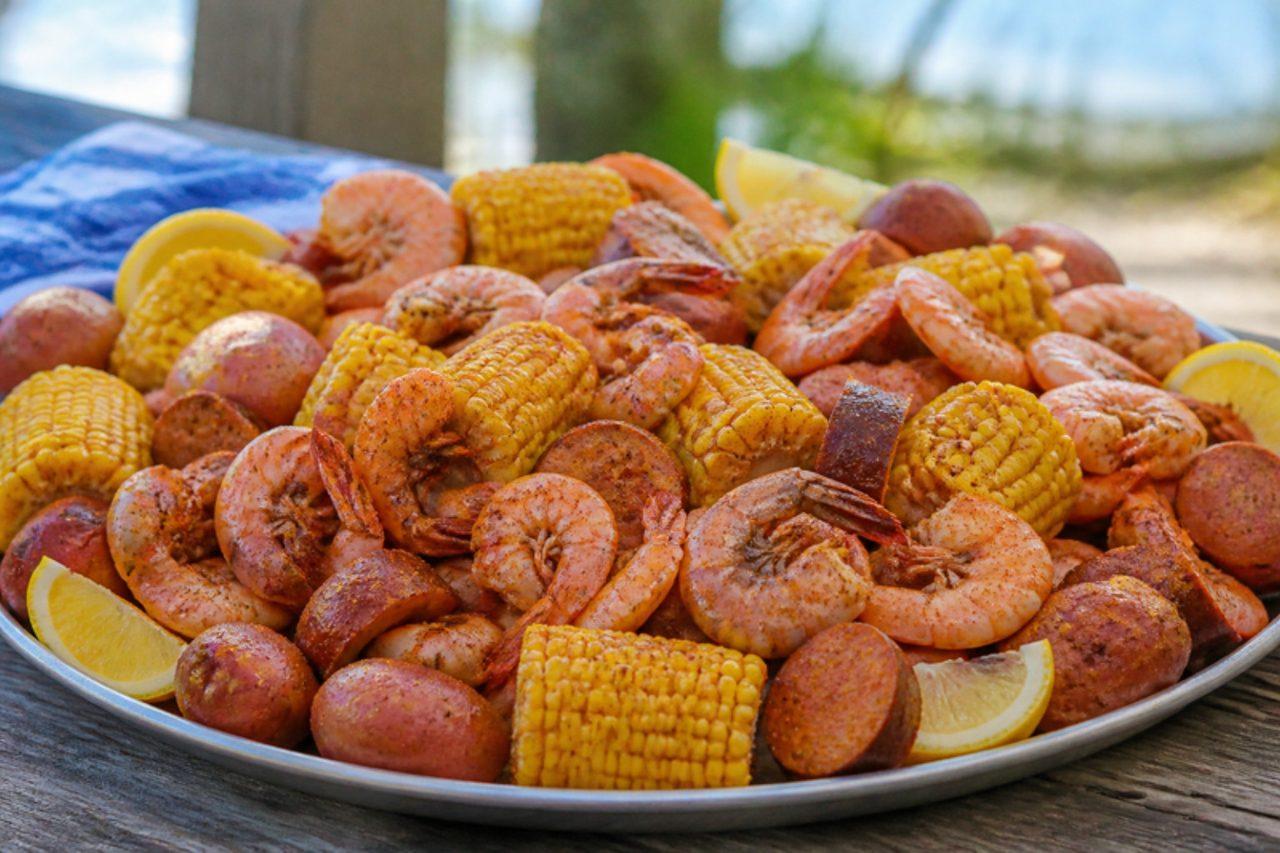
Lowcountry boil

Lowcountry boil, also called Frogmore stew after a village on St Helena Island, South Carolina, is the one-pot party of the Carolina and Georgia coast: new potatoes, corn cobs, smoked pork sausage and fresh shrimp boiled in spiced water, drained and tipped straight onto a newspaper-covered table for everyone to dig in. It is summer food for beach houses, church picnics and Fourth of July. Chef's tip: add everything in stages, timed so the shrimp go in last for only a few minutes.

by KrazyBadal 0 views

Huckleberry pancakes

In August, families in northern Idaho, Montana and the Washington Cascades hike to mountain slopes to pick wild huckleberries, which have never been farmed and taste like a sharper, more perfumed blueberry. Lodges and diners from Sandpoint to Glacier National Park serve them in fluffy buttermilk pancakes. Wild blueberries are the best substitute. Chef's tip: drop the berries onto each pancake in the pan instead of stirring them into the batter, so the batter doesn't turn purple and the berries don't sink.

by KrazyBadal 0 views

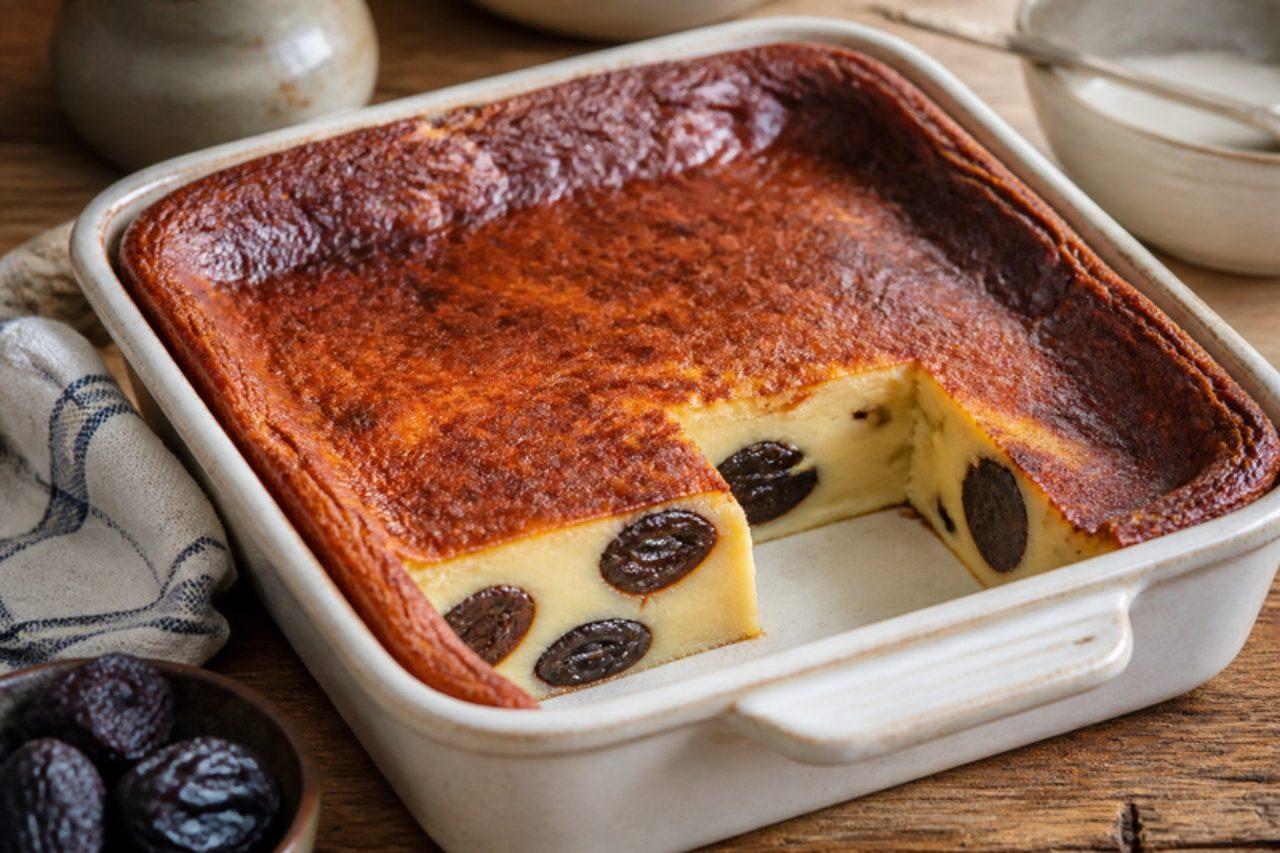
Far bretonPrune custard cake

Far began as a savoury porridge in Breton farmhouses; today it is the sweet custard cake that every boulangerie from Quimper to Saint-Malo sells by the slice, dense and wobbly in the middle and browned on top, with prunes hidden inside. Bretons eat it at room temperature for goûter, at the end of a crêpe meal or packed for a day at the beach. Some cooks soak the prunes in rum; this recipe uses warm tea, which plumps them without alcohol, and a little rum can go in the batter if you want the traditional taste. Chef's tip: make the batter the night before and rest it in the fridge; the flour swells and the far bakes smoother and more custardy.

by KrazyBadal 0 views

Oregon marionberry pie

The marionberry was bred at Oregon State University and named after Marion County in the Willamette Valley, and in July it fills farm stands and pie shops from Portland to Salem. It is a blackberry with a deeper, wine-like flavour and more juice. Elsewhere, use blackberries mixed with a few raspberries. Chef's tip: let the sugared berries sit for 15 minutes and add only half the juice they release, or the pie will be runny.

by KrazyBadal 0 views

Mast-o musirYoghurt with wild shallots

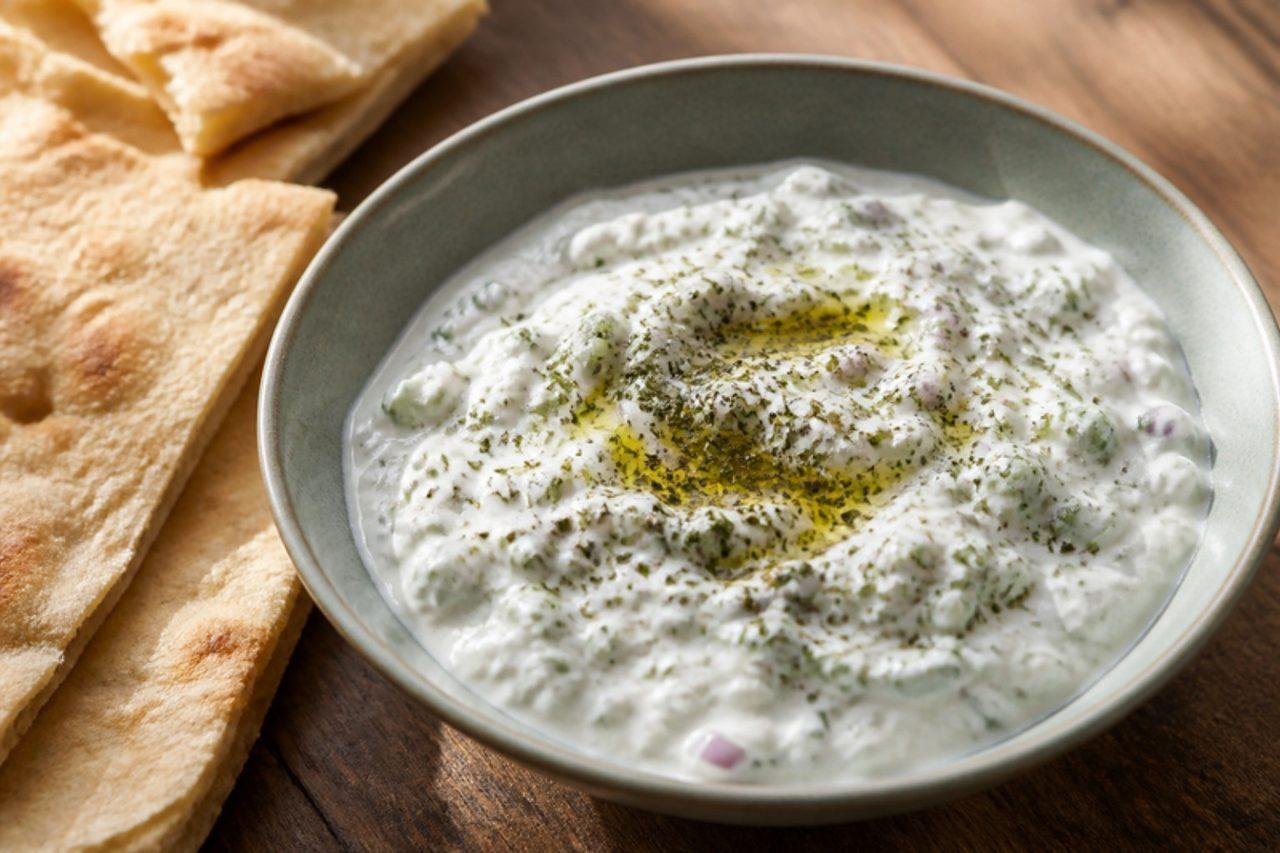
Every kebab house in Tehran puts a little bowl of mast-o musir on the table beside the chelow, and at home it sits next to Friday lunch the same way. Musir is a wild mountain shallot from the Zagros, sold dried in slices; once soaked it is mild, garlicky and faintly sweet, and it gives thick yogurt a sharp bite. The one mistake to avoid is skipping the long soak, which leaves the shallots tough and bitter. If you cannot find musir, see the swap in the steps. Chef's tip: make it a few hours ahead; the shallot flavour deepens as it sits in the fridge.

by KrazyBadal 0 views

KalitsouniaSweet cheese pastries

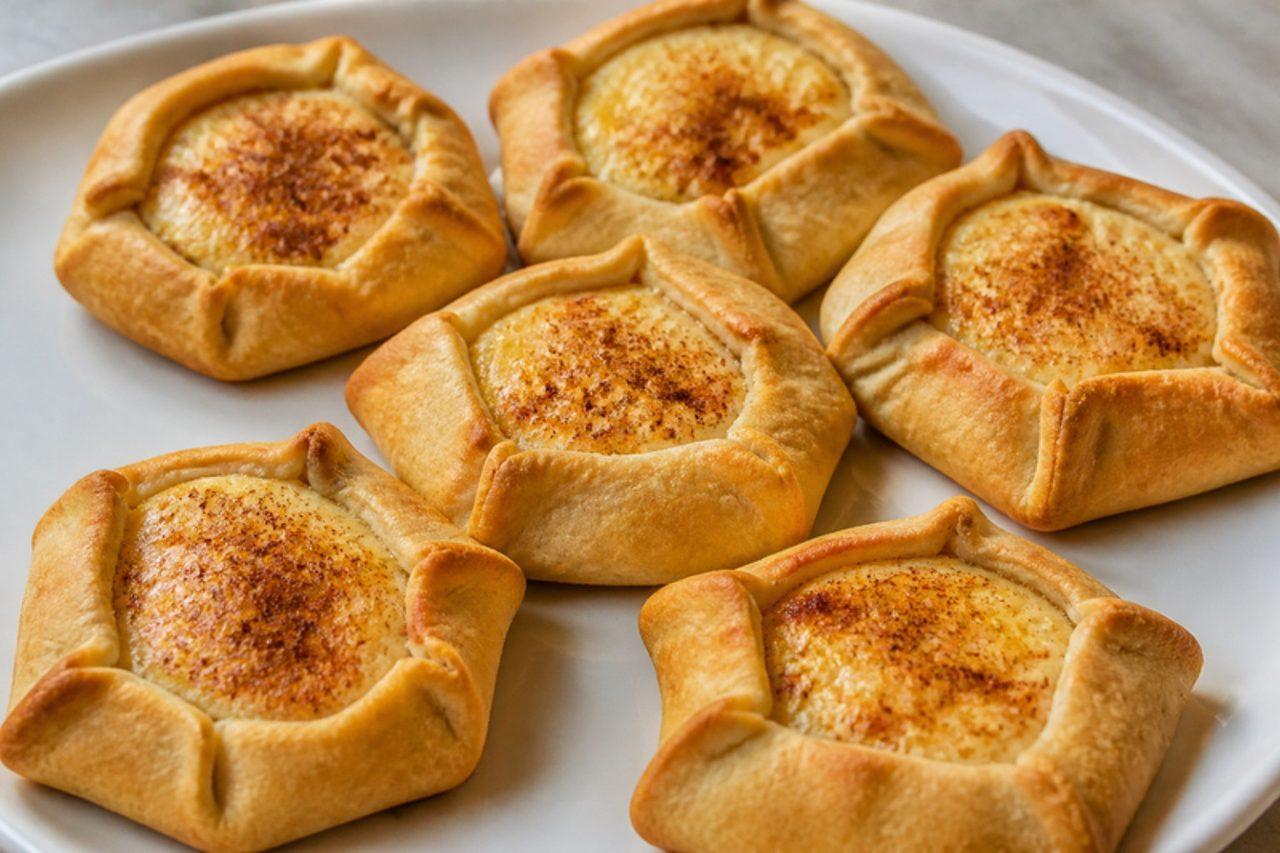
Come Holy Week, Cretan kitchens from Chania to Sitia fill trays with kalitsounia, little open pastries whose edges are pinched into stars around a mound of fresh whey cheese. They come out with crisp, slightly sandy pastry and a soft, barely sweet filling that tastes of milk, cinnamon and orange zest, and they are eaten at Easter breakfast, offered to visitors with coffee and packed for the drive back to the village. On the island the filling is fresh mizithra or anthotyro; drained ricotta is the easiest stand-in and is usually made without animal rennet. Common mistake: using wet cheese straight from the tub, which floods the pastry and leaves the bases soggy. Chef's tip: drain the cheese overnight in a sieve lined with kitchen paper so the filling bakes up light and holds its dome.

by KrazyBadal 0 views

Seattle Dutch baby

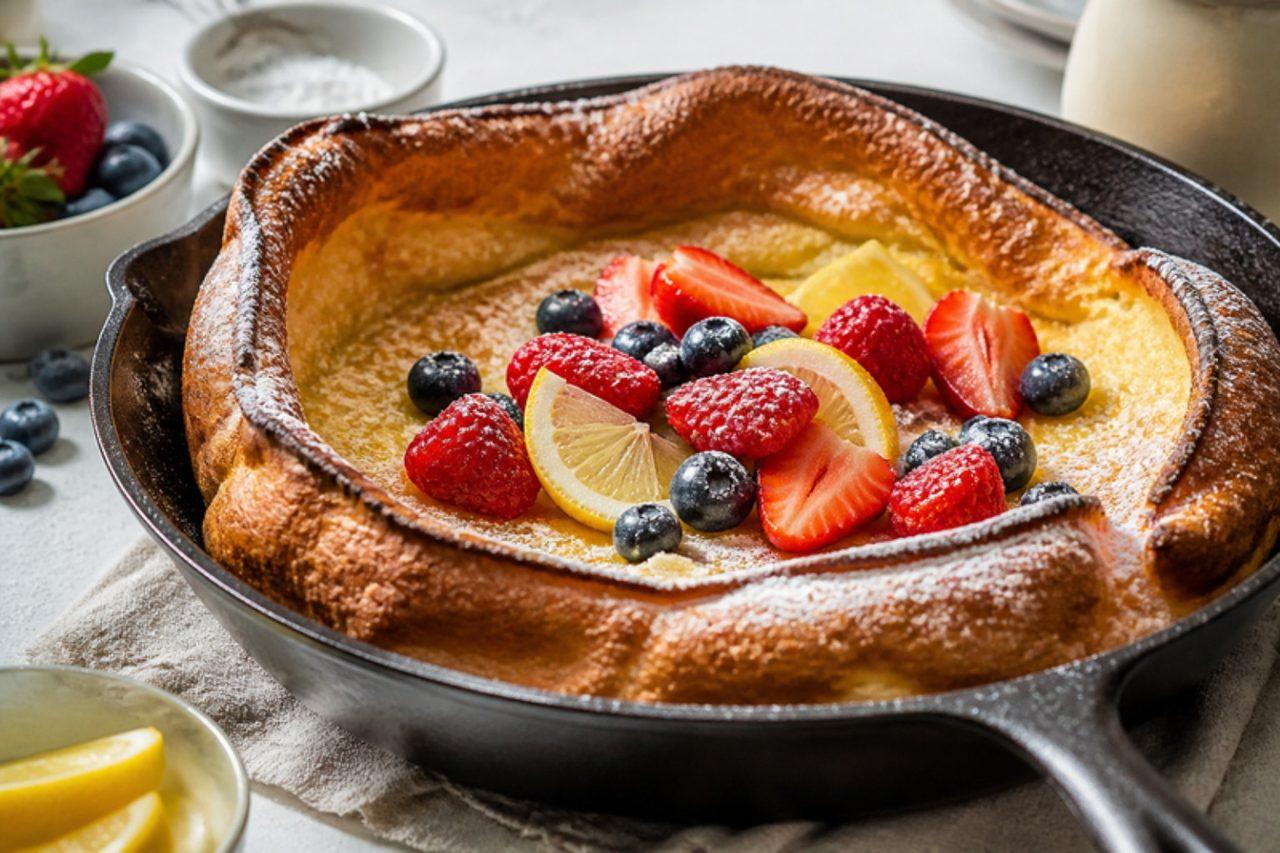
The Dutch baby was first served in the early 1900s at a family café in Seattle, whose owner's daughter supposedly mispronounced 'Deutsch' and gave it the name. A thin batter poured into a sizzling buttered pan balloons in the oven into a crisp-edged, custardy bowl. It is a Pacific Northwest brunch dish, eaten straight from the pan with lemon juice and icing sugar or summer berries. Chef's tip: blend the batter until frothy and have the pan really hot; that is what makes it climb the sides.

by KrazyBadal 0 views

Kabak mücverCourgette and feta fritters

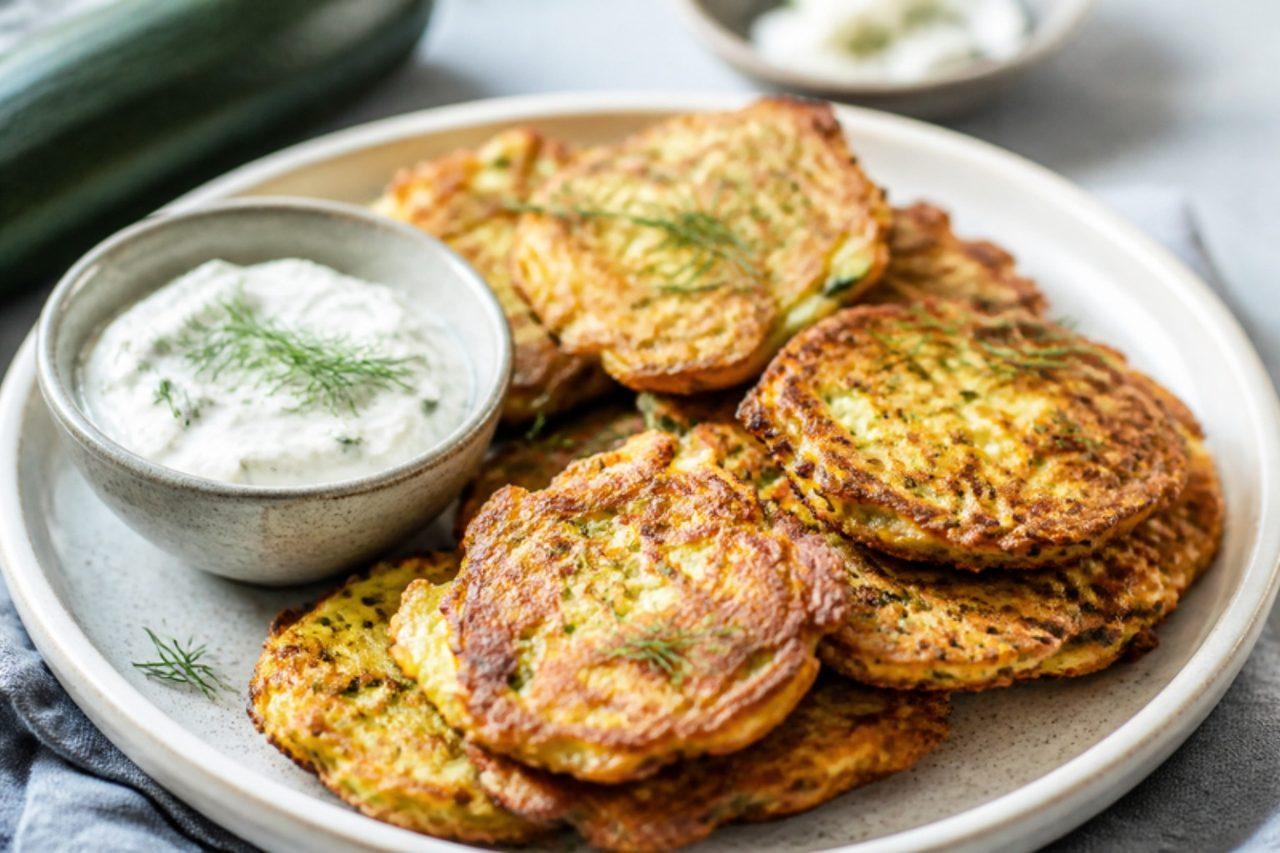
Mücver are the courgette fritters fried in every Aegean summer kitchen, from Foça to Datça, when courgettes pile up faster than anyone can eat them. Grated courgette is squeezed dry and bound with egg, a little flour, crumbled white cheese and a fistful of dill, mint and spring onion, then fried until lacy and golden. Serve them hot or warm with garlic yoghurt as a meze or a light supper. Beyaz peynir and feta are often made with animal rennet, so look for a vegetarian one if needed. Chef's tip: salt the courgette and squeeze it hard in a cloth; wet courgette makes heavy fritters that never crisp.

by KrazyBadal 0 views

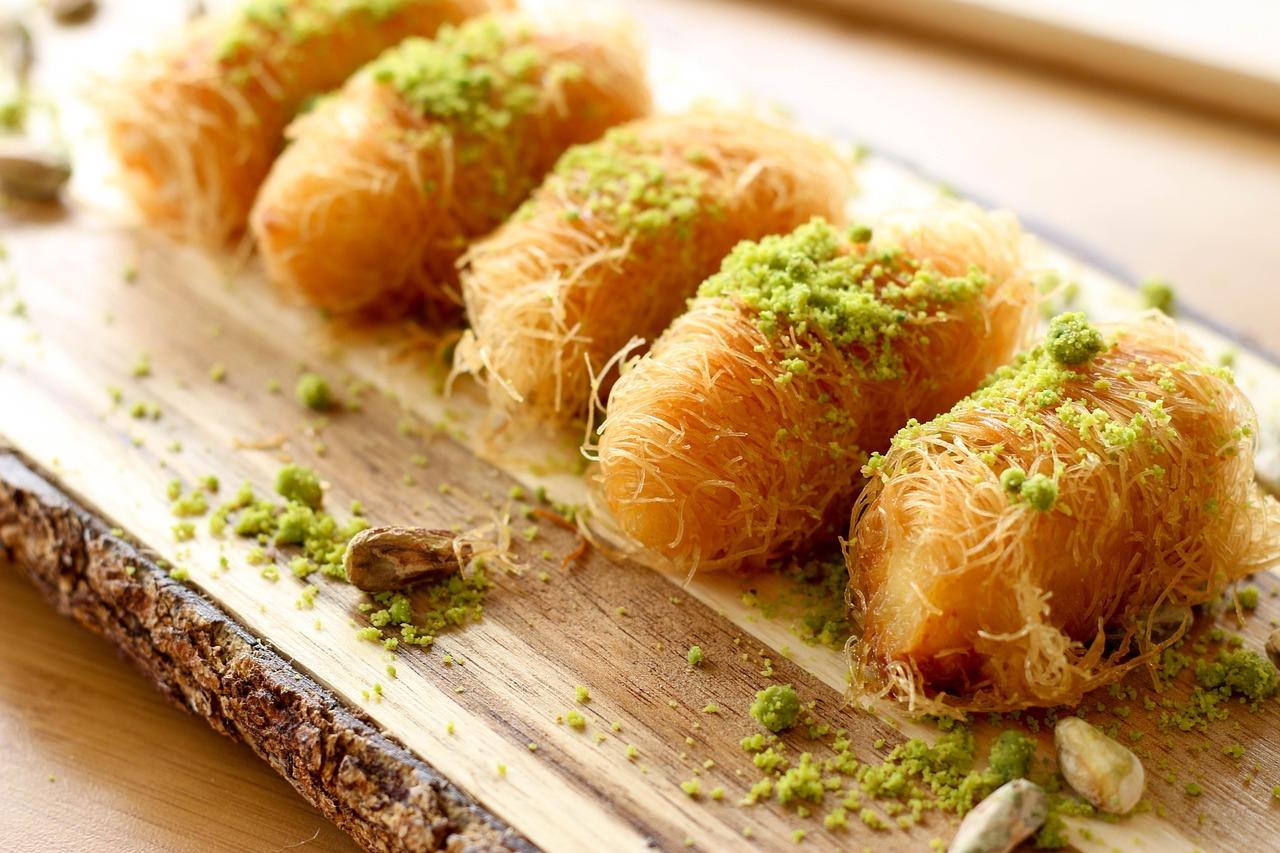
KataifiShredded pastry rolls with walnuts

Ioannina's old pastry shops, by the lake and under the castle walls, are known for their syrup sweets, and kataifi rolls are the ones locals buy for Christmas and Easter visits. Fine threads of kataifi pastry are wrapped around a cinnamon-walnut filling, drenched in butter and baked crisp, then soaked in cool syrup so they stay crunchy on top and sticky beneath. Serve at room temperature with Greek coffee. Common mistake: pouring hot syrup on hot pastry, which turns it soggy — one of the two must be cool. Chef's tip: tease the pastry threads apart with your fingers before rolling; matted clumps bake hard.

by KrazyBadal 0 views

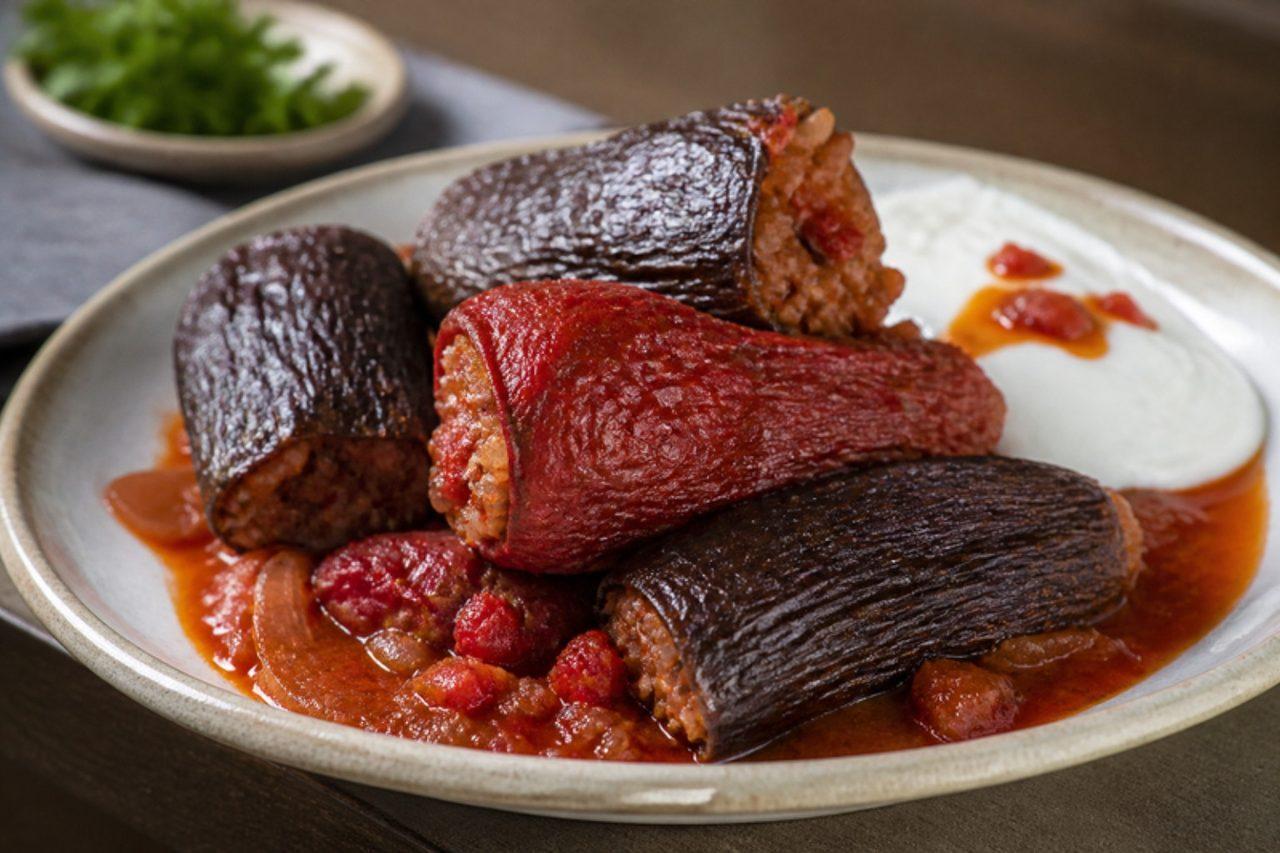
Kuru patlıcan dolmasıRice-stuffed dried aubergines

Strings of hollowed, sun-dried aubergines and peppers hang in every Gaziantep market, and in winter they are revived in hot water and stuffed with rice, mince, tomato and pepper paste. Simmered with a sour drizzle of pomegranate molasses and lemon, they become tender, slightly chewy parcels with a deep, almost smoky flavour that fresh vegetables can't match. Serve warm with yoghurt. Look for dried aubergines in Turkish and Middle Eastern shops. Common mistake: overfilling them; the rice swells and splits the delicate skins. Chef's tip: blanch them only until pliable, not soft, so they hold their shape through the long simmer.

by KrazyBadal 0 views

Showing 72 of 7,762 recipes

Show more recipes

Page 442 of 863