


Skip to content
Idrijski žlikrofi
Featured recipe

Idrijski žlikrofi

Potato and chive dumplings

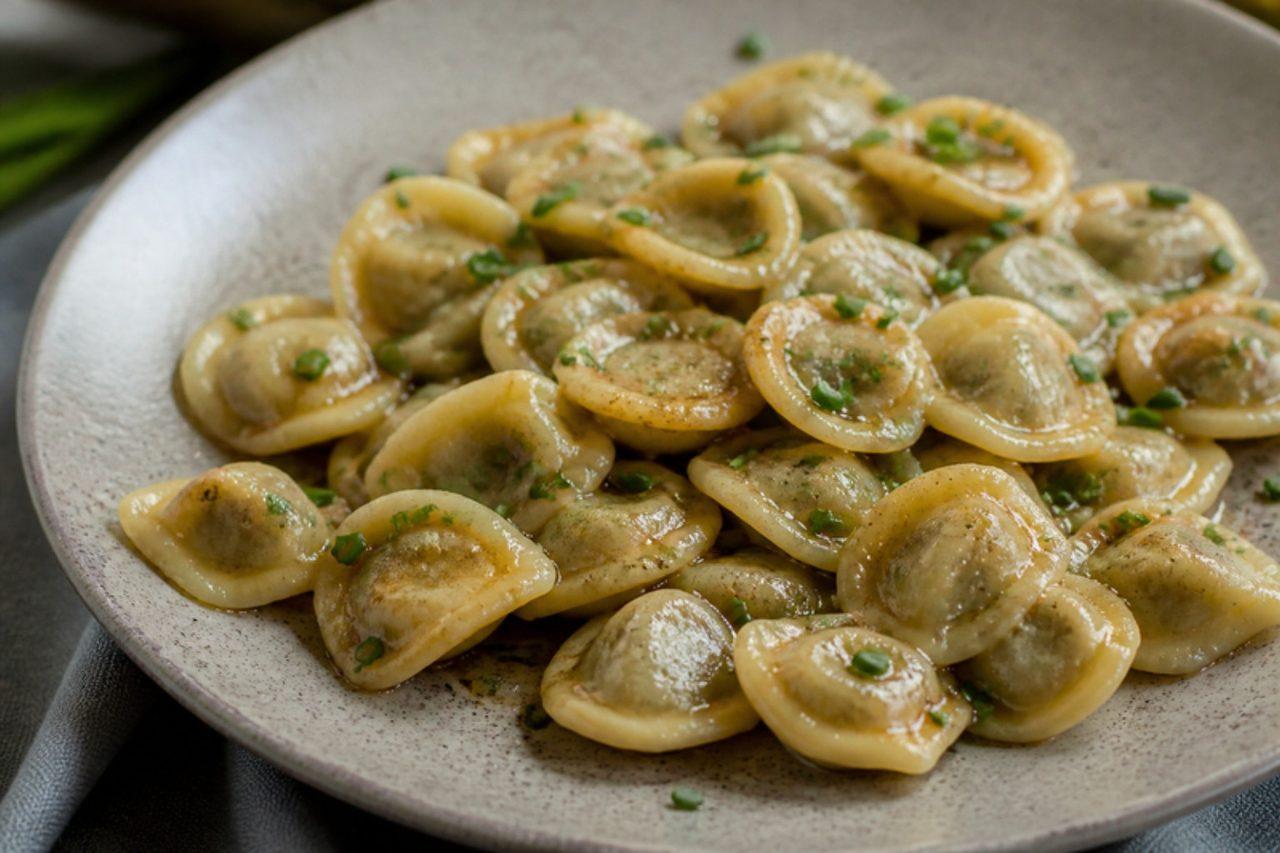
Mercury miners in Idrija, the hill town in western Slovenia, lived on these: thumbnail-sized pasta parcels pinched into a little hat shape with a dimple in the middle and filled with potato, onion, chives and marjoram. They carry EU protected status, and in Idrija they come either with melted butter and crumbs or with bakalca, a slow-cooked lamb sauce; the traditional filling often has a spoon of pork fat or cracklings too. This vegetarian version uses butter throughout. Shaping 150 or so of them is a job for two people and a good chat. A wet filling is the usual downfall: boil the potatoes in their skins and mash them dry, or the dough tears when you pinch it shut. If you add the optional grated hard cheese, choose a vegetarian one, as parmesan-style cheeses use animal rennet. Chef's tip: dry the shaped žlikrofi on a floured cloth for 20 minutes before cooking so they hold their shape.

Read more 0 views

What to eat today?

Around the world

Today's trip: Paraguayan

A new country every day, from every cuisine on the site.

Paraguayan

Ka'i ladrillo

Peanut molasses bricks 40 minMore from Paraguayan (27) →

This week's collection

Kid-friendly dinners
537 recipes · a new collection every Monday

Latest recipes

Cazón en adoboMarinated fried dogfish

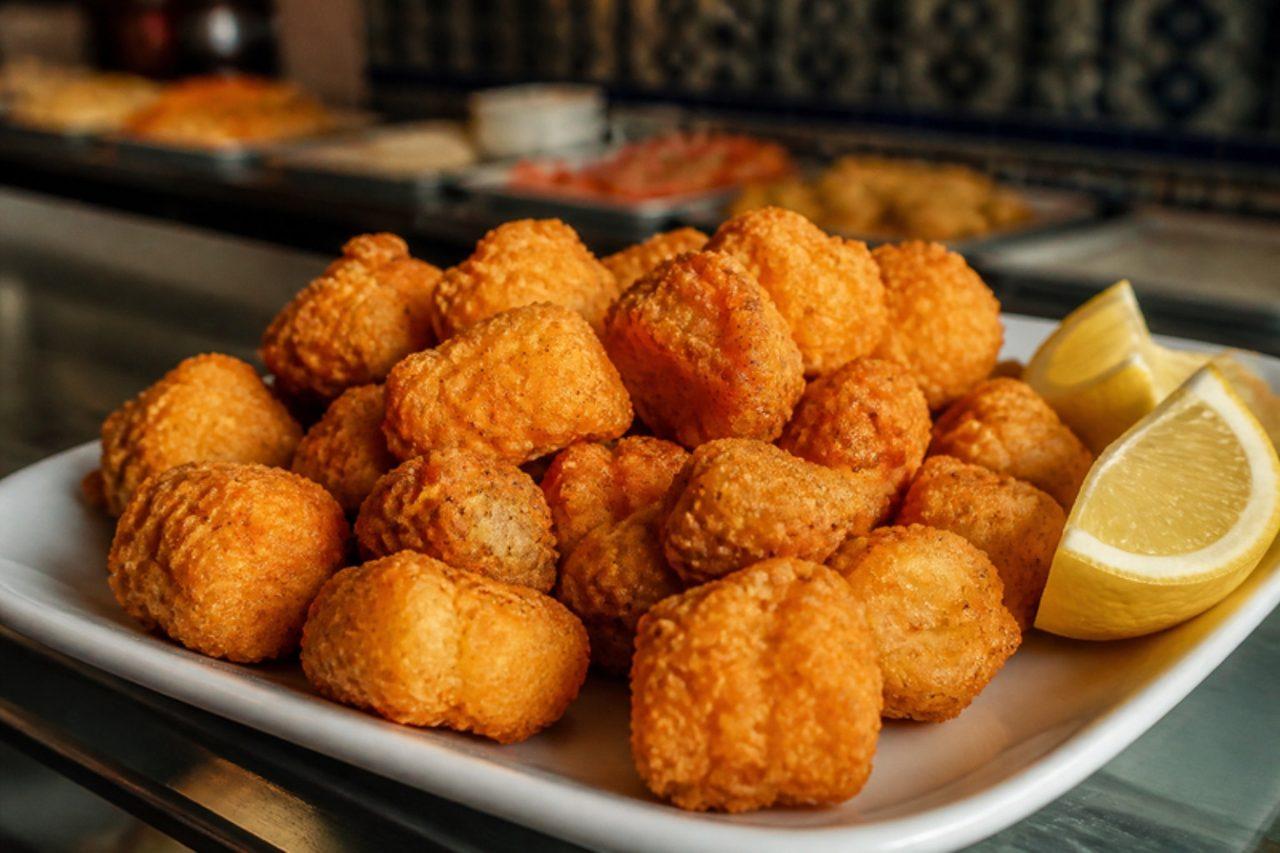
In Cádiz, the tapa that sells out first in the fried-fish shops around La Viña is cazón en adobo: bite-sized cubes of dogfish soaked overnight in a sharp marinade of vinegar, garlic, cumin, oregano and paprika, then floured and fried. The marinade seasons the fish right through and gives it a tang that needs no sauce. If you cannot find dogfish, monkfish or any firm white fish works. A common mistake is a short marinade; the fish needs at least 8 hours in the fridge, for the vinegar and cumin to soak in. Chef's tip: marinate for at least 8 hours but no more than 24; past that, the vinegar starts to firm and 'cook' the fish and it goes dry.

by KrazyBadal 0 views
Cazuela de cabritoKid goat stew

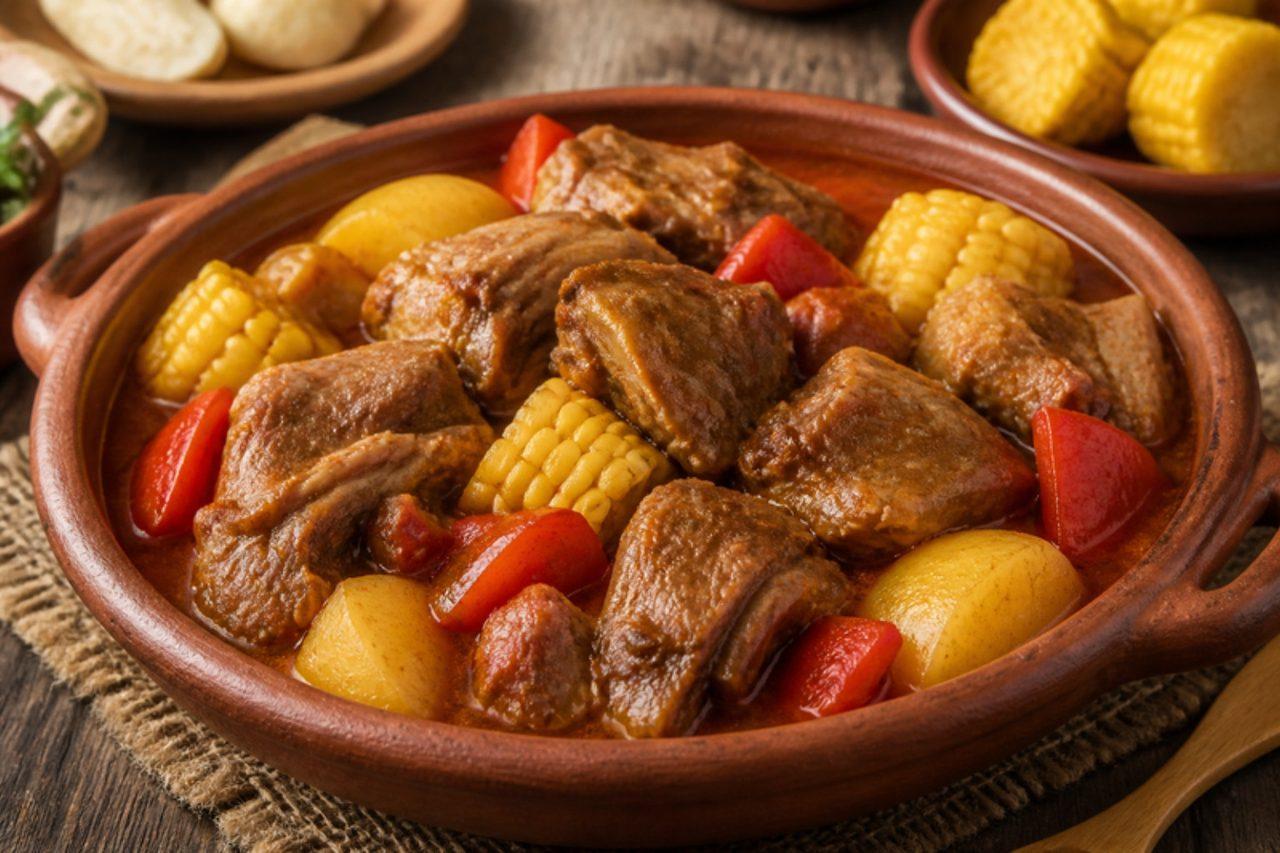
Up in the Calchaquí valleys of Salta, where goats graze between the vineyards and the cardón cactus, cabrito ends up in a heavy clay cazuela on Sunday or feast days. The meat simmers with onion, red pepper, cumin and ají molido until it slides off the bone, and the potatoes and thick rounds of corn on the cob drink up a brick-red, gently spiced broth. Bring it to the table in the pot with bread or a simple tomato and onion salad. Kid goat can be ordered from halal butchers and some farm shops; lamb shoulder works too. People often boil it hard to save time, which squeezes the lean meat dry and stringy; it wants the barest simmer. Chef's tip: brown the pieces in two or three batches so they colour properly instead of stewing in their own juices; that browning is where most of the flavour comes from.

by KrazyBadal 0 views

Cemita poblanaPork milanesa sandwich

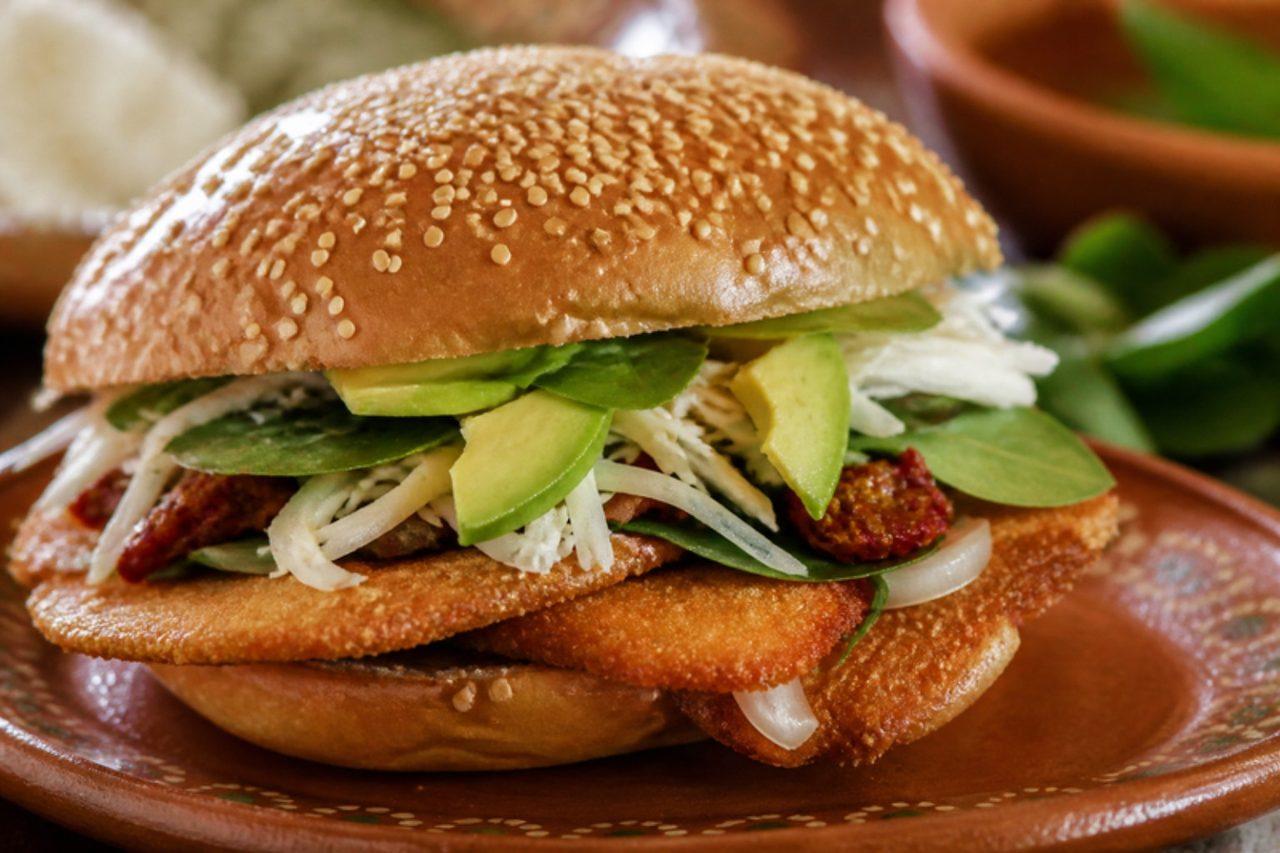
Puebla's markets have whole aisles of cemita stalls, where a domed, sesame-crusted roll is split and piled with a thin, crisp milanesa, sliced avocado, a nest of stringy quesillo, smoky chipotle in adobo and leaves of pápalo, a pungent herb that tastes somewhere between rocket and coriander. This version uses pork loin for the milanesa, the most common choice alongside beef; thin beef steak works the same way. Pápalo is rarely sold outside Mexico, so coriander stands in for it here. It is a meal in itself, eaten with both hands at midday. Chef's tip: pull the quesillo into fine strands rather than slicing it, so it melts into the warm cutlet and holds the sandwich together.

by KrazyBadal 0 views

Centolla gratinadaBaked king crab with cheese

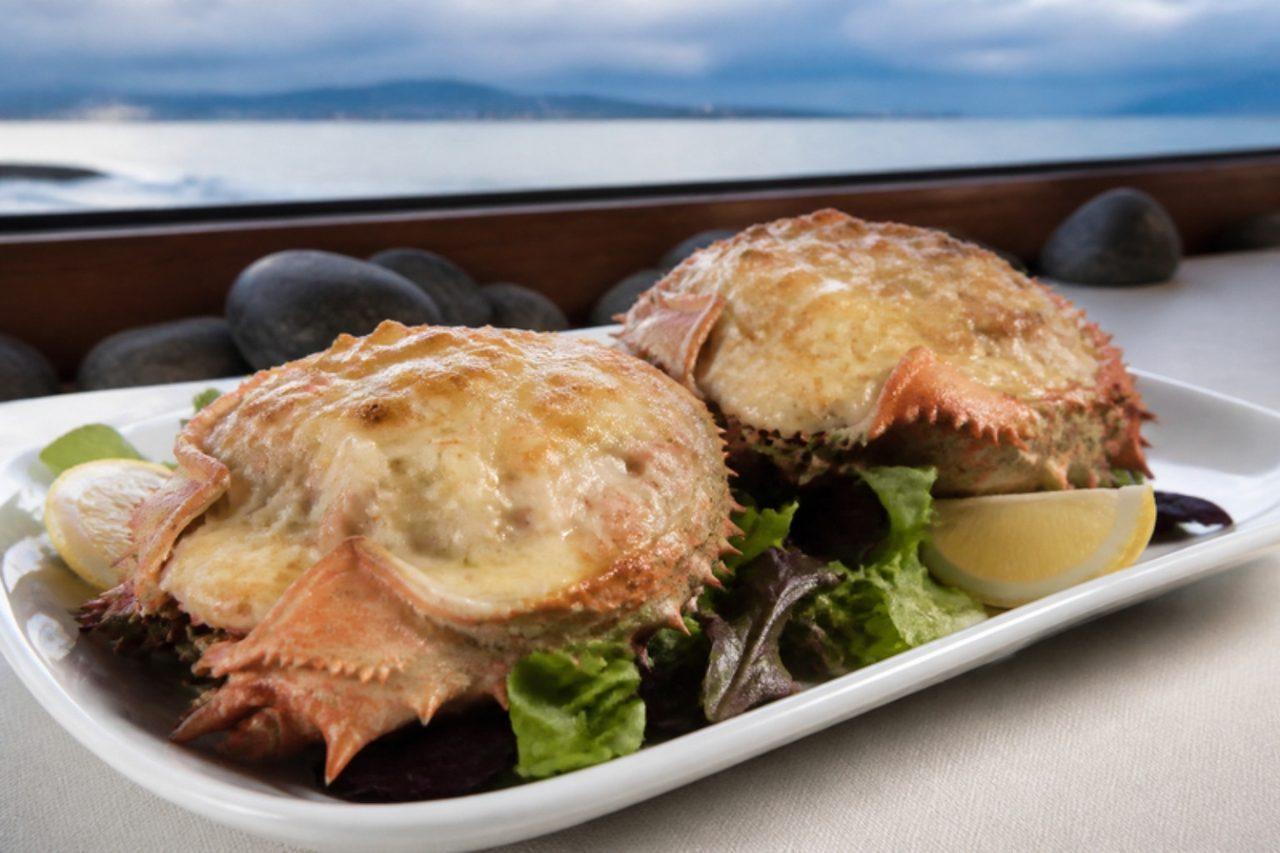
Centolla, the southern king crab hauled from the cold waters of the Beagle Channel, is Ushuaia's pride, and seafood restaurants along the harbour serve it gratinada: sweet chunks of leg meat in a light white sauce, crowned with cheese and browned under a fierce grill. It is rich, so serve it in small dishes as a starter with lemon and a green salad, plus crusty bread for anyone who can eat gluten. Buy cooked, frozen king crab legs or meat and thaw them in the fridge overnight; if you ever cook crab yourself, it must be alive when it goes into the pot. A frequent mistake is a sauce so thick and cheesy that the delicate crab disappears; keep it pourable and the cheese thin. Chef's tip: fold the crab in gently at the end, in big pieces, and let the oven only heat it; it is already cooked and turns stringy if it boils.

by KrazyBadal 0 views

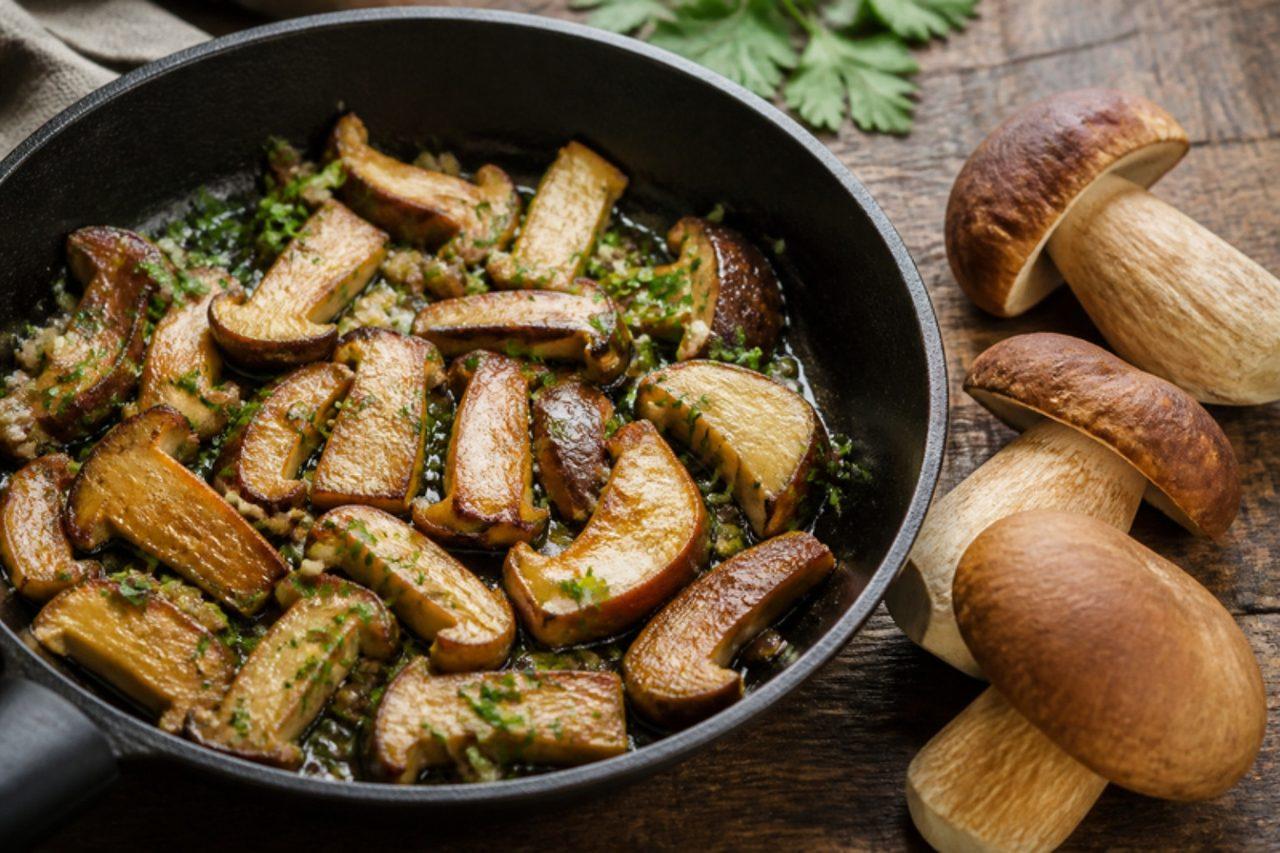
Cèpes à la bordelaisePorcini with garlic and parsley

In autumn, when cèpes push up through the pine forests of the Landes and the oak woods of the Gironde, Bordeaux families fry them the local way: thick slices browned hard in a hot pan, then tossed with shallot, garlic and plenty of parsley. They come to the table as a side for Sunday lunch, piled on toast for a starter, or beside an omelette for supper. Many cooks use duck fat; this version uses olive oil, so it is vegan. Out of season, use chestnut mushrooms with a few soaked dried porcini for flavour. Chef's tip: wipe the cèpes with a damp cloth instead of washing them; wet mushrooms steam instead of browning.

by KrazyBadal 0 views

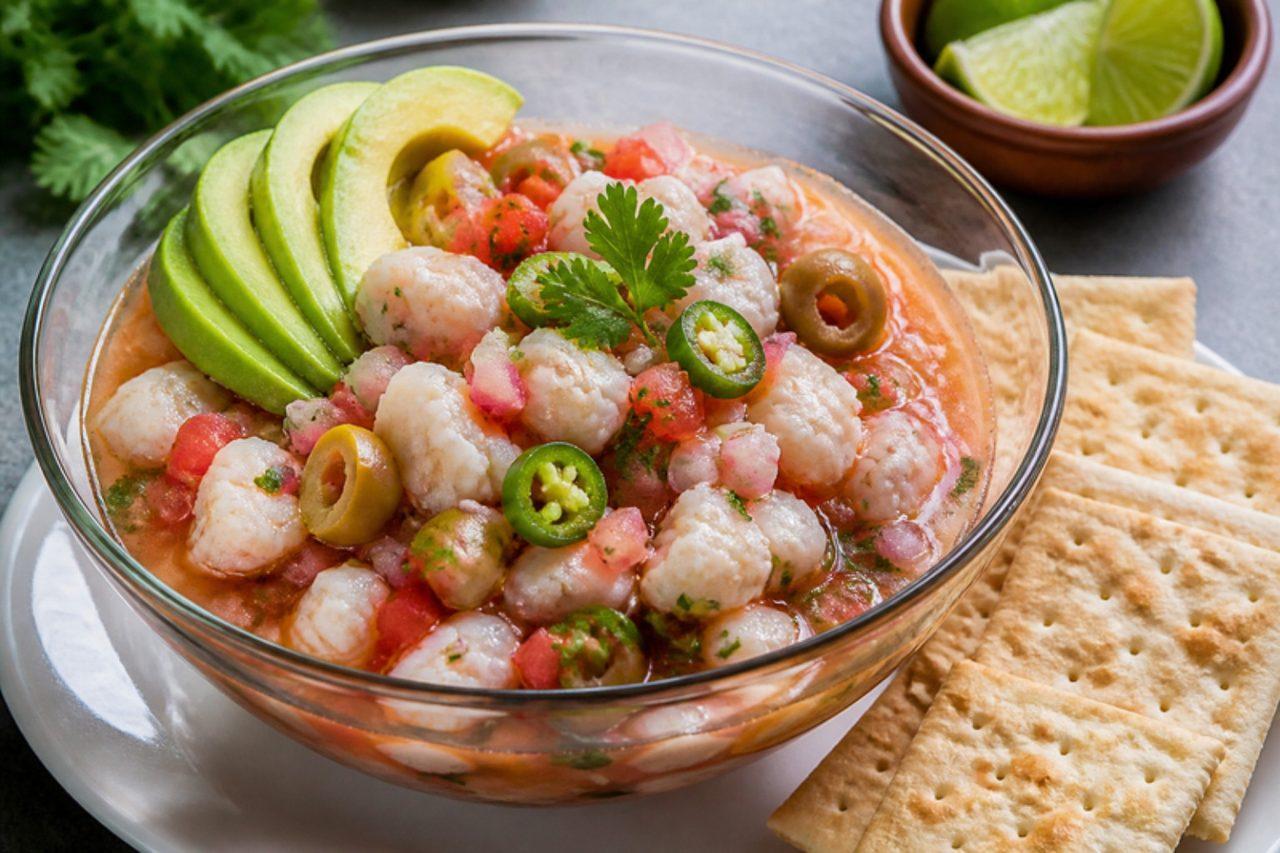
Ceviche acapulqueñoLime-marinated fish with tomato and orange

On the beaches of Acapulco, vendors sell ceviche in tall glasses with saltine crackers and tostadas: small cubes of white fish in lime with tomato, onion, green olives, chilli, a sweet streak of ketchup and fresh orange juice, eaten cold on a hot afternoon. The classic version is raw fish 'cooked' only by lime, which does not kill bacteria or parasites, so that version is not for pregnant women, young children or anyone with a weakened immune system. This safer recipe gently poaches the fish until just opaque, then chills it and dresses it in the same tangy, sweet-sharp mixture, so it keeps the firm, fresh texture. Serve with tostadas, crackers and slices of avocado. Chef's tip: dice the vegetables very small and the same size as the fish, so every spoonful has a bit of everything.

by KrazyBadal 0 views

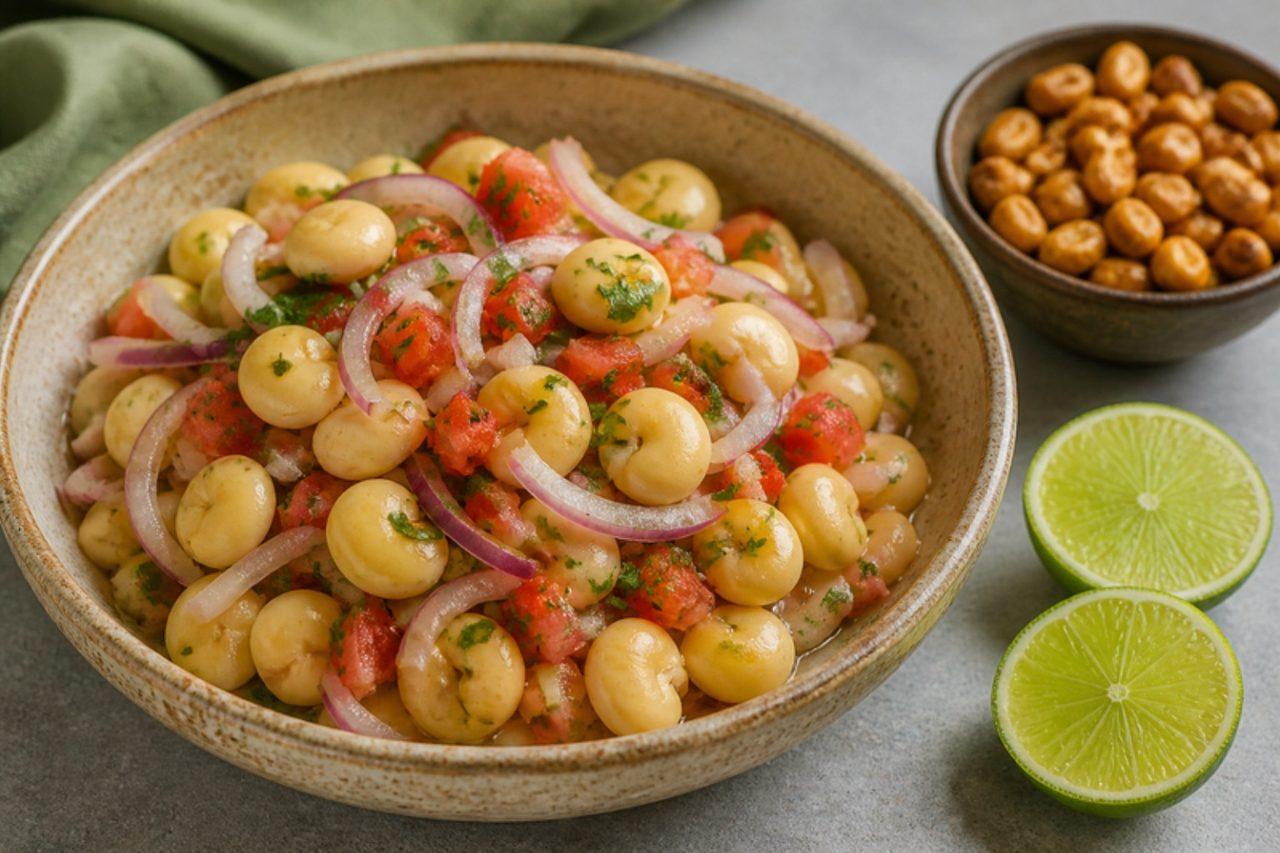
Ceviche de chochoLupin bean ceviche

Chocho, or tarwi, is the Andean lupin bean, a protein-packed legume grown high around Huaraz, Cajamarca and Puno, and street carts in the highlands sell it in plastic cups dressed like a ceviche: lime, red onion, tomato, coriander and a little ají, sometimes with toasted corn for crunch. It is fresh, sour and pleasantly firm, a vegan stand-in for fish ceviche that works as a starter or a light lunch. Food safety matters here: raw or bitter lupins contain toxic alkaloids and must never be eaten as they are. Use only ready-debittered, cooked chochos, sold in jars, vacuum packs or chilled tubs in Latin shops; if they taste bitter, rinse and soak them longer or throw them away. Lupin is also a common allergen and may affect people allergic to peanuts. The usual mistake is to drown everything in lime and leave it, which makes the onion limp; mix the dressing just before serving. Chef's tip: squeeze the limes gently by hand rather than with a press, so the juice doesn't turn bitter.

by KrazyBadal 0 views

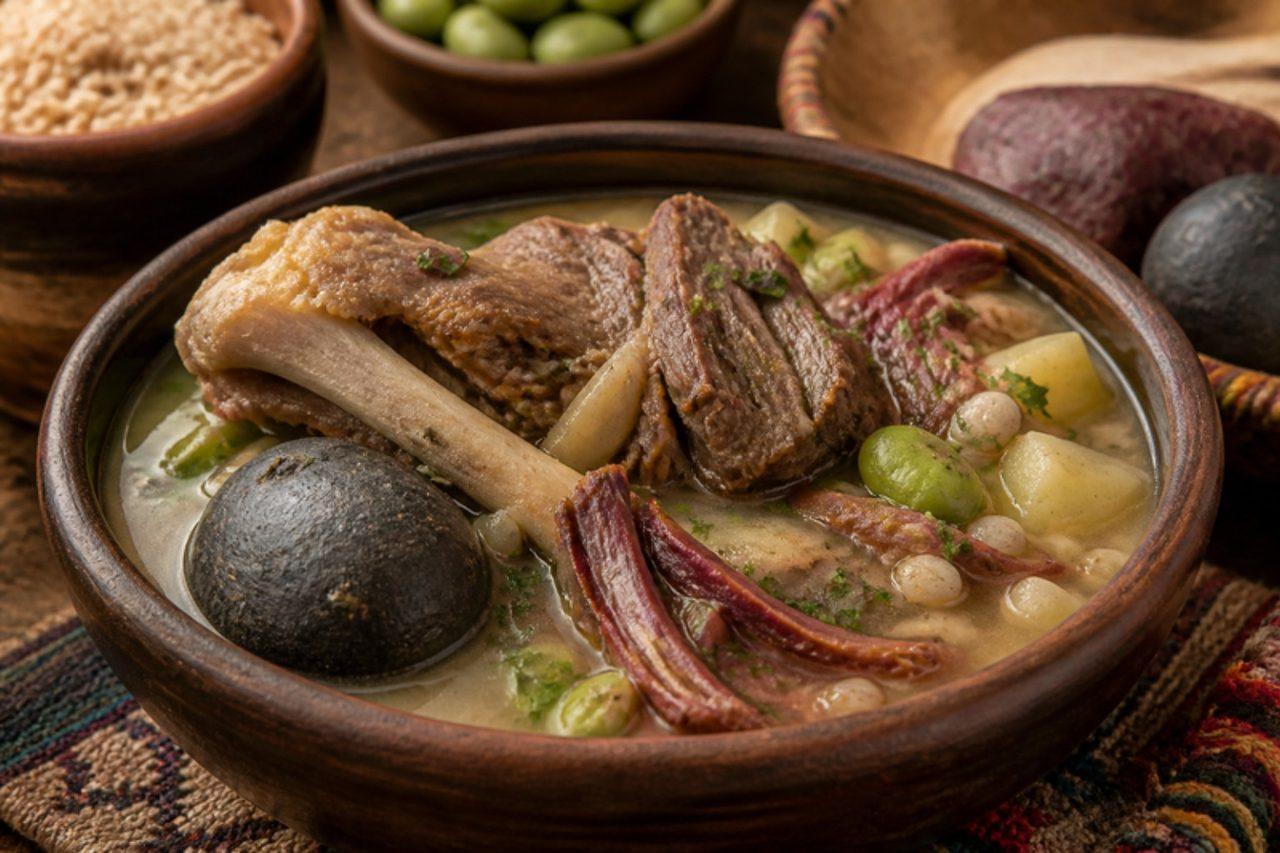
Chairo puneñoLamb, chuño and wheat soup

High on the Altiplano, where nights freeze even in summer, chairo is the soup that gets Puno's market workers and farmers through the day. It is thick and brothy at once: lamb on the bone and a little charqui (dried meat) simmered with crushed chuño, peeled wheat, broad beans, potatoes and squash, scented with cumin, oregano and huacatay or mint. Expect a deep, meaty, slightly smoky bowl with lots of chew. Soak the chuño and the wheat overnight. A common error is adding the potatoes with the meat, so they dissolve before the lamb is tender; they go in for the last 25 minutes. Chef's tip: crush the soaked chuño into small pieces by hand; they thicken the broth as it cooks.

by KrazyBadal 0 views

Chalupas de ChilpancingoFried tortillas with chipotle chicken

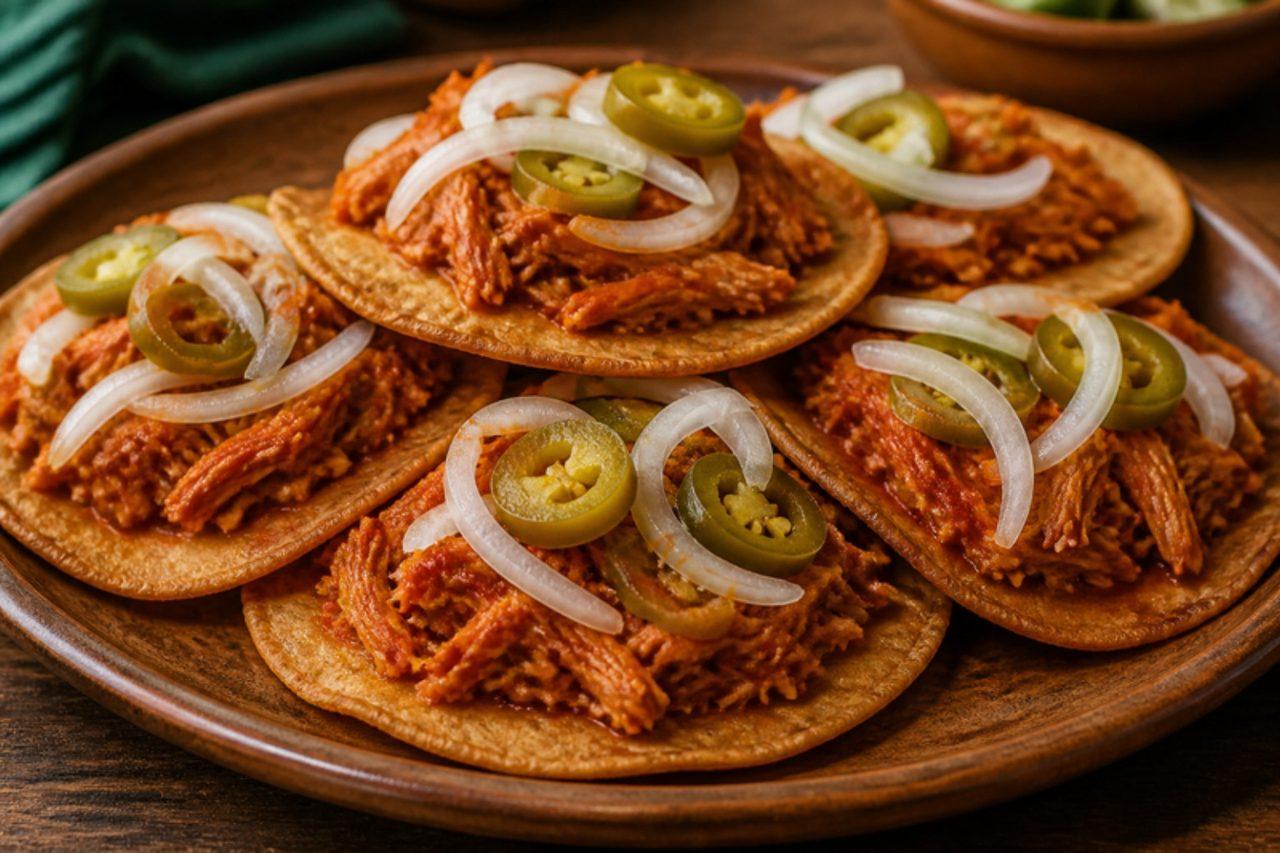
Chalupas are Chilpancingo's favourite evening snack: in the capital of Guerrero they are sold by the plateful at cenadurías and street stands, often alongside pozole. Small, thick corn tortillas are fried until crisp at the rim but still a little soft in the middle, then heaped with chicken shredded into a smoky chipotle-tomato sauce and finished with sliced onion, a slice of pickled jalapeño and a crumble of cheese for those who like it. Expect to eat five or six each, with a cold agua fresca. The sauce is traditionally fried in pork lard, but vegetable oil is fine. Chef's tip: press a thumb into the edge of each tortilla while it is still warm to make a low rim; it holds the topping and gives the chalupa its little boat shape.

by KrazyBadal 0 views

Chalupas poblanasFried tortillas with salsa

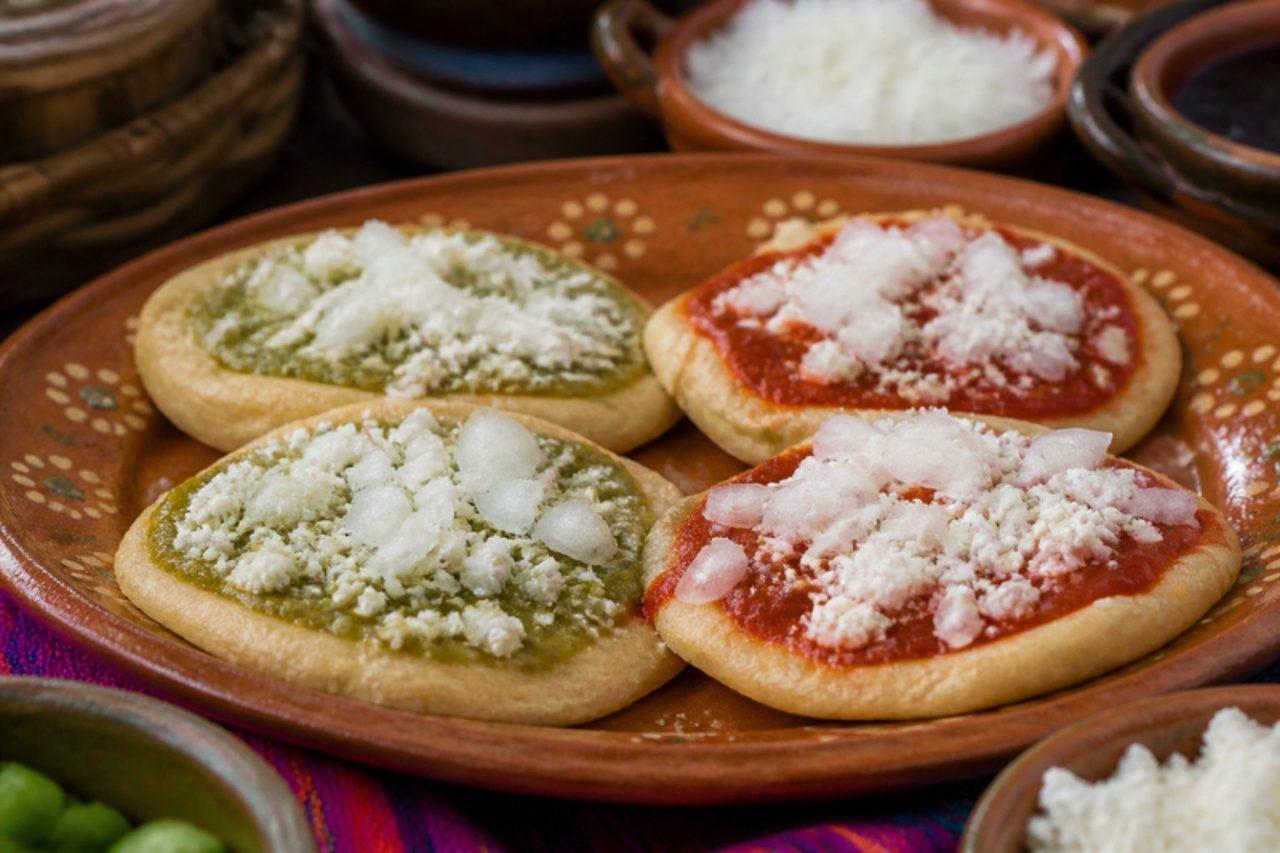
On Sunday evenings in the old centre of Puebla, around the Barrio de San Francisco and the Paseo Bravo, stalls fry stacks of small, thin tortillas in shallow oil and paint them half red and half green with salsa. These are chalupas poblanas, sold by the half dozen on paper plates and eaten in a few bites. The Puebla version is usually topped with shredded pork; ours keeps the salsas, onion and cheese, which are the real flavour, and adds a few beans. The edges should be crisp, the middle still a little soft from the salsa. Cheese like queso fresco is often made with animal rennet, so use a vegetarian fresh cheese if you prefer. Chef's tip: spoon the salsa on while the tortilla is still in the pan so it sizzles and soaks in.

by KrazyBadal 0 views

ChanfanaGoat braised in red wine

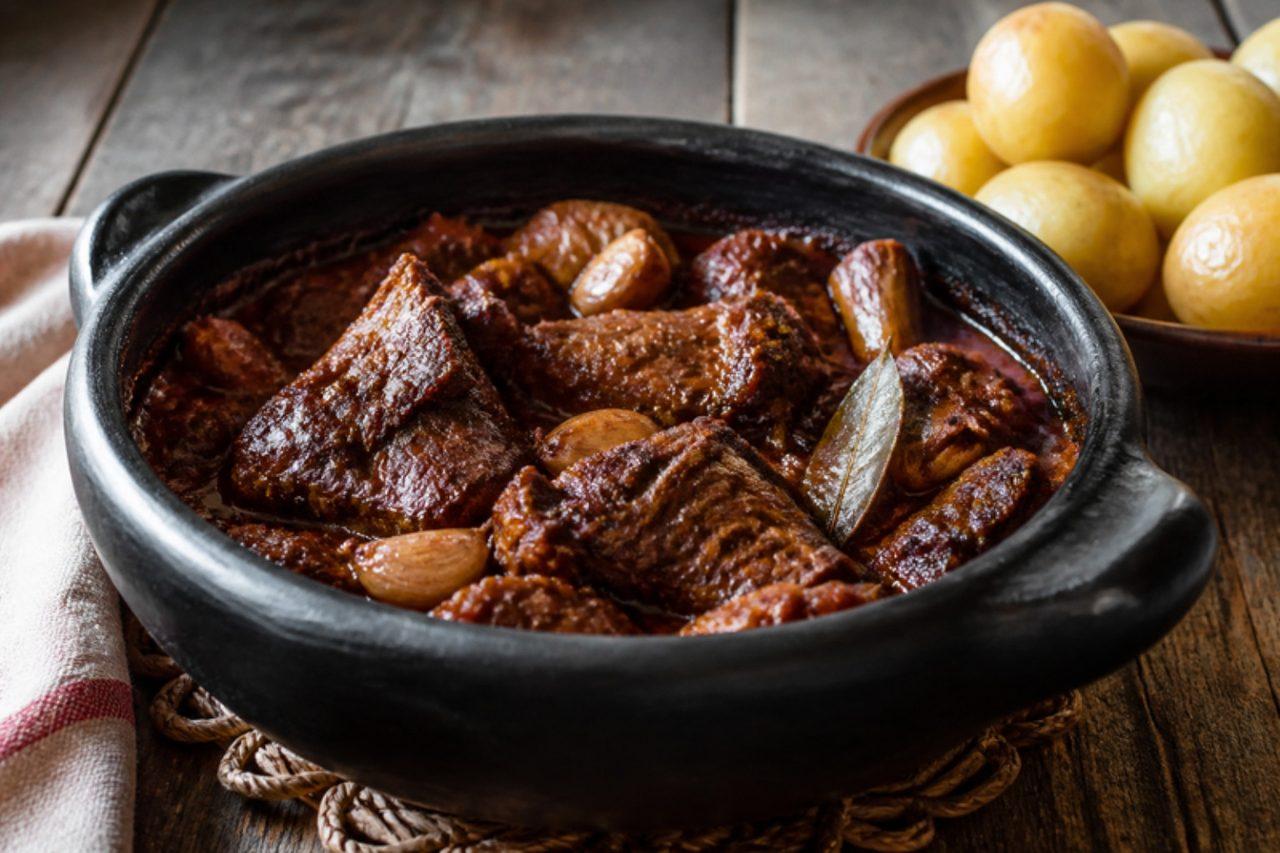
Chanfana belongs to the hill towns south of Coimbra, Miranda do Corvo and Lousã above all, where older goats were once cooked for village feasts in black clay pots sealed and left overnight in the bread oven. The meat braises in red wine with garlic, paprika, bay and cloves until it falls apart in a dark, rich sauce. It is a weekend and festival dish, served with boiled potatoes. The dish is cooked in red wine and not all of the alcohol cooks off; for an alcohol-free version use the substitute in the ingredient note. Chef's tip: marinate it for a full day; the long soak both flavours and tenderises the goat.

by KrazyBadal 0 views

Chaniotiko bourekiCourgette, potato and cheese bake

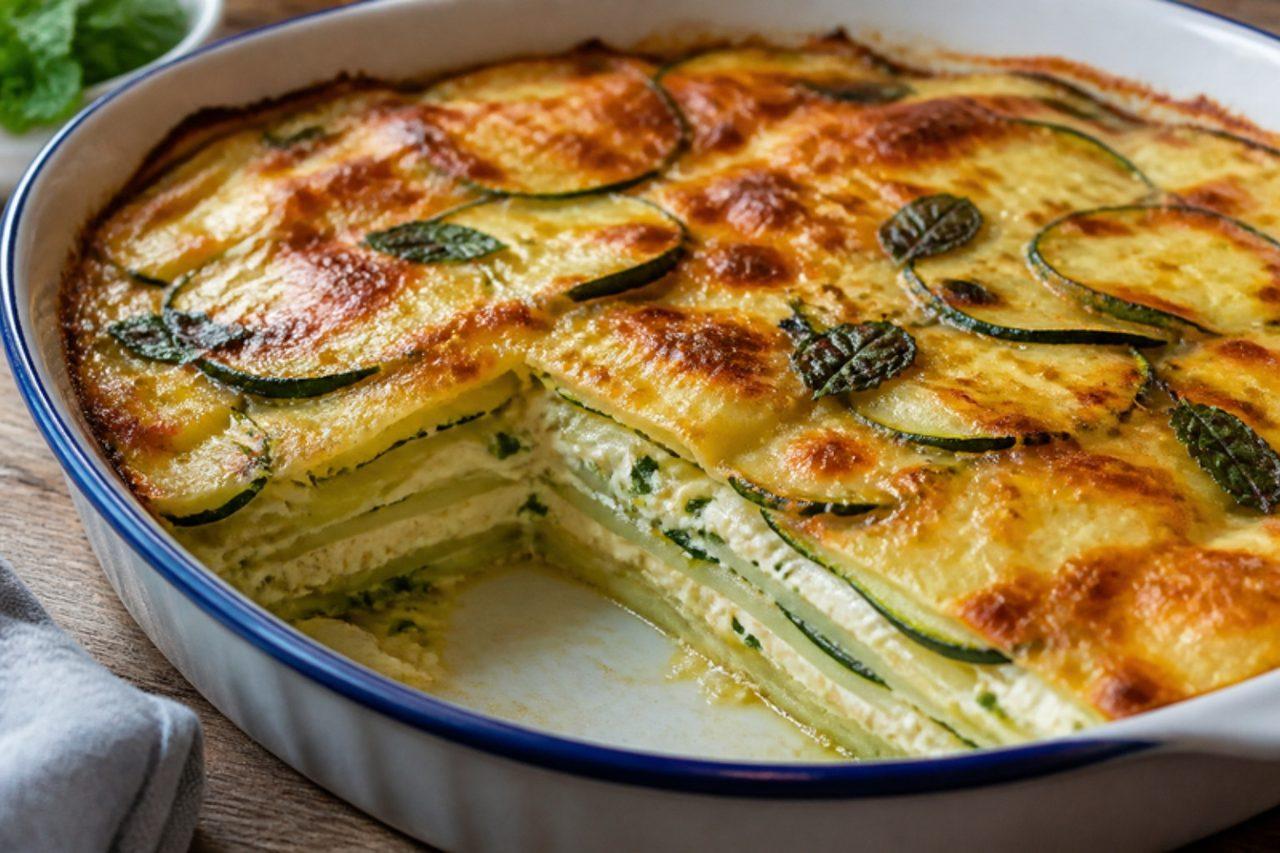
In Chania, western Crete, boureki is what happens to the courgette glut in July: thin slices of courgette and potato layered with crumbled soft cheese, mint and plenty of olive oil, then baked slowly until the top is golden and the inside is meltingly soft. Families bake a big tin for Sunday and eat it warm or at room temperature over the next two days with bread, olives and a tomato salad. The traditional cheese is fresh mizithra plus a little graviera; graviera is made with animal rennet, so use a vegetarian hard cheese if that matters to you. Common mistake: skipping the salting of the courgettes, which leaves a pool of water in the tin. Chef's tip: slice the potatoes paper-thin, no thicker than 3 mm, so they cook through in the same time as the courgettes.

by KrazyBadal 0 views

ChapoPlantain and milk drink

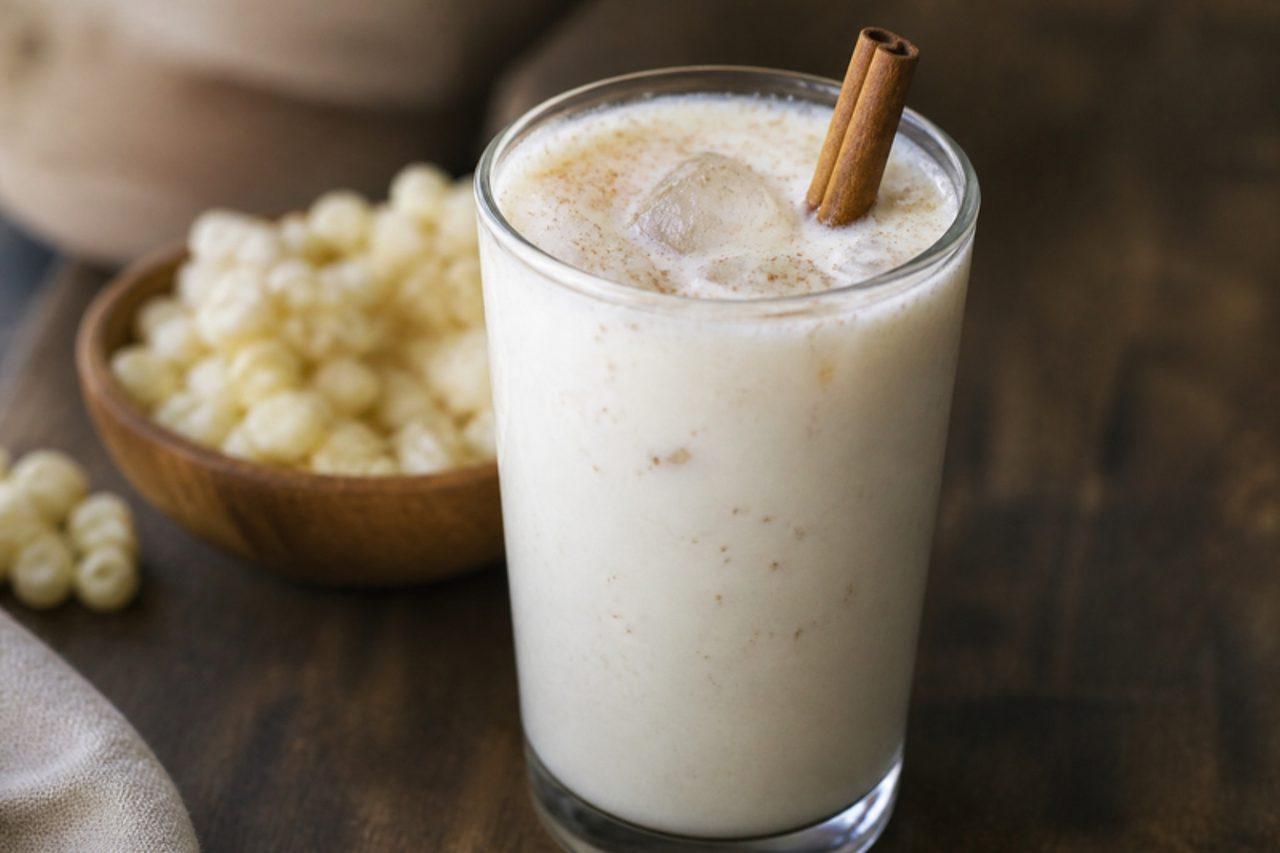
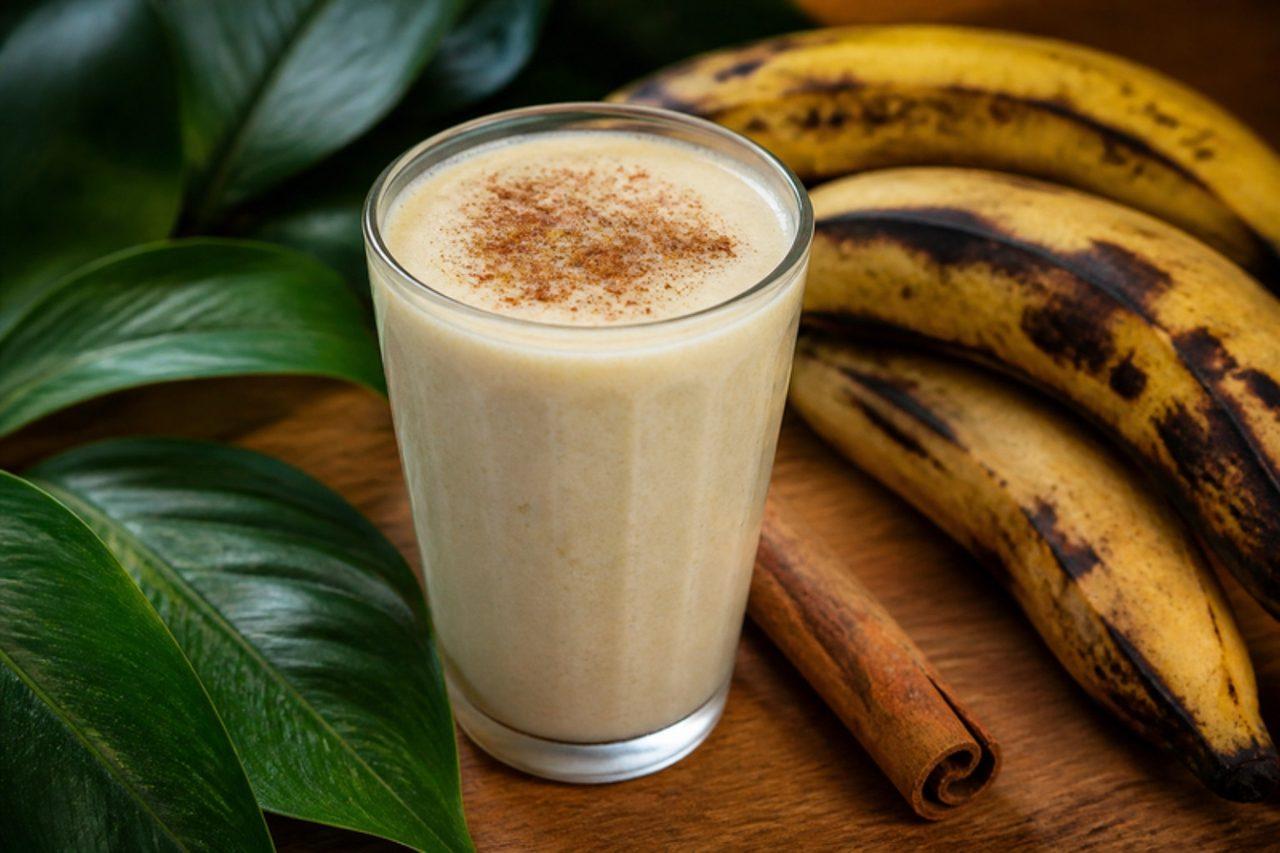
Breakfast stalls in Iquitos and the riverside towns of Loreto pour chapo into glasses from big steaming pots before the heat of the day sets in, and by afternoon the same drink is sold chilled. It is made from plantains left until their skins are black, simmered with cinnamon and cloves until soft, then blended smooth and loosened with milk. The result is thick, naturally sweet and gently spiced, somewhere between a smoothie and a thin custard, and children love it. Some families make it with water only; evaporated milk is the common addition in town. The mistake is using plantains that are still yellow-green: they taste starchy and the drink turns grey and gluey, so wait until the skins are mostly black and the fruit gives when pressed. Serve hot with bread or a tamal, or cold over ice. Chef's tip: strain it through a sieve after blending for a silky drink, and thin it with water if it thickens as it cools.

by KrazyBadal 0 views

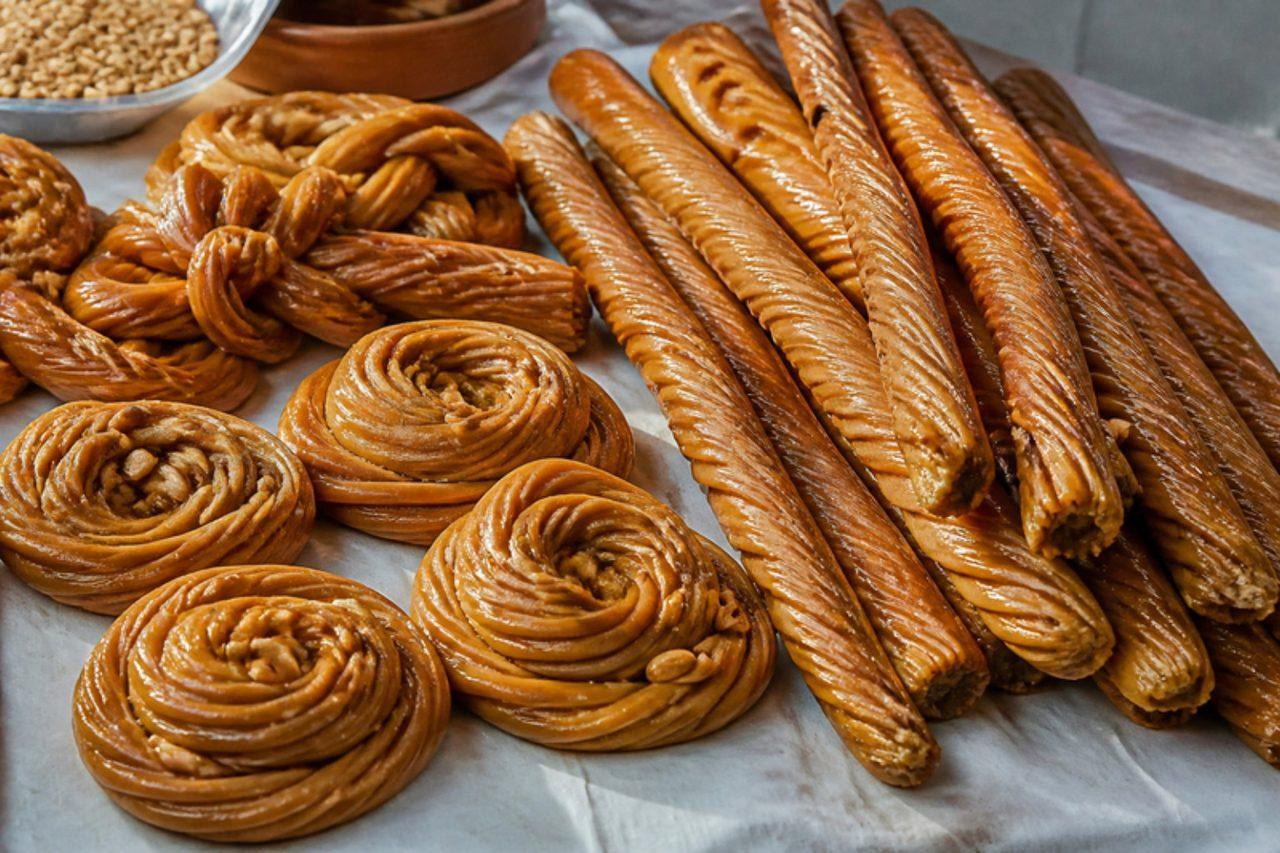
CharamuscasTwisted piloncillo taffy

Around Day of the Dead in Guanajuato city, sweet sellers display charamuscas pulled and shaped into skulls, mummies (a nod to the town's famous museum) and simple twists, glossy amber and wrapped in cellophane. The everyday ones are rope-like spirals of pulled piloncillo, chewy then brittle, with a deep molasses taste. Pulling the hot sugar is a two-person job and great fun with older children; younger ones should watch. Chef's tip: wear clean rubber kitchen gloves rubbed with oil; you can handle the sugar sooner and much more comfortably.

by KrazyBadal 0 views

Charleston benne wafersSesame cookies

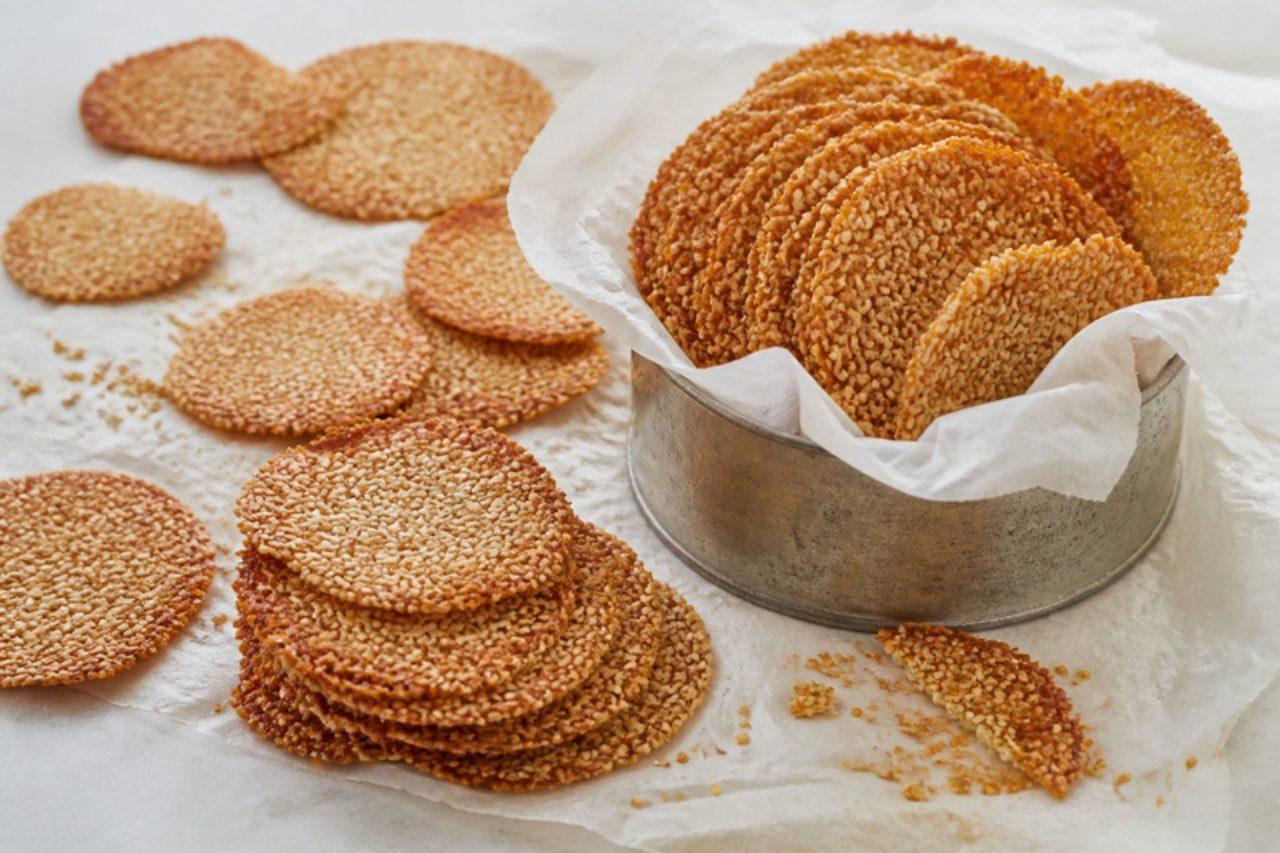
Benne is the West African word for sesame, brought to the Carolina Lowcountry by enslaved people, and these paper-thin, toasty wafers are the cookie Charleston is known for, sold in tins in the old city market. Toasted sesame seeds are folded into a buttery brown-sugar batter that spreads into lacy, crisp discs. Chef's tip: toast the seeds until they are honey-coloured; pale seeds taste of very little.

by KrazyBadal 0 views

ChiflesPlantain chips

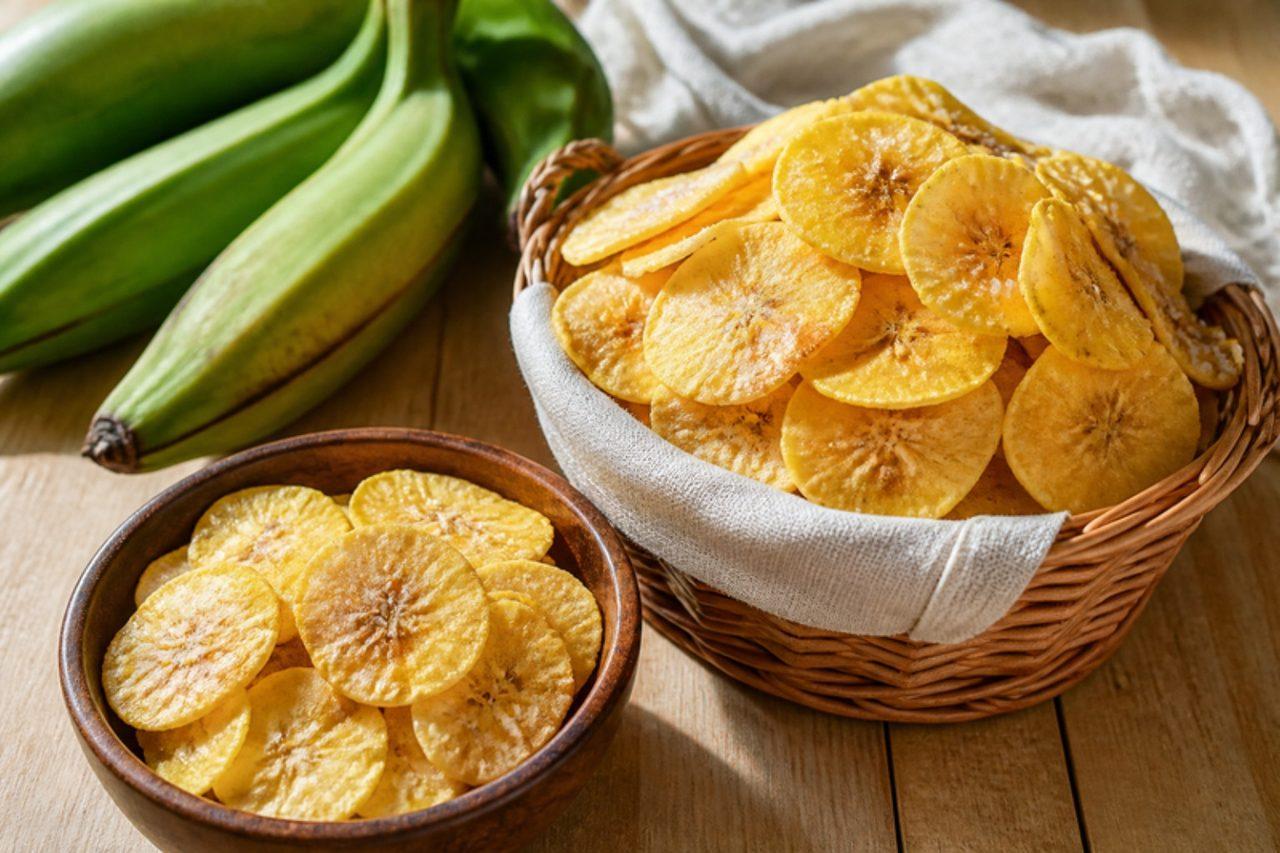
Bags of chifles hang from every shop door in Piura and Sullana, and on the northern coast they come alongside almost everything: ceviche, seco, a cold drink at the beach. They are green plantains sliced paper-thin, lengthwise or in rounds, fried until glassy and crisp, then salted. The flavour is starchy and lightly nutty, the crunch is louder than a potato crisp, and they keep for days in a tin. Getting the slices even is what matters most: thick and thin slices fry at different speeds, and the thick ones end up leathery while the thin ones burn, so use a mandoline set to 1–2 mm. Use firm, fully green plantains; any yellow means sugar, which browns too fast. Chef's tip: soak the slices in salted water for 10 minutes, then dry them completely before frying; they crisp more evenly and stay pale gold.

by KrazyBadal 0 views

Chile con queso norteñoRoasted chilli with melted cheese

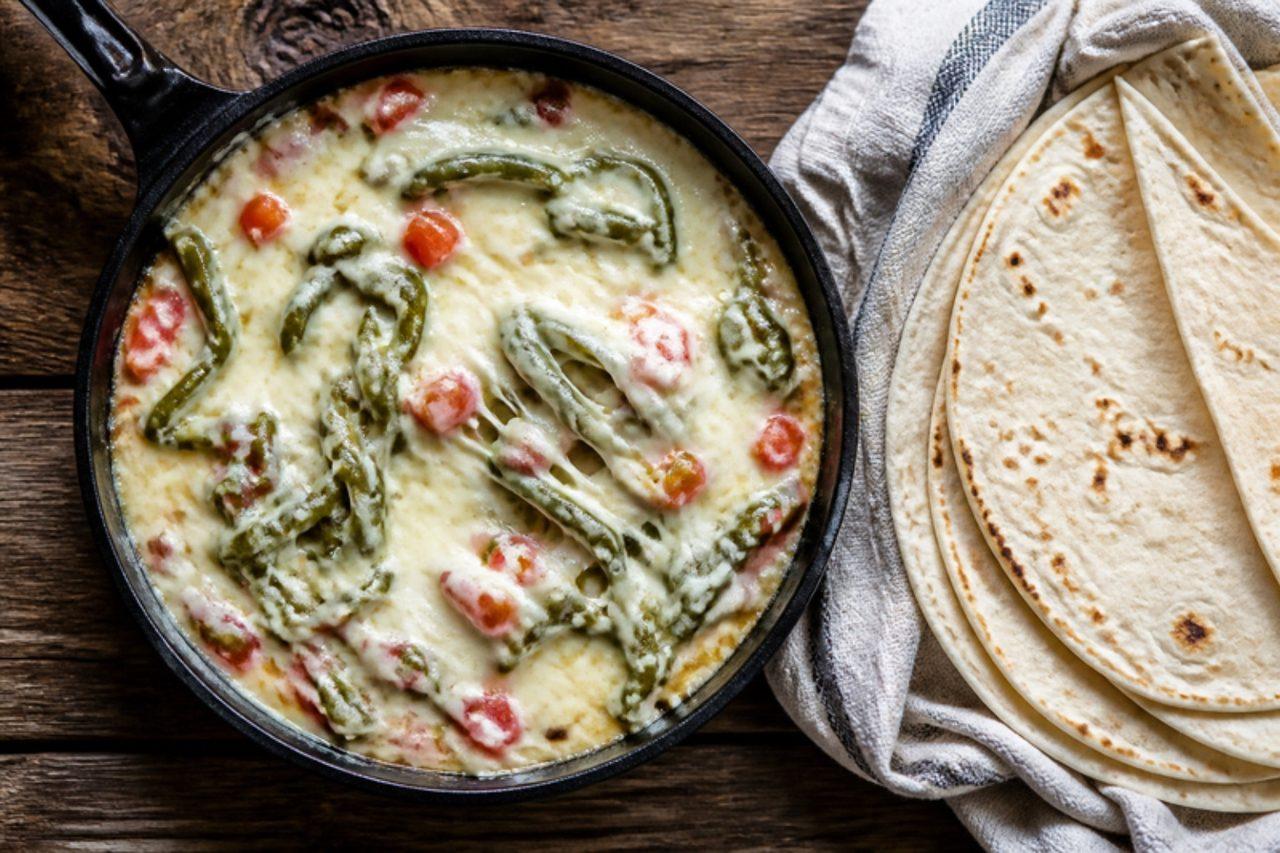
In Ciudad Chihuahua and the farming towns of the Sierra, chile con queso is not the runny orange dip of Texas bars but a skillet of roasted long green chillies, onion and tomato with mild Chihuahua cheese melted through it, scooped up with flour tortillas at a carne-asada Sunday or eaten as a main with beans. Chihuahua cheese, also called queso menonita after the Mennonite farmers who make it, is like a mild, buttery cheddar. Chef's tip: steam the roasted chillies in a covered bowl; the skins then slide off in one go.

by KrazyBadal 0 views

ChilorioShredded pork in chilli paste

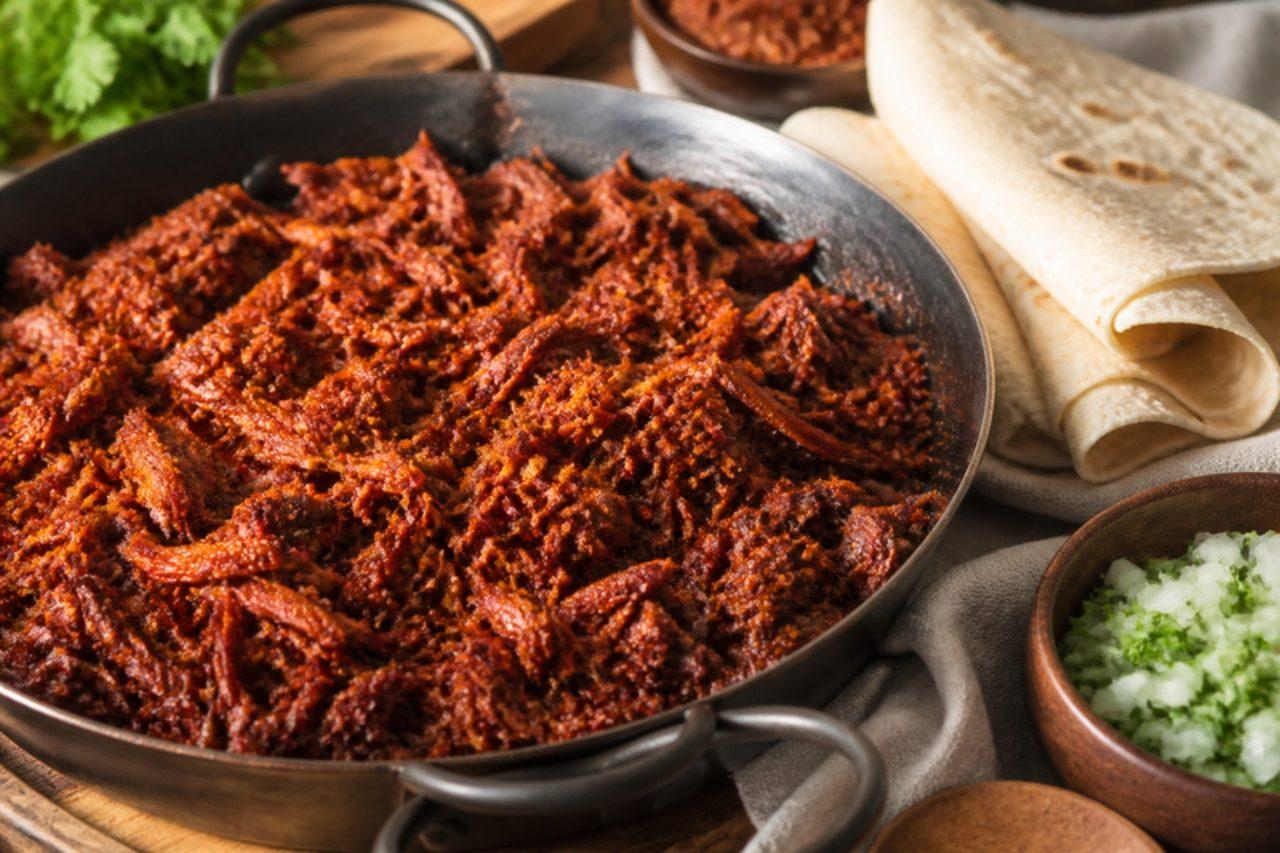
Chilorio is Sinaloa's great pork dish: pork shoulder simmered until it falls apart, shredded and then fried in pork lard with a vinegary paste of ancho and guajillo chillies until almost dry and deeply brick-red. Ranch cooks around Culiacán made it to keep, and it is still packed into jars and sold in markets across the north. It is rich, tangy and gently spicy rather than fiery, and it fills flour tortillas for burritos, tops scrambled eggs at breakfast or goes into tortas with refried beans. Chef's tip: fry the shredded pork in the lard for a few minutes before the chilli goes in, so the edges crisp and the paste clings instead of stewing.

175 minMexicanMeatGluten free
by KrazyBadal 0 views

Chilpachole de jaibaSpicy crab soup

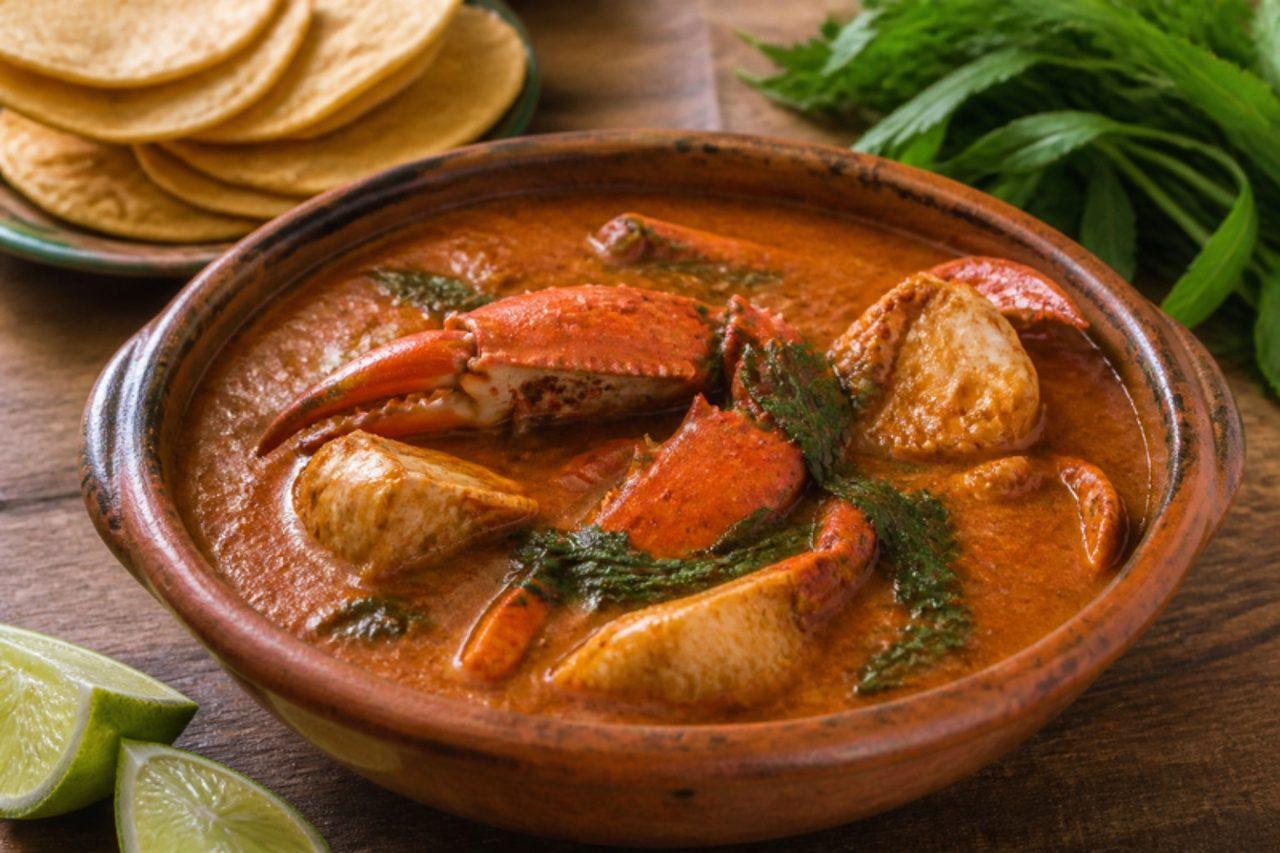
Chilpachole de jaiba is the restorative crab soup of the Veracruz coast, served in seafood cantinas and market stalls from Boca del Río to Alvarado, often with lime and tostadas on the side. The broth is brick-red and thick enough to coat a spoon, built from roasted tomato, garlic and smoky chipotle, thickened with a little masa and scented with epazote, a pungent Mexican herb; coriander with a pinch of oregano is a reasonable substitute. Buy crabs live or freshly cooked from a fishmonger and keep them cold until you cook them. Chef's tip: crack the claws before they go into the soup, so the broth seeps in and they are easy to pick at the table.

by KrazyBadal 0 views

Chimia de uvaThick grape spread

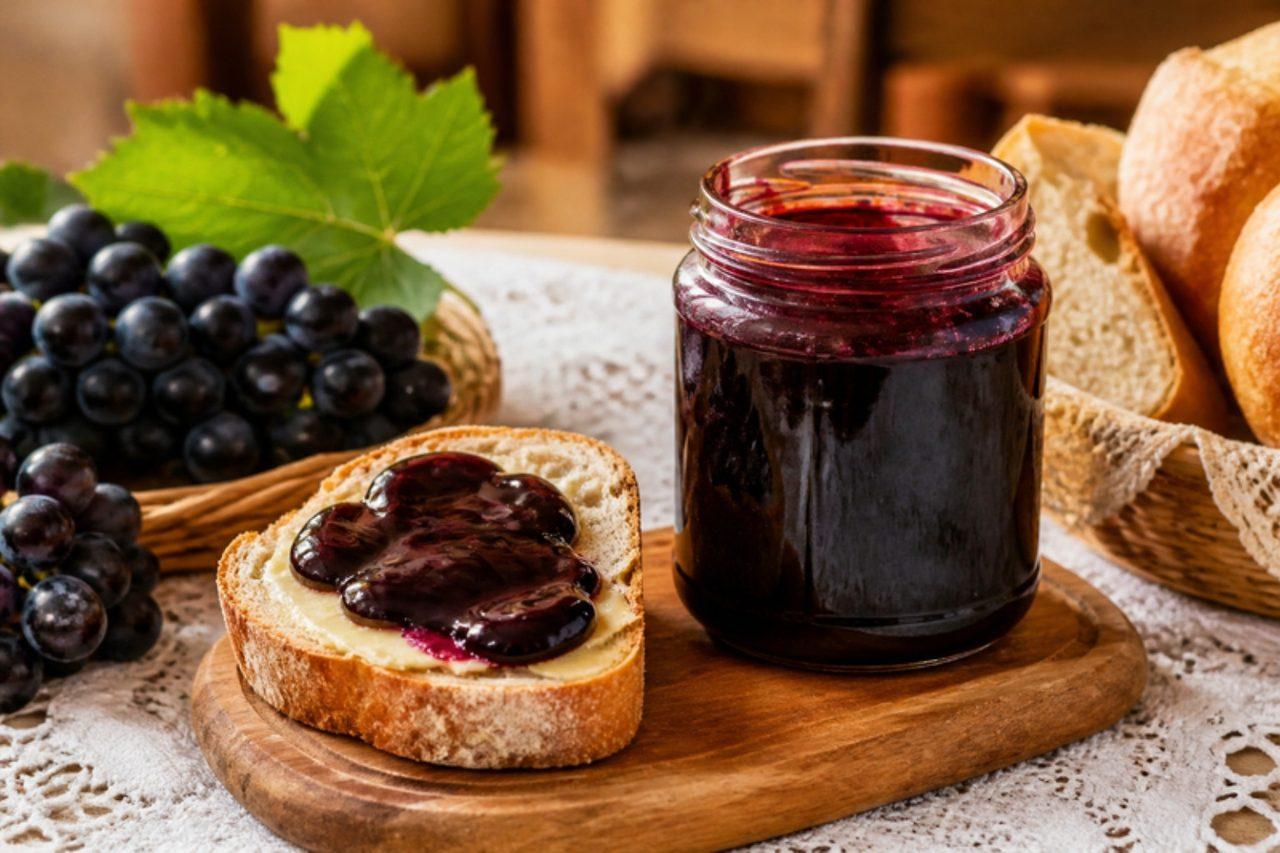
German immigrants who settled the valleys around Santa Cruz do Sul and São Leopoldo in the 1800s brought their Schmier, and the word slowly turned Portuguese as chimia. It is a dark, thick fruit spread cooked down from whatever the backyard gives: grapes, figs, plums, pumpkin or banana. Colonial cafés in the Vale do Rio Pardo set out a pot of it beside cuca, cheese and cold meats at the café colonial, and at home it goes on thick slices of pão caseiro, often with a smear of nata (thick cream) underneath. This version uses dark grapes, cooked whole and sieved, so it keeps the deep colour of the skins. People often stop cooking too soon; a runny chimia soaks straight into the bread instead of sitting on top. Chef's tip: test it on a cold saucer from the freezer; when a line drawn through it stays open, it is ready.

by KrazyBadal 0 views

ChinchulinesGrilled beef intestines

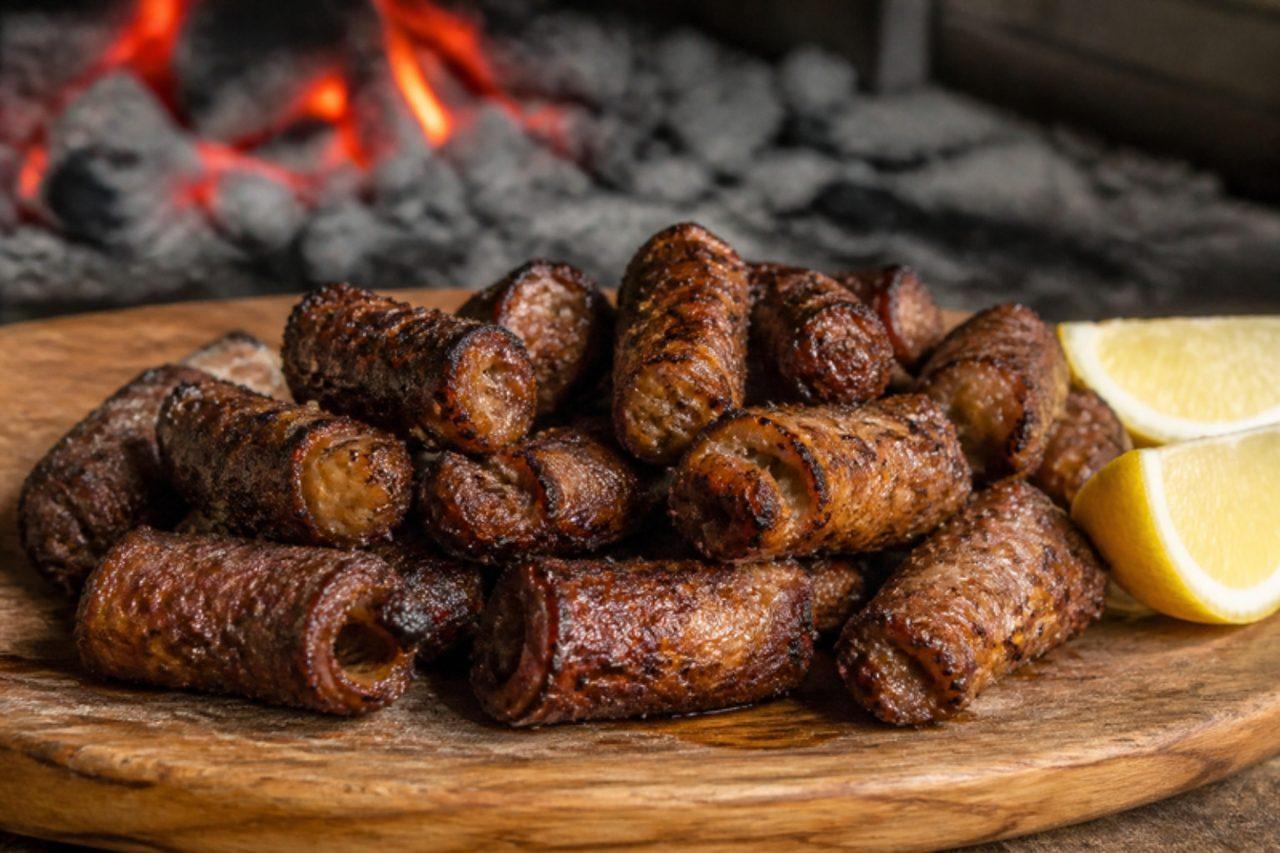
No proper Sunday asado in Buenos Aires province or the interior is complete without a round of achuras, and chinchulines are the boldest of them: beef small intestine, coiled on the grill and cooked slowly until the outside crackles like pork scratchings and the inside stays soft and rich with its own fat. Pass them round on a board with lemon and bread as a starter while the bigger cuts cook. Buy them already cleaned from a butcher or a Latin American meat counter, and rinse them again well at home. The usual mistake is too much heat: the outside burns long before the inside cooks. Offal must be cooked right through, with no soft, raw-looking parts. Chef's tip: simmer them briefly before grilling; it cleans them further, shortens the time on the coals and gives you a much more even crunch.

by KrazyBadal 0 views

Chivito al asadorSpit-roasted whole goat

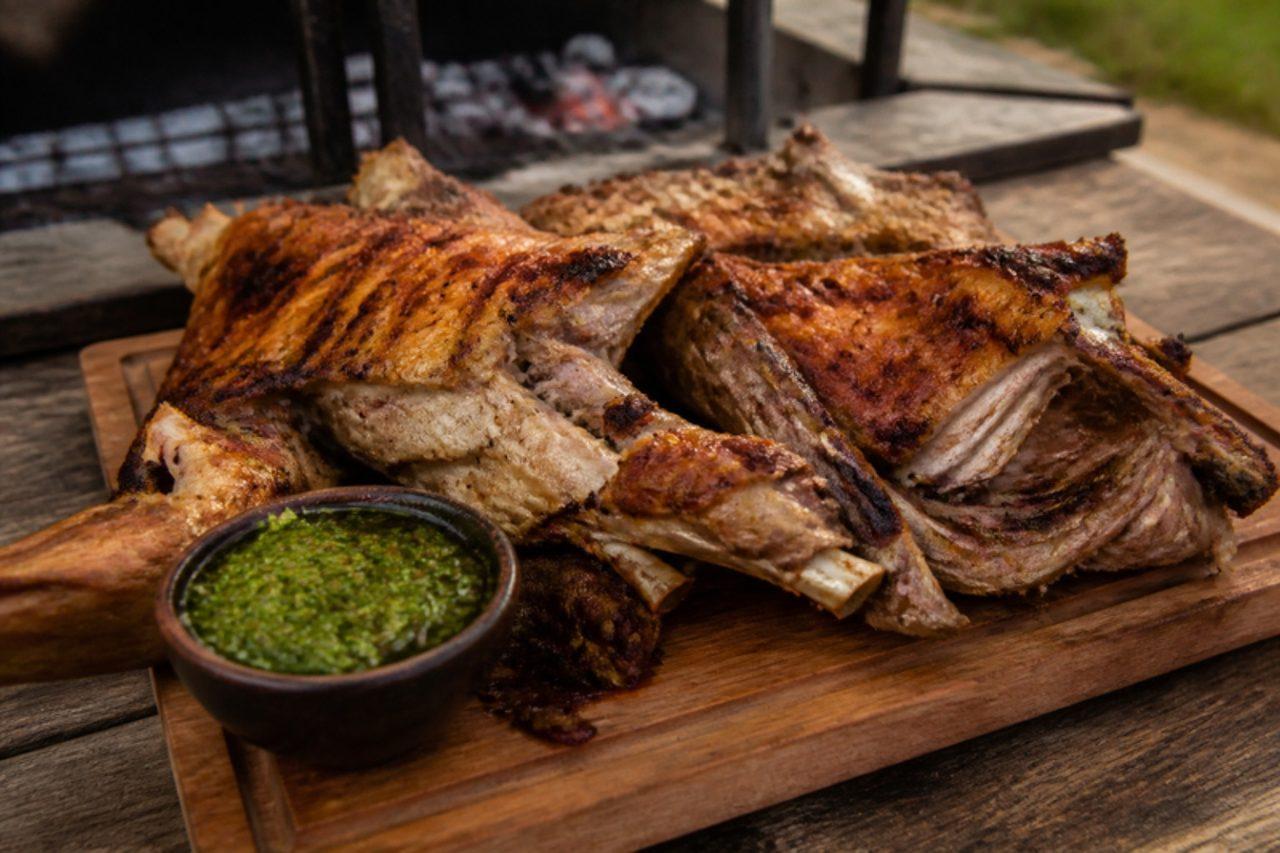
Malargüe, in the dry south of Mendoza, holds a goat festival every summer, and the star is the chivito: a milk-fed kid opened flat, wired to an iron cross and planted at an angle beside a fire of jarilla or other hardwood. It cooks from the side, never over the flames, basted with a garlicky salmuera until the skin turns glassy and crackling and the meat pulls apart. Serve it straight from the cross with salad, bread and chimichurri. Order a whole kid of 5–7 kg dressed weight from a specialist or halal butcher, and check the cross fits it before the day. Most failures come from setting it too close to the fire, which burns the outside while the thick legs stay raw. Kid is lean, so cook it right through, as in Mendoza: the thickest part of the leg should reach at least 70 °C. Chef's tip: cook bone side to the fire for two-thirds of the time; the ribs protect the meat, and the skin goes on last so it crisps instead of scorching.

by KrazyBadal 0 views

Choclo con quesoCorn on the cob with cheese

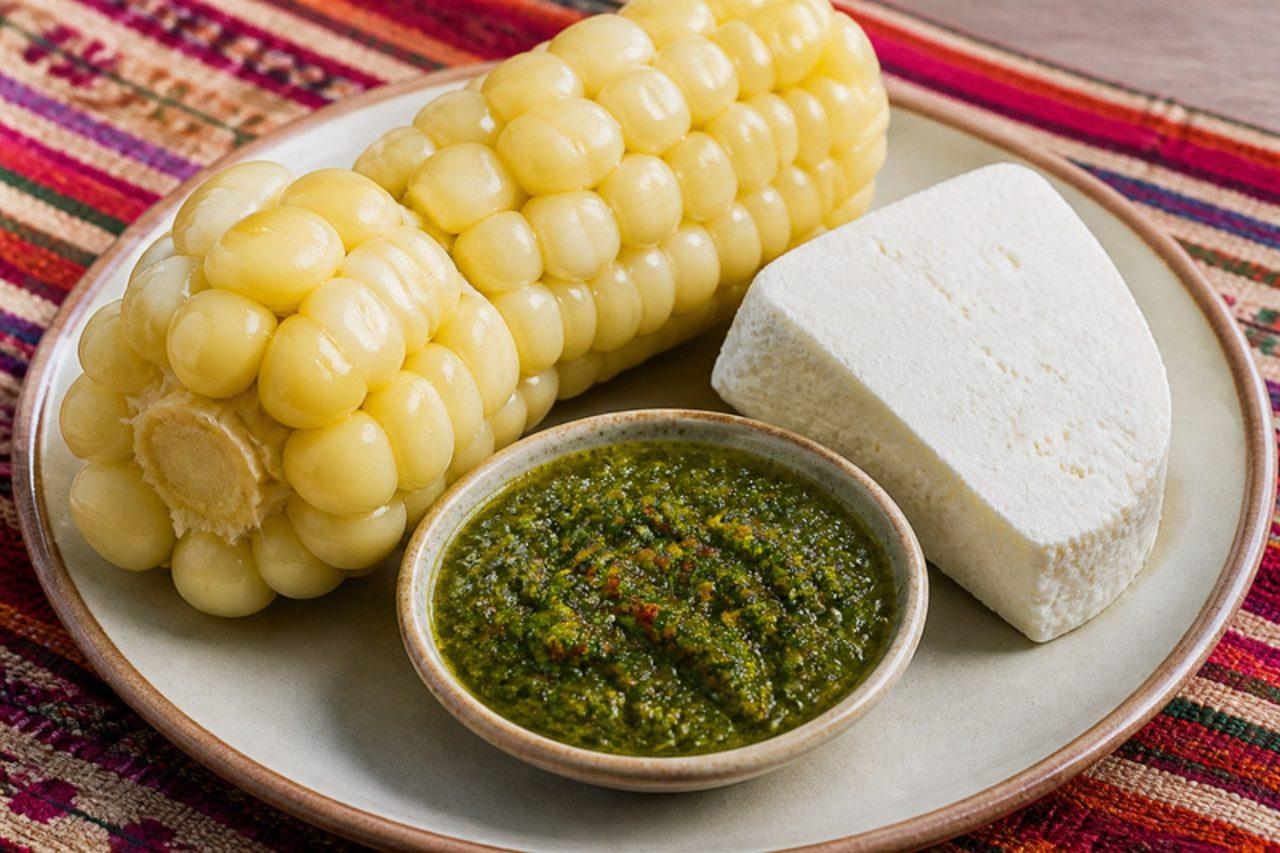
Ride the train or the bus through the Sacred Valley of Cusco and at every stop someone will hold up choclo con queso: a steaming cob of Urubamba's huge white-kernelled corn with a slab of fresh cheese tucked into a corn husk. The kernels are big, chewy and starchy rather than sweet, and the salty, milky cheese is eaten in alternating bites, sometimes with a dab of uchucuta or ají. It's snack food, a market lunch and something to keep children going on a long day. Fresh choclo is sold frozen in Latin American shops; sweet corn works but is sweeter and softer. Adding salt to the cooking water is the usual misstep, as it can toughen the kernels: season the cheese, not the corn. Andean fresh cheese is generally made with animal rennet, so use a vegetarian fresh cheese if needed. Chef's tip: drop a few of the inner husks and a small spoon of sugar into the pot; it brings back some of the sweetness lost after picking.

by KrazyBadal 0 views

Choco fritoFried cuttlefish with chips

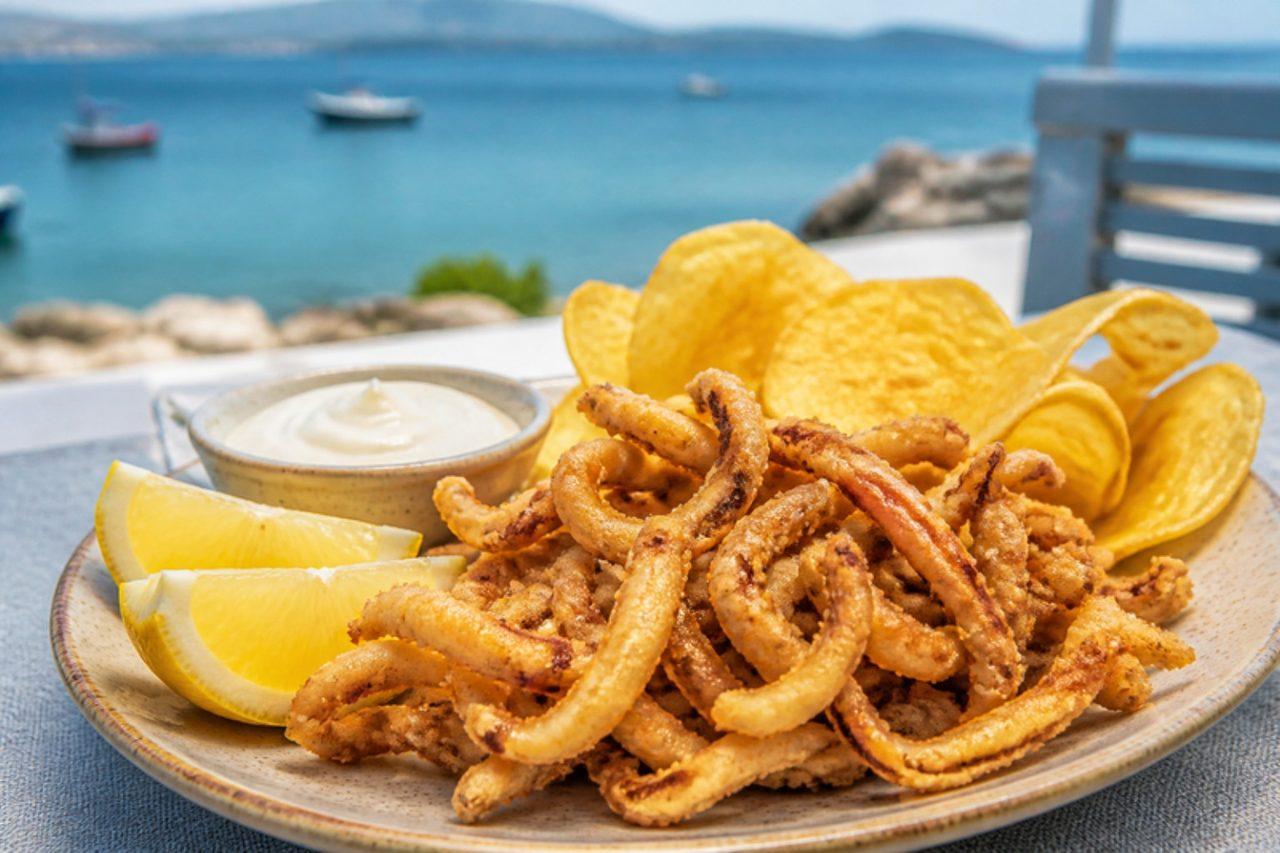
Across the river from Lisbon, the fishing port of Setúbal claims choco frito as its own, and there are whole streets of grill-houses serving it with chips, salad and lemon. Thick strips of cuttlefish are marinated in garlic, lemon and a little white wine, floured and fried until golden and tender. The wine contains alcohol; extra lemon juice with a splash of water does the job. A common mistake is frying too long: cuttlefish goes from tender to rubbery in a minute or two. Chef's tip: score the inside of the cuttlefish in a fine crisscross before cutting it into strips, so it stays tender and grips the flour.

by KrazyBadal 0 views

Chocolate santafereñoHot chocolate with cheese

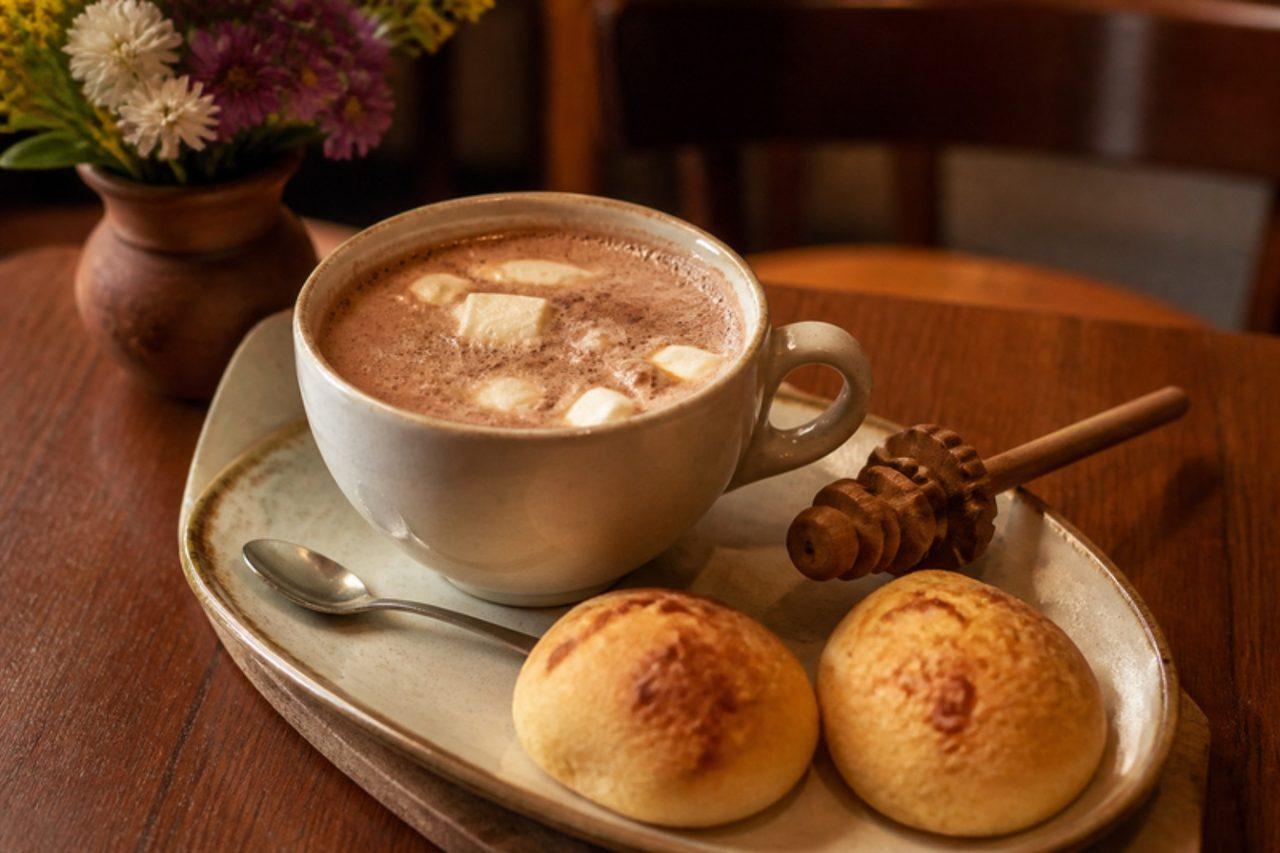
Old Bogotá, once Santafé, built an afternoon ritual around hot chocolate. In the café-restaurants of La Candelaria it comes in a big cup, frothed with a wooden molinillo, with a plate of white cheese, almojábanas and buttered bread on the side. The surprise for visitors is the cheese: cubes go straight into the hot chocolate, softening into stretchy strings that are fished out with a spoon, a salty contrast to the sweet, spiced drink. Colombian table chocolate comes in bars already sweetened and often flavoured with cinnamon and clove; dark chocolate plus sugar and spice is a fair swap. The usual cheese, queso campesino or doble crema, is normally set with animal rennet, so choose a vegetarian (microbial-rennet) mozzarella-style cheese. Boiling the chocolate hard is the misstep that makes it grainy and scorched; keep it at a gentle simmer. Chef's tip: no molinillo? Whisk briskly with a balloon whisk or a milk frother until there's a thick foam.

by KrazyBadal 0 views

ChocotortaNo-bake chocolate biscuit cake

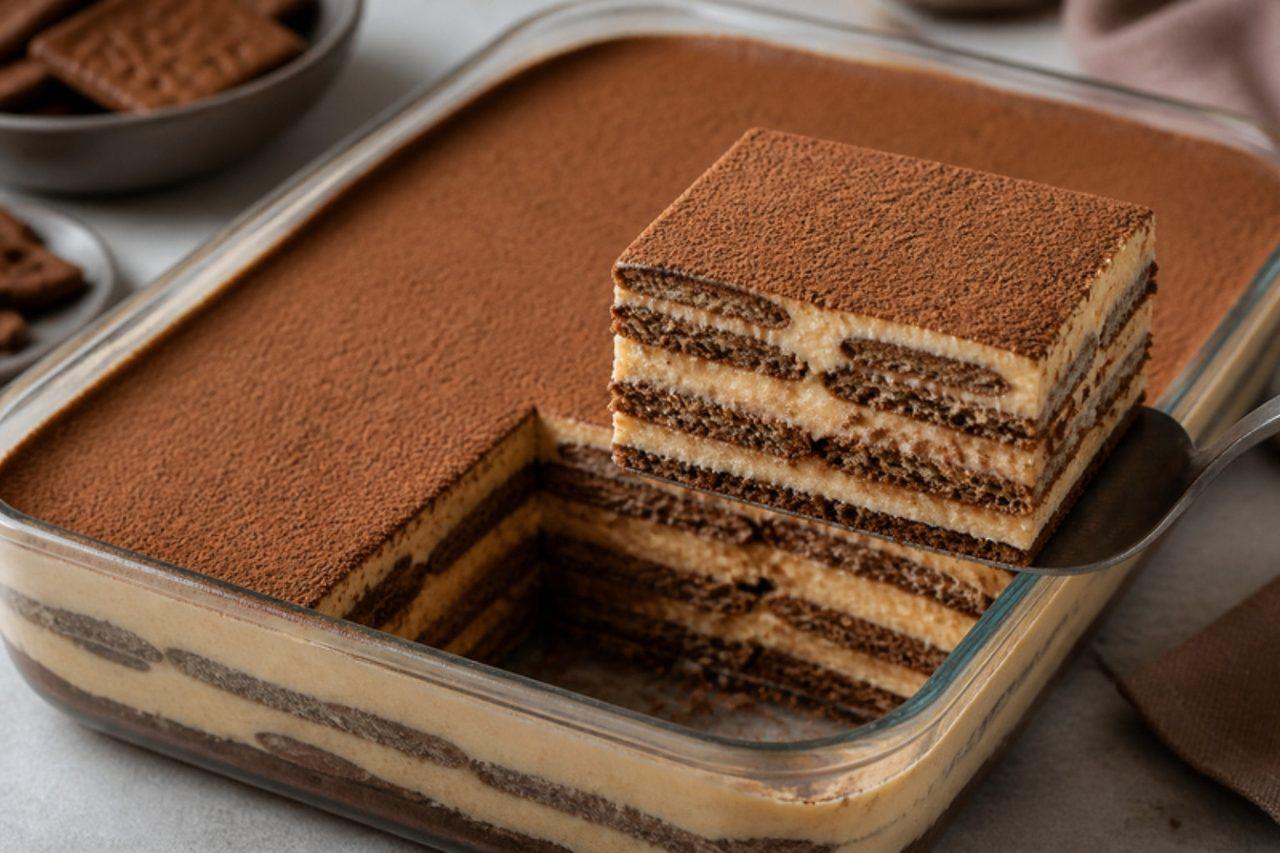
Born in 1980s Buenos Aires as an advertising idea and adopted by the whole country, chocotorta is the cake children ask for at every birthday and the easiest dessert in the Argentine repertoire. Chocolate biscuits are dipped briefly in milk (adults often use coffee), layered with a cream of dulce de leche beaten with cream cheese, and left overnight until the biscuits turn soft and cake-like. It is rich, sweet and a little tangy, and slices cleanly straight from the fridge. Any plain crisp chocolate biscuit works; rectangular ones make the neatest layers. The mistake to avoid is soaking the biscuits too long: a one-second dip is plenty, or they collapse into mush before you can lay them down. Chef's tip: assemble it a day ahead in a loaf tin lined with cling film; overnight chilling is what turns it from biscuits and cream into cake.

by KrazyBadal 0 views

ChontaduroBoiled peach-palm fruit

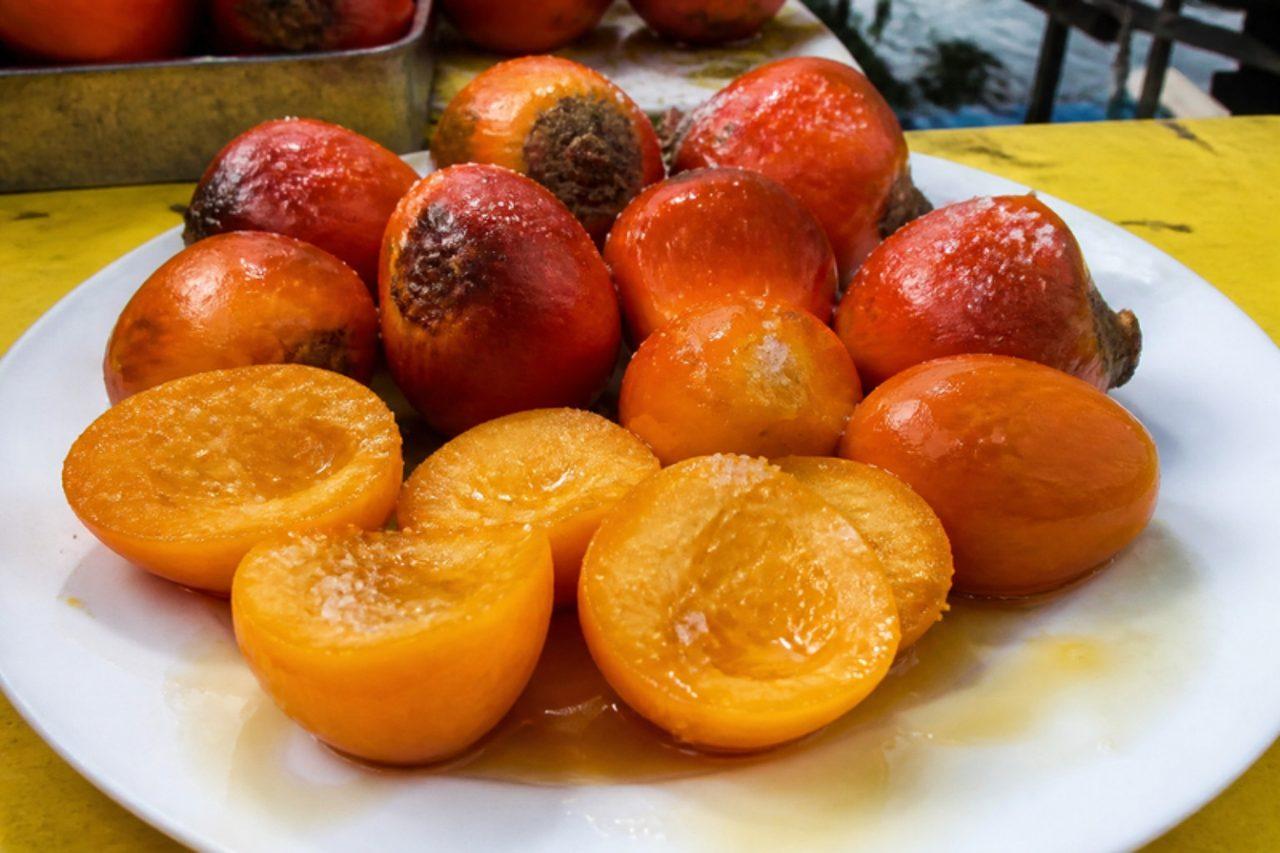
Street vendors in Cali, Buenaventura and Tumaco push carts piled with bright orange and red chontaduro, peeled to order and sprinkled with salt, then drizzled with honey. The fruit of the peach palm, it has a dense, floury flesh somewhere between roasted chestnut, squash and boiled egg yolk, and a savoury-sweet flavour that people from the Pacific coast swear by as an energy food. At home, the fruit must be cooked, as raw peach palm is unpleasant and irritating to the throat. Fresh fruit appears in Latin American shops in season; frozen or jarred cooked chontaduro is easier to find and only needs warming. Undercooking is the common slip: the flesh stays fibrous and scratchy, so keep boiling until it crumbles easily. This is vegetarian but not vegan because of the honey; panela syrup is a vegan swap. Chef's tip: cut the fruit in half and remove the stone before salting, so the seasoning reaches the warm flesh.

by KrazyBadal 0 views

Showing 27 of 7,762 recipes

Show more recipes

Page 441 of 863