


Skip to content
Trini fried bodi
Featured recipe

Trini fried bodi

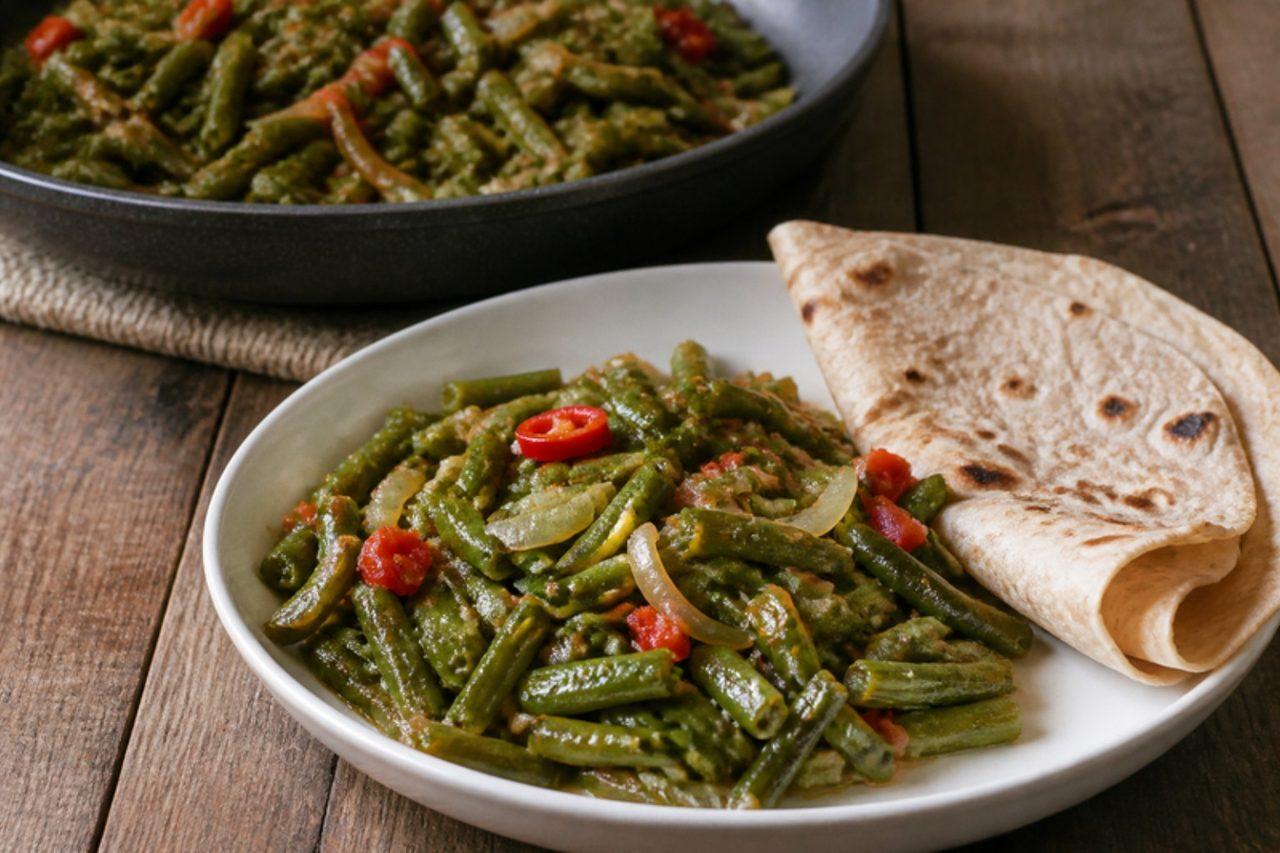
Fried long beans

Bodi, the yard-long bean grown in back gardens all over south Trinidad, is cut into short lengths and fried down with onion, lots of garlic and a little hot pepper until it is tender and blistered in places. It turns up stuffed into sada roti for breakfast or beside rice and dhal for lunch. People often crowd the pan, so the beans steam grey instead of frying bright green with brown edges; use a wide pan. Green beans work if you cannot find bodi. Chef's tip: a pinch of roasted ground geera stirred in at the very end gives the beans a warm, nutty finish.

Read more 0 views

What to eat today?

Around the world

Today's trip: Paraguayan

A new country every day, from every cuisine on the site.

Paraguayan

Chipa

Cheese bread rings 50 minMore from Paraguayan (27) →

This week's collection

Kid-friendly dinners
537 recipes · a new collection every Monday

Latest recipes

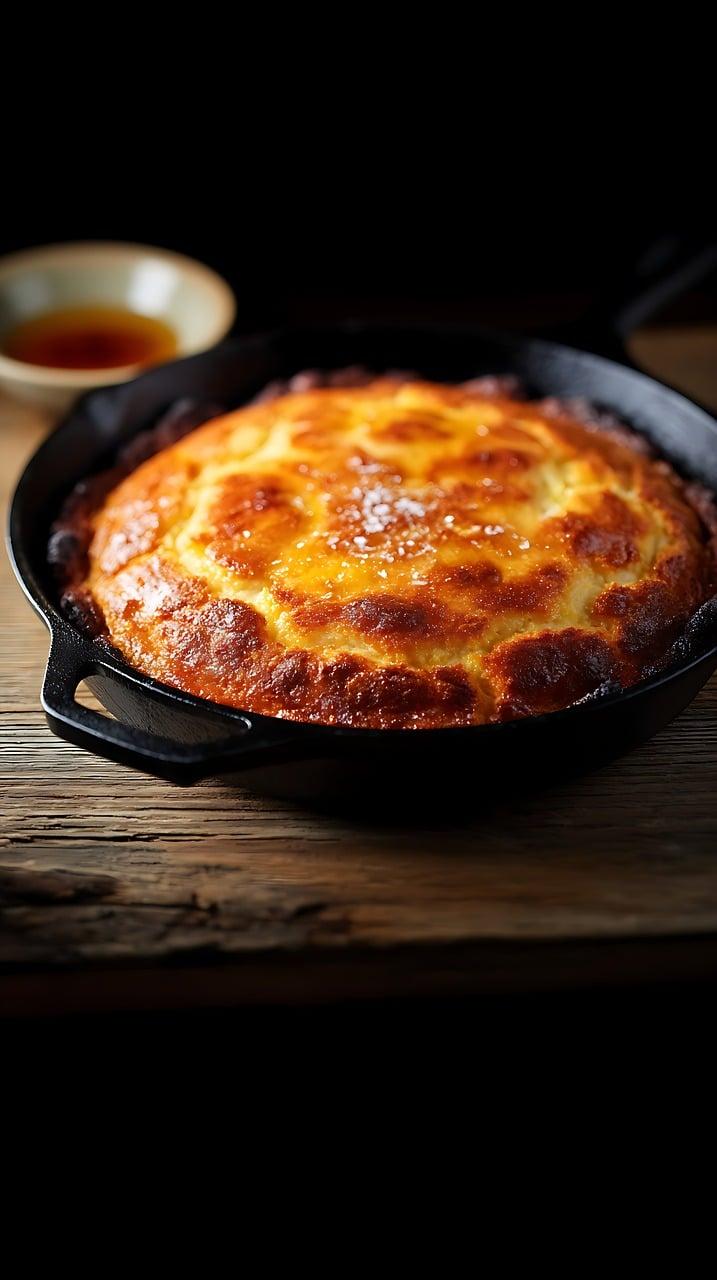
Southern skillet cornbread

Southern cornbread is baked in a smoking-hot cast-iron skillet so the edges fry crisp and brown, and in much of the Deep South it is made with little or no sugar, unlike the cakey Northern kind. It goes on the table with greens, pinto beans and barbecue, and leftovers get crumbled into a glass of buttermilk. Chef's tip: the batter must sizzle loudly when it hits the pan; if it doesn't, the skillet isn't hot enough for a crust.

by KrazyBadal 0 views
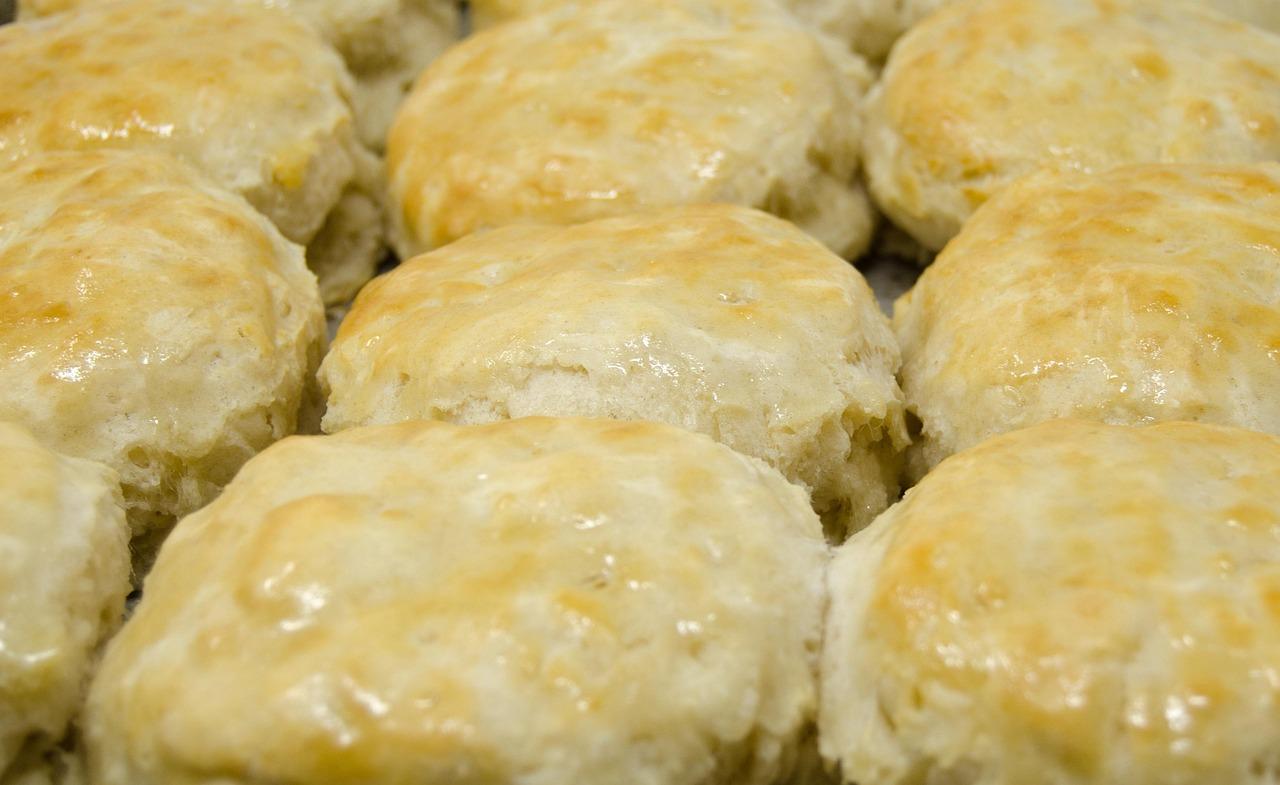
Southern buttermilk biscuits

In the South a biscuit is not a cookie but a tall, tender, flaky quick bread, baked every morning in kitchens from Georgia to Tennessee and split open for butter and sorghum, sawmill gravy or a slice of country ham. Cold butter and buttermilk, a light hand and a hot oven give layers that pull apart in steamy flakes. Chef's tip: press the cutter straight down without twisting; twisting seals the edges and stops them rising.

by KrazyBadal 0 views

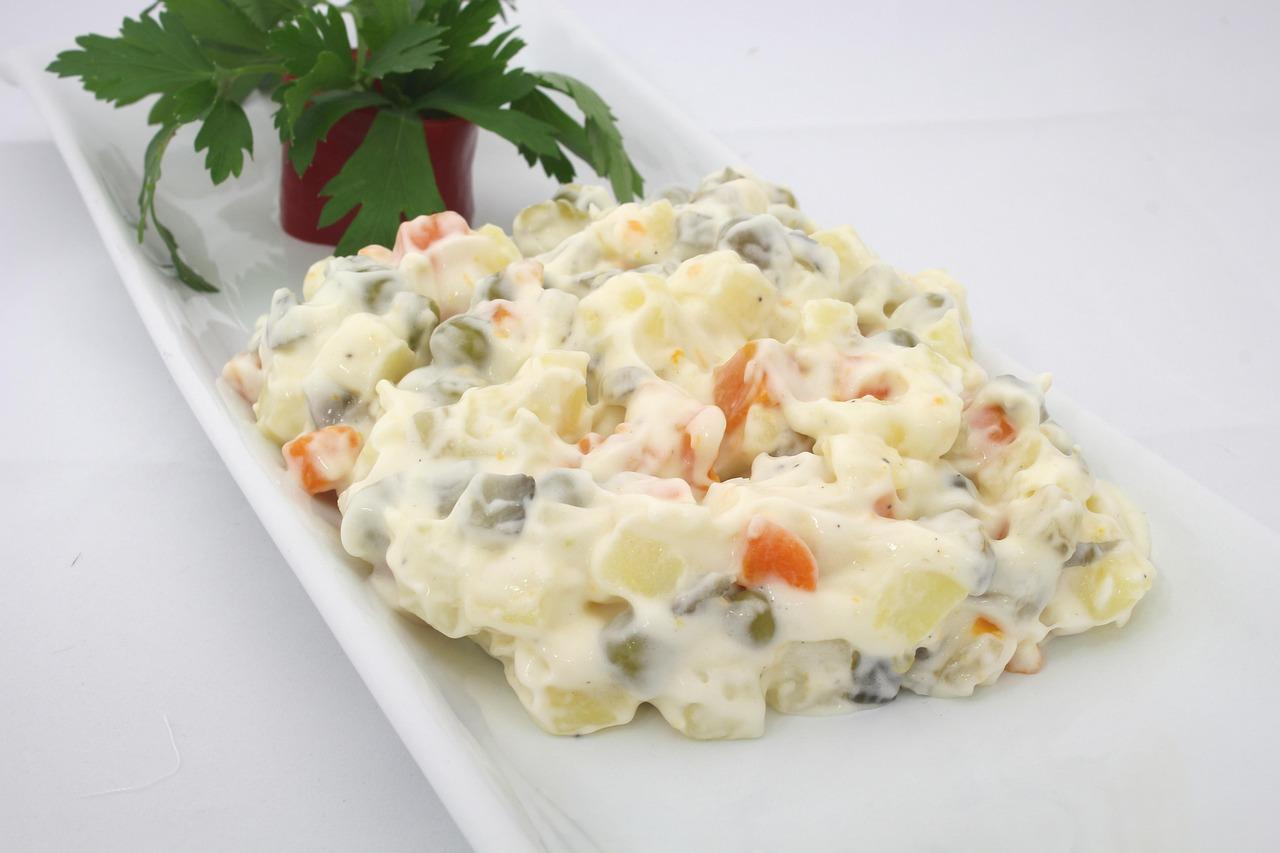
Salada de maionesePotato, carrot and pea mayonnaise salad

Sunday lunch in Rio, a birthday churrasco, the Christmas Eve table: wherever Brazilian families gather, a bowl of salada de maionese is there. Potatoes and carrots are cooked in small cubes, mixed with peas, chopped hard-boiled egg, a squeeze of lime and plenty of mayonnaise, then chilled until cold and creamy. Some homes add diced green apple or olives; the soft potato and sweet carrot with the tangy dressing are the heart of it. Serve it with rice, farofa and anything grilled. Dressing the potatoes while still hot is the usual misstep: the mayonnaise splits and turns oily, so let them cool first. Keep it in the fridge and don't leave it out in the heat for more than two hours. Chef's tip: toss the warm potatoes with the lime juice and salt only, so they absorb the seasoning before the mayonnaise goes on.

by KrazyBadal 0 views

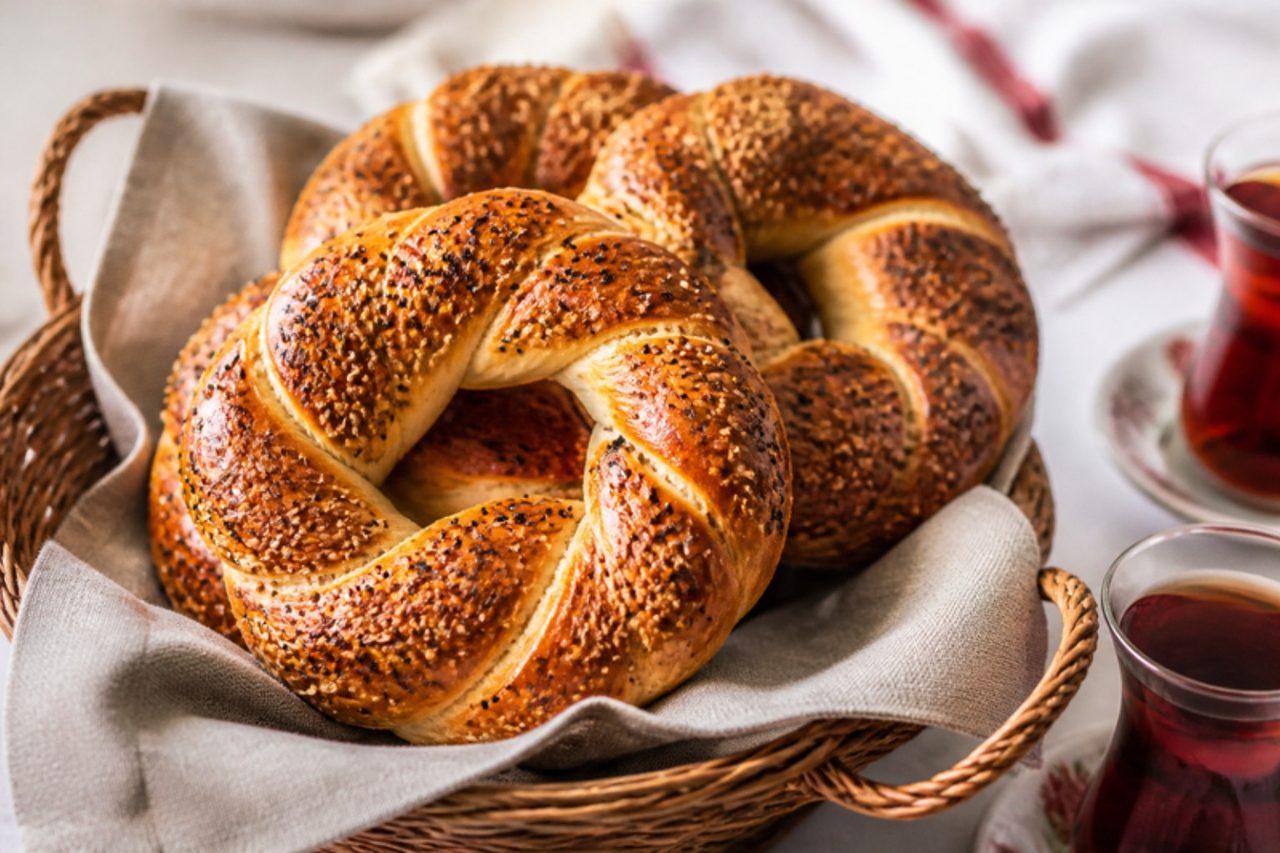
AçmaSoft buttery breakfast rings

Every simit seller's glass cart in Istanbul has a softer cousin stacked beside the sesame rings: açma, a pillowy, slightly sweet ring of enriched dough that commuters tear apart on the ferry with a glass of tea and a wedge of white cheese. The crumb is close to brioche but lighter, with a shiny golden crust and black nigella seeds on top. Plain ones are best warm; some bakers fold olives or cheese into them. Chef's tip: rest the rolled ropes for ten minutes before shaping, so the gluten relaxes and the rings keep their shape instead of shrinking back.

by KrazyBadal 0 views

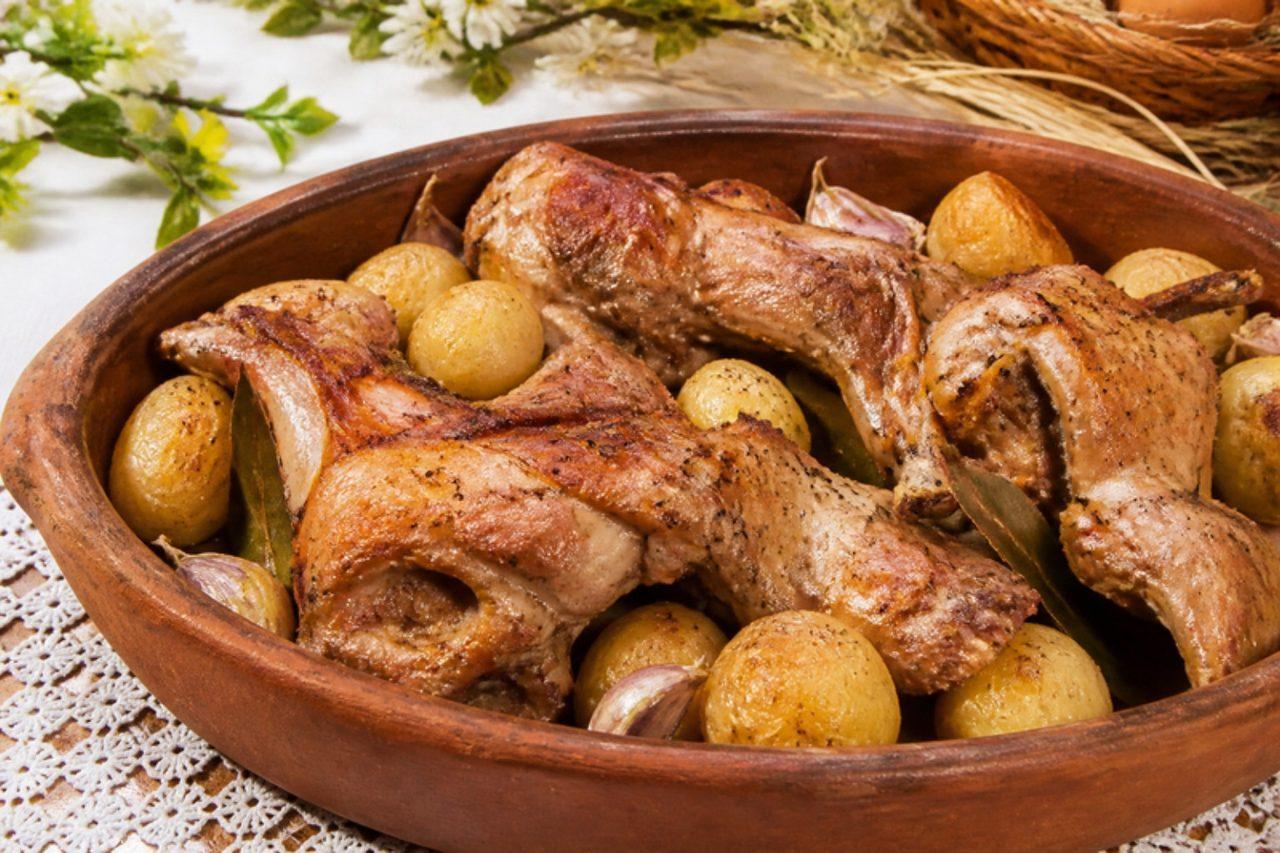
Cabrito assado à minhotaRoast kid with potatoes

Easter Sunday in the Minho means cabrito: young goat rubbed with garlic, paprika and lard, soaked overnight in white wine and roasted until the meat falls from the bone. Families in Arcos de Valdevez and Monção serve it with roast potatoes and a tray of rice baked in the meat juices. This contains pork (lard and smoked bacon) and uses wine; an alcohol-free option is in the ingredient note. Chef's tip: baste every 20 minutes, as kid is lean and dries out quickly without it.

by KrazyBadal 0 views

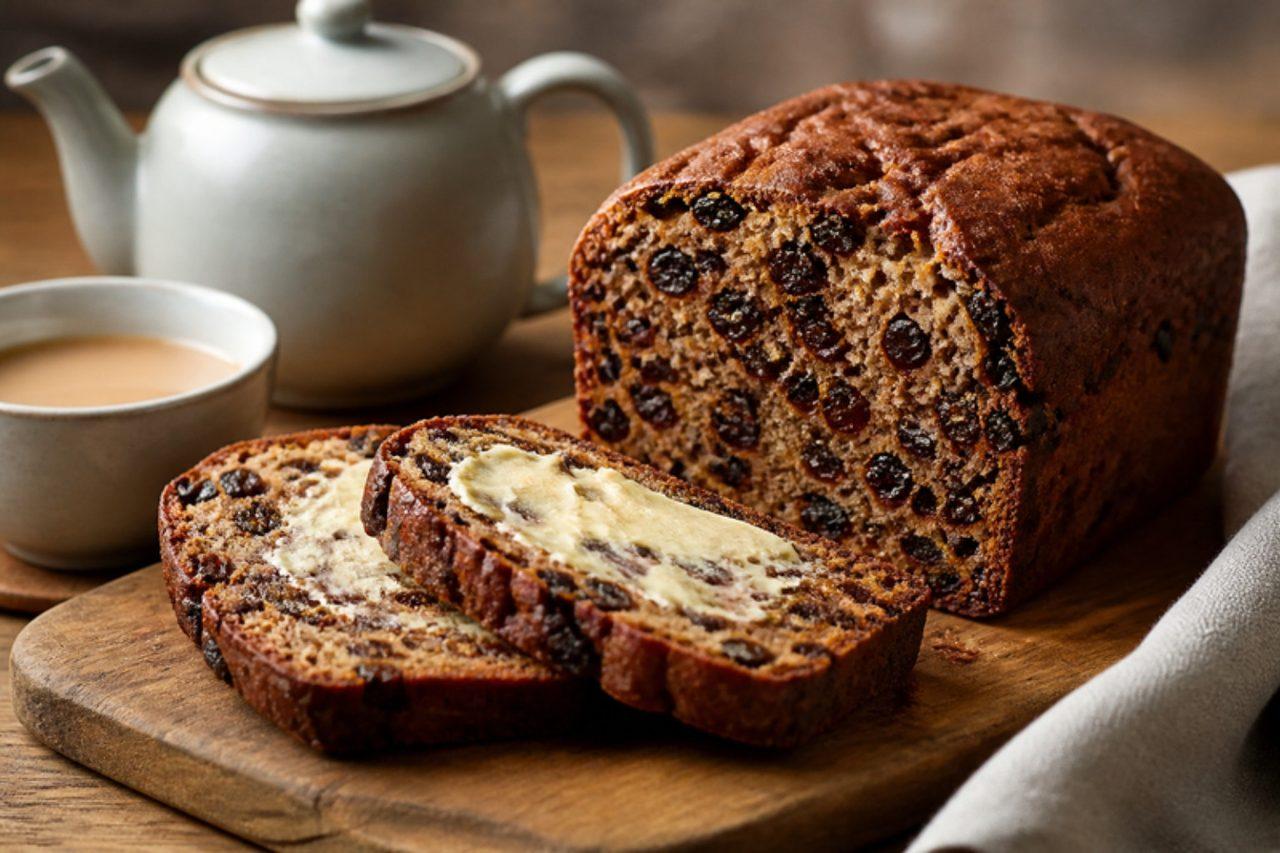
Bara brithTea-soaked fruit loaf

Bara brith means 'speckled bread', and this is the fruit loaf of Welsh farmhouses and tea rooms from Snowdonia to the Gower. Dried fruit is soaked overnight in strong black tea, then mixed with sugar, egg, flour and spice, so it is moist, dark and keeps well without any butter in the mix. Slice it thickly and spread with salted Welsh butter. Chef's tip: wrap it and wait a day before cutting; it gets stickier and slices cleaner.

by KrazyBadal 0 views

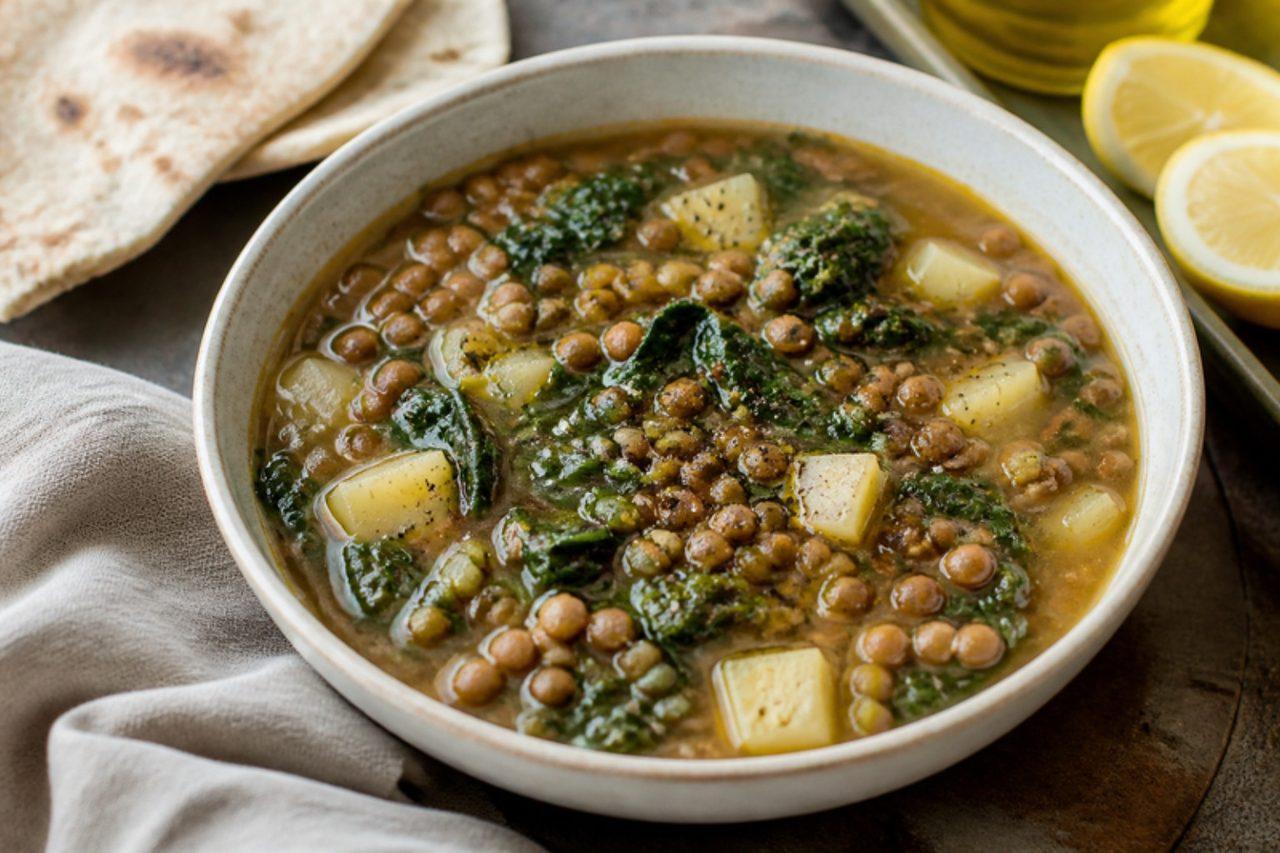
Adas bi hamodLentils with chard and lemon

Adas bi hamod — 'lentils with sourness' — is a Lenten staple in Lebanese Christian homes and a thrifty weeknight pot everywhere else, especially in the south. Brown lentils simmer with chard, potato and a fried paste of garlic and coriander until the broth turns thick, then a generous amount of lemon makes it tangy and refreshing. It is somewhere between a soup and a stew and is just as good warm or at room temperature with bread. Common mistake: adding the lemon at the start; the acid stops the lentils softening, so add it at the end. Chef's tip: mash a ladleful of lentils against the side of the pot to give the broth body without any flour.

by KrazyBadal 0 views

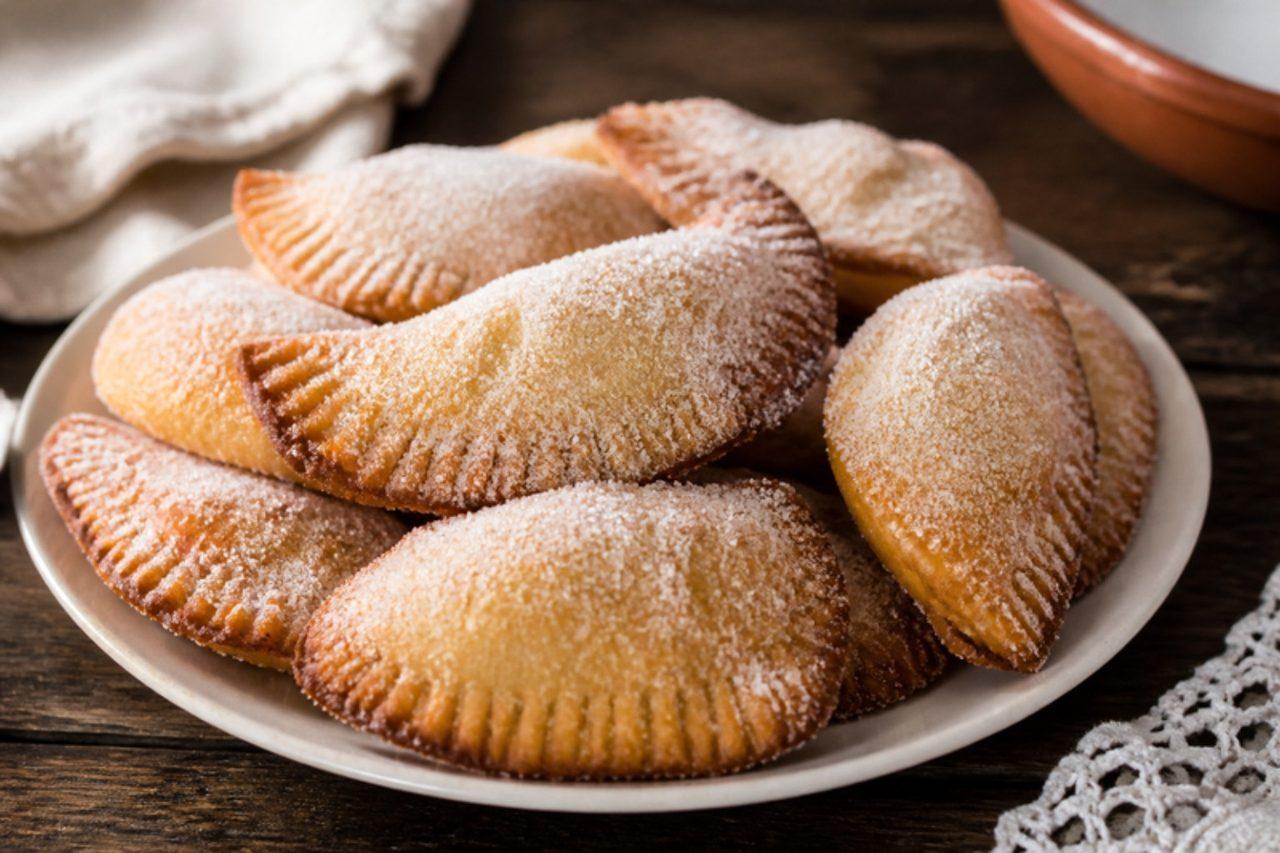
Clarinhas de FãoGourd and egg yolk pastries

Clarinhas come from Fão, a small riverside town near Esposende, where they are sold warm and sugary from bakery counters and at summer fairs on the Cávado estuary. Thin pastry is folded around a filling of candied fig-leaf gourd (doce de chila) thickened with egg yolk, fried until blistered, then rolled in sugar. Chila jam is sold in Portuguese shops; a thick pumpkin jam works well in its place. A common mistake is overfilling the pastries, so the jam bursts through the seams while they fry. Chef's tip: cook the filling until it is firm enough to hold its shape on a spoon, or it will leak and spit in the oil.

by KrazyBadal 0 views

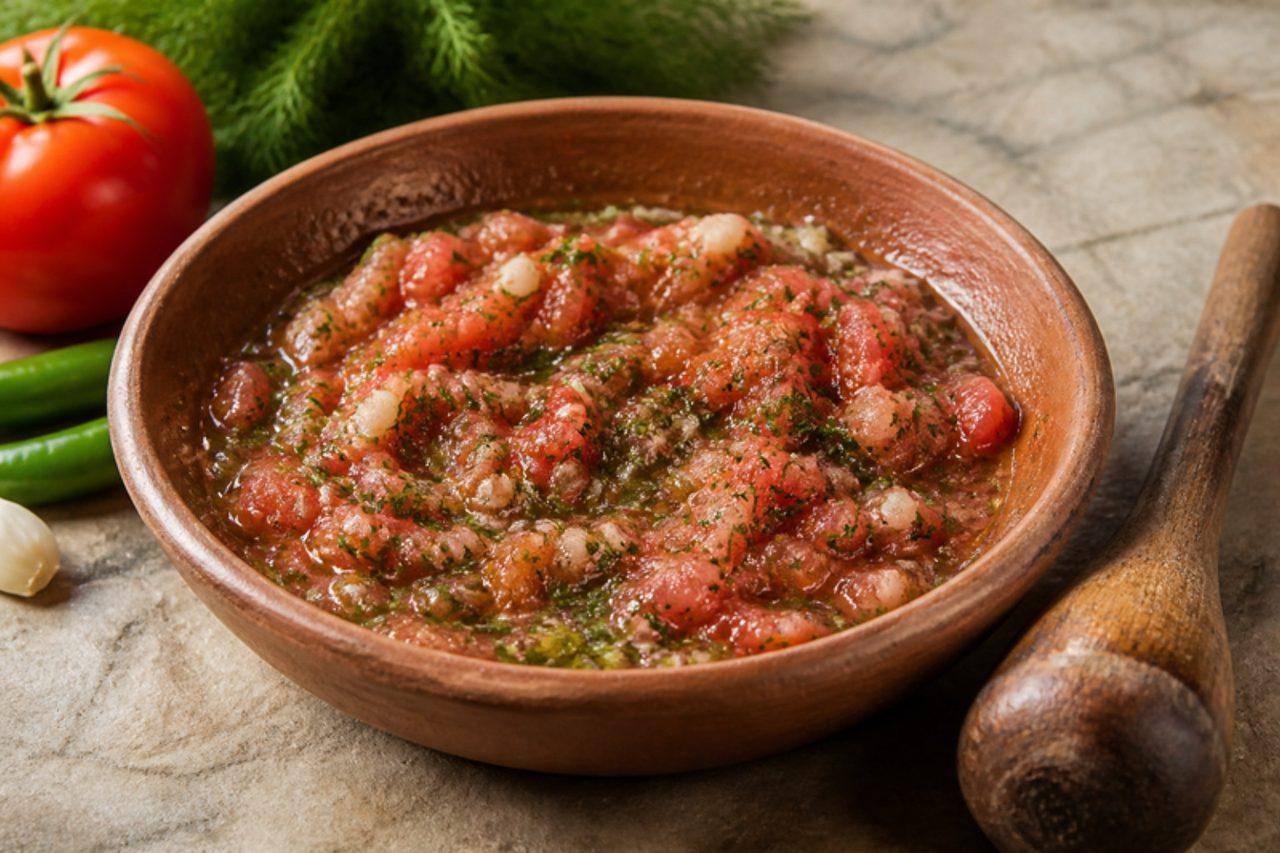
DaggaPounded tomato, dill and chilli salad

Dagga, sometimes called salata ghazawiyya, is the salad that sits on every table in Gaza, pounded in a clay bowl (zibdiya) with a wooden pestle until the tomatoes collapse into a juicy, chunky relish. Fresh dill, green chilli, garlic and lemon make it sharper and hotter than any salad in the north, and it is spooned over fish, rice and grilled meat or scooped up with bread. Common mistake: using a blender, which turns it into a smooth sauce; you want broken pieces in their own juice. Chef's tip: pound the garlic, chilli and salt to a paste first, then add the dill, so its oils bloom before the tomatoes go in.

by KrazyBadal 0 views

Adobo arequipeñoMarinated slow-cooked pork

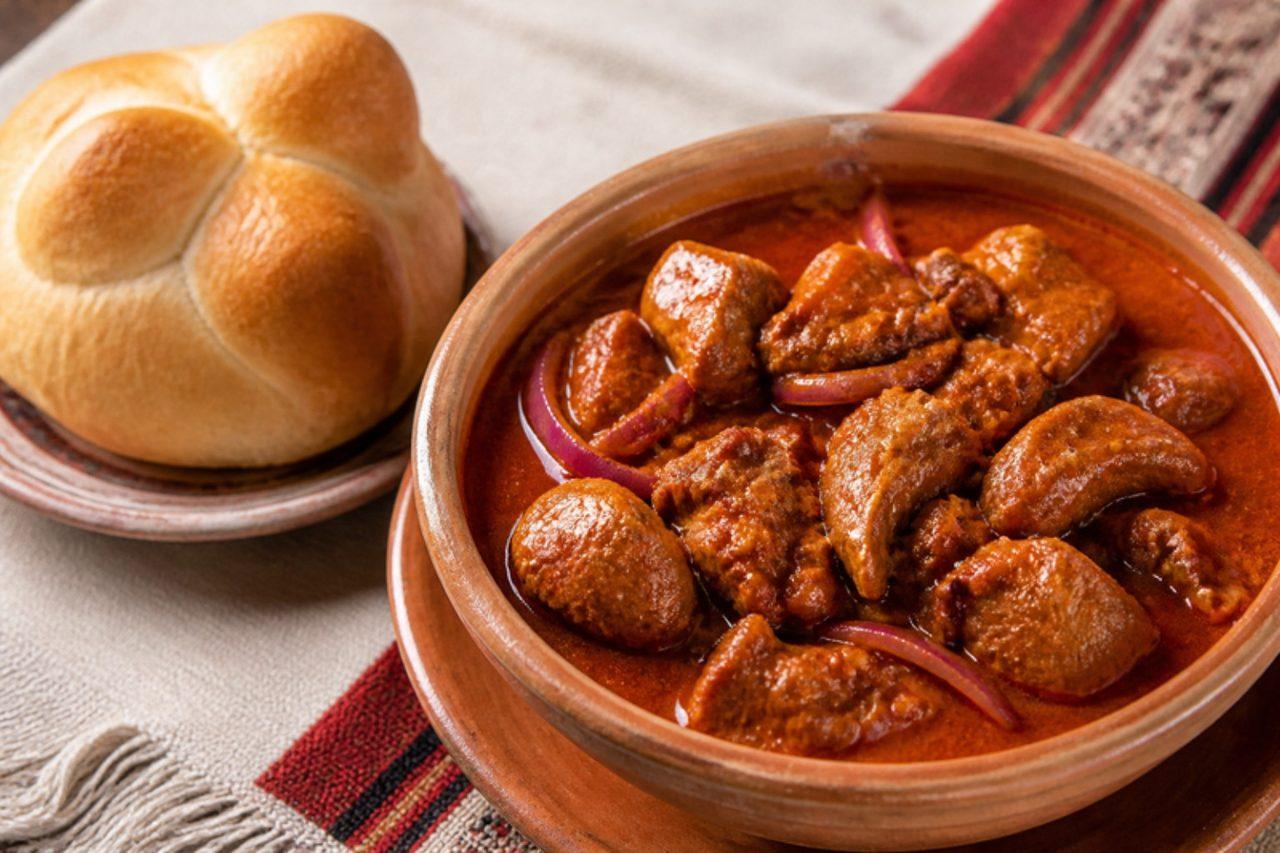
On Sunday mornings in Arequipa, families head to picanterías in Cayma and Yanahuara for a steaming bowl of adobo, chunks of pork that have marinated overnight in chicha de jora (fermented maize beer), ají panca, garlic and cumin, then cooked slowly in a clay pot with thick wedges of red onion. The sauce is dark red, tangy and garlicky rather than hot, and you mop it up with pan de tres puntas, the city's triangular bread; a mug of anise tea follows. Chicha de jora contains alcohol; for an alcohol-free adobo, use the vinegar and water swap in the ingredient list, which gives the same sour edge. Boiling it hard is the classic error, as it toughens the pork; it should barely tremble under the lid. Chef's tip: marinate the pork the evening before, always in the fridge, and cook it the next morning in its marinade.

by KrazyBadal 0 views

GiouvetsiBeef and orzo clay-pot bake

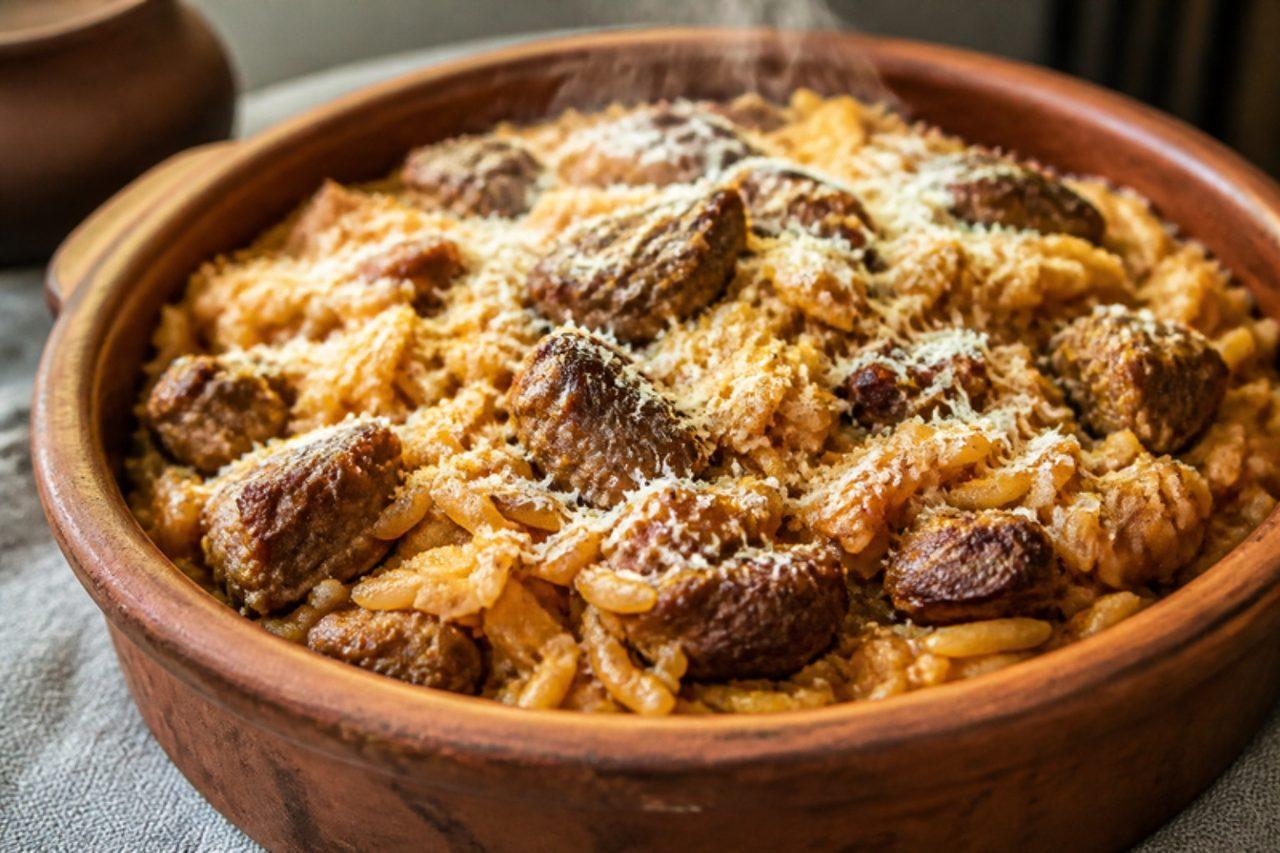
Giouvetsi takes its name from the glazed clay dish it is baked in, and in Greek homes it is the Sunday lunch that gets put in the oven before church: chunks of beef braised with tomato, cinnamon and allspice, then finished with kritharaki (orzo) that soaks up every drop of the sauce. It arrives at the table bubbling, with grated cheese melting on top. This version uses wine to deglaze, which is traditional; use extra stock for an alcohol-free dish. Common mistake: adding the orzo with too little liquid, so it bakes dry and sticks; it needs about four times its weight in hot stock. Chef's tip: stir the orzo halfway through baking so the top pieces don't harden.

170 minGreekMeat
by KrazyBadal 0 views

Clootie dumplingBoiled spiced fruit pudding

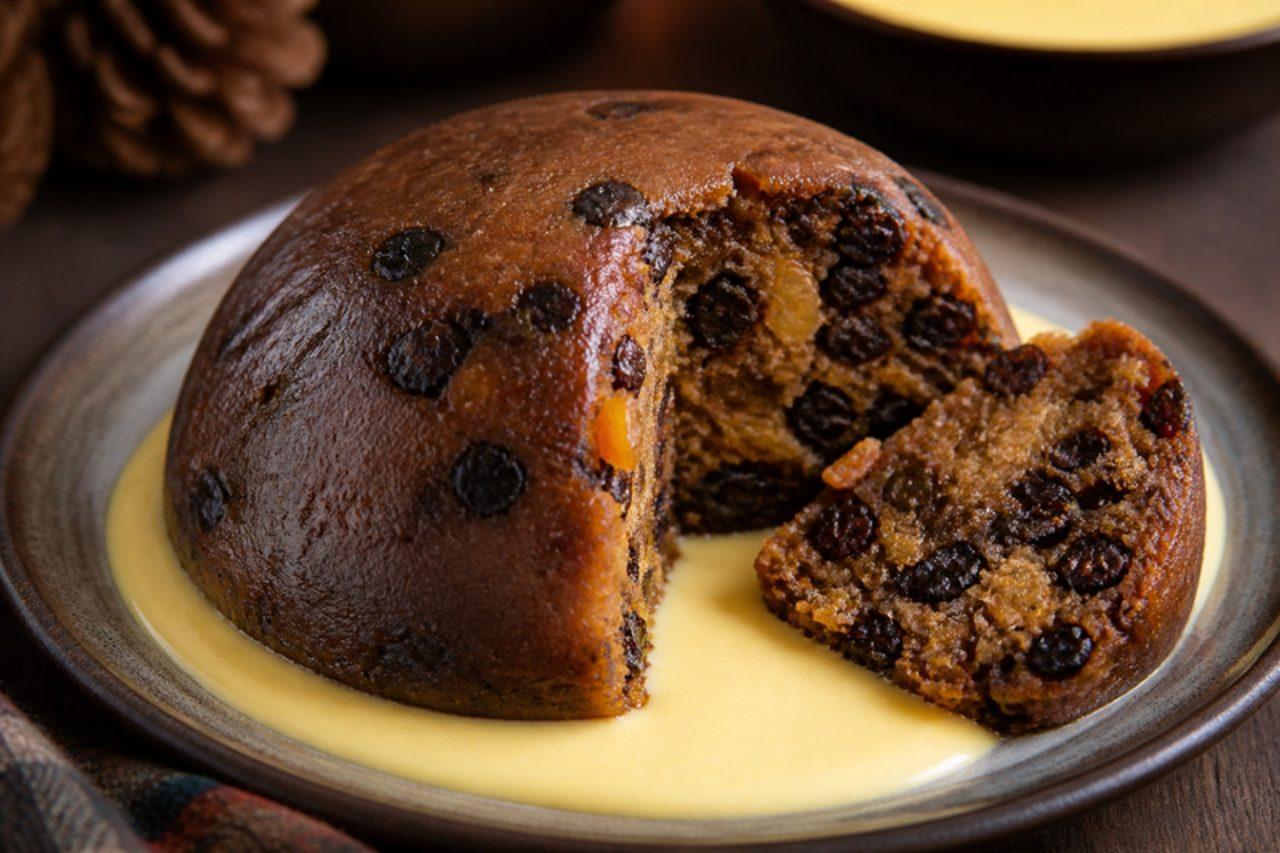
The clootie dumpling takes its name from the cloot, the cotton cloth it is boiled in, and it is the birthday and Hogmanay pudding of Scottish grannies from Fife to the Borders. It is a dense, dark, spiced fruit pudding with a sticky skin that forms when the floured cloth is dried in front of the oven. Leftover slices are fried for breakfast. Traditional recipes use beef suet; this one uses vegetable suet so it stays vegetarian. Chef's tip: dust the scalded cloth thickly with flour before filling it; that flour is what forms the famous skin.

by KrazyBadal 0 views

AeropuertoFried rice and noodles with omelette

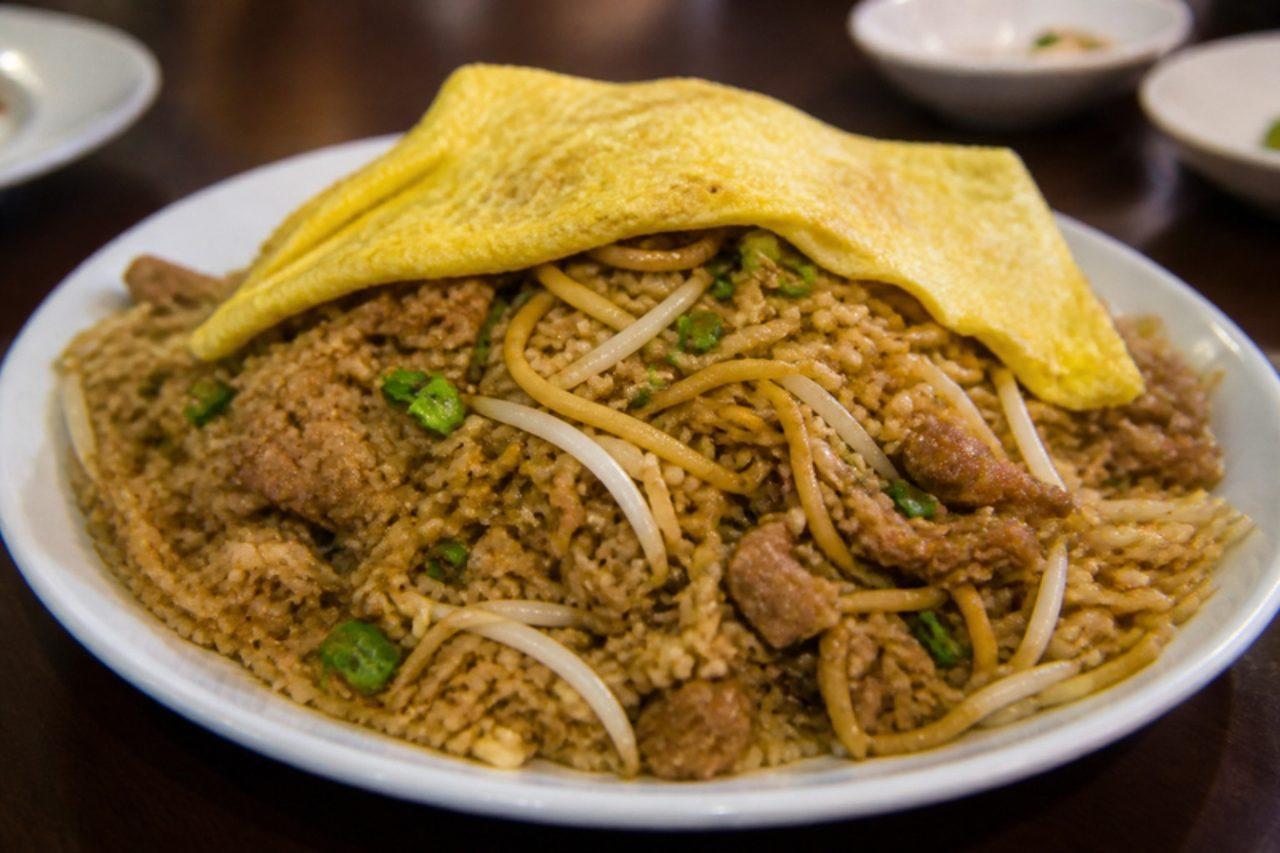
Nobody agrees why Lima's chifas call it 'airport', though the favourite story is that everything 'lands' on one plate: arroz chaufa and fried noodles stir-fried together in a smoking wok with roast pork, bean sprouts, snow peas and spring onion, then crowned with a thin egg omelette, sometimes with a few fried wontons alongside. It is hearty, smoky and salty from soy and oyster sauce, a late-night and lunchtime favourite to share. The main mistake is using freshly cooked rice, which goes mushy; use rice cooked the day before and kept in the fridge. Chef's tip: for a veg version, swap the pork for firm tofu and extra vegetables, and use a mushroom-based 'oyster' sauce.

by KrazyBadal 0 views

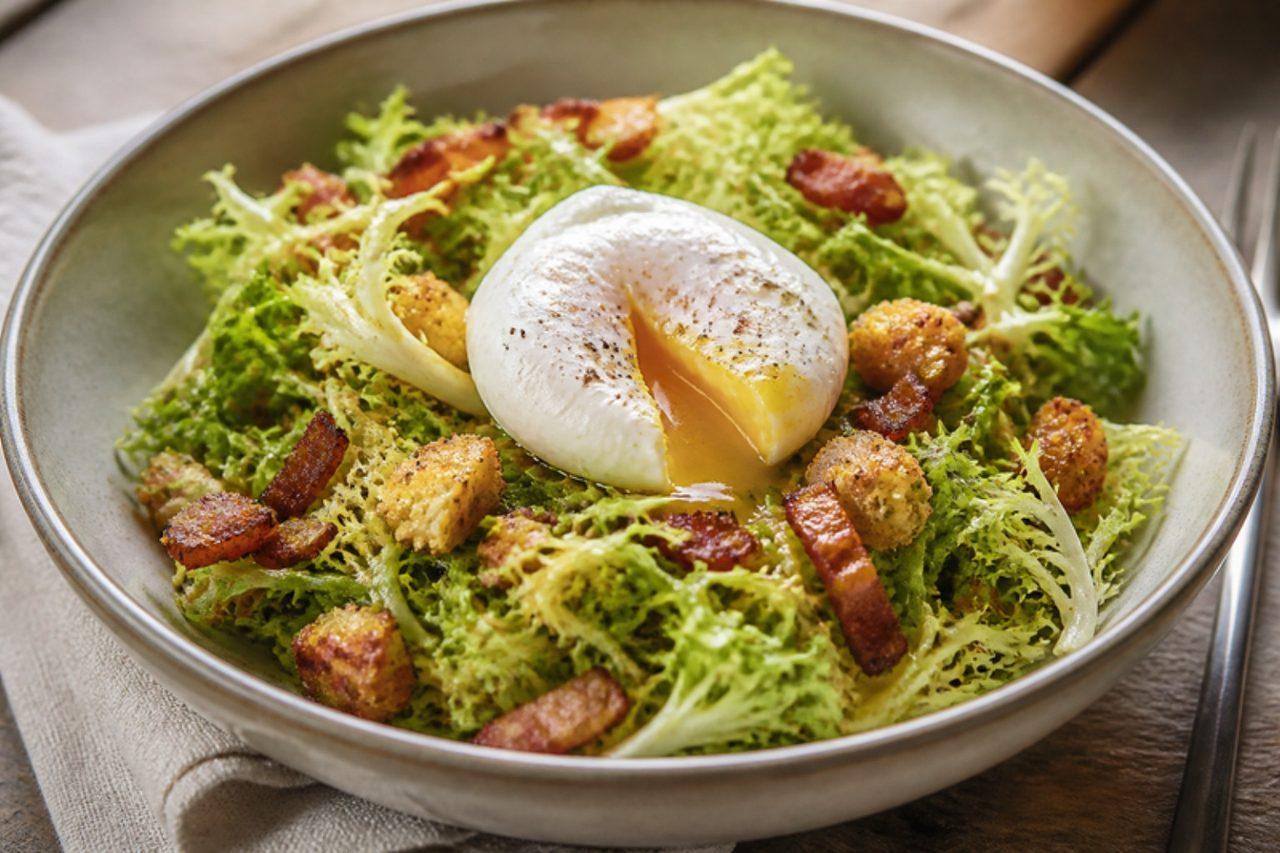
Salade lyonnaiseFrisée, bacon and poached egg salad

Every bouchon in Lyon, the small checked-tablecloth restaurants of the old town and the Presqu'île, puts salade lyonnaise on its menu as a starter or light lunch. Bitter, crunchy frisée is tossed with a sharp mustard vinaigrette, then topped with hot smoked pork lardons, garlicky croutons and a poached egg whose yolk spills into the leaves and turns the dressing creamy. It's the meeting of hot and cold, soft and crisp that makes it work. The egg is served runny, so use pasteurised eggs for pregnant women, young children, older people or anyone with a weakened immune system, or cook the egg until set. Chef's tip: deglaze the lardon pan with the vinegar and pour it warm over the leaves so they wilt very slightly.

by KrazyBadal 0 views

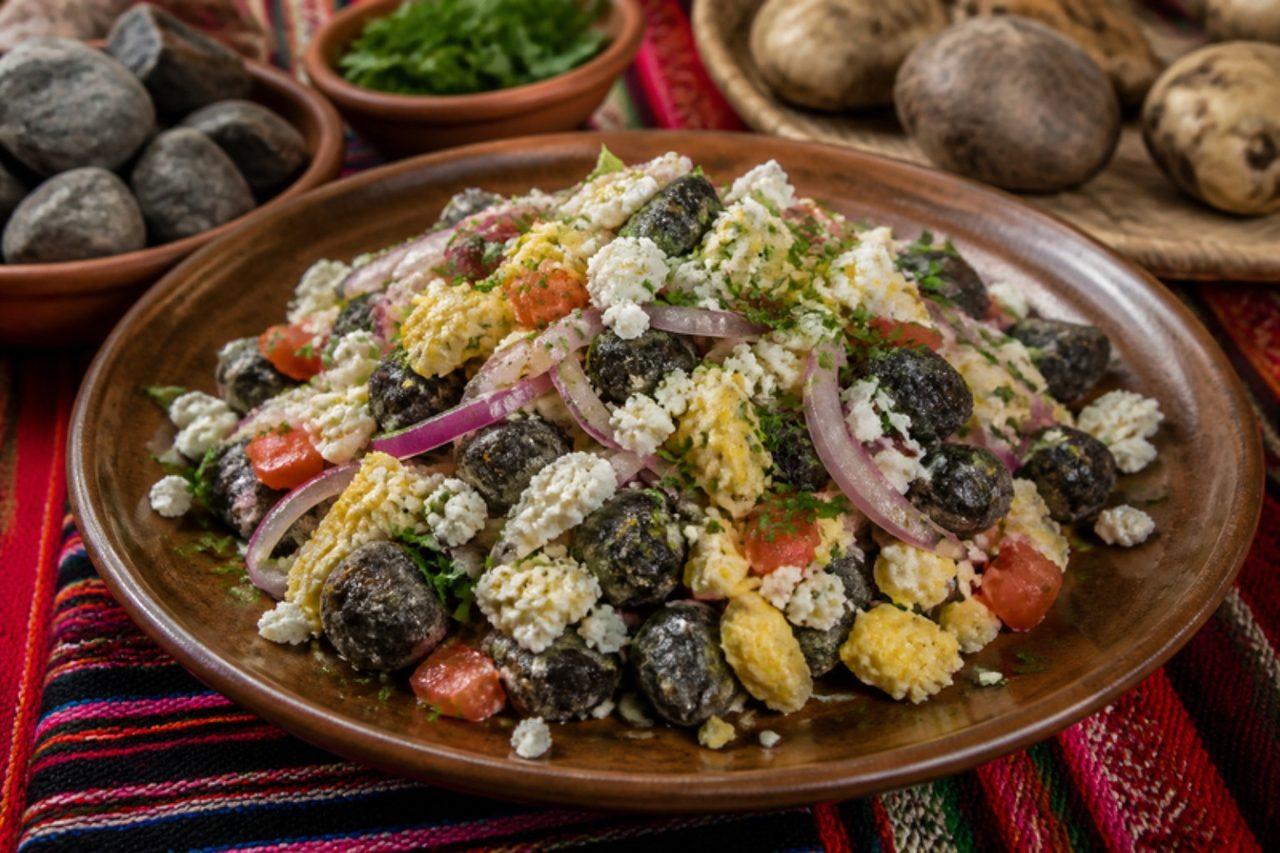
Chuño phutiFreeze-dried potatoes with egg and cheese

Chuño are potatoes freeze-dried the ancient way on the Altiplano: left out on frosty nights, trampled to squeeze out the water and dried in the high sun, so they keep for years. In Puno and across the border in Bolivia, they are soaked, crumbled and fried with onion, then scrambled with egg and fresh cheese to make phuti, a hearty breakfast or supper eaten with a hot tea. The texture is dense and slightly chewy, and the flavour earthy and a little tangy. Chuño is sold dried in Andean shops; it must soak overnight (ideally 24 hours, with the water changed) and then be peeled, which adds time before you start. The mistake is not soaking or rinsing enough: under-soaked chuño smells strong and stays hard in the middle. Serve with a fresh tomato salsa or uchucuta. Fresh cheese is usually made with animal rennet, so use a vegetarian one if needed. Chef's tip: squeeze the soaked chuño hard between your palms before crumbling; the drier it is, the better it fries.

by KrazyBadal 0 views

Biscuits and sausage gravy

Biscuits and gravy is the working breakfast of the rural South and Appalachia, served at truck stops in Tennessee and diners in the Virginia mountains: fresh biscuits split open and smothered in a thick white 'sawmill' gravy made from crumbled pork sausage, its fat, flour, milk and plenty of black pepper. Chef's tip: don't drain the sausage fat; it is what thickens and flavours the gravy.

by KrazyBadal 0 views

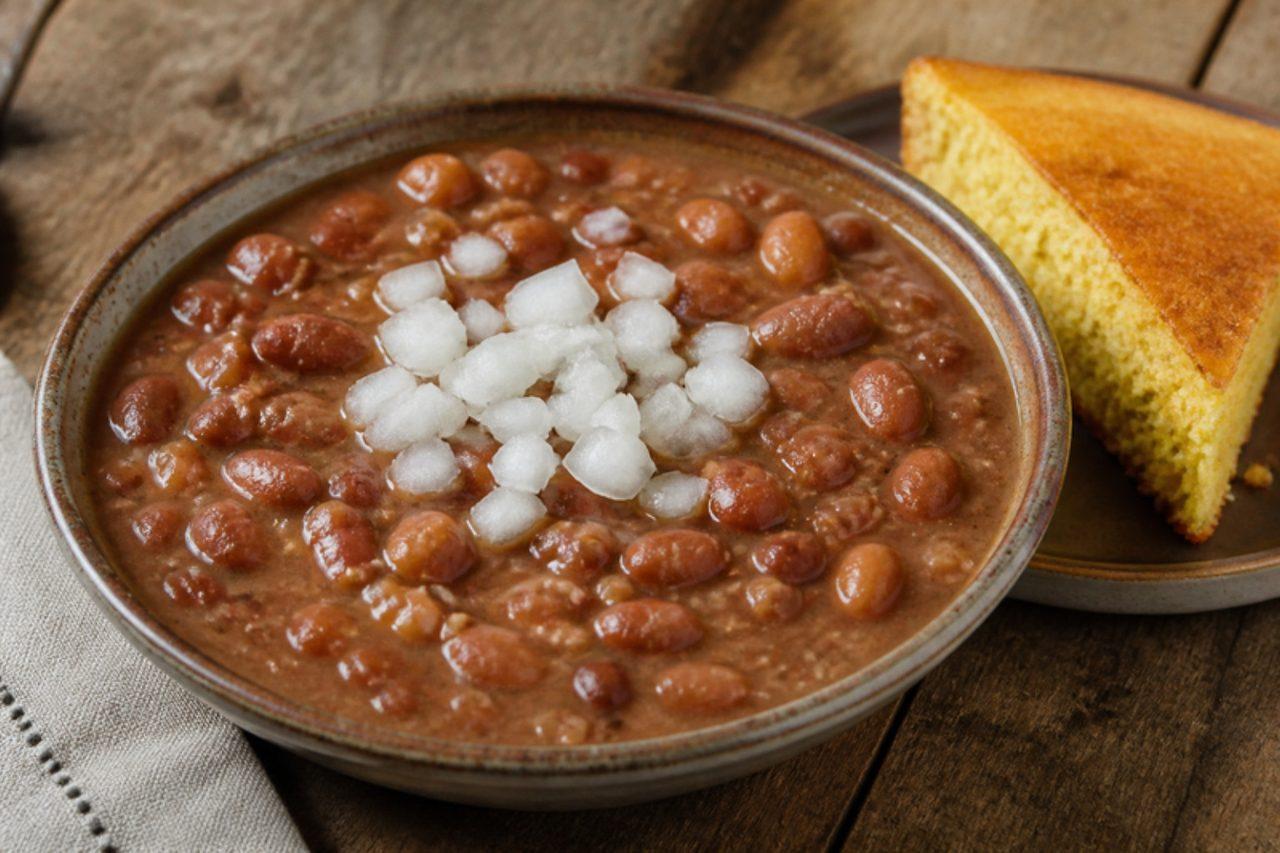
Appalachian soup beans

Soup beans, a pot of brown pintos simmered all afternoon until the broth turns thick and creamy, are the everyday supper of the coal-country hollows of Kentucky and West Virginia, served with cornbread, raw onion and chow-chow. Most mountain cooks add a ham hock or salt pork; this meat-free pot gets its savour from browned onion, garlic and a little smoked paprika. Chef's tip: mash a ladle of beans against the pot side near the end to thicken the 'pot likker'.

by KrazyBadal 0 views

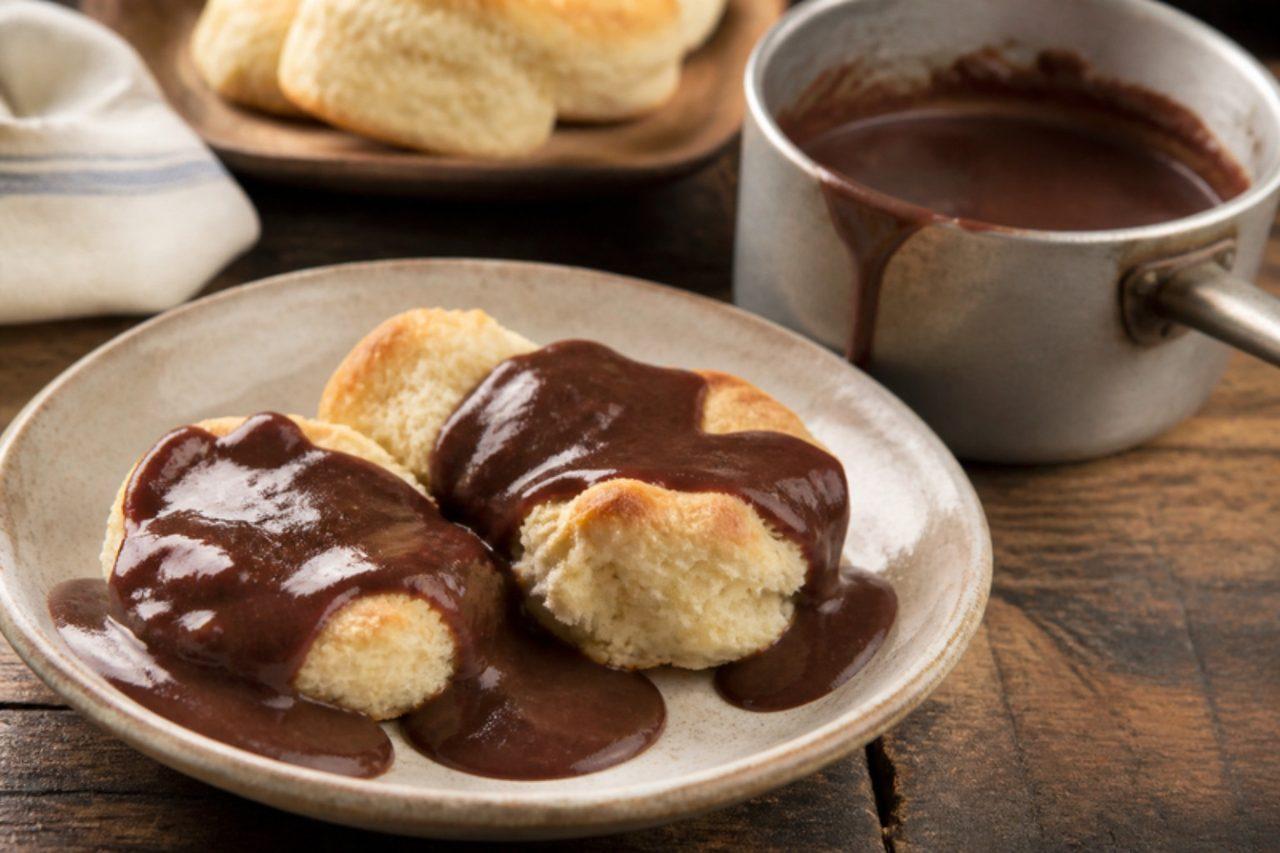
Chocolate gravy and biscuits

Chocolate gravy is a Sunday-morning treat in the hills of Arkansas, Tennessee and eastern Kentucky, passed down in mountain families who made it from pantry staples. It is a glossy, pourable cocoa pudding cooked in a skillet and ladled over split biscuits with a pat of butter, something between breakfast and dessert. Chef's tip: whisk the cocoa, sugar and flour together before the milk goes in, so there are no lumps.

by KrazyBadal 0 views

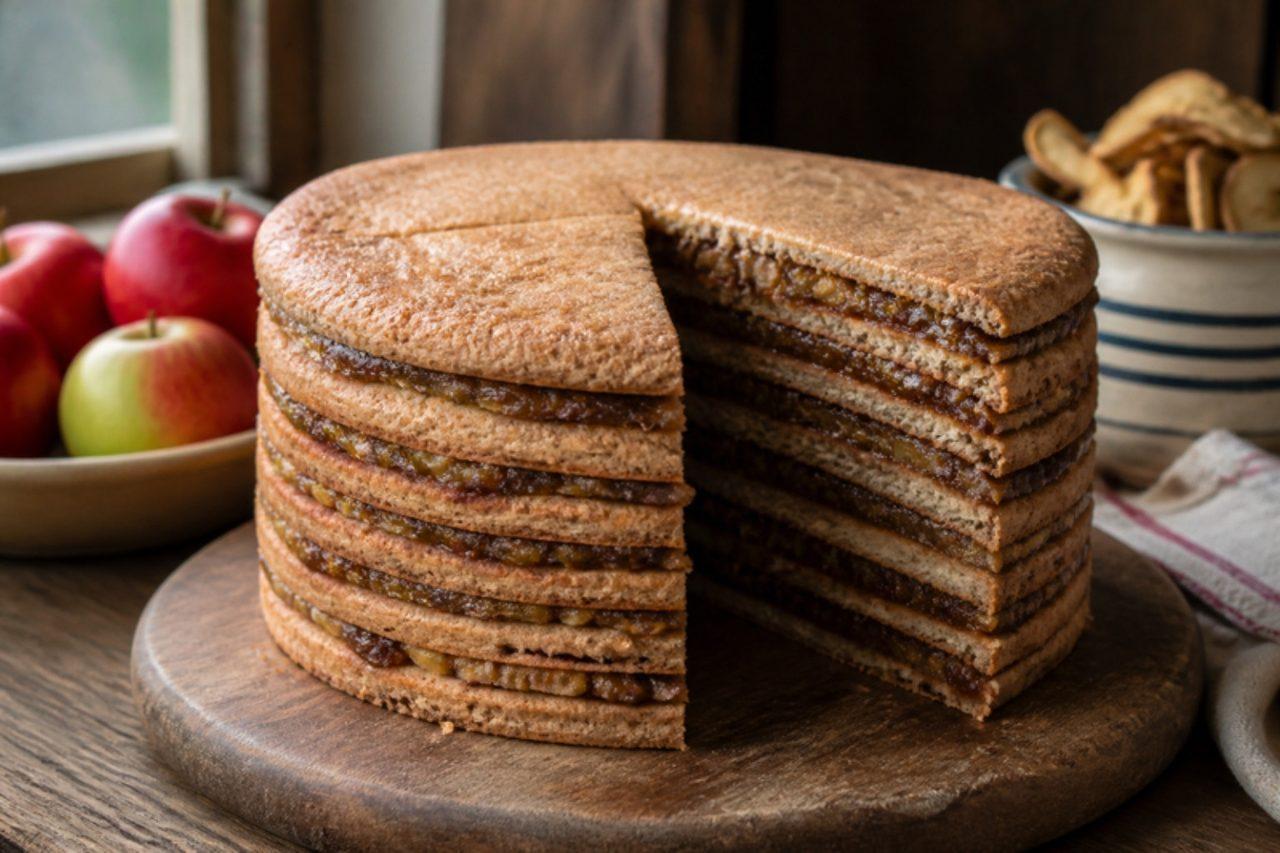
Appalachian apple stack cake

Apple stack cake is the old mountain wedding cake of eastern Kentucky and Tennessee: legend has it neighbours each brought a layer, and the bride's popularity was judged by the height. Six thin, biscuit-like layers flavoured with sorghum or molasses and ginger are stacked with a thick filling of cooked dried apples, then left for two days so the layers soften into a moist, spiced cake. Chef's tip: don't cut it the day you make it; the resting time is part of the recipe.

by KrazyBadal 0 views

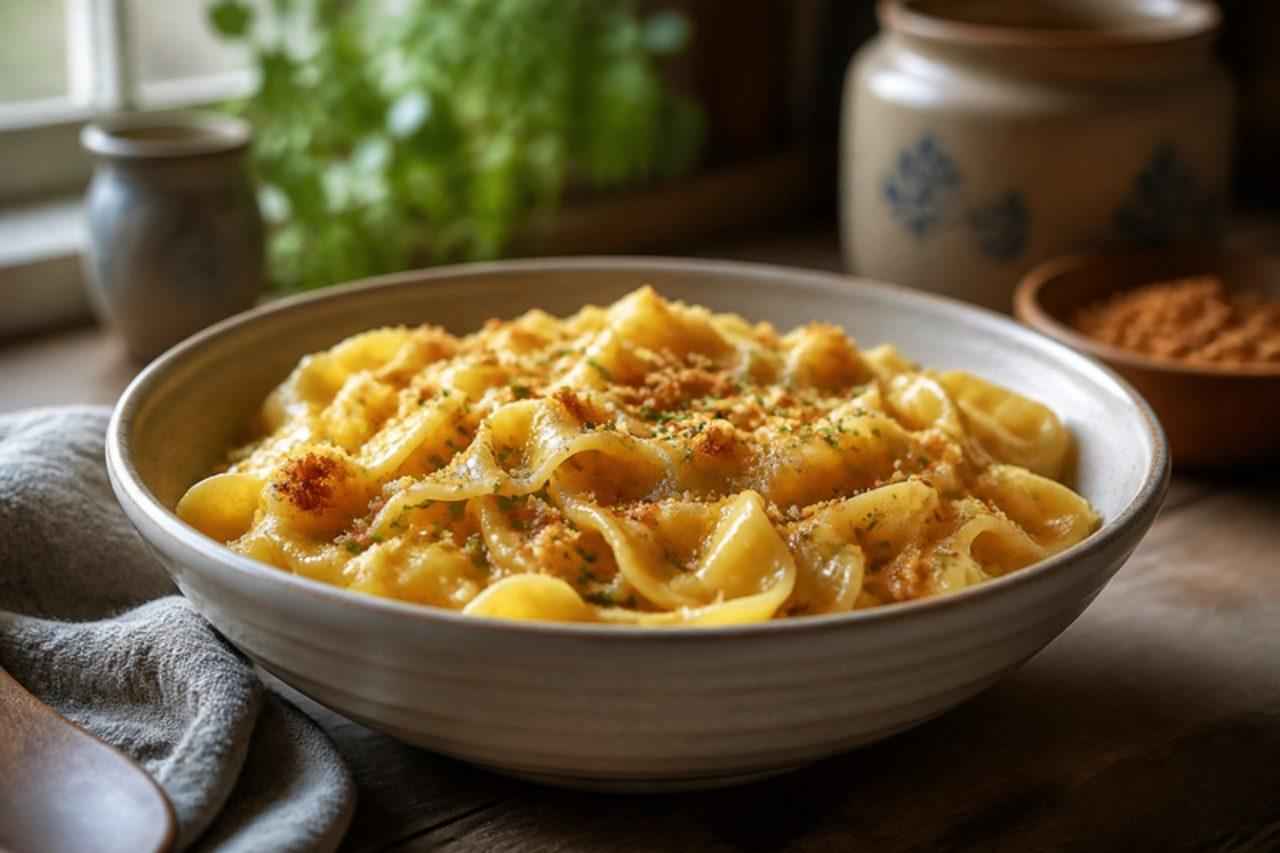
Pennsylvania Dutch brown butter noodles

At Amish smorgasbords and family-style restaurants around Intercourse and Bird-in-Hand, buttered noodles are passed round the table with mashed potatoes as though nobody had heard of choosing one starch. Wide, thick egg noodles are tossed with butter cooked until nutty and brown and a handful of toasted breadcrumbs. Chef's tip: take the butter off the heat the moment it smells of hazelnuts and the specks turn tan; seconds later it burns.

by KrazyBadal 0 views

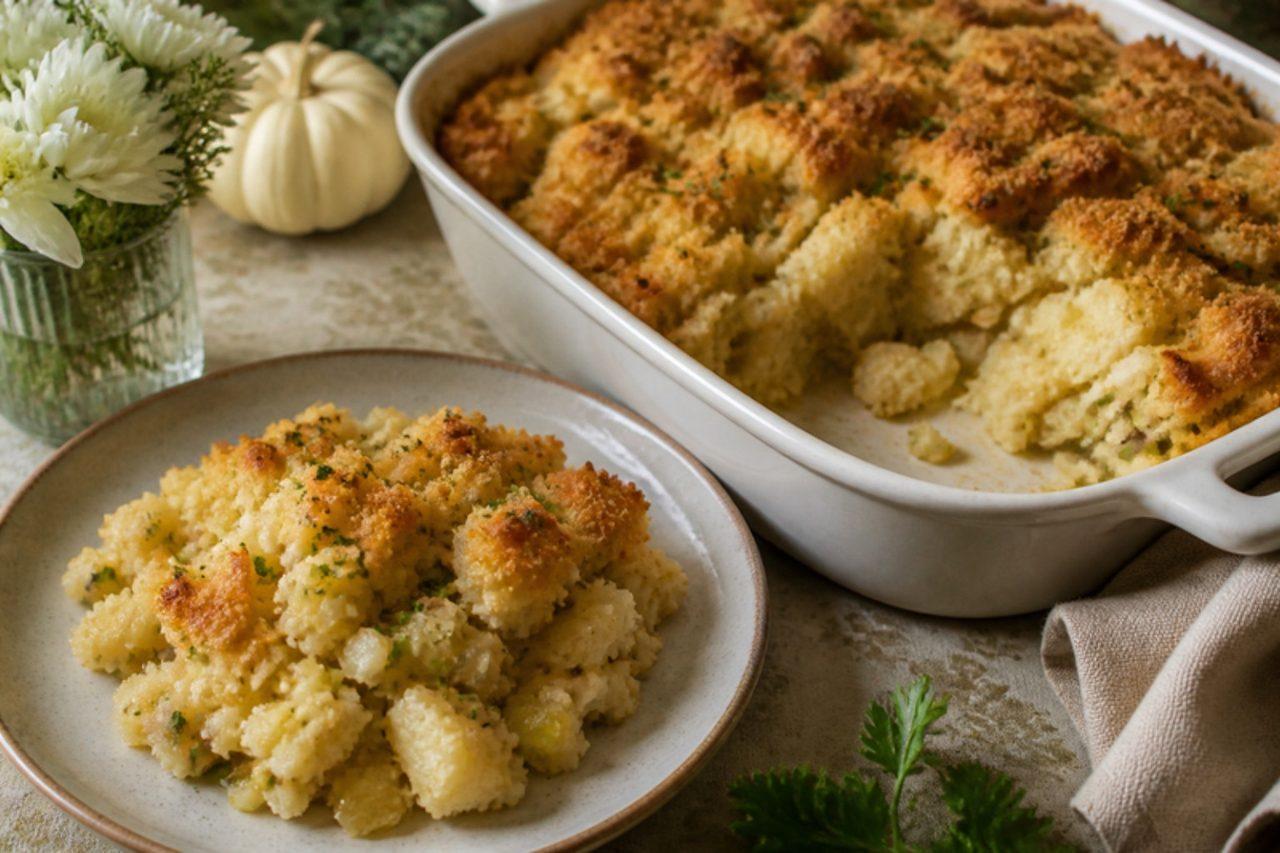
Pennsylvania Dutch potato filling

In Lehigh and Berks counties no Thanksgiving or Christmas dinner comes without potato filling, sometimes called potato stuffing: buttery mashed potato folded with toasted bread cubes, celery, onion and parsley, then baked until the top crisps. It is soft and savoury, rich enough to stand in for gravy. Chef's tip: dry the bread cubes in the oven first so they hold their shape instead of turning to paste.

by KrazyBadal 0 views

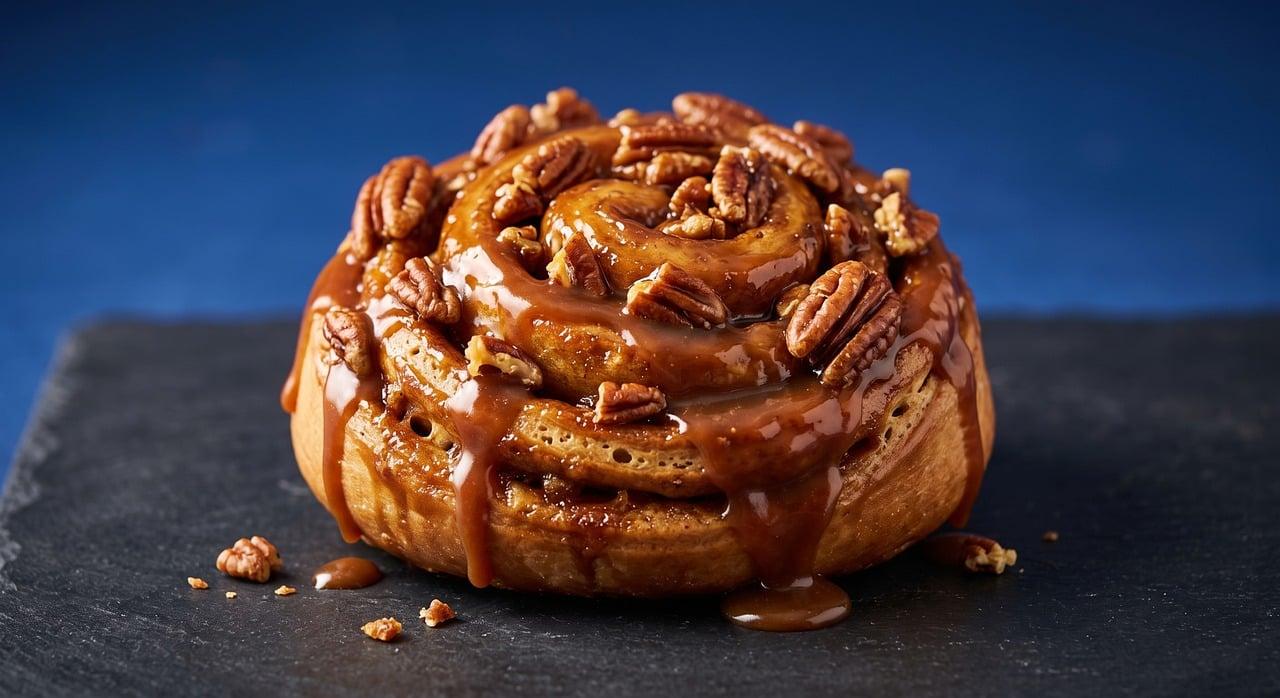
Philadelphia sticky buns

Philadelphia's sticky buns descend from the 'schnecken' of German bakers, and Reading Terminal Market still sells them warm by the tray, glistening with caramel and pecans. Soft rolls of cinnamon-raisin dough are baked on top of butter and brown sugar, then flipped so the hot caramel runs down over them. Chef's tip: turn them out within 5 minutes of leaving the oven; once the caramel cools it glues the buns to the tin.

by KrazyBadal 0 views

Pennsylvania Dutch apple butter

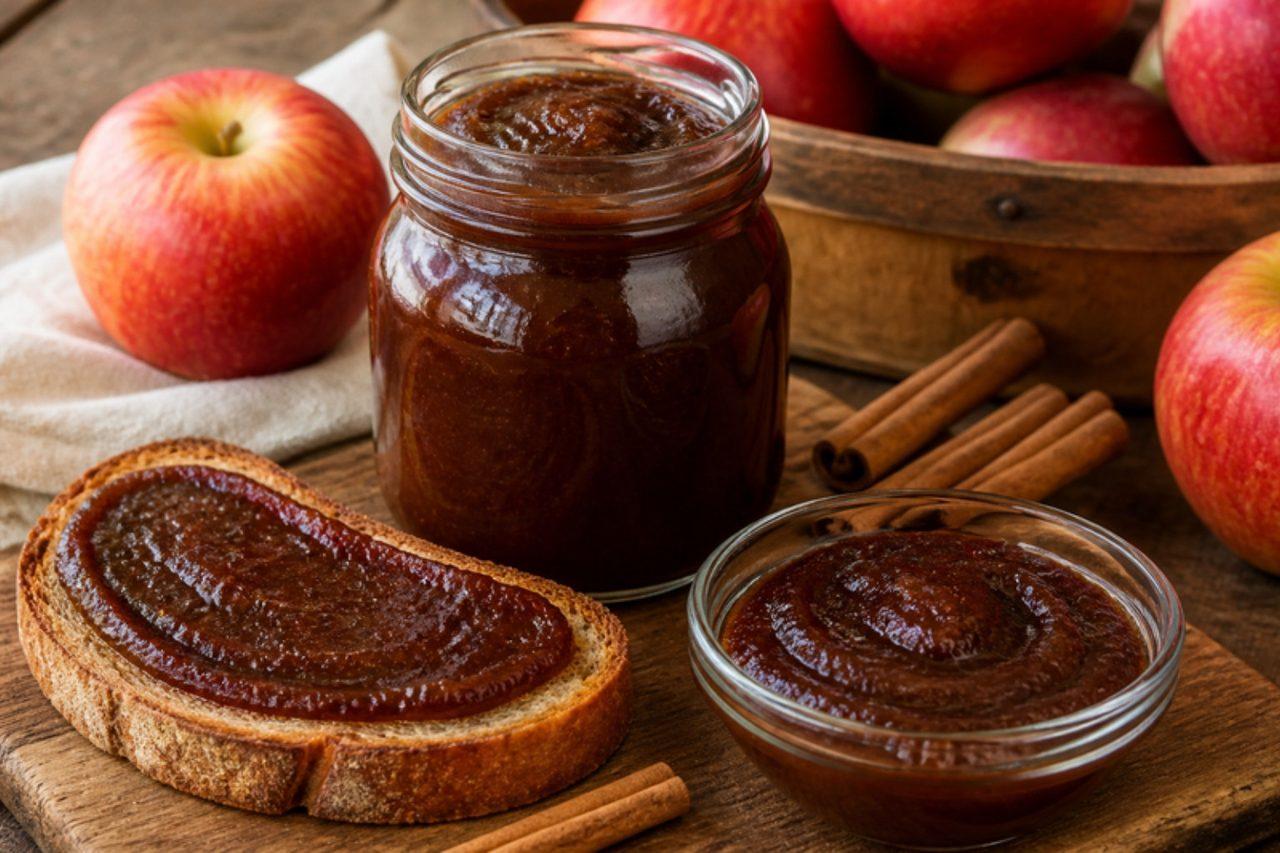
Every autumn Pennsylvania Dutch families once gathered round a copper kettle in the yard to stir 'lattwarick', apple butter, all day over a wood fire. There is no butter in it: apples and cider are cooked down for hours until the sugars caramelise into a thick, glossy, deep brown spread. It is eaten on bread with cottage cheese, a combination Lancaster calls 'smearcase and apple butter'. Chef's tip: it is done when a spoonful on a cold plate holds its shape and no ring of liquid seeps out.

by KrazyBadal 0 views

Agnolotti del plinSmall pinched meat pasta parcels

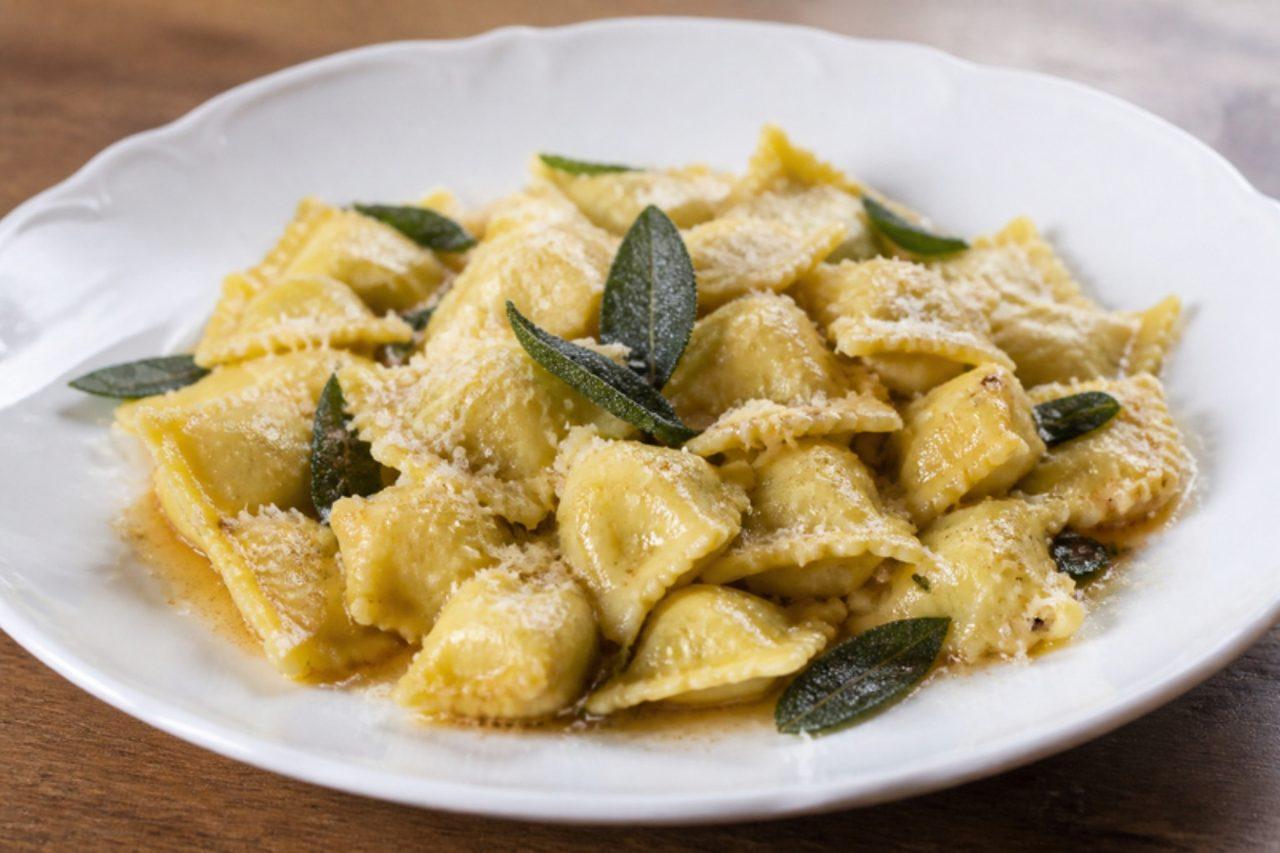
In the Langhe and Monferrato hills of Piedmont, agnolotti del plin are the Sunday and feast-day pasta, made from whatever roast was left from the day before and pinched shut with a quick twist of the fingers (plin means pinch in dialect). Each parcel is barely a mouthful of thin egg pasta around a savoury filling of roast veal, pork shoulder and beef with a little cabbage, egg and parmigiano, so this is a pork dish as well as a veal one. In the trattorie of Alba they arrive either glossed with butter and sage or simply dressed in the reduced roasting juices, sometimes with no plate at all, served in a napkin. They want nothing alongside except a green salad afterwards. Chef's tip: keep the filling quite firm and the blobs small, no bigger than a hazelnut, or the pasta will not seal tightly around them.

by KrazyBadal 0 views

Gilroy garlic fries

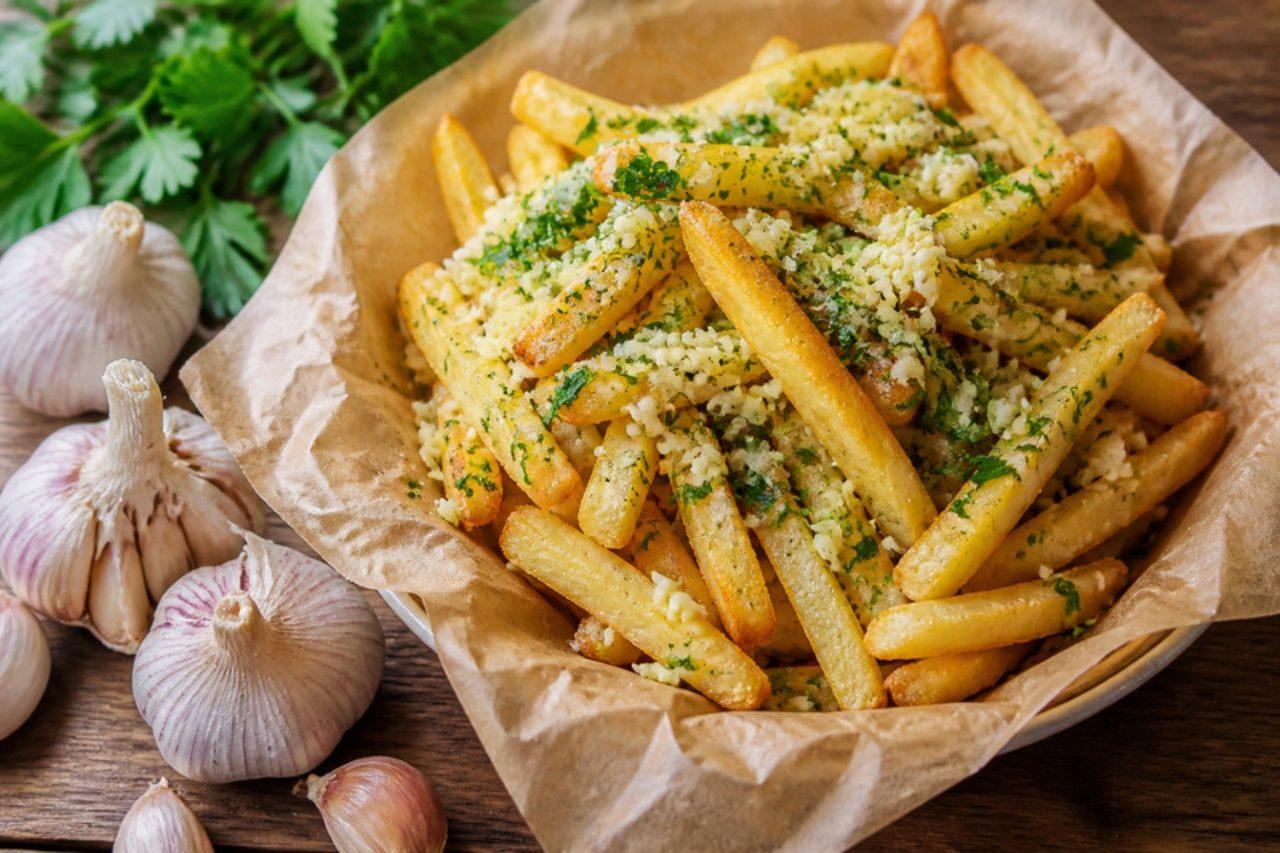
Gilroy, south of San José, calls itself the garlic capital of the world, and its summer garlic festival made these fries famous; today they are sold at Bay Area baseball games too. Crisp, double-fried chips are tossed while hot with raw garlic softened in olive oil and a lot of parsley, so they are pungent and fresh. Chef's tip: toss the garlic on at the end, off the heat; garlic fried with the chips burns and turns bitter.

by KrazyBadal 0 views

PingadoHot milk with coffee

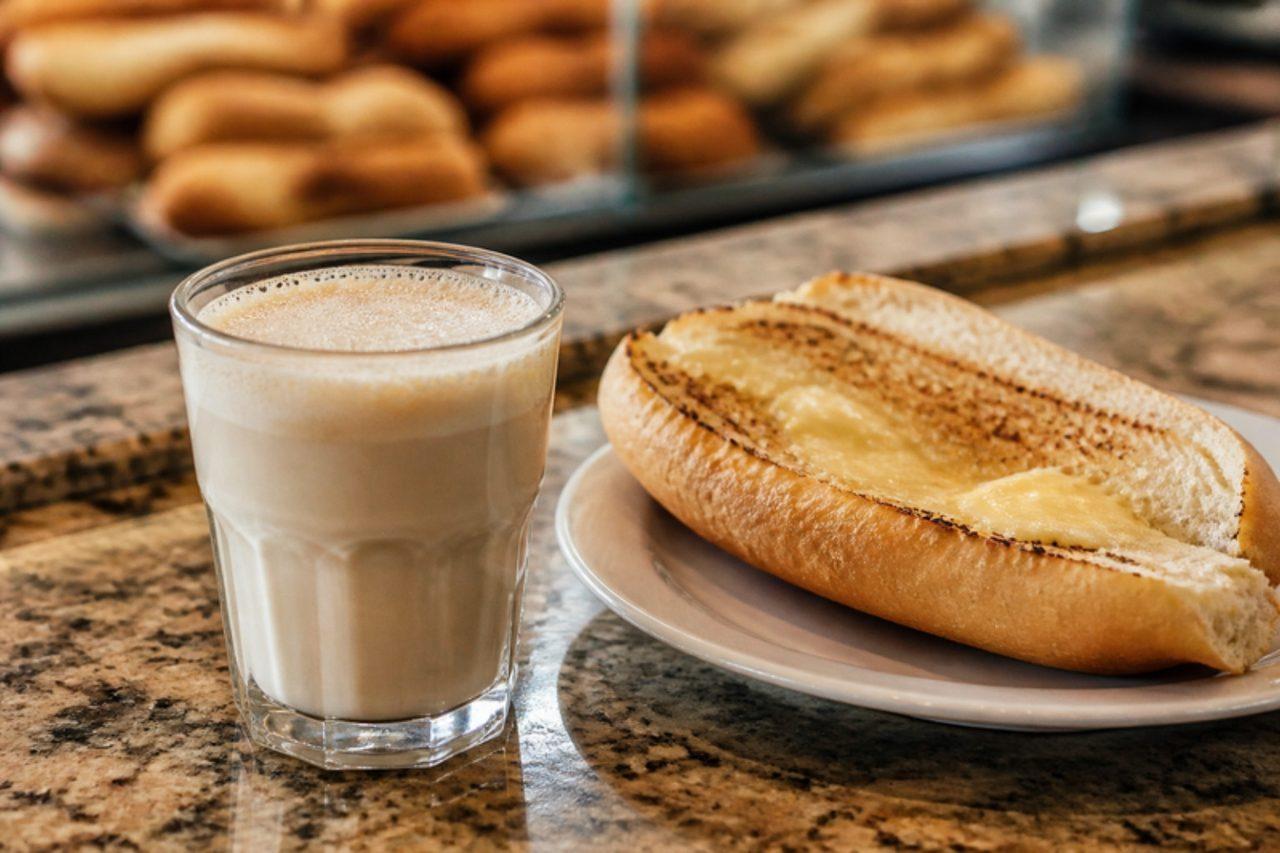
Order 'um pingado' at the balcão of any São Paulo padaria at 7 in the morning and the attendant pours hot milk into a ridged glass tumbler (the copo americano) and 'drips' in a splash of strong coffee, hence the name. It is milkier and gentler than a média (half coffee, half milk), creamy and lightly sweet, usually drunk standing up with a pão na chapa, a toasted buttered roll. At home you need strong filter coffee and milk heated until steaming. Scalding the milk is the frequent mistake, as boiled milk tastes flat and forms a skin. Chef's tip: froth the hot milk for a few seconds with a whisk or by pouring it back and forth between two jugs before adding the coffee, as padaria machines do.

by KrazyBadal 1 views

San Francisco garlic noodles

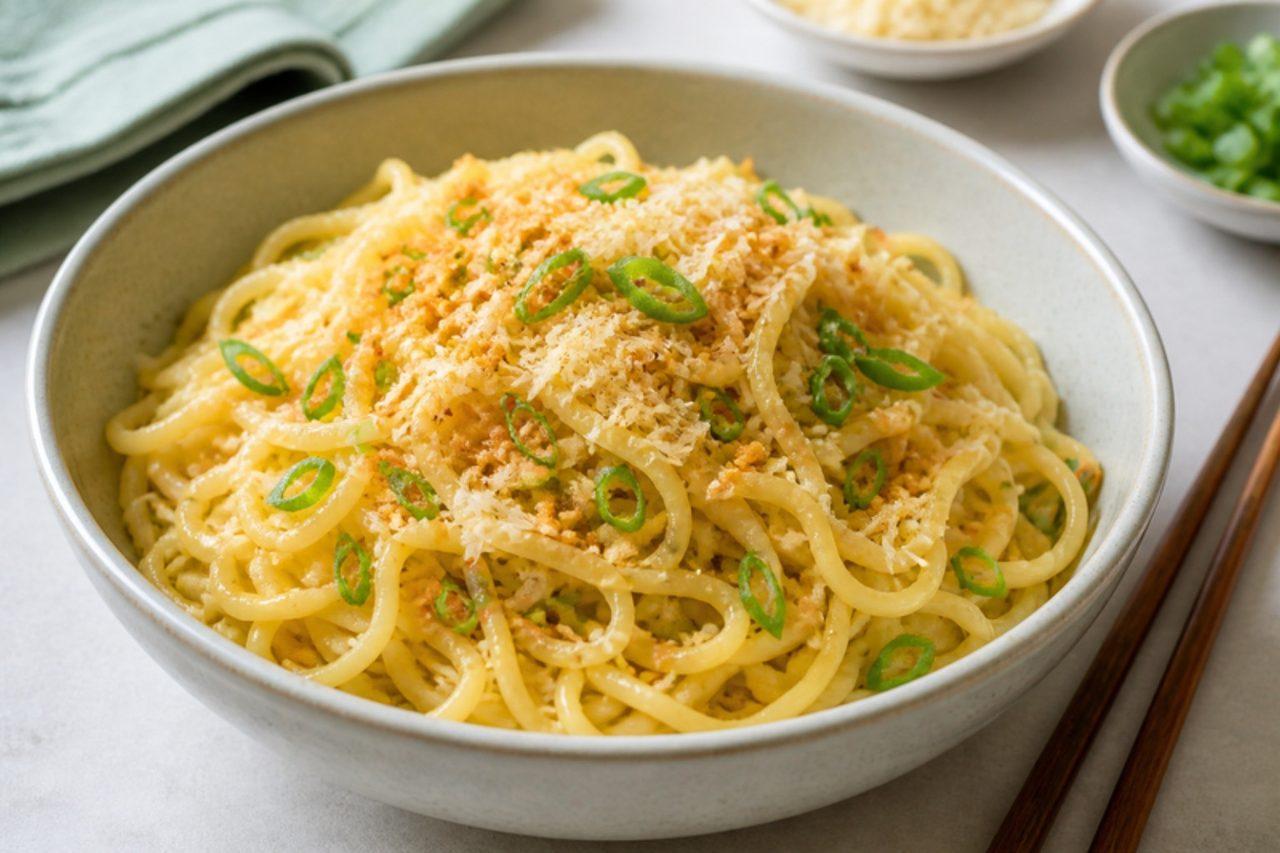
Garlic noodles were made famous by a Vietnamese family restaurant in San Francisco's Sunset District in the 1970s, served next to roast Dungeness crab, and now every Bay Area Vietnamese place has its own version. Springy noodles are tossed in a glossy sauce of lots of butter and garlic with a savoury, sweet seasoning and grated hard cheese. Restaurants use oyster and fish sauce; this vegetarian version uses vegetarian mushroom 'oyster' sauce and soy. Parmesan is made with animal rennet, so use a vegetarian hard cheese. Chef's tip: cook the garlic gently until pale gold, never brown, or the whole dish turns bitter.

by KrazyBadal 0 views

AguachilePrawns in lime and chilli water

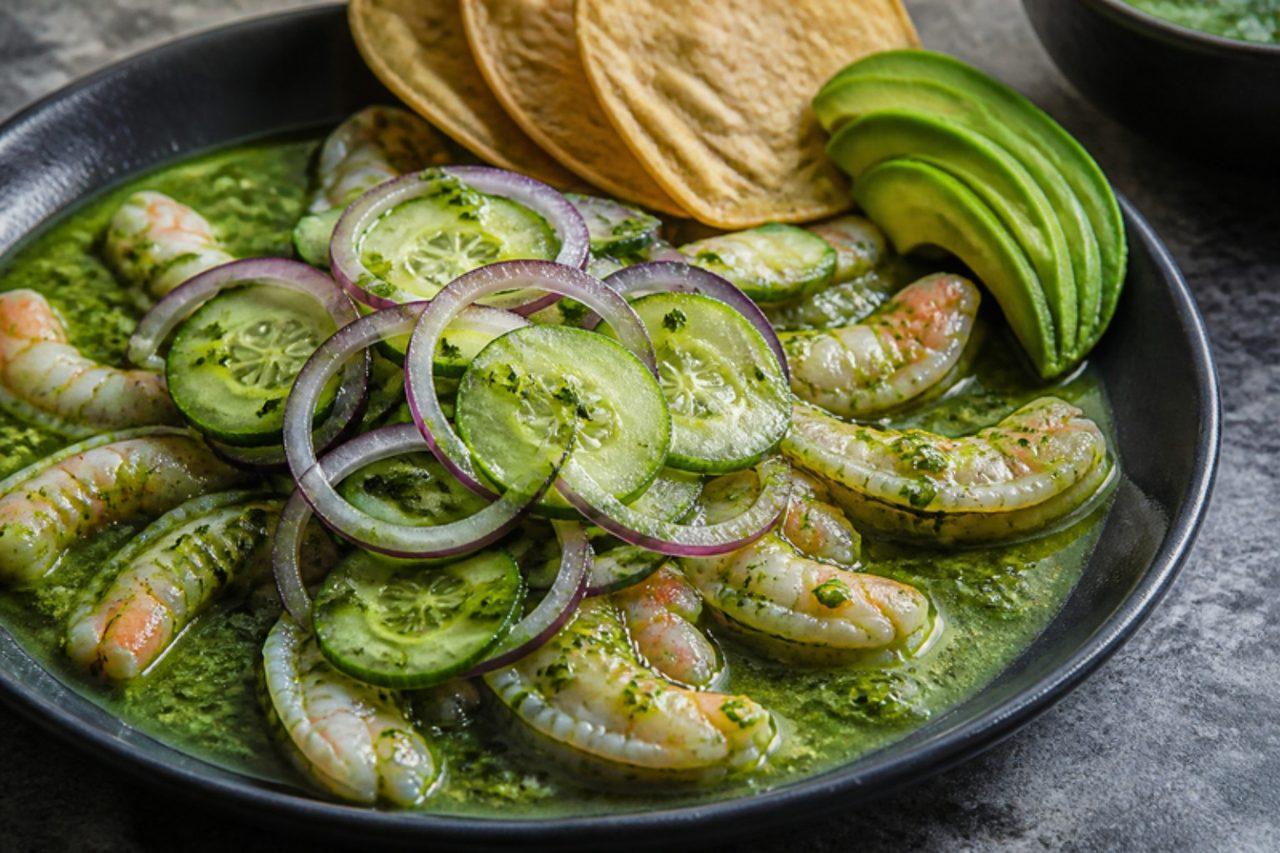
Along the Sinaloa coast, from Mazatlán to Culiacán, aguachile is the cold plate that starts a long seafood lunch at the beachside palapas, eaten straight from a stone molcajete with tostadas and a cold drink. The classic version is raw prawns cured only in lime, and that raw version is the risky one: lime juice does not kill bacteria or parasites the way heat does. This safer version poaches the prawns for a minute or two until just pink and opaque, chills them and then dresses them, so you keep the snap and the fierce, grassy chilli heat. Even so, treat any cold seafood dish with care: the raw classic is not for pregnant women, young children or anyone with a weakened immune system. Serve with crisp corn tostadas and slices of avocado. Chef's tip: blend the chilli water with ice-cold water and pour it on at the last minute, so it stays vivid green and the prawns stay crisp.

by KrazyBadal 0 views

AguajinaAguaje palm fruit drink

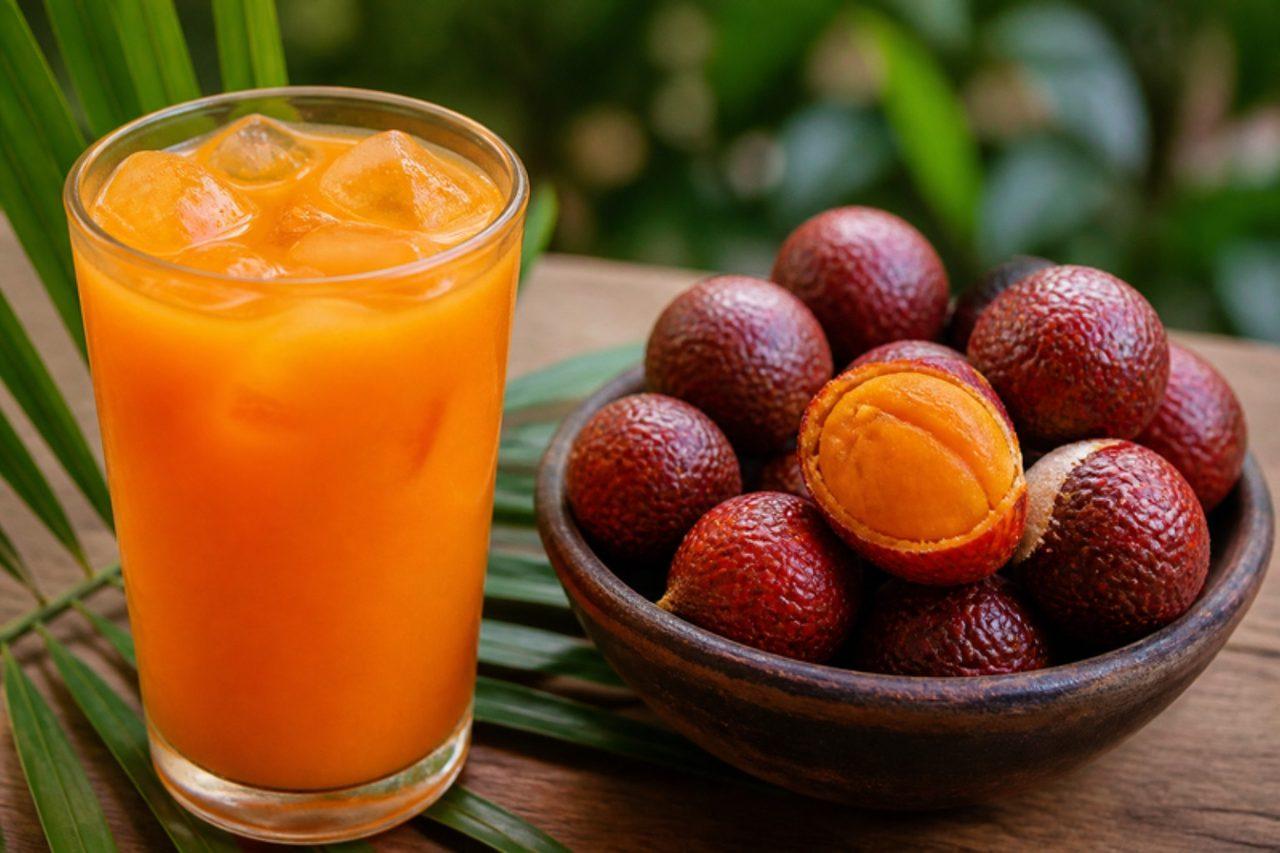
Aguaje is the scaly, chestnut-red fruit of the moriche palm that grows in the flooded forests around Iquitos, and its orange flesh ends up in ice lollies, ice cream and, above all, aguajina, the cold drink sold in plastic cups at every corner and in Belén market. The taste is unusual and loved locally: tangy, a little like apricot and carrot, with a rich, slightly oily body. Fresh aguaje must be softened in warm water for an hour before its thin layer of pulp can be scraped off; outside Peru, frozen aguaje pulp from Latin American shops is the realistic choice and gives a good result. A common slip is adding all the sugar before tasting: the pulp's sourness varies from pack to pack, so sweeten at the end. Serve very cold with lunch or on a hot afternoon. Chef's tip: blend the pulp with only part of the water first, so it breaks down fully, then stir in the rest.

by KrazyBadal 0 views

Minnesota wild rice soup

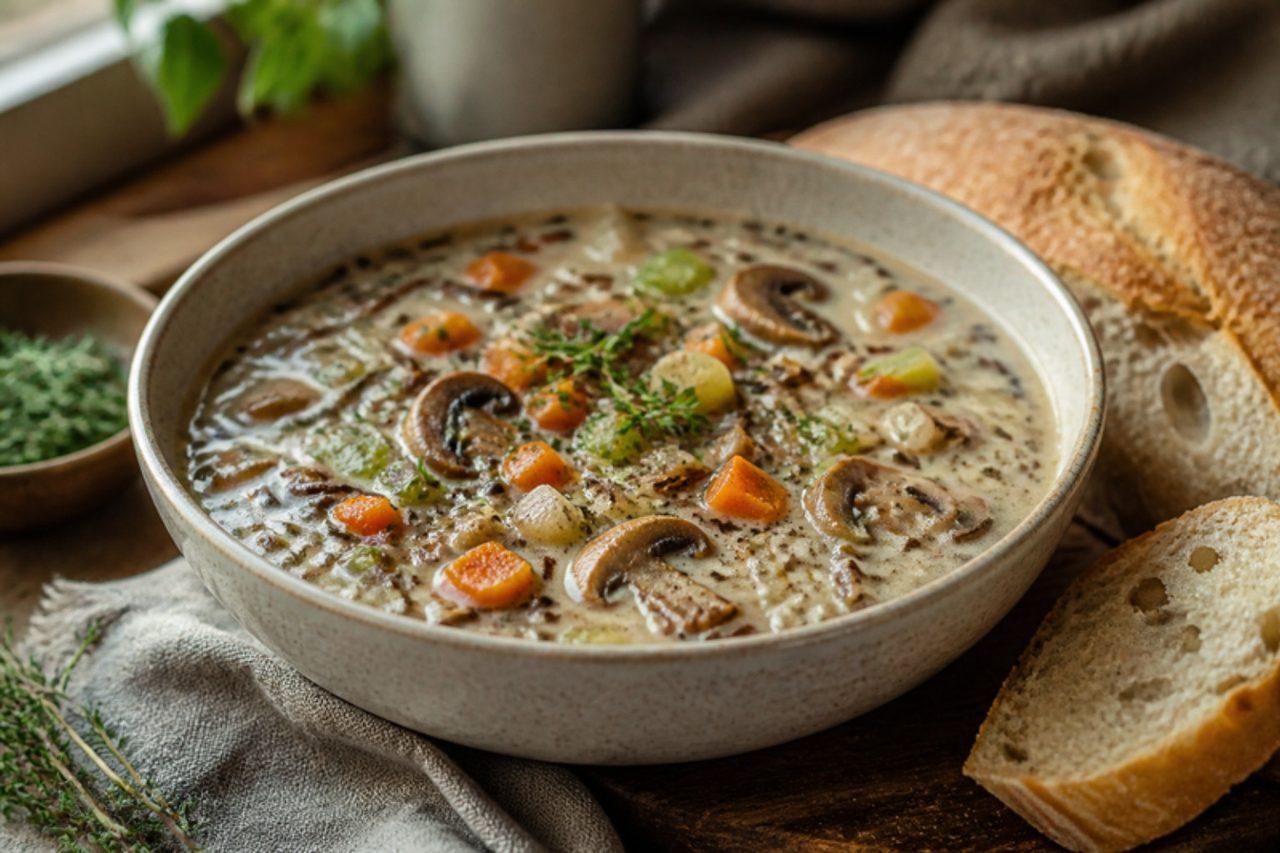
Wild rice is the seed of a lake grass that the Ojibwe people of northern Minnesota still harvest by canoe in late summer, and this creamy soup is on every lunch counter and church cookbook in the Twin Cities when the weather turns cold. The long black grains split open and turn chewy and nutty in a velvety broth with mushrooms, carrots and celery. Many versions add chicken; this one is vegetarian. Chef's tip: cook the wild rice separately and add it at the end, or it soaks up all the soup.

by KrazyBadal 0 views

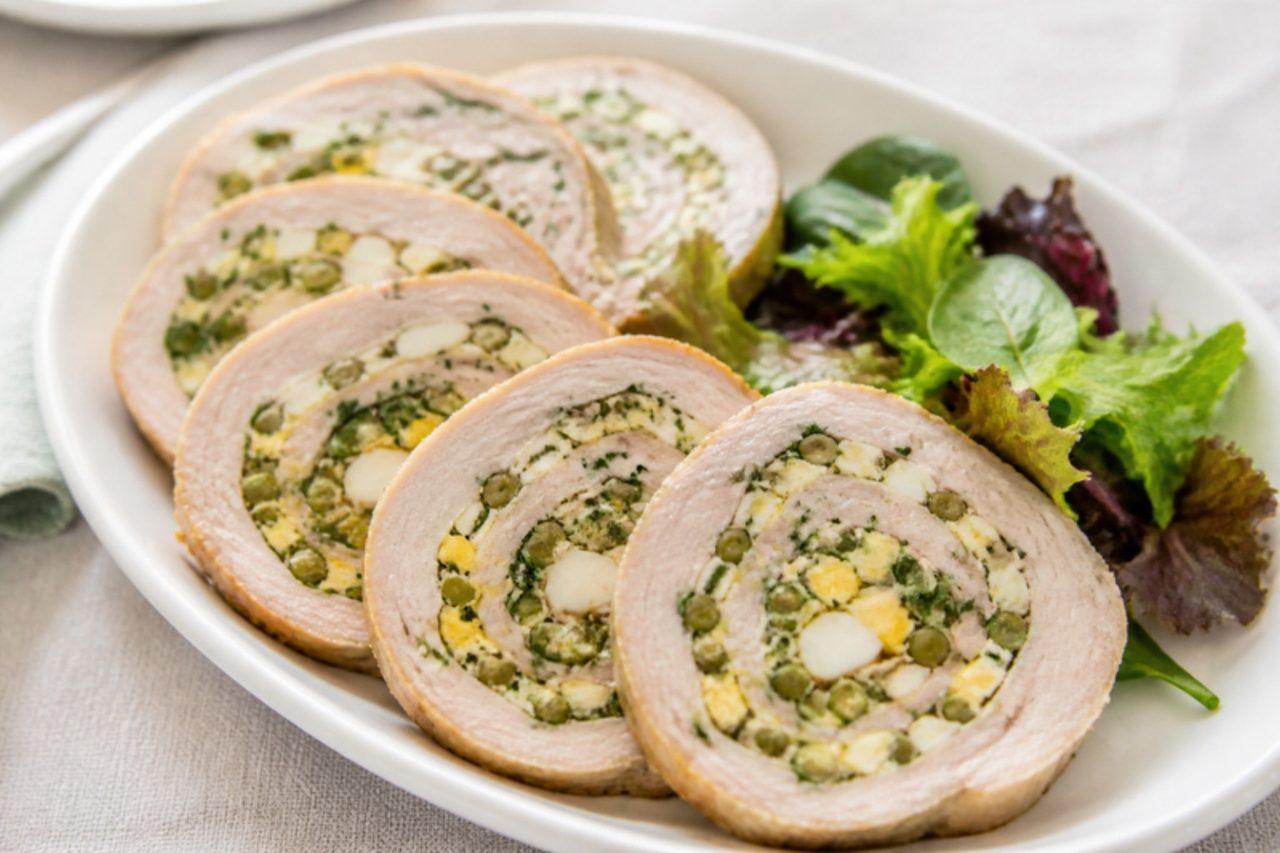
Cima alla genoveseStuffed cold veal breast

Cima alla genovese is a summer dish from Genoa and the Ligurian coast, sold by the slice in old delicatessens and set out for festive lunches and picnics. A pocket of veal breast is filled with a soft mixture of minced veal, egg, peas, parmigiano, pine nuts and marjoram, sewn shut and poached gently in broth, then pressed overnight so each cold slice shows a mosaic of green peas and golden egg. Traditional recipes add brains, sweetbreads and udder; this version keeps to veal mince so it is easier to make at home. Ask the butcher to cut the pocket for you. Serve it cool with a green salad and a little salsa verde. Chef's tip: fill the pocket only two-thirds full; the stuffing swells as it cooks and will burst the seams if packed tight.

195 minItalianMeat
by KrazyBadal 0 views

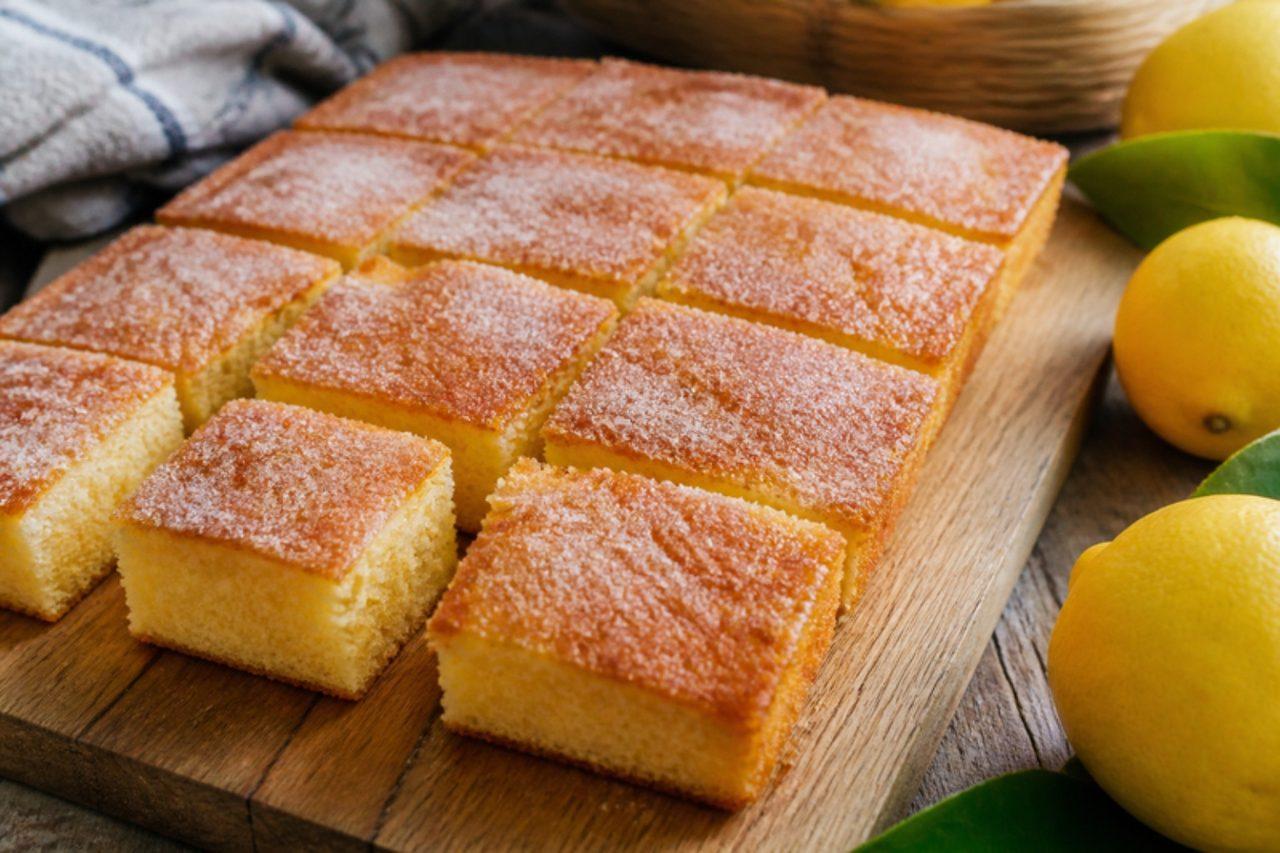
Coca de llandaLemon and olive oil sponge

Every Valencian grandmother has a coca de llanda, a plain, fluffy sponge named after the shallow metal tray (llanda) it is baked in, and it turns up at breakfast, at afternoon merienda and in lunchboxes all over the Comunitat Valenciana. Sunflower oil and milk keep it moist for days, lemon zest perfumes it, and a sprinkle of cinnamon sugar on top bakes into a crackly crust. A common mistake is opening the oven in the first 25 minutes, which makes the middle sink. Chef's tip: let the batter rest for 10 minutes in the tin before it goes into the oven; the cinnamon sugar then sits on the surface instead of sinking in.

by KrazyBadal 0 views

Wisconsin kringle

Kringle came to Racine, Wisconsin, with Danish bakers in the 1800s, and the town's bakeries still ship thousands of these flat oval pastry rings at Christmas. Thin layers of buttery laminated dough wrap a pecan and brown sugar filling, and the top is glazed with white icing. It is the official state pastry, eaten with coffee at breakfast. Chef's tip: keep the dough and butter cold at every fold; if the butter melts into the dough you lose the flaky layers.

by KrazyBadal 0 views

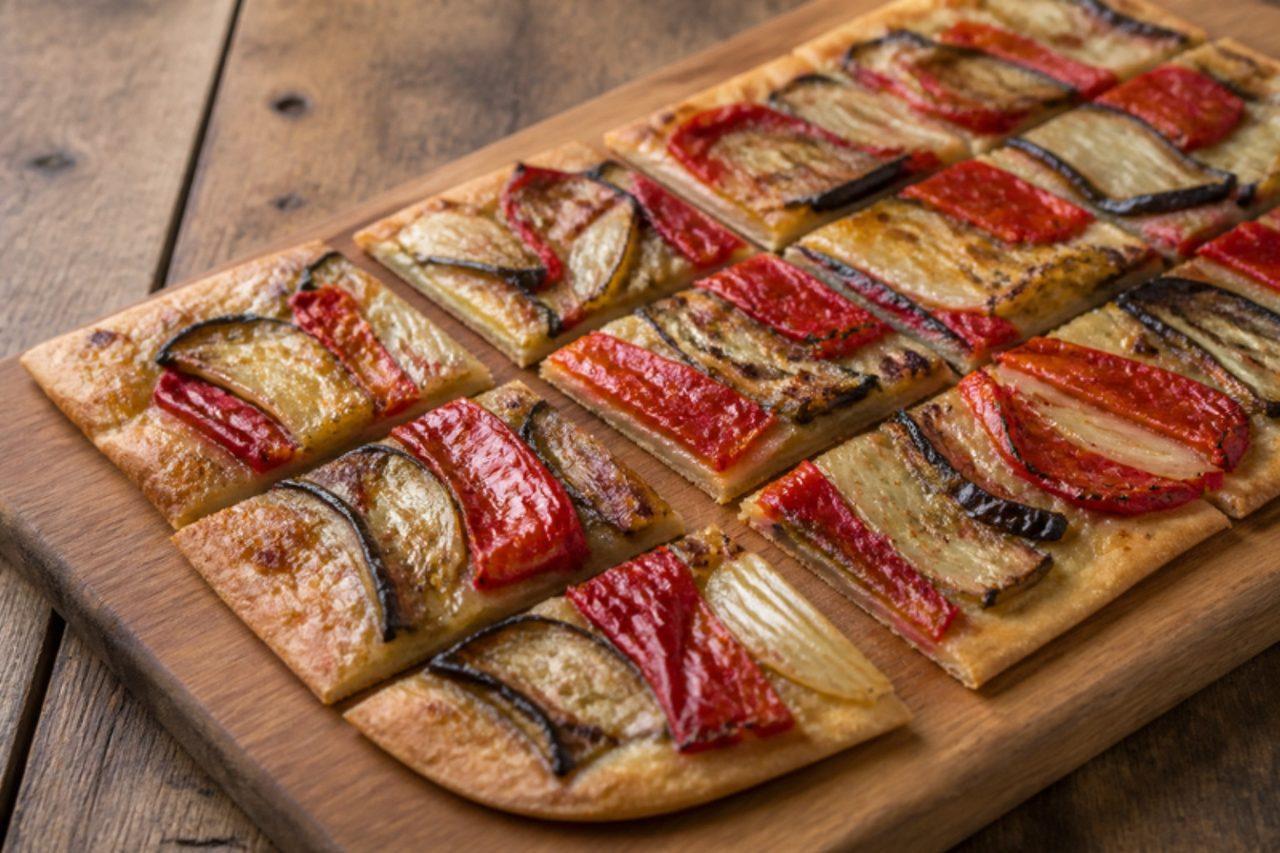
Coca de recapteFlatbread with roasted vegetables

In Lleida and the farmland of inland Catalonia, the coca de recapte was once baked in the village oven on bread day, topped with whatever was in the larder; recapte means provisions. Today bakeries sell long trays of it, and families take slices on Sunday outings. The topping is essentially escalivada: aubergine, red pepper and onion, roasted then laid raw-side-up on the dough. Bakeries often add salted sardines or anchovies; this version is vegetarian. Chef's tip: roast the vegetables only until soft, not falling apart; they cook a second time on the coca.

by KrazyBadal 0 views

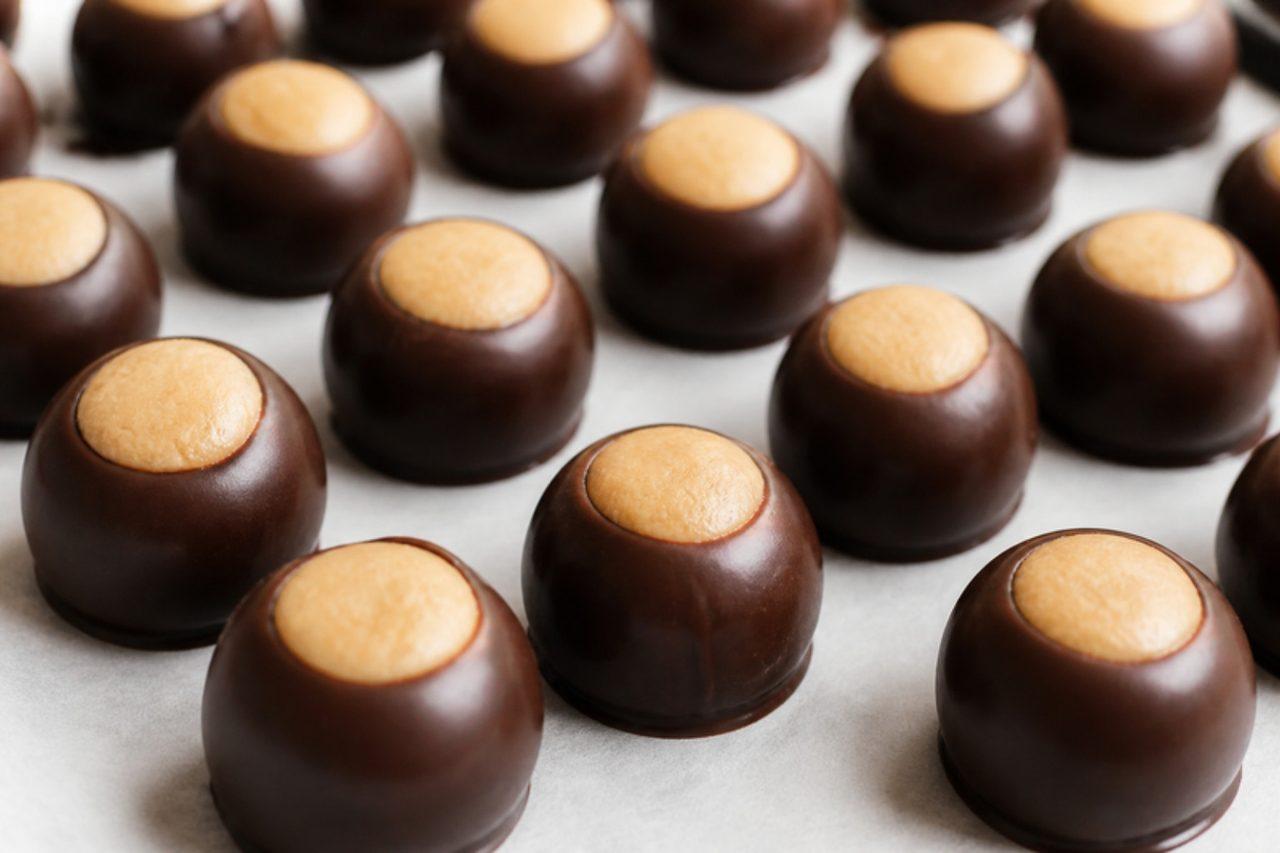
Ohio buckeyes

Buckeyes are the sweet of Ohio, made by the tray for Christmas cookie swaps and for Ohio State football parties, because they look like the glossy brown nuts of the state's buckeye tree. A firm, sweet peanut butter fondant is rolled into balls and dipped in chocolate, leaving a pale circle on top. Chef's tip: freeze the balls for 20 minutes before dipping; warm ones slide off the stick and muddy the chocolate.

by KrazyBadal 0 views

St. Louis gooey butter cake

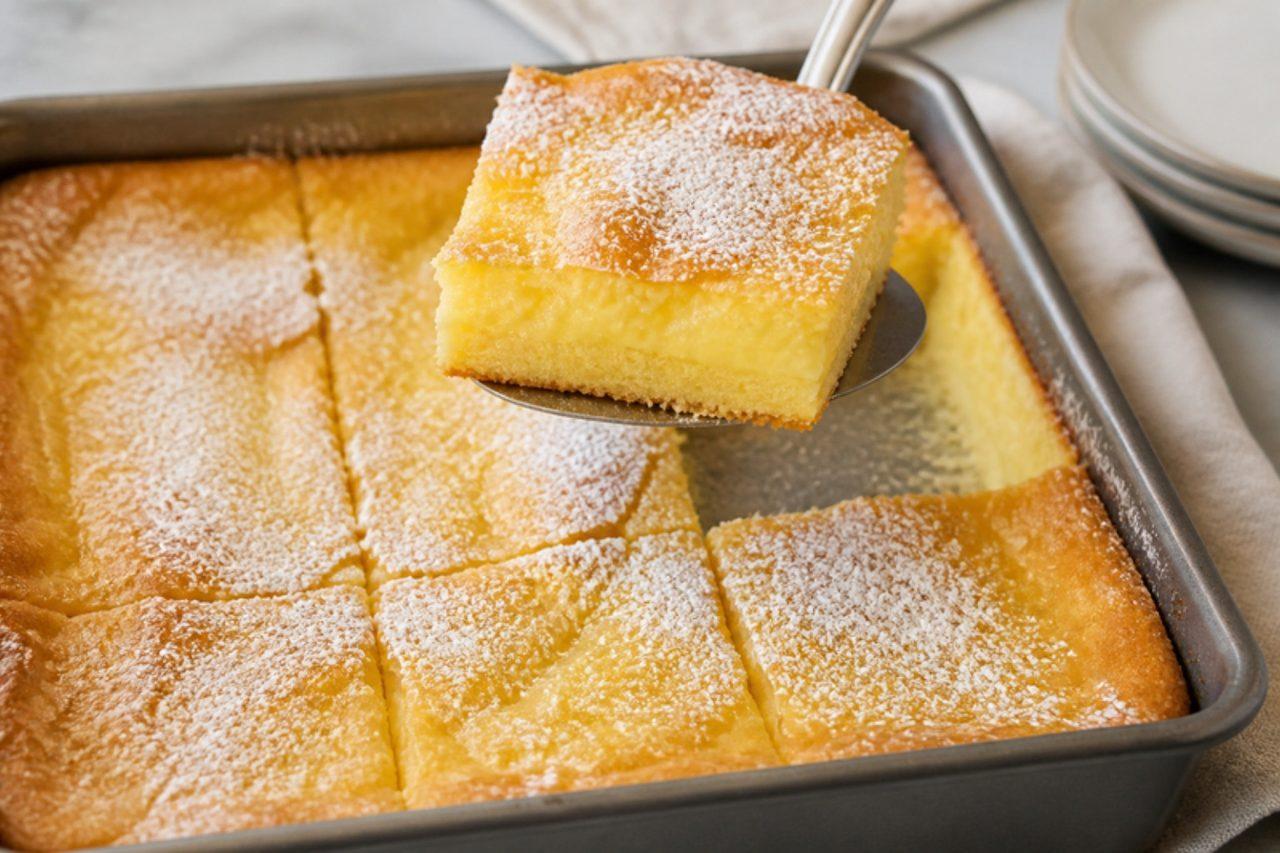
Gooey butter cake is a St. Louis institution, sold in squares at south-side German bakeries and baked for church coffee hours and Christmas mornings. Legend says a baker in the 1930s got his proportions wrong and the mistake sold out. A thin, chewy yeast-free cake base is covered with a sweet cream cheese and butter layer that bakes into a crackly, shiny top over a gooey middle. Chef's tip: take it out while the centre still jiggles; the goo is the point, and an overbaked one is just a sweet sponge.

by KrazyBadal 0 views

Funnel cake

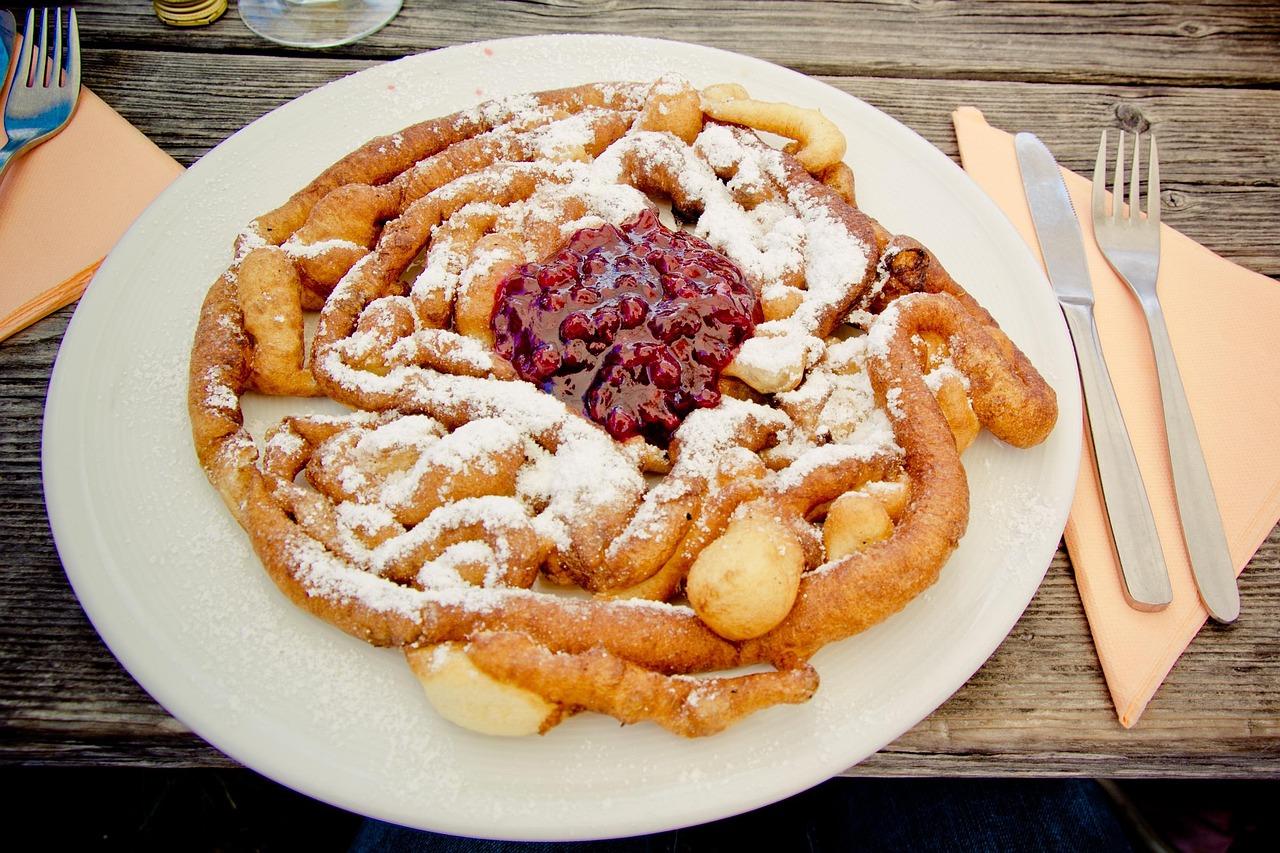
Funnel cake started in Pennsylvania Dutch kitchens and became the smell of every American county fair and boardwalk, from the Kutztown Folk Festival to the Jersey shore. A thin batter is poured through a funnel in loops into hot oil, so it fries into a crisp, lacy, golden nest that you tear apart with your fingers under a snowfall of icing sugar. Chef's tip: keep your finger over the funnel until it is right over the oil, then move in quick overlapping circles from the centre out.

by KrazyBadal 0 views

Ajil-e moshkel goshaMixed nuts and dried fruit

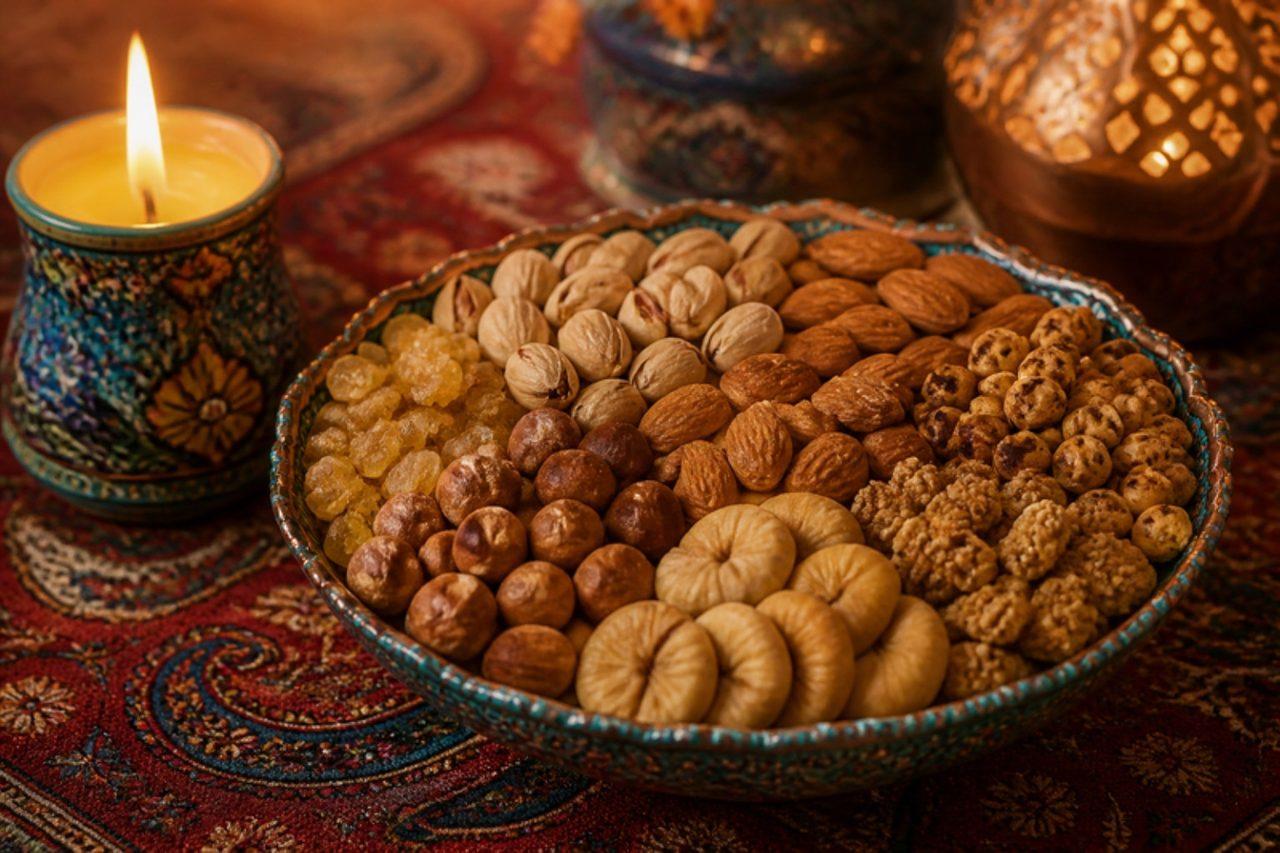
On Chaharshanbe Suri, the bonfire night on the last Tuesday evening before Nowruz, families across Iran jump over small fires in the street and then share a big bowl of ajil-e moshkel gosha, the 'nuts that untie problems', making a wish as they eat. The same mix comes out again on Yalda, the longest night of the year in December. It mixes salted roasted pistachios and almonds with roasted chickpeas, sweet dried figs, white mulberries, raisins and sugared almonds, so every handful is sweet, salty and crunchy. The common mistake is using raw nuts; the toasting is what makes it taste like the bazaar version. Chef's tip: toss the warm nuts with a little salted water and let them dry in the oven for a light salty coating that sticks.

by KrazyBadal 0 views

Pepper cabbage

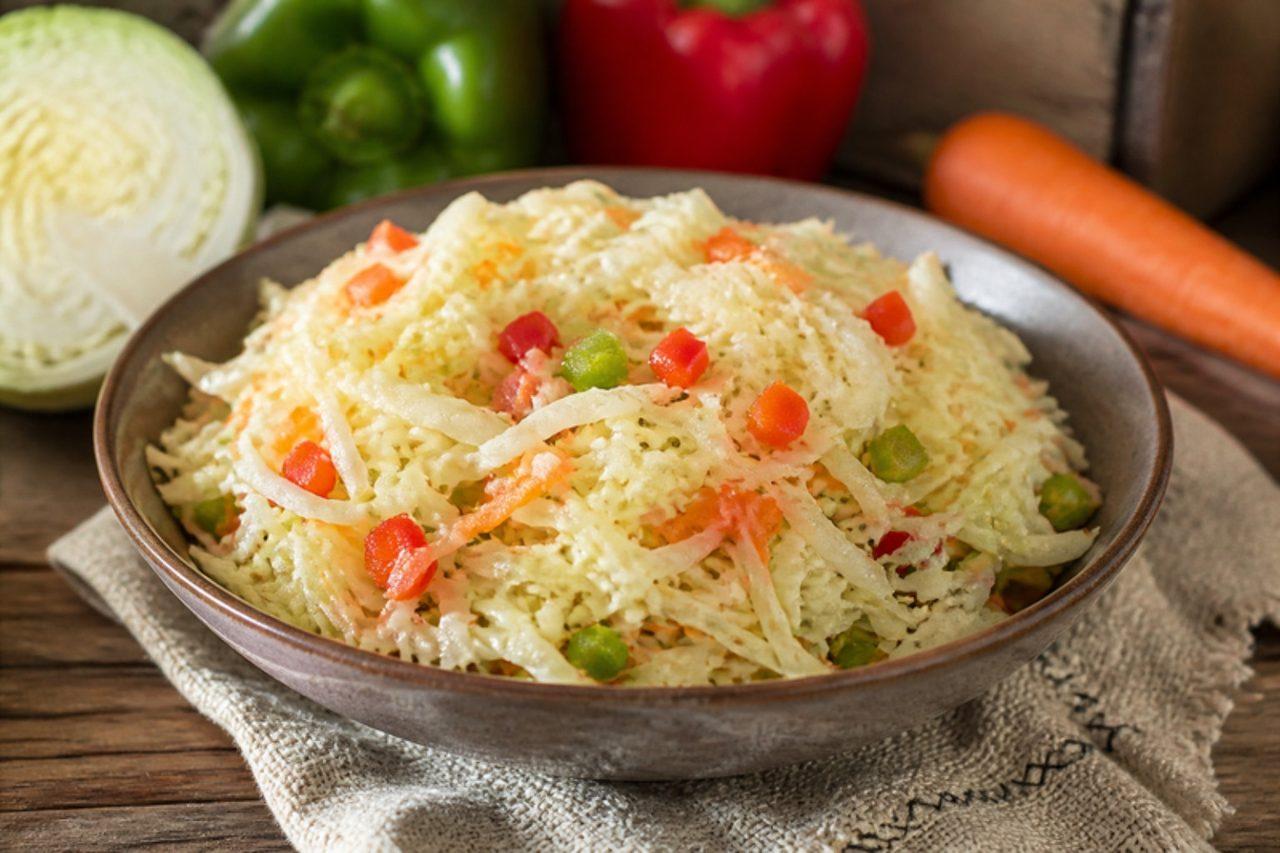
Pepper cabbage is the oil-free, vinegar-dressed slaw served alongside chicken pot pie and roast pork dinners in Berks and Lancaster counties, and at fire-hall suppers all over south-eastern Pennsylvania. Finely shredded cabbage is tossed with sweet peppers, celery seed, sugar and vinegar, so it is crisp, cold and sweet-sharp. Chef's tip: shred the cabbage as fine as you can; thick ribbons never soak up the dressing.

by KrazyBadal 0 views

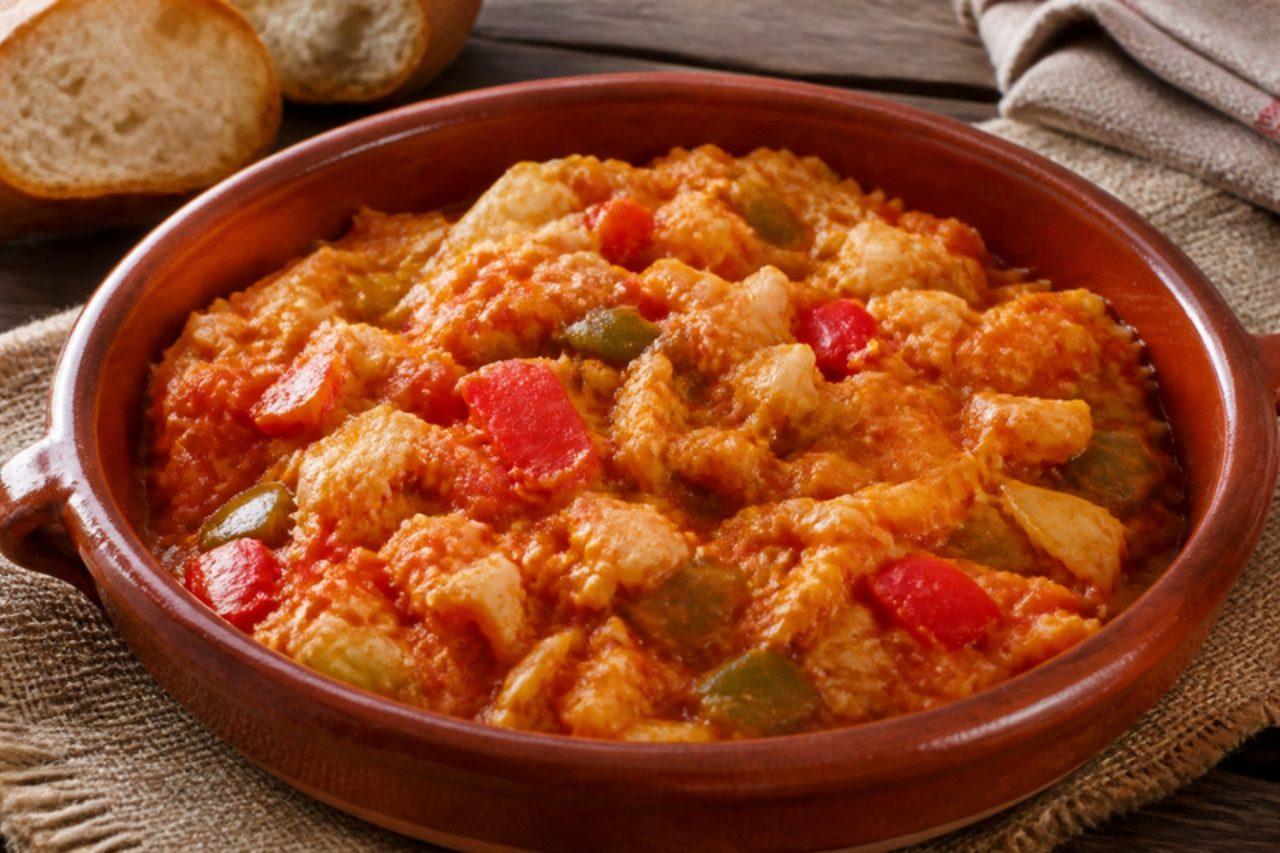
Bacalao al ajoarrieroSalt cod with garlic and pepper

The muleteers who carried goods over the mountain roads into Pamplona, the arrieros, lived on salt cod because it kept for weeks, and the garlicky way they cooked it took their name. Today ajoarriero is ordered in the bars around Pamplona's Plaza del Castillo, especially during San Fermín, and served in small earthenware dishes with bread. The Navarrese version is red with peppers, tomato and dried choricero pepper, and many cooks stir in egg at the end. Chef's tip: taste the cod after soaking and only salt the dish at the very end, if at all.

by KrazyBadal 0 views

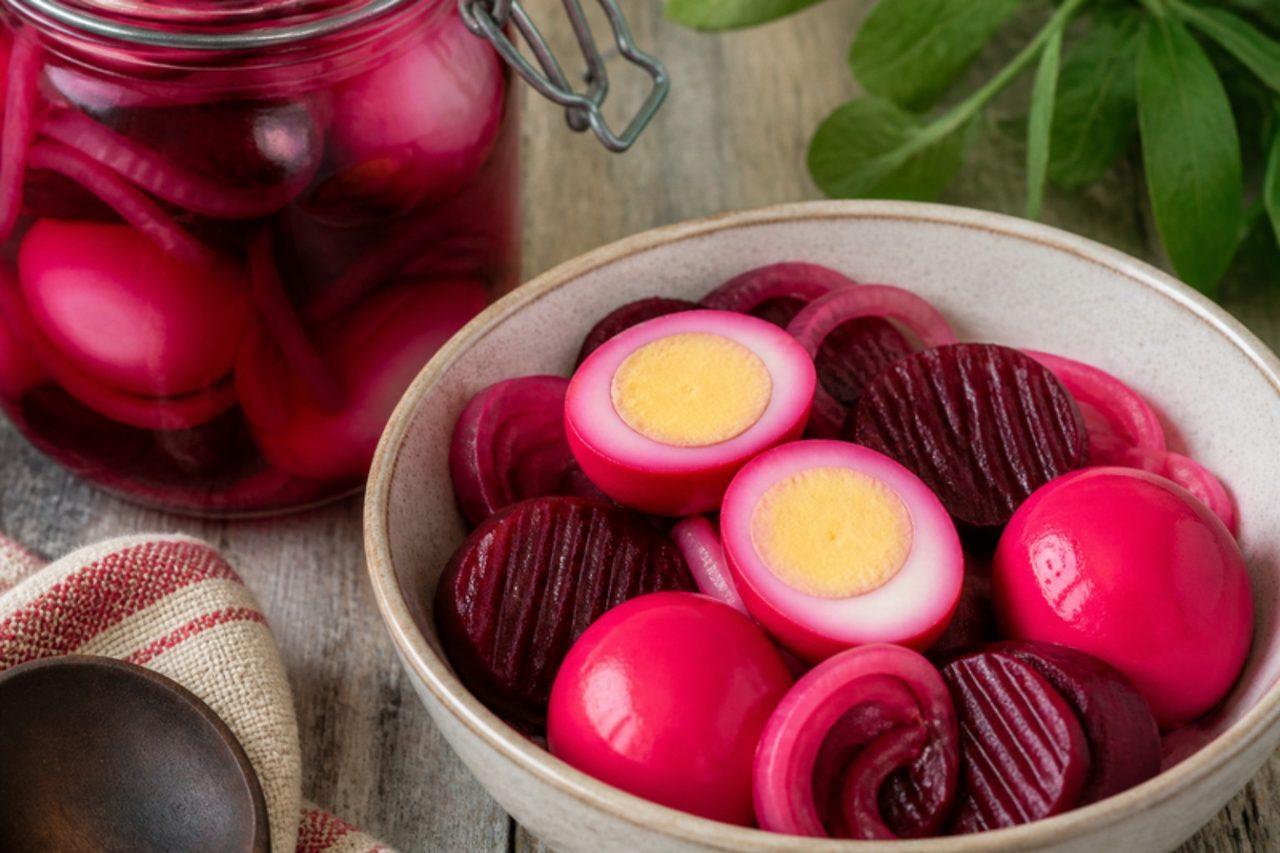
Pickled red beet eggs

Red beet eggs are on the table at every Pennsylvania Dutch church picnic and Easter lunch, a jar of shocking-pink eggs sitting in the same sweet-sour brine as the pickled beets. The whites take on colour and tang from the outside in, while the yolks stay creamy. Slice them on a salad or eat them whole with a pinch of salt. Chef's tip: two days in the brine gives a thin pink ring; leave them four days for colour almost to the yolk.

by KrazyBadal 0 views

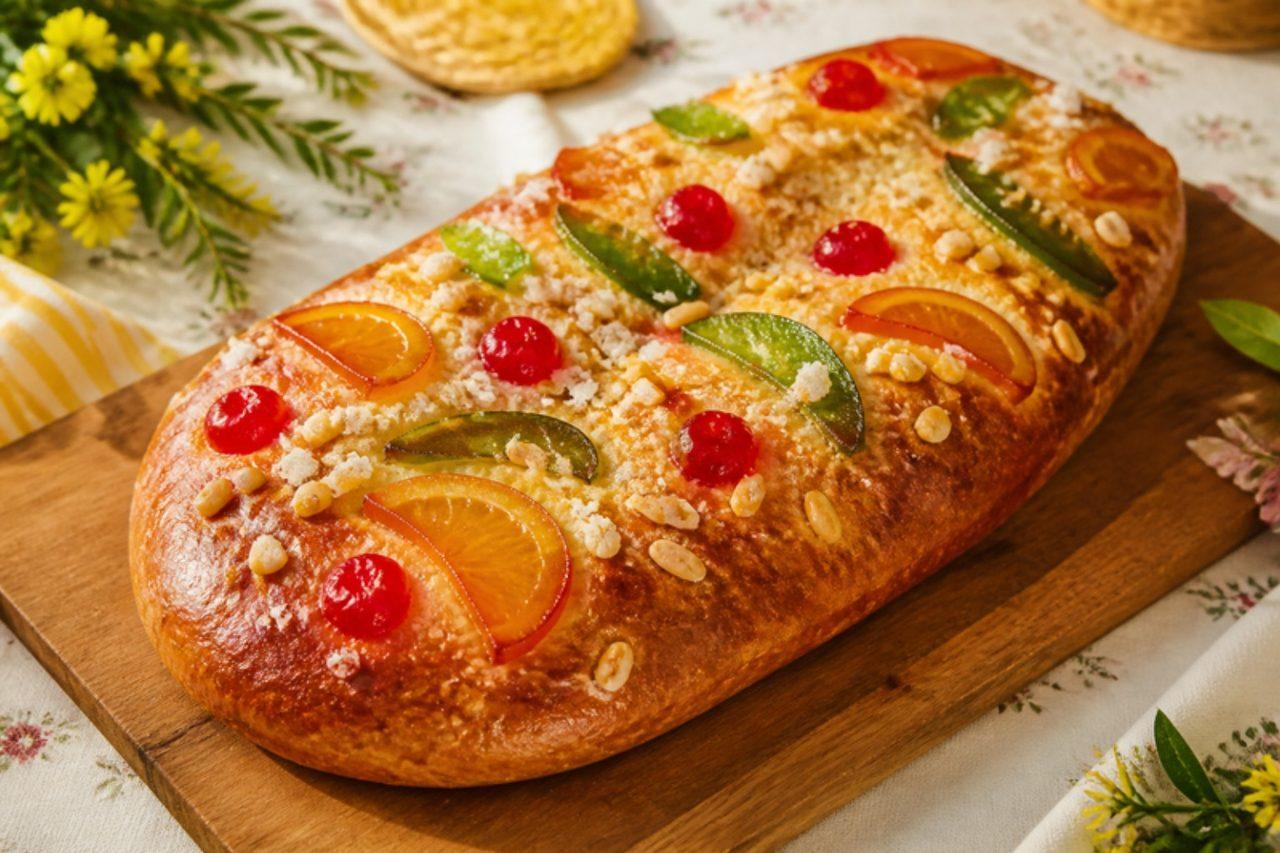
Coca de Sant JoanCandied fruit and pine nut brioche

On the night of 23 June, the Revetlla de Sant Joan, Catalonia lights bonfires, sets off firecrackers on every beach and street, and shares a long oval coca: a soft, lemony brioche topped with candied fruit, pine nuts and crunchy sugar. Bakeries sell thousands, but a homemade one, still slightly warm, is something else. Some recipes add a splash of anise liqueur; this one uses aniseed instead. Chef's tip: give the shaped dough a long, slow second rise; a well-proved coca bakes up light, an under-proved one dense.

by KrazyBadal 0 views

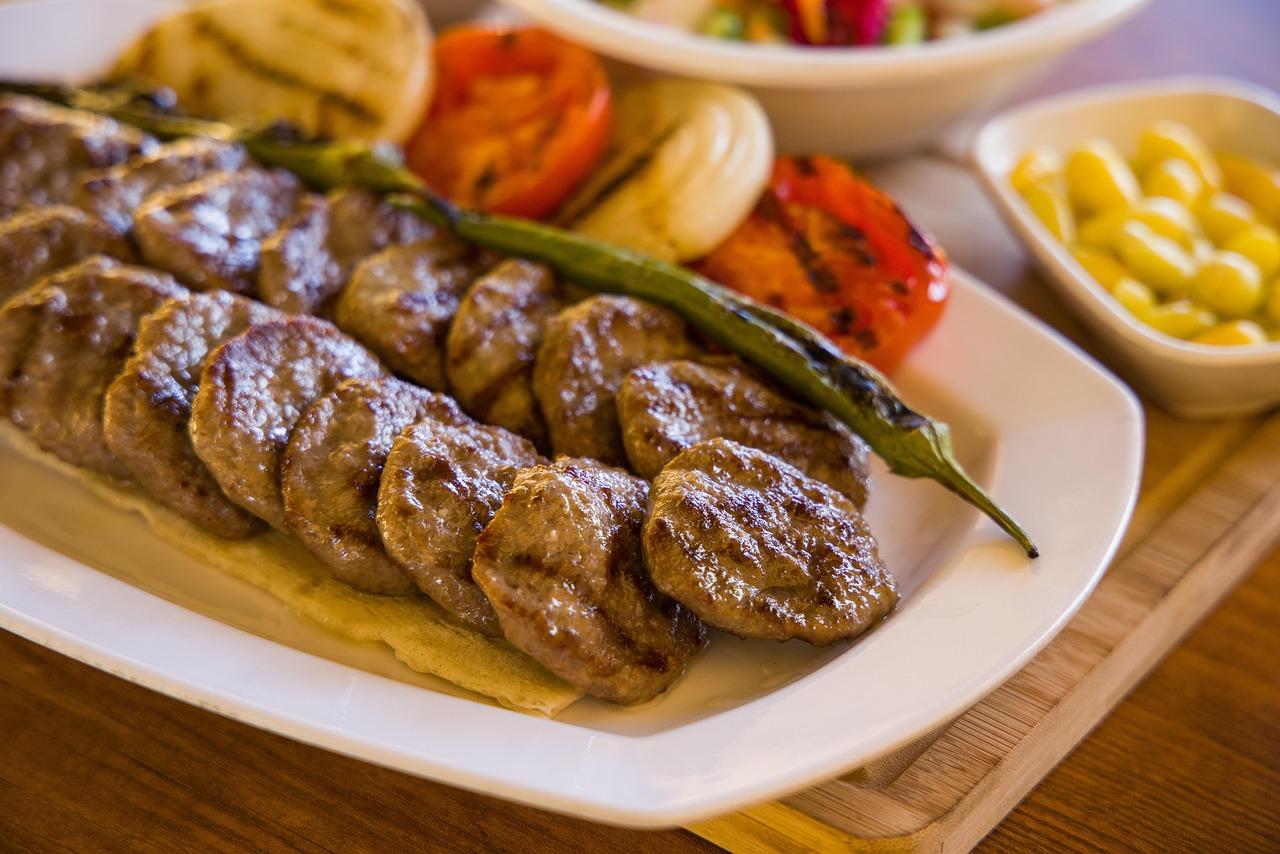
Akçaabat köftesiGarlicky beef meatballs

The town of Akçaabat, just west of Trabzon, is lined with köfte houses whose grills turn out small, oblong, firm meatballs that taste strongly of garlic. Made from beef mince bound with soaked stale bread, they are seared fast so the outside chars while the inside stays juicy, then served with grilled peppers, a pile of onion and parsley, and a white bean salad. Common mistake: overworking the meat with wet hands after the bread has gone in, which turns them dense; knead hard before adding bread, then mix gently. Cook until the centre reaches 71 °C. Chef's tip: rest the shaped köfte in the fridge overnight; they hold their shape on the grill and the garlic mellows into the meat.

by KrazyBadal 0 views

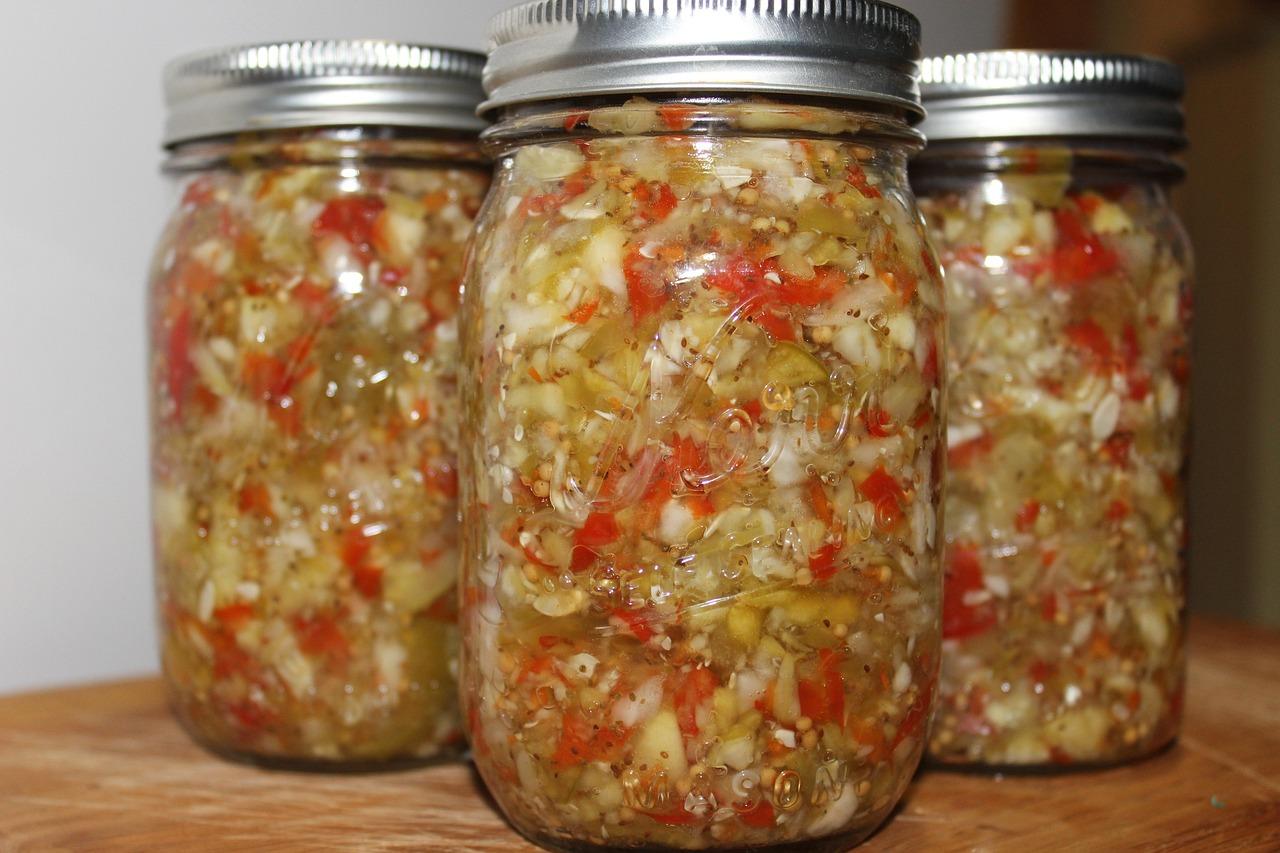
Pennsylvania Dutch chow-chow

Chow-chow is the end-of-summer pickle of Pennsylvania Dutch kitchens, a way of using up the last beans, peppers, cauliflower and green tomatoes before the frost. It is one of the 'seven sweets and seven sours' set out on Lancaster farm tables, bright with mustard seed and turmeric, sweet and sharp, and good with cheese, bean dishes and sandwiches. Chef's tip: cut every vegetable to roughly the size of a kidney bean so it cooks evenly and looks right in the jar.

by KrazyBadal 0 views

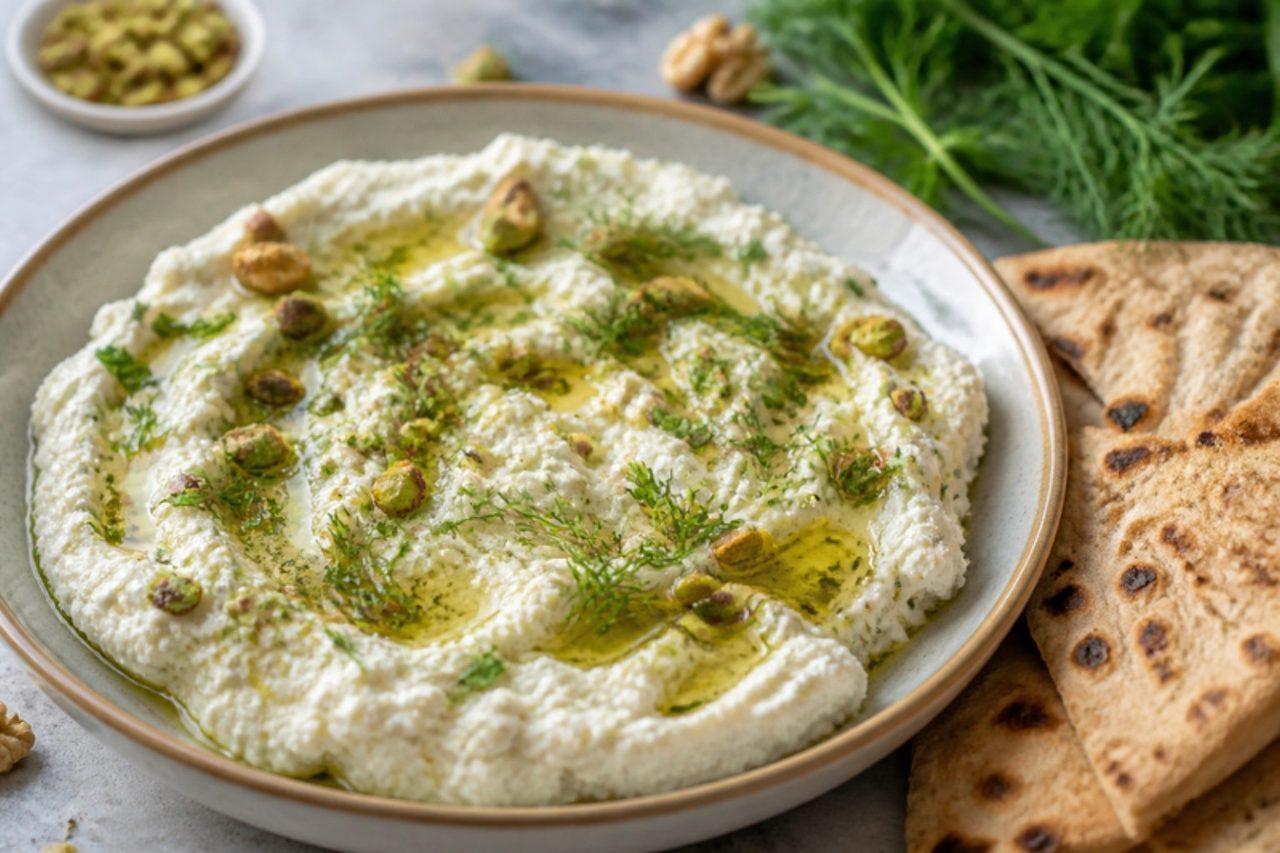
Girit ezmesiFeta, walnut and herb spread

Girit ezmesi takes its name from the Cretan Muslims who settled in Alaçatı and Çeşme a century ago, and it is still a fixture of every meze table in those whitewashed streets. Soft white cheese is mashed with olive oil, walnuts, garlic, plenty of herbs and a dusting of hot pepper into a rough, salty spread that begs for warm bread. Feta and beyaz peynir are often made with animal rennet, so choose a vegetarian one if you need to. Chef's tip: mash by hand with a fork rather than blending; it should stay textured, with visible pieces of walnut and herb.

by KrazyBadal 0 views

Showing 45 of 7,762 recipes

Show more recipes

Page 443 of 863