


Skip to content
Tatale
Featured recipe

Tatale

Spiced plantain pancakes

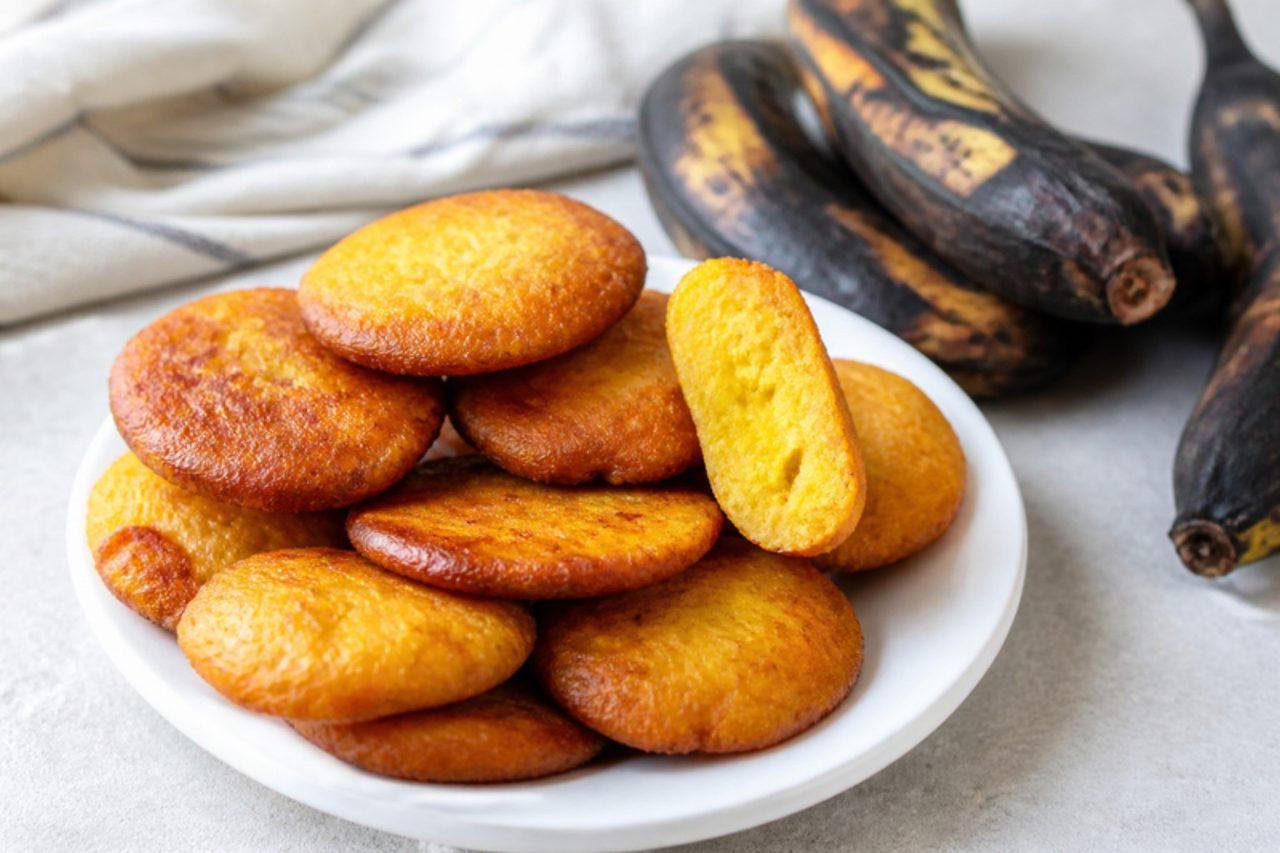
Tatale is how Ghanaian cooks rescue plantains that have gone soft and black: they are mashed with onion, ginger and chilli, bound with a little flour, and fried as thick pancakes. In Accra and the Volta region they are sold warm from roadside pans and eaten as a snack or with a bowl of bean stew (aboboi). The outside crisps and caramelises while the inside stays soft and sweet. This version uses fine cornmeal, which keeps it gluten free. Chef's tip: the blacker the plantain skins, the better; they should feel soft like an overripe banana.

Read more 0 views

What to eat today?

Around the world

Today's trip: Paraguayan

A new country every day, from every cuisine on the site.

Paraguayan

Chipa

Cheese bread rings 50 minMore from Paraguayan (27) →

This week's collection

Kid-friendly dinners
537 recipes · a new collection every Monday

Latest recipes

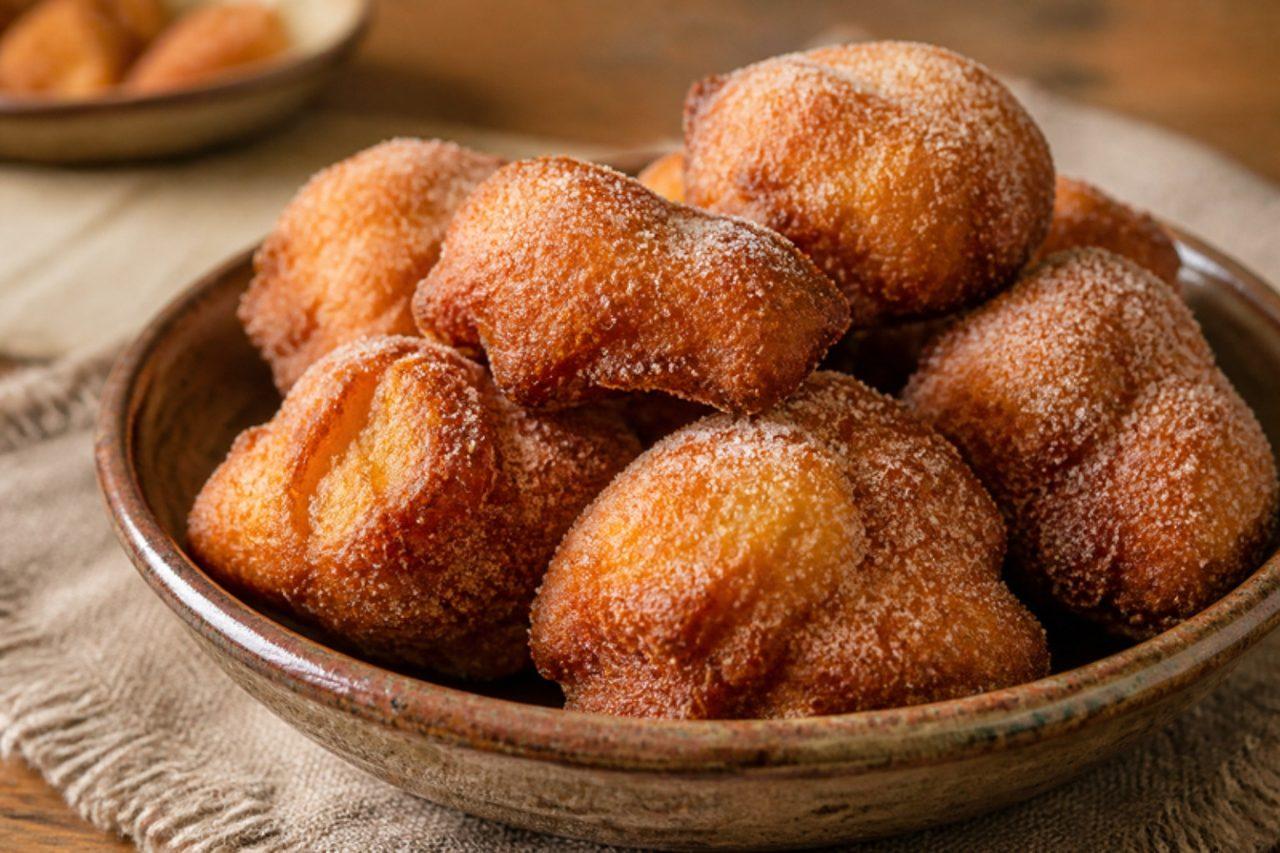
Bunyols de l'EmpordàAnise fritters

During Lent, bakeries and grandmothers across the Empordà in Girona fry bunyols: light, irregular rings of enriched yeast dough flavoured with anise and lemon, dusted with sugar while hot. Families make them together, poking a hole in each ball with wet fingers as it goes into the oil. The dough traditionally takes a splash of anise liqueur; the alcohol-free option, milk infused with aniseed, is in the ingredient list. Chef's tip: keep a bowl of water by the pan and wet your fingers before shaping each one; the dough then stretches cleanly instead of sticking.

by KrazyBadal 0 views
Burritos de chile coloradoRed chilli beef burritos

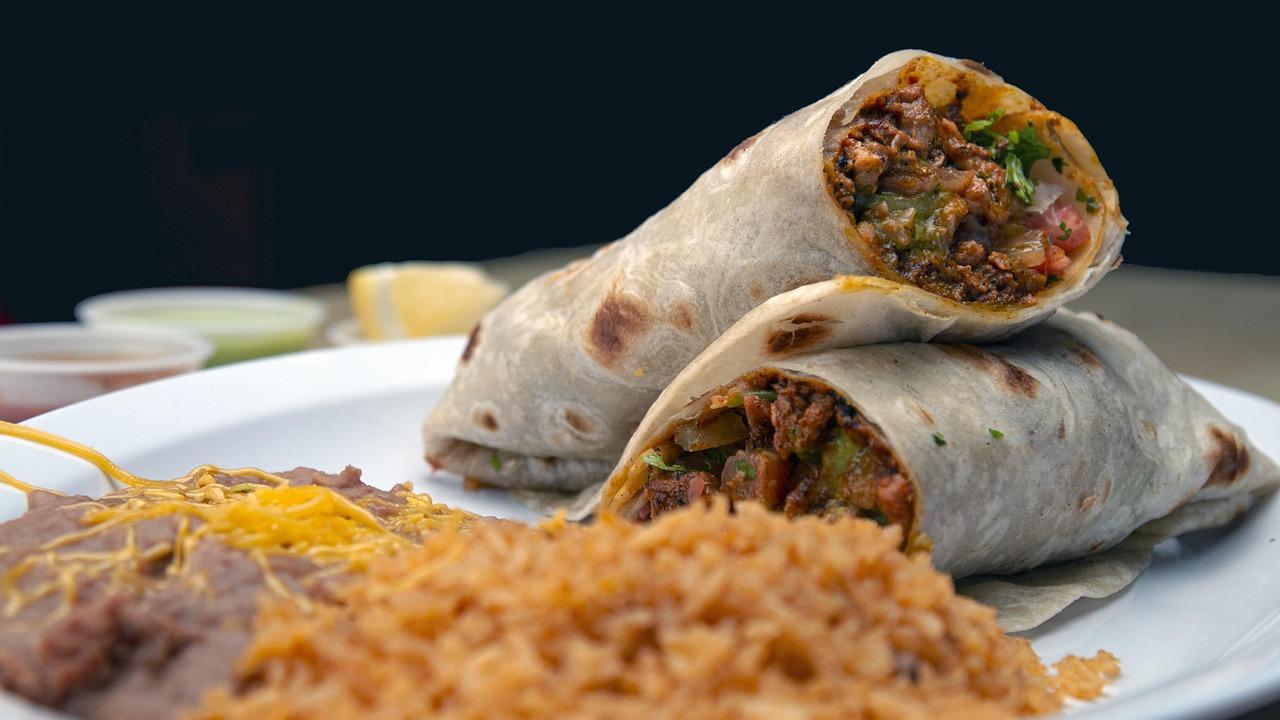
Ciudad Juárez is where the burrito as most of the world knows it began, but the ones sold from Juárez street stands and lunch counters are slim: a thin flour tortilla rolled tightly around a single filling, eaten two or three at a time. Chile colorado, beef braised in a smooth red sauce of dried chillies, is the favourite, earthy and mildly hot, with the meat soft enough to pull apart. Serve them with nothing but a little extra sauce and some pickled jalapeños. Chef's tip: keep the stew thick, like a paste that coats the meat, or the tortillas turn soggy before you can roll them.

by KrazyBadal 0 views

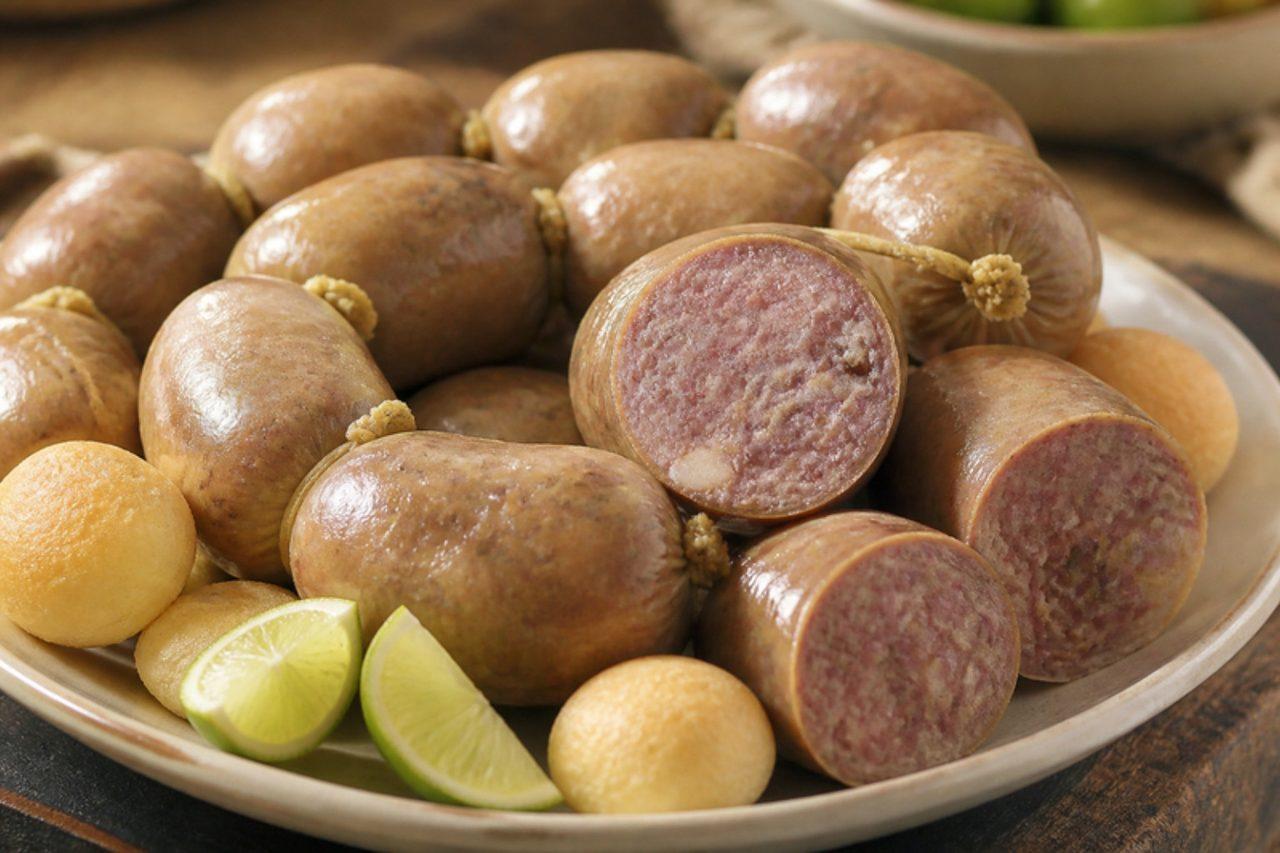
Butifarra soledeñaSmall boiled beef and pork sausages

Around Barranquilla, the street call of 'butifarra, butifarra' comes from vendors pushing carts out of Soledad, the town that made these little sausages famous; there's even a festival for them every July. They are small, round links of beef and pork seasoned with nothing more than salt and plenty of black pepper, boiled rather than grilled, so they stay tender, juicy and pale. Sellers squeeze lime over them and hand them out with a bollo de yuca, a firm steamed cassava roll. They are simple, peppery and a little sour from the lime. Using lean meat is the usual mistake: without the pork fat they turn dry and grainy. Chef's tip: tie the links into small, round balls about 4 cm across and boil them gently; a rolling boil splits the casings.

by KrazyBadal 0 views

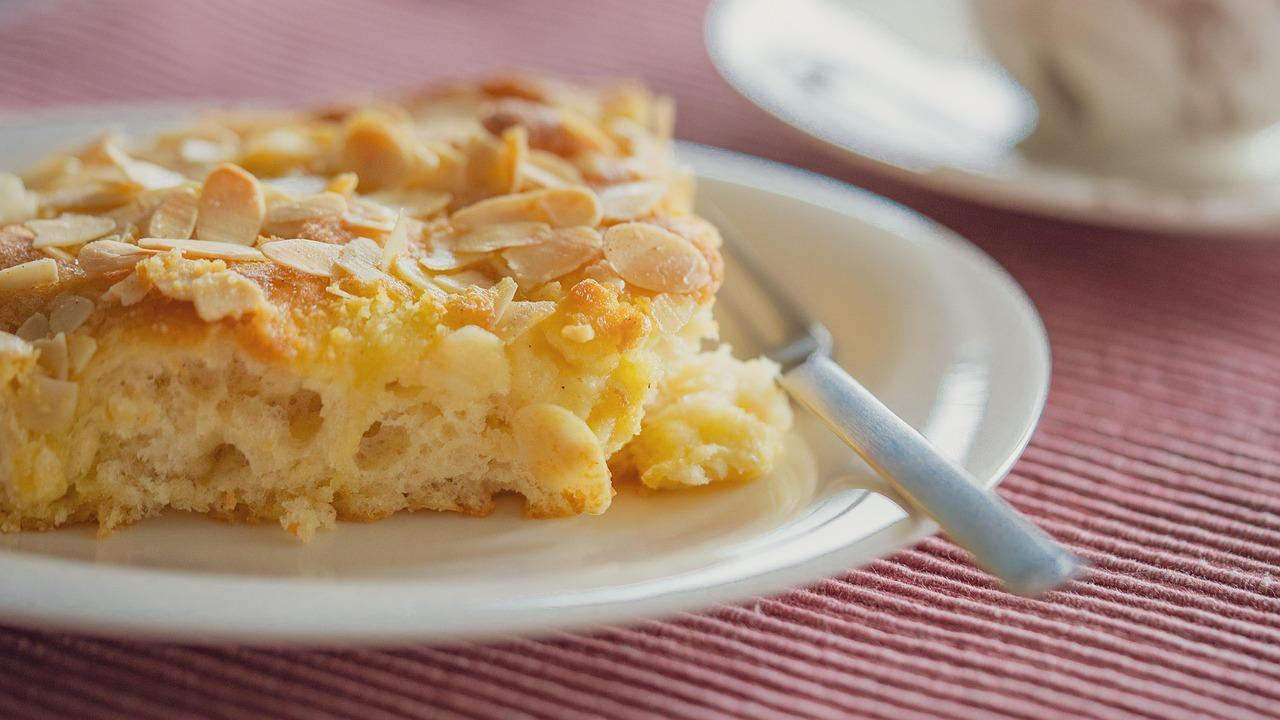
ButterkuchenButter and almond yeast cake

Butterkuchen is the cake of northern German celebrations: in Lower Saxony, Bremen and Holstein it is baked on huge trays for funerals, weddings and christenings, which is why it is also called Freudenkuchen, joy cake. A thin, soft yeast base is dimpled all over with your fingertips, the holes filled with butter, then the whole thing showered with sugar and flaked almonds. In the oven the butter and sugar melt into little caramel pools. A common mistake is making the dimples too shallow, so the butter just runs off; press right down to the tray. Chef's tip: as soon as the cake comes out, spoon a few tablespoons of cream over it; it soaks in and keeps the base tender for two days.

110 minGermanBaking
by KrazyBadal 0 views

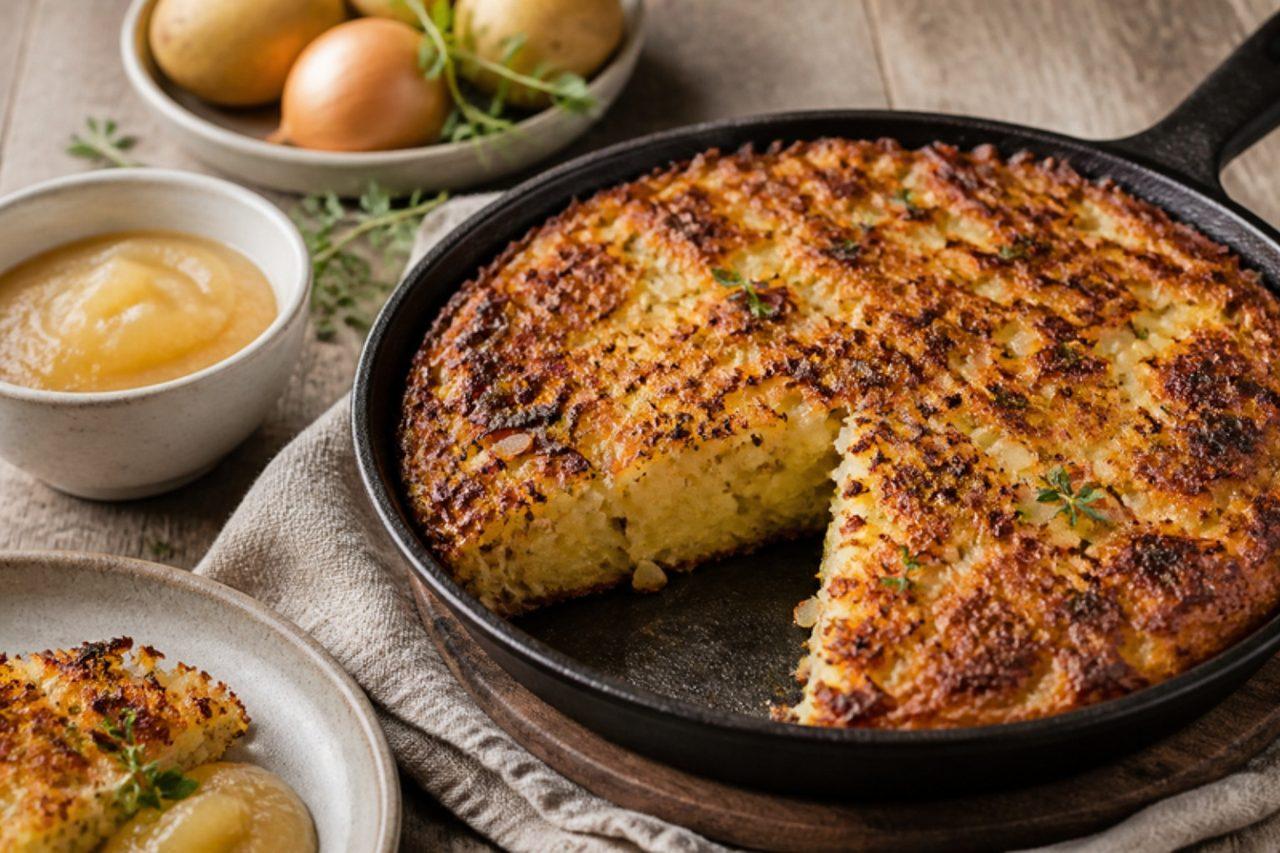
ButtermilchgetzenButtermilk and onion potato bake

Getzen is the potato dish of the Erzgebirge, the Ore Mountains on Saxony's border with Bohemia, where miners' families lived on potatoes, linseed oil and buttermilk. Grated raw potato and mashed cooked potato are mixed with buttermilk, onion and a little egg, then baked in a hot, well-greased pan until the base and edges form a thick brown crust while the middle stays soft and slightly tangy. It is eaten hot, cut in wedges, with apple sauce or a dark berry compote, and often with a glass of cold buttermilk. A common mistake is a cool oven, which gives a pale, soggy bake. Chef's tip: heat the fat in the tin in the oven before you pour in the mixture so the crust starts forming at once.

by KrazyBadal 0 views

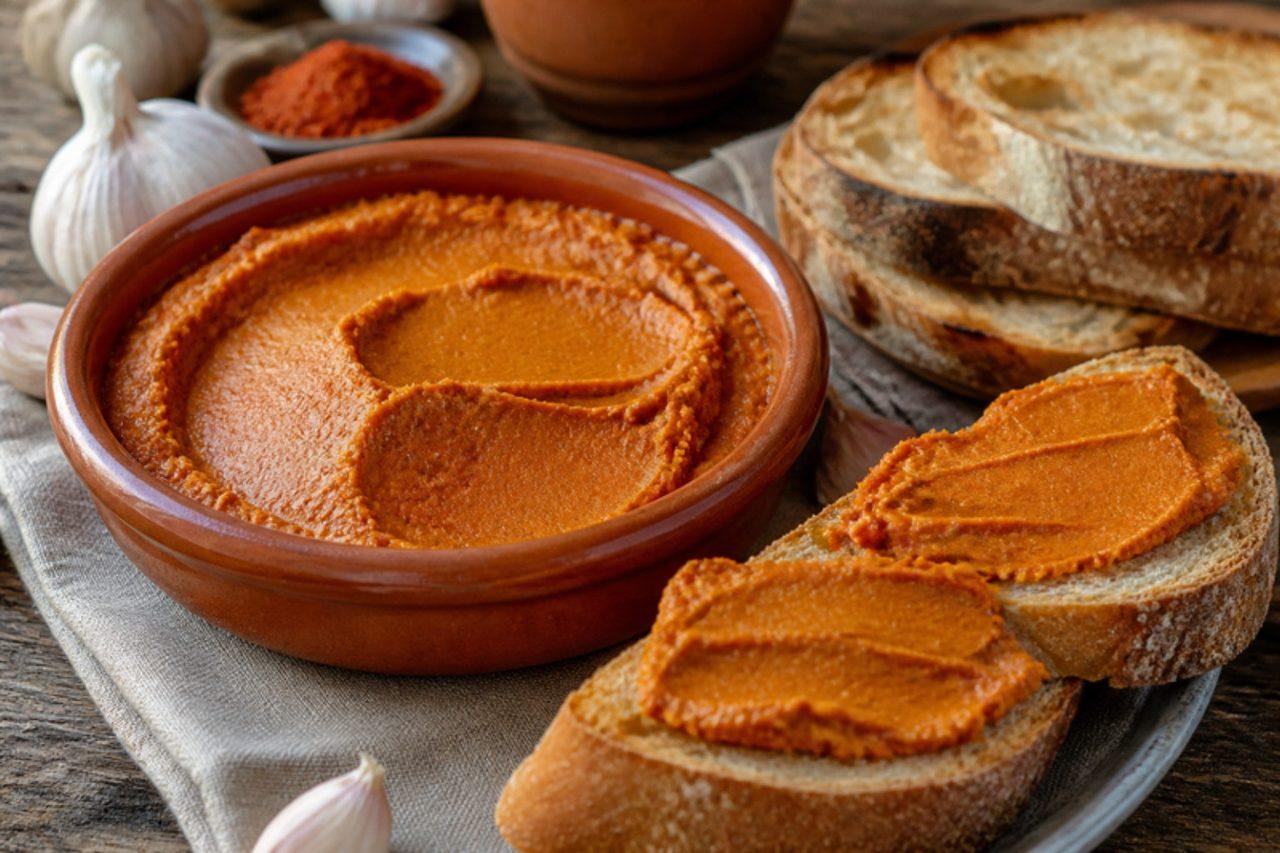
CachuelaSpiced pork liver spread

Cachuela belongs to the matanza, the winter pig slaughter that once filled every village in Extremadura with family and neighbours for several days. The fresh liver was cooked straight away with lard, onion, garlic and plenty of pimentón, then mashed into a coarse, spicy spread for breakfast on toast. People still make it in Badajoz and Cáceres homes through the cold months, and it keeps for a few days in the fridge. This contains pork (pork liver and pork lard). Chef's tip: cook the liver through but not a minute longer; overcooked liver turns grainy and bitter.

by KrazyBadal 0 views

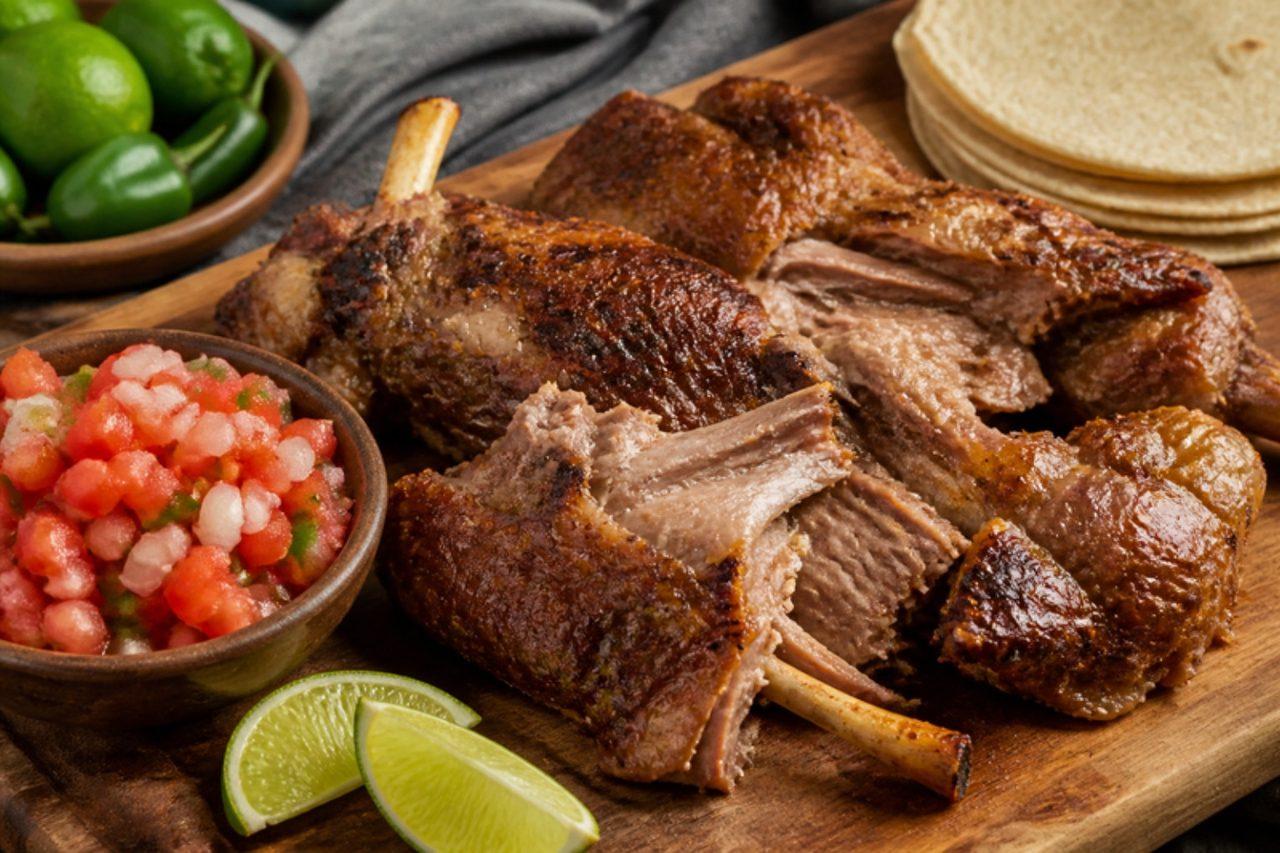
Cabrito al pastorSlow-roasted young goat

Monterrey is the capital of cabrito: young milk-fed goat spread on a stake and roasted slowly beside glowing wood embers, the speciality of the city's big grill restaurants and of weekend family feasts in Nuevo León. The meat is pale, delicate and juicy with crackly, salty skin, and it comes with salsa, flour tortillas, guacamole and a bowl of frijoles charros. Kid goat is hard to find, so this home-oven version also works with a bone-in lamb shoulder, which is a little fattier but just as good; ask a halal or specialist butcher for goat. Chef's tip: roast it covered and low first, then uncover and blast it at the end; starting at high heat is what dries out lean goat.

240 minMexicanMeatGluten free
by KrazyBadal 0 views

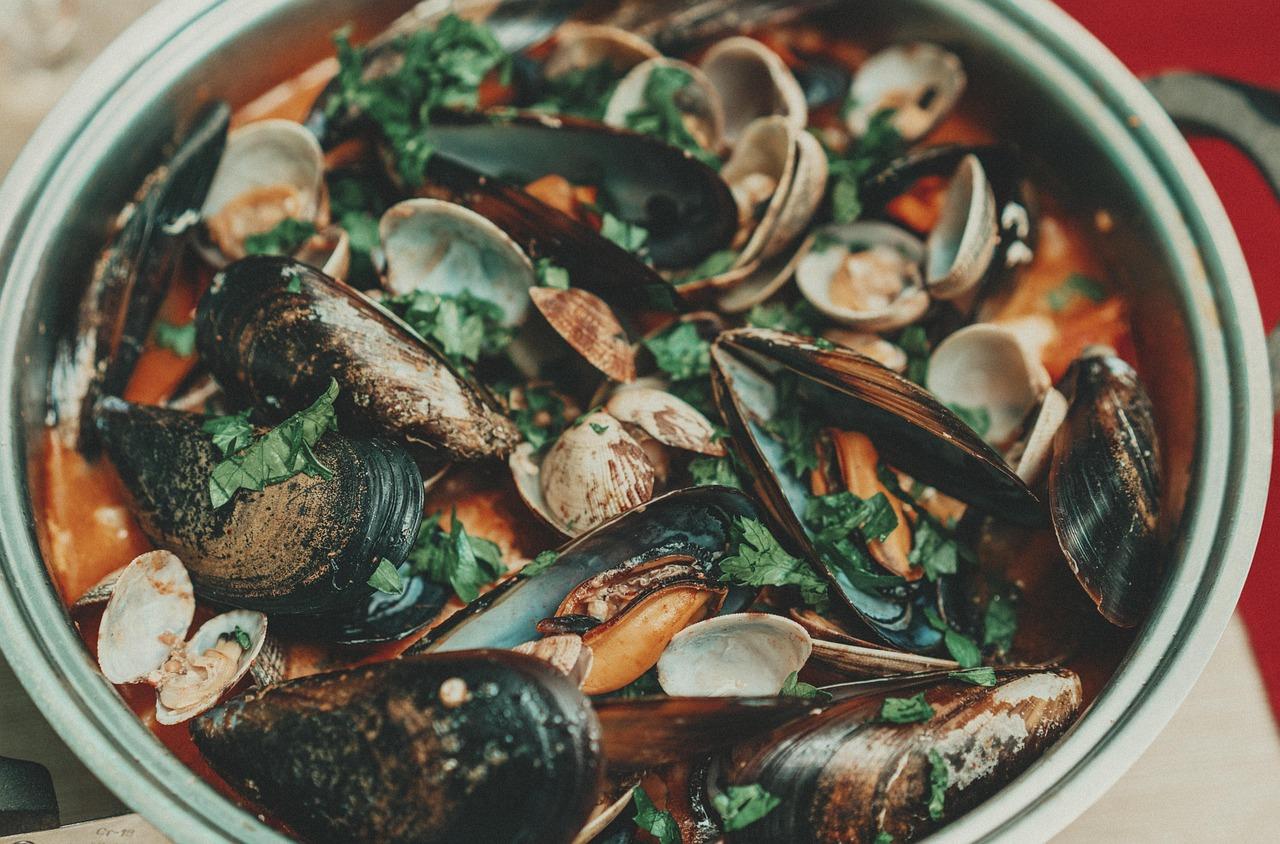
Cacciucco alla livorneseSpicy mixed fish stew

Cacciucco is the great fish stew of Livorno, the port city on the Tuscan coast, where it is said to need at least five kinds of seafood, one for each C in its name. Fishermen once made it with the unsold catch; today the harbour trattorie ladle it, thick and fiery with chilli, over slices of toasted bread rubbed with garlic. This version uses firm white fish, squid, mussels, clams and prawns cooked in tomato and red wine; the wine is traditional, and the note gives an alcohol-free option. Serve it as a whole meal, with more garlic toast on the side. Chef's tip: add the seafood in stages, from the firmest to the most delicate, so nothing turns rubbery.

by KrazyBadal 0 views

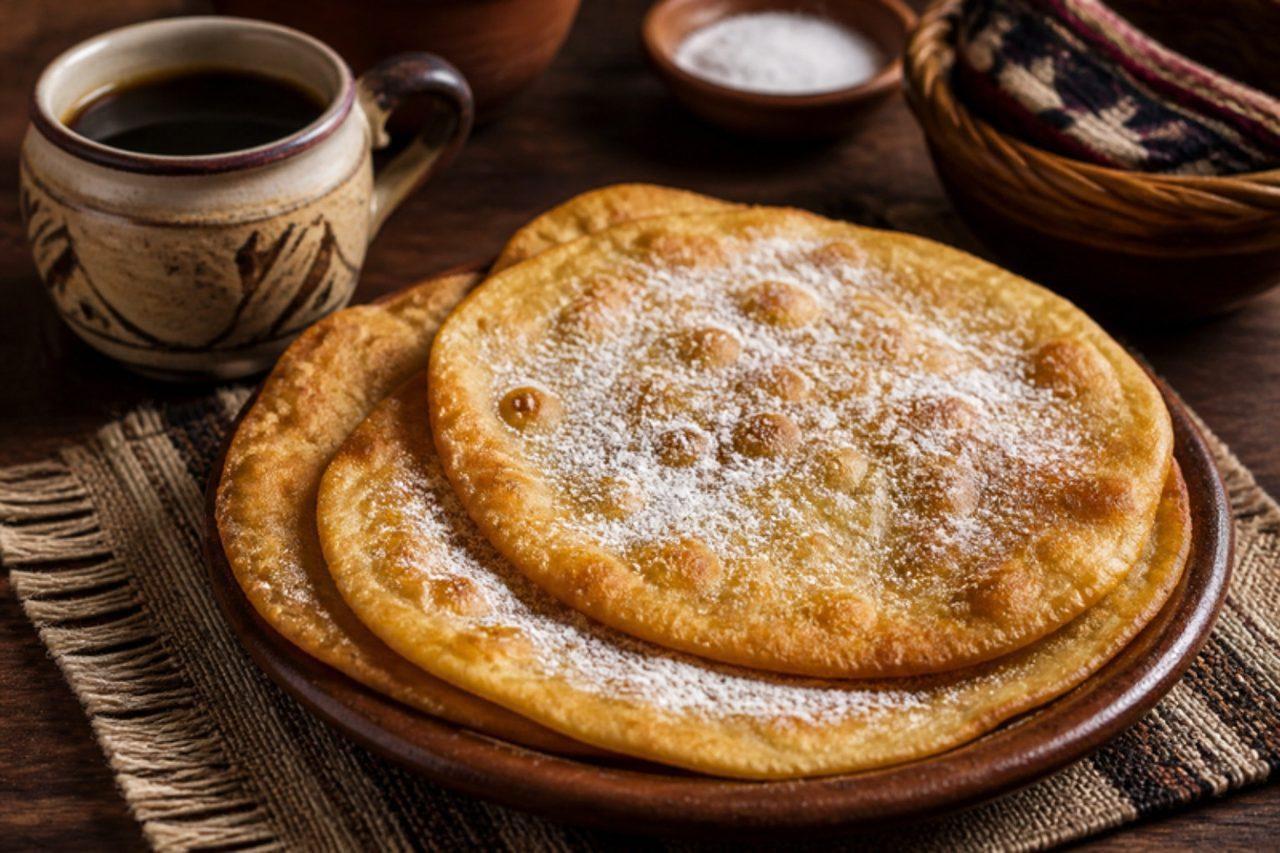
CachangaThin fried bread

On cold mornings at markets in Puno, Juliaca and Arequipa, women stretch rounds of dough over their knuckles and drop them into big pans of hot oil, and cachangas come out puffed, blistered and golden, to be dusted with sugar and eaten with a cup of coffee, hot chocolate or api. The bread is thin, chewy in the middle and crisp at the edges, a cousin of the sopaipilla. Some cooks leave them plain and eat them with cheese. The commonest problem is oil that isn't hot enough: the dough soaks up fat and turns heavy instead of puffing. Keep it at 180 °C and fry one at a time. The dough uses butter and milk, so it is vegetarian but not vegan; swap both for oil and water if needed. Chef's tip: rest the dough for 20 minutes before rolling so it stretches thin without springing back.

by KrazyBadal 0 views

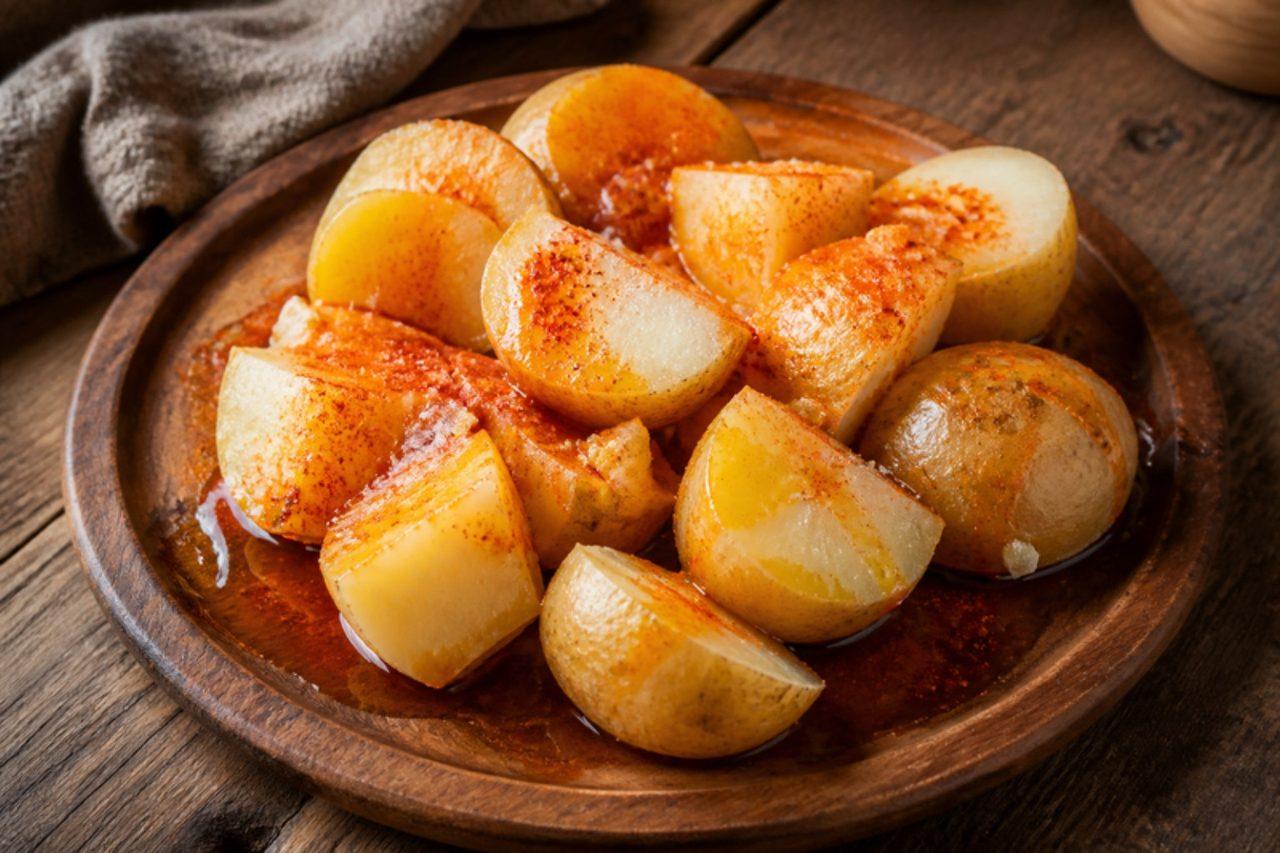
CachelosBoiled potatoes with paprika oil

At Galician fairs, and above all at O Carballiño's octopus festival every August, octopus is served on wooden plates with cachelos: potatoes boiled in their skins, cut into chunks and splashed with olive oil, coarse salt and paprika. They are just as good on their own, as a side for grilled fish or meat. A common mistake is adding paprika to sizzling oil, where it burns in seconds and turns bitter; warm the oil, take it off the heat, then stir it in. Chef's tip: boil the potatoes with a bay leaf and plenty of salt, and leave the skins on, so they stay whole and full of flavour.

by KrazyBadal 0 views

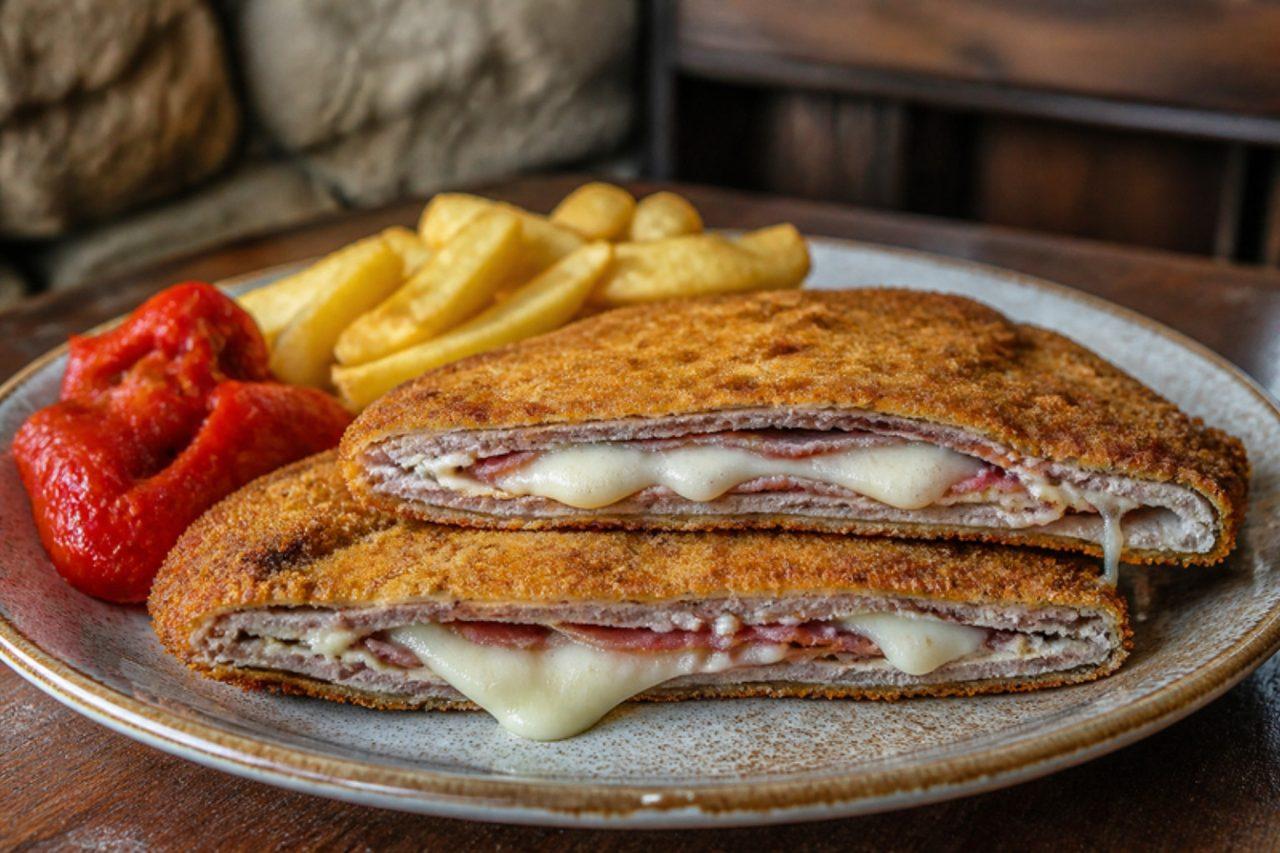
CachopoBreaded veal with ham and cheese

Asturias takes cachopo so seriously that Oviedo holds an annual contest for the best one, and some restaurants serve versions big enough to hang off the plate. At home it is a Friday-night or Sunday treat: two thin veal steaks enclosing serrano ham and a good melting cheese, breaded and fried, then cut at the table so the cheese oozes. This contains pork (serrano ham). Serve with chips and roasted green peppers. Chef's tip: chill the assembled cachopo for 20 minutes before frying so the crumb sets and the edges stay sealed.

by KrazyBadal 0 views

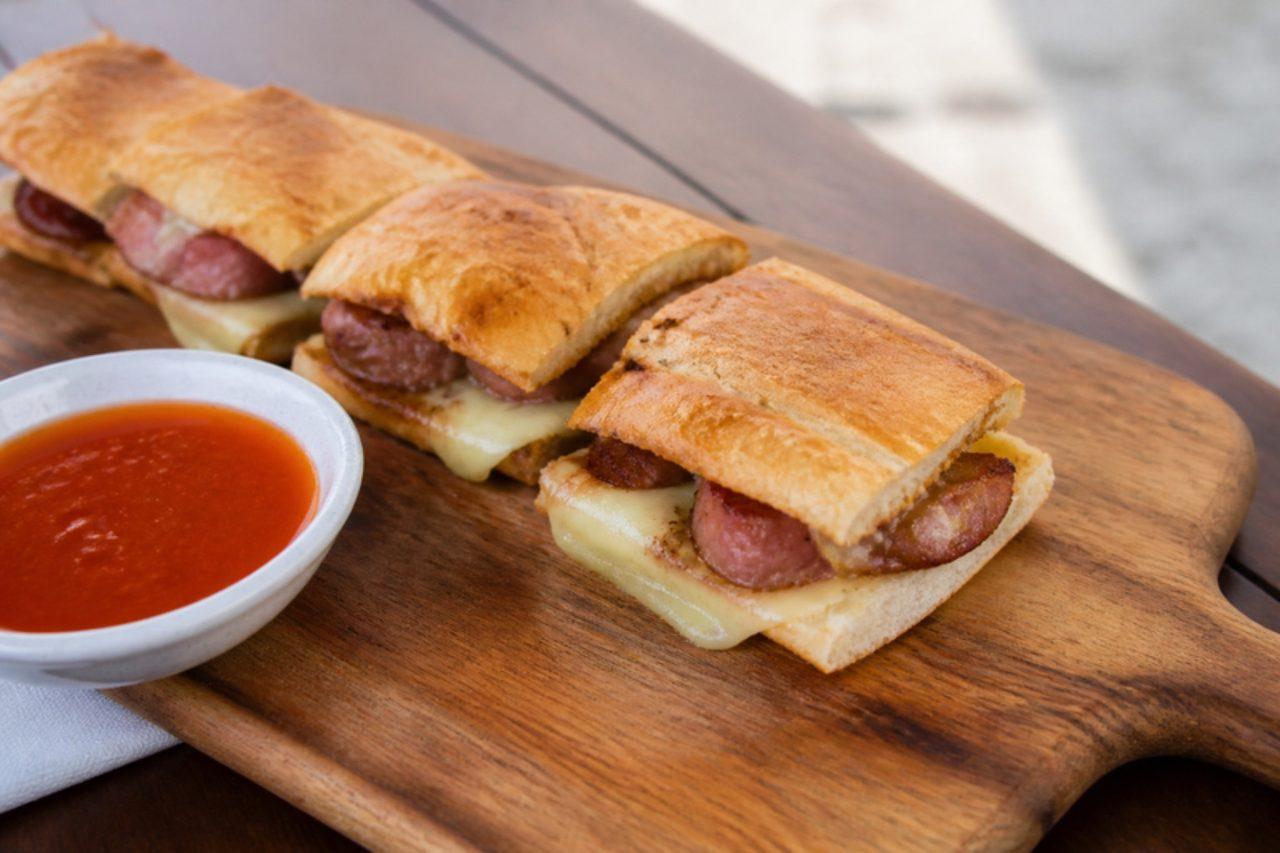
CachorrinhoCheese and sausage pressed sandwich

This is Porto's late-night snack, born in the bars around the Praça dos Poveiros in the 1960s and still eaten standing at the counter after a football match. A thin sausage goes into a slim roll with cheese, the whole thing is toasted flat in a press until it shatters, then cut into bite-sized pieces and doused in a hot, tangy sauce. This contains pork (pork frankfurters). Chef's tip: brush the outside of the bread with butter before pressing, so it goes evenly golden and crisp.

by KrazyBadal 0 views

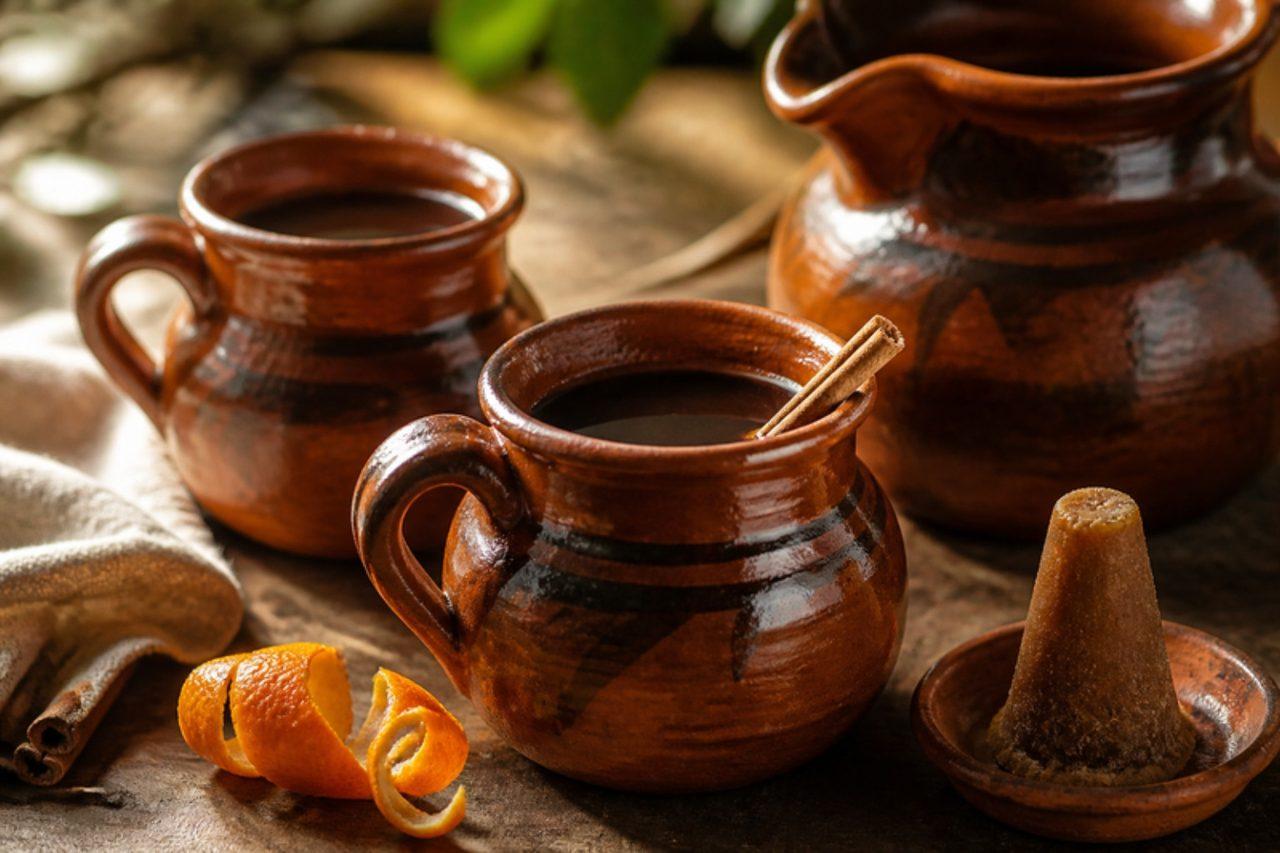
Café de ollaSpiced clay-pot coffee

In ranch kitchens and roadside fondas across central Mexico, coffee is not dripped but boiled in a tall clay pot (olla de barro) with a cone of piloncillo and a stick of soft Mexican cinnamon, then strained into clay mugs. It is sweet, spiced and earthy, and is served with pan dulce at breakfast, on cold evenings, and to visitors on Day of the Dead. A saucepan works fine if you have no olla. Chef's tip: turn the heat off before adding the coffee and let it steep rather than boil, or it turns bitter.

by KrazyBadal 0 views

CafezinhoSmall strong sweet coffee

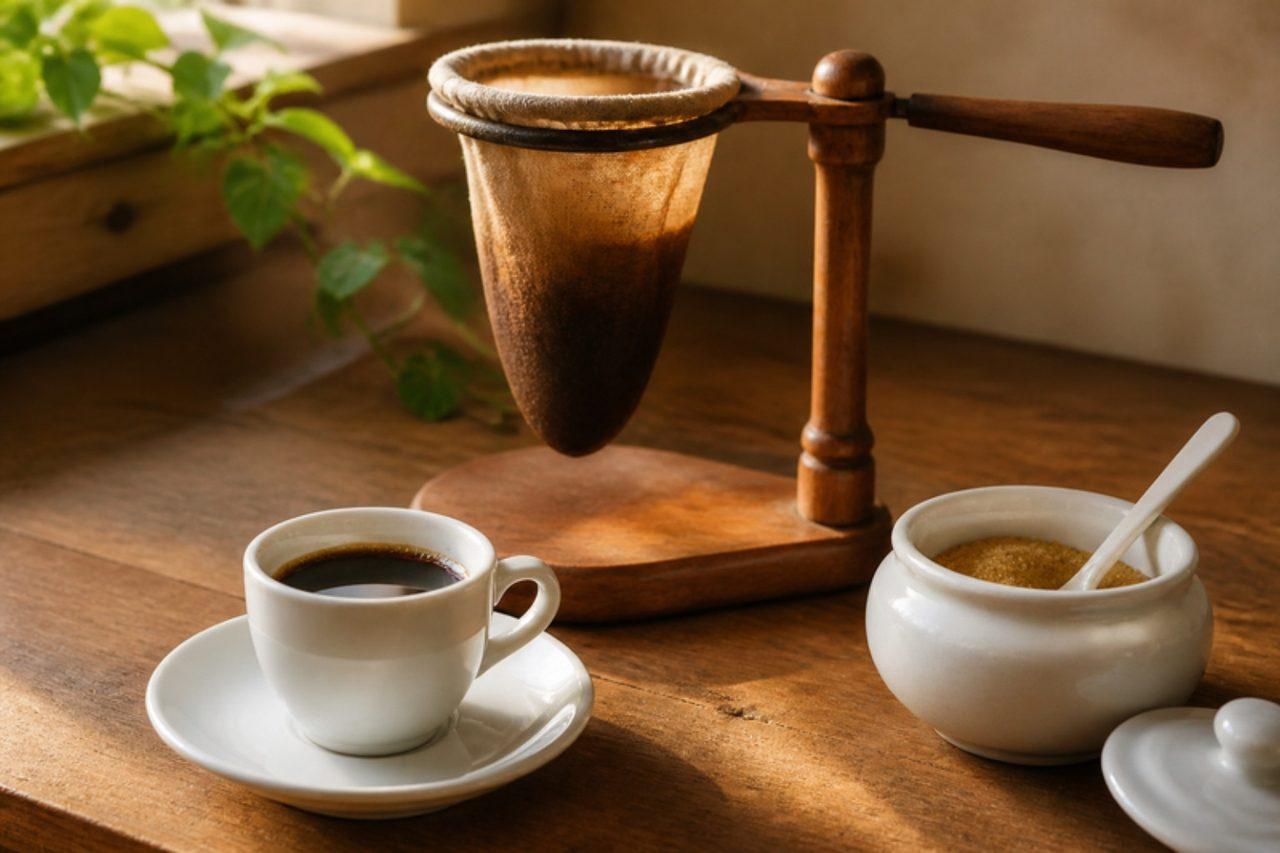
A tiny cup of black coffee is the first thing a Brazilian host offers, in a São Paulo office, a Minas farmhouse or a Recife shop, and saying no is almost impolite. Cafezinho is filtered rather than espresso: finely ground coffee goes into a cloth filter (coador de pano) and hot water runs through it, giving a strong, smooth, slightly thick brew served in small cups. Traditionally the sugar is dissolved in the water before brewing, so it arrives already sweet; leave it out if you prefer. A paper filter in a cone works if you have no cloth. Boiling the water with the coffee is the mistake to avoid, as it scorches the grounds and the cup turns bitter. Chef's tip: take the pan off the heat when the first bubbles break the surface and wait 30 seconds; water just off the boil, around 92–95 °C, gives the sweetest cup.

by KrazyBadal 0 views

Cağ kebabıSpit-grilled marinated lamb

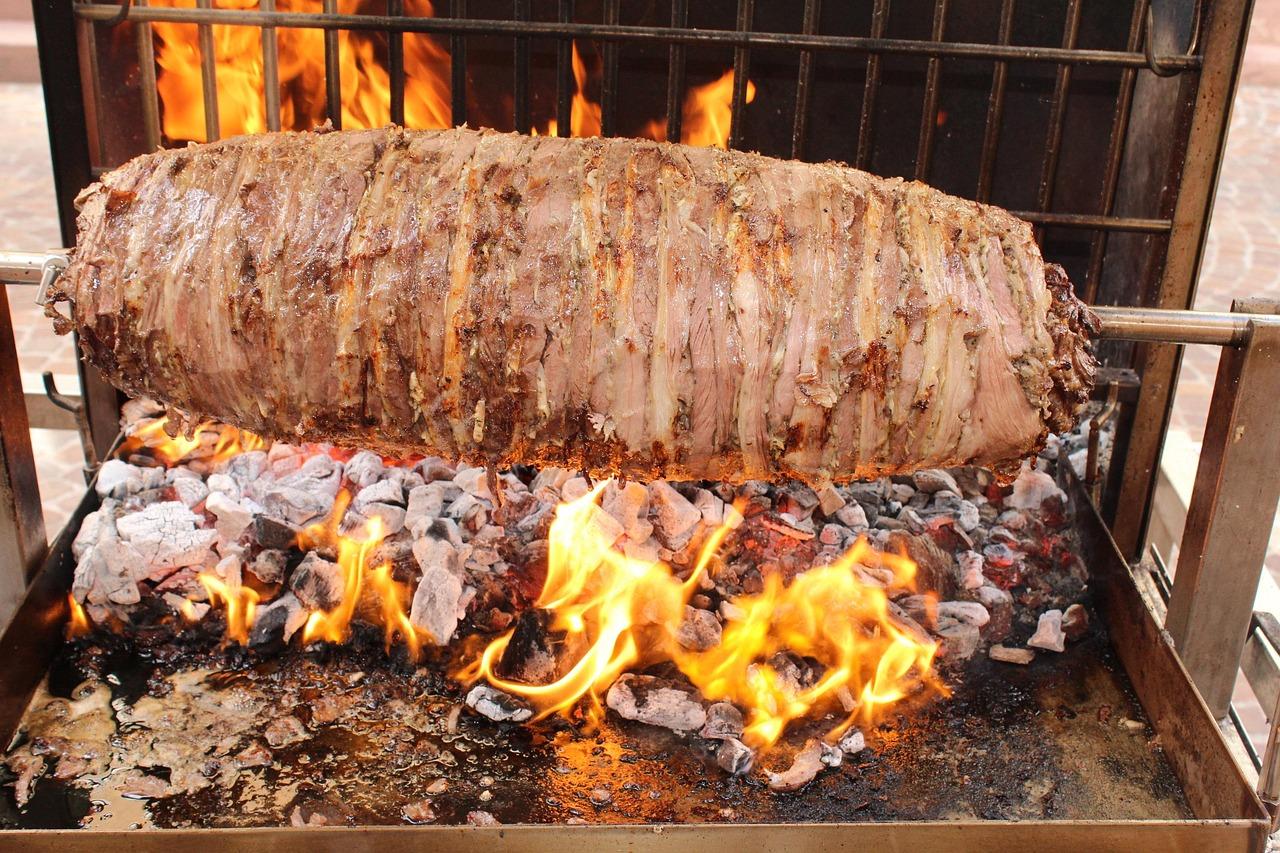
In Erzurum and nearby Oltu, cağ kebabı is cooked on a huge horizontal spit turning beside a wood fire; the cook slices off the charred outer layer onto long flat skewers, and you eat it straight off the metal wrapped in lavaş. At home, thin slices of lamb marinated overnight with grated onion and black pepper, threaded tightly and seared on a very hot grill or griddle pan, capture much of the flavour. Serve with lavaş, sliced onion with sumac and grilled peppers. Common mistake: slicing the meat too thick, so it's tough and chewy; aim for 5 mm. Cook lamb to at least 63 °C with a little pink, or longer if you prefer. Chef's tip: squeeze the grated onion through a sieve and use only the juice; it tenderises without leaving bits that burn.

by KrazyBadal 0 views

Cajeta de CelayaGoat milk caramel

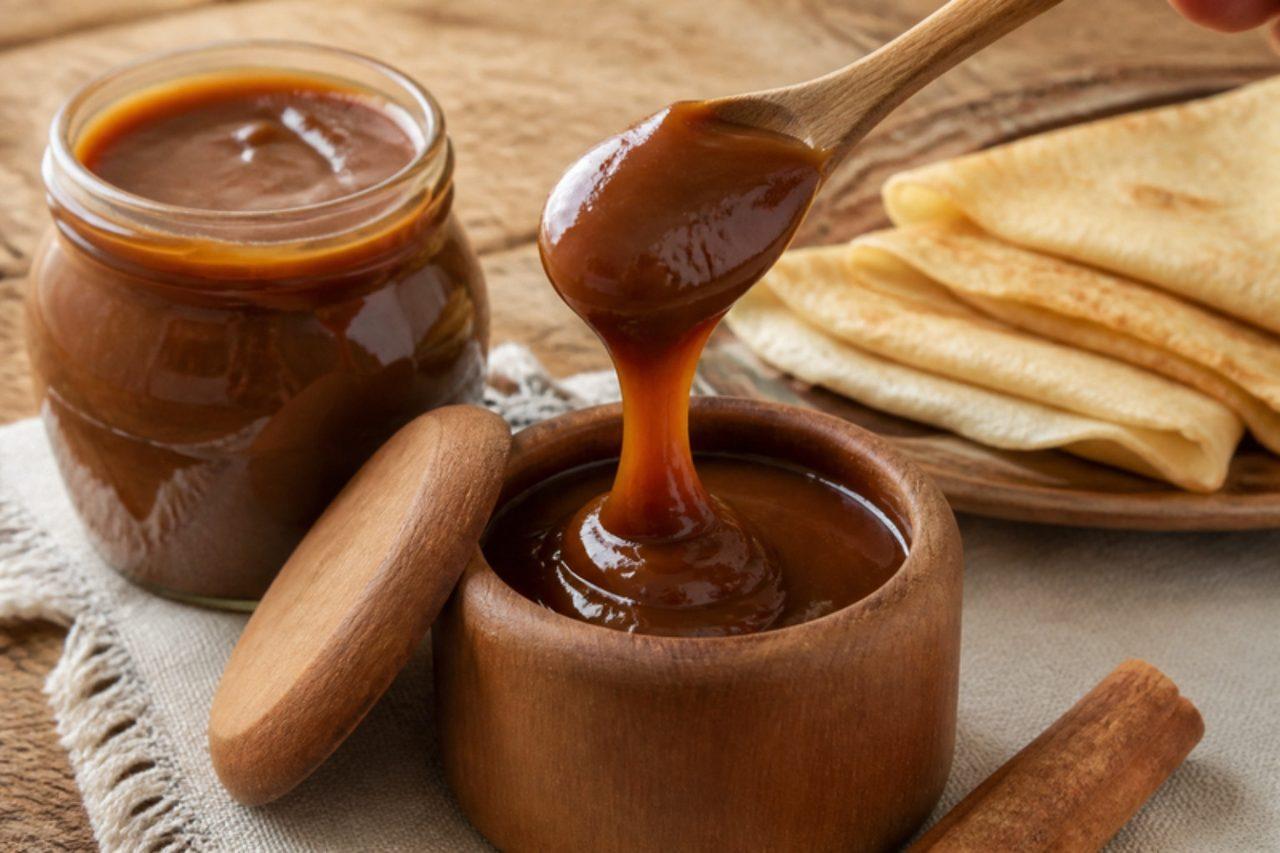
Celaya, in the Bajío of Guanajuato, has made cajeta for centuries, once packing it into little wooden boxes (cajetes) that gave it its name. It is caramel cooked from goat's milk, so it is looser and has a gentle tang compared with the cow's-milk dulce de leche of Argentina. Mexicans spread it on crêpes and churros, pour it over ice cream, sandwich it between obleas (wafers) and turn it into glorias. A splash of rum-flavoured 'envinada' cajeta exists, but this one is plain and alcohol-free. Chef's tip: use a pan at least three times the volume of the milk; it foams high when the bicarbonate goes in.

by KrazyBadal 0 views

Caldeirada galegaWhite fish and potato stew

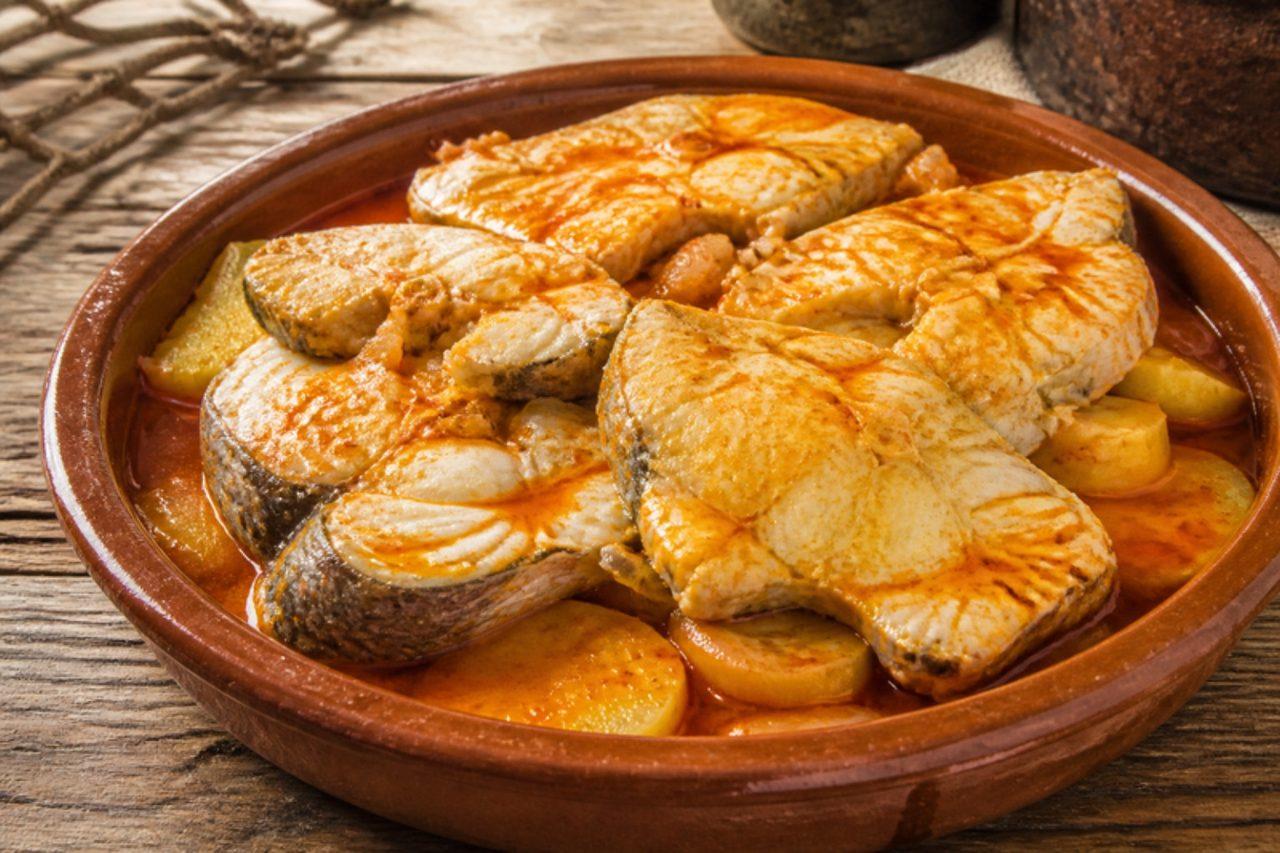
In fishing towns like Ribeira, Bueu and Muxía, caldeirada was the fishermen's way of cooking whatever the boat brought in, and it is still served at seaside restaurants and at the July fiestas of the Virgen del Carmen, patron of sailors. Unlike merluza á galega, it uses several kinds of fish, such as monkfish, ray, conger or hake, layered with potatoes and onion and cooked in very little water, then finished with plenty of ajada. A common mistake is stirring the pot, which breaks the fish into flakes; shake it gently instead. Chef's tip: put the firmest fish at the bottom and the most delicate on top, so everything finishes cooking together.

by KrazyBadal 0 views

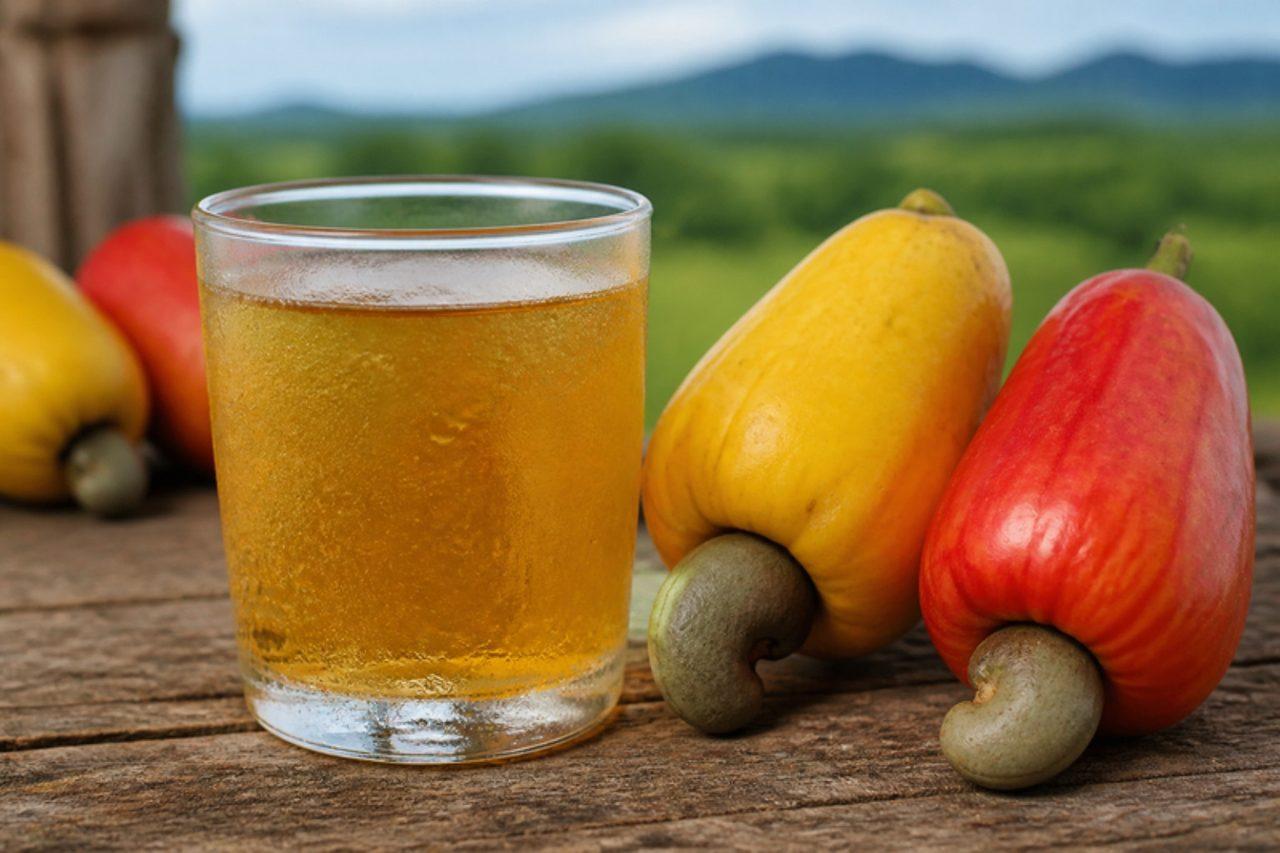
CajuínaClarified cashew apple juice

Teresina, the capital of Piauí, treats cajuína as a matter of local pride, and the drink's traditional craft is officially recognised as part of Brazilian cultural heritage. It is cashew-apple juice that has been clarified until crystal clear, bottled and cooked in a water bath until the natural fruit sugars caramelise and turn it amber-gold. No sugar is added. Served ice-cold, it tastes of baked apple and honey with a hint of cashew, smooth and non-alcoholic. Small producers clarify the juice with gelatin or cashew-tree resin; this vegan home version clears it by settling and filtering instead, which takes patience. Real cajuína is shelf-stable thanks to commercial sterilising; this home batch must be kept in the fridge and drunk within a week. Skipping the slow filtering is the usual error, and cloudy juice turns murky brown instead of gold. Chef's tip: let the juice settle in the fridge overnight before filtering and pour off the clear top, leaving the sediment behind.

by KrazyBadal 0 views

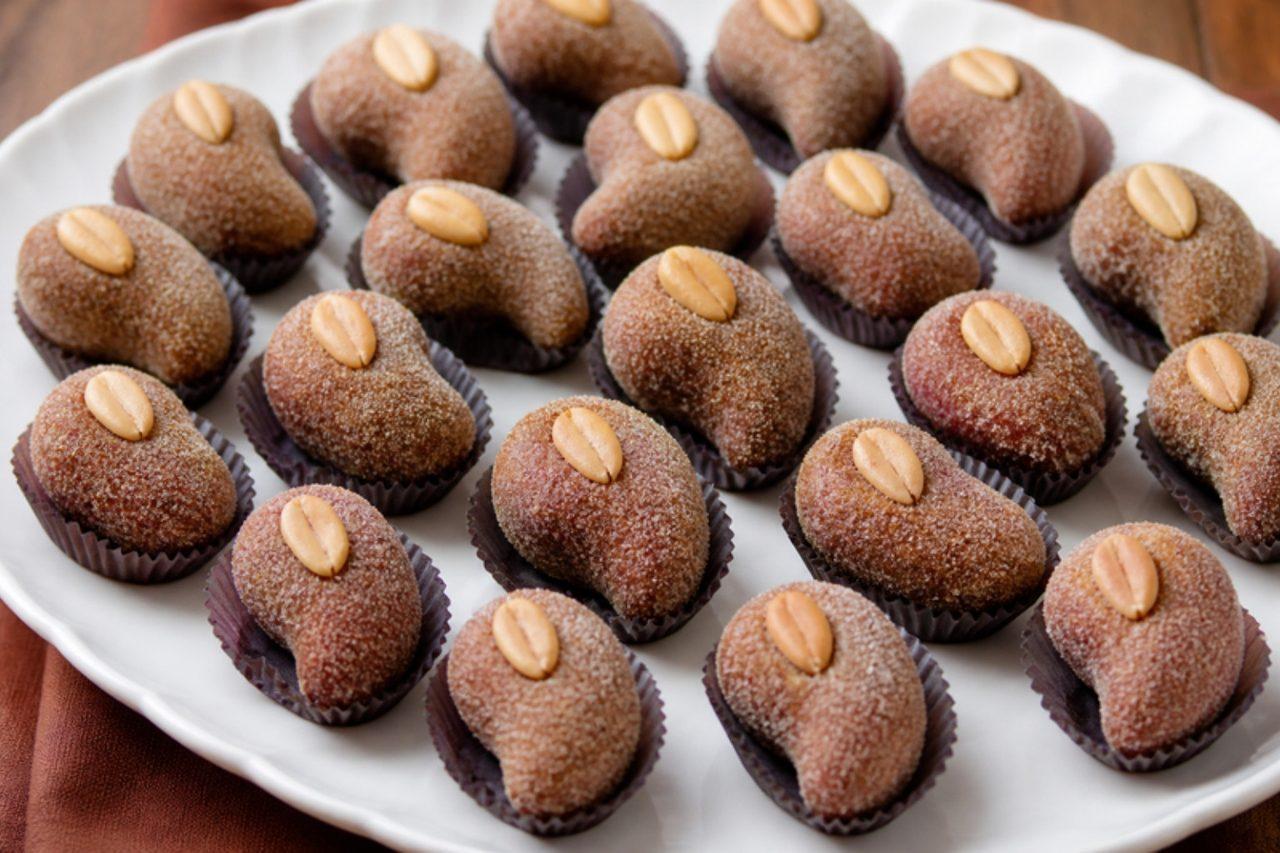
CajuzinhoPeanut and cocoa sweets

Next to brigadeiros on any children's birthday table in Brazil sit the cajuzinhos, small sweets moulded into the shape of a cashew fruit (caju) and crowned with a single peanut that stands in for the nut. The dough is condensed milk cooked with ground roasted peanuts and a little cocoa until it pulls into a fudge, then rolled in sugar. Each one is chewy, peanutty and gently chocolatey, a bite-size sweet that sits in its own paper case. They are a good make-ahead: shaped cajuzinhos keep for 3 days in a cool place. Undercooking the mixture is the usual problem: soft dough will not hold the cashew shape and slumps in the cases. Chef's tip: oil your hands lightly before shaping and roll each ball into a fat sausage first, then pinch one end narrower to get the cashew outline.

by KrazyBadal 0 views

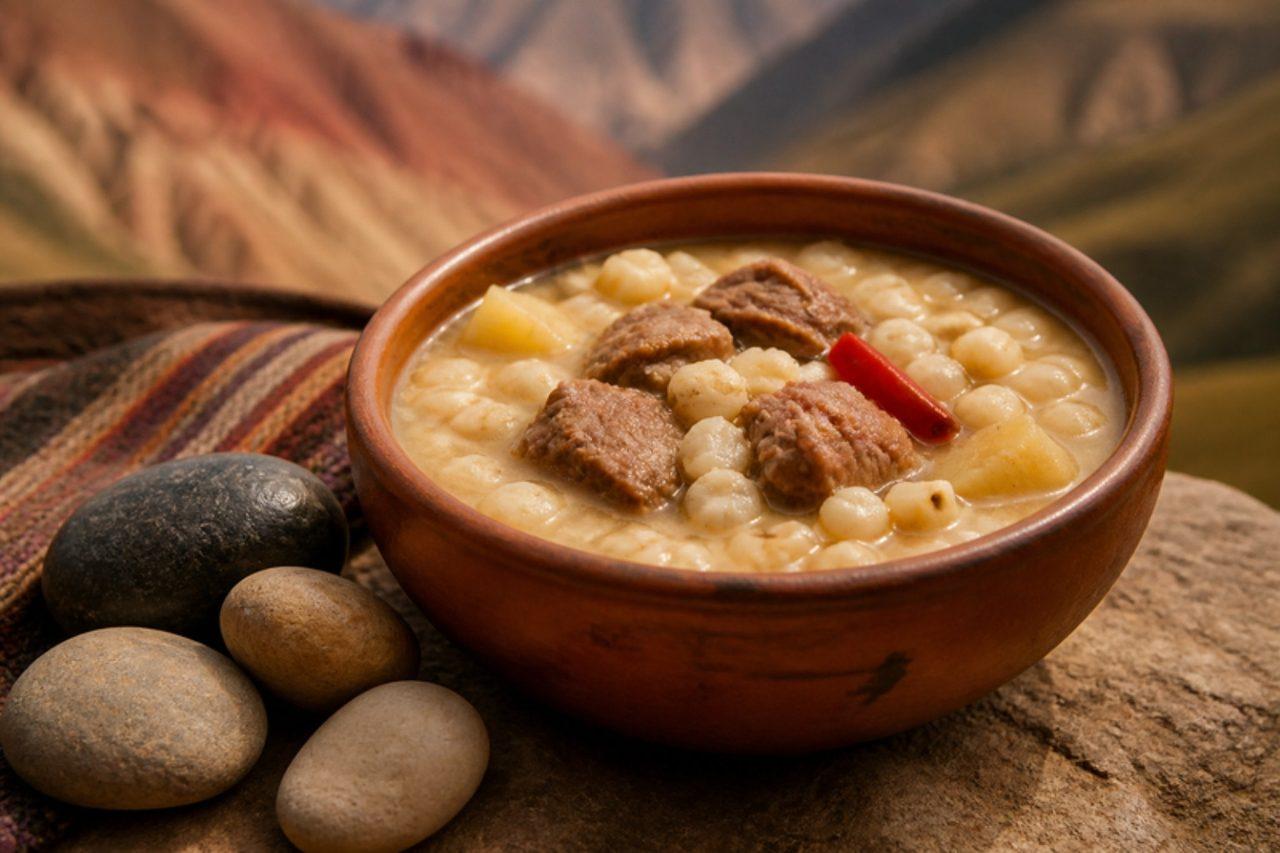
CalapurcaHominy and meat soup

Nobody hurries calapurca. In the villages of the Quebrada de Humahuaca, especially around Carnival and the August Pachamama rites, cooks heat stones in the fire until they glow and then drop them into a clay pot of soup made from dried maize, beef and lamb (or llama), potatoes and chilli, so it boils up in a hiss of steam and takes on a faintly smoky taste. Bowls are passed around the gathering with a sprinkle of fresh herbs. The stones are a ritual best left to people who know which ones are safe, because wet or river stones can crack or burst when heated, so this home version simply simmers on the stove. Look for dried white hominy (mote, or pozole corn) in Latin American shops; it needs soaking overnight. The usual problem is undercooked corn: it needs a good 2 hours before the meat goes in. Chef's tip: for a hint of the smoky flavour, char the onion and a dried chilli in a dry pan before adding them.

by KrazyBadal 0 views

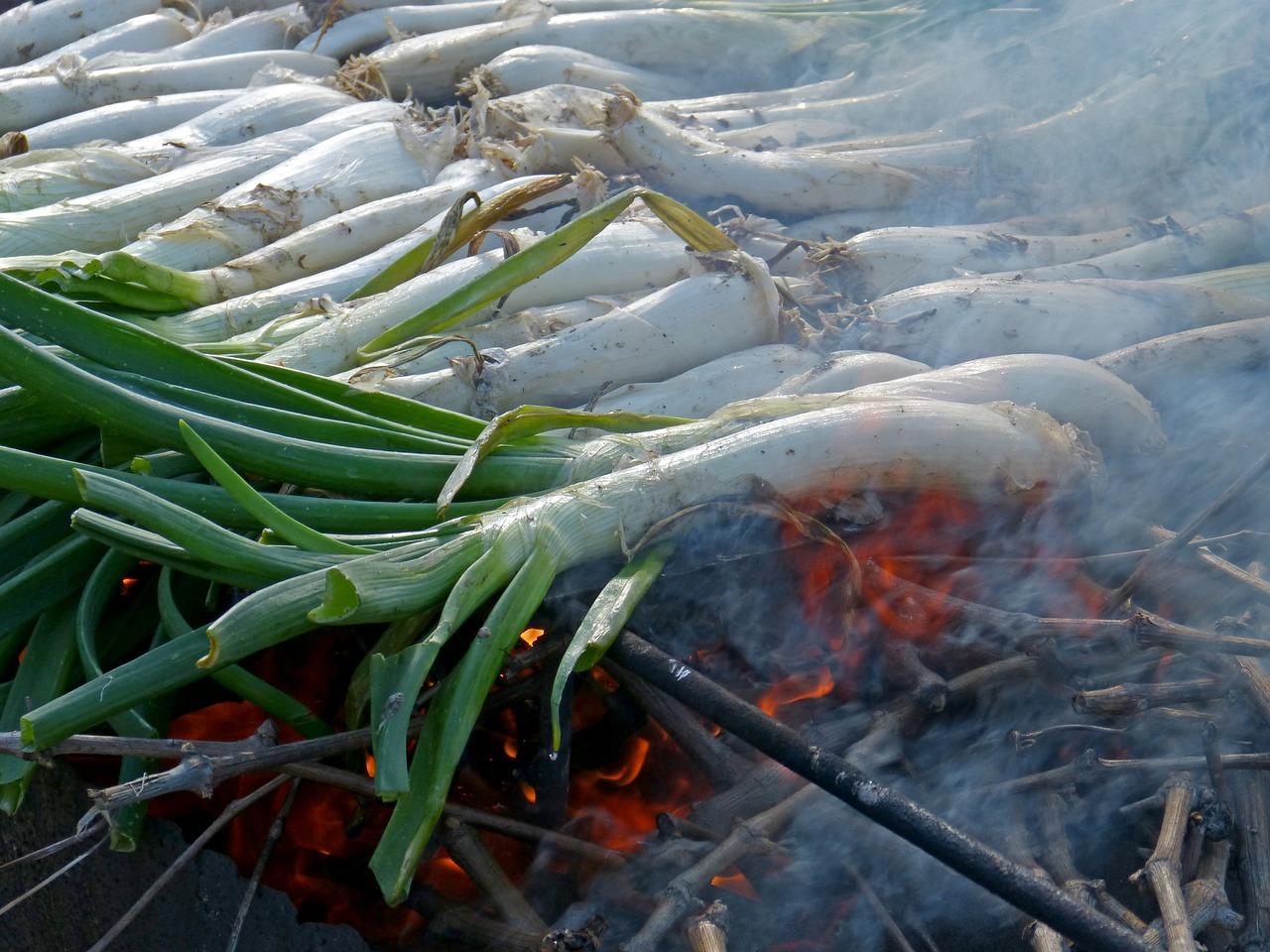
Calçots amb salvitxadaGrilled onions with nut sauce

From January to April, the town of Valls near Tarragona and half of Catalonia go to calçotades: long country lunches where calçots, a tall, sweet onion grown banked up with earth, are flame-grilled until black, wrapped in newspaper to steam, then peeled by hand and dipped in salvitxada. Everyone wears a bib. This salvitxada leans on almonds, roasted tomato and garlic, with ñora peppers for colour and sweetness. If you cannot get calçots, use thick spring onions or slim young leeks. Chef's tip: hold a calçot by the green top, pull the charred outer layer off downwards in one go, then dip and lower it into your mouth from above.

by KrazyBadal 0 views

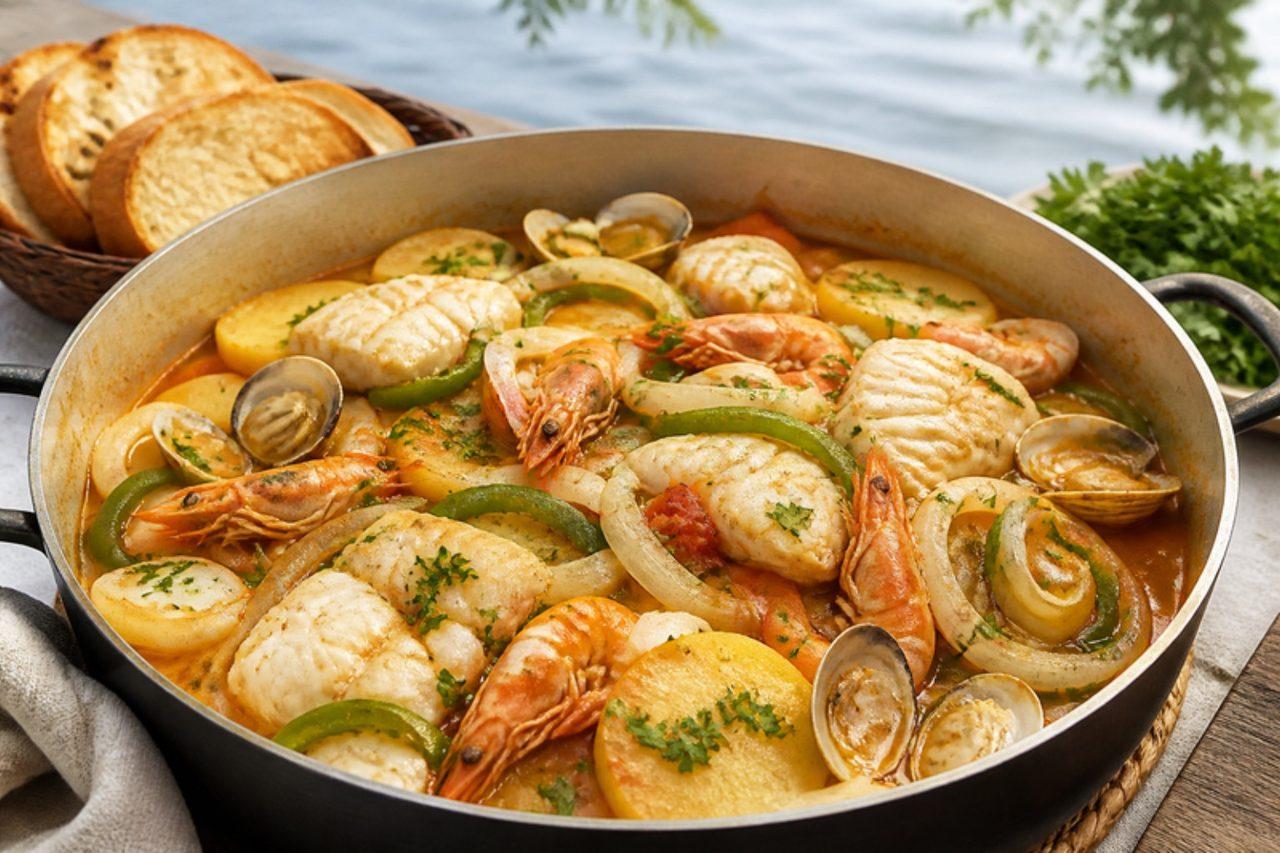
Caldeirada à fragateiraFish and potato stew

The fragateiros sailed the flat-bottomed barges that carried cargo up and down the Tagus, and on board they cooked whatever fish they had in one pot, layered with potatoes, onions, tomatoes and peppers and left to steam in olive oil and wine. Lisbon restaurants still make caldeirada for a long lunch, ladled over toasted bread. Use at least three kinds of fish, mixing firm white ones with something richer. The wine contains alcohol; fish stock with a squeeze of lemon makes a good alcohol-free version. A common mistake is stirring the pot, which breaks the fish; shake it instead. Chef's tip: put the firmest fish at the bottom and the most delicate on top, so everything is done at the same time.

by KrazyBadal 0 views

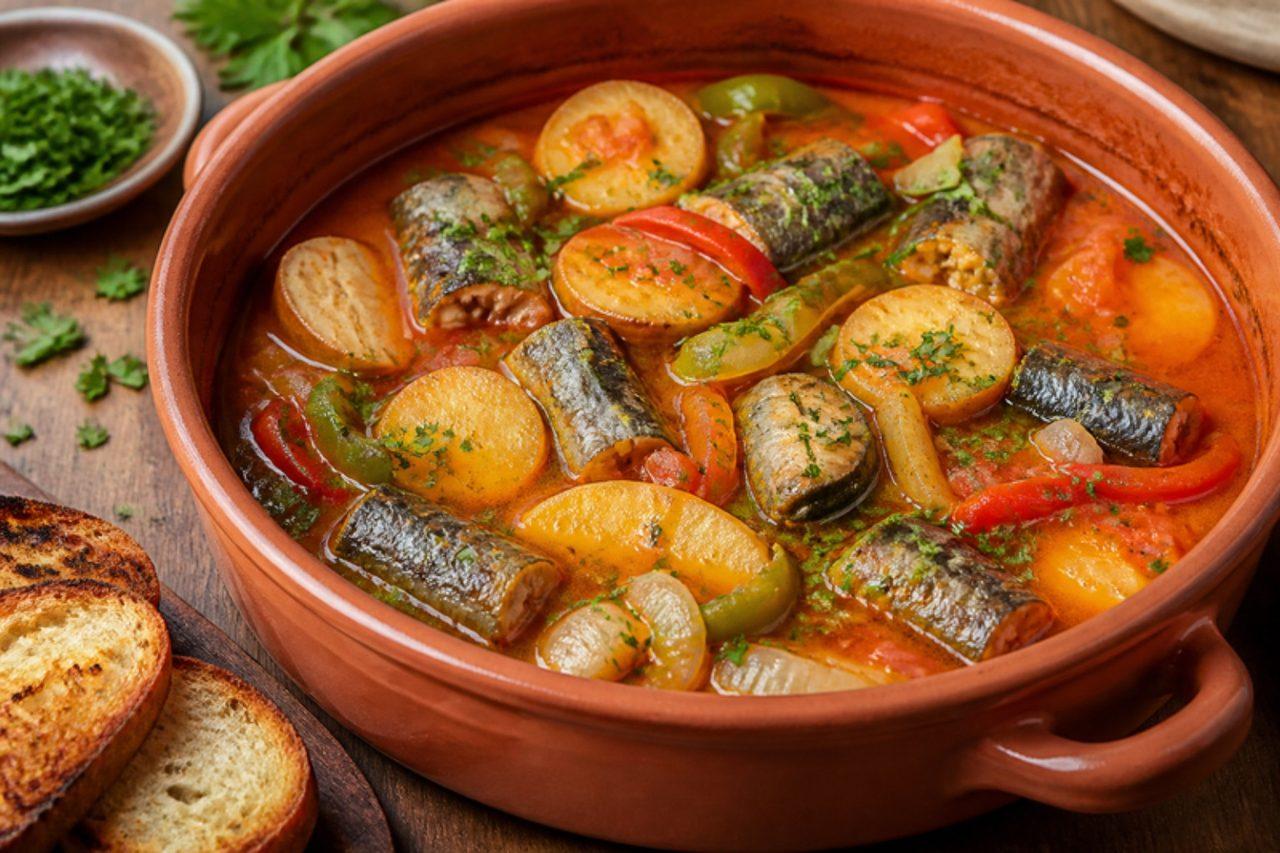
Caldeirada de enguiasEel stew with potatoes and peppers

Eels from the Ria de Aveiro, the lagoon behind the town, are a speciality of Murtosa and Torreira, where caldeirada is cooked in layers in a wide pot and eaten at long tables in waterside restaurants. Onions, potatoes, tomato and peppers stew with the eel pieces in olive oil until the broth is rich and orange, and it is ladled over slices of bread. Ask the fishmonger to skin and clean the eels; eel blood is toxic when raw, but thorough cooking makes it completely safe. Chef's tip: shake the pot rather than stirring once the eel is in, so the pieces stay whole.

by KrazyBadal 0 views

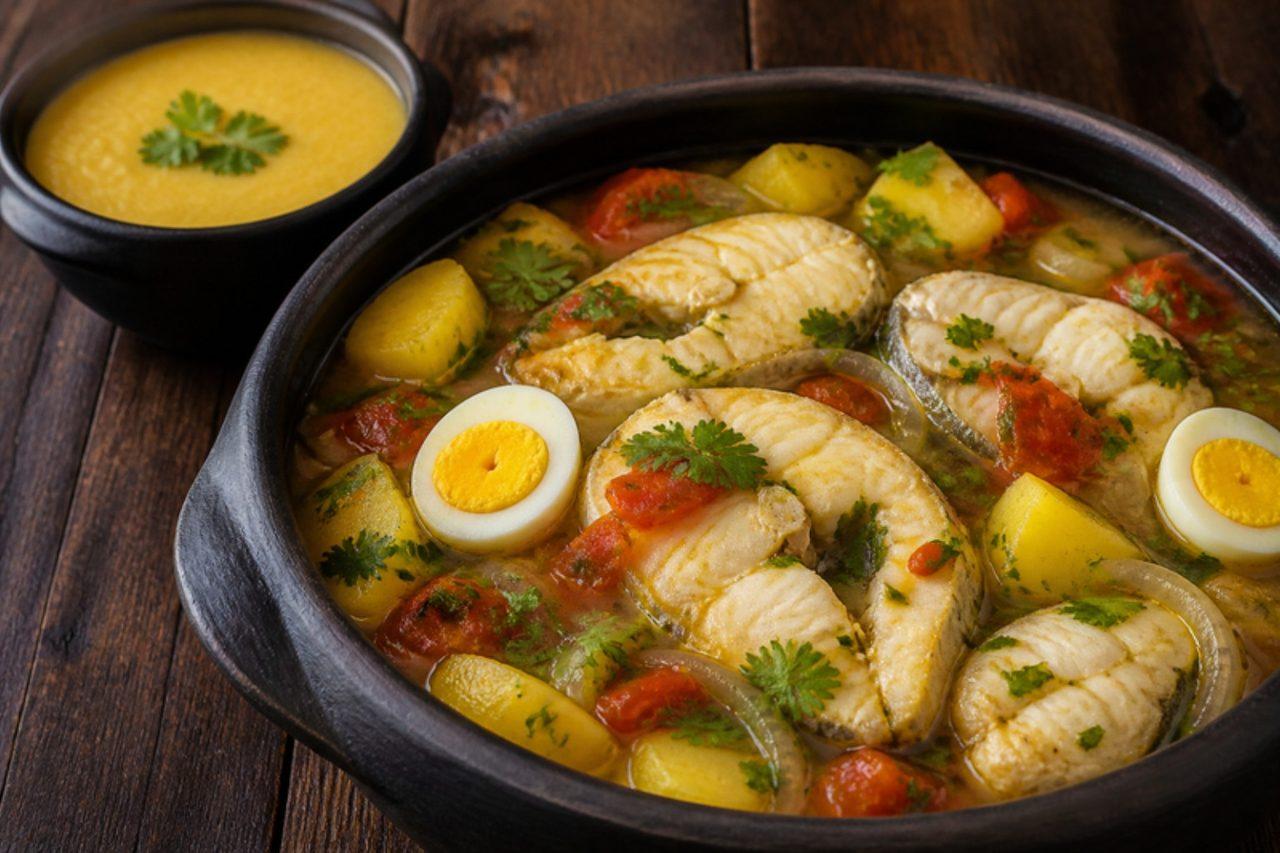
Caldeirada de tucunaréRiver fish stew

Peacock bass, tucunaré, is the prize of the Rio Negro, and in Manaus it ends up in caldeirada: a layered pot of firm fish steaks, potatoes, tomatoes, onions and peppers, simmered in their own broth with coriander and culantro and finished with boiled eggs. Riverside restaurants and Sunday lunches serve it in big clay pots with white rice, pirão made from the broth and plenty of pimenta-de-cheiro. The broth is light, tangy and fresh, the fish sweet and meaty. Outside Brazil, use sea bass, snapper or any firm white fish cut into steaks. The commonest slip is stirring the pot once the fish is in; shake it gently instead so the steaks stay whole. Chef's tip: layer the potatoes at the bottom where the heat is strongest, so they finish cooking just as the fish turns opaque on top.

by KrazyBadal 0 views

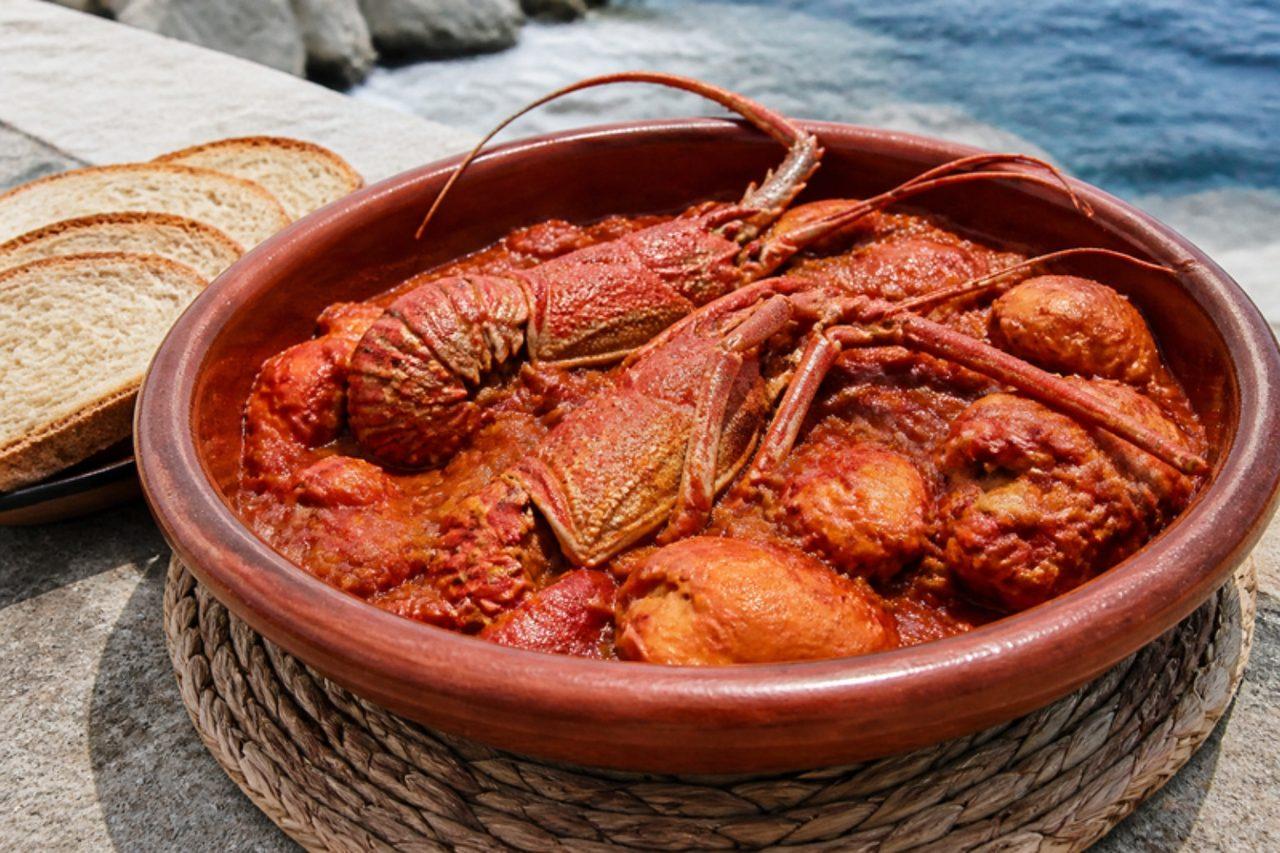
Caldereta de llagostaSpiny lobster stew

In the fishing village of Fornells, on Menorca's north coast, caldereta de llagosta is the summer splurge people plan a whole holiday around, ladled from a clay pot onto plates lined with thin slices of dry bread. Spiny lobster is cut into pieces and simmered in a deep, tomato-rich sofrito with onion, green pepper and garlic, then thickened with a picada of the lobster's own liver, almonds and parsley. A splash of brandy is common; it is optional here, and the stew is just as good without. Chef's tip: let the sofrito cook until dark and jammy before the lobster goes in, because that slow base is where the broth gets its depth.

by KrazyBadal 0 views

Caldereta extremeñaLamb stew with liver sauce

Caldereta is the feast dish of Extremadura's shepherds, cooked in a big iron pot at romerías, weddings and village fiestas, and in many homes for Sunday lunch. Pieces of lamb are browned and stewed with peppers, bay and smoky pimentón de la Vera, then the sauce is thickened with lamb's liver fried with garlic and bread and pounded to a paste, which gives it a deep, rich flavour. Chef's tip: make it a day ahead if you can; like most stews, it tastes better reheated.

125 minSpanishMeat
by KrazyBadal 0 views

Calderete de la RiberaLamb, potato and artichoke stew

In the Ribera of Navarre, calderete is the dish of fiestas and riverside gatherings: groups of friends, the cuadrillas, set an iron cauldron over vine cuttings and spend a long afternoon stewing lamb with peppers, potatoes and whatever the market gardens have that week. Artichokes are a Ribera signature. At home the same dish works on the stove in a heavy casserole and is just as good the next day. Chef's tip: snap the potatoes into chunks with the knife instead of slicing cleanly, so the rough edges release starch and thicken the sauce.

125 minSpanishMeatGluten free
by KrazyBadal 0 views

Showing 27 of 7,762 recipes

Show more recipes

Page 442 of 863