


Skip to content
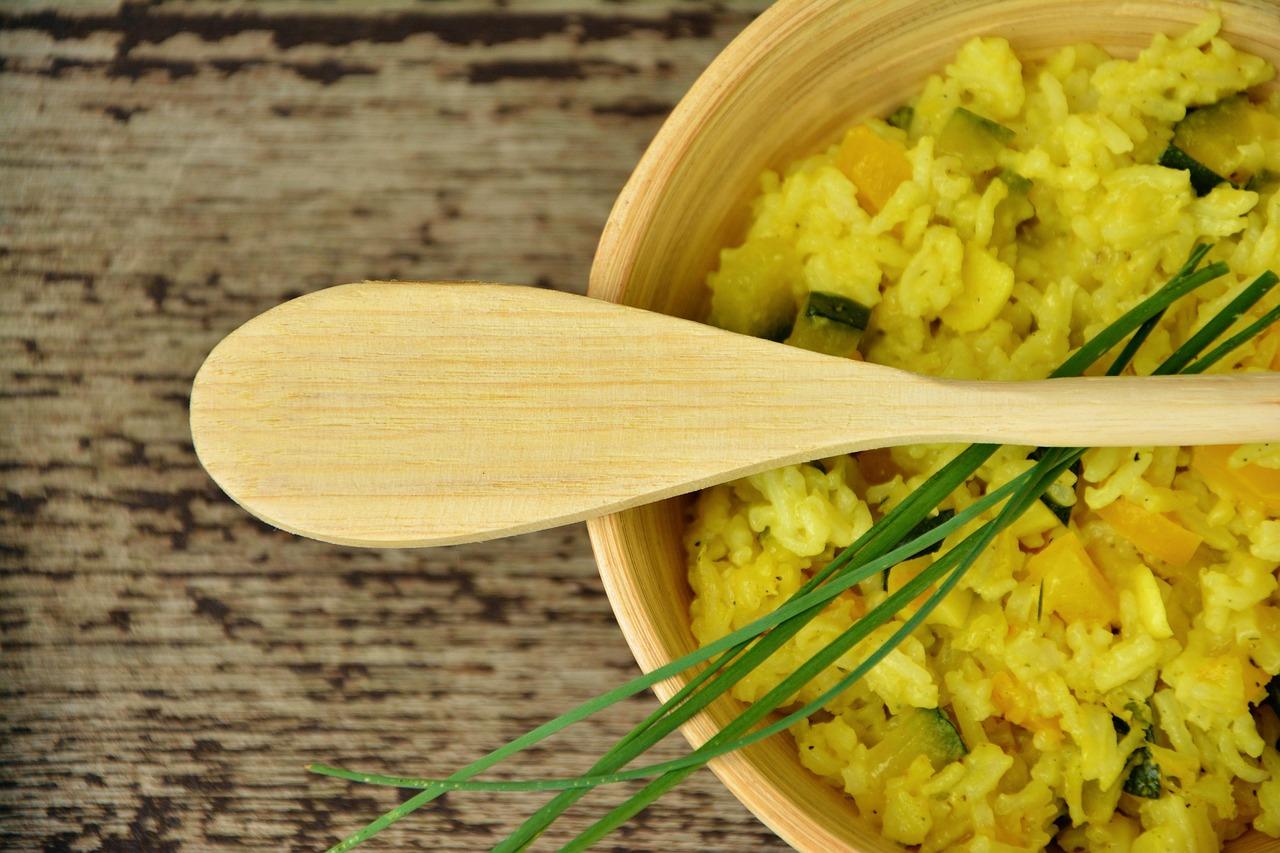
Masaledar khichdi
Featured recipe

Masaledar khichdi

Layered saffron rice and pigeon pea bake

A festive, baked khichdi: rice and pigeon pea lentils are cooked with cumin and tinted with saffron, then layered with a garlicky onion and yogurt gravy and crisp ghee-fried onions. It comes out of the oven fragrant and rich. Serve hot with plain yogurt.

Read more 1 views

What to eat today?

Around the world

Today's trip: Paraguayan

A new country every day, from every cuisine on the site.

Paraguayan

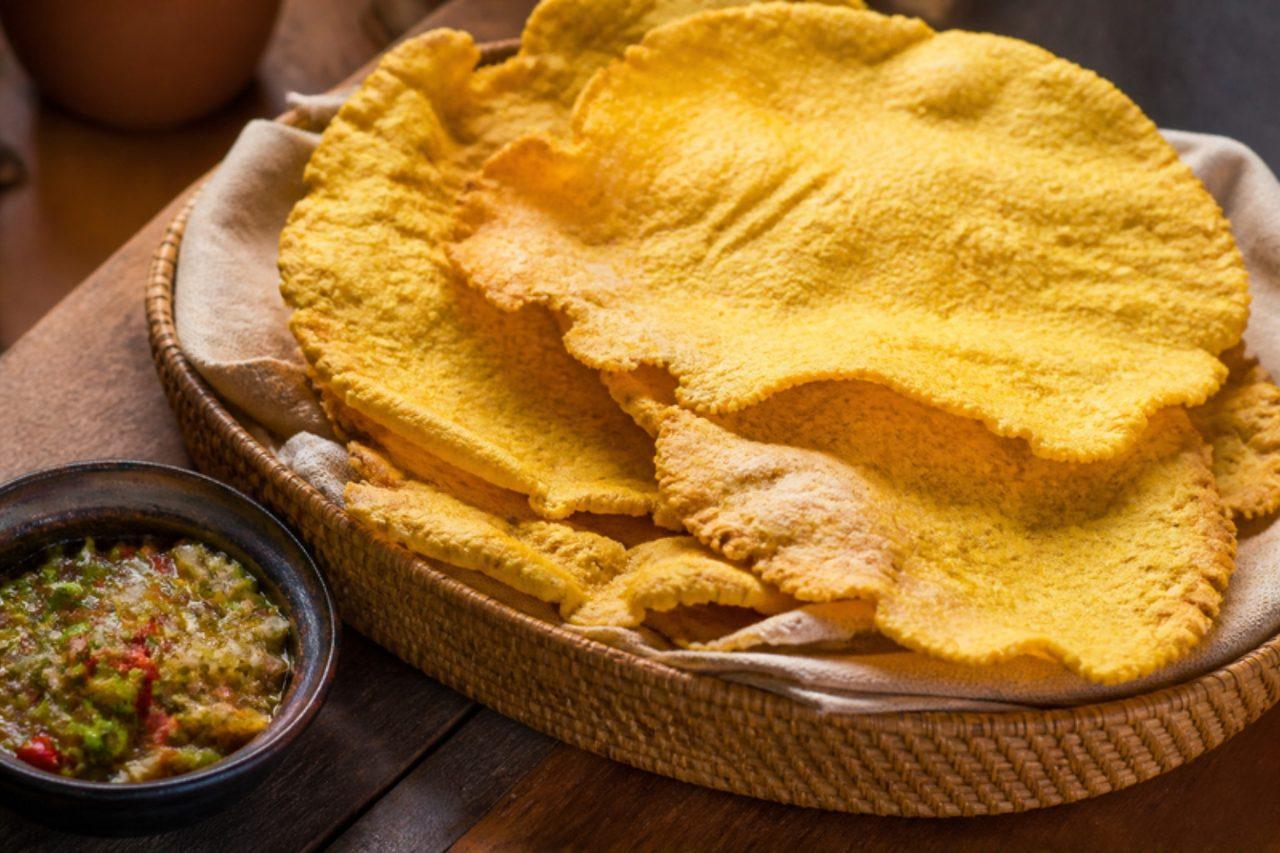
Chipa

Cheese bread rings 50 minMore from Paraguayan (27) →

This week's collection

Kid-friendly dinners
537 recipes · a new collection every Monday

Latest recipes

Calçots amb salvitxadaGrilled onions with nut sauce

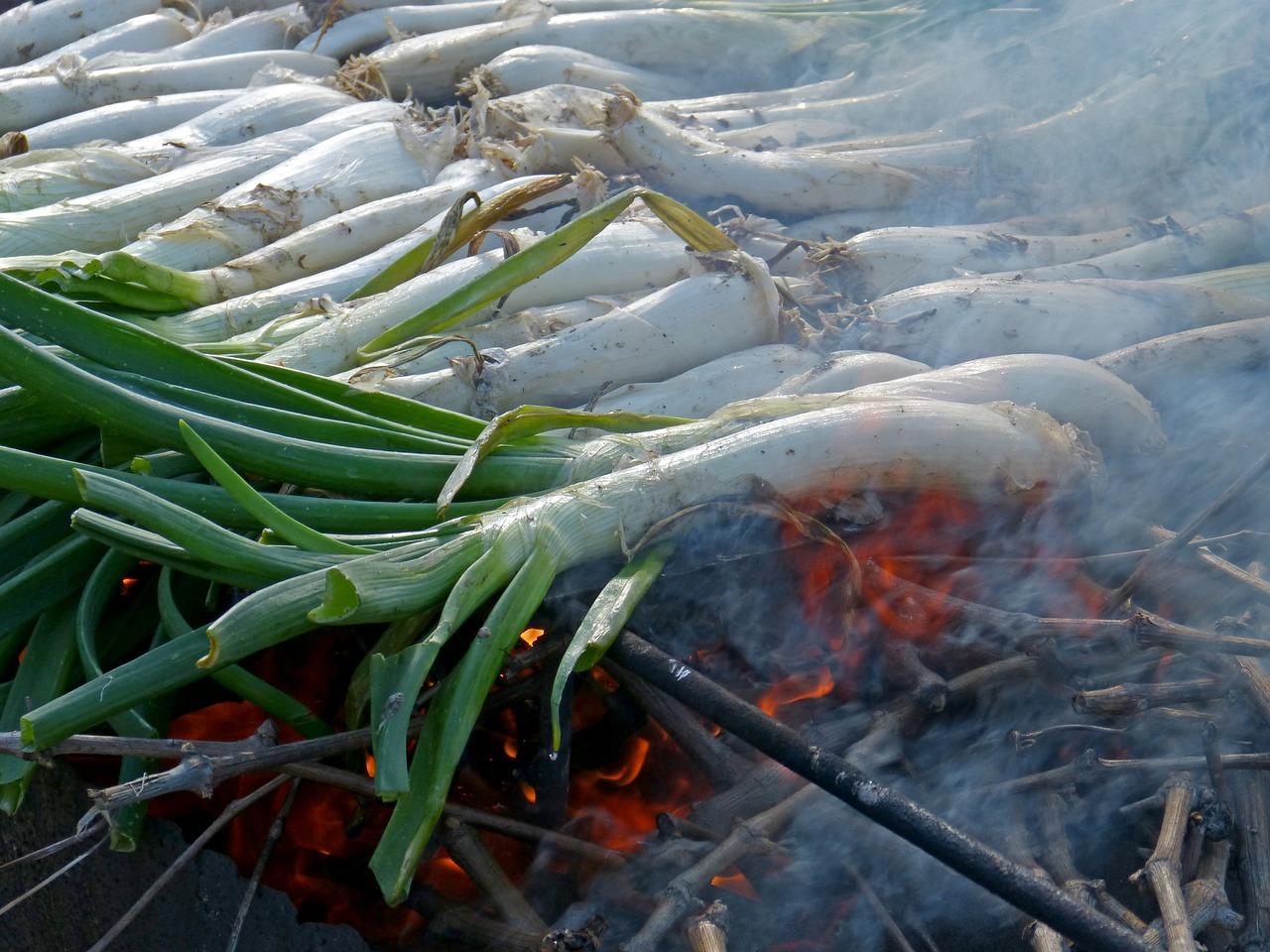
From January to April, the town of Valls near Tarragona and half of Catalonia go to calçotades: long country lunches where calçots, a tall, sweet onion grown banked up with earth, are flame-grilled until black, wrapped in newspaper to steam, then peeled by hand and dipped in salvitxada. Everyone wears a bib. This salvitxada leans on almonds, roasted tomato and garlic, with ñora peppers for colour and sweetness. If you cannot get calçots, use thick spring onions or slim young leeks. Chef's tip: hold a calçot by the green top, pull the charred outer layer off downwards in one go, then dip and lower it into your mouth from above.

by KrazyBadal 0 views
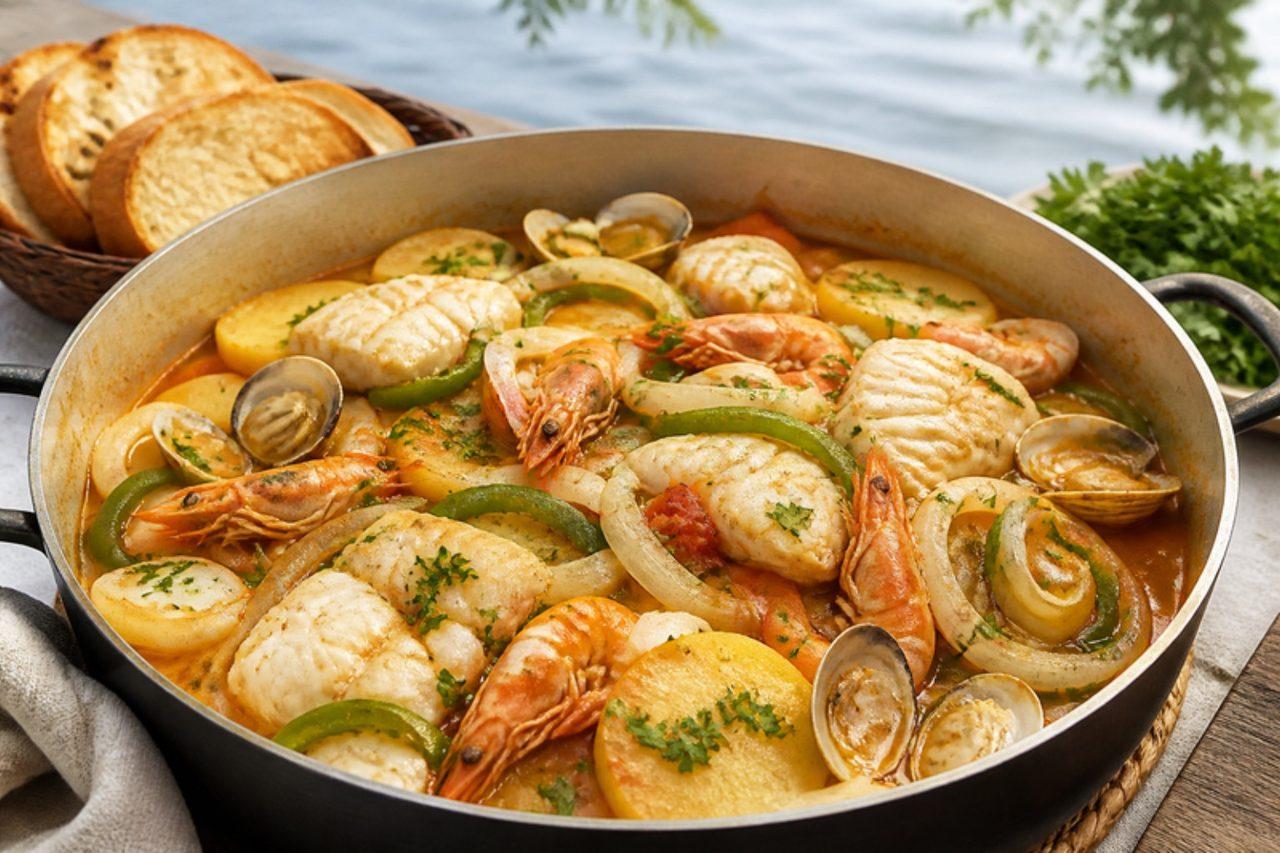

Caldeirada à fragateiraFish and potato stew

The fragateiros sailed the flat-bottomed barges that carried cargo up and down the Tagus, and on board they cooked whatever fish they had in one pot, layered with potatoes, onions, tomatoes and peppers and left to steam in olive oil and wine. Lisbon restaurants still make caldeirada for a long lunch, ladled over toasted bread. Use at least three kinds of fish, mixing firm white ones with something richer. The wine contains alcohol; fish stock with a squeeze of lemon makes a good alcohol-free version. A common mistake is stirring the pot, which breaks the fish; shake it instead. Chef's tip: put the firmest fish at the bottom and the most delicate on top, so everything is done at the same time.

by KrazyBadal 0 views

Caldeirada de enguiasEel stew with potatoes and peppers

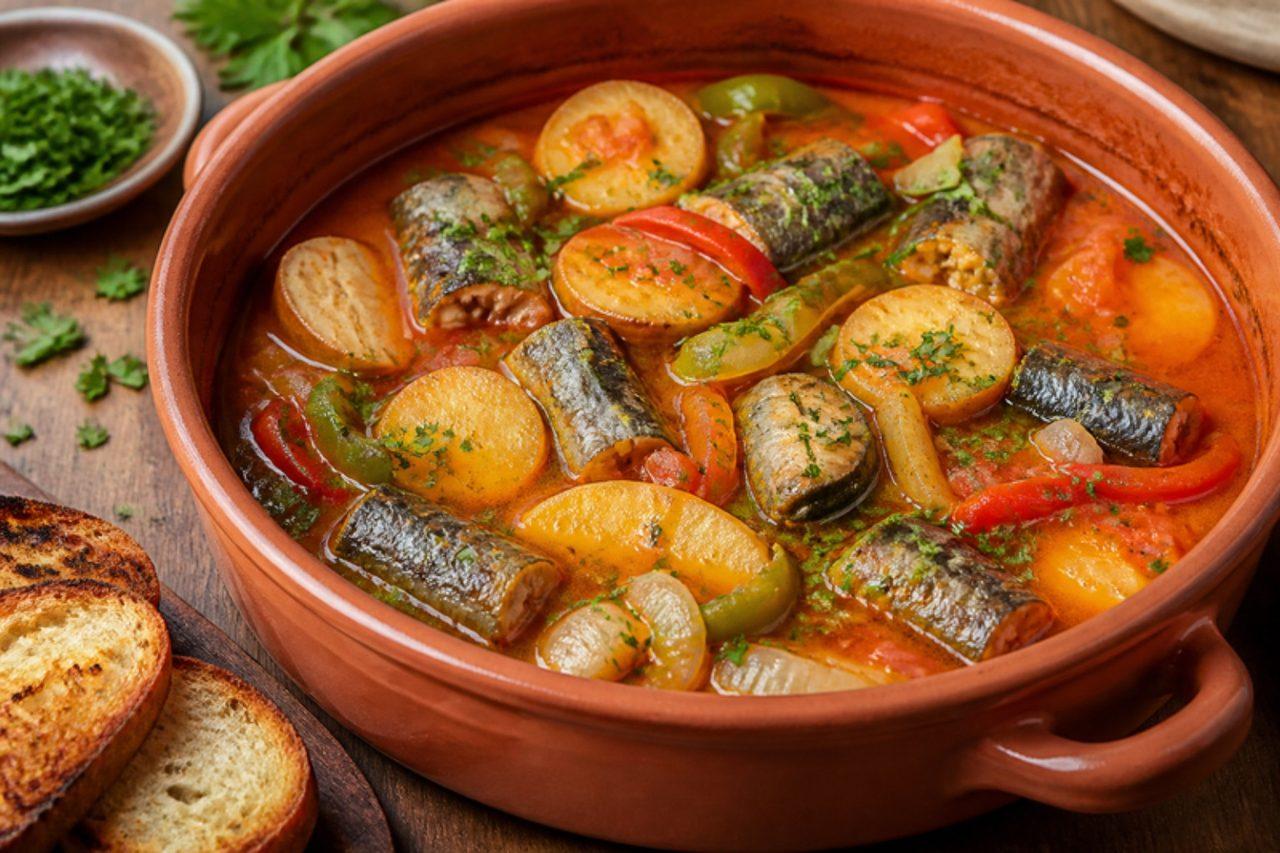
Eels from the Ria de Aveiro, the lagoon behind the town, are a speciality of Murtosa and Torreira, where caldeirada is cooked in layers in a wide pot and eaten at long tables in waterside restaurants. Onions, potatoes, tomato and peppers stew with the eel pieces in olive oil until the broth is rich and orange, and it is ladled over slices of bread. Ask the fishmonger to skin and clean the eels; eel blood is toxic when raw, but thorough cooking makes it completely safe. Chef's tip: shake the pot rather than stirring once the eel is in, so the pieces stay whole.

by KrazyBadal 0 views

Caldeirada de tucunaréRiver fish stew

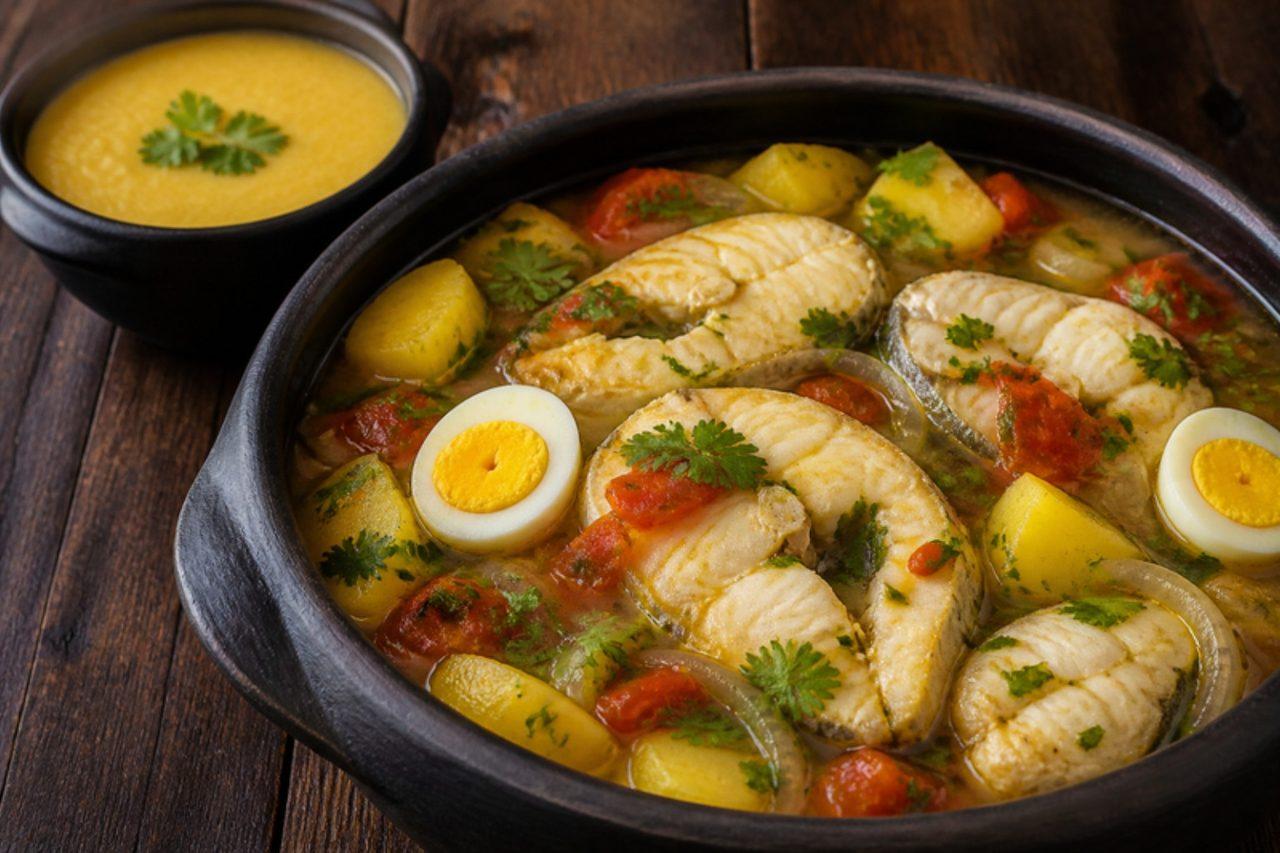
Peacock bass, tucunaré, is the prize of the Rio Negro, and in Manaus it ends up in caldeirada: a layered pot of firm fish steaks, potatoes, tomatoes, onions and peppers, simmered in their own broth with coriander and culantro and finished with boiled eggs. Riverside restaurants and Sunday lunches serve it in big clay pots with white rice, pirão made from the broth and plenty of pimenta-de-cheiro. The broth is light, tangy and fresh, the fish sweet and meaty. Outside Brazil, use sea bass, snapper or any firm white fish cut into steaks. The commonest slip is stirring the pot once the fish is in; shake it gently instead so the steaks stay whole. Chef's tip: layer the potatoes at the bottom where the heat is strongest, so they finish cooking just as the fish turns opaque on top.

by KrazyBadal 0 views

Caldereta de llagostaSpiny lobster stew

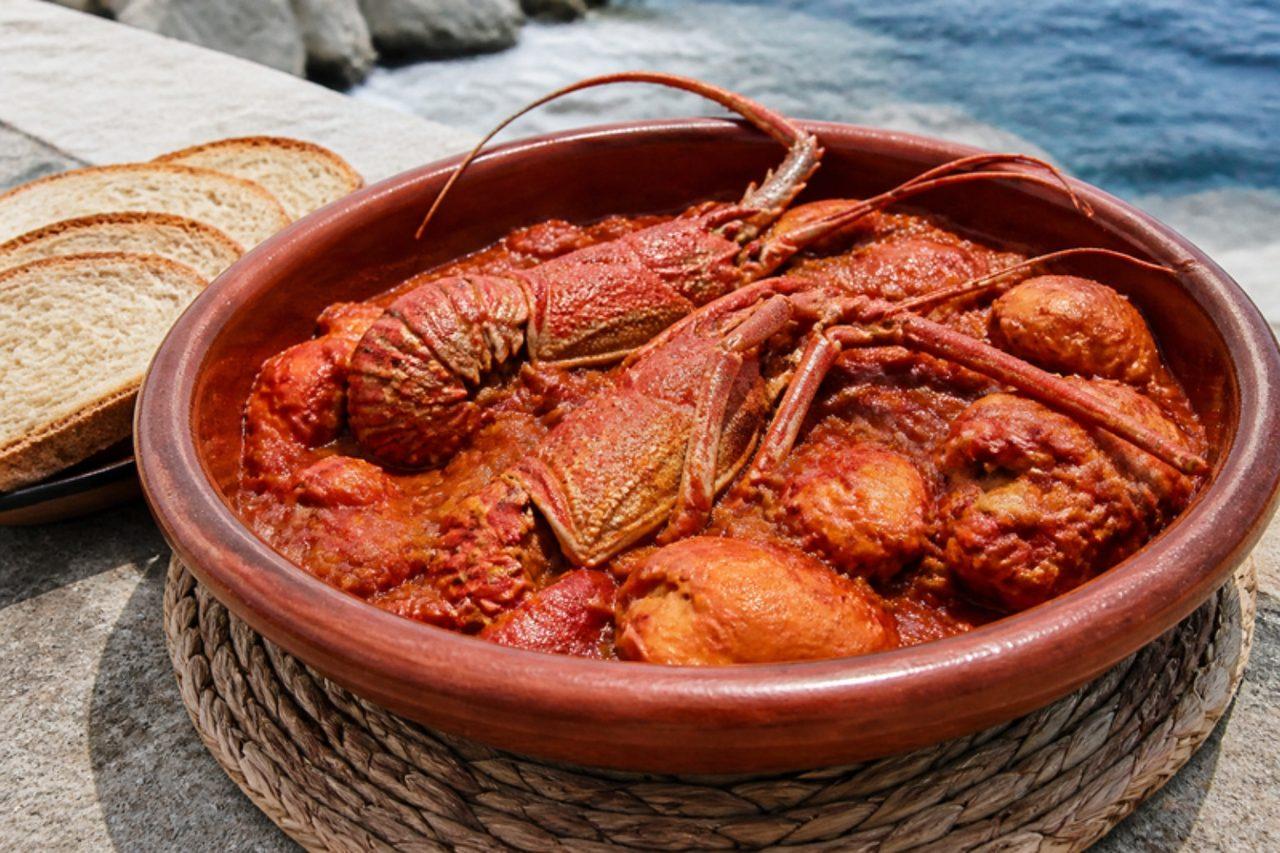
In the fishing village of Fornells, on Menorca's north coast, caldereta de llagosta is the summer splurge people plan a whole holiday around, ladled from a clay pot onto plates lined with thin slices of dry bread. Spiny lobster is cut into pieces and simmered in a deep, tomato-rich sofrito with onion, green pepper and garlic, then thickened with a picada of the lobster's own liver, almonds and parsley. A splash of brandy is common; it is optional here, and the stew is just as good without. Chef's tip: let the sofrito cook until dark and jammy before the lobster goes in, because that slow base is where the broth gets its depth.

by KrazyBadal 0 views

Caldereta extremeñaLamb stew with liver sauce

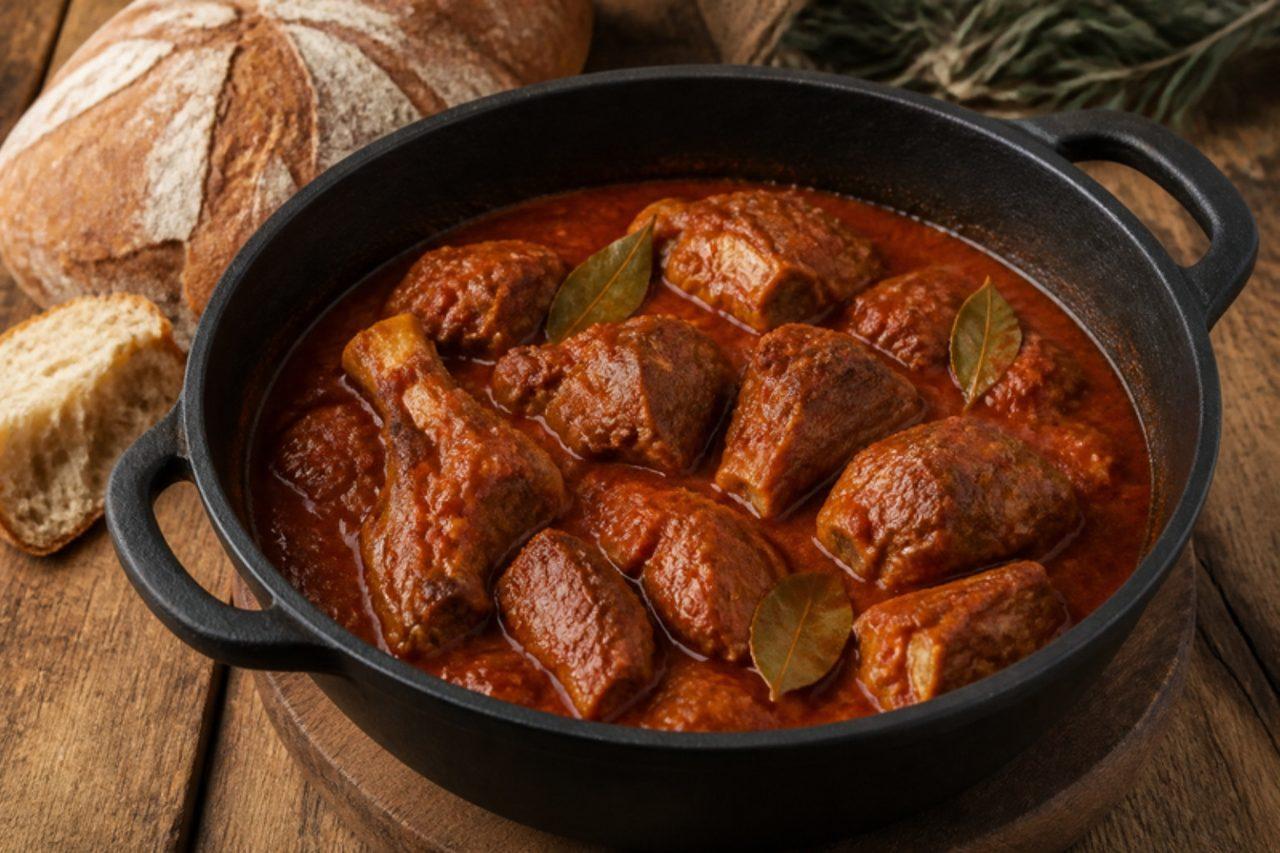
Caldereta is the feast dish of Extremadura's shepherds, cooked in a big iron pot at romerías, weddings and village fiestas, and in many homes for Sunday lunch. Pieces of lamb are browned and stewed with peppers, bay and smoky pimentón de la Vera, then the sauce is thickened with lamb's liver fried with garlic and bread and pounded to a paste, which gives it a deep, rich flavour. Chef's tip: make it a day ahead if you can; like most stews, it tastes better reheated.

125 minSpanishMeat
by KrazyBadal 0 views

Calderete de la RiberaLamb, potato and artichoke stew

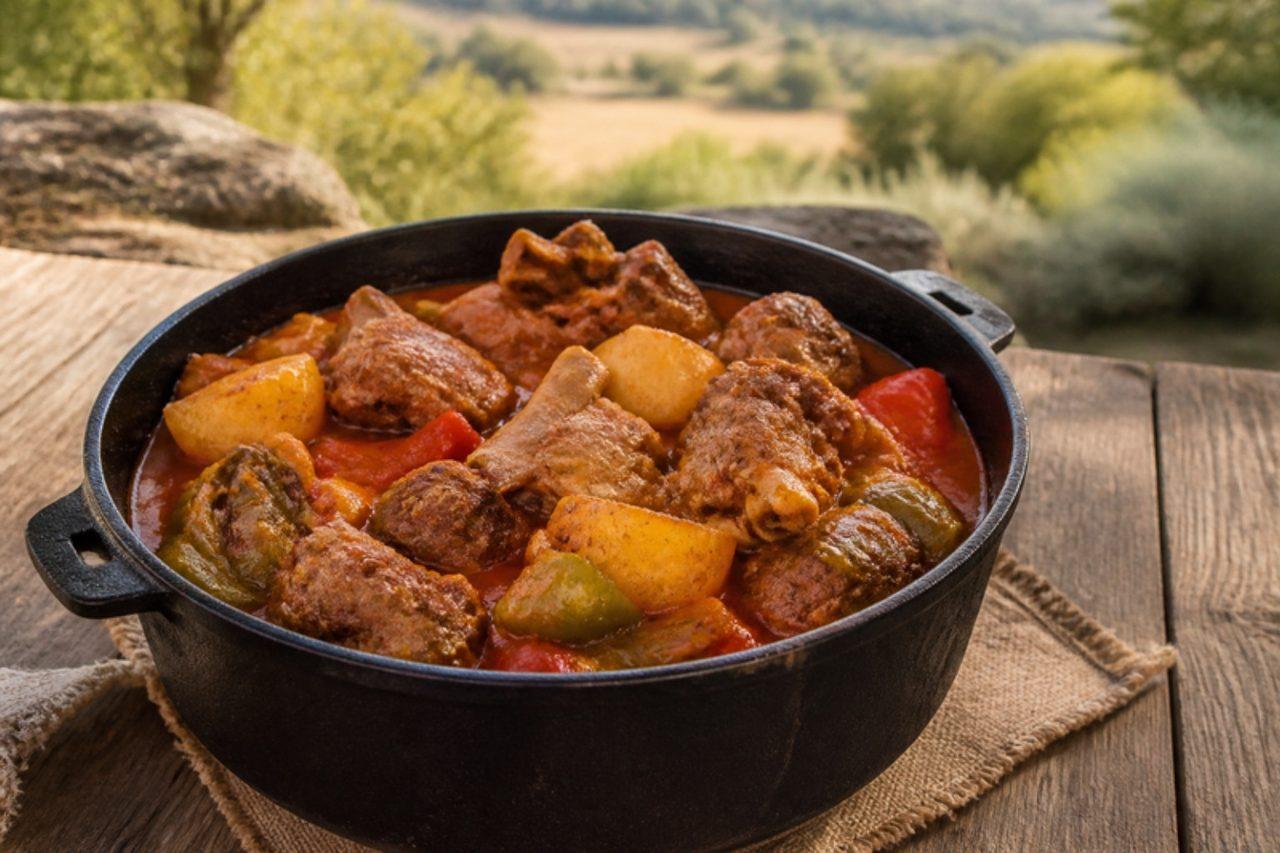
In the Ribera of Navarre, calderete is the dish of fiestas and riverside gatherings: groups of friends, the cuadrillas, set an iron cauldron over vine cuttings and spend a long afternoon stewing lamb with peppers, potatoes and whatever the market gardens have that week. Artichokes are a Ribera signature. At home the same dish works on the stove in a heavy casserole and is just as good the next day. Chef's tip: snap the potatoes into chunks with the knife instead of slicing cleanly, so the rough edges release starch and thicken the sauce.

125 minSpanishMeatGluten free
by KrazyBadal 0 views

Caldero del Mar MenorFish rice with allioli

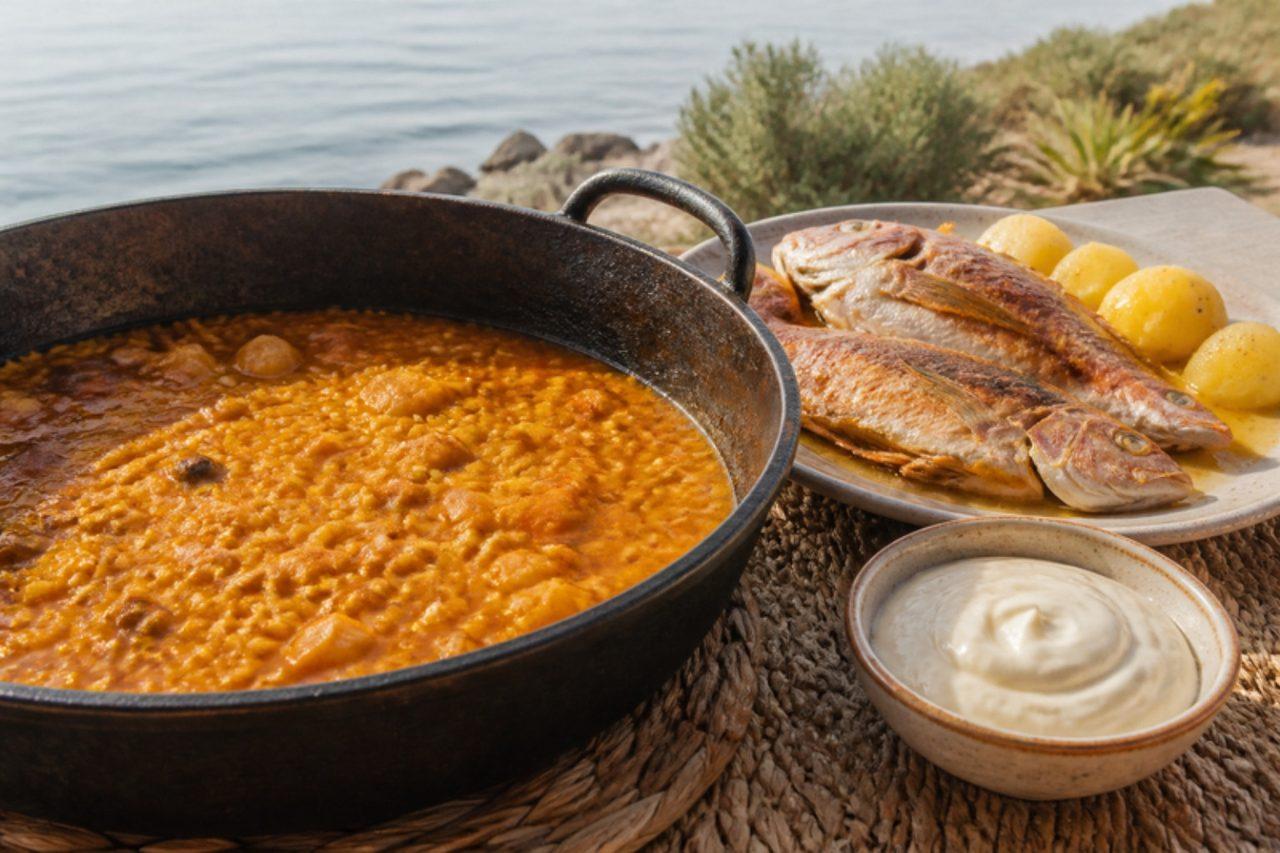
Fishermen on the Mar Menor lagoon and at Cabo de Palos cooked caldero on board in a black iron pot: the catch of rockfish and grey mullet made a broth red with fried ñora peppers, the rice was cooked in it, and the fish was eaten separately with garlicky allioli. Restaurants along the lagoon at San Pedro del Pinatar and Los Alcázares still serve it in two courses, and Calasparra rice from inland Murcia is the classic choice. Chef's tip: ask the fishmonger for the heads and bones of the fish too; they make the broth.

115 minSpanishFishGluten free
by KrazyBadal 0 views

Caldinho de feijãoBlack bean soup cups

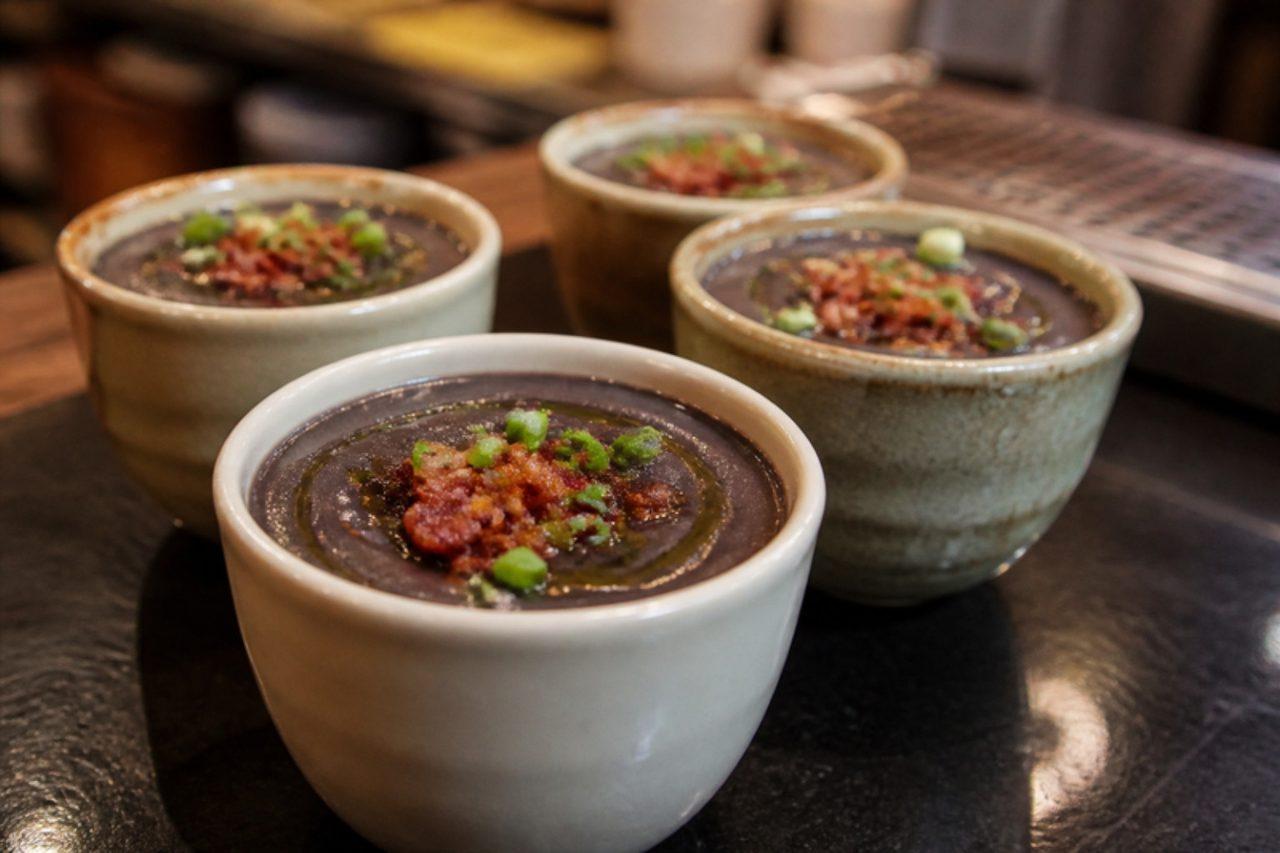
Order a round at a Rio de Janeiro boteco on a cool evening and a tray of caldinho de feijão is likely to follow: small glasses of smooth, thick black-bean soup, sipped hot, topped with crisp bacon, spring onion and a few drops of pepper sauce. It is earthy, smoky and silky, halfway between a soup and a dip, and often comes with a hard-boiled quail egg or cubes of fried cassava on a cocktail stick. This version is made with pork: smoked bacon cooked into the beans and crisped on top. Leftover feijoada beans make the best caldinho; tinned black beans work fine. People often fail to blend it long enough, leaving it grainy; it should pour like thick cream. For a vegetarian caldinho, leave out the bacon, fry the onion in olive oil and add 1 tsp smoked paprika. Chef's tip: pass the blended soup through a sieve if you want the glossy finish botecos serve.

by KrazyBadal 0 views

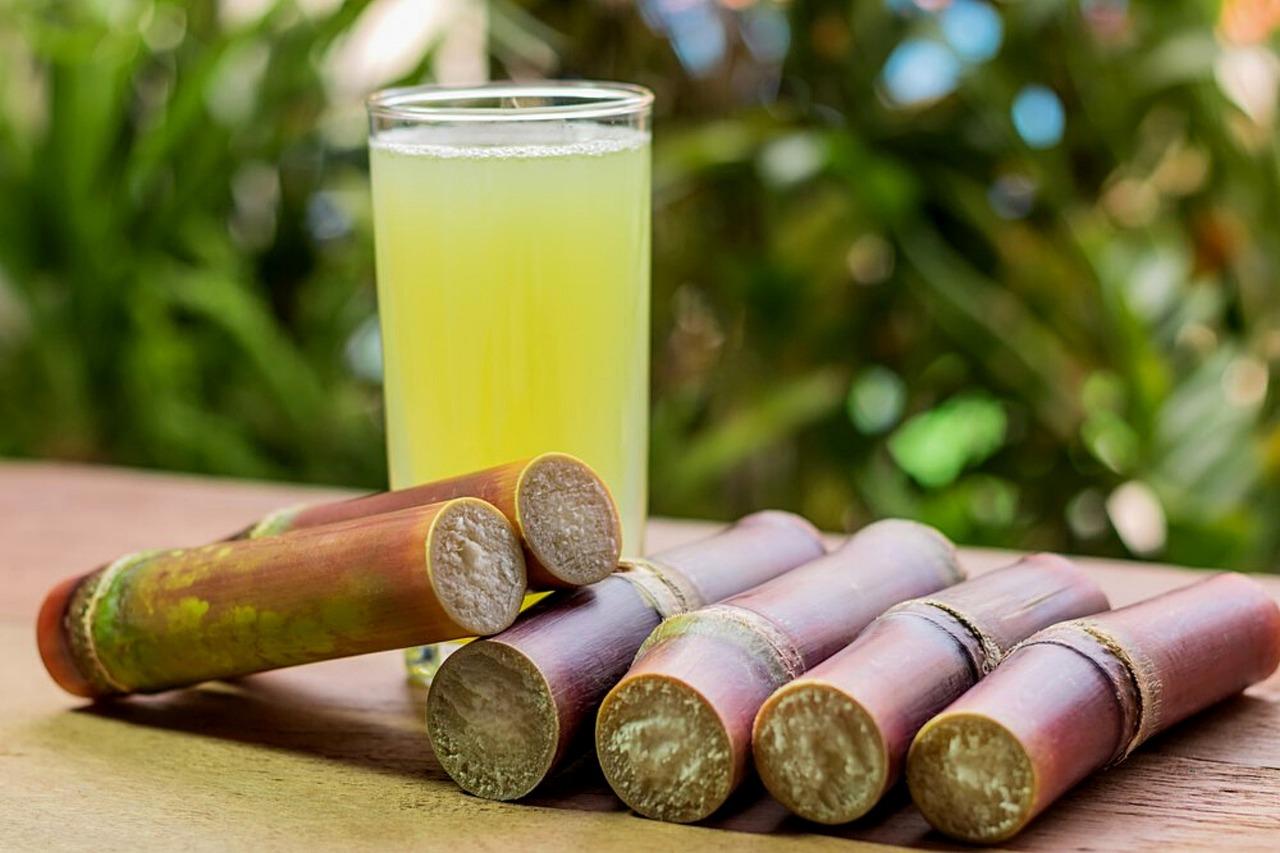
Caldo de canaSugarcane juice

Ice-cold sugarcane juice pressed while you wait is the drink of Brazilian street fairs, poured into tall glasses at the pastel stall so you can wash down a hot, crisp pastel. São Paulo's feiras livres made the pairing famous, and in the Northeast the same juice is called garapa. It is pale green, very sweet, grassy and refreshing, sharpened with lime. Without a cane press, you can make it at home by blending peeled cane with a little water and straining it; buy fresh sugarcane sticks in Asian, Caribbean or Latin shops. It oxidises and darkens fast, so drink it immediately. Using cane that is not fully peeled is a common error, and the woody green rind makes the juice bitter. Chef's tip: chill the cane before peeling and blend it with ice cubes as well as water, so the juice comes out cold without being diluted later.

by KrazyBadal 0 views

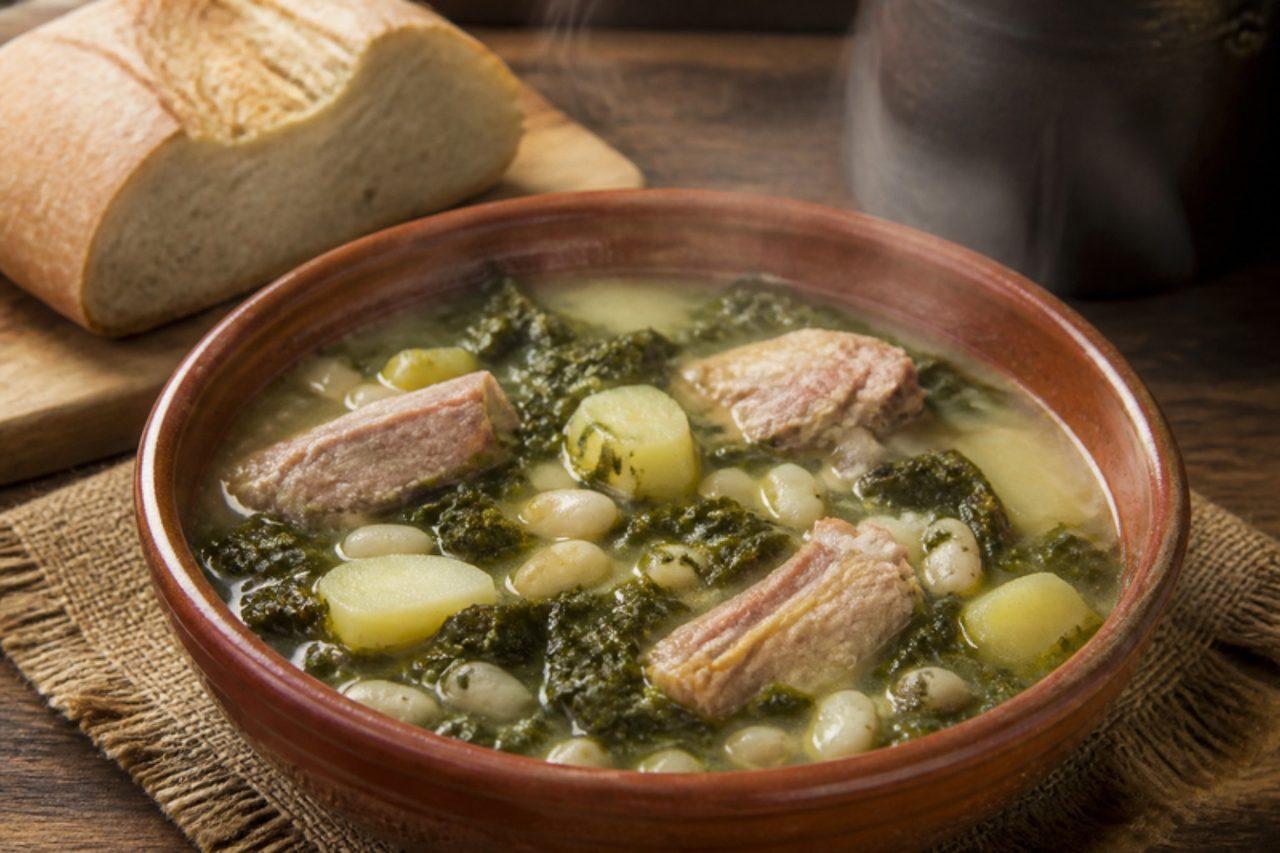
Caldo gallegoGreens, white bean and pork soup

On cold, rainy days in Santiago, Lugo or any village in between, a bowl of caldo starts lunch: a light broth with white beans, potatoes and turnip greens (grelos) or cabbage, flavoured with pork. This contains pork (cured rib and unto, Galician cured pork fat; bacon fat works in its place). The pork is cooked with the beans first, then the potatoes and greens go in. A common mistake is adding the greens too early, so they turn grey; they need only the last 15–20 minutes. Chef's tip: caldo tastes better reheated the next day, so make a big pot.

140 minSpanishSoupsGluten free
by KrazyBadal 0 views

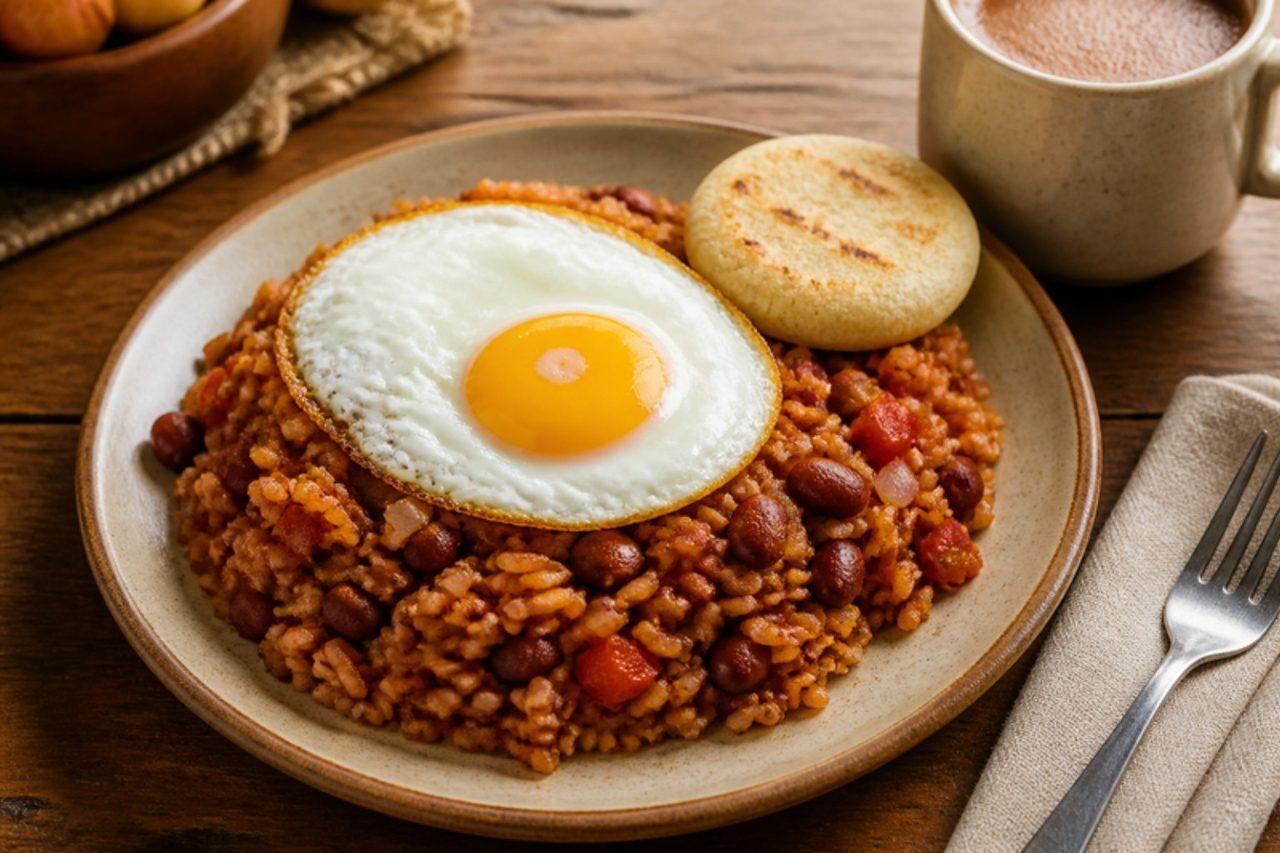
CalentadoFried leftover rice and beans

Calentado literally means reheated, and that is the whole idea: the rice and beans left from yesterday's lunch are fried together in a hot pan with hogao until they catch and crisp at the edges. In Antioquia it is the breakfast of champions, topped with a runny fried egg and served with a corn arepa, a slice of white cheese and hot chocolate, and city cafés across Colombia now put it on weekend menus. This version is meat-free, using beans cooked without pork. Leftover rice needs care: it must have been cooled within an hour or two of cooking and kept in the fridge no more than a day, and it should be reheated until piping hot all through. Stirring constantly is what turns it to mush, so press it into the pan and let a crust form before turning. Chef's tip: add a few spoonfuls of the bean broth; it binds the rice and helps the crispy bits form.

by KrazyBadal 0 views

Calissons d'AixAlmond and melon sweets

Calissons are the sweet of Aix-en-Provence: a soft paste of ground almonds and candied melon pressed onto wafer paper, glazed with a thin white icing and cut into a pointed oval. Confectioners in the old town sell them in diamond-shaped boxes, they are handed out at weddings and christenings, and each September they are blessed in a church service in Aix. They also belong among the thirteen desserts of Christmas. Candied melon can be hard to find outside Provence; candied orange peel and dried apricot give a close result. The icing uses raw egg white, dried in a low oven, so use pasteurised egg white if you are serving anyone pregnant or vulnerable. Chef's tip: dip the knife in hot water and wipe it between every cut, so the icing stays sharp-edged.

by KrazyBadal 0 views

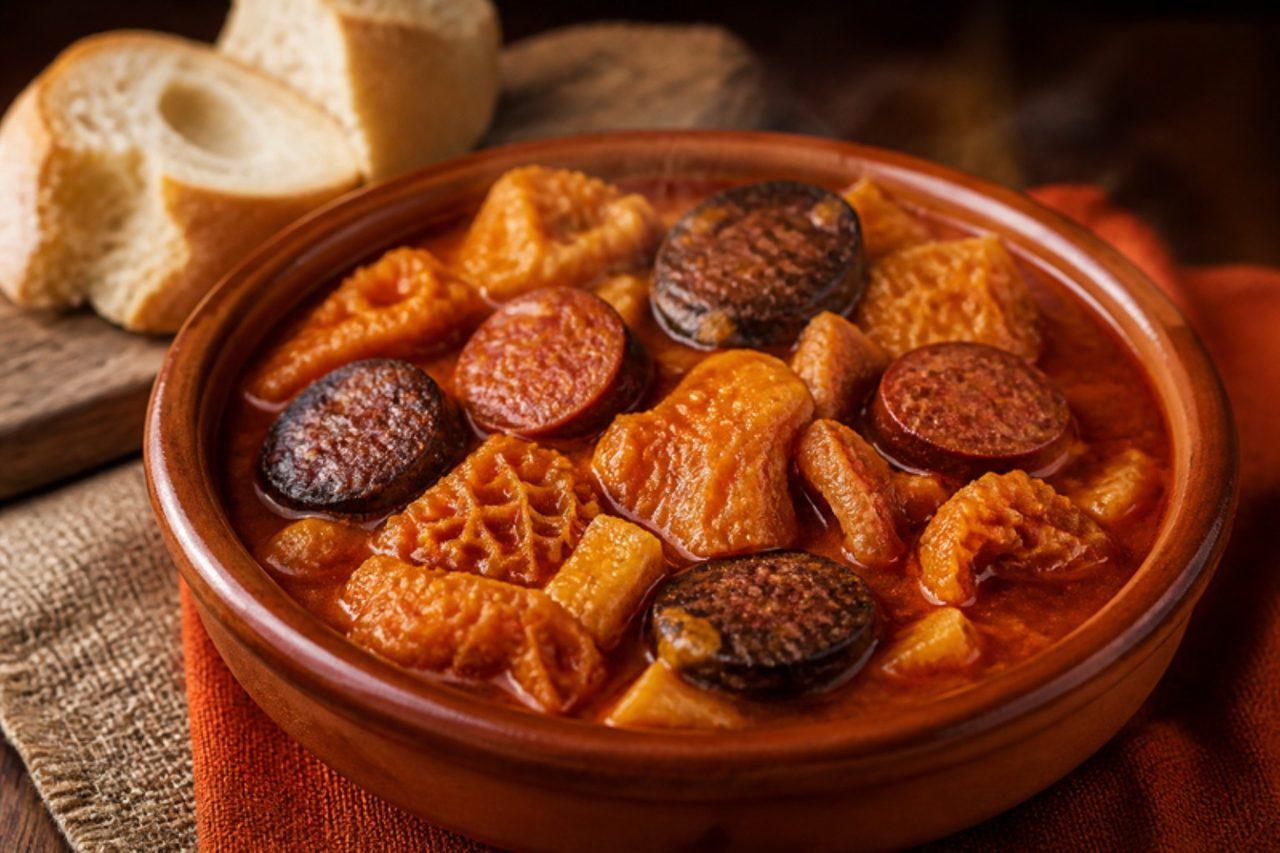
Callos a la madrileñaTripe stew with chorizo and morcilla

In old Madrid taverns around La Latina and Lavapiés, callos come in little clay dishes, sticky and brick-red, on winter Sundays and as a weekday tapa with bread. The tripe is cooked for hours with a pig's trotter until the sauce sets like gelatin when cold, then finished with chorizo, morcilla and paprika. This contains pork (chorizo, morcilla, ham and pig's trotter). Buy beef tripe that the butcher has already cleaned and blanched. Chef's tip: make it a day ahead; callos taste better reheated and the sauce thickens beautifully overnight.

270 minSpanishMeat
by KrazyBadal 0 views

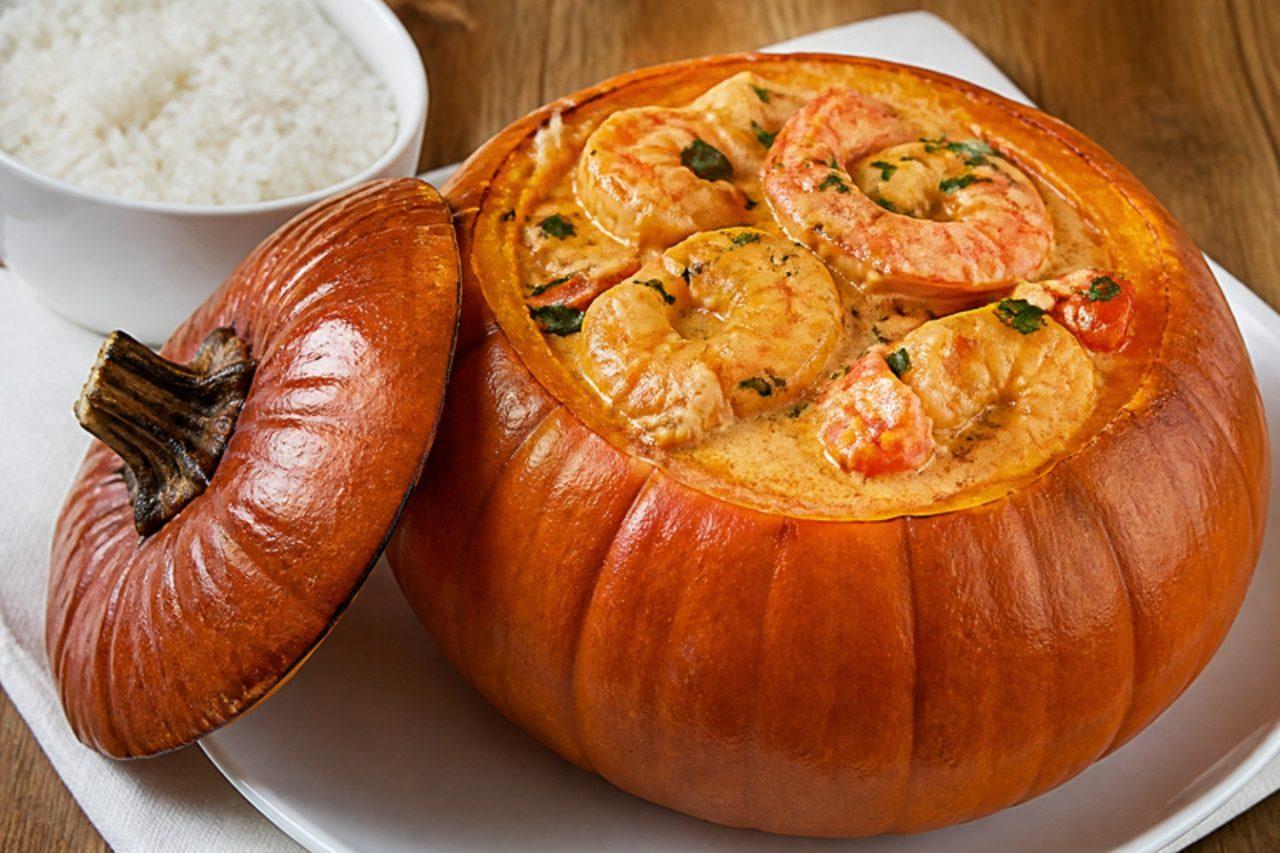
Camarão na morangaPrawn stew in roasted pumpkin

Beach restaurants along São Paulo's north coast, from Ubatuba to Ilhabela, bring camarão na moranga to the table as a showpiece: a whole roasted pumpkin, its lid lifted to reveal prawns in a creamy tomato sauce. You scoop the soft, sweet pumpkin flesh from the walls along with each serving, so it melts into the sauce. It is rich, gentle and celebratory, served with white rice and a green salad. The usual slip is roasting the pumpkin until it is too soft, so it slumps and splits; it should be tender but still standing. Use a kabocha or other dense, small pumpkin of about 2.5 kg. Cook the prawns only until they are pink and opaque all the way through. Chef's tip: brush the inside of the roasted pumpkin with a spoonful of cream cheese before you fill it; it seals the walls and makes every scoop creamier.

by KrazyBadal 0 views

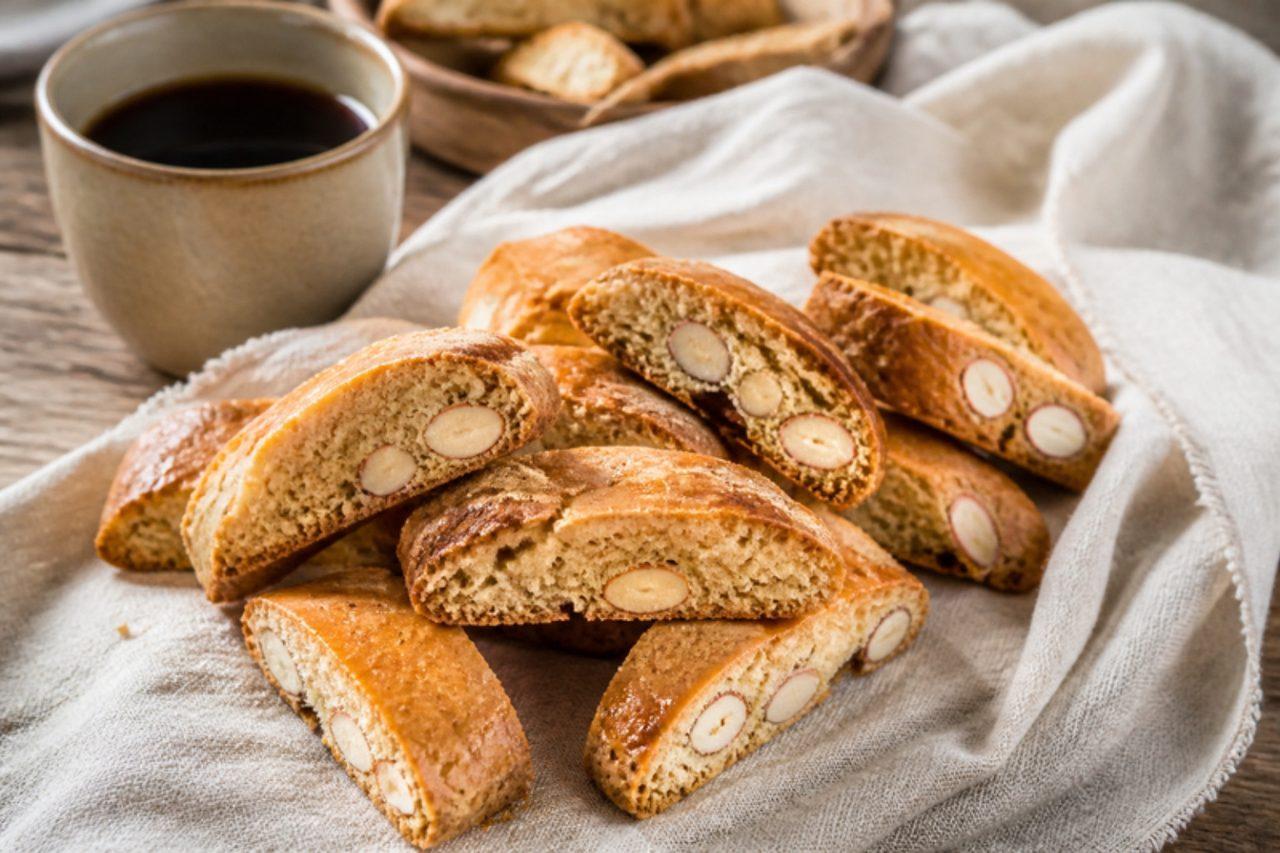
CarquinyolisTwice-baked almond biscuits

Catalan bakeries sell carquinyolis in paper bags, especially around Christmas and village festivals, and grandparents keep a tin of them to dunk in coffee, milk or, after a big lunch, a glass of sweet wine. They are cousins of Italian cantucci, but often rougher, with whole unpeeled almonds and a hint of lemon and cinnamon. Baked once as a log, sliced, then baked again, they keep for weeks. Chef's tip: slice the logs while still warm with a serrated knife and a single firm cut; cold logs crumble and the almonds shatter.

by KrazyBadal 0 views

Canelés de BordeauxVanilla custard cakes

Small, fluted and almost black on the outside, canelés are the signature cake of Bordeaux, sold in pâtisseries all over the city and eaten with morning coffee or at teatime. The thick, caramelised crust cracks to reveal a soft, custardy centre scented with vanilla. The batter traditionally includes dark rum; this version gives it as an option and uses extra vanilla and a little orange zest instead, so it can be made alcohol-free. Copper moulds are traditional, but silicone canelé moulds work well at home. Chef's tip: rest the batter for at least 24 hours in the fridge; fresh batter puffs up like a soufflé and the cakes lose their shape.

1500 minFrenchBaking
by KrazyBadal 0 views

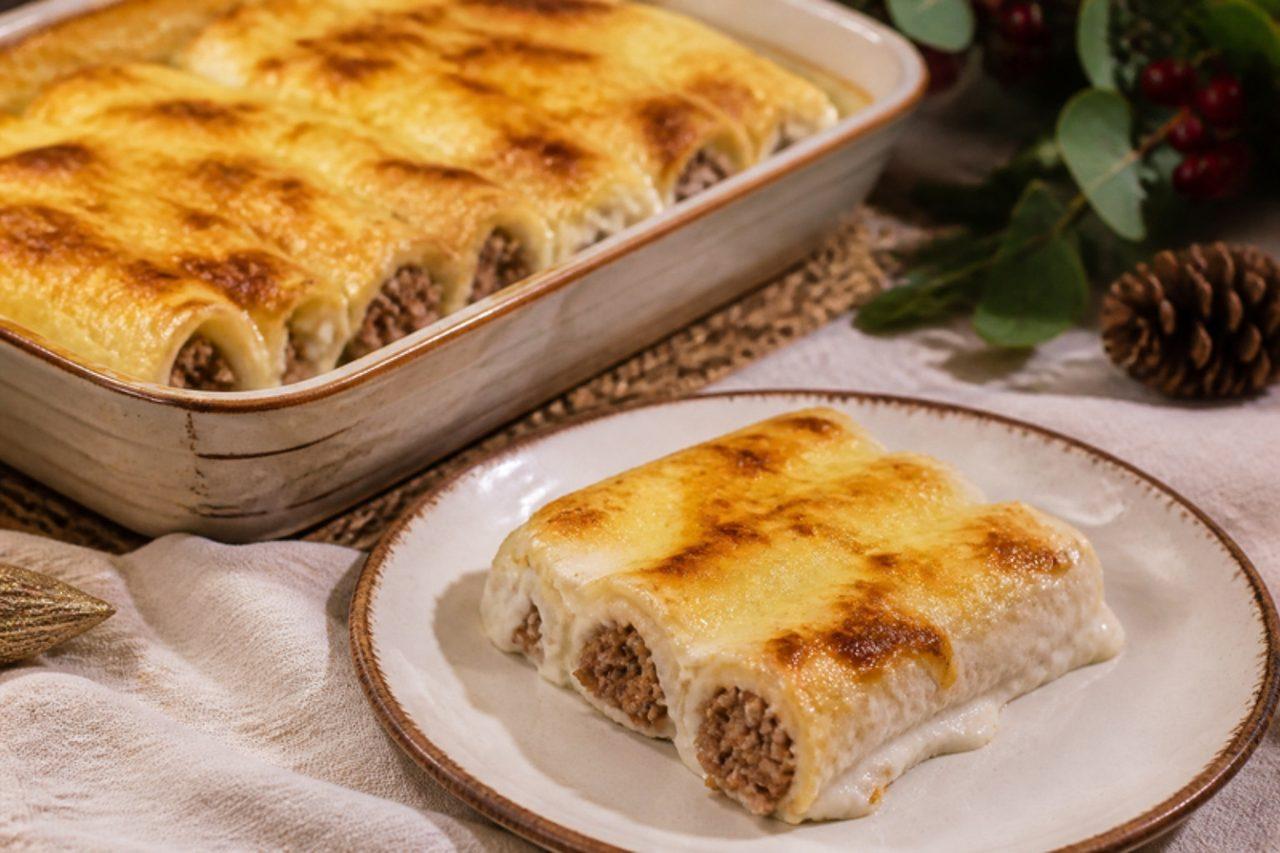
Canelons de Sant EsteveCannelloni with roast meat and béchamel

This contains pork (pork shoulder). On 26 December, Sant Esteve, Catalan families gather again and eat canelons, made from the meats left over from Christmas Day's carn d'olla or the roast. Rolled in pasta sheets, covered in béchamel and grated cheese and baked until bubbling, they are the reason many people say Sant Esteve is the better of the two feasts. This version cooks the meats from scratch, so you can make it any time. Cheeses like parmesan use animal rennet. Chef's tip: mince the meat finely and cook it down until it is moist but not wet, or the canelons go soggy.

by KrazyBadal 0 views

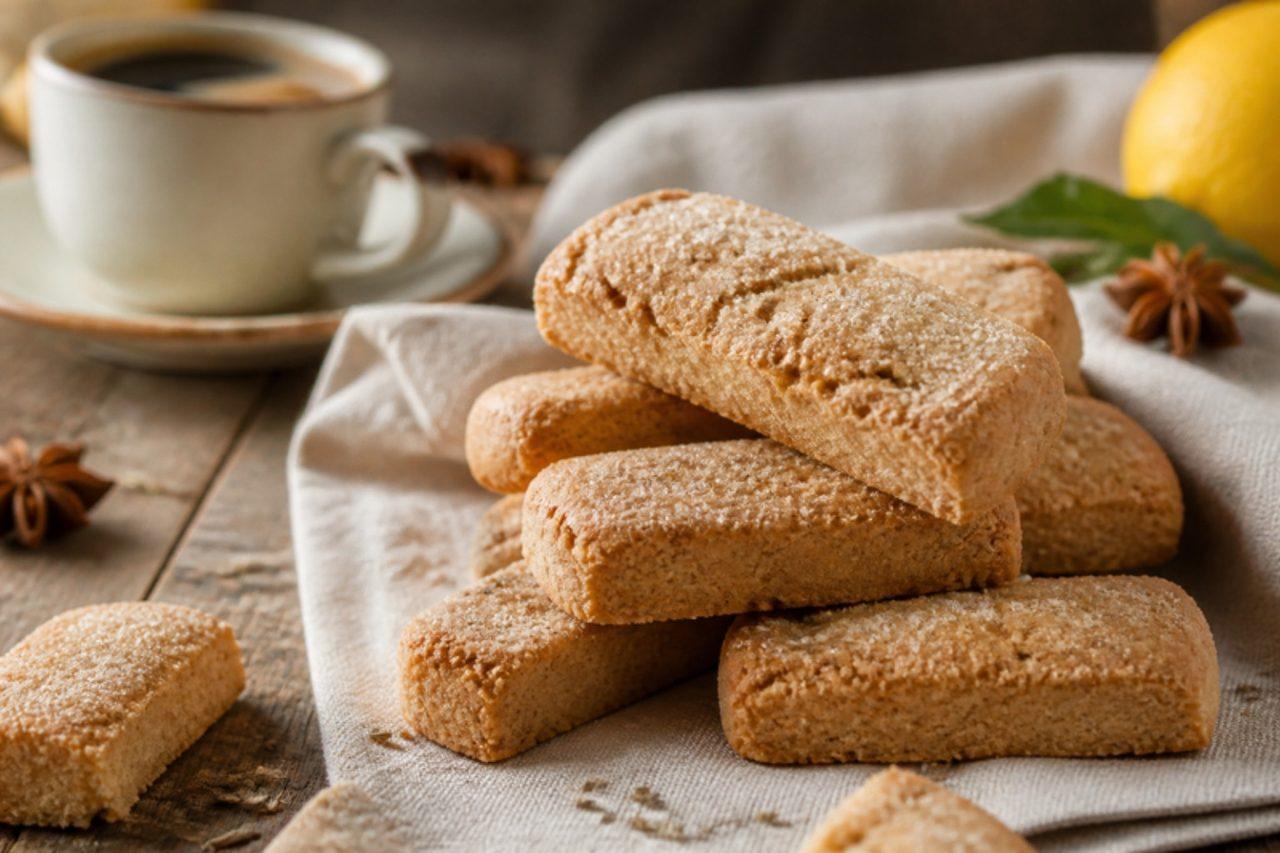
CanistrelliAnise biscuits

Every Corsican bakery, from Bastia to Bonifacio, stacks bags of canistrelli: thick, square-cut biscuits that are dry and crunchy outside and crumbly inside, made to be dipped in morning coffee. They come in many flavours, such as lemon, chestnut and almond, but anise seed is the classic. Traditionally the dough is mixed with dry white wine; most of the alcohol bakes off, but if you prefer none at all use apple juice with a squeeze of lemon, as the ingredient list says. With olive or sunflower oil instead of butter, they are vegan. Chef's tip: stop mixing as soon as the dough comes together; kneading makes them hard rather than crumbly.

by KrazyBadal 0 views

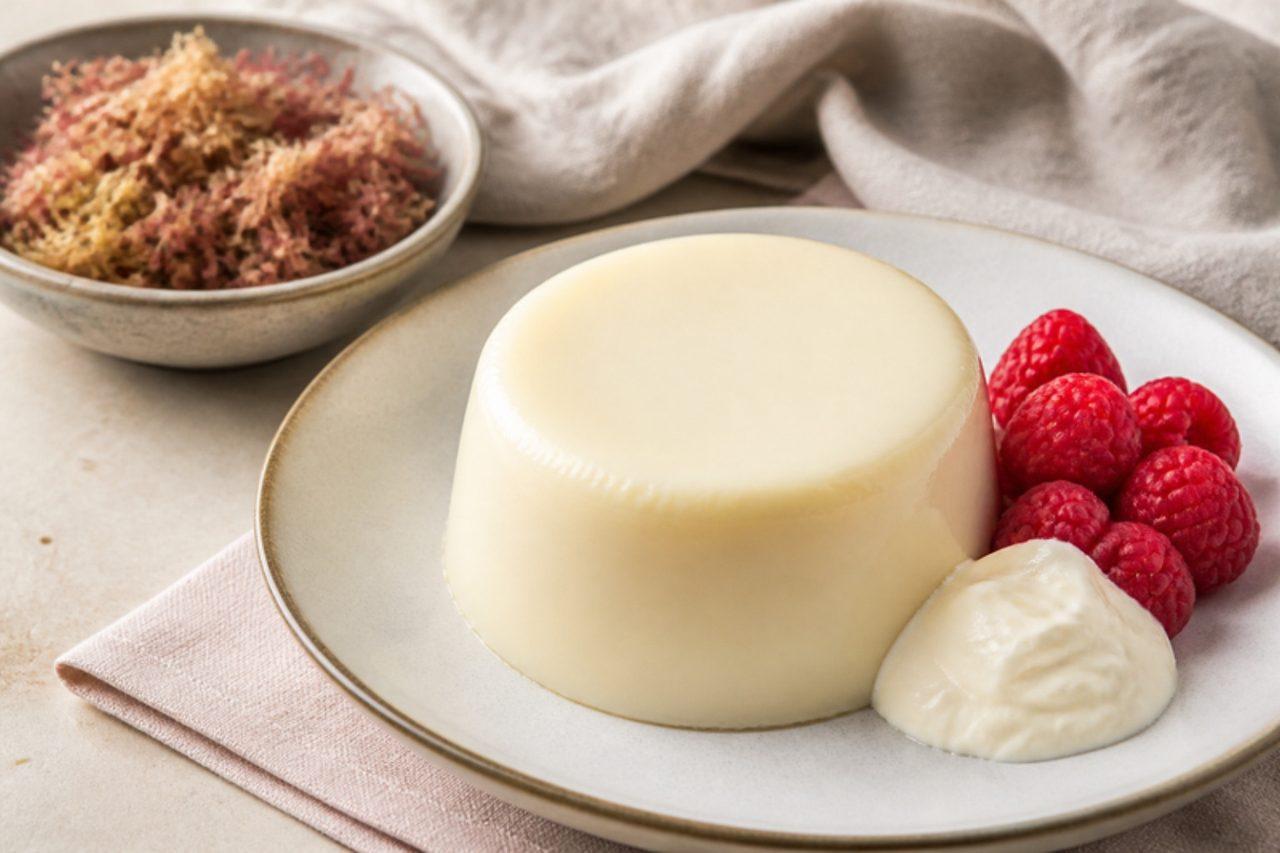
Carrageen moss puddingSeaweed milk pudding

Carrageen is a frilly red seaweed picked from the rocks of the west coast, from Donegal down to Clare, and dried on the grass in the sun. Simmered in milk, it releases a natural setting agent, so this old Irish pudding sets like a soft blancmange without gelatine. It tastes of vanilla and lemon with a faint breath of the sea, and is served chilled with stewed rhubarb or soft fruit. Chef's tip: soak the carrageen well and rinse off the sand before you start; any grit ends up in the pudding.

by KrazyBadal 0 views

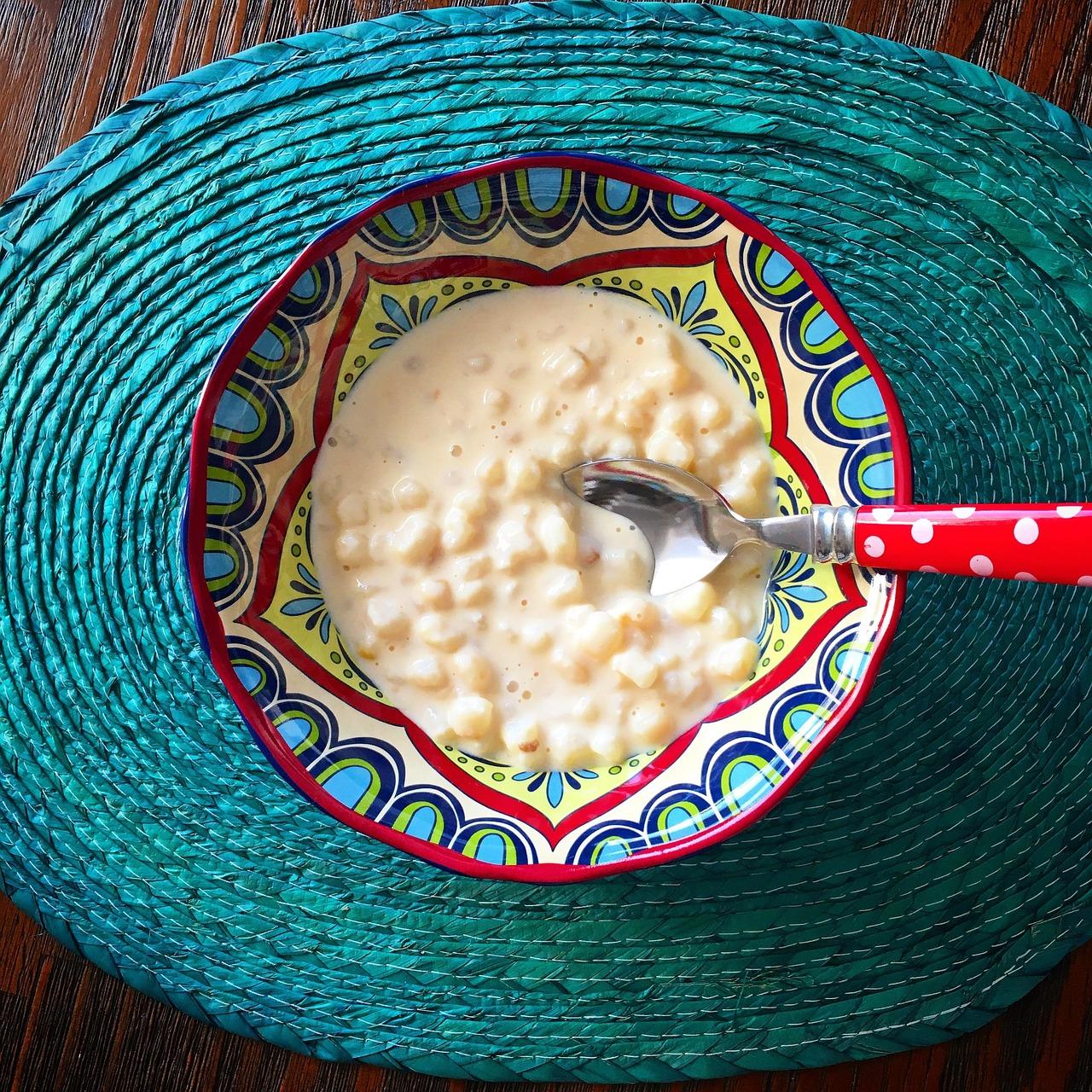
Canjica (mungunzá)Hominy and coconut milk pudding

Big white corn kernels simmered until tender, then cooked again in milk with coconut and peanuts: canjica is the warming bowl that every festa junina from Porto Alegre to Belém hands out in plastic cups on cold June nights. In the Northeast it goes by mungunzá, and in Bahia and Pernambuco it is often made richer with coconut milk. The kernels stay chewy and whole, the broth turns creamy and smells of cinnamon and clove, and the crushed peanuts add a nutty bite. Look for white hominy sold as canjica or milho para canjica in Brazilian shops; dried white pozole corn works too. It needs overnight soaking, which is not counted in the times. The common mistake is rushing the first boil: if the kernels are not fully soft before the milk goes in, they will never soften afterwards. Chef's tip: a pressure cooker cuts the first cook to 35 minutes and leaves the kernels perfectly tender.

by KrazyBadal 0 views

Cañoncitos de dulce de lecheDulce de leche puff pastry tubes

Look at the tray of facturas in any Argentine panadería and the little cannons are easy to spot: flaky tubes of puff pastry, baked around metal moulds and filled from both ends with dulce de leche, then finished with a snowfall of icing sugar. They come from the Italian cannoncini, but here the filling is almost always dulce de leche. Each bite is crisp, buttery and shattering on the outside with a dense, caramel middle, and they sit on the Sunday table next to medialunas and bolas de fraile. Undercooking is the problem to avoid: pale pastry goes soft as soon as the filling goes in, so bake until it is a deep gold all over. Use all-butter puff pastry, and metal cannoli or cream-horn tubes (or rolls of foil). Chef's tip: wrap the strips without stretching them, overlapping each turn by a third; stretched pastry shrinks in the oven and the tubes split.

by KrazyBadal 0 views

Canutillos de BergaraCustard-filled puff pastry horns

In Bergara, a market town in the Deba valley of Gipuzkoa, pastry shops have sold canutillos since the nineteenth century, and locals buy them by the tray for saints' days and family visits. Puff pastry is wound around metal cones, baked until crisp and caramelised, then piped full of custard scented with lemon and cinnamon. A common mistake is filling them too early: the pastry softens within a few hours, so fill them close to serving. Chef's tip: overlap the pastry strip by a third as you wind it, so the horns don't unravel in the oven.

by KrazyBadal 0 views

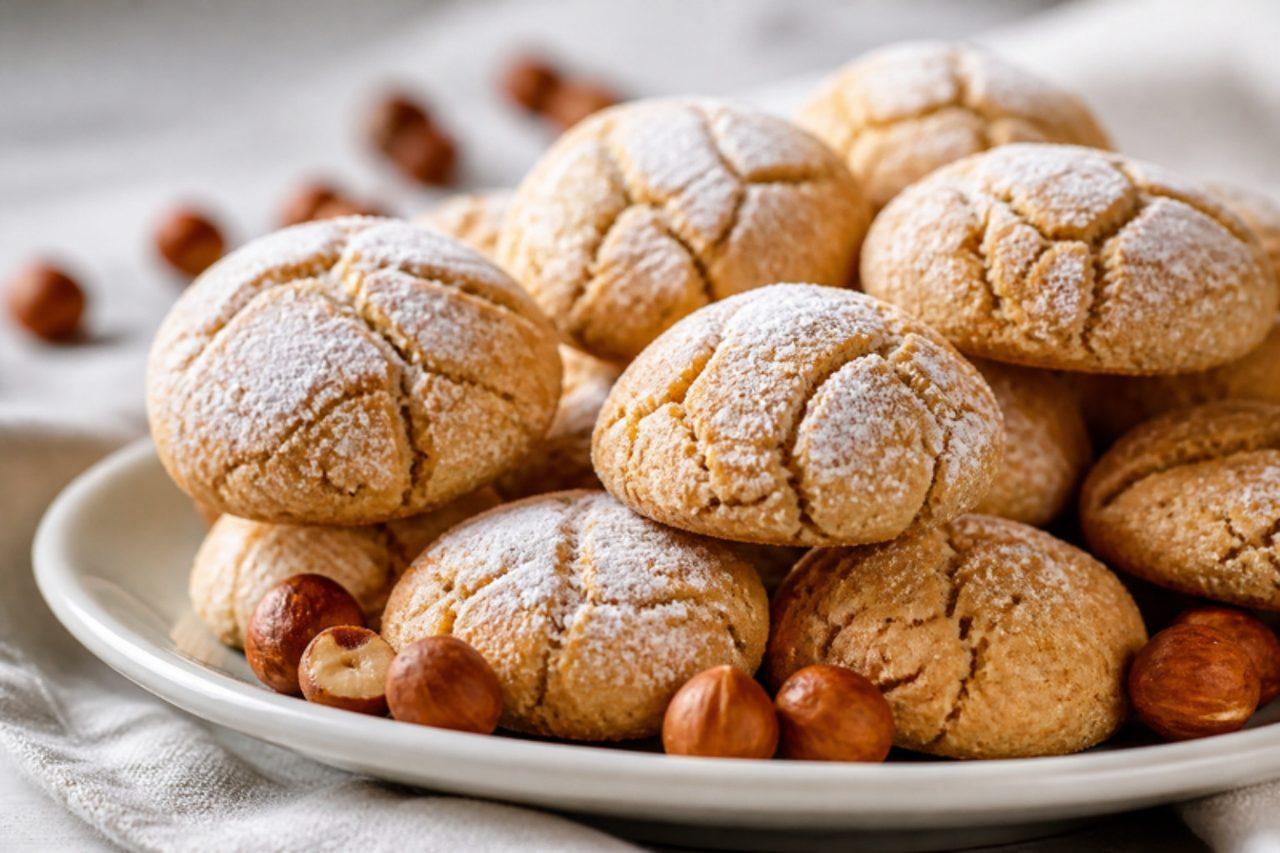
Carajitos del profesorCrisp hazelnut biscuits

Salas, a small town on the old pilgrim road through western Asturias, is known for these cracked, chewy mounds of toasted hazelnut and sugar. Local lore says they were first baked for a teacher at the town's school, and the pastry shops still sell them by the bag to travellers and to families heading home from Sunday market. They need only three ingredients and no flour, so they suit anyone avoiding gluten. Chef's tip: toast the hazelnuts until they smell like praline before grinding them; it is what gives the biscuits their deep flavour.

by KrazyBadal 0 views

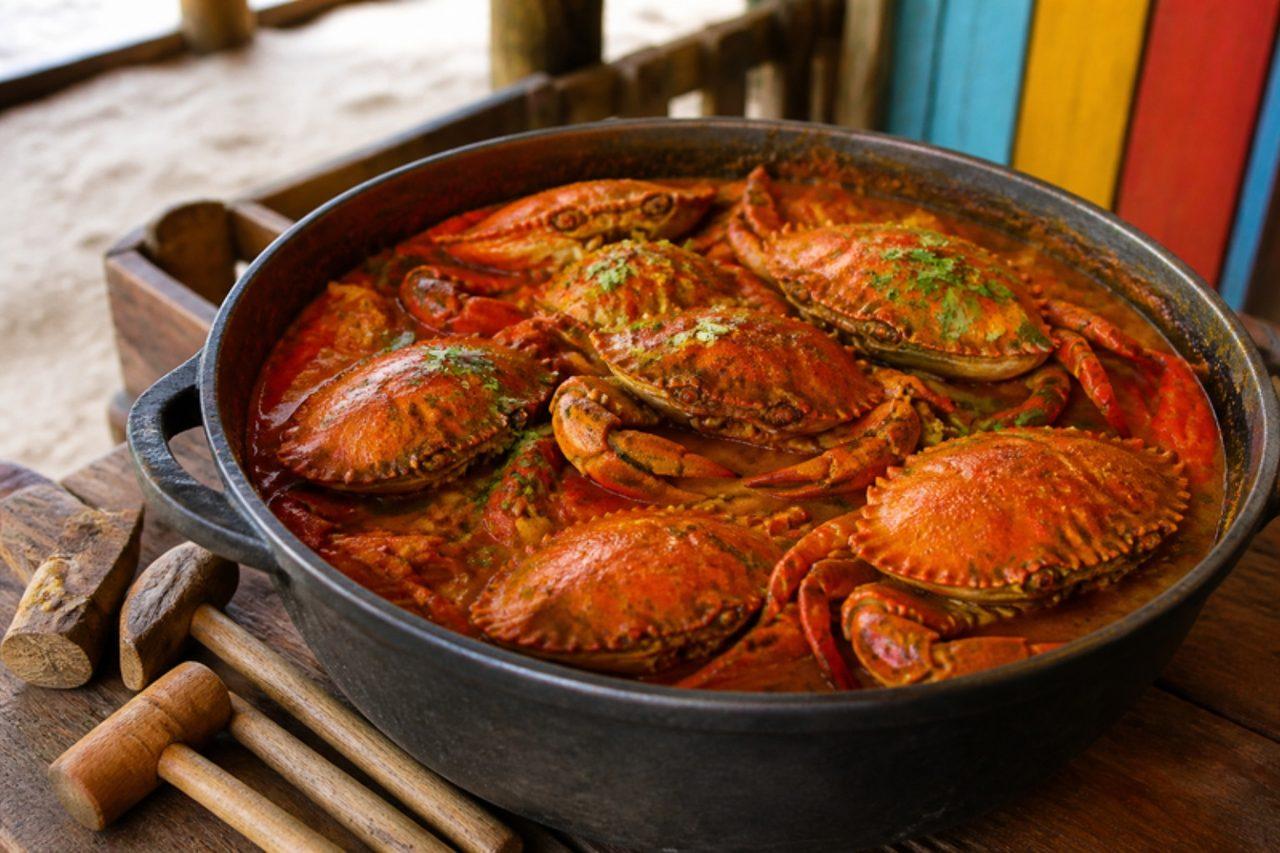
CaranguejadaBoiled crabs in spiced coconut broth

Thursday night is crab night in Fortaleza: the beach shacks along Praia do Futuro fill up for the quinta do caranguejo, and tables are covered in whole crabs, wooden mallets and bowls of broth. The crabs are boiled in a spiced broth of tomato, onion, peppers, coconut milk and plenty of coriander, then cracked open by hand, the sweet meat dipped back into the broth and eaten with pirão and lime. Mangrove crabs are used in Ceará; blue crabs or brown crabs work well elsewhere. Crabs must be alive and lively when you buy them, or bought frozen raw or ready-cooked from a fishmonger; never cook a raw crab that has died. The big mistake is under-salting the broth, which leaves the meat bland; it should taste like well-seasoned soup. Chef's tip: chill live crabs in the freezer for about an hour before cooking so they are completely still and insensible, then scrub them well.

by KrazyBadal 0 views

CarantantasCrisp fried corn crusts

Carantantas started as a thrifty by-product: the thin layer of corn dough that stuck to the bottom of the big pans in Popayán's masa kitchens, scraped off, dried and sold as golden shards. Today they are a cheap, crunchy snack sold in bags at Cauca markets, eaten with ají or broken into a sopa de carantantas. At home you can make them by spreading a thin layer of corn dough on a hot, dry pan, letting it toast into a crust, then frying or crisping the pieces. They taste of toasted corn, nutty and lightly salty, a little like the crunchy bits of a tortilla. Spreading the dough too thickly is where it goes wrong, giving leathery, chewy pieces instead of crisp ones; aim for a layer no thicker than a coin. Chef's tip: a non-stick or well-seasoned cast-iron pan lets the crust lift in large sheets; wait until the edges curl before scraping.

by KrazyBadal 0 views

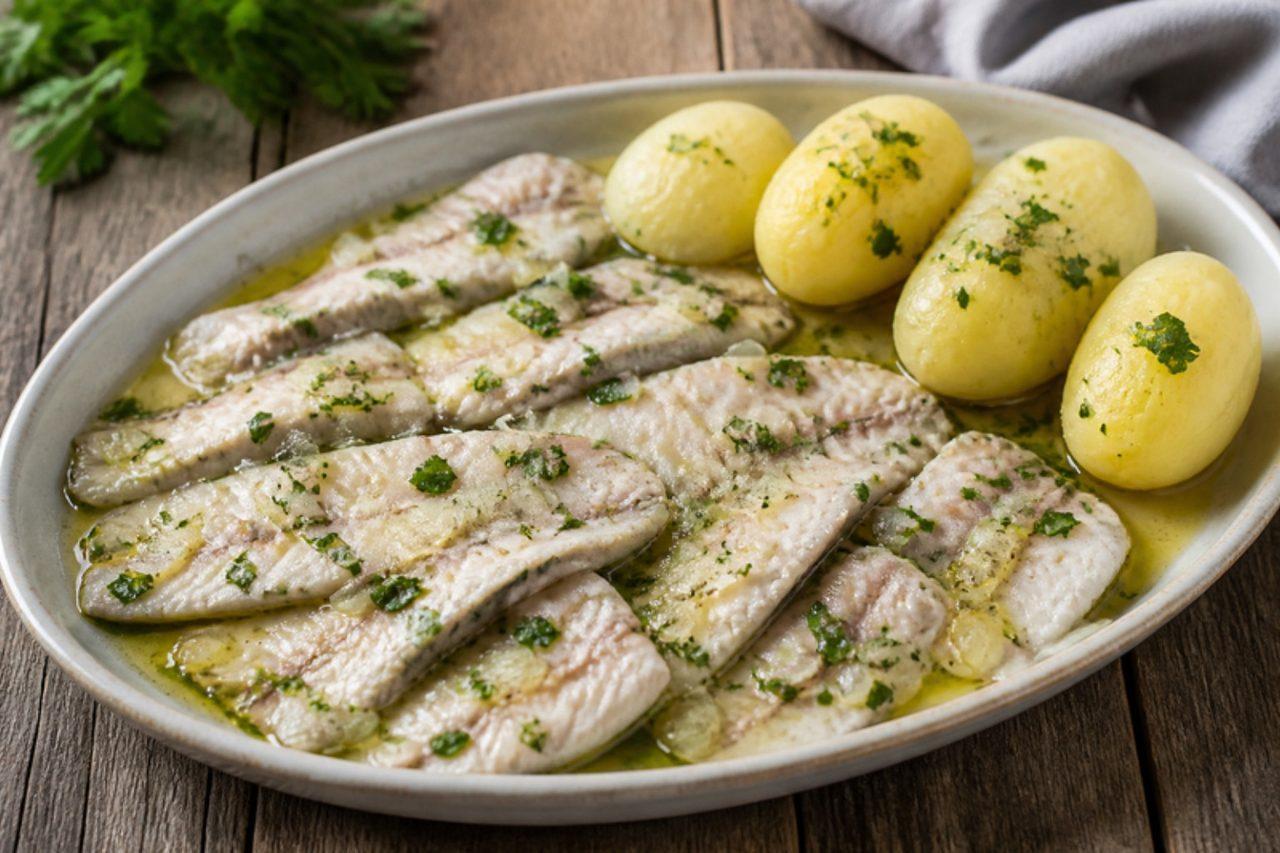
Carapaus alimadosPoached mackerel in garlic dressing

In Portimão and Olhão, when the boats came in loaded with small carapaus, cooks poached them, peeled away skin and bones, and soaked the fillets in olive oil, vinegar, garlic and onion. The dish is served cold, on summer days, with boiled potatoes or just bread, and it tastes better the day after. Mackerel or large sardines work if you can't find horse mackerel. Chef's tip: poach the fish gently, at a shiver rather than a boil, so the fillets stay whole when you lift them off the bone.

by KrazyBadal 0 views

Showing 27 of 7,762 recipes

Show more recipes

Page 444 of 863