


Skip to content
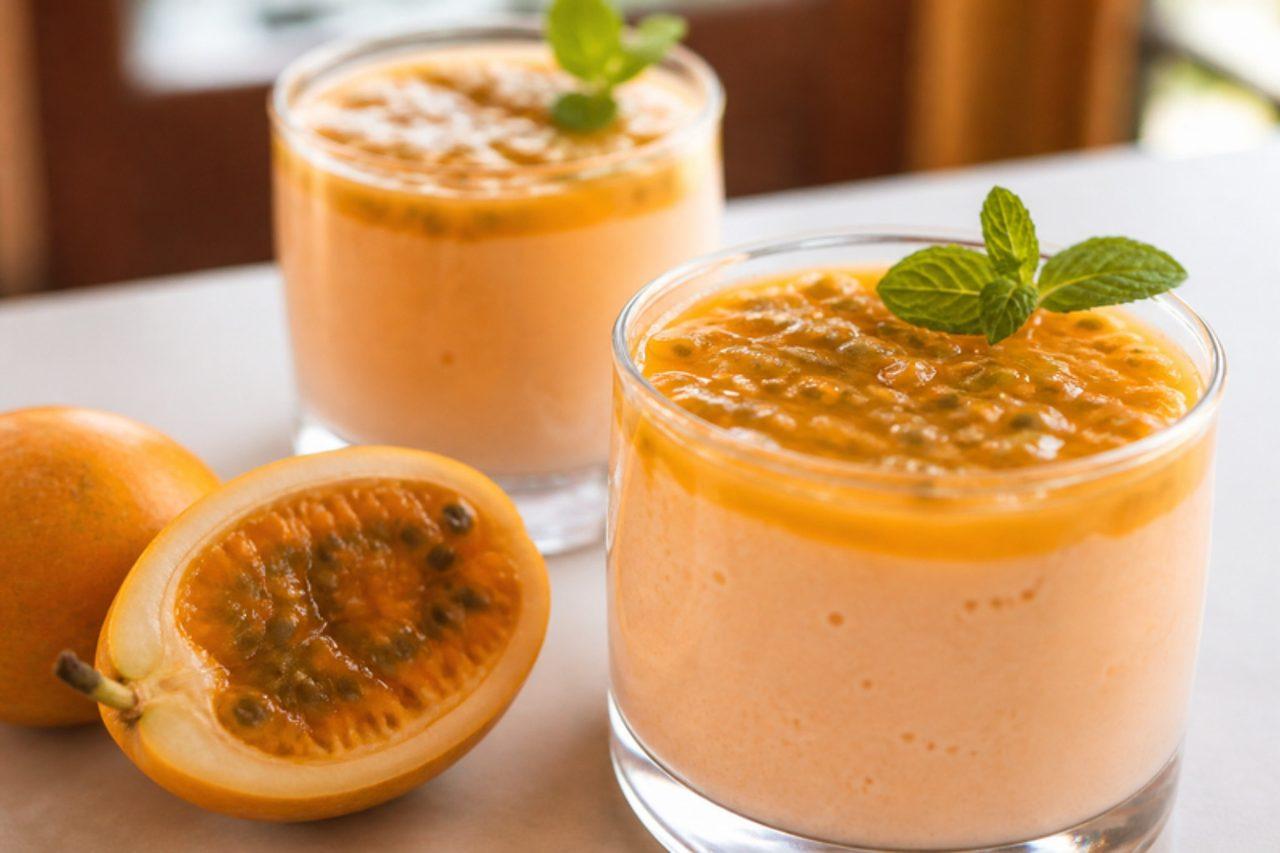
Esponjado de curuba
Featured recipe

Esponjado de curuba

Banana passionfruit mousse

Grandmothers' kitchens and old cafés of Bogotá and Boyacá have kept the esponjado alive: a pale, airy, sweet-sour mousse made with curuba, the long, soft-skinned banana passionfruit of the cold Andes, set with gelatin and sweetened with condensed milk. It is served chilled in glasses after Sunday lunch, light and tangy, perfumed like passionfruit but softer. Because it contains gelatin, it is not vegetarian; for a vegetarian version, set it with 2 tsp agar powder boiled for 2 minutes in the curuba juice. Older recipes fold in raw whipped egg whites; this one uses whipped cream instead, so there is no raw egg. The common problem is folding cream into gelatin that's too warm or too set: it should be cool and just thickening, like unbeaten egg white. Chef's tip: frozen curuba pulp is sold in Latin shops; if you can't find it, use passionfruit pulp with a squeeze of lime. Allow at least 4 hours for it to set.

Read more 0 views

What to eat today?

Around the world

Today's trip: Paraguayan

A new country every day, from every cuisine on the site.

Paraguayan

Chipa

Cheese bread rings 50 minMore from Paraguayan (27) →

This week's collection

Kid-friendly dinners
537 recipes · a new collection every Monday

Latest recipes

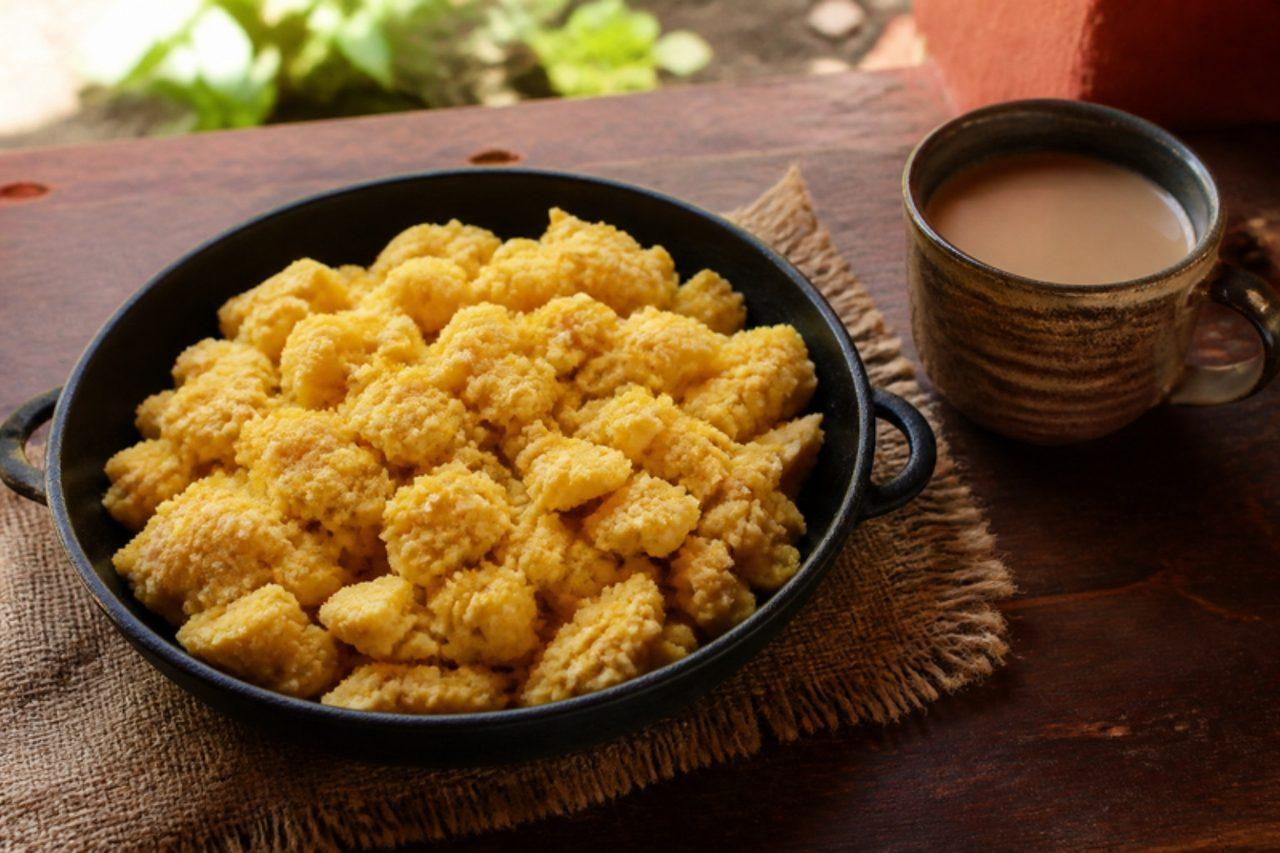
ReviroFried flour and egg scramble

For field workers in the yerba-mate plantations of Misiones, the morning starts with reviro: a simple dough of flour, egg, water and salt fried in plenty of fat and then broken up with a spatula as it cooks, until it becomes a pile of crisp, golden, irregular crumbs with soft centres. It is filling, cheap and very good dunked in a mug of mate cocido or milky coffee, and it shares its roots with the Guaraní and Paraguayan kitchen across the river. Traditionally it is fried in lard or beef fat; this version uses butter and oil so it is vegetarian. Turning it too early is the classic blunder: the batter needs to fry undisturbed until a crust forms, or it turns into a pale, doughy mash. Chef's tip: keep chopping and turning with the edge of a metal spatula for the last 10 minutes; the more edges you make, the more crunch you get.

by KrazyBadal 0 views

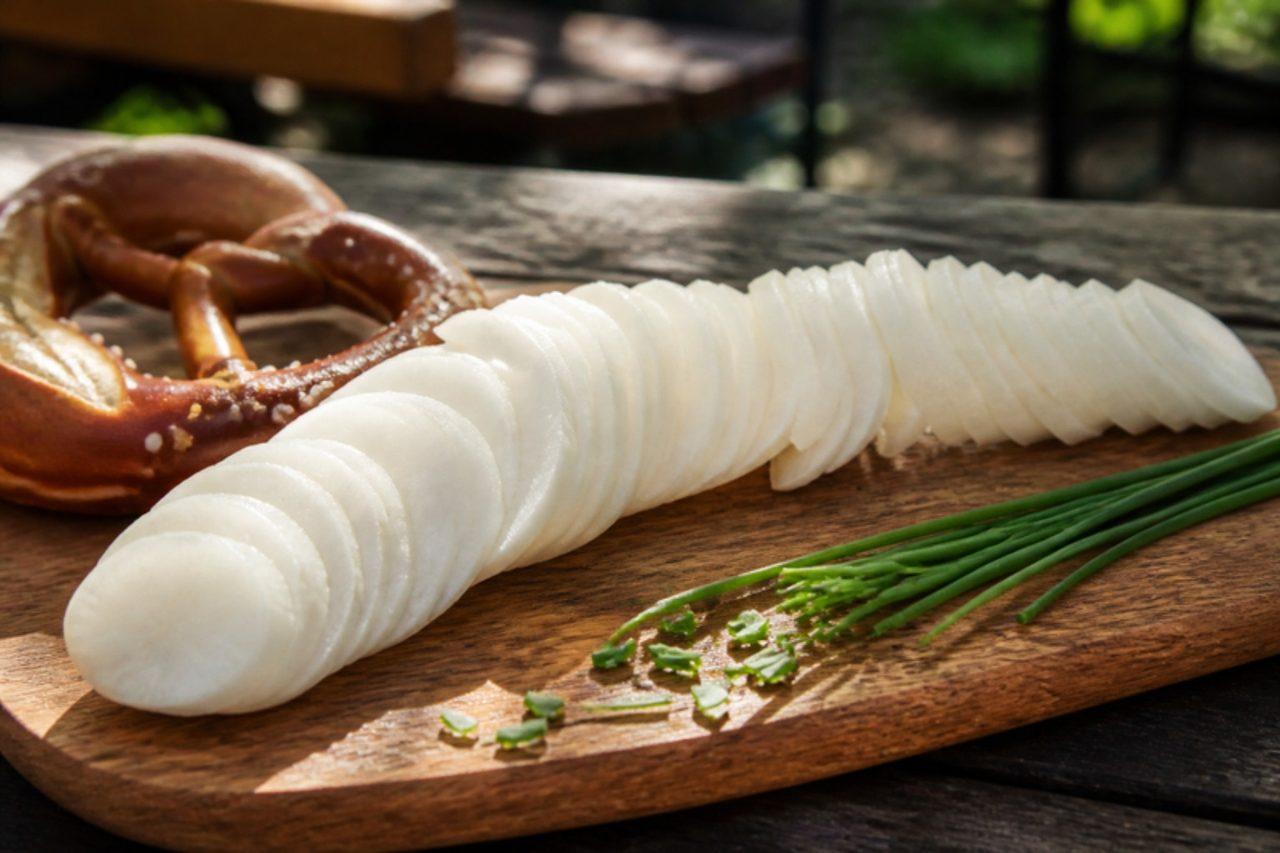
RadiSalted spiral-cut radish

In Bavaria a Radi is a single big white radish, cut into one long spiral or paper-thin slices and salted until it 'weeps', then eaten with your fingers in the beer garden between bites of pretzel. Stalls at Munich's Viktualienmarkt sell the long white roots from spring to autumn, and old regulars carry a special spiral cutter. It is crisp, peppery and cooling, the opposite of everything rich on the table. A common mistake is eating it straight away: the salt needs ten minutes to draw out the bitter juice and soften the bite. Chef's tip: pick a heavy, firm radish with a smooth skin; a light one is often woody and hollow inside.

by KrazyBadal 0 views

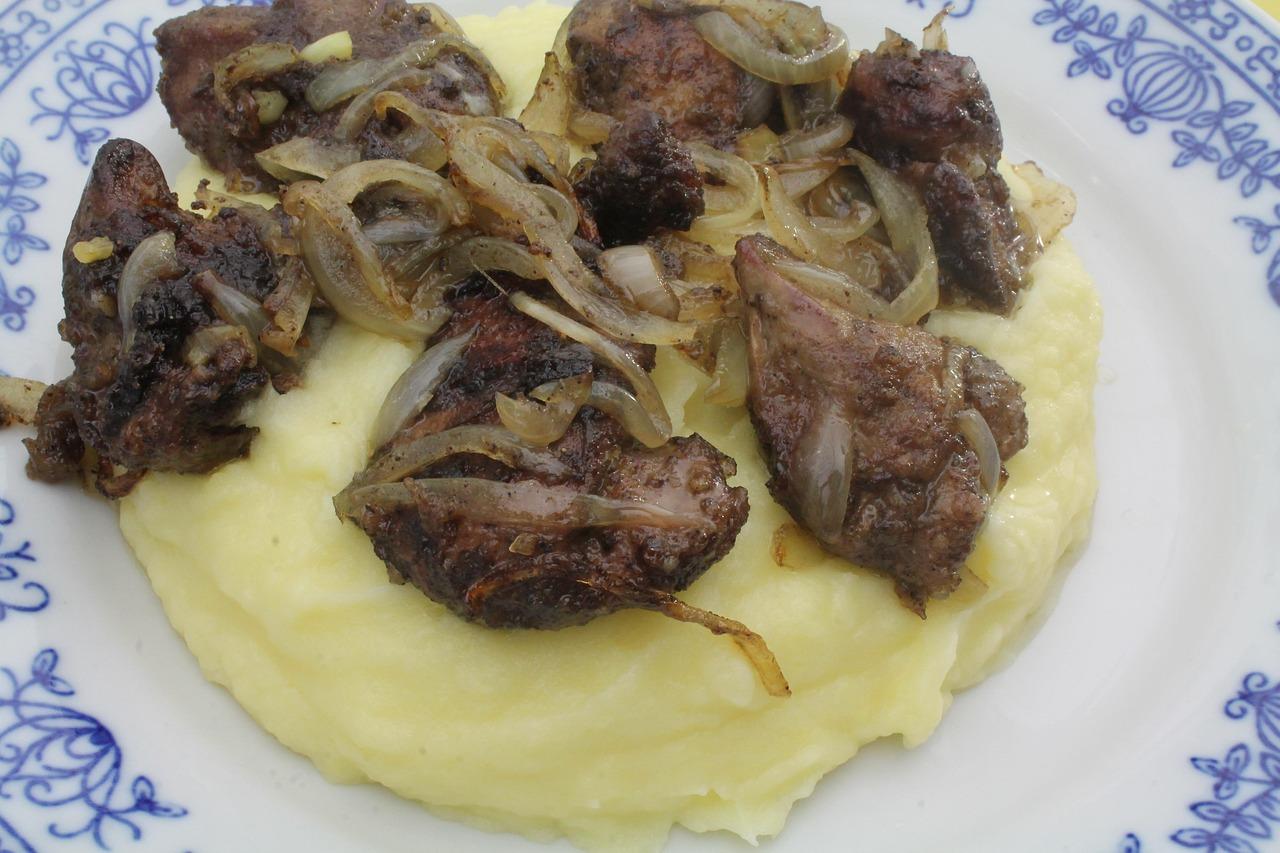
Fegato alla venezianaCalf's liver with onions

Fegato alla veneziana is one of the oldest dishes in Venice and still a weekday staple in the trattorie around the Rialto market. Mountains of onions are cooked gently until soft and sweet, then thin strips of calf's liver are tossed through them for barely two minutes, so the liver stays tender against the jammy onions, with a splash of vinegar and parsley to finish. The classic partner is soft white or yellow polenta, which soaks up the buttery juices. Chef's tip: slice the liver into thin strips, no thicker than your little finger, so it cooks through in moments without going tough.

by KrazyBadal 0 views

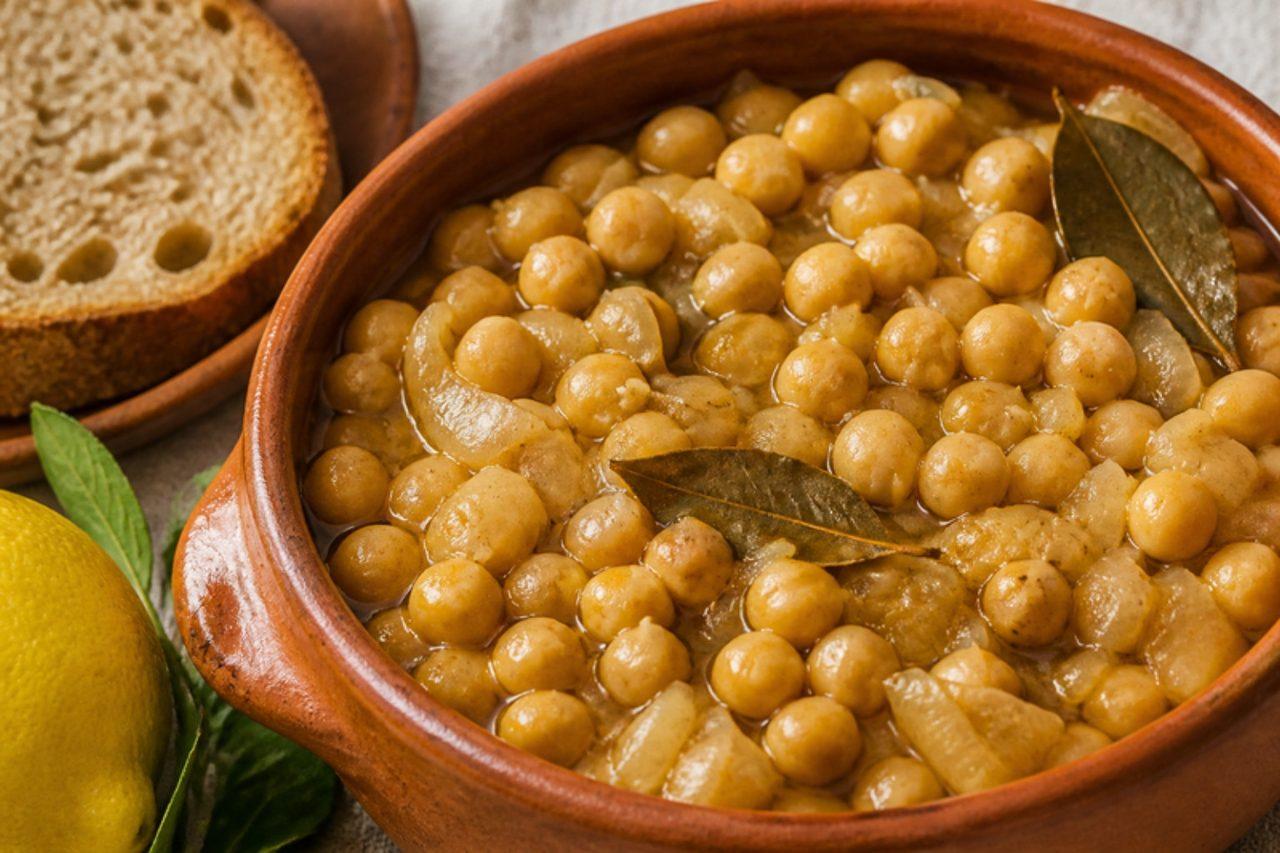
RevithadaClay-pot baked chickpeas

On Sifnos, Saturday night means taking a clay pot of chickpeas, onions, olive oil and bay to the village baker, who leaves it in the cooling wood oven overnight; on Sunday morning, after church, families collect it and eat it for lunch. The chickpeas turn creamy and almost melting in a thick, sweet, onion-rich broth. A home oven at low heat does the same job in about five hours. Common mistake: adding salt at the start, which can keep the chickpeas firm; add it in the last hour. Chef's tip: rub the soaked chickpeas with a little bicarbonate of soda and rinse well; it helps them soften to that silky texture.

by KrazyBadal 0 views

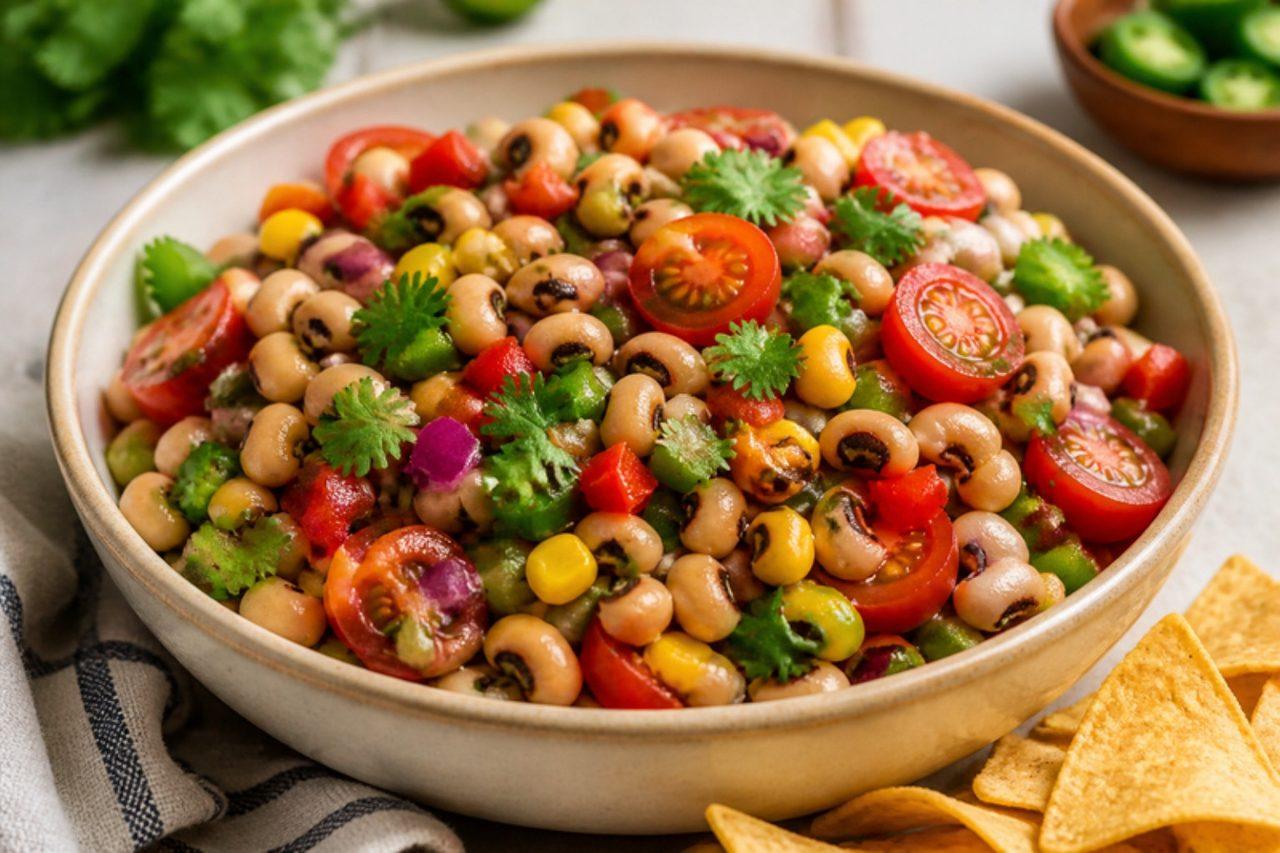
Texas caviar

Texas caviar is a bright, chunky salad of black-eyed peas, peppers, corn and jalapeño soaked in a sharp vinaigrette, created in Dallas in the 1940s and now a fixture at Texas tailgates, barbecues and New Year's Day parties, where black-eyed peas are eaten for luck. Scoop it with tortilla chips or serve as a side. Chef's tip: dress it at least an hour ahead; the peas soak up the dressing and get much tastier.

by KrazyBadal 0 views

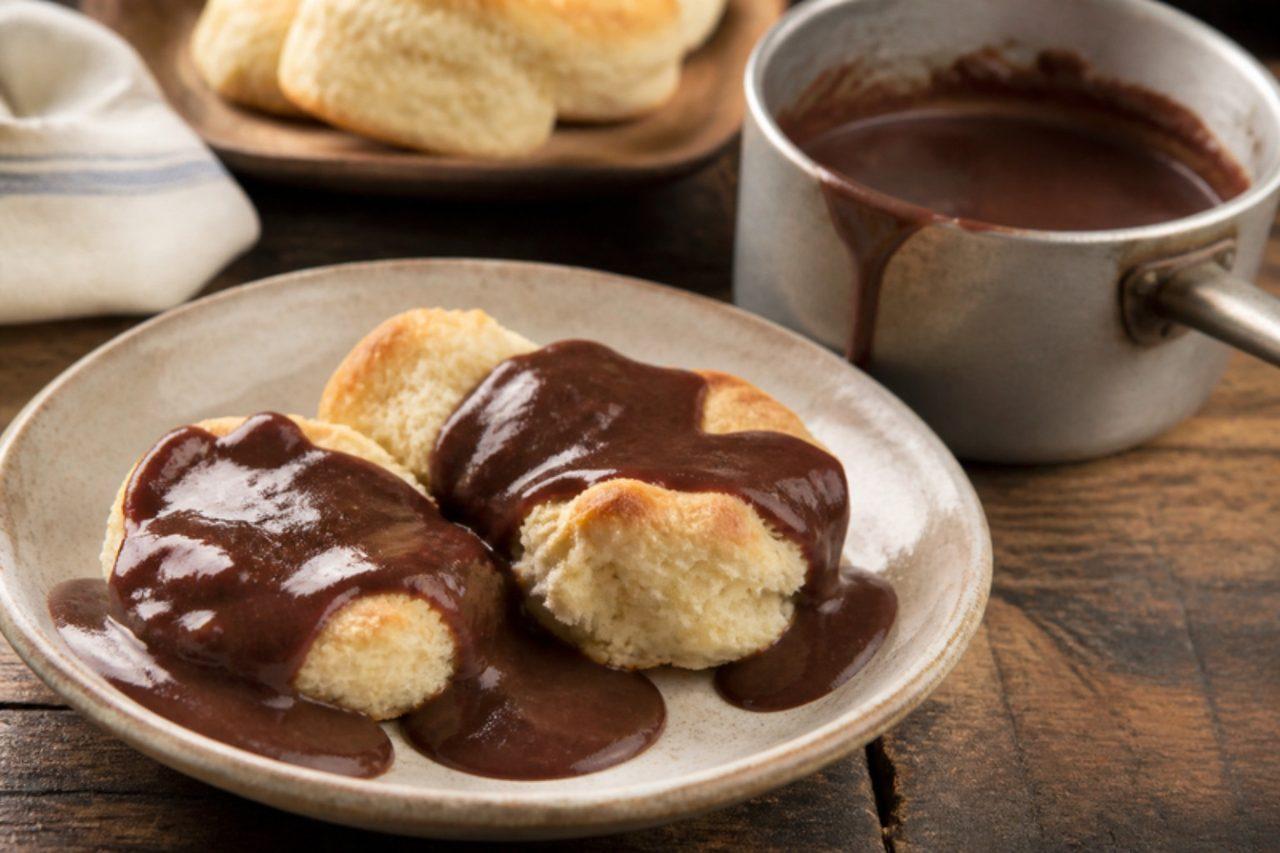
Chocolate gravy and biscuits

Chocolate gravy is a Sunday-morning treat in the hills of Arkansas, Tennessee and eastern Kentucky, passed down in mountain families who made it from pantry staples. It is a glossy, pourable cocoa pudding cooked in a skillet and ladled over split biscuits with a pat of butter, something between breakfast and dessert. Chef's tip: whisk the cocoa, sugar and flour together before the milk goes in, so there are no lumps.

by KrazyBadal 0 views

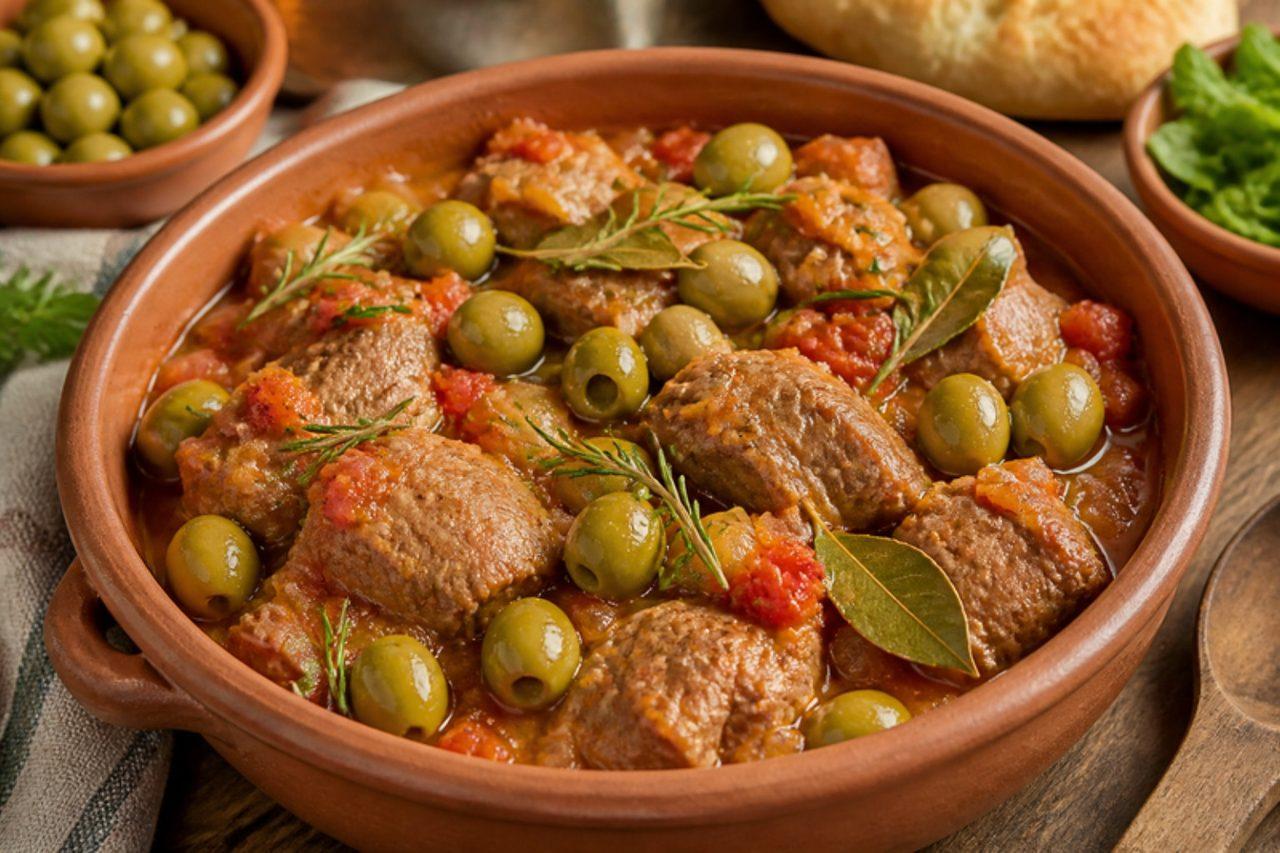
Veau aux olivesVeal stew with green olives

In the villages of Corsica's mountainous interior, veau aux olives is the dish of Sunday lunch and of family gatherings on saints' days, made with the island's free-roaming veal. The meat is browned, then stewed slowly with tomato, garlic, rosemary and plenty of green olives, giving a rich, savoury sauce with a pleasant salty-bitter edge from the olives. Corsicans often add a little panzetta (cured pork belly), which is optional here; with it, the dish contains pork. White wine is used too, and the ingredient note gives an alcohol-free version. Serve with soft polenta, ideally the island's chestnut-flour pulenda, or with fresh pasta. Chef's tip: blanch the olives for two minutes before adding them, so their brine doesn't oversalt the sauce.

145 minFrenchMeatGluten free
by KrazyBadal 0 views

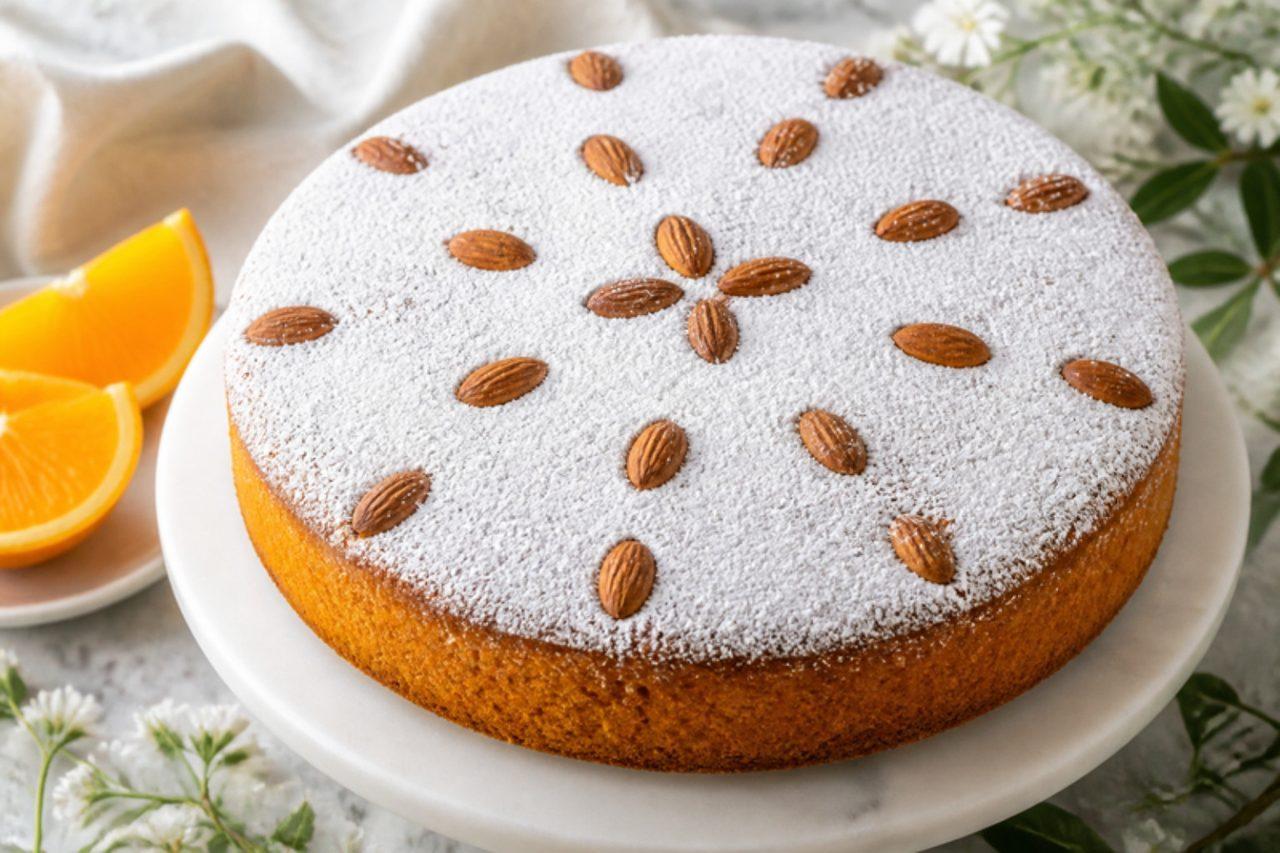
VasilopitaNew Year orange cake

Just after midnight on New Year's Eve, or at lunch on 1 January, the head of a Greek household crosses the vasilopita with a knife and cuts slices in strict order: for Christ, for the house, then for each person from oldest to youngest. Whoever finds the foil-wrapped coin has luck for the year. This Athenian-style version is a tall, fluffy orange cake, dusted with icing sugar with the new year's numbers stencilled on top. Common mistake: slicing it warm, which makes the crumb gummy and drags the coin around. Chef's tip: beat the butter and sugar until almost white and fold the whipped whites in by hand; that is where the light, cottony crumb comes from.

by KrazyBadal 0 views

Lorne sausageSquare beef and pork sausage

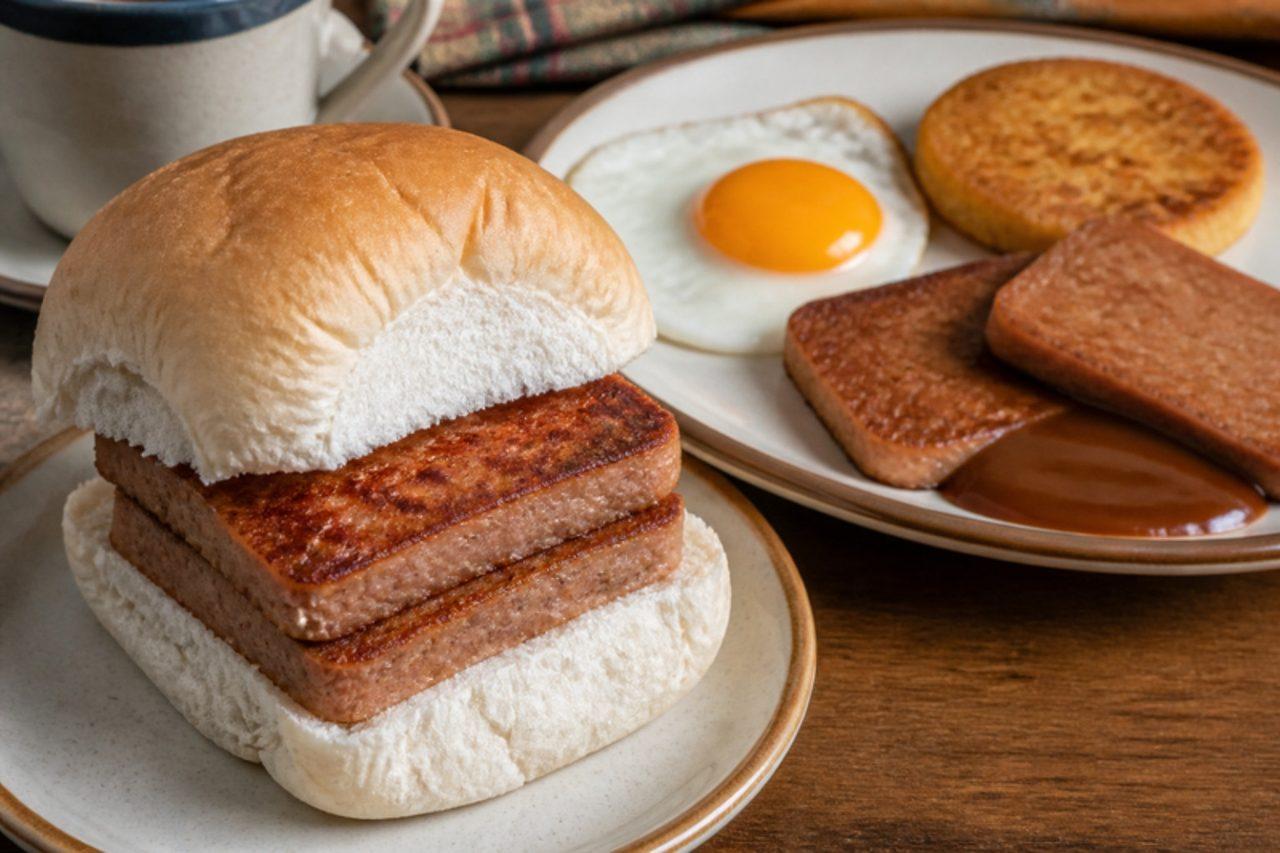
Lorne sausage, better known in Scotland simply as square sausage or slice, is a skinless loaf of seasoned beef and pork mince that is cut into squares and fried for the full Scottish breakfast, or slapped in a morning roll with brown sauce. It is easy to make at home and freezes well. Chef's tip: freeze the shaped block for an hour before slicing; it cuts into neat, thin squares.

by KrazyBadal 0 views

VanillekipferlVanilla almond crescents

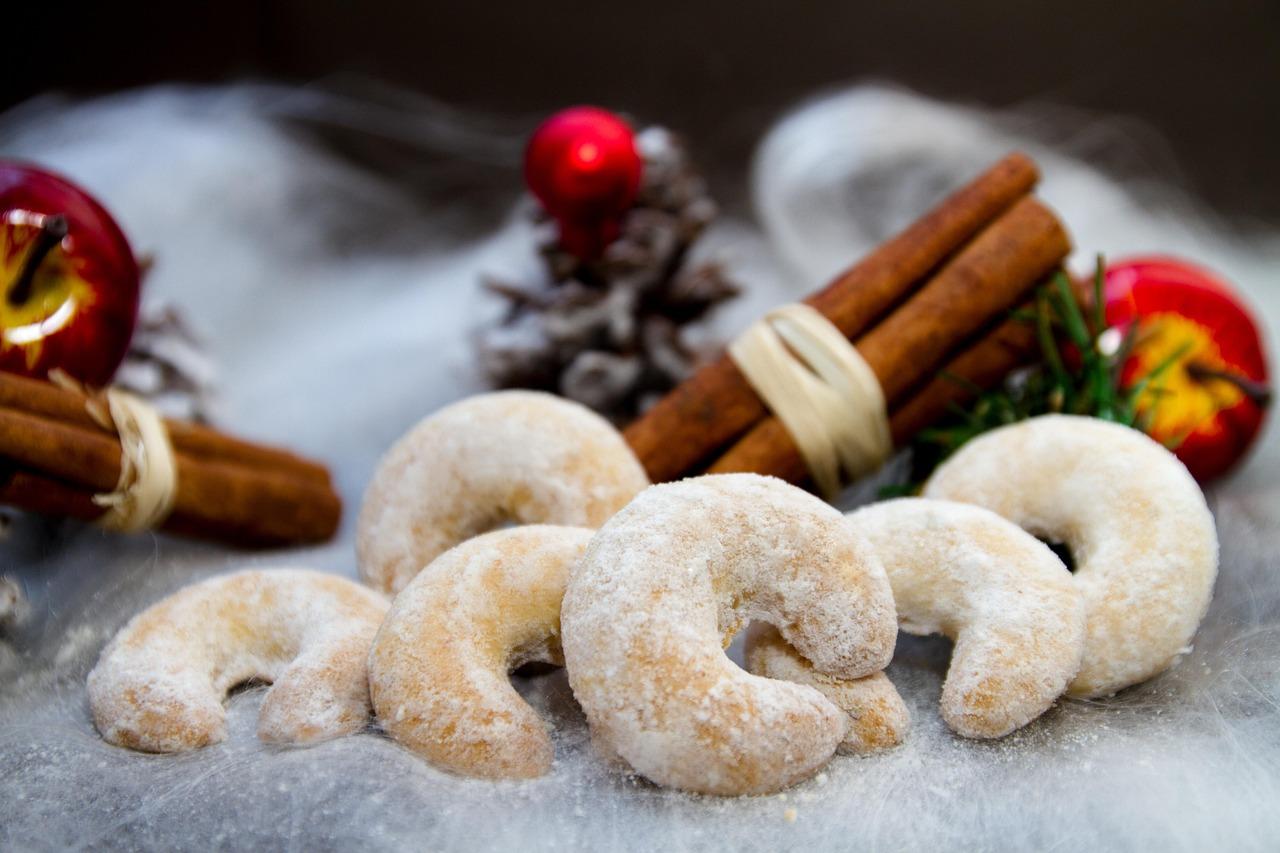
No Austrian Christmas cookie tin is complete without Vanillekipferl, the pale little crescents that melt on the tongue; Viennese grandmothers bake them by the hundred in early December, and they are just as loved over the border in Bavaria. The dough is short and rich with butter and ground almonds, and the crescents are rolled in vanilla sugar while still warm so it sticks. The common mistake is overbaking: they should stay pale with only the tips turning golden, or they lose their tender, sandy texture. Chef's tip: chill the dough well and shape it with cool hands; warm dough cracks and the crescents spread in the oven.

by KrazyBadal 0 views

Vaca atoladaBeef ribs with cassava

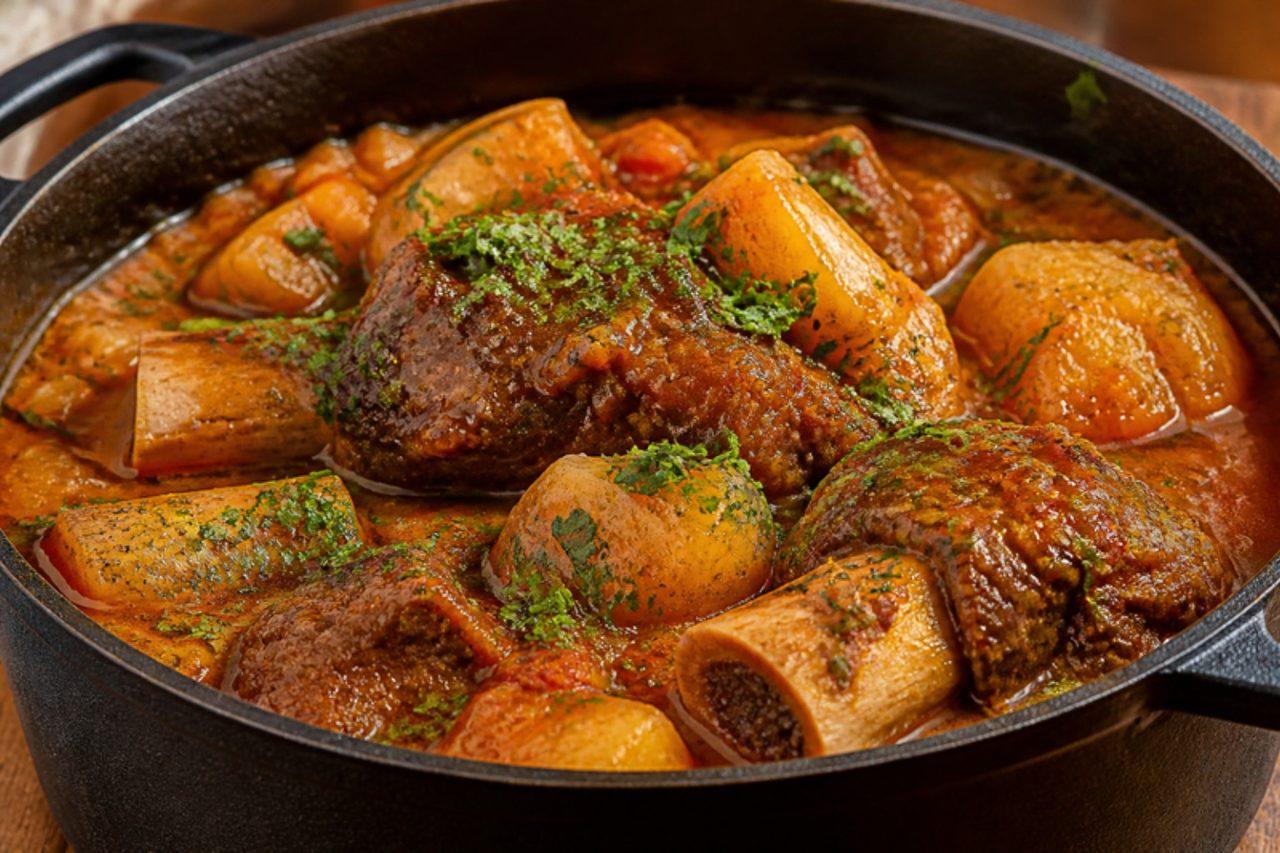
The name means cow stuck in the mud, and the picture is right: meaty beef ribs sunk in a thick stew of cassava that has half collapsed into the sauce. Vaca atolada comes from the cattle country of Minas Gerais and is a cold-night favourite at fazenda kitchens and comida mineira restaurants, served on its own or with white rice and a sharp pepper sauce. The ribs are browned, then braised slowly with onion, tomato, garlic and bay until the meat slips off the bone, and the cassava goes in for the last hour to thicken everything. People most often go wrong by adding the cassava at the start, so it dissolves completely; it should be soft but still in chunks. Cassava must be cooked right through and never eaten raw. Chef's tip: brown the ribs hard and deglaze the pan well; that dark crust is where most of the flavour comes from.

by KrazyBadal 0 views

Loobia poloGreen bean rice with spiced lamb

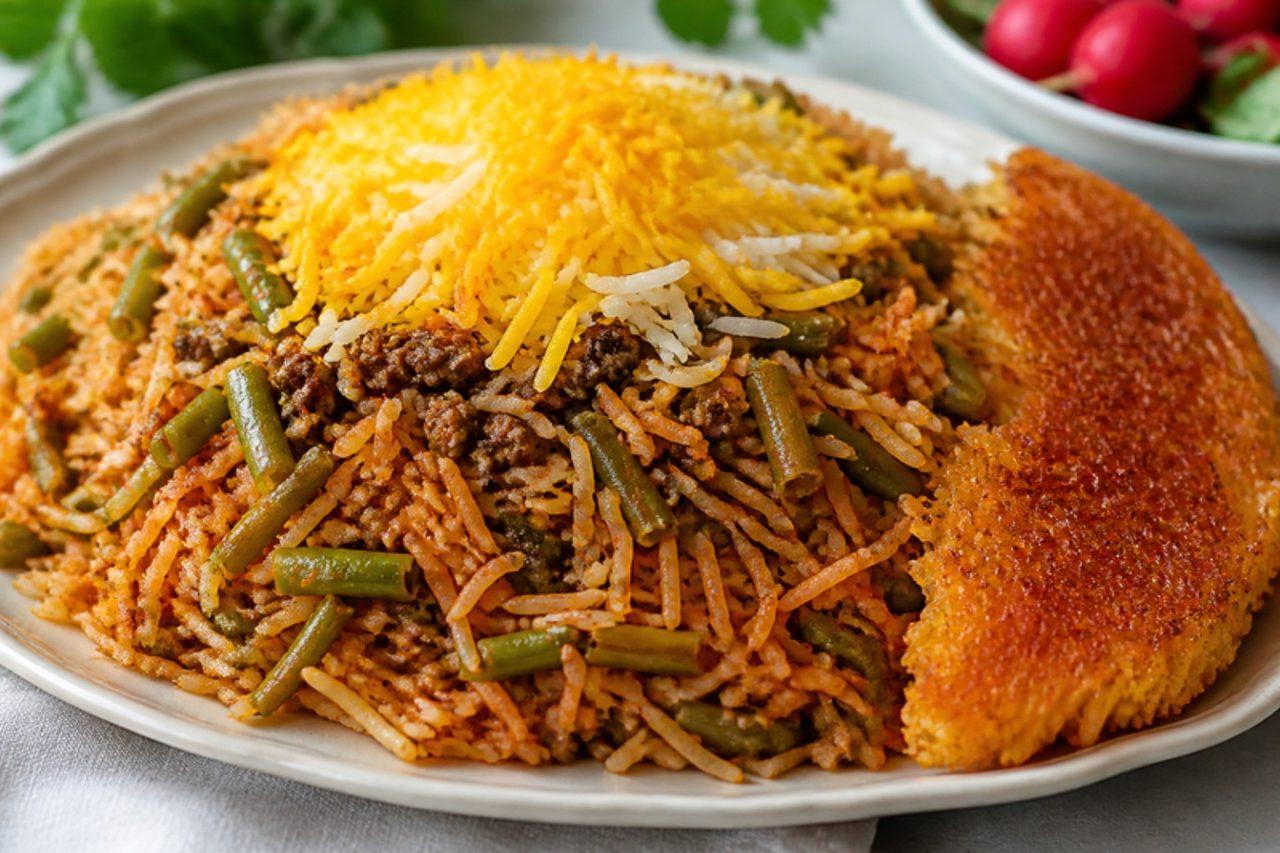
Loobia polo is a weeknight favourite in Tehran homes, the rice dish children ask for when they come home from school and the one packed for picnics on the slopes of Darband. Parboiled basmati is layered with a sauce of minced lamb or beef, short pieces of green bean, tomato paste and a warm hint of cinnamon, then steamed slowly until every grain is stained a soft orange and a crisp tahdig forms underneath. For a meat-free pot, swap the mince for diced potato and keep everything else the same. Serve with mast-o khiar, salad shirazi and torshi. A common mistake is adding the beans raw to the rice layers: brown them in the sauce first or they stay squeaky and pale. Chef's tip: let the tomato paste fry in the oil until it turns brick red before adding water; that is where the deep, sweet flavour comes from.

by KrazyBadal 0 views

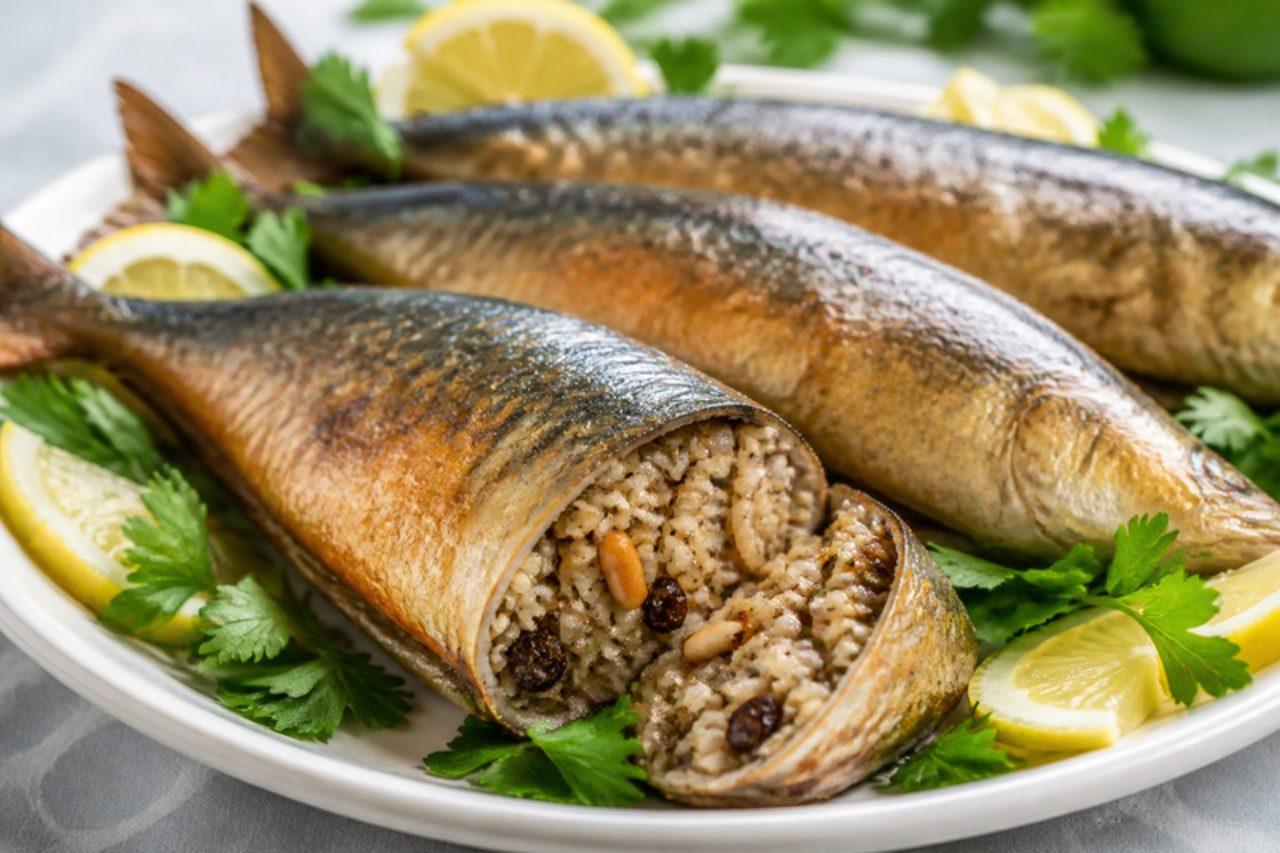
Uskumru dolmasıStuffed mackerel

Uskumru dolması is a showpiece of Istanbul's old Armenian and Greek meyhane kitchens, made in autumn when Bosphorus mackerel are fat: the skin is eased off whole, the flesh mixed with spiced rice, walnuts, currants and herbs, then stuffed back in so the fish looks untouched. It is dipped in egg and flour, fried and served at room temperature in slices as a cold meze. It takes time but impresses every guest. Chef's tip: roll and massage the fish firmly before you start; the spine snaps at the head and the skin loosens so you can push the flesh out without tearing it.

105 minTurkishFish
by KrazyBadal 0 views

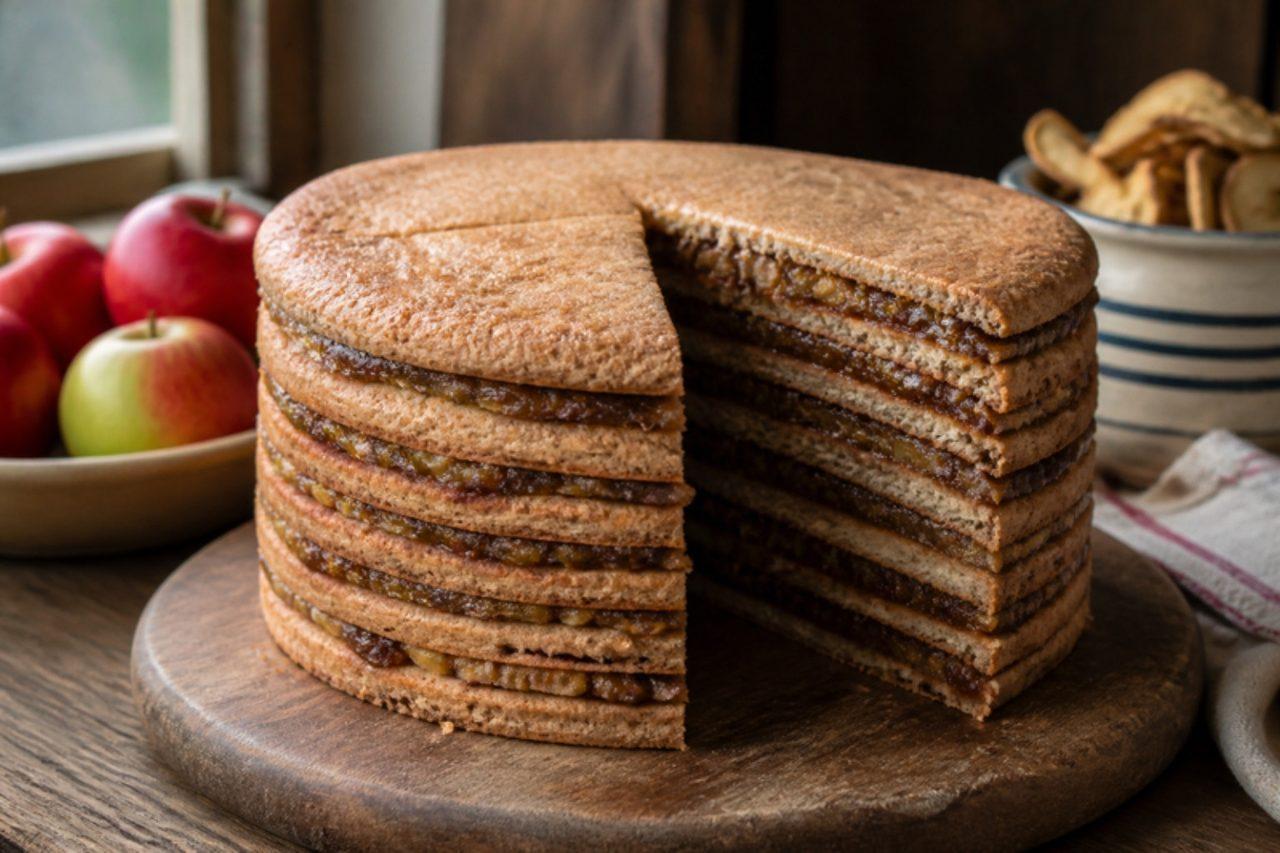
Appalachian apple stack cake

Apple stack cake is the old mountain wedding cake of eastern Kentucky and Tennessee: legend has it neighbours each brought a layer, and the bride's popularity was judged by the height. Six thin, biscuit-like layers flavoured with sorghum or molasses and ginger are stacked with a thick filling of cooked dried apples, then left for two days so the layers soften into a moist, spiced cake. Chef's tip: don't cut it the day you make it; the resting time is part of the recipe.

by KrazyBadal 0 views

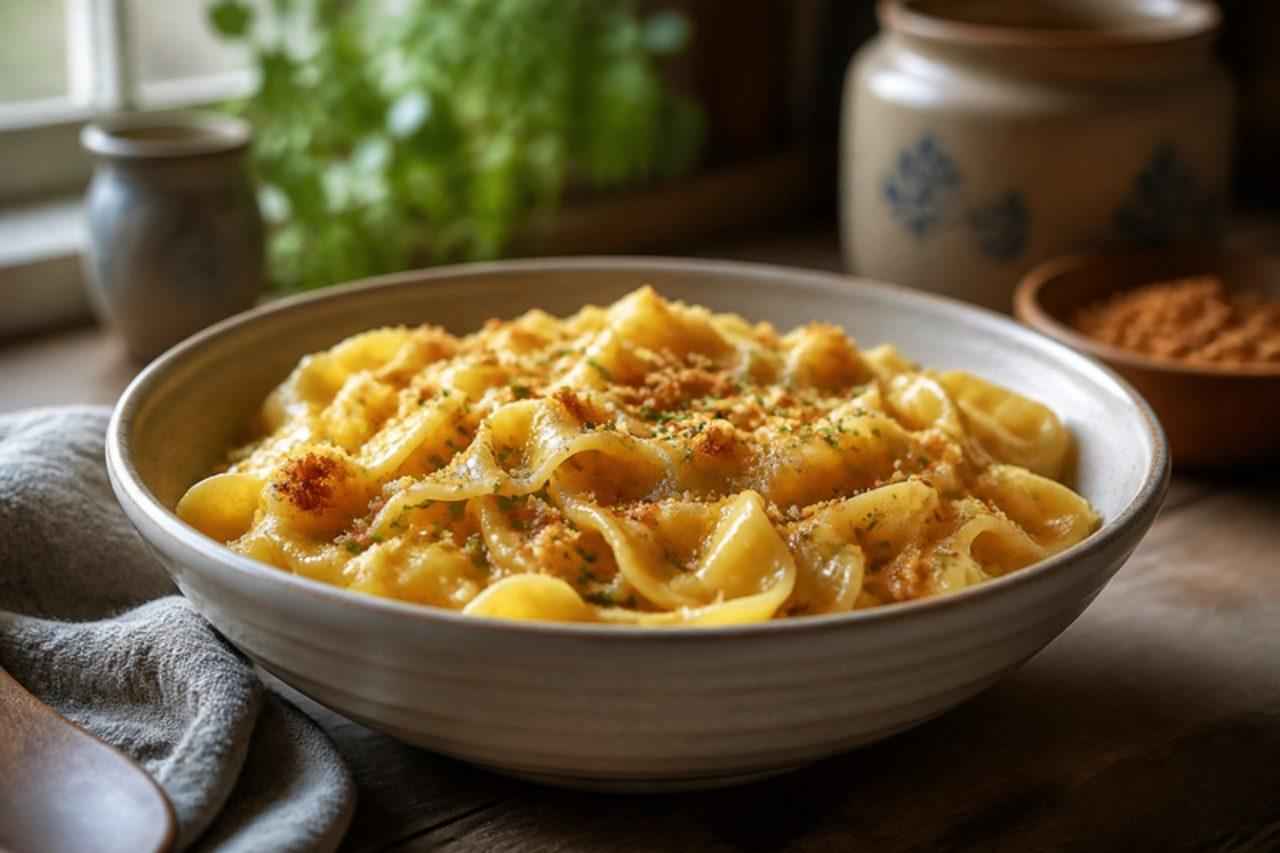
Pennsylvania Dutch brown butter noodles

At Amish smorgasbords and family-style restaurants around Intercourse and Bird-in-Hand, buttered noodles are passed round the table with mashed potatoes as though nobody had heard of choosing one starch. Wide, thick egg noodles are tossed with butter cooked until nutty and brown and a handful of toasted breadcrumbs. Chef's tip: take the butter off the heat the moment it smells of hazelnuts and the specks turn tan; seconds later it burns.

by KrazyBadal 0 views

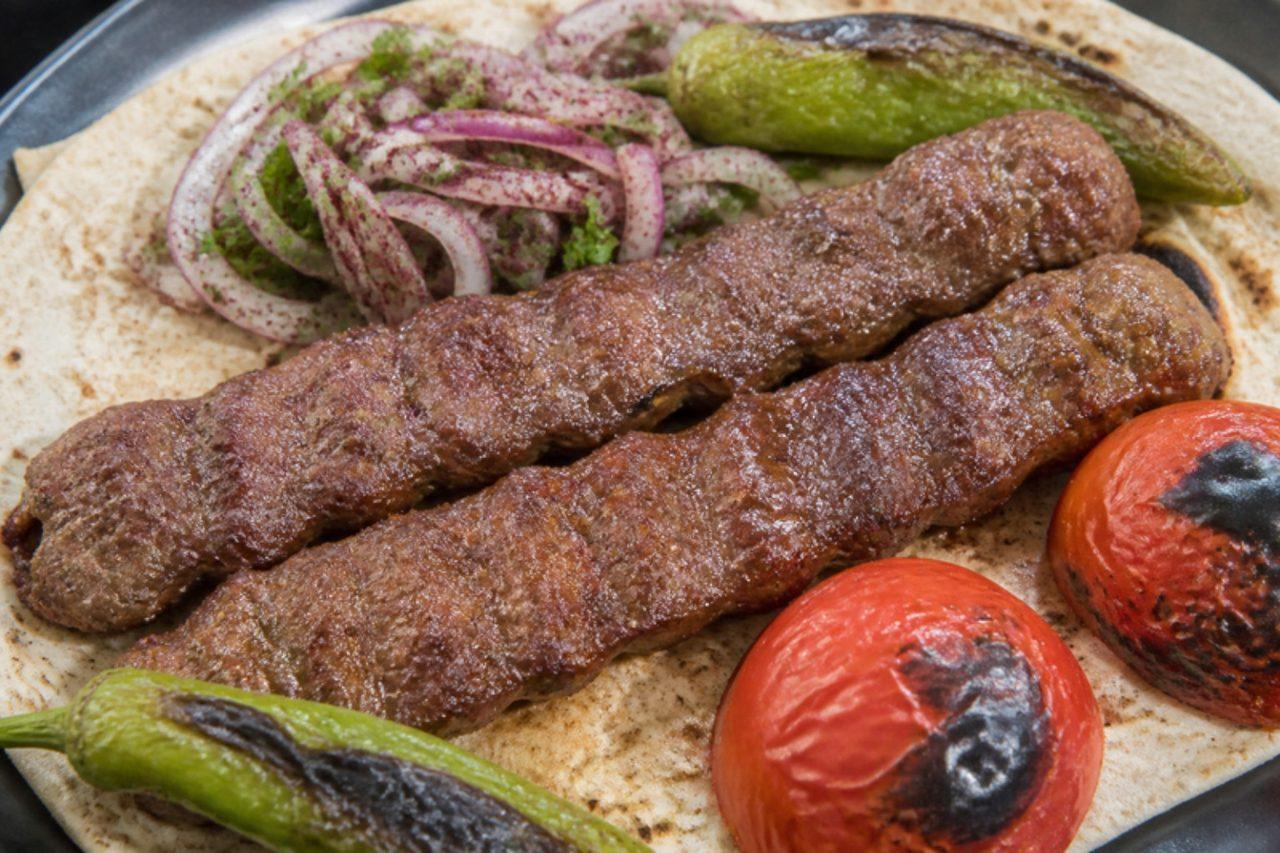
Urfa kebabıMinced lamb kebab

Where Adana's kebab is hot, Şanlıurfa's is gentle: lamb and tail fat chopped by hand with a curved zırh blade, seasoned with salt and a little isot and pressed onto wide skewers. Grill houses around Balıklıgöl serve it on thin lavaş with charred tomatoes, peppers, sumac onions and a bostana salad, and the sweet smoke of the meat is the whole point. Without tail fat, ask your butcher for fatty lamb shoulder mince, around 25% fat, or the kebab will be dry and fall off the skewer. Chef's tip: wet your hands with cold water while shaping; the fat stays firm and the meat clings to the skewer.

by KrazyBadal 0 views

London particularSplit pea and ham soup

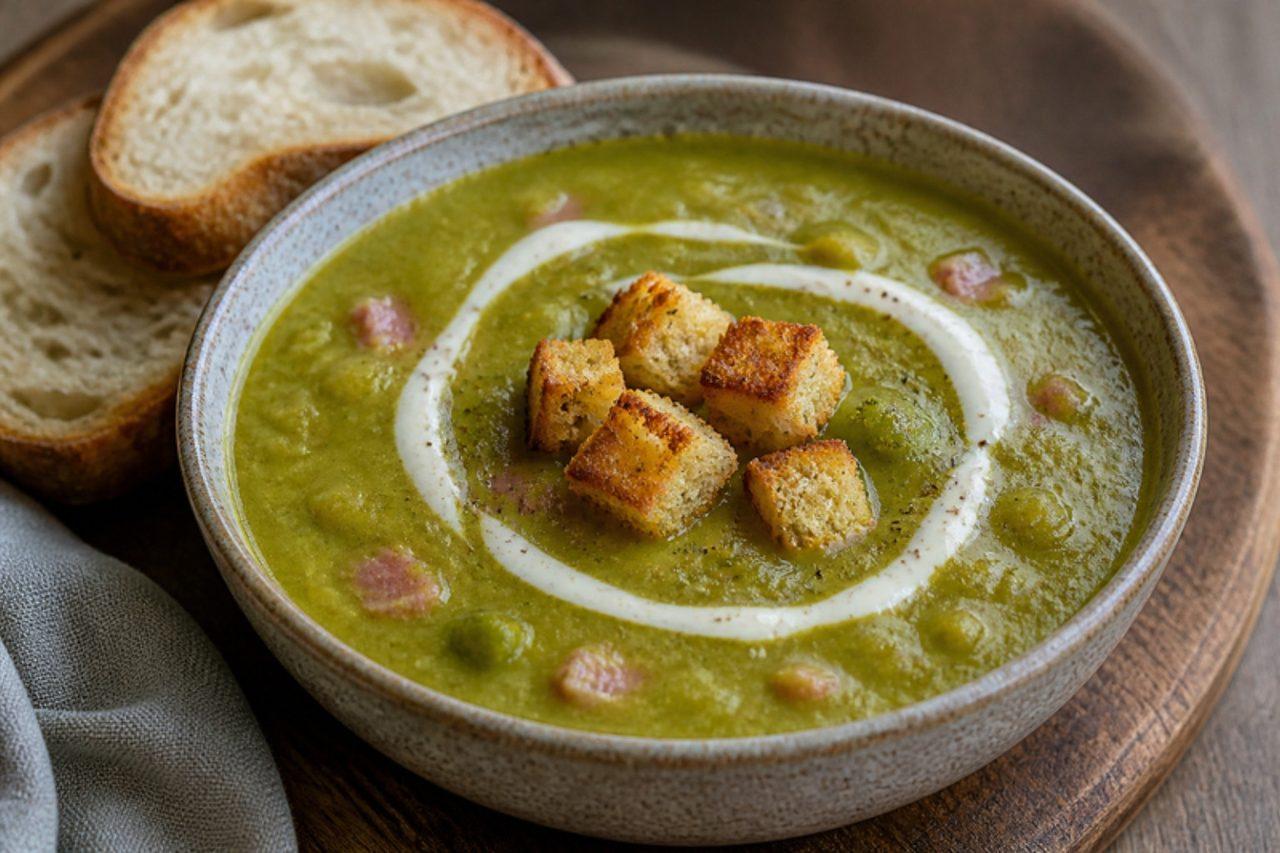
London particular is a thick, yellow-green soup of split peas and smoked pork ham hock, named after the pea-souper smogs that once smothered the city. It was a cheap winter warmer in Victorian London eating houses and is still on menus in pubs and cafés when the weather turns. The hock gives a deep smoky saltiness and shreds of soft meat. Chef's tip: skim the grey foam off as the water first boils, for a cleaner taste.

135 minBritishSoupsGluten free
by KrazyBadal 0 views

Lomito completoLoaded tenderloin sandwich

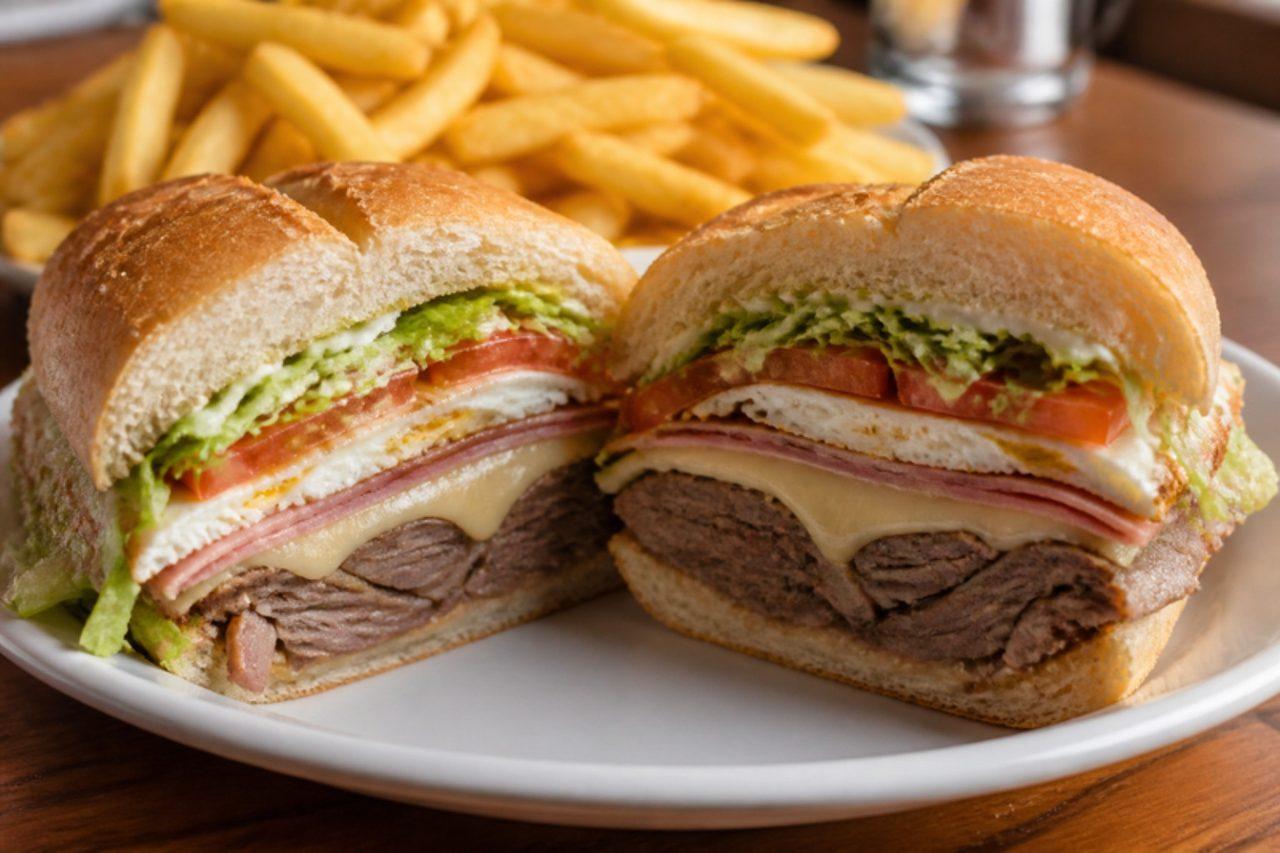
Córdoba claims the lomito as its own, and at lomiterías and late-night carts in the city it comes completo: thin, quick-seared slices of beef tenderloin piled into a big soft roll with cooked ham (pork), melting cheese, a fried egg, lettuce, tomato and mayonnaise. It is messy, juicy and filling, the classic end to a night out or a Saturday football match, usually with chips on the side. The meat is only a few millimetres thick, so it cooks in a minute; Córdoba grills cook it through, but as a whole steak you can leave it a little pink to taste. The big error is a lukewarm pan, which boils the thin beef grey instead of searing it. Chef's tip: lay the cheese on the ham in the hot pan to melt while the egg fries, so everything goes into the toasted roll hot at once.

by KrazyBadal 0 views

PithiviersAlmond cream puff pastry

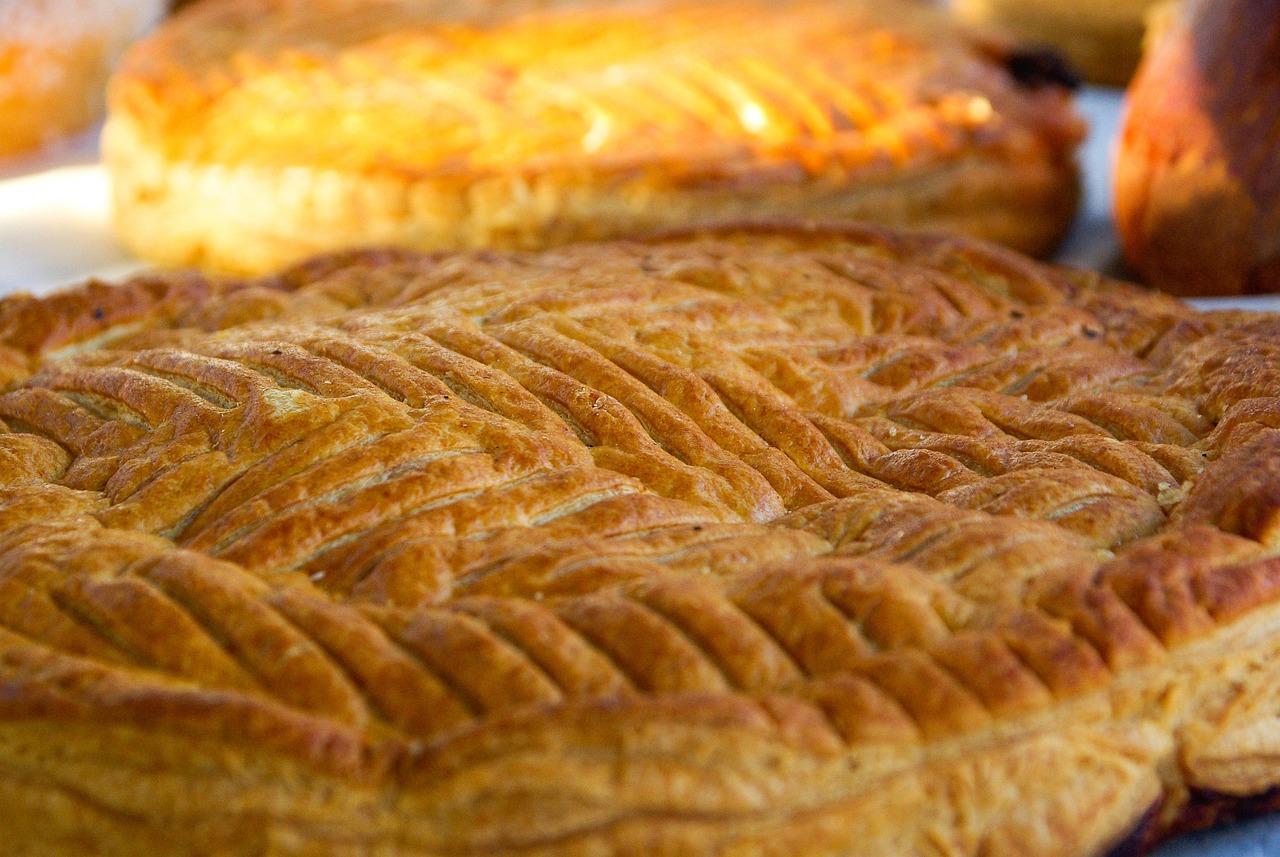
The small town of Pithiviers, between Orléans and Paris, gave its name to this domed puff-pastry pie filled with almond cream, its top scored in curved lines like the petals of a flower. It is close to the galette des rois that French families share at Epiphany in January, but in Pithiviers it is eaten all year as a Sunday dessert. The almond cream is traditionally flavoured with a spoonful of rum; leave it out and add orange zest or vanilla for an alcohol-free version. All-butter shop puff pastry works well. Chef's tip: chill the assembled pie for 30 minutes before scoring and baking; cold pastry rises tall and the pattern stays crisp.

by KrazyBadal 0 views

Vyssino glykoSour cherry spoon sweet

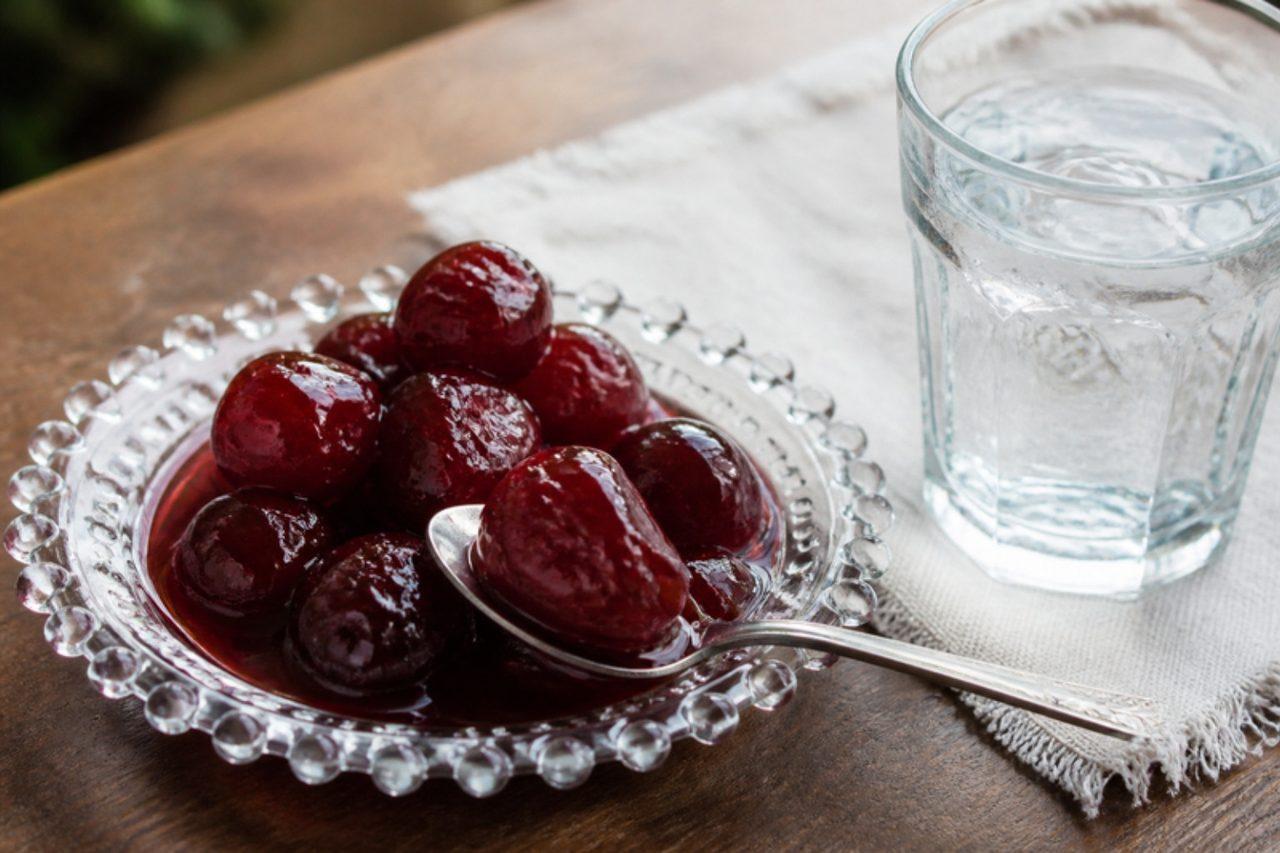
In the mountain villages of Pelion, above Volos, every pantry holds jars of spoon sweets, and the sour cherry one is the jewel: whole stoned cherries in a thick, ruby syrup, offered to visitors on a tiny plate with a glass of cold water. It also spoons beautifully over Greek yoghurt or vanilla ice cream, and the syrup makes vyssinada, a summer drink. Common mistake: boiling too long, which shrivels the cherries and turns the syrup to toffee — test it on a cold saucer. Chef's tip: macerate the stoned cherries in sugar overnight; they release their juice and stay plump.

by KrazyBadal 0 views

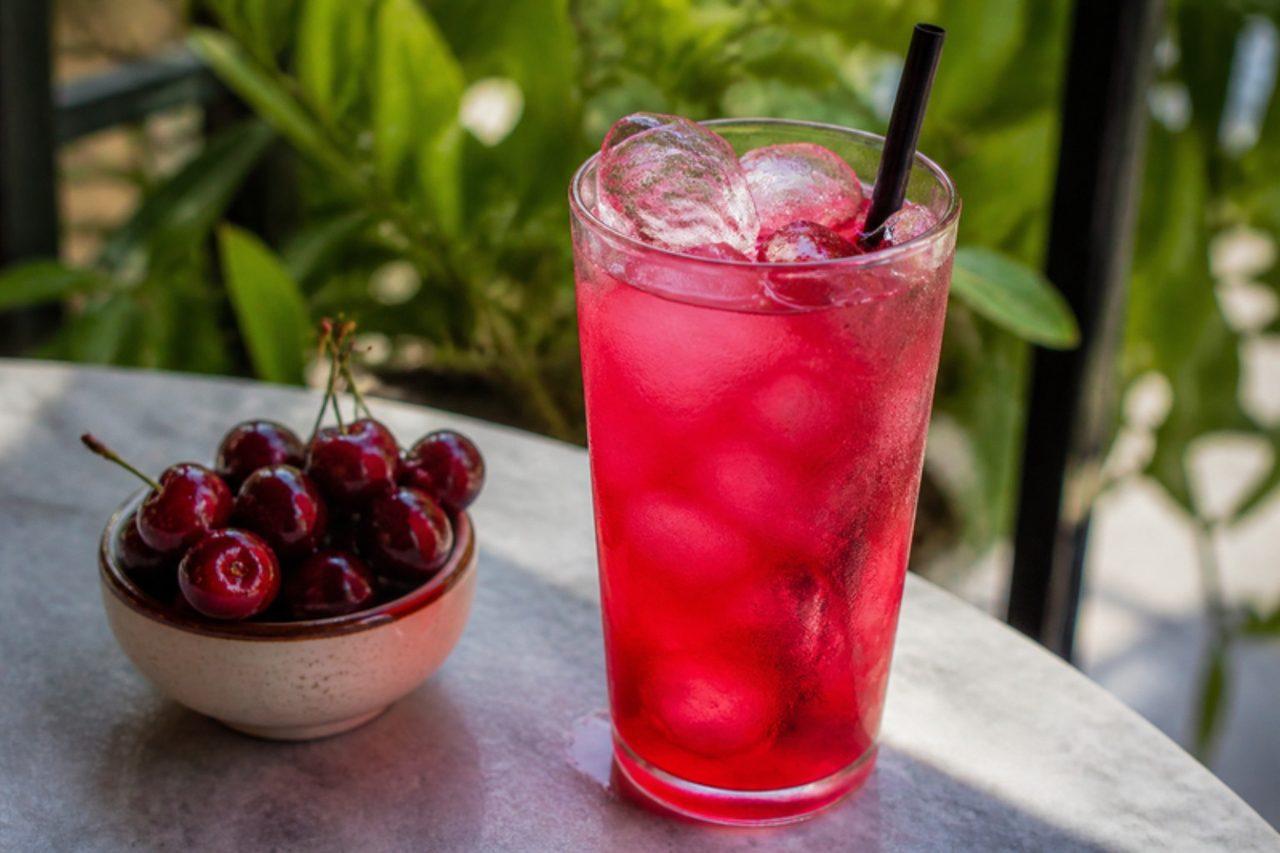
VyssinadaSour cherry drink

Before fizzy drinks arrived, a tall glass of vyssinada was what you ordered in a Volos or Larissa kafeneio on an August afternoon: sour cherry syrup topped with iced water, sweet and sharp and bright red. Families in Thessaly still make a cordial from the summer cherry crop and keep the bottles in the fridge for weeks. Common mistake: squashing the cherries too hard through the sieve, which clouds the syrup — let the juice drip. Chef's tip: top with sparkling water and a squeeze of lemon for a lighter, livelier glass.

by KrazyBadal 0 views

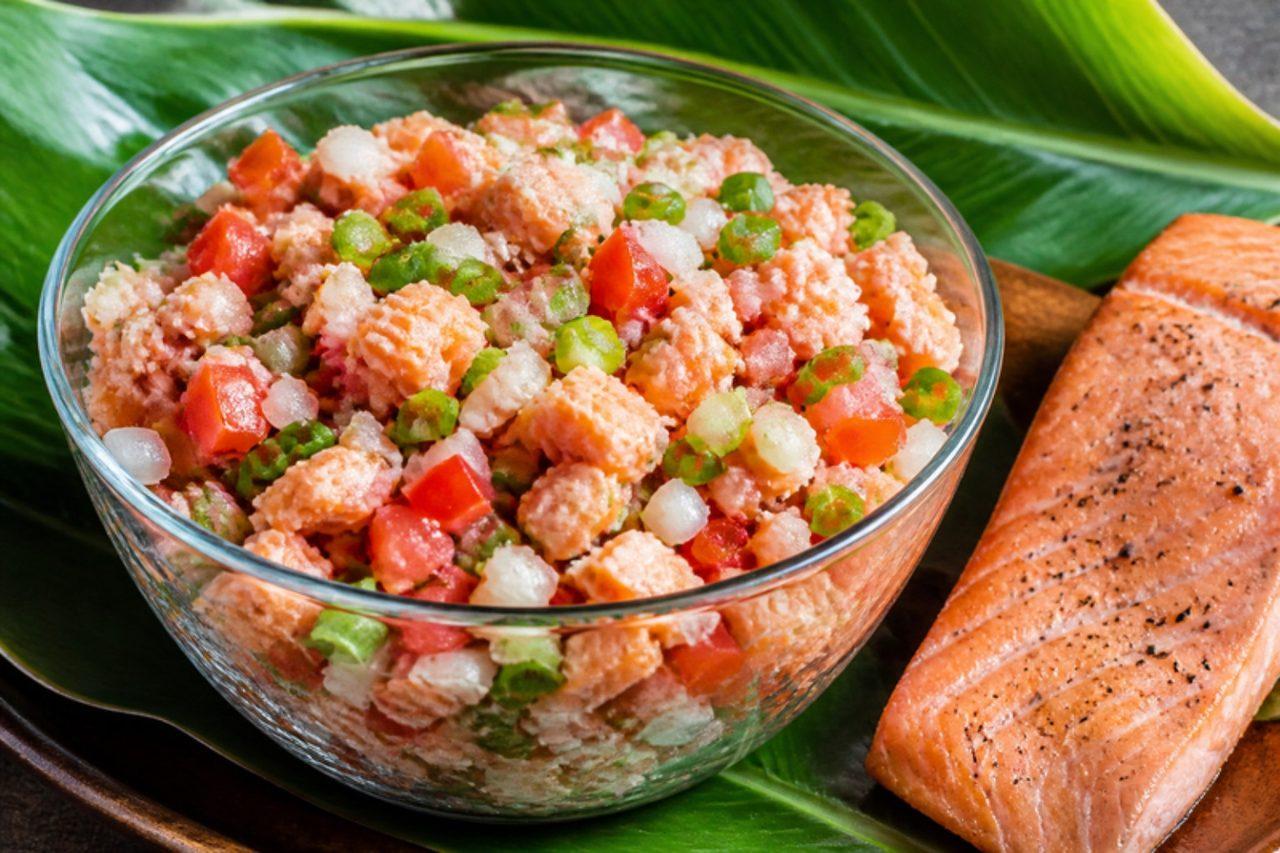
Lomi lomi salmonSalmon, tomato and onion relish

Lomi means to massage: at Hawaiian lūʻau and graduation parties, salted salmon is squeezed by hand with diced tomatoes, sweet onion and spring onions into a cold, juicy relish that cuts through rich kalua pig and poi. It arrived with salted salmon traded from the Pacific Northwest by nineteenth-century whalers. The traditional version uses raw salt-cured salmon, which is not for pregnant women, young children or anyone with a weakened immune system; this safer version gently poaches the salmon first. Chef's tip: chill everything well and drain the tomatoes, so the relish stays bright rather than watery.

by KrazyBadal 0 views

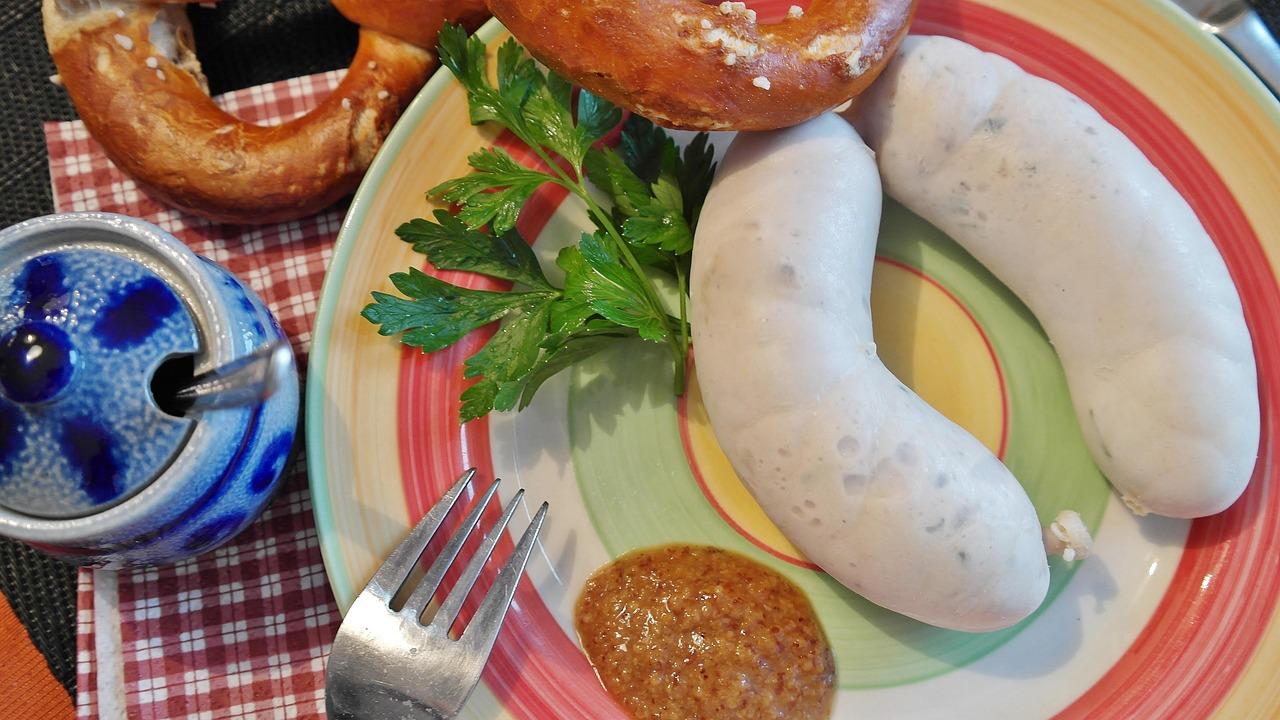
WeißwurstfrühstückWhite sausage with sweet mustard

In Munich the Weißwurst breakfast is a late-morning ritual, eaten between ten o'clock and noon in beer halls and butcher's cafés, with soft pretzels and a pot of sweet Bavarian mustard. The pale sausages of veal and pork back fat, flavoured with parsley, lemon and mace, are bought fresh from the butcher and gently heated, never boiled, then the skin is peeled off at the table. Making the mustard yourself is the easy, rewarding part. Vegetarians can heat plant-based white sausages the same way and keep the mustard and pretzel. Chef's tip: keep the water just below a simmer; boiling splits the skins and the sausages go grey and dry.

40 minGermanMeat
by KrazyBadal 0 views

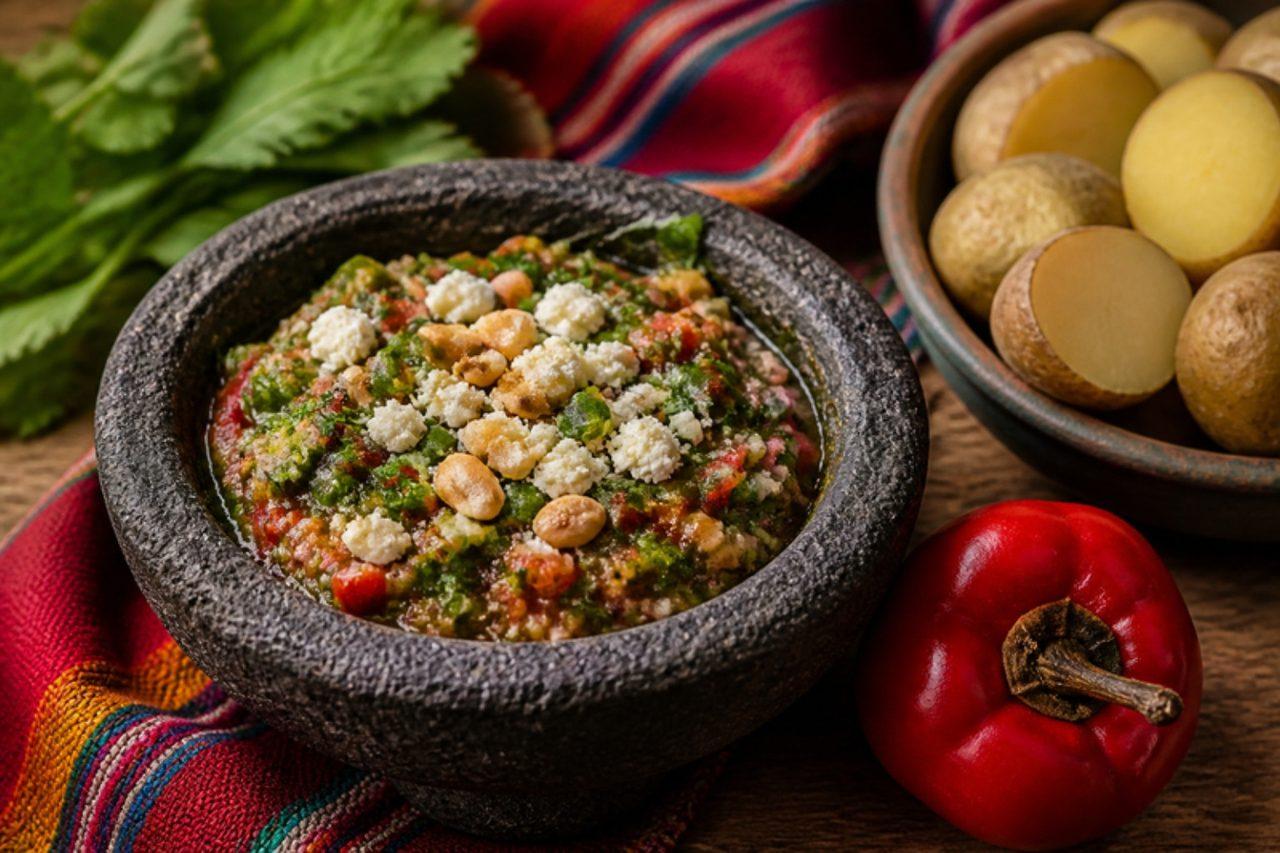
UchucutaRocoto and peanut chilli sauce

Ground on a batán, the flat grinding stone found in Andean kitchens, uchucuta is the table sauce of Ayacucho and Cusco: rocoto or yellow chilli crushed with huacatay, toasted peanuts and a little fresh cheese into a thick, speckled green-red paste. It goes on boiled potatoes, choclo, broad beans and huatia, and on festival days it sits next to every plate. The flavour is hot, herby and nutty, with a salty creaminess from the cheese. The name comes from the Quechua uchu, chilli, and it is meant to be spicy, but people often add all the rocoto at once and end up with something inedible; blend in half, taste and build up. A food processor or blender will do the work of the stone, though pulse it so the sauce keeps some texture. Queso fresco is usually made with animal rennet, so choose a vegetarian fresh cheese if you prefer. Chef's tip: toast the peanuts yourself until just golden; their warmth softens the raw sharpness of the chilli.

by KrazyBadal 0 views

New Orleans king cake

From Twelfth Night on 6 January until Mardi Gras, every office, school and party in New Orleans has a king cake: a ring of soft, cinnamon-swirled brioche, glazed and covered in sugar in the Carnival colours of purple, green and gold. A small trinket or bean is hidden inside, and whoever finds it buys the next cake. Chef's tip: push the trinket in from underneath after baking, and warn your guests, so nobody bites on it.

by KrazyBadal 0 views

Sancocho canarioSalt fish with potatoes and mojo

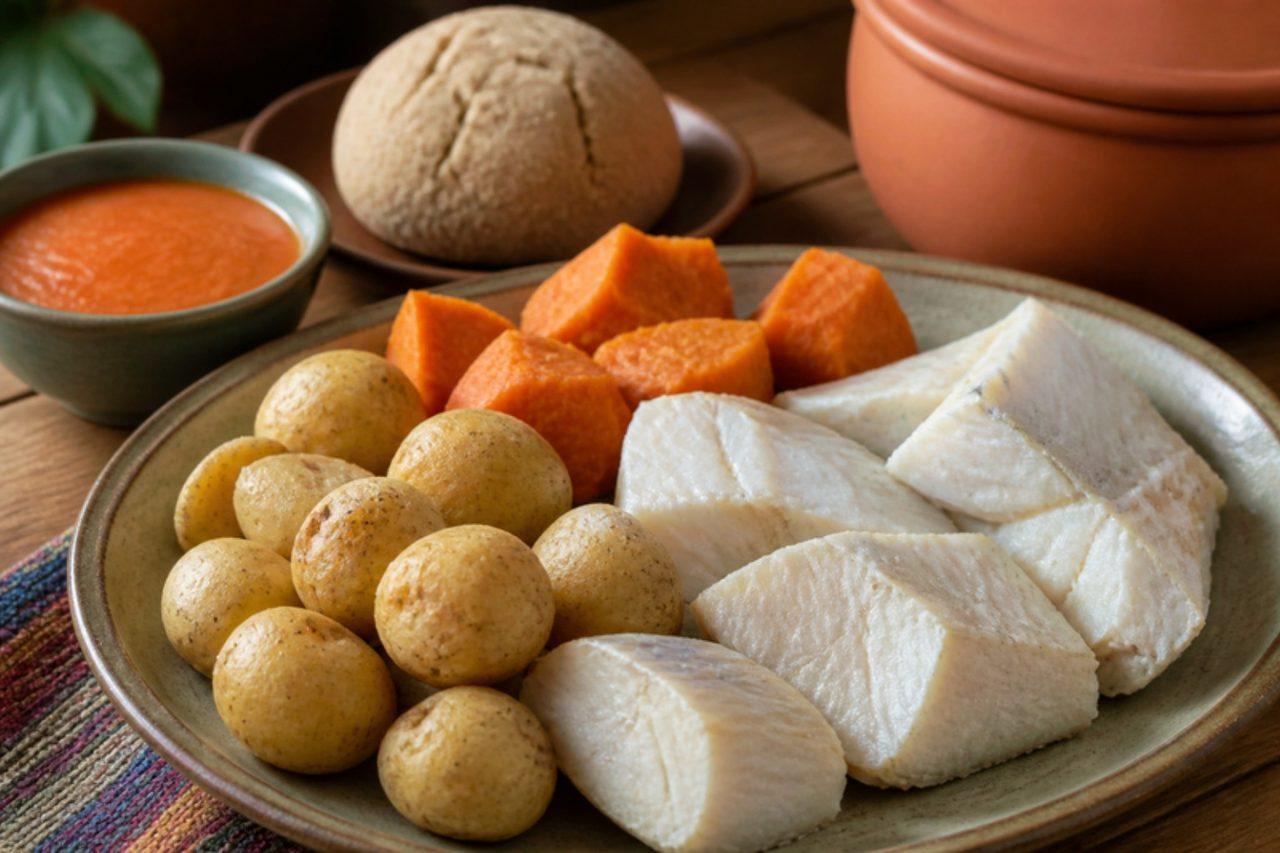
Sancocho is the Canary Islands' Good Friday dish and a Sunday favourite in Gran Canaria, where whole families sit down to a platter of desalted cherne (wreckfish), boiled potatoes and sweet potatoes, red mojo poured over the top and a ball of pella de gofio on the side. Salted cherne is soaked for a day or two in the fridge to draw out the salt, then poached gently. If you cannot find cherne, salt cod or fresh hake works well. Chef's tip: before cooking, poach a small flake in boiling water for a minute and taste it; it should be pleasantly seasoned, like well-salted fresh fish, and if it is still briny, soak a few hours more.

by KrazyBadal 0 views

Pitta 'mpigliataHoney and walnut pastry spiral

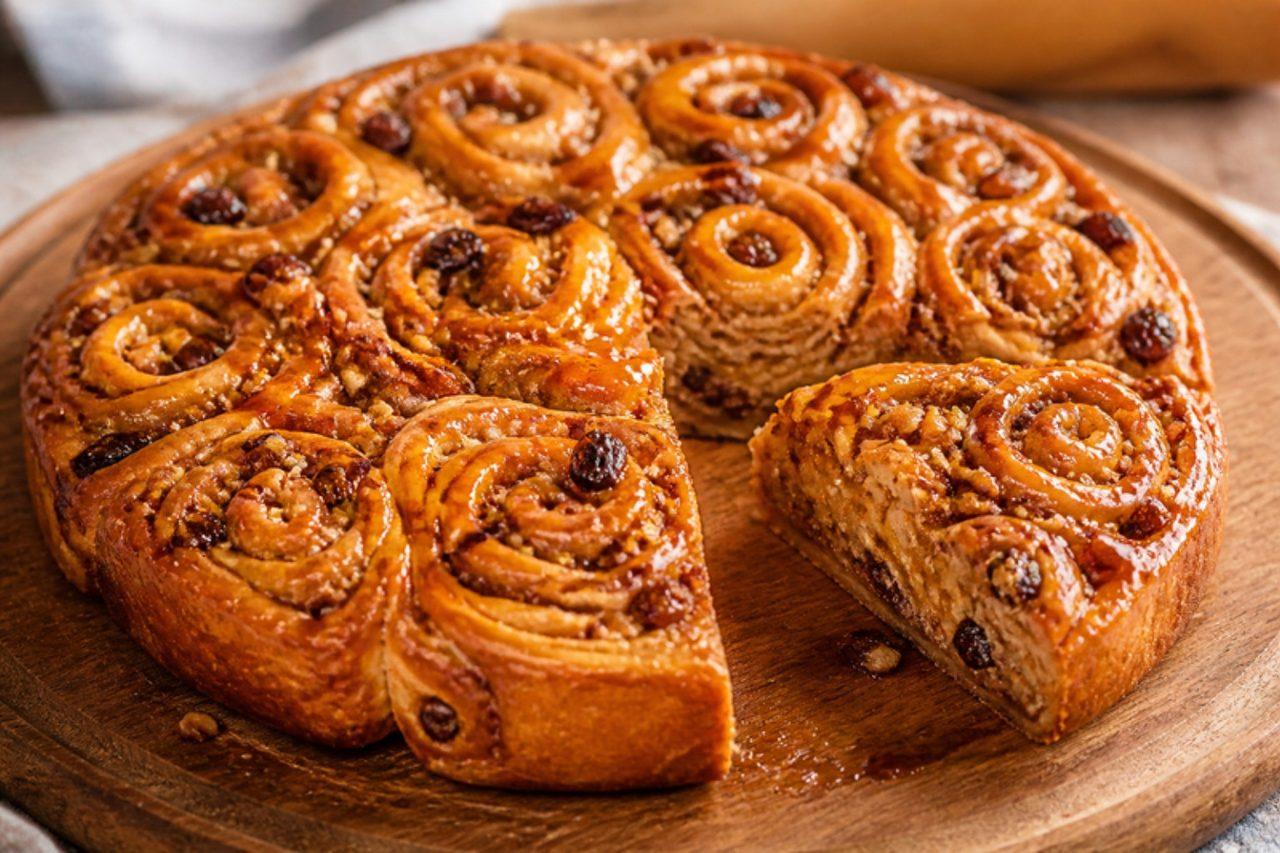
High in the Sila mountains, the town of San Giovanni in Fiore bakes pitta 'mpigliata for Christmas and for weddings: ribbons of thin pastry rolled up with walnuts, raisins, cinnamon and cloves into little rosettes, packed side by side in a round tin and soaked in warm honey once baked. The name means something like 'wrapped-up cake', and it looks like a dish of flowers. It keeps for days, growing stickier and more fragrant. The dough is traditionally made with white wine and a splash of anise liqueur; this version uses orange juice and ground anise, with no alcohol. Chef's tip: roll the pastry as thin as you can; thick ribbons bake doughy in the middle.

by KrazyBadal 0 views

LokumTurkish delight

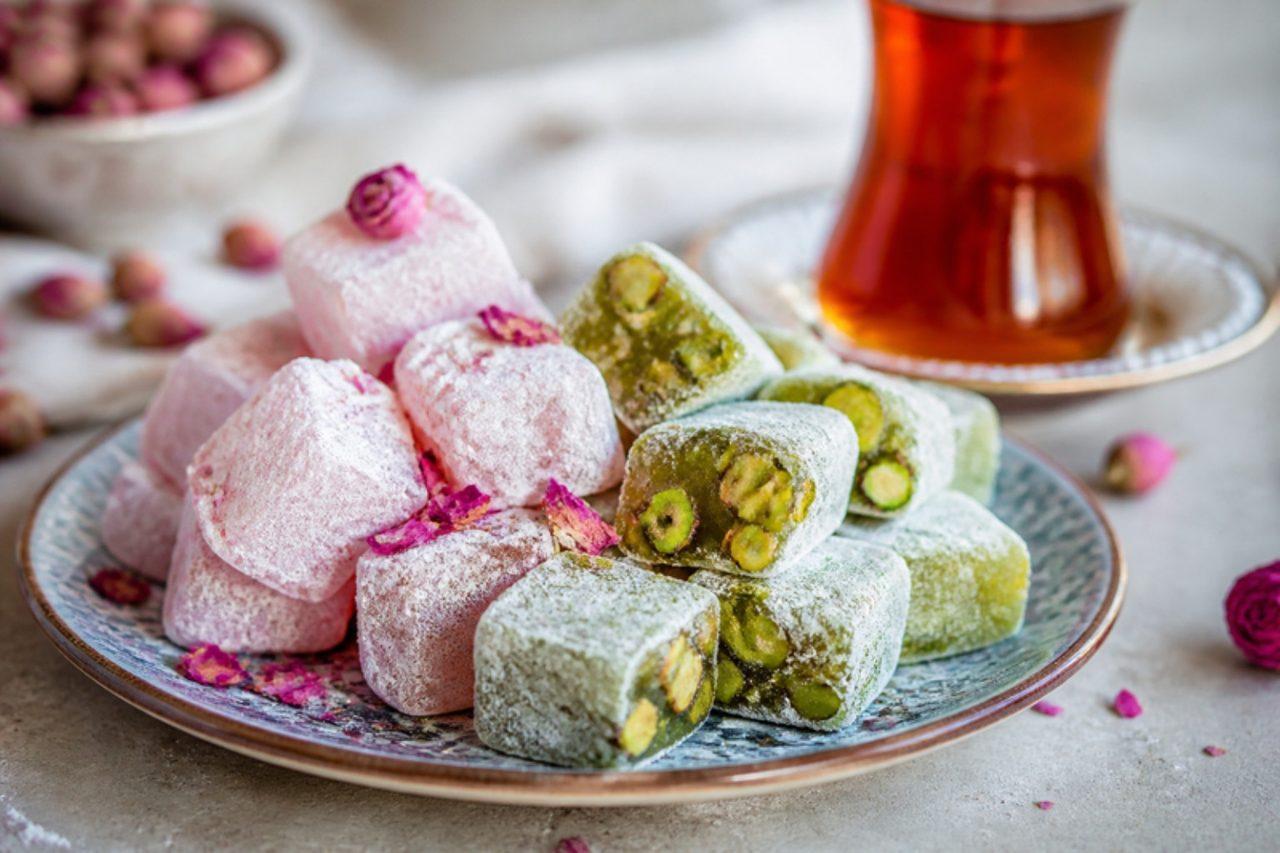
Istanbul's confectioners have been cooking lokum since the 18th century, and boxes of it still go to every host, office and family on holiday visits. Real lokum is nothing more than sugar syrup, lemon and cornflour, stirred for an hour until it turns translucent, firm and springy, then scented with rosewater and studded with pistachios. It is a test of patience, not skill. Common mistake: stopping too soon; undercooked lokum is sticky and never sets cleanly. Chef's tip: it is ready when a little dropped into cold water forms a soft, pliable ball and the mixture is the colour of pale honey.

by KrazyBadal 0 views

TxuletaGrilled aged rib steak

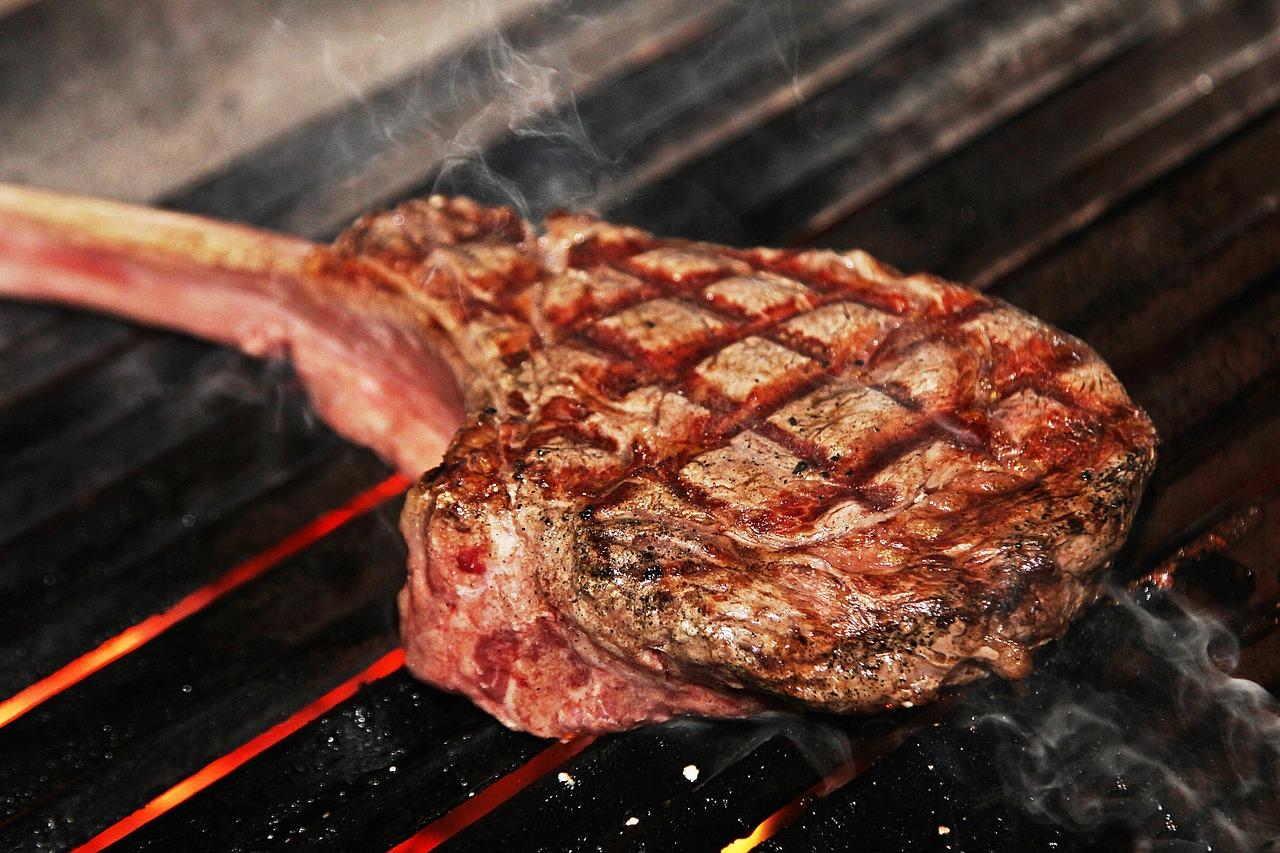
In the cider houses of Astigarraga and Hernani, the January-to-April season ends every meal with a txuleta: a huge bone-in rib steak from an older cow, aged for weeks, seared over oak coals and sliced at the table. It is eaten very pink inside with plenty of coarse salt and a plate of fried green peppers. A rare whole steak is generally safe when the outside is well seared, because bacteria sit on the surface, but for pregnant women, young children or anyone with a weakened immune system, cook it to at least 63 °C in the centre. A common mistake is cooking a fridge-cold steak, which burns outside before the middle warms. Chef's tip: salt only once the first side is seared, so the surface stays dry and crusts well.

by KrazyBadal 0 views

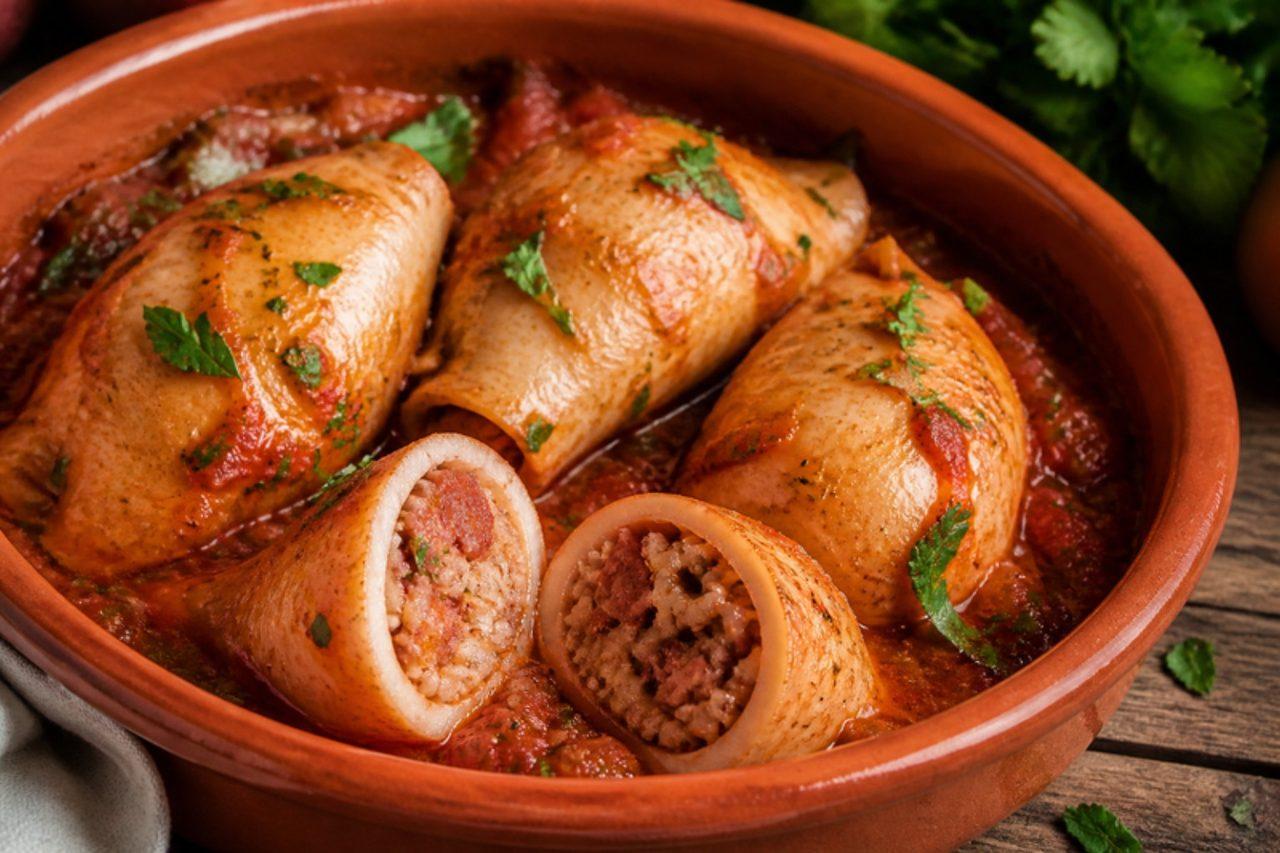
Lulas recheadasSquid stuffed with chouriço and rice

Fishermen's wives in Portimão stretched a modest catch of squid by filling the bodies with chopped tentacles, rice and a little chouriço, then simmering them slowly in tomato sauce until meltingly tender. It is a Sunday dish in the western Algarve, served sliced into rounds with boiled potatoes or more rice. This contains pork (chouriço), and the sauce uses white wine; replace it with the same amount of fish or vegetable stock for an alcohol-free version. Chef's tip: fill the squid only two-thirds full, because the rice swells and can split them.

by KrazyBadal 0 views

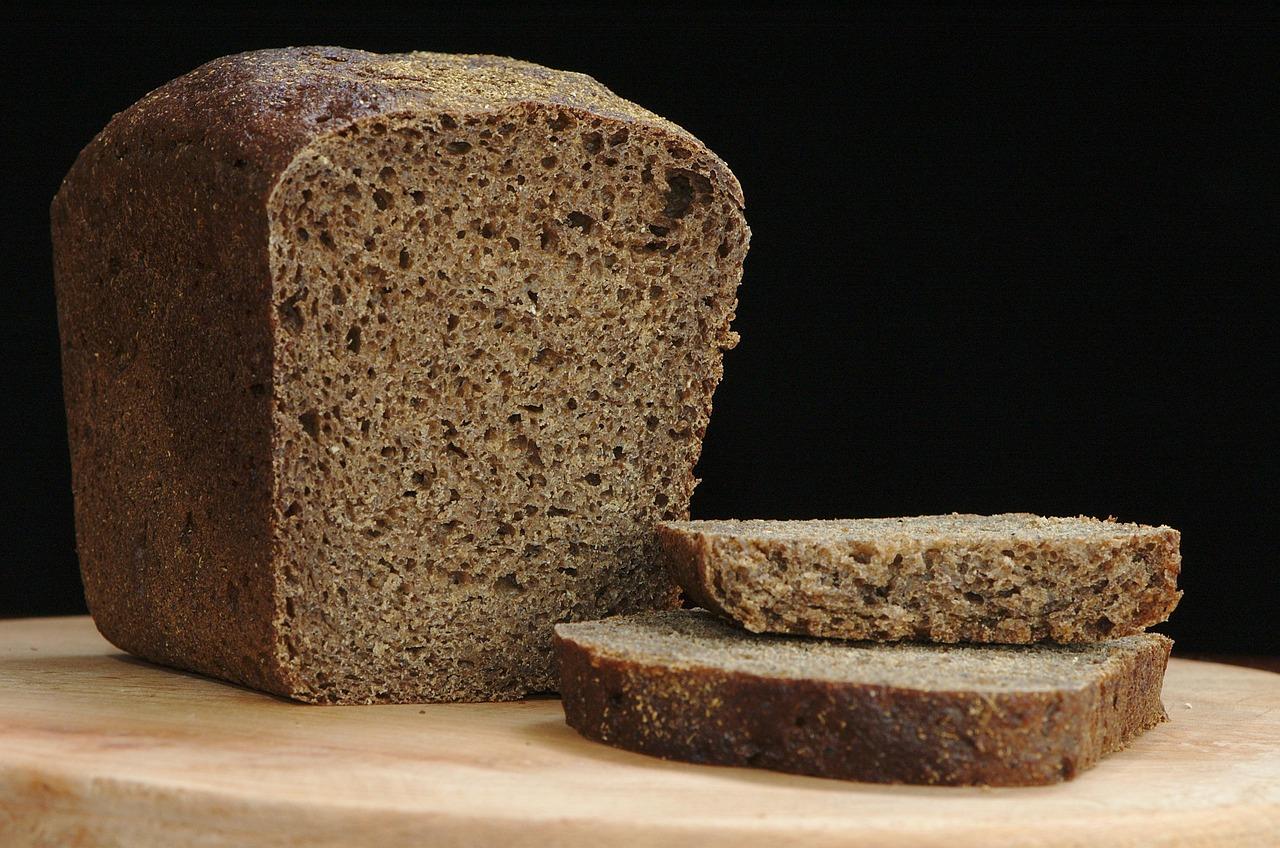
VollkornbrotSeeded whole-rye loaf

Vollkornbrot is the dense, seedy tin loaf of northern Germany, from Hamburg to Bremen, sliced thin and eaten for breakfast or packed for work in a lunchbox with cheese, cucumber or a smear of quark. It is almost all whole rye: cracked grains, rye meal and a mix of sunflower seeds, linseed and sesame, all soaked overnight so the bread stays moist for a week. There is no shaping and no kneading, which makes it easier than it looks. A common mistake is cutting it warm, which leaves the knife and the slices gummy. Chef's tip: let the loaf cool in the tin for 10 minutes, then turn it out and wrap it in a tea towel overnight; the crust softens slightly and the crumb sets evenly.

by KrazyBadal 0 views

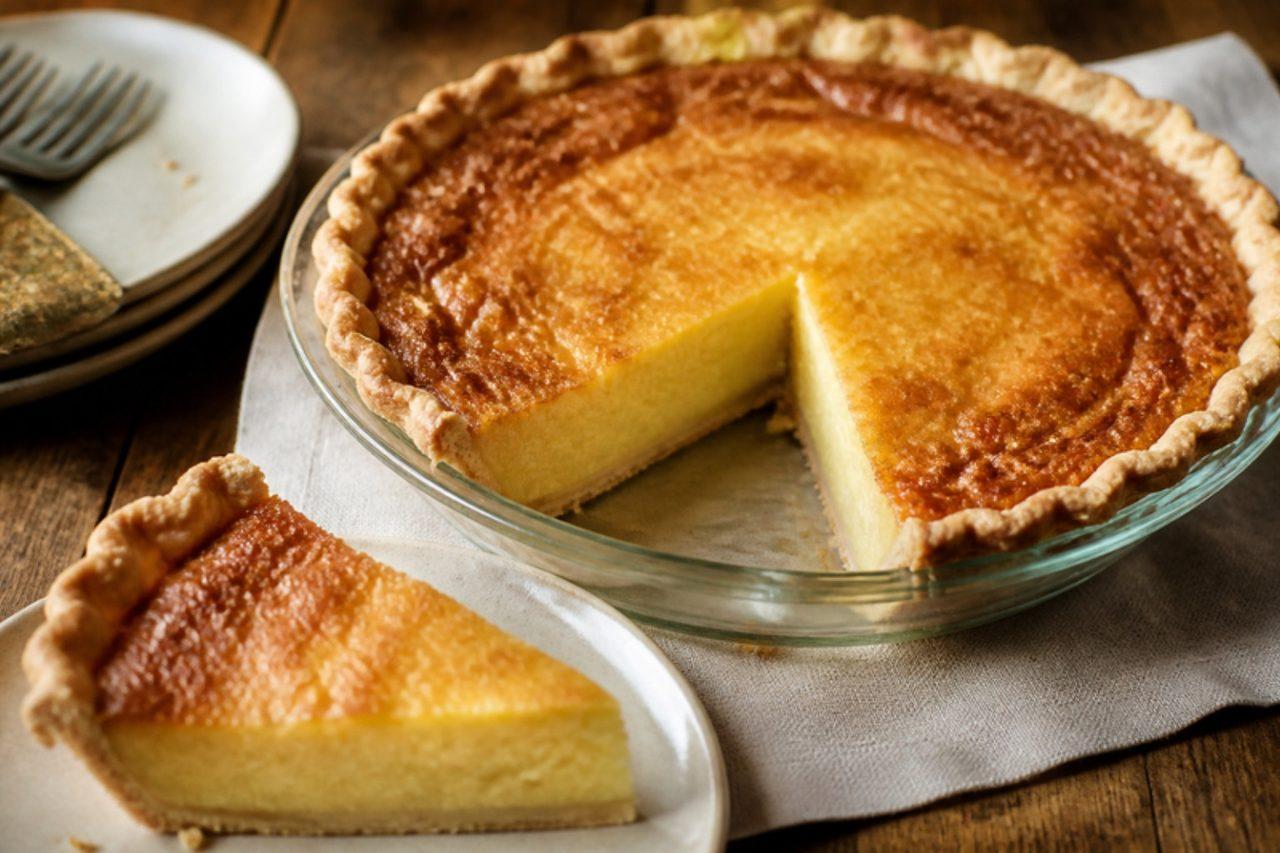
Chess pie

Chess pie is the plain-pantry pie of Virginia, Kentucky and the Carolinas, made with nothing but butter, sugar, eggs and a spoonful of cornmeal, so it was baked year-round when there was no fruit. It sets into a rich, translucent custard with a crackly, golden sugar crust on top. Nobody agrees on the name; one story says a cook called it 'jes' pie'. Chef's tip: the cornmeal and vinegar aren't optional; they stop the very sweet custard from being cloying and help it set.

by KrazyBadal 0 views

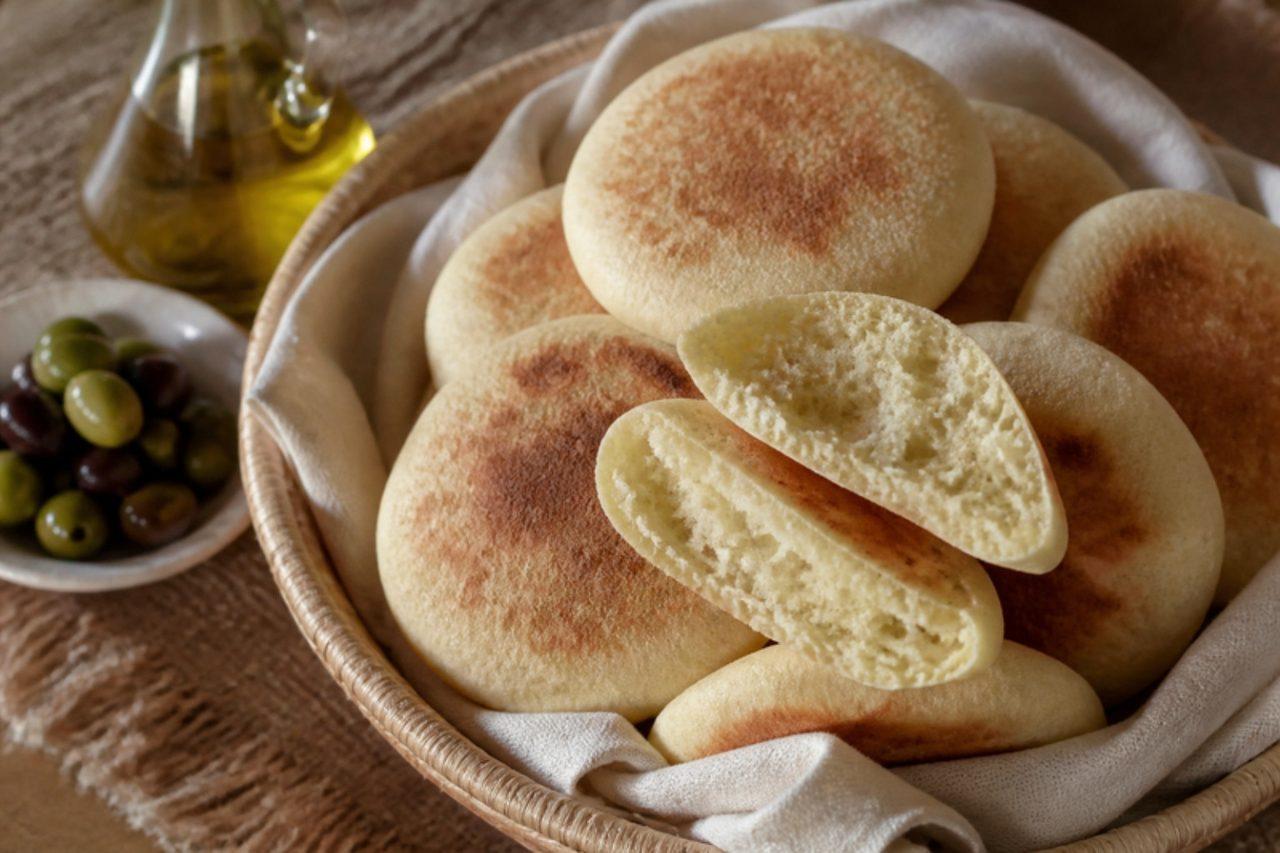
Batbout (griddled pocket breads)

Batbout, also called mkhamar, are small soft rounds of semolina and flour dough cooked on a dry griddle rather than in the oven, so they puff up like balloons and open into a pocket when split. Moroccan families make them for breakfast and teatime, and snack bars stuff them with all sorts of fillings; vegetarian favourites are zaalouk, egg and potato, soft cheese, or simply butter and honey or amlou. They are tender and slightly chewy, with a pale, freckled surface. The dough needs about an hour to rise and another short rest after shaping. A frequent slip is rolling the rounds too thin or cooking them on a fierce heat, so they scorch before they puff into pockets. Chef's tip: roll them no thinner than 5 mm and cook over a medium-low heat; thin rounds or a fierce pan scorch before they have a chance to puff.

by KrazyBadal 0 views

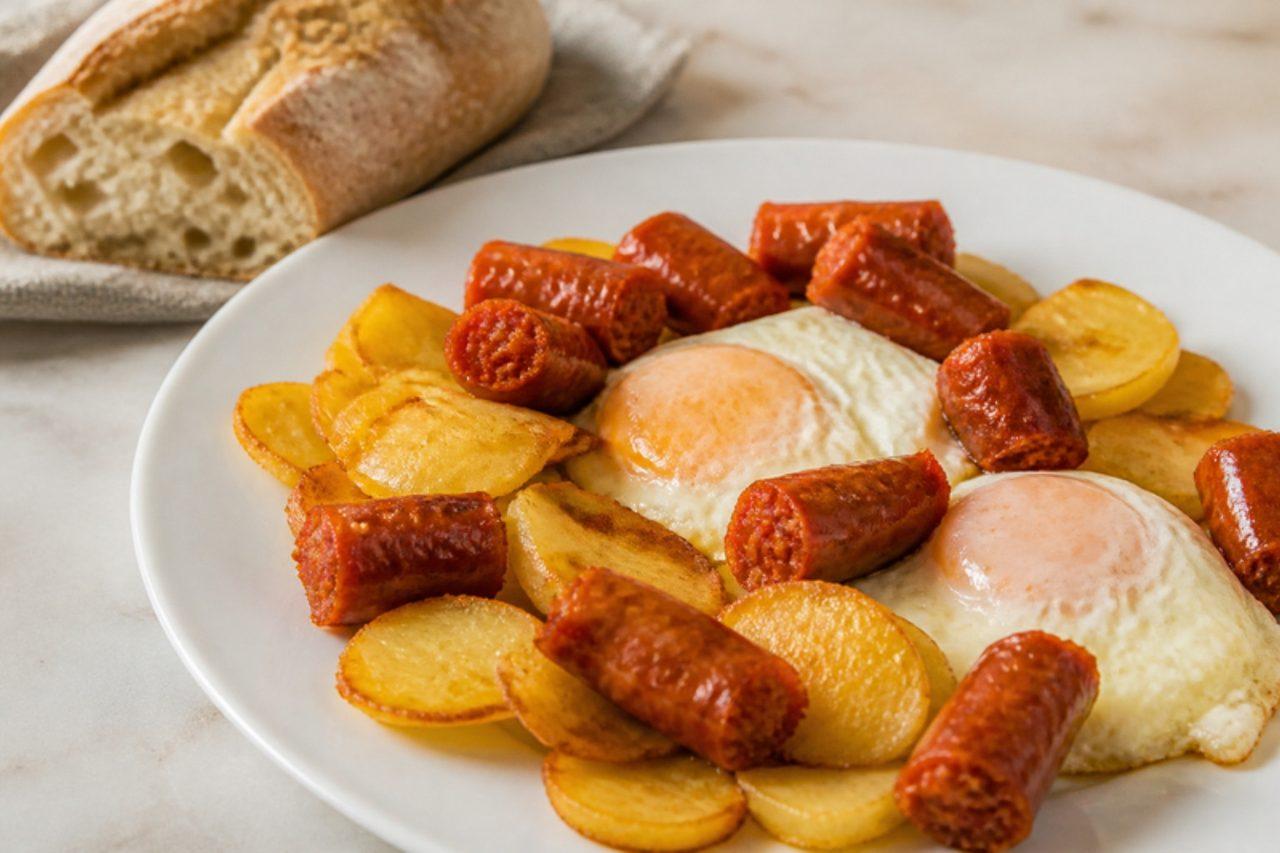
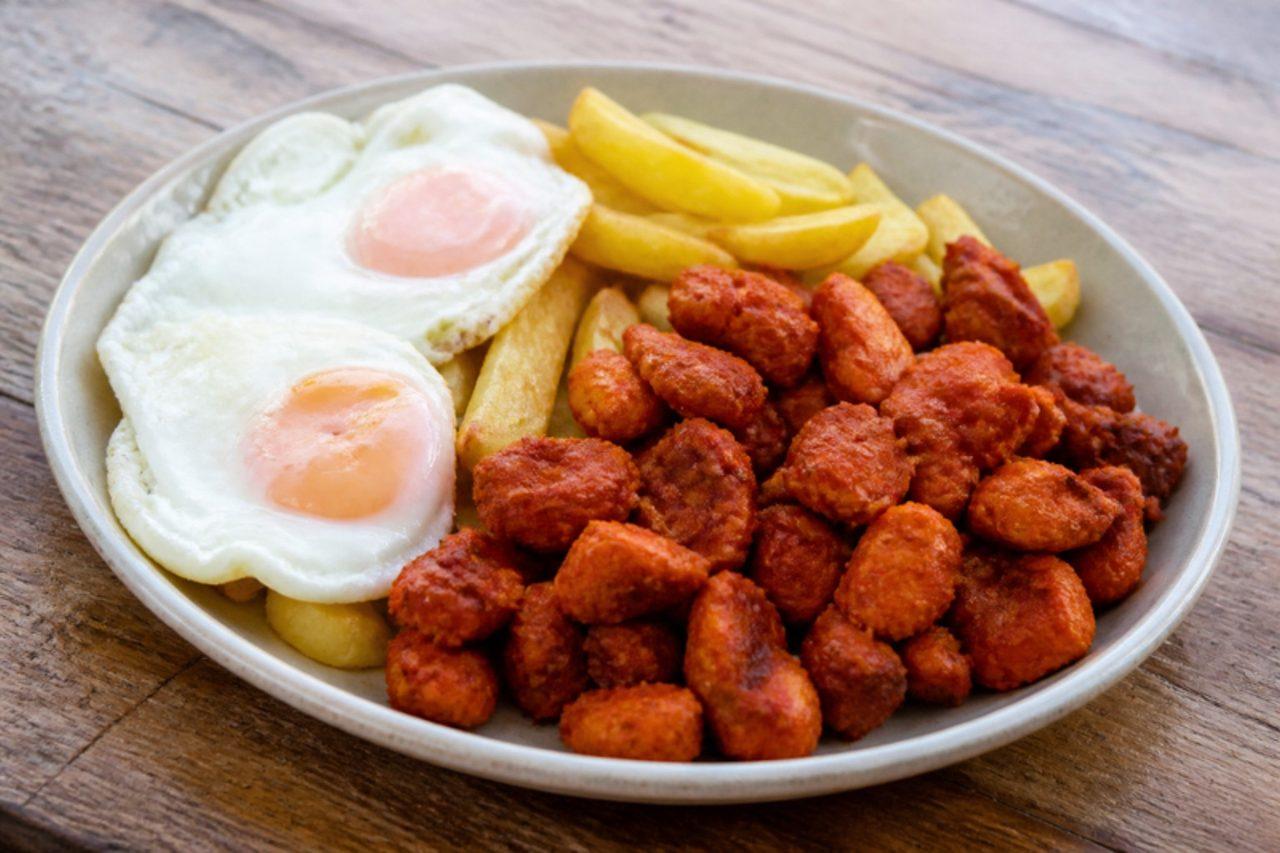
Txistorra con huevos fritos y patatasSausage with chips and fried eggs

Txistorra is a long, thin, bright red fresh sausage from Navarre and the Basque Country, made from pork seasoned with garlic and sweet paprika. During San Fermín in July, Pamplona eats it at all hours: after the morning bull run it turns up on a plate with fried eggs and chips, a breakfast that could feed a farmhand. This contains pork (txistorra). Chef's tip: fry the txistorra without extra oil, since it gives up its own orange fat, and use that fat to baste the eggs.

by KrazyBadal 0 views

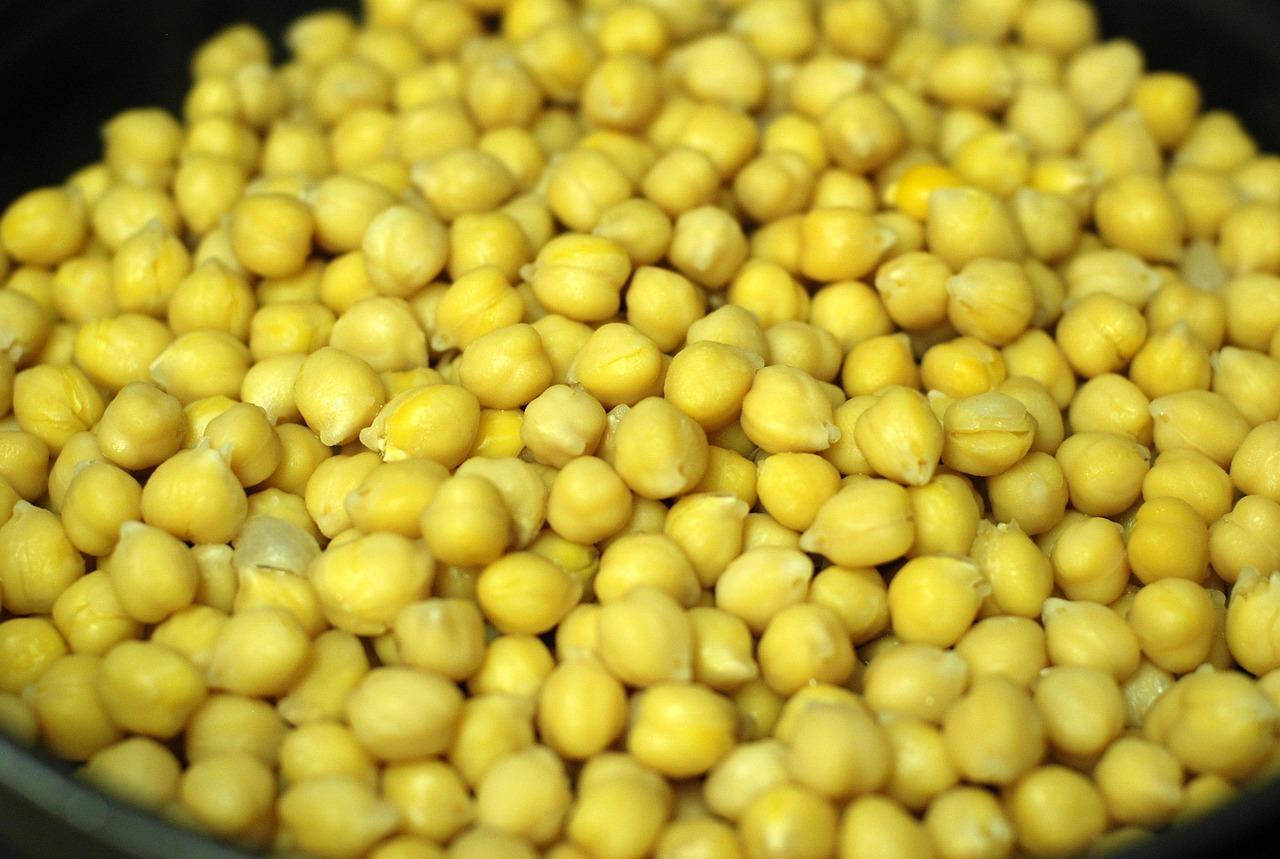
Chickpeas with cumin (hummus bel kamoun)

On chilly evenings, street carts in the medinas steam a great pot of chickpeas and scoop them, piping hot, into paper cones with a shake of cumin, salt and sometimes a little chilli. It is one of the cheapest and most comforting snacks in the country, eaten while strolling, and the chickpeas should be tender and creamy but whole, never mushy. At home they make a lovely warm nibble, a lunchbox protein or something to pick at alongside soups. Dried chickpeas give the best texture and need an overnight soak; tinned ones work in a hurry, just warmed through in salted water. Chef's tip: toss the cumin and salt onto the chickpeas the moment they come out of the water, while they are still steaming and damp, so the seasoning clings.

by KrazyBadal 0 views

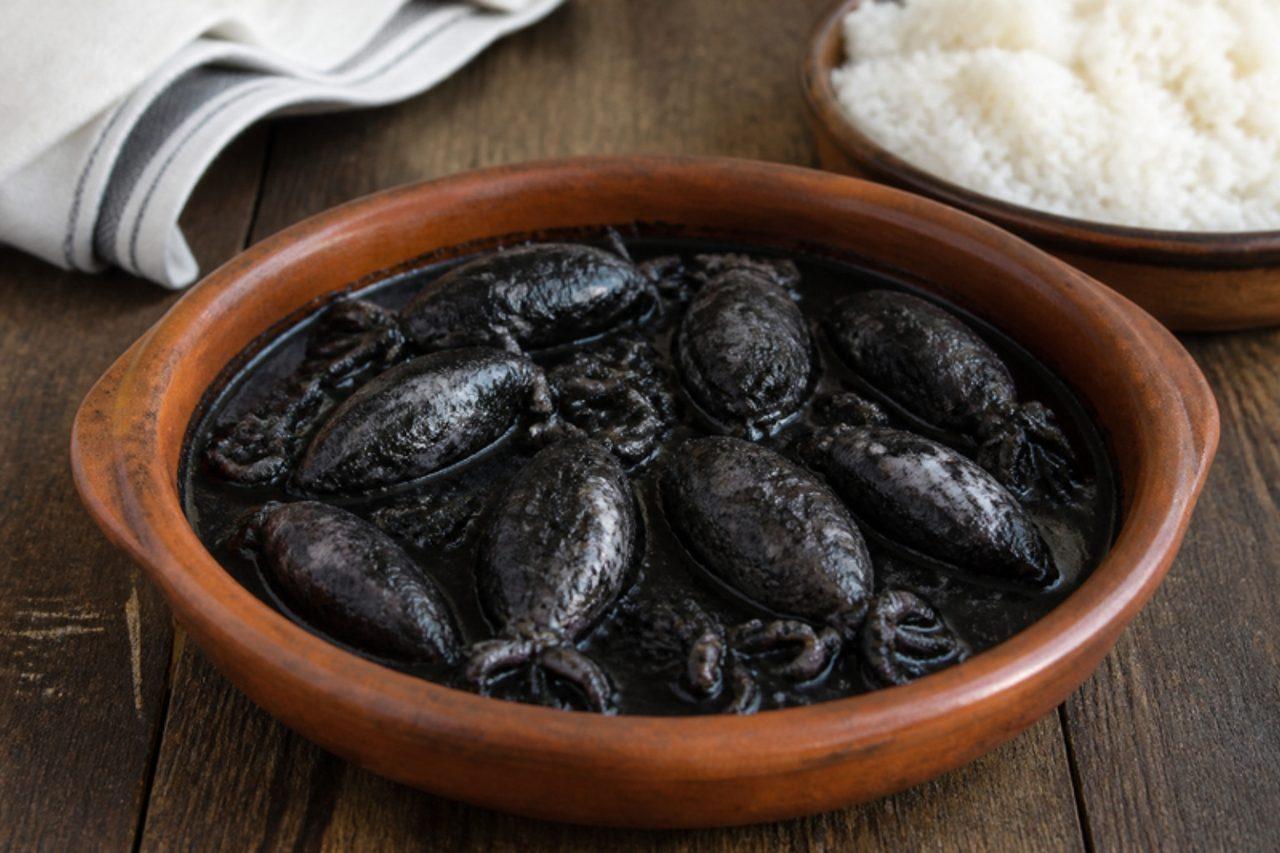
Txipirones en su tintaBaby squid in ink sauce

Along the Basque coast from Getaria to Hondarribia, little squid caught on hand lines in late summer are stuffed with their own tentacles and stewed in a sauce made inky black with their ink. In bars and homes it is served with plain white rice or fried bread to soak up the sauce. Cleaning the squid takes a little patience, but the stew itself is simple. A common mistake is browning the onions: they should stay soft and sweet, or the sauce tastes harsh. Chef's tip: buy extra ink sachets from the fishmonger, as the ink in small squid is rarely enough for a deep colour.

by KrazyBadal 0 views

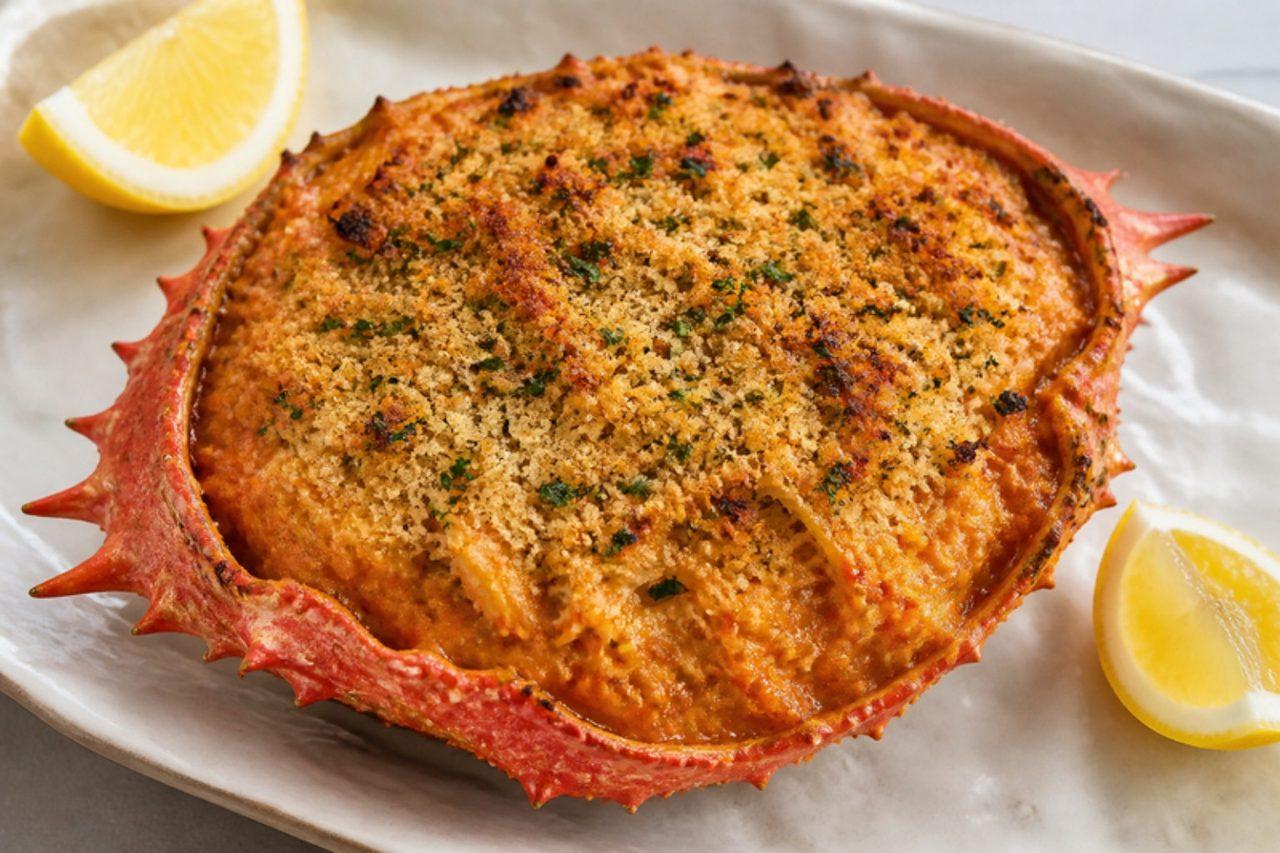
Txangurro a la donostiarraBaked spider crab

In San Sebastián the spider crab (txangurro) is a winter treat, at its best from November to April, and the old bars of the Parte Vieja serve it bubbling hot in the shell. The picked crab meat is mixed with a slow sofrito of onion, leek, carrot and tomato, often splashed with brandy, then topped with breadcrumbs and butter and browned. This recipe uses brandy; leave it out or use the same amount of crab cooking water for an alcohol-free version. A common mistake is a wet filling that boils under the crumbs; cook the sofrito down until thick. Chef's tip: use a cooked crab from the fishmonger on the day you buy it, and scrub the shell well if you plan to serve in it.

by KrazyBadal 0 views

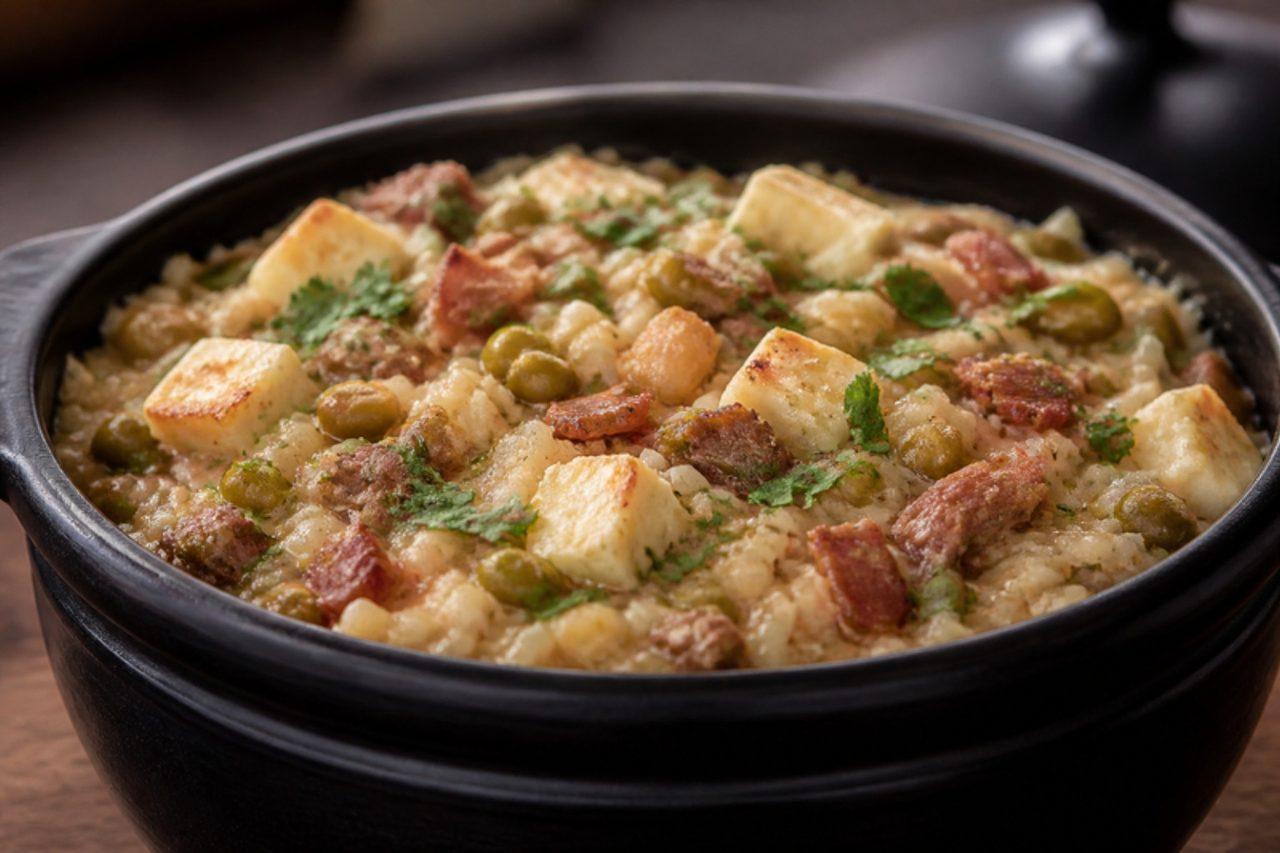
RubacãoRice with cowpeas and dried beef

Paraíba's cousin of baião de dois, rubacão (also spelt rubação) is cooked for long family lunches in João Pessoa and Campina Grande, and it is a fixture of the São João season in June. Rice and freshly shelled green cowpeas (feijão verde) cook together with dried beef and smoky bacon, then coalho cheese and cream are folded through so the pot turns soft, creamy and stretchy, salty from the meat and sweet from the beans. Serve it on its own with a tomato salad and pepper sauce; it is a meal in one pot. If you use charque or carne seca, it needs soaking overnight in the fridge. The pitfall to avoid is adding the cheese while the pot is on the flame, which turns it rubbery; fold it in off the heat and let the steam soften it. Chef's tip: save the bean cooking water and use it to cook the rice; it gives the dish its earthy colour and flavour.

by KrazyBadal 0 views

Sfenj (Moroccan doughnut rings)

Early in the morning, in medina lanes from Fez to Casablanca, the sfenji pulls handfuls of sticky dough from a bowl, pokes a hole through each with his thumb and drops the rings into a big pan of oil, where they puff into crisp, golden, irregular doughnuts with a chewy, airy inside. Customers carry them away threaded on a strip of palm leaf, to eat hot with mint tea or coffee, plain, dusted with sugar or dipped in honey. The dough is just flour, yeast, salt and water, and deliberately very wet; that is what gives the open, holey crumb. Allow about 1 1/2 hours for it to rise. Where sfenj go wrong is a dough that is too stiff; it should be sticky and slack, or the rings come out bready instead of open and chewy. Chef's tip: keep a bowl of water beside you and wet your hands before every piece, so the sticky dough slides off your fingers instead of clinging to them.

by KrazyBadal 0 views

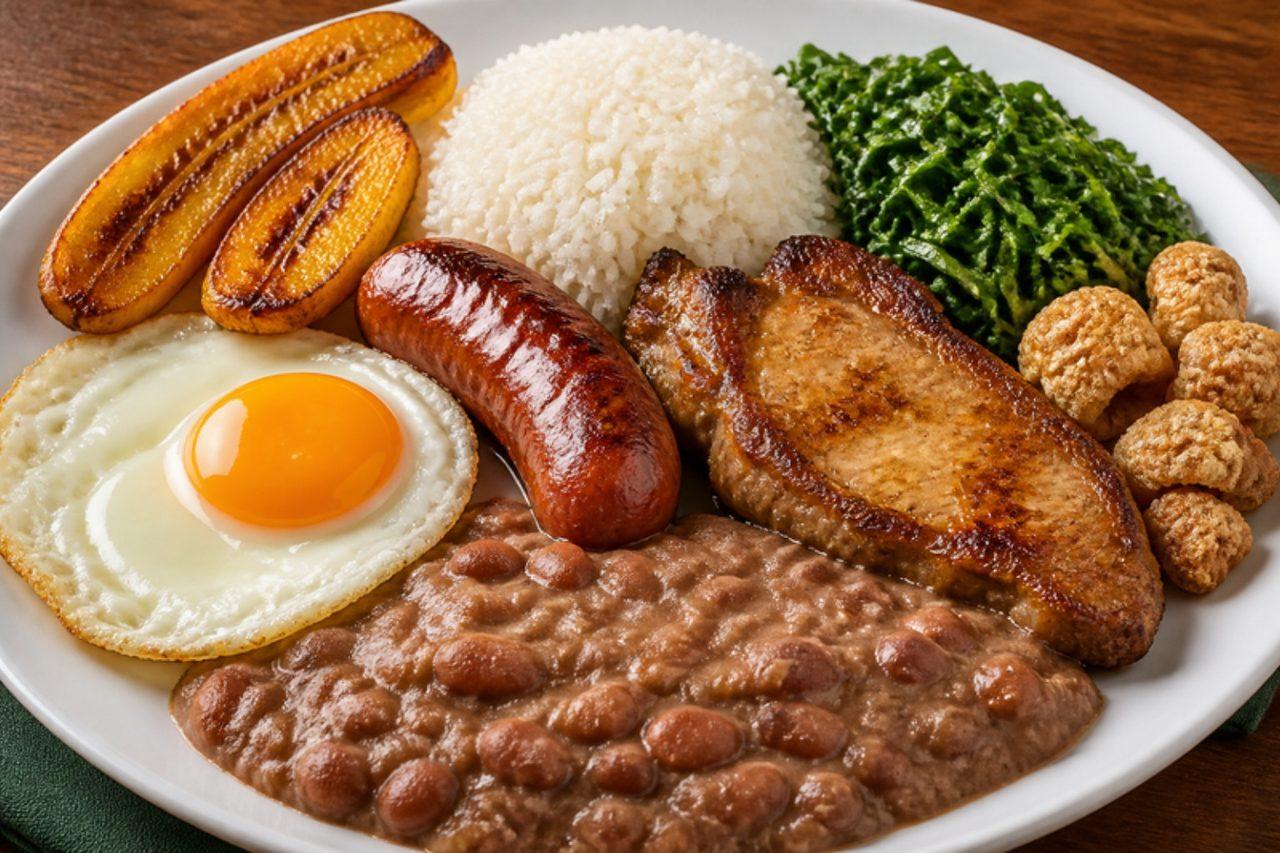
Virado à paulistaBeans, pork chop and sausage plate

Monday in São Paulo means virado à paulista: the city's lunch counters and botequins have served it as the prato do dia at the start of the week for generations. The plate goes back to the bandeirantes' travel food, and today it is a feast of pork: beans cooked down and thickened with cassava flour into a soft tutu, a pork chop, a grilled pork sausage, a crackling of torresmo if you like, a fried egg, garlicky collard greens, rice and fried banana. It is hearty, salty and sweet in turns. A common mistake is serving the pork chop well past done and dry; a whole pork chop is safe at 63 °C with a 3-minute rest, and juicy at that point. Some restaurants bread the banana; frying it plain keeps the plate gluten free. Chef's tip: cook the beans with a little bacon and let them sit for a few minutes after adding the farinha; it keeps thickening as it stands.

by KrazyBadal 0 views

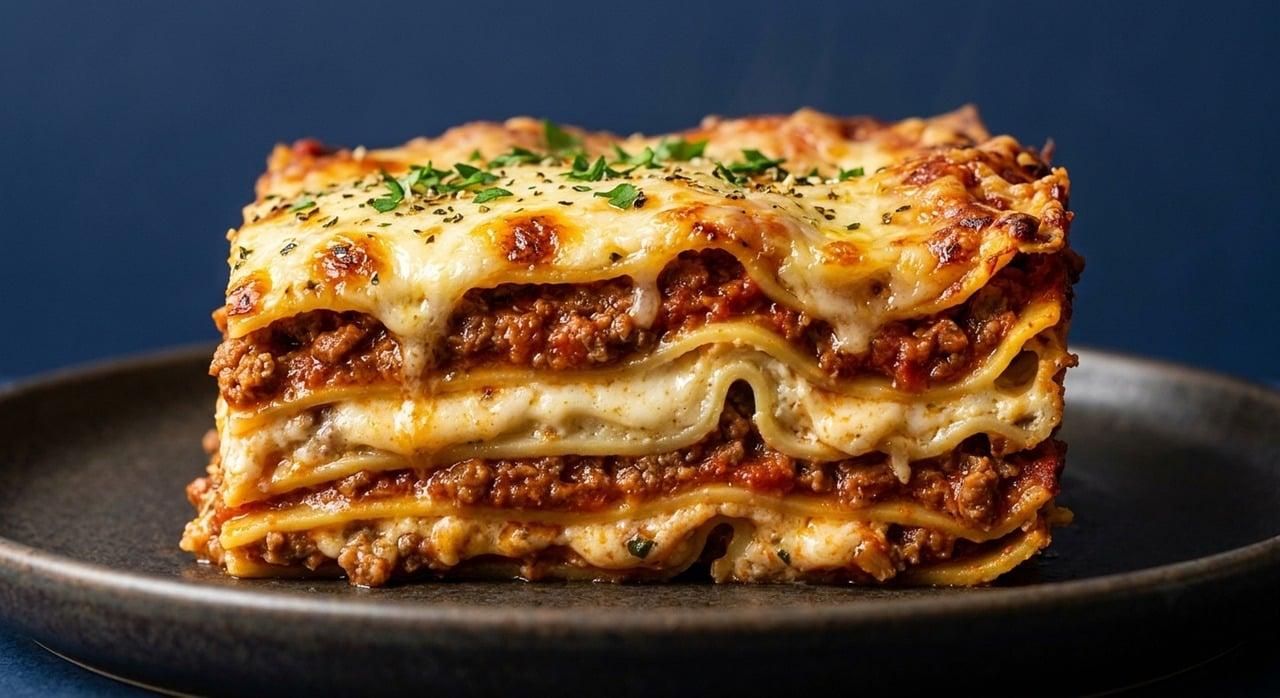
VincisgrassiBaked lasagne with meat ragù

Macerata, in the hills of the Marche, claims vincisgrassi as its own, and families still bake a tray for Sunday lunch, Christmas and Carnival. It is richer than the lasagne most people know: thin egg pasta sheets layered with a slow ragù of pork, veal and chicken livers, a nutmeg-scented béchamel and plenty of parmigiano, baked until the top is crusted and golden. Many cooks splash in white wine and a little Marsala; this version uses dry white wine, with an alcohol-free swap in the ingredient list, and the chicken livers are optional if you'd rather leave them out. Serve it in modest squares, followed by a crisp green salad. Chef's tip: make the ragù the day before and assemble cold, so the layers set firmly and slice cleanly.

by KrazyBadal 0 views

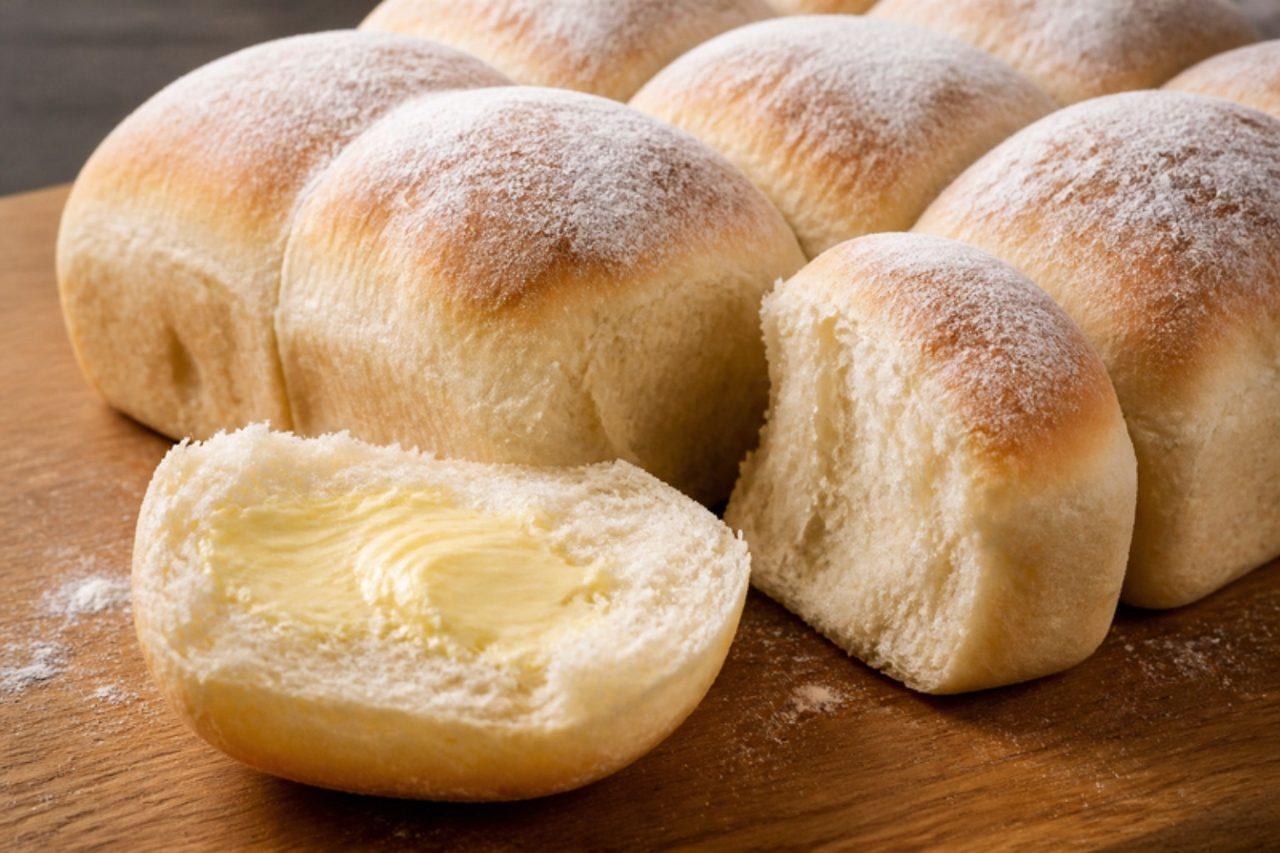
Waterford blaaSoft white bread rolls

The blaa is the soft white roll of Waterford city, said to have been brought by French Huguenot bakers in the 1700s, and it carries protected status in Europe. The rolls are proofed close together and dusted thickly in flour, so they have pale, tender sides and a fine, white floury crust. Waterford people eat them for breakfast with butter, or split and filled with crisps or a 'rasher blaa'. Chef's tip: bake them touching each other in a hot oven for only a short time; they should stay pale and soft, never crusty.

by KrazyBadal 0 views

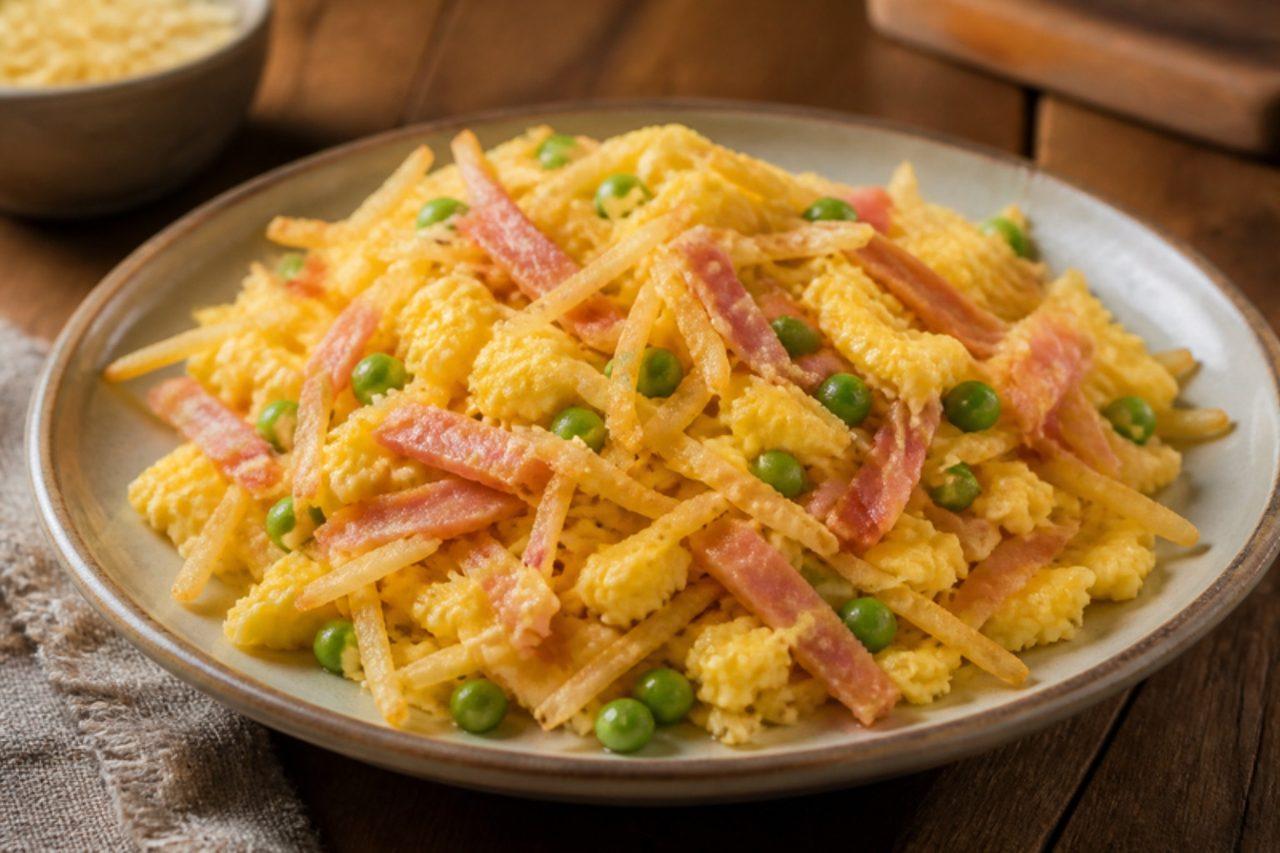
Revuelto GramajoScrambled eggs with potatoes and ham

Late at night in the bodegones of Buenos Aires, when the kitchen has been busy for hours, revuelto Gramajo is what regulars order with a glass of something cold: a pile of crisp shoestring potatoes tossed in the pan with cooked ham (pork), onion, peas and eggs scrambled just until creamy. Legend credits a colonel's aide called Gramajo with inventing it, and every porteño has an opinion about how soft the eggs should be. Done right, some potato threads stay crunchy and others soak up the egg. The mistake to avoid is adding the potatoes too early, which turns them to mush; they go in at the very end, with the pan off the heat. Cook the eggs until no liquid egg remains if you are feeding anyone pregnant, very young or elderly. For a vegetarian version, leave out the ham and double the peas and onion. Chef's tip: fry the potato matchsticks twice, first pale and then golden, so they stay crisp even after meeting the eggs.

by KrazyBadal 0 views

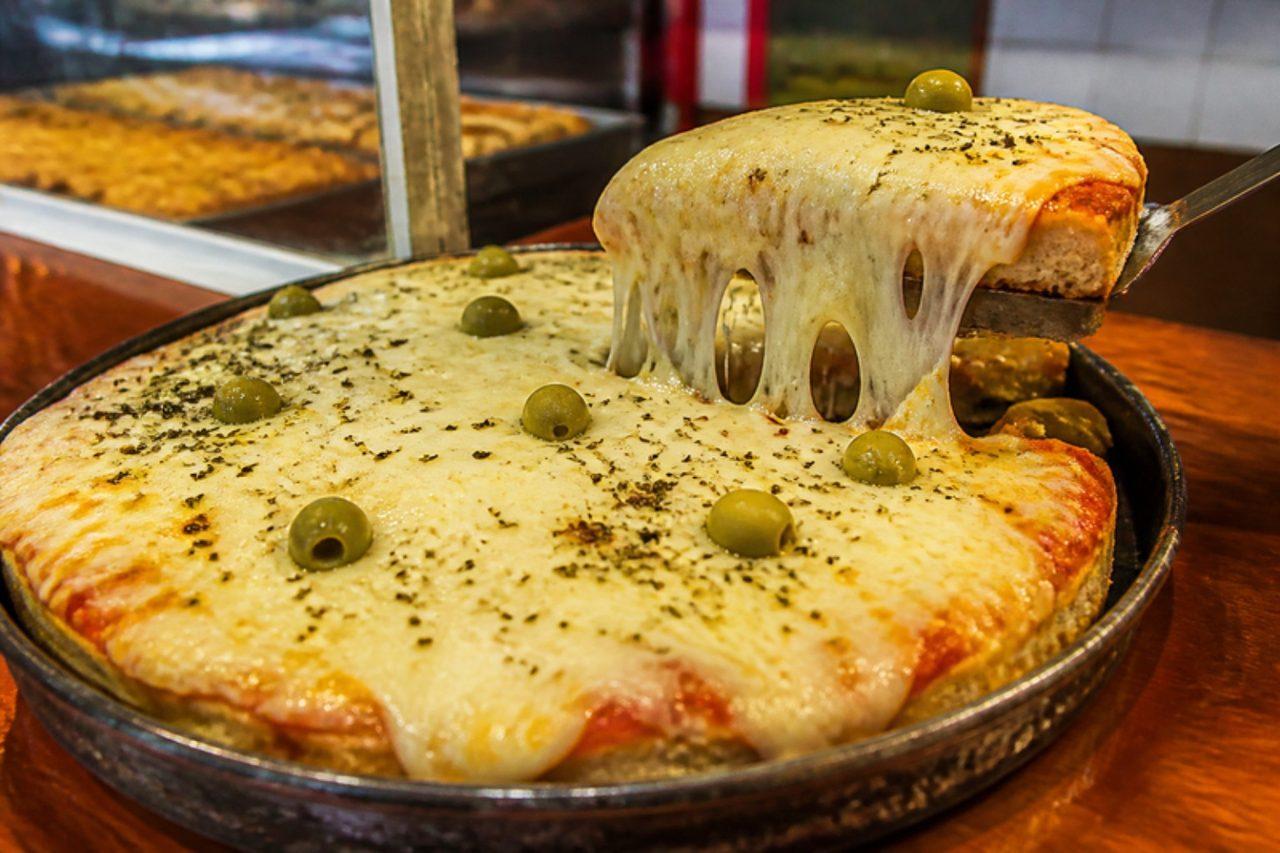
Pizza al moldeThick pan pizza

Order "una grande de muzza" at a Corrientes Avenue pizzería and this is what lands on the metal stand: a tall, airy base baked in a round black tin, a thin layer of tomato sauce and so much mozzarella it spills over the edge and fries against the metal. Porteños eat it standing at the counter or at a Formica table, often with a wedge of fainá on top and a cold soda beside it, and at home it is Friday-night food the whole family agrees on. The crumb should be soft and bready like focaccia, the base crisp from the oiled tin. Most home cooks go wrong by loading the cheese on raw dough: by the time the base has baked the mozzarella has split into grease. Here the base is part-baked with its sauce first, the way pizzerías keep pre-pizzas ready, and the cheese only goes in for the last minutes. The mozzarella is usually made with animal rennet, so pick a vegetarian one if that matters to you. Chef's tip: let the dough rise a second time inside the oiled tin; that last proof is what gives the high, open edge.

by KrazyBadal 0 views

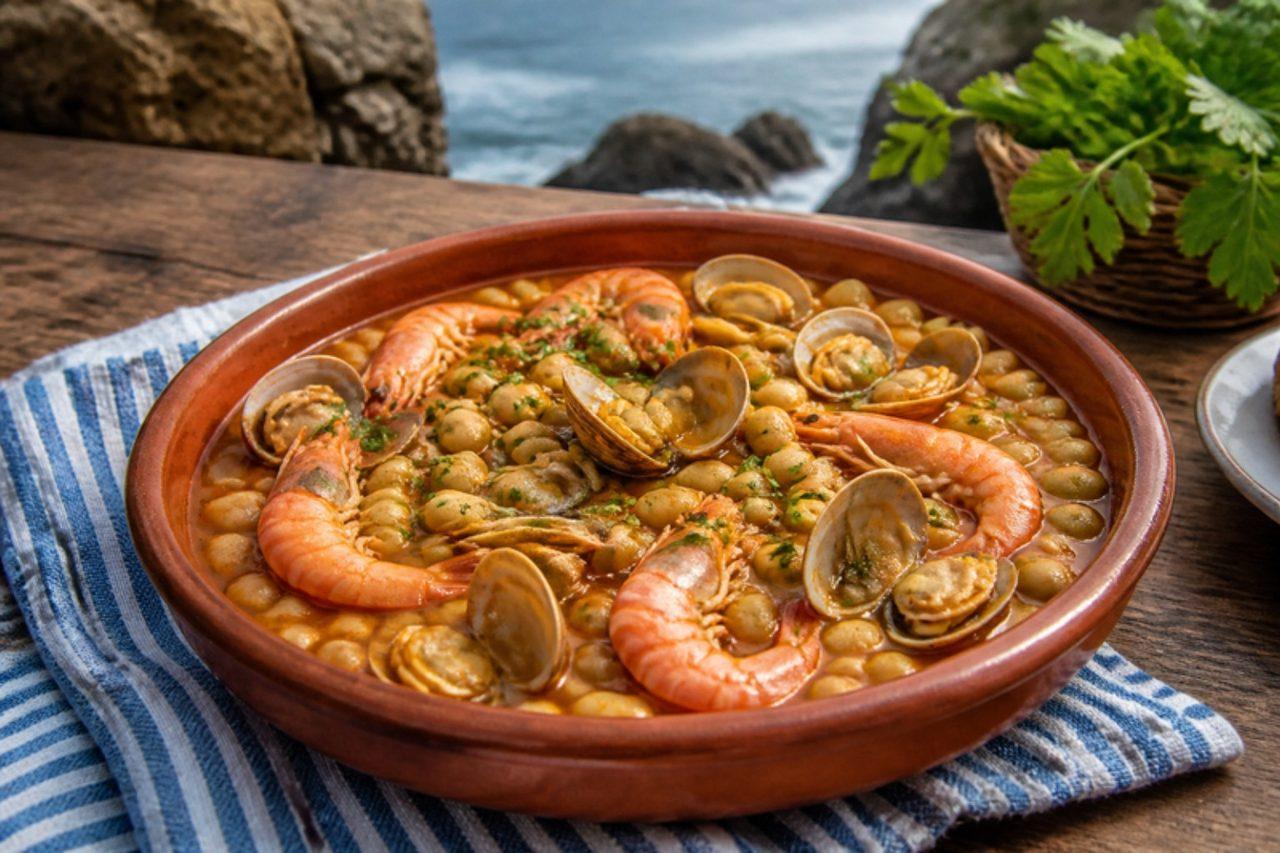
Verdinas con mariscoGreen beans with prawns and clams

Verdinas are small, pale-green dried beans grown around Llanes in eastern Asturias, prized for their thin skins and buttery texture; seaside restaurants there pair them with whatever shellfish came in that morning. It is a newer dish than fabada, lighter and greener, often eaten in summer on the terraces above the harbour. If you can't find verdinas, French flageolet beans are the nearest match. Chef's tip: make a quick stock from the prawn shells and heads; it gives the beans far more flavour than plain water.

120 minSpanishFishGluten free
by KrazyBadal 0 views

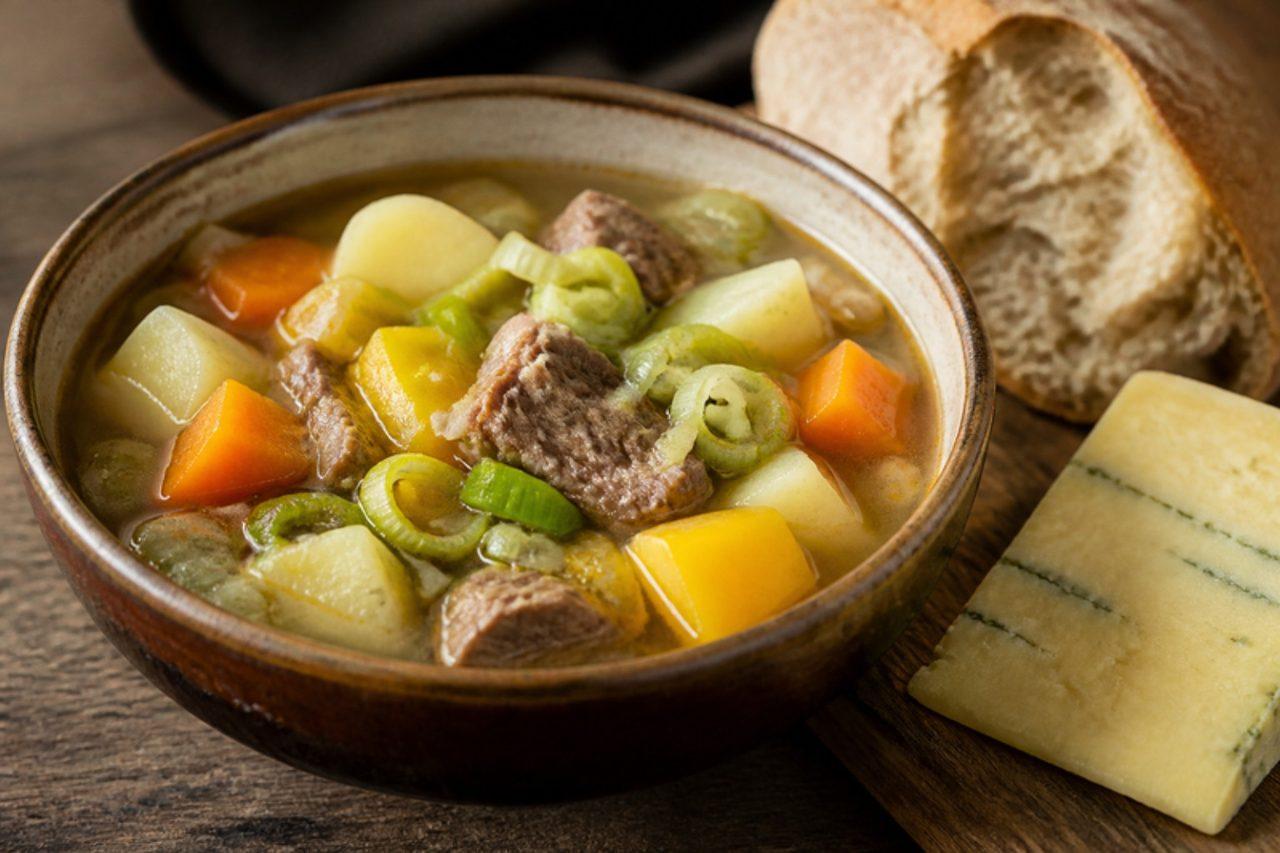
Welsh cawlLamb and leek broth

Cawl is the national dish of Wales, a slow broth of lamb on the bone, swede, carrots, potatoes and leeks that farmhouses kept simmering through the winter, and which is eaten with bread and a hunk of Caerphilly on St David's Day. Many families serve the broth first and the meat and vegetables after, and say cawl tastes best on the second day. Chef's tip: chill it overnight and lift off the fat that sets on top for a cleaner broth.

170 minBritishSoupsGluten free
by KrazyBadal 0 views

Pizza cancheraCheeseless thick tomato pizza

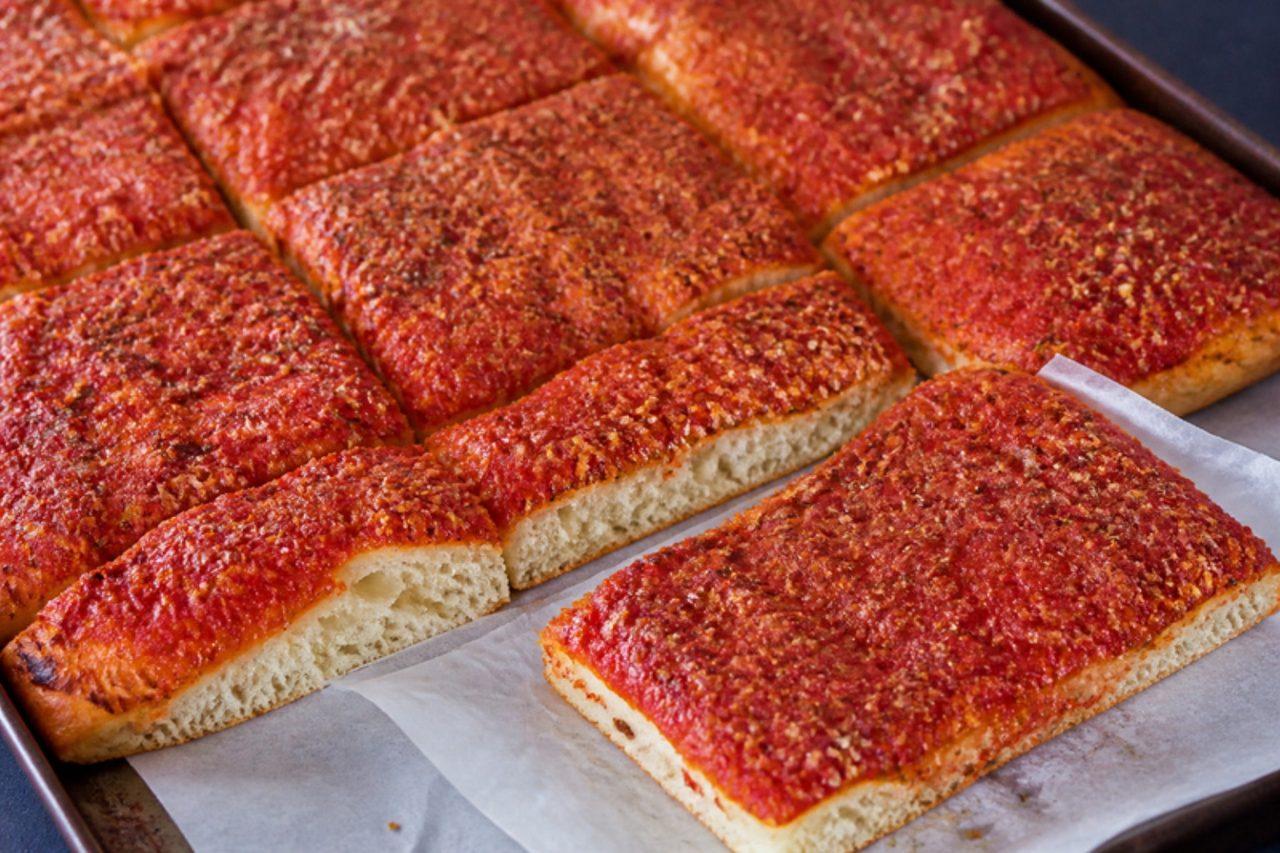
No cheese at all: that is the whole point of pizza canchera. Vendors walk the terraces at Buenos Aires football grounds with a wicker basket of these thick rectangles wrapped in paper, and the name comes from la cancha, the pitch. Because it is eaten at room temperature, the topping is a heavy, garlicky tomato paste, almost jammy, with dried oregano, a pinch of ají molido (crushed red chilli) and a good slick of olive oil; the base underneath is soft, a little oily and chewy, more focaccia than Neapolitan. Today it also turns up at kids' parties and on Sunday tables as a snack before the asado. Where people slip up is the sauce: a thin, watery sauce soaks the dough and turns it soggy by the time it has cooled, so the tomato has to be cooked down until a spoon leaves a trail. Chef's tip: cut it into squares only once it has cooled for 15 minutes; it will hold its shape like the slices sold in the stands.

by KrazyBadal 0 views

Tafarnout (pebble-baked Amazigh bread)

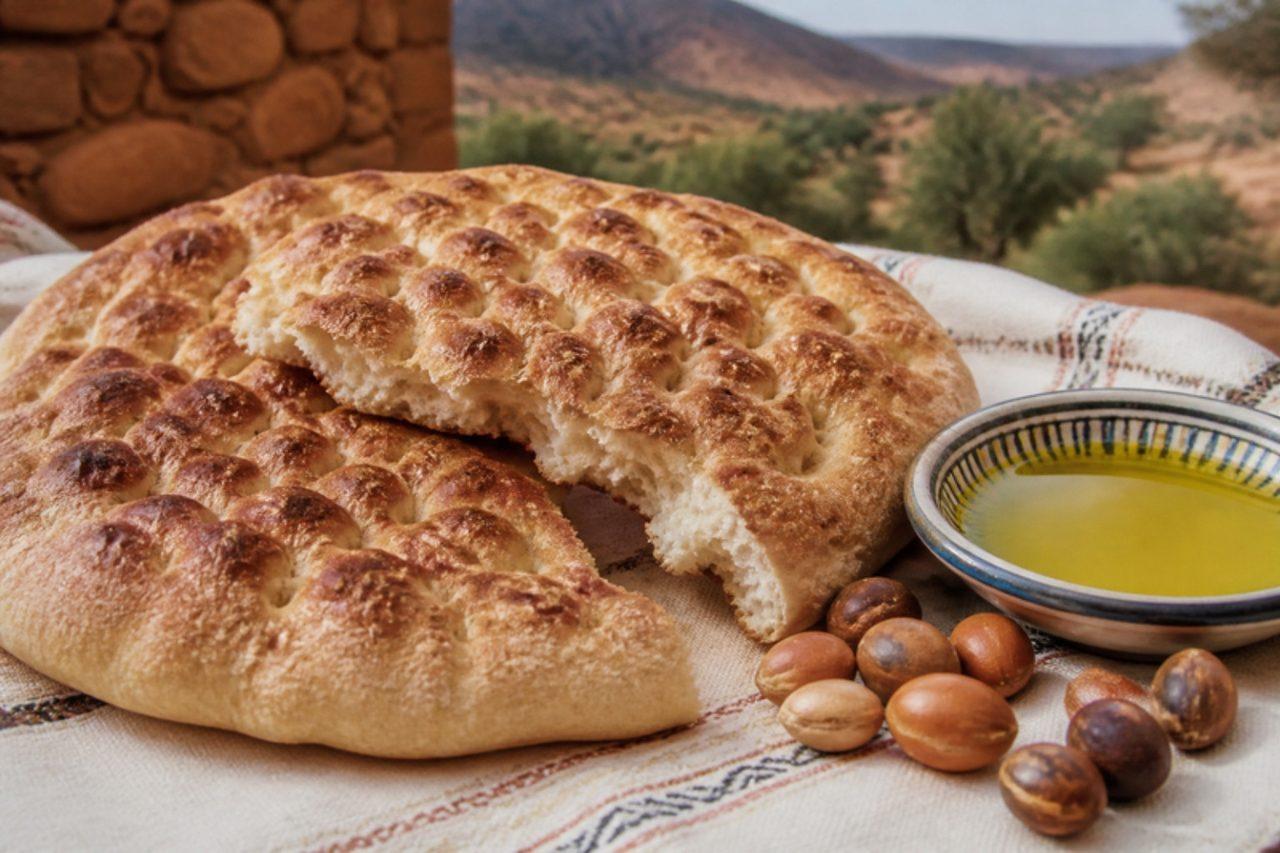
In the villages of the Anti-Atlas and the south, tafarnout is named after the domed clay oven it is baked in, lined with pebbles that are heated by a wood fire until the dough slapped onto them puffs and blisters within minutes. The stones leave the bottom deeply dimpled and charred in spots, while the top stays soft; it is torn and dipped into argan oil, amlou or olive oil, or eaten with tagines. You can come close at home with a tray of clean, smooth river pebbles or a baking stone in a very hot oven. Allow about 1 1/2 hours for the dough to rise. Use only smooth, dense pebbles, scrubbed and dried for an hour in a low oven first: stones with trapped water can crack in the heat. Chef's tip: let the pebbles heat for a full 40 minutes; lukewarm stones make a pale, flat loaf.

by KrazyBadal 0 views

Versunkener ApfelkuchenSunken apple sponge

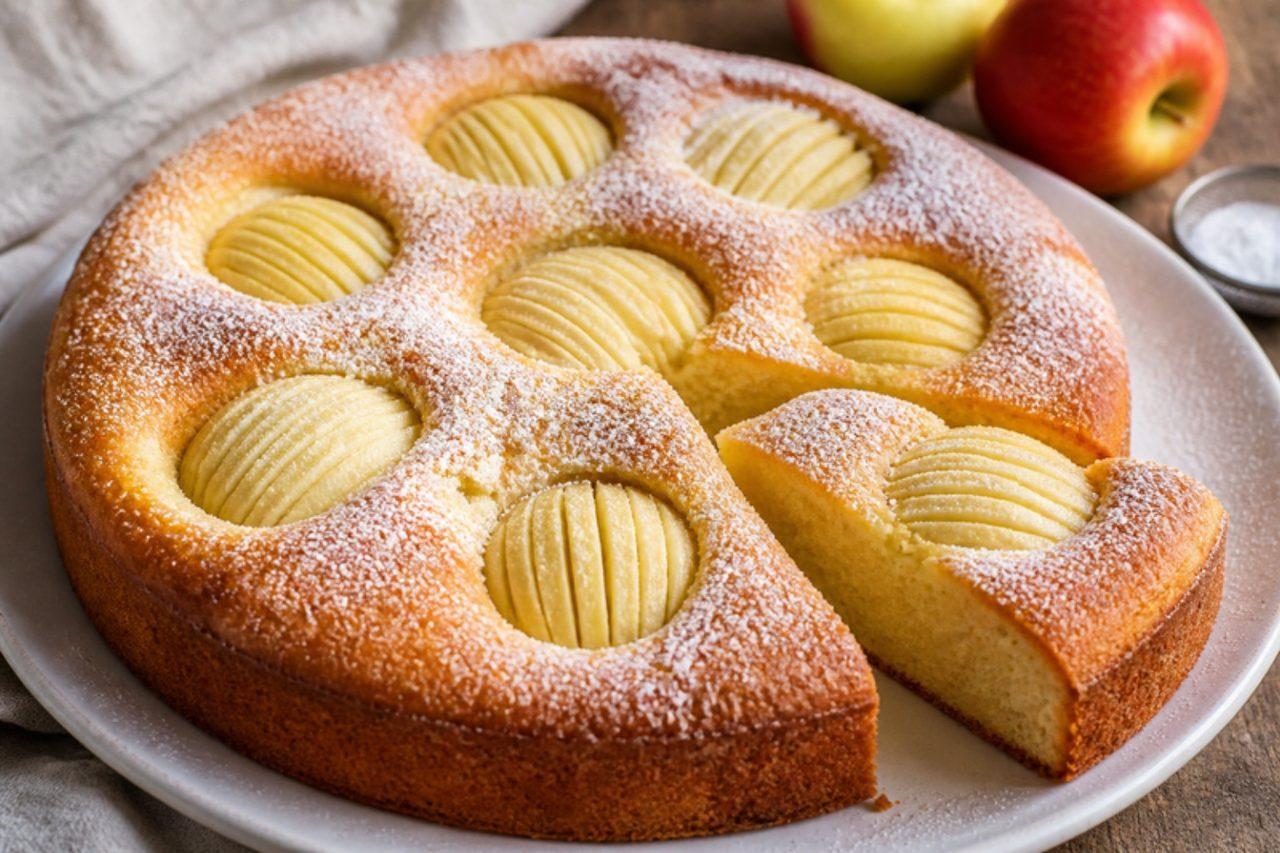
Versunkener Apfelkuchen, the sunken apple cake, is the quickest cake in the German home repertoire, made on autumn weekends when the first Boskoop and Elstar apples come in from the orchards of the Altes Land near Hamburg and Lake Constance. Peeled apple halves are scored like a fan and pressed into a rich lemon sponge, which rises up around them as it bakes until they seem to sink in. Children love it still warm with whipped cream. A common mistake is cutting the scores too deep, so the apples fall apart; cut about two-thirds of the way through. Chef's tip: brush the apples with apricot jam the moment the cake comes out of the oven; it gives a shiny bakery glaze and keeps them from drying.

by KrazyBadal 0 views

WelshCheddar beer toast with ham

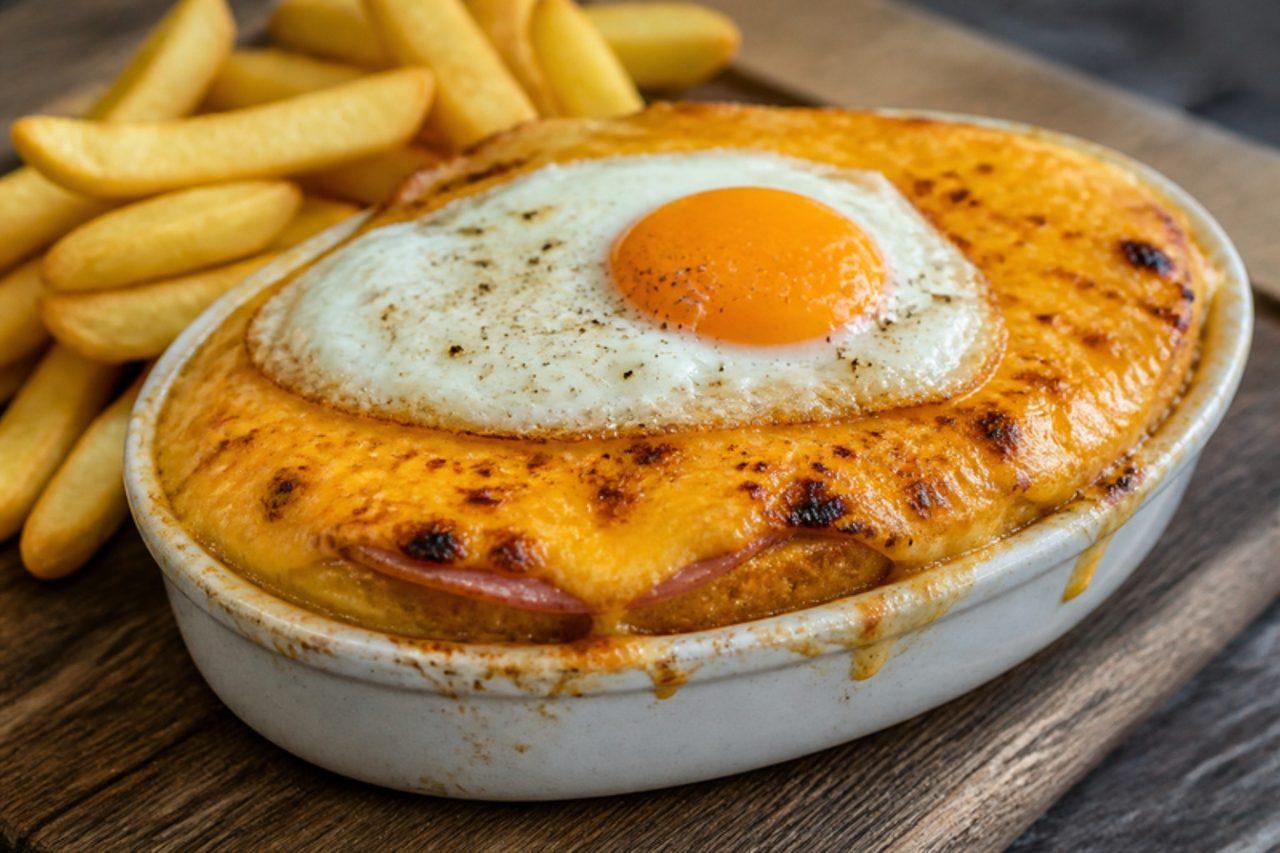
Brought over the Channel by British soldiers and miners, the welsh rarebit became a fixture of the estaminets of Lille and the Nord, where it is served in its own oval dish: toast soaked in beer, a slice of ham, then a flood of Cheddar melted with more beer and mustard, baked until bubbling and often topped with a fried egg. It is rich, sharp and very filling, with chips and a green salad the usual partners. It contains pork in the form of cooked ham, and uses beer; the notes give an alcohol-free swap. Chef's tip: use a strong, mature Cheddar, because a mild one melts flat and loses all its bite once the beer goes in.

by KrazyBadal 0 views

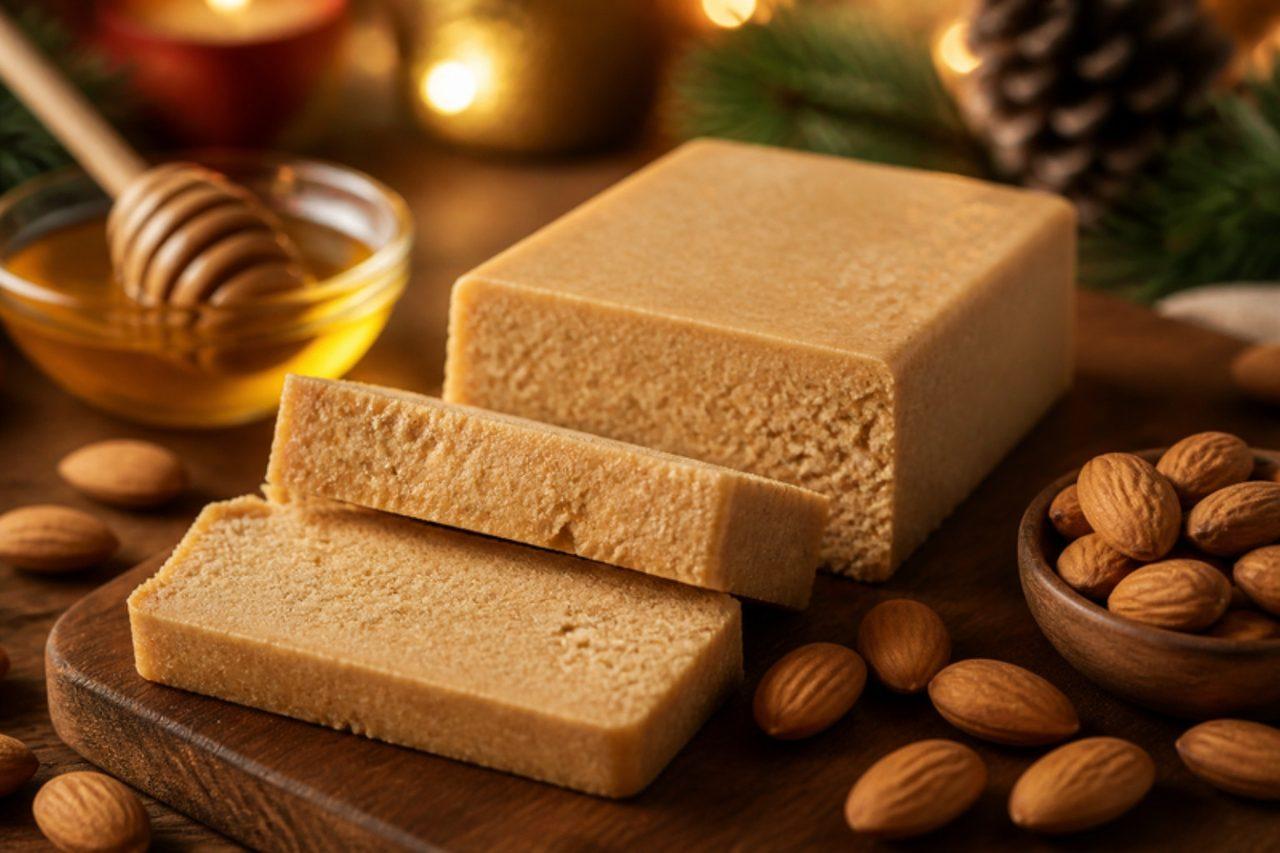
Turrón de JijonaSoft almond and honey nougat

The hill town of Jijona (Xixona) in Alicante has been grinding almonds and honey into turrón for centuries, and its soft, beige, slightly oily bars are on almost every Spanish table between Christmas Eve and Twelfth Night. Unlike hard Alicante turrón, Jijona turrón is a smooth almond paste that crumbles and melts in the mouth, deeply nutty with a floral sweetness from the honey. A common mistake is under-toasting the almonds; pale almonds give a bland, grey paste, so take them to a light, even gold. This version uses honey and egg white, so it is vegetarian but not vegan. Chef's tip: press the warm paste into its mould under a weight and leave it a full two days before slicing; it firms up and the oil settles evenly through it.

by KrazyBadal 0 views

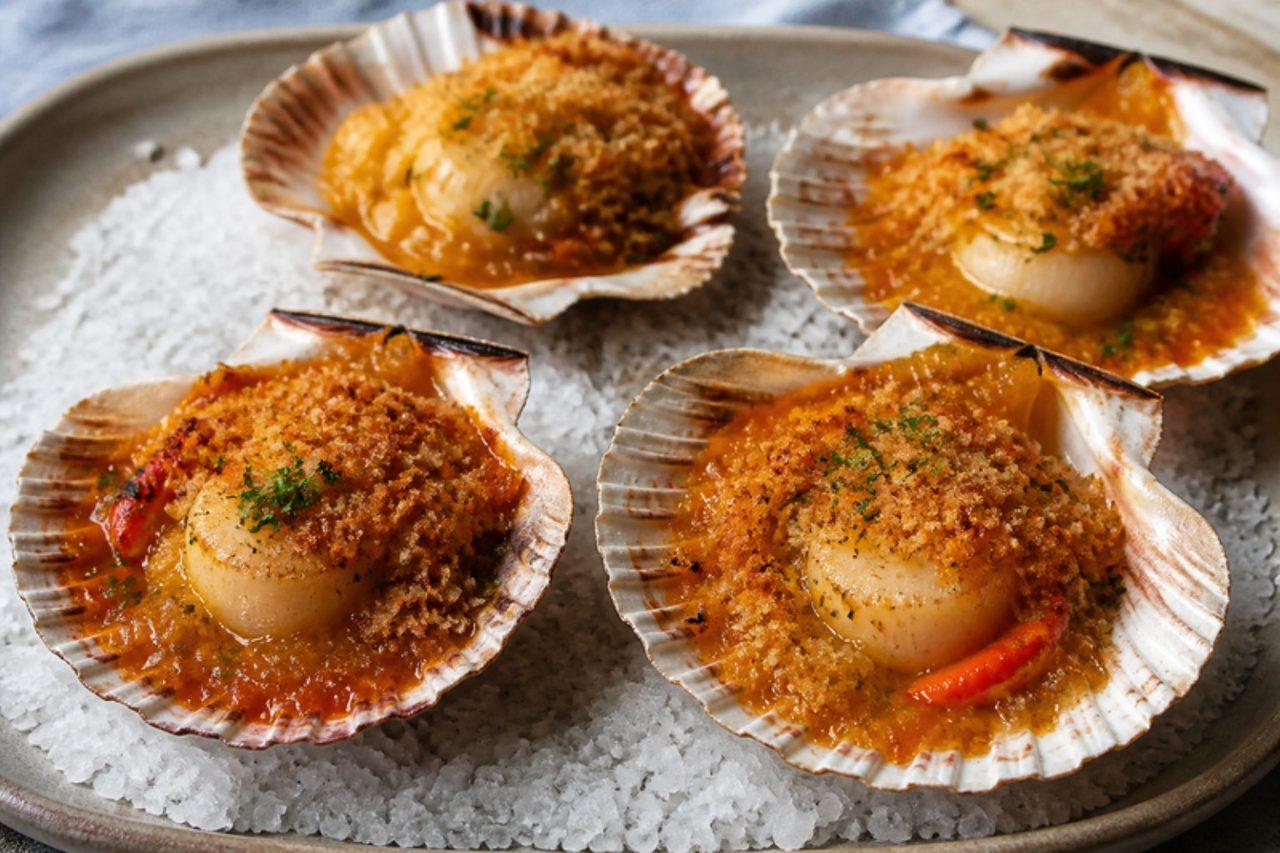
Vieiras á galegaBaked scallops with onion and crumbs

In the Rías Baixas, scallops come into season in winter, and at Christmas many Galician families start dinner with a tray of them baked in their shells. Each one sits under a sweet onion sofrito with paprika, topped with breadcrumbs and baked until golden. Some cooks add cured ham or white wine; this version keeps it simple. Throw away any scallops with cracked shells, and any open ones that don't close when tapped. A common mistake is baking them too long, which makes them rubbery; they need only 8–10 minutes. Chef's tip: ask the fishmonger to open and clean them, and keep the deep half of each shell for baking.

by KrazyBadal 0 views

Viennese GugelhupfLemon and raisin ring cake

In Vienna the Gugelhupf is the Sunday cake of home bakers, set out on the table for afternoon Jause with coffee, and every family has its own fluted copper or ceramic mould. Unlike the yeasted ring cakes of Alsace and southern Germany, the everyday Viennese one is a Rührgugelhupf, a buttery sponge lifted with whisked egg whites, scented with lemon and studded with plump raisins. It is tender, light and keeps moist for several days under a cake dome. A common mistake is a badly greased mould; every ridge needs butter and flour or the cake tears as it comes out. Chef's tip: soak the raisins in hot water for 15 minutes, dry them and toss them in a spoon of flour so they don't sink.

by KrazyBadal 0 views

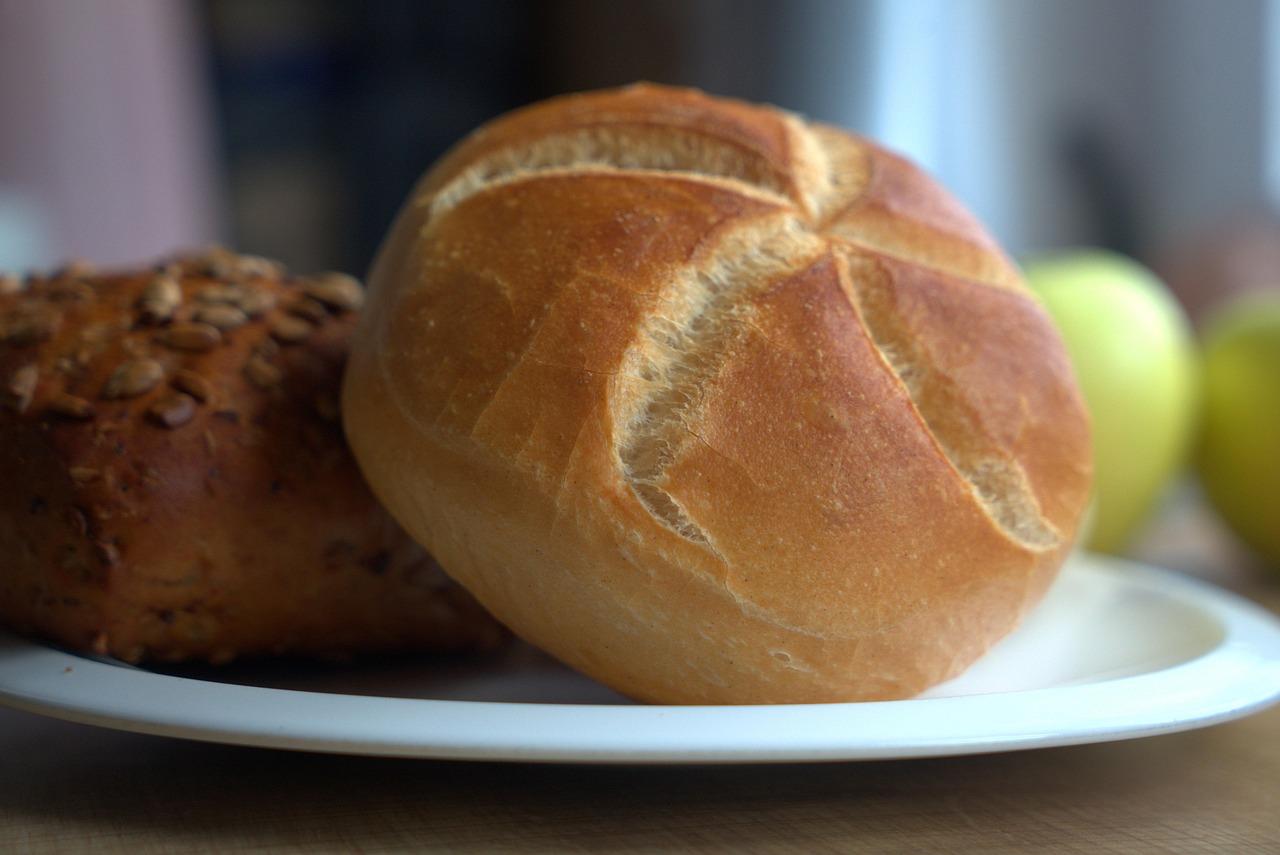
Viennese KaisersemmelCrisp star-topped rolls

No Viennese breakfast is complete without a Kaisersemmel: a light, hollow-crusted white roll with a pinwheel of five curved segments on top, split and spread with butter and apricot jam or filled with Leberkäse at a market stand. The crust should shatter and the inside be soft and airy. The star is traditionally knotted by hand, though a stamp works too. A common mistake is skipping the overnight cold dough, which leaves the rolls bland and pale. Chef's tip: prove the shaped rolls upside down, star side down, on a floured cloth, then flip them just before baking; the pattern stays sharp instead of puffing shut.

by KrazyBadal 0 views

Turrón de Doña PepaAnise biscuit sticks in spiced syrup

Every October, the month of the Señor de los Milagros processions in Lima, bakeries and street sellers pile their trays with turrón de Doña Pepa: layers of crumbly anise-flavoured sticks drenched in a dark syrup of chancaca cooked with fruit and spices, topped with a storm of coloured sprinkles. Popular lore credits it to Josefa Marmanillo, a woman from the Cañete valley who is said to have made it in thanks after the procession. It is sticky, crunchy and soft at once, with orange and clove in the syrup. Its downfall is usually runny syrup that soaks the sticks into mush; it needs to reach a thick, threading stage before it goes on. Chancaca is sold as cones or blocks in Latin shops; panela or dark muscovado also work. Some coloured sprinkles contain gelatin, so check the label. Chef's tip: make it a day ahead; the syrup sets and the sticks soften just enough to slice neatly.

by KrazyBadal 0 views

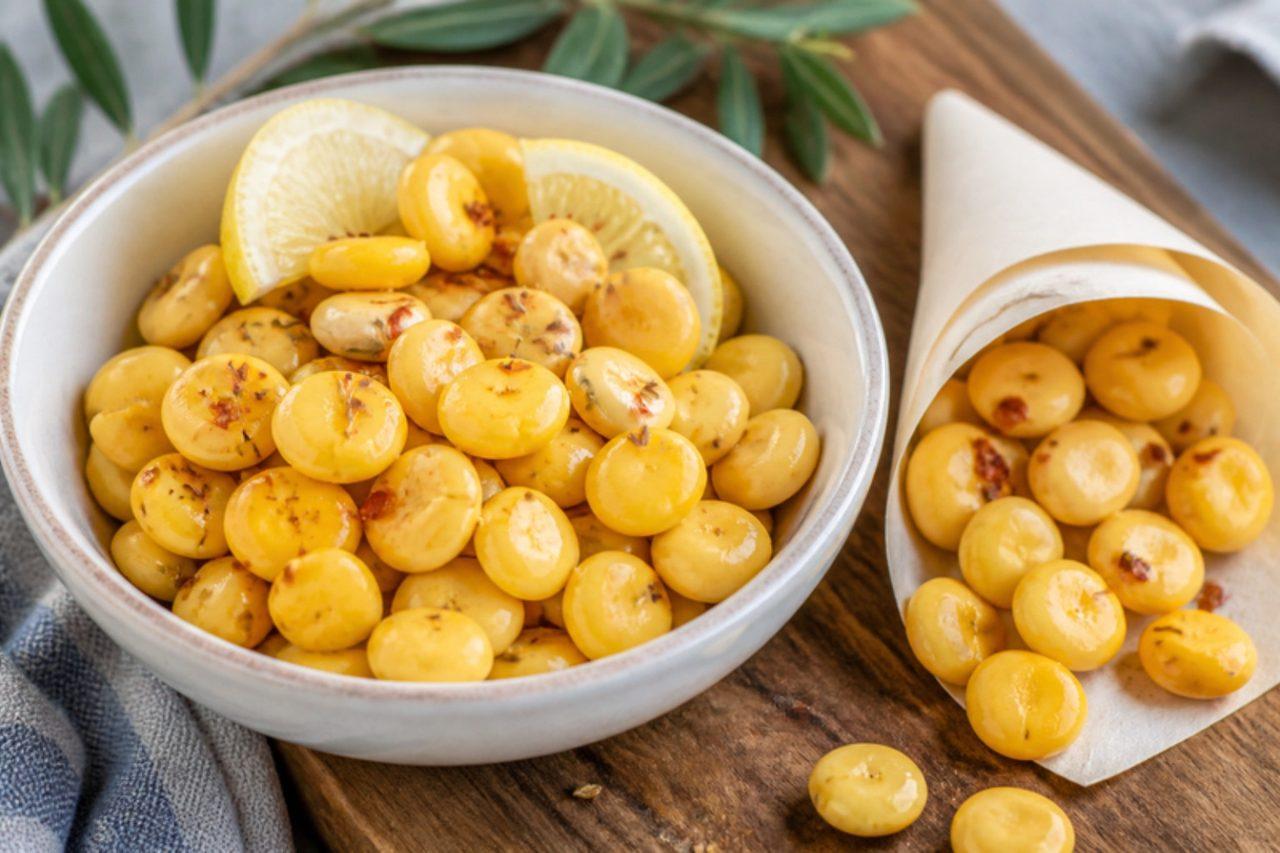
TurmusBrined lupini beans

Strolling the Beirut Corniche or a Sunday market in Amman, you will pass carts selling turmus: plump golden lupini beans kept in salted water, scooped into paper cones and eaten by nicking the skin with your teeth and popping out the bean. They are also a fixture on mezze tables and a fasting snack for Lent. Dried lupins are naturally very bitter and must be soaked for days to wash those compounds out; never eat them while they still taste bitter, and if you are allergic to peanuts, check with a doctor first as lupin allergy is linked. A jar of ready-debittered lupini, drained and seasoned, is a quick shortcut. The common mistake is salting the beans before they are fully sweet, which seals the bitterness in. Chef's tip: finish with lemon, cumin and a little chilli just before serving; the salty brine keeps them, the dressing makes them moreish.

by KrazyBadal 0 views

Türk kahvesiTurkish coffee

A cup of Türk kahvesi is how Turks welcome guests, end a long meal and, in the old custom, test a suitor: the prospective bride makes his cup and may slip salt into it. Powder-fine coffee is brewed slowly with cold water and sugar to taste in a small long-handled pot (cezve), until a thick foam rises, then poured unfiltered so the grounds settle in the cup. Serve with a glass of water first and a piece of lokum. Order it sade (plain), orta (medium) or şekerli (sweet) and add the sugar before brewing, never after. The usual mistake is letting it boil, which collapses the foam and makes it bitter. Chef's tip: use cold water and a low heat; the slower it rises, the thicker the foam.

by KrazyBadal 0 views

Zorza con patatasMarinated pork with chips and eggs

Zorza is the seasoned pork mixture for chorizo before it goes into casings, and in Galicia it was eaten fresh in the days after the winter pig slaughter, fried in a pan with potatoes. This contains pork. Today taverns in Lugo and Ourense serve it with chips and fried eggs, and it is easy to make at home with pork shoulder and lots of paprika. The meat marinates in the fridge, covered, for at least 12 hours. A common mistake is frying it over a fierce heat, which burns the paprika; keep it moderate and stir. Chef's tip: chop the pork by hand into small pieces rather than mincing it finely, for a juicier, more rustic texture.

by KrazyBadal 0 views

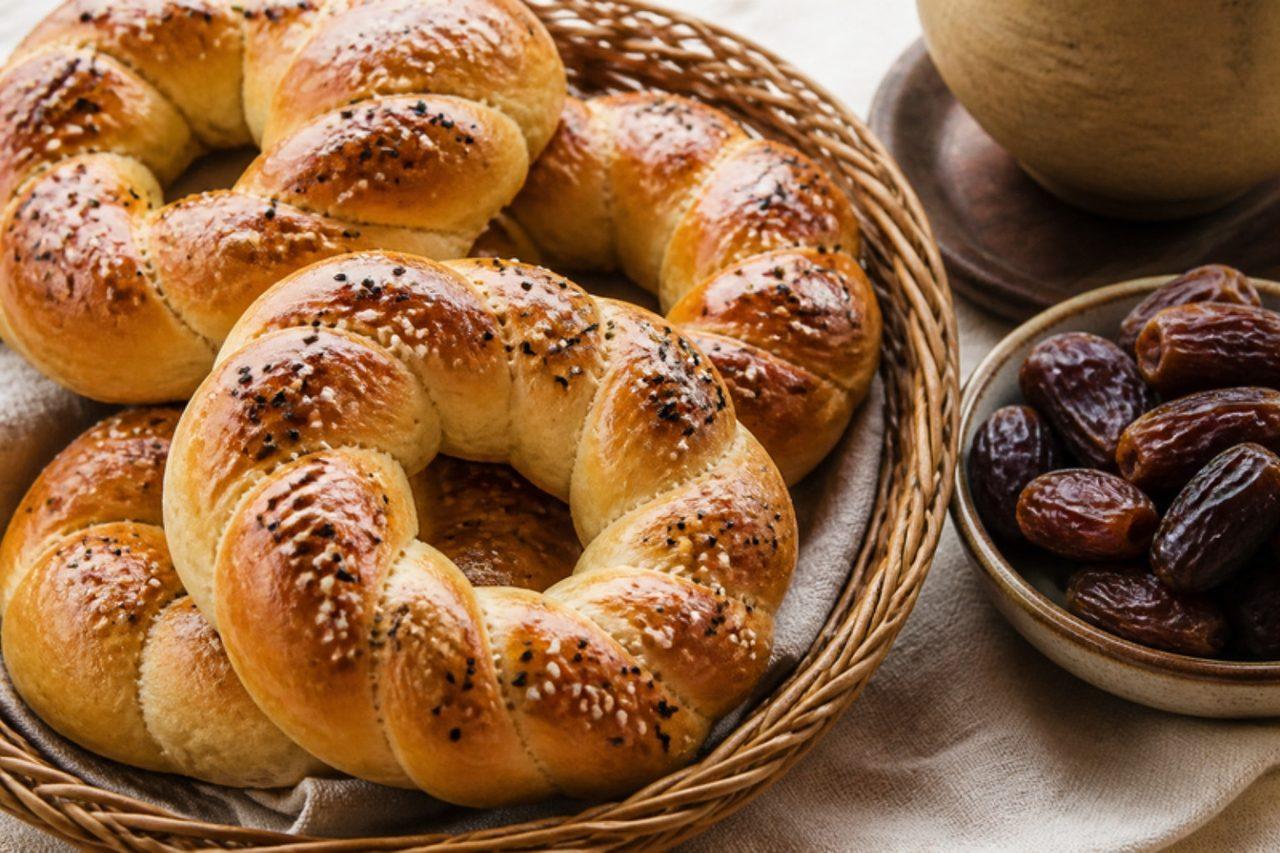
Ma'aroukMahlab-scented sweet bread

As soon as Ramadan begins, bakeries in Damascus and Aleppo stack up golden loaves of ma'arouk, a soft, slightly sweet brioche-like bread that people buy on the way home to break the fast. The dough is perfumed with mahlab (ground cherry stones), topped with nigella and sesame seeds, and is often braided or filled with date paste. Eat it warm with tea, or toasted the next morning with white cheese. Common mistake: adding too much flour while kneading; the dough should stay soft and a little tacky for a tender crumb. Chef's tip: brush with sugar syrup as soon as the loaves leave the oven — it gives the classic shine and keeps the crust soft.

by KrazyBadal 0 views

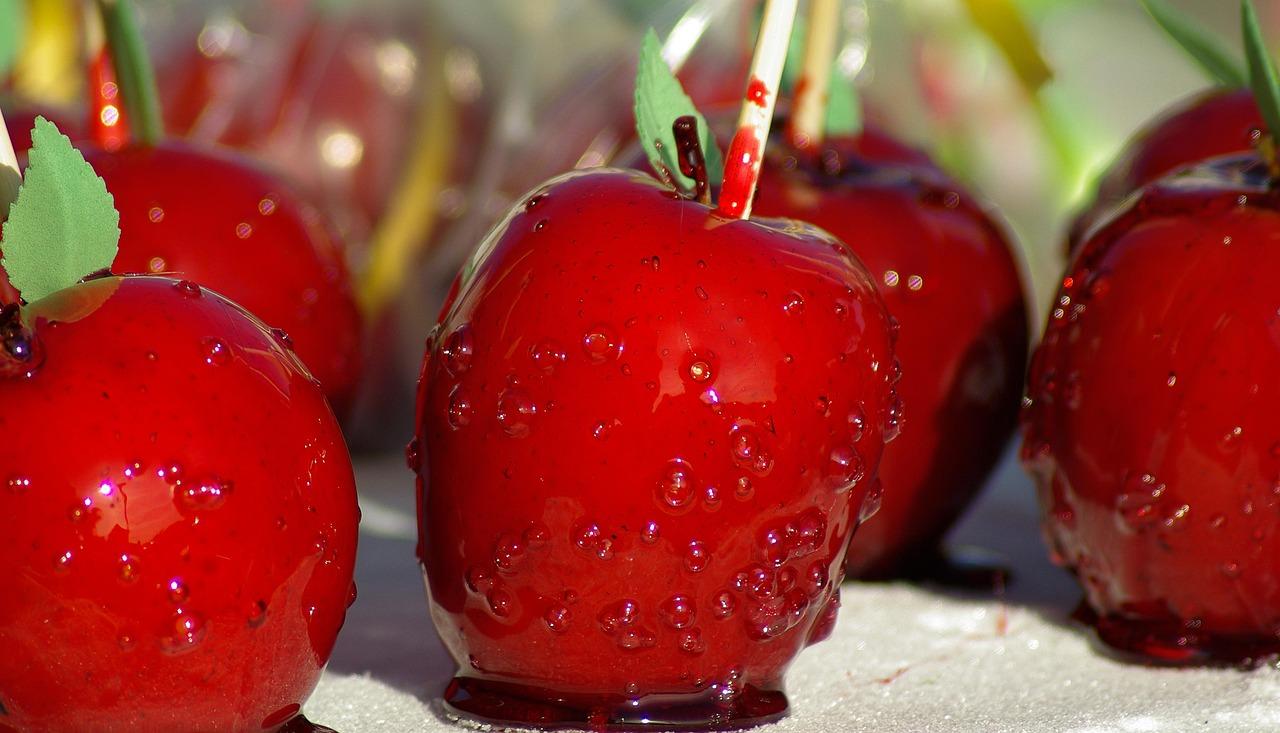
Maçã do amorToffee apples

A shiny red apple on a stick is the picture of a Brazilian festa junina stall, lined up in rows beside the quentão and pipoca. The 'love apple' is a small, tart apple dipped in hot sugar syrup that hardens into a thin, crackling, ruby-red shell; you bite through glass and hit crisp fruit. It is a good one to make at home for a June party because the syrup takes 15 minutes and the apples are ready as soon as the shell cools. Choose a plant-based red colouring to keep it vegan. Where it tends to fail: any water or wax on the apple skin stops the syrup sticking, so it slides off in a puddle. Chef's tip: dip the apples in boiling water for 10 seconds and dry them thoroughly to remove the wax before you start.

by KrazyBadal 0 views

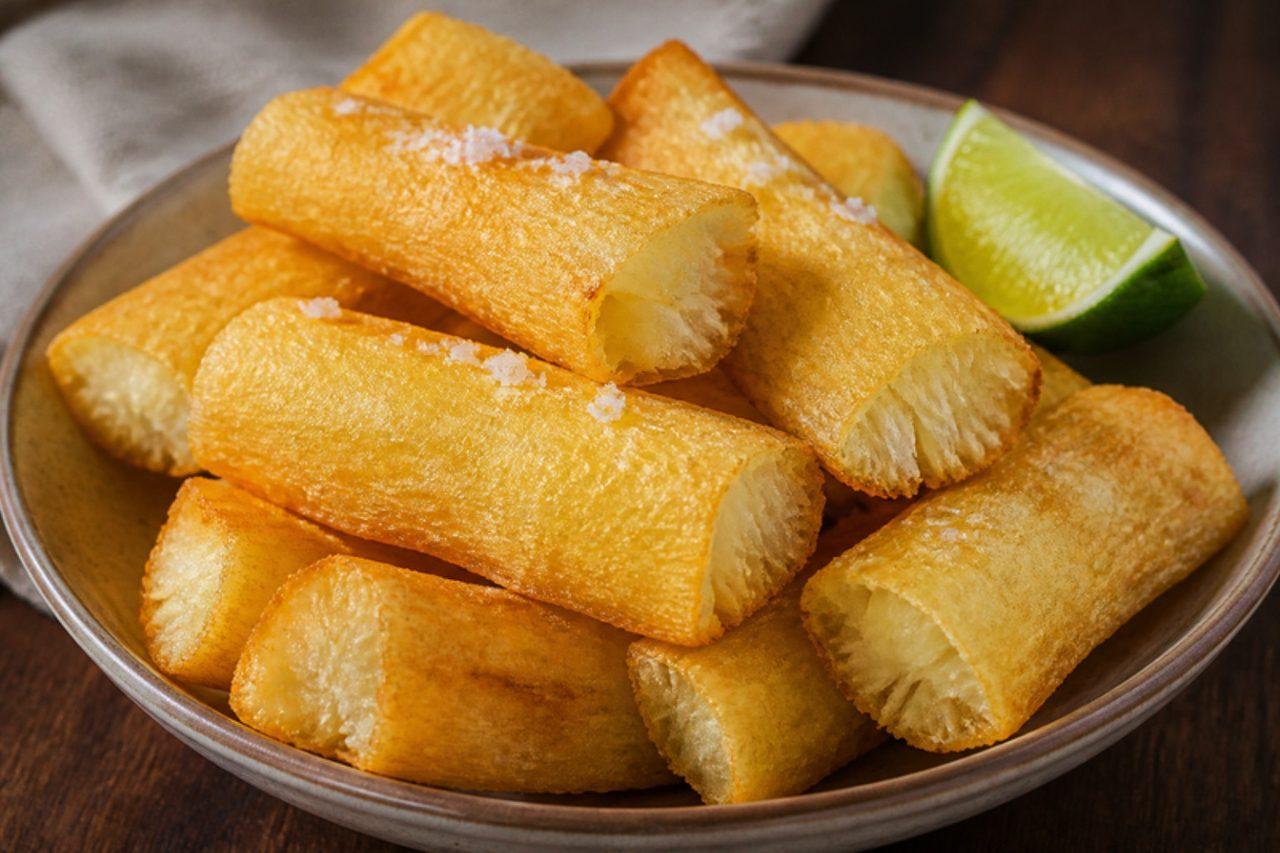
Macaxeira fritaFried cassava sticks

Northeastern Brazilians call cassava macaxeira, and fried sticks of it come out with carne de sol, with grilled cheese at beach shacks, and in a bowl beside a cold drink at any bar from Natal to Maceió. Boiling first makes the inside soft and floury; frying afterwards gives a thick, blistered crust that stays crunchy far longer than potato chips. They need only coarse salt, though a dip of vinagrete or garlic mayonnaise is common. Buy sweet cassava, cook it fully, and never eat it raw. The frequent mistake is boiling until the cassava falls apart, which makes sticks that break up in the oil; stop as soon as a knife slides in. Chef's tip: let the boiled sticks steam dry and cool completely, even chill them for an hour, before frying; the drier surface is what makes them crackle.

by KrazyBadal 0 views

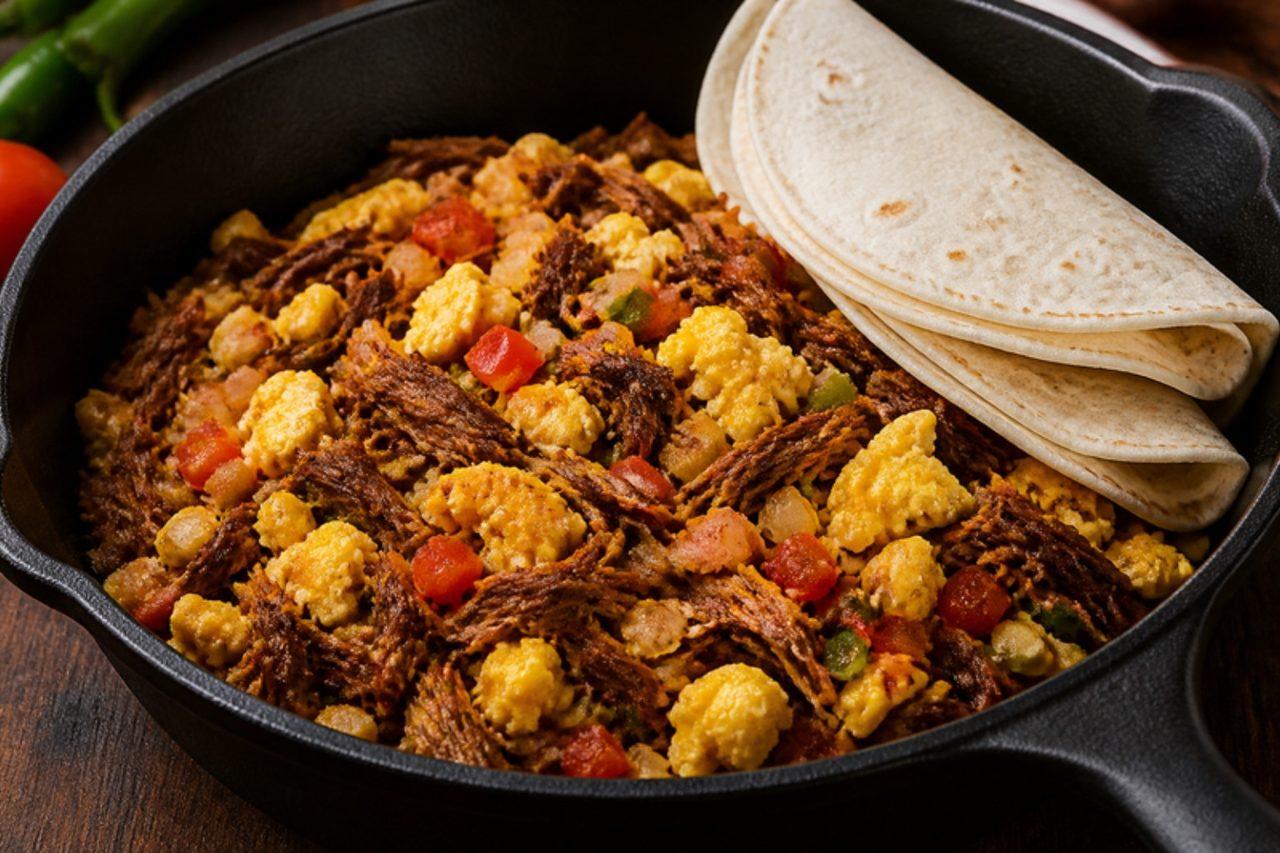
Machaca con huevoDried beef scrambled with egg

Monterrey and Sonora both claim machaca, the dried, pounded beef that once let ranchers carry meat across the desert. At breakfast it is fried with onion, tomato and green chilli, then scrambled with eggs and rolled into soft flour tortillas, and it turns up in every lonchería and roadside café in the north. The beef is savoury, salty and chewy against the soft egg. Proper machaca is hard to find outside Mexico; shredded leftover roast beef or brisket, dried out in the pan until crisp, makes a good substitute, as does unsweetened beef jerky pounded into shreds. Chef's tip: fry the machaca on its own first until the edges crackle, which brings back the toasty flavour before anything wet goes in.

by KrazyBadal 0 views

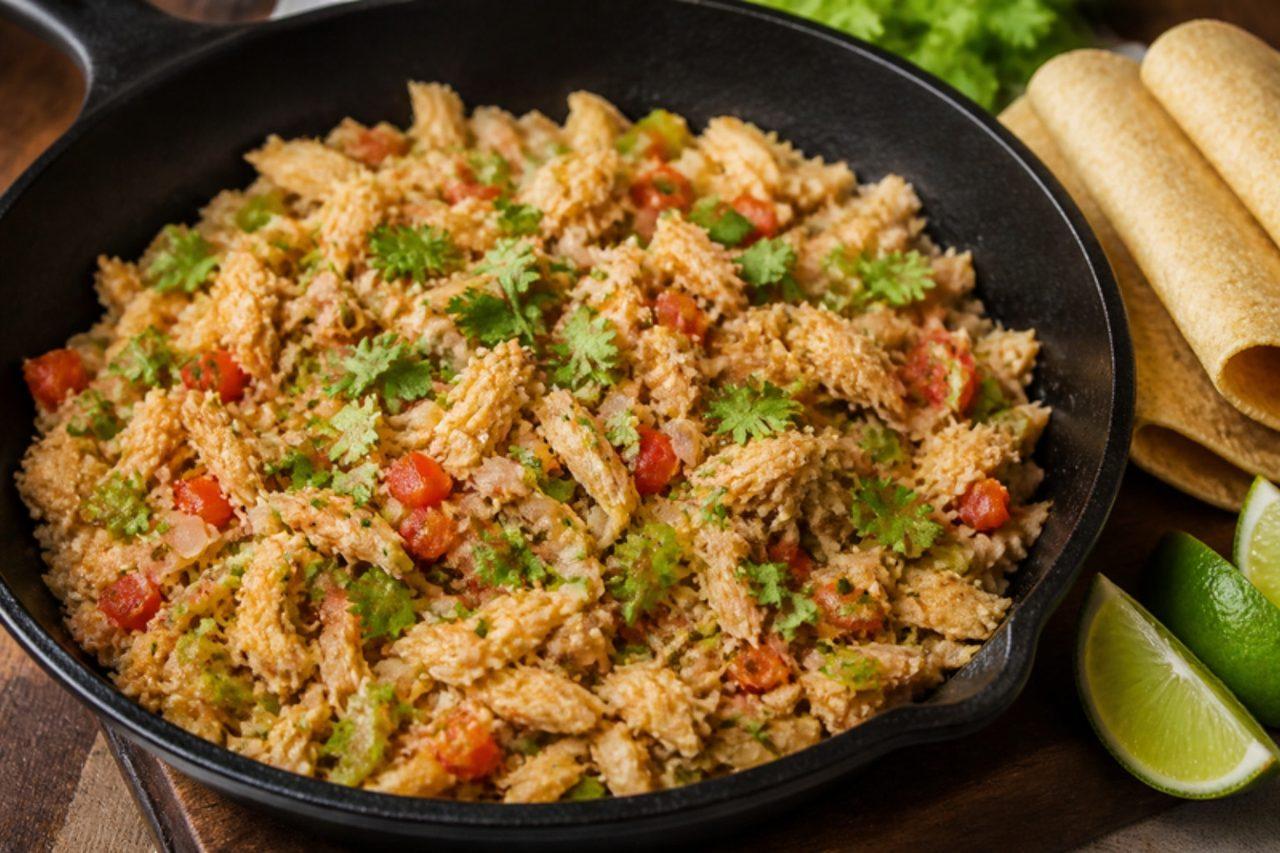
Machaca de pescadoShredded fish with tomato and pepper

On the waterfront in La Paz, Baja California Sur, machaca de pescado is the sea's answer to beef machaca: firm fish is poached, shredded and fried with onion, pepper, tomato and chilli until almost dry and full of flavour. Fishermen's families once made it with shark or smoked marlin, and today it fills breakfast burritos, tacos and tostadas in cafés along the malecón. Any firm white fish such as cod, hake or mahi-mahi works well. It is savoury, lightly spicy and tender. Serve it with corn tortillas, rice or refried beans. Chef's tip: squeeze the shredded fish in your hands to get rid of excess water before it hits the pan, so it fries rather than stews.

by KrazyBadal 0 views

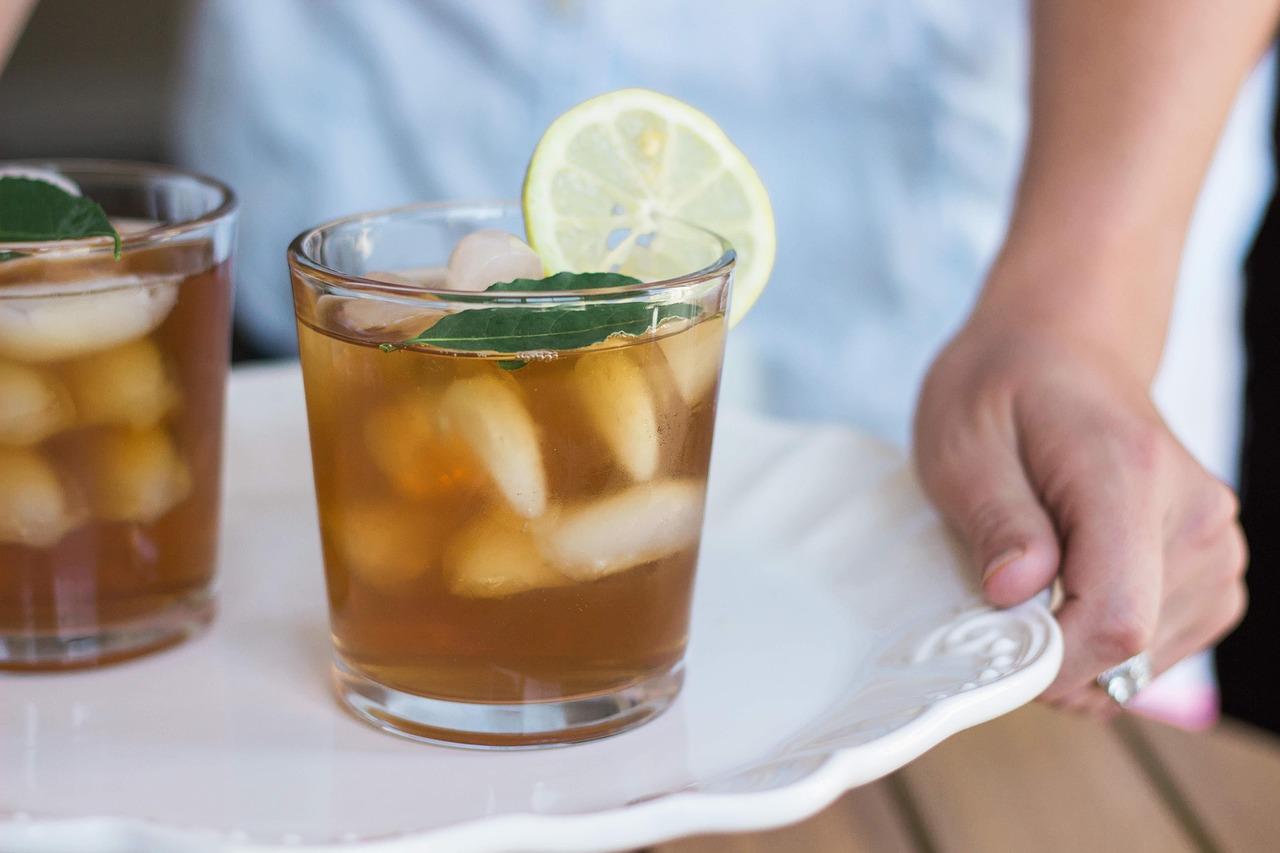
Southern sweet tea

Sweet tea is the house wine of the South, poured by the jug at every barbecue joint, meat-and-three and Sunday lunch from South Carolina to Texas. Strong black tea is sweetened while hot so the sugar dissolves completely, then cooled and poured over plenty of ice with lemon. A pinch of bicarbonate is an old trick that softens bitterness and keeps it clear. Chef's tip: let the tea cool to room temperature before chilling; putting it straight in the fridge hot makes it go cloudy.

by KrazyBadal 0 views

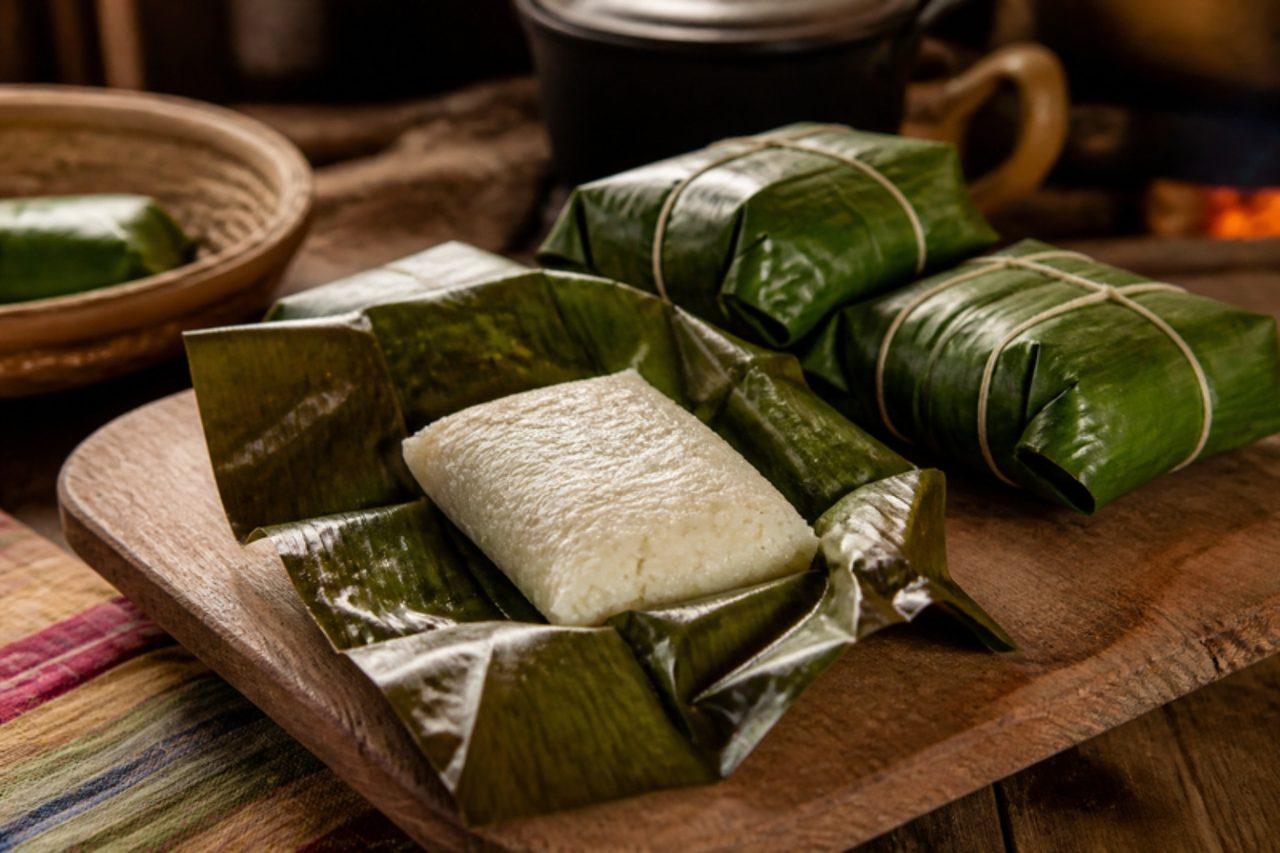
TungosBanana leaf steamed rice

At fairs and family gatherings in Villavicencio and across the Meta, tungos sit in a big pile next to the slow-roasted meat: soft white rice pressed into banana-leaf parcels and steamed until it holds together in a firm, faintly smoky log. The leaf gives the rice a tea-like aroma and keeps it warm for hours, which is why they travel to river trips and roadside parrillas so well. Unwrap one and eat it with roast meat, beans, a sweet plantain or a bowl of vegetable stew; the tungo itself is vegan. Fluffy, separate grains are the wrong goal here: rice cooked dry and loose falls apart in the leaf, so cook it with extra water until soft and sticky. Frozen banana leaves are sold in Asian and Latin shops. Chef's tip: pass each leaf quickly over a gas flame or through hot water first; it turns glossy and supple and will not split as you fold.

by KrazyBadal 0 views

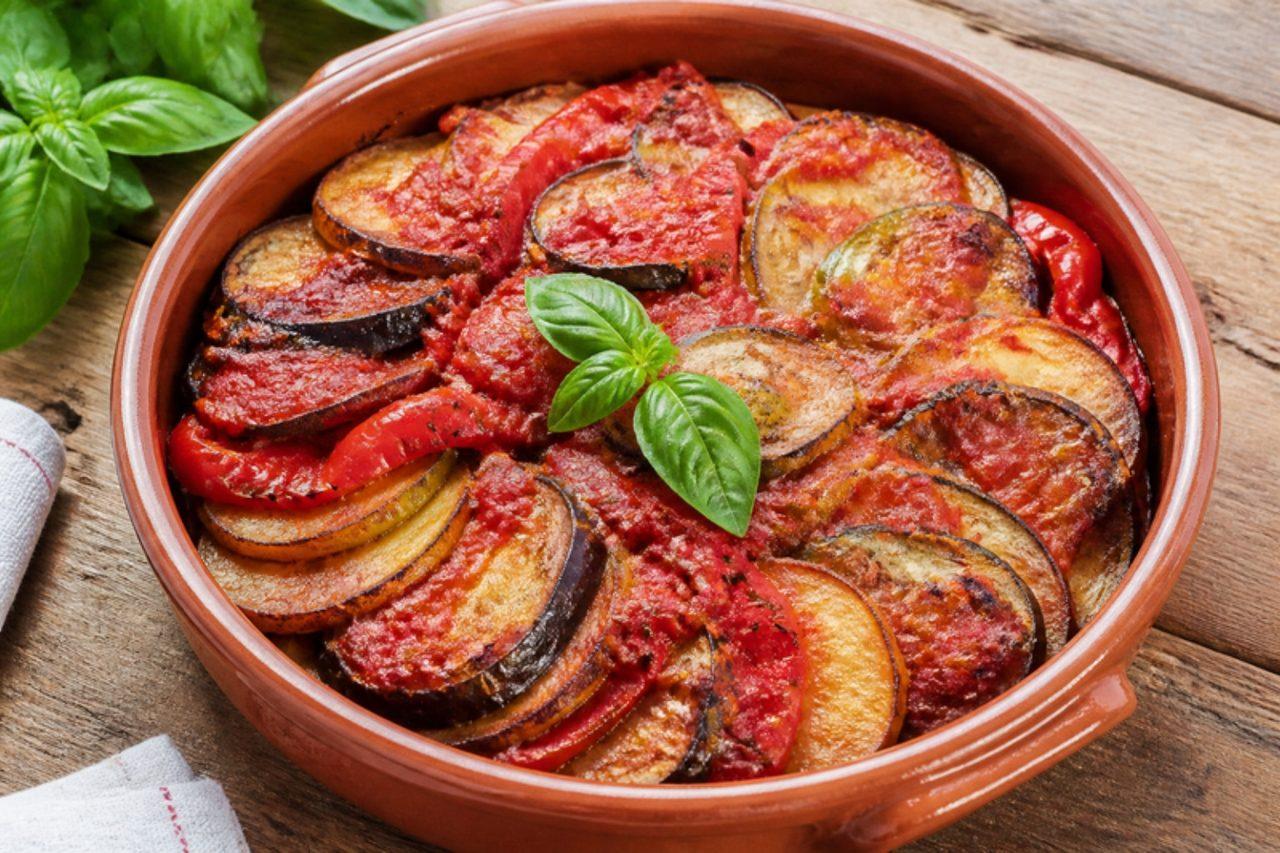
TumbetLayered potato, aubergine and pepper bake

Come August, every Mallorcan village kitchen has a clay greixonera of tumbet cooling on the counter, made with the aubergines and peppers that pile up at the Saturday markets in Sineu and Santanyí. Potato, aubergine and red pepper are each fried on their own, stacked in layers and blanketed with a thick, garlicky tomato sauce, then baked until it all settles together. Islanders eat it warm or at room temperature, as a meal with bread or beside grilled fish or lamb. It tastes even better the next day. Chef's tip: fry each vegetable in its own batch and drain it on paper, because every layer needs its own browned edges and nothing should arrive in the dish swimming in oil.

by KrazyBadal 0 views

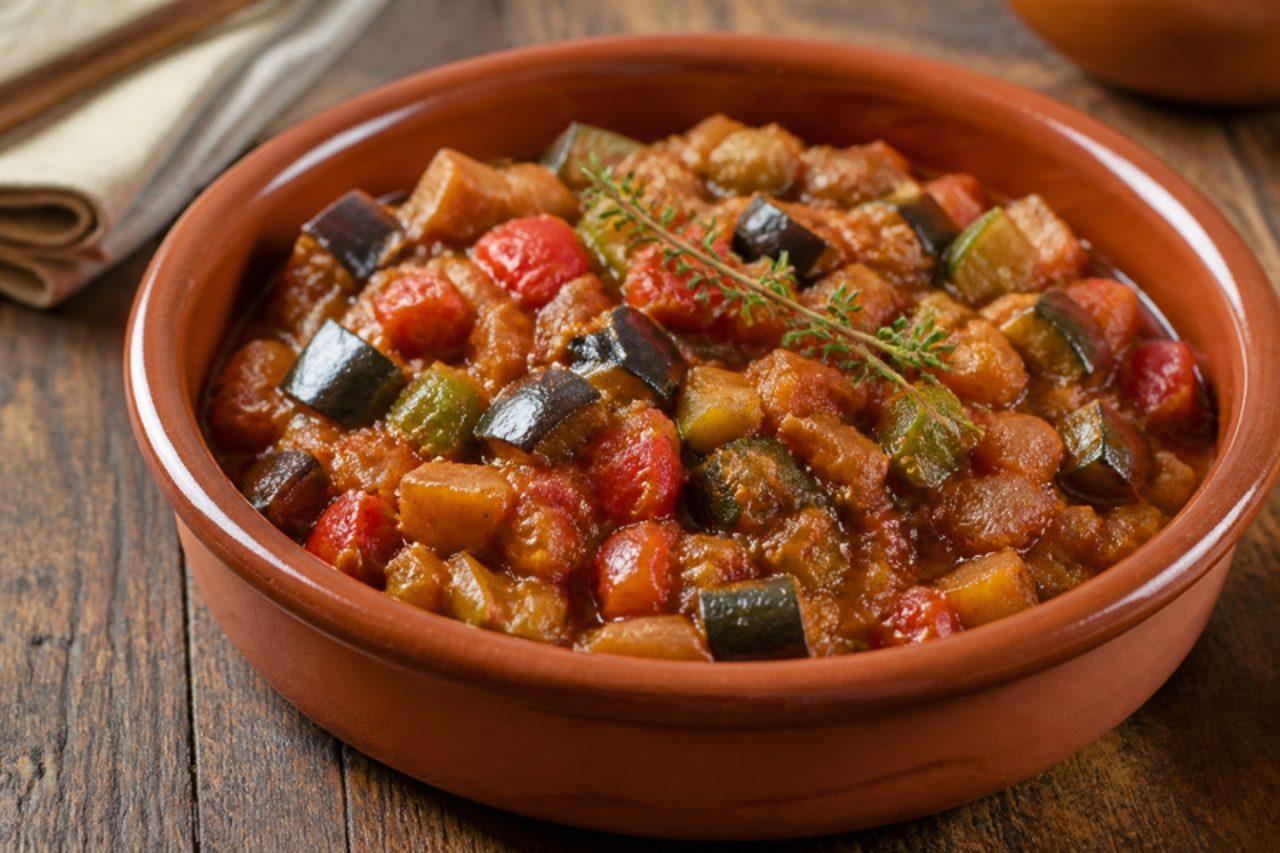
SamfainaOnion, aubergine, courgette and pepper stew

Samfaina is what Catalan kitchens do with a market bag full of late-summer vegetables: they go into the pan in order, each one softening before the next, until they melt into a sweet, glossy stew. It is eaten on its own with bread, spooned beside grilled fish or a fried egg, or used as a sauce for chicken or salt cod. It tastes better the next day. Chef's tip: cut everything to the same 1.5 cm dice, so it all cooks evenly and the finished dish has a soft, even texture.

by KrazyBadal 0 views

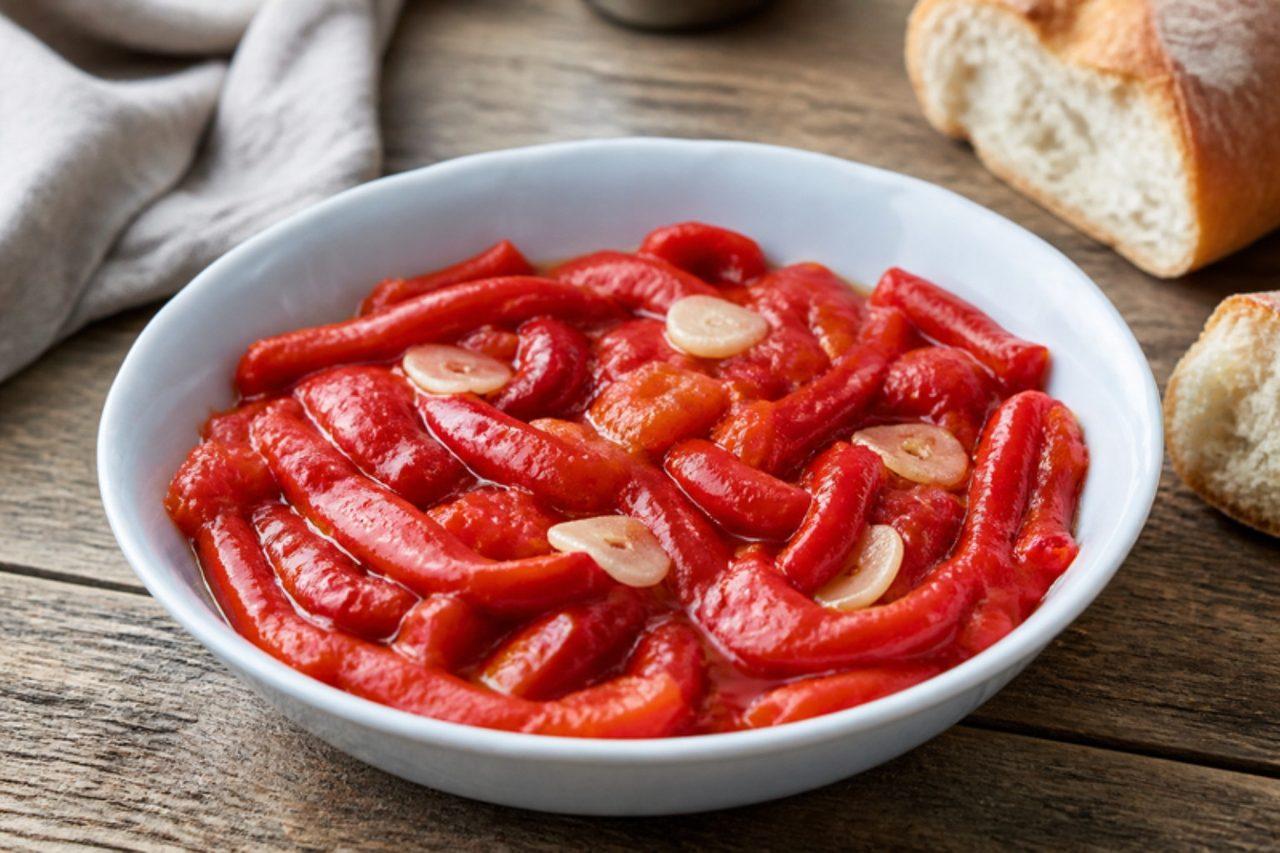
ZorongolloRoast pepper and tomato salad

Zorongollo is the summer salad of the Extremaduran countryside around Cáceres and the Vegas del Guadiana, made when red peppers are sweet and cheap. The peppers and tomatoes are roasted until blackened, peeled, torn by hand into strips and soaked in olive oil, garlic and a little vinegar, and it is served on its own with bread or beside grilled meat at summer lunches. It keeps for days in the fridge and improves overnight. Chef's tip: tear the peppers along their natural ridges rather than slicing them, so the strips stay soft and catch more dressing.

by KrazyBadal 0 views

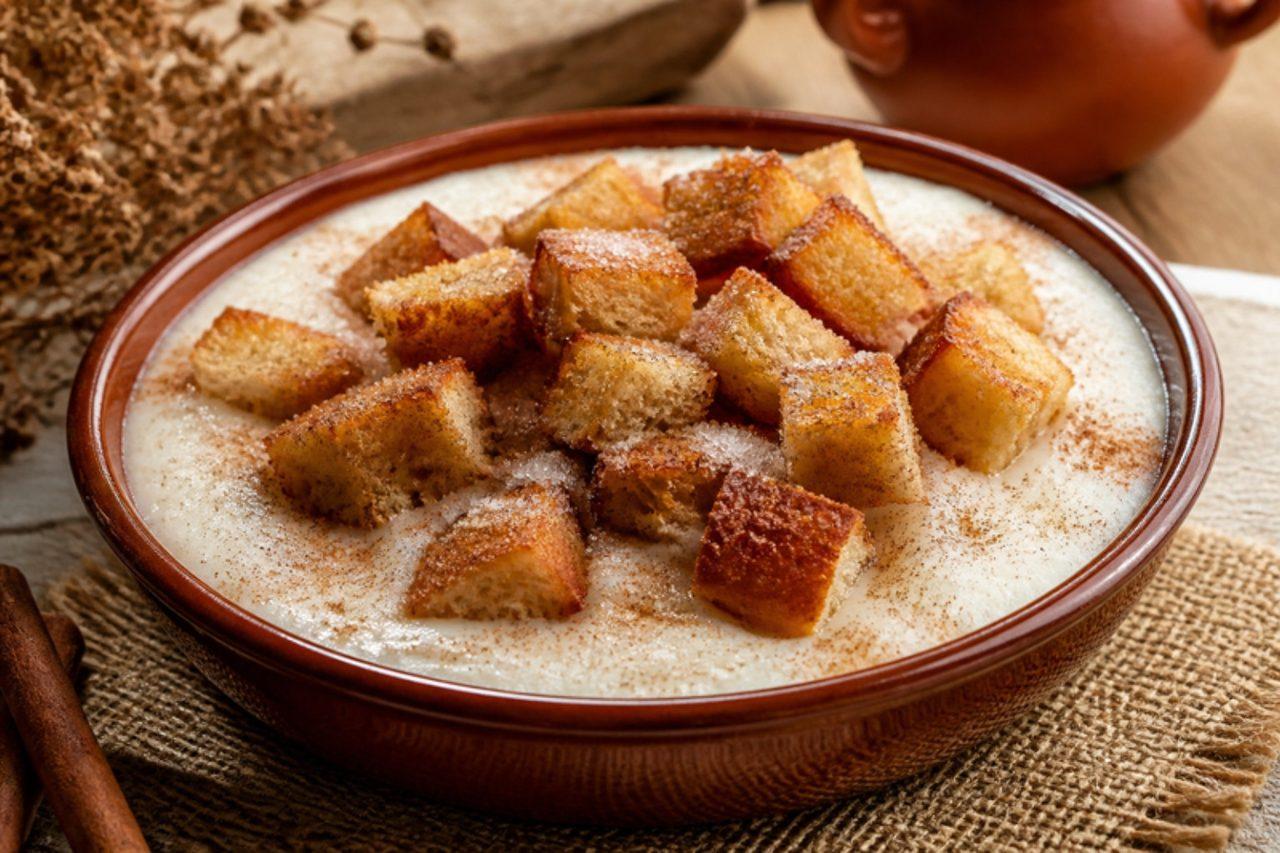
Gachas dulcesSweet aniseed flour porridge

On the night of 31 October and on All Saints' Day, families across La Mancha make sweet gachas: flour toasted in olive oil with aniseed, loosened with milk and sugar into a soft cream, and topped with crisp cubes of fried bread. Each person dips a spoon into the communal dish while the season's first cold nights settle in. Chef's tip: toast the flour in the oil until it smells nutty before adding any milk; raw flour tastes pasty.

by KrazyBadal 0 views

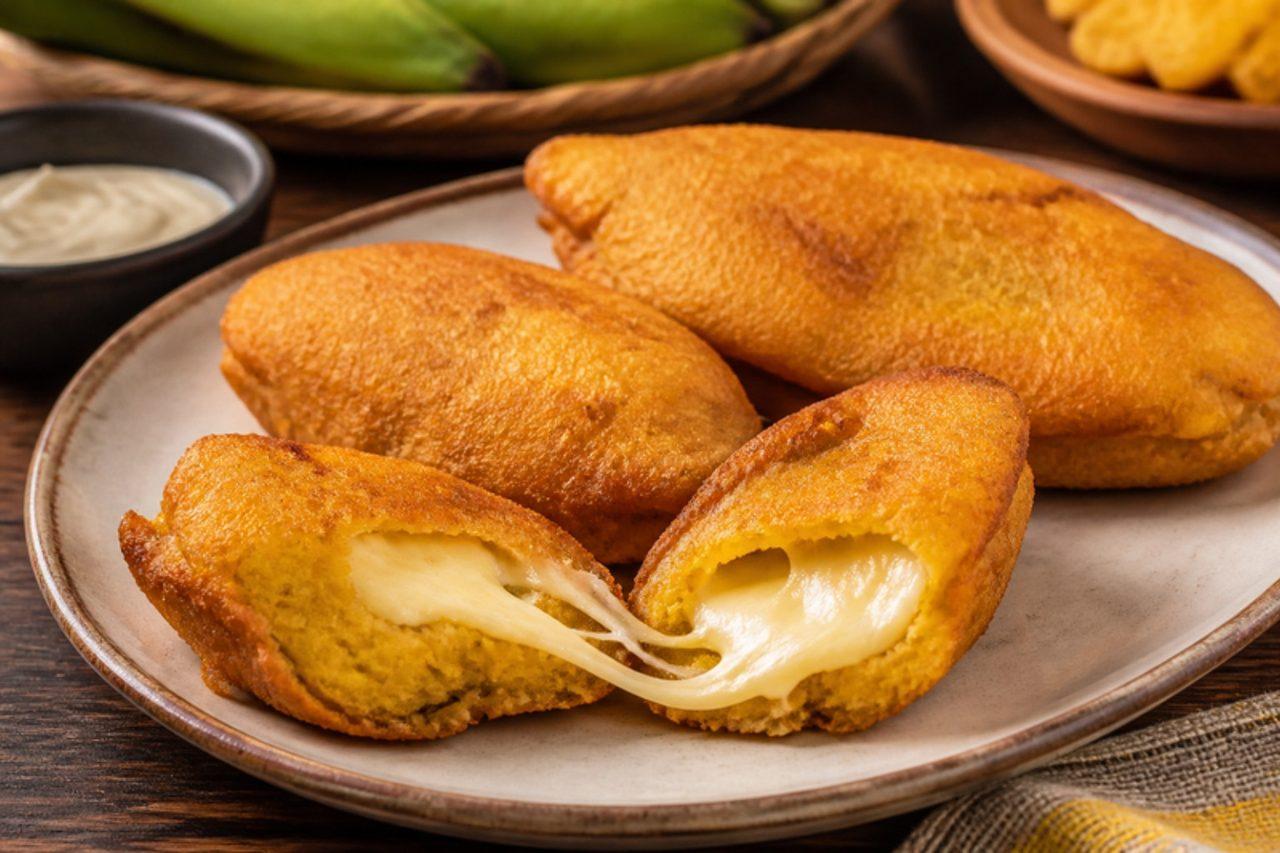
AborrajadosFried cheese-stuffed plantain

Cali's bakeries and Sunday food stalls by the Pance river sell aborrajados all day: thick slices of very ripe plantain, fried soft, pressed around a slab of white cheese, sometimes with guava paste, then coated in a light batter and fried again until golden. The result is sweet, salty and gooey, a snack you eat with your hands alongside a glass of lulada or champús. Choose plantains with skins almost completely black; yellow ones are too starchy and never get sweet. Queso blanco or campesino is often set with animal rennet, so use a vegetarian mozzarella or similar. The usual mistake is batter that is too thick, giving a heavy, bready shell; it should coat like thin pancake batter. Chef's tip: chill the stuffed plantain parcels for 10 minutes before battering; they hold together much better in the oil.

by KrazyBadal 0 views

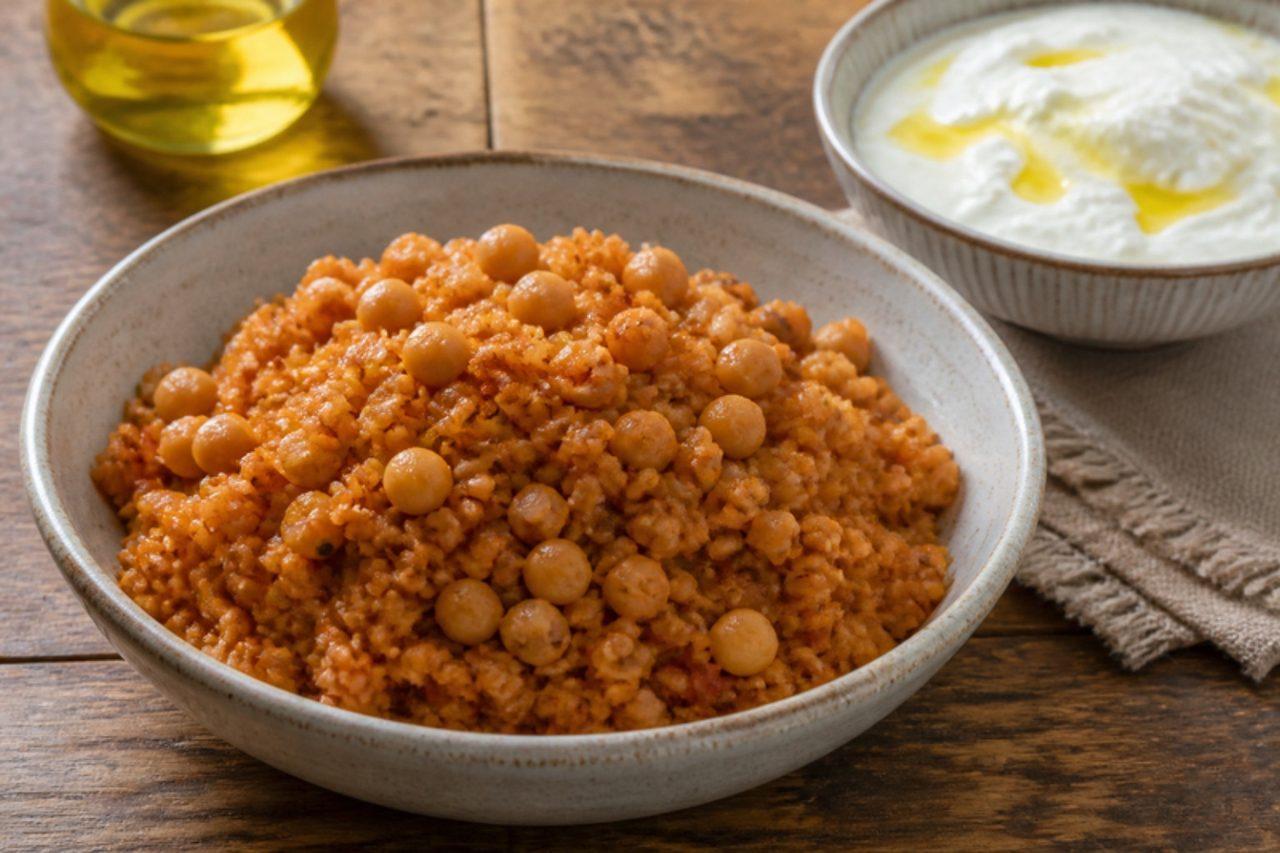
Firik pilavıSmoky green wheat pilaf

Each June farmers around Gaziantep cut wheat while it is still green and burn off the husks in the field, which gives firik its gentle campfire smell. Cooked as a pilaf with onion, pepper paste and a handful of chickpeas, it has a chewy, nutty bite that sits well beside grilled kebabs or simply a bowl of ayran and a tomato salad. It is the everyday grain of the region's home kitchens, cheaper than rice and more filling. Rinse the grains well: grit and bits of chaff are common in firik. Chef's tip: let it rest under a tea towel for ten minutes after cooking; the steam finishes the grains and they separate beautifully.

by KrazyBadal 0 views

Maduro con quesoBaked plantain with cheese

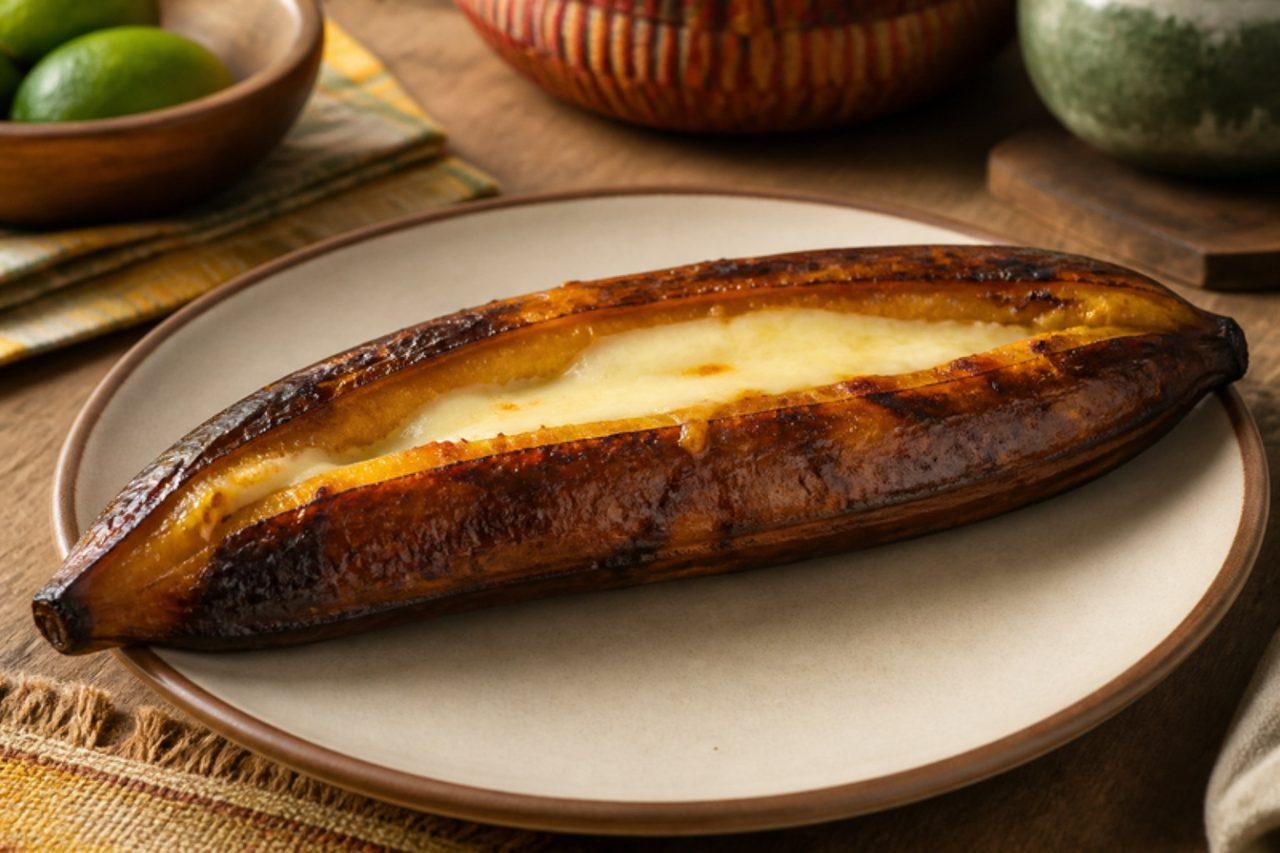
Cali cooks treat a black-skinned plantain as a treat rather than a fruit past its best, and maduro con queso shows why. The plantain bakes in its own skin until the flesh turns sticky and caramel-sweet, then it is split lengthways and packed with soft white cheese that melts into the hot fruit. In the Valle del Cauca it turns up at home lunches beside rice, beans and a sudado, and at weekend corrientazo counters as the sweet note on a savoury plate. The cheese of choice is a mild, stretchy quesillo or queso campesino, both normally set with animal rennet, so pick a vegetarian mozzarella-style cheese if that matters to you. Where it goes wrong is the plantain: a yellow one with a few spots stays starchy and dry, so wait until the skin is almost completely black and the fruit gives when pressed. Chef's tip: bake the plantains on a tray lined with baking paper, because the sugars leak out of the skins and burn onto bare metal.

by KrazyBadal 0 views

Tulumba tatlısıFried dough fingers in syrup

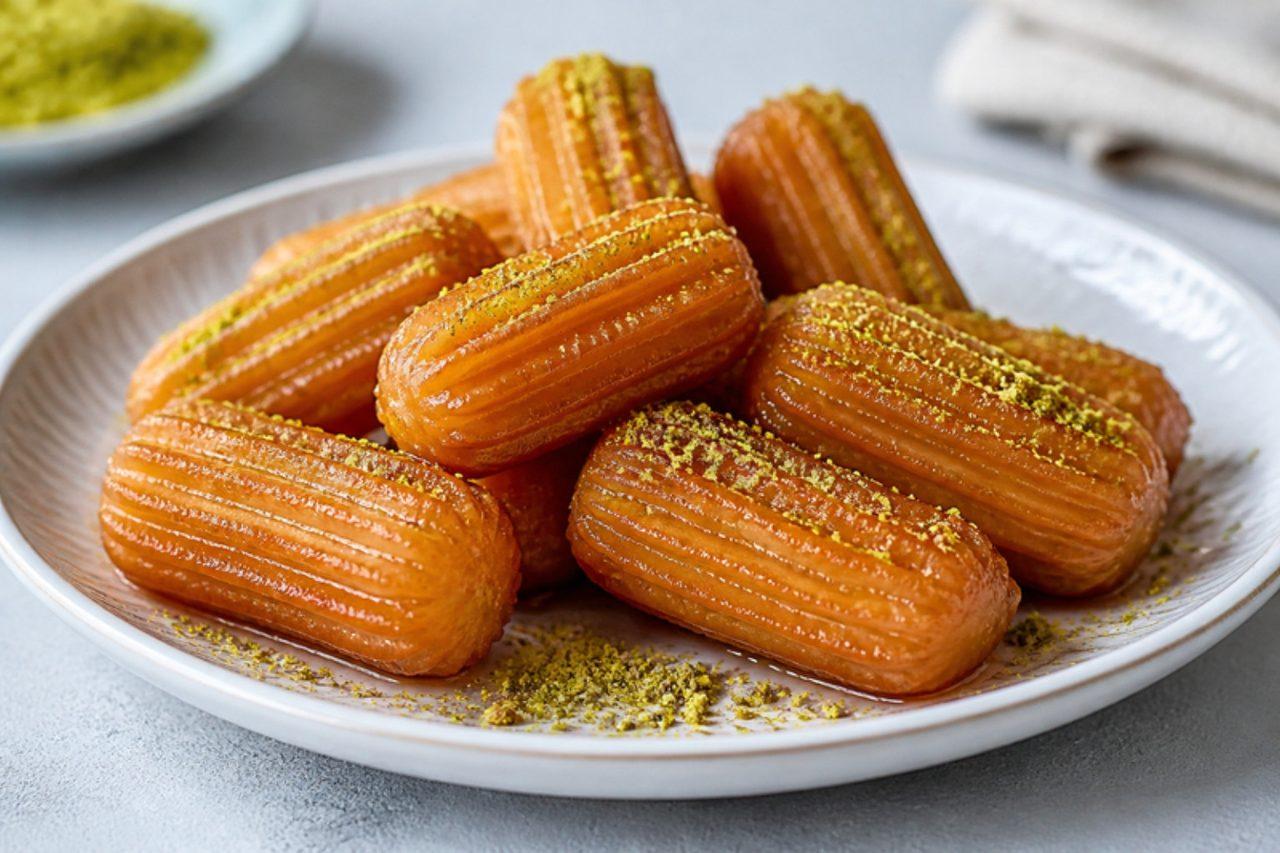
Tulumba is the sweet you buy by the box from Turkish dessert shops for a quick treat or an unannounced visit: ridged fingers of choux-style dough, fried until crunchy, then dropped into cold syrup so they stay crisp outside and soak through within. Street vendors in Istanbul sell them warm in paper cones. A piping bag with a large star nozzle gives the ridges. Common mistake: frying in oil that is too hot; the outside browns before the inside puffs, leaving them raw and gummy. Chef's tip: start the dough in warm, not hot, oil and raise the heat slowly, so they swell and crisp evenly.

by KrazyBadal 0 views

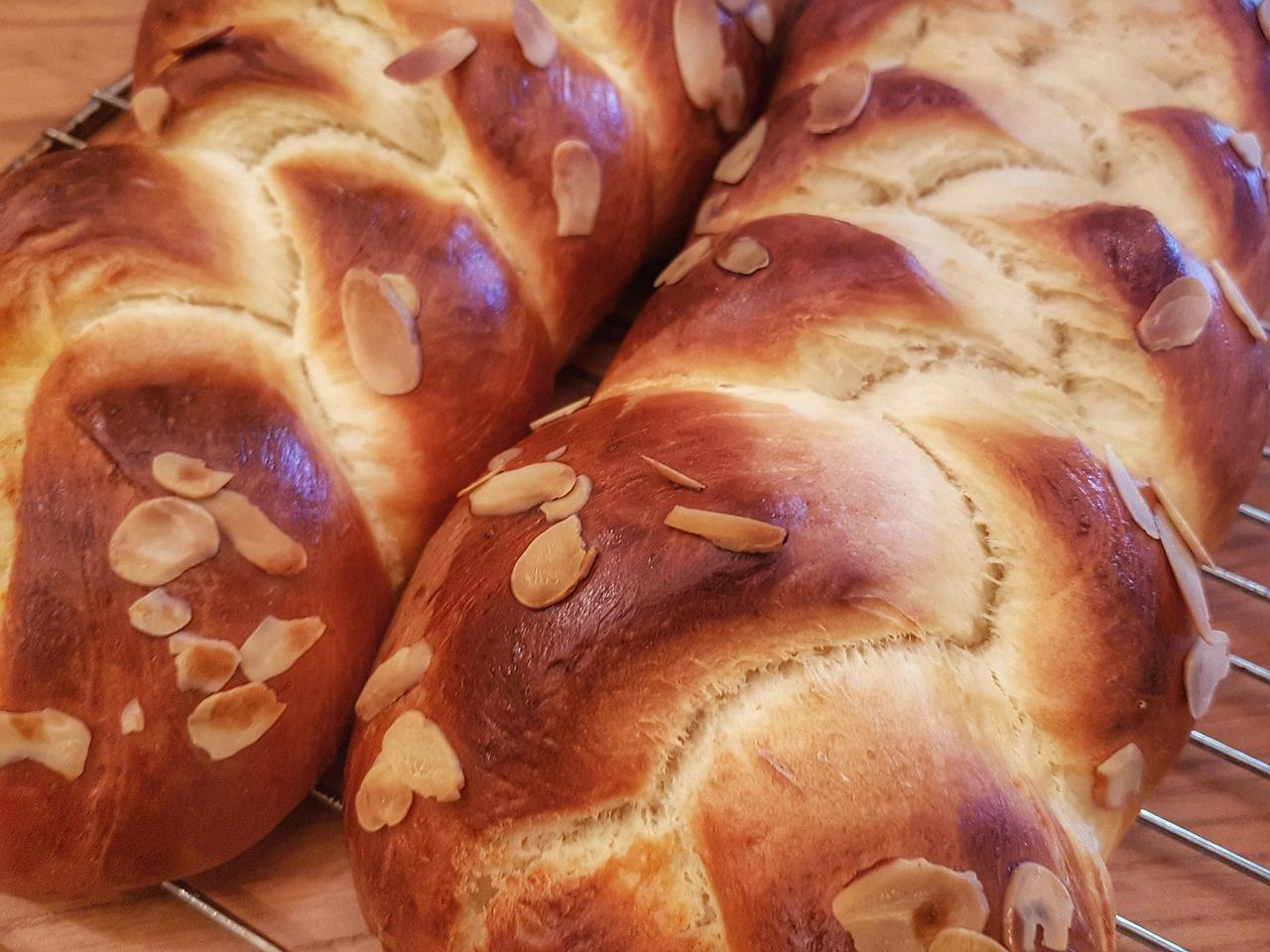
TsourekiBraided Easter brioche

On Holy Thursday Greek homes braid tsoureki, the shining Easter loaf that is broken on Sunday after the midnight service and eaten for breakfast all week with coffee. It pulls apart in long, feathery strands and smells of mahlab (cherry-stone spice), mastic resin and orange. Common mistake: adding extra flour to a sticky dough; it is meant to be soft, and the long knead and cold rest make it manageable. Chef's tip: grind mastic with a pinch of sugar in a cold mortar; on its own it gums up into sticky lumps.

by KrazyBadal 0 views

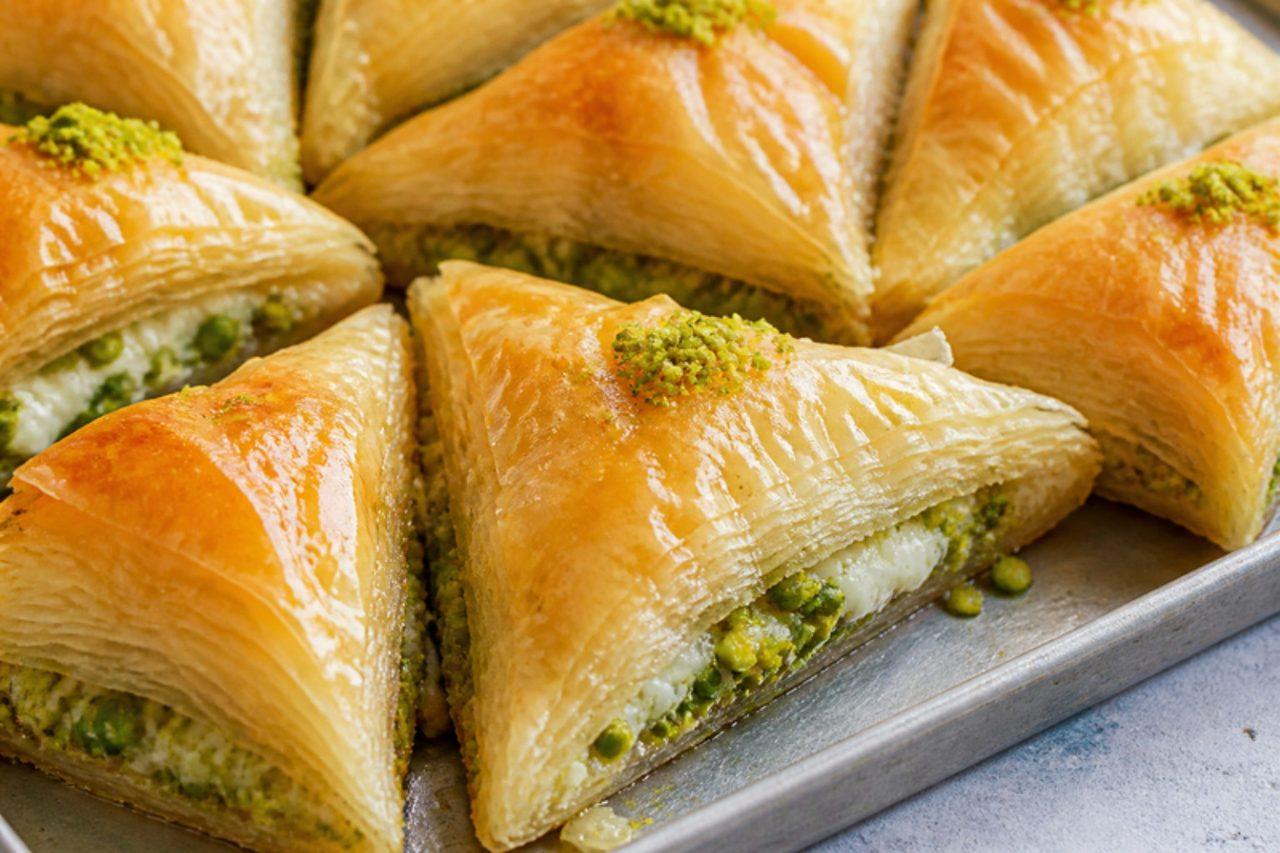
ŞöbiyetSemolina cream and pistachio filo

Gaziantep's baklava shops lay out trays of şöbiyet beside the classic squares: buttery filo triangles hiding a soft semolina cream and a thick seam of pistachio, soaked in cool syrup. Families buy them by the kilo for bayram visits and engagement days, and they are best eaten the day they are made, while the top layers still crackle. Home versions use shop filo and a quick milk cream instead of the clotted cream the masters fold in. Pour cold syrup over hot pastry, never hot over hot, or the layers turn soggy. Chef's tip: chill the cream until it is firm enough to slice; a soft filling oozes out as you fold the triangles.

by KrazyBadal 0 views

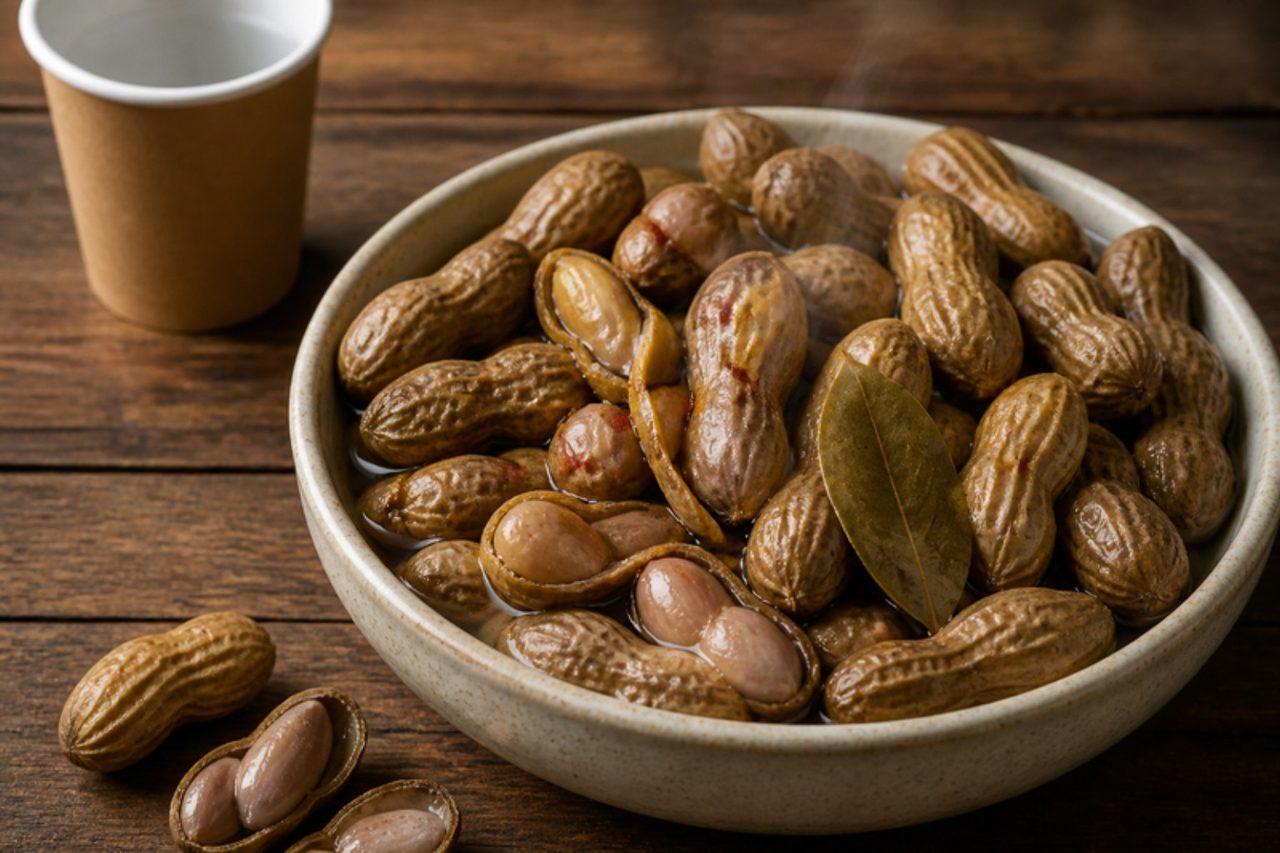
Southern boiled peanuts

Boiled peanuts are sold steaming from roadside stands and petrol stations all along the back roads of South Carolina, Georgia and Alabama, ladled into paper bags in late summer when the green peanut harvest comes in. Raw peanuts are simmered for hours in heavily salted water until soft as cooked beans, salty and earthy. A Cajun-spiced version with chilli is popular too. Chef's tip: taste a peanut every hour; they are done when the kernel is completely soft with no crunch.

by KrazyBadal 0 views

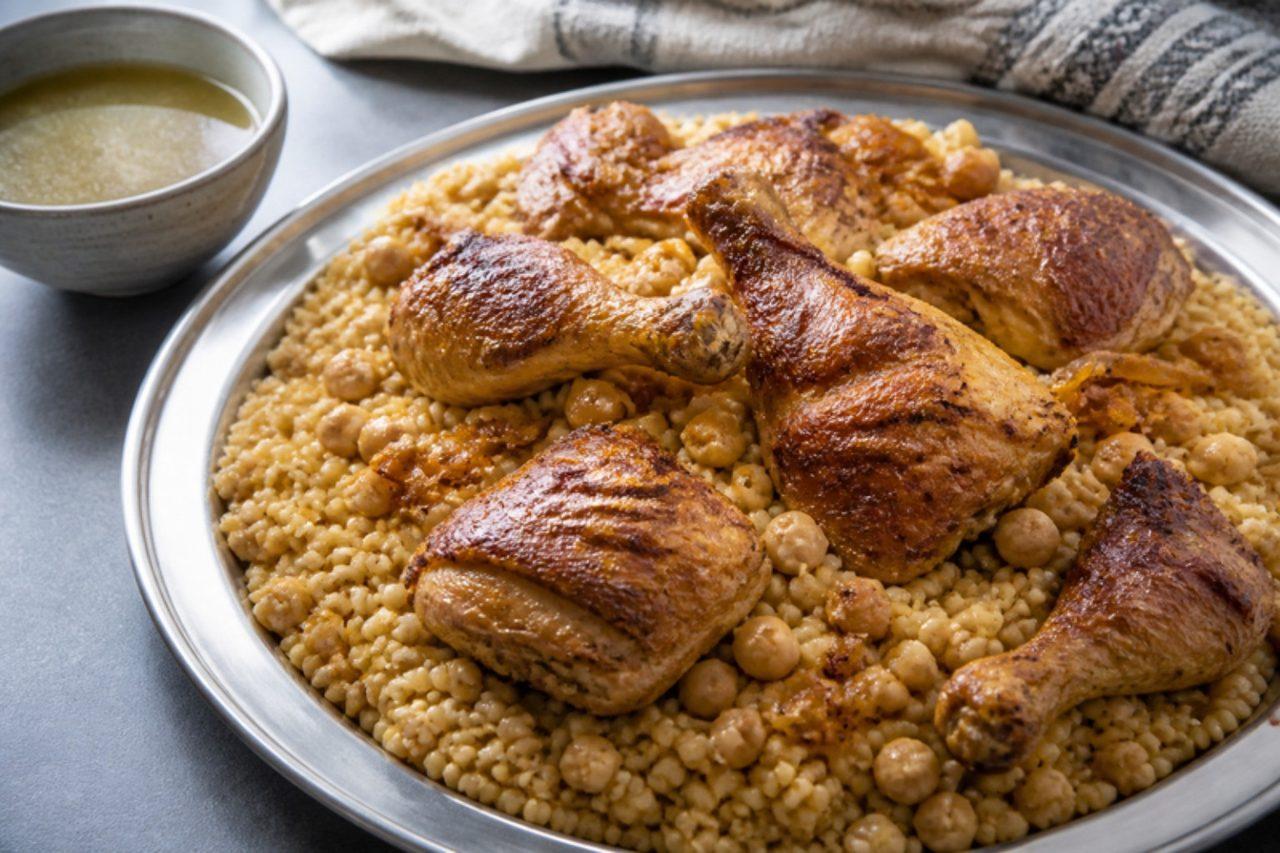
MaftoulHand-rolled couscous with chicken

Maftoul means 'rolled', and in Palestinian villages women still sit together in autumn rolling bulgur and flour by hand into pea-sized pearls, drying them in the sun to last the winter. For a family gathering, the maftoul is steamed over a pot of chicken simmering with onions, chickpeas and caraway, then served on a big platter with the chicken on top and the broth in bowls alongside. Bought maftoul or giant couscous is fine. Common mistake: boiling the maftoul like pasta, which makes it gluey; steam it, then moisten with broth. Chef's tip: toss the dry maftoul with oil and spices before steaming so every grain stays separate.

by KrazyBadal 0 views

TsigariastoFried and braised lamb

Tsigariasto comes from the verb 'to sizzle', and in the mountain villages of Crete it is the everyday way to cook lamb or kid: the pieces are browned hard in good olive oil, then left to stew slowly, covered, in nothing more than their own juices with salt and pepper. The result is meltingly tender meat in a small amount of rich, golden sauce, served with chips fried in olive oil, a horiatiki salad and bread. Common mistake: adding too much water, which turns it into a boiled stew; add only a splash at a time when the pan looks dry. Chef's tip: keep the lid on tight and the flame very low; the meat should murmur, not bubble.

135 minGreekMeatGluten free
by KrazyBadal 0 views

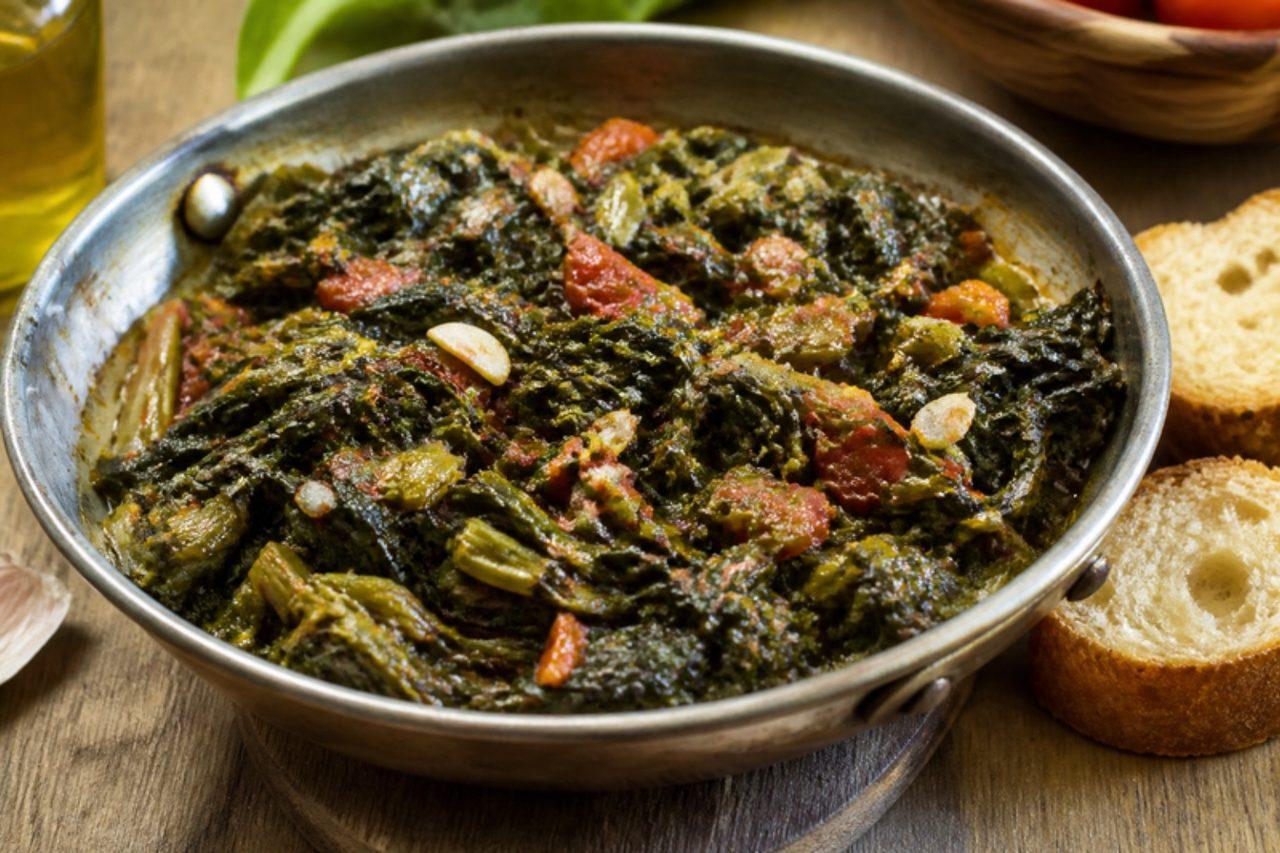
TsigareliGreens braised with tomato and paprika

Corfiots gather wild chicory, sow-thistle, fennel tops and young chard from the olive groves in winter and spring and stew them into tsigareli, a peppery, oily braise that sits on the table with bread, feta and a fried egg or two. The Venetian-era love of hot red pepper shows: it should warm the back of your throat. Common mistake: drowning the greens in water — they make their own juice, so add only a splash. Chef's tip: shop-bought mixes of spinach, chard, rocket and dill work well; add the tender leaves last so they keep some colour.

by KrazyBadal 0 views

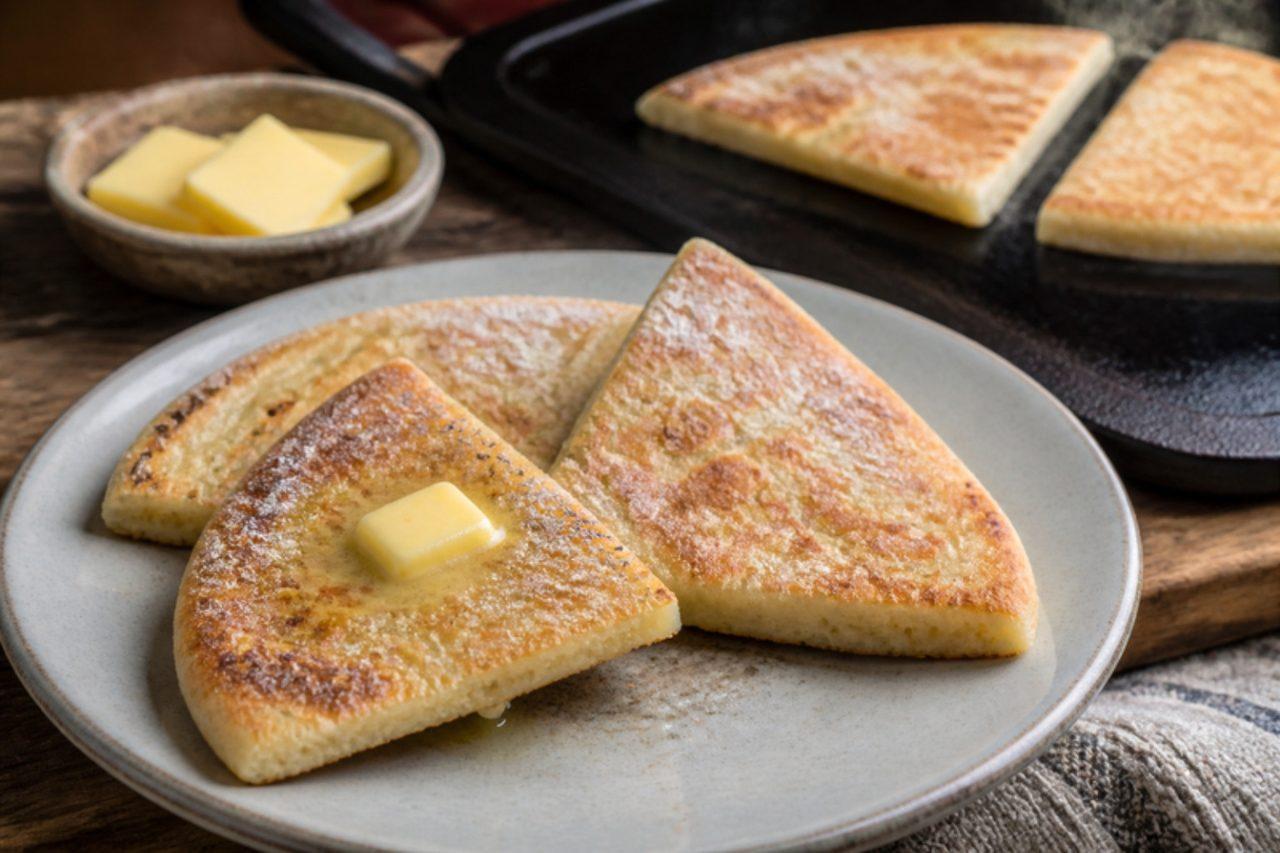
Ulster potato farlsGriddled potato bread

Potato bread, often just called fadge or tattie bread, is the soft, flat quarter-round that sits beside soda bread in every Ulster fry from Belfast to Derry. Warm mashed potato is worked with a little flour and butter, rolled into a round, cut into four farls and cooked on a dry griddle. It is thinner than a Scottish tattie scone and is always fried golden before serving. Chef's tip: use only enough flour to stop it sticking; the more potato, the better the farl.

by KrazyBadal 0 views

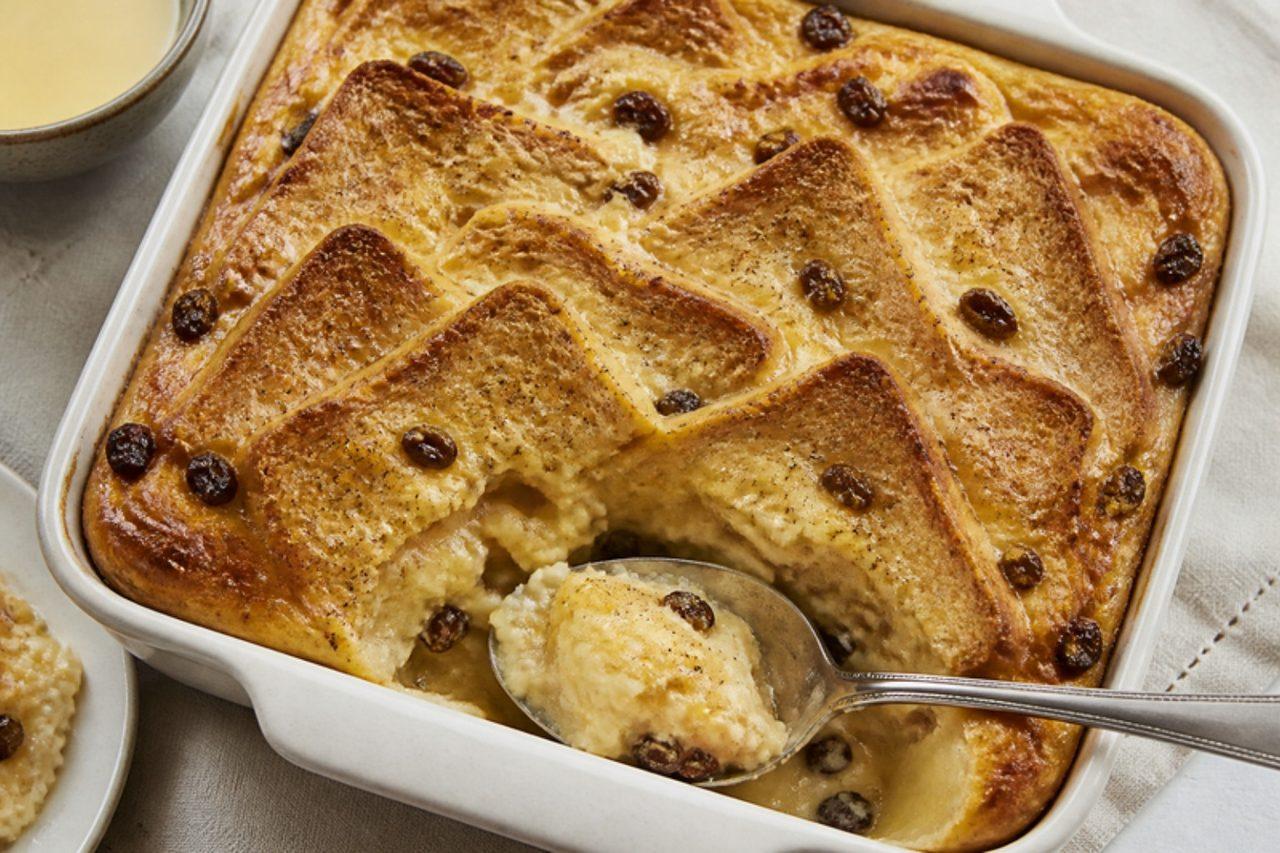
Bread and butter pudding

Bread and butter pudding was the thrifty English way of using up stale bread, and today it's a pub and Sunday-lunch pudding from the Cotswolds to London. Buttered slices of bread are layered with sultanas, soaked in a vanilla and nutmeg custard and baked until puffed with a crisp, sugary top and a soft, wobbly centre. Chef's tip: let the bread soak in the custard for 30 minutes before baking, so it's creamy all the way through.

by KrazyBadal 0 views

Showing 81 of 7,762 recipes

Show more recipes

Page 455 of 863