Skip to content
Rugbrød
Featured recipe

Rugbrød

Dark rye loaf

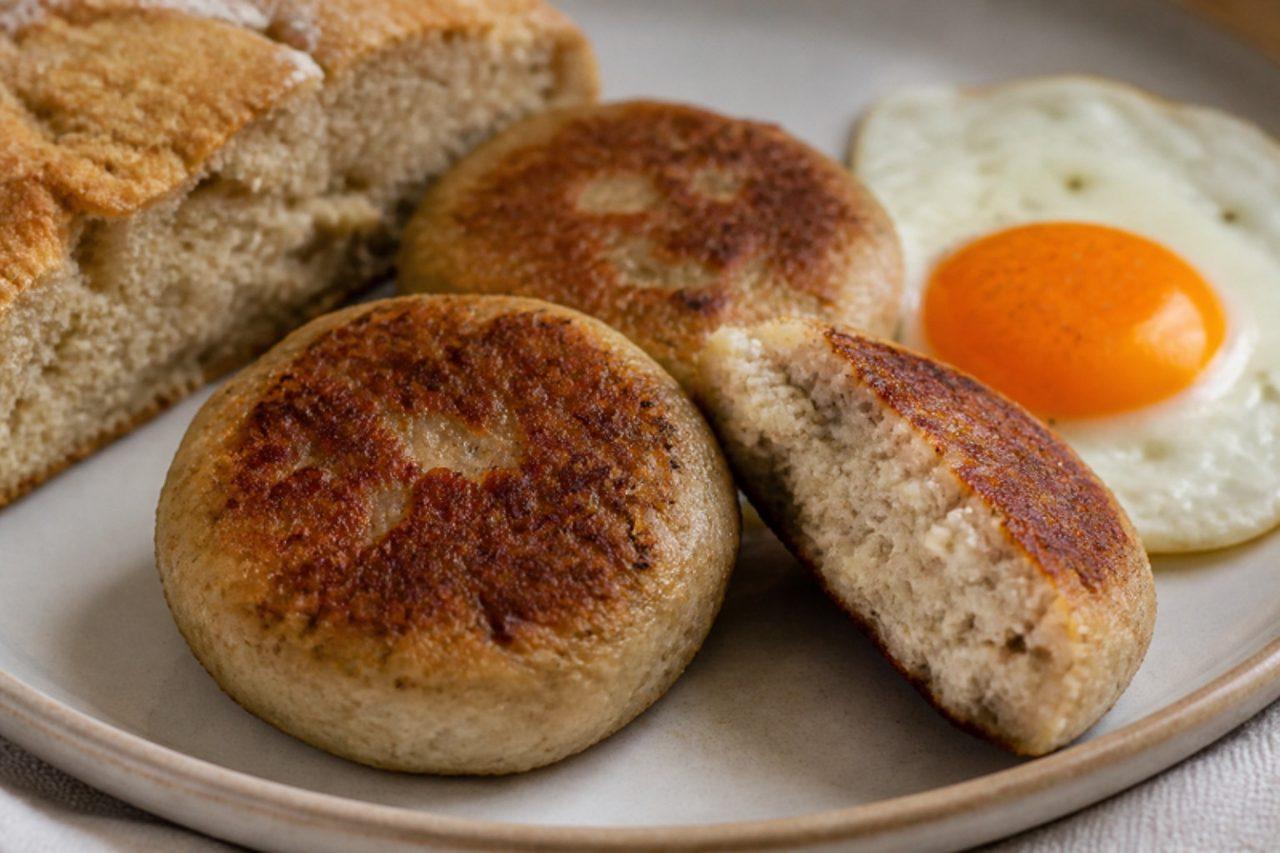
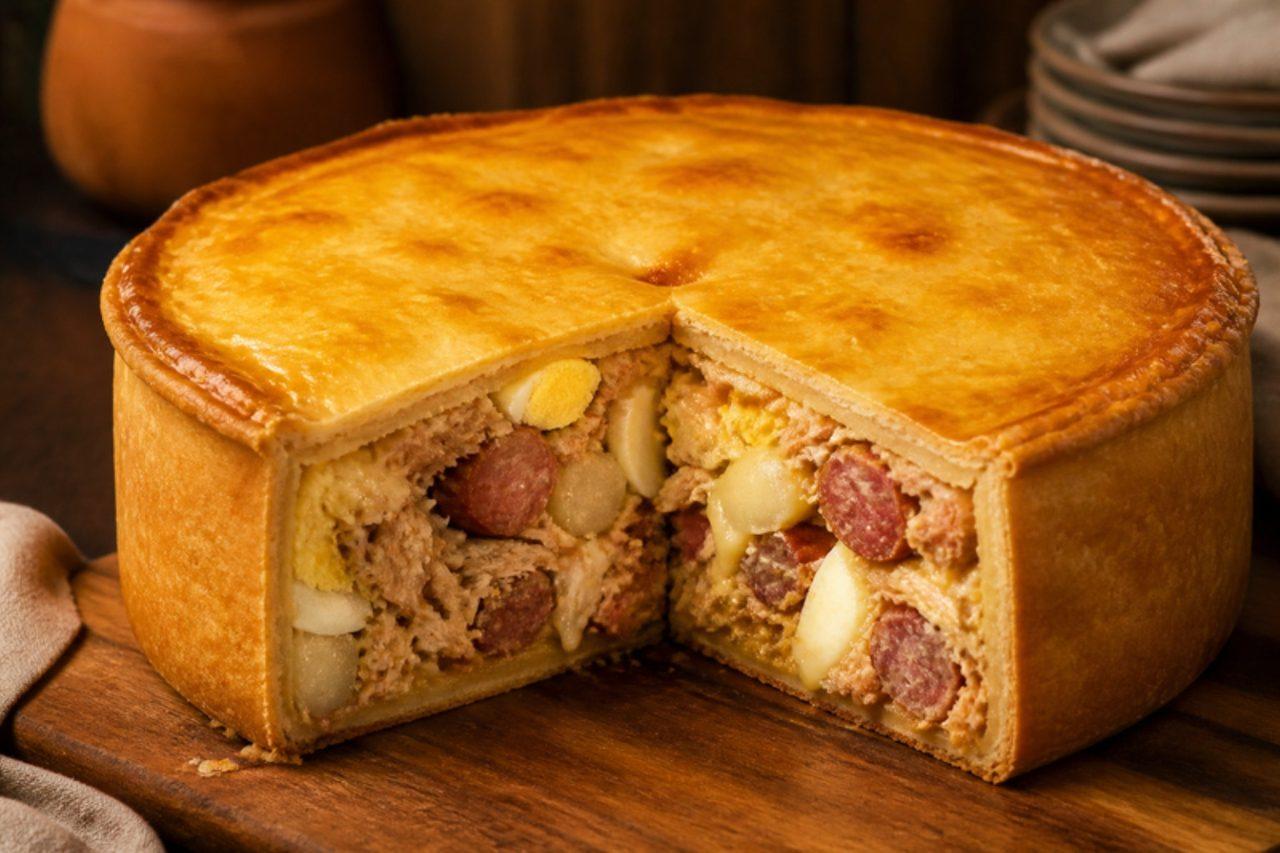
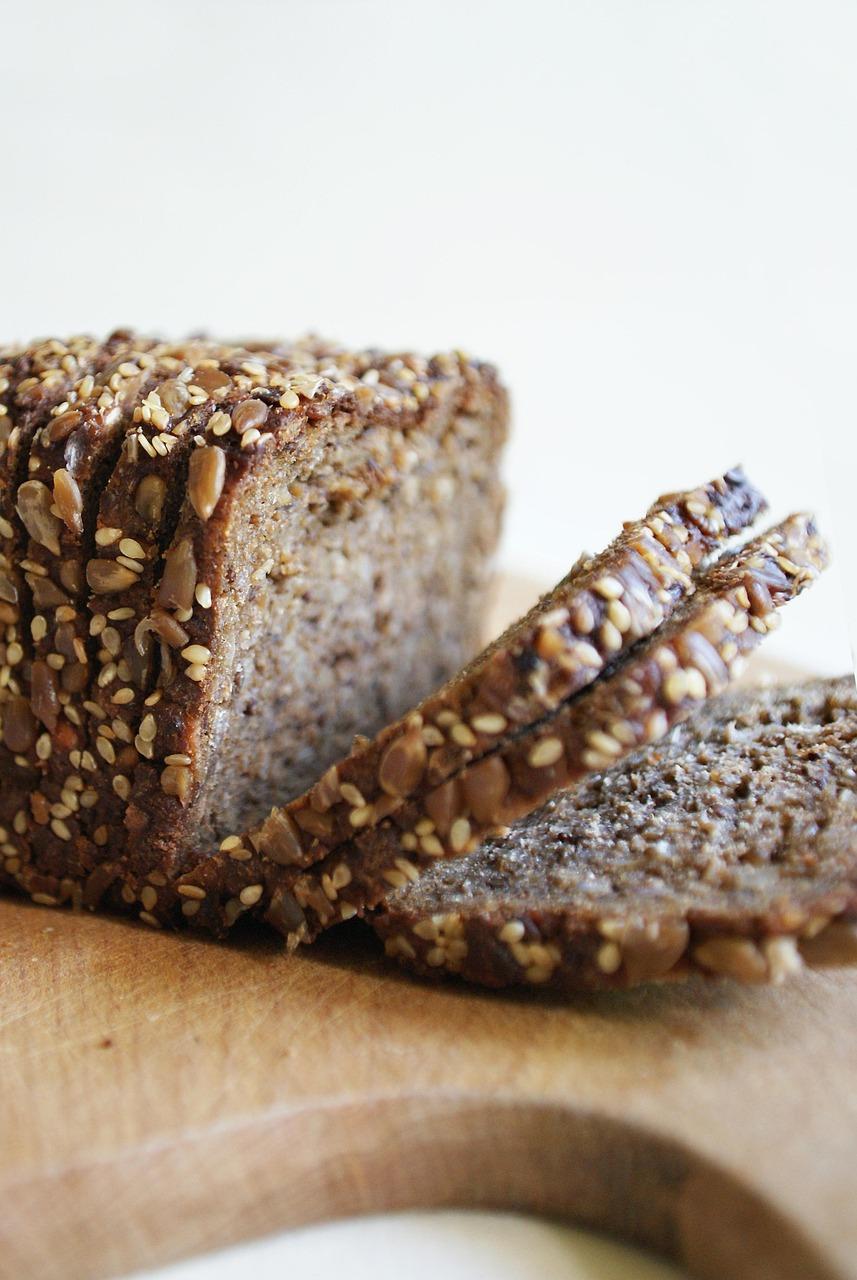
In Denmark rugbrød is not a speciality but the daily bread: a dark, dense, slightly sour loaf of rye flour, cracked rye kernels and seeds, baked in a tin and sliced thin for every smørrebrød lunch. Bakeries in Aarhus and Copenhagen sell it by the brick, and many households keep a jar of rye sourdough starter in the fridge just for it. The dough is more of a thick porridge than a dough; you spoon it into the tin rather than shape it. It needs patience: a long sour, a long bake and a full day of resting before it is cut. Chef's tip: wait at least 12 hours, ideally 24, before slicing; the crumb is still setting as it cools and cut early it will be gummy.

Read more 0 views

What to eat today?

Around the world

Today's trip: Persian

A new country every day, from every cuisine on the site.

Persian

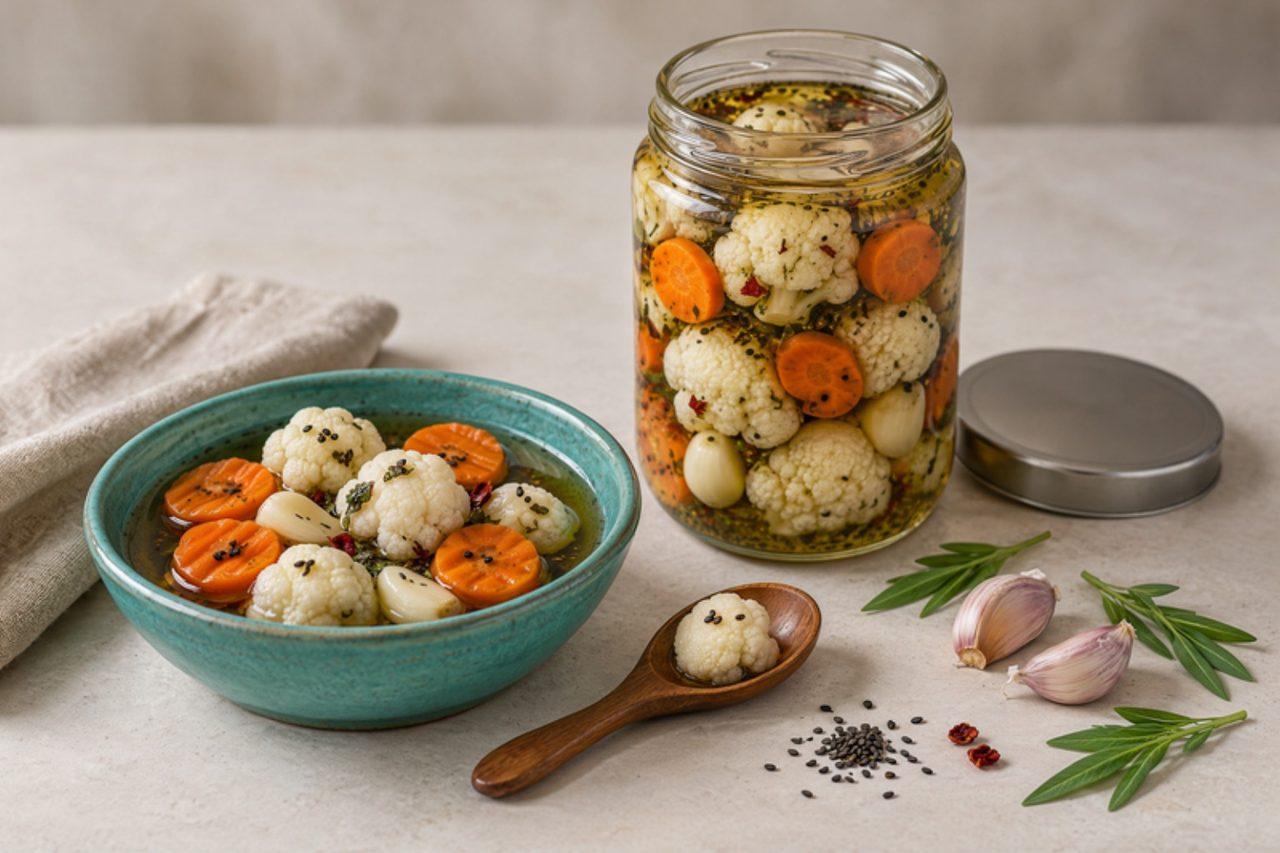
Torshi gol kalam

Cauliflower and carrot pickle 35 minMore from Persian (131) →

This week's collection

Kid-friendly dinners
541 recipes · a new collection every Monday

Latest recipes

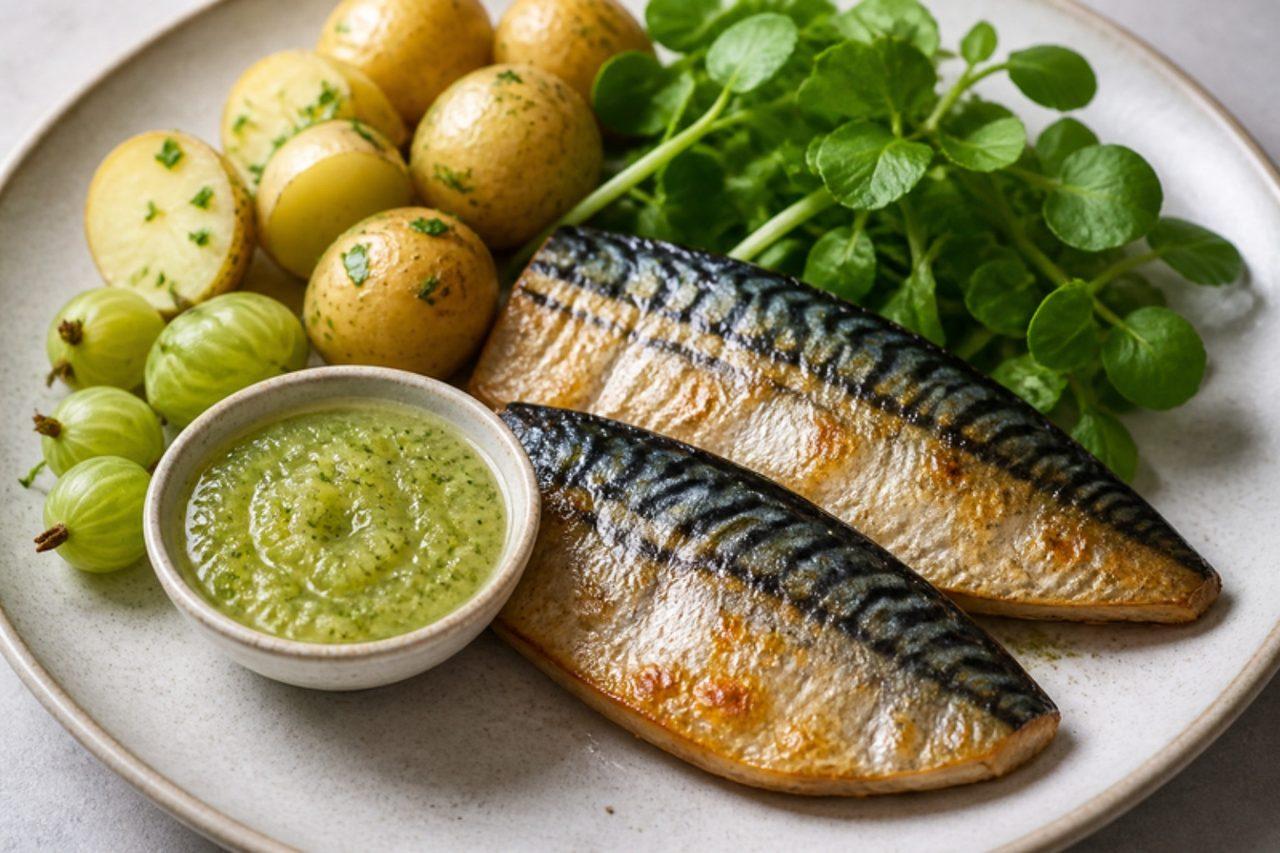
Mackerel with gooseberry sauce

In July and August shoals of mackerel come close to the piers from Kilmore Quay to Killybegs, and children catch them on hand lines for the evening pan. The old Irish partner for the oily fish is a sharp sauce of the gooseberries ripening in the garden at the same time, which cuts through the richness. Serve with new potatoes. Chef's tip: cook the fillets skin-side down almost all the way, so the skin crisps and the delicate flesh stays moist.

25 minIrishFishGluten free
by KrazyBadal 0 views

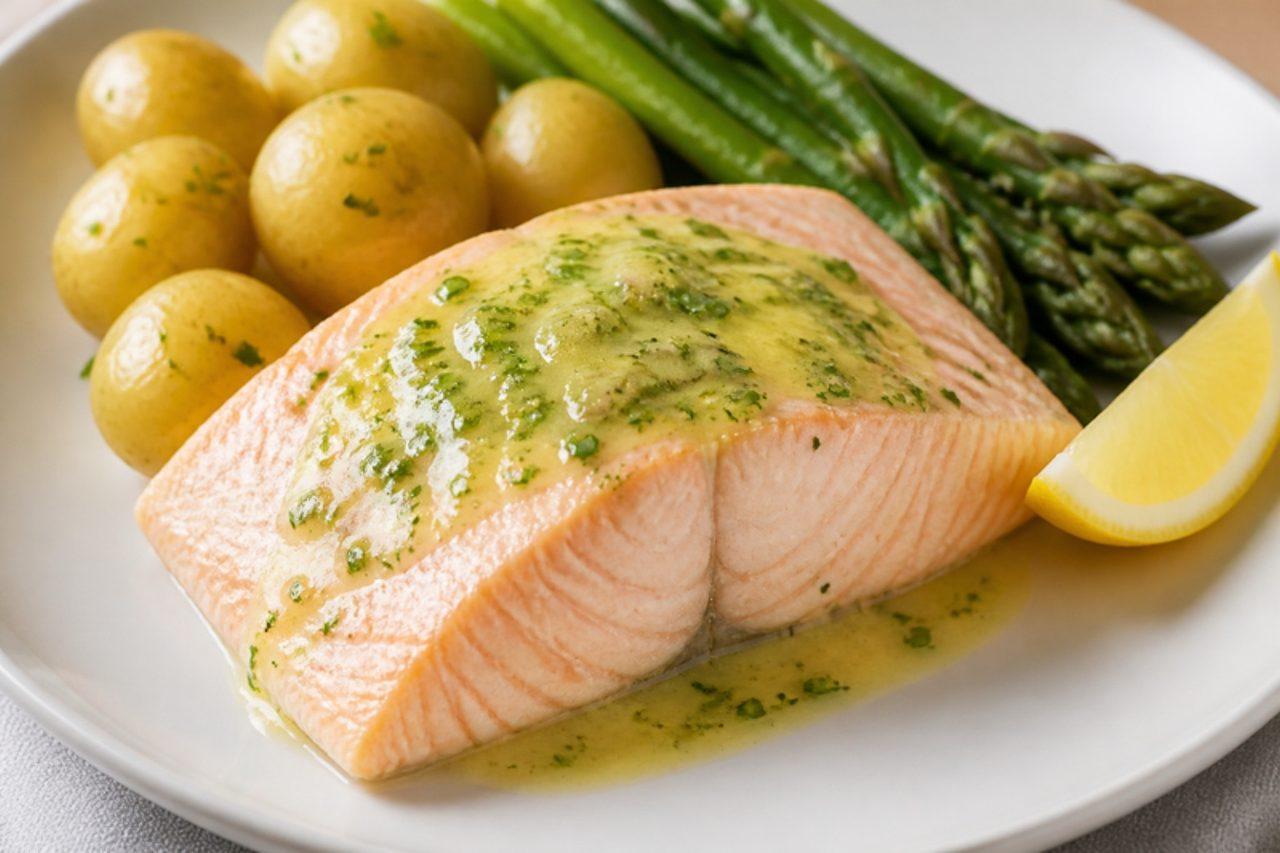
Poached Irish salmon with herb butter

A side of poached salmon is the centrepiece of Irish wedding buffets, First Communion lunches and summer gatherings along the Moy and the Blackwater, where wild salmon once ran thick. Poached gently in a court bouillon, it stays silky and moist, and here it is served warm with a simple chive and lemon butter sauce, new potatoes and peas. Chef's tip: never let the poaching liquid boil; it should barely shiver, or the salmon tightens and leaks white curds.

30 minIrishFishGluten free
by KrazyBadal 0 views

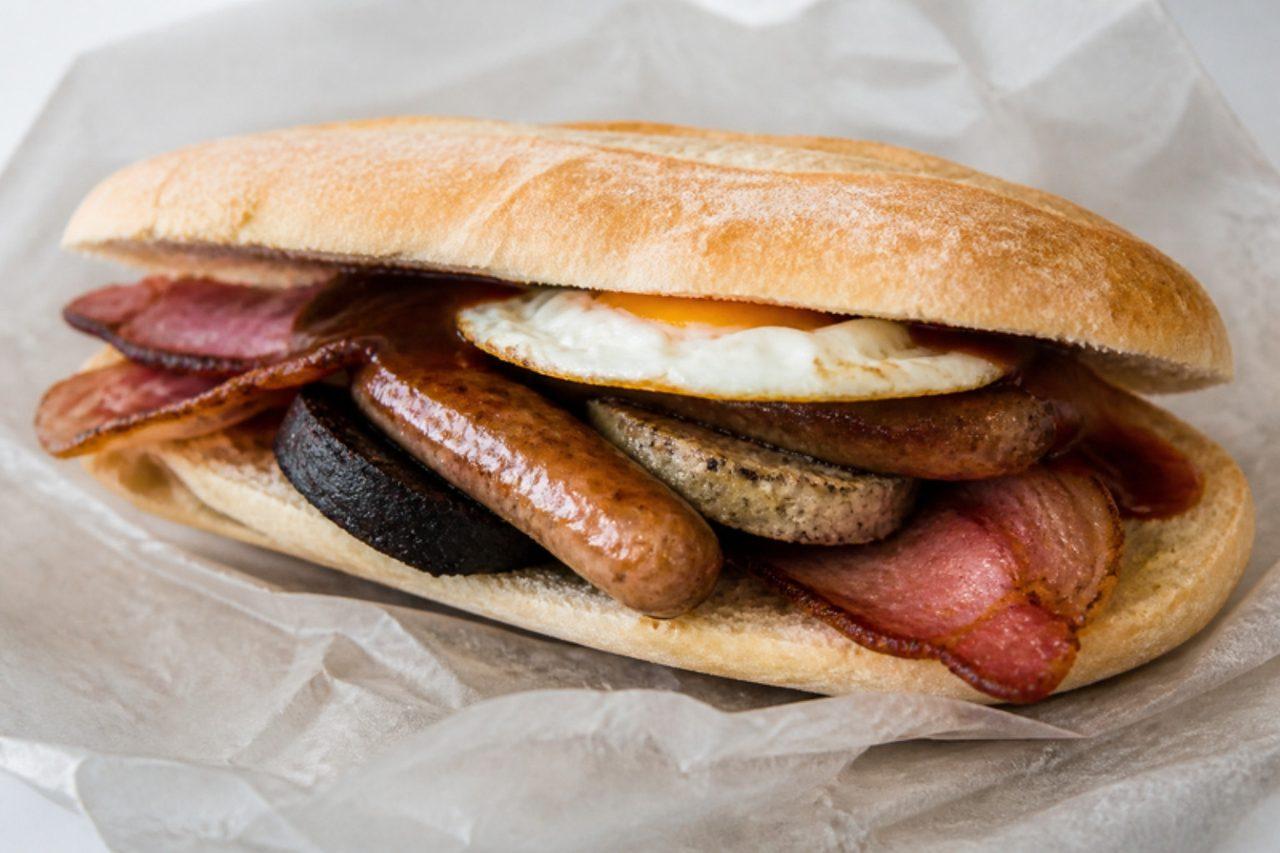
Irish breakfast roll

The breakfast roll is the hot deli sandwich of Irish petrol stations and corner shops, eaten from its paper bag by builders, commuters and students all over the country from early morning. A long, crusty baguette-style roll is packed with what is in a fry: pork sausages, rashers, black and white pudding and a fried egg, with butter and brown sauce or ketchup. Chef's tip: warm the roll in the oven so it is crisp outside and soft within before you load it.

by KrazyBadal 0 views

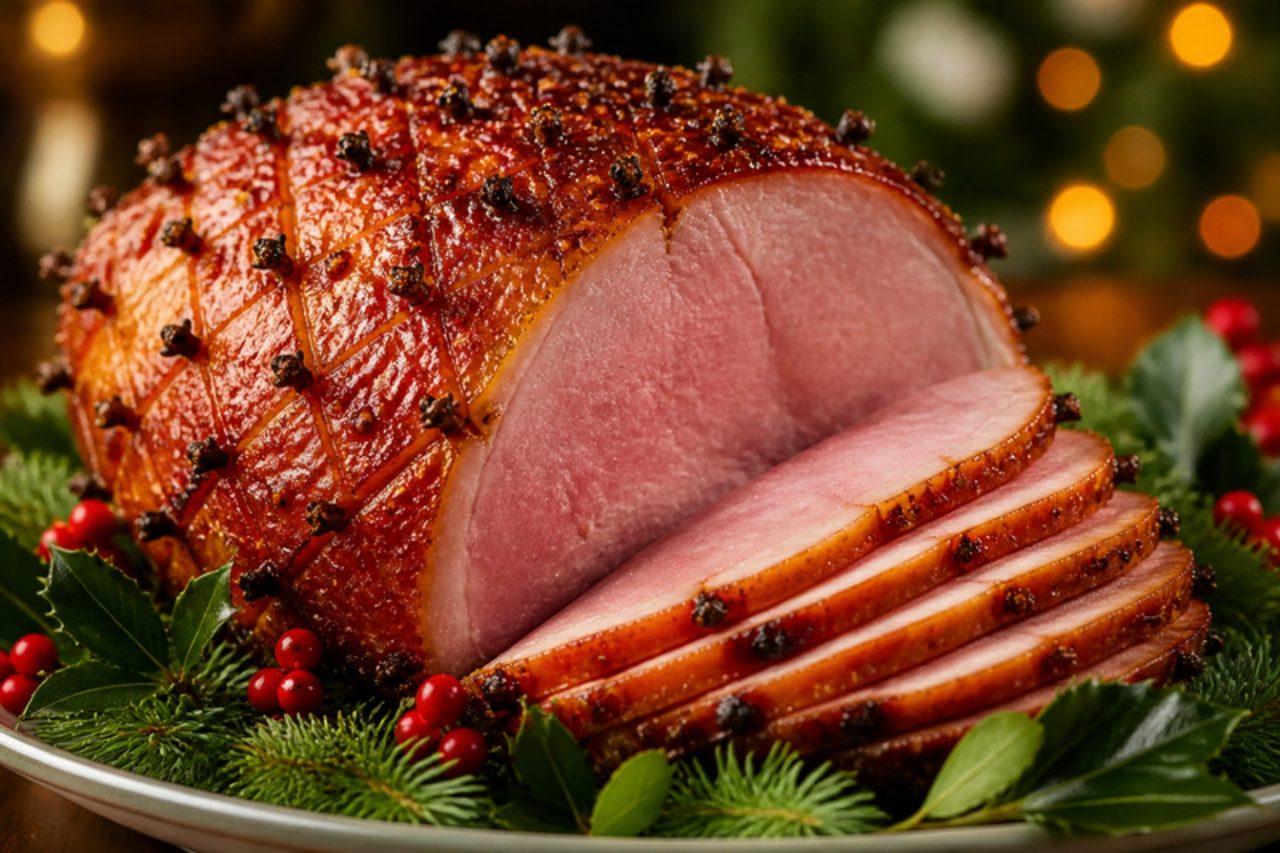
Limerick ham with cider glaze

Limerick was once famous across Europe for its hams, cured in the city's bacon factories, and a glazed ham is still the centrepiece of the Irish Christmas table next to the turkey. This is a gammon joint, which is pork: simmered gently in cider with an onion and spices, then studded with cloves and glazed in a hot oven until sticky and dark. Serve hot with mash and parsley sauce, or cold for St Stephen's Day sandwiches. The cider contains alcohol, which mostly cooks off; for an alcohol-free version use cloudy apple juice. Chef's tip: score the fat in a neat diamond pattern only through the fat, not the meat, so the glaze grips without the meat drying.

200 minIrishMeatGluten free
by KrazyBadal 0 views

Irish white pudding patties

White pudding is the pale partner to black pudding on the Irish breakfast plate, made in butchers' shops from West Cork to Sligo with pork, pork fat, oatmeal, onion and a secret blend of spices. Making it at home in casings is fiddly, so this version shapes the same mix into patties to fry for the full Irish or a breakfast roll. Chef's tip: toast the oats in a dry pan first; it gives the nutty flavour that good shop-bought white pudding has.

by KrazyBadal 0 views

Lighvan-style brined cheese

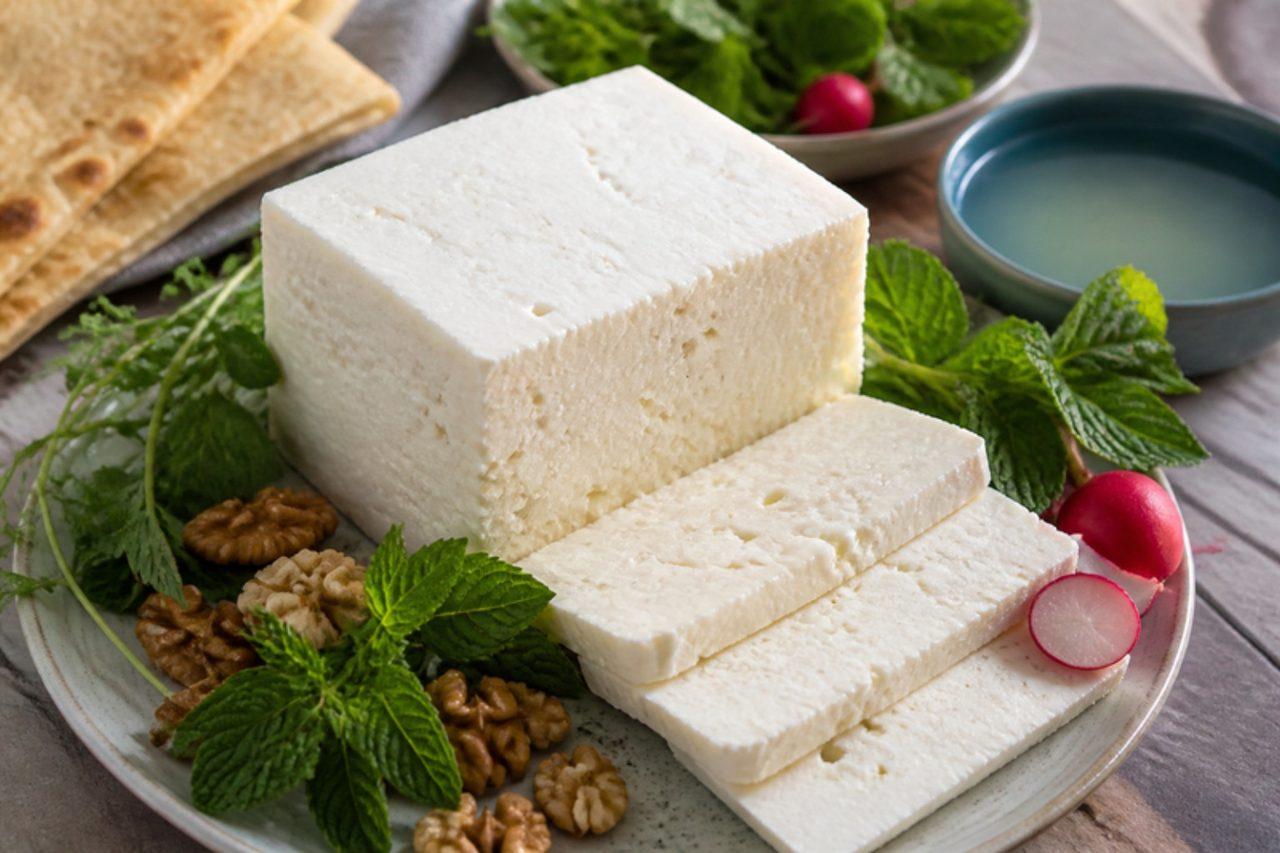
The village of Lighvan, on the slopes of Mount Sahand south of Tabriz, gives its name to Iran's most loved breakfast cheese: a white, holey, tangy sheep's milk cheese matured in brine, traditionally in goatskins or tins in mountain caves. Across Azerbaijan province it is eaten every morning with warm bread, walnuts, fresh herbs and sweet tea. This home version uses pasteurised sheep's milk (or a mix with goat's milk) so it is safe to make in your kitchen. Village Lighvan is set with animal rennet; use a vegetarian (microbial) rennet to keep it vegetarian. The commonest mistake is cutting the curd before it gives a clean break, which loses yield and makes a crumbly cheese. Chef's tip: let the cheese firm in the fridge for a full week in the brine; it develops its classic tang and little holes as it matures.

1500 minPersianBasicsGluten free
by KrazyBadal 0 views

Golab (home-distilled rosewater)

Every May the valleys around Kashan and Qamsar fill with pickers gathering Damask roses at dawn for golabgiri, the rose-water festival, when copper stills bubble in village courtyards. Golab is the backbone of Persian sweets, sharbat and rice, and a small batch can be made at home with a stockpot, an upturned lid and a bowl of ice. You need fragrant roses that have never been sprayed: florist roses are not safe to use in food. A common mistake is boiling hard, which cooks the petals and gives a grassy, dull water; the pot should only simmer. Chef's tip: pick the roses early in the morning, when their scent is strongest, and distil the same day.

by KrazyBadal 0 views

Mousse de cupuaçu

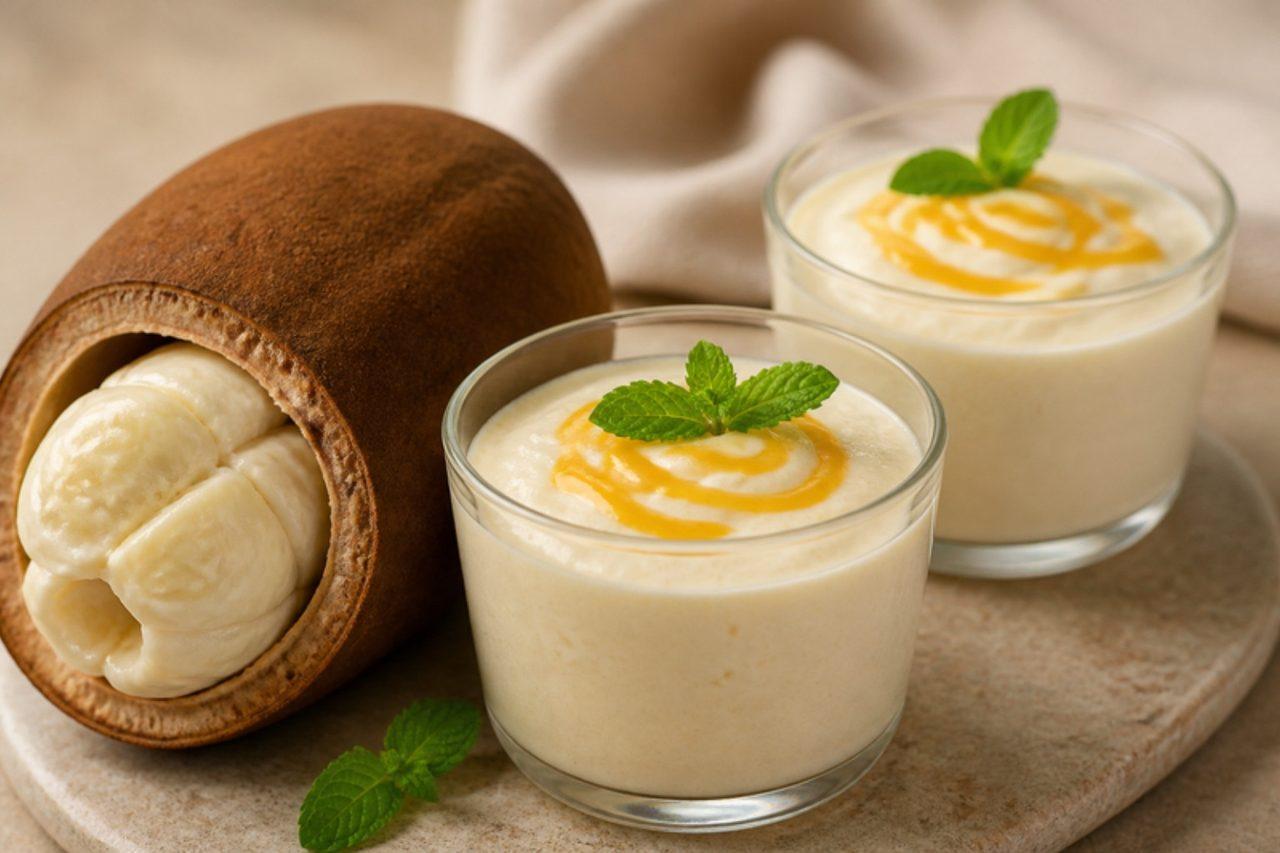
Cupuaçu, a cousin of cacao with a velvety white pulp, smells of pineapple, banana and chocolate at once and is one of the great flavours of Pará. Belém's ice-cream parlours and lunch restaurants turn it into this light, sharp-sweet mousse, and home cooks make it the night before a birthday or Sunday lunch because it is just whipped and chilled. Condensed milk and cream soften the fruit's sourness; a spoon of cupuaçu syrup on top adds colour and bite. Outside Brazil, buy frozen unsweetened cupuaçu pulp from Brazilian or Latin shops. Many cooks blend the cream with everything else, which leaves the mousse runny; whip it separately and fold it in. Chef's tip: thaw the pulp in the fridge rather than in hot water, so it keeps its perfume, and chill the mousse for at least 4 hours.

by KrazyBadal 0 views

Fried mahi sefid with bitter orange

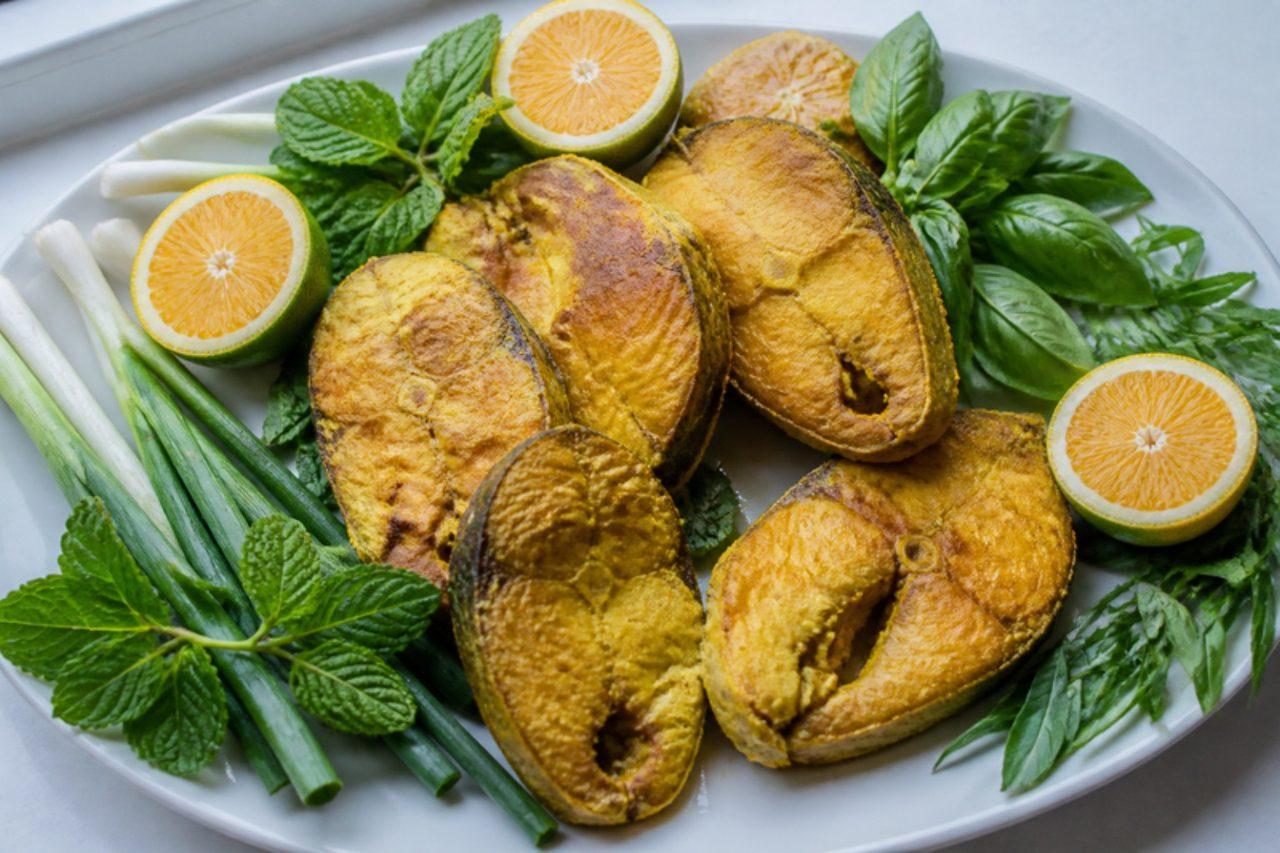
Along the Caspian shore from Bandar Anzali to Babolsar, the silvery kutum (mahi sefid) arrives in late winter, and families fry thick steaks of it for weekday lunches and for the Nowruz table. The coating is nothing more than flour, turmeric, salt and pepper, so the sweet, firm flesh does the talking; it comes to the table with wedges of bitter orange (narenj), rice and a plate of fresh herbs. Any firm white fish with skin works if you can't find kutum: sea bass, hake or cod steaks. A common mistake is crowding the pan, which drops the oil temperature and leaves the crust pale and greasy. Chef's tip: dry the fish properly and flour it only at the last moment, so the turmeric crust fries to a crisp golden shell instead of turning pasty.

by KrazyBadal 0 views

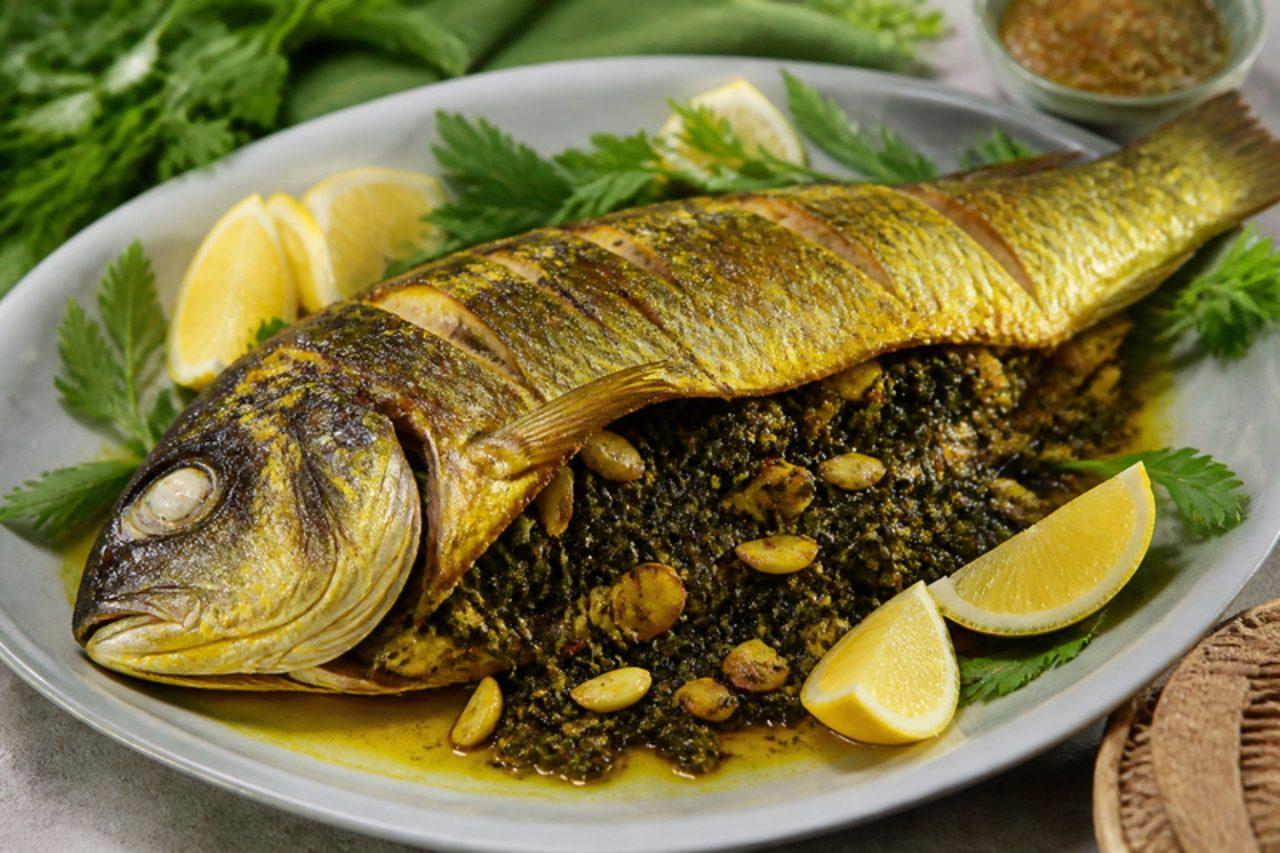
Mahi sobour stuffed with herbs and tamarind

Each spring the shad (sobour) swims up the Karun and Arvand rivers, and in Ahvaz and Khorramshahr the season is marked by whole fish split open, packed with a sour paste of herbs, garlic and tamarind and cooked over coals or in a hot oven. The rich, oily flesh is a perfect match for the sharp filling. Shad is very bony, so most home cooks outside Khuzestan use sea bass, sea bream or mackerel, which take the same filling beautifully. A common mistake is overfilling the fish so it bursts open and the stuffing burns; pack it firmly but leave a finger's width at the edges. Chef's tip: cut three shallow slashes in each side and rub a little filling into them, so the sourness reaches the whole fish.

by KrazyBadal 0 views

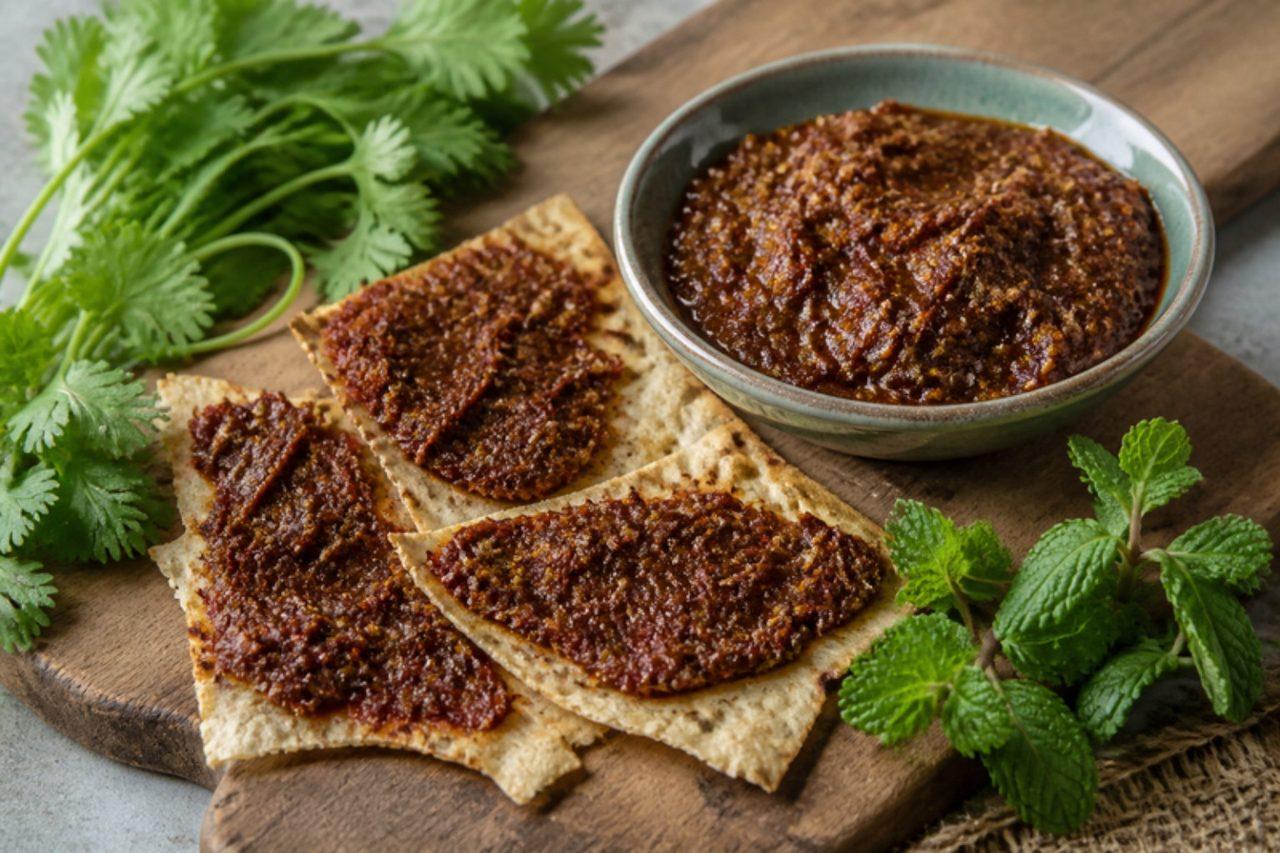
Mahyaveh-style anchovy and spice spread

In Bandar Abbas, Lar and the villages of Hormozgan, mahyaveh is a dark, pungent sauce made by leaving tiny fish with salt, mustard seed and spices to ferment in the sun for weeks; it is smeared on hot flatbread for breakfast or with eggs. That open-air fermentation is hard to control safely at home, so this version gets the same deep, salty flavour from ready-cured anchovy fillets blended with toasted mustard seed, cumin, coriander seed, fennel and a little vinegar, and it lives in the fridge from the start. It is still a cured-fish product: not for pregnant women, young children or anyone with a weakened immune system. A common mistake is spreading it thickly like a pâté; it is a seasoning, so a thin smear is enough. Chef's tip: toast the spices until the mustard seeds just start to pop, which takes the raw bitterness out and gives the spread its roasted edge.

by KrazyBadal 0 views

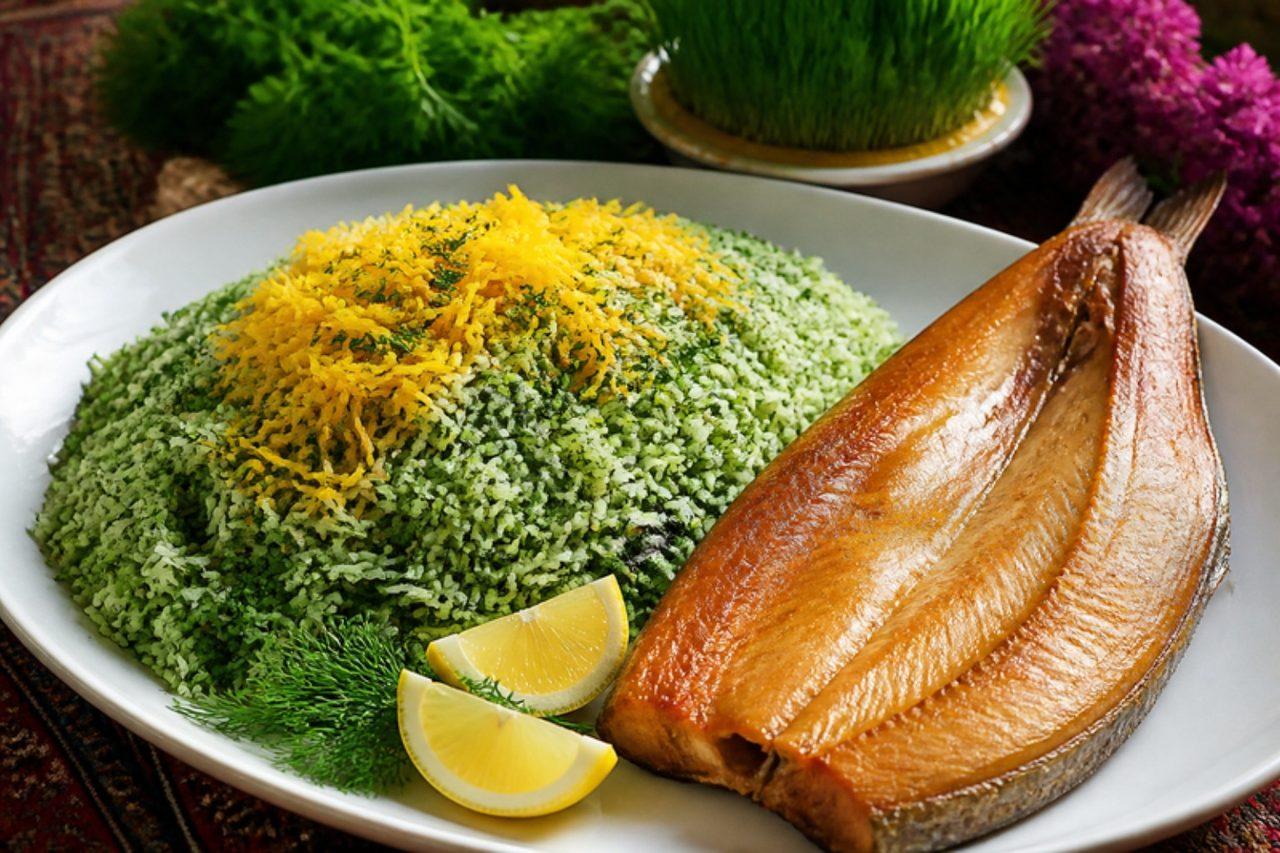
Mahi doodi with sabzi polo

On the first day of the Persian new year, from Rasht to Tehran, the classic lunch is sabzi polo, a green herb rice, with fish, and on the Caspian side that fish is often golden hot-smoked white fish (mahi doodi). Fresh herbs stand for spring and the fish for life, so the plate is full of meaning as well as flavour. Most cooks buy the smoked fish ready made and simply warm it with a little garlic and saffron butter, which is what this recipe does; the rice is steamed with dill, parsley, coriander and chives until it forms a crisp tahdig. Hot-smoked fish is already cooked; heat it until piping hot, at least 70 °C in the middle. A common mistake is warming the fish dry in a hot oven, which makes it tough and salty; wrap it with a splash of water so it steams. Chef's tip: soak the smoked fish in warm water for 10 minutes first to draw out some of the salt.

by KrazyBadal 0 views

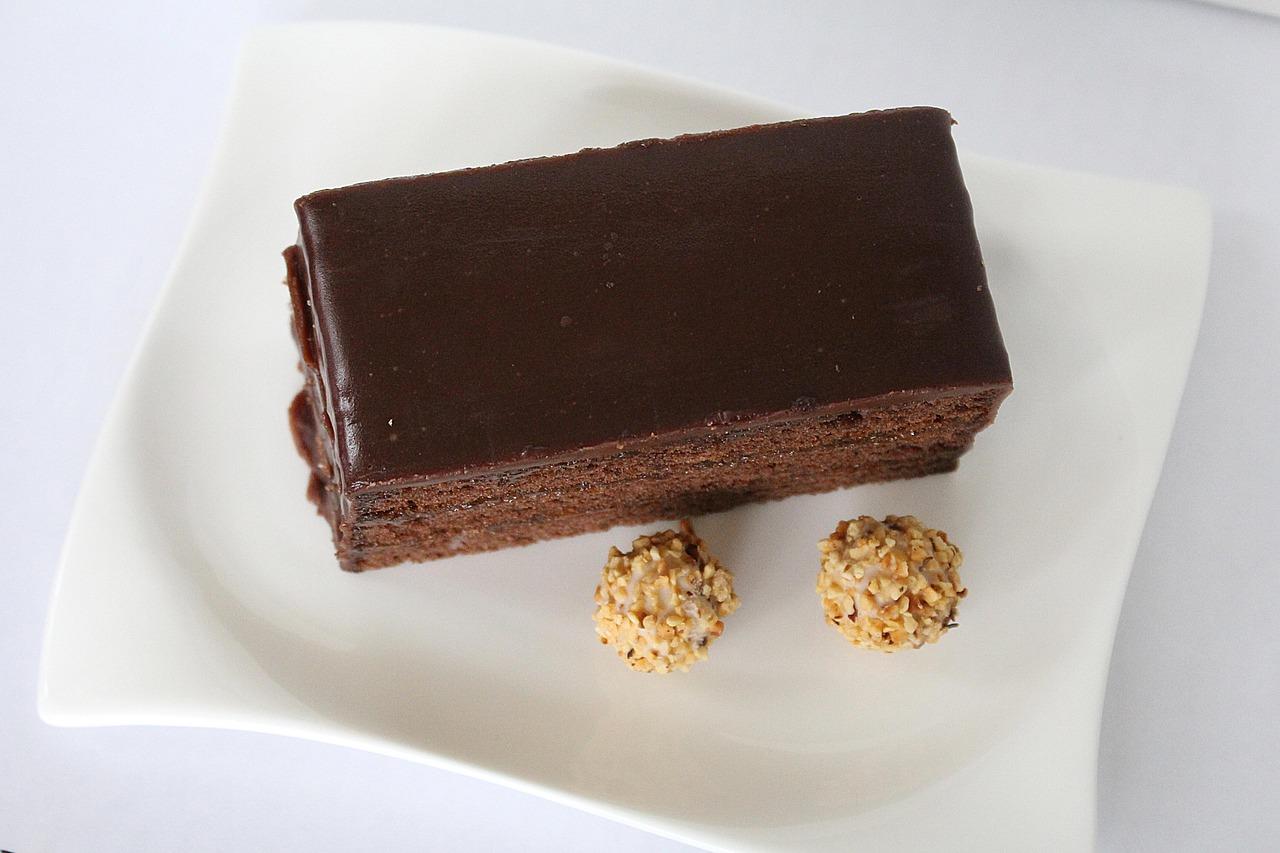
Sachertorte

This dense, dark chocolate torte is Vienna's most famous cake, eaten in coffee houses all over the city with a cup of Melange and, always, a cloud of unsweetened whipped cream on the side. The sponge is made with melted chocolate and whisked egg whites, so it is fine-crumbed and slightly dry by design; a thin layer of sharp apricot jam runs through the middle and over the top, under a shiny, snappy chocolate glaze. A common mistake is pouring the glaze too hot or too cold; too hot and it runs off thin, too cold and it sets dull and lumpy. It is a cake for birthdays and Sunday visits, and it keeps well for days. Chef's tip: bake it the day before and let it rest overnight wrapped; it cuts far more neatly and the crumb softens.

by KrazyBadal 0 views

Linzer Torte

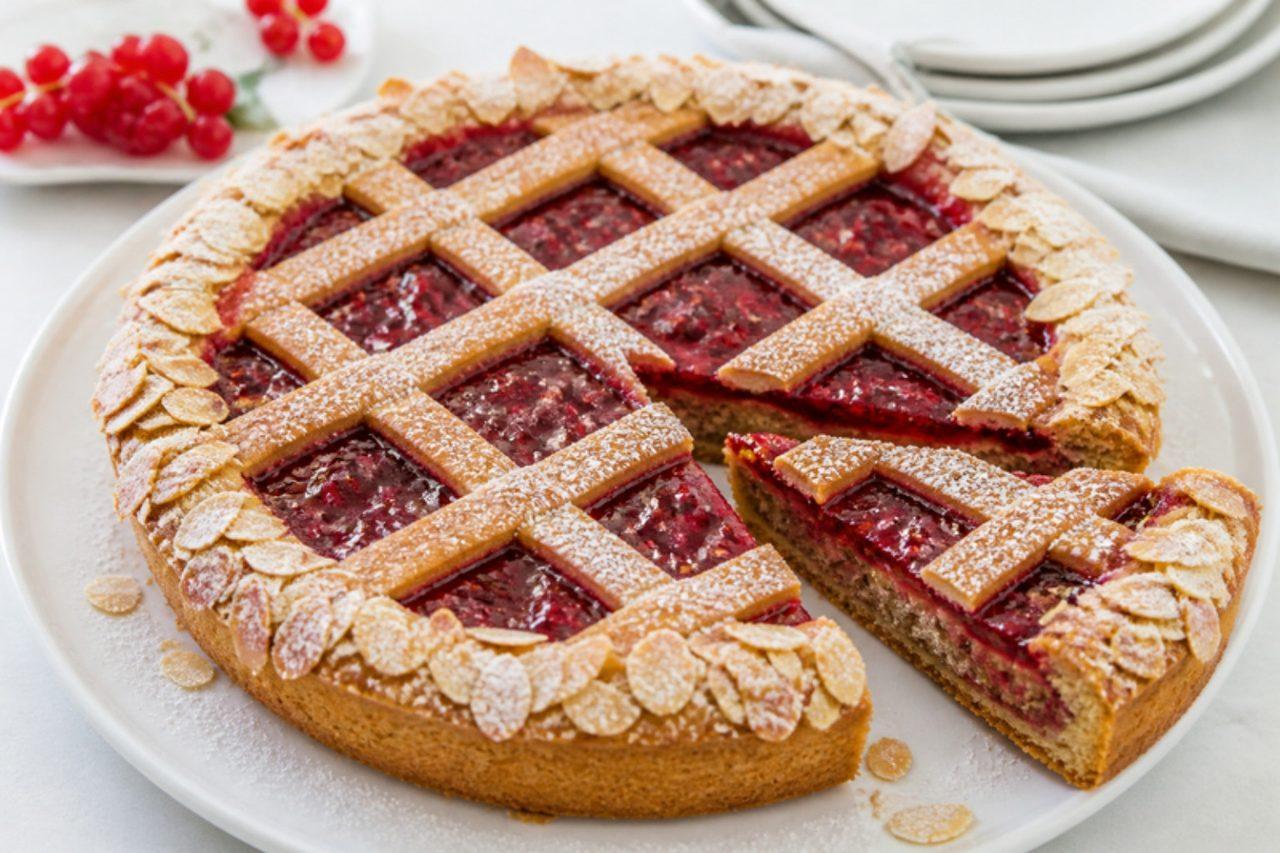
Linz, the Danube city in Upper Austria, has baked this tart for centuries, and it still fills bakery windows there all year, with extra demand in Advent. It is closer to a soft, crumbly nut biscuit than a pastry: ground hazelnuts, butter, cinnamon and cloves are pressed into the tin, filled with tart redcurrant jam and topped with a lattice. Serve a thin slice with coffee or tea. A common mistake is eating it on the day it is baked; it is much better after two or three days, when the jam soaks into the crumb. Chef's tip: chill the lattice strips on a tray before lifting them on, and they will not tear.

by KrazyBadal 0 views

Westphalian pumpernickel

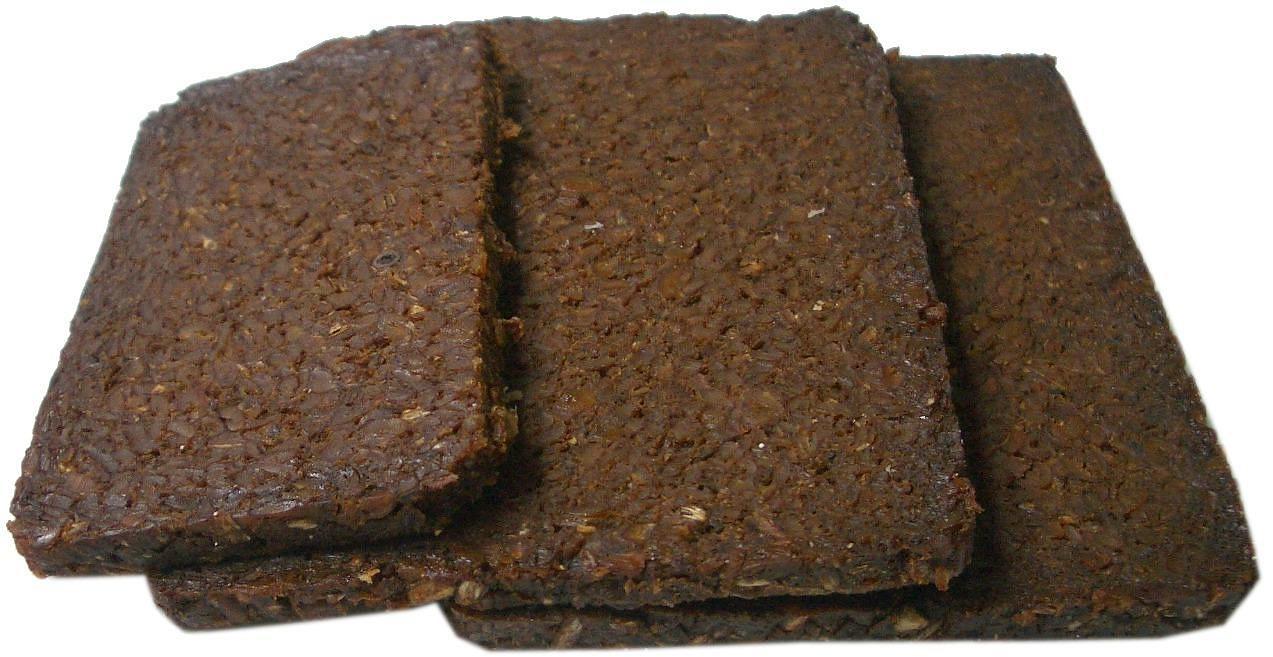
Real pumpernickel comes from Westphalia, where bakers in towns like Soest once left loaves in the cooling bread oven overnight, and it is still sliced paper-thin for breakfast with butter, quark and radishes or with a sharp cheese. There is no colouring and no molasses here: the near-black colour and the malty sweetness come only from cracked rye cooked for many hours in steam at a low heat. The crumb is moist, dense and slightly sticky, and the loaf keeps for over a week wrapped in cloth. A common mistake is slicing it on the day it comes out of the tin; it needs a full day to settle or it tears into gummy crumbs. Chef's tip: wrap the tin tightly in two layers of foil and stand it in a roasting tray of hot water, because a dry loaf turns hard instead of dark and sweet.

by KrazyBadal 0 views

Sweet-sour pickled pumpkin

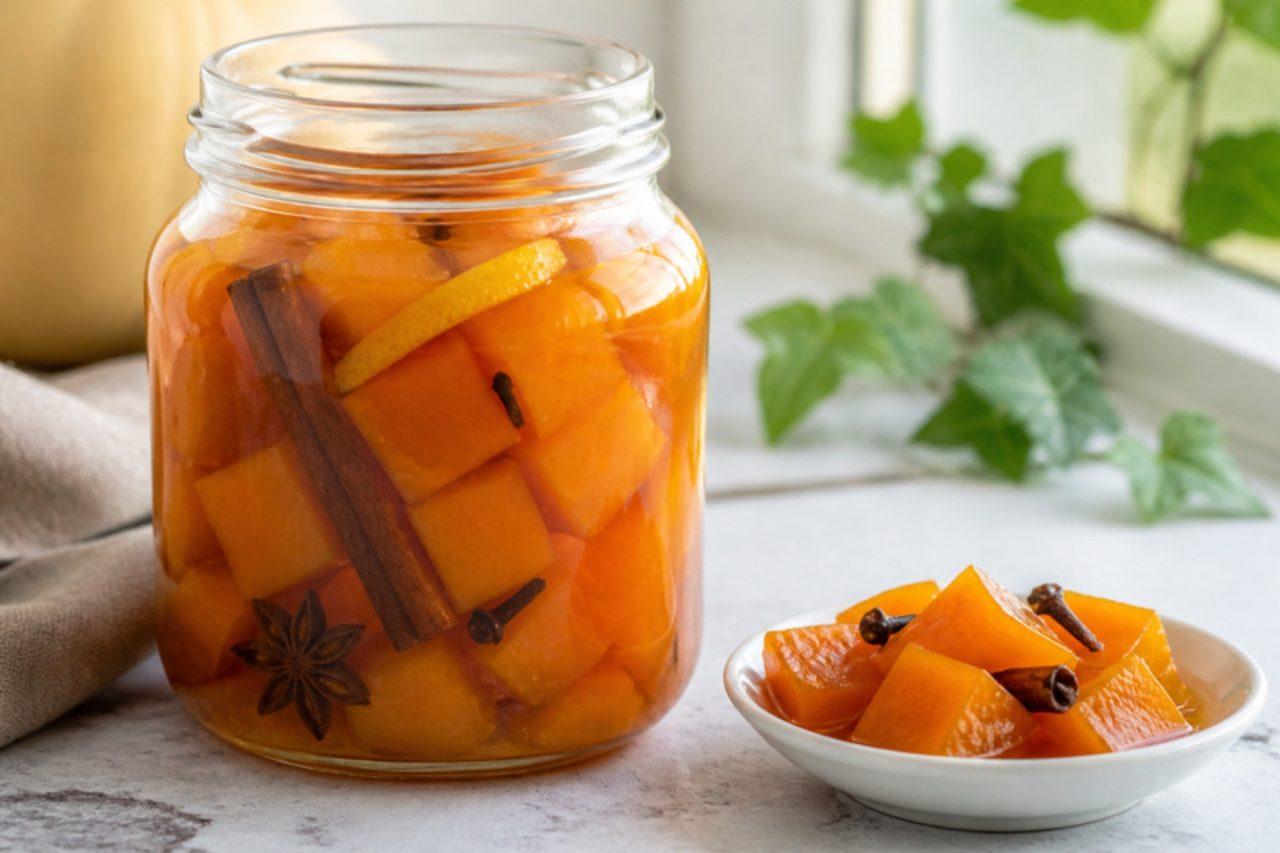
When the pumpkin harvest peaks in October, from the Rhineland to Saxony, German kitchens turn the firm orange flesh into Süß-sauer eingelegter Kürbis, golden cubes preserved in sweet spiced vinegar. Through the winter they come out of the cellar to sit beside roast dinners, game, cheese boards and cold cuts, or a simple plate of potatoes and quark. Cinnamon, cloves, ginger and a little lemon peel make them taste of Christmas. The mistake is using a watery carving pumpkin, which falls apart; choose a dense one such as Hokkaido or butternut. Chef's tip: steep the raw cubes in the cold vinegar overnight before cooking; it firms them so they stay in neat, glassy cubes.

by KrazyBadal 0 views

EisbeinCured pork knuckle

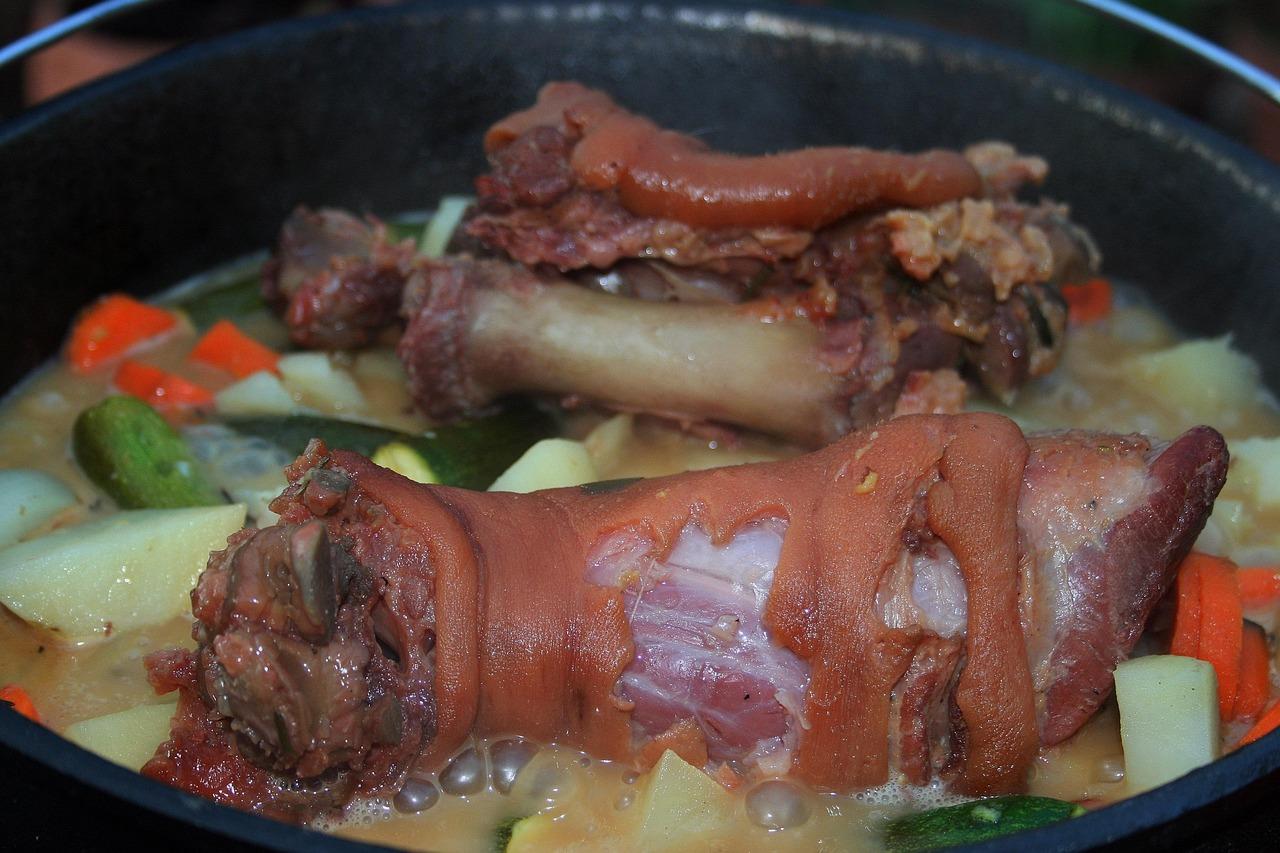
Eisbein is old Berlin pub food, the cured pork knuckle served in Kneipen across the city with a mound of yellow pease pudding (Erbspüree) and sauerkraut, and it is especially popular in the cold months. Unlike the Bavarian roast Haxe, this pork knuckle is pickled in brine by the butcher and then simmered slowly, so the meat turns pink, tender and gently salty and the rind stays soft. Order a cured ("gepökelt") knuckle from a German or Polish butcher. Chef's tip: soak the knuckle in cold water for a few hours first if your butcher's cure is strong; taste a little of the simmering water after 30 minutes and change it if it is very salty.

180 minGermanMeatGluten free
by KrazyBadal 0 views

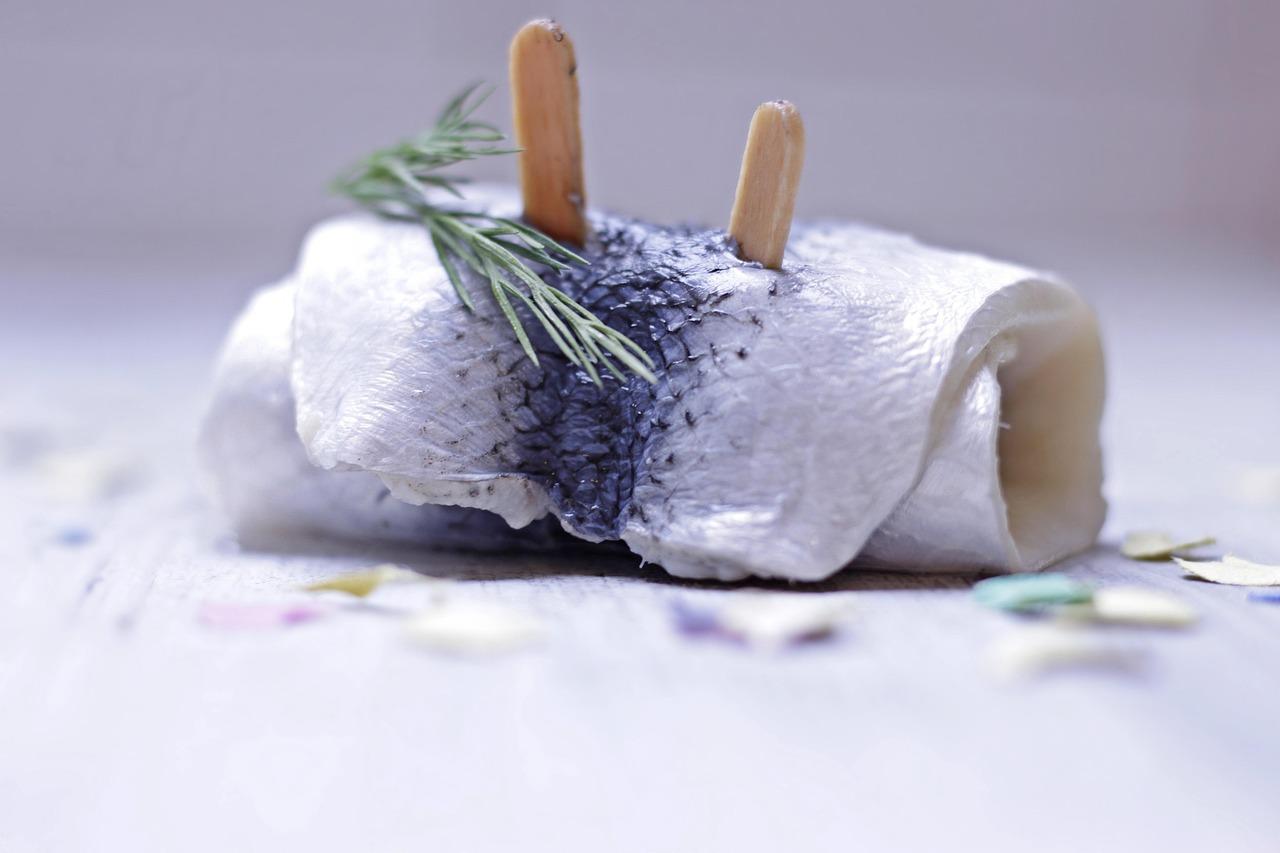
Rollmops

Rollmops are the pickled herring rolls of the North Sea and Baltic coasts, pinned with a wooden pick around gherkin and onion and kept in a jar of spiced vinegar; in Berlin and Hamburg they are the classic morning-after breakfast and a fixture of New Year's Day tables. Making them at home takes a week of fridge time but very little work. Because the fish is never cooked, use herring that has been frozen at −20 °C for at least 24 hours (most fresh 'sashimi-grade' or commercially frozen fillets qualify; ask your fishmonger), and keep everything chilled. Rollmops are not for pregnant women, young children or anyone with a weakened immune system. Chef's tip: let the jars rest a full five days; the vinegar needs that long to firm the flesh and soften the tiny bones.

60 minGermanFishGluten free
by KrazyBadal 0 views

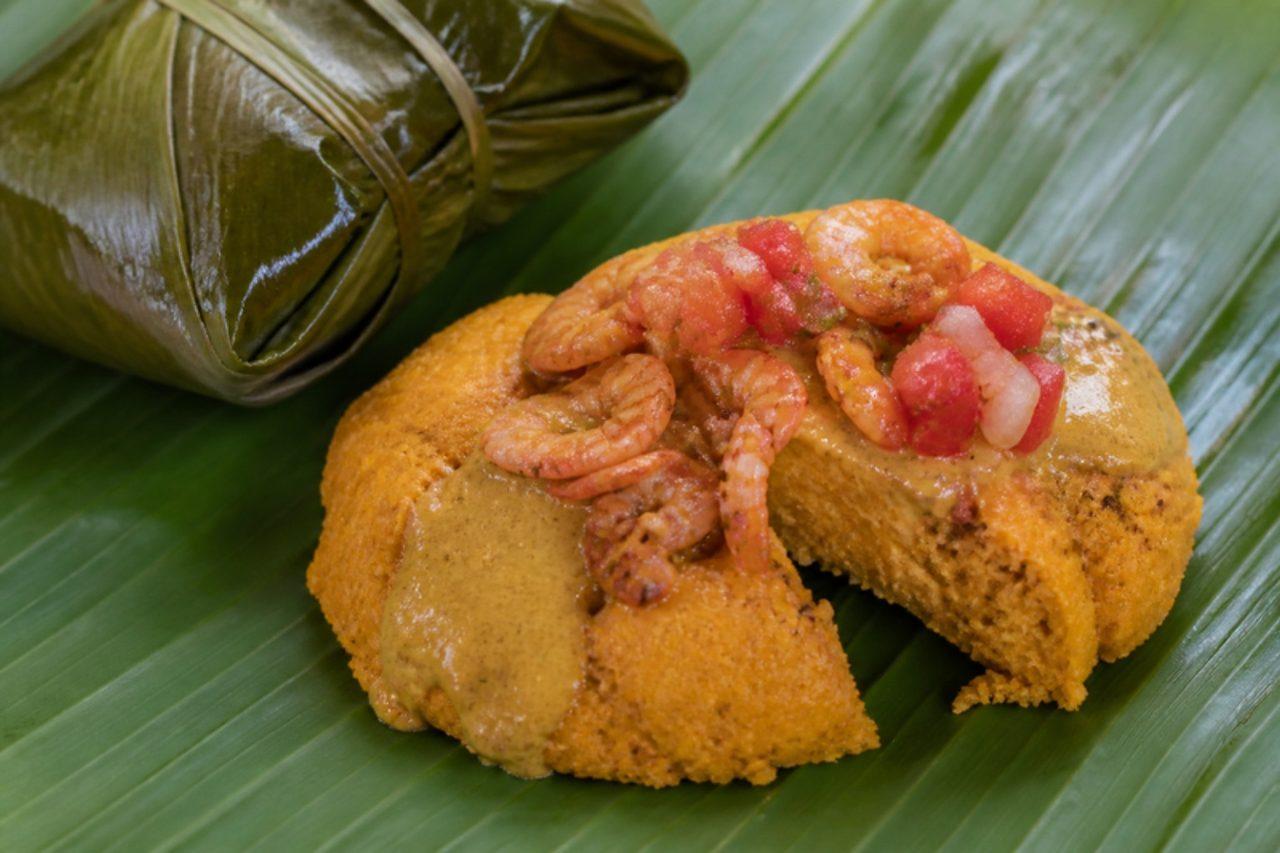
AbaráSteamed black-eyed pea parcels

Abará is the steamed sister of acarajé, sold from the same wooden trays by the baianas in white lace who set up on the corners of Salvador's Pelourinho, Rio Vermelho and the Barra seafront. The batter is identical, black-eyed peas skinned and ground with onion and dried shrimp, but instead of hitting hot dendê it is wrapped in banana leaf and steamed, so it comes out soft, dense and sunset-orange, tasting of palm oil, sea and pulses. Baianas split it open and fill it with vatapá, caruru, vinagrete and a few whole shrimp; at home it is lovely with just a spoonful of pepper sauce. Plan ahead: the peas need soaking overnight. The usual mistake is leaving the skins on, which makes the parcels grey, gritty and heavy. For a vegetarian version, leave out the shrimp and add a pinch more salt. Chef's tip: beat the paste hard with a wooden spoon for a few minutes before wrapping; the air you work in is what keeps abará light rather than rubbery.

by KrazyBadal 0 views

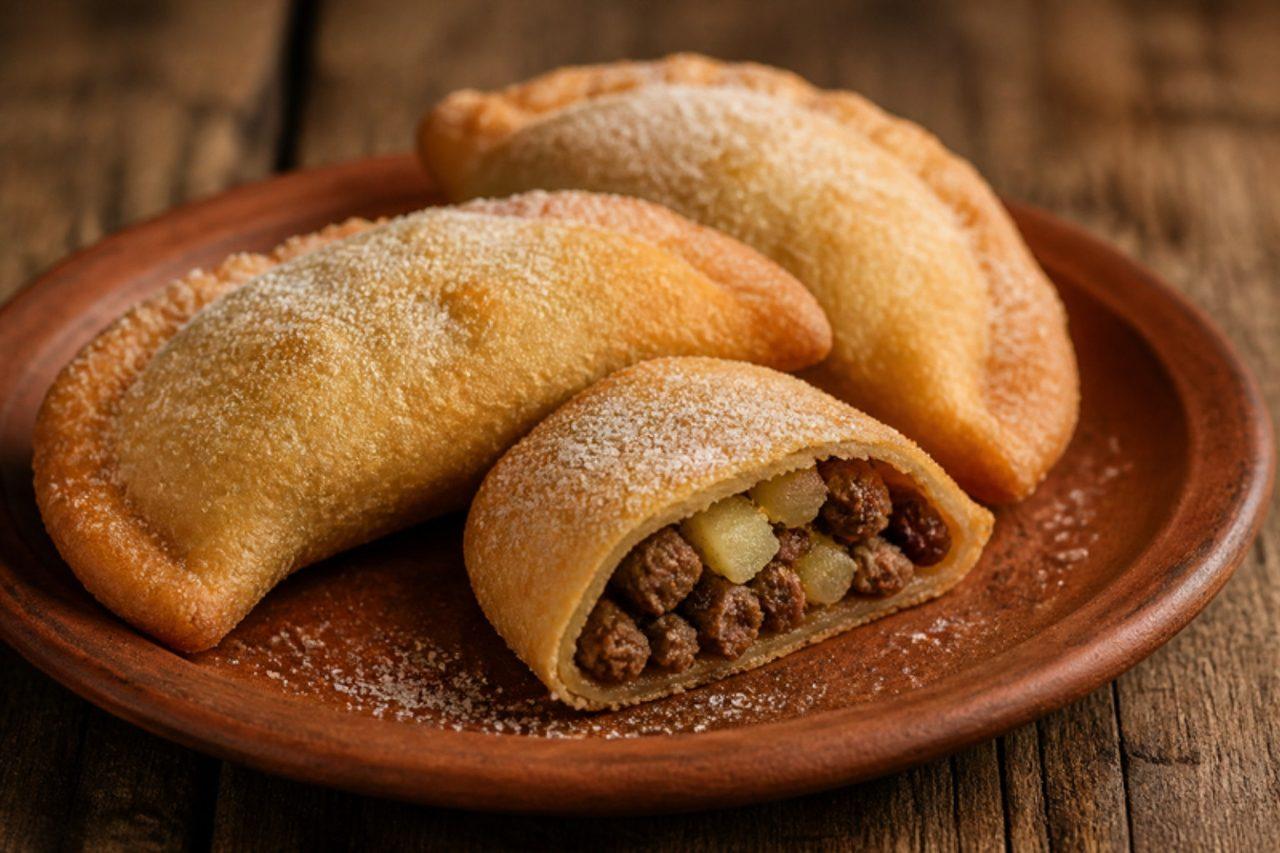
Empanadas cordobesas

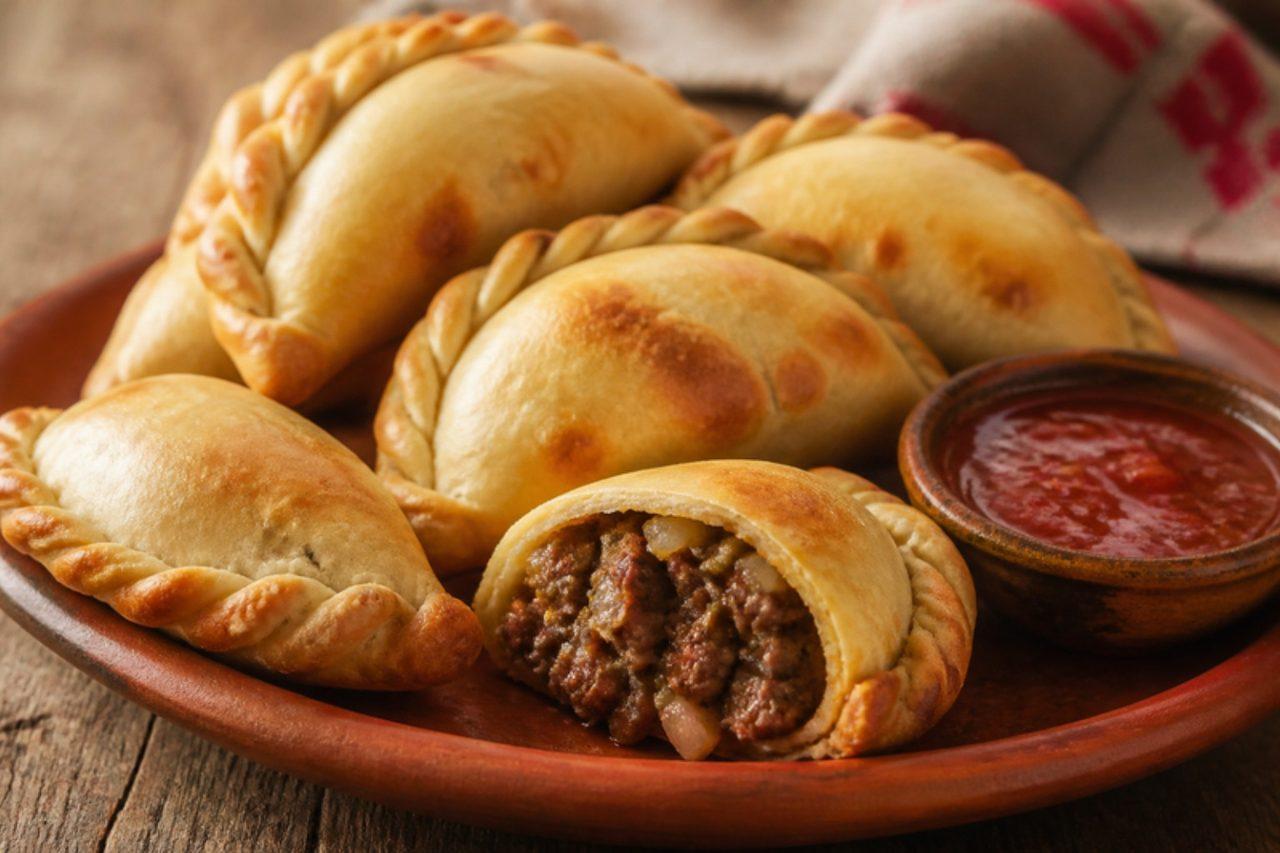
Sweet and salty is the whole point here. Córdoba's empanadas hold a filling of beef, onion, a little potato, raisins and olives, and the moment they come out of the fryer they get a sprinkle of sugar that melts into the crackly crust. They turn up at birthday parties, school fundraisers and the patriotic holidays of 25 May and 9 July, often next to a bowl of locro. If the sugar on top sounds odd, try one: the contrast with the cumin and paprika is the local hallmark. The error that ruins them is frying in oil that isn't hot enough, which leaves them pale and greasy; keep it at 175 °C. Chef's tip: dust with sugar within seconds of draining, while the surface is still glistening, or it won't stick.

by KrazyBadal 0 views

Empanadas de pescado

Along the coast of Santa Fe, especially during Lent and Holy Week, fishmongers' stalls and riverside kiosks sell fried empanadas filled with sábalo or surubí. The fish is poached, flaked and folded through soft onion and sweet pepper, then sealed in a thin oil-based dough and fried until blistered and crisp. Squeeze lemon over them and eat them warm, with a green salad or just a paper napkin. Any firm white fish works: hake, cod or a farmed catfish. The mistake people make most is skipping the bone check; river fish such as sábalo hide fine bones, so run your fingers through every flake. Chef's tip: keep the filling quite dry and cold before you fill the discs; extra liquid turns to steam in the hot oil and bursts the seams.

by KrazyBadal 0 views

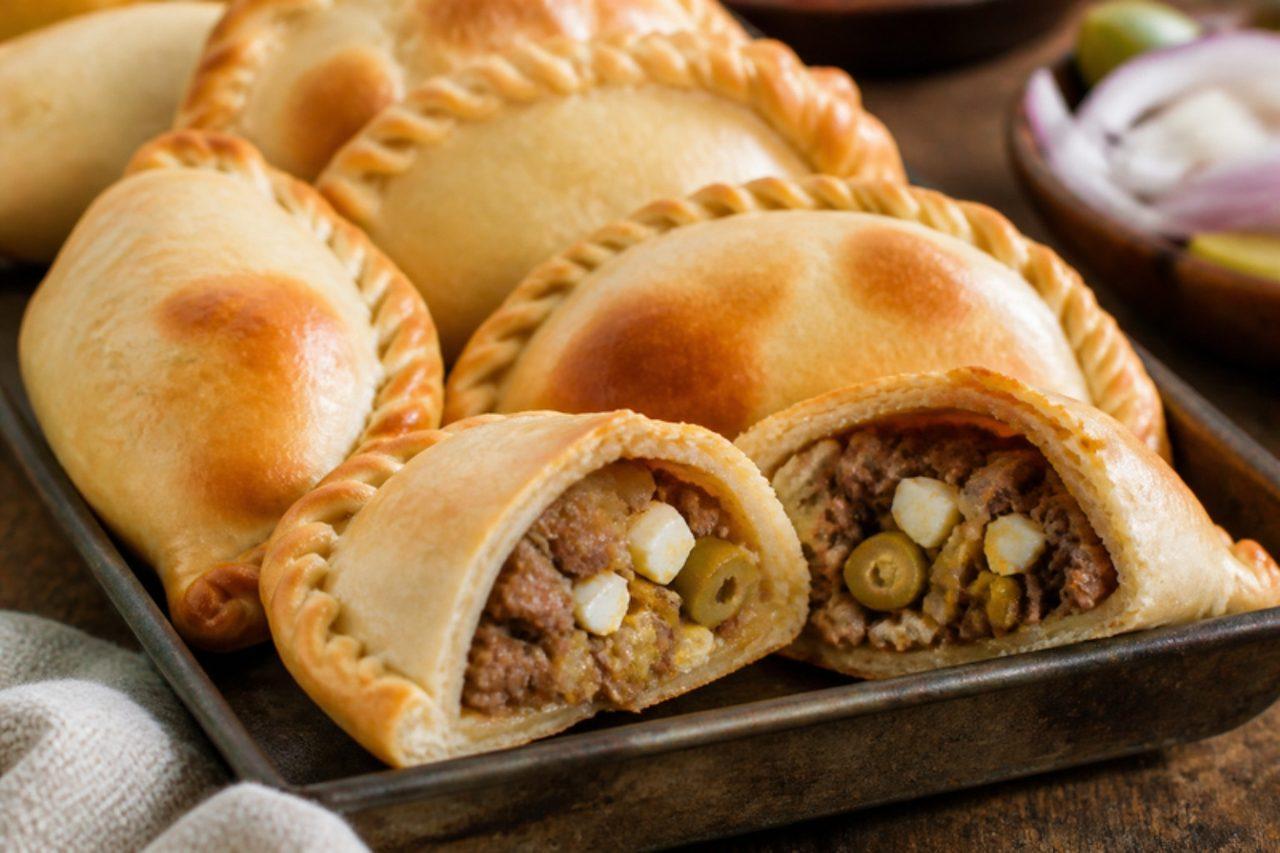
Empanadas mendocinas

Mendoza's empanadas are all about juice. The filling uses roughly as much onion as beef, cooked only briefly so it stays sweet and wet, then gets folded with hard-boiled egg and a whole green olive in every pastry; the dough is a tender one made with beef fat. They come out of wood ovens across the province for Sundays, family gatherings and the grape harvest, and are eaten by hand, leaning forward, with a tomato and onion salad on the side. The classic error is filling the dough while the meat is still warm: the fat melts, the pastry turns soggy and the seal splits in the oven. Cool the filling completely, ideally overnight. Chef's tip: cut the beef into small cubes with a knife instead of buying mince; it stays juicier and gives the bite a Mendoza cook expects.

by KrazyBadal 0 views

Licuado de bananaBanana milk shake

Order a licuado in any Argentine café or bar and you will get a tall glass of fruit blended with milk (con leche) or water (con agua), and banana with milk is the one nearly everyone grows up on. It is breakfast for teenagers in a hurry, a merienda with tostados, and the drink parents in Buenos Aires make when the fruit bowl has spotty bananas. It should be thick, cold and smooth, with a light froth, sweet mainly from ripe fruit. Using under-ripe bananas is the mistake: they taste chalky and need lots of sugar, so wait for brown freckles. Chef's tip: slice and freeze the bananas the night before and you can skip the ice; the shake comes out colder and thicker without being watered down.

by KrazyBadal 0 views

Empanadas tucumanas

Tucumán takes its empanadas so seriously that the town of Famaillá holds a national empanada festival every September, and judges count the pleats. The local style is small and juicy, filled with beef cut by hand with a knife (never minced), lots of white onion and spring onion, cumin, paprika and hard-boiled egg, and the dough is made with beef fat. They are baked very hot, traditionally in a clay oven, until blistered, and eaten standing up at peñas, football matches or family lunches, a drop of lemon squeezed in. The beef filling must reach 71 °C; it cooks first in the pan and again in the oven. A dry filling is the mistake to avoid: cook the onion slowly and let the filling cool so the fat sets, which turns to juice in the oven. Chef's tip: chill the filling overnight if you can; cold filling is easier to spoon and the empanadas come out juicier.

by KrazyBadal 0 views

Bugnes lyonnaisesFried carnival pastries

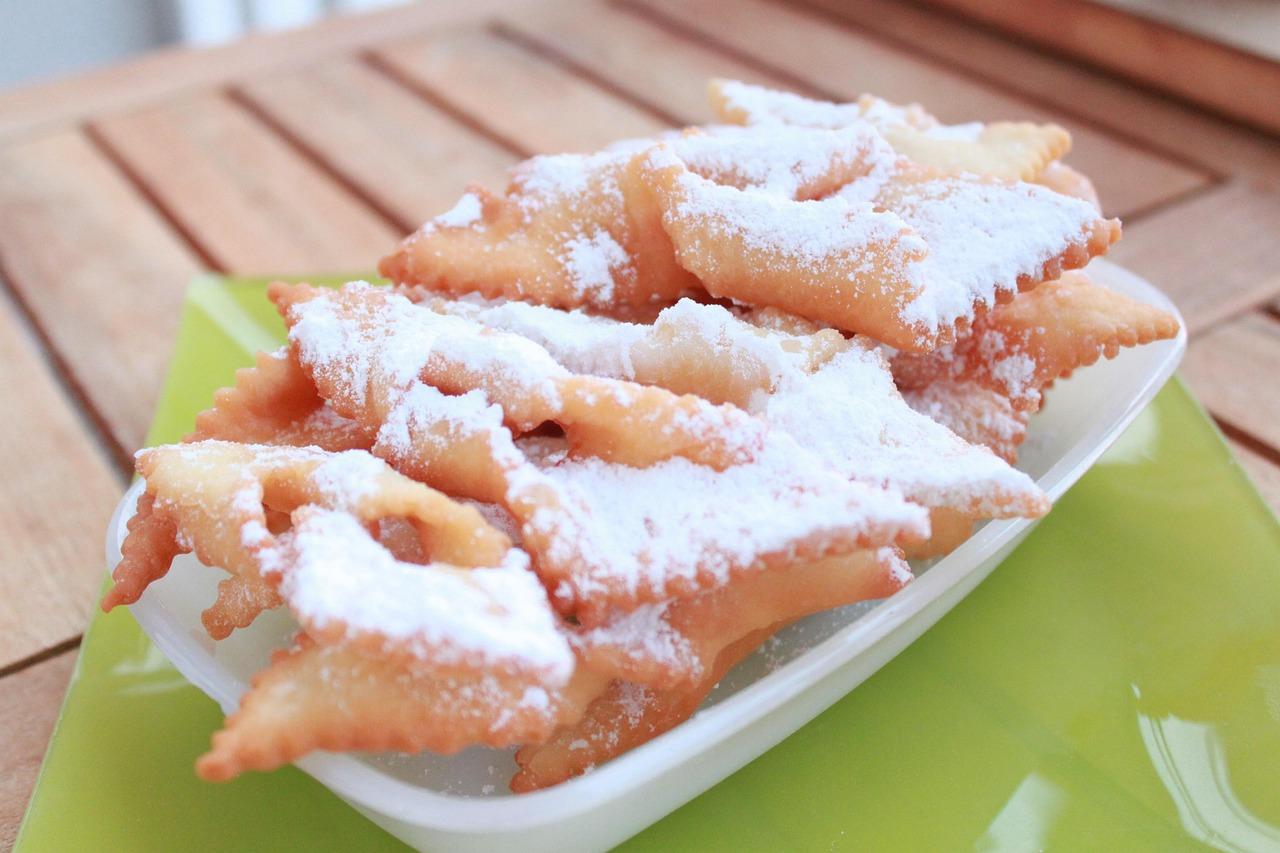
When Carnival comes round in February, bakeries across Lyon pile their windows with bugnes, thin twisted ribbons of dough fried until they blister and then buried in icing sugar. Lyon's are the crisp, shattering kind (in Saint-Étienne they are puffier), and children eat them by the paper bagful through Mardi Gras. Some families add a spoonful of rum to the dough; this version uses orange flower water and lemon, so it is alcohol-free. Chef's tip: roll the dough so thin you can almost see the worktop through it; thick bugnes turn bready instead of crackly.

by KrazyBadal 0 views

BalalCharcoal-grilled corn

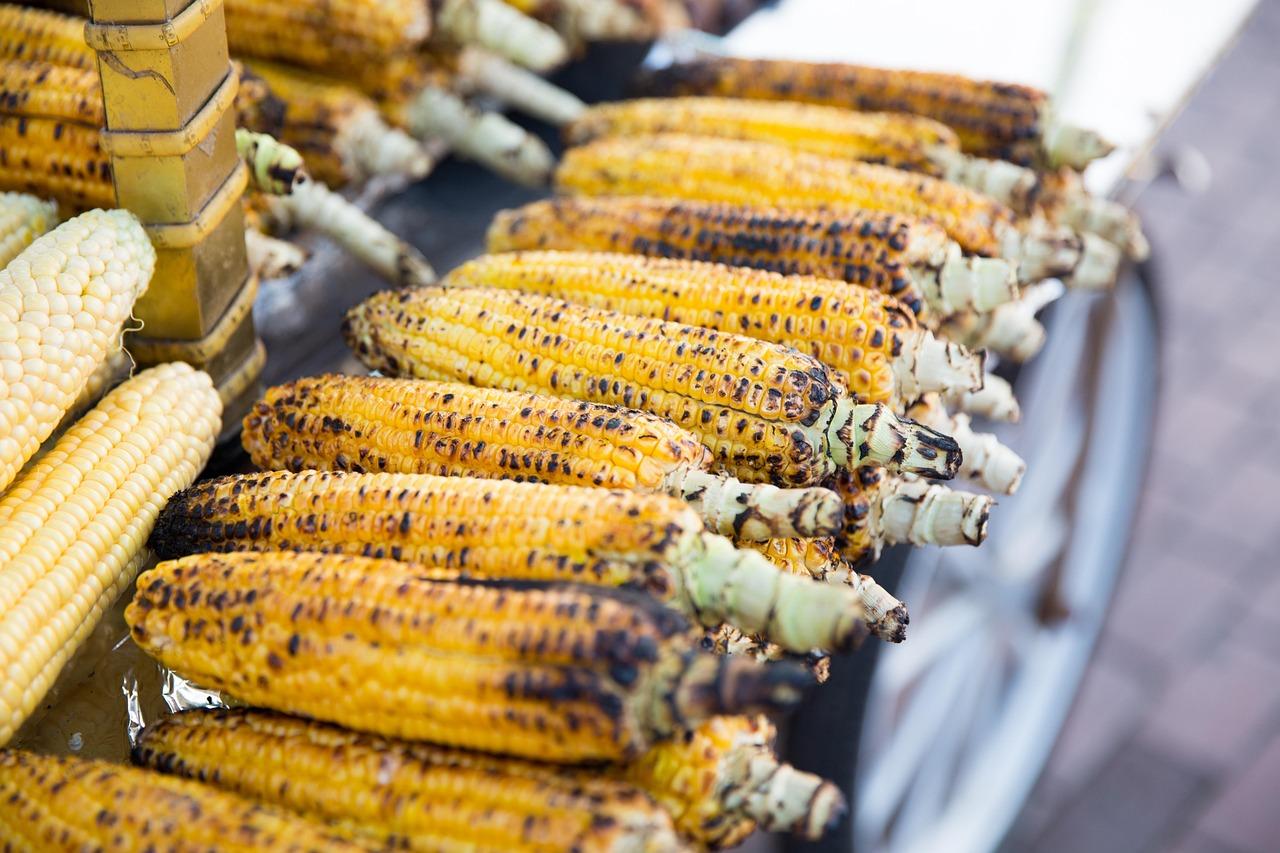
Walk up the stepped lanes of Darband in the north of Tehran on a summer night and the air is smoky with balal: corn cobs fanned over charcoal until blistered, then dunked straight into a bucket of salty water so they hiss and steam. The quick dip seasons every kernel and softens the charred skin, so the corn is smoky, juicy and salty all at once. It is eaten standing up, between a walk and a cup of tea. The mistake people make is grilling over flames rather than glowing coals, which blackens the outside before the kernels are cooked. Chef's tip: keep the salted water warm by the grill so the corn doesn't cool down when you dip it.

by KrazyBadal 0 views

Estofado de llamaBraised llama stew

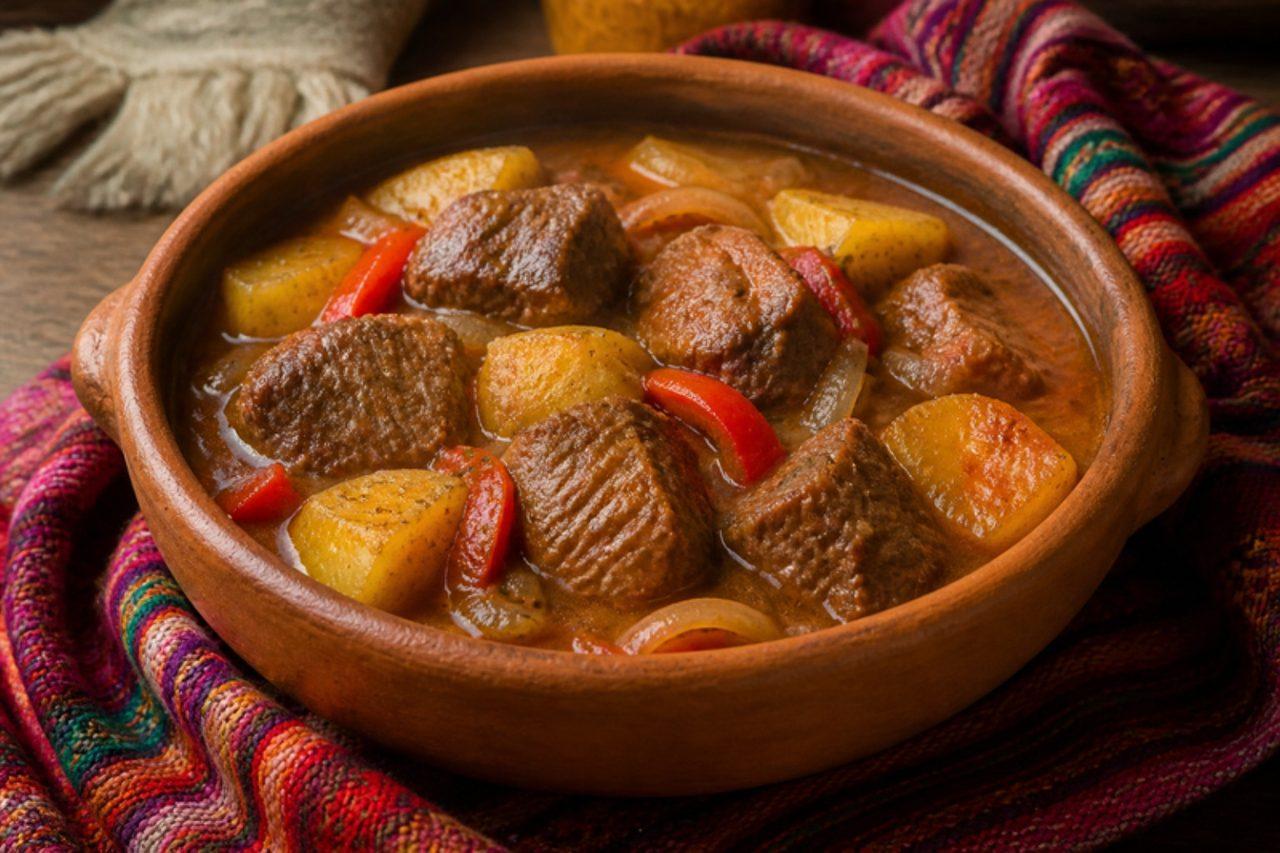
Llama herds have grazed the Puna of Jujuy for thousands of years, and in Purmamarca, Tilcara and Humahuaca restaurants now proudly serve their meat to visitors, most often as a slow estofado. The meat is very lean, dark red and mild, a little like venison, and it is braised with onion, red pepper, tomato, cumin, ají molido and a sprig of muña or oregano until tender, then served with Andean potatoes, quinoa or rice. Outside the Andes, llama is sold by a few specialist game and alpaca farms; lean venison or beef topside are the closest substitutes. Treat it like beef and braise it until fork-tender. Because the meat has almost no fat, the common mistake is cooking it at a rolling boil, which makes it dry and stringy: keep the heat low and the lid on. Chef's tip: dust the meat lightly with a little cornflour before browning; it protects the lean pieces and thickens the sauce without making it heavy.

by KrazyBadal 0 views

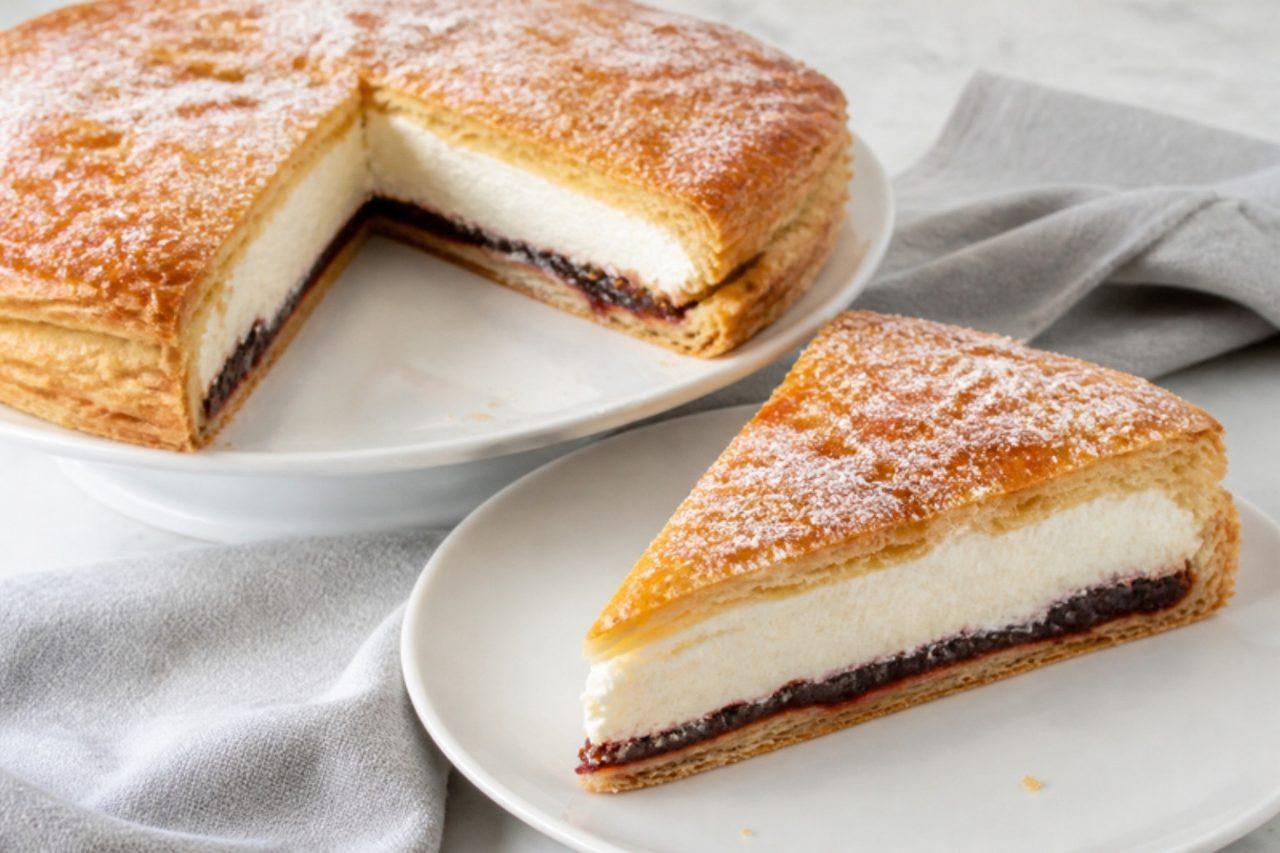
FriesentortePuff pastry torte with plum butter

On the coasts of East and North Frisia, from Norden to the island of Föhr, Friesentorte is what the tea room serves after a windy walk on the dykes, usually with a pot of strong black tea taken with rock sugar and cream. Three crisp rounds of puff pastry are layered with dark plum butter (Pflaumenmus) and a thick band of whipped cream; the top layer is cut into wedges before baking and glazed with sugar, so every slice gets its own shiny lid. Some versions add rum to the plums; this one is alcohol-free. A common mistake is assembling it hours ahead, which turns the pastry soft. Chef's tip: assemble no more than an hour before serving and keep it cold; the contrast of crackly pastry and cream is the whole point.

by KrazyBadal 0 views

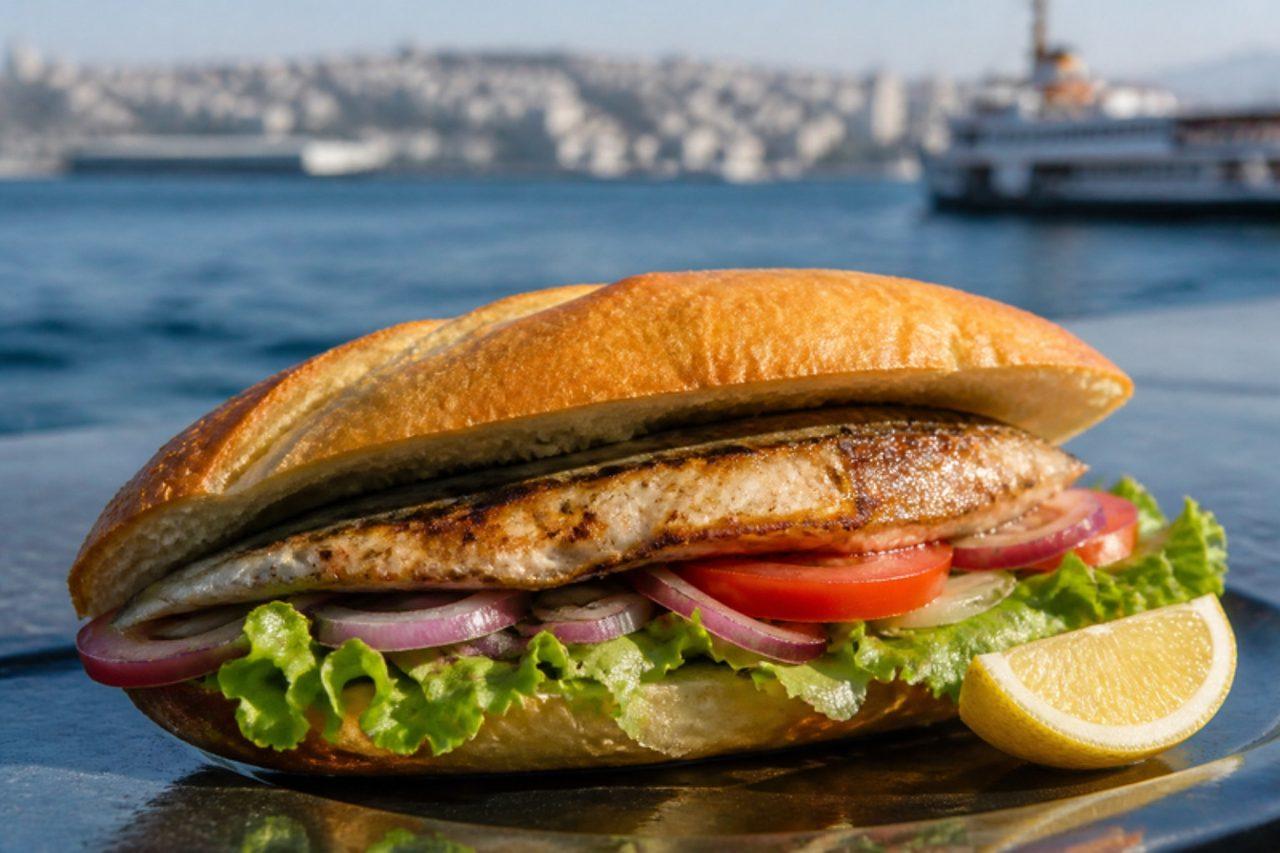
Balık ekmekGrilled mackerel sandwich

At Eminönü, by the Galata Bridge, boats rocking at the quay grill mackerel fillets over charcoal and pass them up in half a loaf with raw onion, lettuce and a squeeze of lemon; you eat it on a low stool with a cup of pickle juice. It is the simplest fish sandwich imaginable and depends entirely on fresh, oily fish and a hot pan. Serve with turşu (pickles) and a salgam or ayran. Chef's tip: grill the fillets skin side down for most of the cooking time; the skin crisps and protects the soft flesh so it doesn't stick and tear.

by KrazyBadal 0 views

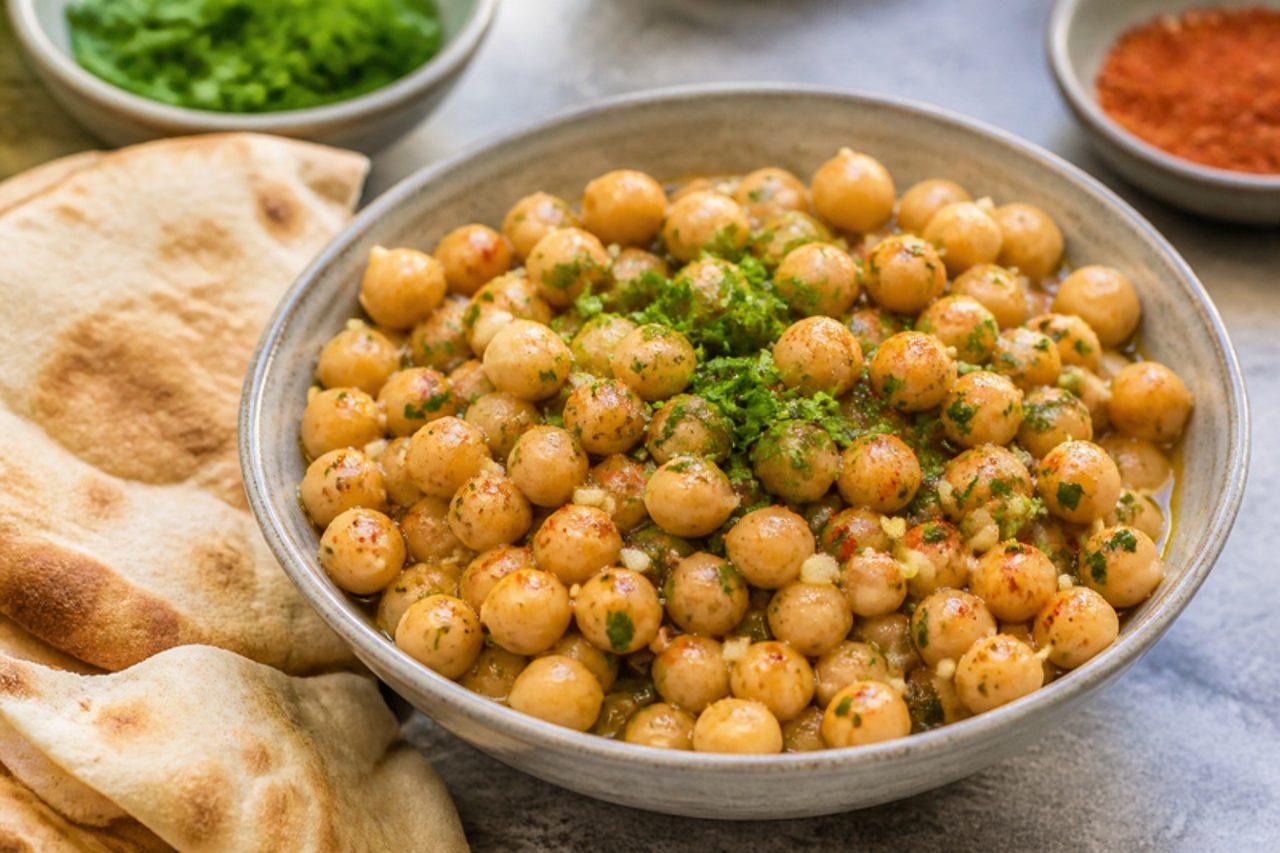
BalilaWarm chickpeas with garlic and lemon

On winter mornings in Damascus, handcarts with steaming pots of chickpeas park outside schools and offices, and vendors ladle balila into paper cups with a squeeze of lemon and a shake of cumin. In Beirut it is a mezze dish and a light Sunday breakfast, served warm in a shallow bowl with pine nuts and parsley and bread on the side. It is simply chickpeas, cooked until creamy inside, dressed while hot so they soak up the garlic and oil. The usual mistake is dressing cold chickpeas from the fridge; they stay waxy and the flavours sit on the surface. Chef's tip: keep a ladle of the hot cooking water and add it to the dressing; it turns the oil and lemon into a light, clinging sauce.

by KrazyBadal 0 views

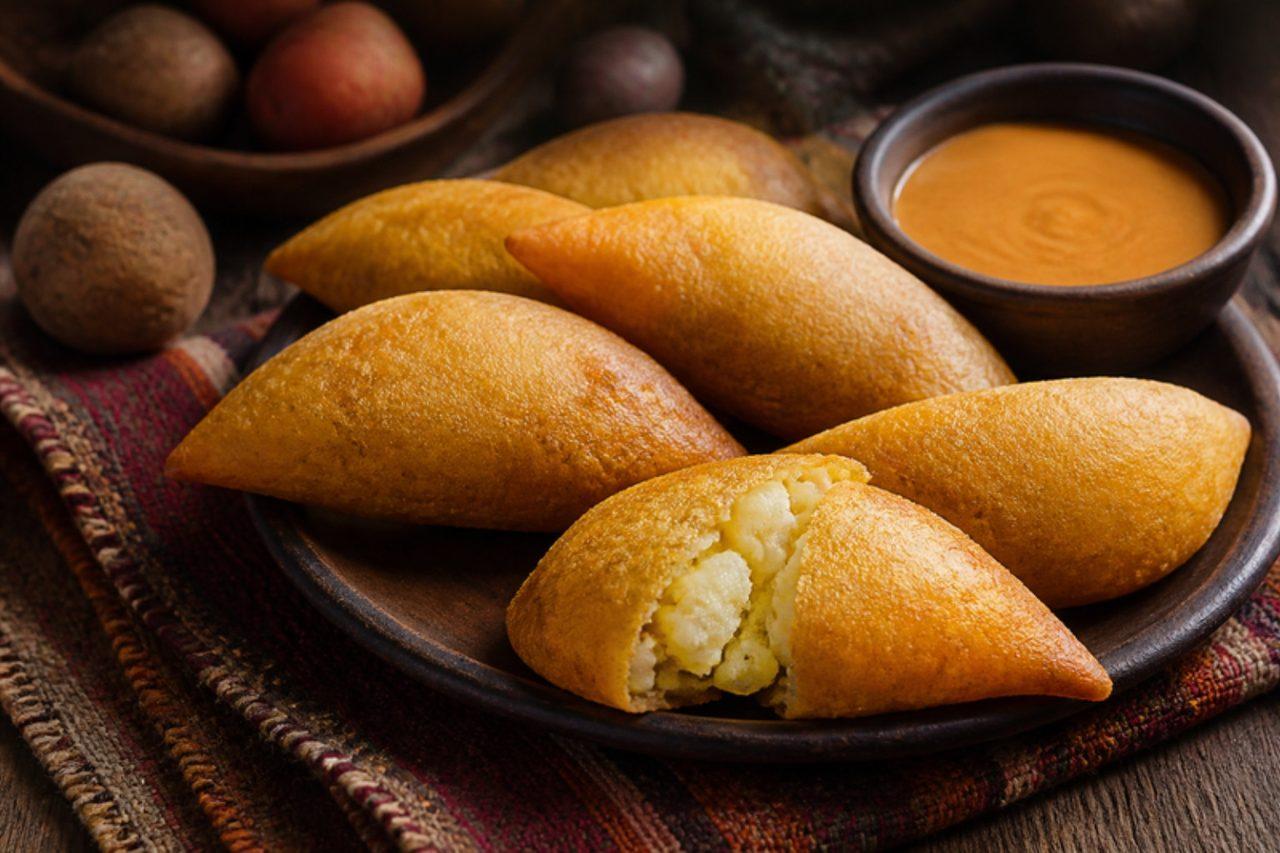
Empanadas de añejoFried corn potato and cheese empanadas

Pasto cafés and street stalls fry empanadas de añejo all morning, and the name gives away the secret: añejo means aged, and the corn dough is left to sour slightly before shaping. That gentle fermentation gives a light, crackly shell with a faint tang that sets them apart from the empanadas of the rest of Colombia. The filling here is the meat-free version Nariño cooks also make, potato stewed with spring onion and achiote and mixed with fresh cheese, and they go to the table with a peanut ají and a coffee. Plan for 24 hours of fermenting. Queso fresco is usually set with animal rennet, so use a vegetarian (microbial-rennet) cheese if needed. Thick dough is the misstep that makes them heavy and greasy; press it thin enough to see light through. Chef's tip: ferment in a cool spot (no warmer than 22 °C), covered, for no more than 24 hours, then chill the dough until you shape it.

by KrazyBadal 0 views

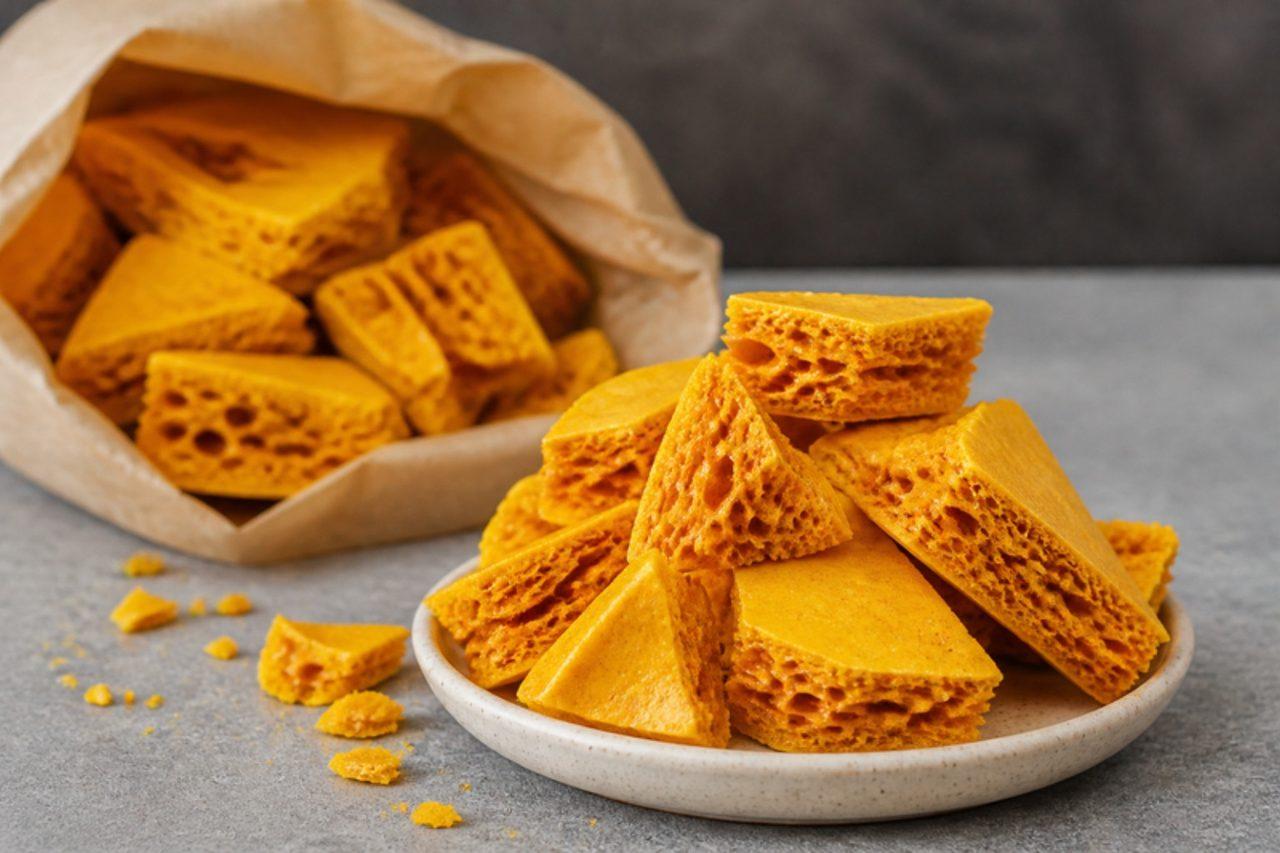
Ballycastle yellowmanHoneycomb toffee

Yellowman is the bright yellow, brittle honeycomb toffee hacked from great slabs at the Ould Lammas Fair in Ballycastle, County Antrim, at the end of every August, often eaten with dulse. Golden syrup, sugar and butter are boiled to the hard-crack stage and then foamed with bicarbonate of soda into a crunchy, airy toffee. Chef's tip: have the tin and the soda ready before you start; once it reaches temperature you have seconds.

by KrazyBadal 0 views

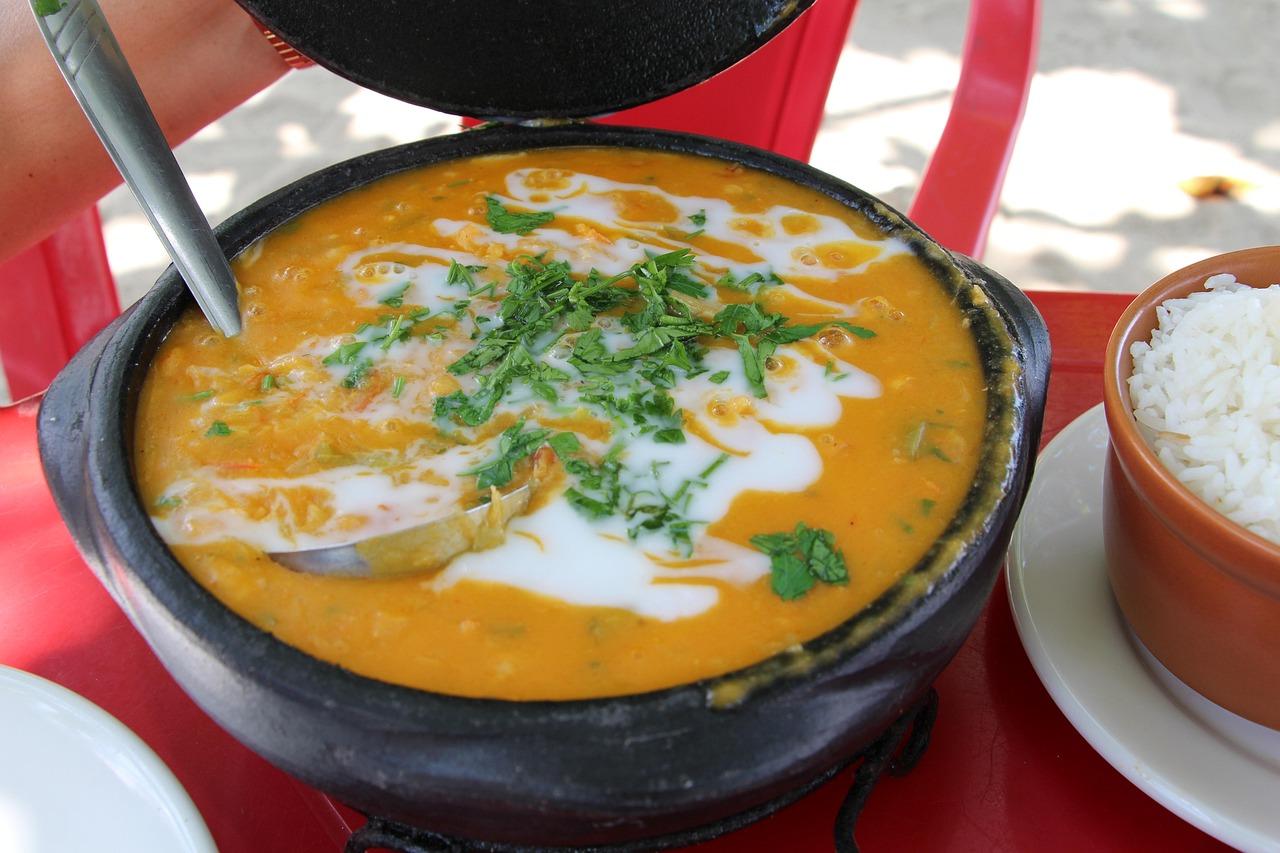
Bobó de camarãoPrawns in cassava and coconut purée

Velvety, coral-coloured and rich with coconut, bobó de camarão is what Bahian families put on the table when there is something to celebrate, and beach restaurants from Praia do Forte to Itacaré serve it in clay pots with white rice and farofa. Cassava is boiled until it falls apart, blended with coconut milk into a smooth cream, then folded into prawns cooked with onion, tomato, peppers and a slick of dendê oil. The result is somewhere between a stew and a thick sauce, sweet from the prawns and gently earthy from the cassava. A frequent mistake is boiling the prawns in the purée for too long, which leaves them tough and curled; they go in at the very end. Cassava must always be cooked right through, never eaten raw: cut out the woody core and boil it until a knife meets no resistance. Chef's tip: blend the cassava while it is still hot, with some of its cooking water; cold cassava turns gluey in the blender.

by KrazyBadal 1 views

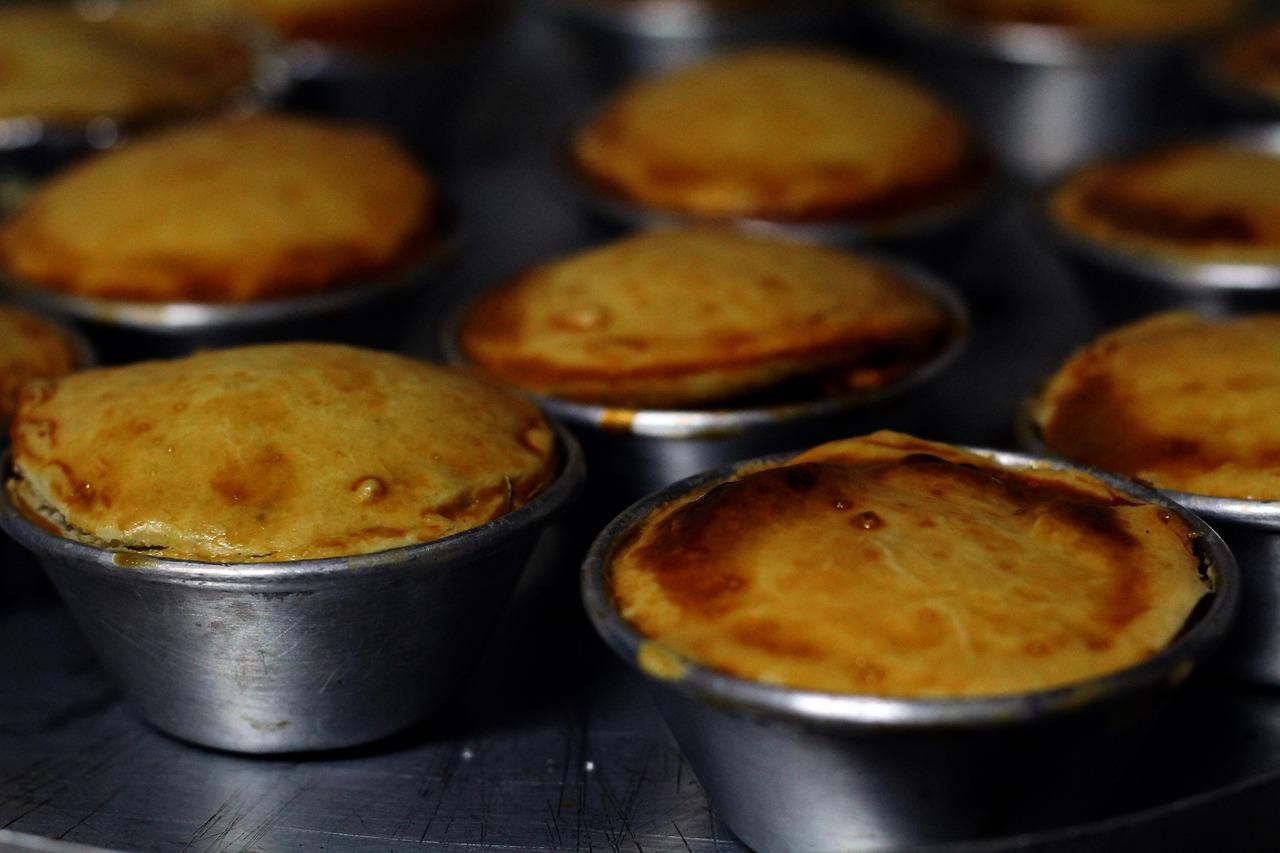
Empadinha de palmitoHeart of palm pies

Rio's padarias and lanchonetes stack trays of empadinhas on their counters, and the heart-of-palm one is the meat-free favourite: a short, buttery crust that melts in the mouth around a creamy, savoury filling of palmito, tomato and olives. They are snack food eaten standing at the counter with a guaraná, party food passed round at birthdays, and something to pack for the beach. The pastry is very rich and almost crumbles at a touch, so press it into tins rather than rolling it. Buy palm hearts from cultivated pupunha or açaí palms rather than wild juçara. Many bakers make the filling too runny, and it boils over and soaks the crust; it should be thick enough to hold a spoon upright. Chef's tip: chill the lined tins for 15 minutes before filling, so the pastry keeps its shape and bakes crisp.

by KrazyBadal 0 views

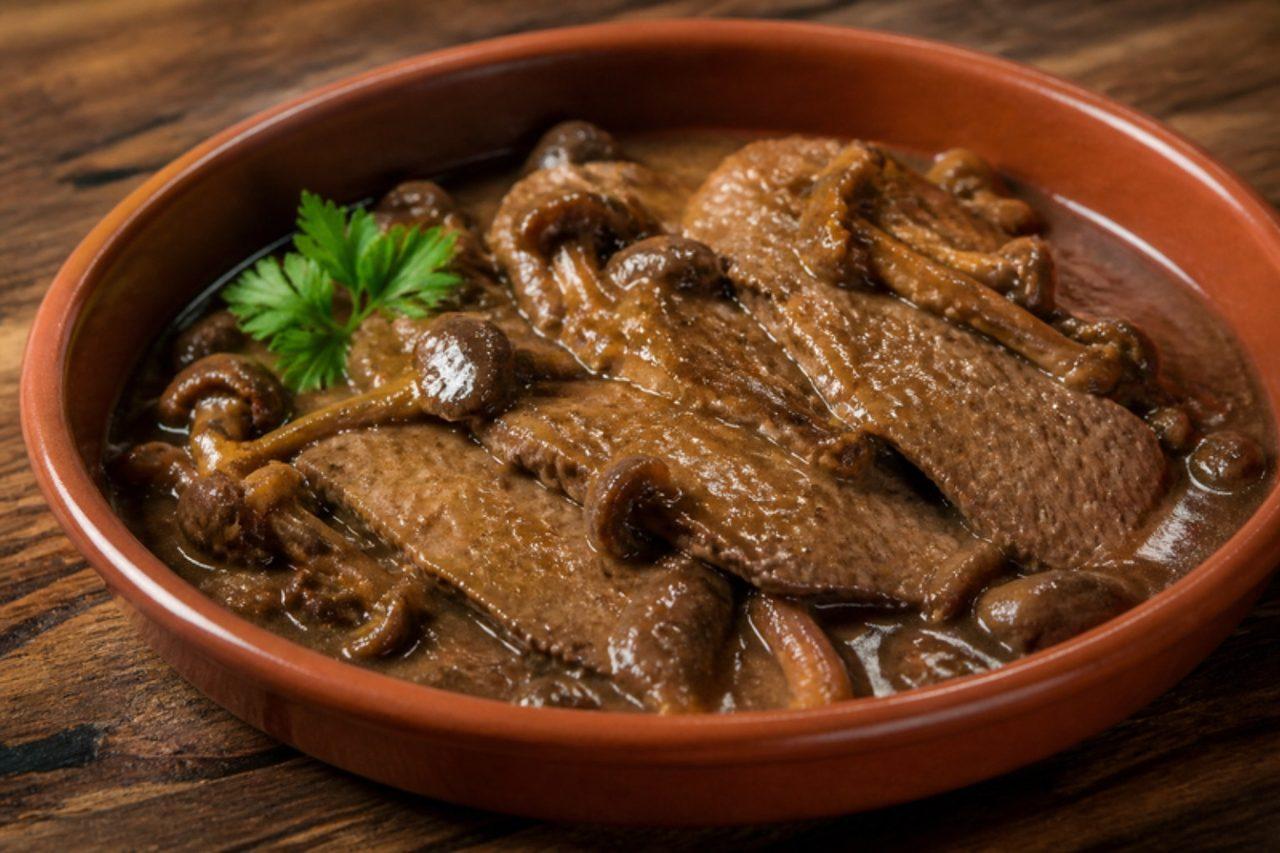
FricandóBraised veal with mushrooms

Fricandó is the dish that Barcelona grandmothers cook for a family Sunday or a saint's day: thin slices of veal, floured and browned, then braised slowly in a dark sofrito with dried moixernons, the spring St George's mushroom, and finished with a picada of almonds and hazelnuts. It is better reheated the next day. Dried porcini or mixed wild mushrooms work if you cannot find moixernons. The recipe uses wine; the alcohol-free option is in the ingredient list. Chef's tip: cook the onions until truly dark, almost jammy; that deep brown sofrito is where the sauce gets its colour and sweetness.

130 minSpanishMeat
by KrazyBadal 0 views

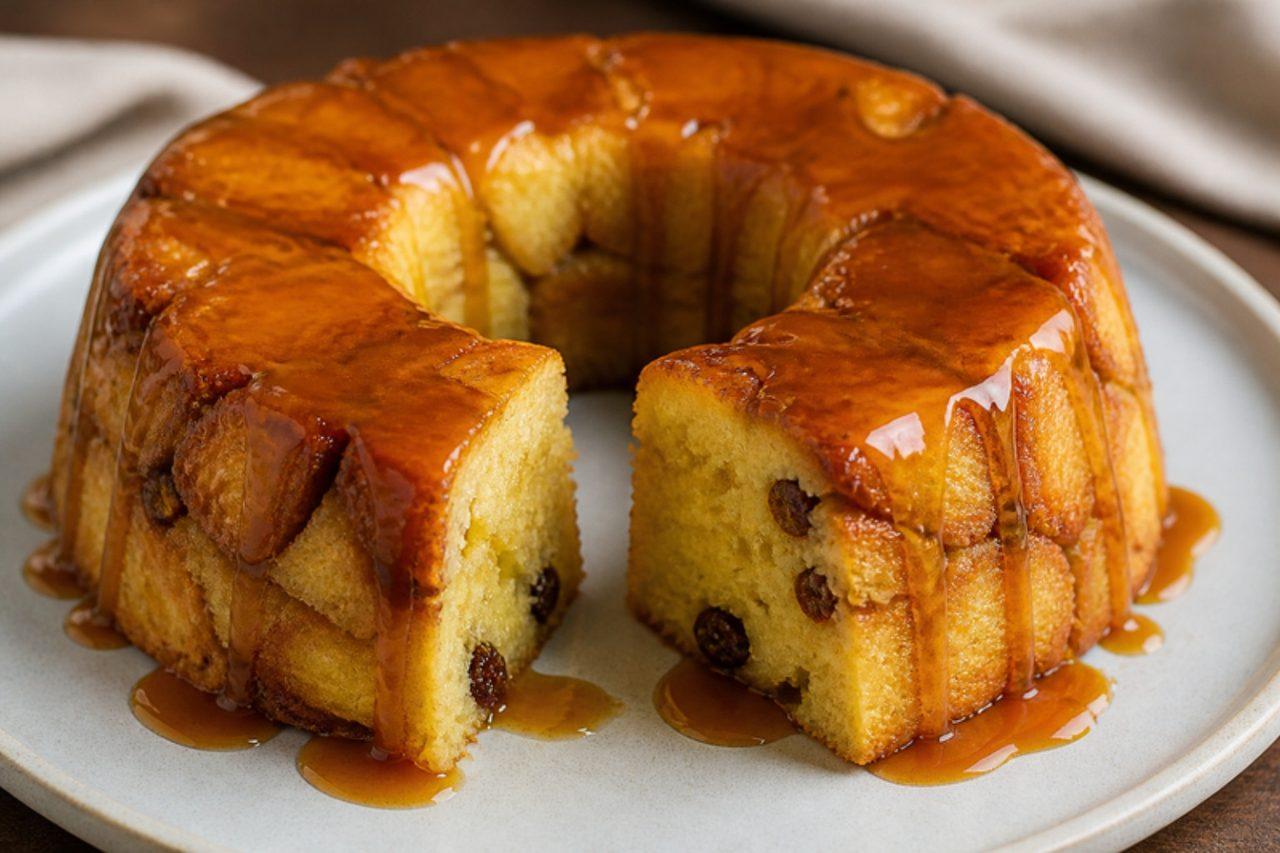
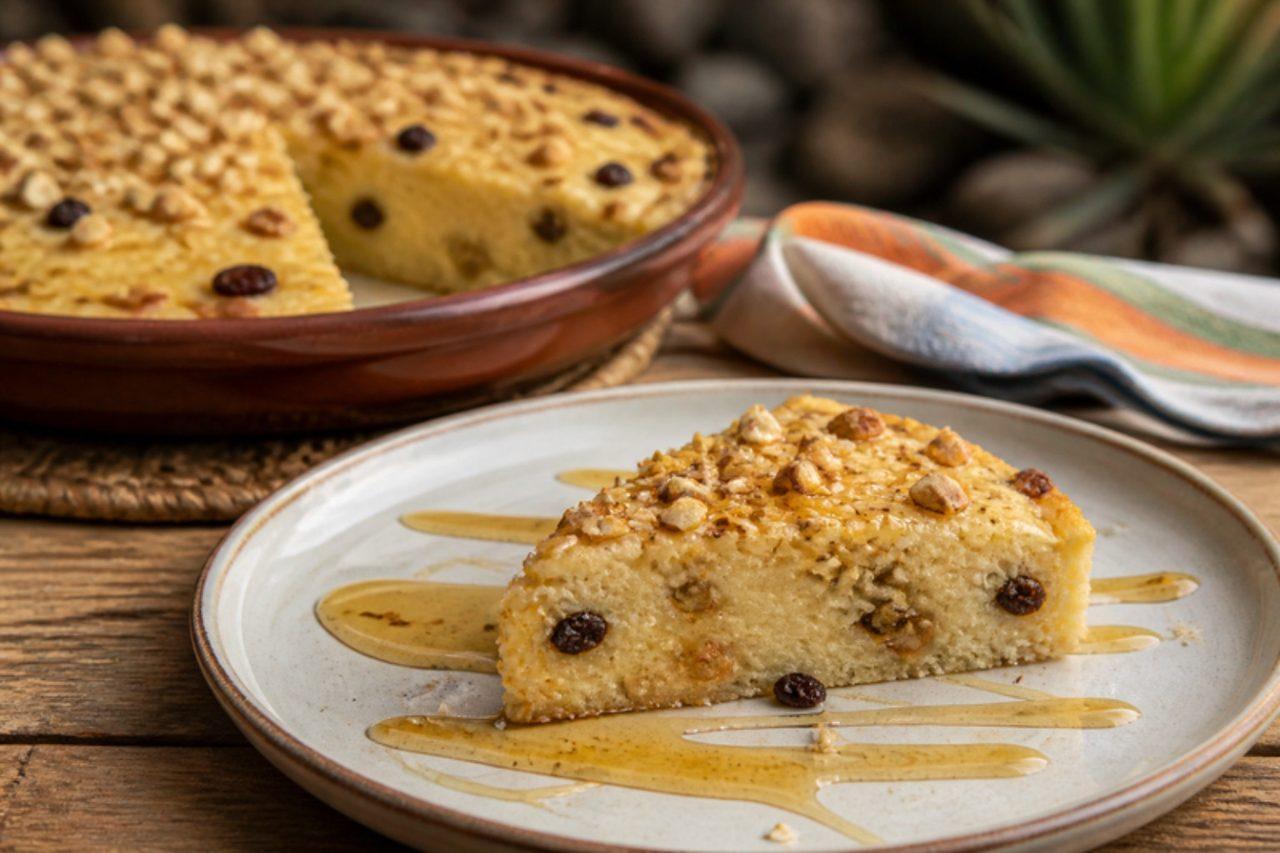
Budín de panBread pudding

Thrifty Argentine kitchens never throw away stale bread: it becomes budín de pan, soaked in sweet milk and eggs, poured into a caramel-lined ring mould and baked in a water bath until it sets into something between a flan and a pudding. Bodegones in Buenos Aires and neighbourhood bakeries serve it in fat wedges, cold, with a spoonful of dulce de leche or whipped cream, the amber caramel running down the sides. The texture should be smooth and dense with only faint traces of bread, studded with plump raisins. The mistake to avoid is skipping the blending or soaking: chunks of dry bread turn into wet sponges and the pudding splits into layers. Chef's tip: let it cool and chill overnight in the mould before turning it out; a warm budín breaks when unmoulded and the caramel won't have melted into a sauce.

by KrazyBadal 0 views

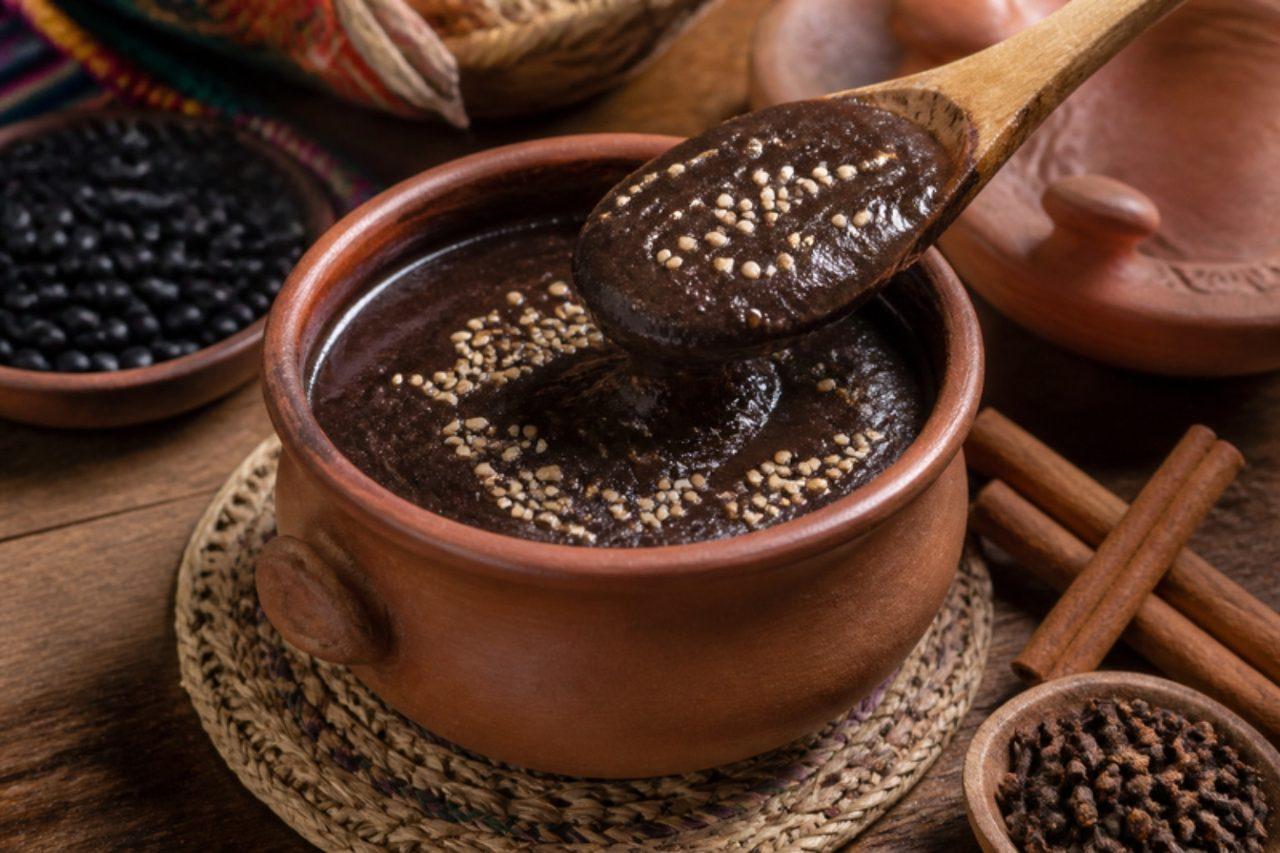
Frejol coladoSweet black bean paste

Chincha, south of Lima, is the heart of Afro-Peruvian culture, and its signature sweet is frejol colado: black beans cooked, pushed through a sieve (colado means strained) and then stirred for a long time with sugar and spices until the paste is dark, glossy and thick enough to stand a spoon in. It is traditionally served in little gourd bowls called potos, sprinkled with toasted sesame, and sold in Chincha's square and at festivals in El Carmen. The taste is deep and molasses-like, with clove and cinnamon, and nobody guesses it's beans. The beans need an overnight soak, which isn't counted in the time. Most people give up stirring too early; under-cooked frejol colado is runny and tastes of beans, so keep going until it pulls away from the pan in one mass. Some cooks add milk; this version is dairy free. Chef's tip: use a wide, heavy pan and a long wooden spoon, and wear an oven glove, because the thick paste spits as it reduces.

by KrazyBadal 0 views

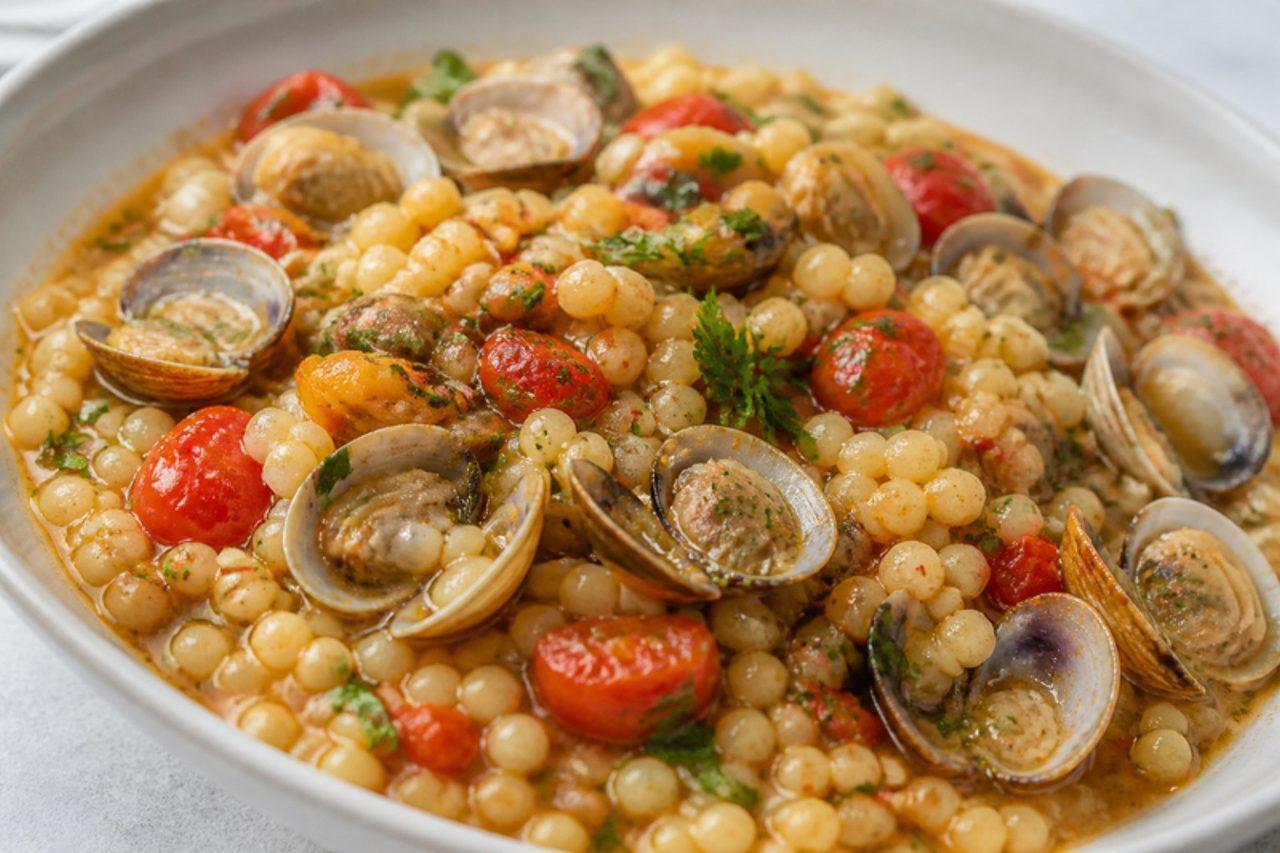
Fregola con arselleToasted pasta pearls with clams

Along the Poetto, Cagliari's long city beach, arselle are small clams once raked from the sand, and fregola con arselle is the dish every seaside trattoria in the city serves. Fregola is a Sardinian semolina pasta rolled into rough little beads and toasted, so it has a nutty taste and a slightly chewy bite; here it simmers like risotto in the clams' own juice with tomato, garlic and parsley until loose and soupy. Eat it with a spoon, straight away. Any small clams work if you can't find arselle. Chef's tip: toss the fregola in a dry pan for a couple of minutes before cooking; it deepens the toasted flavour.

by KrazyBadal 0 views

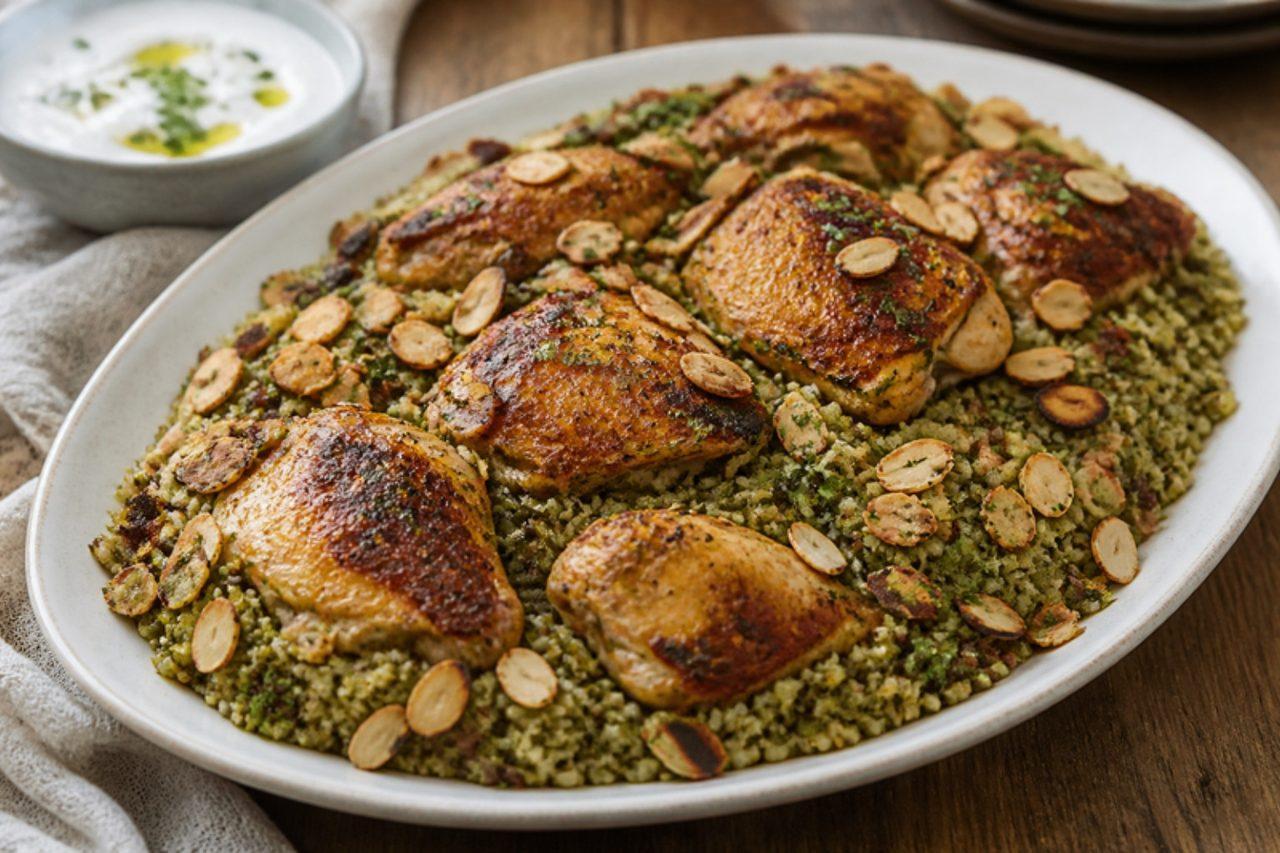
Freekeh bil djajChicken with smoked green wheat

Freekeh — young green wheat harvested and roasted over fire in the fields of Hauran and the Syrian countryside — has a smoky, nutty taste that makes this dish special. Chicken is poached with whole spices, and its broth is used to cook the freekeh into a fluffy pilaf, then everything is topped with the browned chicken and toasted almonds. It is a dish for Sunday gatherings and Eid, served with yoghurt and cucumber. Common mistake: not picking over the freekeh; it often has tiny stones and husks, so spread it on a tray and check. Chef's tip: brown the poached chicken in butter or under the grill before serving for colour and crisp skin.

by KrazyBadal 0 views

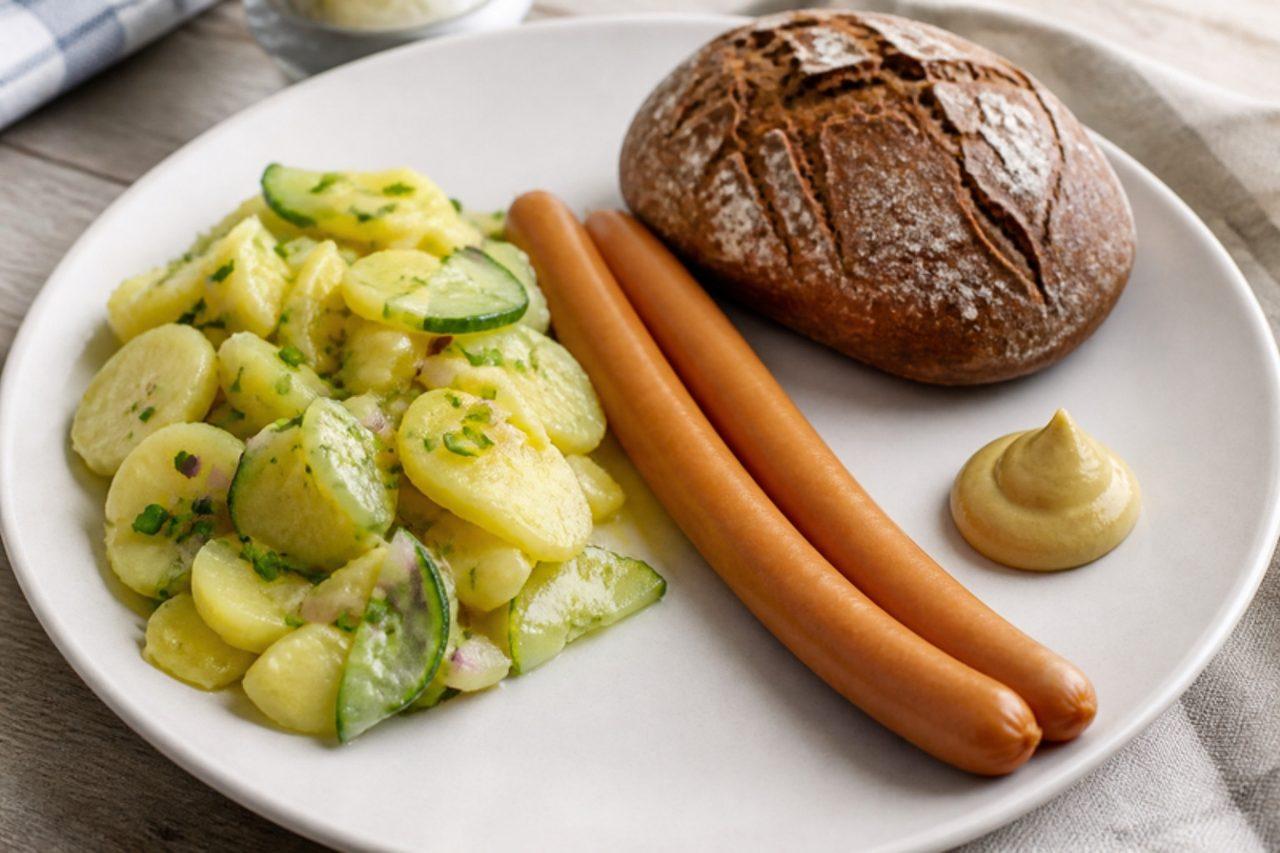
Frankfurter WürstchenFrankfurter sausages with potato salad

Real Frankfurter Würstchen are slim, delicately smoked pure-pork sausages from the Frankfurt region, sold in pairs and eaten at Christmas markets, family suppers and Christmas Eve, when many Hessian families have them with potato salad. They come ready-cooked, so the only skill is warming them gently until they are hot without bursting. Here they go with a warm Hessian potato salad dressed with stock, vinegar, onion and chives, plus mustard and rye bread. Vegetarians can warm vegetarian sausages the same way and keep the salad. Chef's tip: dress the potatoes while they are still warm; they drink up the dressing and turn silky instead of sitting in it.

45 minGermanMeat
by KrazyBadal 0 views

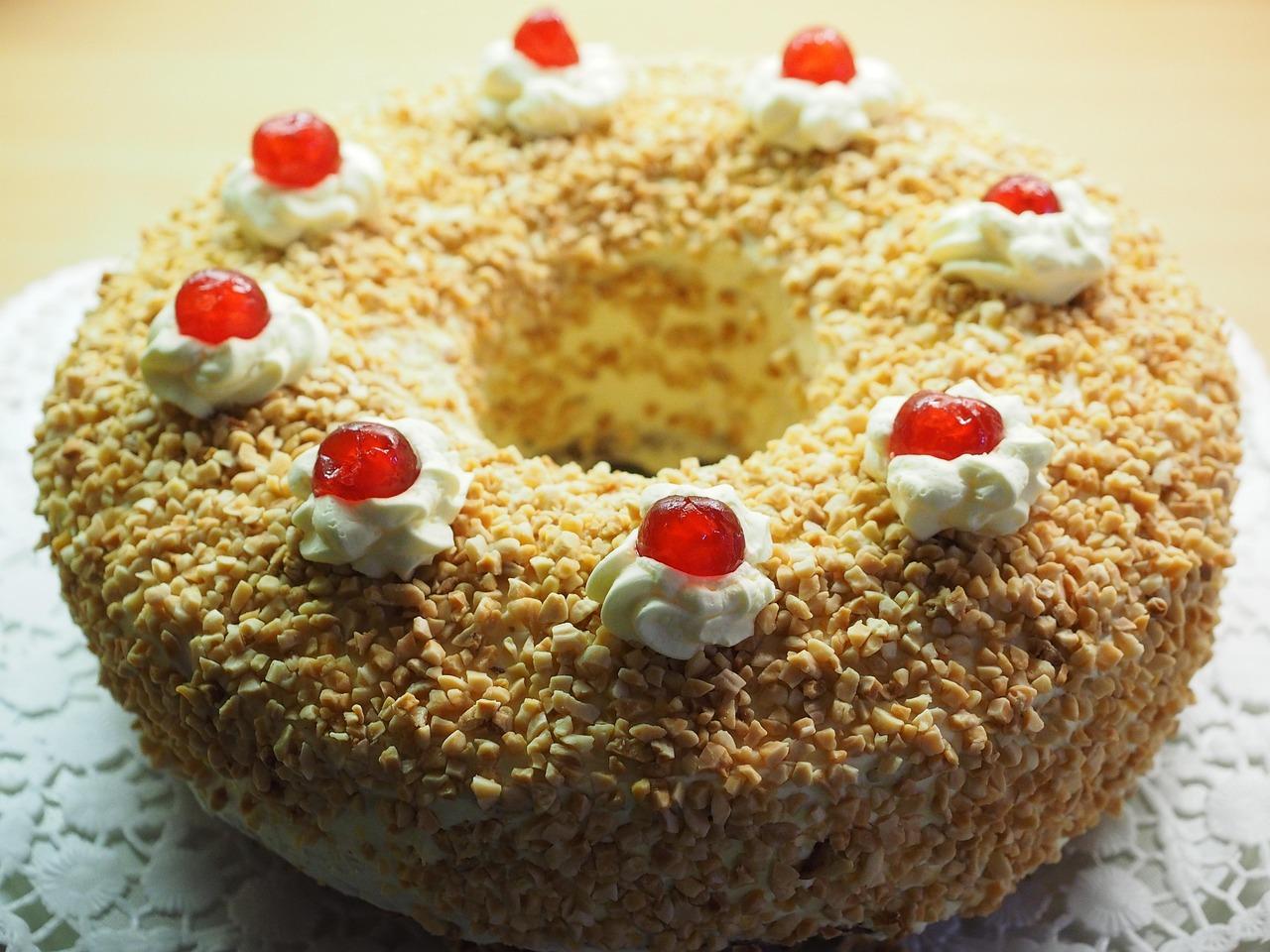
Frankfurter KranzButtercream ring cake with nut brittle

Frankfurter Kranz is the crown of Frankfurt's coffee tables, shaped like the crowns of the emperors once crowned in the city's cathedral and still made for birthdays and Sunday visits all over Hesse. A buttery ring cake is cut into three layers, filled with redcurrant jam and vanilla buttercream, then coated all over with golden almond brittle, the jewels being little rosettes topped with red cherries. Older recipes splash the layers with kirsch; this one is made without alcohol. A common mistake is spreading the buttercream when the custard and butter are at different temperatures, which makes it curdle; both must be at room temperature. Chef's tip: bake the cake a day ahead and chill it; cold layers cut cleanly and don't crumble into the cream.

150 minGermanBaking
by KrazyBadal 0 views

FrangolloCornmeal and milk pudding

Frangollo was once poor people's food on Lanzarote and La Palma, coarse cornmeal (millo) cooked in milk to stretch a meal; now it is the pudding grandmothers make for Carnival and Christmas, sold in slabs at village fiestas. The cornmeal is cooked slowly with milk, sugar, lemon peel and cinnamon, then enriched with butter, egg, raisins and almonds, left to set and cut into squares. It is often finished with a drizzle of palm honey from La Gomera. Chef's tip: stir constantly and use a heavy pan, because thick cornmeal catches on the bottom in seconds.

by KrazyBadal 0 views

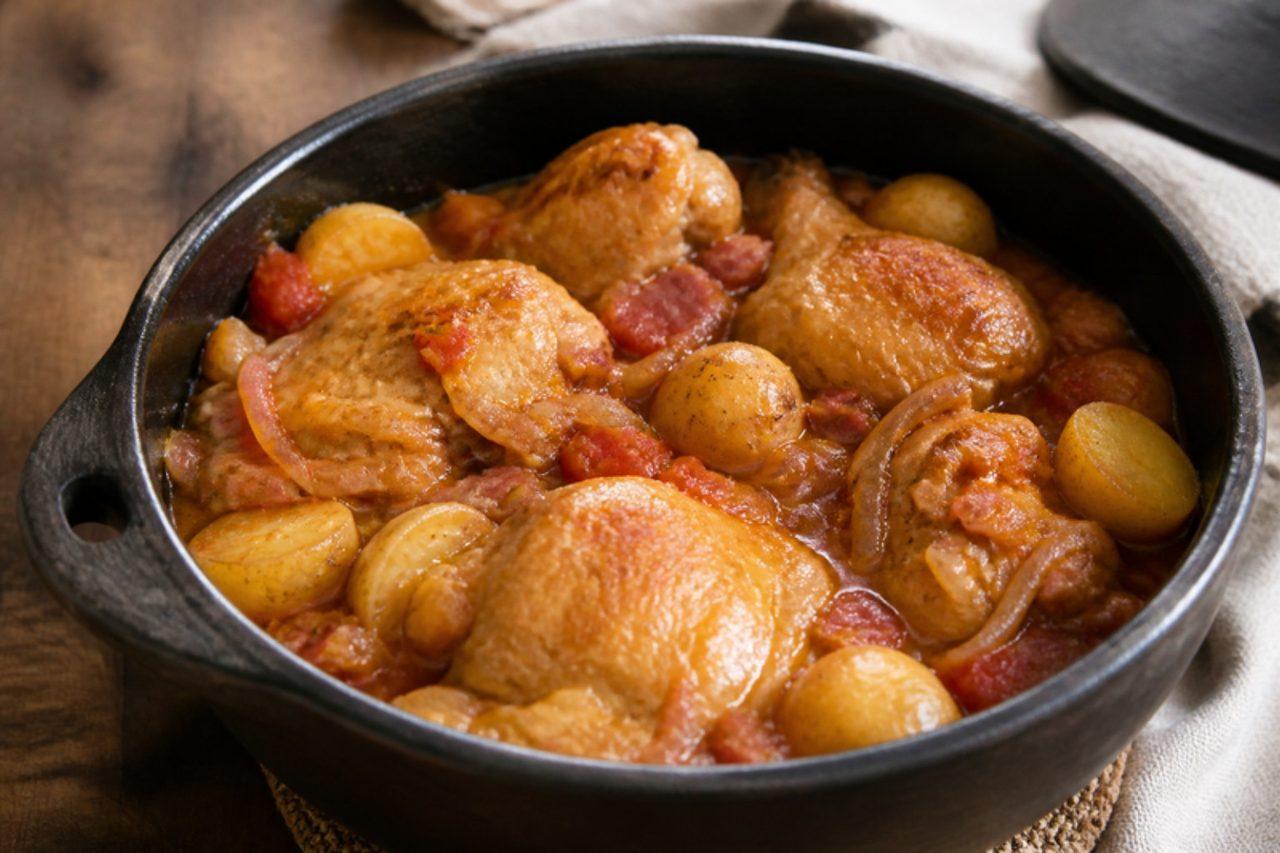
Frango no púcaroClay-pot chicken with port and ham

The monks of the great abbey at Alcobaça, on the edge of the Beira Litoral, are credited with this dish of chicken slow-cooked in a púcaro, a lidded clay pot, with onions, tomatoes, garlic, cured ham and bacon, a splash of port and white wine. Local restaurants still serve it bubbling in the pot with fried or boiled potatoes. This contains pork (presunto and smoked bacon), and it uses port and white wine; an alcohol-free version is given in the ingredient notes. Chef's tip: brown the chicken well before it goes into the pot, as the sealed lid keeps the colour from developing later.

by KrazyBadal 0 views

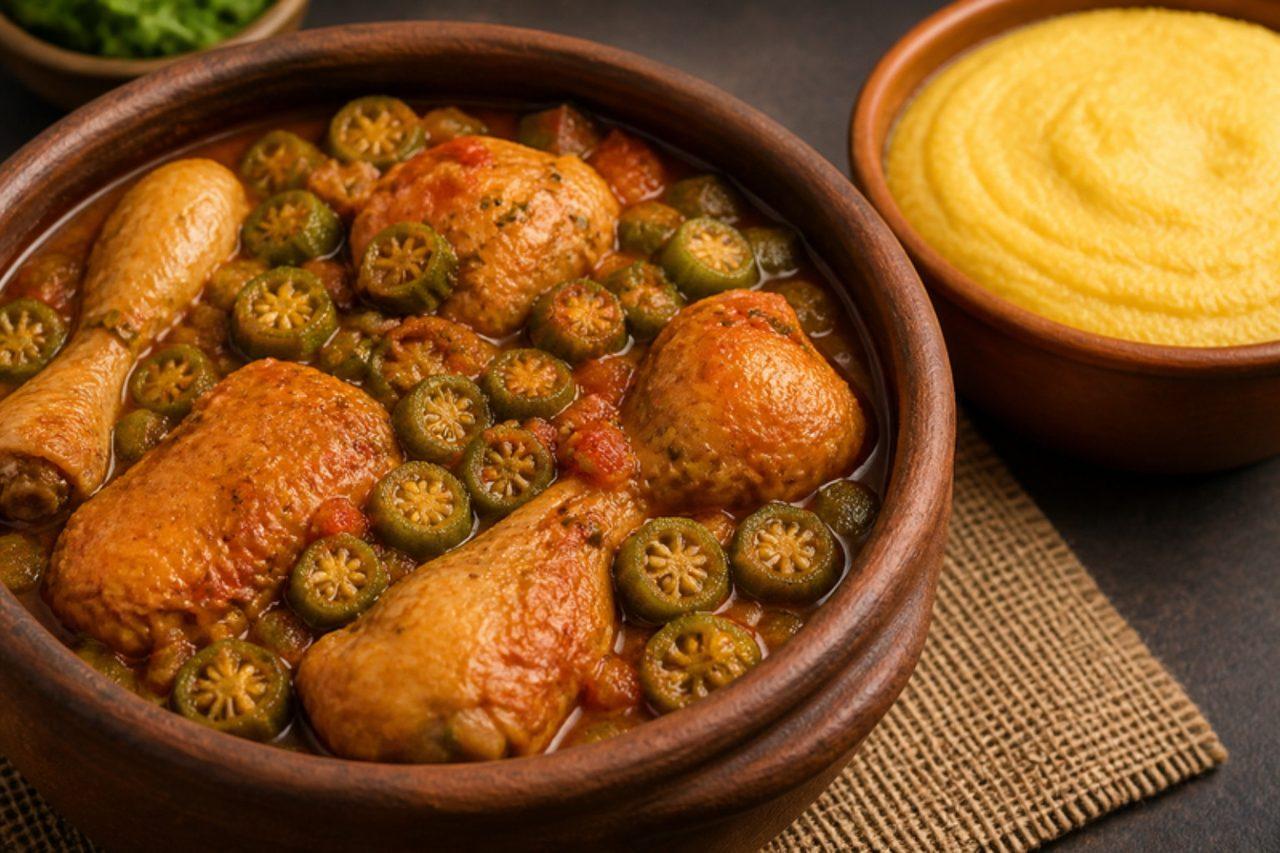
Frango com quiaboChicken with okra

Countryside Minas Gerais, especially around Belo Horizonte and the historic towns, cooks frango com quiabo for Sunday lunch: chicken pieces braised in a garlicky tomato sauce coloured with annatto, with okra fried separately and folded in at the end so it stays green and barely sticky. It is served over angu, a soft, unseasoned cornmeal porridge, with rice and a pot of hot pepper on the side. The sauce is savoury and homely, the okra tender with a little bite. People often add the raw okra straight to the pot, which makes the sauce slimy; frying it first in hot oil seals it. Chef's tip: stir the angu with a whisk as you pour in the cornmeal, then switch to a wooden spoon, and it will never go lumpy.

by KrazyBadal 0 views

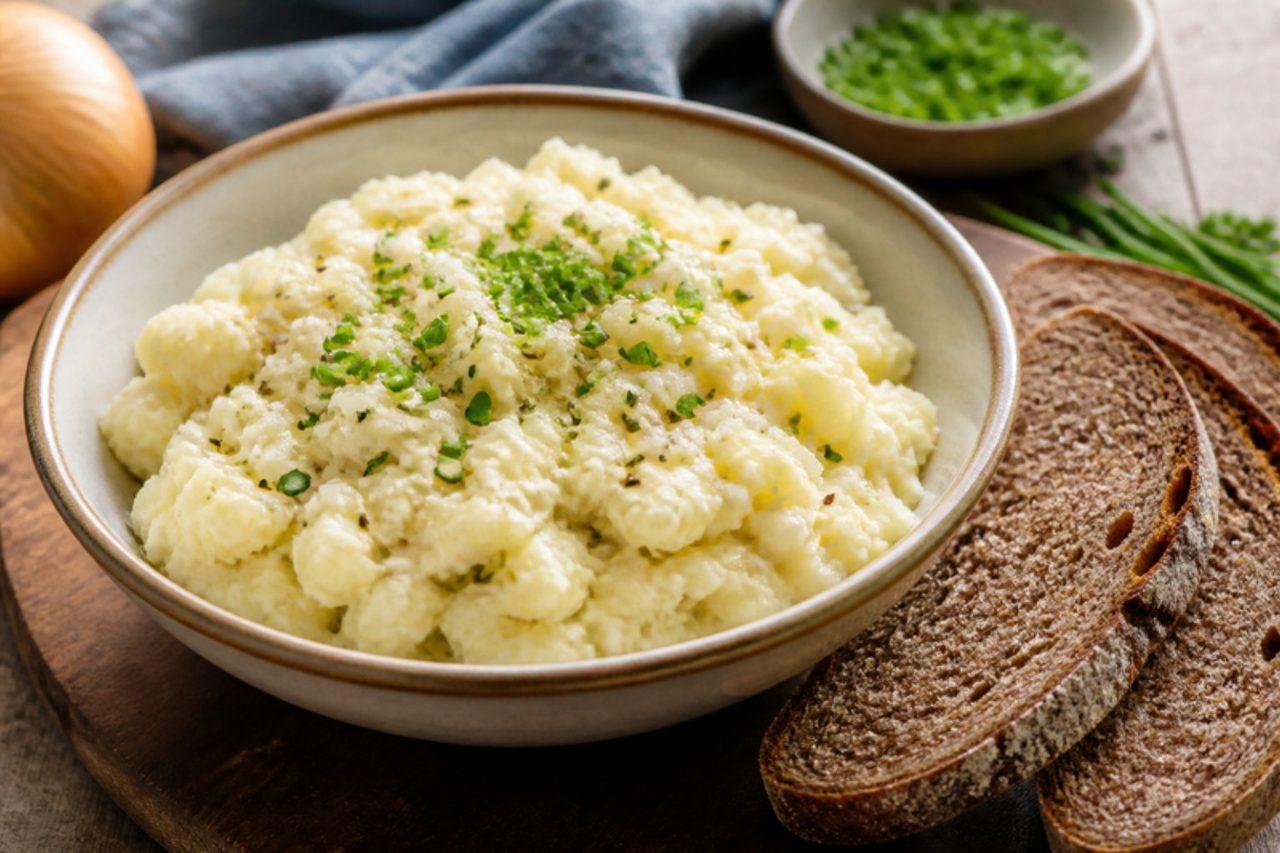
KartoffelkäsePotato and sour cream spread

Despite its name, Franconian Kartoffelkäs contains no cheese at all: it is a soft spread of riced potato, sour cream, onion and caraway that farm families around Bamberg and Nuremberg put on the table for Brotzeit, the cold evening supper. It goes on thick slices of rye bread with chives and sliced radish, and it was a way to turn a few leftover potatoes into something rich enough to stand in for cheese. A common mistake is using waxy potatoes, which go gluey; floury ones make it light. Chef's tip: rice the potatoes while hot, but stir in the sour cream only when they are cool, so the spread stays fresh-tasting rather than heavy.

by KrazyBadal 0 views

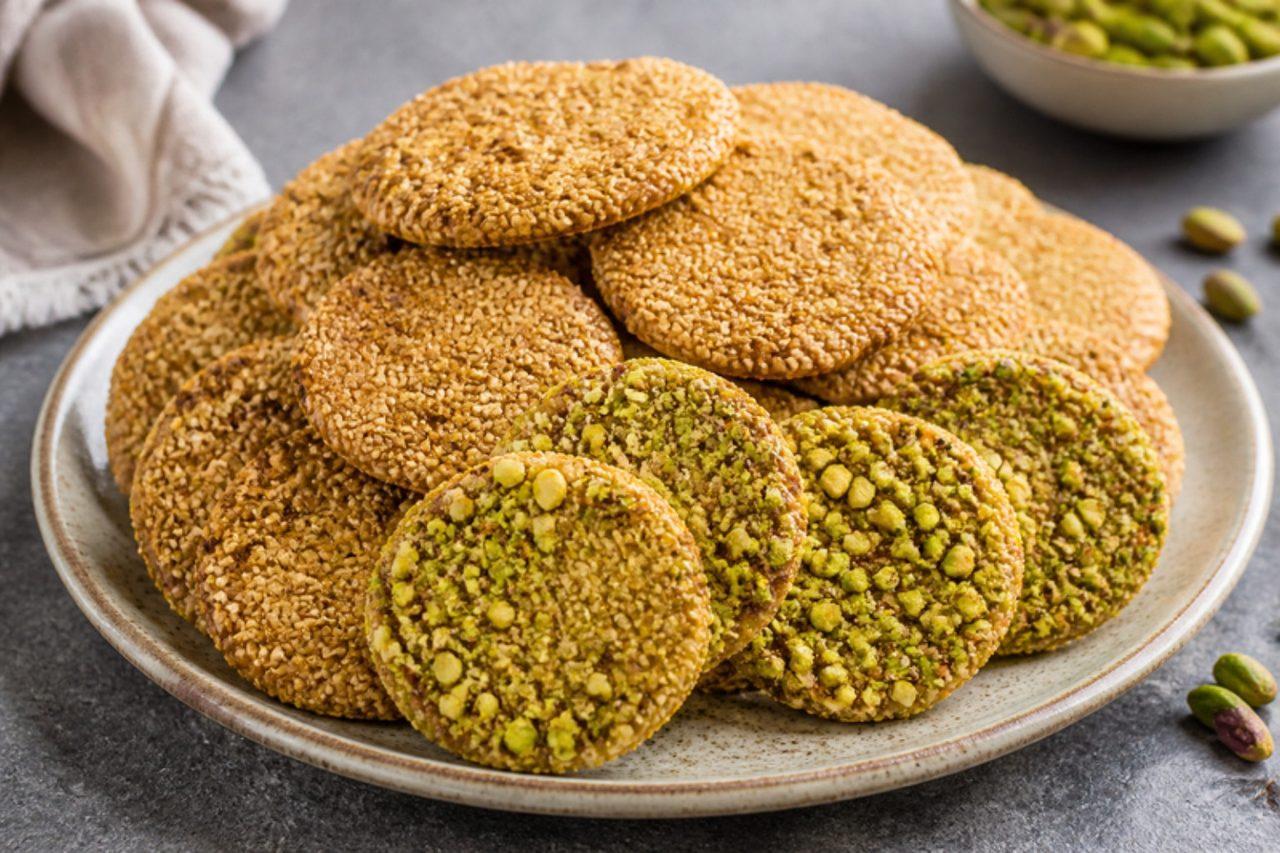
BarazekSesame and pistachio cookies

Barazek are the cookies Damascene families bring out for Eid and to go with an afternoon glass of tea: thin, crisp and buttery, with a glassy crust of sesame seeds held on with honey on top and a scattering of chopped pistachios pressed into the bottom. They are made by the tin-load in Damascus sweet shops and keep for weeks. Common mistake: using untoasted sesame — they should be lightly toasted before going on, or the cookies taste raw. Chef's tip: dip the sesame side into the honey syrup and then the seeds, not the other way round; you get an even, shiny layer that bakes to amber.

by KrazyBadal 0 views

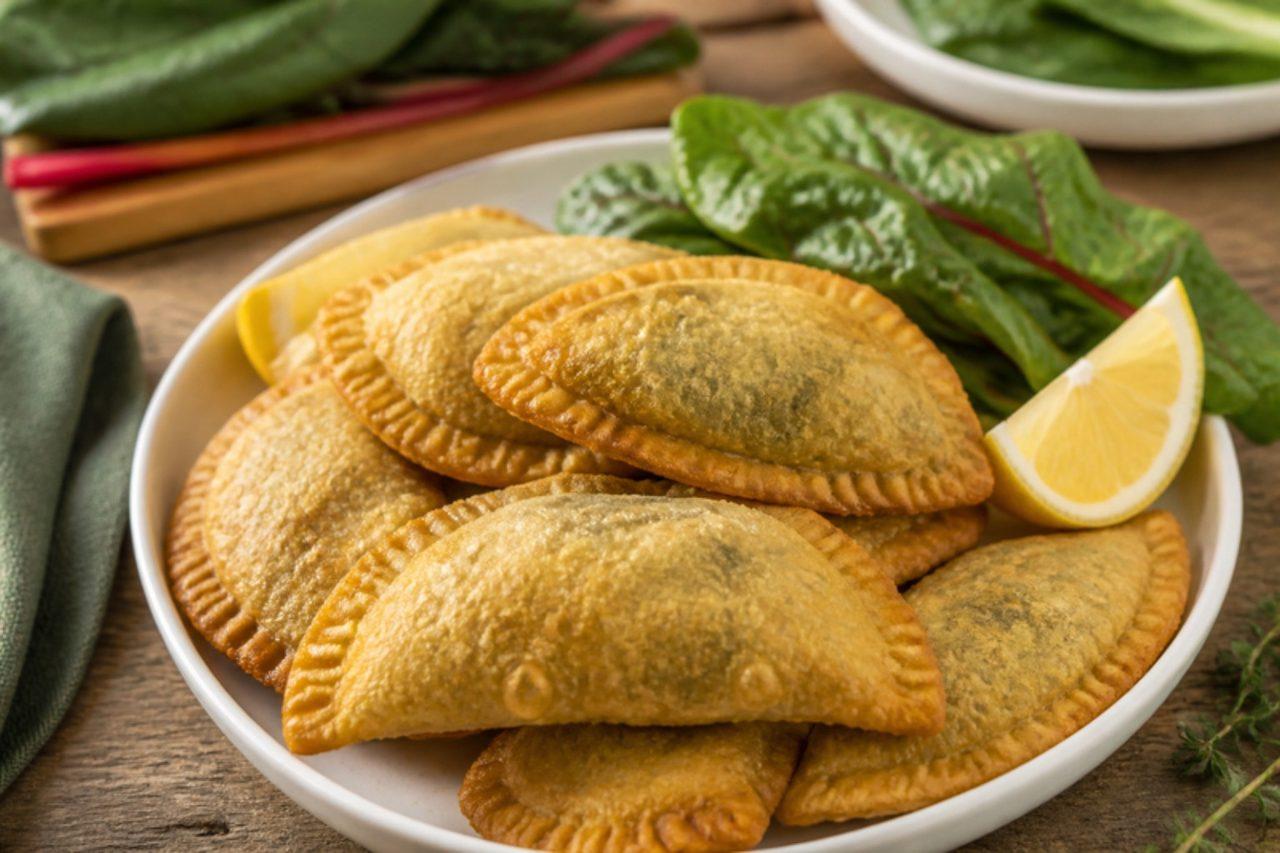
BarbajuansFried chard and ricotta pastries

Barbajuans are Monaco's national snack, little fried pastry pockets of chard, leek and ricotta that come out at every apéritif, and by the hundred on 19 November, the principality's National Day. The name is said to mean 'Uncle John' in the Monegasque dialect, after the cook who first made them. You will also find them in bakeries in Menton and along the Riviera towards Nice. Parmesan usually contains animal rennet; a vegetarian hard cheese works just as well. Chef's tip: roll the dough so thin you can almost see the worktop through it; thick pastry turns chewy instead of crisp.

by KrazyBadal 0 views

Empadão goianoChicken, pork and cheese pie

In Goiás, the empadão goiano is the pride of padarias and lanchonetes, and families bake it for festas and Sundays in individual clay dishes or one deep tin. Under a short, crumbly lard pastry sits a juicy filling of shredded chicken, cubes of pork loin and pork sausage in a tomato sauce, with slices of fresh cheese, boiled egg and guariroba, a bitter palm heart from the cerrado. It is savoury, rich and slightly bitter, best eaten warm with a tomato salad. Guariroba is sold in jars in Brazilian shops; ordinary palm hearts work but are milder. The pitfall is a filling that is too wet, which makes a soggy base; it should be thick and juicy, not soupy. The chicken must reach 74 °C and the pork 71 °C before it goes into the pie. Chef's tip: chill the pastry-lined dish for 15 minutes before filling so the lard firms up and the pastry stays short.

by KrazyBadal 0 views

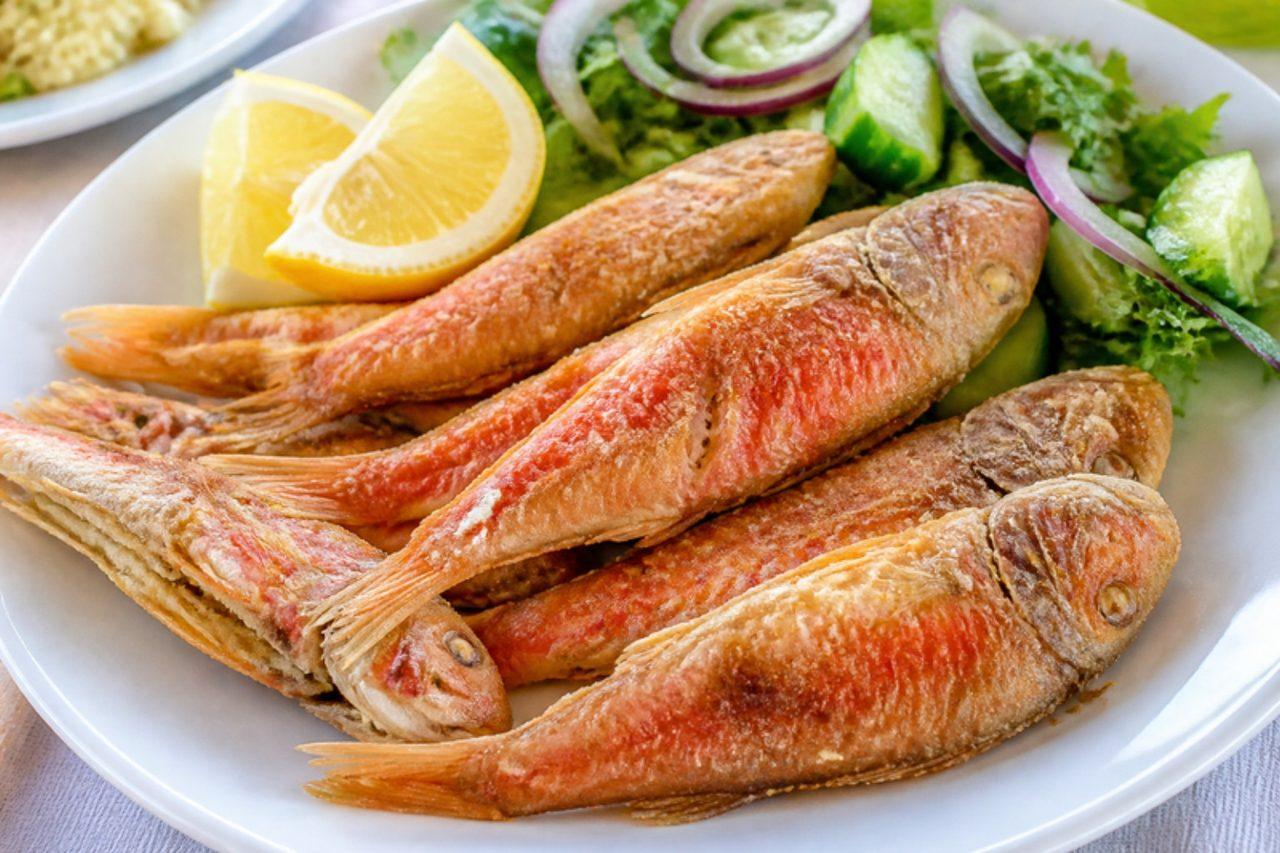
Barbounia tiganitaFried red mullet

In summer, harbour tavernas from Naxos to Paros fry small red mullet whole, dusted in flour and crackling in olive oil, and bring them to the table with lemon, a horiatiki salad and bread. The skin turns crisp and rosy-gold while the flesh stays sweet and delicate, and islanders eat the little ones bones and all. Common mistake: crowding the pan, which drops the oil temperature so the fish soaks up oil and goes soggy. Chef's tip: ask the fishmonger to scale and gut the mullet but leave the heads on; they hold the fish together and are the tastiest part for many Greeks.

25 minGreekFish
by KrazyBadal 0 views

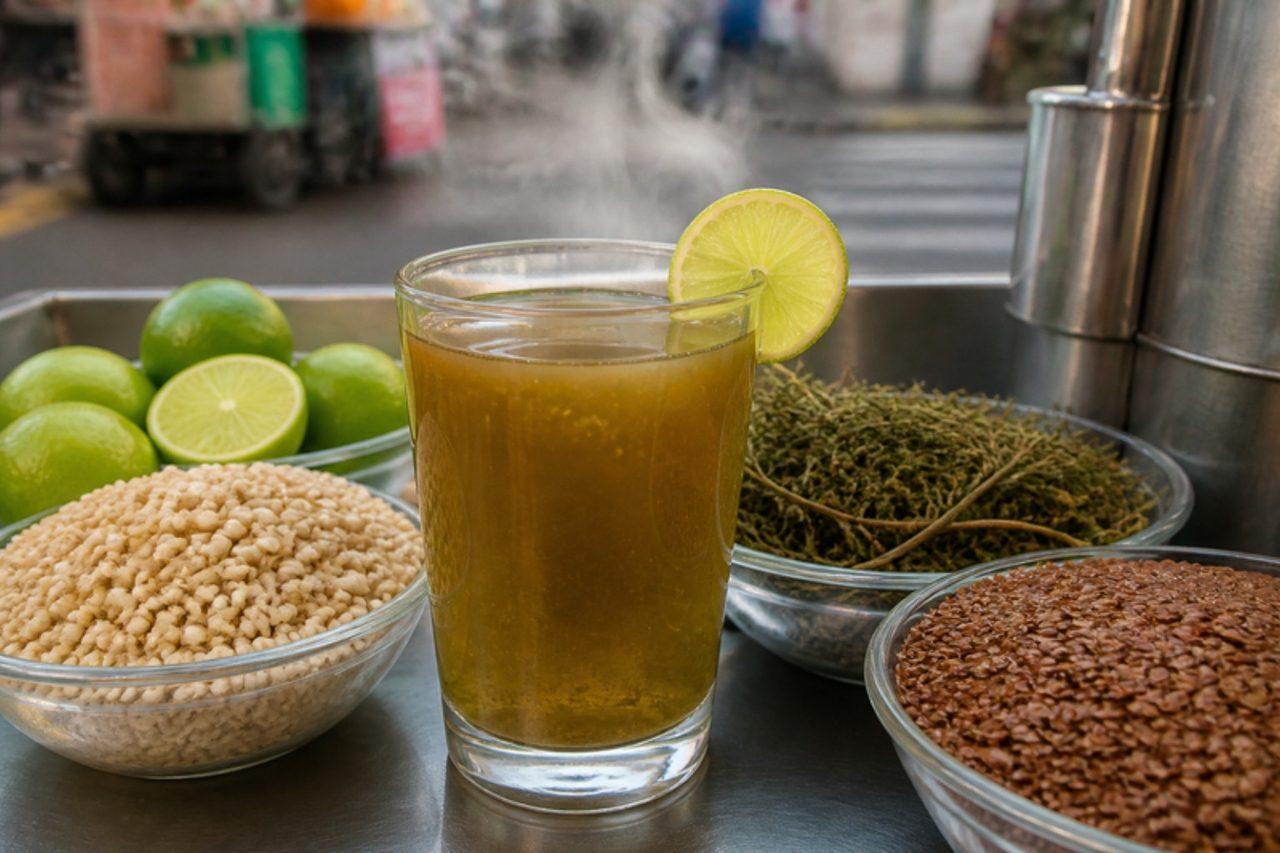
EmolienteBarley and flaxseed herbal drink

Before dawn, all over Peru, emolienteros set up their carts with a row of steaming kettles and jars of herbs, and commuters stop for a glass of emoliente on the way to work. It's a hot infusion of toasted barley, flaxseed and herbs, with lime juice and sugar added to order, and it is drunk for comfort and digestion, especially in Lima's damp winter. The flaxseed gives it a slippery, soothing body; the barley a toasty, almost coffee-like note. Street versions use horsetail, alfalfa, boldo and other herbs; this home version keeps it simple, with horsetail as an option (leave it out if you are pregnant or have kidney problems). The usual error is boiling the flax too long, which makes the drink gloopy; add it for the last 10 minutes only. Serve very hot in glasses, with pan con queso or a sandwich. Barley contains gluten. Chef's tip: toast the barley yourself until it is deep brown; it's what gives emoliente its colour and its roasted flavour.

by KrazyBadal 0 views

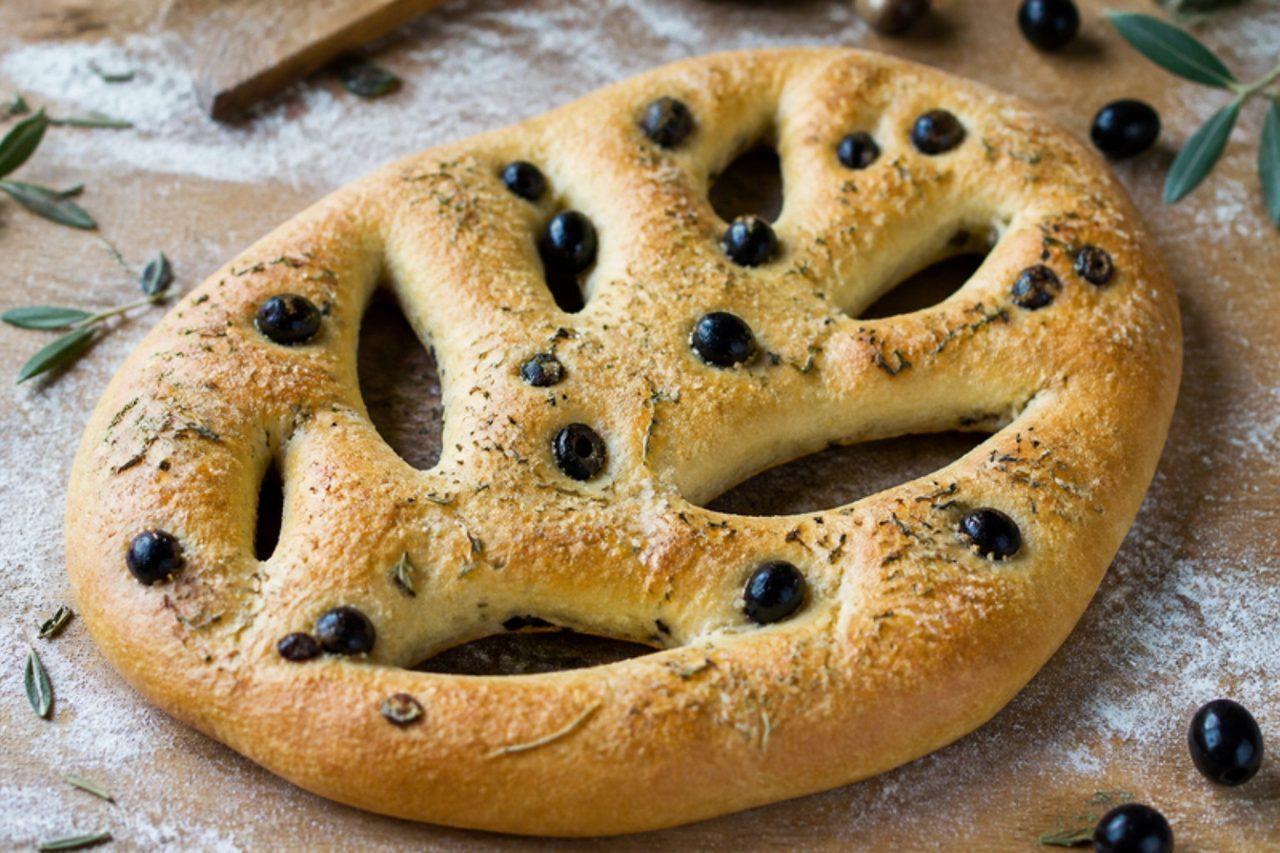
Fougasse aux olivesOlive and herb bread

Bakers in Provence once slid a fougasse into the wood oven first, to test the heat before the big loaves went in; the open, leaf-like shape bakes in minutes and is mostly crust. Today every boulangerie from Avignon to Apt sells it, plain or studded with olives, and families tear it apart on picnics and at market lunches. A sweet cousin flavoured with orange blossom is one of the thirteen desserts of a Provençal Christmas. This is the savoury everyday one, with black olives and herbes de Provence. Chef's tip: bake it on the hottest tray you can, near the top of the oven, so the thin bridges of dough blister and crisp before the thick edges dry out.

148 minFrenchBakingVegan
by KrazyBadal 0 views

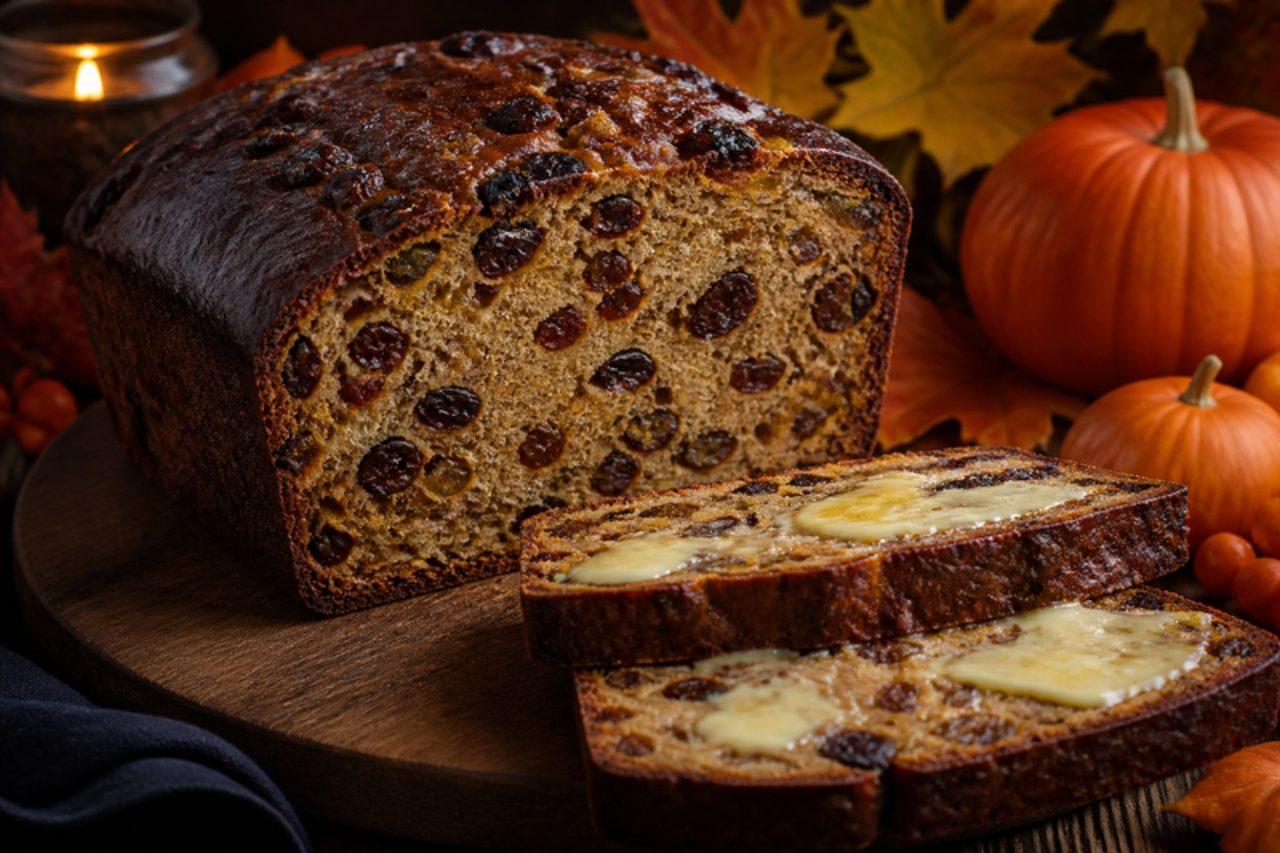
BarmbrackTea-soaked fruit loaf

Barmbrack is the speckled fruit loaf eaten in Ireland at Halloween, when a ring wrapped in baking paper is baked inside, and whoever finds it is said to marry within the year. This is the quick tea brack version made all over Connacht and Munster, with the dried fruit soaked overnight in strong tea so the loaf is dark, moist and fragrant with mixed spice. Serve sliced and buttered with a cup of tea. Chef's tip: soak the fruit for a full night; short soaking gives dry, chewy fruit.

by KrazyBadal 0 views

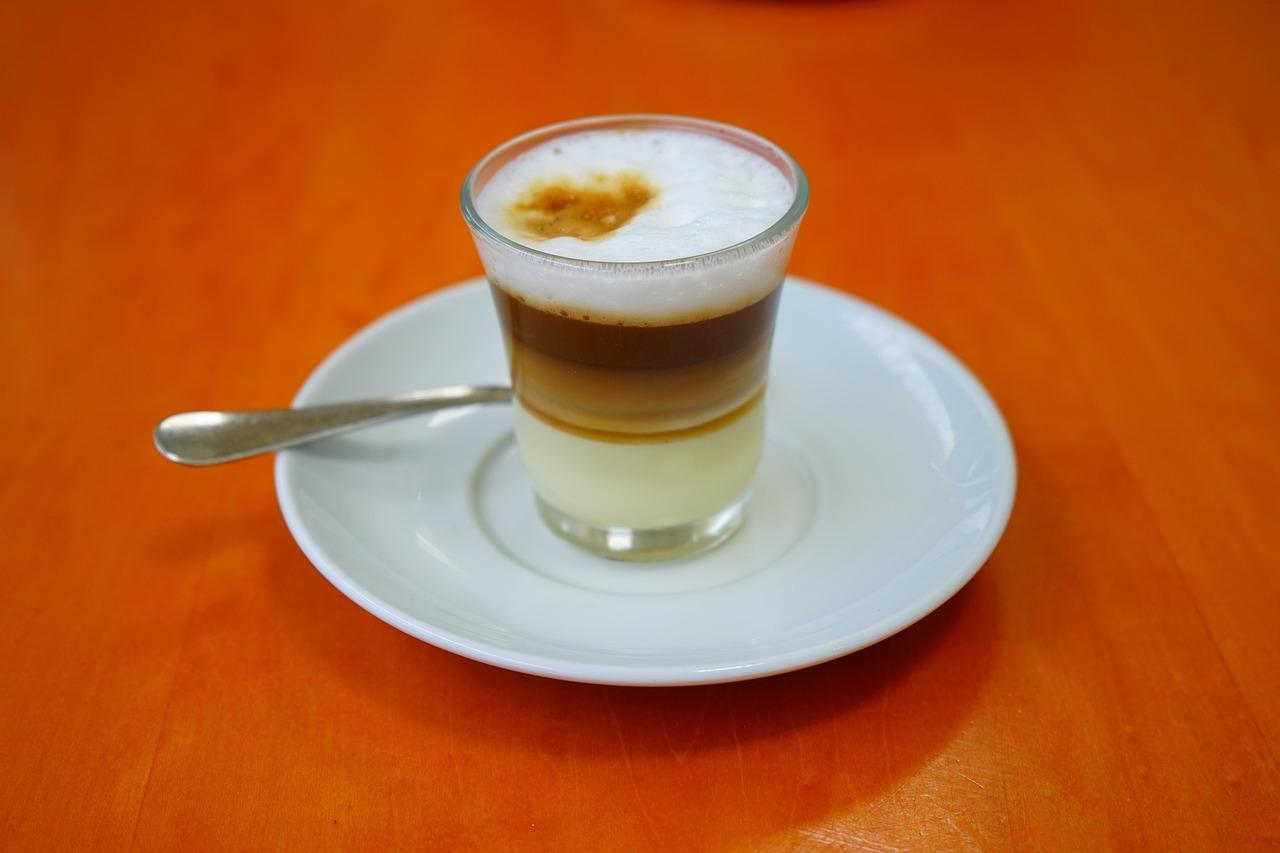
BarraquitoLayered coffee with condensed milk

Order a barraquito in any café in Santa Cruz de Tenerife or La Laguna and it comes in a small glass showing neat stripes: sweet condensed milk at the bottom, then espresso, then foamed milk, perfumed with lemon peel and cinnamon. The bar classic adds a measure of a vanilla-citrus Spanish liqueur between the layers, which makes it contain alcohol; this recipe leaves it optional, and without it the drink is often called a zaperoco or barraquito sin licor. Chef's tip: pour each layer slowly over the back of a spoon, so the layers sit on top of each other instead of mixing.

by KrazyBadal 0 views

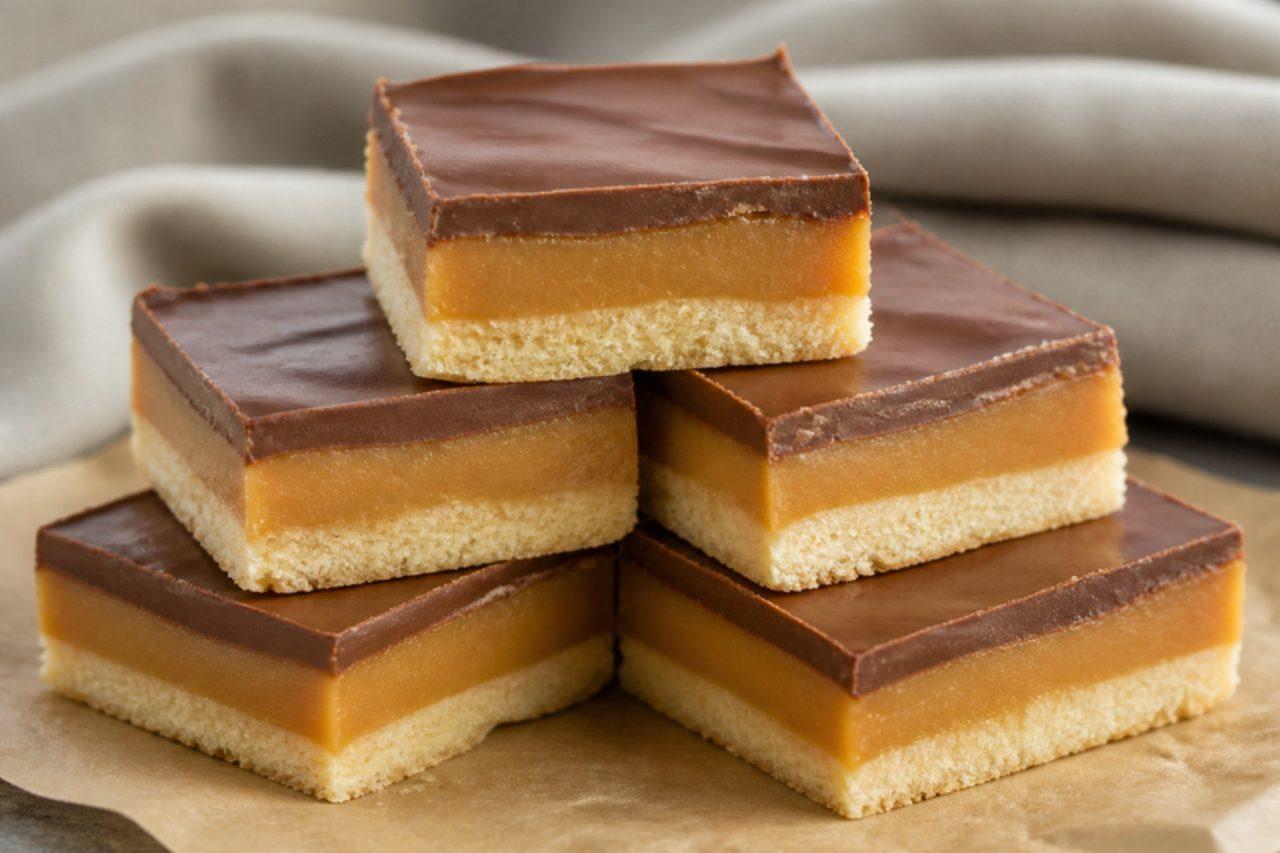
Millionaire's shortbread

Millionaire's shortbread, called caramel shortcake in much of Scotland and caramel squares across the water in Belfast, is the traybake of school bake sales, cafés and church teas. A crisp shortbread base is covered with thick condensed-milk caramel and a layer of chocolate, rich enough to justify the name. Chef's tip: keep stirring the caramel the whole time it bubbles; it catches on the bottom in seconds.

by KrazyBadal 0 views

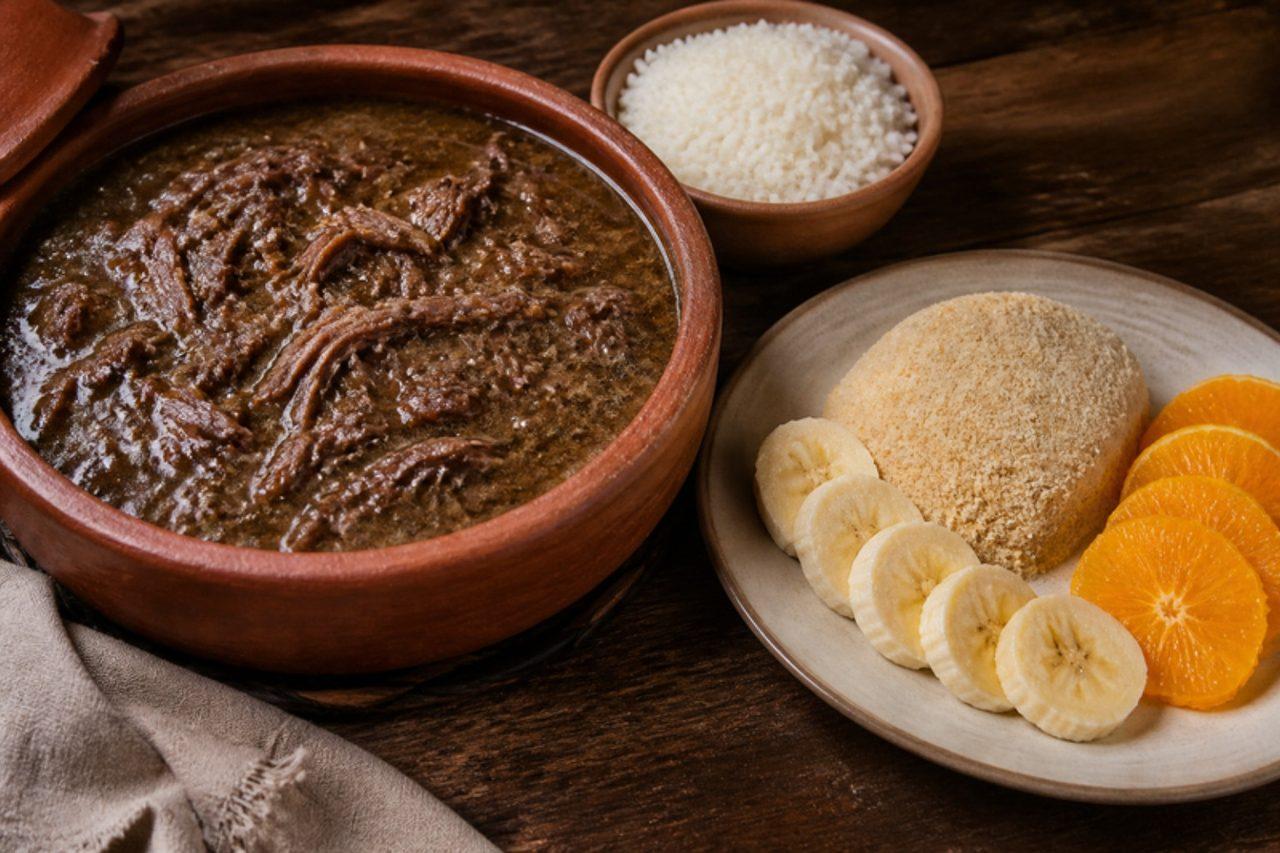
BarreadoSlow-cooked beef in clay pot

Morretes and Antonina, the little colonial towns at the foot of Paraná's Serra do Mar, are famous for barreado: beef layered with smoked bacon, onion, garlic, cumin and bay in a clay pot, sealed with a paste of cassava flour and water, and cooked for many hours until it falls into soft, dark strands in a rich broth. It was a Carnival dish, left on the fire so revellers could eat without cooking, and today the restaurants along the Rio Nhundiaquara serve it every day. This recipe contains pork, in the bacon that gives the broth its smokiness. At the table you put cassava flour on your plate, ladle over hot broth and stir it into a soft pirão, then add the meat and slices of banana. The common mistake is opening the pot to check, which lets the steam out and toughens the meat; trust the seal and the oven. A heavy cast-iron casserole works if you have no clay pot. Chef's tip: use two cuts, a lean one and a gelatinous one like shin, for broth with real body.

by KrazyBadal 0 views

Forfar bridiesBeef and onion pastries

The bridie is the pride of Forfar in Angus, a horseshoe-shaped pastry stuffed with chopped beef steak and onion, sold hot from the town's bakers and eaten on market days and at weddings. Unlike a Cornish pasty there is no potato, just peppery beef, onion and beef suet in shortcrust. The holes on top tell you the filling: one hole for plain, two for onion. Chef's tip: chop the steak by hand into small pieces rather than using mince; it keeps the filling juicy.

by KrazyBadal 0 views

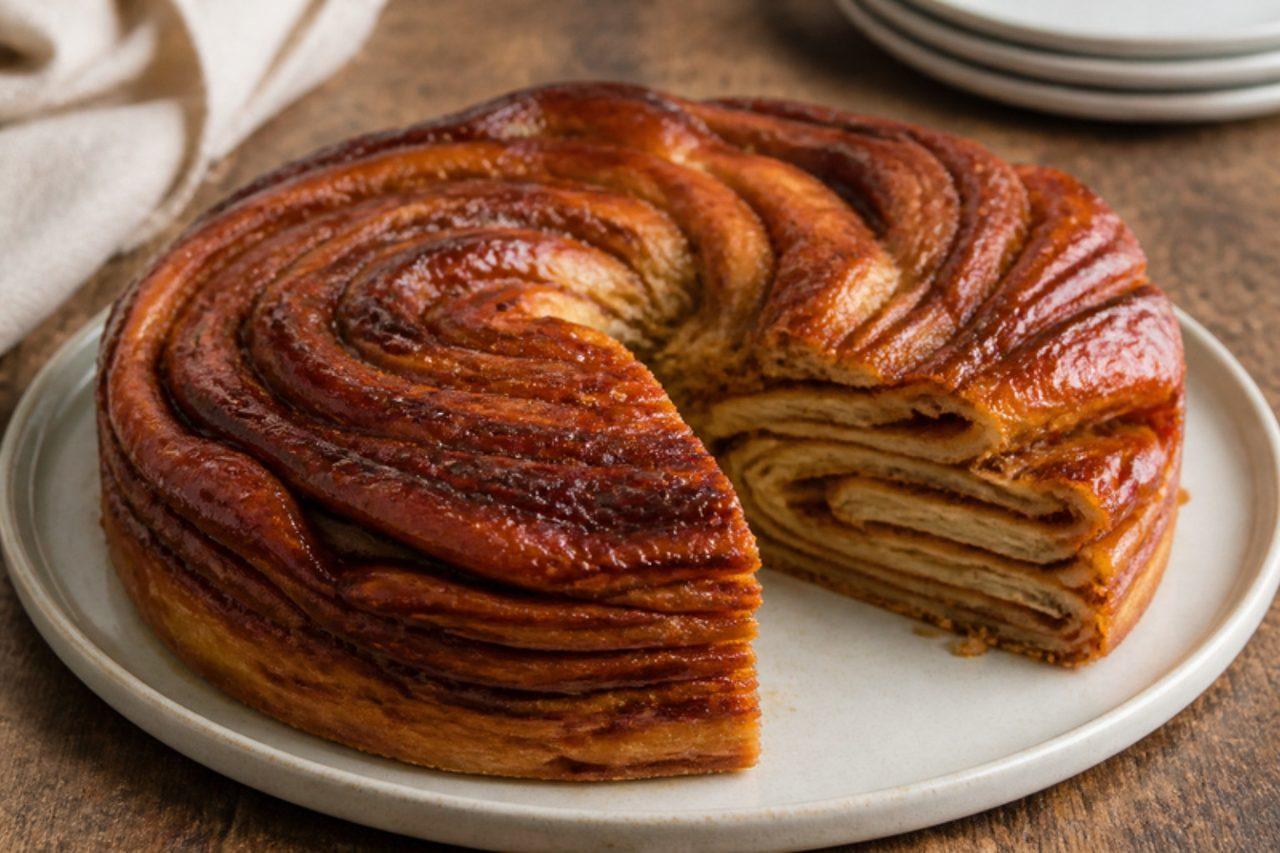
Folar de OlhãoCaramelised layered Easter bread

In the fishing town of Olhão, Easter means folar, and it looks nothing like the egg-topped breads of the north: here a soft, cinnamon dough is rolled up in layers of brown sugar and fat, sliced, packed into a tin and baked until the sugar runs into a dark, sticky caramel. Turned out upside down, it pulls apart in sweet, glossy spirals. Families bake it on Holy Thursday so it is ready for the long weekend, and godparents give one to their godchildren. Many bakeries use some lard; this version uses butter only. Chef's tip: roll the dough as thin as you dare, as the more layers you get, the more caramel edges there are.

by KrazyBadal 0 views

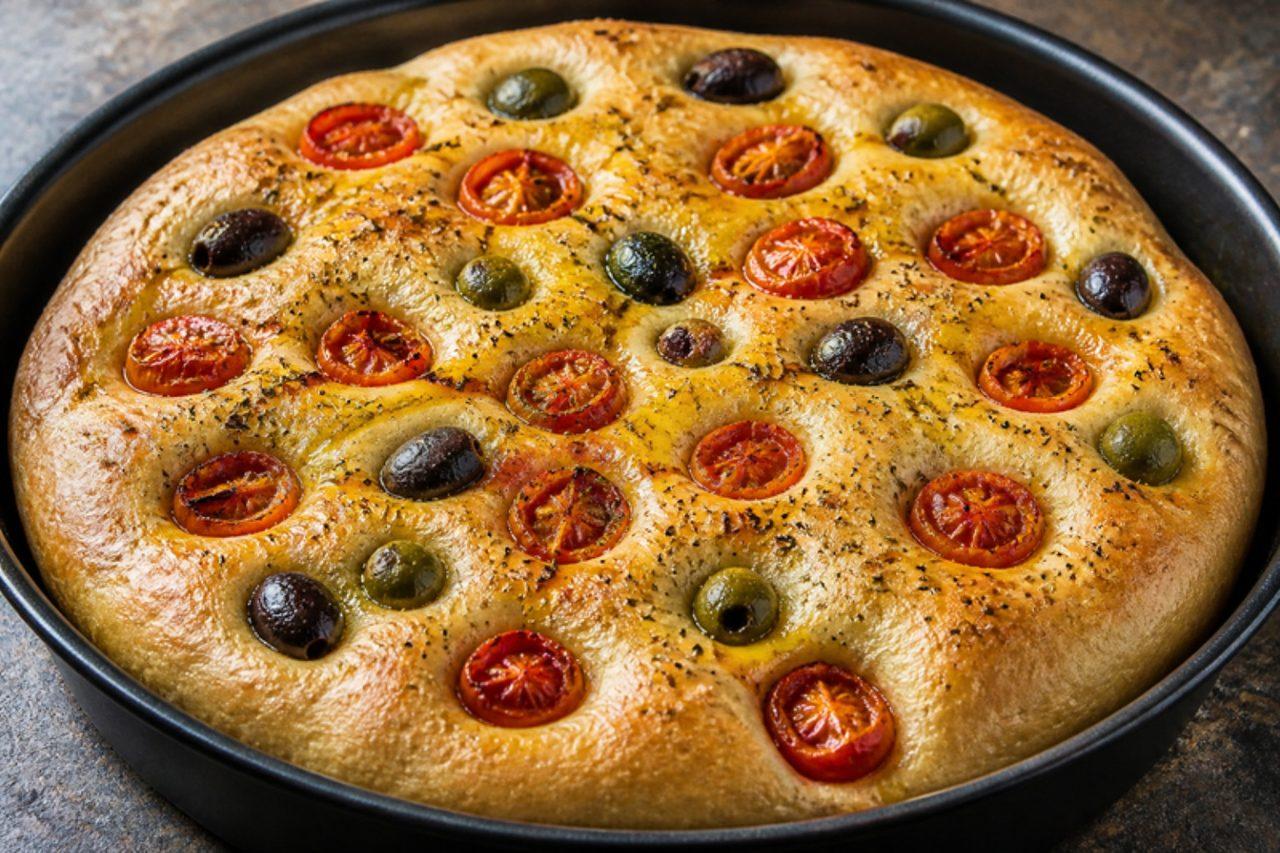
Focaccia baresePotato focaccia with tomatoes

Bari's focaccia is made with boiled potato and durum semolina in the dough, which gives it a tender, almost creamy crumb under a base that fries in olive oil until crisp. It is baked in round iron pans, studded with squashed cherry tomatoes and olives, and sold by the slice at every bakery in the city from mid-morning, warm, folded in paper. On the beach in summer it goes round in squares with a cold drink. This is the Bari version, quite different from a plain herb focaccia or the cheese-filled focaccia of Recco. Chef's tip: be generous with oil in the pan; that layer is what turns the underside golden and crunchy.

by KrazyBadal 0 views

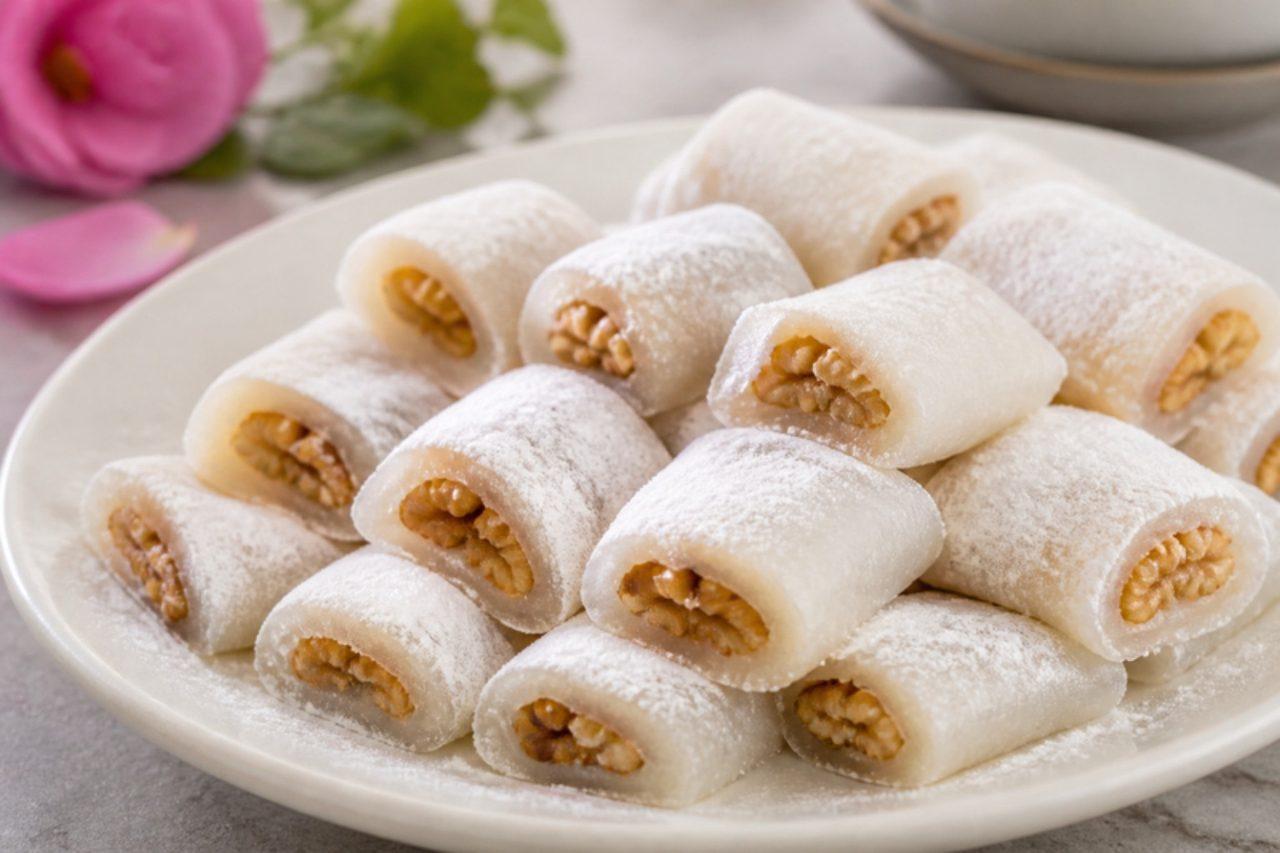
BasloghRosewater starch sweet with walnuts

Baslogh is one of the soft confections that fill the sweet shops of Tabriz's covered bazaar, especially before Nowruz and at Ramadan: a pale, wobbly slab of starch cooked in rose-scented syrup, studded with walnuts, cut into squares and dusted so it does not stick. It is related to Turkish lokum but softer and less sweet, eaten with tea in the afternoon. A common mistake is stopping the cooking too early; undercooked baslogh never sets and weeps syrup. Chef's tip: cook until the paste turns translucent and pulls away from the pan in one mass, which takes longer than you expect.

by KrazyBadal 0 views

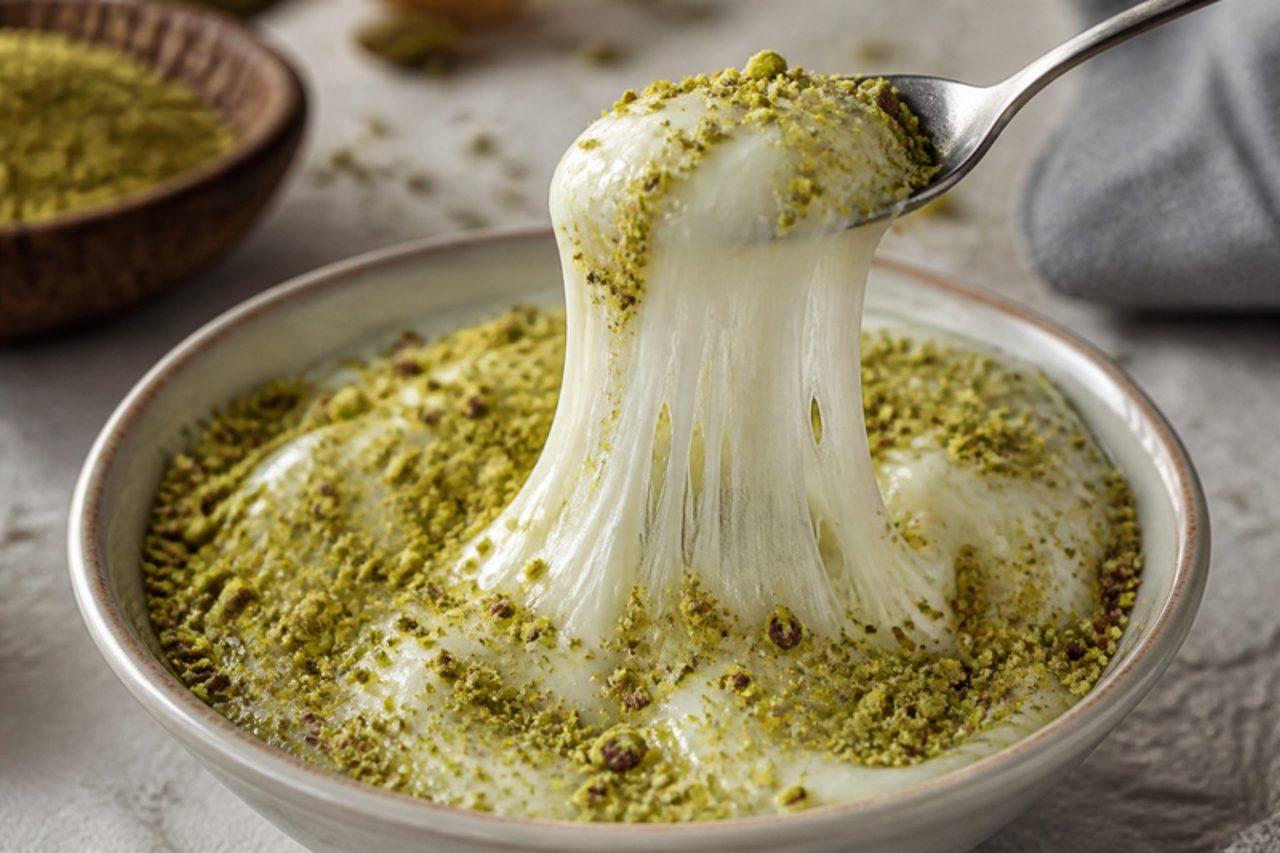
BoozaStretchy mastic ice cream

In the covered Hamidiyeh souk in Damascus, men pound booza in frozen metal drums with long wooden pestles, and the thump of the mallets is part of the show. The ice cream is milky, chewy and elastic, thanks to sahlab (orchid-root flour) and mastic, then rolled in crushed pistachios. This home version thickens the milk with sahlab powder or cornflour and beats it as it freezes to get that stretch. Serve in scoops or slices, plain or with a spoon of rose syrup. Common mistake: grinding the mastic alone, which turns gummy; always pound it with a spoonful of sugar. Chef's tip: real sahlab gives the true chew, but a mix of cornflour and a pinch of guar gum gets very close.

by KrazyBadal 0 views

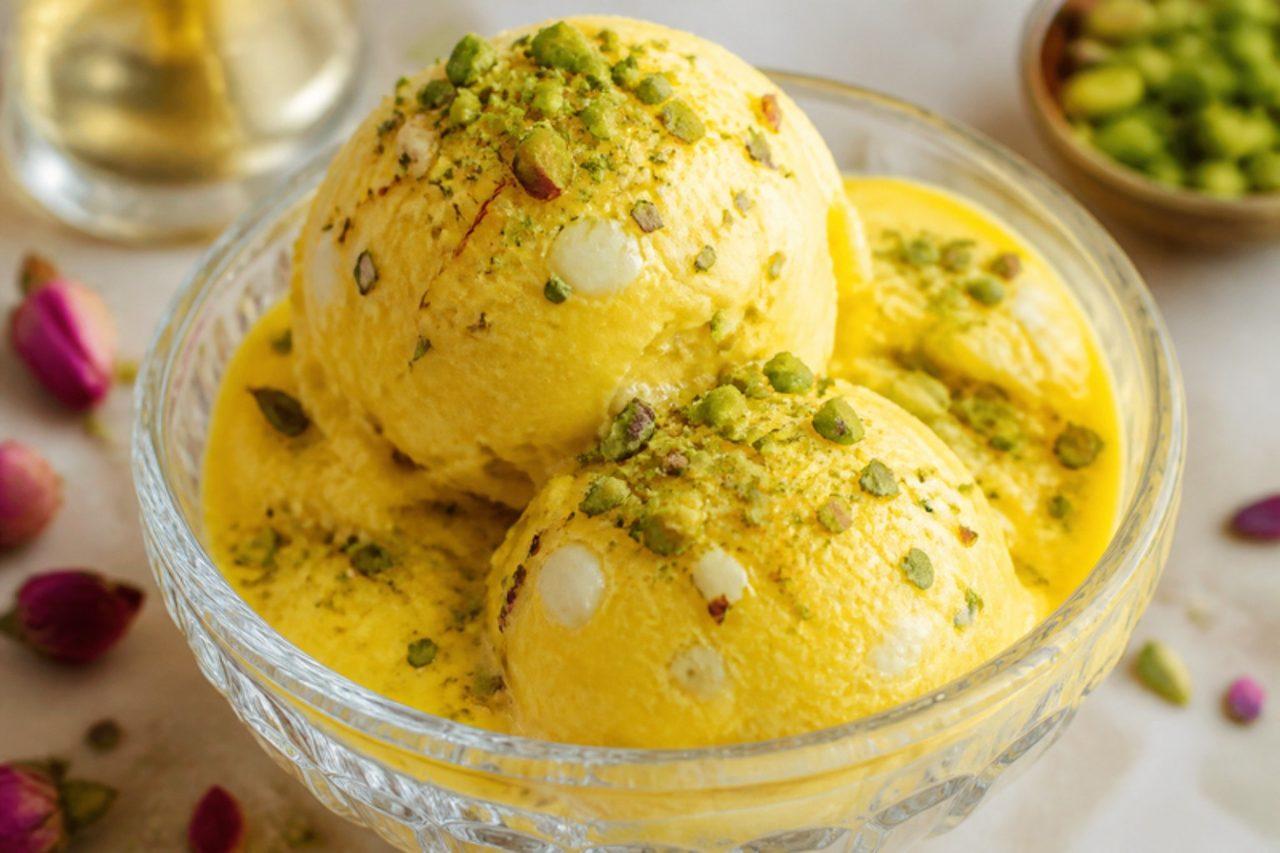
Bastani sonnatiSaffron rosewater ice cream

On summer evenings in Tehran, queues form outside old ice-cream shops for bastani sonnati, scooped between two thin wafers or into a glass beside faloodeh. The custard is rich with egg yolks and coloured deep gold with saffron, perfumed with rosewater and studded with pistachios and little shards of frozen cream that melt on the tongue. This home version uses an ice-cream machine or a fork-and-freezer method. Chef's tip: freeze the cream chips in a thin sheet the day before, so they are hard enough to stay as separate shards when folded in.

by KrazyBadal 0 views

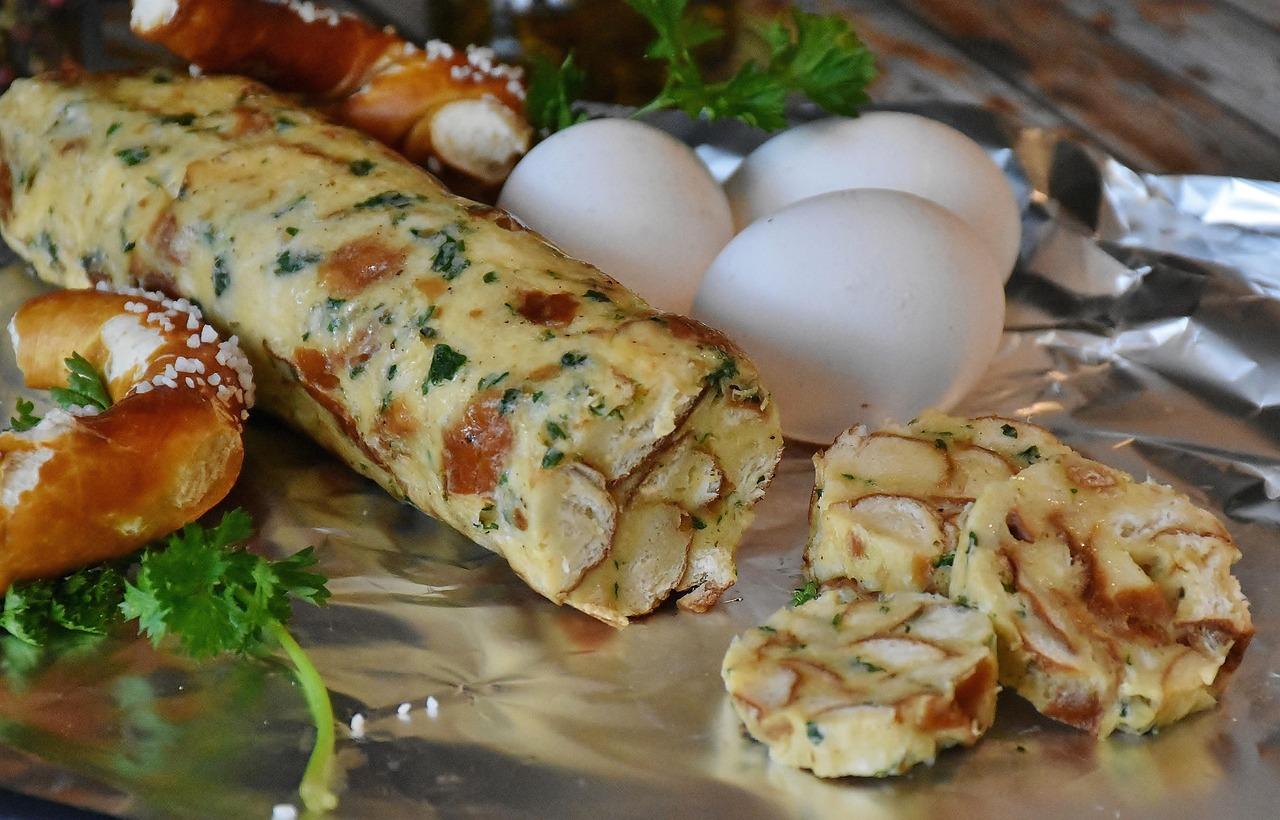
BrezenknödelPretzel dumplings

Brezenknödel are what thrifty Munich kitchens make from yesterday's pretzels: the cubes soak in warm milk with egg, onion and parsley, then are shaped into dumplings with a faintly salty, malty crust flavour running through them. They are served on Sundays in place of bread dumplings, alongside a creamy mushroom sauce or a pile of red cabbage, and leftovers are sliced and fried the next morning. The big mistake is adding too much milk: the mixture should hold when squeezed, not drip. Chef's tip: pick off most of the coarse salt before cubing the pretzels, otherwise the dumplings end up far too salty.

by KrazyBadal 0 views

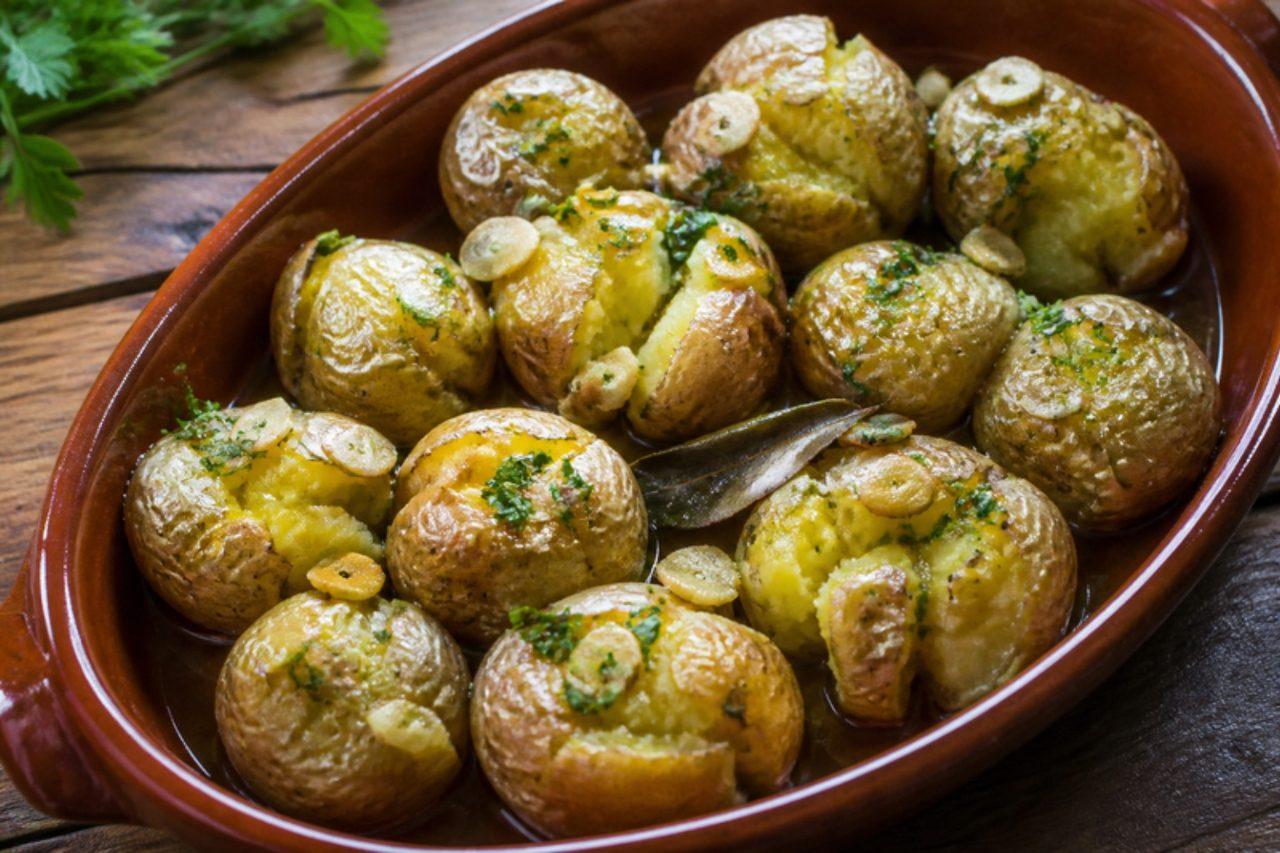
Batatas a murroPunched roast potatoes with garlic oil

Order bacalhau na brasa in a Minho tasca and it arrives with these: small potatoes roasted in their skins on a bed of coarse salt, given a sharp punch to split them, then soaked in hot olive oil and garlic. The skins go crisp and salty while the flesh turns fluffy and drinks up the oil. They are just as good next to grilled sardines in June or a roast chicken on Sunday. Chef's tip: pick potatoes the size of a hen's egg so they cook through before the skins burn.

by KrazyBadal 0 views

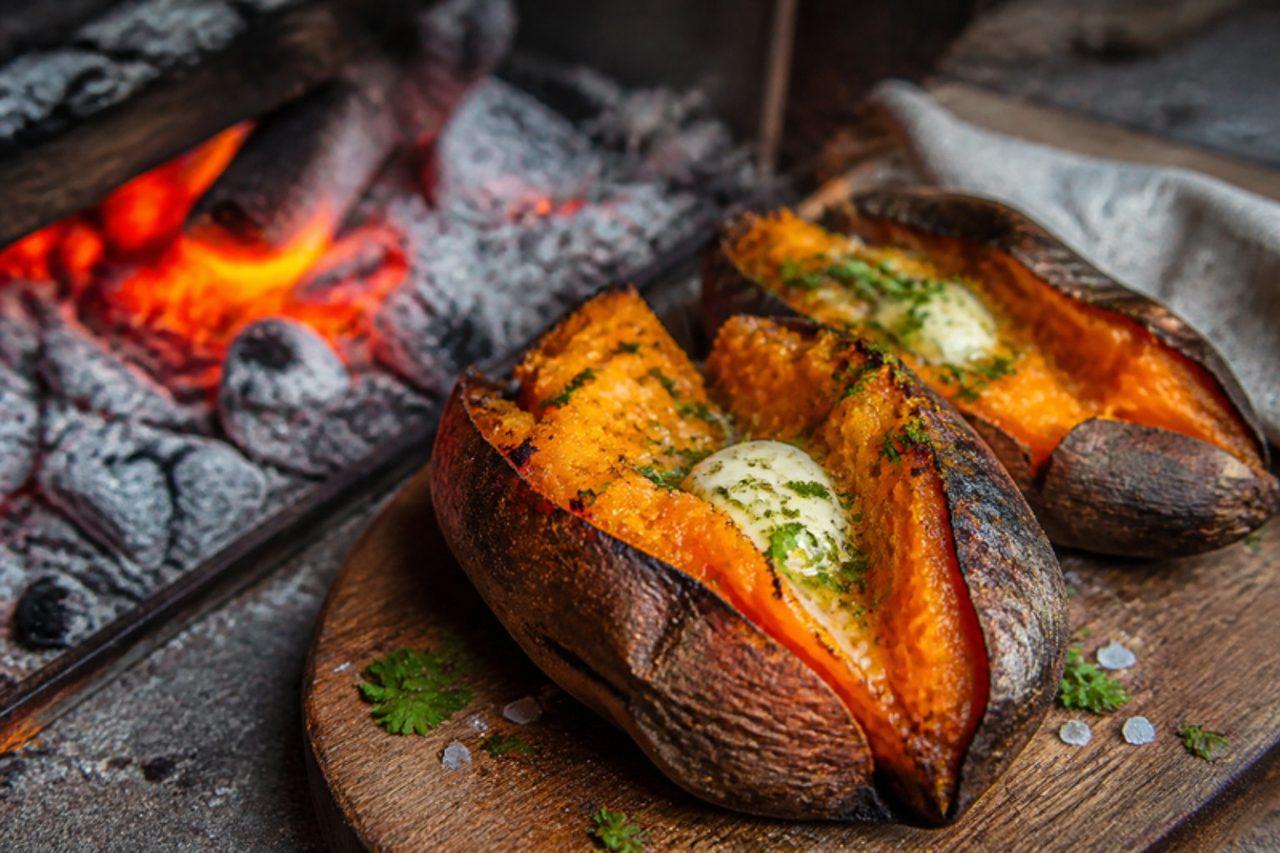
Batatas al rescoldoEmber-roasted sweet potatoes

Long after the meat comes off, the fire of an Argentine asado still has work to do. Sweet potatoes pushed into the glowing embers (el rescoldo) at the start of the cook come out an hour later with charred, papery skins and flesh that is soft, sticky and almost caramelised, with a smoky edge. They are split open at the table, filled with butter and coarse salt and eaten as a side to the asado or as supper by the fire on a camping trip. Burying them in live flames is the trap: the skin blackens right through while the inside stays hard, so wait for a bed of settled embers and ash. Wrapping them in foil gives softer skins and less risk if you are new to it, and an oven at 200 °C does a fine job indoors. Chef's tip: choose sweet potatoes of the same thickness, around 250 g each, so they cook evenly together.

by KrazyBadal 0 views

Borraja con patatasBorage and potatoes with garlic oil

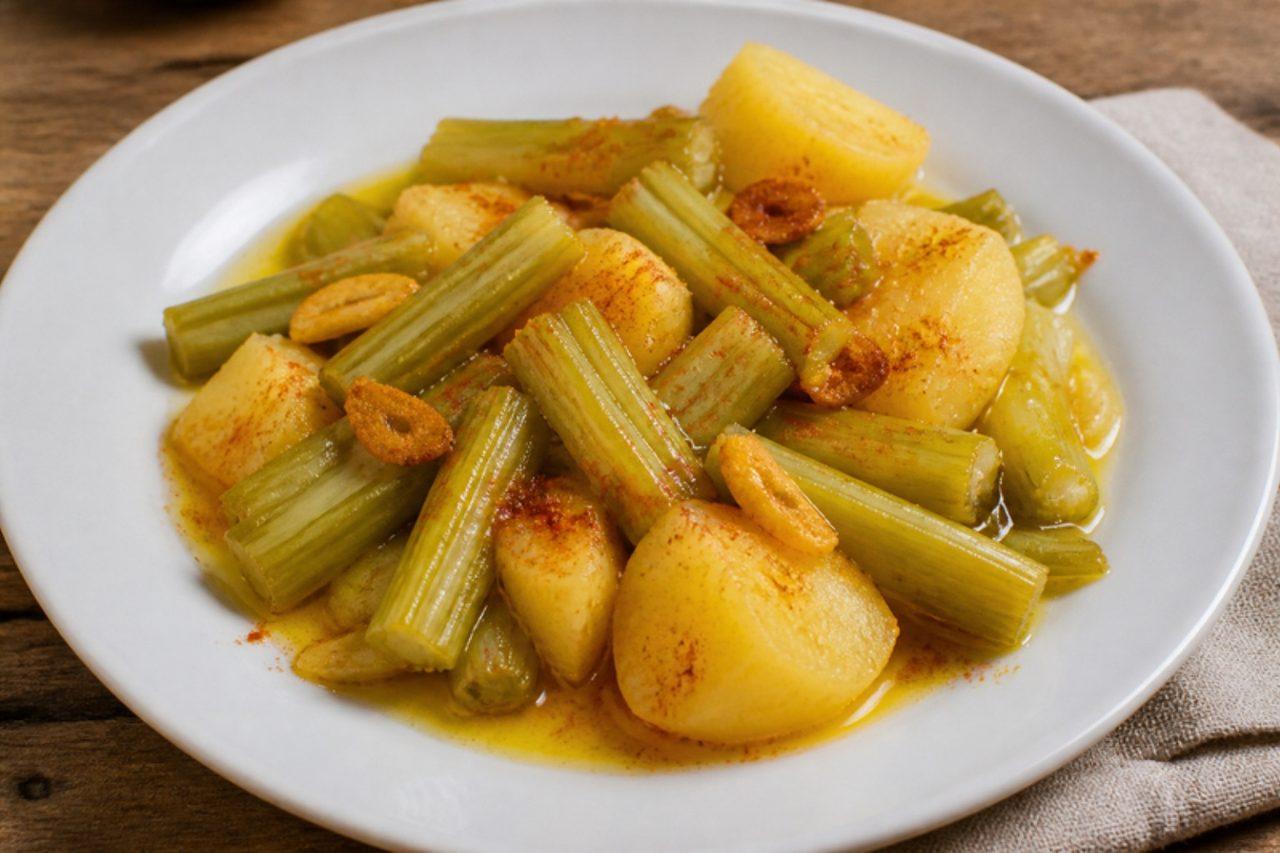
Borage grows all along the Ebro valley, and in Zaragoza it is almost a point of pride: markets sell bundles of the thick, hairy stalks from autumn to spring, and borraja con patatas is a weeknight supper in thousands of Aragonese homes. Boiled until tender, the stalks taste mild and green, a little like a cross between cucumber and chard, and the floury potatoes soak up a simple dressing of olive oil and fried garlic. It is vegan and gluten free. A common mistake is skipping the cleaning: the fine hairs and stringy outer fibres must come off, or the dish feels prickly. If you can't get borage, chard stalks are the closest stand-in. Chef's tip: fry the garlic in the oil slowly, off a high flame, and pour it over sizzling hot so it sings when it hits the vegetables.

by KrazyBadal 0 views

Frite extremeñoFried lamb with garlic and paprika

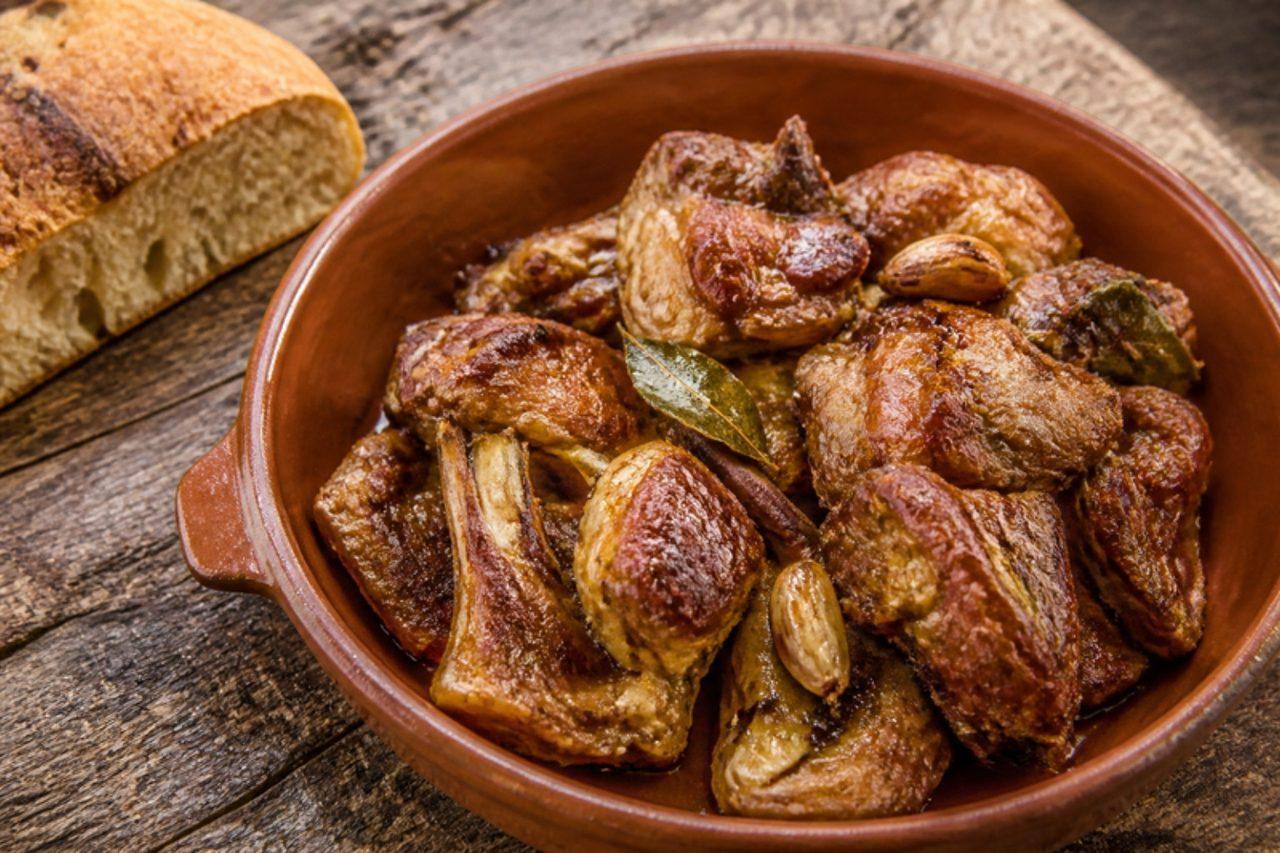
Frite is the simpler, drier cousin of caldereta and is especially loved around the sheep country of the Sierra de Gata and the Cáceres plains. Small pieces of lamb are fried in olive oil with lots of garlic, then cooked with bay, pimentón and a splash of vinegar until tender and coated in a dark red, clinging sauce. It is the dish people cook outdoors at the spring romerías and eat with bread straight from the pan. Chef's tip: ask the butcher to chop the lamb small, bones and all, so every piece gets crisp edges.

by KrazyBadal 0 views

Casoncelli alla bergamascaFilled pasta in sage butter

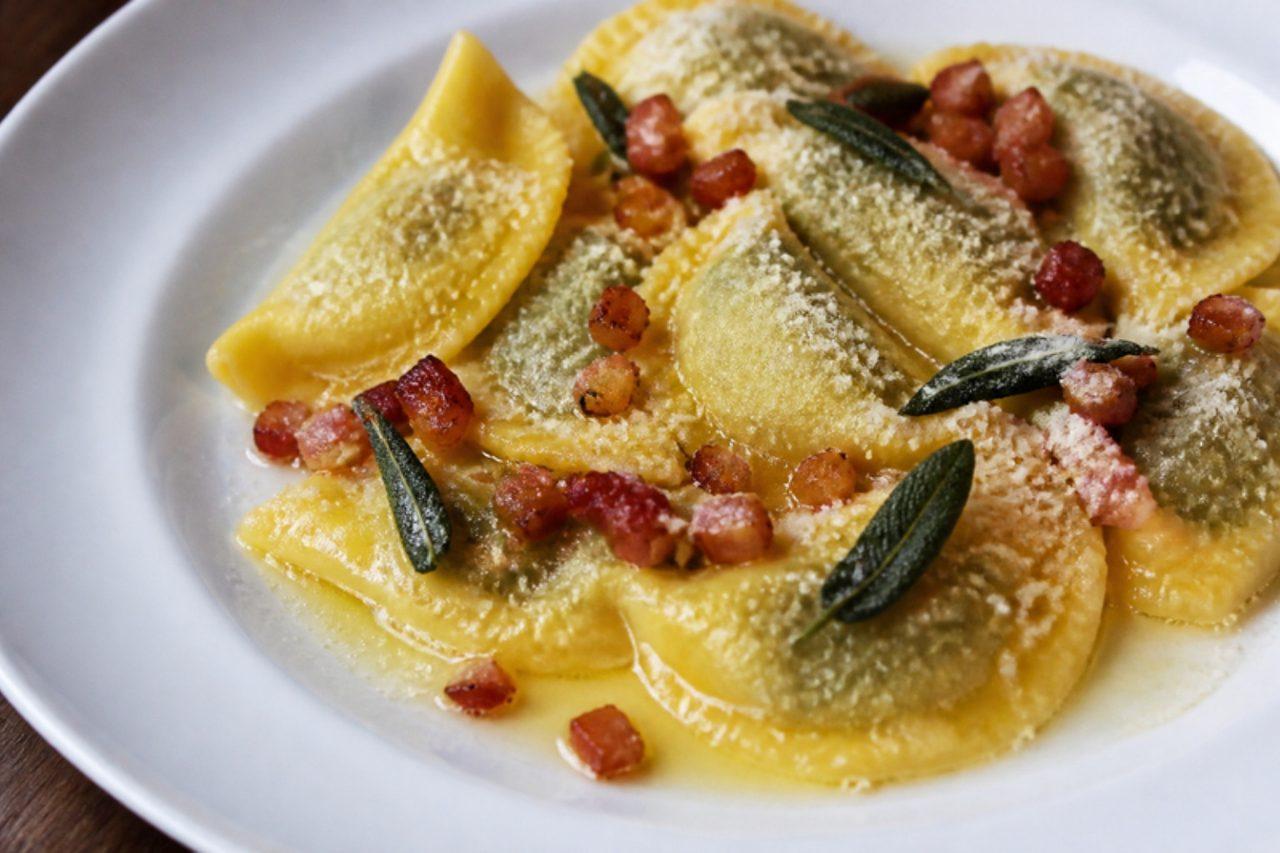
Casoncelli (casonsei in Bergamo dialect) are the pride of the old upper town of Bergamo and of nearby Brescia, eaten at weddings, village festivals and Sunday lunch. The filling is a thrifty mix of pork sausage, leftover beef, breadcrumbs and grana, perfumed with a crushed amaretto biscuit, a few raisins and a little pear, so it tastes faintly sweet and savoury at once. The folded half-moons are pressed into a little saddle shape and served in plenty of butter with sage and crisp cubes of pancetta, which makes this a pork dish twice over. A green salad is all they need afterwards. Chef's tip: cook the sausage filling first and let it cool completely; warm filling makes the pasta soggy and hard to seal.

by KrazyBadal 0 views

CasadiellesWalnut-filled fried pastries

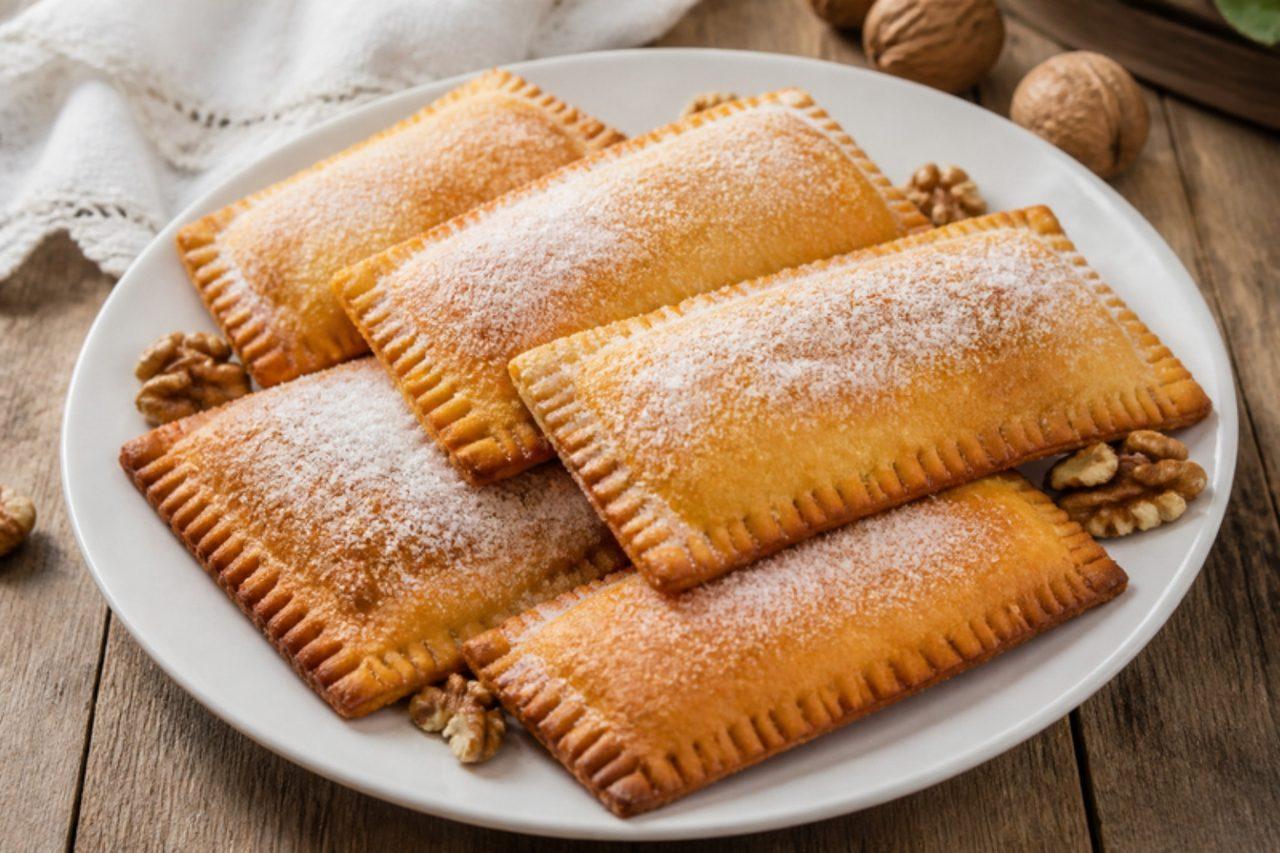
Look in the window of any confitería in Oviedo or Gijón and you will find casadielles, plump little pastry rolls stuffed with ground walnuts and sugar, fried until blistered and rolled in more sugar. Village bakers turn out trays of them for patron-saint fiestas and for Antroxu, and they keep for days in a tin. The traditional dough is moistened with dry white wine and the filling scented with anise liqueur; both are given alcohol-free swaps below. Chef's tip: roll the dough very thin, about 2 mm, because thick dough stays doughy inside before the outside browns.

by KrazyBadal 0 views

Cau cauTripe and potato stew

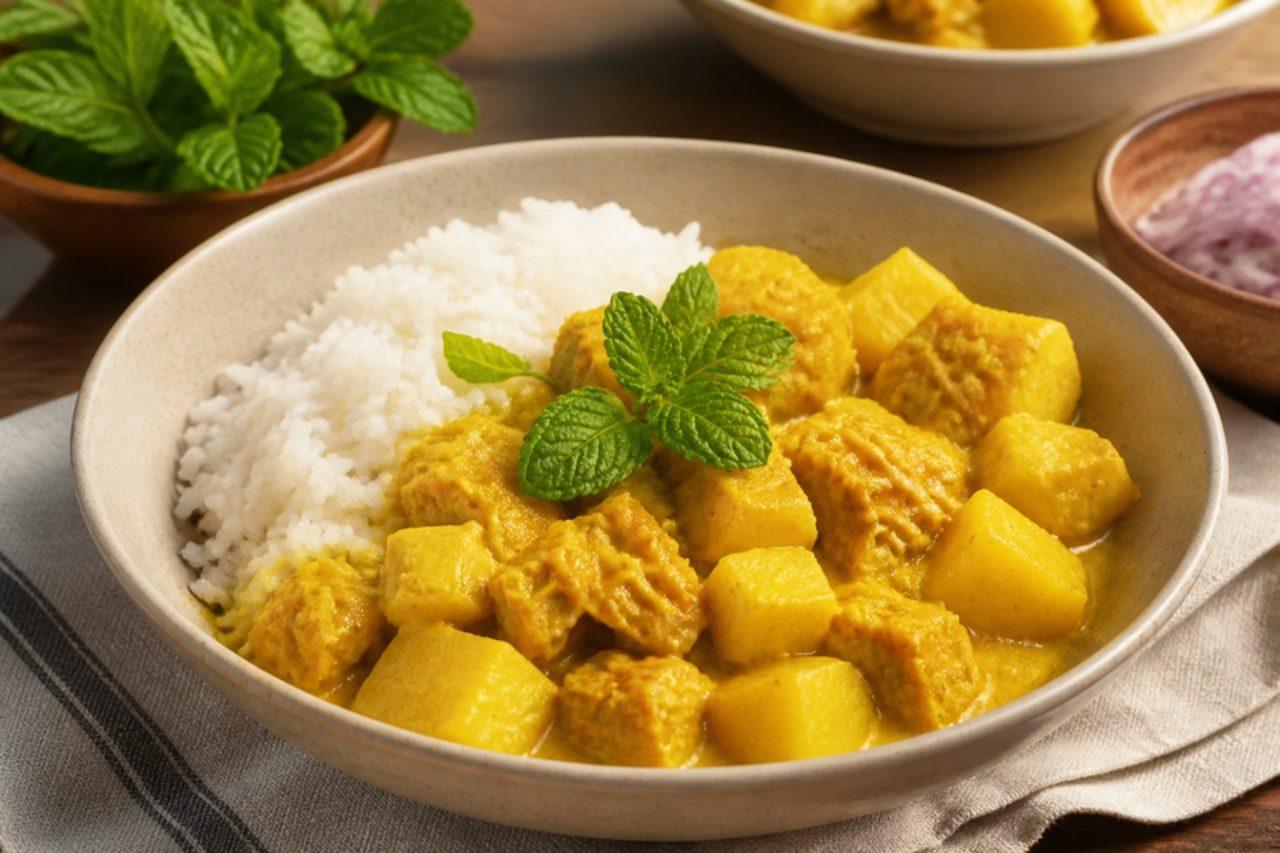
Cheap, filling and deeply loved, cau cau is a lunchtime staple at Lima's menú restaurants and market comedores, served with white rice. Pieces of honeycomb tripe are simmered until soft, then stewed with diced potato in a golden sauce of ají amarillo, garlic and turmeric, finished with a fistful of mint (hierbabuena) that freshens the richness. The texture is soft and slightly springy, the sauce mild, warm and herby. Buy tripe from a butcher or Latin, Asian or halal shop already cleaned and blanched (white honeycomb); it must be simmered until fully tender and cooked through. The common mistake is undercooking the tripe: if it squeaks between your teeth it needs longer. Chef's tip: cut the potatoes small and let some of them break up at the end; they thicken the sauce naturally.

by KrazyBadal 0 views

MarquesitasCheese and cajeta crepes

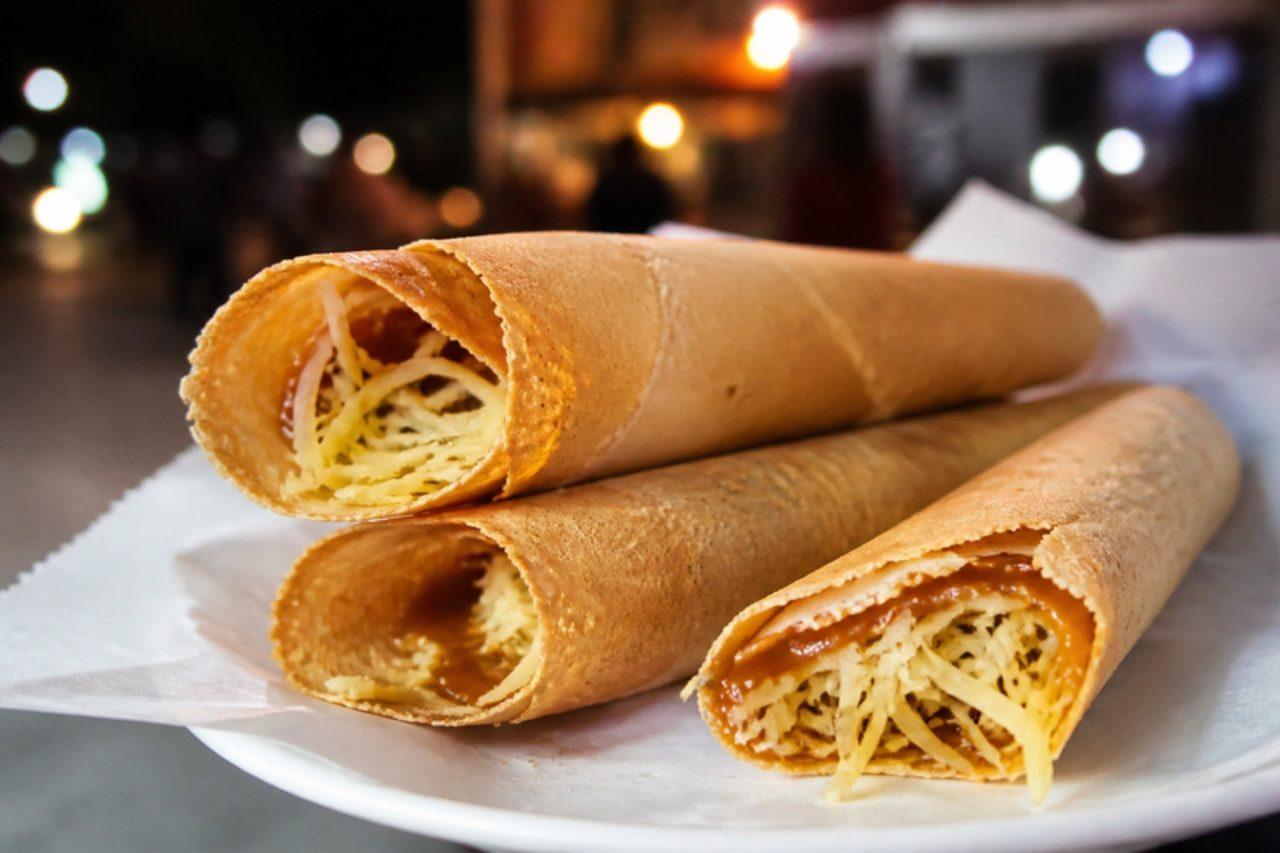
Evening in Mérida's Plaza Grande means the smell of marquesitas: thin batter pressed in hot hinged irons until crisp, then rolled like a cigar around grated Edam cheese and a sweet filling such as cajeta, chocolate-hazelnut spread or jam. Edam came to the Yucatán through the port trade with the Netherlands and became part of the local cooking, and the salty-sweet combination is the whole point. At home you can cook them in a thin, wide frying pan. Edam is usually made with animal rennet, so check the label or use a vegetarian Gouda-style cheese. Chef's tip: roll while the crêpe is still in the pan and hot; within seconds it hardens and will crack.

by KrazyBadal 1 views

Espárragos de Navarra con vinagretaWhite asparagus with vinaigrette

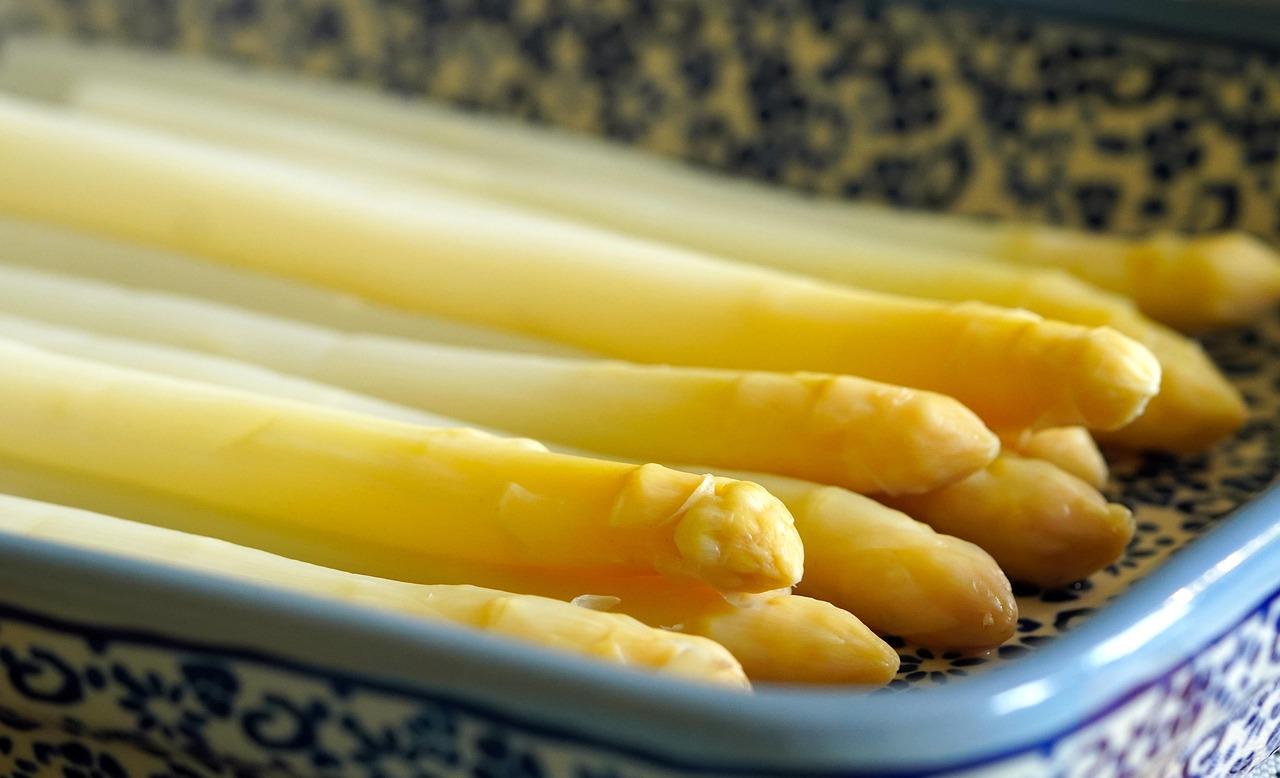
White asparagus grows under mounded earth in the sandy fields along the Ebro and its tributaries, and the Espárrago de Navarra label covers the spears picked there from April to June. In spring, restaurants from Pamplona to Tudela serve them freshly boiled, still warm or just cool, as a starter on their own or with a sharp vinaigrette full of finely diced peppers and egg. The rest of the year the jarred ones are a pantry staple. Chef's tip: add a teaspoon of sugar to the cooking water; it softens the faint bitterness of the stems.

by KrazyBadal 0 views

Cavacas de ResendeGlazed hollow egg biscuits

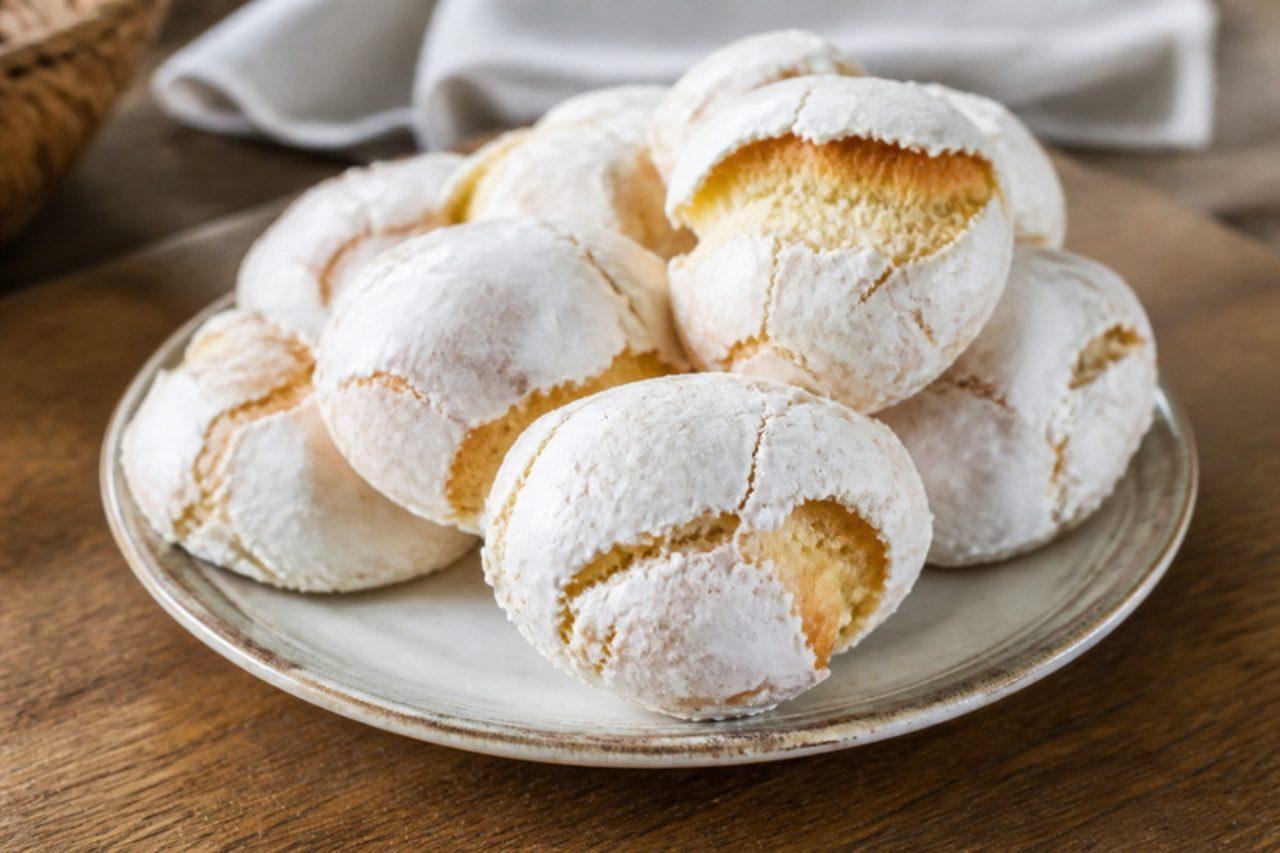
Resende, a town of cherry orchards above the Douro, has made cavacas for centuries, and stalls at its fairs and the Festa de São Pedro sell them by the bag. They are a curious and lovely thing: a simple batter of eggs, flour and oil puffs up in the oven into a hollow, crisp shell, which is then brushed with a boiled sugar glaze that dries brilliant white. A common mistake is opening the oven early, which makes the puffed biscuits sink before their crust sets. Chef's tip: keep the oven door shut for the first 20 minutes, because opening it early makes the cavacas collapse.

by KrazyBadal 0 views

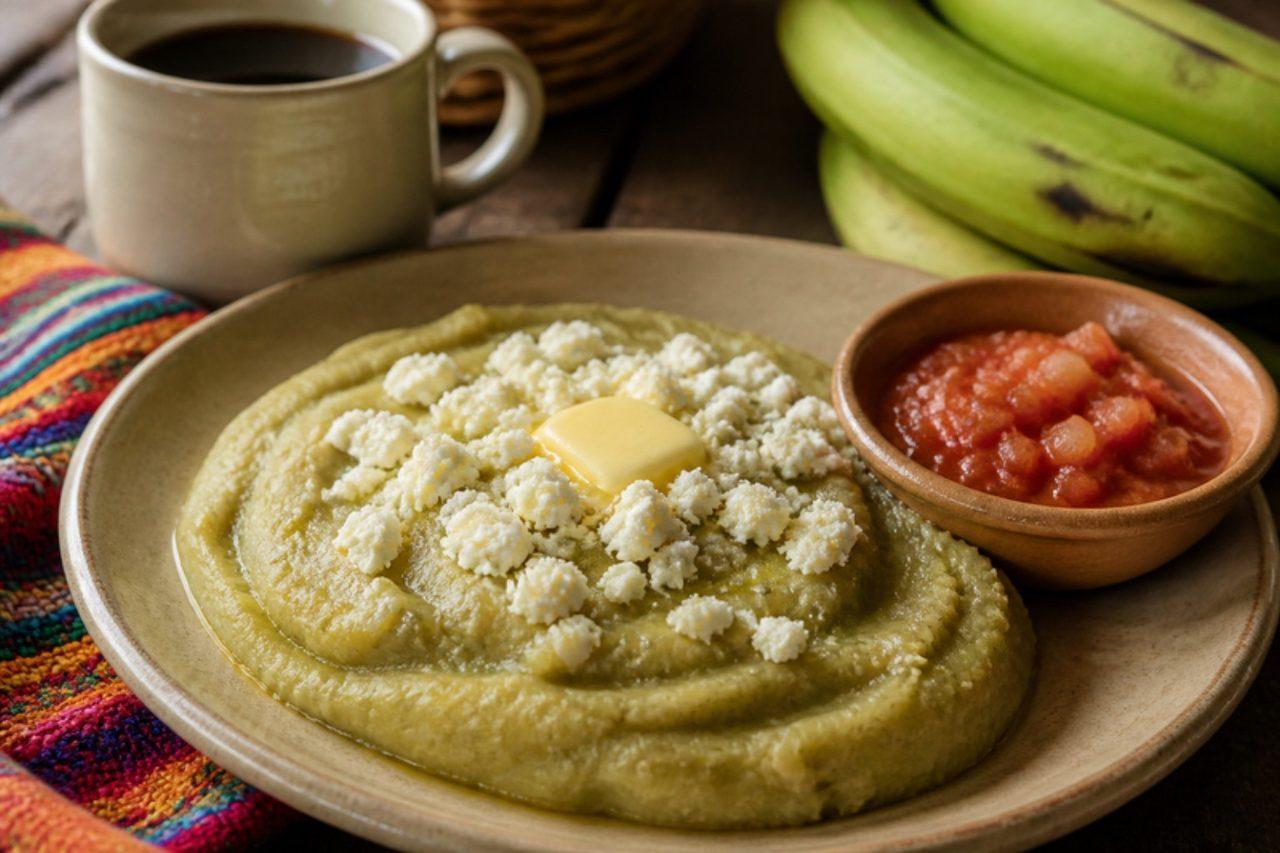
CayeyeGreen banana mash with cheese

Ask anyone from Santa Marta or Ciénaga what they ate growing up and cayeye will come up quickly. Unripe green bananas, the small cooking kind rather than plantains, are boiled and mashed with butter and grated salty cheese into a soft, slightly sticky purée, then topped with hogao, the tomato and spring onion sauce of Colombian kitchens. Breakfast is its moment, often with a fried egg or a slice of fried cheese and a strong black coffee, and it is filling enough to last until lunch. The cheese on the coast is queso costeño; a firm feta-style cheese works, and since both are usually set with animal rennet, look for a vegetarian microbial-rennet version. Mashing the bananas once they have cooled is the misstep to avoid, because they set into a gluey lump; mash them straight from the pot with a splash of the hot cooking water. Chef's tip: rub your hands with oil before peeling green bananas, as the sap stains skin and boards.

by KrazyBadal 0 views

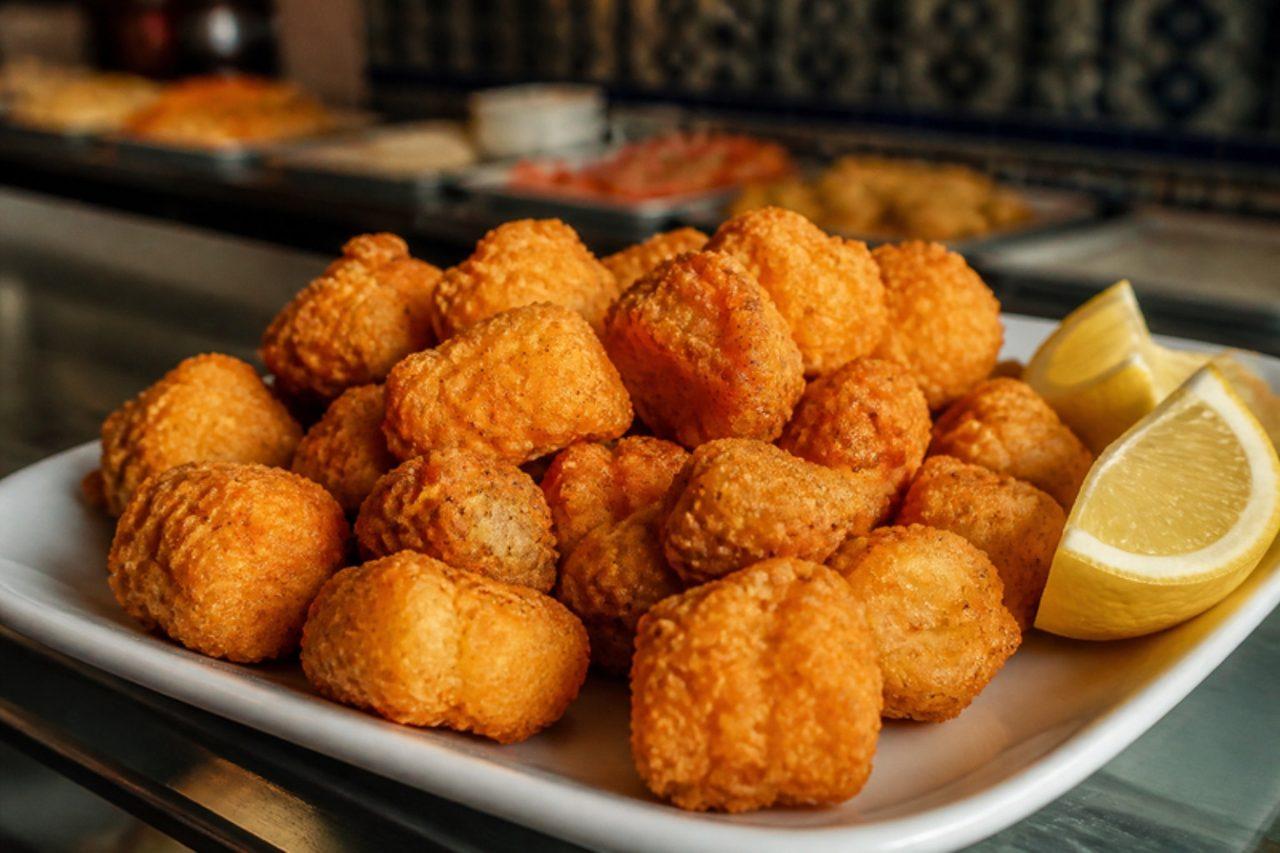
Cazón en adoboMarinated fried dogfish

In Cádiz, the tapa that sells out first in the fried-fish shops around La Viña is cazón en adobo: bite-sized cubes of dogfish soaked overnight in a sharp marinade of vinegar, garlic, cumin, oregano and paprika, then floured and fried. The marinade seasons the fish right through and gives it a tang that needs no sauce. If you cannot find dogfish, monkfish or any firm white fish works. A common mistake is a short marinade; the fish needs at least 8 hours in the fridge, for the vinegar and cumin to soak in. Chef's tip: marinate for at least 8 hours but no more than 24; past that, the vinegar starts to firm and 'cook' the fish and it goes dry.

by KrazyBadal 0 views

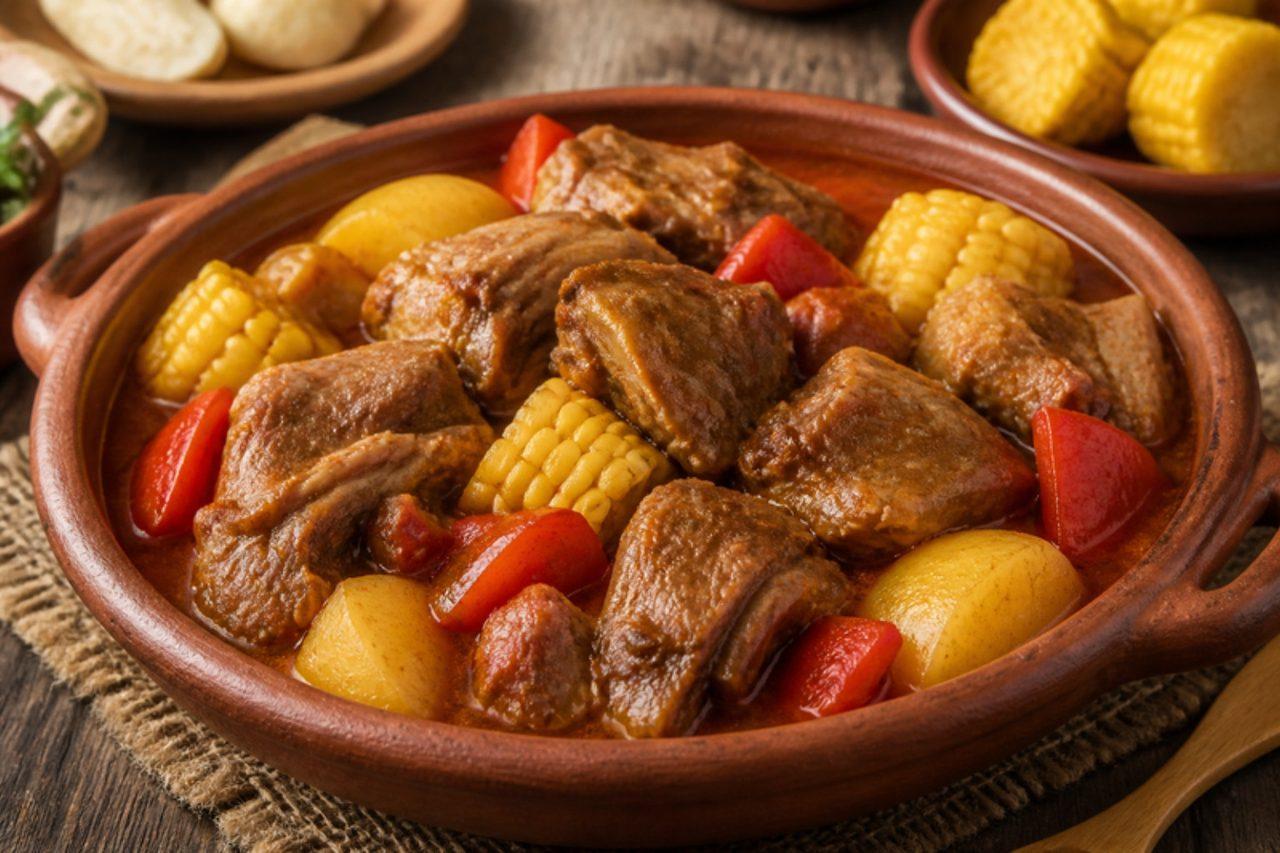
Cazuela de cabritoKid goat stew

Up in the Calchaquí valleys of Salta, where goats graze between the vineyards and the cardón cactus, cabrito ends up in a heavy clay cazuela on Sunday or feast days. The meat simmers with onion, red pepper, cumin and ají molido until it slides off the bone, and the potatoes and thick rounds of corn on the cob drink up a brick-red, gently spiced broth. Bring it to the table in the pot with bread or a simple tomato and onion salad. Kid goat can be ordered from halal butchers and some farm shops; lamb shoulder works too. People often boil it hard to save time, which squeezes the lean meat dry and stringy; it wants the barest simmer. Chef's tip: brown the pieces in two or three batches so they colour properly instead of stewing in their own juices; that browning is where most of the flavour comes from.

by KrazyBadal 0 views

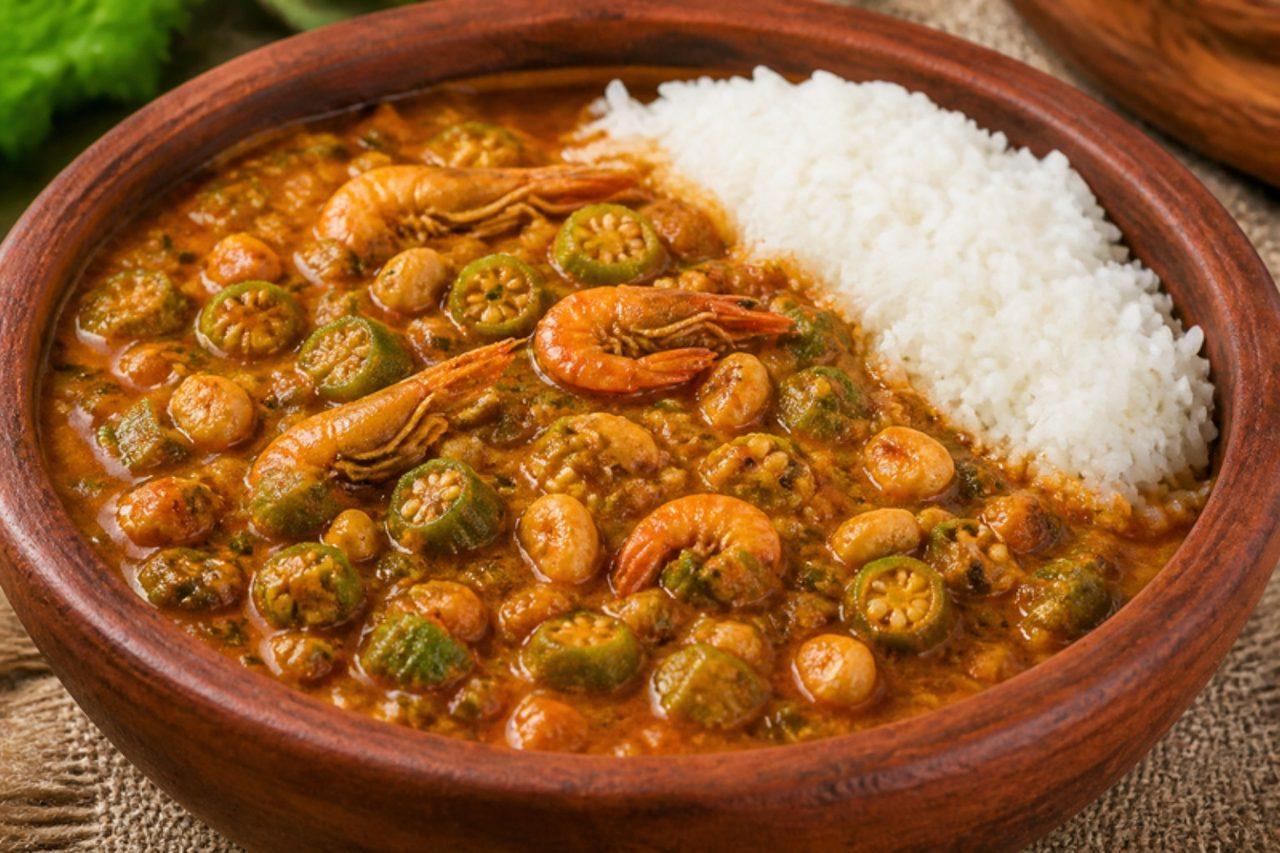
CaruruOkra and dried shrimp stew

Every 27 September, homes across Salvador and the Recôncavo cook huge pots of caruru for the feast of Saints Cosmas and Damian, and children are fed first; the rest of the year it turns up at acarajé stalls and on Bahian Sunday tables next to vatapá, rice and xinxim. Okra is chopped very small and cooked down with a paste of dried shrimp, toasted cashews and peanuts, ginger and onion, then finished with dendê oil until it is thick, glossy and gently sticky, nutty and faintly of the sea. Serve it with white rice, farofa de dendê and acarajé or abará. Most people make the mistake of slicing the okra into big rounds; cut tiny it melts into the sauce instead of sitting in slimy chunks. For a vegetarian caruru, skip the shrimp and use 40 g more of each nut. Chef's tip: toast the cashews and peanuts in a dry pan until they smell of popcorn before grinding them; it makes the stew taste deeper and less green.

by KrazyBadal 0 views

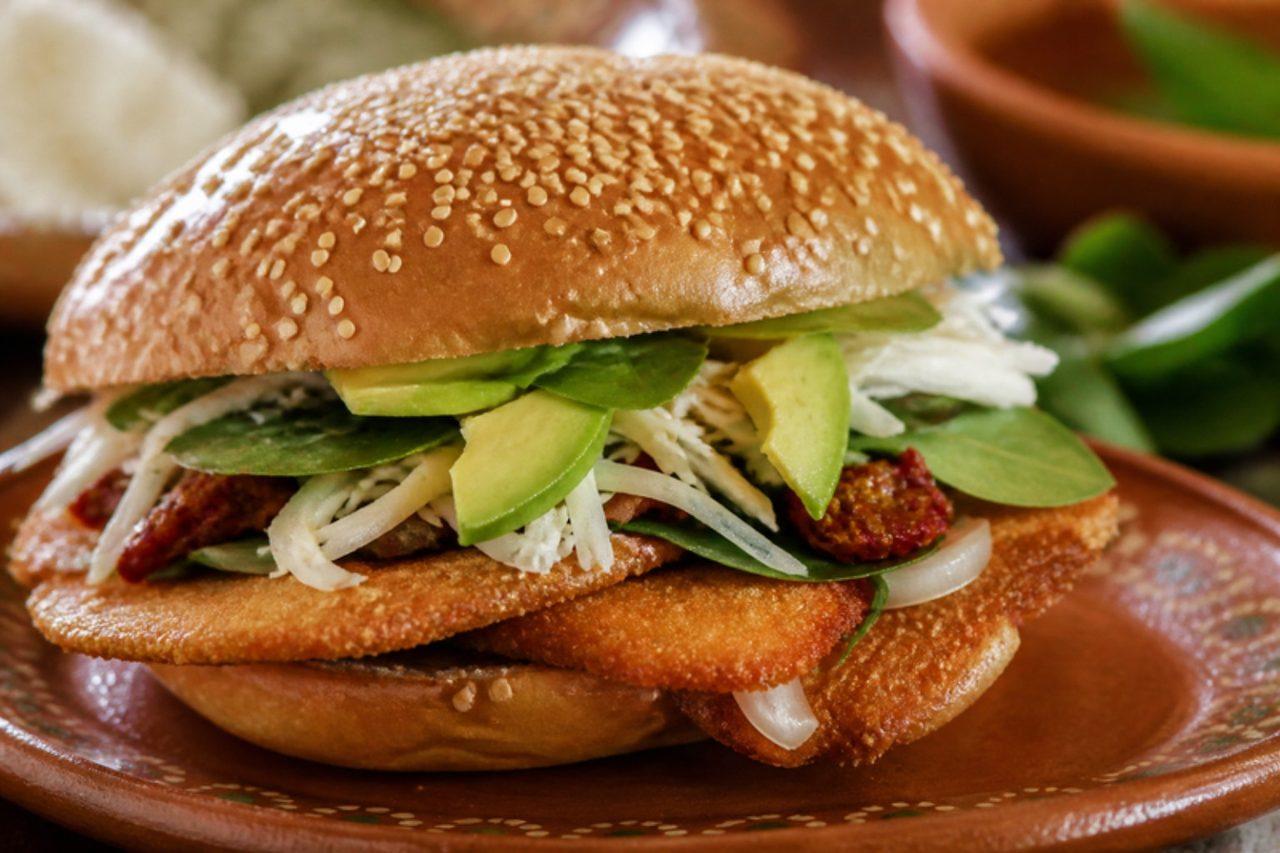
Cemita poblanaPork milanesa sandwich

Puebla's markets have whole aisles of cemita stalls, where a domed, sesame-crusted roll is split and piled with a thin, crisp milanesa, sliced avocado, a nest of stringy quesillo, smoky chipotle in adobo and leaves of pápalo, a pungent herb that tastes somewhere between rocket and coriander. This version uses pork loin for the milanesa, the most common choice alongside beef; thin beef steak works the same way. Pápalo is rarely sold outside Mexico, so coriander stands in for it here. It is a meal in itself, eaten with both hands at midday. Chef's tip: pull the quesillo into fine strands rather than slicing it, so it melts into the warm cutlet and holds the sandwich together.

by KrazyBadal 0 views

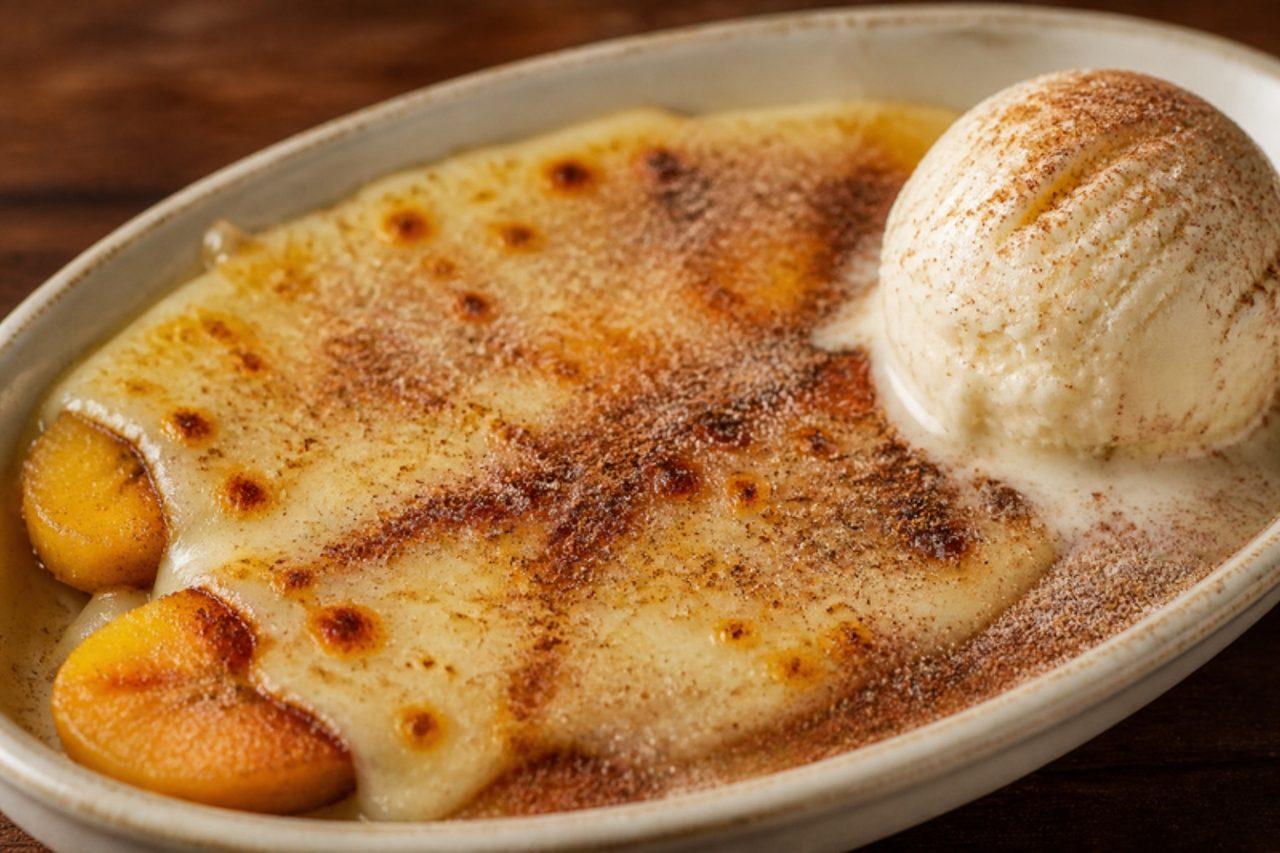
CartolaFried banana with cheese and cinnamon

Sweet, salty and hot all at once, cartola ('top hat') is a Pernambuco dessert that sounds odd and tastes like it was always meant to be. Bananas are fried in butter until caramel-edged, covered with slices of coalho or queijo manteiga that melt into a blanket, then showered with cinnamon sugar. It turns up on Recife lunch menus, in hotel buffets and in home kitchens after Sunday lunch, and needs nothing else, though a scoop of vanilla ice cream is welcome. Bananas-prata or ripe plantains are used locally; firm, just-ripe bananas are the nearest swap. Coalho is often made with animal rennet, so choose a vegetarian version or a vegetarian halloumi. Avoid overripe fruit; it collapses in the pan and the cheese slides off. Chef's tip: finish under a hot grill for a minute so the cinnamon sugar bubbles into a thin, crackly crust.

by KrazyBadal 0 views

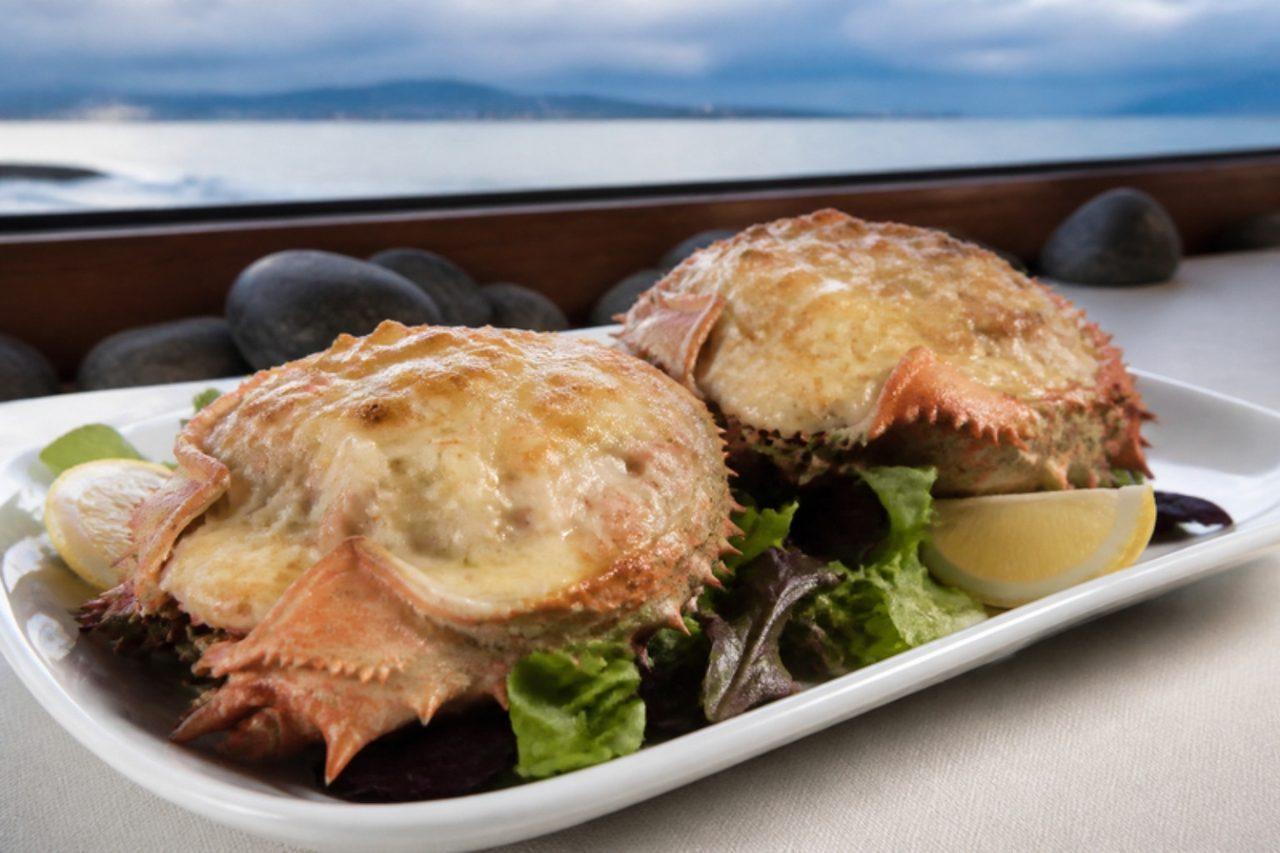
Centolla gratinadaBaked king crab with cheese

Centolla, the southern king crab hauled from the cold waters of the Beagle Channel, is Ushuaia's pride, and seafood restaurants along the harbour serve it gratinada: sweet chunks of leg meat in a light white sauce, crowned with cheese and browned under a fierce grill. It is rich, so serve it in small dishes as a starter with lemon and a green salad, plus crusty bread for anyone who can eat gluten. Buy cooked, frozen king crab legs or meat and thaw them in the fridge overnight; if you ever cook crab yourself, it must be alive when it goes into the pot. A frequent mistake is a sauce so thick and cheesy that the delicate crab disappears; keep it pourable and the cheese thin. Chef's tip: fold the crab in gently at the end, in big pieces, and let the oven only heat it; it is already cooked and turns stringy if it boils.

by KrazyBadal 0 views

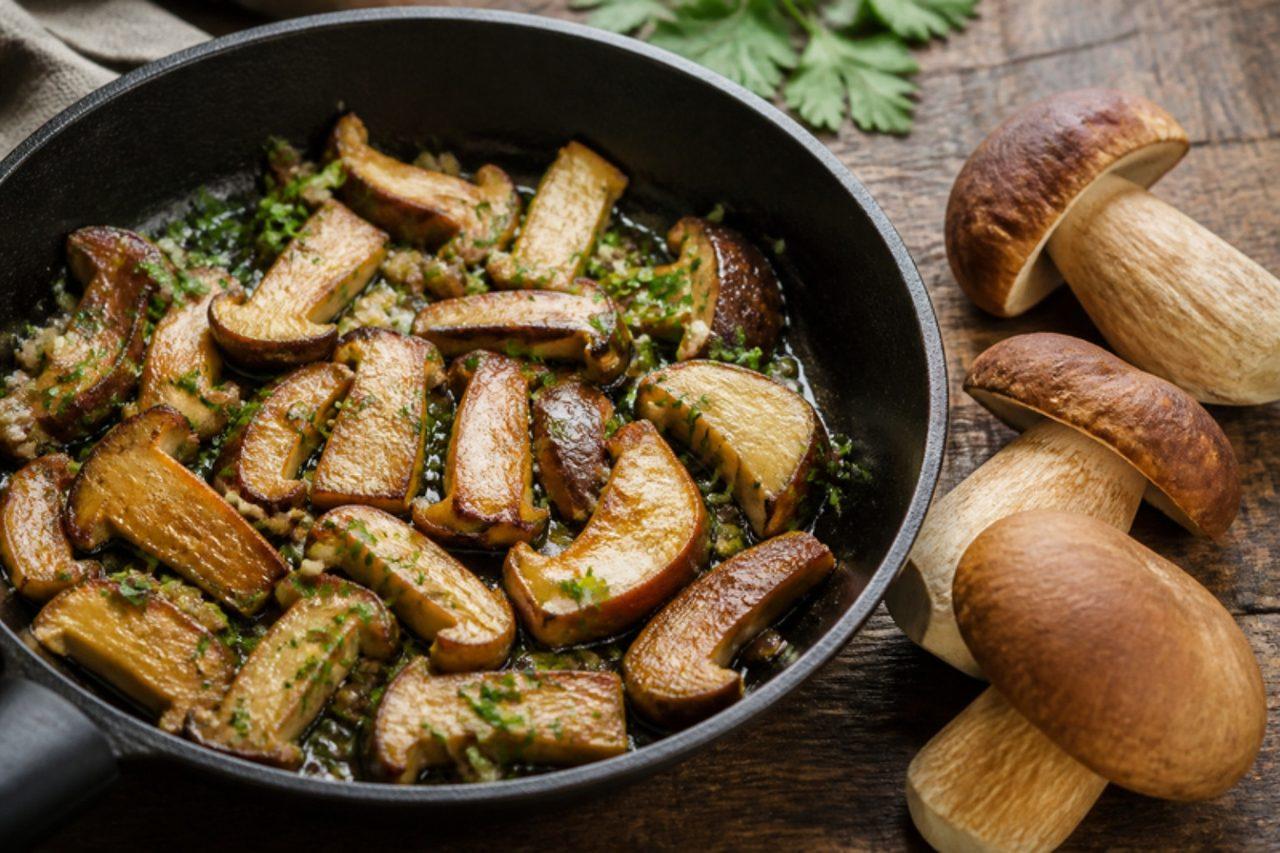
Cèpes à la bordelaisePorcini with garlic and parsley

In autumn, when cèpes push up through the pine forests of the Landes and the oak woods of the Gironde, Bordeaux families fry them the local way: thick slices browned hard in a hot pan, then tossed with shallot, garlic and plenty of parsley. They come to the table as a side for Sunday lunch, piled on toast for a starter, or beside an omelette for supper. Many cooks use duck fat; this version uses olive oil, so it is vegan. Out of season, use chestnut mushrooms with a few soaked dried porcini for flavour. Chef's tip: wipe the cèpes with a damp cloth instead of washing them; wet mushrooms steam instead of browning.

by KrazyBadal 0 views

CarnitasSlow-cooked pork

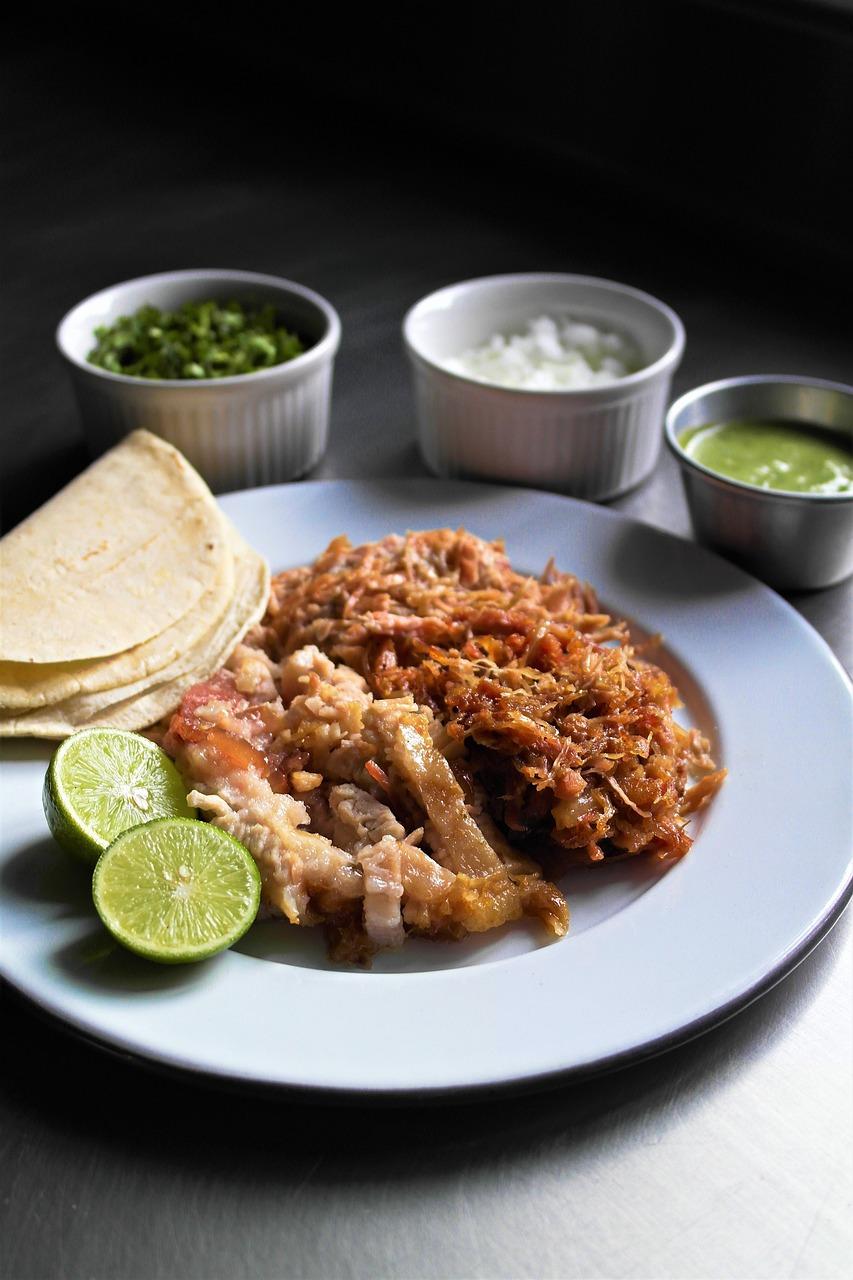
Quiroga, a lakeside town in Michoacán, is the capital of carnitas: on weekends the plaza fills with stalls simmering huge copper pots of pork, sold by the kilo with warm tortillas, salsa verde and lime. This pork dish uses shoulder cooked gently in its own fat and lard with orange and garlic, so it turns soft inside and then browns into crisp, golden edges at the end. Pile it into tacos with onion, coriander and salsa, or keep it for tortas ahogadas. Chef's tip: when the meat is tender, turn the heat up for the last 10–15 minutes and stir; this final fry in hot lard is what gives carnitas their crackly edges.

195 minMexicanMeatGluten free
by KrazyBadal 0 views

Showing 81 of 7,888 recipes

Show more recipes

Page 458 of 877