


Skip to content
Farari cutlets
Featured recipe

Farari cutlets

Peanut-crusted potato cutlets

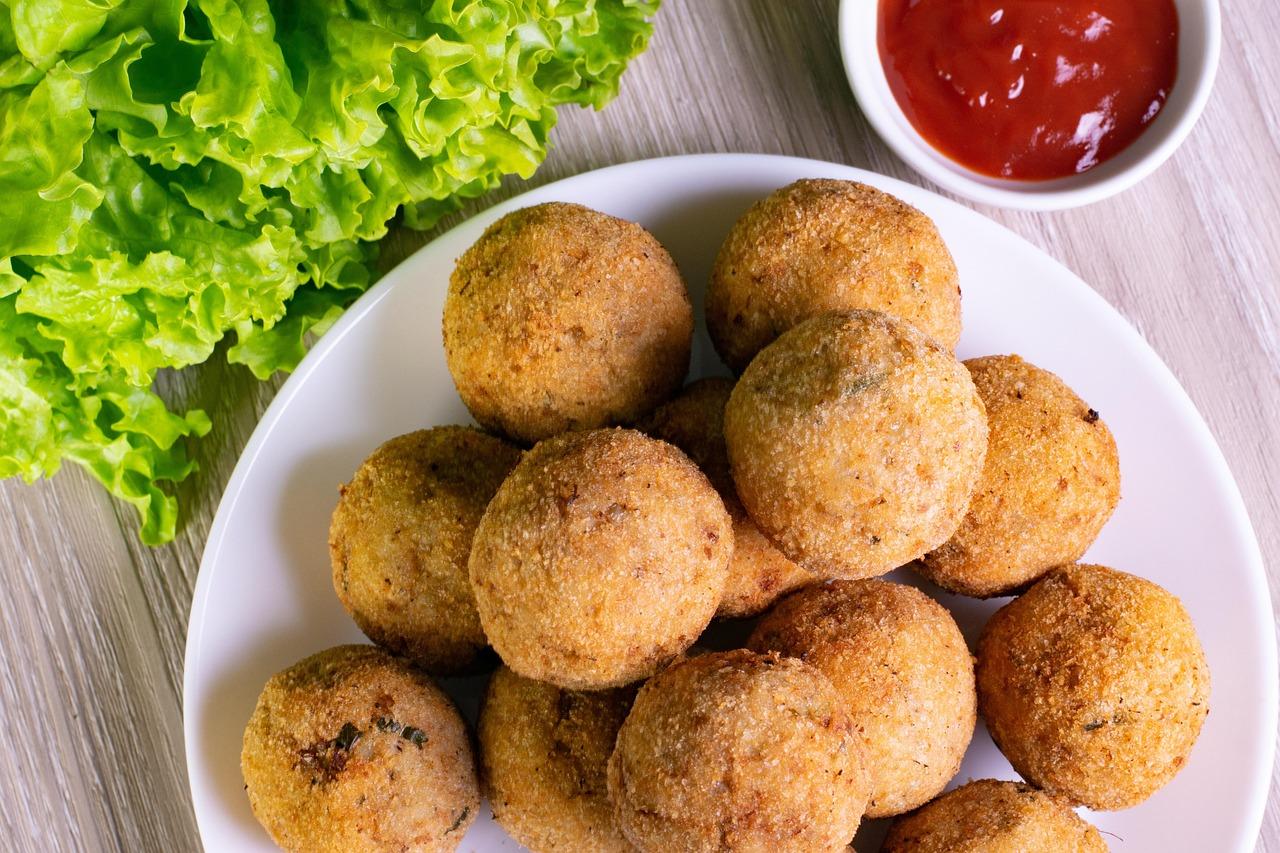
Diamond-shaped cutlets of potato and sweet potato with fresh coconut and roasted peanuts, dipped in a cassava-flour batter and coated in coarse peanut powder, then fried until golden. They're crunchy outside, soft and gently sweet inside. Serve hot with coconut and tomato chutney (use a farari one without onion or garlic). Makes 20.

Read more 1 views

What to eat today?

Around the world

Today's trip: Persian

A new country every day, from every cuisine on the site.

Persian

Nazkhatoon

Smoky aubergine with pomegranate 40 minMore from Persian (131) →

This week's collection

Kid-friendly dinners
578 recipes · a new collection every Monday

Latest recipes

Merluza a la sidraHake baked in cider

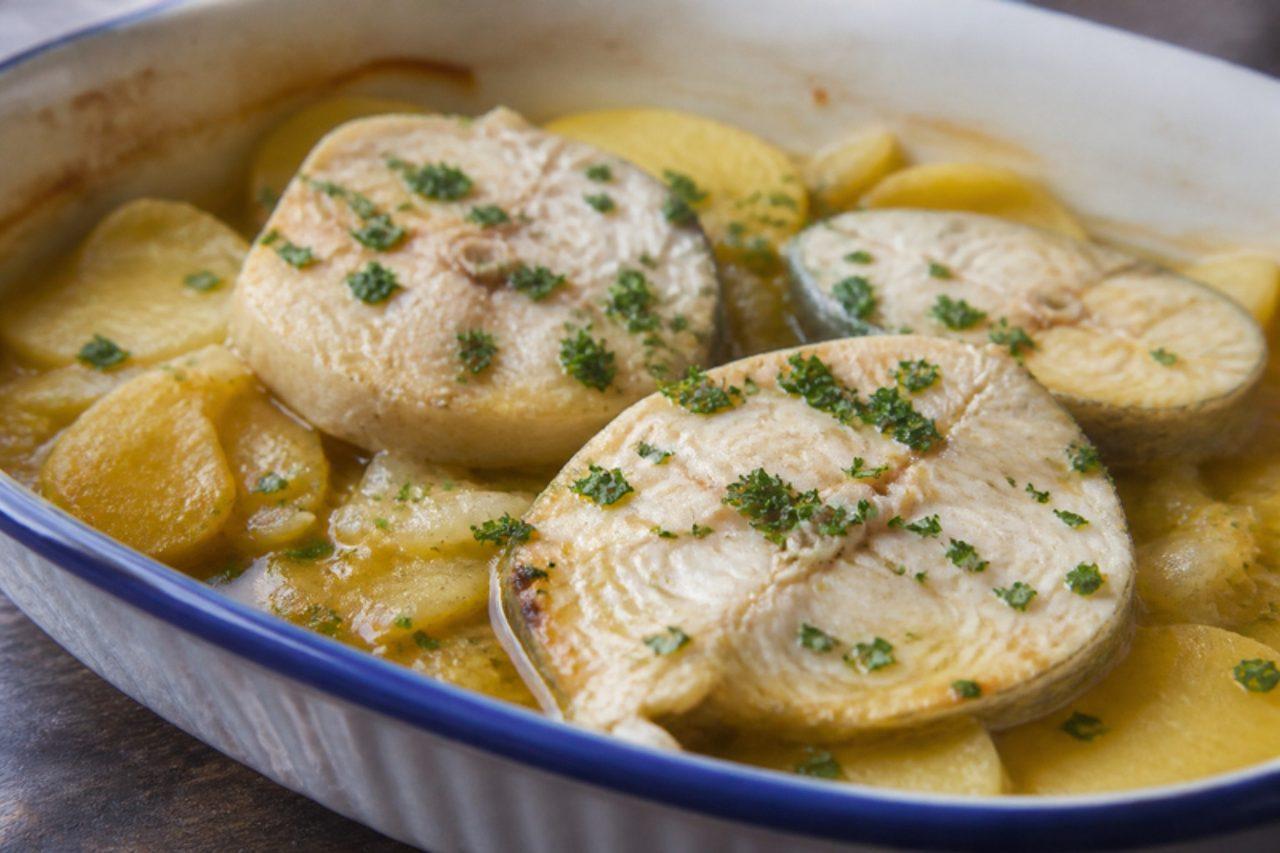
Asturias has two great loves at table, the fish landed at ports like Cudillero and Avilés and the cider pressed from its orchards, and merluza a la sidra brings them together. Families cook it for Sunday lunch, the hake settled on a bed of soft onion and potato with cider poured over, until the sauce turns sweet-sharp. The cider is alcoholic; cloudy apple juice with a little cider vinegar makes a good alcohol-free swap. Chef's tip: add the hake only when the potatoes are nearly tender, so the fish stays juicy.

by KrazyBadal 0 views
FariñesCornmeal porridge with honey

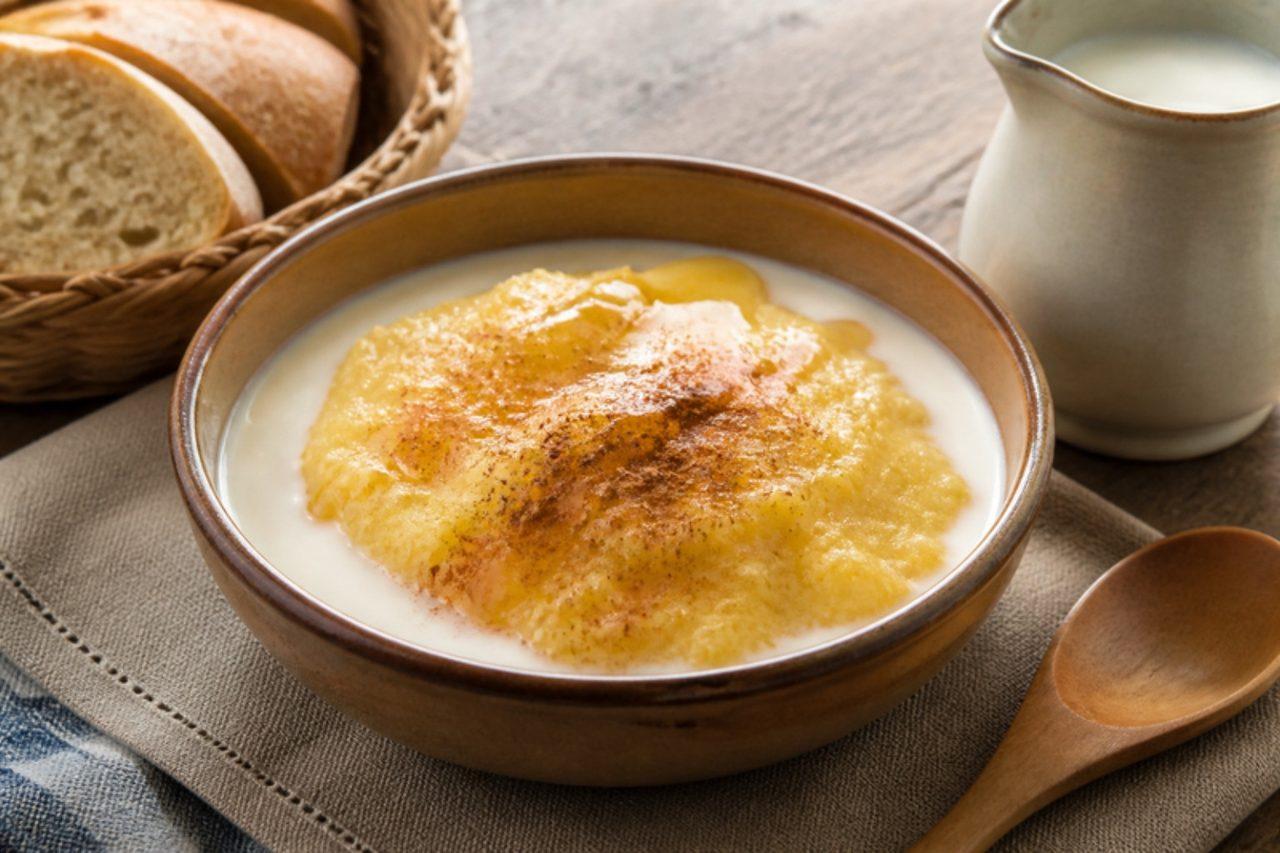
Fariñes, or farrapes in some valleys, fed Asturian farming families through the winter: a pot of maize meal stirred over the fire, eaten for breakfast or as a light supper with cold milk poured over the hot porridge. Today it is comfort food again, offered at rural guesthouses in the Oriente and made at home when the weather turns. The contrast of warm, soft porridge and cold milk is the whole point. Chef's tip: whisk the cornmeal into cold water before it heats so it never forms lumps.

by KrazyBadal 0 views

Farçon savoyardBaked potato pudding with prunes

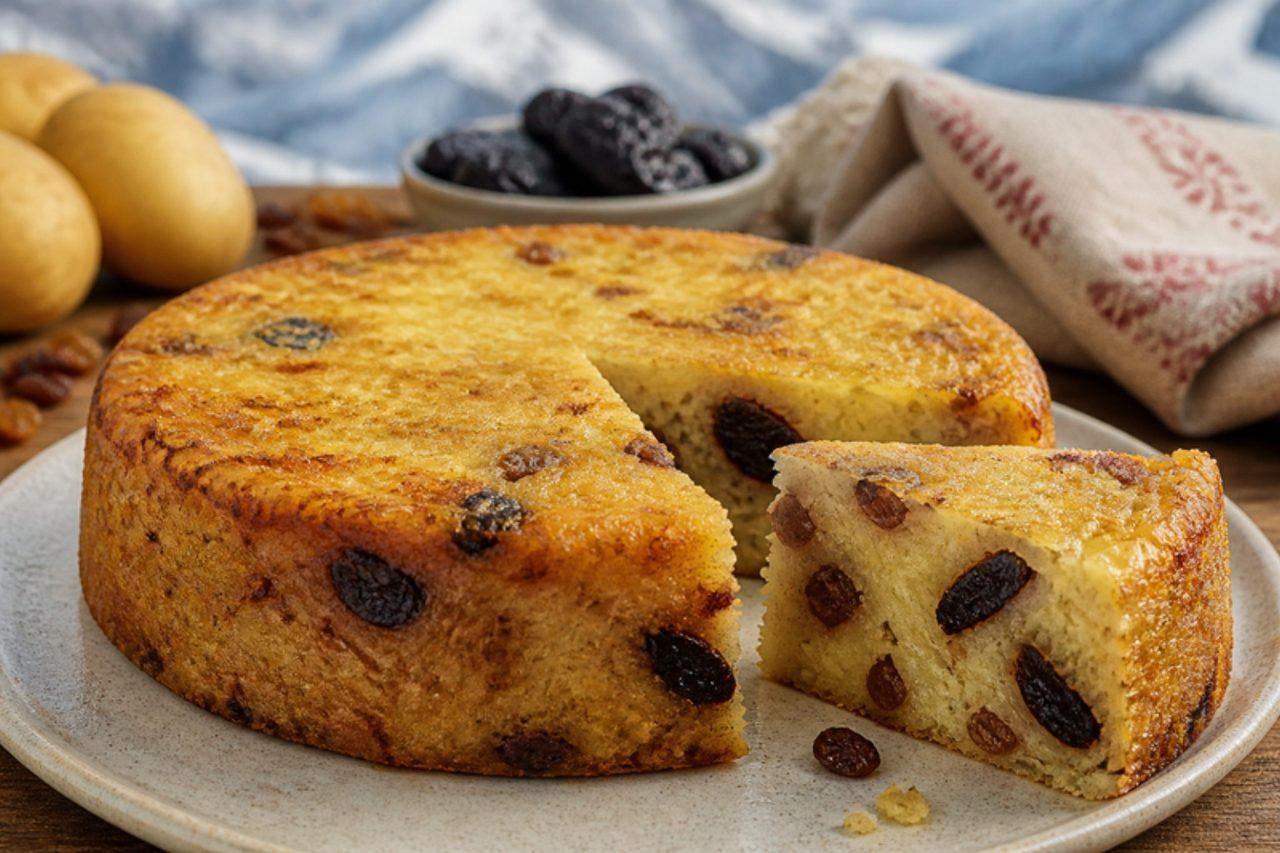
In the Savoyard valleys, especially around Albertville and the Val d'Arly, farçon was the Sunday dish left to cook slowly while the family was at Mass: grated potatoes mixed with eggs, cream, prunes and raisins, set in a tall mould and cooked for hours in a water bath. The result is a sliceable, sweet-and-savoury cake, soft and golden, served with a green salad or as a side at a winter feast. Traditionally the mould is lined with bacon; this version uses a buttered mould instead, so it is vegetarian. Chef's tip: let it rest for 15 minutes in the mould before turning it out; it firms up and slices cleanly.

145 minFrenchSidesGluten free
by KrazyBadal 0 views

FrixuelosThin crêpes with sugar or honey

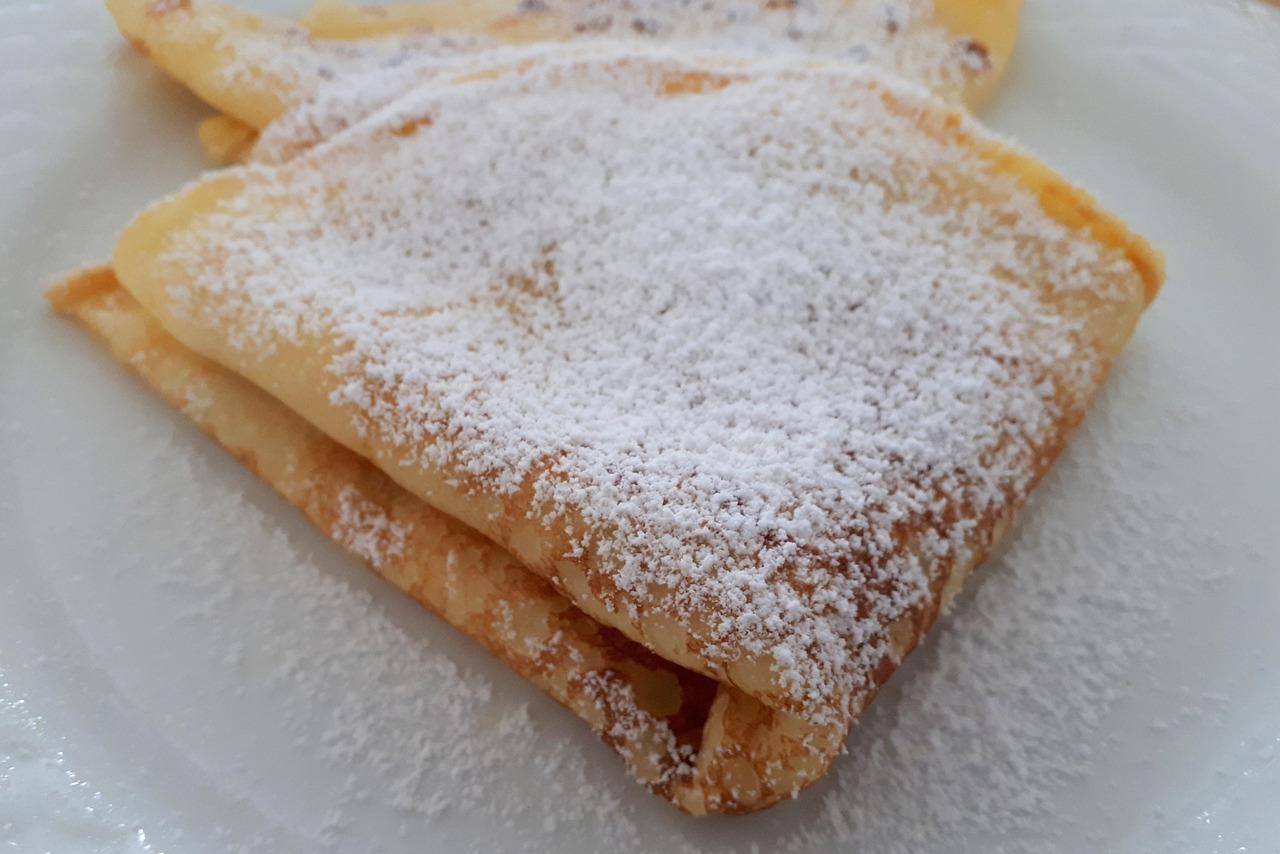
When Antroxu, the Asturian Carnival, comes round in February, kitchens from Avilés to the Oriente villages fill with the smell of butter and batter, and plates of frixuelos stack up for anyone who calls in. They are thinner and lighter than a pancake, flavoured with lemon zest, and are rolled or folded while warm with a dusting of sugar, a drizzle of honey or a spoon of rice-pudding cream. Grandmothers also make them on cold Sunday afternoons, so they are hardly kept for Carnival alone. Chef's tip: rest the batter for at least 30 minutes so the flour softens and the frixuelos turn out lacy and tender instead of rubbery.

by KrazyBadal 0 views

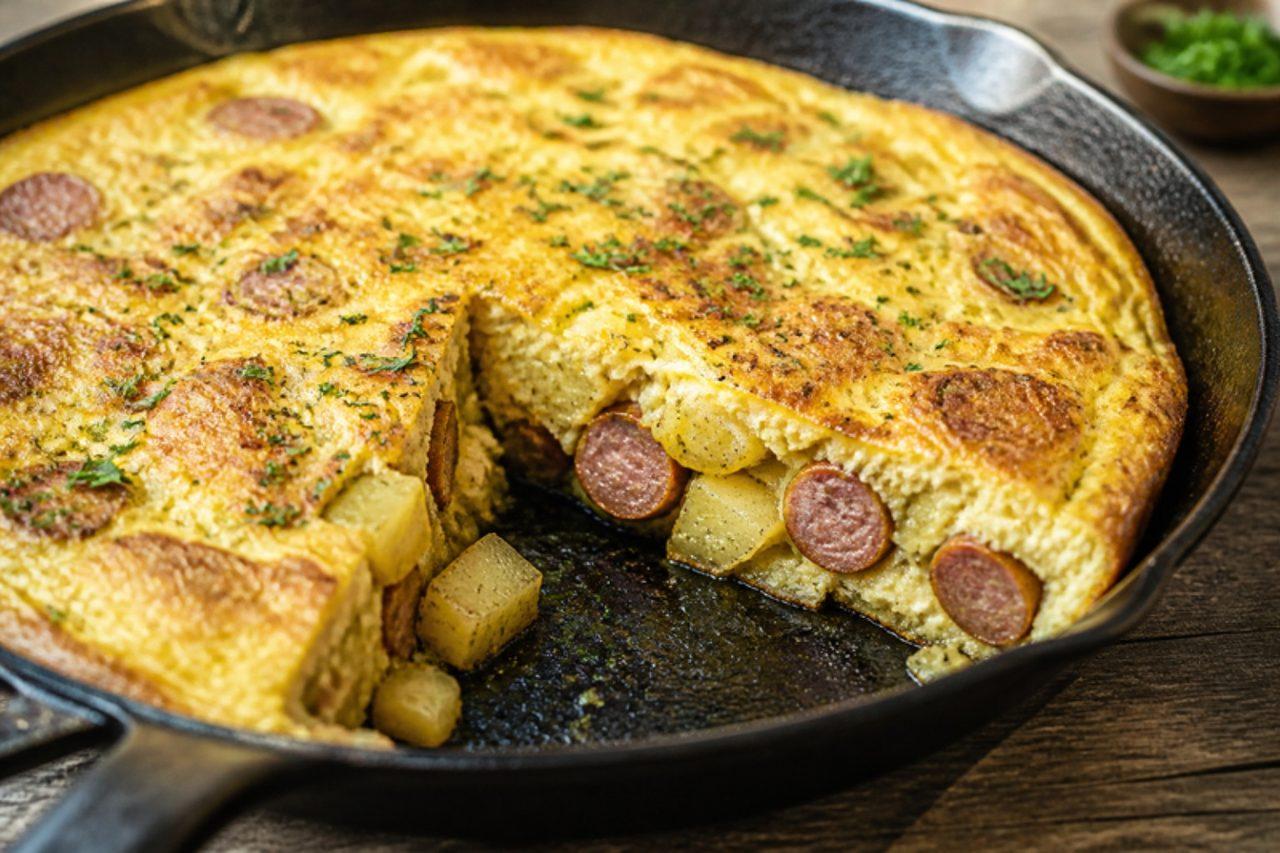
FroutaliaOmelette with potatoes and sausage

On Andros and Tinos, froutalia is the thick, golden omelette farm families ate after a morning in the fields: potatoes and local pork sausage fried in a deep pan, then bound with eggs and a little cheese and cooked until set right through. It is cut in wedges like a Spanish tortilla and eaten hot or cold, with bread and a tomato and cucumber salad, at any time of day. On the island it is made with louza or a smoked pork sausage seasoned with fennel; any good coarse pork sausage works. Common mistake: adding the eggs while the potatoes are still hard; they never soften once the eggs set. Chef's tip: flip it onto a plate halfway so both sides brown evenly.

by KrazyBadal 0 views

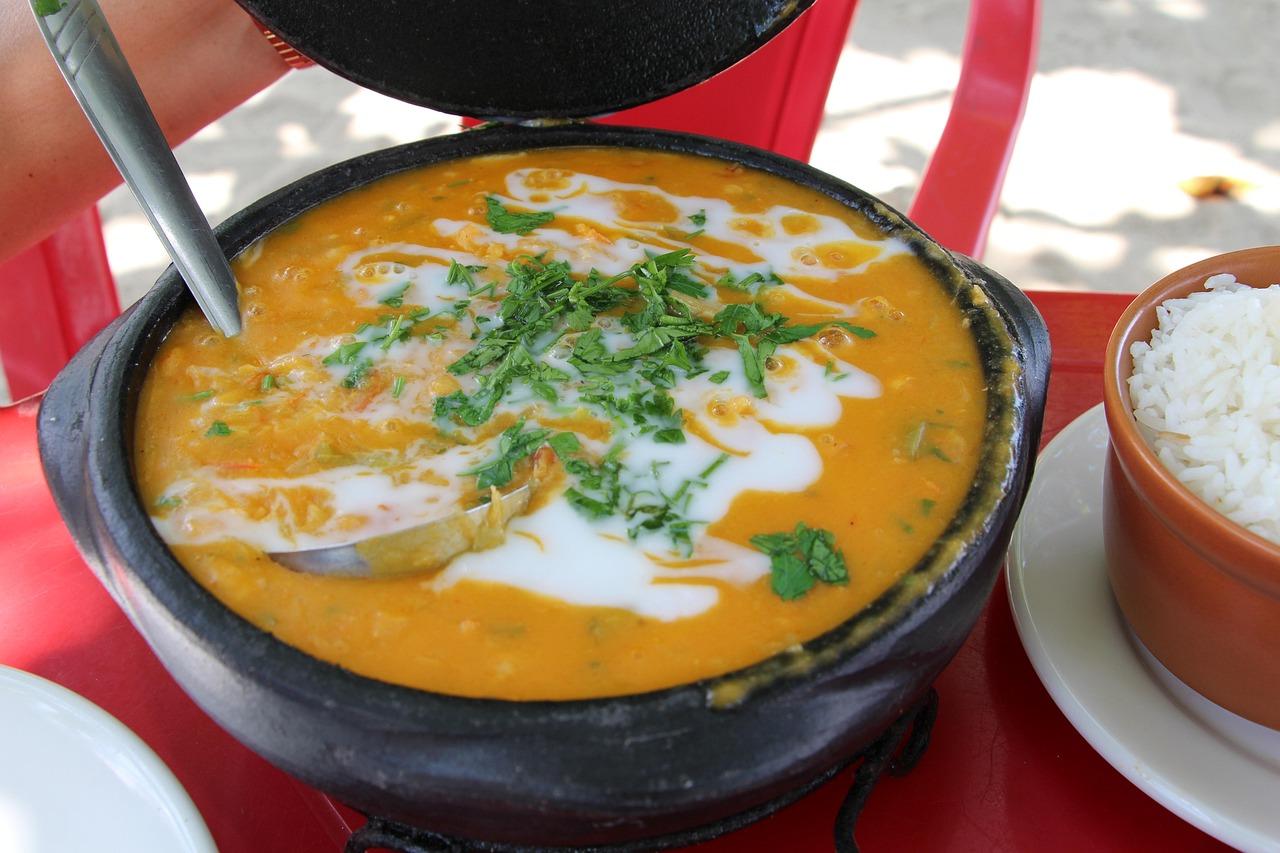
Bobó de camarãoPrawns in cassava and coconut purée

Velvety, coral-coloured and rich with coconut, bobó de camarão is what Bahian families put on the table when there is something to celebrate, and beach restaurants from Praia do Forte to Itacaré serve it in clay pots with white rice and farofa. Cassava is boiled until it falls apart, blended with coconut milk into a smooth cream, then folded into prawns cooked with onion, tomato, peppers and a slick of dendê oil. The result is somewhere between a stew and a thick sauce, sweet from the prawns and gently earthy from the cassava. A frequent mistake is boiling the prawns in the purée for too long, which leaves them tough and curled; they go in at the very end. Cassava must always be cooked right through, never eaten raw: cut out the woody core and boil it until a knife meets no resistance. Chef's tip: blend the cassava while it is still hot, with some of its cooking water; cold cassava turns gluey in the blender.

by KrazyBadal 1 views

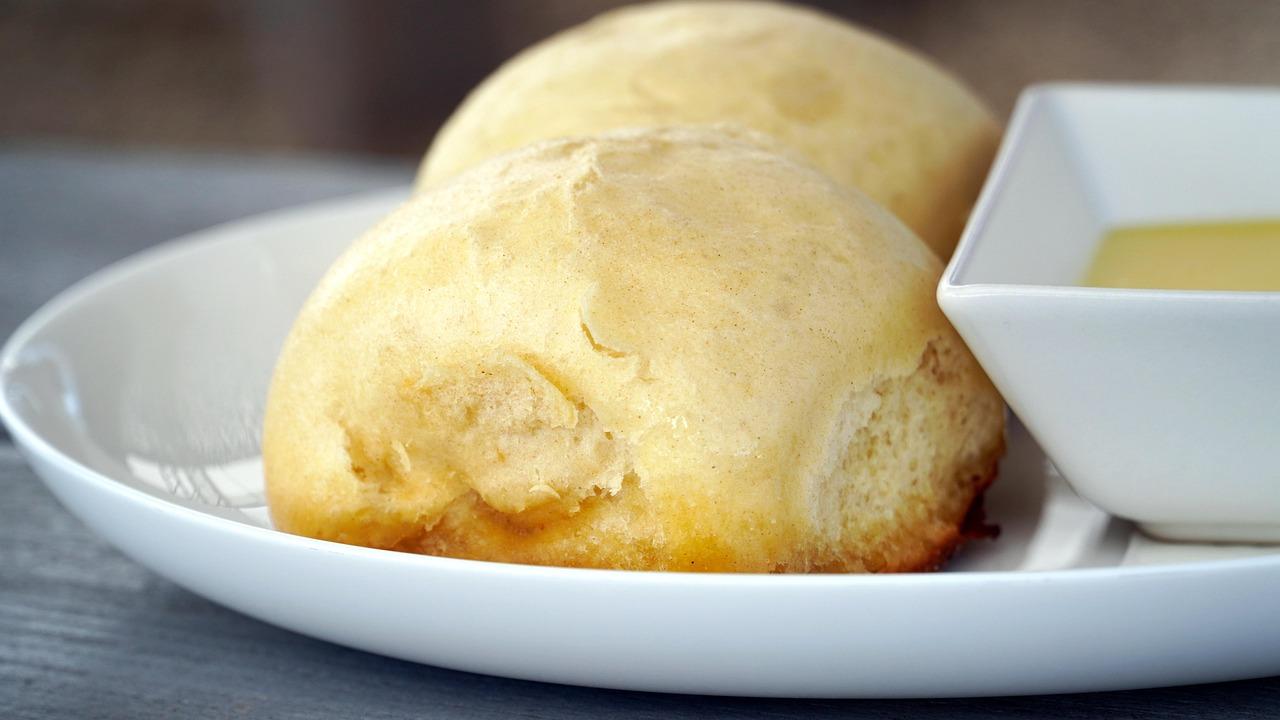
DampfnudelnSteamed yeast dumplings with vanilla sauce

Dampfnudeln are a Friday supper in Bavaria and the Palatinate, from the days when meatless Fridays meant a sweet main course. Soft yeast buns are packed into a heavy pan with milk, butter and a little sugar, the lid goes on, and they steam until fluffy on top while the liquid boils away and leaves a salty-sweet caramel crust underneath. They come to the table with warm vanilla sauce. The famous mistake is lifting the lid too early: the steam escapes and the buns collapse. Chef's tip: listen to the pan instead of looking; when the bubbling turns to a crackle, the crust is forming and you have about 3 minutes left.

by KrazyBadal 0 views

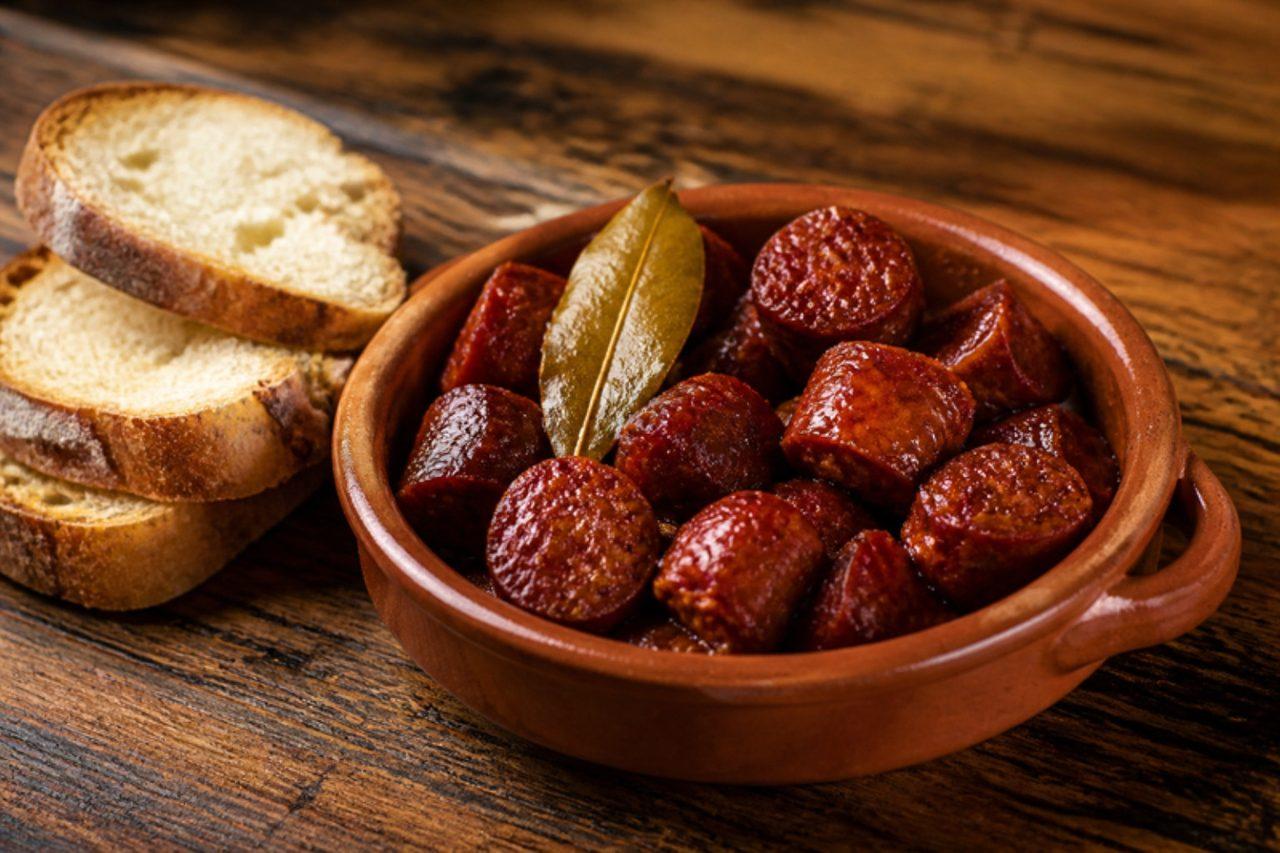
Chorizo a la sidraChorizo in cider

No sidrería in Oviedo's Calle Gascona is without a clay dish of chorizo bubbling in cider, served with bread to mop up the paprika-red juices. It takes minutes, is cheap, and is the first thing ordered while the waiter pours cider from shoulder height. This contains pork (chorizo) and uses dry Asturian cider, which is alcoholic; for an alcohol-free version use cloudy apple juice with a splash of cider vinegar, as noted below. Chef's tip: prick the chorizo all over first so it releases fat into the cider and drinks the cider back in.

by KrazyBadal 0 views

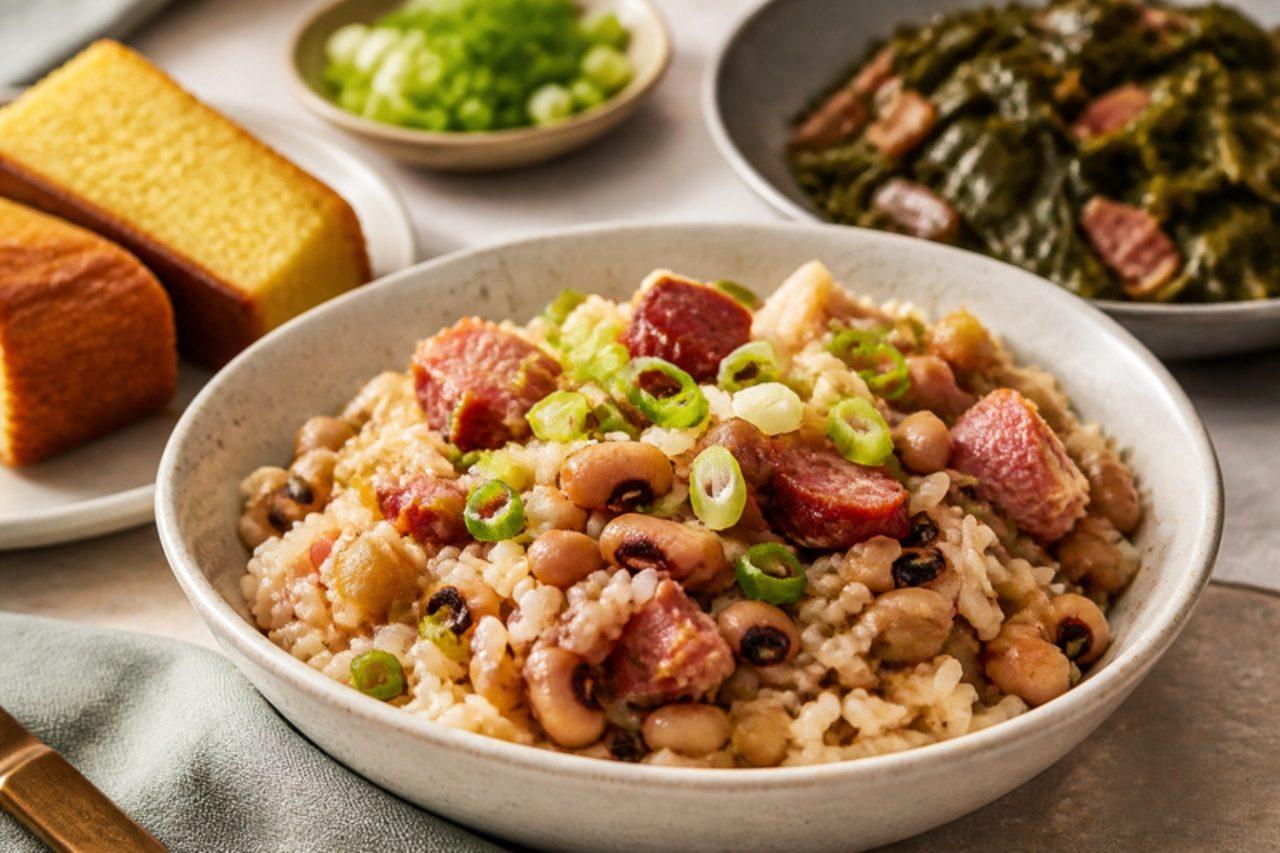
Hoppin' John

Hoppin' John is eaten on New Year's Day across the South for luck, with collard greens for money and cornbread for gold, and its roots run back to the rice plantations of the South Carolina Lowcountry and the West African cooks who worked them. Black-eyed peas are simmered with smoked pork (here a ham hock and bacon), then cooked with rice so every grain takes on the smoky broth. Chef's tip: cook the rice in the bean liquor, not water; that is where all the flavour is.

by KrazyBadal 0 views

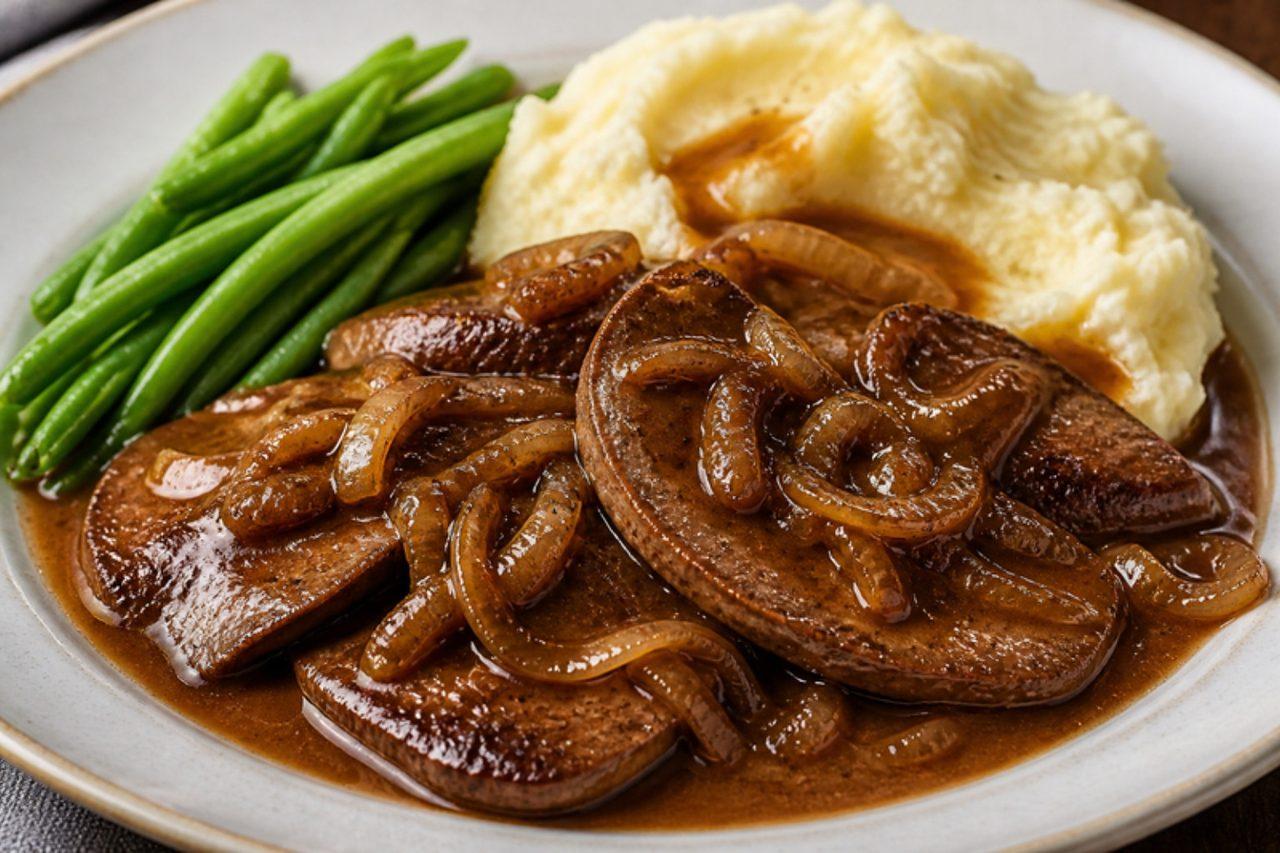
Liver and onions

Liver and onions is a café and works-canteen classic across the North and the Midlands, cheap, quick and full of iron, eaten with mash and a dollop of gravy. Thin slices of calf's or lamb's liver are fried briefly in butter after the onions have turned slow and sweet. Chef's tip: soak the liver in milk for 30 minutes if you find its flavour strong; it softens the taste.

by KrazyBadal 0 views

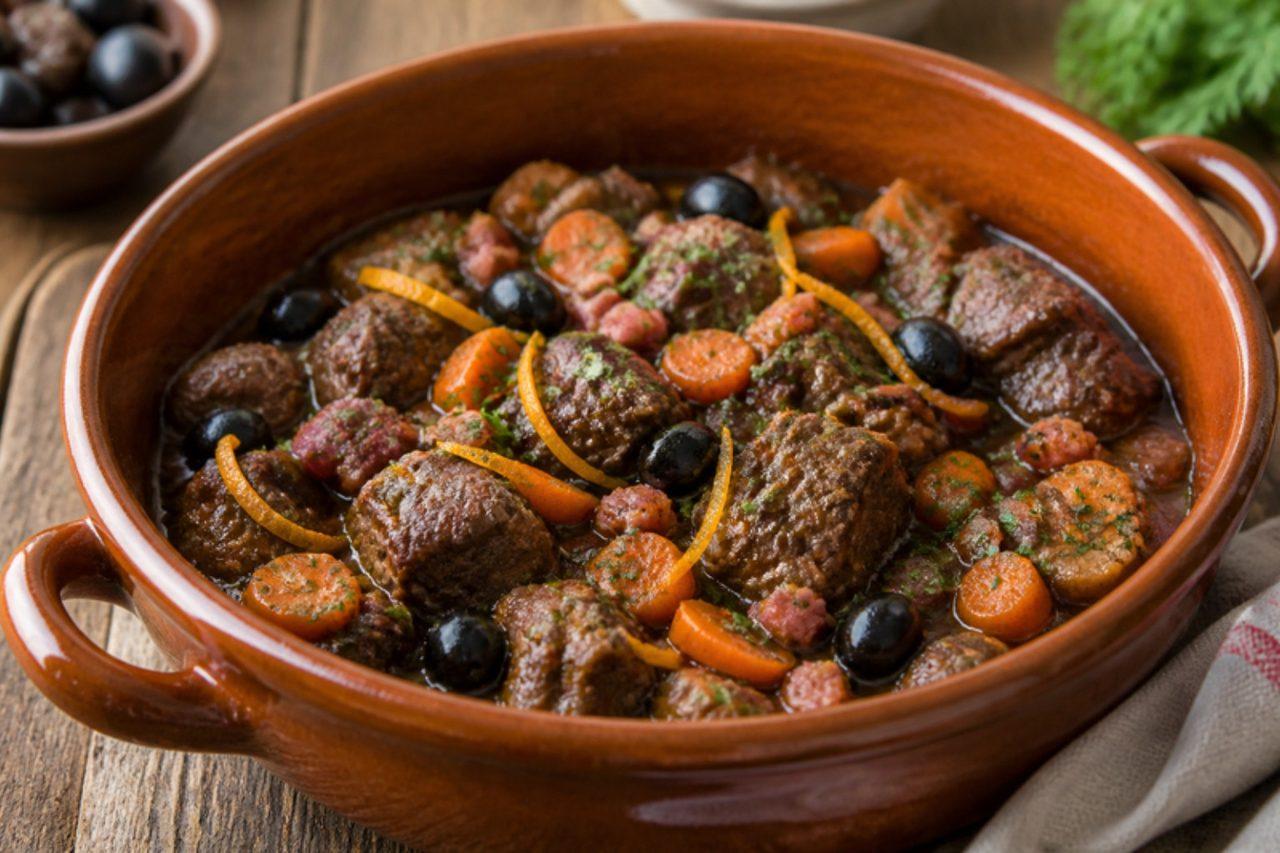
Daube provençaleRed wine beef stew with olives

In Provence the daube is the Sunday and winter-feast dish, traditionally simmered all morning in a pot-bellied clay daubière at the edge of the fire. Chunks of beef are marinated overnight in the fridge with red wine, garlic, herbs and a strip of orange peel, then braised slowly with black olives until the sauce turns dark, glossy and fragrant with citrus. It uses red wine, and the ingredient note gives an alcohol-free version; the optional smoked lardons make it a pork dish too. In Avignon and Nice the leftover sauce dresses macaroni (the macaronade), but polenta or plain boiled potatoes are just as good. Chef's tip: make it a day ahead; it tastes even better reheated, and the fat is easy to lift off once cold.

250 minFrenchMeatGluten free
by KrazyBadal 0 views

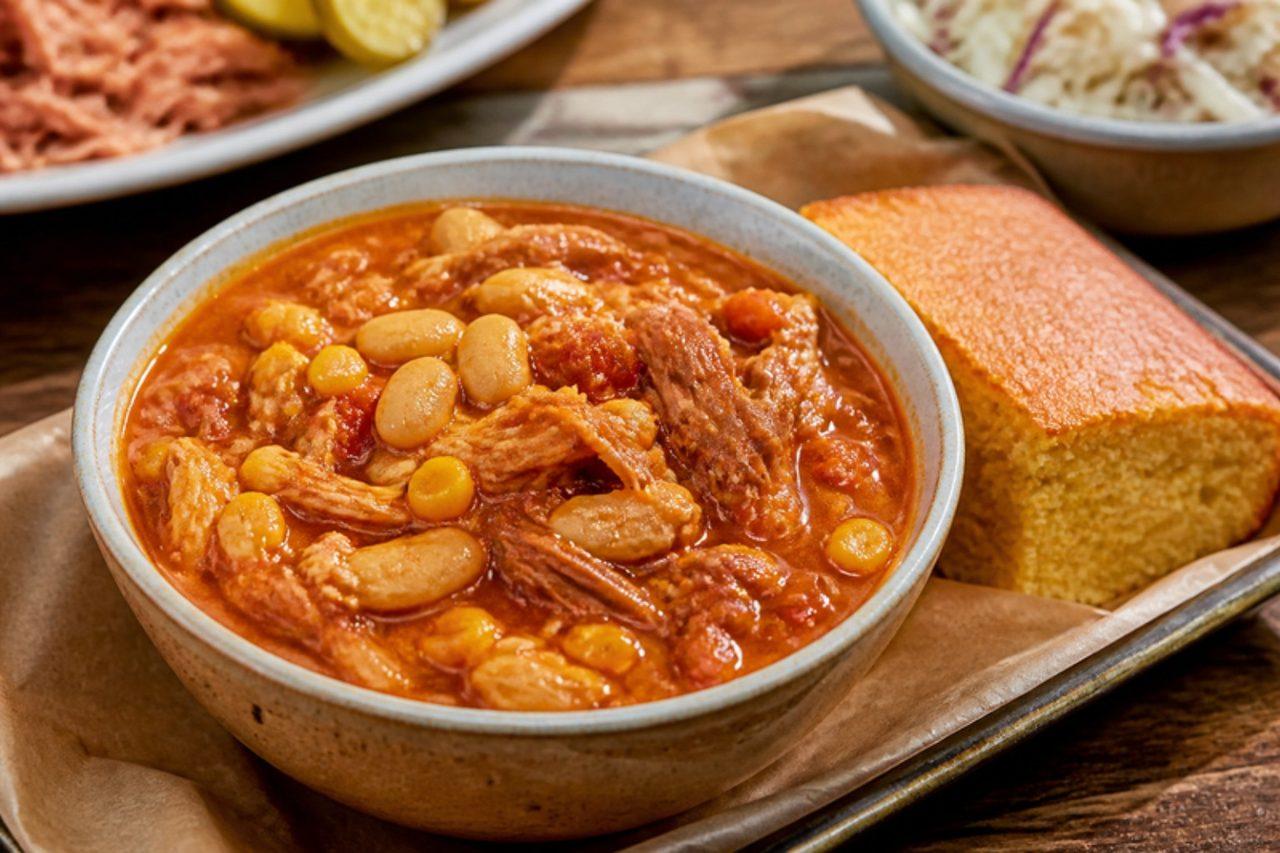
Brunswick stew

Virginia and Georgia both claim Brunswick stew, and it is still cooked in huge iron kettles for fire-station fundraisers and served beside barbecue all over the two states. It is a thick, tangy tomato stew of shredded pork and chicken with lima beans and sweetcorn, sharpened with vinegar and Worcestershire sauce. Leftover smoked pork shoulder makes it even better. Chef's tip: simmer it long enough that the meat and vegetables break down a little and the stew turns thick enough to stand a spoon in.

100 minAmericanMeat
by KrazyBadal 0 views

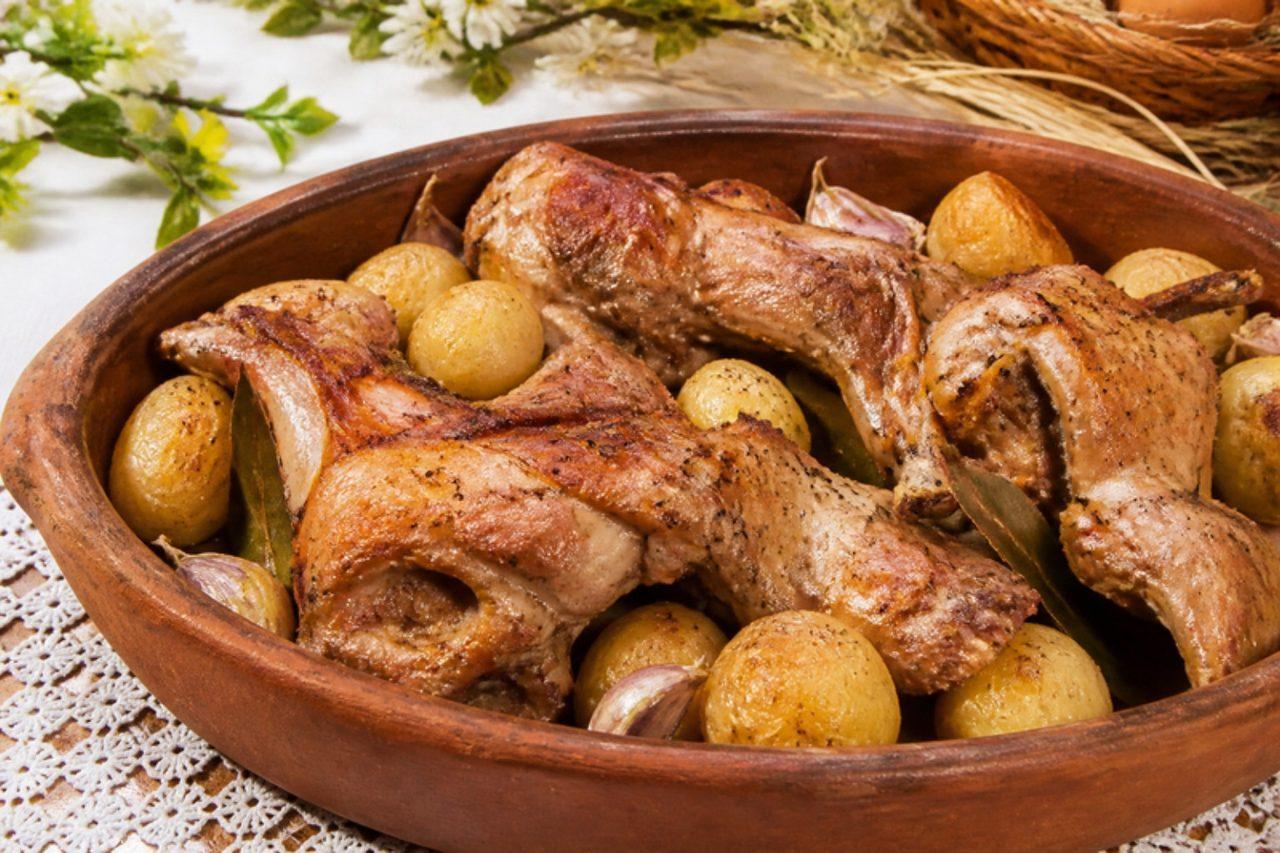
Cabrito assado à minhotaRoast kid with potatoes

Easter Sunday in the Minho means cabrito: young goat rubbed with garlic, paprika and lard, soaked overnight in white wine and roasted until the meat falls from the bone. Families in Arcos de Valdevez and Monção serve it with roast potatoes and a tray of rice baked in the meat juices. This contains pork (lard and smoked bacon) and uses wine; an alcohol-free option is in the ingredient note. Chef's tip: baste every 20 minutes, as kid is lean and dries out quickly without it.

by KrazyBadal 0 views

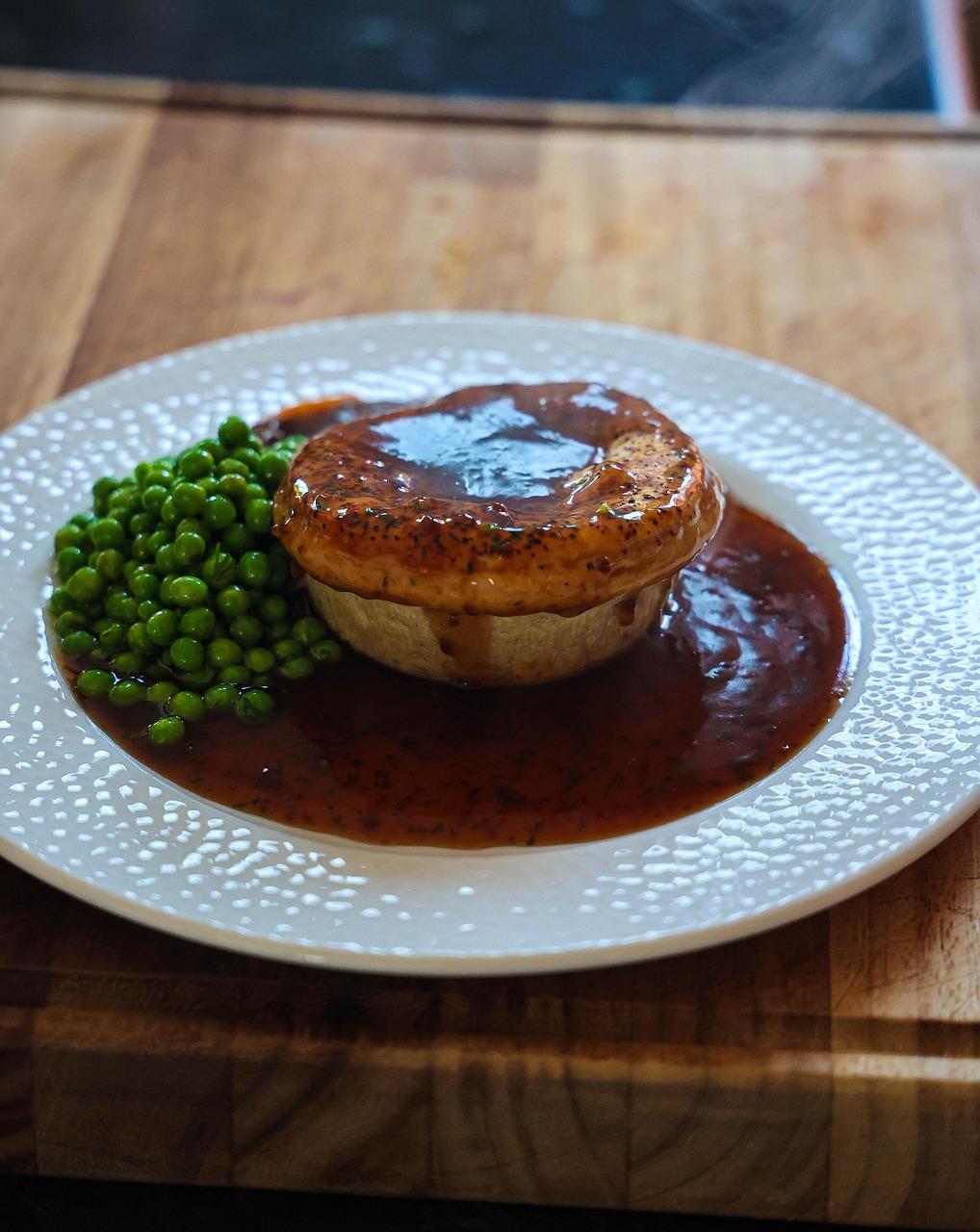
Beef and ale pie

Beef and ale pie is the pub supper of Yorkshire and the Midlands, where brewing towns like Burton upon Trent made a dark ale gravy part of the region's cooking. Chuck steak is braised slowly in ale with onions and mushrooms until tender, then topped with flaky pastry. This recipe contains alcohol, most of which cooks off; for an alcohol-free pie use the same amount of beef stock with 1 tablespoon of malt vinegar and a teaspoon of brown sugar. Chef's tip: let the filling cool before topping, so the pastry stays crisp and puffy.

210 minBritishMeat
by KrazyBadal 0 views

FastnachtsPotato doughnuts

On Fastnacht Day, the Tuesday before Lent, bakeries and church kitchens across south-central Pennsylvania fry thousands of these square potato doughnuts to use up the fat and sugar before the fast. Mashed potato in the yeast dough makes them light but slightly dense and moist. They are eaten plain, sugared, or split and spread with molasses. Chef's tip: cut them into squares with a knife and make a slit in the middle of each; that is the traditional Fastnacht, and there are no scraps to re-roll.

by KrazyBadal 0 views

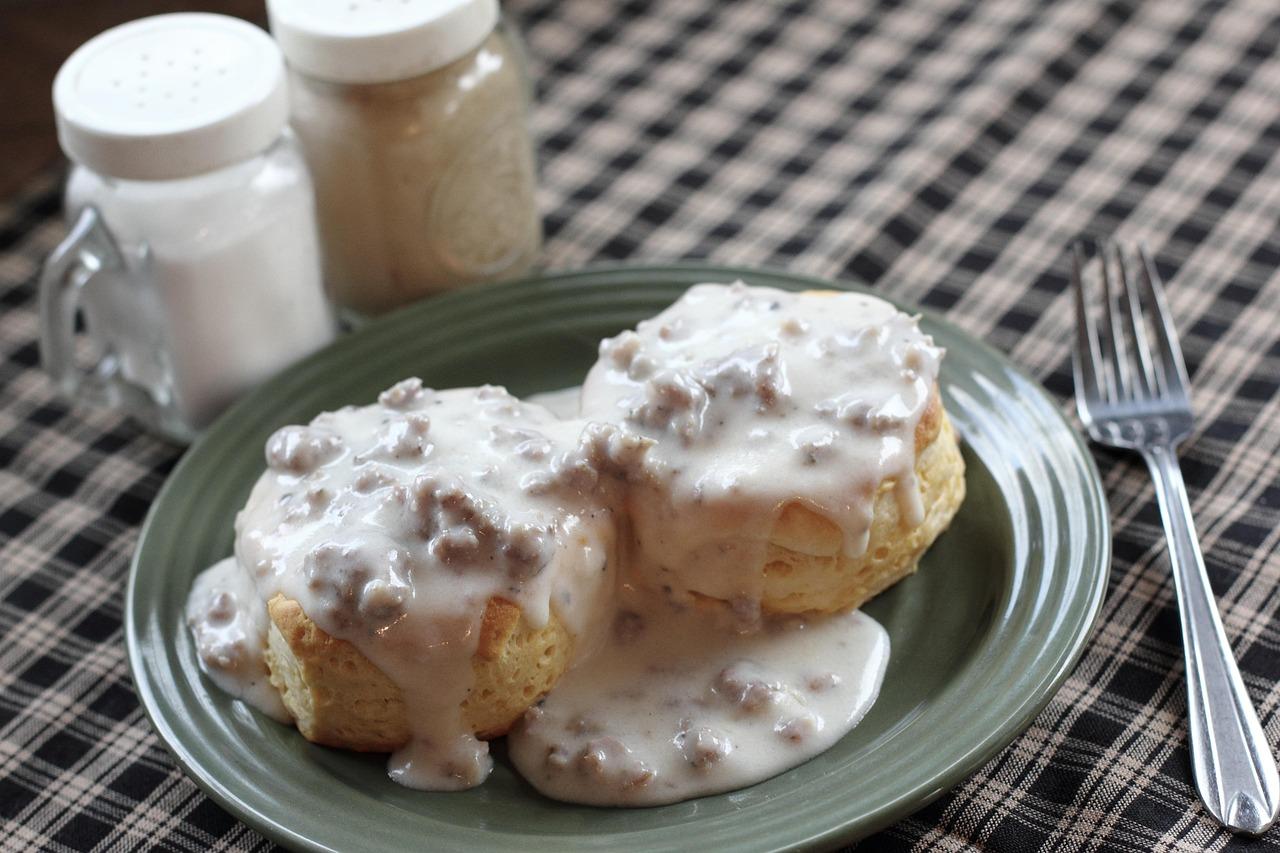
Biscuits and sausage gravy

Biscuits and gravy is the working breakfast of the rural South and Appalachia, served at truck stops in Tennessee and diners in the Virginia mountains: fresh biscuits split open and smothered in a thick white 'sawmill' gravy made from crumbled pork sausage, its fat, flour, milk and plenty of black pepper. Chef's tip: don't drain the sausage fat; it is what thickens and flavours the gravy.

by KrazyBadal 0 views

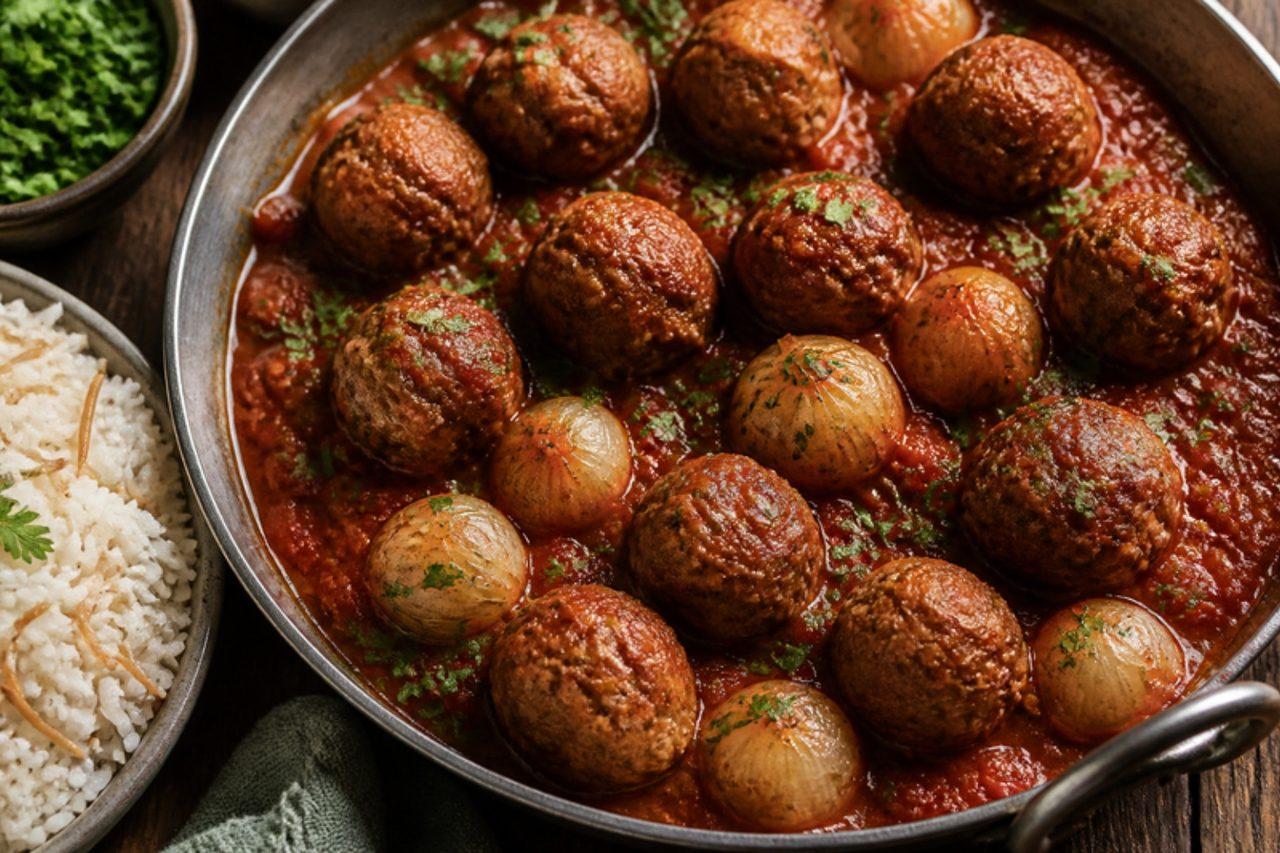
Dawood bashaMeatballs in tomato sauce

Named, so the story goes, after an Ottoman governor who loved it, dawood basha is a homely Damascus and Beirut supper of small spiced meatballs simmered with baby onions in tomato sauce, finished with pine nuts. Families serve it ladled over vermicelli rice, and it is one of the first dishes Syrian children learn to love. The sauce is lightly tangy from pomegranate molasses and fragrant with allspice and cinnamon. Common mistake: crowding the meatballs when browning — they steam instead of colouring; fry in batches. Chef's tip: grate a little onion into the meat and squeeze out the juice first; the meatballs stay tender without falling apart.

65 minSyrianMeatGluten free
by KrazyBadal 0 views

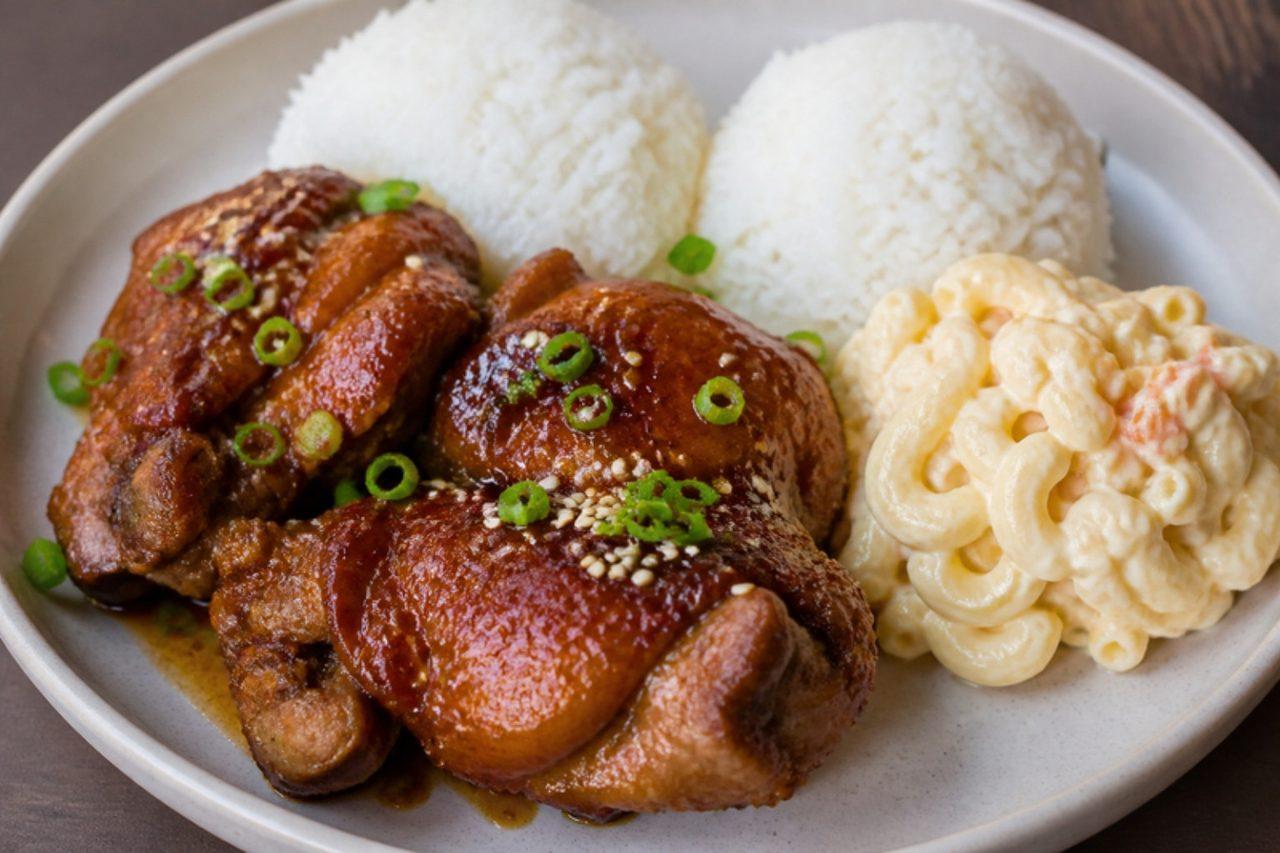
Shoyu chicken

Shoyu chicken is the home-cooked comfort of Hawaii's plantation families, a Japanese-influenced braise of chicken thighs in soy sauce (shoyu), sugar, ginger and garlic, and a staple of the plate lunch: two scoops of rice, a scoop of macaroni salad and chicken with plenty of sauce. Chef's tip: simmer uncovered at the end and spoon the sauce over until it turns glossy and coats the chicken.

by KrazyBadal 0 views

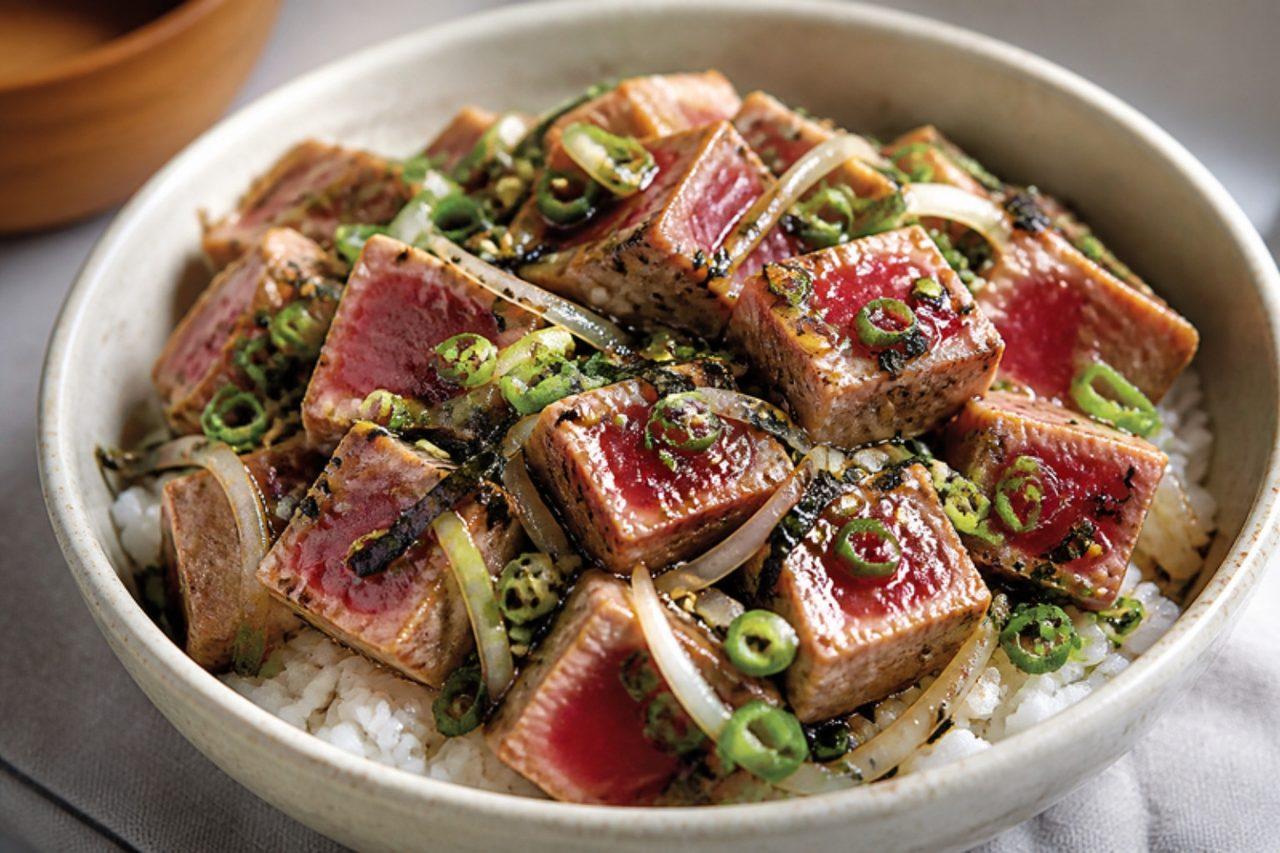
Ahi poke

Poke, from the Hawaiian word for cut into pieces, began as fishermen's snack of raw reef fish with sea salt, seaweed and roasted kukui nut, and is now sold by the pound from the deli counters of every Hawaiian supermarket, eaten over rice as a quick lunch or with drinks after work. This shoyu ahi style dresses cubes of yellowfin tuna in soy sauce, sesame oil, sweet onion and chilli. Traditional poke is raw fish, which is not for pregnant women, young children or anyone with a weakened immune system, so this version quickly sears the cubes until cooked through. Chef's tip: dress the tuna just before eating; the soy sauce draws out moisture and turns it soft if it sits for hours.

by KrazyBadal 0 views

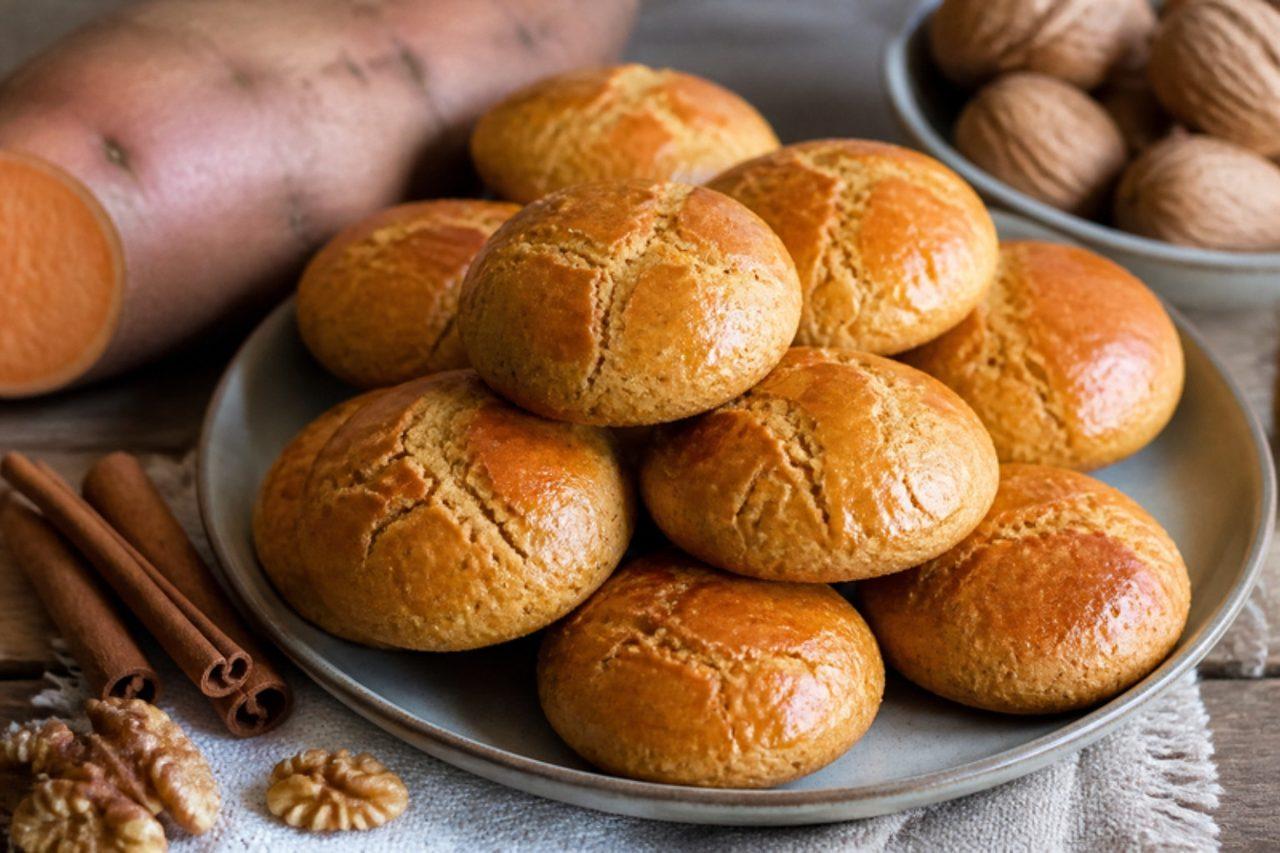
Broas de batata-doceSweet potato spiced cookies

Every December, kitchens across the Beiras fill with the smell of these broas: soft, cakey cookies made with mashed sweet potato, flour, olive oil and honey, spiced with cinnamon and fennel seed and glazed with egg yolk. Families bake big batches to share with neighbours and keep in tins over the holidays. They are only lightly sweet, with a tender crumb and a shiny top. Chef's tip: dry the cooked sweet potato in the pan for a minute before mashing, as watery mash makes a sticky dough that spreads.

by KrazyBadal 0 views

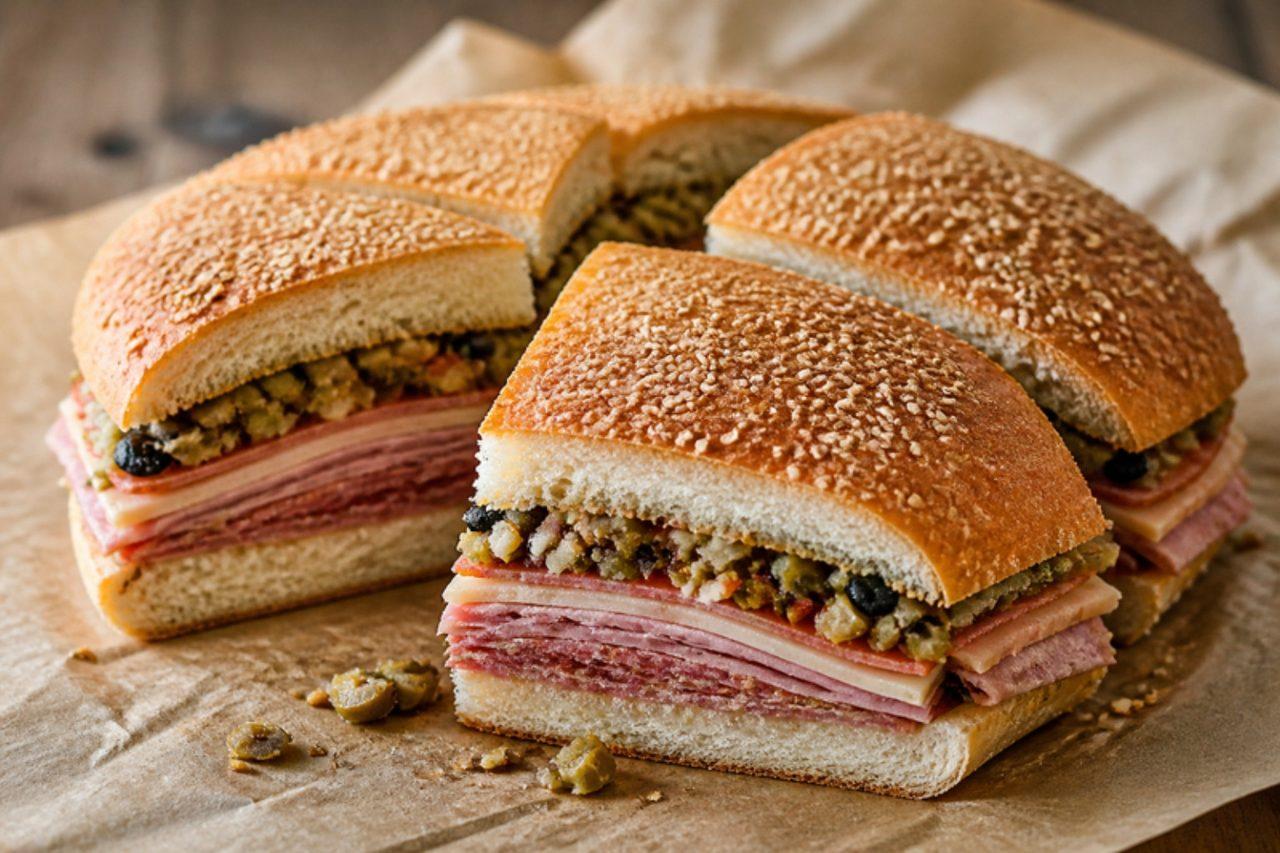
New Orleans muffuletta

The muffuletta was first made by Sicilian grocers on Decatur Street in New Orleans in the early 1900s for dock workers' lunches, and it is still sold whole or in quarters to take to the levee or a Saints game. A big round sesame loaf is filled with layers of ham, salami, mortadella (all pork) and provolone and soaked with a chunky olive salad. Provolone is traditionally made with animal rennet. Chef's tip: press the sandwich under a weight for an hour so the oil soaks into the bread.

by KrazyBadal 0 views

Midia saganakiMussels with tomato and feta

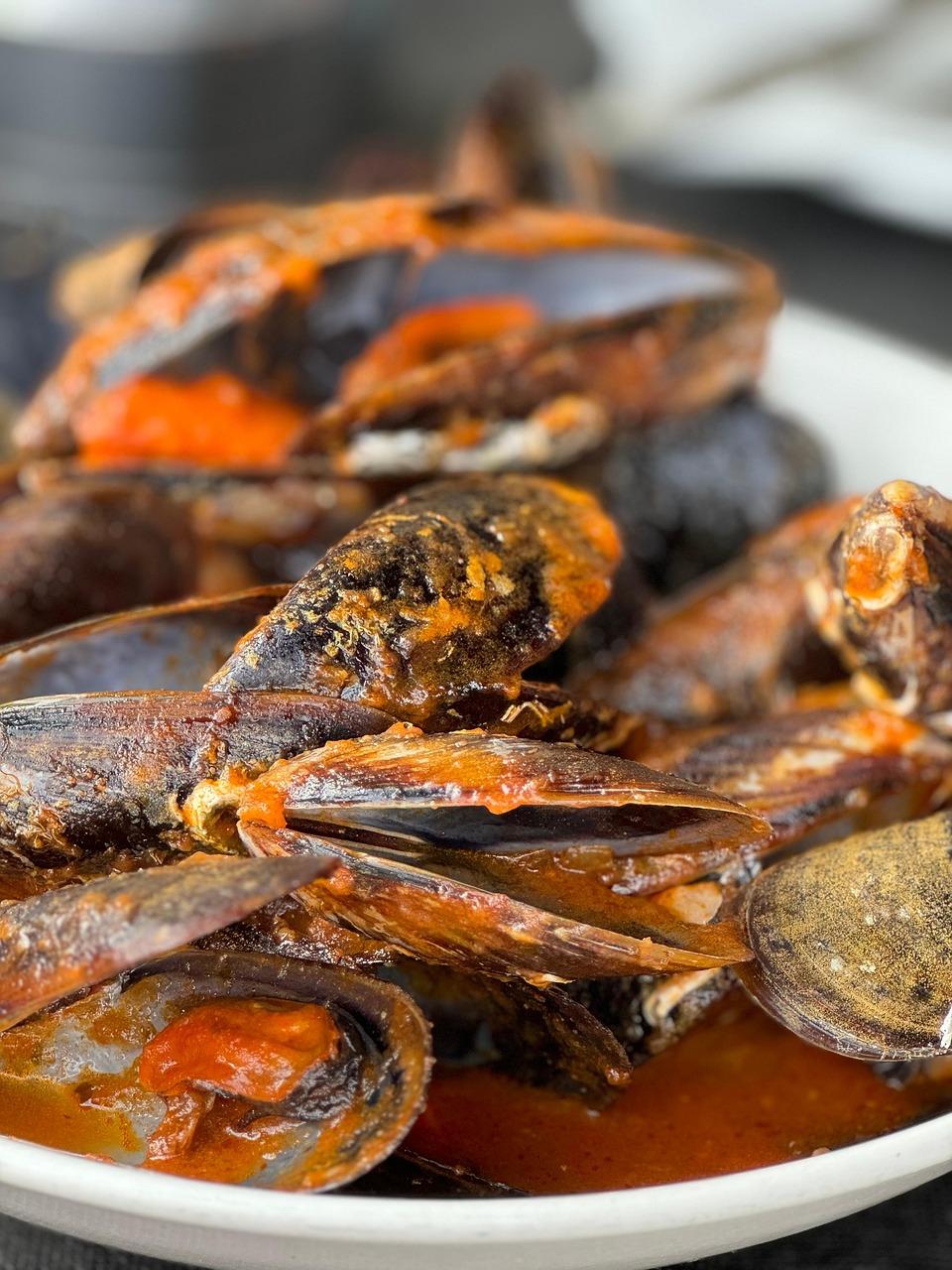
Thessaloniki is Greece's mussel capital, with farms in the Thermaic Gulf a few kilometres from the seafront ouzeries where this two-handled pan arrives, still bubbling, at the table. Mussels steam open in a quick sauce of peppers, tomato and chilli, and crumbled feta melts into the juices at the end. Bread is essential. The classic version adds a splash of ouzo; this one is alcohol-free, using a pinch of fennel seed for that aniseed note (add 2 tbsp ouzo with the tomatoes if you like). Common mistake: overcooking — take the pan off the heat as soon as the shells open. Chef's tip: buy mussels on the day and keep them in the fridge in a bowl covered with a damp cloth, never in water.

30 minGreekFishGluten freeSpicy
by KrazyBadal 1 views

Oysters Rockefeller

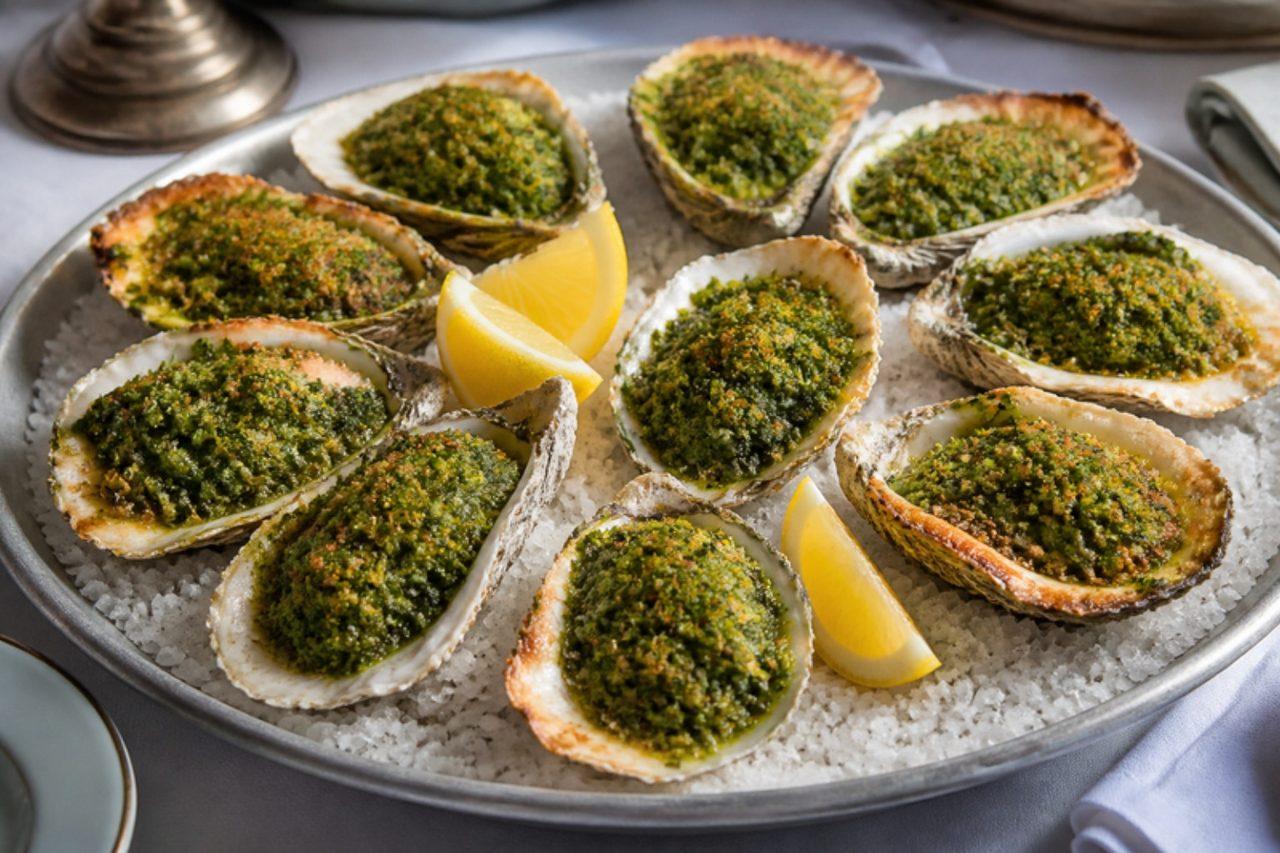
Oysters Rockefeller were created at Antoine's in the French Quarter in 1889 and named after the richest man in America because the sauce was so rich; the restaurant has never shared its exact recipe. Live Gulf oysters on the half shell are covered with a bright green butter of herbs and greens and baked until bubbling, a classic starter at New Orleans celebration dinners. This version uses a dash of anise-flavoured liqueur, which is traditional; it can be replaced with a pinch of ground fennel seed for an alcohol-free version. Chef's tip: bed the shells on coarse salt so they sit level and the juices don't spill.

by KrazyBadal 0 views

Redfish courtbouillon

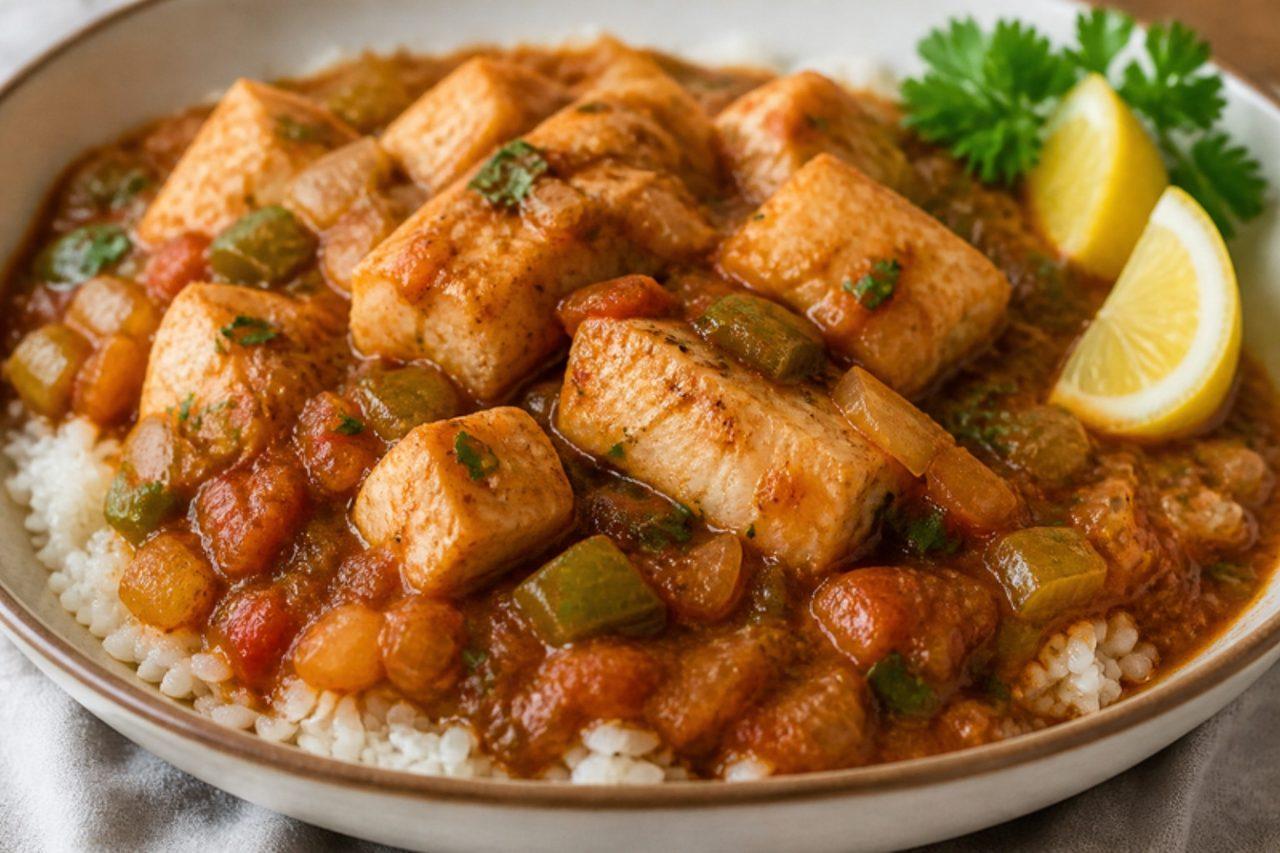
In Cajun country, courtbouillon (say 'coo-boo-yon') is not the French poaching broth but a thick, spicy red stew of firm fish, made in the fishing communities of Vermilion Bay and the Atchafalaya Basin after a good day's catch of redfish or catfish. It is built on a roux and tomatoes and finished with lemon and spring onions, then served over rice. Chef's tip: lay the fish on top of the sauce and spoon it over rather than stirring, so the pieces stay whole.

by KrazyBadal 0 views

Deniz börülcesi salatasıSamphire salad with garlic and lemon

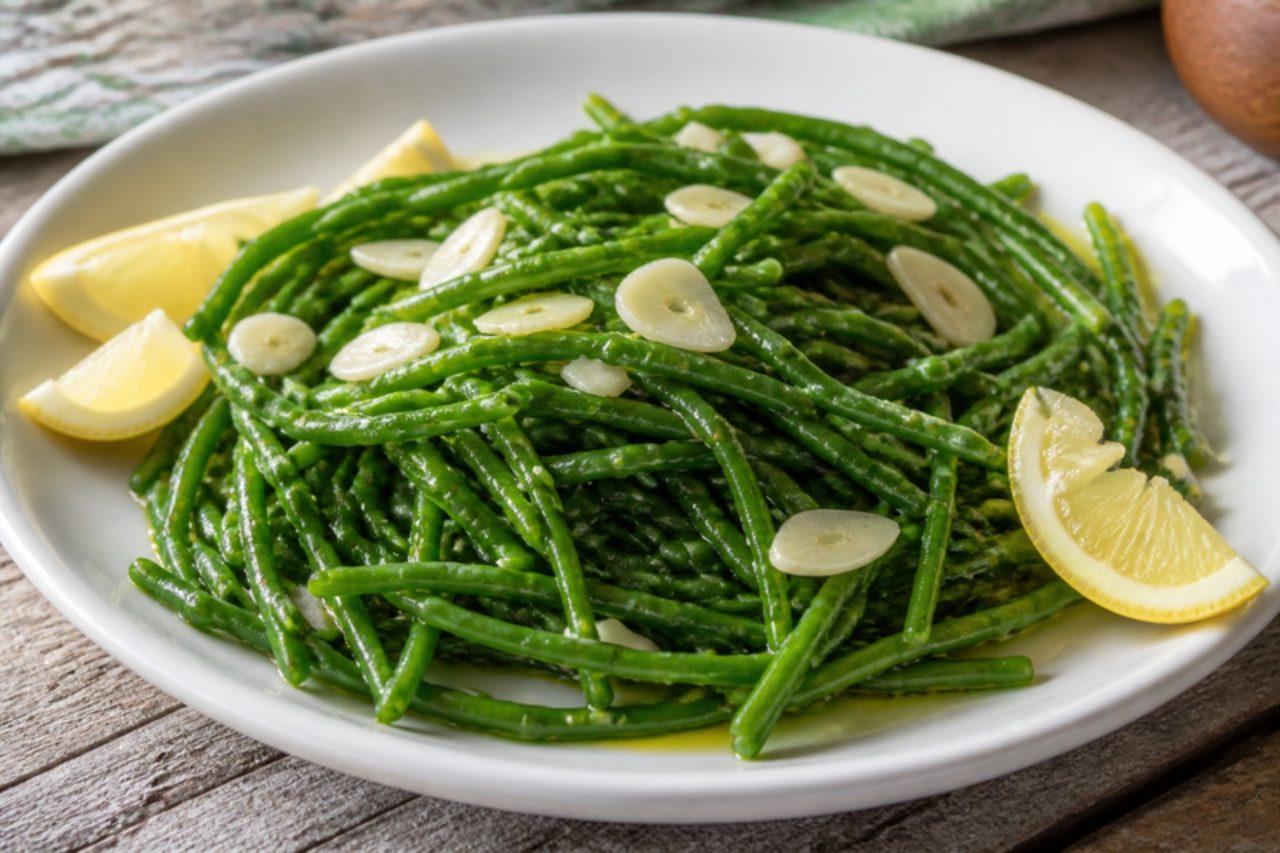
Along the Aegean coast from Ayvalık down to Bodrum, every meze tray in early summer carries a tangle of deniz börülcesi, the salty, crunchy samphire gathered from the marshes. It is blanched, pulled off its woody cores, then dressed with plenty of garlic, lemon and olive oil and served cold beside grilled fish. It tastes of the sea in the best way. Chef's tip: don't salt the cooking water or the dressing; samphire carries all the salt it needs.

by KrazyBadal 0 views

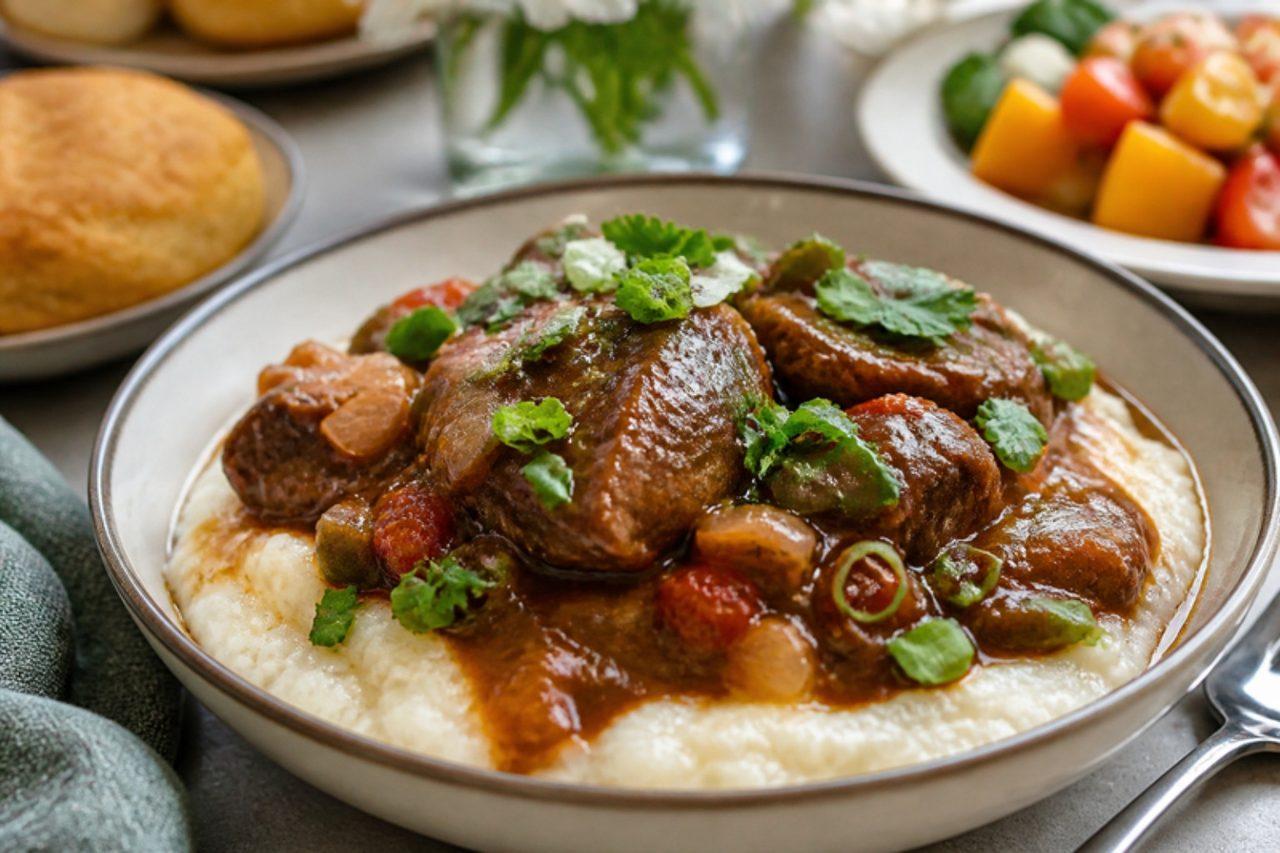
Grillades and grits

Grillades and grits is the long-standing New Orleans brunch for Sunday mornings, Mardi Gras day and Jazz Fest weekends: thin medallions of beef pounded, browned and braised in a rich brown Creole gravy with tomato and the trinity, then spooned over buttery grits. Chef's tip: pound the meat thin and braise it low and slow until a fork slides in easily; rushing it leaves the beef chewy.

125 minAmericanMeatGluten free
by KrazyBadal 0 views

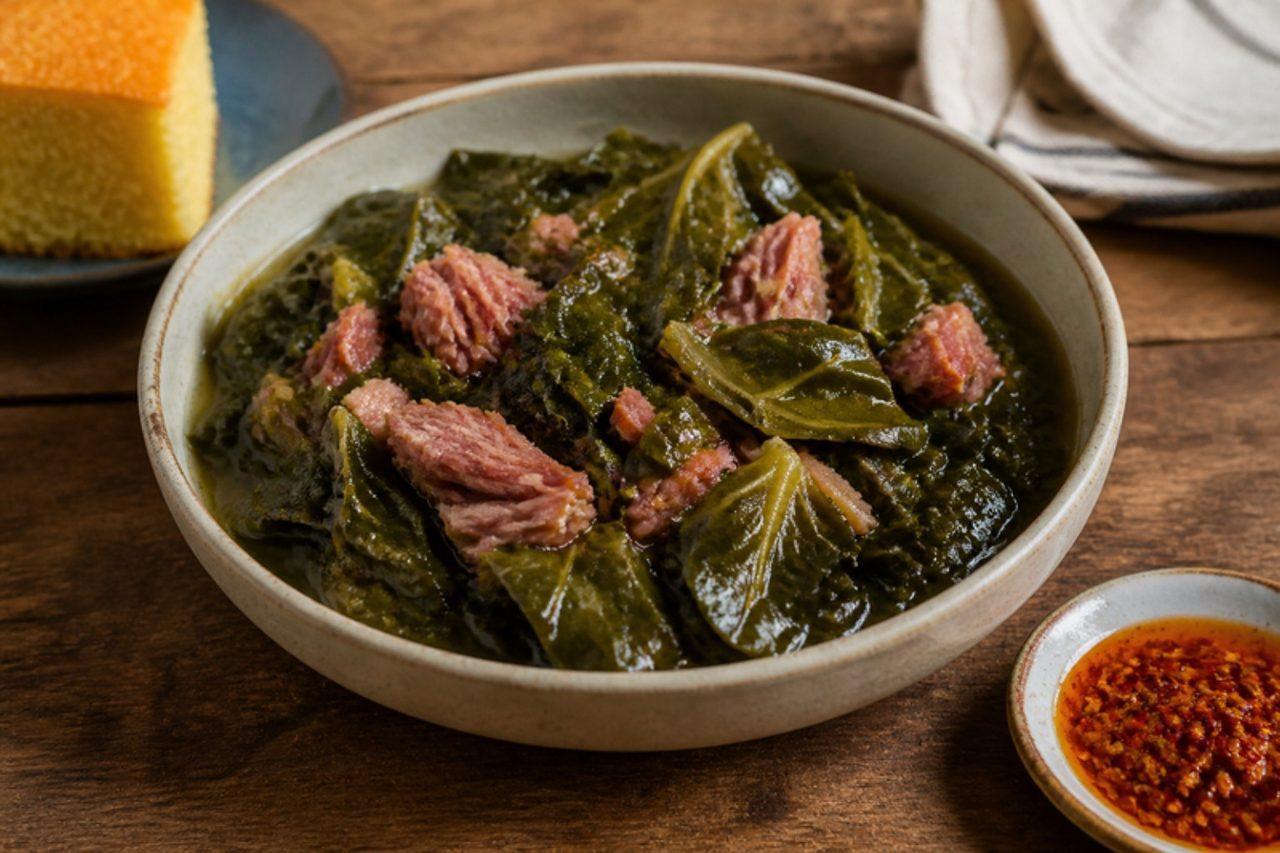
Southern collard greens with smoked ham hock

Collard greens simmered low and slow with smoked pork are at the heart of African American soul food and of Southern Sunday dinners and New Year's tables from Alabama to Virginia. The tough leaves melt into silky, savoury greens, and the cooking liquid, the 'pot likker', is so good it is sopped up with cornbread. Chef's tip: strip out the thick stems and wash the leaves in three changes of water; grit is the commonest complaint.

by KrazyBadal 0 views

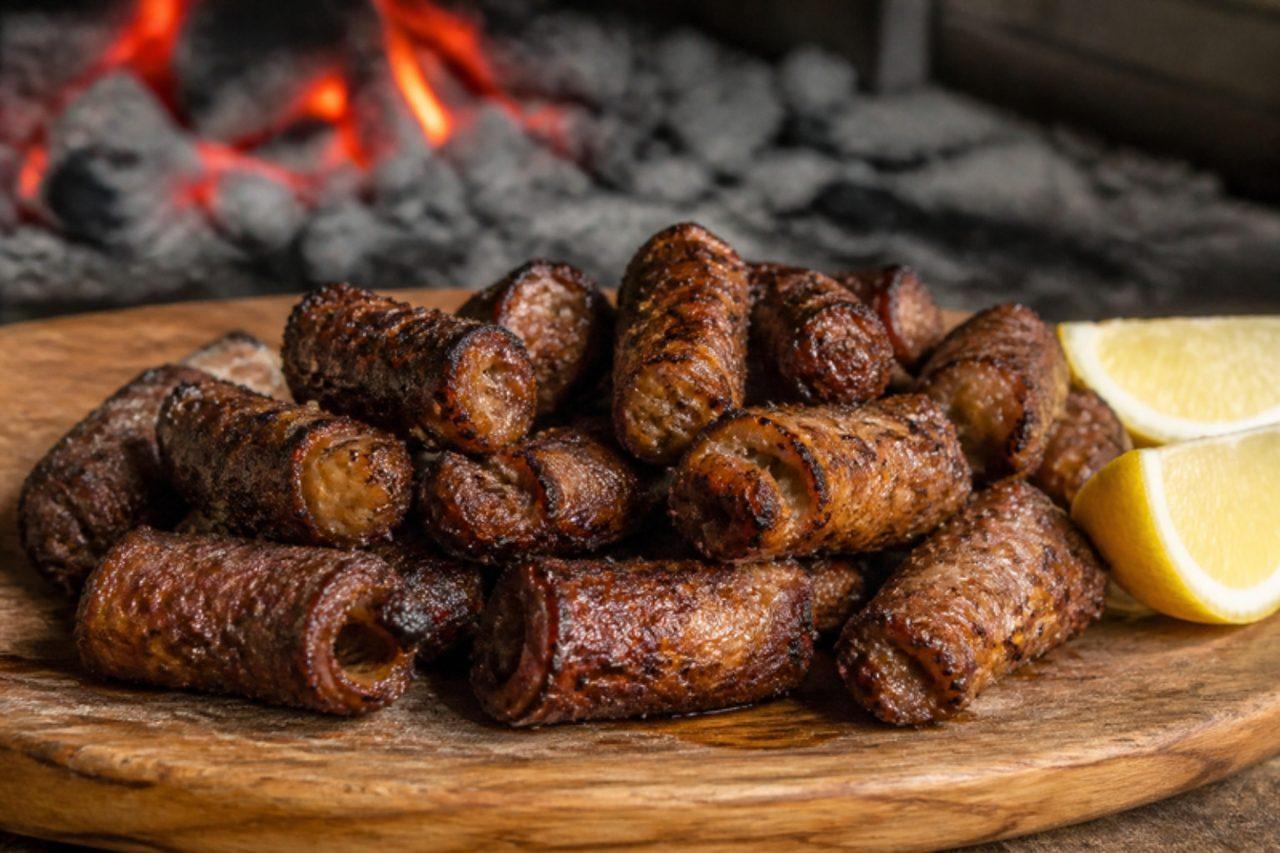
ChinchulinesGrilled beef intestines

No proper Sunday asado in Buenos Aires province or the interior is complete without a round of achuras, and chinchulines are the boldest of them: beef small intestine, coiled on the grill and cooked slowly until the outside crackles like pork scratchings and the inside stays soft and rich with its own fat. Pass them round on a board with lemon and bread as a starter while the bigger cuts cook. Buy them already cleaned from a butcher or a Latin American meat counter, and rinse them again well at home. The usual mistake is too much heat: the outside burns long before the inside cooks. Offal must be cooked right through, with no soft, raw-looking parts. Chef's tip: simmer them briefly before grilling; it cleans them further, shortens the time on the coals and gives you a much more even crunch.

by KrazyBadal 0 views

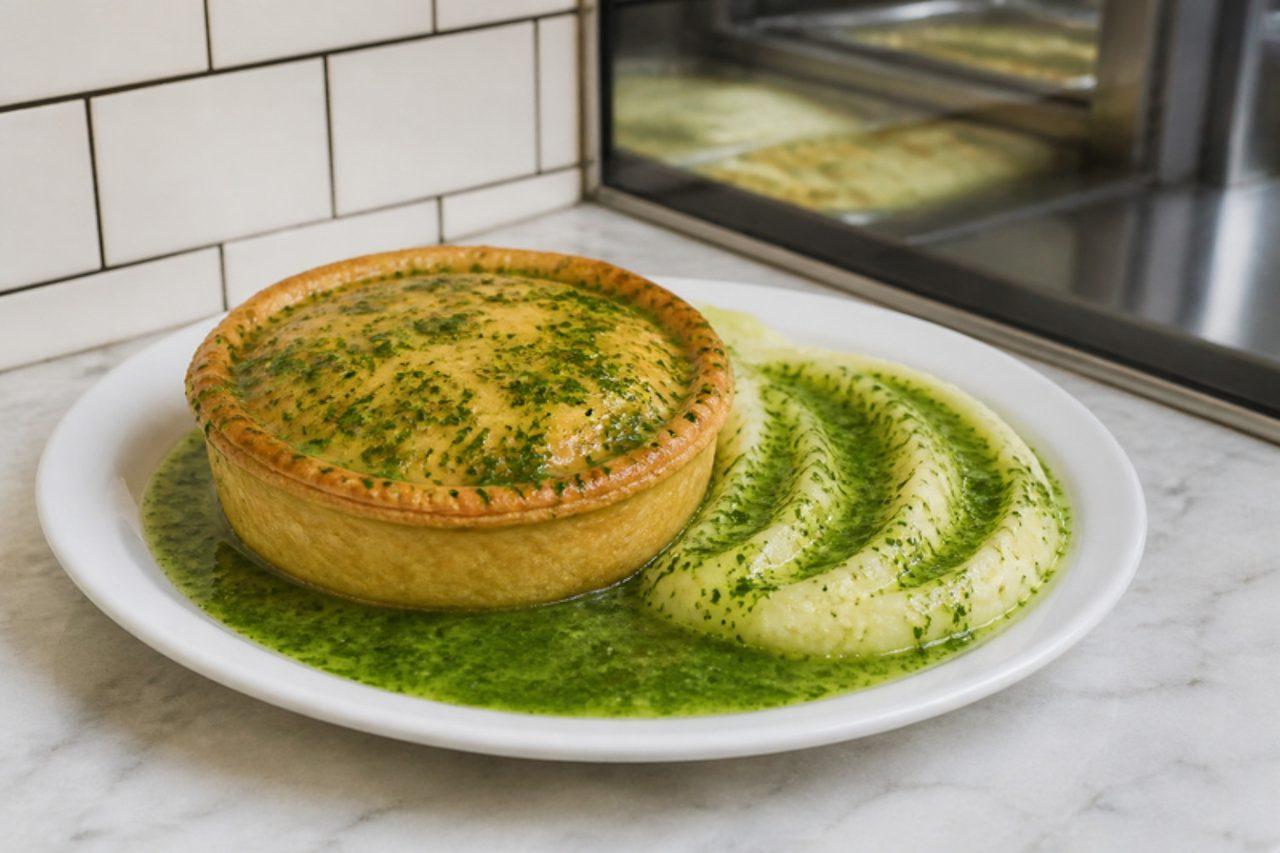
Pie and mash with liquor

Pie, mash and liquor is the working-class lunch of the East End of London, served in tiled pie shops from Bethnal Green to Walthamstow since the 1800s. Small minced beef pies with a soft suet-style base and a crisp puff lid sit next to a scoop of smooth mash, all flooded with liquor, a thin, bright green parsley sauce. Pie shops make the liquor with the stock from stewed eels; this version uses fish or vegetable stock. Locals add chilli vinegar. Chef's tip: keep the liquor thin and pourable, like single cream, not thick like gravy.

by KrazyBadal 0 views

Roast lamb with mint sauce

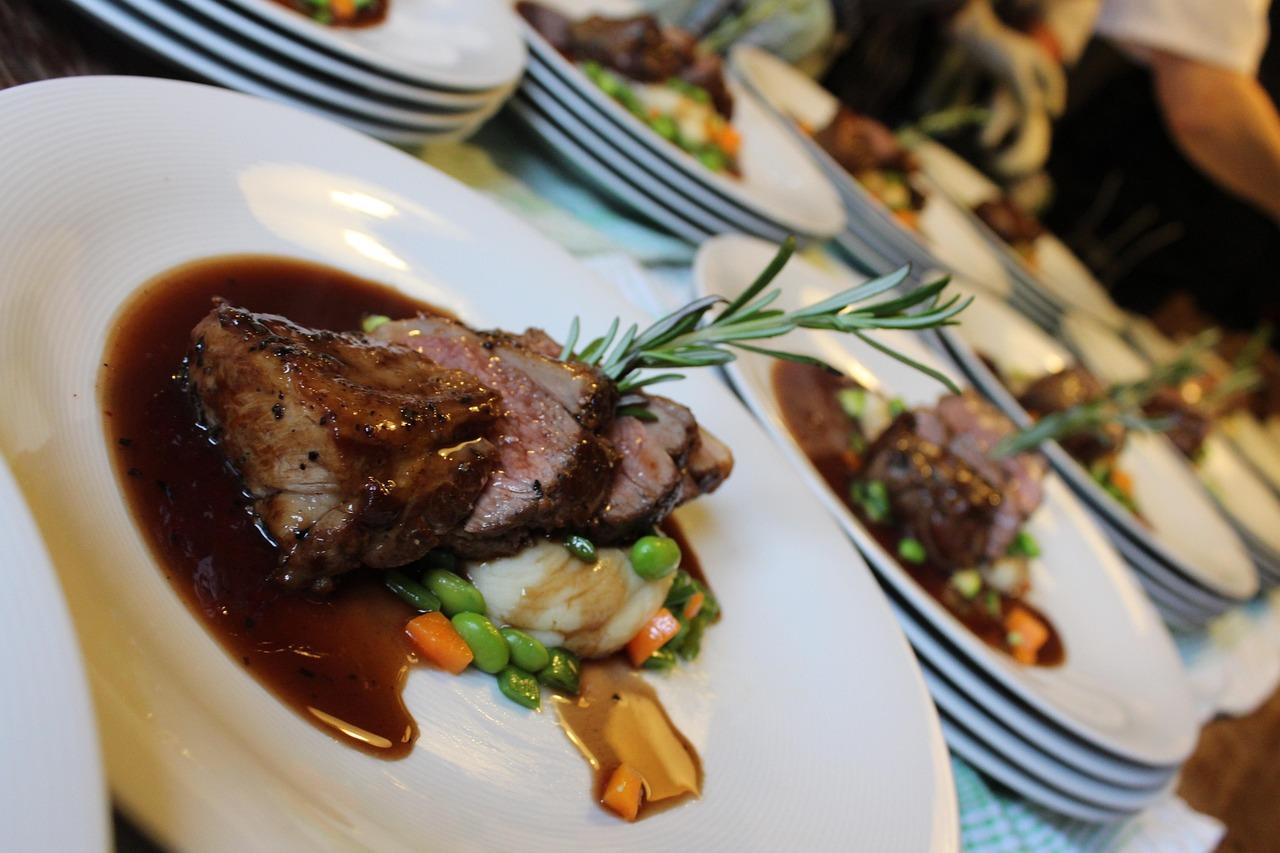
Roast leg of lamb is the Easter Sunday lunch of England, when spring lamb from the South Downs and the West Country comes in, served with roast potatoes, spring greens and a jug of mint sauce. The sauce is the English twist: chopped garden mint steeped in vinegar and a little sugar, sharp enough to cut the richness of the meat. Chef's tip: make the mint sauce an hour ahead so the vinegar mellows and the mint flavour comes out.

120 minBritishMeatGluten free
by KrazyBadal 0 views

Beef Wellington

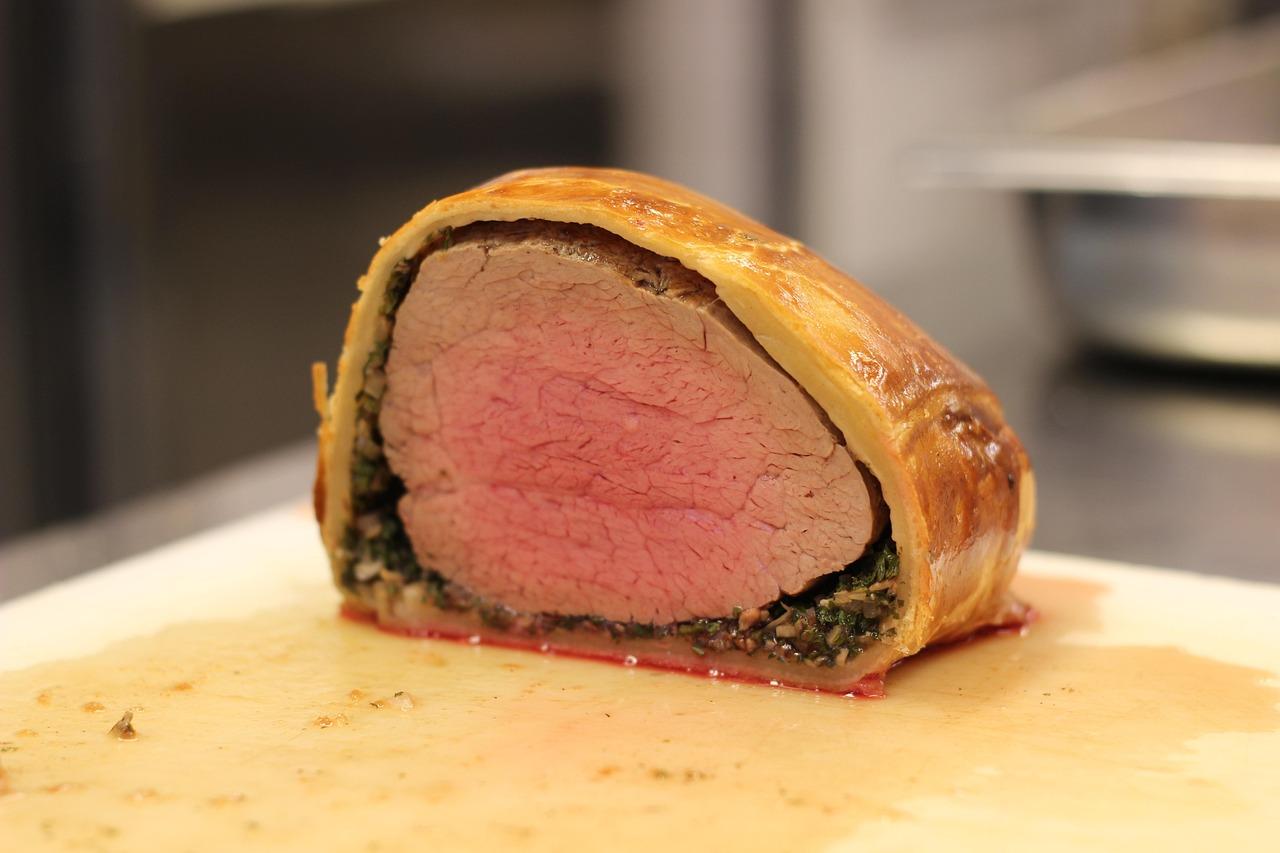
Beef Wellington is the grand centrepiece of British Christmas and celebration dinners, a whole beef fillet coated in finely chopped mushroom duxelles, wrapped in thin pancakes or ham and golden puff pastry, then sliced at the table to show a pink middle. It is linked, without much proof, to the Duke of Wellington. This version wraps the fillet in crêpes instead of the usual Parma ham. The duxelles is deglazed with a splash of white wine, which contains alcohol; use a little stock for an alcohol-free version. Chef's tip: chill the wrapped fillet before it goes in the pastry so everything stays tight and the base doesn't go soggy.

105 minBritishMeat
by KrazyBadal 0 views

Southern chicken and dumplings

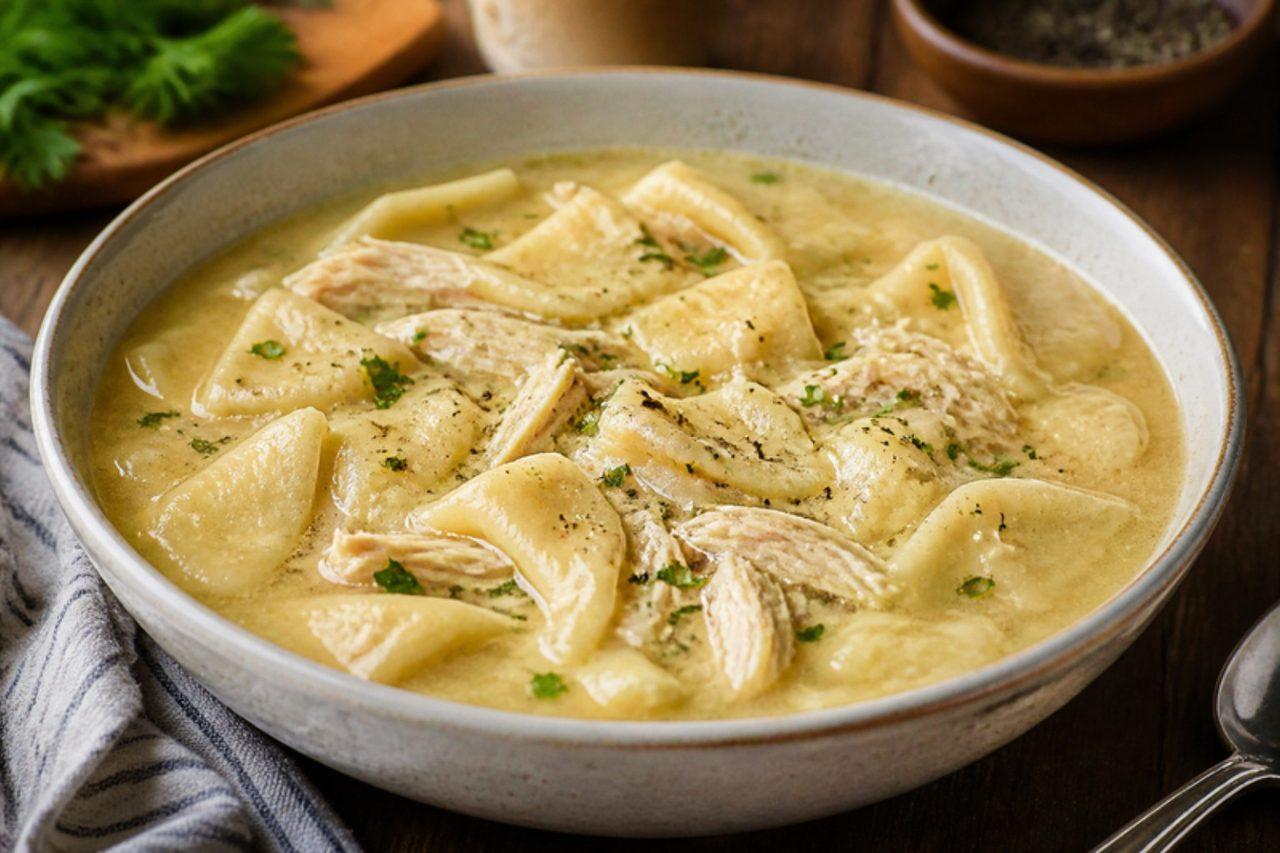
Chicken and dumplings is the Sunday dinner and sick-day comfort of Mississippi, Tennessee and the Carolinas: a whole bird simmered into broth, shredded, and cooked with thin, rolled strips of dough that thicken the pot as they simmer, so it ends up halfway between soup and stew. Chef's tip: roll the dumplings thin, about 3 mm; thick ones stay doughy in the middle.

by KrazyBadal 0 views

Scotch eggs

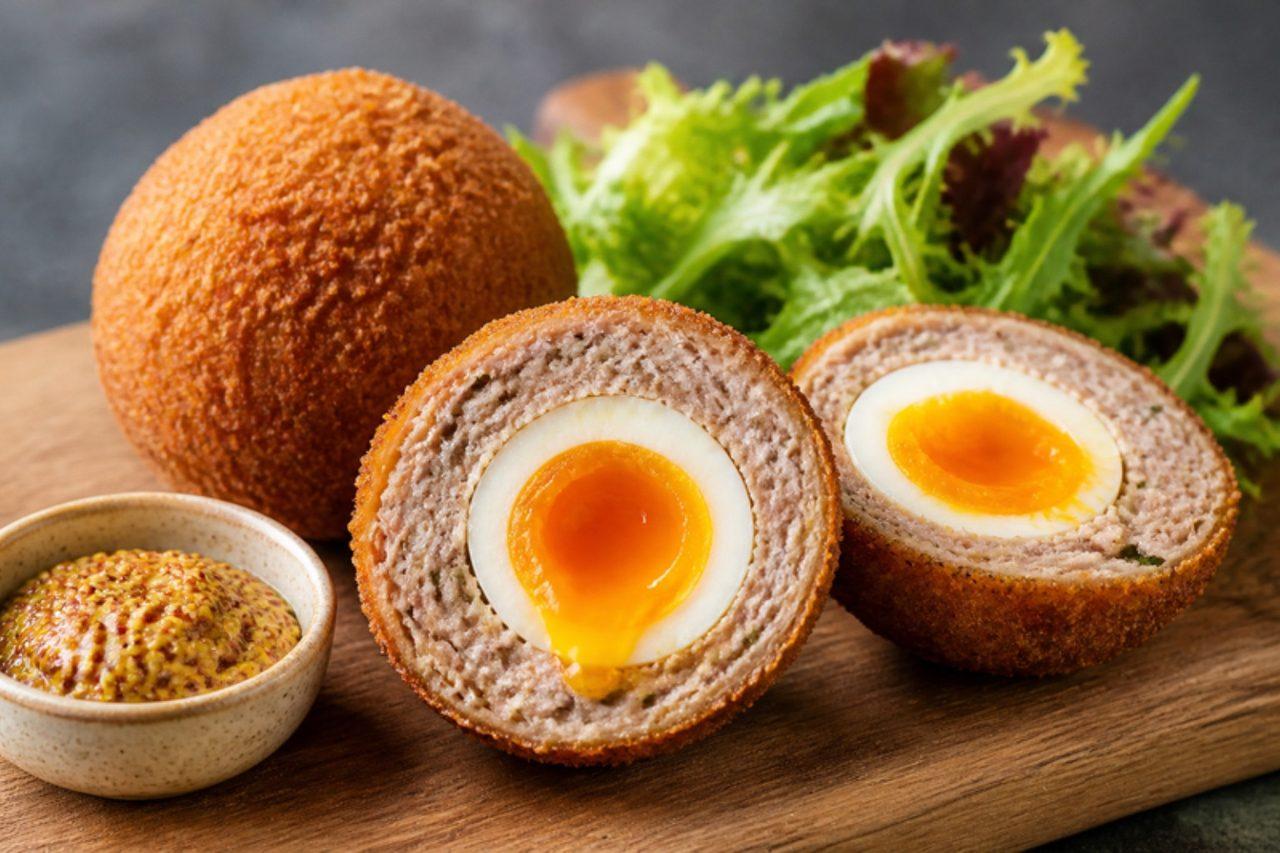
The Scotch egg was sold as a travelling snack by the London grocer Fortnum & Mason in the 1700s, and it is still the picnic and pub-counter favourite of England: a boiled egg wrapped in pork sausage meat, crumbed and fried. Modern pubs serve them with a runny yolk and a dollop of piccalilli or mustard. Chef's tip: boil the eggs for exactly 6½ minutes and plunge into iced water; that sets the white enough to peel but leaves the yolk soft.

by KrazyBadal 0 views

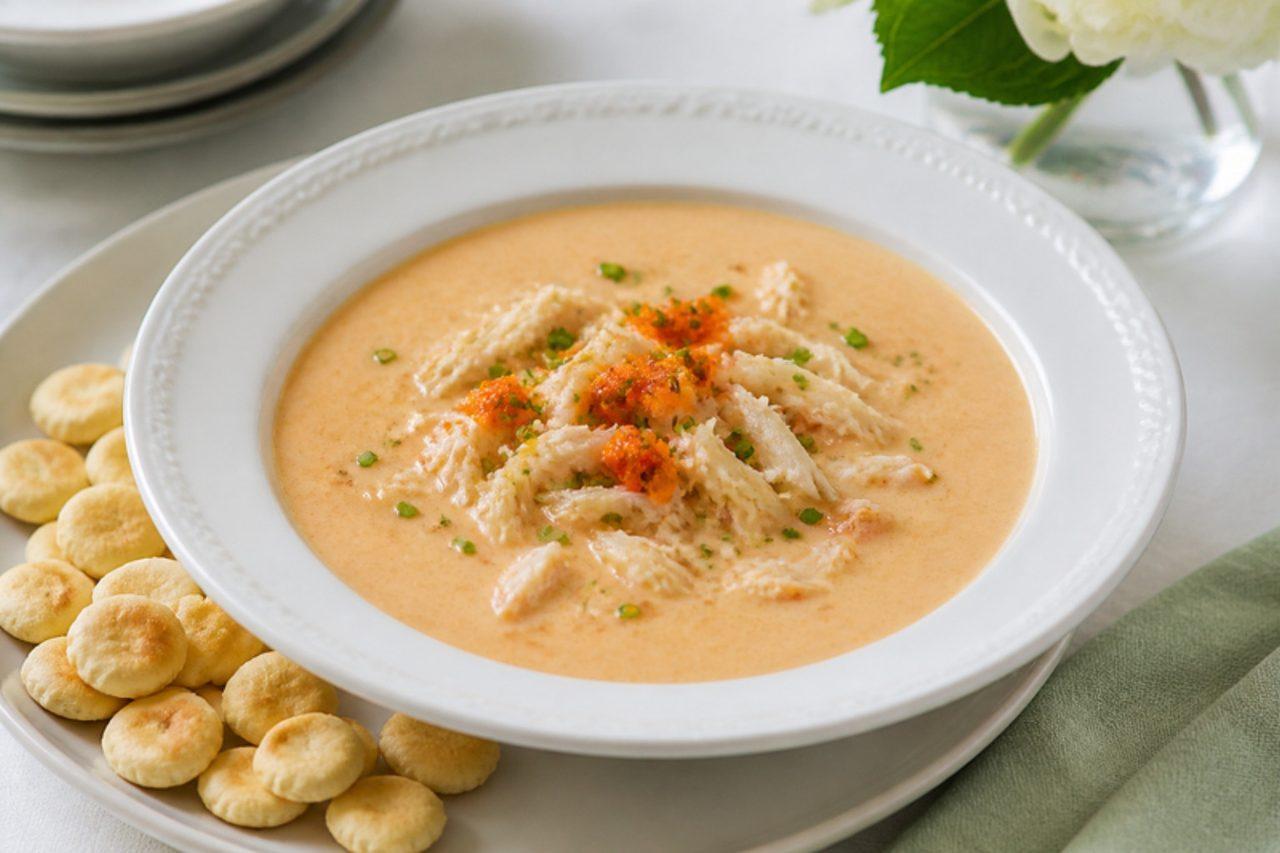
Charleston she-crab soup

She-crab soup was first made in Charleston, South Carolina, in the early 1900s and is still ordered at the city's oldest dining rooms: a velvety cream soup full of sweet blue crabmeat, coloured orange with crab roe from the female crabs. A splash of dry sherry is stirred into each bowl at the table; the alcohol doesn't cook off, so leave it out for children or anyone avoiding alcohol and add a few drops of lemon juice instead. Chef's tip: never let the soup boil once the cream is in, or the crab turns stringy.

by KrazyBadal 0 views

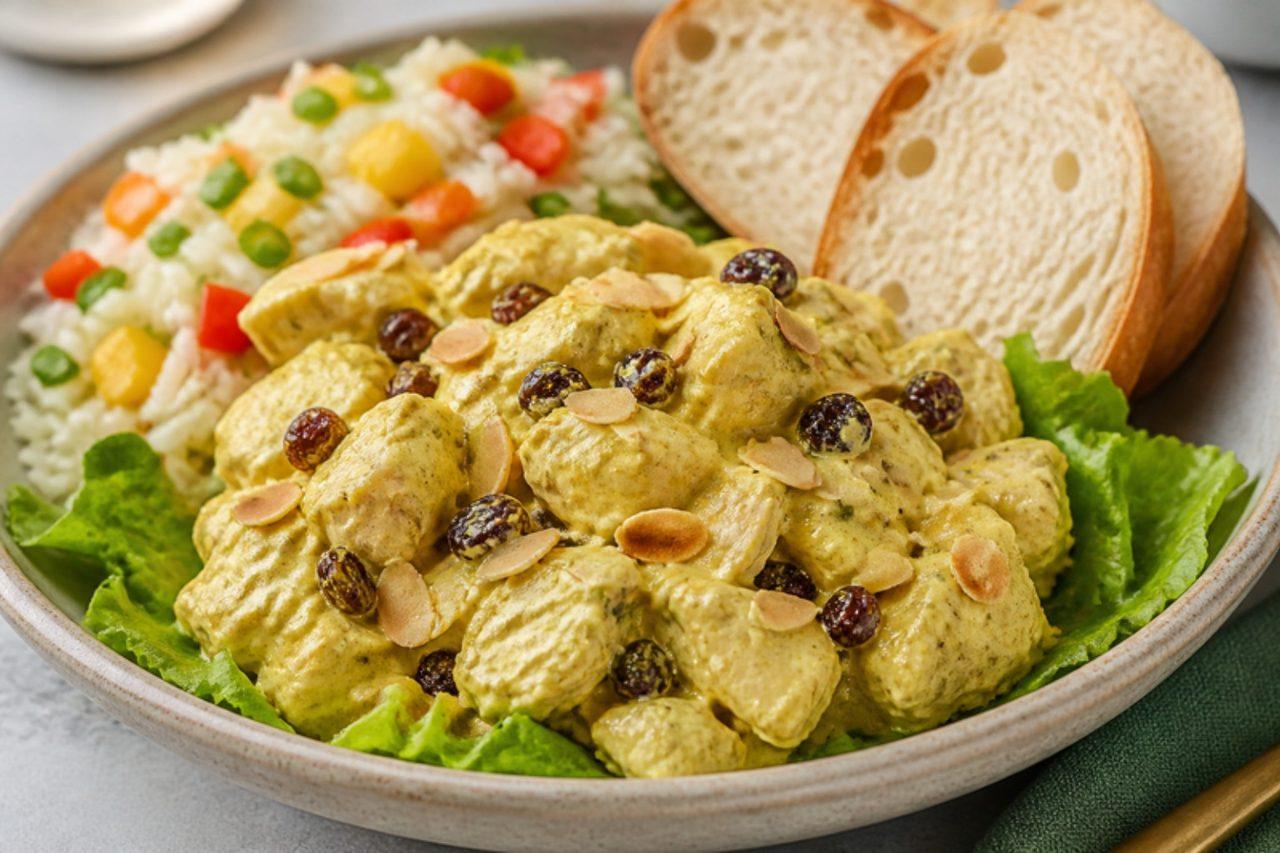
Coronation chicken

Coronation chicken was invented for the banquet of Queen Elizabeth II's coronation in 1953 by the Cordon Bleu school in London, and it became the filling of choice for jacket potatoes, wedding buffets and garden party sandwiches across England. Poached chicken is folded through a creamy, mildly spiced sauce of mayonnaise, curry paste, apricot and yoghurt. Chef's tip: poach the chicken very gently and cool it in its liquid so it stays juicy.

by KrazyBadal 0 views

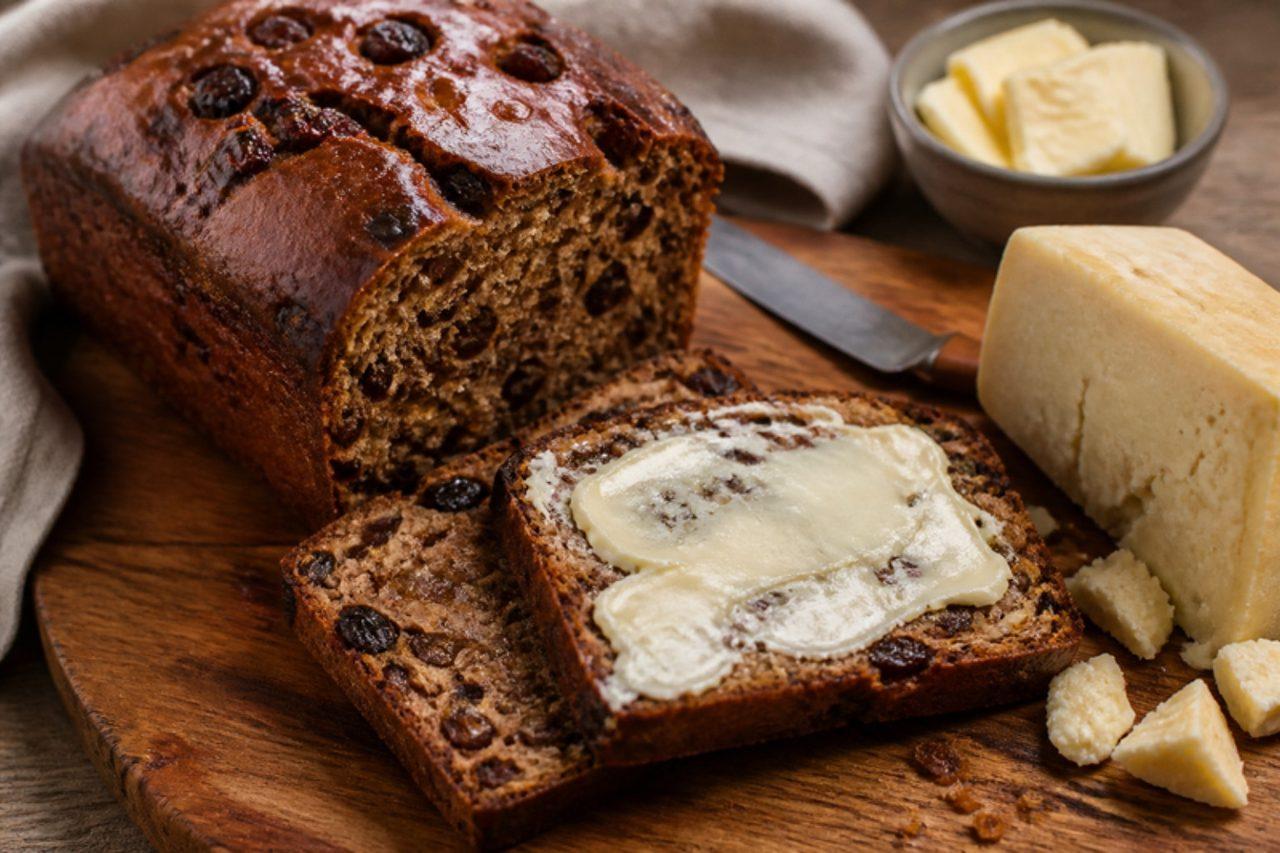
Lincolnshire plum bread

Plum bread is the dark, spiced fruit loaf of Lincolnshire bakeries, sold year round but especially at Christmas, sliced and spread with butter or eaten with a wedge of Lincolnshire Poacher cheese. There are no plums in it: 'plums' was the old word for dried fruit. The dough is enriched with butter, egg and mixed spice and packed with prunes, raisins and currants. Chef's tip: soak the fruit in hot tea for an hour so it stays juicy and doesn't steal moisture from the bread.

by KrazyBadal 0 views

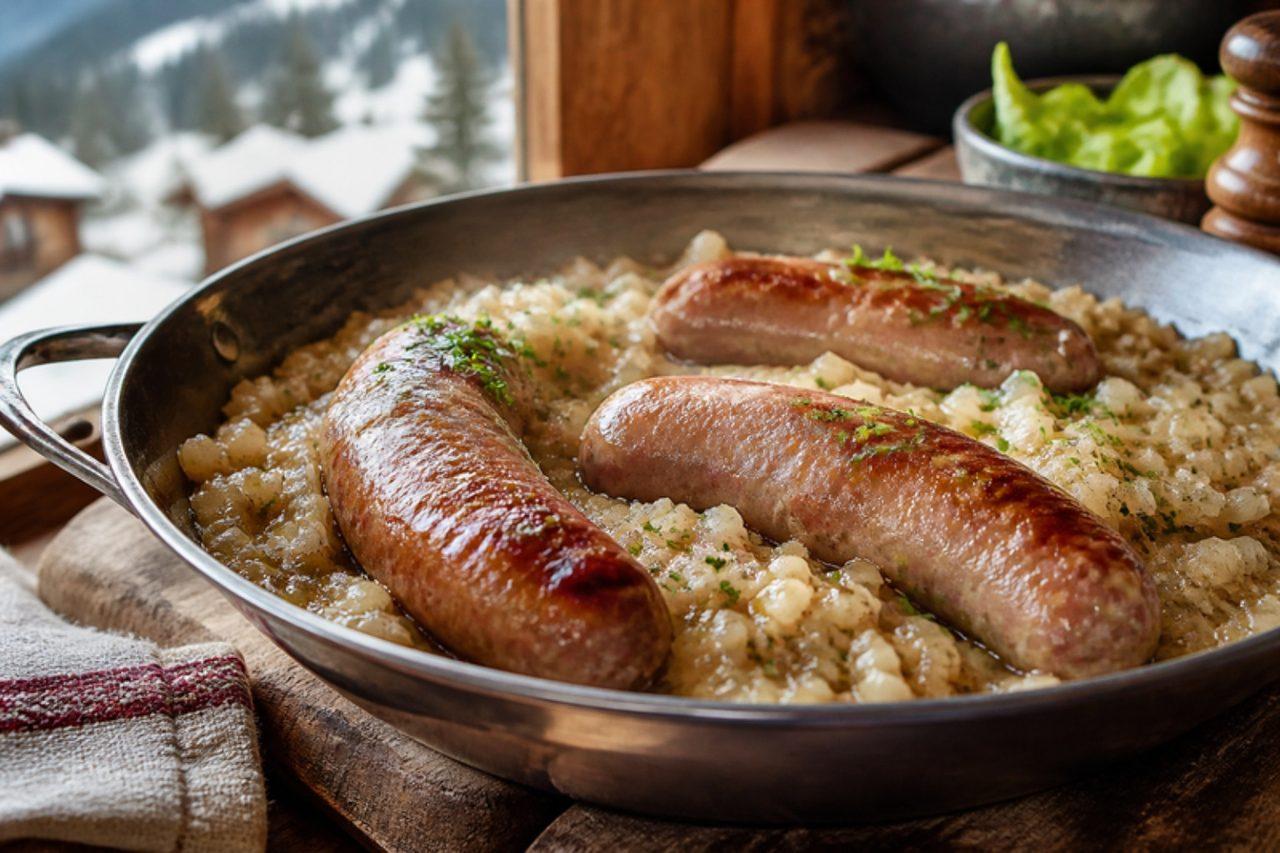
Diots au vin blancSausages braised in white wine

Diots are the small pork sausages of Savoie, sold in every butcher's from Chambéry to Annecy and eaten at ski-resort tables and village fêtes all winter. They are browned, then braised slowly with plenty of onions in dry Savoie white wine with a bay leaf, until the onions melt into a sweet, winey sauce around the plump sausages. The traditional partner is crozets, tiny square buckwheat or wheat pasta, or a soft polenta. The braise uses white wine; an alcohol-free version is in the notes. If you can't find diots, use any coarse, garlicky pork sausage. Chef's tip: brown the sausages slowly over a medium heat rather than fiercely, so the skins colour without bursting.

70 minFrenchMeat
by KrazyBadal 0 views

Texas chili pie

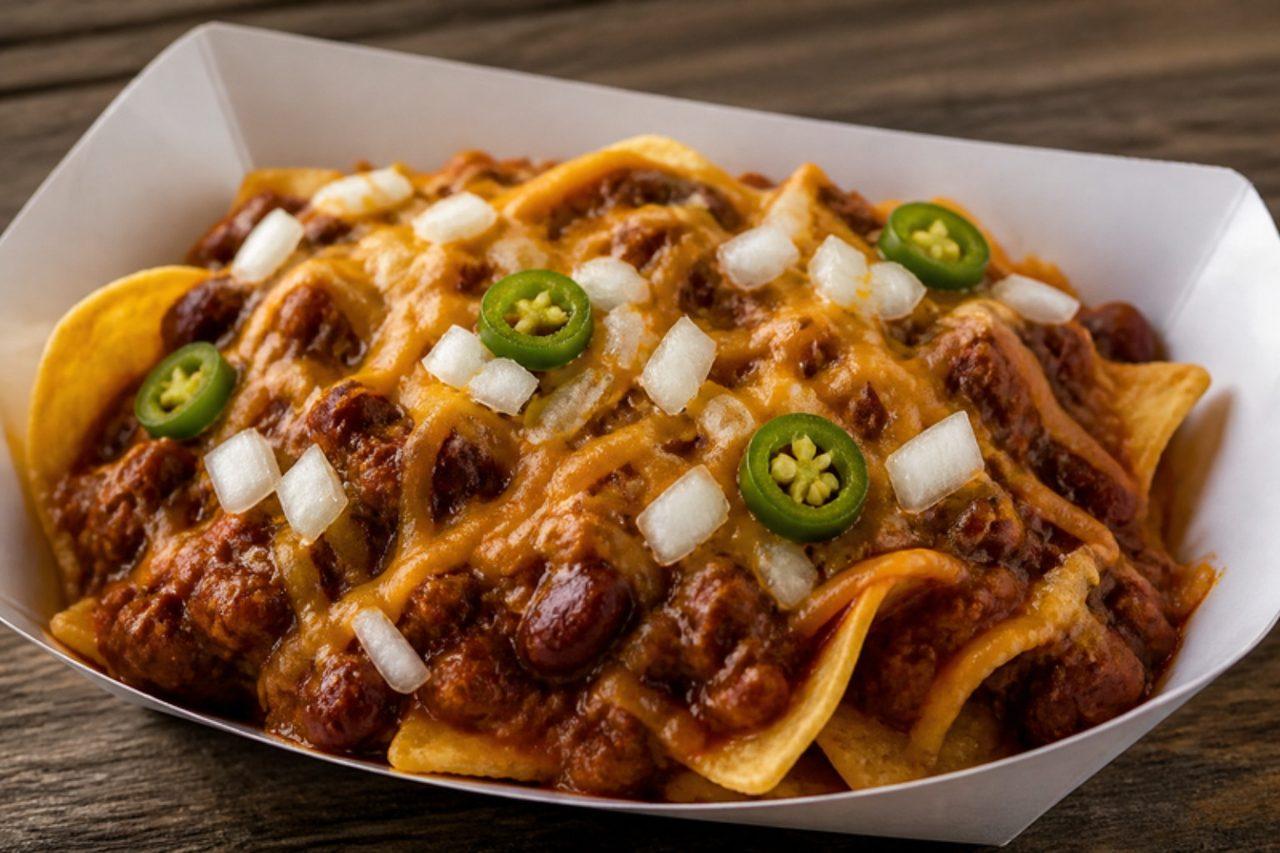
Chili pie is Friday-night-lights food across Texas, sold at high-school football concession stands, rodeos and the State Fair in Dallas: a heap of crunchy corn chips smothered in hot beef chili, grated cheese and raw onion, sometimes served right in the split chip packet. Making the chili from scratch turns it into a proper meal. Chef's tip: add the chili just before eating, because the chips should still crunch under the sauce.

by KrazyBadal 0 views

DiplesFried pastry rolls in honey

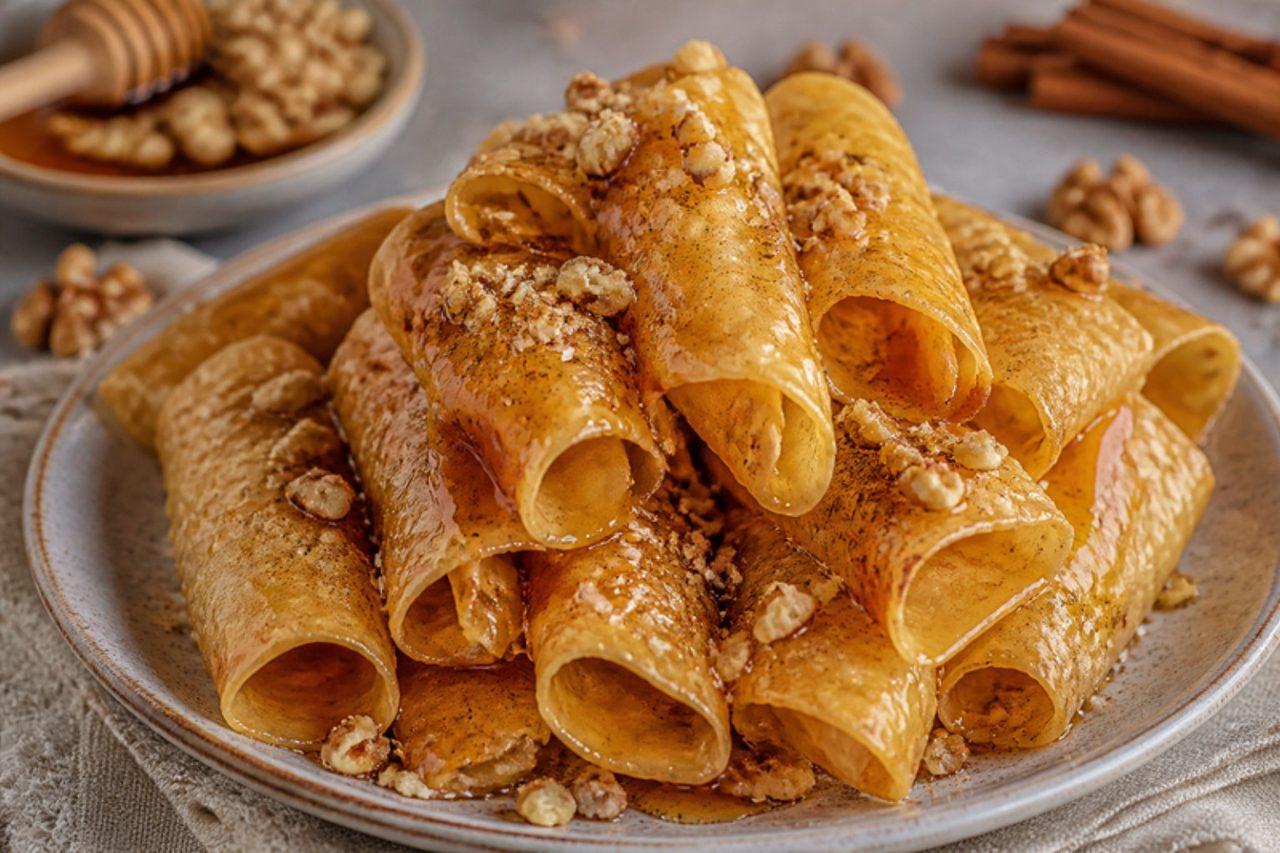
In the tower villages of the Mani, no wedding, christening or New Year passes without trays of diples: paper-thin egg dough fried in a rolling twist, so each strip curls into a crisp, bubbled scroll, then drenched in warm thyme honey and showered with walnuts and cinnamon. They shatter when you bite and stay crunchy for days in a tin. Common mistake: rolling the dough too thick, which gives chewy, oily diples — you should almost see your hand through it. Chef's tip: hold the end of each strip in the oil with two forks and roll it as it puffs; the first few are practice, so don't worry about shape.

by KrazyBadal 0 views

Mar i muntanyaChicken and prawn casserole

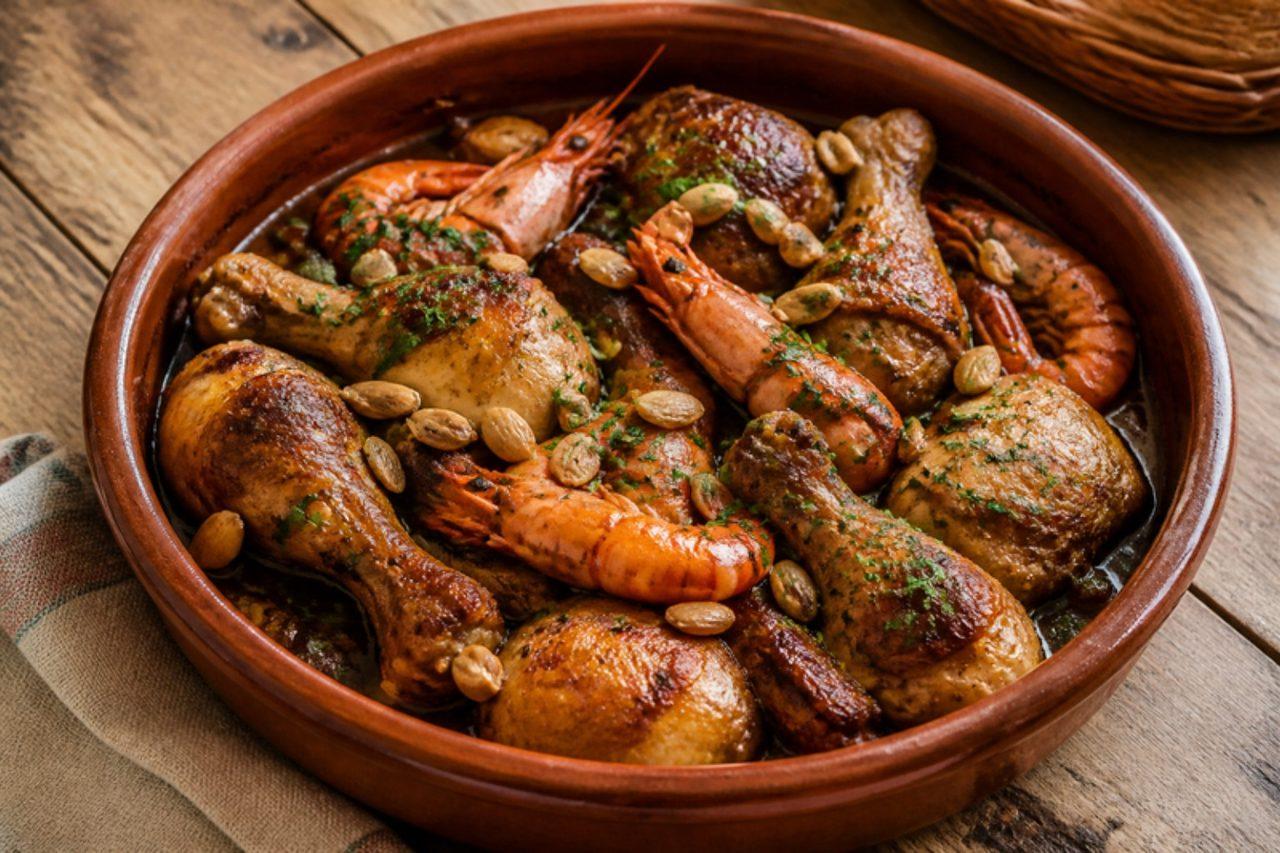
Sea and mountain: the cooks of the Empordà, between the Pyrenees and the Costa Brava, have long put chicken and seafood in one pot, and this version with prawns is the one most families make for a celebration lunch. The sauce is a dark sofrito finished with a picada of almonds, hazelnuts, garlic and a little dark chocolate, which adds depth rather than sweetness. It uses wine; the alcohol-free option is in the ingredient list. Chef's tip: cook the prawns only briefly at the start and return them at the end, so they stay juicy while the chicken braises.

by KrazyBadal 0 views

FurrunduGreen papaya and cane sugar sweet

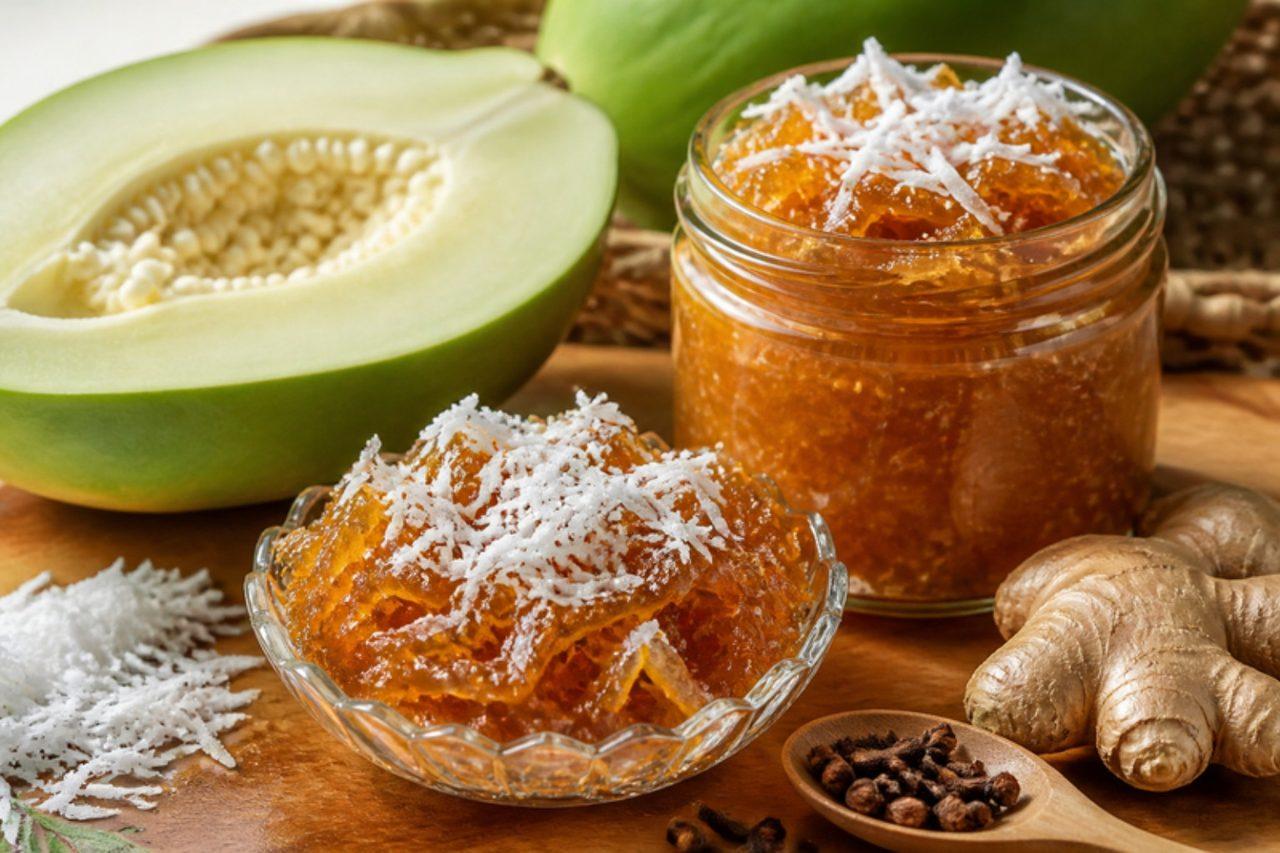
Cuiabá's grandmothers have a sweet for every fruit, and furrundu is the one that turns an unripe papaya into something special. The green fruit is grated, squeezed and cooked slowly with rapadura (dark unrefined cane sugar), fresh ginger, cloves and cinnamon until it is dark brown, sticky and chewy, with a warm spice that lingers. It is sold in small pots at Cuiabá's Mercado do Porto and at festas de santo in Mato Grosso, eaten by the spoonful with a slice of fresh cheese or on its own. The mistake to avoid is skipping the rinse: green papaya oozes a milky latex that tastes bitter and can irritate the skin, so wear gloves and wash the grated fruit well. Chef's tip: stop cooking when you can drag a spoon across the bottom of the pan and see the base for a second; it firms up a lot as it cools.

by KrazyBadal 0 views

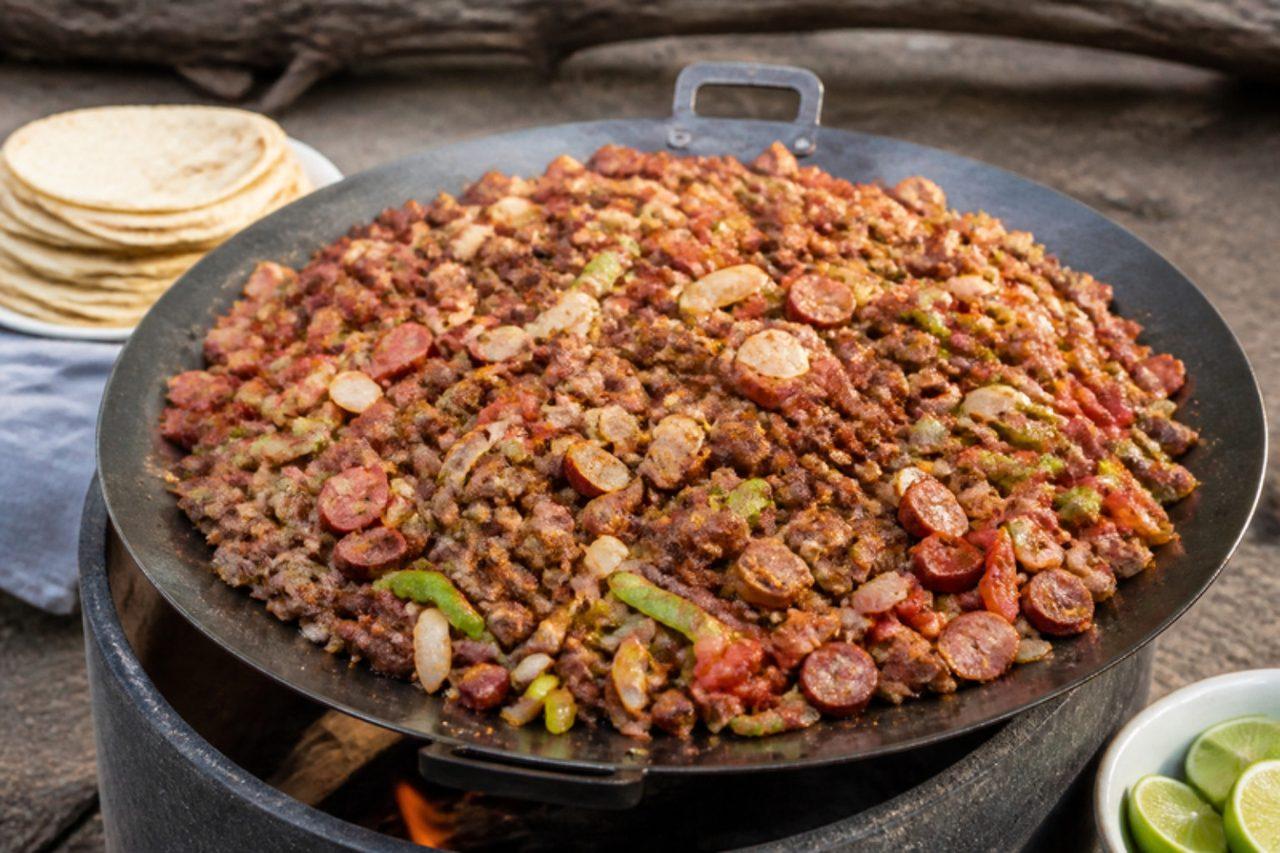
Discada norteñaMixed-meat skillet with peppers and onions

In Chihuahua and across the northern ranchlands, discada is party food: a worn-out plough disc is set over a wood fire and filled, one by one, with bacon, pork chorizo, beef, ham and sausages, then peppers, onions and tomatoes, while everyone stands around with tortillas. It is a big, smoky, pork-heavy dish, made with pork bacon, pork chorizo and ham, and many cooks splash in beer near the end, for which stock is a fine alcohol-free swap. At home, a large wok or your widest heavy skillet does the job. Serve it straight from the pan with corn tortillas, salsa and lime. Chef's tip: add the meats in order, fattiest first, so each one browns in the fat of the last.

by KrazyBadal 0 views

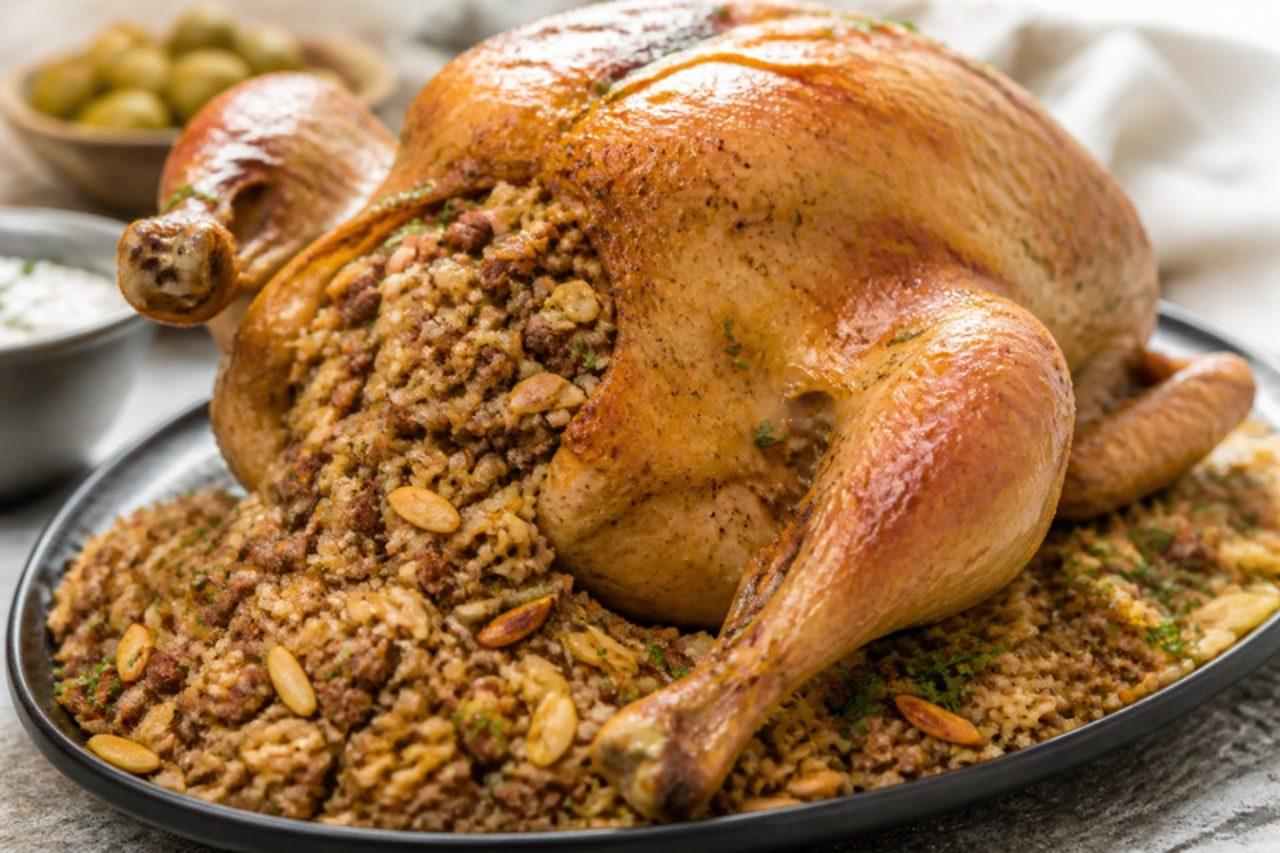
Djaj mahshiRoast chicken stuffed with spiced rice

For Eid, Christmas or a wedding lunch in Palestine, a whole chicken stuffed with spiced rice is the centrepiece: the rice cooked with a little minced lamb, seven-spice and cardamom, packed into the bird and roasted until the skin is lacquered brown, then piled on a platter under handfuls of fried almonds and pine nuts. Serve with yoghurt and a chopped salad. Common mistake: packing the cavity tightly with raw rice, which leaves the centre undercooked; part-cook the rice first and stuff loosely. Chef's tip: simmer the chicken briefly in spiced water before roasting, as many Palestinian cooks do; it seasons the meat and keeps it moist.
by KrazyBadal 0 views

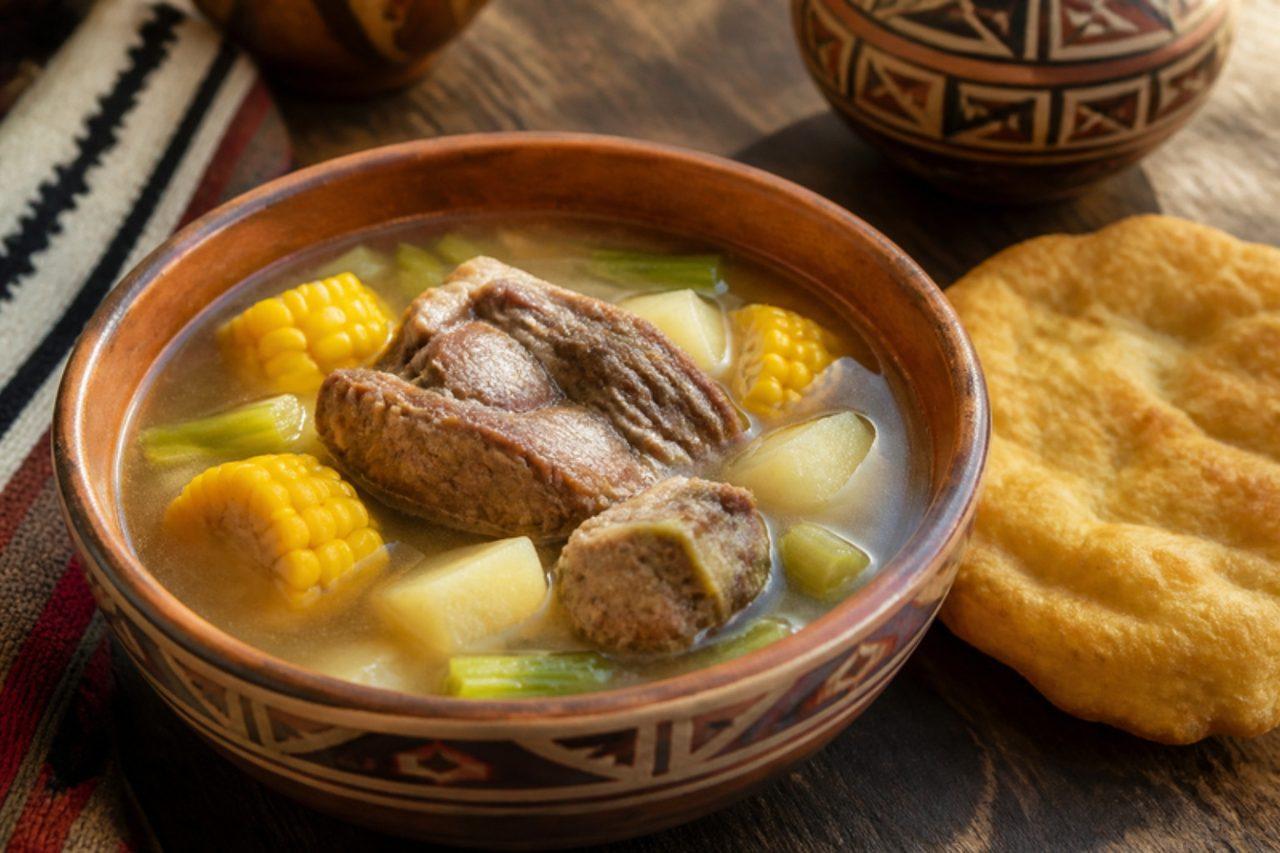
Navajo mutton stew

Mutton stew is the everyday and ceremonial dish of the Navajo (Diné) Nation, where sheep have been raised on the high desert since the 1600s; it simmers on wood stoves in hogans and is served at the Navajo Nation Fair in Window Rock with fry bread or blue corn bread. It is a plain, honest stew of bone-in mutton, potatoes, corn, onion and a little green chile. Lamb shoulder can be used, and cooks a little faster. Chef's tip: keep it at a lazy simmer and skim the fat as it rises; mutton fat is strong-tasting.

170 minAmericanMeatGluten free
by KrazyBadal 0 views

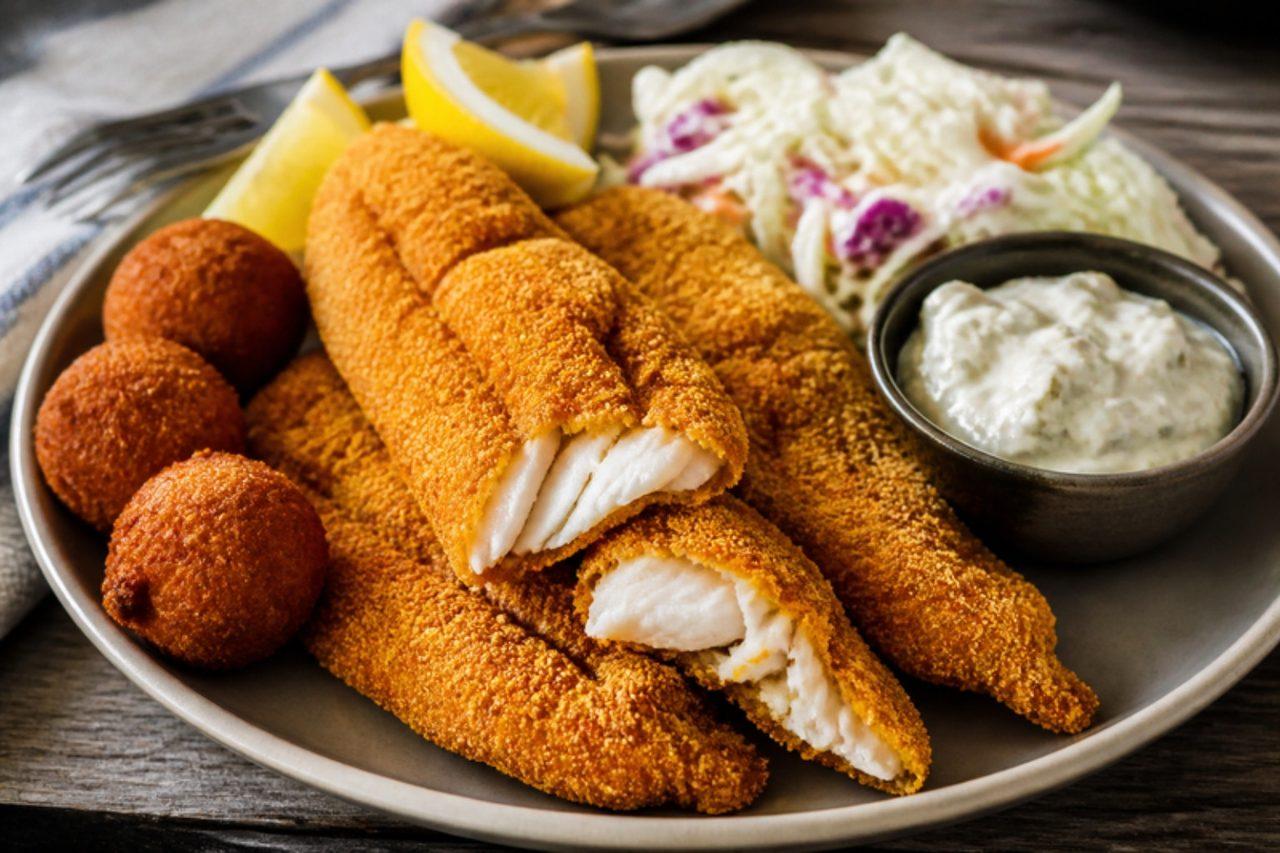
Southern fried catfish

Fried catfish is the Friday night fish-fry and Delta church supper of Mississippi and Arkansas, where much of America's catfish is farmed. Fillets are soaked in seasoned milk or buttermilk, rolled in cornmeal and fried until the crust crackles and the mild, sweet fish inside flakes apart. Serve with hushpuppies, slaw and lemon. Chef's tip: cut thick fillets in half lengthways so they cook in the same time as the crust browns.

by KrazyBadal 0 views

Doce de abóbora com cocoPumpkin and coconut sweet

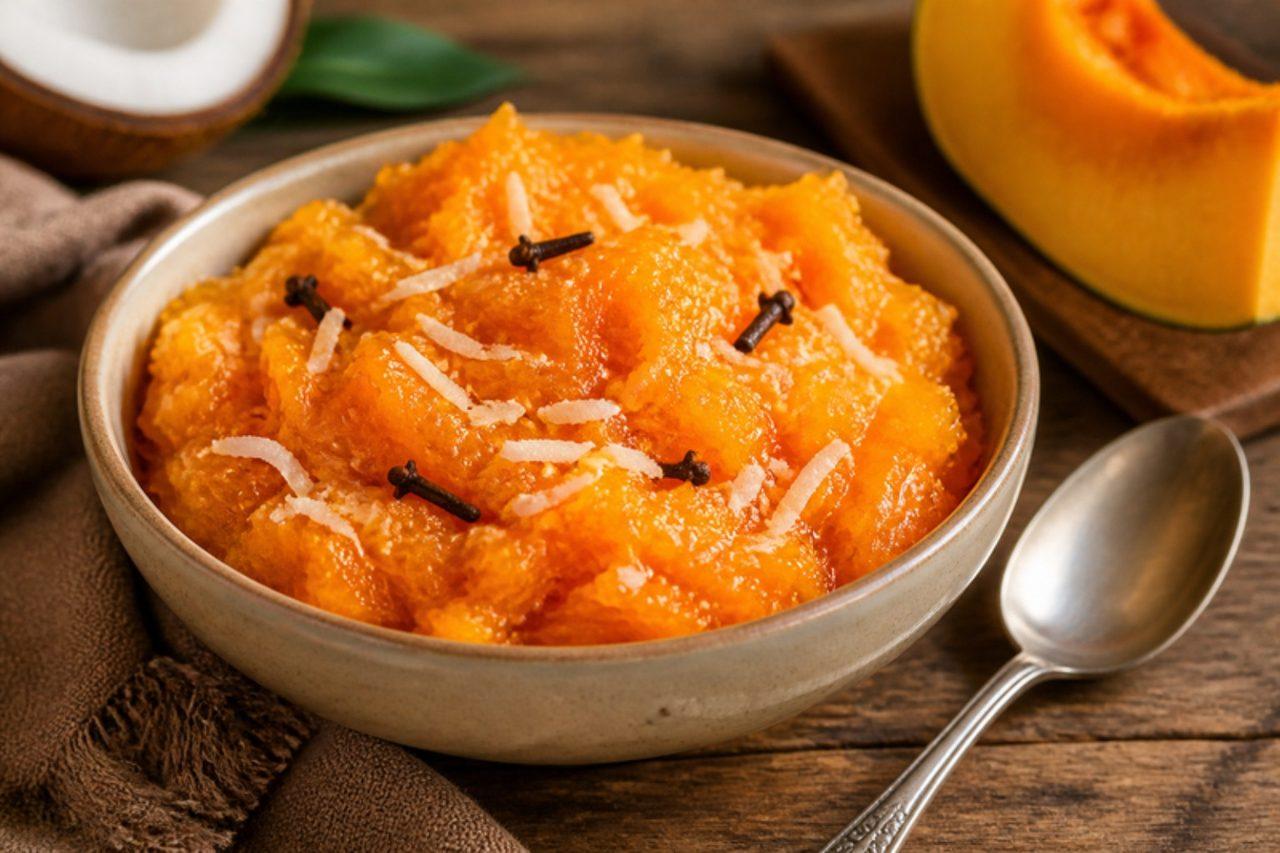
Mineiro farm kitchens and the June festivals of the interior both lean on doce de abóbora, a deep orange spoon sweet of pumpkin cooked with sugar and cloves until thick, here finished with fresh grated coconut. It is eaten cold, by the spoonful from little bowls, or with a slice of fresh white cheese, the Brazilian way of pairing sweet and salty (pick a microbial-rennet cheese if you are vegetarian). The flavour is caramel-sweet and spiced, with the soft chew of coconut. Use a dry, dense pumpkin such as kabocha or butternut; watery pumpkins take forever to reduce. Adding the sugar before the pumpkin softens is a common misstep; the sugar firms the pieces and they never break down. Chef's tip: stop cooking when you see the base of the pan for a second as you drag the spoon through, as the sweet thickens further as it cools.

by KrazyBadal 0 views

Doce de abóbora com nozesPumpkin and walnut jam

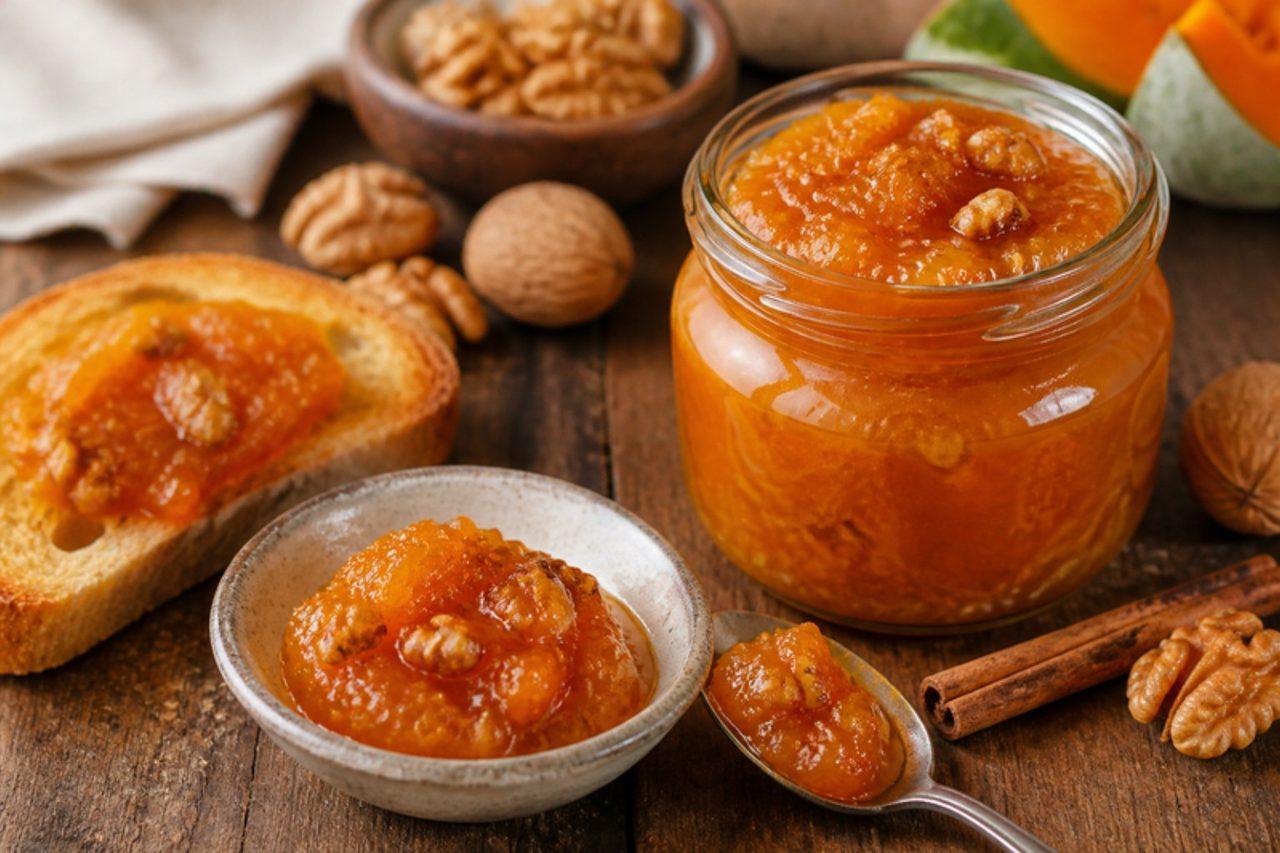
When the big squashes are harvested in late autumn in Trás-os-Montes, every pantry gets a row of these jars. The pumpkin cooks down with sugar, lemon peel and cinnamon to a thick amber jam, and toasted walnuts are stirred in at the end. Locals spoon it over fresh requeijão or a slice of sheep's cheese after dinner, or onto toast at breakfast. Chef's tip: salt the cut pumpkin with the sugar overnight; it releases its water so the jam cooks faster and keeps its colour.

by KrazyBadal 0 views

Doce de cajuCashew apples in clove syrup

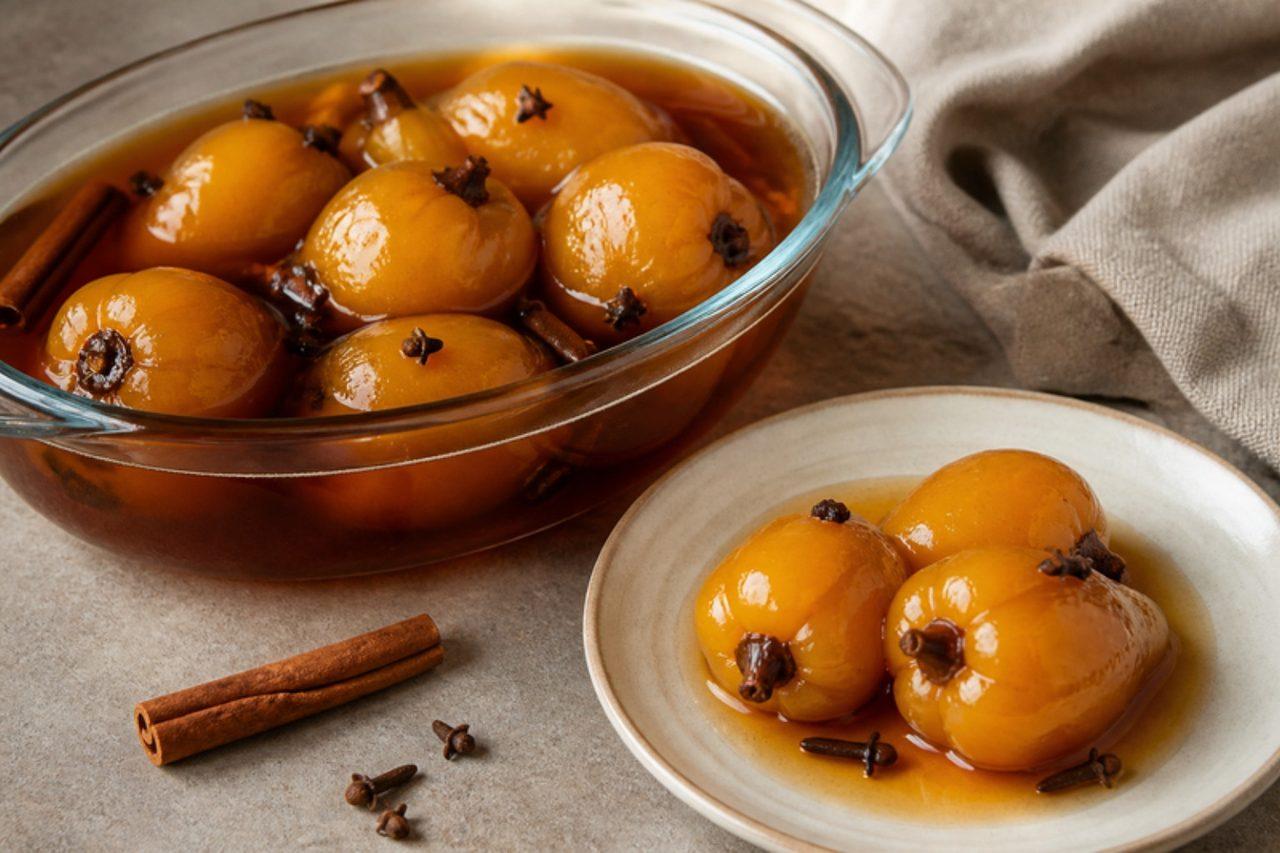
Ceará grows more cashews than anywhere in Brazil, and in the season from September to December the soft, fragrant cashew apples are everywhere: pressed for juice, sold at roadside stalls and preserved whole in syrup like this. The fruit is pricked, squeezed of its astringent juice, blanched and then cooked slowly with sugar and cloves until it turns amber, glossy and tender with a chewy bite. Fortaleza families keep jars for Christmas and serve the fruit with a slice of white cheese or simply on a saucer with its syrup. Outside Brazil look for whole frozen cajus in Brazilian shops. Twist off and discard the grey nut before cooking: its raw shell holds a caustic oil and should not be cut, burnt or eaten at home. Skipping the squeezing and blanching is where it goes wrong; the sweet ends up rough and furry in the mouth. Chef's tip: let the fruit rest overnight in the syrup halfway through; it plumps up and soaks in the sugar evenly.

by KrazyBadal 0 views

Doces finos do AlgarveMarzipan fruits with egg-yolk cream

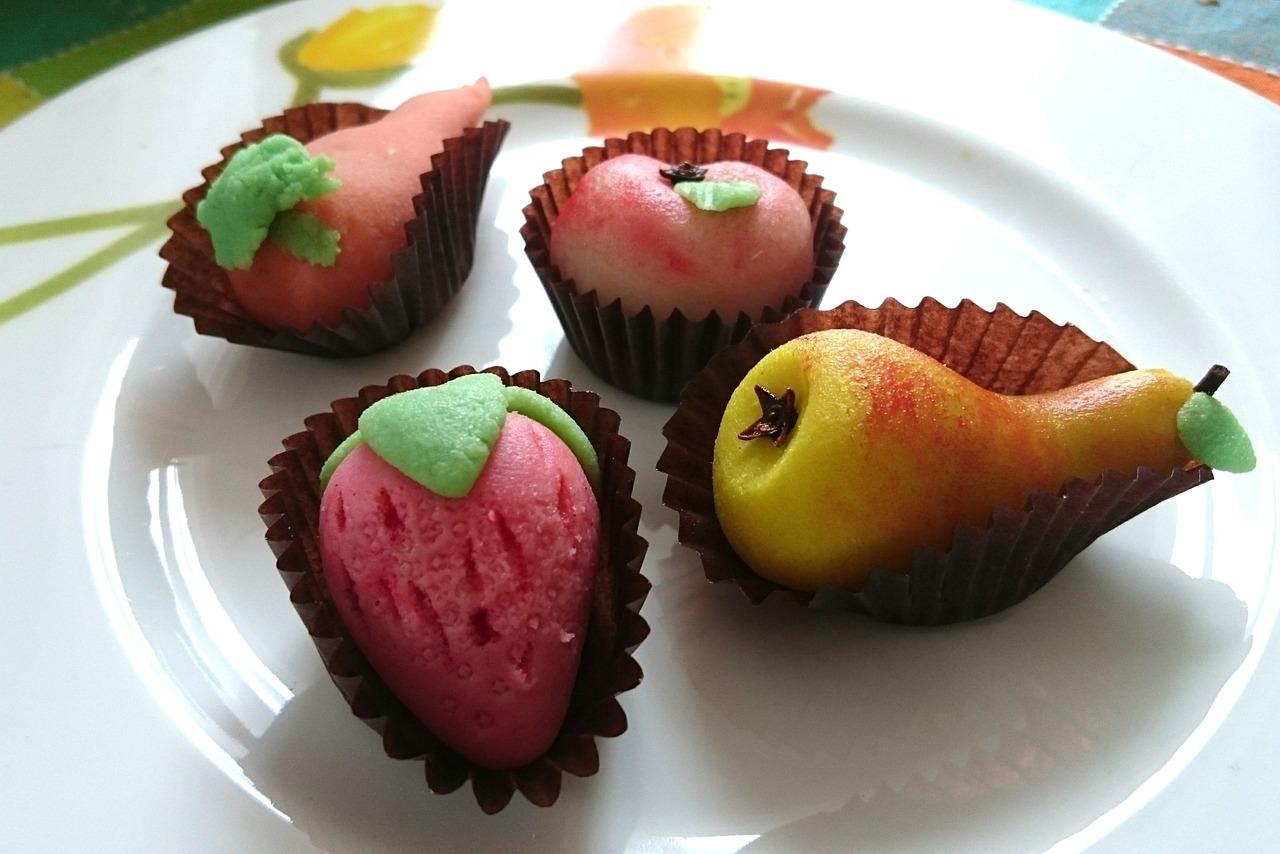
Tiny pears, oranges, strawberries and even fish, all made of almond paste and painted by hand: these are the sweets Algarve families order for Christmas, Easter and weddings, and that every January market in Loulé shows off. Inside each one sits a spoonful of doce de ovos, the sunny yolk cream found all over Portuguese convent baking. The almond paste here is cooked in syrup, which makes it smooth and easy to model. Chef's tip: dust your hands and the work surface with icing sugar, never flour, or the shapes go chalky.

by KrazyBadal 0 views

Chicken-fried steak

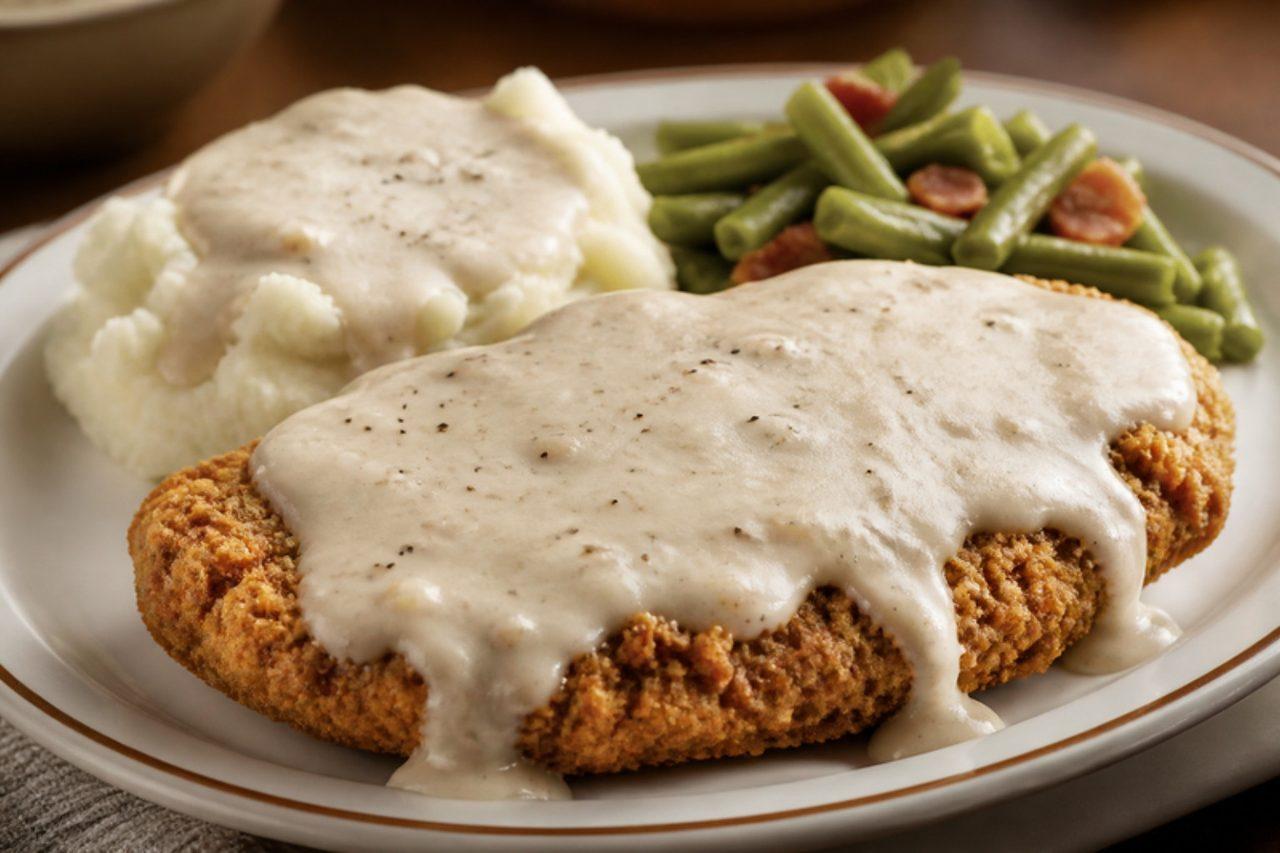
Chicken-fried steak is Texas's unofficial state dish, served in truck stops, small-town cafés and Sunday after-church lunches across the Hill Country: a tenderised beef steak breaded and fried like fried chicken, smothered in white cream gravy with lots of black pepper, next to mashed potatoes. It came from German and Austrian settlers' schnitzel. Chef's tip: double-dip in seasoned flour, buttermilk and flour again for the craggy, crunchy crust.

by KrazyBadal 0 views

DöppekuchenGrated potato bake with bacon

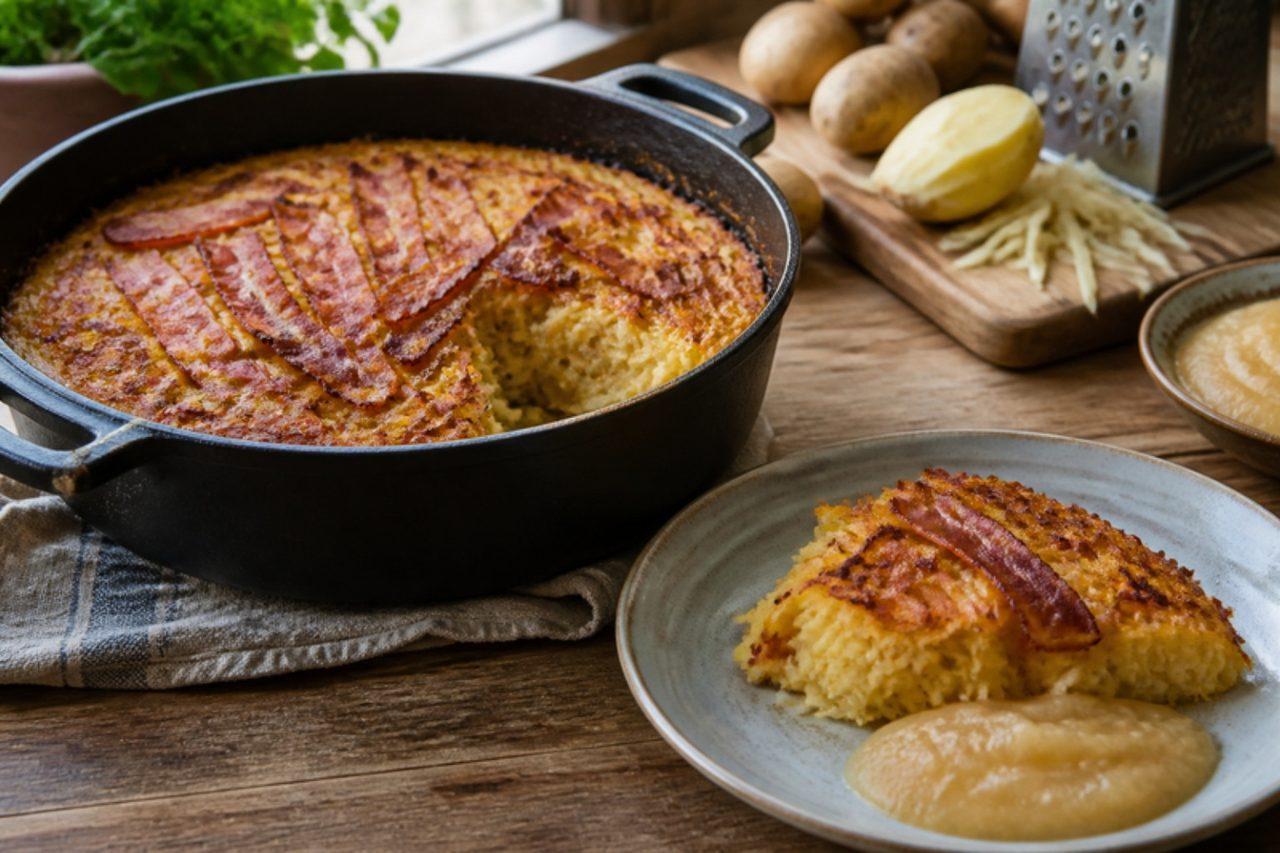
Döppekuchen (also Dippekuchen or Knüles) is the Rhineland and Westerwald answer to a cold November evening, traditionally baked on St Martin's Day and at village fairs. Raw grated potatoes, onion, egg and smoked bacon are baked slowly in a cast-iron pot, the Döppe, until the outside is a thick dark-brown crust and the inside is soft and steamy. It is eaten with apple sauce and a green salad. For a meat-free pot, bake it with extra onions and two sliced leeks instead of the bacon. Chef's tip: squeeze the grated potato really dry; the less water, the crisper the crust.

180 minGermanMeatGluten free
by KrazyBadal 0 views

GhotabFried almond crescents

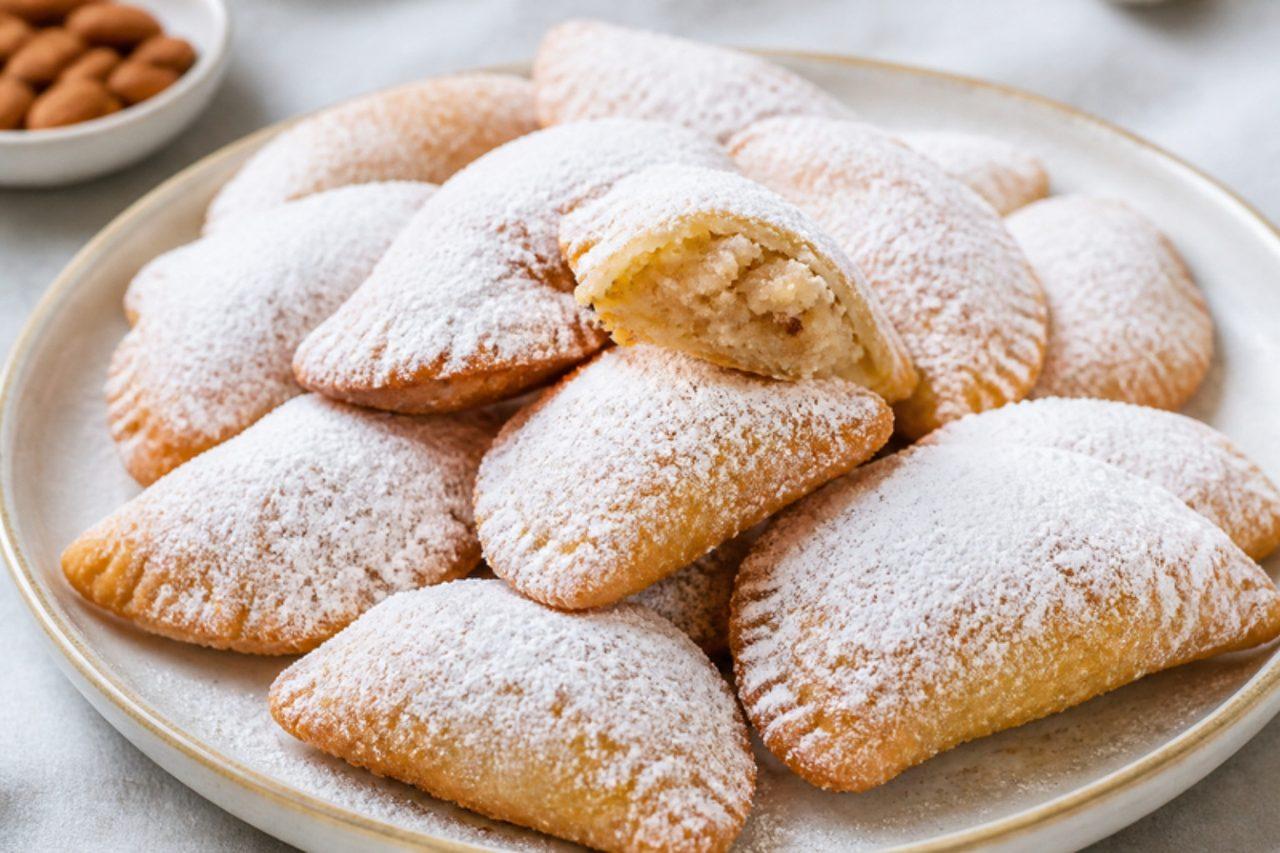
Ghotab are the little fried crescents that Yazd's confectioners have been making for generations, packed into boxes for Nowruz and carried as gifts by anyone travelling from the city. A tender yogurt dough is wrapped around ground almonds, sugar and plenty of cardamom, fried until blond and crisp, then buried in icing sugar. A common mistake is frying too hot, which browns the outside before the dough inside the fold cooks through, leaving it doughy. Chef's tip: roll the ghotab in icing sugar while still warm, then again once cold, for a thick snowy coat.

by KrazyBadal 0 views

Welsh rarebit

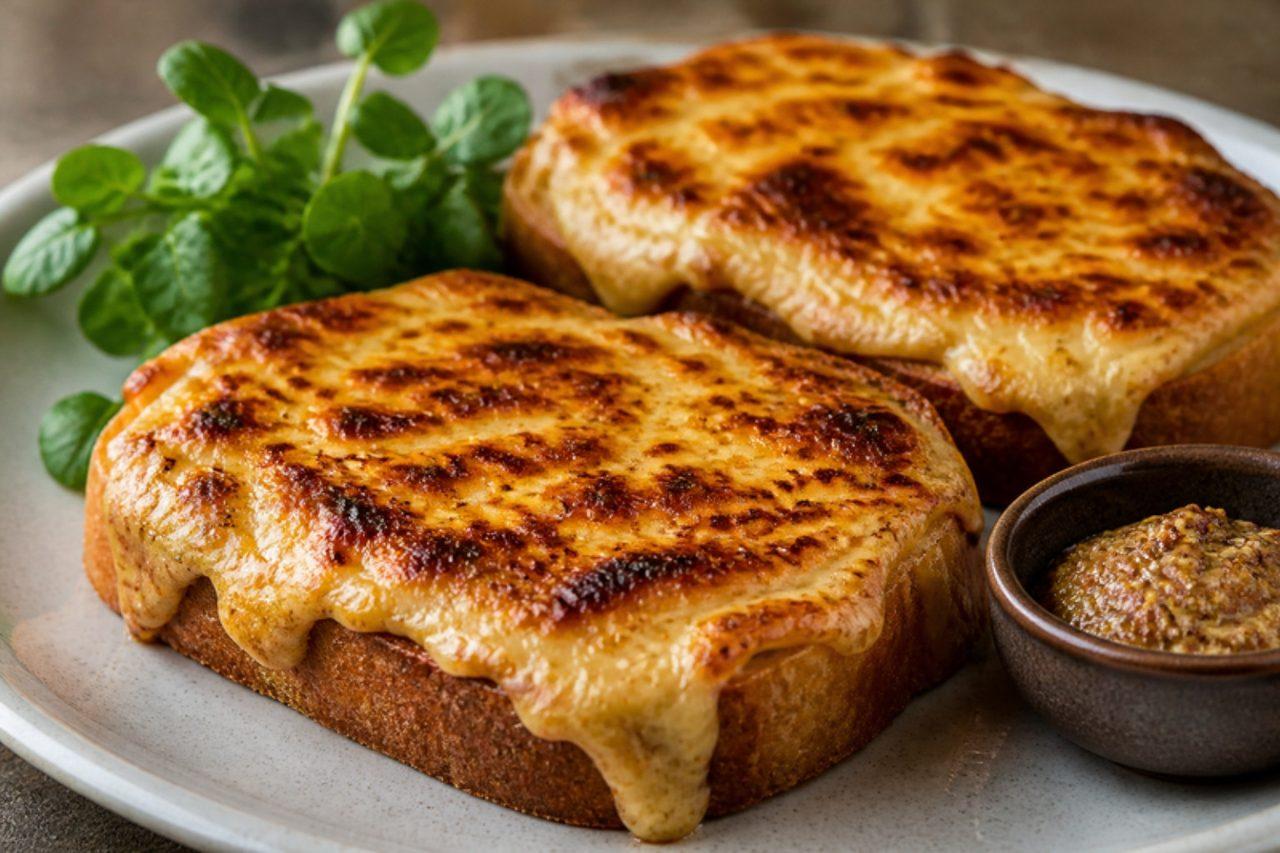
Welsh rarebit, caws pobi in Welsh, is far more than cheese on toast: a thick sauce of strong cheese, mustard, Worcestershire-style sauce and ale is spread on toast and grilled until bubbling and blistered. It has been a tavern supper in Wales and across Britain for three hundred years. The ale contains alcohol, so use milk for an alcohol-free version. Many traditional cheddars use animal rennet, and Worcestershire sauce usually contains anchovy, so choose a vegetarian cheese and a vegetarian brown sauce. Chef's tip: take the sauce off the heat as soon as the cheese melts; boiling makes it stringy and oily.

by KrazyBadal 0 views

GhraybehPistachio shortbread

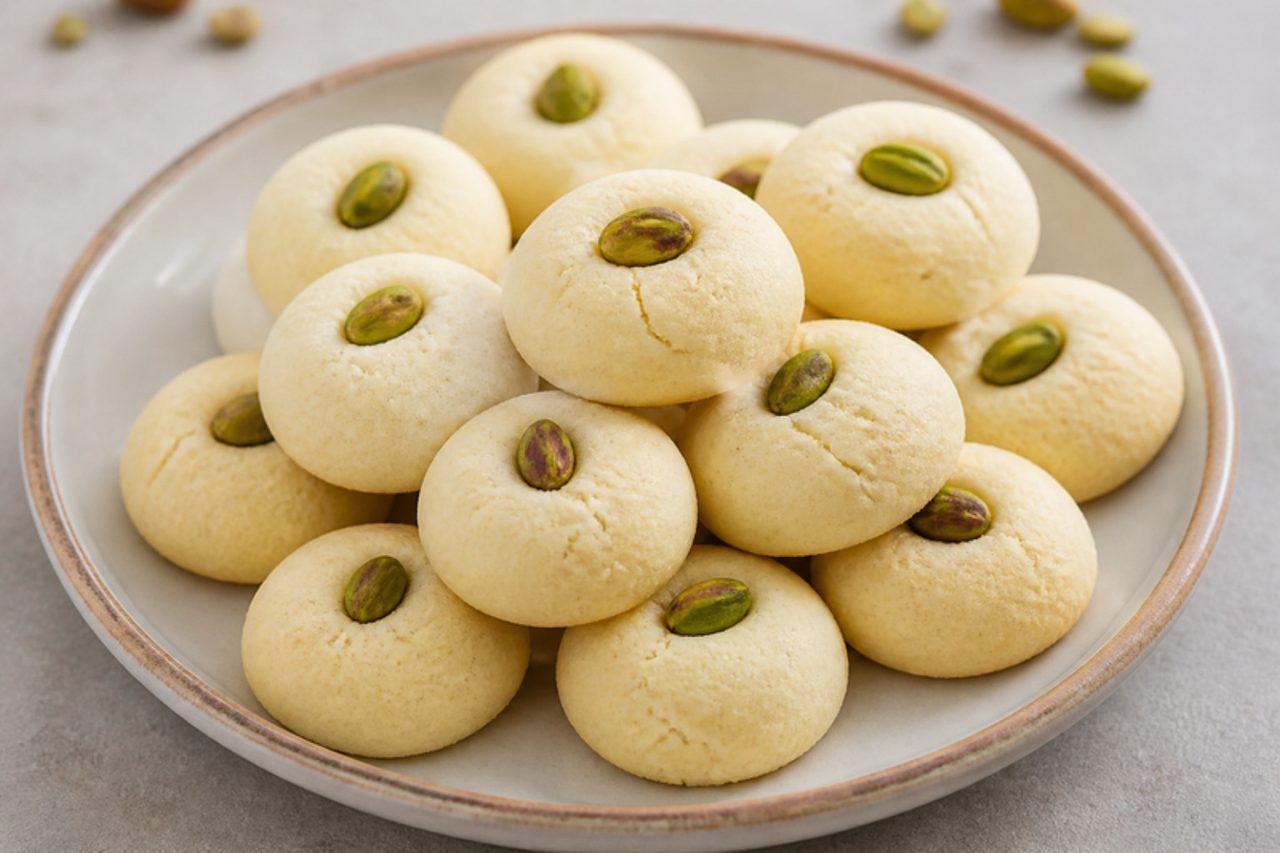
Across Syria, Lebanon and Palestine, trays of ghraybeh appear for Eid and weddings next to ma'amoul; in Aleppo they are often shaped into little bracelets with a pistachio at the join. Made from just ghee, icing sugar and flour, they are so tender they crumble as soon as you bite, and they should stay ivory-white, never brown. Serve with strong coffee or mint tea. Common mistake: baking until golden — they should come out pale and still soft, and firm up as they cool. Chef's tip: whip the ghee and sugar for a full 10 minutes until white and fluffy; that is what gives the melting texture.

by KrazyBadal 0 views

Dolmeh-ye behStuffed quinces in sweet-sour syrup

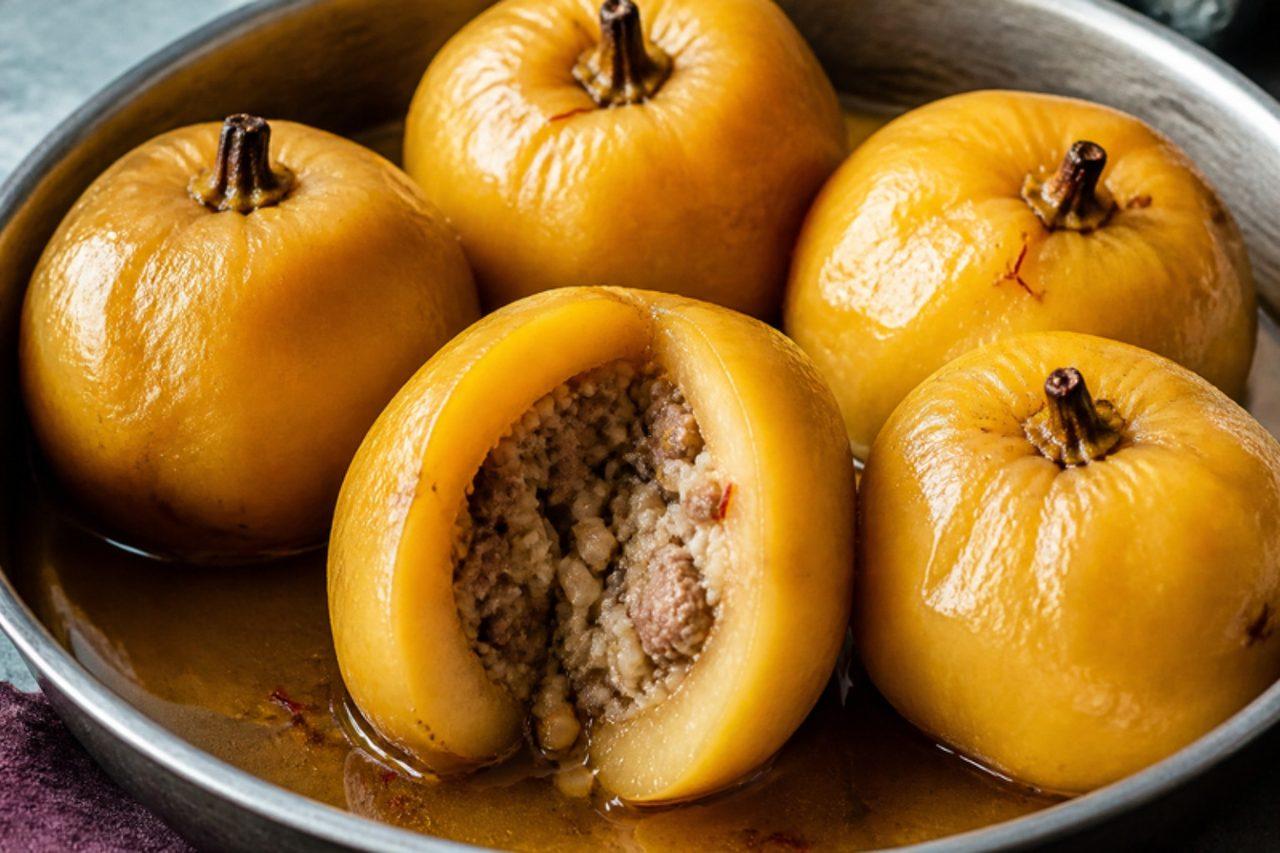
Dolmeh-ye beh is autumn food in Tabriz and across Iranian Azerbaijan, made in October and November when golden quinces pile up on market stalls. The quinces are hollowed and filled with lamb or beef mince, rice, yellow split peas and cinnamon, then baked in a syrup of sugar, vinegar and saffron until the fruit is soft enough to cut with a spoon and its flesh turns pink. Each person gets a whole quince with bread and yogurt on the side. A common mistake is cooking the shells for too long before stuffing; they should only soften slightly or they collapse in the oven. Chef's tip: rub the cut quinces with lemon at once, as they brown within minutes.

120 minPersianMeatGluten free
by KrazyBadal 0 views

Dublin gur cakeSpiced fruit and pastry slice

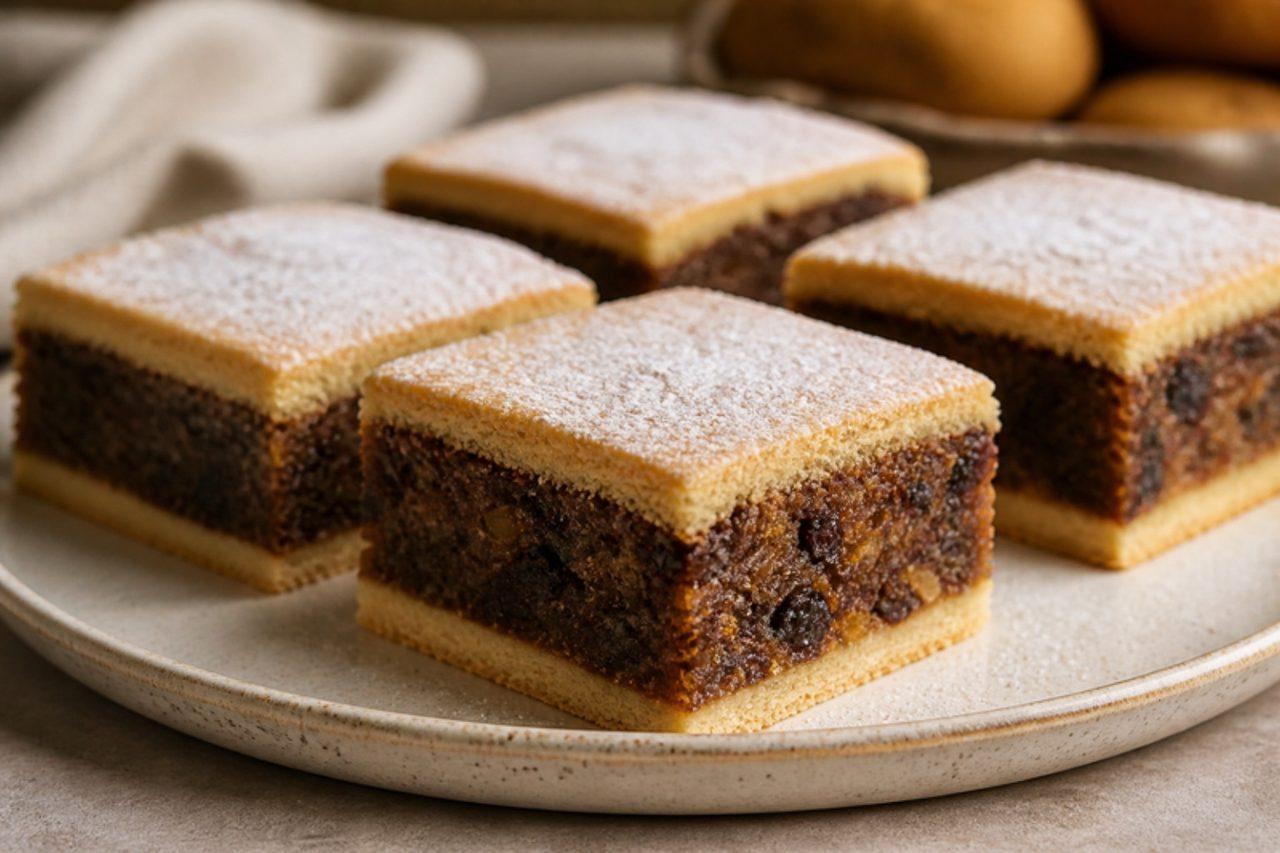
Gur cake was the cheapest treat in Dublin bakeries, made from the day's leftover bread and cake soaked with tea, dried fruit and spice and baked between two sheets of pastry. It gave its name to the 'gurriers', the kids who mitched school and bought slices for a ha'penny, and you still find it in the bakeries of the inner city, where it is also called Chester cake. It is dense, sticky and spiced. Chef's tip: let the filling soak for a good half hour so the bread breaks down completely into a smooth paste.

by KrazyBadal 0 views

Tex-Mex beef fajitas

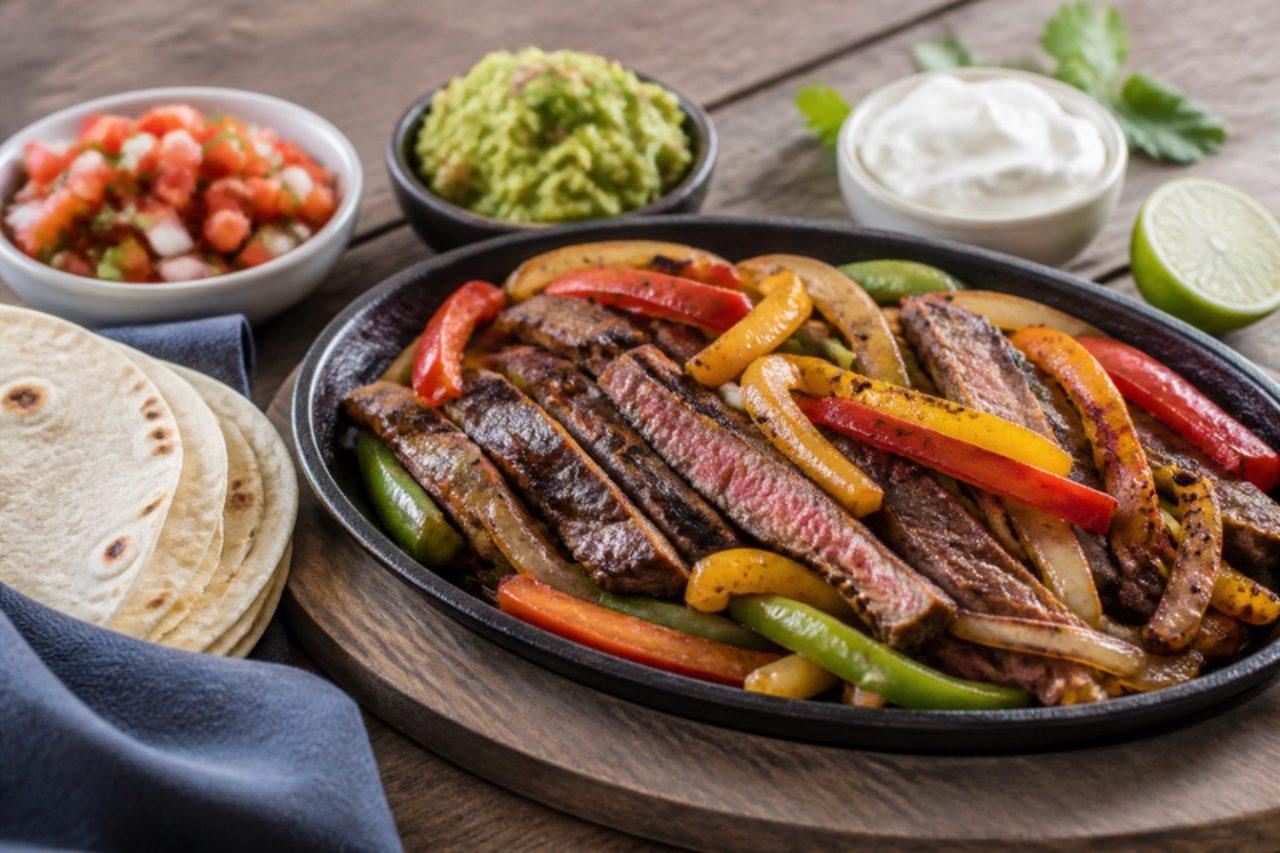
Fajitas started with the vaqueros of the Rio Grande Valley, who were paid partly in the tough skirt steak, and they became a Tex-Mex restaurant hit in Houston and Austin in the 1970s, carried to the table on a hissing iron platter. The steak is marinated in lime, garlic and cumin, seared very hot and sliced thinly against the grain, then wrapped in flour tortillas with charred peppers and onions. Chef's tip: slice across the grain; with skirt steak that one detail decides whether it is tender or chewy.

by KrazyBadal 0 views

Selkirk bannockSultana yeasted loaf

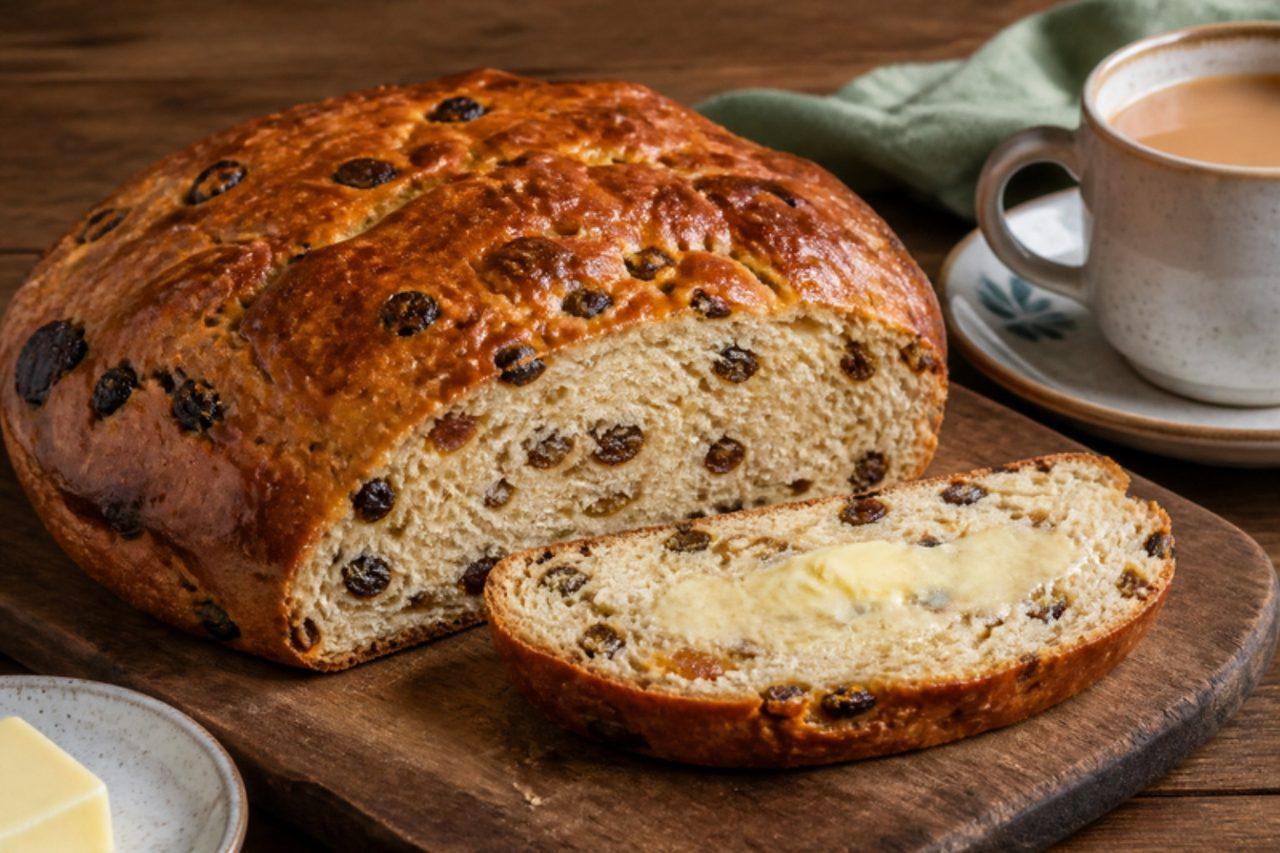
The Selkirk bannock is a round, glossy fruit bread from the Border town of Selkirk, first baked in the 1850s and famously eaten by Queen Victoria at Abbotsford. Unlike a plain oat bannock it is a rich yeast dough that is mostly sultanas, sliced and buttered with afternoon tea. Chef's tip: work the sultanas in only after the dough has risen once, or they tear the gluten and the loaf won't lift.

by KrazyBadal 0 views

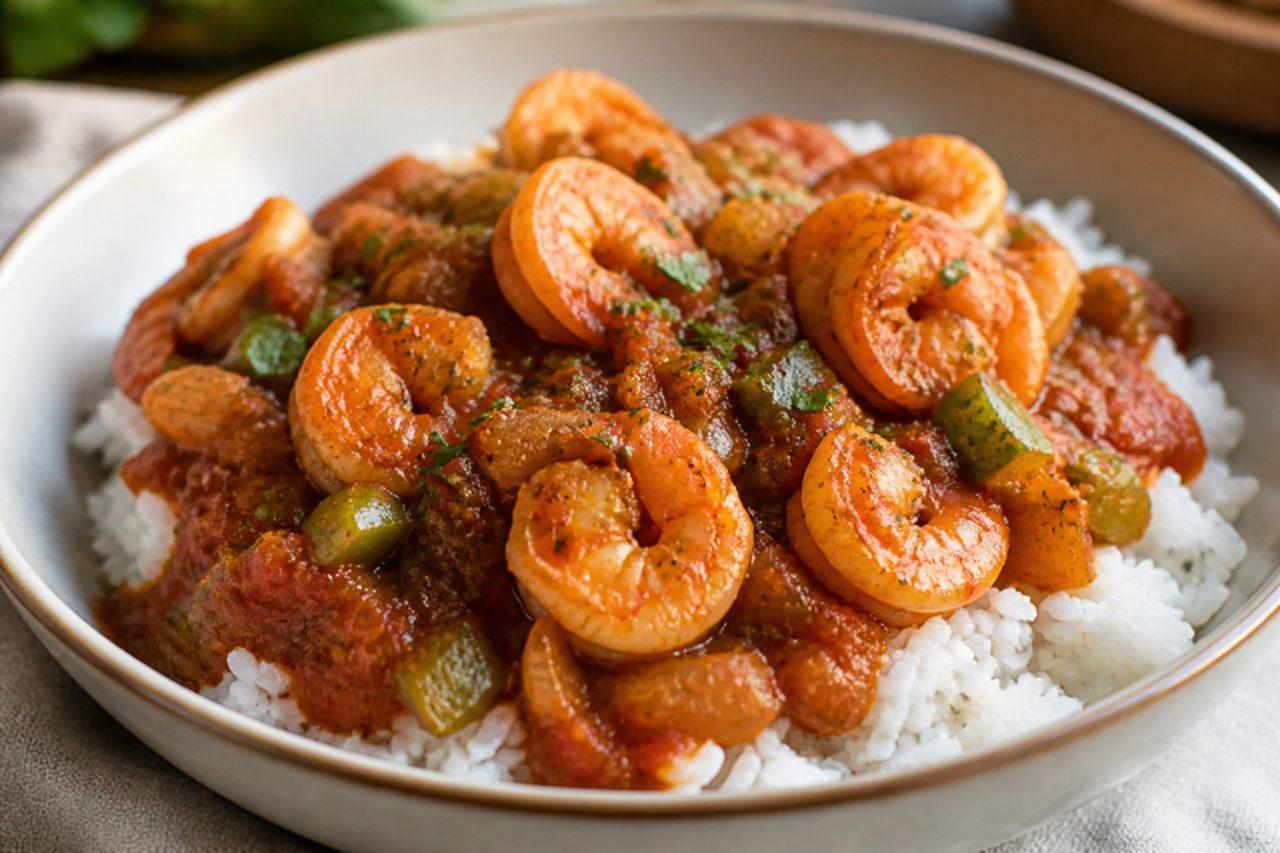
Shrimp Creole

Shrimp Creole is the tomato-red weeknight dish of New Orleans homes and old Creole lunch counters, quite different from the brown, roux-based Cajun stews of the countryside. Gulf prawns simmer briefly in a sauce of tomato, the trinity, garlic, bay and hot sauce, and the dish is spooned over fluffy rice. Chef's tip: simmer the sauce until it is thick before the prawns go in, because they release water as they cook.

by KrazyBadal 0 views

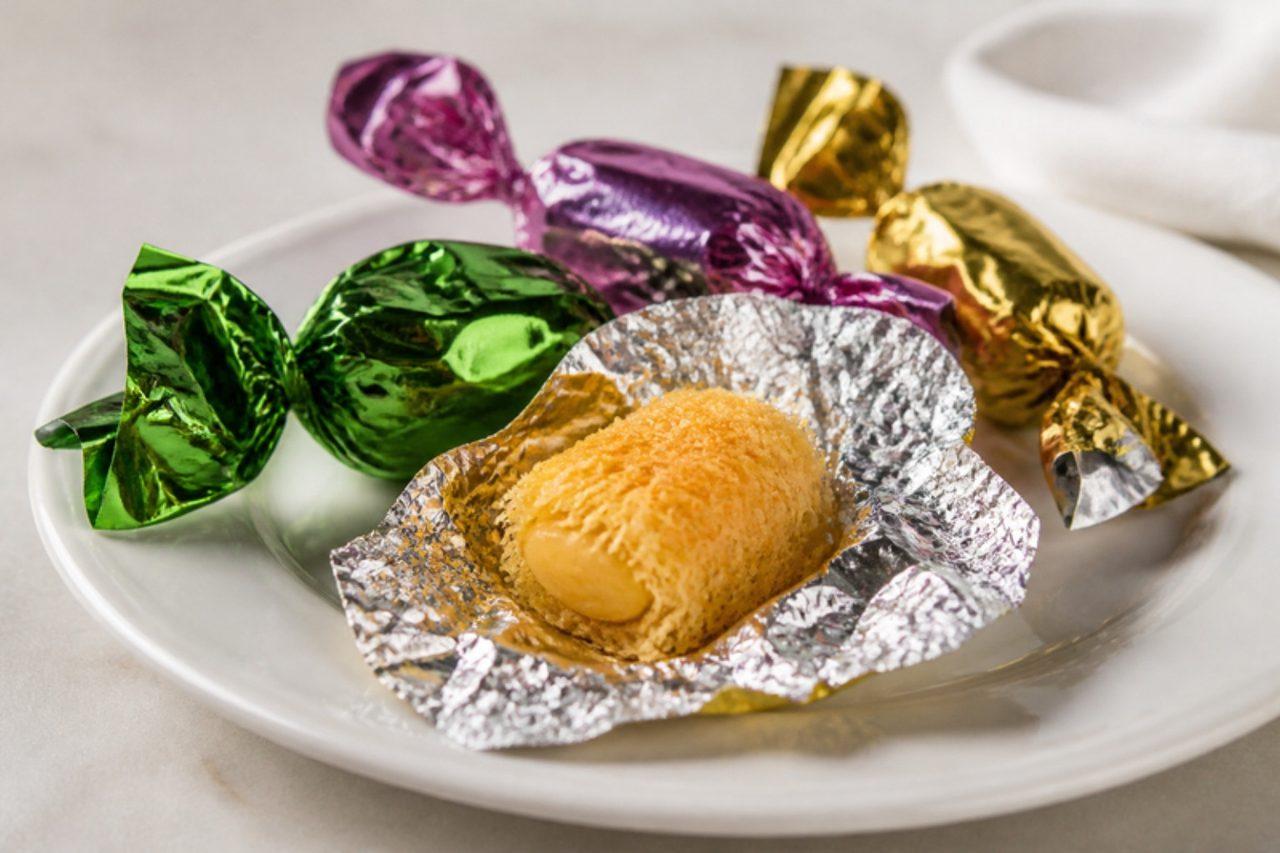
Dom RodrigosEgg-thread and almond sweets

Walk past any pastelaria in Lagos or Portimão and you will see little twists of bright foil piled in the window: each one hides a nest of golden egg threads bound with an almond and yolk cream, scented with cinnamon. They are eaten after Sunday lunch with a bica, bought by the half dozen to take home, and set out at Algarve weddings and christenings. The work is in the egg threads, drizzled into boiling syrup, but once you have the rhythm it goes quickly. Chef's tip: sieve the yolks twice, because any trace of white or the chalaza blocks the funnel and makes the threads break.

by KrazyBadal 0 views

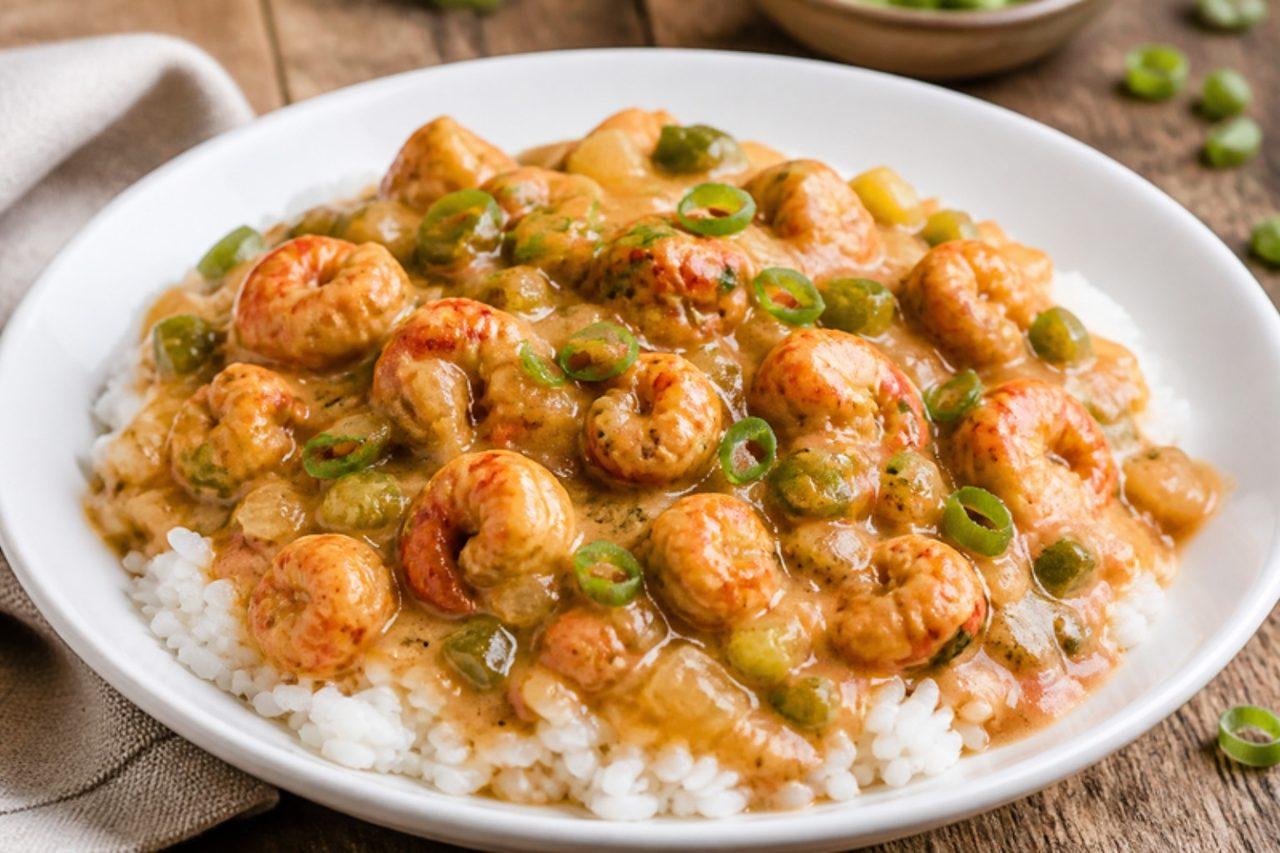
Crawfish étouffée

Étouffée means 'smothered', and in Breaux Bridge, which calls itself the crawfish capital of the world, this is what happens to the spring crawfish catch from February to May. Peeled tails are simmered in a butter-based light roux with the trinity, garlic and cayenne until the sauce is glossy and orange with crawfish fat. Serve over white rice. Peeled frozen crawfish tails or raw prawns work well outside Louisiana. Chef's tip: keep any yellow crawfish fat in the pack; it gives the sauce its richness and colour.

by KrazyBadal 0 views

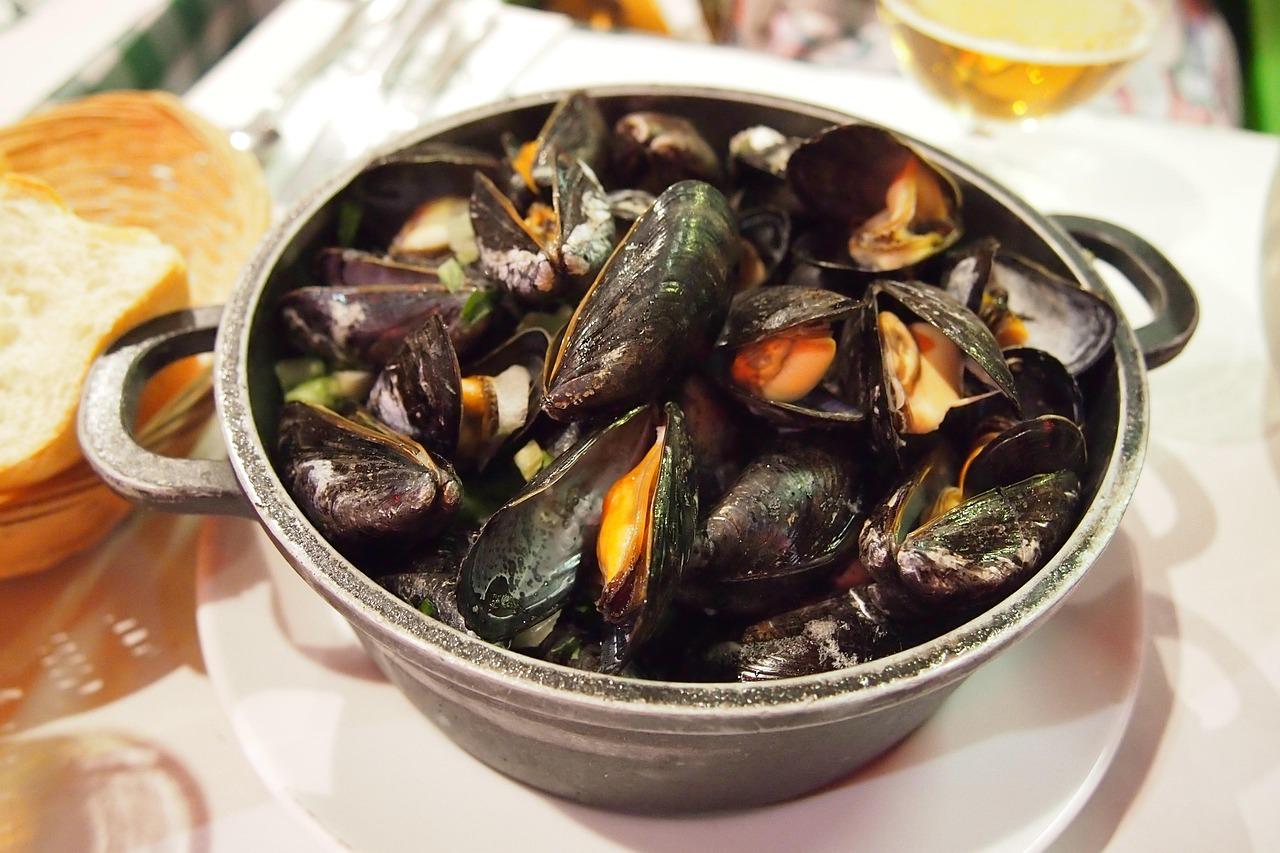
Bantry Bay mussels in cider

The sheltered waters of Bantry Bay in West Cork grow rope mussels that end up in pots in every harbour pub from Glengarriff to Kinsale. Here they are steamed in Irish dry cider with leek, garlic and thyme, then finished with a spoonful of cream, giving a sweet-sour, apple-scented broth for dipping brown bread. The cider contains alcohol, which mostly cooks off; for an alcohol-free version use cloudy apple juice with a teaspoon of cider vinegar. Chef's tip: the mussels must be alive when cooked, so check every one before they go in.
30 minIrishFishGluten free
by KrazyBadal 0 views

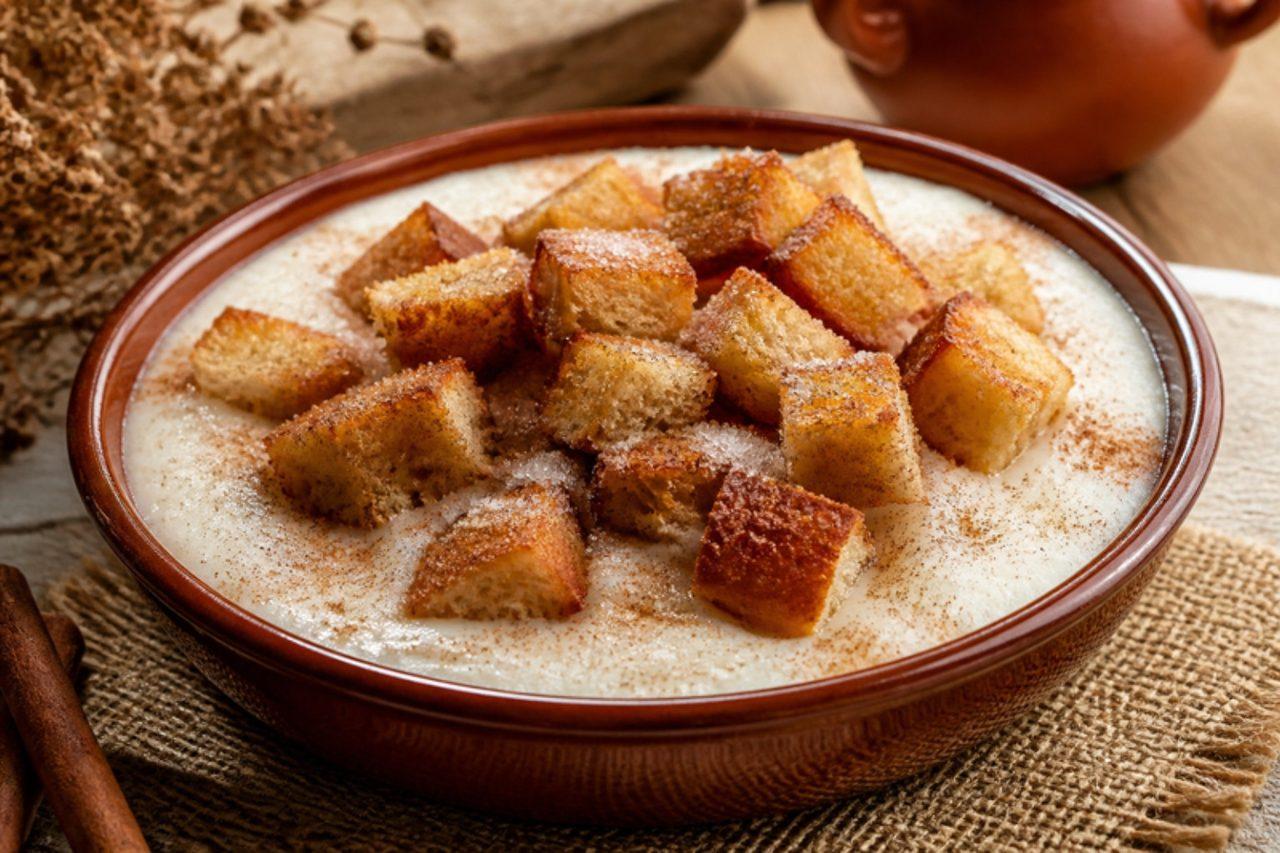
Gachas dulcesSweet aniseed flour porridge

On the night of 31 October and on All Saints' Day, families across La Mancha make sweet gachas: flour toasted in olive oil with aniseed, loosened with milk and sugar into a soft cream, and topped with crisp cubes of fried bread. Each person dips a spoon into the communal dish while the season's first cold nights settle in. Chef's tip: toast the flour in the oil until it smells nutty before adding any milk; raw flour tastes pasty.

by KrazyBadal 0 views

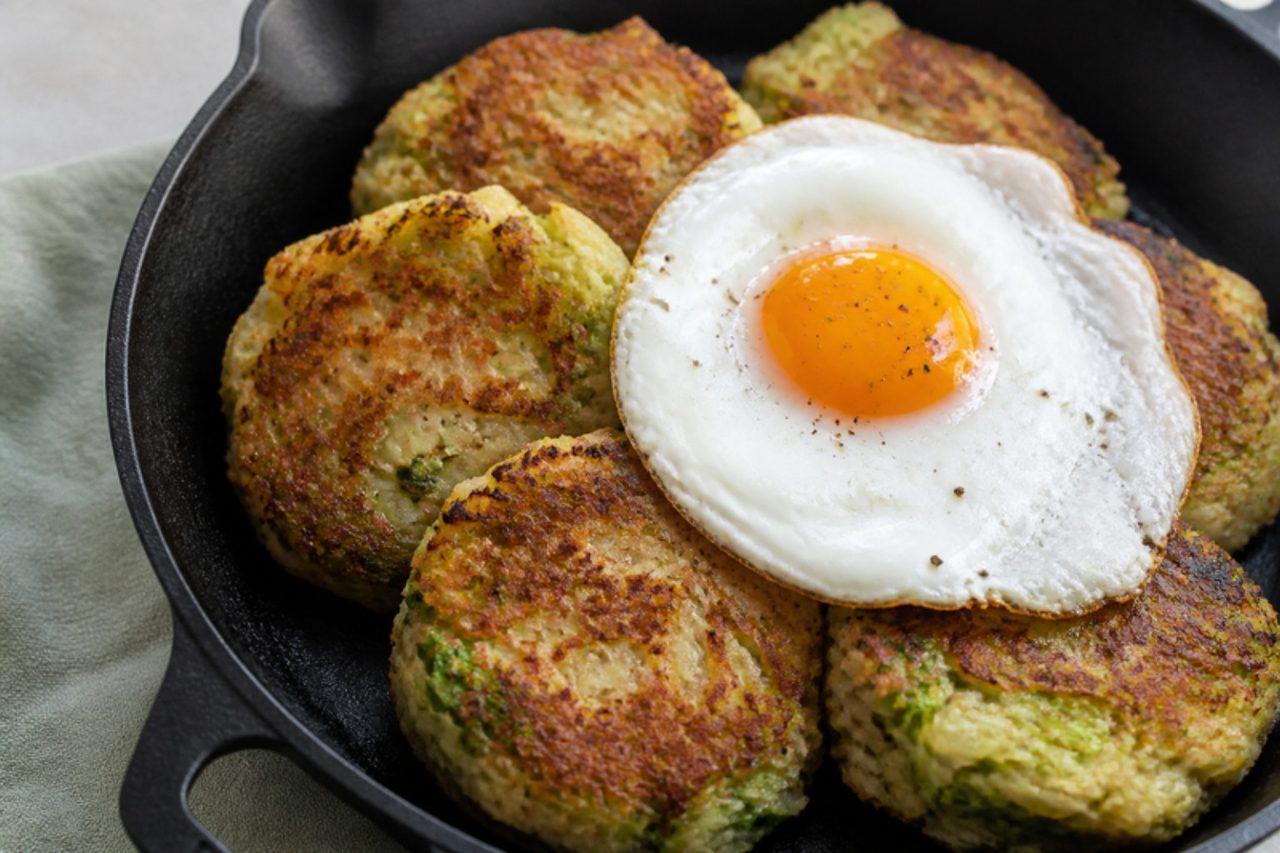
Bubble and squeak

Bubble and squeak is what English households, especially in London, make on Boxing Day and Monday mornings from the Sunday roast's leftover potatoes and greens. It's named for the noise it makes in the pan. The mash and cabbage or sprouts are fried until a deep brown crust forms, then turned and crisped again. Serve with a fried egg and brown sauce. Chef's tip: press it flat and leave it alone in the pan; the crust only forms if you don't keep stirring.

by KrazyBadal 0 views

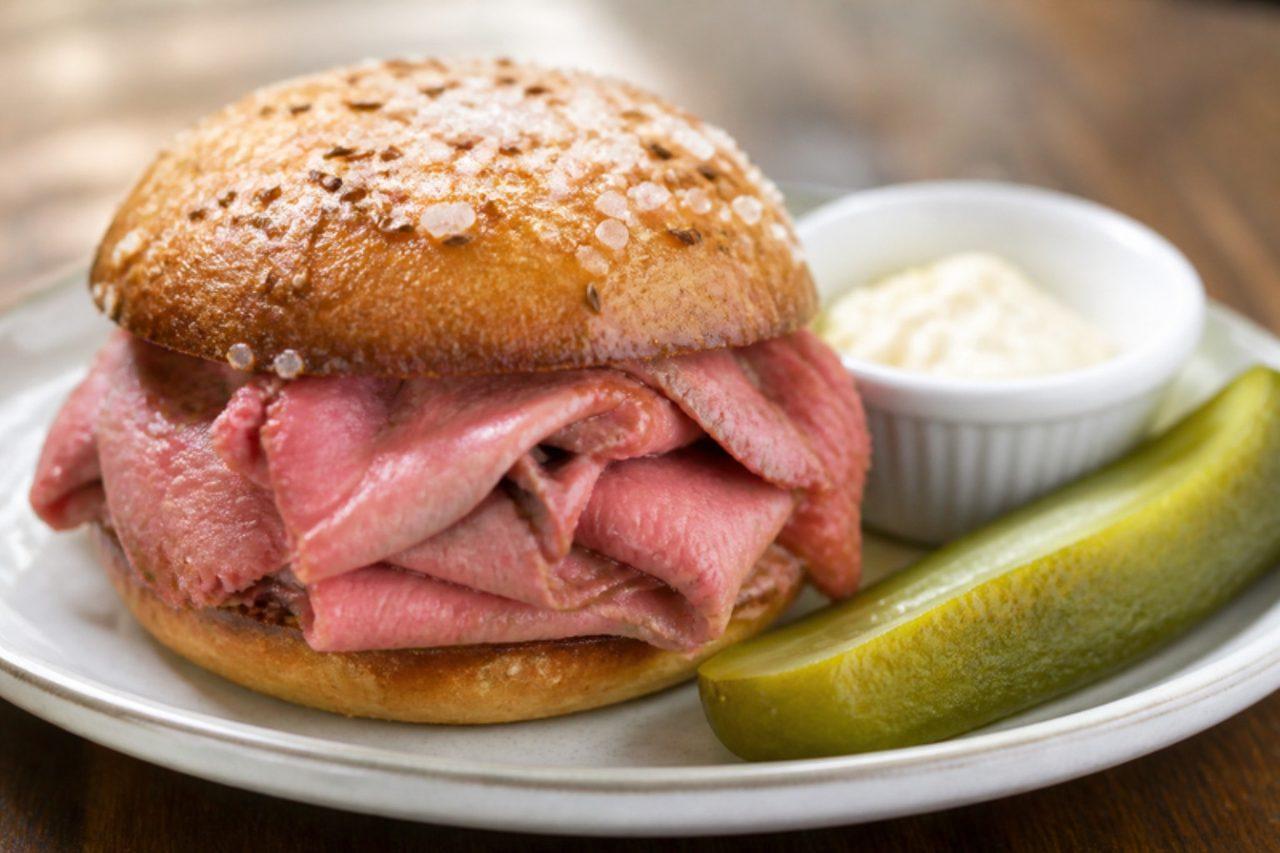
Beef on weck

Ask in a Buffalo tavern and many people will say this, not the wing, is the city's real sandwich: thin slices of rare roast beef dipped in its juices, piled on a kummelweck roll crusted with coarse salt and caraway seeds, with sharp horseradish on the side. German bakers in western New York brought the roll in the nineteenth century. Chef's tip: dip the top of the roll in the beef juices just before serving, so it softens but the salt crust stays crunchy.

120 minAmericanMeat
by KrazyBadal 0 views

Rosquillas de San IsidroAniseed doughnut rings

Every 15 May, crowds head to the Pradera de San Isidro on Madrid's southern edge for the patron saint's festival, and stalls sell rosquillas by the dozen: plain "tontas" (silly ones) and iced "listas" (clever ones). Many families now bake them at home that week. Old recipes ice the listas with raw egg white; this one uses a lemon and icing-sugar glaze, which is safer and sets just as white. Chef's tip: oil your hands to shape the rings; the dough is soft and sticky by design.

by KrazyBadal 0 views

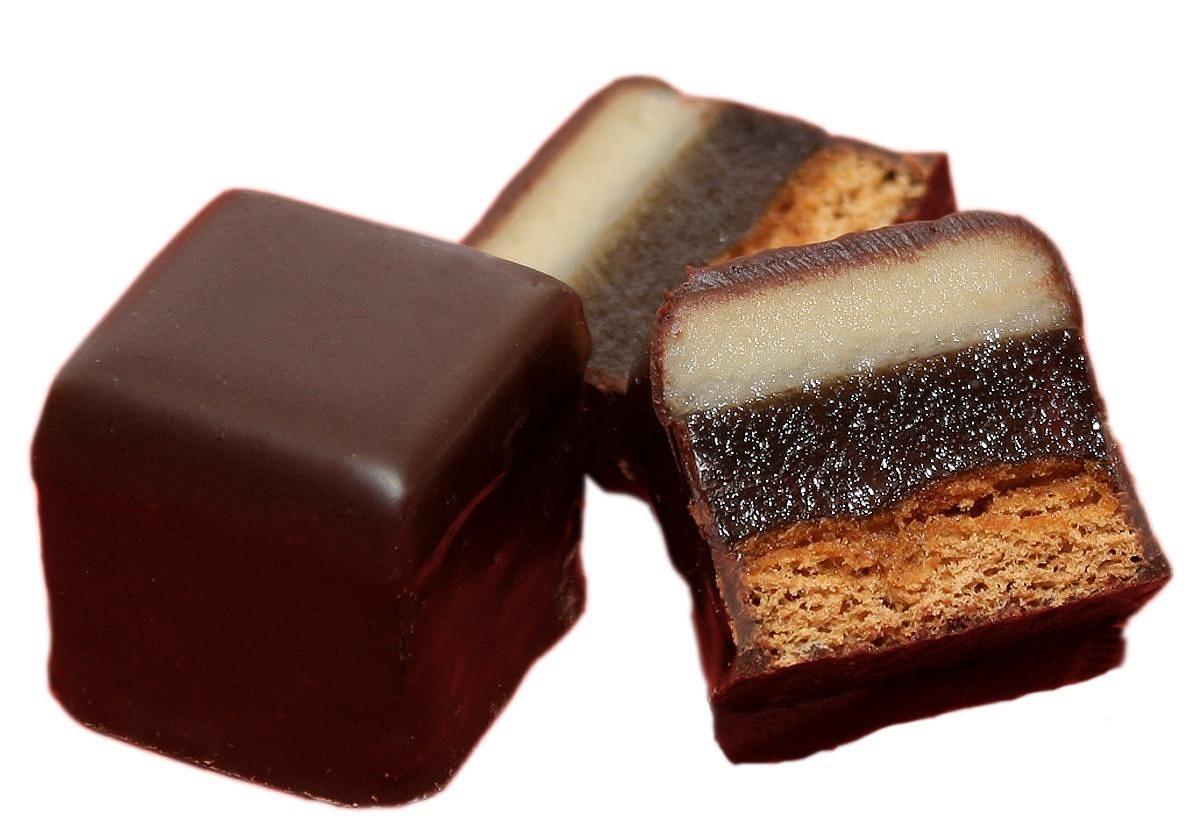
DominosteineGingerbread, jelly and marzipan cubes

Dominosteine were invented in Dresden in the 1930s as an affordable Christmas treat and are still bought by the box across Germany through December: a cube of soft gingerbread, a layer of tart fruit jelly and a layer of marzipan, all coated in dark chocolate. Homemade ones are fresher and less sweet than the boxed kind and make a beautiful gift. The jelly is set with pectin, not gelatine, so they suit vegetarians. The mistake people often make is cutting the slab while the jelly is still soft, which smears the layers; leave it overnight. Chef's tip: trim the edges of the slab before cutting so every cube has three clean, sharp stripes.

by KrazyBadal 0 views

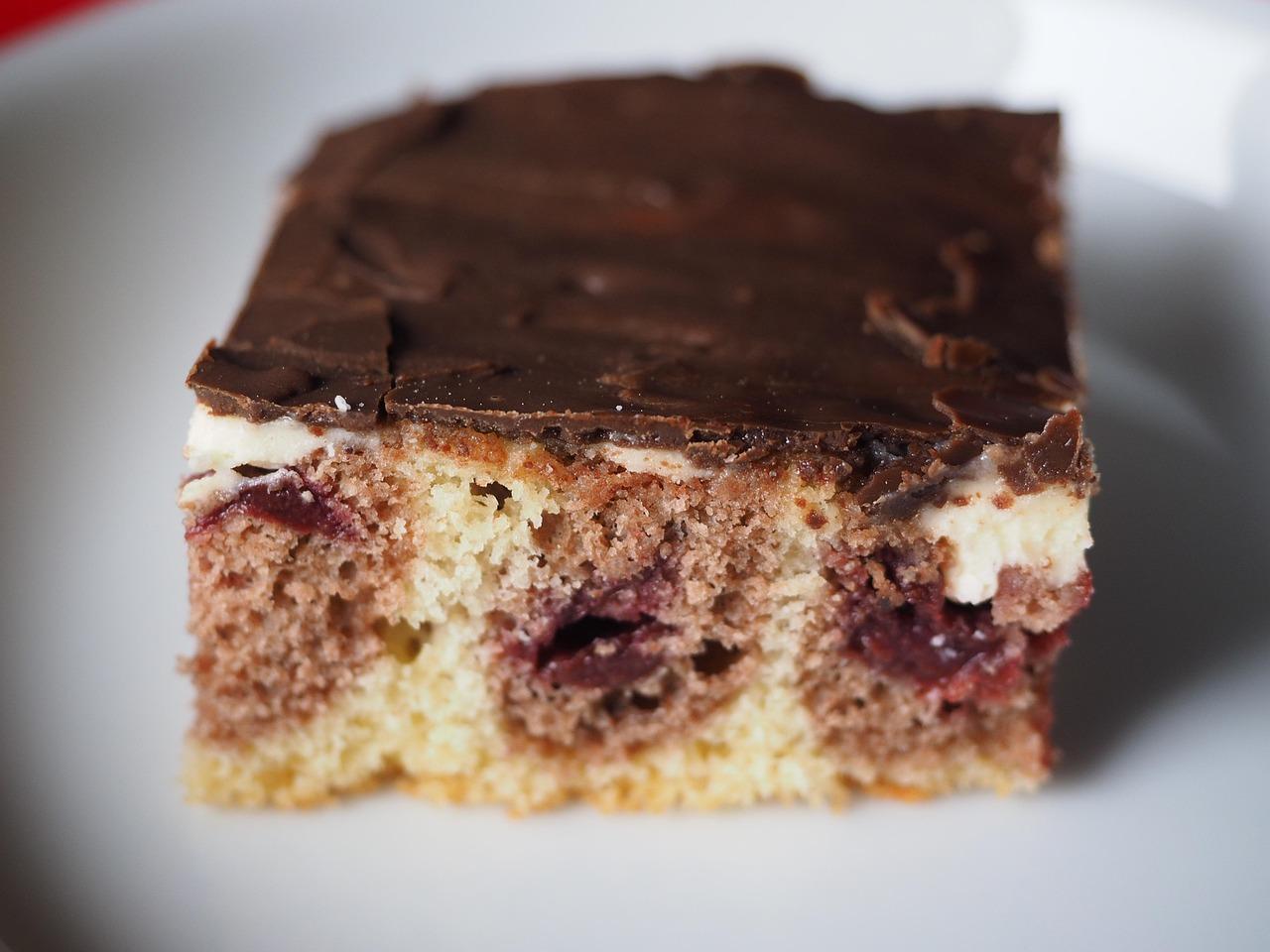
DonauwelleMarbled cherry sheet cake

Donauwelle, the 'Danube wave', is a German home-baker's favourite from the 1970s onwards, made on a tray for school fairs, birthdays and the Sunday coffee table. Cut a slice and you see the river: vanilla and chocolate sponge swirled into waves by sour cherries pushed into the batter, then a thick layer of vanilla buttercream and a dark chocolate top combed into ripples. A common mistake is pouring on the chocolate while the buttercream is soft, which melts the layers together; chill the cake well first. Chef's tip: warm a serrated knife in hot water and wipe it between every cut so the chocolate cracks cleanly instead of shattering.

by KrazyBadal 0 views

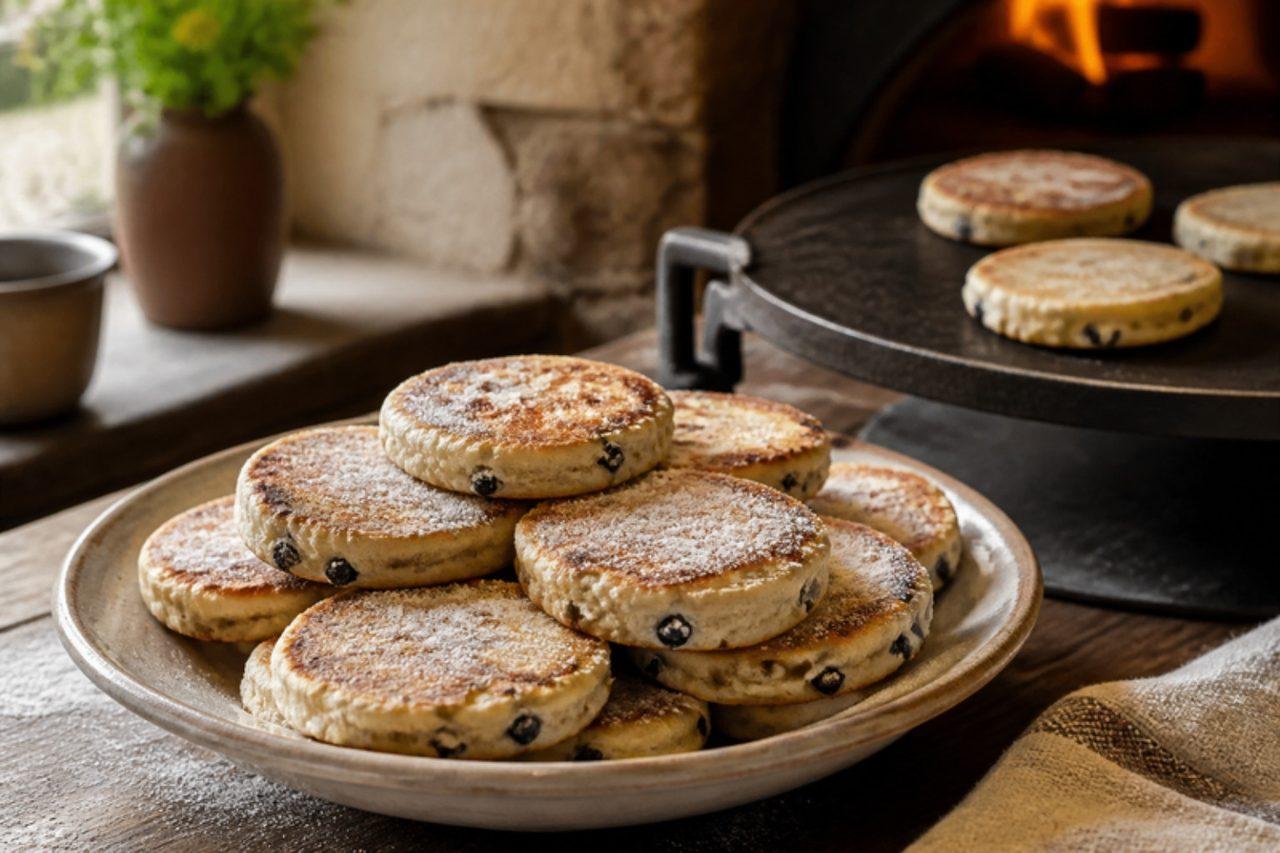
Welsh cakes

Welsh cakes, picau ar y maen or 'cakes on the stone', are cooked on a cast-iron bakestone in kitchens across Wales and sold warm at markets and rugby matches, and they are a must on St David's Day, 1 March. The dough is like a rich scone with currants and mixed spice, and they are dusted with sugar while hot. Chef's tip: keep the heat medium-low; they need time for the middle to cook before the outside darkens.

by KrazyBadal 0 views

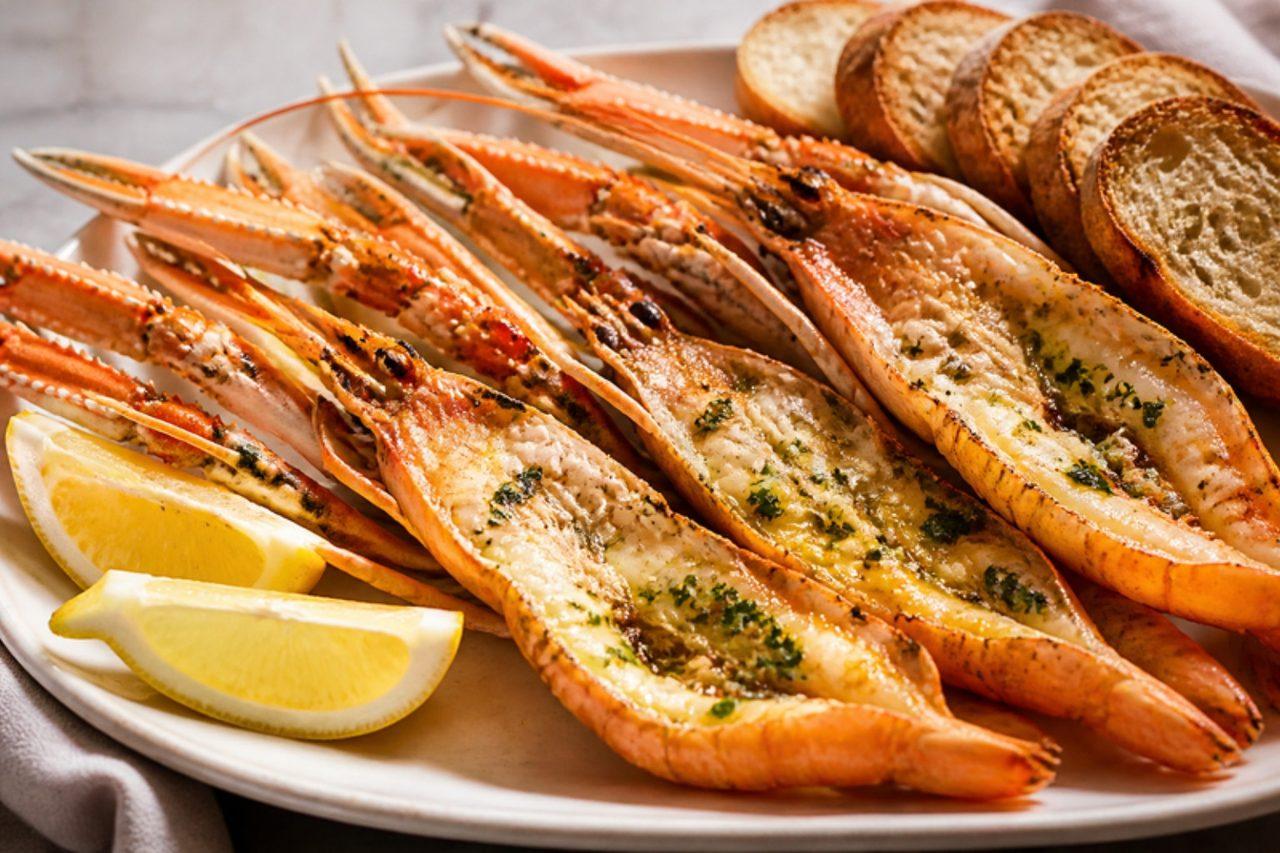
Dublin Bay prawns in garlic butter

Dublin Bay prawns are not prawns at all but langoustines, the small orange lobsters landed at Howth and Clogherhead and once sold off the boats along the north Dublin coast. Seafood bars in Howth serve them split and grilled under a sizzling garlic, lemon and parsley butter, with brown bread to mop the plate. Chef's tip: they cook in minutes, so take them out as soon as the flesh turns from translucent to white.

25 minIrishFishGluten free
by KrazyBadal 0 views

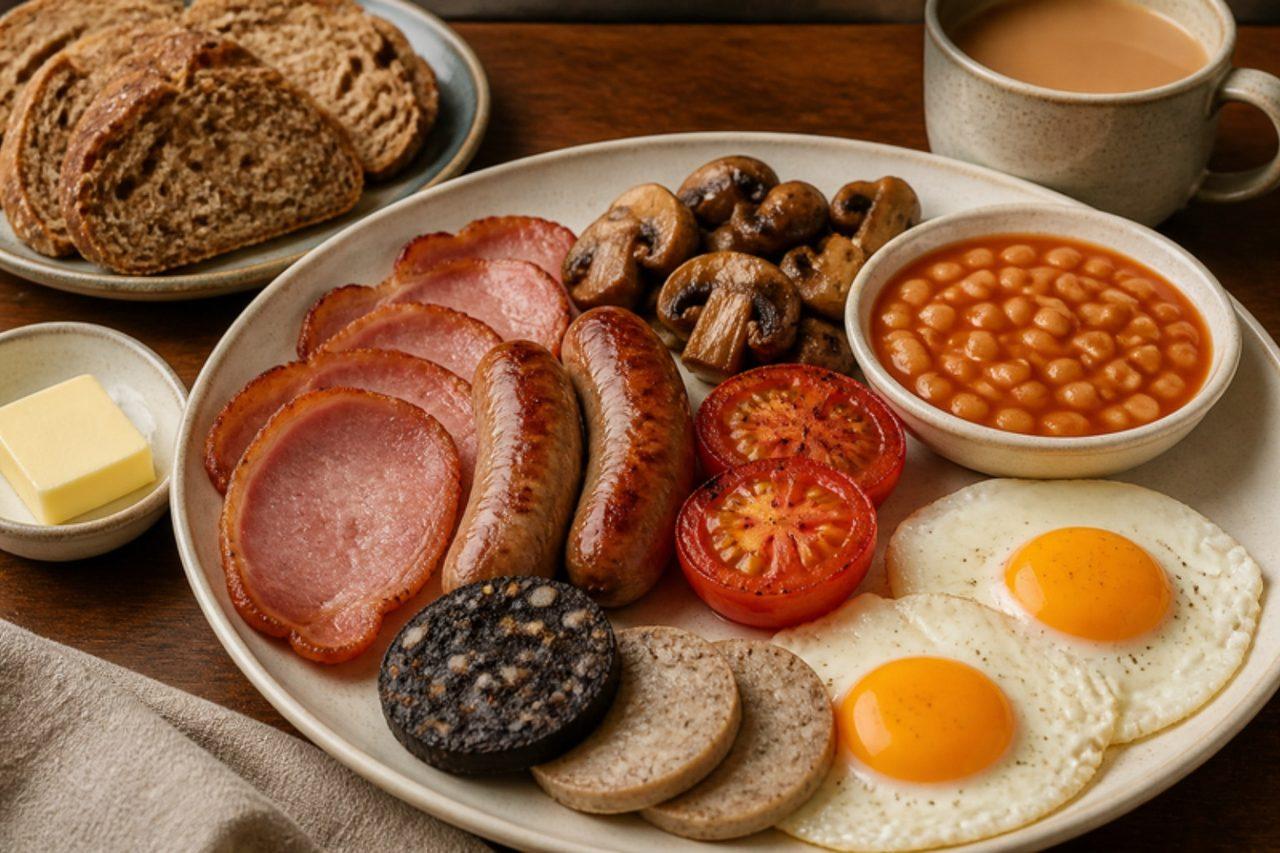
Full Irish breakfast
The full Irish, or simply 'the fry', is the big weekend breakfast served in B&Bs from Donegal to Kerry and in Dublin cafés before the match. It differs from the English breakfast in its back rashers, black and white pudding, and fried soda bread or potato bread to mop up. It contains pork: sausages, rashers and puddings. Chef's tip: cook in stages in one large pan and keep each item warm in a low oven, so everything reaches the plate hot together.

by KrazyBadal 0 views

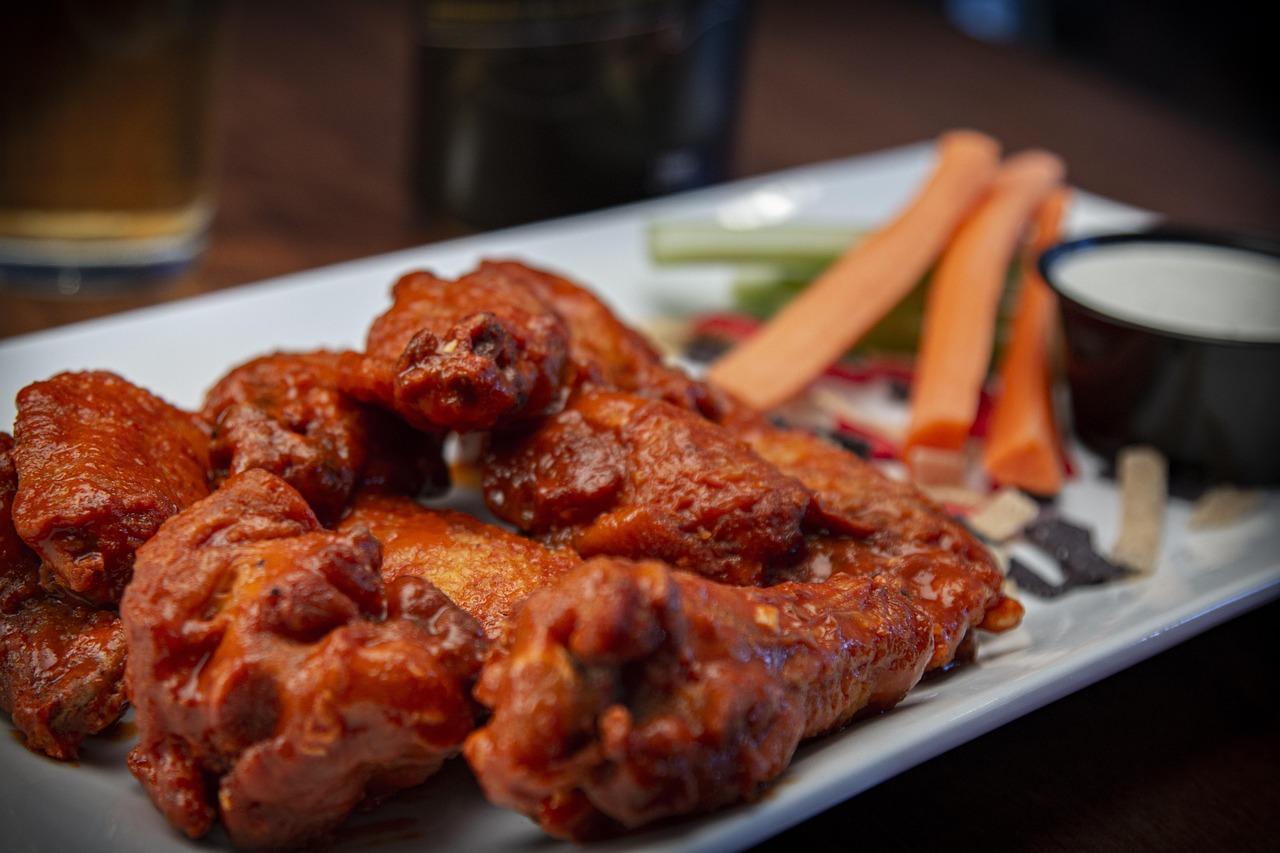
Buffalo chicken wings

Buffalo wings were first tossed in hot sauce and butter at a bar in Buffalo, New York, in 1964 and are now the snack of every American football Sunday. The wings are cooked until the skin is crisp, then coated in a glossy, vinegary chilli-butter sauce and served with celery sticks and a cooling blue cheese dip. This oven version skips the deep fryer. Chef's tip: dry the wings well and toss them with baking powder; it draws out moisture and blisters the skin almost like frying.

by KrazyBadal 0 views

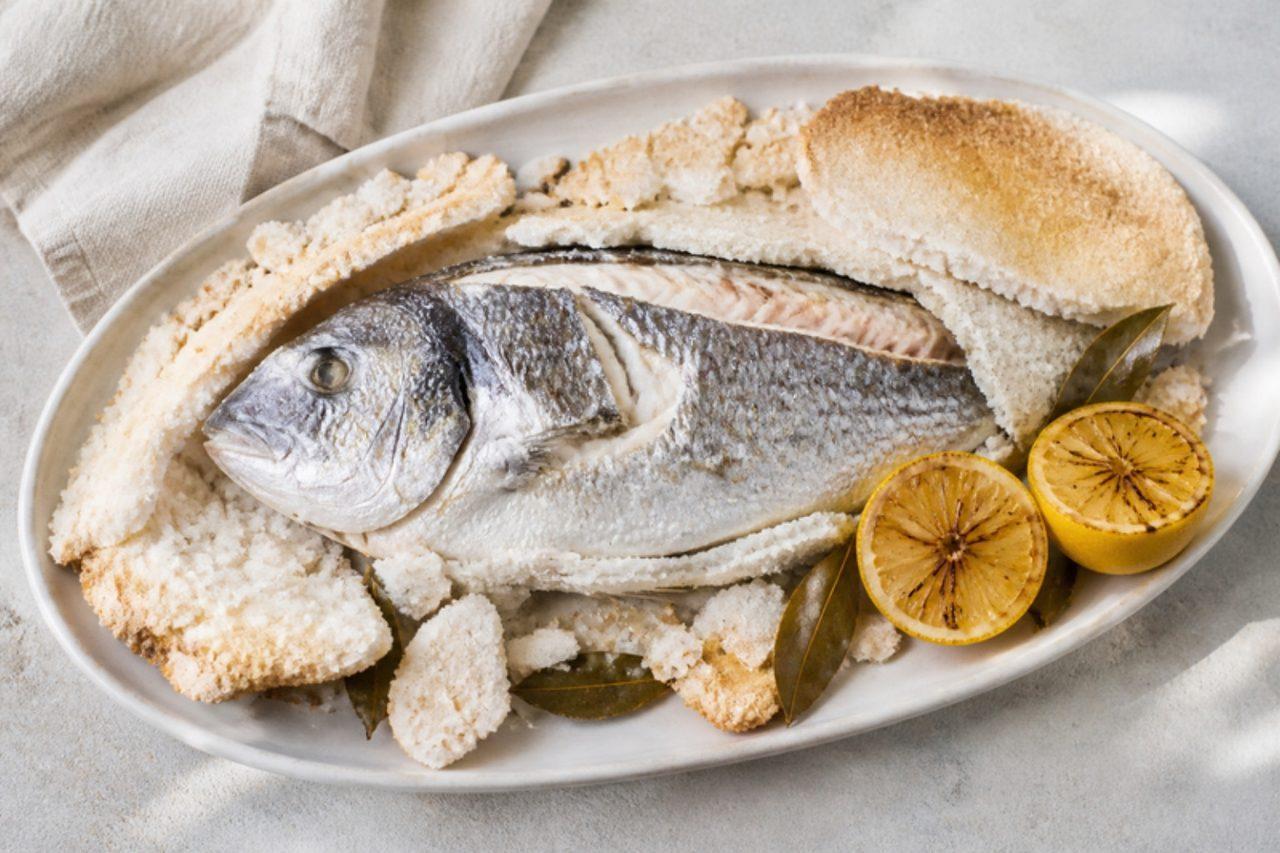
Dorada a la salSalt-baked sea bream

Around the salt flats of San Pedro del Pinatar, at the northern tip of the Mar Menor, baking fish under a crust of coarse salt is the obvious way to cook a fresh bream, and lagoon-side restaurants crack the crust open at the table for long summer lunches. The salt hardens into a shell that steams the fish in its own juices, so the flesh is moist and lightly seasoned rather than salty. Serve it with a drizzle of good olive oil, boiled potatoes or allioli. Chef's tip: leave the scales on; they stop the salt from reaching the flesh and make the skin peel away cleanly.

by KrazyBadal 0 views

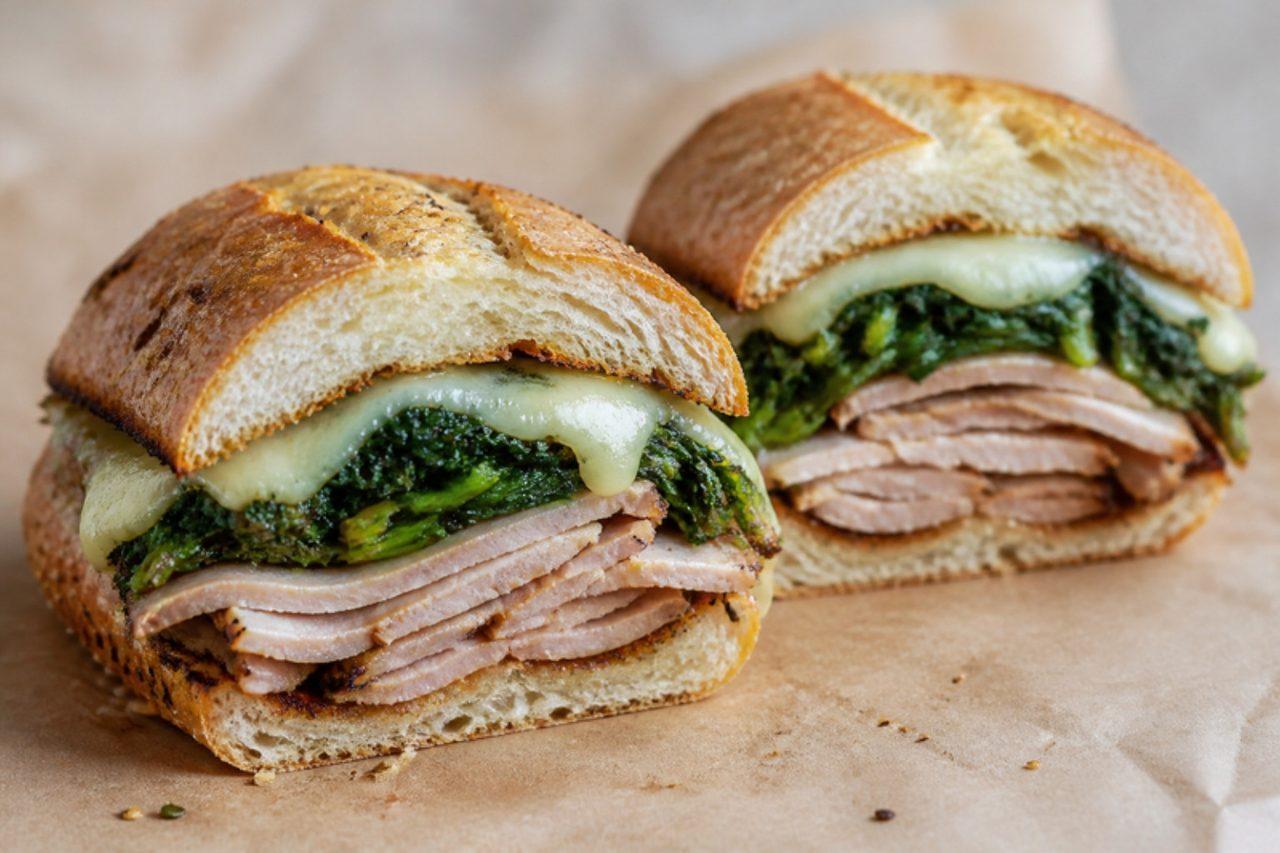
Philadelphia roast pork sandwich

Many Philadelphians quietly prefer this to the cheesesteak: thinly sliced roast pork shoulder soaked in its garlic and herb juices, with bitter sautéed broccoli rabe and sharp provolone in a seeded Italian roll. It comes from the Italian markets of South Philly and the stalls of the Reading Terminal Market, where it is lunch for market workers. Chef's tip: slice the pork very thin and dunk it back in the hot juices; that soaking is what makes the sandwich.

230 minAmericanMeat
by KrazyBadal 0 views

Bacon and cabbage

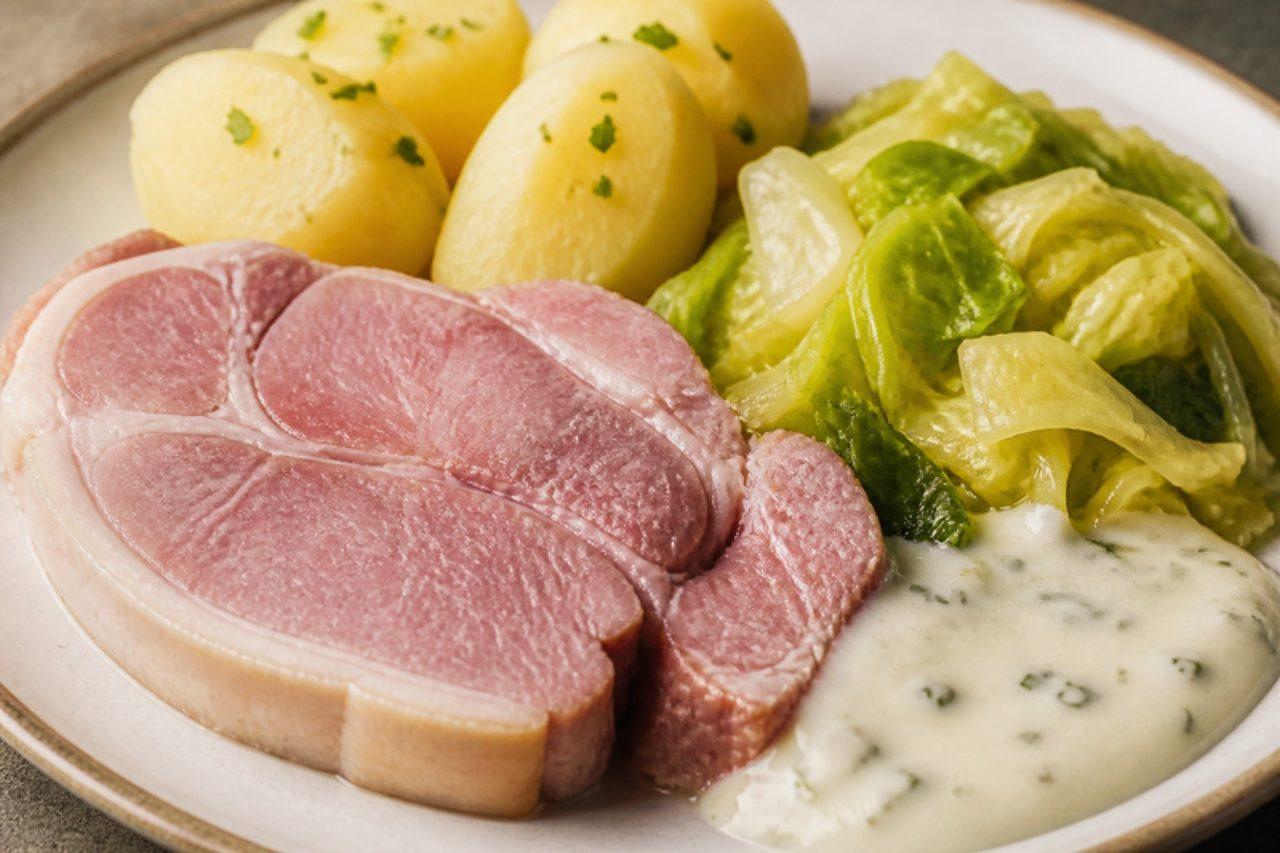
Bacon and cabbage is the Sunday dinner and the everyday dinner of rural Ireland, cooked in farmhouses from Tipperary to Mayo long before corned beef became the emigrants' version. A joint of cured pork, usually collar or loin bacon, is simmered gently, then the cabbage is cooked in the same salty, porky water, and both are served with floury potatoes and a white parsley sauce. Chef's tip: soak the bacon joint overnight in cold water if it is very salty; ask your butcher, as some cures are milder.

135 minIrishMeatGluten free
by KrazyBadal 0 views

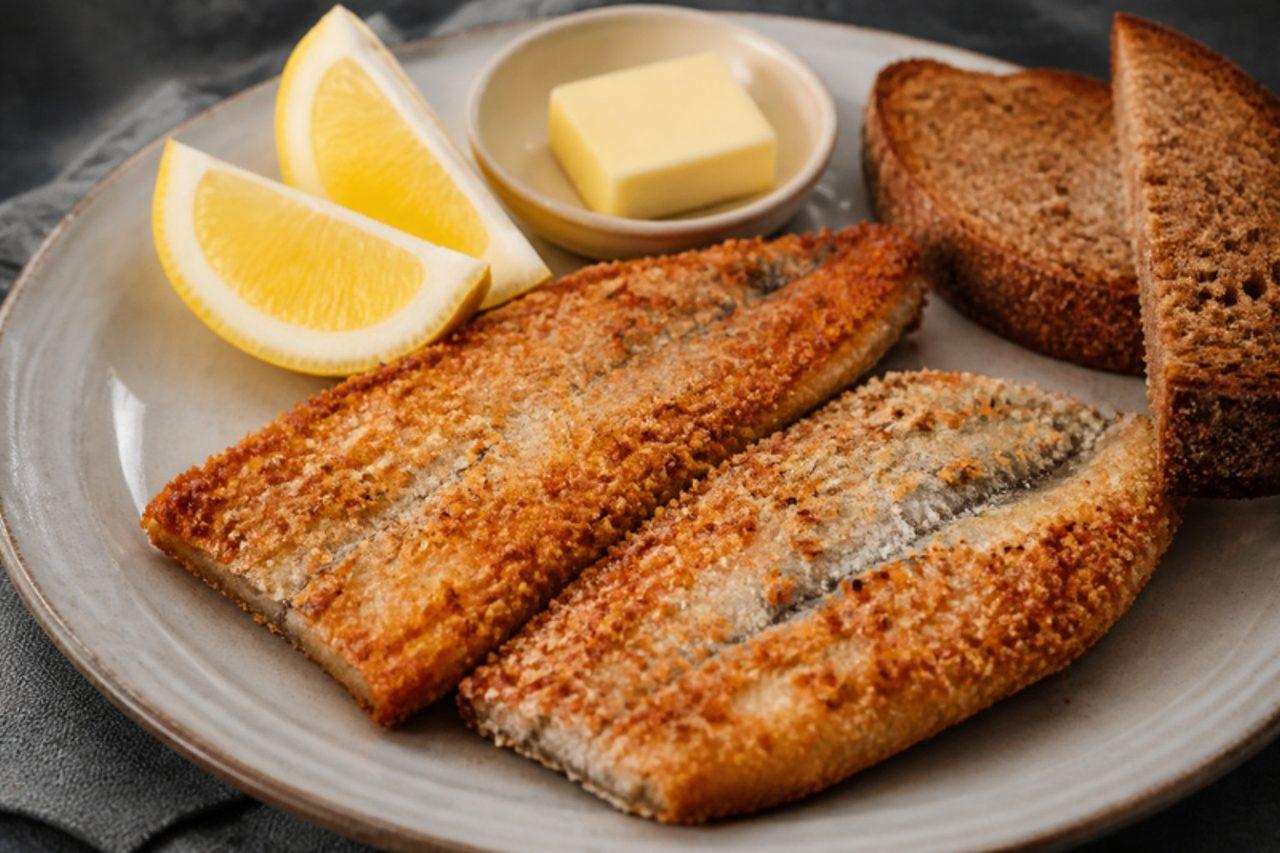
Donegal herring in oatmeal

Herring was the silver fortune of Killybegs and the Donegal coast, when the boats came in loaded through the autumn, and the cheapest supper in every fishing village was fresh herring rolled in oatmeal and fried. The oats make a nutty, crunchy crust around the rich, soft fish. Serve with boiled potatoes and a wedge of lemon or a spoonful of mustard. Chef's tip: press the oats on firmly and let the fish sit for 5 minutes before frying, so the coating sticks.

25 minIrishFish
by KrazyBadal 0 views

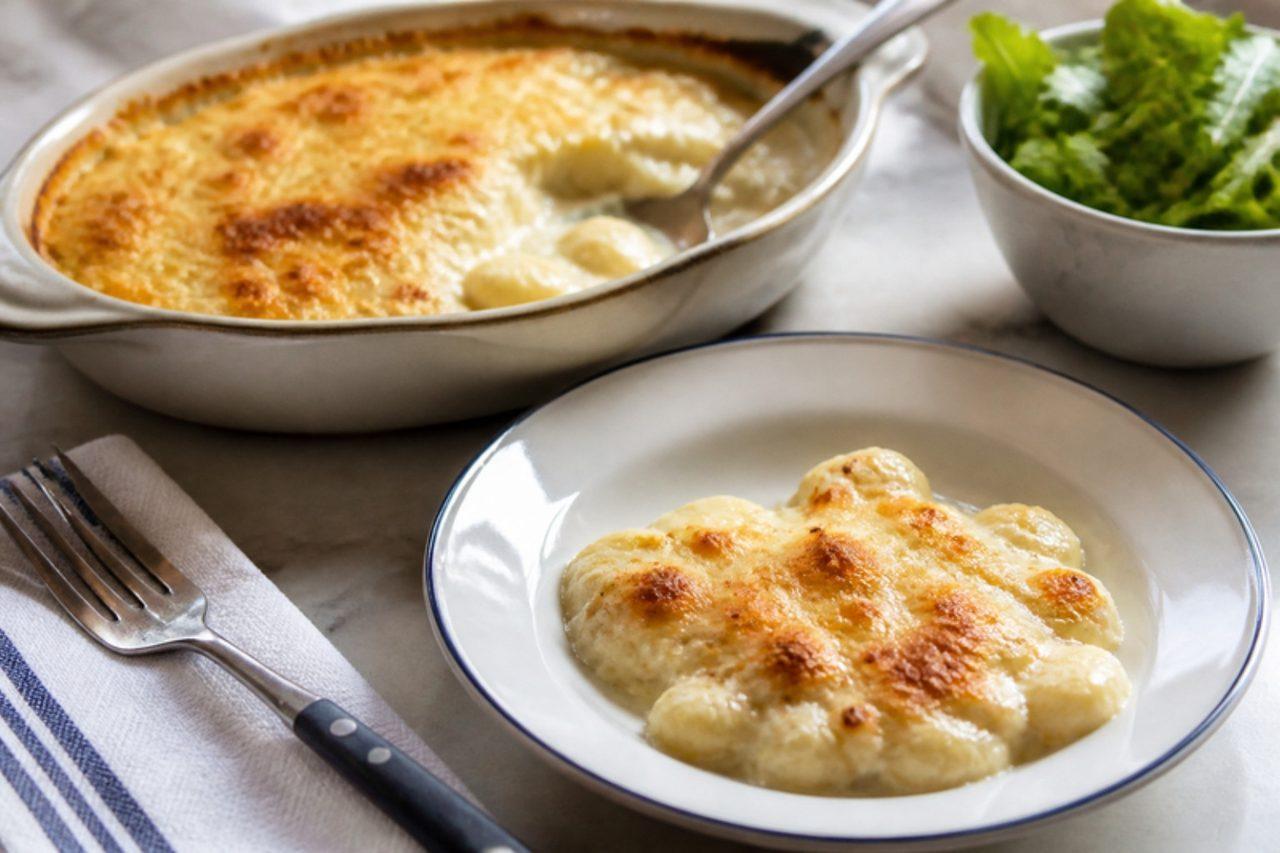
Gnocchi à la parisienneChoux dumplings in béchamel

Unlike Italian potato gnocchi, the Paris version is made from choux paste flavoured with cheese and mustard, piped straight into simmering water and cut into little logs with a knife. The poached dumplings go into a dish with béchamel and more cheese and are baked until puffed and golden. It was a classic of old Parisian brasseries and grand-hotel kitchens and still turns up as a comforting supper or a side in bistros. Gruyère and Comté are traditionally made with animal rennet, so use a vegetarian mountain cheese. Chef's tip: dip the knife in hot water between cuts; the paste drops off cleanly instead of stretching into strings.

by KrazyBadal 0 views

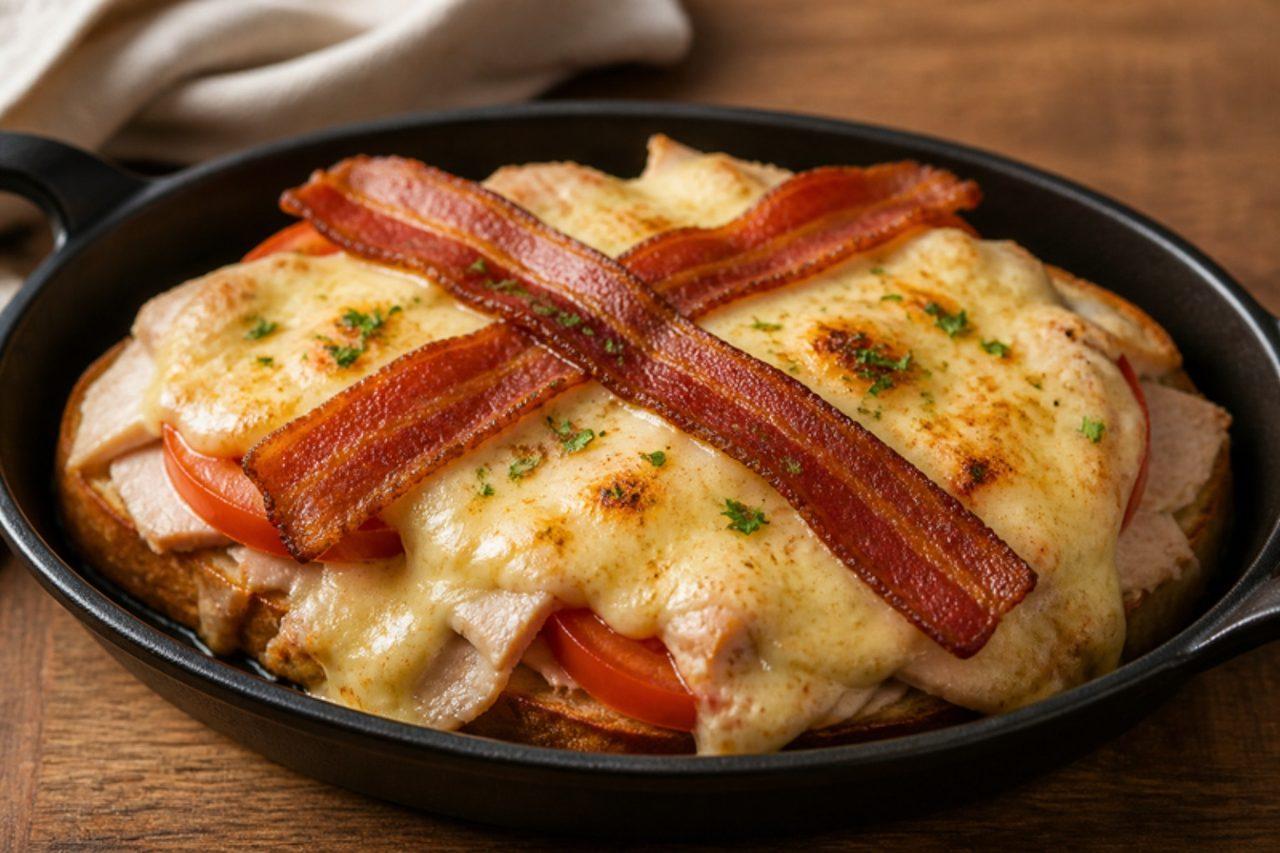
Kentucky hot brown

The hot brown was invented in 1926 at the Brown Hotel in Louisville, Kentucky, as a late-night dish for dancers, and it is still ordered there and all over the city on Derby weekend. Thick slices of roast turkey on toast are covered in a rich Mornay sauce and grilled until bubbling, then topped with tomato and crisp smoked bacon (pork). Eat it with a knife and fork. Chef's tip: use leftover roast turkey breast carved thickly; thin deli slices dry out under the grill.

by KrazyBadal 0 views

Dublin lawyerLobster in whiskey cream

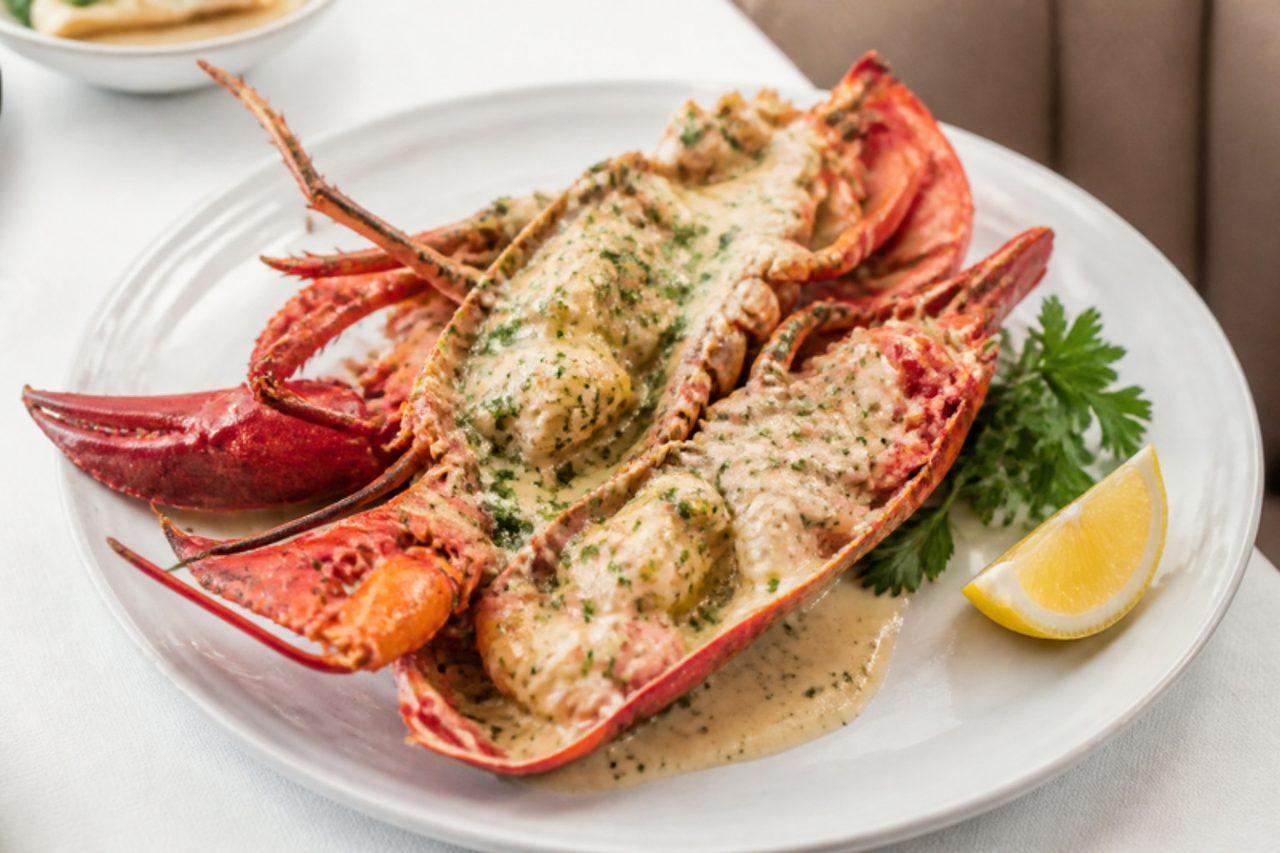
Dublin lawyer is an old Dublin restaurant dish, said to be named because lawyers were rich and fond of drink: lobster meat is cooked in butter, flamed with Irish whiskey and finished with cream, then served back in the shell. It is a special-occasion dish for anniversaries and birthdays. This recipe contains alcohol; for an alcohol-free version replace the whiskey with 2 tablespoons of apple juice and a squeeze of lemon. Chef's tip: buy cooked lobster from a fishmonger if you are unsure about preparing a live one, and add it to the sauce only to heat through.
50 minIrishFishGluten free
by KrazyBadal 0 views

Country captain

Country captain is the curried chicken of Savannah and coastal Georgia, said to have arrived with sea captains in the spice trade from India, and it is still served at Georgia Junior League luncheons and holiday buffets. Browned chicken is braised in a mild curry and tomato sauce with peppers, then finished with currants and toasted almonds, and served over white rice. Chef's tip: toast the curry powder in the fat for a full minute; raw curry powder tastes dusty.

by KrazyBadal 0 views

Pennsylvania Dutch chicken pot pie

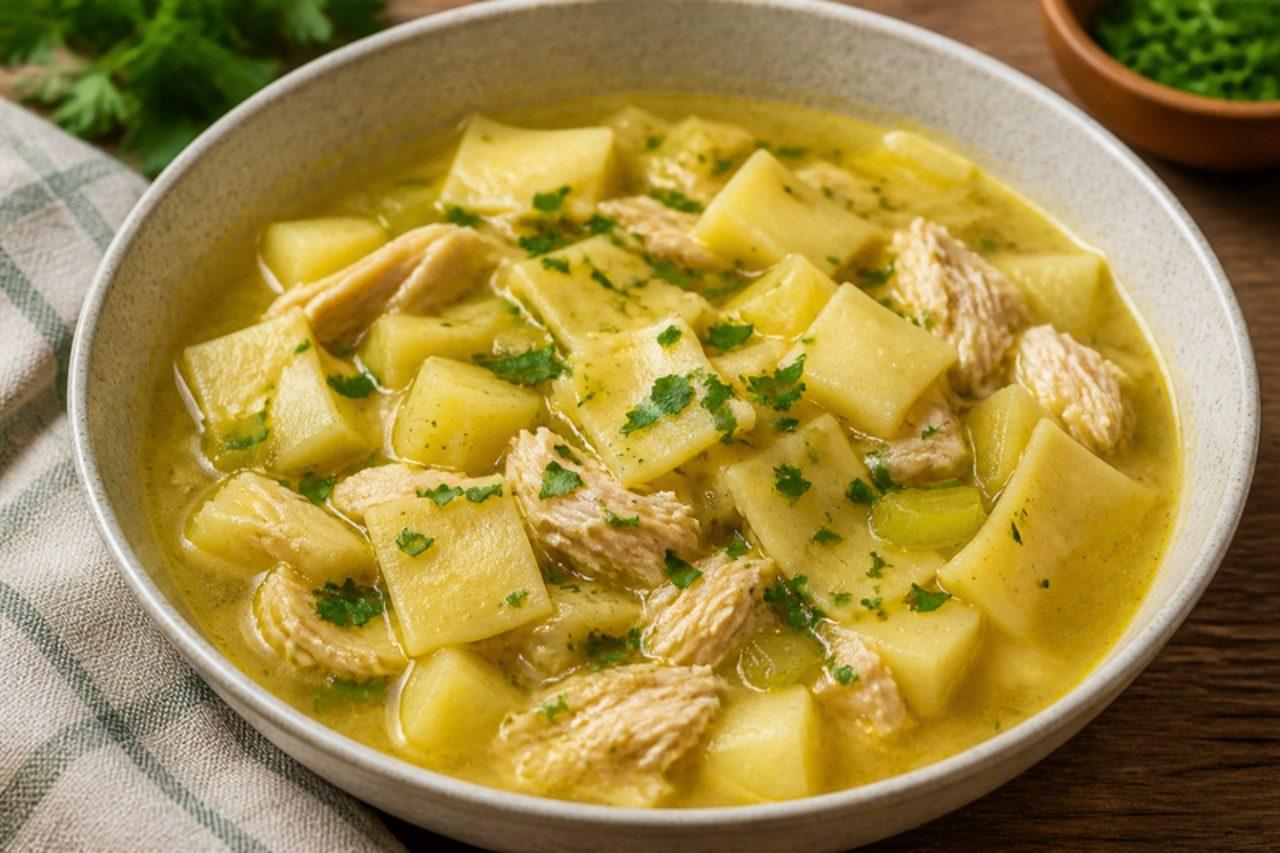
In Lancaster County a pot pie is not a pie at all: bott boi is a thick chicken stew with potatoes, celery and saffron in which big squares of rolled egg dough are boiled like noodles, served at firehouse suppers and Amish and Mennonite family dinners. It is soft, comforting and golden. Chef's tip: drop the dough squares in one at a time into a rolling boil so they don't stick together in a lump.

by KrazyBadal 0 views

Palets bretonsSalted butter biscuits

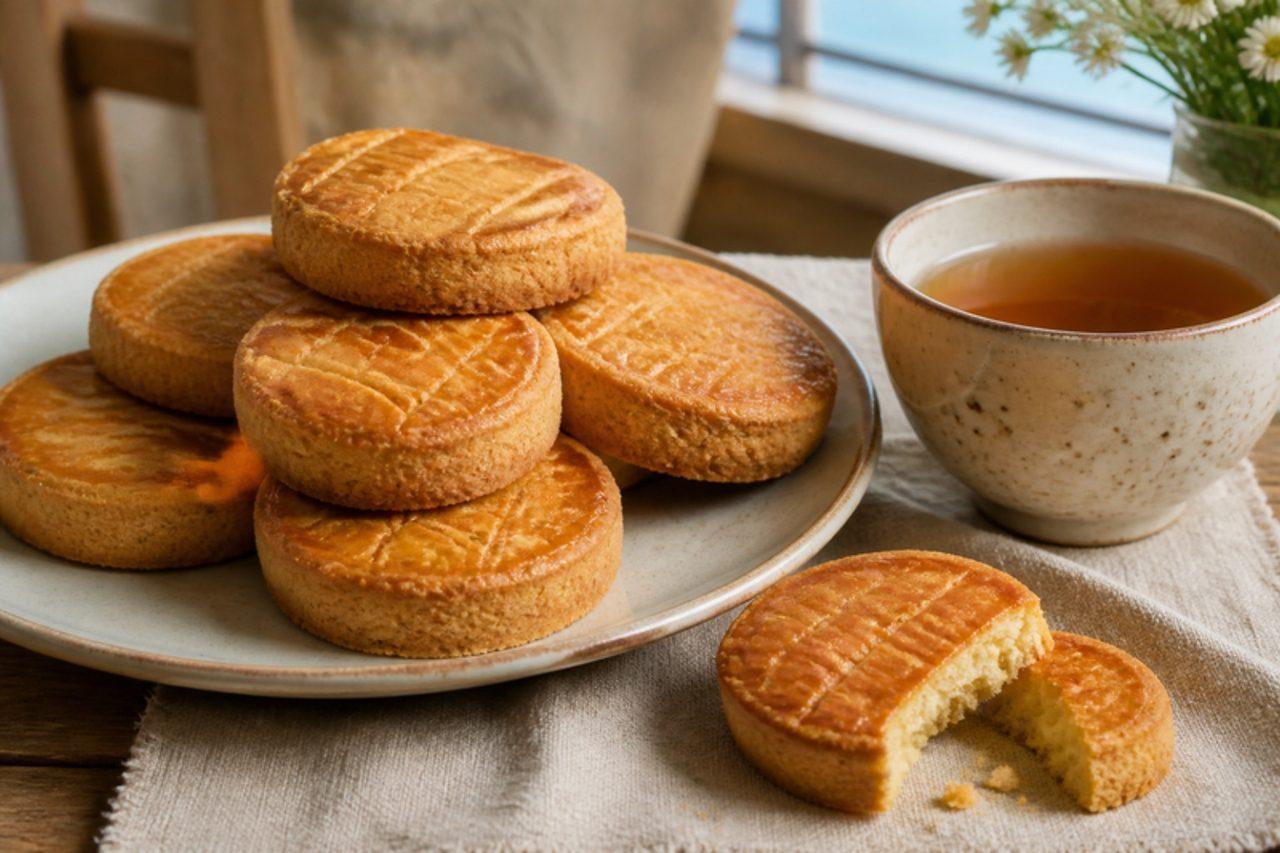
Palets are the thick cousin of the thin Breton galette biscuit: chunky rounds as wide as a small cookie and nearly a centimetre high, crisp on the outside and crumbly within, tasting strongly of salted butter. Bakeries in Pont-Aven and all along the Finistère coast sell them in tins, and Breton families serve them with coffee, with a bowl of cider-poached apples or crumbled over ice cream. Baking them in muffin tins or metal rings keeps their shape and straight edges. Chef's tip: use proper salted butter rather than adding salt to unsalted; the flavour is rounder and the dough handles better.

by KrazyBadal 0 views

Scrapple

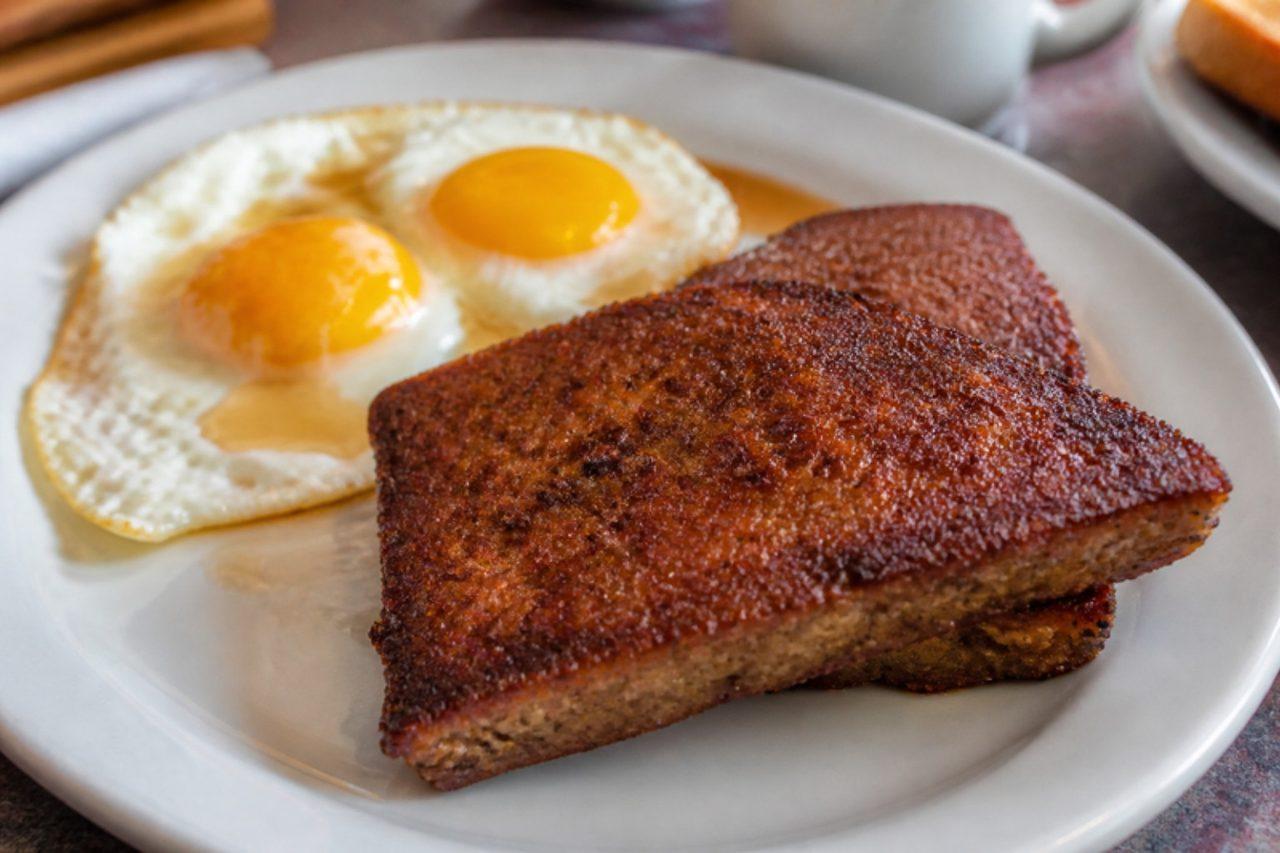
Scrapple is the thrifty breakfast meat of Pennsylvania Dutch farm country and the Delaware Valley, made at pig-killing time from pork trimmings simmered and set with cornmeal and buckwheat into a loaf. Slices are fried until crisp and brown outside and soft within, and eaten with eggs, apple butter or maple syrup at Lancaster County diners. This home version uses pork shoulder and a little liver. Chef's tip: slice it 1 cm thick and leave it alone in the pan until a dark crust forms; it sticks if you move it early.

by KrazyBadal 0 views

White asparagus with hollandaise

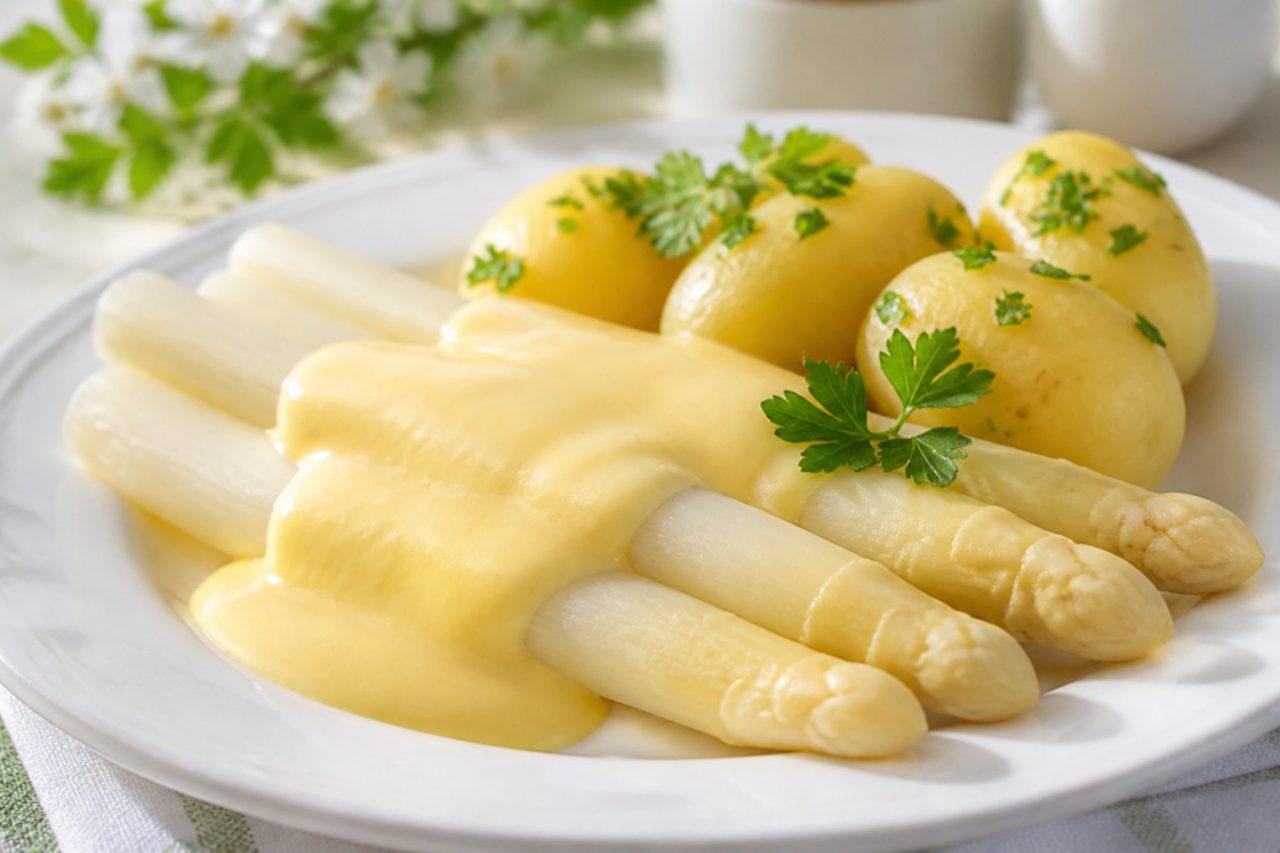
From mid-April until 24 June, Spargelzeit takes over Baden, and the little town of Schwetzingen near Heidelberg holds its asparagus market in front of the palace. The thick white spears are peeled, simmered with a pinch of sugar and a knob of butter, and served on a warm platter with new potatoes and a jug of hollandaise, often as a meal on its own. The sauce is thickened with egg yolks warmed gently to about 70 °C, which also takes them past the safe point. The common mistake is peeling too lightly: the woody outer layer stays stringy, so peel generously from just under the tip. Chef's tip: save the peelings and ends to simmer in the cooking water first; it makes the spears taste far more of asparagus.

by KrazyBadal 0 views

Dundee cake

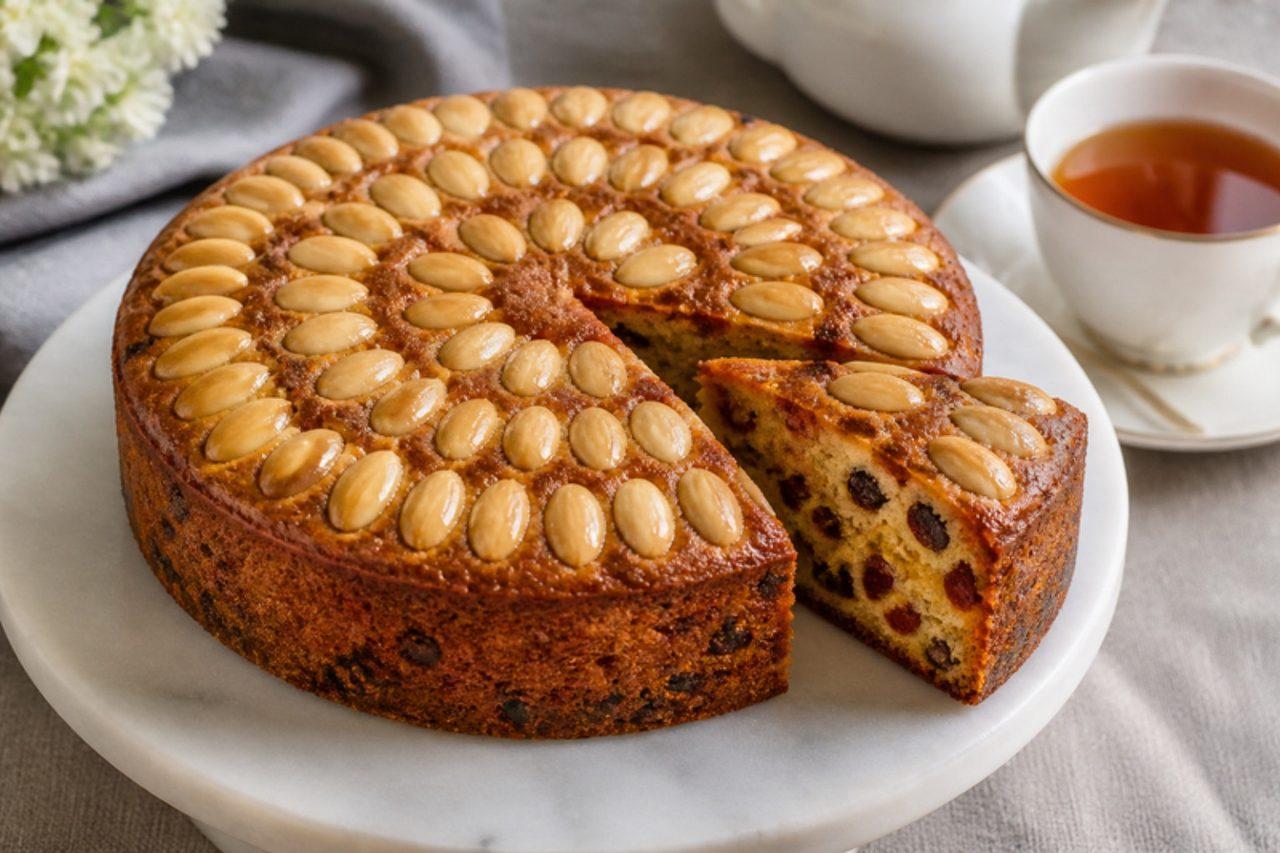
Dundee cake is the light, buttery fruit cake from the city of marmalade and jute, said to have been created by the Keiller family to use up their orange peel. Instead of marzipan and icing it is topped with concentric circles of whole blanched almonds, and it is eaten at Christmas and with afternoon tea. Chef's tip: lay the almonds on gently without pressing; if they sink they burn and the pattern is lost.

by KrazyBadal 0 views

Scottish oatcakes

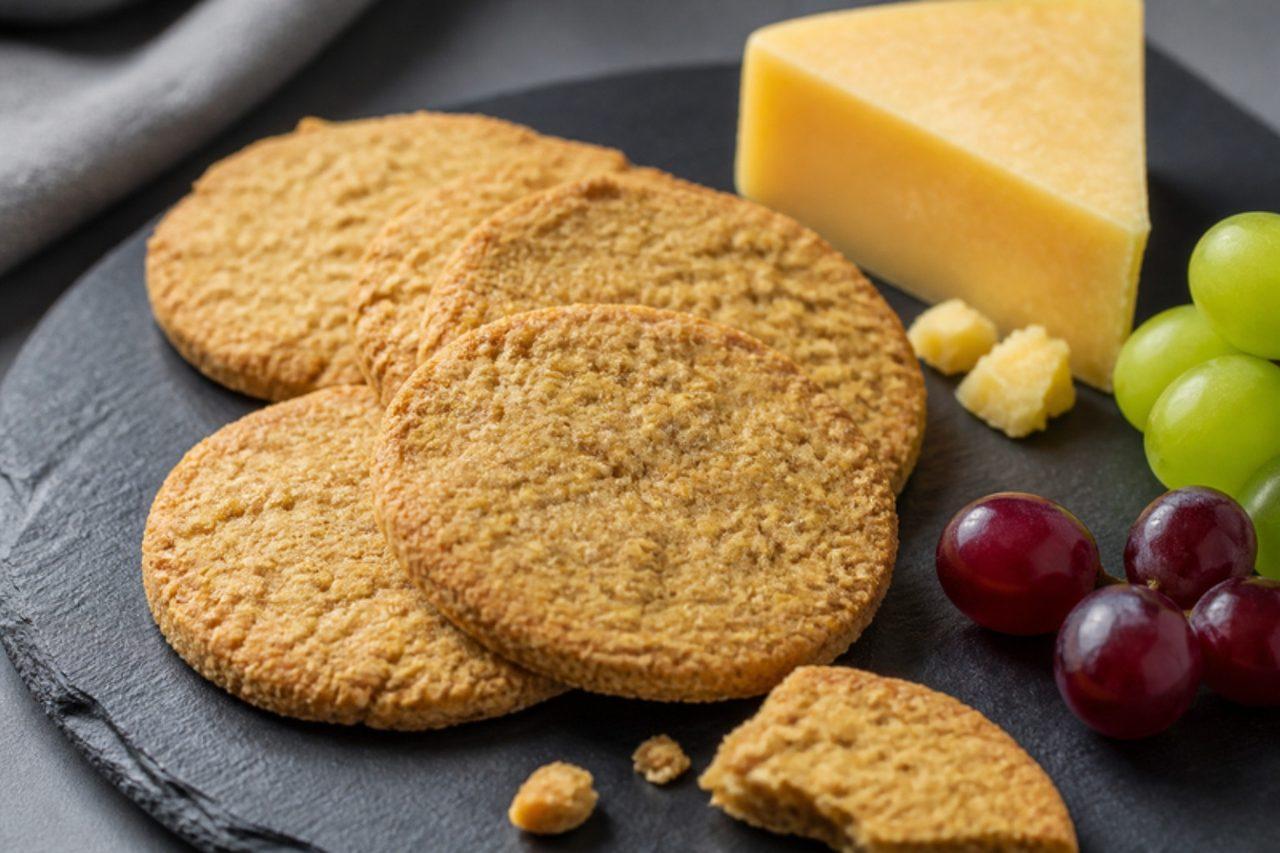
Oatcakes have been baked on girdles across Scotland since oats were the country's main grain, and they are still eaten with cheese, smoked fish or marmalade, and alongside soup on cold days. Medium oatmeal is bound with a little melted butter and hot water, rolled thin and baked until crisp and nutty. Chef's tip: work quickly while the dough is warm; as it cools it cracks and won't roll.

by KrazyBadal 0 views

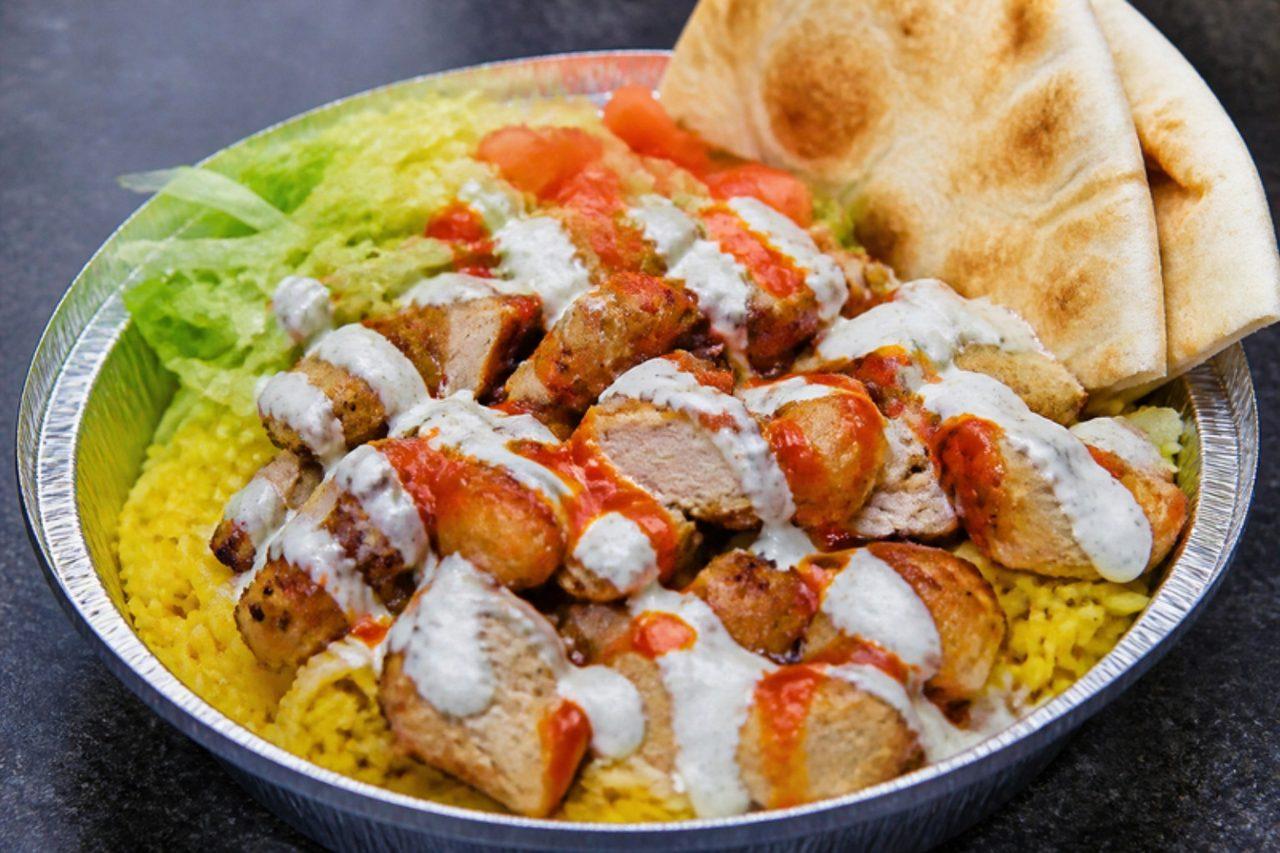
Halal cart chicken over rice

From the silver carts on Midtown corners, often run by Egyptian and Afghan cooks, comes New York's favourite cheap late-night meal: chopped spiced chicken thighs on turmeric rice with shredded lettuce, a tangy white sauce and a fiery red chilli sauce. Office workers and taxi drivers queue for it at 2 a.m. Chef's tip: marinate the chicken in the fridge overnight; the lemon and spices soak right in.

by KrazyBadal 0 views

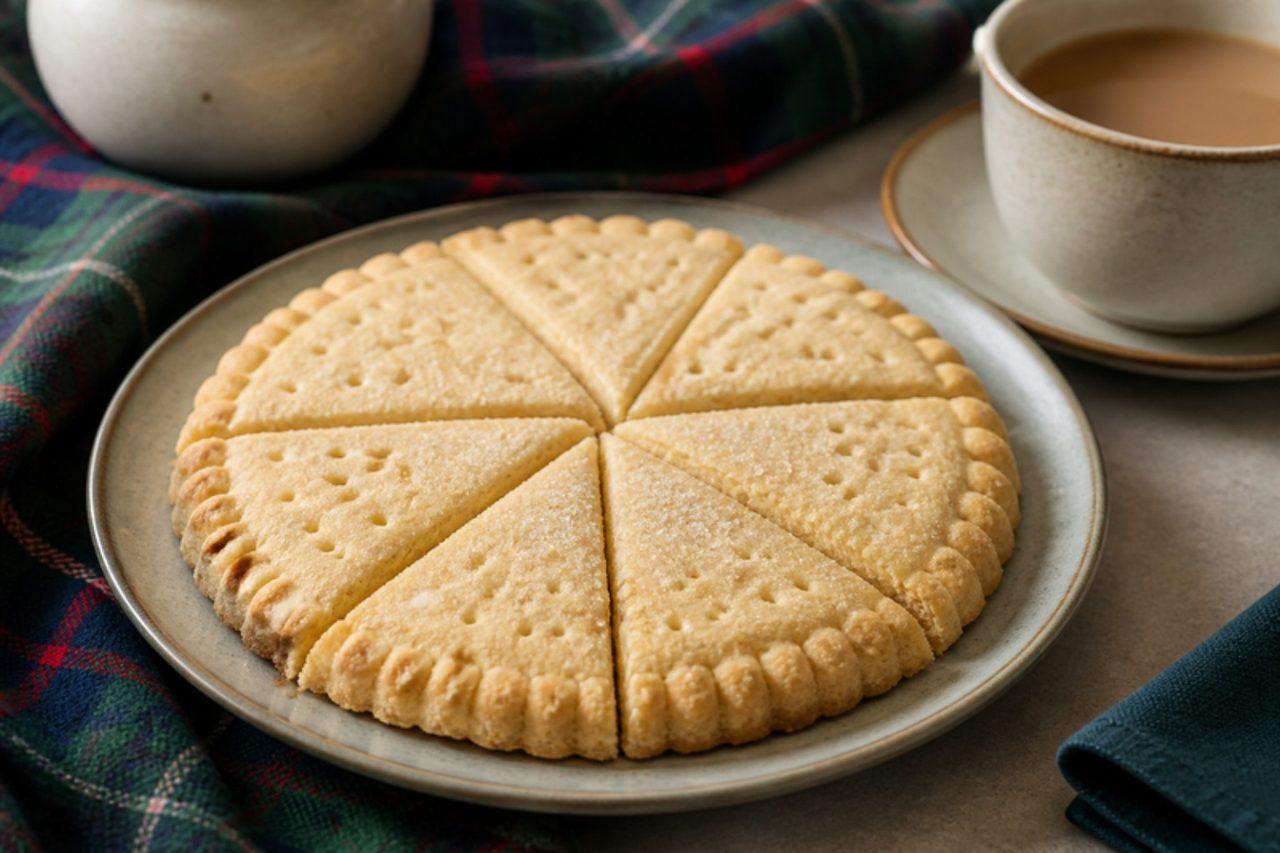
Scottish shortbread

Shortbread is Scotland's most famous bake, handed round at Hogmanay with a dram and packed in tins as a gift all year. The classic recipe is one part sugar, two parts butter and three parts flour, with a little rice flour for the sandy snap; it is shaped into a round and cut into petticoat tails, a shape linked with Mary, Queen of Scots. Chef's tip: bake low and slow so it stays pale gold; brown shortbread tastes bitter rather than buttery.

by KrazyBadal 0 views

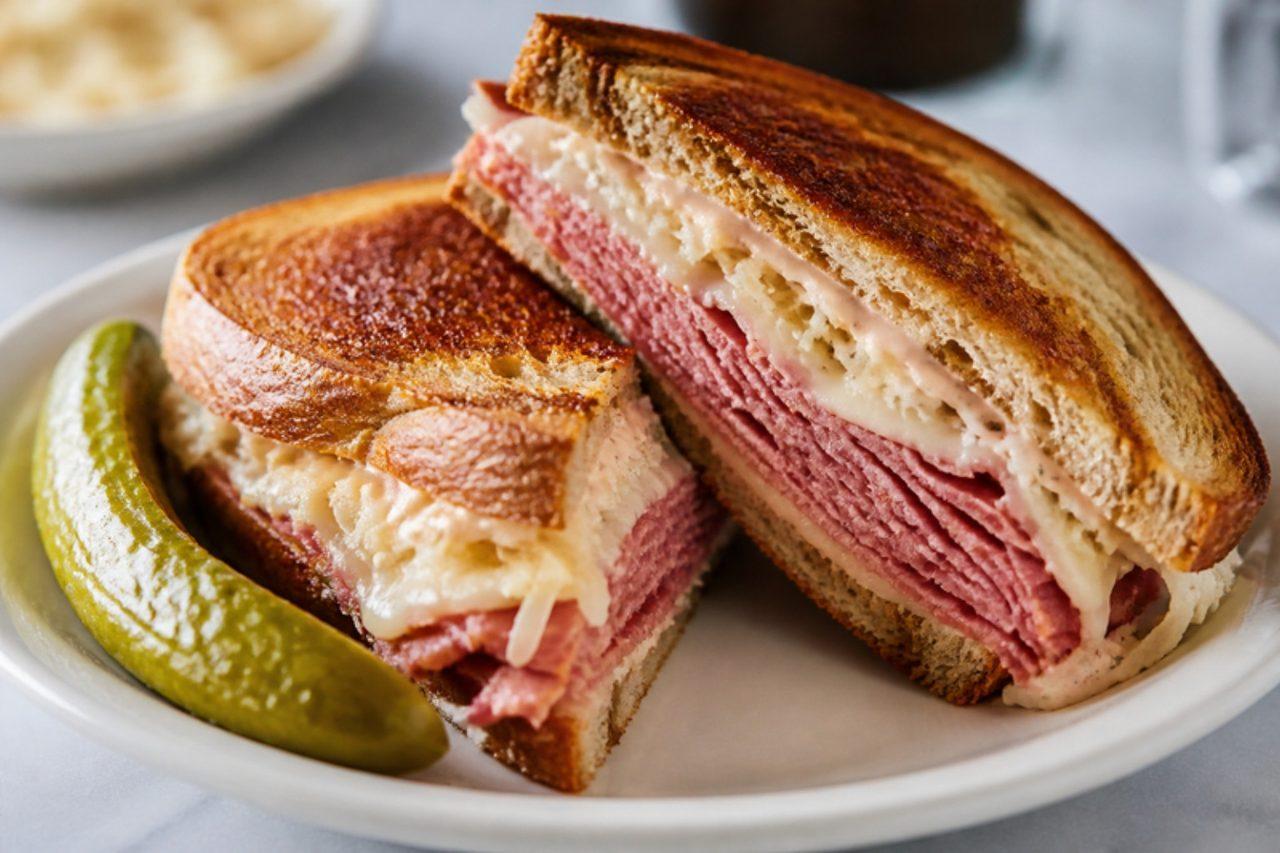
Reuben sandwich

The Reuben is a New York deli classic, claimed by both a Manhattan delicatessen and a poker game in Omaha, and now on every Jewish-style deli menu in the city: rye bread layered with thin corned beef, sauerkraut, Swiss cheese and Russian dressing, then fried in butter until the cheese melts. It is a big, salty, tangy lunch. Chef's tip: squeeze the sauerkraut hard in your fist; wet kraut makes soggy toast.

by KrazyBadal 0 views

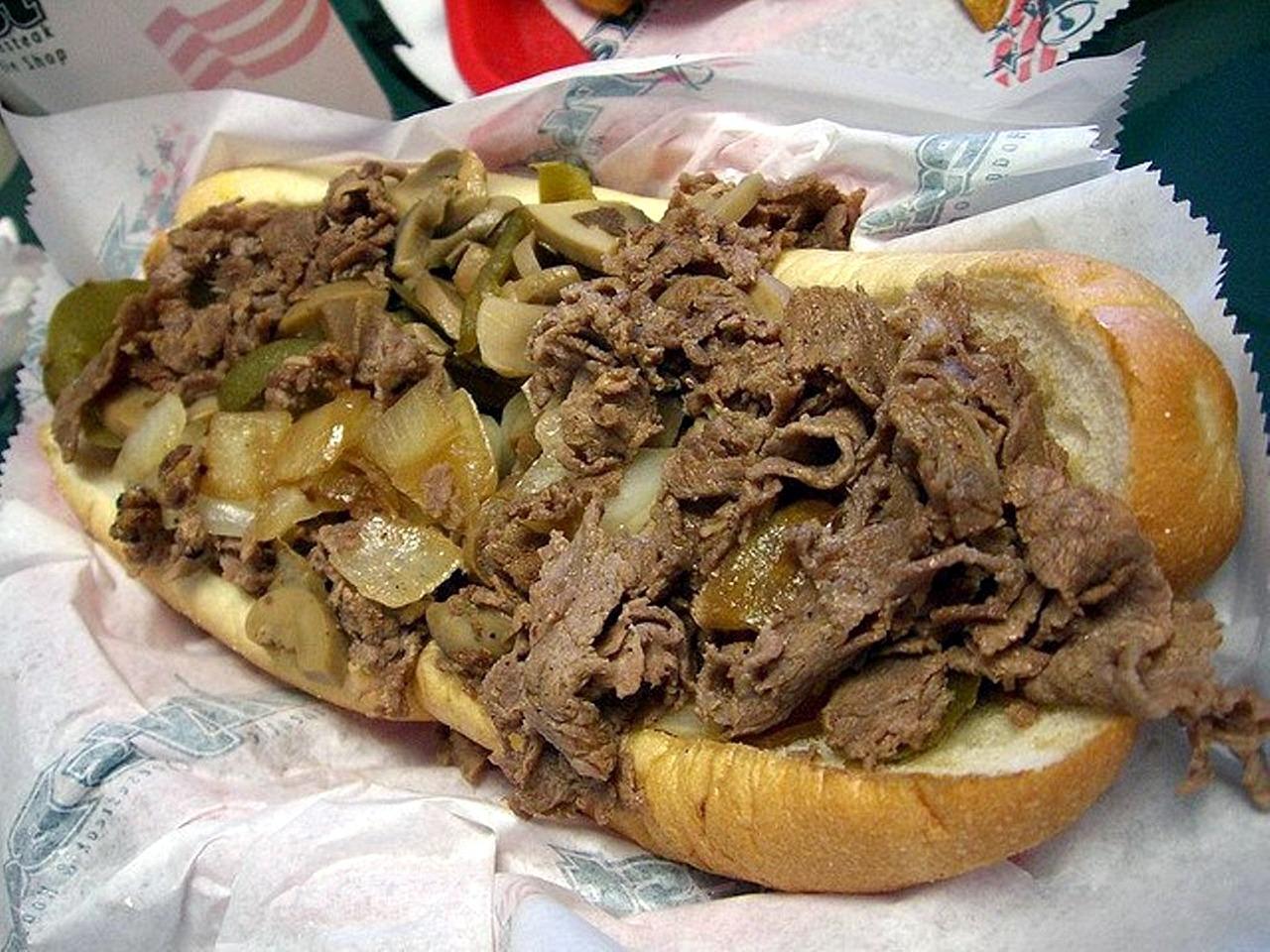
Philly cheesesteak

The cheesesteak was born in South Philadelphia in the 1930s, and the rival stands on Passyunk Avenue still keep the city arguing over whether it should come with melted cheese sauce, provolone or American cheese, and 'wit' or 'witout' fried onions. Paper-thin ribeye is chopped on a hot griddle, cheese is melted over it and the lot is scooped into a soft, crusty hoagie roll. Chef's tip: freeze the beef for 40 minutes before slicing; it firms up so you can cut it almost see-through.

by KrazyBadal 0 views

Showing 90 of 8,120 recipes

Page 461 of 903