


Skip to content
Ful nabit
Featured recipe

Ful nabit

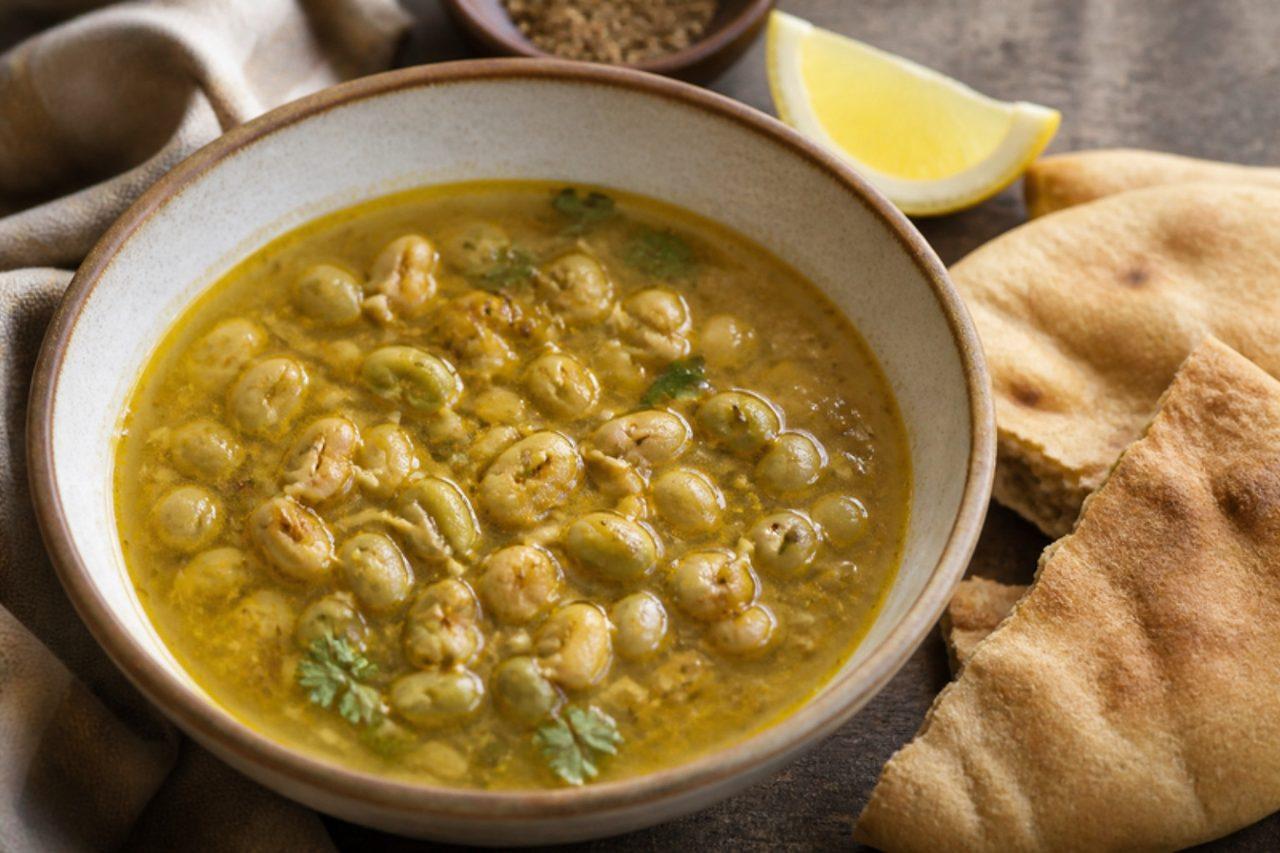
Sprouted fava bean soup

Sprouted beans are ladled out with their cooking liquor in Cairo homes when the weather turns cold or someone is feeling run down, and Egyptians swear by the broth as a pick-me-up. The beans are soaked and left to sprout for a few days, then simmered with onion, garlic and cumin into a light, earthy soup that is sharpened at the table with plenty of lemon. You can eat the beans with a spoon or pop them from their skins. Allow 3 to 4 days for sprouting, although the hands-on work is only about 20 minutes. People with G6PD deficiency (favism) must not eat fava beans. Chef's tip: stop the sprouting when the shoots are about 1 cm long; longer sprouts taste grassy and bitter.

Read more 2 views

What to eat today?

Around the world

Today's trip: Persian

A new country every day, from every cuisine on the site.

Persian

Dizi

Lamb and chickpea stew 245 minMore from Persian (131) →

This week's collection

Kid-friendly dinners
537 recipes · a new collection every Monday

Latest recipes

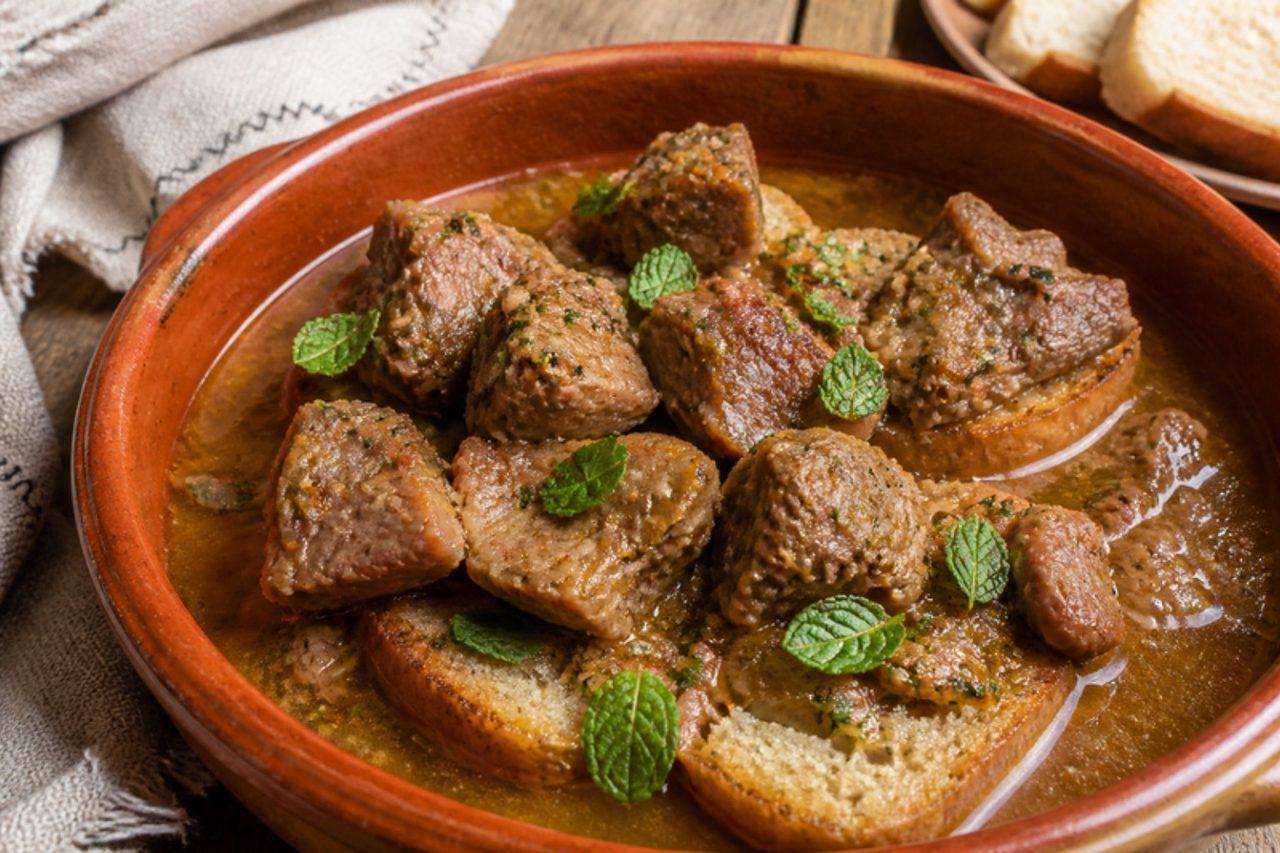
Ensopado de borregoLamb stew over bread

Ensopado means soaked, and the bread is the point: Alentejo shepherds' lamb is stewed with garlic, onion, paprika and a little white wine until it falls off the bone, then the rich broth is ladled over slices of country bread in deep plates. It is Easter food in the region, when the spring lambs are ready, and a dish for long Sunday lunches. The wine contains alcohol; use extra stock with a spoonful of vinegar if you prefer. A common mistake is using lean leg meat, which turns dry; shoulder or neck stays juicy. Chef's tip: marinate the lamb overnight in the fridge with the garlic and paprika; the flavour goes right through.

by KrazyBadal 0 views

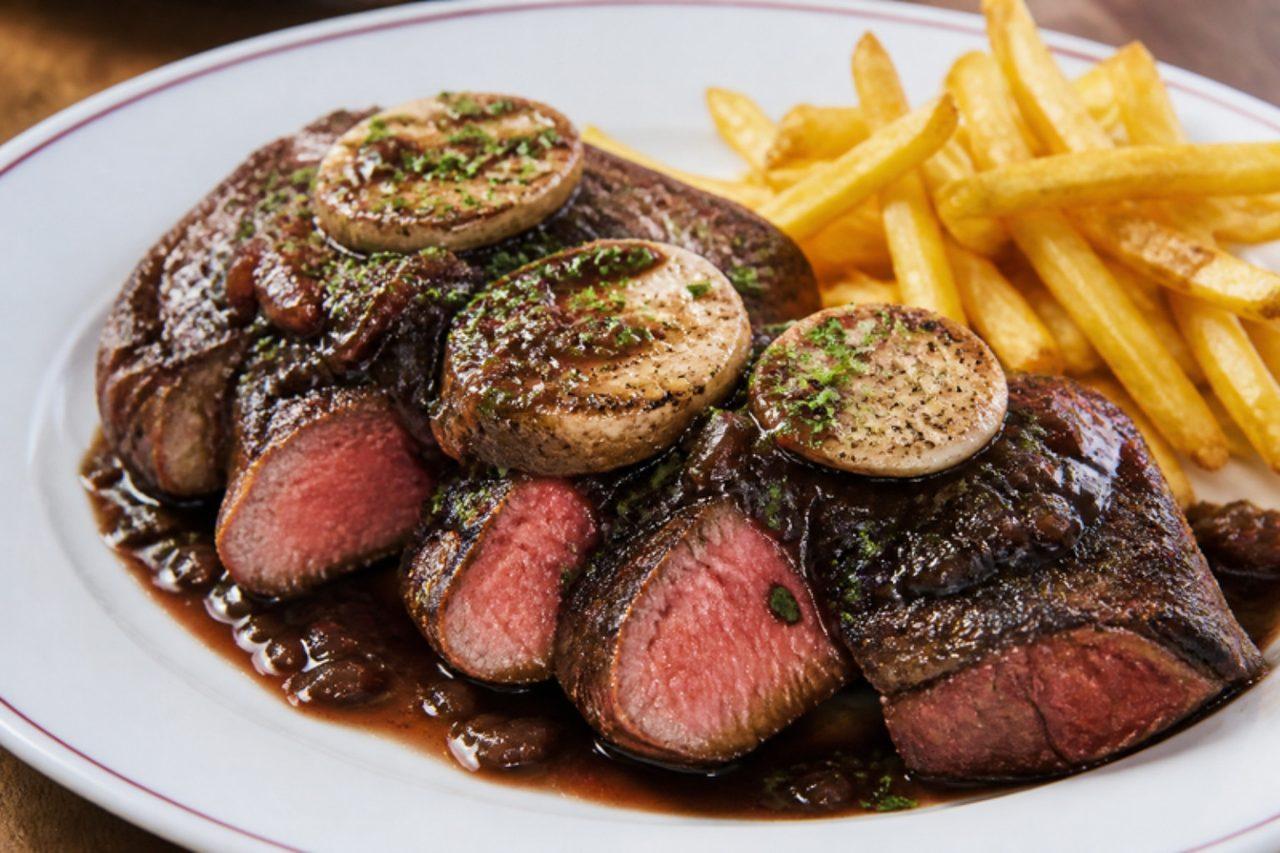
Entrecôte bordelaiseRib steak in red wine sauce

Bordeaux's brasseries, from the quays of the Garonne to the old Chartrons wine-merchant quarter, still grill entrecôte over vine cuttings and serve it with sauce bordelaise: shallots, thyme and red wine reduced to a syrup, then enriched with stock and cold butter. Poached bone marrow, folded in at the end, is the old-school touch and well worth trying. The sauce is glossy, deep and a little sweet against the well-browned, juicy steak. The sauce uses red wine; the ingredient note gives an alcohol-free version. Serve with frites or sautéed potatoes and a crisp green salad. Chef's tip: let the steaks sit out of the fridge for 30 minutes before cooking so the centre cooks evenly.

50 minFrenchMeat
by KrazyBadal 0 views

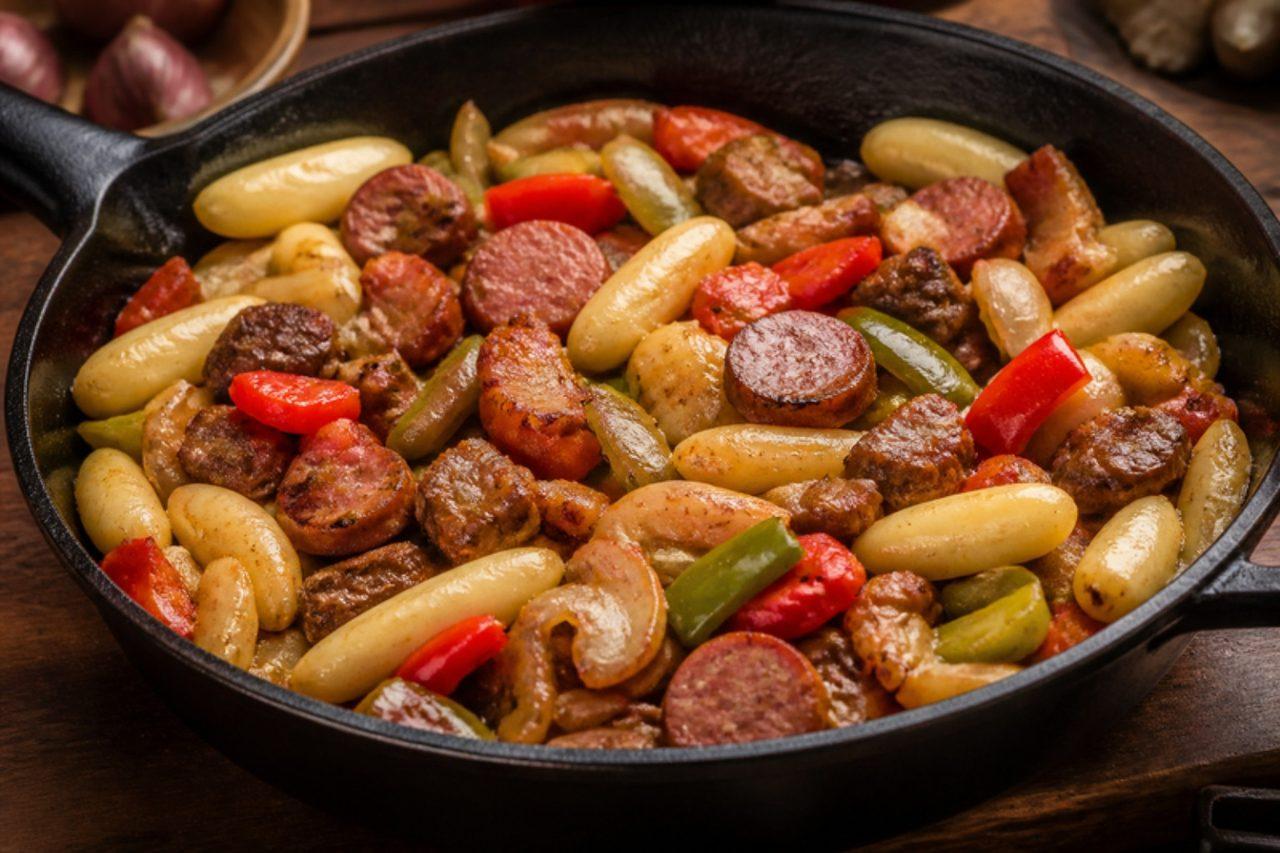
Entrevero de pinhãoPine nut and mixed meat stir-fry

In the cold highlands of Santa Catarina, Lages throws a Festa do Pinhão every winter, and the star is entrevero: a huge pan of beef, pork loin, pork sausage and bacon fried with onions, peppers, tomato and pinhão, the large, starchy seeds of the Araucaria pine. The name means a jumble, and that is what it is, cooked in stages on a wide pan over the fire and eaten straight away. Pinhão tastes like a cross between a chestnut and a potato; vacuum-packed cooked chestnuts are the best stand-in. There is plenty of pork here, so cook every strip through. The pitfall is throwing everything in at once, which stews the meat; add each meat in turn so it browns. Chef's tip: cook the pinhão in a pressure cooker, then peel it while still warm, when the shell and the bitter inner skin come off easily.

by KrazyBadal 0 views

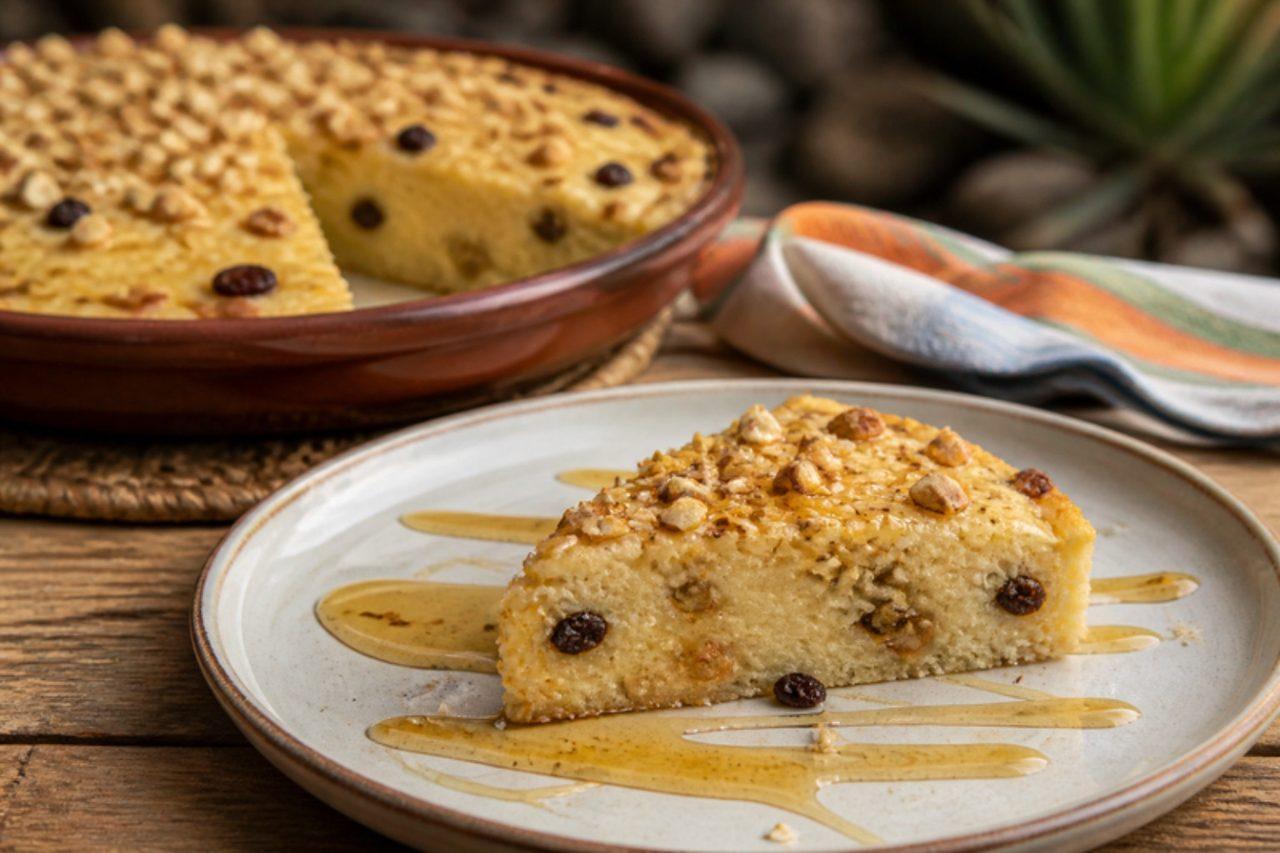
EnyucadoCassava coconut cake

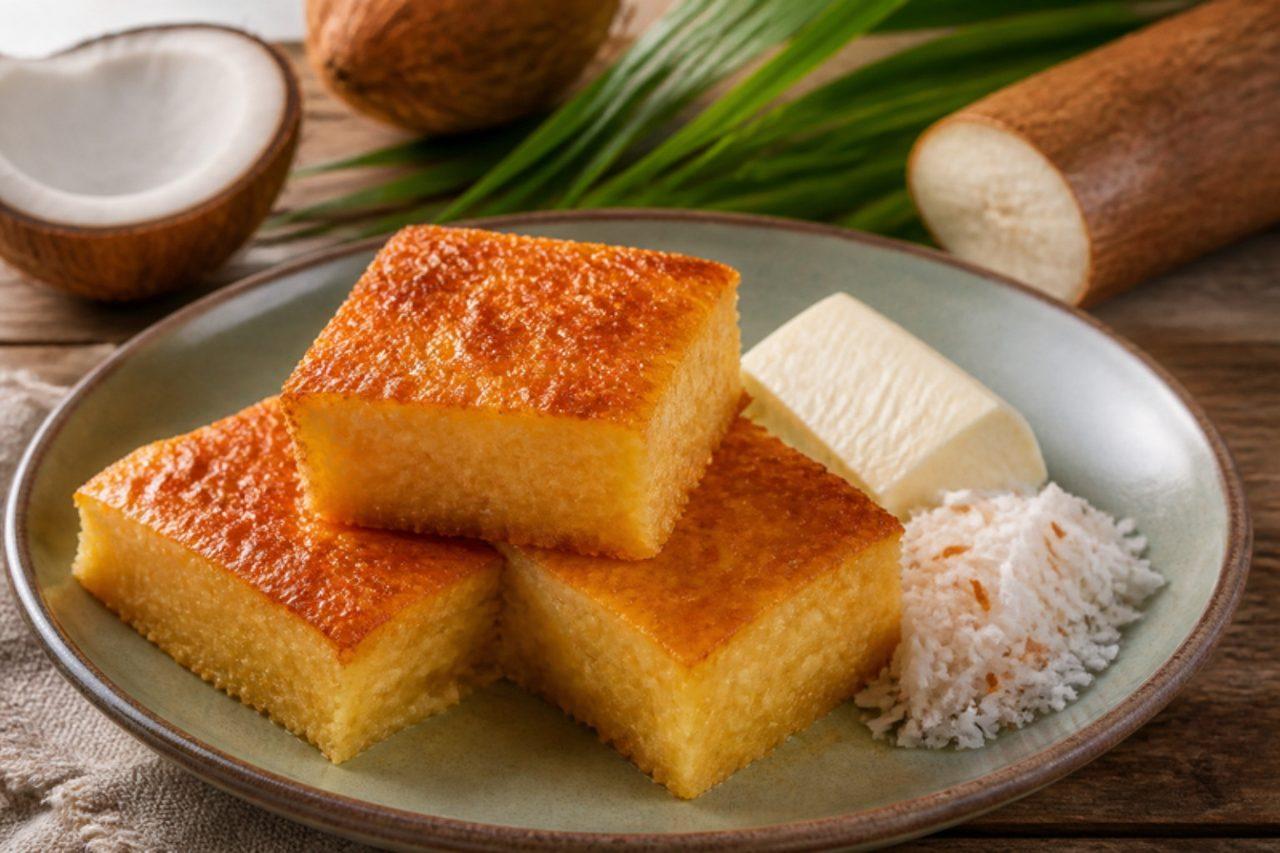
Bakeries and street vendors in Cartagena, Barranquilla and Montería sell enyucado by the square, wrapped in paper, as an afternoon sweet with coffee. It is a dense, moist cassava cake held together by coconut milk, sweetened with sugar, scented with aniseed and given a salty edge by grated white cheese; the top bakes to a golden, slightly chewy crust while the middle stays soft and pudding-like. It is also a fixture at birthday and holiday tables along the coast. Queso costeño is the cheese used; a firm feta-style one is the nearest swap, and as both are usually set with animal rennet, choose a vegetarian (microbial-rennet) cheese. People most often go wrong by cutting it warm: the starch needs at least an hour to set, otherwise the slices are gummy and fall apart. Frozen grated cassava from Latin or African shops saves a lot of work. Chef's tip: squeeze the grated cassava lightly so the cake sets well but stays moist.

by KrazyBadal 0 views

Espárragos de Navarra con vinagretaWhite asparagus with vinaigrette

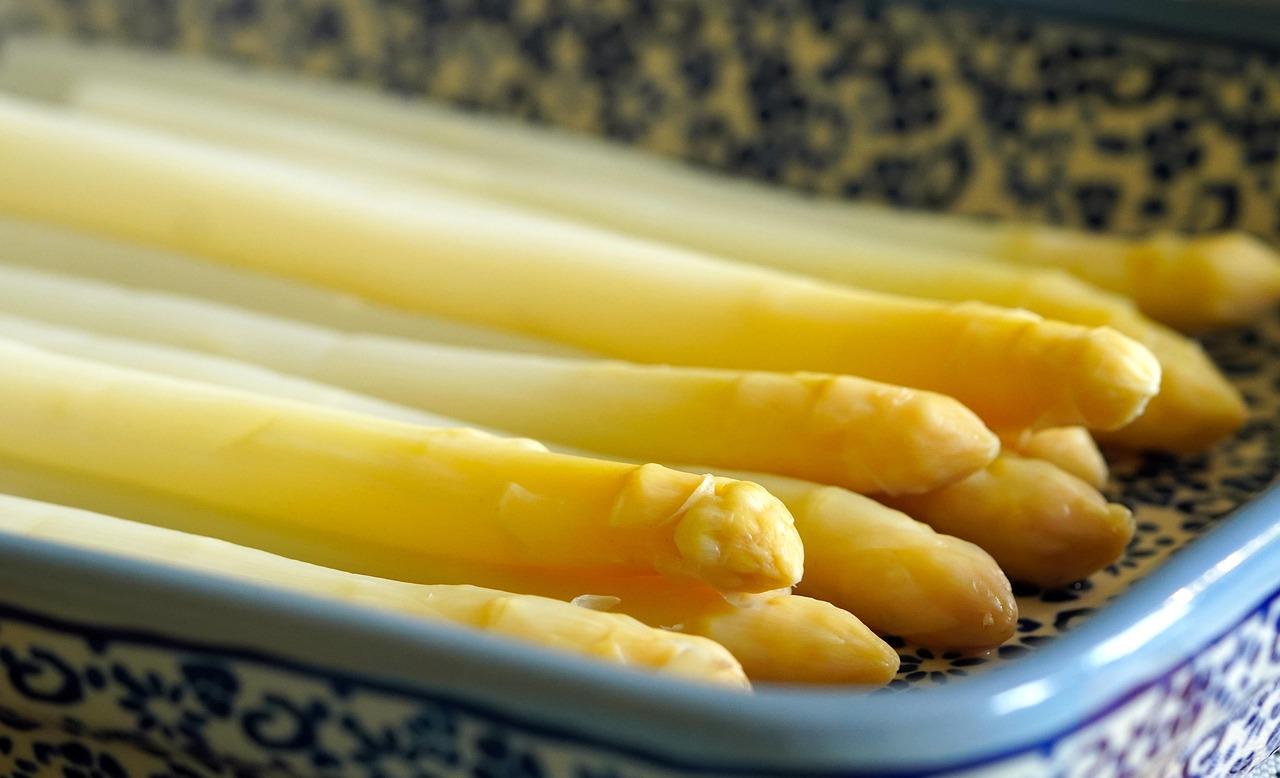
White asparagus grows under mounded earth in the sandy fields along the Ebro and its tributaries, and the Espárrago de Navarra label covers the spears picked there from April to June. In spring, restaurants from Pamplona to Tudela serve them freshly boiled, still warm or just cool, as a starter on their own or with a sharp vinaigrette full of finely diced peppers and egg. The rest of the year the jarred ones are a pantry staple. Chef's tip: add a teaspoon of sugar to the cooking water; it softens the faint bitterness of the stems.

by KrazyBadal 0 views

Erk sousLiquorice root drink

In the lanes of old Damascus and Aleppo, the erk sous seller is heard before he is seen, clacking brass cups as he walks with a great curved jug strapped to his back. His drink is liquorice root, slowly dripped through with cold water, dark, earthy, faintly bitter and naturally sweet, poured with a flourish over the shoulder during Ramadan iftars and hot afternoons. At home a sieve and a cloth do the job. The mistake people make is pouring boiling water over the root, which pulls out harsh bitterness; cold water and patience give a smooth, foamy drink. Liquorice root raises blood pressure if you drink a lot of it, so keep to a glass or two a day and skip it if you are pregnant or have high blood pressure. Chef's tip: a pinch of bicarbonate of soda in the damp root gives the drink its traditional thick, frothy head.

by KrazyBadal 0 views

EscalivadaRoasted aubergine, pepper and onion

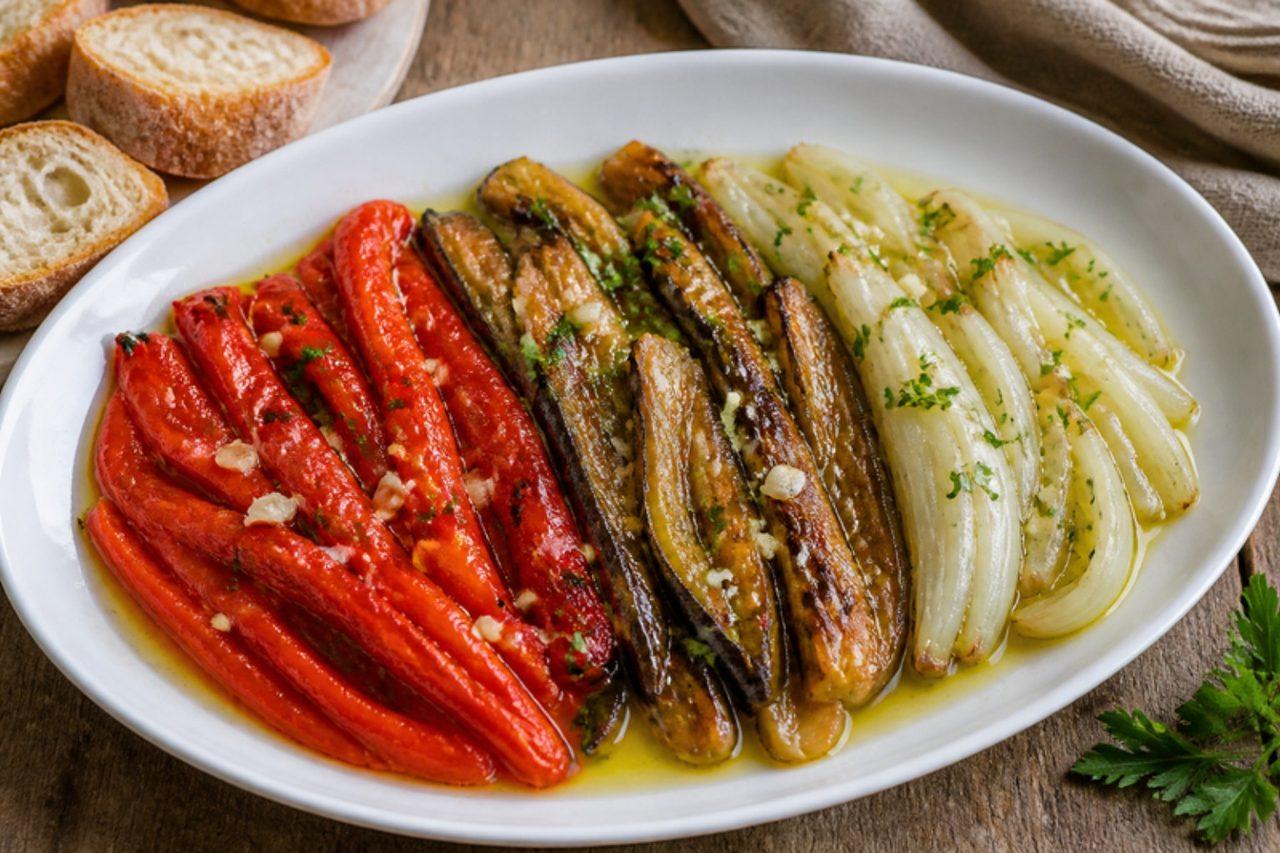
The name comes from the Catalan escalivar, to cook in the embers, and in country masies across Catalonia the vegetables still go straight into the dying fire after a Sunday grill. Aubergines, red peppers and onions char black outside and turn smoky and soft within, then are peeled, torn into strips and dressed with nothing but olive oil, salt and a little garlic. Serve it warm or at room temperature with bread, beside grilled meat, or on toast. Chef's tip: wrap the roasted vegetables in a cloth or put them in a covered bowl for 15 minutes; the steam lifts the skins clean off.

by KrazyBadal 0 views

Escargots de BourgogneSnails in garlic parsley butter

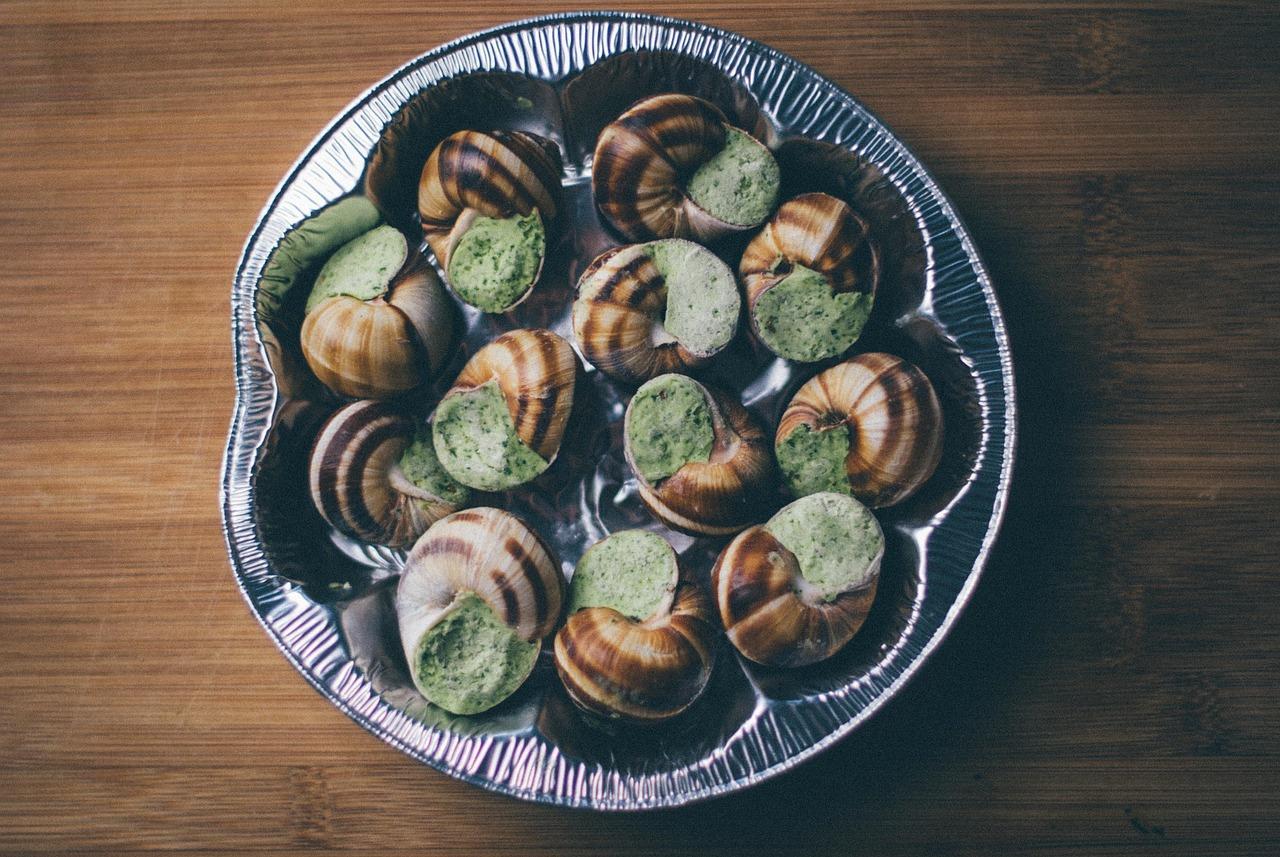
Burgundy snails in green garlic butter are the festive starter of the Côte-d'Or, eaten at Christmas and New Year all over France and in Paris brasseries year round, served by the dozen in dimpled dishes. The snails themselves taste mild and earthy and have a pleasantly firm bite; the real attraction is the sizzling butter packed with garlic, shallot and parsley, mopped up with bread. Live snails need days of preparation, so this recipe uses ready-prepared tinned or jarred snails, with clean shells or snail dishes bought separately. Chef's tip: make the butter a day ahead so the garlic flavour deepens, and pack the shells well so the butter seals the snail in.

by KrazyBadal 0 views

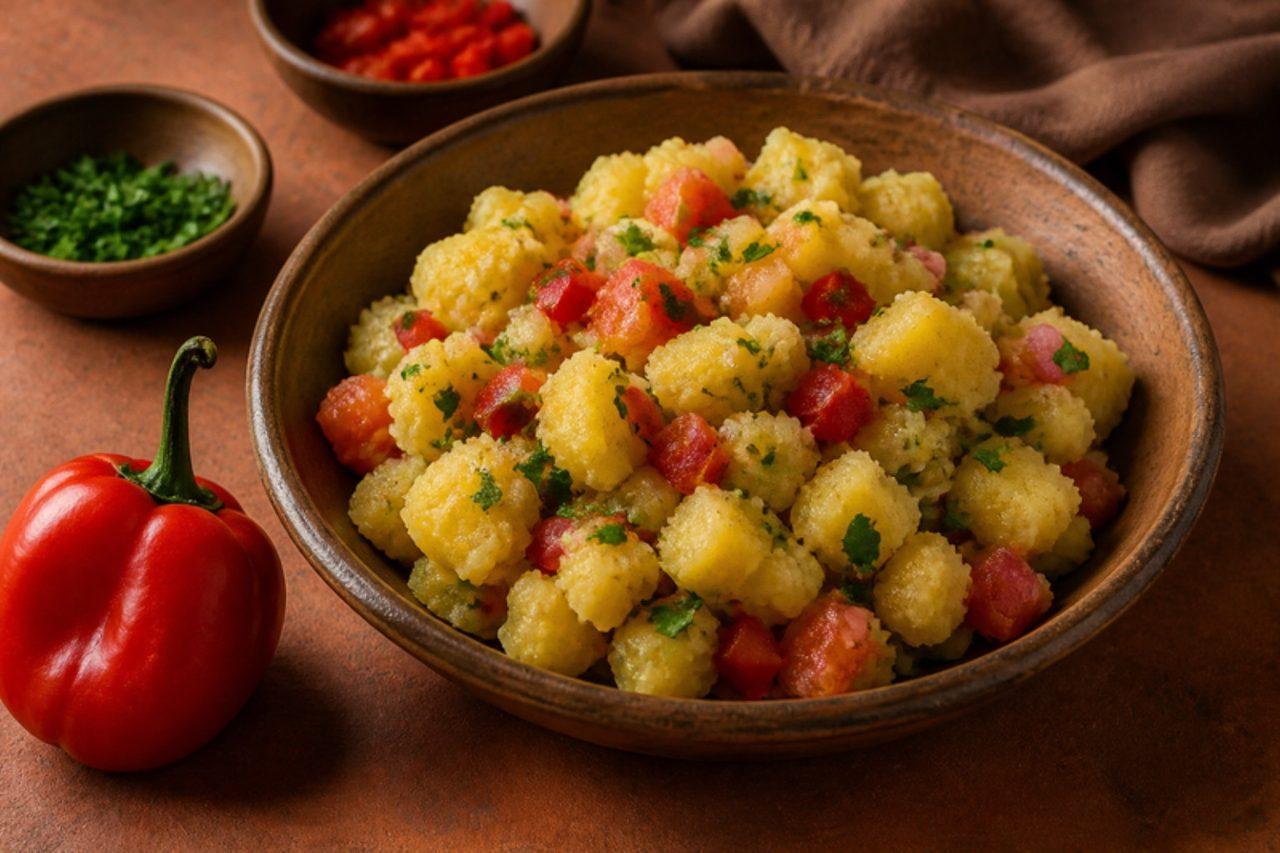
EscribanoCrushed potato salad with rocoto

Mid-morning in Arequipa's traditional picanterías, before the big plates come out, regulars order escribano: a bowl of warm yellow potato crushed with a fork and drenched in rocoto, ripe tomato, vinegar and oil. Local lore says it was a snack for the court clerks (escribanos) who worked nearby, and it is still eaten as a sharp, spicy wake-up with a glass of chicha or a soft drink. The texture should be rough and juicy, somewhere between a salad and a mash, with the red chilli bright against the potato. Don't purée it: overworked potato goes gluey and loses the chunks that hold the dressing. Rocoto is fiercely hot, so start with half and taste. Serve it alone with crusty bread, or beside fried cheese or grilled vegetables. Chef's tip: dress the potatoes the moment they are drained and peeled, while they are steaming, so they drink in the vinegar.

by KrazyBadal 0 views

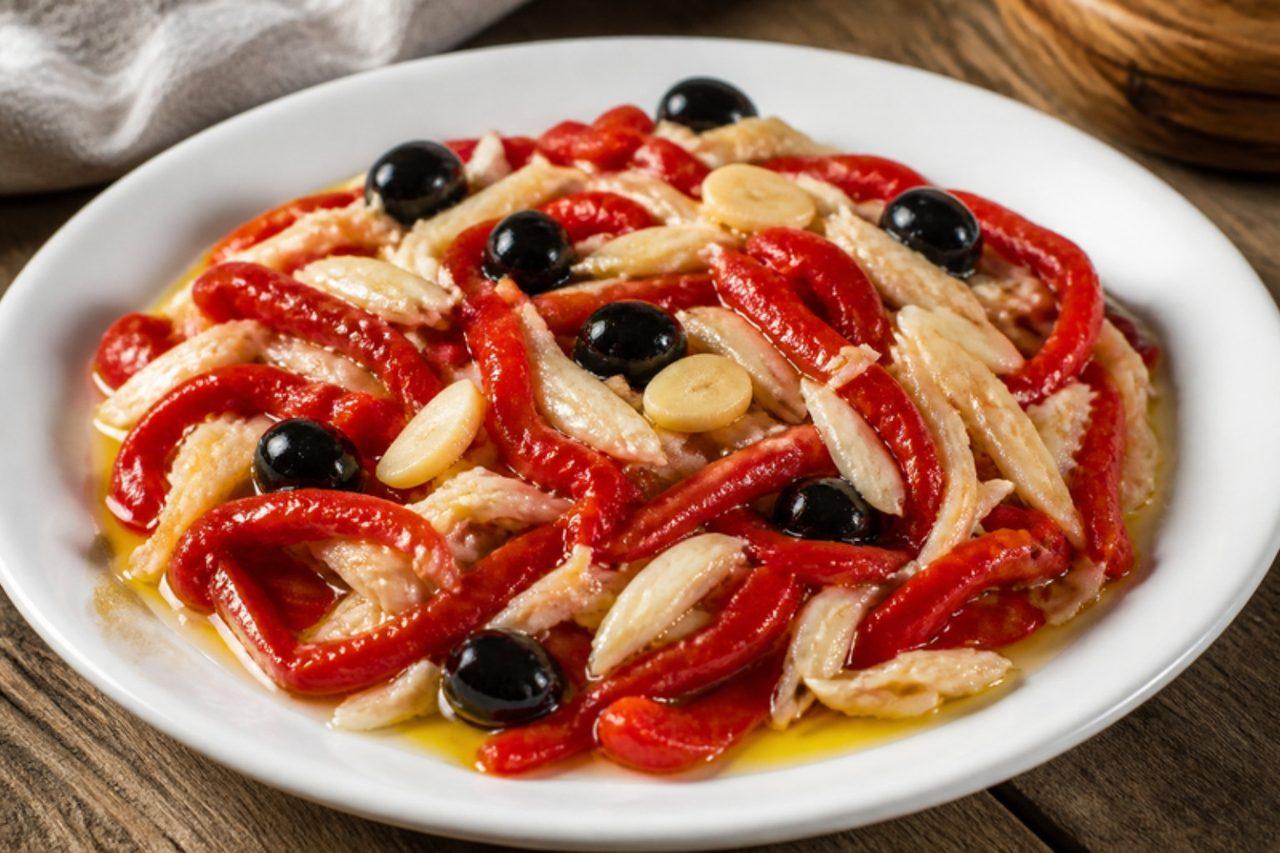
EsgarraetRoast pepper and salt cod salad

Esgarraet means "torn", and that is the whole technique: red peppers are roasted until soft and sweet, then pulled into strips by hand and layered with shredded salt cod, garlic and plenty of olive oil. Valencia's bars put it out as a tapa with crusty bread, and families make a big dish of it to pick at before a summer paella. Traditionally the cod is only desalted, not cooked, which means it is raw cured fish. That version is not for pregnant women, young children or anyone with a weakened immune system; this recipe gently poaches the cod first, which keeps it tender and makes it safe for everyone. A common mistake is rinsing the roast peppers under the tap to peel them; you wash away the sweet juices. Chef's tip: make it a day ahead; the peppers and cod drink up the garlicky oil overnight.

by KrazyBadal 0 views

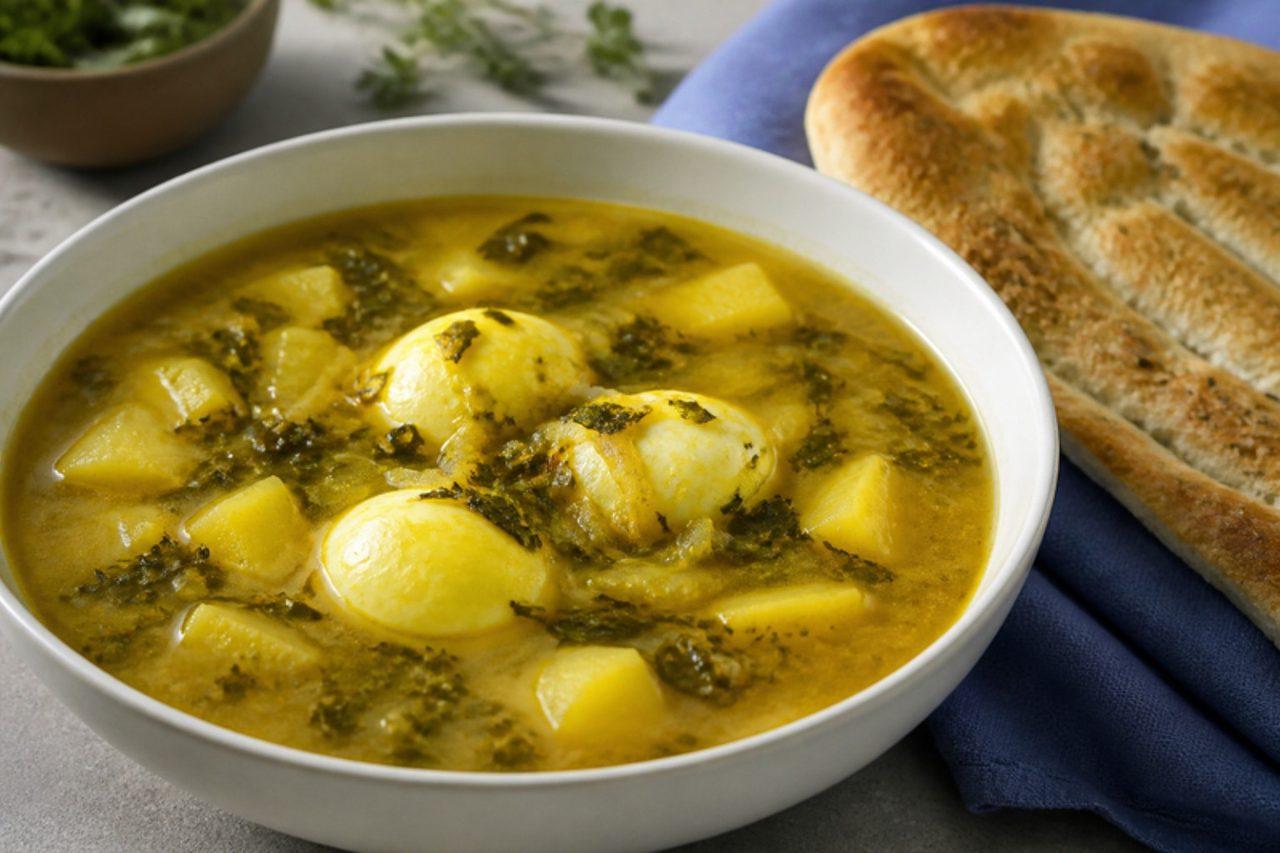
EshkenehOnion, fenugreek and egg soup

Eshkeneh is the soup of the cold north-west, cooked in Tabriz kitchens on winter evenings when there is little in the house but onions, eggs and dried fenugreek. The onions are fried very slowly until sweet and brown, a spoon of flour and turmeric thickens the broth, and eggs are dropped in to poach at the end; a little sour from lemon or dried sour cherries balances it. Azerbaijani families crumble barbari or lavash into their bowls so the bread soaks up the broth. A common mistake is rushing the onions, which leaves the soup thin and harsh rather than mellow and golden. Chef's tip: add the dried fenugreek with the flour, not before, because it scorches quickly and turns bitter.

by KrazyBadal 0 views

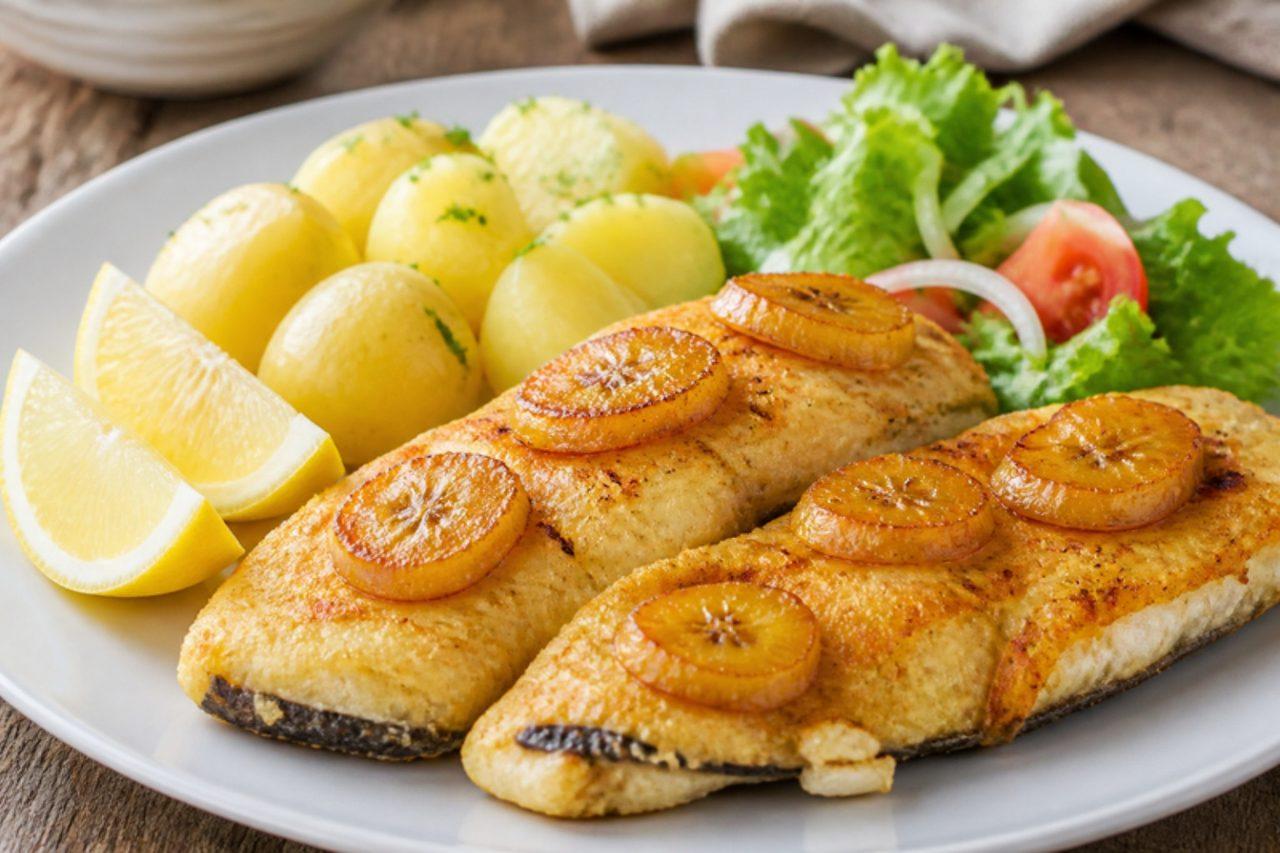
Espada com bananaFried scabbardfish with banana

The long, black, sharp-toothed espada is caught at great depth off Madeira at night, and the Funchal fish market sells it every morning. Its white, tender fillets are eaten everywhere on the island, most famously dipped in egg and fried, then crowned with slices of the small, sweet local banana fried in butter. Black scabbardfish is hard to find elsewhere; hake, ling or cod fillets work well. Chef's tip: pat the fish completely dry before flouring it, so the egg coating clings and fries crisp.

by KrazyBadal 0 views

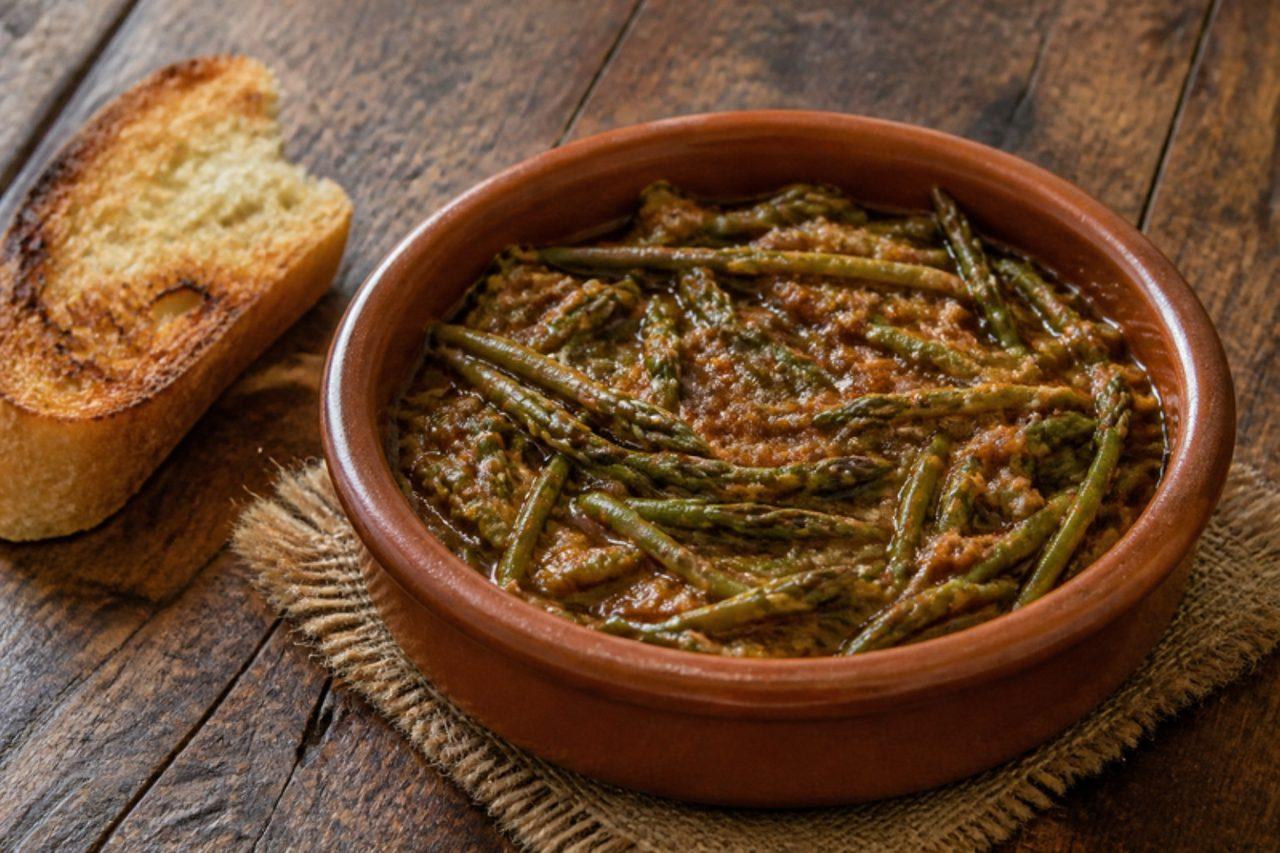
Espárragos trigueros esparragadosWild asparagus with fried bread

From March to May, families around Granada and Córdoba walk the field edges gathering thin, bitter wild asparagus, and the classic way to cook the haul is esparragados: simmered in a sauce of pounded fried bread, garlic, cumin and paprika, with an egg poached on top. Thin green asparagus from the shop works well too. The sauce should be thick enough to hold the egg. Chef's tip: pound the bread and garlic while still warm from the pan; they break down into a smooth paste far more easily.

by KrazyBadal 0 views

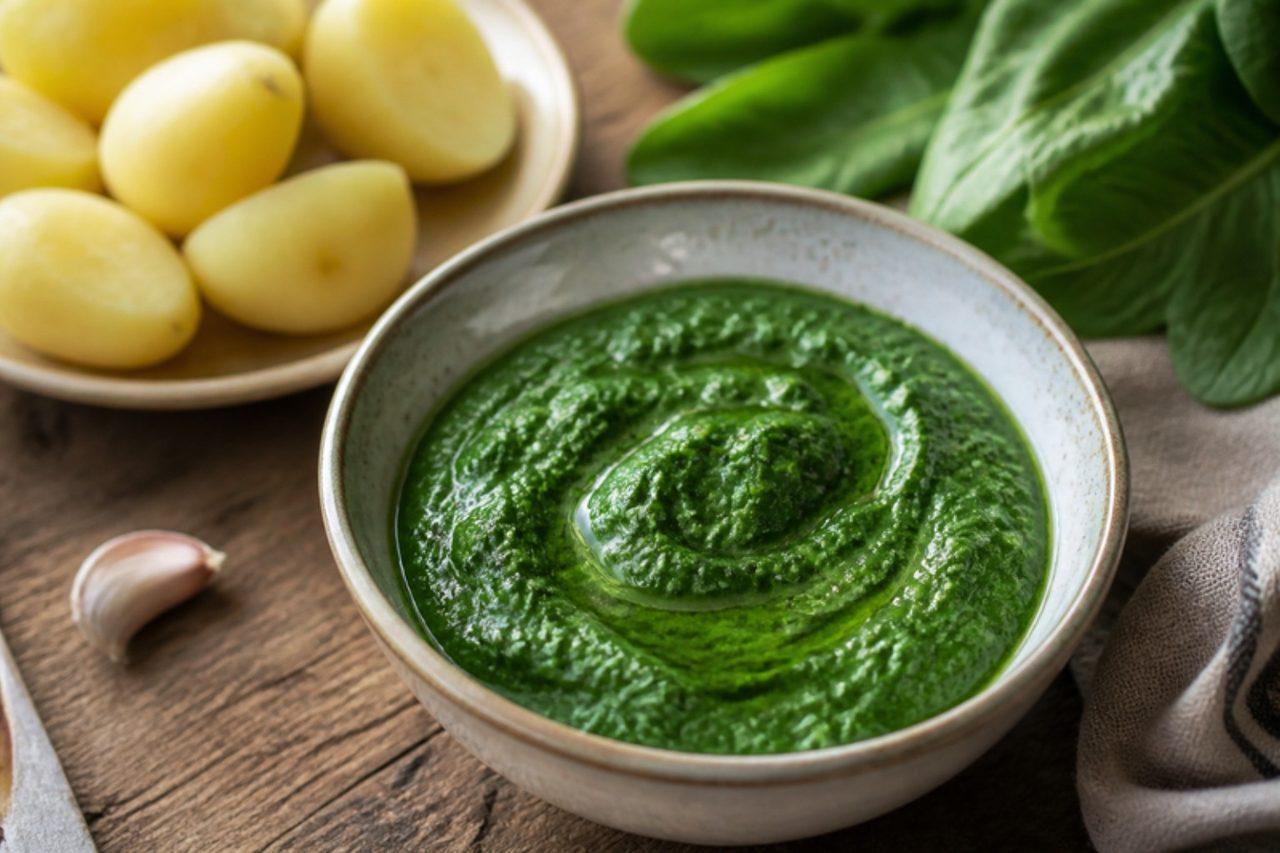
EsparregadoGarlic puréed greens

Fried fish in a Lisbon casa de pasto often comes with a spoonful of soft, dark green esparregado on the side, and the roast lamb at Easter lunch in the Ribatejo does too. Cooks use whatever leaves are in season: turnip tops in winter, spinach the rest of the year, sometimes a handful of wild asparagus. The greens are cooked, chopped very fine and stirred into garlic-scented olive oil with a little flour until creamy, then lifted with a dash of vinegar. It is good with fried cuttlefish, grilled sardines or a fried egg. A common mistake is skipping the squeeze; wet greens make a watery purée, so press out as much water as you can. Chef's tip: squeeze the cooked greens really hard before chopping; watery greens give a thin, grey purée.

by KrazyBadal 0 views

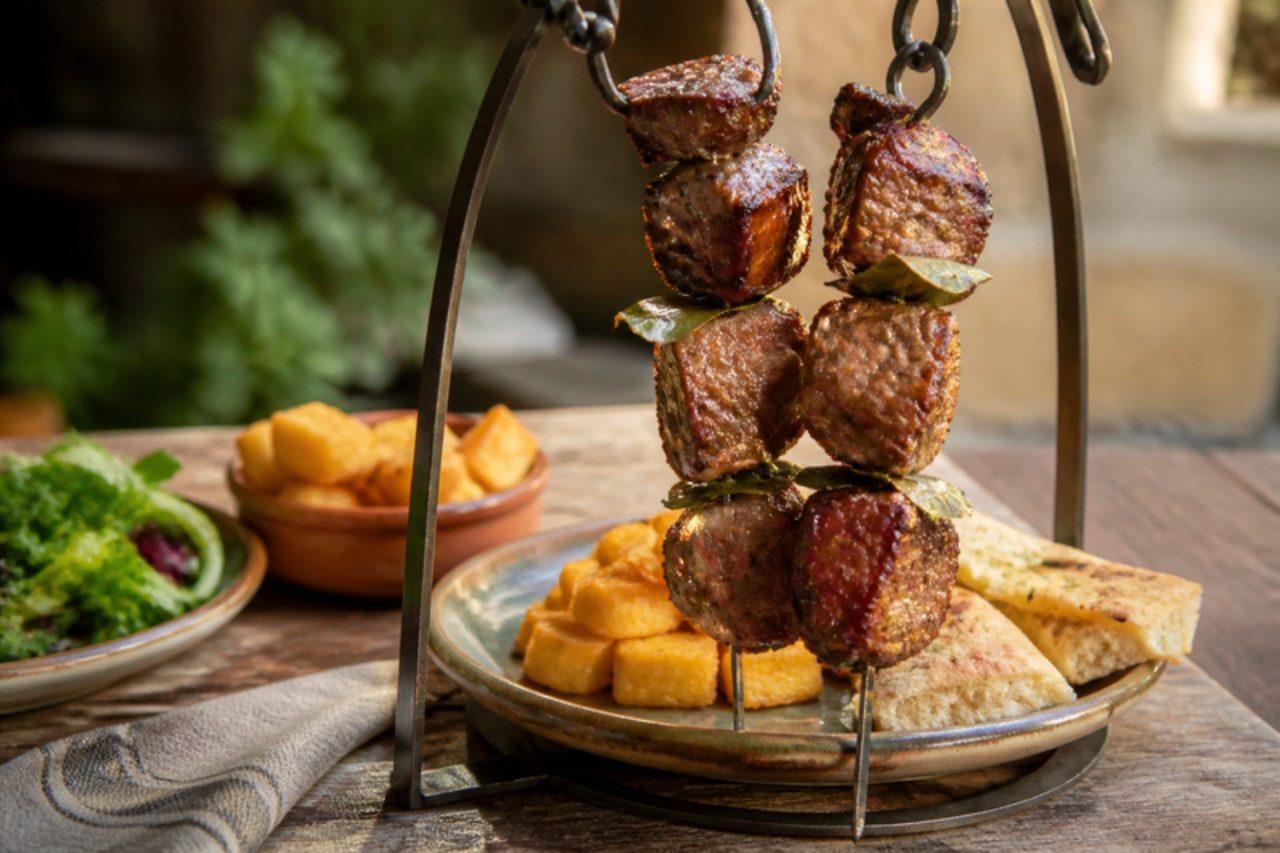
Espetada madeirenseGarlic and bay beef skewers

In Estreito de Câmara de Lobos, on the hillsides above Funchal, the September wine harvest ends with espetada: big cubes of beef rubbed with garlic, salt and crushed bay, threaded onto bay branches and roasted over a wood fire. Restaurants hang the long skewers from hooks above the table, so everyone slides off their own pieces. It is eaten with bolo do caco, milho frito and a salad. Chef's tip: cut the beef into large 4 cm cubes, which stay juicy in the middle while the outside chars.

by KrazyBadal 0 views

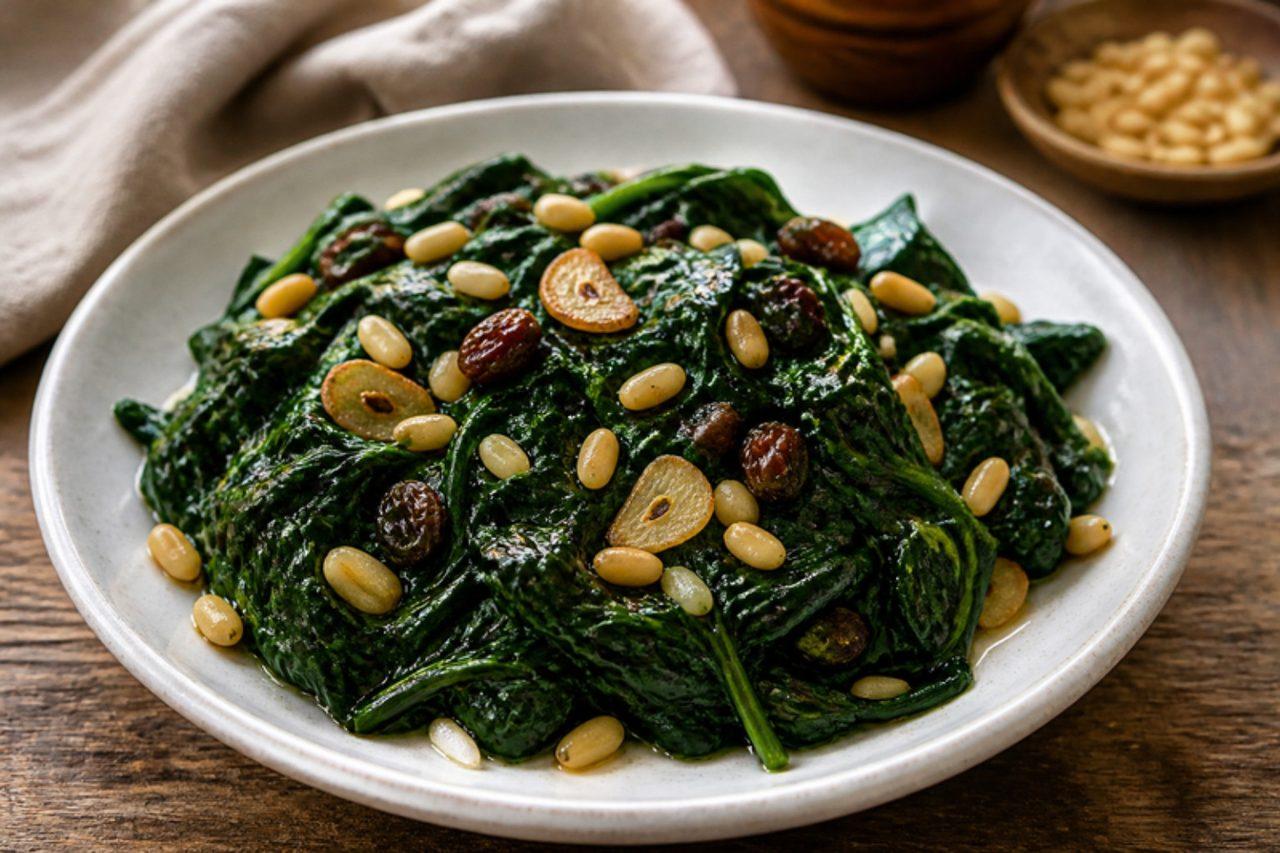
Espinacs a la catalanaSpinach with raisins and pine nuts

This dish carries the sweet-and-savoury taste of medieval Catalan cooking: spinach wilted with plump raisins and toasted pine nuts, sometimes with a little pork fat or anchovy, though olive oil is just as traditional. Families cook it in spring and autumn as a side for fish or chicken, or as a light first course before the main. It takes ten minutes. Chef's tip: soak the raisins in warm water first so they swell and burst sweetly, instead of turning hard in the hot pan.

by KrazyBadal 0 views

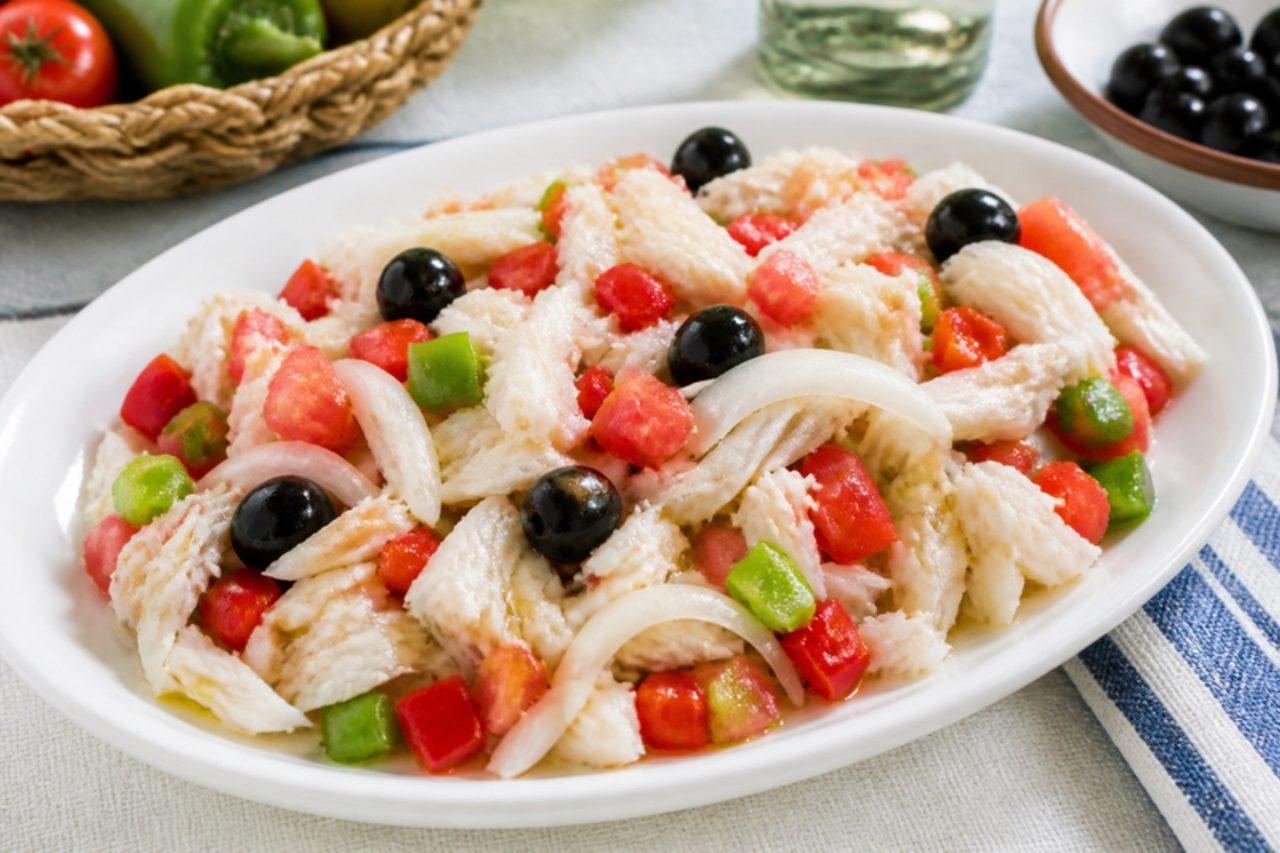
EsqueixadaShredded salt cod salad

Esqueixada, from esqueixar, to tear, is the summer starter of Barcelona's old taverns: salt cod that has been soaked, shredded by hand and dressed with tomato, peppers, onion and black olives. Traditionally the cod is never cooked, only desalted, so it stays translucent and firm; raw cured fish is not for pregnant women, young children or anyone with a weakened immune system. The safer version, given in the steps, poaches the cod gently first, and this is the one to choose whenever in doubt. Chef's tip: tear the cod with your fingers along its natural flakes; a knife makes it mushy and you lose the pleasing chew.

by KrazyBadal 0 views

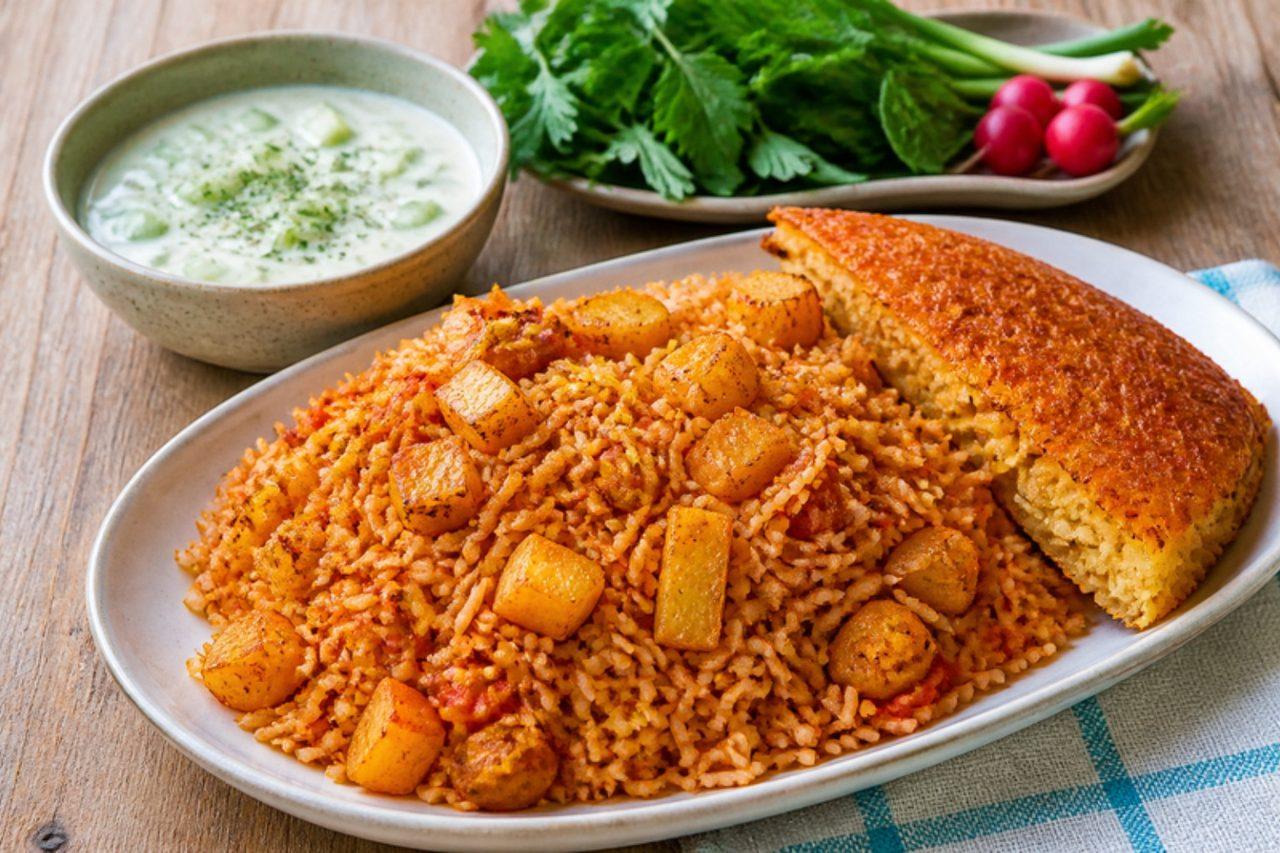
Estamboli poloTomato rice with potatoes

In Tehran flats, estamboli polo is the weeknight rice that turns up when the fridge holds little more than tomatoes and potatoes, and children ask for it by name. Basmati is par-boiled, then layered back into the pot with a turmeric-and-tomato sauce and cubes of fried potato, and steamed under a cloth-wrapped lid until each grain is separate and orange-tinged. The bottom turns into a golden, crunchy tahdig that everyone fights over. Serve it with mast-o khiar, a plate of fresh herbs and torshi. A common mistake is stirring the tomato sauce through boiling rice, which makes it sticky; layer it instead and let the steam do the work. Chef's tip: lay thin potato slices on the base of the pot for the tahdig; they crisp evenly and lift out in one piece.

by KrazyBadal 0 views

EsterházytorteAlmond meringue layer cake

Named after a Hungarian noble family and claimed by both Budapest and Vienna, this torte is a showpiece of Viennese pastry shops, where it sits in the glass counter beside richer chocolate cakes. Five or six crisp-chewy almond meringue layers are stacked with a vanilla custard buttercream, then topped with white icing and the famous feathered chocolate lines. It has no flour at all, so it suits gluten-free guests. A common mistake is baking the layers too pale; they should be light golden, or they go soft and sticky in the cream. Chef's tip: draw the circles on baking paper first and spread the meringue to the line with a palette knife, so every layer matches.

by KrazyBadal 0 views

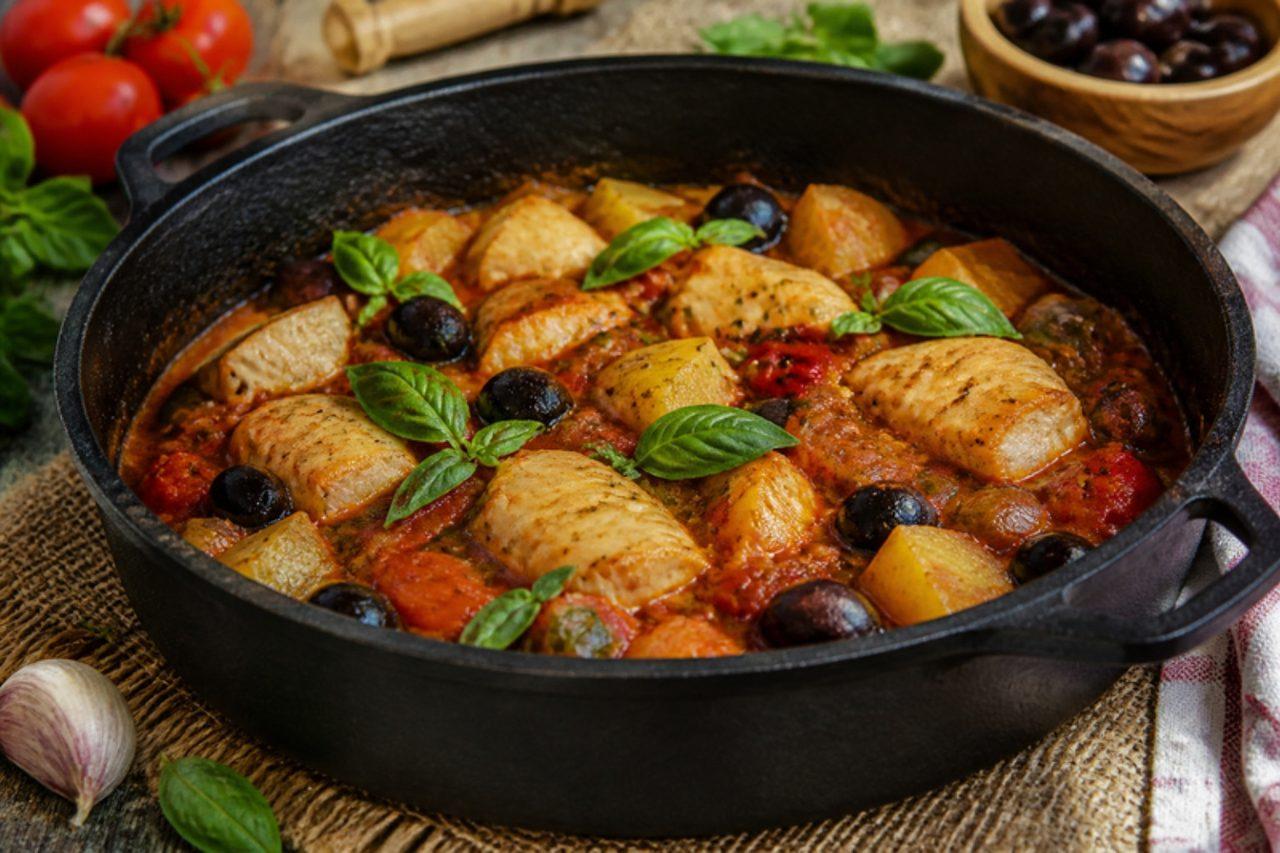
Estocaficada (stockfish niçois)Dried cod stew with tomato

Estocaficada is the old winter dish of Nice's port and old town, where Norwegian stockfish arrived in exchange for olive oil and wine centuries ago; it is still cooked for family Friday lunches and at the city's food festivals. Air-dried cod is rehydrated and stewed slowly with tomatoes, onions, peppers, black olives and potatoes, giving a rich, rust-red stew with a deep, almost meaty flavour. True stockfish is hard to find outside specialist shops and needs 4–5 days of soaking, so this recipe uses salt cod, which is easier and gives a gentler result; the note explains both. Serve in deep plates with crusty bread for the sauce. Chef's tip: add the cod at the end and keep it at a gentle simmer so it stays in juicy flakes rather than turning rubbery.

105 minFrenchFishGluten free
by KrazyBadal 0 views

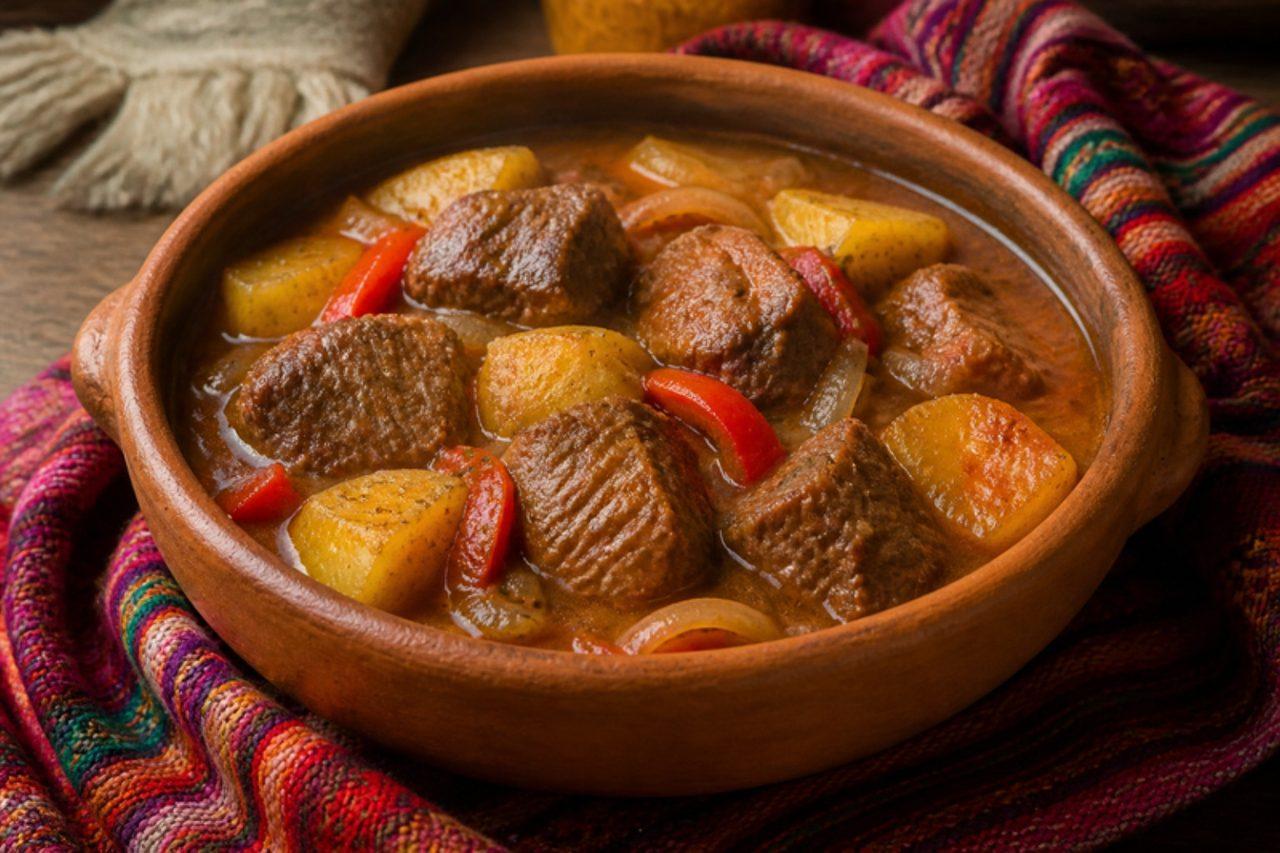
Estofado de llamaBraised llama stew

Llama herds have grazed the Puna of Jujuy for thousands of years, and in Purmamarca, Tilcara and Humahuaca restaurants now proudly serve their meat to visitors, most often as a slow estofado. The meat is very lean, dark red and mild, a little like venison, and it is braised with onion, red pepper, tomato, cumin, ají molido and a sprig of muña or oregano until tender, then served with Andean potatoes, quinoa or rice. Outside the Andes, llama is sold by a few specialist game and alpaca farms; lean venison or beef topside are the closest substitutes. Treat it like beef and braise it until fork-tender. Because the meat has almost no fat, the common mistake is cooking it at a rolling boil, which makes it dry and stringy: keep the heat low and the lid on. Chef's tip: dust the meat lightly with a little cornflour before browning; it protects the lean pieces and thickens the sauce without making it heavy.

by KrazyBadal 0 views

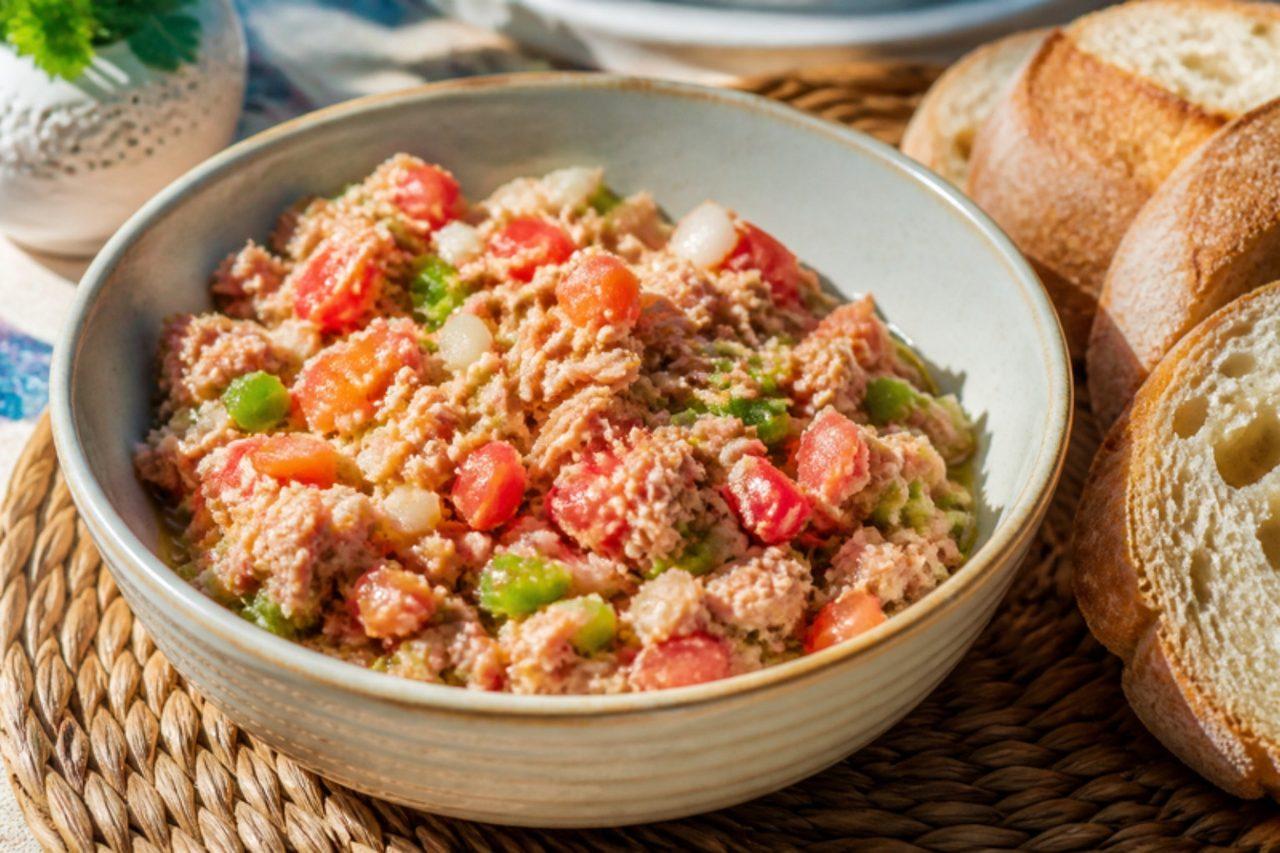
Estupeta de atumShredded tuna salad

Vila Real de Santo António and Tavira grew rich on tuna, and estupeta is what the fishing families made from the salted belly: shredded into threads and tossed with tomato, green pepper and onion in a sharp olive-oil dressing. Today it appears every summer in tascas along the Guadiana as a starter with bread and cold drinks. The traditional salted tuna is cured, not cooked, so it is not for pregnant women, young children or anyone with a weakened immune system; this version uses fresh tuna poached until cooked through, which anyone can eat. Chef's tip: shred the tuna with two forks while it is still warm, as it pulls into finer threads.

by KrazyBadal 0 views

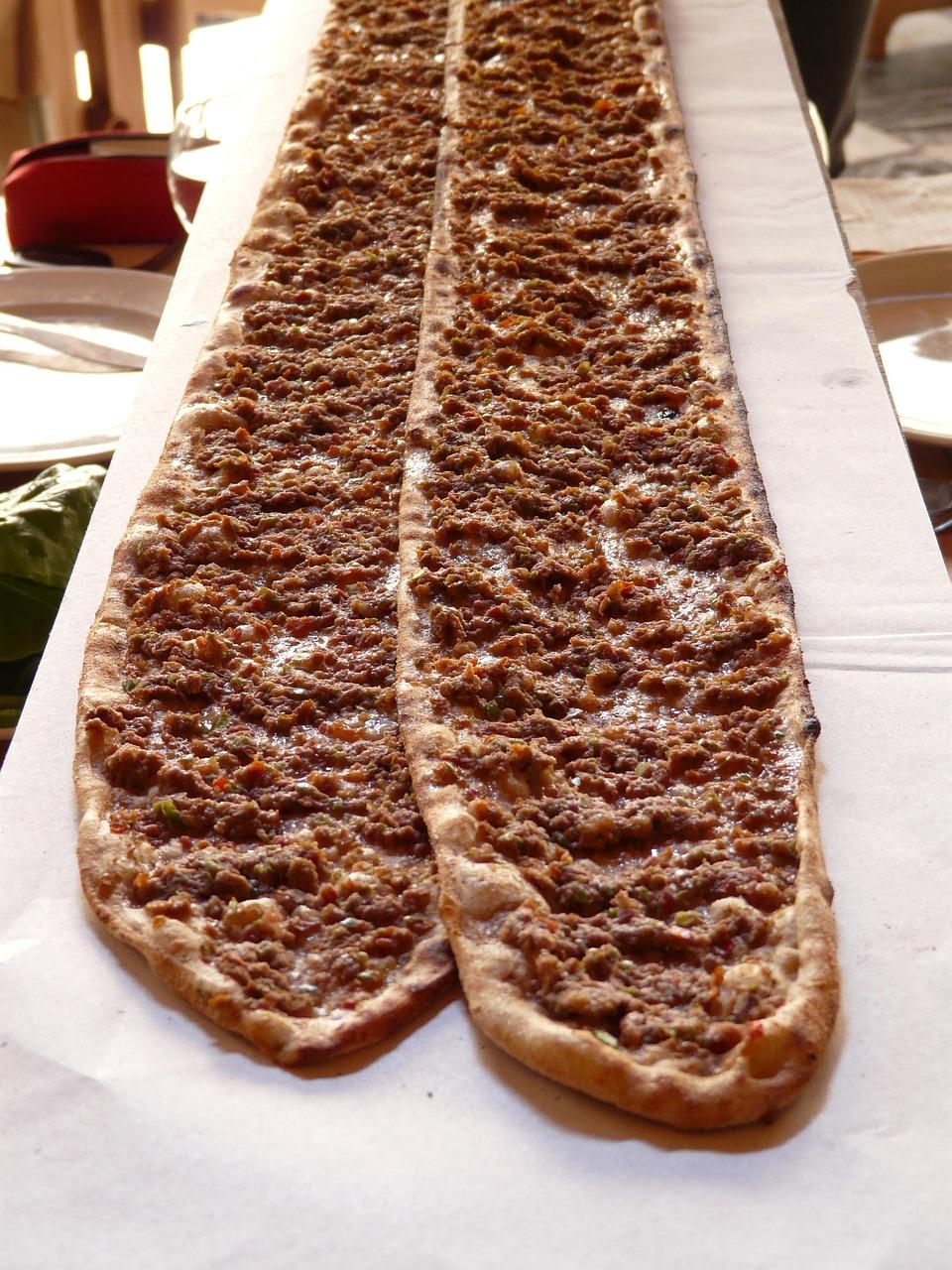
Etli ekmekThin flatbread with lamb mince

In Konya, etli ekmek is the city's own fast food: dough stretched into a strip almost a metre long and thin as card, spread with hand-chopped lamb or beef, onion, tomato and pepper, baked for a few minutes in a stone oven and cut into squares with a pizza wheel. Unlike lahmacun, the topping is generous and the bread is crisp all the way through. At home, make shorter strips on a hot tray and serve with ayran, lemon and a heap of parsley and onion. Common mistake: piling the topping thick, which keeps the base soft; spread it thin right to the edges. The meat must reach 71 °C. Chef's tip: chop the mince again on a board with the onion and peppers; it spreads thinner and cooks faster.

by KrazyBadal 0 views

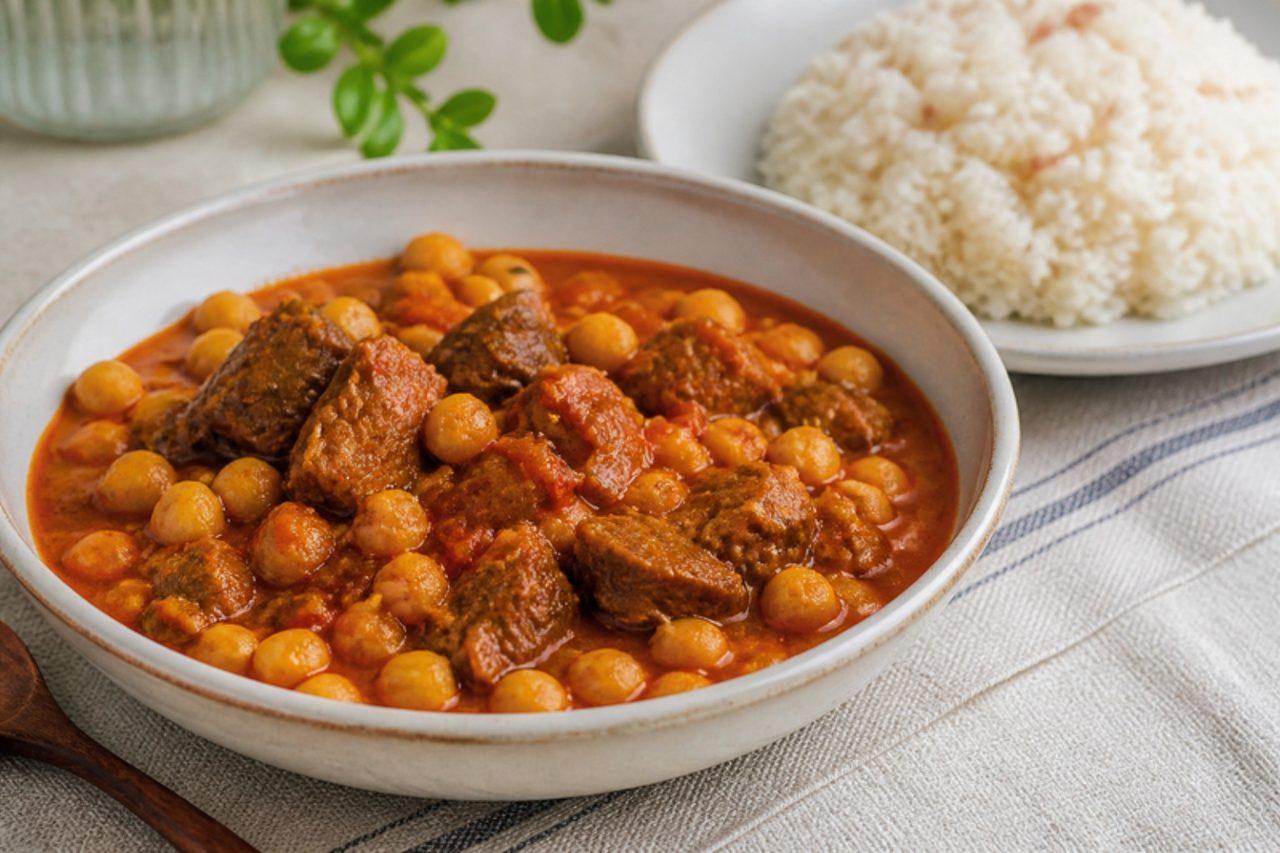
Etli nohutLamb and chickpea stew

Ask anyone in Turkey for the taste of a school lunch or a lokanta set menu and many will say etli nohut with pilav: chickpeas simmered with cubes of lamb, onion, tomato and pepper paste until the sauce is thick and the chickpeas creamy. Spooned over buttery rice with a few pickles alongside, it is cheap, filling and better the next day. Soaking dried chickpeas overnight makes the biggest difference. Common mistake: adding salt and tomato paste before the chickpeas are tender, which keeps them hard. Chef's tip: brown the lamb in batches so it sears instead of stewing in its own juice; that crust flavours the whole pot.

115 minTurkishMeatGluten free
by KrazyBadal 0 views

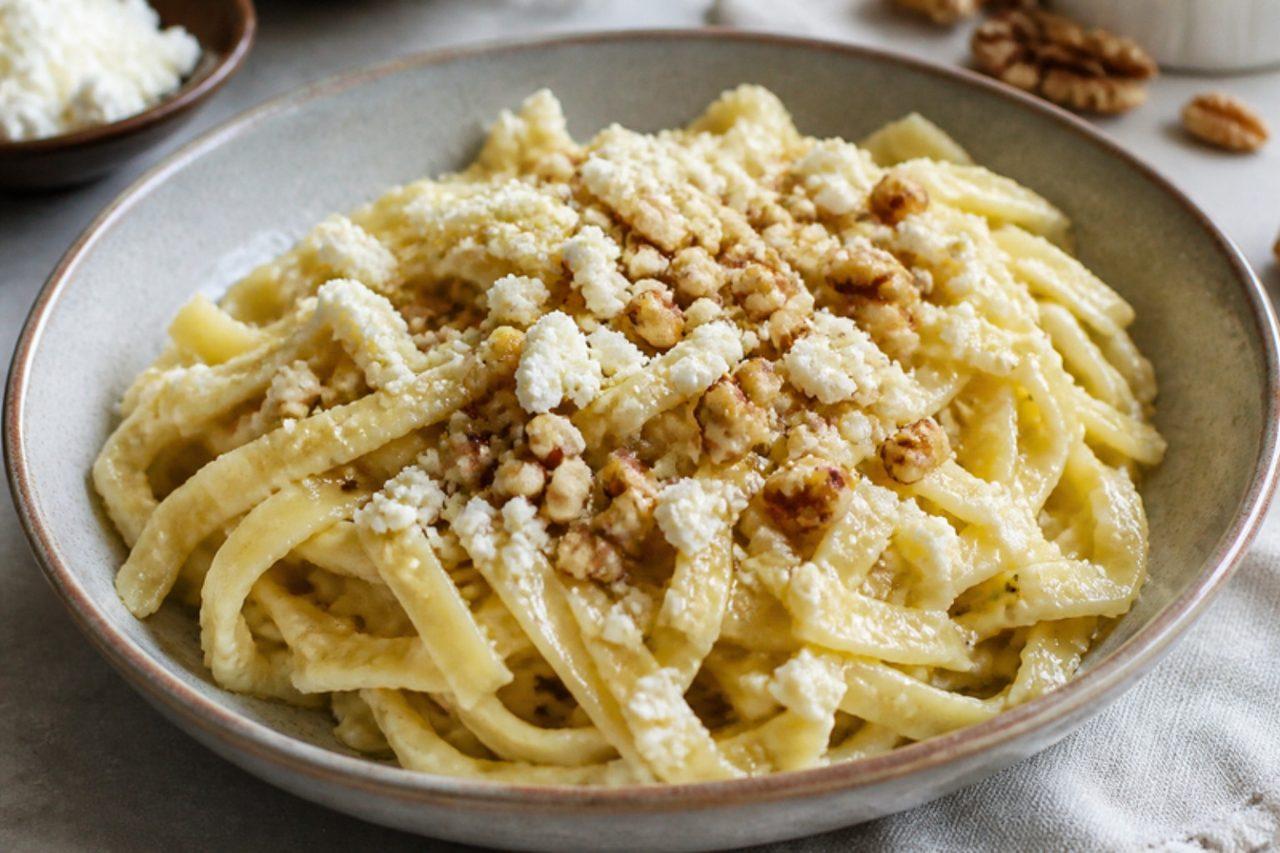
Ev eriştesiEgg noodles with walnuts

Late summer in Sivas, Tokat and Kayseri villages means erişte days, when neighbours roll out huge sheets of egg dough, cut them into ribbons and dry them on cloths to last the winter. Freshly cut, they cook in minutes and are tossed with browned butter, toasted walnuts and crumbled white cheese, a simple dish that tastes of the farm. Common mistake: cutting the noodles before the rolled sheet has dried a little, so they stick into a clump; let it sit 15–20 minutes until leathery. Feta-style white cheese is often made with animal rennet; use a vegetarian one if needed. Chef's tip: toast a few raw noodles in the butter until golden before the boiled ones go in; they add a lovely crunch.

by KrazyBadal 0 views

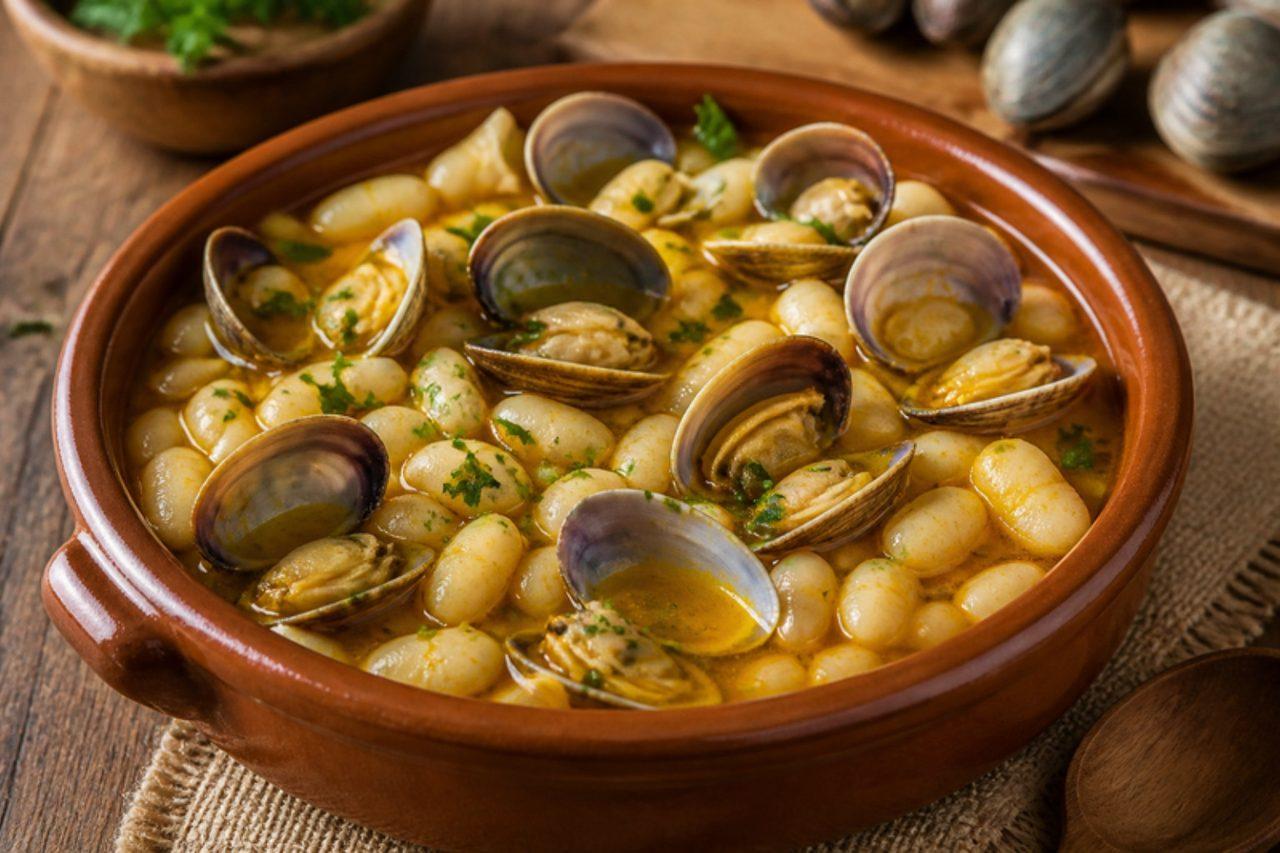
Fabes con almejasWhite beans with clams

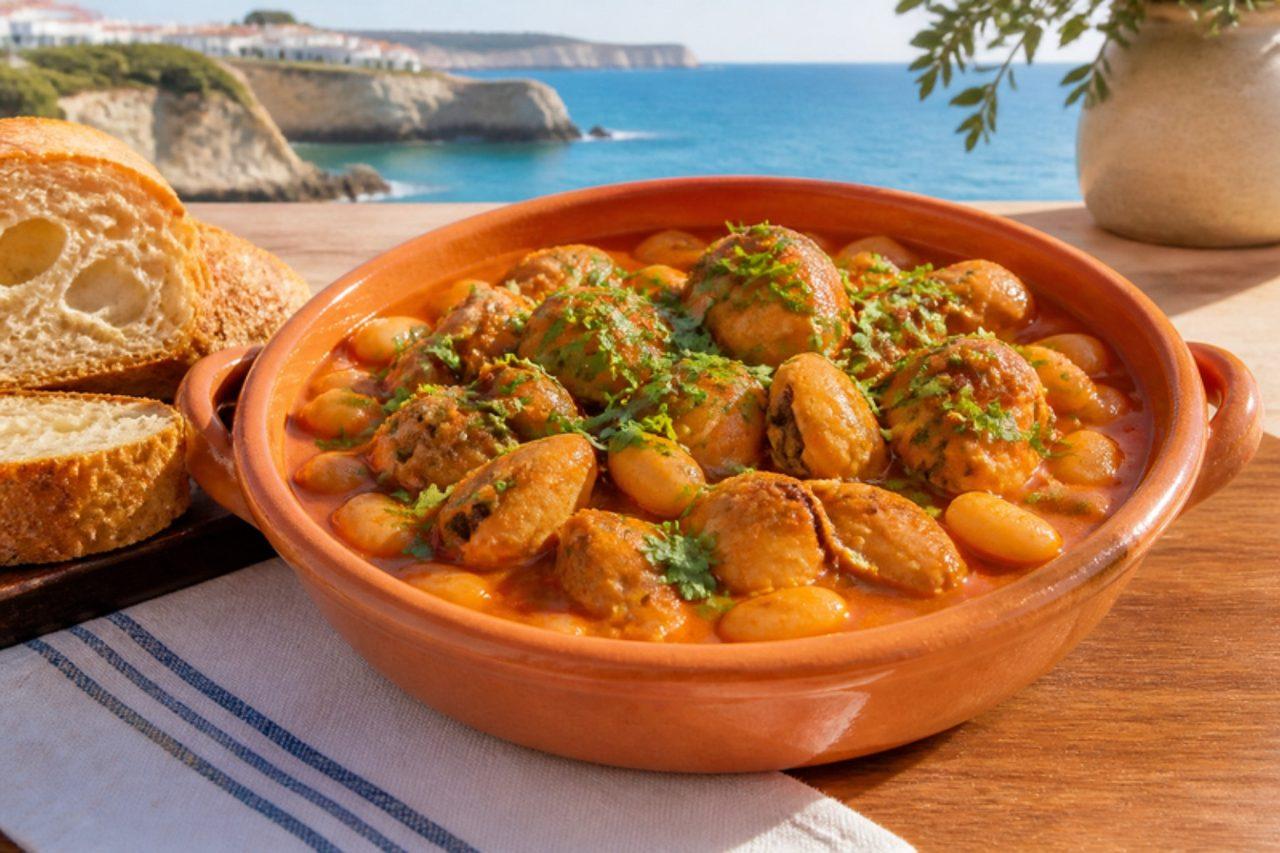
Along the coast, from Lastres to Ribadesella, fabes are cooked not with sausage but with clams, in a pale, saffron-tinted broth that tastes of the sea. It is a dish for a long weekend lunch in a seaside restaurant, eaten slowly with a spoon and bread. The broth uses a glass of dry white wine; an alcohol-free swap is given. Chef's tip: "scare" the beans by adding a splash of cold water whenever the pot boils up during cooking; it keeps the skins whole and the insides creamy.

175 minSpanishFishGluten free
by KrazyBadal 0 views

FartonsSweet glazed buns for dipping

In Alboraya, just north of Valencia, the horchaterías that serve cold tiger-nut horchata in summer put a plate of fartons beside every glass: long, slim, soft buns with a shiny sugar glaze, designed to be dunked and to soak up the milky drink without falling apart. The dough is enriched with egg, milk and sunflower oil rather than butter, which gives them their light, cottony crumb. They are just as good with coffee or cold milk. A common mistake is rushing the second rise; under-proved fartons stay tight and bready instead of airy. Chef's tip: roll each strip a little thinner than you think, about as thick as your finger, because they almost double in the oven.

by KrazyBadal 0 views

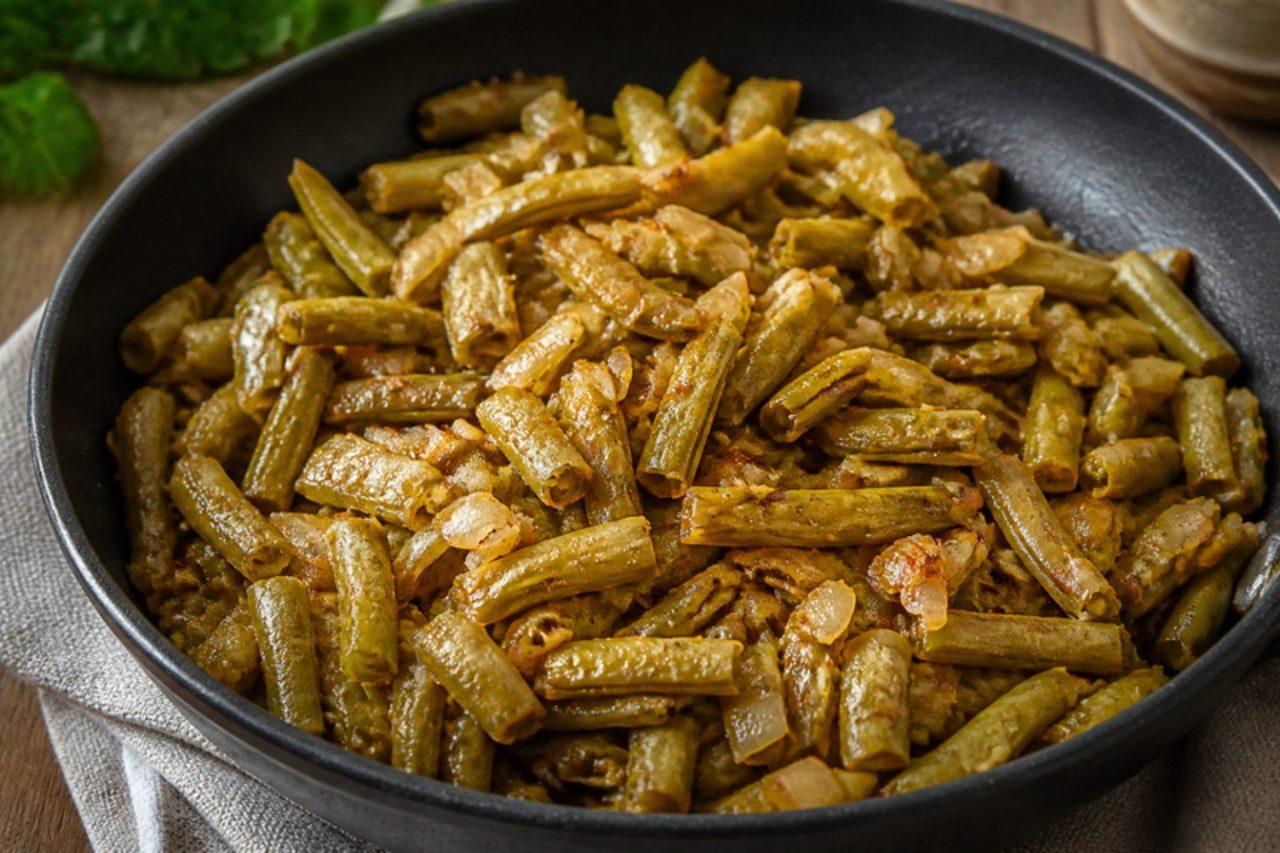
Fasulye turşusu kavurmasıFried pickled green beans

Every autumn, Black Sea households pack crocks with green beans and brine, and through the winter those sour, soft beans are fried with onion and a little butter or oil into one of the region's most loved side dishes. Kavurma means fried, and the beans take on golden edges while keeping their tangy bite; a beaten egg sometimes goes in at the end. Eat it with cornbread, rice pilaf or a bowl of fried anchovies. Common mistake: frying the beans straight from the jar; they spit and taste harshly sour. Chef's tip: soak them in fresh water for half an hour first, tasting as you go, until they are pleasantly sour rather than puckering.

by KrazyBadal 0 views

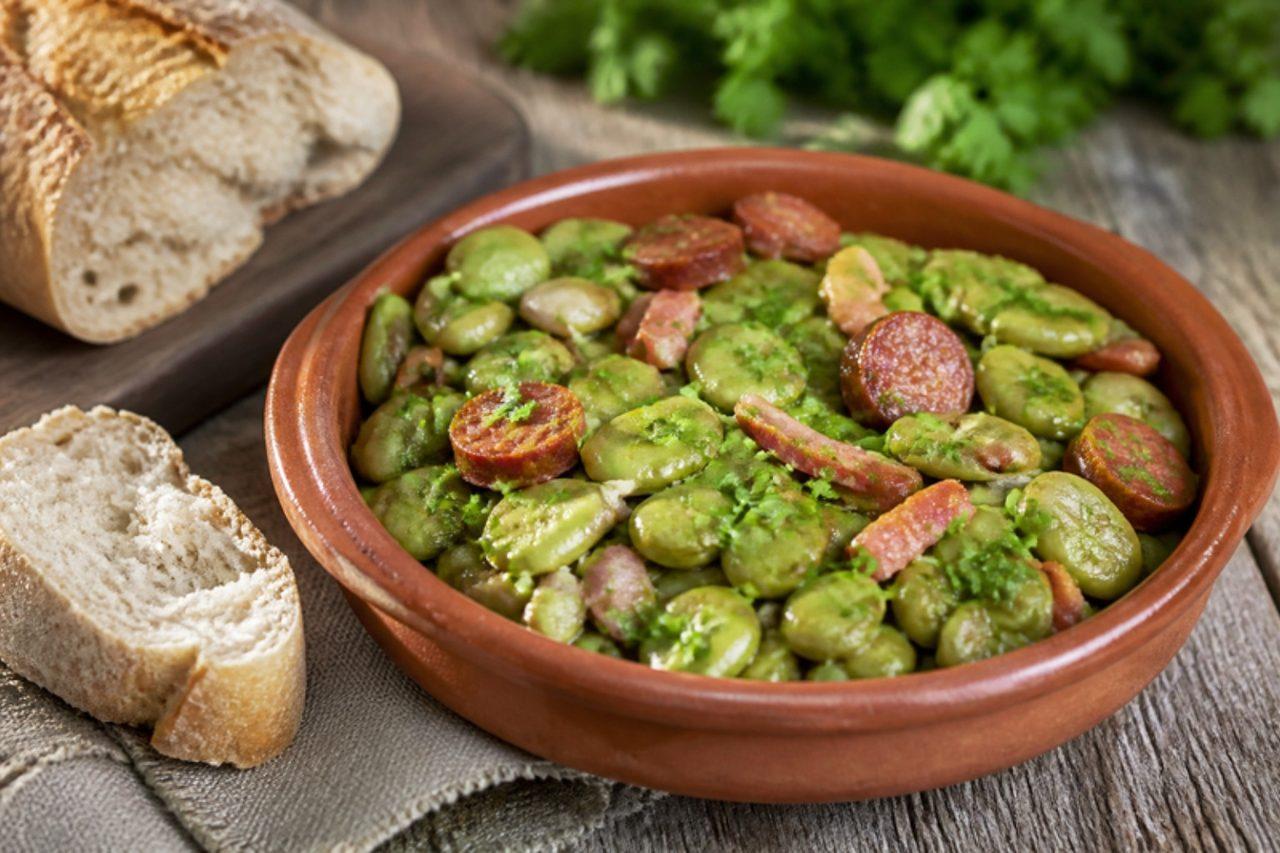
Favas guisadas com chouriçoBroad beans with chouriço

When broad beans come in across the Alentejo in April and May, this is the dish that announces them: young beans stewed with chouriço and a little cured pork belly, garlic, onion and a big handful of coriander, until the beans are soft and the sauce is red with paprika fat. It is a weekday lunch with bread, or with a poached egg on top. This contains pork (chouriço and bacon). Frozen broad beans work well out of season. A common mistake is boiling the beans until they turn grey and mealy; stop when they are tender and still green. Chef's tip: a spoonful of vinegar at the end brightens the rich, fatty sauce.

by KrazyBadal 0 views

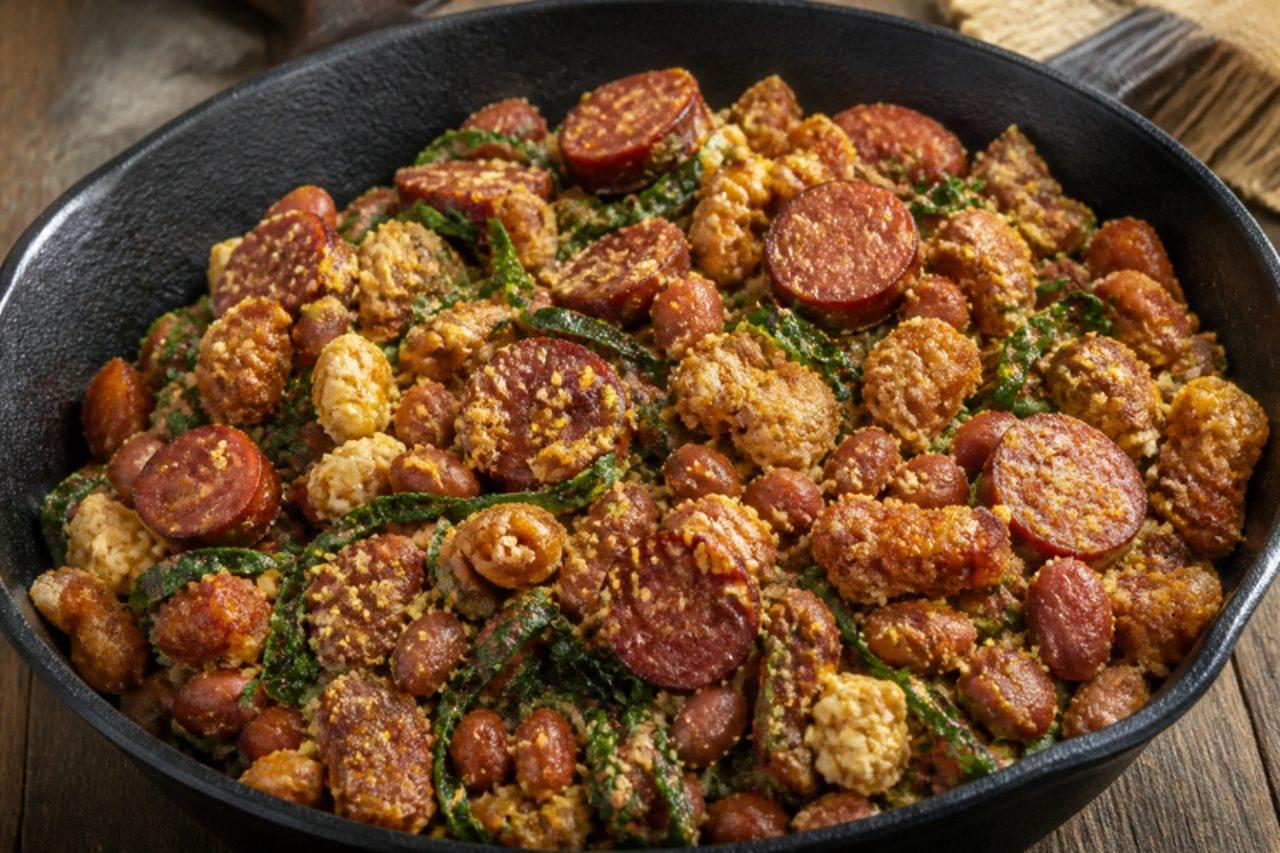
Feijão tropeiroBeans with cassava flour and bacon

Mule drivers, the tropeiros, crossed Minas Gerais with sacks of beans, cassava flour and pork, and their trail food has become the state's pride: you will find feijão tropeiro at every comida mineira restaurant, at football grounds in Belo Horizonte and on Sunday tables, with rice, couve, torresmo and a grilled pork chop. The beans are cooked just tender, drained, and tossed in bacon and sausage fat with onions, scrambled egg, cassava flour and shredded collards, so the dish is moist but loose, smoky and very savoury. This is a pork dish: smoked bacon and pork sausage give it its flavour. If you start from dried beans, soak them overnight. The usual mistake is overcooking the beans; mushy beans turn the farofa into paste. For a vegetarian version, skip the meats and use butter and an extra egg. Chef's tip: add the farinha off the heat a handful at a time and stop when it looks moist and fluffy, not dry.

by KrazyBadal 0 views

Feijoada à transmontanaRed beans with smoked sausages

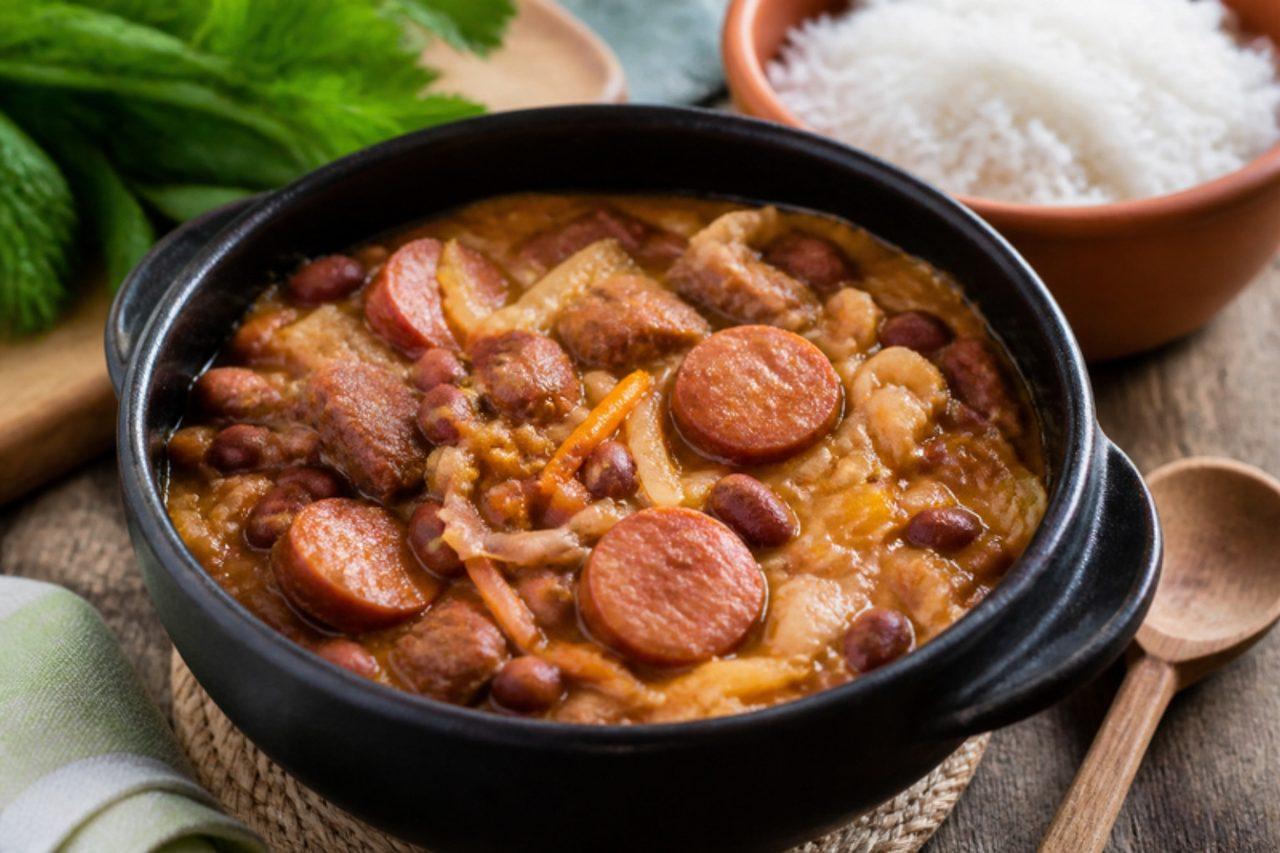
In Trás-os-Montes the cold months were the months of the fumeiro, the smoking of sausages, and this bean stew was where those sausages ended up. Unlike the Brazilian black-bean feijoada, the transmontana version uses red or white beans, with pig's ear and trotter for body, chouriço and salpicão for smoke, and carrots and cabbage cooked in at the end. It is served for Sunday lunch in Chaves and Bragança with plain rice. This contains pork (ear, trotter, belly and smoked sausages). Chef's tip: cook the beans separately in their own water first, so the cured meats do not stop them softening.

by KrazyBadal 0 views

Feijoada de búziosWhelk and butter bean stew

On the western Algarve coast around Sagres and Aljezur, whelks gathered from the rocks go into a thick, tomatoey bean stew that is the seaside cousin of the meat feijoada. It is winter food, served steaming from big pots at local festivals and in family kitchens, with rice on the side. This contains pork (chouriço); leave it out and add an extra teaspoon of smoked paprika if you prefer. Chef's tip: cook the whelks separately first so you can slice them and control their texture.

by KrazyBadal 0 views

FiadoneLemon cheesecake

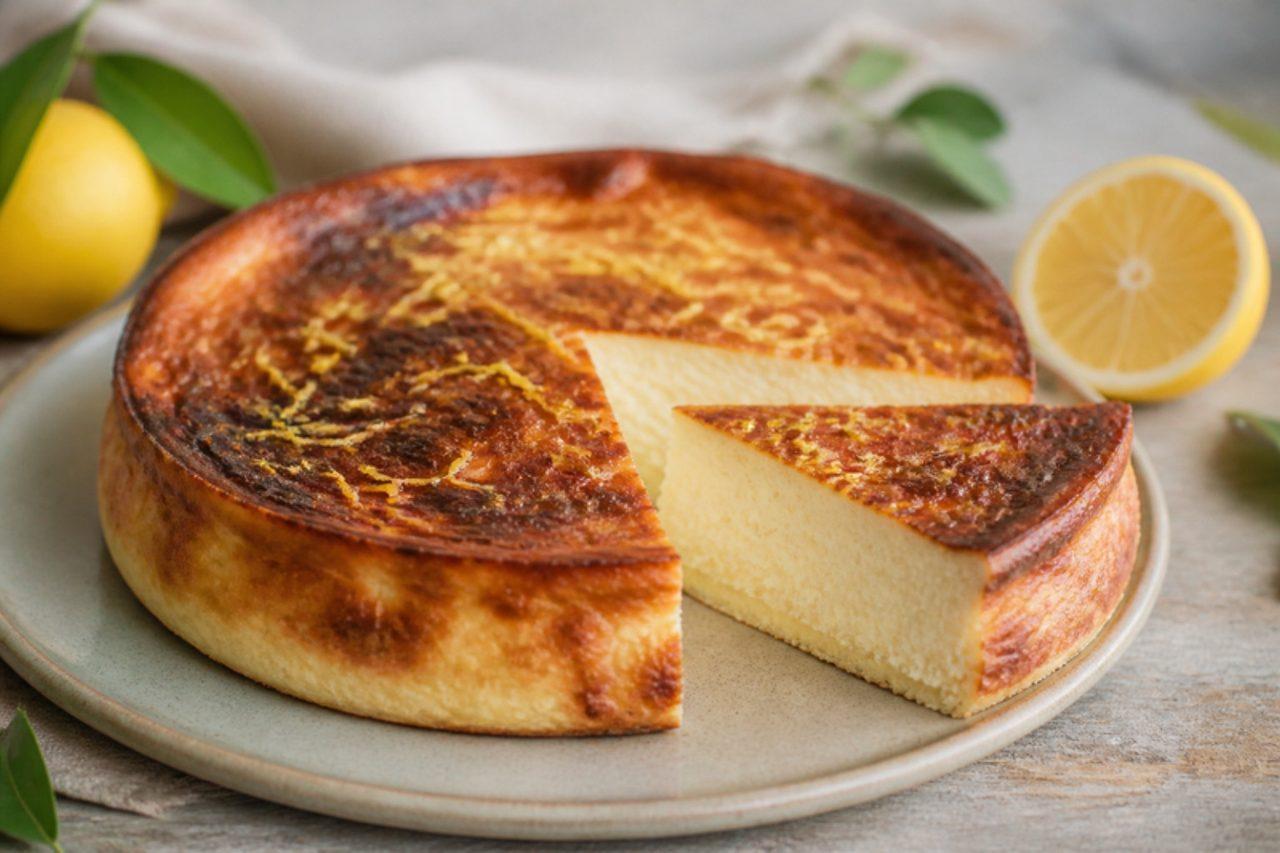
Fiadone is the cake of Corsican Easter and village feast days: fresh brocciu, the island's soft ewe's- or goat's-milk whey cheese, beaten with eggs, sugar and lemon zest and baked until the top is freckled brown. There is no base, so it is naturally gluten free, and it tastes lighter and less sweet than most cheesecakes. Brocciu is made from whey left after rennet cheesemaking, so it is not strictly vegetarian; well-drained ricotta labelled vegetarian is the usual stand-in outside Corsica. Some families add a spoon of local eau-de-vie; it is left out here. Chef's tip: drain the cheese well; a dry cheese gives the light, almost soufflé-like texture.

by KrazyBadal 0 views

Fiambre de San MiguelCold pickled meat and fruit salad

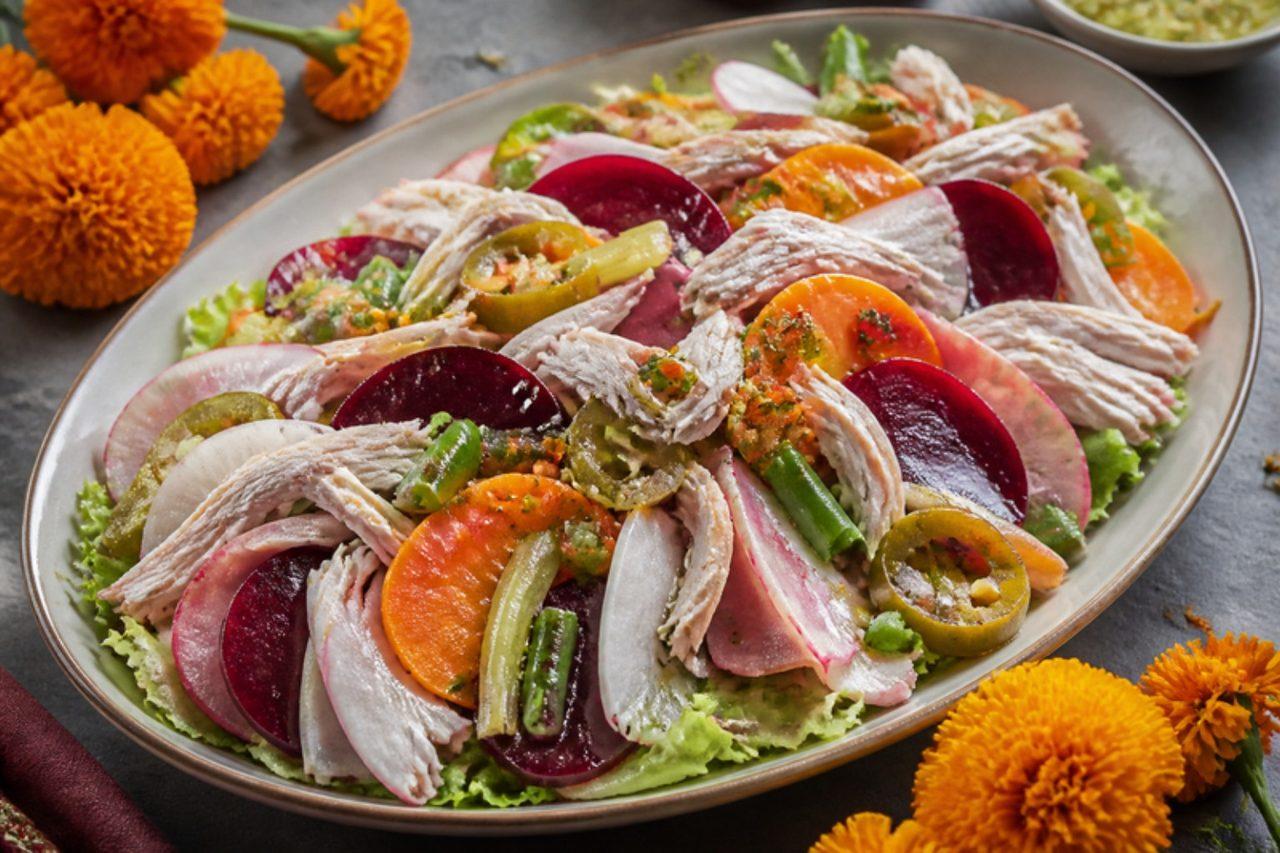
In San Miguel de Allende, families make fiambre for All Saints' and the Day of the Dead at the start of November, setting it on the table and the home altar alongside bread of the dead. It is a cold, colourful platter of vinegar-dressed vegetables, beetroot, jícama, orange, apple and banana, with cooked chicken and pork, sharp, sweet and crunchy at once. Pickled pig's trotters are the traditional meat; this version makes them optional and uses cooked pork tongue or good ham with poached chicken, so it is still a pork dish. Serve well chilled with bread or tostadas. Chef's tip: dress the sturdy vegetables and meats hours ahead, but add the lettuce, banana and avocado just before serving so they stay fresh.

by KrazyBadal 0 views

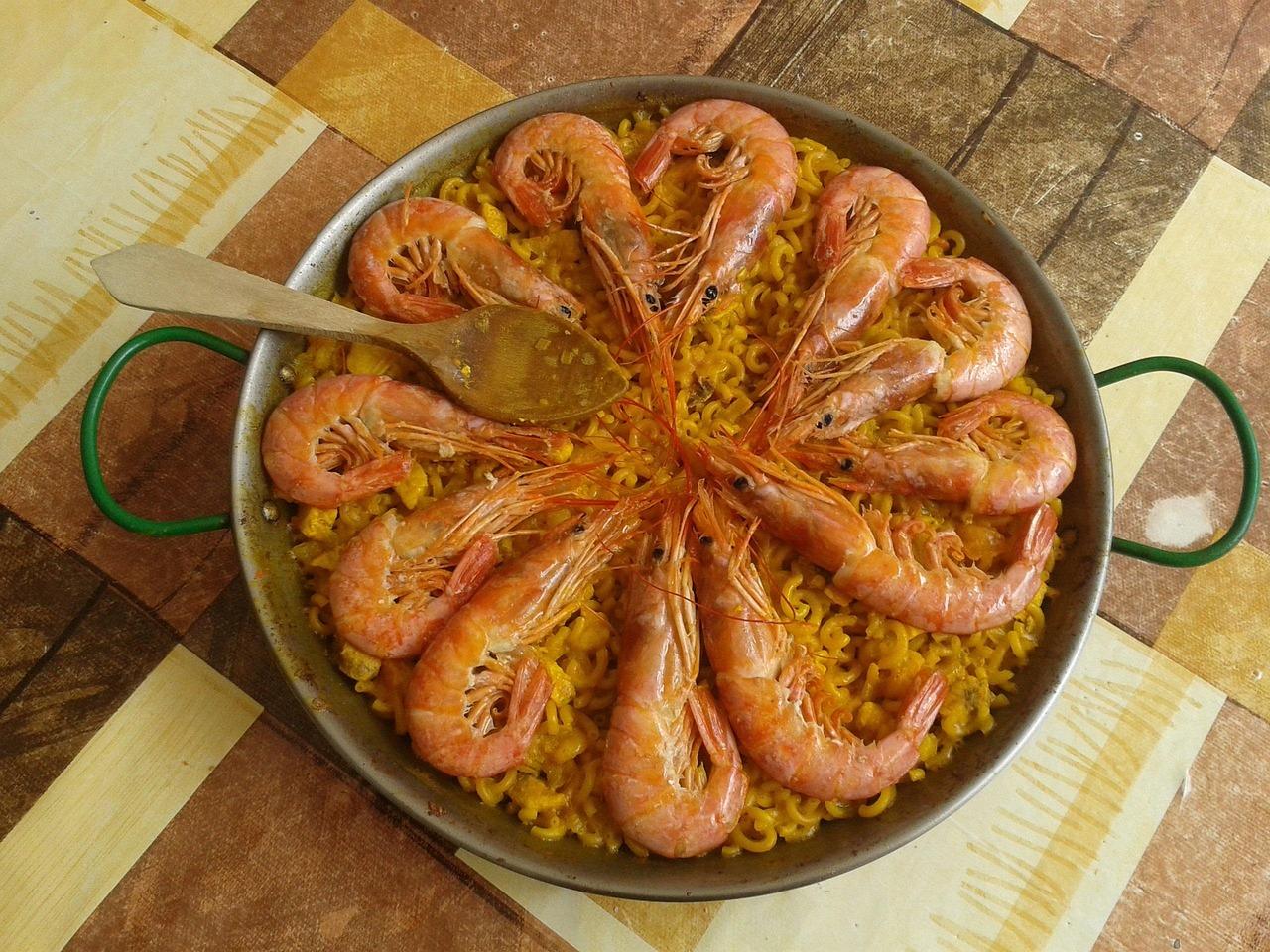
FideuàSeafood noodle paella

Gandia, on the coast south of Valencia, claims fideuà as its own and holds a contest for it every summer: a paella pan of short, thin noodles toasted in oil and cooked in a deep seafood stock with monkfish, squid and prawns until the liquid has gone and the tips of the noodles curl upwards. It is served straight from the pan with a bowl of allioli to stir in. A common mistake is stirring once the stock is in; the noodles release starch and turn sticky instead of separate and slightly crisp. Use a well-flavoured fish stock, as it is the backbone of the dish. Chef's tip: finish the pan for a few minutes under a hot grill, the trick that makes the noodles stand up like little hooks.

by KrazyBadal 0 views

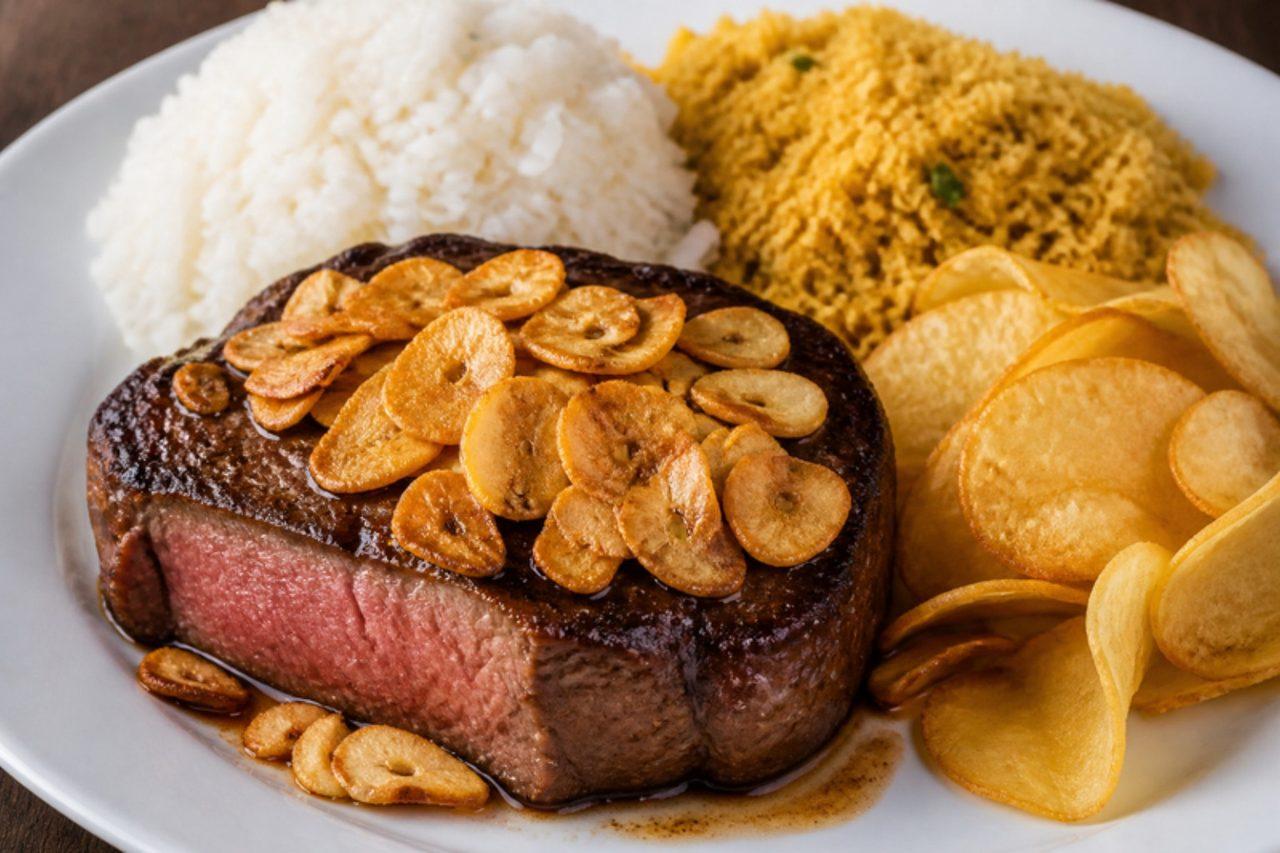
Filé à Oswaldo AranhaBeef fillet with fried garlic

Rio de Janeiro's old-school restaurants, the ones with white-jacketed waiters in Flamengo and Centro, have served this plate since the 1930s, named after the statesman who supposedly ordered it every day. It is simple and generous: a thick fillet steak, seared hard and buried under a pile of golden fried garlic, with white rice, buttery farofa and a heap of crisp potato straws. The garlic is sweet and nutty, the steak juicy, and the farofa soaks up the juices. Cook the steak to your liking; whole beef steaks are safe pink in the middle, but take them further if you prefer. The biggest mistake is frying the garlic too hot, which turns it bitter in seconds; it should go slowly from pale to light gold. Chef's tip: take the garlic out of the oil when it is only just golden, as it keeps darkening on the paper.

by KrazyBadal 0 views

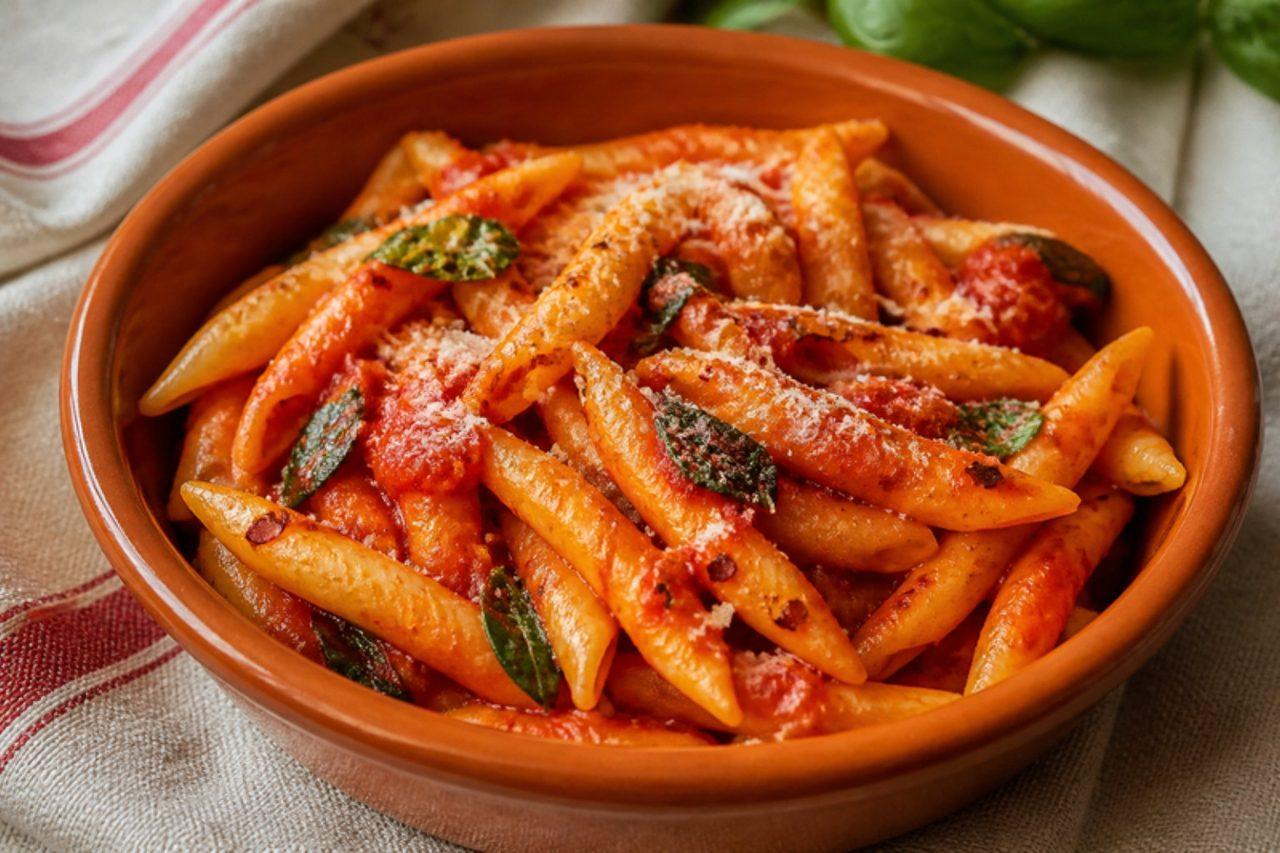
Fileja al pomodoro piccanteTwisted pasta in spicy tomato sauce

Around Vibo Valentia, on Calabria's Tyrrhenian side, fileja are still rolled by hand around a thin iron rod or knitting needle, which leaves a long, hollow twist that traps sauce inside and out. Nonne make trays of them for Sunday lunch and village sagre, and the classic dressing is a slow tomato sauce sharpened with Calabrian chilli and sweet red onion from nearby Tropea. Many local cooks melt a spoonful of 'nduja into the pan; this version keeps it vegetarian and lets the chilli carry the heat. Chef's tip: dust the needle with semolina, not flour, and twirl with the flat of your palm so each piece slides off cleanly.

by KrazyBadal 0 views

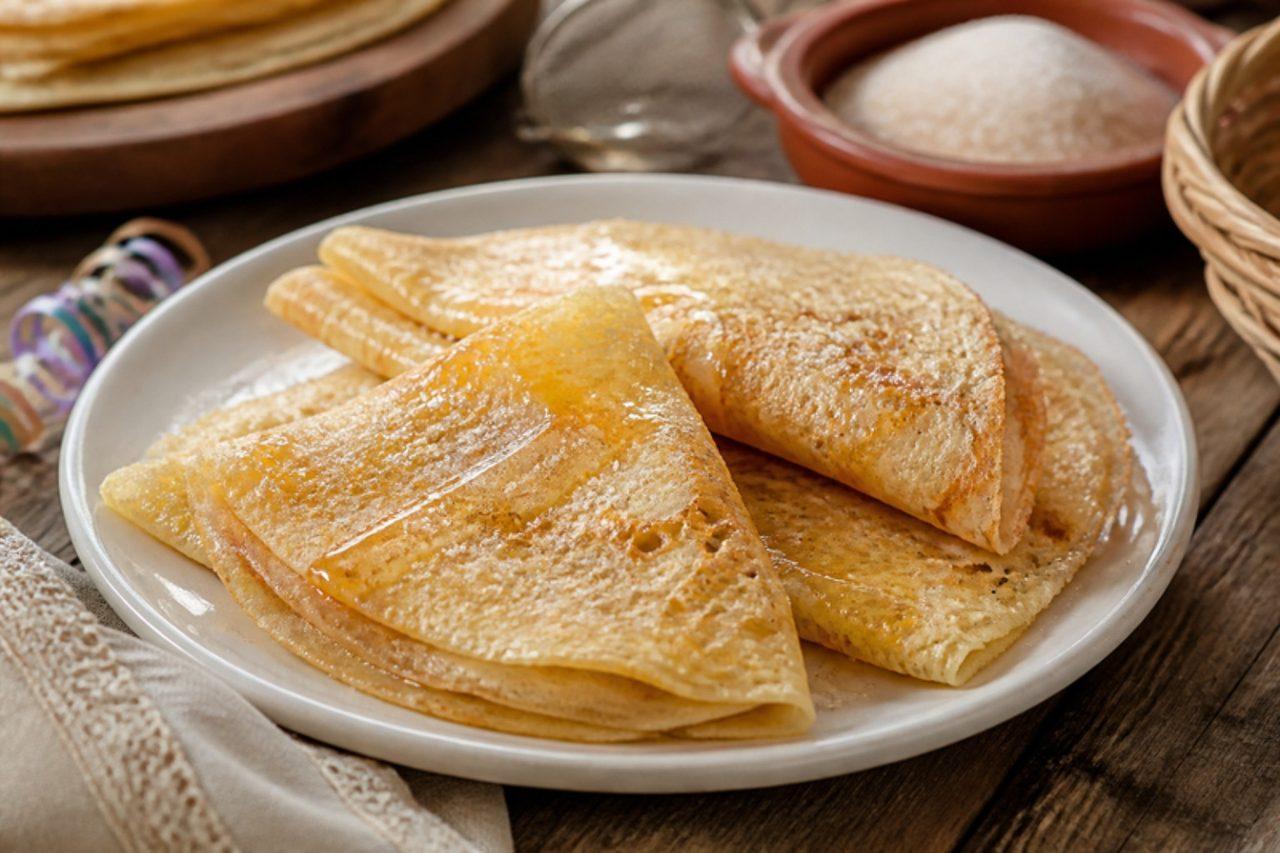
FilloasThin Galician crêpes

When Entroido, the Galician carnival, comes round in February, kitchens in Lugo and Ourense fill with stacks of filloas, paper-thin pancakes cooked on a hot iron pan. In the countryside the pan was greased with a piece of pork fat and some villages still make a version with pig's blood at slaughter time; this sweet version uses butter and is vegetarian. They are rolled or folded and eaten with sugar, honey or a spoon of cream. A common mistake is a batter that is too thick: it should be as thin as single cream, so it runs across the pan in a lacy sheet. Chef's tip: rest the batter in the fridge for at least 30 minutes so the flour relaxes and the filloas don't tear.

by KrazyBadal 0 views

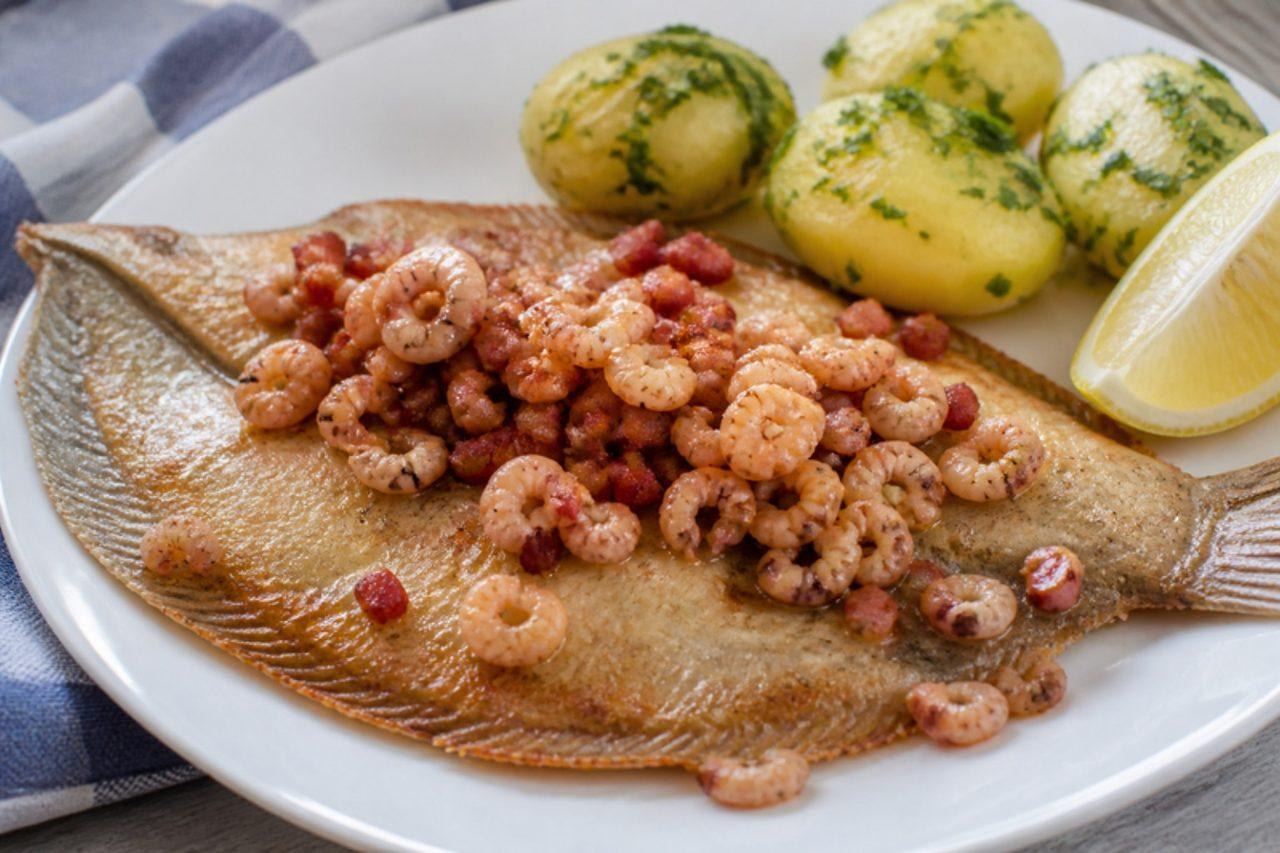
Finkenwerder ScholleFried plaice with bacon and shrimps

Finkenwerder was a fishing village on an Elbe island, and the way its fishermen cooked plaice is now Hamburg's signature fish dish, eaten from May to autumn when plaice is plump. A whole fish is dusted and fried in butter, then covered with crisp cubes of smoked pork belly bacon and a handful of tiny brown North Sea shrimps warmed in the same pan, and served with parsley potatoes and cucumber salad. The bacon is pork; leave it out and add capers for a pork-free plate. Chef's tip: score the dark skin side lightly twice so the fish stays flat in the pan and cooks evenly to the bone.

40 minGermanFishGluten free
by KrazyBadal 0 views

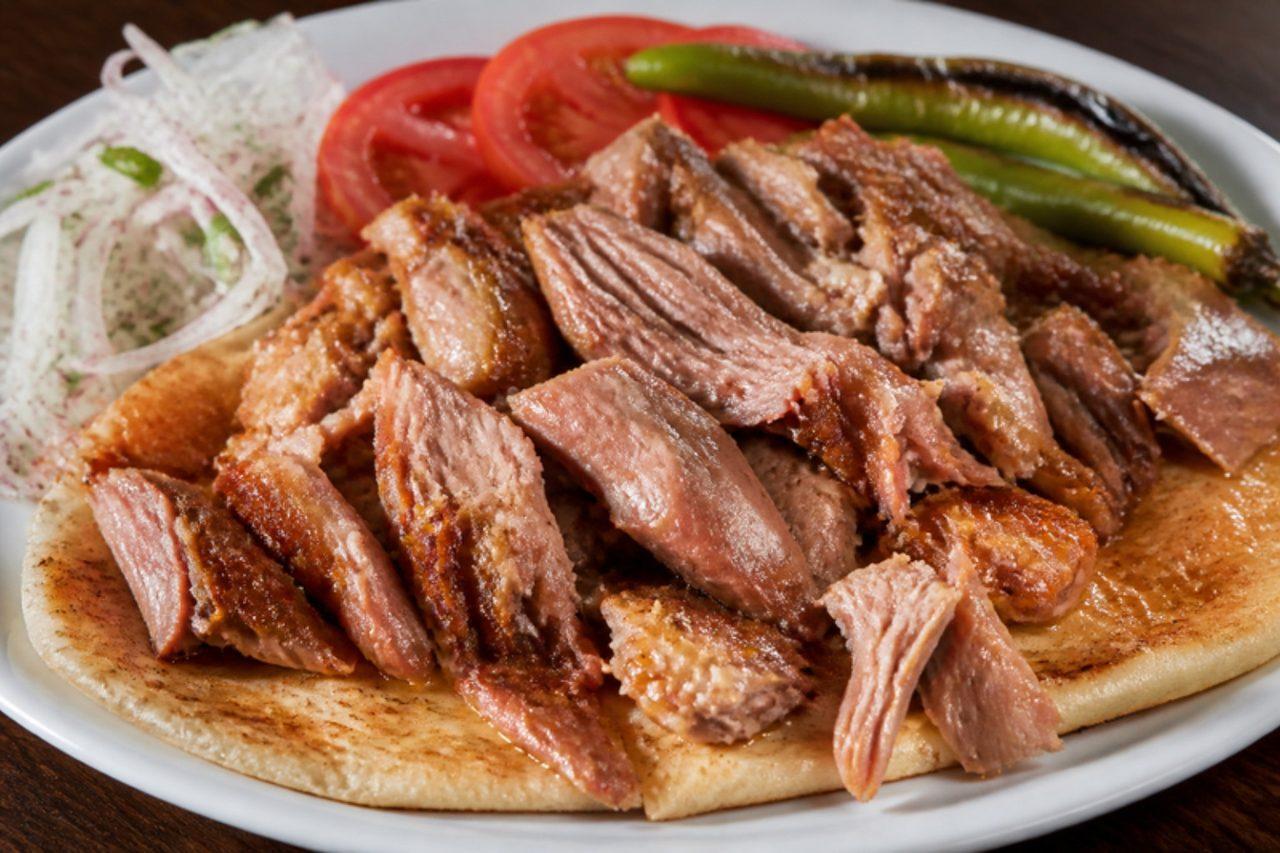
Fırın kebabıSlow-roasted lamb on bread

Konya's fırın kebabı comes from the city's old tandır ovens, where whole sides of lamb hung for hours until the meat collapsed and the fat crisped. Served on a sheet of thin pide with the cooking juices soaked in, a raw onion on the side and a jug of ayran, it is a Sunday treat and a wedding dish. A low home oven and a tightly covered tray give the same soft, juicy result. Common mistake: uncovering it too soon; the lamb needs steamy, sealed heat for hours before it gets its final browning. Chef's tip: rest the cooked lamb on the bread, not on a board; the bread drinks up every drop of juice.

255 minTurkishMeat
by KrazyBadal 0 views

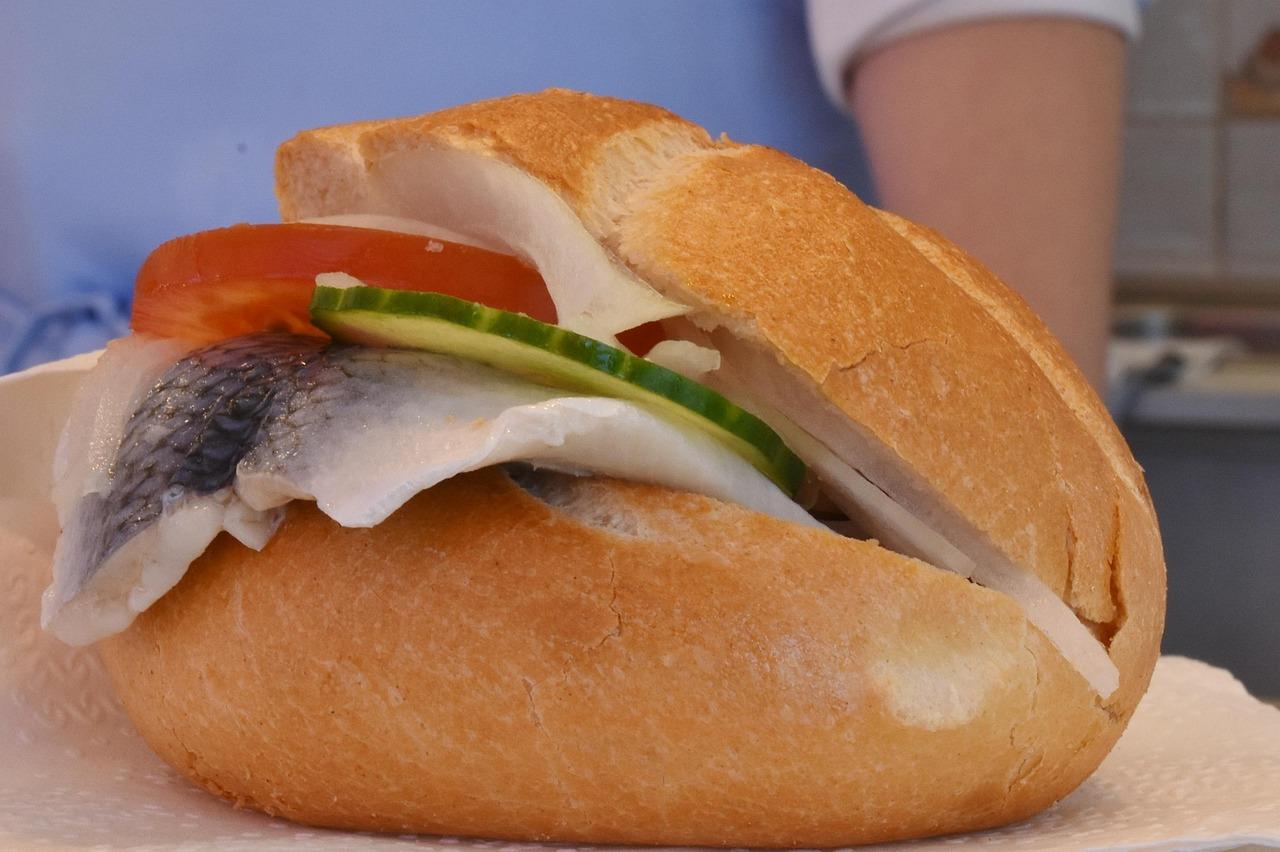
FischbrötchenHerring roll with onion and gherkin

Fischbrötchen are what people eat standing up at the Landungsbrücken piers in Hamburg, on the Sunday fish market, or from a kiosk on the dyke at any North Sea harbour. A crusty white roll is filled with sharp marinated herring, raw onion rings, gherkin and a little crisp lettuce, and eaten in a few bites with the wind in your face. The herring is cured, not cooked, so use commercially prepared Bismarck-style marinated herring from the chilled counter, which has been frozen before curing as the law requires; it is not for pregnant women, young children or anyone with a weakened immune system. Chef's tip: slice the onion paper-thin and rinse it in cold water for a minute so it stays crunchy but stops shouting over the fish.

10 minGermanFish
by KrazyBadal 0 views

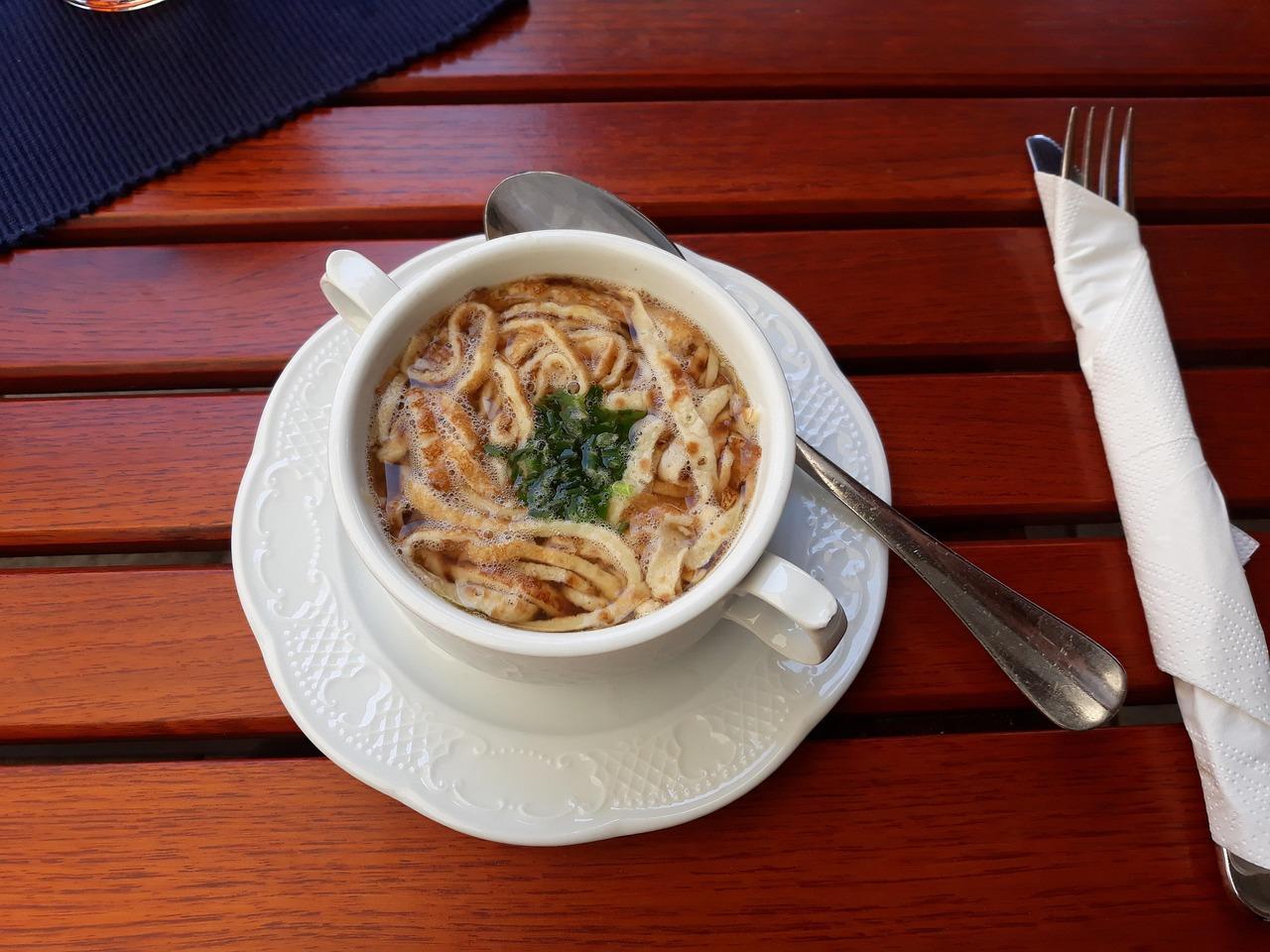
FlädlesuppeBeef broth with pancake strips

In Swabia, Flädlesuppe opens Sunday lunch, wedding dinners and many a Stuttgart inn meal: a clear, golden beef broth with thin ribbons of pancake, the Flädle, and a scatter of chives. The broth is simmered slowly from beef shin and a bone, and the pancakes are cooked, rolled up and sliced like noodles. For a vegetarian version, make the same pancakes and serve them in a strong vegetable broth with browned onion. Chef's tip: never let the broth boil hard; a lazy simmer keeps it clear instead of cloudy.

170 minGermanSoups
by KrazyBadal 0 views

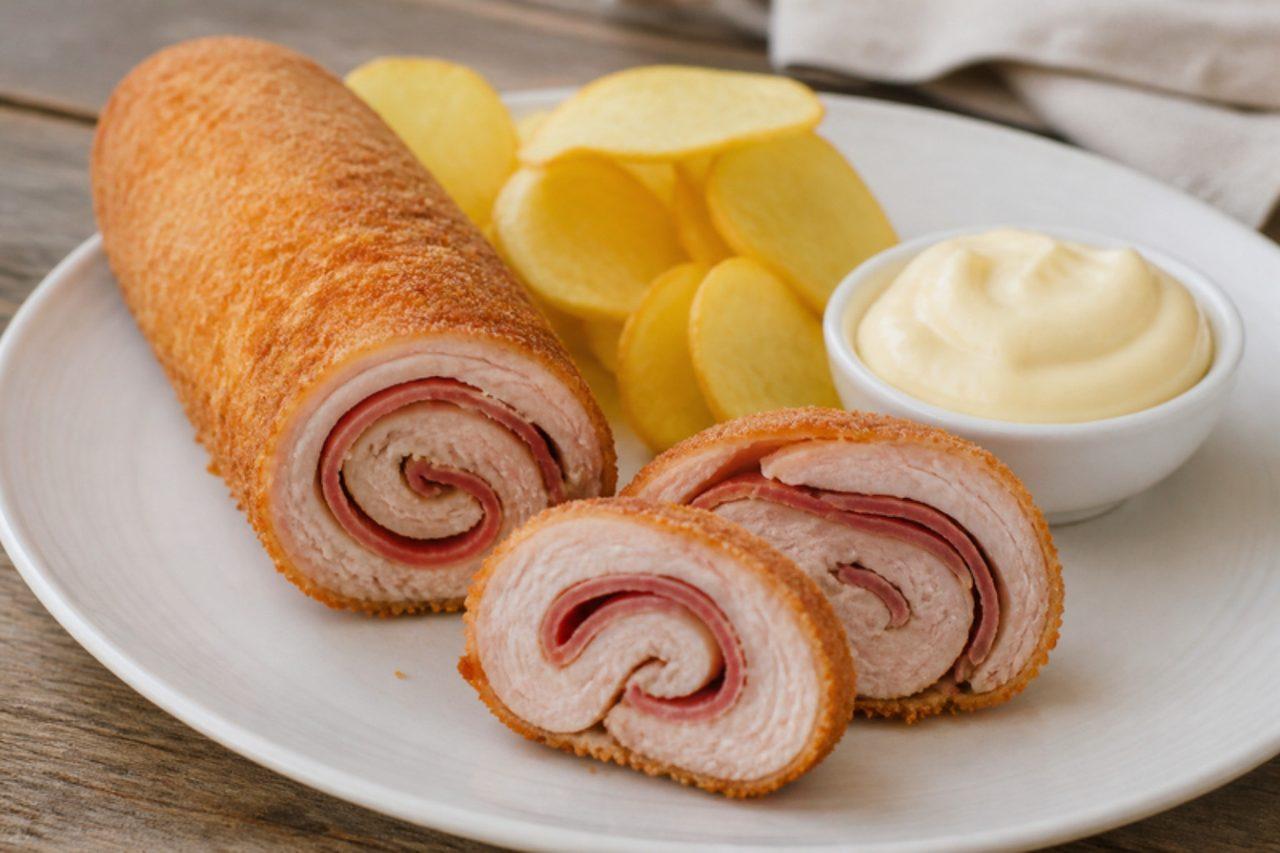
Flamenquín cordobésCrumbed pork and ham rolls

This contains pork (pork loin and serrano ham). In Córdoba, flamenquín is the bar food of choice: a long roll of thin pork loin wrapped around cured ham, crumbed and fried, then sliced and served with chips and mayonnaise. Locals argue over the name, but agree on the order: plenty of chips and something cold to drink, usually at lunch. Chef's tip: chill the crumbed rolls for 30 minutes before frying; the coating sets and stays on in the oil.

by KrazyBadal 0 views

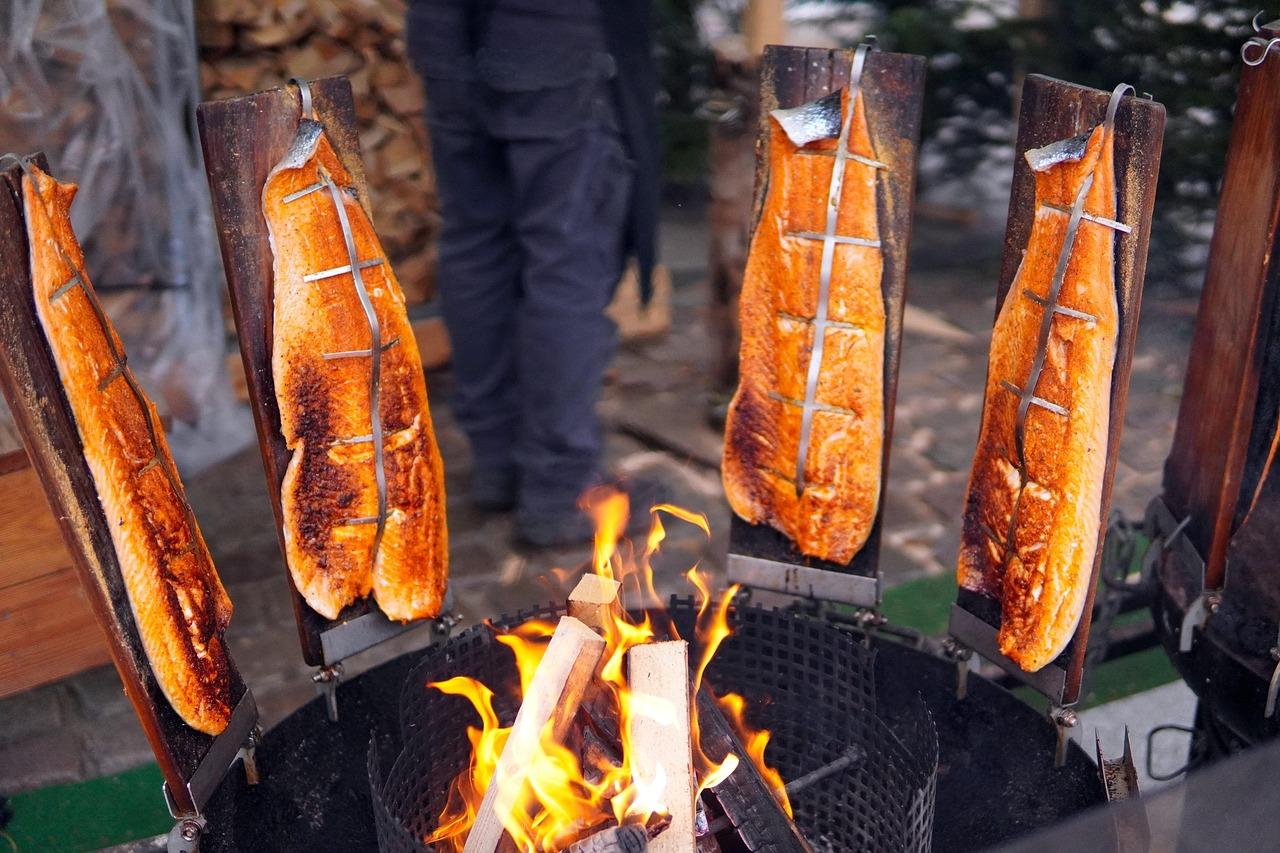
FlammlachsPlank-roasted salmon

At German Christmas markets, from Nuremberg to Cologne, whole sides of salmon are nailed to wooden boards and stood around an open beech fire until smoky and just cooked, then served in a roll or on a plate with a mustard-dill sauce. At home you get close with a soaked wooden plank on a covered barbecue, or in a hot oven with a little smoked salt. A short dry brine in the fridge seasons the fish right through. Chef's tip: take the salmon off while the very centre is only just opaque; it carries on cooking on the hot plank.

50 minGermanFishGluten free
by KrazyBadal 0 views

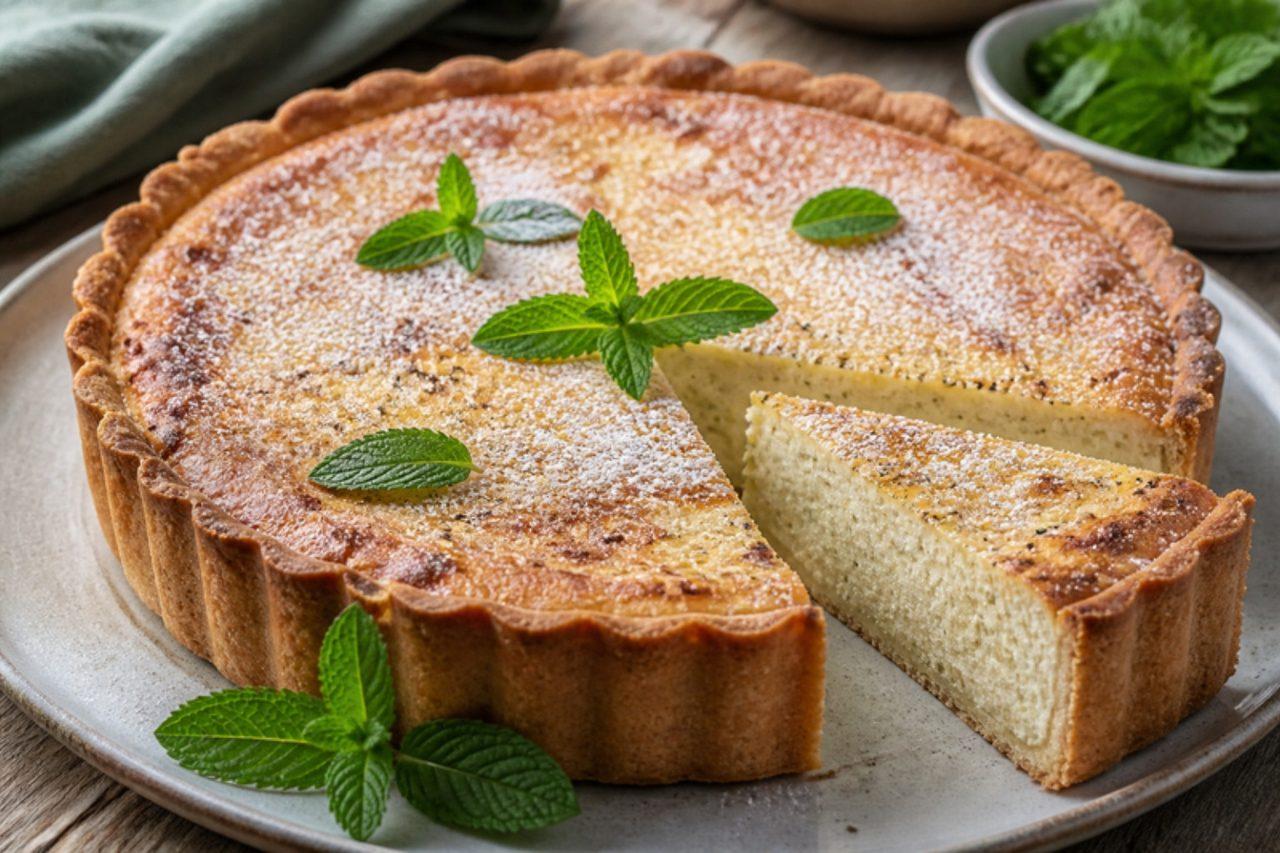
FlaóFresh cheese and mint pie

Flaó is what Ibiza and Formentera bake for Easter Sunday: a shallow pie whose filling of fresh sheep's or goat's cheese, eggs and sugar is perfumed with spearmint (hierbabuena), set in a crust flavoured with anise. Families still take theirs to the village baker to be fired, and it appears on café counters in Sant Antoni and Eivissa town through spring. Traditional island fresh cheese is made with animal rennet; look for a vegetarian fresh goat's cheese or use ricotta made with a vegetarian coagulant. Many cooks add a splash of anise liqueur to the dough; this version uses crushed anise seed and water, so it has no alcohol. Chef's tip: tear the mint leaves rather than chop them, and press half into the filling and lay half on top, so every bite gets it.

by KrazyBadal 0 views

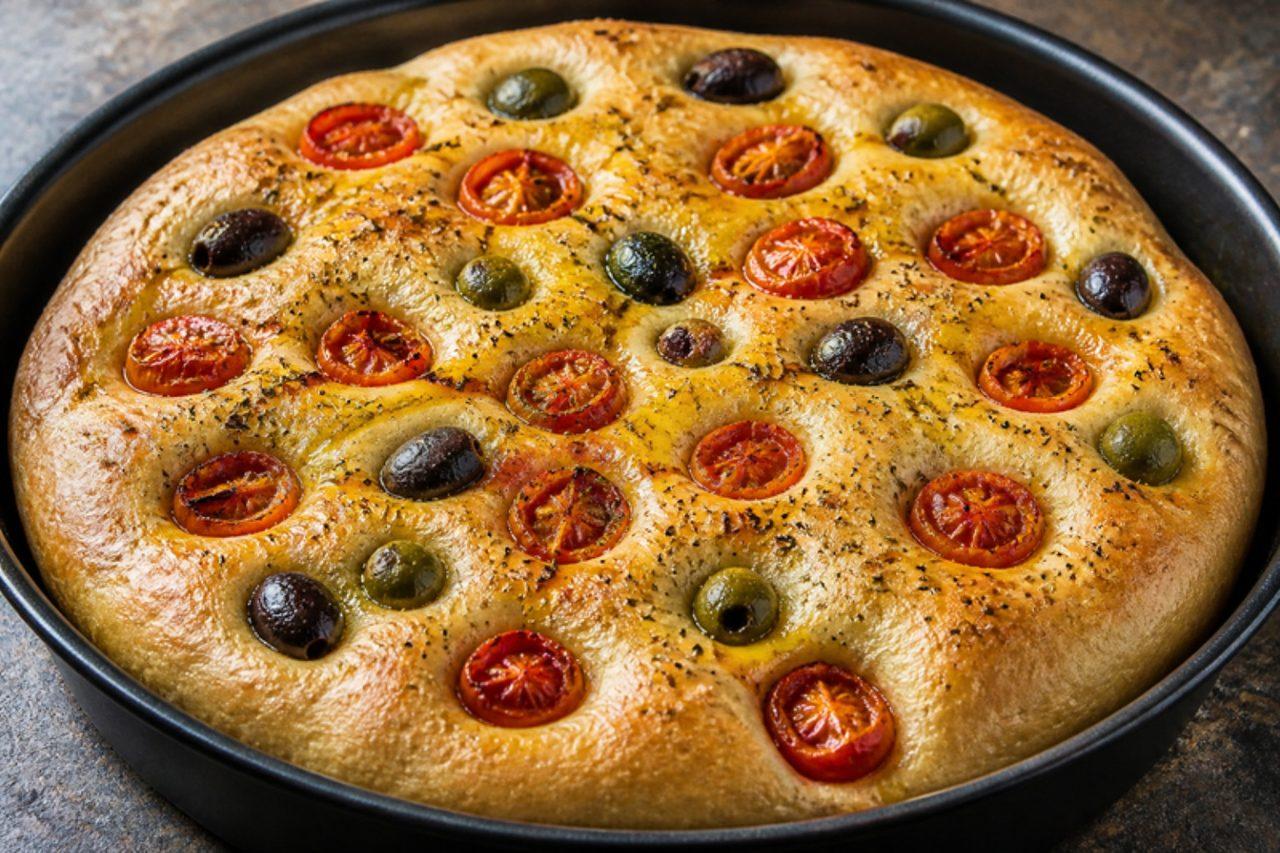
Focaccia baresePotato focaccia with tomatoes

Bari's focaccia is made with boiled potato and durum semolina in the dough, which gives it a tender, almost creamy crumb under a base that fries in olive oil until crisp. It is baked in round iron pans, studded with squashed cherry tomatoes and olives, and sold by the slice at every bakery in the city from mid-morning, warm, folded in paper. On the beach in summer it goes round in squares with a cold drink. This is the Bari version, quite different from a plain herb focaccia or the cheese-filled focaccia of Recco. Chef's tip: be generous with oil in the pan; that layer is what turns the underside golden and crunchy.

by KrazyBadal 0 views

Folar de OlhãoCaramelised layered Easter bread

In the fishing town of Olhão, Easter means folar, and it looks nothing like the egg-topped breads of the north: here a soft, cinnamon dough is rolled up in layers of brown sugar and fat, sliced, packed into a tin and baked until the sugar runs into a dark, sticky caramel. Turned out upside down, it pulls apart in sweet, glossy spirals. Families bake it on Holy Thursday so it is ready for the long weekend, and godparents give one to their godchildren. Many bakeries use some lard; this version uses butter only. Chef's tip: roll the dough as thin as you dare, as the more layers you get, the more caramel edges there are.

by KrazyBadal 0 views

Forfar bridiesBeef and onion pastries

The bridie is the pride of Forfar in Angus, a horseshoe-shaped pastry stuffed with chopped beef steak and onion, sold hot from the town's bakers and eaten on market days and at weddings. Unlike a Cornish pasty there is no potato, just peppery beef, onion and beef suet in shortcrust. The holes on top tell you the filling: one hole for plain, two for onion. Chef's tip: chop the steak by hand into small pieces rather than using mince; it keeps the filling juicy.

by KrazyBadal 0 views

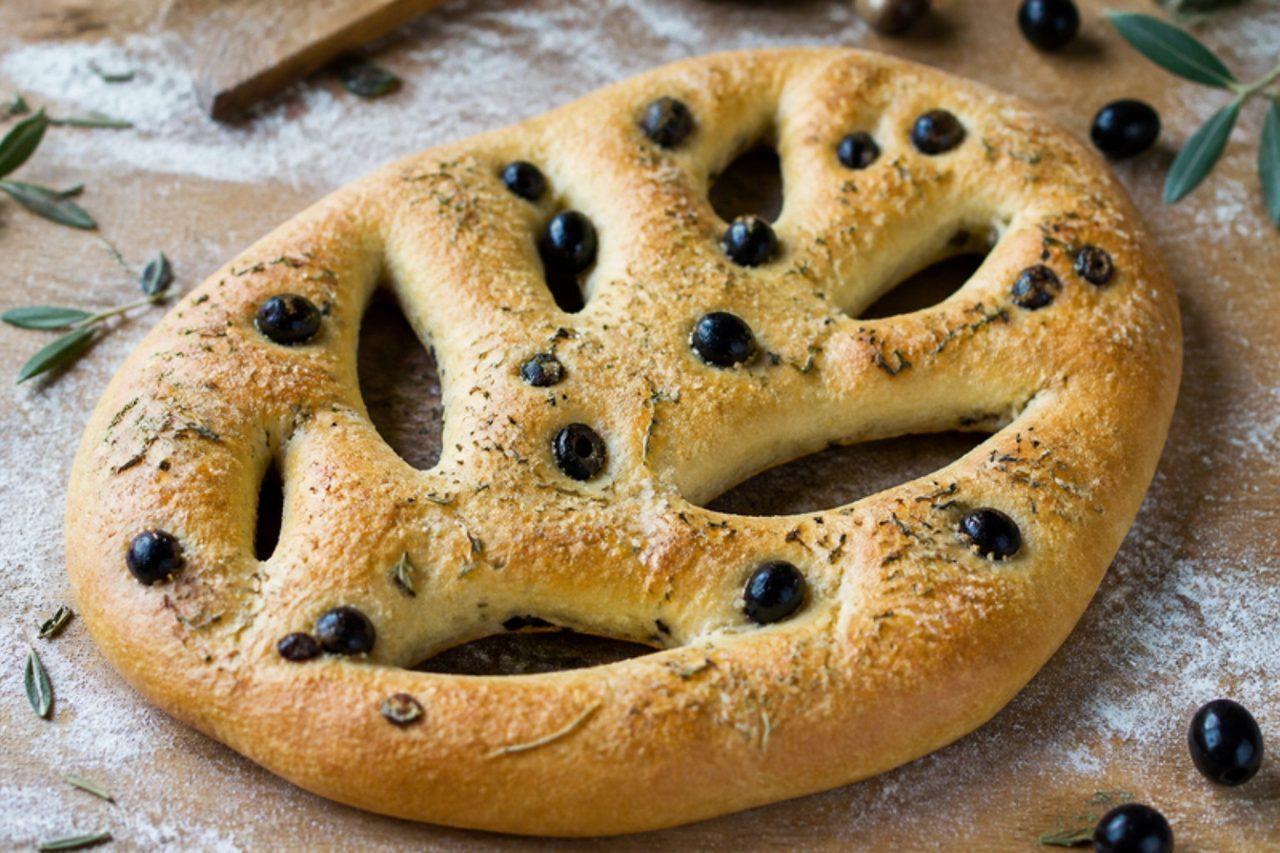
Fougasse aux olivesOlive and herb bread

Bakers in Provence once slid a fougasse into the wood oven first, to test the heat before the big loaves went in; the open, leaf-like shape bakes in minutes and is mostly crust. Today every boulangerie from Avignon to Apt sells it, plain or studded with olives, and families tear it apart on picnics and at market lunches. A sweet cousin flavoured with orange blossom is one of the thirteen desserts of a Provençal Christmas. This is the savoury everyday one, with black olives and herbes de Provence. Chef's tip: bake it on the hottest tray you can, near the top of the oven, so the thin bridges of dough blister and crisp before the thick edges dry out.

148 minFrenchBakingVegan
by KrazyBadal 0 views

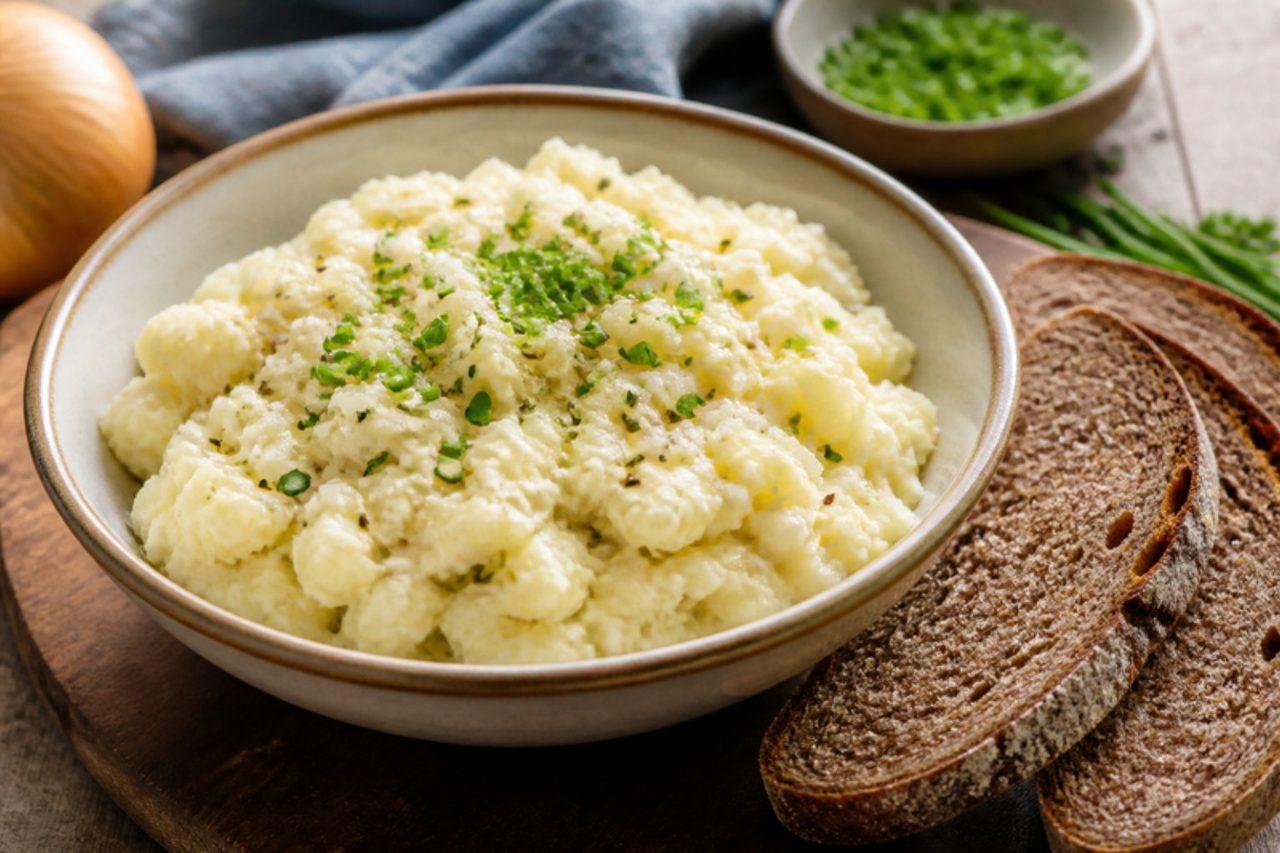
KartoffelkäsePotato and sour cream spread

Despite its name, Franconian Kartoffelkäs contains no cheese at all: it is a soft spread of riced potato, sour cream, onion and caraway that farm families around Bamberg and Nuremberg put on the table for Brotzeit, the cold evening supper. It goes on thick slices of rye bread with chives and sliced radish, and it was a way to turn a few leftover potatoes into something rich enough to stand in for cheese. A common mistake is using waxy potatoes, which go gluey; floury ones make it light. Chef's tip: rice the potatoes while hot, but stir in the sour cream only when they are cool, so the spread stays fresh-tasting rather than heavy.

by KrazyBadal 0 views

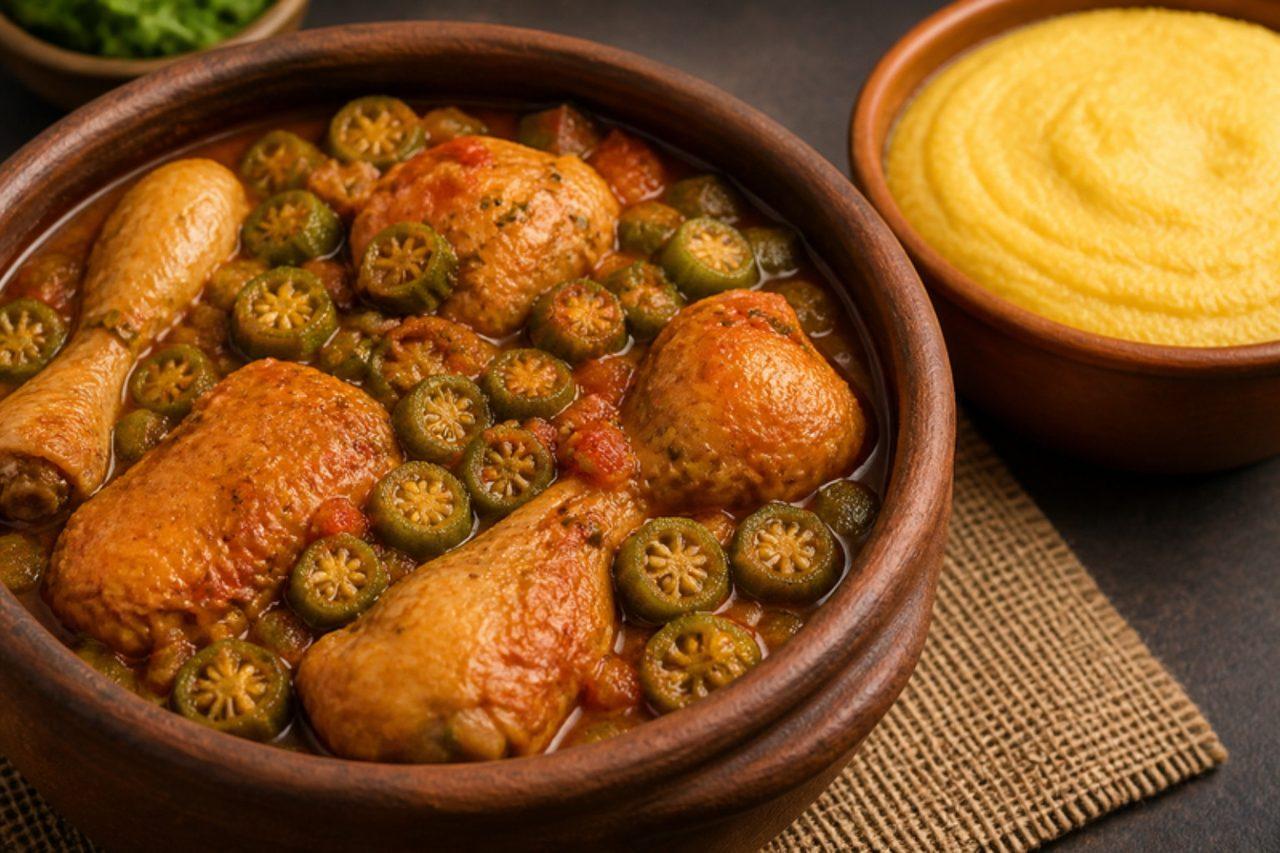
Frango com quiaboChicken with okra

Countryside Minas Gerais, especially around Belo Horizonte and the historic towns, cooks frango com quiabo for Sunday lunch: chicken pieces braised in a garlicky tomato sauce coloured with annatto, with okra fried separately and folded in at the end so it stays green and barely sticky. It is served over angu, a soft, unseasoned cornmeal porridge, with rice and a pot of hot pepper on the side. The sauce is savoury and homely, the okra tender with a little bite. People often add the raw okra straight to the pot, which makes the sauce slimy; frying it first in hot oil seals it. Chef's tip: stir the angu with a whisk as you pour in the cornmeal, then switch to a wooden spoon, and it will never go lumpy.

by KrazyBadal 0 views

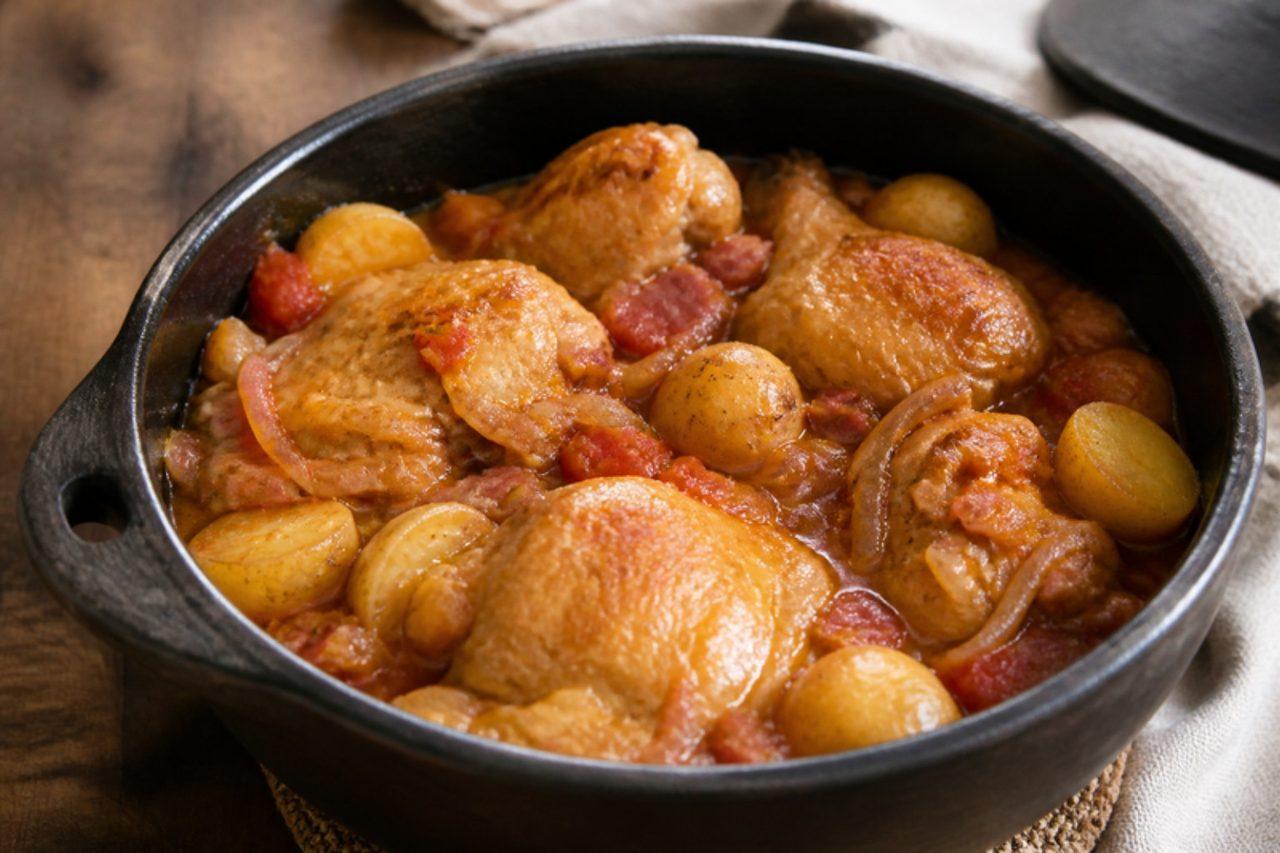
Frango no púcaroClay-pot chicken with port and ham

The monks of the great abbey at Alcobaça, on the edge of the Beira Litoral, are credited with this dish of chicken slow-cooked in a púcaro, a lidded clay pot, with onions, tomatoes, garlic, cured ham and bacon, a splash of port and white wine. Local restaurants still serve it bubbling in the pot with fried or boiled potatoes. This contains pork (presunto and smoked bacon), and it uses port and white wine; an alcohol-free version is given in the ingredient notes. Chef's tip: brown the chicken well before it goes into the pot, as the sealed lid keeps the colour from developing later.

by KrazyBadal 0 views

FrangolloCornmeal and milk pudding

Frangollo was once poor people's food on Lanzarote and La Palma, coarse cornmeal (millo) cooked in milk to stretch a meal; now it is the pudding grandmothers make for Carnival and Christmas, sold in slabs at village fiestas. The cornmeal is cooked slowly with milk, sugar, lemon peel and cinnamon, then enriched with butter, egg, raisins and almonds, left to set and cut into squares. It is often finished with a drizzle of palm honey from La Gomera. Chef's tip: stir constantly and use a heavy pan, because thick cornmeal catches on the bottom in seconds.

by KrazyBadal 0 views

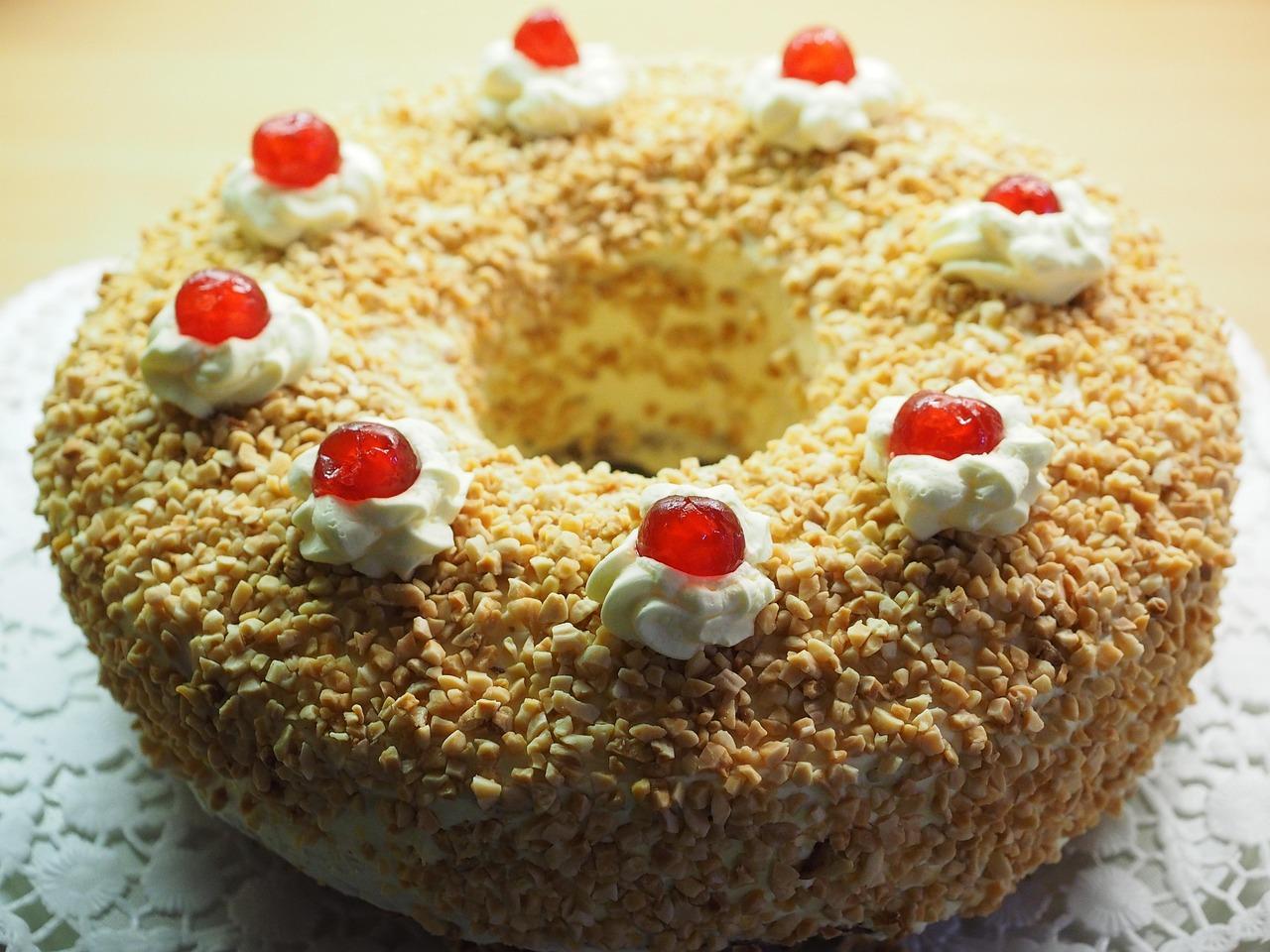
Frankfurter KranzButtercream ring cake with nut brittle

Frankfurter Kranz is the crown of Frankfurt's coffee tables, shaped like the crowns of the emperors once crowned in the city's cathedral and still made for birthdays and Sunday visits all over Hesse. A buttery ring cake is cut into three layers, filled with redcurrant jam and vanilla buttercream, then coated all over with golden almond brittle, the jewels being little rosettes topped with red cherries. Older recipes splash the layers with kirsch; this one is made without alcohol. A common mistake is spreading the buttercream when the custard and butter are at different temperatures, which makes it curdle; both must be at room temperature. Chef's tip: bake the cake a day ahead and chill it; cold layers cut cleanly and don't crumble into the cream.

150 minGermanBaking
by KrazyBadal 0 views

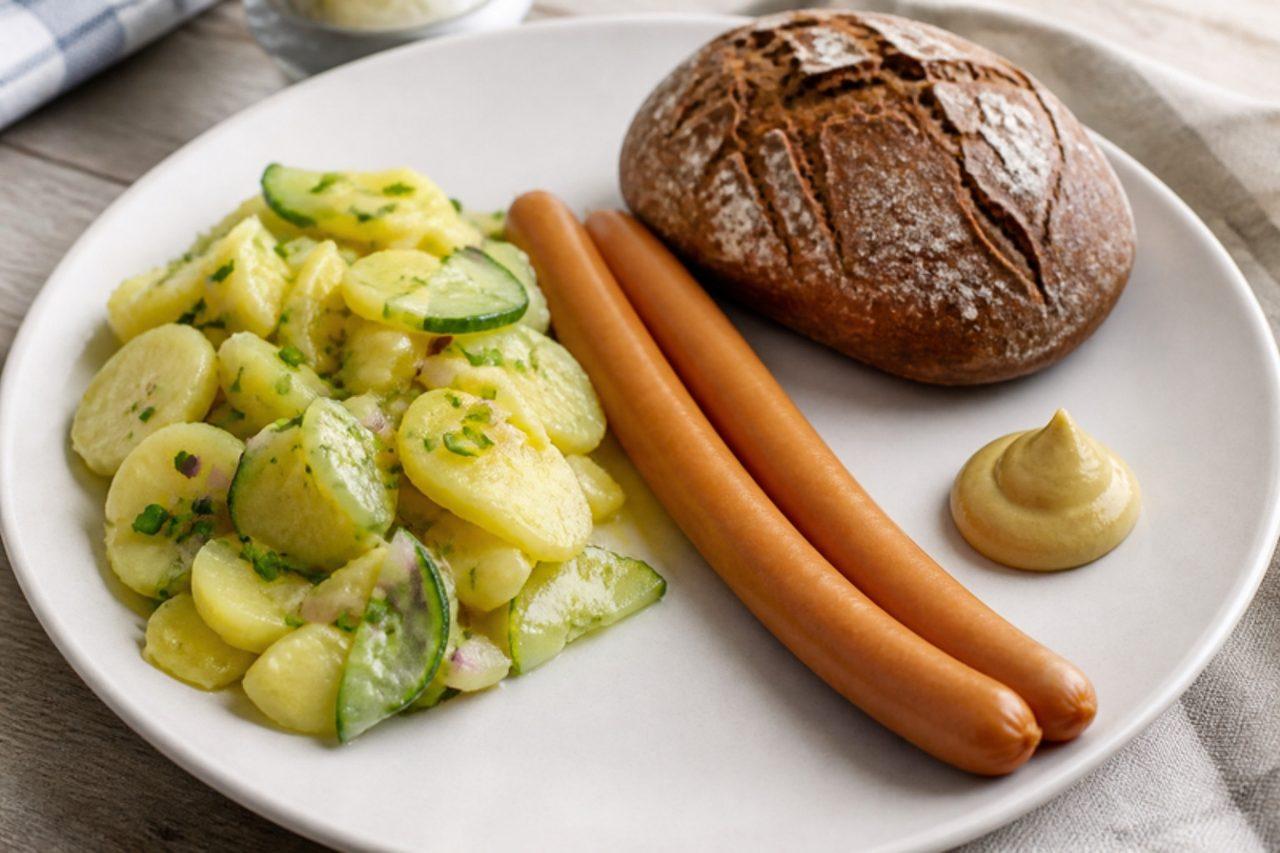
Frankfurter WürstchenFrankfurter sausages with potato salad

Real Frankfurter Würstchen are slim, delicately smoked pure-pork sausages from the Frankfurt region, sold in pairs and eaten at Christmas markets, family suppers and Christmas Eve, when many Hessian families have them with potato salad. They come ready-cooked, so the only skill is warming them gently until they are hot without bursting. Here they go with a warm Hessian potato salad dressed with stock, vinegar, onion and chives, plus mustard and rye bread. Vegetarians can warm vegetarian sausages the same way and keep the salad. Chef's tip: dress the potatoes while they are still warm; they drink up the dressing and turn silky instead of sitting in it.

45 minGermanMeat
by KrazyBadal 0 views

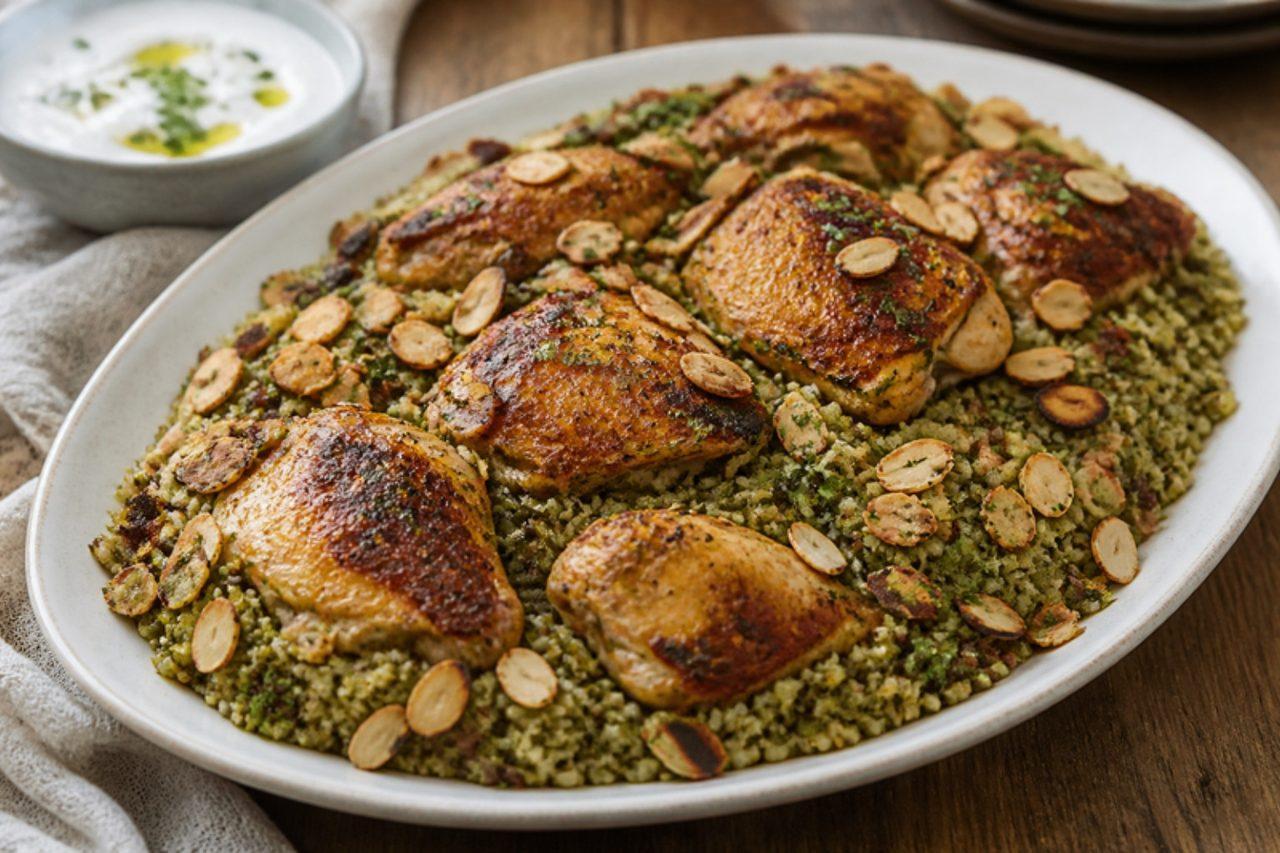
Freekeh bil djajChicken with smoked green wheat

Freekeh — young green wheat harvested and roasted over fire in the fields of Hauran and the Syrian countryside — has a smoky, nutty taste that makes this dish special. Chicken is poached with whole spices, and its broth is used to cook the freekeh into a fluffy pilaf, then everything is topped with the browned chicken and toasted almonds. It is a dish for Sunday gatherings and Eid, served with yoghurt and cucumber. Common mistake: not picking over the freekeh; it often has tiny stones and husks, so spread it on a tray and check. Chef's tip: brown the poached chicken in butter or under the grill before serving for colour and crisp skin.

by KrazyBadal 0 views

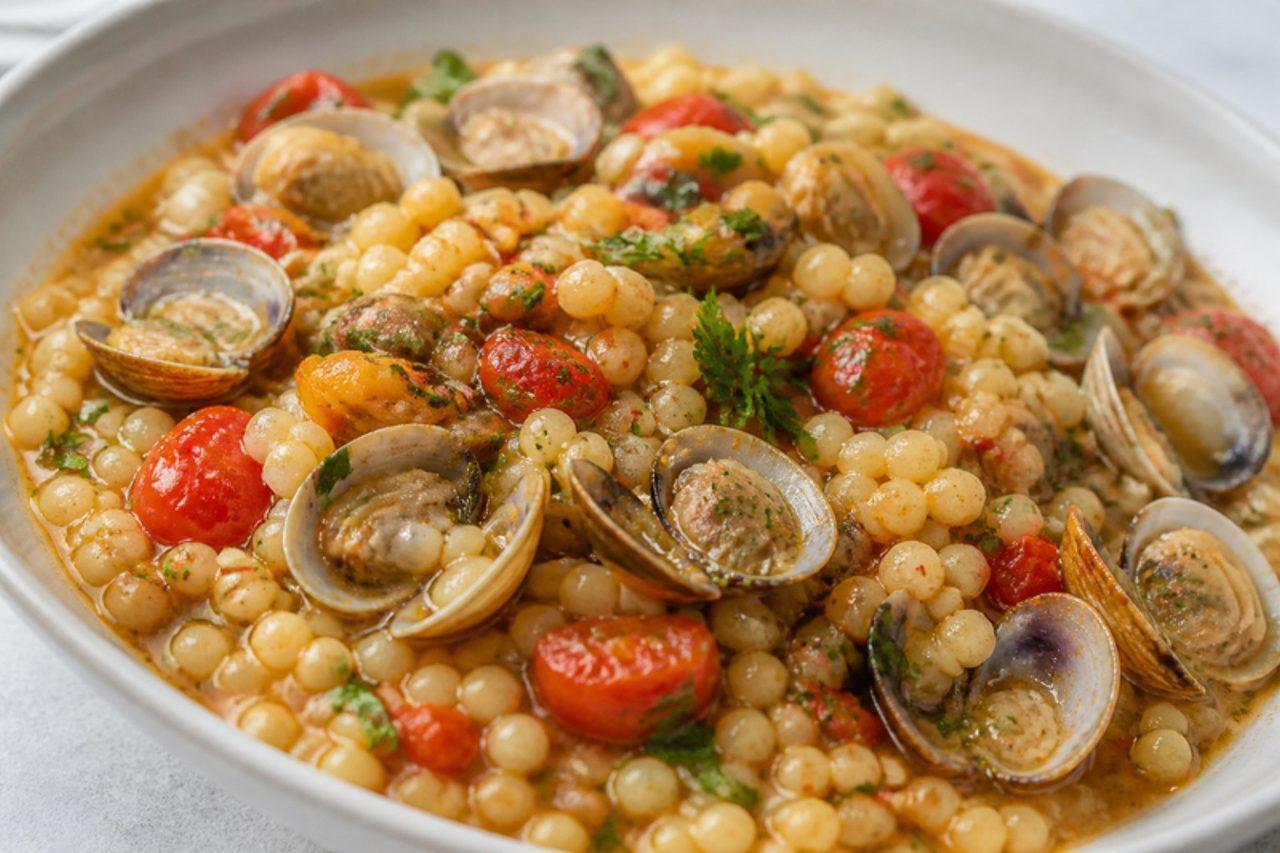
Fregola con arselleToasted pasta pearls with clams

Along the Poetto, Cagliari's long city beach, arselle are small clams once raked from the sand, and fregola con arselle is the dish every seaside trattoria in the city serves. Fregola is a Sardinian semolina pasta rolled into rough little beads and toasted, so it has a nutty taste and a slightly chewy bite; here it simmers like risotto in the clams' own juice with tomato, garlic and parsley until loose and soupy. Eat it with a spoon, straight away. Any small clams work if you can't find arselle. Chef's tip: toss the fregola in a dry pan for a couple of minutes before cooking; it deepens the toasted flavour.

by KrazyBadal 0 views

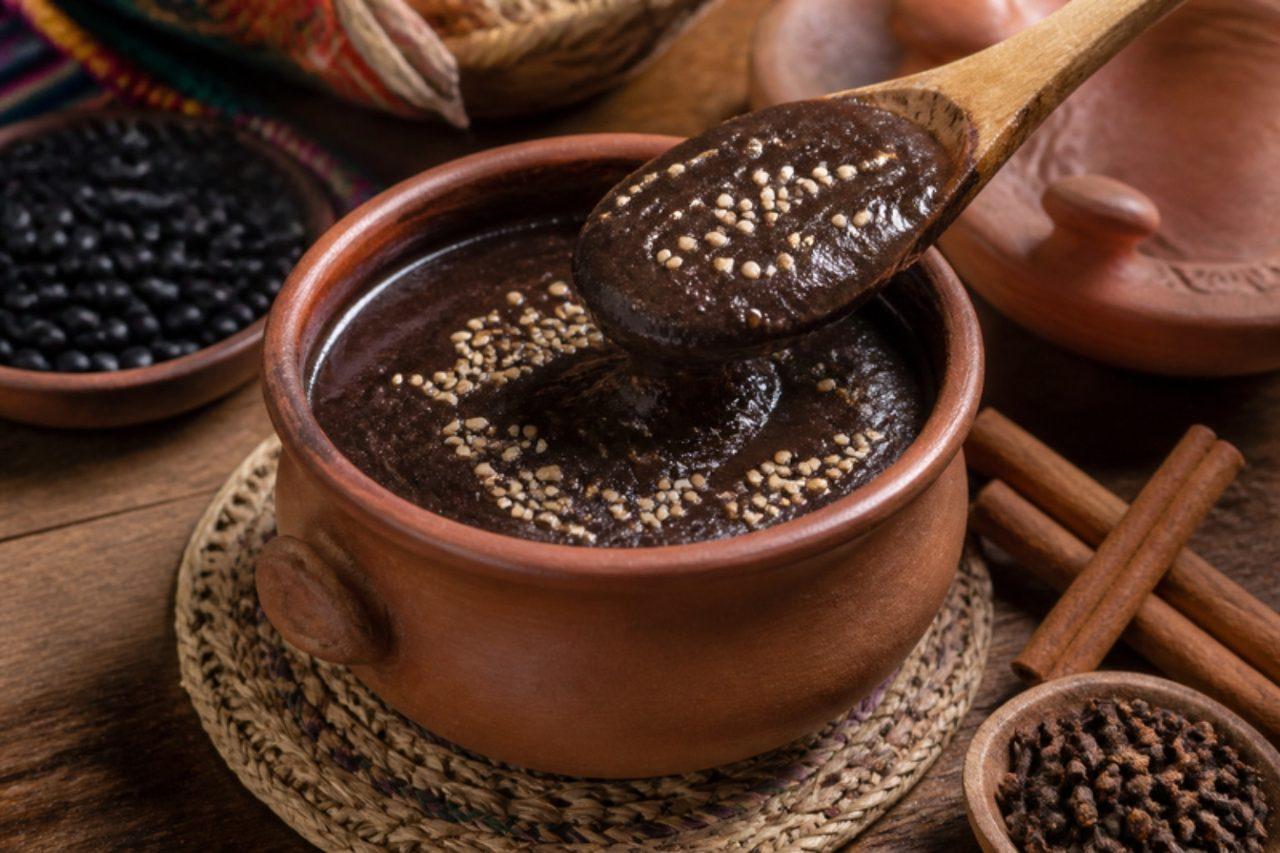
Frejol coladoSweet black bean paste

Chincha, south of Lima, is the heart of Afro-Peruvian culture, and its signature sweet is frejol colado: black beans cooked, pushed through a sieve (colado means strained) and then stirred for a long time with sugar and spices until the paste is dark, glossy and thick enough to stand a spoon in. It is traditionally served in little gourd bowls called potos, sprinkled with toasted sesame, and sold in Chincha's square and at festivals in El Carmen. The taste is deep and molasses-like, with clove and cinnamon, and nobody guesses it's beans. The beans need an overnight soak, which isn't counted in the time. Most people give up stirring too early; under-cooked frejol colado is runny and tastes of beans, so keep going until it pulls away from the pan in one mass. Some cooks add milk; this version is dairy free. Chef's tip: use a wide, heavy pan and a long wooden spoon, and wear an oven glove, because the thick paste spits as it reduces.

by KrazyBadal 0 views

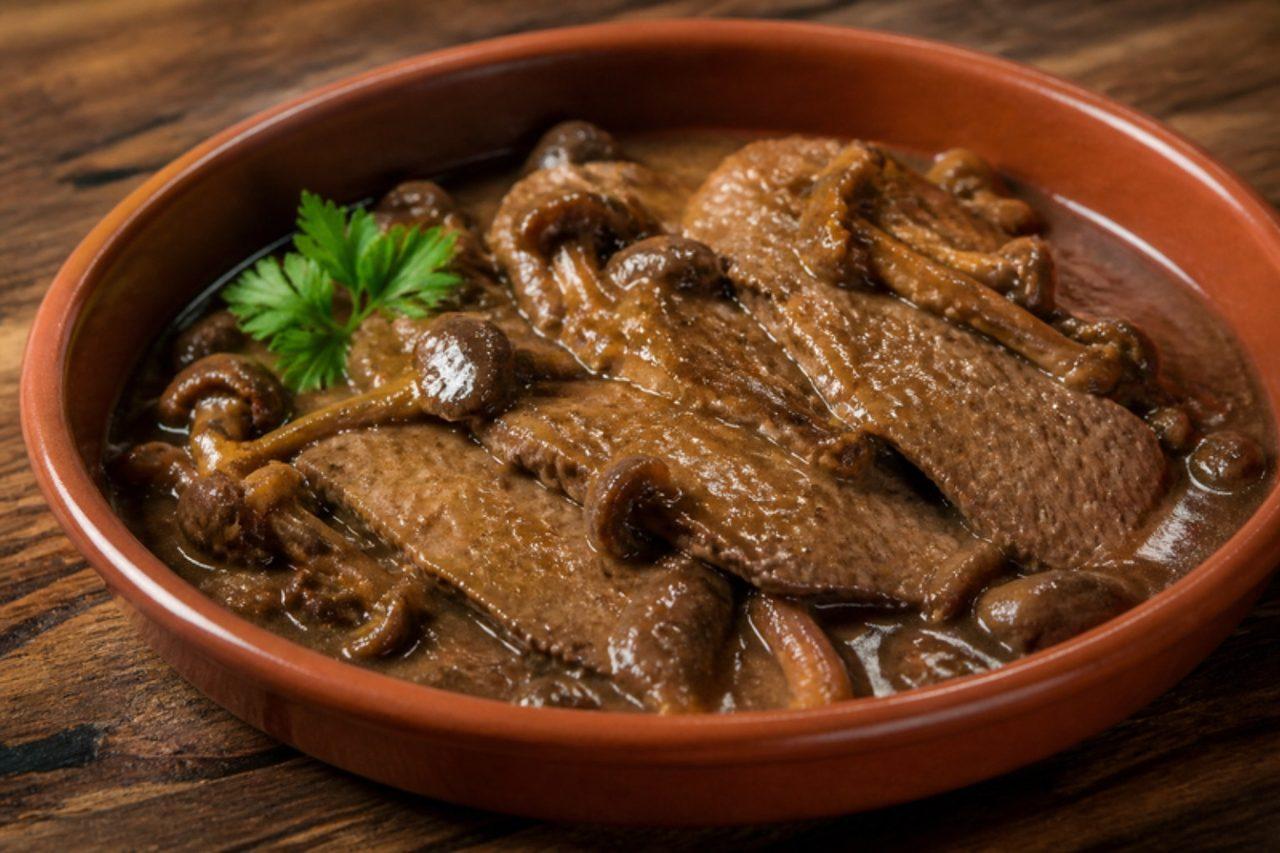
FricandóBraised veal with mushrooms

Fricandó is the dish that Barcelona grandmothers cook for a family Sunday or a saint's day: thin slices of veal, floured and browned, then braised slowly in a dark sofrito with dried moixernons, the spring St George's mushroom, and finished with a picada of almonds and hazelnuts. It is better reheated the next day. Dried porcini or mixed wild mushrooms work if you cannot find moixernons. The recipe uses wine; the alcohol-free option is in the ingredient list. Chef's tip: cook the onions until truly dark, almost jammy; that deep brown sofrito is where the sauce gets its colour and sweetness.

130 minSpanishMeat
by KrazyBadal 0 views

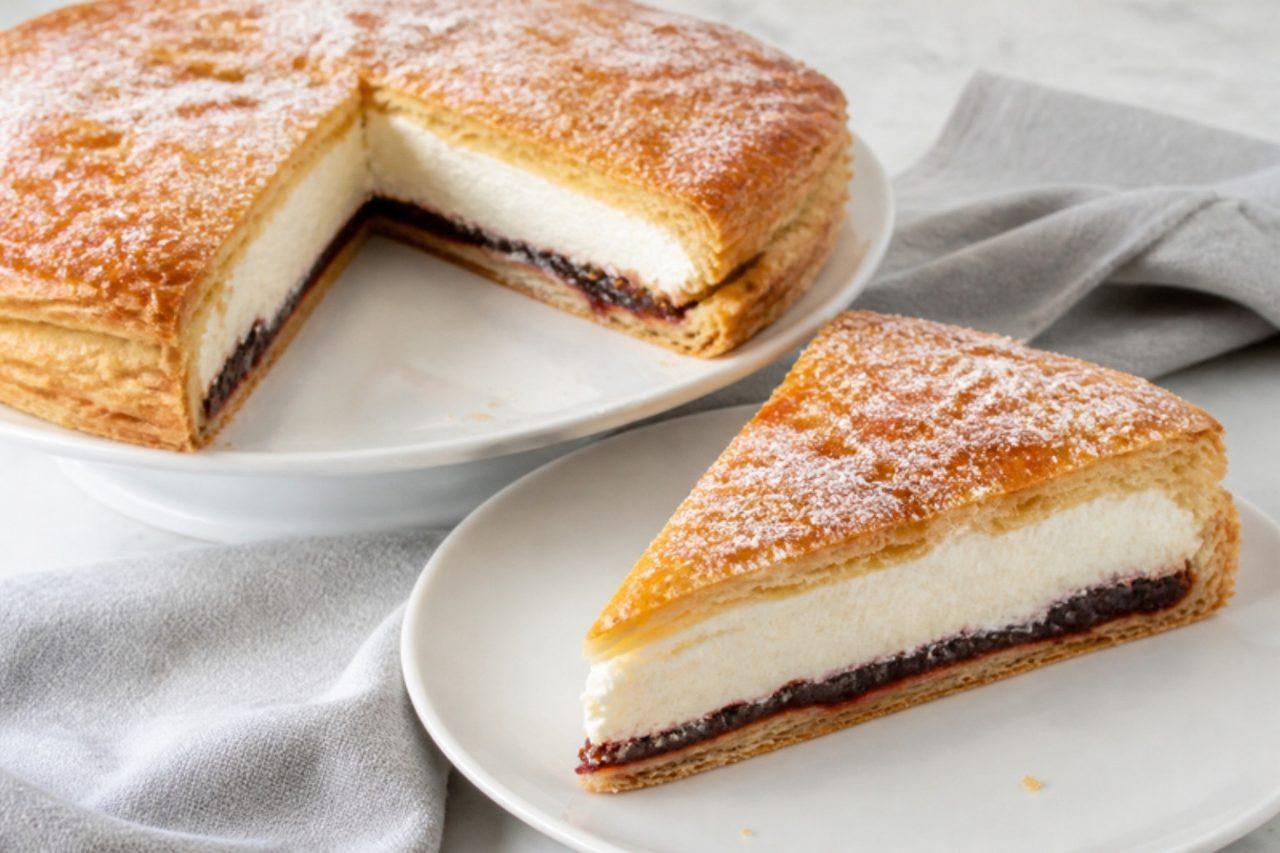
FriesentortePuff pastry torte with plum butter

On the coasts of East and North Frisia, from Norden to the island of Föhr, Friesentorte is what the tea room serves after a windy walk on the dykes, usually with a pot of strong black tea taken with rock sugar and cream. Three crisp rounds of puff pastry are layered with dark plum butter (Pflaumenmus) and a thick band of whipped cream; the top layer is cut into wedges before baking and glazed with sugar, so every slice gets its own shiny lid. Some versions add rum to the plums; this one is alcohol-free. A common mistake is assembling it hours ahead, which turns the pastry soft. Chef's tip: assemble no more than an hour before serving and keep it cold; the contrast of crackly pastry and cream is the whole point.

by KrazyBadal 0 views

FriselleTwice-baked bread with tomato

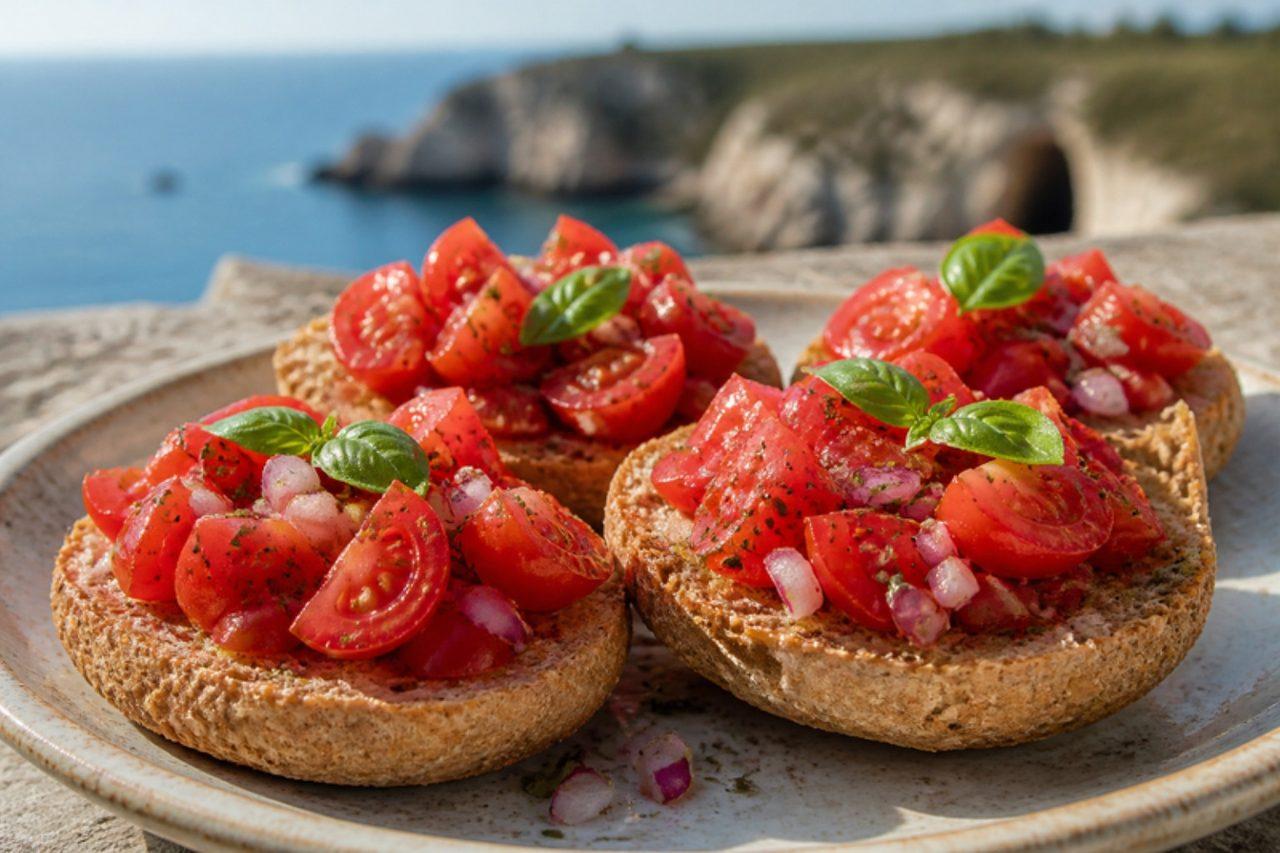
Friselle are rings of bread split in half and baked a second time until rock hard, so they kept for months on fishing boats and in farmhouses across the Salento. To eat them you dip them briefly in cold water, then pile on crushed ripe tomatoes, oregano and plenty of olive oil; the bread softens just enough while keeping a crunch in the middle. On August evenings in Lecce and along the coast they are the easiest supper there is. Every Puglian bakery sells them and Italian delis stock them, so this recipe uses bought friselle, made from wheat or the darker, nuttier barley. Chef's tip: dip, don't soak; a few seconds is enough, and the tomato juice finishes the job.

by KrazyBadal 0 views

Frit mallorquíLamb, liver and potato fry-up

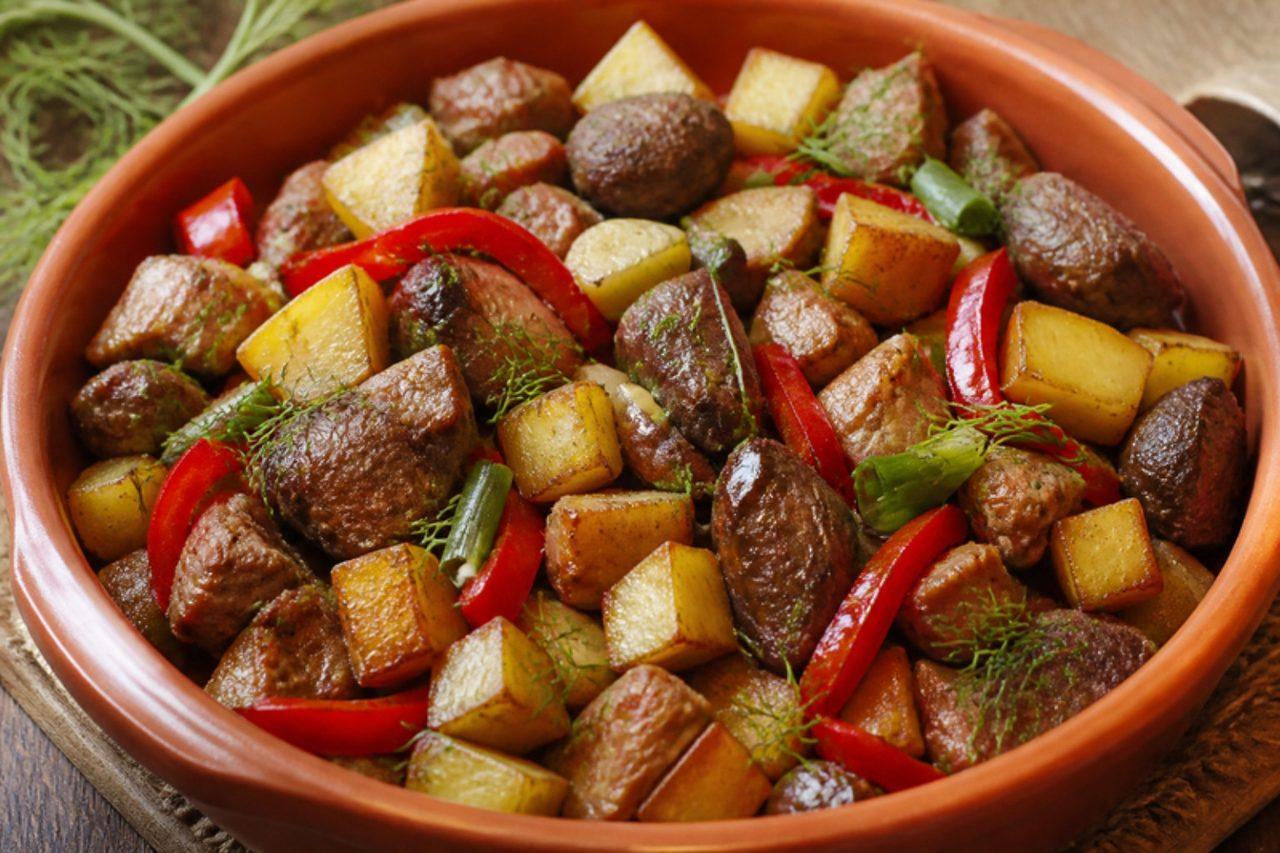
Frit is the hearty dish of Mallorcan country festivals and pig-killing days, and the version made at Easter uses young lamb: diced meat and liver fried with tiny cubes of potato, red pepper, spring onion and wild fennel, all in one big pan. Bars in Inca and Sóller serve it as a tapa on market mornings. This recipe uses lamb shoulder and lamb's liver; the pork version, frit de porc, follows the same method. Chef's tip: fry the potatoes, peppers and meat separately and combine them at the end, or the potatoes stew and lose their crisp edges.

by KrazyBadal 0 views

Frite extremeñoFried lamb with garlic and paprika

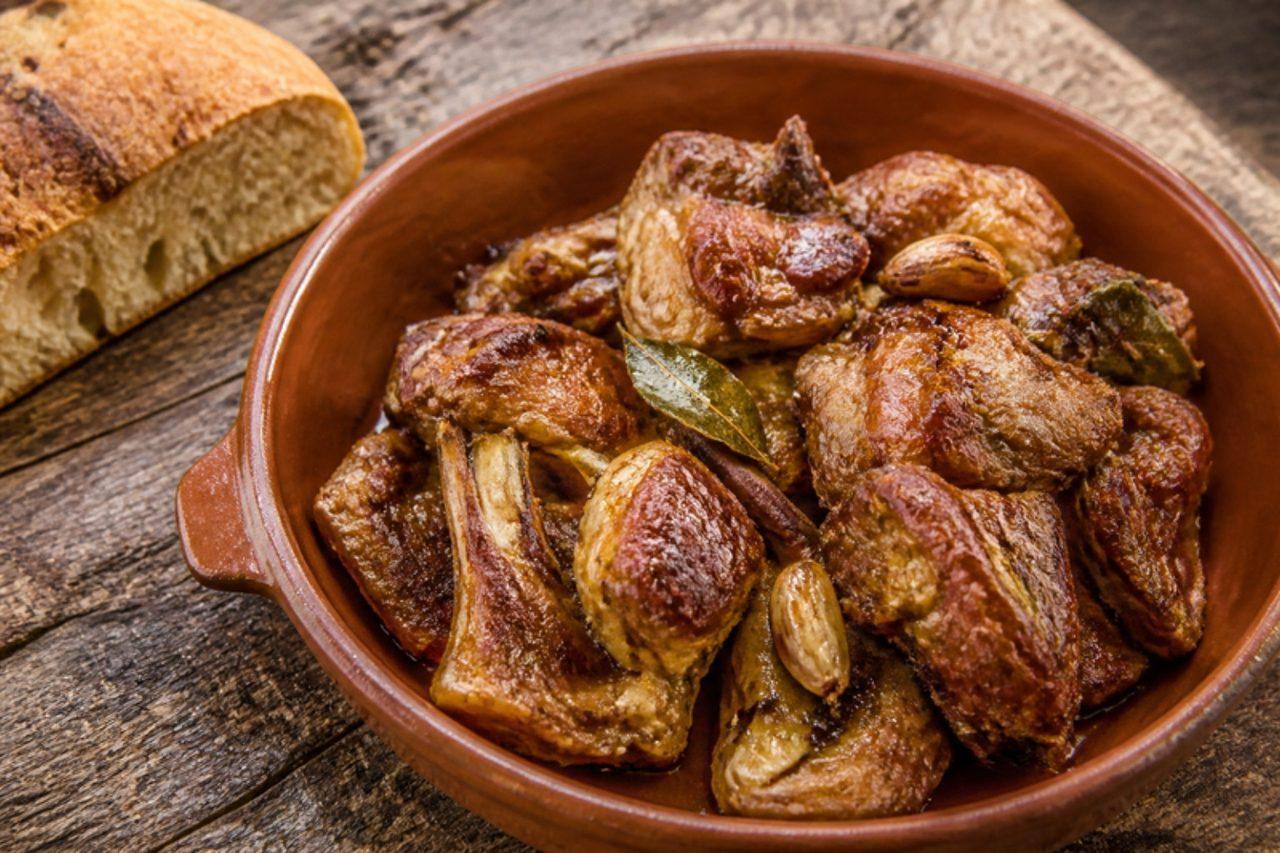
Frite is the simpler, drier cousin of caldereta and is especially loved around the sheep country of the Sierra de Gata and the Cáceres plains. Small pieces of lamb are fried in olive oil with lots of garlic, then cooked with bay, pimentón and a splash of vinegar until tender and coated in a dark red, clinging sauce. It is the dish people cook outdoors at the spring romerías and eat with bread straight from the pan. Chef's tip: ask the butcher to chop the lamb small, bones and all, so every piece gets crisp edges.

by KrazyBadal 0 views

FrixuelosThin crêpes with sugar or honey

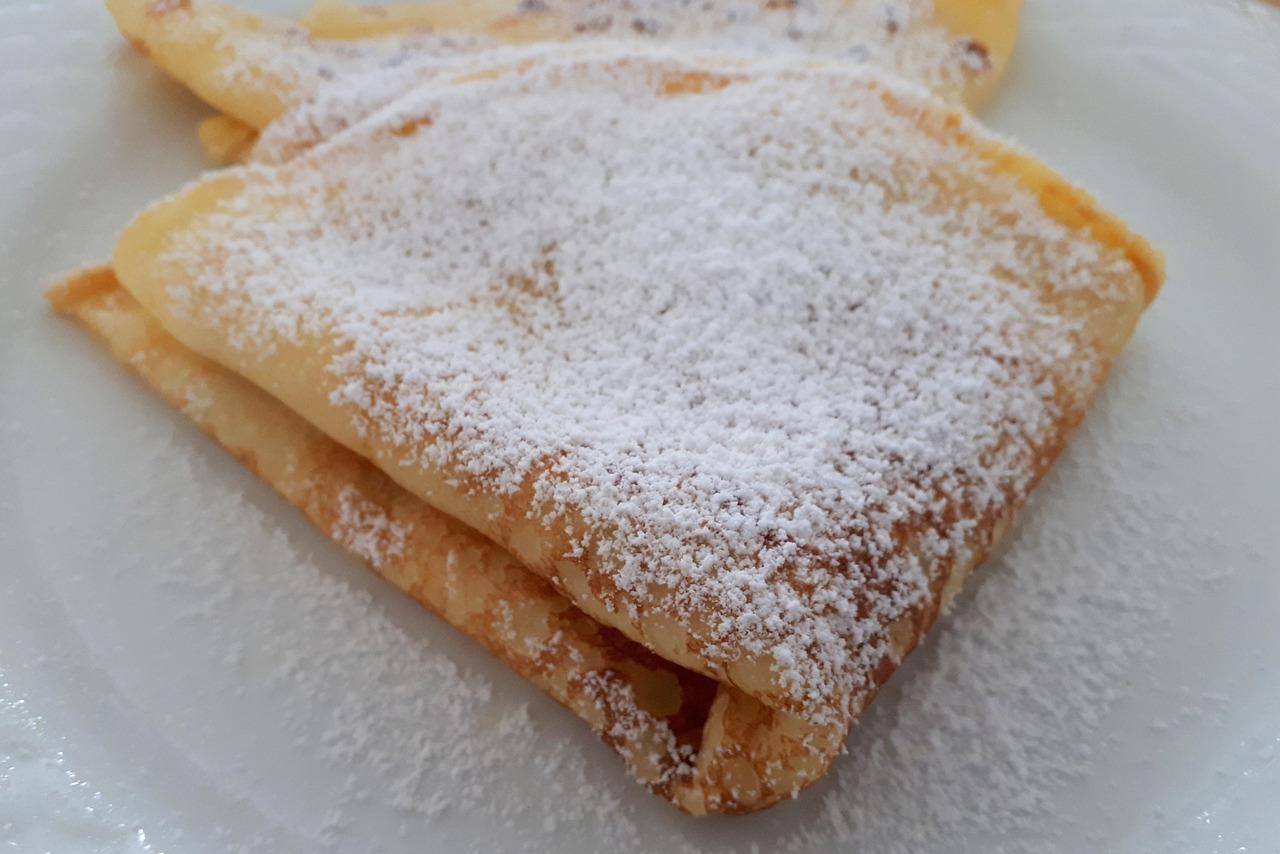
When Antroxu, the Asturian Carnival, comes round in February, kitchens from Avilés to the Oriente villages fill with the smell of butter and batter, and plates of frixuelos stack up for anyone who calls in. They are thinner and lighter than a pancake, flavoured with lemon zest, and are rolled or folded while warm with a dusting of sugar, a drizzle of honey or a spoon of rice-pudding cream. Grandmothers also make them on cold Sunday afternoons, so they are hardly kept for Carnival alone. Chef's tip: rest the batter for at least 30 minutes so the flour softens and the frixuelos turn out lacy and tender instead of rubbery.

by KrazyBadal 0 views

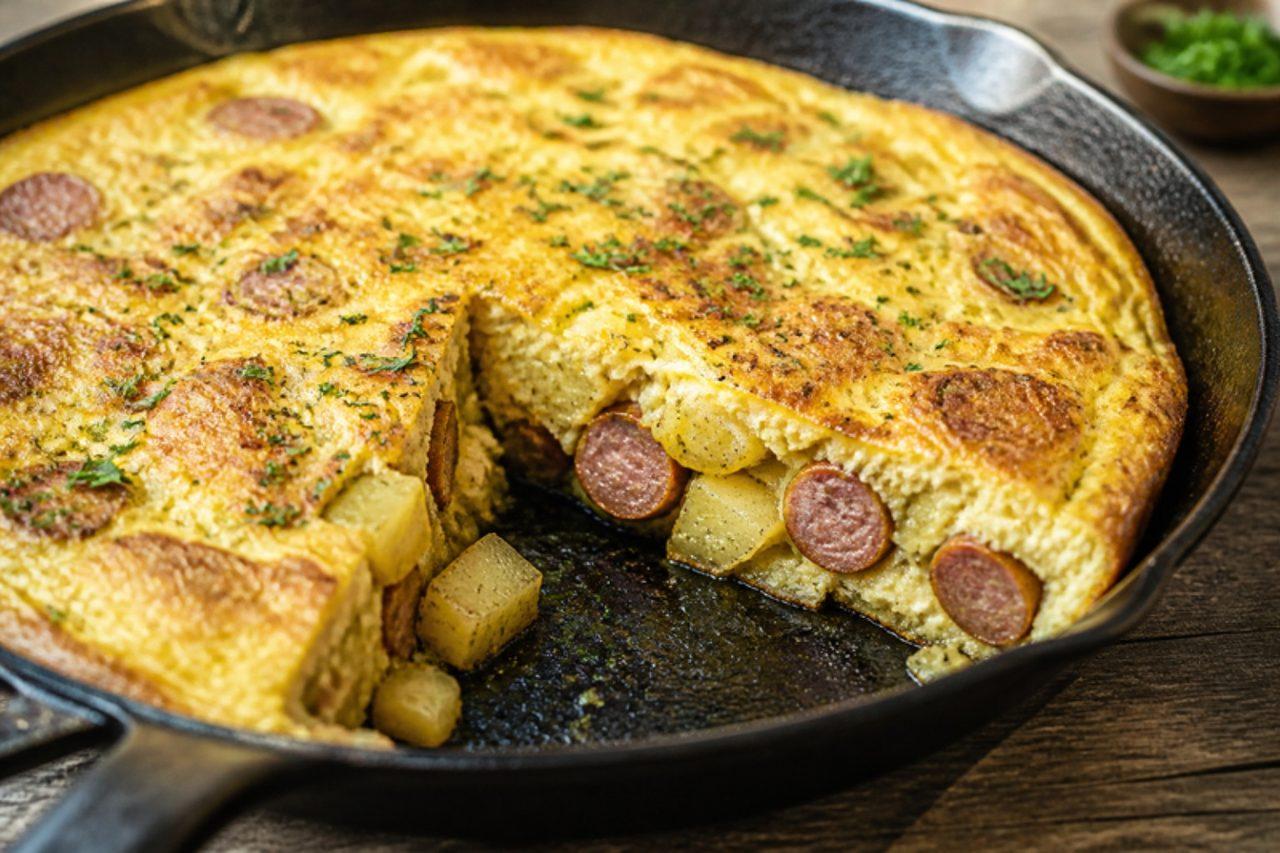
FroutaliaOmelette with potatoes and sausage

On Andros and Tinos, froutalia is the thick, golden omelette farm families ate after a morning in the fields: potatoes and local pork sausage fried in a deep pan, then bound with eggs and a little cheese and cooked until set right through. It is cut in wedges like a Spanish tortilla and eaten hot or cold, with bread and a tomato and cucumber salad, at any time of day. On the island it is made with louza or a smoked pork sausage seasoned with fennel; any good coarse pork sausage works. Common mistake: adding the eggs while the potatoes are still hard; they never soften once the eggs set. Chef's tip: flip it onto a plate halfway so both sides brown evenly.

by KrazyBadal 0 views

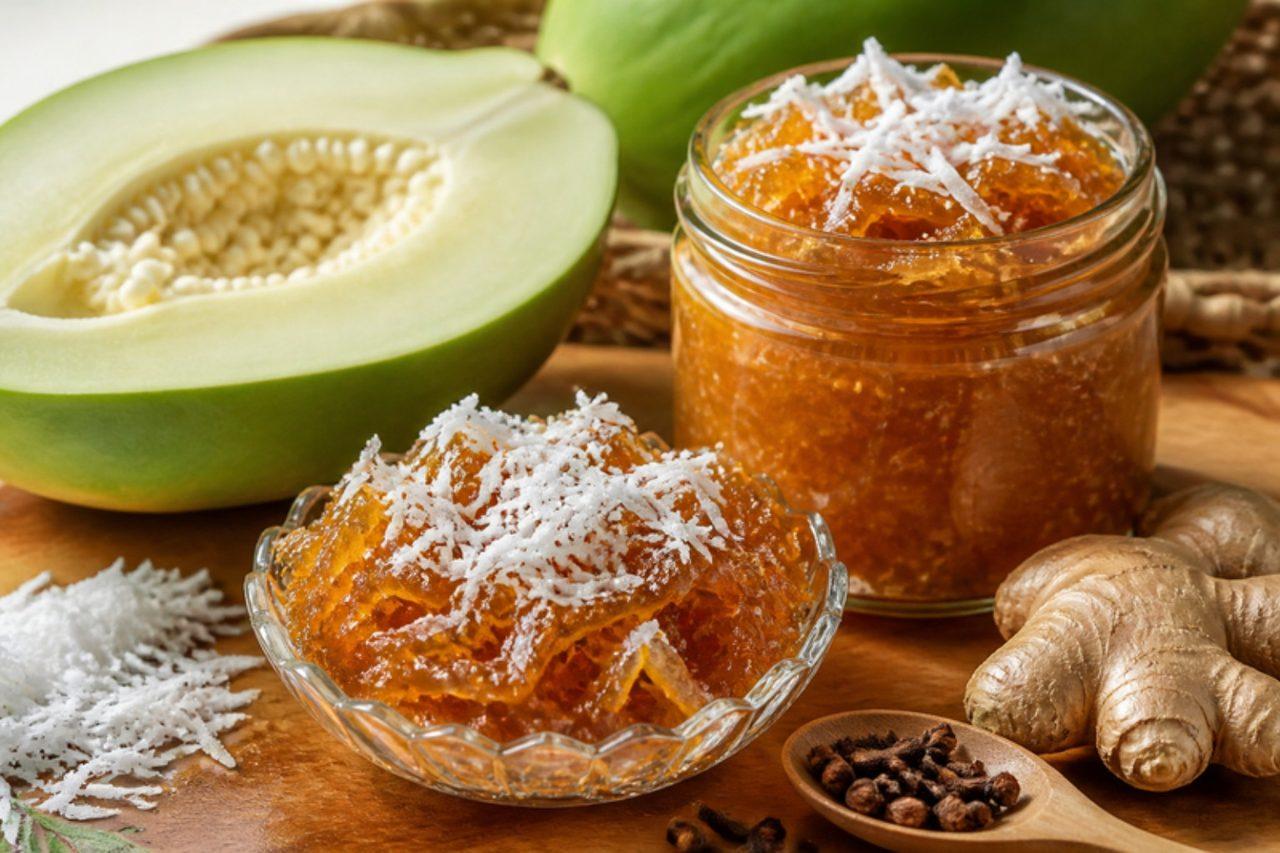
FurrunduGreen papaya and cane sugar sweet

Cuiabá's grandmothers have a sweet for every fruit, and furrundu is the one that turns an unripe papaya into something special. The green fruit is grated, squeezed and cooked slowly with rapadura (dark unrefined cane sugar), fresh ginger, cloves and cinnamon until it is dark brown, sticky and chewy, with a warm spice that lingers. It is sold in small pots at Cuiabá's Mercado do Porto and at festas de santo in Mato Grosso, eaten by the spoonful with a slice of fresh cheese or on its own. The mistake to avoid is skipping the rinse: green papaya oozes a milky latex that tastes bitter and can irritate the skin, so wear gloves and wash the grated fruit well. Chef's tip: stop cooking when you can drag a spoon across the bottom of the pan and see the base for a second; it firms up a lot as it cools.

by KrazyBadal 0 views

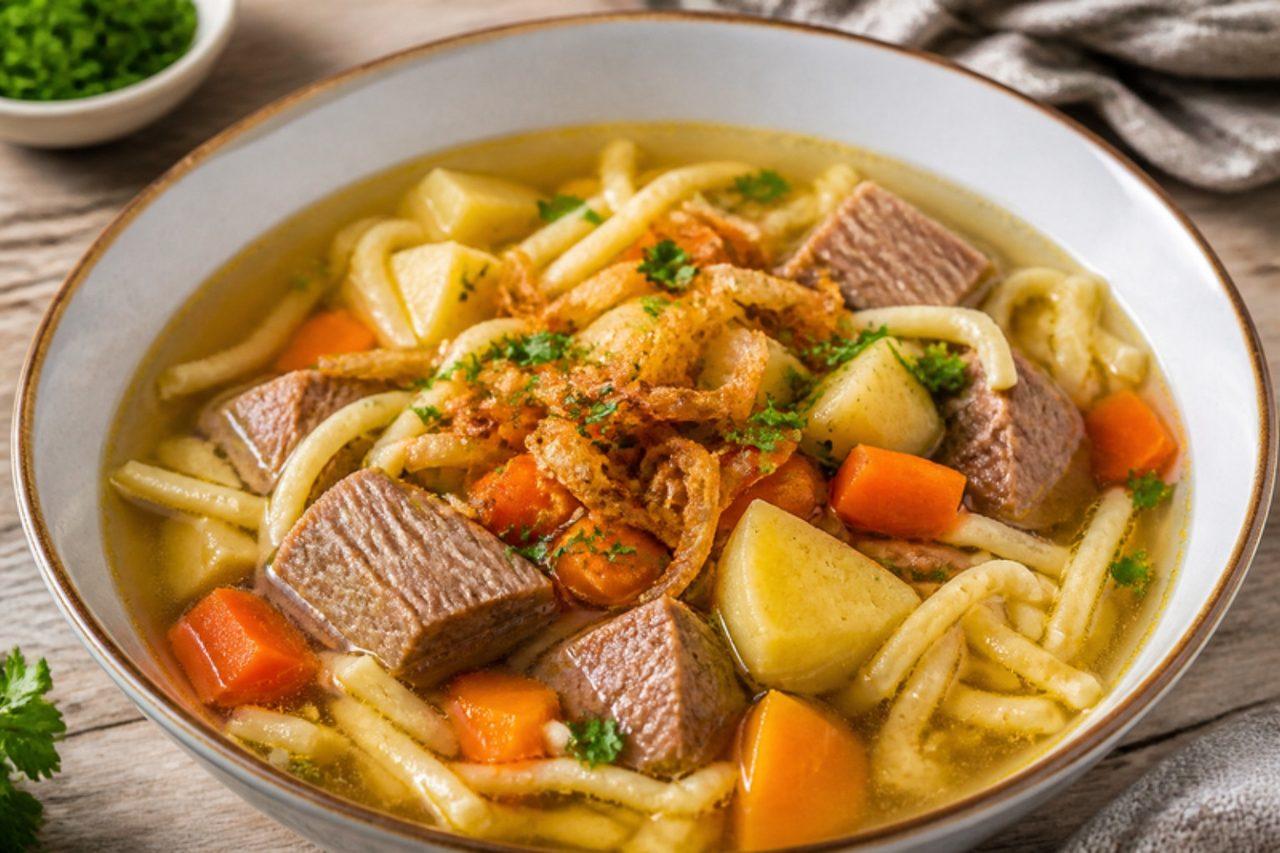
Gaisburger MarschBeef stew with potatoes and spätzle

Gaisburger Marsch is named after Gaisburg, a district of Stuttgart, and the story goes that officer cadets marched there from barracks for it. It is a hearty Swabian one-pot of beef broth, cubes of boiled beef, potatoes and spätzle, crowned with onions fried in butter until sweet and brown, and it is still a weekday lunch in Stuttgart pubs and canteens. Chef's tip: cook the potatoes in the strained broth rather than in water, so they soak up the beef flavour.

180 minGermanSoups
by KrazyBadal 0 views

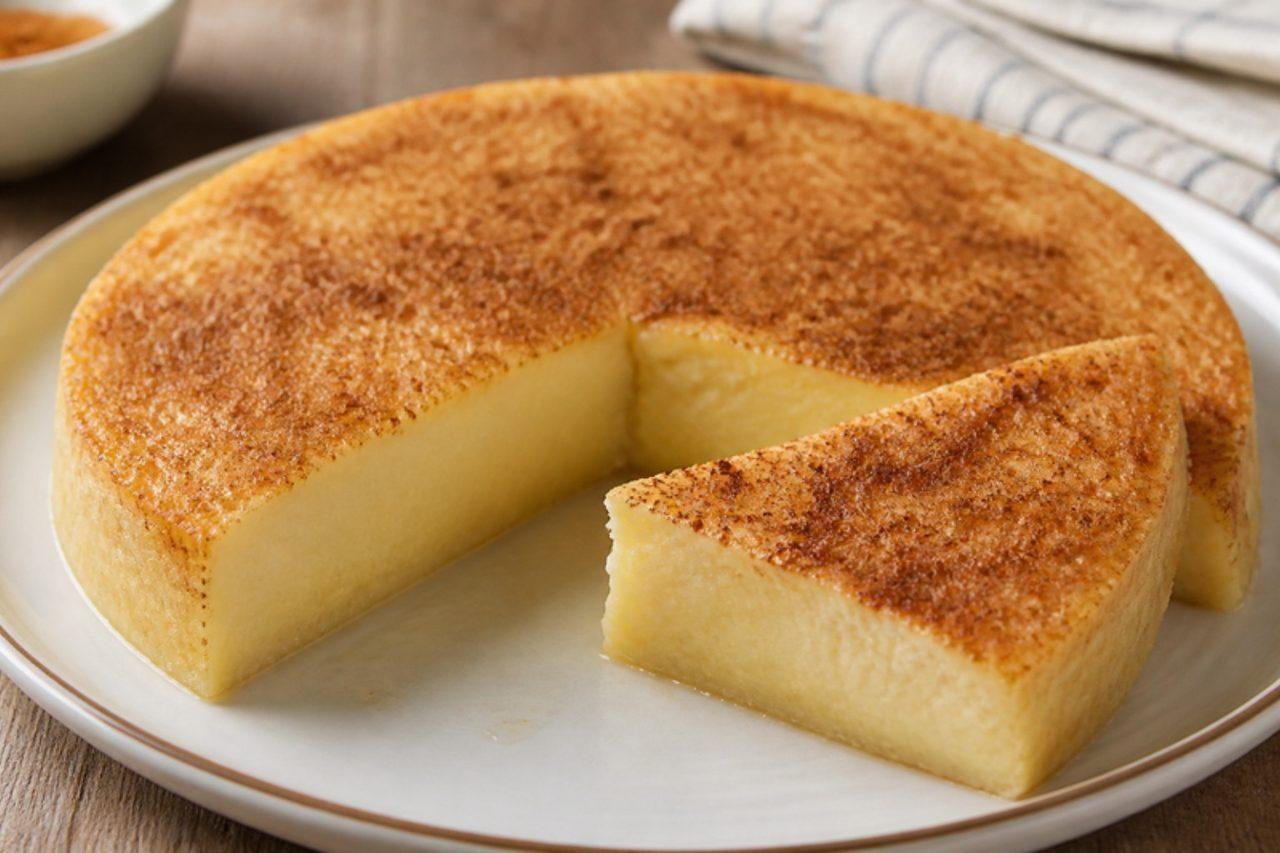
GalatopitaMilk and semolina custard pie

Galatopita is the pie that Epirus shepherds' wives baked when the ewes were in full milk in spring, and you still find it in bakeries in Ioannina and Metsovo, cut into wobbly golden squares. Milk, eggs and semolina are cooked to a thick cream, poured into a buttered tin and baked until the top browns and puffs like a soufflé, then settles into a soft, set custard. Eat it warm or chilled with a dusting of cinnamon. Common mistake: baking at too high a heat, which cracks and weeps the custard — keep it moderate. Chef's tip: a single sheet of filo in the base makes it easier to lift out, but the old village version needs none.

by KrazyBadal 0 views

Galayet bandoraStewed tomatoes with garlic and chilli

Ask anyone in Amman what they cook when the fridge is nearly empty and the answer is often galayet bandora: ripe tomatoes collapsed in a shallow pan with olive oil, garlic and hot green chilli until they turn jammy and sweet. It turns up at breakfast, as a quick supper, and over a camp fire on desert trips to Wadi Rum, always eaten straight from the pan with torn khubz or shrak. Some families add cubes of lamb; this meatless version is the one most homes make every week. The usual mistake is stirring too much and adding water, which gives you a thin sauce instead of glossy, slightly caramelised tomatoes. Chef's tip: let the tomatoes sit untouched for the first few minutes so their undersides catch and colour; that touch of browning is where the flavour comes from.

by KrazyBadal 0 views

Galeto al primo cantoRoast spring chicken

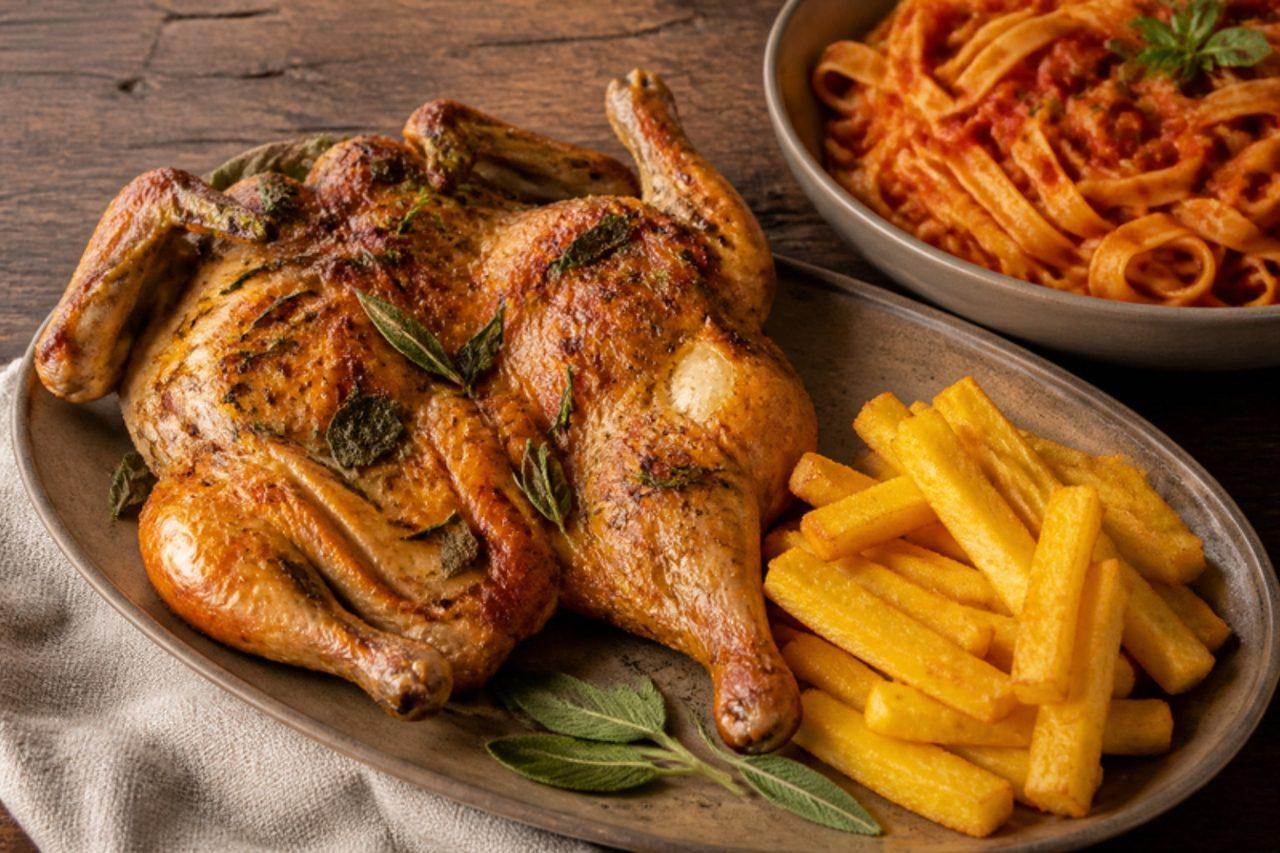
Caxias do Sul's galeterias serve galeto as an all-you-can-eat feast: young chicken, so small it is called al primo canto, at its first crow, marinated overnight in white wine, garlic, sage and rosemary, then roasted over embers and brought to the table with crisp fried polenta, pasta and salad. The habit came with the Italian immigrants of the Serra Gaúcha, and the meat is tender, juicy and fragrant with herbs. The marinade uses dry white wine; part of the alcohol cooks off during roasting but not all, so for an alcohol-free galeto use the same amount of chicken stock with 2 tbsp white wine vinegar. Marinate for at least 4 hours or overnight in the fridge. Many cooks baste with the raw marinade right to the end; stop 10 minutes before the chicken is done so no raw juices reach the plate. Chef's tip: set the polenta the day before so it slices cleanly and fries crisp.

by KrazyBadal 0 views

Galinha ao molho pardoChicken in dark blood sauce

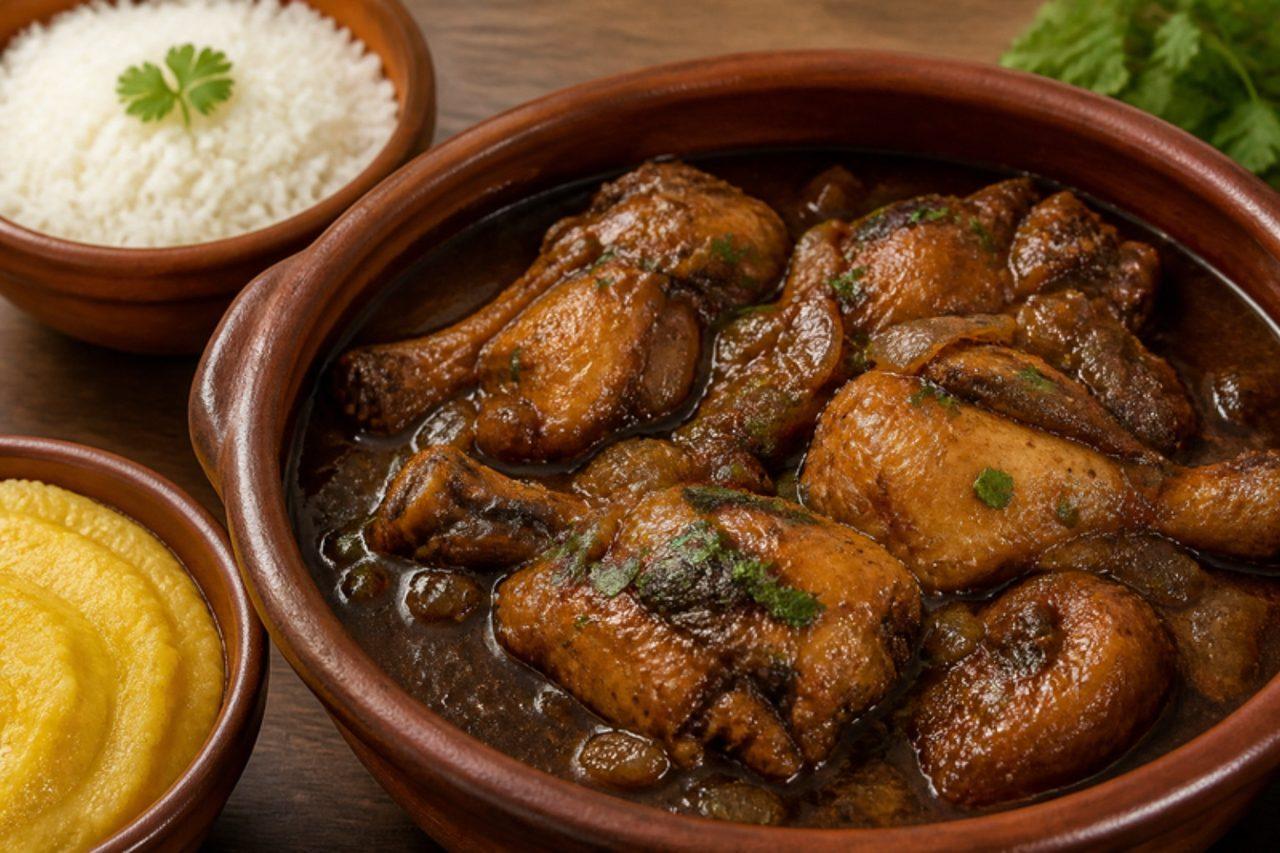
Country cooking from the state of Rio and southern Minas Gerais, galinha ao molho pardo (also called galinha de cabidela) is cooked at weekend gatherings with a free-range hen, and served with angu, white rice and okra. The chicken is braised with onion, garlic, tomato and herbs, then the sauce is finished with the bird's blood mixed with vinegar, which turns it dark brown, velvety and savoury, with a gentle sourness. It tastes richer and deeper than an ordinary stew. Buy fresh chicken blood from a licensed poultry butcher or halal butcher, ask for it mixed with vinegar so it does not clot, keep it in the fridge and use it within 24 hours. The usual mistake is boiling the sauce hard after the blood goes in, which makes it grainy; stir it at a gentle simmer instead. The blood must be cooked right through. Chef's tip: temper the blood with a ladle of hot sauce before adding it to the pot.

by KrazyBadal 0 views

GalinhadaChicken and turmeric rice

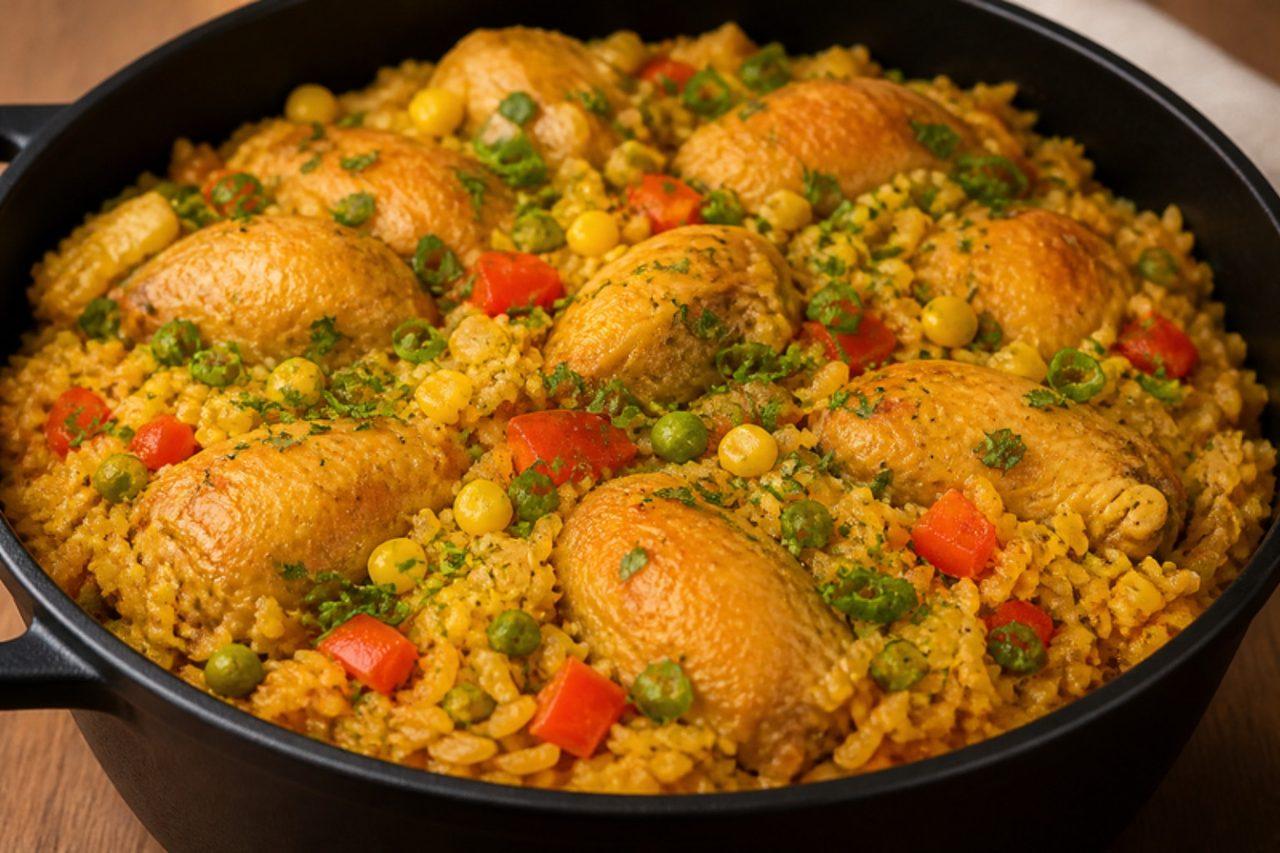
Sunday lunches, church festas and roadside restaurants in Goiás all revolve around a big pot of galinhada: chicken browned with garlic and onion, then cooked with rice in its own stock until each grain is golden from açafrão-da-terra. In Brazil that word means turmeric, not true saffron, and it is turmeric that gives the dish its colour. Goianos add pequi, the cerrado fruit with a heady, cheesy-tropical scent; you can buy it in jars in Brazilian shops, but warn your guests: the stone is covered in fine spines under the flesh, so nibble gently and never bite into it. It comes out moist, fragrant and comforting, finished with plenty of cheiro-verde. The common mistake is adding too much water, which makes it mushy; the rice should be loose, like a paella that has just settled. Chef's tip: brown the chicken until it leaves a dark crust in the pot, then let the rice dissolve it.

by KrazyBadal 0 views

Showing 72 of 7,762 recipes

Show more recipes

Page 459 of 863