


Skip to content
Greek village salad
Featured recipe

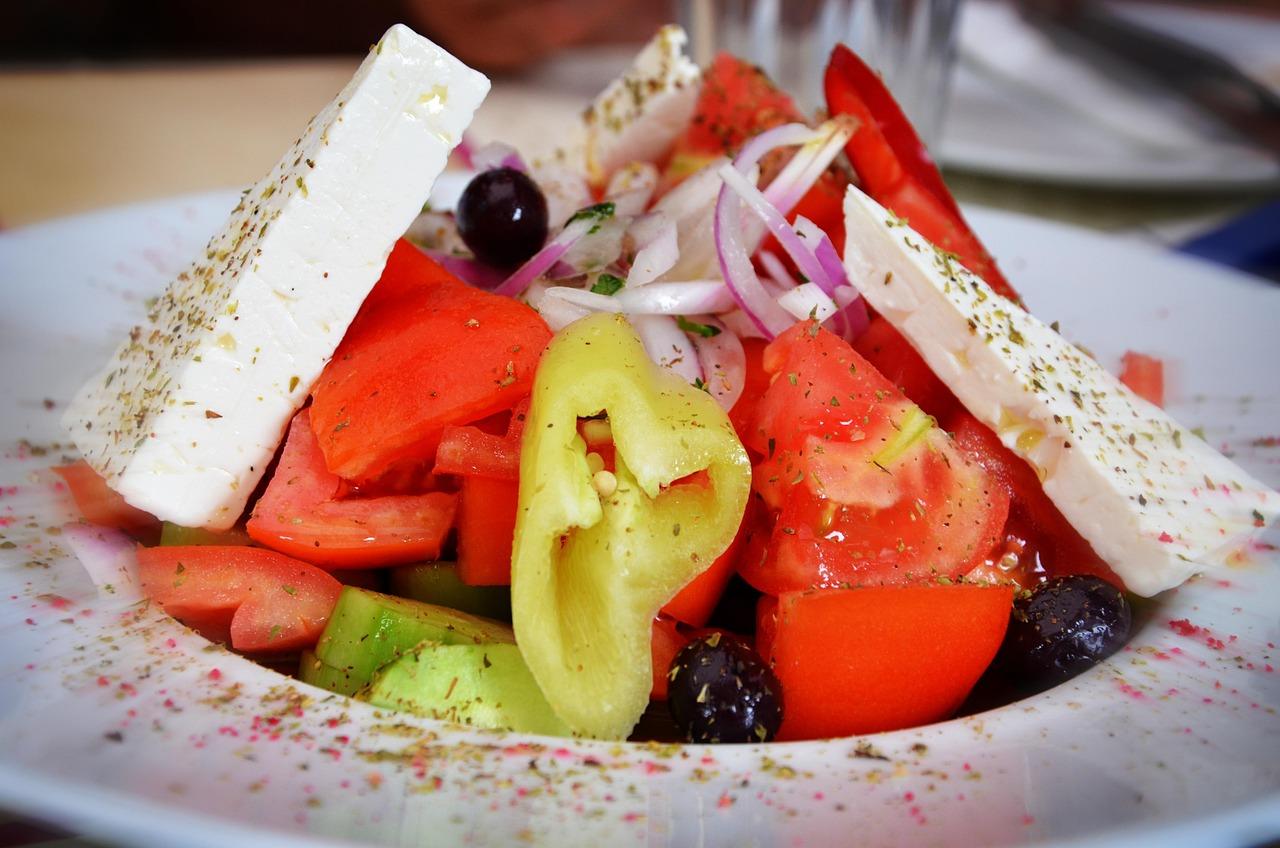
Greek village salad

A true Greek salad has no lettuce: just ripe tomatoes, crunchy cucumber, sharp onion and olives, dressed with good olive oil and dried oregano, with a whole slab of feta on top. Salt the tomatoes first and they'll make their own dressing.

Read more 1 views

What to eat today?

Around the world

Today's trip: Persian

A new country every day, from every cuisine on the site.

Persian

Dizi

Lamb and chickpea stew 245 minMore from Persian (131) →

This week's collection

Kid-friendly dinners
578 recipes · a new collection every Monday

Latest recipes

Pie and mash with liquor

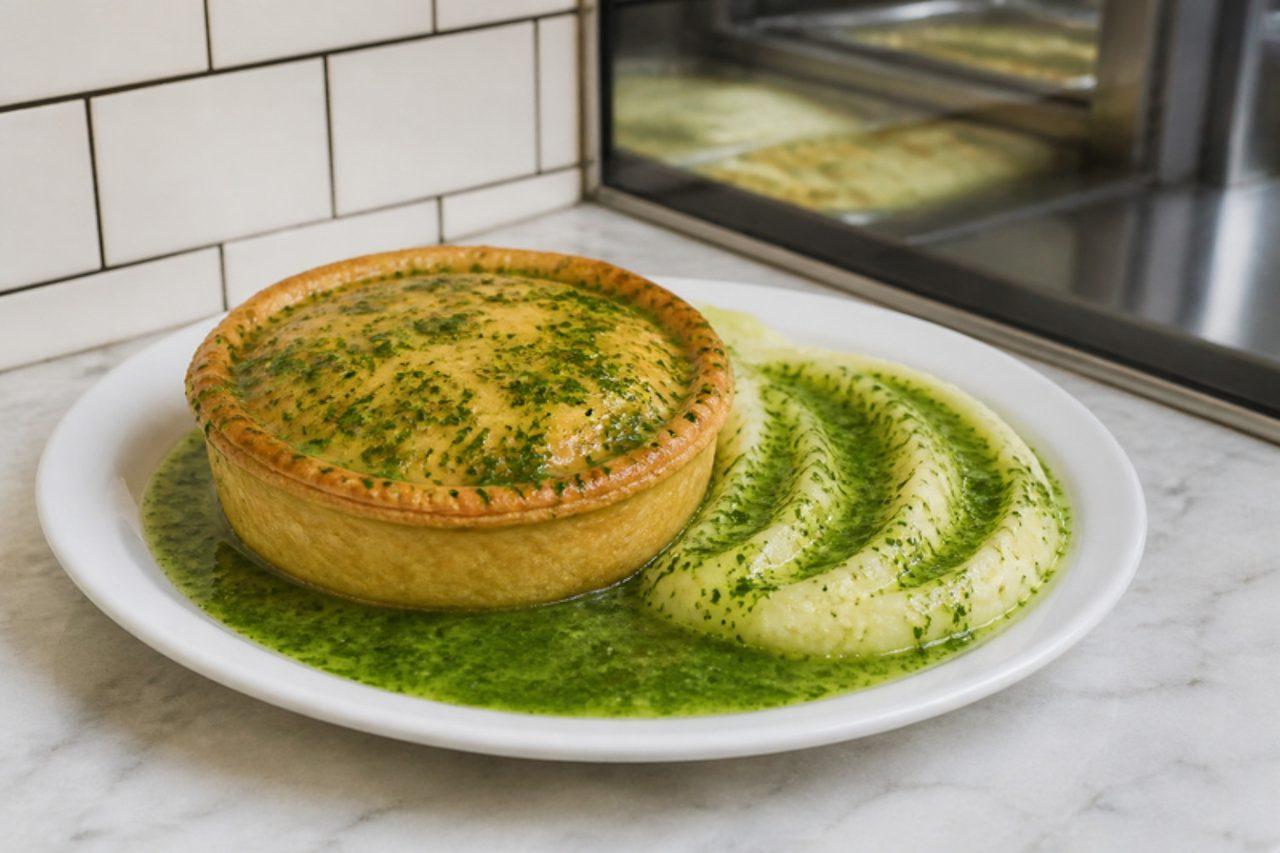
Pie, mash and liquor is the working-class lunch of the East End of London, served in tiled pie shops from Bethnal Green to Walthamstow since the 1800s. Small minced beef pies with a soft suet-style base and a crisp puff lid sit next to a scoop of smooth mash, all flooded with liquor, a thin, bright green parsley sauce. Pie shops make the liquor with the stock from stewed eels; this version uses fish or vegetable stock. Locals add chilli vinegar. Chef's tip: keep the liquor thin and pourable, like single cream, not thick like gravy.

by KrazyBadal 0 views

Roast lamb with mint sauce

Roast leg of lamb is the Easter Sunday lunch of England, when spring lamb from the South Downs and the West Country comes in, served with roast potatoes, spring greens and a jug of mint sauce. The sauce is the English twist: chopped garden mint steeped in vinegar and a little sugar, sharp enough to cut the richness of the meat. Chef's tip: make the mint sauce an hour ahead so the vinegar mellows and the mint flavour comes out.

120 minBritishMeatGluten free
by KrazyBadal 0 views

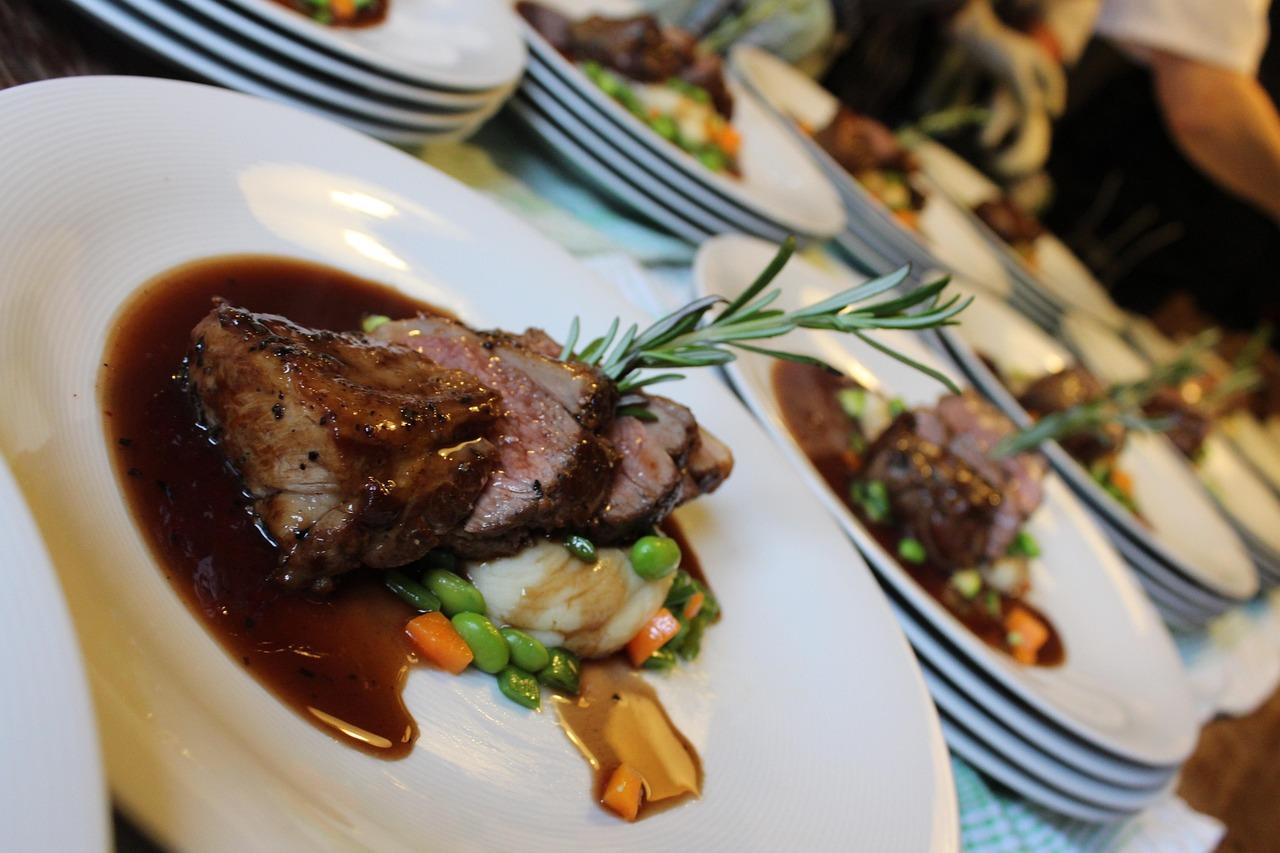
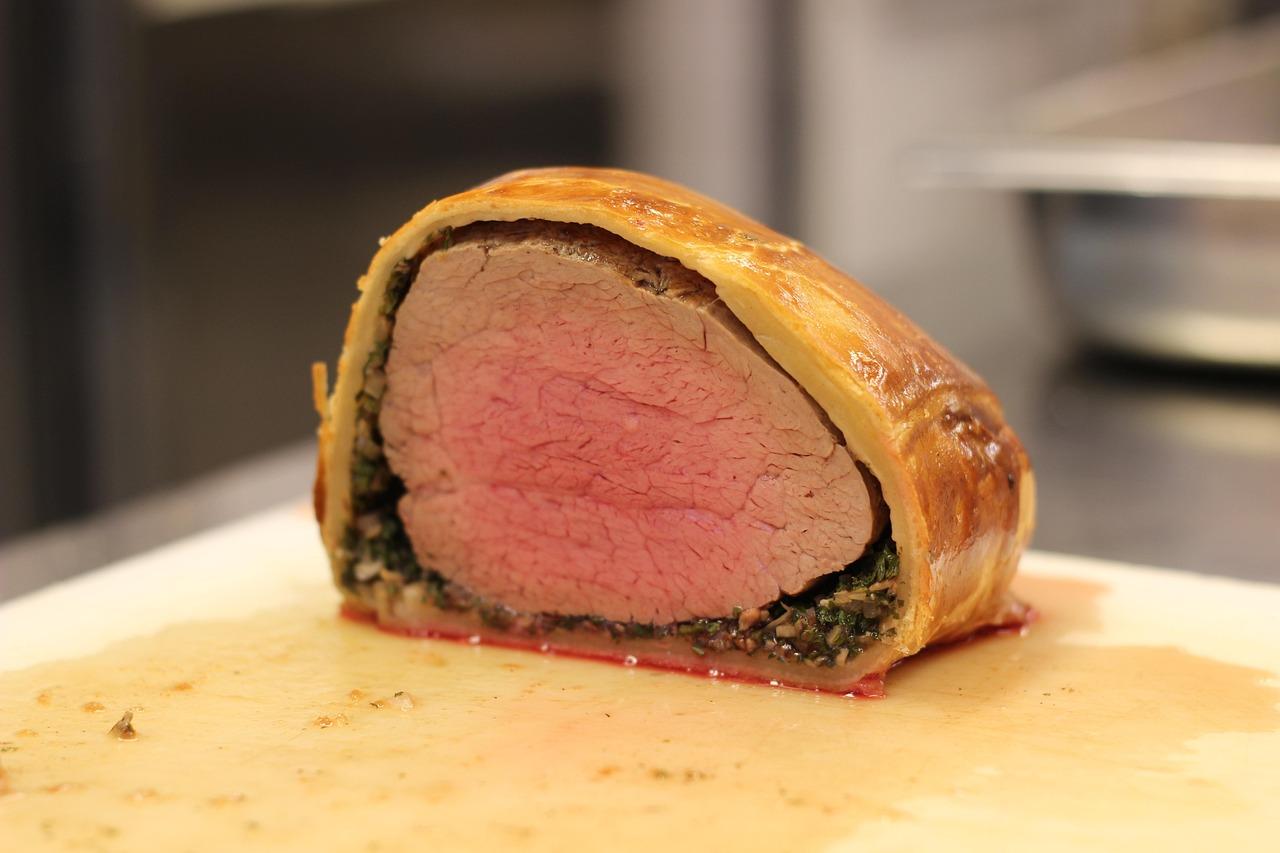
Beef Wellington

Beef Wellington is the grand centrepiece of British Christmas and celebration dinners, a whole beef fillet coated in finely chopped mushroom duxelles, wrapped in thin pancakes or ham and golden puff pastry, then sliced at the table to show a pink middle. It is linked, without much proof, to the Duke of Wellington. This version wraps the fillet in crêpes instead of the usual Parma ham. The duxelles is deglazed with a splash of white wine, which contains alcohol; use a little stock for an alcohol-free version. Chef's tip: chill the wrapped fillet before it goes in the pastry so everything stays tight and the base doesn't go soggy.

105 minBritishMeat
by KrazyBadal 0 views

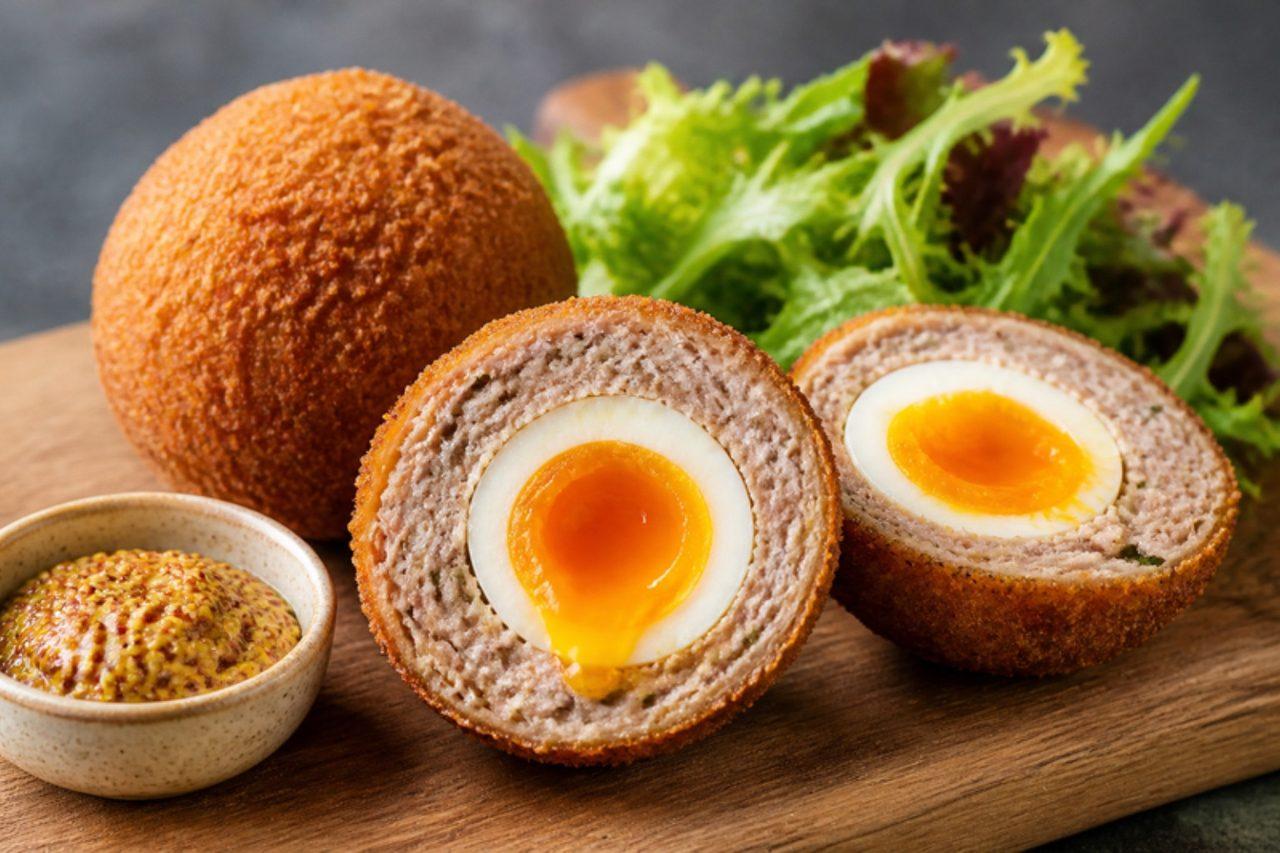
Scotch eggs

The Scotch egg was sold as a travelling snack by the London grocer Fortnum & Mason in the 1700s, and it is still the picnic and pub-counter favourite of England: a boiled egg wrapped in pork sausage meat, crumbed and fried. Modern pubs serve them with a runny yolk and a dollop of piccalilli or mustard. Chef's tip: boil the eggs for exactly 6½ minutes and plunge into iced water; that sets the white enough to peel but leaves the yolk soft.

by KrazyBadal 0 views

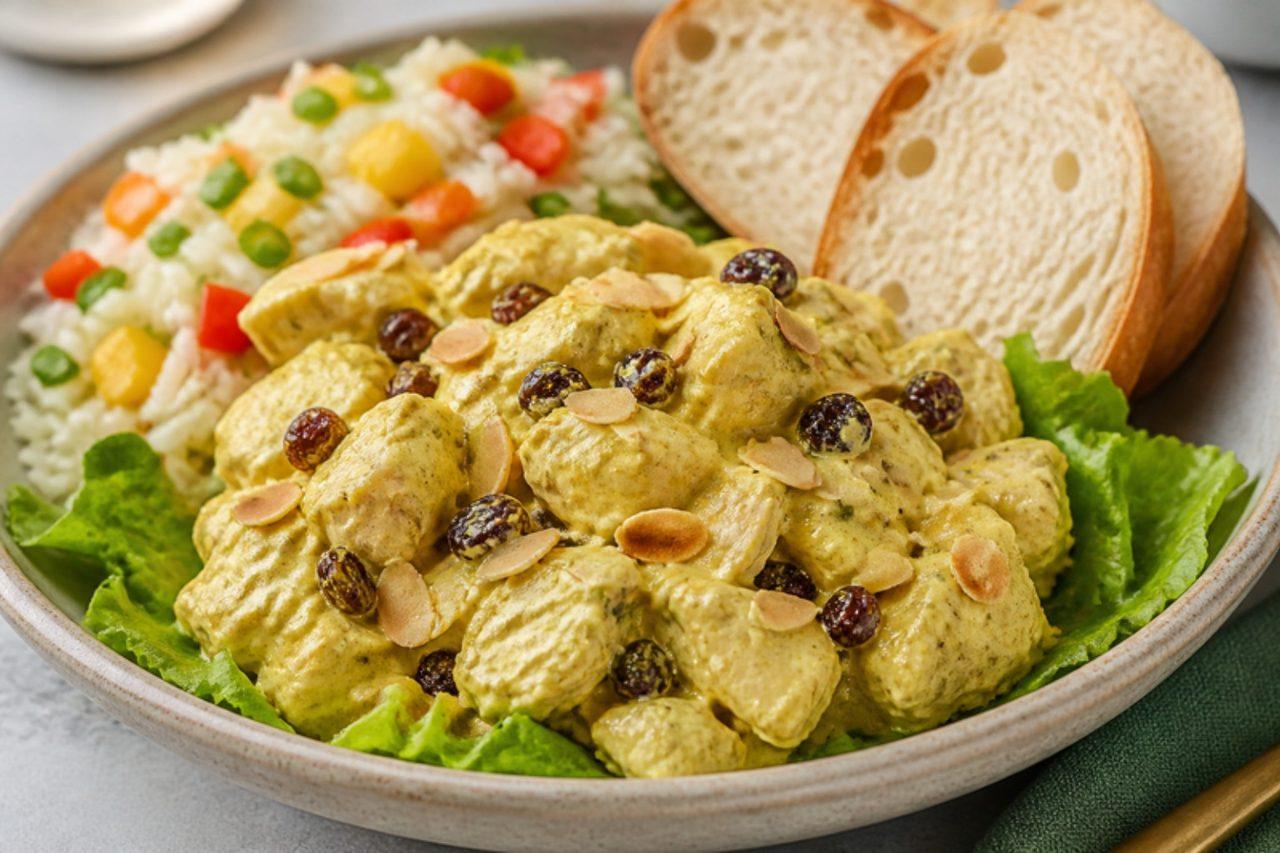
Coronation chicken

Coronation chicken was invented for the banquet of Queen Elizabeth II's coronation in 1953 by the Cordon Bleu school in London, and it became the filling of choice for jacket potatoes, wedding buffets and garden party sandwiches across England. Poached chicken is folded through a creamy, mildly spiced sauce of mayonnaise, curry paste, apricot and yoghurt. Chef's tip: poach the chicken very gently and cool it in its liquid so it stays juicy.

by KrazyBadal 0 views

Kedgeree

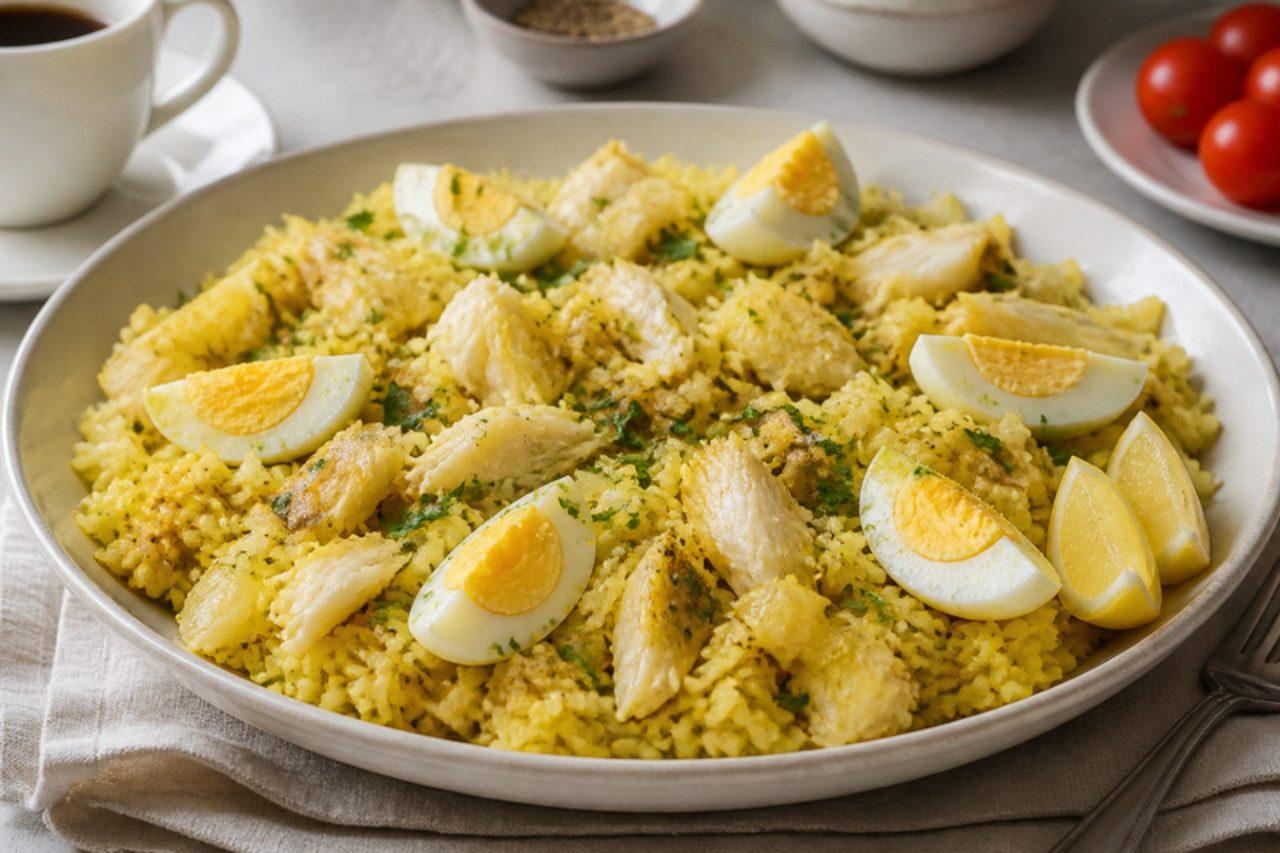
Kedgeree came to Britain with families returning from colonial India, who adapted khichri into a breakfast of buttery curried rice, flaked smoked haddock and boiled eggs; it was served from silver dishes at Victorian country house breakfasts and is now a weekend brunch. It is gently spiced, smoky and soft. Chef's tip: poach the haddock in the milk you then use for nothing else, and cook the rice in the poaching water for more smoky flavour.

by KrazyBadal 0 views

English fish pie

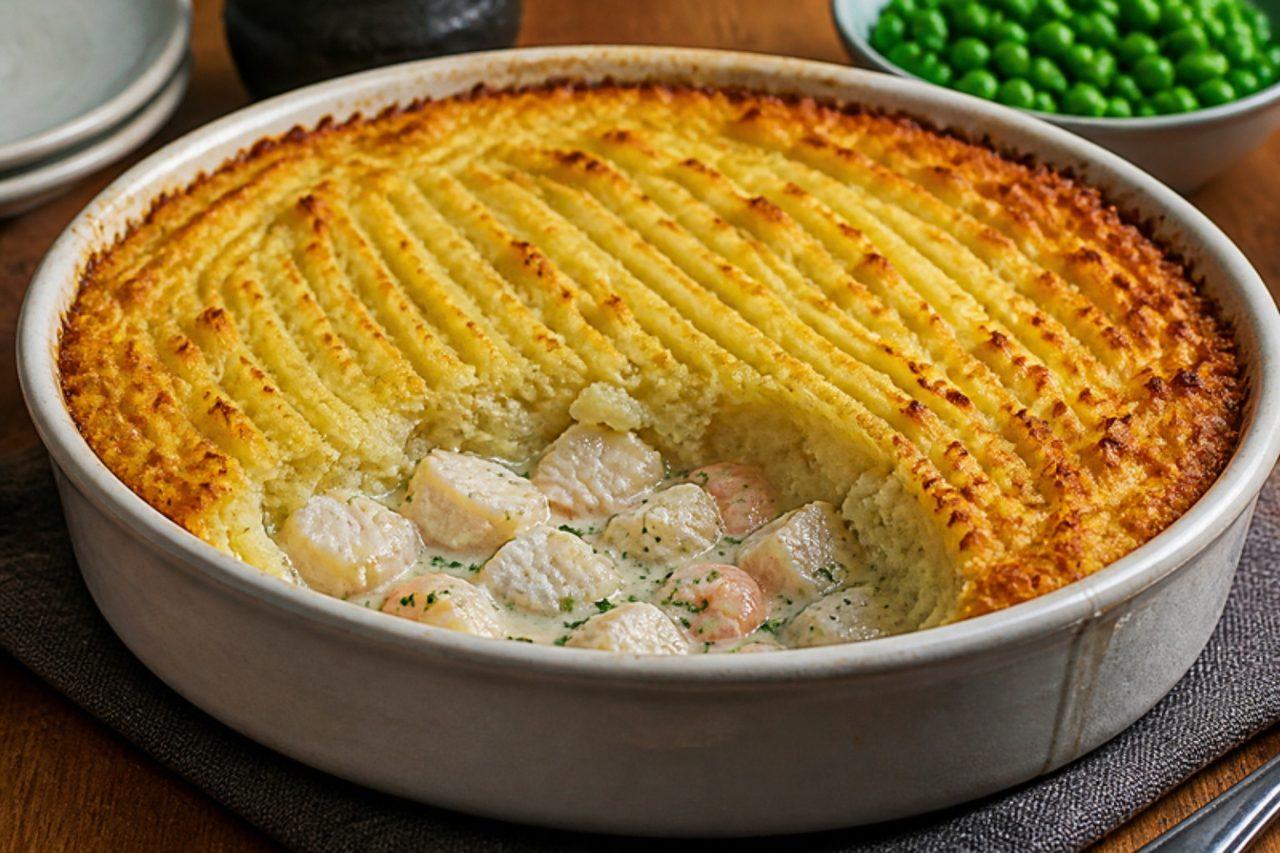
Fish pie is a Friday supper and a family favourite from the Kent coast to Devon, where fishmongers sell a ready-cut 'fish pie mix' for it. Chunks of white fish, smoked haddock and prawns are baked in a creamy parsley sauce under a thick crust of buttery mash, so it is mild, comforting and very filling. Chef's tip: don't pre-cook the fish; it finishes in the oven and stays in big, juicy flakes.

by KrazyBadal 0 views

Gammon, egg and chips

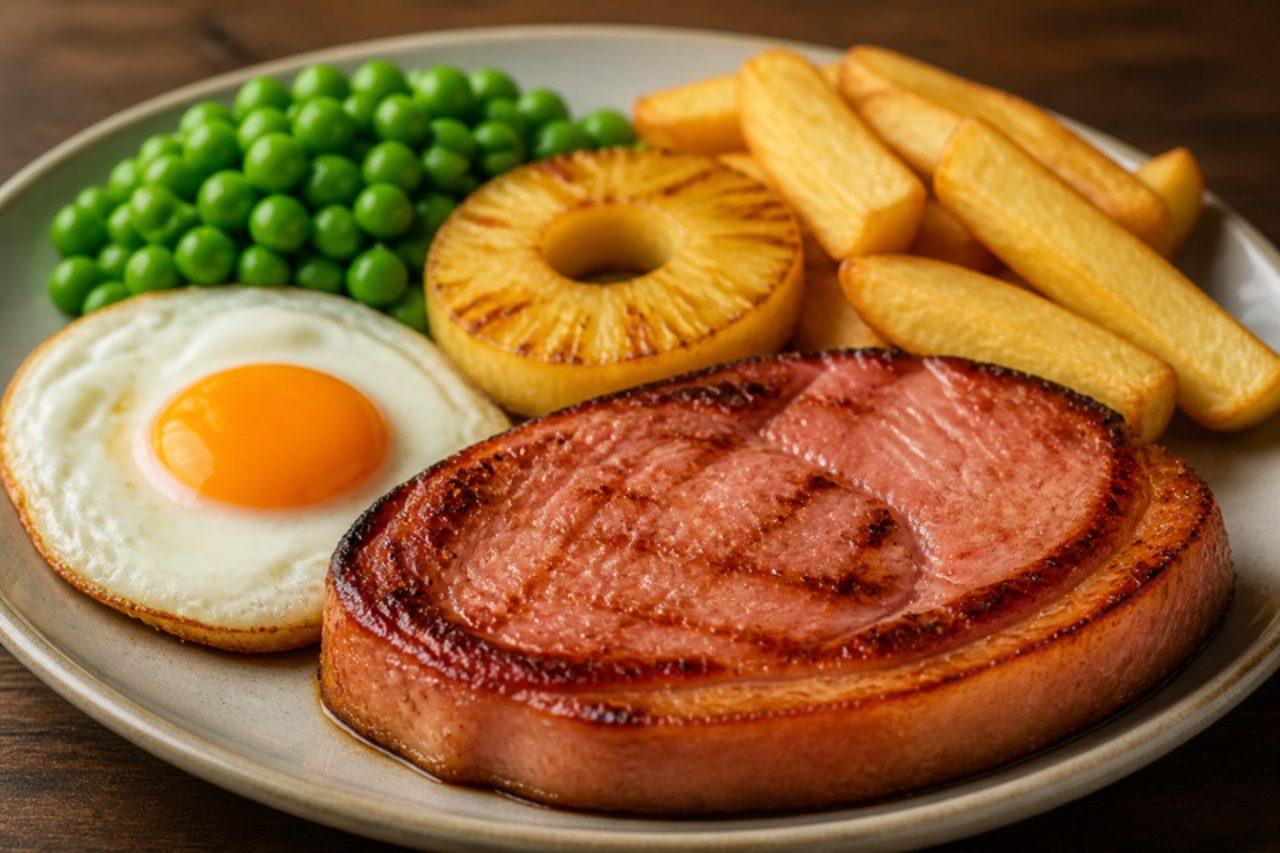
Gammon, egg and chips is the great English pub and transport-café dinner, on the menu from roadside diners on the A1 to Devon seaside pubs. A thick steak of cured pork gammon is grilled until the fat crisps, then topped with a fried egg or a ring of pineapple (or both), next to chunky chips and peas. Chef's tip: snip the fat around the edge every 2 cm before cooking so the steak stays flat.

by KrazyBadal 0 views

Abghooreh (verjuice)

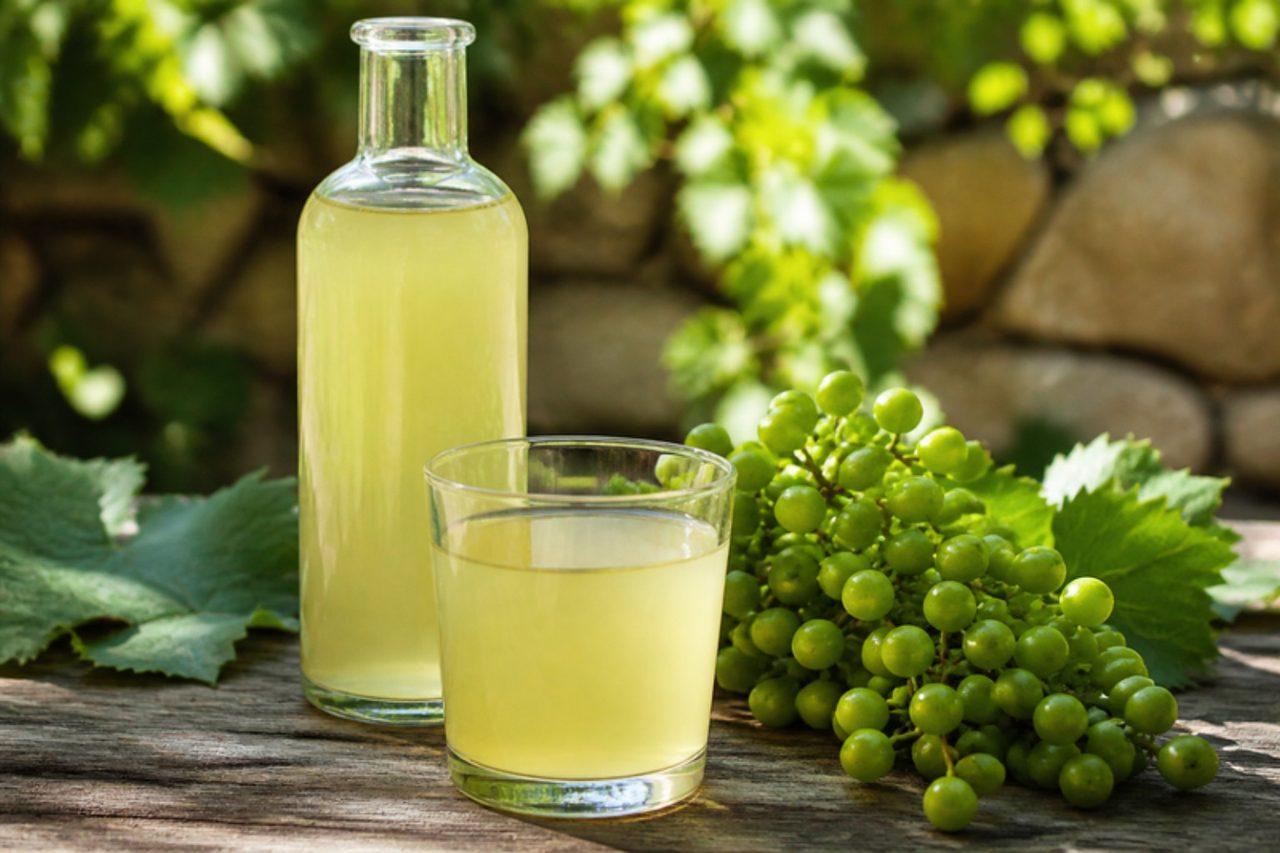
In early summer, families across Shiraz and the vineyards of Fars thin their vines and press the hard green grapes into abghooreh, a sharp, clean sour juice stored in bottles for the whole year. It sours khoresh, brightens salad shirazi and is splashed over kebabs and rice in place of lemon. The grapes must be truly unripe, hard and mouth-puckering; once they soften the juice turns sweet. A common mistake is skipping the boil and salt, which lets the juice ferment in the bottle. Chef's tip: let the boiled juice settle overnight and pour it off the sediment for a clear, bright abghooreh.

by KrazyBadal 0 views

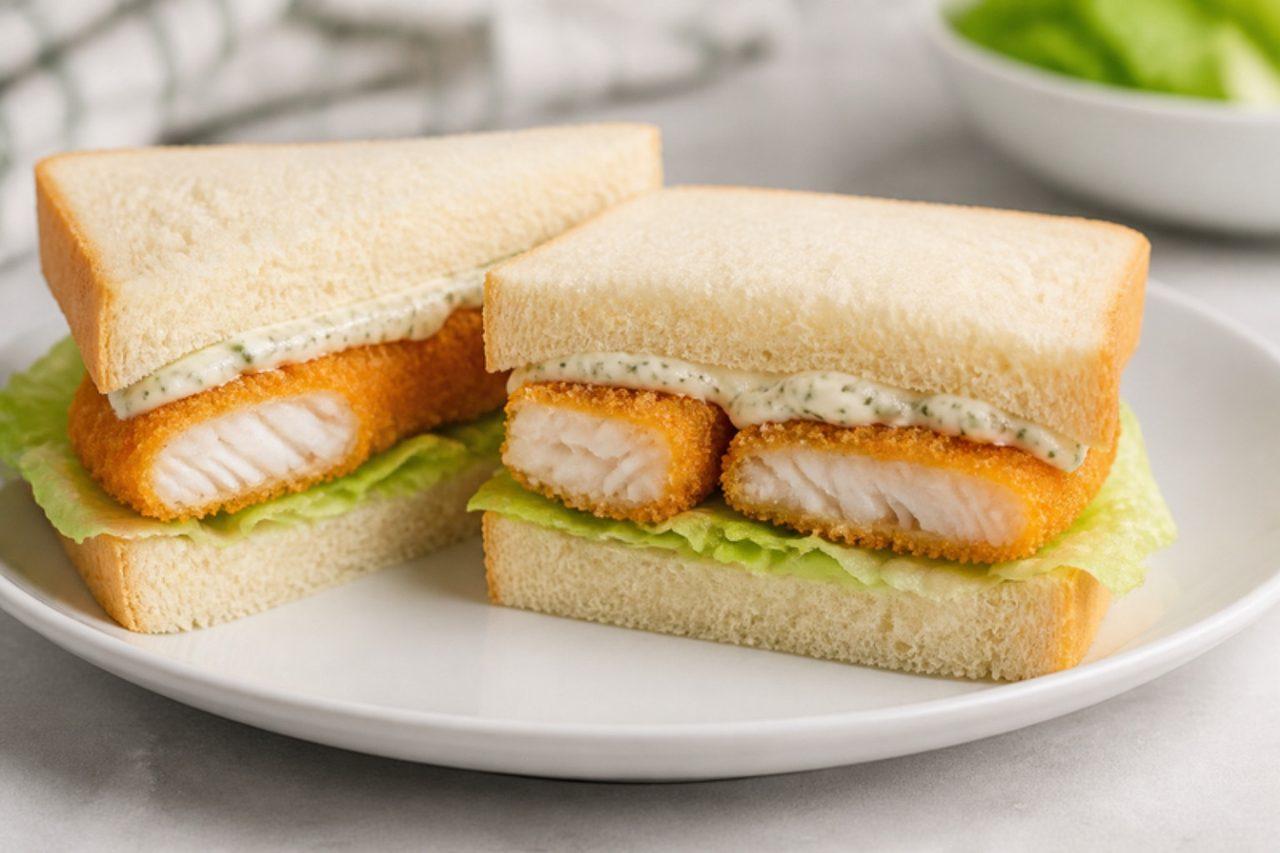
Fish finger sandwich

The fish finger sandwich is a beach-café and pub-lunch classic around the English coast from Whitstable to Brighton, and the ultimate home comfort food for anyone who grew up in Britain. Here the fingers are made from fresh cod in crunchy crumbs, piled into buttered white bread with tartare sauce and crisp lettuce. Chef's tip: cut the fish into even fingers so they all cook in the same time.

by KrazyBadal 0 views

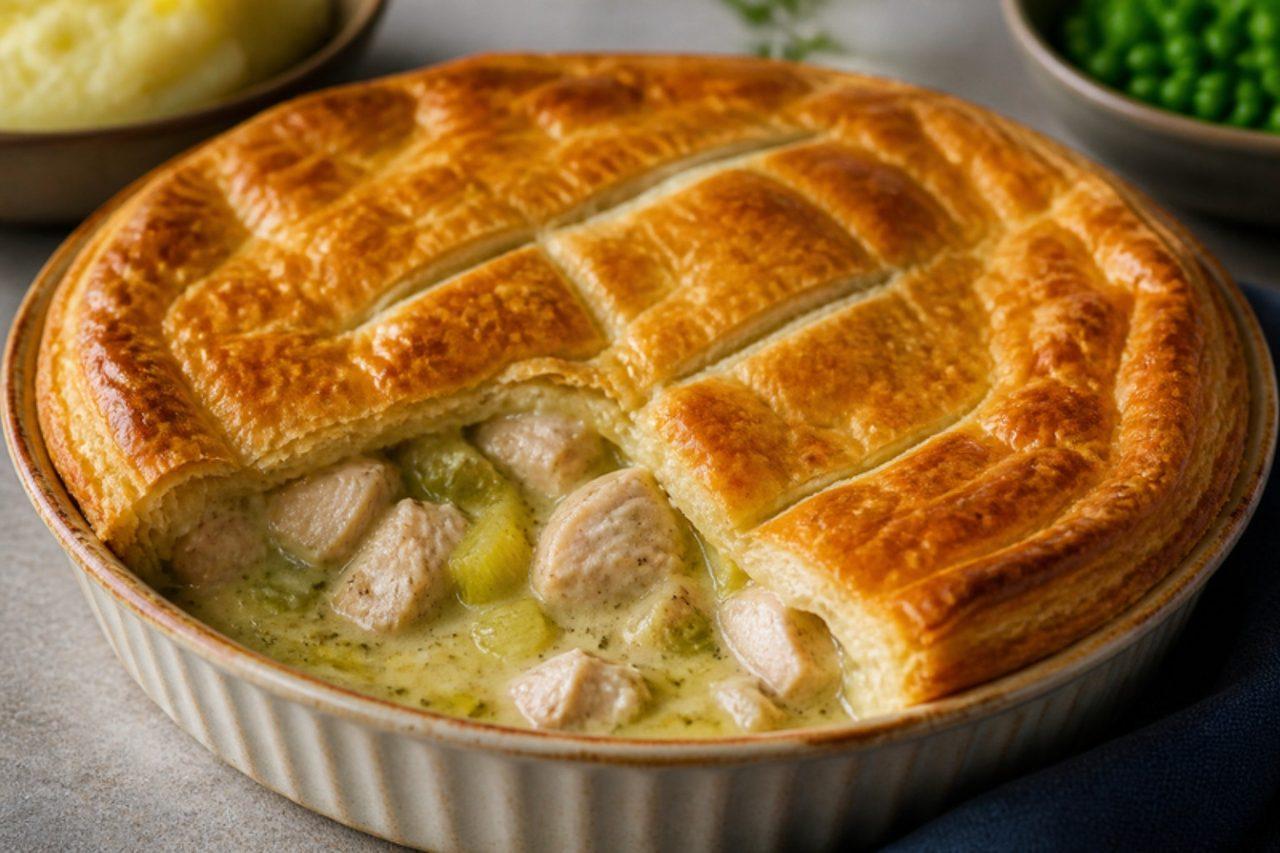
Chicken and leek pie

Chicken and leek pie is the Sunday-night and pub supper of southern England, made with leftover roast chicken or fresh thighs simmered in a creamy sauce with soft leeks and a little tarragon, then topped with buttery puff pastry. It is gentle, savoury and best with mash and greens. Chef's tip: let the filling cool before the pastry goes on, or the lid will sink and stay raw underneath.

by KrazyBadal 0 views

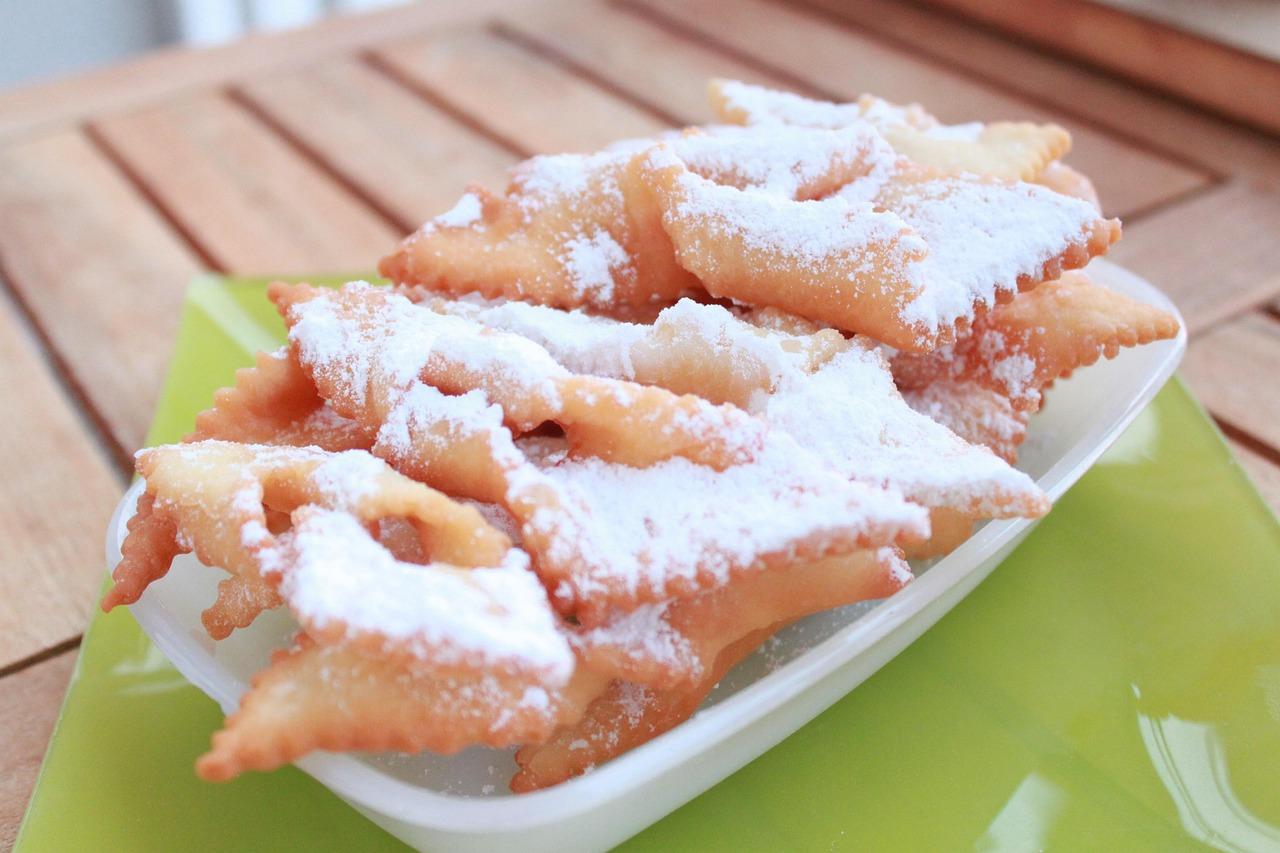
Bugnes lyonnaisesFried carnival pastries

When Carnival comes round in February, bakeries across Lyon pile their windows with bugnes, thin twisted ribbons of dough fried until they blister and then buried in icing sugar. Lyon's are the crisp, shattering kind (in Saint-Étienne they are puffier), and children eat them by the paper bagful through Mardi Gras. Some families add a spoonful of rum to the dough; this version uses orange flower water and lemon, so it is alcohol-free. Chef's tip: roll the dough so thin you can almost see the worktop through it; thick bugnes turn bready instead of crackly.

by KrazyBadal 0 views

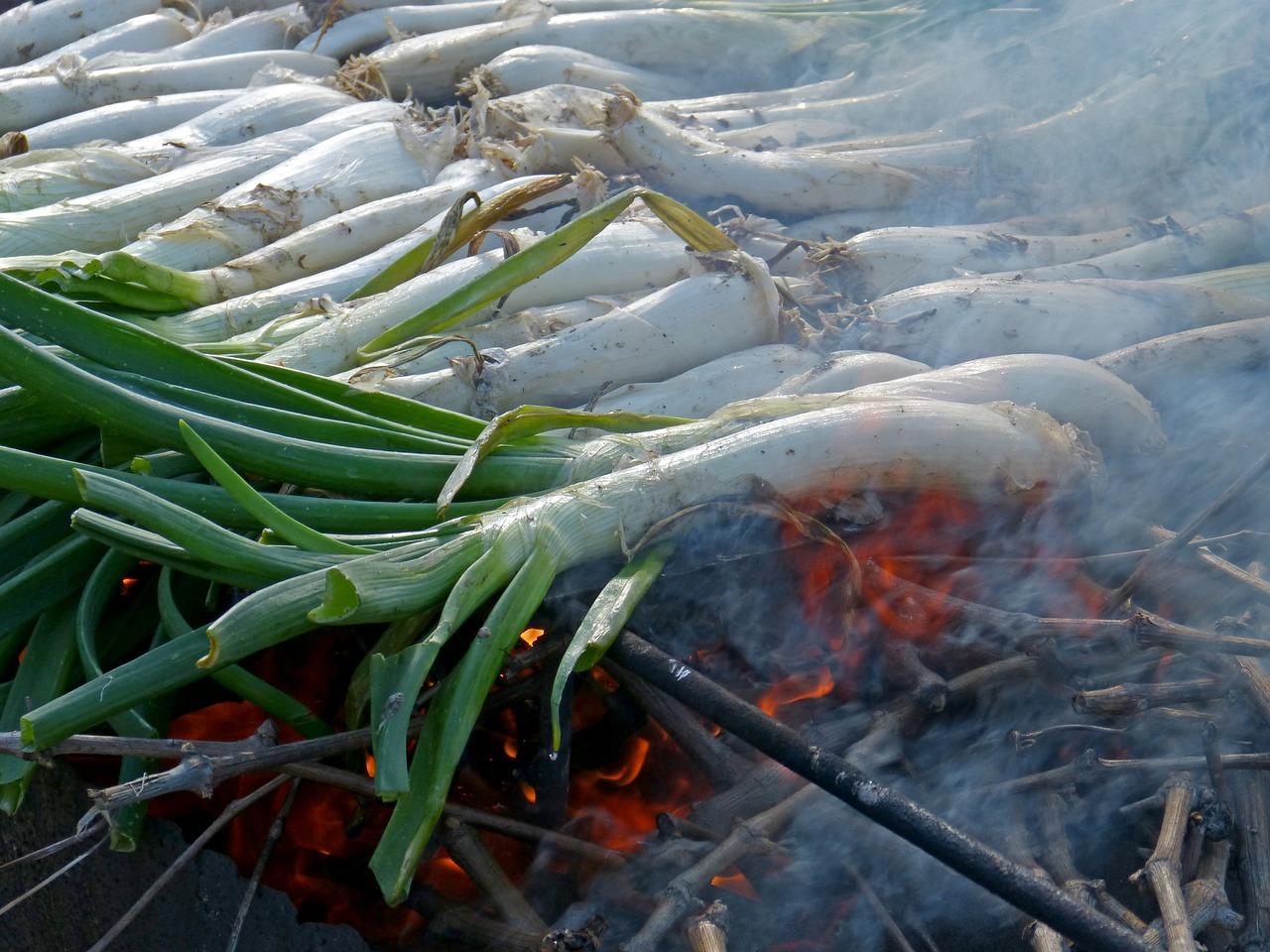
Calçots amb salvitxadaGrilled onions with nut sauce

From January to April, the town of Valls near Tarragona and half of Catalonia go to calçotades: long country lunches where calçots, a tall, sweet onion grown banked up with earth, are flame-grilled until black, wrapped in newspaper to steam, then peeled by hand and dipped in salvitxada. Everyone wears a bib. This salvitxada leans on almonds, roasted tomato and garlic, with ñora peppers for colour and sweetness. If you cannot get calçots, use thick spring onions or slim young leeks. Chef's tip: hold a calçot by the green top, pull the charred outer layer off downwards in one go, then dip and lower it into your mouth from above.

by KrazyBadal 0 views

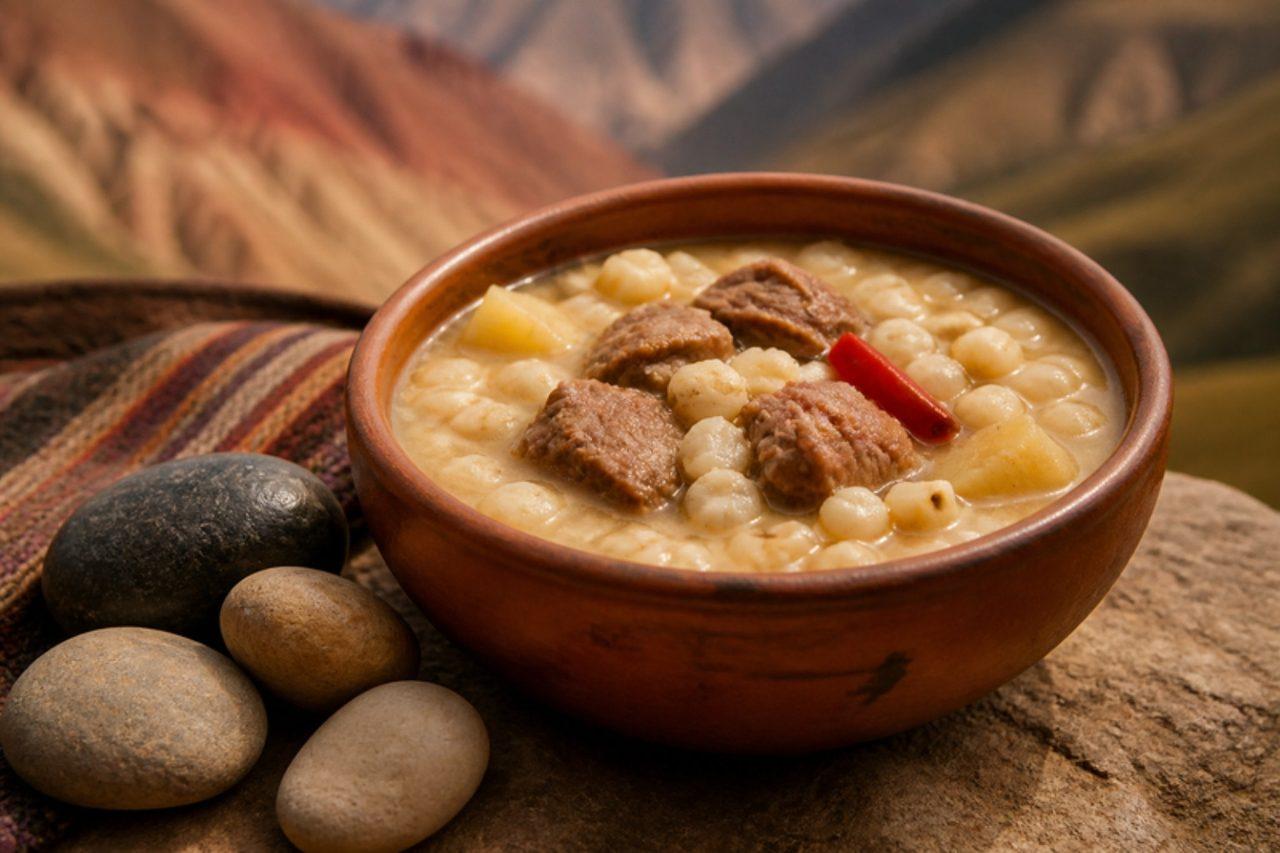
CalapurcaHominy and meat soup

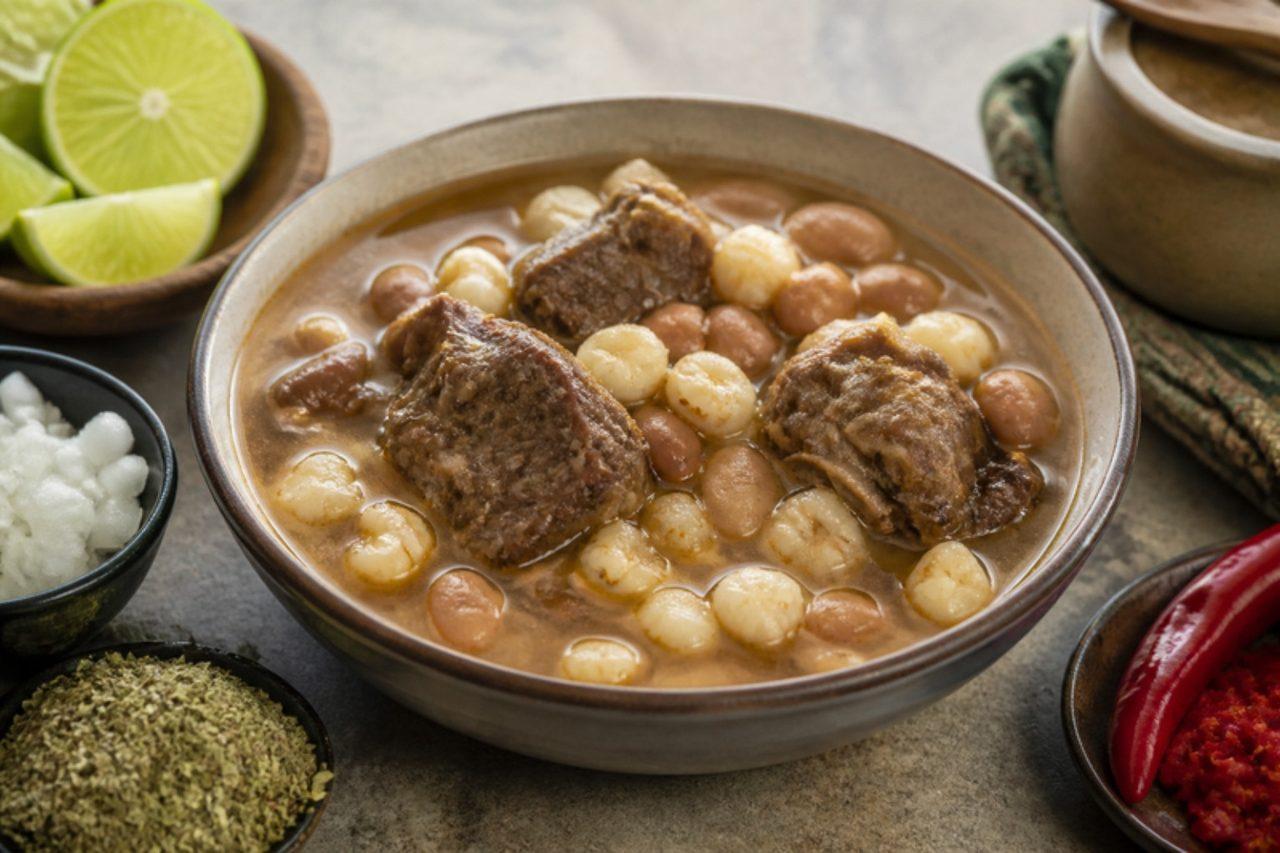
Nobody hurries calapurca. In the villages of the Quebrada de Humahuaca, especially around Carnival and the August Pachamama rites, cooks heat stones in the fire until they glow and then drop them into a clay pot of soup made from dried maize, beef and lamb (or llama), potatoes and chilli, so it boils up in a hiss of steam and takes on a faintly smoky taste. Bowls are passed around the gathering with a sprinkle of fresh herbs. The stones are a ritual best left to people who know which ones are safe, because wet or river stones can crack or burst when heated, so this home version simply simmers on the stove. Look for dried white hominy (mote, or pozole corn) in Latin American shops; it needs soaking overnight. The usual problem is undercooked corn: it needs a good 2 hours before the meat goes in. Chef's tip: for a hint of the smoky flavour, char the onion and a dried chilli in a dry pan before adding them.

by KrazyBadal 0 views

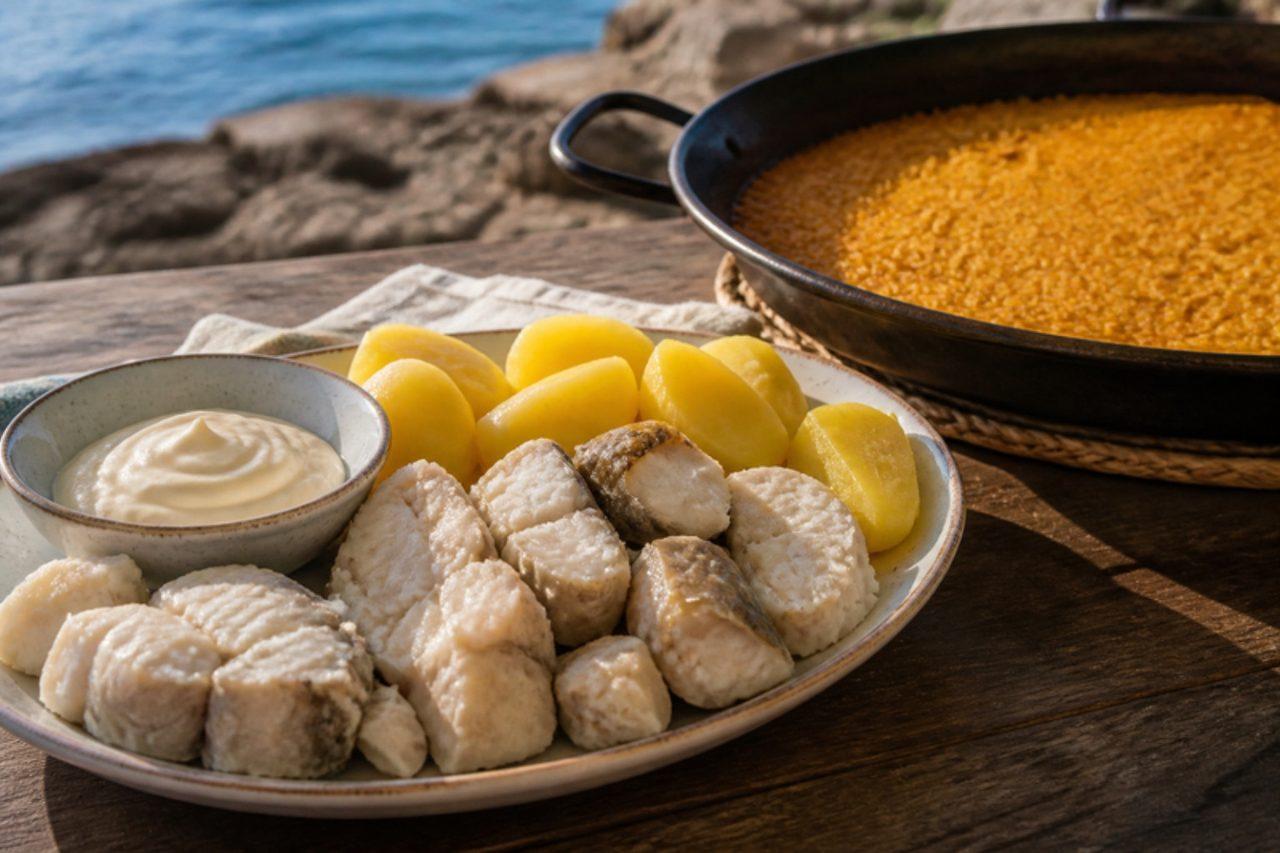
Bullit de peixFish and potatoes in saffron broth

Bullit de peix is Ibiza's two-course fishermen's lunch, still served at the beach restaurants of Cala Mastella and the fishing ports on long Sundays. First comes rockfish such as grouper, scorpionfish and John Dory, simmered with potatoes in a saffron broth and eaten with allioli; then the same broth cooks a second course, arròs a banda, rice served on its own. Use firm white fish that holds together. Chef's tip: keep the pot at a bare simmer once the fish goes in, so the pieces stay whole for the platter.

by KrazyBadal 0 views

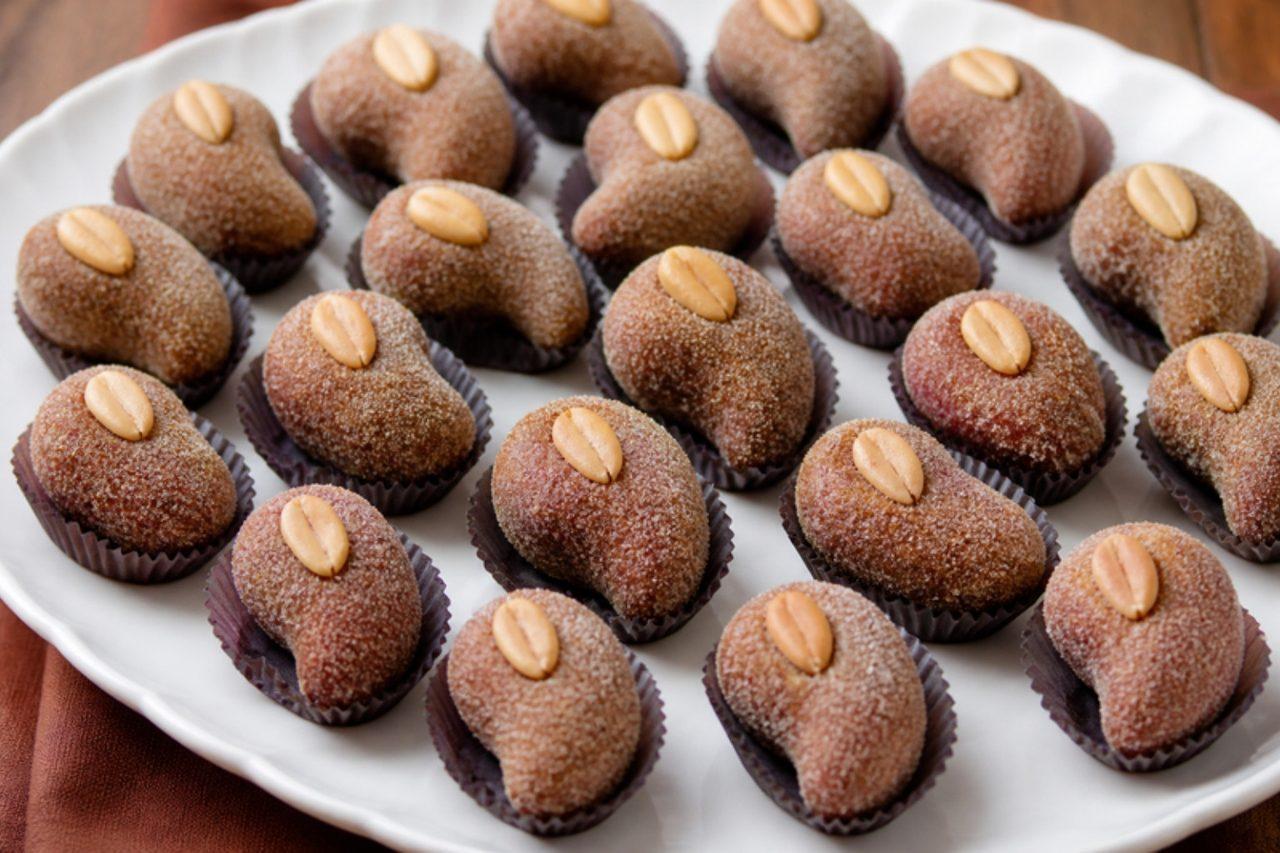
CajuzinhoPeanut and cocoa sweets

Next to brigadeiros on any children's birthday table in Brazil sit the cajuzinhos, small sweets moulded into the shape of a cashew fruit (caju) and crowned with a single peanut that stands in for the nut. The dough is condensed milk cooked with ground roasted peanuts and a little cocoa until it pulls into a fudge, then rolled in sugar. Each one is chewy, peanutty and gently chocolatey, a bite-size sweet that sits in its own paper case. They are a good make-ahead: shaped cajuzinhos keep for 3 days in a cool place. Undercooking the mixture is the usual problem: soft dough will not hold the cashew shape and slumps in the cases. Chef's tip: oil your hands lightly before shaping and roll each ball into a fat sausage first, then pinch one end narrower to get the cashew outline.

by KrazyBadal 0 views

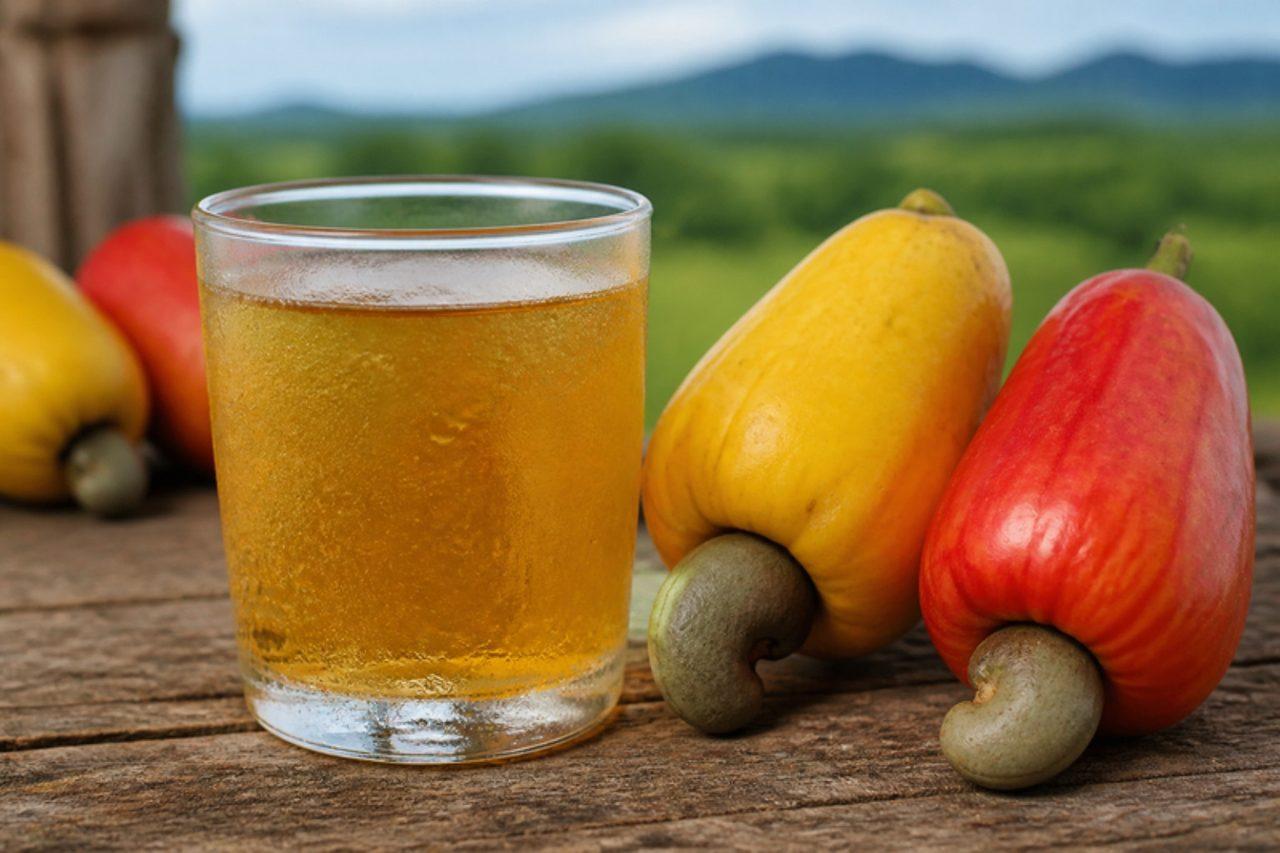
CajuínaClarified cashew apple juice

Teresina, the capital of Piauí, treats cajuína as a matter of local pride, and the drink's traditional craft is officially recognised as part of Brazilian cultural heritage. It is cashew-apple juice that has been clarified until crystal clear, bottled and cooked in a water bath until the natural fruit sugars caramelise and turn it amber-gold. No sugar is added. Served ice-cold, it tastes of baked apple and honey with a hint of cashew, smooth and non-alcoholic. Small producers clarify the juice with gelatin or cashew-tree resin; this vegan home version clears it by settling and filtering instead, which takes patience. Real cajuína is shelf-stable thanks to commercial sterilising; this home batch must be kept in the fridge and drunk within a week. Skipping the slow filtering is the usual error, and cloudy juice turns murky brown instead of gold. Chef's tip: let the juice settle in the fridge overnight before filtering and pour off the clear top, leaving the sediment behind.

by KrazyBadal 0 views

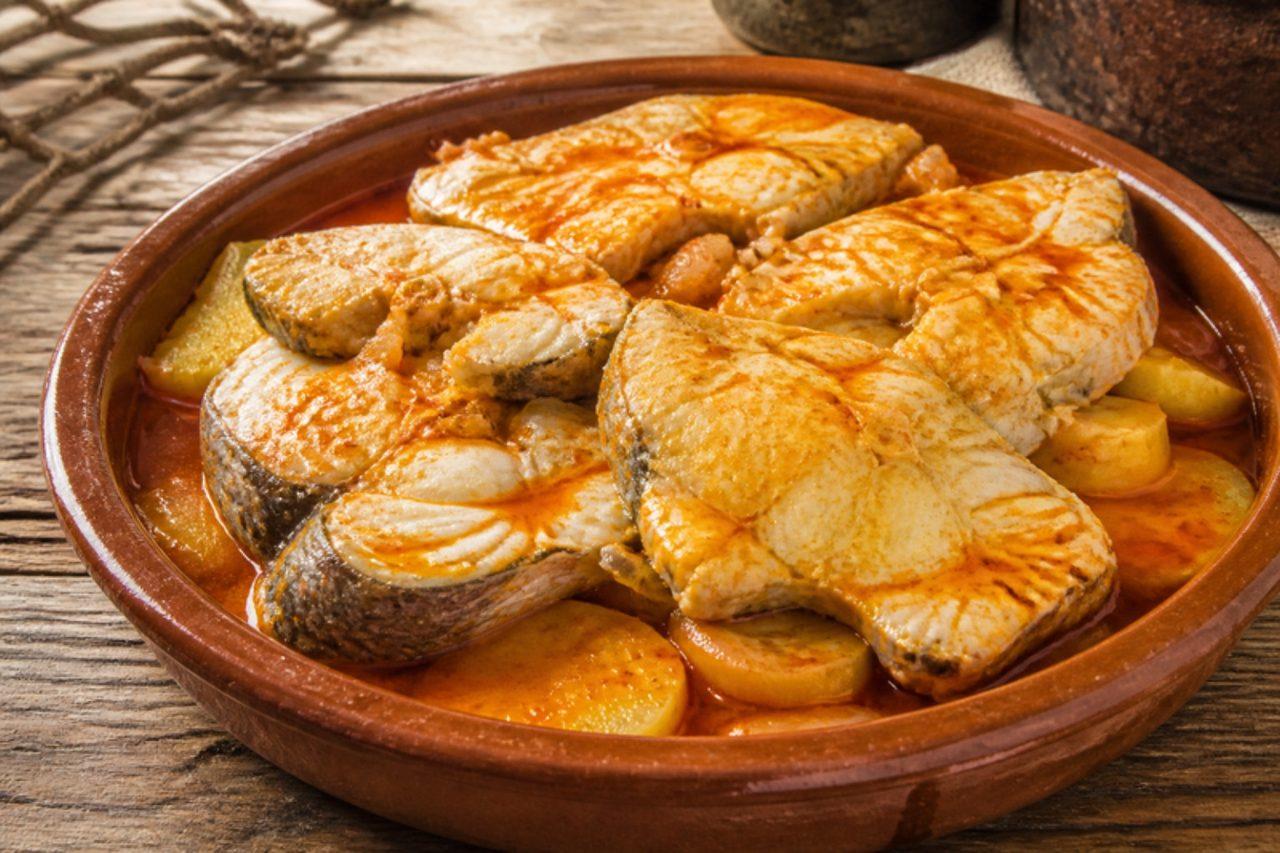
Caldeirada galegaWhite fish and potato stew

In fishing towns like Ribeira, Bueu and Muxía, caldeirada was the fishermen's way of cooking whatever the boat brought in, and it is still served at seaside restaurants and at the July fiestas of the Virgen del Carmen, patron of sailors. Unlike merluza á galega, it uses several kinds of fish, such as monkfish, ray, conger or hake, layered with potatoes and onion and cooked in very little water, then finished with plenty of ajada. A common mistake is stirring the pot, which breaks the fish into flakes; shake it gently instead. Chef's tip: put the firmest fish at the bottom and the most delicate on top, so everything finishes cooking together.

by KrazyBadal 0 views

Cajeta de CelayaGoat milk caramel

Celaya, in the Bajío of Guanajuato, has made cajeta for centuries, once packing it into little wooden boxes (cajetes) that gave it its name. It is caramel cooked from goat's milk, so it is looser and has a gentle tang compared with the cow's-milk dulce de leche of Argentina. Mexicans spread it on crêpes and churros, pour it over ice cream, sandwich it between obleas (wafers) and turn it into glorias. A splash of rum-flavoured 'envinada' cajeta exists, but this one is plain and alcohol-free. Chef's tip: use a pan at least three times the volume of the milk; it foams high when the bicarbonate goes in.

by KrazyBadal 0 views

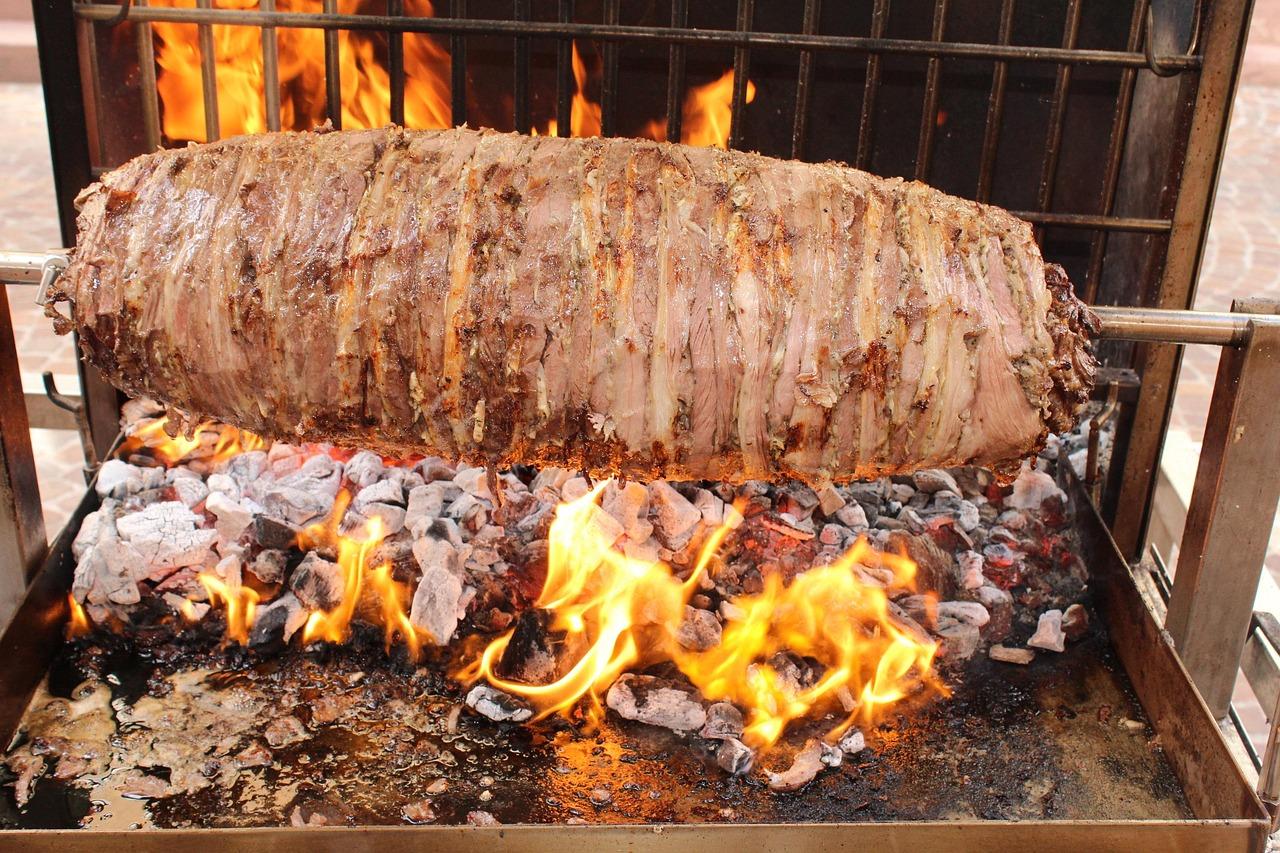
Cağ kebabıSpit-grilled marinated lamb

In Erzurum and nearby Oltu, cağ kebabı is cooked on a huge horizontal spit turning beside a wood fire; the cook slices off the charred outer layer onto long flat skewers, and you eat it straight off the metal wrapped in lavaş. At home, thin slices of lamb marinated overnight with grated onion and black pepper, threaded tightly and seared on a very hot grill or griddle pan, capture much of the flavour. Serve with lavaş, sliced onion with sumac and grilled peppers. Common mistake: slicing the meat too thick, so it's tough and chewy; aim for 5 mm. Cook lamb to at least 63 °C with a little pink, or longer if you prefer. Chef's tip: squeeze the grated onion through a sieve and use only the juice; it tenderises without leaving bits that burn.

by KrazyBadal 0 views

Caldo de costillaBeef rib broth

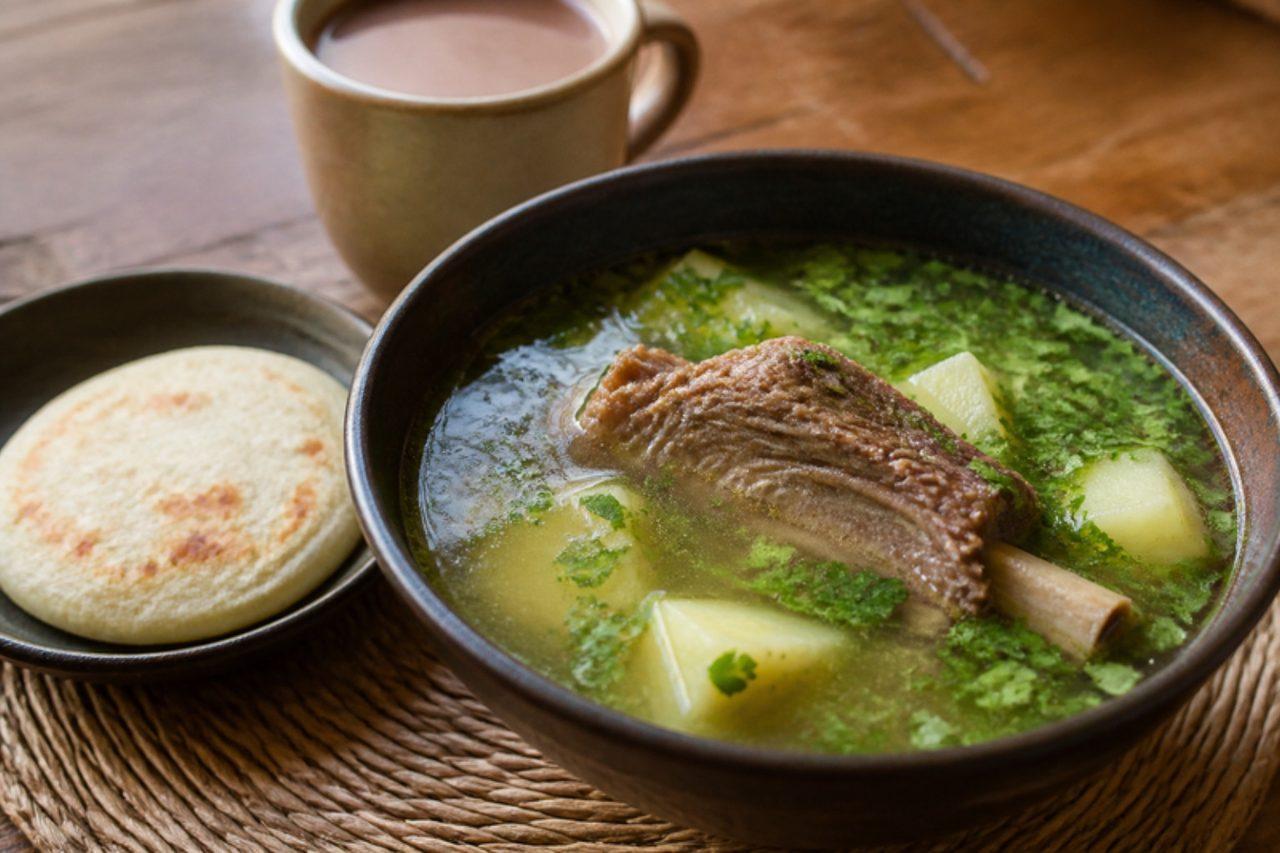
Bogotá wakes up to caldo de costilla. Cafeterías near markets and bus terminals ladle it out from early morning, and it is the city's famous cure after a late night: beef short ribs simmered until tender in a clear, golden broth with potatoes, onion, garlic and a big handful of coriander. It's simple, beefy and restoring, served with an arepa, a cup of hot chocolate or coffee and maybe a slice of bread. People are tempted to boil it hard to save time; the broth turns cloudy and greasy and the meat tightens, so give it a slow, steady simmer. Chef's tip: make the broth the night before and chill it; you can lift off the solid fat in the morning and simply reheat with the potatoes for a fast, clean breakfast.

by KrazyBadal 0 views

CafezinhoSmall strong sweet coffee

A tiny cup of black coffee is the first thing a Brazilian host offers, in a São Paulo office, a Minas farmhouse or a Recife shop, and saying no is almost impolite. Cafezinho is filtered rather than espresso: finely ground coffee goes into a cloth filter (coador de pano) and hot water runs through it, giving a strong, smooth, slightly thick brew served in small cups. Traditionally the sugar is dissolved in the water before brewing, so it arrives already sweet; leave it out if you prefer. A paper filter in a cone works if you have no cloth. Boiling the water with the coffee is the mistake to avoid, as it scorches the grounds and the cup turns bitter. Chef's tip: take the pan off the heat when the first bubbles break the surface and wait 30 seconds; water just off the boil, around 92–95 °C, gives the sweetest cup.

by KrazyBadal 0 views

Gosh-e filFried elephant ear pastries

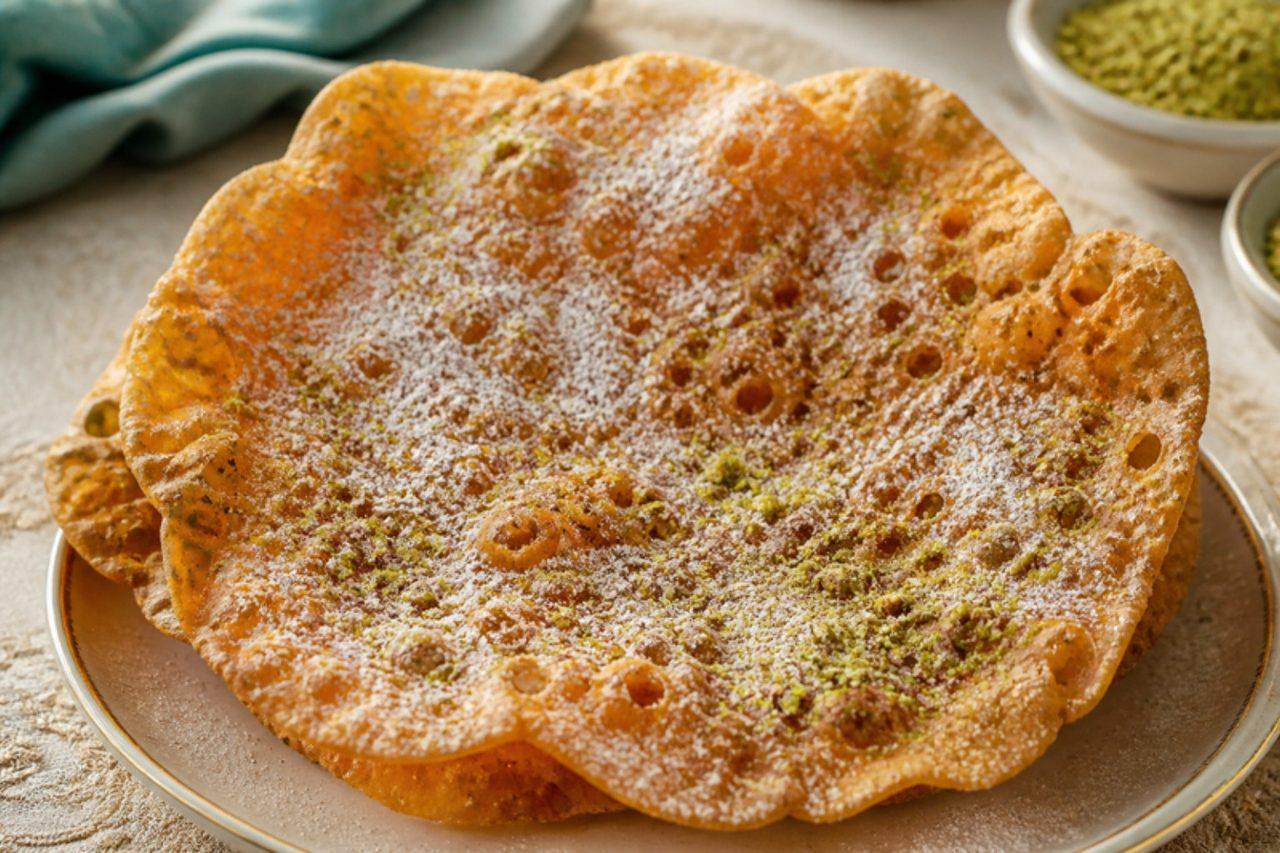
Gosh-e fil, elephant's ear, is the big, bubbly, paper-thin fried pastry sold from bakery windows in Tehran and Shiraz in the days before Nowruz, and made at home for Ramadan evenings. A soft egg and yogurt dough is rolled almost see-through, pinched into a fan shape and fried until it blisters, then showered with icing sugar, cardamom and ground pistachio. They are best the day they are made, with glasses of black tea. Chef's tip: rest the dough properly; relaxed dough rolls thin without shrinking back.

by KrazyBadal 0 views

Café de ollaSpiced clay-pot coffee

In ranch kitchens and roadside fondas across central Mexico, coffee is not dripped but boiled in a tall clay pot (olla de barro) with a cone of piloncillo and a stick of soft Mexican cinnamon, then strained into clay mugs. It is sweet, spiced and earthy, and is served with pan dulce at breakfast, on cold evenings, and to visitors on Day of the Dead. A saucepan works fine if you have no olla. Chef's tip: turn the heat off before adding the coffee and let it steep rather than boil, or it turns bitter.

by KrazyBadal 0 views

CachorrinhoCheese and sausage pressed sandwich

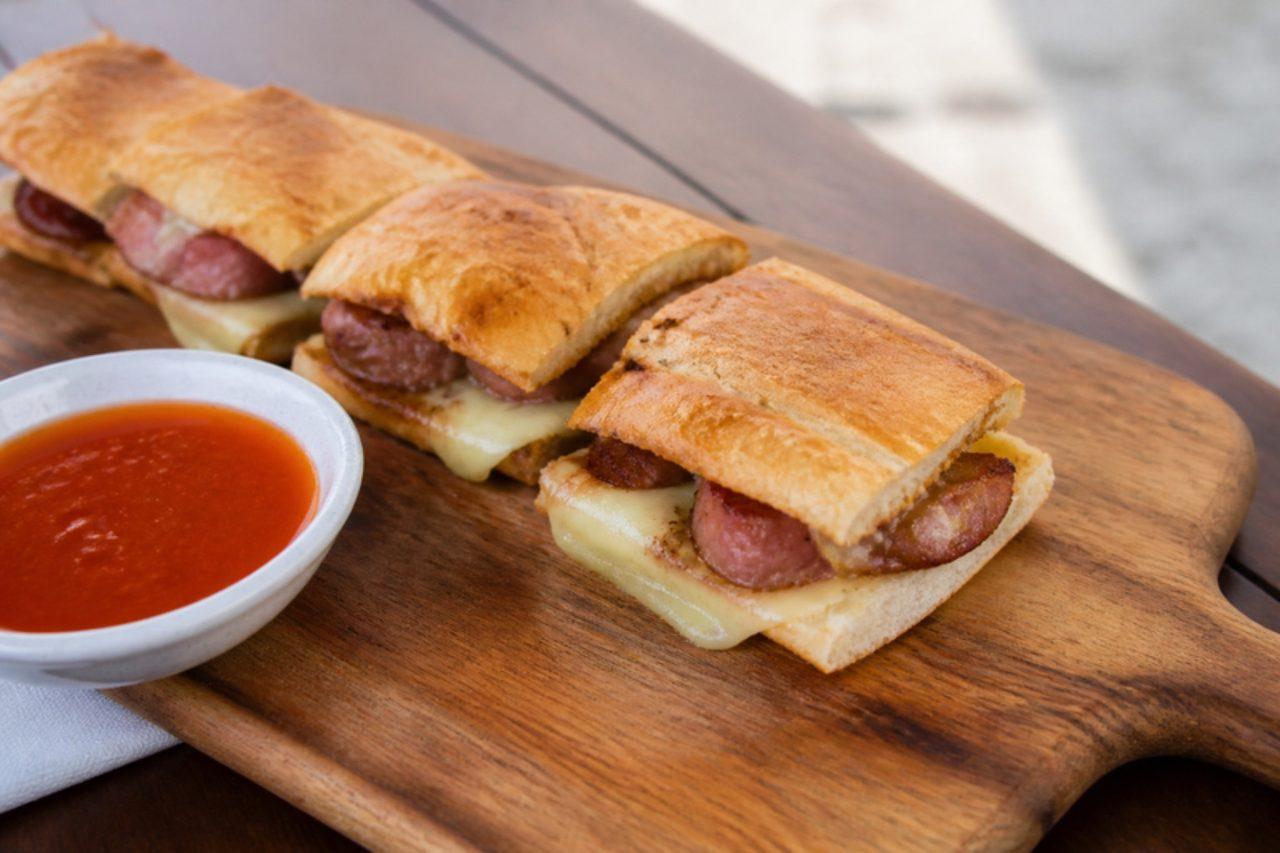
This is Porto's late-night snack, born in the bars around the Praça dos Poveiros in the 1960s and still eaten standing at the counter after a football match. A thin sausage goes into a slim roll with cheese, the whole thing is toasted flat in a press until it shatters, then cut into bite-sized pieces and doused in a hot, tangy sauce. This contains pork (pork frankfurters). Chef's tip: brush the outside of the bread with butter before pressing, so it goes evenly golden and crisp.

by KrazyBadal 0 views

Buñuelos de calabazaPumpkin doughnuts

When the Fallas bonfires go up in Valencia each March, every other street corner has a stall frying bunyols de carabassa: rough, ring-shaped pumpkin doughnuts pulled from the oil by the dozen and eaten standing up, usually with a cup of thick hot chocolate. The dough is little more than yeasted flour and cooked pumpkin, which keeps the inside soft and faintly orange and the outside crisp and blistered. They contain no egg, milk or butter, so they are suitable for vegans. A common mistake is adding flour until the dough feels like bread dough; it should be sticky and slack, almost a thick batter, or the doughnuts come out heavy. Chef's tip: keep a bowl of water beside the pan and wet your hands before shaping each one; the dough then slides off your fingers into the oil instead of clinging to them.

by KrazyBadal 0 views

Bunyols de l'EmpordàAnise fritters

During Lent, bakeries and grandmothers across the Empordà in Girona fry bunyols: light, irregular rings of enriched yeast dough flavoured with anise and lemon, dusted with sugar while hot. Families make them together, poking a hole in each ball with wet fingers as it goes into the oil. The dough traditionally takes a splash of anise liqueur; the alcohol-free option, milk infused with aniseed, is in the ingredient list. Chef's tip: keep a bowl of water by the pan and wet your fingers before shaping each one; the dough then stretches cleanly instead of sticking.

by KrazyBadal 0 views

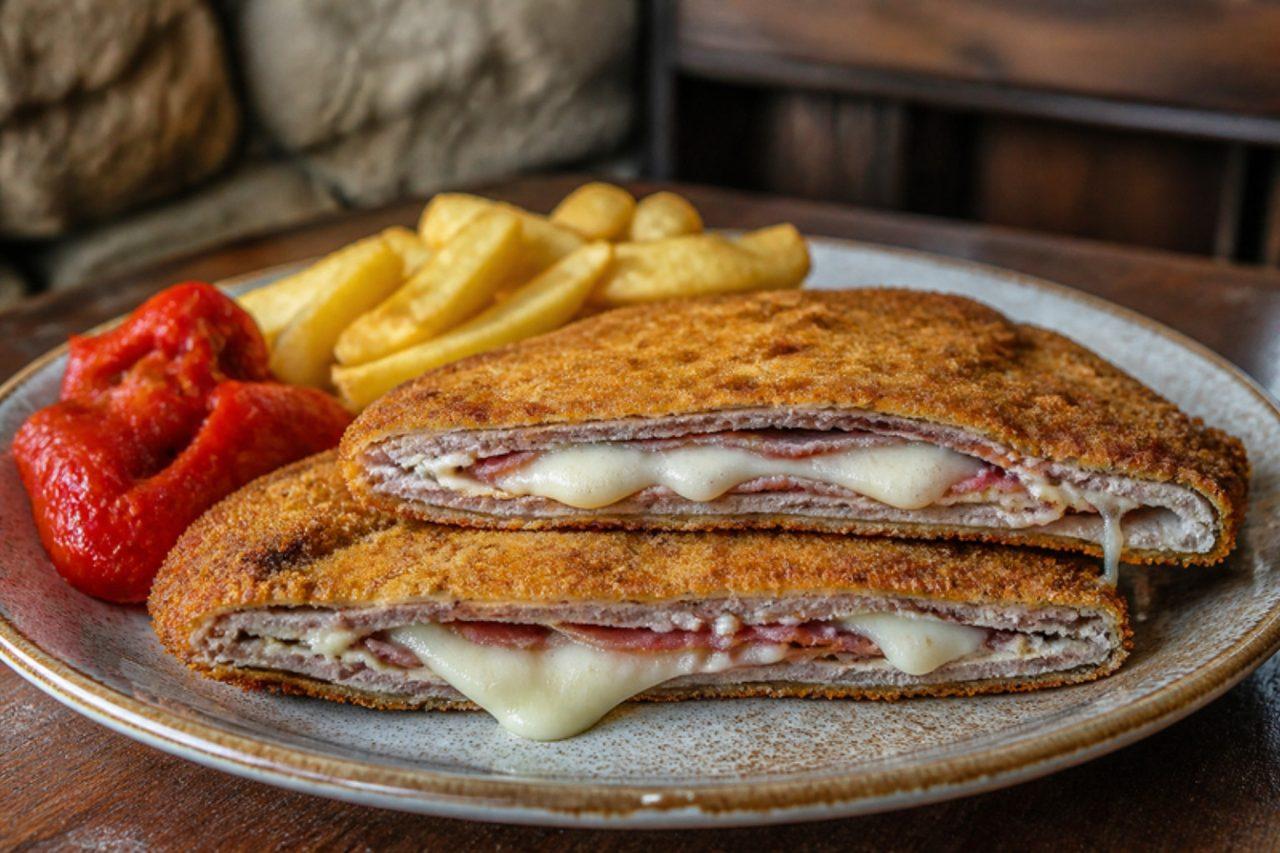
CachopoBreaded veal with ham and cheese

Asturias takes cachopo so seriously that Oviedo holds an annual contest for the best one, and some restaurants serve versions big enough to hang off the plate. At home it is a Friday-night or Sunday treat: two thin veal steaks enclosing serrano ham and a good melting cheese, breaded and fried, then cut at the table so the cheese oozes. This contains pork (serrano ham). Serve with chips and roasted green peppers. Chef's tip: chill the assembled cachopo for 20 minutes before frying so the crumb sets and the edges stay sealed.

by KrazyBadal 0 views

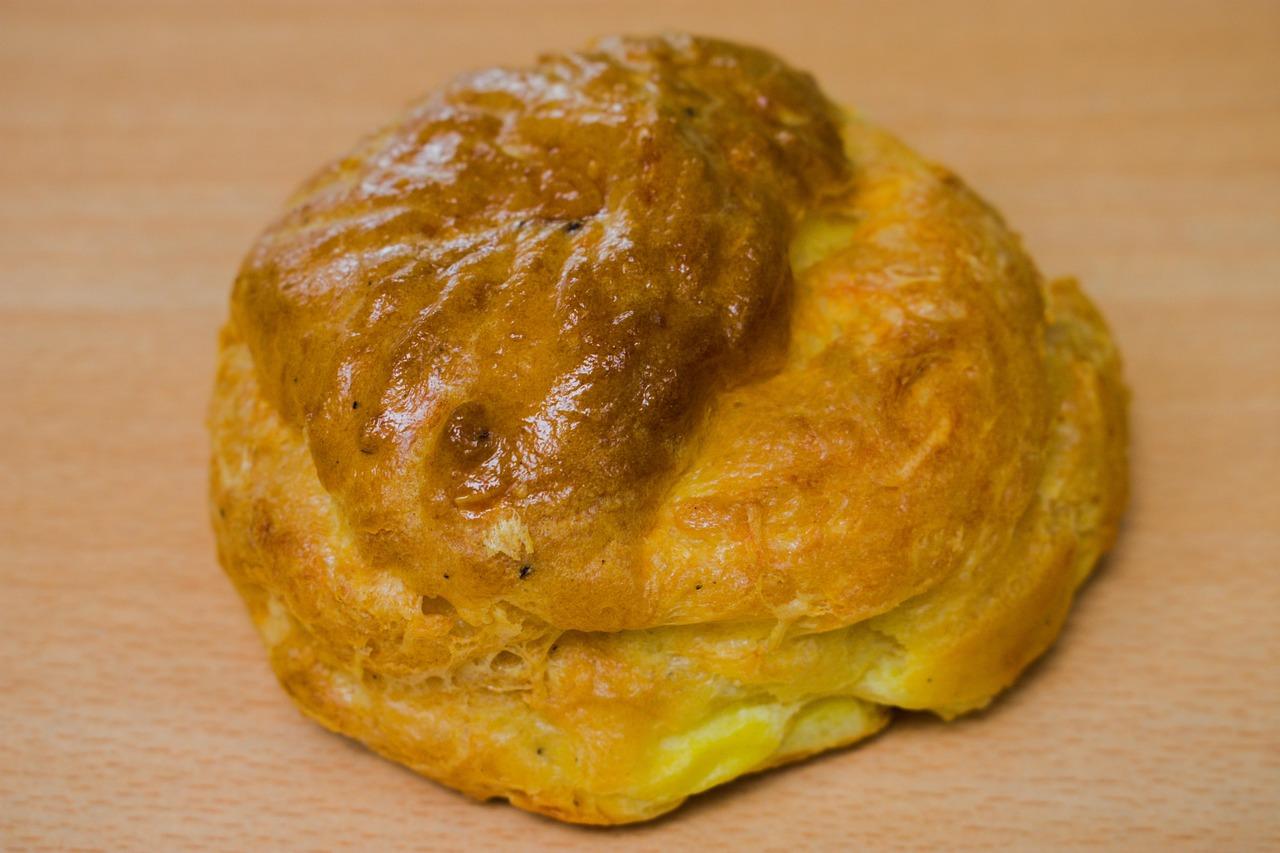
GougèresCheese choux puffs

In the wine villages of Burgundy, around Beaune and Chablis, a basket of gougères lands on the table the moment guests sit down: small golden choux puffs, crisp outside and hollow and cheesy within. They are handed round at cellar tastings, christenings and Sunday aperitifs, and they are best eaten warm, within ten minutes of leaving the oven. The dough is the same as for profiteroles, but salted, peppered and beaten with grated Comté or Gruyère. Both cheeses are traditionally made with animal rennet, so use a vegetarian hard mountain-style cheese if you need to. Chef's tip: dry the dough on the heat until it leaves a thin film on the bottom of the pan; drier dough takes more egg and puffs higher.

by KrazyBadal 0 views

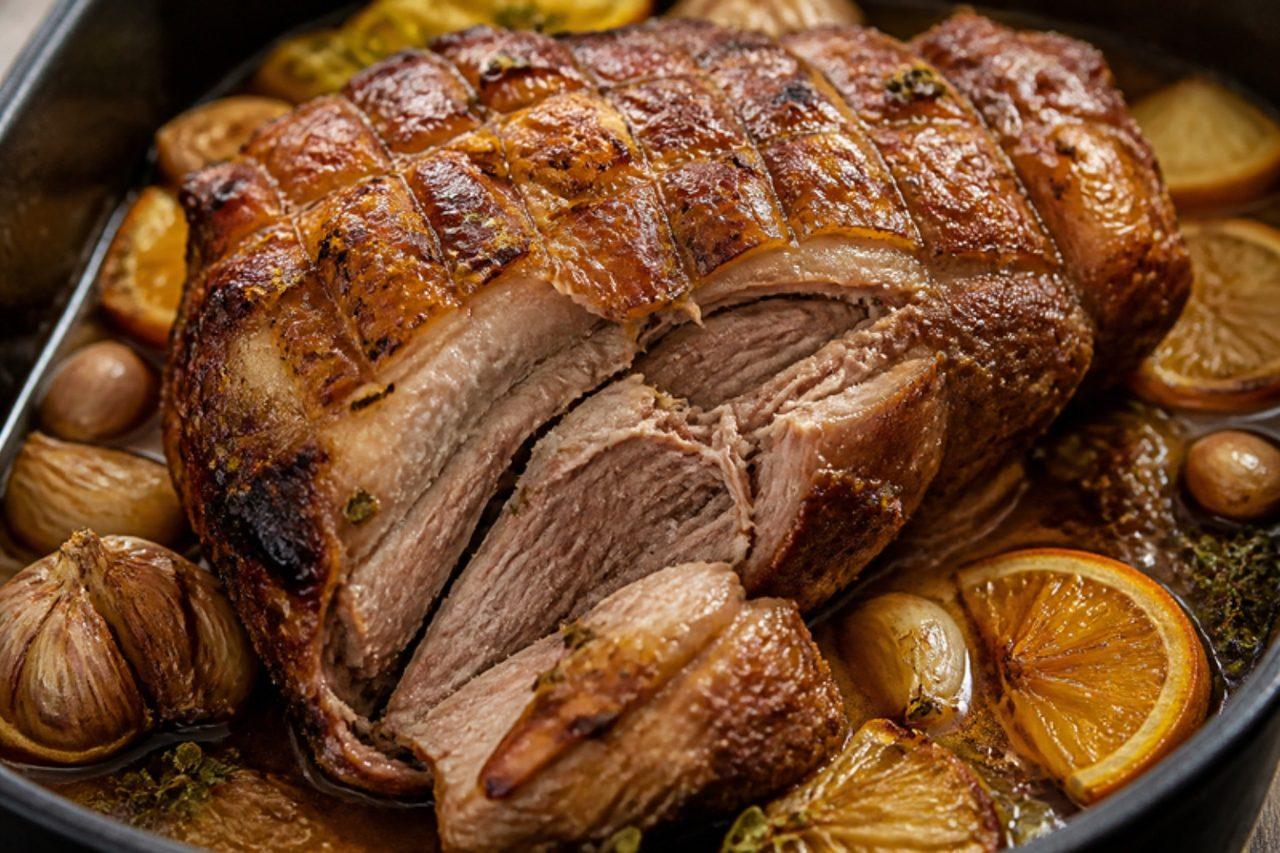
GourounopoulaSlow-roast pork shoulder with orange

At the summer festivals of Messinia, whole young pigs are roasted overnight in bakers' wood ovens, then sold by the kilo at stalls with bread and pickled peppers. This home version uses a bone-in pork shoulder, rubbed with garlic, orange zest, oregano and chilli, left in the fridge overnight, and roasted low and slow until the meat pulls apart and the crackling shatters. Serve with lemon potatoes and a cabbage salad. Common mistake: wet skin — dry it well and salt it the night before, or it never crackles. Chef's tip: start covered at a low heat and finish uncovered at a high heat; that's how the meat stays juicy and the skin turns glassy.

290 minGreekMeatGluten free
by KrazyBadal 0 views

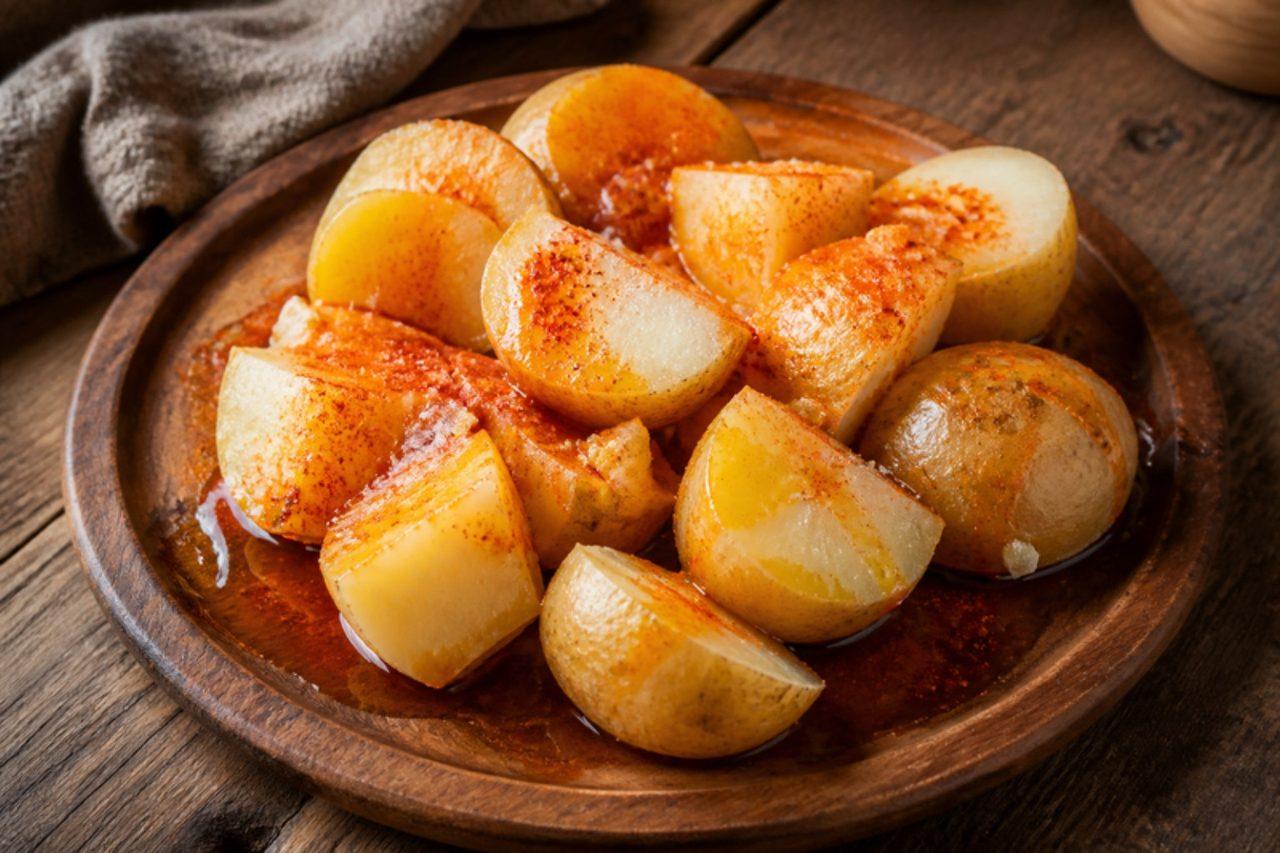
CachelosBoiled potatoes with paprika oil

At Galician fairs, and above all at O Carballiño's octopus festival every August, octopus is served on wooden plates with cachelos: potatoes boiled in their skins, cut into chunks and splashed with olive oil, coarse salt and paprika. They are just as good on their own, as a side for grilled fish or meat. A common mistake is adding paprika to sizzling oil, where it burns in seconds and turns bitter; warm the oil, take it off the heat, then stir it in. Chef's tip: boil the potatoes with a bay leaf and plenty of salt, and leave the skins on, so they stay whole and full of flavour.

by KrazyBadal 0 views

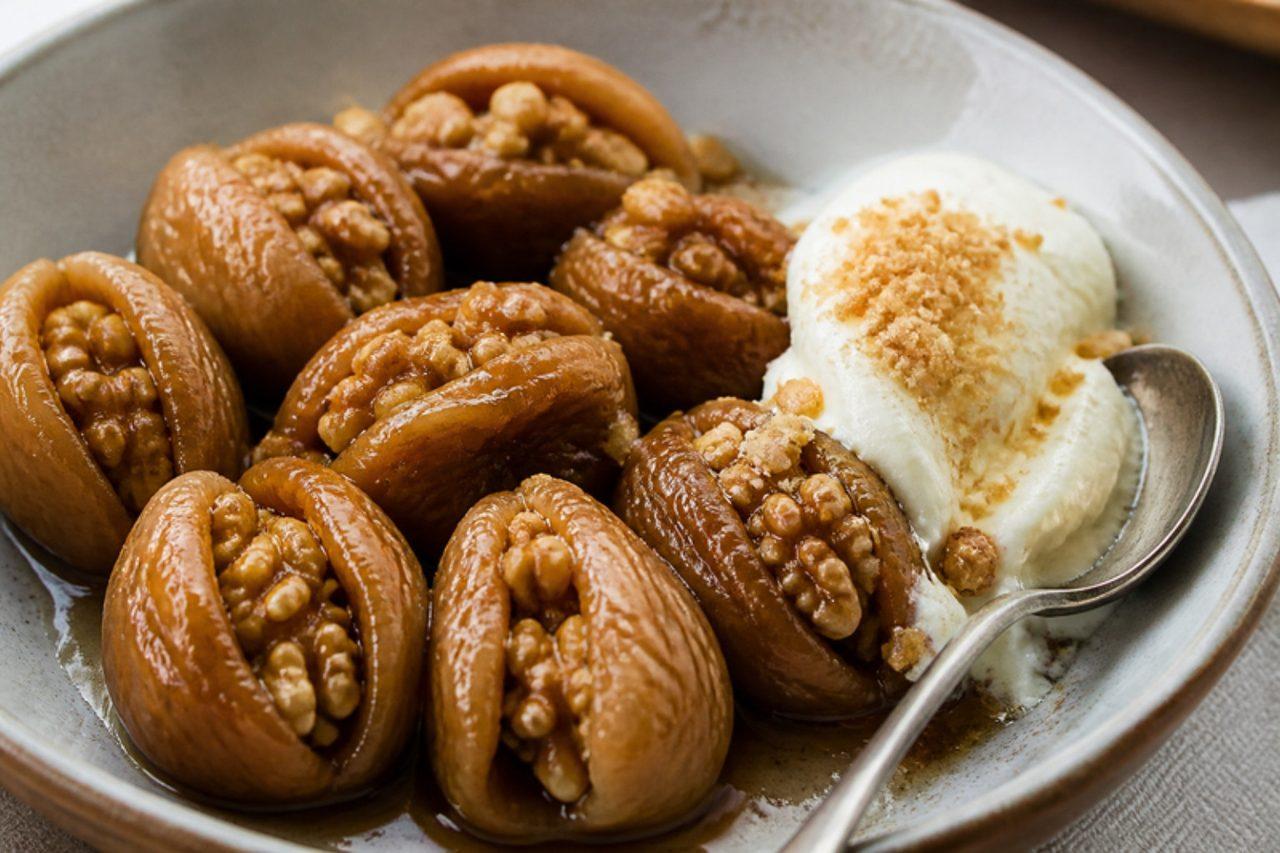
İncir tatlısıWalnut-stuffed figs in syrup

The plain around Aydın grows most of Turkey's figs, and in winter, when only the dried ones remain, local cooks soften them in water, tuck a walnut half inside each, and poach them in a light syrup until they plump up dark and glossy. A spoonful of milk in the pan, an old Aegean trick, gives the syrup a soft caramel note. Serve them cold with kaymak or thick yoghurt. Chef's tip: soak the figs first so they swell before cooking; added dry, they stay leathery in the middle however long they simmer.

by KrazyBadal 0 views

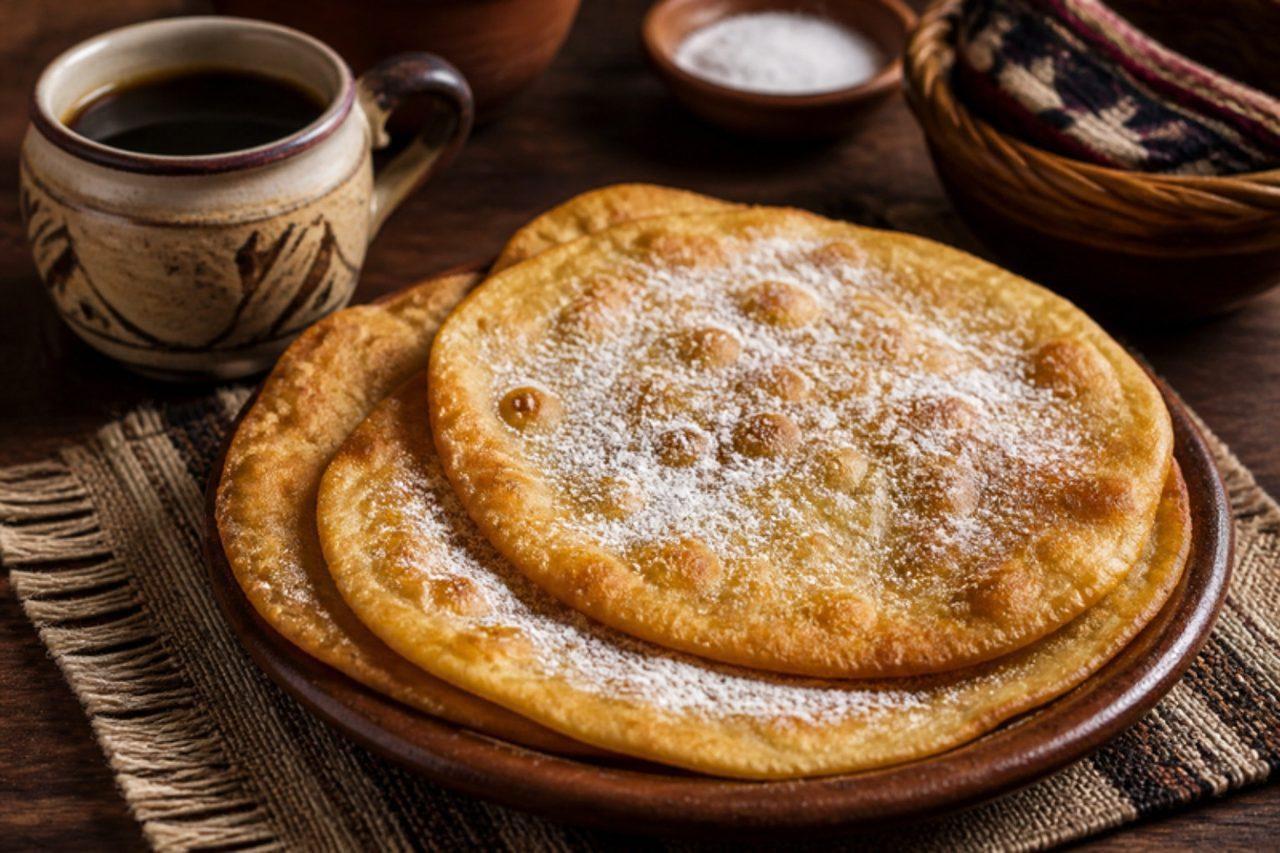
CachangaThin fried bread

On cold mornings at markets in Puno, Juliaca and Arequipa, women stretch rounds of dough over their knuckles and drop them into big pans of hot oil, and cachangas come out puffed, blistered and golden, to be dusted with sugar and eaten with a cup of coffee, hot chocolate or api. The bread is thin, chewy in the middle and crisp at the edges, a cousin of the sopaipilla. Some cooks leave them plain and eat them with cheese. The commonest problem is oil that isn't hot enough: the dough soaks up fat and turns heavy instead of puffing. Keep it at 180 °C and fry one at a time. The dough uses butter and milk, so it is vegetarian but not vegan; swap both for oil and water if needed. Chef's tip: rest the dough for 20 minutes before rolling so it stretches thin without springing back.

by KrazyBadal 0 views

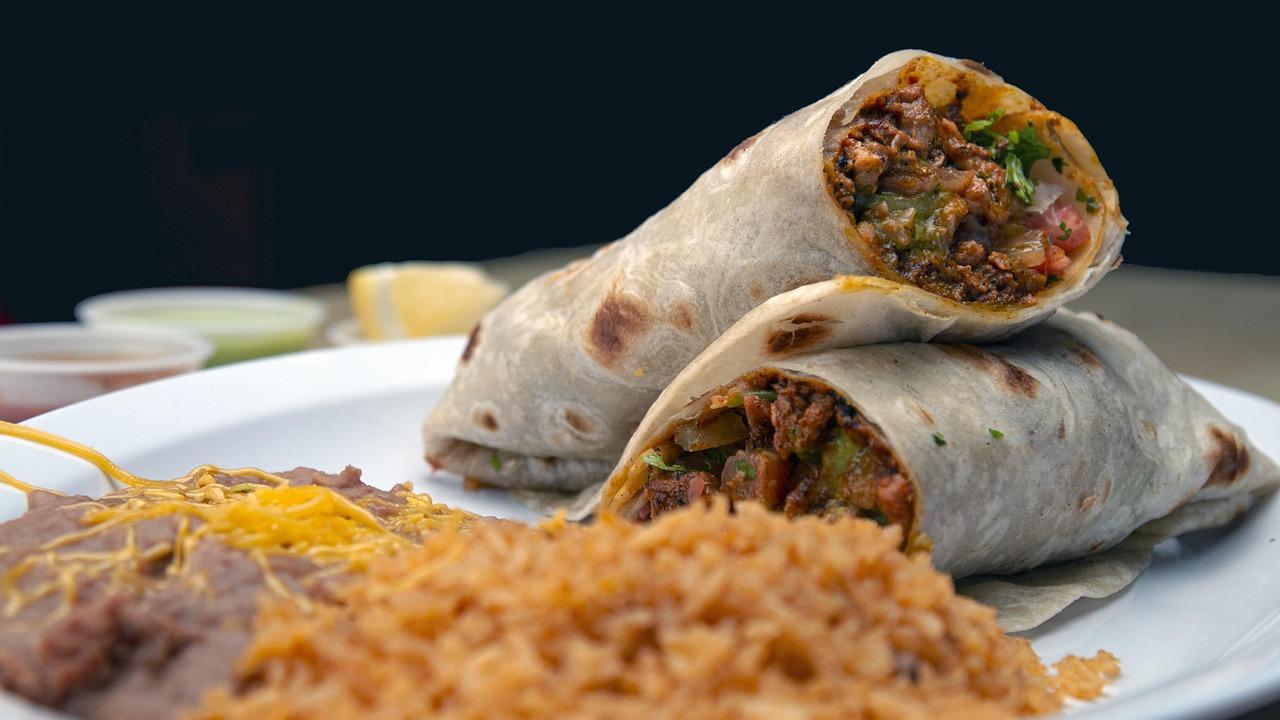
Burritos de chile coloradoRed chilli beef burritos

Ciudad Juárez is where the burrito as most of the world knows it began, but the ones sold from Juárez street stands and lunch counters are slim: a thin flour tortilla rolled tightly around a single filling, eaten two or three at a time. Chile colorado, beef braised in a smooth red sauce of dried chillies, is the favourite, earthy and mildly hot, with the meat soft enough to pull apart. Serve them with nothing but a little extra sauce and some pickled jalapeños. Chef's tip: keep the stew thick, like a paste that coats the meat, or the tortillas turn soggy before you can roll them.

by KrazyBadal 0 views

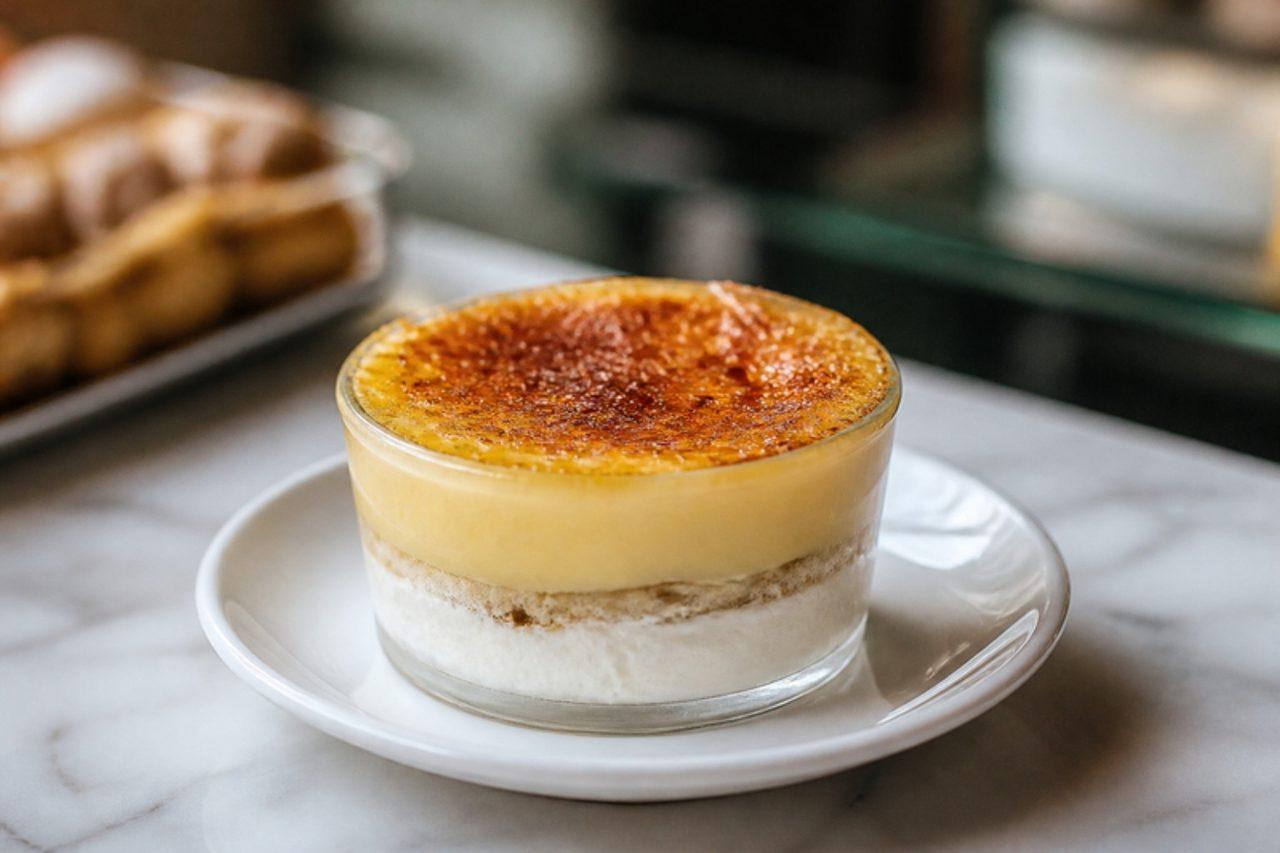
GoxuaLayered cream, sponge and custard dessert

The name means 'sweet' or 'delicious' in Basque, and goxua was created in Vitoria-Gasteiz in the 1970s, where cafés still serve it in small glasses or terracotta pots. From the bottom up you get whipped cream, a disc of sponge soaked in syrup, thick vanilla pastry cream and a crackling layer of burnt sugar. It is a make-ahead dessert for a Sunday lunch, since the layers need to chill. A common mistake is spooning in custard that is still warm, which melts the cream into a puddle. Chef's tip: caramelise the top just before serving, so the sugar crust is still glassy when the spoon goes in.

by KrazyBadal 0 views

Cacciucco alla livorneseSpicy mixed fish stew

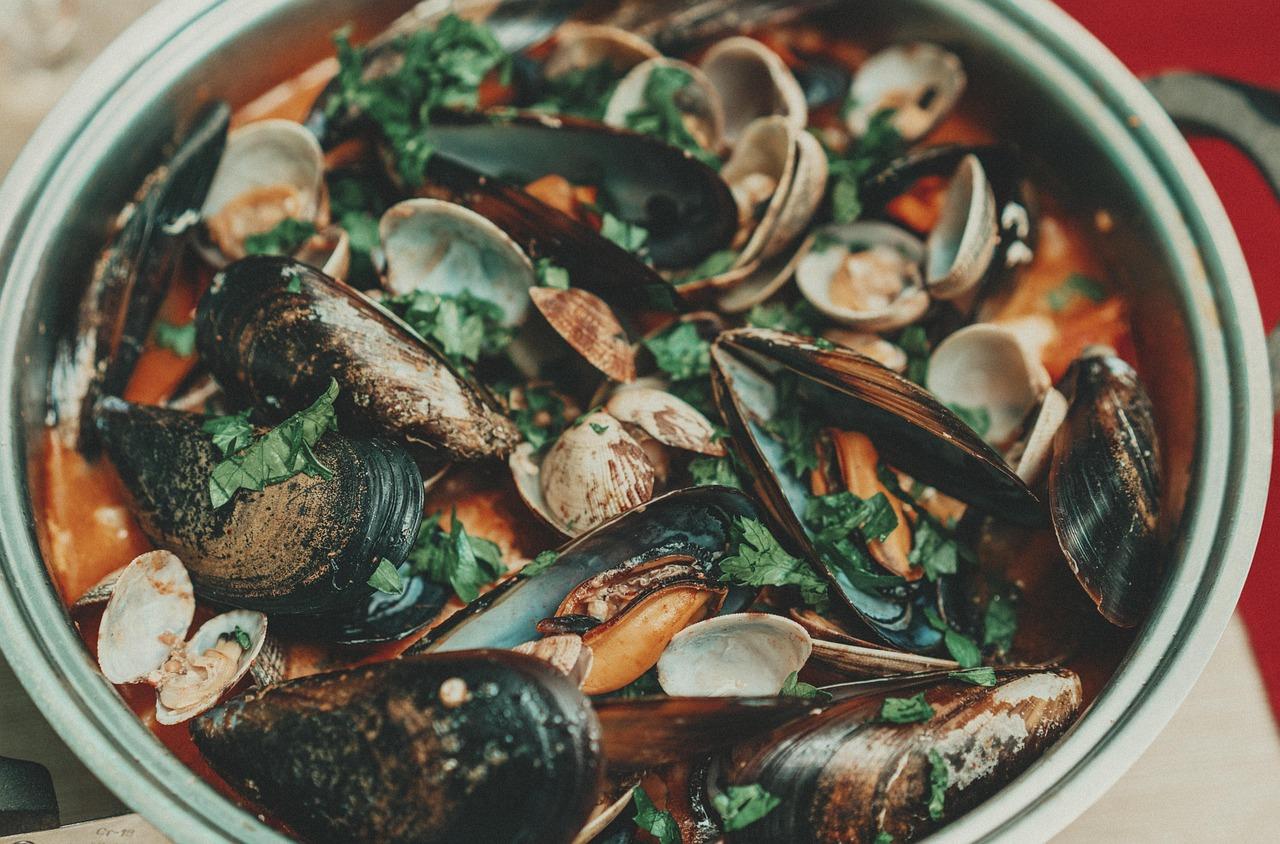
Cacciucco is the great fish stew of Livorno, the port city on the Tuscan coast, where it is said to need at least five kinds of seafood, one for each C in its name. Fishermen once made it with the unsold catch; today the harbour trattorie ladle it, thick and fiery with chilli, over slices of toasted bread rubbed with garlic. This version uses firm white fish, squid, mussels, clams and prawns cooked in tomato and red wine; the wine is traditional, and the note gives an alcohol-free option. Serve it as a whole meal, with more garlic toast on the side. Chef's tip: add the seafood in stages, from the firmest to the most delicate, so nothing turns rubbery.

by KrazyBadal 0 views

Butifarra soledeñaSmall boiled beef and pork sausages

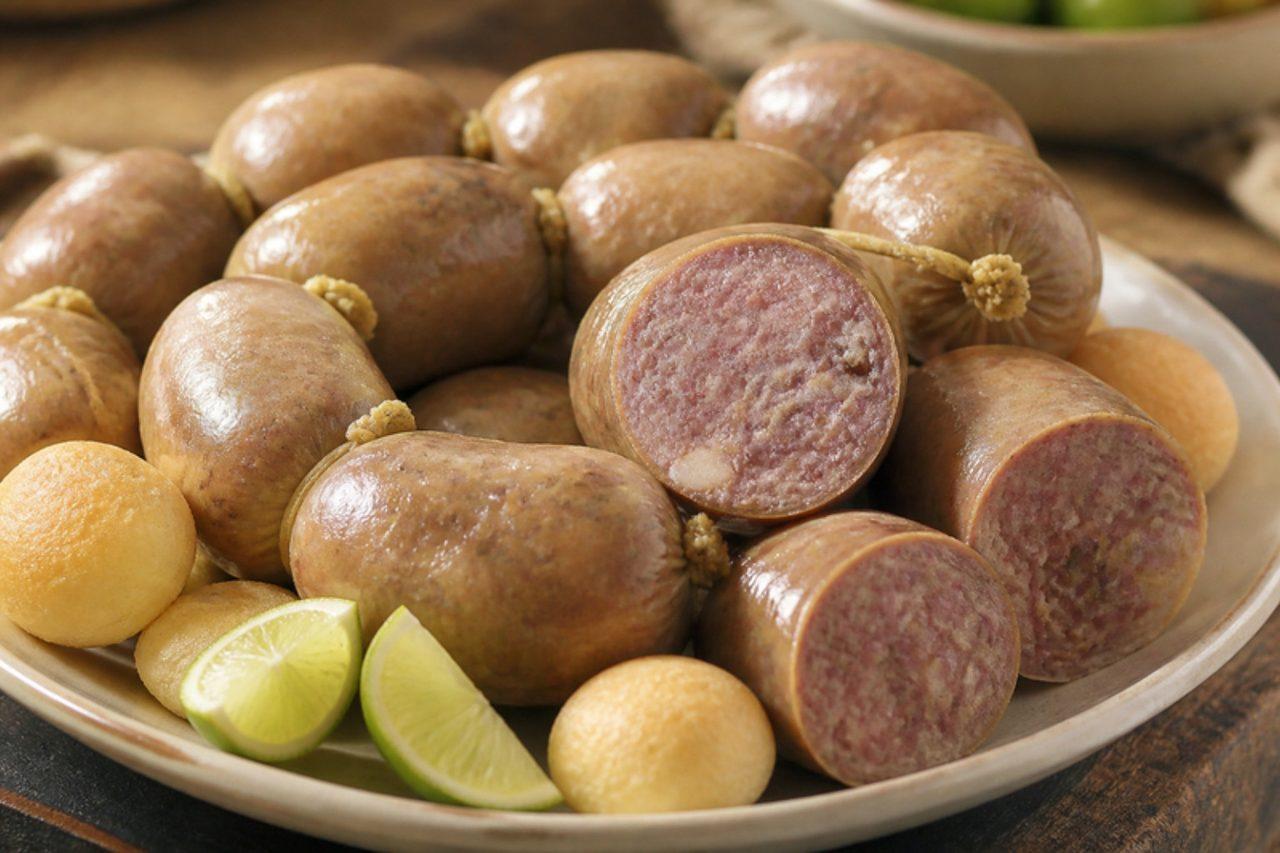
Around Barranquilla, the street call of 'butifarra, butifarra' comes from vendors pushing carts out of Soledad, the town that made these little sausages famous; there's even a festival for them every July. They are small, round links of beef and pork seasoned with nothing more than salt and plenty of black pepper, boiled rather than grilled, so they stay tender, juicy and pale. Sellers squeeze lime over them and hand them out with a bollo de yuca, a firm steamed cassava roll. They are simple, peppery and a little sour from the lime. Using lean meat is the usual mistake: without the pork fat they turn dry and grainy. Chef's tip: tie the links into small, round balls about 4 cm across and boil them gently; a rolling boil splits the casings.

by KrazyBadal 0 views

Frite extremeñoFried lamb with garlic and paprika

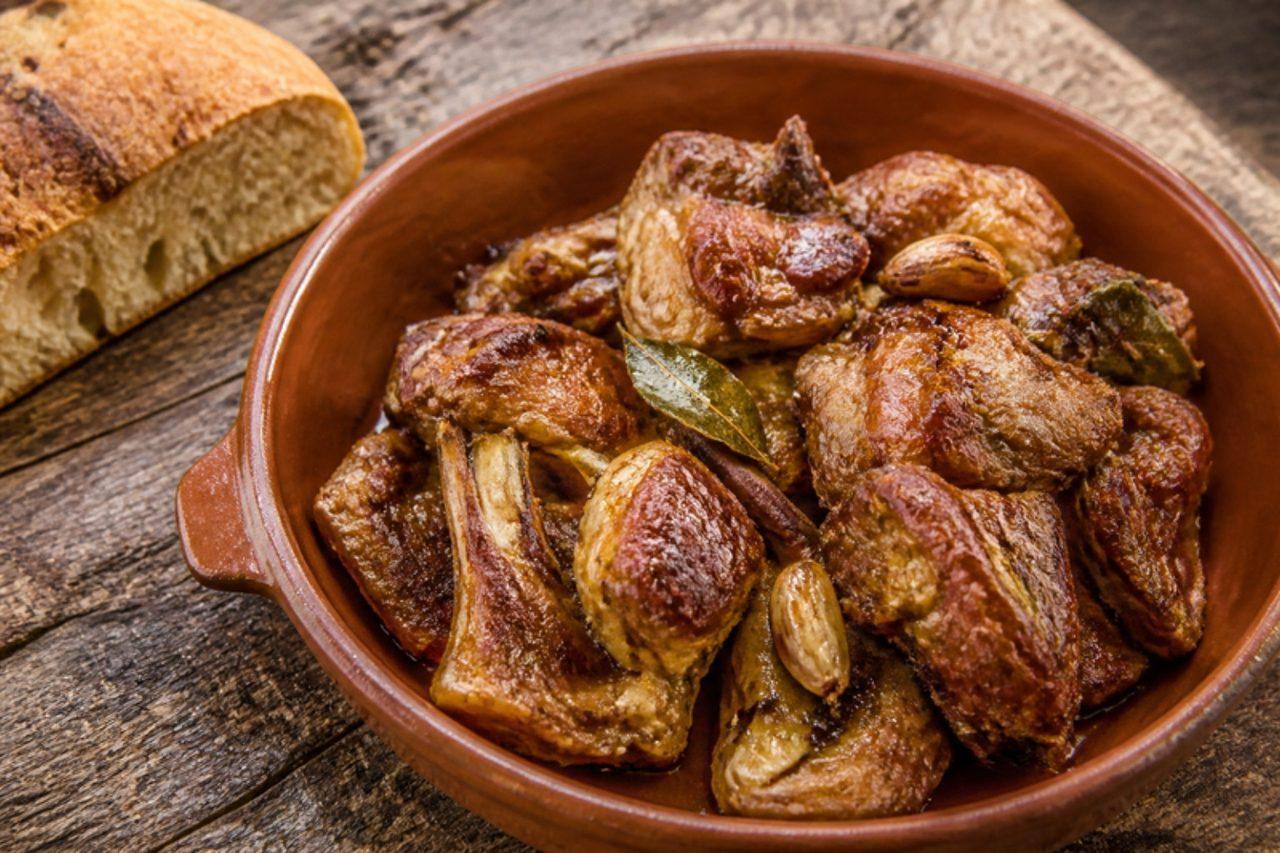
Frite is the simpler, drier cousin of caldereta and is especially loved around the sheep country of the Sierra de Gata and the Cáceres plains. Small pieces of lamb are fried in olive oil with lots of garlic, then cooked with bay, pimentón and a splash of vinegar until tender and coated in a dark red, clinging sauce. It is the dish people cook outdoors at the spring romerías and eat with bread straight from the pan. Chef's tip: ask the butcher to chop the lamb small, bones and all, so every piece gets crisp edges.

by KrazyBadal 0 views

New Orleans beignets

Beignets are the pillowy fried dough squares served three to a plate, under a drift of icing sugar, at the open-air coffee stands of the French Quarter in New Orleans, day and night. The dough is a soft, slightly sweet yeast dough enriched with evaporated milk, and the squares puff up hollow in hot oil. Drink them with chicory café au lait. Chef's tip: roll the dough only 5 mm thick; thicker squares stay doughy in the middle.

by KrazyBadal 0 views

All i pebreEel and potato paprika stew

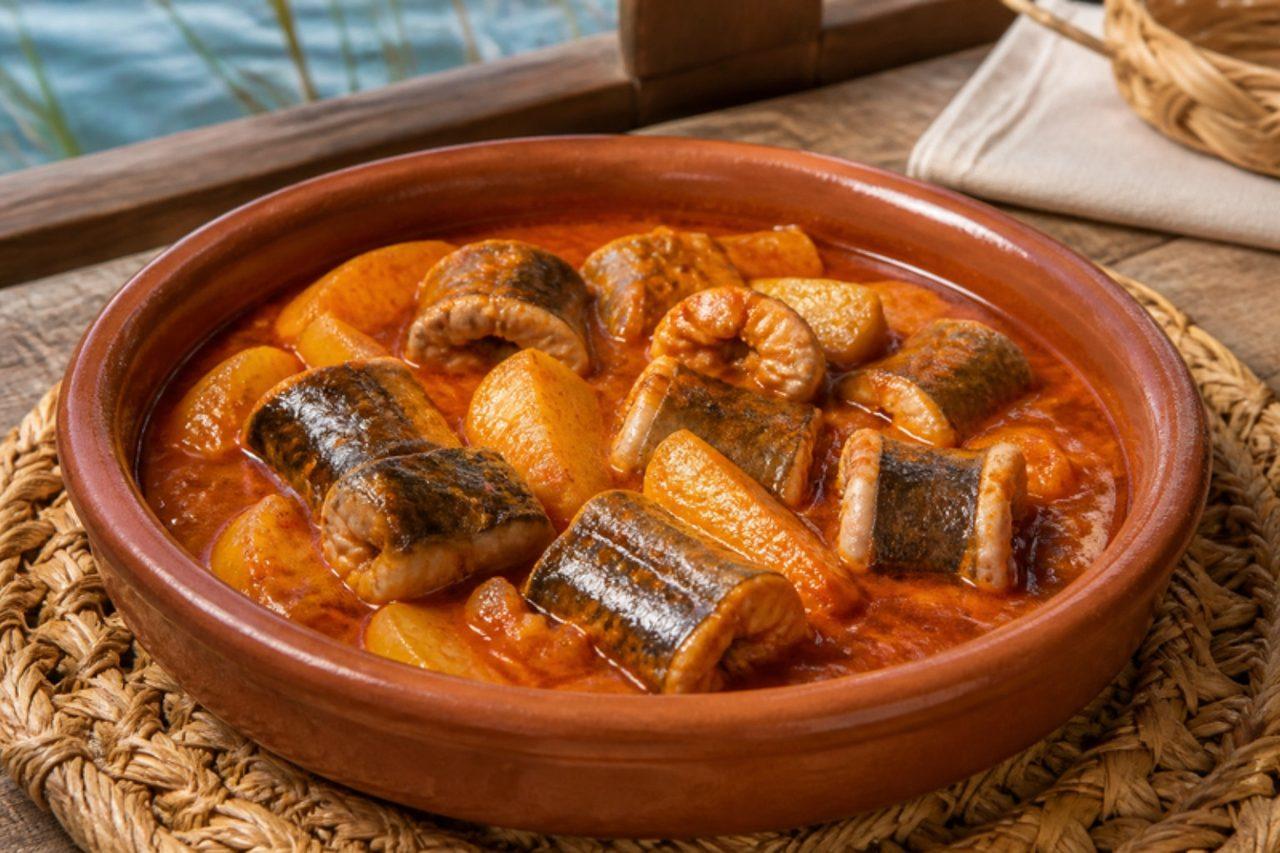
In El Palmar and the other villages around the Albufera lagoon south of Valencia, the restaurants that are famous for paella serve something older first: all i pebre, "garlic and pepper", a brick-red stew of lagoon eel and potatoes thickened with a pounded almond and fried-bread picada. It is rich, garlicky and gently hot, eaten with bread to mop up the sauce. Ask your fishmonger to skin and cut the eel, and handle it with gloves: raw eel blood is irritating, though harmless once cooked. If you can't find eel, monkfish or hake works well. A common mistake is letting the paprika burn; it turns bitter in seconds, so add it off the heat. Chef's tip: break the potatoes with a knife instead of cutting cleanly; the rough edges release starch and thicken the sauce.

by KrazyBadal 1 views

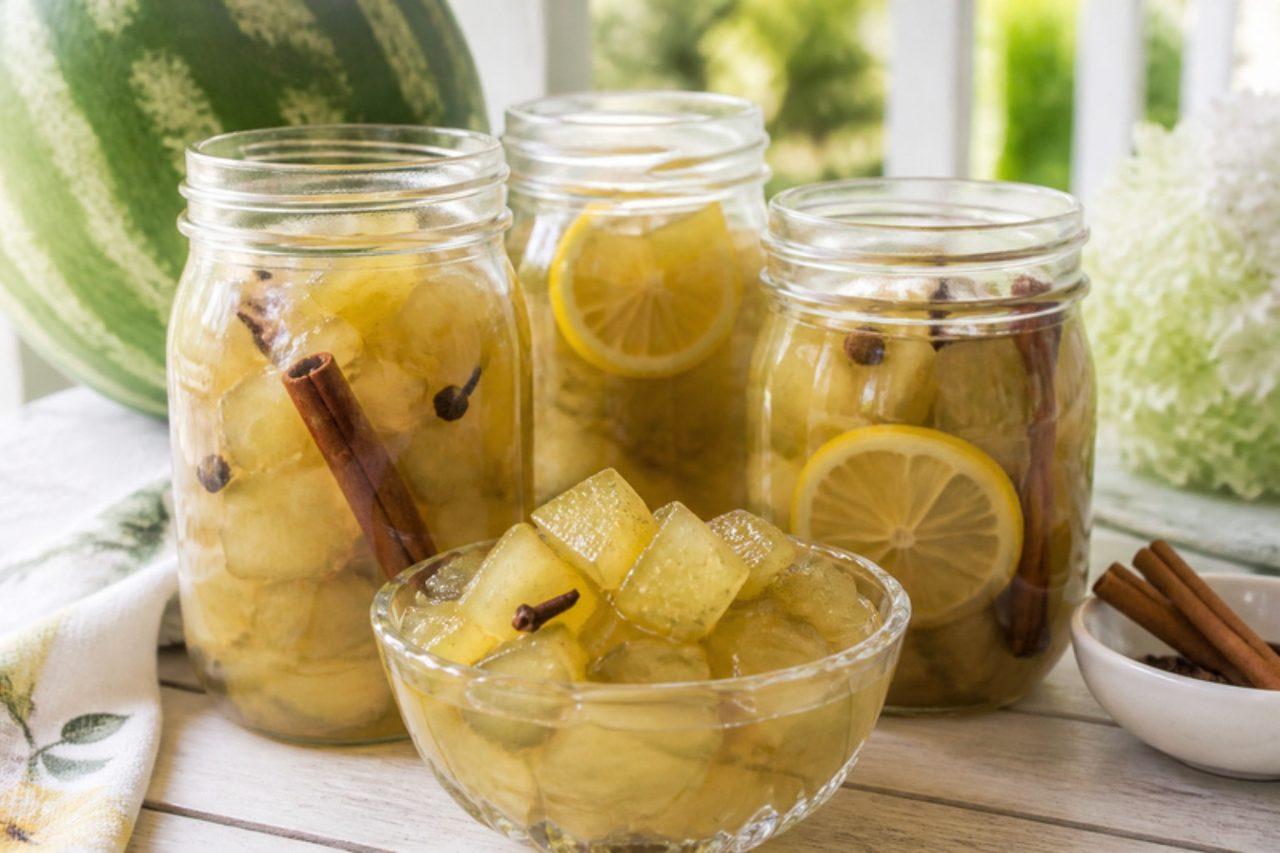
Watermelon rind pickles

Waste-not Southern cooks in Georgia and the Carolinas turned the white part of the watermelon rind into these sweet, glassy pickles, served on relish trays at Christmas and with fried chicken in summer. The rind is brined, then simmered in a cinnamon and clove syrup until translucent and crisp-tender. Chef's tip: cut away every bit of green skin and pink flesh; the skin stays tough and the flesh goes mushy.

by KrazyBadal 0 views

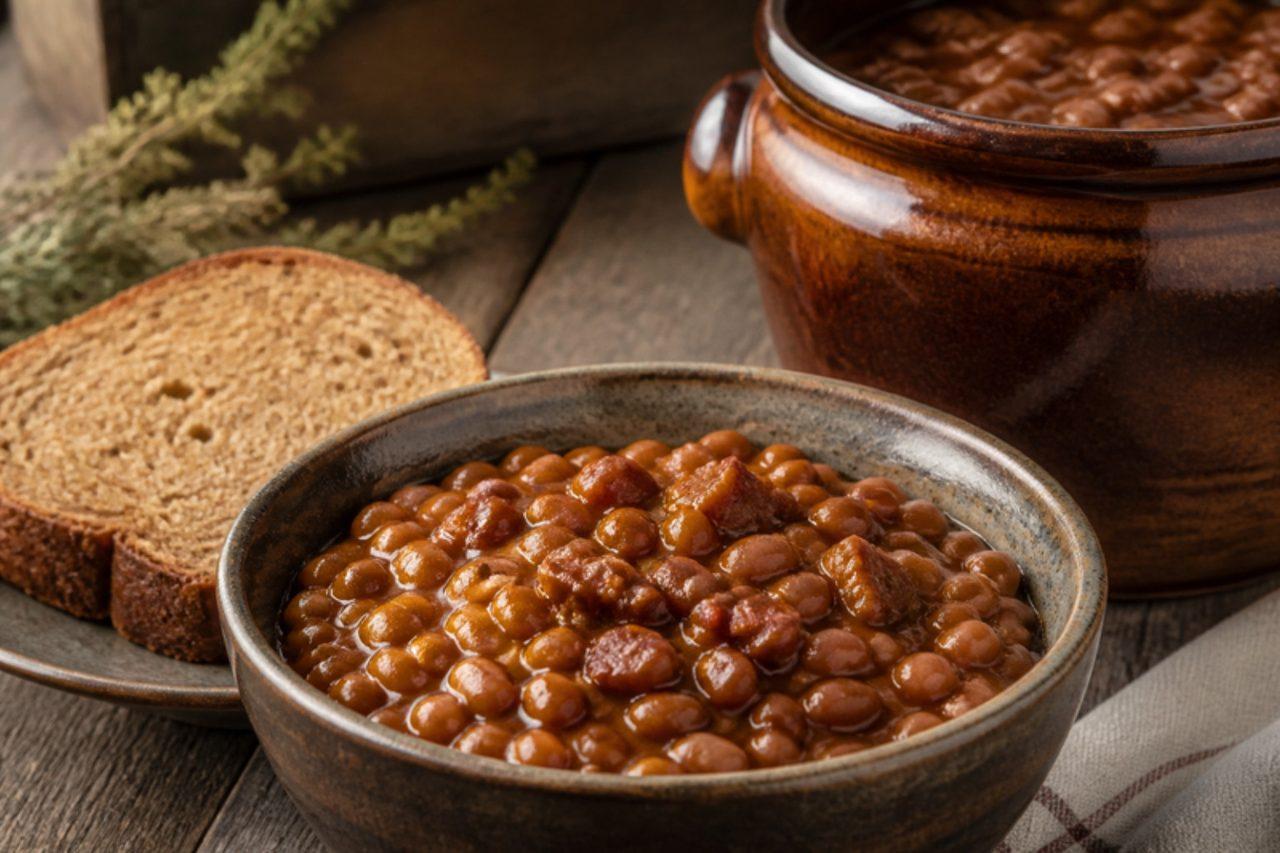
Boston baked beans

Boston earned the nickname Beantown from this pot: small white beans baked all day with salt pork, molasses and mustard, traditionally put in the oven on Saturday morning to be eaten that night with brown bread and kept warm for Sunday. The pork, cured belly with its rind, melts into the beans and gives a savoury richness against the dark, sweet sauce. Chef's tip: keep the beans just covered with water as they bake; if they dry out on top they turn hard and leathery.

435 minAmericanMeat
by KrazyBadal 0 views

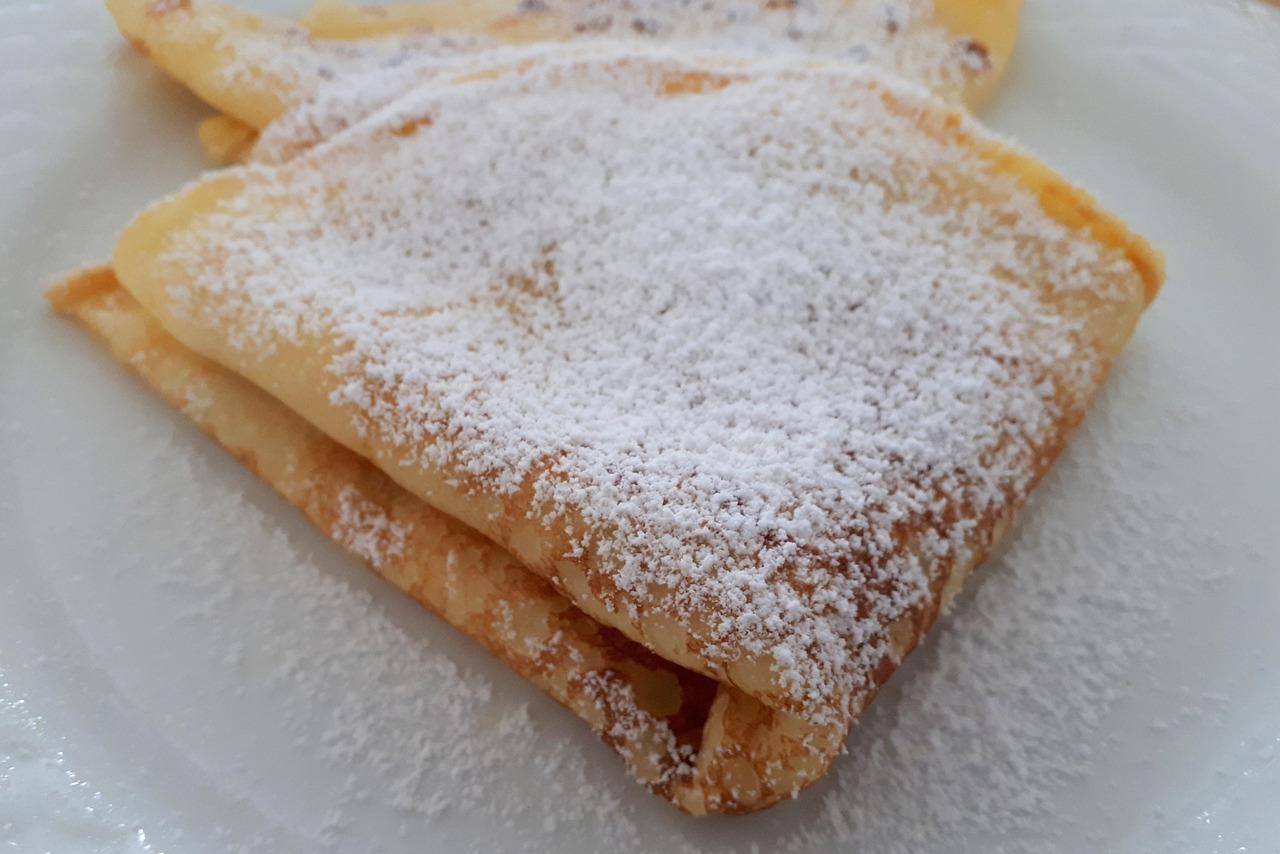
FrixuelosThin crêpes with sugar or honey

When Antroxu, the Asturian Carnival, comes round in February, kitchens from Avilés to the Oriente villages fill with the smell of butter and batter, and plates of frixuelos stack up for anyone who calls in. They are thinner and lighter than a pancake, flavoured with lemon zest, and are rolled or folded while warm with a dusting of sugar, a drizzle of honey or a spoon of rice-pudding cream. Grandmothers also make them on cold Sunday afternoons, so they are hardly kept for Carnival alone. Chef's tip: rest the batter for at least 30 minutes so the flour softens and the frixuelos turn out lacy and tender instead of rubbery.

by KrazyBadal 0 views

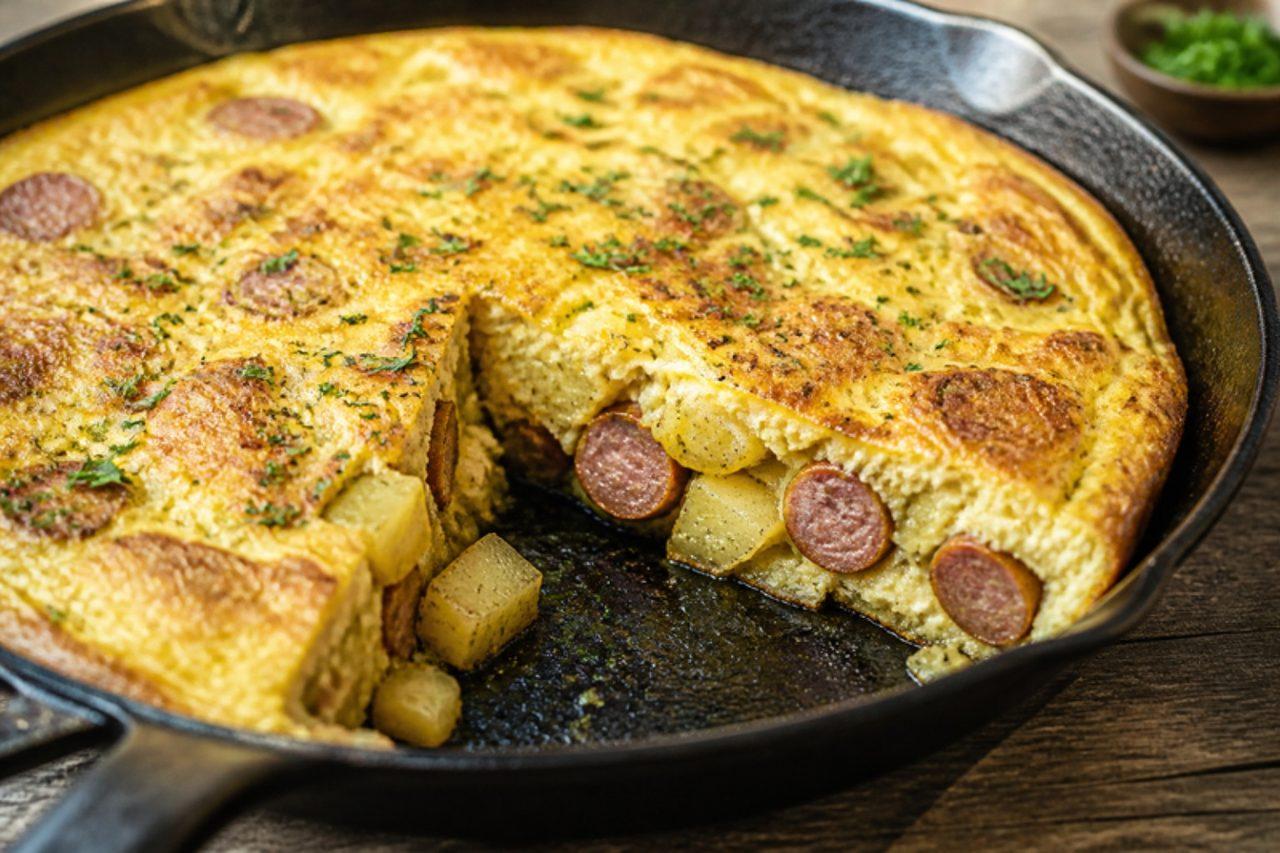
FroutaliaOmelette with potatoes and sausage

On Andros and Tinos, froutalia is the thick, golden omelette farm families ate after a morning in the fields: potatoes and local pork sausage fried in a deep pan, then bound with eggs and a little cheese and cooked until set right through. It is cut in wedges like a Spanish tortilla and eaten hot or cold, with bread and a tomato and cucumber salad, at any time of day. On the island it is made with louza or a smoked pork sausage seasoned with fennel; any good coarse pork sausage works. Common mistake: adding the eggs while the potatoes are still hard; they never soften once the eggs set. Chef's tip: flip it onto a plate halfway so both sides brown evenly.

by KrazyBadal 0 views

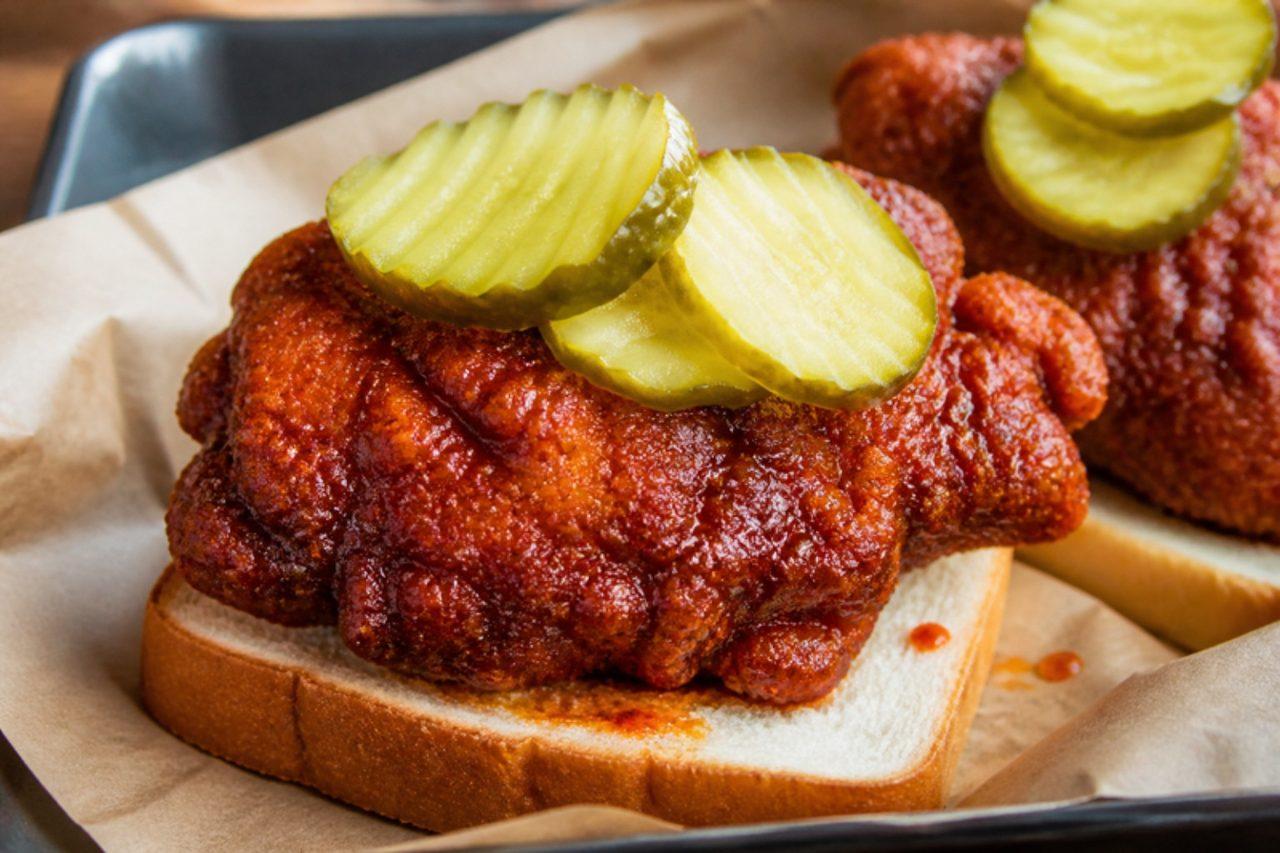
Nashville hot chicken

Hot chicken has been a Nashville institution since the 1930s and is eaten at late-night shacks and the city's summer hot-chicken festival: crisp buttermilk-brined fried chicken painted while hot with a paste of cayenne and brown sugar in hot oil, served on a slice of white bread with dill pickle chips to cool things down. Chef's tip: brine the chicken overnight in the fridge; it seasons the meat right through and keeps it juicy under all that heat.

by KrazyBadal 0 views

Palm Springs date shake

The Coachella Valley around Palm Springs and Indio grows most of America's dates, and roadside date farms along the desert highway have sold this shake to thirsty drivers since the 1930s. Soft Medjool dates are blended with vanilla ice cream and milk into a thick, caramel-flavoured shake. Chef's tip: soak the chopped dates in a little warm milk for 10 minutes first, so they blend completely smooth instead of leaving chewy bits in the straw.

by KrazyBadal 0 views

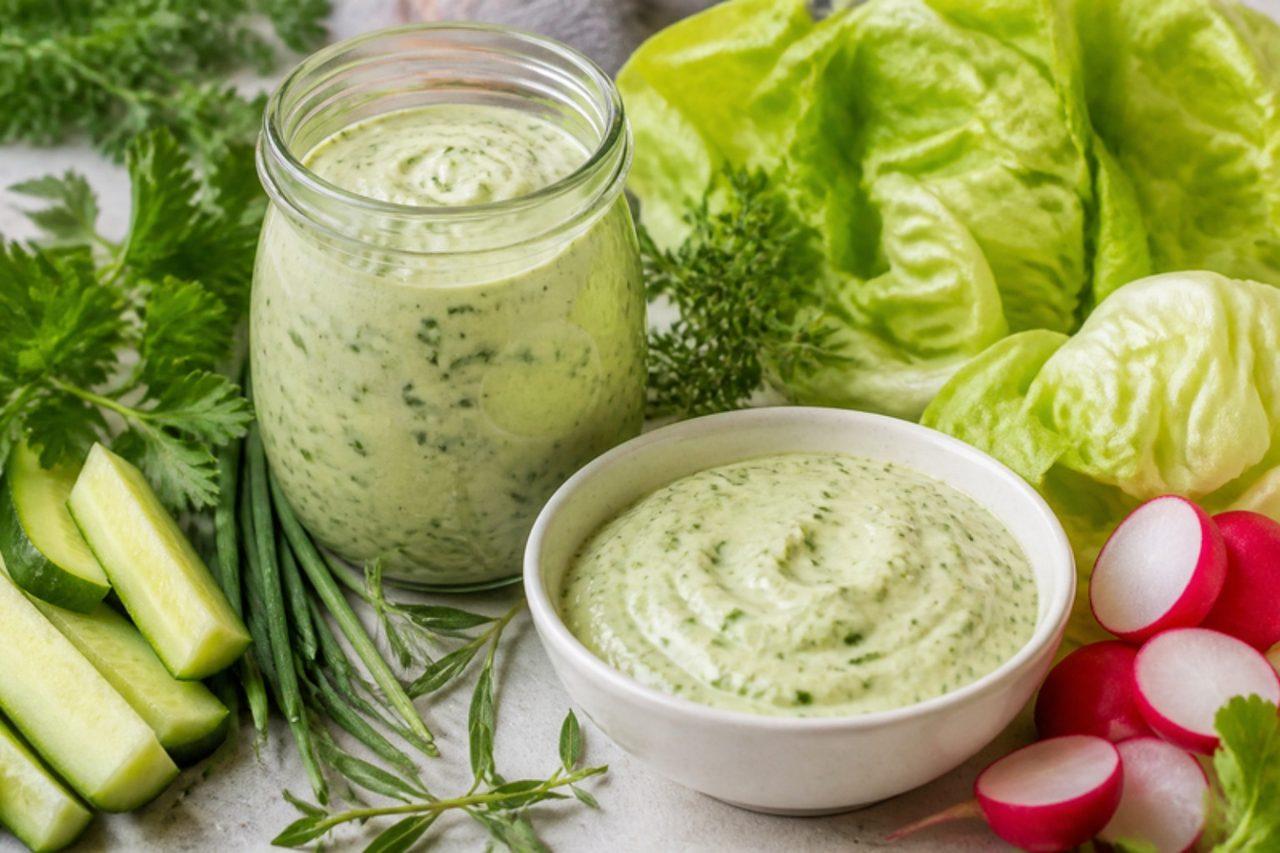
Green goddess dressing

Green goddess dressing was created at the Palace Hotel in San Francisco in the 1920s, named after a popular play, and it came back as the herb-packed dressing of California salad bars and grain bowls. It is pale green and creamy, full of tarragon, parsley and chives. The hotel's original used anchovies; this vegetarian version gets its savoury punch from capers. Use it on salads, as a dip for crudités or on roast vegetables. Chef's tip: blend the herbs with the lemon first, before the creamy ingredients, so they break down fully and turn the dressing bright green.

by KrazyBadal 0 views

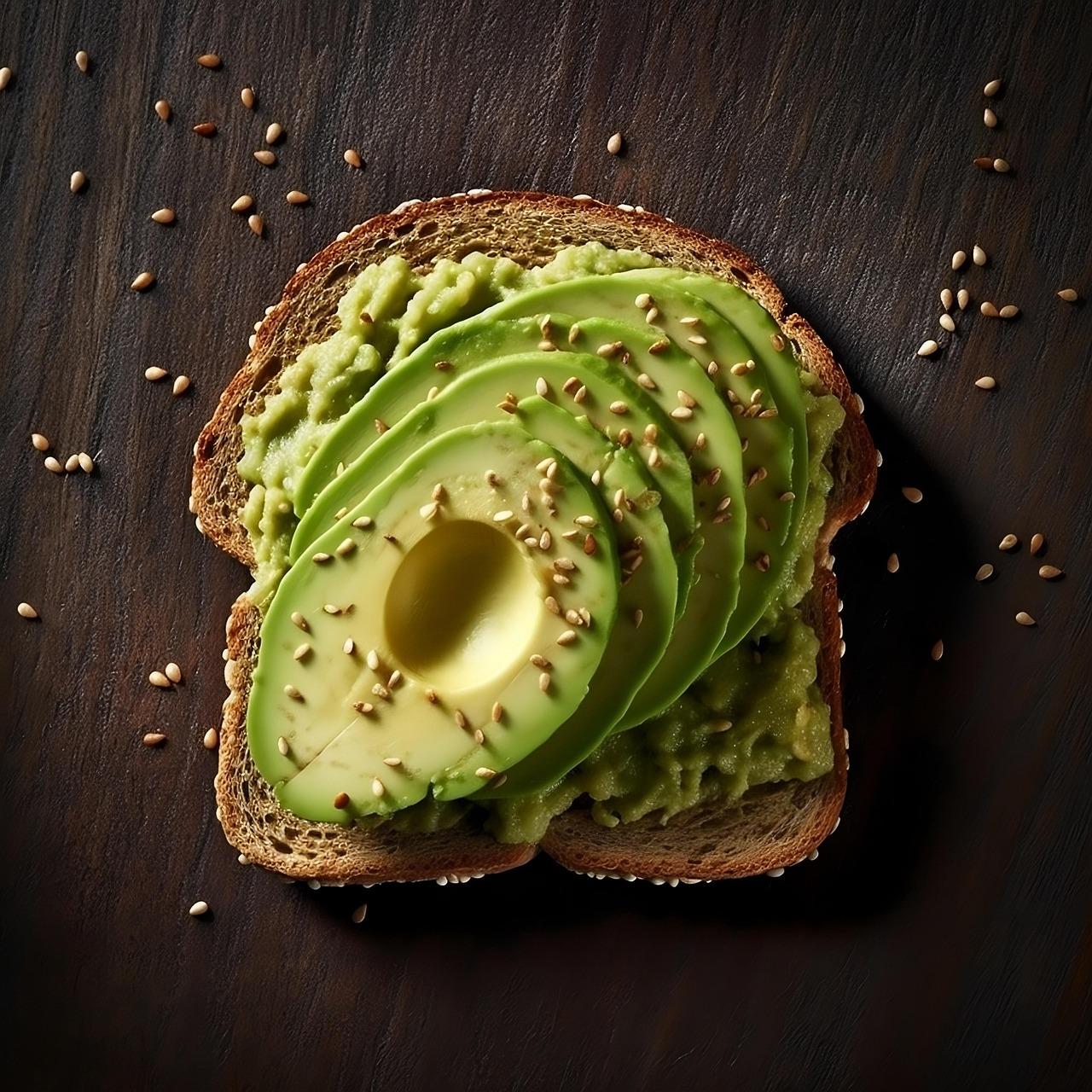
California avocado toast

Avocado toast took off in the cafés of Los Angeles and San Francisco, where California's Hass avocados are grown, and it is now the state's standard weekend brunch. The trick is simple ingredients done well: thick sourdough toasted hard, ripe avocado smashed with lemon and good salt, and something crunchy and sharp on top. Chef's tip: season the avocado more than you think, with salt and lemon; underseasoned avocado tastes flat.

by KrazyBadal 0 views

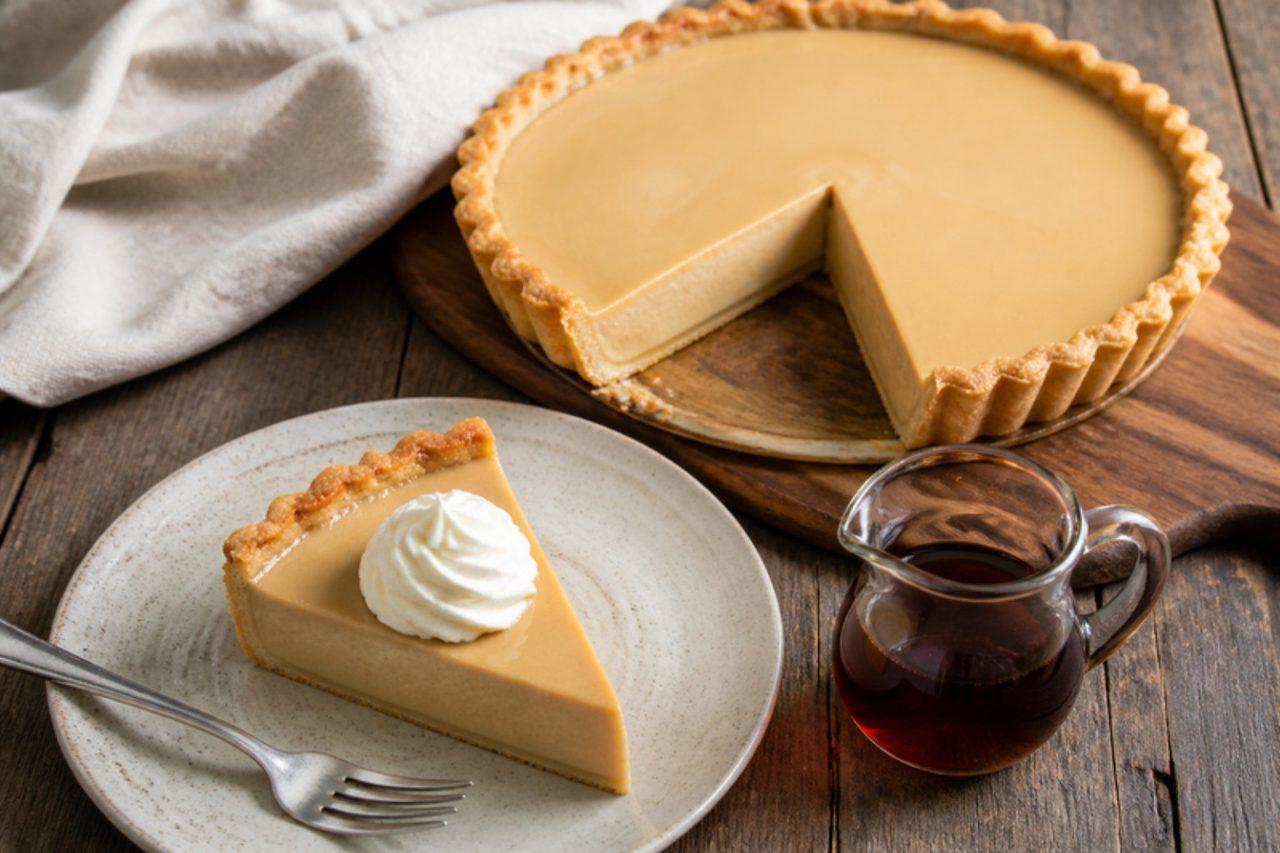
Vermont maple cream pie

In March, when the sugarhouses of Vermont steam day and night boiling sap, diners and country stores sell this pale caramel-coloured pie made with the new season's syrup. The filling is a simple custard of maple syrup, cream and eggs, so the flavour is pure maple, deep and woody. Use dark, strong-tasting maple syrup, not pancake syrup. Chef's tip: bake until the edges are set but the middle still wobbles like jelly; it firms as it cools.

by KrazyBadal 0 views

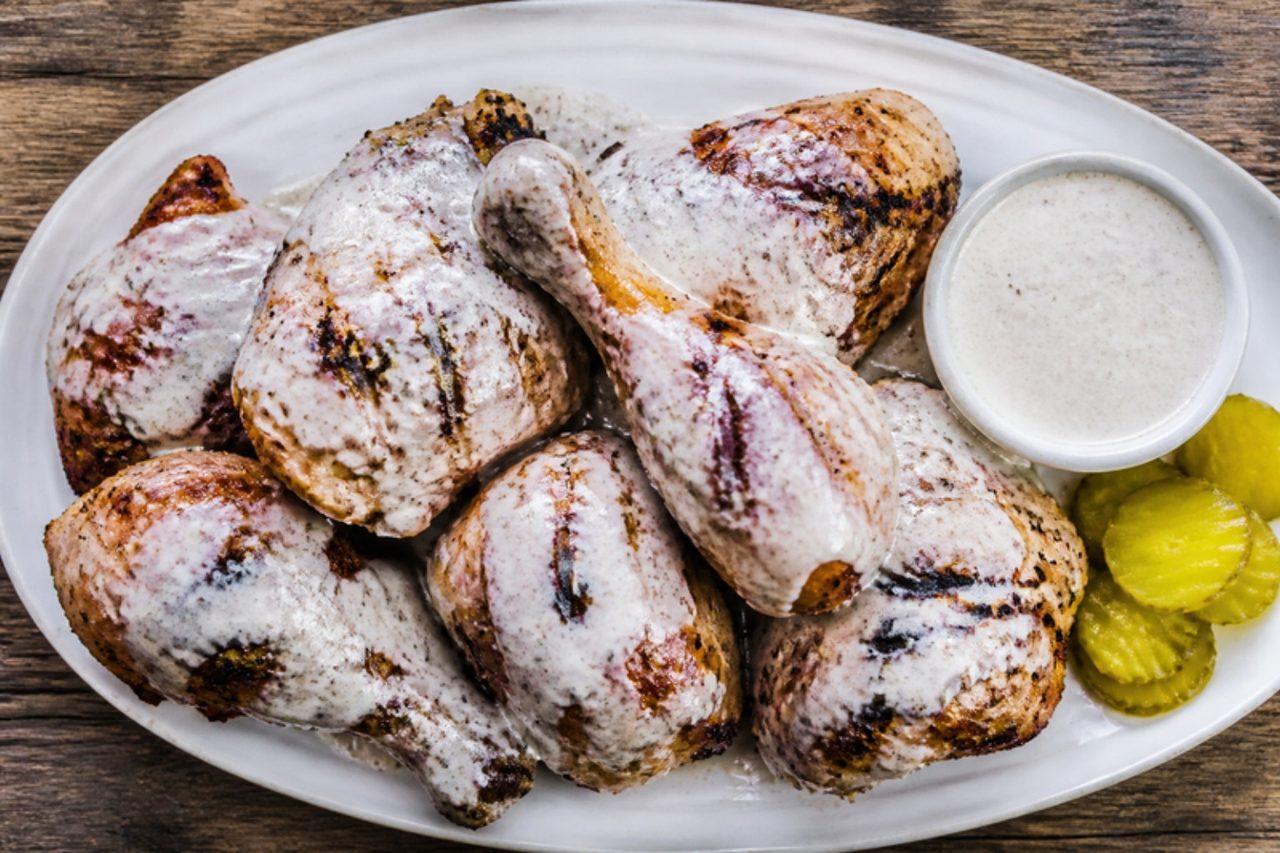
Alabama white sauce chicken

White barbecue sauce was created in 1925 at a barbecue pit in Decatur, north Alabama, and it is still what that corner of the state puts on smoked and grilled chicken: a peppery mixture of mayonnaise, cider vinegar and horseradish. The hot chicken is dunked in it straight off the grill, so the tangy sauce soaks into the crisp skin. Chef's tip: keep half the sauce separate before it touches raw-chicken brushes, for serving at the table.

by KrazyBadal 0 views

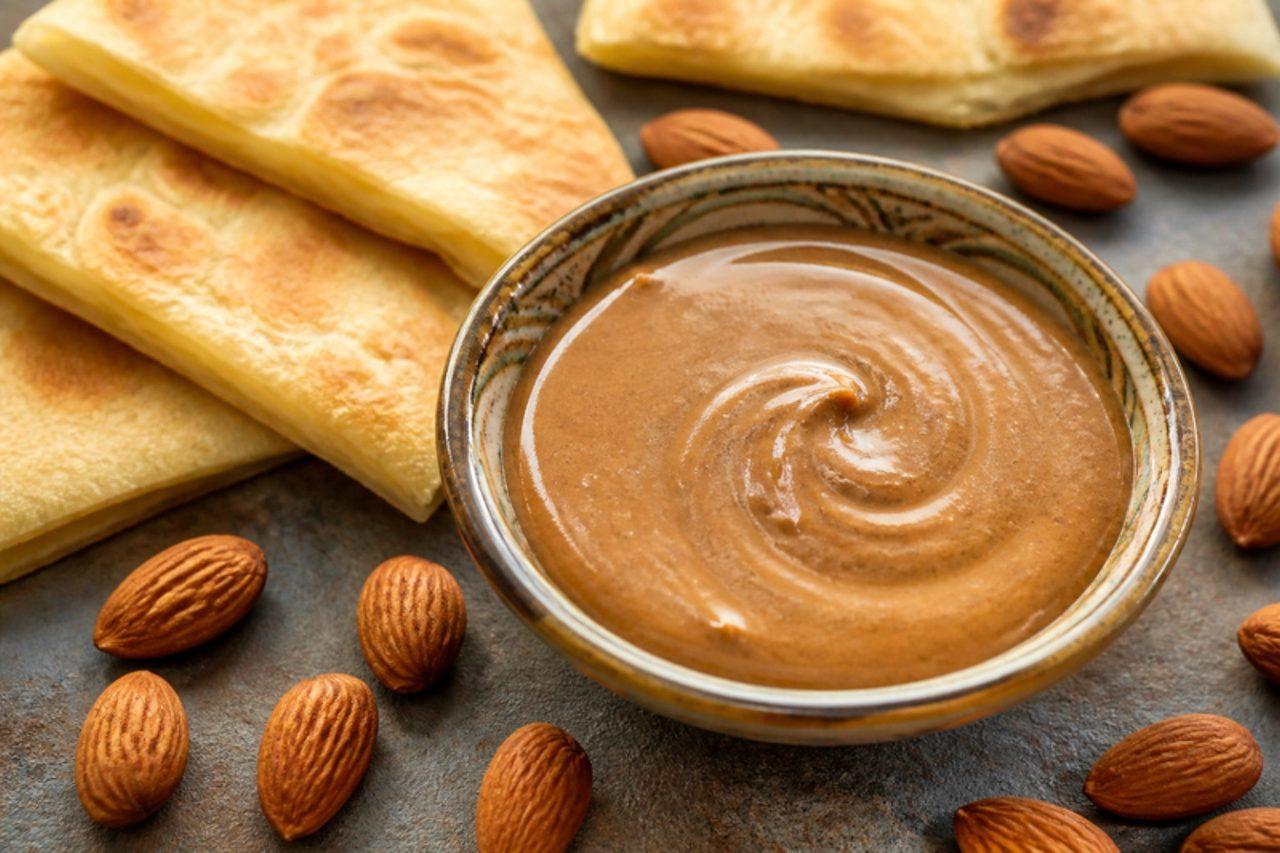
Amlou (almond, argan oil and honey spread)

Between Essaouira and Agadir, where argan trees grow on the dry hills, breakfast is not complete without a bowl of amlou: roasted almonds ground to a paste with culinary argan oil and honey until it is pourable, nutty and sweet with a deep, toasty flavour. It is spread on warm bread, msemen or baghrir, eaten with tea, and taken by many as a quick source of energy on cold mornings. Culinary argan oil is made from roasted kernels and is not the same as cosmetic argan oil, which is unroasted; if you cannot find it, roasted walnut oil gives a similar result. Chef's tip: roast the almonds until they are golden right through to the centre; pale almonds give a flat-tasting amlou.

by KrazyBadal 0 views

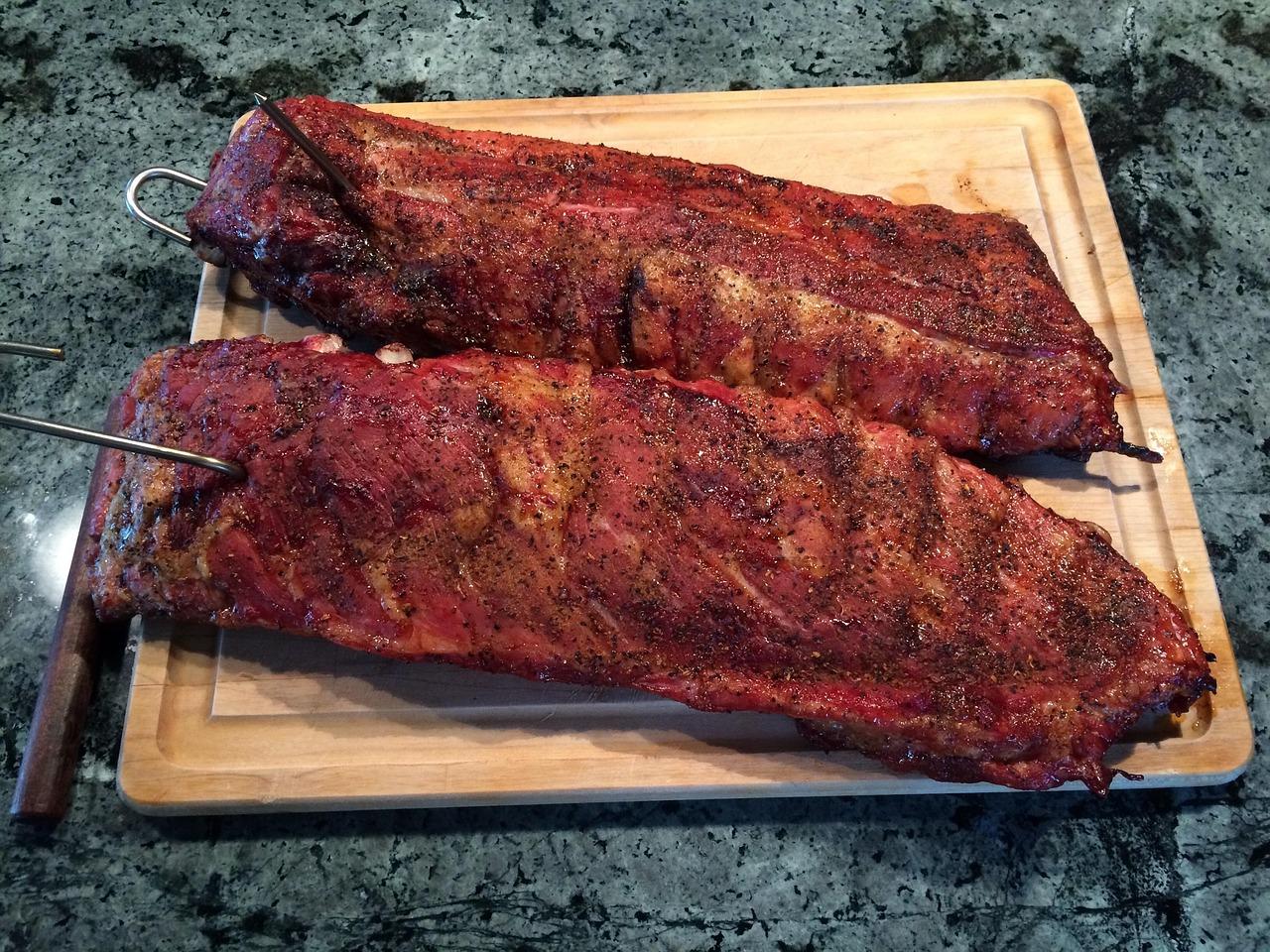
Memphis dry-rub ribs

Memphis is famous for pork ribs served 'dry': coated in a spice rub of paprika, garlic and chilli and slow-cooked until tender, then dusted with more rub instead of sauce. Basement rib joints downtown and the World Championship Barbecue Cooking Contest every May keep the style alive. This oven method gets close to the smoked version. Chef's tip: peel the papery membrane off the back of the ribs before rubbing; it blocks the seasoning and turns leathery.

230 minAmericanMeatGluten freeSpicy
by KrazyBadal 0 views

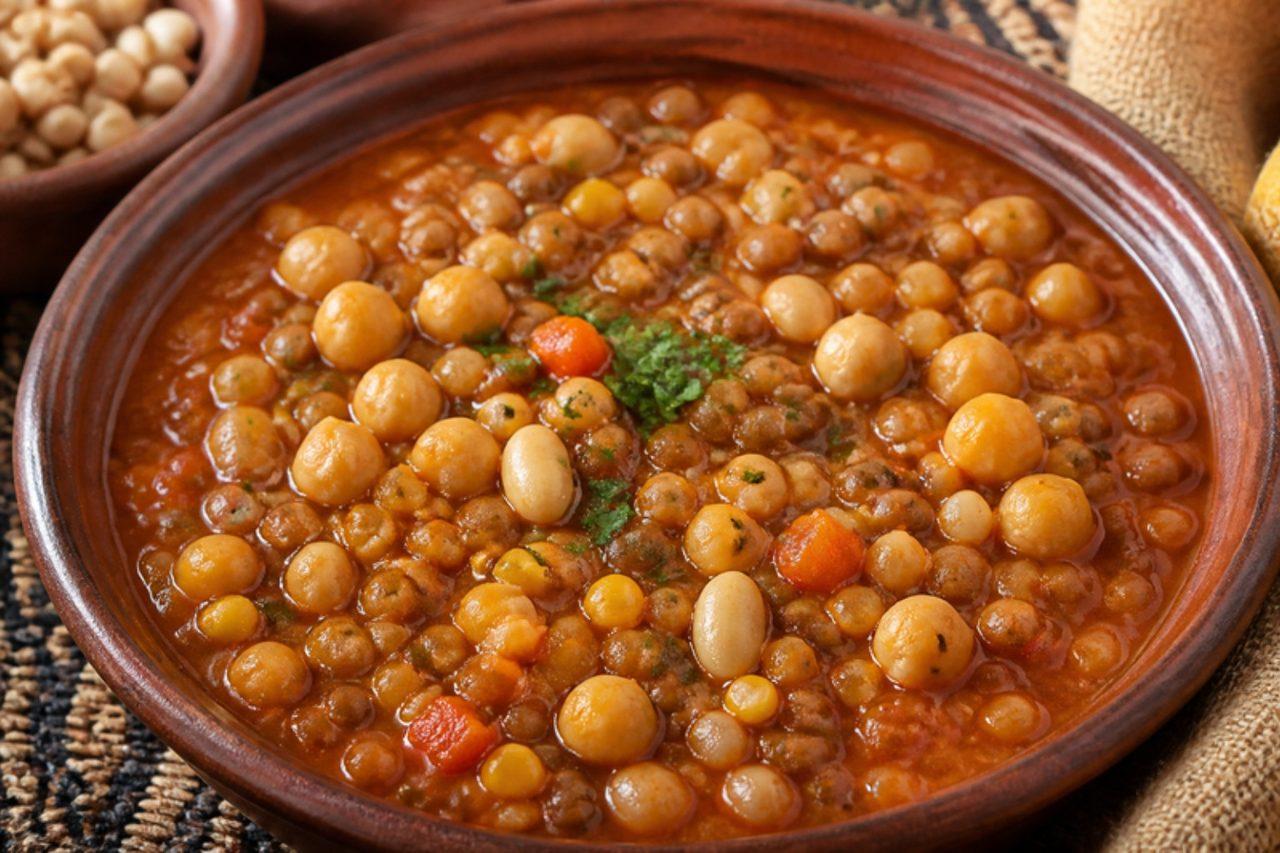
Ourkimen (Yennayer pulse and grain stew)

Ourkimen is cooked across the Souss and the Atlas for Yennayer, the Amazigh New Year on 12–13 January, when a pot of mixed dried beans, chickpeas, wheat berries and corn is simmered for hours to wish for a plentiful harvest. Many families add lamb's feet or dried meat; this is the meat-free version, made the way many cooks prepare it when meat is not on the table, and it is still deeply savoury from tomato, cumin, paprika and a good dose of olive oil. The grains turn chewy and the pulses creamy, and the stew is eaten hot from bowls with bread. Start the soaking the night before; the stew then needs about 3 1/2 hours of gentle simmering. People who have G6PD deficiency (favism) should leave out the dried broad beans and use more white beans. Chef's tip: stir from the bottom every 20 minutes in the last hour; as the stew thickens it catches easily.

by KrazyBadal 0 views

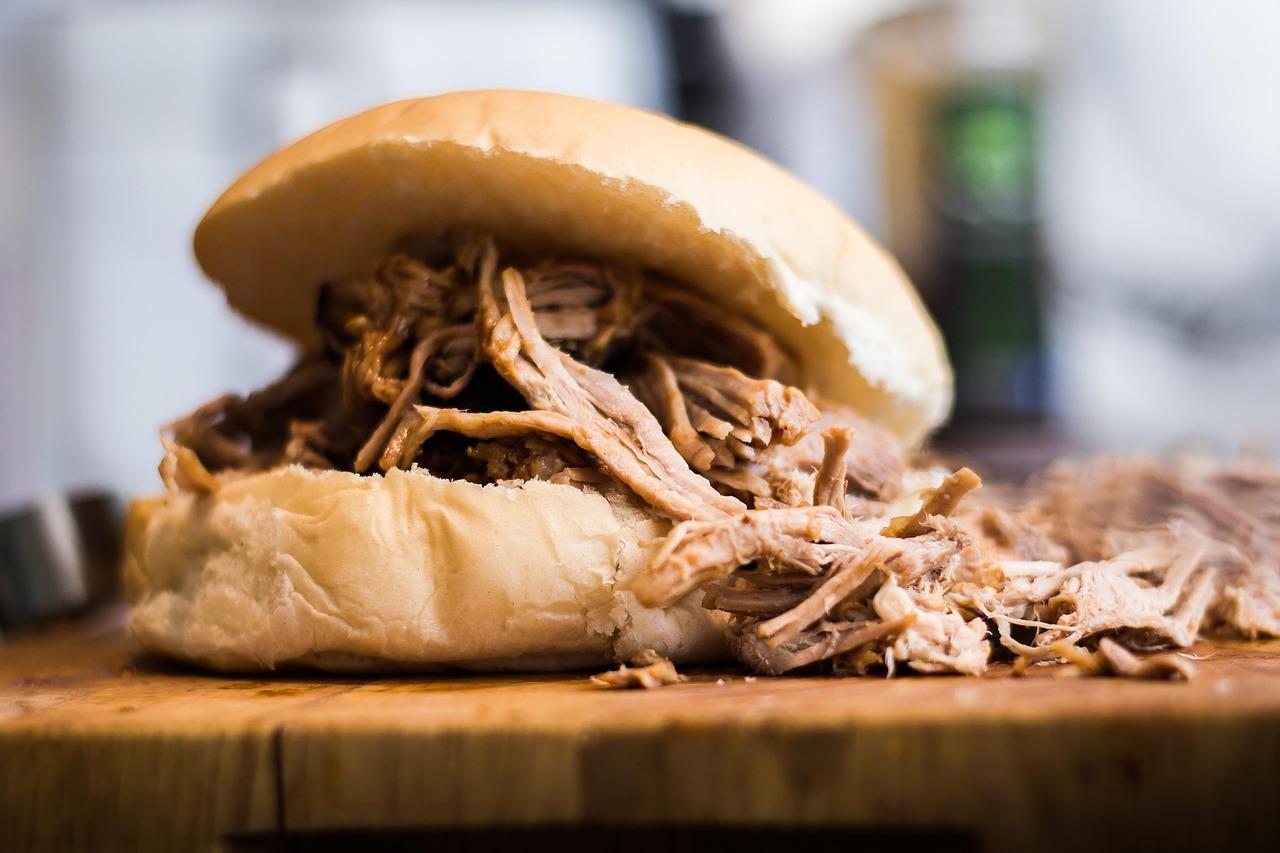
Eastern Carolina pulled pork

In eastern North Carolina barbecue means pork, slow-smoked whole hog or shoulder chopped and dressed with a thin sauce of cider vinegar, chilli flakes and pepper, with no tomato at all. It is served at pit-cooked joints around Ayden and Goldsboro with slaw and hushpuppies, and piled into soft buns at cookouts. This oven version slow-roasts a pork shoulder until it pulls apart. Chef's tip: dress the meat with the sauce while it's still warm, so it soaks right in.

440 minAmericanMeatGluten free
by KrazyBadal 0 views

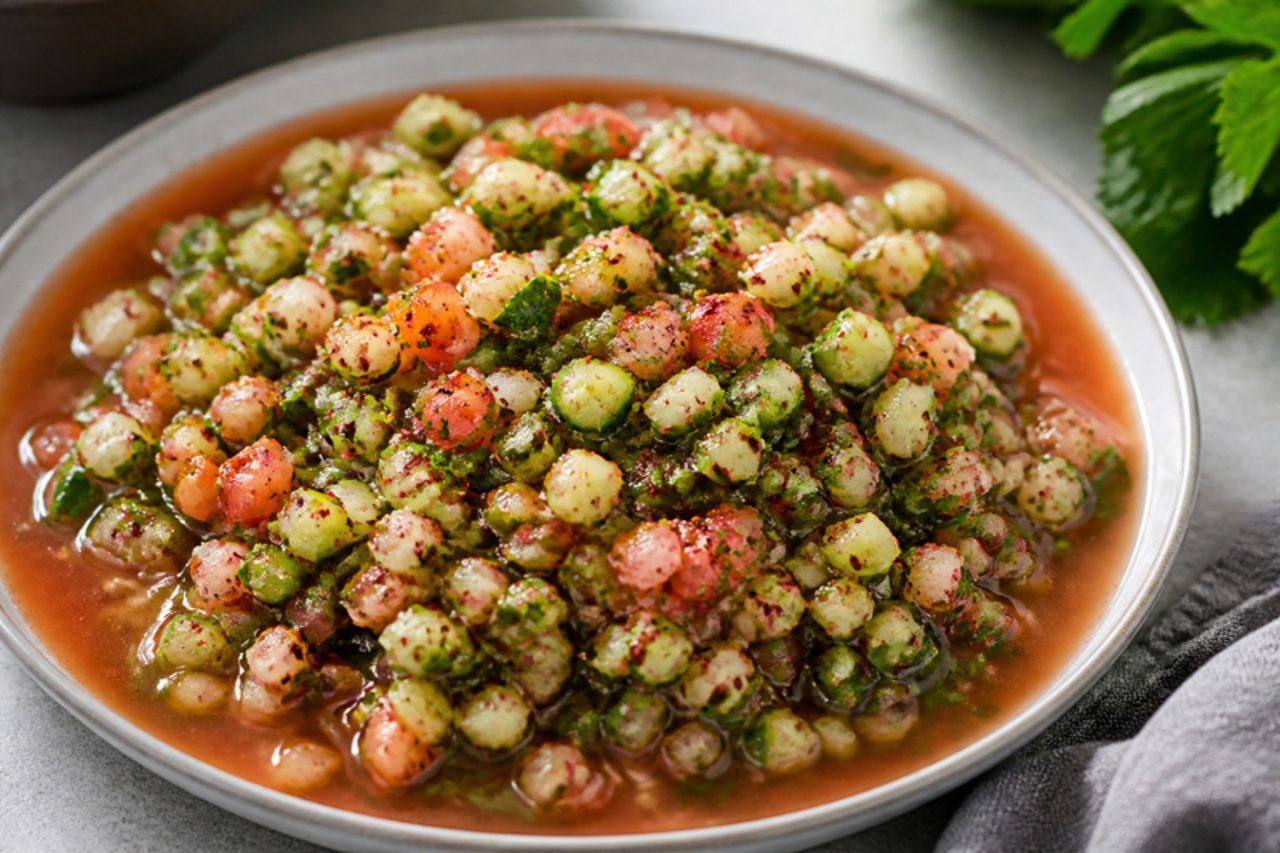
BostanaChopped tomato and cucumber salad

In Şanlıurfa a bowl of bostana goes on the table beside every summer meal of kebab, köfte or bulgur pilaf. Tomatoes, cucumbers, green peppers, onion and fistfuls of parsley and mint are chopped very small, seasoned with isot and drowned in lemon juice and a little water, so you spoon up the juices as well as the vegetables. It is meant to be cold, sour and refreshing in the city's fierce heat. Common mistake: making it hours ahead; the cucumber goes limp. Chef's tip: chill the bowl and add a couple of ice cubes just before serving, as Urfa grandmothers do.

by KrazyBadal 0 views

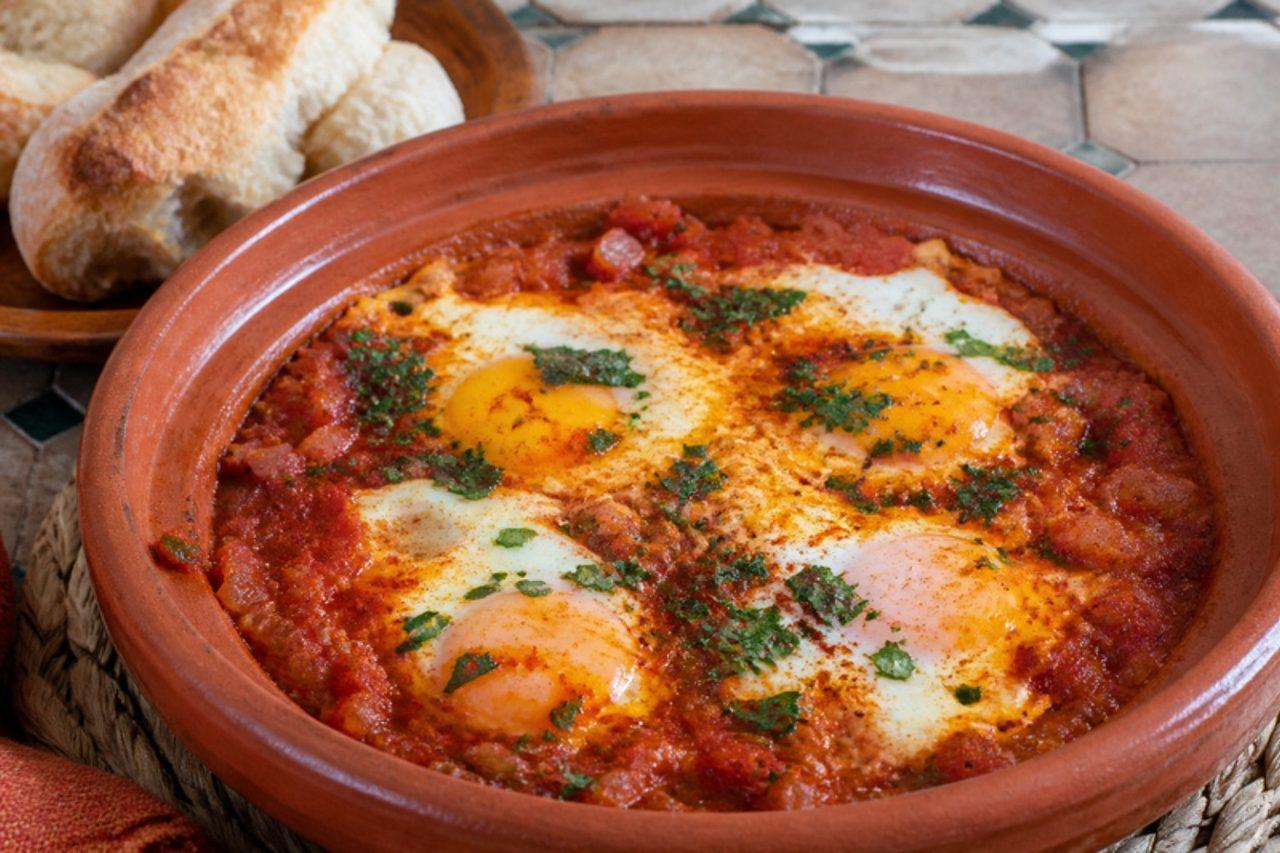
Berber omelette

Roadside cafés on the mountain passes of the High Atlas keep small clay tagines warming over charcoal, and the one most travellers order for breakfast or a quick lunch is the Berber omelette: eggs cracked over a bubbling base of tomato, onion, cumin and paprika, then covered until they just set. It arrives sizzling with olives and herbs on top and plenty of bread to wipe the dish clean, usually with a glass of mint tea. At home you can use a small tagine on a heat diffuser or a lidded frying pan. For anyone pregnant, very young, older or with a weak immune system, cook until the yolks are firm. Chef's tip: never put a clay tagine straight onto a high flame; use a diffuser and medium-low heat, or it can crack.

by KrazyBadal 0 views

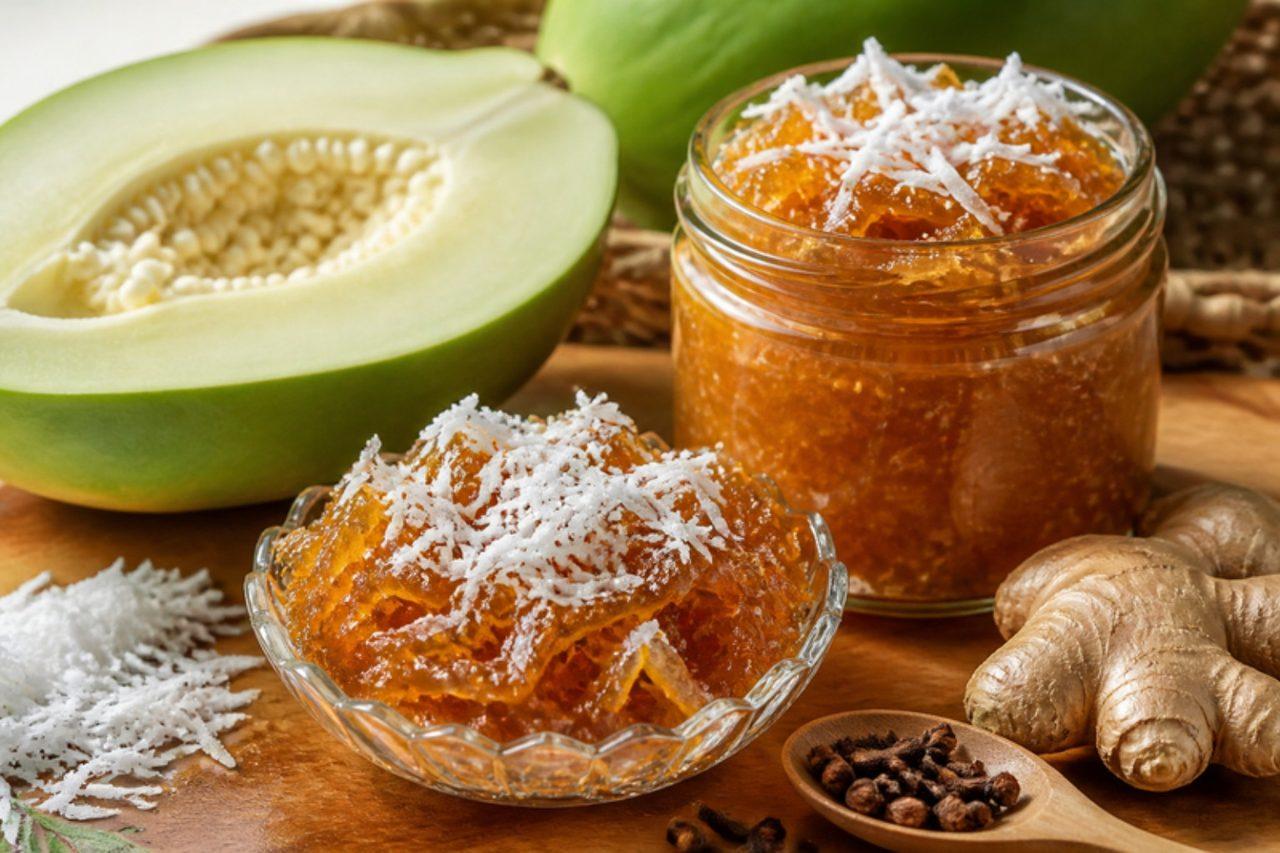
FurrunduGreen papaya and cane sugar sweet

Cuiabá's grandmothers have a sweet for every fruit, and furrundu is the one that turns an unripe papaya into something special. The green fruit is grated, squeezed and cooked slowly with rapadura (dark unrefined cane sugar), fresh ginger, cloves and cinnamon until it is dark brown, sticky and chewy, with a warm spice that lingers. It is sold in small pots at Cuiabá's Mercado do Porto and at festas de santo in Mato Grosso, eaten by the spoonful with a slice of fresh cheese or on its own. The mistake to avoid is skipping the rinse: green papaya oozes a milky latex that tastes bitter and can irritate the skin, so wear gloves and wash the grated fruit well. Chef's tip: stop cooking when you can drag a spoon across the bottom of the pan and see the base for a second; it firms up a lot as it cools.

by KrazyBadal 0 views

Saykouk (couscous in cold buttermilk)

On hot evenings in the villages of the Middle and High Atlas, supper is often nothing more than saykouk: steamed couscous, usually barley, cooled and then drowned in ice-cold lben, the tangy buttermilk left after churning butter. It is eaten with spoons from a big shared bowl and is wonderfully cooling, sour and creamy, with the grains soaking up the milk as you eat. Some families sweeten it with a little sugar, others keep it salty; both are right. This quick version uses instant couscous so it is ready in about 20 minutes. Don't pour the buttermilk over warm couscous: it should be fully cool, or the buttermilk splits and the dish loses its refreshing chill. Chef's tip: let the couscous cool completely before the buttermilk goes in, or it turns the buttermilk warm and slightly grainy.

by KrazyBadal 0 views

Jben (fresh Moroccan cheese)

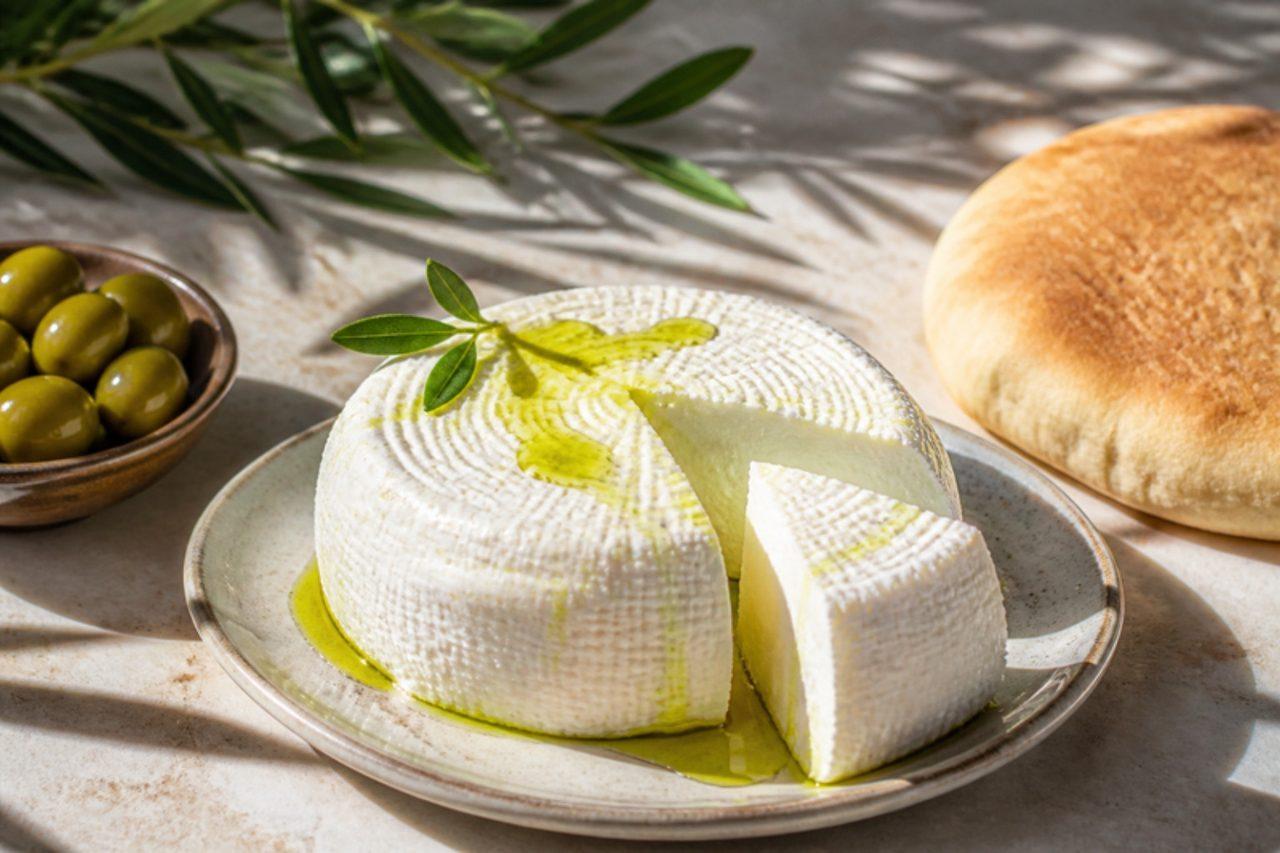
On the road into Chefchaouen, women from the Rif villages sit with rounds of jben wrapped in palm leaves, a fresh, soft, lightly salted cheese with a clean, milky tang. Breakfast in the north often means a slab of it drizzled with olive oil, sprinkled with dried thyme or za'atar, with olives, honey and warm bread. Traditionally jben is curdled with animal rennet (sometimes with thistle or fig sap), so check if you buy it; this home version uses vegetarian (microbial) rennet and pasteurised milk, and is drained in the fridge. Hands-on time is about an hour; the curd then needs 1–2 hours to set and 4–6 hours to drain. Keep it chilled and eat it within 4 days. Chef's tip: avoid UHT and ultra-pasteurised milk, which will not set into a firm curd; ordinary pasteurised whole milk works well.

by KrazyBadal 0 views

New England lobster roll

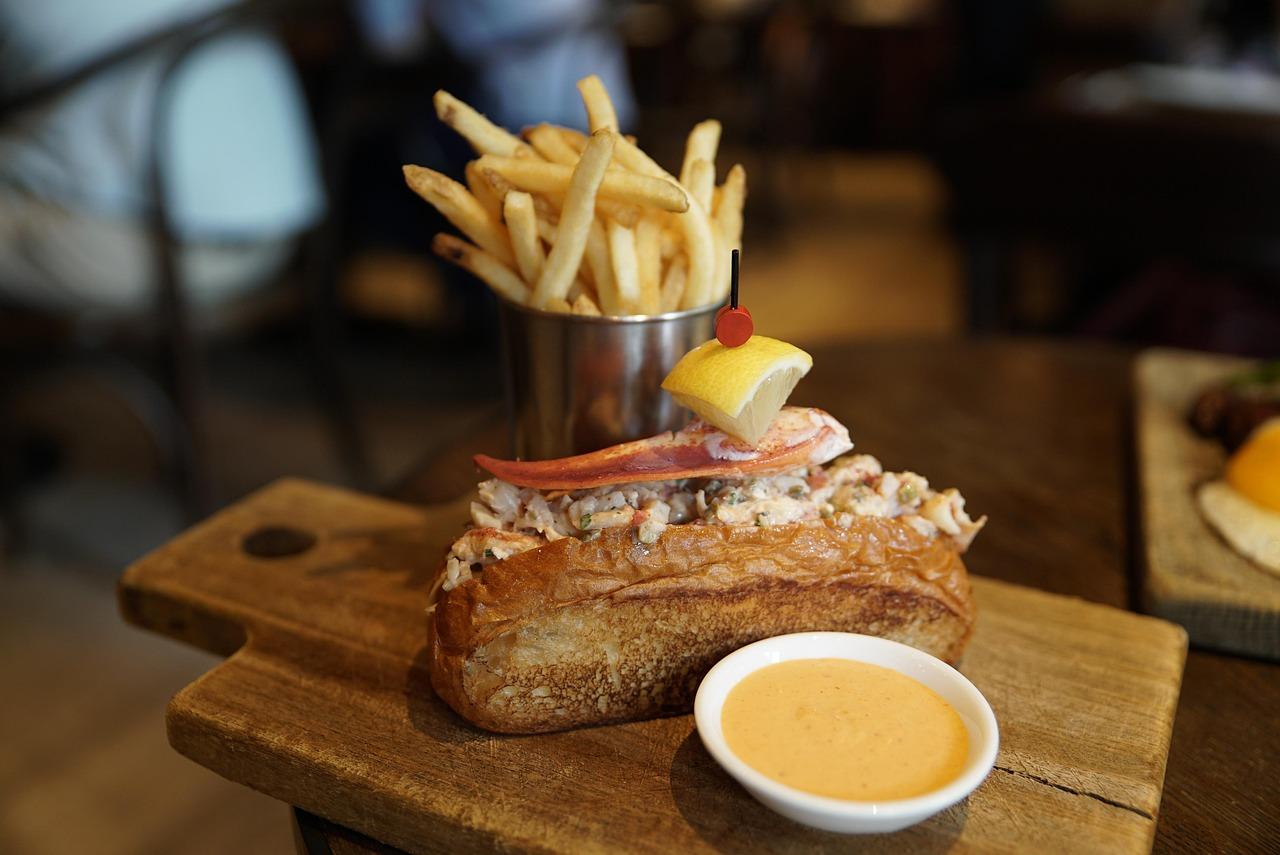
From Kittery to Bar Harbor, roadside lobster shacks on the Maine coast serve this every summer: big chunks of sweet lobster meat, barely dressed with mayonnaise, lemon and celery, piled into a hot-dog bun toasted in butter. Over the border in Connecticut they serve it warm with melted butter instead, and both camps think the other is wrong. Chef's tip: dress the lobster lightly, just enough to gloss it; the meat should be the star, not the mayonnaise.

by KrazyBadal 0 views

Treacle tart

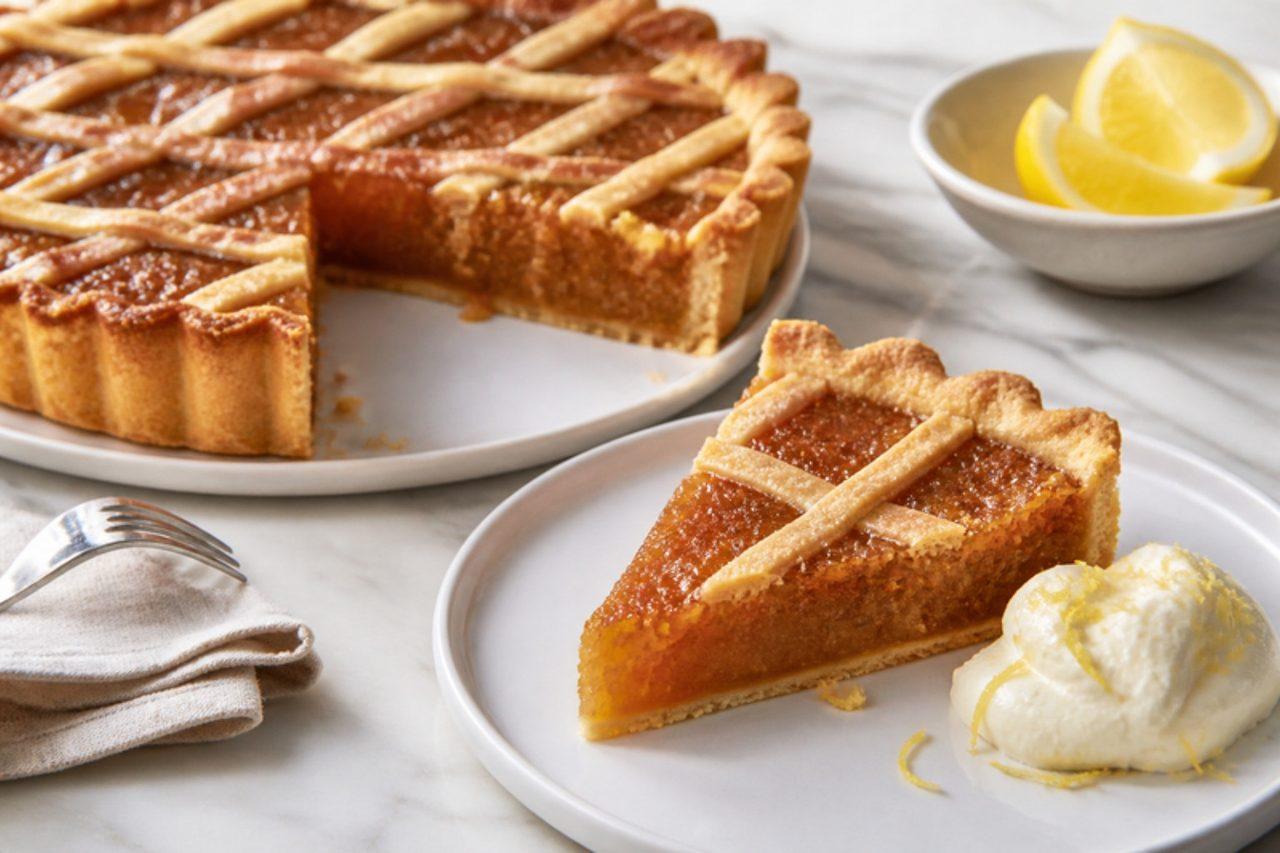
Treacle tart is an old English nursery pudding, a favourite of Victorian kitchens and still served with clotted cream or custard in pubs and school canteens. Despite the name it's made with golden syrup thickened with fresh breadcrumbs, sharpened with lemon zest and juice, baked until chewy at the edges and soft in the middle. Chef's tip: warm the syrup before mixing so the breadcrumbs soak it up evenly.

by KrazyBadal 0 views

Ponche segoviano

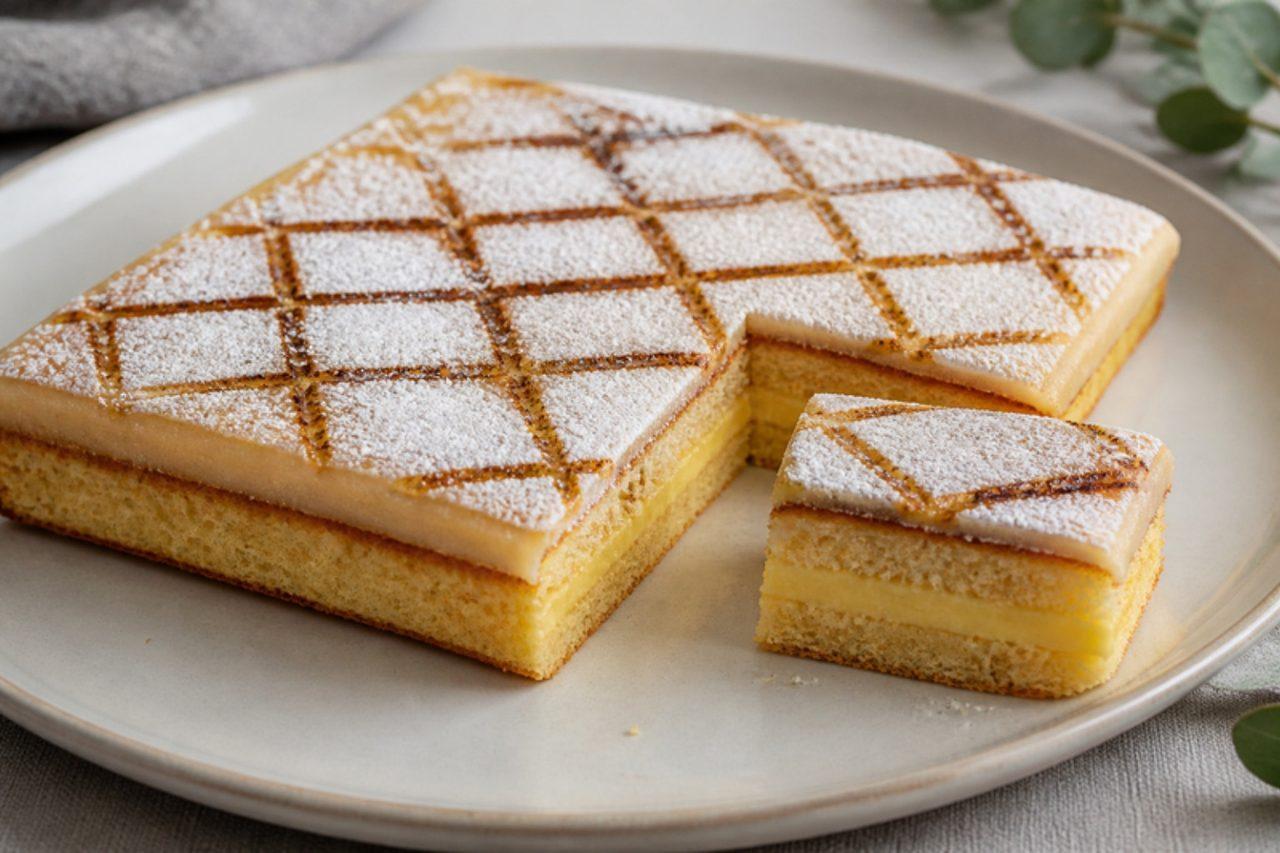
Segovia's confiterías have sold ponche since the 1920s: layers of light sponge brushed with syrup, sandwiched with thick custard and wrapped in a thin coat of marzipan whose sugared top is branded into a diamond lattice with a hot iron. It is the cake for a family celebration, or the sweet finish after a roast suckling-pig lunch in the old town. The syrup is traditionally laced with liqueur; leave it out, or swap it for orange juice, for an alcohol-free cake. Chef's tip: let the custard cool and set completely before assembling, or the layers slide.

by KrazyBadal 0 views

Tagoula (barley porridge with argan oil and honey)

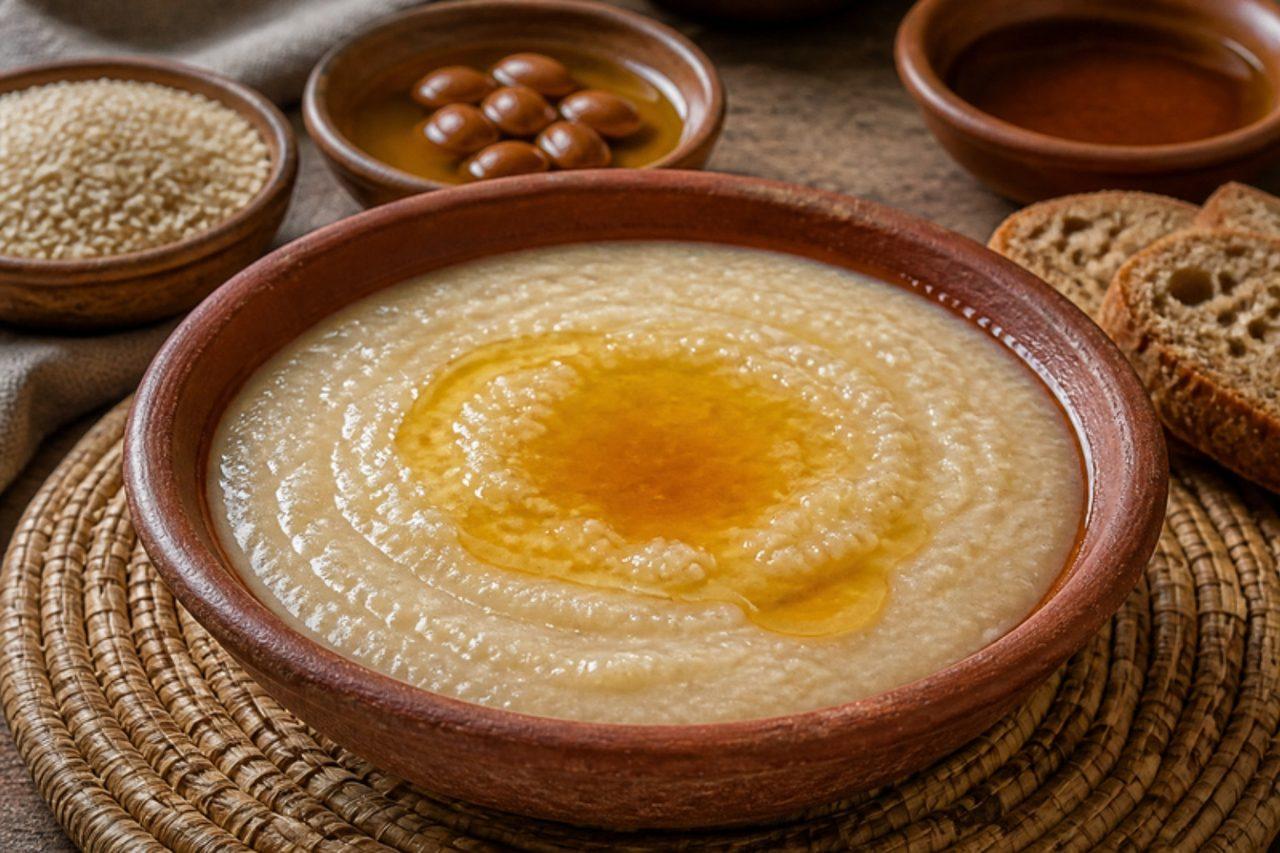
Tagoula is mountain food from the Souss and the Atlas: coarse barley (or maize) cooked in salted water until it is thick enough to hold a shape, then turned into a shared dish, hollowed in the centre and filled with golden argan oil, honey and sometimes a spoon of smen. Families eat it for breakfast on cold days and it is a traditional dish for Yennayer, the Amazigh New Year in January. Everyone dips spoonfuls of the soft, nutty porridge into the pool of oil and honey, so each bite is sweet, savoury and rich at once. Outside Morocco, a roasted walnut oil is the closest stand-in for culinary argan oil. Chef's tip: pour the grits into boiling water in a thin stream while beating with a wooden spoon; dumping them in at once is the usual mistake and leaves lumps.

by KrazyBadal 0 views

Moroccan beetroot salad

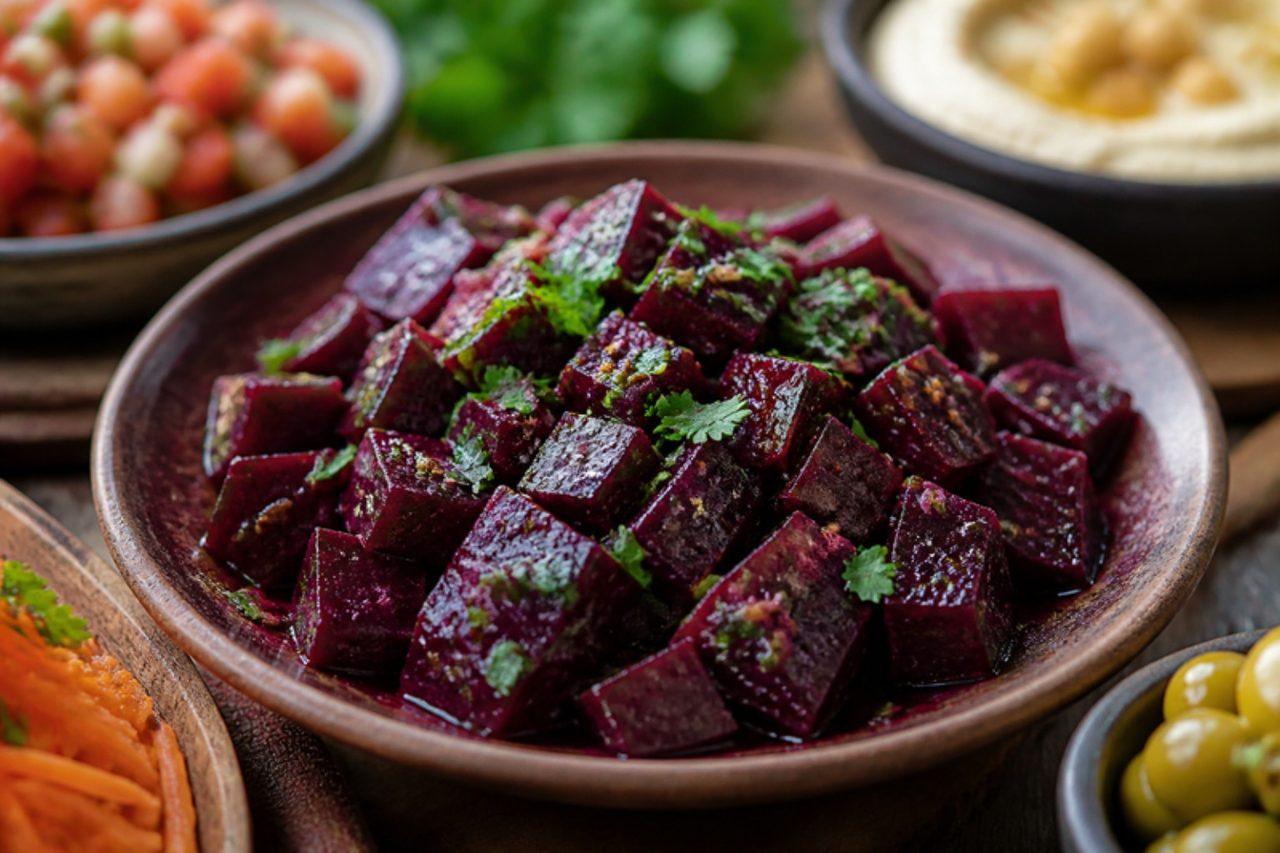
On a Rabat family table, the Friday couscous is often preceded by a spread of small cooked salads, and the jewel-red dish of beetroot cubes is always one of them. Boiled beetroot is cut into dice and dressed with cumin, a little sugar, olive oil and either vinegar for a sharp version or orange-flower water for a softer, perfumed one; some cooks use both. It is earthy, sweet and bright, and needs nothing more than parsley on top. Make it a few hours ahead so the beets soak up the dressing, and serve it cool with bread and other salads. Chef's tip: dress the beetroot while it is still slightly warm; it absorbs the dressing far better than cold beets do.

by KrazyBadal 0 views

Moroccan marinated olives (zitoun mchermel)

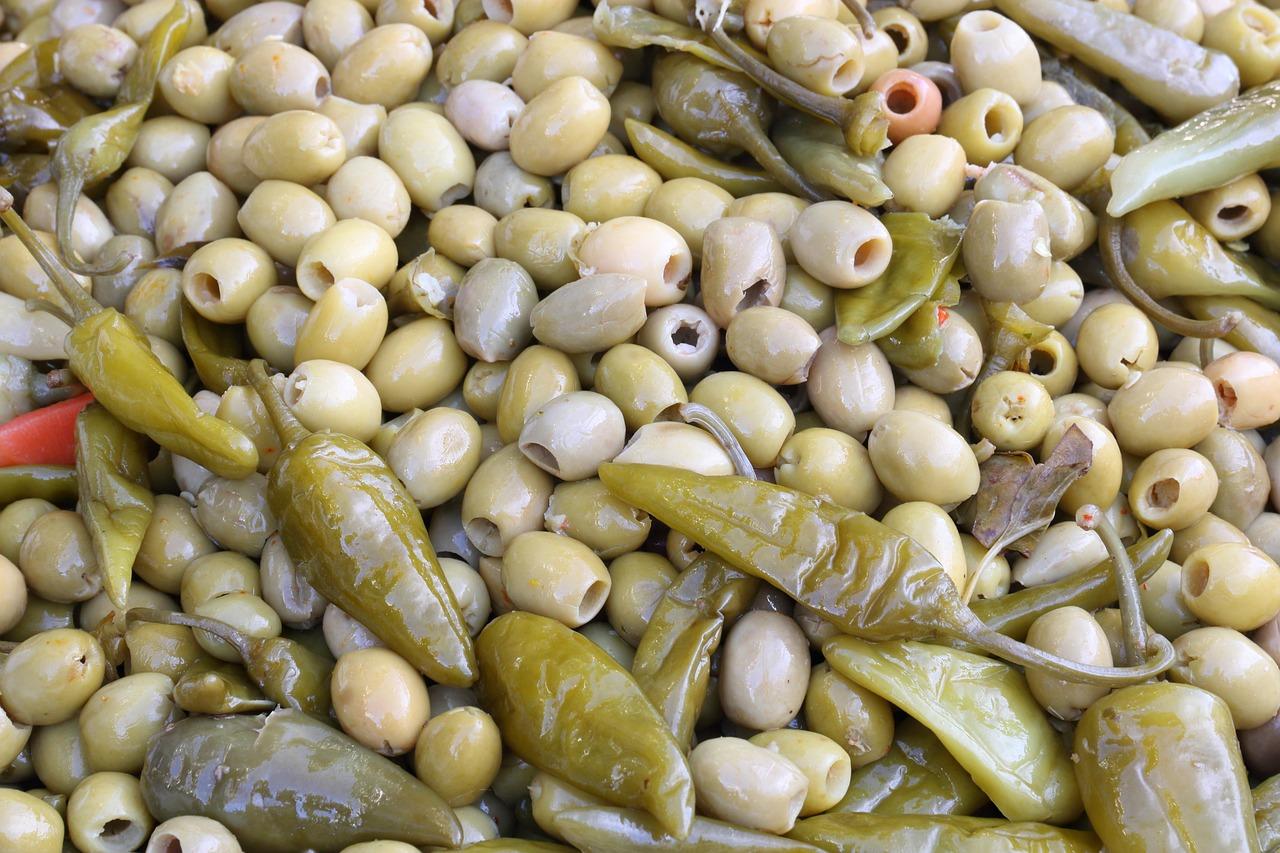
Olive sellers in the Marrakech medina build tall pyramids of green, violet and black olives, and some of the most tempting bowls are the ones already dressed with chilli paste, garlic and preserved lemon. Making zitoun mchermel at home is simple: rinse good brined olives, then toss them with harissa, cumin, paprika, lemon rind, herbs and olive oil and give them a day in the fridge to soak up the flavours. They come to the table at almost every meal, next to bread and salads, and are perfect with mint tea or as a snack before dinner. Chef's tip: lightly crack each olive with the flat of a knife or the bottom of a glass so the marinade gets inside.

by KrazyBadal 0 views

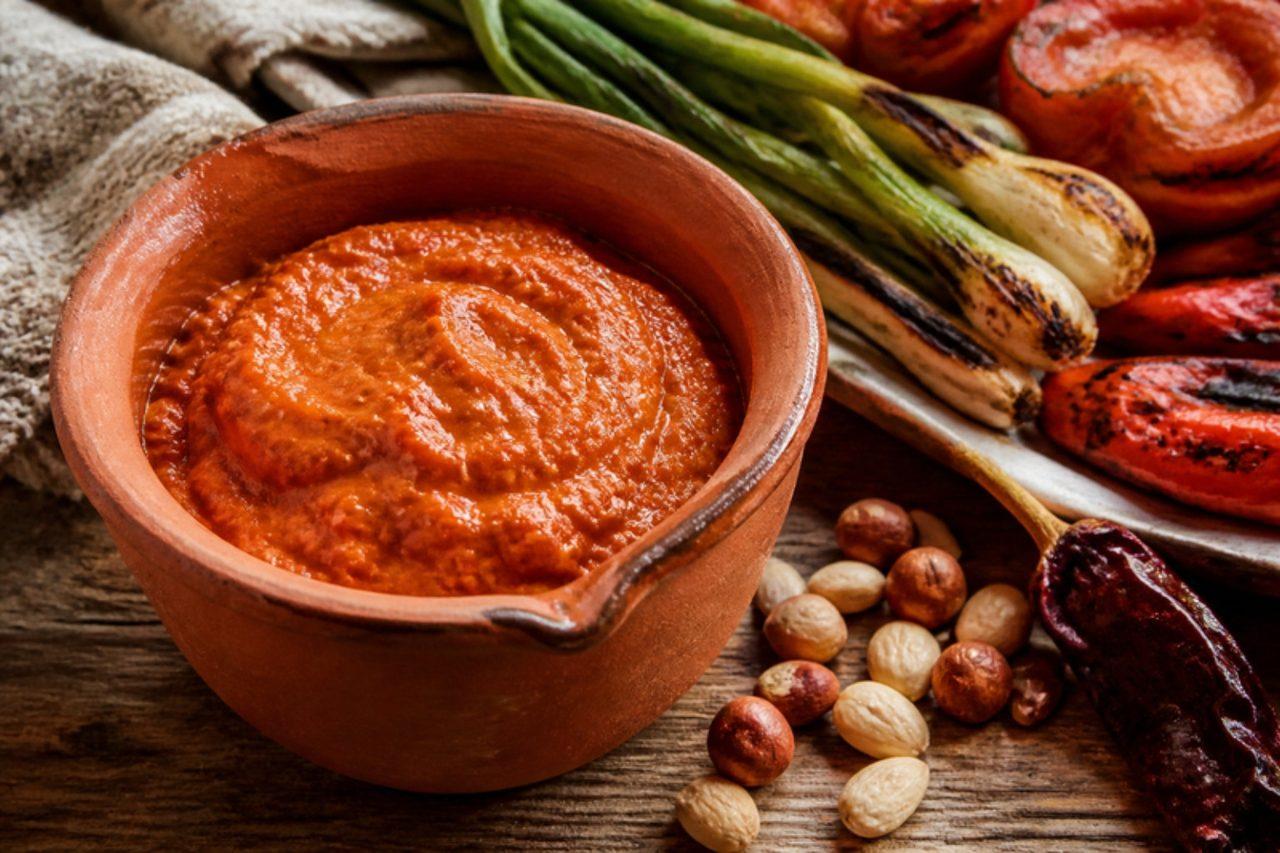
Salsa romesco

Romesco belongs to the fishing quarter of El Serrallo in Tarragona, where fishermen made it to eat with the day's catch, and where an annual contest still decides who pounds the best one. It is close kin to the salvitxada served with calçots, but deeper and hotter: the ñoras are fried, a small dried chilli goes in, and hazelnuts share the work with almonds. Serve it with grilled fish, prawns, potatoes, or any roasted vegetable. Chef's tip: fry the bread and nuts in the same oil you will use in the sauce; it carries their toasted flavour into every spoonful.

by KrazyBadal 0 views

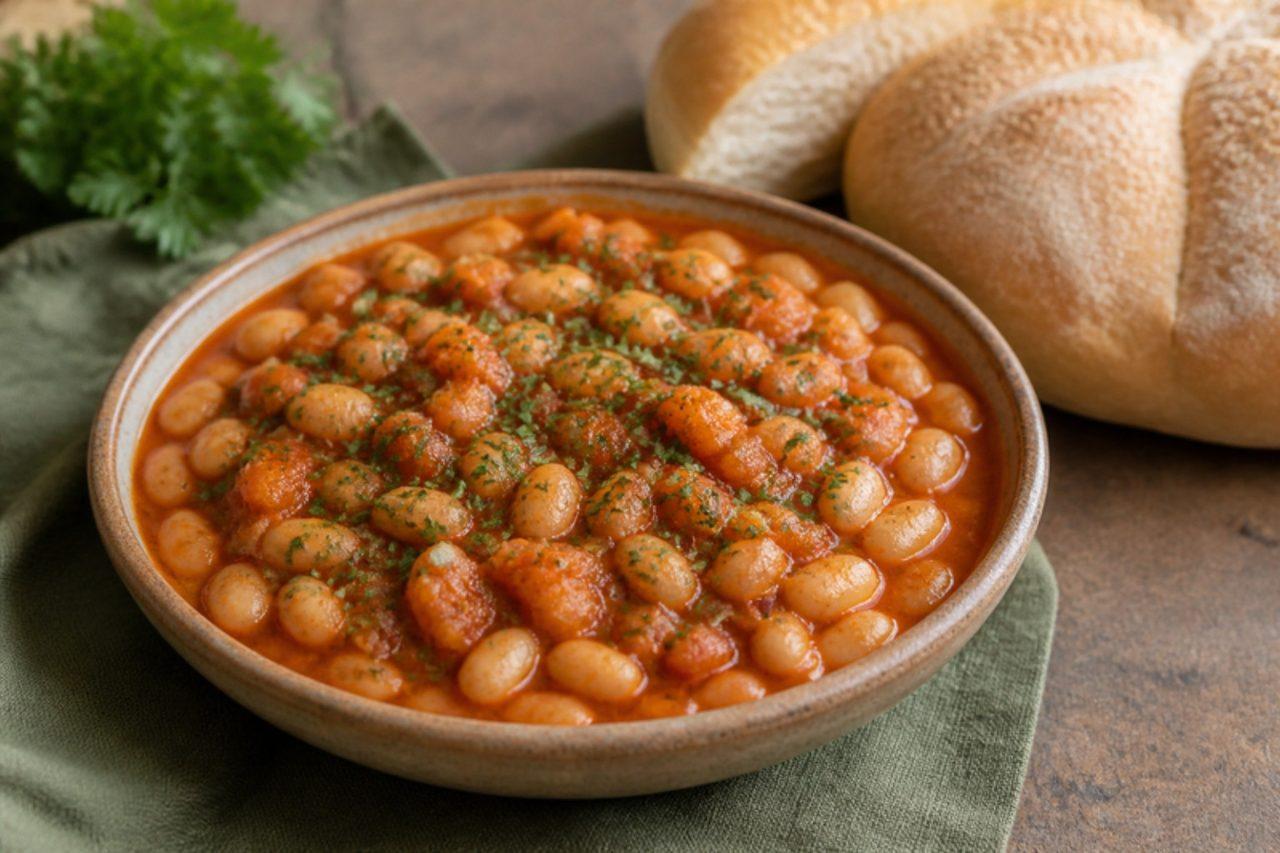
Loubia (white beans in cumin and tomato)

Ask in a Marrakech side street where to eat cheaply and you will be pointed to a stall with a vat of loubia: white beans stewed until creamy in a garlicky tomato sauce spiked with cumin, paprika and a little ginger, ladled into a bowl and eaten with bread. At home the same dish is a weekday staple, often cooked with a piece of meat, but the meat-free version here is just as satisfying and is how plenty of families make it. The sauce should be thick and orange with olive oil pooling on top. A sprinkle of cumin and a drizzle of oil at the table are customary. Avoid adding the tomato before the beans are tender; its acid keeps the skins tough however long they simmer. Chef's tip: soak the beans overnight and cook them until tender before the tomato goes in properly; acid stops beans softening, so loubia rushed with tomatoes from the start can stay chalky.

by KrazyBadal 0 views

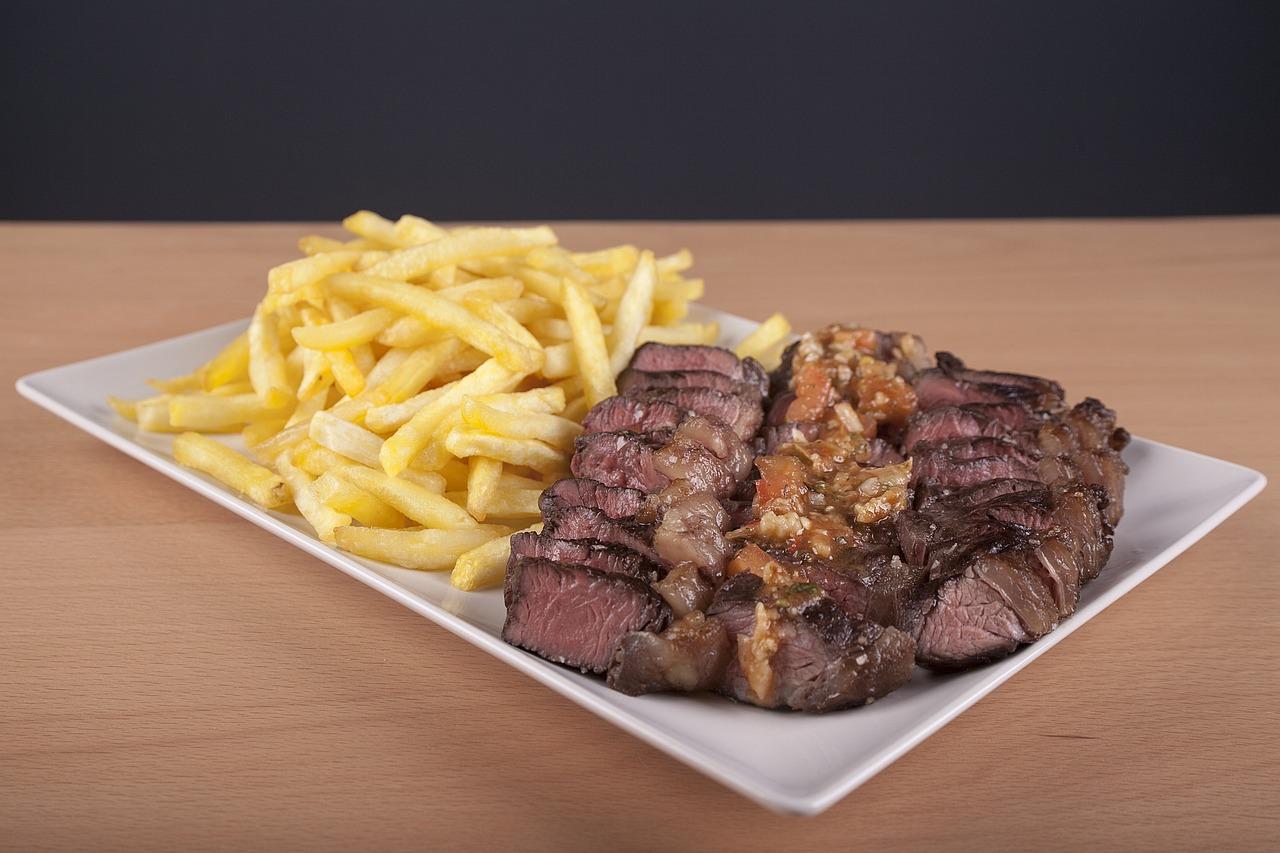
Steak frites

Steak frites is the backbone of the Parisian bistro and brasserie menu, ordered at a zinc-topped table at lunchtime with a green salad and a dab of Dijon. A thick entrecôte or bavette is seared hard in a very hot pan, rested, then topped with a melting coin of shallot and parsley butter, while chips cooked twice come out crisp outside and fluffy within. In France the steak is usually served rare (saignant) or medium-rare (à point); because this is a whole-muscle cut, the inside can safely be pink as long as the outside is well seared, but cook it to your taste using the guide in the steps. Chef's tip: take the steak out of the fridge 30 minutes before cooking and salt it just before it goes in the pan, for an even, crusty sear.

65 minFrenchMeatGluten free
by KrazyBadal 0 views

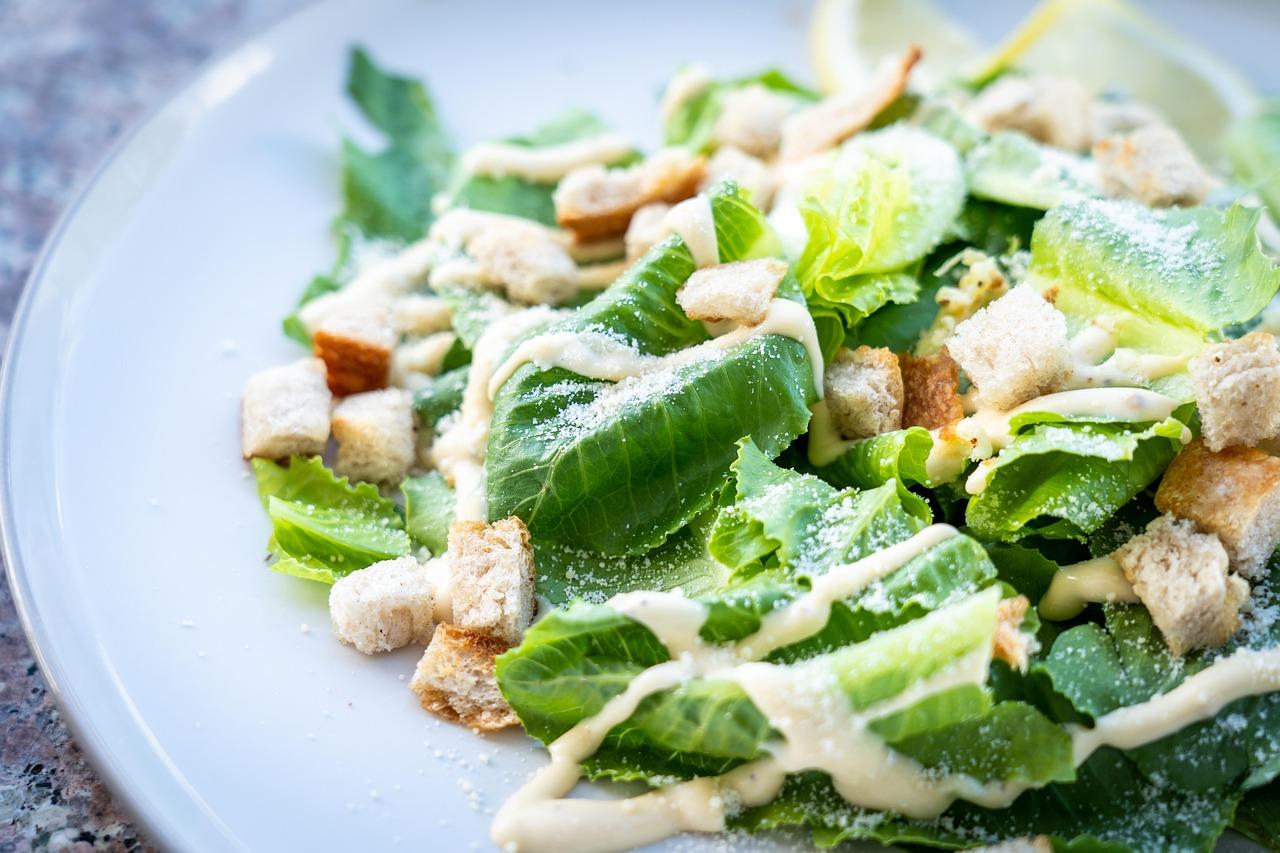
Ensalada César

The Caesar salad was born in Tijuana in the 1920s, at an Italian immigrant's restaurant on Avenida Revolución, and it is still tossed at the table there by waiters who make the dressing in a wooden bowl in front of you. Crisp inner romaine leaves are coated in a garlicky, lemony emulsion of coddled egg yolk, anchovy, olive oil and parmesan, then showered with garlic croutons; traditionally you pick the leaves up with your fingers. The yolks are only lightly warmed, so use pasteurised eggs if you are serving anyone pregnant, very young, elderly or with a weakened immune system. It makes a starter before grilled meat, or a light lunch on its own. Chef's tip: mash the garlic and anchovies to a paste with salt before anything else goes into the bowl, so the dressing is smooth with no fishy lumps.

by KrazyBadal 0 views

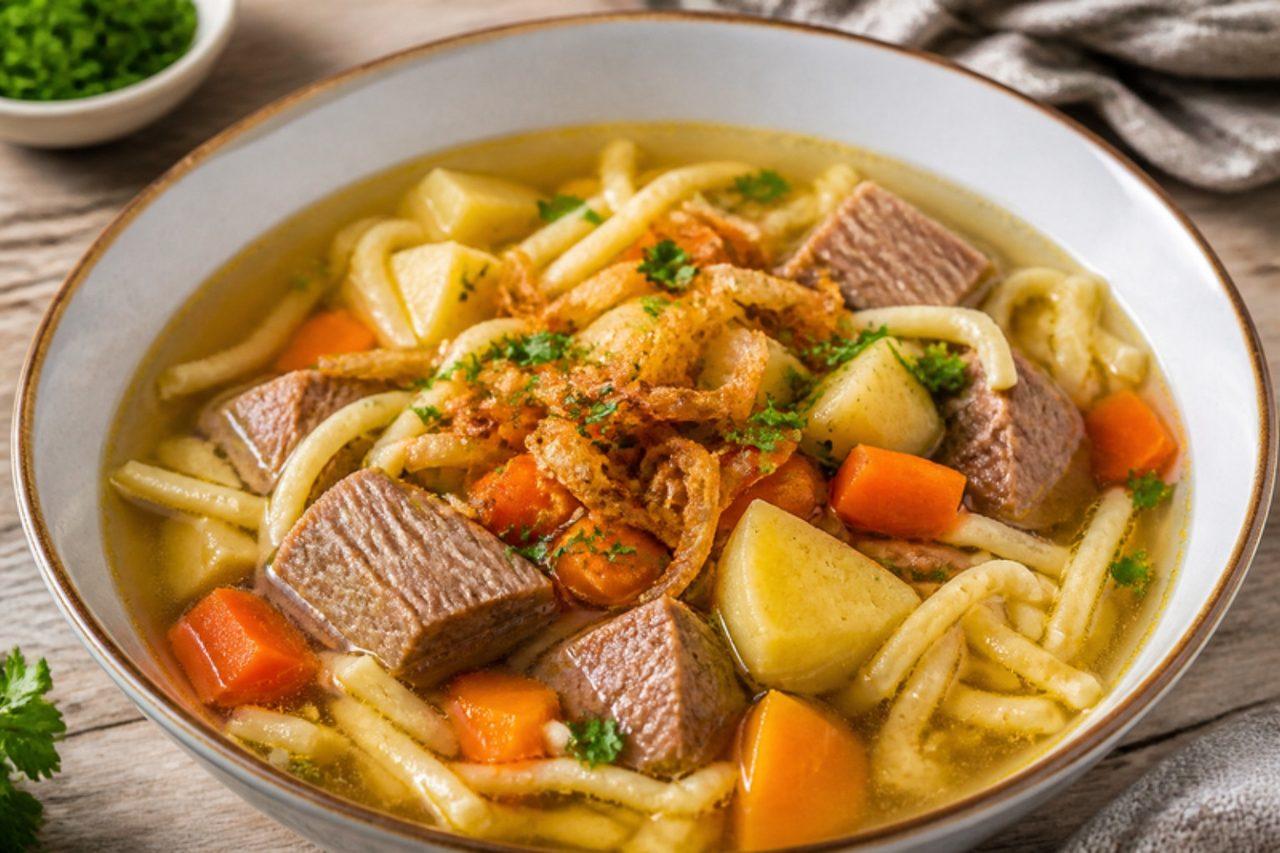
Gaisburger MarschBeef stew with potatoes and spätzle

Gaisburger Marsch is named after Gaisburg, a district of Stuttgart, and the story goes that officer cadets marched there from barracks for it. It is a hearty Swabian one-pot of beef broth, cubes of boiled beef, potatoes and spätzle, crowned with onions fried in butter until sweet and brown, and it is still a weekday lunch in Stuttgart pubs and canteens. Chef's tip: cook the potatoes in the strained broth rather than in water, so they soak up the beef flavour.

180 minGermanSoups
by KrazyBadal 0 views

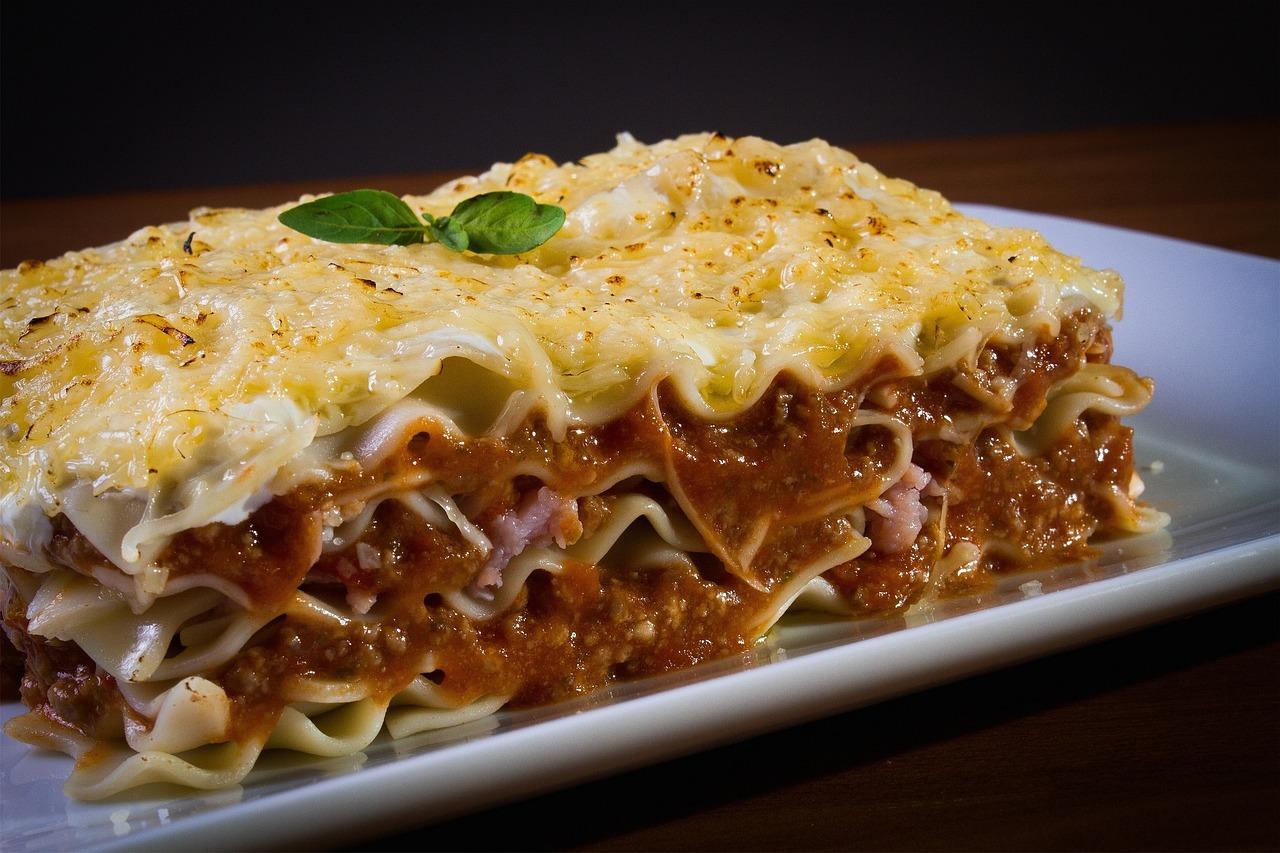
Lasagne alla bolognese

In Bologna, lasagne means green lasagne: thin sheets of spinach egg pasta layered with slow-cooked ragù, béchamel and plenty of parmigiano, baked until the edges crisp and served for Sunday lunch and every family celebration in Emilia-Romagna. The ragù is made with beef and pork mince and a little pancetta, so this is a pork dish as well as a beef one; a splash of white wine is traditional but optional, and the note gives an alcohol-free swap. Homemade spinach pasta is the classic choice, but bought fresh egg lasagne sheets work well. Serve with a crisp green salad. Chef's tip: keep the layers thin and many rather than thick and few; a proper Bolognese lasagne has at least six layers and holds its shape when cut.

by KrazyBadal 0 views

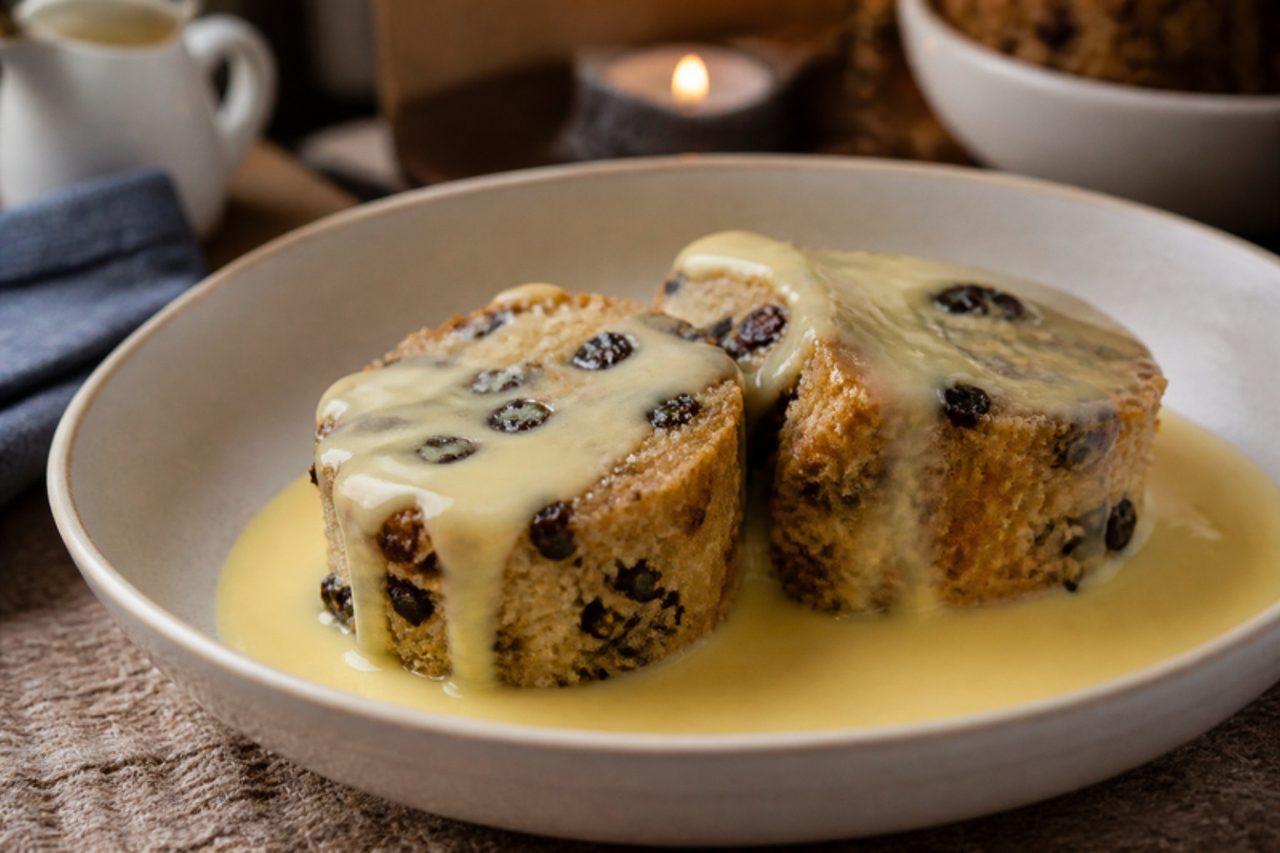
Spotted dick

Spotted dick is the steamed suet pudding of English school dinners and gentlemen's clubs in London, the 'spots' being the currants and 'dick' an old word for pudding. Suet makes it light and moist; this recipe uses vegetarian suet, so it is meat-free. It is rolled, wrapped and steamed, then served in thick slices with hot custard. Chef's tip: leave a pleat in the paper and foil so the pudding has room to swell.

by KrazyBadal 0 views

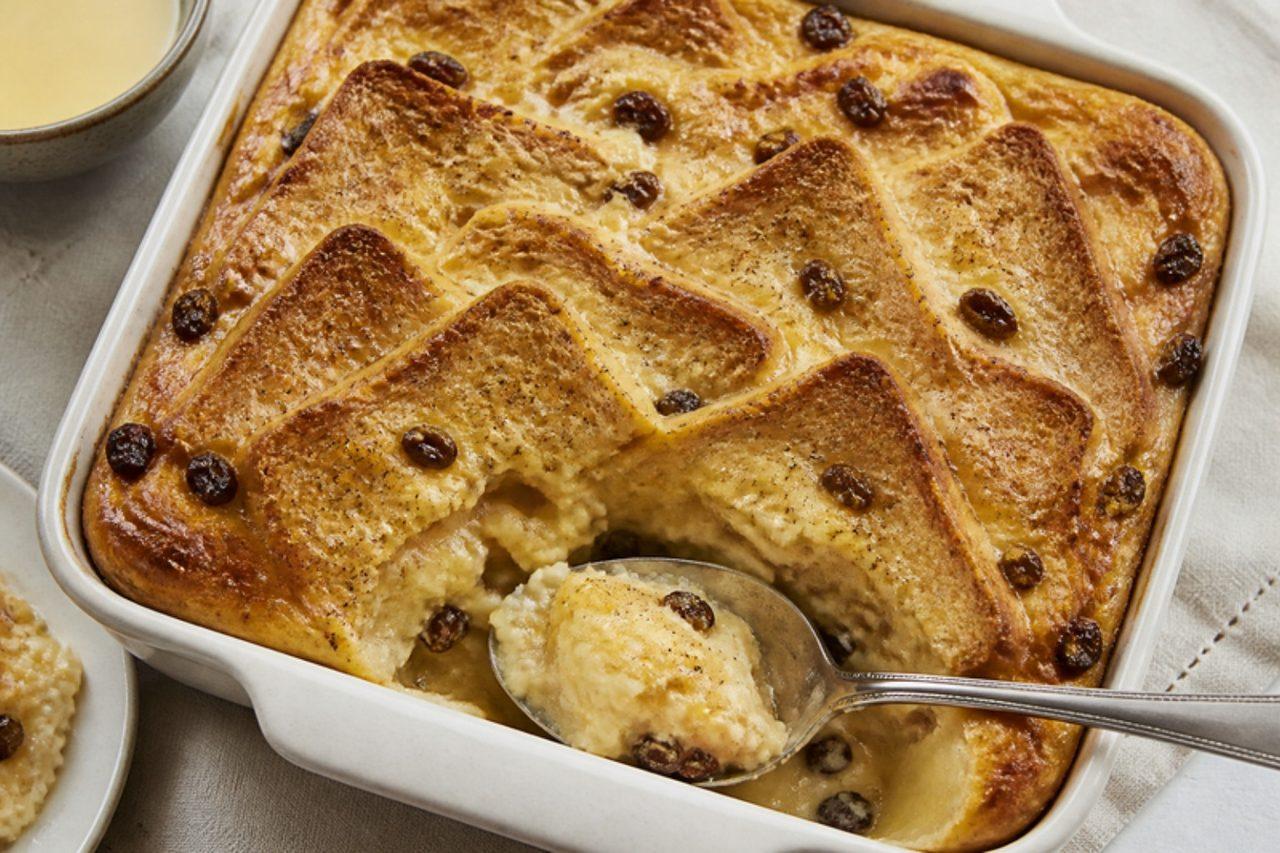
Bread and butter pudding

Bread and butter pudding was the thrifty English way of using up stale bread, and today it's a pub and Sunday-lunch pudding from the Cotswolds to London. Buttered slices of bread are layered with sultanas, soaked in a vanilla and nutmeg custard and baked until puffed with a crisp, sugary top and a soft, wobbly centre. Chef's tip: let the bread soak in the custard for 30 minutes before baking, so it's creamy all the way through.

by KrazyBadal 0 views

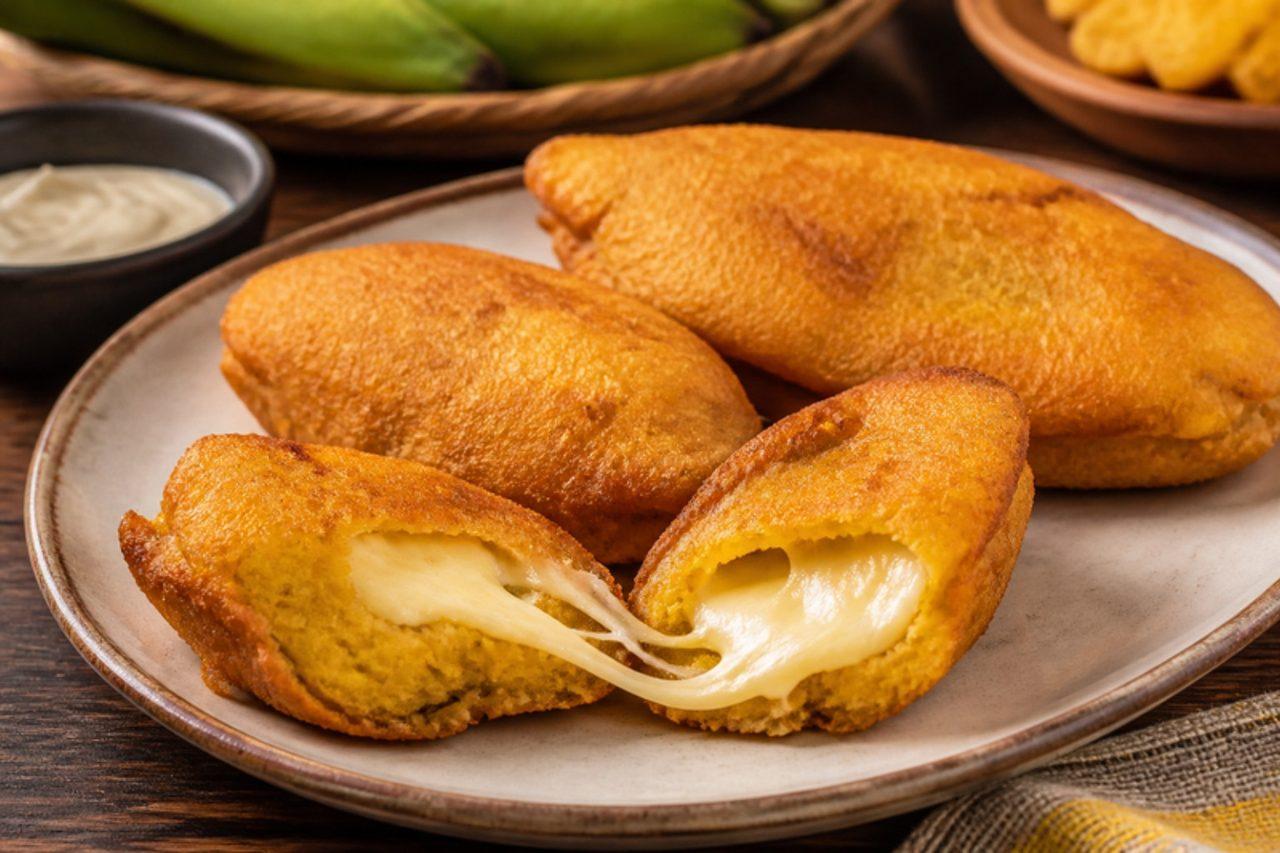
AborrajadosFried cheese-stuffed plantain

Cali's bakeries and Sunday food stalls by the Pance river sell aborrajados all day: thick slices of very ripe plantain, fried soft, pressed around a slab of white cheese, sometimes with guava paste, then coated in a light batter and fried again until golden. The result is sweet, salty and gooey, a snack you eat with your hands alongside a glass of lulada or champús. Choose plantains with skins almost completely black; yellow ones are too starchy and never get sweet. Queso blanco or campesino is often set with animal rennet, so use a vegetarian mozzarella or similar. The usual mistake is batter that is too thick, giving a heavy, bready shell; it should coat like thin pancake batter. Chef's tip: chill the stuffed plantain parcels for 10 minutes before battering; they hold together much better in the oil.

by KrazyBadal 0 views

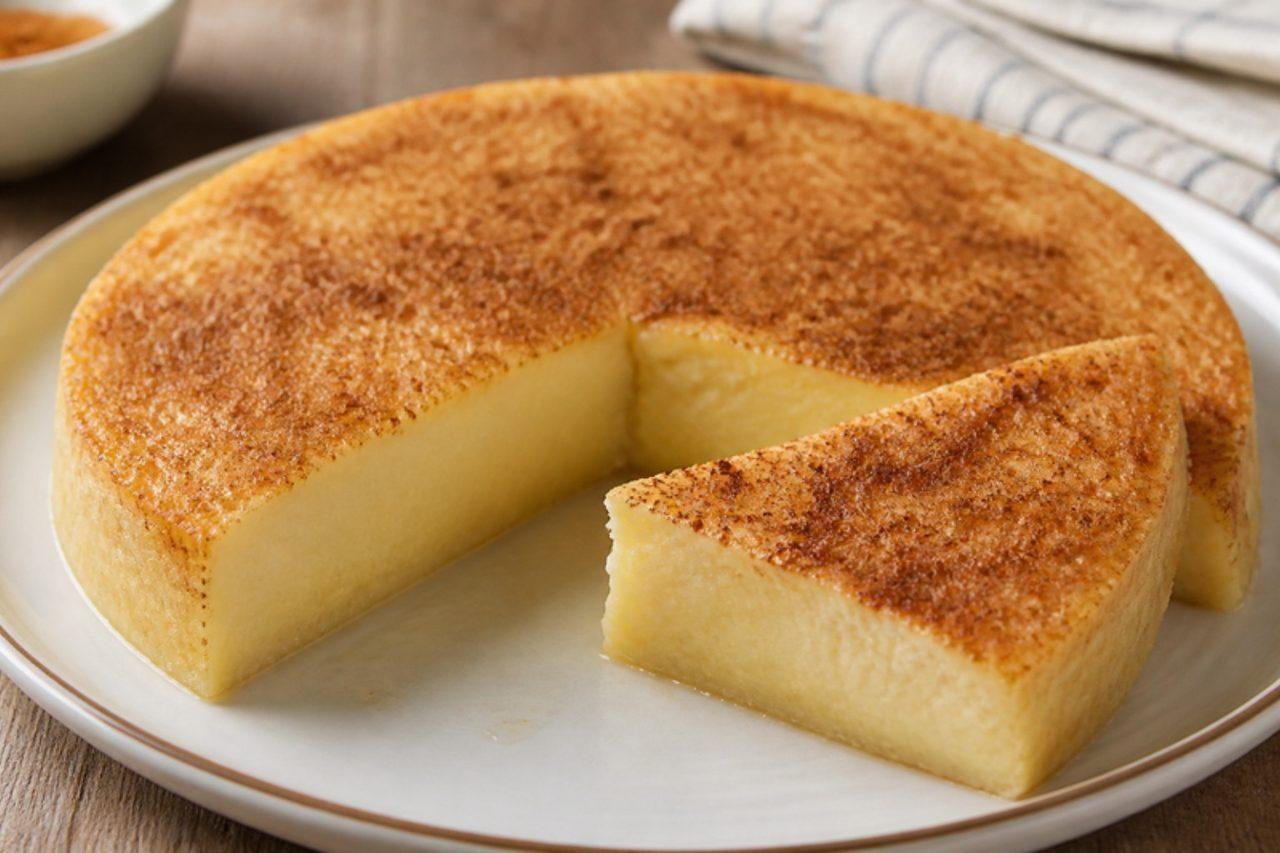
GalatopitaMilk and semolina custard pie

Galatopita is the pie that Epirus shepherds' wives baked when the ewes were in full milk in spring, and you still find it in bakeries in Ioannina and Metsovo, cut into wobbly golden squares. Milk, eggs and semolina are cooked to a thick cream, poured into a buttered tin and baked until the top browns and puffs like a soufflé, then settles into a soft, set custard. Eat it warm or chilled with a dusting of cinnamon. Common mistake: baking at too high a heat, which cracks and weeps the custard — keep it moderate. Chef's tip: a single sheet of filo in the base makes it easier to lift out, but the old village version needs none.

by KrazyBadal 0 views

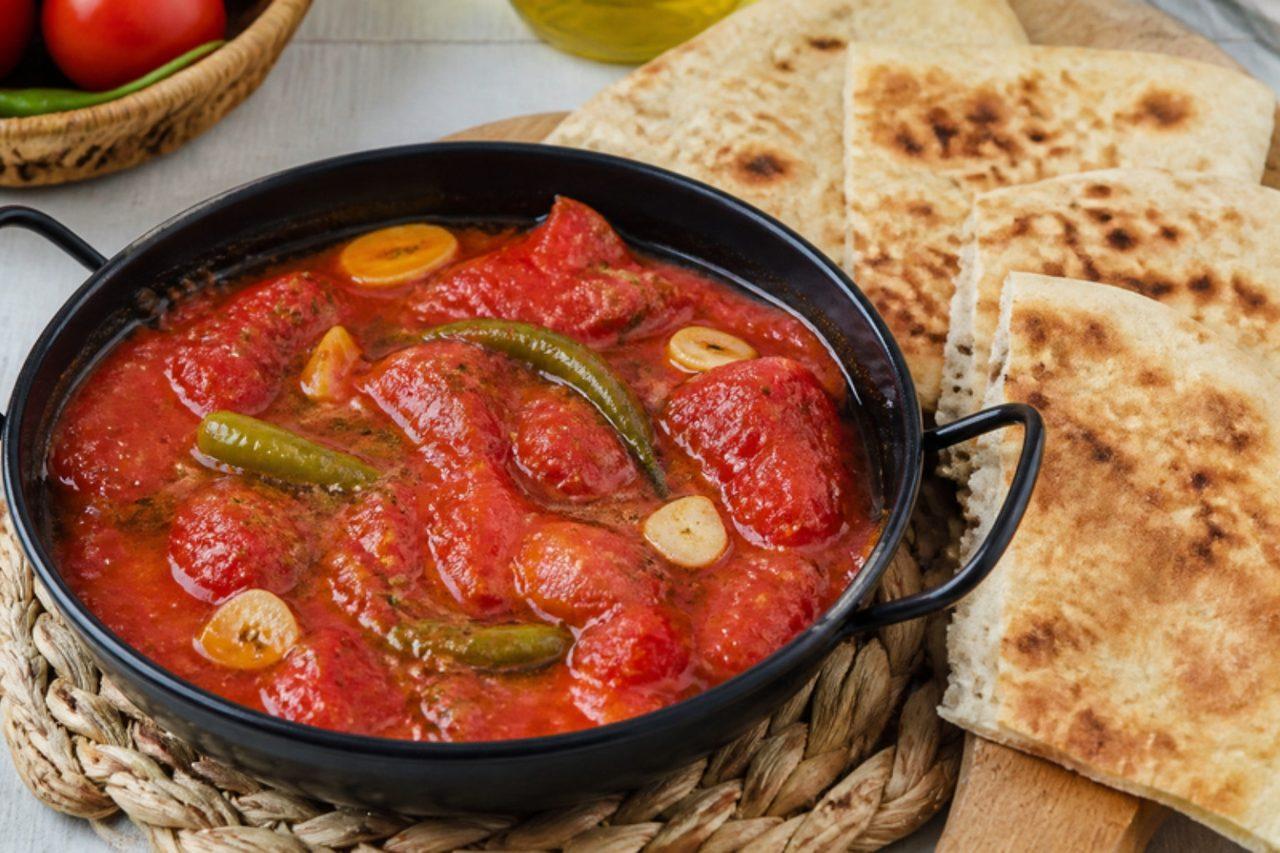
Galayet bandoraStewed tomatoes with garlic and chilli

Ask anyone in Amman what they cook when the fridge is nearly empty and the answer is often galayet bandora: ripe tomatoes collapsed in a shallow pan with olive oil, garlic and hot green chilli until they turn jammy and sweet. It turns up at breakfast, as a quick supper, and over a camp fire on desert trips to Wadi Rum, always eaten straight from the pan with torn khubz or shrak. Some families add cubes of lamb; this meatless version is the one most homes make every week. The usual mistake is stirring too much and adding water, which gives you a thin sauce instead of glossy, slightly caramelised tomatoes. Chef's tip: let the tomatoes sit untouched for the first few minutes so their undersides catch and colour; that touch of browning is where the flavour comes from.

by KrazyBadal 0 views

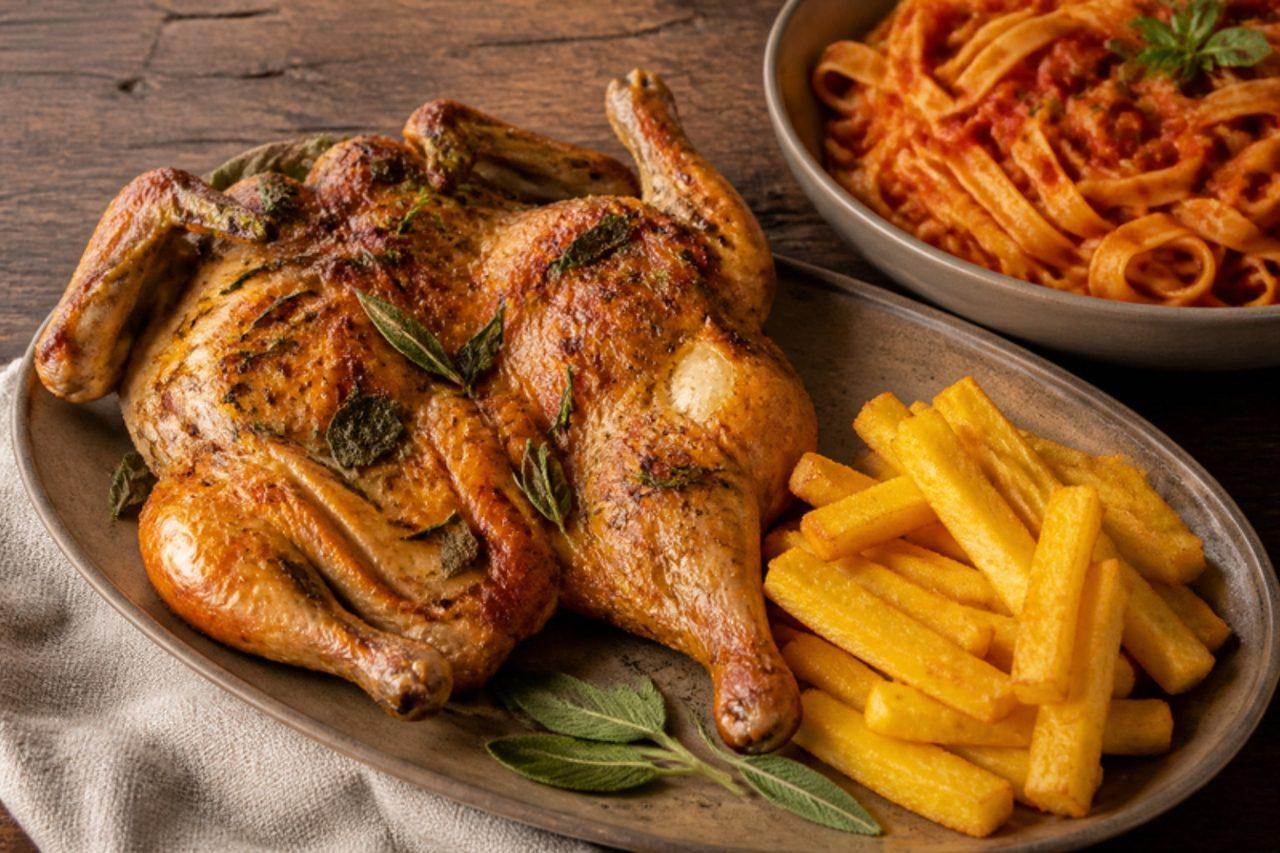
Galeto al primo cantoRoast spring chicken

Caxias do Sul's galeterias serve galeto as an all-you-can-eat feast: young chicken, so small it is called al primo canto, at its first crow, marinated overnight in white wine, garlic, sage and rosemary, then roasted over embers and brought to the table with crisp fried polenta, pasta and salad. The habit came with the Italian immigrants of the Serra Gaúcha, and the meat is tender, juicy and fragrant with herbs. The marinade uses dry white wine; part of the alcohol cooks off during roasting but not all, so for an alcohol-free galeto use the same amount of chicken stock with 2 tbsp white wine vinegar. Marinate for at least 4 hours or overnight in the fridge. Many cooks baste with the raw marinade right to the end; stop 10 minutes before the chicken is done so no raw juices reach the plate. Chef's tip: set the polenta the day before so it slices cleanly and fries crisp.

by KrazyBadal 0 views

Summer pudding

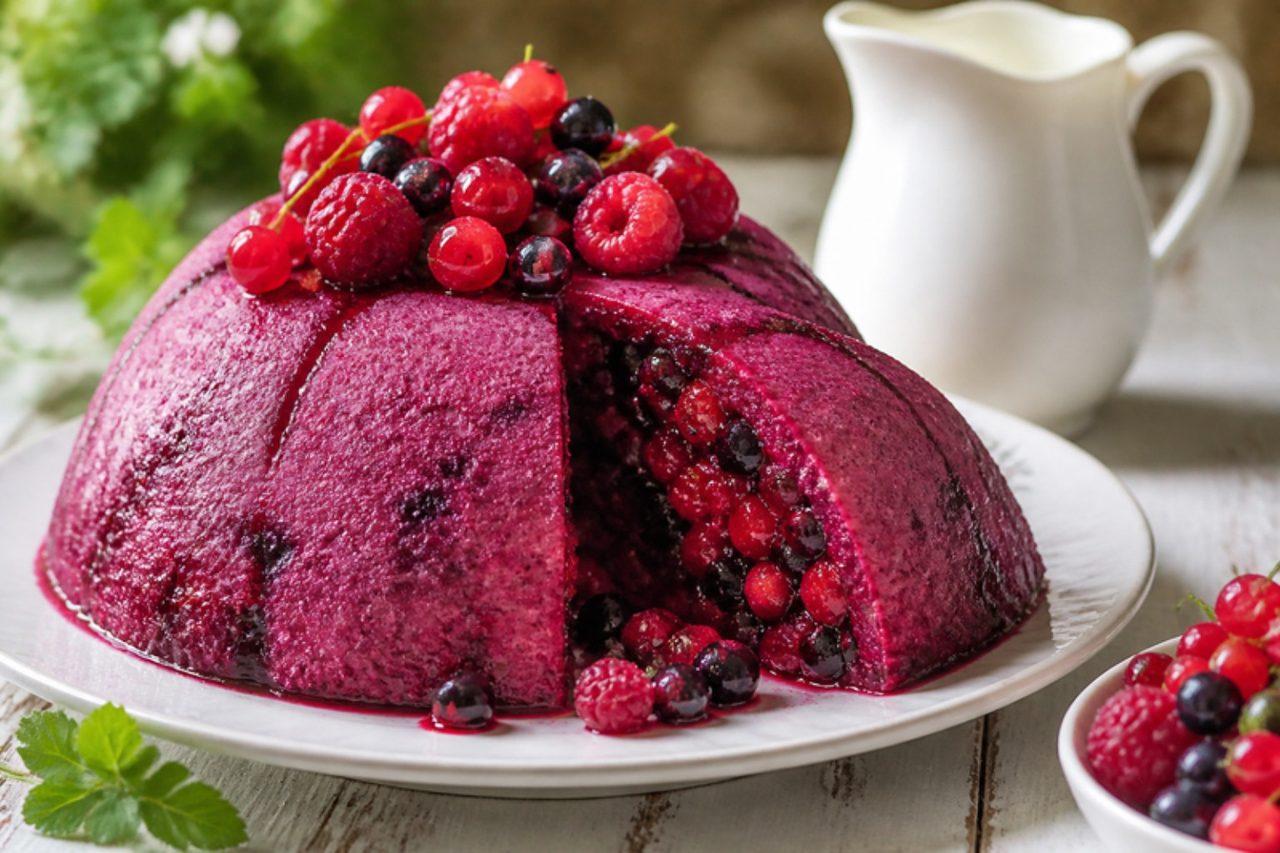
Summer pudding is the high-summer pudding of English country gardens, made when redcurrants, raspberries and blackcurrants ripen together in July. Slices of day-old white bread line a basin and soak up the juices of lightly cooked berries overnight, turning a deep crimson and setting into a dome. Serve with cream (or a plant cream for a vegan pudding). Chef's tip: keep back a few spoonfuls of juice to paint over any white patches after turning it out.

by KrazyBadal 0 views

Eton mess

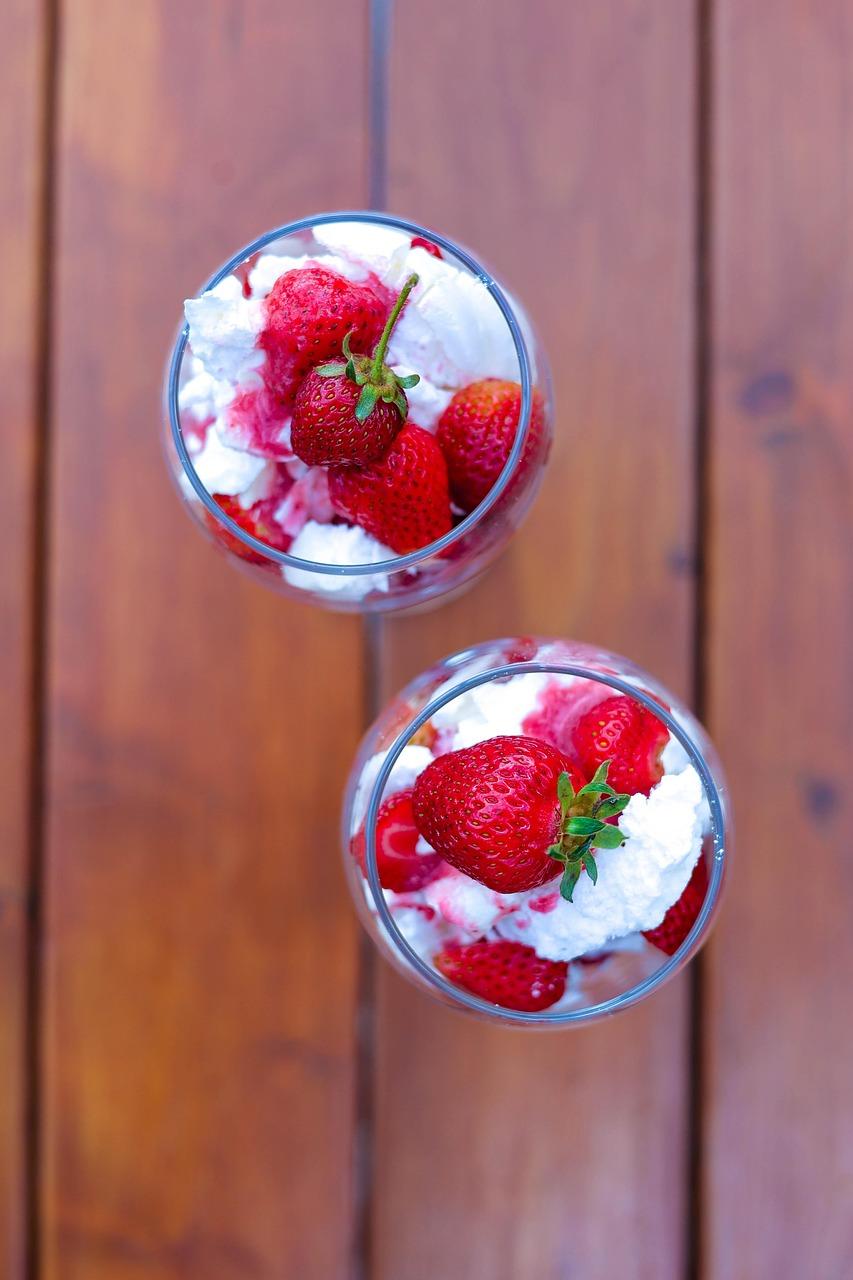
Eton mess is served at Eton College's cricket match against Harrow each June, and it has become the English summer pudding for picnics and garden parties when strawberries are at their best. Crushed meringue, whipped cream and macerated strawberries are folded together at the last moment, so you get crunch, cream and juice in every spoonful. Chef's tip: fold it together just before serving; if it sits, the meringue dissolves into the cream.

by KrazyBadal 0 views

Galinha ao molho pardoChicken in dark blood sauce

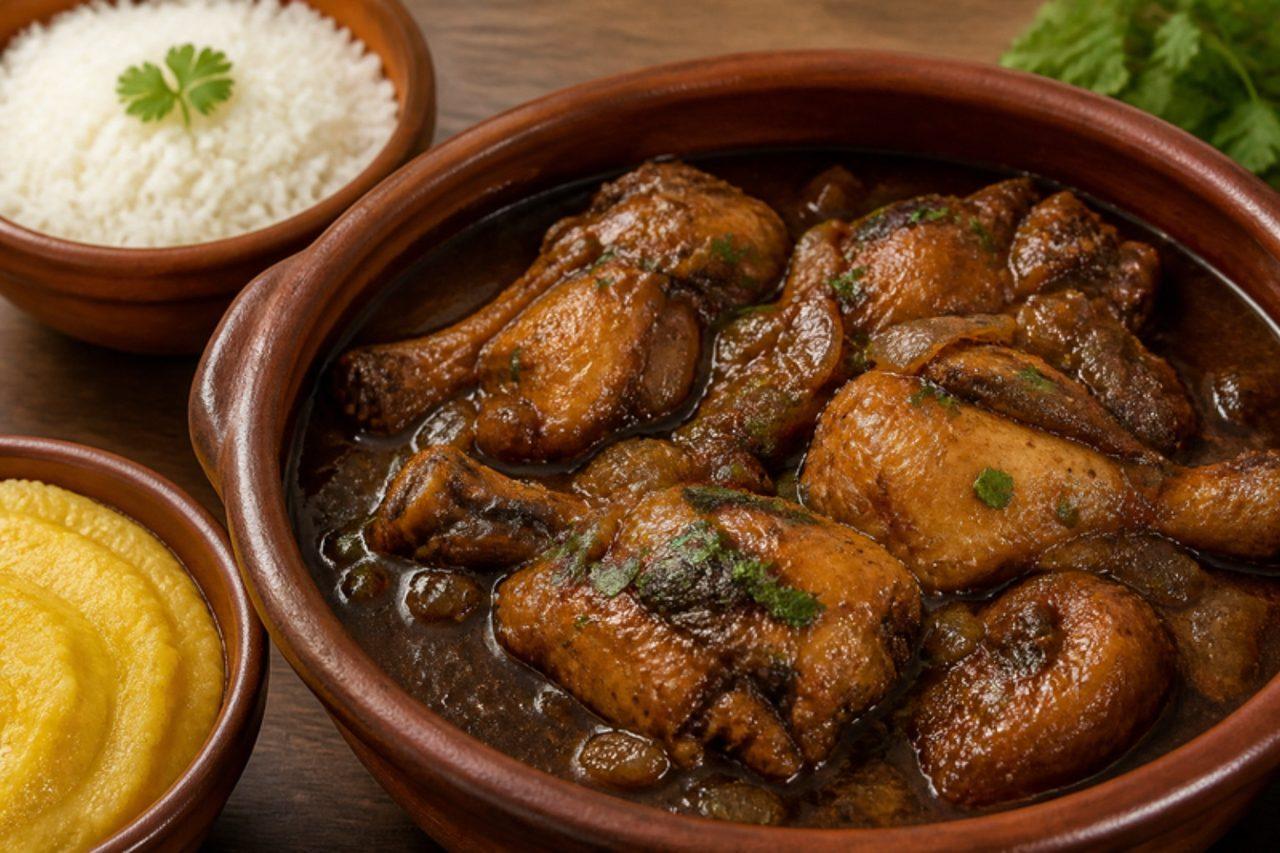
Country cooking from the state of Rio and southern Minas Gerais, galinha ao molho pardo (also called galinha de cabidela) is cooked at weekend gatherings with a free-range hen, and served with angu, white rice and okra. The chicken is braised with onion, garlic, tomato and herbs, then the sauce is finished with the bird's blood mixed with vinegar, which turns it dark brown, velvety and savoury, with a gentle sourness. It tastes richer and deeper than an ordinary stew. Buy fresh chicken blood from a licensed poultry butcher or halal butcher, ask for it mixed with vinegar so it does not clot, keep it in the fridge and use it within 24 hours. The usual mistake is boiling the sauce hard after the blood goes in, which makes it grainy; stir it at a gentle simmer instead. The blood must be cooked right through. Chef's tip: temper the blood with a ladle of hot sauce before adding it to the pot.

by KrazyBadal 0 views

GalinhadaChicken and turmeric rice

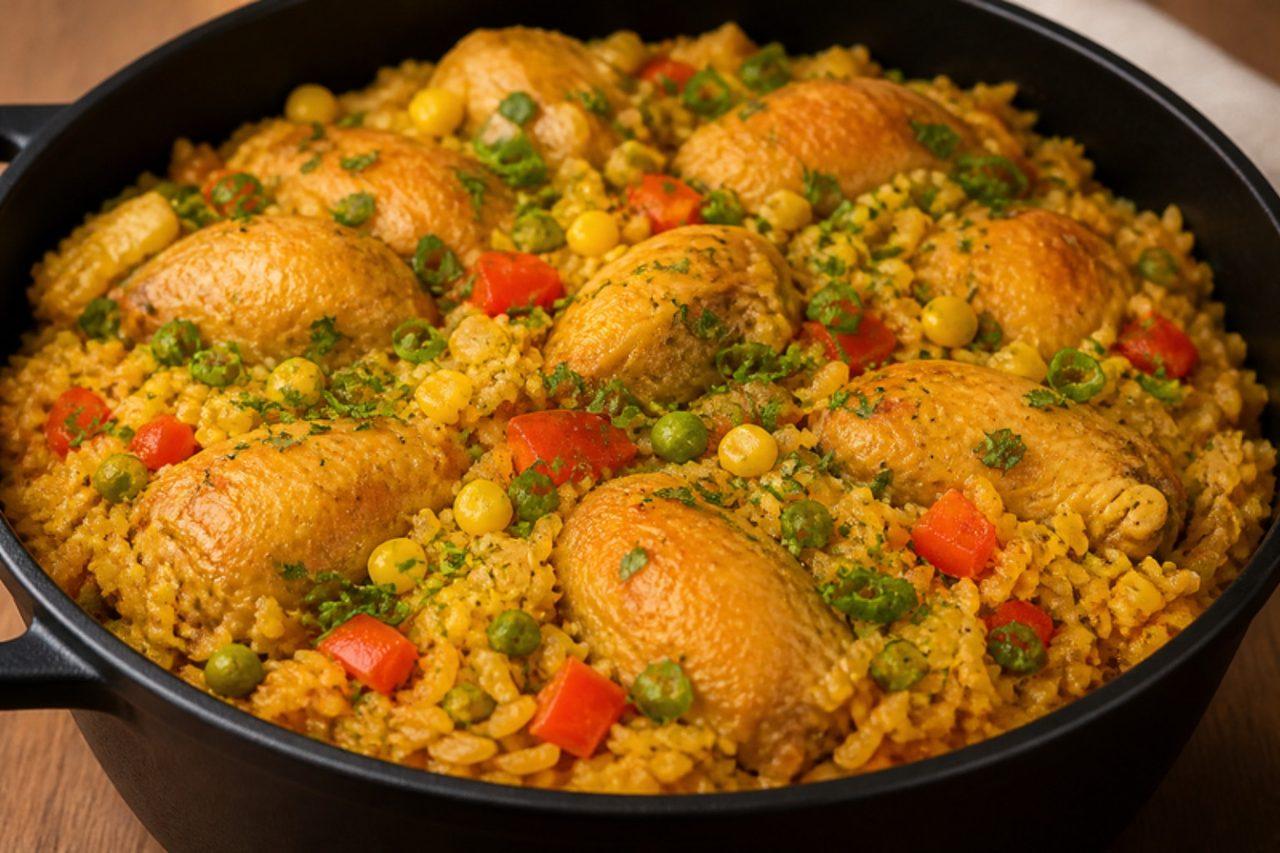
Sunday lunches, church festas and roadside restaurants in Goiás all revolve around a big pot of galinhada: chicken browned with garlic and onion, then cooked with rice in its own stock until each grain is golden from açafrão-da-terra. In Brazil that word means turmeric, not true saffron, and it is turmeric that gives the dish its colour. Goianos add pequi, the cerrado fruit with a heady, cheesy-tropical scent; you can buy it in jars in Brazilian shops, but warn your guests: the stone is covered in fine spines under the flesh, so nibble gently and never bite into it. It comes out moist, fragrant and comforting, finished with plenty of cheiro-verde. The common mistake is adding too much water, which makes it mushy; the rice should be loose, like a paella that has just settled. Chef's tip: brown the chicken until it leaves a dark crust in the pot, then let the rice dissolve it.

by KrazyBadal 0 views

Gallina pintaBeef, pinto bean and hominy stew

Despite the name, there is no hen in gallina pinta: the 'speckled hen' of Sonora is a hearty soup of beef, pinto beans and hominy, the speckles being the beans among the white corn. It is cold-weather food across the state, ladled out at family gatherings and in Hermosillo diners, and every cook uses bony cuts such as oxtail or beef shank so the broth turns rich and silky. The beans need soaking overnight, so start the day before. Serve it in deep bowls with chopped onion, oregano, lime and a dried red chilli crumbled over, plus warm flour tortillas. Chef's tip: add the hominy only in the last half hour, so the kernels stay plump and chewy rather than splitting.

230 minMexicanSoupsGluten free
by KrazyBadal 0 views

Hawaiian Chantilly cake

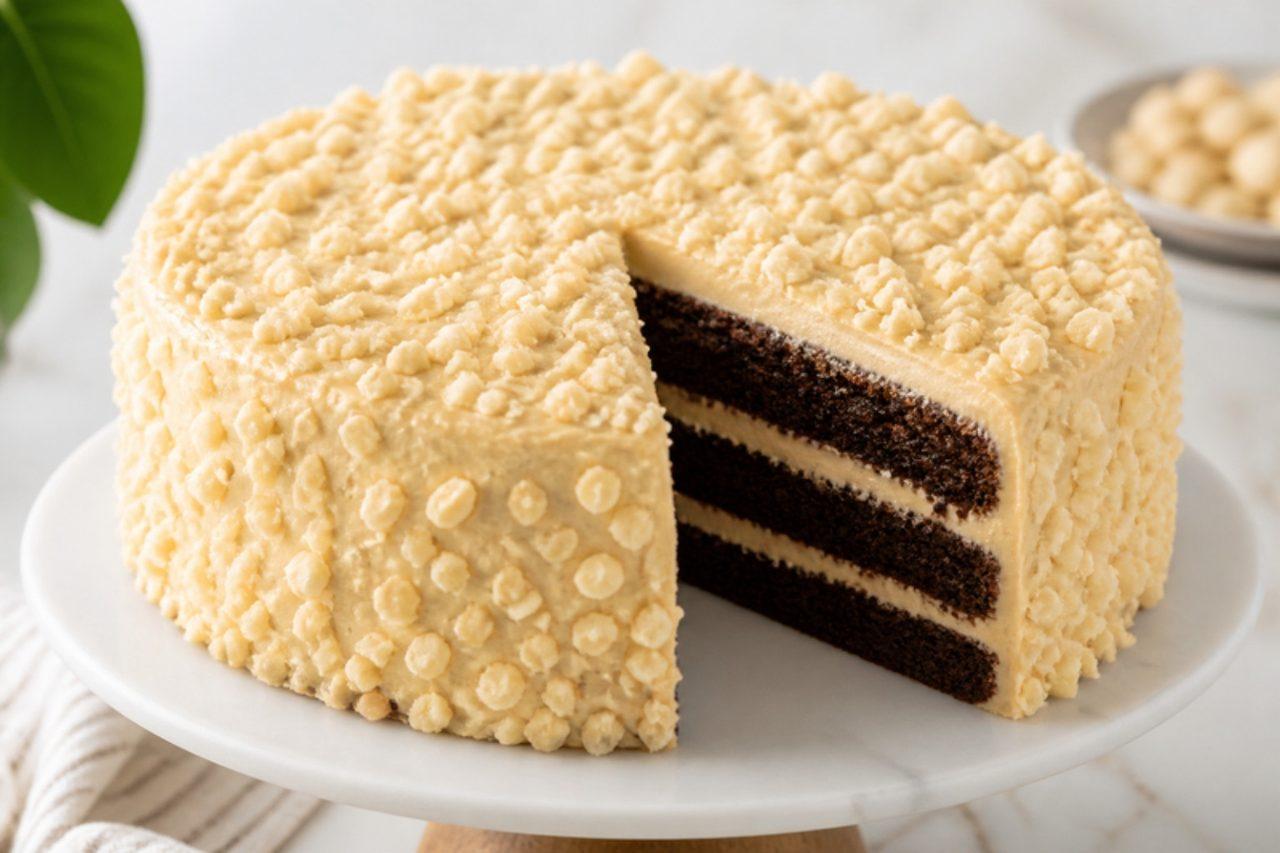
In Hawaii, Chantilly cake means a chocolate layer cake covered in a rich, caramel-coloured frosting made from evaporated milk, egg yolks and butter, not the whipped cream the name suggests. Honolulu bakeries have sold it for birthdays and graduations for decades, and it is very different from mainland cakes. Chef's tip: cook the frosting base slowly and stir constantly until it is as thick as pudding; if it is runny, the frosting will slide off the cake.

by KrazyBadal 0 views

Hawaiian sweet bread

Hawaiian sweet bread grew from the pão doce that Portuguese families baked in the islands at Easter, and bakeries in Hilo made it famous as a soft, golden, faintly tangy loaf. Pineapple juice gives a gentle fruity sweetness, and the crumb is pillowy and pulls apart in strands. Eat it toasted with butter, or use it for French toast. Chef's tip: the dough should be very soft; be patient during kneading instead of adding extra flour.

by KrazyBadal 0 views

Sonoran hot dog

The Sonoran hot dog came north from Hermosillo in Mexico and is now the late-night street food of Tucson, Arizona, sold from carts and small stands called dogueros. A frankfurter is wrapped in bacon (pork) and griddled until crisp, then tucked into a soft, split-top bolillo roll with pinto beans, onion, tomato, mayonnaise, mustard and jalapeño salsa. Chef's tip: wind the bacon tightly in a spiral and start it seam-side down, so it sticks and doesn't unravel.

by KrazyBadal 0 views

Victoria sponge

Named after Queen Victoria, who took a slice with her afternoon tea, the Victoria sandwich is the cake of English village fetes, Women's Institute competitions and every birthday tea in the shires. It is two light butter sponges joined with raspberry jam and buttercream, finished with a dusting of caster sugar. Chef's tip: weigh the eggs in their shells and use the same weight of butter, sugar and flour; that is the classic way to get a perfect crumb.

by KrazyBadal 0 views

French dip sandwich
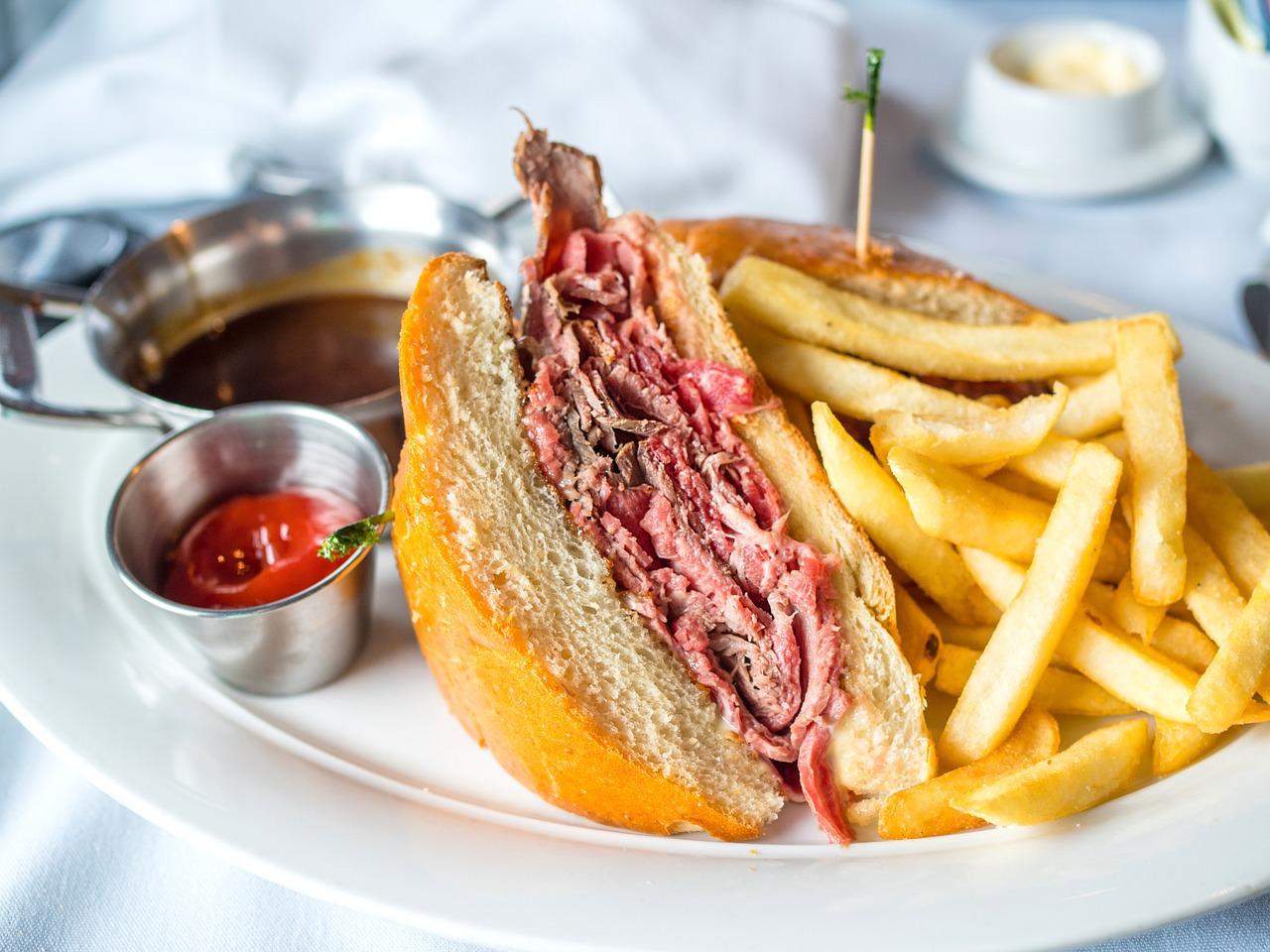
Two downtown Los Angeles delis founded in 1908 still argue about who first dunked a roll into the roasting pan juices, but either way the French dip is LA's own sandwich: thin slices of roast beef piled into a crusty French roll that is dipped in a rich, savoury beef jus, eaten with hot mustard at the counter. Chef's tip: make the jus from the roasting pan; the browned bits stuck to the tin are where the flavour lives.

110 minAmericanMeat
by KrazyBadal 0 views

Mission burrito

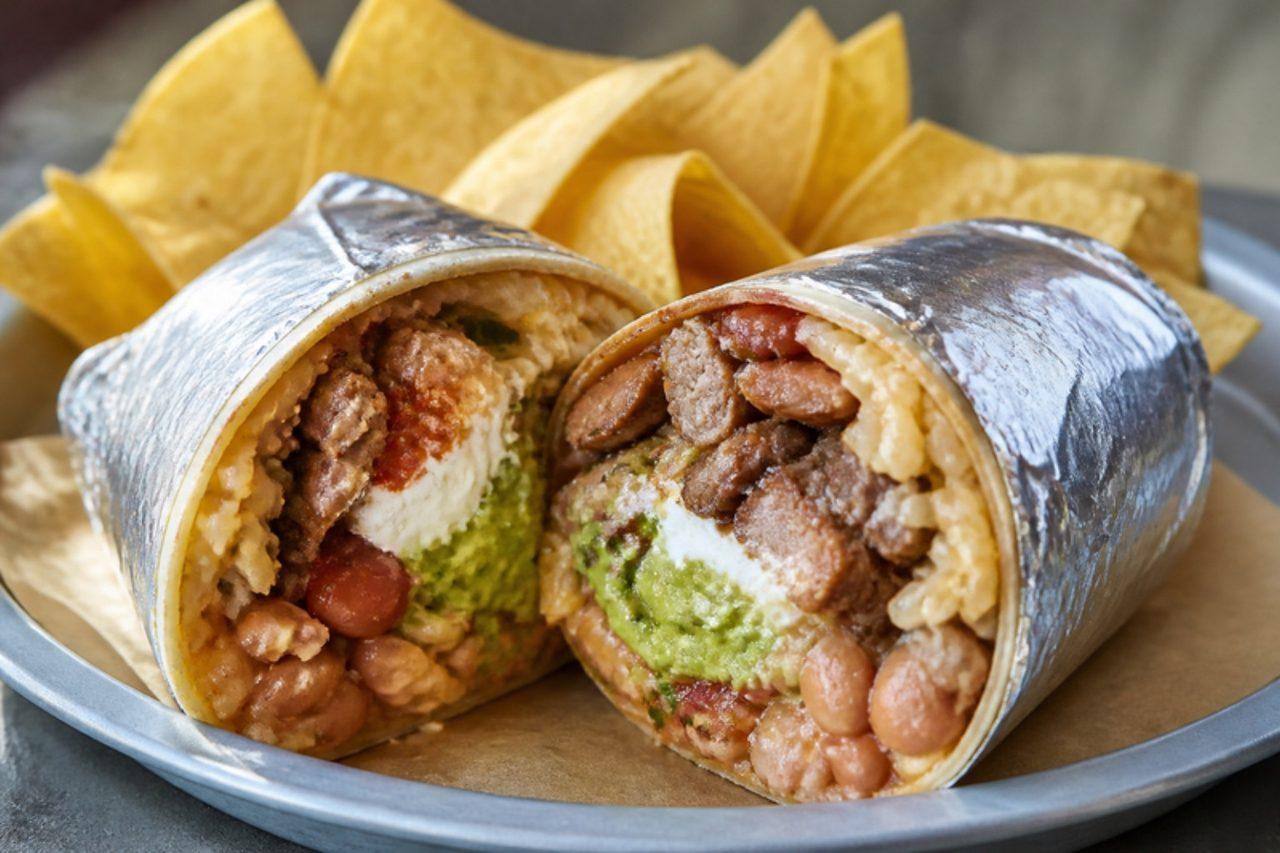
The Mission burrito comes from the taquerias of San Francisco's Mission District, where in the 1960s and 70s cooks began steaming huge flour tortillas and packing them with grilled meat, rice, beans, salsa, cheese and guacamole, then rolling the whole lot tight in foil. One is lunch and dinner for a student. Chef's tip: steam the tortilla until it is soft and stretchy; a cold tortilla splits as you roll it.

by KrazyBadal 0 views

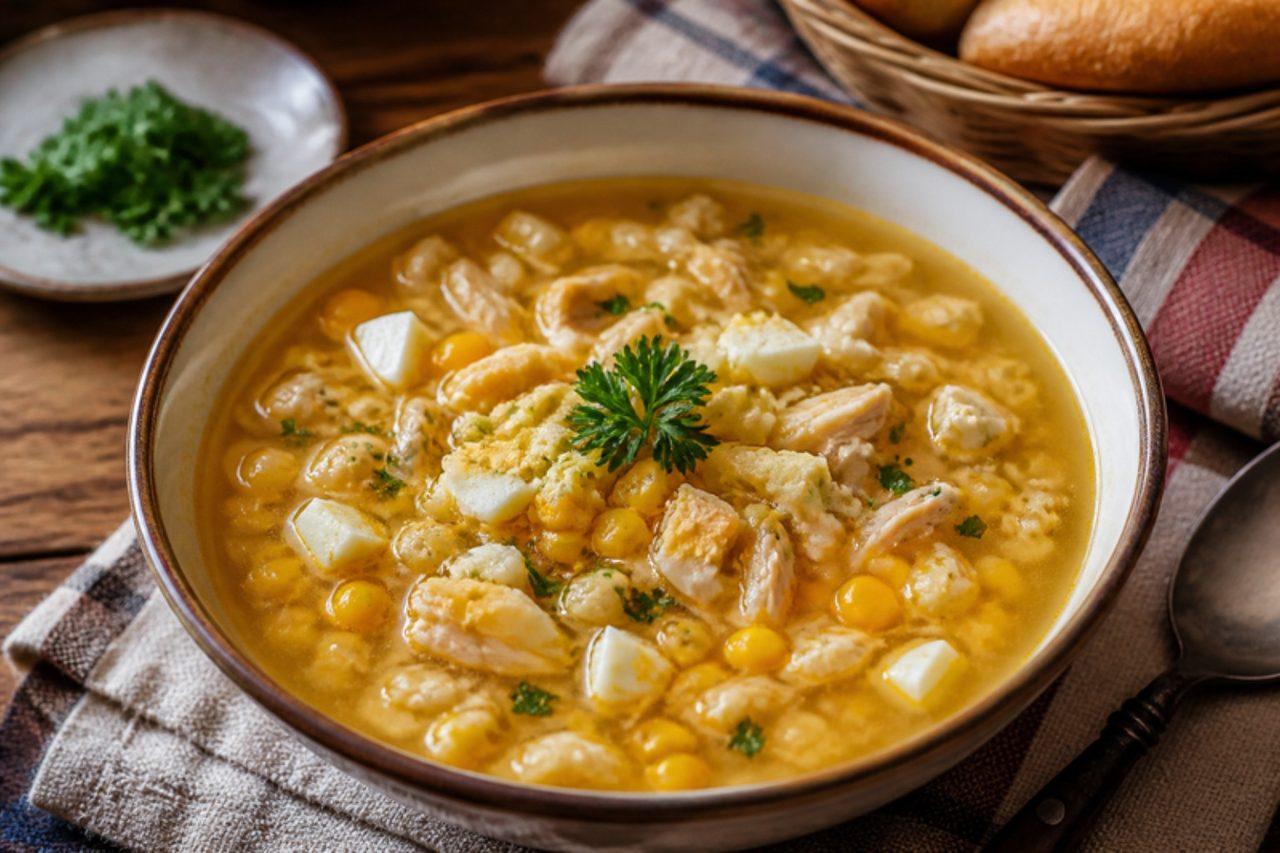
Lancaster chicken corn soup

Every summer fire company picnic and church fair in Lancaster County sells this golden soup by the quart: chicken broth tinted with saffron, packed with sweetcorn and shredded chicken, and thickened with rivels, little rubbly dumplings rubbed between the fingers. Some cooks add chopped hard-boiled egg on top. Chef's tip: rub the rivel dough over the simmering soup through your fingers so the pieces fall in small, like grains of rice.

by KrazyBadal 0 views

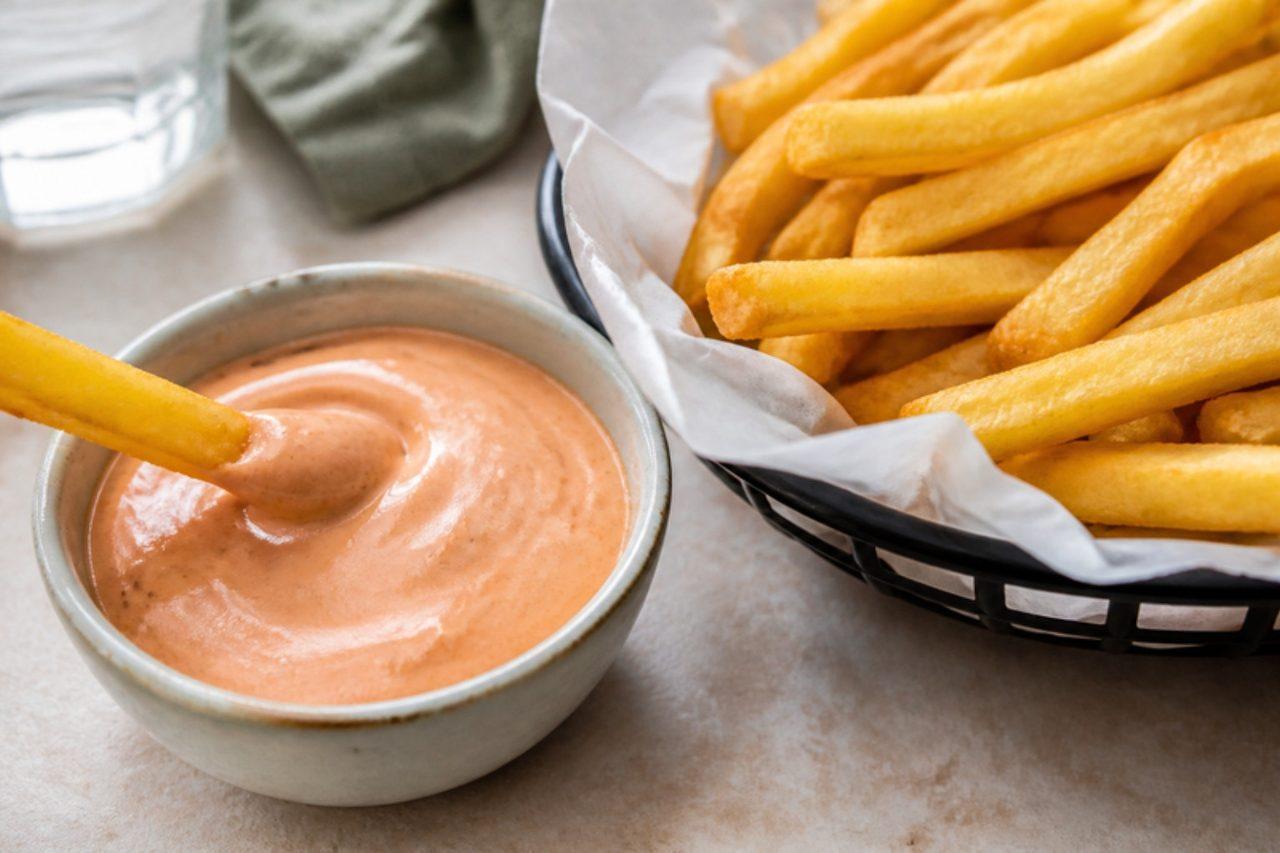
Idaho fry sauce

In Idaho and neighbouring Utah you don't get your fries without fry sauce, the pale pink dip that drive-ins and burger stands across the potato state put out in paper cups. It is mayonnaise and ketchup at heart, sharpened with a little pickle brine, garlic and smoked paprika, and it goes on chips, burgers and onion rings. Chef's tip: make it an hour ahead and chill it, so the garlic and paprika have time to bloom.

by KrazyBadal 0 views

Showing 90 of 8,120 recipes

Page 465 of 903